
Audi has gone for techno boost over drum and bass and lightweight over lard to deliver a flexible, strong 200kW machine that whips to 100km/h in just over five seconds.
This review was first published in MOTOR Magazine’s August 2008 issue.
But while it’s about to apply the turbo blowtorch to BMW’s ageing Z4, Benz’s SLK, Porsche’s base Boxster and a host of Asian upstarts, it’s Audi’s own 3.2-litre V6 TT that will cop the brunt of its abilities. The TTS is so fast, flexible, friendly and nimble that it’s made the 3.2 seem like a lazy-man’s touring car. The TTS’s styling changes are limited to the front bumper, sills, rear diffuser and quad exhausts, but there’s a lot more to it under the skin.
The TTS doesn’t feel any less impressive in coupe or convertible forms. While it’s no match for a Boxster S in the twisties or in throttle response, it’s right on the pace for in-gear flexibility and for practicality.
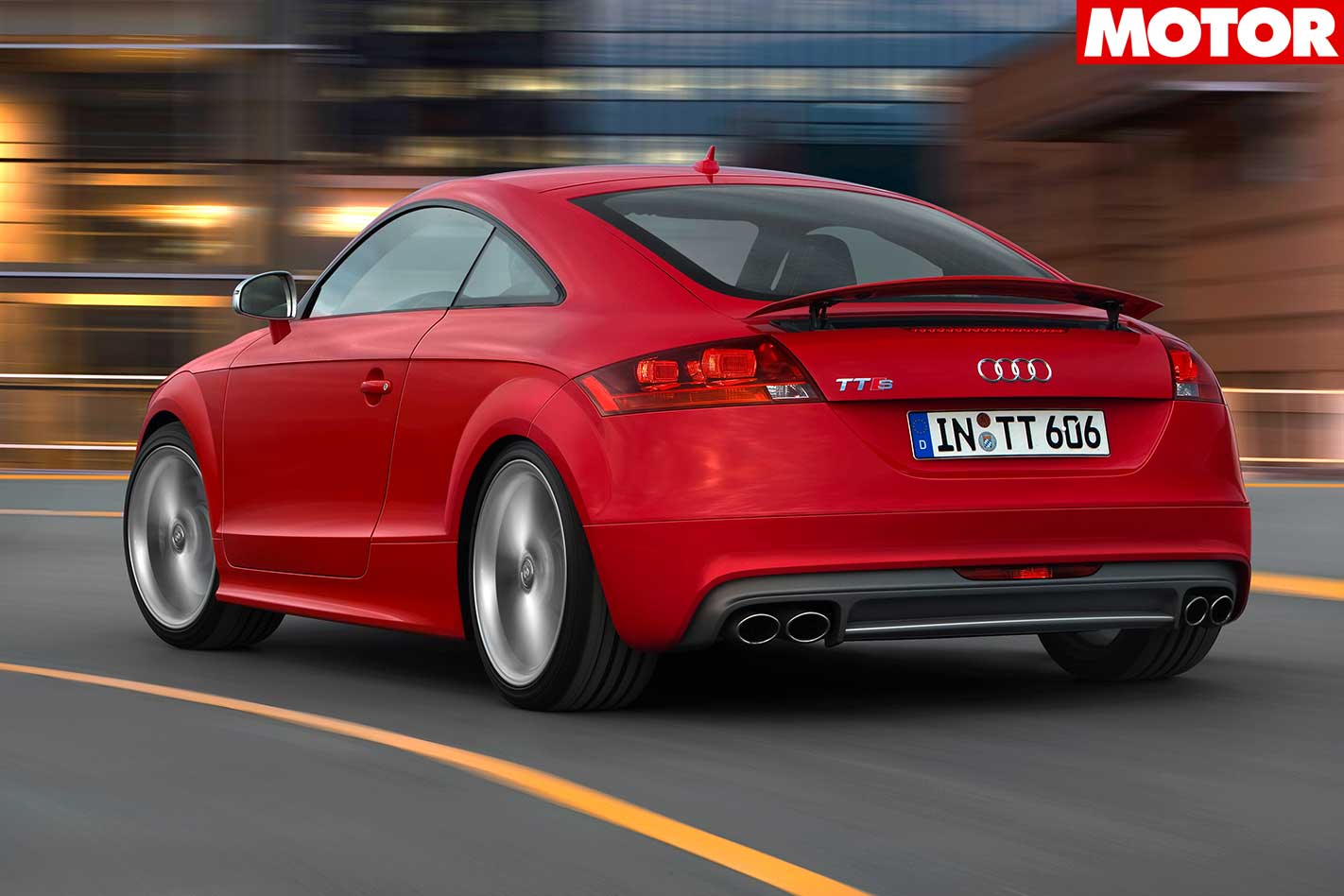
It’s hard to launch, as even with ESP off it’ll bog down, so it’s difficult to achieve a consistent time. The sound is the only disappointing thing about the TTS’s engine. It’s flat with an annoying drone, even when pulling a mere 2400rpm at 100km/h.
The straight-line performance starts working hard from low speed and the engine keeps pulling uphill, even in fifth from 50km/h, with ease; every time you squeeze the accelerator above 2000rpm, the torque kicks in.
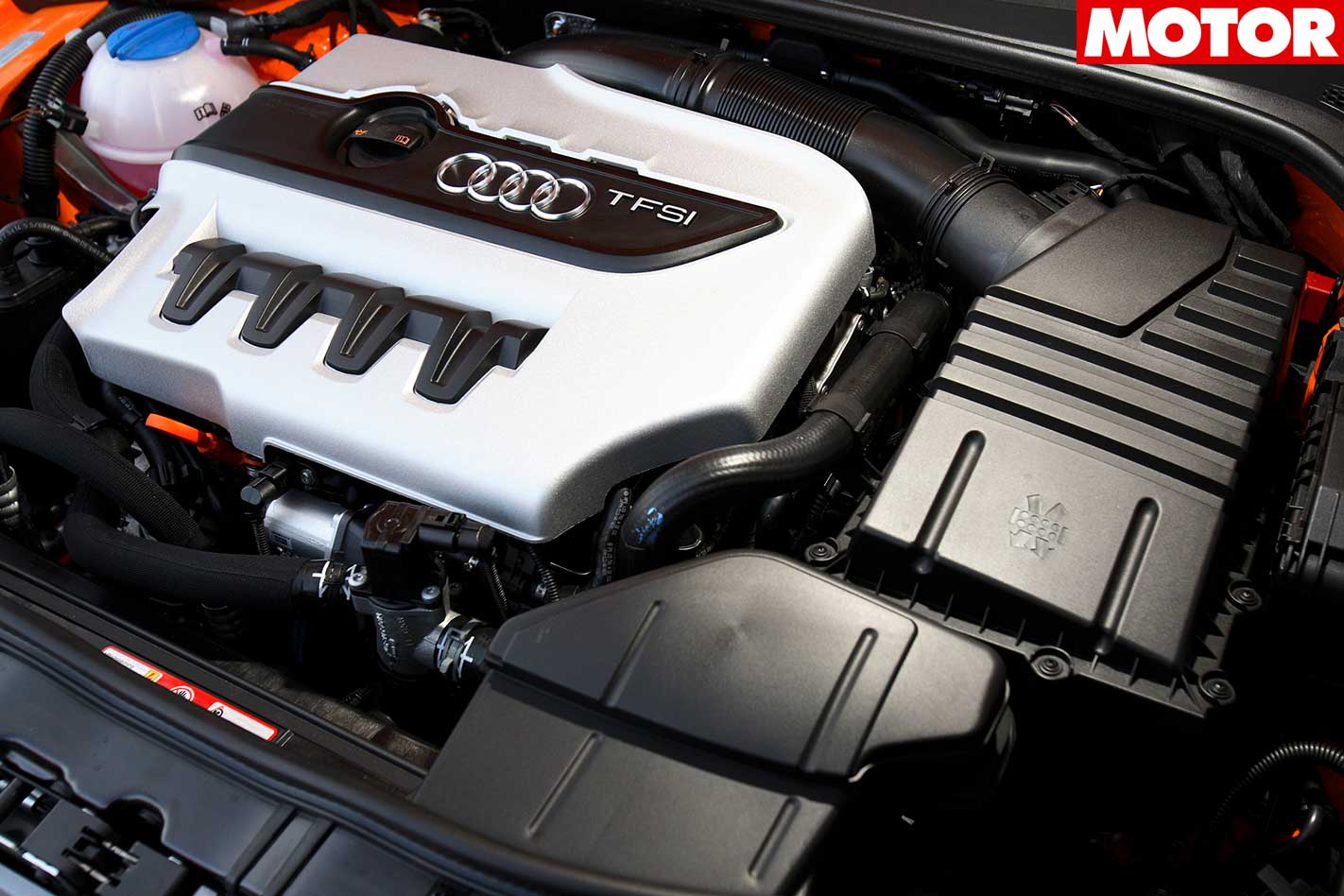
Grip is never in question, partly because the handling is so predictable and because it’s the second car to offer the new Haldex IV part-time all-wheel drive system, which, being electronically operated, is fast and accurate.
The handling is crisp as well; far nicer than the flagship. While both cars share magnetic suspension, less weight over the front wheels helps the TTS change direction, despite 59 percent of its weight still being over the front axle.
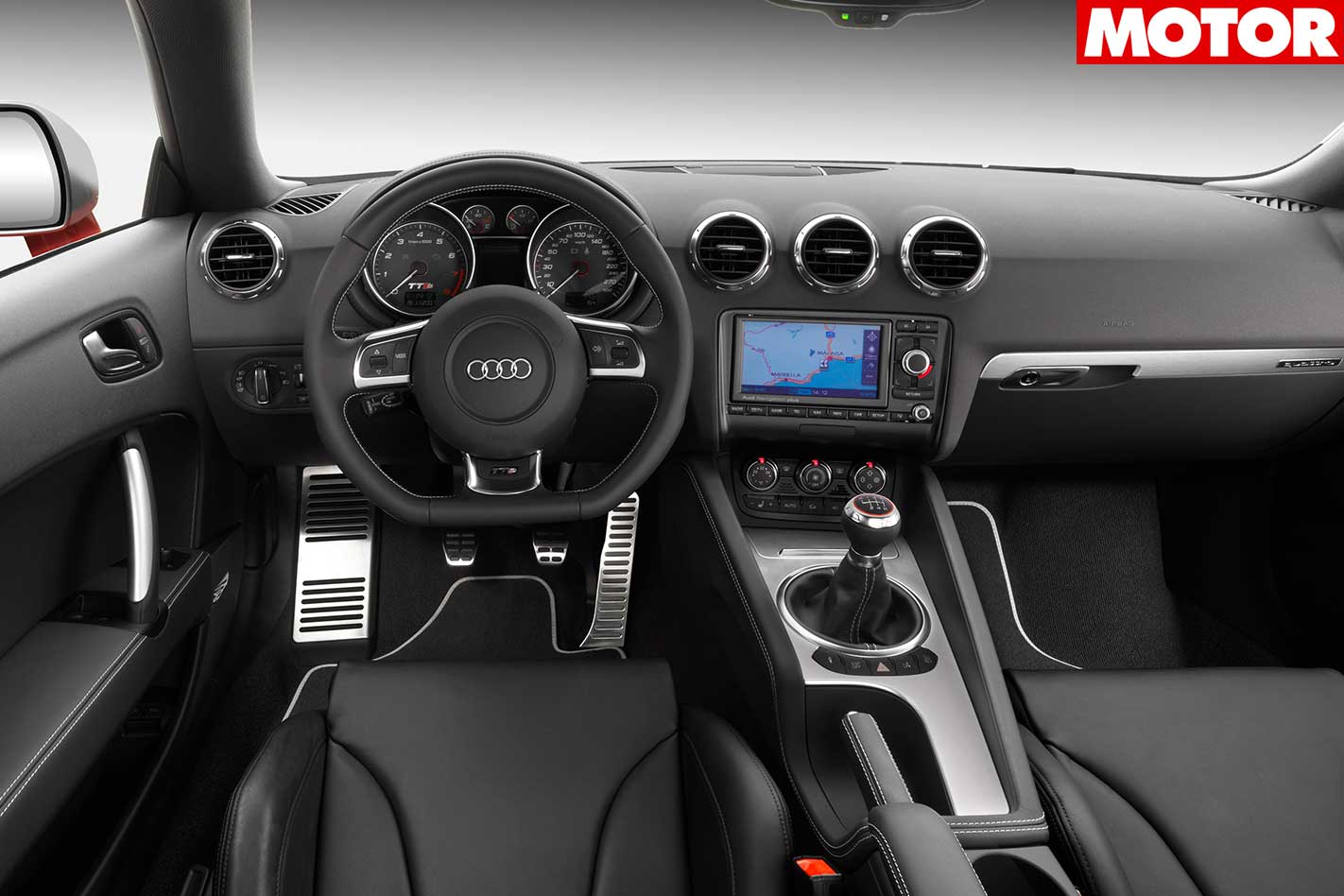
Its ESP is admirably reluctant to interfere, even across mid-corner bumps when the car’s balance is finely poised. The interior is sporting, clean and beautifully finished, and the TTS even has the audacity to ride pretty well.
Audi has been in a sweet spot with its smaller cars ever since it figured out that a hard ride did not equal a fast or sporting car. And there’s not much wrong with this one.
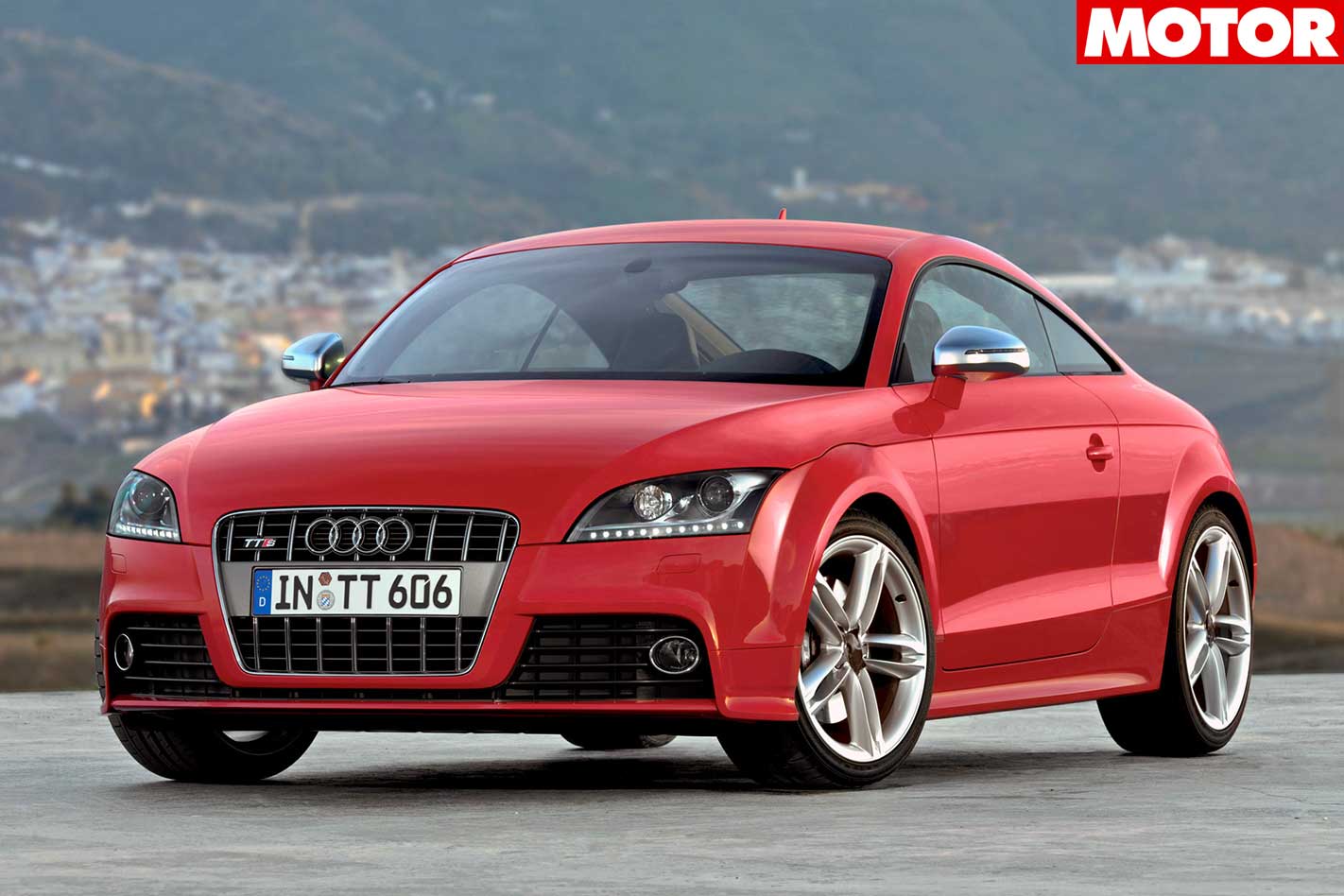
ENGINE: 1984cc 4cyl, DOHC, 16v, turbo POWER: 200kW @ 6000rpm TORQUE: 350Nm @ 2500-5000rpm WEIGHT: 1415kg (DSG) 0-100km/h: 5.2sec (claimed, DSG) TOP SPEED: 250km/h (limited) PRICE: $92,900 (m), $96,500 (DSG)
LIKE: Brilliant engine; fine balance; slick ’box; superb cabin DISLIKE: Exhaust note is droney (a wasted opportunity)
In our first three issues of the year, we’ve put the Holden Commodore to the test twice, first with a 3000km stress test to Bourke, and then with a four-car comparison against some of its fiercest rivals in the large sedan segment.
The star of our January issue was Car of the Year, which is captured by three photographers across five days.
With the likes of Nathan Ponchard behind the wheel, they were able to capture the cars of 2017 being tested to their limits, with plenty of opposite lock, and jump shot or two.
In just three issues we’ve covered multiple continents, driven some of the world’s fastest and greatest cars. This included some quality time Stateside, to hunt for ghosts in the new Jeep Compass and pit the new Chevrolet Camaro and Ford Mustang against each other in California’s canyons.
Some of these images you’ll likely recognise from the pages of the magazine, while others are a small selection of the hidden gems which would otherwise never see the light of day in print or online.
While the writers on the Wheels team are lucky enough to be behind the wheel, enjoying the best of the automotive world, we always have a photographer along with the ride, to illustrate the story.
So flick through our gallery, and enjoy the excellent shots from the first three months of a very exciting year to come.
A 2016 Choice magazine survey found that 50 percent of respondents thought they had to return their car to the dealer for servicing to maintain their warranty, or were unsure.
Under Australian law, a vehicle manufacturer can’t compel you to have your car serviced through and authorised dealership. This means you can take it to a suitably qualified, registered mechanic of your choice – including your local garage, a national chain or mobile mechanic – as long as the service is carried out in accordance with the manufacturer’s specifications.
The advantages of using independent mechanics includes being able to choose someone you can trust. Then there’s the convenience of taking your car somewhere close to home or work. The mechanic is also allowed to use approved ‘non-genuine’ generic-brand parts which could save you money. Bear in mind though that the warranty can be voided by poor workmanship or if non-standard parts result in damage to the vehicle, so best avoid backyard mechanics.
A safe bet is to use a mechanic who specialises in your make of vehicle, particularly if it’s a luxury brand.
Dealership servicing
Car dealers rely on people to take their cars to dealerships to capitalise on the profit from each car they sell, which is why they provide incentives such as capped-price scheduled servicing and loan cars.
Dealerships service departments are also more likely to be more familiar with new models and latest technology, have all the correct diagnostic equipment and direct access to the spare parts network.
In the end the choice is ours, but it’s interesting that 90 per cent of people who responded to the above-mentioned Choice survey said they take their new car to an authorised dealership.
Like it or not, electrified drivetrains are arriving fast. Here are seven bound for Australia in 2018 that we’re pretty amped about.
1. BMW i3S
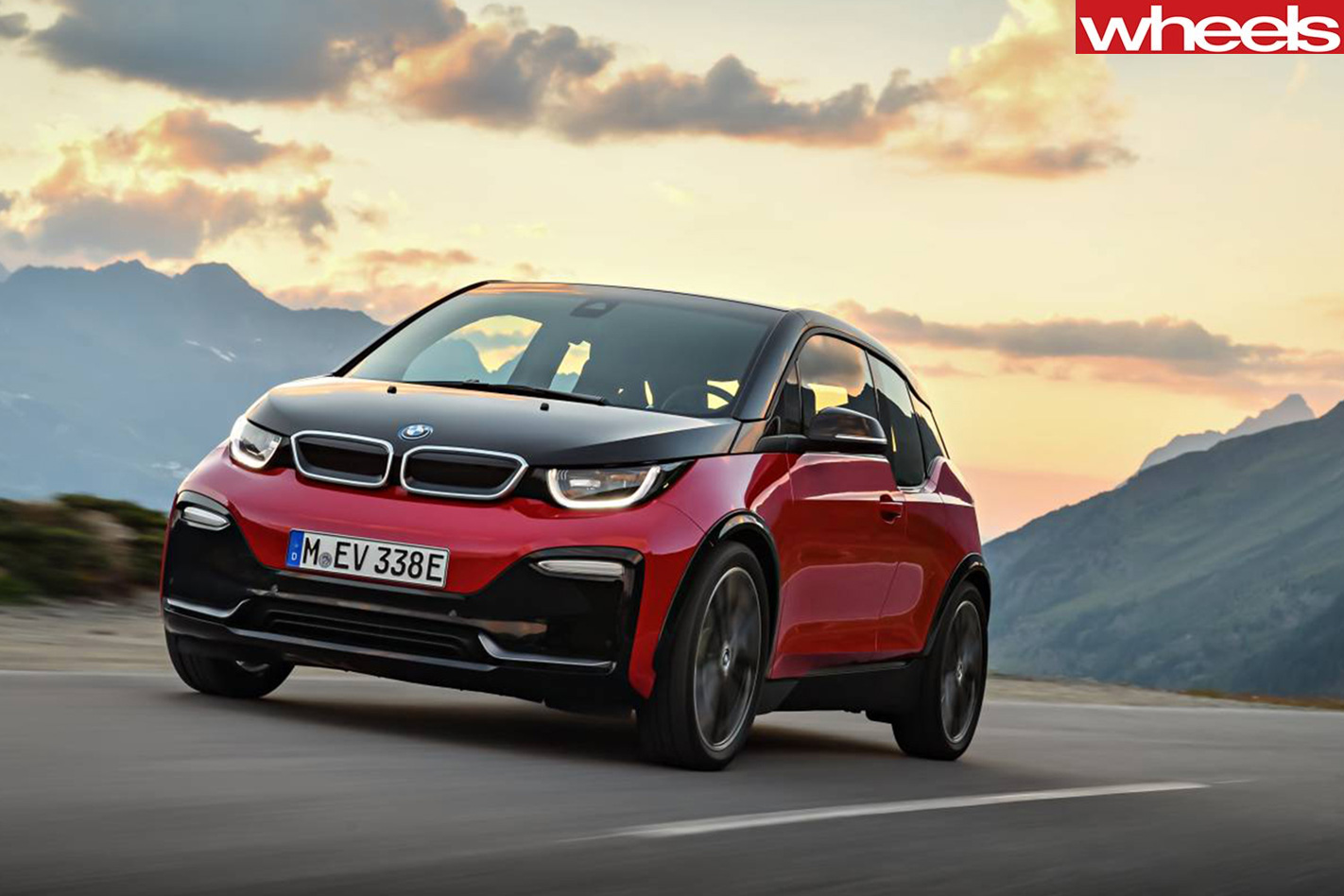
The i3S is the sport variant of BMW’s smallest electric model, the i3. This five-door hatchback is the only sub-$100K electric car in Australia (and has been for the past four years) that you can buy right now. It’s powered by a single 135kW/270Nm electric motor driving through a single-speed transmission. Combined with the lightweight carbonfibre construction, the i3S will hit 100km/h in 6.9 seconds, faster than a Mazda MX-5. Charge it with green electricity and you’ll reduce your motoring carbon footprint to zero. The i3S is 40mm wider than the standard i3, rides on stiffer, lower suspension, 20-inch alloy wheels and features BMW’s dynamic traction control system the company says allows for “mild and safely controllable drifts when grip levels are reduced”. That’s right, it’ll drift. Apparently. Send us a photo if you manage it.
2. BMW i8
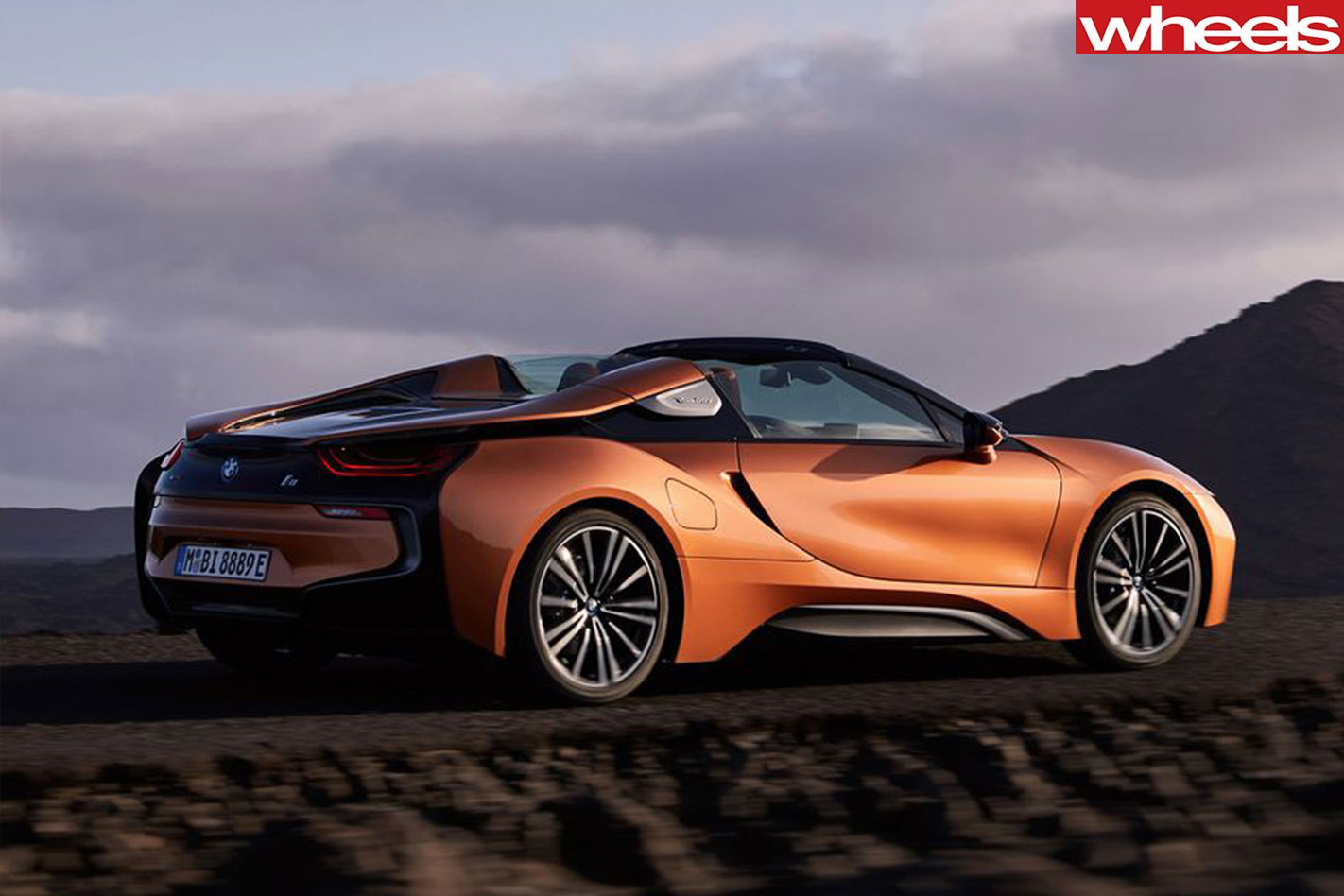
3. Hyundai IONIQ
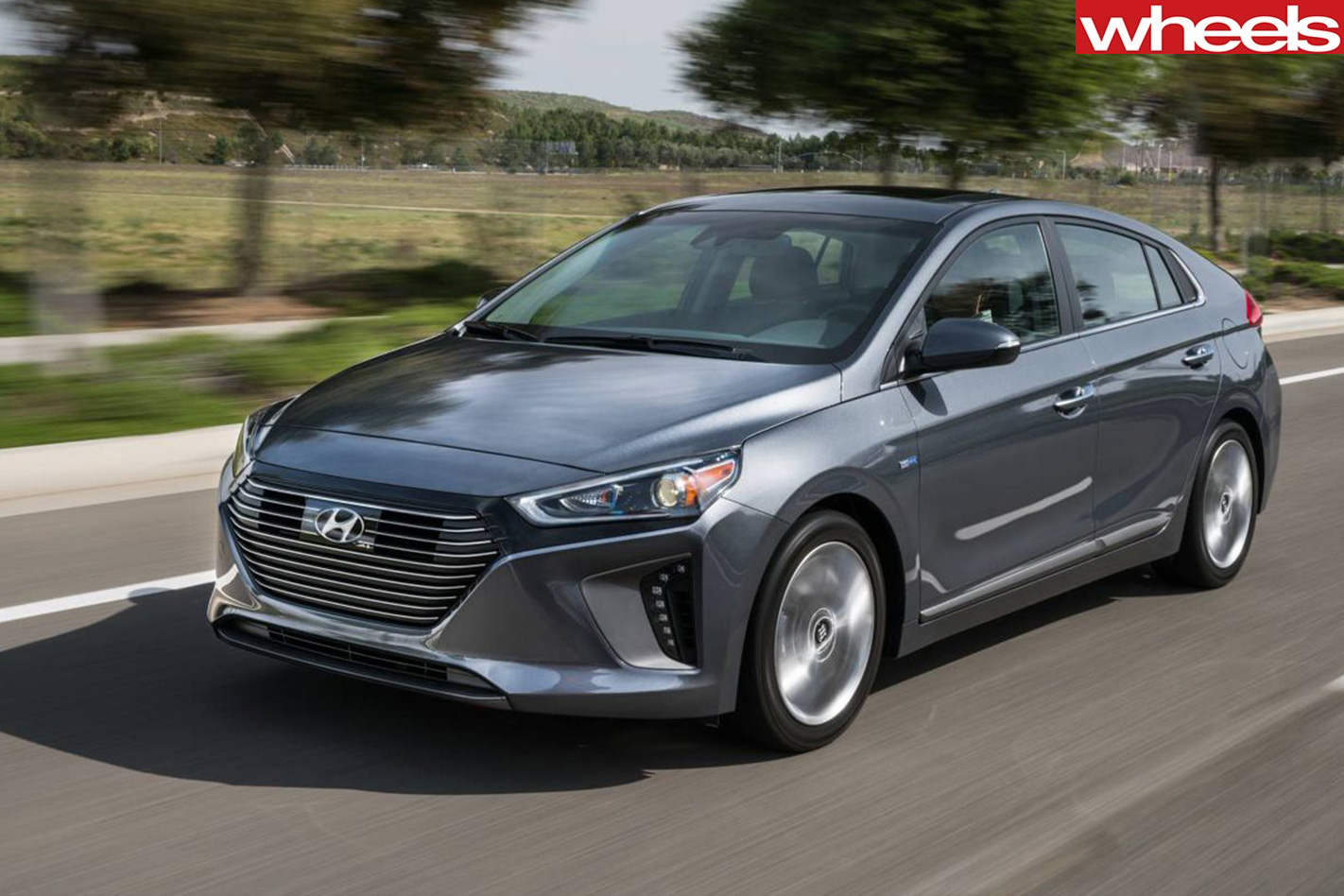
The first Hyundai IONIQ is expected to go on sale in the second quarter of 2018 with a starting price around $37,000.
4. Range Rover and Range Rover Sport PHEV
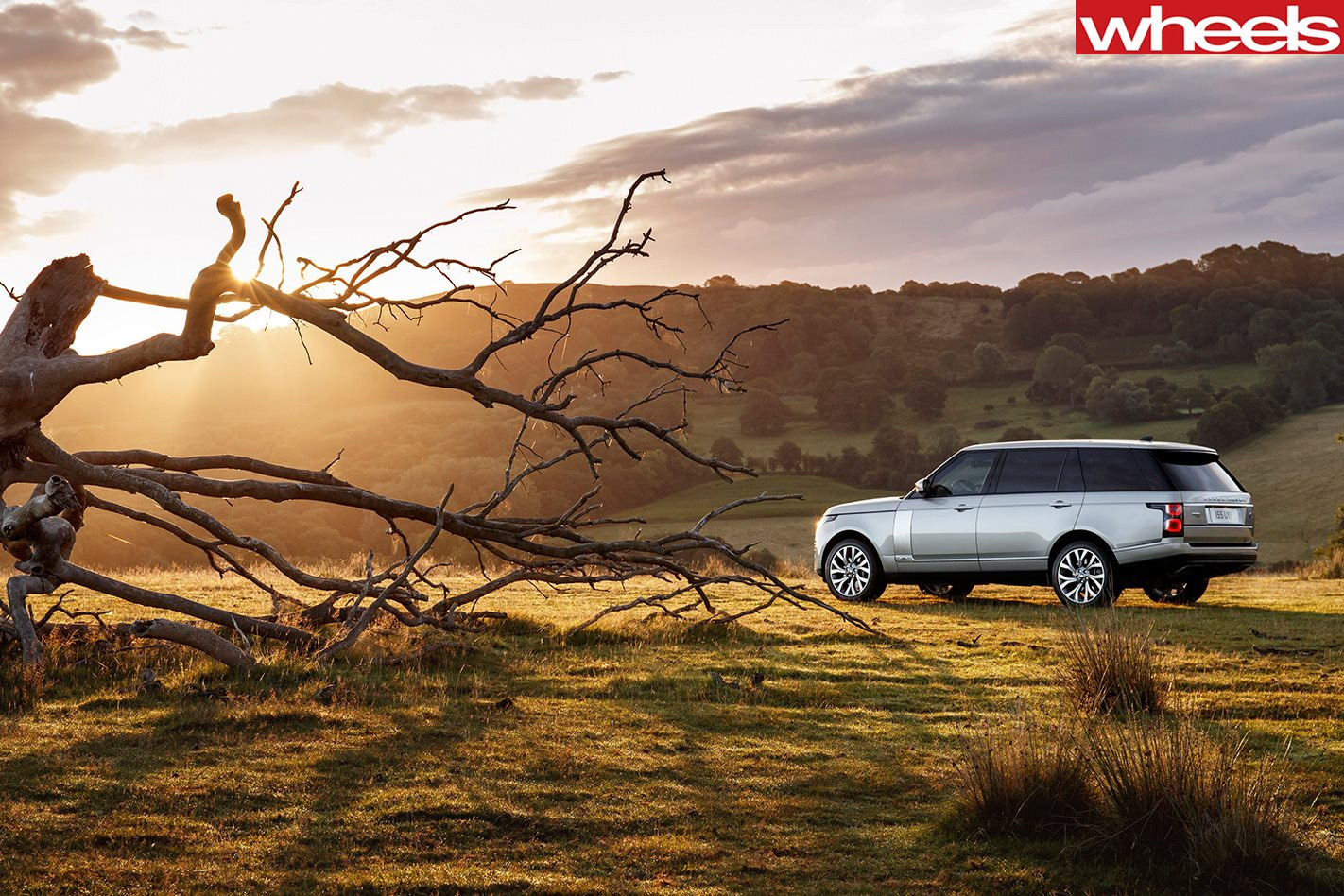
5. Jaguar I-Pace
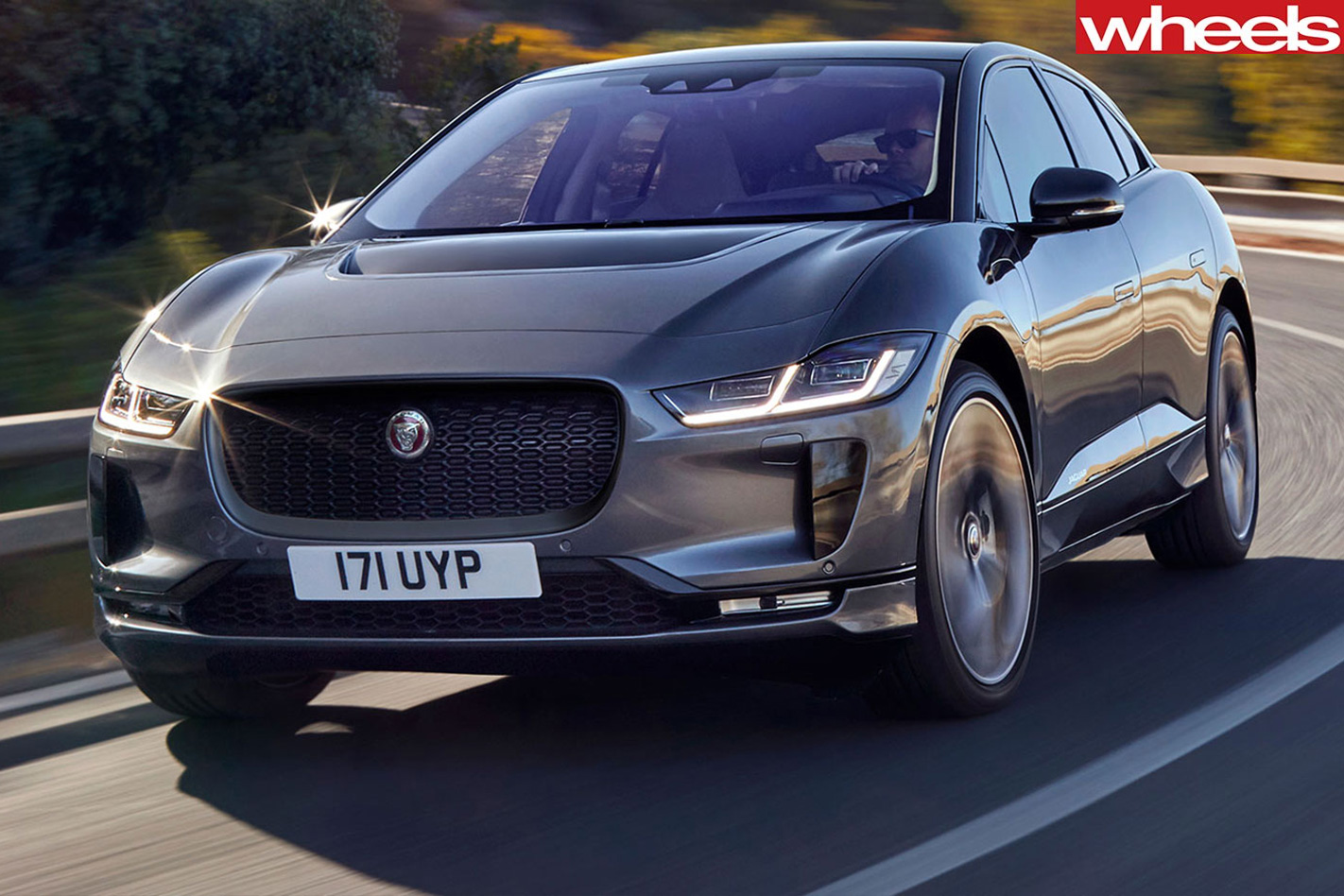
6. Nissan Leaf
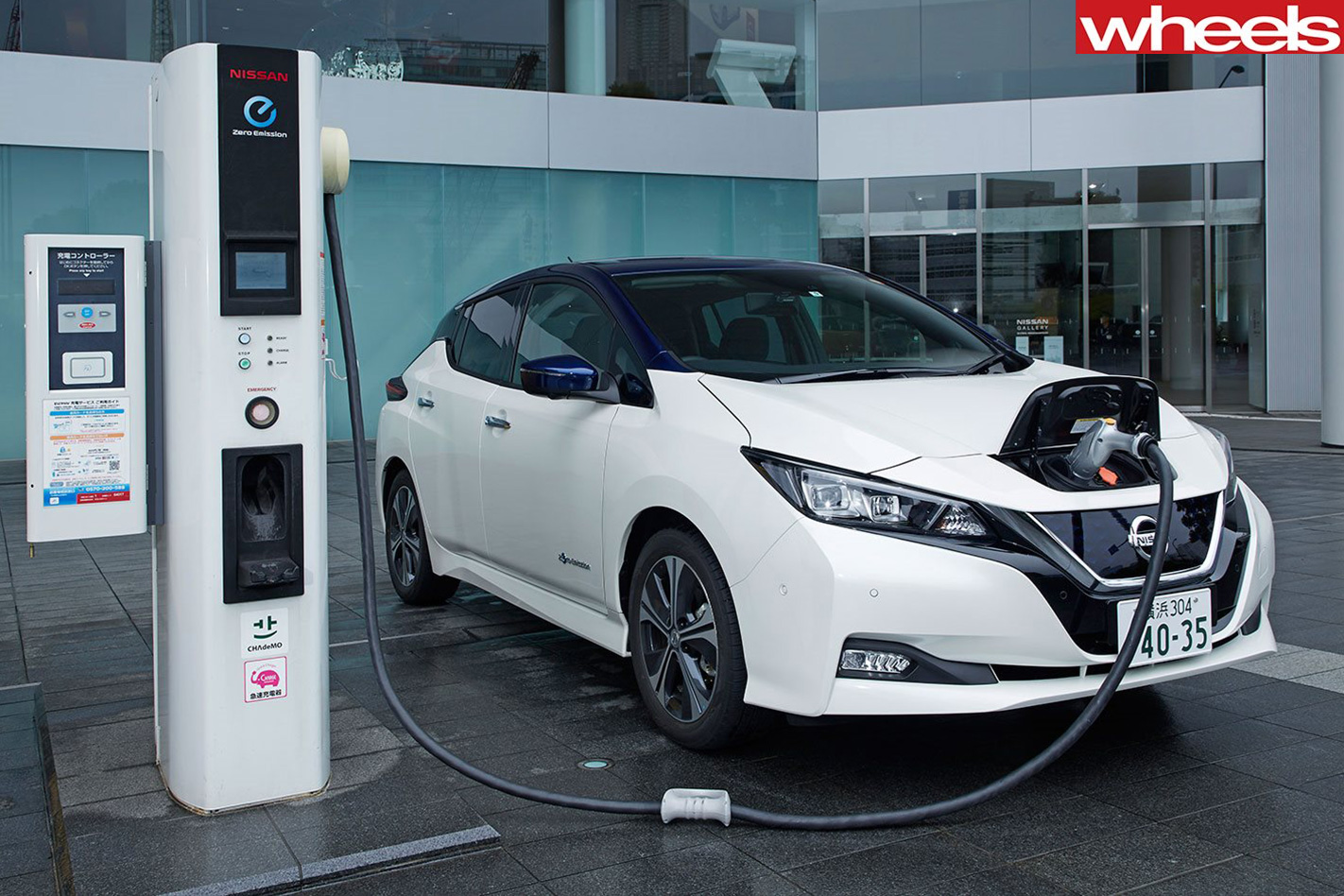
7. Mercedes-Benz AMG CLS53
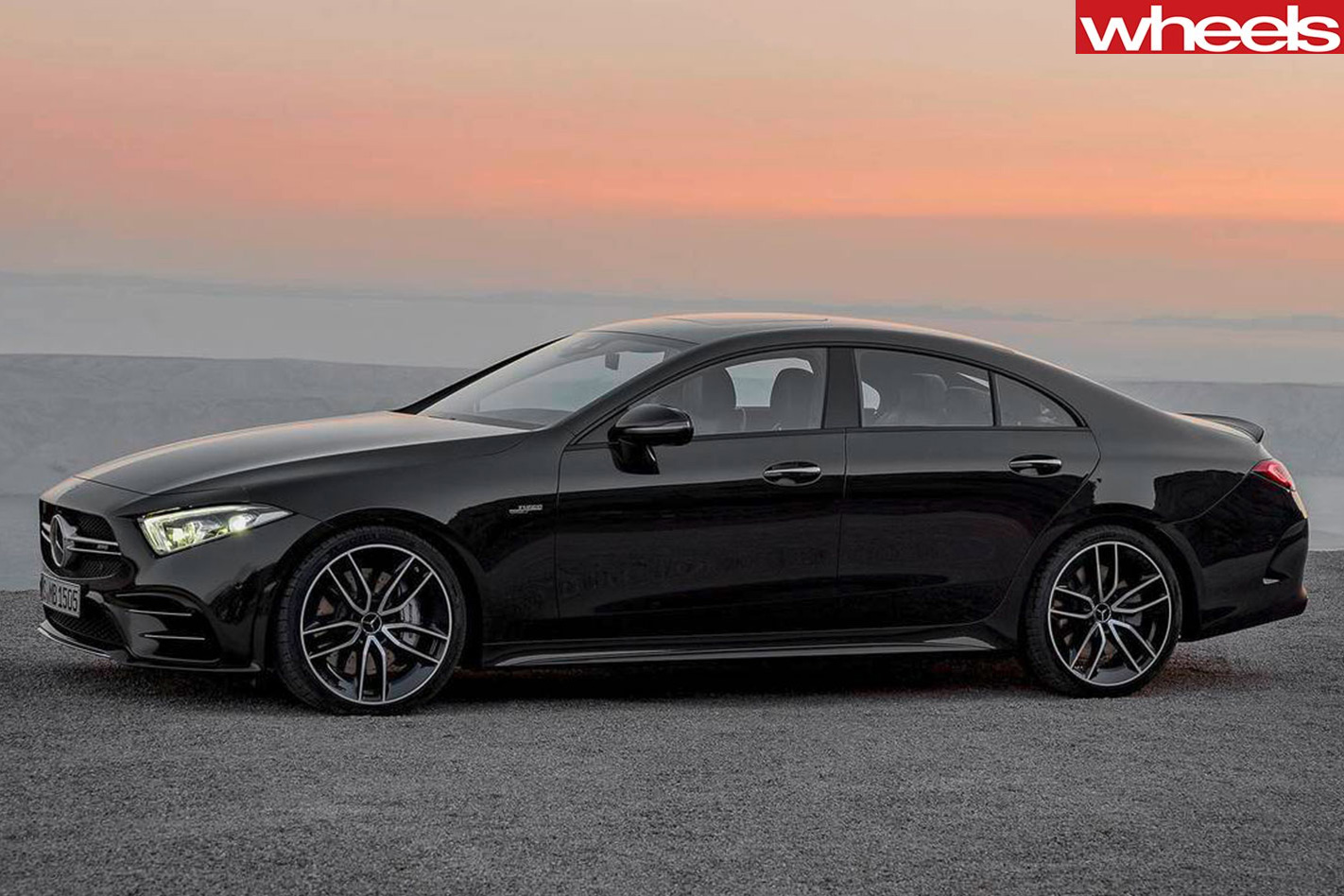
Shoot us a message for your chance to be featured in the magazine and on our site. Keep it short and sweet (no more than 200 words) and please include your suburb if via email (details at bottom).
(Re)live Axle I am a 35-year veteran of GM Holden who retired in 2002. In 1969 I undertook a two-year work assignment at the Chevrolet Buffalo gear and axle plant in the USA that was tooled up to produce the rear axle assembly for the then-new Chevrolet Vega small car. Early road testing of pre-production cars indicated that the NVH in relation to the rear axle was not acceptable for production.
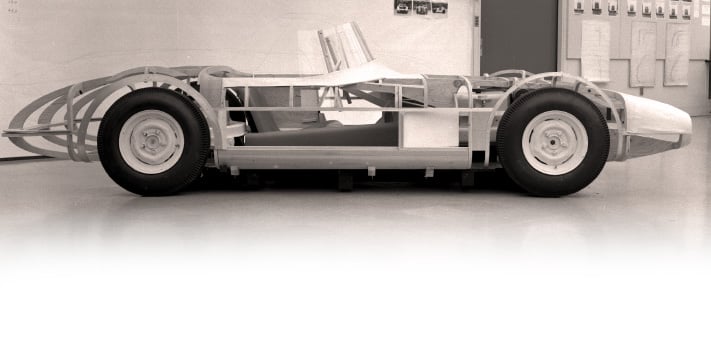
The chief product engineer assigned from the Detroit Tech Centre was convinced that the monocoque vehicle construction was the major reason for the excessive NVH, and he sought me out for a discussion as GM Holden was producing monocoque vehicles, and we did not have significant issues with NVH. He stated that GM was only producing two monocoque cars – the Chevrolet Corvair and the Pontiac Tempest – but both had transaxles, with the Corvair also being rear-engined. Neither had NVH issues with rear-axle noise! Casually, he said GM had built an experimental small Corvette with a Tempest transaxle and a Holden engine to run against the popular Austin Healy.
Graham Docker, via email
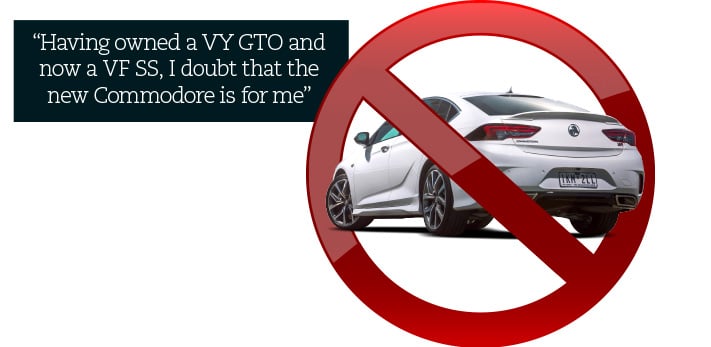
Brock Head Having owned a VT Calais, a VY GTO, a VZ R8, VE Calais and now a VF SS, I doubt that the new Holden Commodore is my kind of car.
I expect that Mr 35-Year-Old Executive will see it as comfortable and user friendly, but then he has never seen Peter Brock’s A9X at full power coming at you over Skyline, nor pushed a Chevrolet V8 engine hard in third gear along a quiet back road, nor really done anything much that was possible in the days of Australian-made cars.
Open Range Would I buy a plug-in EV? Once they have a genuine 500km freeway driving range, this would cover 90 percent of my daily driving from home, but 75 percent of the kays I drive are long distances where an EV would not be practicable. Do I fly and hire a car, or maintain a second petrol-powered car? Both of these alternatives defeat the purpose of buying a plug-in car and are not cost-effective.
The BMW i3 and Holden Volt both try to address this range problem from opposite directions with limited success. The i3’s range-extender petrol engine is too small to sustain constant driving, and the Volt has a full-size petrol engine that must be carried around all the time. Ideally, we need a slide in, slide out auxiliary engine that can generate about 10-20kWh to provide a 1000km-plus range when required. I will buy a plug-in EV car when this happens. Ian Gibson, Kangaroo Point, Qld
Dual-Faced I was enjoying the Yearbook and noticed the very first ad was for a dual-cab ute. I also noticed a number of articles on this increasingly ubiquitous mode of family transport. What I didn’t notice was any mention of them in Marketplace. It’s only a matter of time, I suspect. Brian Wood, Balmain, NSW
Adding high-end trade utes to Marketplace is a never-ending discussion, Brian. We’ve resisted them so far… – Ed
Kill Off Holden! I currently drive a Holden. When it comes time to replace it, I would prefer to go to a GM dealership and buy an Opel, Chevrolet, Buick or Cadillac knowing that the company has been forthright and honest with the Australian public.
Instead I will be forced to go to a pretend Holden dealership and look at pretend Holdens. Let the unique Holden and Commodore names be respectfully put to rest as part of our proud Australian motoring history and stop this charade. Joe Wolinski, Mandurah, WA
No, Keep Holden! To those who are advocating to drop the Holden name, I say be careful what you wish for. Look what happened to the Mitsubishi 380 – I think they should have kept the Magna name going as it was well respected and would have attracted more followers than a number.
GMC or Chevrolet might be exciting for some, but Aussies respect the Holden name. We accepted the VB Commodore well enough as a Holden, even if it was an Opel with a few mods. Roger Darby, Mt Helen, Vic
Cool on Electric If electric vehicles become mainstream then power generation will need a massive expansion – imagine the load on the power network when we have a quarter of a million vehicles recharging each night.
A Tesla rep suggested it would be similar to running your air-con. Granted, it would be cheaper than petrol, but what if a quarter of a million extra air-cons were turned on tonight?
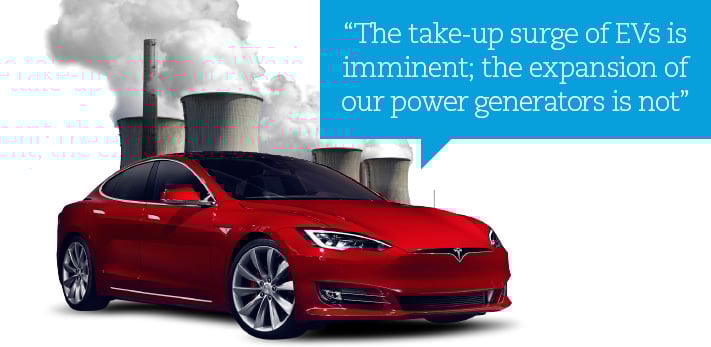
The take-up surge is imminent, the expansion of our power generators is not. Mike Riordan, Campsie, NSW
Stinger Stung I’m astounded the Kia Stinger is being considered for Wheels Car of the Year. You always say you rate a car by its entire model range, so why would you include a car that receives only three stars for the entry-level 2.0-litre and V6 in the ANCAP tests?
Another criteria for COTY is advancement; once again the Kia Stinger does nothing new. Being a rear-drive car with a decent V6 engine is nothing new. I’ve driven one and although it’s okay, it really isn’t anything special. Yes for a Kia it’s a big leap forward but that’s not what the criteria is.
I, for one, will wait for a Commodore VXR before looking at anything like the Kia Stinger. And yes, I have driven that too. Steven H., via email
Future Shock After reading The Future Edition (Yearbook, 2017), I fear motoring in the future is not going to appeal to me. Already I find I am losing interest.
I’m not interested in SUVs; they’re mostly compromised and therefore not much fun to look at nor drive.
JOIN THE CONVERSATION
Facebook: Wheels Australia Email: [email protected] Twitter/Instagram: @wheelsaustralia Snail Mail: Wheels, locked bag 12 Oakleigh, Vic 3166
When it comes to monsters lurking under the bed, few are more ferocious than the Audi C7 RS6 Avant.
There’s more than a hint of its fearsome ability in its plump arches, 21-inch dished rims and low-key stance, but nothing can really prepare you for the absolute mind-altering sensory onslaught that a hit of in-gear acceleration burns into your very soul. It is so freaking fast.
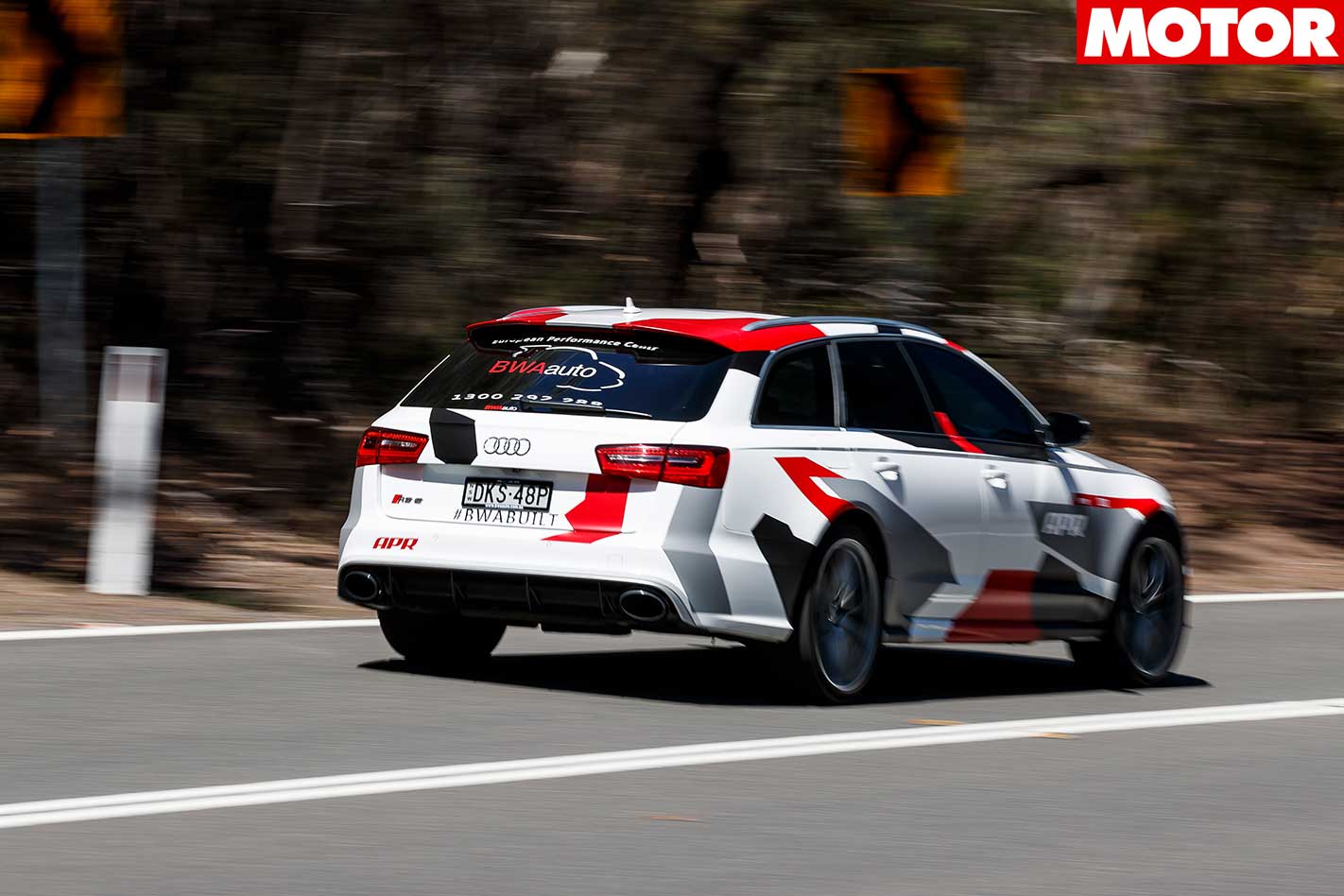

Being a $230,000 Audi, it’s also pretty well equipped out of the box, with niceties like LED matrix headlights and a wickedly comfortable and good looking interior. And it’s this level of savvy sophistication and speed that attracted BWA Auto’s Bob Whyms to the RS6 –that, and the fact that it was a screamingly good deal for such a quick car.
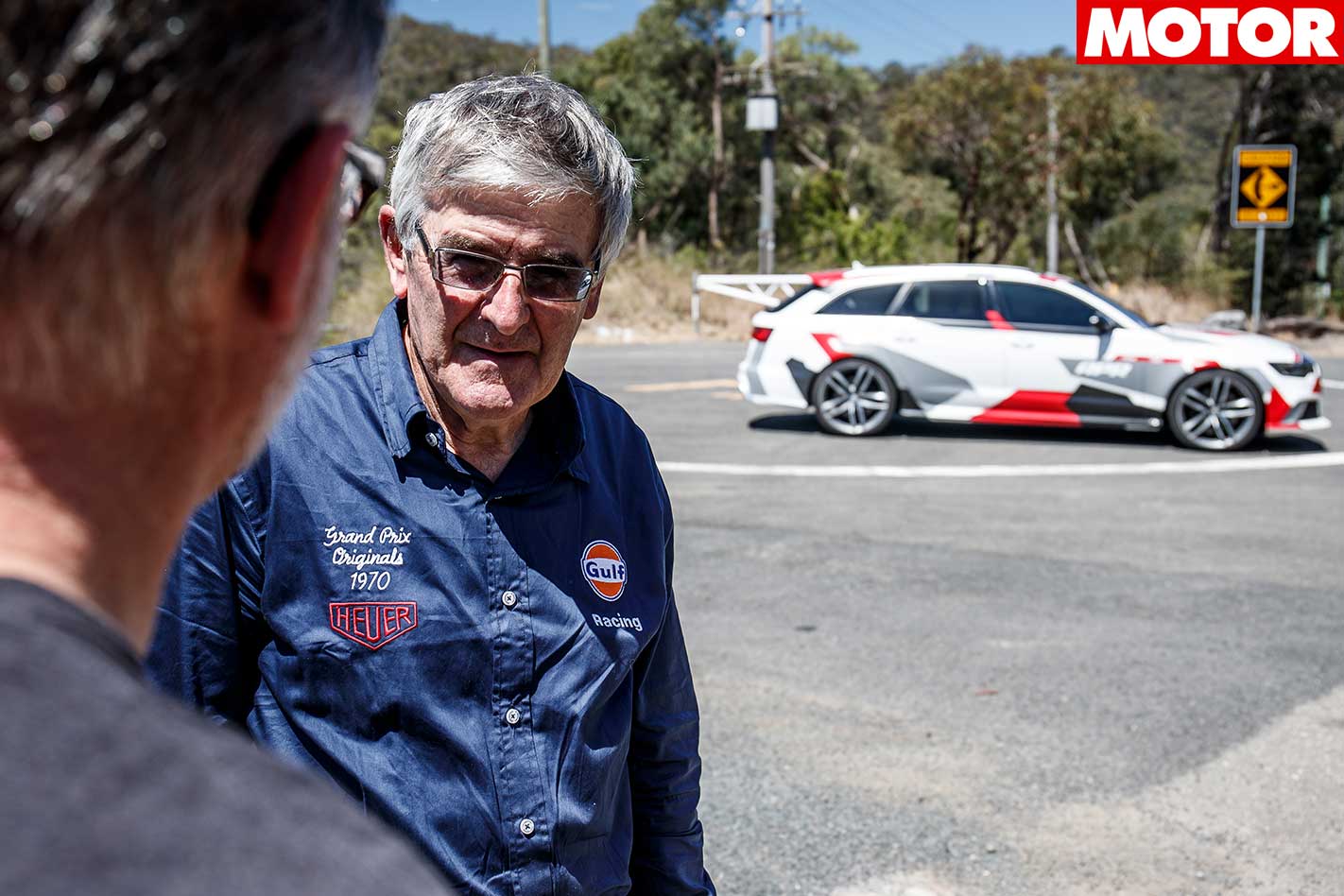
BWA’s staple is Volkswagen AG product, and Bob admits that the company sells far more APR tunes for cars like the VW Golf R. “We recently got a Golf R down to a 11.87 (400m) just with a tune,” he says.
BWA has had the car for about 11 months, but the list of mods is actually reasonably short. There’s the signature wrap, of course. There’s a stage two ECU tune and turbo downpipes from APR, custom MRC turbo inlet pipes and a BMC air filter. And that’s it.
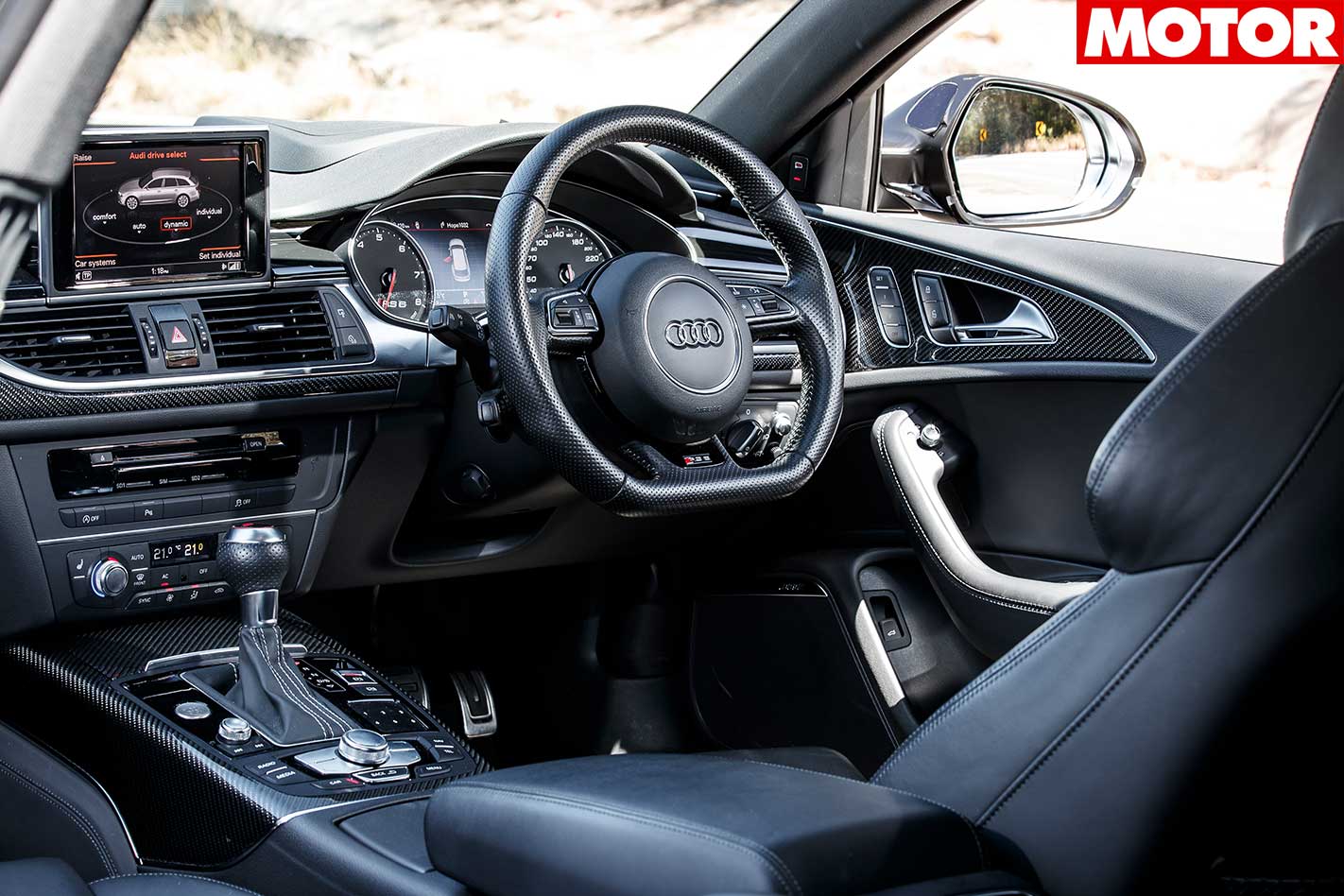
Bob agrees it’s harder to find easy gains with aftermarket bits these days, but forced induction still offers some wriggle room. “If it’s a naturally aspirated Porsche, forget it. They’ve tuned it pretty well,” he says. “With turbocharged cars, though, it’s a different kettle of fish.”
The RS6 is built tough, and the stage two tune has been thoroughly tested both here and overseas – but as with all modified cars, it’s about balance.

The costs of the upgrades totals a hair under $11,000, with the ECU tune costing $4320, the downpipe set $3500, MRC carbon turbo inlet set at $1200, the BMC air filter set $240 and labour coming to $847.
“If you look at the car, it’s $200K plus on-roads as a brand-new car, and for 5 per cent of the value of the car, you can get an extra 25 per cent performance improvement out of it in terms of power and torque,” says Bob’s son Craig Whyms, who also works at BWA Auto. “That’s the sweet spot for the car. Whereas if you then take that from 10 grand to 40 grand, it’s such a huge jump to get to that next stage of performance.”
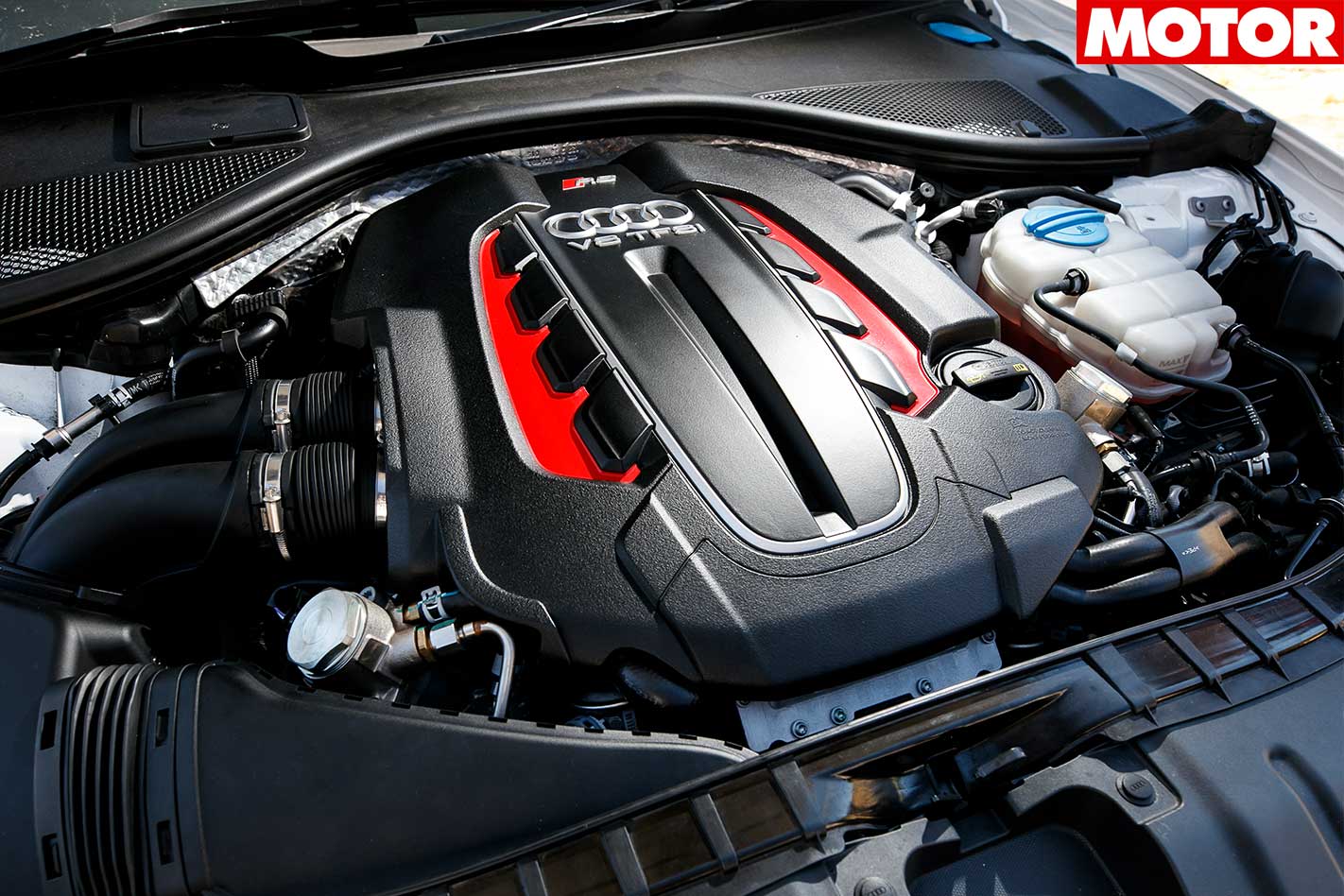
“It’s pretty quick,” says Bob. “We’ve gotten an 11.05sec (400m) out of it with pretty worn tyres. It’s capable of mid 10s.”
At an off-street drags event at Western Sydney International Dragway, it even blasted to 201.59km/h by the end of the quarter mile. Given MOTOR recorded 3.93sec to 100km/h and 11.89sec over 400m (192.75km/h) in the equivalent standard RS6, that’s a meaningful jump in pace.
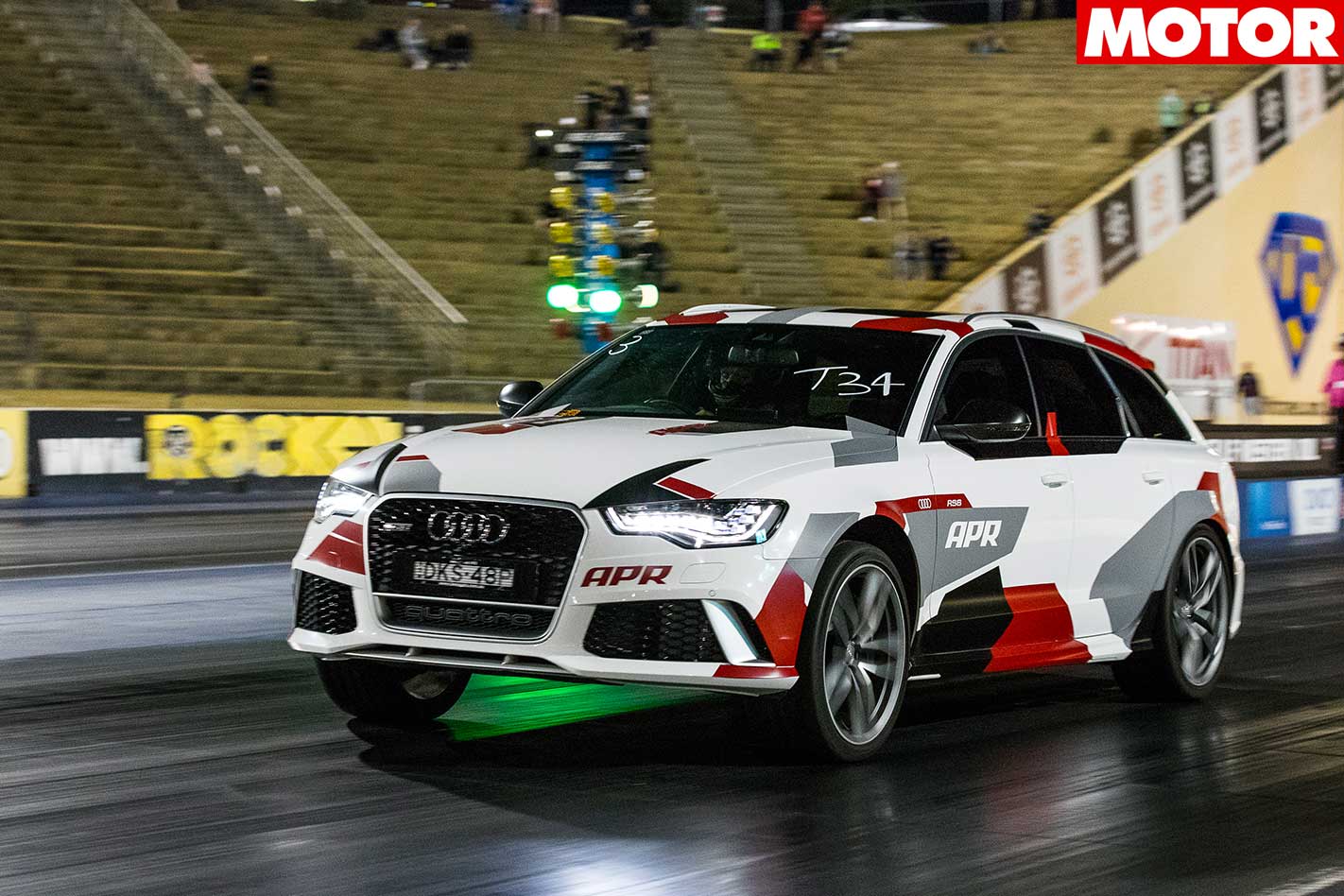
“All our tunes are from APR, which is probably one of the biggest Audi/Volkswagen tuners on the planet,” he says. “Before they release a calibration and a tune for a new vehicle, they put it through the paces and try to find the breaking points, and then come back from there to make sure that everything is still within the safety limits and within the ceiling of what the car is capable of.”
I’ve sampled the carnal delights of the RS6 before, and it’s an astonishing thing in stock form, with loads more power than is necessary in a four-door wagon. And this one has another 100kW and 300Nm? Gulp.
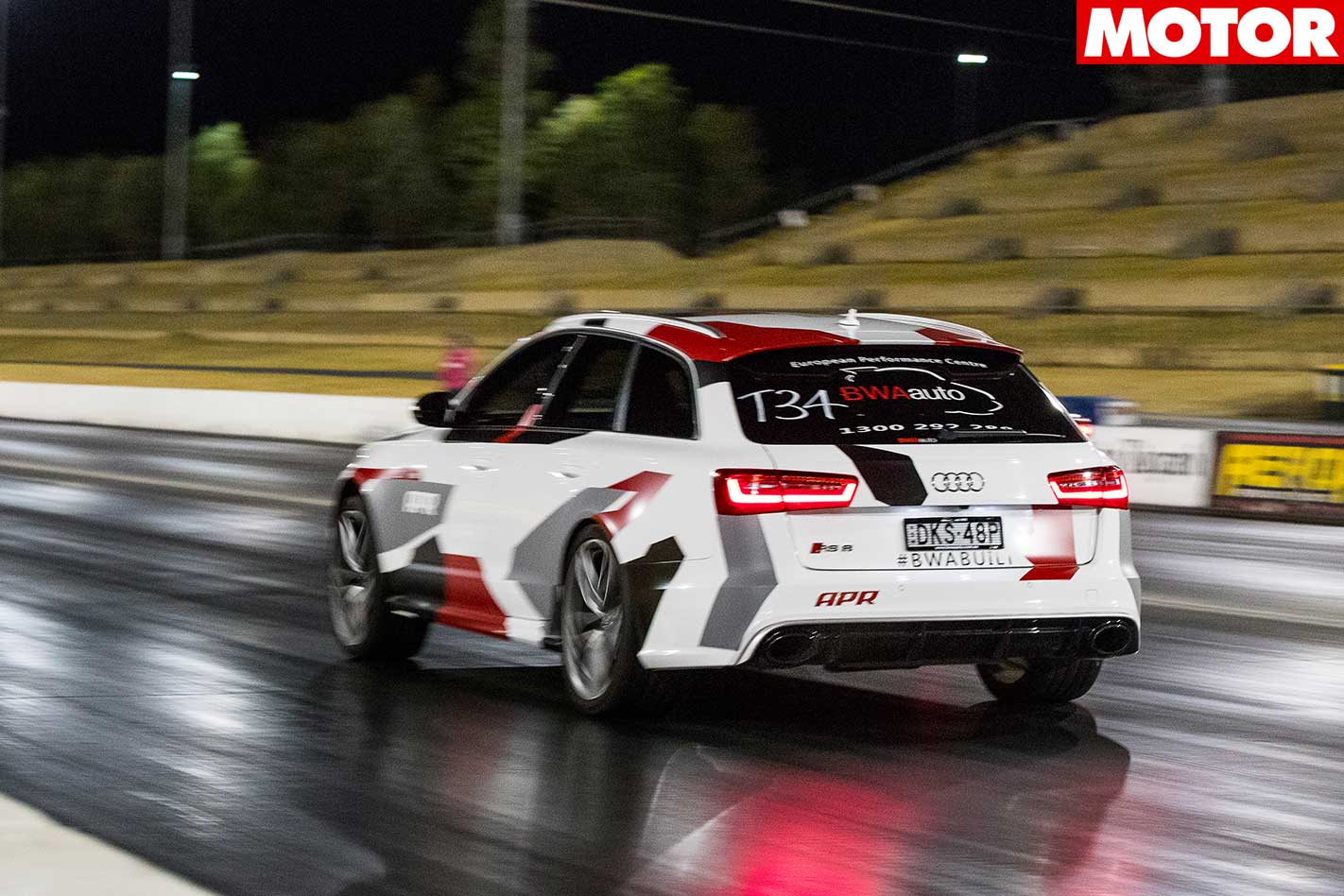
“There’s a good straight bit here,” says Bob. “Give her a go.” And I do. And oh my freaking lord… a tumultuous, relentless tornado of torque wells up as you depress the throttle, accompanied by that distinctively Audi V8 staccato bark that’s been turned up to 11. The RS6 simply rockets forward, with corners coming up almost as fast as you can blink. Christ on a cracker.
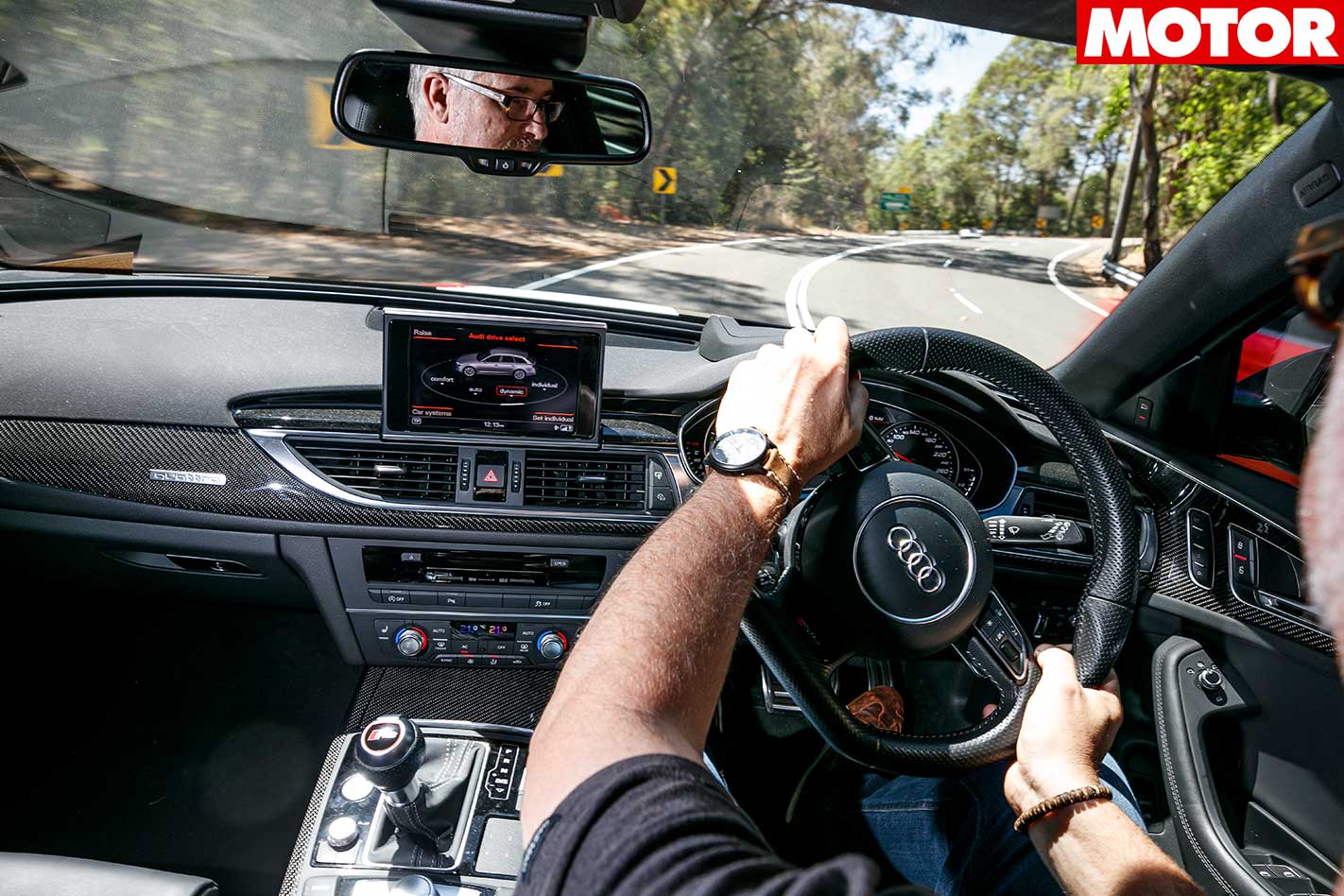
On light throttle, though, it’s completely normal. The twin-turbo motor doesn’t rev as high as, say, Audi’s old 4.2-litre atmo V8, but boy, does it hit its 5700rpm redline quickly.
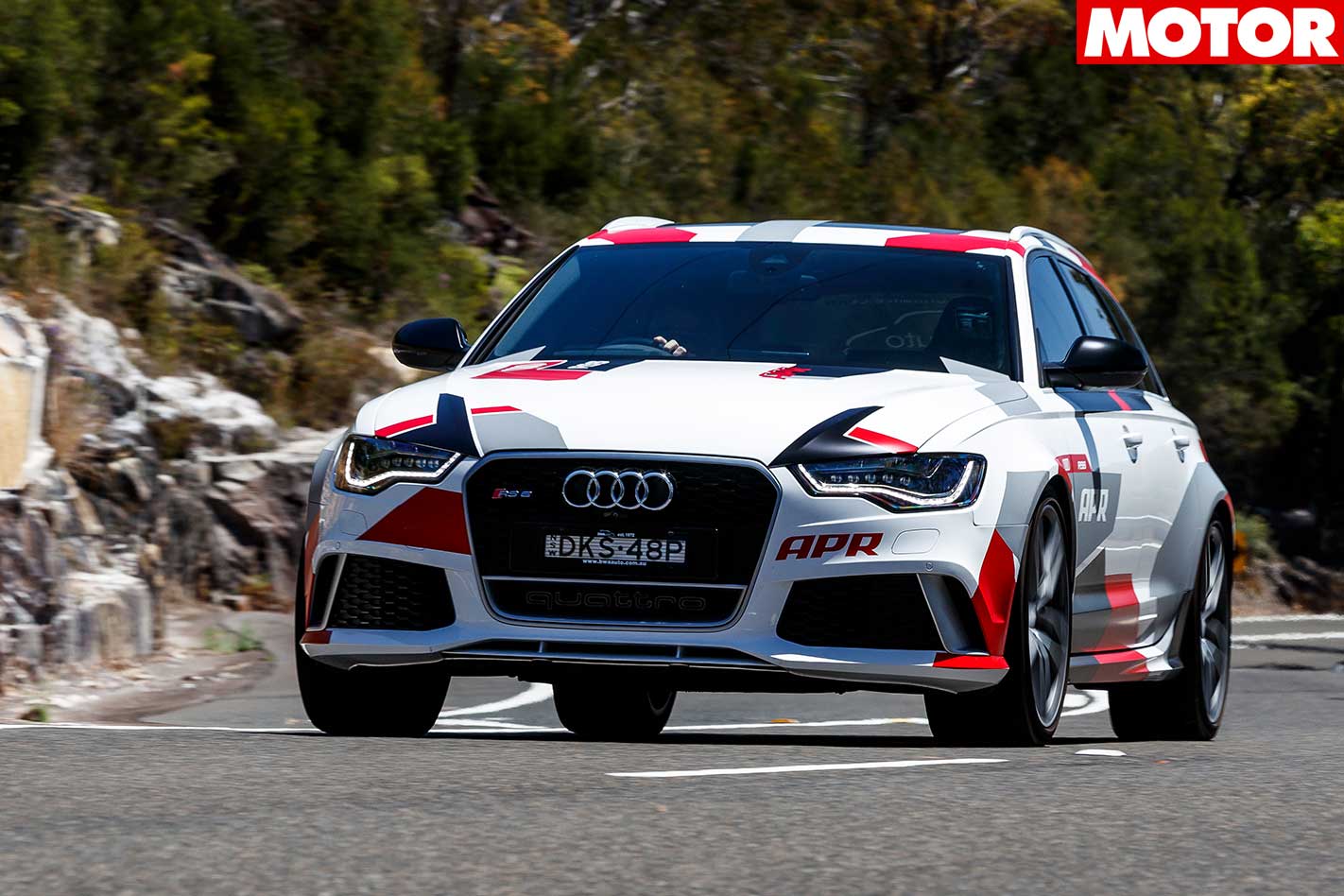
“I know APR had a developmental stage three car and even at that point, and they were talking getting close to 1000 horsepower, the transmission was just eating it up,” says Craig. “That ZF eight-speed gearbox just amazing. It’s an amazing bit of kit.”
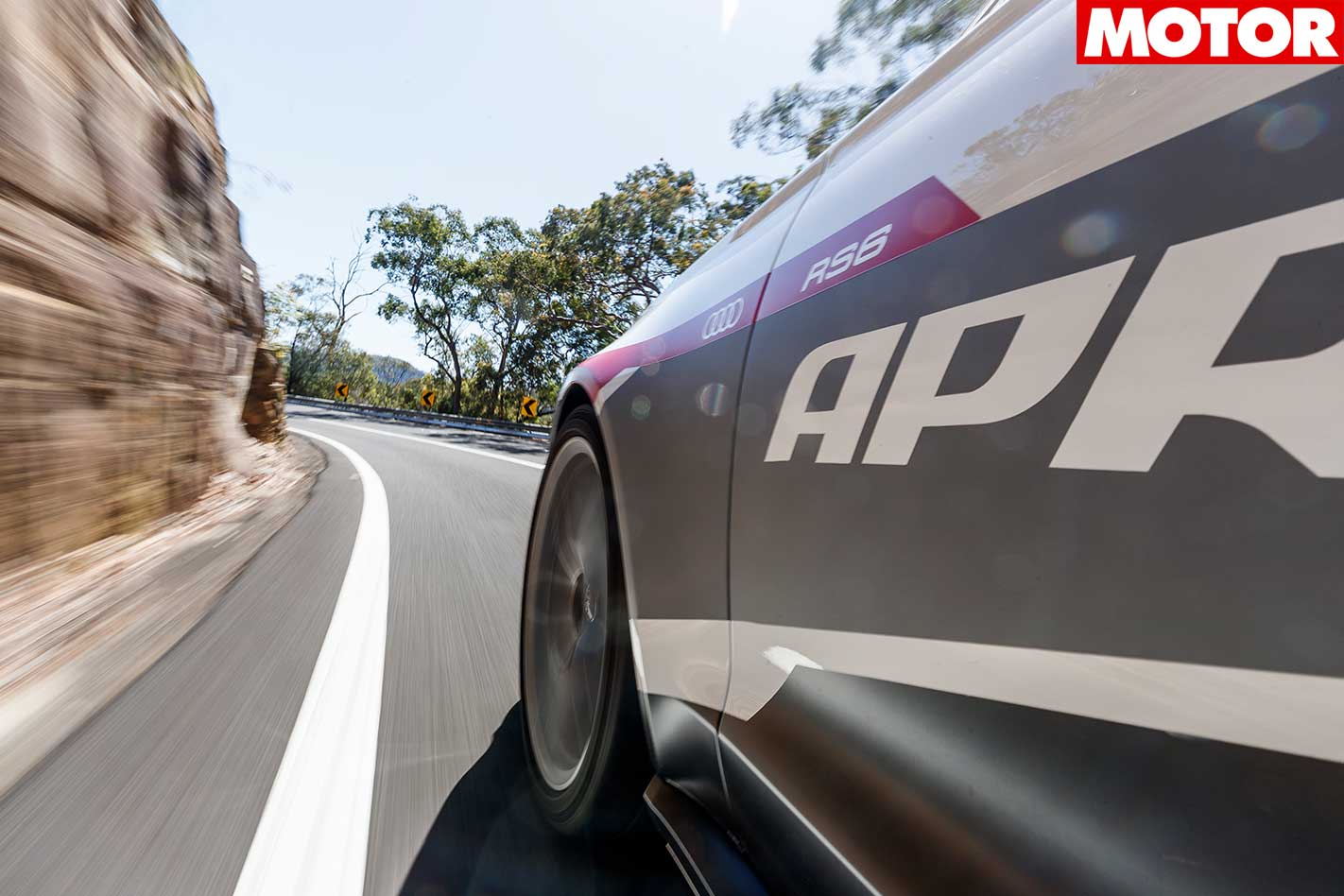
Punctuating the whole show is an exhaust soundtrack that should be bottled as a tonic… and it’s largely stock! Inside the car it’s just as giggle-inducing as it is in tower-buzzing mode, too, with more pops and crackles than a Kelloggs factory explosion punctuating every throttle lift and every cog swap.

The BWA Auto crew have enhanced one of this generation’s most potent performance sleepers with a balanced tune that adds to the excitement without spoiling the RS6’s inherent balance and civility. It’ll tear your head off if you want it to, but you can also tow a two-tonne boat with it if you needed. Try doing that with a 911 Turbo.
Just Looking Early RS6s are getting (relatively) cheap

Released in late 2013, the RS6 C7 retailed for around $230,000, before being superseded by the upgraded RS6 Performance in 2016, which added $16,000 to the ticket (as well as more power and torque). Factor in on-roads, and Whyms’ 2013 car would have cost more than $300,000.
“I paid around $170,000,” reckons Whyms, “with around 11,000km on it.” Add $10K of mods, and Whyms’ RS6 now has more grunt than a $760,000 Lamborghini Aventador. Perusing the classifieds, there’s even cheaper RS6s around, with a couple for $140,000.

LIKES: Makes a bigger mountain out of a mountain DISLIKES: Further work will cost serious bucks
RATING: 4.5 out of 5 stars
Think of Chrysler’s new Dodge Viper Coupe as the automotive equivalent of a rottweiler; you know damn well that if you stroke it, there’s a more than likely chance it’s going to bite you in the arse.
This feature was first published in MOTOR’s February 2006 issue.
Drive it hard, using all 380kW from the V10 nuclear powerplant lurking up front, and the car will give you a nice little parting gesture as you step out – a third-degree leg burn from a door sill that’s been super-heated by the side-exiting exhaust.
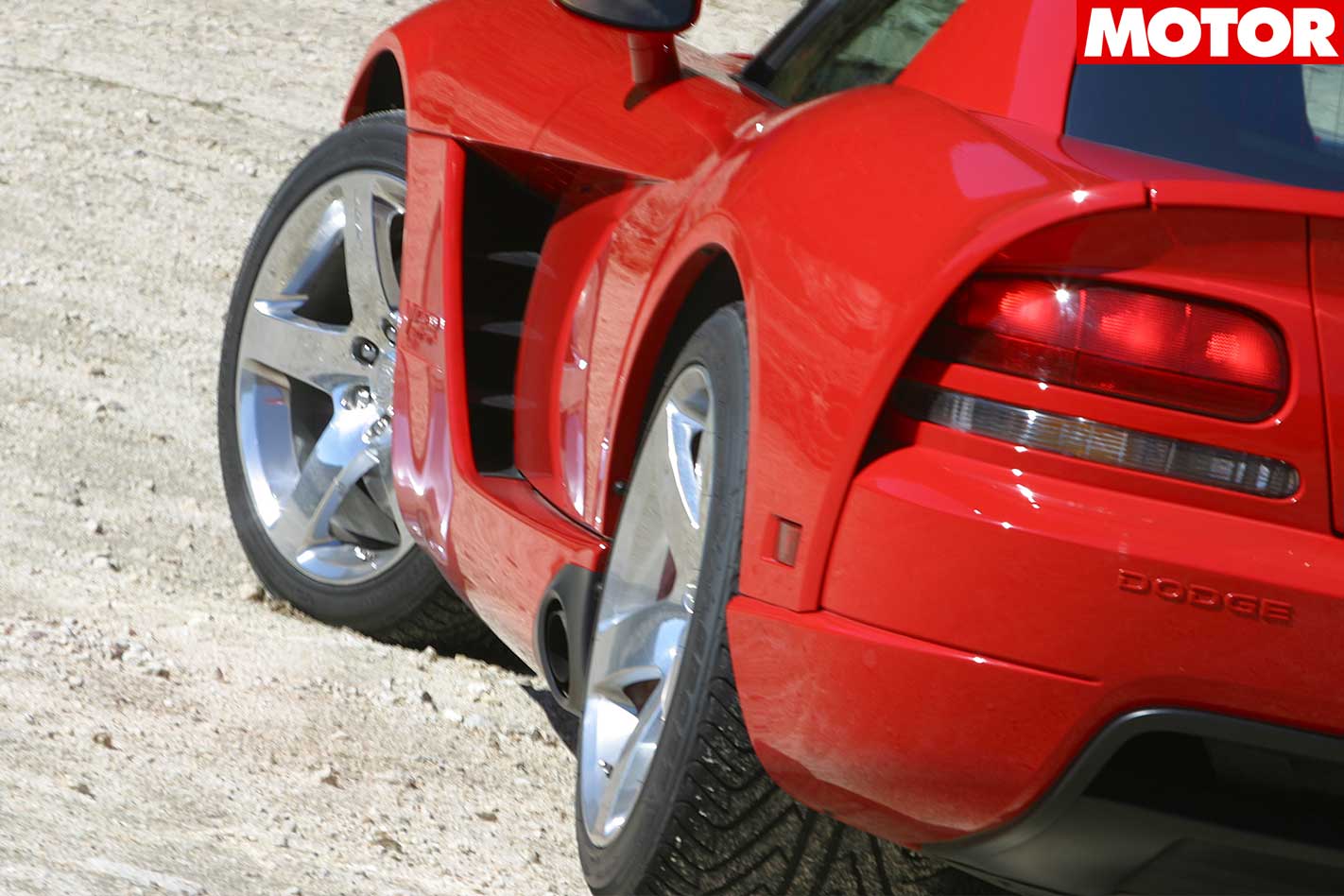
It has the car chugging like an oiled-up two-stroke, and you looking a complete prat to the passenger in the seat beside you. Driver-friendly it’s not.
Then there’s the simple act of gazing at this new Viper hardtop which is guaranteed to strike fear into small children and give you an instant knee-trembler. From the never-ending bonnet with its reptilian gills, to the snake eyes head-lights and the 345mm-wide rear rubber, the car just oozes testosterone. This is a car that thinks and acts just like a dominatrix with a wardrobe full of whips, chains and leather G-strings.
It’s taken Chrysler two years to transform the third-generation SRT10 roadster into the real snake, The Coupe, which is a massive 30 percent stiffer than the drop-top. Aerodynamically more efficient, too. And a shed load more visually appealing.
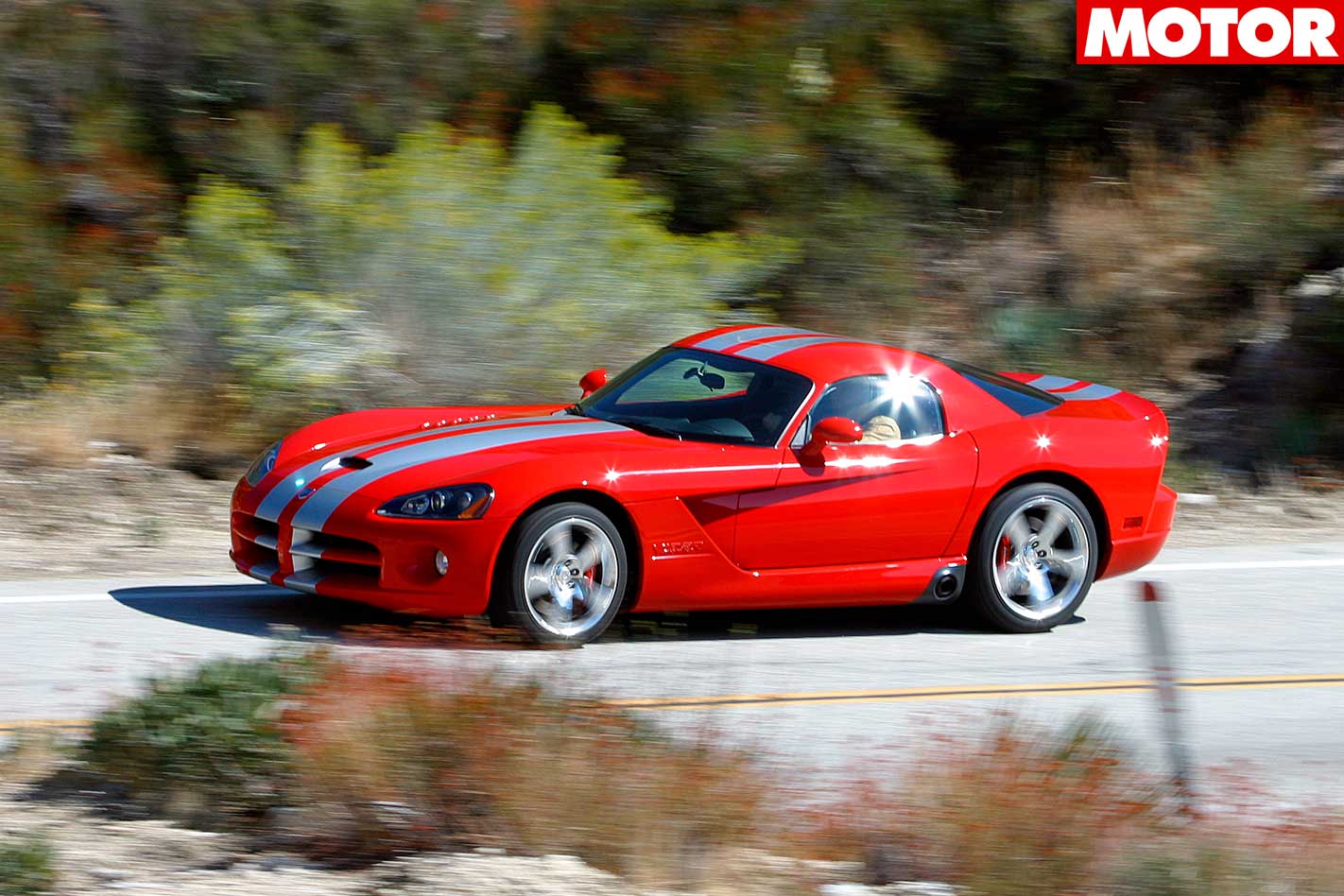
For the roof, Chrysler grafted on a Zagato-style double-bubble panel to add a touch of retro cool and, perhaps more important, to offer extra headroom and indeed space for a race helmet. The top itself flows seamlessly into a glass rear hatch and ends with a neat but effective rear spoiler that adds an extra 68 or so kegs of downforce on the tail at 240km/h-plus.
All the bodily changes add just 18 kilos to the all-up weight of the roadster (now 1568kg) and keep performance levels pretty much identical. While the new roofline lowers the Cd from 0.40 to 0.39 (still terrible by supercar standards), top speed remains unchanged at 319km/h.
For around town driving you can’t help but be blown away by the Viper’s Rambo-esque muscle. Leave the stubby shifter in fourth and let 714Nm do all the work.
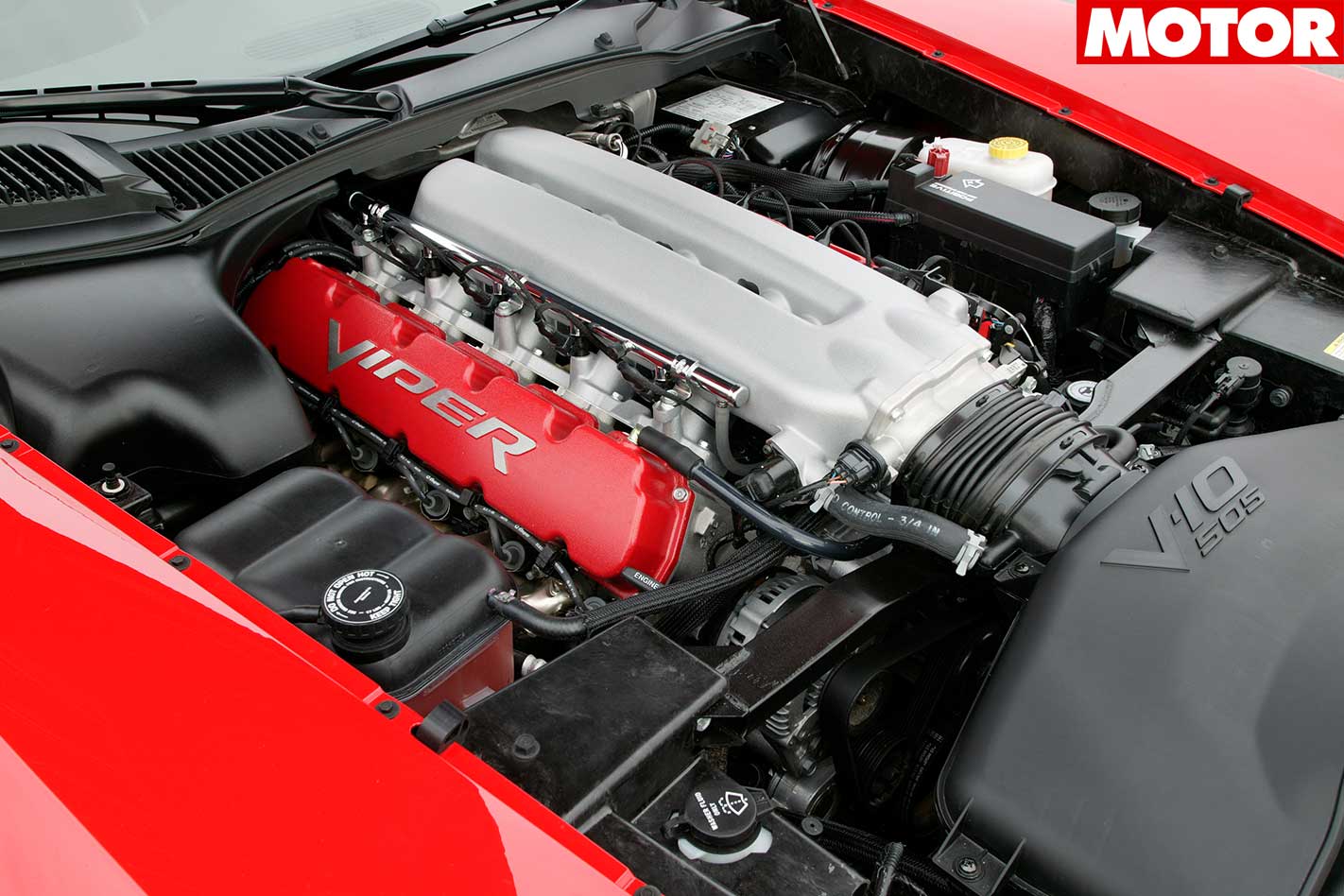
Slam open the throttle and the big Dodge feels like a Chuck Norris round-house kick to the stomach. The engine doesn’t build revs, it simply explodes in a cacophony of hissing, rasping, and serious heavy-breathing through side-exiting exhausts the size of storm water drains. And jeez does it feel quick.
Light the wick and stand well back, you’re squeezed hard into the seatback and the scenery begins to blur like you’ve just hit Ludicrous Speed. Against the clock, the car is good for 0-100km/h drags in 4.0secs, and 0-160 in around 8.5 (that’s as quick as a Lamborghini Murciélago). Cruising at 240 kays in the long-legged sixth gear is like driving anything else at about 100km/h.
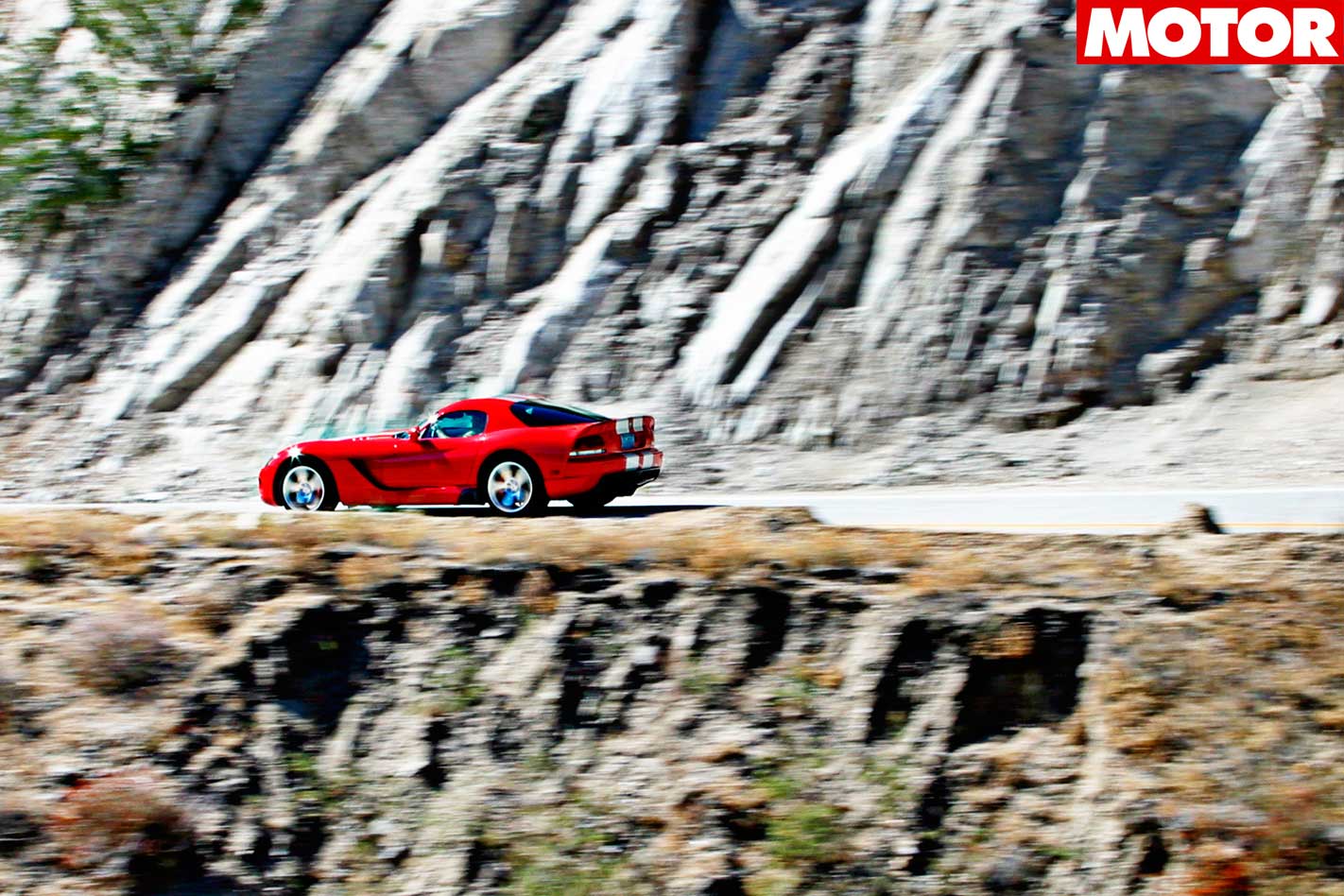
Mirror to mirror it measures over 1830mm, and on roads narrower than airport runways, it feels every inch of it. Find yourself a twisty piece of blacktop and the Viper delivers its biggest surprise. Scream up to a bend, brush the stoppers, notch down a gear – nah, actually, don’t bother with the gearchange – balance the power through the apex, and pour it on as you exit. Awesome.
Back in the Viper days of old, summoning-up 380kW without full and focused attention would be rewarded with snap-oversteer and armfuls of opposite lock as the short wheelbase struggled to deal with the cornering forces and power delivery. But after three generations, the reptile is able to thumb its nose at the laws of physics.
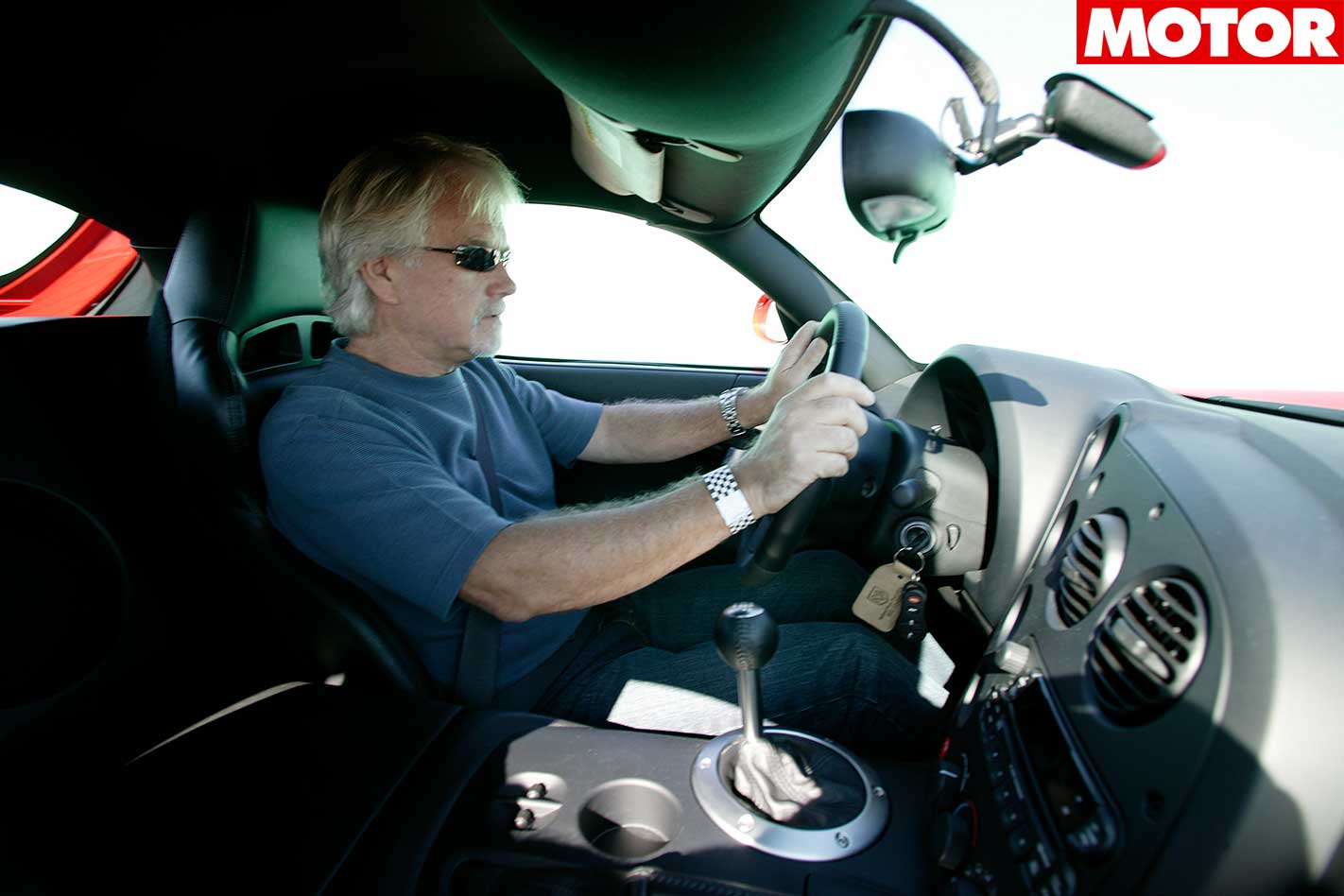
The car steers like a dream though. Yes, that salami-thick wheel needs plenty of muscle to turn it at parking speed, but on fast twisties it feels nicely-weighted, surgically-precise and a fine communicator of what’s going on with those huge 275/35 ZR18 Michelins up front.
But run-flat rubber the width of oil drums don’t make for a silky-smooth ride. Over anything but glass-smooth asphalt, the Viper shivers like a wet spaniel.
If you do need to brush off speed though, the massive four-piston Brembo calipers clamping 355mm vented rotors, bite hard and fast. These are the kind of brakes that are able to stop time let alone a 1568kg supercar.
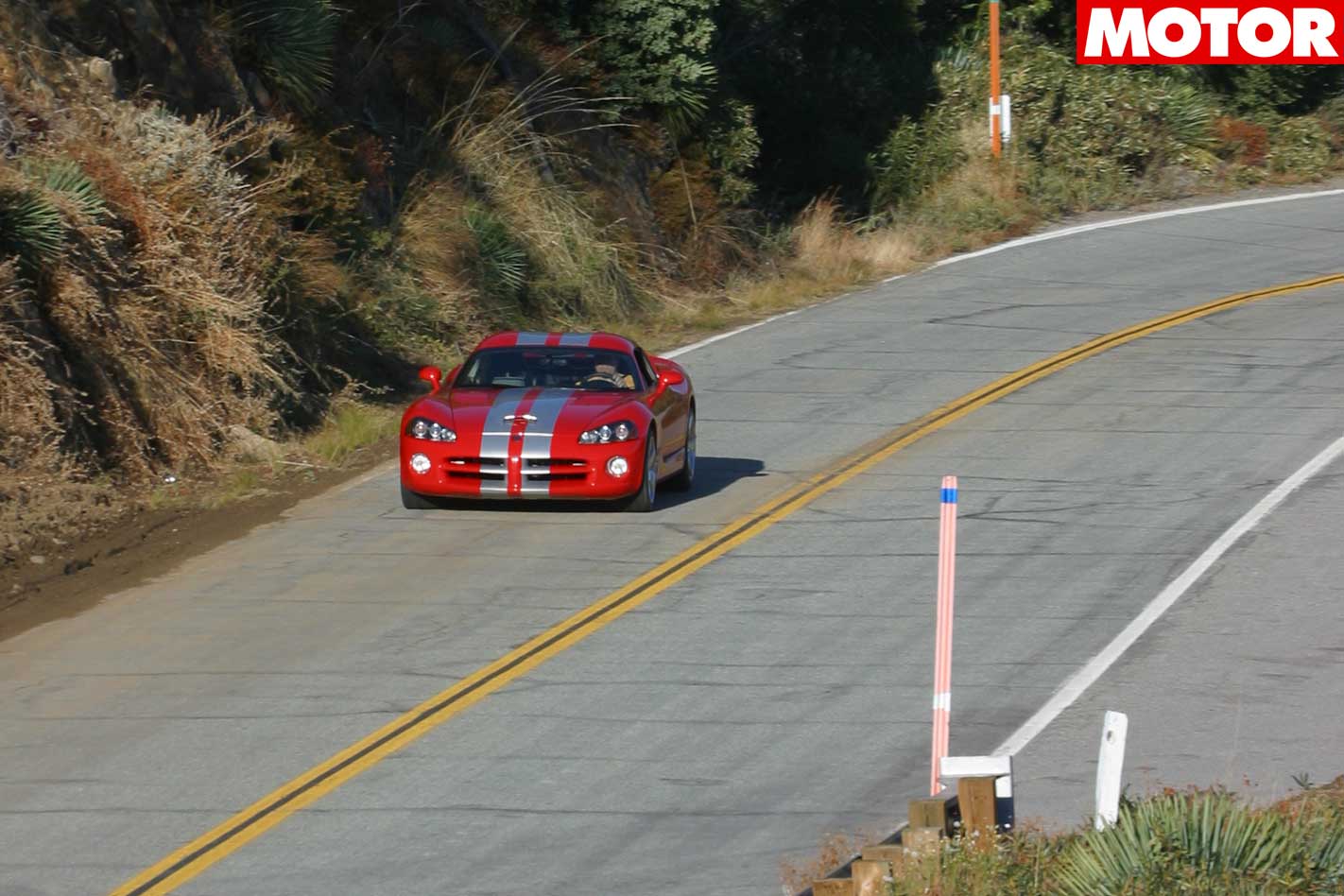
Inside, the coupe’s interior gets a healthy increase in space courtesy of its new roof. And raise the tailgate and there’s now three times the luggage space compared to the roadster. Enough for a couple of decent-sized squashy bags. And the new double-bubble lid also improves headroom considerably.
Driving seats don’t come much better than this. They’re leather-clad with a central suede insert for trouser-gripping, and the pronounced side bolstering at shoulder level keeps you firmly anchored during enthusiastic cornering. Viper interiors have come a long way quality-wise since the original 1990 snake.
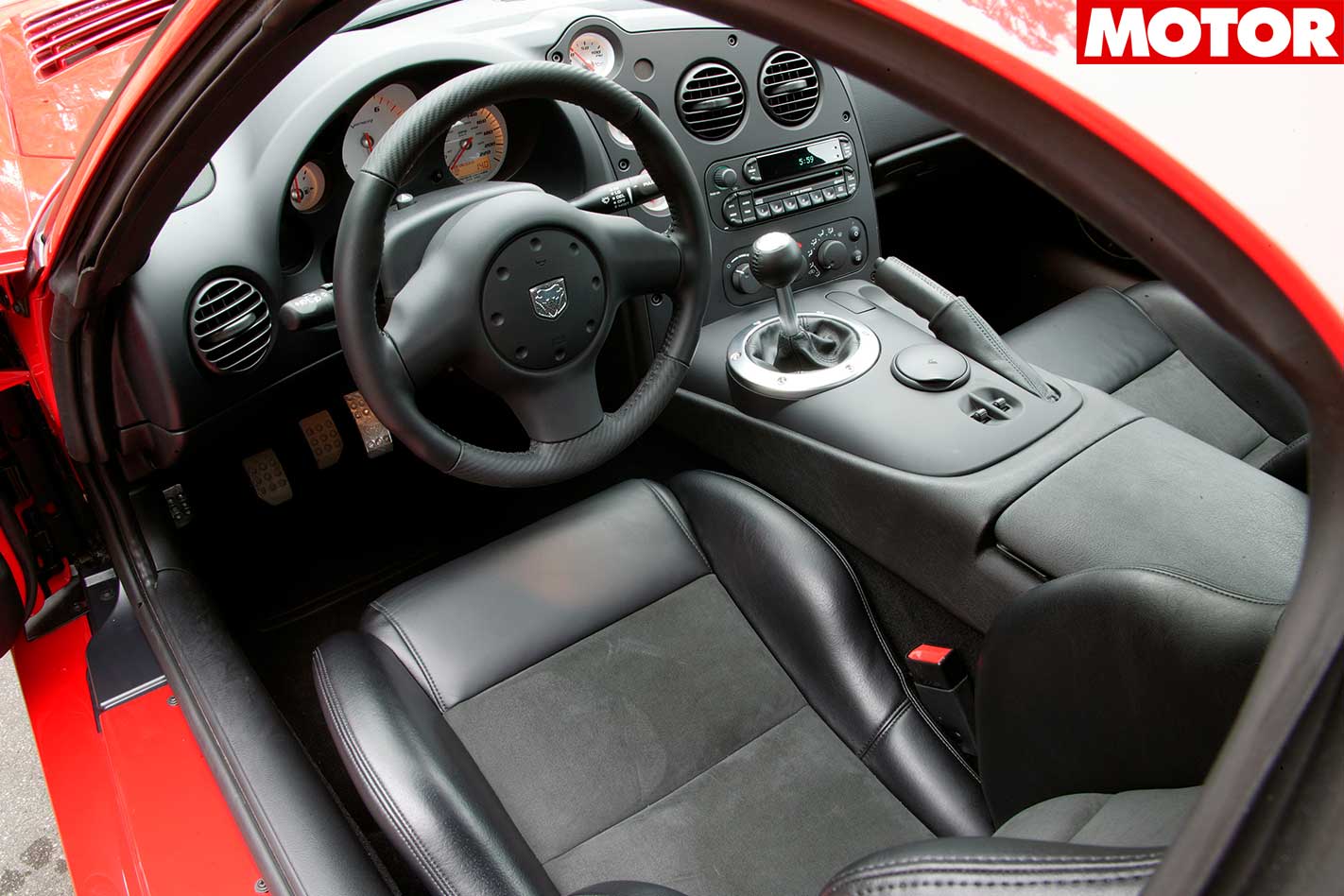
Don’t expect to see officially-imported Viper Coupes prowling the Bondi beachfront any time soon. But you can bet a few will be converted to Aussie spec before too long. Start raiding the kids’ piggy-banks now.
FAST FACTS Dodge Viper SRT10 Coupe
BODY: two-door coupe DRIVE: rear-wheel ENGINE: front-mounted 8.3-litre 20-valve pushrod V10 POWER: 380kW @ 5600rpm TORQUE: 714Nm @ 4200rpm COMPRESSION RATIO: 9.6:1 BORE X STROKE: 102.4mm x 100.6mm WEIGHT: 1568kg WEIGHT/POWER: 4.13kg/kW SPECIFIC POWER: 45.8kW/litre TRANSMISSION: six-speed manual SUSPENSION: double wishbones, coil springs, anti-roll bar (f & r) L/W/H: 4460/1910/1234mm WHEELBASE: 2509mm TRACK: 1565mm (f); 1547mm (r) BRAKES: 355mm ventilated discs, four-piston calipers (f & r), ABS WHEELS: 18 x 10-inch (f); 19 x 13-inch (r), alloy TYRES: Michelin Pilot Sport ZP; 275/35 ZR18 (f); 345/30ZR19 (r) PRICE: USD83,145
BEHIND every great racing driver, is an engineer, and in front of every great motorsport grid, is a safety car. And lovers of cool safety cars can rejoice, because 2018 has a collection of some of the very best around the world.
Here are five of our favourites.
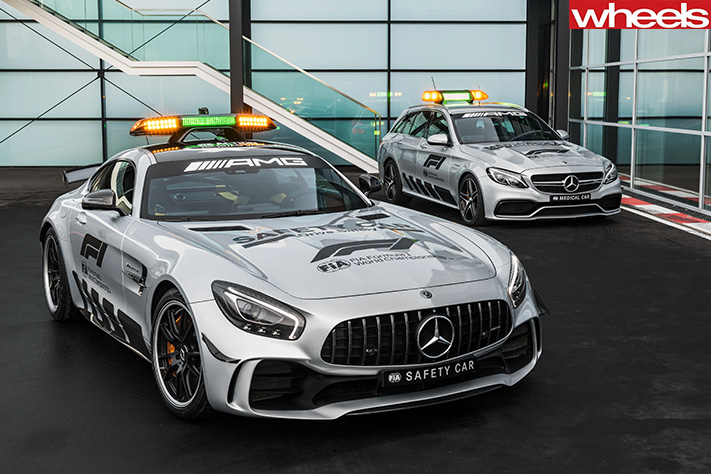
Formula 1 – Mercedes-AMG GT R
The pinnacle of global motorsport has a new leader of the pack, with Mercedes-AMG continuing its partnership with F1 by supplying a GT R as the official safety car.
Making 430kW from a twin-turbo V8, the GT R is the most powerful F1 safety car the category has seen.
“I am very much looking forward to my new company car.” says Bernd Mayländer, the F1 Safety Car driver, of his new wheels. “It is an absolute highlight in terms of driving dynamics and is one level higher up still than the AMG GT S of recent years. Of course, ideally the safety car should be deployed as rarely as possible – but when we have to safely bunch up the Formula 1 field and lead it around the track, we will be superbly equipped with the AMG GT R.”
The GT R will probably be the hardest working safety car this year, not for the number of appearances it makes, but for the speed required to keep an F1 car operating within an optimal window.
While it may look like the cars are tootling around slowly behind Mayländer, you can be assured the GT R will be peddled hard around the greatest tracks in the world.
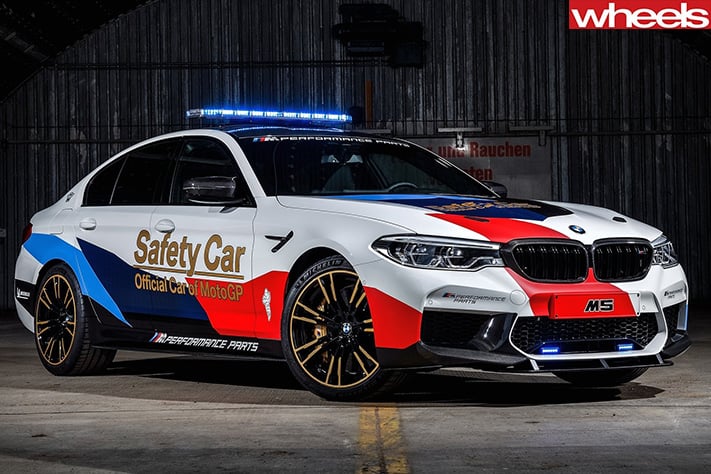
MotoGP – BMW M5
BMW has a habit of revealing new cars in plain sight as part of its partnership with MotoGP as the official Safety Car supplier.
First it was a BMW M4 which headed the pack of riders before each race – later revealed to be the GTS.
Recently it has been an M2, modified with a rear-wing, rollcage and bigger brakes, which took pride of place on the grid – rumoured to be similar in spec to a possible M2 CS.
In 2018 though, it’s a BMW F90 M5 which the likes of Marc Marquez and Valentino Rossi will have to admire sitting astride their bikes.
This MotoGP safety car is less extreme than previous BMW’s, but does sport a prototype front splitter, and BMW M4 GTS bucket seats for front occupants.
It’s speculated the car, which has the standard 4.4-litre twin-turbo V8 under the bonnet, previews a M5 Competition which could be announced as early as mid-year.
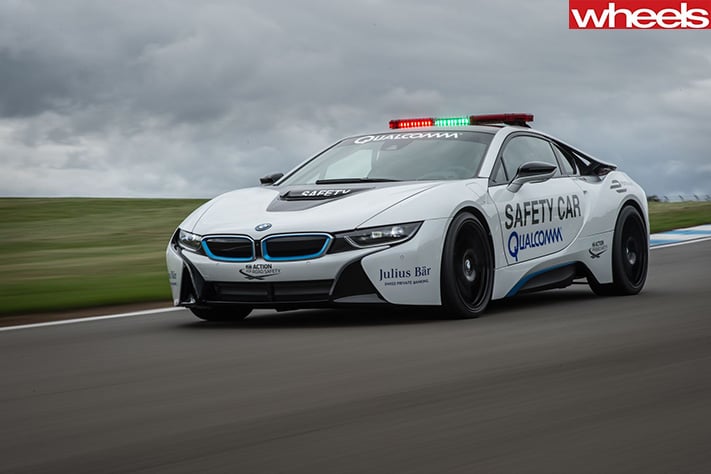
Formula E – BMW i8
What would do you use to bring the motorsport category of the future into line? The sportscar of the future, of course.
BMW’s hybrid i8 leads the Formula E field, with the German manufacturer the sole safety car supplier since the category’s debut season in 2014.
Unlike MotoGP’s M5, it’s unlikely the i8 taking to the track during Formula E weekends is a preview for a more track-focussed special-edition.
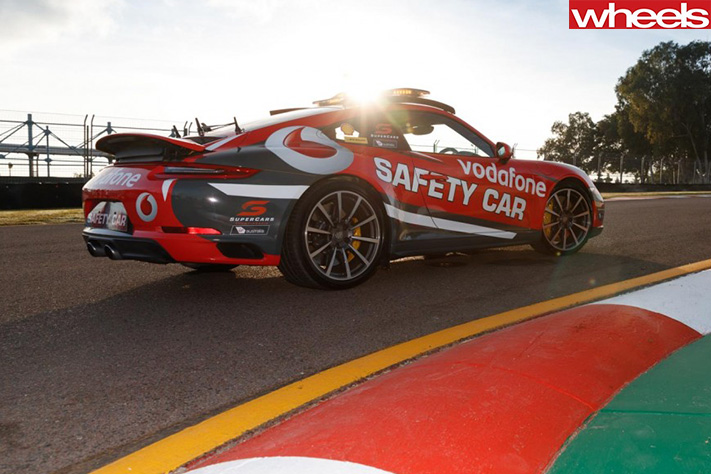
Supercars – Porsche 911
Back on home soil, and it’s another iconic German car, the Porsche 991.2 911 Carrera GTS, which will herd the Supercar field when yellow flags are waved around the circuit.
With a 3.0-litre twin-turbo flat-six engine, the GTS has 331kW and 550Nm to ensure it stays ahead of the field of 5.0-litre V8s.
The 911 is joined by a pair of V6 turbo diesel Cayennes as the Medical and Course Cars.
1. N stands for Namyang
The Hyundai i30 N takes its name from their R&D division located in Namyang, Korea. The letter is also a subtle reference to a chicane, a shape it bears an inherit resemblance too.
2. Racing Pedigree
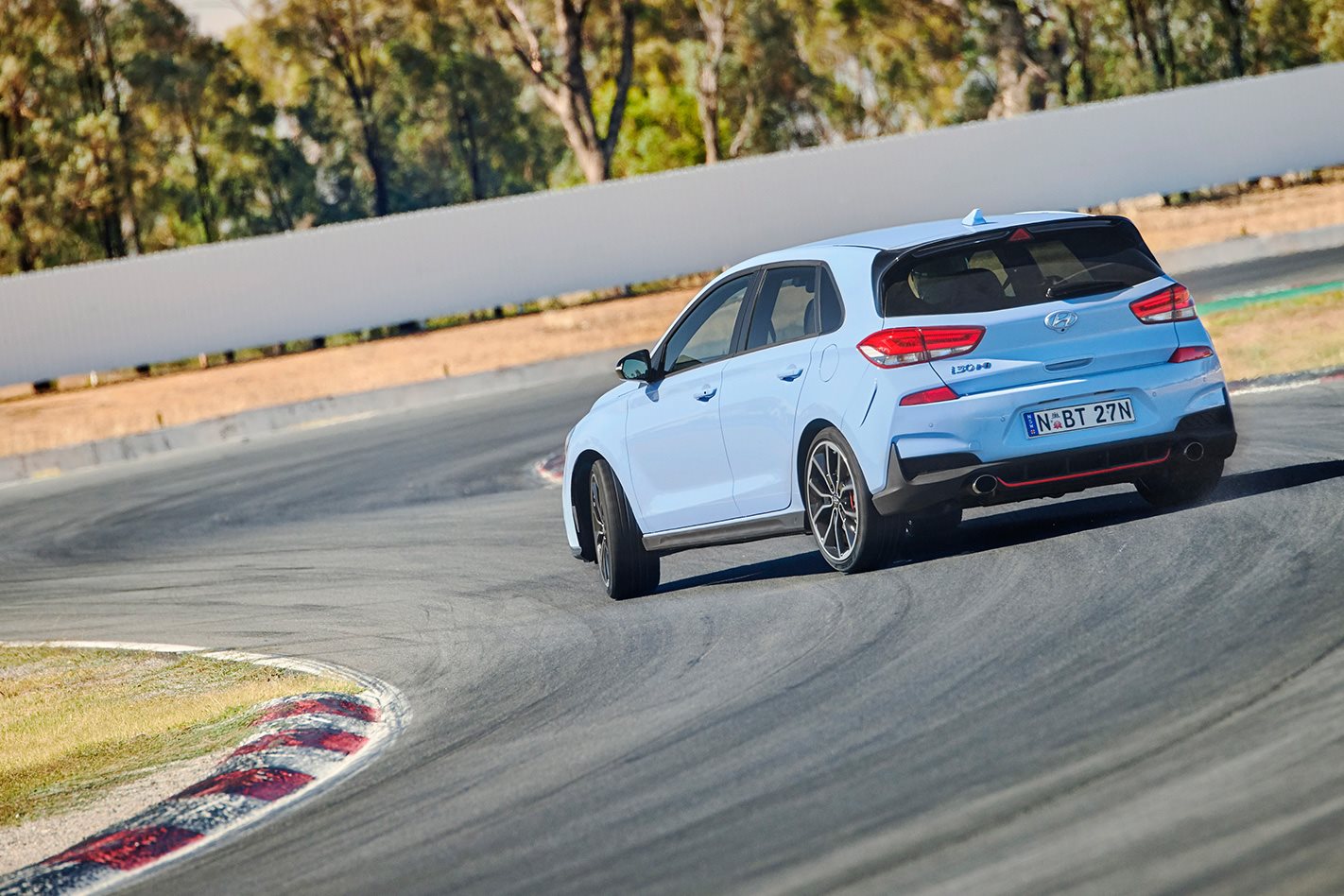
Hyundai’s have a long standing history competing in the World Rally Championship since 2013, and the racing DNA of the i30N becomes evident not only in its development at the Nurburgring, but for the two pre-production models that actually competed in the 24 Hours Nurburgring. That’s right, before the public could even get their hands on it the chassis was tested in a LeMans style race and what’s more, one of the cars placed fifth in its class, a monumental result for a car not even in mass production.
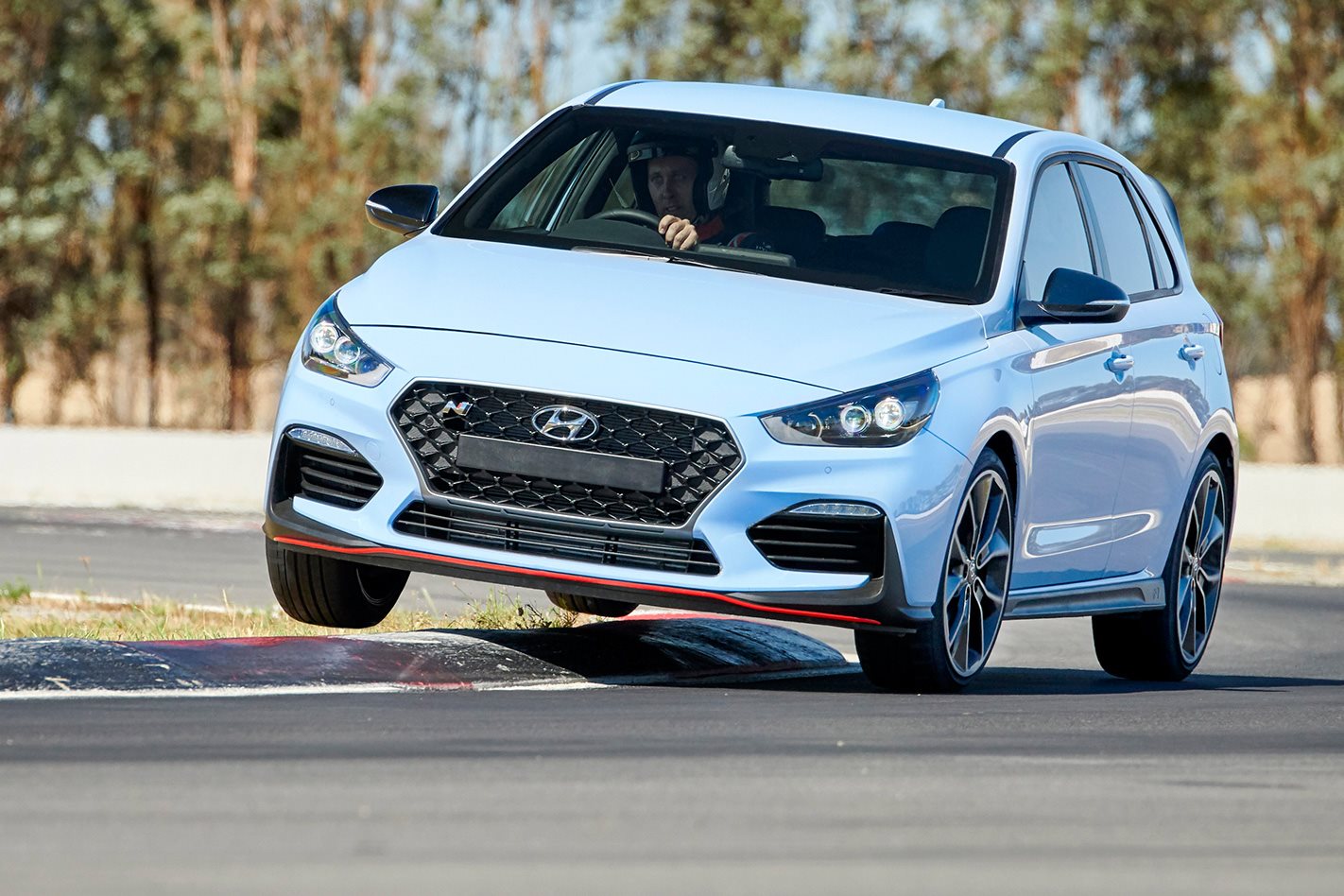
3. Racetrack Insurance
Hyundai’s five-year, unlimited kilometre warranty will extend to track use, albeit for non-competitive events, and will also cover owners who wish to fit track spec, semi-slick tyres.
4. Aftermarket support from Hyundai
Hyundai Germany will debut its “N Customised” division, set to offer a range of aftermarket parts for the enthusiast market in Australia. An i30N decked out in a range of ‘N Customised” products went on show at the car’s launch with additions like; OZ Racing Wheels, PAGID brake pads, Recaro bucket seats and a three-way adjustable rear sway bar.
5. Designed by Albert Berman
The former head of BMW’s M division knows a thing or two about designing high-performance sports cars.
6. Gearing up
You may already know that the i30N features a 6-speed manual gearbox, in itself a godsend for motoring enthusiasts, but there’s also an eight-speed, dual-clutch automatic due for release in 2019.
7. Veloster N Spinoff
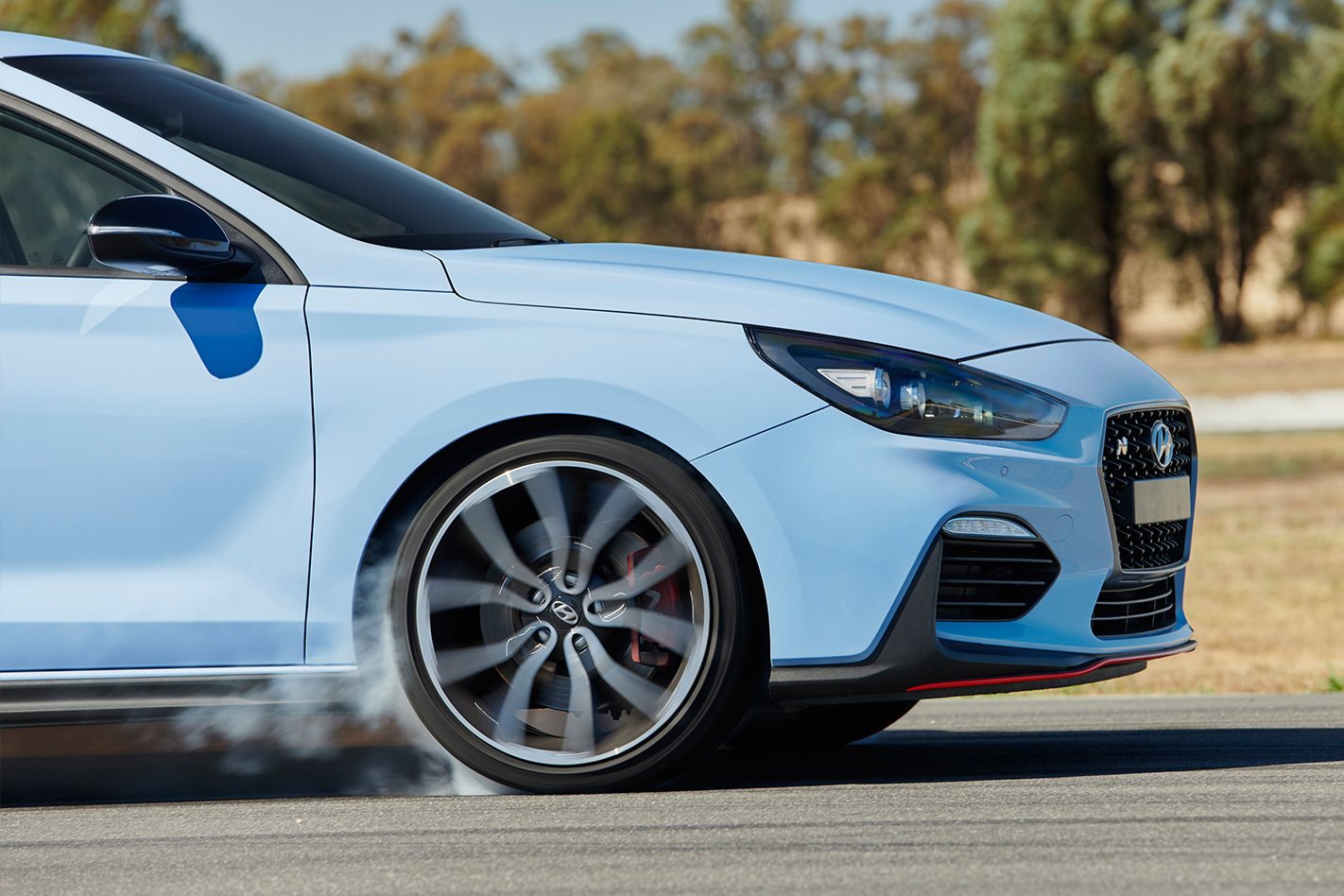
Revealed at the Detroit Auto Show, Hyundai will launch an ‘N’ variant of its Veloster sports coupe in late 2019 that will host similar styling and running gear to its i30 counterpart; 204kW/353Nm 4-cylinder engine, six speed manual transmission and Performance Blue colour scheme.
8. RN30
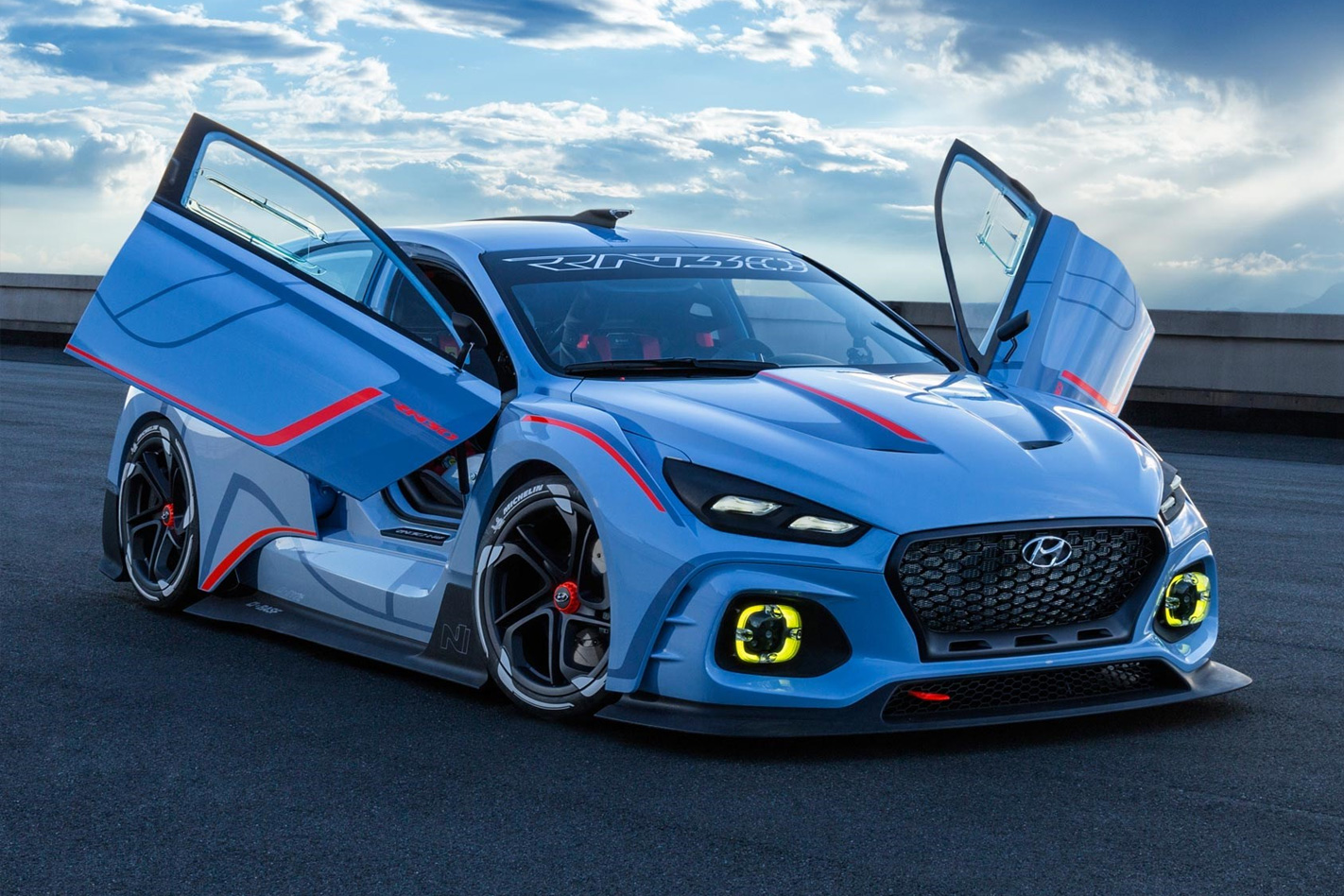
Long before the i30N was anything but speculation, Hyundai revealed the RN30, a lower, wider, track variant of the i30N that hints at the N-division’s possible entry into motorsport. It claimed the car would host a 2-litre, 4-cylinder turbocharged engine with 280kW and 451Nm, but that was three years ago and only one was made.
9. Rev-matching
Yes, the i30N will blip the throttle on downshifts, allowing drivers to easily slot into the right gear and drop the clutch in mere seconds. It’s also a smart inclusion as due to the pedal placement, heel-toe can be a little difficult.
10. Built-in strut brace
If you needed any indication where Hyundai’s priories lie in the ‘N’, this is a good indication. Sacrificing practicality for better torsional rigidity in the rear sounds exactly like something a motorsports designer would do. The built in rear strut bar extends across the rearmost shock towers and stops the chassis from flexing during hard cornering.
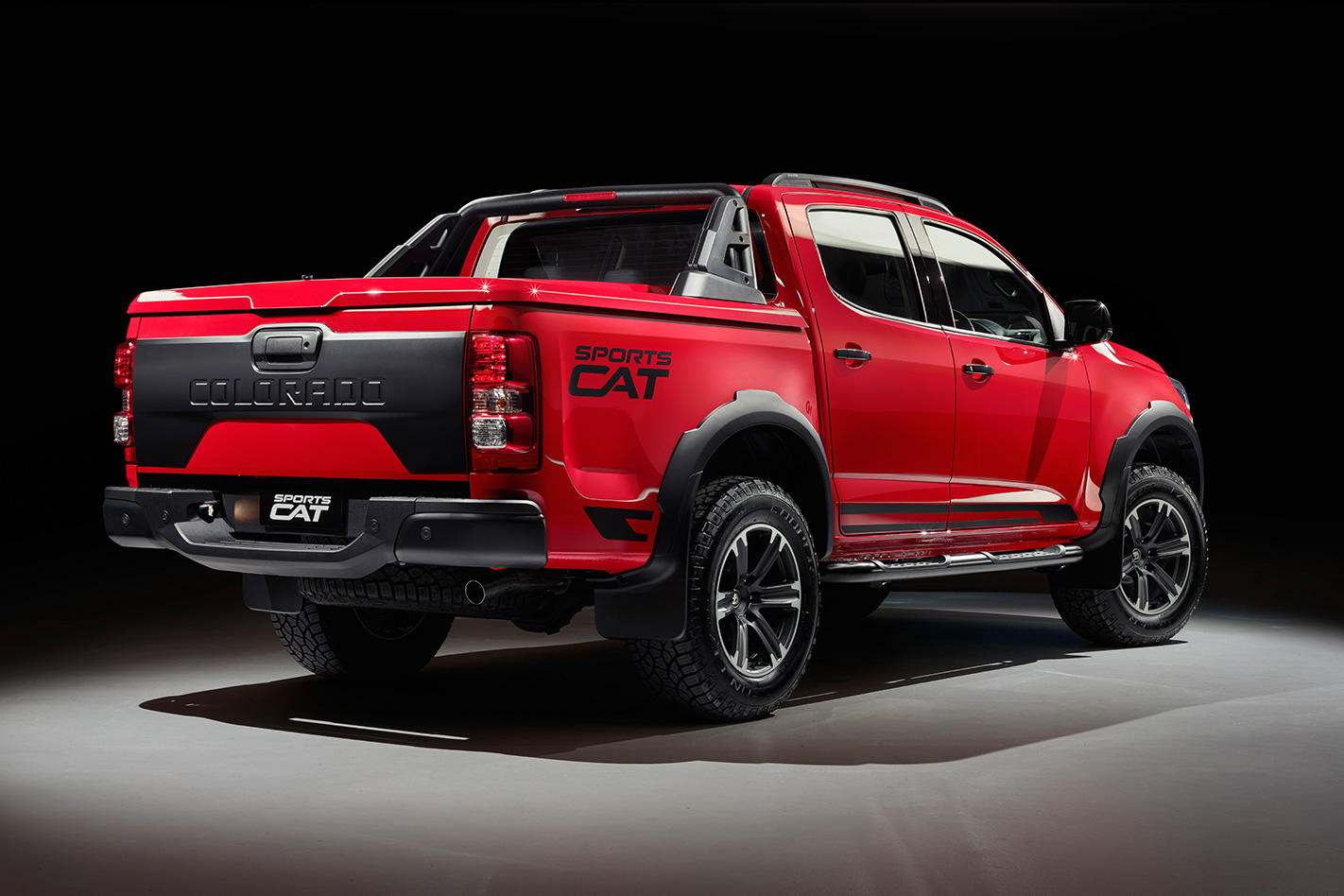
Despite the alphabet-soup name-by-PR-committee, the Holden Colorado Sportscat+ by HSV adds visual and dynamic enhancements to Holden’s dual-cab flagship to capitalise on the big ute boom.
TELL ME ABOUT THIS CAR
The SportsCat is HSV’s first product since the well of V8-powered Commodores dried up after Holden ceased local manufacturing.
Positioned for the cashed-up tradie who wants to stand out from the crowd, the range-topping Sportscat+ adds visual panache, as well as dynamic improvements, over the Holden Colorado Z71 flagship. But are the changes worth the extra dosh?
STRENGTHS
- Brakes – The Sportscat+ sits above the ‘standard’ Sportscat, with a more performance orientated package. This includes stopping power courtesy of four-piston AP Racing front brake calipers as standard, which clamp down on 362mm rotors. HSV added a larger master cylinder to reduce brake travel and improve feel, with the end result being a firm pedal.
- Added off-road ability – Another addition the Sportscat+ receives over its regular Sportscat sibling is a decoupling rear swaybar when low-range is selected. This allows for full rear-axle articulation when driving off-road. Beefier Cooper rubber as standard, along with improved approach and departure angles of 32 and 24 degrees respectively give the Sportscat+ a leg-up in rough terrain compared to a standard Colorado. A 25mm front-suspension lift, and larger tyres (adding another 20mm) means the Sportscat+ has a total ground clearance of 241mm.
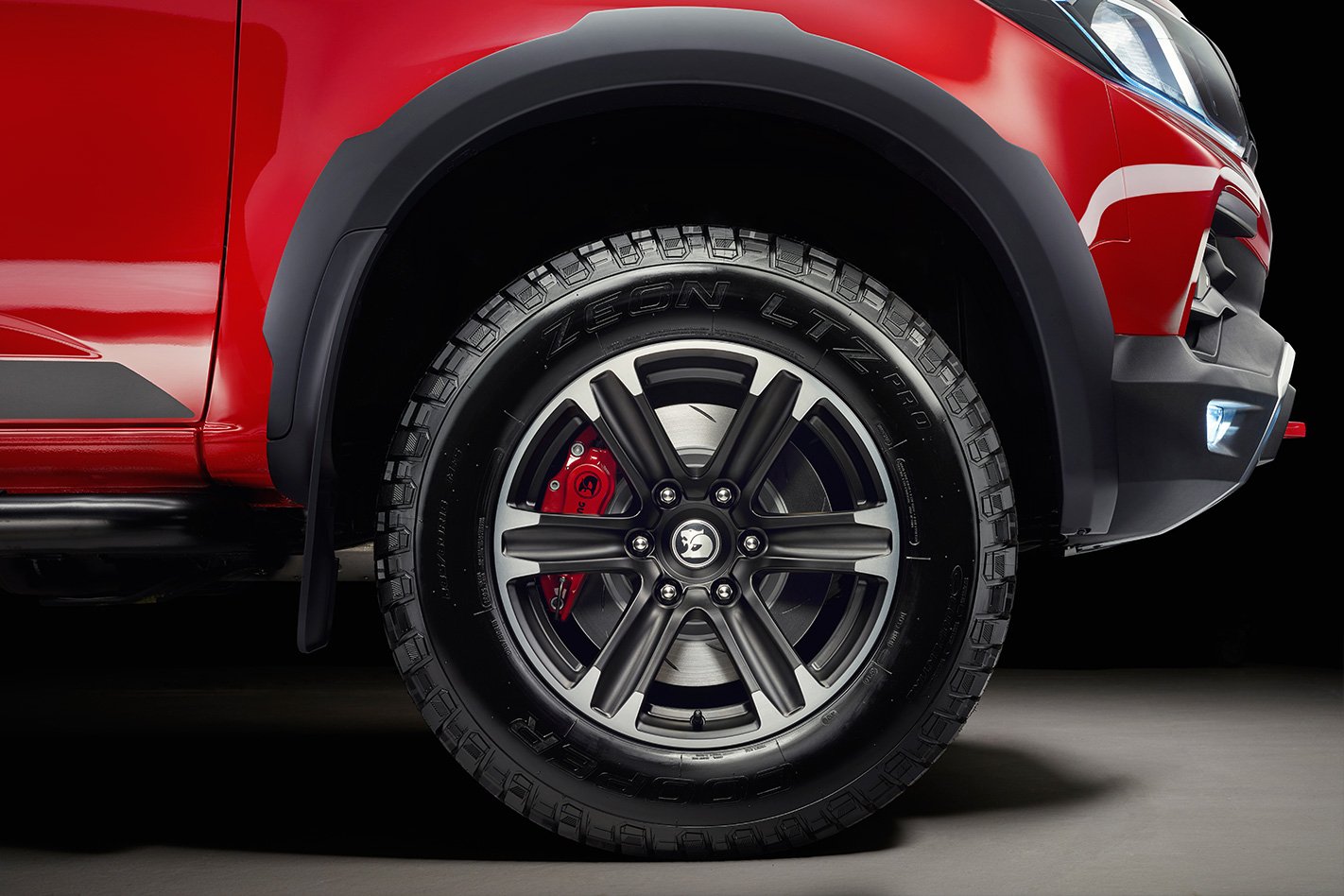
- Improved dynamics – It’s not just the dusty stuff which HSV has focused on. Renowned for building dynamically impressive sedans, the Melbourne-based company has done an impressive job on the Sportscat+’s road-handling ability. Body control is improved, thanks to a wider track (33mm), and swaybar (also 33mm) up front. The Sportscat+ also has a thicker rear swaybar (22mm) to improve roll control. However, this is still a large dual-cab ute, so you aren’t going to be carving canyons anytime soon.
- Visual stance – HSV has done an impressive job of improving the looks of the Colorado. While the changes are purely aesthetic, the black badging, non-functional bonnet bulge, rear sports bar (inspired by wakeboard boats), and black plastic wheel arch cladding adds to the car’s visual impact in a big way.
- ESC calibration – HSV has given the Sportscat+ its own unique ESC calibration, which is optimised for both bitumen and off-road conditions. While plenty of companies will offer suspension and tyre modifications for a Colorado, only HSV is capable of recalibrating the ESC to suit enthusiast needs.
WEAKNESSES
- Price – The Sportscat+ costs $66,790 ($6000 more than the standard Sportscat, and $9600 more than a Z71 Colorado). It’s a decent premium, and could put the Sportscat+ outside the budge of many dual-cab buyers.
- No change in power – Despite all the modifications, the SportsCat or SportsCat+ don’t produce any more power than the standard Colorado Z71 on which they’re based. They feature the same 2.8-litre turbo-diesel four-cylinder, which makes 147kW and 500Nm when mated to a six-speed auto. This is reduced by 60Nm when paired to a six-speed manual. It’s also down on class leaders like the 180kW-capable V6 Amarok, and soon-to-arrive 190kW Mercedes-Benz X-Class 350d.
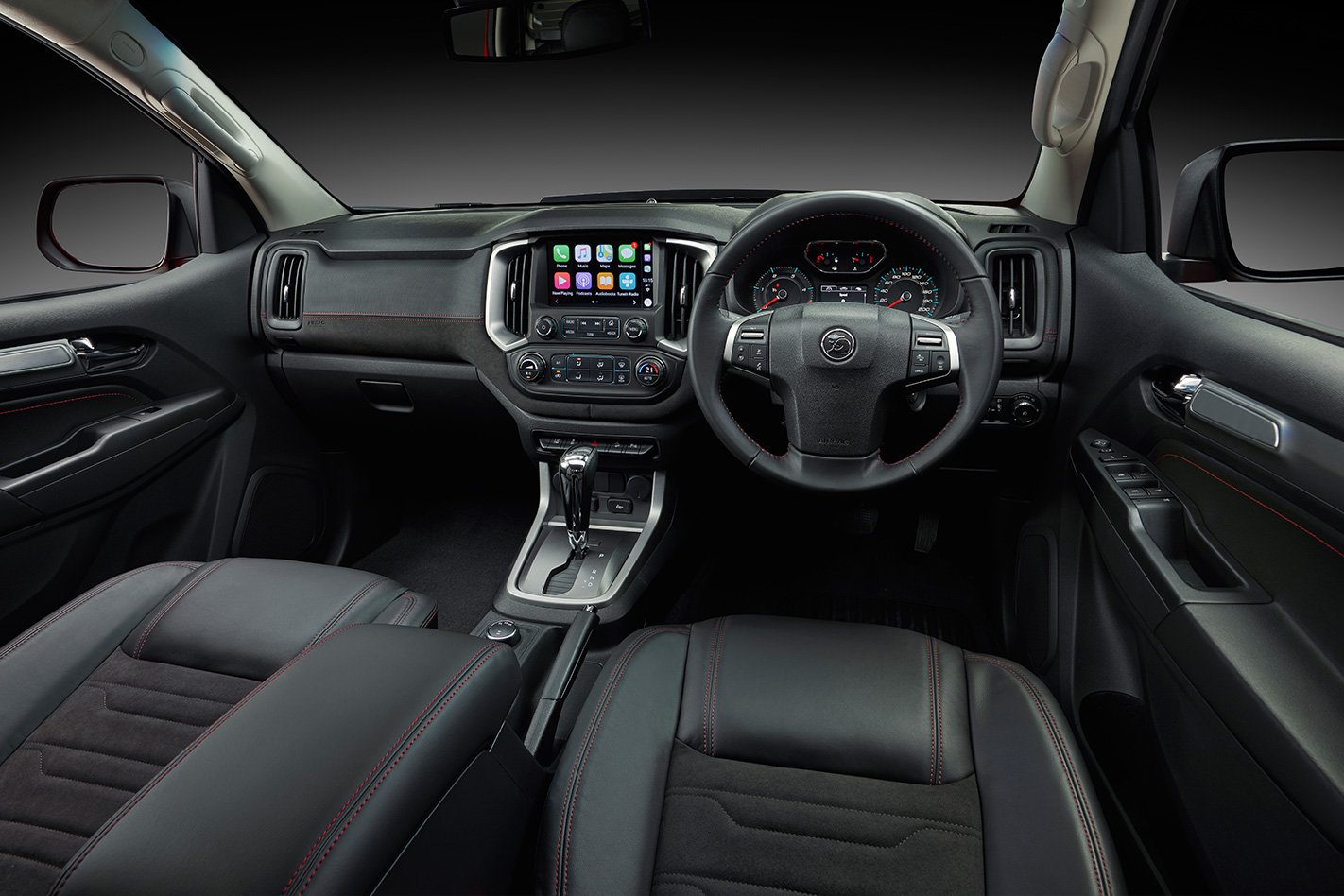
- Material quality: Some of the interior finish is still disappointing for an almost $70k vehicle. While the restyled HSV seats are an improvement, the hard dash plastics, plastic wheel and trim are a letdown.
ARE THERE RIVALS I SHOULD CONSIDER?
Ford Ranger Raptor (when it arrives in Australia), Ranger Wildtrak, Holden Colorado Z71, Volkswagen Amarok V6, Mercedes-Benz X-Class 350d (due later this year), Tickford Ranger, MS-RT Ford Ranger
