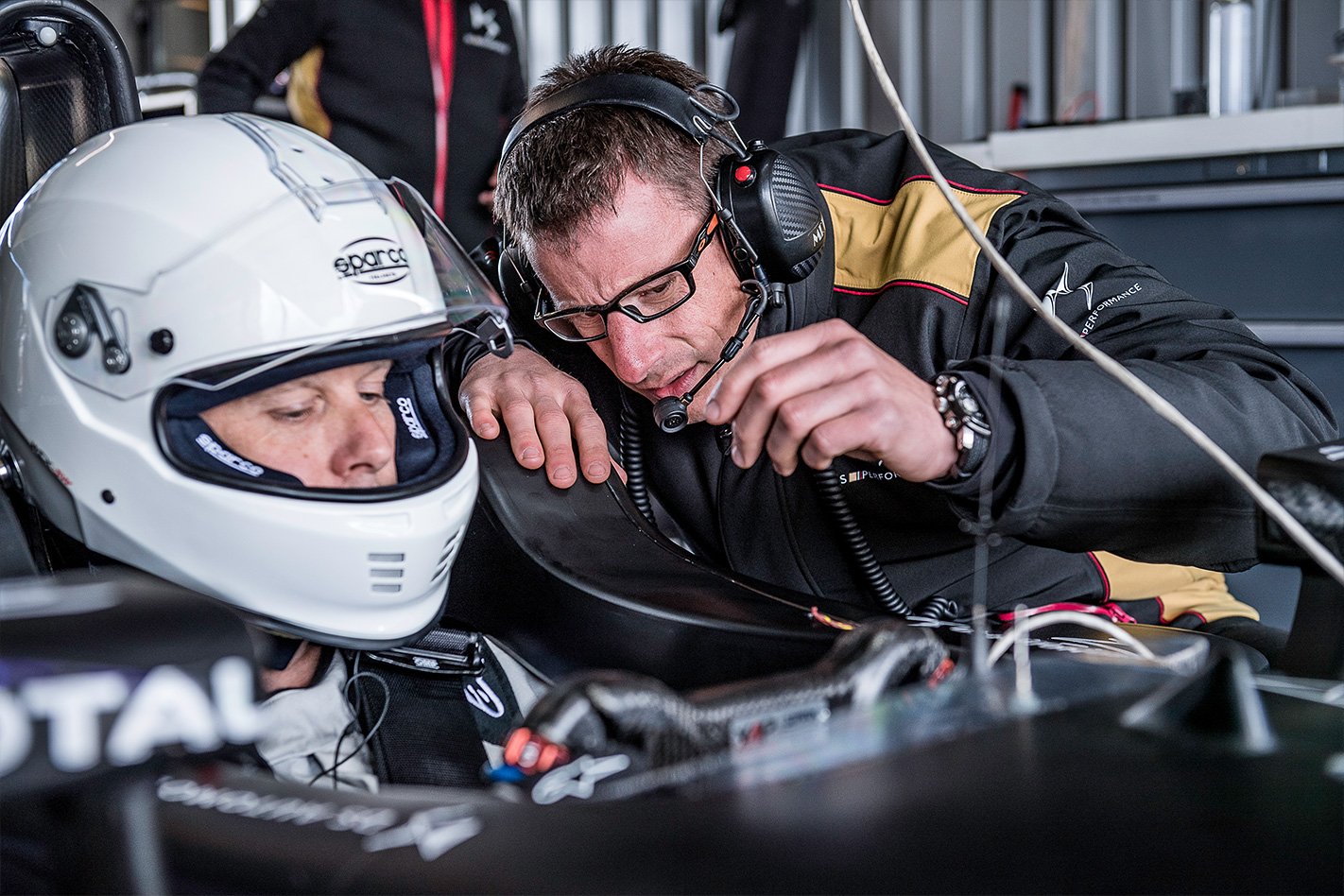
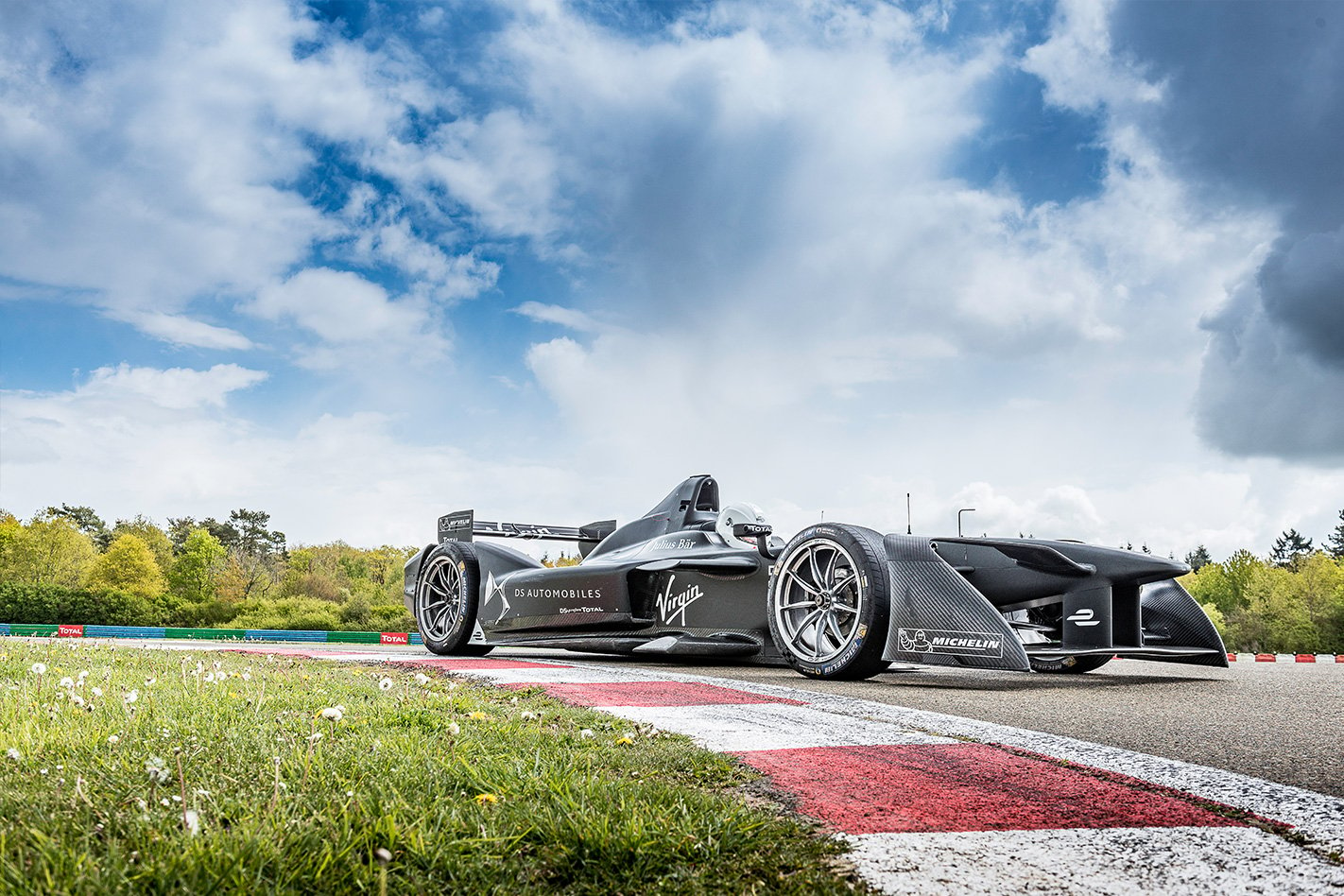
MINUTES earlier, DS Performance technical director Thomas Chevaucher had leaned into the Formula E car’s cockpit and asked me not to crash.
This, we agreed, was a great plan.
DS Performance had brought just one of its DSV-02 all-electric single seaters to Circuit Dreux near Paris, I was about to be the first journalist to drive it, and we were interrupting DS driver Sam Bird’s test. Crashing would be expensive, inconvenient and embarrassing. It seemed like a really bad idea.
But now I’m heading down the back straight, closing rapidly on a hairpin, and as I go from full acceleration to full braking I see the top of the treaded tyre stop rotating before I actually feel that I’ve locked the brakes, and sense the back of the car stepping out of line. Things are not playing in slow motion like people always say they do; in fact, I’m pretty sure they’re speeding up – the grass and barriers certainly are.
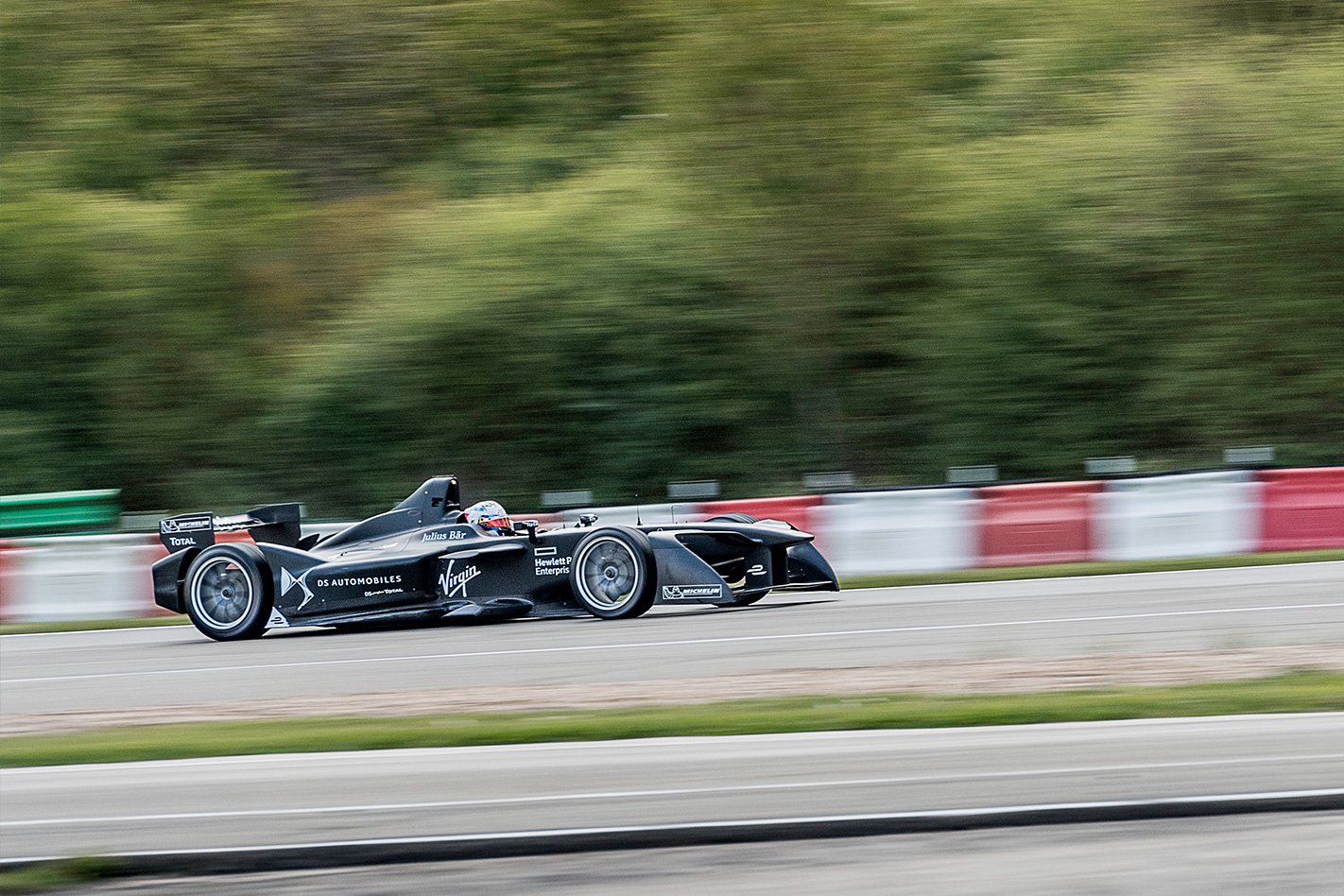
Formula E is the all-electric, FIA-sanctioned championship that races 12 times a year on temporary street circuits globally. It’s about to enter its fourth season, and it’s on a roll. A roster of ex-F1 drivers adds TV-friendly stardust, and manufacturers are taking the series increasingly seriously.
Next year, Audi ups its involvement, Jaguar enters its second season and McLaren batteries will power the entire grid. Nissan also replaces Renault, BMW and Porsche join the series and rumours swirl around Mercedes-Benz. As manufacturers clamour to embrace e-mobility, Formula E looks very well placed indeed.
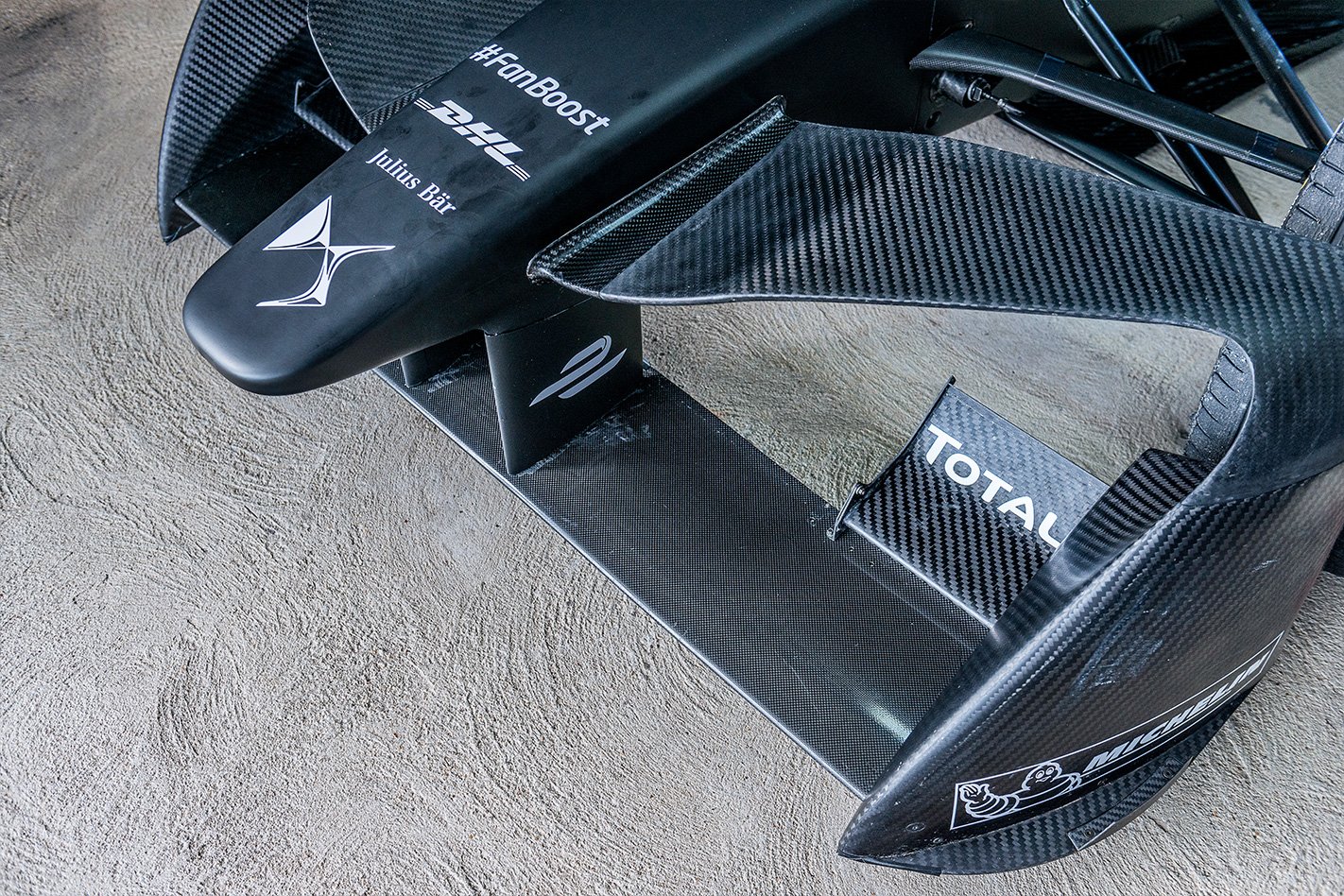
To control costs, the Dallara carbonfibre chassis, front suspension and aero package is common to all Formula E competitors. The grooved 18-inch tyres are also universal and used for both wet and dry races. They’re much more comparable to road cars than the steamroller 13s seen in F1 and with thinner sidewalls the suspension has more work to do on bumpy street circuits.
The rear suspension design is the only component of the chassis that offers scope for the team to adjust, but the powertrain is a different story. The 700-volt lithium-ion battery is common, but the electric motor, three-speed gearbox and inverter are to DS Performance’s design.
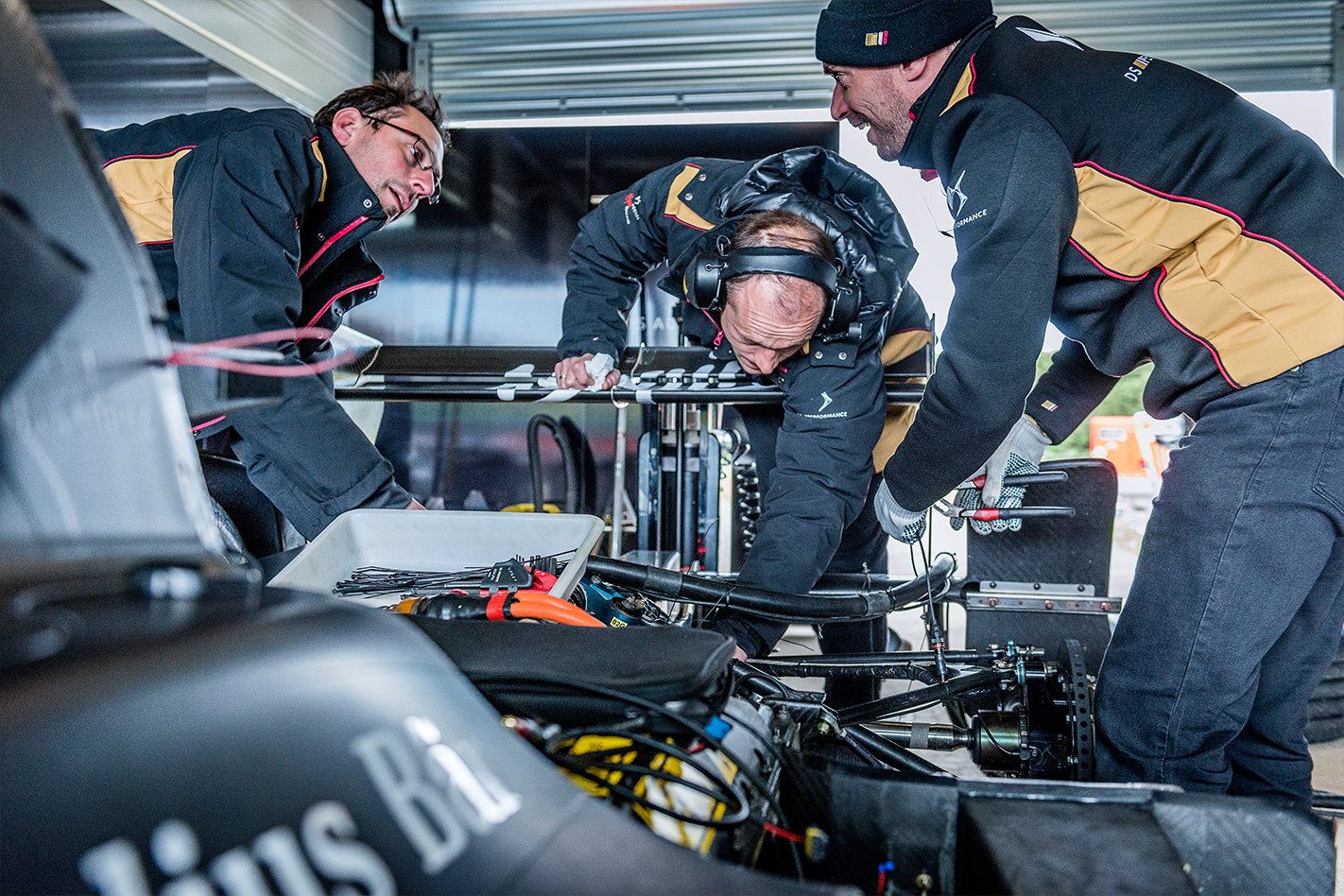
‘We are two years in advance of road cars,’ says Chevaucher. ‘We don’t share technology directly, but it’s the understanding that’s important.’
Driver Sam Bird finished fourth overall last season. He explains that while a Formula E car might feel quite alien to drive in some respects, fundamentally it’s a single-seater with four wheels, two pedals and a steering wheel. Driving one fast isn’t really the hard part if you’re a professional race driver. The strategy of conserving the electric battery and harvesting energy while racing rivals wheel-to-wheel is the challenge.
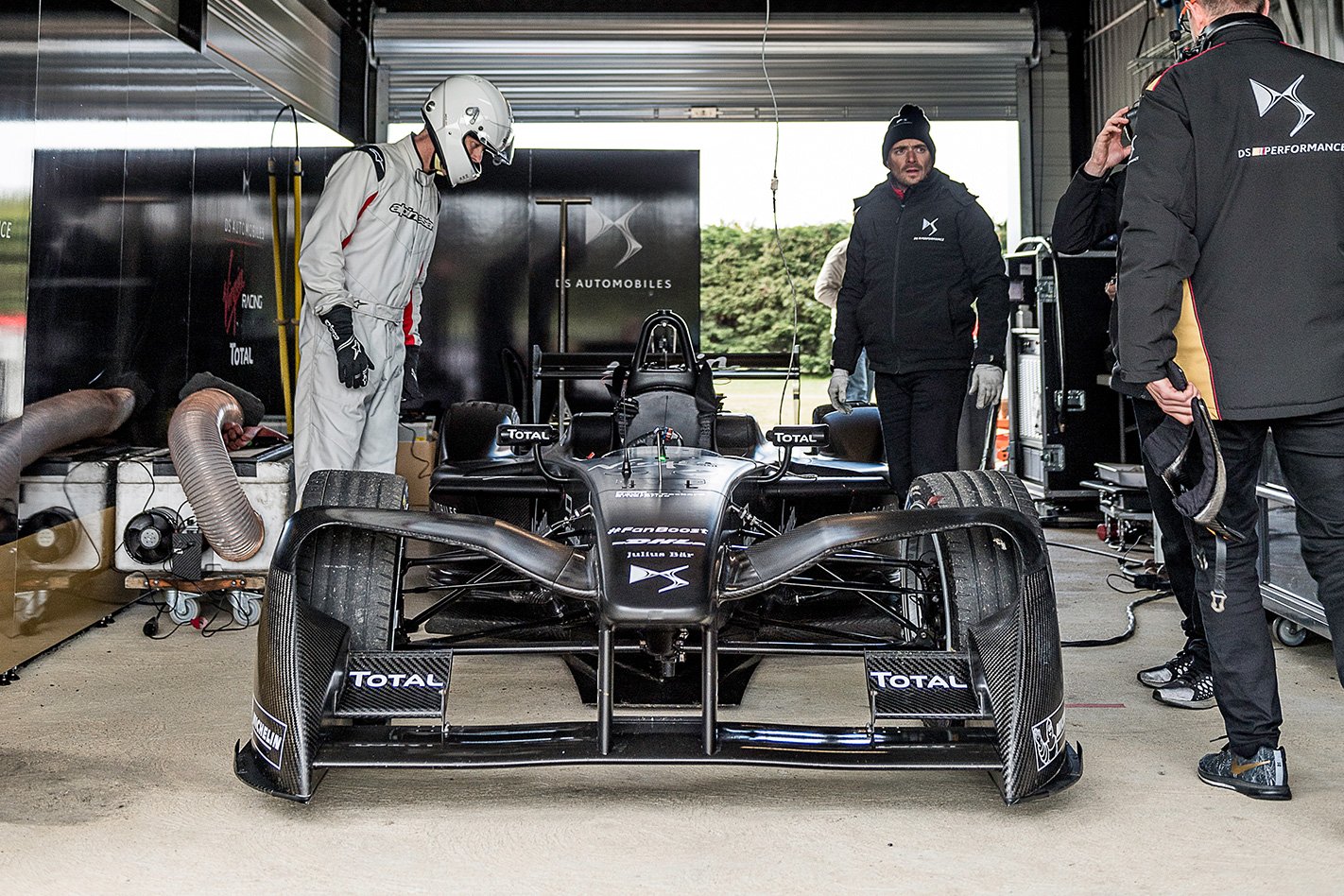
“I’ve done GP2, World Endurance, and this is the most difficult by far. We’ve got drivers like Buemi, da Costa, Lopez, Vergne, and they’re all world class, 20 of us within an inch of each other. I think that’s exciting for the fans, as well as relevant to where we are on the planet today.”
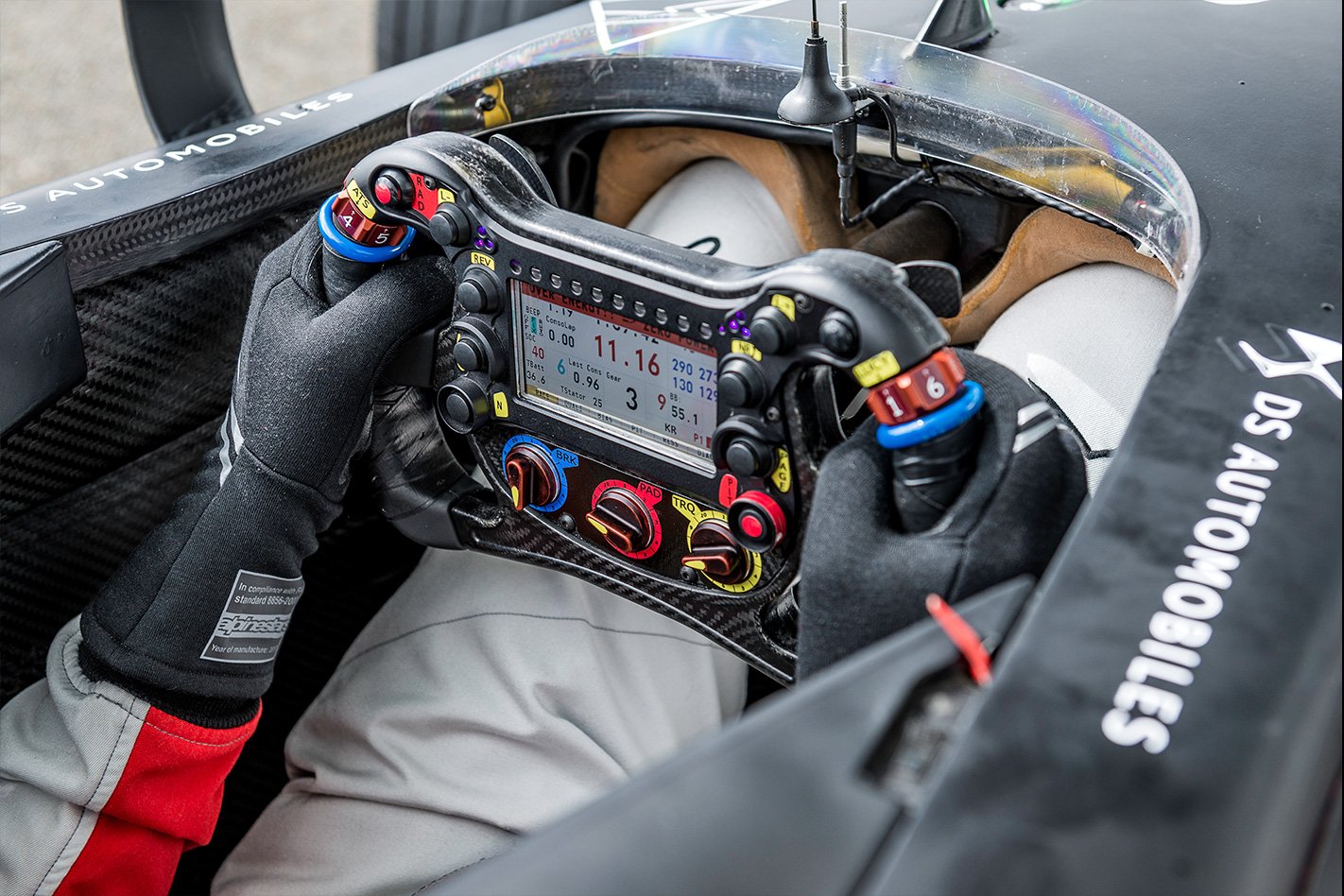
I climb in the carbonfibre chassis, backside low, feet straight ahead, legs bent a little more than I’d like, head rest clipped in afterwards and only just clearing my shoulders. Chevaucher attaches the steering wheel, explaining that the middle paddles control the gears, while the top right paddle is for Fanboost. Fans can vote on social media, providing the most popular driver – usually di Grassi – with an extra burst of energy. With just a few engineers looking on anxiously, there’s little chance of that today. The bottom right paddle is for re-gen. Mysteriously, the purpose of the top and bottom left paddles remains secret.
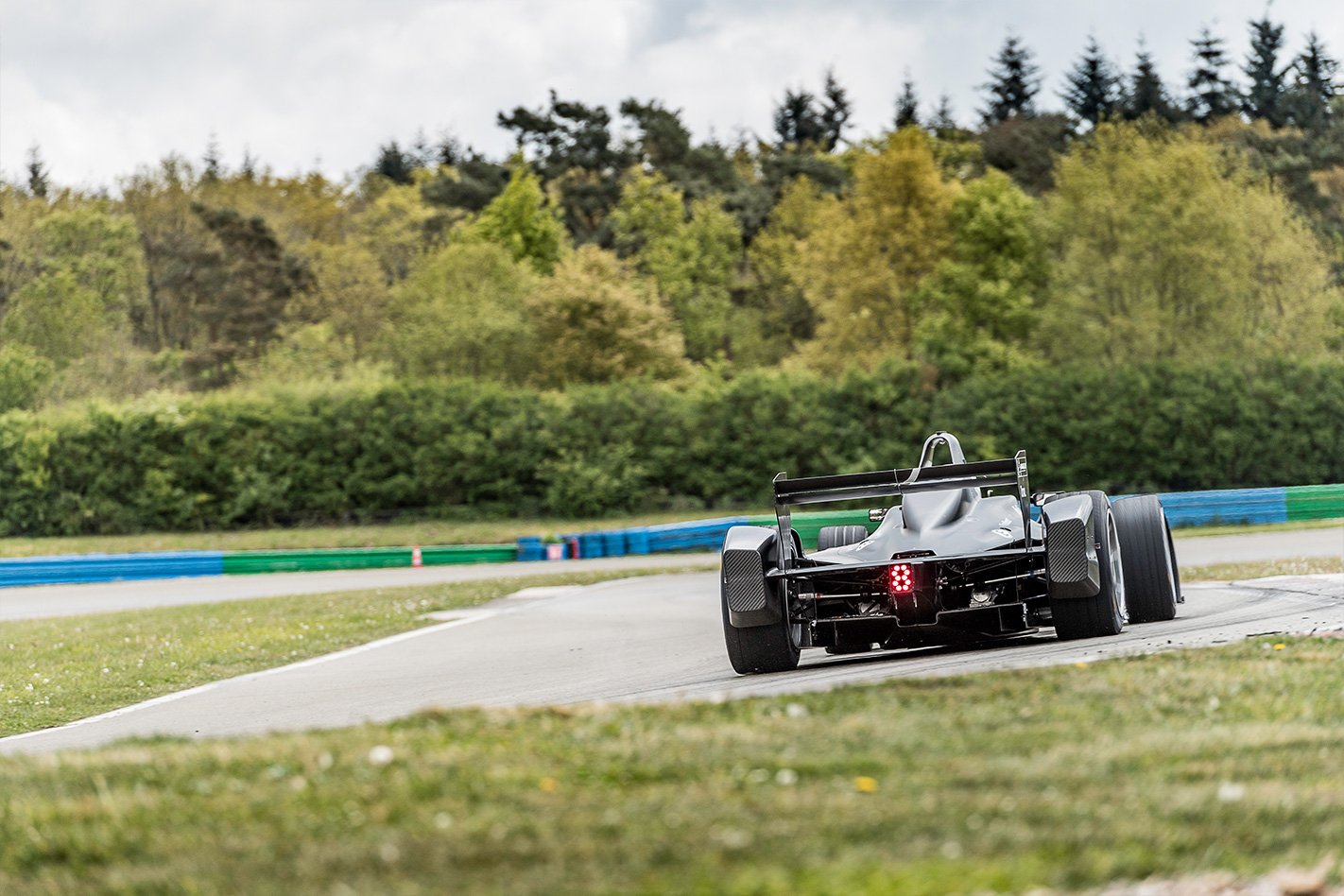
The sensation of light-switch thrust is similar to a Tesla in Ludicrous mode, but your backside is almost skimming the asphalt, and the vacuum of conventional engine noise is filled by a barrage of wind noise like you’ve jumped from a plane in a wing suit. The car is far from completely silent, though: there’s transmission whine and the fizzy bass of the electric motor, which rises and falls in line with acceleration and deceleration like a synthesiser’s pitch bender. It’s a very alien soundtrack, but one that isn’t without appeal.
The torque means you can stay in one gear the whole time, and Chevaucher says the gears are really there to help energy conservation, but it also feels natural to use them for performance. There’s a clunk as you pull back the paddleshifter, the familiarity of mechanical engagement amid all the strange whizzing and whirring.
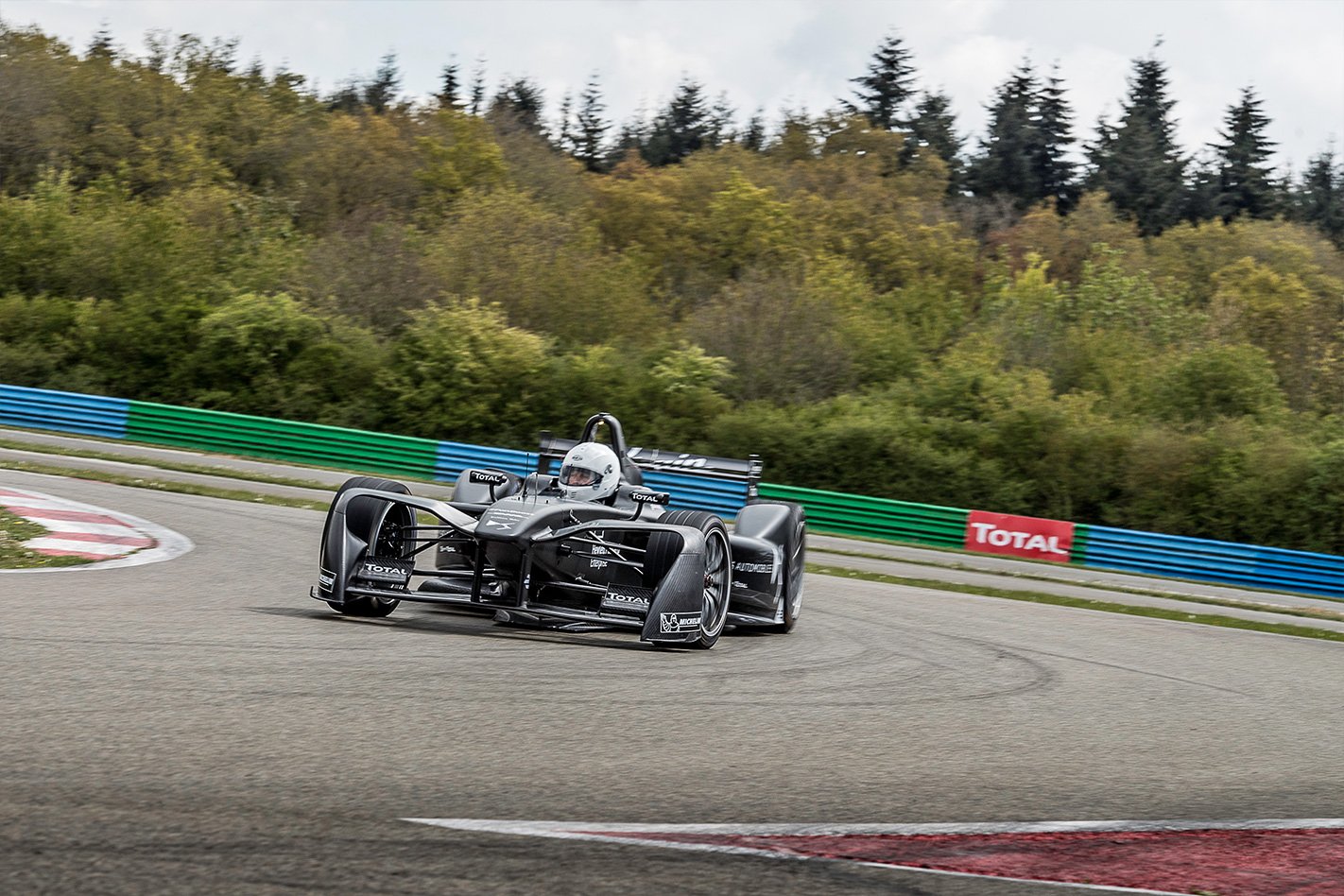
Wary of destroying the car and of its worn-out tyres, I’m perhaps a little over-cautious in the faster corners, but I’m never really aware of an aero effect, and the DSV-02 is quite car-like in the way it shifts around slightly beneath you. Feed in throttle as the corner straightens and the electric racer gathers speed with the kind of runaway intensity that makes you tense and smile all at the same time.
Exiting slower corners, the front tyres start to scrub slightly. A Formula E car does have a higher percentage of its weight at the rear than a typical single seater, and maintains that balance because it doesn’t burn fuel; perhaps that contributes some understeer. Yet if you’re just a little greedy on the throttle, it’ll oversteer eagerly, especially in second gear. You need to be quick with corrections, but it’s a lot of fun.
Earlier, Bird had told me to hold out for the brake board at the end of the long back straight, and I swear he’s shifted it 50 metres upstream as a prank. It feels very, very late, especially as the speed is escalating so quickly as you hold out for the marker.
Towards the end of the stint, I steel myself to brake maybe just very slightly earlier as the hairpin zooms up. I feel the brake pressure build up hard, and it’s then that I have my lock-up. Bird says the grooved tyres are easy to lock, but are more resistant to flat-spotting than a slick.
Understanding what he’s doing is relatively simple, but how he strings it all together during a race as a pack of world-class drivers bear down on him is incredibly impressive.
Me? After about eight laps, I’m about five seconds off Bird’s pace. During a race, I’d be running around like a stray safety car. But I’m happy enough with that, and even happier to bring it home in one piece.
FORMULA 1 is the old flame of the motorsport world we just can’t seem to break up with.
The racing is continually overshadowed by off-track politics, its rule makers seem determined to shoot themselves in the foot, and to call the field competitive would be a gross inaccuracy. And yet we come back, year after year, hoping it will be better this time around.
Why? Because no matter how many times we fall asleep on the couch at 3am, there will be an equivalent moment where we are all on the edge of our seats as the very best minds and bodies in racing come together to put it all on the line.
It’s the ragged-edge pole laps, gobsmacking grands prix, eye-widening overtakes, and tear-jerking celebrations.
You can guarantee we at Wheels HQ will be tuning in again this season (and not just to see who comes out victorious in our tipping competition). Here’s what you can expect from F1 season 2018 – if you’ll be doing the same.
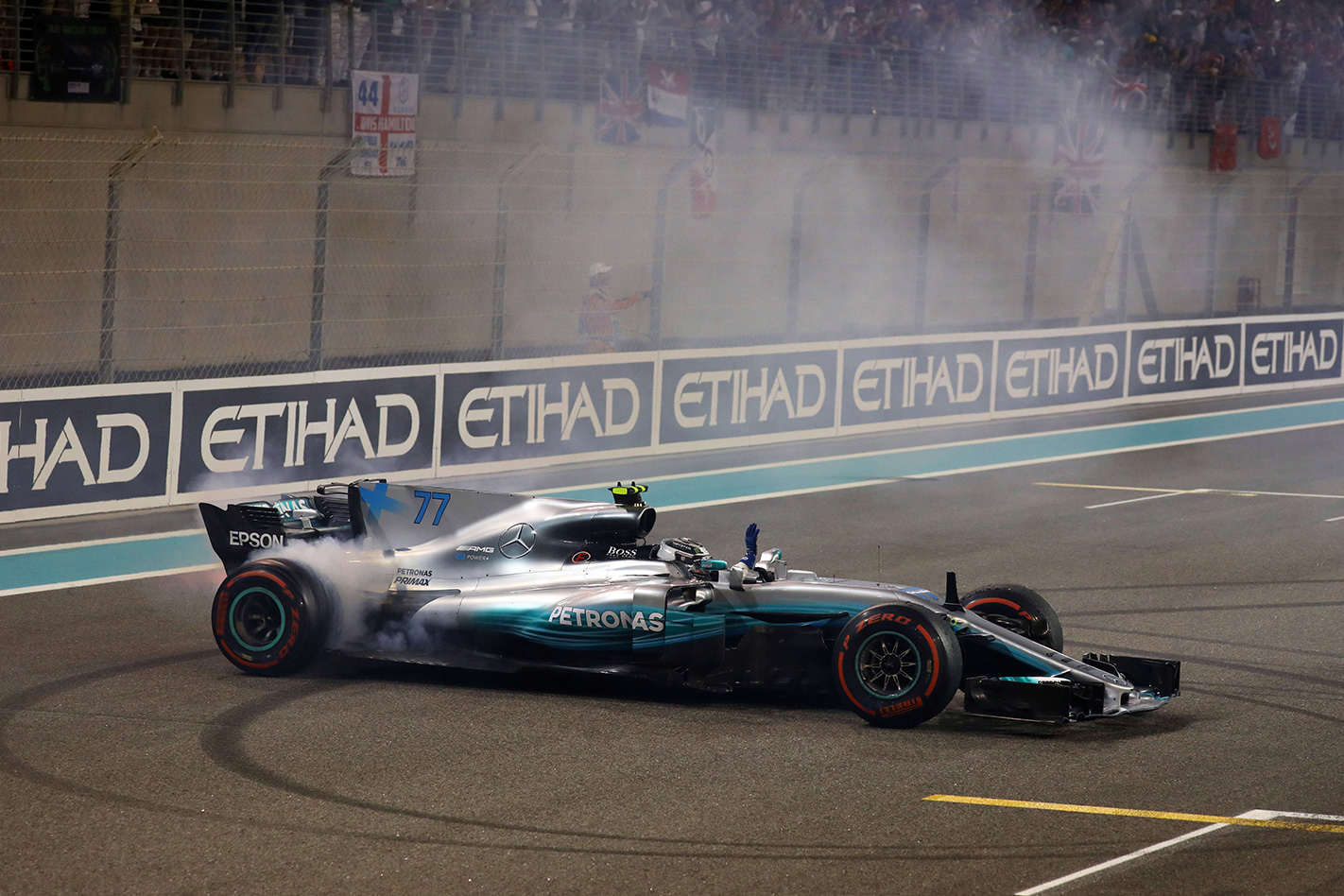
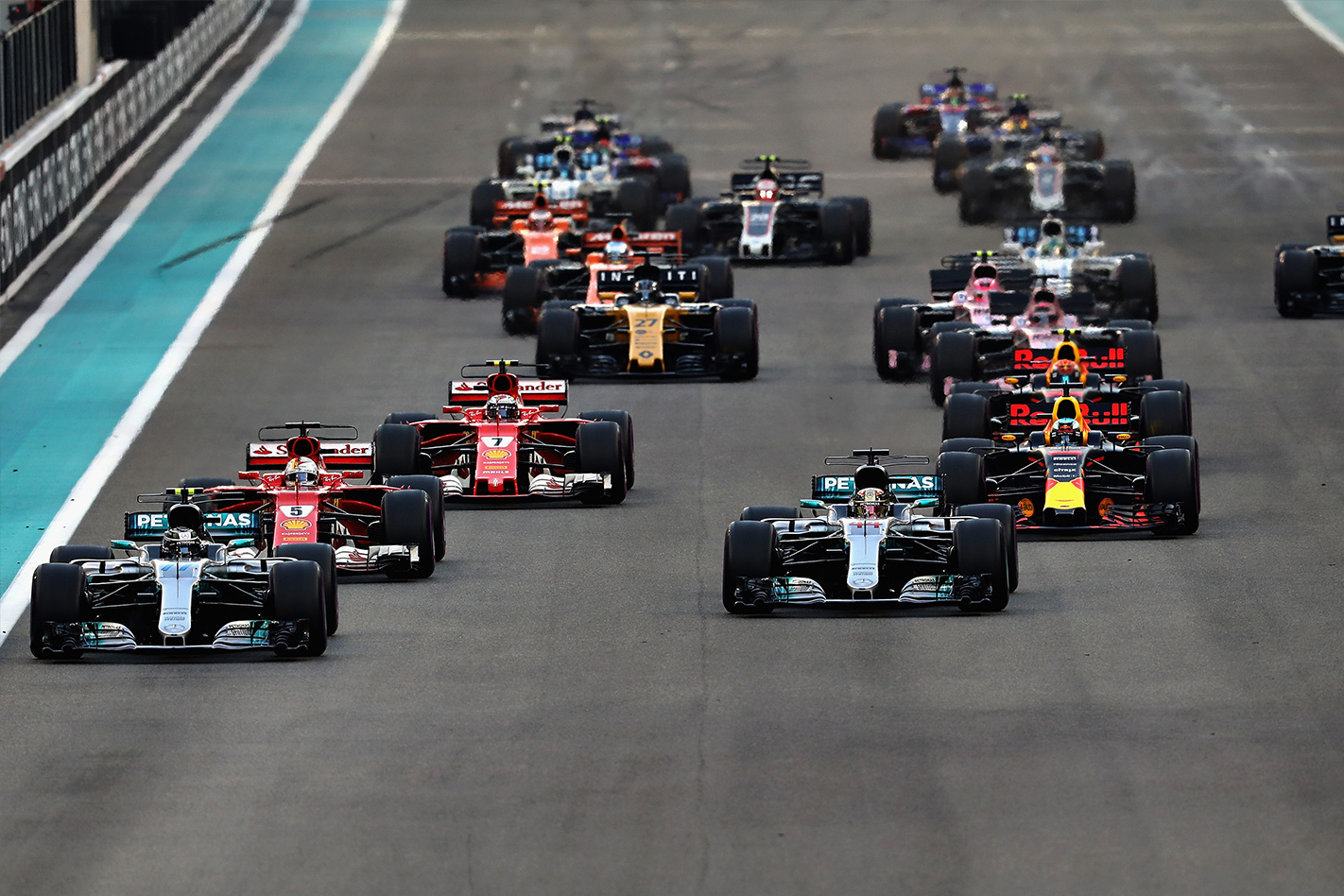
Most races during the 2017 season were completed with just a single pit stop, and minimal to no alternate strategies. Combine this with the difficulty of on-track passing, and the word that comes to mind to describe the racing product is, well, “processional”. Sure, there were some great overtakes and battles during the season, but the huge aero wash from the larger wings of modern cars continues to be counterproductive to close racing.
It’s usually grands prix with two or more stops that are the spiciest, with more strategy and difference in tyre selection creating a more tense and exciting to-and-fro battle.
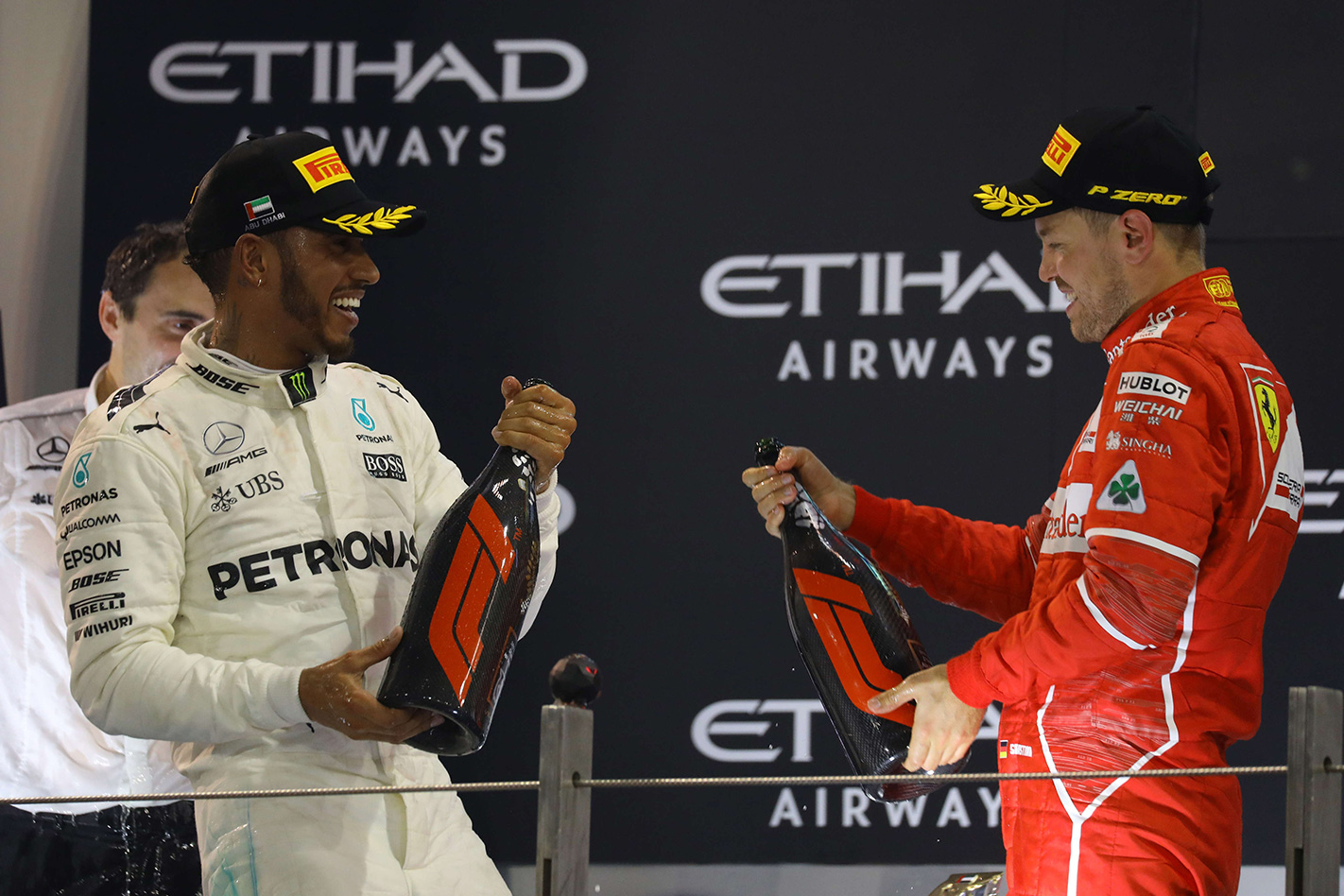
Long live the undercut!
An important season for Ricciardo
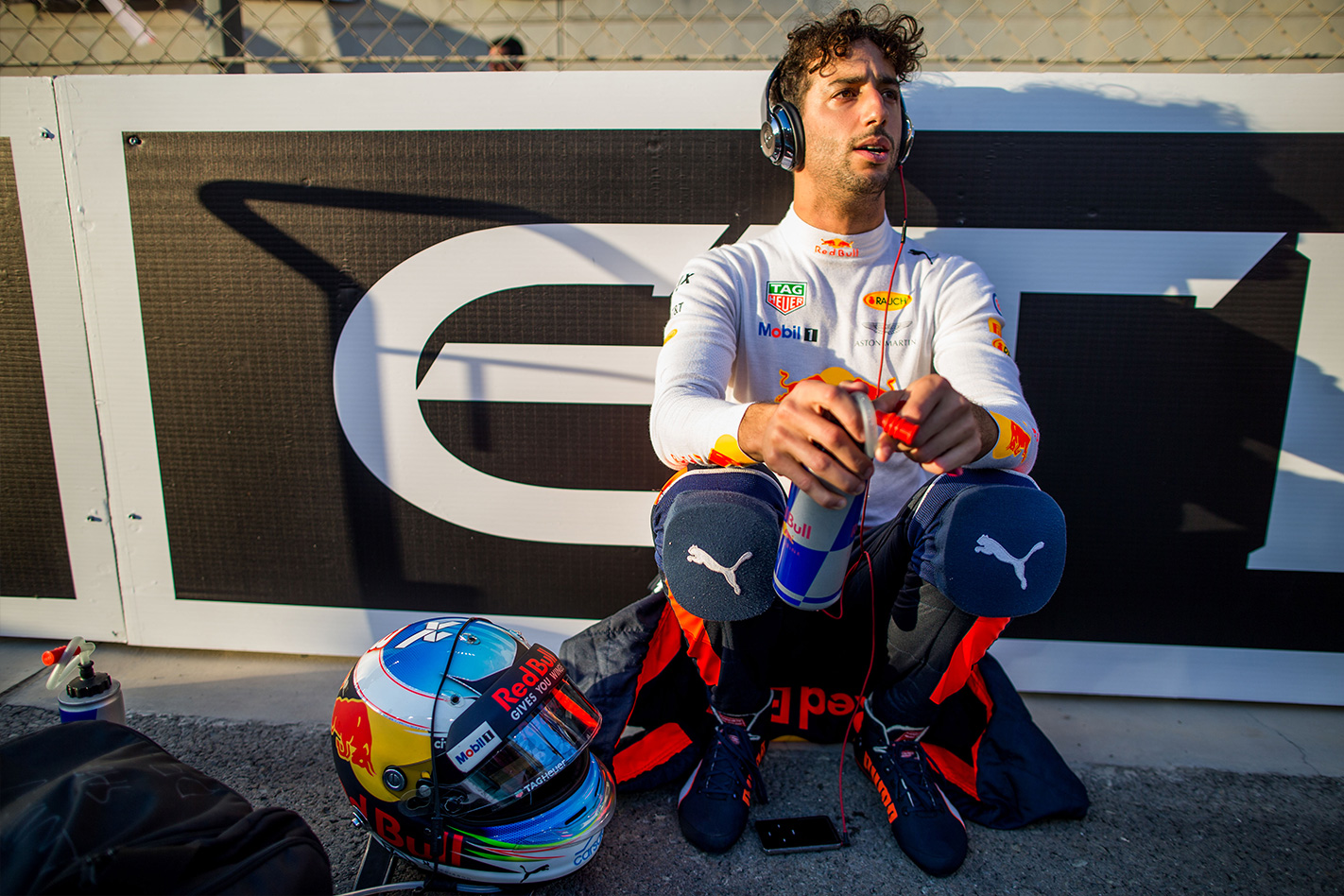
Daniel Ricciardo will be looking for vital wins both on and off the track in 2018. The Aussie’s contract is up at the end of the year, but what makes that so interesting is that Valtterri Bottas and Kimi Raikkonen will also be free agents at the end of the year at Mercedes-AMG and Ferrari respectively. The three biggest teams with free seats? Let the silly season begin. Here’s hoping the Honey Badger ends up in the right seat once the music stops.
One of the major rule changes for 2018 is a reduction to the allowed allocation of engine units from four to three. In 2017, almost every team was slapped with a grid penalty for breaching the number of engines permitted. This ranged from a 10-position slide down the grid, to farcical 65 or more for some drivers.
The reduction in permitted engines means those penalties are going to be more frequent and start earlier in the season.
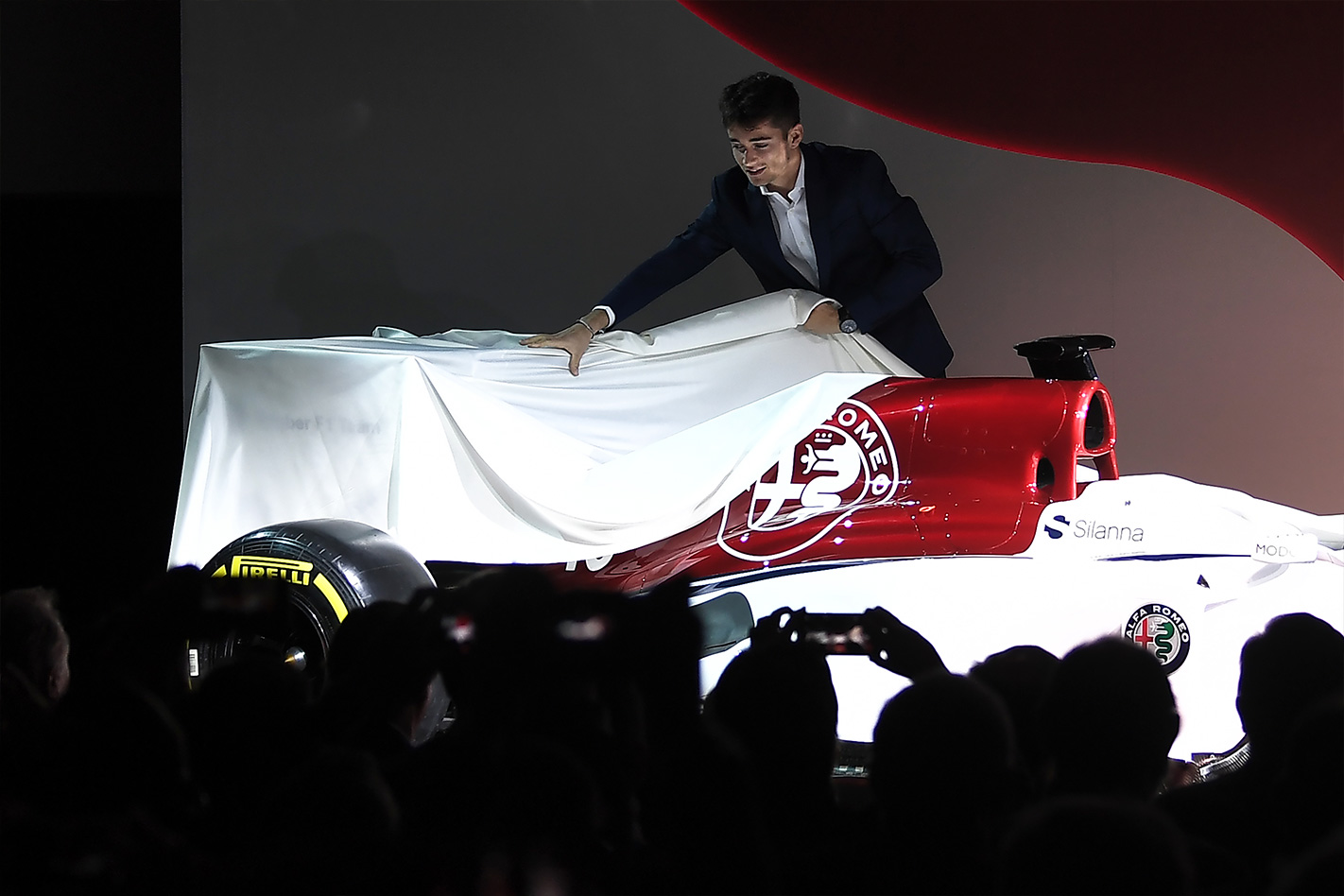
One hard-fought battle likely to be overshadowed by the championship fight will be that of Haas F1 vs Alfa Romeo. Italian manufacturer Alfa Romeo has returned to the F1 fold for the first time in more than 30 years, becoming the naming-rights sponsor of Sauber. The newly named squad will have current-spec Ferrari engines nestled under the skin. This makes them an instant rival for the other squad with 2018 Ferrari engines, Haas. The two teams’ battle for points supremacy will make for interesting viewing throughout the season.
This season could finally be the return of McLaren to the middle, and if the hopes and dreams of Fernando Alonso are to come true, the front of the pack. All thanks to Renault, the engine supplier that replaces the torrid Honda units that have powered the team since 2015. McLaren has paid big dollars for the swap, which it hopes to recoup by scoring more points and taking a larger slice of the prizemoney pie.
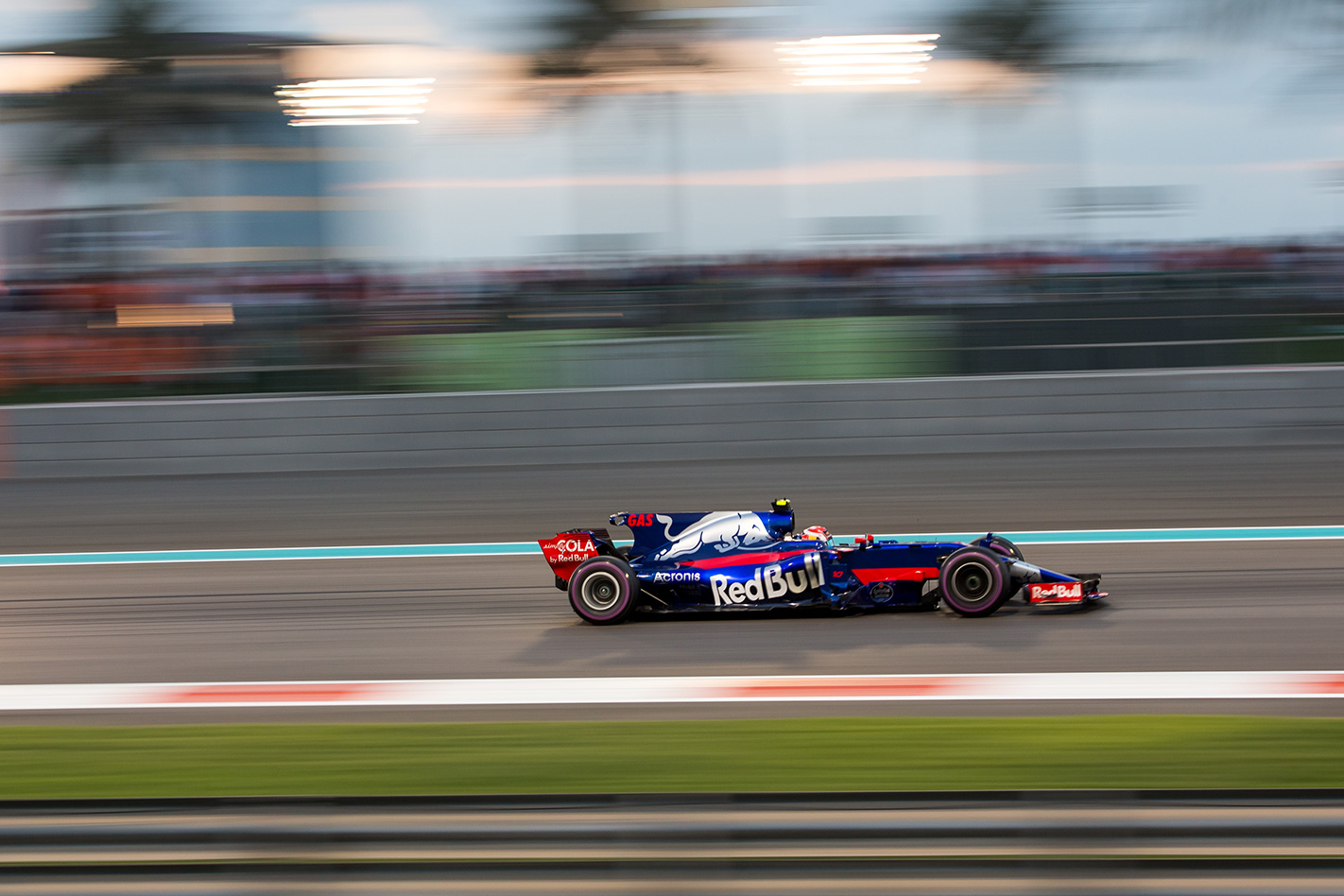
But McLaren’s gain is Toro Rosso’s loss, with the Red Bull B-team lumped with the notoriously unreliable Japanese units. Prepare to see Pierre Gasly and Brendon Hartley starting at the rear of the grid at plenty of races due to engine-related penalties.
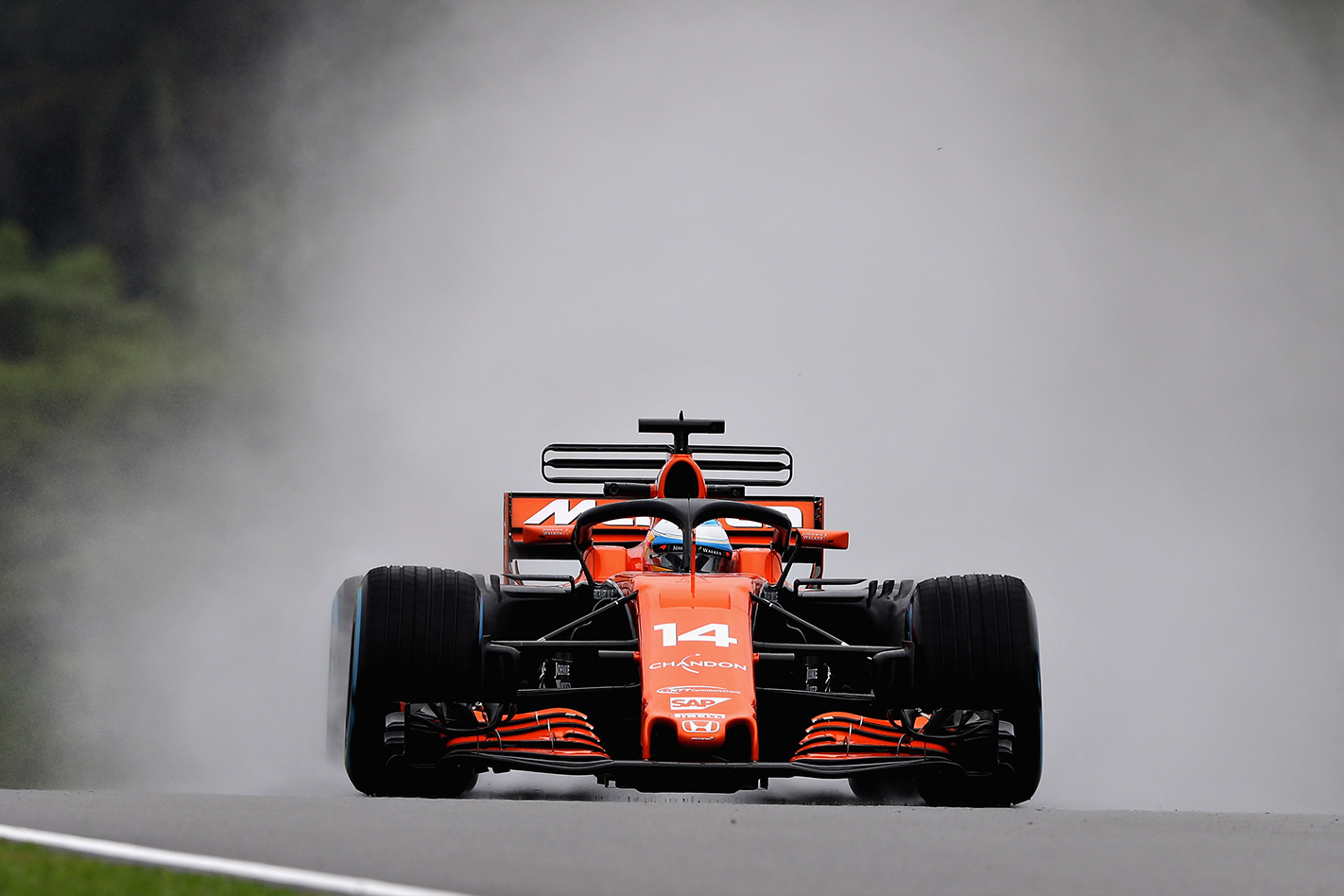
One of the major talking points at the start of the season is sure to be the implementation of the halo device. Introduced at the behest of the FIA as a part of its push for continued safety, the device is intended to help protect a driver’s head in a crash. However, it has caught the ire of fans, pundits, and even some of those whose lives it is meant to save. Its implementation is mandatory, but it’s still likely to cause plenty of discussion. Prior to pre-season testing, teams will be battling with how best to integrate the device into the 2018 car designs. During testing and early in the season, you can almost guarantee there will be robust discussions around how it affects drivers.
The new Formula 1 season kicks off on March 22-25 with the Australian Grand Prix.
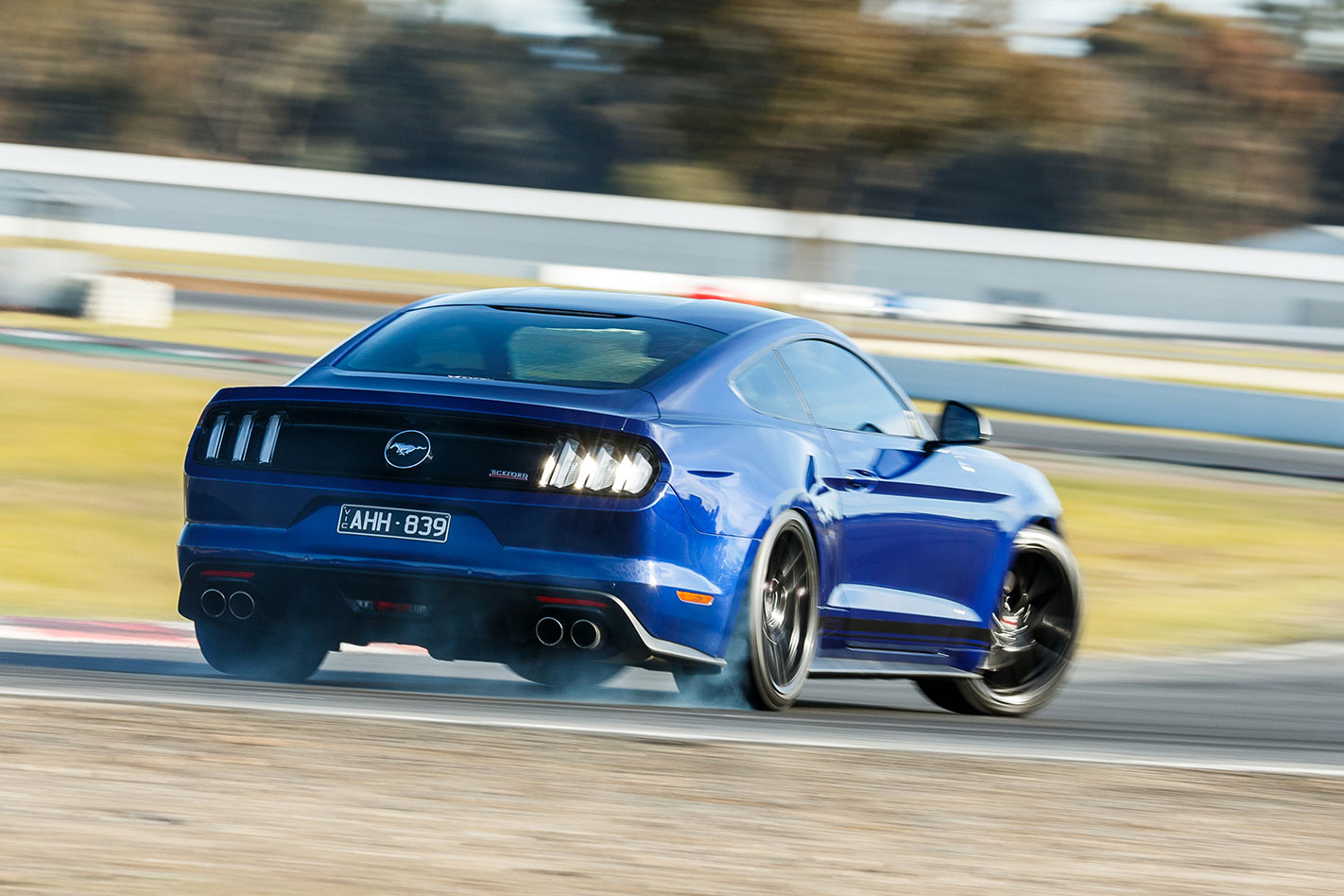
If the whole Tickford thing is confusing you with memories of AU Falcons and stroked Windsor V8s, here’s the skinny: Tickford has been reborn as a brand and is essentially the road-car division of Prodrive Racing Australia.
PRA, you will recall, runs the Mega, Super Cheap, Bottle-O and Monster Energy Falcons in the Supercar championship, so modifying a Ford road car for more poke shouldn’t be a problem.
The Tickford road-car range kicks off with a variation on the Mustang EcoBoost theme which, in the form you see it here, is renamed the 270 Power Pack in celebration of the new output of 270kW (up from 233). Torque is up, too, from 432Nm to 520 and that’s all down to a new cold-air intake, two-and-a-half-inch exhaust and a reflash of the ECU to allow for more boost and to tie it all together.

So along with the Power Pack deal, there’s a suspension package which gets you a set of coilovers that lower things by 25mm and firm it up. Then there’s the wheel and tyre package that gets you on to 20-inch forged alloys with 9.5-inch fronts and 11-inch rears with 265/35s and 295/30s respectively.
There’s also an interior trim package that adds leather and Tickford logos where there weren’t any and a unique centre console, again in leather.
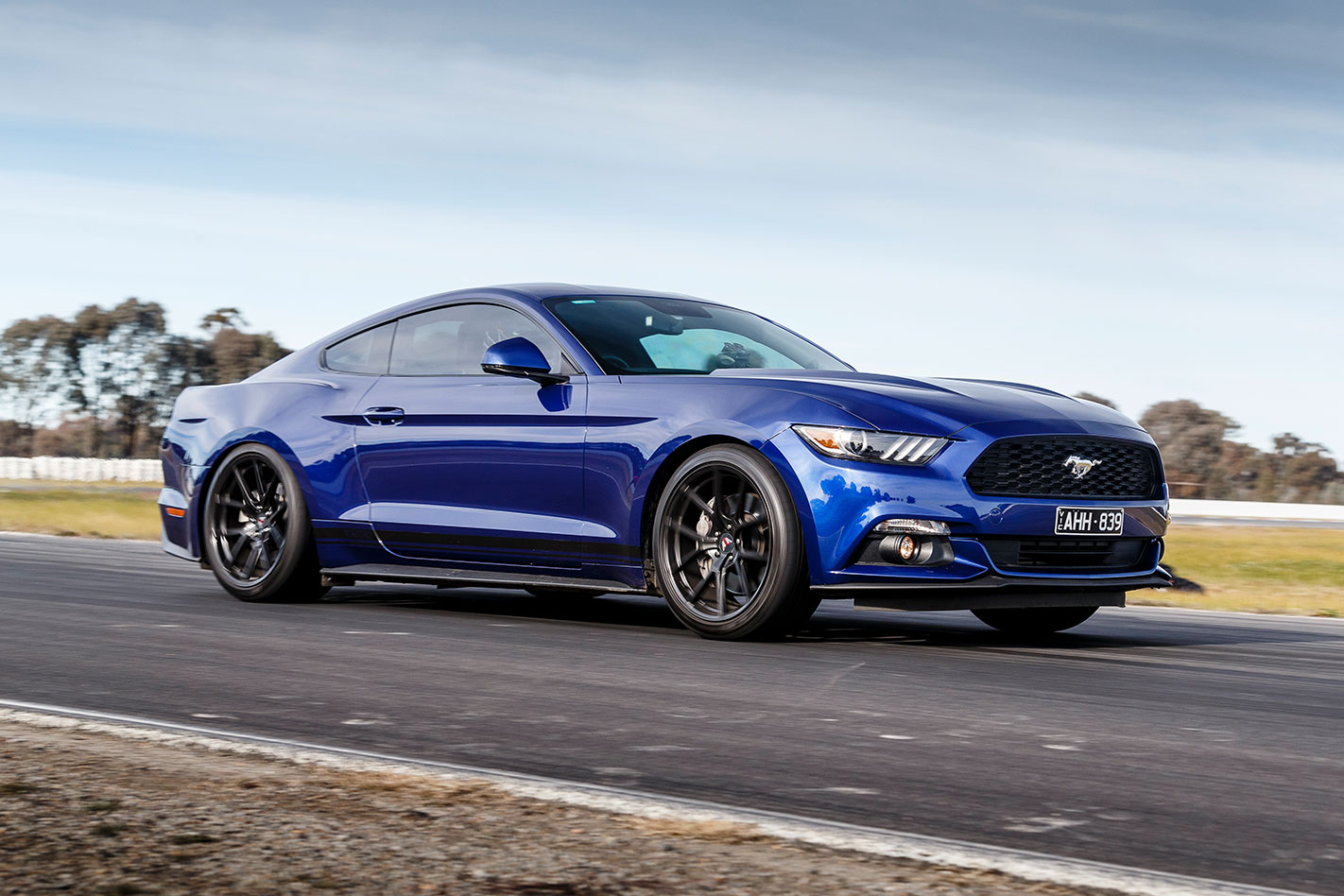
That said, it didn’t have the Mustang Motorsport’s flat-shifting facility or launch control, so maybe that’s where those tenths went at the top end of the strip.
Lap time? Decidedly slower than the rest, actually, but that’s really all down to the road-biased set-up of the suspension. While the aftermarket coilovers do take some of the slack out of the standard arrangement, they are in no way as track focused as some of the other cars here.
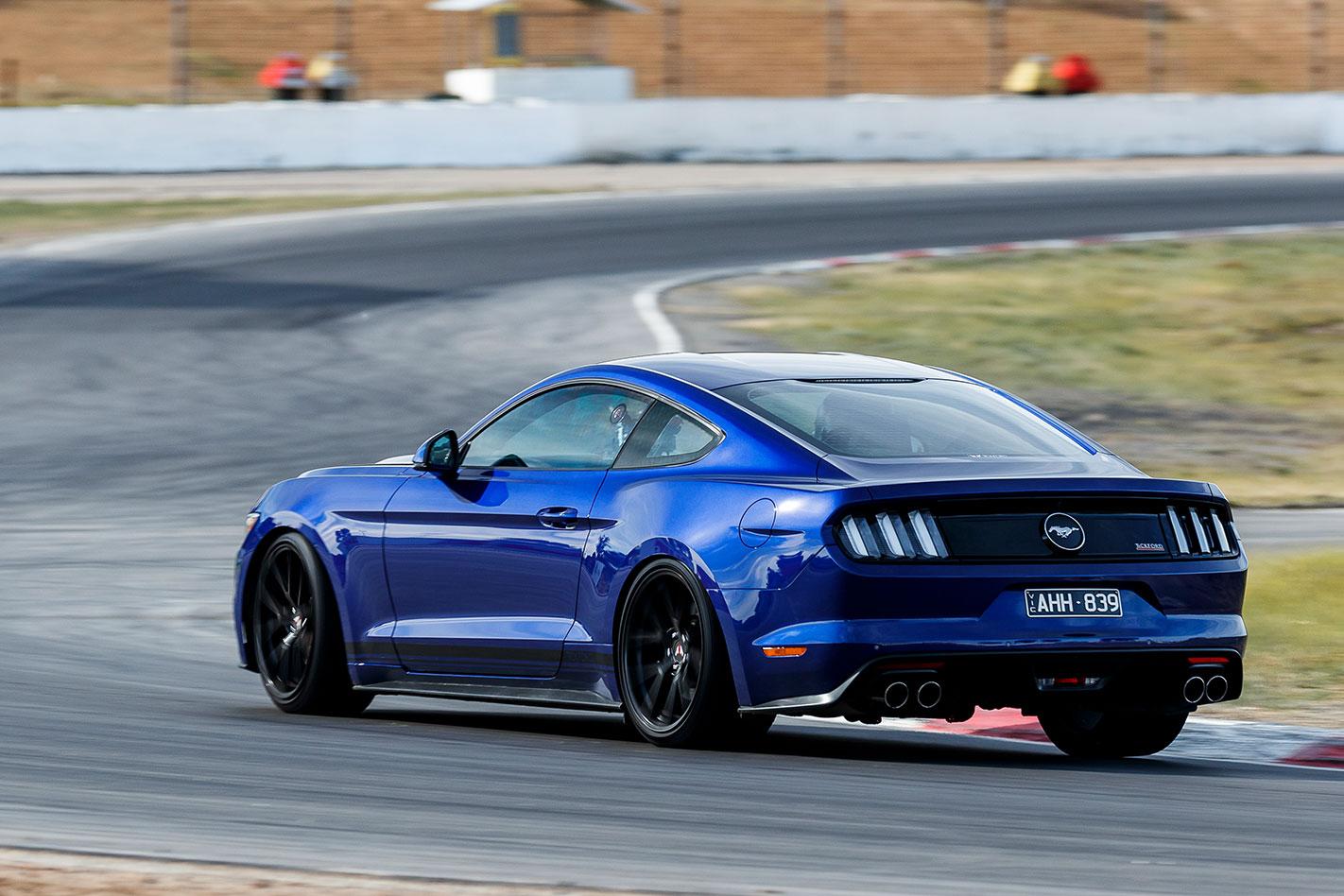
However, that relative softness did make the thing quite throttle-steerable on the limit. Which was kind of just as well, because as commitment levels rose, the accuracy of the steering started to disappear. Again, the roadable tune of the springs and dampers is the root cause of its on-track weaknesses.
But the gearshift was lovely and the Tickford 270 cements another theory into place: that the standard turbo Ford fits to the Mustang EcoBoost is right at the limit of its abilities in this state of tune.
In fact, the line has actually been crossed because, like the Mustang Motorsport car, the Tickford turbo simply fell over at the top end of the tacho, gasping for air. By about 5000rpm, the snail has given all it can at that boost level, and asthma sets in.
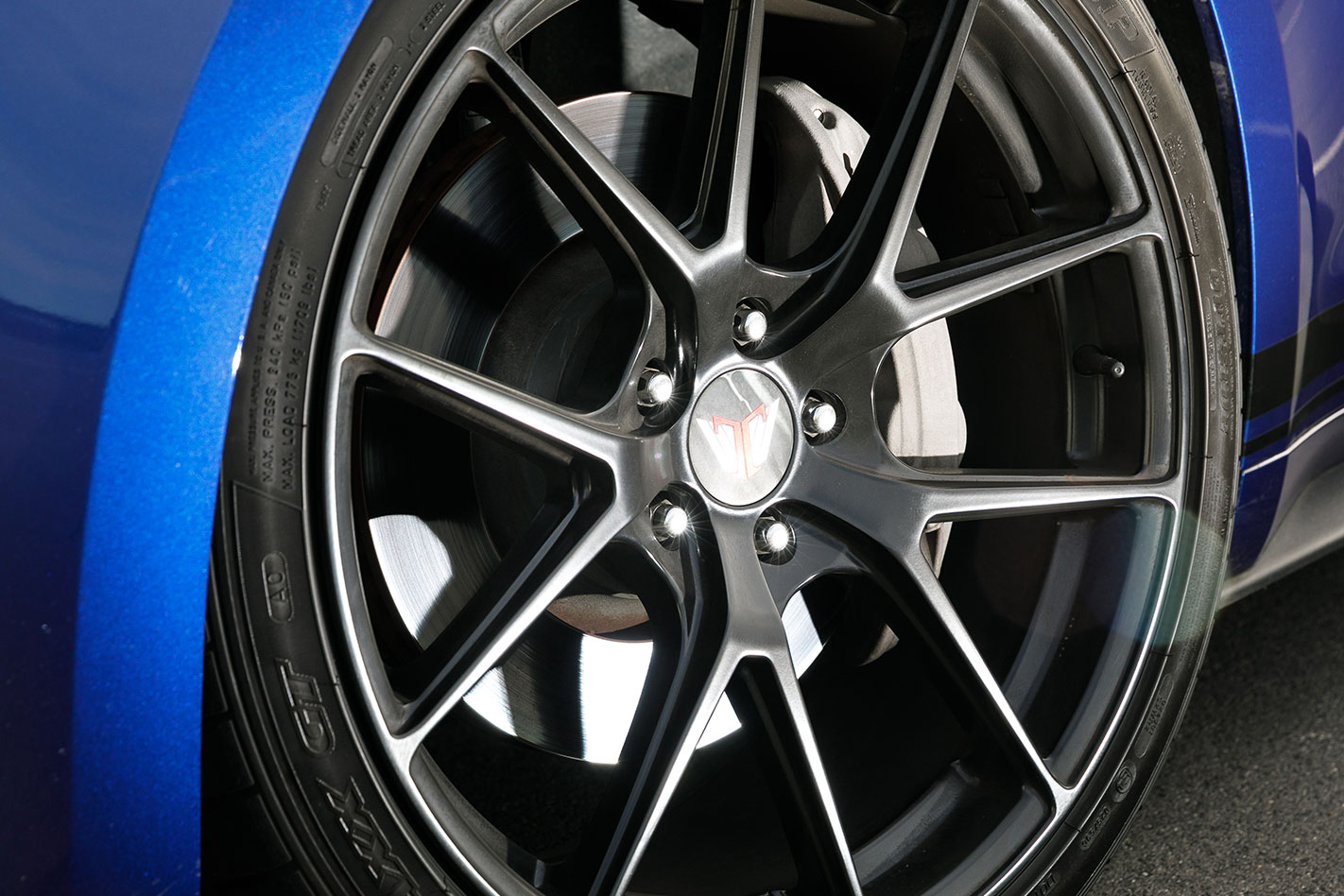
Maybe lap after lap would begin to highlight the difference in some of the aftermarket set-ups on the other cars, but, again, that’s clearly not the role of this car in this tune.
WARREN LUFF SAYS:
“The one thing I really like about this car, and it’s the philosophy I like to see in tuner cars, is that it’s not about being able to pick the one thing that has or hasn’t been done on the car.
“It’s doing everything well and it feels how it should have come from the factory. The Tickford EcoBoost doesn’t have the most power, but it does everything right and makes you think it’s how it should have come standard from Ford.”
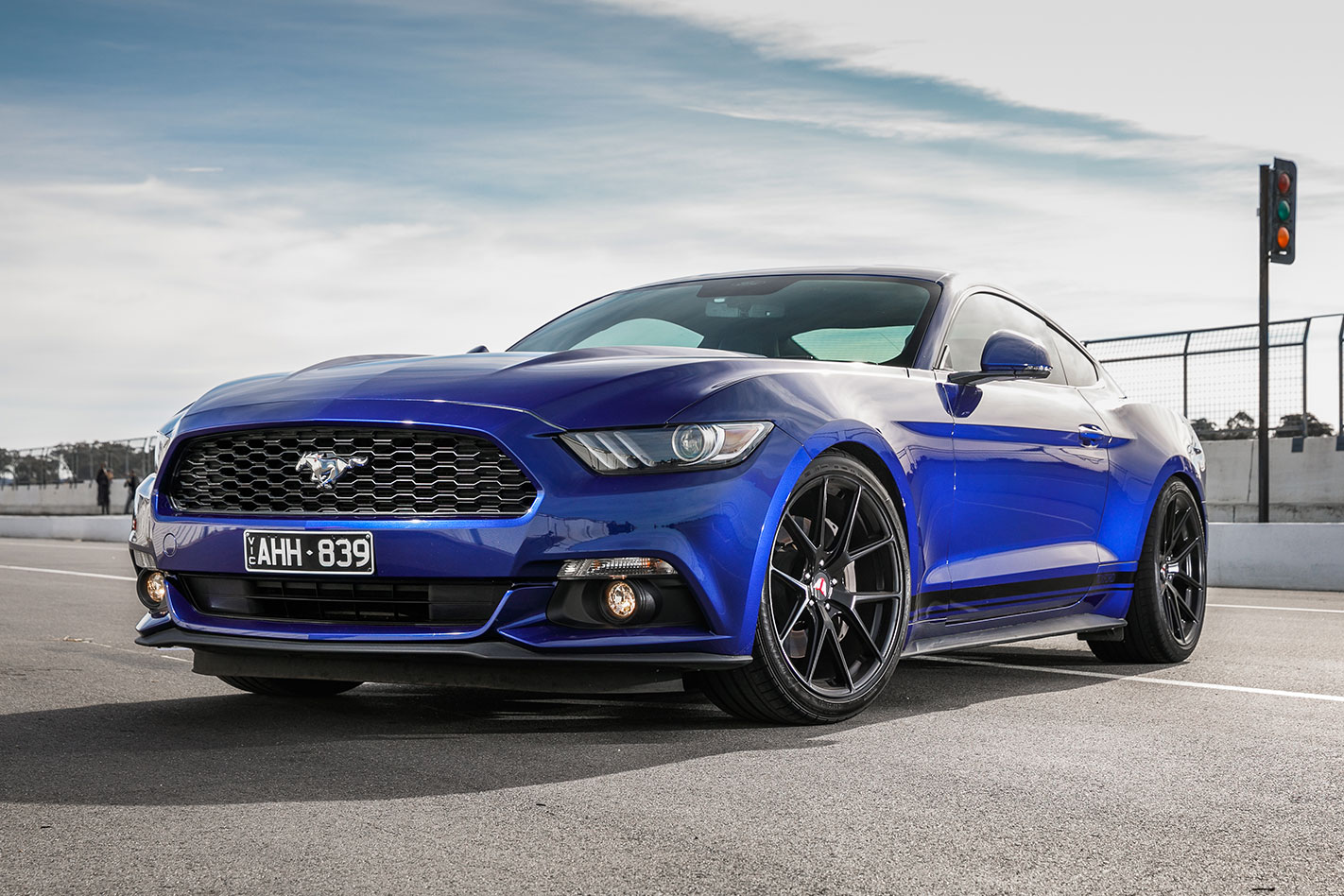
TICKFORD MUSTANG ECOBOOST SPECS
Power: 270kW Torque: 520Nm
0-100km/h: 5.81 seconds 0-400m: 14.08 seconds 80-120km/h: 3.7 seconds 100-0km/h: 37.77 metres Lap Time: 1:39.1 seconds Apex km/h: 82.47km/h Lap V-max: 171.99km/h 400m V-max: 163.41km/h
Engine: 2261cc inline-4, DOHC, 16v, turbo Gearbox: 6-speed manual Suspension: struts; anti-roll bar (f); multi-links, coil springs, anti-roll bar (r) Brakes: 352mm ventilated discs, 4-piston calipers (f); 330mm ventilated discs, single-piston calipers (r) Wheels: 20 x 9.5-inch (f); 20 x 11.0-inch (r) Tyres: 265/35 ZR20 (f); 295/30 ZR20 (r); Dunlop Sport Maxx GT
PARTS AND PRICES
270 Power Pack: $6990 Exhaust/Diffuser: $3990 Wheels/Tyres: $4500 Suspension: $3900 Total Mods Cost: $20,295 Vehicle Cost: $45,990 Total Cost: $66,285
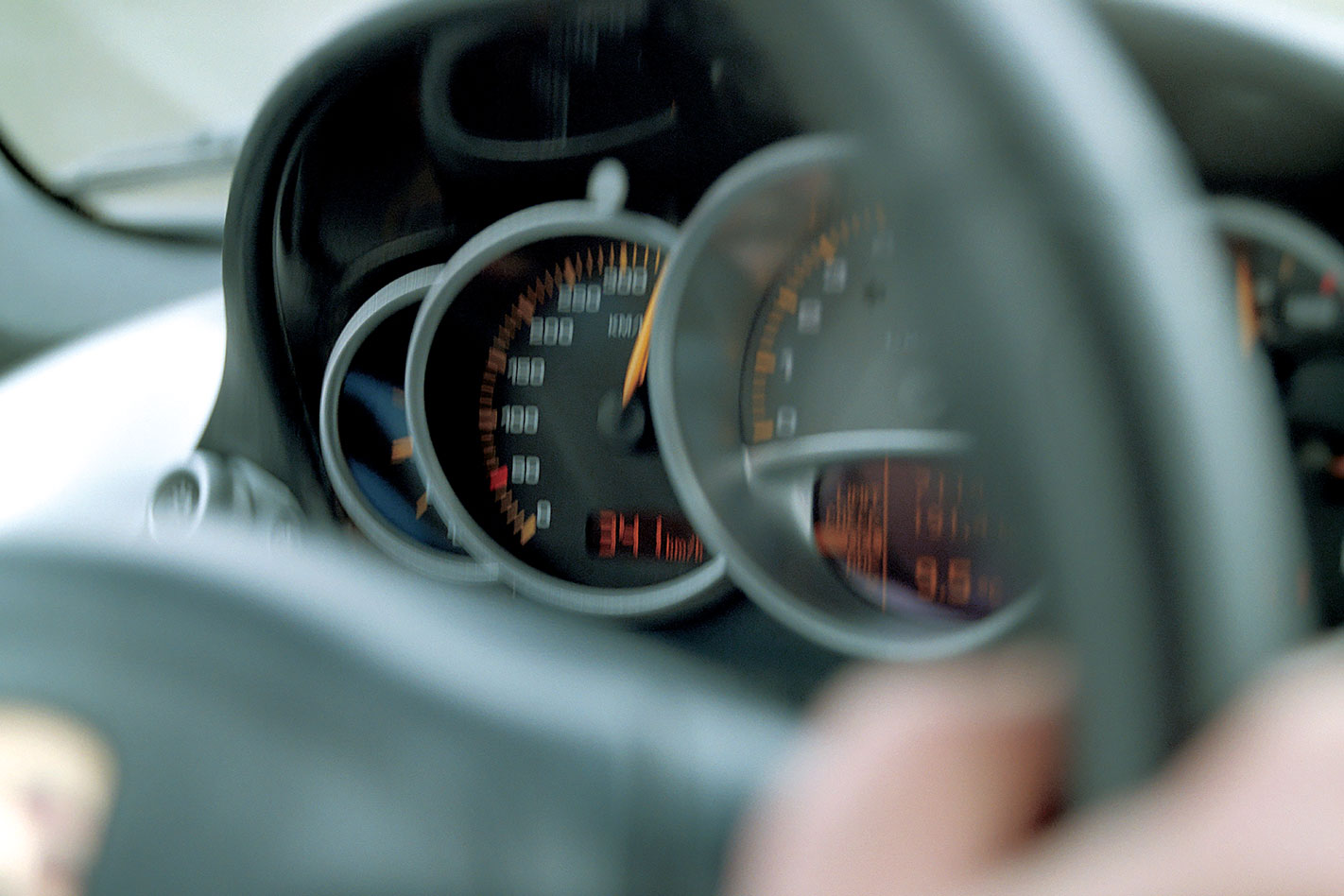
The speedometer reads a slightly blurred 341km/h. This is white-knuckle, yellow-streak, pulse-racing fast, especially when you consider that we are maxing this bespoilered black beast on the A5 autobahn between Darmstadt and Frankfurt, and not on the Mulsanne straight, the Le Mans stage the Carrera GT was originally designed for.
This feature was first published in MOTOR’s June 2004 issue.
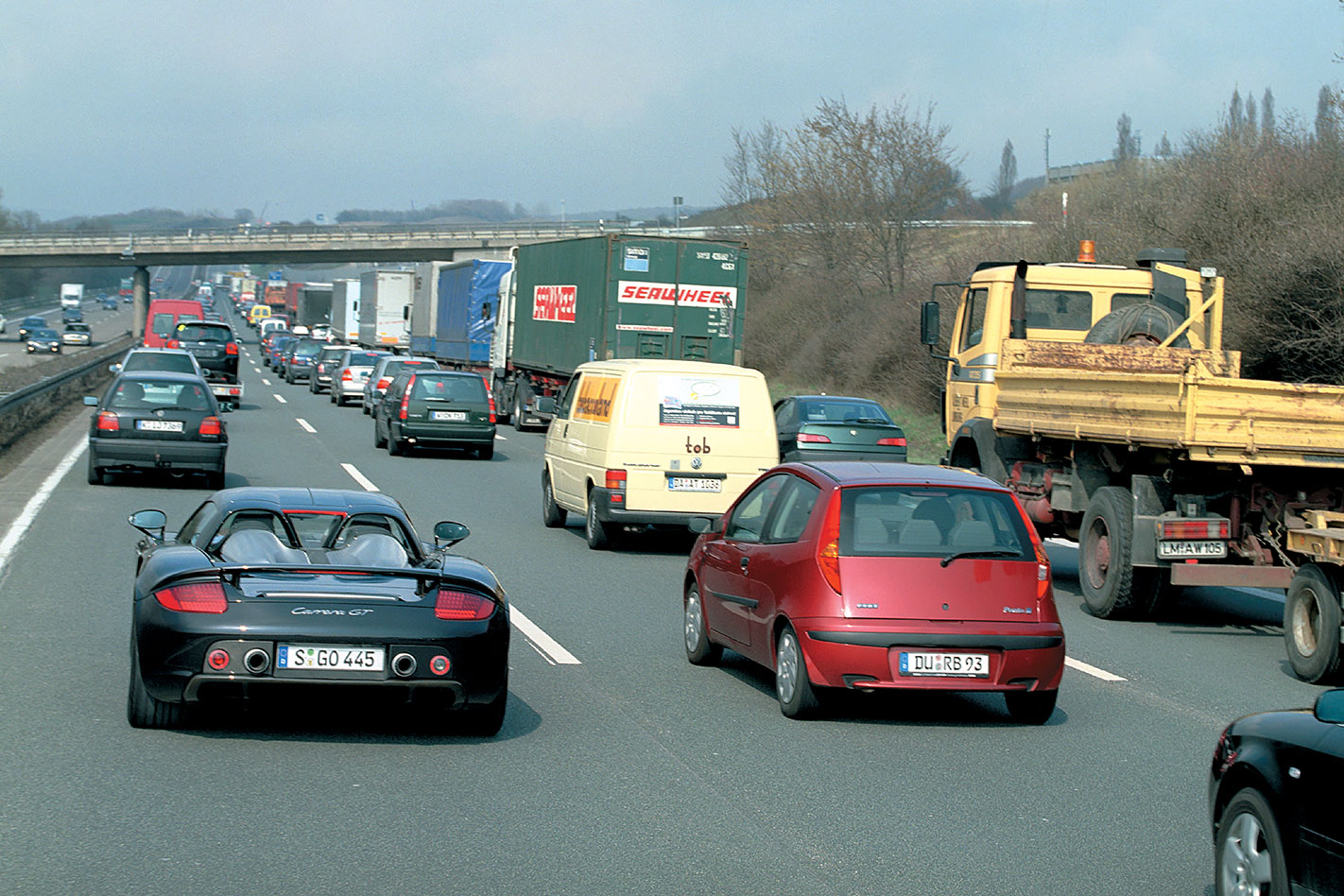
Today, it’s a cold Tuesday in March, on a slightly damp three-lane German motorway, in light morning traffic. Let’s go for it.
Fifth is good for an incredible 283km/h. At 8200rpm, top gear takes over and whips us past the 200mph (322km/h) mark. Like heartbeats, the final 19km/h appear in digital increments.
We pull in it at the next service station to check the brand-new Michelins. Nothing. Minutes later the chase vehicle’s driver gets out, smiles a telepathic smile and gives us the thumbs-up. Apparently the tyre-pressure sensors can be overly nervous. Don’t worry, we are being told.
And please also ignore the traction control and the brake pressure tell-tales – it’s only the on-board display that’s at fault, not the system itself. These are obviously still early days in the life of the fastest and most expensive Porsche currently on offer.
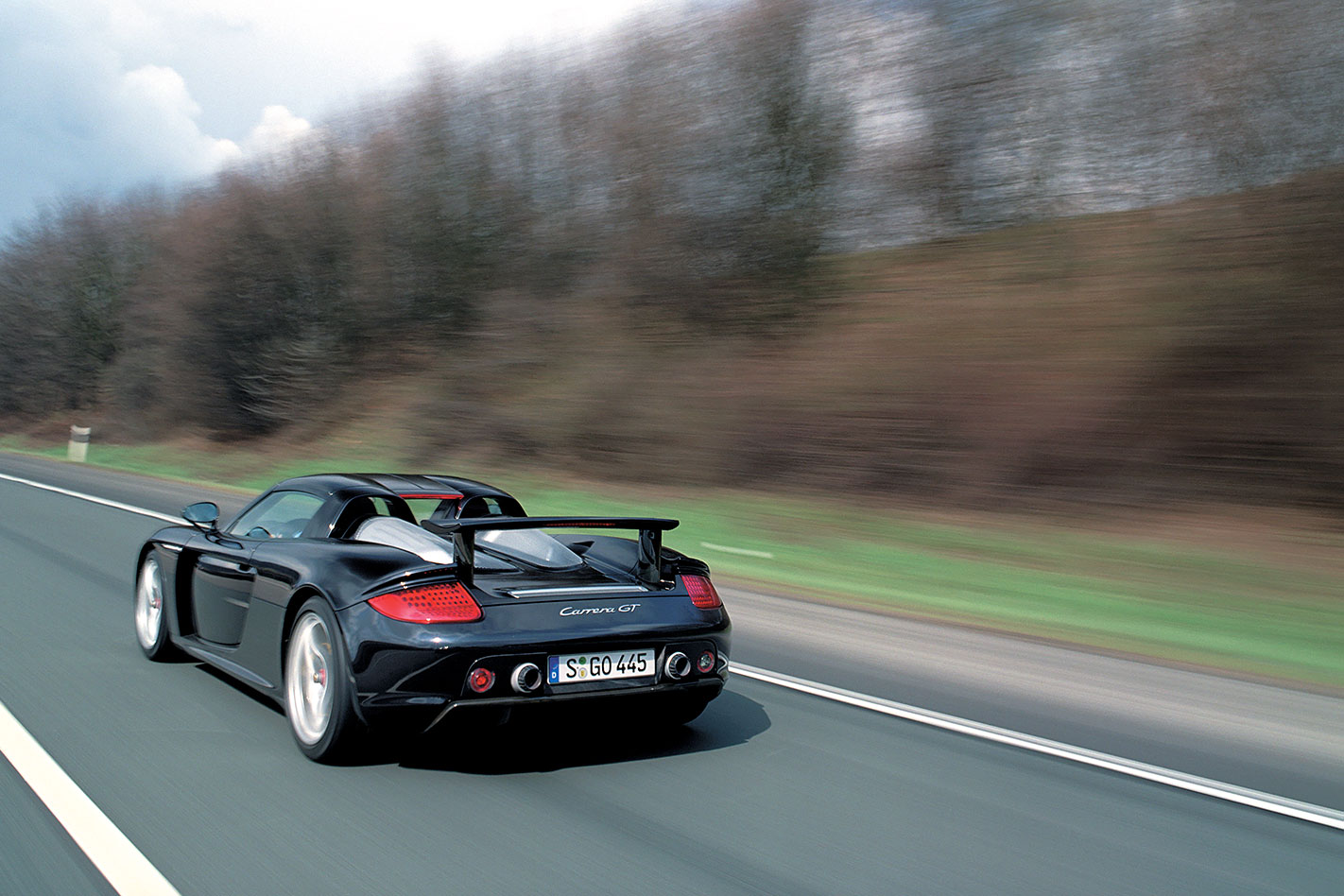
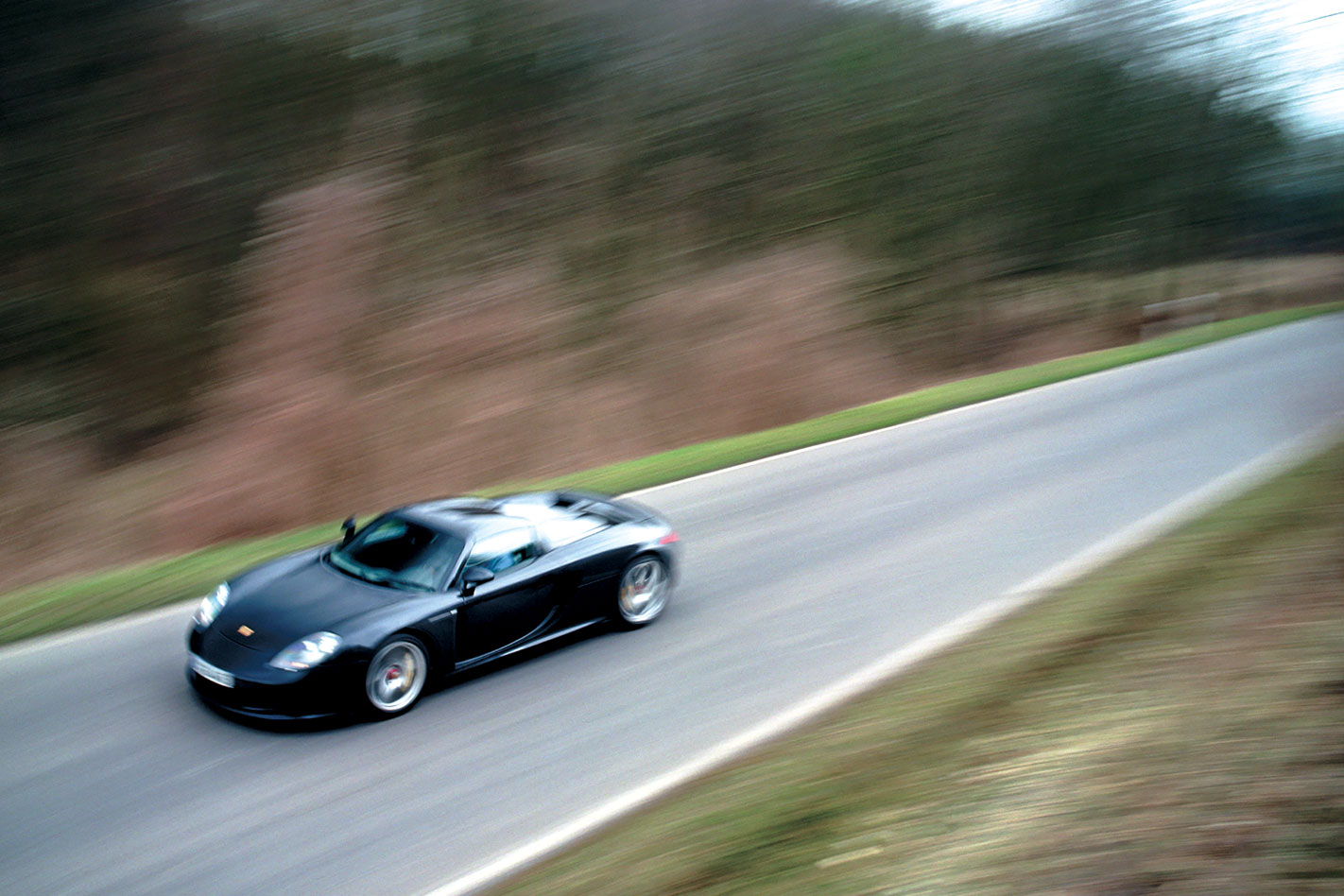
But then the weather improves and the Porsche gets a chance to roam its 200 to 280km/h sweet-spot. With no posted speed limit, some of the radii are still so tight that 240km/h feels like veering off the demarcation line between 9/10ths and 11/10ths.
At this extreme limit of adhesion, the Carrera’s steering is an absolute delight. Accurate and perfectly weighted, it lets you scan the road surface with the palms and fingers of your hands. Although the car’s front end is quite stiffly sprung, the Carrera GT oozes amazing high-speed solidity and stability.
Of the Carrera GT’s many highlights, nothing shines more brightly than its V10 engine, cradled by a pair of heat-resistant carbon fibre carriers. This 5.7-litre, 40-valve unit started life way back when Porsche was still thinking about returning to F1. In the wake of the Footwork Arrows disaster, the Swabians had developed a brand-new 3.5-litre 10-cylinder engine. But instead of making a commitment to top-league motor racing, Porsche chairman Wendelin Wiedeking was more interested in repeating the last Porsche victory at Le Mans, when the GT1 took the trophy in 1998.
The core 10-cylinder powerplant of the carbon-fibre roadster, codenamed LMP2000, thus received a longer stroke and a wider bore, which boosted its displacement to 5733cc.
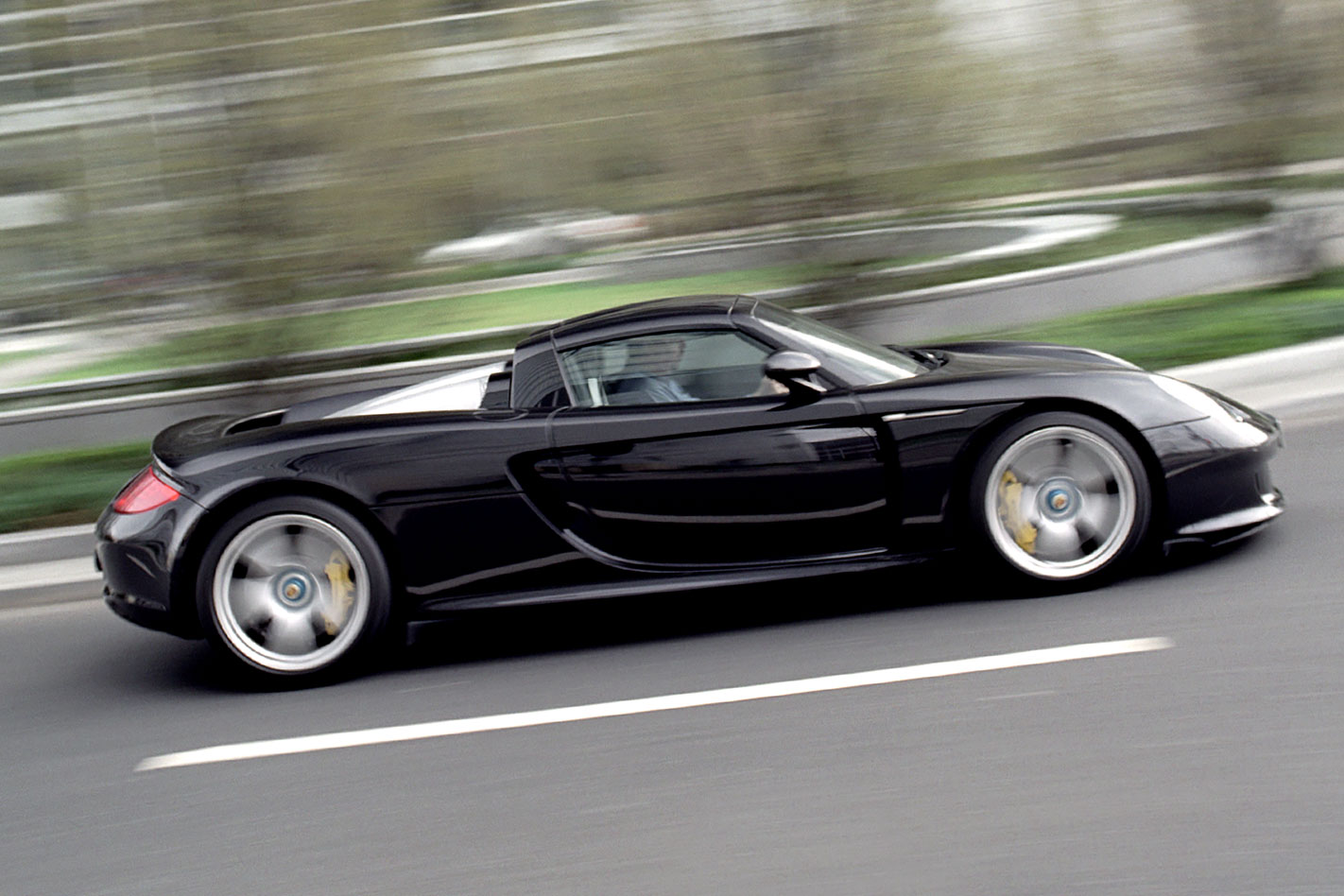
Producing 456kW at 8000rpm and 590Nm at 5900rpm, it fires with a melodic density, revs up the tone ladder, and swings through the gears with the rhythm of a highly focused big band.
It also whips up the performance to match its catchy engine note. On dry tarmac, the Carrera GT will accelerate in a smoky 3.9sec from 0 to 100km/h. A mere seven seconds later, you’re already flying down the road at 200km/h, preparing to shift up into fourth. At this point, your worst enemy is not an unlikely McLaren SLR snapping at your heels – but that dopey Passat which is about to pull out…
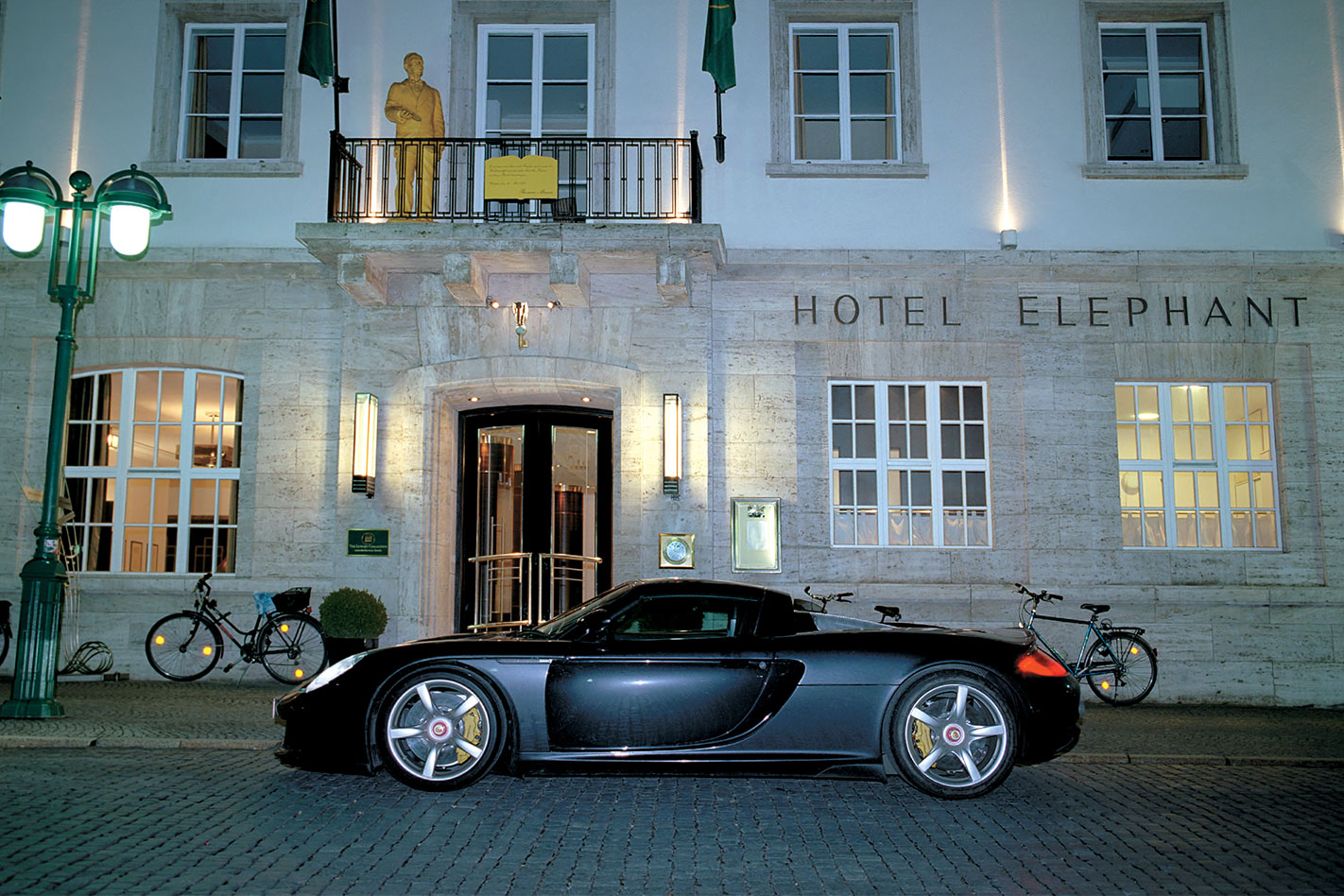
We stay the night in Weimar. Unlike neighbouring Jena, walled in by its ugly high-rises of the communist past, Weimar has preserved the charm of a bygone era. The Carrera GT, however, is at daggers-drawn with any kind of urban driving. It lacks the ground clearance required to climb into most user-friendly carparks, fouls its stiff lower lip on the mildest undulations, and its small-diameter, twin-disc ceramic clutch is a nightmare in traffic.
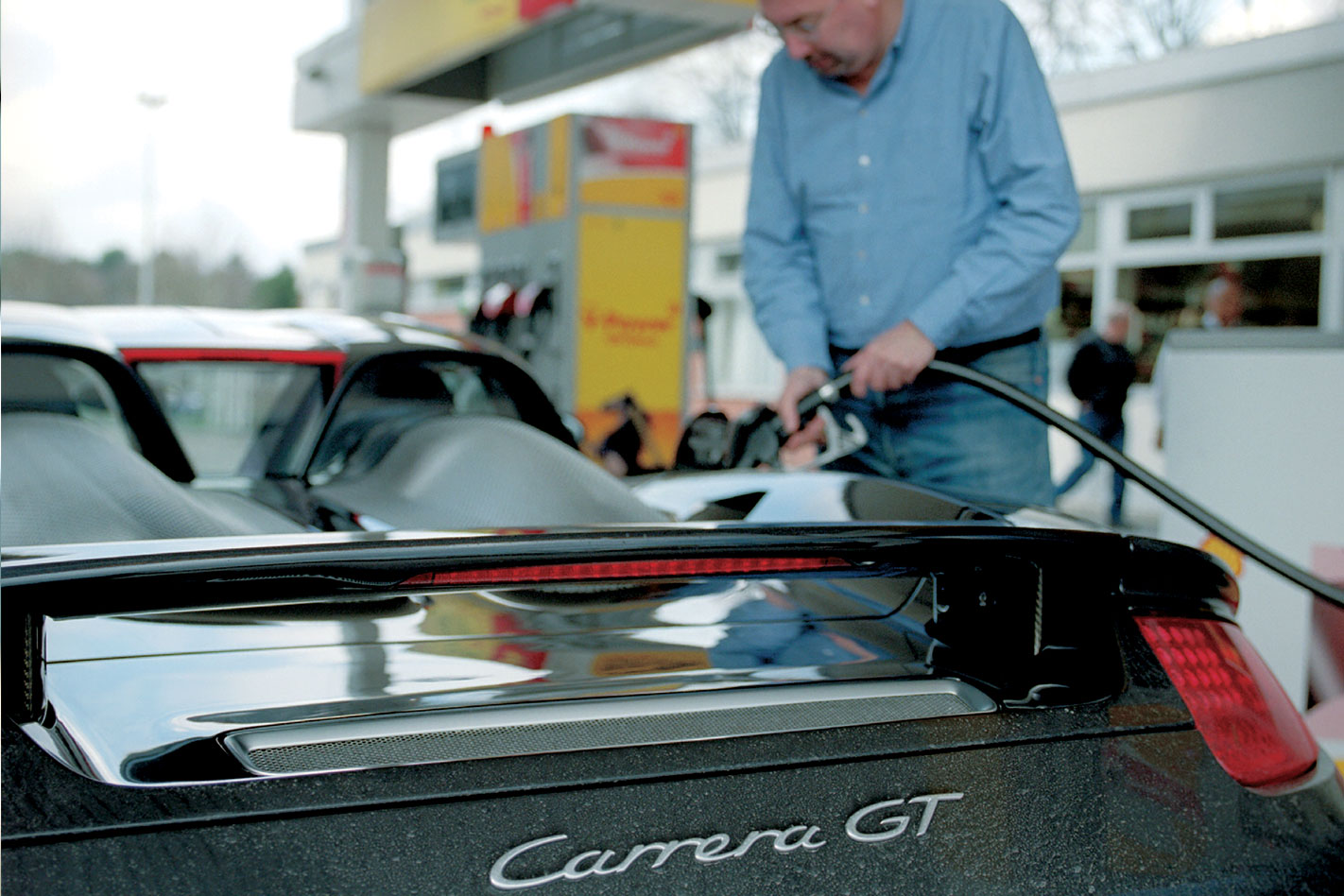
German punters are patriots and give the GT a big hand everywhere we stop for fuel. This Porsche has presence and turns heads on impulse. From a design perspective, however, it is very much a ’90s car.
Tiptoeing down the A9 towards Nuremberg, the rain first turns into sleet and then snow. Although traction control is a bonus, you really need stability control to suppress yaw and the latent mix of mild understeer and sudden, violent oversteer.
On a race track, the 380mm ceramic disc brakes are bound to guarantee riveting stopping power. On a wet autobahn, however, the wind and the spray cool the rotors down such that the deceleration rating must be reduced from mind-boggling to better-than-average. The centre-pedal yields about as much feedback as a piece of wood, the effort required to slow is substantial and the brake performance is somewhat tricky to modulate. But a winding country road through the hinterland soon paints a totally different picture.
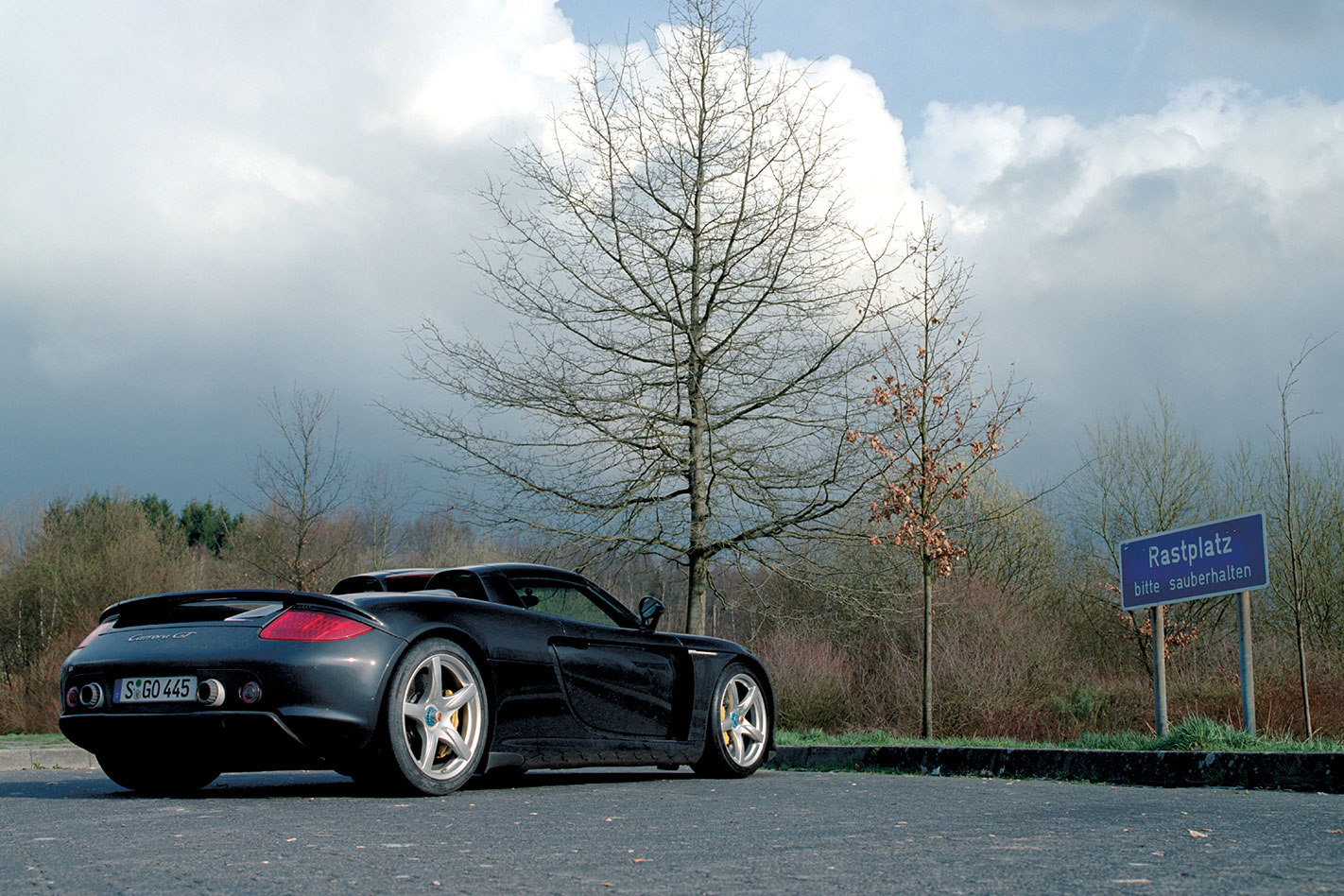
But if sheer speed is what counts, unlike most cars capable of exceeding 200mph, the Porsche musters a truly impressive top-end acceleration. There is no need for the motorway to stretch from here to eternity before the V10 will hit the rev limiter in sixth. The factory quotes an amazing 9.9sec for the acceleration from 0-200km/h; the 0-200-0 exercise takes a claimed 15sec flat. We can add a hand-stopped 17.5sec for the time-warp sprint to 250km/h, which includes one more gear-change, since fourth runs out of steam at 238km/h.
There is no doubt about it: the Carrera GT is more of a street-legal race car than a race-ready road car, and this spiritual successor to the even more extreme GT1 is a remarkable tool in more ways than one.
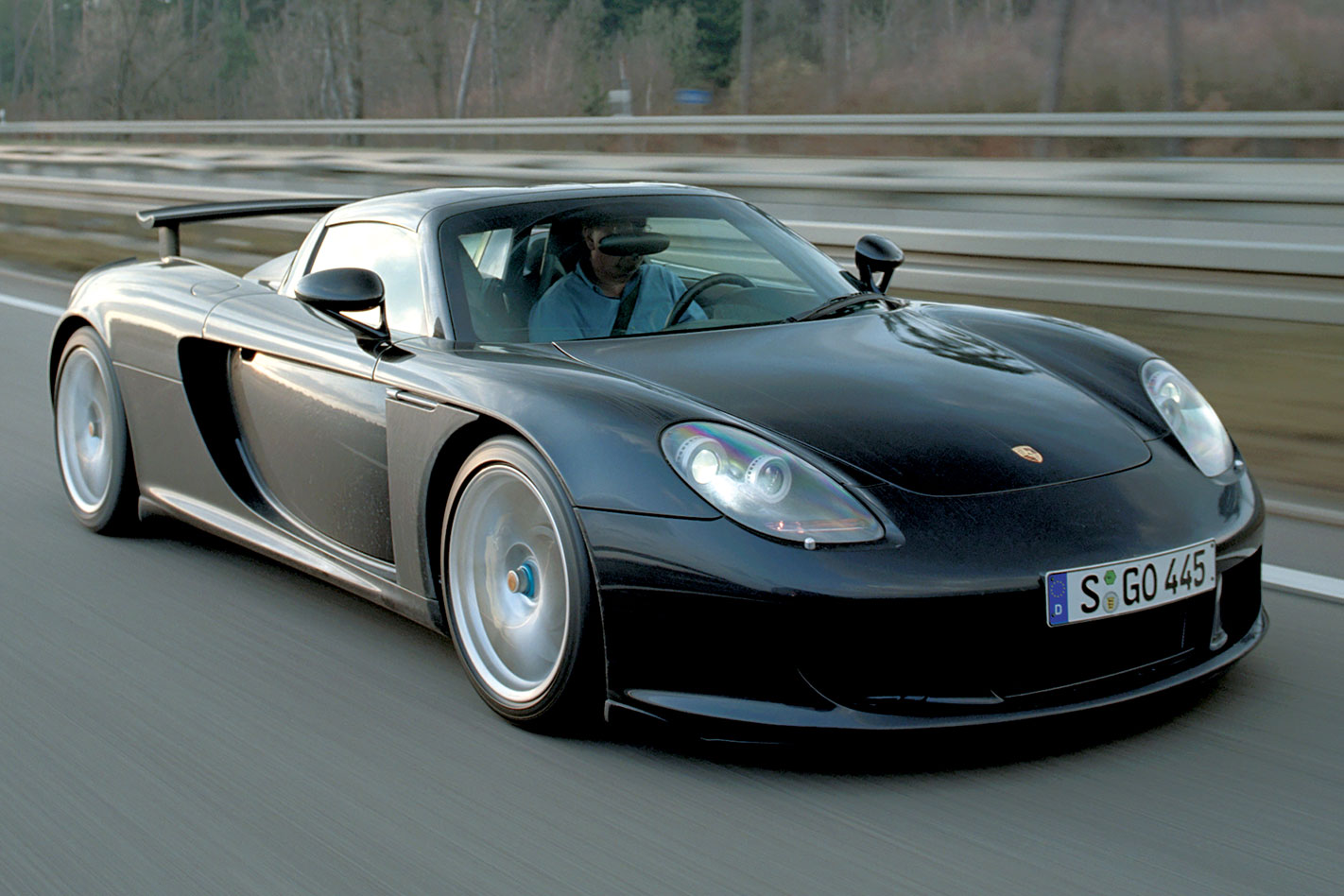
On German home ground, this extreme machine does make a certain amount of sense, because only here can one actually exhaust its remarkable potential. But on the final leg back to Stuttgart, heavy traffic is once again the main inhibitor. Even with 456kW on tap, to drive really fast in the land of the unlimited autobahn means either getting up at four in the morning or being prudent about where to drop the hammer and keep it planted.
After 31 hours and a little over 1400 kilometres, we re-enter the Zuffenhausen factory through the main gate. Soiled bottom to top, the black roadster looks as if it’s been to hell and back, and its crew is also beginning to feel the effects of the thinly padded seats and the zero-tolerance suspension.
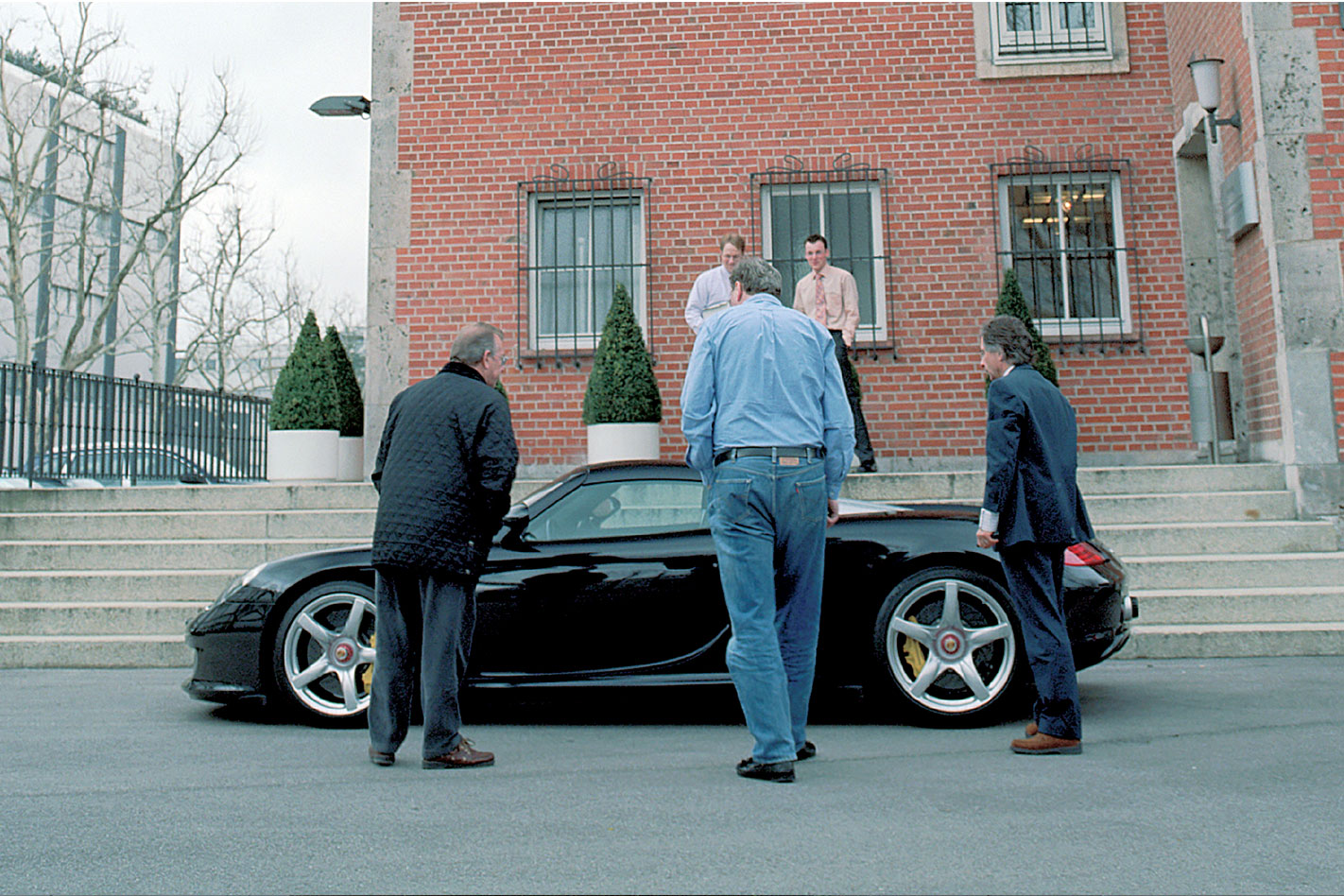
Of course, a 911 GT2 (0.1sec slower to 100km/h; 13km/h slower overall; 60 percent cheaper) or a 911 turbo (0.3sec slower from 0-100km/h; 25km/h slower overall; 72 percent cheaper) make a lot more sense. But we all know that sense is not the appropriate currency for subjective values like emotion, fascination and interaction.
Flawed as it is in some departments, this is a truly multi-talented supercar.
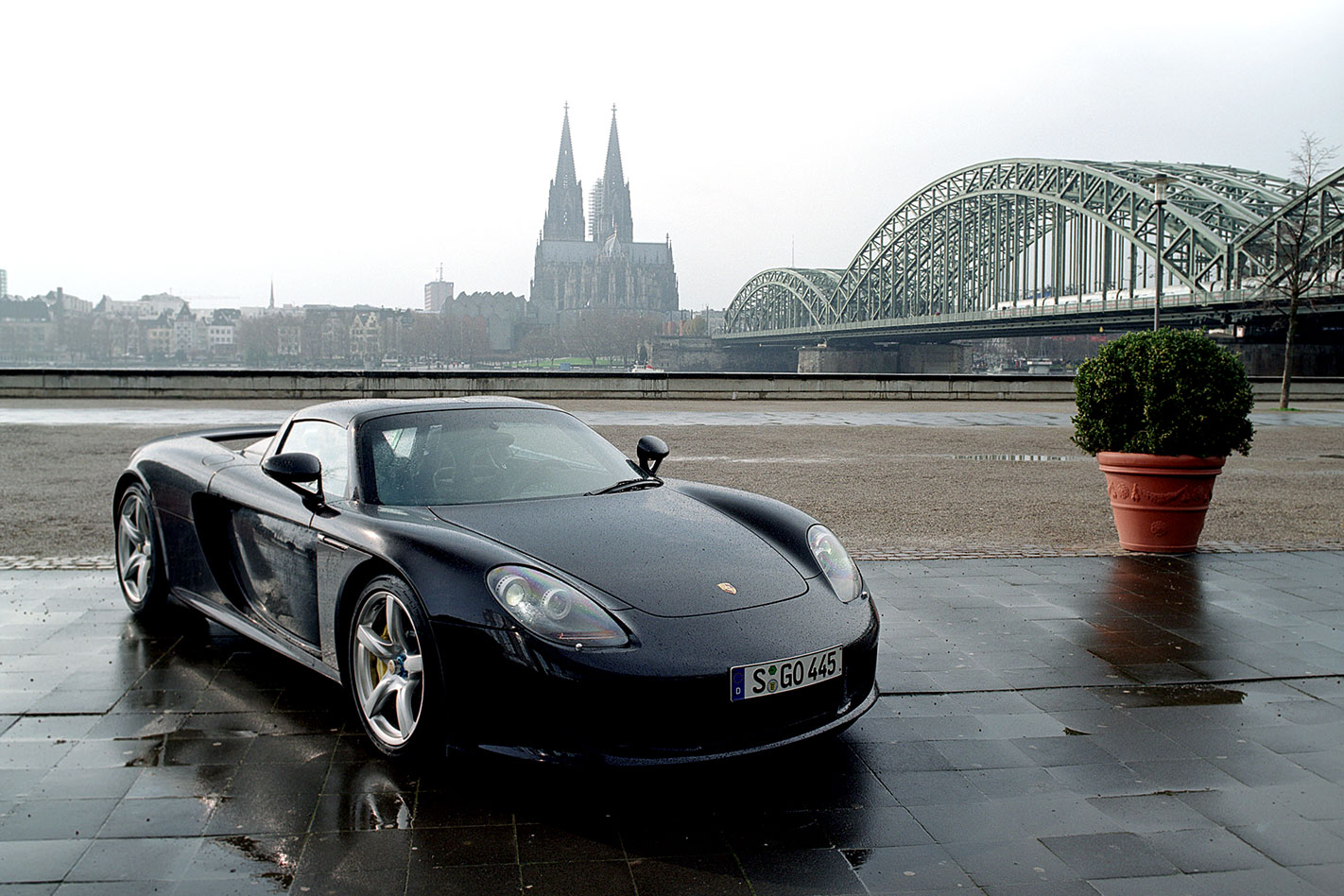
Although one lap of Germany was an unexpectedly physical experience, I shall always remember this crazy cannonball run for its eye-opening, mind-expanding mix of speed, involvement and capricious weather. And for the Carrera GT.
Nuts and Bolts
You may have spotted the different colour centre-lock nuts on the magnesium wheels. The colour coding is simply to ensure the correct nut is fed onto the proper spline.
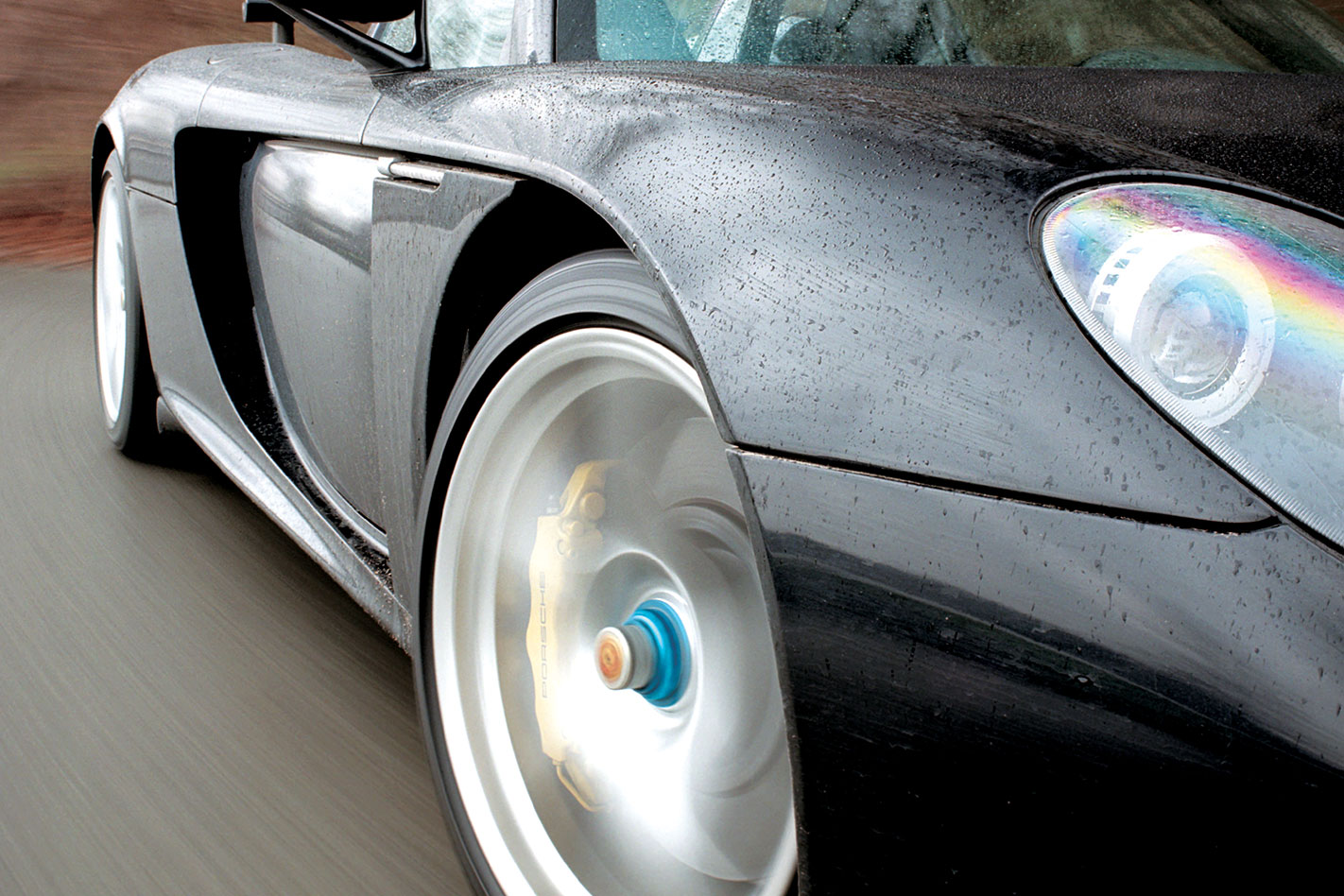
Light Fantastic
The Carrera GT’s wooden gearknob looks a bit out of place in a world of carbon fibre. But there’s significance in the palm-sized sphere of laminated birch.
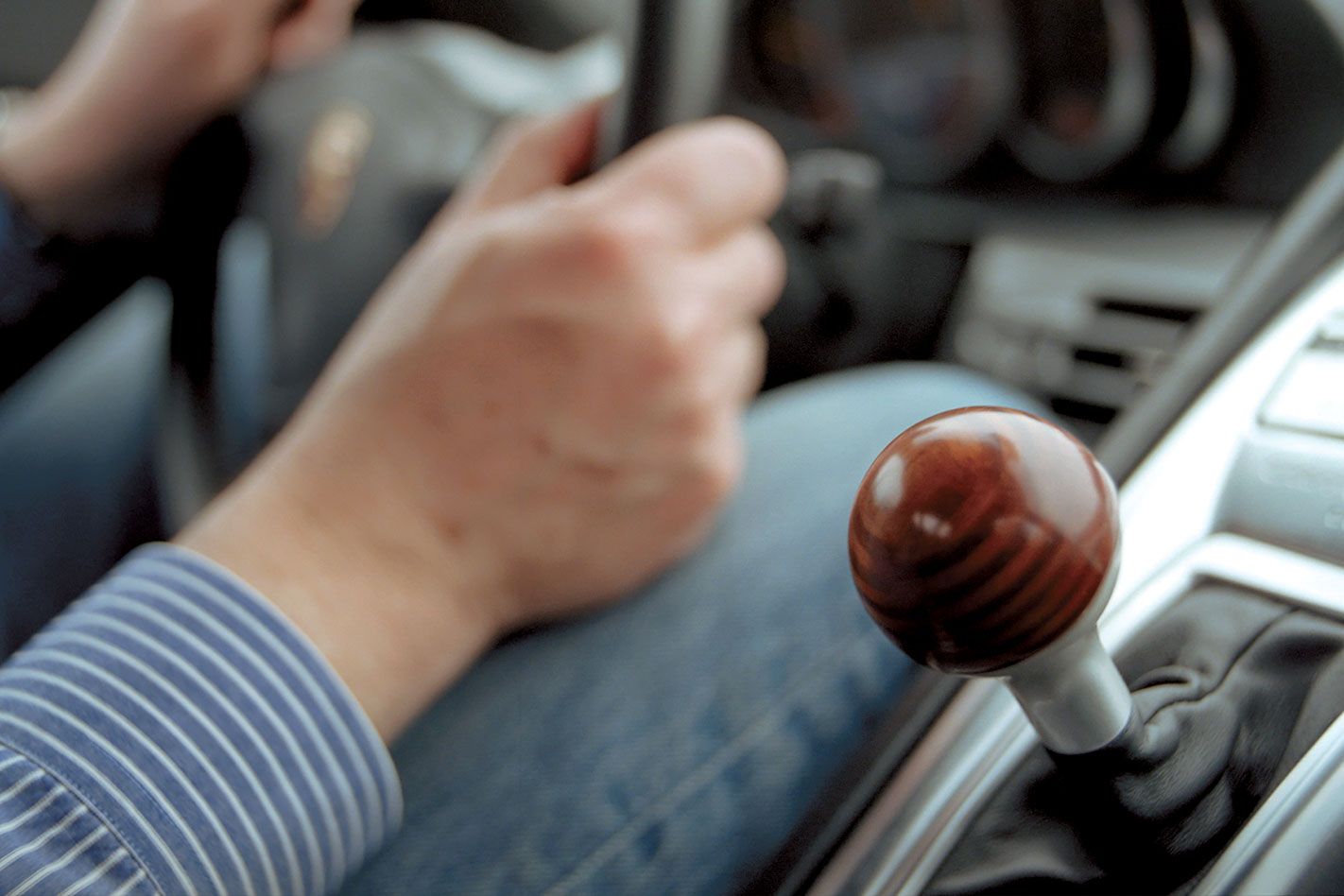
The 917 also ran a 4.5-litre flat-12, good for 450kW. A 4.9-litre version followed with an extra 15kW. The 917 was made even more famous by Steve McQueen in the classic film Le Mans.
From the shutdown of Australia’s car manufacturing industry to the rise of alternative energy, 2017 has seen significant changes occur in the motoring world.
Here are some of the more contentious moments of the past year:
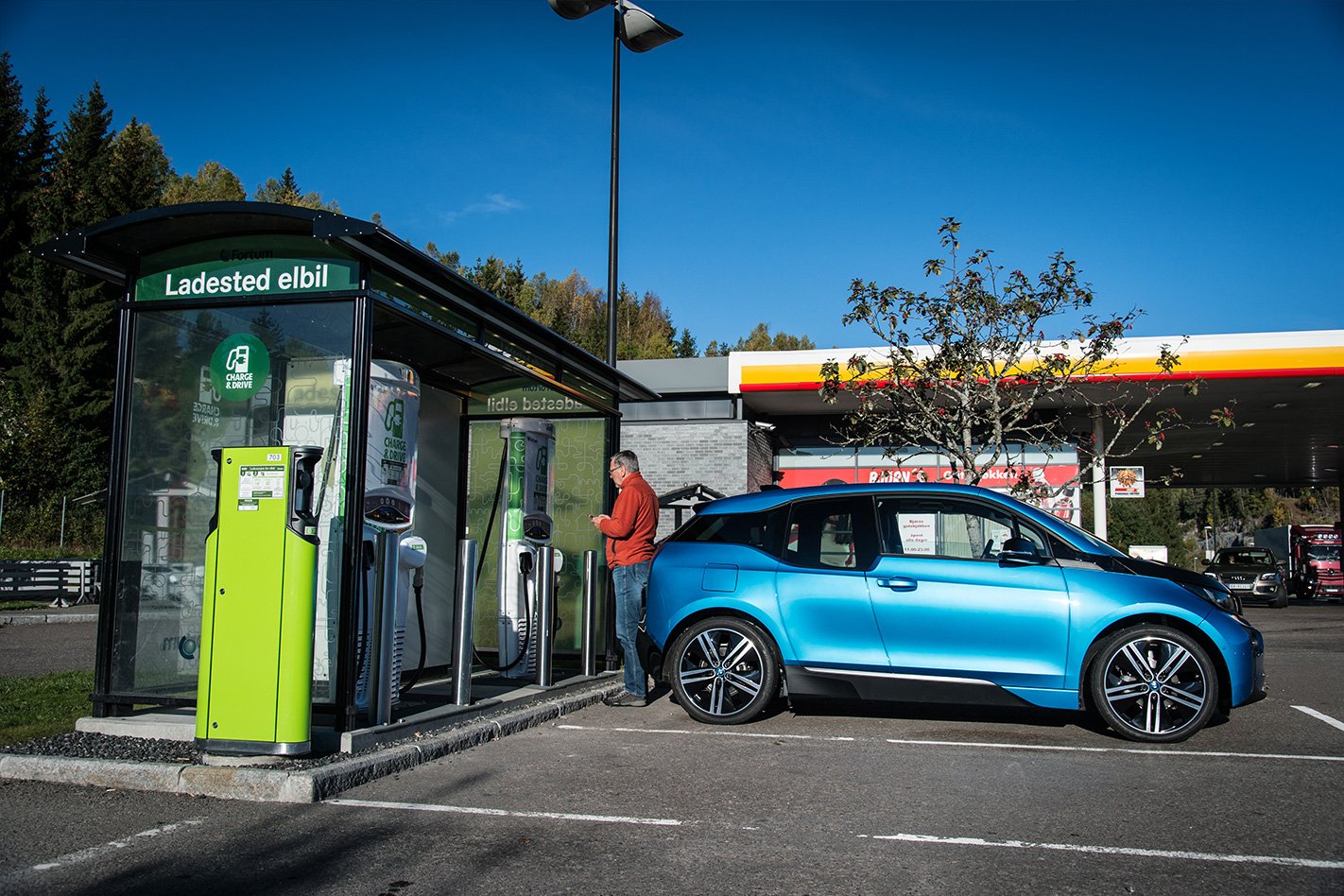
More countries to ban combustion engines
In February this year Norway announced that it would ban the sale of fossil-fuelled cars by 2025, adding momentum to the growing movement to transition from petrol and diesel vehicles.
Germany was the first to commit to a combustion engine ban back in 2016, but this year saw other countries and jurisdictions throw their hat into the ring. Besides Norway, France announced it would aim to eliminate combustion car sales by 2040, an announcement which was quickly matched by a similar pledge from the UK.
The Netherlands, China and even the US state of California are also considering similar bans, and 2018 will likely see the list grow even more. The days of combustion are clearly numbered.
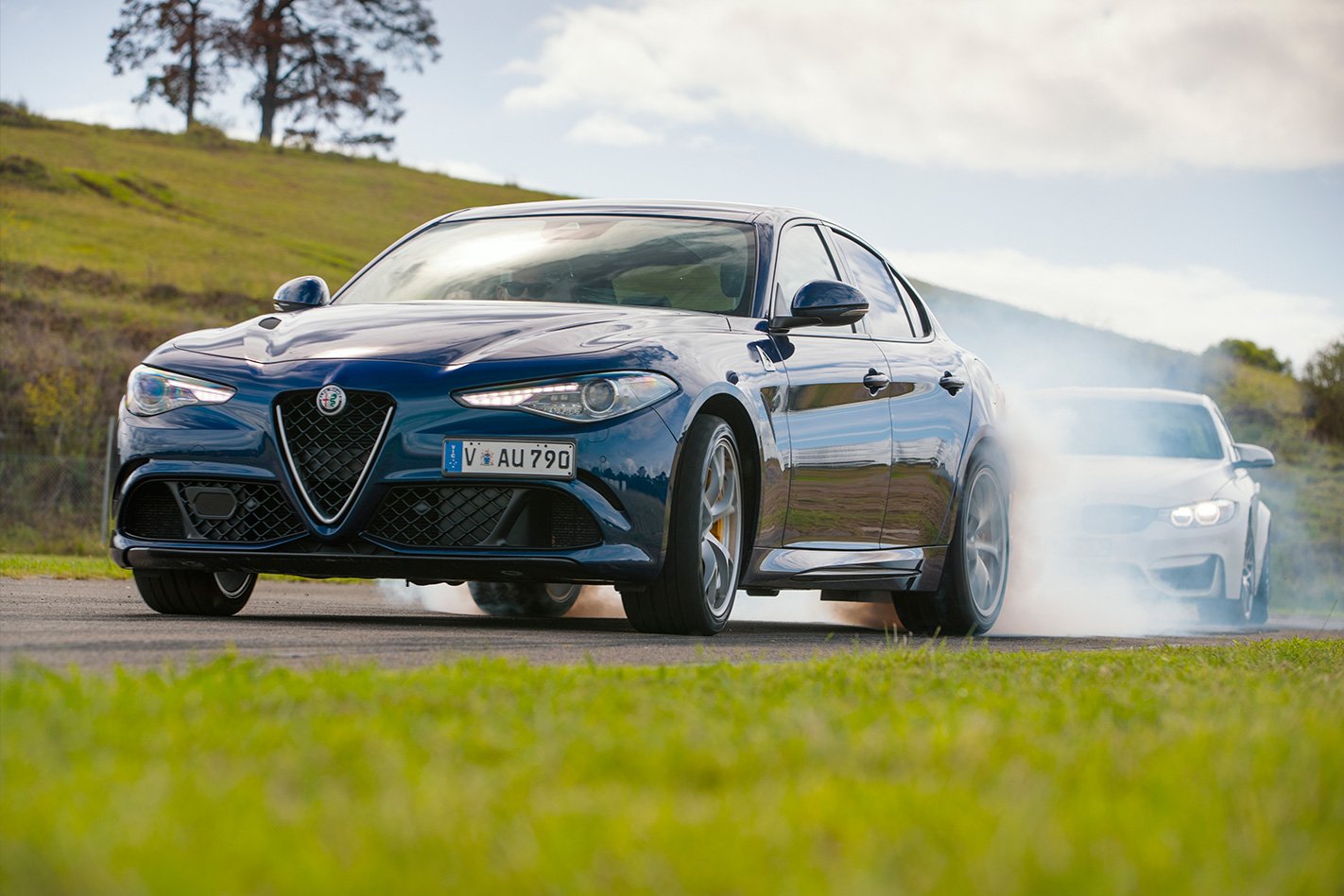
We had high hopes for Alfa’s resurrected Giulia. As the brands first rear-driven, performance-focused sports sedan in ages, we welcomed the chance to pit it against its established German rivals the Mercedes-AMG C63 and BMW M3.
The fact that it soundly beat them in our first comparo was an auspicious sign for the Giulia, and a long-overdue comeback for the much-loved Italian brand.
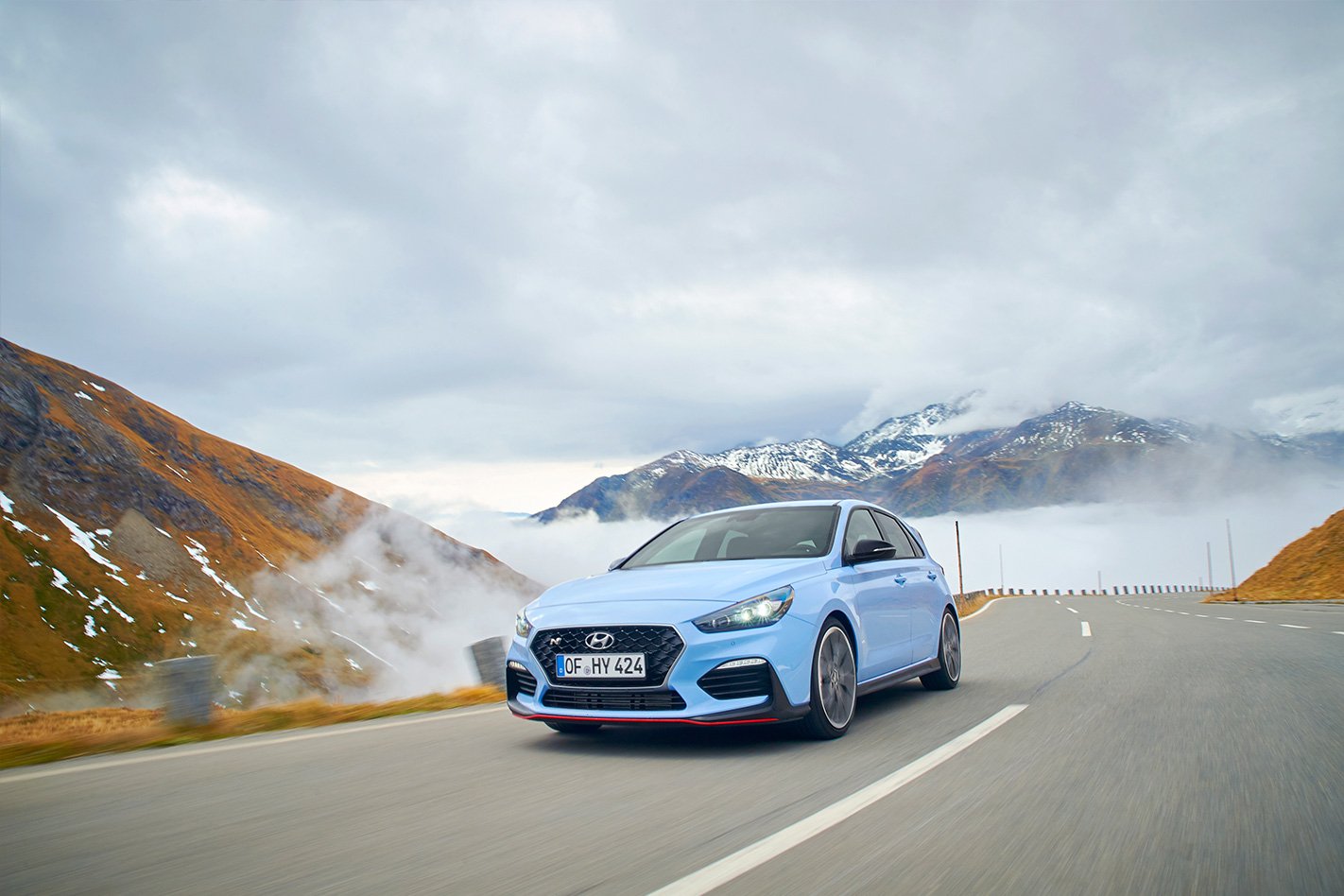
Korea’s carmakers are clearly sick of playing second-fiddle to the Japanese and Europeans. Both Kia and Hyundai launched their first performance products in 2017 – the Stinger for Kia, the i30N hot hatch for Hyundai – and both products surprised the press with their competence and capability.
We knew this moment was coming, but Holden’s local manufacturing shutdown nevertheless made an impact on the industry. Rubbing salt into the wound was Holden’s decision to also embark on a brutal cull of its dealership network in anticipation of waning demand for its cars
Takata airbag claims first Australian victim
The Takata saga continued throughout 2017, with roughly one in four cars on Australian roads estimated to be effected by the potentially deadly airbag units. The first Australian casualty claimed by a faulty Takata airbag also occurred in July this year – a grim milestone in the Takata timeline.
The rise of Formula E
Who knew that electric racecars would become something of an overnight hit? Formula E has been a motorsports sideshow since its inception back in 2014, but manufacturers have recently developed a fascination for the combustion-free equivalent of Formula 1 – and many have thrown significant support behind the category in the past year.
Two high-profile examples are Porsche and Mercedes-Benz, the former dumping its Le Mans program in favour of a Formula E tilt, while the latter quit the German DTM series to concentrate on Formula 1 and Formula E.
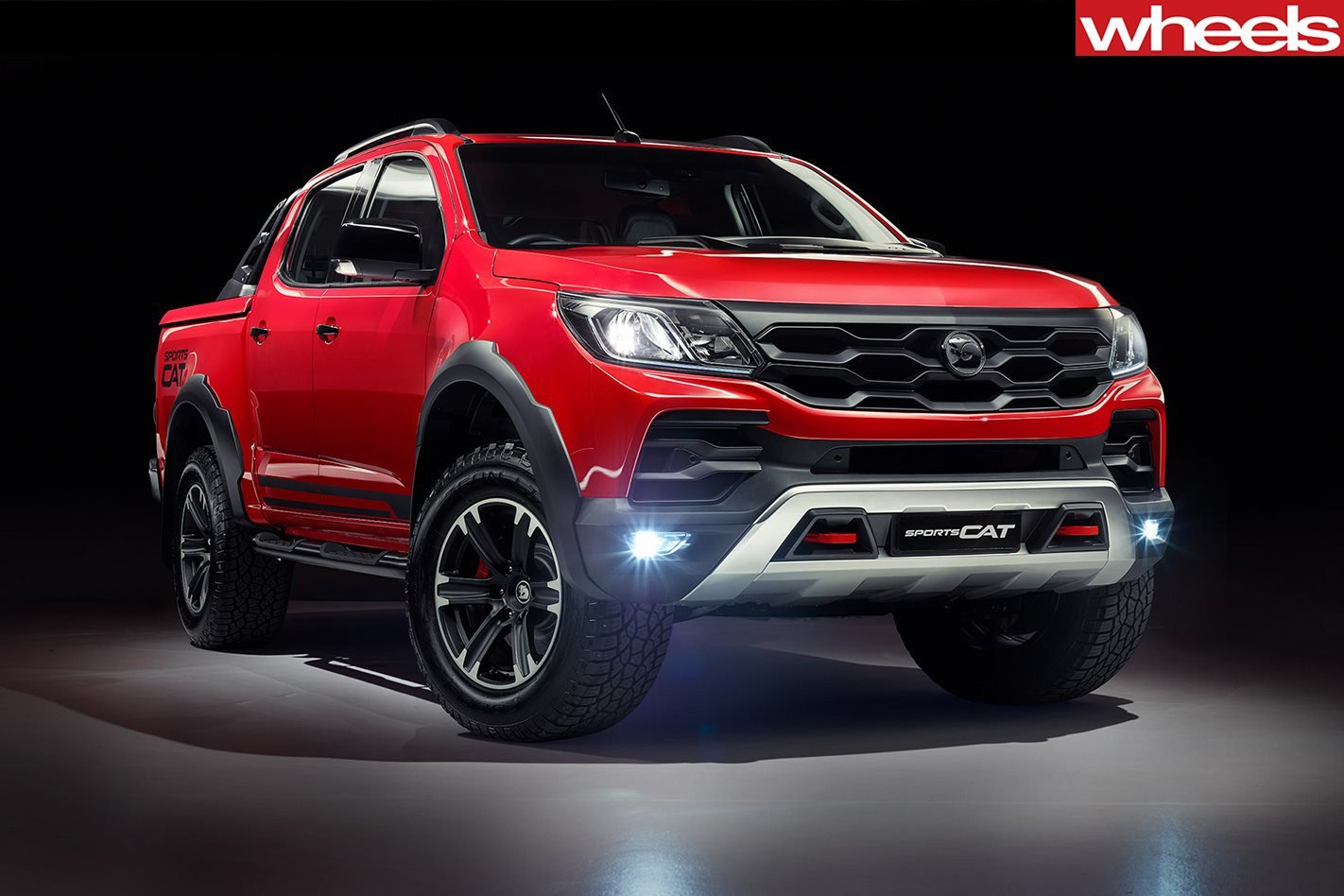
With the loss of locally-manufactured Holden Commodores, the Clayton-based Holden Special Vehicles has been forced to adapt its strategy. The result is the Holden Colorado SportsCat by HSV, a comparatively light-tune effort compared to HSV’s brawny performance sedans of the past.
Were you hoping for a red-hot V8-toting dual-cab? Sorry. There are no powertrain mods to the Colorado’s 2.8-litre diesel, with the bulk of work focusing on suspension, brakes and cosmetics. Shock!
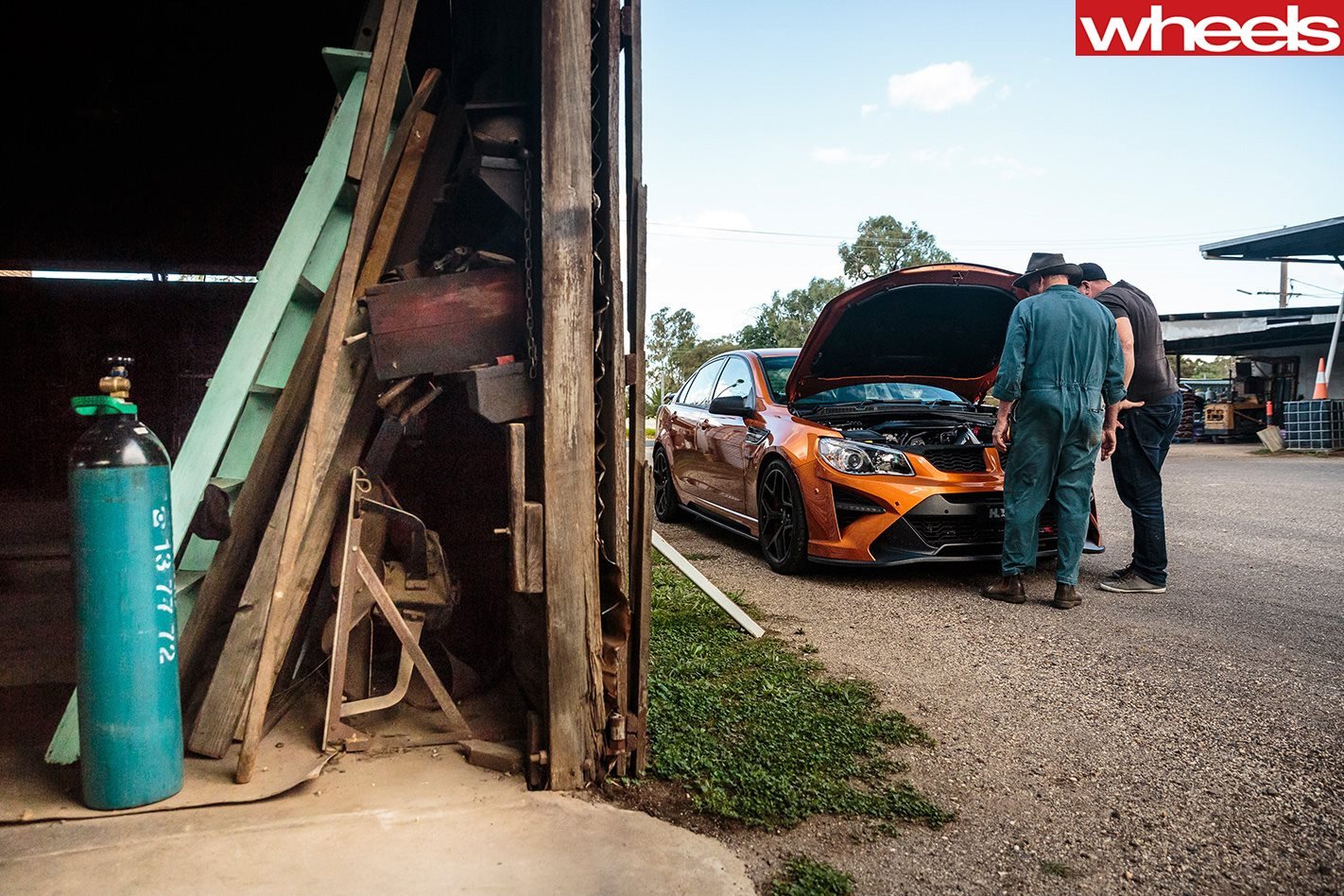
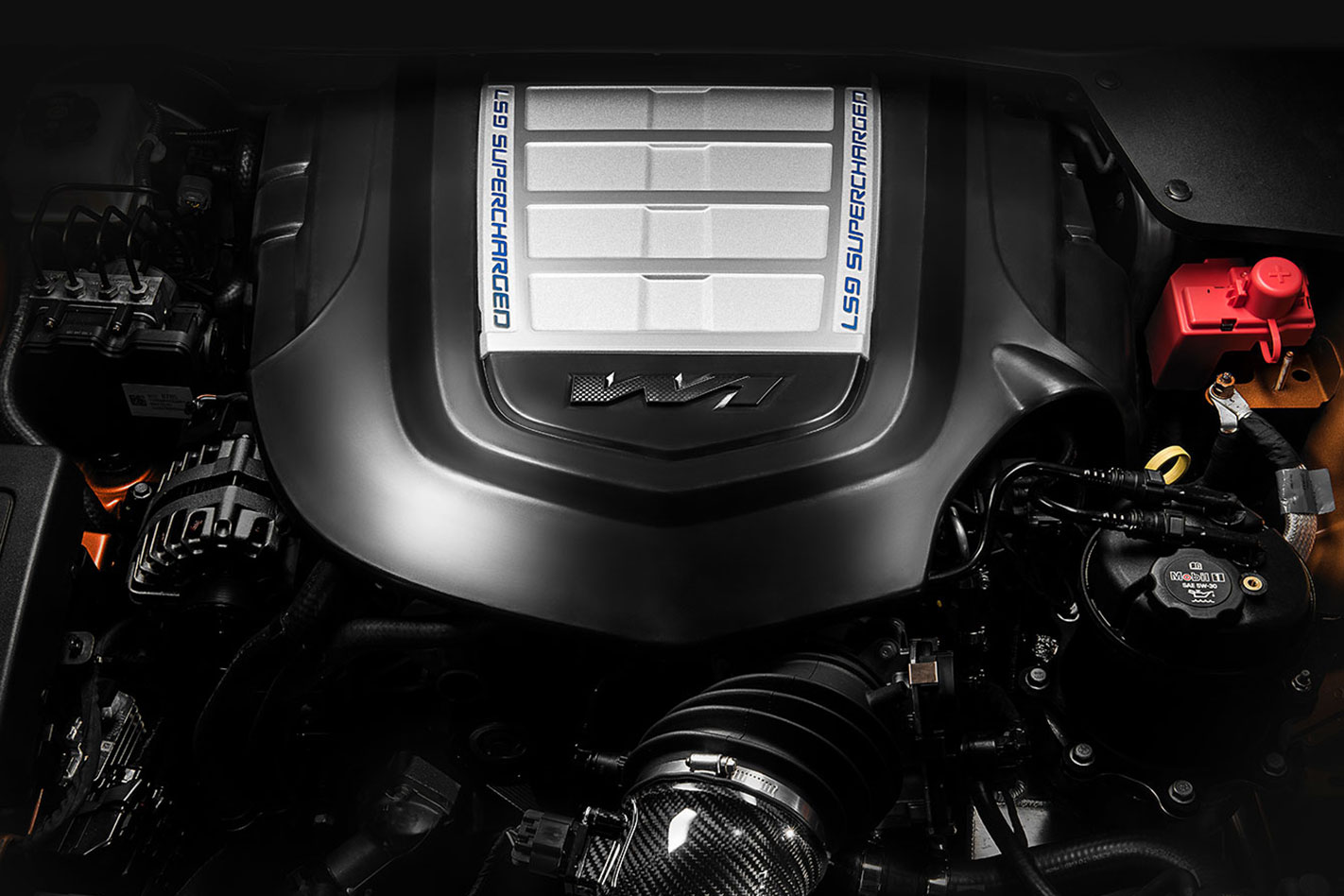
Sorry HSV: we’re not done with you yet. As a last hurrah for the outgoing Commodore-based HSV lineup, Holden Special Vehicles concocted its mightiest road car yet – the GTS-R W1. Powered by the vaunted supercharged, dry-sumped 6.2-litre LS9 V8, the 474kW W1 is the most powerful Australian-made road car, ever.
But when we put it against the stopwatch, it didn’t measure up to the promise. Fairly lukewarm 4.5-second 0-100km/h times and a quarter mile ET of 12.3 seconds aren’t considered properly ‘mega’ these days, and they fell short of HSV engineers’ claims of 4.2 seconds to 100km/h and 12.1 seconds on the quarter.
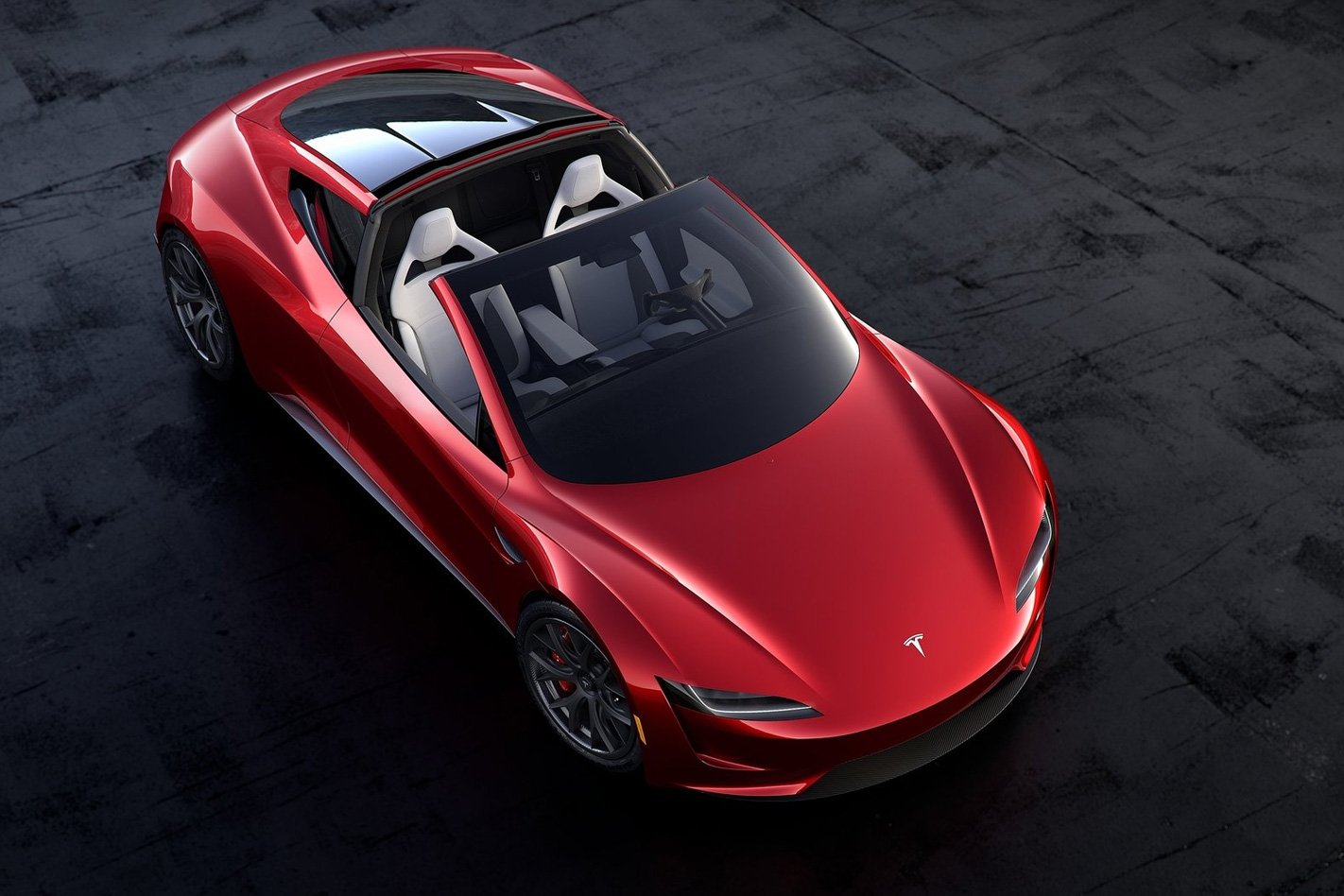
Elon Musk, always a fan of making grand announcements, stunned the audience at the reveal of Tesla’s new electric semi truck when a prototype of Tesla’s second-generation Roadster sports car burst out of the truck’s trailer during the unveiling.
But while the new Roadster’s stats are eye-widening, was it all just a smokescreen to obscure on-going woes at Tesla’s production facilities? The company is still burning money at a tremendous rate as it struggles to ramp up production for its Model 3 midsize sedan – the supposedly volume-selling model that was hoped to give Tesla’s balance sheet some much-needed stability.
Former Ford CEO was ousted from the helm of the American carmaker in the wake of declining share prices and a lack of confidence in his ability to transition the company from a builder of cars to a provider of “transport solutions”.
Ford, notable for being the only major American car manufacturer to survive the global financial crisis without a bailout, lost crucial momentum when previous CEO Allan Mullaly handed the reins over to Fields. Ford’s share price plummeted 40 percent since he took on the CEO role, and Ford management were brutal and decisive in their response.
James Hackett, a man friendlier to Silicon Valley style strategies than Fields, was nominated as his replacement.
THIS should be easy, right?
Like picking your favourite ice cream flavour or football team, and yet, ask a motoring journalist to nominate their favourite car from the previous 12 months and often you’ll see them stumble. Confidence and certainty quickly give way to puzzlement and confusion as they rationalise a mental hierarchy and grapple to define what ‘favourite’ really means. Is it the fastest? The most luxurious? The most fun or the most exciting? The car that offers the best value? Or all of these, and more, combined?
Muddying the waters further is the strength of the metal released in 2017. From affordable city cars through SUVs and sportscars, to a plethora of ever improving hybrids and EVs, Wheels has driven a glut of noteworthy models this year – something that’s reflected in the breadth of our 2018 COTY field.
To help narrow the focus of this list, ‘favourite’ in this instance is defined by one simple factor: it’s the car that left the biggest impression. That for whatever reason, be it circumstance, location or timing, burrowed its way into our psyche and left an indelible mark.
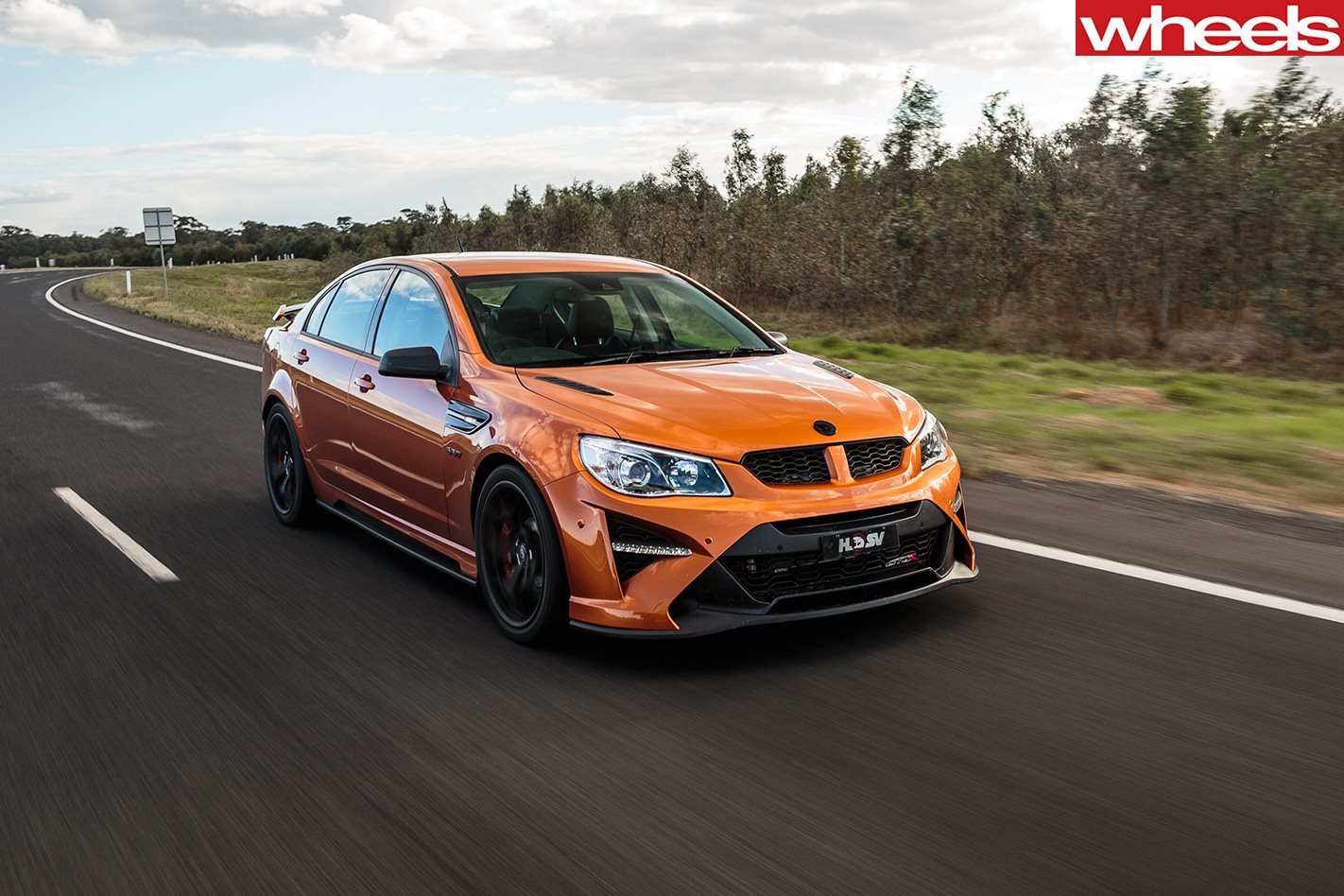
HSV GTS-R W1
A personal ‘best of the year’ is allowed to be dictated by emotion, rather than pure objectivity, surely? In which case, hopefully nostalgia, wistfulness, patriotism and a dollop of sadness are permissible, along with the more obvious elation and satisfaction. Because two days spent in the last, greatest Australia sports sedan in the Victorian high country earlier this year delivered a potent cocktail of all of those feelings.
ASH WESTERMAN
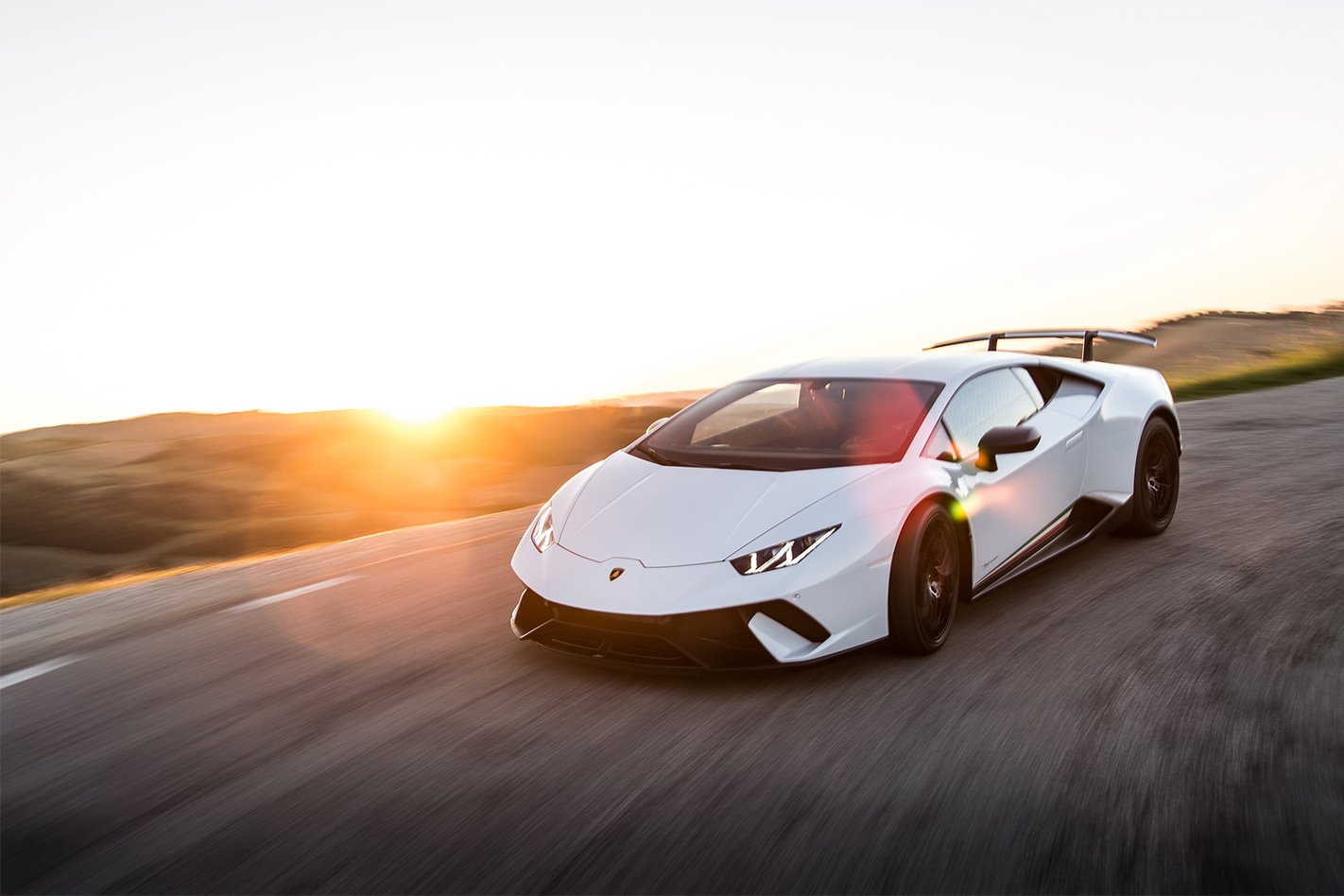
Lamborghini Huracan Performante
I paid the price for hesitating. As I grappled with the tortuous choice of picking Lambo’s bonkers Huracan Performante or HSV’s ballistic W1 as my favourite car of ’17, Westerman nabbed the W1 and forced my hand. Still, it’s often the circumstances in which you drive a car that make it memorable, and my time in the Performante coalesced perfectly.
ALEX INWOOD
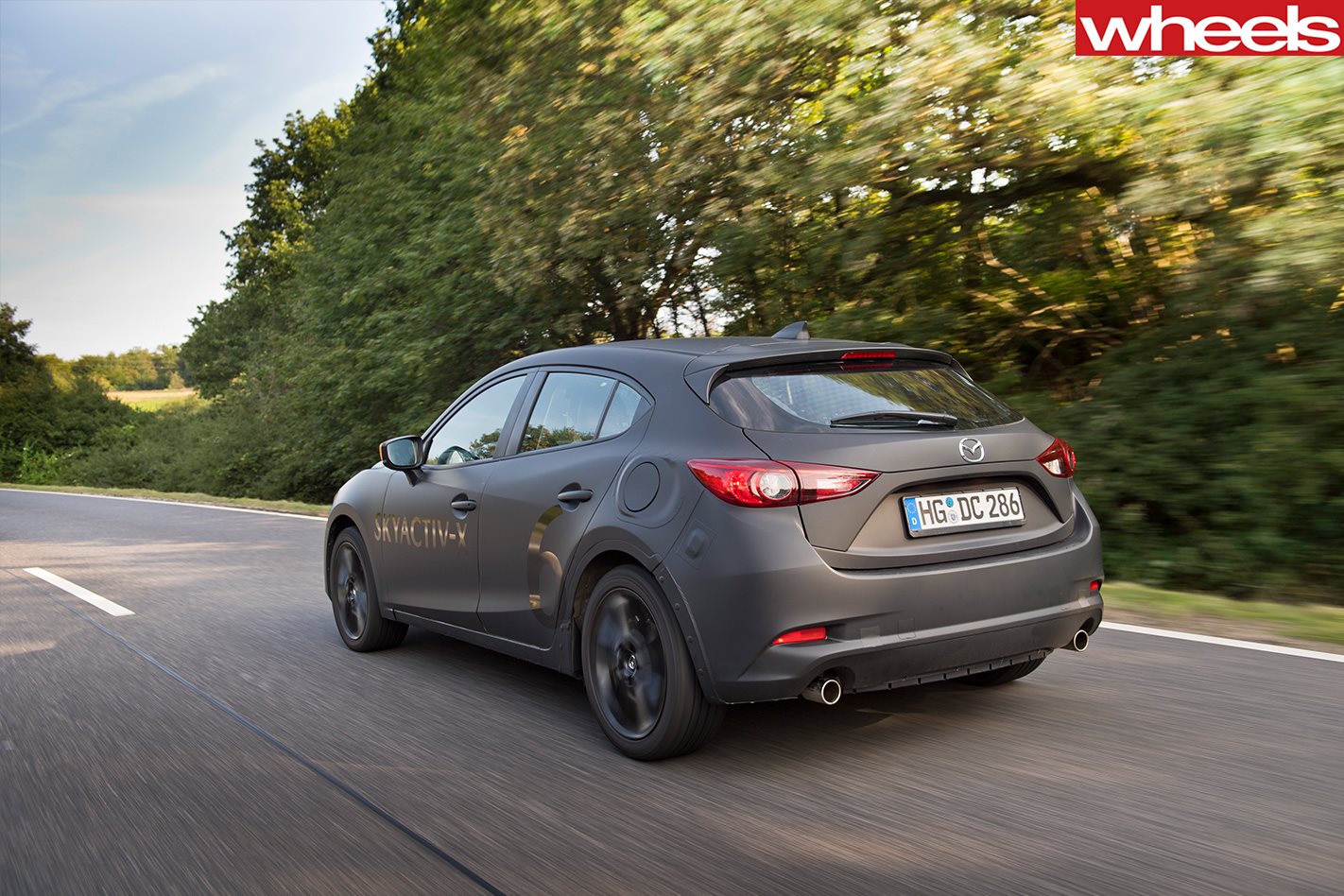
Mazda SkyActiv-X concept
The most impressive thing I drove in 2017? That’s easy. Mazda’s mule with the new SKYACTIV-X compression ignition petrol engine is that rarest of things, a revolutionary piece of engineering that appears to live up to its promise of diesel-like economy with the refinement and response we expect of a petrol powerplant. It’s a fiendishly clever piece of tech that uses a spark as a secondary piston.
ANDY ENRIGHT
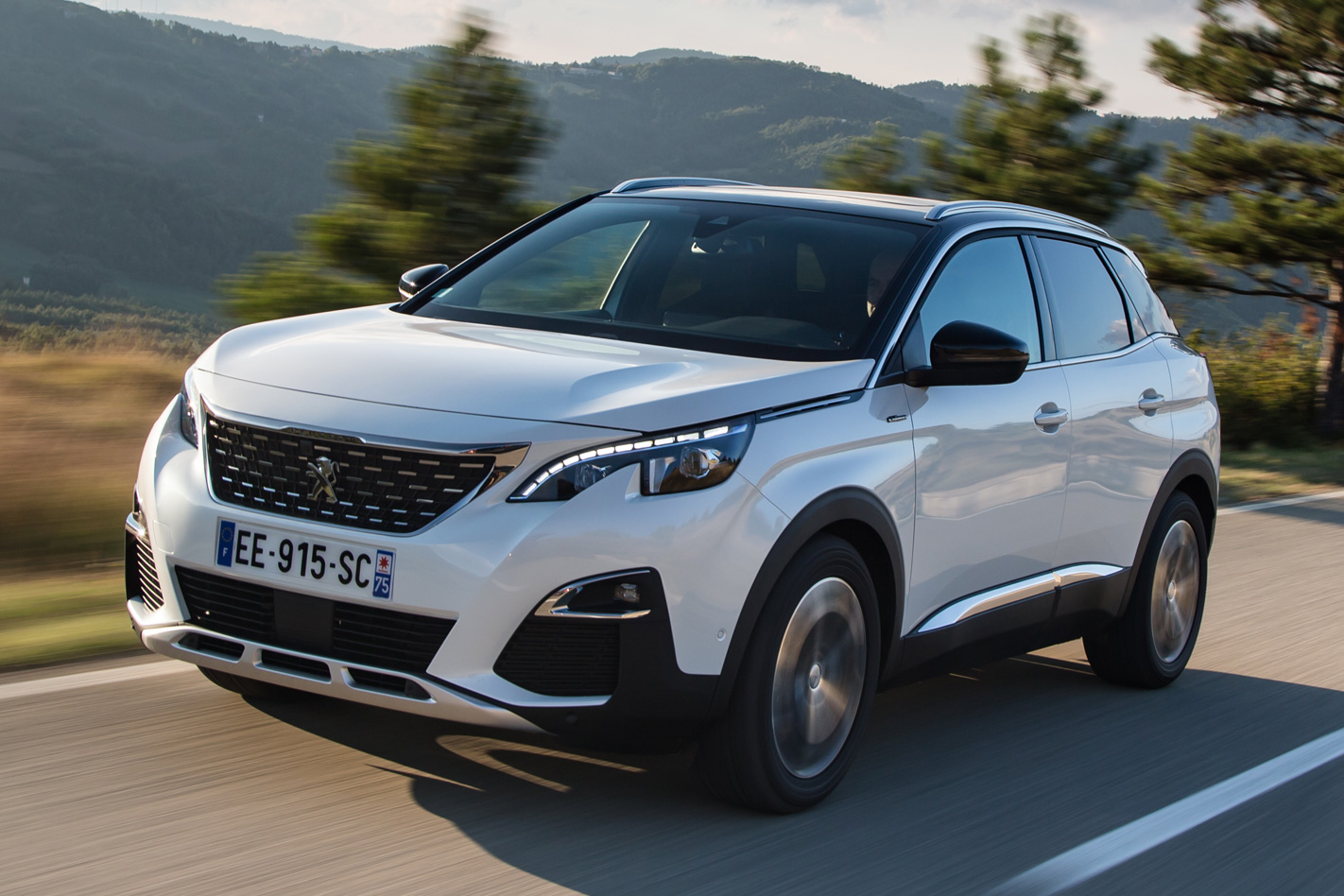
Peugeot 3008
While my natural instinct upon hearing of a new mid-size SUV is to emit a window-rattling, obnoxiously long yawn, the Peugeot 3008 provoked a different, more favourable reaction. Peugeot’s previous efforts in the SUV space were, let’s face it, pretty half-hearted, but the 3008 – all-new for 2017 – promised that things would be different this time around. The first images suggested plenty of show-car sparkle in the interior, while the exterior looked fresh and fashionable – distinctly French attributes, and things that are hard to find in the SUV segment.
TONY O’KANE
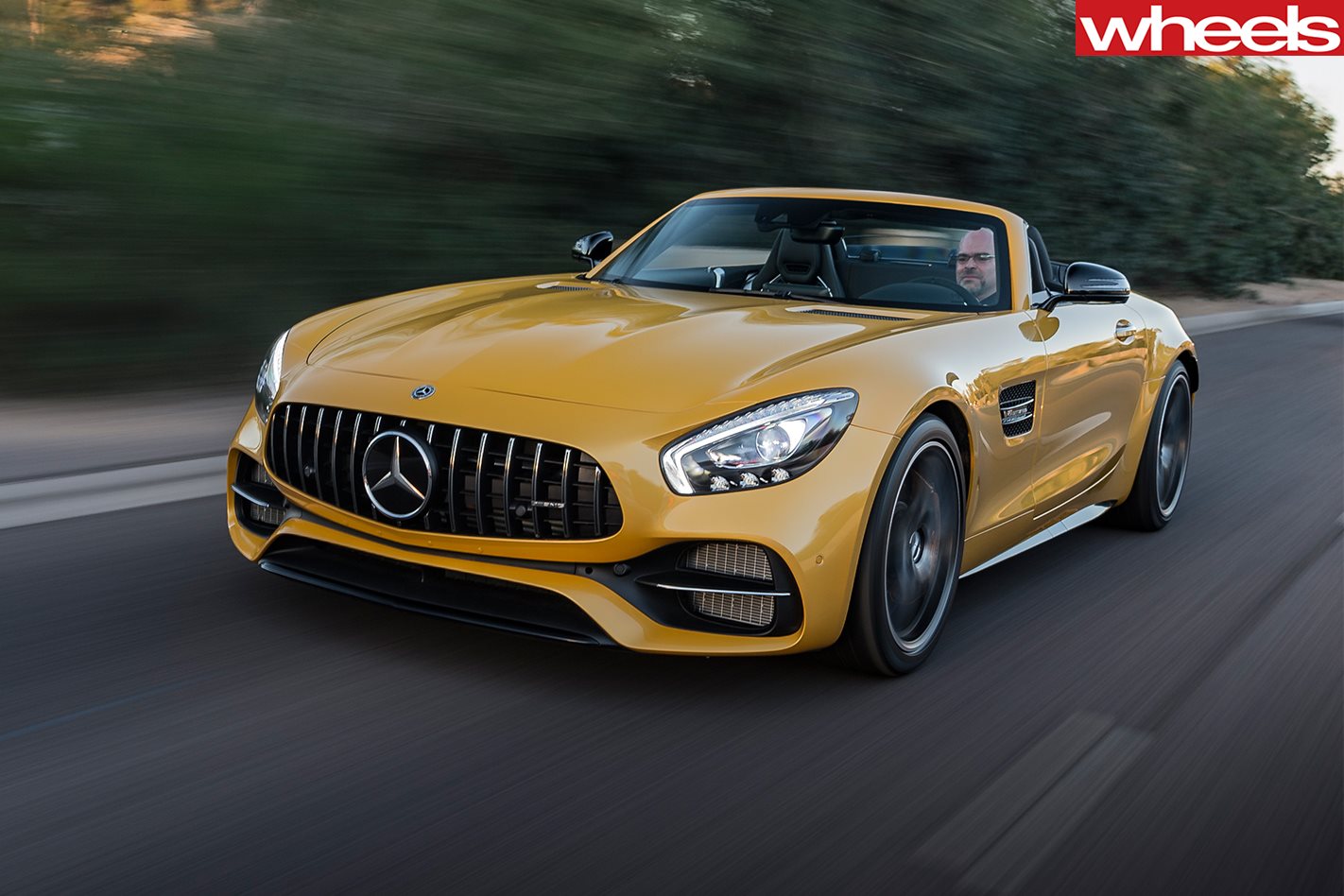
Mercedes-AMG GT C Roadster
It’s my instinct to pick a car that came closest to nudging class benchmarks, while also entertaining its driver, probably beyond expectation. And for me, that car would be a base Suzuki Swift GL manual … except you’re restricted from enjoying a modern multimedia set-up if you like using a clutch. So instead, I choose an automatic – the Mercedes-AMG GT C roadster I drove in Arizona in March.
NATHAN PONCHARD
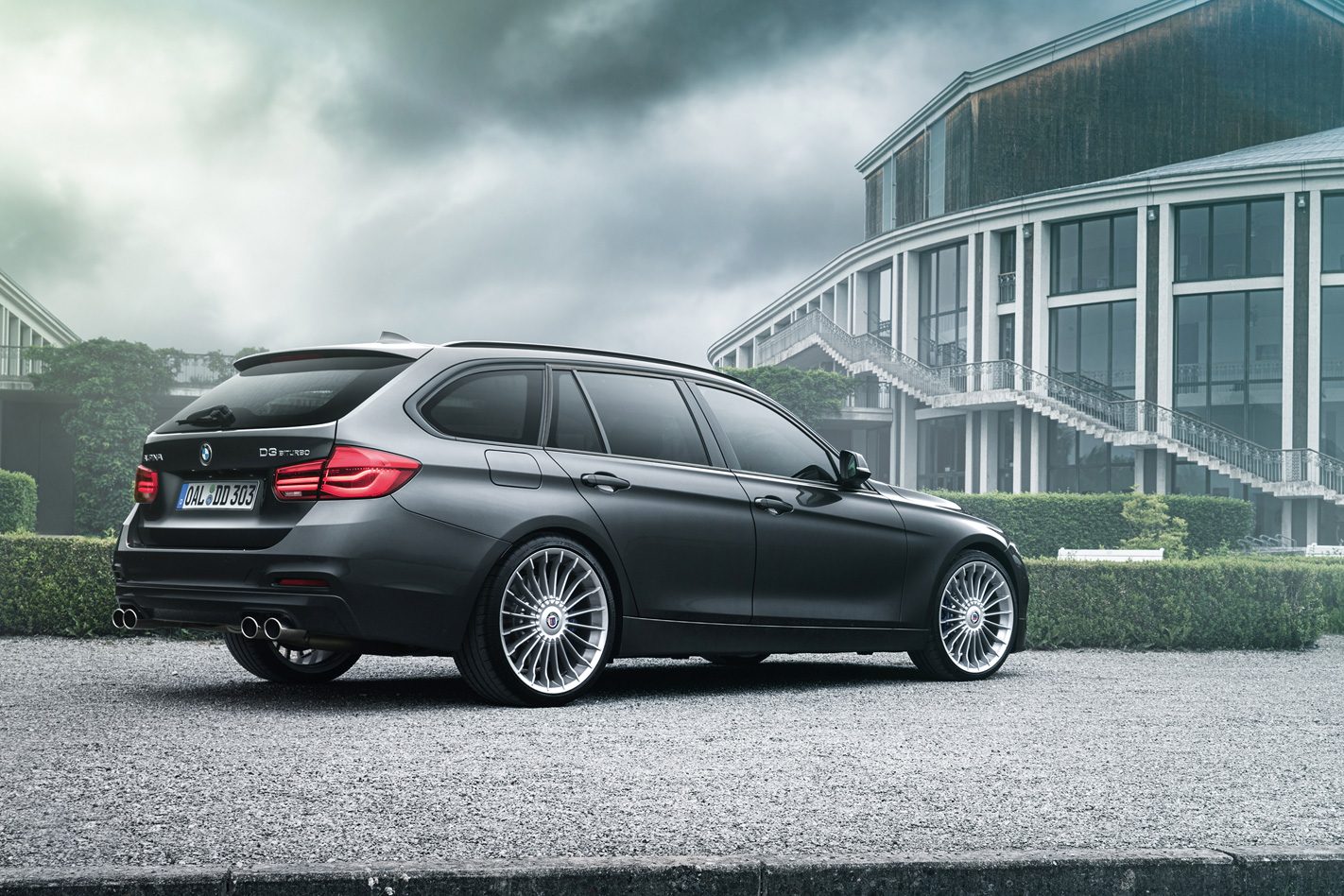
Alpina B3 Bi-Turbo Touring
Fast wagons are cool and a middle finger to the SUV boom, and it’s hard to find a more obvious thumbed nose than the Alpina B3 Biturbo Touring. With an extra turbocharger concealed under the bonnet and a whopping 324kW/660Nm sent straight to the back end, the big-booted 3 Series-based bruiser is seriously fast and fun.
DANIEL GARDNER
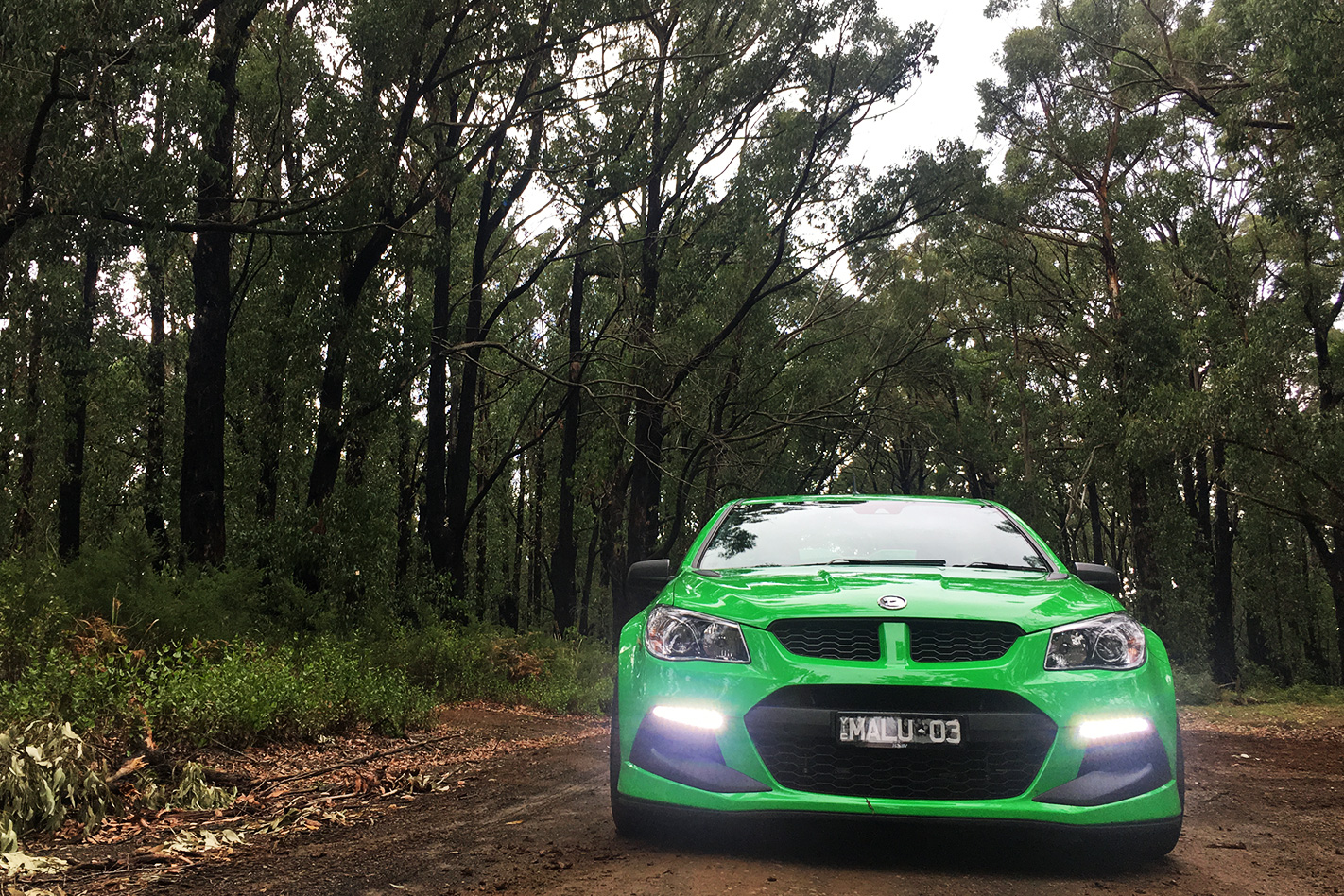
HSV Maloo R8
My best car of 2017 can be compressed into a single afternoon’s experience. It’s the time I spent with the best two-door sports car ever produced in Australia: the HSV Maloo. It was a base R8, manual, painted in that lairy Spitfire Green. I had a new road picked out on the map that I was keen to drive, and this was the car in which to do it.
BARRY PARK
Lexus LC500
I can still hear it rattling at the back of my brain; a raucous rev, followed by a whip-like crack from the Lexus LC 500’s naturally-aspirated V8. The first time I heard it, I broke into laughter from the ridiculous nature of it all – one of those moments where a car brings a few seconds of unadulterated joy. Editor Inwood had slung me the keys for a night with the ‘Magic Banana’, and I wasn’t going to let it be wasted. Plans were hastily made with the girlfriend for dinner in the city.
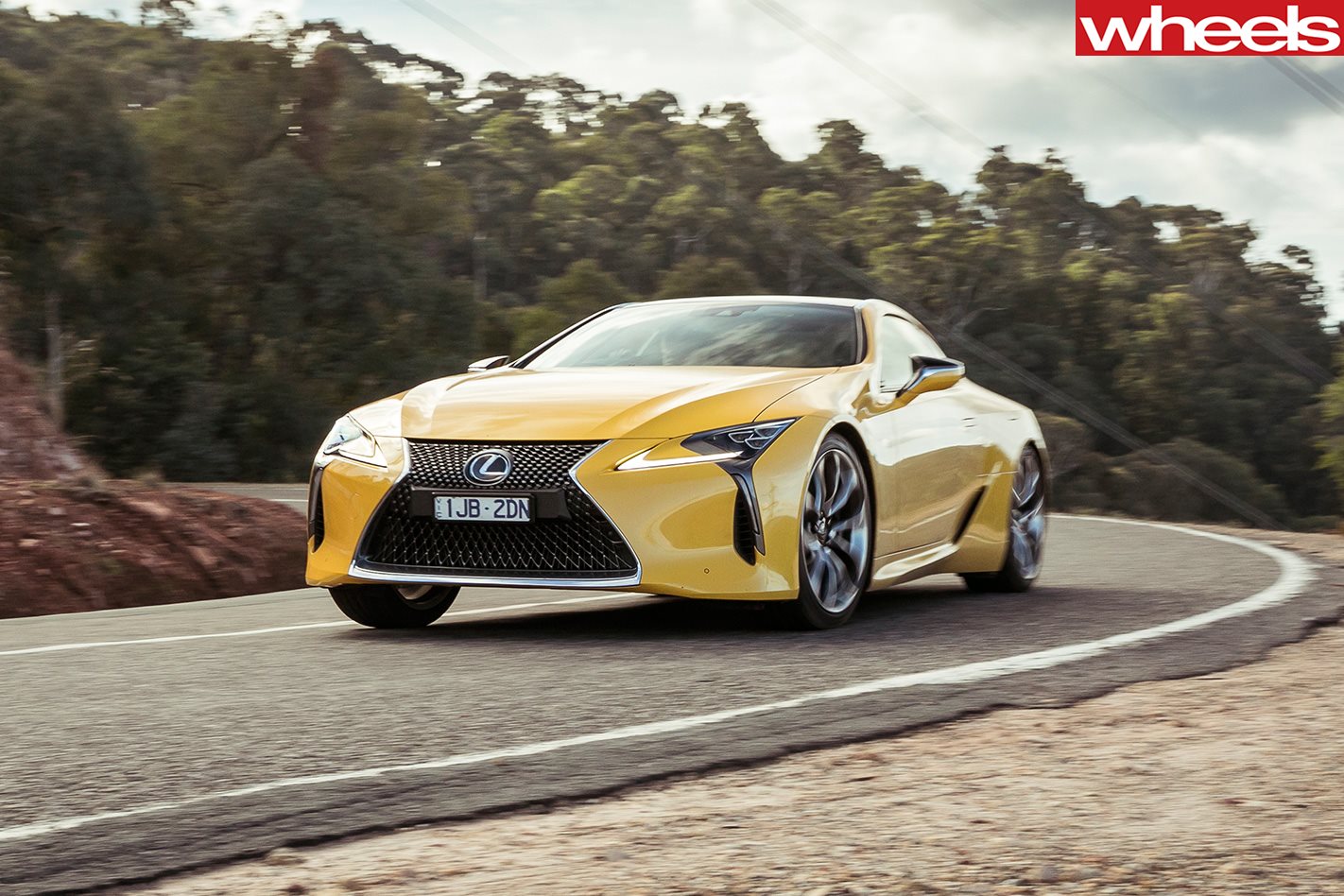
I’ve spent just a scant couple of hours behind the wheel of the Japanese grand tourer, and the urge to return hasn’t abated since.
CAMERON KIRBY
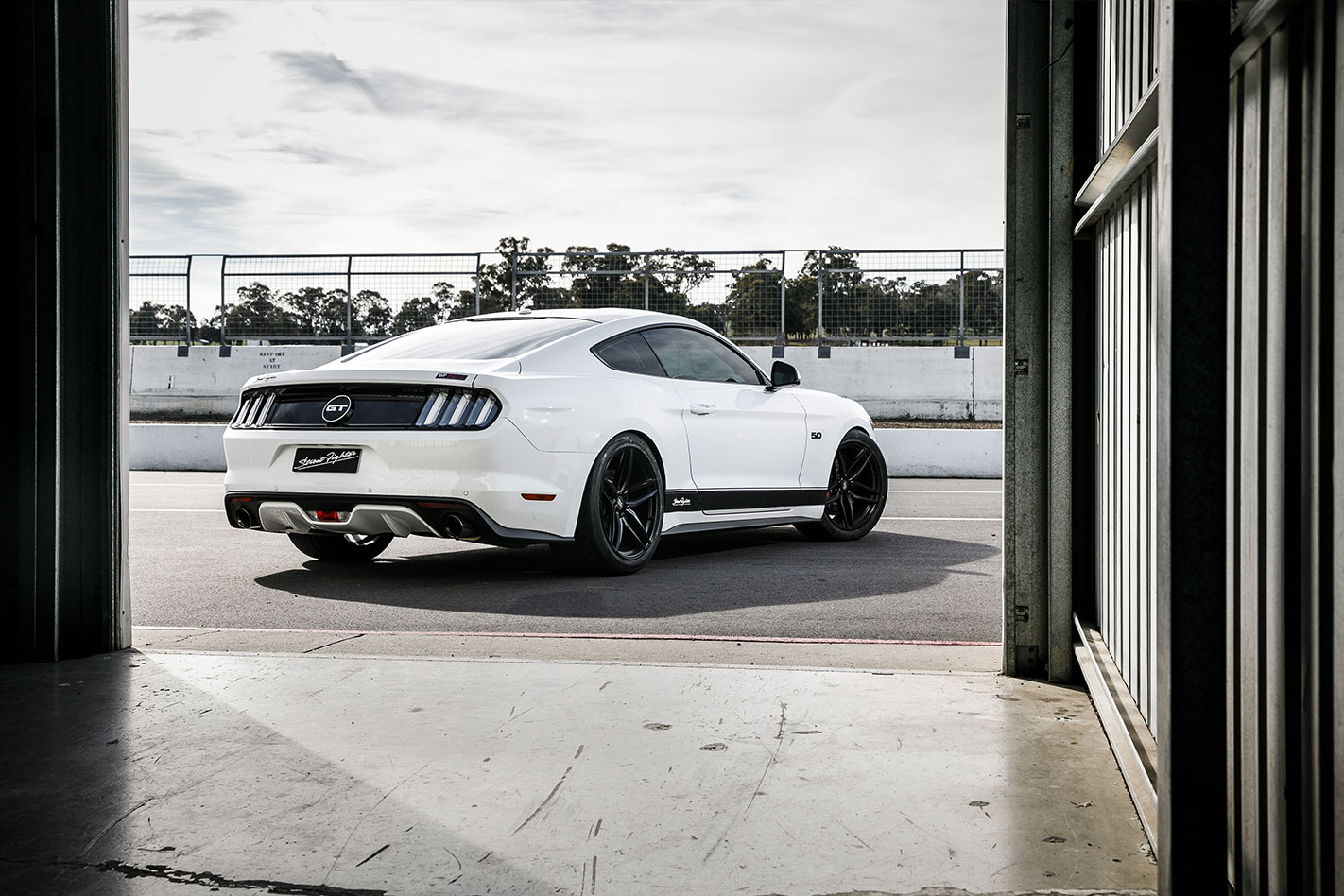
How fast is the Streetfighter SF700S? Faster than a Ferrari 488 GTB, for one.
During last year’s Performance Car of the Year testing the twin-turbo 488, one of the quickest accelerating cars MOTOR has driven, devoured 100-200km/h in 6.3sec. Streetfighter’s supercharged ponycar dispatched it in 6.19sec.
Yes, this stonking ’Stang is as fast from 100-200km/h as a quick-ish hot hatch is from 0-100km/h.
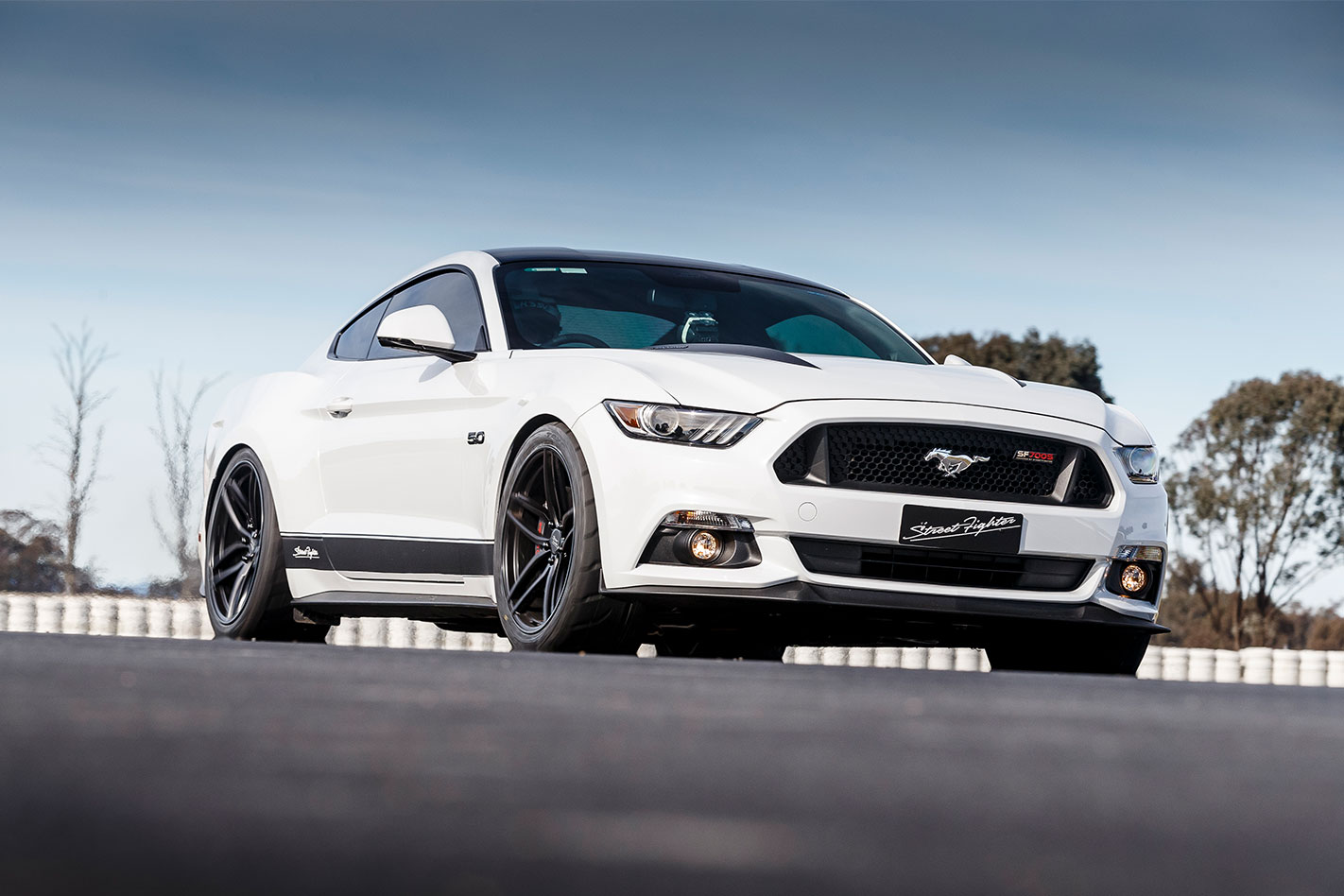
On a proper drag strip on slicks there’s little doubt it would dip deep into the 10s.
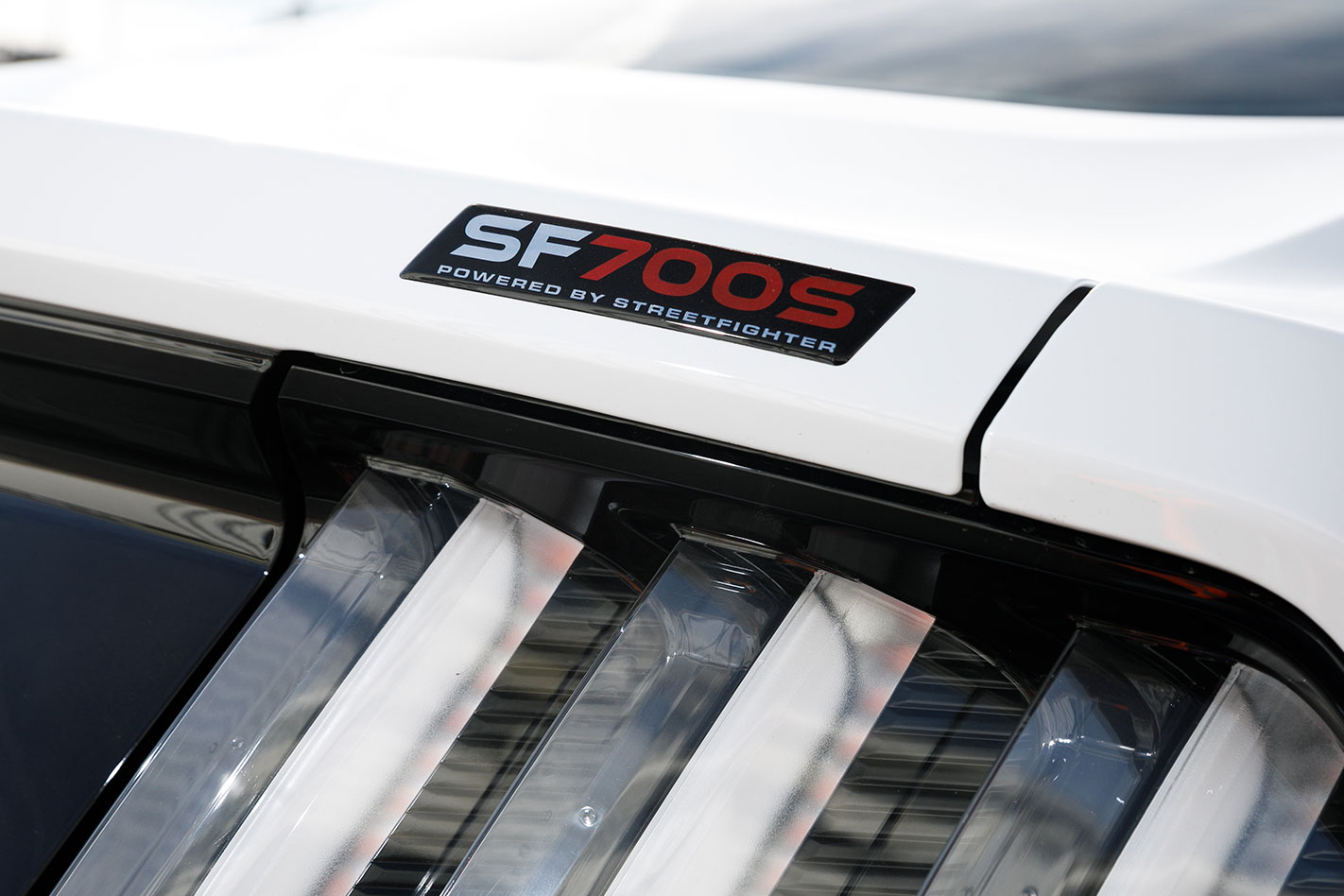
Its head-tearing acceleration also suggests Streetfighter’s SF700S package is good for every single one of its claimed 525kW/760Nm. The lift of 219kW/230Nm over the standard car is largely due to the 2.9-litre supercharger sitting atop the 5.0-litre Coyote V8. A front-feed, twin-screw unit, the blower uses air-to-water intercooling and fits neatly under the factory bonnet.
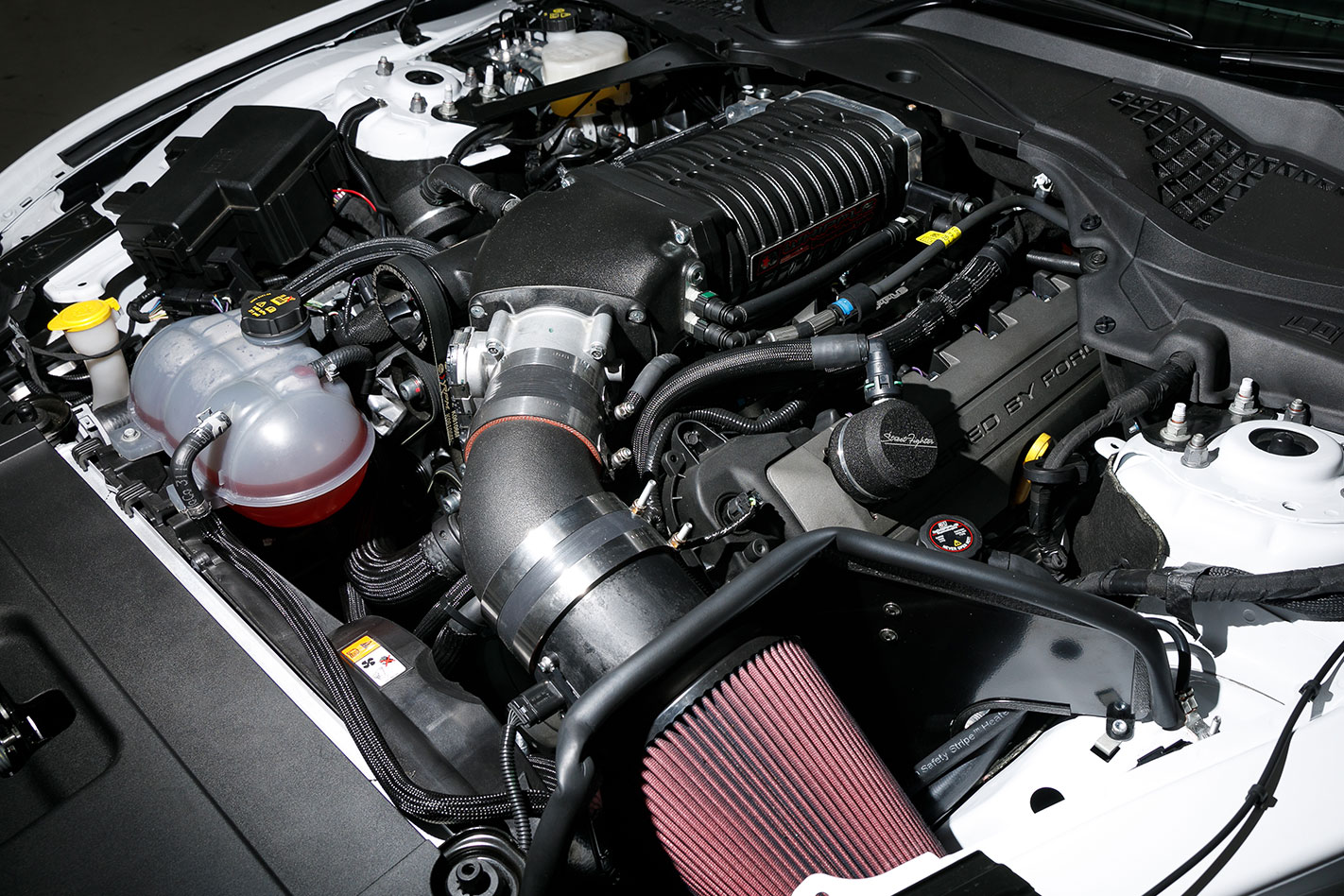
It’ll set you back $18,980 and can be enhanced further by Streetfighter’s full three-inch exhaust system and ceramic-coated headers ($5334), which add a further 16kW to the total. All this makes Streetfighter boss David Roscio’s claim that this is the company’s mildest blown offering even more remarkable.
“It’s our entry-level package,” he explained. “It’s a genuine 700hp, so it does do what we say it does, then when you go to 750hp (559kW) it’s a similar upgrade but more power underfoot … then we go to our full vehicle builds, they’re full built engines, no ADR-compliance, no warranties.”
Roscio says that despite the urge on tap the SF700S is essentially a pussycat:
“It’s got all that grunt but it’s under-pedal grunt, so if you want it it’s there but if you don’t you just drive it around like normal – we were doing 9.4L/100km on the way from Adelaide.”
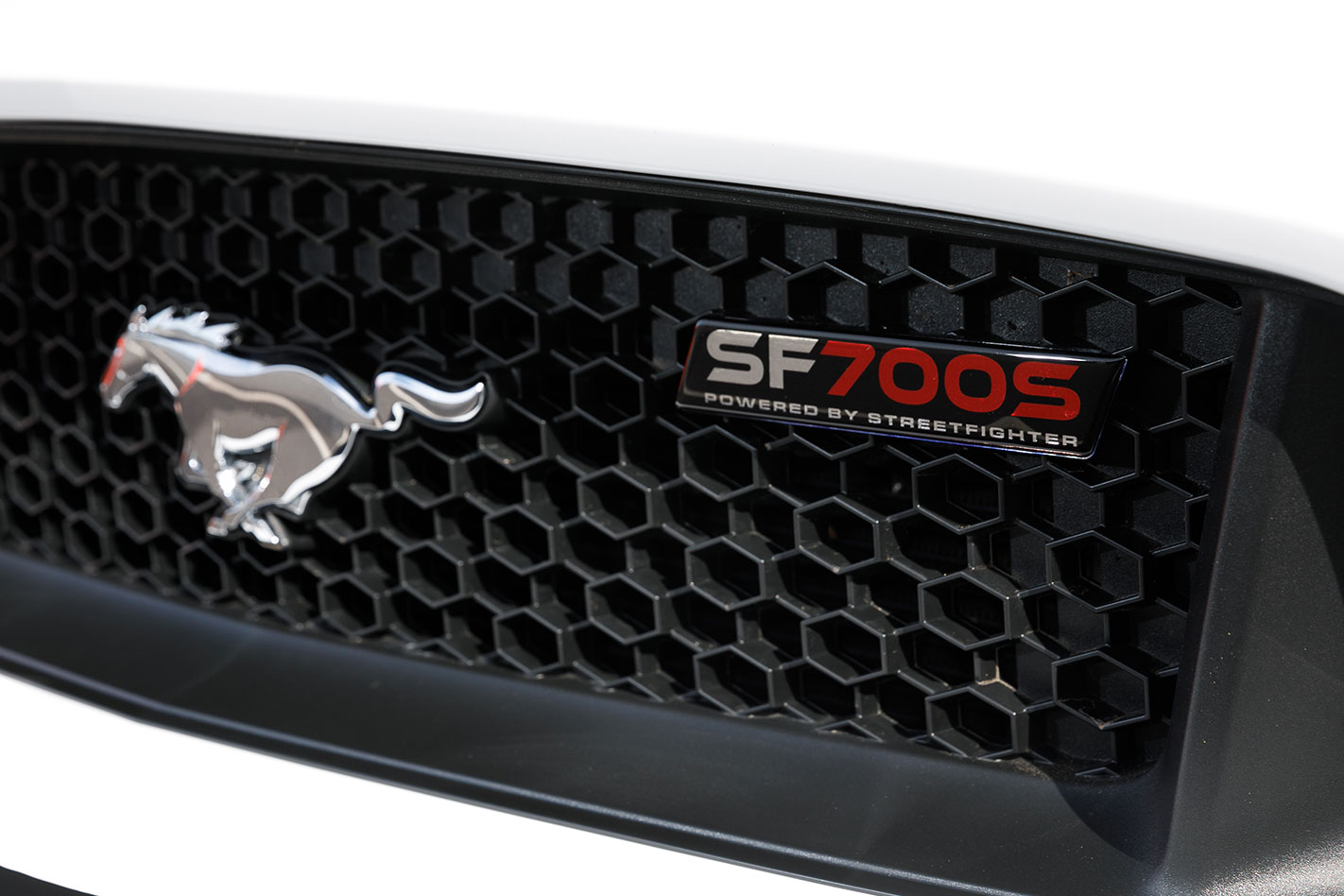
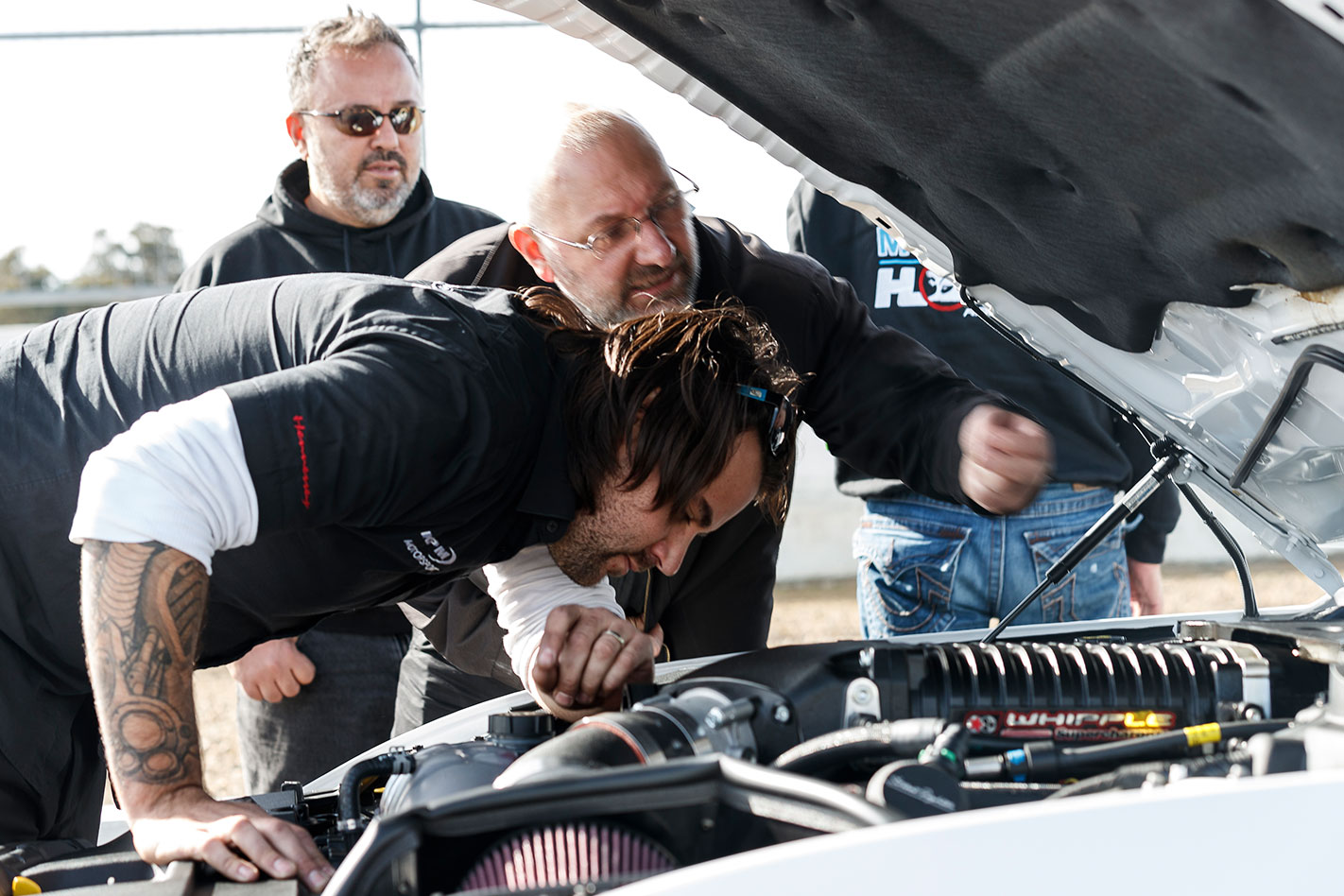
It was on Luffy’s first flying lap that the telltale plume of smoke emerged from the rear of the SF700S. According to Roscio, a split in the oil cooler let oil pressure drop to zero and regardless of how much power they’re making, engines don’t like running with no oil.
It was a huge blow, particularly to the car’s proud owner who was present on the day, and unfortunately occurred both before a lap time could be recorded (hence the DNF) and before yours truly could drive it, but it’s safe to say the event’s most powerful car on street-legal track tyres would have made a significant impression on the stopwatch and this author.
Not everyone is going to want a car capable of wheelspin at 160km/h on cold rubber, but for those who like to give Prancing Horses a scare, this could be the Pony package for you
WARREN LUFF SAYS:
“Unfortunately it succumbed to some sort of mechanical issue, but this car is highly impressive. Down the quarter mile it was certainly the fastest car here. Huge amounts of horsepower, so it’s a car you’ve got to give respect to out on the track. Through all the tight stuff at Winton I had to use third gear just to try and get drive. It’s a fantastic engine and you can see a lot of work has been done to the suspension, etc.”
Power: 525kW Torque: 760Nm
0-100km/h: 4.19 seconds 0-400m: 11.73 seconds 80-120km/h: 1.9 seconds 100-0km/h: 34.46 metres Lap Time: N/A Apex km/h: N/A Lap V-max: N/A 400m V-max: 211.11km/h
Engine: 4951cc V8, DOHC, 32v, supercharger Gearbox: 6-speed automatic Suspension: struts; anti-roll bar (f); multi-links, coil springs, anti-roll bar (r) Brakes: 380mm ventilated discs, 6-piston calipers (f); 330mm ventilated discs, single-piston calipers (r) Wheels: 20 x 10.0-inch (f); 20 x 11.0-inch (r) Tyres: 285/35 ZR20 (f); 285/30 ZR20 (r); Toyo R888
SF700S Package: $18,980 Full Exhaust: $5334 Wheels: $5940 Tyres: $2400 Total Mods Cost: $41,920 Vehicle Cost: $59,990 Total Cost: $101,910
Last year was big for luxury car releases, with premium brands introducing a host of new generation models including the Alfa Romeo Giulia, Audi A5 Sportback, BMW 5 Series, Infiniti Q60, Mercedes-Benz S-Class and Porsche Panamera
It’ll be more of the same in 2018, with some important and highly anticipated posh sedans bringing new levels of luxury, performance and technology. These include:
Audi A8
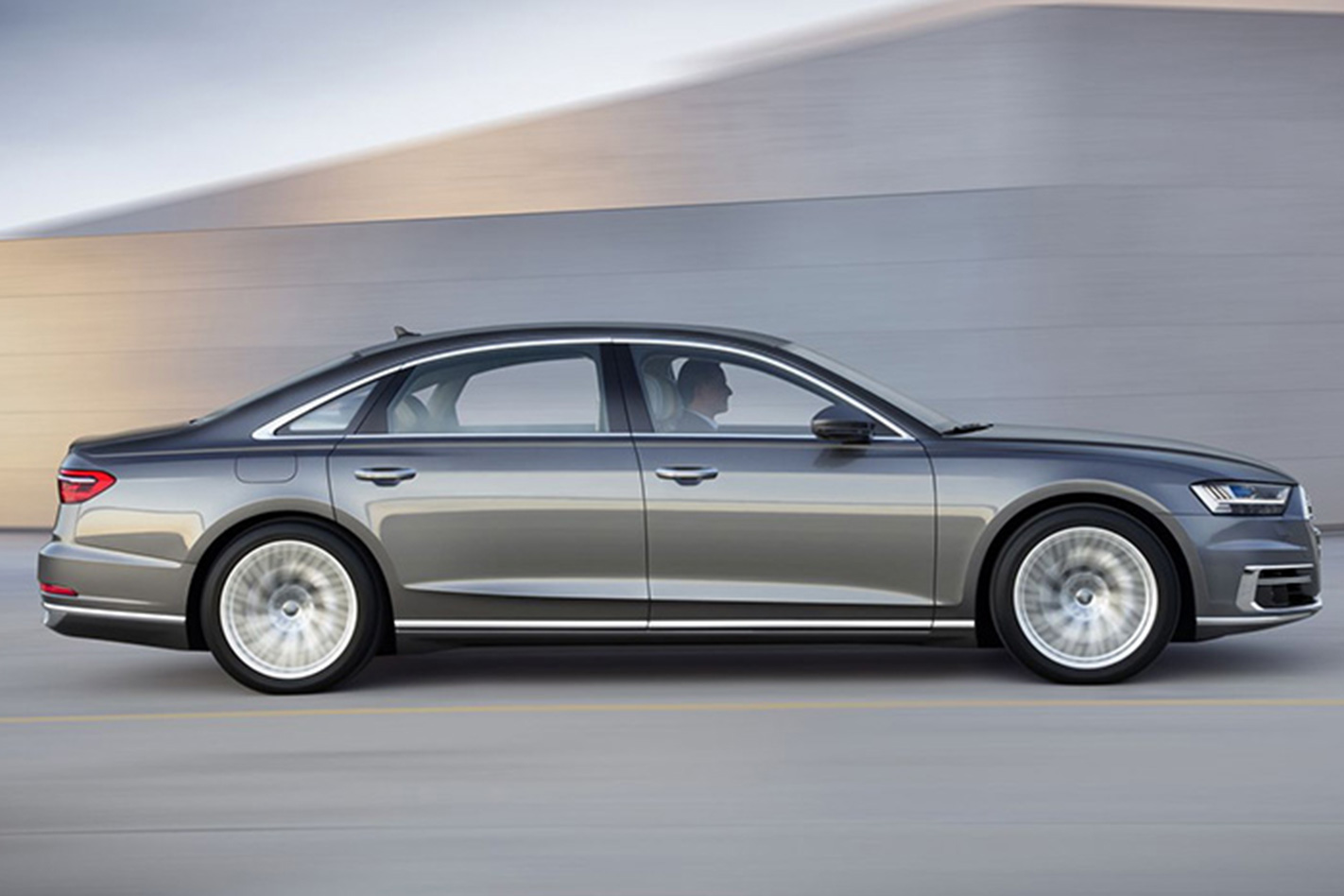
Audi says its highly advanced A8 limousine is the world’s first production car with a true level-three autonomous capability, with enough sensors and computing power to be able to drive itself along a road at speeds up to 60km/h. It can also park itself without the driver even being in the car. Forward-facing cameras, that contribute to the A8’s self-driving capability, also assess the road for bumps allowing computers to adjust the adaptive suspension accordingly.
The new Audi A8 also features the latest version of Audi’s excellent virtual cockpit digital display and large infotainment screens at the front and rear. Expect it to arrive here in the second quarter of 2018.
Genesis G70
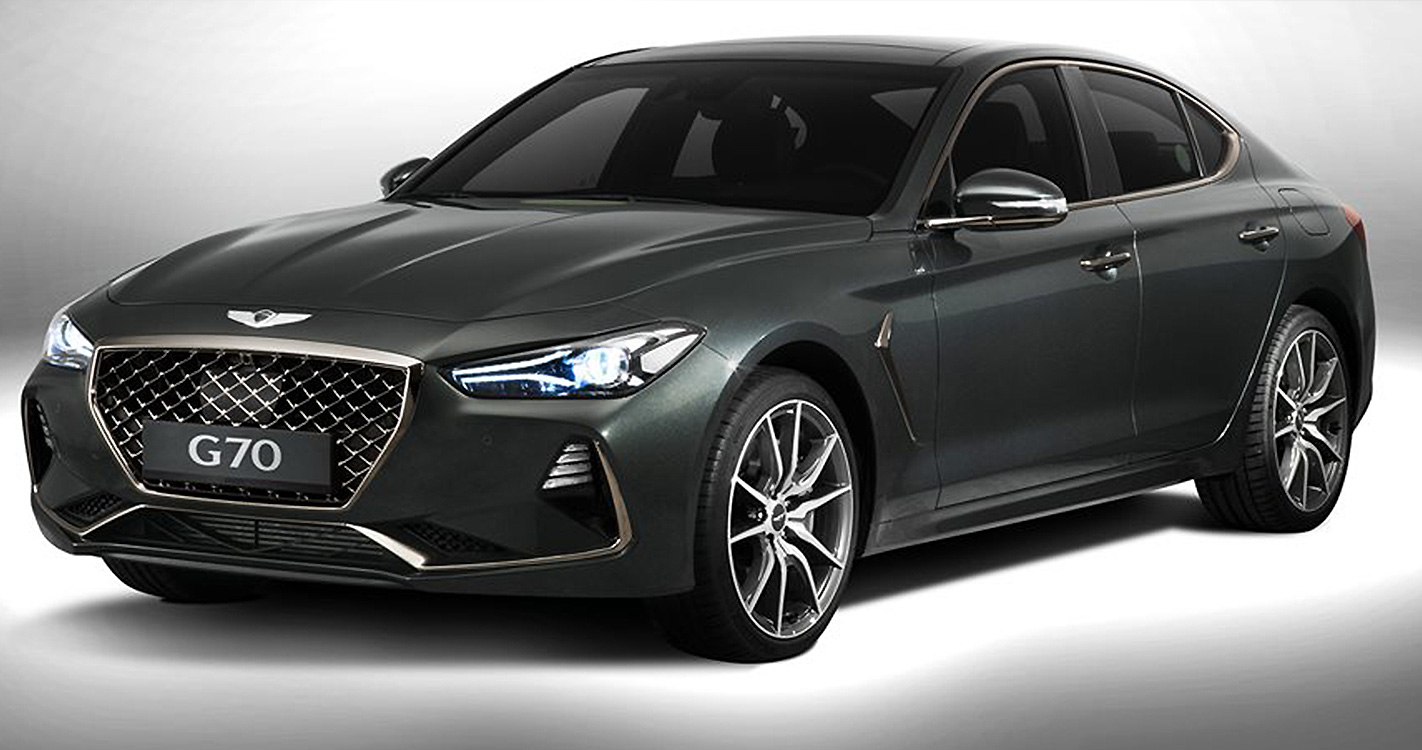
The first Genesis to arrive here as part of Hyundai’s new standalone luxury sub-brand sports graceful lines, features-packed interior, and a choice of three powertrains including a 3.3-litre twin-turbo V6.
The Genesis G70 is smaller than the current Hyundai-badged Genesis and will offer an alternative to smaller European luxury sedans such as the BMW 3 Series, Mercedes-Benz C-Class, and Audi A3 with semi-autonomous driver assist functions and advanced connectivity with server-based voice recognition technology.
With a premium interior sporting aluminium bright points and soft touch materials, sport-grip steering wheel and quilted Nappa leather seats, the G70’s party trick is the smart posture control system which takes the driver’s body information and automatically adjusts the seat, steering wheel, outside mirror, and heads-up display to the optimal position.
The Genesis G70 is expected to arrive early 2018.
Lexus LS
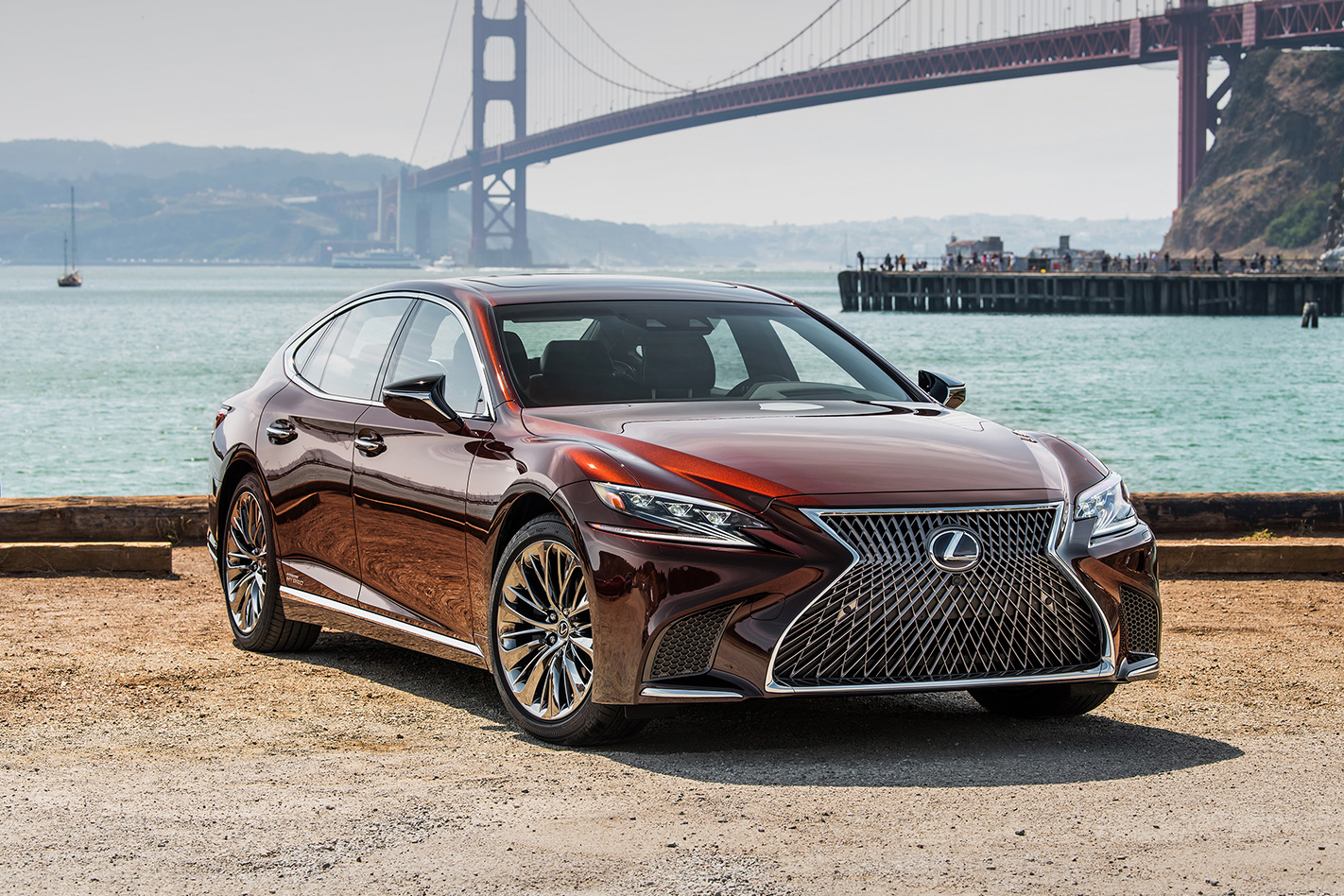
The fourth generation of Lexus’ big luxury sedan sees a changing of the guard from V8 power to the brand’s first ever twin-turbo V6. It will also come with a Multi-Stage Hybrid which couples two electric motors with a V6 engine resulting in a 5.4-second 0-100km/h sprint time and what Lexus insists will be “good fuel economy”.
Built on the same platform as the LC 500 sports coupe, the Mercedes-Benz S Class rival will be the bigger than all its predecessors, with a wheelbase that’s 33mm linger than the current long-wheelbase LS.
The roomier luxury interior is inspired by Omotenashi, the spirit of Japanese hospitality, “that welcomes and envelops the occupants and treats the driver like a partner”. This is exemplified by new seat designs, including 28-way powered front seats with heating, cooling and massage functions, and rear seats with an optional extending ottoman.
The all-new Lexus LS is expected to arrive early 2018.
Mercedes-Benz CLS
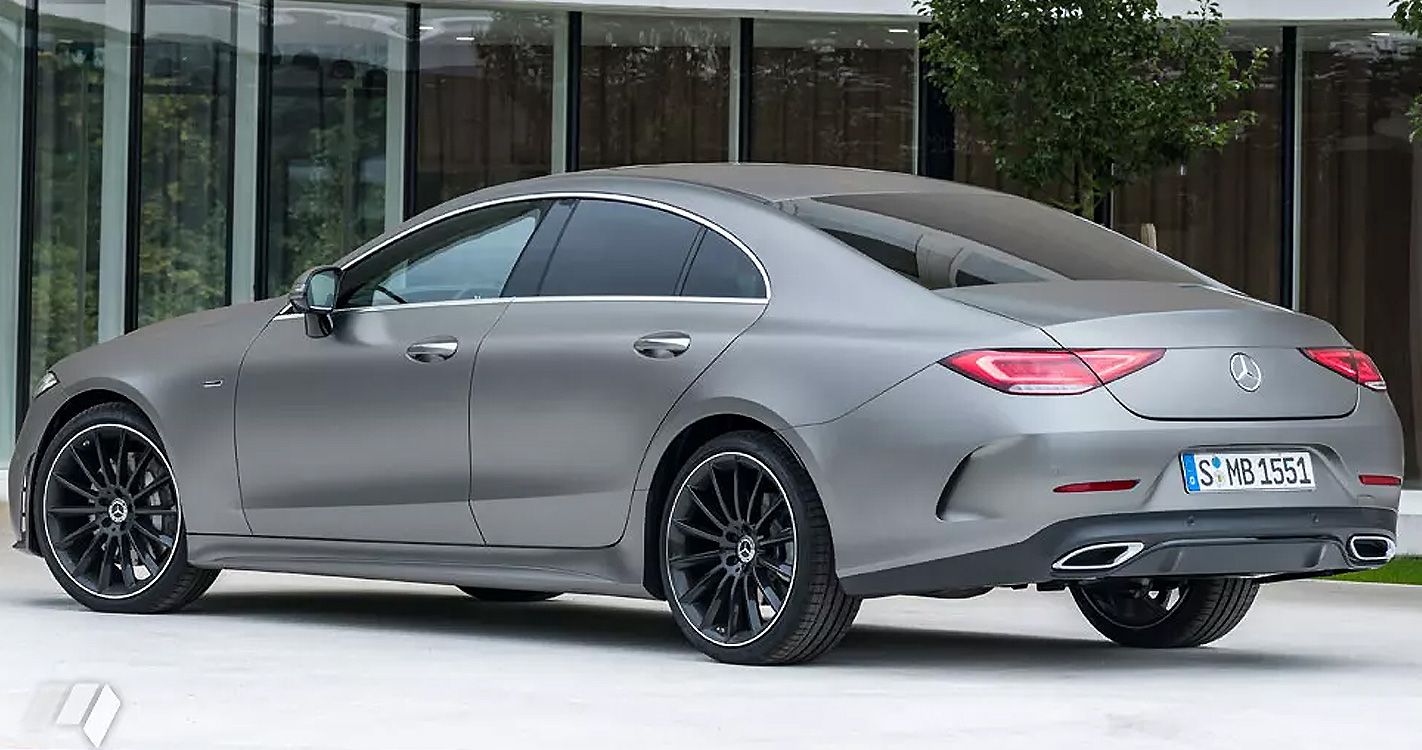
The all-new sleeker looking CLS will be a true five-seater for the first time, abandoning the two-place rear seat. As well as improved versatility the new 40:20:40 split seat will provide interior access to the 520-litre boot. The interior also adopts the twin-screen system that made its debut in the S-Class, featuring a pair of 12.3-inch colour screens framed behind a single piece of glass extending across the dash to display driving gauges, infotainment and autonomous-driving functions.
Outside, the 2018 CLS retains its predecessor’s coupe-like proportions, with pillarless windows, sculpted panels and a lower and wider front-end flanked by sleek LED headlights and gaping air intakes.
Powertrains include a powerful 270KW 3.0-litre turbo charged straight-six engine that delivers a up to a whopping-750Nm of torque thanks to a 48-volt electrically powered supercharger provides a short bursts of oomph when needed.
As I sit here writing this, I’m staring at a wallet-full of betting slips from this week’s Melbourne Cup.
Worthless, the lot of them.
Clearly, I’m not a professional gambler, but even if I was, I should know enough to stay well away from a race like The Cup, which is about as hard to pick as a rugby player’s nose.
But even though the horses I backed on Tuesday are still on the home stretch, I could easily have predicted that, when MOTOR’s poll for its readers’ favourite car of 2017 was done and dusted, the HSV GTSR W1 would be the one standing proud on the top step of the podium.
And even if it’s no surprise, the W1’s standing as the car we all fell for in the past 12 months only adds to its status as a legend in its own time. Very few – if any – Aussie cars have ever been launched into such a hotbed of emotion and expectation.
Like a newborn Kardashian, it was famous before the doctor had even slapped it on the arse. Mind you, let’s not confuse something like an HSV W1 with a group of people famous for being famous. Just for starters, the W1 actually has talent.
Now, if you recall, last year’s poll was taken out by the Falcon XR6 Turbo Sprint which, like the W1 this year, represented the end of its line.
Of course, the W1 also marks the end of local production period, so the statement it made went way beyond an illustration of our undying love for muscle cars. In fact, the brilliance of the W1 only makes it harder to say goodbye.
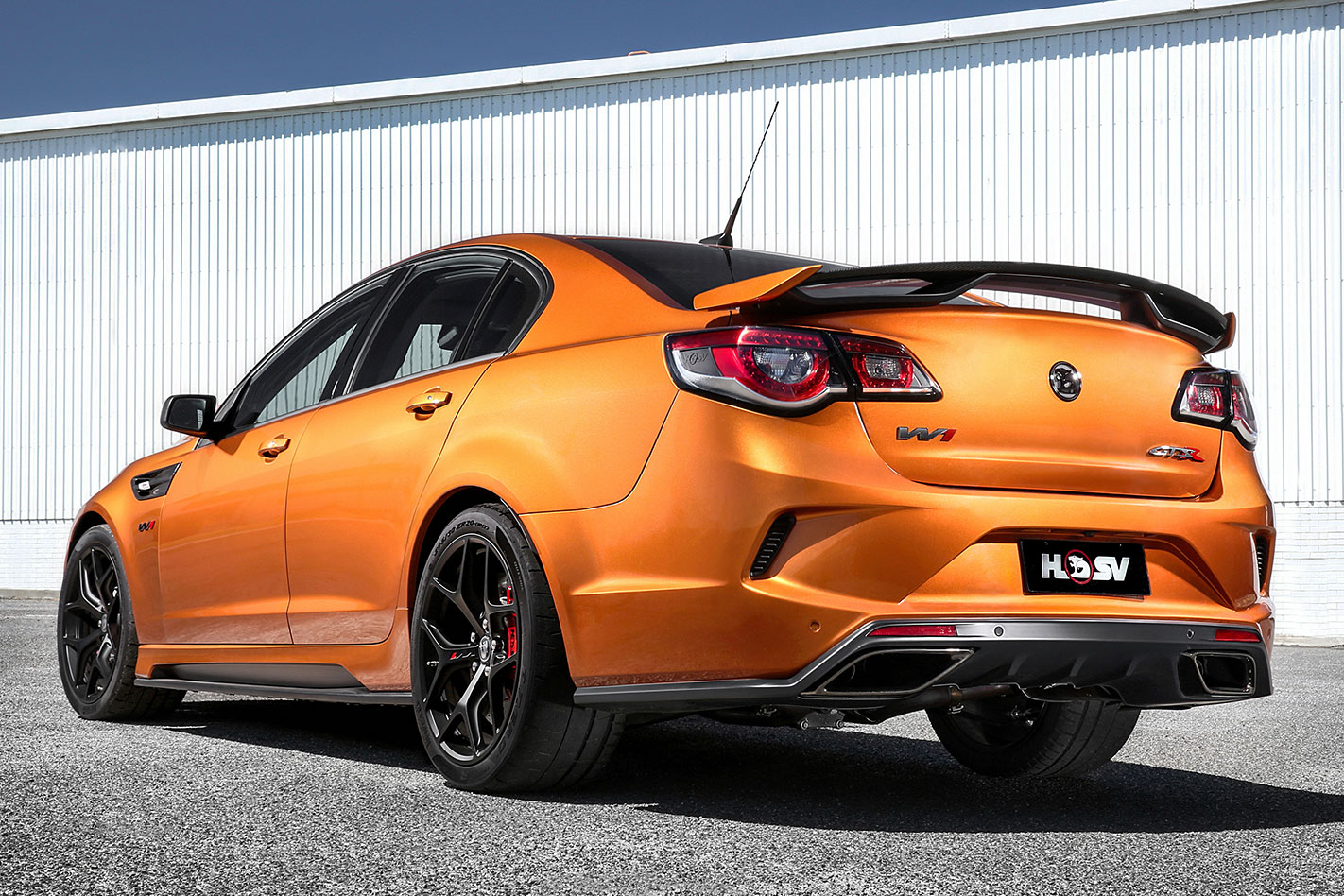
Beyond that, however, Joel is over the moon with the way the W1 has been received. But, just like any new project, there were doubts at the very start.
“We started [the W1 project] thinking, this is our last chance, we’ve got to have a big swing at this. But we were also wondering, will this work? Have people moved on? Clearly not, and they obviously still love muscle cars and it’s great to have been a part of that.”
It’s fair to say that the W1 would have given this poll a big shake, even if it hadn’t been destined to represent the last of the breed. But, it’s equally obvious that there’s a huge sentimental attachment to the W1 and its ilk, and you can hear that in Joel’s voice.
“It (the great Aussie muscle car) will be a hard thing to shake. Clearly that formula of a rear-drive V8 is still a popular one and it’ll be a sad day when the very last one rolls off the line here (tipped to be sometime in December 2017).
“It leaves a huge gap, but it’s also true that the market is changing as people move into 4x4s and SUVs. But we’re hoping for a rear-drive V8 somewhere in our portfolio in the future. We’d love to be able to hang on to that enthusiasm.”
“It’s always good to know that the journos and the public react positively to something you do.
“But I’ve also got to say that the W1 wasn’t just my baby. It was a combination of the efforts of a lot of really talented people and they all deserve credit for getting it over the line.”
Meanwhile, here’s the secondary tragedy and the primary irony of the W1: the rarity and collectability of the thing means that, while it’s probably the most capable local car ever minted, you’ll probably never see one on the road or the track.
Joel agrees: “We’ve always said that the people who buy them and then actually drive them will get the most enjoyment out of them. But the great shame of it is that that’s not how they’ll be treated. That and the fact that the masses aren’t going to get to sample one.”
He’s right. The future for the vast majority of W1’s is to sit in a darkened room, being pampered and preened, and never asked to do anything beyond staying famous. Just like those Kardashians.
While the local launch calendar is looking busy throughout 2018, it’s a little quieter on the trade ute and one-tonner front, with many of the brands that compete in the market already updating or replacing models in recent years.
With typically long life-cycles, it is unlikely we will see much activity from the relatively fresh line up of pick-ups and off-road utes, but there is a handful to watch out for.
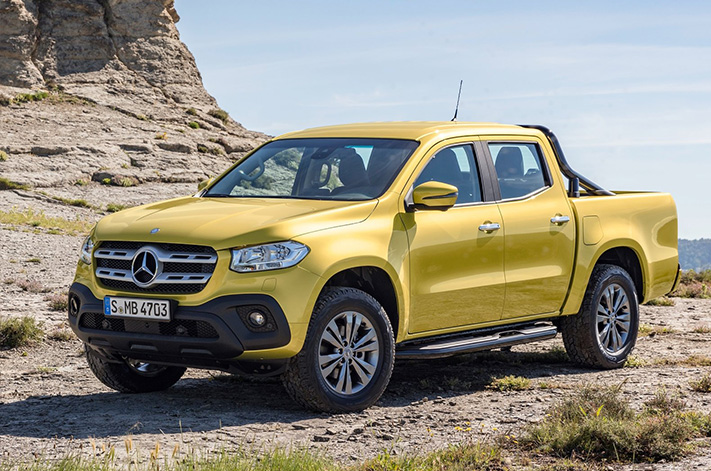
Mercedes-Benz X-Class
Perhaps the biggest news for one-tonners in 2018 will be the arrival of an all new option from Mercedes-Benz due in April, which will be the three-pointed star’s first entrant in the highly popular segment.
The initial arrivals will include a four-cylinder diesel engine to go head to head with many of the existing rivals, including the Nissan Navara with which the X-Class shares mechanicals. A powerful V6 diesel will arrive later to give the Volkswagen Amarok a headache.
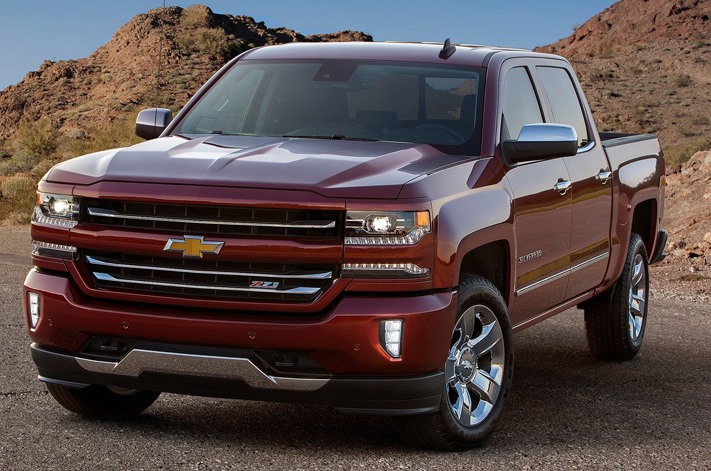
Chevrolet Silverado
Need something big? Really big? You’ll have to fork out a hefty chunk of your savings for an example of General Motors’ monster and pricing is still to be confirmed but the Chevy Silverado will be coming in limited numbers at some point next year.
As part of the new agreement between HSV that will also convert Camaro sportscars, the specialist Holden manufacturer will also be turning its spanners to Silverado conversions, with a comprehensive makeover that puts the steering wheel on the right-hand side of the car.
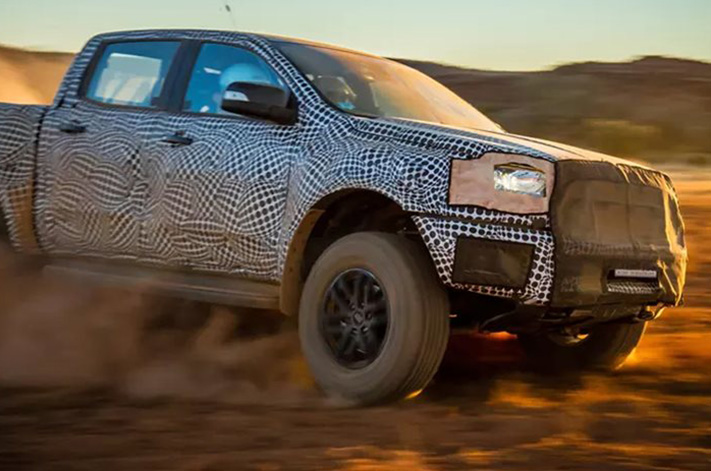
Ford Ranger Raptor
The Blue Oval is already doing a roaring trade of Ranger utes with the high-riding model tussling with Toyota’s Hilux for the title of Australia’s favourite car, but from the middle of next year it will have a new weapon in the fight.
Few details have been revealed but we do know the Ranger Raptor will be positioned as the new flagship above the Wildtrak and is likely to bring even tougher looks, more power, extra off-road kit and a heftier price. Expect a sticker circa $80,000.
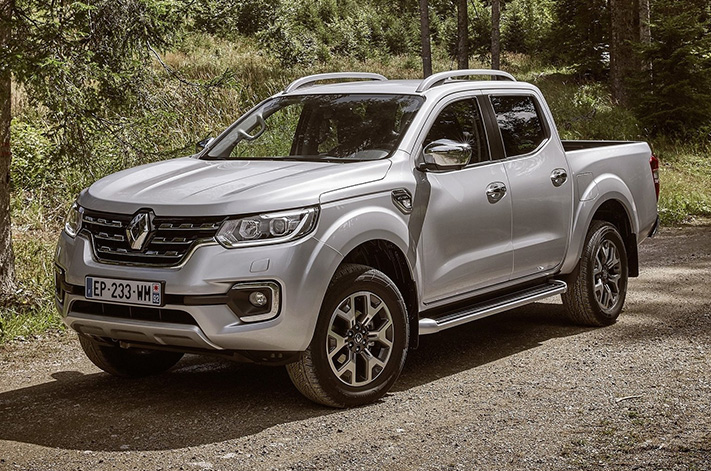
Renault Alaskan
It’s not quite time to get excited about Renault’s contender in the quad-cab ute market, but it is likely the French option will be arriving in 2018 if confirmed.
Where the mechanically similar Nissan Navara would continue to look after the more utilitarian and workhorse end of the market, the Renault would avoid stepping on its toes by offering a more premium-spec offering at the more luxurious end.