
SUVs are fast becoming Australia’s most favourite type of car, outselling passenger cars this year. But for many Aussies, the SUV lifestyle comes at a price too far outside the budget.
But don’t lose hope, yet. Here are 12 options for those wanting an SUV, without the $30,000-plus spend and expensive running costs.
Suzuki Ignis – from $15,990
The Suzuki Ignis is one of the cheapest SUVs on the market. It’s also one of the smallest, and while it’s a closer relative to hatchbacks than dirt track tourers, its ride-height makes it tall enough to consider it part of this category. Just.
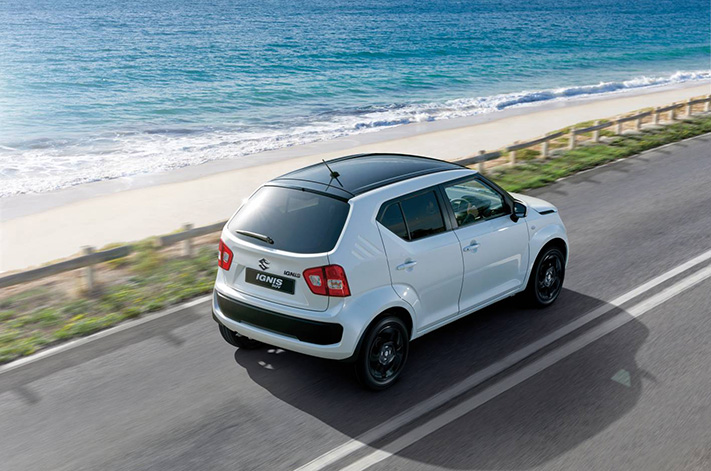
The entry-level Ignis GL with five-speed manual gearbox costs the same as it did in 2005. It rolls on 15-inch steel wheels, with standard equipment including power windows, satellite navigation with a reversing camera, and an audio system with a multimedia screen that mirrors your phone via Apple CarPlay and Android Auto.
For an extra $3000, you can get the GLX with a bunch of extra gear, including CVT auto, steering wheel audio controls, 16-inch alloys, dusk-sensing headlamps and daytime running lights, climate control air-conditioning, while still paying less than $20k.
The Ignis is powered by a 66kW/120Nm four-cylinder engine, which, combined with the car’s light weight, claims fuel usage of just 4.7L/100km.
Mazda CX-3 – from $19,990
It’s one of Australia’s most popular small-SUVs for a reason. The Mazda CX-3 comes packed with equipment and is also one of the best in its class when it comes to driveability.
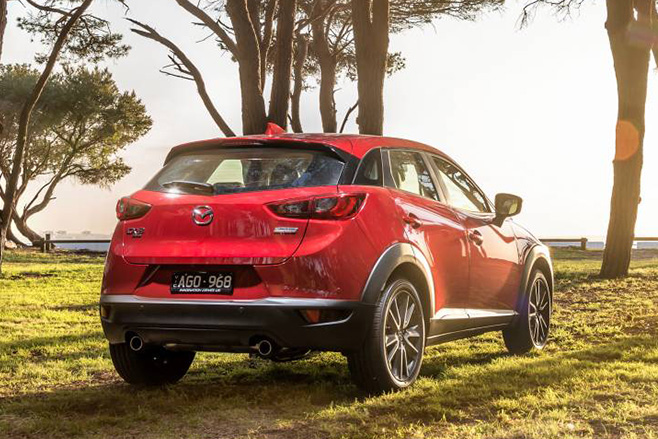
There are two CX-3 variants under the $25,000 mark: the entry-level Neo and the 2WD petrol version of the Maxx. They’re each powered by a 109kW/192Nm 2.0-litre four-cylinder petrol engine that drinks around 6.2/100kms. The six-speed manual and six-speed automatic versions of all come in under the $25k threshold.
The CX3 is essentially a Mazda 2 on stilts so seating and cargo space is at a premium, but a high-end interior design sets it apart from other cheapie compact SUVs.
Ford EcoSport – from $20,790
All variants of Ford’s baby soft roader come in under $25,000 except for the range-topping Titanium. It comes with a choice of two engines, with the award-winning 92kW/170Nm 1.0-litre three-cylinder turbo and the dour 82kW/140kW 1.5-litre four-cylinder naturally aspirated engine, though the former is only available as a manual.
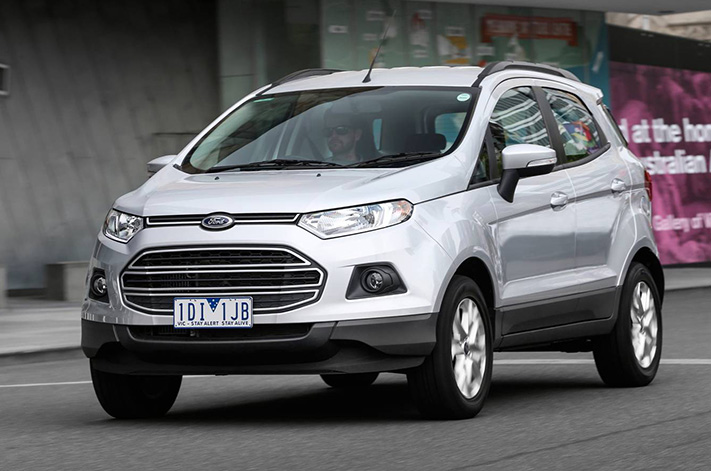
The pick of the bunch is the mid-spec Ecosport Trend, with the 1.0-litre engine and five-speed manual transmission. It has a few extra features over the base model Ambiente – which only comes with the 1.5-litre engine – including reverse parking sensors, cooling glove box and roof rails for $22,290.
Suzuki Jimny – from $21,990
As the only truly off-road capable option on this list, the Suzuki Jimny is one of the most affordable options for those wanting a small city SUV with the adventure traversing ability that can tackle roads other small SUVs wouldn’t dare attempt.
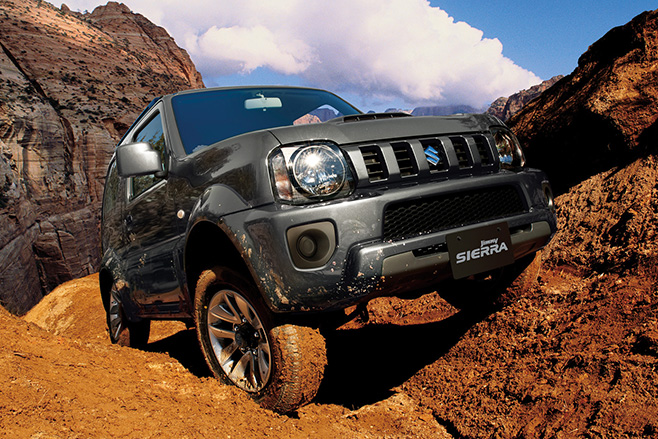
Like its rugged dual-range drivetrain, the 63kW/110Nm 1.6-litre four-cylinder petrol engine is good in the rough stuff but struggles on the highway. The Jimny’s military-inspired exterior is reflected inside with spartan fit out and equipment, and it has minimal luggage space should you need to carry more than one passenger. Want an auto? It’ll cost you $2000 extra for the optional four-speed automatic.
Suzuki Vitara – from $21,990
The Suzuki Vitara is a stylish small SUV for the price, with a well-finished cabin. The entry-level RT-S misses out on the range’s best features including the zippy turbocharged petrol and a strong but frugal turbo-diesel engine – not to mention AWD – but still represents good value.
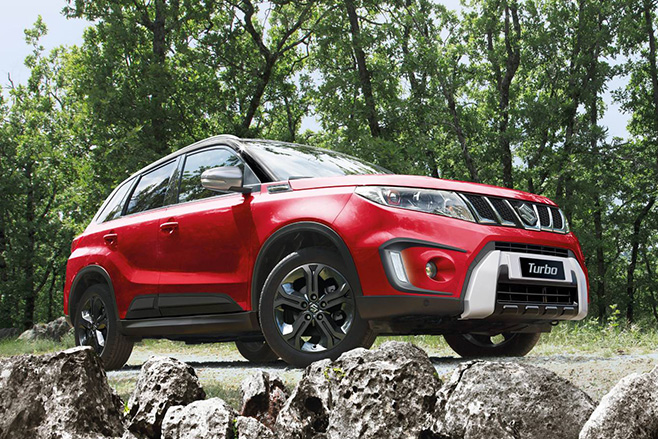
Climate control air-conditioning, an intuitive infotainment/nav package, daytime running lights, roof rails and electronic traction control are all standard on the RT-S standard. While the 86kW/156Nm 1.6-litre four-cylinder petrol engine in the entry-level RT-S is the least zippy or efficient option, it goes nicely with the five-speed manual gearbox which is $2000 cheaper than the six-speed auto option.
Nissan Juke – from $23,490
The “look at me” Juke has love-or-hate looks but provides an option for those wanting something outside the box when it comes to design and prides itself on individualism.
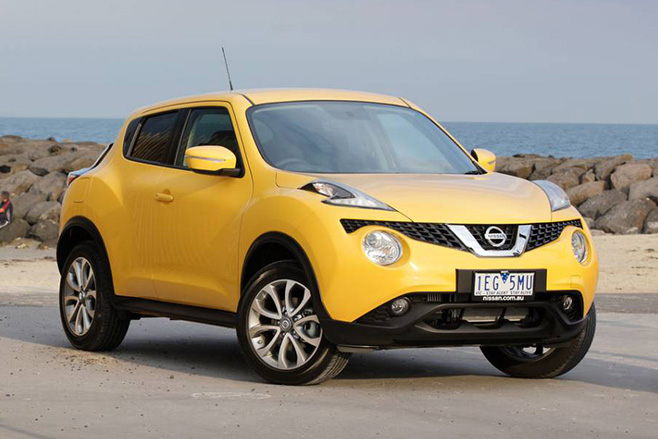
The cheap and cheerful entry-level ST manual is powered by a 85kW/190Nm 1.2-litre turbo and five-speed gearbox, which is much better than the CVT auto version. Cruise control and daytime running lights are among the standard features.
Renault Captur – from $23,990
The only Euro model on the list brings high-style to the baby SUV market. It’s well equipped for its price tag, with the entry-level Zen coming with LED daytime running lights, rain sensing wipers, rear parking sensors, reversing camera and 16-inch alloy wheels. It’s powered by the Clio’s 88kW/190Nm 1.2-litre four-cylinder turbo engine, which sips fuel at a rate of 5.4L/100k.
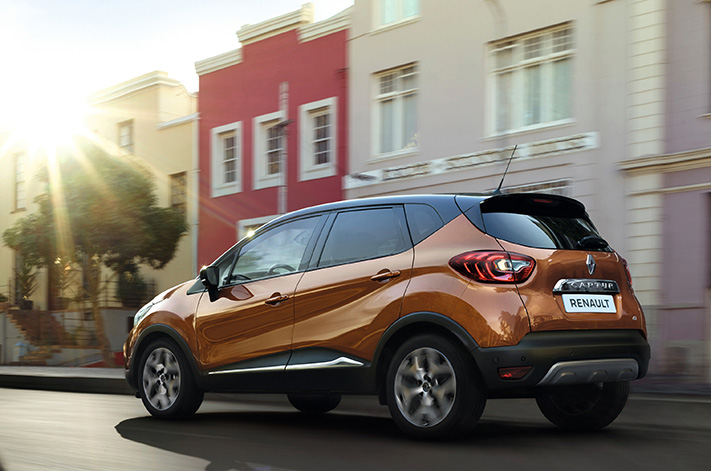
Despite its diminutive size it’s pretty practical, with 455 litres of boot space which is significantly more than the Mitsubishi ASX (393 litres), Mazda CX-3 (263-litres) and even the larger CX-5 (442 litres). Fold the rear seatbacks down and it carries 1255 litres.
Holden Trax – from $23,990
Holden’s smallest SUV had its steering and suspension tuned in Australia so it rides firmly but comfortably on country roads and handles better than most of its competitors. It’s not as roomy as some of the others but does come with a decent spread of standard features including cruise control, parking sensors, hill-start assist, hill-descent control and a 7-inch touch screen infotainment display.
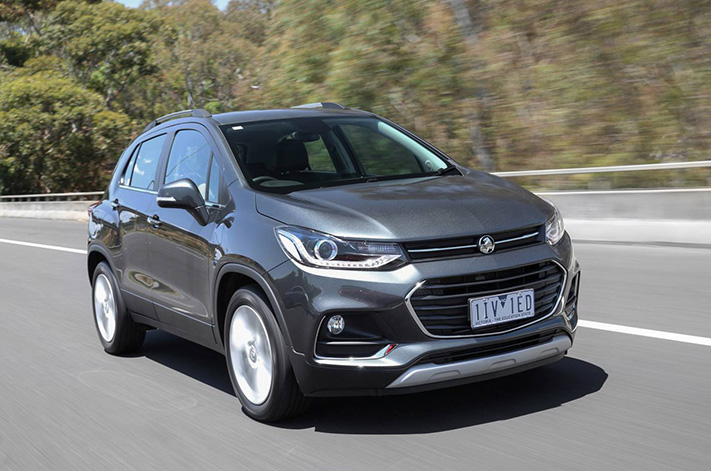
The cheapest variant, the LS, comes with a 103kW/173kW 1.8-litre four-cylinder petrol engine with six-speed manual gearbox as standard. But the choice powertrain is the 103kW/230Nm 1.4-litre turbo with six-speed automatic costing an extra $2200.
Haval H2 – from $23,990
The Chinese carmaker’s prices include on-road costs making it extra good value, even if it isn’t quite up to scratch with its Japanese competitors. It comes with a decent 110kW/210Nm 1.5-litre, four-cylinder petrol turbo engine that’s pulls it along well but drinks a greedy 8.2L/100kms.
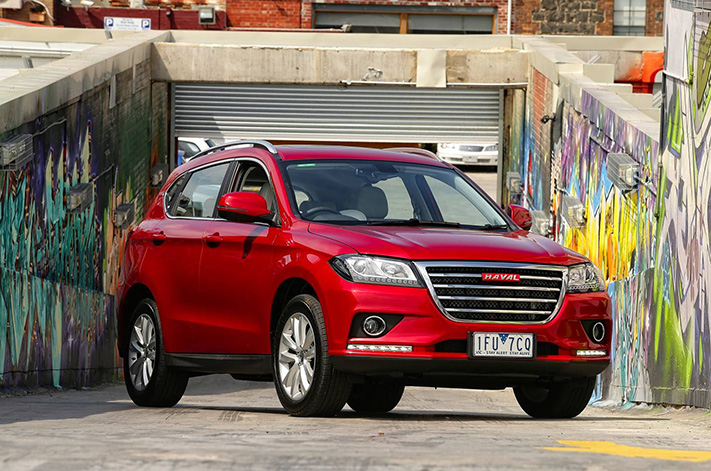
It comes with the heap of standard features including a sunroof, reversing camera with parking guide lines, 7-inch touchscreen, cruise control, daytime running lights and 18-inch alloys.
Hyundai Kona – from $24,500
The newest car on this list comes with a six-speed automatic transmission as standard. The entry level price includes the 2.0-litre 110kW/180Nm 2.0-litre naturally aspirated four-cylinder petrol engine and front wheel drive. For an extra $3500 you can add some oomph with a 130kW/265Nm 1.6-litre four-cylinder turbocharged petrol engine mated to a seven-speed dual-clutch automatic transmission (DCT) and all-wheel-drive.
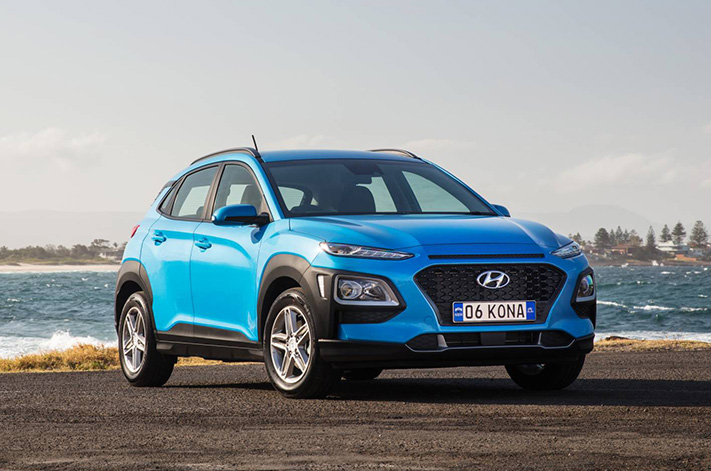
The base-model Kona Active features LED daytime running lights, downhill brake control, hill start assist, dusk sensing headlights, reversing camera, 7-inch floating touchscreen, rear parking sensors, Apple CarPlay/Android Auto connectivity, leather appointed steering wheel, cruise control, 16-inch alloy wheels and roof rails.
Honda HR-V – from $24,990
This athletic-looking small SUV has more passenger and cargo space than most alternatives, thanks in large part to the versatility of its adjustable ‘Magic’ rear seats. It feels smooth and easy to drive, and offers advanced safety features and plenty of standard equipment including cruise control, multi-information display with trip data, brake hold, hill-start assist, electric park brake and daytime running lights.
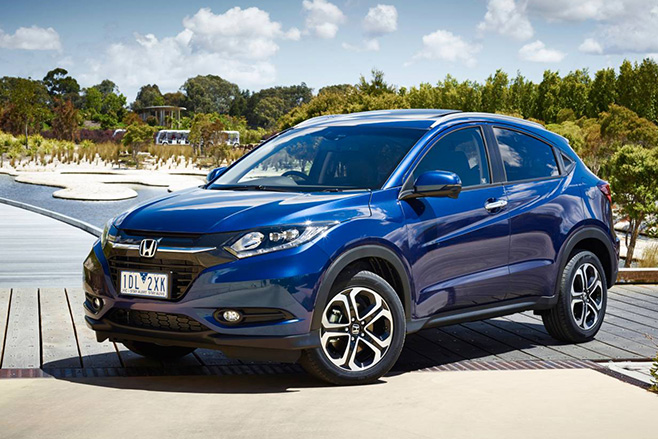
It’s powered by a 105kW/172Nm 1.8-litre four-cylinder petrol mated to a CVT transmission. With the back folded seats up, cargo capacity at the rear is 437 litres, one of the biggest of any small SUV.
Mitsubishi ASX – from $25,000
The current generation ASX is one of the oldest models on the market but has undergone a sales renaissance thanks to a string of updates and sharp pricing across the range. It has some of the advantages of bigger SUVs including more space, comfortable ride and good handling on country roads.
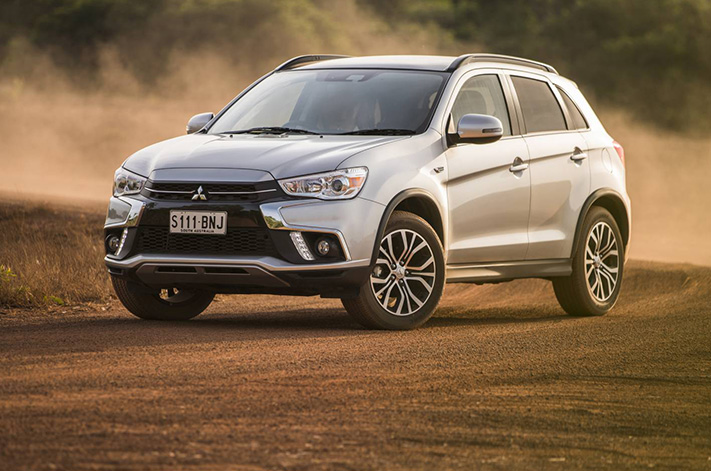
Standard kit includes cruise control, a reversing camera, rear parking sensors, climate control and hill-start assist and alloy wheels. The entry-level LS comes with a 110kW/197Nm 2.0-litre four cylinder petrol engine coupled to a five-speed manual transmission. If you’re averse to using a clutch the CVT auto will cost an extra $2000.
Most Australians won’t have heard of Gemballa, one of many companies that modifies Porsches.
But at SEMA, Gemballa made itself known with its wild-looking GT Concept, based on the 911 Turbo.
With a twin-turbo 3.8-litre flat six modified to pump out a whopping 609kw/952Nm, Gemballa claims its GT will hit 100km/h in just 2.38 seconds.
It adds that 200km/h comes along in 7.5 seconds, and 300 in a total of 18.8s.
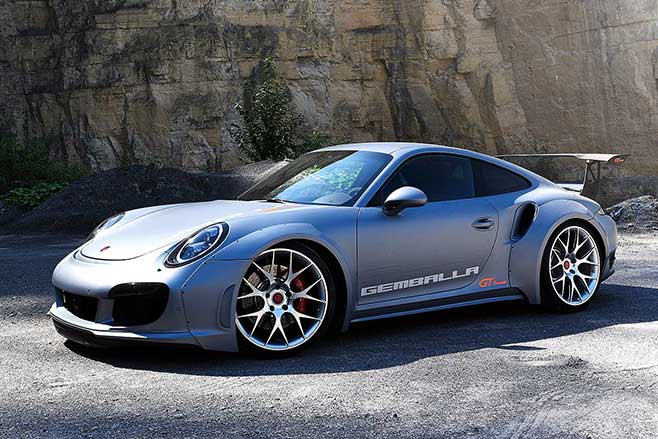
To cope with the extra power – and the ultra-light carbon bodywork – the GT Concept features a redesigned adjustable chassis.
To stop, six-piston calipers on 380mm at the front and four-pots on 360mm disks at the back.
Also important, Gemballa says, is the aerodynamic redesign.
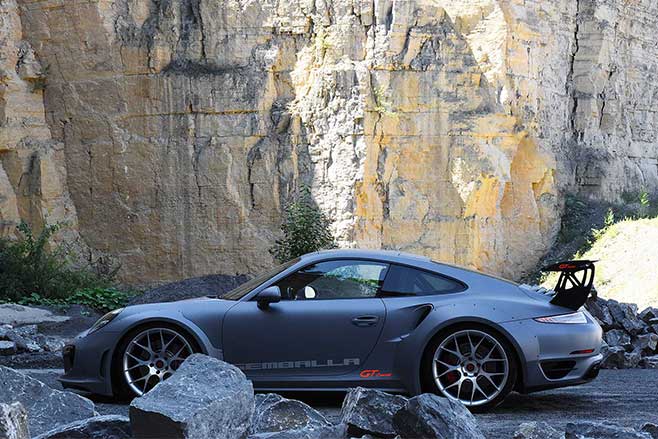
Inside, Gemballa says it has used fine leathers and Alcantara, as well as Gemballa logos for added exclusivity.
A company that started out making interior modifications for BMWs and Porsches in the early 1980s, Gemballa quickly became a renowned modifier of sports cars, especially for its work with Porsche models.
Now the GT Concept joins the family of other bonkers Porsches – and a couple of McLarens – which have undergone the Gemballa treatment.
WhichCar saves you some legwork to bring you the best bargain buys of 2017. Not surprisingly, they’re all light or small hatchbacks and sedans. Looking to save dosh on your next new car? Read on.
1: Mitsubishi Mirage ES manual – $12,250
A list price of $12,250 helps the Mirage massively, and is a big reason why it’s one of the most popular light cars on the market – right now, it’s the second-highest selling in its segment.
It might not be the best-handling of its type, but its 1.2L four-cylinder engine delivers a frugal fuel economy figure of 4.6L/100km and it comes with all features including six airbags, stability control, ABS, hill start assist, Bluetooth, air conditioning and more. If manual cars aren’t your thing you pick up a Mirage ES with CVT auto from $14,250.
2: Holden Spark LS manual – $13,990
The pocket-sized Holden is aimed at a younger audience and is designed to provide a ‘fuss-free’ city-driving experience (and is actually quite enjoyable to drive) with a spacious interior and a decent infotainment screen with Apple CarPlay and Android Auto smartphone mirroring.
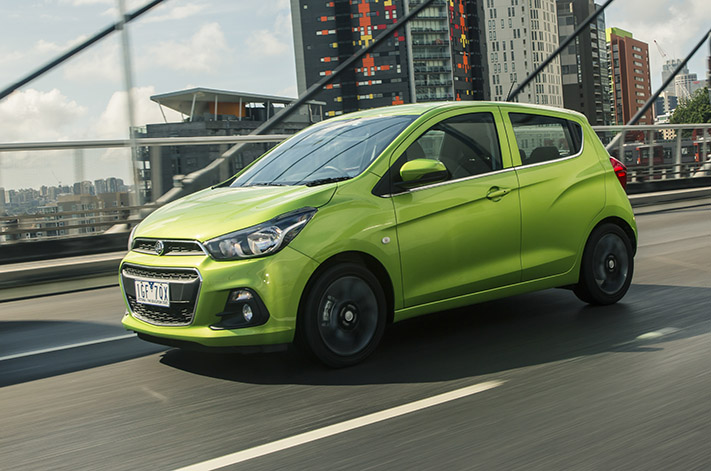
It also has a 1.4-litre engine that provides a combined fuel economy figure of 5.2L/100km and decent poke for its size. This price is for the surprisingly engaging five-speed manual, while the optional CVT auto retails for $15,690.
3: MG MG3 Core manual – $13,990
The iconic British brand lives with two Chinese-made models both priced under $16,000. The MG3 Core is the entry model of the three-tier line-up with a 78kW 1.5-litre four-cylinder petrol engine mated to a five-speed manual transmission.
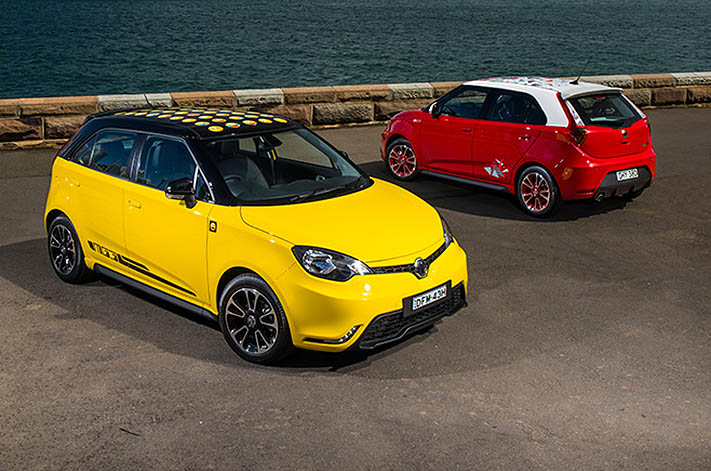
The mid-level Soul MG3 costs $14,990 with the addition of remote central locking, Bluetooth and audio streaming and steering wheel audio controls.
4: Kia Picanto S manual – $14,190
The new-generation Picanto is an eye-catching city car with a comfortable ride and great steering. It Kia comes with cruise control, a reversing camera, and a big touchscreen that does a lot with your smartphone via Apple CarPlay and Android Auto.
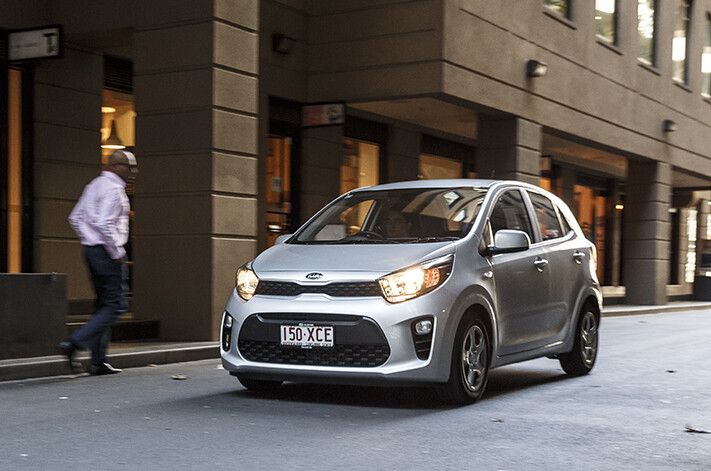
It’s powered by a zippy 62kW 1.2-litre engine, which is mated with a likeable five-speed manual gearbox. If you prefer not to use a clutch pedal, you can upgrade to a four-speed automatic transmission for an extra $1500.
5: Holden Barina LS manual – $14,990
The Barina has some decent kit including standard reverse camera, a 7.0-inch MyLink infotainment system with Apple CarPlay and Android Auto, LED daytime-running lights, six airbags, automatic headlights, rear parking sensors, fog lights, cruise control and 16-inch alloy wheels.
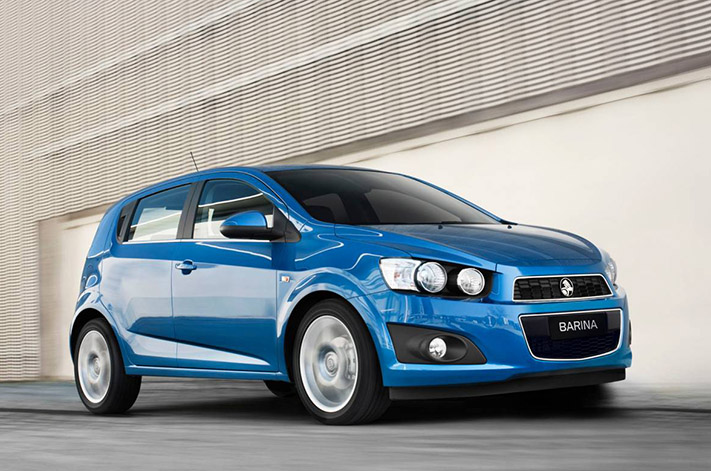
The five-speed manual version is powered by an 85kW 1.6-litre four cylinder petrol engine that drinks 6.8L/100km, while the six-speed auto costs an extra $2771.
6: Honda Jazz VTi manual – $14,990
The Jazz is a step up in exterior and interior size over many other cars in its price bracket. It’s also one of the most powerful. It features a 1.5-litre four-cylinder engine that burns 6.3L/100km.
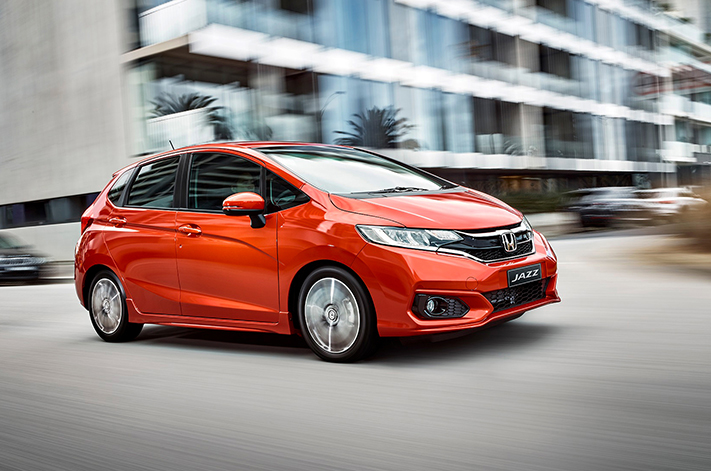
On the inside you’ll find a touch-screen display with a rear-view camera as standard, as well as clever double-folding rear seats and a low boot floor that allows for a heap of extra luggage-carrying versatility. The CVT auto will cost an extra $2000, though the manual is more fun to drive.
7: Mazda 2 Neo manual – $14,990
The six-speed manual version of the Mazda 2 hatch and sedan is a great driver’s car. With a precise shift action being joined by a responsive engine and engaging steering, Mazda’s smallest car is one of the most enjoyable city runabouts on the market.
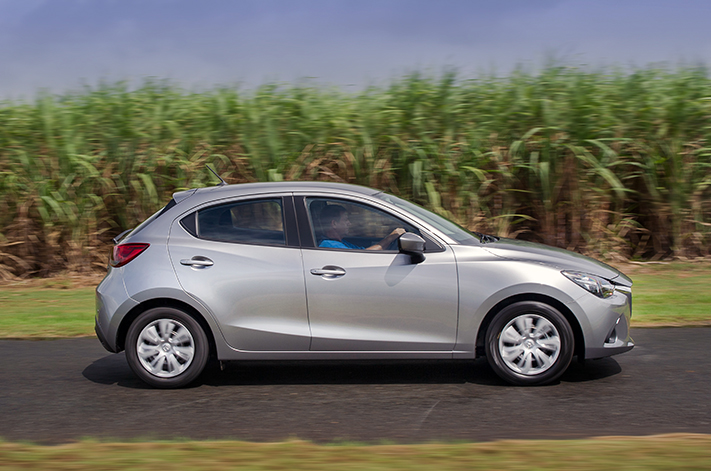
It has a stylish exterior design and is easy on fuel, with its 1.5-litre four-cylinder engine consuming just 4.9L/100km on the combined cycle. Want an auto? Factor in an extra $2000 on top of the manual’s retail sticker.
8: Proton Preve GX manual – $14,990
Proton’s small sedan is one of the bigger cars on this list, providing a budget alternative to the Hyundai Elantra, Kia Cerato and Toyota Corolla sedan. It is powered by an 80kW 1.6-litre engine, which is significantly less powerful than similarly-sized competitors.
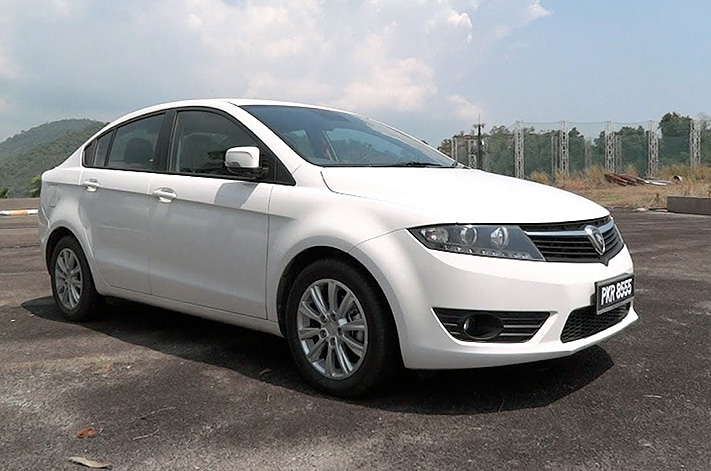
The above price includes a five-speed manual gearbox, with the CVT auto costing a $2500 premium. Built in Mayalsia, the Proton boasts a five-year/150,000km warranty which gives it an edge in long-term cost of ownership.
9: Hyundai Accent Sport manual – $15,490
The baby Hyundai hatch and sedan has enjoyed a strong sales year despite a price rise which coincided with its range being shrunk to just a single Sport variant. It has a 1.6-litre engine that consumes a claimed 6.3L/100km and produces plenty of power for urban cruising.
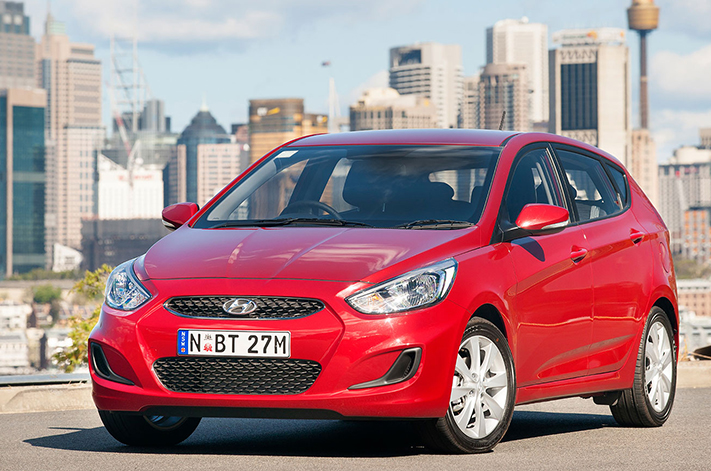
Luggage space is generous for a car of its size. The $15,490 price tag is for six-speed manual hatch and sedan variants, with the CVT auto costing an extra $2000 on top of that.
10: Ford Fiesta Ambiente – $15,825
The Fiesta is a fun car to drive, thanks to its tight wheelbase and sharp steering. It handles highways with ease, and its ride comfort rivals bigger cars. The Ambiente is powered by an 82kW 1.5-litre engine and comes standard with a five-speed manual gearbox. Upgrading to the six-speed dual clutch automatic transmission will add $2000 to the price.
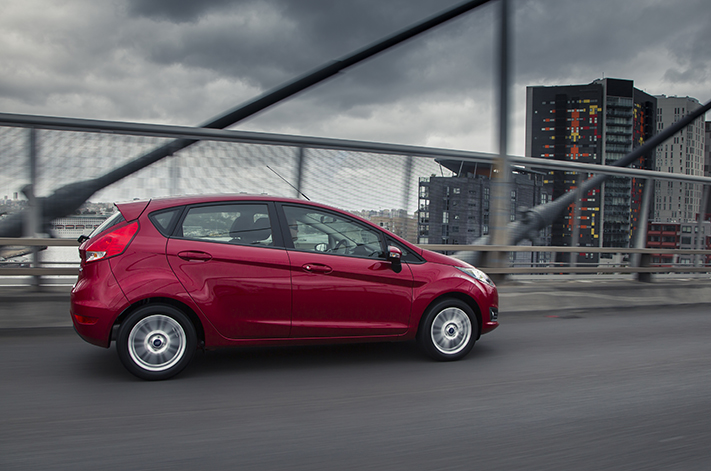
The current model Fiesta has been around for a while and would normally be ripe for runout sales, however the new model that launched in Europe earlier this year is still unconfirmed for Australia. That said the light hatch market is strong so be prepared to drive a hard bargain.
11. Honda City VTi manual – $15,990
The Honda City is a light sedan that is based on the Honda Jazz hatchback but with a longer wheelbase and added boot, which gives it exceptional interior and boot space. While it doesn’t have the versatile rear seating arrangement of the Jazz it is one of the most practical sedans in its class. Boot space is a cavernous 536 litres, which is better than some SUVs, while rear legroom rivals shames many sedans from the next size class up.
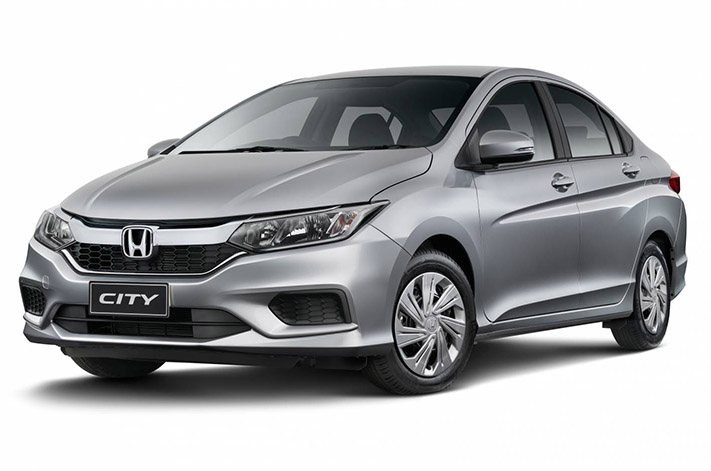
It’s powered by an 88kW 1.5-litre four-cylinder engine coupled with a five-speed manual gearbox. As with the Jazz, The CVT auto will cost an extra $2000, though the manual is more fun to drive.
12. Renault Clio Life manual – $15,990
The recently updated Renault Clio is a slick looking compact hatchback with a dash of French flair. The entry-level Clio Life is powered by a 66kW 0.9-litre three-cylinder turbocharged engine that is excellent for city driving.
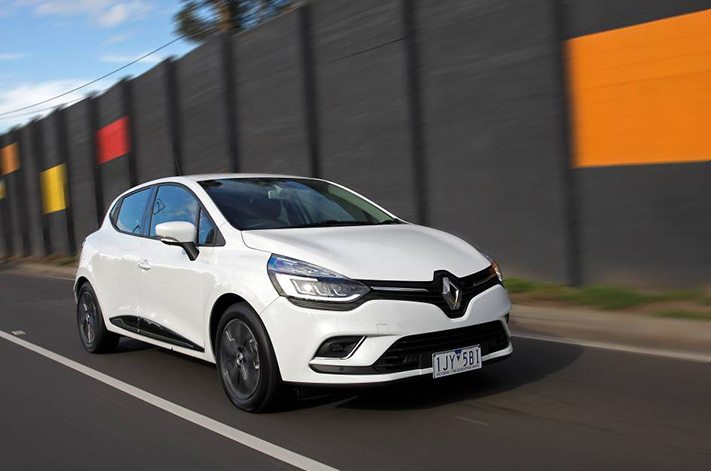
The price includes a five-speed manual gearbox, with the dual-clutch auto costing $2000 extra. With substandard driveability from the automatic, the manual is a better bet if you don’t want to put up with slow standing-start response. Both manual and automatic powertrains sip fuel at a miserly 4.5-litres/100km.
It turns out the Koenigsegg Agera RS is quite fast. In fact, it’s now the fastest car in the world.
After a couple of long runs down a closed Nevada desert highway, Koenigsegg factory test driver Niklas Lilja managed to clock the fastest speed recorded for a production car.
The point of the exercise wasn’t to hit a particular speed quickly as Koenigsegg did last month with its 0-400-0km/h sprint, but to find the upper limits of the ‘Egg’s capabilities.
The first run resulted in a very quick top speed of 437.7km/h, which took the Agera RS 4.5km to reach.
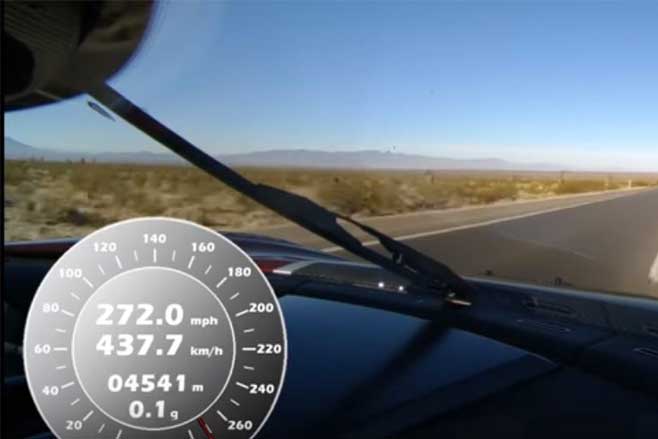
While we know the Agera is incredibly impressive, its kerb weight of just 1395kg means it has a ratio of 717kW per tonne.
Even then, it was surprising to see the V-Box data displayed on the video above show the Agera RS notch up a top speed of 457.5km/h over 6000 metres.
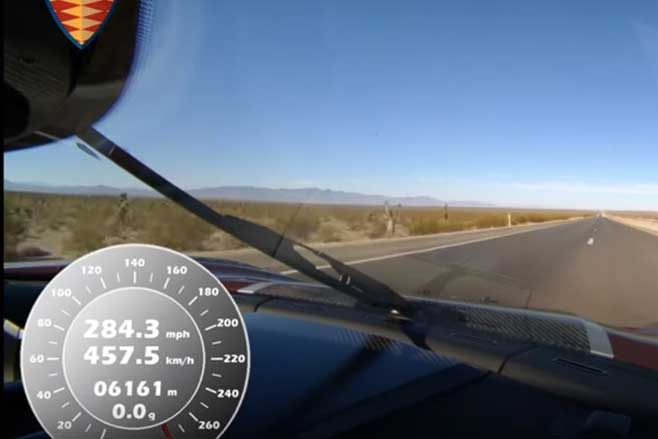
Still, Hennessey predicts the top speed of its new Venom F5 to be 484km/h, which would be astonishing, and who knows what else the Bugatti Chrion is capable of.
Koenigsegg is just enjoying the moment.
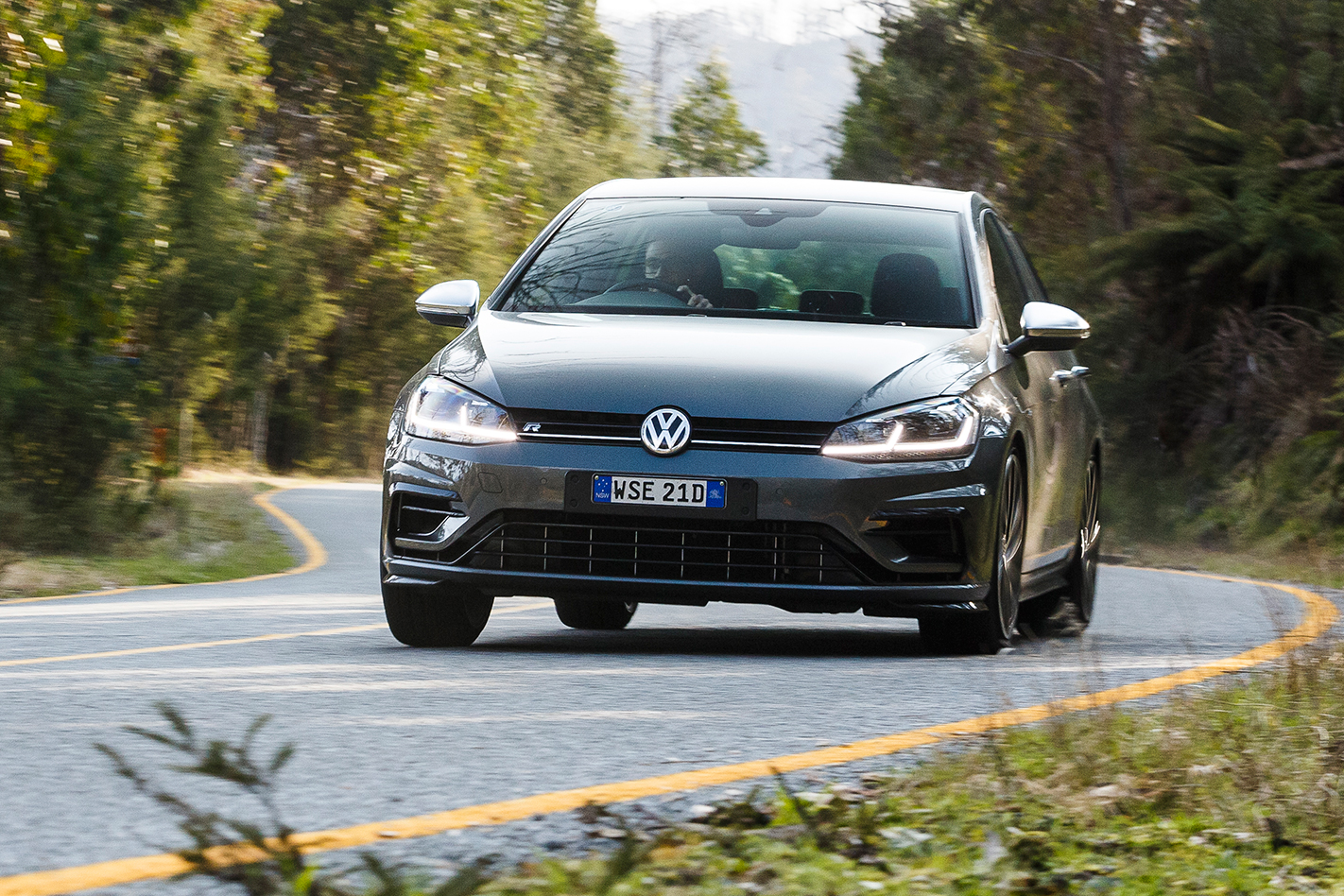
IT DOESN’T come with a fearsome nickname such as Godzilla, but the red R badge on Honda’s latest creation turns a doting runabout into a raucous hot hatch looking as though it was ripped straight from the pages of a manga comic book, ready to rumble with the best.
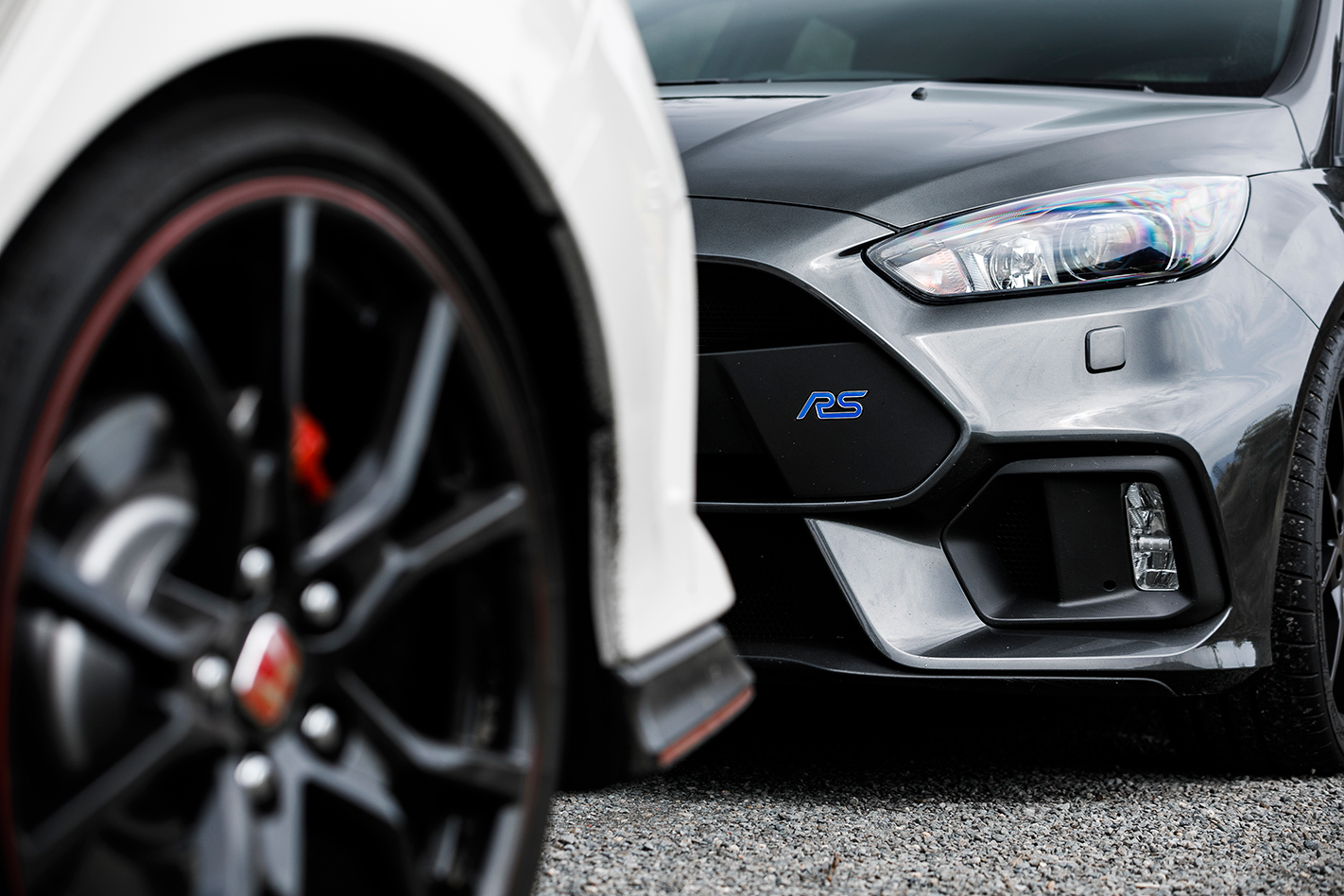
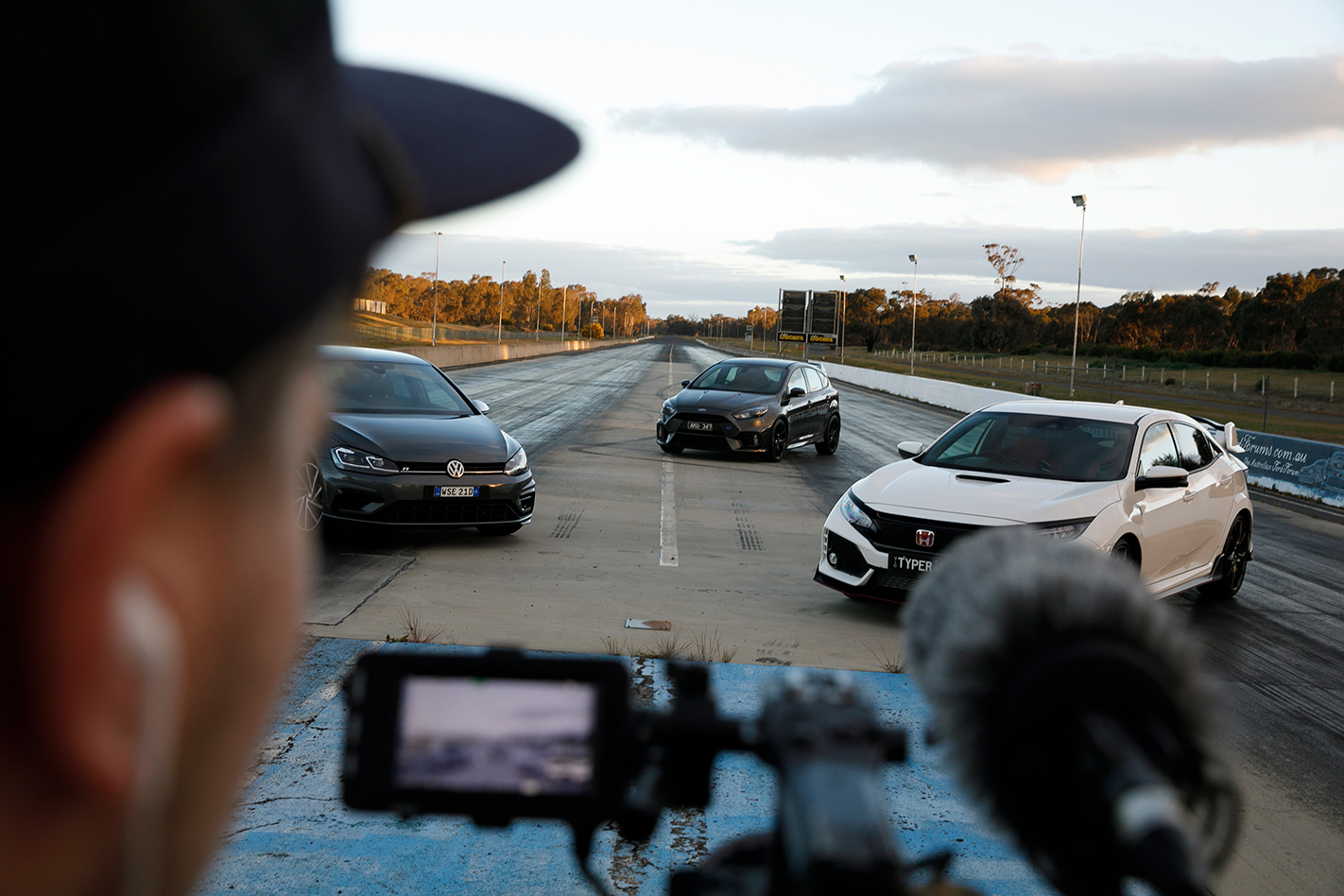
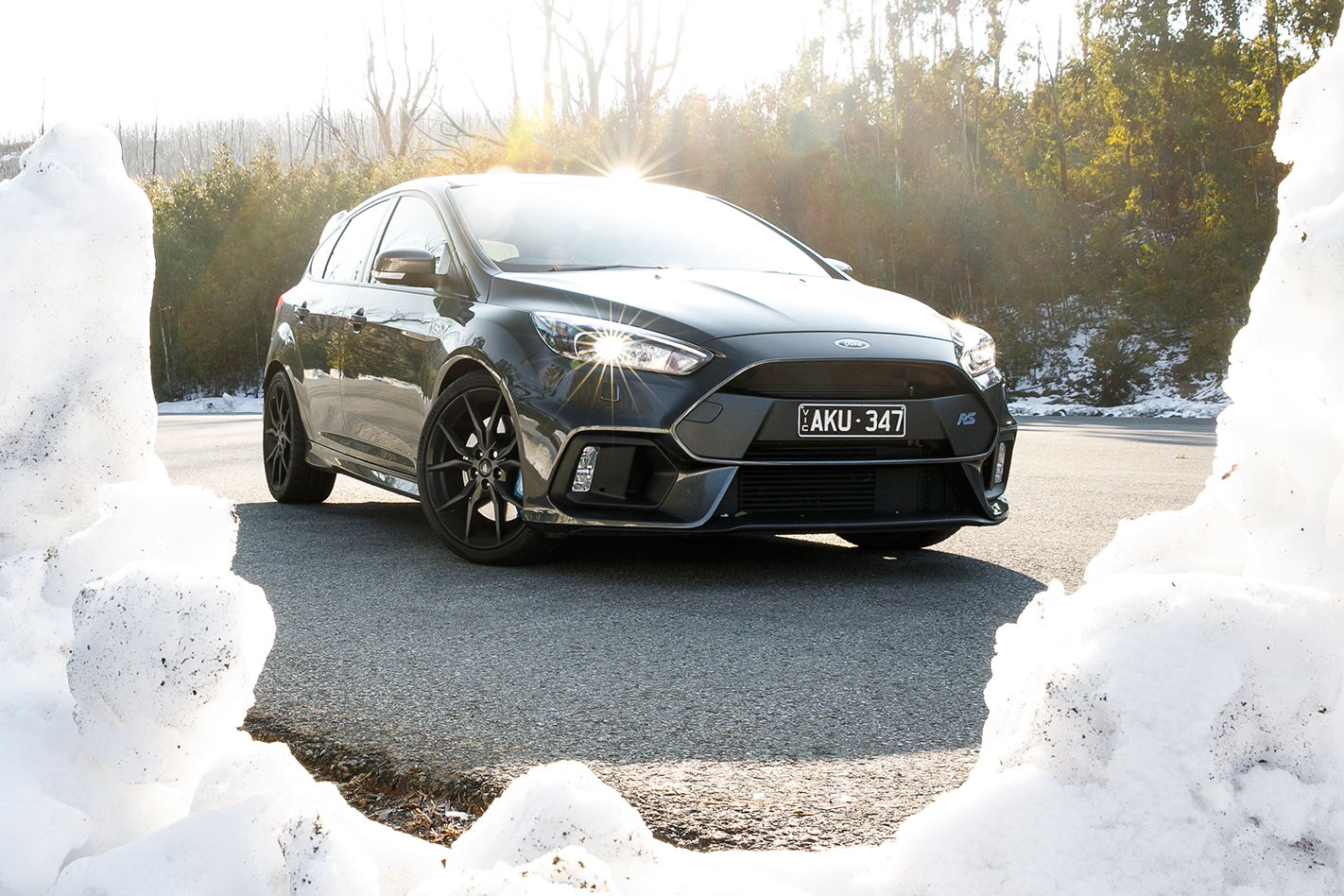
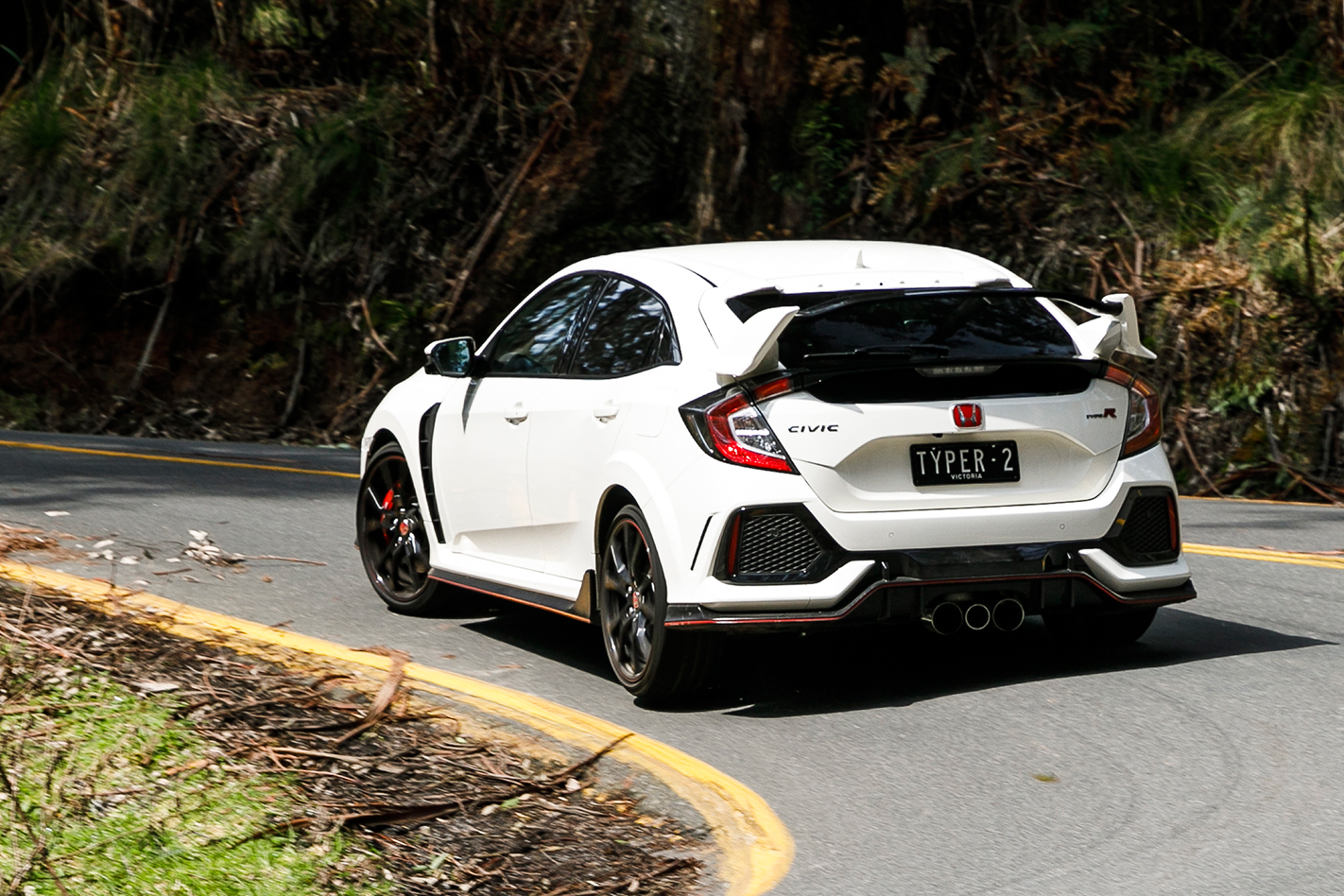
Wheels recently pitted the front-drive hot hatch contender against Ford’s rip-snorting Focus RS, and Volkswagen’s understated but undeniably formidable Golf R – both of which come to the showdown bearing all-wheel drive.
You can read tomorrow how the three compared on the road, but what we will focus on today is the trio’s performance capabilities at the drag strip.
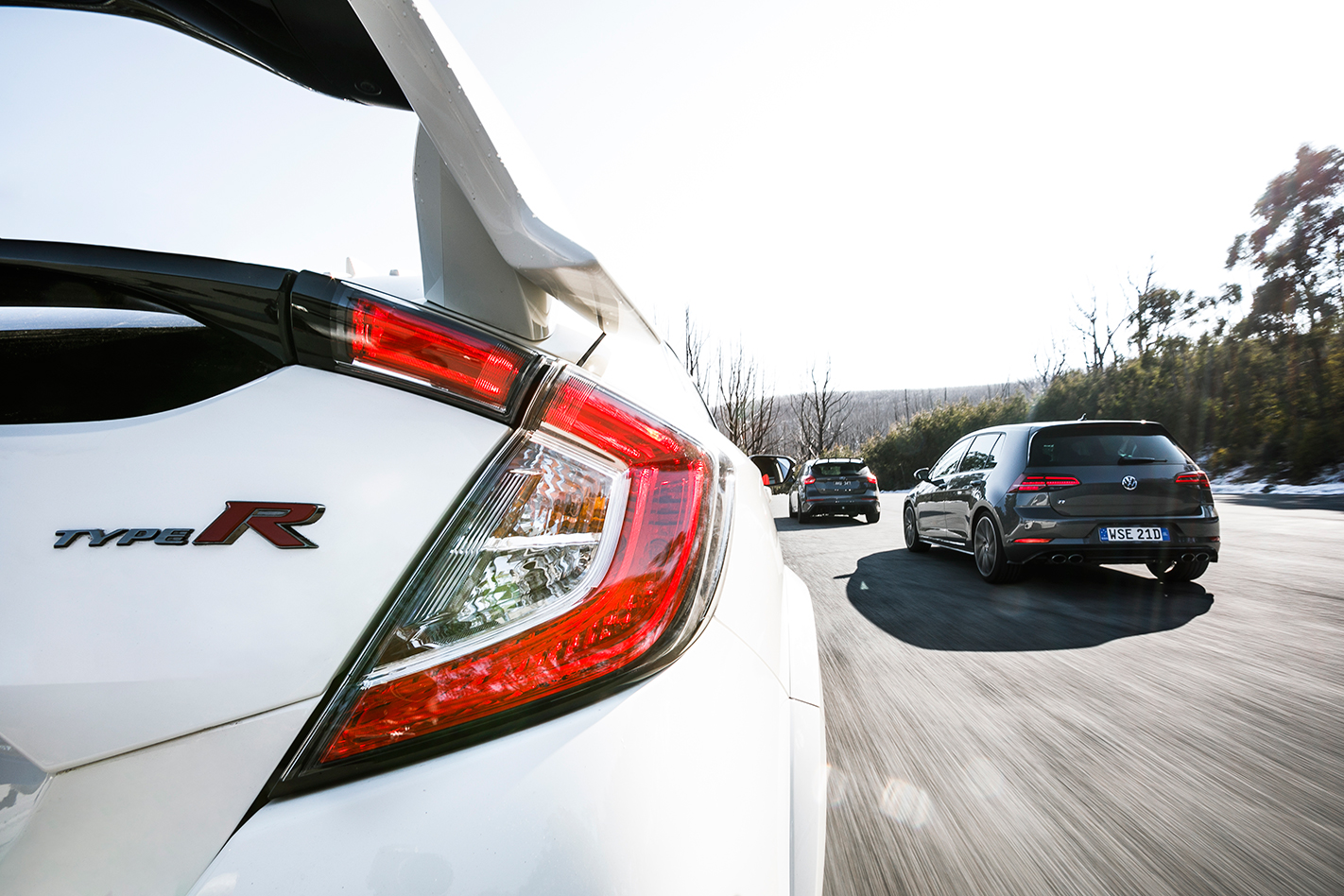
But all the power in the world can’t trump traction. The Focus RS is the quickest on test to crack 100km/h from a standstill, doing so in 5.0 seconds flat against an official 4.9. The Blue Oval’s hot hatch has a launch control function, but we found the best numbers were achieved by having the engine sing to redline, and simply side-stepping the clutch. The Golf R did the same feat in 5.6secs (against an official 5.2), while the Type R languishes down the back of the pack with a tested acceleration time of 5.8secs.
In a sprint to 180km/h the Civic overtakes the Golf, doing so in 16.3 seconds – a tenth quicker than the VW. However, it’s the Focus RS which remains out in front, pushing the speedometer past 180km/h in 15.8secs.
Clearly the all-wheel-drive Focus RS and Golf R have an advantage over the Civic from a dig, so we also timed rolling acceleration from 80-120km/h in gears three to six. The Honda was quickest in all cogs bar sixth, which is where the Focus RS’s torque advantage came into play.
The full performance testing results can be found in our comparison, but here are the key facts and figures.
TELL ME ABOUT THIS CAR
Now in its third-generation, the Porsche Cayenne is 15 years into convincing consumers that a large SUV can be a hoot on the road, practical in the day-to-day grind and pack a little off-road promise into the bargain as well.
For the latest iteration, the Cayenne shares part of the MLB Evo modular platform that underpins the big Audi Q7, but a shorter wheelbase, new engine and a different approach to the luxury SUV recipe has taken the range-topping Turbo down a different avenue.
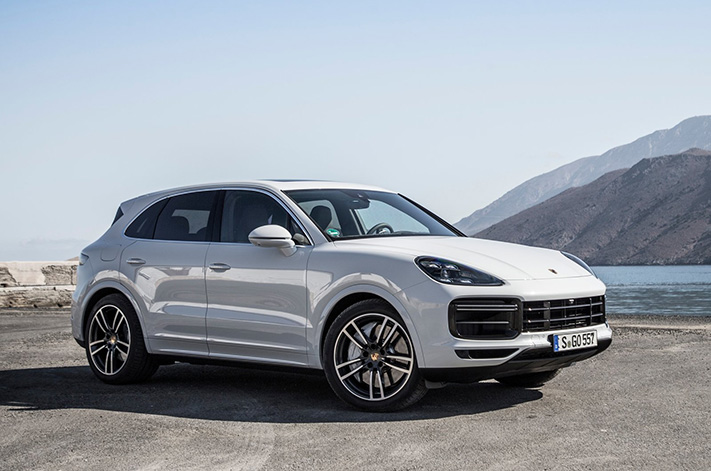
Sharing a powertrain with the Panamera Turbo, the Cayenne Turbo has a 4.0-litre twin turbo V8 petrol engine under its bonnet producing 404kW and potent acceleration, but it also introduces a number of new technologies as standard to boost its driver focus and appeal.
Pricing is yet to be confirmed for Australia but a large deviation from the current $237,500 asking price is not expected.
STRENGTHS
- With 770Nm of available torque and power hotting a whopping 440kW at 6000rpm, the Cayenne Turbo is savagely quick. With a full noise launch control start, acceleration off the mark is dizzying and feels every bit as quick as the official zero to 100km/h time of 3.9 seconds. The mighty engine also produces a serious V8 soundtrack that can be enjoyed both inside and out.
- It’s not just quick in a straight line either. Find a twisty road and the Turbo has a number of standard equipment tricks up its sleeve to increase the pace and driver engagement. Active roll stabilisation keeps the body surprisingly flat in fast corners; wider rear tyres result in a lively front-rear balance and a steering rear axle imparts a confidence boosting stability when at speed – as well as easy manoeuvring at low speeds.
- Bolted to the competent V8 is an equally impressive eight-speed automatic transmission that is intuitive and slick when left to its own devices, but can be switched to a manual mode for selecting gears with the steering wheel paddles.
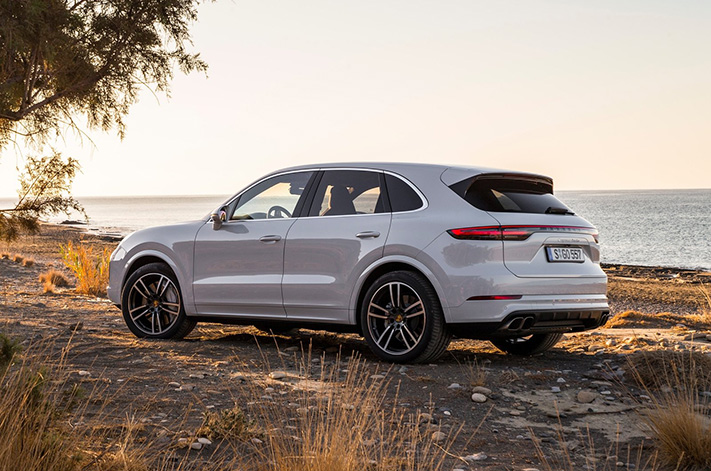
- An active rear spoiler that changes pitch according to speed and driving style is the first of its kind fitted to an SUV. At low speed the fin stays flush to the boot lid but increases in angle as the pace builds to create downforce and even reduce cabin wind noise when the sunroof is open.
- New tungsten carbide coated brake discs are also standard and another first for the automotive world. The ultra-hard layer of tungsten increases rotor life by about 30 percent, reduces brake dust build up on the wheels and resists fade under hard braking more than conventional iron discs. The unique rotors also have an attractive mirror finish and will not rust like uncoated equivalents if left unused for extended periods.
- Unlike the first-generation Cayenne, the newest version is a real looker, taking some of its pretty smaller sibling’s Macan design cues for an elegant overall effect. The greatest revision is at the tail end where the design has a noticeable family resemblance thanks to the continuous light strap and slender light units.
- Interior quality is typically Porsche with top quality leather upholstery, excellent finish and materials, as well as understated design that manages to stand out without being showy.
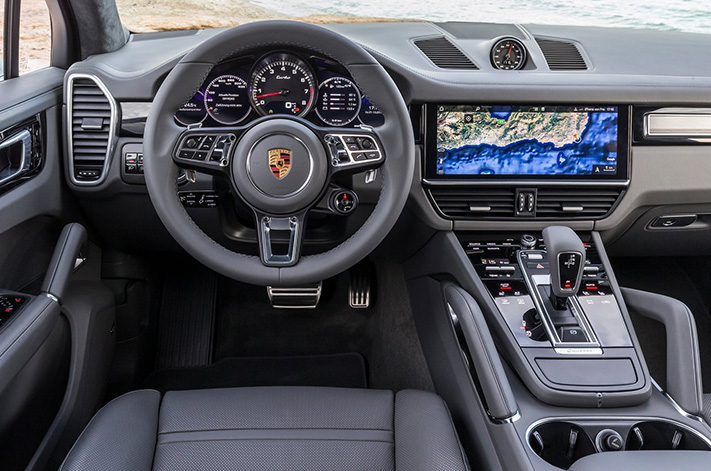
- A new 12.3-inch main display creates an impressive centrepiece with sharp graphics and intuitive access to the various information systems and applications. Where previous Porsche cabins were a muddle of switches and blanks in lower spec cars, the new version uses solid-state gloss panels with haptic reaction when touched. The result is a far cleaner dash and centre console without compromising function.
- Seating is executive class with supportive, waxy-leather accommodation in the front row and a pair of second row spots that offer almost as much comfort. The third centre seat does not offer the same comfort but is still a viable proposition for longer drives. Rear seat comfort is also boosted by four air vents, 12-volt power socket and a pair of USB connections.
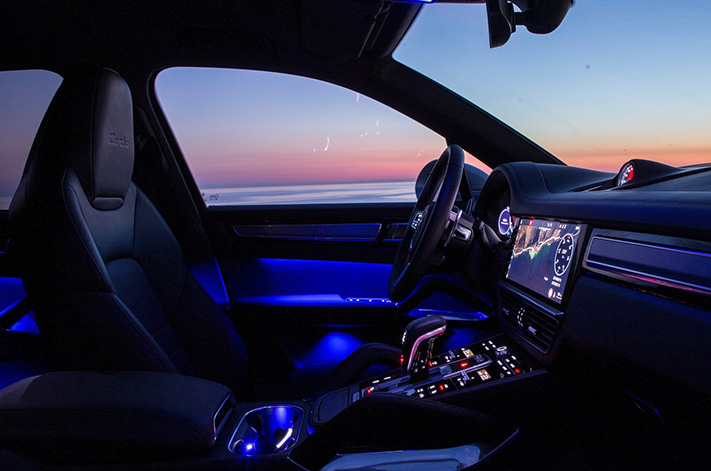
- Unlike some luxury driving focused SUVs, the Porsche also brags some genuine off-road ability as well. A special off-road drive setting increases ride height for maximum ground clearance and adjusts the engine and transmissions maps for optimum all-terrain performance. For a rapid street machine on 21-inch wheels and road tyres with sportscar corner carving ability, the Cayenne handles steep climbs on loose gravel and unforgiving rocks impressively. Perhaps more than most owners will ever fully exploit.
- Despite its large SUV proportions, the Cayenne can accommodate a maximum of five people. In a market where competitors (including high-end alternatives) can offer up to seven seats, the Porsche might lose a few sales to larger families. Porsche says it deliberately shortened the wheelbase to improve its driving dynamics in a trade-off between practicality and typical Porsche driving enjoyment.
- While Porsche claims an official combined fuel consumption figure of 11.7 litres/100km, in reality the figure higher than that. In practice, a figure lower than that should be possible but to drive the Turbo in a frugal manner is to waste its trump-card performance.
- In addition to fuel costs, the large diameter tyres will put a good dent in your wallet when it’s time to replace them with fresh rubber and, given the Cayenne’s physics-defying performance, that is likely to happen more regularly than sedate large SUVs.
Audi’s excellent SQ7 offers a high-performance large SUV with commendable on-road performance but while it is also powered by a 4.0-litre V8 turbo, it runs on diesel for more miles between servo visits. For something with decent V8 punch combined with some off-road ability, Range Rover’s Sport SVR brings one extra kilowatt over the Porsche but less torque from a supercharged petrol engine. Pricing is steep at $233,211, but Porsche is yet to reveal if the new Turbo will eclipse the current price of $237,500.
IT WASN’T the first Holden and, at the height of its popularity, it wasn’t even the best Holden.
But the FJ Holden holds its head high as one of the most iconic of Australian cars, through its significance in our country’s cultural landscape.
Holden’s first locally manufactured car, the 48-215 (subsequently referred to as ‘FX’), was launched in 1948. It was based on a pre-war Chevrolet design, developed locally for toughness and durability, and fitted with a six-cylinder engine that was reasoned as a happy medium between the British four-bangers and American V8s.

To be honest, there wasn’t much to crow about: the 2.2-litre, in-line six-cylinder engine, three-speed manual, and ‘humpy’ sedan and ute bodies were unchanged, although a late upgrade to its predecessor brought rear telescopic dampers (replacing archaic, lever-action units), a new (and troublesome) diff, and a modified floorpan pressing.
For the most part, the FJ was what we’d come to know as a ‘facelift’, with a more aggressive grille, more chrome and extra flash helping to shed some of the shape’s pre-war uprightness and austerity. There were now 12 exterior colours, including dapper two-tones.
The FJ’s interiors best showcased this new optimism, with buyers able to choose from three tiers: (taxi-spec) Business, Standard, and Special. Even the base version brought contrasting colours to the door trims, while opulence like door armrests and rear passenger hold straps crept into the Special.
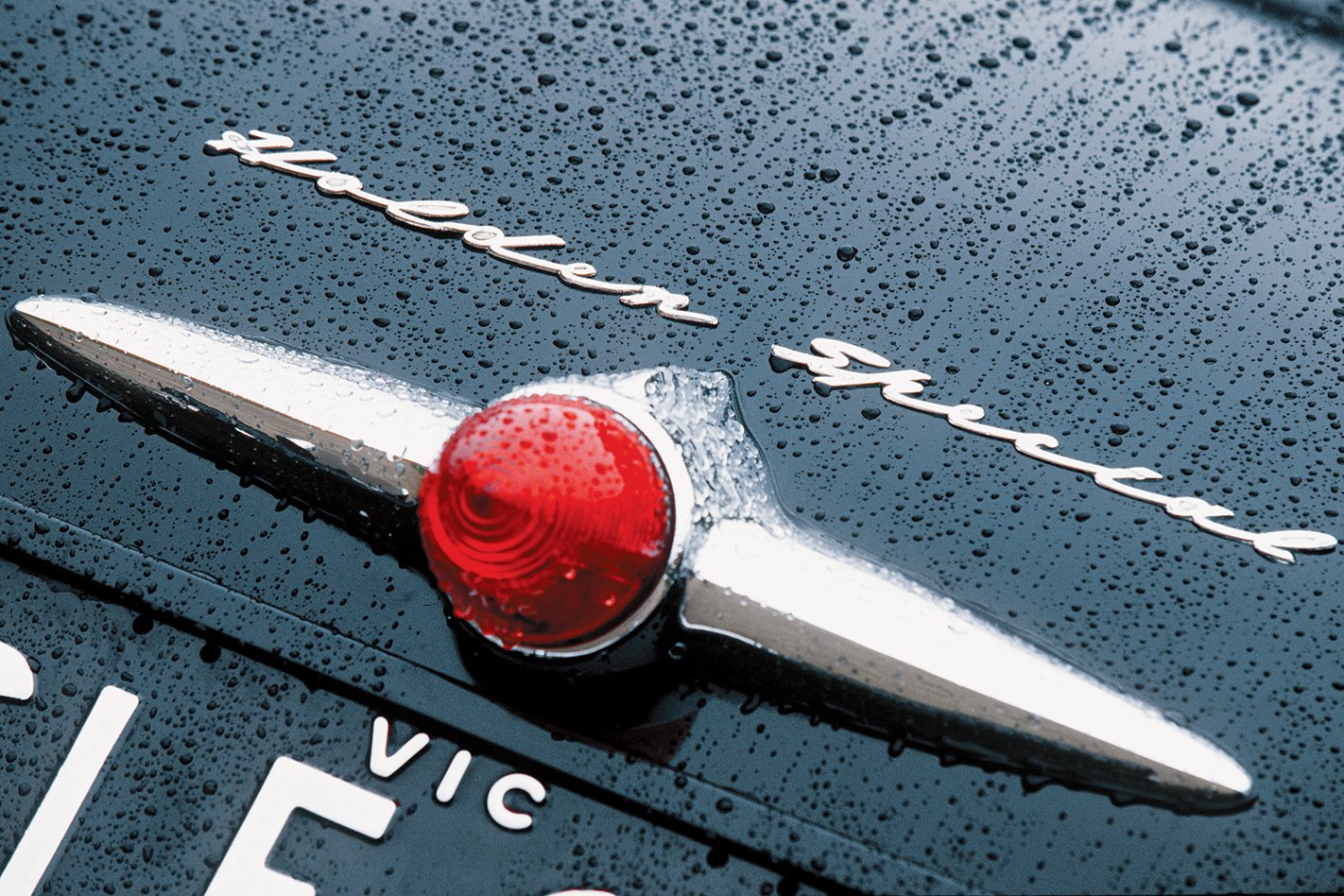
But in fact, the FJ really achieved its fame a decade or more after production ended in 1956. The humpy Holden’s strength, both in numbers and in the metal, and the availability of improved parts via the steady evolution of successive Holden models, made a used FJ the favoured first car for the baby boomer generation that was coming of driving age in the late-1960s.
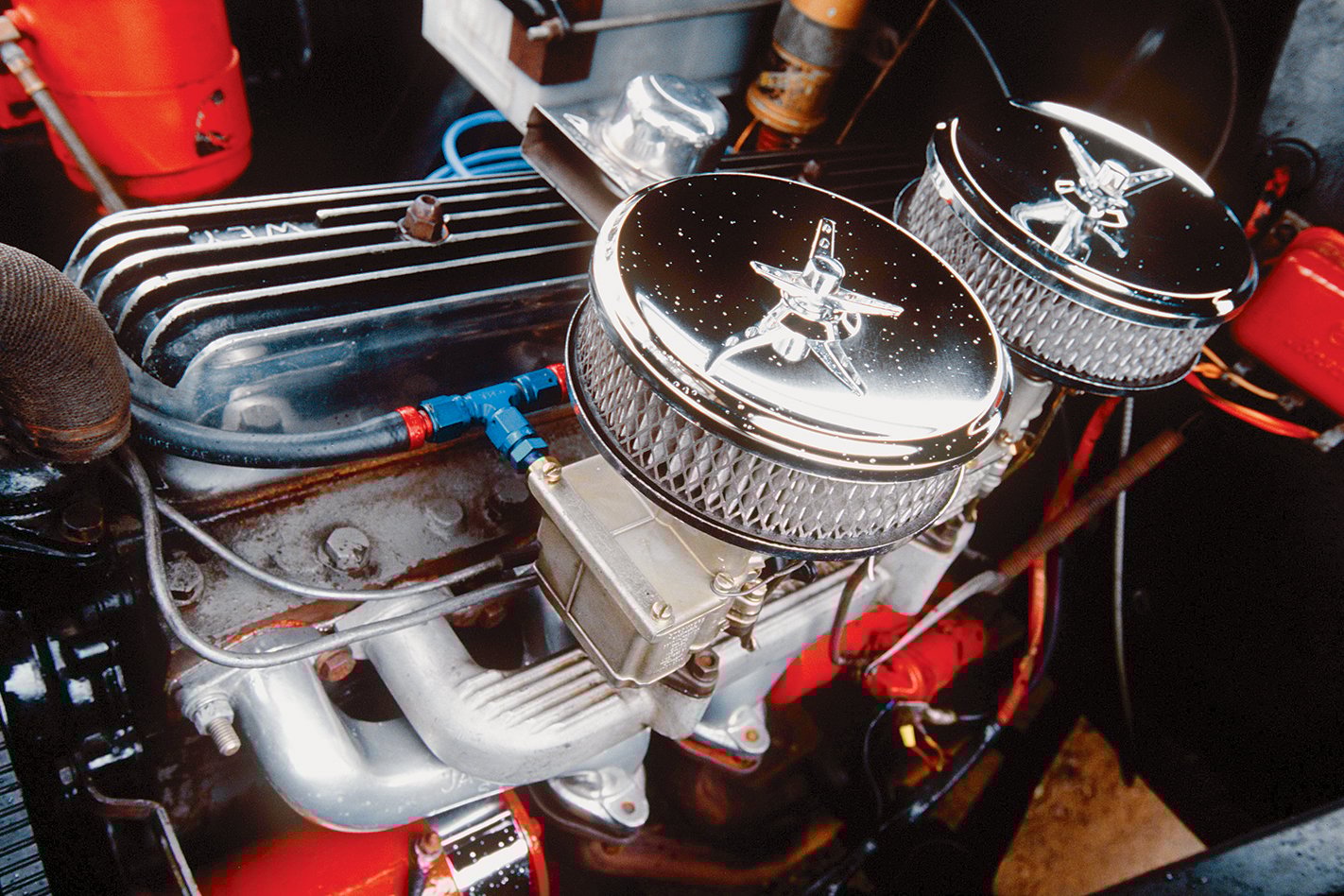
They were also really easy to hot up, with twin Stromberg carbs, lowered suspension, and widened steel rims. What are ya?
2171 shades of…
Holden’s ‘grey motor’ was as exciting as it sounded. The 2171cc in-line six had an iron block and head, with pushrod ohv. Fed by a single Stromberg carb and cast-iron exhaust manifold, it made 45kW at 3800rpm and 135Nm at 2000rpm. Three-on-the-tree was the only ’box. Performance was leisurely, with Wheels clocking 0-60mph in 19 seconds and a quarter-mile in 20.4sec.
The FJ’s tough, ‘Aerobilt’ unitary construction carried its engine and gearbox in a bolt-on front subframe, while rear guards were bolted to enable easy replacement. Front suspension was by short and long control arms with coils, rear by live axle with leaf springs. Vague steering was by recirculating ball. Brakes were hydraulic but unassisted. Kerb weight was 1012kg.
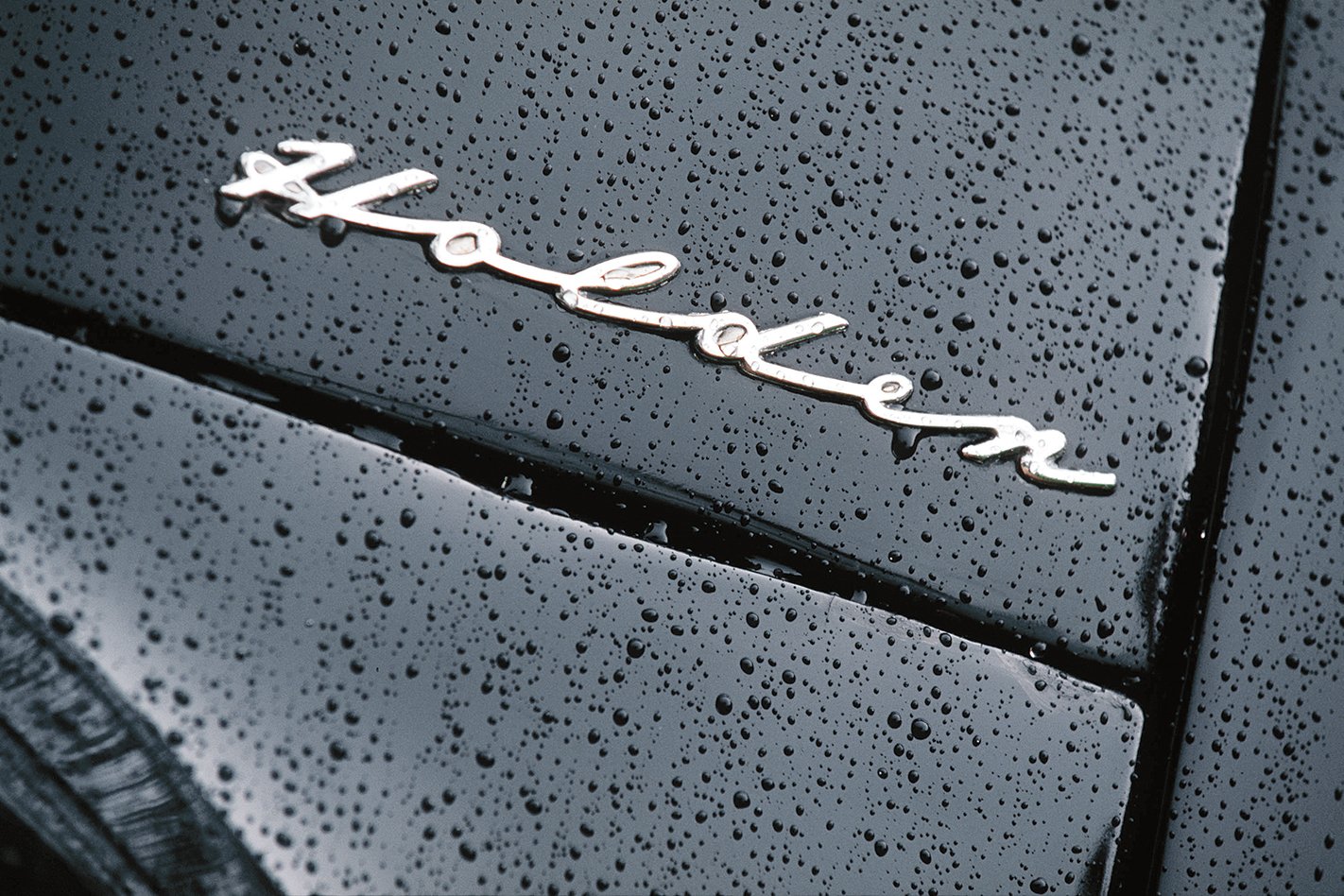
The FJ was about garnish: a grinning grille, chrome tailfins and a reworked interior distinguished it from its FX predecessor. The real peach was the top-spec Special, which gained brightwork on the beltline, window frames and on the dash and instrument surrounds. The upright, six-seater interior also benefitted from front door armrests, a cigarette lighter and interior courtesy lighting. Leather upholstery and two-tone paint were high-falutin’ options.

What is it?
A conceptual suspension system dubbed LIFT (Lightweight Innovative Flexible Technology) that replaces conventional coil springs and dampers with a simpler, flexible wishbone suspension arm. The revolutionary technology is being developed by a UK consortium comprised of computer-aided engineering specialist Simpact, the Ariel Motor Company, and Warwick Manufacturing Group – a branch of Warwick University.
It’s not quite ready for production cars, but British ultra-light sportscar manufacturer Ariel is developing a prototype to test the technology on its front axle and evaluate the potential for production vehicles.
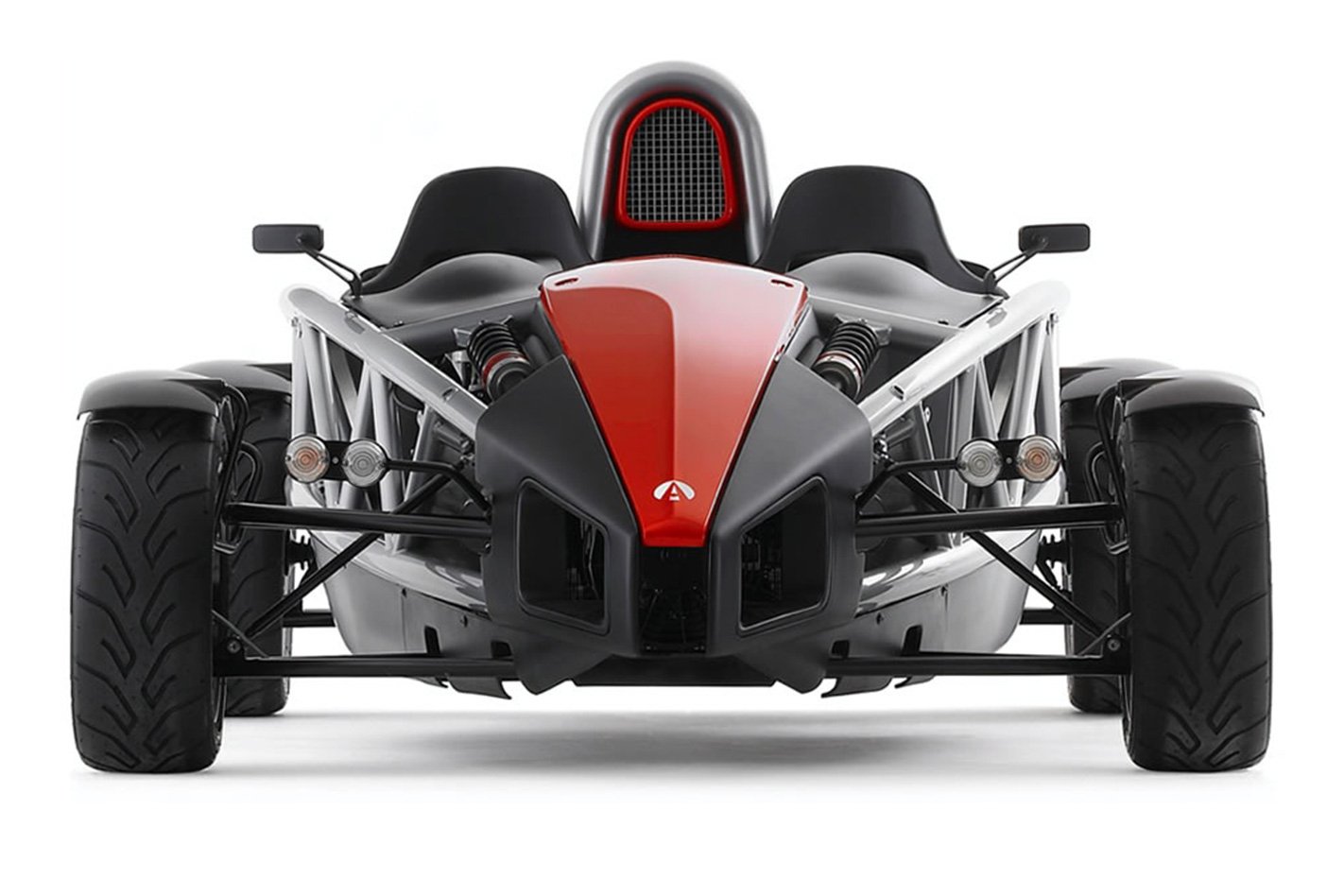
Regular double wishbone suspension layouts require a coil spring to support the weight of the vehicle and absorb wheel movements, while a damper is necessary for dissipating the absorbed energy, but the LIFT system hands all of these jobs to a flexible lower suspension arm.
The prototype uses a carefully constructed weave of composite fibres of different thickness to do the job of a spring, but the technology will evolve to include piezo fibres that will replace the damper.
The piezo fibres are said to be able to change its flexibility when an electrical current is applied to the material, which allows its damping properties to be controlled through rapid computer processing.
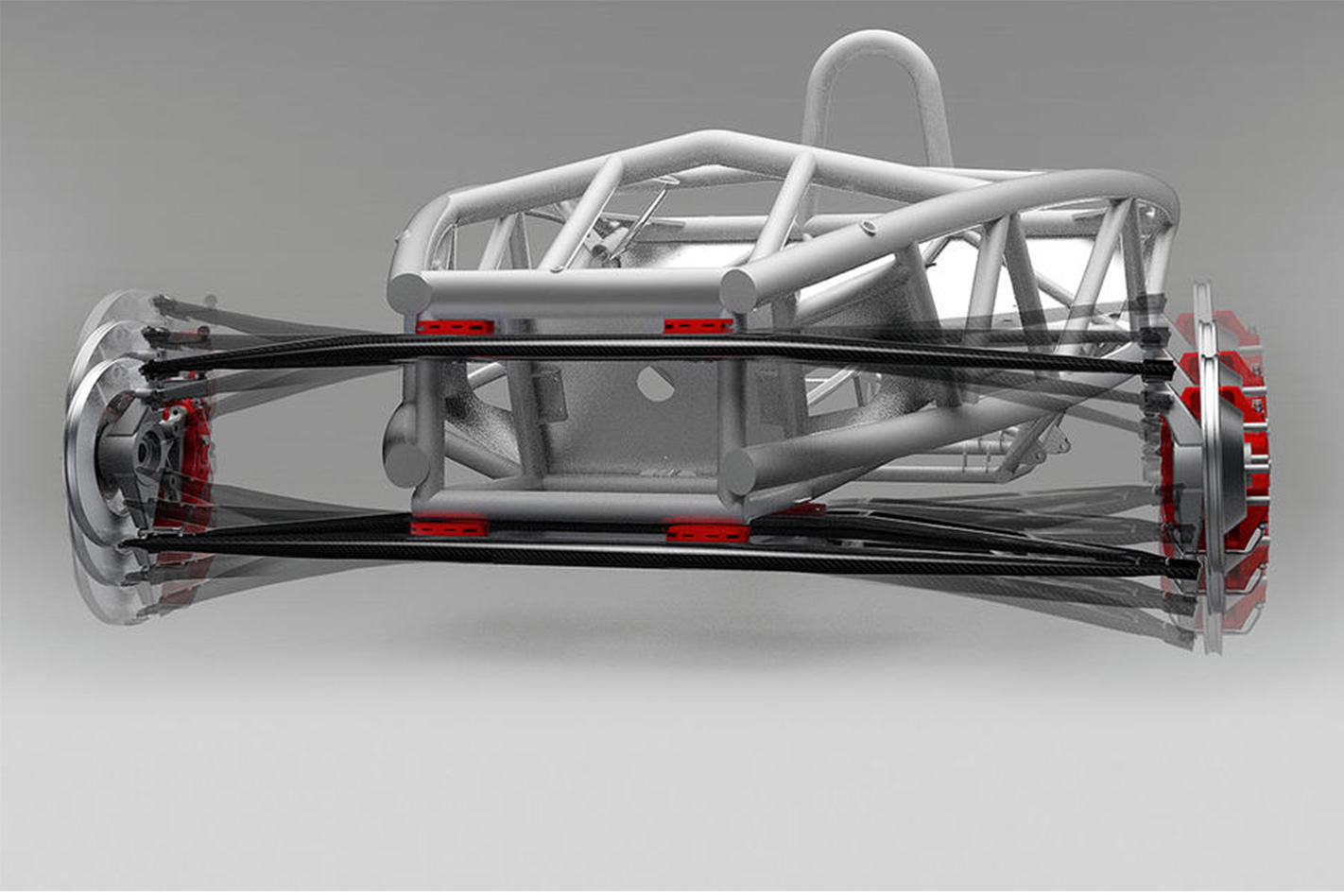
LIFT doesn’t rely on a separate damper and spring unit to function, which reduces suspension weight by up to 40 percent, says its designer. Overall kerb weight reduction has advantages for performance and fuel economy, but minimising suspension heft also reduces critical unsprung weight, which has a more dramatic effect on handling and responsiveness. The simpler layout has the potential to make cars lighter, more fun and more efficient.
An evolution of the composite construction will also allow the piezo fibres to generate electricity for use in hybrid and electric powertrains, just as regenerative braking does for current cars.
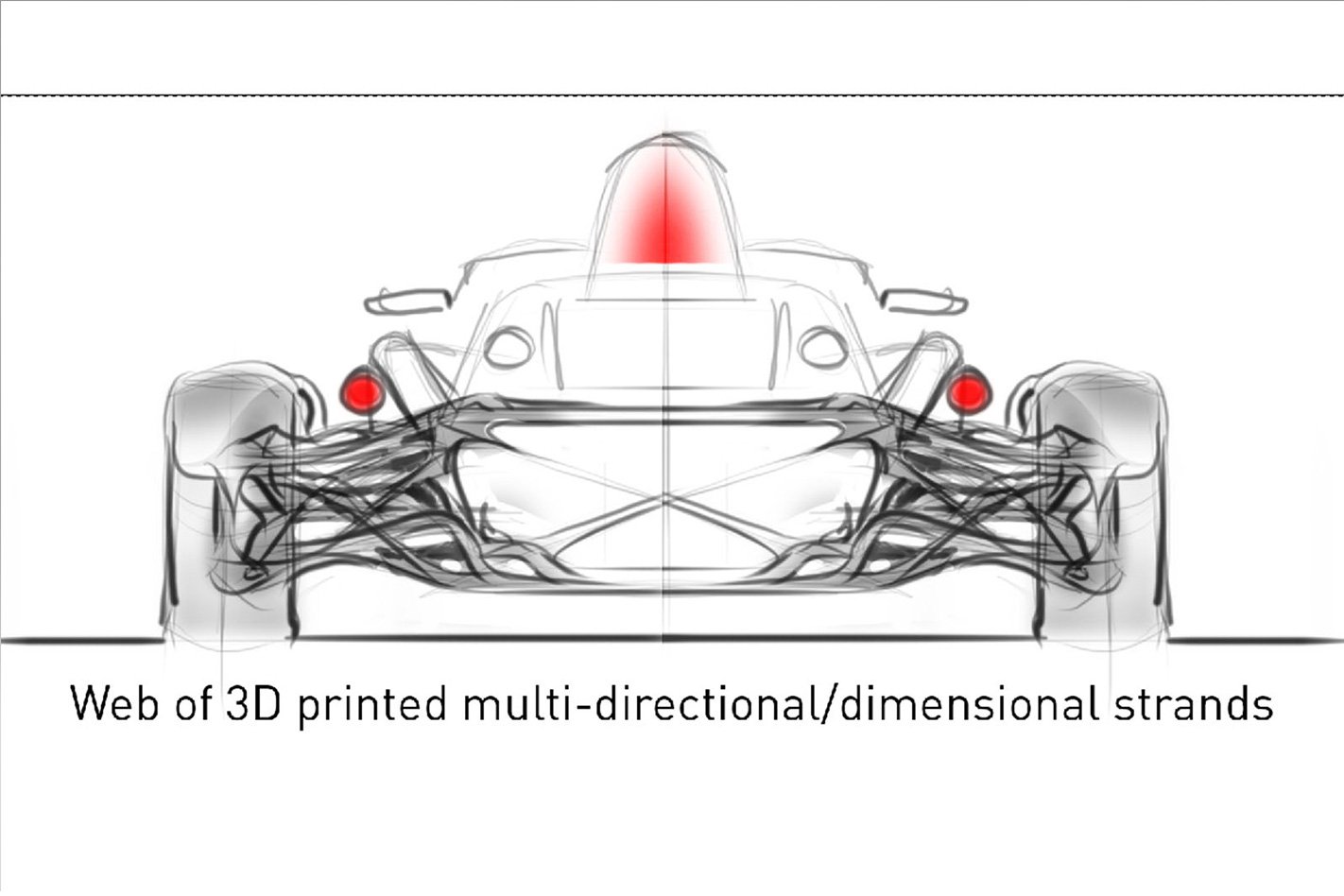
Using special active fibres, the LIFT system will allow the ride characteristics to be adjusted for a firm sporty ride, or a more compliant and comfortable setting. The idea is scalable and can be applied to not just the bantamweight Ariel but heavier vehicles as well, while its simplicity makes it durable and long-lasting with a service life of almost a million kilometres, says its maker.
Bright spark
Generating electricity using piezo fibres is exactly the same principle used in an electric cigarette lighter. When the button is pressed, piezo crystals are deformed to generate a high-voltage spark that is used to ignite the gas. In a suspension system, the spark will be routed into the vehicle’s battery.
RED Bull Holden’s Jamie Whincup heads to the final round of the 2017 Supercars Championship just 30 points ahead of and Shell V-Power Racing’s young charger Scott McLaughlin with the two races of the Newcastle 500 set to decide the champion for this year.
Five drivers were in with a title shot before two incident-packed races at the classic old-style Pukekohe Raceway near Auckland. But only Whincup, already a six-times champ, and McLaughlin, 2017’s greedy pole grabber (14 so far), are genuinely now in contention.
Whincup has not had an easy season but is coming on strong at the business end.
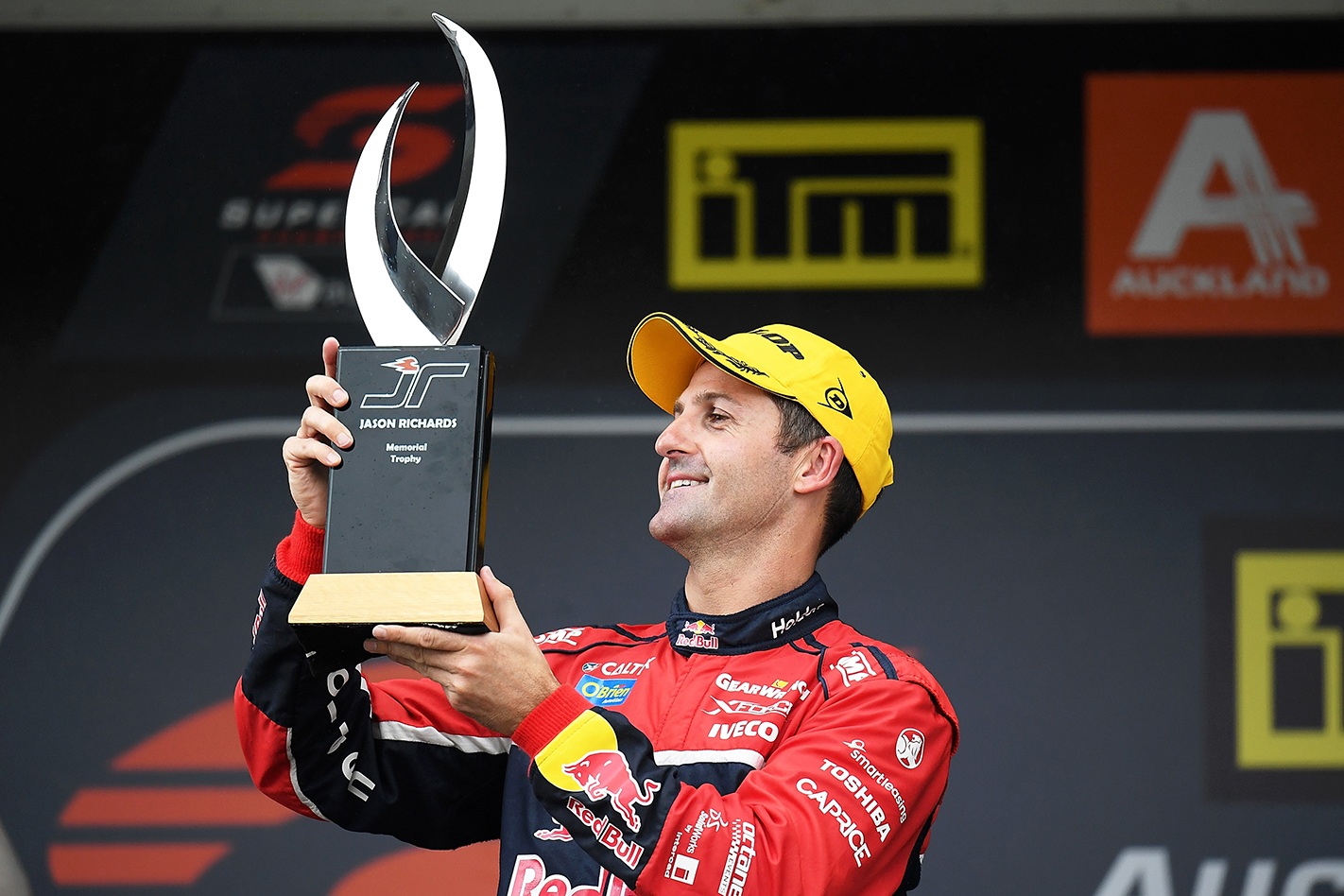
Sunday’s gritty victory was only Whincup’s third race win of 2017 but he was faultless on the day after claiming a brilliant pole position from McLaughlin.
Whincup made a great start from the slippery side of the bumpy Pukekohe circuit and hung on the narrowest of advantages over his Ford rival through the mandatory pit stops, winning by 5.9secs.
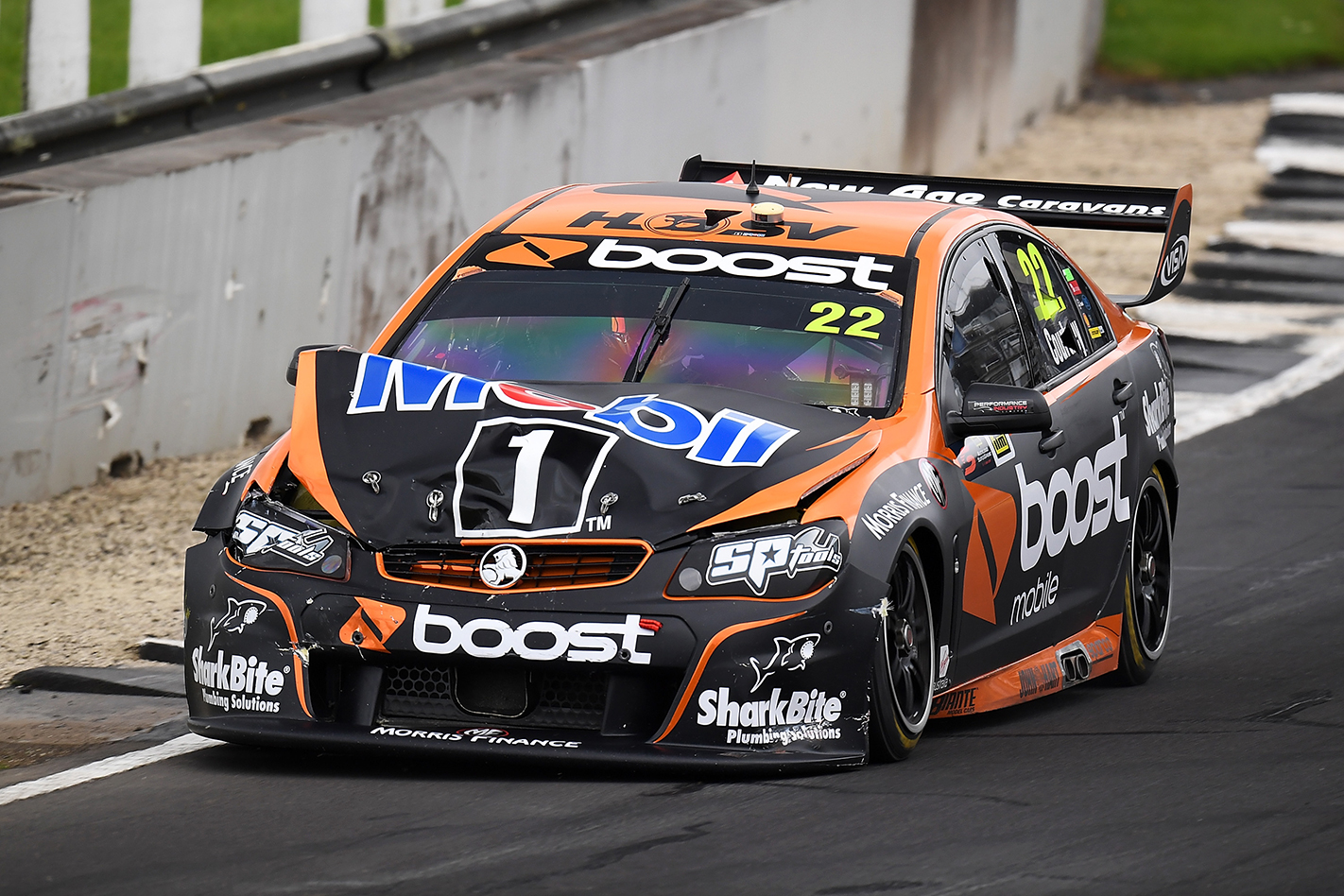
A bizarre mistake from defending Supercars champion van Gisbergen left his title chances in a disarray after he raced into the pitlane entry way too hot and delivered a bruising ‘Liberace’ to the back of Tim Slade’s Brad Jones Racing Commodore, wrecking the nose of the Red Bull Holden.
SVG did return to the track after the team bandaged up his car and he took a few points from a 24th place finish, helping out Red Bull in the teams’ championship.
Chaz Mostert is out of the championship fight, too, after being on the wrong end of a rash opening lap overtaking move from Prodrive teammate Cameron Waters. Mostert and the third Prodrive Ford of Mark Winterbottom were turned around in the shunt, dropping to the back. Waters was barely affected, and continued to run hard to take third at the end of the 70 laps.
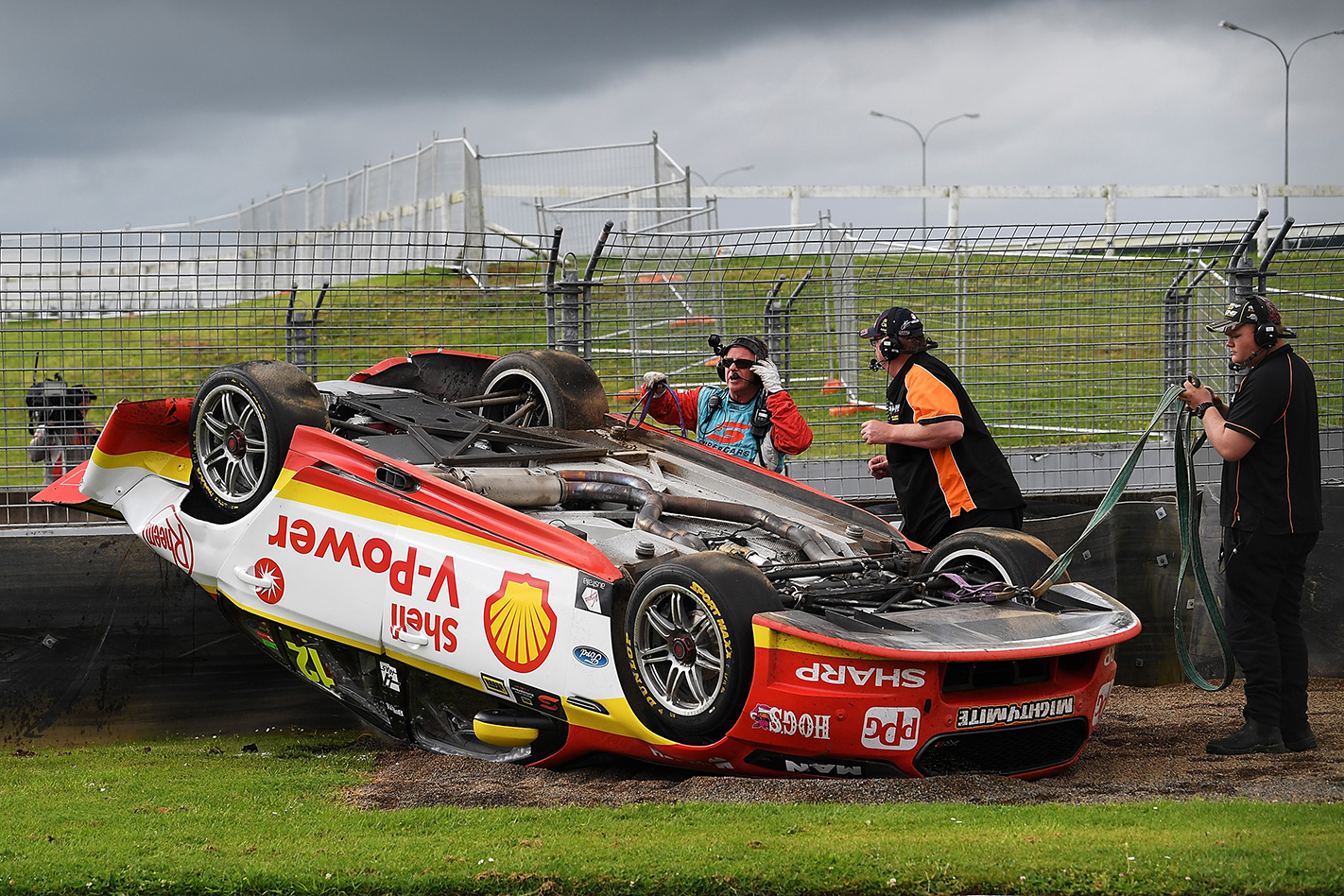
Out of title calculations, too, is Fabian Coulthard, whose Saturday race ended upside down after he clipped David Reynolds’ Erebus Holden, sending both into the barriers. A fifth on Sunday couldn’t drag him back into the title action.
Whincup, who started yesterday’s race from his 75th career pole, was also awarded the Jason Richards Memorial Trophy for best overall results of the weekend in New Zealand. He also claimed that crown in 2015 and yesterday emotionally received the trophy from Richards’ parents.
“Wow, I didn’t realise that. I was teammates with JR, first podium with him back in 2005, so it’s always very, very special,” Whincup said.
After taking third in front of Whincup on Saturday despite a smoky engine, McLaughlin needed to back off towards the end of Sunday’s race as he was running into fuel use issues. “I’m pretty gutted … we risked a lot there and we had to save a lot of fuel at the end because I was on fumes,” McLaughlin said.
Though it was a dominant weekend for the Red Bull Holden Racing Team, Whincup suggested the title race was level pegging despite his 30-point margin over McLaughlin. “It’s all going to come down to what job we do in three weeks’ time,” he said.
Supercars’ most successful driver says he can’t wait to see what the new Newcastle track has in store as he chases a seventh Supercars Championship. The 2.6-kilometre street course near the ocean in NSW’s second-largest city is to be used for the first time, and will decide this year’s title.
“’I’m as hungry as I’ve ever been,” Whincup said.
Many variables are in the mix and need to be tracked and measured by the teams; tyre life, suspension set up, fuel consumption and so on.
“It’s on for Newcastle,” said McLaughin. “We’re in contention and we’re going to try and bring home that championship cup. You couldn’t ask for a better script for that final race.”
WEC: Toyota takes the Six Hours of Shanghai
Though title rival Toyota took victory in the penultimate race of the 2017 World Endurance Championship, Porsche clinched both the FIA WEC drivers’ and manufacturers’ crowns, ensuring it departs the series on a high at the end of the season.
Timo Bernhard, Brendon Hartley and Earl Bamber went into the Six Hours of Shanghai knowing they needed only a third-place finish to wrap up the drivers’ title in the #2 Porsche 919 Hybrid.
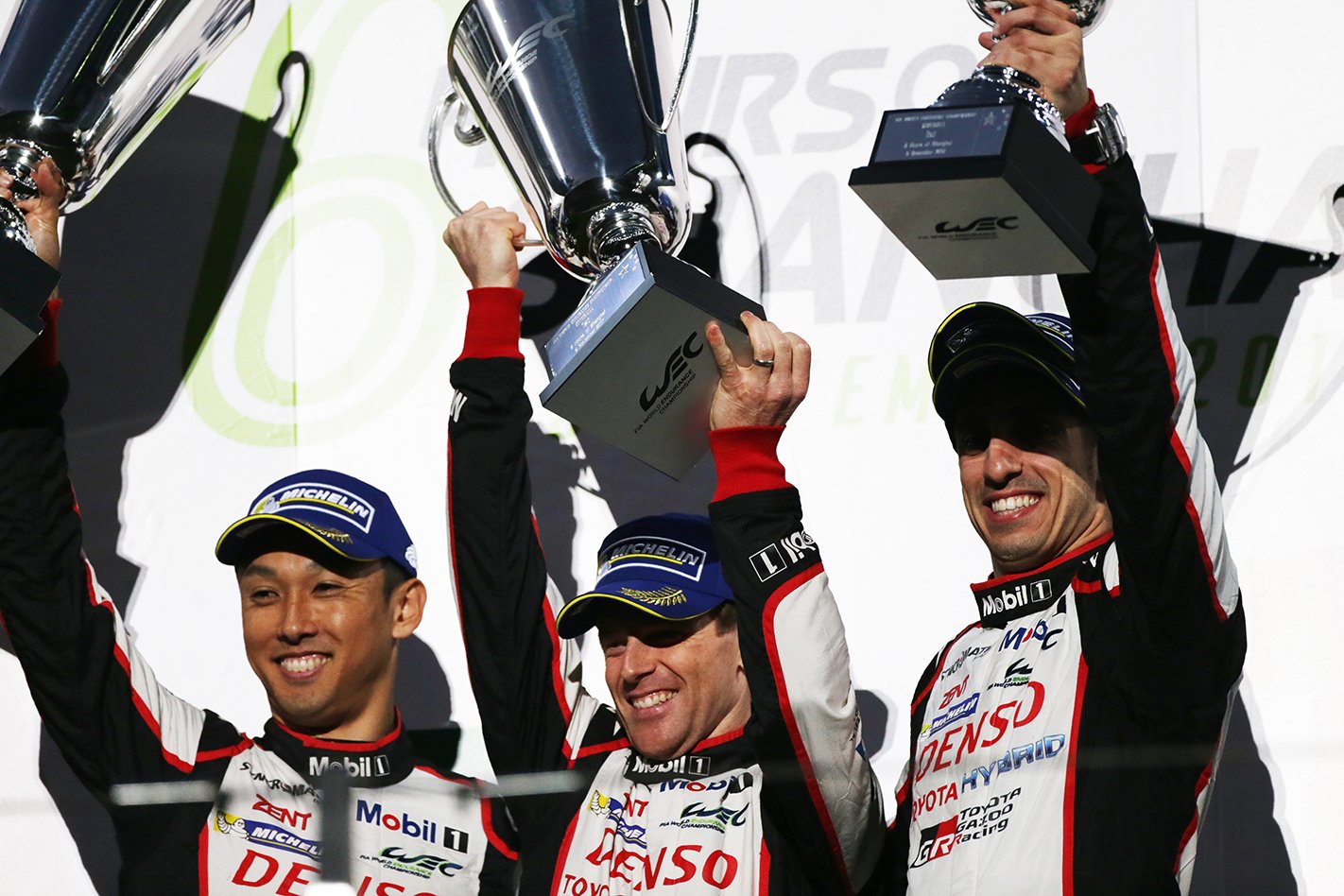
Toyota goes to the final race of 2017 in Bahrain on November 18 level with Porsche on four wins each. However, both title battles are over, with Porsche and its three drivers confirmed as world champions.
Troubles for the for the sister Toyota TS050 Hybrid of Mike Conway, Kamui Kobayashi and Jose Maria Lopez cost the Japanese brand any chance of keeping the manufacturers’ fight open until the final race of the year.
The #7 machine had been narrowly leading the #8 car heading into the last half an hour, setting up a one-two Toyota result that would have stymied Porsche’s hopes of landing both titles in China.
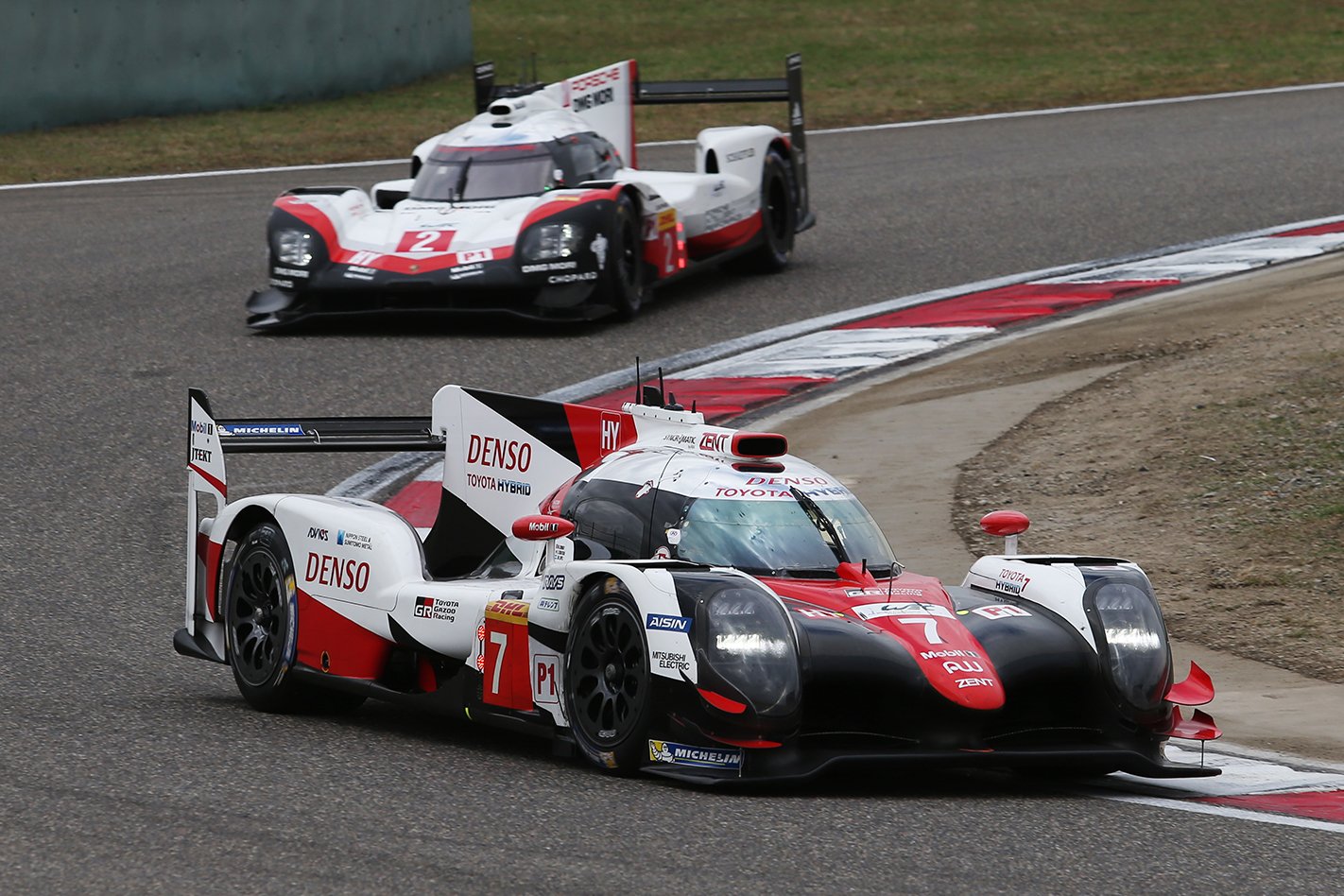
Getting one of its cars into second place assured Porsche of the manufacturers’ crown.
Taking the last place on the podium after a race in which the Toyotas enjoyed a speed advantage was the #1 Porsche of Neel Jani, Andre Lotterer and Nick Tandy.
THE Chevrolet SS – the export version of the Holden Commodore SS-V Redline – has just posted its best sales year on record.
The left-hand-drive Commodore’s 150 US sales in October ticked the year-to-date total over to 3131, taking its sales past last year’s full-year result of 3013 sales.
That number is expected to jump dramatically, though; after cutting 20 percent from the price of the $US48,920 ($A64,000) four-door performance sedan earlier this year, Chevrolet is believed to be offering even deeper discounts in its efforts to clear what stock still remains at dealerships.
According to US new car sales website Autotrader, more than 560 Chev SS sedans remain unsold, with most listed for around $US36,500, or the equivalent of about $48,000. Of those, only 45 are listed as having a manual gearbox.
The last export Chevrolet SS, a Phantom Black manual LS3, was built at Holden’s now-shuttered Elizabeth production line in May. In its last 12 months of production, Holden built 4008 of the 6.2-litre V8 performance sedans.
Sales of the SS soared earlier this year to a record 1217 in March as buyers lapped up the deep discount applied to what US car enthusiast magazine Road and Track described as “so good, we deemed it worthy of comparison to the all-time benchmark sports sedan, the E39-chassis BMW M5”.
Chevrolet SS exports were a small boon for Holden in the wake of the 2008 Global Financial Crisis that effectively shut down its former lucrative export program to the US and the Middle East. However, the GFC was to have a much deeper impact on the car maker, killing off General Motors’ plans to use the Zeta-based chassis under a number of new global rear-drive products that would put Holden on the map as a homeroom for large rear-drive development.
But the reborn export program was crippled by even more setbacks, with US Corporate Average Fuel Economy standards penalising car makers for having big-engined, heavy vehicles in their showrooms. It relegated the Australian designed and built Chevrolet SS as a niche player in the market in which it had the most potential.
The Zeta program did produce a couple of other successes, such as the Canadian-built Chevrolet Camaro, and the long-wheelbase Holden Caprice sold in the US as the Chevrolet Caprice Police Pursuit Vehicle.
