
Nineteen-fifties motor racing racing in Europe: Leather pudding bowl helmets, no seat-belts, names like Ascari, Fangio and Moss.
And a long honour roll of drivers (including Alberto Ascari) who, thanks to the appalling safety standards of the time, had left the building. Permanently.
And then in 1955 at Le Mans, it all got worse. Much worse.
Levegh was killed, as were 83 spectators. A further 120 onlookers were injured.
The scene was horrific. The car’s front axle and engine had torn free, clubbing people to death. The bonnet had decapitated several more as it sliced through the packed crowd. The event still stands as the worst ever motorsport calamity. YouTube it; it’ll make your neck prickle.
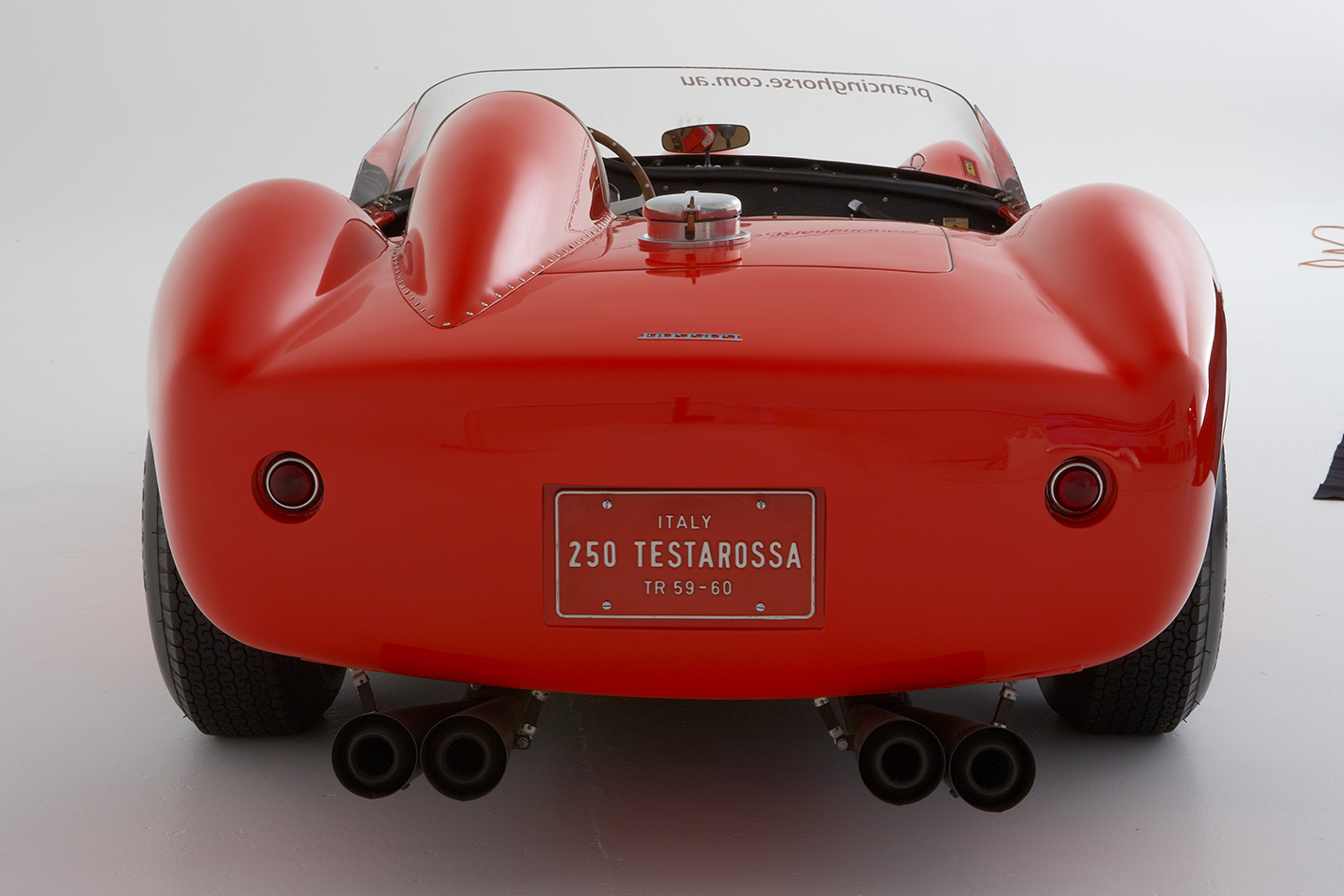
And it was against this horrific backdrop that the Ferrari 250 Testa Rossa was born.
Built in 1957 through to 1961, the 250 TR was a direct response to rule changes aimed at making motor racing less of a blood sport. Most notably, those changes consisted of an upper limit for engine displacement at three litres, although Ferrari was still allowed to run drum brakes all round when most of the competition had switched to discs.
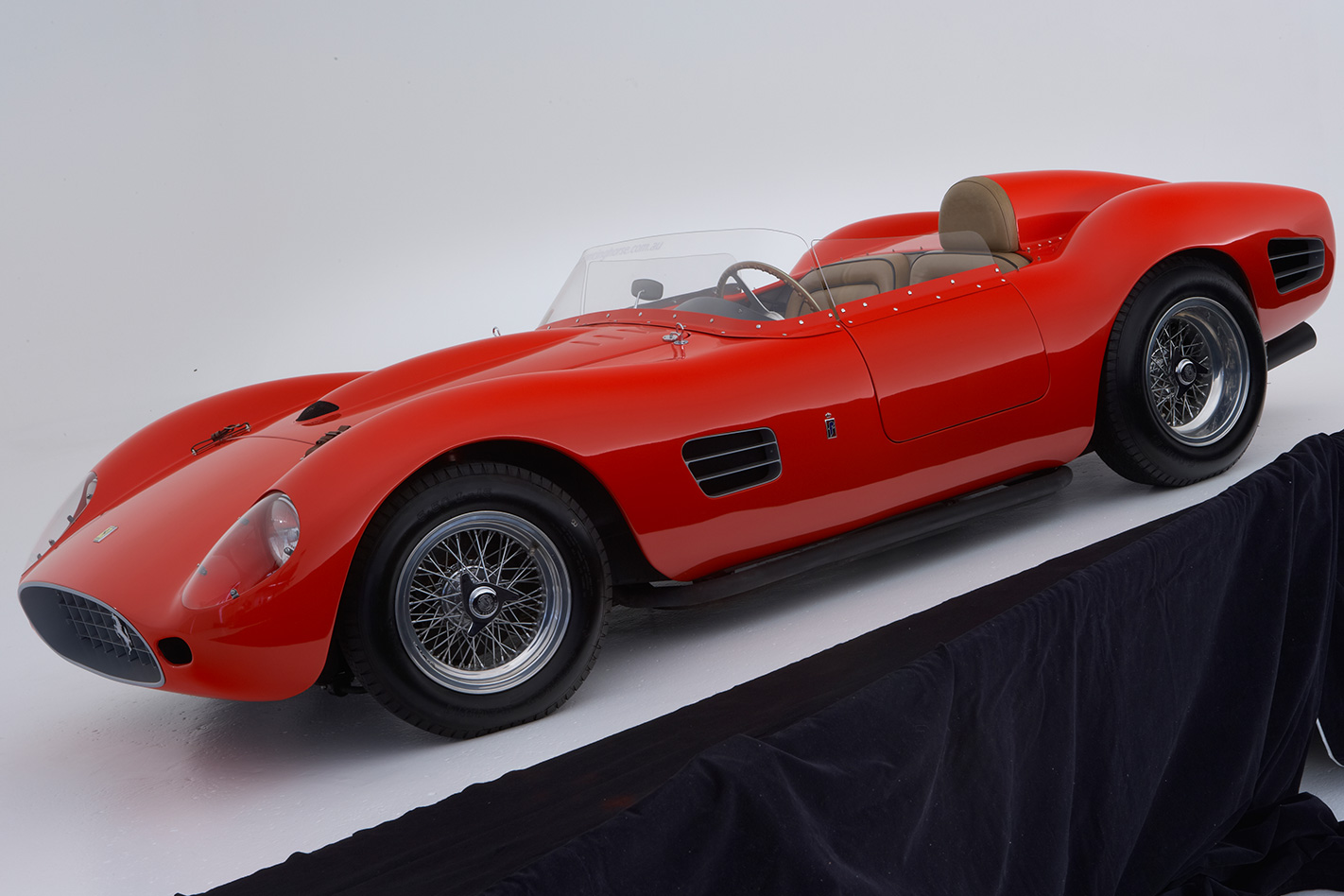
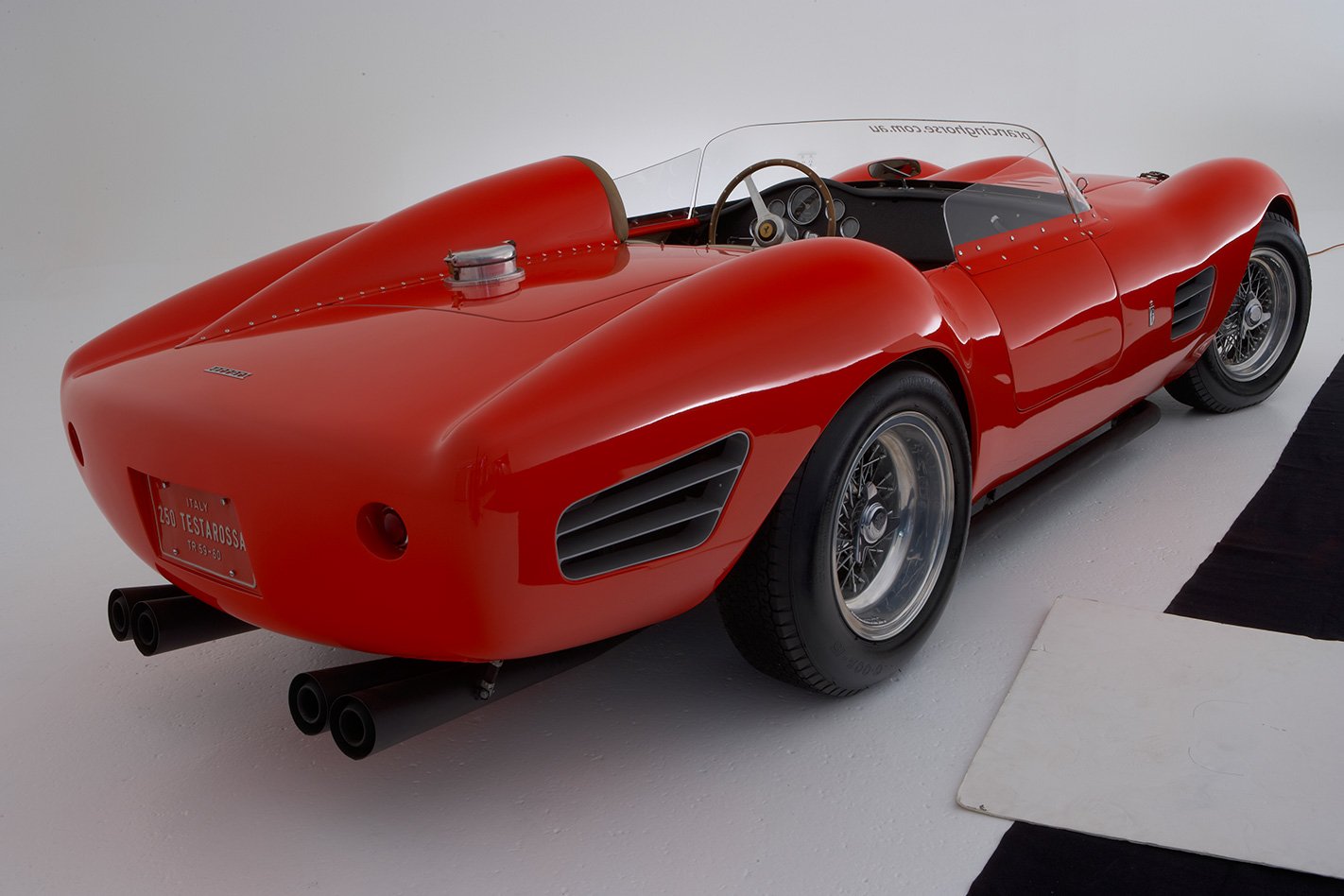
The bodies for the first 19 cars, built in ’57 and ’58, were by Scaglietti in a striking `pontoon’ style that also cleverly allowed for air flow to help cool those drum brakes. Which explains the huge area apparently scalloped out just behind the front wheels.
The problem there was that the sheer amount of air passing through the body created lift and the factory cars were soon sporting modified bodywork to keep them on the deck at 270km/h, a speed they could apparently attain.
The factory works racers used a De Dion tube rear end while customer cars got a much simpler live axle under the TR’s backside. At the front, unequal length A-arms and coil springs were joined by an anti-roll bar and hydraulic dampers. Steering was by worm-and-peg, while a conventional four-speed gearbox was used.
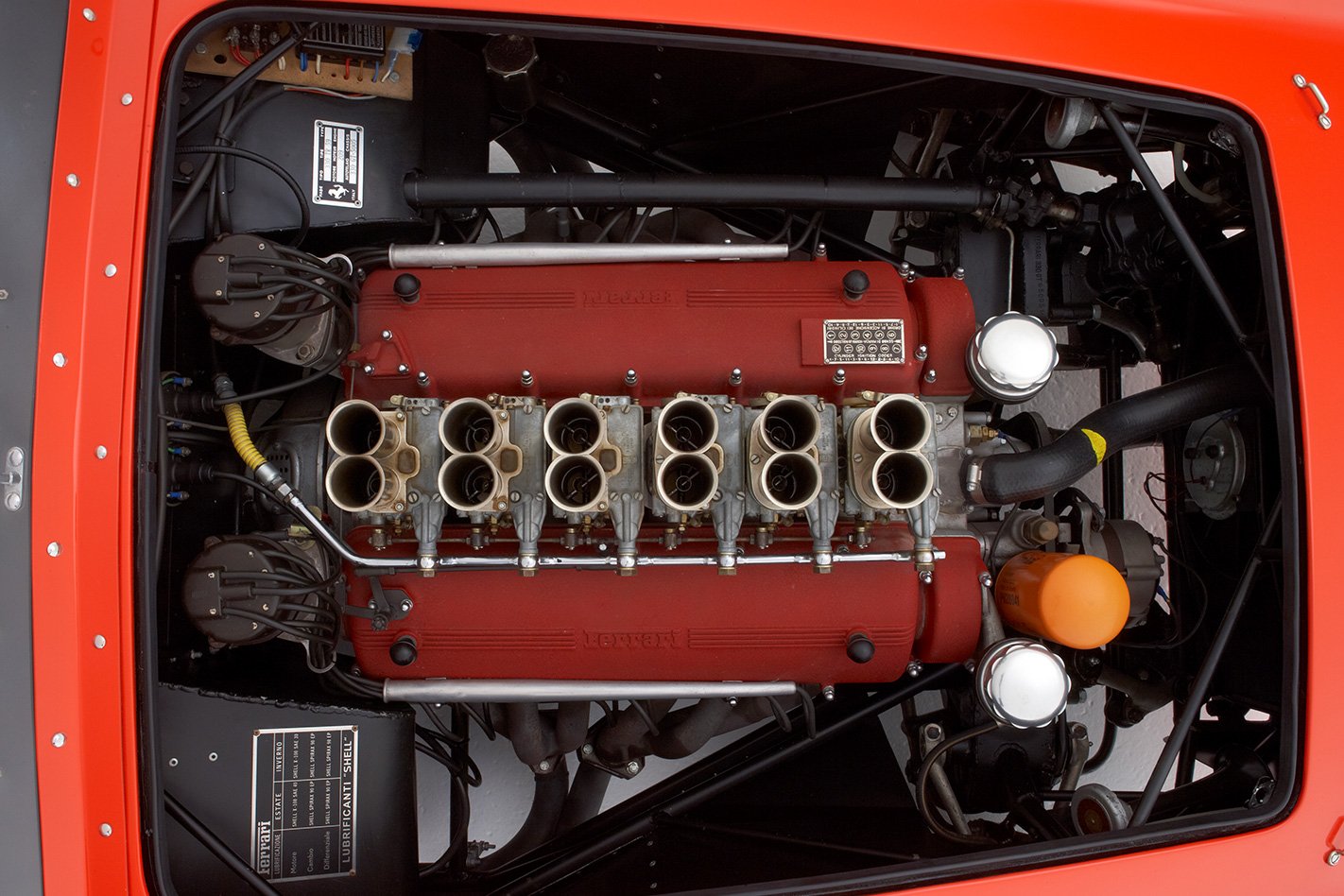
That view wasn’t helped by a further decision by the Old Man that meant that, rather than opt for a quad camshaft design (as Maserati was doing), Ferrari switched back to a single overhead camshaft on each bank of cylinders and two valves per cylinder.
As well as greater reliability during long-distance races, the SOHC layout also made life easier for the privateer teams that were certain to compete in the 250 TR.
But while Ferrari may have been a bit conservative when it came to camshafts, one thing was not negotiable, and that was the V12 layout. The engine’s 2953cc were courtesy of a hugely over-square layout of 73mm pistons and a crank with a 58mm throw.
Given that this was still before the 1960s had arrived, the output of 224kW – 300 old-school horsepower – at 7200rpm was pretty incredible. Combine it with the sub-800kg mass and you had a real rocket on your hands. The 76kW per litre figure is one that modern atmo engines still struggle to achieve.
In fact, torque was also superb, too, with 302Nm (from a three-litre engine, remember) at 6100rpm.
Ferrari didn’t rest on its laurels after the Le Mans win, however, and pretty much began work immediately on making the Testa Rossa even more capable at winning races. And right here the customer-car program was also dumped to concentrate on building factory machines.
After that point, the previous season’s factory cars were more or less handed down to favoured privateer teams, so the Pontoon cars continued to win races even after the factory switched to the new TR59 model.
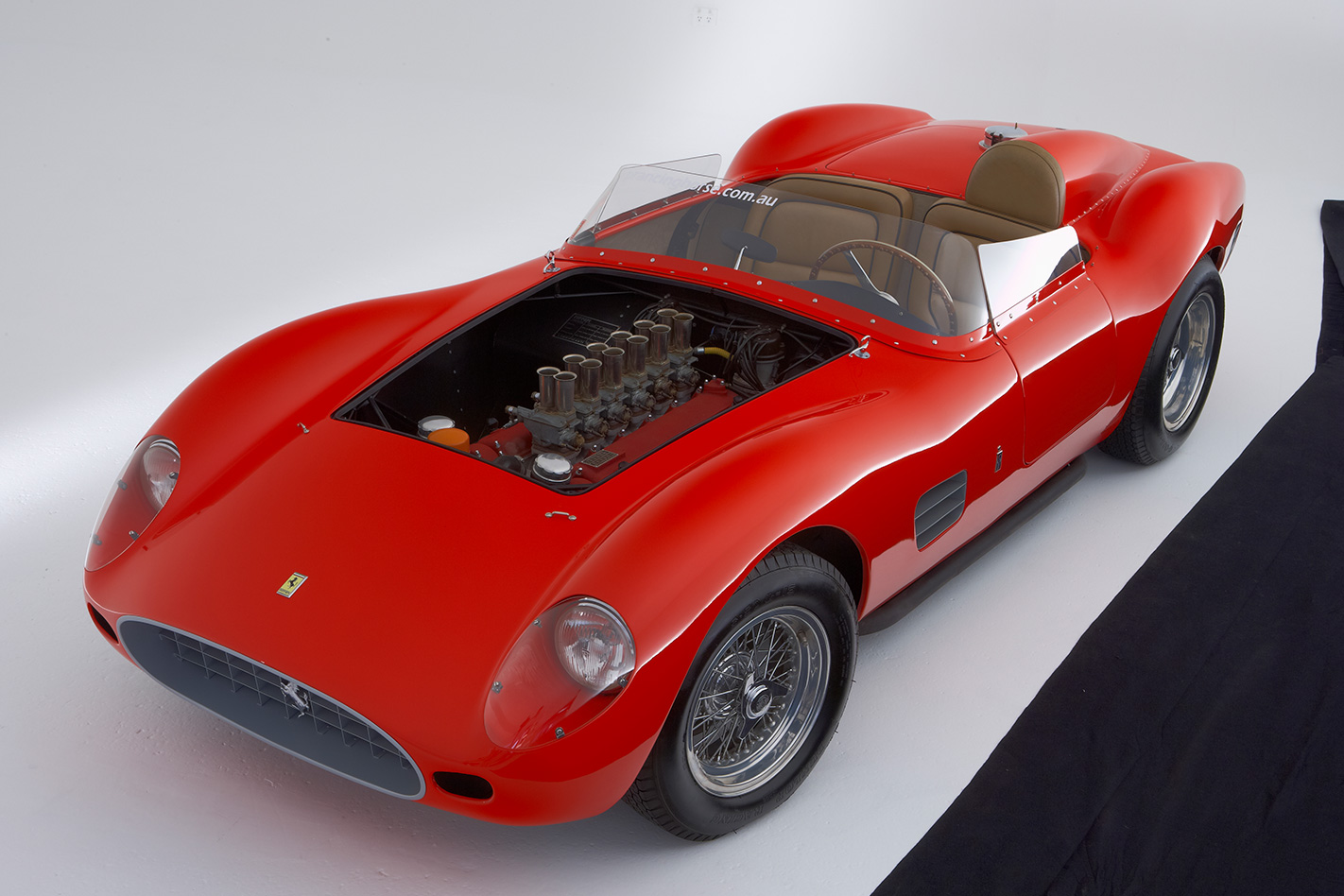
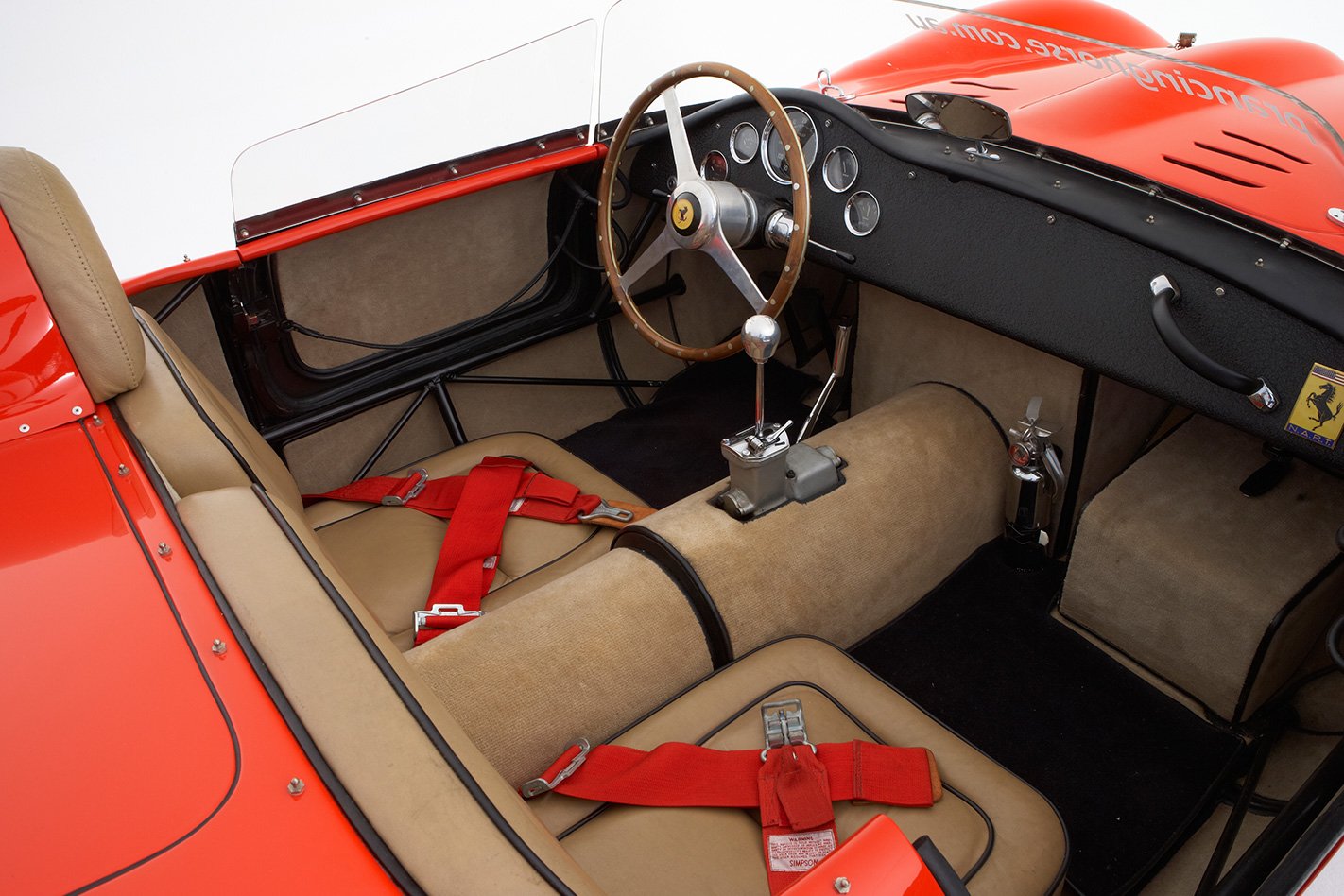
The V12 was marginally updated with a switch to coil springs for valve actuation, yielding 228kW, and the lump was moved across to the left by 100mm to make way for the new five-speed gearbox. Again, Pinninfarina was called in to sketch up the body, but building duties went to Fantuzzi, as Scaglietti was now busy making bodies for road cars.
So, with its new disc brakes, the 250 TR headed for the season-opener at Sebring and, some small dramas aside, pulled off a one-two finish at its first outing.
Not too surprisingly, Behra was out after 10 hours with a lunched motor. By the 20-hour mark, all three factory cars were out. The flip-side is, of course, that you can’t stop a born racer from racing and part of the blame must surely be laid upon the team management which knew the car was under-geared but, strangely, did nothing about it for the 24-hour classic.
Some minor alterations were made for the 1960 season and they centred mainly on finding a gearbox that would work with the rest of the package. The move to a fully independent chassis was made as a running change in time for the Le Man test day of 1960, but it wasn’t until 1961 that Ferrari finally developed a space-frame chassis for its Testa Rossa. The ‘shark-nose’ TR 61 continued to use much the same driveline but was now much lighter and stiffer than ever before.
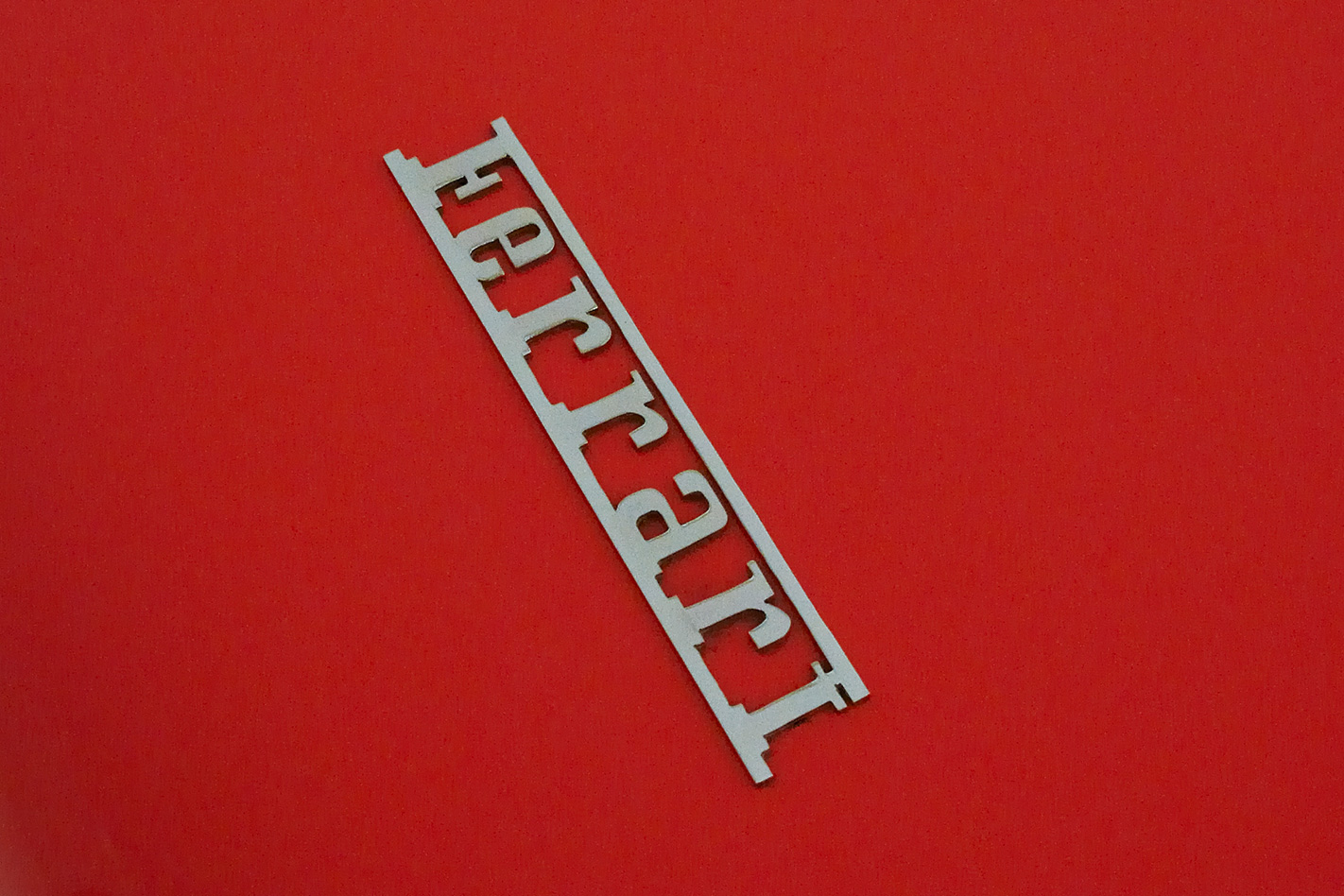
But the legend had been forged; in the 19 championship races contested by the 250 TR between 1958 and 1961, Testa Rossa won no less than 10 of them.
Track Record
Okay, here’s the deal. The car you’re looking at is not an original 250 TR. But neither is it a replica or a recreation. And it’s definitely not a fake.
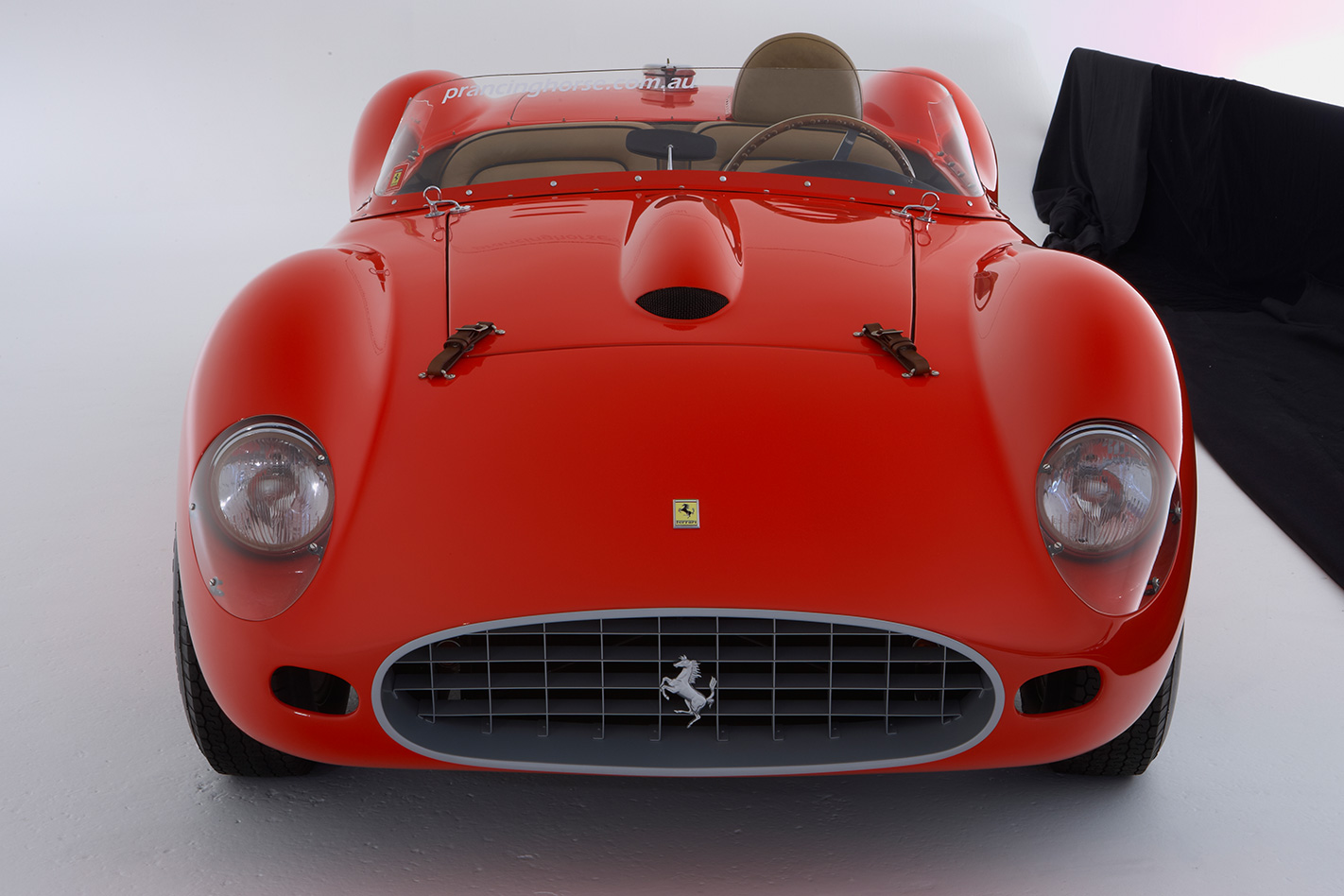
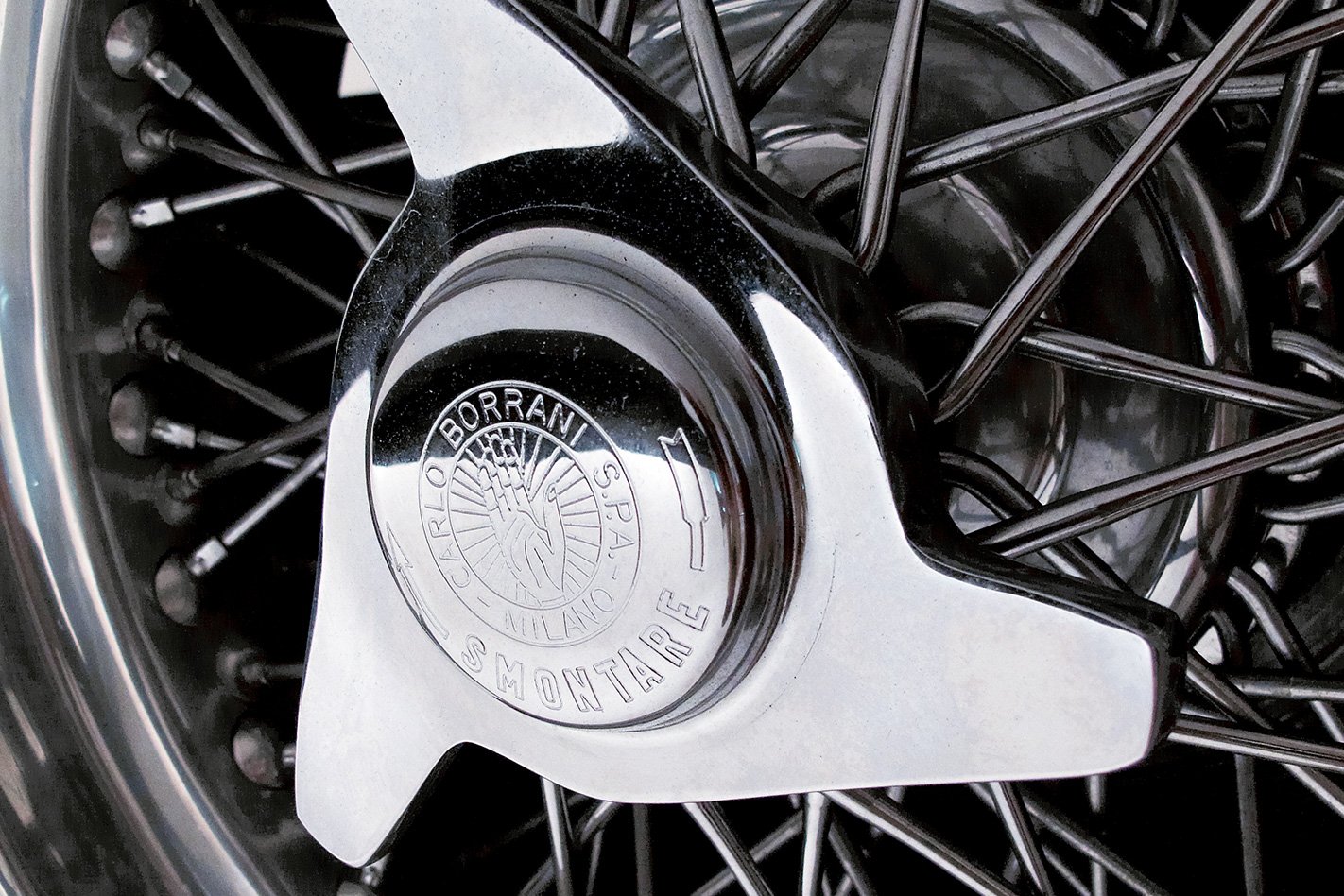
What it is, then, is a 1961 Ferrari 330 that’s been re-bodied as a 1959 Testa Rossa.
Re-bodying cars is more commonplace for the era than you might think. And since Ferrari used the TR’s V12 engine and other mechanical bits and pieces across a huge range of models, there’s a lot of interchangeability. And to the extent that the driveline in this car is fundamentally the same as an original TR’s.
But why re-body a 330 as a Testa Rossa? Mainly because it’s the only way to get a 250 TR if that’s what your heart desires. See, there were probably only four 59 TRs made to the same spec as this one. In fact, only 34 250 TRs were ever built in any of its various forms between 1957 and 1961, so no prizes for guessing that it’s a seller’s market.
This car was brought to Australian in 2008 from an owner in Los Angeles and it’s now for sale through Prancing Horse Racing in Sydney.
And the sticker? A cool million-plus, although compared with the US$12 million that an original pontoon-bodied 250 TR fetched at auction in the States last year, that seems like pretty good value.
Pros
- Is there a cooler brand and era?
- Could still hold its own at a club day or hillclimb.
- You could hire it out for fun and profit.
- Imagine the first stone chip…
- Kiss goodbye anonymity.
- Erm, the price-tag.
PORSCHE purists will have all eyes on this year’s Frankfurt motor show in September, as a highly collectable Speedster version of the already desirable 911 is rumoured to make its debut for the crowds.
Our Pommy sister publication Car has the scoop on the sexy convertible version of Porsche’s most epochal model, and says it was given a steer on what to expect at the European auto show next month.
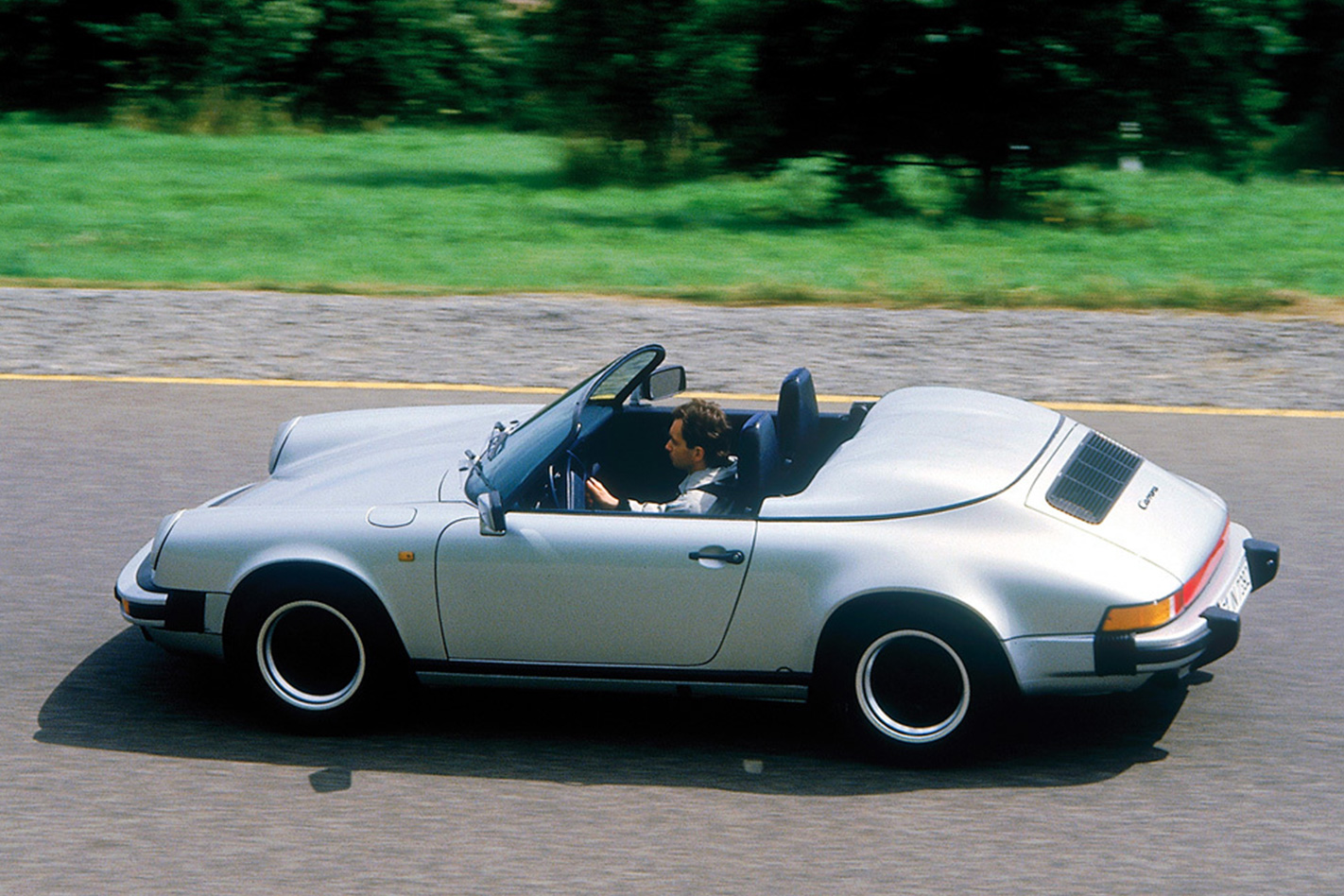
While a new generation of the Speedster will be a welcome addition to the 911 range, its unveiling will not be the most surprising of debuts at the show, with the car maker previously offering the variant for the 930 (above), 964 (below), and 997 generations of the 911.

Until the model is confirmed, all other details will have to remain speculative, including what will power this exclusive version. But in its previous 997 iteration (below), the Speedster took its underpinnings from the 911 GTS and a repeat strategy for the 991 is not out of the question.
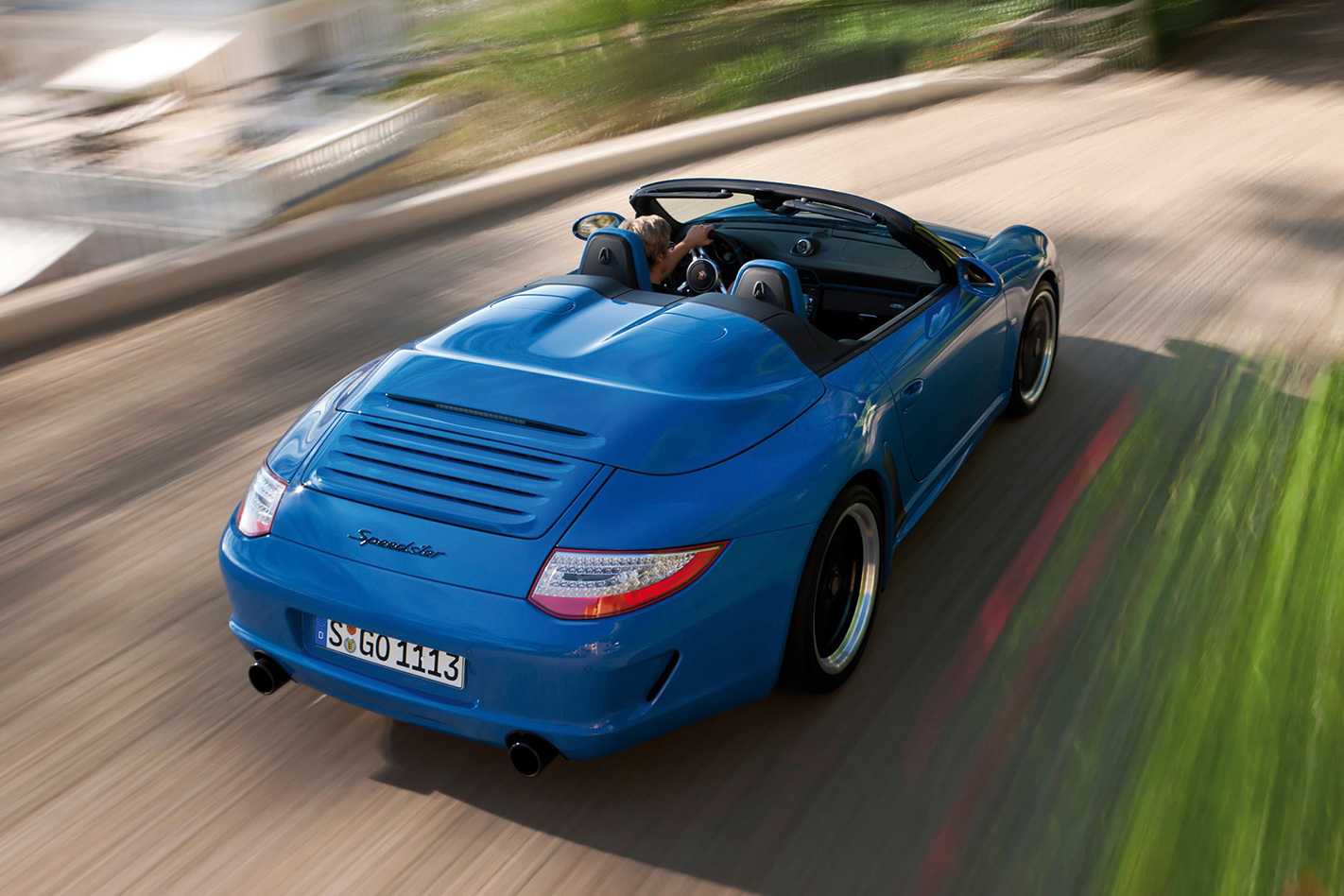
Porsche coined the Speedster name in 1957 with a convertible version of the 356 A and the 911 versions honour the original with the more accentuated hump above the roof mechanism and engine.
ARE you feeling bummed that you missed out on adding a HSV GTSR W1 to your garage?
Well, turn that frown upside down, because HSV’s most powerful car to date is about to go under the hammer.
Manheim Auctions has a black W1 ready to be sold as part of its Melbourne Night Prestige lot.
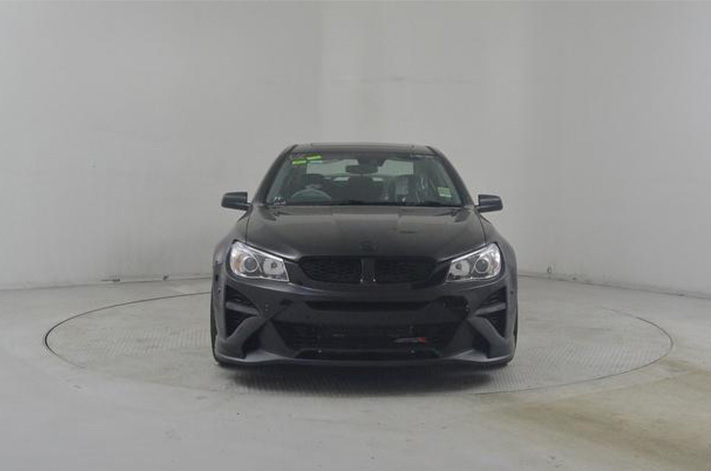
There is no price estimate on the Manheim website, but there’s little doubt bidding will be fierce between customers keen to add the W1 to their collection.
Although it doesn’t have written confirmation from the 56 dealers that received a W1, HSV believes every one of the circa-300 allotment has been sold to customers.
The HSV GTSR W1 is the company’s farewell to the Commodore platform, and is the most hardcore product to come from the Clayton tuners yet.

At its launch, it was estimated 800 orders had been placed for the limited-run model.
If you are desperate to add the LS9-powered beast to your garage, the auction will take place on August 10.
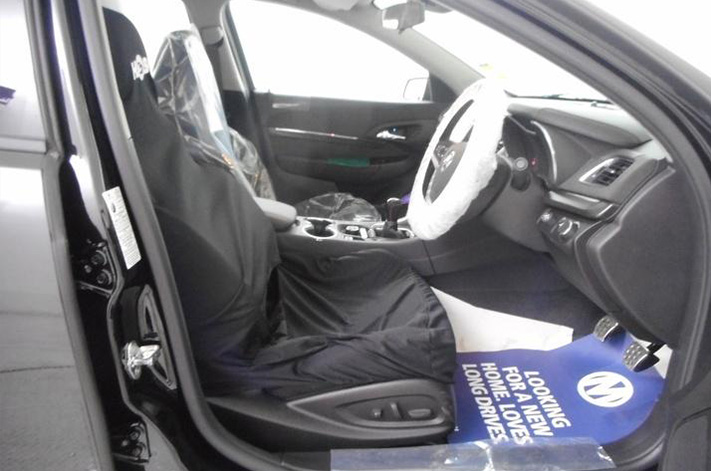
Manheim has refrained from listing a reserve price for the GTSR W1 as this is the first time an example will be sold at auction.
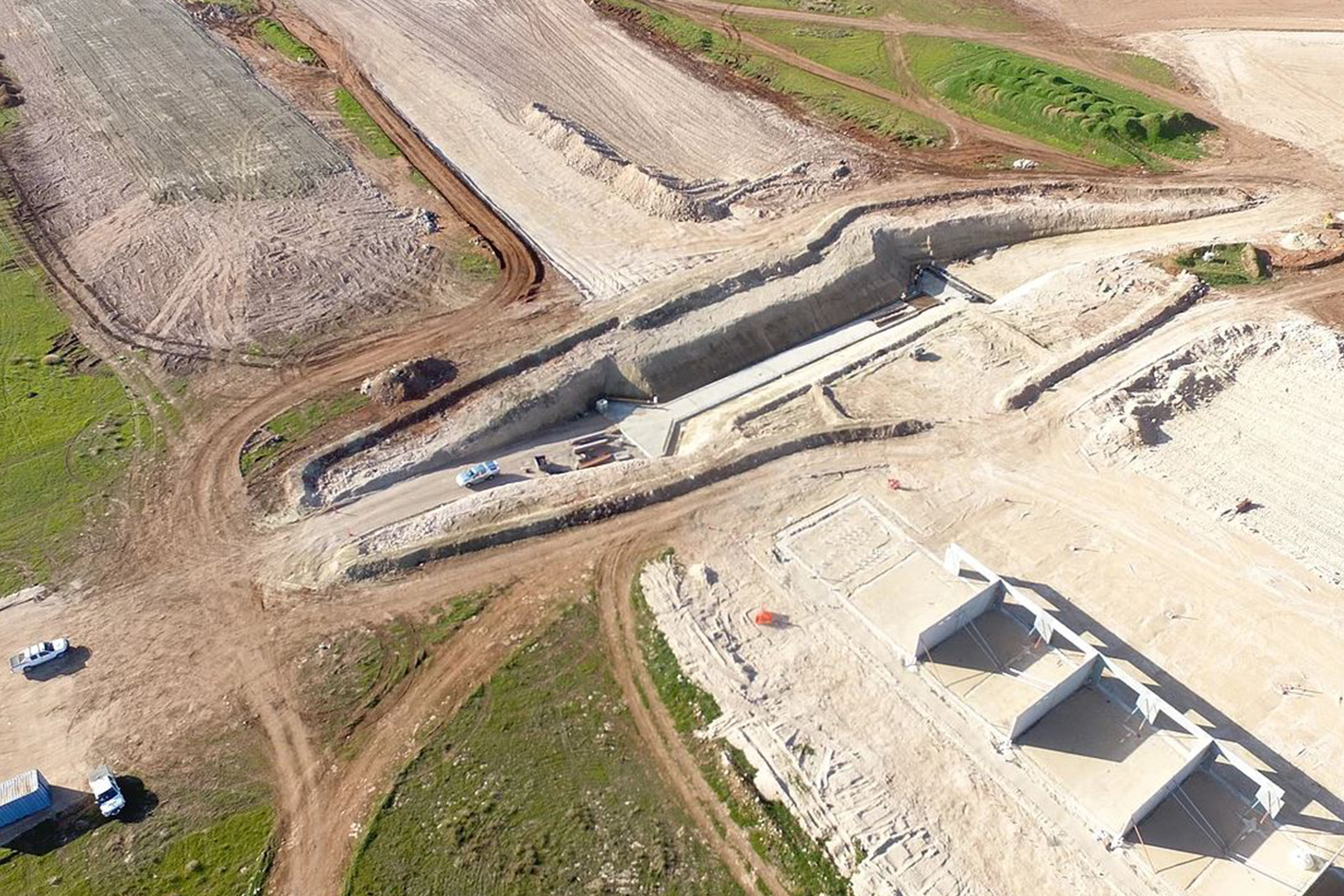
Australia’s next motorsport park, Tailem Bend, is moving along to be completed by early next year.
The location used to be Mitsubishi Australia’s test track, but now it’s well on its way to being a motorsport and even industrial hub.
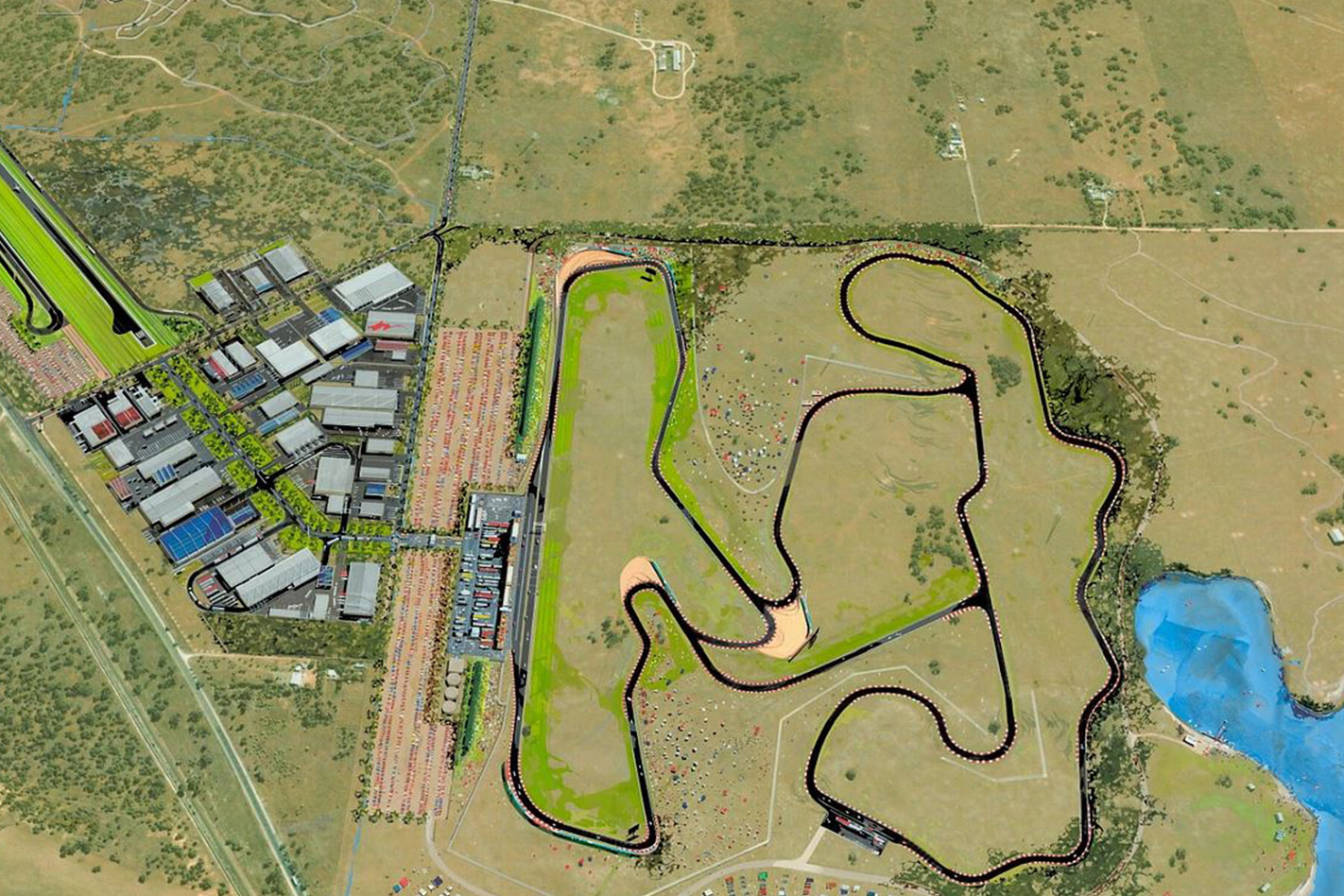
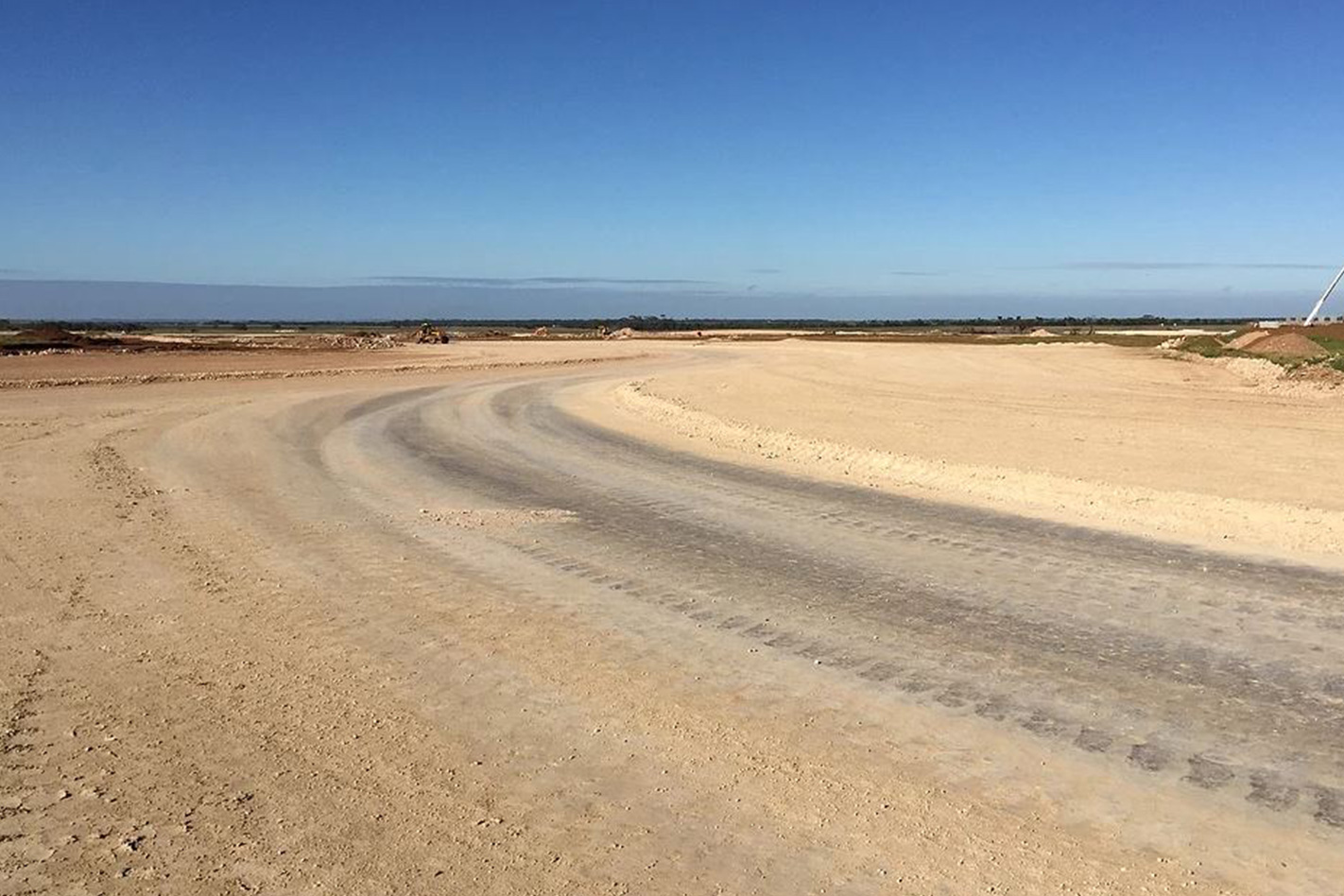
Development manager at Tailem Bend Motorsport Park Paul Trengove tells MOTOR that the main track will be ready by January at its current rate.
“We’re hoping the main circuit stays on track to be finished by January, and the pits will be mostly complete then too,” Trengove says.
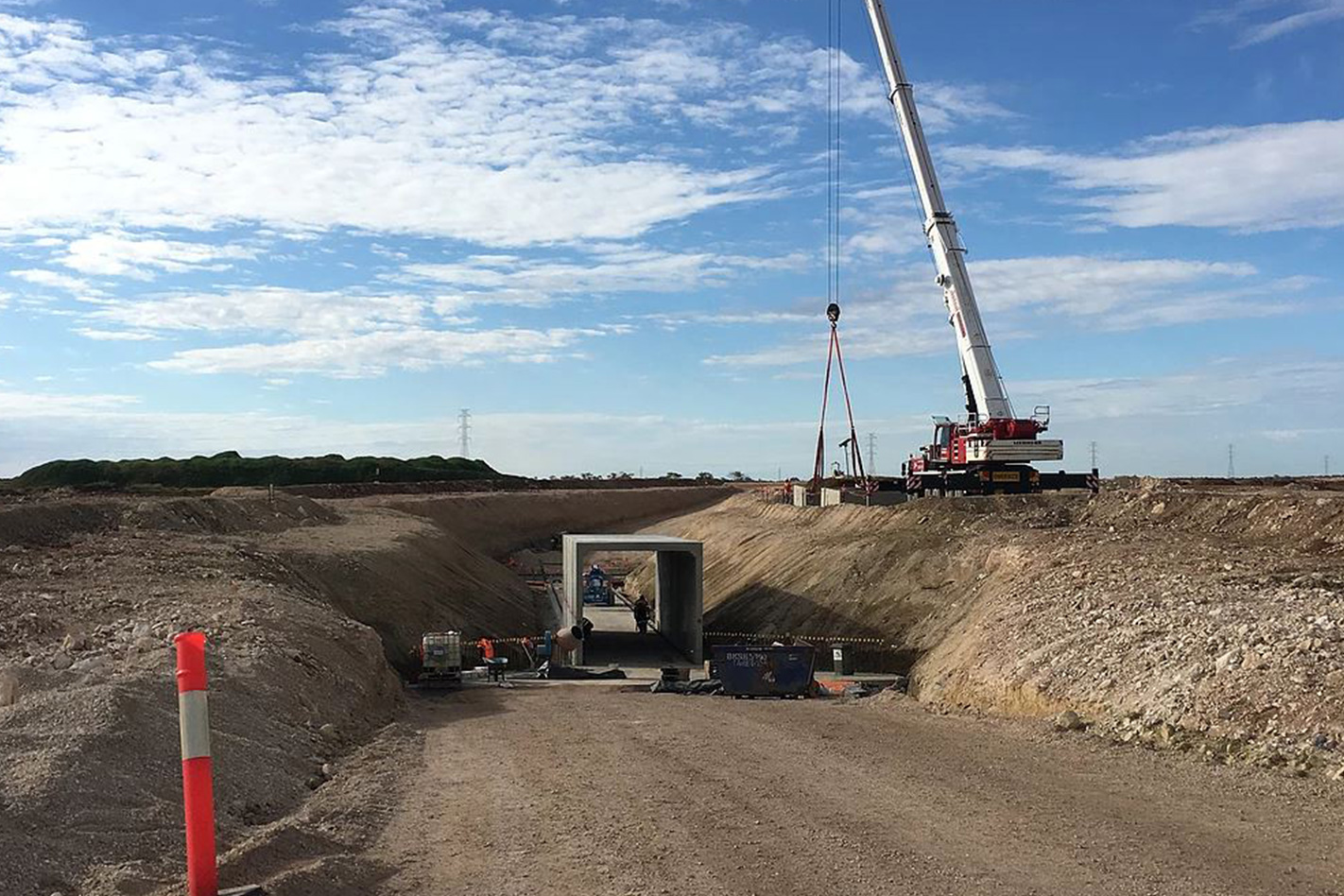
“There’s also a hotel going up which should be ready by March.”
In terms of coming and planned events, some big (and maybe not-so-big) series have expressed interest in making use of the multi-layout track.
He told us we’d likely see Supercars at The Bend later in the year.
“We’ve also had some international interest, with a motorcycling series called Asian Road Racing planning to head down here. It’s good to get a mix of different events in, I think.”
“A few local motorsport series have expressed interest, and it’s easy for them since we’re an hour east of Adelaide. It makes it less of a travel from the eastern states.”
“Our biggest focus is track days, so we’re planning to have a membership system similar to a golf course. You’d pay for membership and be able to join in on member days with road cars or race cars, and across multiple variations of the track.”
More places to race? Sounds good to us!
LUCID Motors is a company that has the potential to rival Tesla’s global hype machine and beat it at its own disruption game, but it is very early days and the all-electric vehicle start-up manufacturer’s future remains unclear.
We’ll forgive you if you haven’t heard of the company, or its first vehicle, the Air.
Not all electric start-ups are made equal and some light reading on the beleaguered Faraday Future is evidence alone, but the Lucid Air warrants serious consideration, and not least because of its 378km/h capabilities (more on that later).
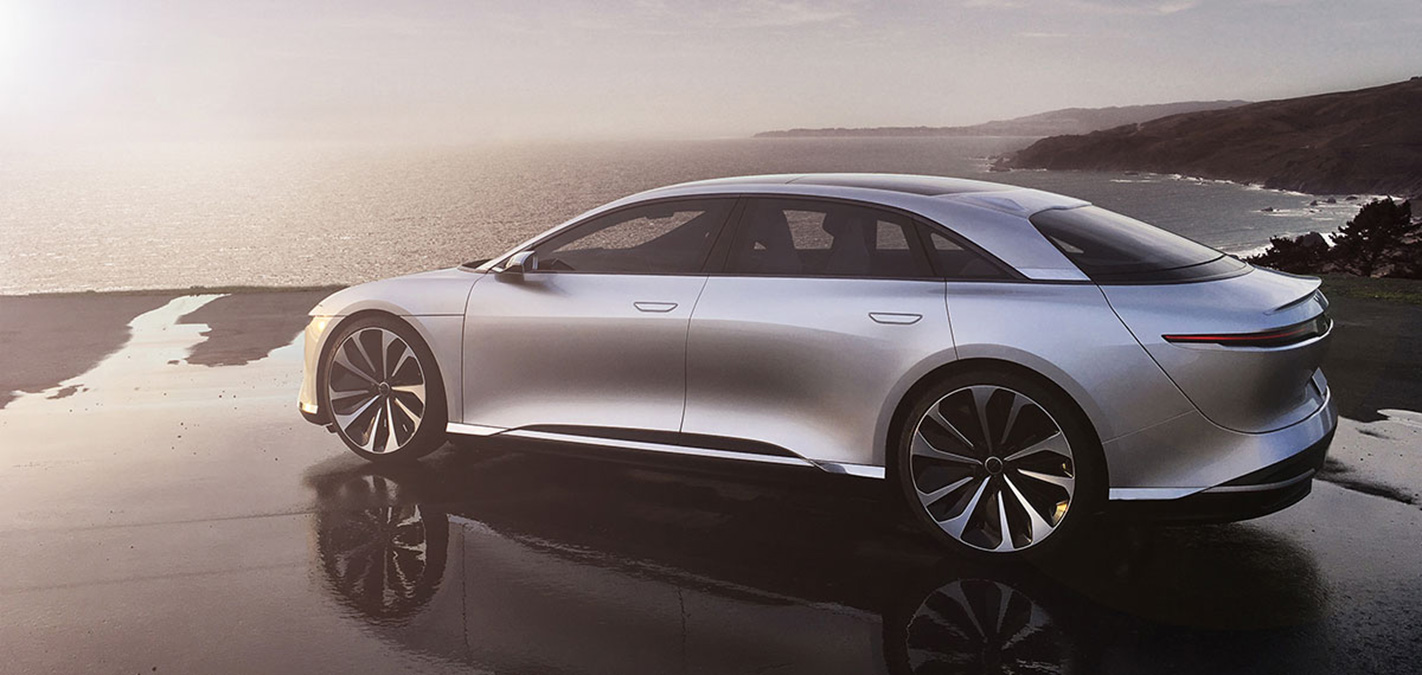
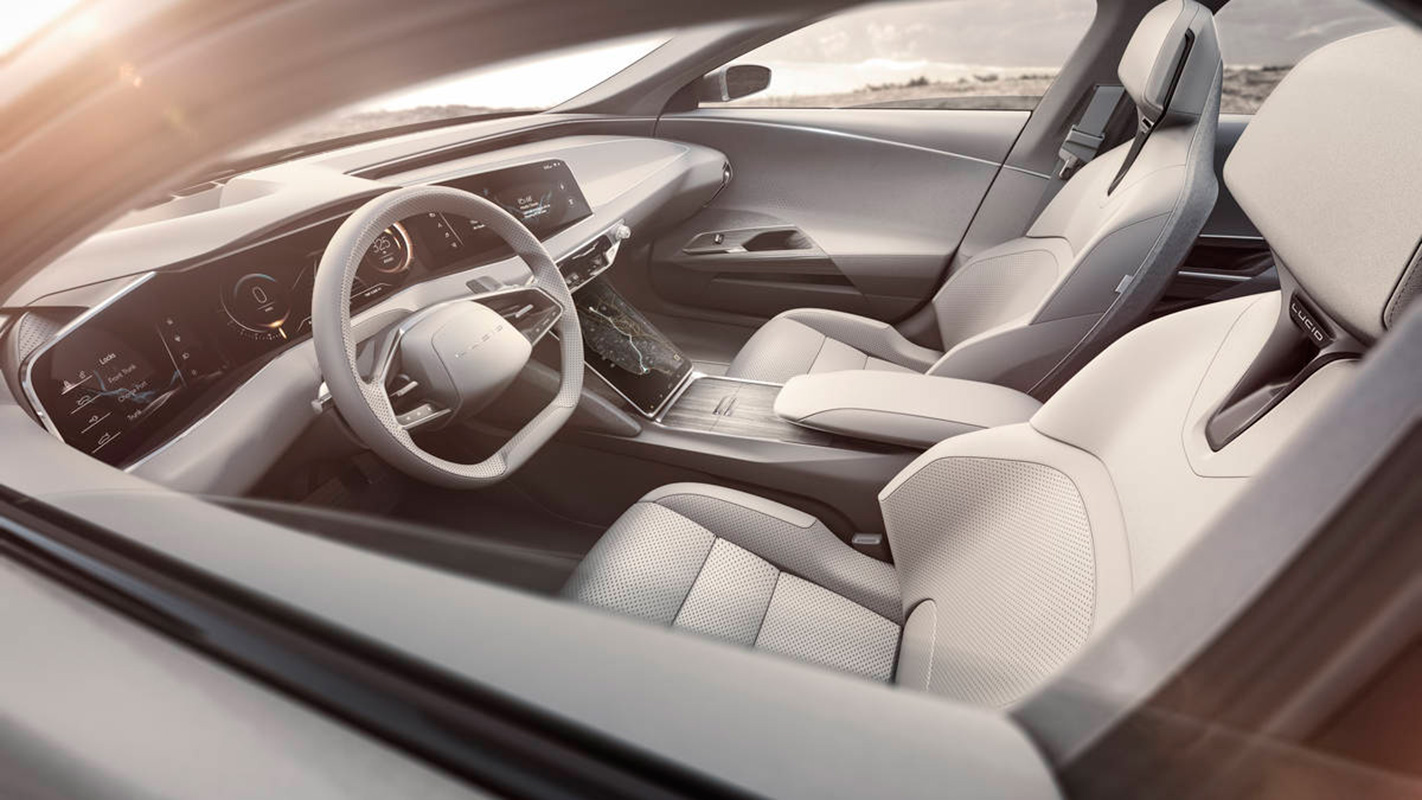
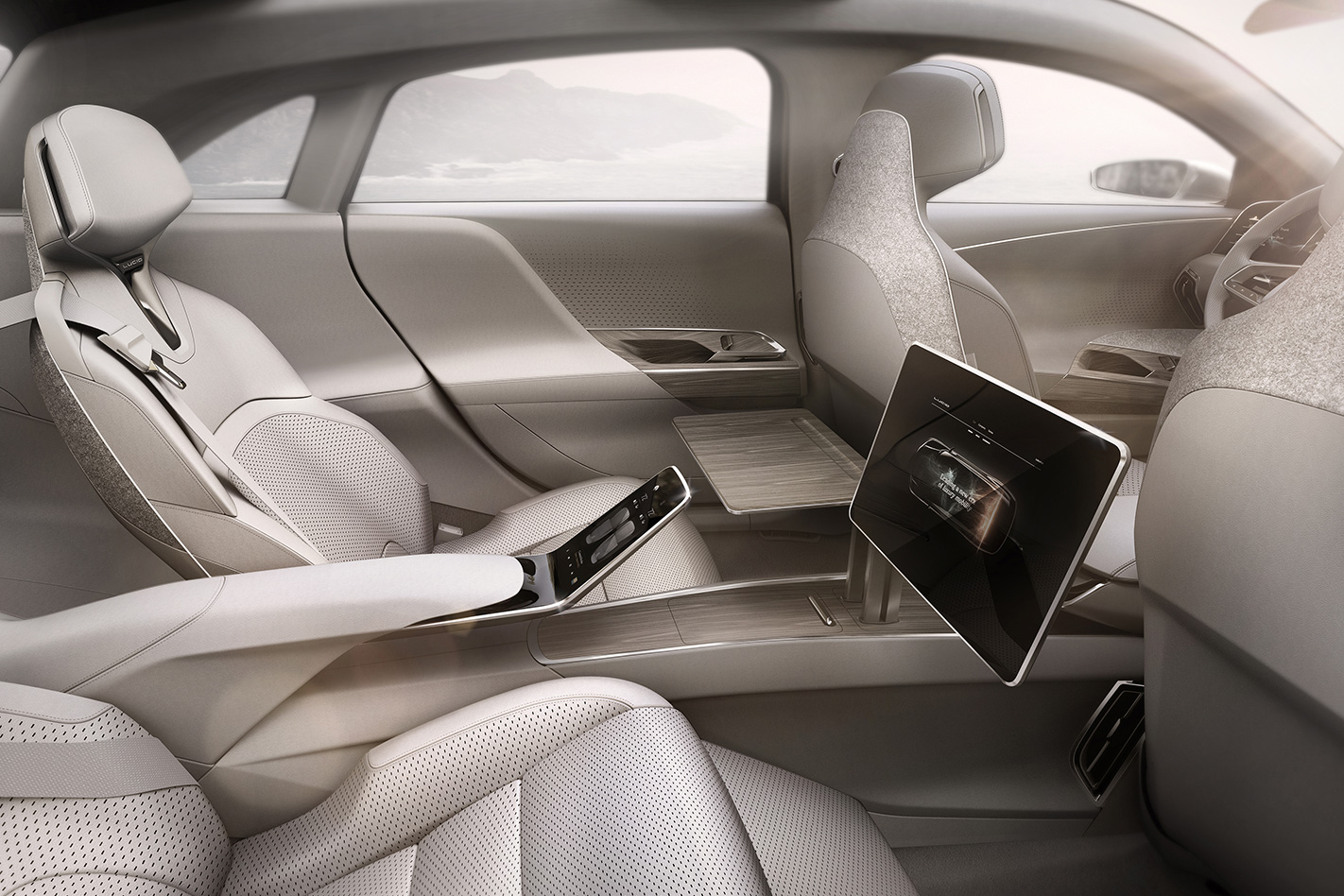
Its exterior dimensions of the Air are comparable to a Mercedes-Benz E-Class, with interior space more akin to an S-Class.
The concept vehicle, which the company intends to produce and sell for circa US$60,000 (A$75,350), was designed by Derek Jenkins, the man behind the latest Mazda MX-5 and Audi’s A2.
Lucid has already built a selection of vehicles, but they are only alpha prototypes and a production version of any model is some way off, and that is where Ford, a titan of the established car industry, comes into play.
The purchasing of Lucid would give Ford an EV which has already been designed from the ground-up, and could be fast-tracked in to showrooms with its established production and manufacturing capabilities.
Currently, Ford’s electric line-up and plans mostly centre around modifying existing platforms and products, and Lucid’s not inconsiderable patent portfolio is also no doubt an attractive part of any potential deal.
According to Recode, two additional anonymous parties are in discussions with the company about a possible buy-out, but aside from the sleek design and an almost production-ready model, what’s the big attraction with Lucid? In short, battery technology.
No doubt you’d want some proof of that statement. Well, a 736kW twin-motor-equipped Air was stripped out, and pushed to the limit to record a staggering 378km/h maximum speed.
That kind of speed makes it not only potentially the quickest EV in the world, but also one of the fastest passenger cars. Period.
Like any technology firm worth its salt, of course Lucid is developing autonomous driving tech as part of its package.
The design of the Lucid is different to the traditional ‘skateboard’ layout of most electric vehicles and, instead of placing the entire battery packs evenly between the axles, Lucid has stacked the batteries in a narrower pile along the centre line of the chassis.
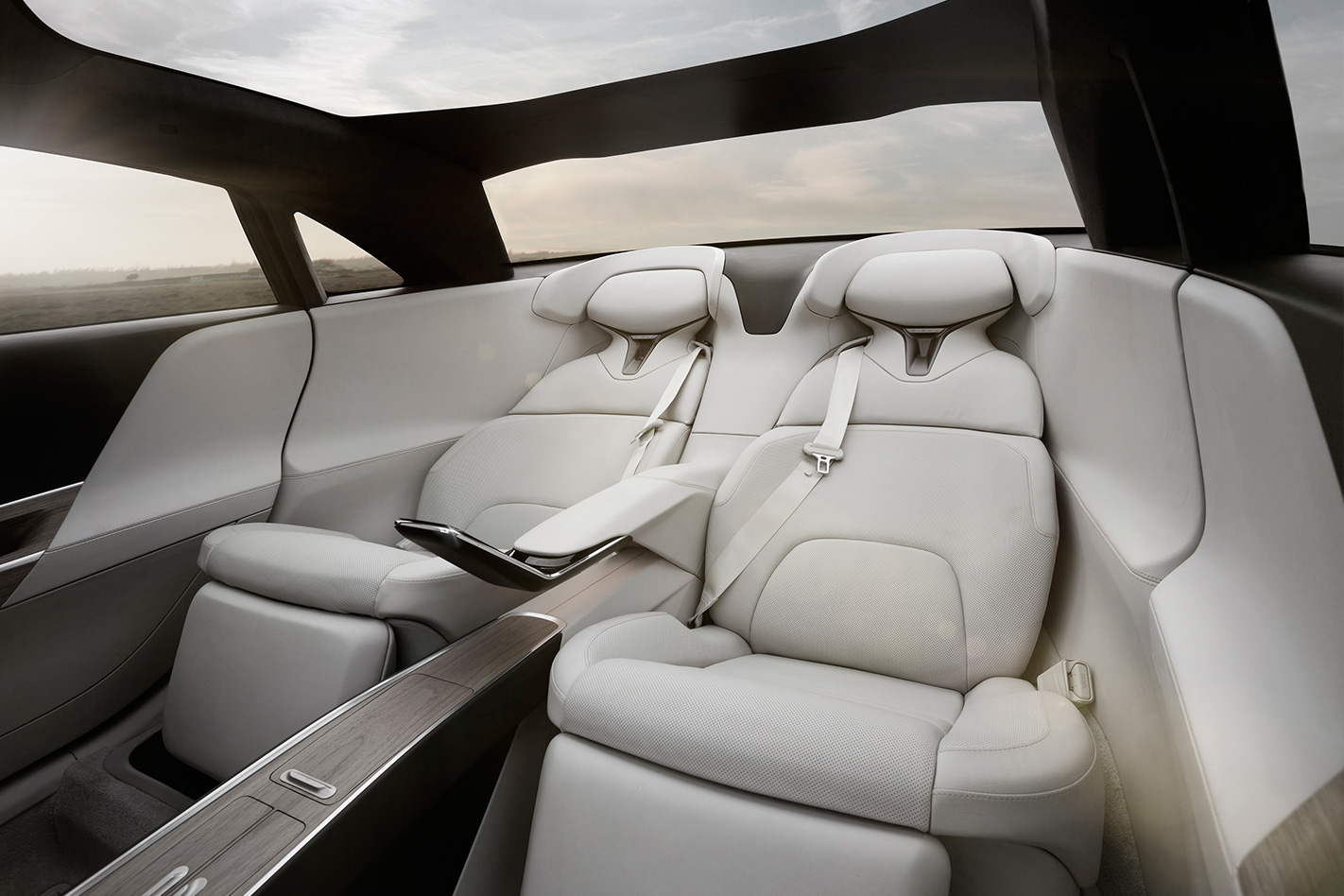
The design is akin to that seen in the all-new Porsche Panamera, with the centre console running through the car to rear passengers.
While its future remains uncertain, if Lucid can secure an investor (or buyer) it’ll have the clarity it needs to be a real player in the electric vehicle game. And that should have Tesla worried.
Congratulations to Trevor G from South Australia, who is the lucky winner of our Holden SS-V Redline giveaway.
Wheels, Motor, Street Machine, Unique Cars, and 4×4 Australia held a competition for one individual to win their choice of either a Holden SS-V Redline sedan or ute.
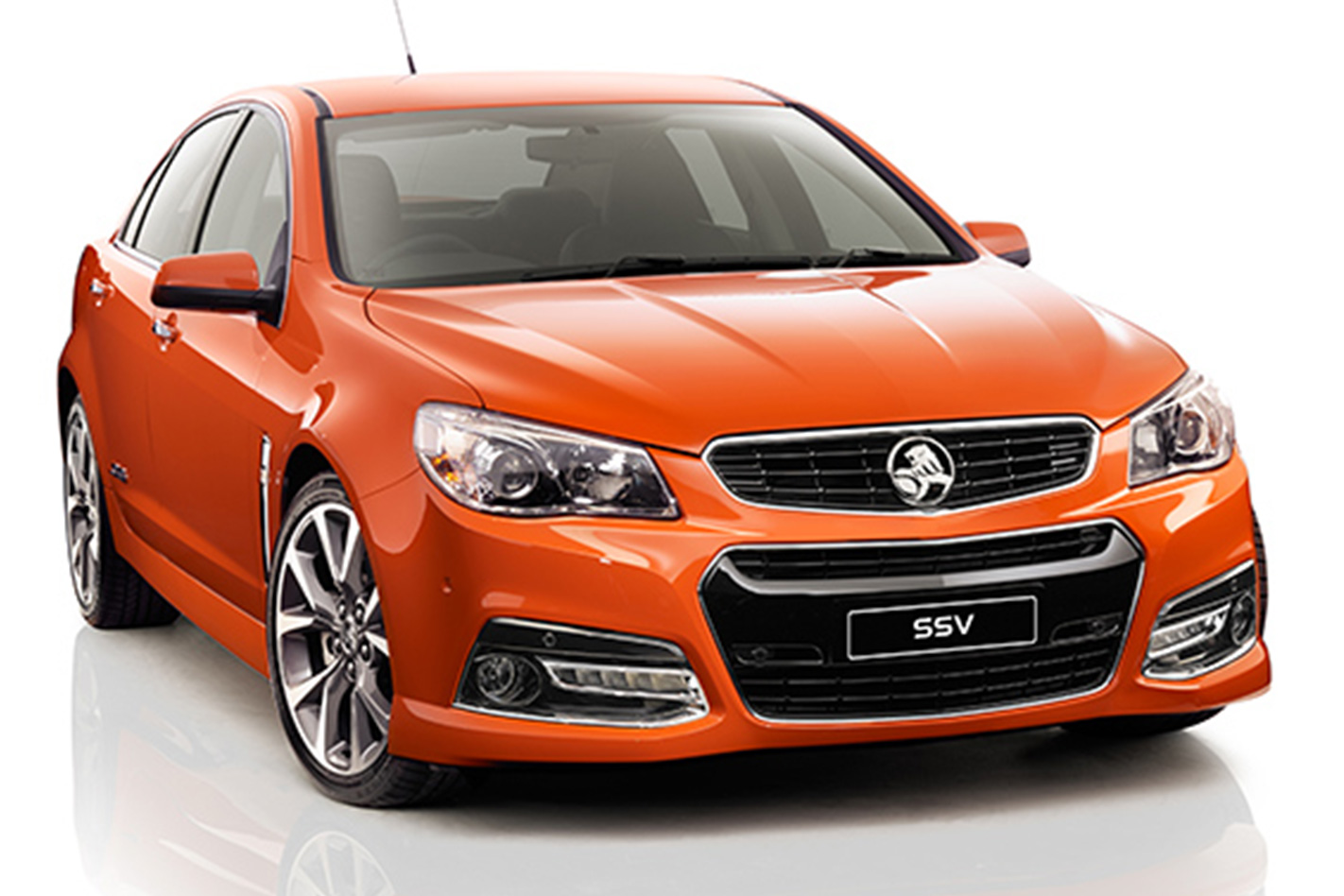
Upon hearing the news, Trevor was initially lost for words.
“Oh you have got to be kidding,” he exclaimed.
There was some scepticism on his behalf that this ‘good news’ may have in fact been an elaborate prank call with Trevor cautiously asking “is this a ridgey-didge phone call?”
Happily for Trevor, it’s very real, and now the lifelong Holden man will have another brand-new V8- powered Commodore to enjoy.
Trevor has chosen to take delivery of an SS-V Redline sedan in Son of a Gun grey, which will be sitting in his driveway next week.
“We have had Holdens for years and years. We had a Caprice, and the 2000 model Statesman – the limited edition one,” Trevor explained.
Trevor won by purchasing a subscription to MOTOR’s sister mag, Wheels and got himself 100 tickets for the draw, which had almost 100,000 entries in total. Trevor and his family are still gobsmacked.
We would like to thank Booran Motors Dandenong for helping organise delivery of Trevor’s new Commodore.
Aston Martin CEO Andy Palmer just came right out and said it. The new V8 version of the DB11 was described as an athlete compared to the brute that is the V12.
Keen drivers have long known that when it comes to engines, less can be more. Putting more cylinders, complexity, and weight into a car isn’t always the passport to dynamic excellence, so let’s run through a few of the cars that were better with a bit less.
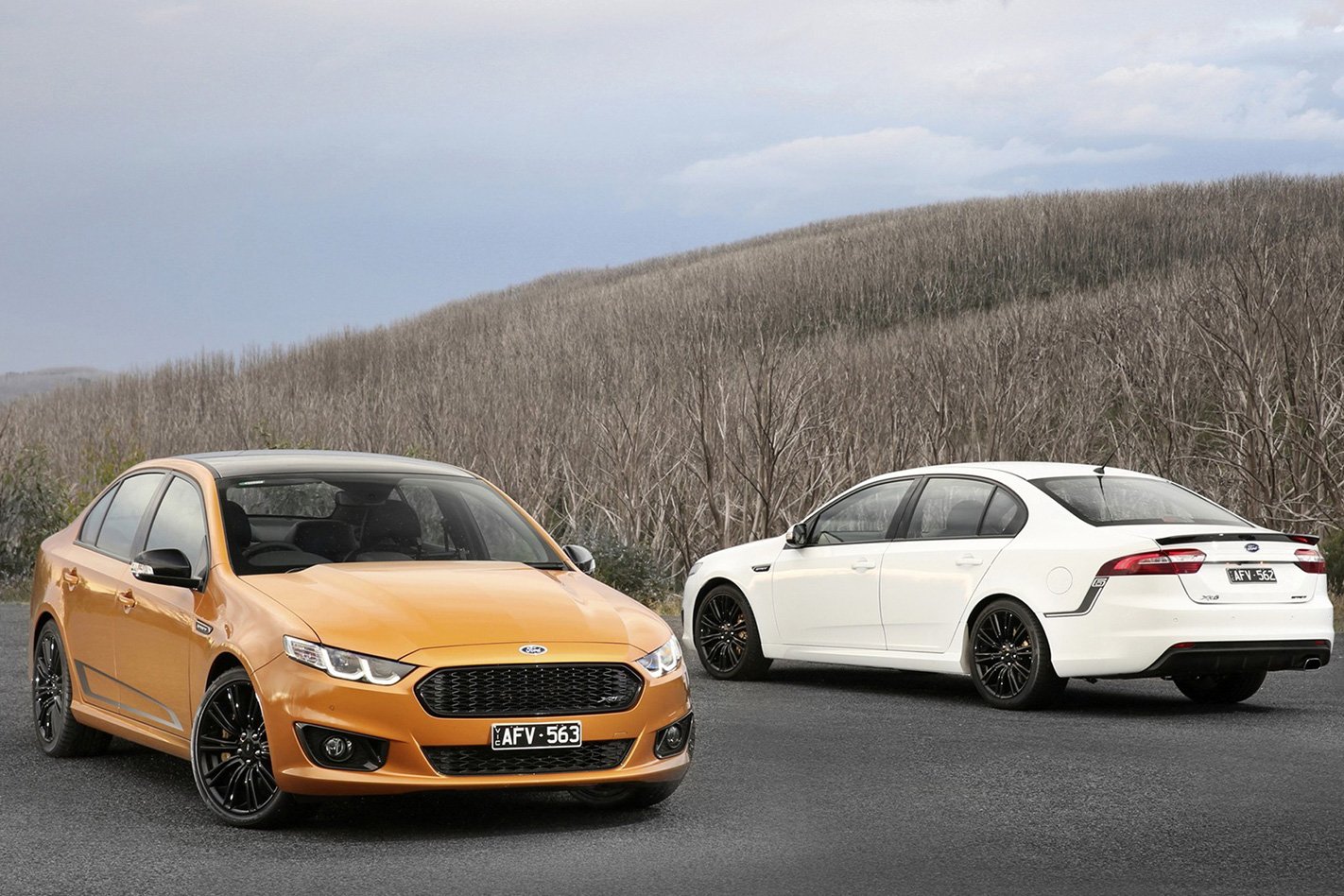
Ford Falcon XR6 Turbo
Yep, we’re going there. We’ve driven some great Falcon V8s in recent years, but it’s the blown Barra that we’re really going to miss. Its 4.0-litre straight-six is pretty much close to automotive perfection, but giving it a bit of Garrett GT40 boost sends tuning potential clean through the rafters. It’s easy to forget quite what a revolution this lump represented, in Aussie terms at least. The 3984cc straight-six arrived with double overhead cams and four valves per cylinder, making Holden’s Buick-based pushrod V6 look like something from a Flintstones cartoon.
Audi R8 V8
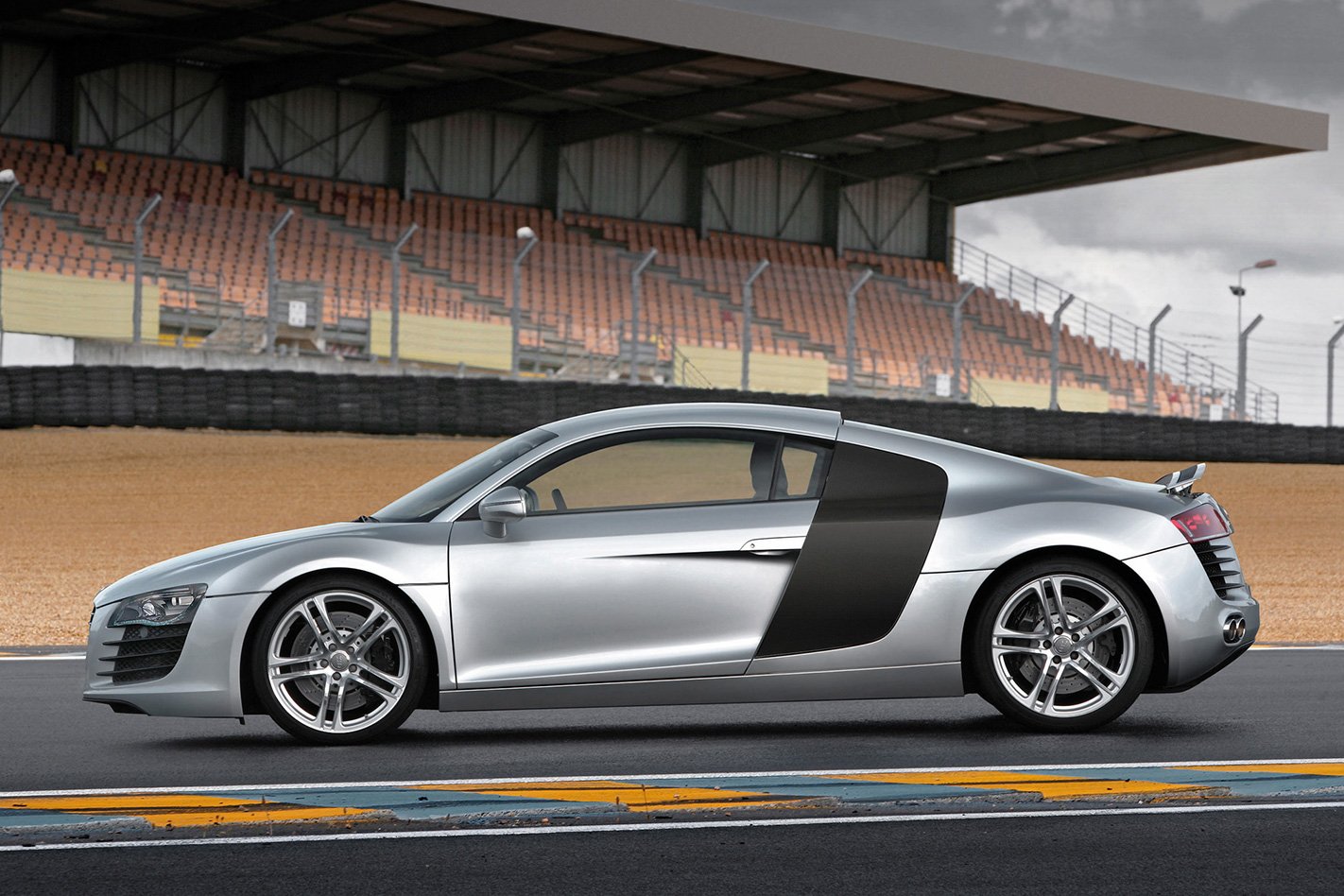
The original R8 was first launched in 2007 with the 309kW 4.2-litre V8 borrowed from the RS4 and mounted just behind the driver’s shoulders. It was a fantastic thing, but its thunder was well and truly stolen with the arrival of the snarling 391kW V10 version a couple of years later; an engine that owed a lot to Lamborghini.
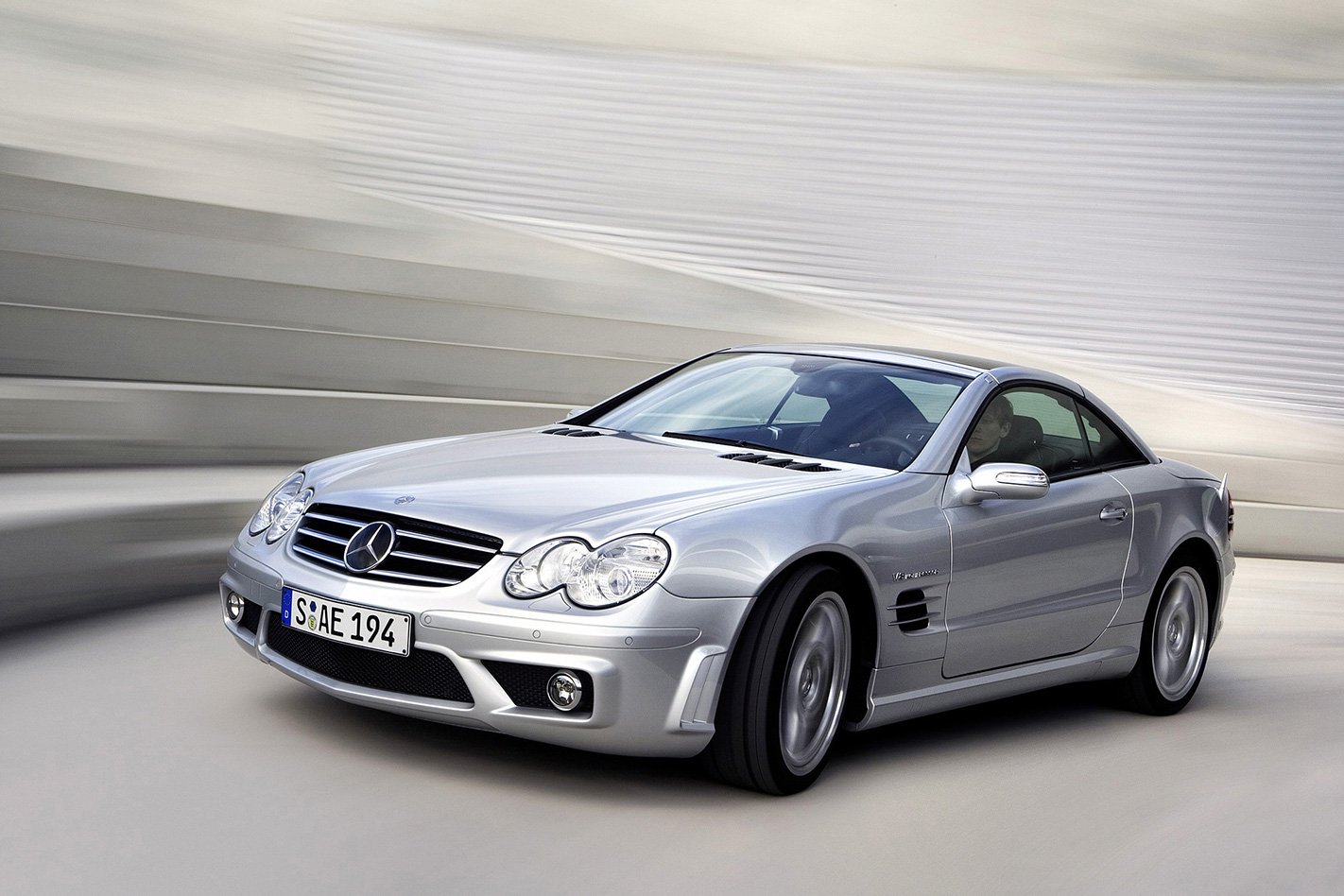
Mercedes-Benz SL55 AMG
The 368kW 5.5-litre M113 AMG supercharged V8 engine has to be one of the unsung stars of the Noughties. Plumbed into the pointy end of a Mercedes SL55 AMG, it was capable of destroying the egos of supercar drivers with effortless ease. Back in 2002, a delimited SL55 AMG was taken to the Nardo test track in southern Italy and put up against a Lamborghini Murcielago, an Aston Vanquish, a Porsche 911 GT2, and a Ferrari 550 Maranello. It was the quickest of all the cars to 300km/h and was only pipped on top speed by the Lambo, a car twice its price.
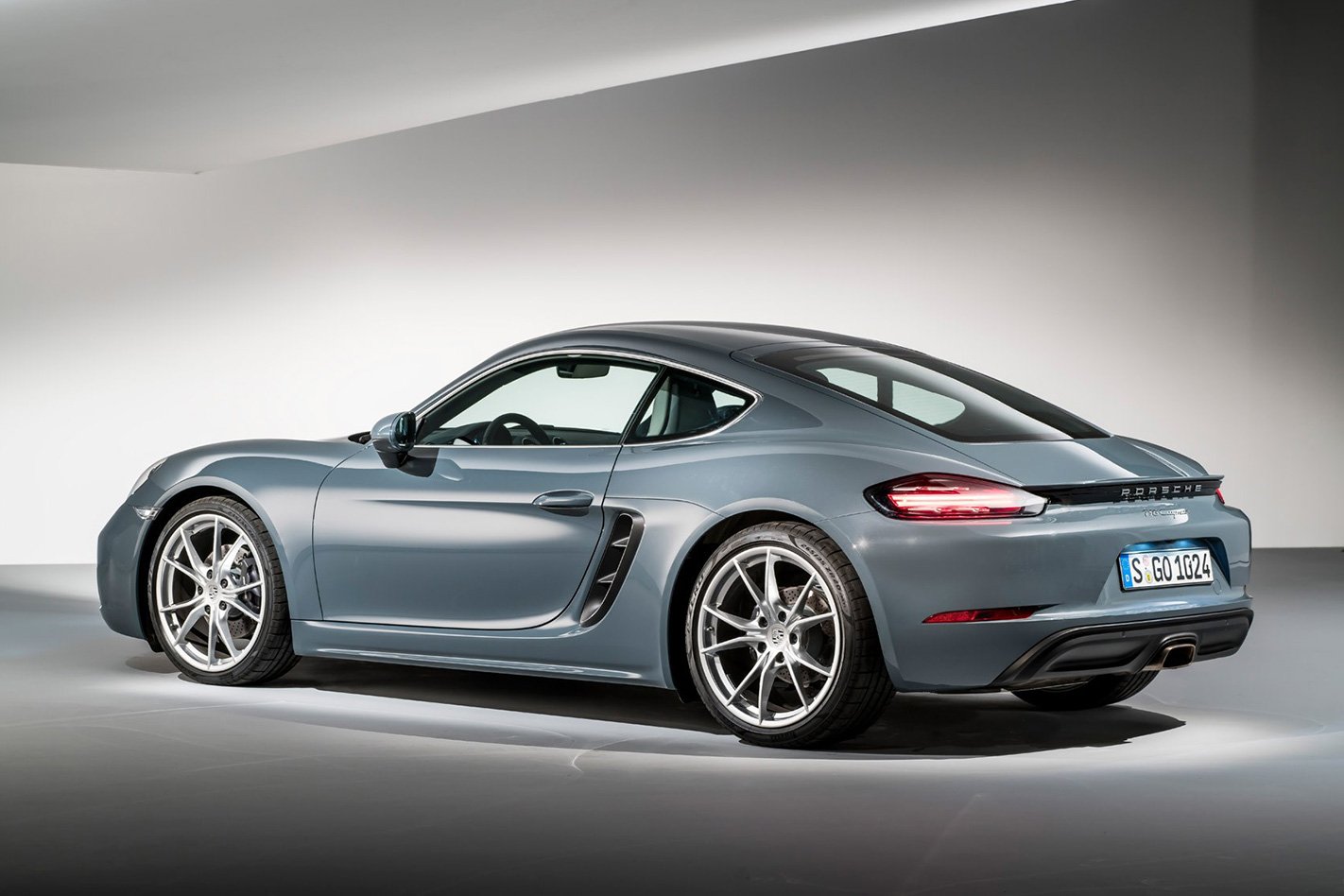
Porsche 718 Cayman
It’s a fact that the turbocharged powerplants of Porsche’s 718 Cayman aren’t universally adored. Compared to the charismatic normally-aspirated sixes that went before, its new blown fours lack a bit of X-factor. What they aren’t shy of is torque, and the base 2.0-litre 718 Cayman develops as much twist action as the outgoing 3.4-litre atmo flat-six in the Cayman GTS.
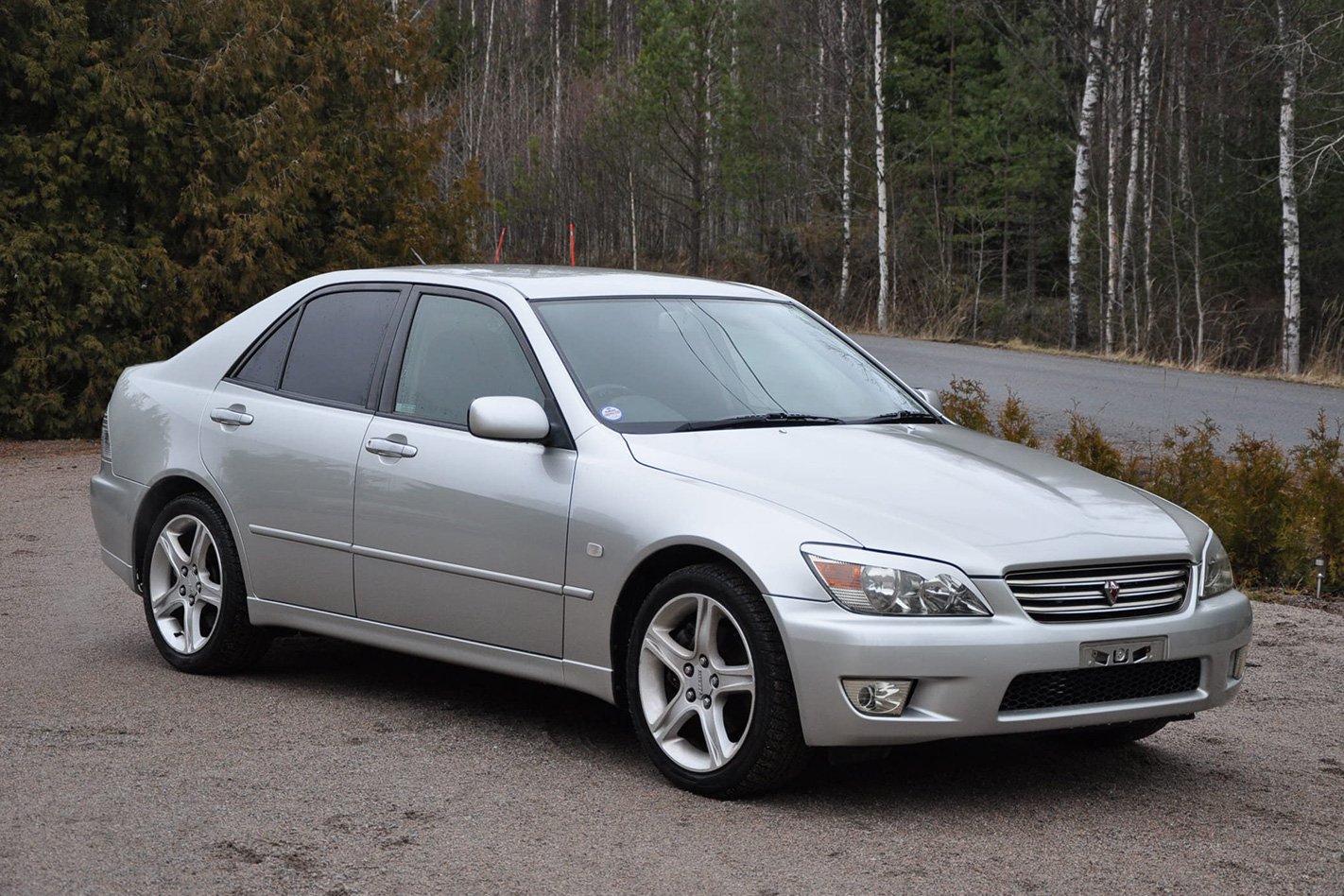
Toyota Altezza RS200
And here’s one that got away. Here in Australia, we got the Altezza, badged as a Lexus IS, with a lazy 3.0-litre 157kW straight-six and five-speed automatic combination for the range-topper. The 2JZ-GE lump added another 100kg to the front end of the IS200 version, dulling its responses. Our October 2001 test proclaimed it was no rival for a BMW 3 Series.
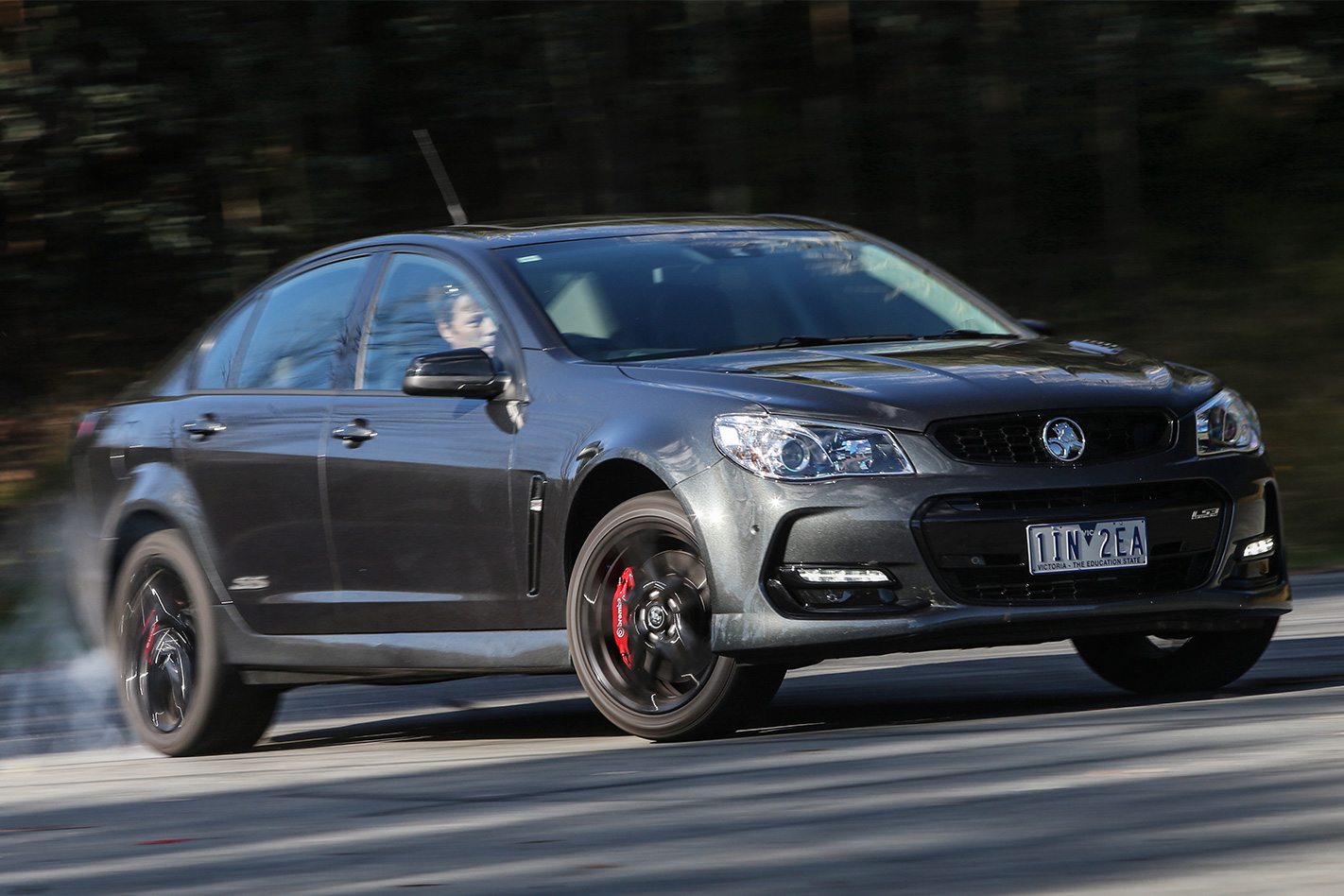
CONGRATULATIONS to Trevor G from South Australia, who is the lucky winner of our Holden SS-V Redline giveaway.
Wheels, along with our sister titles Motor, Street Machine, and Unique Cars held a competition for one individual to win their choice of either a Holden SS-V Redline sedan or ute.
Editor of Wheels, Alex Inwood, called Trevor recently to deliver the good news, and to say he was excited is a bit of an understatement.
Upon hearing the news, Trevor was initially lost for words.
“Oh you have got to be kidding,” he exclaimed.
There was some scepticism on his behalf that this ‘good news’ may have in fact been an elaborate prank call with Trevor cautiously asking “is this a ridgey-didge phone call?”
Happily for Trevor, it’s very real, and now the lifelong Holden man will have another brand-new V8- powered Commodore to enjoy.
Trevor has chosen to take delivery of an SS-V Redline sedan in Son of a Gun grey, which will be sitting in his driveway next week.
Trevor won by purchasing a Wheels subscription and getting himself 100 tickets in the draw, which had almost 100,000 entries in total. Trevor and his family are still gobsmacked.
Wheels would like to thank Booran Motors Dandenong for helping organise delivery of Trevor’s new Commodore.
The 2018 Toyota Camry’s ‘Dynamic Force’ 2.5-litre petrol four-cylinder engine will provide the template for the Japanese carmaker’s future powertrains– and it’s a template that won’t necessarily involve turbocharging.
Speaking at the CAR seminar in the US this week, Toyota’s US powertrain program manager Ben Schlimme said the fuel-efficient tech that underpins the 2018 Camry’s engine will eventually roll out across the manufacturer’s entire petrol engine line-up – including bigger V6 and V8 powerplants.
“Dynamic Force is not solely aimed at the 2.5-litre engine”, Schlimme said. “We are working to bring it to other segments.”
But why is this significant?
As many rival manufacturers embrace turbocharging as a means of extracting more power from smaller engines – and delivering greater fuel efficiency as a result – Toyota believes the 152kW 2.5-litre engine of the next-generation Camry is evidence that turbocharging isn’t necessarily the best route for cutting fuel consumption.
That 2.5-litre engine, an evolution of the current Camry’s 133kW four-cylinder unit and part of the ‘Dynamic Force’ range of powertrains, is able to deliver an astounding 41 percent thermal efficiency – meaning it’s able to extract 41 percent of the energy of the fuel it burns. That may not sound like a lot, but petrol combustion engines – especially non-turbocharged ones – typically have a much lower thermal efficiency of between 25 and 30 percent.
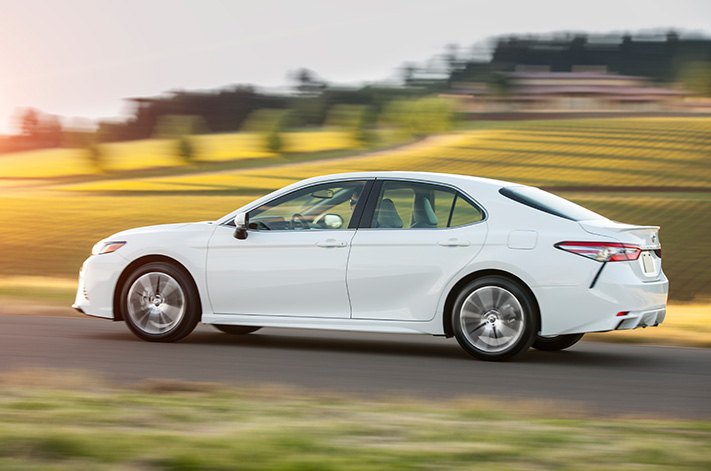
In the realm of naturally-aspirated engines (engines that don’t use a supercharger of turbocharger), Mazda is the only other major manufacturer that achieves similar thermal efficiency from a mass-produced petrol engine. Its SkyActiv range of petrols, which power everything from the Mazda2 to the CX-5 and Mazda6, are capable of delivering a thermal efficiency of around 40 percent.
Toyota, like Mazda, has largely resisted the trend of downsizing engines and adding turbos, though it has dipped its toe in the water with the 1.2 litre turbocharged four-cylinder of the Toyota C-HR (and foreign-market versions of the Corolla hatch).
Toyota’s luxury arm Lexus has gone further, using a 2.0-litre turbo four in the NX 200t, IS 200t, RC 200t, GS 200t, and RX 200t. The next-generation LS 500 will be powered by a twin-turbocharged 3.5-litre V6 when it arrives early next year, as well.
However Schlimme’s comments indicate Toyota’s mass-market passenger cars will continue to eschew turbochargers in favour of efficiency-optimised naturally-aspirated engines. Turbos and their associated hardware do add cost to a car, after all, and profit margins are slimmer in the non-luxury market. What works for a six-figure Lexus won’t necessarily work for a Camry.
The next-generation Camry was revealed at the Detroit Motor Show at the start of this year [https://www.wheelsmag.com.au/news/events/1701/2017-detroit-motor-show-all-new-2018-toyota-camry-revealed], and is set to go on sale locally towards the end of 2017.
So far three engines have been confirmed for Australia: the new 2.5-litre four-cylinder, a petrol-electric hybrid of the same capacity, and an all-new direct-injection 3.5-litre V6 variant that marks the return of the ‘Camry V6’ badge.
A PROUD Ford Mustang owner has been reunited with his car after police were guided to the location of three carjackers by Facebook users, just four hours after the car had been forcibly taken from him.
Ford has been unable to match the demand for the iconic sports car since it was introduced to Australia early last year with customers asked to wait more than a year for their pony car, but the three thieves in Canberra decided to jump the wait list and its owner.
According to ABC News, real estate agent Steve Thomas was approached by three men outside a property in Yarralumla, who threatened him with a crowbar and ordered him out of the car.
Before the thieves sped off in the Ruby Red Mustang GT, Thomas asked for his phone and after being thrown his device, the victim called the police and immediately turned to Facebook for help in finding the car.
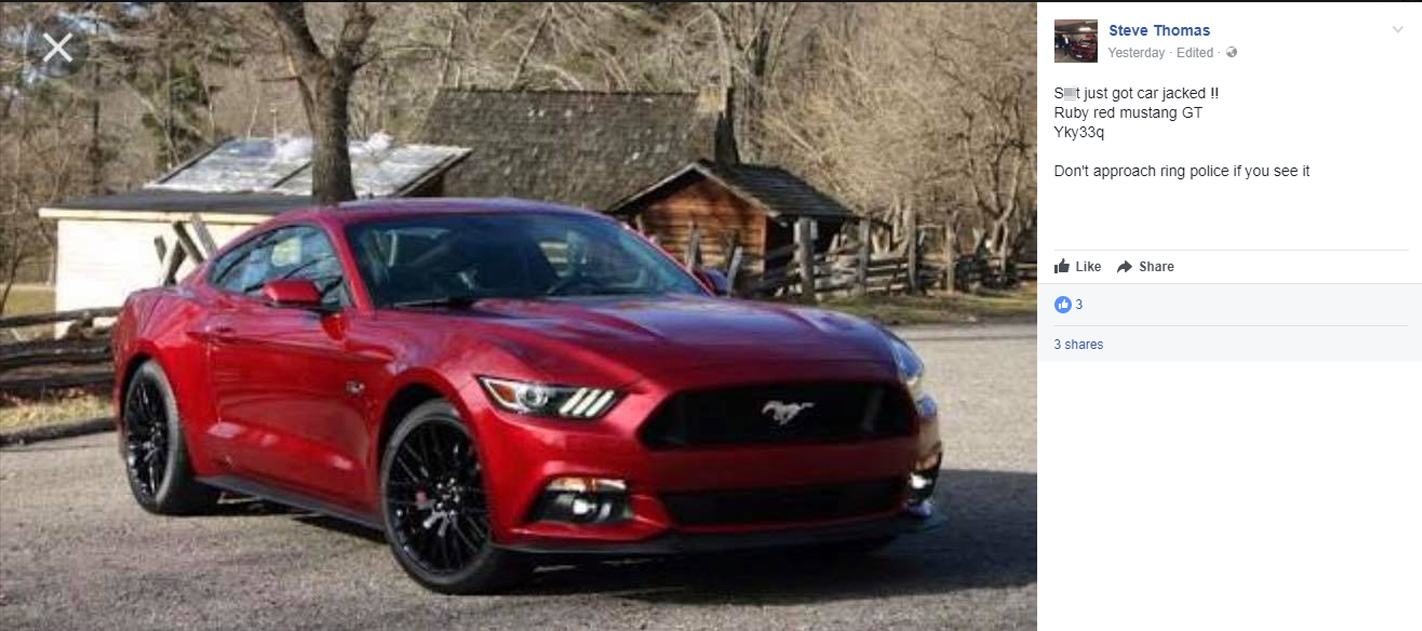
Thomas forwarded the latest image to police and, by chance, officers of a tactical unit that was also refuelling at the servo recognised the car and managed to apprehend one suspect, while the other two galloped away in the Mustang.
Mounting pressure from hawkeyed social media scouts and the police was clearly too much for the criminals though and they abandoned the car a short distance later, allowing police to return the car to its rightful owner.
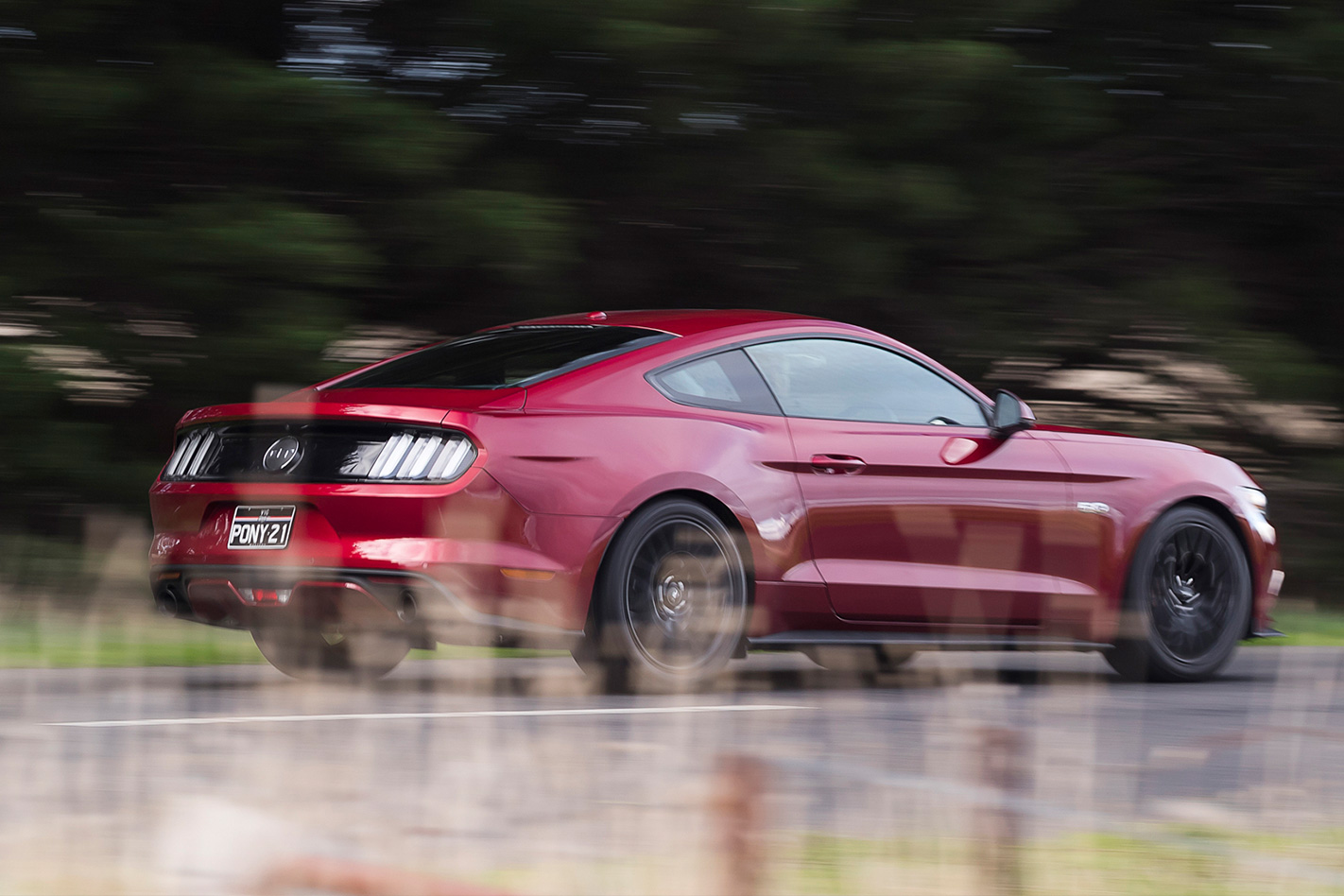
Perhaps the crims could have avoided doing bird if they had walked into a Ford dealership and placed a deposit for the less popular EcoBoost version, which has a shorter waiting list, and an affordable starting price of just $45,990 before on-road costs.
Following Australia’s appetite for the model, Ford recently acquired a greater allocation for local fans, which has reduced the waiting list to about four months.
