
Manufacturers want coverage more than ever, but they’re less keen on the sort of scrutiny that will slot their products into a hierarchy of rivals. You know, the exact thing that magazines like this one do.
Why let grubby journos drive a car if there’s a chance they might not think it’s the best thing ever? It’s not like there’s a shortage of alternatives…
Enter the ‘influencer’ – those web-based personalities with substantial followings, who can often be co-opted into delivering the sort of hagiographic guff that the marketing department might reckon was a bit OTT. Car makers – especially those trying to flog top-end product – are taking them increasingly seriously, often dispatching them on the same launches as old-fashioned media, sometimes even giving them earlier or better access.
Smelling vinegar? This isn’t just sour grapes – some influencers are indeed proper journos, leveraging their prominence to produce unique content. Chris Harris, the former magazine journo who segued his self-funded YouTube channel into a gig presenting Top Gear TV in the UK is probably the best example. Harris was banned by Ferrari back in 2011 for criticising the brand for trying to win every comparo at any cost, so he’s certainly no yes man.
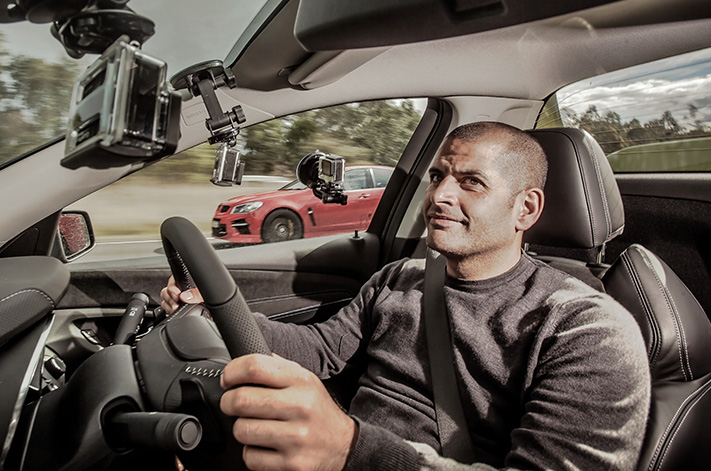
Real supercar buyers definitely don’t wear blinkers. Gain access to some of the carefully guarded forums where McLaren or Ferrari owners compare notes and you’ll find a full and often forthright discussion of faults and foibles – views that are often in stark contrast to the official line.
But influencers don’t dig dirt, their place at the table is based on the strict understanding that they will deliver the sort of criticism-free content that manufacturers crave. As a senior PR for a luxury brand recently put it, “the question from the board member is never ‘why haven’t I seen it in Magazine X?’, but ‘why haven’t my kids seen it on Instagram?’”
The ambition is buzz or hype rather than critical analysis, with influencers and low-grade celebrities co-opted to help deliver it, often through the sort of posts that are big on #livingthedream type hashtags. While the full reckoning will come, journos are persistent buggers and we’ll usually get to wrangle both drives and proper comparos eventually. But it’s worth remembering that hype can be bought, as well as earned.
The HSV VT Commodore is the model that took the big Holden to the world stage.
Exports far and wide and grown up stuff like an independent rear-end across the board served notice that the Commodore had `arrived’. But over at HSV, the new VT was throwing up at least as many questions as it was answering.
Prime among those was what the hell was HSV going to do for a tier 2 powerplant.
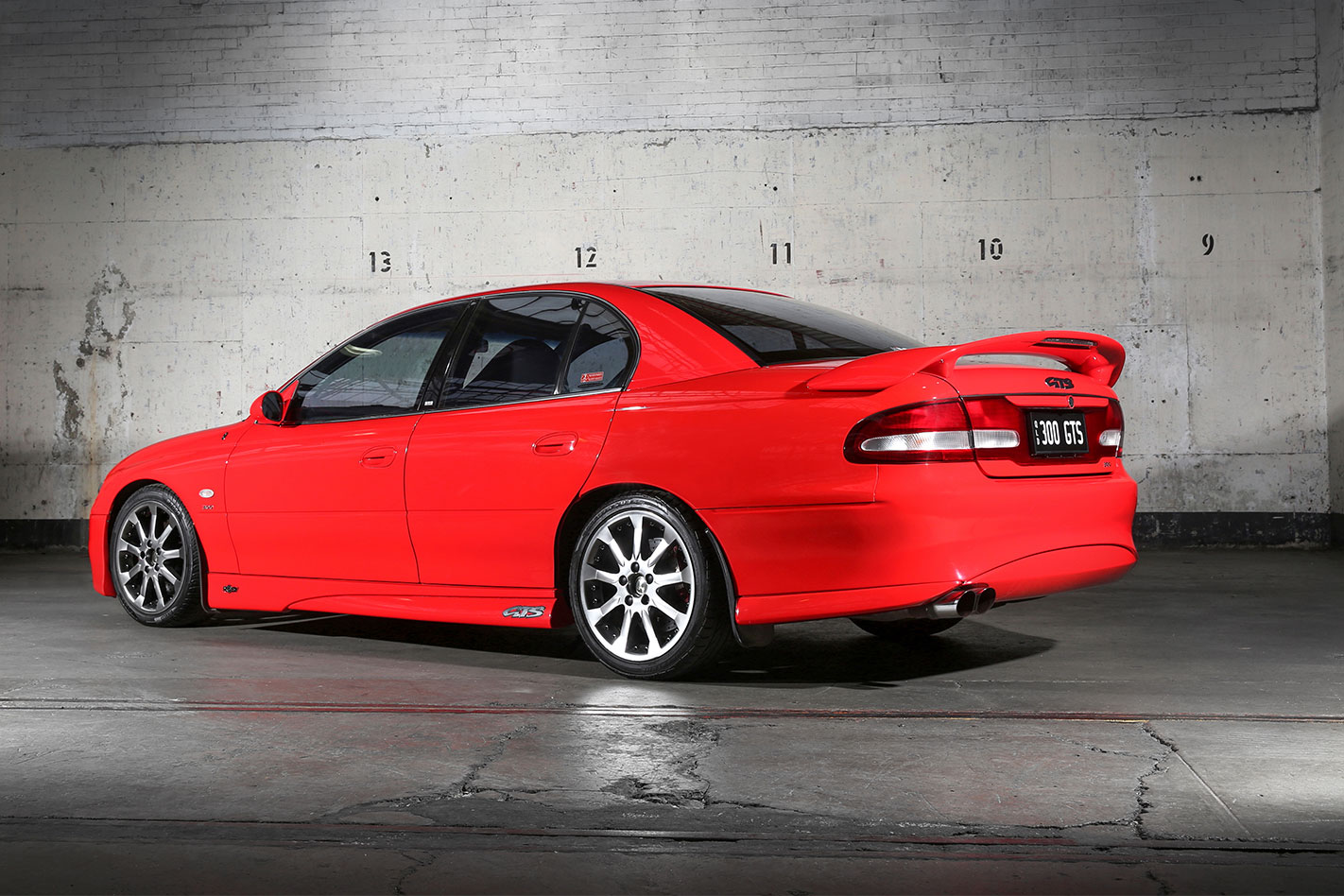
That was fine while ever it could tap into Holden Engine Company’s catalogue, but since the arrival of the LS1, HEC was no longer responsible for assembling the V8. So what to do?
First thoughts were to tap into TWR’s arsenal (Tom Walkinshaw himself was a shareholder of HSV after all) but eventually, the road led HSV management Stateside, to Reeves Callaway’s bunker in Connecticut. Things were starting to fall into place: Callaway had history with the GM operation in general (Callaway-modded Corvettes were selling through GM dealerships) and the Gen 3 V8 in particular (Callaway was already squeezing big numbers out of the alloy bent-eight).
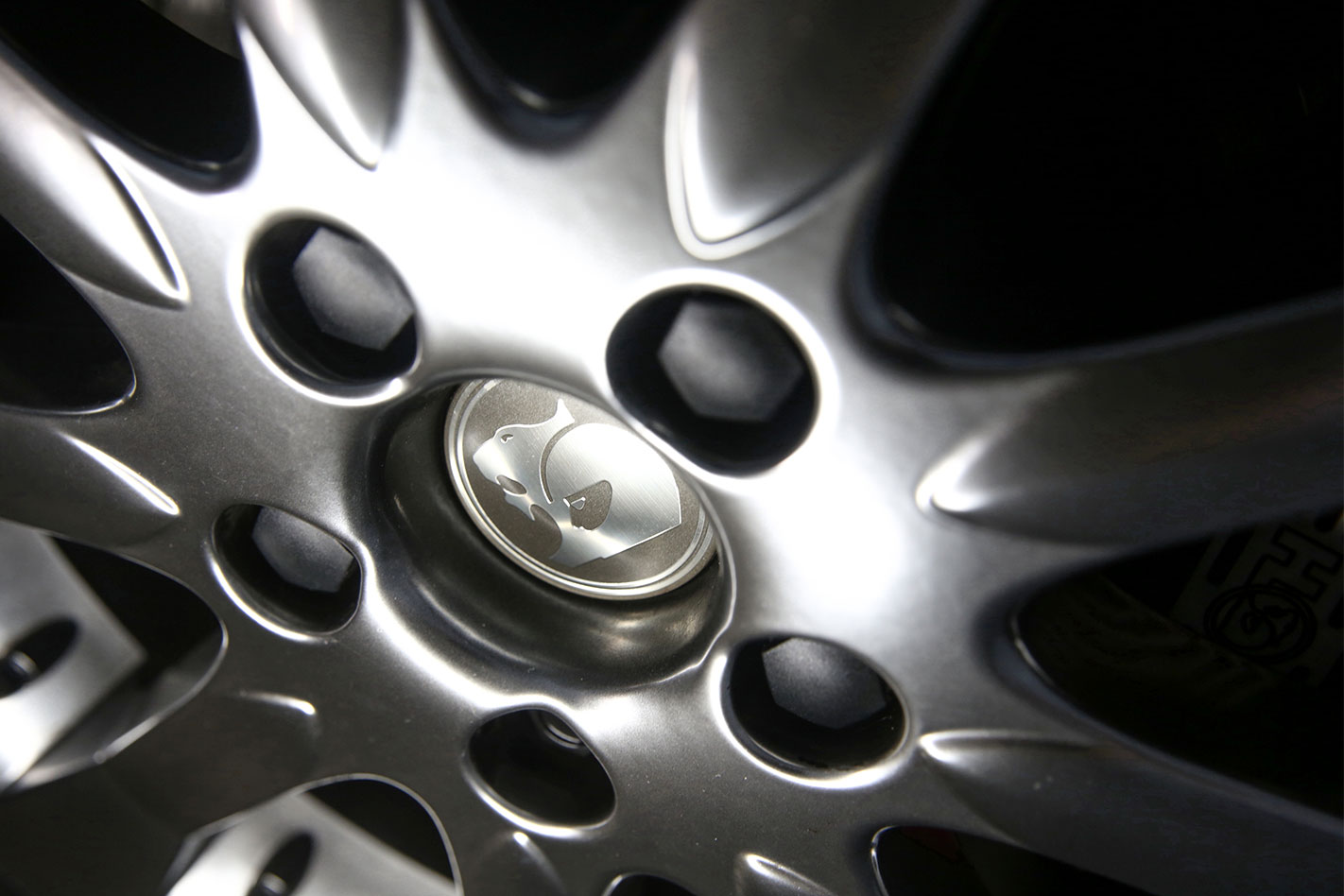
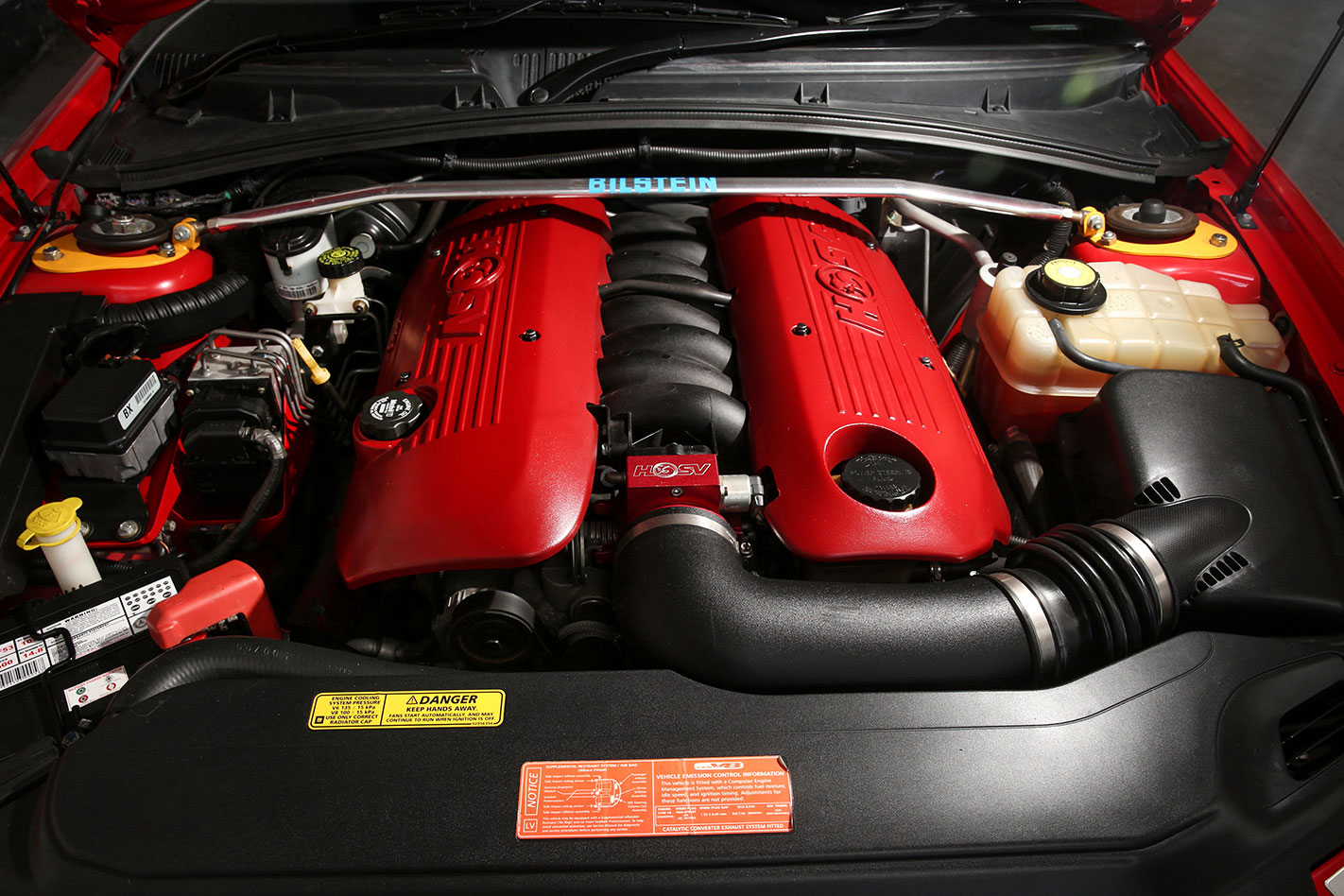
So, Callaway’s contribution was to leave the tough, six-bolt-main bottom-end alone and concentrate on getting air in and out. A new throttle body was developed, a new camshaft brewed up and the mass-flow sensor was deemed too restrictive, so a mafless tune was developed. But the real magic lay in the cylinder heads which were virtually hand-made (albeit with CNC machining processes) and then fitted with bigger valves and cool bits like titanium springs.
2018 Holden Commodore: sink or swim?
In the end, the drive wasn’t as dramatically different as it might have been. Maybe because the bread and butter HSV 250kW tune was pretty good; maybe because the power had been shifted up a bit higher in what was already a relatively peaky thing for a nearly-six-litre V8. But there’s no doubt that the basic premise was right.
If, that is, you were comfortable with the idea of spinning 5.7 litres all the way to 6000rpm for maximum power. Mind you, the engine itself was fairly happy to oblige with its ignition cut upped to 6500rpm.
It was tuned to run on PULP, too, although Holden’s own durability rules dictated it had to be able to cop 91 if that’s all that was available. Twin knock-sensors looked after that.
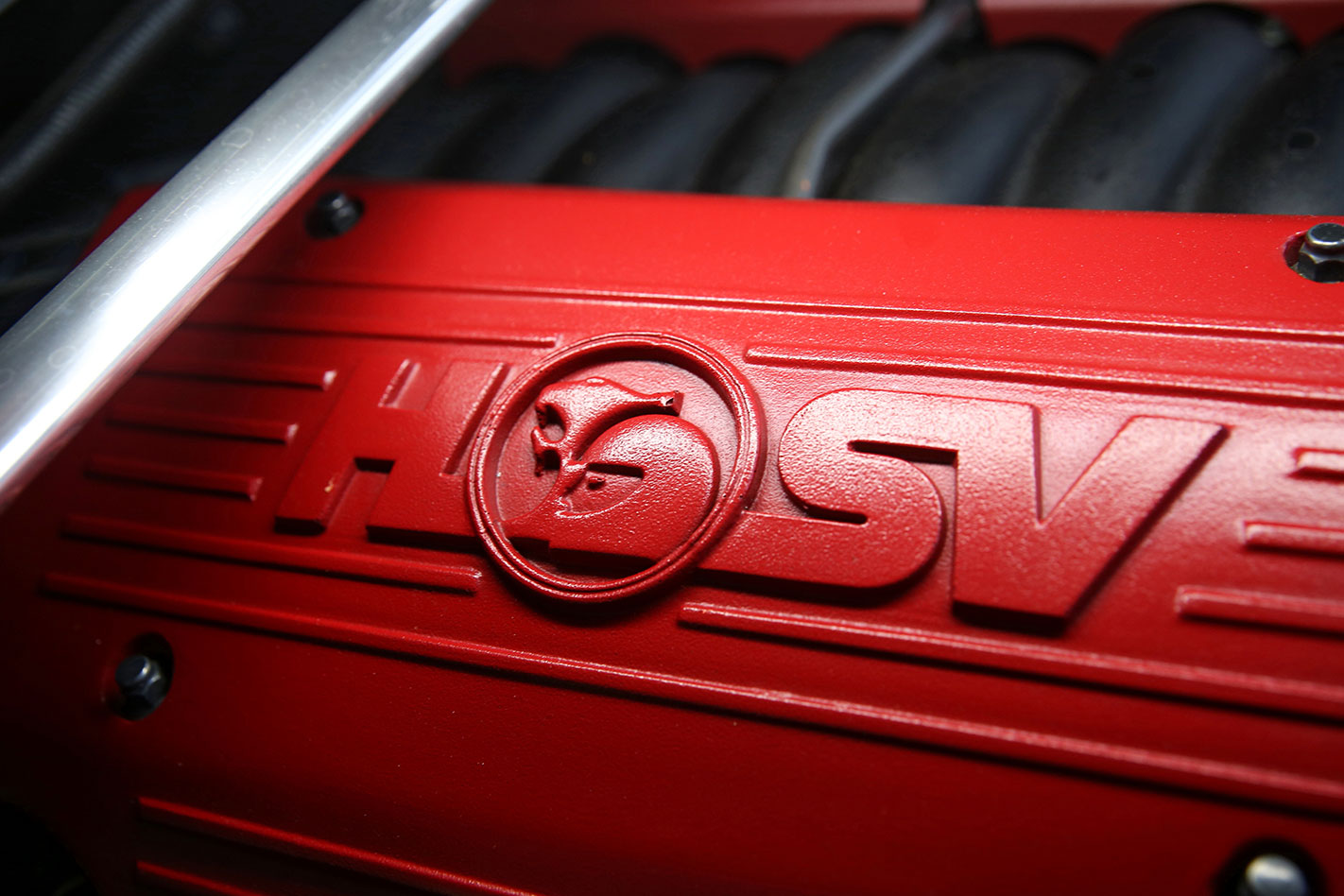
That and the sheer mass of a VT Commodore which was a big mind-shift for some of us. And while the T56 transmission was improving all the time in terms of its shift speed and accuracy, many would-be buyers would have preferred an auto had it been available.
Holden’s next-gen Commodore Supercar details
Of course, in 2017 when HSVs are packing 6.2 litres and blowers for good measure, 300kW doesn’t seem so crazy. But let me tell you, back at the turn of the century, this was a headline grabber of the highest order.
Specs: Engine:5665cc, V8, OHV, 16-valve Power: 300kW @ 6000rpm Torque: 510Nm @ 4800-6000rpm 0-100km/h time: 5.1sec (claimed) Weight: 1740kg Price when new: $95,379 Years on sale: 2000-2002
HYUNDAI has promised to refresh its entire SUV line-up with 31 new variants across five different segments by 2020, including a replacement for the ix20 mini SUV to sit below the all-new Kona that was revealed this week.
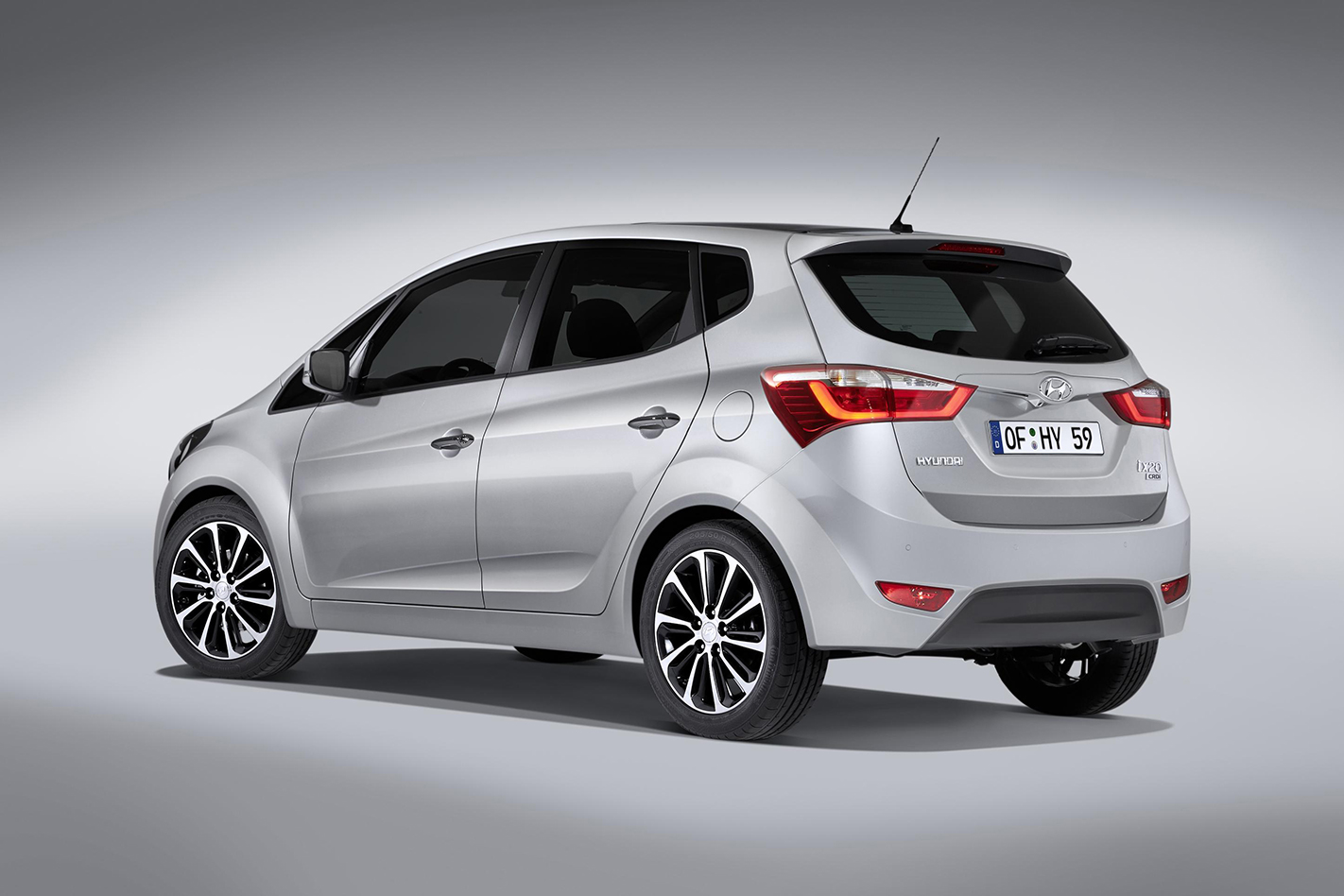
Hyundai last updated the ix20 (pictured) for the UK market in early 2015. Speaking at the global launch of the Hyundai Kona, Hyundai Motor Company’s director of engineering, Chanbok Chung, suggested development of a forthcoming A-segment SUV to compete with the Suzuki Ignis was underway, and that it would be a perfect candidate for the brand’s advanced 1.4-litre turbocharged ‘T-GDI’ four-cylinder engine that’s not yet available in Australia.
Right-hand drive engineering has already been carried out for the direct-injected 1.4 and the engine is available in UK-market versions of the recently released second-gen Hyundai i30. It produces 103kW at 6000rpm and 242Nm at 1,500rpm in that application mated to a six-speed manual gearbox. Claimed fuel consumption is 5.4L/100km.
Advances over the Gamma 1.4-litre engine it replaced include 14kg less weight, better economy, higher peak power, and a turbocharger integrated within the exhaust manifold for improved throttle response and greater low-end torque.
A spokesperson for Hyundai Australia suggested the punchy 1.4 could also replace the 2.0-litre naturally aspirated ‘MPI’ four-cylinder engine currently sold in other Hyundai models, such as the Elantra.
The European-built i20 city hatch and ix20 mini SUV are not sold here at present, but Hyundai Australia is keen to add a new entry-level product to its line-up, either to sit alongside the current Hyundai Accent or replace it.
‘We’d love [i20] now, but there are some complexities that mean it’s not really available for us,” said Hyundai Australia chief operating officer Scott Grant.
“The entry-level car is a very important segment for us. It’s part of our strategy. It’s obviously where our brand was born, and whilst the taste of Australian consumers for that entry level passenger car has changed a fair bit, it’s an important way to talk to both older buyers that are really conscious of value, and to younger people that are getting into the market for the first time.
“Both of those segments are quintessentially Hyundai heartland and I’m sure that we’ll continue to have an offering in that area whether it’s a hatch or a sedan or a smaller, slightly jacked up SUV.”
After last year’s devastating non-classified finish for Toyota, driver Kamui Kobayashi has brought the team back to the forefront of this season with a pole-getting record lap of Circuit de la Sarthe.
The previous overall lap record for the circuit was 3:16.887, the fastest since the chicanes were built into Mulsanne Straight 27 years ago.
Kobayashi ran an incredibly clean lap, only needing to pass a couple of slower cars before getting onto open track and completing the lap in a searing time of 3:14.791.
Just over two seconds faster than the record.
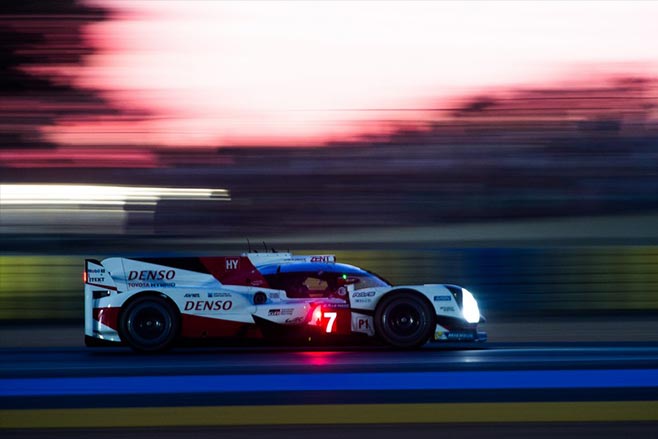
“I got in the car with 100% confidence and when you are confident, you are quick. It was an amazing lap and the car was brilliant. It was the right moment, just after the red flag with no traffic,” the driver said.
“I am really proud of this pole position. Still, it is a 24-hour race so the important thing is the race result and that is what we are focusing on.”
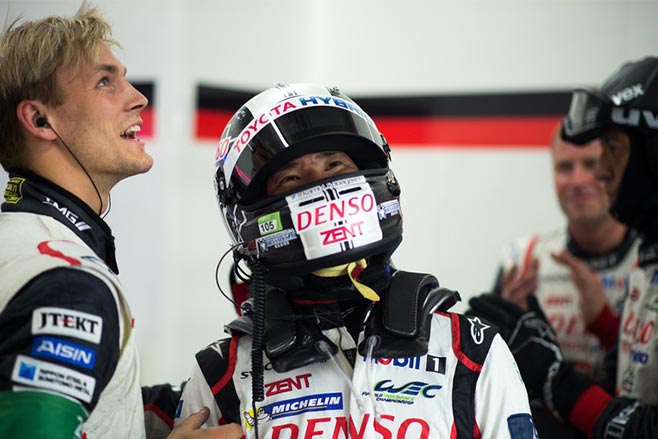
“That was a mega lap by Kamui, everything worked perfectly. But Kamui has been flying all week so we were confident he could do it.”
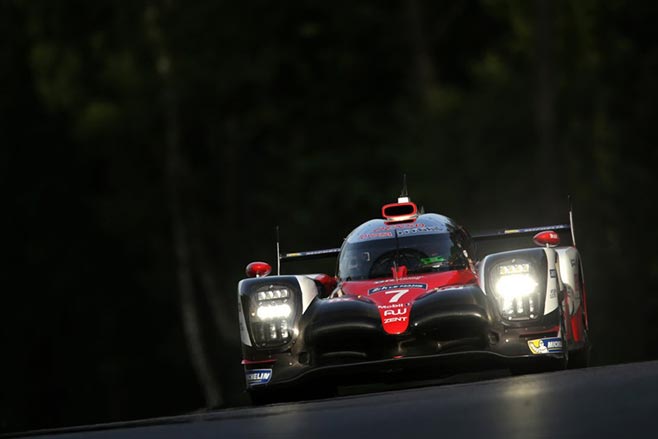
With six minutes to go, the Toyota car which was leading the race lost power, and completed the last lap in almost 12 minutes – well over the six minute allowed time.
This resulted in the car being disqualified.
The 24 hour race will be held over this weekend, the 17th and 18th of June.
YEP, you’ll see this one coming in the rear-view mirror at your next track day.
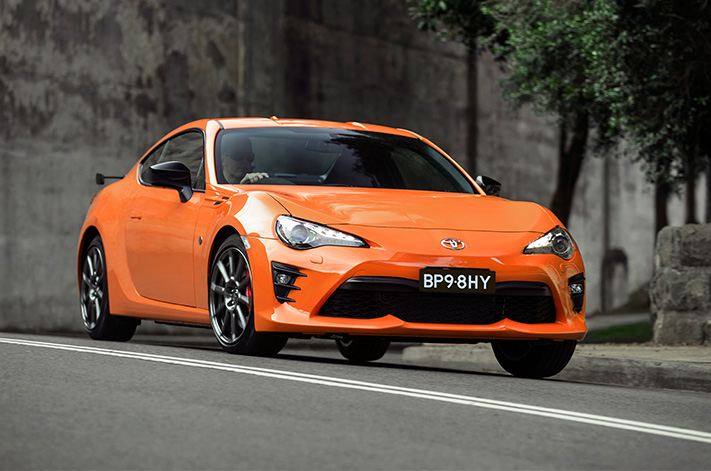
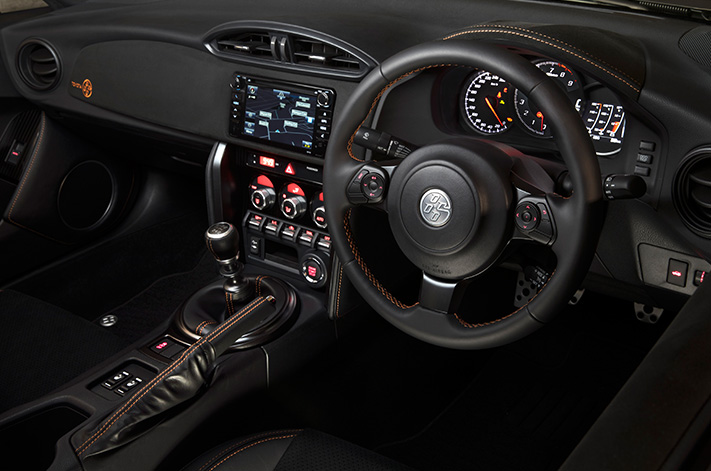
Toyota has lifted the lid on an orange-hued, manual-only version of its strong-selling 86 four-seat coupe – but only 60 of them will be sold down-under.
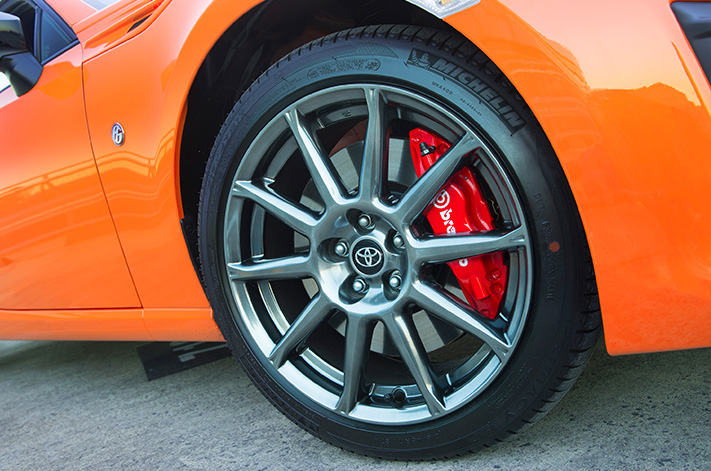
It’s a long way away from the recently revealed, closely related, be-winged Subaru BRZ tS that’s destined for US showrooms. Toyota’s tweaks for the 86 don’t offer much in the way of cosmetic enhancement over a normal 86, with only an eye-searing (and wallet-stinging) $4550 orange paint job the only exterior change – but this one is about more than just wings and stickers.
There’s also a set of distinctly beefier vented brakes, which step up to 326mm x 30mm discs wrapped in four-piston Brembo calipers at the front (up by 32mm and 6mm respectively) and fitted with 75-square-centimetre pads that are almost half as big again as the default ones. Down the back, there are 316mm x 20mm rotors clamped by two-piston calipers (up 16mm and 2mm respectively) with slightly larger 32-square-centimetre pads.
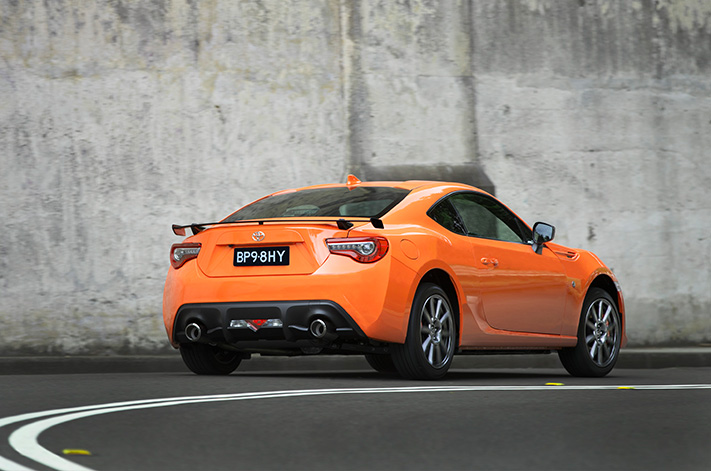
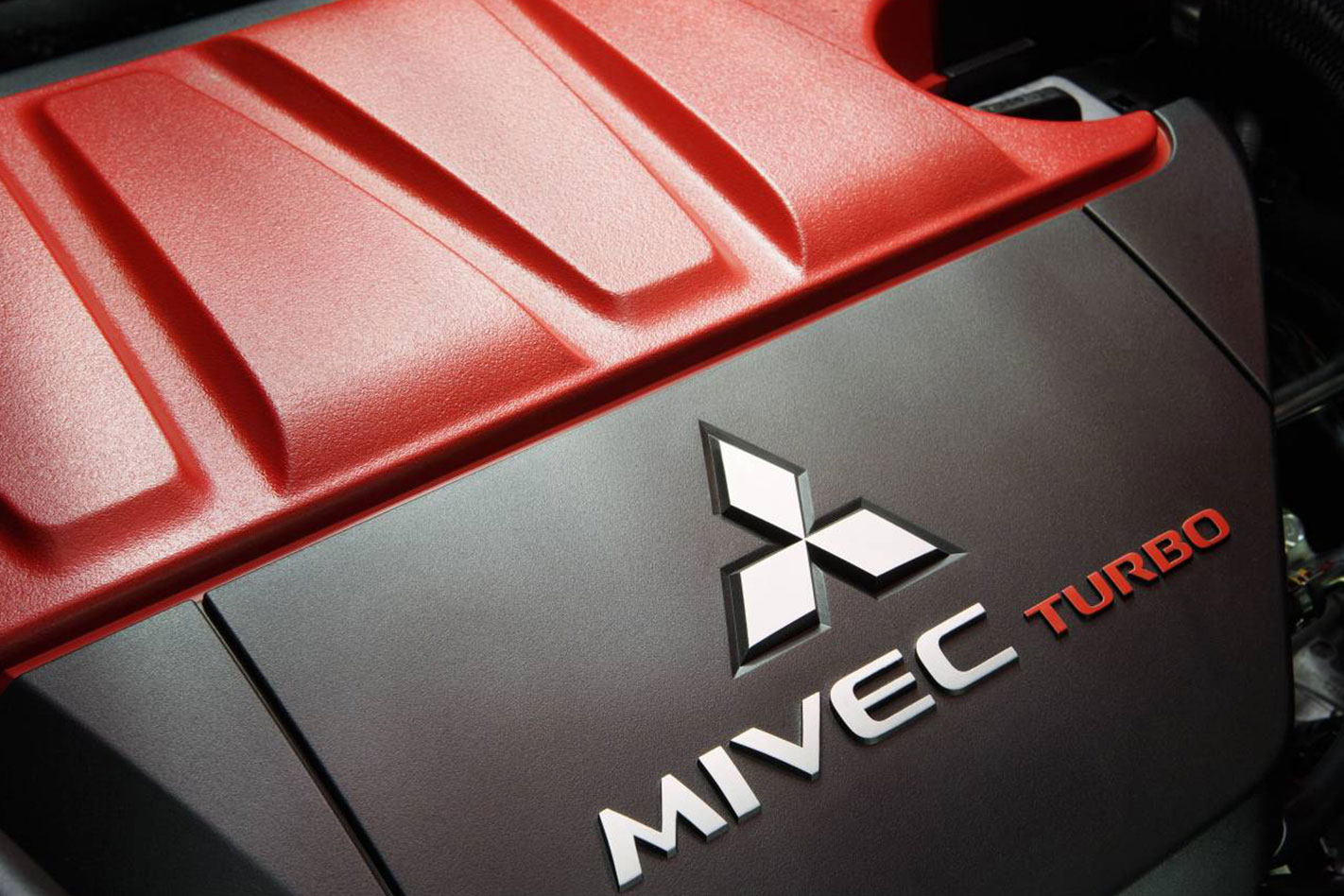
Don’t bother looking under the bonnet, as the hachi-roku-orenji uses the same 152kW/212 2.0-litre four-cylinder engine fitted to the six-speed manual 86 GT.
Despite a recent upgrade that included minor under-bonnet tweaks, the Toyota 86 has struggled a bit since its Stars-and-Stripes sportscar nemesis, the bigger, brasher and somewhat more expensive Ford Mustang, arrived on the Australian market more than a year and a half ago.
So far this year, Ford has sold almost 3800 four-pot and V8-engined Mustangs compared with just 820-odd 86s.
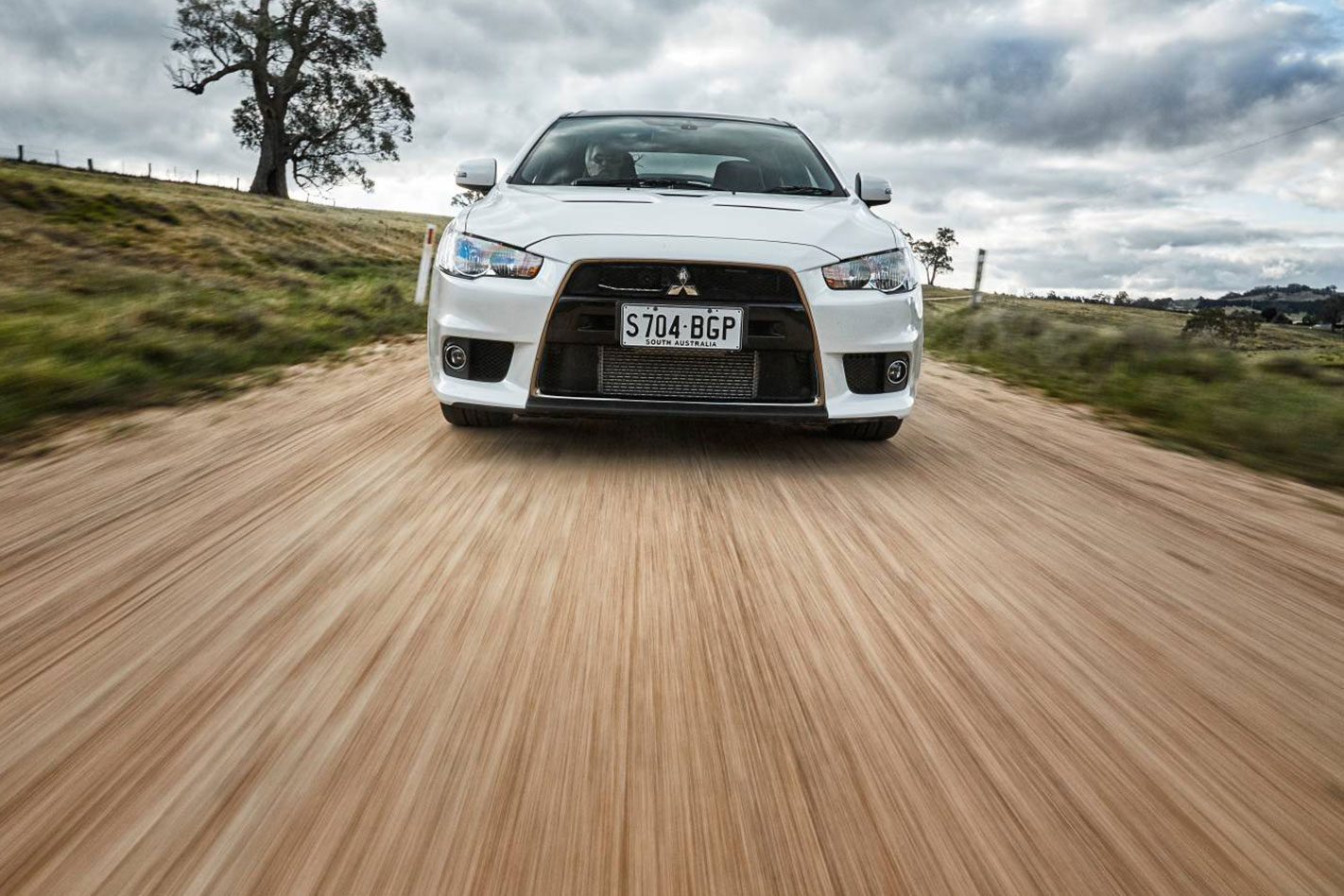
Mitsubishi has given its best indication yet of when a Lancer Evolution X replacement will land – but fans of the all-paw performance sedan will certainly have a while to wait.
“[But] I think it is a longer-term opportunity rather than a problem,” he continued.
Subaru WRX STI vs Mitsubishi Lancer EVO
“I do think that because of the heritage, because of what we’ve had as a brand, I think that it would be interesting to bring something back which is a bit more sporty in the future.”
Opinion: Can YouTube teach you how to drive?
“I wouldn’t say [a performance model is] less of a priority, but we’ve got to understand what our priorities are,” he continued.
“Priorities in the mid-term are the company’s overall performance, because if we don’t have strong and robust base-level financial performance, then you can’t afford some of the nice-to-haves. So that’s what we’re going to concentrate on over the next three years.
The now six year-old Lexus CT 200h will receive its second facelift later this year, despite being at an age when most cars typically receive an all-new replacement.
Revealed overseas and lined up for a local arrival in the fourth quarter of 2017, the updated CT 200h will adopt refreshed exterior plastics at front and rear that bring the CT’s styling into closer alignment with fresher metal like the IS and NX. An updated grille treatment, new wheel designs and revised headlamp and tail lamp internals will also be applied.
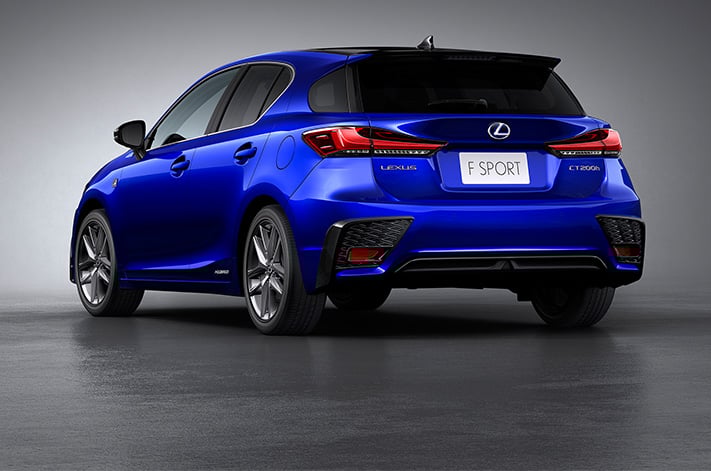
Dark plastic foglamp surrounds and bolder mesh patterns for the CT’s spindle grille are the most noticeable changes, with the headlamps bearing new jewellery that mimics the L-shaped motif of other models, but occupying the same ‘cutout’ in the CT’s front-end sheetmetal.
On high-grade models, the L-shaped graphics within each headlamp become LED daytime running lamps.
The 2018 CT 200h F Sport gets a black metallic finish for its grille and foglamp surrounds, with unique 17-inch alloy wheel designs and a choice of two-tone paint schemes.
The updated CT’s tail lights get a similar treatment, with new internal lensing being applied to an unchanged casing. They’re complimented by rear bumper appliques that recall the rear-mounted radiators of the Lexus LFA supercar – without any of the performance-enhancing properties, of course.
There are no changes expected for the CT 200h’s mechanical package, which consists of an Atkinson-cycle 1.8-litre petrol four-cylinder petrol hooked up to an electric assistance motor, with the combo producing a very modest total of 73kW and 142Nm.
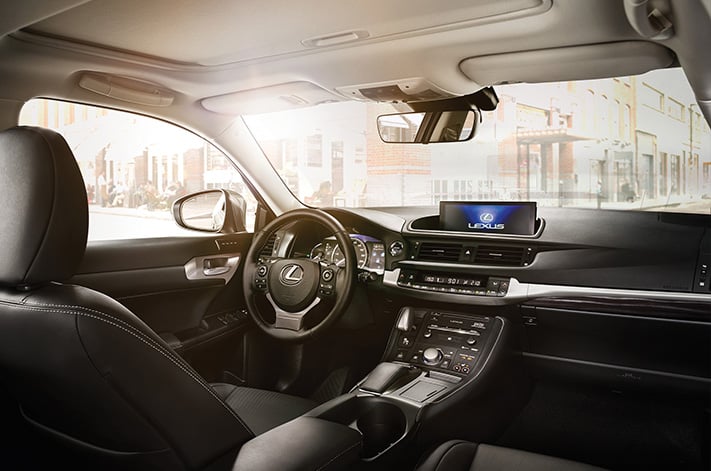
Greater changes are evident inside the cabin, with a significantly larger 10.3-inch colour display for the CT’s infotainment system replacing the current car’s 7.0-inch screen. New upholstery options incorporating two-tone leather trim and new fabric upholstery round out the rest of the interior updates.
Safety tech also gets a bump, with the 2018 Lexus CT 200h making autonomous emergency braking, radar cruise control, lane departure warning, lane keep assist and auto high-beam standard across the range.
Expect full pricing and local specifications to be revealed closer to the 2018 CT 200h’s local launch later this year.
The extremely quick, driver-focussed Audi RS3 Sportback has been joined by its newly minted five-door sibling that’s powered by an all-new version of Audi’s inline five-cylinder turbo engine.
Looking more muscular than the RS3 Sportback, the Audi RS3 sedan has a wider track and lower ride than the standard A3 and S3 models, and other distinguishing features including a gloss black honeycomb grille, larger and air intakes, lower front blade with gloss black upper surface, flared wheel arches and large oval tailpipes. There’s also a host of optional extras to add more bling including trim strips, pearl- or crystal-effect paint and a five-arm alloy wheels.
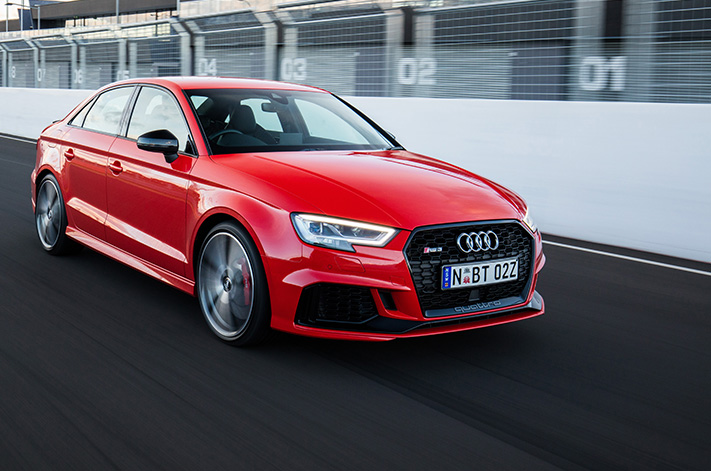
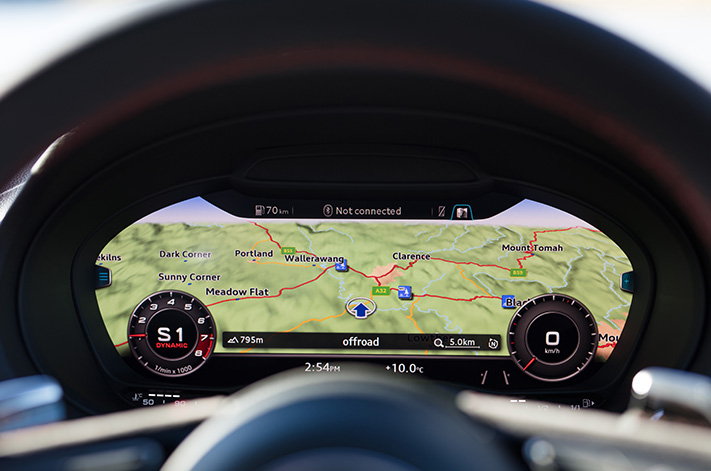
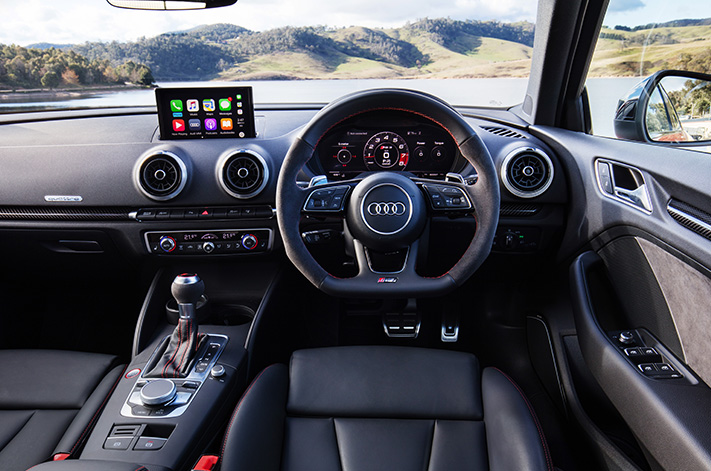
Inside, the RS3 sedan comes with RS-embossed, diamond-quilted Nappa leather seats, including high-back sports ones down the front, a 7.0-inch monitor that rises from inside the dashboard on start-up, and Audi’s virtual cockpit digital driver information display. Interior options include carbonfibre or aluminium inserts, and an RS screen for the virtual cockpit with larger rev counter and gauges showing G-force, torque and power.
It also comes with a host of functions including sat-nav, which can be viewed on the touchscreen or via the virtual cockpit display, a Wi-Fi hotspot, Apple CarPlay and Android Auto connectivity and a 180-watt, 10-speaker sound system.
But it’s the way the it performs and handles that will prove popular in Australia, where one in four of every A3 Sportbacks sold are RS3 variants.
This includes the performance from the 2.5-litre inline five-cylinder engine mounted at a right angle to the body. It produces 24kW more than the previous version to push out 294kW/480Nm to all four wheels via a quick shifting seven-speed S Tronic automatic transmission. The transmission includes normal drive, and sport mode settings, and can be manually controlled via wheel-mounted paddle shifters.
The RS3 sedan can officially sprint from 0-100km/h in 4.1sec, 0.2sec faster than the RS3 Sportback that will have a major mid-life update later this year. According to Audi, the four-door RS3’s big dose of performance comes with a remarkably small-for-what-it-is 8.4L/100km combined fuel use.
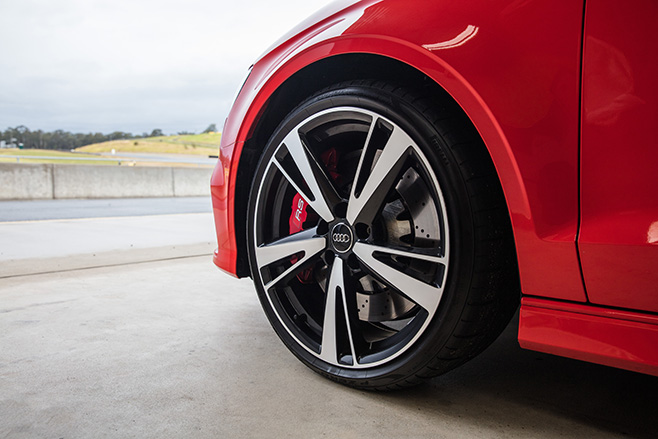
Performance is matched by strong handling qualities that come via torque vectoring that provides better stability when accelerating through bends. Stopping power comes via eight-piston brake calipers with 370mm ventilated front rotors and 310mm rear discs behind 19-inch alloy wheels.
The RS3 sedan is price from $84,900. However, as with most other things that carry a premium badge there are range of aesthetic, performance, handling and infotainment options that, on the RS3 sedan, can add up to take the final price north of $100,000.
Australia’s demand for high-riders, crossovers and soft-roaders is showing no sign of slowing, with seven-seat models at the larger end of the SUV spectrum adding a healthy volume, while equally practical people-movers struggle to attract much attention.
Let’s look at the key reasons many flourishing families (and some prospective parents) leapfrog people-movers and jump straight to some of the more popular seven-seat SUVs, which include the Toyota Kluger, Nissan Pathfinder and Mazda CX-9.
“I frequently need to transport my kids and their friends”
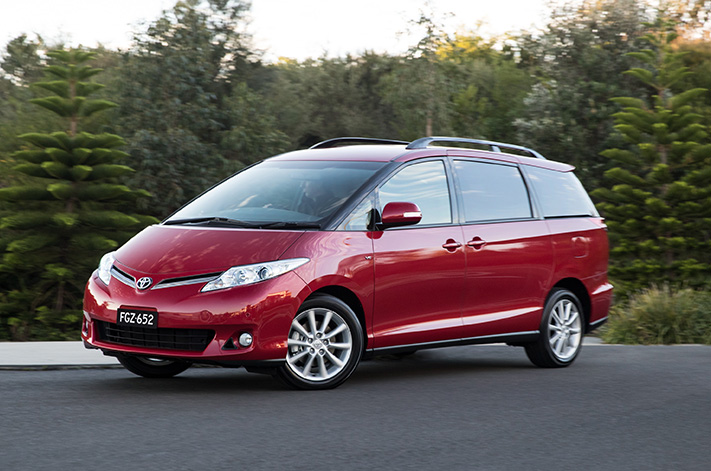
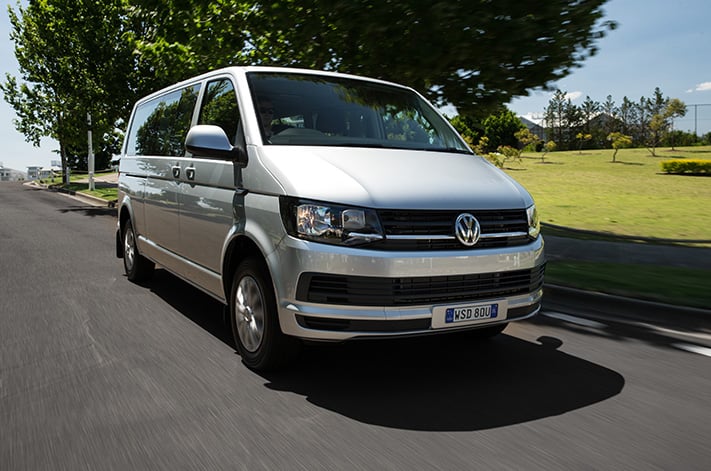
While the aforementioned SUVs will all accommodate up to seven occupants, so will the Citroen C4 Grand Picasso and Volkswagen Multivan. However, Toyota’s Tarago and the Honda Odyssey go further, with each having room for up to eight.
“When I’m not ferrying people, the extra space of an SUV is essential”
With all seats folded or stowed the Kluger offers 1171 litres of space, the Nissan has 2260L and the Mazda can accommodate 810 litres of cargo. That compares to 2181L for the Citroen, while the VW is based on the Transporter van and offers a generous load area akin to a commercial vehicle.
“The boosted ride height of an SUV offers better visibility in traffic and I like the idea of going places other cars cannot”
While most SUVs wear plastic wheel arches and tall tyres, many do not offer a dramatic advantage over other vehicles when taken off-road. The Kluger has a 200mm ground clearance, 165mm for the Nissan and 220mm for the Mazda, and are all available with four-wheel drive. Then again, Volkswagen’s Multivan is on offer with 4Motion four-wheel drive and a 213mm ground clearance.
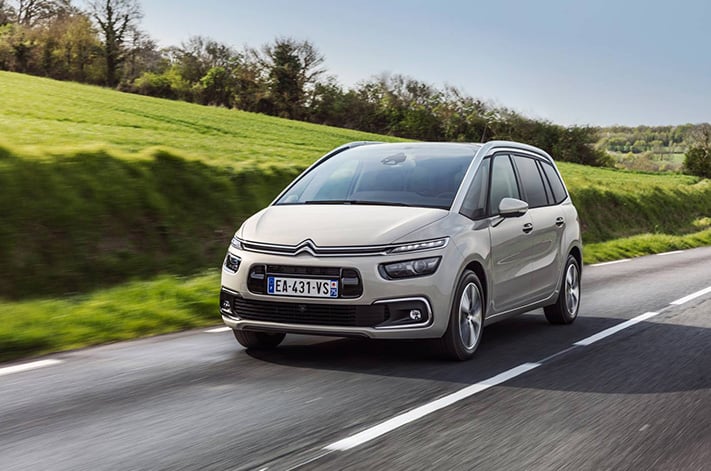
The Grand Picasso and Odyssey are not far off with 150mm of clearance each, though both are strictly front-wheel drive.
It is also worth mentioning that although many owners like the promise of off-road ability and an adventure into the outback, the bulk of owners will rarely exploit the full ability of their SUVs.
“I need to tow with my car and SUVs are best aren’t they?”
Not necessarily. The low-down torque of a diesel is very useful for towing and you won’t find one under the bonnet of any of the SUV’s. The Multivan and Citroen however, are offered with a diesel only, providing a gutsy 450Nm and 370Nm of torque respectively.
And that brings us on to fuel economy. With their boxier proportions, SUVs often have a greater frontal area, which can impair aerodynamics and increase fuel consumption. If it is carrying around a four-wheel drive system, the extra weight will also increase consumption.
The best any Kluger variant can manage is 9.1 litres per 100km, the Pathfinder does 9.9L/100km, while the CX-9 does a little better with a newer and smaller engine – 8.4L/100km. In the people mover corner though, the Citroen manages a commendable 4.5L/100km while the VW is as good as 6.5L/100km thanks to their frugal diesel engines.
Even the naturally aspirated petrol people movers do relatively well with a score of 7.6L/100km for the Honda and 8.9L/100km for the 2.4-litre four-cylinder Toyota. A larger V6 is available.
When it comes to actual rated towing capacities, there is not a lot in it. The Kluger and Mazda manage 2000kg with a braked trailer, while the Nissan can haul up to 2700kg, compared with the 1600kg limit for the Citroen and Toyota or 2000kg for the Multivan.
The overall styling and ease of loading an SUV may still appeal to you over a more van-like people mover, but the practical micro-bus is still well worth considering before you set off for the dealership.
A limited edition has rejoined the Honda HR-V range as the Japanese car maker chases a bigger slice of one of the most hotly contested new car segments.
Based on the $24,990 entry-level VTi, Honda claims the HR-V Limited Edition adds $3600 in value to the cheapest model, yet only costs $1425 more.
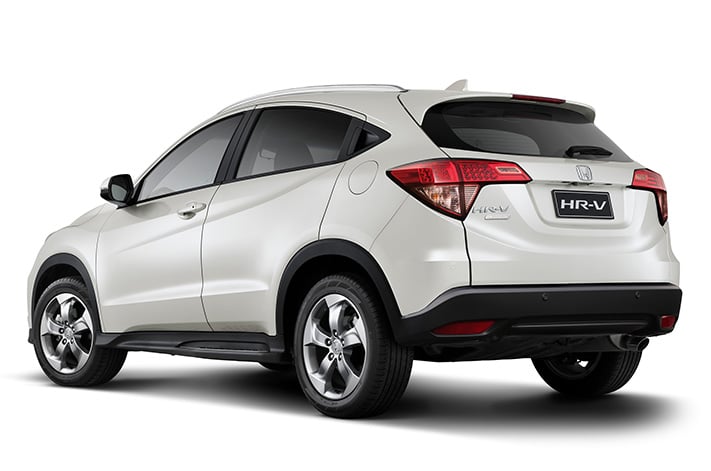
Honda hopes the special model will help the HR-V build sales against rivals that are either matching or outpacing it in the market, including the segment-leading Mitsubishi ASX, the recently updated Mazda CX-3, and the Nissan Qashqai.
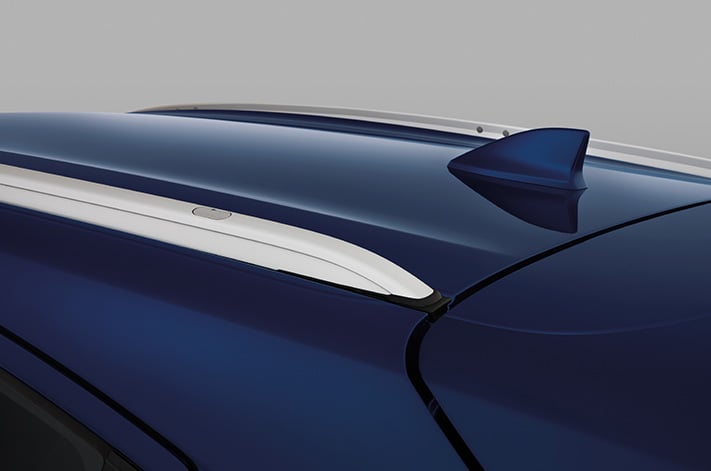
The Limited edition ditches the VTi’s standard 16-inch alloys for the 17-inch ones fitted to the $27,990 VTi-S. It also adds reversing sensors to back up the range-wide reversing camera – something that doesn’t become standard until you hand over $33,340 for the VTi-L – side steps lifted from the HR-V options bin, keyless entry and push-button start, and roof rails.
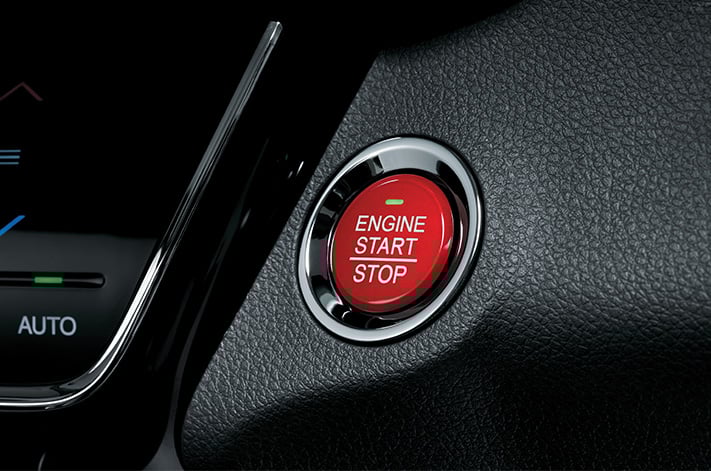
However, unlike some rivals such as the Mazda CX-3, the limited-run HR-V doesn’t have automatic city braking as standard. However, it did have satellite navigation added as standard equipment earlier this year, giving it an edge in the eyes of some buyers.
Pinning Honda down to saying how long the HR-V Limited Edition will hang around has proved a bit difficult, although the car maker says that based on the success of the previous Limited Edition deal-sweetener, this one is expected to hang around for a bit longer.
Honda is pricing the HR-V Limited Edition at $28,990 drive-away.
The small SUV segment has accounted for 7.5 percent of new cars sold in Australia over the first five months of this year, with SUVs overall representing two out of every five new-car sales.
