
Price & Equipment | 18/20
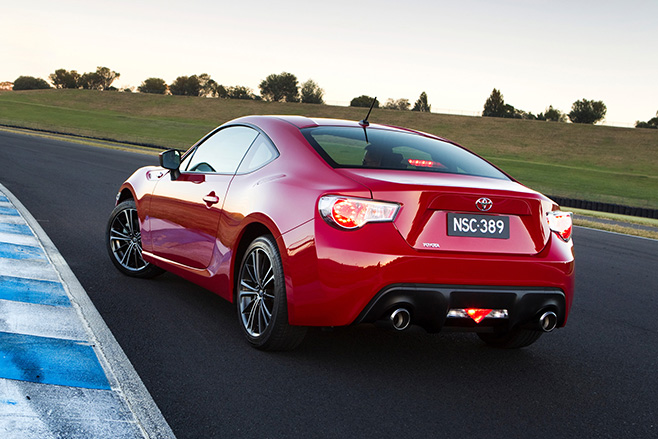
The $30K base GT manual became better value with the addition of the GTS-spec 6.1-inch touchscreen audio unit (with reversing camera) in a 2015 update that also brought suspension and minor cosmetic updates. No steering-wheel buttons, but it’s not a cost-cutting move – it’s to keep the column free of wiring and, therefore, friction.
Interior & Versatility | 16/20
The 86 looks after occupants with superior ergonomics, more lateral and lumbar support, and more room, but cabin plastics and minor controls feel cheaper. Back seat is tight even for little kids, and it’s a workout getting them in and out. Optional full-size spare is great, but you lose space and the flat boot floor.
Performance & Economy | 15/20
Flat-four has unremarkable Forester-like note at low revs but is flexible; gearshift is a bit notchy and accelerator pedal toey, which all take getting used to. Performs adequately in normal driving; gets a more urgent, rorty note and goes quite enthusiastically from 5500 to abrupt cut-out. No miser, at 8.9L/100km on test in sporty country driving.
Ride & Refinement | 15/20
Quieter inside, but the 86’s ride is a bit edgier than the MX-5’s; sharp urban bumps in particular tend to intrude. Body is strong, rigid and tight. Good ride/handling compromise given the suspension’s firmness, and it delivers when you’re into it. The 86 generally rides uneven surfaces and undulations with disciplined absorbency.
Steering & Handling | 18/20
Immediacy and precision of steering connection is brilliant, as is superb chassis balance, which lets you generate surprisingly high corner speeds despite modest tyre size and spec. Brakes initially feel wooden, but this helps to modulate the pedal during harder braking. Tight LSD contributes to accomplished demeanour and driftability.
Price & Equipment | 15/20
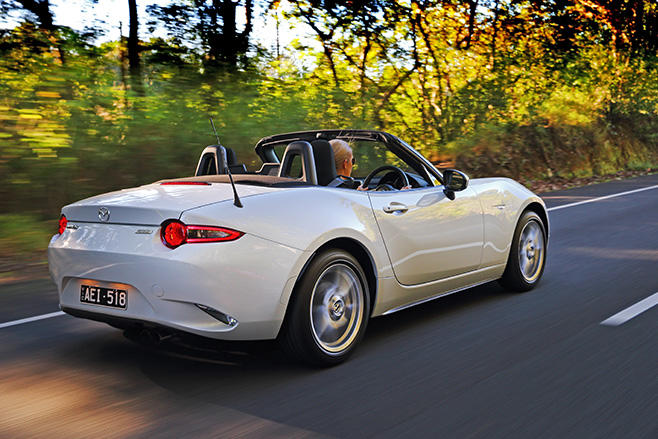
Base MX-5 rides better on its 16s than the Roadster GT’s 17s. It would be difficult to overlook the 2.0’s grunt, but in stepping from the 1.5’s lesser power-to-weight to a virtual match for the 86 (with superior torque-to-weight ratio courtesy of the Mazda’s trim kerb figure), you’d also go from $2K more than the 86 to $4500 more.
Interior & Versatility | 15/20
MX-5’s presentation and materials are nicer, but the plain-looking seats can lead to lower back soreness after a few hours. The lack of a rear seat may be a deal-breaker for some while the drop-top – easily raised or lowered from the driver’s seat – could also be a selling point or a minus. Also lacks a digital speedo.
Performance & Economy | 15/20
Slick, short gearshift is nicer than the Toyota’s and the spherical gearknob feels better than the plasticky 86 unit. Sweeter, more cultured across the revs but never goes as hard. Impressively frugal at 6.5L/100km on test. Hills tackled in sixth at 100km/h require plenty more right foot. Both cars are amenable to heel-n-toe.
Ride & Refinement | 14/20
Lack of a fixed roof means the MX-5 is noisier inside even with the top up. Ride comfort is a bit softer and smoother than in the 86. Yet, despite the seemingly softer suspension, the body can be felt subtly jiggling on lumpy backroads, so you gain posterior comfort but lose a bit to vibration and harshness.
Steering & Handling | 17/20
Thinner-rimmed, nicer-feeling leather wheel connected to steering that, though responsive, doesn’t deliver the 86’s accuracy or linearity, even when the snout is loaded up. Handling is more fluent than the Toyota’s but ultimately not as immersive; balance of a similarly high order, but the driver’s connection with the chassis isn’t as intimate.
VERDICT
Logic and reason might dictate your answer to the circa-$30K rear-drive coupe question, but it was a good, hard drive that made ours clear. The Toyota 86 GT’s compelling list of strengths include being less costly, more practical, more refined, quicker and, as the product of Toyota and Subaru, unlikely to bankrupt you. But more than anything it’s involving – the steering and chassis balance are superb – which makes it a better affordable driver’s car. The MX-5, on the other hand, is considerably more efficient, better finished inside and lets in the sunshine, but only one passenger. It’s a terrific drive and, for some, could be the one. However, our head and heart say 86; it’s just a tuneful, powerful engine away from being an all-time great.
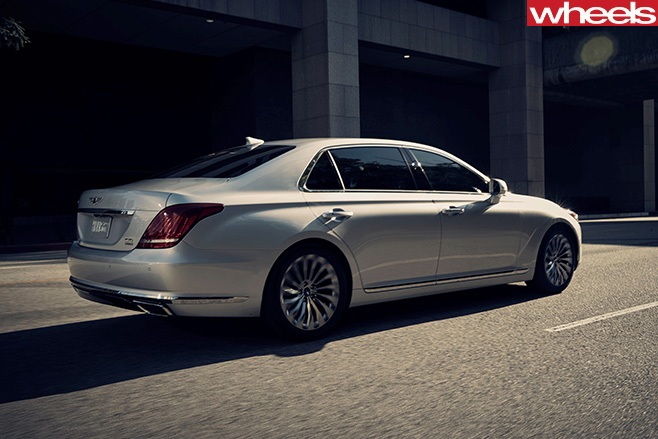
LUXURY brand Genesis is planning a low-emissions future based on high performance.
The brand plans to lead the way with alternative powertrain technology within the Hyundai group as it looks to establish itself against competitors such as Mercedes, BMW, Audi and Lexus.
And it’s in the performance sphere where the likes of plug-in hybrid technology and pure electric vehicle propulsion could make its biggest impact for the Korean marque that arrives in 2017.
“Performance as we know it is in the past,” Fitzgerald said. “I think it will shift to … performance in terms of having a very well balanced car, performance in terms of handling.
“Sheer horsepower, sheer velocity, that’s not going to be the game-changer.”
He said PHEV, EV and hydrogen fuel cell are technologies that will play a role in a family of high-performance Genesis models.
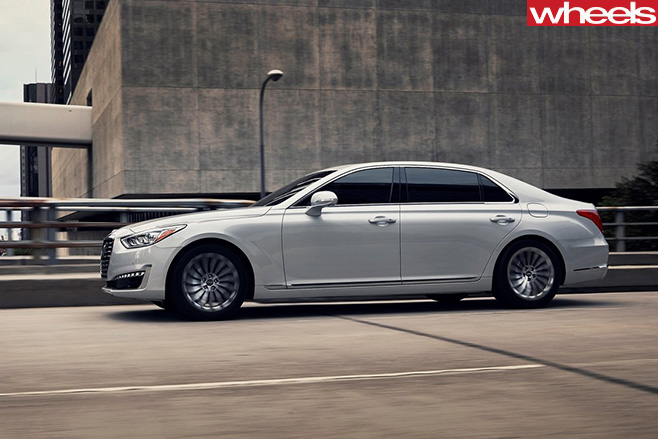
Fitzgerald said Genesis would take a leading position on technology and alternative drivetrain tech within Hyundai.
“We are definitely at the forefront … and with this kind of brand as we position ourselves within the corporation we are definitely meant to be at the forefront of technology.”
Fitzgerald hinted that Genesis was positioning itself for big shifts brought about by stricter emissions legislation.
Just letters and numbers
Genesis boss Manfred Fitzgerald has snubbed the idea of a sub-brand for its upcoming performance and hybrid models, instead relying on an alphanumeric naming strategy.
“I’m not a big fan of sub-brands … we’re just setting up right now our Genesis brand and that’s a big enough challenge.
“Creating something under that definitely would not make sense.”
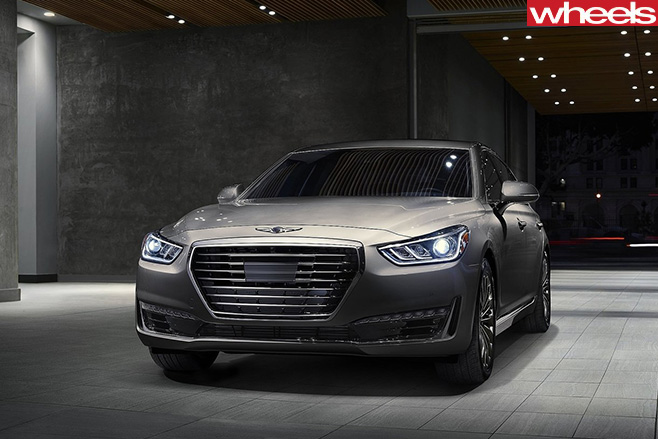
Genesis has registered dozens of names with IP Australia. There’s the G90 (a facelifted Hyundai Genesis) and G70, a production version of the New York Concept.
Also on the list is GC60 to GC90 for new coupes, with larger numbers denoting larger vehicles. Then there’s GT60 to GT90 for sleeker sedans and GV60 to GV90 for SUVs.
FORD global president and CEO Mark Felds has today opened the company’s new Melbourne product development headquarters and announced a $450 million research and development investment in Australia in 2017.
The spend represents a 50 per cent increase over the approximately $300 million that Ford has channeled through the Australian arm of its Asia Pacific R&D division for each of the last couple of years.
This is vehicle development related spending that Wheels believes reflects an expensive stage of development of the second-generation T6 (Ranger and Everest) family and the addition of new responsibilities, said to include a 21st century version of the Bronco SUV.
It is also in addition to a $50 million capital investment that kicked off this year to turn Ford Australia’s old office building in Campbellfield into Asia Pacific’s product development headquarters, as well as expansion of the Campbellfield design studio and upgrades to the You Yangs proving ground and emissions testing laboratory.
Fields’ visit to Australia came only weeks after the shutdown of Ford’s local manufacturing facilities and the end of production of the Falcon and Territory.
“Ford is investing heavily in new products and mobility solutions globally to make our customers’ lives better, and Australia is a key centre of innovation for us,” Fields said in a press release.
“The Australian team will build on their key role leading development of the global Everest SUV and Ranger pickup by creating more world-class vehicles and bringing even more fuel efficiency and safety innovations to customers.”
Ford’s Asia Pacific product development chief Trevor Worthington added: “It’s an exciting time as Ford transforms into an auto and mobility company, and our team in Australia will play a key role in delivering the breakthroughs and solutions for customers not only in Australia but around the world.”
WhichCar saves you the research to bring you the most inexpensive cars on the market, ripe for end-of-2016 bargains.
Mitsubishi Mirage ES – $12,250 A list price of $12,250 makes the Mirage one of the most popular light cars on the market. It’s powered by a punchy 1.2L four-cylinder engine that delivers an impressive fuel economy figure of 4.6L/100km. Despite its low price-tag, the Mirage is loaded with creature comforts including six airbags, stability control, ABS, hill start assist, Bluetooth, air conditioning and more. If manual cars aren’t your thing you pick up a Mirage ES with CVT auto from $13,490. Mitsubishi has stopped bringing in Mirage sedans so you should be able to drive a hard bargain, [LINK https://www.whichcar.com.au/car-advice/inside-advice-on-getting-the-best-deal-on-a-new-car ] such as free on-road costs, for any still in the showroom
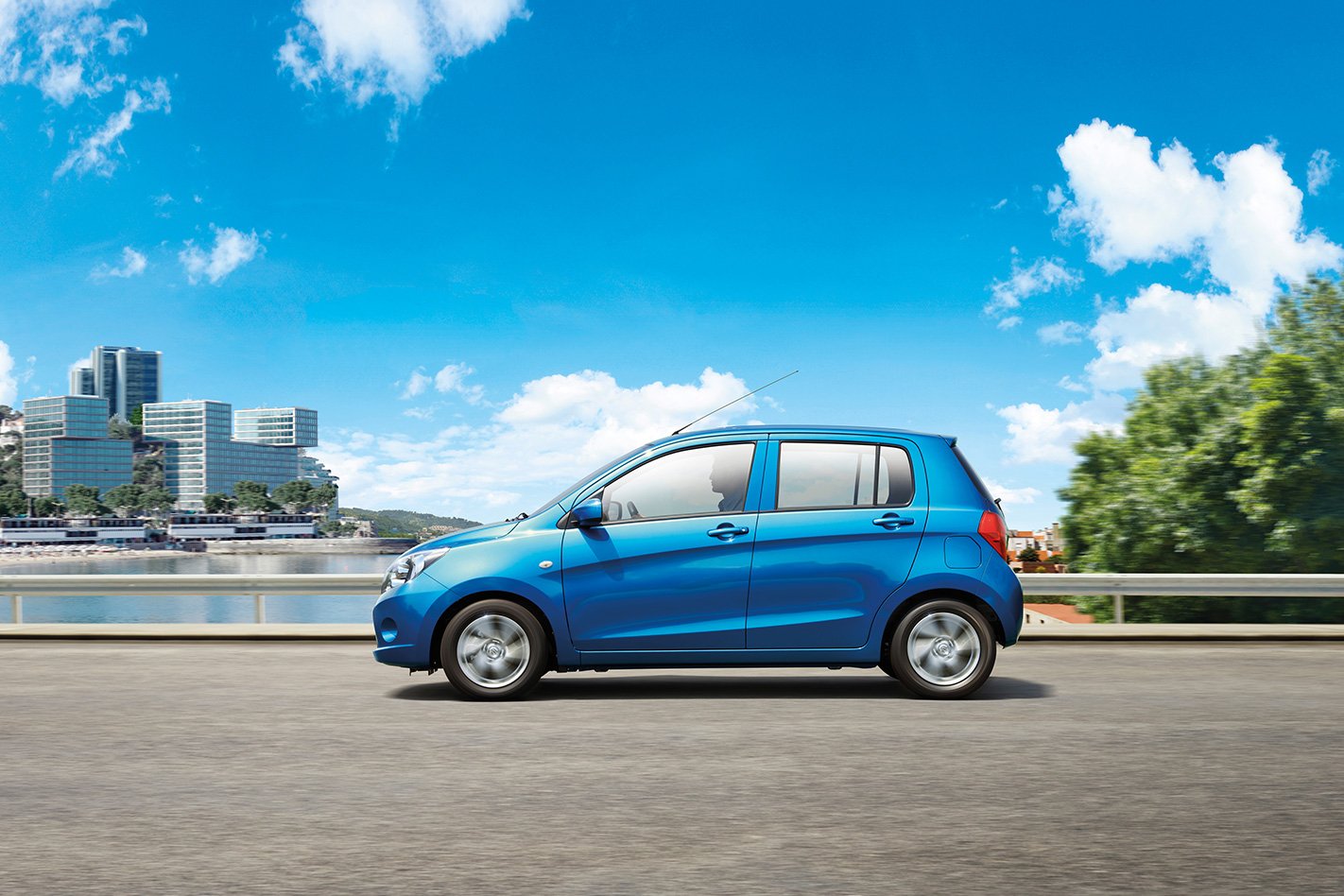
Suzuki Celerio – $12,990
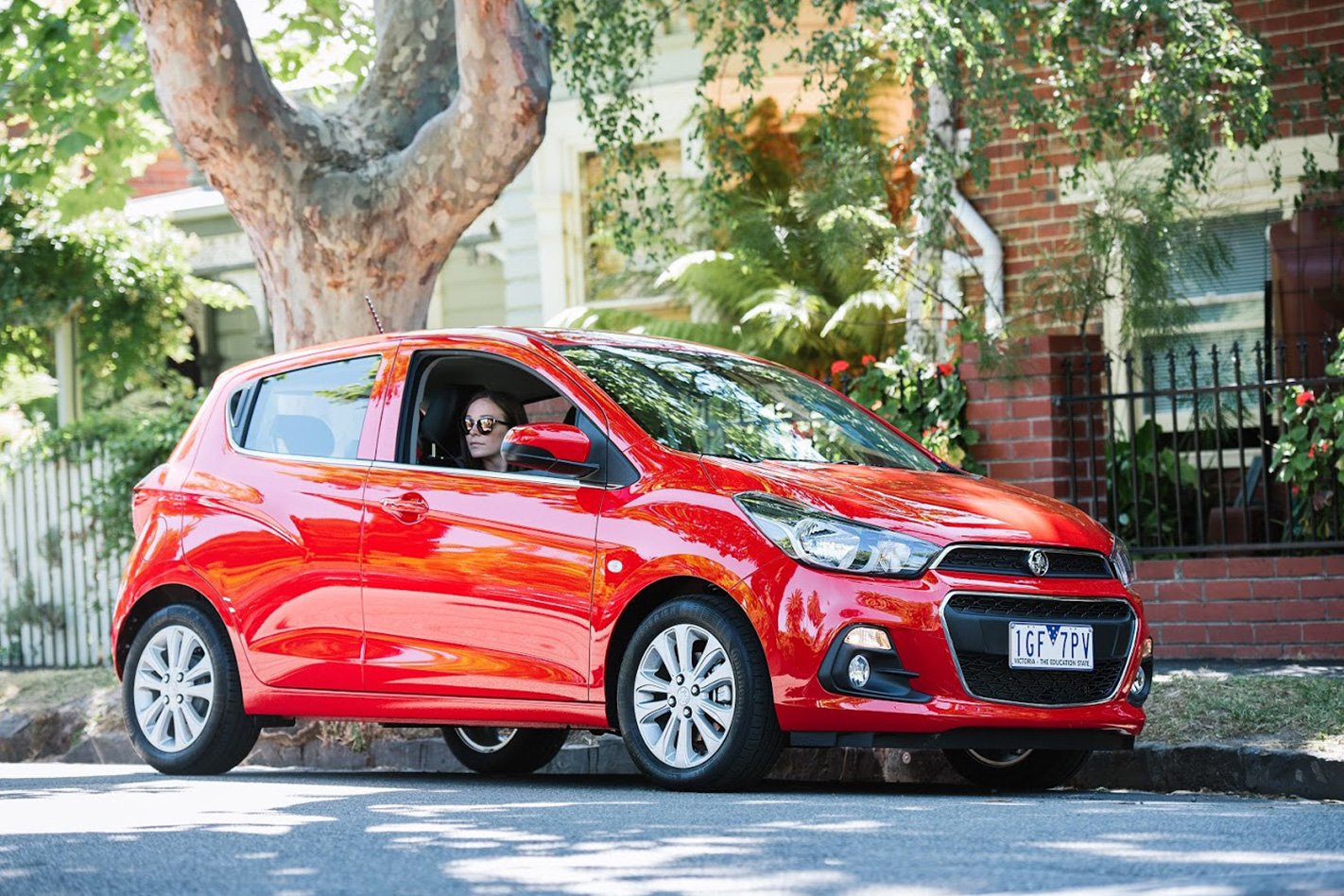
Holden Spark LS– $13,990
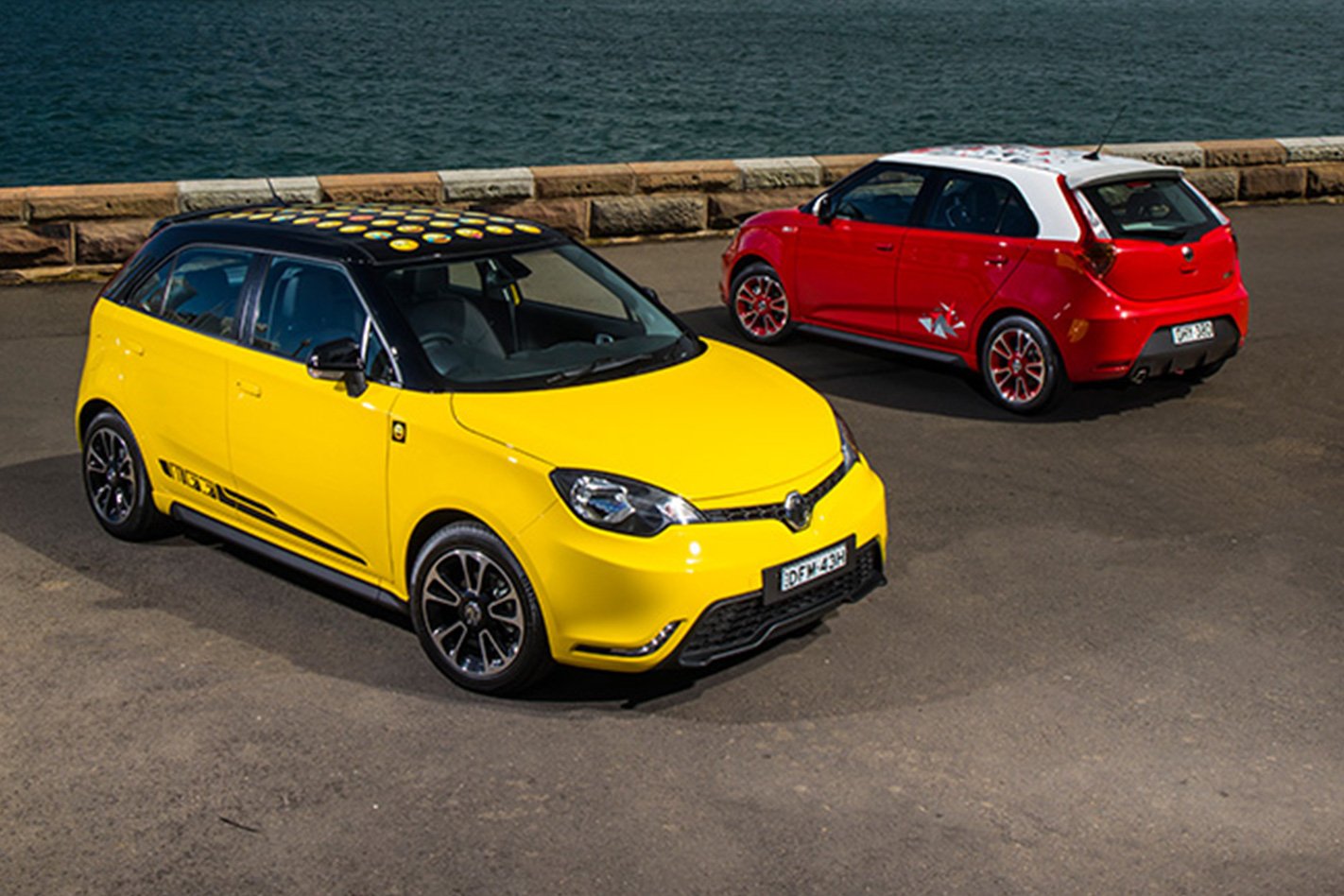
MG MG3 Core – $13,990
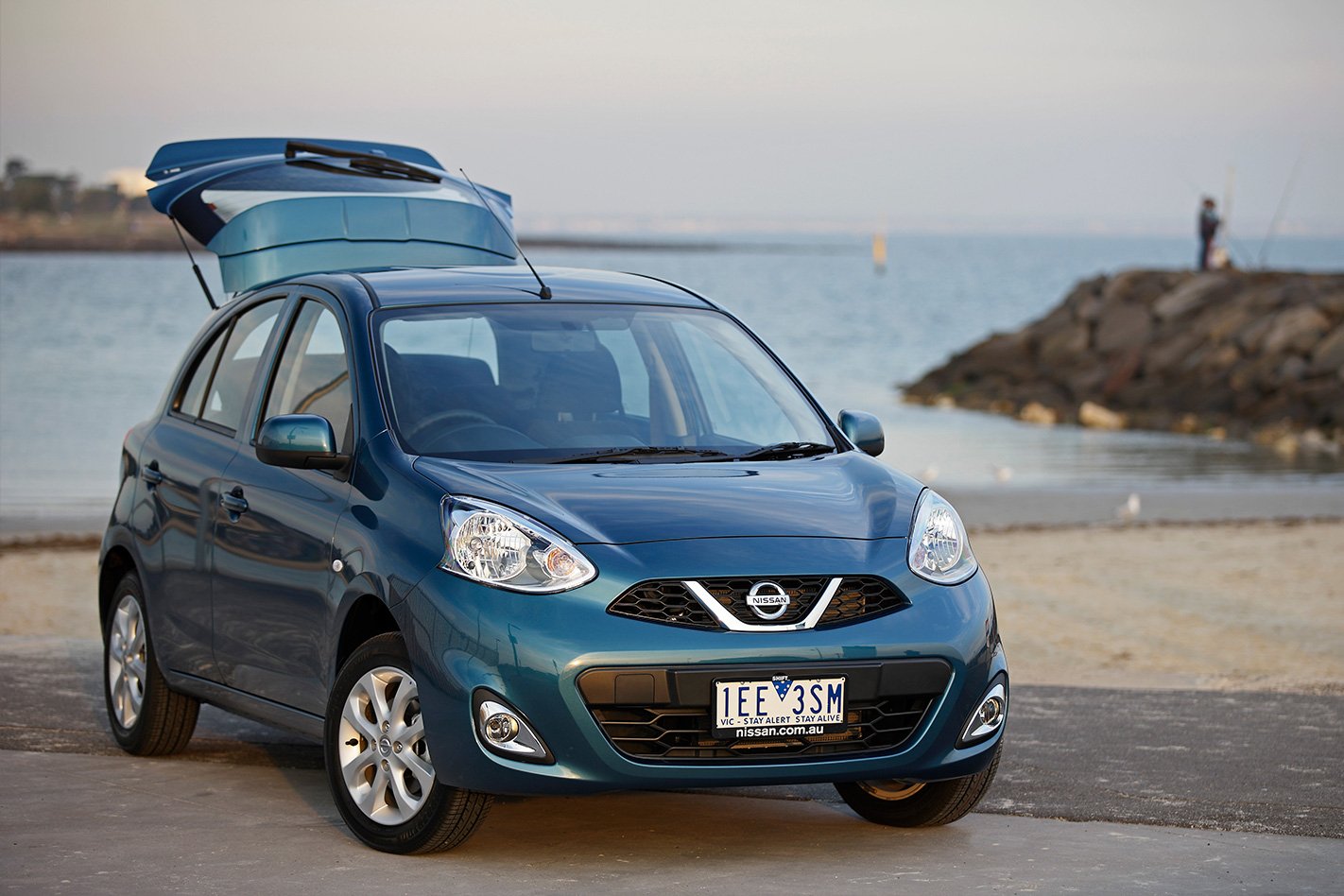
Nissan Micra ST – $13,990
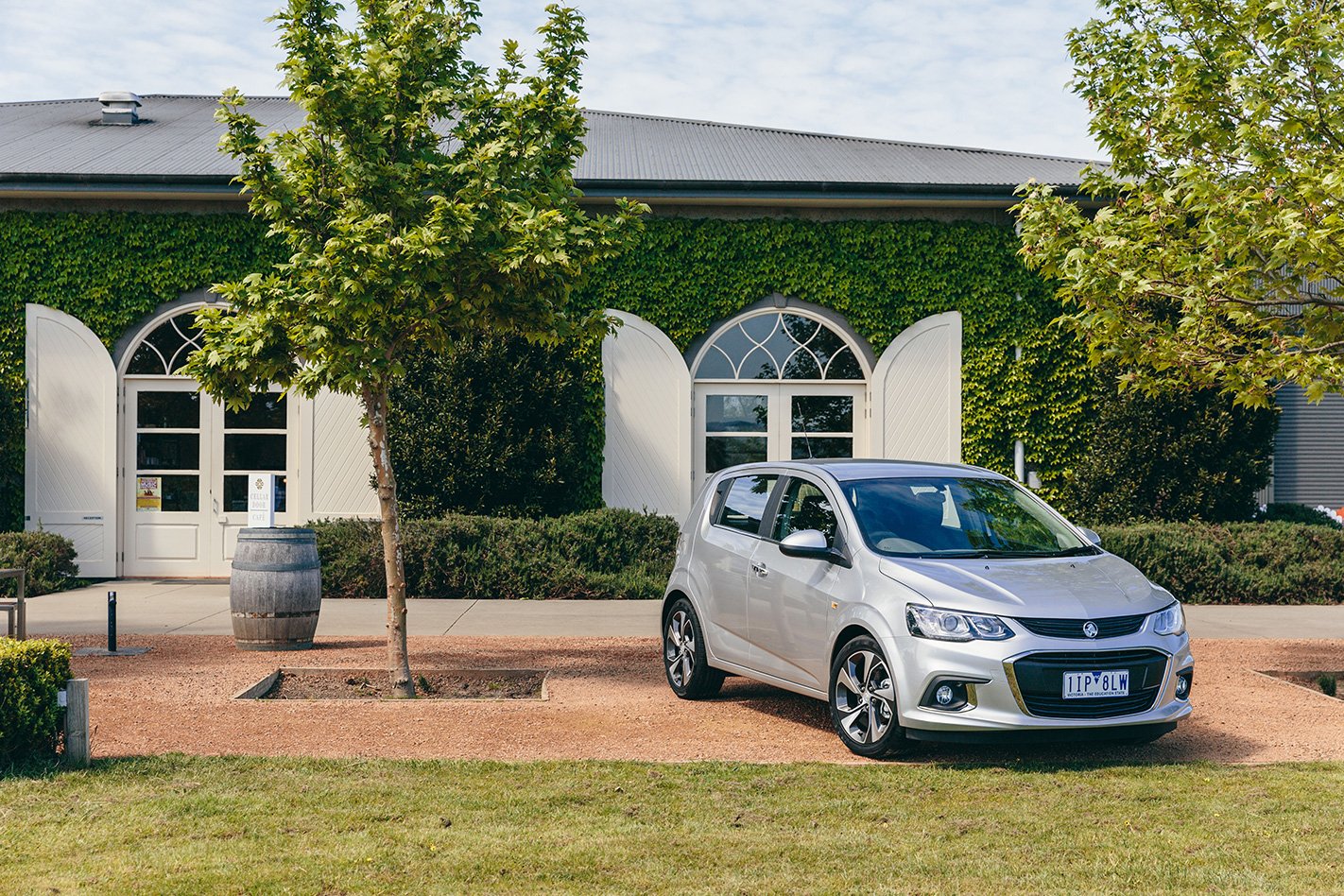
Holden Barina LS – $14,990
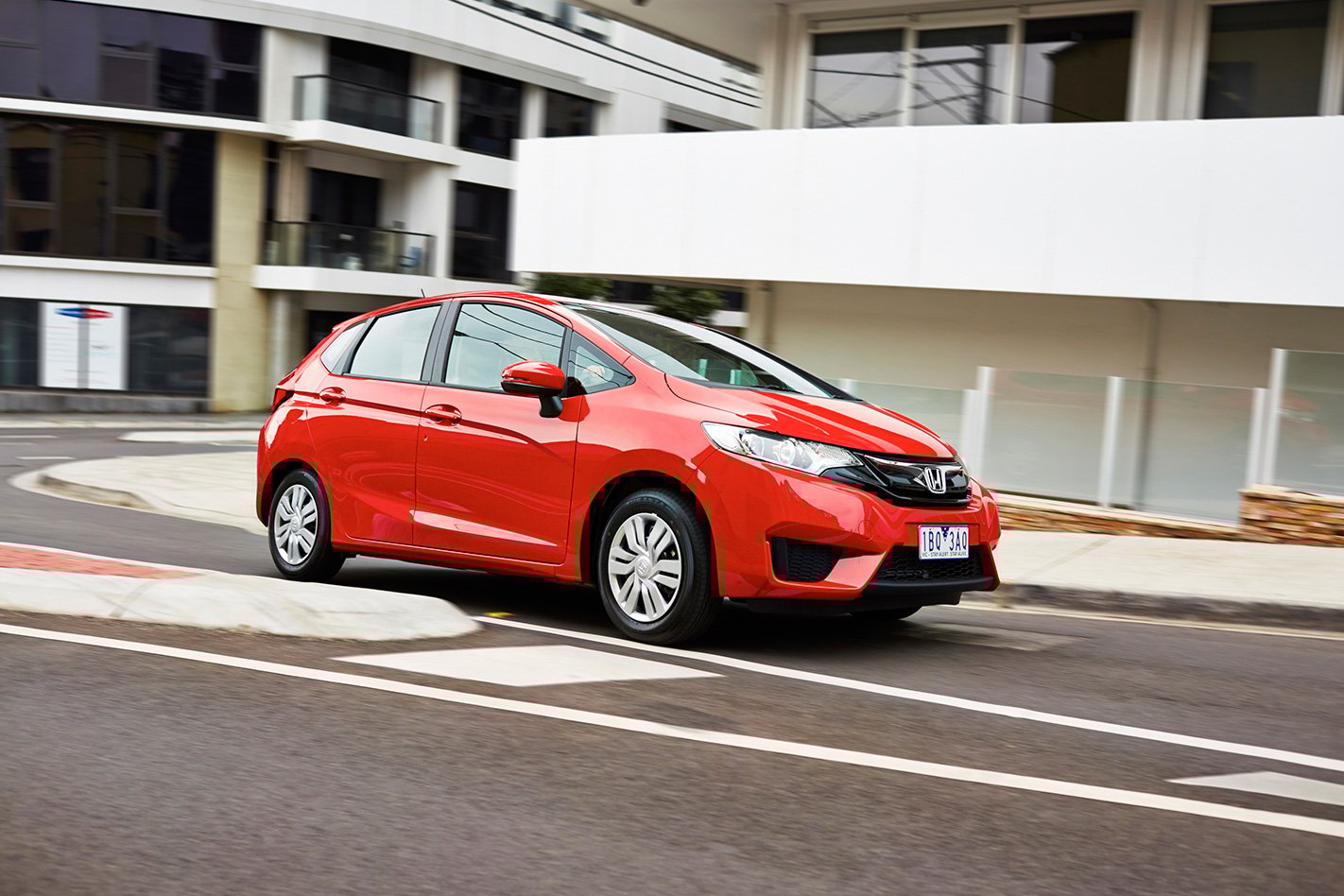
Honda Jazz VTi – $14,990
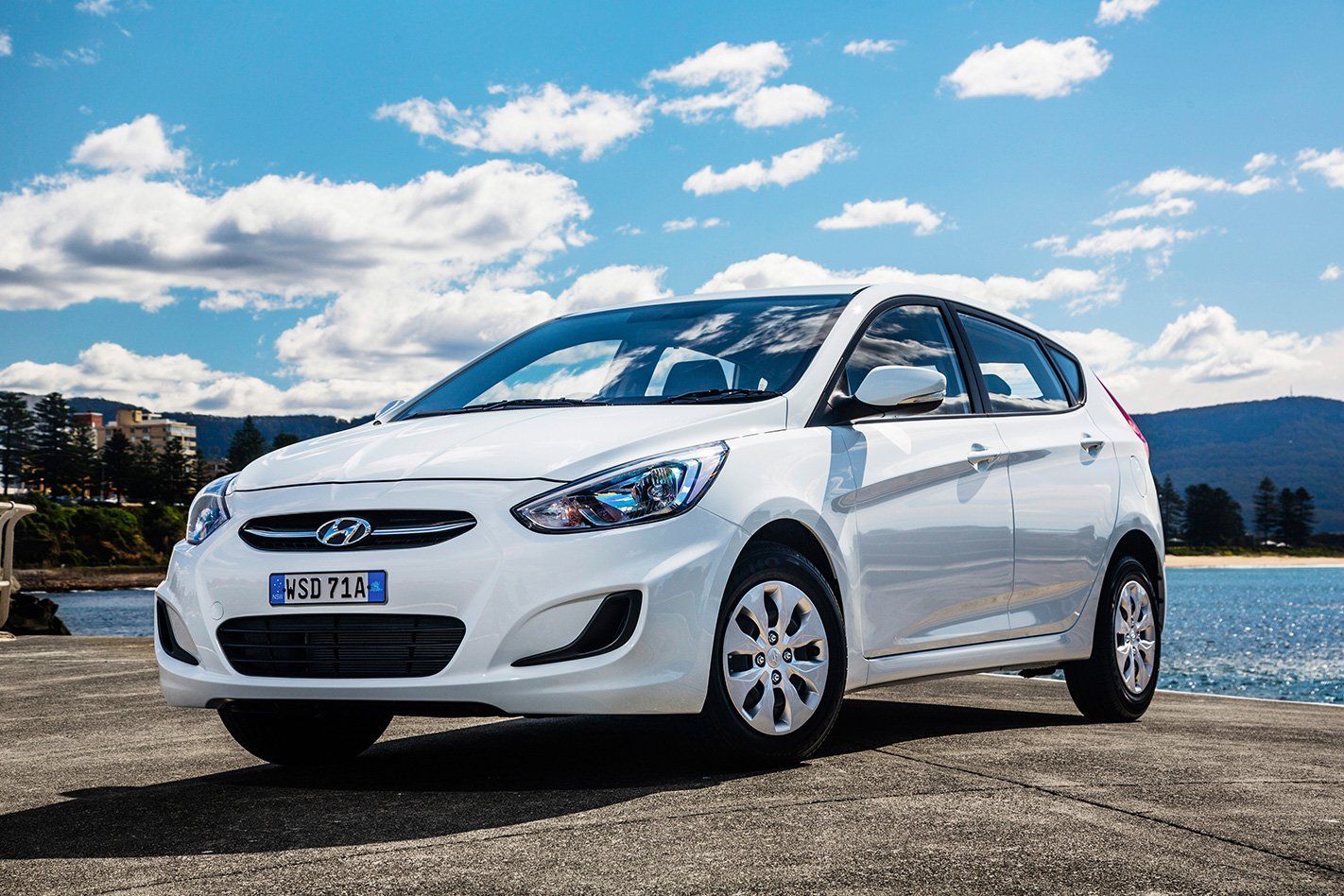
Hyundai Accent Active – $14,990
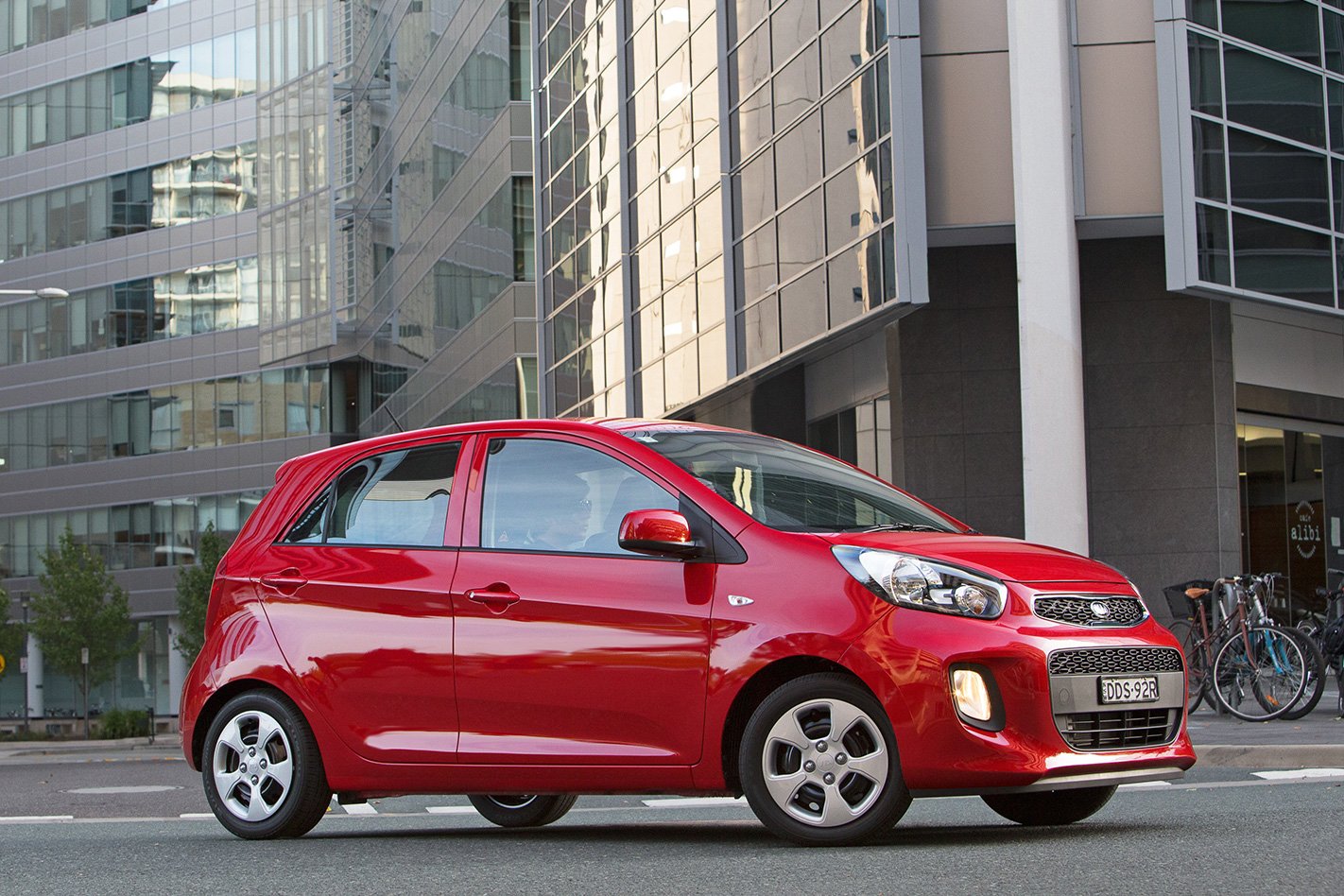
Kia Picanto Si – $14,990
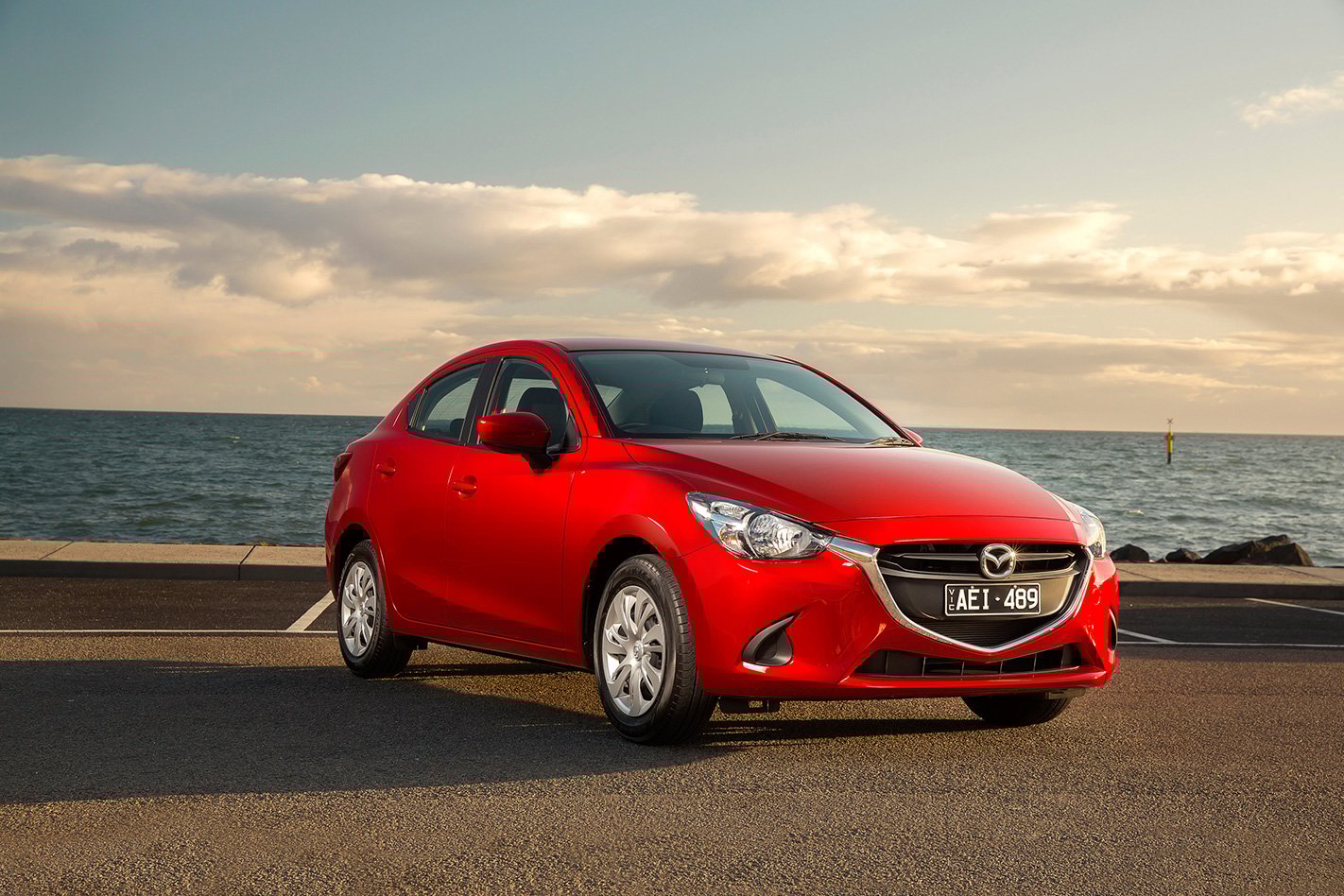
Mazda 2 Neo – $14,990
Cheap Cars – 10 cheapest new cars under $15,000
| Mitsubishi Mirage ES | $12,250 |
| Suzuki Celerio | $12,990 |
| Holden Spark LS | $13,990 |
| MG MG3 Core | $13,990 |
| Nissan Micra ST | $13,990 |
| Holden Barina LS | $14,990 |
| Honda Jazz VTi | $14,990 |
| Hyundai Accent Active | $14,990 |
| Kia Picanto Si | $14,990 |
| Mazda 2 Neo | $14,990 |
No doubt this will have a few of you scratching your head and wondering if Team MOTOR has gone soft in ours.
Yes, of the 150 or so performance cars we’ve driven over the past 12 months, including the best from Porsche, Ferrari and Lamborghini, the one that made us grin the most was a $45,000 home grown ute with an automatic gearbox. Believe it.
Without fail, everyone who drove the SS ute at Bang For Your Bucks this year completed more laps than was strictly necessary and exited the car with a face-splitting grin. In VF II guise with the 304kW/570Nm 6.2-litre LS3 V8, it makes a wicked noise and has performance aplenty, which is why it soundly thumped its rivals on its way to a $0-$50K class win.
Key to the appeal is its incredibly benign behaviour at the limit. It doesn’t wear particularly performance-focused tyres, but while that might hurt its outright handling capabilities, it means that any misbehaviour happens at a relatively low, non-scary speed.
And misbehaviour is this Holden’s trump card. We’re not going to lie – a big part of the SS’s place at the top of our fun list is the incredible ease with which it can be driven sideways. Everywhere. It’s not big, it’s not clever, but we’re prepared to bet that a lot of people reading this have had a go at drifting with the same cheek-aching grin that we had after a day at the track.
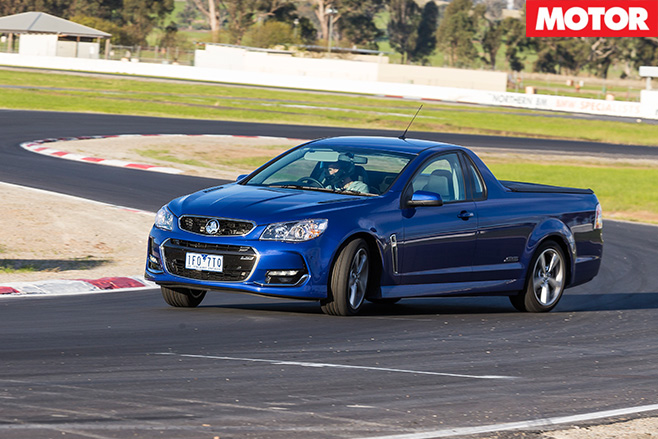
It’s the only car I’ve ever driven which has stepped sideways in Winton’s fearsome high-speed sweeper and made me consider trying to drive out of it. Thankfully, common sense prevailed but the fact it even seemed like a good idea shows just how friendly this loveable local larrikin is.
Which makes it even more heartbreaking that by this time next year it’ll cease to exist.
Honourable mention: Mazda MX-5. Fun factor is the MX-5’s reason for being.
We look at the best features we’ve put together in 2016 – from clocking 330km/h on a public road to the classic head-to-head: Commodore vs Falcon.
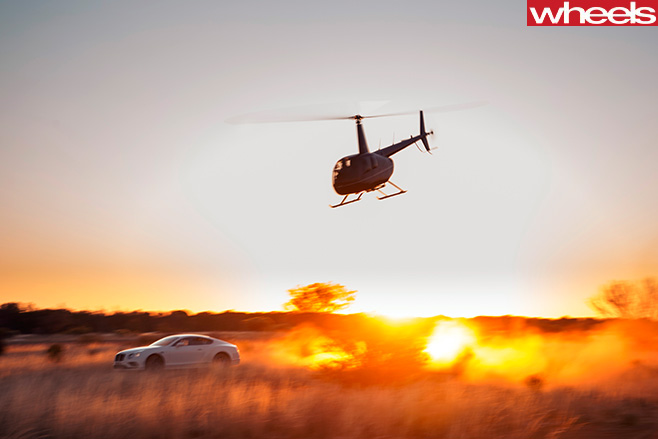
Bentley Continental GT Speed: 330km/h on a public road
In a magical part of Australia known as the Northern Territory it was not so long ago legal to go as fast as you wanted on a 300km stretch of the Stuart Highway. In February, Englishman Ben Oliver took to the wheel of another Pom – the aptly named Bentley Continental GT Speed. The monstrous W12-engined Bentley has a claimed top speed of 331kp/h, so we felt it necessary to put that to the test. Recruiting touring car legend John Bowe for the speed run, the Flying B hit a terrifying 329km/h.
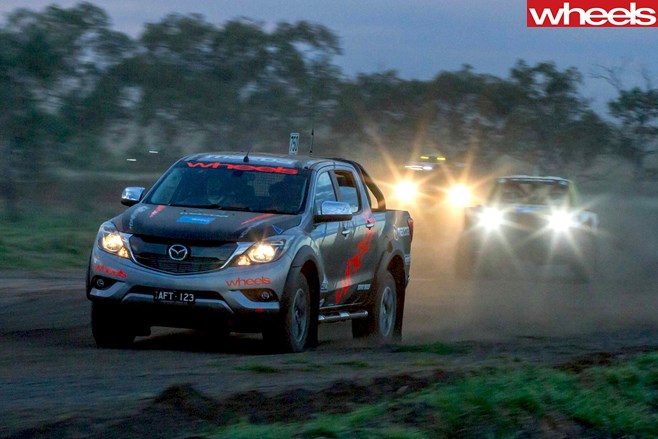
Come May was the announcement we, of all organisations, would participate in the famous Finke desert race. Stephen Corby had little sympathy for what Toby Hagon had gotten himself into – piloting a Mazda BT-50 in an event where all other vehicles are typically specifically built for the task of off-road racers. It’s a regular occurrence for the majority of entrants to fall short of the finish line, which puts into perspective what our man had gotten himself in to…
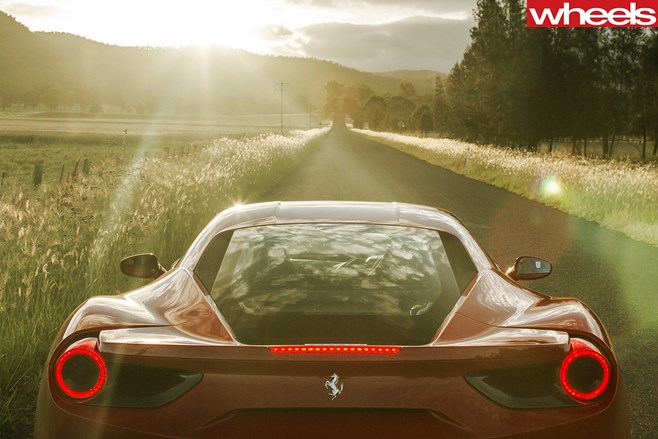
The Ferrari 458 is widely known as one of the most beautiful cars going around. So when its successor the turbocharged 488 was released, we had to see if it could live up to expectations. It did. No matter the backdrop, no matter the angle, no matter the lighting, the GTB is a picture of perfection. The adventure across the Hunter was a sight to behold, and a life-changing one for our scribe.
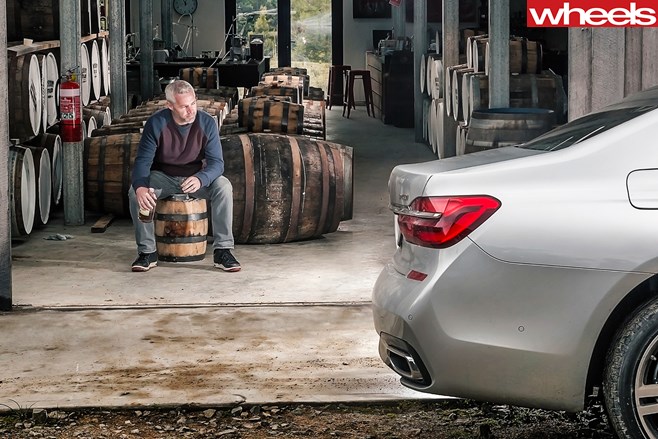
Corby’s inner geek was unleashed in Tasmania, as he took to the wheel of brand new 740i. Concerningly, he also tested many of the local whiskey distilleries in the area. Not to worry though, half the time spent in the car was stationary, figuring out what did what in “the most technically advanced car on the road”. However once on the open road the Beemer revealed itself to be a grand drive, featuring impressive steering, ride quality and a faint whiff of Rolls-Royce to it.
Two old V8 Supercars sparring partners are reunited on the track. Skaife in the latest Commodore, Ingall in the Falcon. Best of all, it’s at Eastern Creek, the scene of the infamous “Shriek At The Creek”. Recipe for disaster? Not quite. With a thrilling drift battle to boot, the former champions went head-to-head in a bid to set the quickest one lap time, and even better, gain final bragging rights.
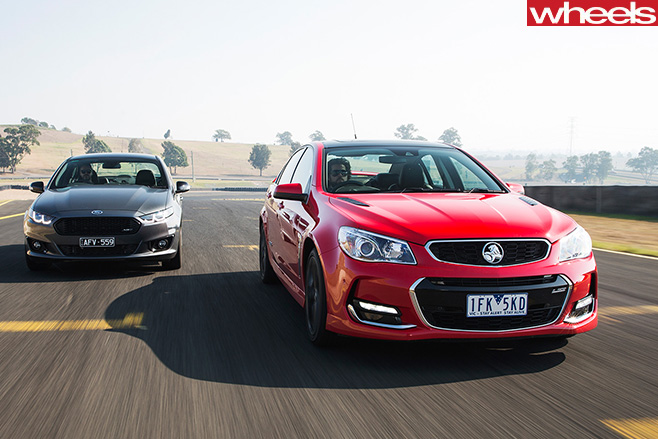
Buying a car will soon be a very different experience, involving everything from a movie or a meal to a blast around a race track.
Manufacturers exploring new car dealership models are keen to take advantage of evolving urban landscapes along with changing customer expectations.
Spearheading the trend is a new development at the Brisbane Airport precinct, where a $500 million megamall is on the drawing board. It includes a hotel, convention centre, 27 dealerships and a 2.5km Mark Skaife-designed circuit, allowing fast-paced test drives for customers.
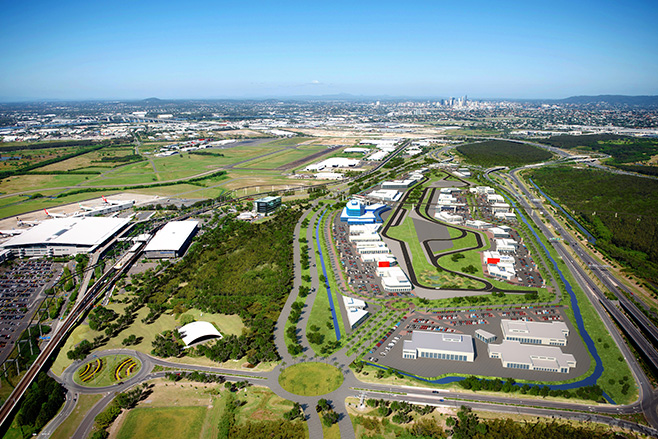
The Brisbane Auto Mall – the name will change – is opposite the airport and kilometres from residential zones, so it can operate 24 hours a day.
The man leading the project, Brisbane Airport Corporation’s general manager of commercial business, John Tormey, said it could be open by 2020.
“We’ve spoken to pretty much everybody,” said Tormey of the early marketing push, adding that one manufacturer has already asked for access to the track for 80 days a year.
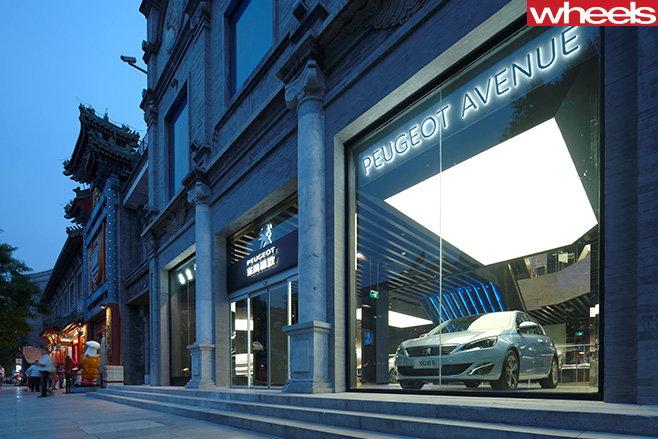
At the other end of the scale, Holden is looking to evolve some of its 230 dealerships in a trial planned by the company’s new executive director of customer experience Peter Jamieson.
Fresh from Telstra, Jamieson comes to the brand with a different approach to revive the flagging fortunes of the once dominant local carmaker. Among the options being explored are satellite dealerships and shopping centre sites.
“We’ve got to find new ways to engage customers in different places in new ways,” said Jamieson of planned trials in 2017. “If you go to one of these shopping centre locations … we can bring the dealer to you.”
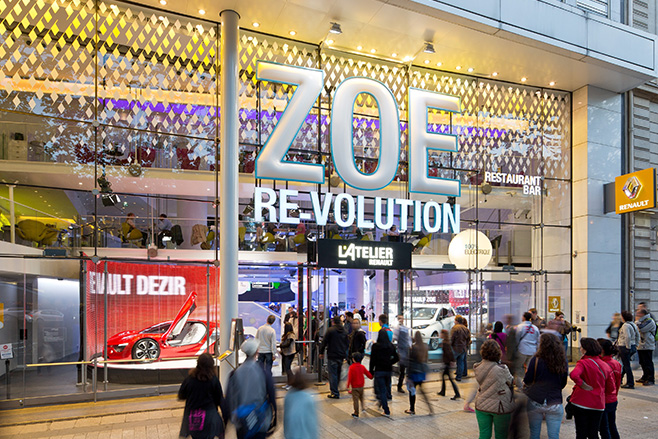
Jamieson said it would also require a rethink of what is shaping up as a fresh four-wheeled retail experience. “The in-dealer experience is a bit transactional at the moment; it’s all about just turning over cars,” he said, adding there are plans to ensure customers drive away from dealers with “the vehicle that you want for your needs”.
Tesla already provides a unique customer experience. The electric car newcomer owns all its dealerships – most traditional dealerships are franchised – and has synergies with Apple’s open-plan shops. Like Apple, it even calls them stores, rather than dealerships.
Tesla also targets high-traffic retail areas not associated with car dealerships, such as Martin Place in Sydney and the Chadstone shopping centre in Melbourne.
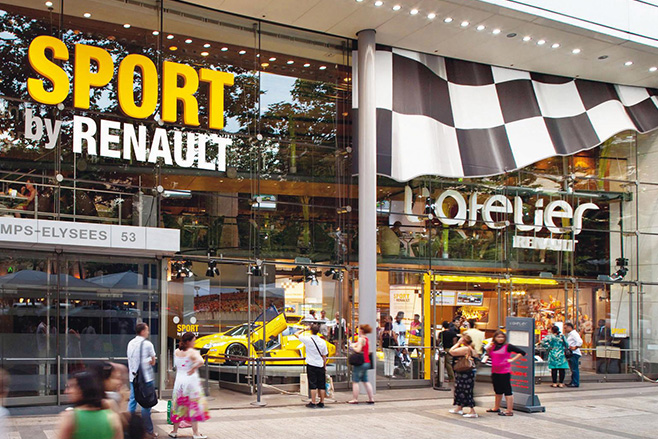
That’s something that interests Mercedes-Benz, which early next year will open the world’s eighth Mercedes Me store in the Rialto building in Melbourne. It will include a high-end restaurant, boardroom, theatrette and an area to display hero cars. It’s more about lifestyle and branding than making sales.
Service is also a focus. Volkswagen Australia managing director Michael Bartsch recently flagged a dealership transition that would be led from the workshop. “You sell the first car in the front end and the second car is sold in the back end,” Bartsch said explaining the new thinking behind the “service culture”.
Holden’s Jamieson also believes service is a major future focus.
“At the moment we employ sales people and we employ service people, and I think there’s a place for product experts … bring in some experts that can help customers curate their needs.”
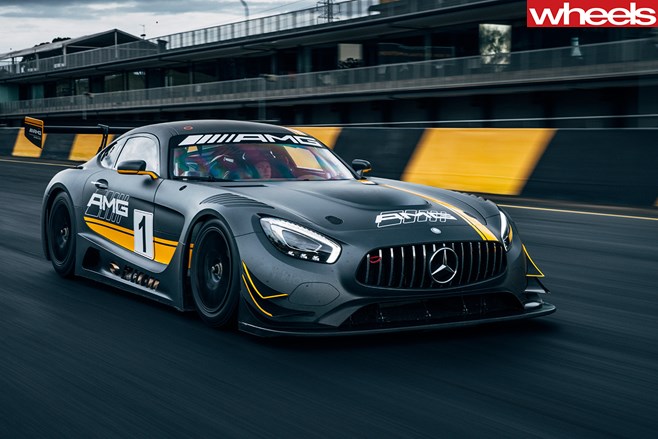
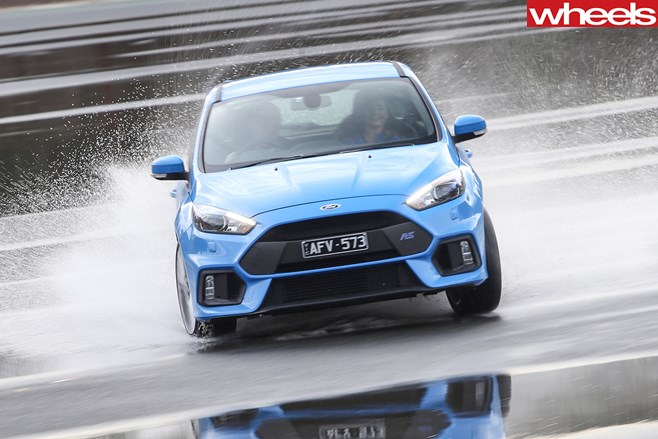
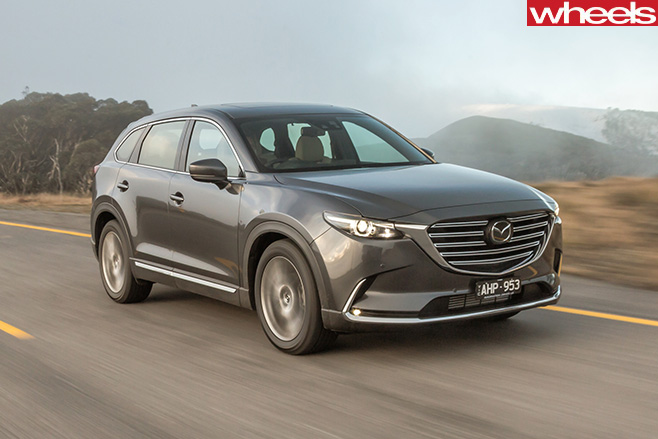
We look at the best road tests and first drives of new cars from the year that was, including the AMG GT3, Ford Focus RS, Mazda CX-9 and Rolls Royce’s Dawn drop top.
2016 Mercedes-Benz AMG GT3
2016 Ford Focus RS
2016 Mazda CX-9
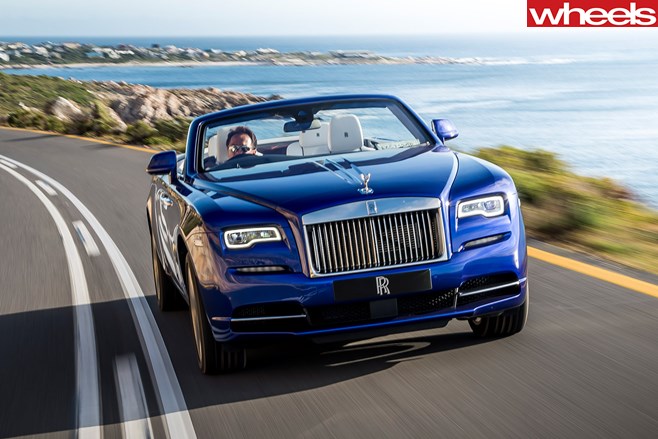
2016 Rolls-Royce Dawn convertible
It’s unlikely we’ll ever get to drive the scariest, loudest, edgiest Ferrari of them all locally – and frankly that’s okay by me.
Born of the insane F12, the TDF – short for Tour de France (the cross-country rally, not the pushie race) – makes an astonishing 579kW and more than 700Nm from its 6.3-litre naturally aspirated V12, making it capable of over 340km/h. And it’s rear-drive.
Ferrari has gone to town on the TDF. It’s 110kg lighter, has twice the downforce of the F12, and has all-wheel steering. Words like ‘savage’, ‘angry’, and ‘ferocious’ have been bandied about by those who have sampled its charms… and maybe one day that’ll be us. Or not. That’s fine, too.
Hardest Accelerating Car of 2016: Ferrari 488 GTB
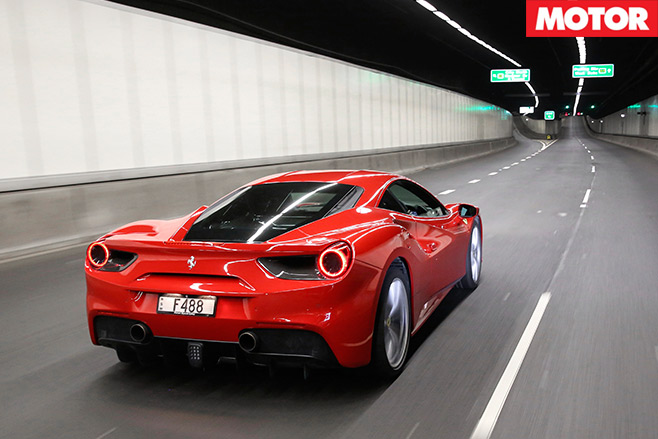
To give the rear tyres a fighting chance, each gear has its own torque map. As you grab each new ratio, more torque is unleashed, to the full-whack 760Nm in seventh. It makes the 488 one breath-takingly long-legged, potent device – indeed, it accelerates from 100km/h to 200km/h quicker than a WRX can do 0-100km/h. Indeed the 488 might just ruin the acceleration of every other fast car you’ll ever drive afterwards.
THE fifth-generation Subaru Impreza is 95 percent new, and it shows.
WHAT IS IT? The fifth generation of the Subaru Impreza, and the debut of Subaru’s Global Platform architecture that will also underpin the high-riding XV due in mid-2017. It signals a serious assault on the small-car segment, with four different levels of specification across both hatch and sedan body types.
WHY WE’RE TESTING IT After briefly sampling the new Impreza at Subaru’s proving ground in Japan, this is our first chance to drive the sedan on Aussie roads. The Wheels team has already spent a considerable number of hours in the hatch during COTY testing, so we focussed on the sedan at the local launch.
MAIN RIVALS The Impreza competes with big-selling rivals such as the Toyota Corolla and Hyundai i30, along with the all-new Holden Astra. The Mazda 3, Kia Cerato, and Honda Civic are also vying for buyers’ attention. However, no other car in this segment – bar the Impreza – is available with standard all-wheel drive.
THE WHEELS VERDICT
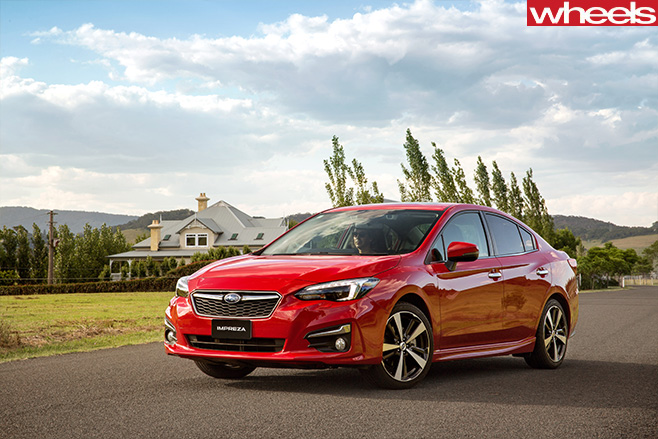
PLUS: Soaks up bumps with ease; stable and poised chassis; interior space; segment-exclusive AWD MINUS: Engine lacks urgency; no manual option or towing capacity
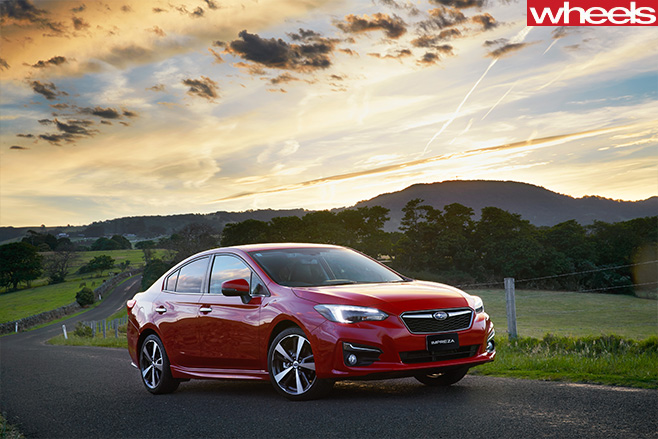
THE WHEELS REVIEW SUBARU says the Impreza hatch will make up the bulk of the model’s future sales, and you can read our dissection of how that car performs on local roads in our new issue from January 5. However, this is our first opportunity to play with the sedan, and to judge if its greater length and bigger boot make it the smarter buy.
Compared with the hatch, the sedan is 165mm longer, 25mm lower and fractionally lighter (between 5-13kg) across the range, though spec and drivetrain options remain identical. That means four trim levels (i, i-L, i Premium, and i-S) and an aspirated 2.0-litre four producing 115kW/196Nm paired exclusively with a new CVT automatic. The sedan is $200 more expensive across the entire range.
Inside, the sedan’s cabin is identical to the hatch and conveys the same impressive sense of space, with ample shoulder room and rear seats with class-leading legroom. The sedan offers 460 litres of boot space, which is well up on the hatch’s 345L. This is increased to 795 litres in the hatch when the 60/40 split rear seats are folded down – something you can’t do in the sedan. The sedan also loses the ability to tow, with its longer rear rump unable to accommodate a tow bar.
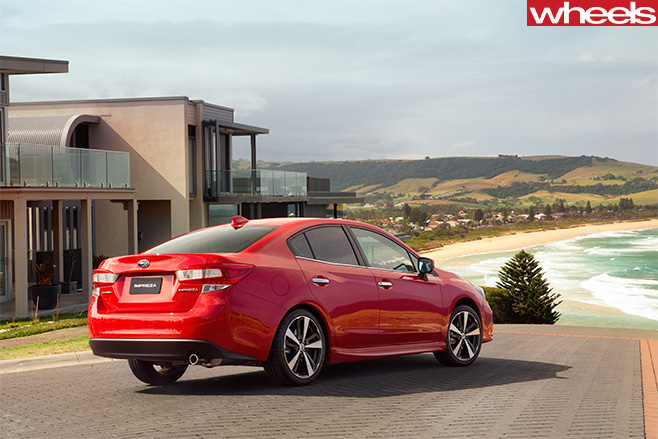
Similar to the hatch, the sedan’s biggest selling point is its deftly tuned chassis. Moving to Subaru’s new “Global Platform” architecture has improved body rigidity by 70-100 percent without an increase in weight. The Impreza corners with a flatness that is more sportscar than everyday commuter.
On misshapen country roads, it remains poised and controlled, and was rarely upset by mid-corner bumps or changes in camber and road surface, yet still felt supple when dealing with potholes. The top-spec Impreza 2.0 S comes with brake torque vectoring as standard, which gives it a noticeable improvement on turn-in and makes it feel more planted.
While the chassis is the leading positive, the engine and gearbox are the Impreza’s weakest points. The 2.0-litre horizontally opposed boxer four-cylinder and CVT combo lacks urgency off the line and under heavy acceleration. Attempting to make gaps in traffic, or perform swift overtakes requires forward planning to compensate for the lack of responsiveness.
Subaru says there was only a 13 percent uptake for manual transmissions in the previous generation Impreza, and because of this it will only offer the CVT with the new generation. The omission is disappointing, with the chassis and engine screaming for a three-pedal option in order to extract the most satisfying experience.
The infotainment system now comes with Apple CarPlay and Android Auto as standard, along with a reversing camera. However, the base model Impreza 2.0i does miss out on the EyeSight driver assist system and its active safety features.
Overall, the 2017 Impreza is an impressing step in the right direction, with a refined and capable chassis, minimal road noise, class-leading interior space, and smooth but underwhelming powertrain.
SPECS Model: Subaru Impreza 2.0i-S sedan Engine: 1995cc 4-cyl boxer, dohc, 16v Max power: 115kW @ 6000rpm Max torque: 196Nm @ 4000rpm Transmission: CVT Kerb weight: 1433kg 0-100km/h: 10.1sec (claimed) Fuel economy: 7.2L/100km (claimed) Price: $28,990 On sale: Now
