
So far, 2026 has been a big year for new electric vehicle releases. Thanks to many factors, including the current fuel crisis brought on by the Middle East conflict, there’s a clear appetite from Australian new car buyers for EVs and every major manufacturer offers at least one in its line-up (or has one coming soon).
But 2026 is only just over a quarter done, with plenty of more new metal due on Australian shores. Here are 10 we’re looking forward to:
1) Honda Super-One

Due: Second half of 2026
Price (est.): Under $40,000 driveaway
Drivetrain: Front-mounted single-motor, 47kW (74kW in boost mode), 29.6kWh battery
Range: 205km (in Europe; Australian figures TBC)
Even though it’s only a tiny city car, and even though it only makes just 47kW of power, one of the electric cars we’re most looking forward in what remains of 2026 is the Honda Super-One. The Super-One is actually Honda‘s first electric vehicle to launch locally, and while it won’t be the biggest car on the market, we think it’s going to be an absolute hoot to drive. It’s also going to be as practical as its tiny dimensions will allow, as Honda’s ‘Magic Seats’ that fold up or completely flat will be standard.
2) Geely EX2
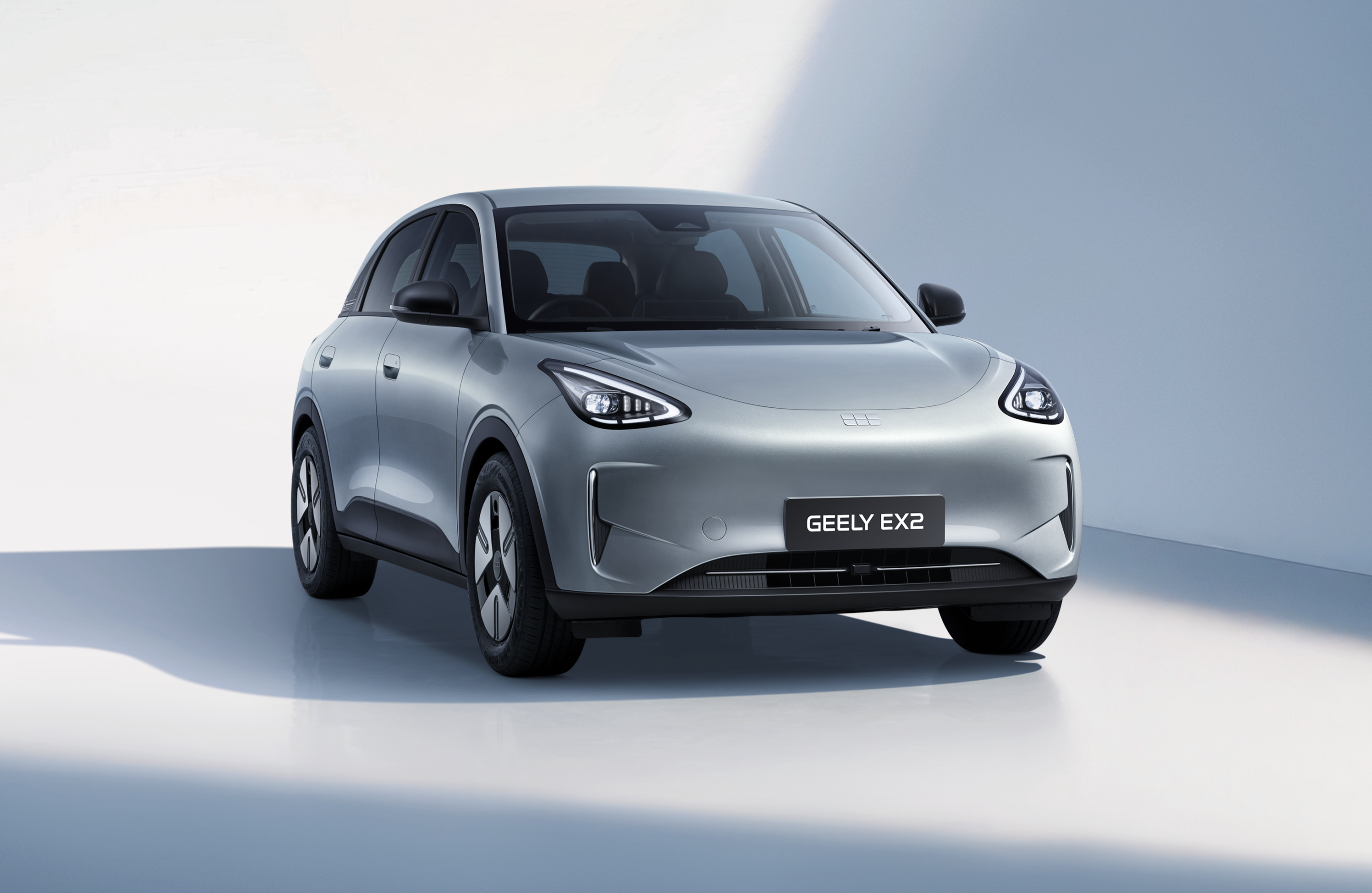
Due: Third quarter of 2026
Price (est.): Under $30,000 plus on-road costs
Drivetrain: Rear-mounted single motor, up to 85kW, up to 40kWh battery
Range: Up to 410km (in China, Australian figures TBC)
The BYD Atto 1 certainly shocked us when it launched locally priced from just $23,990 plus on-road costs, but it could have a real challenge on its hands when the Geely EX2 launches in the third quarter. In 2025, the EX2 was China’s best-selling car, and it has real potential to be priced under $30,000 before on-road costs – maybe even below $25,000, like its arch rival. A 40kWh battery provides a range of up to 410km in China, while performance will be reasonable at up to 85kW of power.
3) BMW iX3
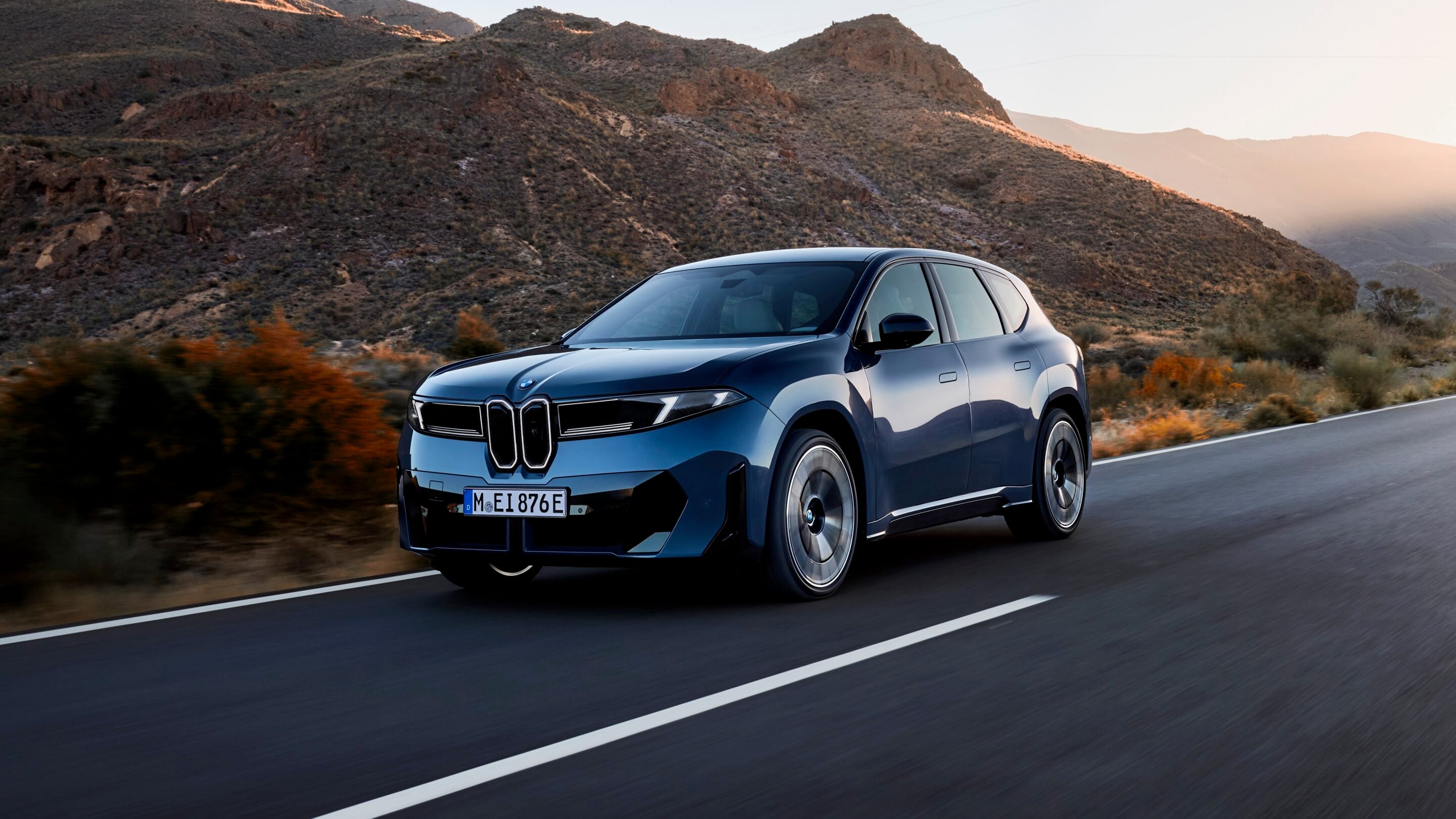
Due: July 2026
Price: From $109,900 plus on-road costs (for initial 50 xDrive model)
Drivetrain: Dual-motor all-wheel drive, 345kW, 108.7kWh battery
Range: Up to 805km (WLTP) in Europe
The BMW iX3 is one of the most important BMW models ever as it ushers in a brand new styling theme for the brand, dubbed the Neue Klasse. Australian pricing starts at $109,900 plus on-road costs for the launch 50 xDrive variant, which is a model that is rated at up to 805km of range in Europe (WLTP) thanks to its large 108.7kWh battery. Both cheaper 40 and more expensive M variants will be offered later down the track, potentially before the end of 2026.
4) MGS6
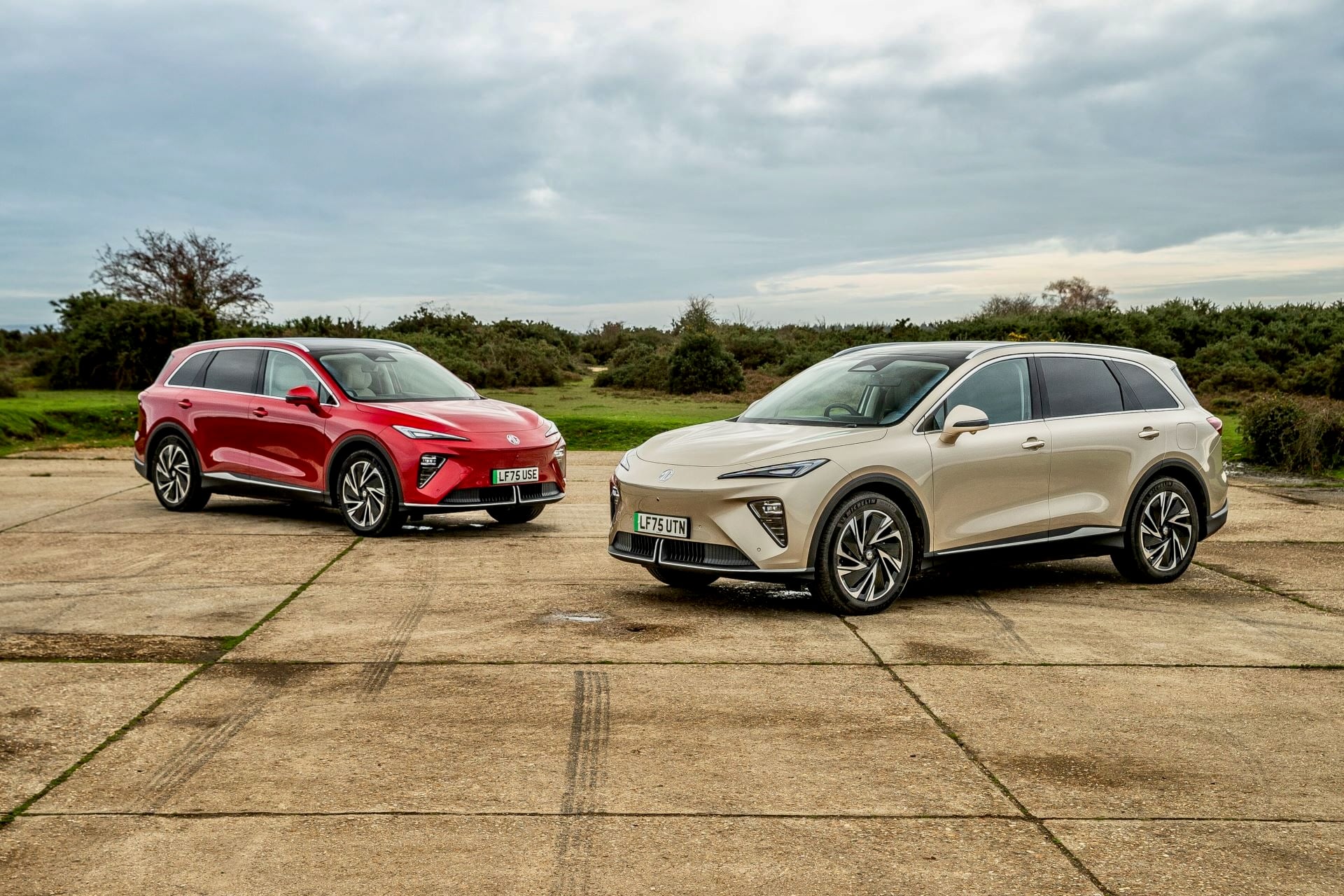
Due: TBC
Price (est.): Around $55,000 plus on-road costs
Drivetrain: Rear-mounted single or dual-motor, up to 266kW, 77kWh battery
Range: Up to 530km (WLTP) in Europe
The MGS5 is quite an impressive small electric SUV, and MG is building on that with a larger body and more power to make the MGS6. Confirmed for Australia but with no launch timing given as yet, the MGS6 will compete with the plethora of electric medium SUVs like the popular Tesla Model Y and BYD Sealion 7. No pricing has been given yet, but considering MG’s typically sharp value, we’re expecting it to be priced in the mid-$50,000 bracket when it launches.
5) Toyota HiLux BEV
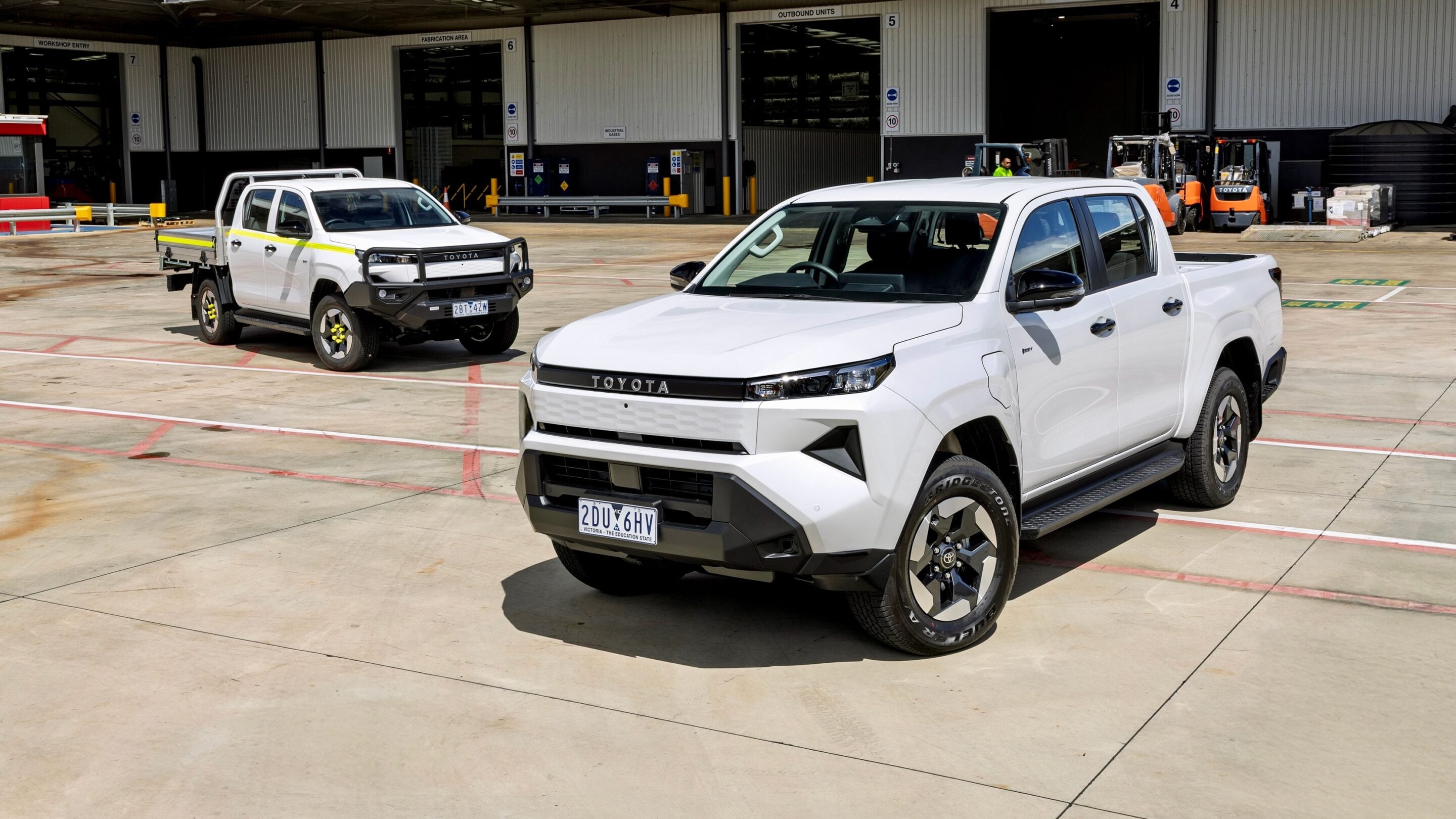
Due: Second quarter of 2026
Price: From $74,990 plus on-road costs
Drivetrain: Dual-motor, 144kW, 59.2kWh battery
Range: 315km (NEDC)
It’s not just electric SUVs and sedans being released in Australia in 2026, but electric utes as well. The first serious attempt at an electric ute locally is the Toyota HiLux BEV, which trades the regular HiLux’s 2.8-litre turbo-diesel for a new dual-motor electric set up and a 59.2kWh battery. The maximum claimed range is 315km on the NEDC cycle, and pricing starts at $74,990 plus on-road costs for the entry-level SR model, which is almost $17,000 more expensive than the diesel model.
6) Mazda 6e
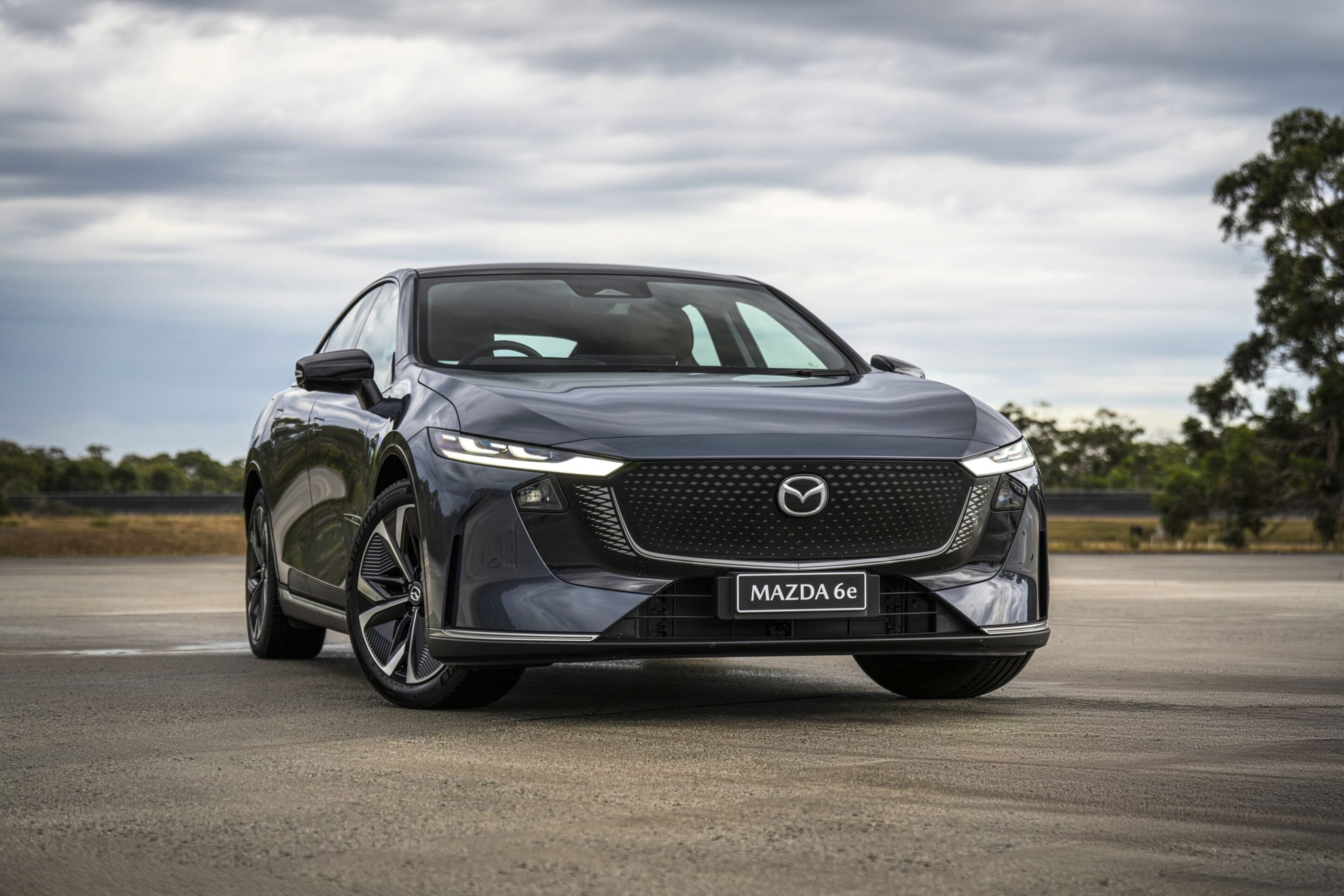
Due: Around July 2026
Price: From $49,990 plus on-road costs
Drivetrain: Rear-mounted single motor, 190kW, 78kWh battery
Range: 560km (WLTP)
Mazda‘s first ever electric car built from the ground up is the Mazda 6e, which is due in local showrooms by the middle of 2026. Based on Chinese partner Changan’s Deepal SL03, the 6e picks up where the old Mazda6 left off as its largest sedan, but it’s now fully electric. Priced from under $50,000 plus on-road costs, the 6e will be offered in GT and Atenza forms, with a 78kWh battery providing a driving range of up to 560km.
7) Mazda CX-6e
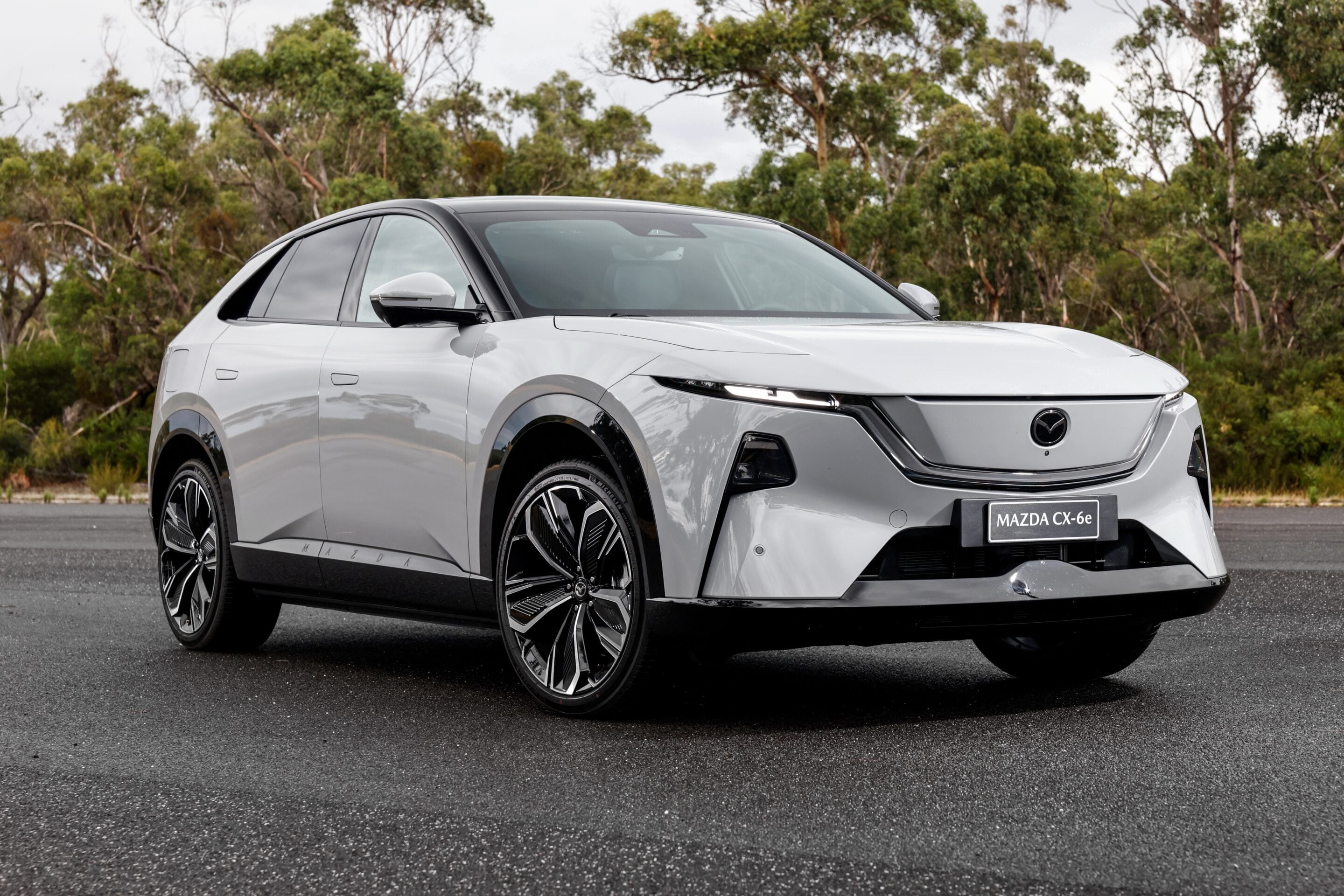
Due: Around September 2026
Price: From $53,990 plus on-road costs
Drivetrain: Rear-mounted single motor, 190kW, 78kWh battery
Range: UP to 484km (WLTP)
Mazda‘s second electric car release for 2026 is the CX-6e, which uses the same mechanicals as the 6e sedan above, but adds a taller and more practical body. Pricing starts from just $53,990 plus on-road costs, which is less than the top-spec petrol CX-5 it will share showrooms with, and both lower-spec GT and upper-spec Akera models will be offered. It’s also the first Mazda to be sold locally with cameras for mirrors, which is standard on the Akera.
8) Polestar 5
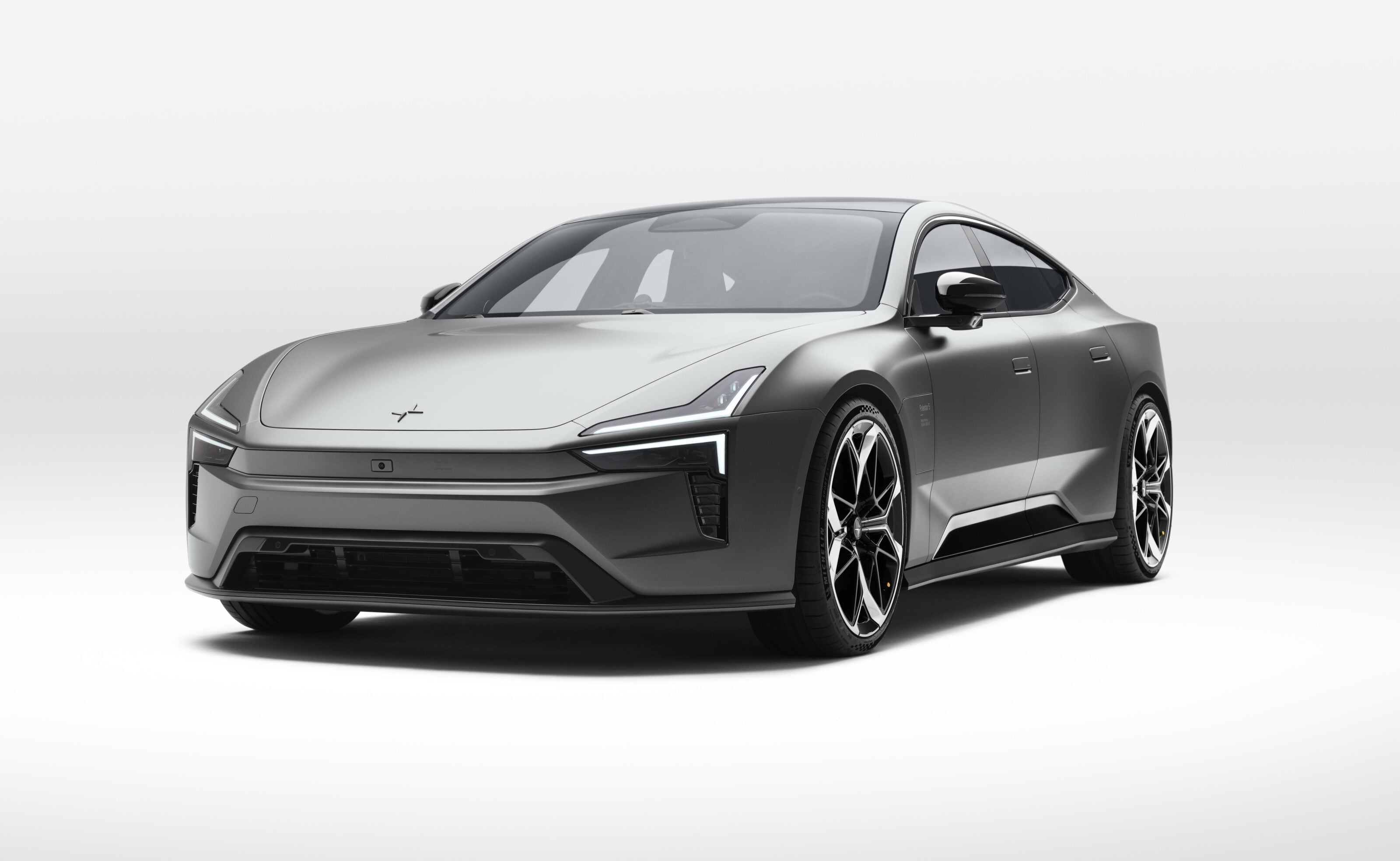
Due: From July 2026
Price: From $171,100 plus on-road costs
Drivetrain: Dual-motor, up to 650kW, 112kWh battery
Range: Up to 678km (WLTP)
Polestar‘s flagship model was revealed in 2025 as the 5 grand tourer, with impressive performance and range statistics. A dual-motor drivetrain is standard with up to 650kW of power in the Performance model, and a 112kWh battery gives a range of up to 678km (WLTP). The 5 isn’t cheap, with pricing started at $171,100 plus on-road costs, but it is very well equipped and is one of the best-looking new car releases for 2026.
9) Subaru Uncharted
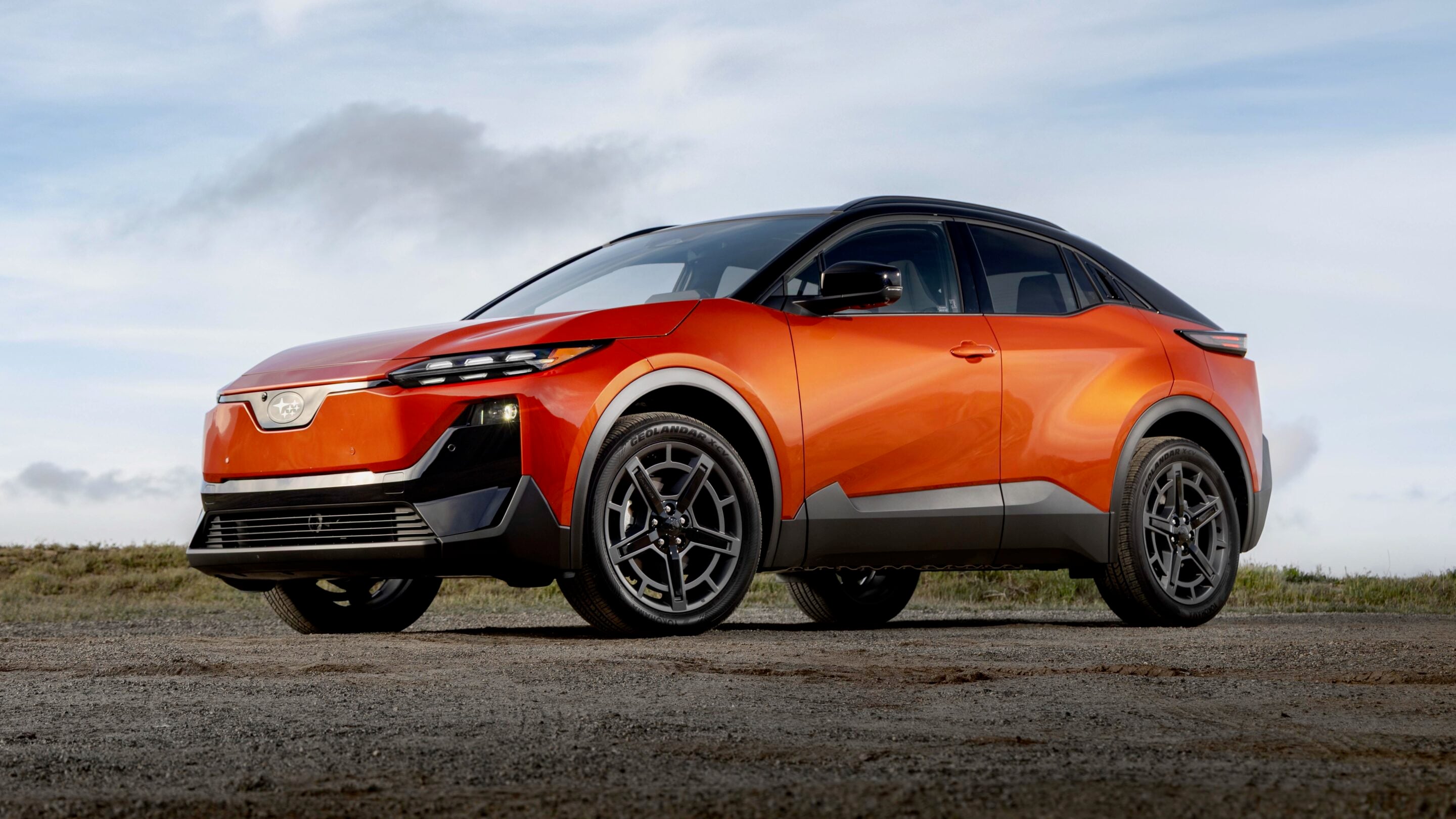
Due: From July 2026
Price (est.): From around $50,000 plus on-road costs
Drivetrain: Dual-motor, 252kW, 74.7kWh battery
Range: 522km (WLTP)
At the time of writing, Subaru only has one EV on offer in Australia but by the third quarter of 2026, the brand will offer three with the larger Trailseeker and smaller Uncharted joining the existing Solterra already on sale. Using the same platform as its siblings – and their Toyota twins – the Uncharted will only be offered locally in 252kW all-wheel drive form with a 74.7kWh battery for up to 522km of WLTP range. Pricing is yet to be announced, but we guess that it will start in the $50,000 bracket before on-road costs, giving it a nice buffer to the Solterra, which stats at $63,990 +ORC.
10) Denza Z9 GT
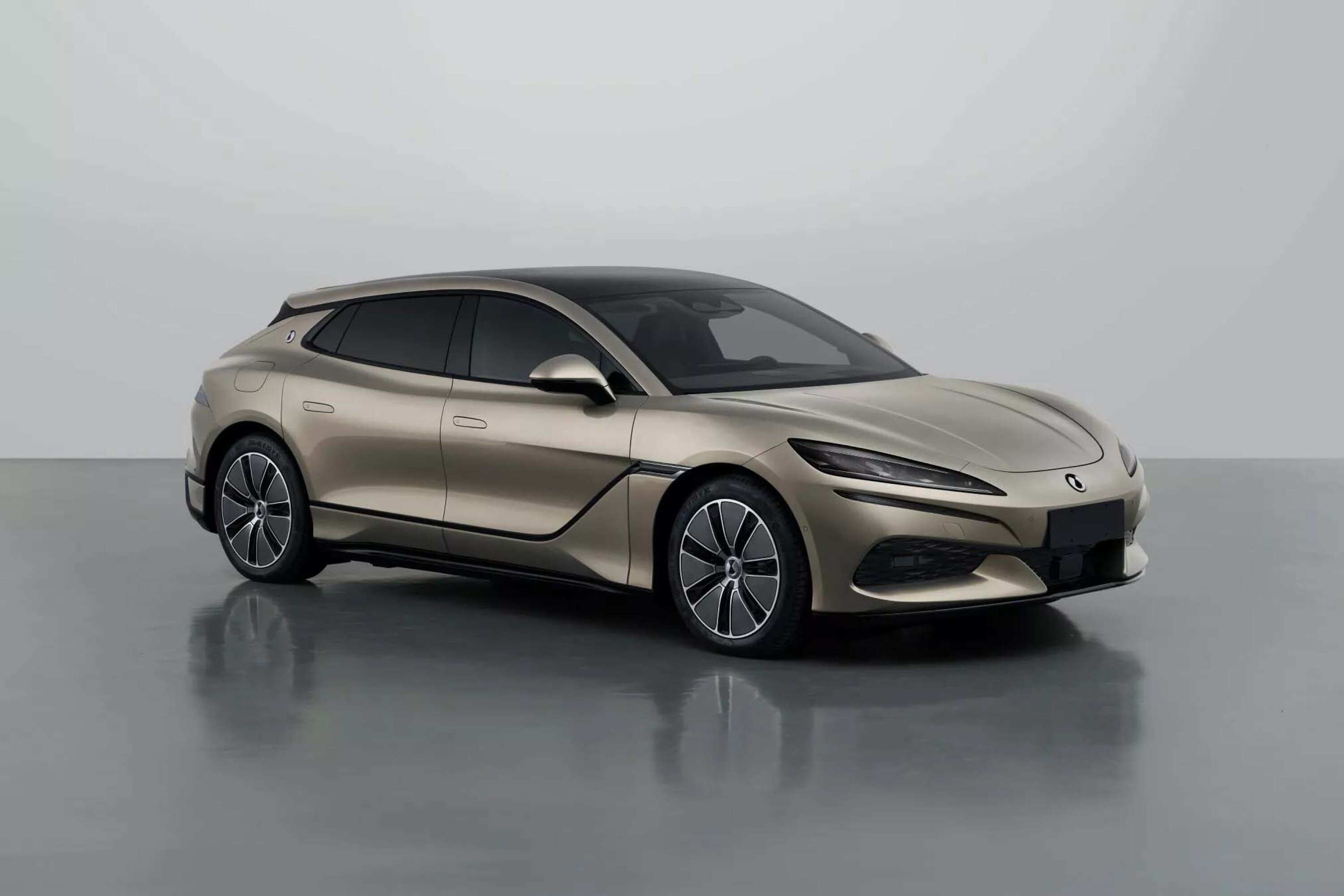
Due: From the third quarter of 2026
Price (est.): Around $100,000 plus on-road costs
Drivetrain: Dual-motor, around 850kW, 102kWh or 122kW battery
Range: Up to 1036km (in China – Australian figures TBC)
The next step in BYD‘s premium arm Denza‘s local sales is the Z9 GT, which is a large, luxurious and very powerful electric wagon. Pricing is expected to start at over $100,000 and in China at least, a dual-motor set up making around 850kW of power mated to a battery up to 122kW is available, but smaller battery and plug-in hybrid versions are also available. The 0-100km/h sprint takes as little as 2.7 seconds, making it one of the quickest cars available. And: it’s a wagon!
Senior U.S. defence officials have approached Detroit’s biggest automakers about the possibility of producing military equipment, as the Pentagon looks to expand its manufacturing capacity in response to growing global conflicts, according to reporting by The Wall Street Journal.
The Journal reports that executives from Ford and General Motors – including GM CEO Mary Barra (below) and Ford CEO Jim Farley – have held discussions with top Pentagon leaders about how the auto industry could support defence production. People familiar with the talks told the publication the conversations were broad in scope, centering on whether carmakers could act as a supplemental manufacturing base if traditional defence contractors fall short.
A key focus of the discussions has been whether automakers could quickly pivot their operations to produce weapons systems or components, particularly as U.S. stockpiles face pressure from ongoing conflicts in Ukraine and the Middle East. Officials reportedly asked whether companies like Ford and GM could step in during shortages, helping to manufacture items such as munitions or counter-drone technologies on short notice.

According to the Wall Street Journal, established defence firms including GE Aerospace and Oshkosh have also participated in these conversations, which began prior to the most recent escalation involving Iran. The broader goal is to strengthen the U.S. defence industrial base – a priority that has taken on urgency as demand for military hardware continues to rise. Defense Secretary Pete Hegseth has recently emphasized the need for the industry to adopt a “wartime footing,” reflecting a more aggressive stance on production readiness.
Pentagon officials have also asked automakers to outline potential obstacles to entering the defence sector. These include complexities in the contracting process, regulatory requirements, and the logistics of shifting large-scale manufacturing from civilian to military use.
In a statement cited by the Journal, a Defense Department official said the Pentagon is committed to expanding production capacity by tapping into commercial expertise and technology, ensuring U.S. forces retain a competitive edge. That push has intensified since the U.S. began supplying significant quantities of weapons to Ukraine in 2022. The department has also proposed a record $1.5 trillion budget, with substantial funding earmarked for munitions and drone production.

The idea of automakers contributing to defense manufacturing is not new. During both World War I and World War II, American car companies retooled factories to produce tanks, aircraft, and other military equipment, playing a central role in what became known as the “Arsenal of Democracy.” More recently, global automakers have explored similar collaborations, including Volkswagen’s reported consideration of producing components for Israel’s Iron Dome system. GM, for its part, is already active in the sector through its GM Defense division and is reportedly competing for future military vehicle contracts.
While no firm commitments have been announced, the Wall Street Journal reports that current discussions are largely exploratory. Still, the Pentagon’s outreach suggests a growing expectation that automakers may need to be ready to shift gears quickly if defense demands escalate further.
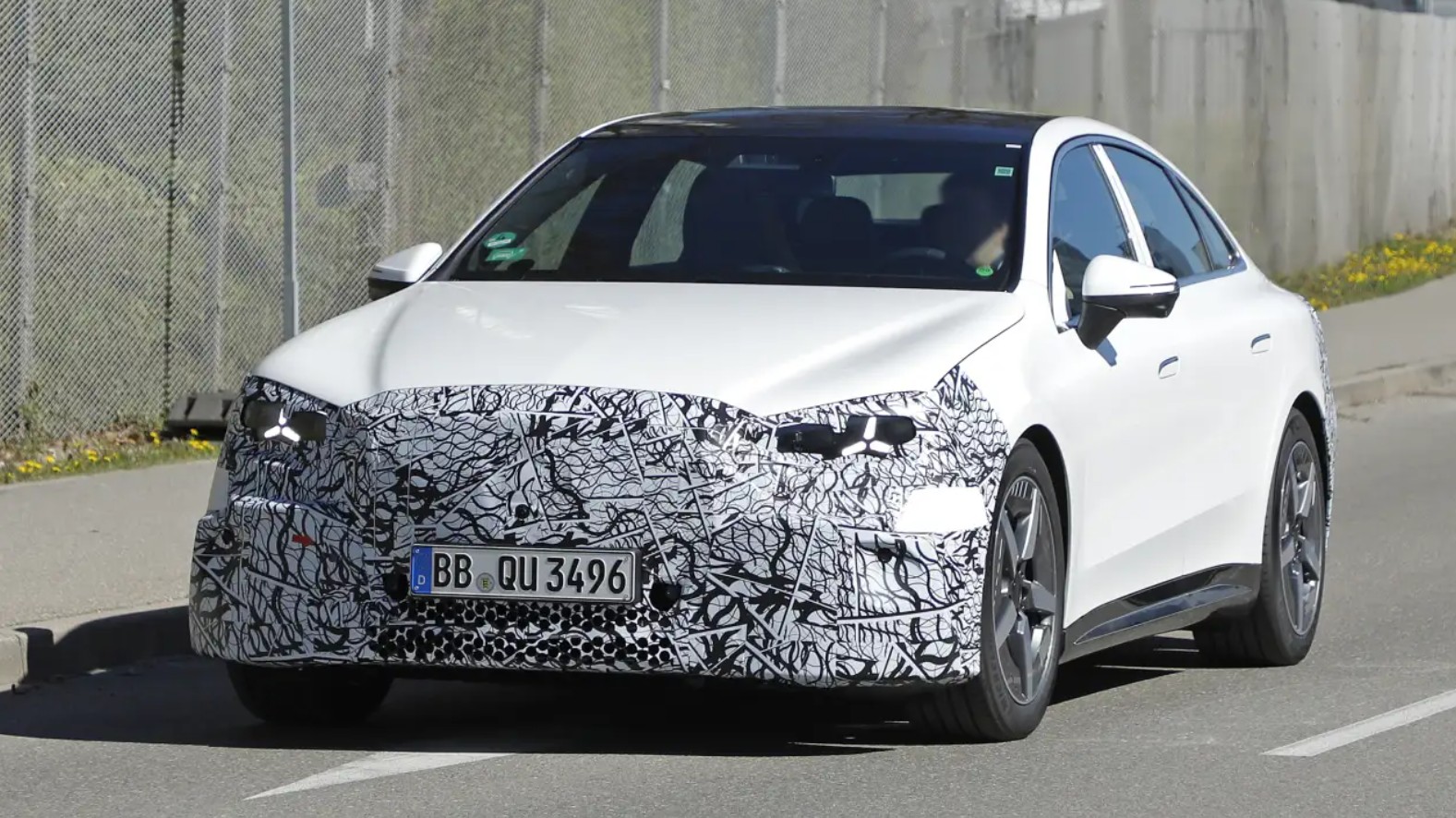
Mercedes-Benz has offered an early look at its upcoming C-Class Electric, revealing a tech-heavy interior and key details ahead of its full debut. Set to arrive globally by late 2026, the new electric sedan is shaping up as a major player in the premium EV space, where it will go head-to-head with the next-generation BMW i3.
Inside, the standout feature is a massive 39.1-inch display that stretches across the entire dashboard on higher-spec variants. This single glass panel integrates the digital instrument cluster, infotainment system and a passenger display into one seamless interface. Lower grades will feature a more conventional layout, with either three separate screens or a combination of a 14.5-inch central display and a 10.25-inch driver’s screen.
The rest of the cabin adopts a clean, minimalist look, with a slim dashboard, ambient lighting and a mix of physical controls and digital functionality. Twin wireless phone chargers and illuminated air vents further reinforce the high-tech feel, while advanced driver assistance systems are expected to include hands-off Level 2+ capability for highway driving.
Externally, the new C-Class Electric takes a more rounded and aerodynamic approach than its combustion-powered counterpart. Spy images point to a smoother body shape with a fastback-style roofline and shorter rear overhang. Design details such as framed doors and a curved rear quarter window mark a shift from recent Mercedes styling trends, while an illuminated grille and signature lighting elements are expected to define the front and rear.
Under the skin, the C-Class Electric is likely to share much of its technology with the GLC Electric SUV. A flagship dual-motor variant is expected to use a 94.5kWh battery, delivering an estimated driving range of around 720–760 kilometres. Fast-charging capability will be a highlight, with an 800-volt architecture supporting up to 330kW DC charging, enabling a 10–80 per cent recharge in roughly 20 minutes.
While Mercedes is targeting strong performance and refinement, competition will be intense. BMW’s upcoming i3 is expected to offer even greater range and faster charging, setting the stage for a renewed rivalry in the electric era.
Pricing for Australia hasn’t been confirmed, but the new model is expected to sit in the upper tier of the premium mid-size EV segment when it arrives.
The Ford Mustang GTD, the 608kW supercharged V8 track special pony car, will make a surprise entry in Australia after initially being denied a chance to be sold Down Under. But – and it’s a big but – it’s not being sold through Ford Australia, rather, private imports of the GTD have been approved thanks to the Department of Infrastructure.
The Mustang GTD has been added to the Specialist Enthusiast Vehicles Register, which allows for the personal import of rare and high-performance vehicles. Thanks to a total production run of likely under 2000 cars, the GTD now qualifies to be imported under the scheme due to its rarity.
However, just because it can be imported doesn’t mean that it’s able to be registered, with many states banning left-hand drive vehicles unless they’re over 25 years of age. The GTD is only produced in left-hand drive, and unless converted to right-hand drive locally, will remain so.
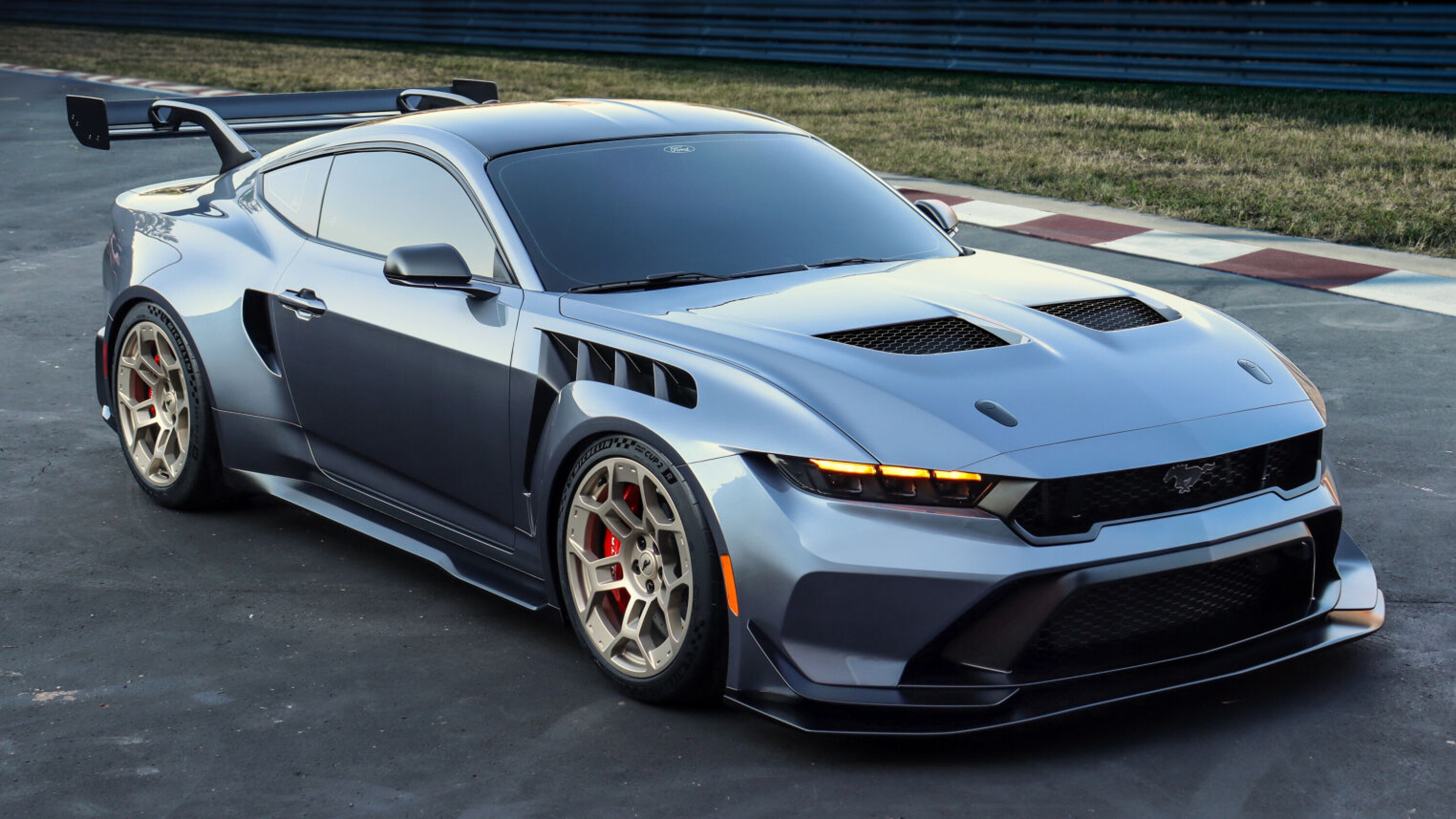
The Mustang GTD features a 608kW 5.2-litre supercharged V8 engine mated to a seven-speed dual-clutch transmission. It hits 100km/h in under three seconds, and a top speed of 325km/h, and was developed as a competitor to cars like the Porsche 911 GT3 RS.
In the US, pricing for the Mustang GTD starts at US$330,000 (A$460,000) before taxes, meaning that it would be quite an expensive track machine by the time it lands in Australia.
The sixth-generation Toyota RAV4 has gone on sale in Australia without a safety rating from Australia’s independent safety body, ANCAP.
Production delays have resulted in the new RAV4 arriving later into local showrooms than first anticipated, impacting the new model’s ability to achieve a five-star safety rating under new-for-2026 ANCAP testing criteria.
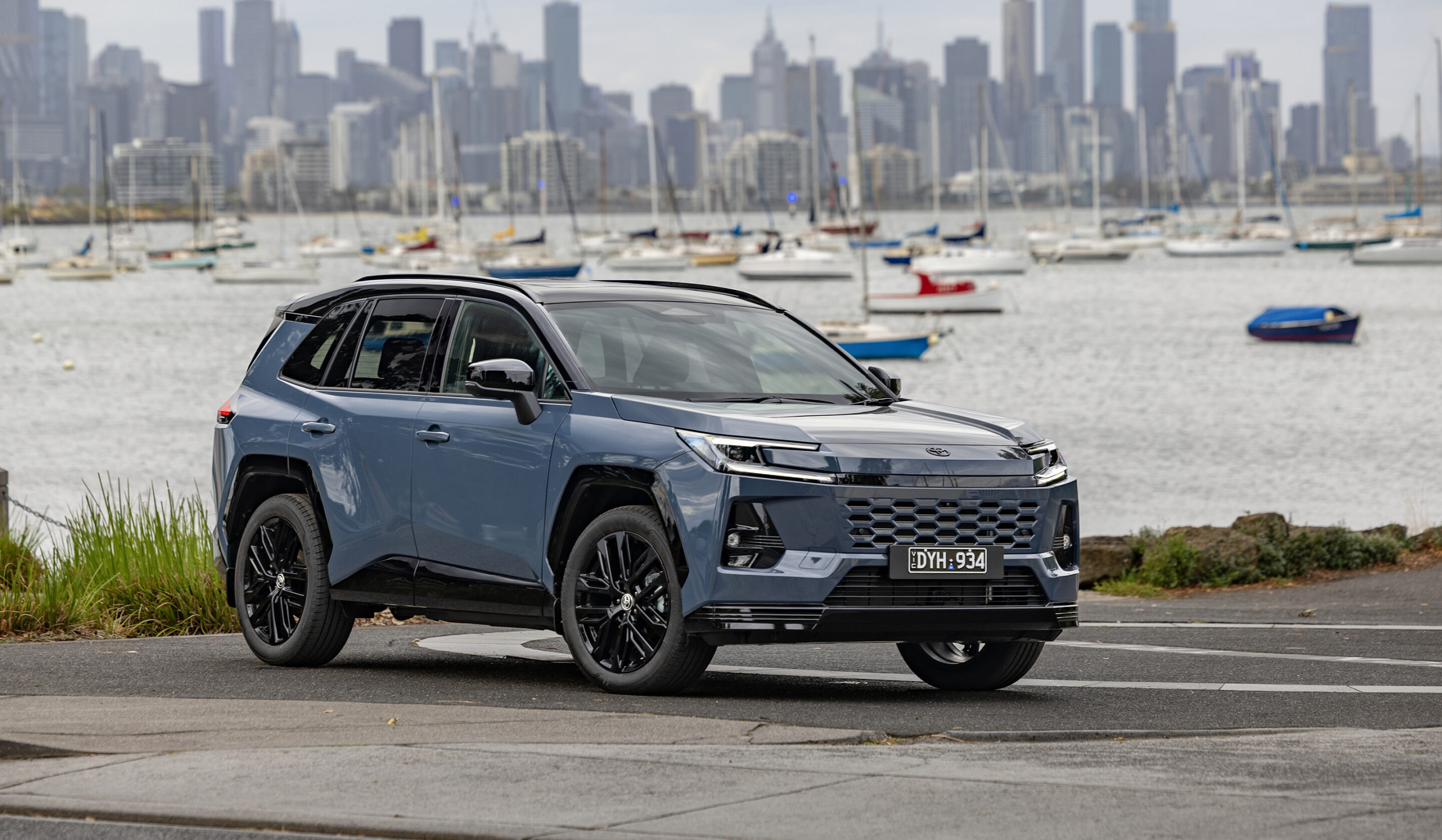
ANCAP’s new testing protocols centre on the efficacy of on-board safety technologies which have been overhauled for 2026. Toyota is currently working on updating its technologies in order to comply with five-star standards, but those revised models are not expected until later this year.
According to Toyota Australia’s Senior Product Planner, Peter Phan, the new RAV4 was “originally planned for a late-2025 launch and the vehicle was designed to meet the ’25 ANCAP requirements for a five-star ANCAP [rating].
“Due to changes in production we are now launching the all-new RAV4 in 2026 under tougher ANCAP protocols and we are working to update the vehicle to meet these new protocols. We expect we will meet the requirements for five-stars when testing is conducted later this year.”
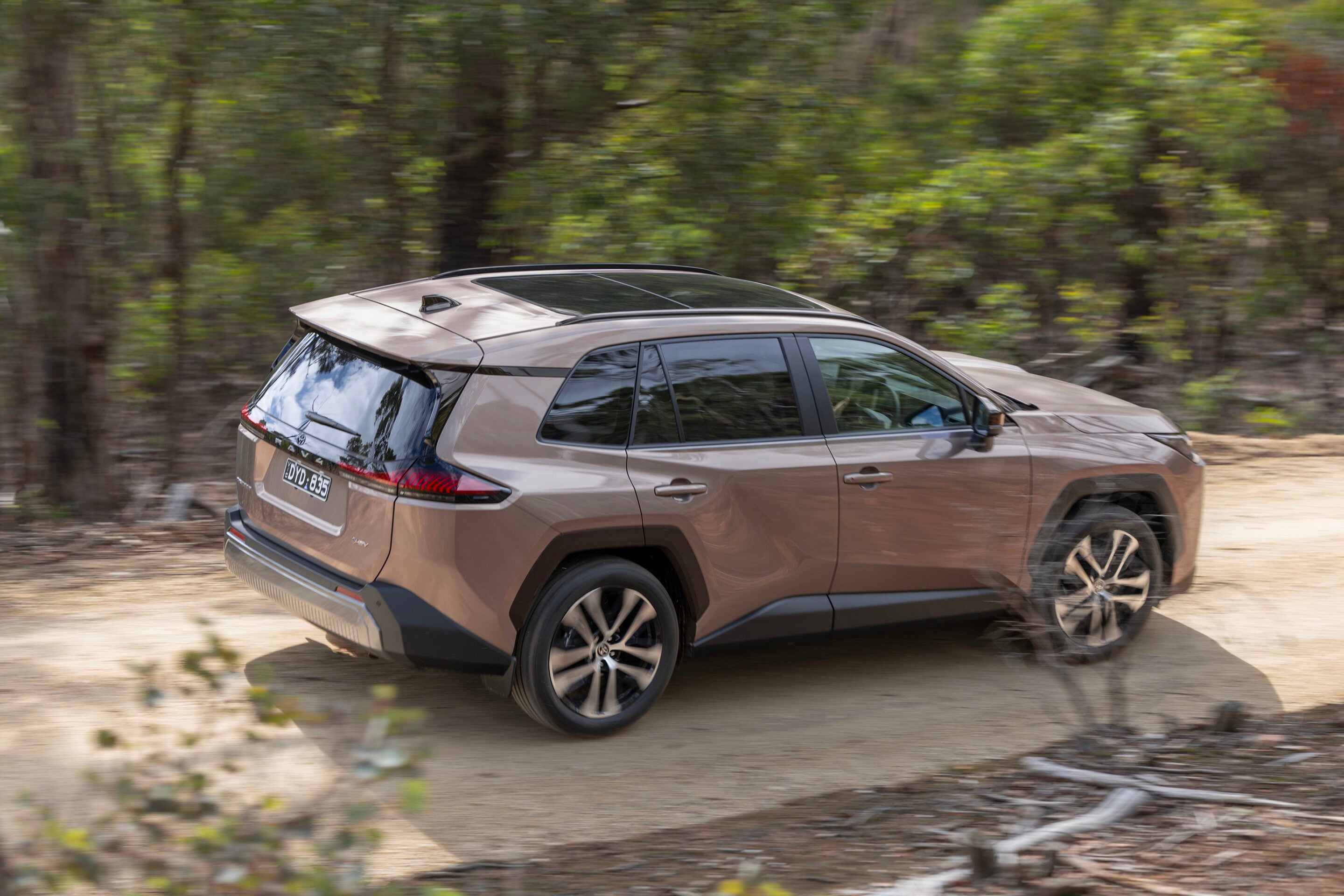
Toyota Australia’s head honcho, John Pappas, said he was already working with fleet and government buyers, many of whom have mandatory five-star policies, to ensure RAV4 remains in consideration. Around 40 per cent of RAV4 sales are made up of fleet and government buyers, according to Pappas.
“No, I’m not [concerned at losing sales],” Pappas told Wheels at the launch of the new RAV4. “The safety spec on this car is the best we’ve ever had. It’s the greatest RAV4 when it comes to safety. And that’s what’s most important.
“We’re already seeing really strong order intake right now. Sixty per cent of our buyers are retail… and even within our fleet clients, for those, like government, that might have a five-star [policy], we’re working with those customers on the order timing [and when] they can place orders.”
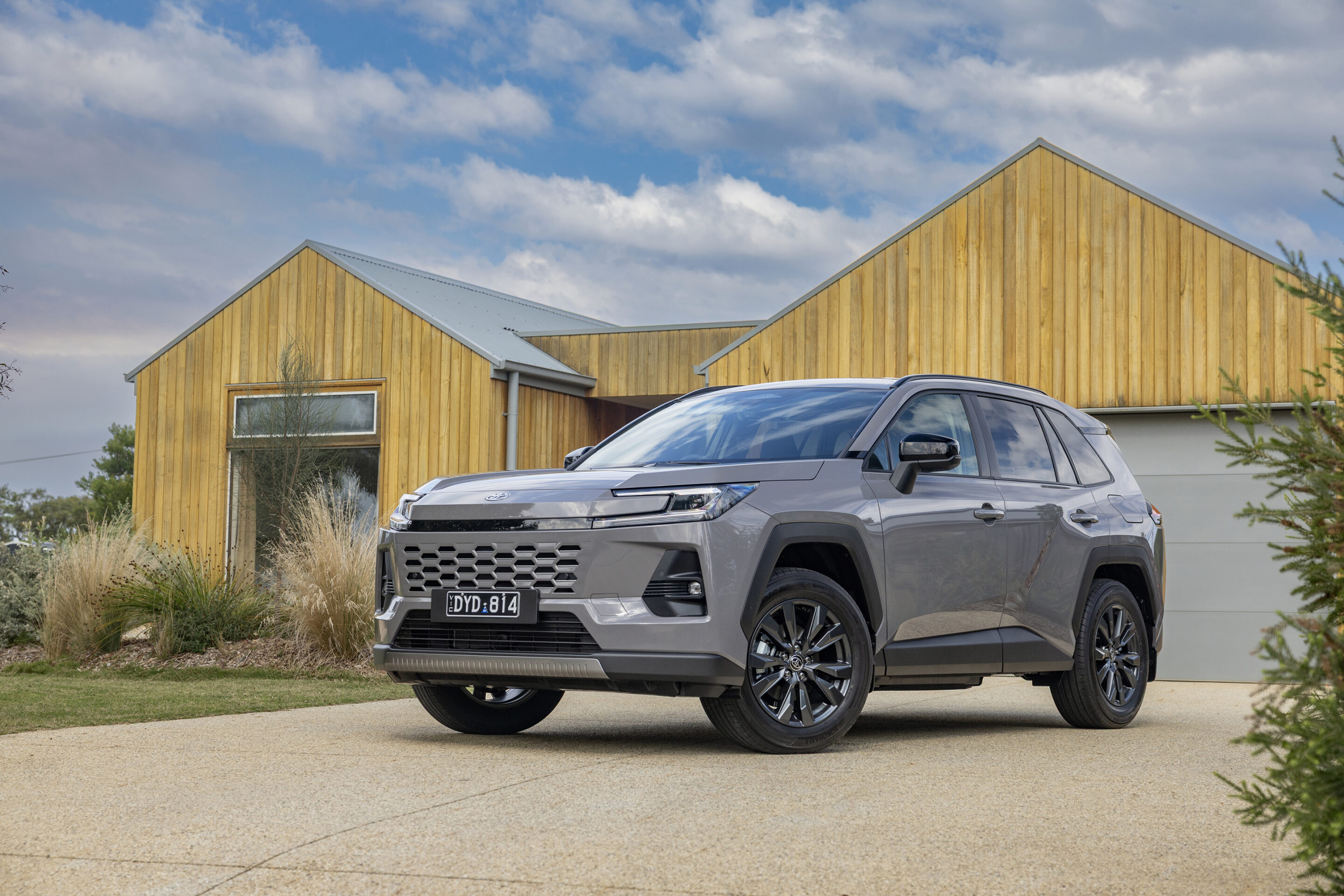
Toyota Australia did not outline the specific technologies affected by the new ANCAP protocols but added that its updates by the end of the year should result in a five-star ANCAP safety score.
Pappas reiterated that Toyota Australia’s relationship with ANCAP remained on solid ground.
“We’ve got a good relationship with ANCAP,” he told Wheels. “We do work with them, and we want to continue to work with them, but what we’re most focussed on is what safety is in our vehicle. And that’s why we’re really proud of the safety in the RAV4… that’s what we pride ourselves on and that’s what we continue to focus on.”
Entrepreneur Adrian Portelli, who rose to prominence buying the finished houses of contestants on Channel 9’s long-running reality show, The Block, has posted the latest update on his long-flagged move into Australia’s fuel market with pictures of the first LMCT+ branded service station emerging in Melbourne and plans for a broader rollout aimed at delivering cheaper fuel.
“I’m here to f%$# s*&# up,” Portelli posted on his Instagram post under pictures of his initial site, located in Preston in the city’s north.
It marks the first physical step in what Portelli has positioned as a larger push into fuel retail. The location, formerly operated under a major brand, has been rebranded under the LMCT+ banner and is expected to serve as a launch point for further expansion.
Portelli has framed the move as a direct response to high fuel prices and what he sees as a lack of meaningful discounts from established petrol retailers. His approach centres on integrating fuel sales into the existing LMCT+ membership ecosystem, where subscribers gain access to discounts and promotions across a range of services.
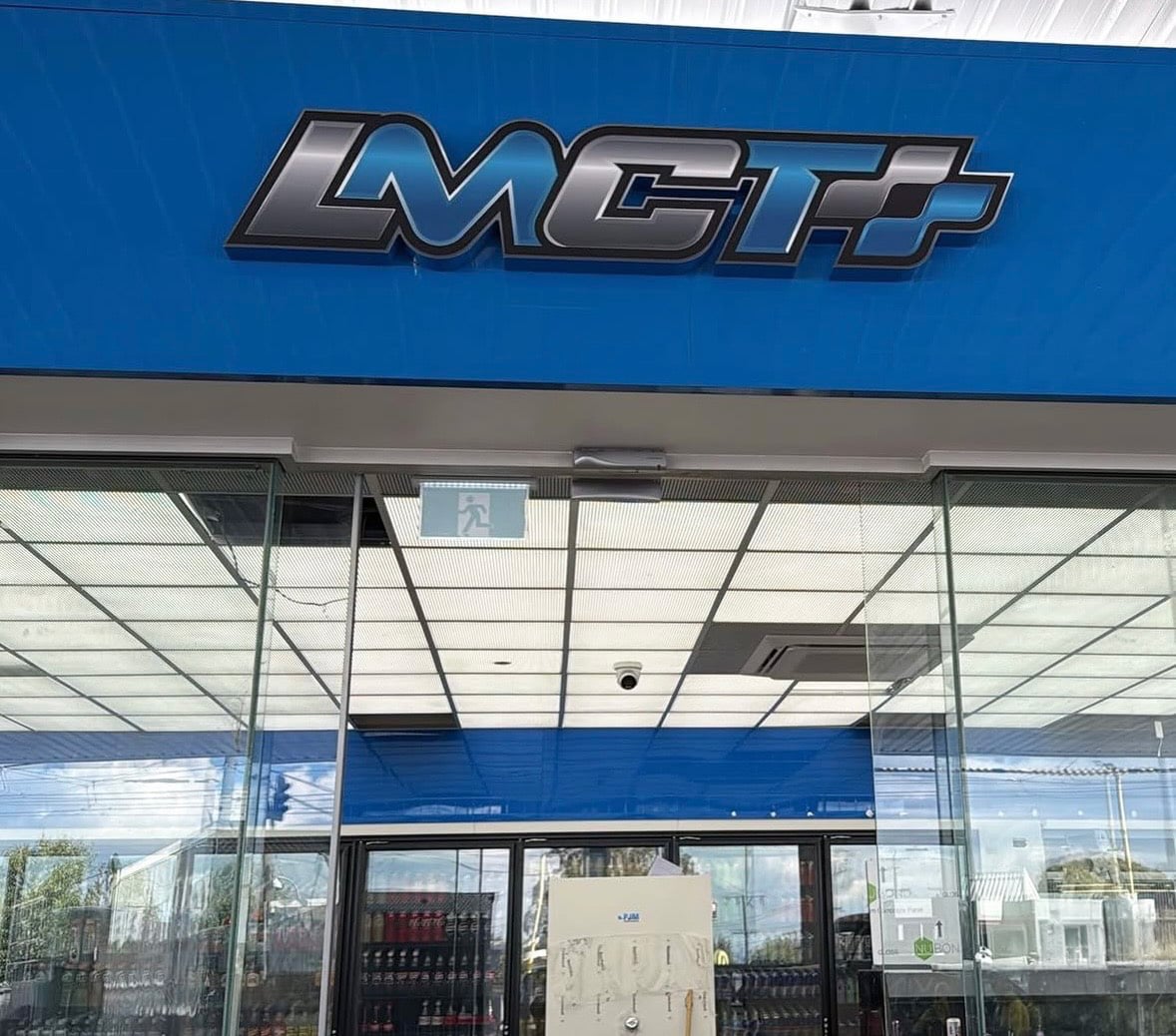
“The big players in the petrol game didn’t want to give you guys discounted fuel,” Portelli said in earlier messaging around the project, positioning the new venture as a way to pass savings on to consumers.
The concept goes beyond a conventional service station. LMCT+ sites are expected to operate as “rewards hubs”, linking discounted fuel with broader membership benefits, including retail offers and promotional giveaways tied to the brand’s wider business model.
The Preston site is widely seen as a test case, but industry observers suggest it could be the beginning of a much larger network. Portelli himself has hinted at ambitious expansion plans, suggesting fuel retail is just one part of a broader strategy that could extend into other sectors. On his post he says “50” other sites are “under negotiation around AUstralia”.
The move comes at a time of heightened pressure on Australian motorists, with fuel prices remaining volatile and cost-of-living concerns continuing to shape consumer behaviour. Against that backdrop, a discount-driven fuel model has the potential to attract significant interest – particularly if it can deliver consistent price advantages over established operators.
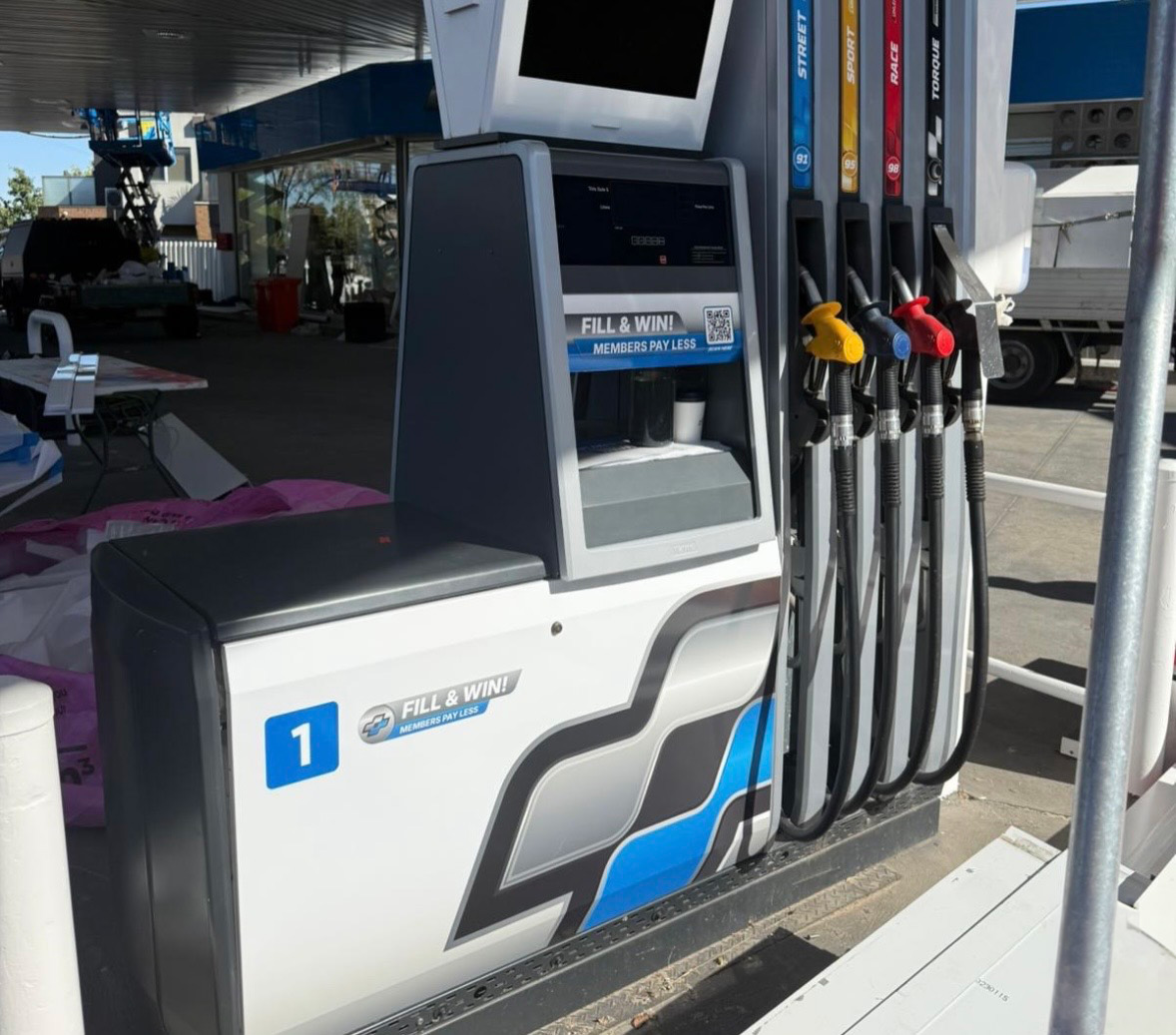
While it remains early days, the emergence of LMCT+ fuel sites signals a potential disruption in a sector traditionally dominated by major oil companies. If Portelli’s model gains traction, it could introduce a new competitive dynamic into Australia’s fuel market, built around membership-based pricing and alternative retail strategies.
BYD Australia has announced that it will send extra new energy vehicles to the Australian market and prioritise delivery to essential workers as cost-of-living challenges place added pressure on Australians who rely on mobility to serve their communities.
According to the company, the new initiative will support those who need reliable and cost-effective transport the most – including doctors, nurses and other healthcare professionals, teachers, social workers, police, fire, ambulance and SES volunteers – during the current period of unprecedented demand for electric and ultra-efficient hybrid vehicles thanks to the fuel crisis.
BYD Australia Chief Operating Officer, Mr. Stephen Collins, said that while all Australians were doing it tough at the moment, the decision to prioritise essential workers is the right thing to do.
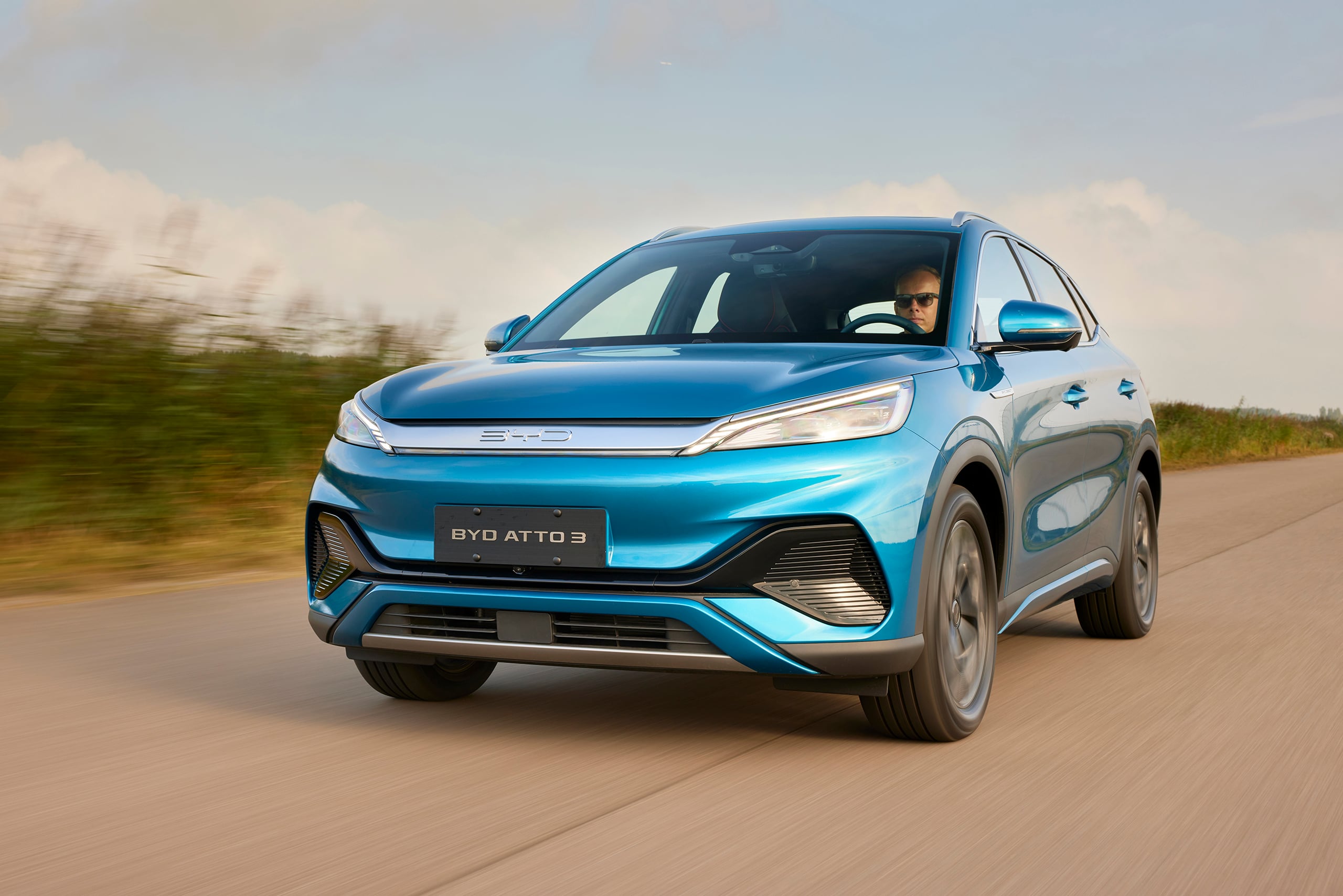
“Ultimately, we want to minimise wait times for all customers, because everyone is feeling the pinch,” Mr Collins said. “The 30,000 vehicles arriving by June will go a long way to helping. We will work closely with our national dealer network to provide priority access – not exclusivity – for those delivering critical services to the community, while maintaining availability for the broader public.”
BYD’s General Manager Asia Pacific, Mr. Liu Xueliang, also committed during a trip to Australia to an extra 30,000 vehicles for Australian customers to arrive throughout May and June to help meet demand and minimise wait times. Significant additional production is also expected in the third quarter.
Australian essential workers are broadly defined as those whose work is necessary to ensure public safety, health, welfare or the functioning of society. The process of providing priority access to BYD stock will be supervised by BYD Australia, with eligibility verified through standard employment documentation, with auditing in place to ensure integrity and consistency.
Remember the Kia EV6? The 2022 Wheels Car of the Year-winning Kia EV6? Considering the flurry of electric vehicles (EVs) launching in recent times, it’s easy to forget that the EV6 – and its Hyundai Ioniq 5 cousin – was a very important car for its maker thanks to its fast-charging 800V platform, arresting style and keen Australian-tuned dynamics. It was one of the first electric medium SUVs with serious range, charging, dynamics and performance.
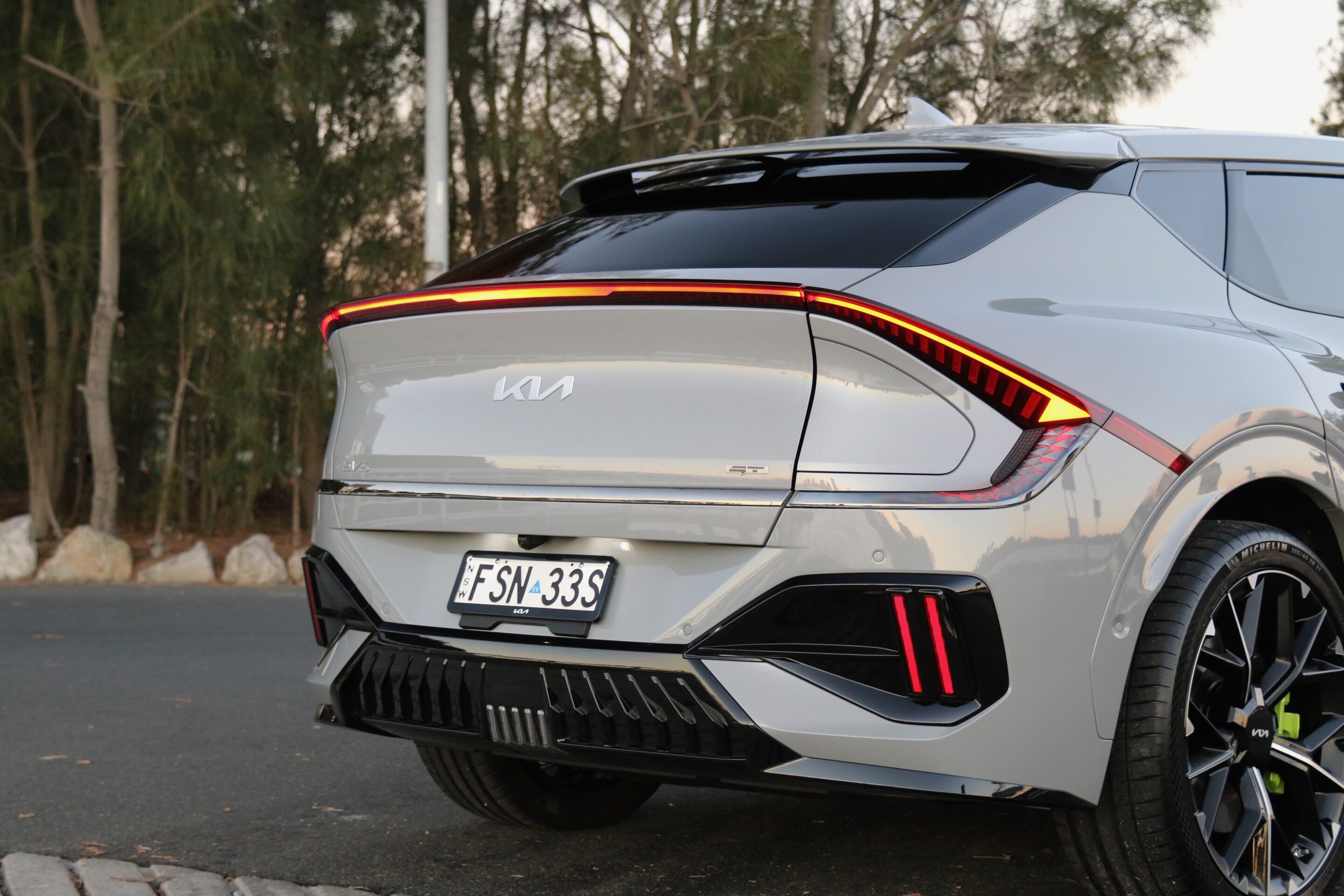
Four years later, its maker has given it a mid-life nip and tuck with revised styling, a larger battery for more driving range, changes under the body to the suspension and – in the case of the high-performance GT model – even more power. Is the top-spec EV6 GT still a force to be reckoned with in the electric medium SUV segment?
How much does the Kia EV6 GT cost to buy?
As before, the GT sits atop the local EV6 model tree with entry-level Air and mid-spec GT-Line models sitting below it.
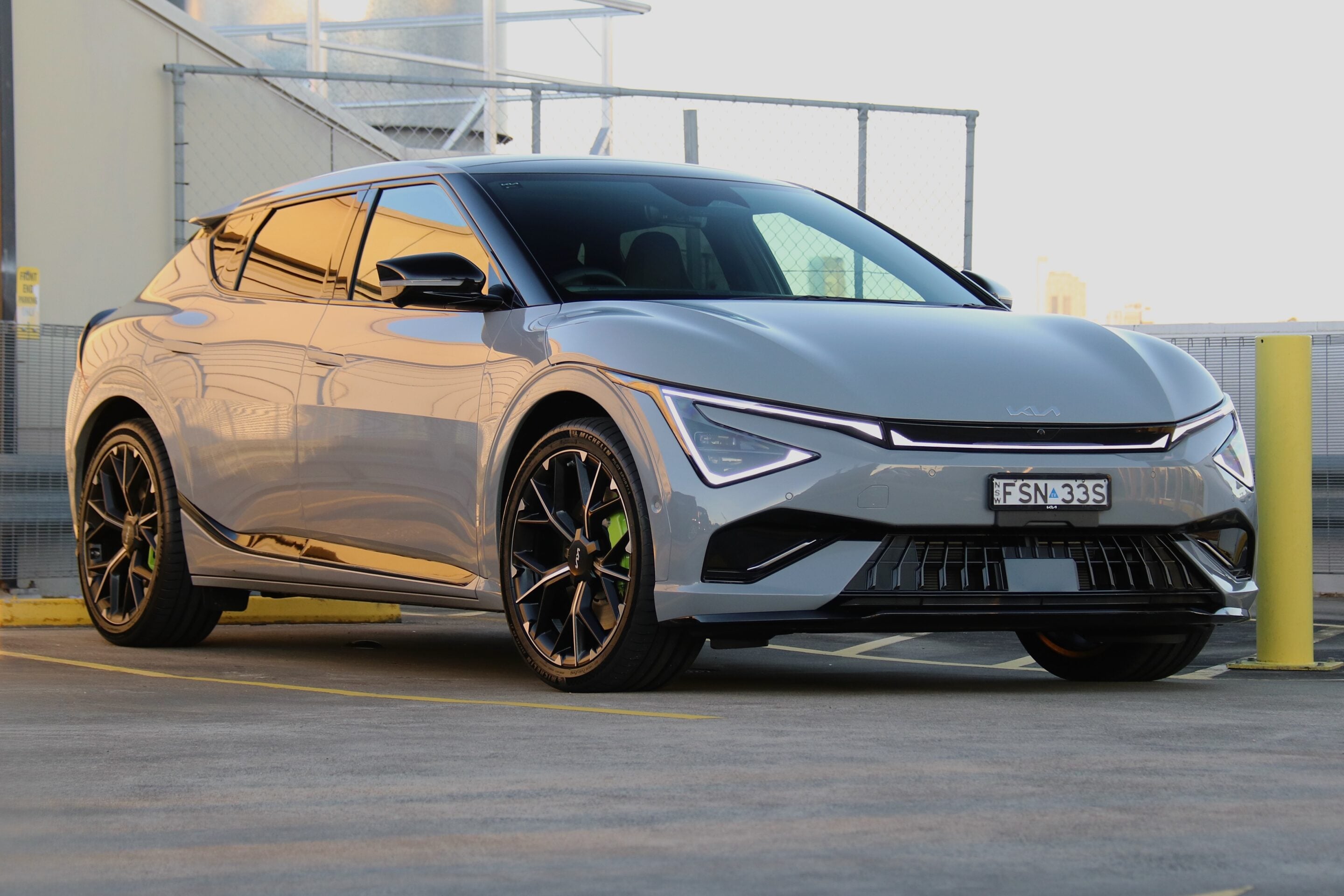
2026 Kia EV6 pricing:
| Air RWD | $72,660 |
|---|---|
| GT-Line RWD | $79,660 |
| GT-Line AWD | $87,660 |
| GT | $99,660 |
Pricing rose by $70 for each model in the EV6 line-up with its mid-life update, which is a good return on investment consider its larger battery (84kWh versus 77kWh) and claimed range (450km v 424km), extra power (478kW v 430kW), a new infotainment system with more connectivity and even sharper styling. Could it have been cheaper? We think so, but its upgrade has been considerable for only $70 extra.
Competition in the performance medium SUV segment is strong, and its biggest rivals include its 2024-25 Wheels Car of the Year-winning Hyundai Ioniq 5N cousin, the Tesla Model Y Performance and newcomer Zeekr 7X Performance. Move away from electric propulsion and you could count the BMW X3 M50, Mercedes-AMG GLC 43 and GLC 63 S as rivals to the EV6 GT, albeit for a lot more cash.
A Porsche Macan Turbo Electric, which is only slightly more powerful and slightly quicker to 100km/h, is almost double the price of the EV6 before any options boxes are ticked.
How fast is the Kia EV6 GT?
Well, with launch control activated, the EV6 GT makes 478kW of power and 770Nm of torque, hitting 100km/h in just 3.5 seconds and delivering a top speed of 260km/h. So yep, it’s quite fast. It’s actually been made even more powerful with the update, eclipsing the still-mental 430kW power of the pre-facelifted model and now matching its Ioniq 5 N platform sibling.
Compared with the more outlandish Ioniq 5N, the EV6 GT doesn’t feature fake exhaust pops and bangs, but it can do the 5N’s simulated gear shifts if you want it to, adding an extra layer of driver involvement to the driving experience, which we love. Like it is in the 5N, the EV6 GT’s system brilliant: it simulates turbo lag, jolts between gear shifts and noise changes as well.
Part of the mid-life update to the EV6 GT included stiffer rear sway bars and softer front suspension to increase grip levels, and revised steering for a more natural feel through the wheel. Kia Australia has once again applied its own tune, which has resulted in a fabulous ride and handling balance. Put simply, it’s even more of a weapon through the corners than it used to be, which is an impressive statement, and you don’t actually need to be in sport or GT modes as even in normal mode, it’s still appropriately stiff but very compliant as well.
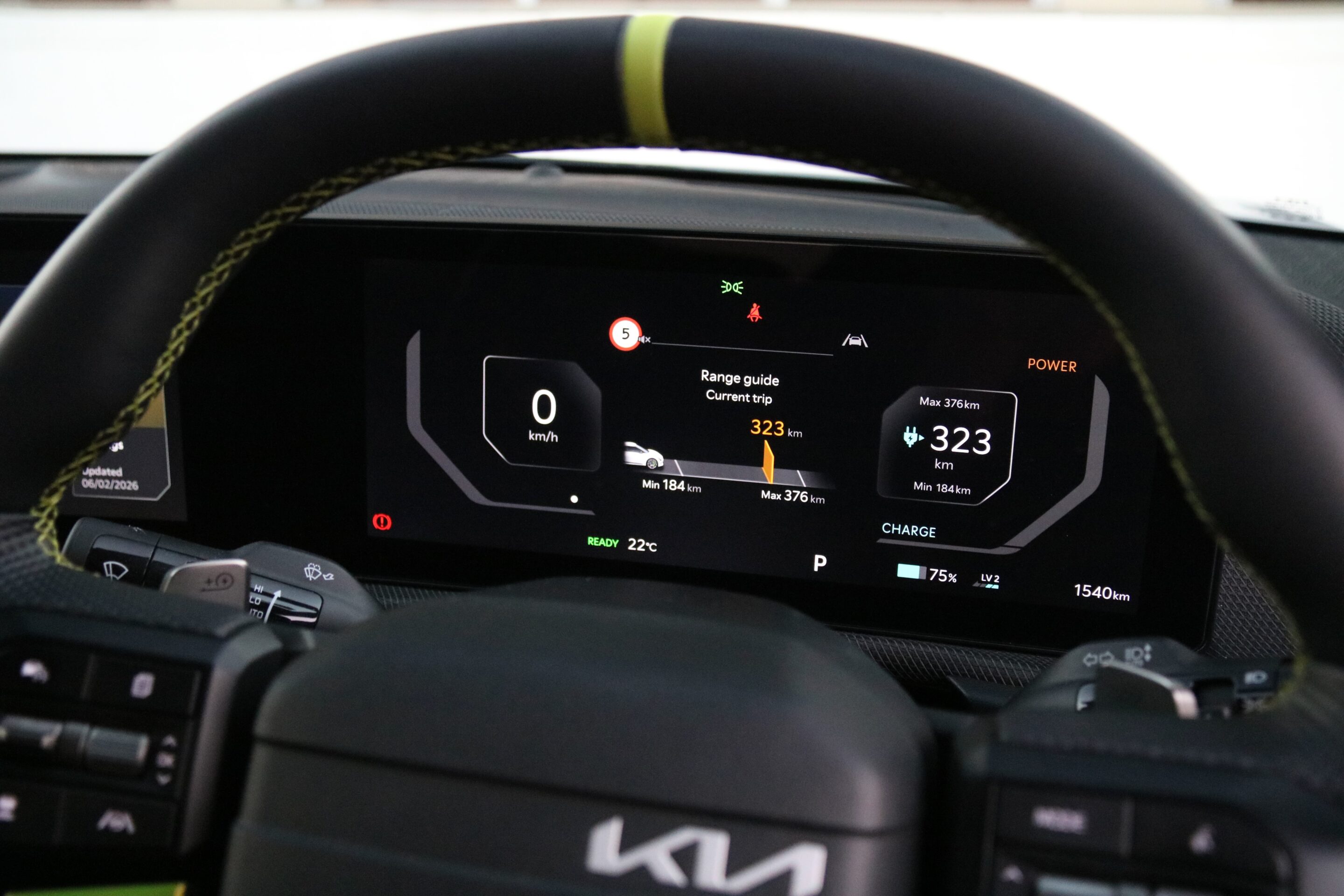
Most notable for this reviewer is the extra steering heft – great for inspiring confidence in spirited driving – and overall, the EV6 GT is one of the best EVs to drive, bar none. Sure, it costs more than many of its Chinese rivals, but they can’t hold a candle to the EV6 in how they drive, nor how well their active safety systems are tuned. Aside from the speed limit buzzer (easily defeated, just hold in the volume wheel), none of the systems annoyed us in our week with it. A Chinese rival? We’d probably be driven mad in the first hour.
How fast can the Kia EV6 GT charge?
The EV6 broke new ground for non-Tesla car makers at its launch as it was one of the first EVs in Australia capable of charging at up to 350kW, which was much quicker than many other EVs on the market. In this regard, Kia has left the EV6 GT unchanged as it’s still capable of that fast charge speed – though, the market has caught up and eclipsed it here, as the Zeekr 7X is capable of an even faster 400kW charge.
Still, despite the slightly larger battery, Kia claims that the EV6 GT can charge from 10 to 80 per cent (or add around 350km of range) in as little as 18 minutes, or 81 minutes if using a far more common slower 81kW charger. AC charging is less impressive at a 10.5kW peak with a claimed 10-100 per cent charge taking just over 7.5 hours. For reference, a Zeekr 7X can AC charge twice as fast at 22kW.
Is the Kia EV6 GT practical?
It must be said that thanks to the sloped roofline, the EV6 is not as practical as – for example – its smaller EV5 sibling. But at the claimed 480 litres, it’s not small either and there’s ample under-floor storage as well. Fold down the rear seats and 1250 litres is on offer, plus the 20-litre front boot, too.
Rear seat space is more impressive thanks to its completely flat floor, ample leg- and headroom for two taller adults – a third is possible, though the seat design means that it’s not as comfortable for the one in the middle. Rear passengers will be impressed with the amenities on offer, including two USB-C ports, heated outboard seats, air vents in the B-pillars and a centre arm rest, though there’s no separate climate zone, window shades or map pockets.
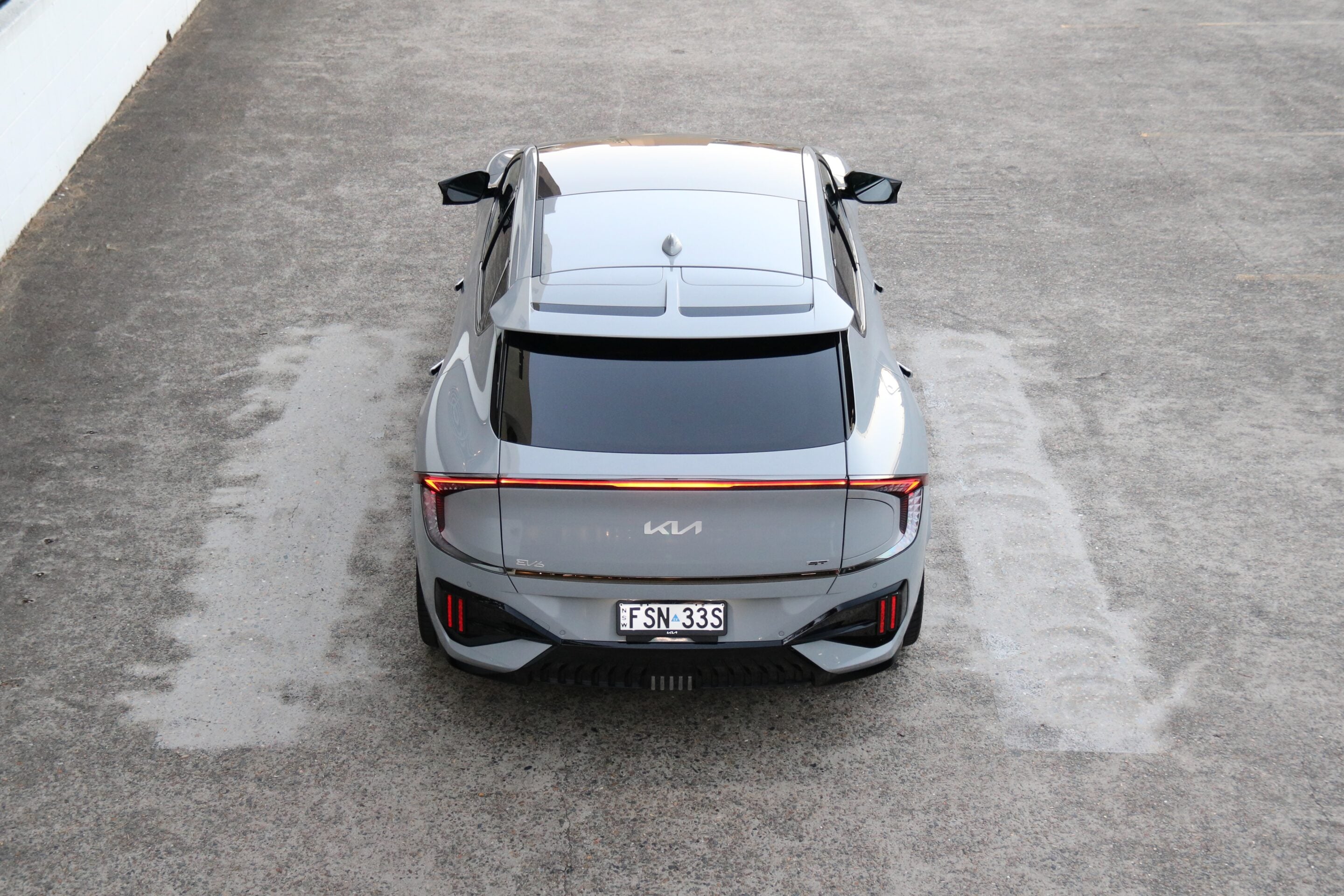
Move forward to the front cabin and the EV6 GT’s racy and futuristic spaceship-like design impresses. Material quality isn’t quite to German levels, but the plastics are mostly soft, the ambient lighting looks great at night and there are even flock-lined door bins to help lessen rattles.
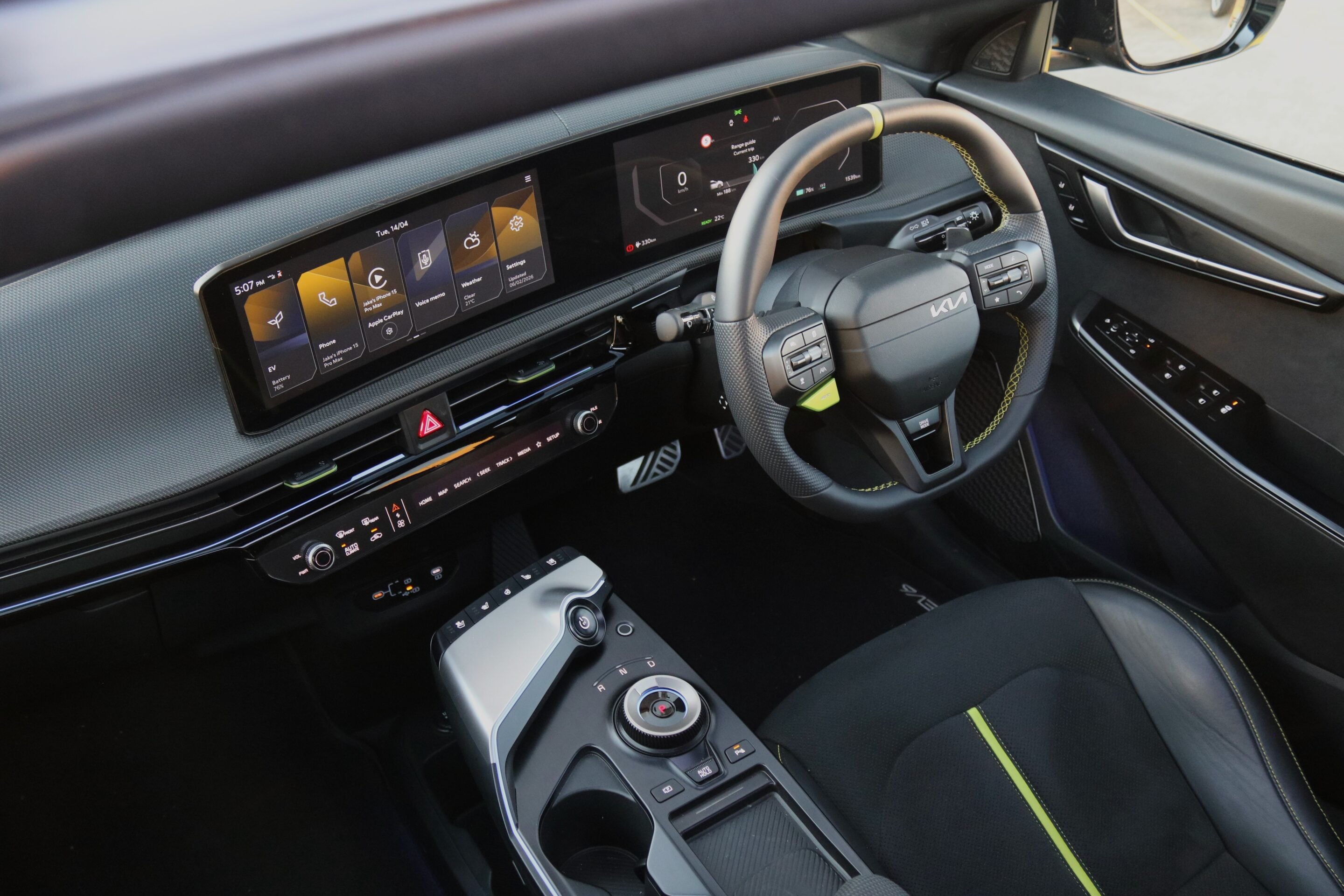
Kia has installed its latest infotainment system to the EV6 in its mid-life update, and it’s a very easy to use system. Helping it further is that its heating and cooling controls, plus shortcuts for the touchscreen, are located separately below the screen – if you’re sick of so many modern cars migrating such controls to the touchscreen, the EV6 is a great refresher.
While the screen quality could be improved, the 14-speaker Meridian sound system is noticeably punchier than the pre-updated model. Finally, while it’s small in the grand scheme of things, the new three-spoke steering wheel design is a significant aesthetic improvement compared with the two-spoke unit on the pre-updated EV6. Let’s hope it spreads to the rest of the Kia range.
What warranty covers the Kia EV6 GT?
Kia covers all its new cars with a seven-year/unlimited km warranty, with up to eight years of roadside assistance if serviced through a Kia dealership. For its hybrid and electric models, a separate seven-year/150,000km battery warranty is also applicable.
The EV6 GT’s service intervals are once yearly/every 15,000km and a five-year/75,000km service plan costs $1570 or $314 annually.
Should I buy a Kia EV6 GT?
Look, there are performance electric SUVs available for a lot less cash than the EV6 GT’s circa-$100k pricetag, namely the Zeekr 7X – even the Tesla Model Y Performance asks over $10,000 less. That would make it easy for some to say that the EV6 GT isn’t good value for money, but considering its strong all-round capability, depth of engineering and sultry styling, we think it’s got a lot going for it.
Should it be less expensive? Probably. Will the updated EV6 GT continue to sell locally in small numbers? Also probably, but it’s more evidence that Kia can make properly great cars. Ones capable of transporting you quietly and safely during the week, but when the mood strikes, hitting the GT button and hell breaking loose. As before, it’s brilliant, but thanks to small tweaks, it’s just that much better now.
EV6 GT standard features:
- 21-inch alloy wheels with a tyre repair kit
- Adaptive dampers (three-mode)
- Eco, normal, sport, snow, individual and GT driving modes
- Dusk-sensing automatic LED exterior lighting with Matrix adaptive high beam
- Front and rear LED daytime running lights
- Rain-sensing automatic wipers
- Keyless entry and push button start
- Remote start with remote parking capability
- Sunroof with sun blind
- Hands-free electric tailgate
- Leatherette and suede upholstery
- 8-way electric bucket front seat adjustment with driver’s memory
- Heated and ventilated front seats
- Heated leather steering wheel with paddle shifters for battery regeneration settings
- Heated rear seats
- Dual-zone automatic climate control with rear air vents
- 12.3-inch driver’s display
- Head-up display
- 12.3-inch touchscreen with live services and over-the-air updates
- Wireless Apple CarPlay and Android Auto
- Satellite navigation with live traffic routing
- AM/FM/DAB+ digital radio
- 14-speaker Meridian sound system
- 5x USB-C ports
- Wireless phone charger
- Colour-selectable ambient lighting
- 6x airbags
- Autonomous emergency braking with car, pedestrian, cyclist and junction turning coverage
- Adaptive cruise control with stop and go functionality
- Lane keeping assistance with adaptive lane guidance
- Blind-spot monitoring with rear cross-traffic alert (with braking)
- Safe exit warning with safe exist assist
- Rear occupant alert
- Traffic sign recognition
- Driver attention monitoring
- Front and rear parking sensors
- 360-degree camera
- Automatic parking functionality
Specs
| Model | Kia EV6 GT |
|---|---|
| Price | $99,660 plus on-road costs |
| Drivetrain | Dual-motor electric, all-wheel drive |
| Peak outputs | 478kW, 770Nm |
| Transmission | Single-speed |
| Claimed 0-100km/h | 3.5 seconds |
| Claimed top speed | 260km/h |
| Battery | 84kWh lithium-ion |
| Claimed WLTP range | 450km |
| Claimed energy efficiency | 20.9kWh/100km |
| Maximum DC fast charge speed | 350kW |
| Claimed 10-80% charge time | 18 minutes |
| Dimensions (length/width/height/wheelbase) | 4695/1890/1545/2900mm |
| Boot size | 480 litres (rear seats up), 1250 litres (rear seats folded) + 20 litre front boot |
| Tare mass | 2220kg |
| Warranty | 7-year/unlimited km (car), 7-year/150,000km (battery) |
| 5-year service cost | $1570 |
| On sale | Now |
The fire, at Viva Energy’s Geelong refinery – one of only two remaining in Australia after six others
were closed down – is “not under control”, according to Fire Rescue Victoria.
The factory is based in a town called Corio, outside Geelong, and supplies around 10 percent of
Australia’s fuel. Importantly however, that site produces around 50 percent of the fuel supplied to
the state of Victoria.
The incident is expected to have an impact on fuel supply in Australia, particularly for high-octane fuels. AMWU member Tony Hines said on Channel 7’s Sunrise program he expected the facility to be hampered for “weeks at a minimum”.
The fire broke out around 11pm on Wednesday night, and Fire Rescue Victoria told the ABC, that
“firefighters arrived on scene to find a significant fire impacting the refinery”. The spokesperson did
go on to say that all staff had been accounted for but the incident was not yet under control.

Victoria Police said in a statement that emergency services had responded to “a large fire at a
refinery, and investigations into the cause of the fire will take place”.
The refinery, now owned by Viva Energy and once owned and operated by Shell can process up to
120,000 barrels of oil each day, with fuel, jet fuel and LPG produced. It’s proximity to Avalon airport
was vital to production of jet fuel for the airport.
Six other refineries have been shuttered over the last decade, with Lytton in Queensland the only
other refinery – and Australia’s largest – still currently operating. Viva’s website claims production of
aviation fuel, bitumen, marine, mining, oil and gas, transport, solvents and defence as the many
areas the refinery supports.
Energy minister Chris Bowen told Seven’s Sunrise breakfast program that the fire would likely impact Australia’s production of high-octane petrol.
“Diesel and jet fuel continue to be produced at the refinery,” he said.
Used electric vehicle sales more than doubled in March 2026, coinciding directly with the latest Middle East conflict and resulting surge in fuel prices. That’s the latest data from the Australian Automotive Dealer Association (AADA), which reports that 7557 used EVs were sold in Australia in March, which was a massive 137.9 per cent increase compared with just one month before in February.
At the same time, used electric vehicle supply across the country fell dramatically by 38 per cent, leaving the market with just 28.6 days of supply, or well below the typical 60-90 day range. According to the AADA, that signals a clear shift towards a seller’s market.
“Rising fuel prices are clearly influencing consumer behaviour, with more Australians turning to used EVs as a practical and cost-effective alternative,” said AADA CEO James Voortman. “Dealers have consistently demonstrated their ability to adapt to changing market conditions, and the growing presence of EVs being offered by dealers in the used market is another example of that evolution in action,” said Mr Voortman.

According to the AADA, pricing for used EVs has also begun to stabilise compared with just a few months ago, suggesting that the recent lift in demand is starting to flow through to pricing. The sustainability of this surge will depend on how long fuel prices remain elevated, but the March data points to a clear shift in buyer behaviour toward lower running-cost vehicles.
The sentiments about used electric vehicle popularity have been echoed by used car auctioneer Pickles, which is experiencing “intense” demand for near new damaged electric vehicles, with some repairable EVs selling at prices not far off new car levels. According to Pickles, that proves that EVs are becoming more attractive to those looking for lower cost ways into cheaper car ownership.
Nick Johnson, General Manager at Pickles Salvage, said: “We are seeing strong demand for repairable EVs, particularly where buyers can see a clear pathway to putting the vehicle back on the road. For many buyers, it is a lower-cost entry point into EV ownership and an opportunity to access the fuel and maintenance benefits that continue to drive broader market interest.”
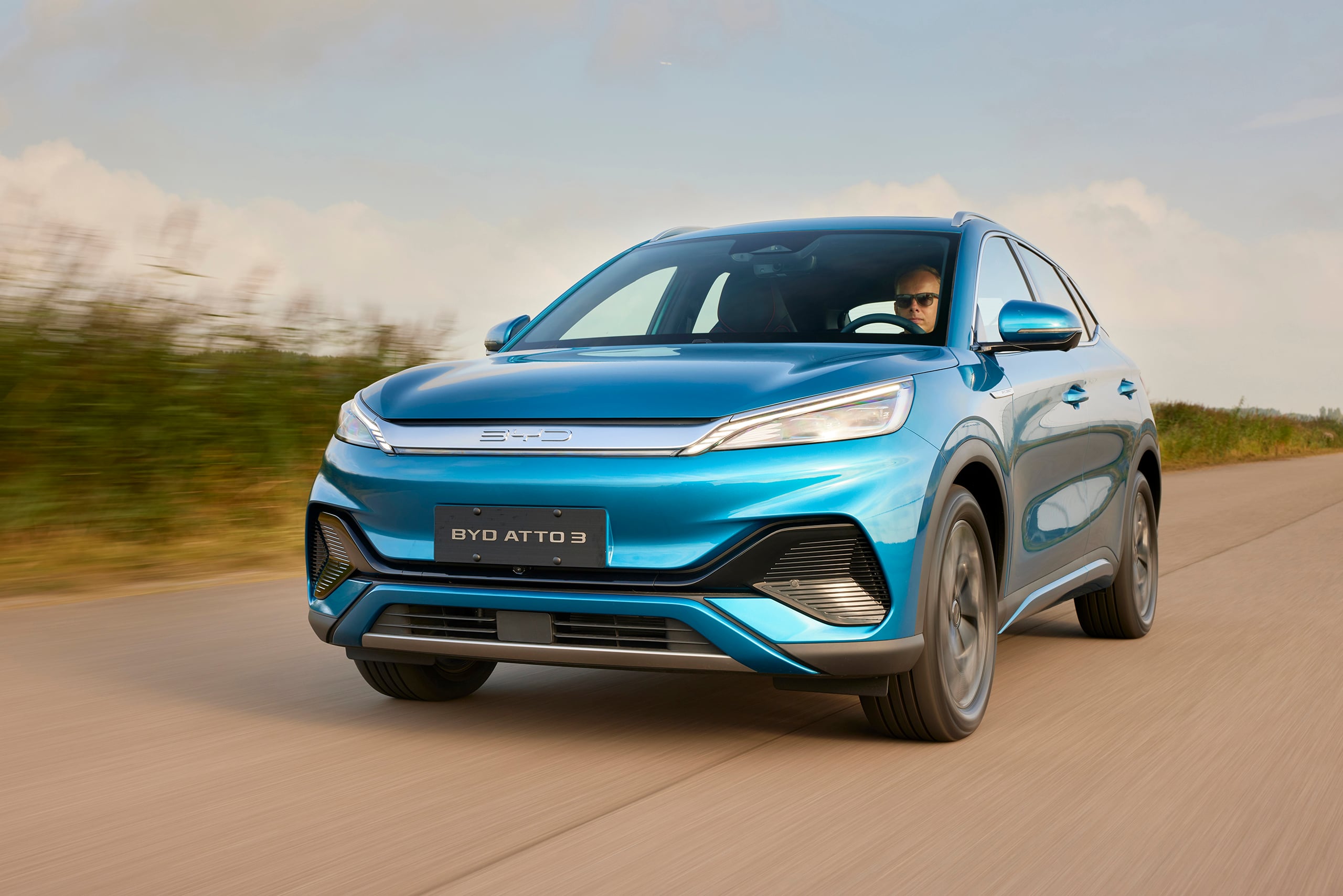
A late-March run of more than 30 near-new BYD vehicles listed through Pickles Adelaide provided a strong example. The vehicles, which had suffered external damage following a concrete spray incident, reportedly attracted substantial buyer attention ahead of sale with over 9000 watch list adds and more than 41,000 listing views recorded across the campaign period. Buyer activity came from six states, reinforcing the depth of demand for repairable EV stock if the price is right.
According to Pickles, the 30 vehicles sold for between 77 and 88 per cent of their equivalent new car prices, with top results reaching $40,600 versus a retail price of around $46,990.
Johnson says the result points to a salvage market that is becoming more diverse and more nuanced: “EV demand is rising, more brands are entering the channel, and repairable stock is attracting strong competition. At the same time, petrol and diesel demand remains resilient, which shows buyers are still making disciplined decisions based on value and repair economics.”
