
It would be easy to think that when comparing the cost of Toyota’s Camry Hybrid with Tesla’s Model 3 – if one were inclined to make such an odd comparison – the much cheaper Camry would come out on top in the ownership stakes.
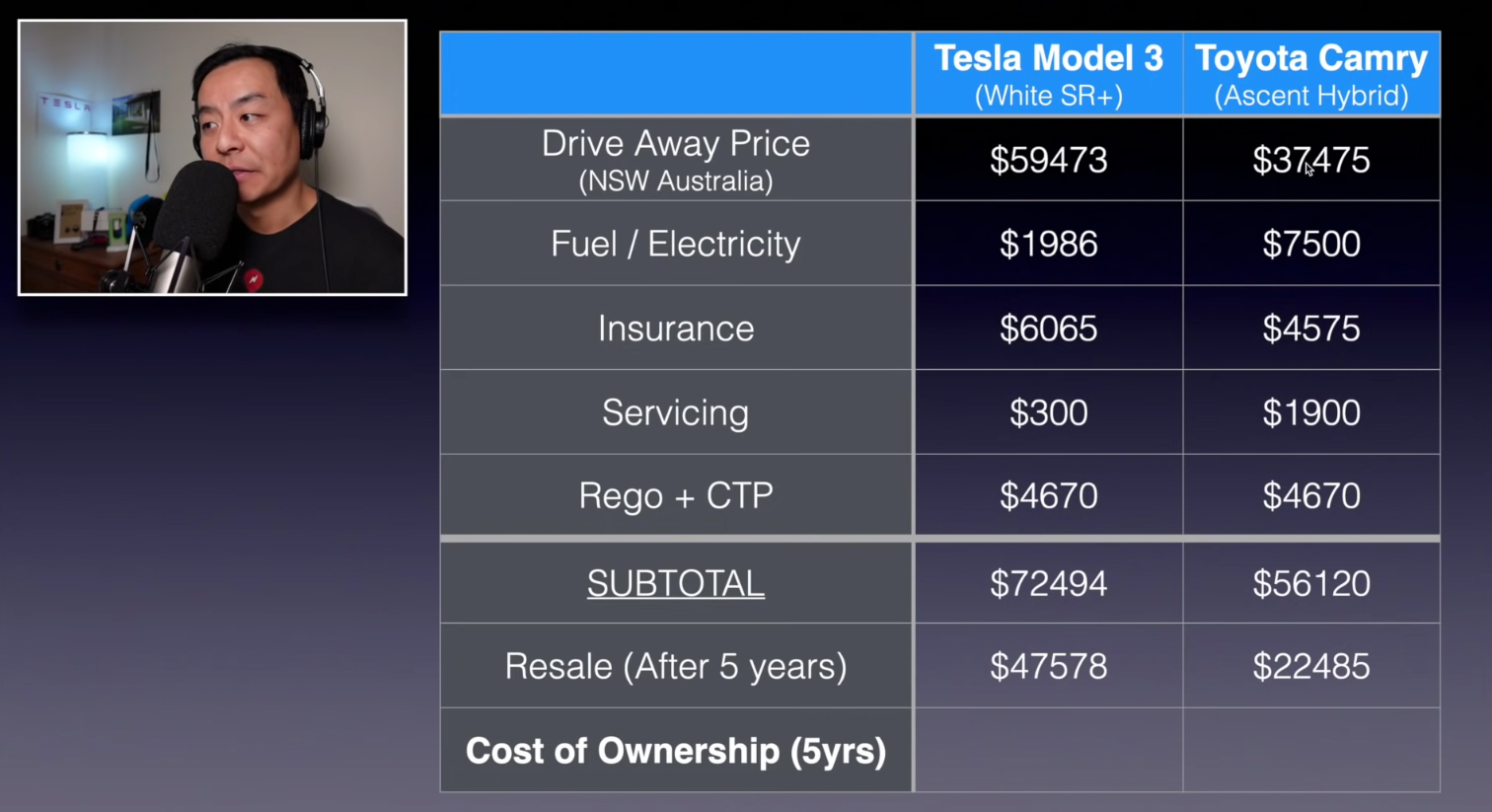
However, a number of stories in recent months have highlighted key factors that show the Model 3 – now available for just under $60,000 – can be the more cost-effective purchase if the vehicles are sold after five years with an average of 20,000 kilometres added to the odometer each year.
In a recent video published by YouTuber ‘Tesla Tom’ (a Tesla fan and owner who holds the Camry Hybrid in high regard), this exact argument is made.
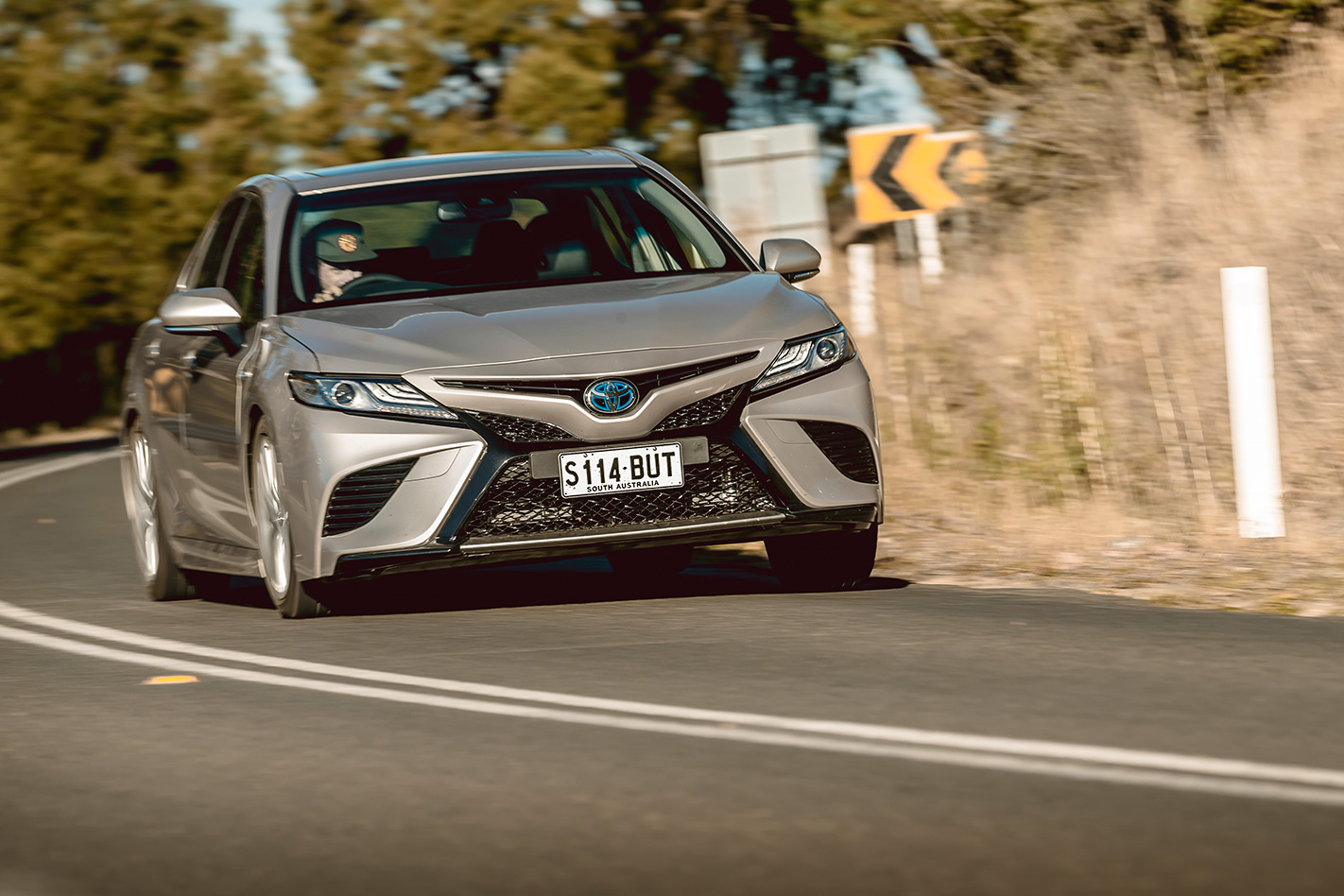
Along with the above details, some assumptions need to be made, including an average price of $1.50 per litre of petrol for the Camry, with a 5.0L/100km fuel consumption figure. (Officially, the Camry Ascent Hybrid claims 4.2L/100km, and a real-world figure would likely be higher.)
A depreciation of 40 per cent over five years is also assumed (although the overall Camry range has shown higher rates in recent times).
Likewise, assumptions for the Model 3 (this time based on his experience) include a 16kWh/100km efficiency rate with around 1kWh per day of “phantom loss”, along with 90 per cent of its charging carried out at home with a price of 6.6 cents per kWh. The remaining 10 per cent is given to Tesla Supercharging locations, at 52 cents per kWh.
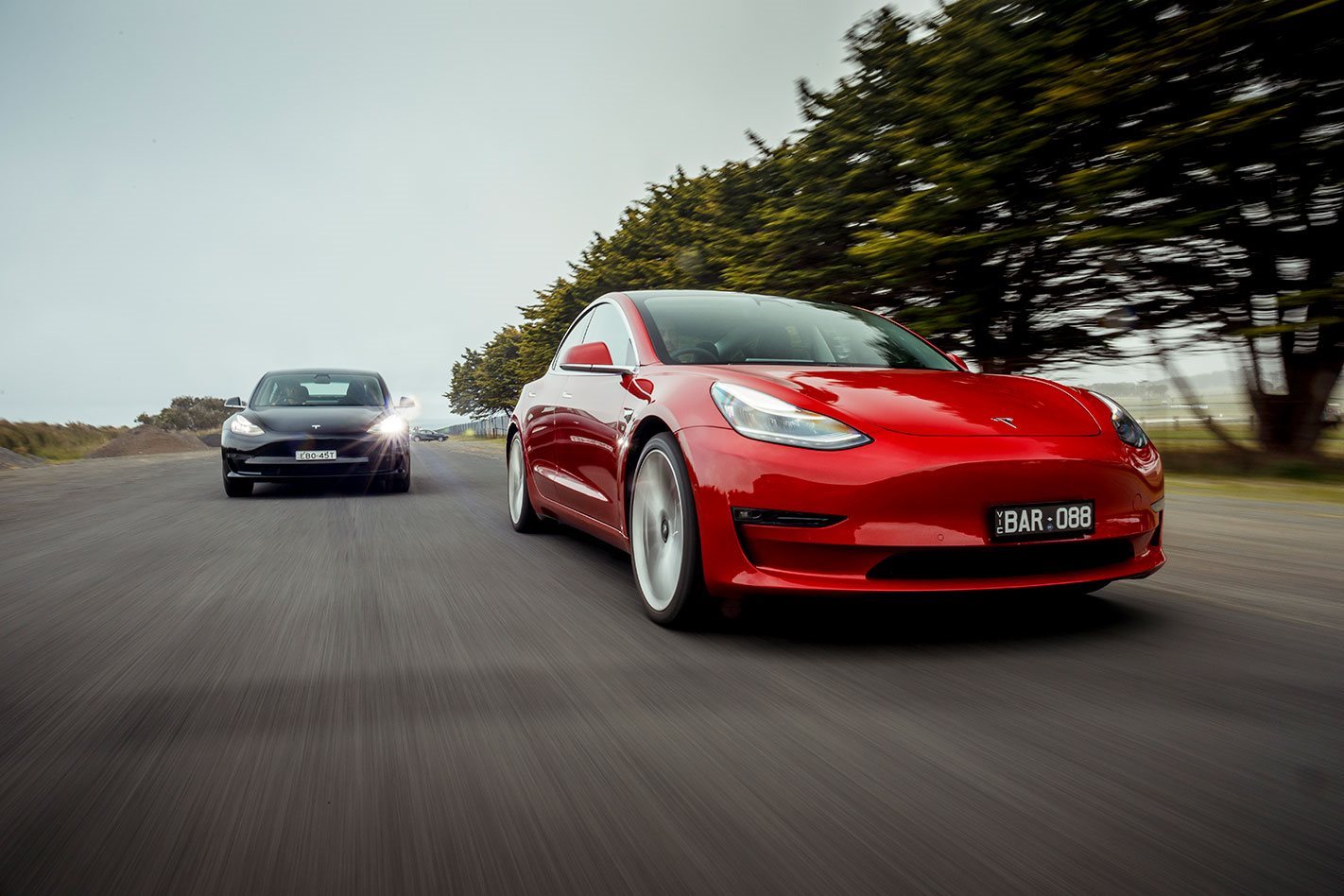
A five-year depreciation rate of 20 per cent is given for the Model 3 – although this number is based on US data, as nobody in Australia has owned a Model 3 for so long just yet.
These numbers are all explained more specifically in the video, along with servicing/parts costs and the incentives available for EVs, but – without spoiling the verdict – the screengrab below shows a breakdown of the anticipated costs.
How does it turn out? Hit play on the video above!
A bespoke McLaren Speedtail called ‘Albert’ has been commissioned by the British manufacturer’s Beverly Hills dealer, resulting in a paint job which took 12 weeks from prep to polish.
Already a unique vehicle with only 106 units produced, the dealer in question wanted something which would make its Speedtail stand out even further from the crowd, requesting a very special paint job for its $3million-plus supercar.
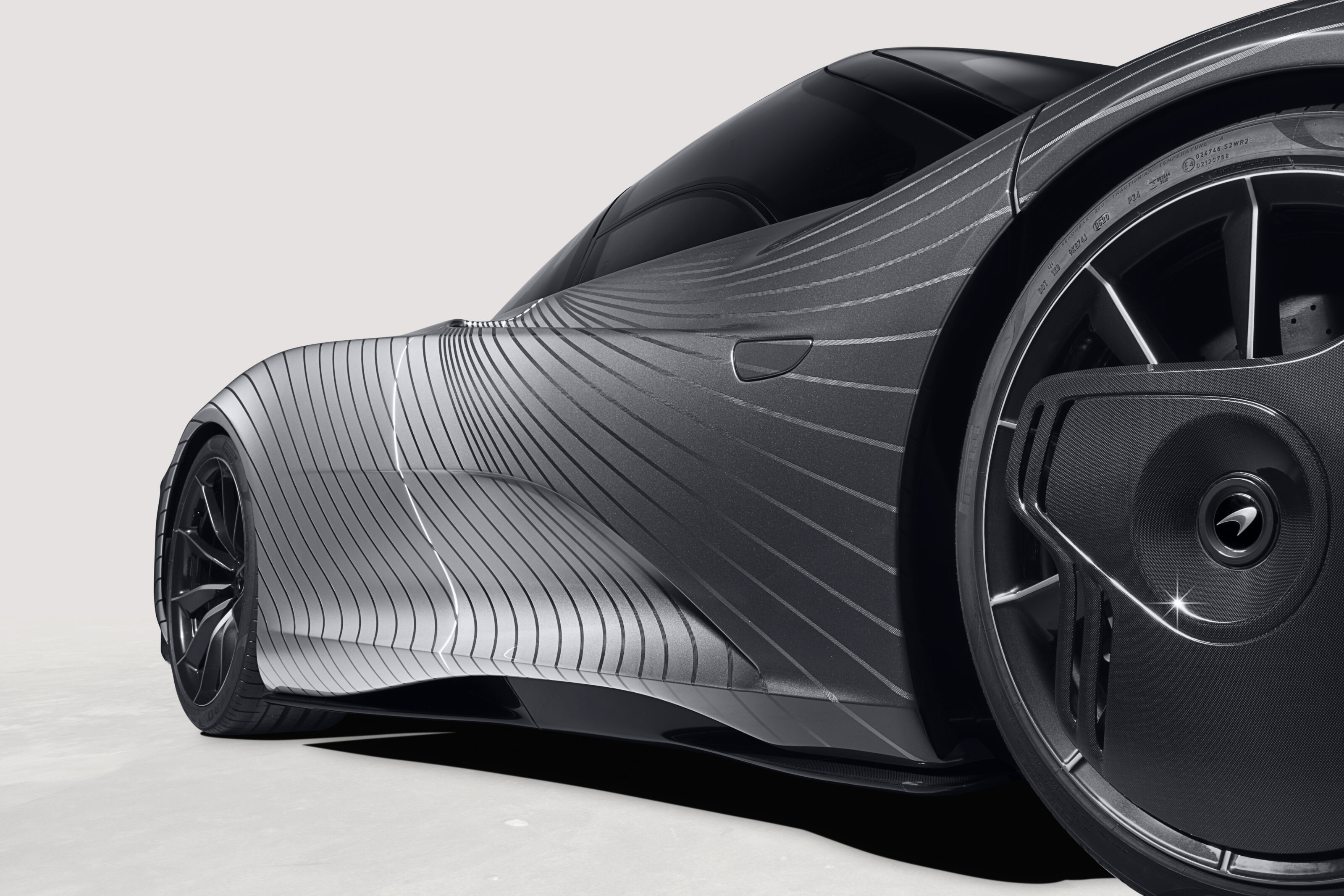
The transitional paint over the one-off Speedtail is a mix of Ueno grey, which was one of the two main colours of the 1995 Le Mans winning McLaren F1, and magnesium silver – the finish of the first F1 road car unveiled in 1992.
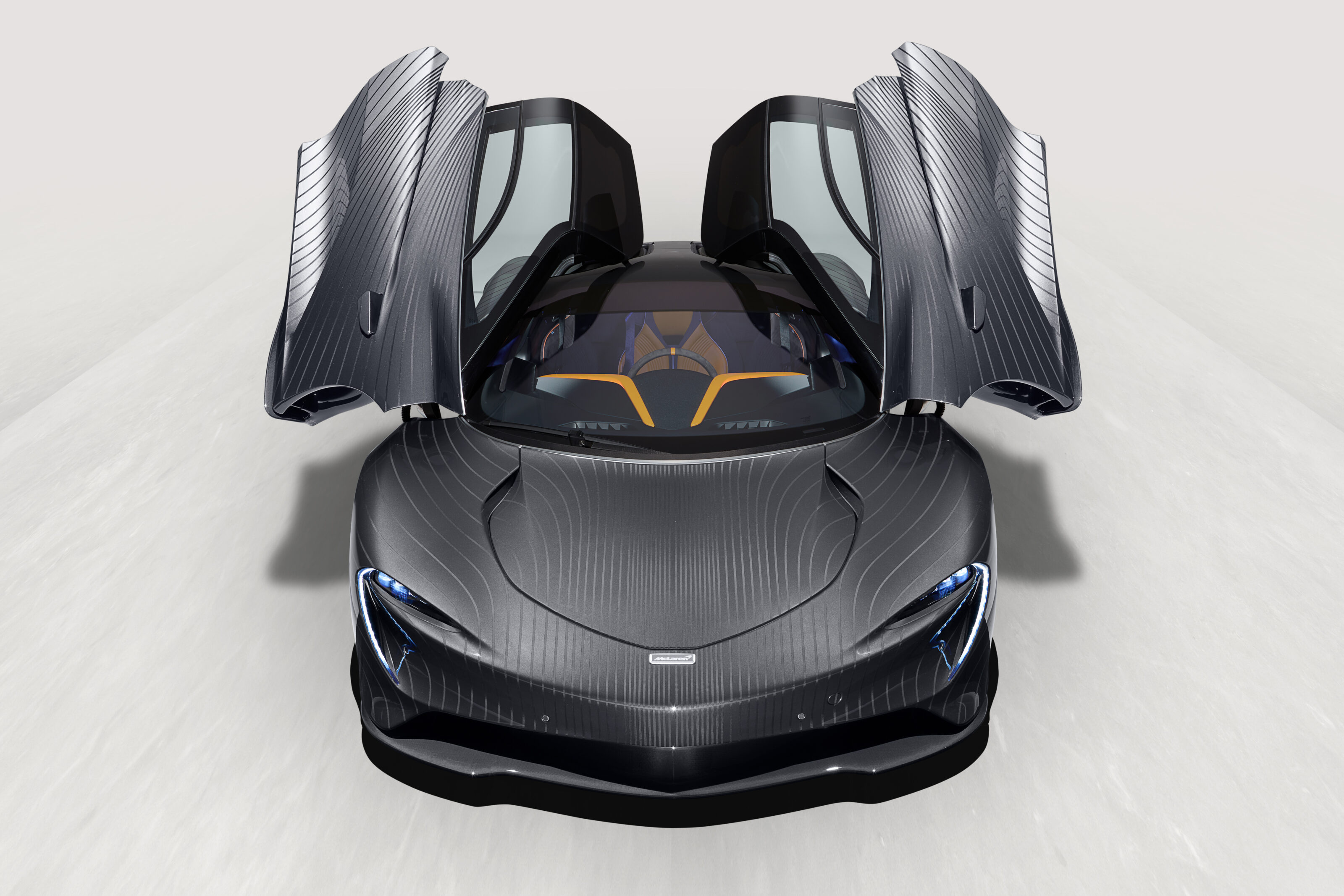
Of the 12 weeks McLaren Special Operations spent preparing and applying the paint to the carbon fibre body, two were dedicated to masking off the panels, a process which resulted in just under two kilometres of tape being used.
The result is a tribute to McLaren’s MVY02 Speedtail prototype, which also bore the ‘Albert’ name, paying homage to Albert Drive in Woking where the McLaren F1 was tested in its pre-production guise before becoming the world’s fastest car.
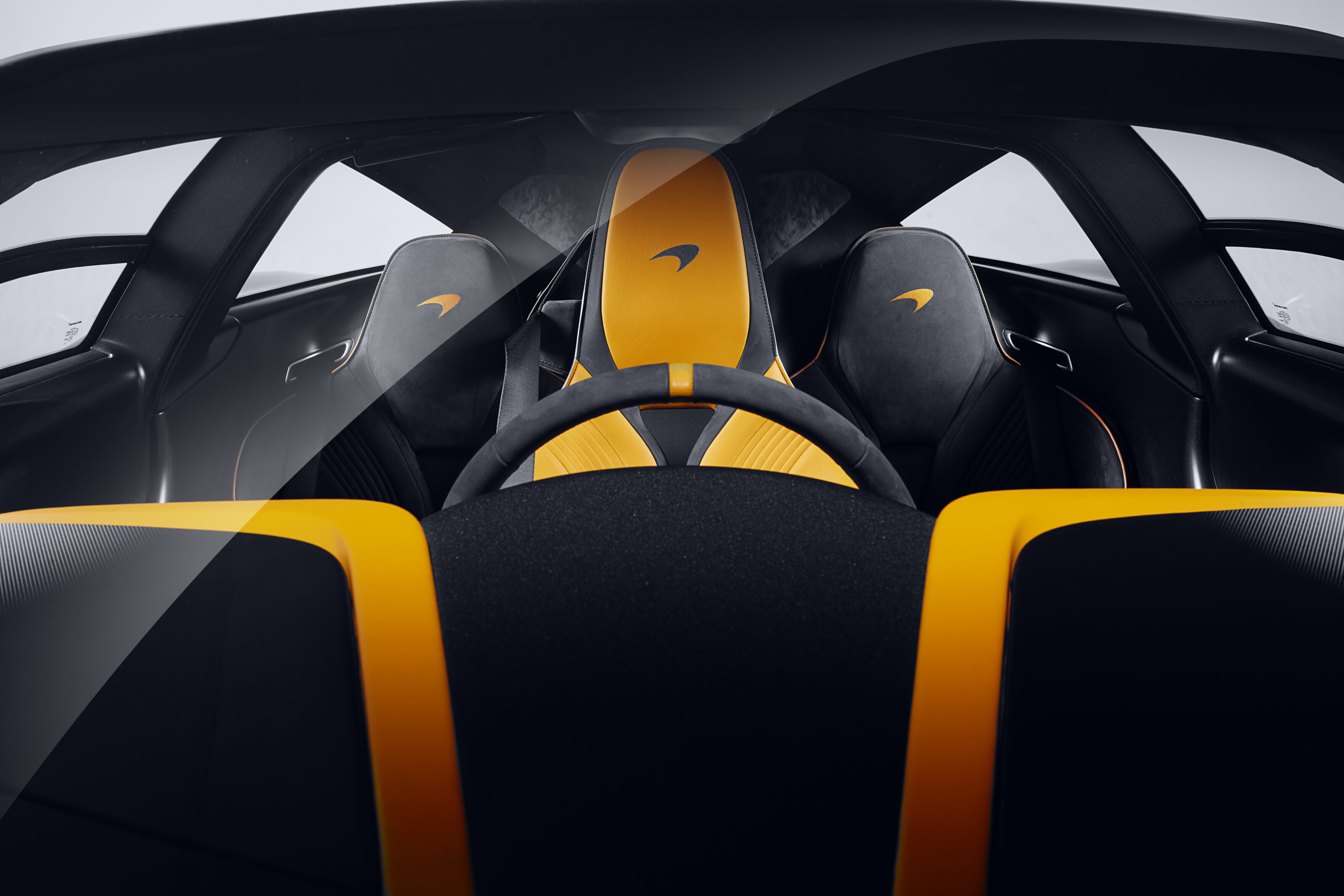
With its 4.0-litre, twin-turbo V8 and electric motors making a combined 772kW and 1150Nm, the Speedtail sprints from 0-300km/h in just 12.8 seconds, going some way to justify its hefty price-tag – despite not being road-legal in the United States, thanks to its use of cameras in place of physical mirrors.
Despite this, the Speedtail Albert will make its public debut at Sunset GT in Beverly Hills this weekend before next weekend’s Pebble Beach Concours d’Elegance.
Snapshot
- Not all carmakers have been affected
- Some expecting things to improve in coming months, for others problems are about to hit
- Impact varies from delays to losing tech
Carmakers around the world are being forced to slow vehicle production or make adaptations to their model range in the face of a global semi-conductor shortage caused by the growing demand for personal electronics.
The world’s chip manufacturers, which ordinarily provide car factories with these components, are allocating more production to consumer electronics following the Covid-19 related slowdown in automotive manufacturing last year.
This meant that when car production ramped up again late in 2020, the same supply of chipsets was not readily available.
We’ve heard for many months about the impact on various big names here and there, but here we have the latest information on exactly how the Australian arms of the automakers are currently affected and what that means for the models headed Down Under.
Aston Martin
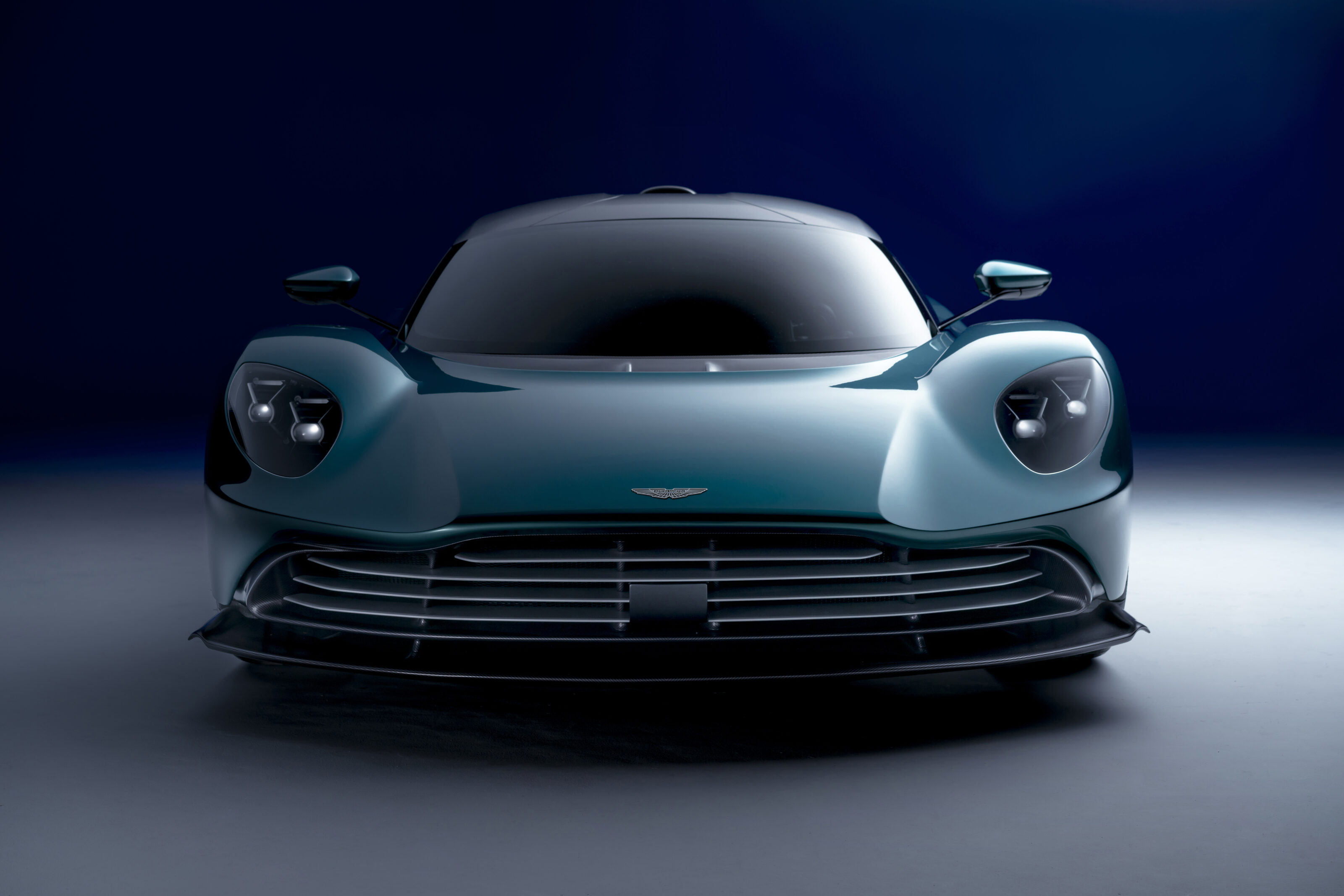
As yet the sportscar manufacturer has not been hit by the worldwide parts issue.
Audi
Audi says it is subject to some restrictions to supply in general, but does not have delays for specific current models at this stage.
However, it is experiencing delays for some new model arrivals. In the context of the last few years, with WLTP introduction and then Covid-19, it has confirmed such delays are not unusual.
Bentley
Good news for this British automaker, the global chip shortage has not caused significant disruption to Bentley, but it says it will continue to monitor what’s happening around the world.
BMW/Mini
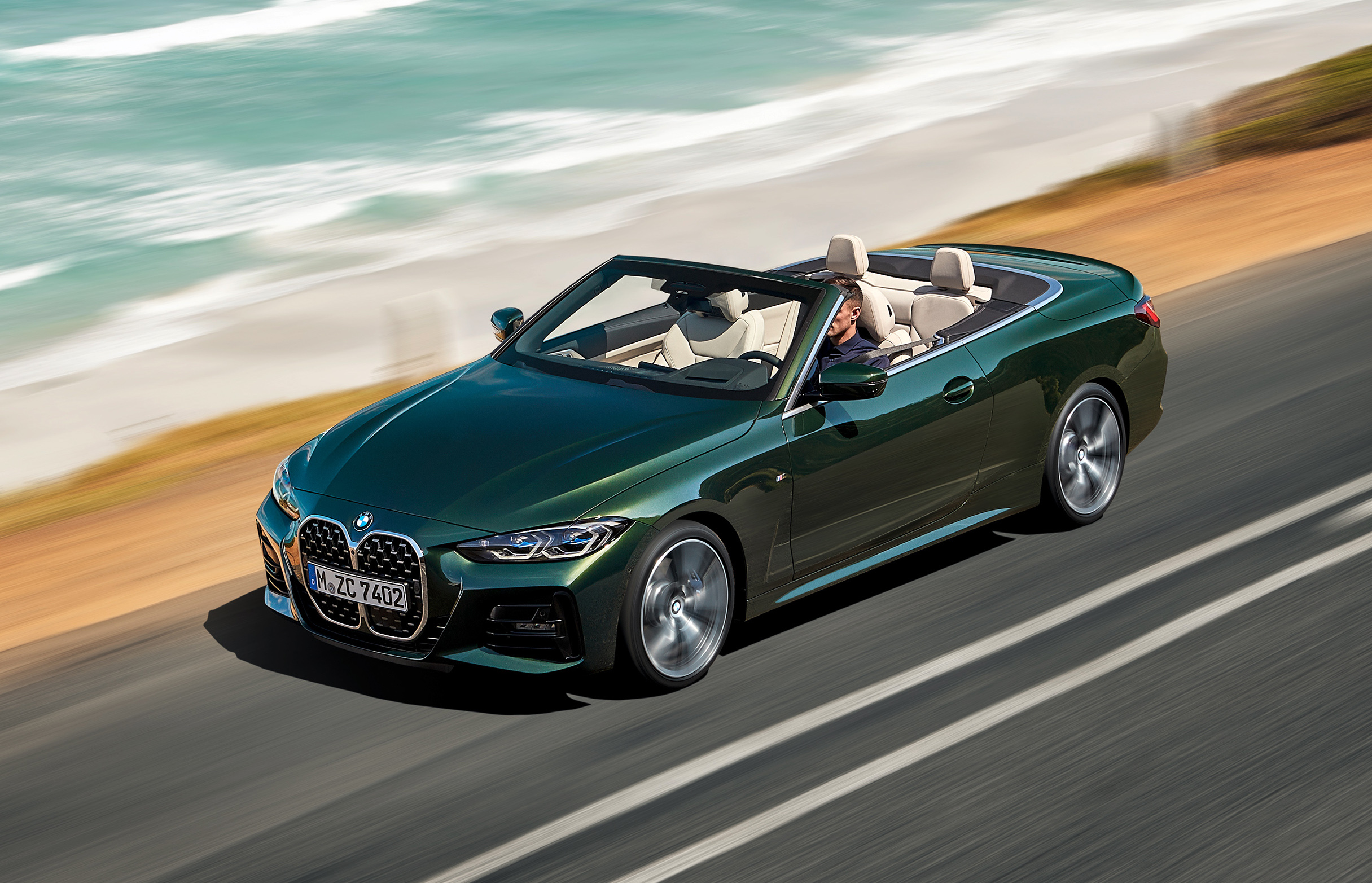
The BMW Group has had to temporarily revise the specification of certain models in light of the shortfall, but has, it says, adjusted pricing accordingly.The German automaker has revealed there are three groups of cars which have had changes made as a result.
- Selected BMW 3 Series Sedan and Touring, BMW 4 Series Coupé, BMW 4 Series Convertible, BMW X3 and BMW X4 models produced in March 2021 which have lumbar support and/or seat backrest width adjustment, either as standard or as an extra, have had those features deleted from the front passenger seat and $300 knocked off the price. The driver’s seat is unaffected.
- A small number of BMW X5 xDrive30d models made in April 2021 have been changed from the standard fitment M Sport Package to the xLine Package costing $4000 less.
- The BMW 3 Series (330i and 330e Sedan and 330i Touring), BMW 4 Series Coupé (430i), BMW X3 (30i and 30d) and BMW X4 (30i) built in May 2021 will revert to Driving Assistant from Driving Assistant Professional temporarily, with $2500 taken off the bill. Driving Assistant retains aids such as emergency braking, lane change warning (including blind-spot monitor), lane departure warning and cruise control with braking function.
Ferrari
The manufacturer is keeping a close eye on what’s happening with its suppliers, but for the time being production of all models is happening as usual.
Ford
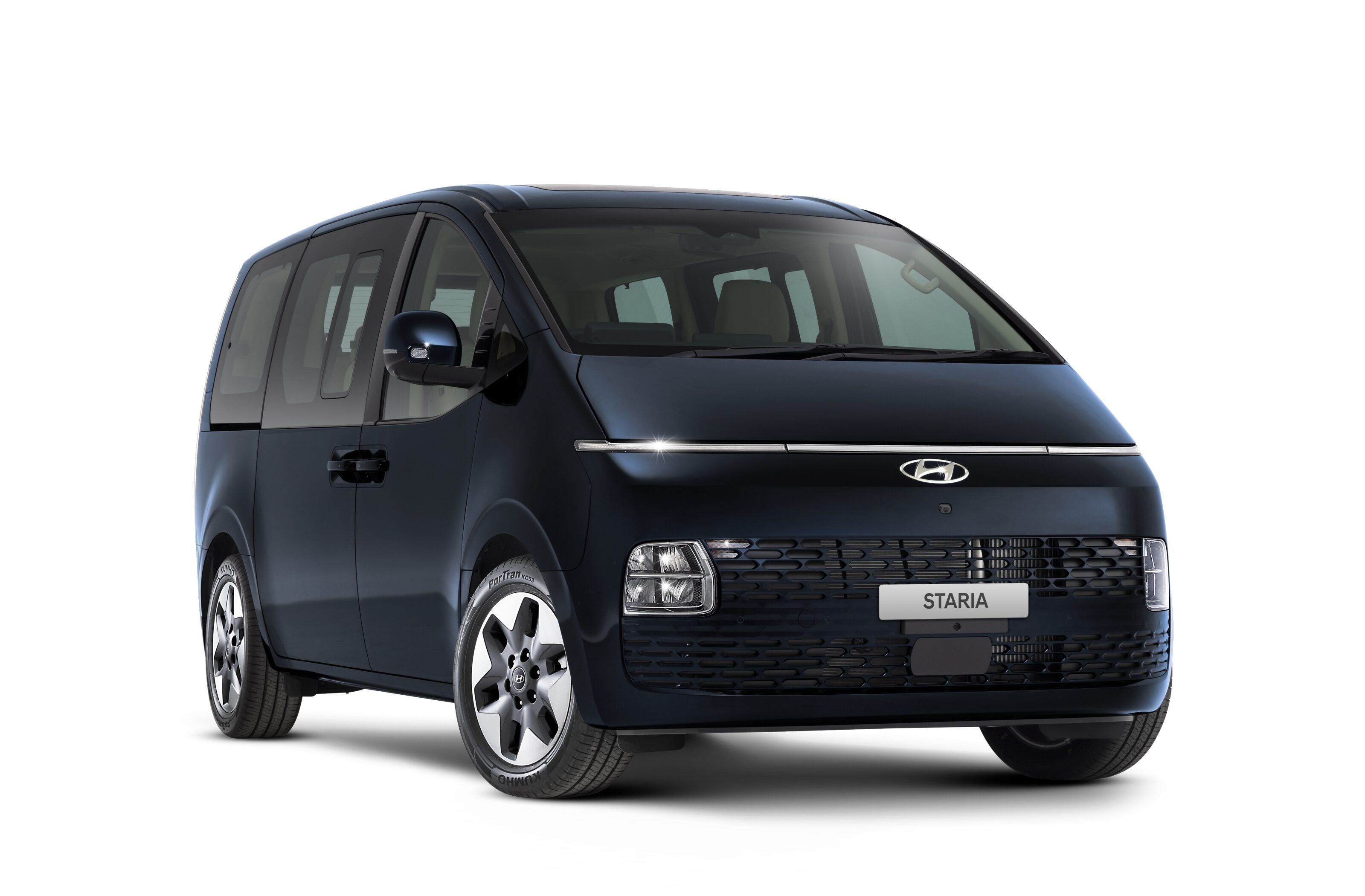
As a result of continued strong demand for its vehicles (especially the Ranger), coupled with the lack of chips, Ford says availability varies across its range and recommends customers check with dealers to find out what is and isn’t available.
It expects to have a steady supply of Rangers and Everests throughout at least the third quarter of this year, but there are waiting periods on some variants.
There’s currently stock of the Puma, but supply is now tightening, meanwhile Mustang stock is limited and there are delays on some colours and variants stretching into 2022.
Waits into early next year can also be expected on the new Escape and some variants of the Transit.
GWM/Haval
GWM hasn’t experienced any significant disruption to supply in Australia as a result of semi-conductor shortages.
Honda
Honda Australia acknowledges it has been hit by the crisis in recent months. Its current stock position remains tight, but the company says it expects to have increased arrivals in the coming months.
Hyundai/Genesis
There are no models directly affected so far, but Hyundai says it is closely monitoring the situation to “optimise production in line with supply conditions and taking necessary measures such as adjusting production schedules”.
It is also bumping up its inventory of chips by seeking more locally-produced components, new suppliers and working to preempt when it might fall short.
Isuzu
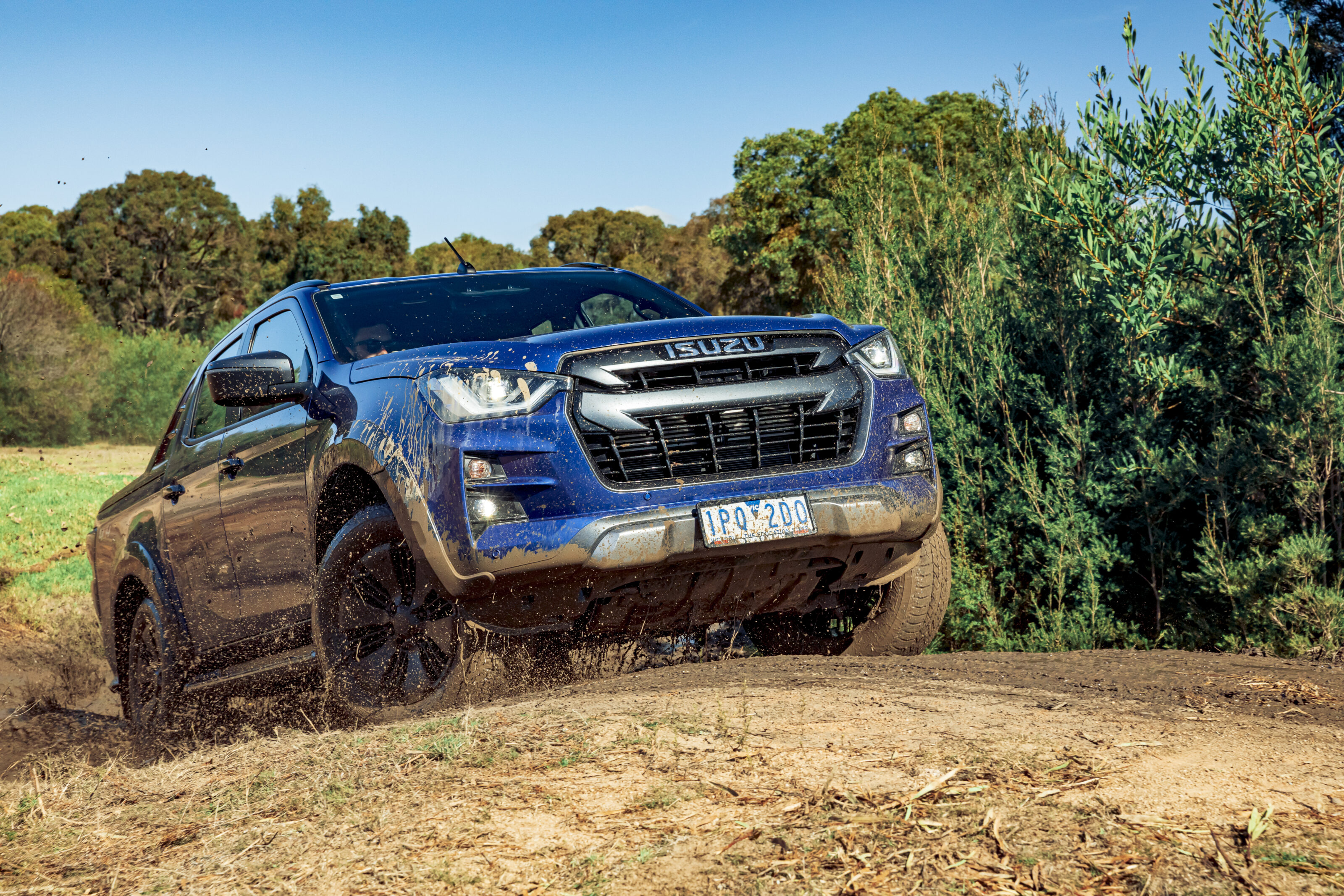
Production of the D-Max and MU-X for Australia continues as normal, however Isuzu says there are on-going supply delays – especially where demand for new, and better spec, models is high. There were 2427 D-Maxs sold here in July, currently making it the fourth most popular car Down Under, up 229 per cent on the same month last year.
The firm is watching the global issue daily and keeping dealers and customers informed of all developments.
Jaguar/Land Rover
Like other automotive manufacturers, JLR is currently experiencing some Covid-19-related supply-chain disruption which is having an impact on production.
As a result, it is temporarily limiting a number of optional features across some of its 13-strong line-up. When asked by WhichCar the company could not specify which features would be left off, except to say that vehicles which have them fitted as standard would be unaffected.
The carmaker is continuing to work closely to “resolve the issues and minimise the impact on customer orders wherever possible”.
Kia
Like sister company Hyundai, Kia also says it is monitoring the situation and taking necessary steps to adjust its production accordingly.
However it does have some specific updates regarding its current stock:
- Picanto, Rio and Niro have limited delays on all trims.
- There is availability across the model range in lower-spec choices.
- The top spec versions within the range (GT/GT-Line/Platinum) have waits of approximately three to four months.
- For the Sorento GT-Line the delay is approximately six months due to high demand globally.
Lamborghini
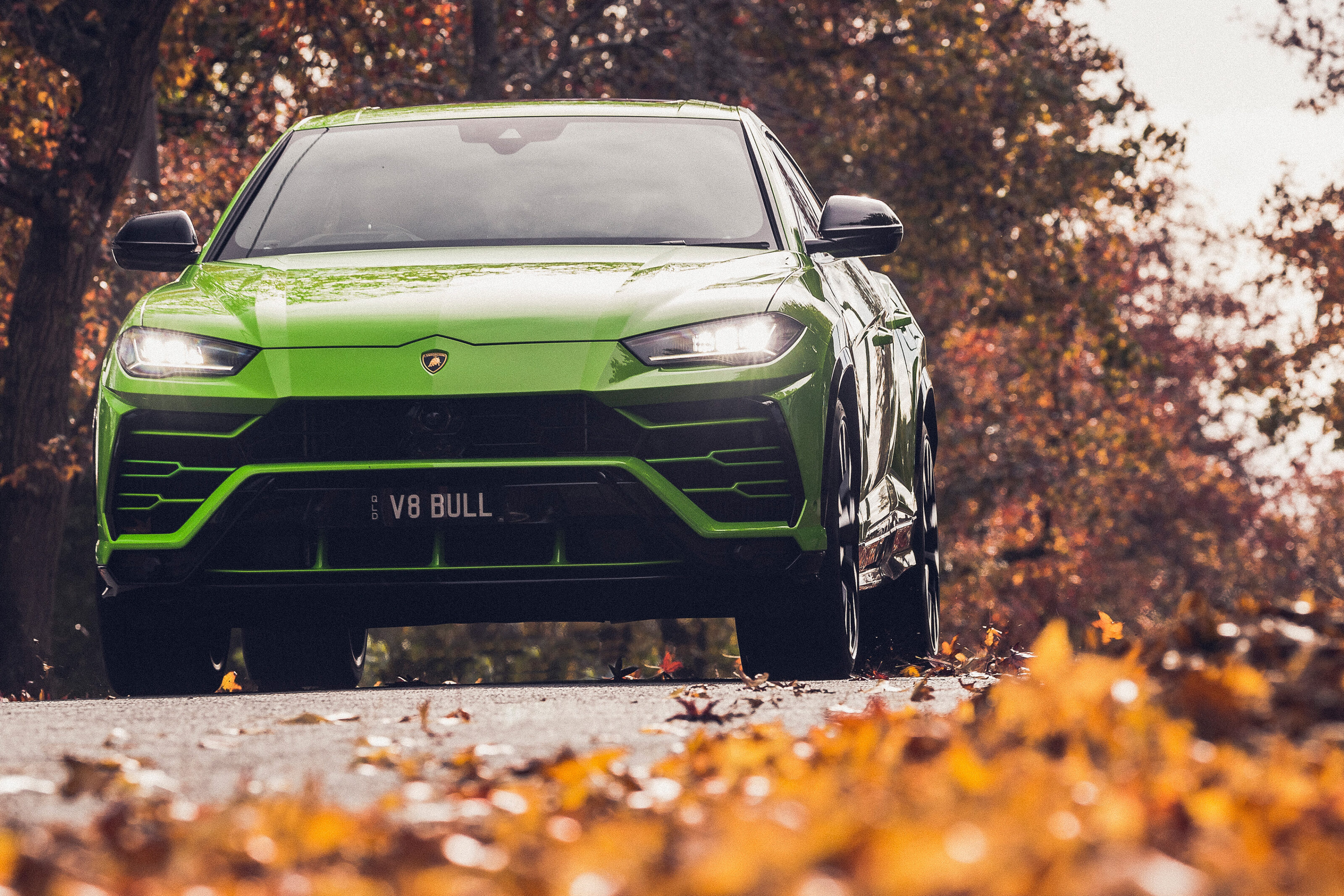
Lamborghini has been affected since the turn of the year, however the manufacturer says it has no direct shortage of products. The Urus and Aventador may come up against issues in the near future.
Lexus
All Lexus models currently have a wait time of between one and two months, with the exception of the LX which is three months and LC Coupe which is delayed by 12 months.
However, Lexus Australia says it has seen improved supply from its parent company in Japan so far this year.
Lotus
No current Lotus models being imported to Australia have been impacted by the semi-conductor shortage, according to the carmaker.
As for the newly released Lotus Emira, which is due to arrive here in July 2022, there is no news yet to suggest it will be adversely affected.
Mazda
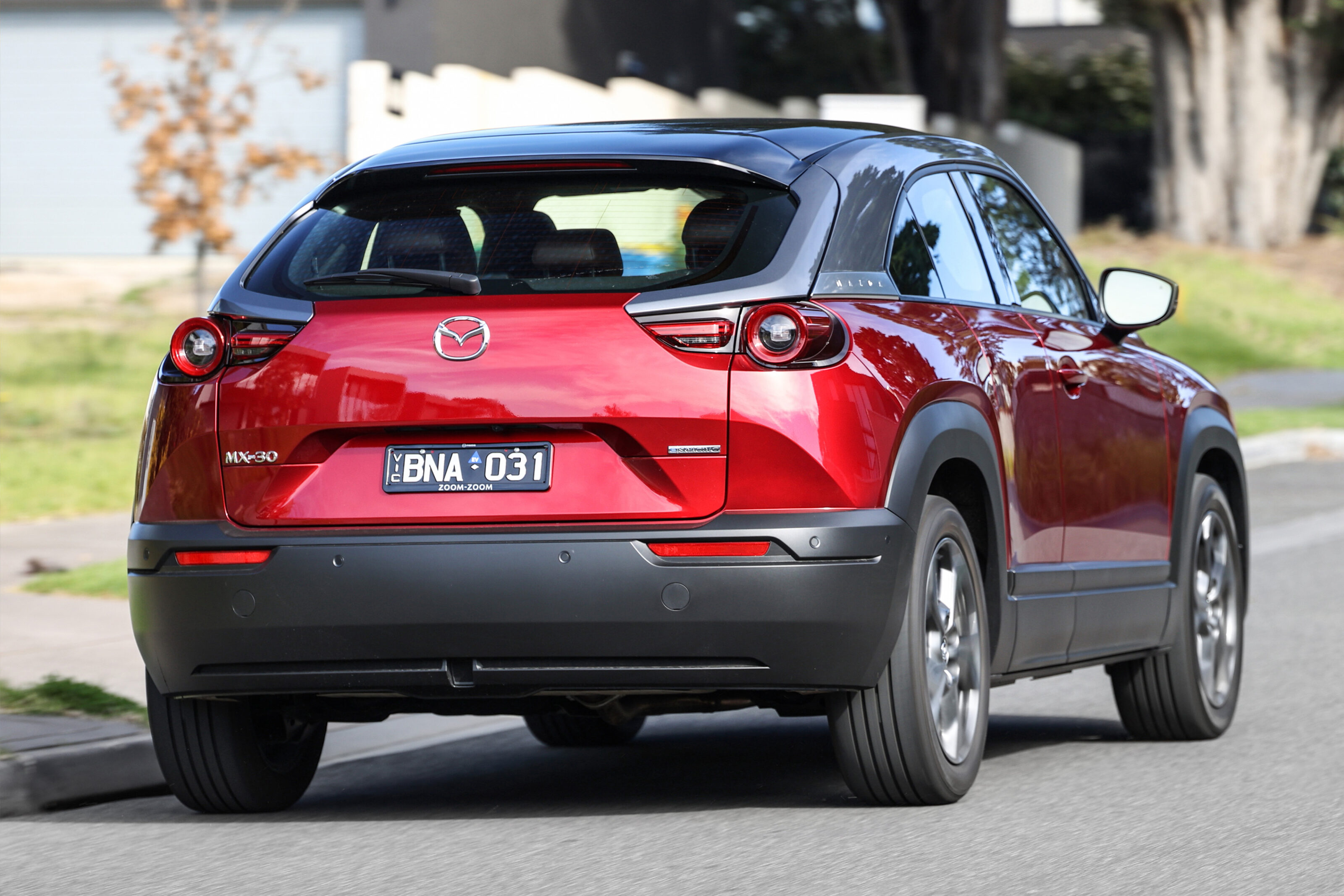
All Mazda models are in good supply as Australia has been made a priority market – although the Japanese company has not been immune to the challenges faced globally.Sales have been strong for Mazda in 2021, with its best start to any year so far with almost 70,000 units shifted, earning it a top three place consistently in the new car sales charts.The new BT-50 has done well this year, with a good supply being maintained at dealers since its introduction in September 2020.
McLaren
As yet the British carmaker has not been hit by the worldwide parts issue.
Mercedes-Benz
Like many of its competitors, demand for Mercedes’s vehicles is outstripping supply. The situation is currently affecting a number of models across the range, particularly the brand’s compact vehicles (A/B/CLA/GLA/GLB) and SUVs (GLC/GLE/GLS).
Some have had adjustments made to their standard specification, which, at this time, is happening on a car by car basis.
Customers are advised to speak to their dealer for the most up to date information.
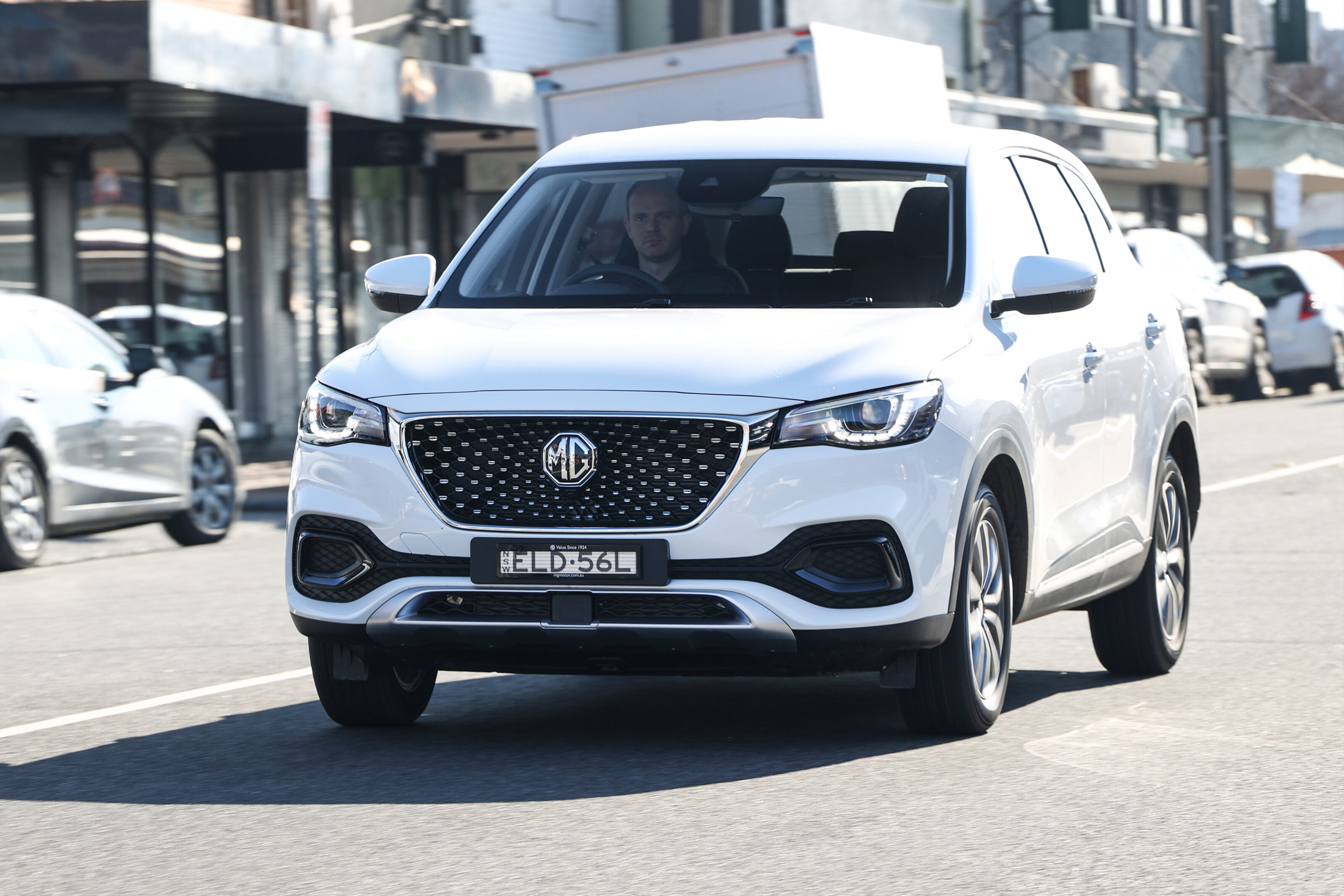
MG
MG is faring well at the moment in the battle to obtain semi-conductors. Since June the manufacturer has received more than 11,000 cars from overseas – including its largest ever single delivery of vehicles taking up a whole ship’s manifest.
However, going forward it expects there might be a small interruption to the supply of some HS variants in September, as the factory waits on more electronic modules related to the MG Pilot. The MG3 and ZS/ZST are not affected.
Mitsubishi
Currently Mitsubishi has delays on stock of around five to six months for its SUVs, and three months for 4WD versions, thanks to both semi-conductor shortages and Covid-19 related problems. The marque says there are still plenty of vehicles on dealer forecourts, so if they’re happy to shop around and don’t need to request a particular colour etc, buyers can still purchase cars without a wait.
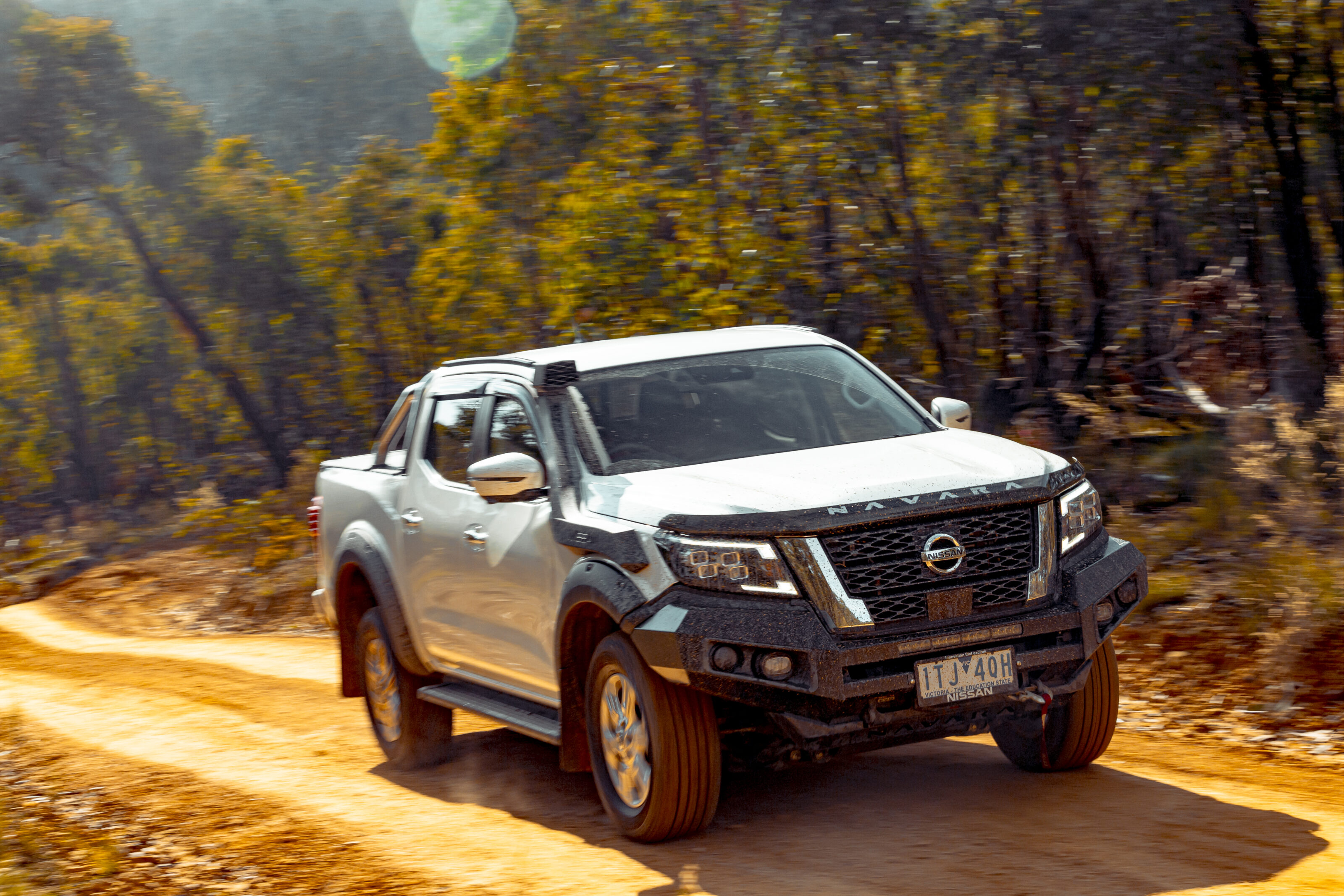
Nissan
Unfortunately, Nissan is not immune to the global problems and says it continues to work with international colleagues to minimise disruption to production.
Although it has been hit by the shortage, which has affected output at its plant in Mexico (which does not build Australia-bound vehicles), the Japanese marque believes it will be in a stronger position over the coming months – with additional stock across its model range arriving on our shores.
Renault
The French company currently has no issues with Australia-bound deliveries.
Porsche
The German manufacturer claims the lack of parts is having an overall impact, but couldn’t confirm any issues with particular models as the situation changes too quickly.
It is doing its best to minimise direct problems, but advises customers to speak to their nearest Porsche Centre regarding specific models and specification availability.
Rolls-Royce
No news is good news for this British luxury marque.
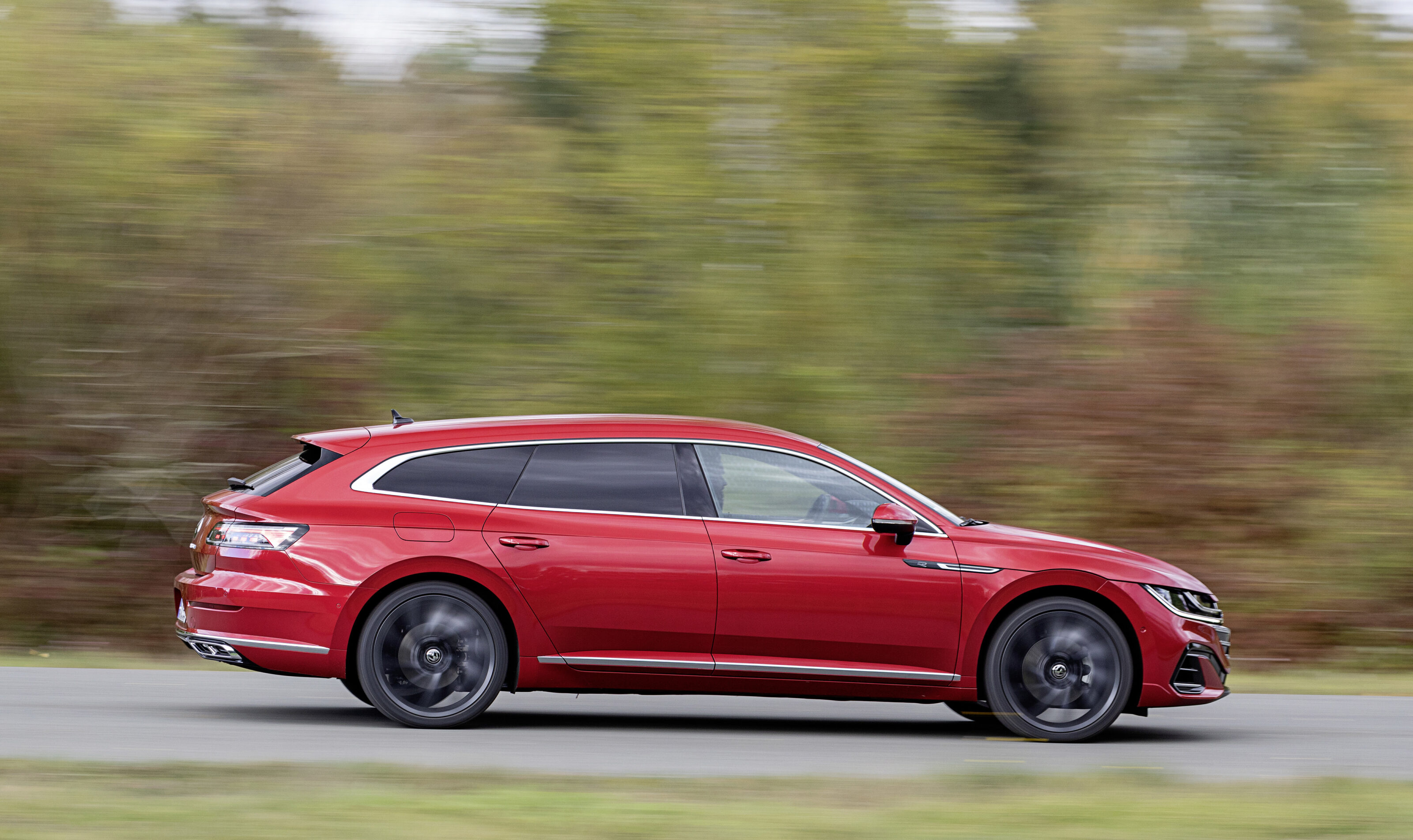
Volkswagen/Skoda
In Volkswagen’s passenger vehicle range, there is a secure amount of the Polo, T-Cross, T-Roc and Tiguan Allspace. The Arteon, which is due to arrive soon, will have ample stock of both sedan versions but little availability of the two new Shooting Brakes until the New Year.
Volkswagen Commercial Vehicles’s primary issue relates to the Amarok, with numbers reduced by logistical delays. Large numbers of Amaroks will become available shortly.
The T6.1 range is selling fast, with the firm seeking further supply to meet demand. Meanwhile, global popularity for the Crafter range, coupled to the semi-conductor shortage, means the Crafter 35 variants will not return here in solid numbers until 2022. Crafter 50 variants however, can be delivered this year.
The new Caddy range is on sale this month.
No Skoda models are understood to be affected by the issue.
Ssangyong
SsangYong Australia’s vehicle supply has not been impacted to date.
Stellantis
Stellantis, which in Australia covers; Alfa Romeo, Fiat/Abarth/Fiat Professional, Chrysler, Citroen, Jeep, Maserati, Peugeot and Ram, says it continues to work closely with its suppliers to mitigate the manufacturing impacts caused by the various supply chain issues facing the industry.
As with Nissan, it had to temporarily shut down production in Mexico earlier this year because of the shortfall.
No models across any of the brands mentioned are specifically thought to be suffering, but boss Carlos Tavares believes the industry will be affected well into 2022.
Distributor Ateco Group told WhichCar it is aware of some delays overseas with certain Ram variants but it isn’t relevant to Australian imports at this stage.
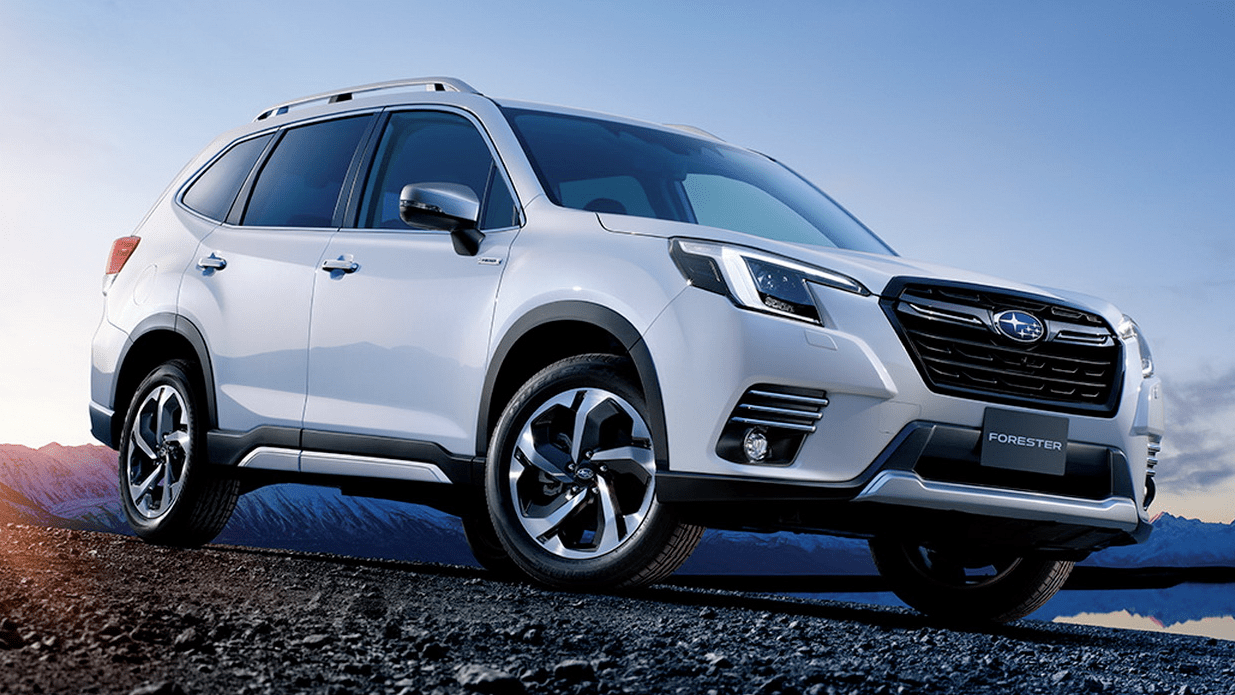
Subaru
According to Subaru, there is a wait of around three months on orders of the Outback, Forester and XV.
Meanwhile, the BRZ and Levorg have sold out ahead of their next generations arriving, and there is wholesale stock of the WRX STI which is in run-out mode.
Additionally, WRX supply is tightening up.
From around September to October the company believes things will gradually be returning to equilibrium.
Suzuki
Suzuki Australia has not responded to WhichCar‘s requests – however Suzuki Queensland, which separately imports and distributes cars for the Queensland and northern rivers region of New South Wales, said it has experienced issues related to a lack of semi-conductors.
Though its sales are up 75 per cent year-to-date to the end of July, demand is expected to exceed availability throughout the third and fourth quarters of 2021 and the firm says it “would be unrealistic to expect those increases to be sustained”.
Forward orders have been cut and as a result, the QLD branch has actively sought to offset the impact by introducing new options such as the Jimny GL Lite in manual guise – which has a lower spec than the GLX model and thus reduces wait times.
Dealers in the Sunshine State still have stock of the Swift, Ignis, Baleno, S-Cross and Vitara, but the company is advising customers to allow for delays when making purchase decisions.
Toyota
The Japanese car giant says demand for its vehicles, both globally and in Australia, has recovered much faster than anticipated and largely it has cruised past the problems influencing its rivals. Toyota Australia has experienced particularly strong demand since the middle of 2020, with Australians choosing to buy almost 120,000 of its new cars – an increase of 21.7 per cent over the same period last year.
However, for some models and accessories, this high demand has resulted in longer than usual delivery times. Semi-conductor availability has been, and continues to be “managed through careful forward planning”. It added that it will continue to provide the latest information to customers about their orders through dealers.
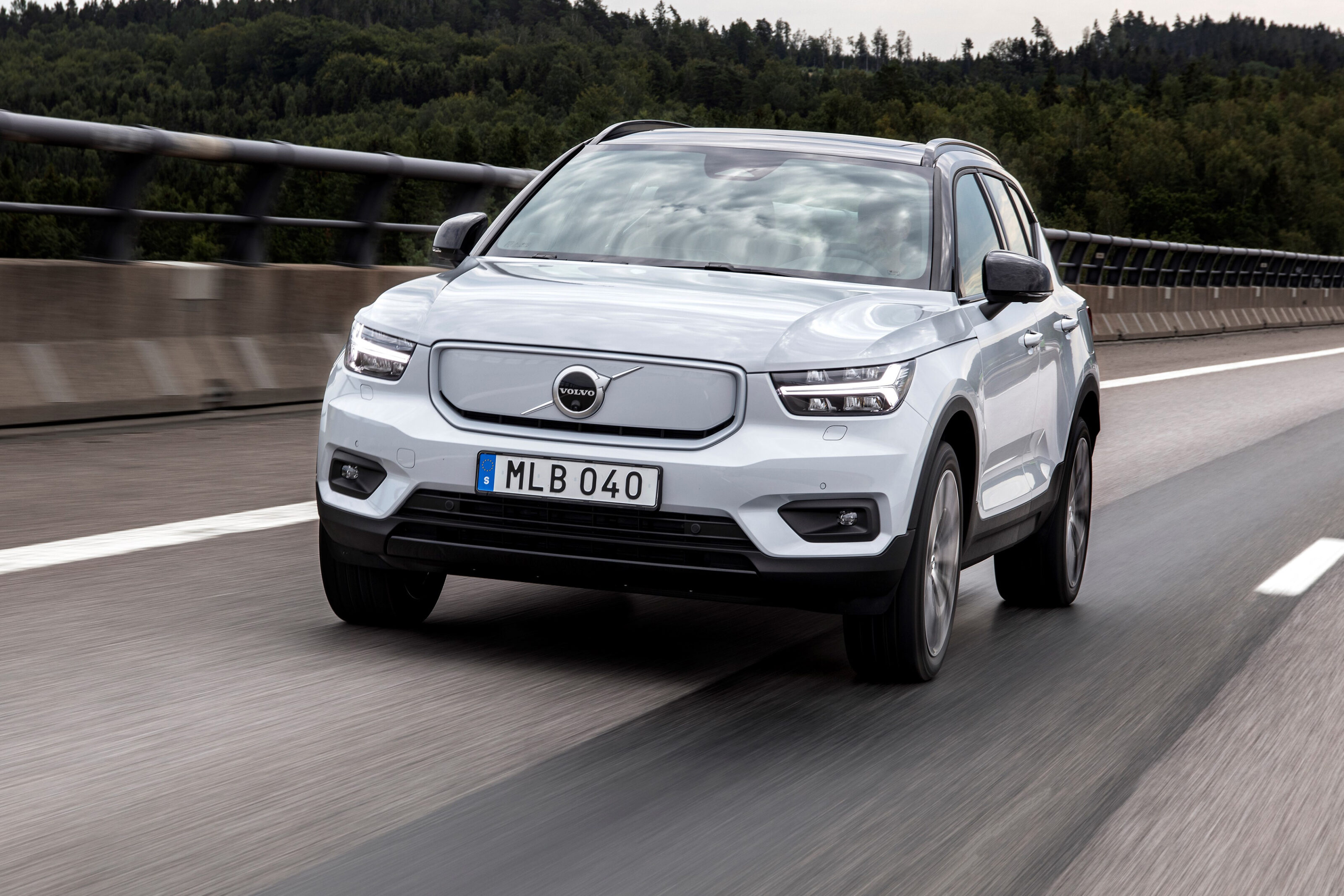
Volvo
So far the Swedish marque’s Australian arm has been given everything it has asked for from the factories overseas.
It is expecting all requests for stock to arrive as planned, including the soon to be introduced Volvo XC40 Recharge Pure Electric.
When the kids are late for Saturday morning sport, you need a performance SUV that can carry the clan and all associated gear, fast.
But which is faster? The diesel-sipping Audi SQ5 TDI, or the petrol-powered Jaguar F-Pace P400 R-Dynamic SE?
The Jaguar swings in at $98,654 (before on-roads) which buys you a 294kW/550Nm 3.0-litre turbocharged inline-six, further bolstered by an electric supercharger.
Audi’s SQ5 arrives slightly-dearer at $104,900, before on-roads, with its turbo-diesel 3.0-litre V6 supplemented by a 48-volt mild hybrid system, yielding a slightly more modest 251kW. The headline figure, however, is its torque output which develops a monstrous 700Nm at its peak.
In typically cold and damp Melbourne conditions, that could well prove the difference.
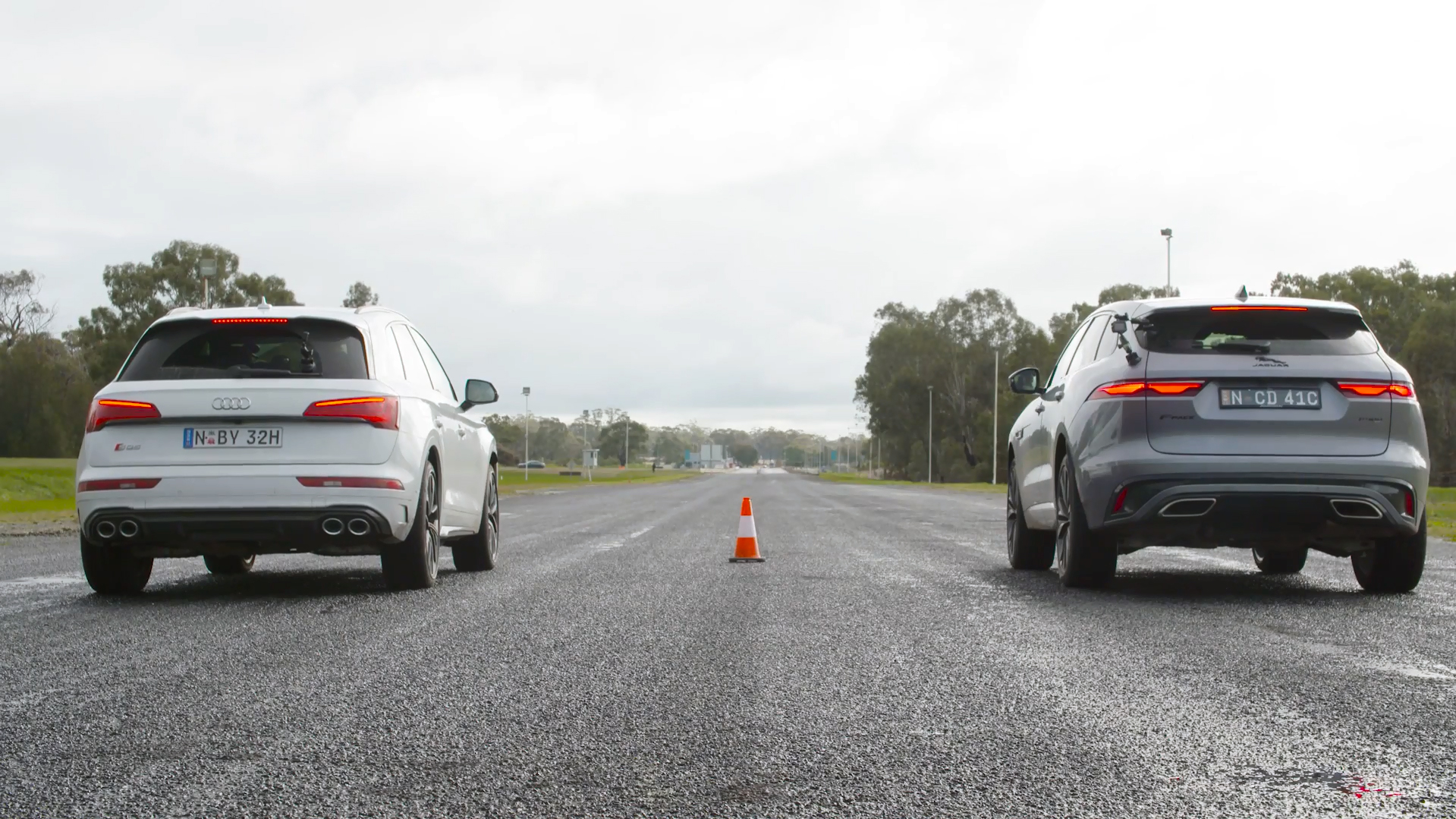
We lined up our two burly bruisers for a multi-faceted drag strip challenge. First up was a race mode launch control start, followed by a conventional comfort mode street start, and finishing with a 50km/h roll race.
The race mode start saw the Jaguar at an immediate disadvantage with no launch control function present. While Alex in the Audi had the electronic wizardry to aid his take-off, Scott in the Jaguar would be going old-school by leaning on the brake while attempting to pre-load the engine with boost.
Decades of quattro know-how saw the diesel SQ5 lunge away from the line, quickly establishing a multi-car gap that the British big cat simply couldn’t recover from.
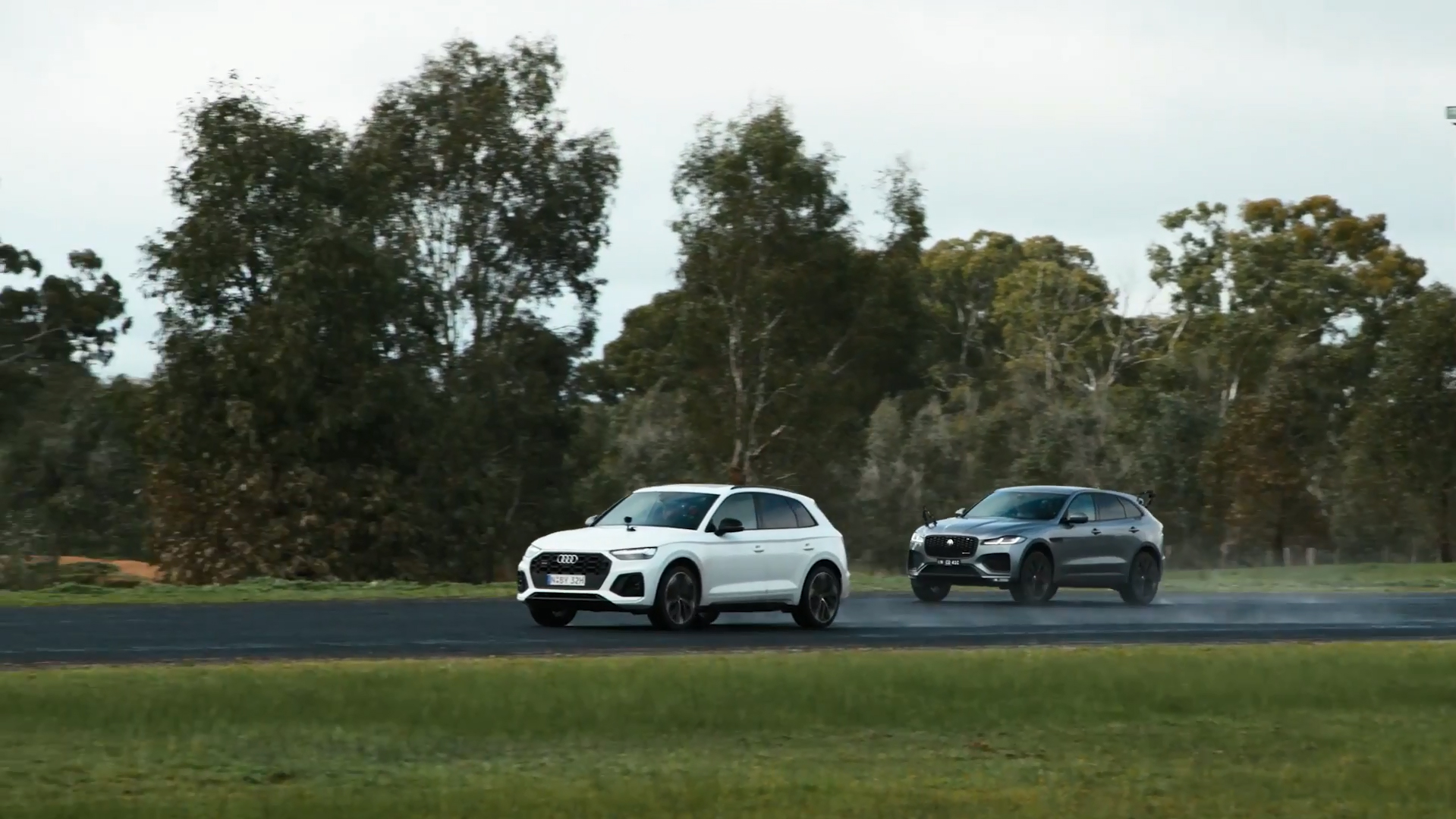
Flicking both cars back into their default comfort modes for a street start, we hoped, would bring the Jaguar back into contention. With no launch control advantage for the Audi to lean on, the simple street start is handy in unveiling any shortcomings hiding amongst the cars’ complex powertrain calibration systems. No fancy sport modes, just mash the accelerator on ‘GO’ and see which car gets to the finish line first.
Again, the Audi’s insurmountable torque advantage and quattro system gave it an immediate lead. However the Jaguar quickly hit its stride and began recovering lost ground. Unfortunately, the F-Pace ran out of road and passed the flags just half a car-length behind the SQ5.
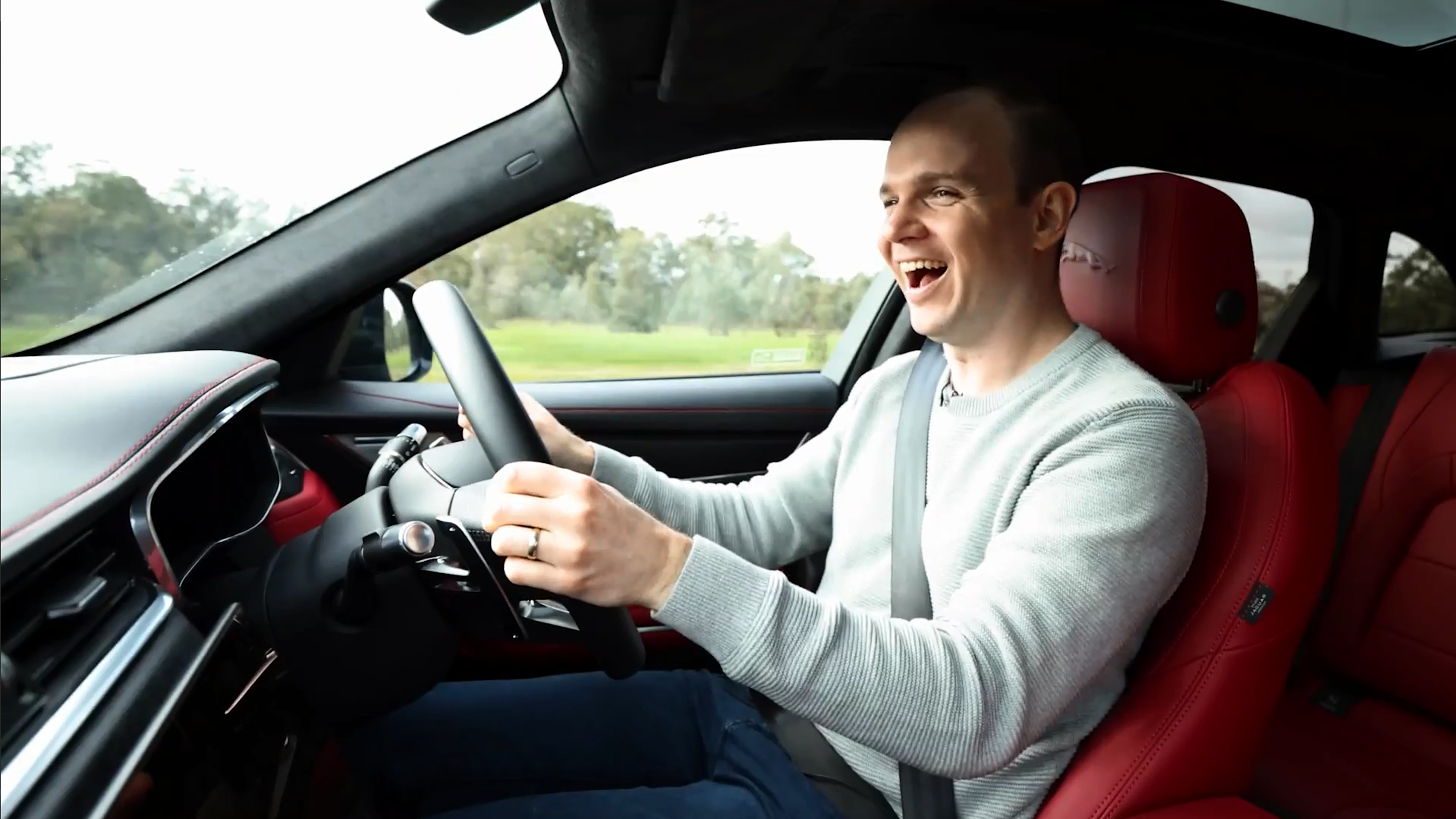
With two wins under its belt thus far for the SQ5, the Jaguar rested its hopes on the final roll race. The process is simple: cars in sport, gearboxes in automatic, and flatten the throttle as you pass the flags at a steady 50km/h.
The Jaguar proved far quicker on its feet, jumping out in front of the less-decisive Audi and maintaining the lead all the way through the finish.
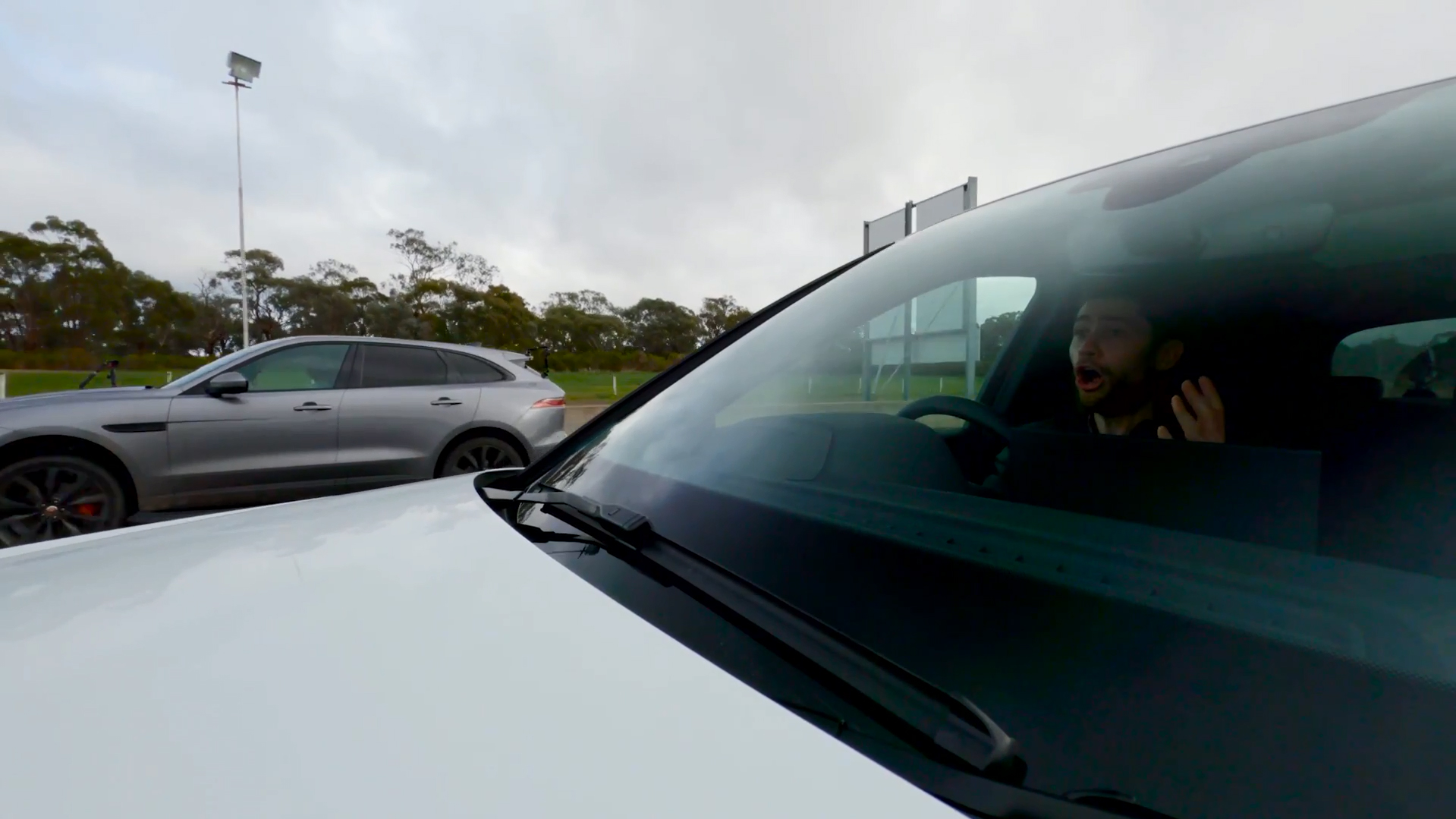
While the petrol-powered F-Pace outmuscled the diesel-drinking SQ5 in the roll race, the Audi remained far quicker from a dig – recording a best 0-100km/h time of 5.19-seconds, compared to the Jaguar’s best effort of 6.0-seconds flat.
The slower-starting Jaguar regains some pace once on the move however, and ultimately trailed the SQ5 across the quarter mile just half a second behind; with the Audi besting a 13.51-second pass over 400m at 164.35km/h, versus the Jaguar’s fastest time of 14.08-seconds at 164.62km/h.
That’s a close win to Audi’s torque monster SQ5 TDI. But is that enough to steal you away from Jaguar’s petrol-powered silky-six? Which of these two would you take home? Watch all the action above, and let us know in the comments below!
Snapshot
- Built by Unplugged Performance
- Driven by Randy Pobst
- Car also raced at Pikes Peak
A modified Tesla Model S Plaid has become the fastest electric vehicle around Laguna Seca.
Pro driver and Motor Trend writer Randy Pobst set the record last weekend, lapping the California track in 1:28.2 during a Tesla-only track day.
The time shaves a tenth of a second off the Porsche 911 GT2 RS’s best effort, and is just six tenths of a second short of the McLaren Senna’s time – itself the quickest production car around Laguna Seca. Both were also driven by Pobst.
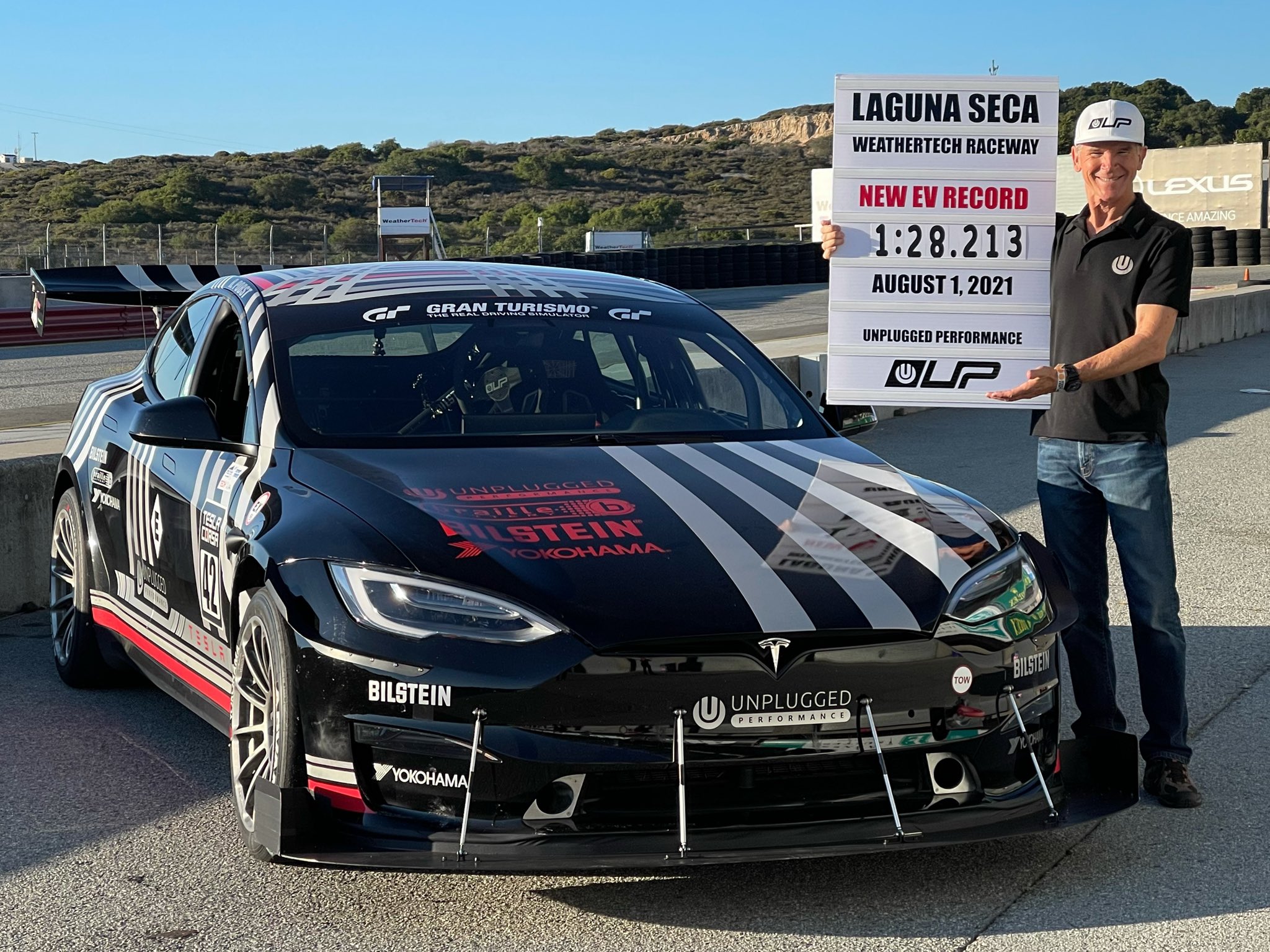
Pobst managed the new feat behind the wheel of Unplugged Performance’s Model S Plaid.
Known as ‘Dark Helmet’ (A Spaceballs reference in the vein of Tesla’s own Ludicrous and Plaid names), the car retains its stock electric drivetrain, which is good for 761kW.
Modifications include Unplugged Performance’s own super-lightweight UP-03 wheels, shod with Yokohama racing slicks, Bilstein shock absorbers, larger brakes and aggressive front and rear spoilers.
Inside, the stripped interior uses race seats, a six-point harness, carbon fibre steering wheel and a full rollcage. The company offers a wide range of performance parts suitable for Teslas – even giving buyers the option to build their own customised vehicle through the website.
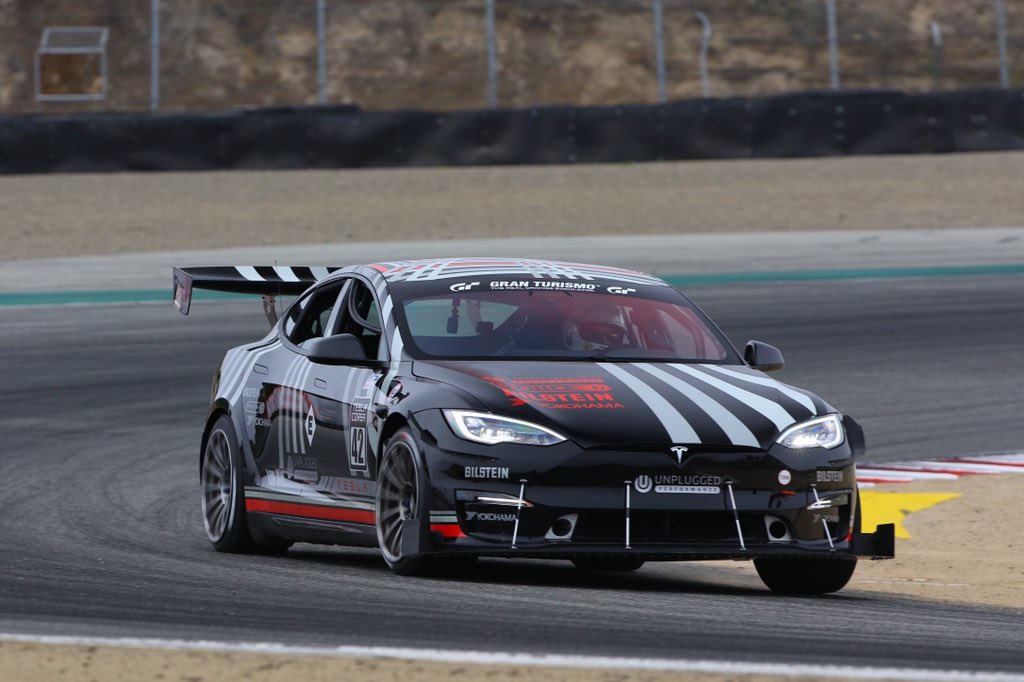
While the modifications exclude Dark Helmet from the ‘production car’ category, it’s a seriously-impressive time for any electric vehicle.
The Plaid’s nearest rival, the Lucid Air Tri-Motor prototype, last year managed a 1:31.3 lap around Laguna Seca in stripped-out form.
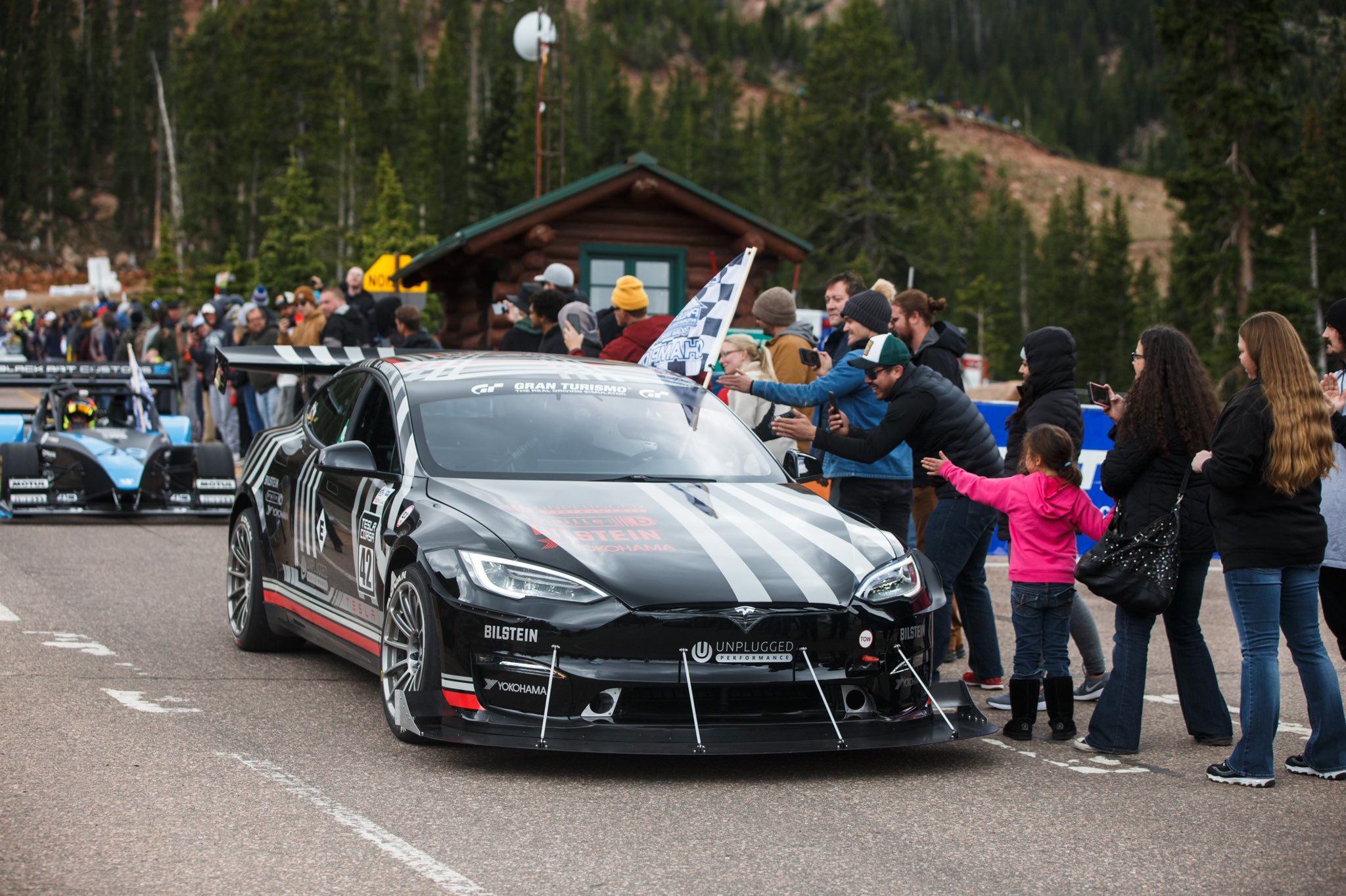
The Pobst-Plaid combination also raced at the Pikes Peak International Hill Climb in June, finishing first in the Exhibition class and 10th overall with a 6:57.000.
Ice and snow atop the summit forced organisers to run a shorter course, so the Volkswagen I.D. R retains both the EV and overall Pikes Peak crowns.
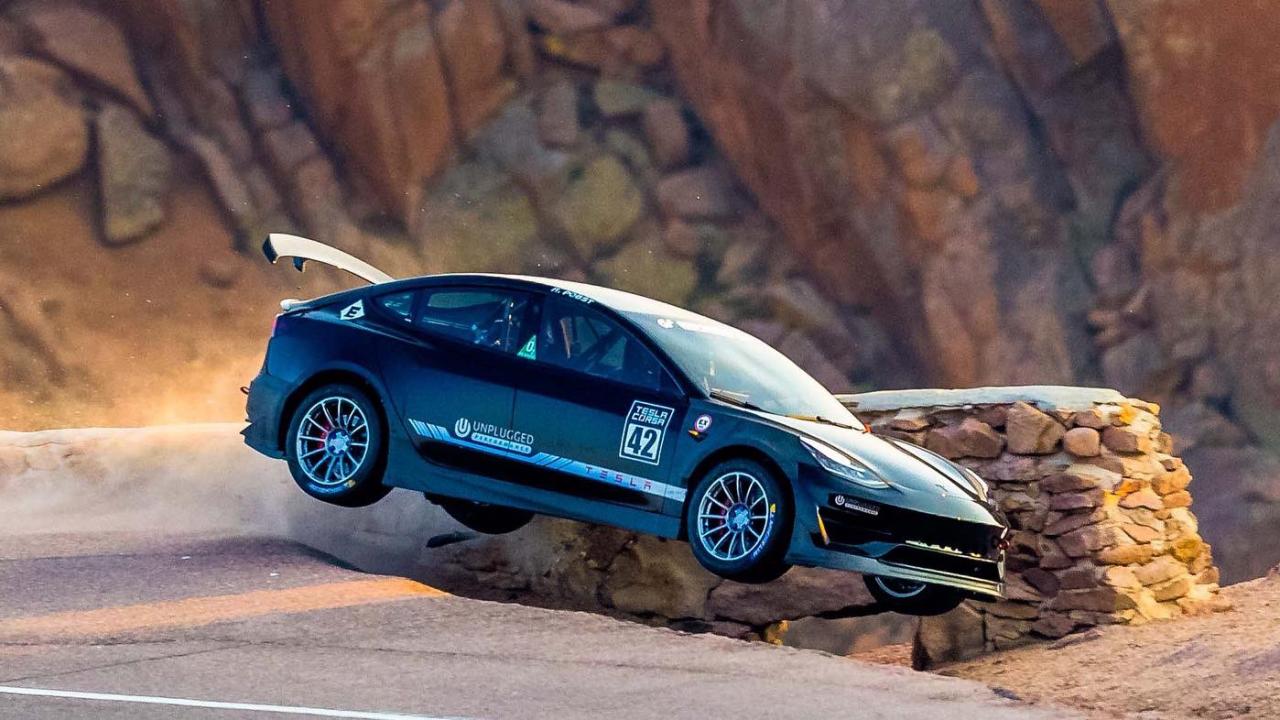
Pobst’s efforts at Pikes Peak in 2020 saw him crash Unplugged Performance’s Tesla Model 3. While the car internal suffered battery damage, it was quickly rebuilt and still managed 2nd place in its class.
Snapshot
- 515kW/750Nm figures remain unchanged
- Just 30 units to be produced
- Track day-only machine to set buyers back $840,000
The last of the 991-generation 911 is being given a fitting send-off – with Manthey-Racing helping to create the ultimate GT2 RS while celebrating a 25 year relationship with Porsche.
Utilising the über-fast, track-only GT2 RS Clubsport as its base, the Clubsport 25 combines the best bits of 991-gen race cars with influences from the new 992 – bridging the gap between the two generations.
While power and torque from the 3.8-litre, twin-turbo flat-six remains at 515kW and 750Nm respectively, exterior styling has been greatly revised – with the Clubsport 25 scoring a completely redesigned front bumper for better flow into the centrally-positioned radiator from the 911 GT3 R racer. Meanwhile the headlights are based on the units from Porsche’s Le Mans-winning 911 RSR.
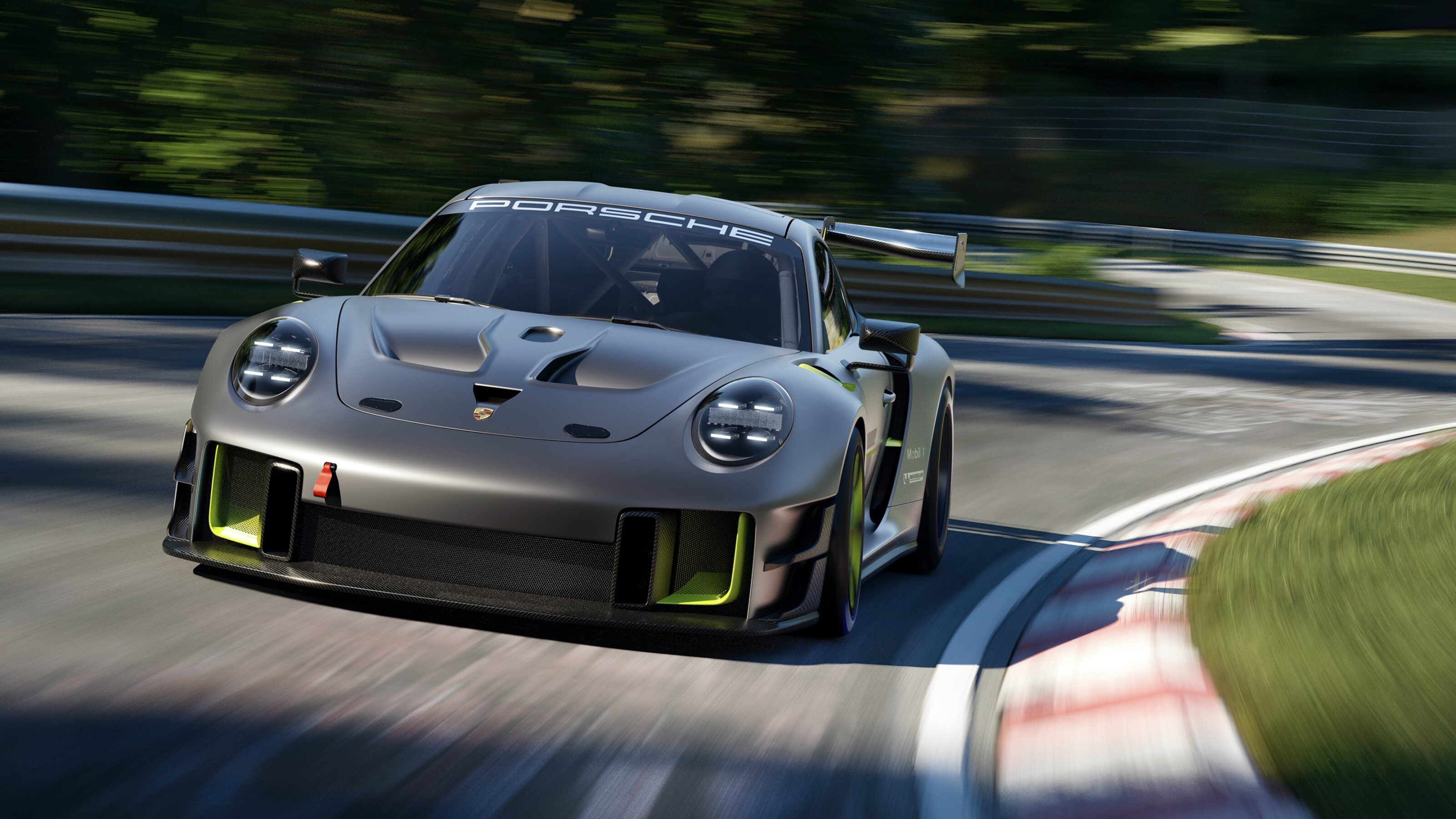
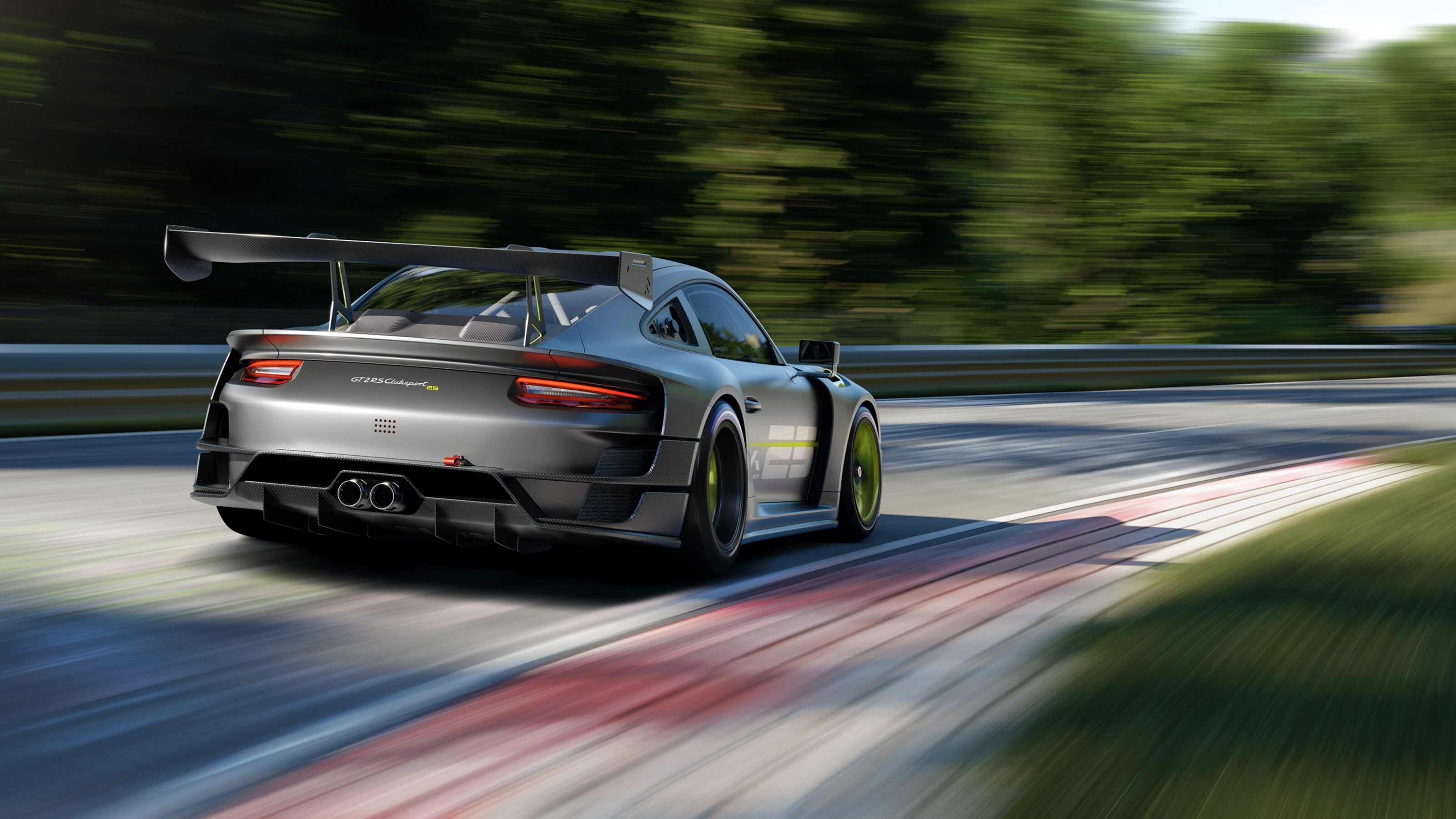
Underneath the Clubsport 25 is a closed underbody, providing maximum downforce by channeling air to the new rear diffuser – a design change which forced Manthey-Racing to redesign the vehicle’s exhausts and back-end bodywork shaping.
While the diffuser sorts out the airflow under the car, the bonnet features a central NACA duct which feeds air into the cabin – with two scoops on either side redirecting air towards the rear spoiler. It’s another updated part which is now mounted on a swan-neck system similar to the 992 GT3.
Carried over from the Porsche parts catalogue of track-only vehicles, such as the Clubsport and modern 935, are; adjustable race-spec suspension, data logging and Porsche stability management, as well as variable ratio power steering from the 935 tribute car.
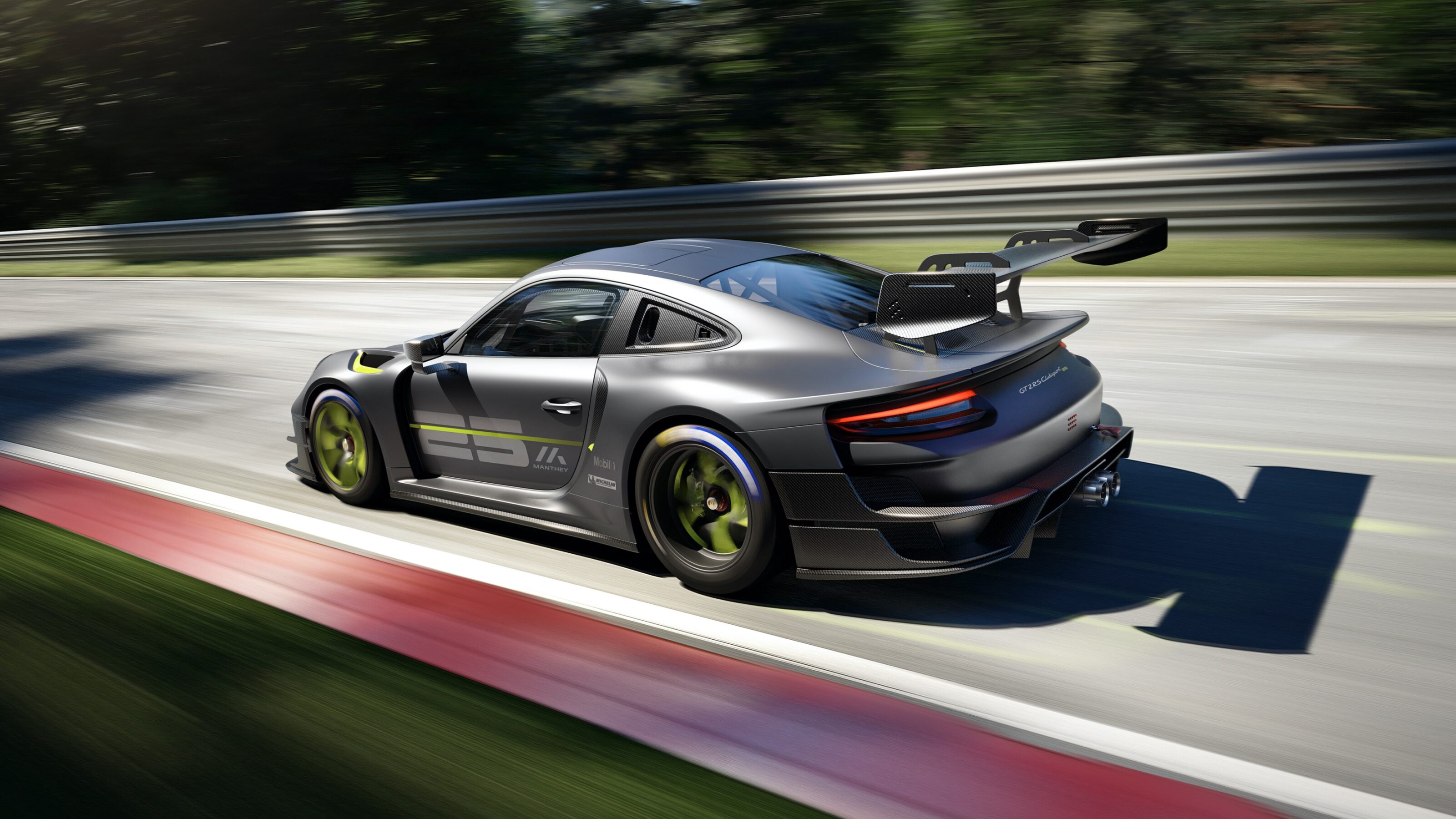
Finished in a matte silver, the Clubsport 25 adopts bright green stripes and highlights which are a nod to Manthey-Racing’s “Grello” liveried GT3 RS – which won this year’s Nürburgring 24 Hour race for the seventh time.
Porsche and Manthey-Racing have had a lot to celebrate in recent years, with the race team helping to produce the fastest production car around the Nürburgring in the GT2 RS MR, before becoming an official partner of Porsche earlier this year.
With prices starting at €525,000 (AU$840,000) and production limited to just 30 units, it’s unlikely your local race track will be graced by its presence unless you live near Monza or Spa-Francorchamps.
For a company which recently celebrated its 112th birthday, it might be surprising to hear Morgan is still keeping up with modern demands and trends – revealing its new Plus Four CX-T.
A big departure from its usual two-seater roadster, the CX-T has been built for overlanding, the pursuit of travelling across vast areas off the beaten track – similar to the Safari rallies of yesteryear but at a more acceptable pace.
Based on the CX architecture which underpins the standard road-going Plus Four, Morgan has added beefed-up Dakar-spec suspension, all-terrain tyres and an exoskeleton roll-cage to the CX-T, also mounting four large spotlights to the top of the cage for maximum visibility at night.
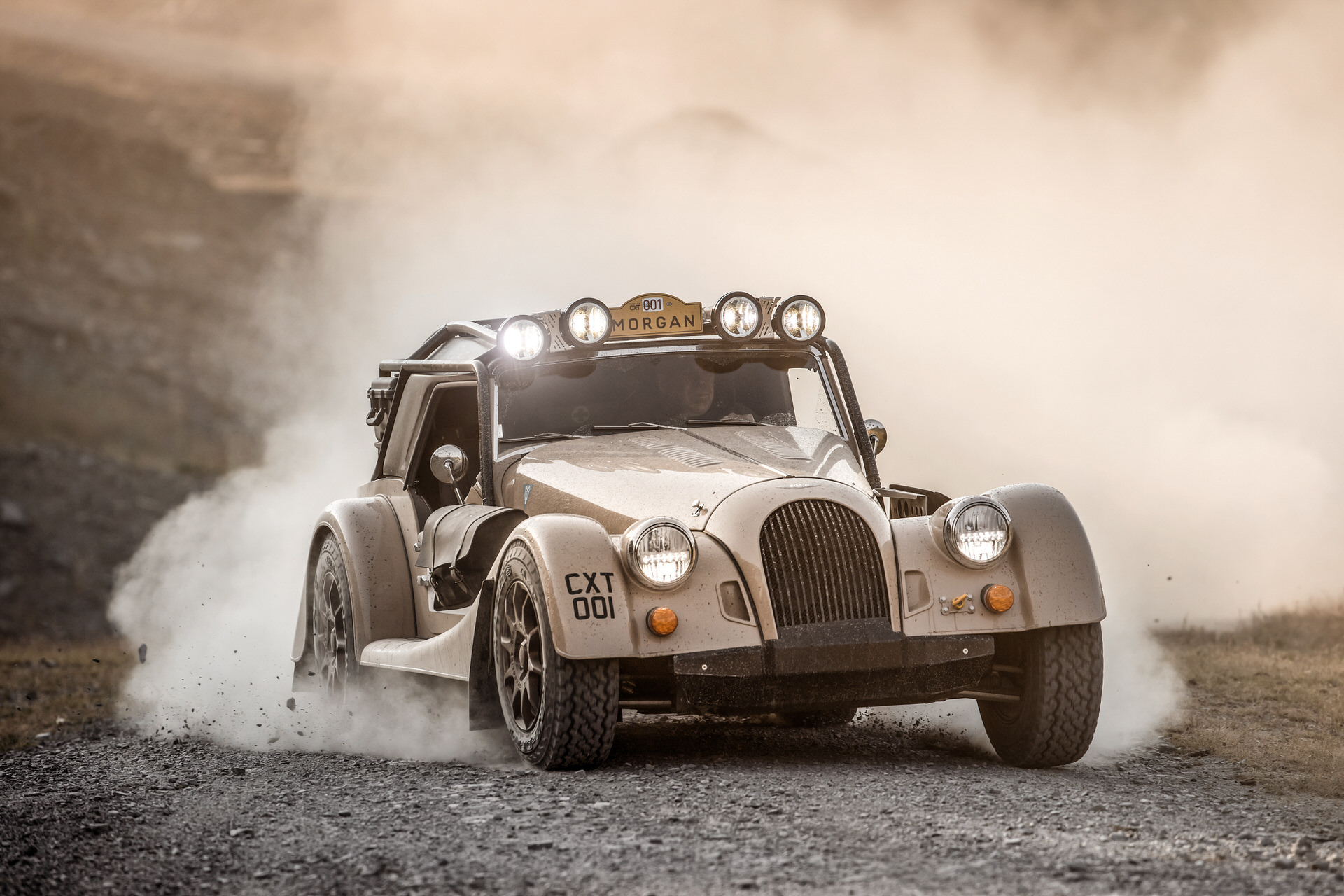
Ground clearance is now up to 230mm with the aid of wishbones from Morgan’s Plus Six roadster, providing a wider track and longer travel, while the removal of the Plus Four’s front and rear bumper allows higher approach and departure angles to be achieved.
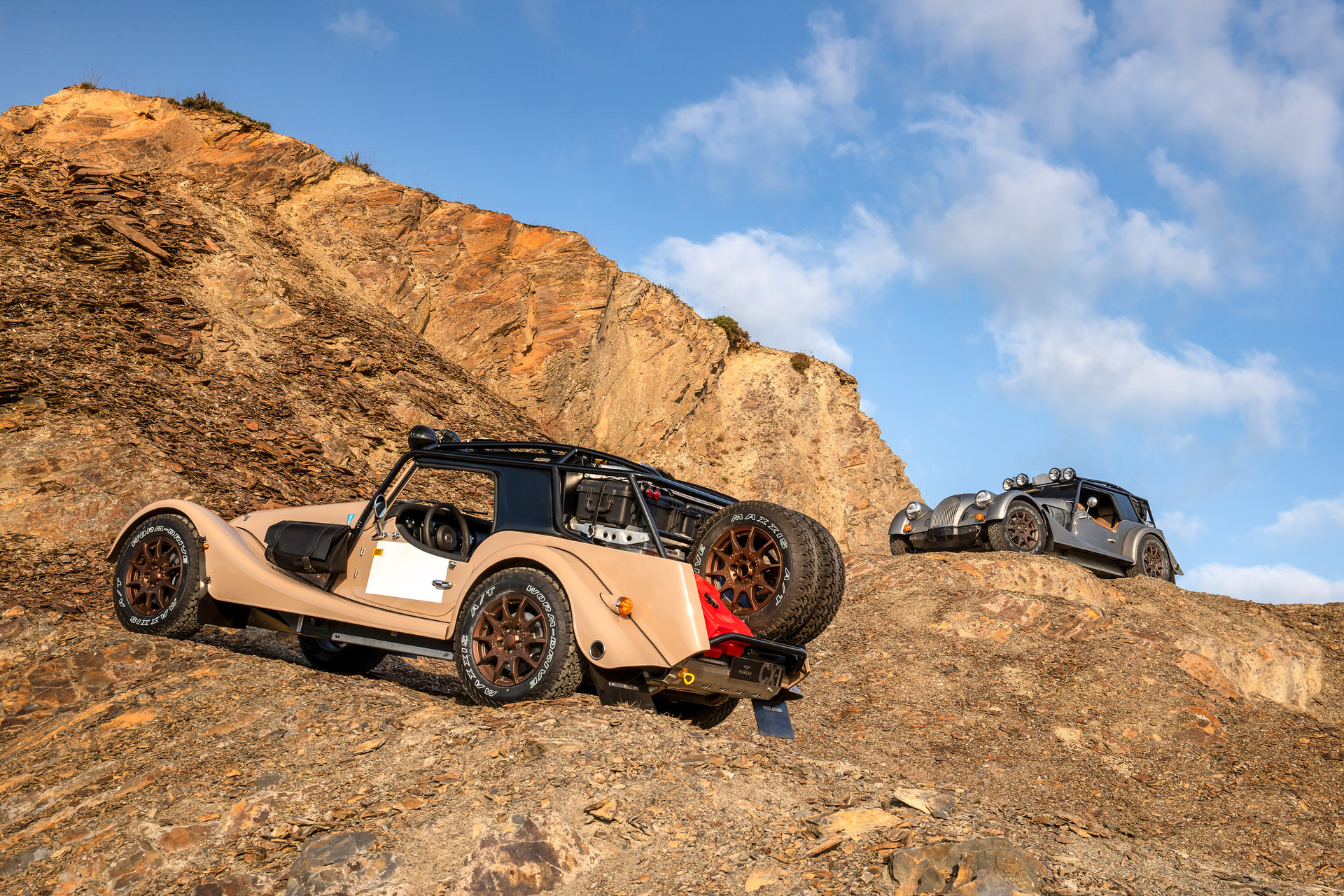
Given the standard car’s relative lack of storage space, Morgan has had to create a solution to allow owners to keep days or weeks worth of supplies in the CX-T.
The result is the inclusion of an equipment rack in the rear, as well as side compartments which can hold; two waterproof Pelican luggage cases, a Zarges aluminium tool and storage box, two Rotopax 11-litre containers and two spare wheel and tyre assemblies.
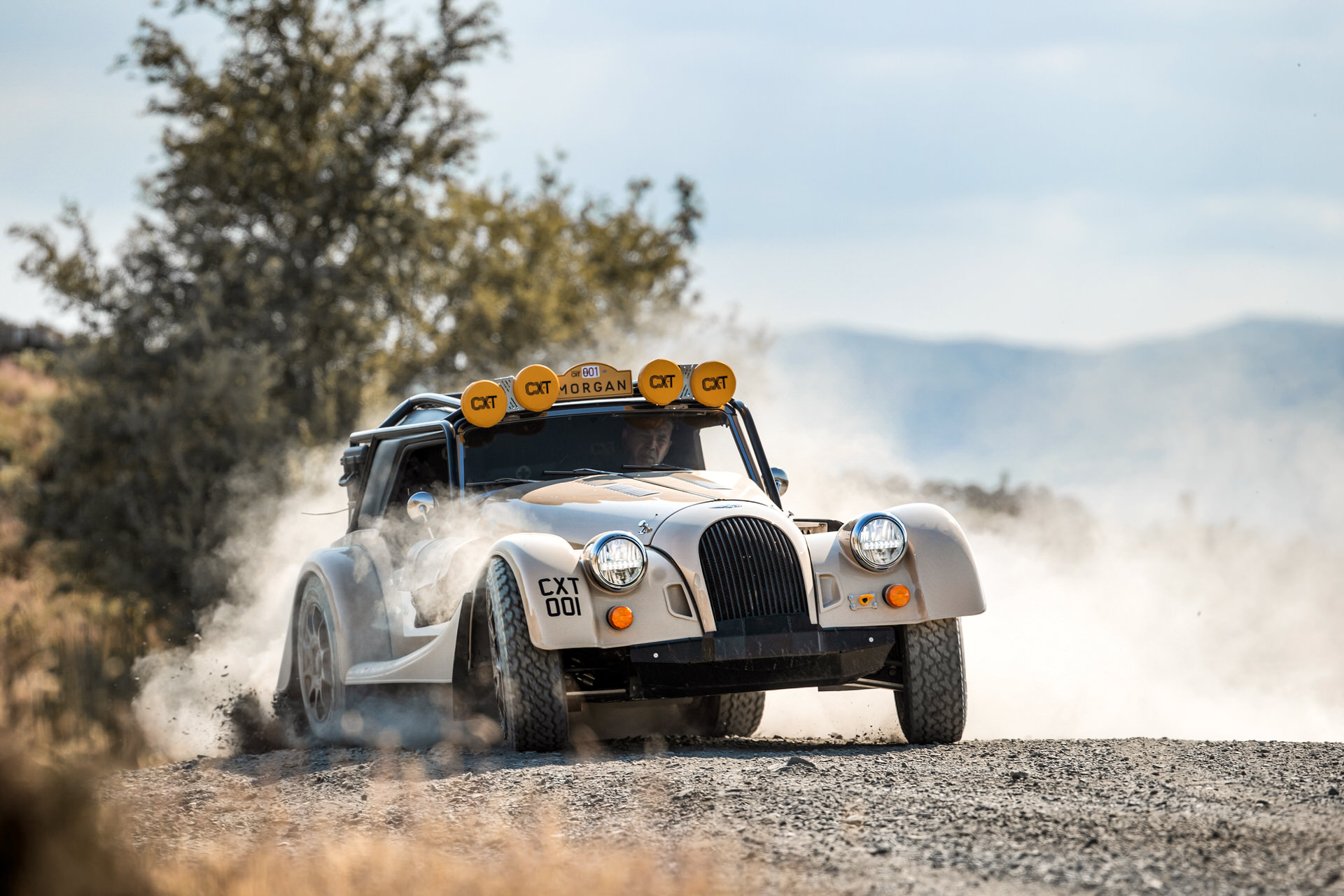
The exoskeleton isn’t just there for occupant protection, it doubles as external storage for leisure items such as bikes and surfboards, while the side screens can also be removed from the doors – mounting to specific points on the cage to keep secure while going flat out across the landscape.
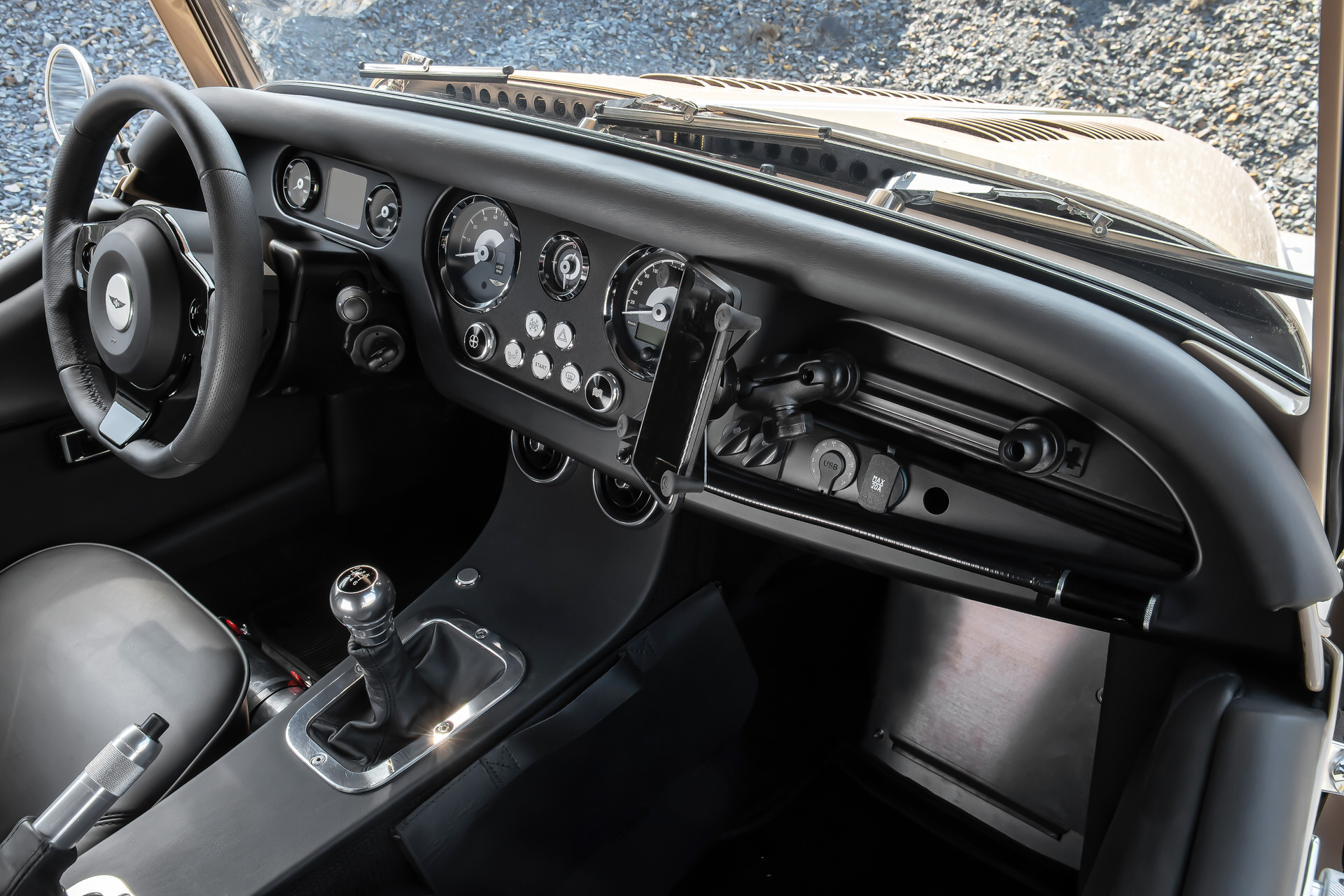
Despite the harsh exterior, the interior of the CX-T is still a mix of comfort and luxury, with the seats and dash appointed in leather while a Ram phone and gadget mount is now fixed to the passenger’s side of the cabin.
Although Morgan hasn’t officially announced what engine is under the CX-T, it’s likely to be the BMW B48 2.0-litre, four-cylinder turbo which powers the Plus Four, mated to a six-speed gearbox and sending power to the rear wheels through BMW’s X-Drive electronic differential, adjustable from fully open to locked with the flick of a switch.
Of course, a car such as this isn’t going to be mass produced with only eight CX-Ts slated to be built, setting buyers back £170,000 (AU$320,000) before on-road costs.
After the D-Max’s ascent from earth-salted also-ran to Mister Popularity of the dual-cab set, Isuzu Ute hopes that its wagon-bodied technical twin, the second-generation Isuzu MU-X reboot, drinks enthusiastically from the same well of success.
And why not? Properly off-road capable, 3.5 tonnes of braked towing and in localised specification, this seven-seater on stilts appears glove-fit for the pursuit of great Aussie long-haul adventure, family loaded up and caravan hitched.
Thing is, this ladder-framed wagon business doesn’t quite ring with the conceptual clarity of the dedicated ute they’re based on or the urban SUVs they hope to match on practicality. Unless LandCruiser is branded to its rump, go-anywhere passenger propositions can be a tough sell, regardless of bundled, multifaceted talents.
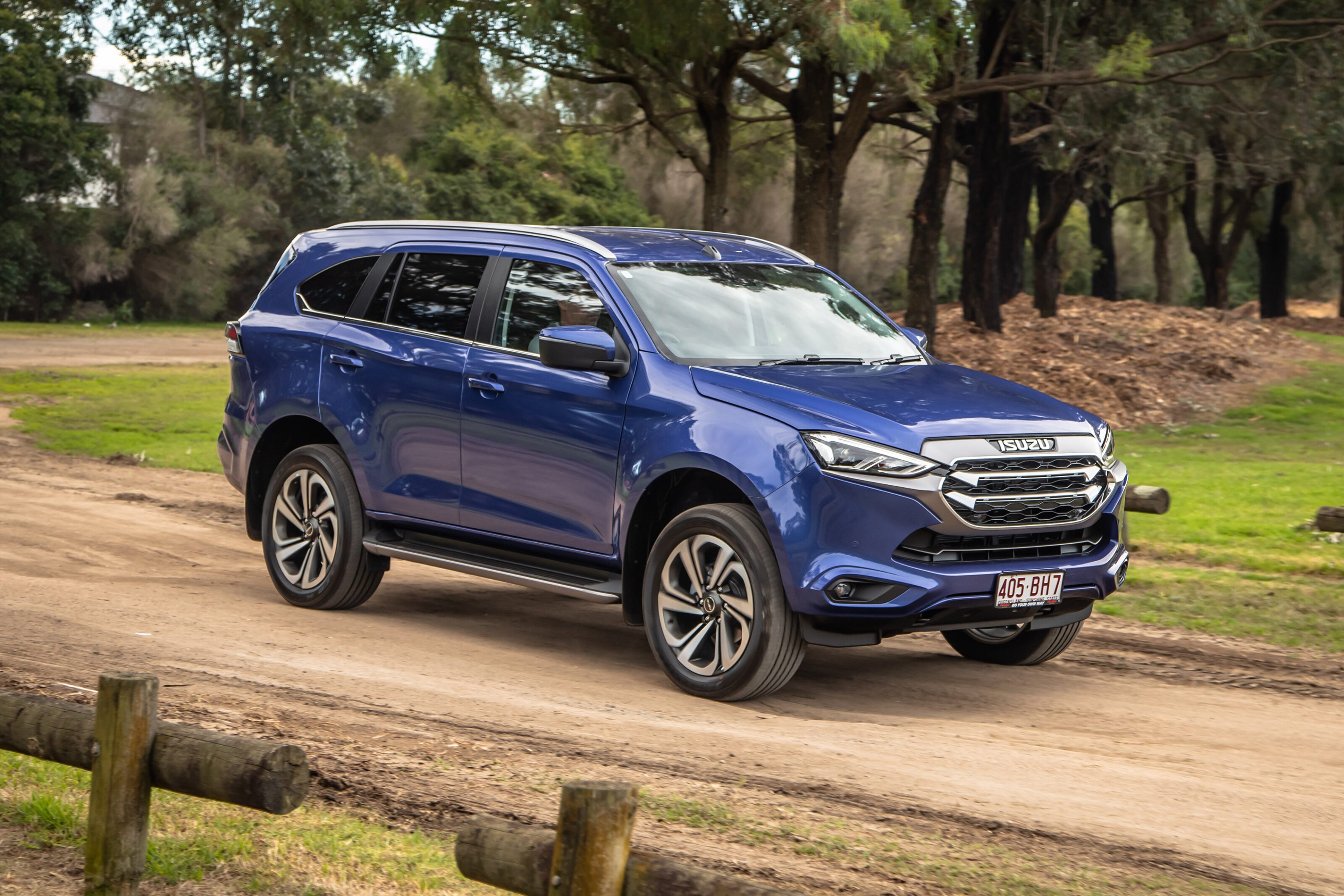
Isuzu’s thrown lots of everything at new MU-X, heavy on safety and off-roading chops, lifts everywhere else from cabin smarts to features count, all with a more upmarket spin, lobbing most lavishly in here in top-spec LS-T 4×4 form that crowns its six-variant range, where either an all-paw or dedicated 4×2 drive can be had in each of three grades, rounded out with the basic LS-M and mid-spec LS-U.
At $65,900 before on-roads, it’s two grand pricier than its logical ute doppelganger, the D-Max X-Terrain, if with not nearly as much nameplate resonance and more formal styling attire.
That’s our all-you-can-eat flagship: opting for 4×2 in any trim chops six grand off the list price in a range entering at $47,900 list for the LS-M. For gen-two’s launch, Isuzu is offering the tree-topping 4×4 at a more seductive $63,990, drive-away.
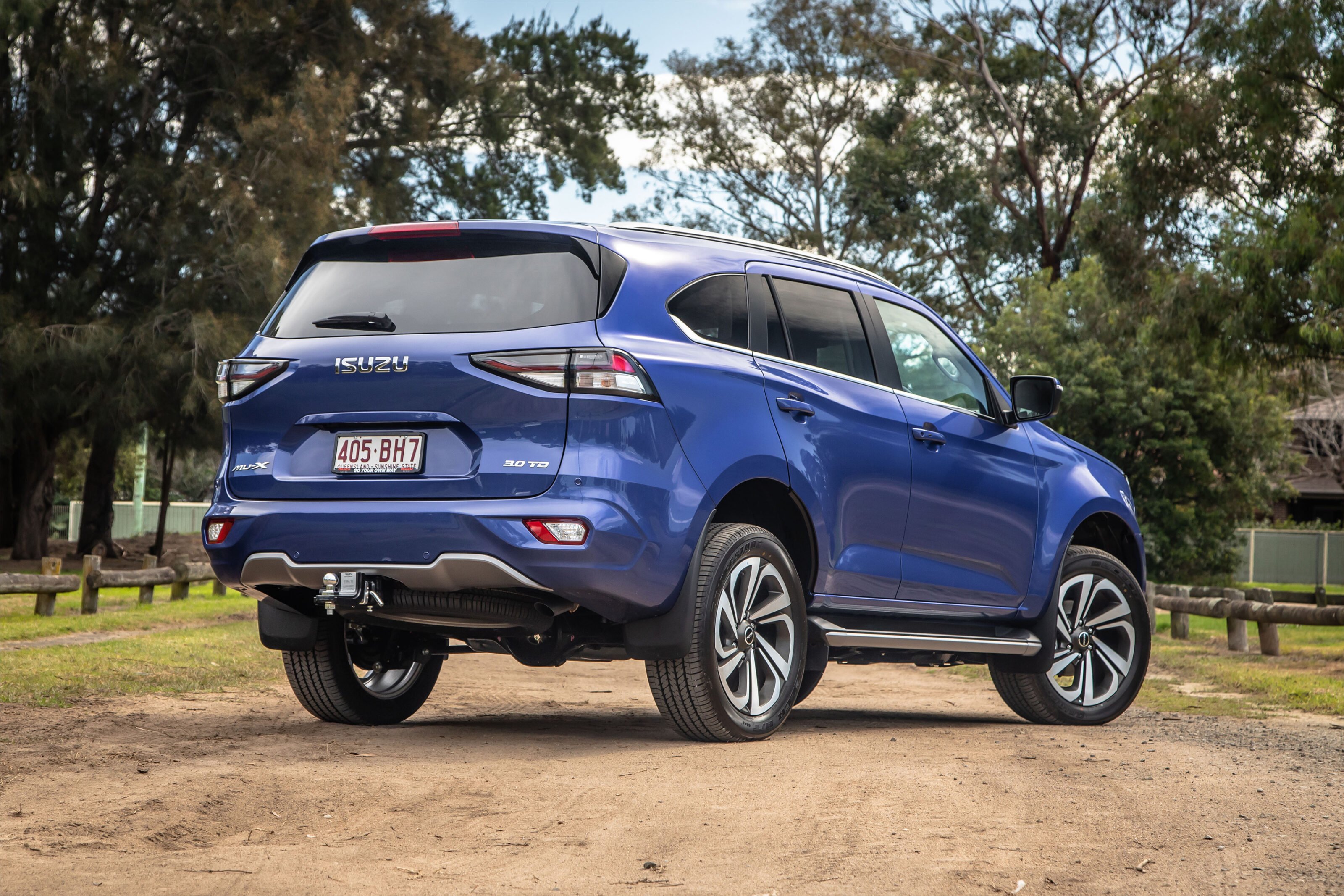
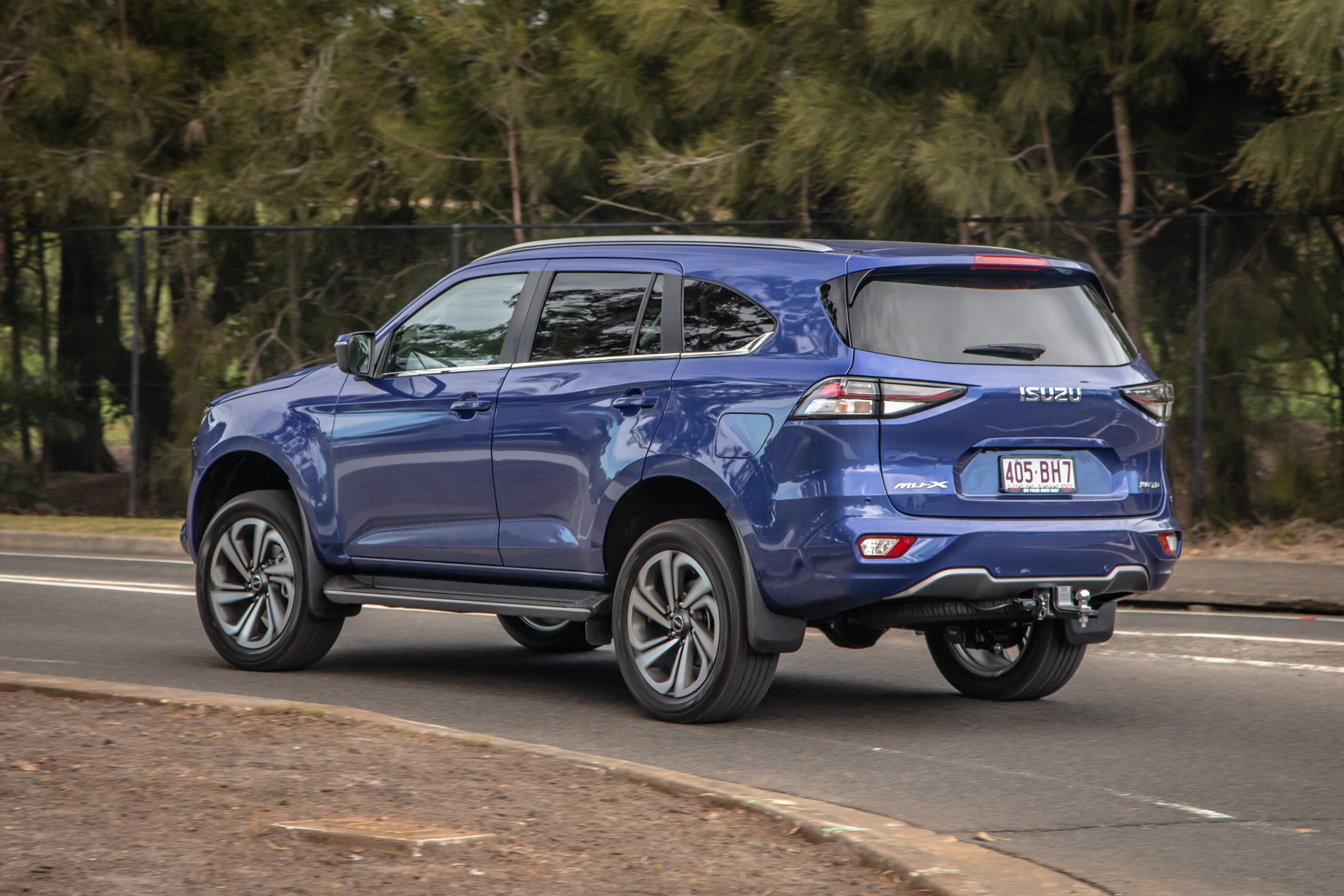
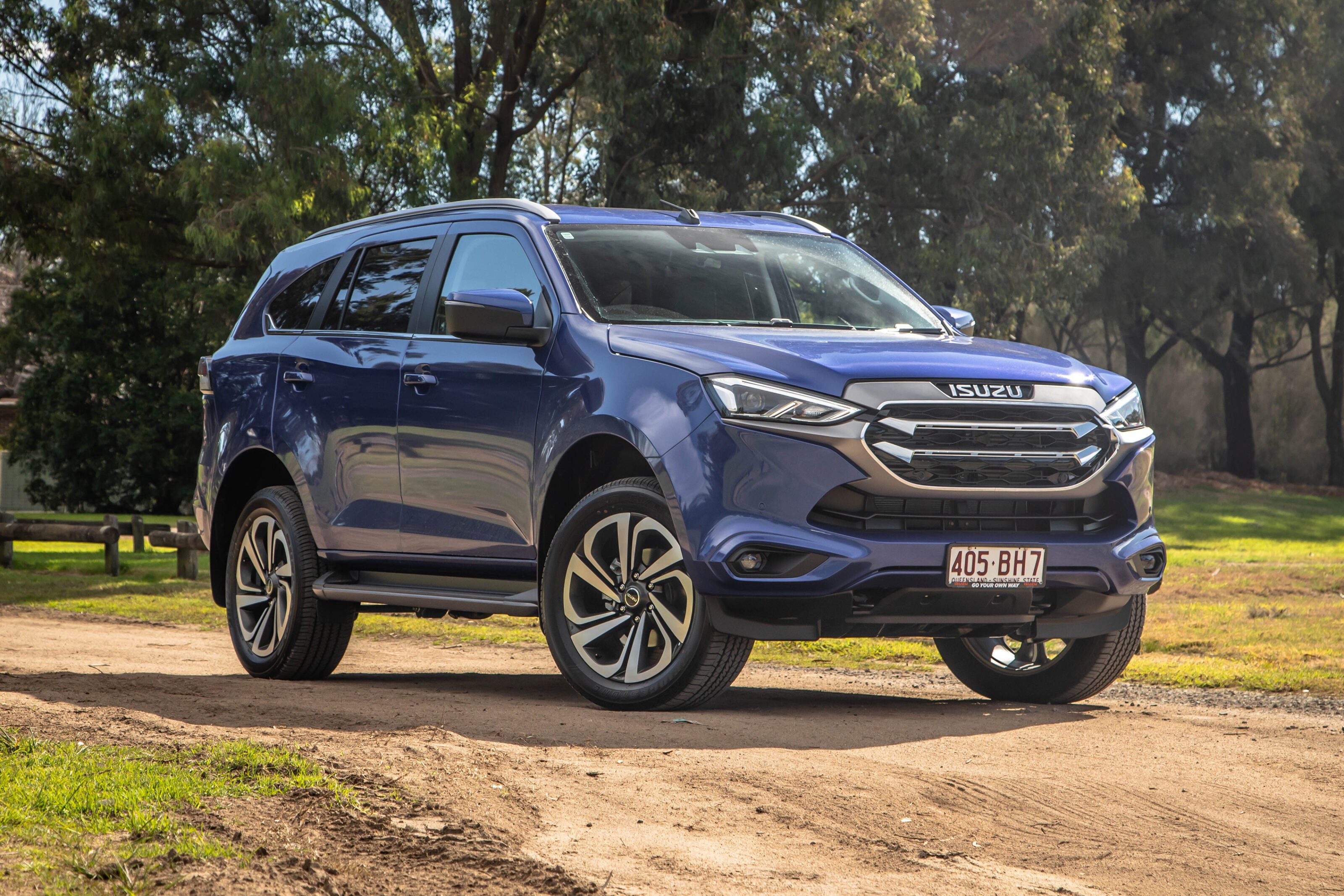
At 30 paces, between its chiseled body lines and tasty 20-inch rolling stock, the new LS-T makes a more dashing entry than its predecessor, a freshened if largely unpretentious spin that ought to warm to the Isuzu fanbase’s somewhat traditionalist tastes.
The brand touts ‘truck DNA’ as a badge of honour, with a penchant for cheap plastics and lower-rent presentation a sort of symbol of hard-working shtick.
The new MU-X is now fancier, if not too fancy pants, though the LS-T looks fetching in our tester’s new Cobalt Blue mica, one of five fresh colours on MU-X’s eight-hue palette. Base and mid-spec variants sit on 17s and 18s respectively.
The new MU-X is now fancier, if not too fancy pants, though the LS-T looks fetching in our tester’s new Cobalt Blue mica
Unsurprisingly, the MU-X spins a vibe that’s worked so well for D-Max: a more contemporary and grown-up character without losing contact, sensory or otherwise, with its underpinning tough-truck soul.
Smoothing out rough edges while not diluting that rough and tumble charm is a tricky balancing act and Isuzu has mostly succeeded, honing out agricultural abrasiveness while shunning overtly cushy pleasantry.
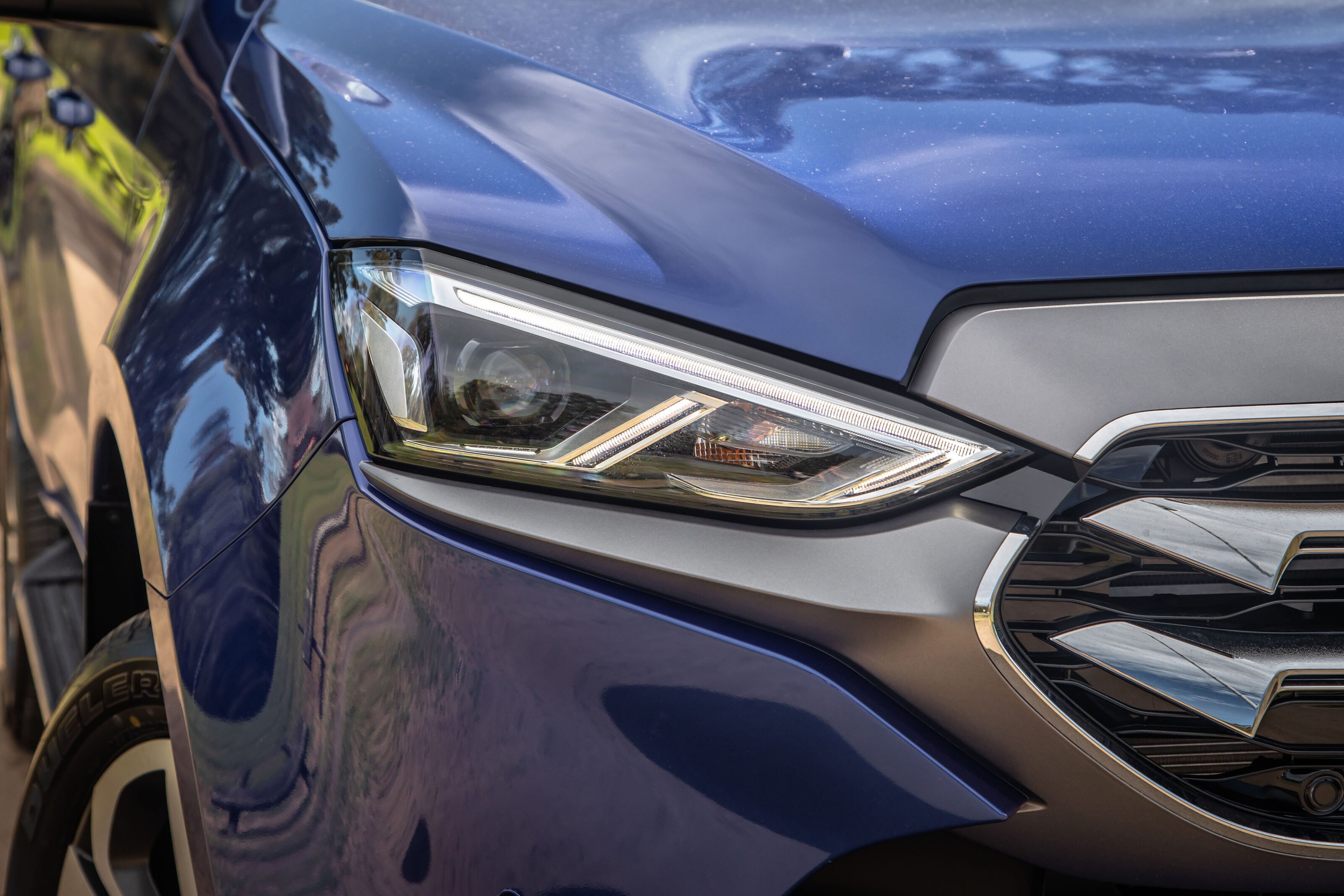
Not that it lacks kit. Bi-LED auto headlights, front and rear parking sensors, adaptive cruise with stop and go and dual-zone climate control is par for the course, with the LS-T exclusively offering those 20-inch wheels, leather-appointment, fully electric and heated front pews, appearance and cabin trim insert upgrades, LED ambient lighting and the novel remote engine start via the key fob.
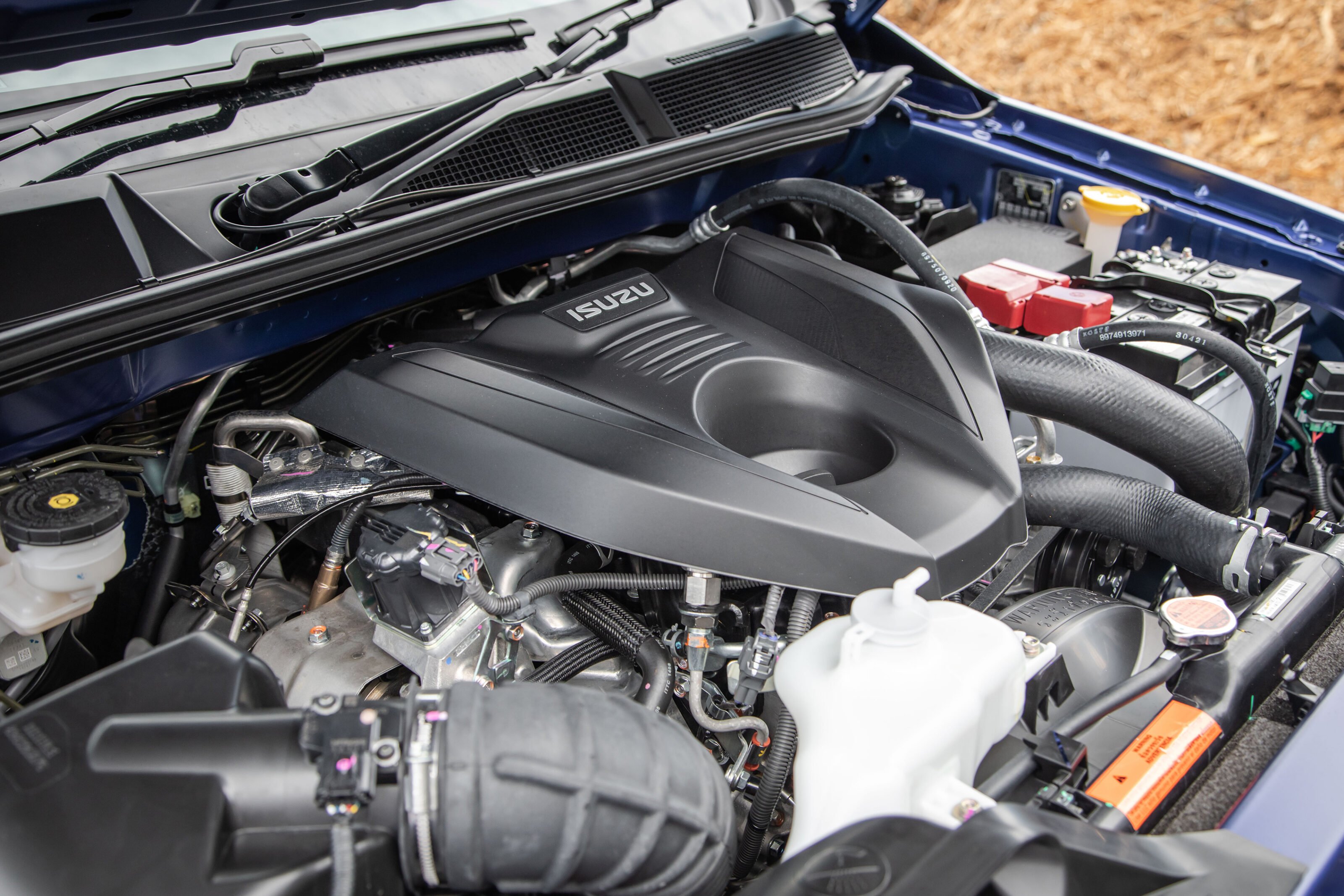
The big 4JJ3-TCX 3.0-litre turbodiesel four plies 140kW at 3600rpm and 450Nm between 1600-2600rpm, some 10kW and 20Nm up on the old ‘TC HI’ unit this has evolved from. New internals, an electronic variable-geometry turbocharger and new direction system list as highlight changes.
It still retains the rattily ruckus of the old engine, unbridled and ever-present, though its flatter and fatter in mid-range torque, with 400Nm available from 1300rpm through around 3200rpm, which serves towing drivability.
It’s MU-X’s least altered area in terms of character, sonically coarse and reluctant to rev much beyond its 3600rpm power peak and demands a bootful to really boogie.
On specific output, it has the measure of Ford Everest’s aging 3.2 five-pot, but it looks downright lazy against its rival’s lean bi-turbo 2.0L four (157kW/500Nm).
It’s still a truck unit at heart, its workmanlike feel somewhat mirrored in the reengineered Aisin-sourced six-speed auto – the only transmission offered – that’s hardly a pillar of enthusiastic cog-swapping or refinement, though there’s something indelible about the powertrain that seems to relish hard grunt work.
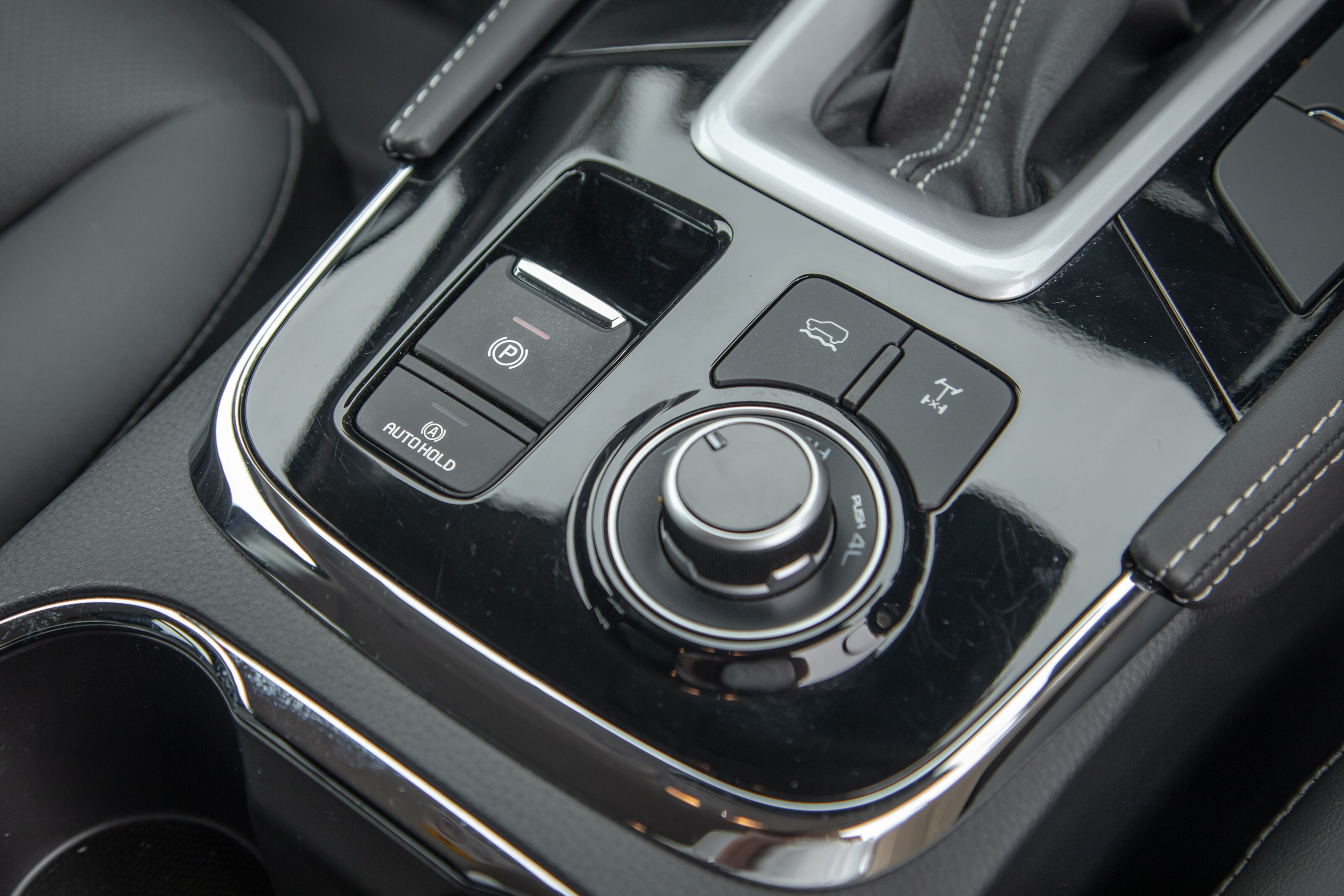
Slicker, though, is the newfound enthusiasm to switch between 2-High and 4-High on the fly at up to 100km/h, which feels as quick as its one-second claim.
Beaten-path credentials are augmented with an electromagnetic-locking rear diff, new Rough Terrain Mode electronic aid and improved approach, departure and ramp-over angles together with improved underbody protection, an increased 800mm wading depth and 235mm of ground clearance.
That is, if you brave pitting those machine-face 20-inch alloys, shod with now-broader 265mm highway-spec Bridgestone Dueler HTs, against the Aussie mulga…
The graded dirt and sealed Tarmac excursions of our local launch experience did demonstrate one on- and off-road highlight: the remarkably accomplished ride quality. The MU-X shares the D-MAX’s ladder frame but fits a coil rather than a leaf rear subframe.
And despite uprated tuning and a beefier five-link rear-end design to facilitate its 3.5-tonne towing capacity, the wagon yields bump compliance and settling rebound far more accomplished and polished than you’ll find in the dual-cab ute arena.
Sure, all things equal, it’d struggle lugging a tonne of bricks in the boot, but with over 625kg of payload a family of seven – or five with a semblance of touring luggage – isn’t going to threaten the bump stops.
At 2175kg it’s no featherweight, though Isuzu has managed to up the GVM (to 2800kg) and GCM (5900kg) of the LS-T 4×4 and there’s improvement throughout the range.
Diesel clatter apart, the MU-X is a comfy open-road cruiser, impressively quiet and planted on its rubber well enough. We also sampled the mid-spec LS-U on its 18-inch 60-series rubber and, indeed, the flagship’s more low-profile 20-inch 50-series tyres do add a crisper edge to the handling and tend to mitigate a touch of the floatiness evident in its range mate.
A larger 80-litre tank and genuine low-sevens highway consumption offers fair-dinkum 1000km single-tank range and our tester nailed its 8.3L combined claim convincingly.
The new MU-X steers nicely indeed, a variable electric system replacing the old hydraulic design, offering a pleasingly light low-speed assistance balanced with a nice, moderate weighting at speed and a genuine sense of connection.
The brake pedal, though, is quite long and squishy, albeit with effective stopping power from the newly upsized (320mm front/318mm rear) four-wheel disc brake hardware.
This new second-generation wagon absolutely piles on the safety kit, right throughout its range.
It features turn assist, there are four different functional lane keeping/warning systems in play, and the IDAS suite includes esoteric features such as misacceleration mitigation.
It all mostly works as expected most of the time, if prone to a few small foibles: overbearing lane departure mitigation one moment, absent lane-keeping the next (generally around sweeping corners).
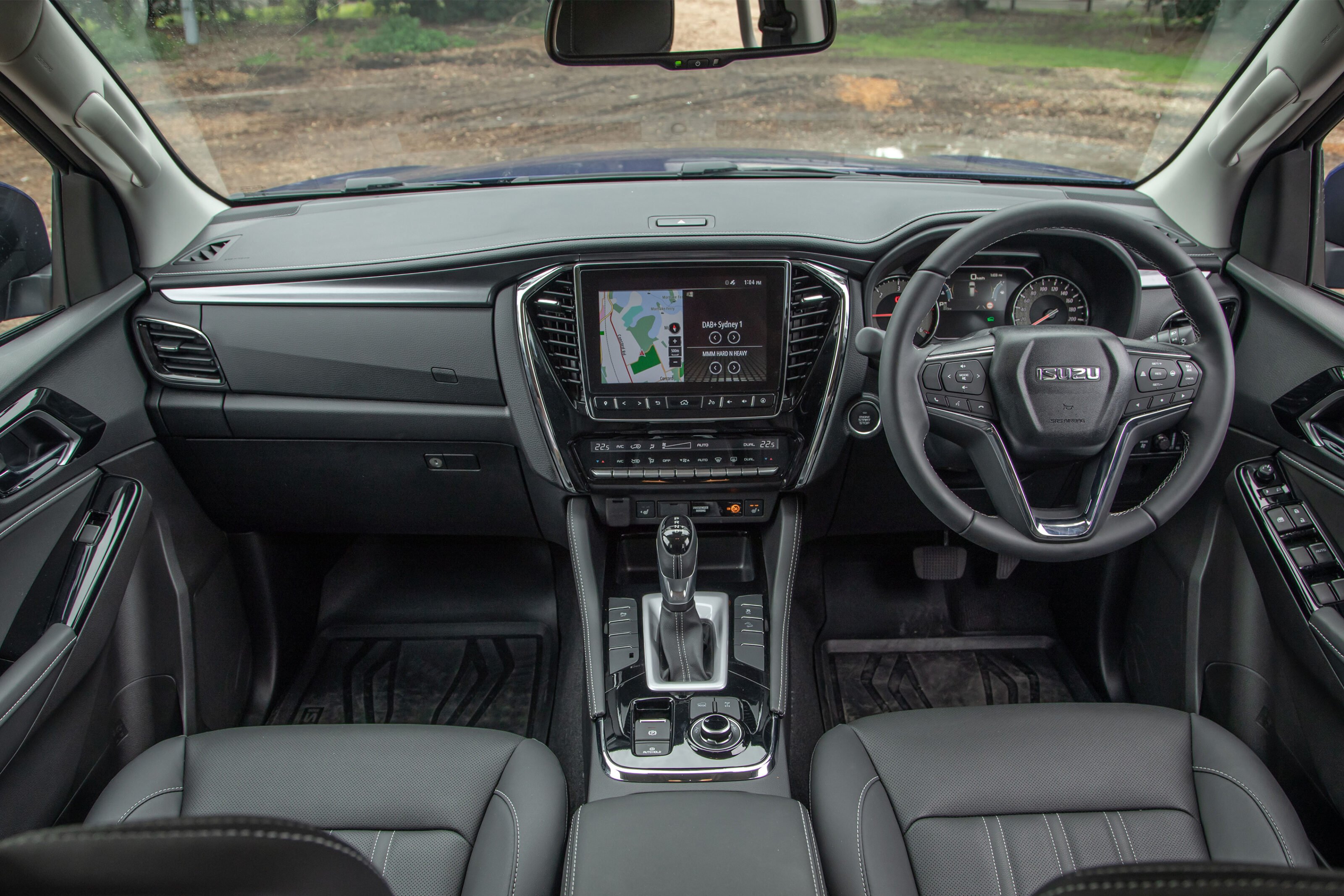
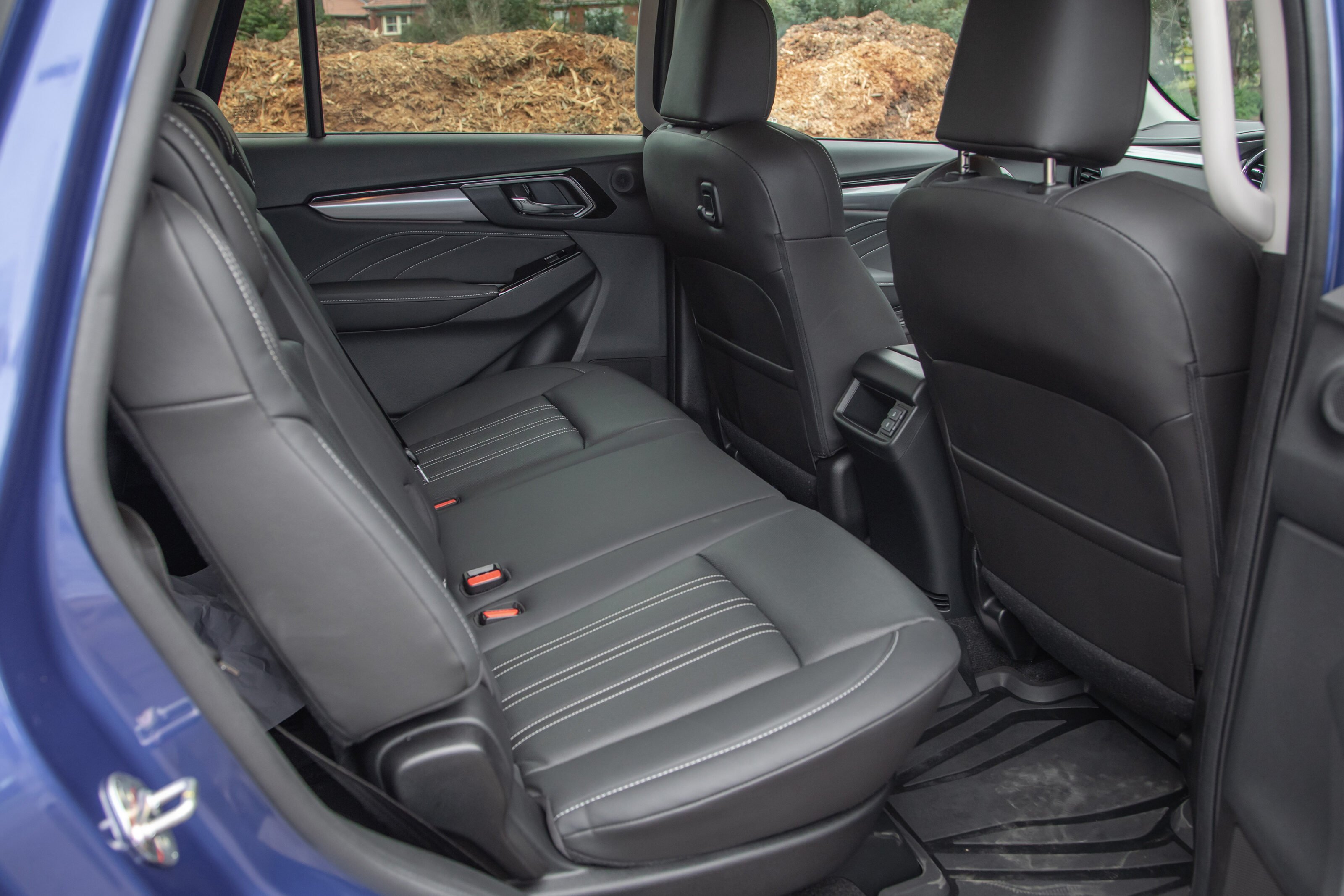
At 4850mm, the MU-X LS-T is considerably shorter than a D-Max and more comparable in dimensions to Mazda’s CX-8. The interior’s a little roomier in key measures than its forebear, smartly packaged through its three rows, with reclining in all seat positions, clever one-touch tumbling in row two for excellent rearmost access, and roof-mounted air ventilation throughout, including rear fan control.
This new second generation wagon absolutely piles on the safety kit, right throughout its range.
Squint and the cabin design is almost indistinguishable from the flagship D-Max, tidy and presentable if barely masking its ute-derivative nature.
The lion’s share of the materials are more hardy and durable than rich or sumptuous, with a solid honesty to the vibe that’s lean on slick frills that’s no nonsense. It’s quite an improvement for its MU-X breed though there’s little to it that’ll keep Audi designers awake at night.
Seating is fine, with fully electric and heated front buckets that are firmly padded with middling leather appointed trim, and the high seating exacerbates the MU-X’s seemingly high roll-centre. Ditto row two, which suffers a little from exceedingly flat seat contours that won’t offer much long-haul comfort, though extra points go to the off-road grab handles on the A and B pillars.
Row three seating, while measurably roomier than the old MU-X, is still realistically for youngsters and, ahem, vertically modest passengers.
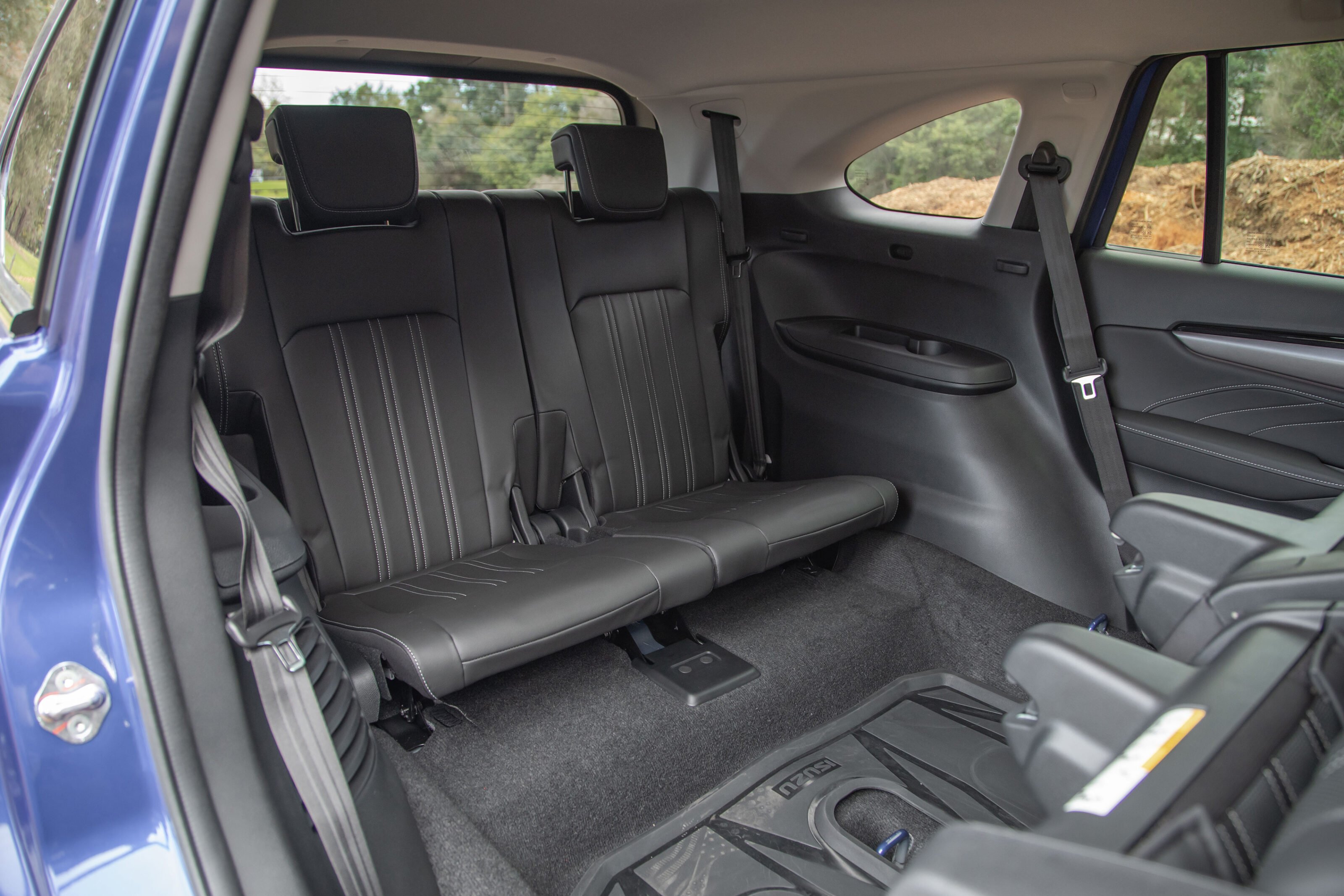
The utilitarian ambience benefits from neat (D-Max mirroring) quirks, such as the dash’s pop-out cupholders and dual-stacked glovebox cubbies.
What the LS-T lacks in fancier frills it compensate for with features and the equipment list is exhaustive even if lacks simple stuff, such as an audio volume knob.
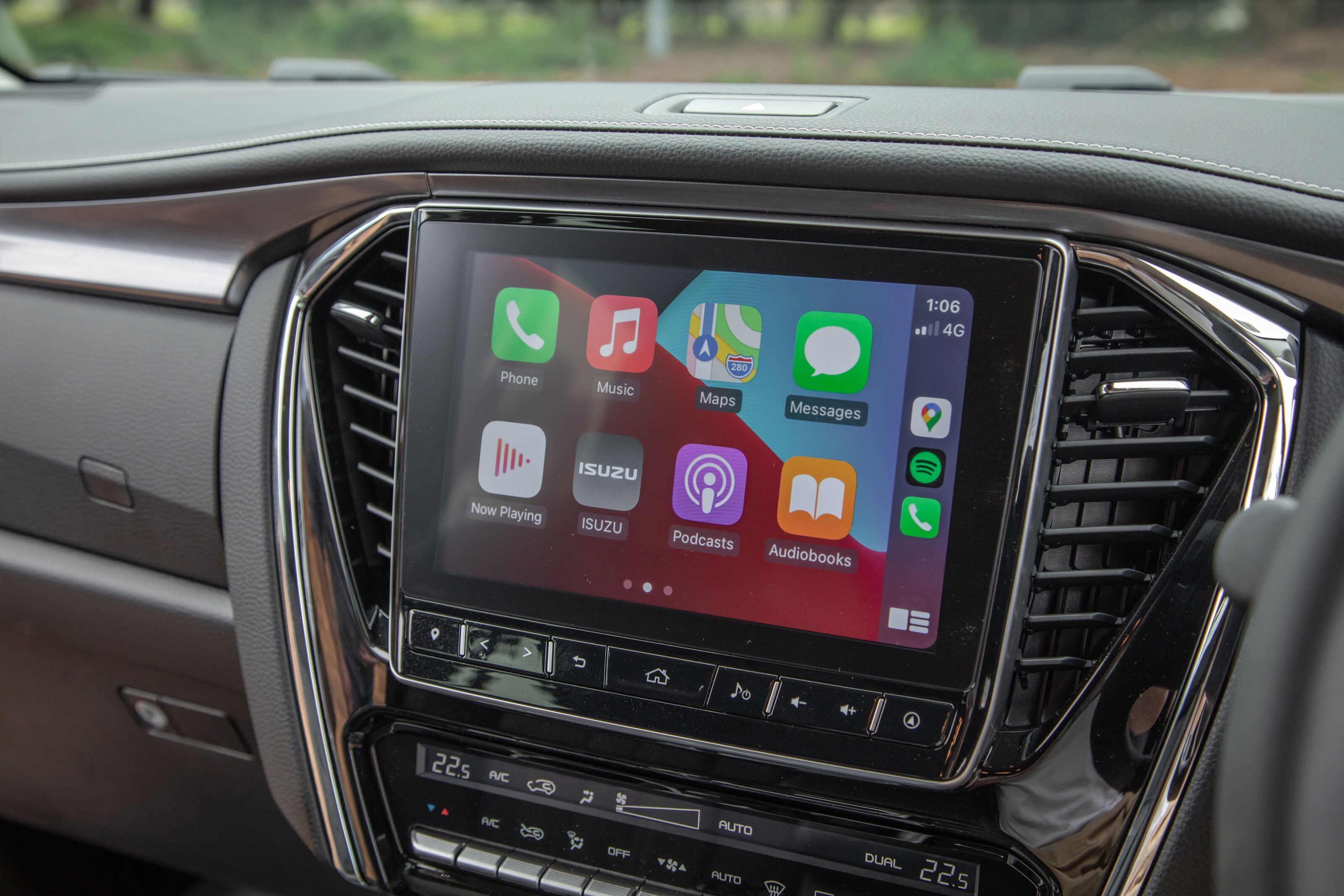
The 9.0-inch touchscreen infotainment isn’t the sharpest or quickest piece of techno eye-candy, but it almost indicative of the MU-X package: loaded with content, low on pretension, if a little clumsy in areas, such as the offset reversing camera making lining up the tow ball unnecessarily awkward.
Wireless CarPlay (and wired Android Auto) is a nice premium inclusion and big ticks for fitting USB ports in the first two rows and 12-volt outlets up front and in the cargo area.
All in all, it’s a genuine family hauler, few corners trimmed and as much spaciousness as a generous mid-sizer allows, with 311 litres of boot space that expands to 1119 litres as a five-seater, with a nice flat load space. It fits eight airbags, too, including full-length curtain coverage, driver’s knee and front-centre units.
The MU-X is covered by six years and 150,000kms of warranty, with seven years of roadside assistance and capped-priced servicing, which requires 12-month/15,000km intervals. Servicing cost vary between $299 and $749 per visit, totaling $3,373 over seven years or an average of just under $482 per year.
Isuzu’s assertion that the new MU-X “changes everything” is a fair stretch for a wagon oh-so-familiar in core areas and largely sticks firm to straightforward roots in the experience.
However, what that take doesn’t credit is that gen-two is measurably better for sheer effort of evolution.
Everything is honed, improved and somehow betters its forebear, more capable and safer without messing with the underlying flavour and formula that, while not to all tastes, remains comfortably homely in its more stylised skin.
The Isuzu MU-X gen-two is measurably better for sheer effort of evolution
2021 Isuzu MU-X LS-T 4×4 specifications
| Engine | 2999cc, 4cyl, DOHC, 16v, turbo diesel |
|---|---|
| Max Power | 140kW @ 3600rpm |
| Max Torque | 450Nm @ 1600-2600rpm |
| Transmission | six-speed automatic |
| Weight | 2175kg |
| 0-100km/h | N/A |
| Economy | 8.3L/100km (combined claimed) |
| Price | $65,900 + ORC ($63,990 driveaway offer) |
Polestar was originally meant to pave the way for electric-powered Volvos. But with the first electric-powered Volvo, the XC40 Recharge Pure Electric, already on the market, Polestar’s mission statement has been subtly altered.
Polestar, which traces its origins back to a specialist engineering shop set up in the mid-1990s to build Volvos for the Swedish Touring Car Championship, is to become the Swedish brand’s AMG equivalent, building electric vehicles that are quicker and sharper handling than their Volvo counterparts.
It’s a work in progress. The impressively fast Polestar 1, an expensive, hand-built coupe launched in 2019, is only partially electric, with a 462kW/1000Nm hybrid powertrain built around Volvo’s versatile 2.0-litre inline four.
And the most powerful version of the three-car Polestar 2 line-up, the Long Range Dual Motor, has exactly the same 300kW/660Nm dual-motor powertrain as the electric Volvo XC40.
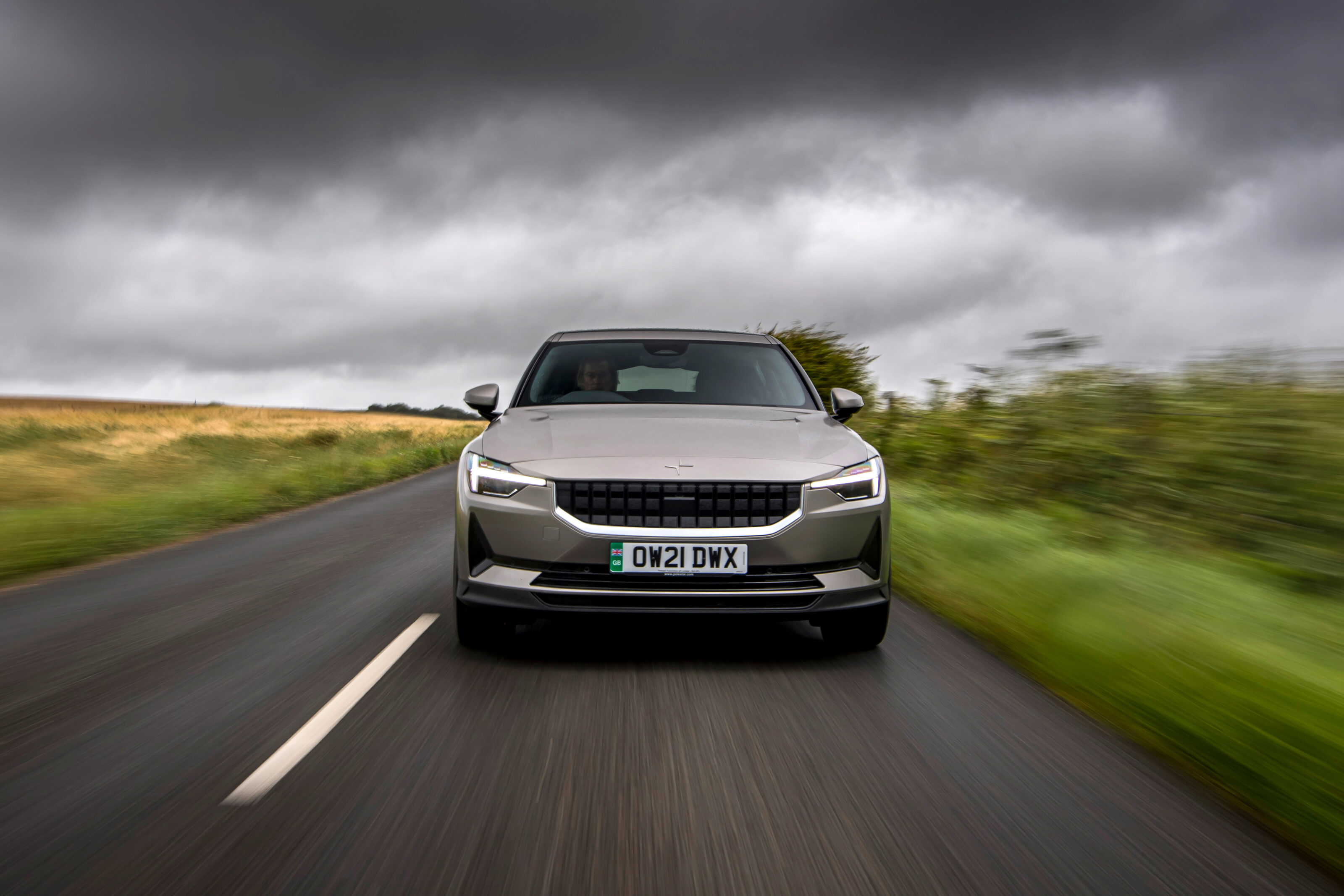
The Polestar 2 Long Range Single Motor sits in the middle of the Polestar 2 pack. It has the same 78kWh battery pack as the top-of-the-range Long Range Dual Motor, but, as the name implies, just one e-motor, a 170kW/330Nm unit that drives the front wheels.
The entry-level Polestar 2 is the Standard Range Single Motor, which has a 64kWh battery pack, and a 165kW/330Nm e-motor driving the front wheels.
Polestar is clearly positioning the Long Range Single Motor to be the all-rounder of the line-up. It doesn’t have the urgent thrust of the Dual Motor – its 7.4 second 0-100km/h acceleration time is 2.7 seconds slower and identical to that of the Standard Range model. But it offers the best range of the three – up to 539km on the WTLP test, according to Polestar, compared with the Dual Motor’s 479km and the Standard Range model’s 439km.
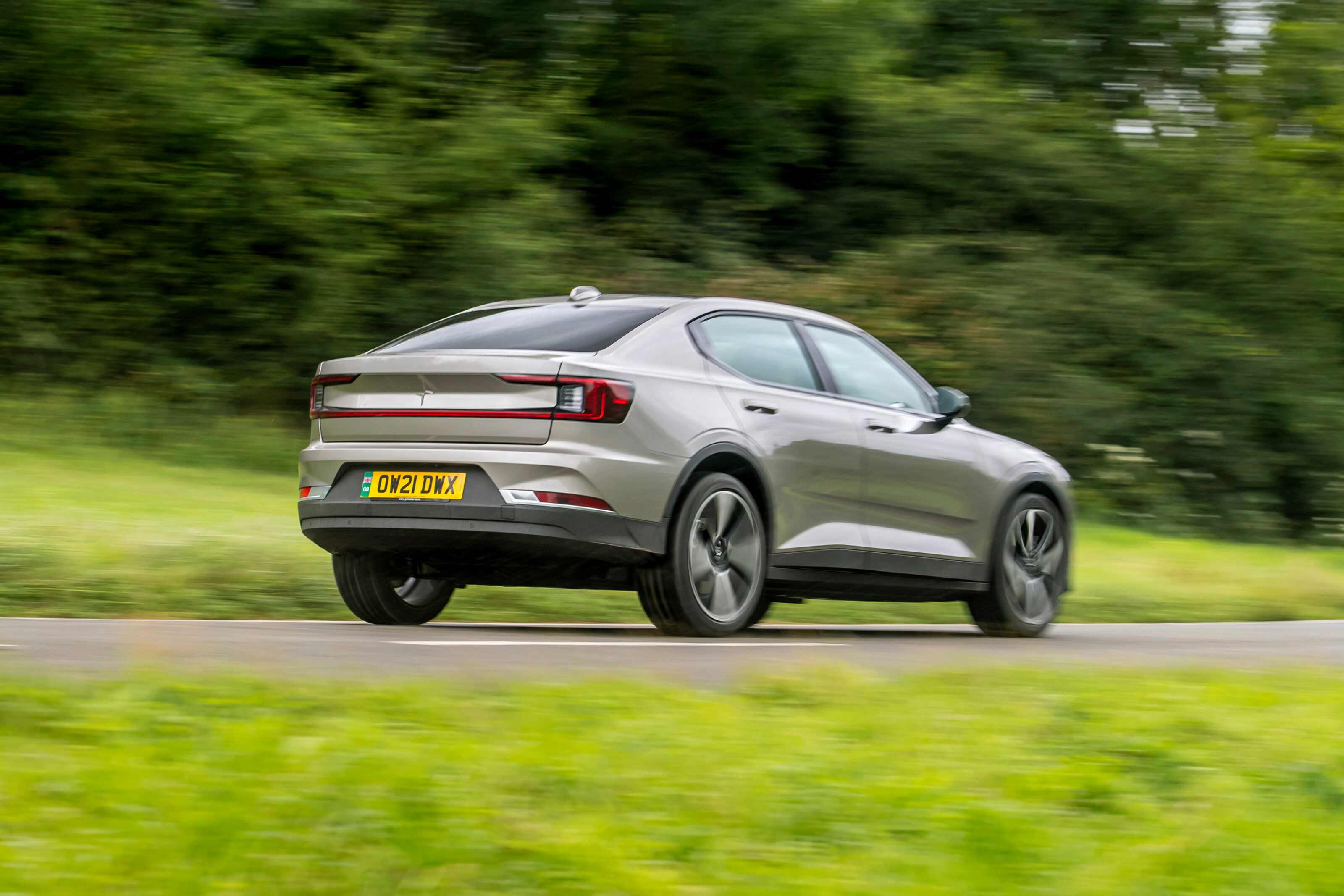
Despite its vaguely sedan-like profile, the Polestar 2 is a five-door hatchback, built on the same CMA vehicle architecture as the Volvo XC40 Recharge Pure Electric.
Dimensionally, it’s very different, however. With an overall length of 4606mm, width of 1985mm, and height of 1479mm, it’s about four per cent longer and wider, and 12 per cent lower than the Volvo SUV, not the least because it rides 24mm closer to the Tarmac. At 2735mm, the Polestar’s wheelbase is also 33mm longer than the Volvo’s.
The complex trigonometry of its design means the Polestar 2 doesn’t feel as roomy inside as the XC40, however. The battery pack under the floor means you ride high, and that, combined with a low roofline and high waistline, means rear-seat head and foot room is tight for tall passengers. Rear visibility isn’t particularly good, either.
Polestar is positioning the Long Range Single Motor to be the all-rounder of the line-up – it doesn’t have the urgent thrust of the Dual Motor, but it offers the best range
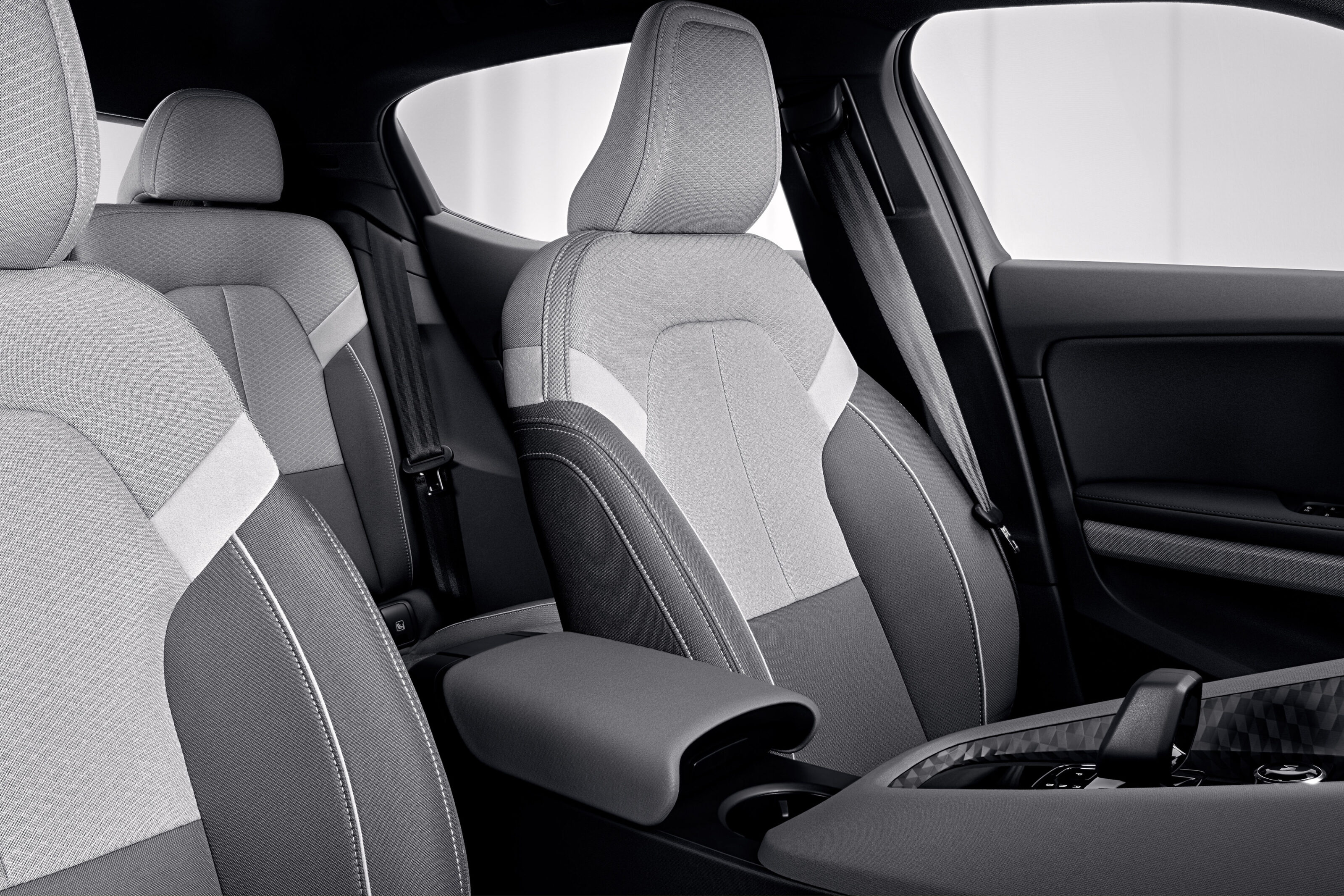
The Long Range Single Motor’s interior doesn’t quite sparkle as much as the Dual Motor’s – the Polestar logo on the steering wheel is black rather than silver, for example – but the overall ambience is quietly elegant and coolly sophisticated.
The standard embossed textile upholstery is a vegan material and available in two colour executions, matched to 3D-etched décor panels. Even in basic black, it’s a much more upscale looking interior than that of the Volkswagen ID.4.
Australian pricing has yet to be confirmed, but the Long Range Single Motor should come in at less than $70,000 when the Polestar 2 goes on sale in January 2022. Volvo’s excellent Android Automotive OS-powered infotainment system with its 28cm centre display and 31.2cm driver display is standard, along with an extensive suite of Volvo-developed active safety aids and driver support systems.
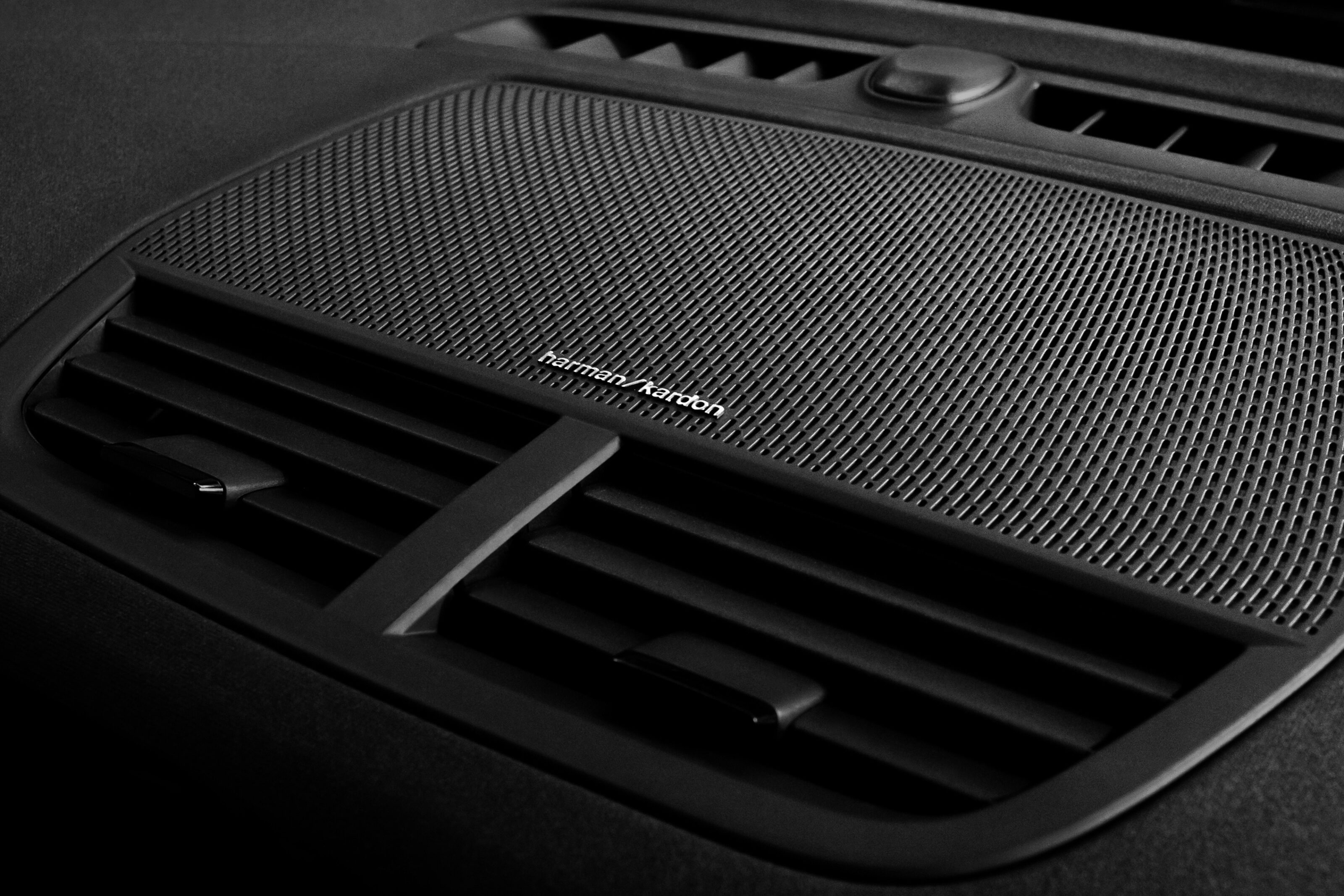
Our test car was fitted with the optional Plus Pack, which, among other things, added electric front seats with memory, glass panoramic roof, and a Harmon Kardon 600W 13-speaker sound system to the mix, plus optional 20-inch wheels.
As with many electric vehicles, there’s no start-stop button – the Polestar 2 simply wakes up once you’re in the driver’s seat. Foot on brake, tug at the ultra-chic six-sided shifter that’s within easy reach on the high centre console, and you’re ready to roll.
At first, the Long Range Single Motor feels oddly lethargic for an electric vehicle, where maximum torque at zero revs usually means instant-on thrust. That’s because Polestar dialled a degree of non-linear response into the accelerator to help those with less sensitive right feet drive more smoothly.
That trademark EV acceleration is still there; you simply have to depress the accelerator pedal further than expected to access it.
A quick tap on the car icon on the central touchscreen allows you to quickly tune a couple of key elements of the Polestar 2’s driving characteristics. You can choose whether to have the car creep forward the moment you lift your foot off the brake, how much automatic regen you want when you lift off, and whether you want steering weighting that’s lighter or firmer than the standard set up. You can also switch the ESC into Sport mode.
The creep mode has become common on electric vehicles to give drivers a similar feel to that of driving an automatic. Switching it off means you can sit at the traffic lights without necessarily having to have your foot on the brake all the time, though, which can be restful if you spend a lot of time stuck in heavy traffic.
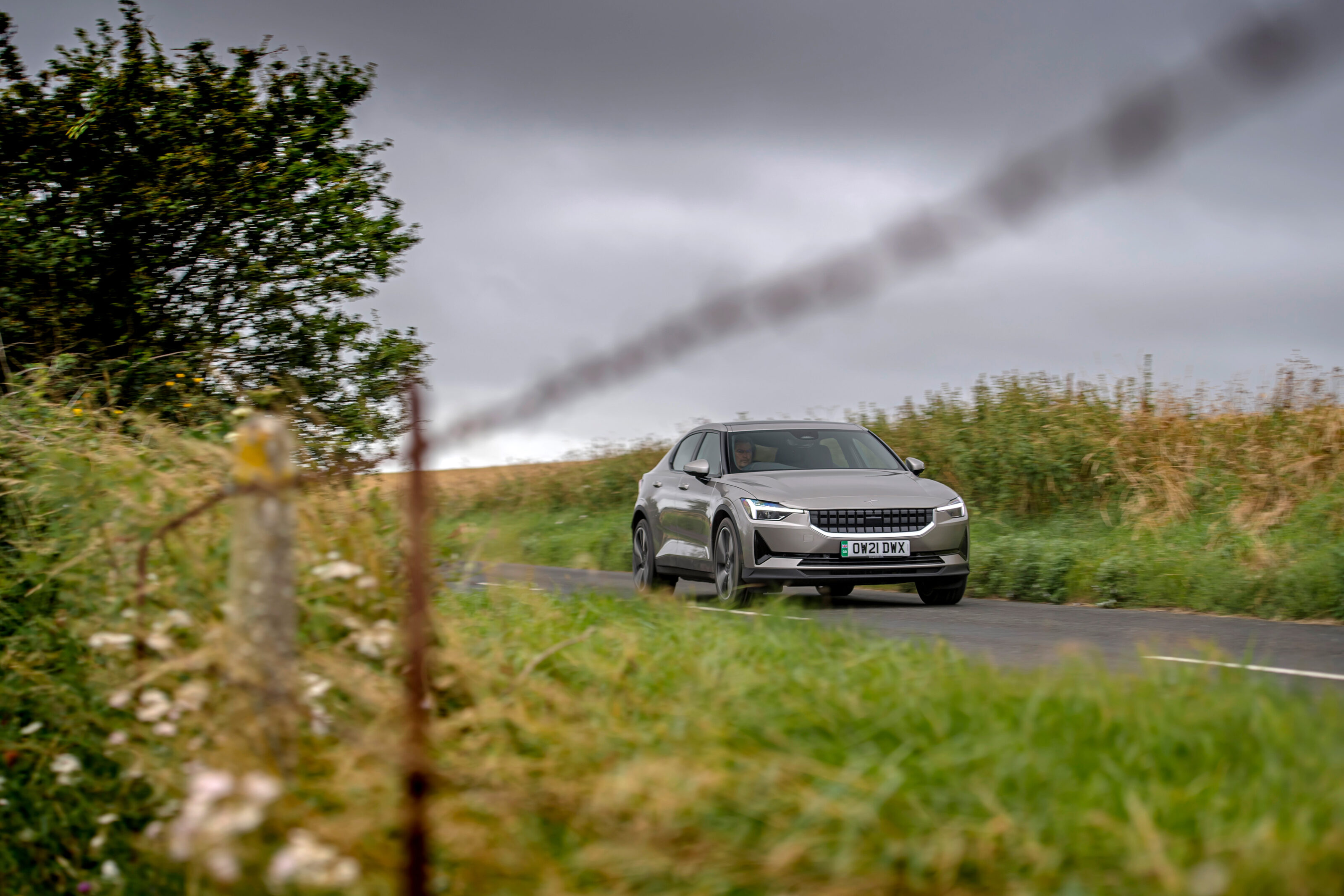
Polestar’s standard regen setup is very strong and allows for easy one-pedal driving around town, your foot scarcely needing to touch the brake. Even the low regen setting slows the car noticeably the moment you lift off. If you like driving, however, you’ll probably prefer to switch the regen completely off, which allows the Polestar to coast the moment you lift off the accelerator.
It makes the car feel freer to drive, especially on the freeway and on country roads, but also even around town. And because all braking events up to 0.3g are done via regen anyway, there won’t be extra wear and tear on the pads and rotors.
The standard steering setting is best. The firm setting merely adds more effort without increasing feel, and the light setting makes the transitions as you turn the wheel through the heavily weighted on-centre position feel slightly non-linear.
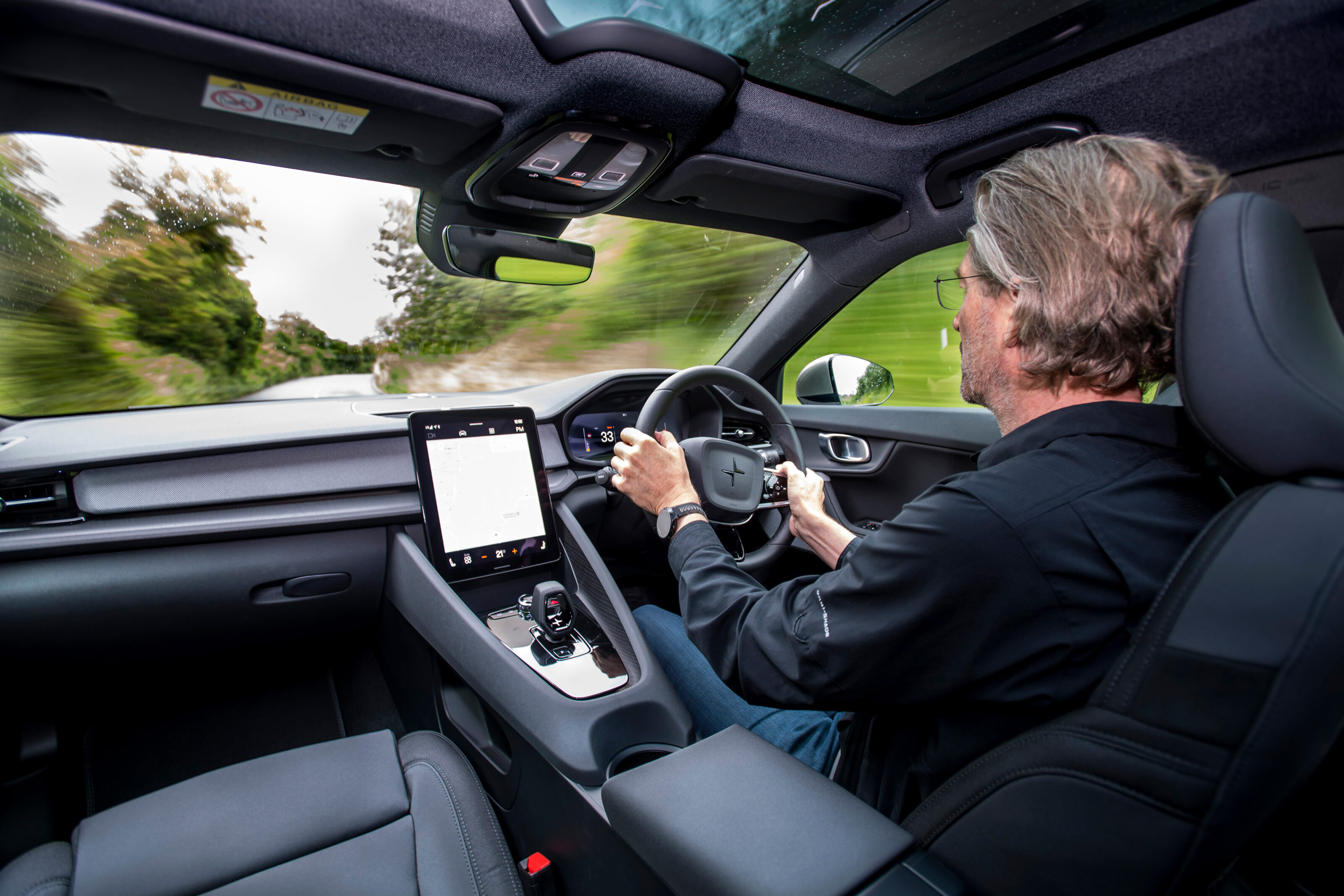
Polestar launched the 2 with the Dual Motor Long Range model, and most of the press cars were fitted with the optional Performance Pack, which adds 20-inch forged alloy wheels with 245/40 Continental SportContact 6 tyres, Brembo four-piston brakes with bigger drilled front rotors, and Öhlins Dual Flow Valve manually adjustable dampers.
With this setup, the ride is very, very stiff. (The Öhlins dampers, which have 20 different stiffness settings, of which number 20 is softest, originally came set at eight front and rear. UK-spec Polestars, for example, with the Performance Pack now come with the shocks set at 11.)
Though the damping characteristics are quite different – like most competition shocks the Öhlins units have very sophisticated rebound valving that seeks to eliminate almost all secondary body motions – company sources say the standard Polestar damping rate equates to an Öhlins setting of about 15. The Long Range Single Motor’s ride is still firm, especially over sharp bumps, but it’s not harsh.
Our test car’s optional 20-inch alloys and 40-section Contis perhaps amplified initial body motions. The standard 19-inch wheel, shod with the slightly softer sidewall 245/45 Michelin Primacy 4 tyres, would undoubtedly deliver a better ride, though even on its 20s, our Polestar felt more comfortable and composed than the Volkswagen ID.4 we drove over the same roads a few weeks previously.
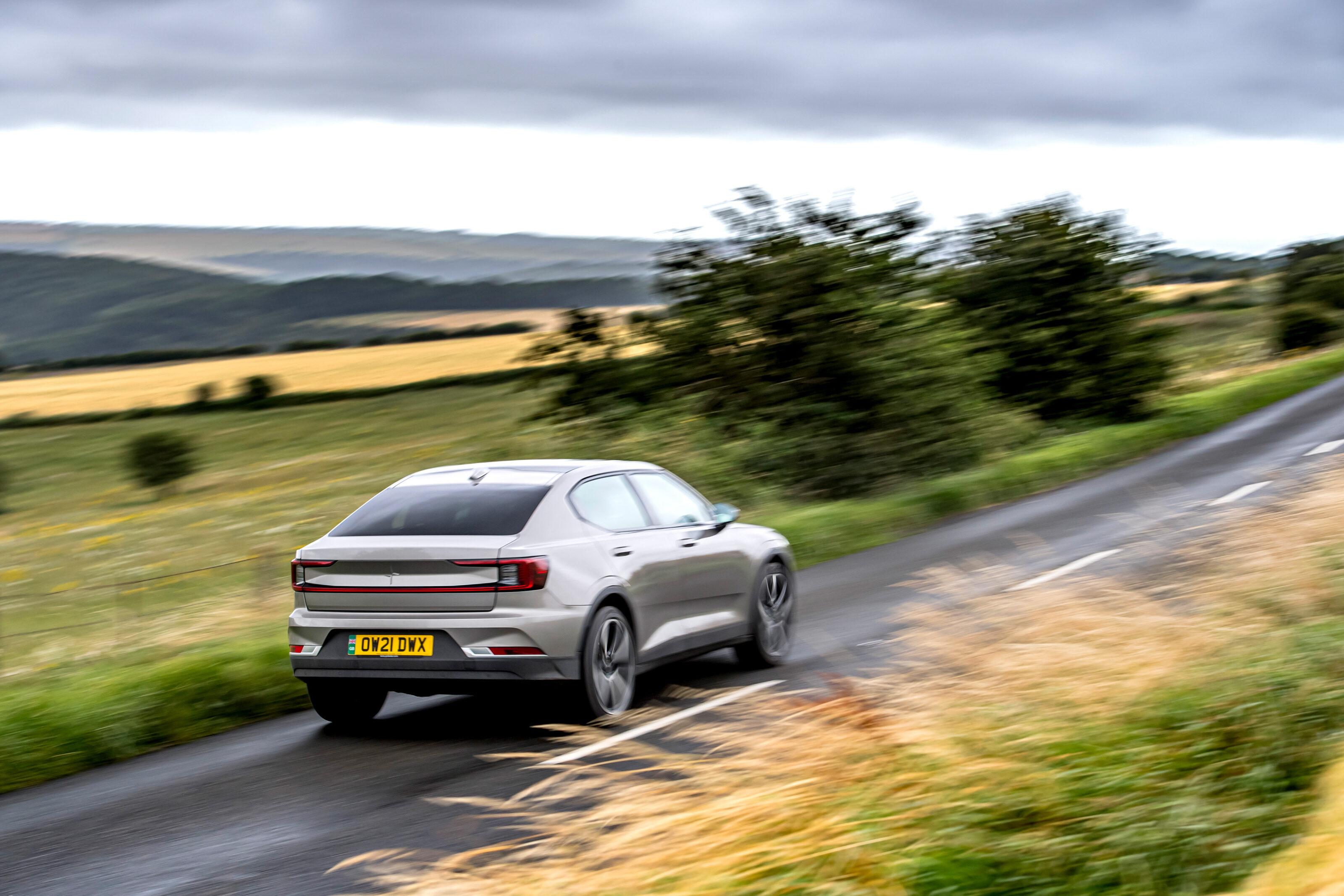
The Polestar steered better than the Volkswagen, too, reacting more readily to initial steering inputs, and communicating better what was happening where the rubber met the road.
You could lean more on the front end in the Polestar than you could in the ID.4, and even though it is front-wheel drive, go to power earlier than in the rear-drive Volkswagen, confident in the knowledge it wasn’t going to push wide.
More importantly, given Polestar’s role, the Long Range Single Motor felt more engaging to drive than the Volvo XC40 Recharge Pure Electric, with noticeably better steering and brake feel, and a more composed demeanour over humps and heaves in the road.
A Sport mode setting that sharpened up the accelerator pedal response a tad would be welcomed by enthusiast drivers, however. The good news is it’s an easy software fix should Polestar choose to make it happen.
What most drivers will focus on, however, is the range. Our test car arrived with 98 per cent charge in the battery and showing a range of 418km.
It returned with 27 per cent charge left and showing a range of 115km after a 252km test loop that included sections of freeway running at 120km/h to 130km/h – with a couple of discreet bursts to 160km/h – plus stretches of fast and slow country road and stop-start city traffic. The trip computer showed an average consumption of 20.4kWh/100km.
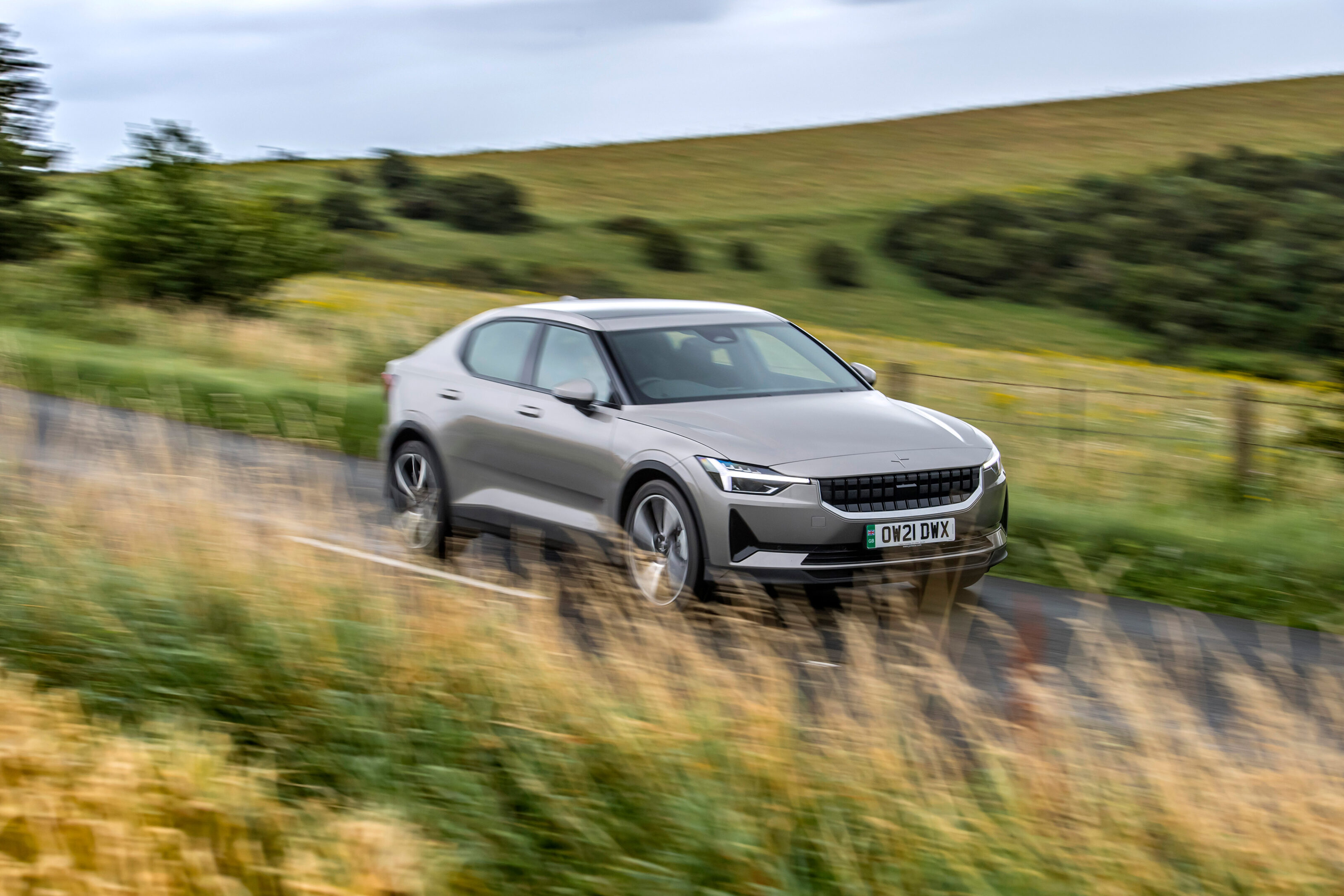
Just as with any internal combustion engine vehicle, your energy consumption depends on how you drive. But let’s be clear: those European WLTP range numbers are wildly optimistic, so forget that claimed 539km.
Our experience suggests a real-world range number for the Long Range Single Motor is likely to be between 360km and 400km, right around that of a single motor Tesla Model 3 Standard Range Plus.
Yes, the Tesla’s cheaper and uses its battery more efficiently. But the Polestar 2 is better built and better finished, with a more intuitive user interface, and better active and passive safety features.
Yes, the Tesla’s cheaper, and uses its battery more efficiently, but the Polestar 2 is better built and better finished.
2022 Polestar 2 Long Range Single Motor specifications
| Engine | Electric motor |
|---|---|
| Max Power | 170kW |
| Max Torque | 330Nm |
| Transmission | 1-speed automatic |
| 0-100km/h | 7.4sec (claimed) |
| Range | 539km (WLTP claimed) |
| Price | $70,000 (est) |
| On sale | January 2022 |
Mercedes-Benz Australia is recalling almost 50 C-Class and E-Class convertibles over ill-fitted headrests.
Forty-six 2021 models are affected by the notice.
According to the Department of Infrastructure, the rear head rests may not be fitted correctly and as a result they may move or detach from the seat in the event of an accident.
A full list of VINs is available here.
Owners of affected vehicles will be contacted to make an appointment at their nearest authorised Mercedes-Benz dealership to have the work carried out as soon as possible, free of charge.
A full list of authorised dealerships can be found at: https://www.mercedes-benz.com.au/passengercars/mercedes-benz-cars/dealer-locator.html
For further information owners can call Mercedes-Benz on 1300 300 896.
