
“I researched which is more deadly,” says random dude on an internet forum.
“Racing at the Isle of Man versus storming the beaches of Normandy at D-Day. If a rider contemplates racing the IOM TT for two to three years, his odds of surviving D-Day are the same as odds of surviving the racing.”
That’s an incredible statistic. It’s also completely untrue.
One in 36 who braved the beaches at Normandy lost their lives. Some 376 riders competed in the TT in 2019, so to replicate that attrition rate, nearly 10 of them would have to have perished. Only one did. Yet these nonsenses concerning safety in motorsport often go unchallenged.
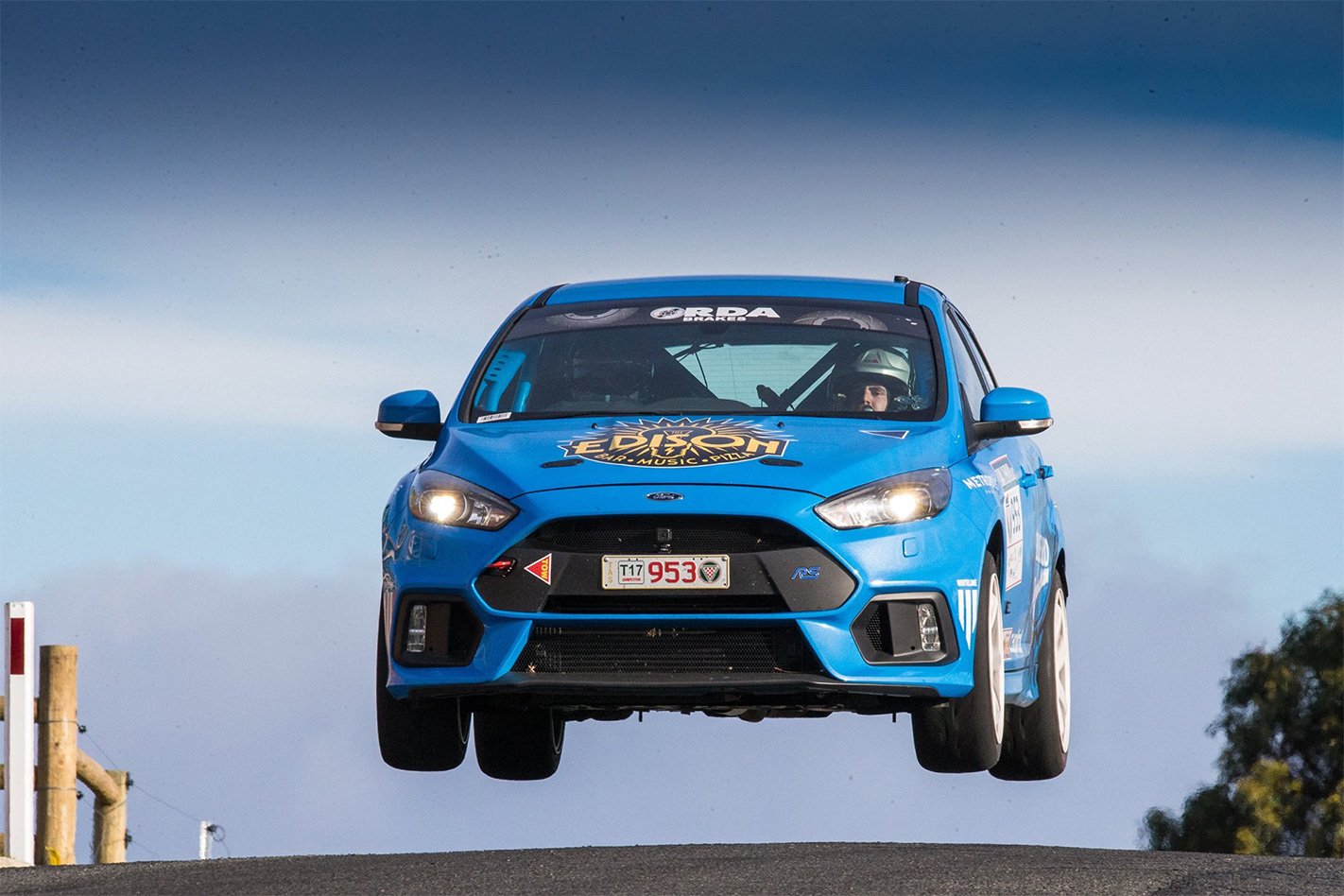
I write this in the wake of the outcome of this year’s Targa Tasmania, where three competitors lost their lives.
Motorsport Australia is setting up an investigatory tribunal, but as tragic as the events are, it’s clear that this year is a statistical outlier.
The event has been held since 1992 and, prior to this year, the fatality count stood at two. Statistically, the Tour de France cycling race is a more dangerous event, with four fatalities in that period among competitors and spectators.
Is it too soon to be applying a stark, statistical analysis? I think not. It serves us well to remind ourselves of the risks, because humans are poor at assessing probability and risk. Our brains are wonderfully adapted for scanning the environment and evading a visible hazard. That’s what they’ve done for millions of years, but evolution has only relatively recently gifted us the ability to predict the location and timing of an event before it occurs.
This add-on utility is an incredible adaptation of the neocortex but it’s not entirely foolproof. The psychology of risk is a work in progress, as the parts of our brains which intuit and reason wrestle each other.
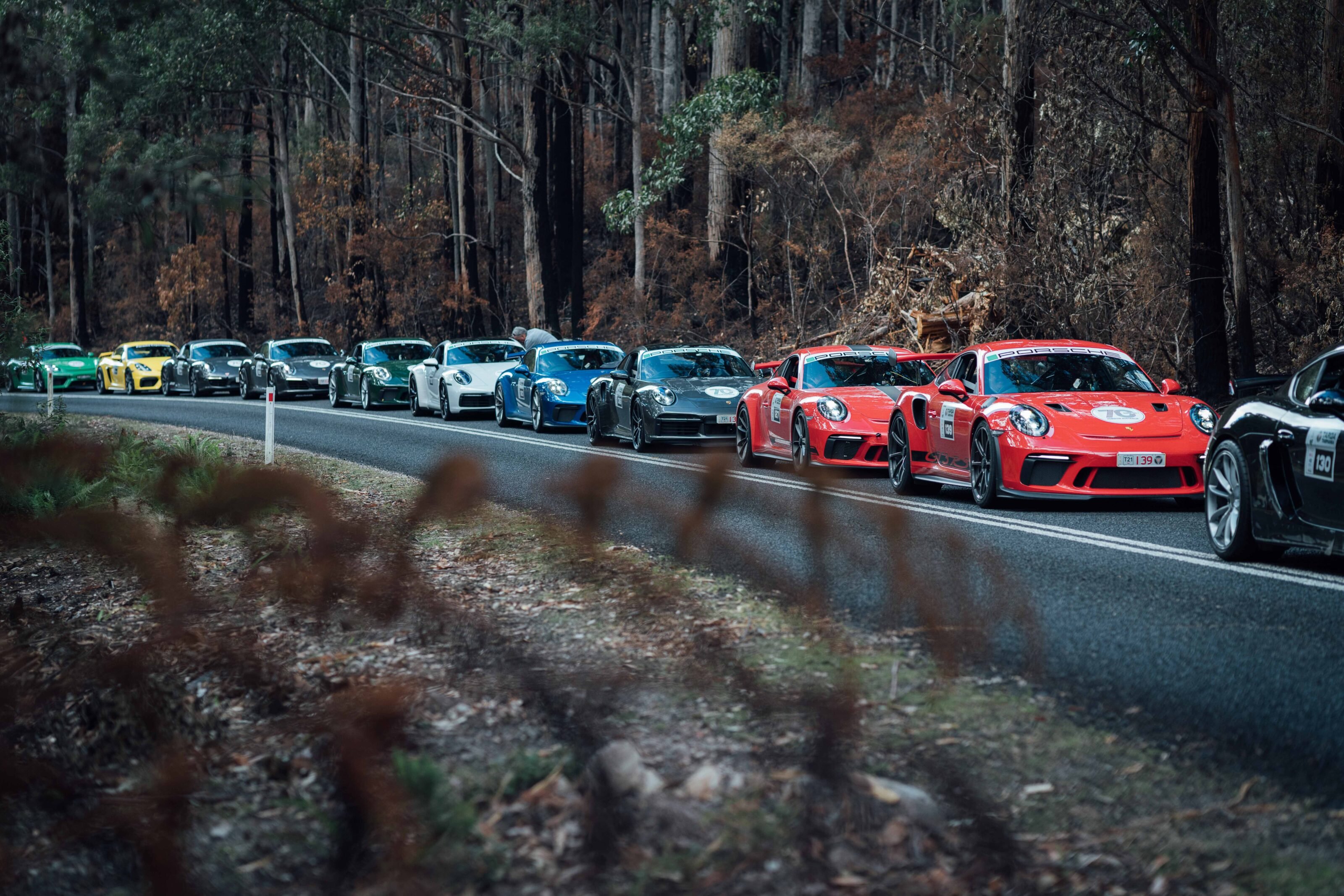
Are we doing enough though? At Targa, the truly fast cars have never been safer, but they’ve never been faster either.
A Porsche 991 GT3 RS is quicker to 100km/h than many Group B rally cars, yet in order to enter you don’t need the skills of Walter Röhrl. You need money. That and a Motorsport Australia National Rally Licence which costs $240.
Applicants over the age of 25 aren’t required to complete an observed licence test if they have held a civil drivers licence for five years or more. So, if you’re sufficiently cashed-up, you can buy a rocketship road car and compete in Targa with no significant oversight of your basic competence behind the wheel. Caveat aemulus and all that.
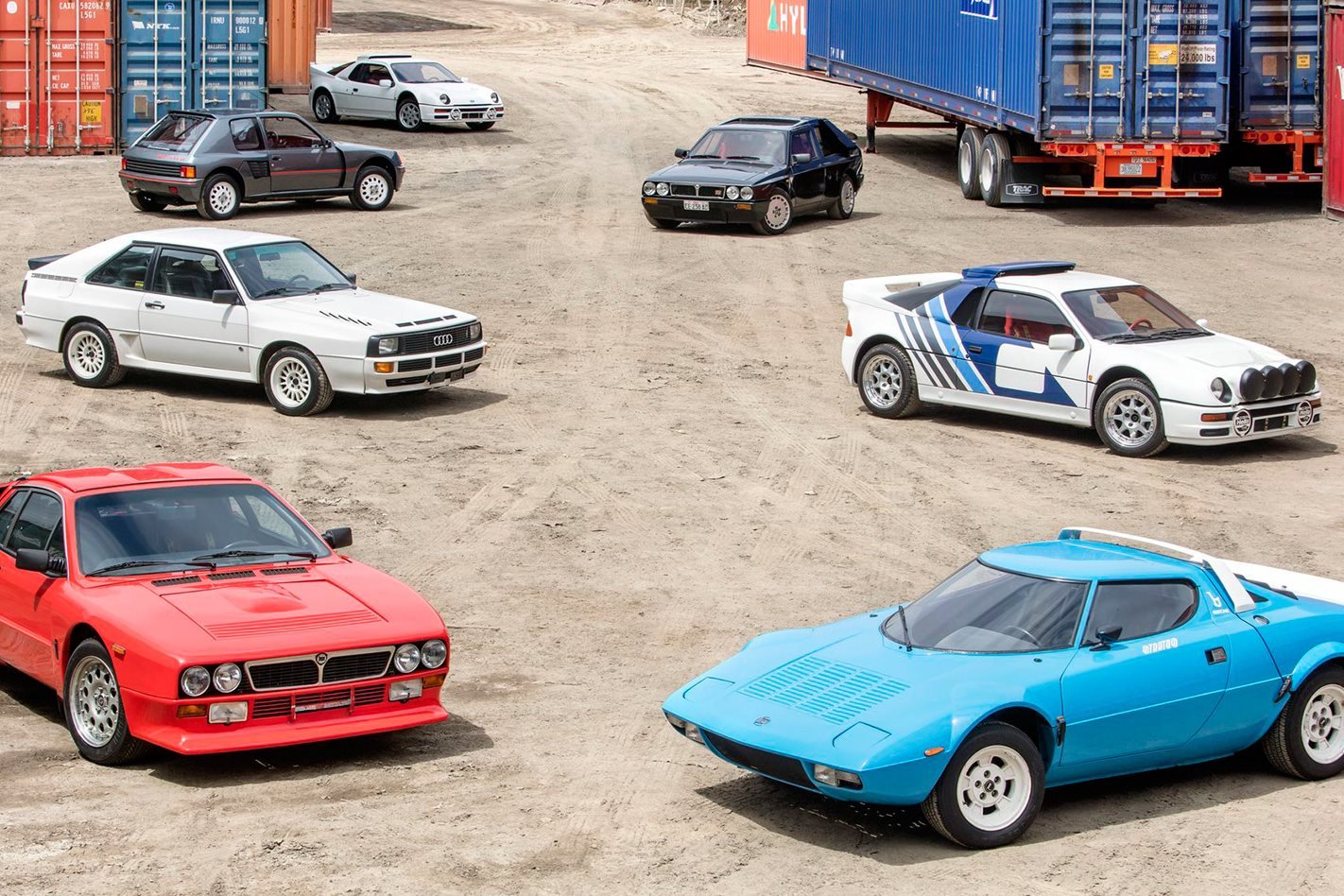
This is in no way a slur on the organisers nor those who tragically lost their lives this year, who by all accounts were experienced and capable competitors. It does bring me to question whether other drivers who are often beyond their prime should be driving flat-out in supercars on a course with some of the most challenging roads and weather in the world. Motorsport Australia has a huge and unenviable task on its hands.
One thing’s for sure. Targa will come under huge scrutiny henceforth. Let’s hope level heads and hard data do the talking.
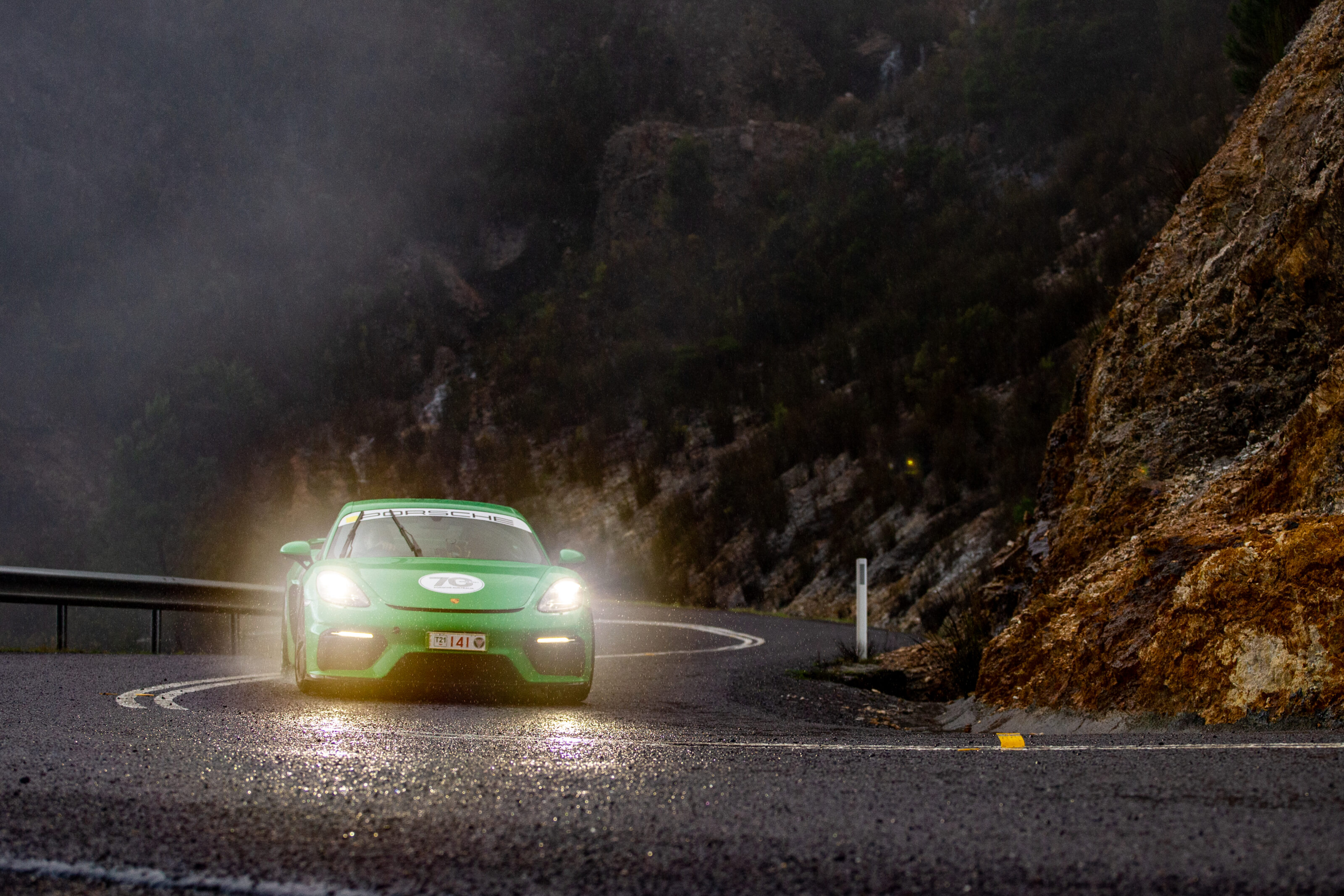
The footage, displayed on a phone in my co-driver’s hand, has me speechless. It’s shot from inside a well-driven Mercedes-AMG GT R which, aside from carrying monstrous speed, is confidently using both sides of the road.
Suddenly the grey AMG twitches left, its driver alerted to something behind. A second later we see it; a Dodge Viper that rips past in a blast of V10 fury and fireworks; titanium skid blocks on its underbelly exploding sparks as they kiss the ground. Speed? What looks like Mach 1. Commitment? Ten tenths. Welcome, dear readers, to the greatest tarmac rally in Australia.
I mention the footage for two reasons. The first is I had just driven that same section of road, wringing the neck of the first PDK version of Porsche’s (rather good) Cayman GT4 to arrive in Australia. MOTOR is part of the growing ‘Tour’ category at Targa and I thought we’d been pretty quick. I was wrong. The pace and commitment of the Viper’s overtake is a confronting realisation of just how hard the really fast guys are pushing.
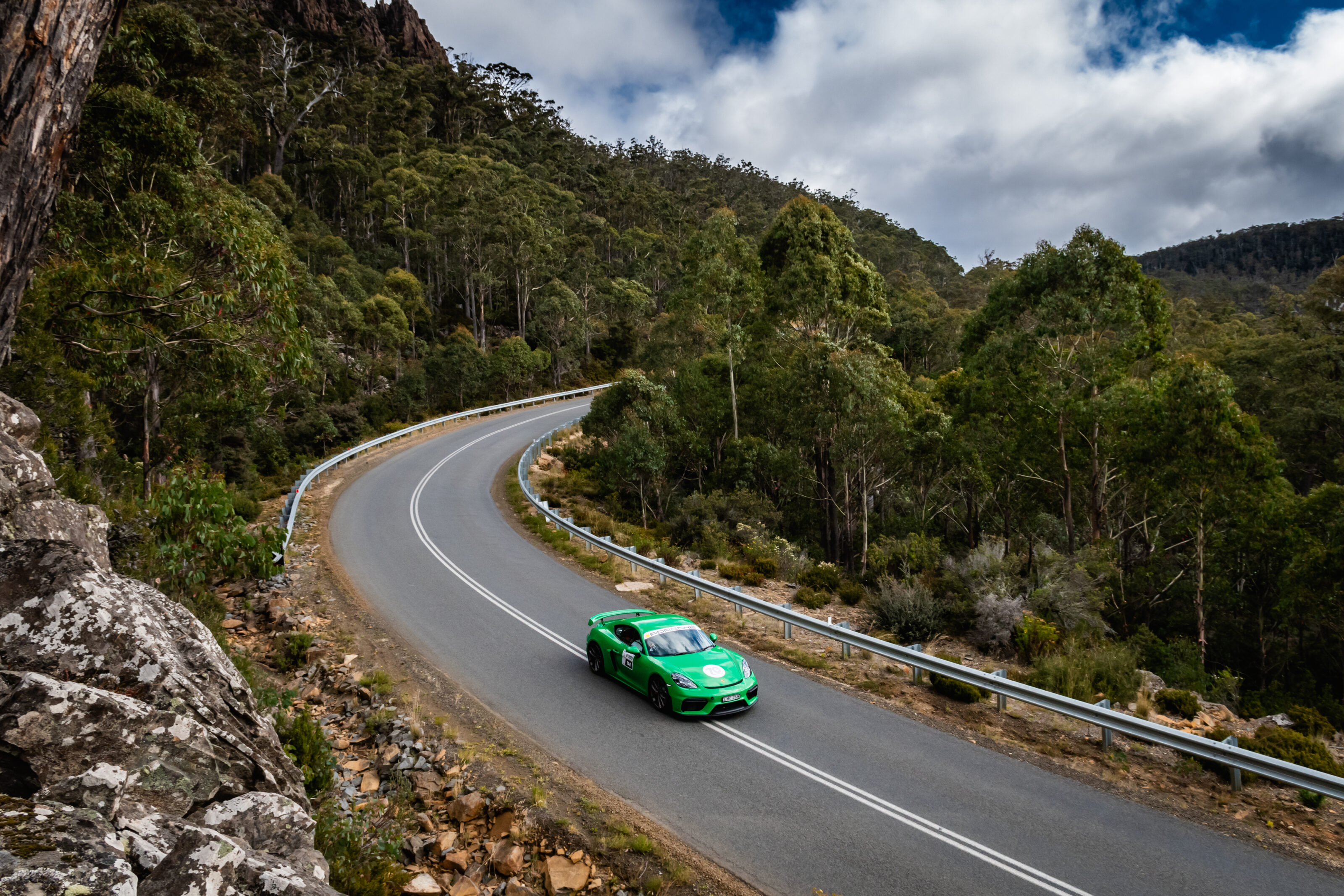
“So that’s what speed looks like…” I think to myself before playing the footage again.
The second reason carries a heavier edge. So fast and so on-the-edge does the Viper seem, and so close are the gumtrees and telegraph poles on either side of the road, that the clip serves as a graphic reminder of the forces involved should something go wrong. And this year, things did go wrong.
Targa 2021 will forever be remembered as a black year. Until now, Targa’s fatality rate stood at two deaths from 28 years of competition, but this year, that tally more than doubled. Three competitors died; their cars leaving the road and in doing so, casting a dark cloud of uncertainty over the entire event.
Is Targa unsafe? Have the cars become too fast? Should the event be cancelled? The questions begin in earnest and are accompanied, inevitably, by a healthy dose of pearl clutching and handwringing. But we’re getting ahead of ourselves…
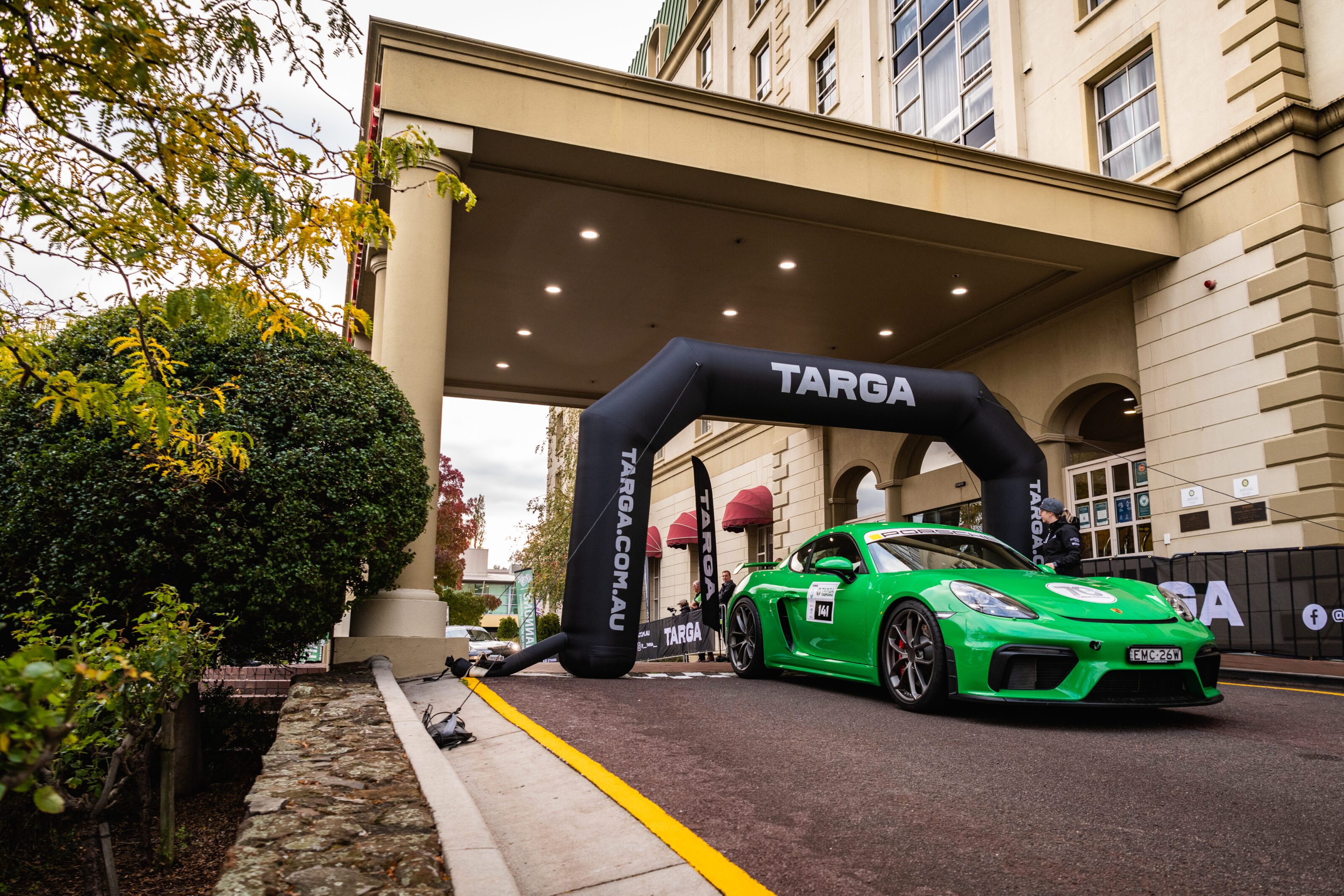
If Targa’s conclusion was black, its beginning couldn’t have been brighter. Finally able to return after a Covid-inflicted hiatus in 2020, the lead-up is thick with pent-up excitement. MOTOR is here with Porsche, partly to drive the PDK GT4 in a bid to answer a question that’s been nagging us for months “Is this a car where the auto might be better than the manual?”, but also to better understand the ‘Tour’ side of the event.
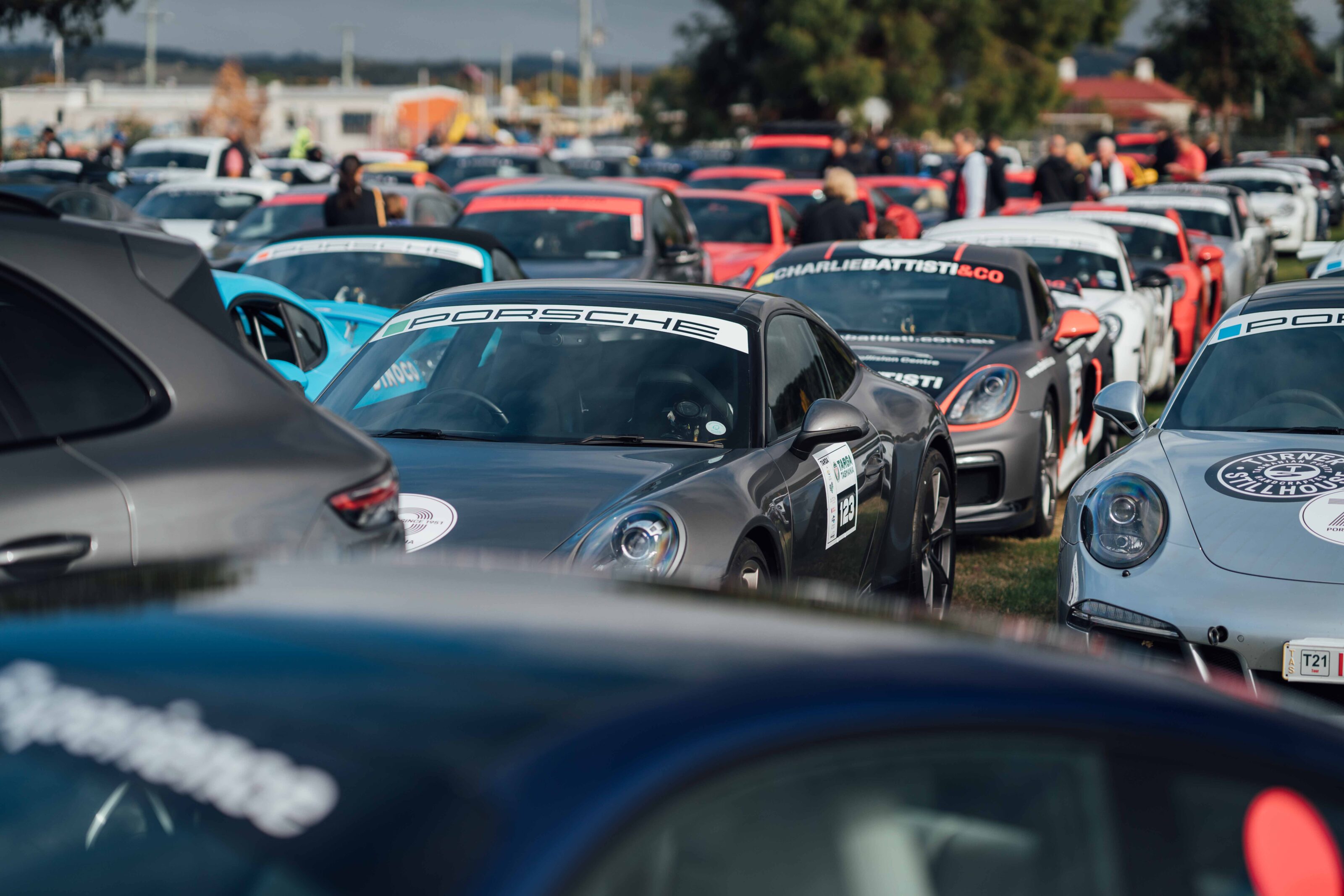
The Tour category is becoming big business, not just at Targa Tasmania but also at Australia’s other tarmac rally events like Targa High Country and Great Barrier Reef. Multiple brands take part, including Ferrari and Lotus, but Porsche’s contingent is easily the largest. More than 40 Porsches are here to ‘tour’ in 2021, and the mix of metal is salivating.
There’s the stuff you’d expect – a GT2 RS, a skittling of bewinged GT3 RSs and a few brand-new 992 Turbos – but also plenty of surprises. A black 993 C2S catches my eye, as does a tidy 944.
Tour drivers tackle the same stages as the full-blown competition crews, with the added advantage of being the first cars on the road each day. The appeal is obvious: it’s a serious taste of Targa without the need for helmets or roll-cages, and offers owners the chance to explore their cars on Australia’s best bitumen without the worry of oncoming traffic. Or the relentless pressure of a stopwatch. Pace notes are forbidden and a 130km/h top-speed governs the field, but as one experienced tour driver tells me: “That’s only an issue on the straight stuff. Everywhere else its plenty fast enough.”
It feels a tight-knit group too, and isn’t, as you might expect, a boys’ club. In fact, the majority of driver pairings are husband and wife, mixed in with father and son combos and lifelong friends. This year there’s a healthy dose of first-timers (see page 72 for costs and details), including Peter who has just bought his first Porsche after selling his company. “It’s a 992 Turbo S and only has 1500km on it, so yeah, I’m throwing it in the deep end!”
Peter is welcomed warmly into the fold by wizened old hands who share some sage advice.
“Mate, we’re taping up our cars tonight,” says GT3 RS owner Jerry.
“See us in the carpark and we’ll have a few beers and show you the best way to do it.”
Jerry is speaking from hard-earned experience; he didn’t tape his GT3 on his debut Tour and it proved costly.
“It wasn’t even six months old but I had to respray the entire car it was hit with that many rocks!”
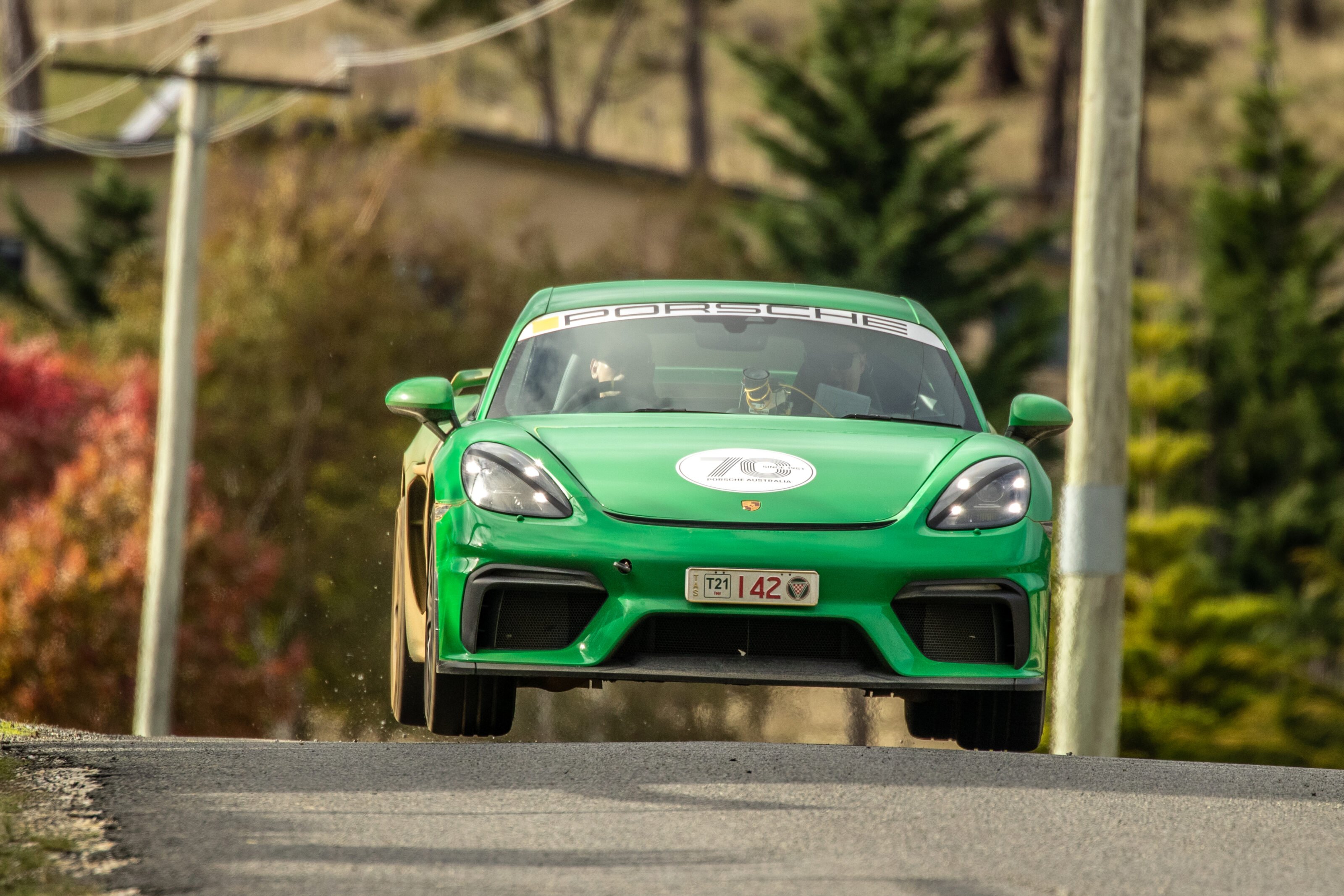
Time to drive. Targa’s first few stages are over suspiciously quickly, as though organisers want to play competitors in off a long run, but even these short, relatively open sections are enough to remind us of the GT4’s magic. The perfectly weighted controls, the precision of its steering, that instant sense of balance and feedback, it’s all there.
That Porsche is now offering the GT4 as an automatic is no surprise, yet it’s still significant. Both because it’s seemingly at odds with the purity of the original GT4’s rear-drive/atmo/manual driver’s car philosophy, and also because the fitment of a seven-speed PDK offers the chance for Porsche to fix our only real criticism of the manual GT4, its long gear ratios.
Yes, eye roll, those ratios. That second gear tops out at around 140km/h in the manual GT4 has been so widely discussed, so we won’t flog it into oblivion here. Personally I’ve never found it a major issue, although I will admit the prospect of a punchier gearbox to better lean into the heady heights of the GT4’s atmo 4.0-litre flat-six does sound tantalising…
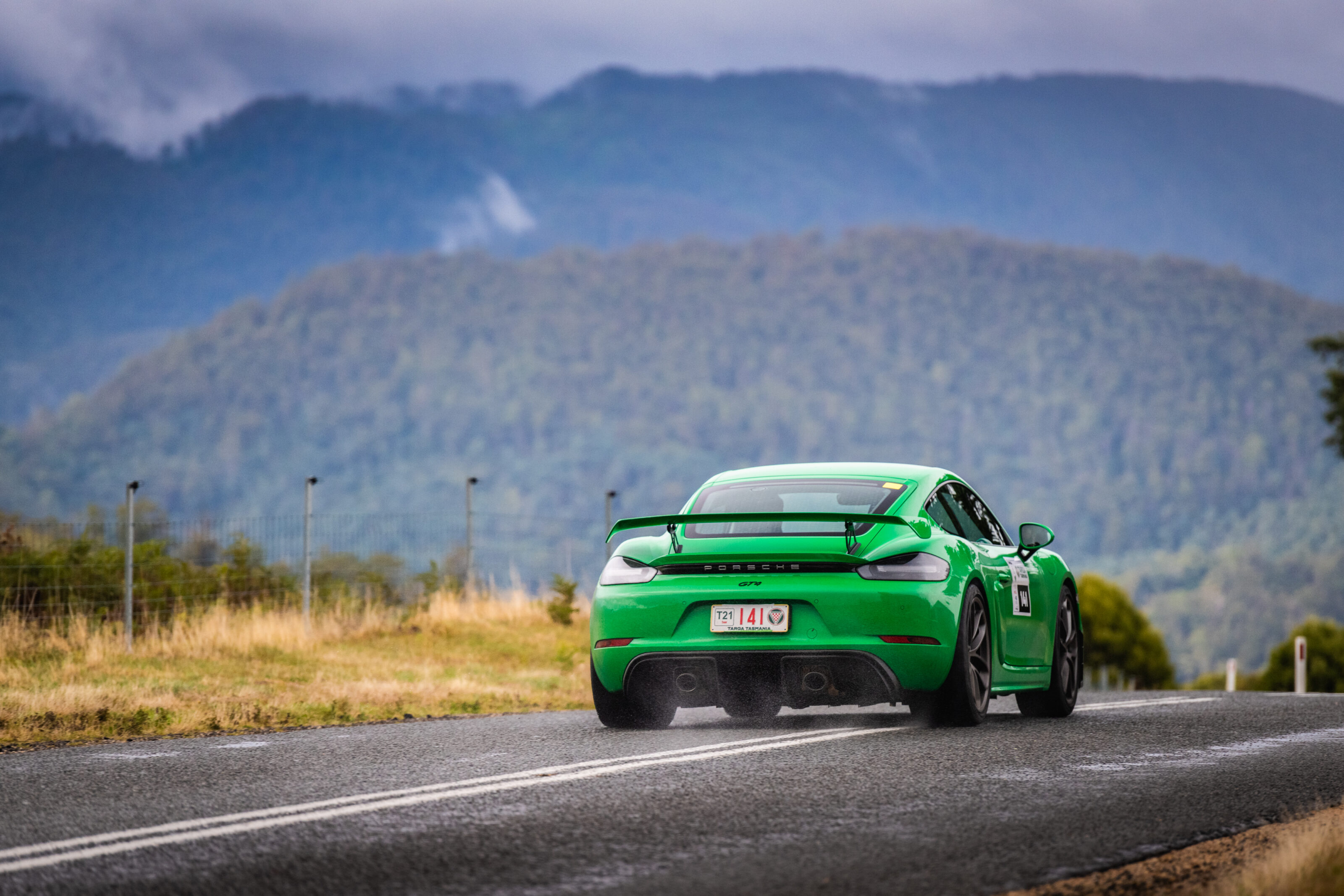
The seven-speed PDK gearbox itself is a doozy. Smooth and soft-edged on Targa’s many transit stages, it’s also telepathically fast and intelligent when you’re driving quickly. And it’s gifted the GT4 with a healthy turn of speed. Opting for the PDK trims a full half second from the GT4’s 0-100km/h time, meaning this is a 3.9 second car. Keep your right foot buried and the PDK retains a four-tenth advantage both to 200km/h and over the standing quarter mile.
And at Targa, you notice the extra urge. After the morning’s staccato stages, the afternoon is spent traversing the bitumen around Mount Roland, and the roads are phenomenal. Wait at the timing gate, floor it, and you’re quickly into the thick of it; Tasmania serving up a heady cocktail of fast sweepers with brilliant sightlines and narrow, technical sections with tightening apexes. And the GT4 simply devours them.
Riding on suspension that’s 30mm lower than a regular Cayman’s with firmer springs and adjustable rollbars, the GT4 is noticeably more focused yet it retains a lovely fluidity and balance. That’s crucial at Targa. Drive a car that’s too stiff here and you’ll forever be second guessing whether you’re about to be bounced off the road, but in the GT4 taut body control is paired with superb damping that breeds confidence rather than sapping it.
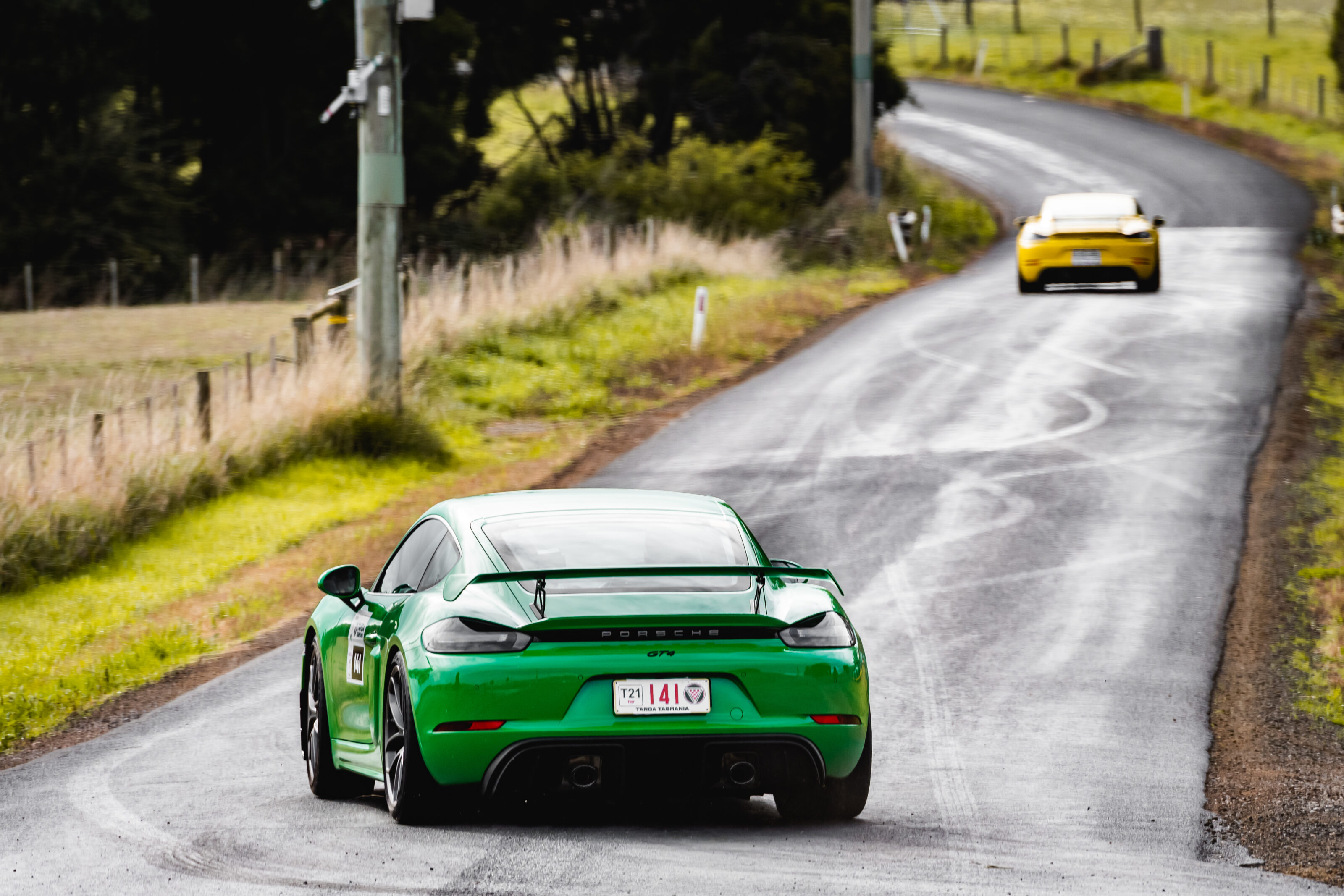
And that engine. Revs define the experience and all of the hallmark traits of a great atmo donk are there: response, linearity, soul. Power in PDK versions remains unchanged at 309kW at a heady 7600rpm, but torque has crept north by 10Nm to total 430Nm. Wringing out every last rev and feeling the power and noise build as you climb through the rev-range is a true joy.
What’s immediately obvious, however, is that the ratios in the PDK remain relatively tall. I was hoping to write that the PDK had resolved the ratio issue, but first still stretches to an indicated 75km/h and second revs out to 128km/h. Are the long ratios the fun-sapping issue that some will lead you to believe? Not really.
And here’s something I wasn’t expecting: how much the deletion of the third pedal shifts the GT4’s character. Drive the manual GT4 hard and a big chunk of its joy comes from the sensation of nailing crisp upshifts and revelling in the accuracy of the shifter as you juggle heel-and-toe downshifts.
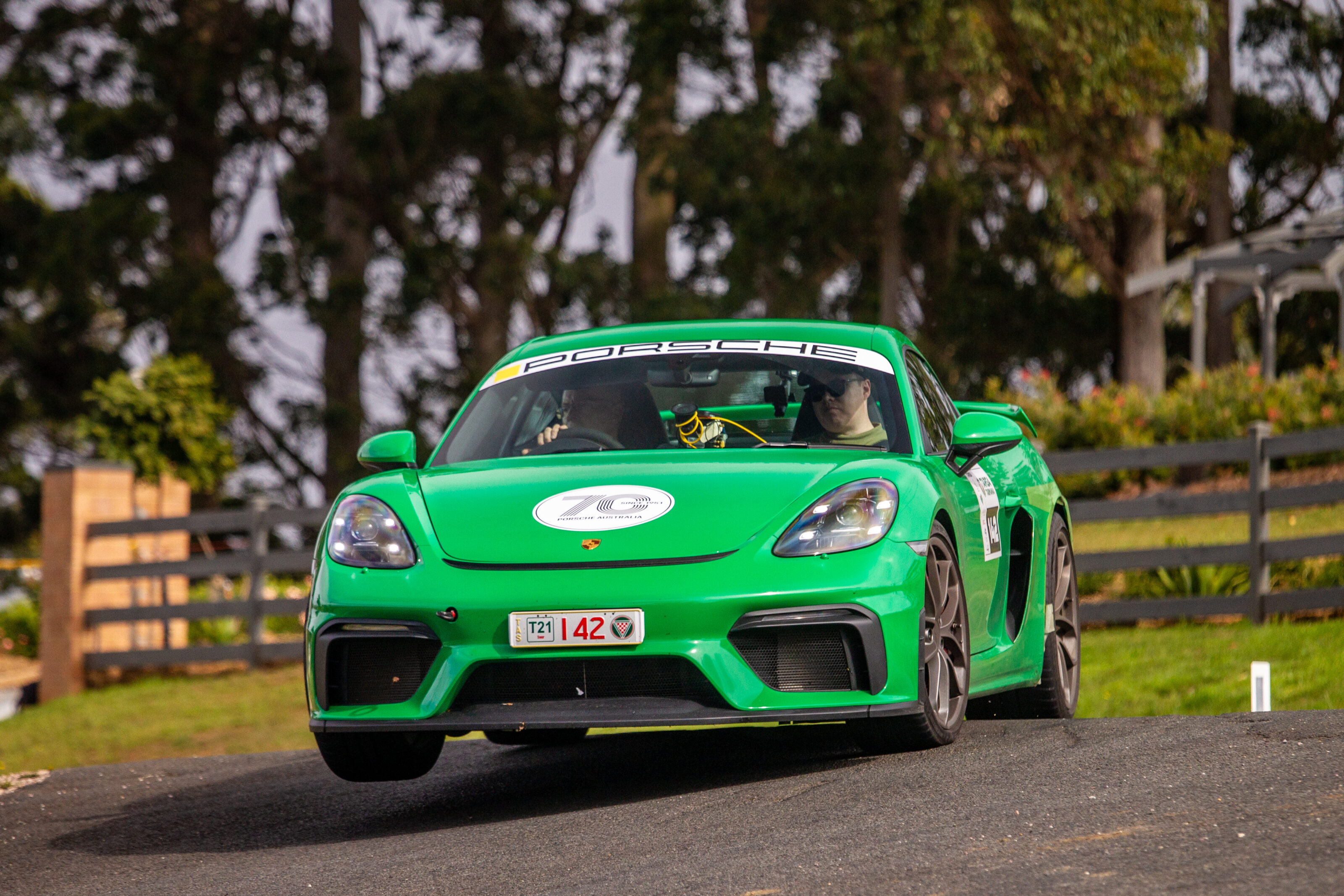
Pedalling the PDK version yields a different kind of satisfaction. With no lever to consider, your focus moves to maximising the other elements at your disposal. You lean more on the chassis; your gratification now linked to how much speed you can carry into and out of bends.
The brakes are a standout, too. Tour cars are set off at three or five second intervals, so it’s inevitable you’ll catch the car in front at some point and there’s a perverse kind of pleasure that comes from closing another car’s gap in heavy braking zones. Carbon ceramics are a $15,000 option but the standard stoppers (GT4 scores six-piston calipers with larger 380mm discs) are so effective and the brake pedal so progressive, that I’d give them a miss.
Negatives? Targa’s transit stages are long enough for the tyre roar from standard Michelin Pilot Sport Cup 2s to become irritating. And then there’s the question of noise. The 4.0 sounds great, but whether it sounds as great as it could be, is a contentious issue.
Porsche Australia’s official line is that our cars aren’t fitted with the sound-numbing petrol-particulate filters that are standard in Europe and America. Yet speak with some owners over a beer at the end of the day at Targa, and you’re told a different story.
“They definitely have the filter,” says one.
“We’ve had our car on a hoist and I can show you where it is. Plus, you can hear it. This car isn’t as loud and doesn’t have the same rasp as my first-gen GT4.”
This trading of intel and of sharing war stories of near misses and epic stages is a key part of the Tour’s appeal. Being the first cars on the road each day also means we’re the first back at the pub for dinner.
“This is what I love about the Tour,” says Manuela Marasco, who between herself, her co-driver Tim and her sister have pretty much cornered the market for Cayman Rs in Australia.
“It’s this sense of camaraderie. You finish mid-afternoon and have a meal and a drink with people who share the same interests as you.”
Day two dawns wet, miserable and freezing. This provides two realisations. The first is that Tassie motorsport fans are some of the very hardiest in the world. Hundreds of them line the roadside and wave as we zoom past. Entire families turn out to see the cars, which lends the feeling that the whole state is happy that Targa is back. It really is nice to feel liked and welcomed.
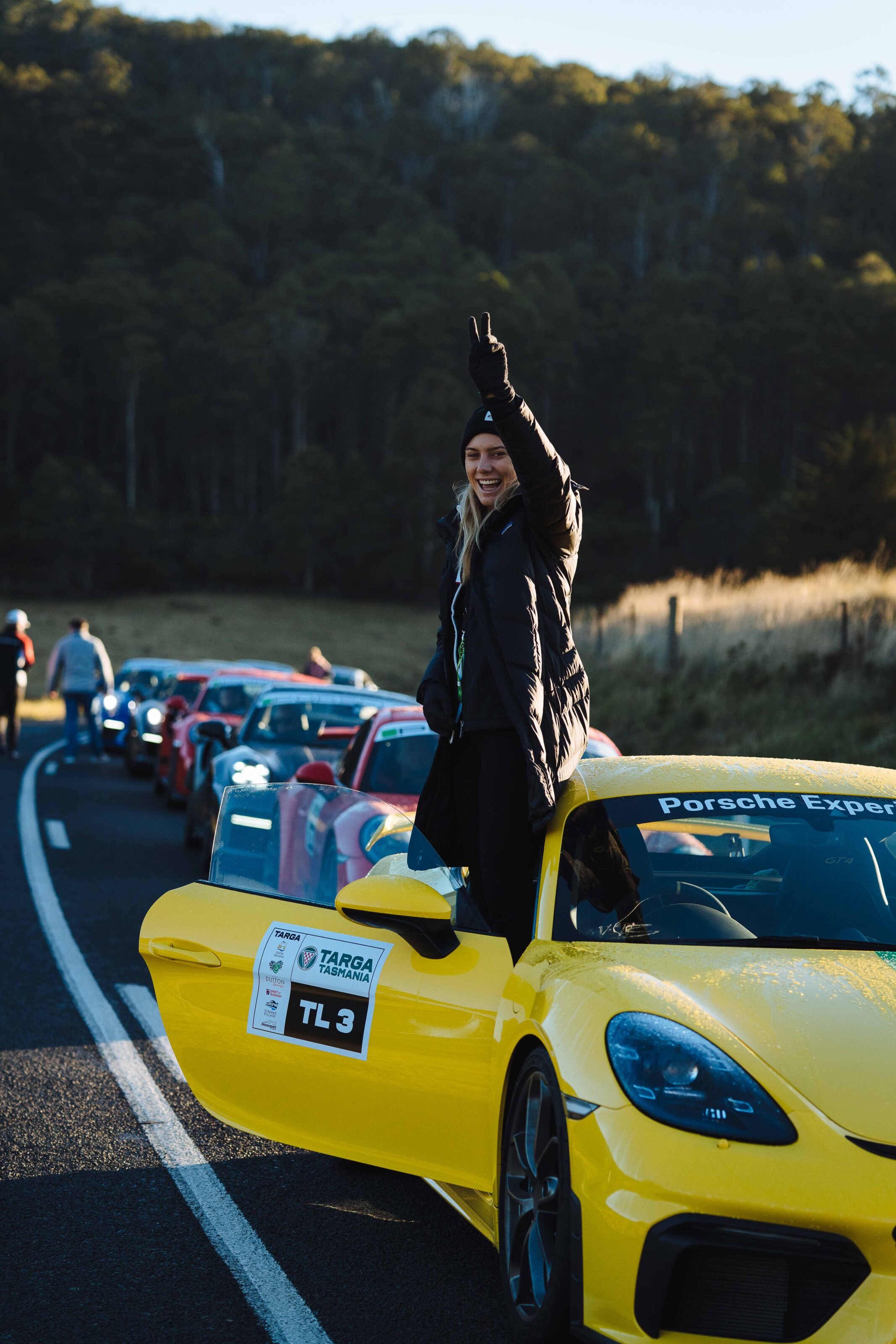
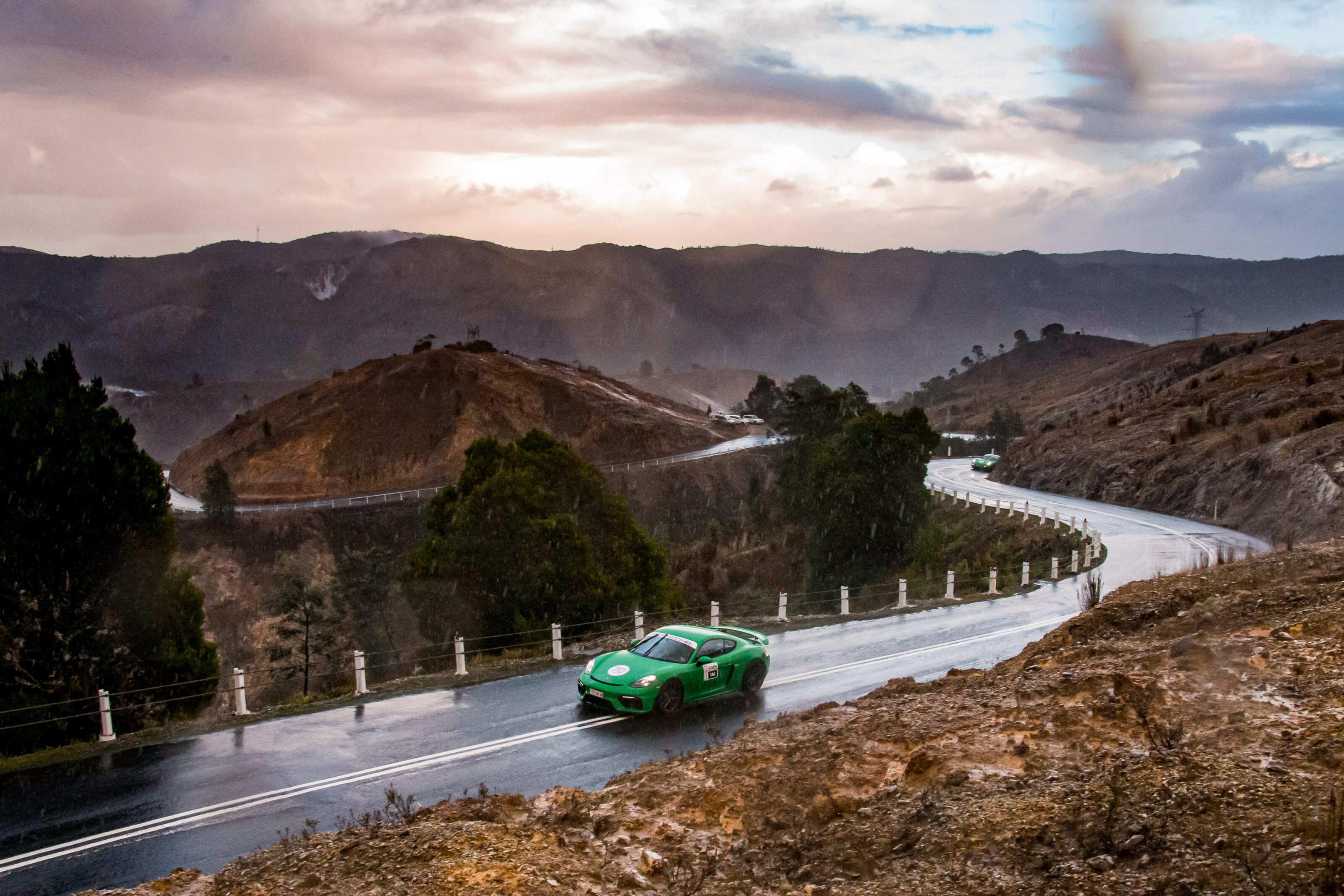
And the second? Changing the grip level provides an abject lesson in risk management, weight transfer and keeping your inputs smooth. Our first stage is the famously demanding ‘The Sidling’; a serpentine stretch of blacktop that climbs and plunges just outside of the village of Springfield. In the dry it’d be driving nirvana. In the wet, it’s treacherous.
Watching a GT3 wobble hopelessly off the road in front of us is all the reminder we need to keep things in check, although it’s also clear that we’re contending with another side to the GT4. Deliver a clumsy input in the dry and the Cayman will mostly shrug it off; try the same in these conditions, on Cup 2s that need temperature to work, and it’ll rap you over the knuckles. It’s never unpredictable or nasty but on mossy tarmac, the GT4 offers no excuses either. If you under-deliver, that’s on you, pal.
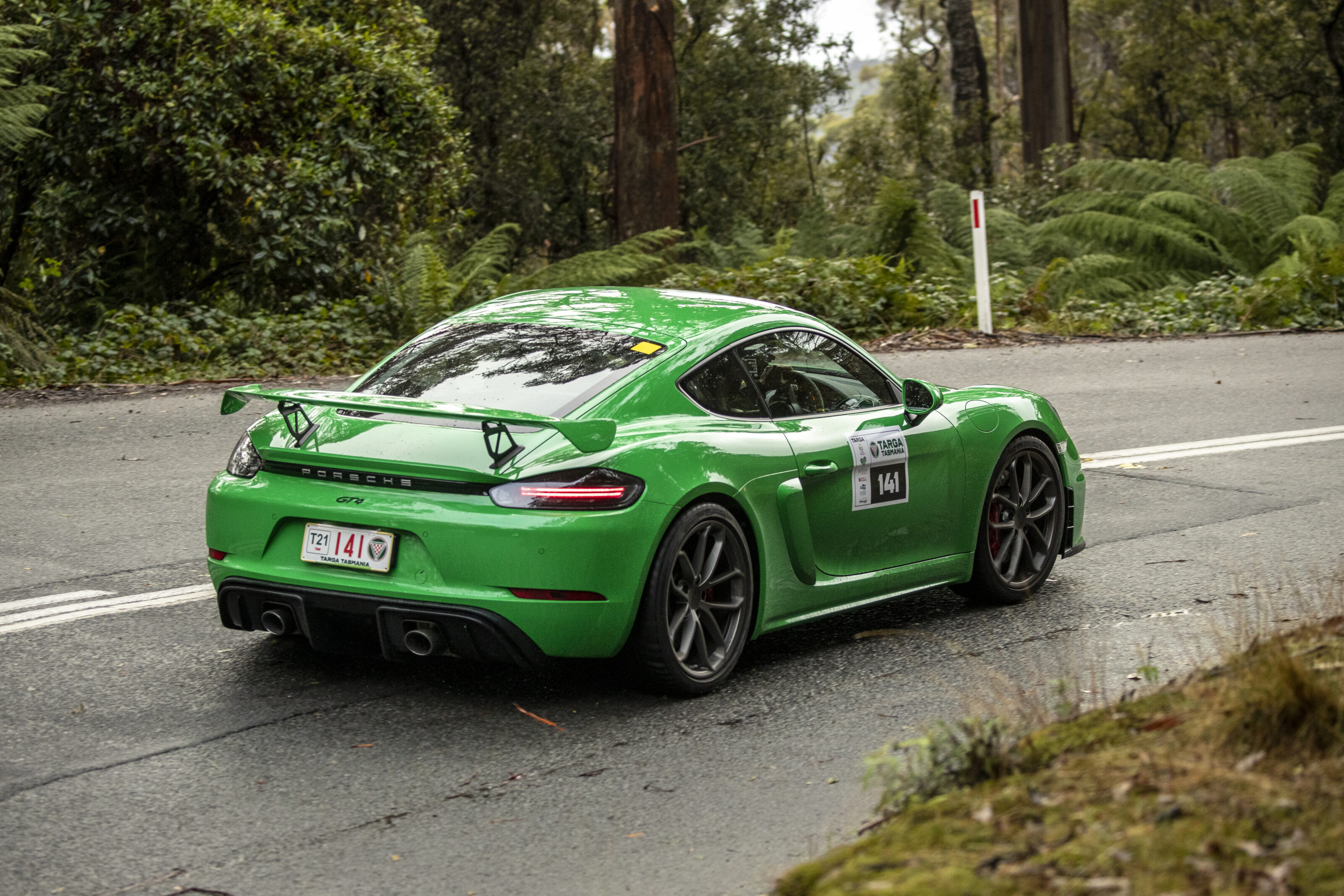
MOTOR’s Targa stint only takes in the first two days, meaning we’re bugging out four days early. So it’s time to make some conclusions. That the PDK version of the GT4 is a welcome addition to the Cayman range is an obvious one. It’s noticeably quicker and subtly more focused in its intent than the manual, but is it better to drive? That’s harder to answer.
If speed and eking out every last tenth are your priorities, the PDK is superior. But if you place just as much emphasis on the experience of driving as you do outright performance, then the manual still reigns supreme. Personally? I’d stay with three pedals.
And the Tour? Like the rest of Targa’s future, it hangs in the balance as Motorsport Australia investigates this year’s tragic incidents. Yet one thing is quite certain: if you love driving, events don’t get much better. And you needn’t be a squillionaire to take part. Porsche’s event is expertly run but for all the GT3s, Aventadors and 812s, there’s also a strong contingent of Renault Meganes, BMW 135is and Toyota Supras, all here enjoying their cars on Australia’s best roads.
Oh, and that aforementioned hard-charging Viper? Well, a Dodge Viper did win, but just not the one we saw shooting sparks as it flew by.
Fittingly, no one on the podium sprayed champagne.
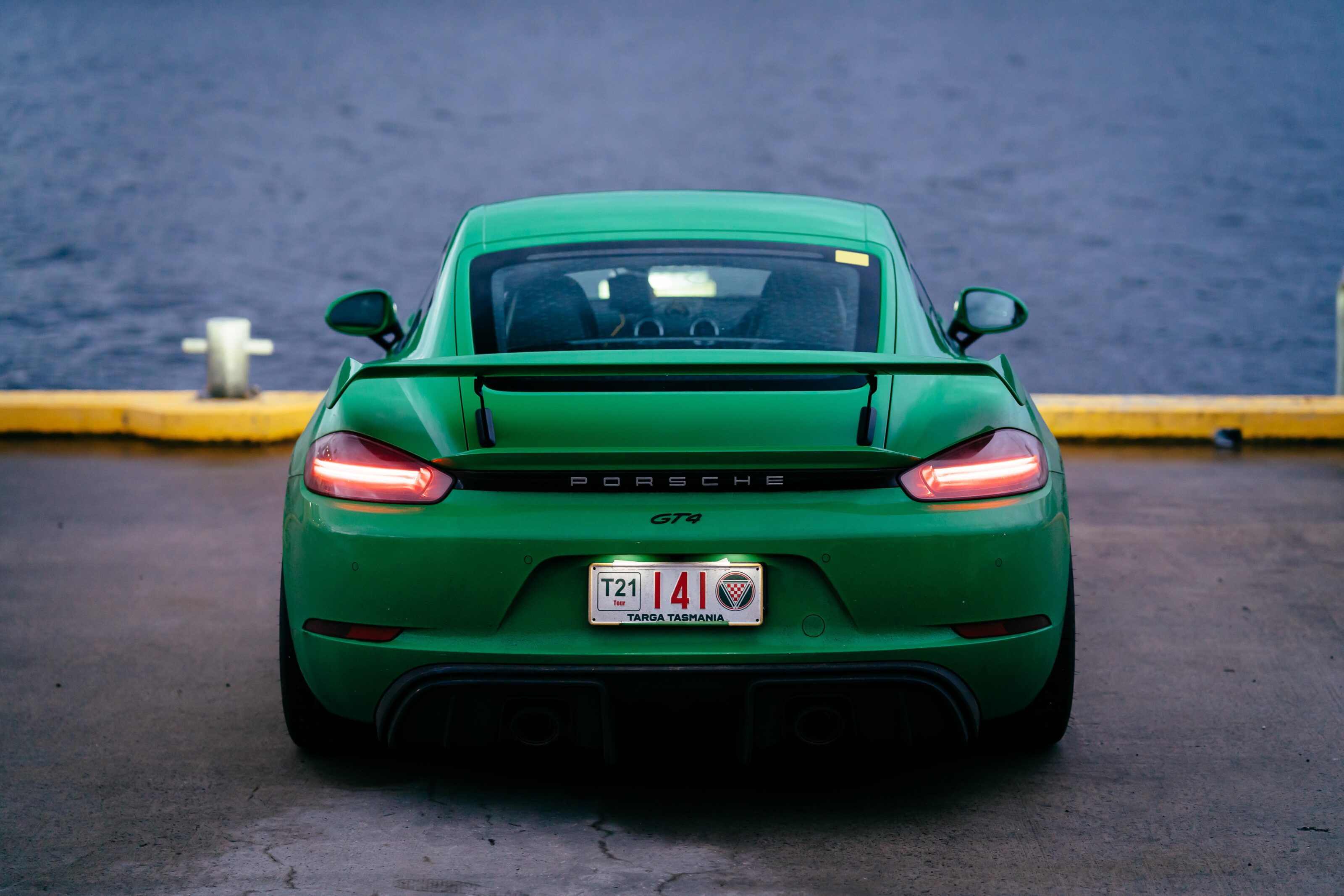
Want to get involved?
Want to Tour? Here’s what you need to know. Getting in early is a must. Porsche runs between 40-50 cars in the Tour class each year and spots fill up fast.
Any Porsche owner can participate and this year, the total cost reached $11,800 per car. That covers everything: transport of your car, hotels and all meals, stickering of your car and full technical support.
It works out to be roughly $1000 per person, per day. Six days sound like too much of a commitment? Porsche also runs tour groups at Targa High Country and Great Barrier Reef, which run over three days.
Kia says it will launch two electric utes as part of a wider zero-emissions line-up announced today, with a total of 14 battery-electric models planned by 2027.
Of the two electric utes, Kia says one will be an entry-level model, while the other will be a “dedicated electric pick-up truck and a strategic model for emerging markets”.
High-performance versions of the utes are expected, with GT variants promised for the brand’s entire battery-electric model range.
Few details have been provided by the carmaker, but it’s possible at least one of the models will be a full-size pick-up, designed to compete with the likes of the battery-powered Ford F-150 Lightning and Chevrolet Silverado EV.
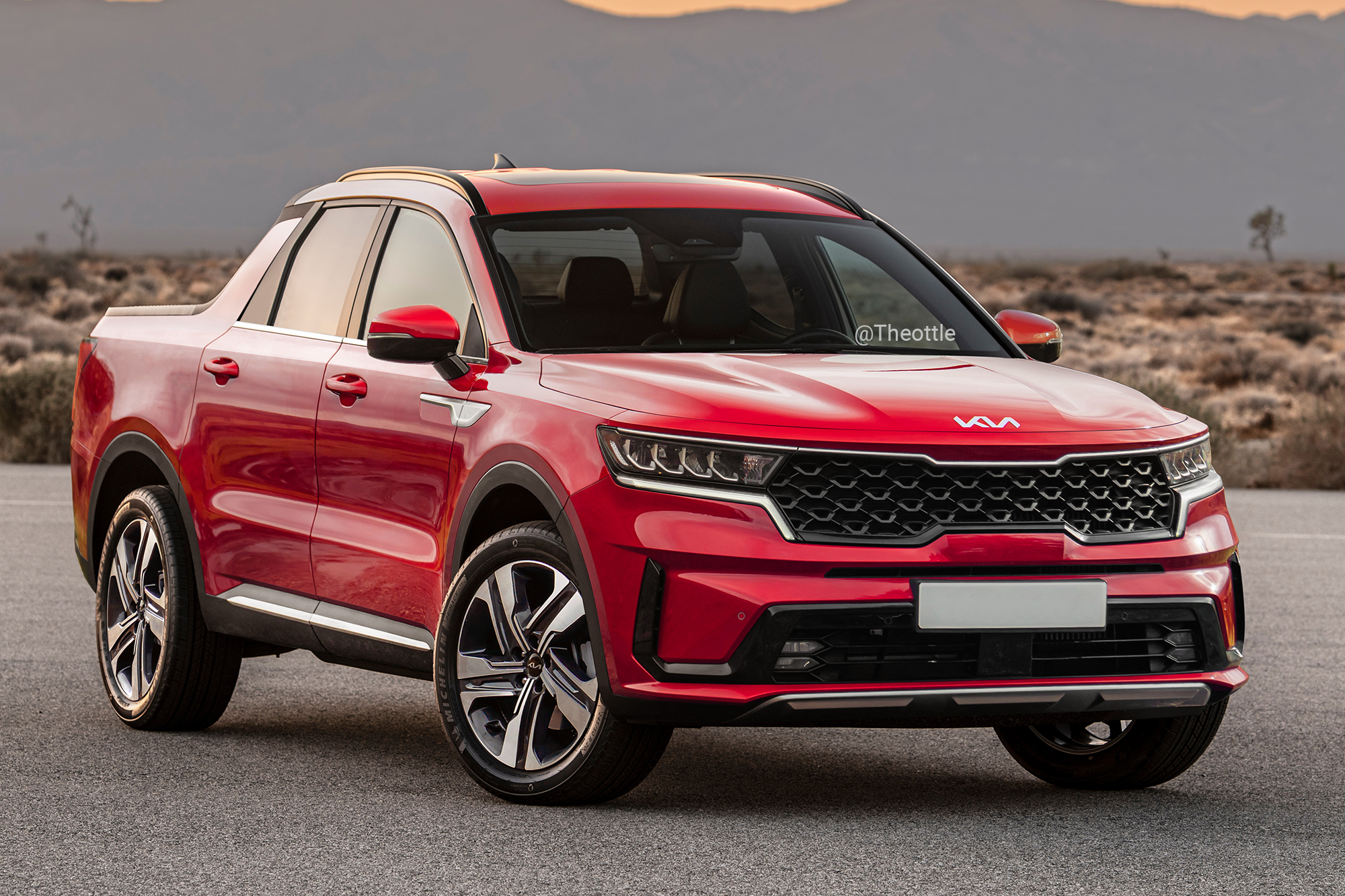
Kia has previously gone up against American stalwarts like the Chevrolet Tahoe and Ford Expedition with its Telluride SUV, indicating it’s not afraid of entering an established segment.
“It would fit with our portfolio and the brand,” Kia design boss Kerim Habib told the UK’s Autocar in December 2021.
“In the pick-up market in the US, there is a huge amount of loyalty to existing brands. But there are also new things opening up. So maybe there is room for another brand.”
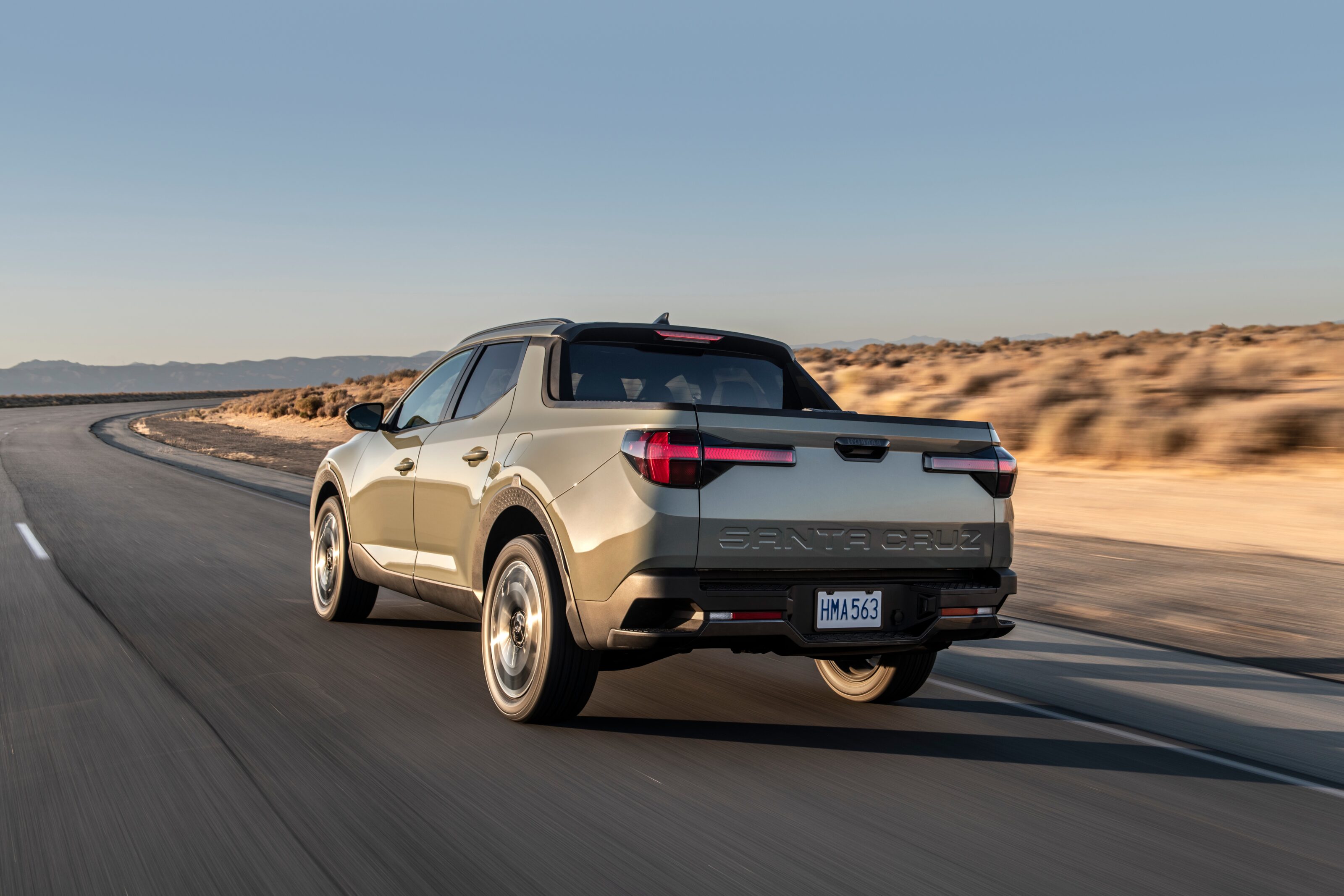
Kia could also be planning its own electric version of the Hyundai Santa Cruz – a compact soft-roader designed to compete with the Ford Maverick, Ram 700, and Honda Ridgeline in the Americas and other emerging markets.
The company says it will begin manufacturing electric pick-ups and mid-size SUVs in the US from 2024, while small and medium-sized EVs will go into production in Europe from 2025.
Kia’s Australian arm has made no secret of the fact that it’s been pushing for a ute of its own in recent years, with earlier reports suggesting the company’s Korean head office had already begun work on such a vehicle.
The two electric utes are part of 14 new EVs to launch by 2027, which also includes the 11 models previously announced by the company.
The news comes as Kia’s parent company Hyundai Motor Group announced plans to offer 17 new EVs across the Hyundai and Genesis brands by 2030.
You need only follow the trajectory of two undeniable new vehicle trends to predict a significant milestone in the global automotive sphere: If any self-respecting car brand wants to see a meaningful existence much into the next decade, it’ll need an electric ute in its ranks.
But before you jump into the comments section and bleat about how you’ll never drive an electric ute because they don’t work, or they’re not hairy chested enough, or kill more orangutans than palm oil, save your breath.
Australia might be one of the developed nations least prepared for electrification, but that isn’t going to stop the tide of new models lapping onto our shores – including a raft of one-tonne utes. Here’s why.
EV stands for EVerything
The first of the two seemingly unstoppable trends is the rise of electric vehicles. Year on year, worldwide EV sales were up 40 percent in 2019 with 2.1 million finding homes and, between the various car makers, about 200 new electrified models will be added to the market in the next five years.
Dwindling combustion car sales, booming electric – the maths isn’t hard.
Add to that, batteries are 85 percent cheaper than a decade ago, mass-market models such as the Tesla Model 3, Hyundai Ioniq, Renault Zoe and Nissan Leaf are making EVs more accessible and the global charger network grew to 7.3 million last year.
Australia is slowly getting there with more encouraging EV activity emerging from state and federal governments to meet the clear consumer demand present in the local market. In short, EVs are happening and, while you’ll be able to buy and own a petrol or diesel-powered vehicle for many years yet, they will eventually go the way of the horse.
Truck or judgement?
While China and Europe continue to represent the lion’s share of the global electric market, the United States features significantly as the third most abundant EV and PHEV region.
You can clearly see the worldwide electric market responding to the demand for SUVs in China and Europe (and the US), but there’s yet to be a remarkable swing into electric trucks. Don’t expect that to last long.
From one month to the next, America’s favourite ‘car’ – by a long way – is Ford’s F-series truck, closely followed by the Chevrolet Silverado, and the Ram in third place.
It stands to reason, therefore, with the looming electrification of all markets, manufacturers must offer some sort of EV truck, or one-tonne, or ute, or whatever you want to call it.
If not, they stand to lose a significant chunk of American market sales.
The good news is that, given the popularity of large and upper-large utes including the locally converted Ram and Silverado in Australia, you can bet your bump-stops a number will find their way Down Under.
On the horizon
Don’t believe it? The sparks of electrification are already starting to find their way into this traditionally large-capacity petrol and diesel-dominated arena.
Bollinger
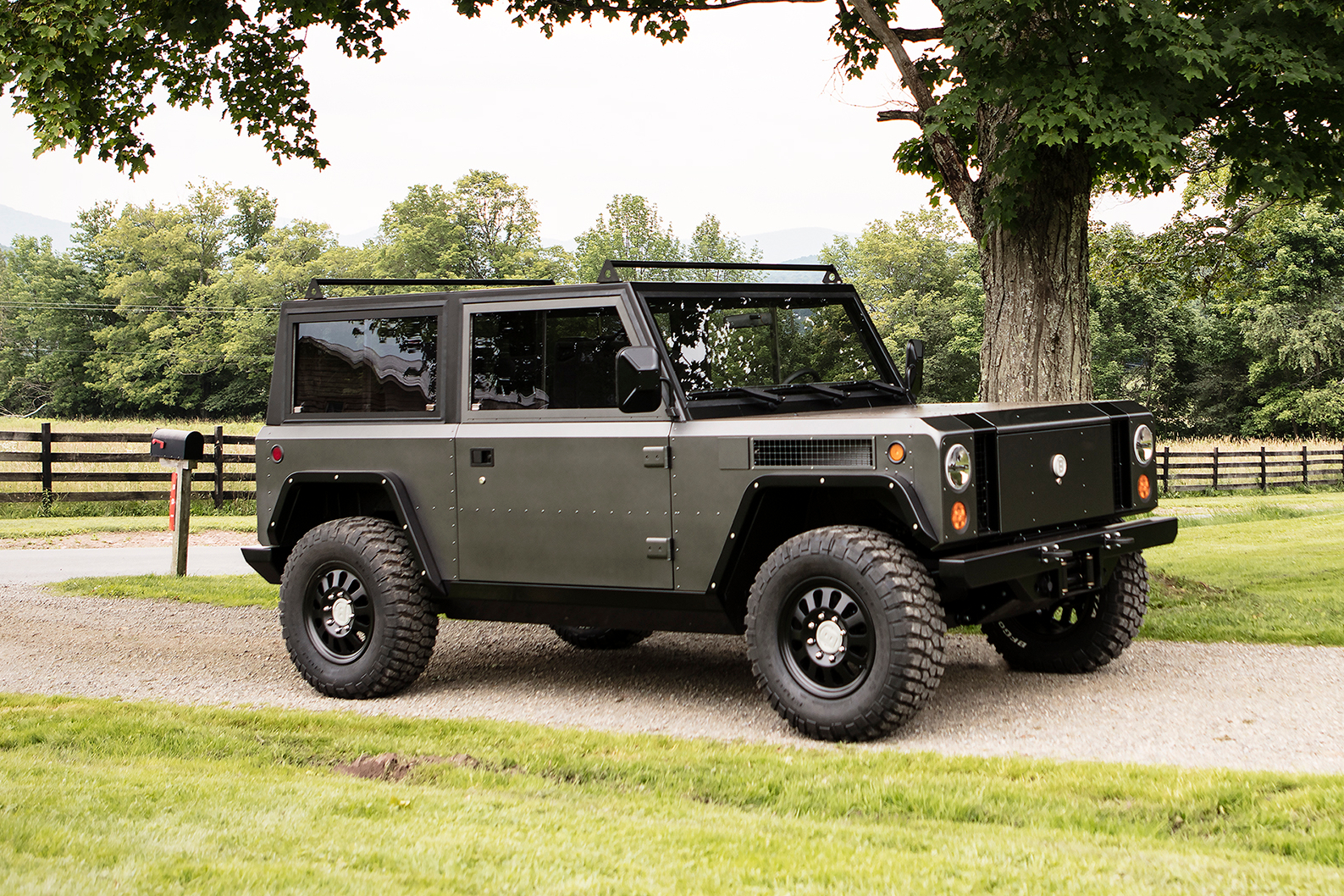
It might look like someone turned a Series three Land Rover into a toolbox, but there’s no ignoring Bollinger’s brawn, and its maker says the B1 and B2 are as fizzy as France’s finest.
The US-based company is not yet ready to promise delivery dates, but it has recently made the decisive step of upsizing its headquarters and relocating to premises four times larger in Oakland County near Detroit.
It is also taking deposits and, although pricing is also yet to be confirmed, the company has indicated a starting ticket price of about US$125,000 (A$175,000). 2021 deliveries are also therefore not unlikely.
The two models will be built on the company’s Chass-E skateboard platform offering two different wheelbases. Both will share the same twin motor, four-wheel drive transmission that can deliver up to 458kW and 900Nm, and zero-to-100km/h in just 4.5 seconds.
In the EV world, Bollinger is going for the Hummer corner of the market with vehicles that are tough and capable if not particularly pretty. A payload of up to 2400kg will be permitted, while towing capacity will be up to about 3500kg, coupled with 380mm of ground clearance.
Hummer
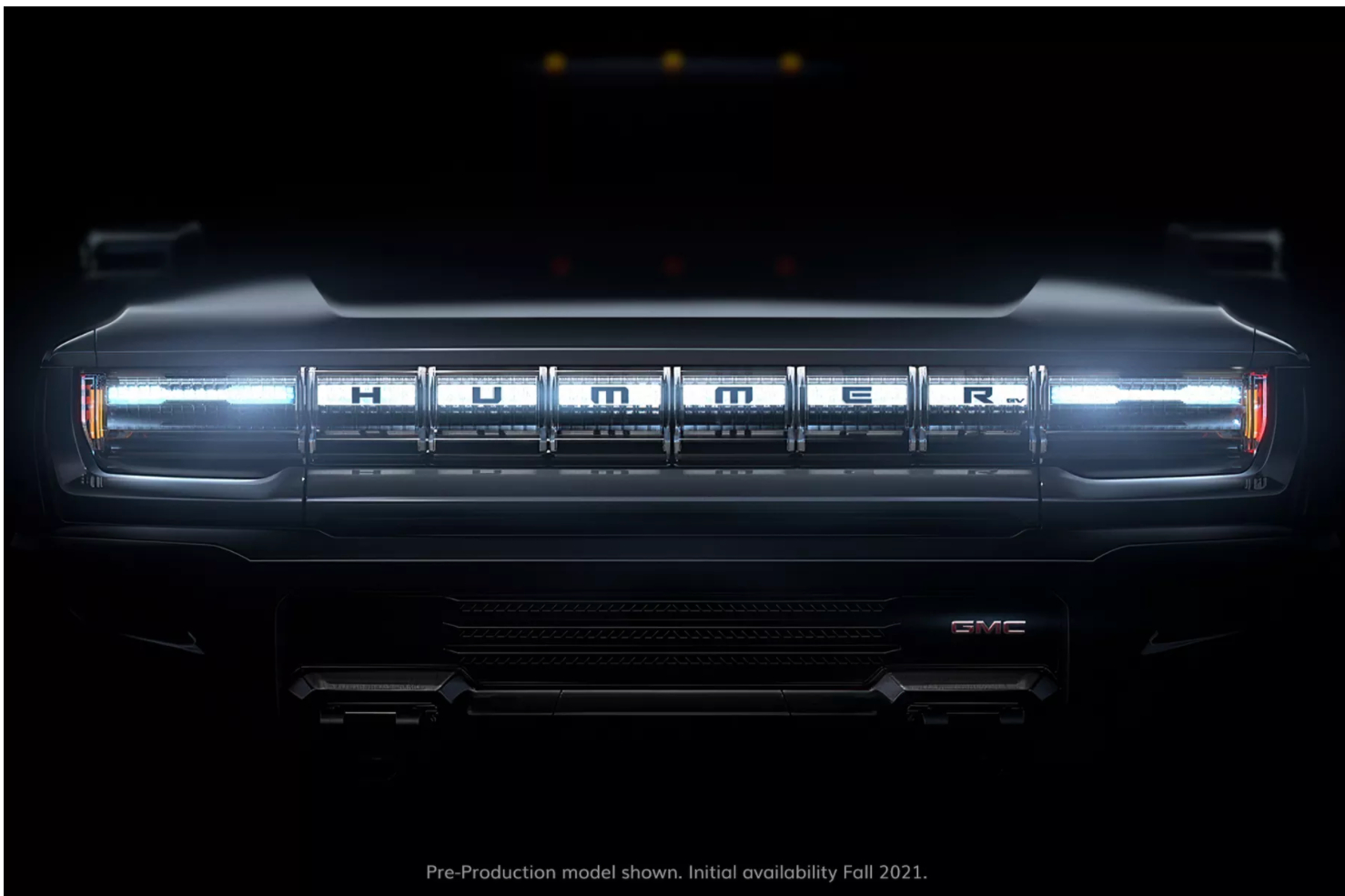
Speaking of the polarising brand, Hummer is one of the brands that will compete in this intriguing arena.
It’s most likely the brand will come out of hiatus with a large SUV but its model history suggests a ute wouldn’t be out of place in the line-up.
Prophetically, one of Hummer’s most high-profile former customers, Arnold Schwarzenegger once converted a Hummer into a pure electric vehicle to fit with his environmental advocate persona and as the governor of California.
Perhaps now he will make a return to the brand?
Rivian
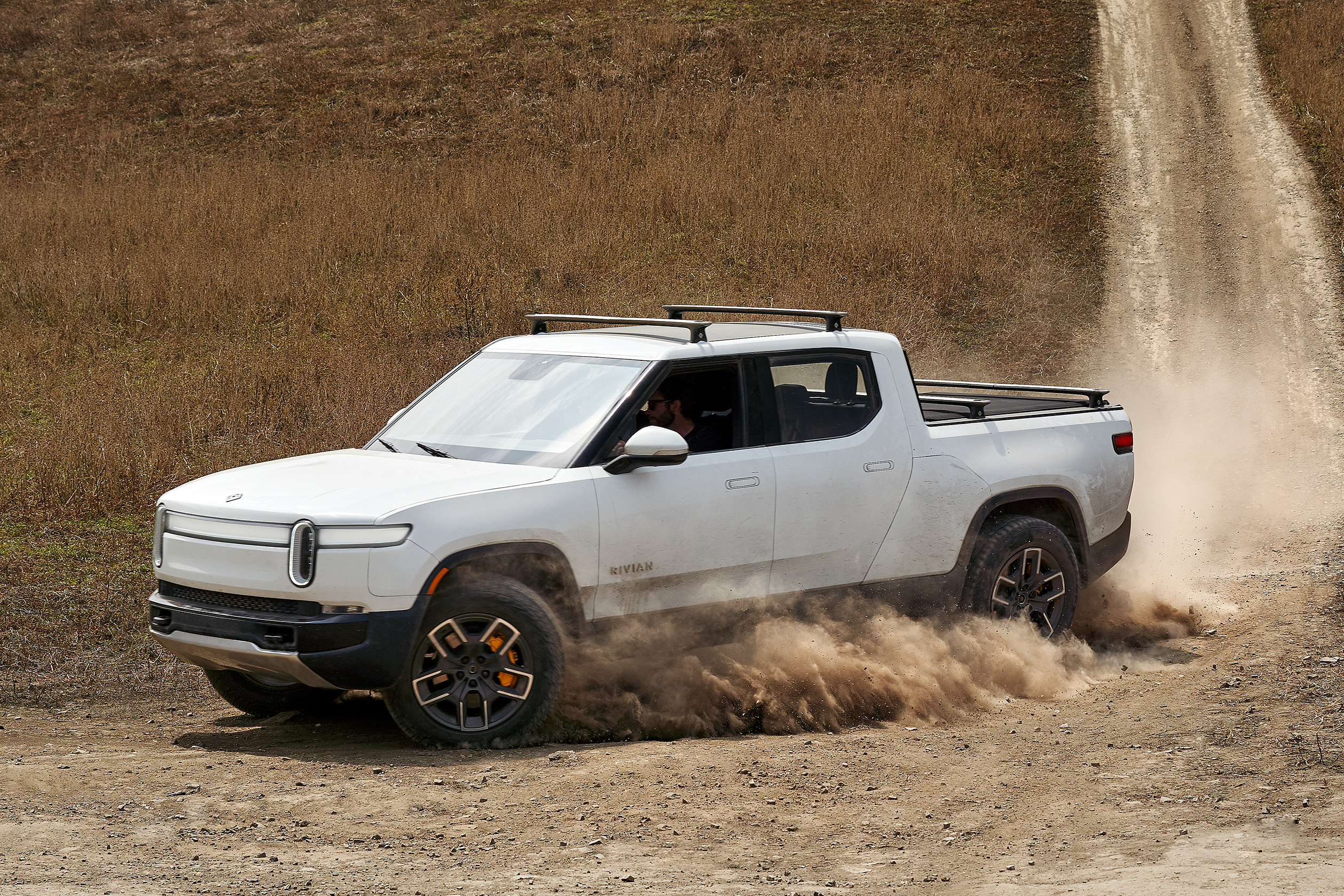
Ford has realised that slapping a big battery and motor onto its most successful model in the US might not initially resonate favourably with its pig-skinning, pistol twirling customers.
That’s why the Blue Oval’s EV truck movement was going to be pioneered and driven by Rivian along with heavy investment from Amazon. At least it was until the Covid-19 crisis prompted Ford to pull out of the contract.
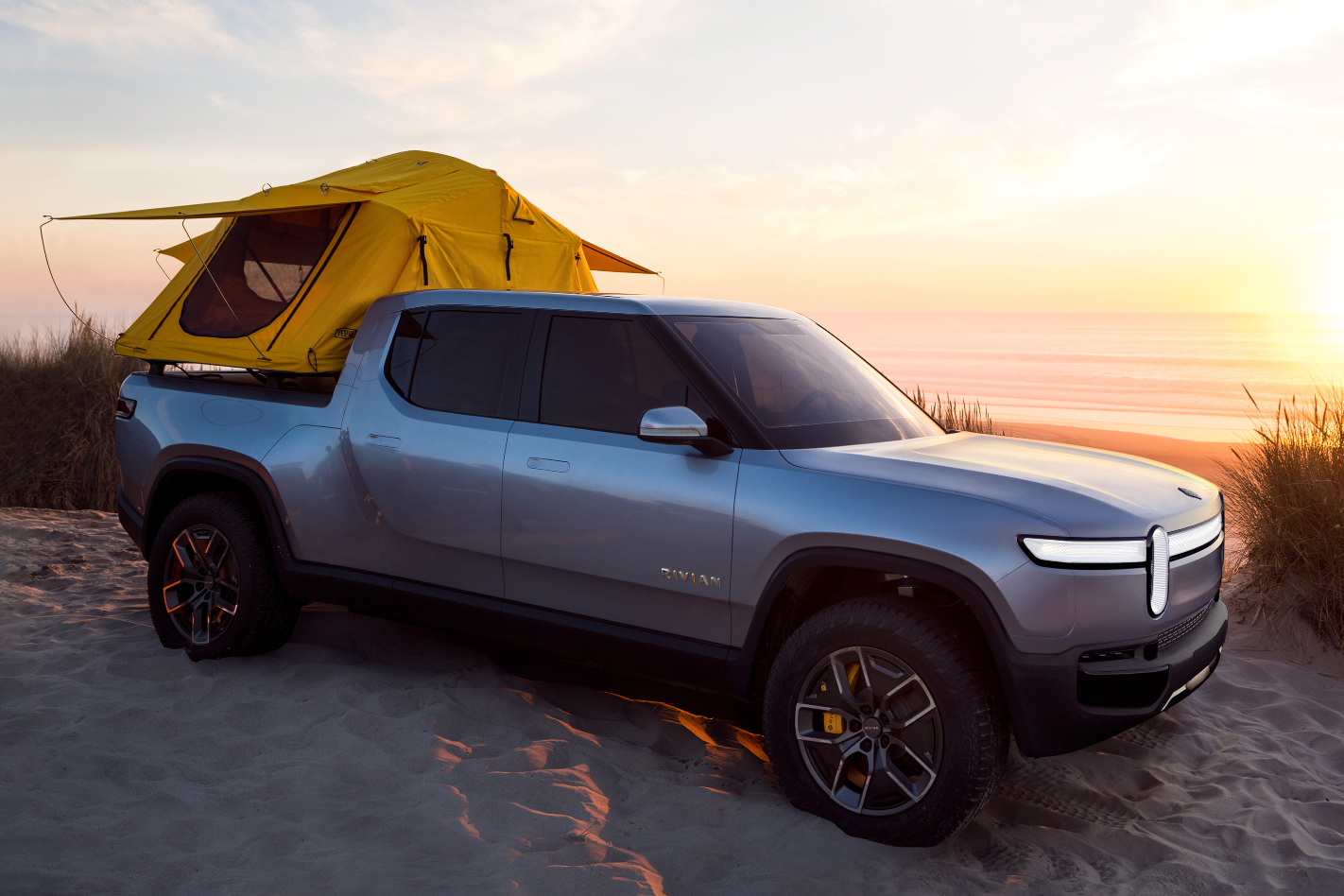
Nonetheless, with or without Ford cash ($500m), Rivian is persevering and is set to deliver its first model – the R1T – in less than a year.
A recent email to its most committed customers revealed the company is planning to deliver the first orders in June 2021, while the R1S will start silently rolling out to customers in August.
There’s a good chance you’ll see this intriguing startup brand in showrooms and on the road in Australia.
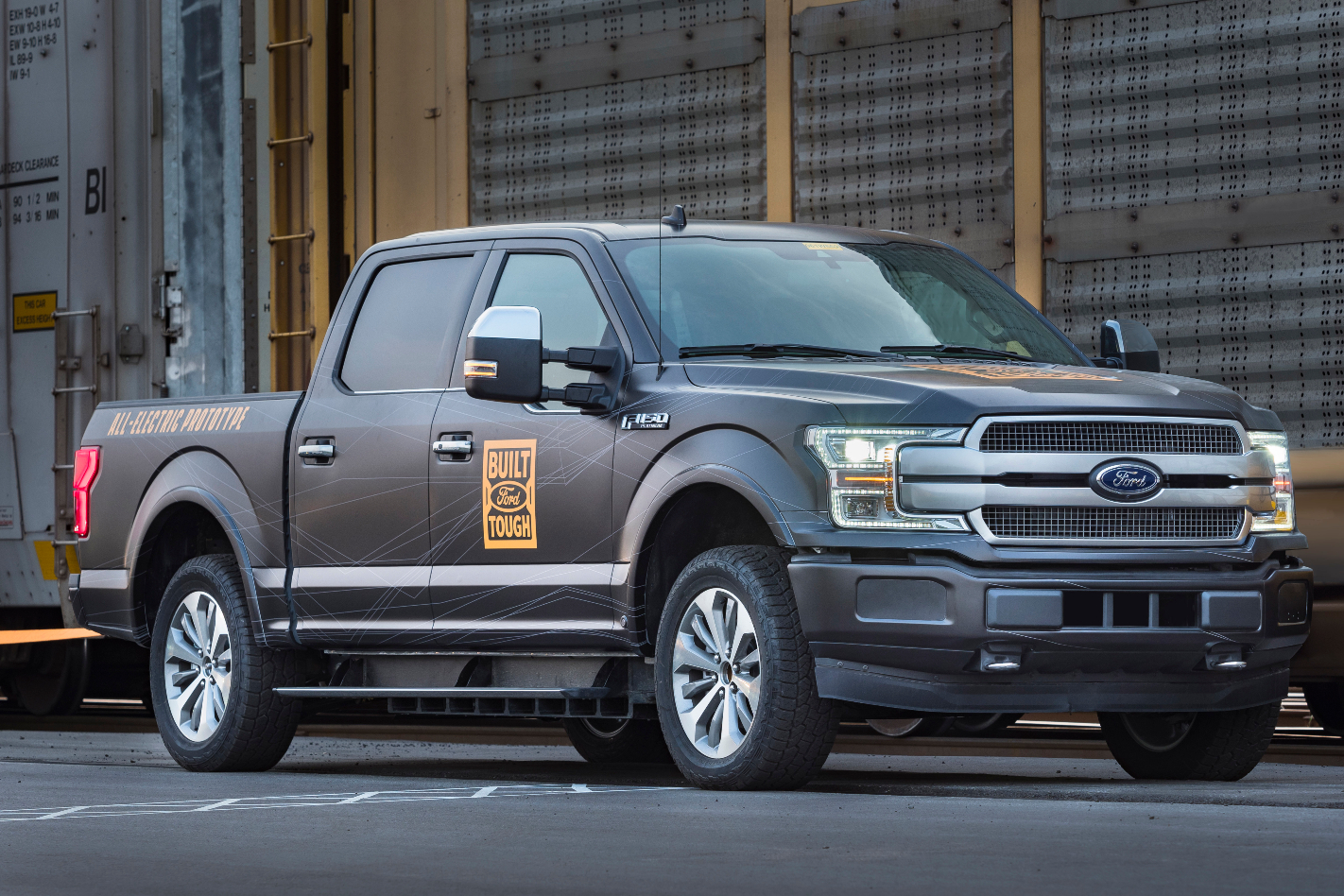
Ford, on the other hand, is hedging its bets with an electrified version of the F-150 already in the works.
Nikola
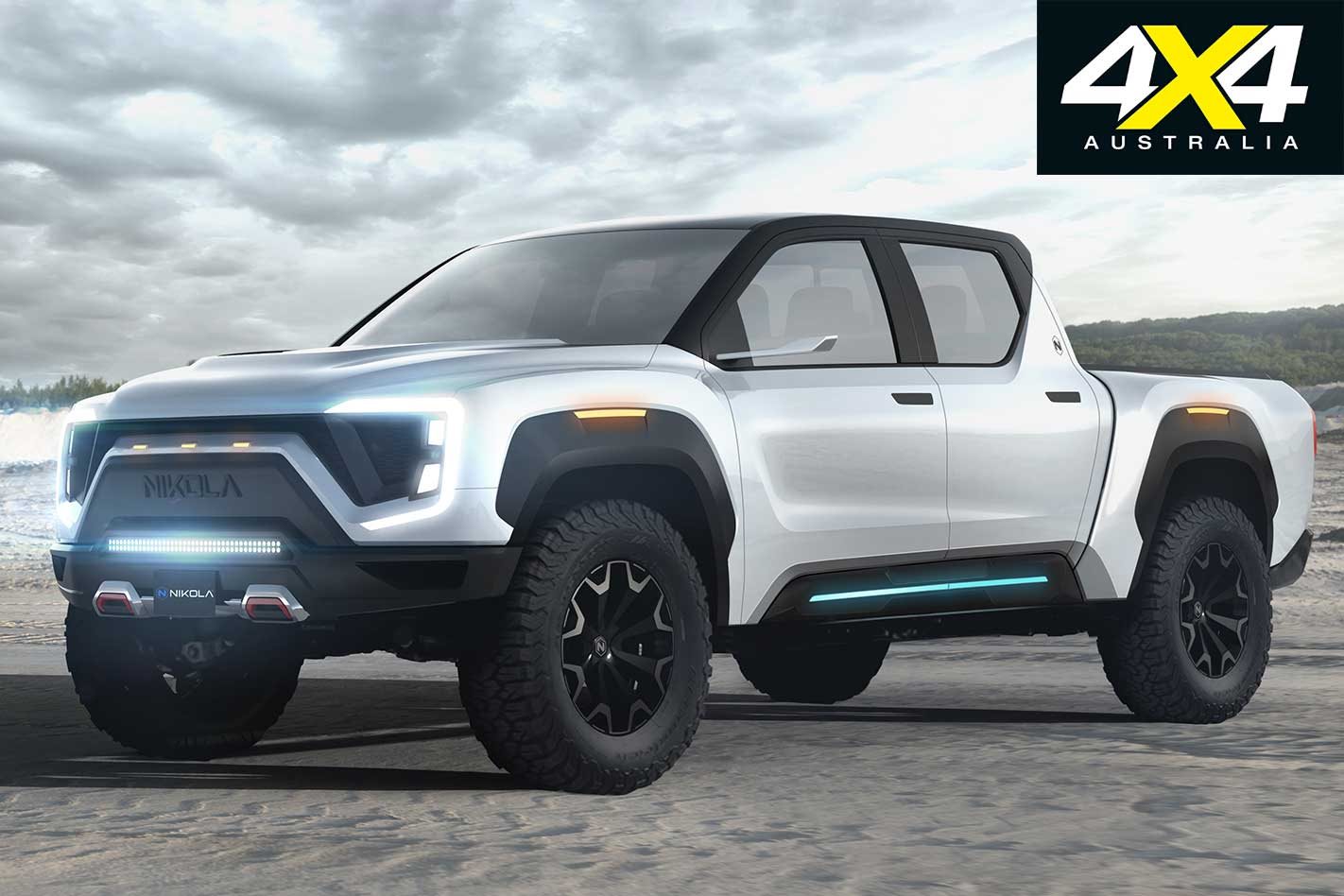
And if batteries aren’t your thing with the long charging times and weight as hefty as their price, what about a ute that takes electricity from a fuel cell?
Nikola Badger might sound like the name of a schoolfriend who will always be remembered for doing something embarrassing, but it also happens to be the world’s first production FCEV ute.
Once again, this extraordinary beast is from another US-based start-up and takes performance into a decidedly supercar-like realm.
A sustainable power output of 339kW can be temporarily spiked to 675kW and 1329Nm of torque for 0-100km/h acceleration in just 2.9 seconds.
Excited Americans can order one right now but even more excitingly, Australian names will be added to the list in due course.
Tesla
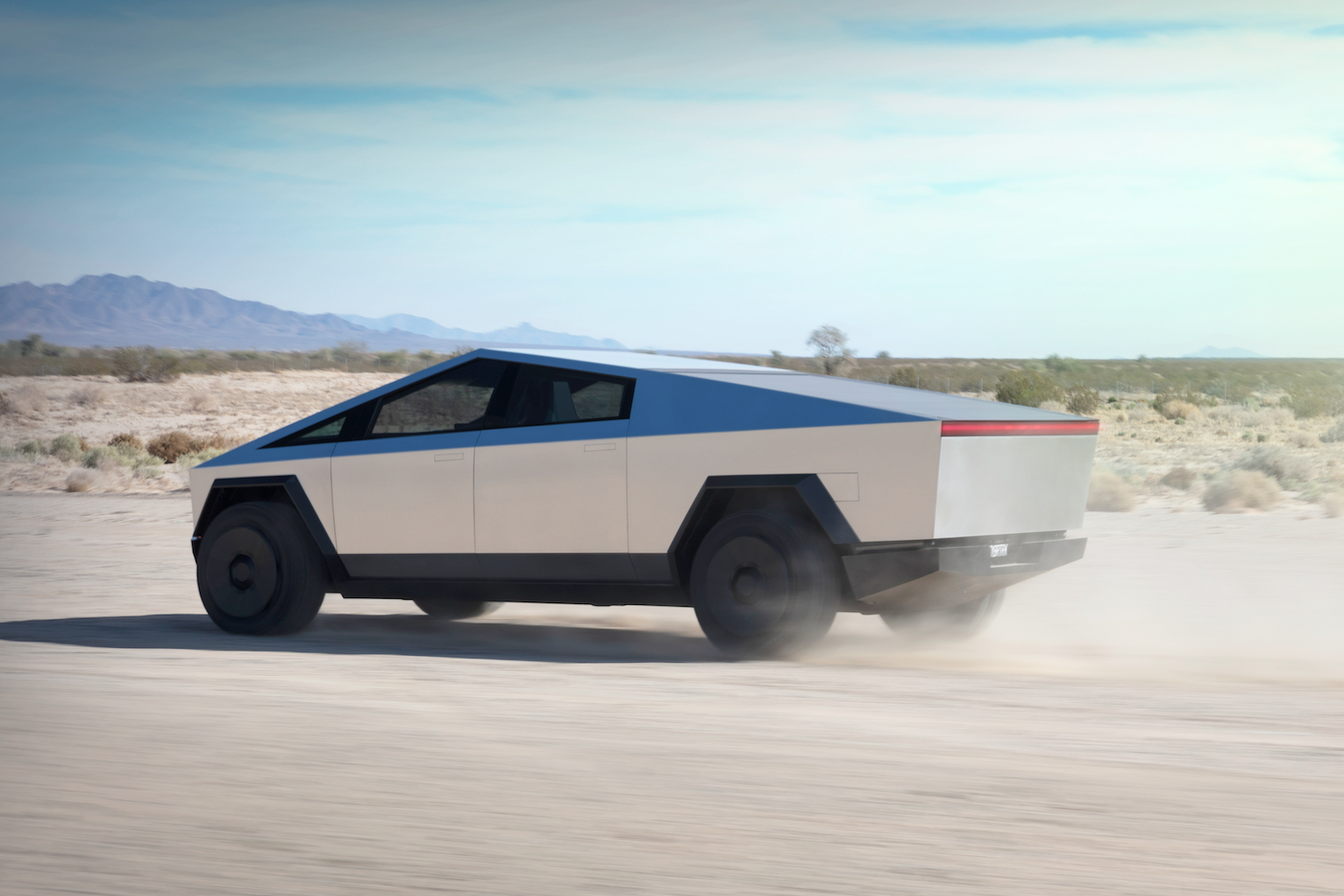
Of course, the world leader in luxury EV sales made a memorable reveal of its candidate into the electrified truck world when Tesla very publicly demonstrated the Cybertruck’s flimsy windows.
Officially, the Tesla truck won’t be coming to Australia at this stage with no markets outside of North America under consideration, although that may be due to current supply and production constraints.
If US demand cools off, there’s a chance other global regions may be offered a chance to buy a Cybertruck. Although the official answer is ‘no’, tantalisingly, the Tesla Australia website will allow a Cybertruck to be ‘ordered’ with a $150 deposit.
On the same page and for an additional $10,100 you can also check a box for ‘full self-driving’ so take from that what you will.
Toyota
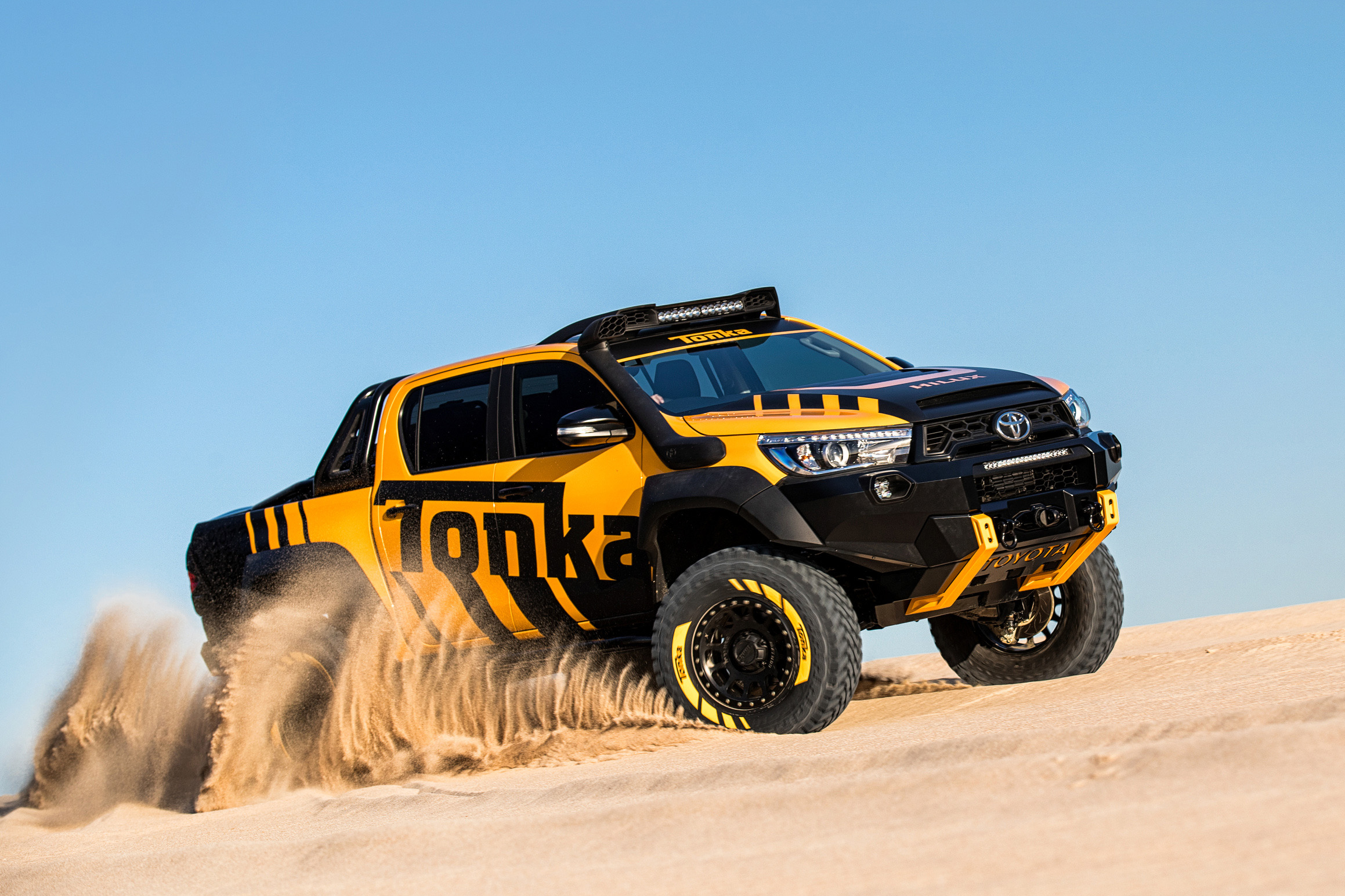
The Big T has already confirmed it will transition is Tundra and Tacoma US-market trucks into battery and PHEV power and, as the Hilux is due to move onto the same F1 platform as its beefy brethren, it makes sense for the Hilux to join the EV party.
It makes sense since the Japanese giant confirmed all its models would offer an electrified option at a point in its future. Once again, the question of EVs is no longer a matter of if, but when.
Would you drive an electric ute? You won’t have the choice forever.
UPDATE, January 2023: New Qashqai driven in Australia!
After pricing was announced early in 2022, the new-gen 2023 Nissan Qashqai is finally in Australia – and we’ve driven it! Get our full story at the link below.
July 2022: Australian pricing announced
Australian pricing for the new Qashqai has now been revealed. Get all the details at the link below.
2022 Qashqai review
Key points
- Testing the all-new Nissan Qashqai
- The third-gen driven
- New engines, better infotainment
The Nissan Qashqai was reborn in February with the reveal of an all-new, third-generation that will launch Down Under next year – but exactly when remains a mystery for now.
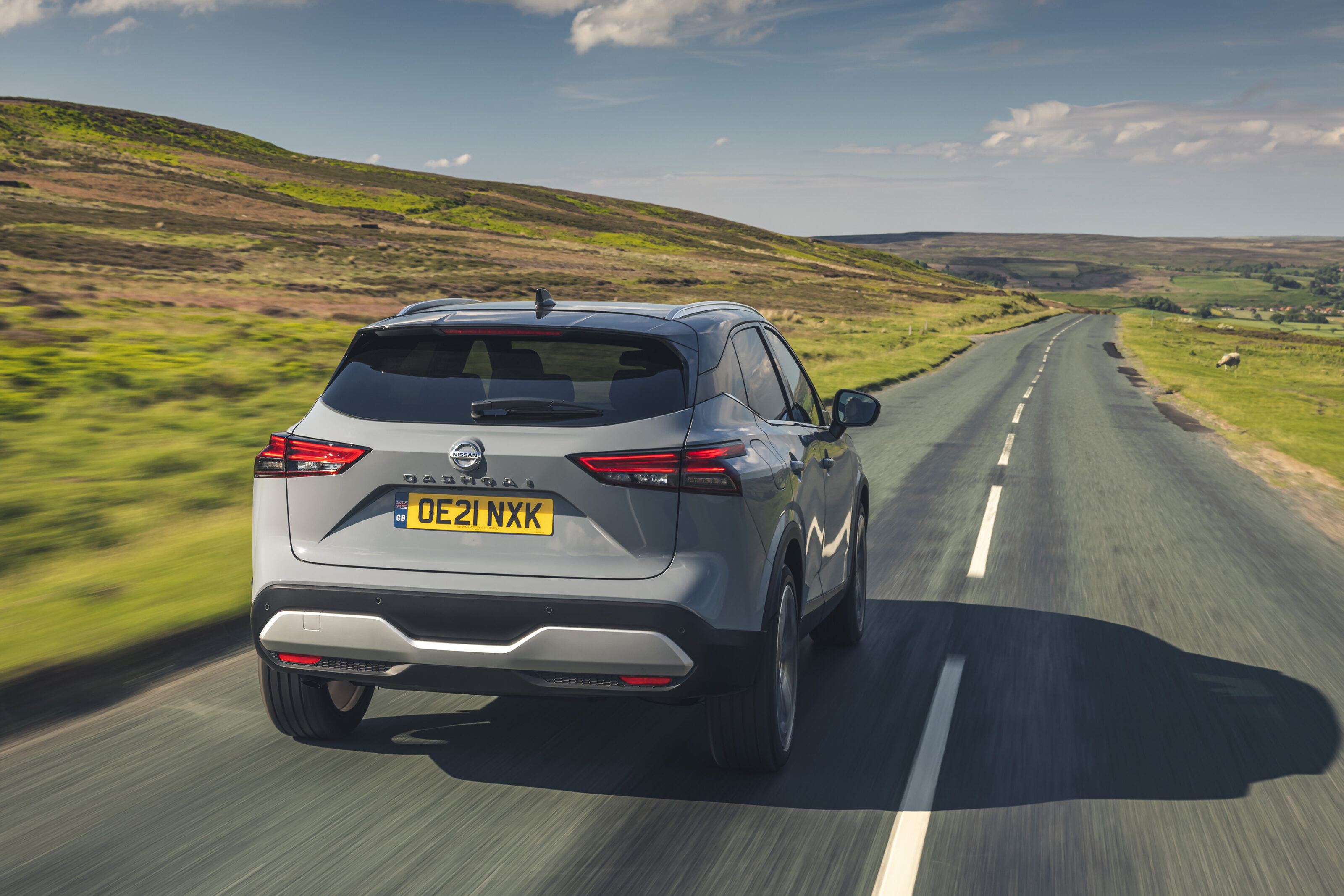
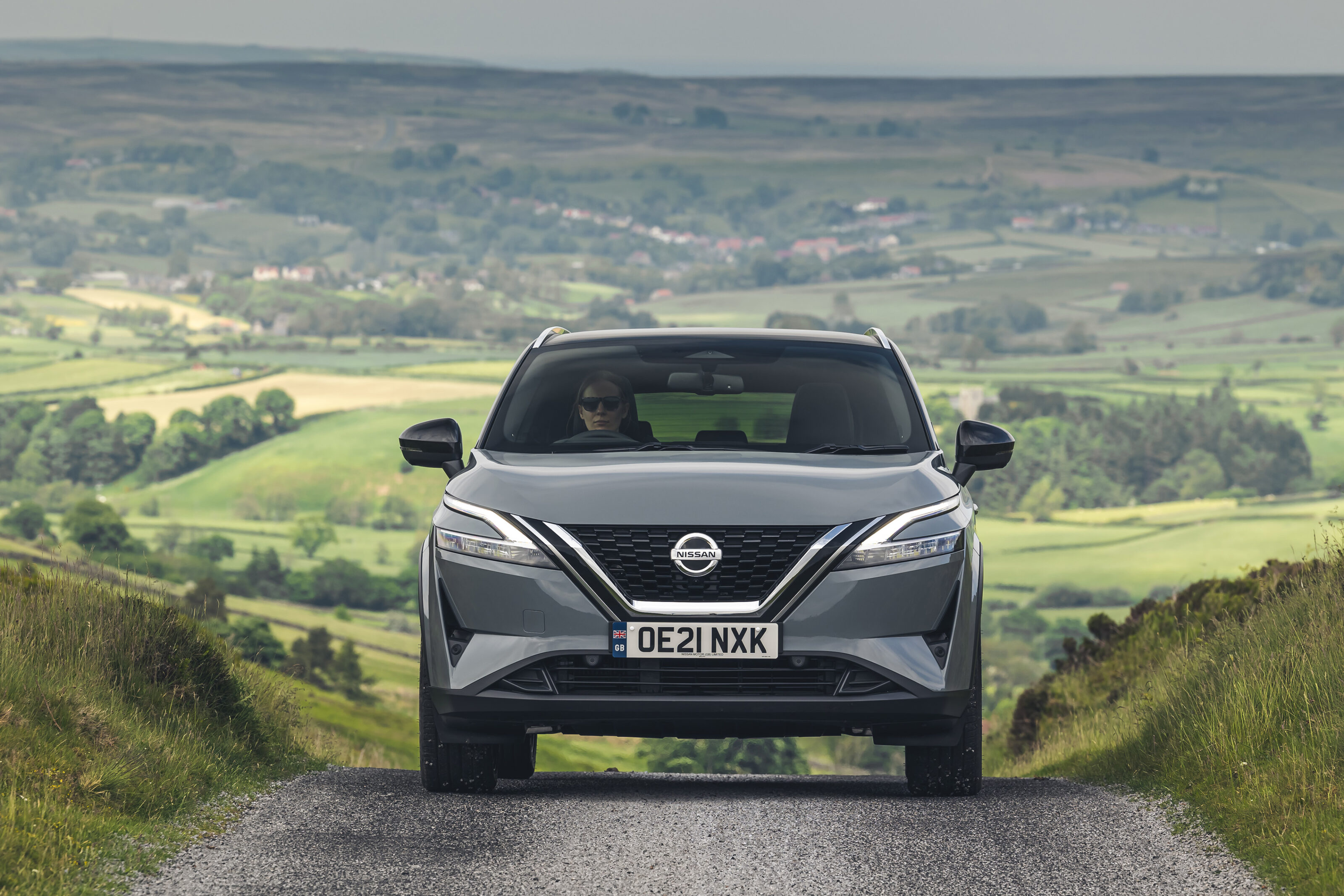
Apart from a design overhaul that applies Nissan’s latest SUV design language without corrupting the distinctive Qashqai silhouette, headline changes to what has long been Nissan’s third-best seller in Australia – after the X-Trail and Navara – are the first electrified powertrains in this nameplate’s lineage.
Inside the new Qashqai’s sleeker, posher cabin are more big screens than a branch of JB Hi-Fi that present new connected features and, under the skin, lurks a lighter, stiffer bodyshell claimed to yield big dynamic improvements.
But is it worth the wait? Phil McNamara takes the Qashqai out on British roads for this first-drive review – and you can read more about the third-generation model here.
Remind me, what’s a Qashqai again?
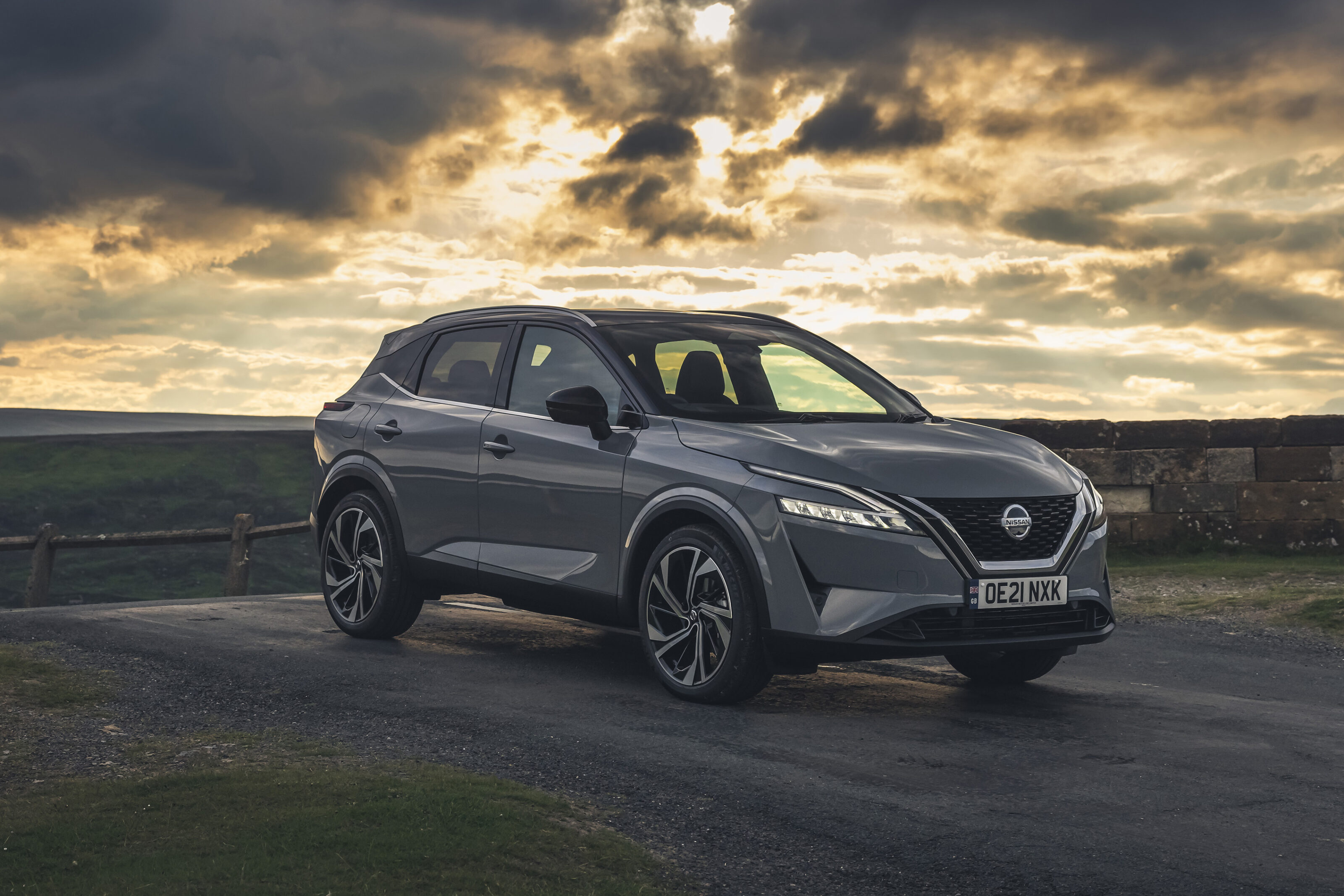
This is the car that invented the small ‘crossover’, a motoring mash-up the length of a Ford Focus hatchback but with an SUV’s taller roof, raised seating position and optional all-wheel drive.
When the first Qashqai launched (badged Dualis in Australia) it was a delicious novelty; 15 years later, some 3.5 million have been exported from the Sunderland factory in northern England to 100+ markets, making it a bona fide smash hit.
Believe me; here in the UK, these things are everywhere!
This is the car that invented the mid-size ‘crossover’
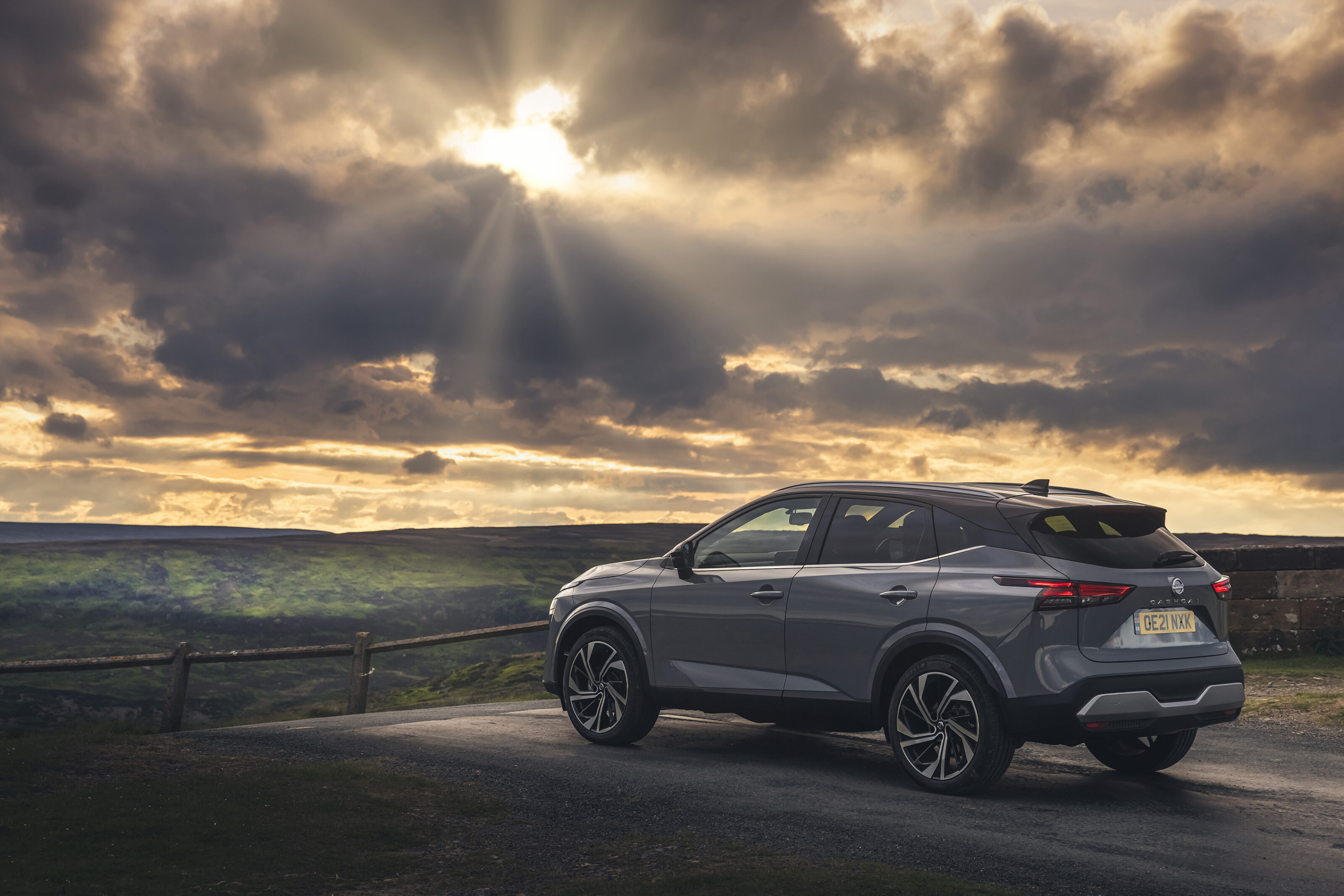
As a result, Nissan has been evolutionary in its approach. The exterior design update is beautifully judged: all slimline lamps, chiselled surfaces and big-wheeled beefiness. It’s a little longer to boost cockpit and luggage space, but it’s still sufficiently compact to thread confidently through London’s busy streets.
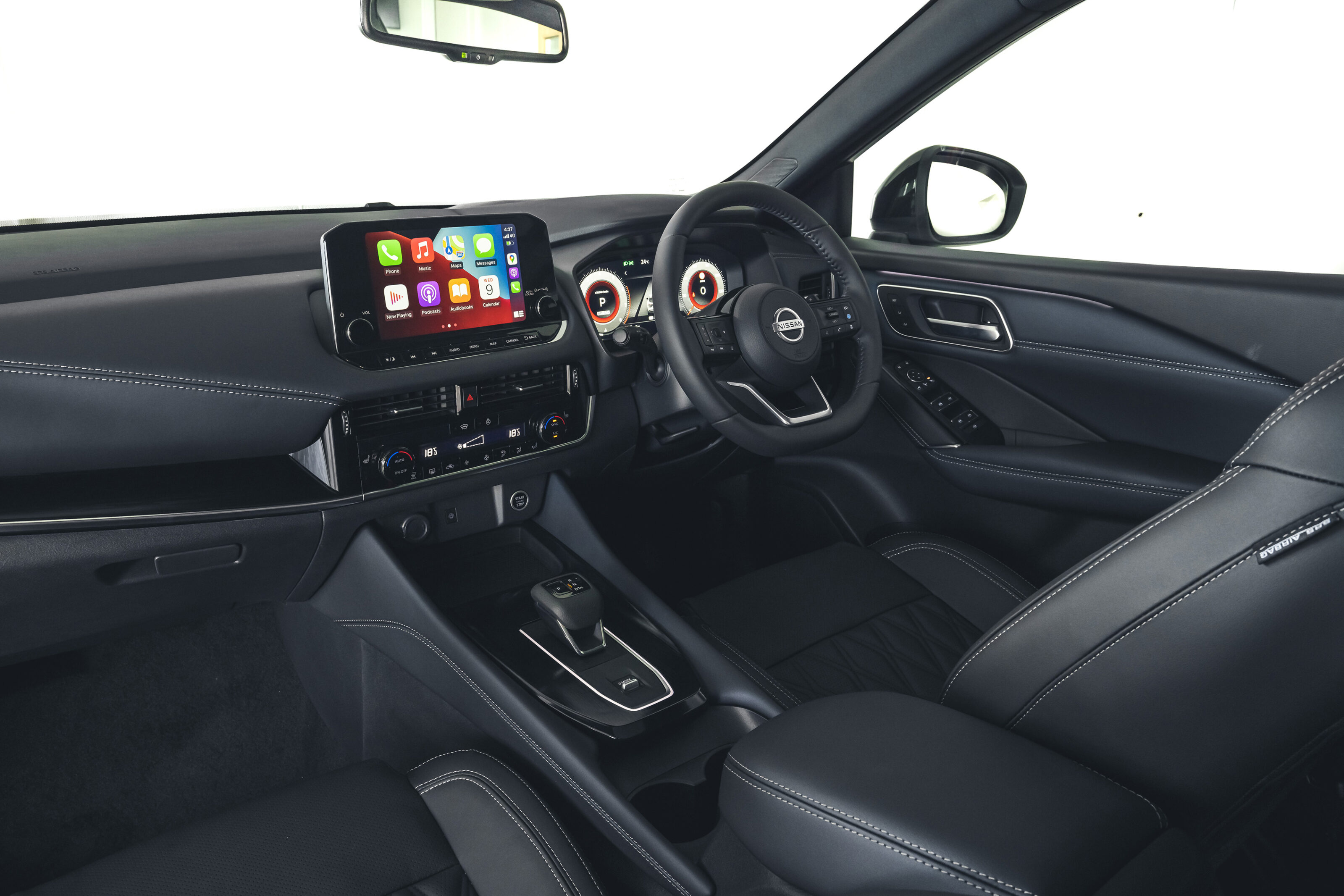
The interior isn’t such a knockout. A carbuncular tablet protrudes from the dashtop, devoid of curve, with a housing that is noticeably bigger than the screen, unremarkable graphics and a clashy nav menu. Much better are the chunky buttons that provide clear operating shortcuts and air-con adjustments, in unison with nice-to-touch temperature dials.
On high-grade Tekna models, the centre cubby and dashboard are immaculately trimmed in PVC (which looks and feels more luxurious than it sounds), and there’s a classy textured plinth for the gear selector. Overall it’s a victory for no-nonsense functionality over flair.
2022 Nissan Qashqai: Engine and Gearbox combinations
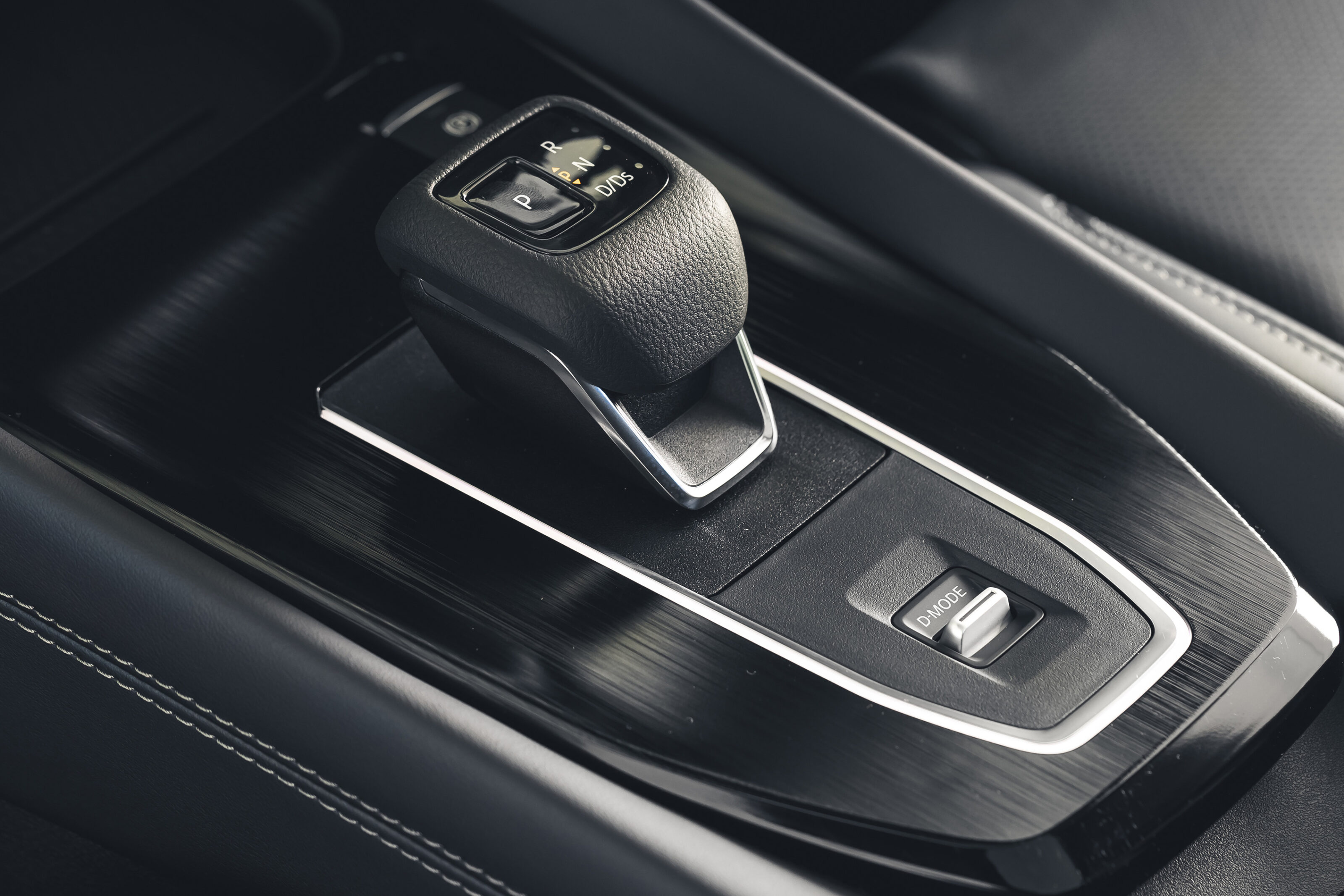
While we wait for an Australian on-sale date, UK deliveries from the Sunderland plant commenced in mid-June. Initially, the only engine is a 1.3-litre four-cylinder with mild hybrid assistance, where a belt-starter generator operates a responsive stop/start system, adds torque into the driveline and offers a fuel-saving coasting function on the automated continuously variable transmission (CVT).
Or xTronic as Nissan engineers steadfastly call it, seeking to disassociate their shifter from the CVT’s historic reputation for ‘rubber band’ response and flailing revs out of sync with the acceleration level.
Peak power is 116kW, with 270Nm of peak torque from 1800rpm. We tested both the six-speed manual – expected to account for 55 per cent of UK registrations but unlikely to reach Australia – and the CVT. Sorry, xTronic.
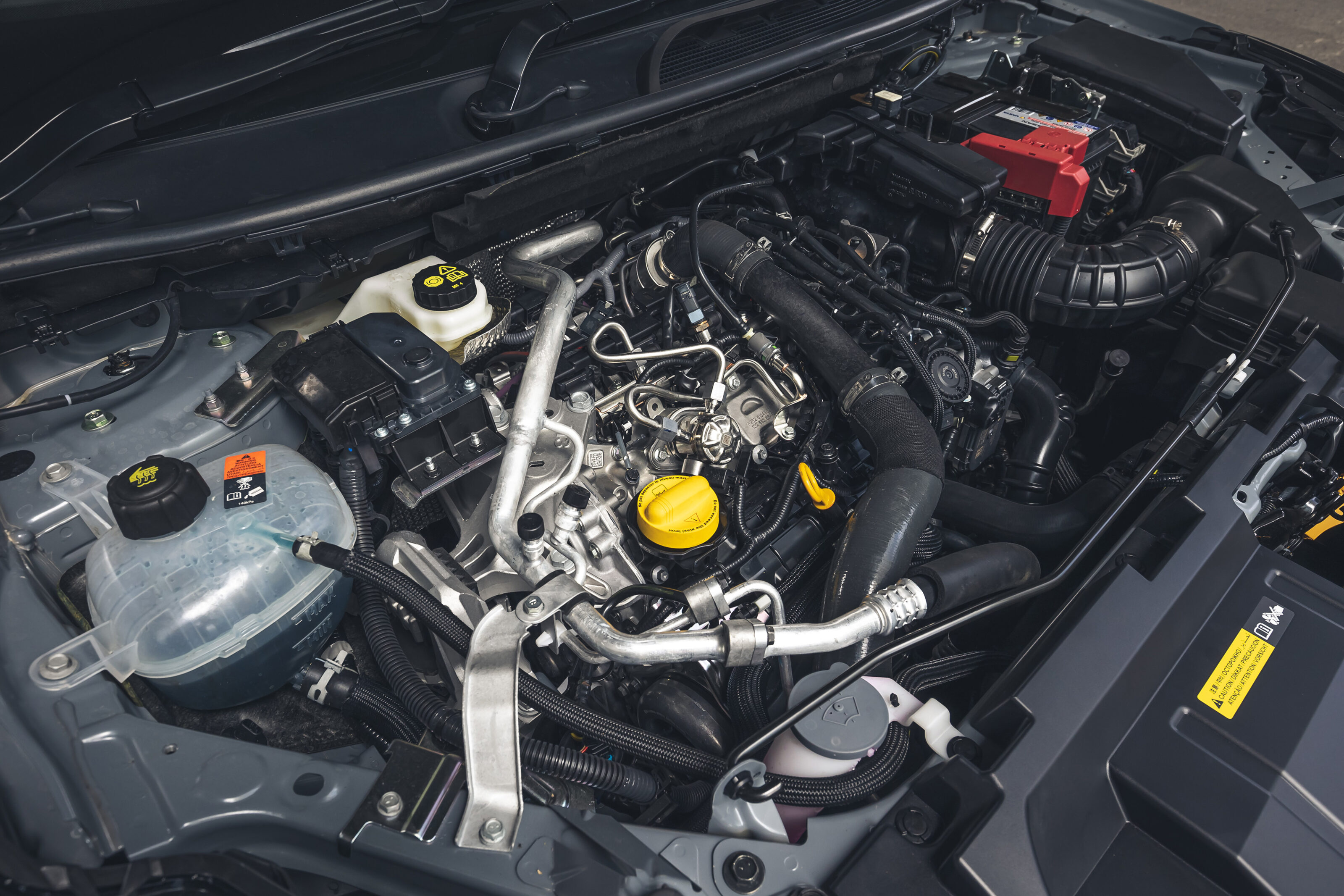
They’re right to be so protective: The manual is a bit of a roundhead in a world of cavalier Japanese ‘boxes from Mazda and Honda. Nissan’s is a touch vague and with a fractionally long action changing up from second to third. It’s coupled with an arthritic-feeling clutch, requires lots of gearchanges to keep in the power band and has an occasional hesitancy to deliver momentum from low revs in second and third.
In contrast, the xTronic – a £1900 ($A3505) premium – is great. It responds snappily to kickdown, delivers a nice surge of power with a muscular bellow of revs, and features reassuringly calibrated steps. You can even take charge of snappy changes yourself with paddleshifters on the wheel.
How does the 2022 Nissan Qashqai drive?
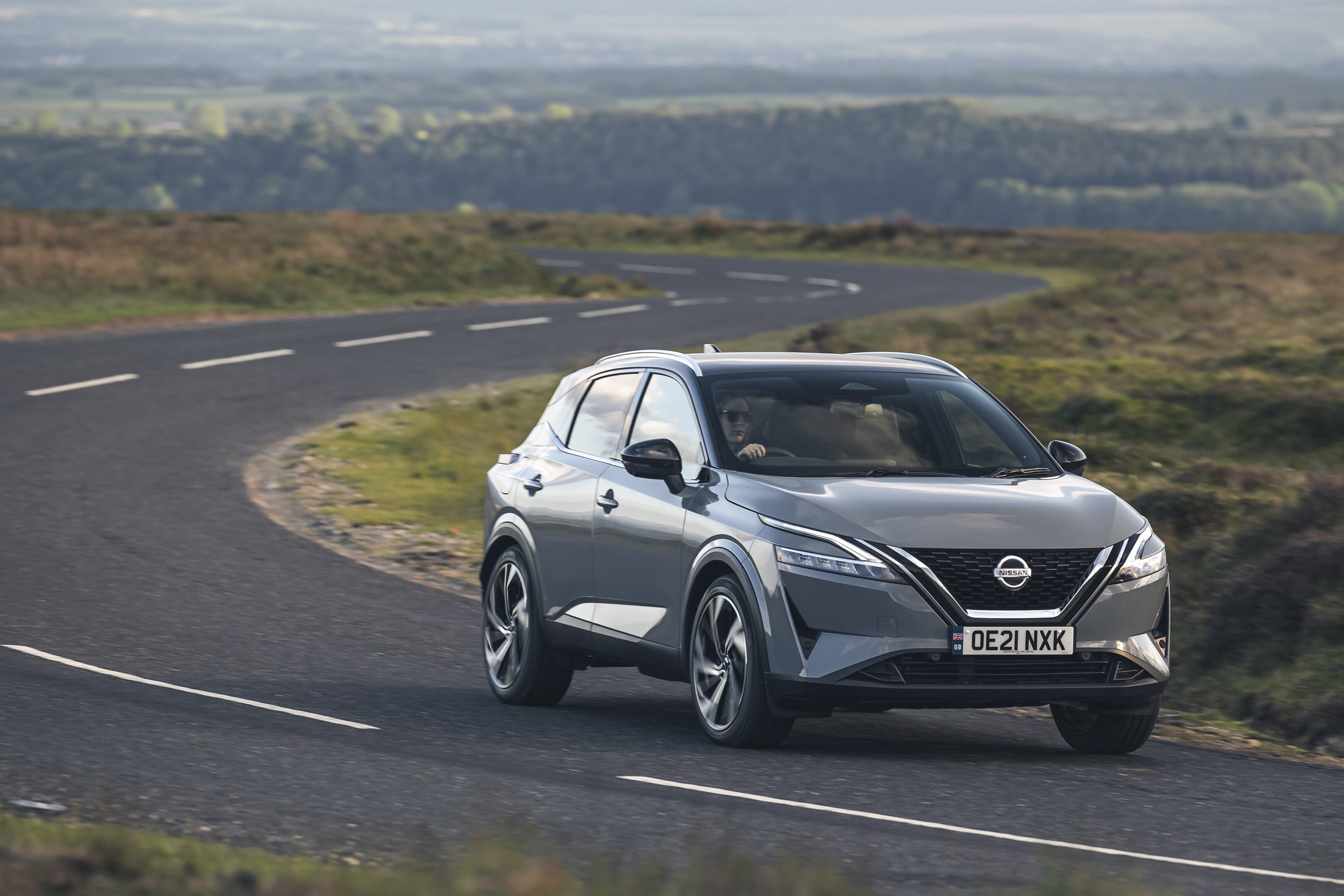
No Qashqai ever handled like this before. You instantly notice there’s nothing lightweight nor hesitant about the steering, helping it dart through gaps in the traffic. The electric power assistance motor is mounted adjacent to the rack and the ratio is quicker, making the steering feel more responsive off the dead ahead.The ride is poised but compliant: you feel urban potholes and motorway expansion joints, but their clatter and energy are smoothly suppressed. Body movements are well controlled, with things rapidly settling down after shocks and speed bumps.
There is a choice of rear suspension: 19-inch wheels denote a torsion beam, the 20-inchers roll on a multi-link suspension that typically offers sportier handling and a better ride. We spent the most time sampling the torsion beam, spearing across-country from Nissan’s Cranfield Technical Centre 80km north of London before settling in for a long motorway haul.
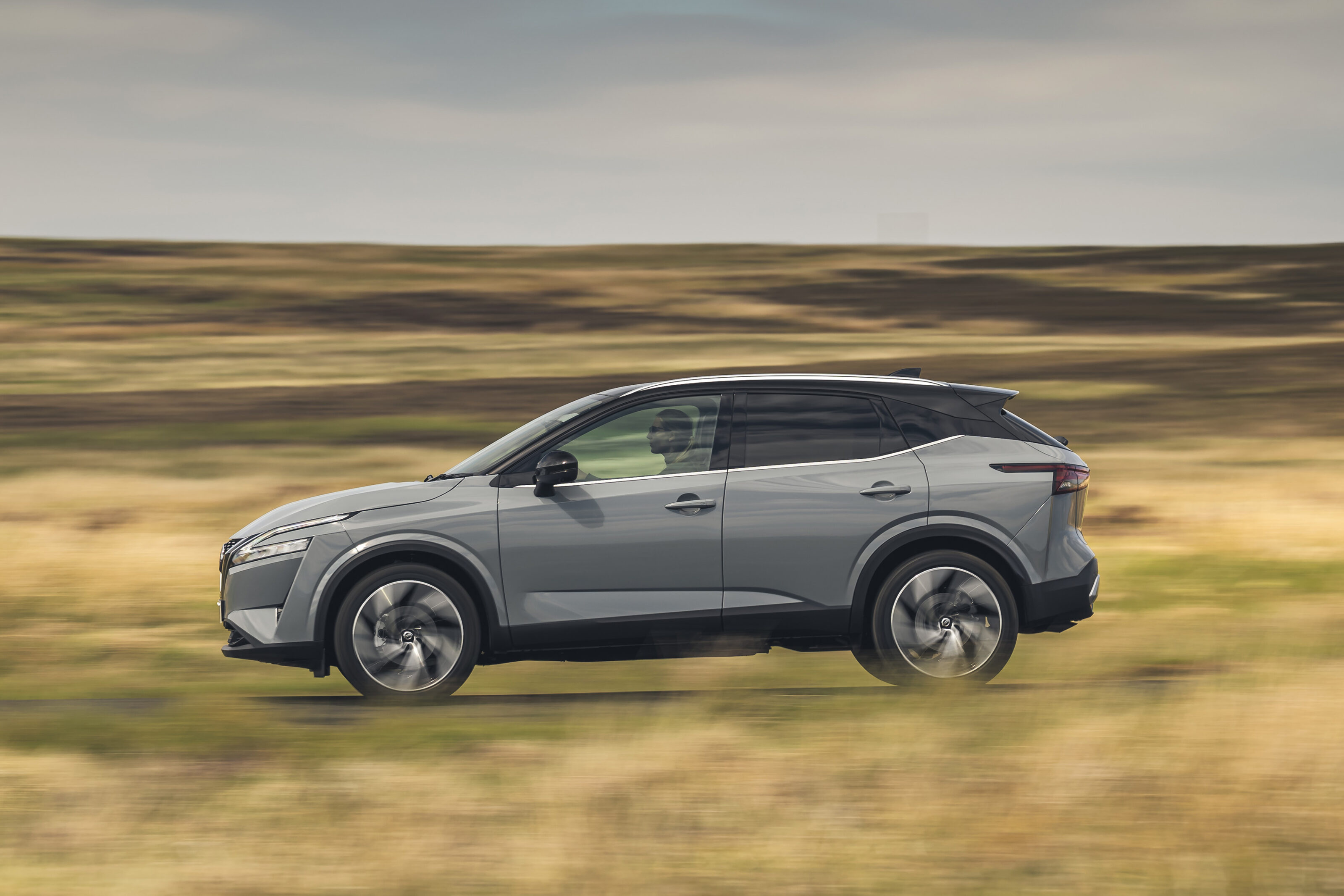
The third-gen Qashqai feels overwhelmingly planted and poised, its strong lateral grip carving through corners, governed by steering that’s linear and nicely weighted. This crossover has a newly found spring in its step, aided by a weight loss programme that’s shed 60kg from the bodyshell. The tailgate is now composite for the first time, and some of the body panels are aluminium.
It’s not entirely good news though. Coarse tarmac generates an undertone of tyre noise, particularly at motorway speeds, and persistent rustles of wind can affect the windscreen and the sides. Comparison tests will determine whether this is excessive for the class.
No Qashqai ever handled like this before. You instantly notice there’s nothing lightweight nor hesitant about the steering, helping it dart through gaps in the traffic
What’s life like on board?
Rear occupants will have no reason to complain, with a six-footer having almost 8cm of space for knee and headroom behind an equally sized driver. The rear doors also open to a whopping 85˚ angle, making it easier to load the kids (though increasing the chance of them dinging other cars as they throw them open).And the engineers have lavished attention on the boot, having seemingly sought feedback from most of the 3.5m Qashqai customers.
The tiered luggage boards remain, allowing owners to increase the depth of the boot, or slot in one as a bulkhead to stop groceries flying around. These boards are reversible and wipe-clean on one side, to make tidying up after that muddy bushwalk much easier. The parcel shelf will stow beneath them, and we watched a quick demo of the boot’s versatility, showing the ease of loading four golf bags into its 504-litre space.
2022 Nissan Qashqai spec and price
Australian pricing and line-up details are months in the future, but the British Qashqai range kicks off with the £23,535 ($A43.411) Visia trim, which features all the key safety features you’d need in a family crossover; adaptive cruise and rear cross-traffic alert are present, as are blind-spot intervention, traffic sign recognition and parking sensors.
The Acenta Premium level starts at £26,135 ($A48,214) and adds a keyless start, folding door mirrors, USB-C sockets, and Android Auto and Apple CarPlay. It also throws in folding door mirrors and an improved 8.0-inch touchscreen infotainment package, with six speakers.
The N-Connecta trim begins from £28,395 ($A52,383) and stretches the infotainment screen to a 12.3-inch TFT panel along with 9.0-inch dials, and it also gets wireless Android Auto and Apple CarPlay.
The Qashqai Tekna trim rises to £30,845 ($A56,899) and adds features such as a powered tailgate, the Qashqai’s first head-up display providing a large and customisable readout, wireless charger and ProPilot semi-autonomous driving system – as well as heated seats and a heated steering wheel for extra comfort.
Finally, Tekna+ features 20-inch alloys as standard, user memory and massage seats, as well as a ten-speaker BOSE-branded sound system. But it does cost £34,175 ($63,027) – just over £8k ($A14.75) more than the entry-level Qashqai.
Verdict
Despite the onslaught of more than 20 segment rivals during its model lifecycle, in Britain, the second-generation Qashqai was the class best-seller. This slicker, thoughtfully engineered, handsome and more rewarding to drive version has the capabilities to stay there, which bodes well for Nissan’s fortunes in Australia as well.
2022 Nissan Qashqai specifications
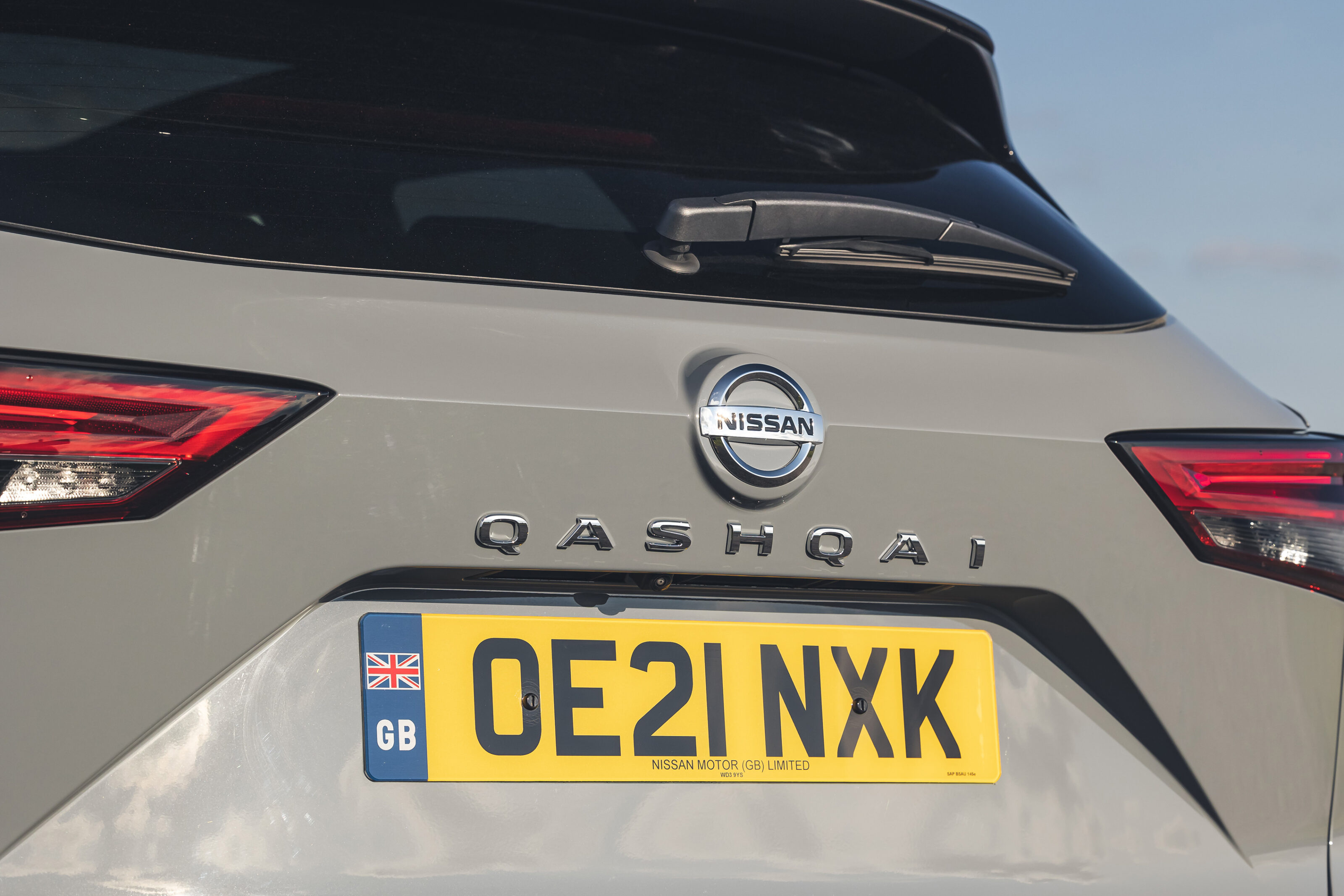
Engine 1332cc four-cylinder with mild hybrid assistance, 116kW, 270Nm @ 1800rpm Transmission Six-speed manual or CVT, front-wheel-drive Performance 9.5sec 0-100km/h, 206km/h 6.4L/100km, 145g/km CO2 Weight/material 1435kg/steel L/W/H 4394/1806/1590mm
Snapshot
- KleinVision AirCar’s 142nd successful landing
- Powered by 160hp (119kW) BMW motor
- 1000km range in air
A Slovakian-developed flying car has made its first flight between cities, touching down after a 35-minute journey.
KleinVision’s AirCar departed Nitra airport on the morning of June 28, making its 142nd successful landing at Bratislava’s airport.
The vehicle was then driven into downtown Bratislava, completing the inter-city trip twice as quickly as a conventional car.
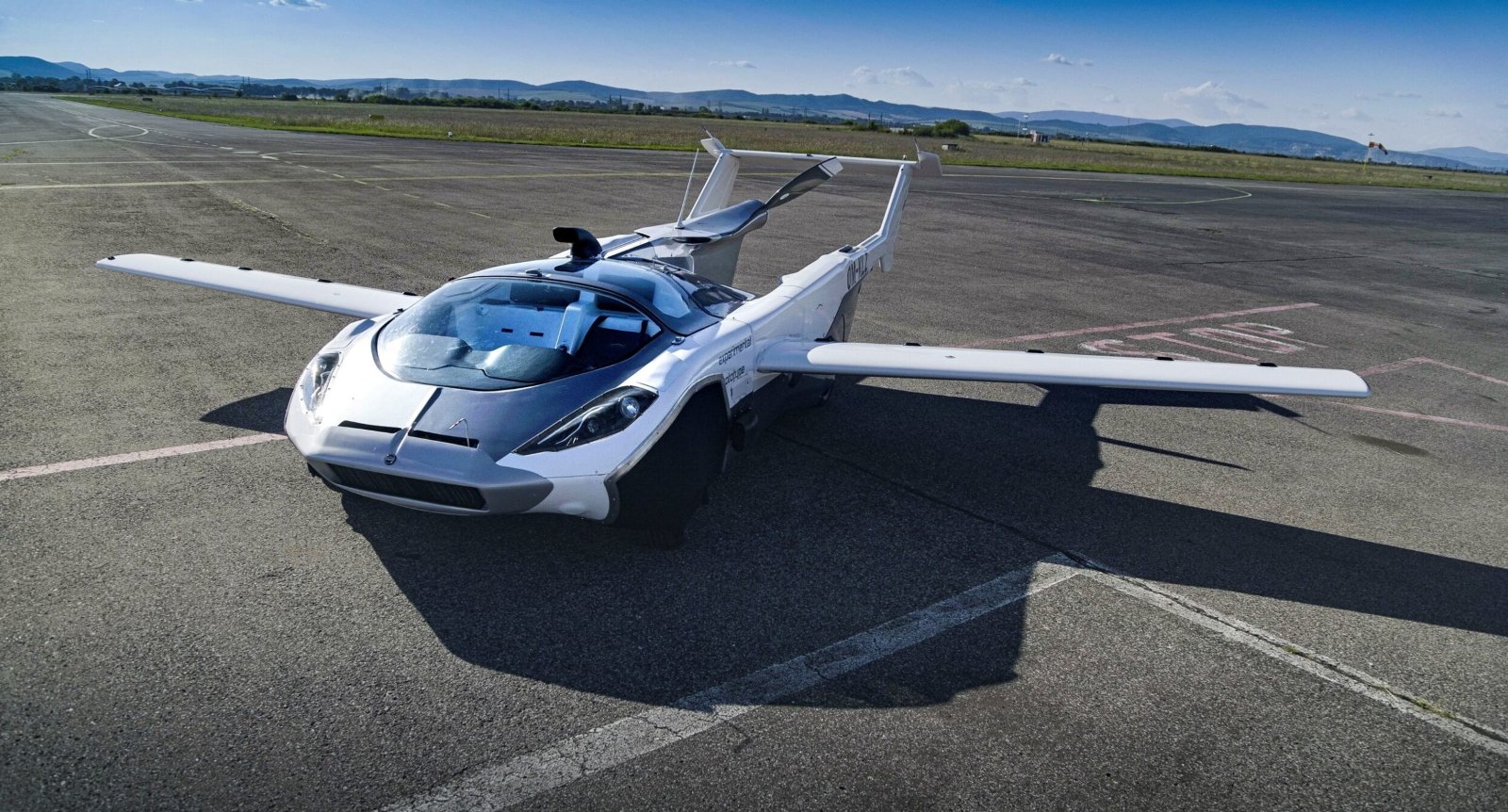
The prototype has been under development by KleinVision for almost two years, and has now flown for over 40 hours. The vehicle is powered by a 160hp (119kW) BMW engine which runs on pump fuel, with a claimed flight range of 1000km. Air cruising speed is said to be 170km/h, or 107km/h on land.
Unlike many recent flying car designs which use drone-like propulsion layouts, the AirCar’s single rear-mounted propeller means it requires a traditional runway for takeoff and landing. Its wings and tail fold into the body once landed, in an automated process said to take less than three minutes.
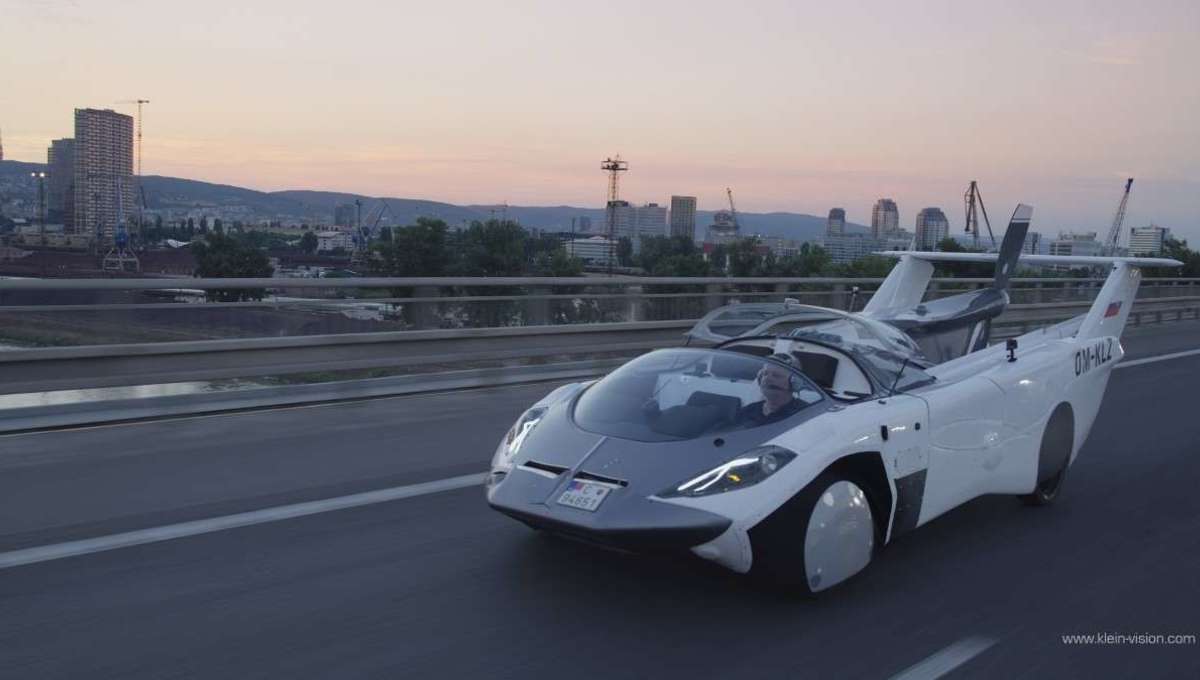
KleinVision is also developing a more advanced version of the AirCar, dubbed simply, Prototype 2. This vehicle will receive a 300hp (223kW) engine, and M1 road certification in a step towards making the vehicle ready for public sale. It’s expected to cruise at 300km/h in the air, with a 1000km range.
Though many flying cars have been dreamed up over the decades, it will be a long time before they’re available to consumers (if ever). In the shorter term, we’re more likely to see short-distance air taxis take to the skies, offering personal transport around cities.
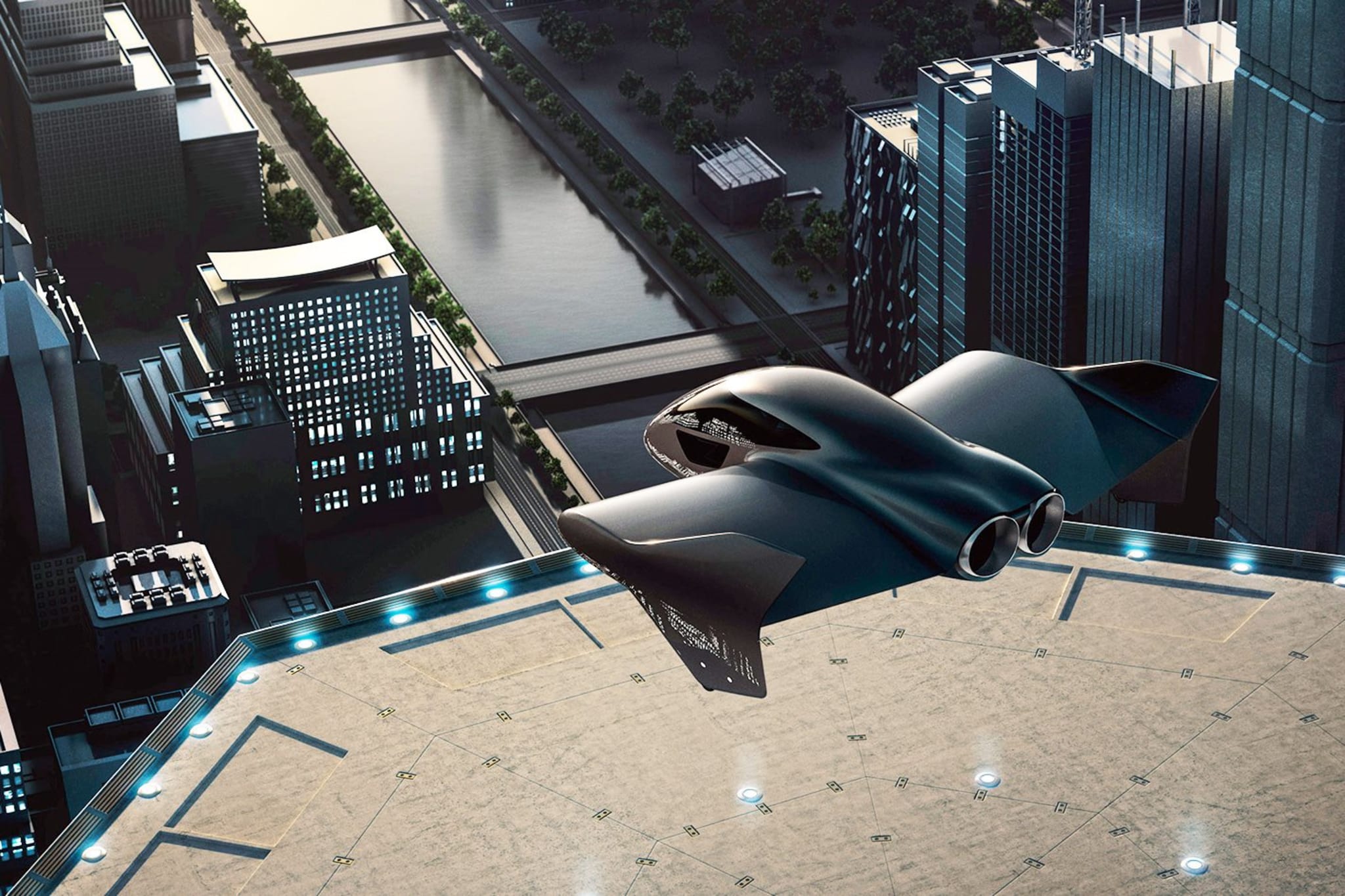
Porsche last year unveiled concepts for an autonomous, passenger-carrying drone as part of a joint venture with Boeing, while Uber announced plans to introduce its Uber Air taxi service to Australia.
You can find footage of the flight on KleinVision’s YouTube Channel.
Snapshot
- Transit is the most popular commercial van in North America
- Kansas City plant will also produce Ford’s first electric van u2013u00a0the E-Transit
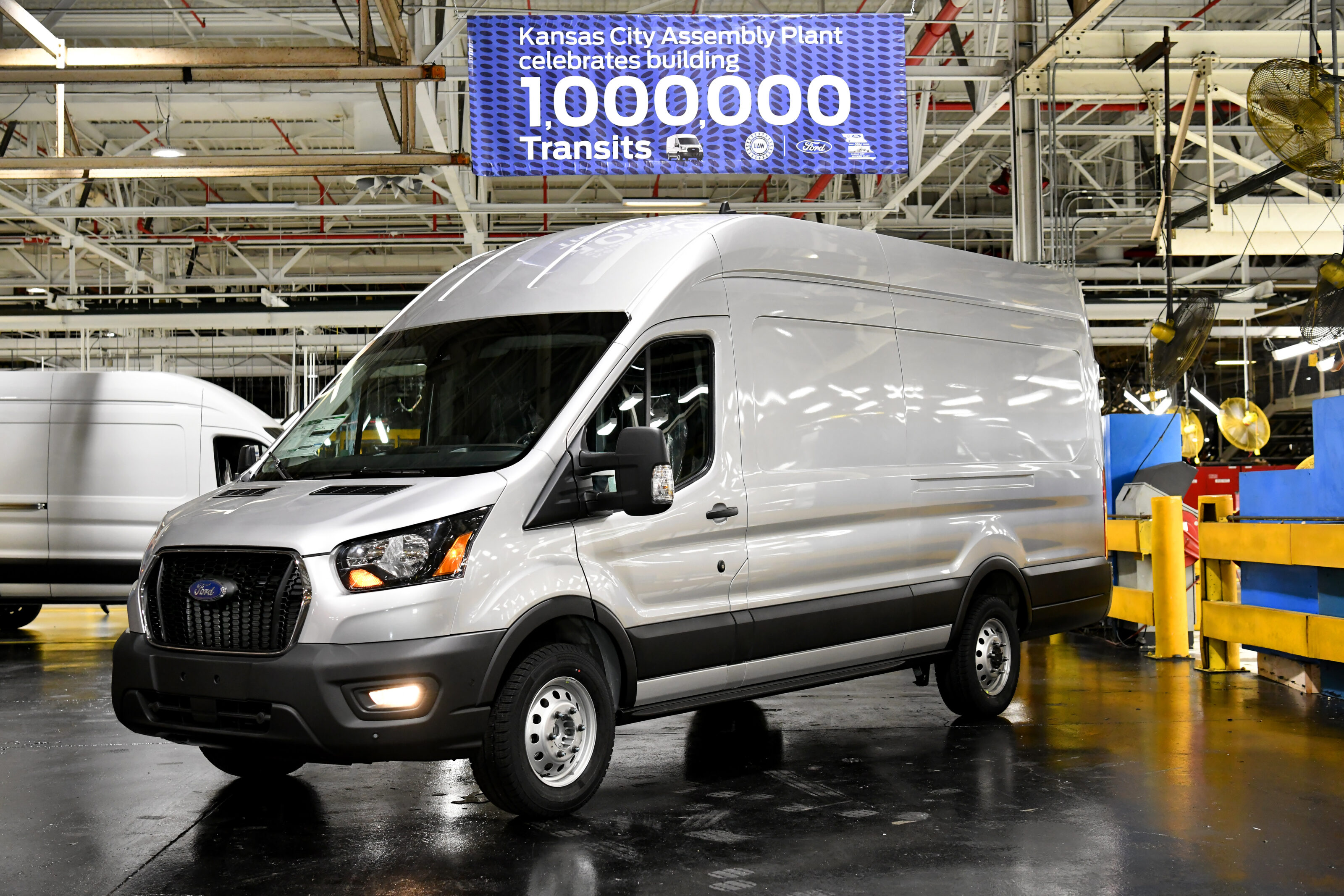
Ford has officially produced its one millionth Transit van at its Kansas City Assembly Plant in the United States.
Transit is the best-selling commercial van in America, and despite Ford’s Kansas plant only building the van since 2014, it’s now into seven-figure production numbers, exclusively for the US market.
That’s a pretty impressive feat and equates to the American marque making (and presumably selling) 342.47 Transit vans every single day since production started seven years ago.
The millionth van rolled off the production line on June 29, finished in ingot silver, with a high roofline, rear-wheel drive, and a long wheelbase.
Jim Farley, Ford’s CEO, took to his personal Twitter account to mark the special occasion.
“In every town around the world, our vans bear the proud names of the businesses that make our communities run,” he said.
“I’m humbled as the one-millionth Ford Transit rolls off the line at Kansas City Assembly. A big milestone for Ford and American manufacturing. Thanks to the team and UAW.”
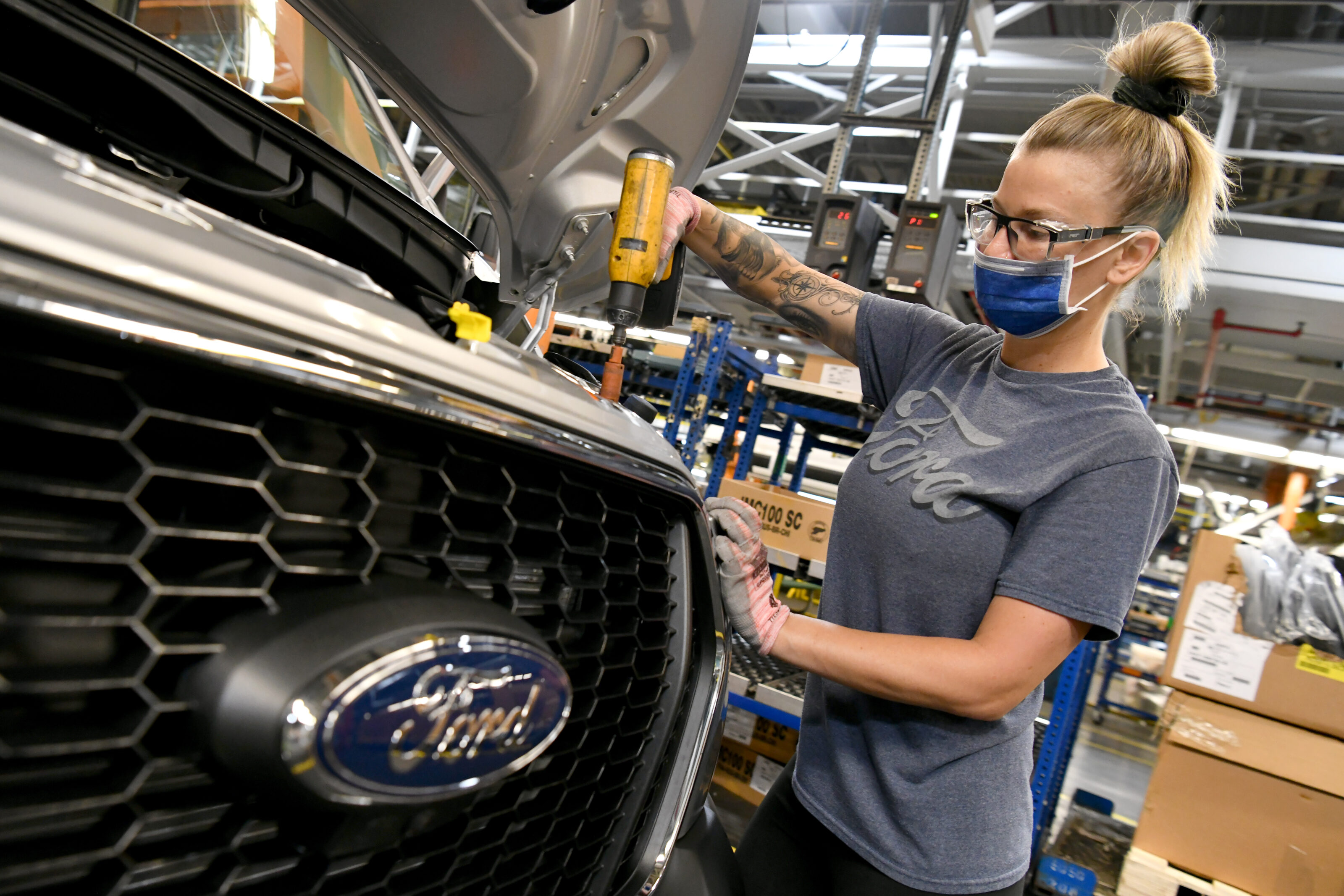
Ford’s Kansas City plant, located in Claycomo, Missouri, will also produce Ford’s first fully electric van, the E-Transit, which is due to be released for the American market later in 2021.
Unveiled in November 2020, Ford hopes the E-Transit will represent a tidal shift for the commercial transportation space when it goes on sale.
Powered by a 76-kWh lithium-ion battery pack, the electric van will have a driving range of up to 203 kilometres, depending on the variant.
The floor-mounted batteries will produce 198kW and 430Nm, and on a 115kW DC fast charger, the van will be capable of going from 10 – 85 per cent charge in just 34 minutes.
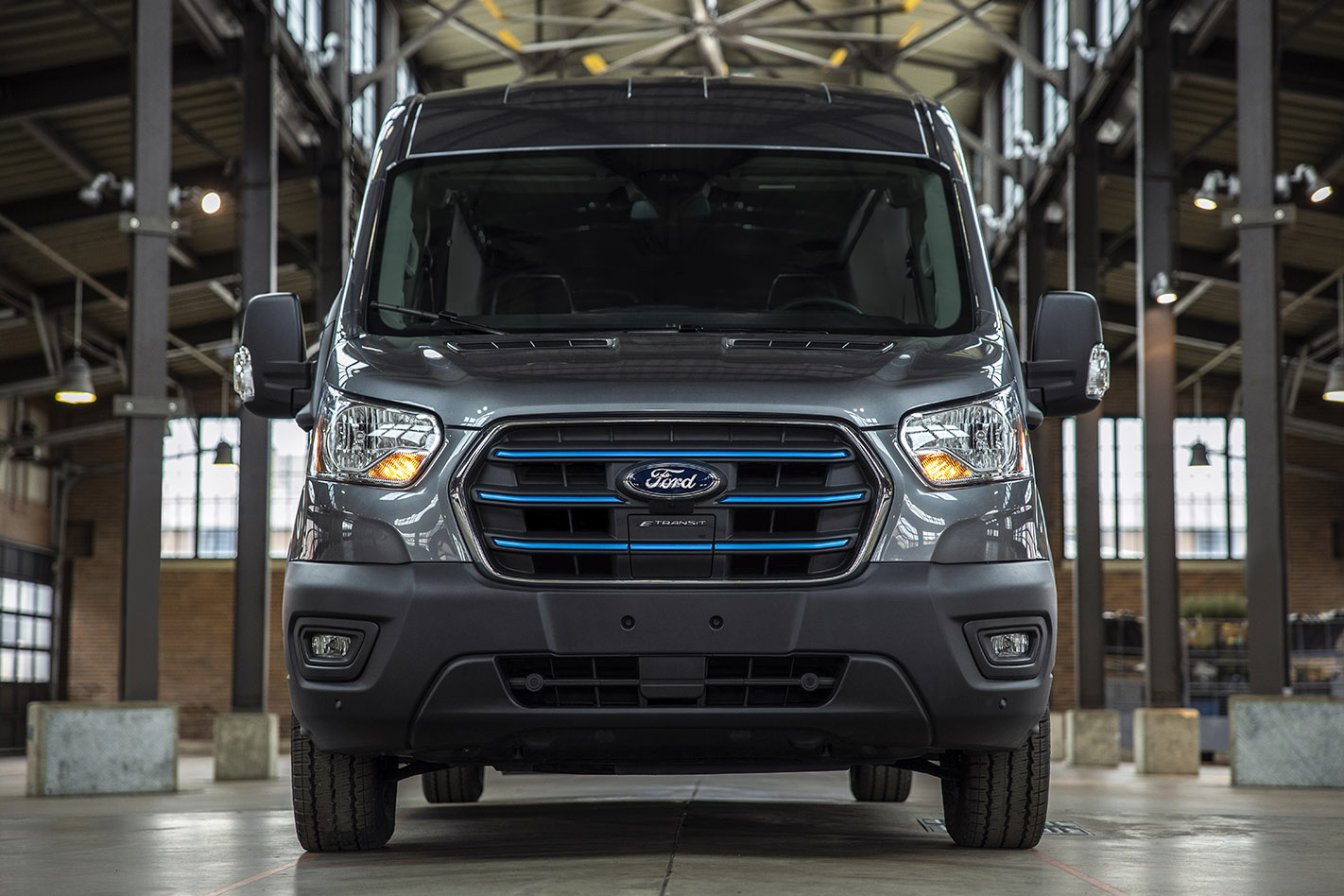
While the E-Transit will be sold across Europe and the Continental United States, however, there’s still no word from Ford Australia as to whether we’ll be seeing the electric van Down Under.
As WhichCar was previously told by a spokesperson from Ford Australia: “While we have no local plans for the vehicle to share, we always look to the best of our global portfolio for vehicles which suit the emerging needs of Australian customers.”
Snapshot
- MG ZS EV now starts at $44,990 drive-away
- HS PHEV begins at $47,990 drive-away
- Various state government incentives could lower prices further
MG Australia has given its two electric models a $1000 price increase after July 1, applying the price hike to the drive-away cost of the ZS EV and HS PHEV.
Pinned on a higher cost of manufacturing and materials, the increase bumps the ZS EV up to $44,990 drive-away, still remaining as the cheapest EV on sale in Australia, just under $4000 less than the Hyundai IONIQ.
As with the ZS EV, the higher cost of the HS PHEV doesn’t affect its standing as the cheapest plug-in hybrid on the market, now coming in at $47,990, again $4000 cheaper than its closest rival, the Mitsubishi Outlander.
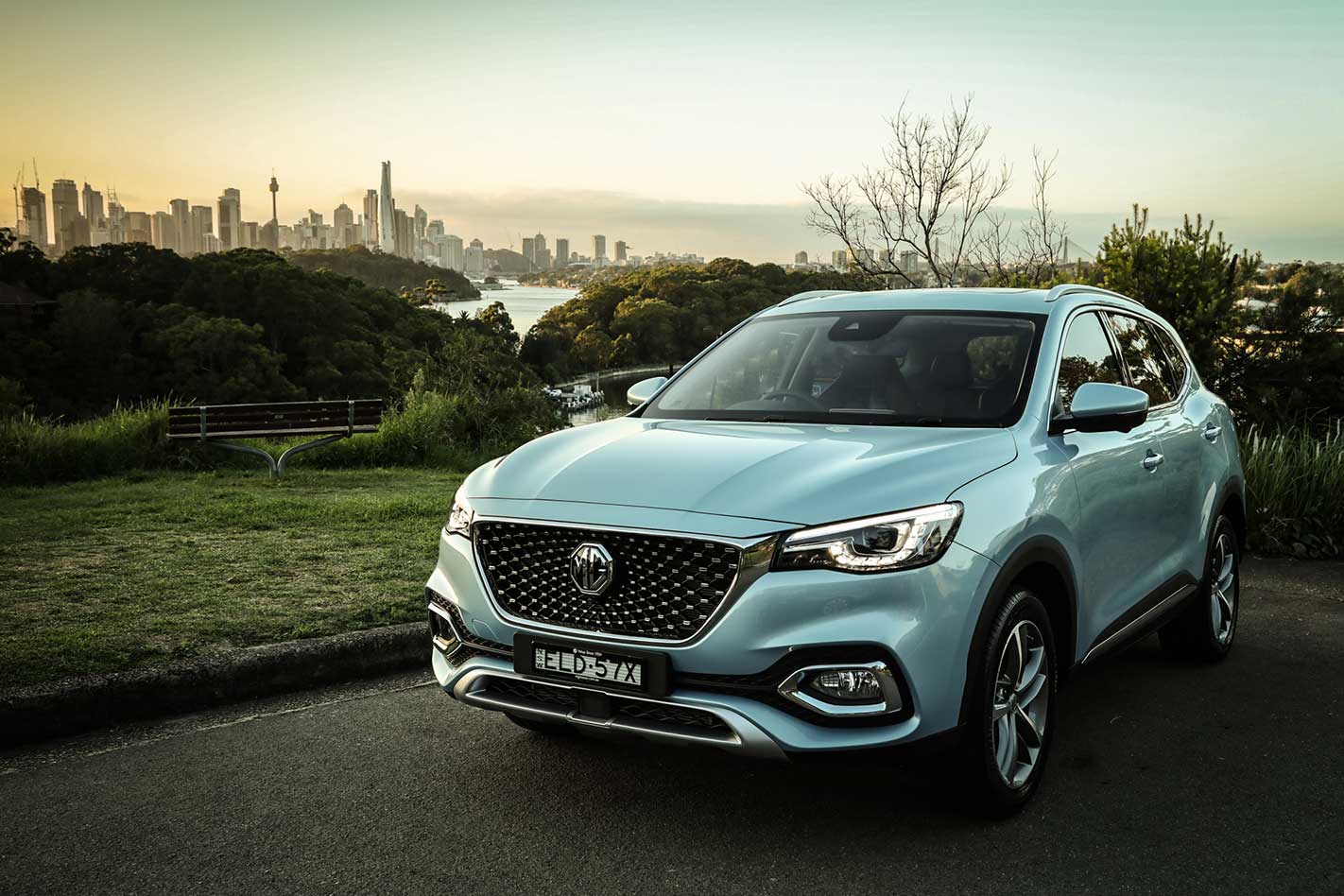
To help justify the extra $1000, MG has extended the warranty for its electric and hybrid models, now offering a seven-year/unlimited-kilometre warranty on the vehicle and battery pack, going up from five years to now bring it in line with the internal combustion engined cars.
While the price increase is applied nationally, it coincides with various state and territory governments around Australia beginning to offer subsidies for EV owners, with New South Wales offering a $3000 rebate for any EV purchased under $68,750 after September 1, also waiving stamp duty for EVs under $78,000.
The Victorian State Government is taking $3000 off the purchase price of any new EV under $68,740 after May 2, though this comes to at a cost with a 2.5c per km road charge being implemented from July 1.
In the Australian Capital Territory, EV buyers not only receive two years of free registration and waived stamp duty but they can also access interest-free government loans, with up to $15,000 available for private buyers.
Yesterday the Tasmanian Government announced their own EV incentives, removing stamp duty from all new and second hand EVs over the next two years, also saying their fleet of Government vehicles will be electric by 2030.
Snapshot
- Nine US customers have reported their Taycan shutting down
- 43,000 units to be checked by Porsche
- Software updates hoped to be the solution
Porsche has issued a global recall notice for its 2020 and 2021 Taycan, with the EV hero car understood to suffer from a loss of power in some markets.
Potentially affecting 43,000 units worldwide, Porsche says the fault stems from a software issue in the Taycan’s power electronics and engine control units, having initially been made aware of the issue from a number of complaints in North America.
An investigation by the United States National Highway Traffic Safety Administration (NHTSA) found nine customers had reported their cars switching into emergency mode and suffering “a loss of motive power while in motion at any speed without warning to the driver”.
The investigation report says while the Taycan runs on an 800-volt battery pack, the auxiliary 12-volt battery on board could lose charge, taking out the whole electrical system with it.
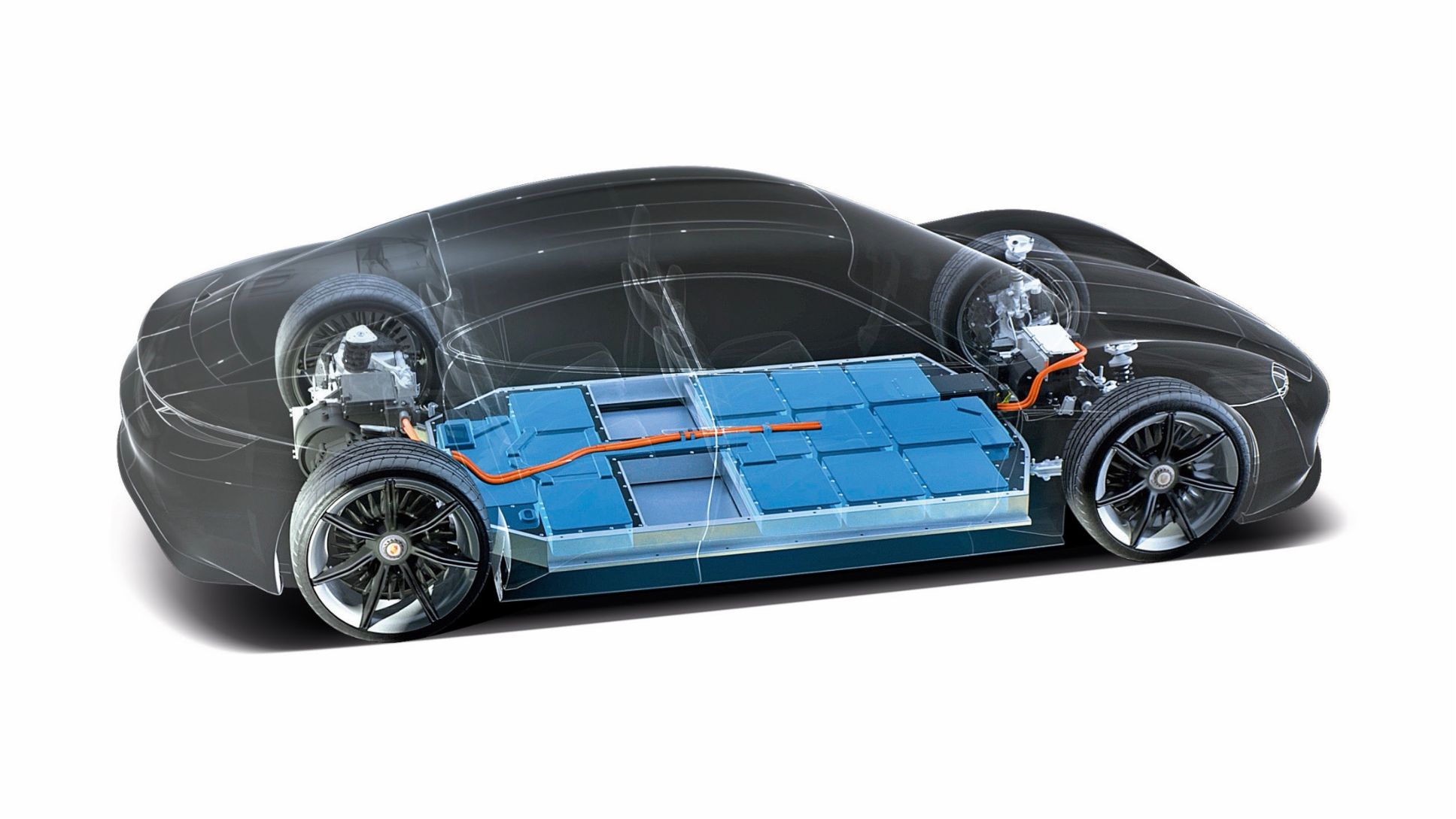
Porsche USA has outlined the issue, saying the fault could lead to a power loss but it is still safe for owners to drive their Taycans as usual. “In the case of the affected vehicles, there is the possibility in certain instances a shutdown of the power train, resulting in loss of motive power may be triggered incorrectly and sporadically,” said Porsche. “A software update will be installed in the workshop.
“The issue was already remedied in the ongoing series. Owners of the affected vehicles can continue to use them and will be contacted directly by their responsible Porsche partner.
“A workshop appointment will be free of charge and should take place as soon as possible, and the software update will take about an hour.”
Porsche Australia last spoke to WhichCar before the close of business on Friday afternoon, saying it had no comment to make on the recall at this stage.
Up until the end of May this year, Porsche has sold 326 Taycans in Australia.
Every motorsport fan has a personal list of favourite race tracks – big, small, local, and international. But what about overrated? The lauded layouts that really shouldn’t be as popular as they are. It was a topic of discussion at MOTOR HQ recently, and it got me thinking.
The first that came to mind was the Monaco street circuit. In all honesty, Formula 1 outgrew the Monegasque streets two decades ago. Since then, cars have become longer, wider and faster. F1 insiders praise it, but I can’t think a less interesting grand prix on the current calendar – and that includes Sochi! This year’s return to the Principality was a depressingly processional stinker.
One of the most exciting Monaco races in recent history was in 2018, when Daniel Ricciardo had to nurse a broken car, which was on three-quarter power and had just six of its eight gears available, while defending a full-attack Sebastian Vettel for 50 laps. That’s not a race, it’s a traffic jam.
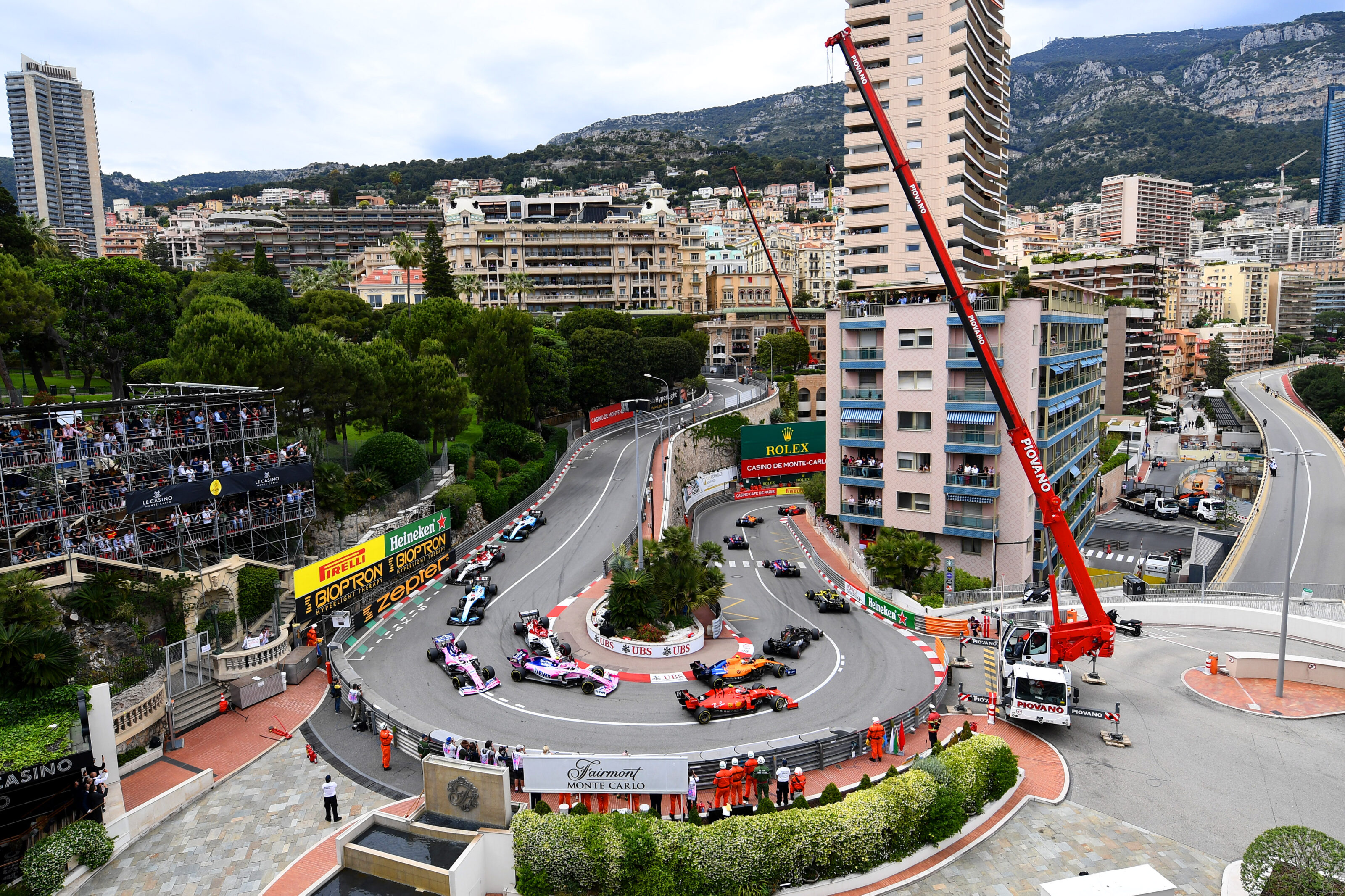
If Monaco is worthy of its slot on the grid for its age alone then I’m officially starting a petition for Formula 1 to return to Indianapolis. And not the meandering infield ‘road course’, I mean the proper full-fat oval for 500 miles.
Formula 1’s crown jewel isn’t the only circuit that draws my ire, with one of North America’s premier endurance races run on a track that uses its dilapidation as a selling point. I’m talking about Sebring, which proclaims to be one of the oldest continuously operating race tracks in the United States. Originally an army airfield, the circuit still occupies a portion of the local airport.
If you listened to the track owners – and one-eyed US racing fans – Sebring’s defining feature is its bumps. But one man’s bumps is another’s disrepair. The track owners have done a hell of a job dressing up the awful surface as some sort of unique offering. Well, it is unique in its brutality, but that doesn’t make it something worthy of adulation. Want to be great? You need to bring more to the table I’m sorry.
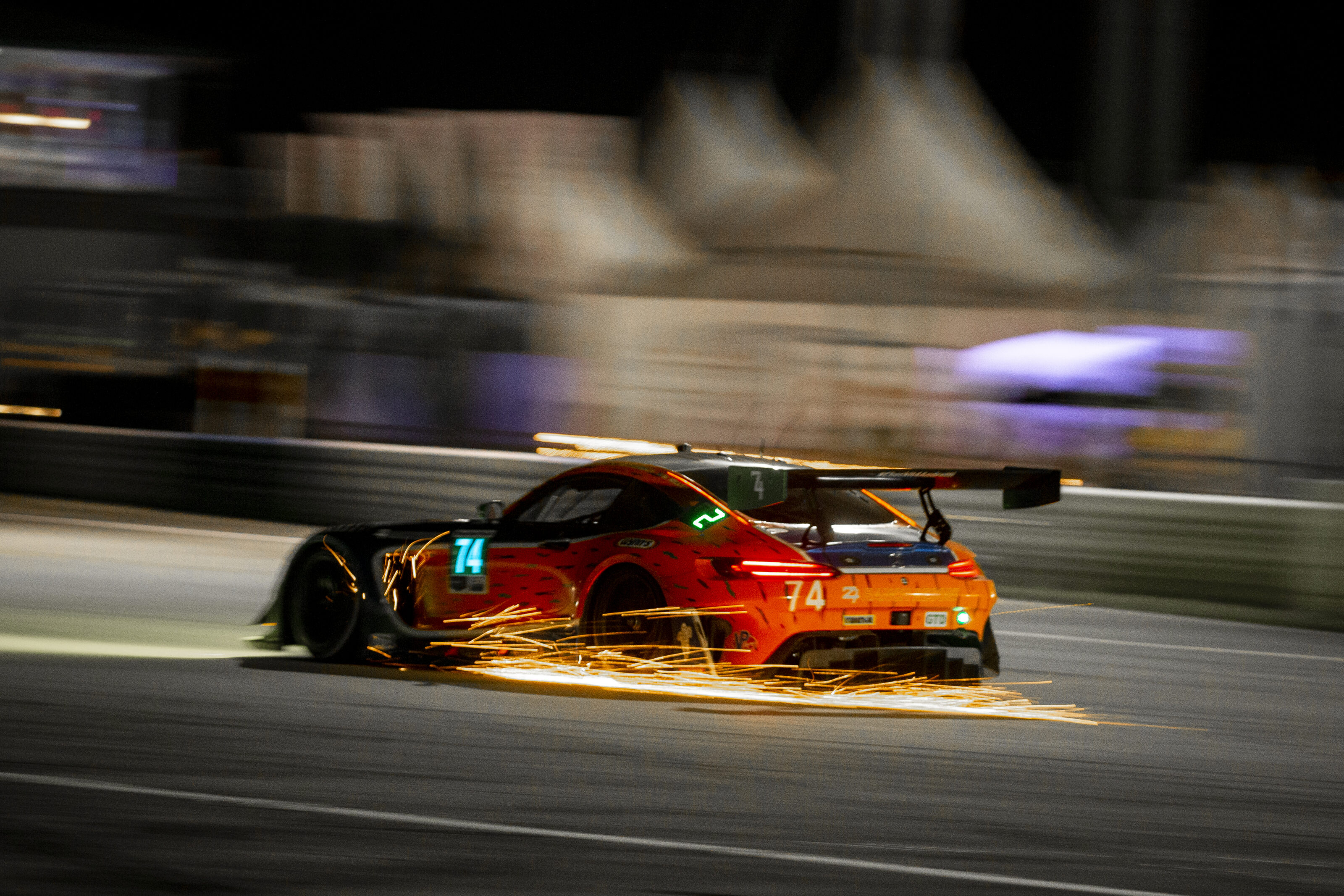
To its credit the first and last corners have plenty of character (and challenge), but in between are 15 turns of middling mediocrity. I should be clear; unless a new layout is built, Sebring shouldn’t be repaved – that’d take it from overrated to just plain bad. But a one-trick pony doesn’t deserve your respect as a race fan. The owners can either let it sink into a sinkhole with the rest of Florida, or shut the doors for a while, do some homework, and not return until they’ve come up with something decent.
The Americans aren’t the only ones guilty of taking a disused airport and trying to reshape it as a crown jewel, with the Brits having a confounding love with Silverstone I’m yet to understand.
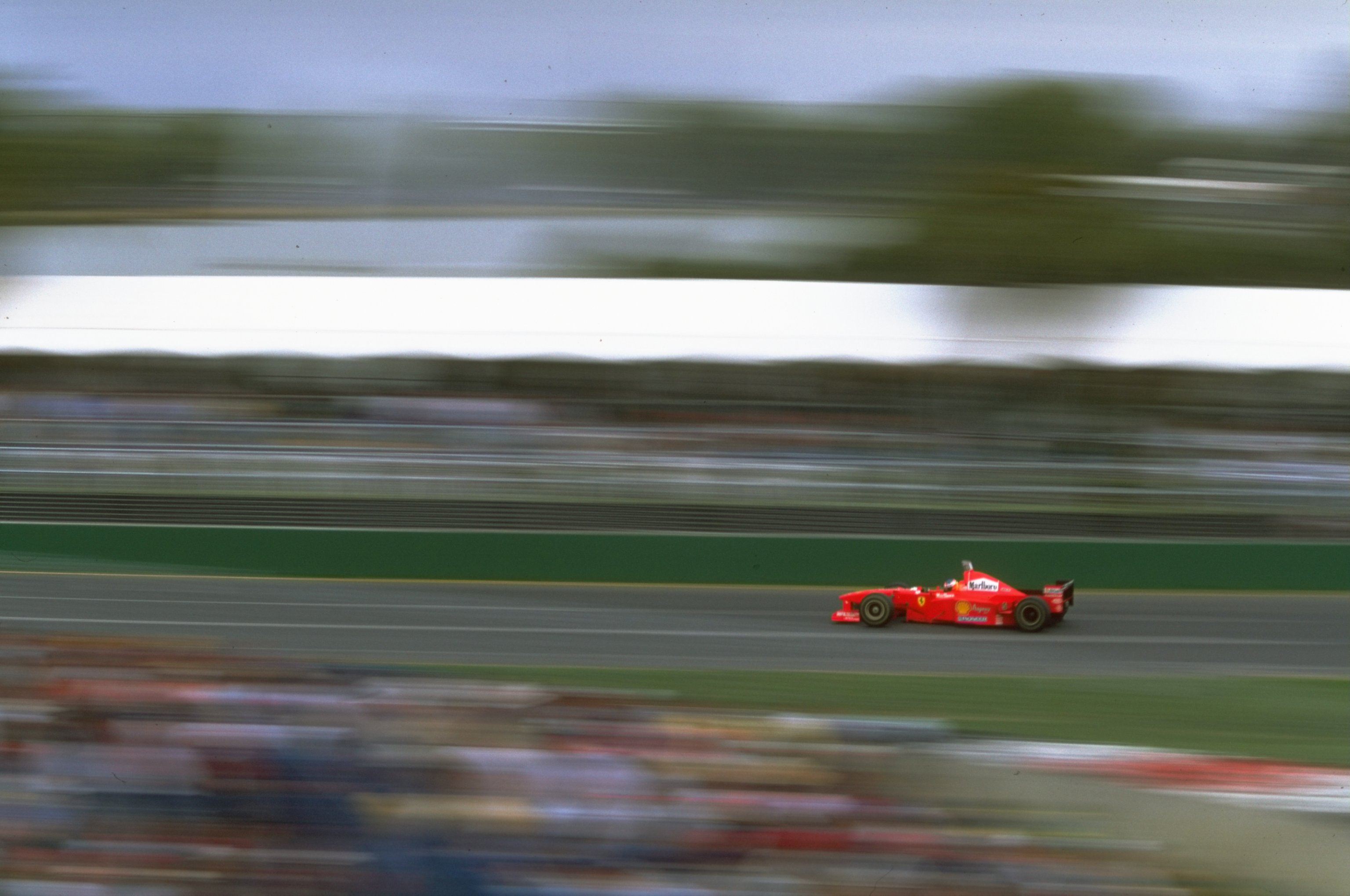
It wasn’t always overrated though, with previous iterations being fast and fearsome. But since then it’s been sanitised and rejigged into something that barely resembles what it started out as. Despite its slew of iconic bends, the circuit as a whole is altogether a bit soulless. If Hermann Tilke was handed a briefcase of unmarked Euros to build a new grand prix track and delivered the modern Silverstone, there would be righteous indignation abound. Sorry cobbers, but Silverstone is merely decent at best.
To round this out, it’s time to look at our own backyard and the host of the biggest motorsport event in Australia – the Albert Park Grand Prix circuit. I understand the location of our only F1 grand prix and its benefits are largely commercially driven – the lake is very pleasant and, hot damn, don’t the helicopter shots with the CBD in the background make Melbourne look like a half-pretty city on television.
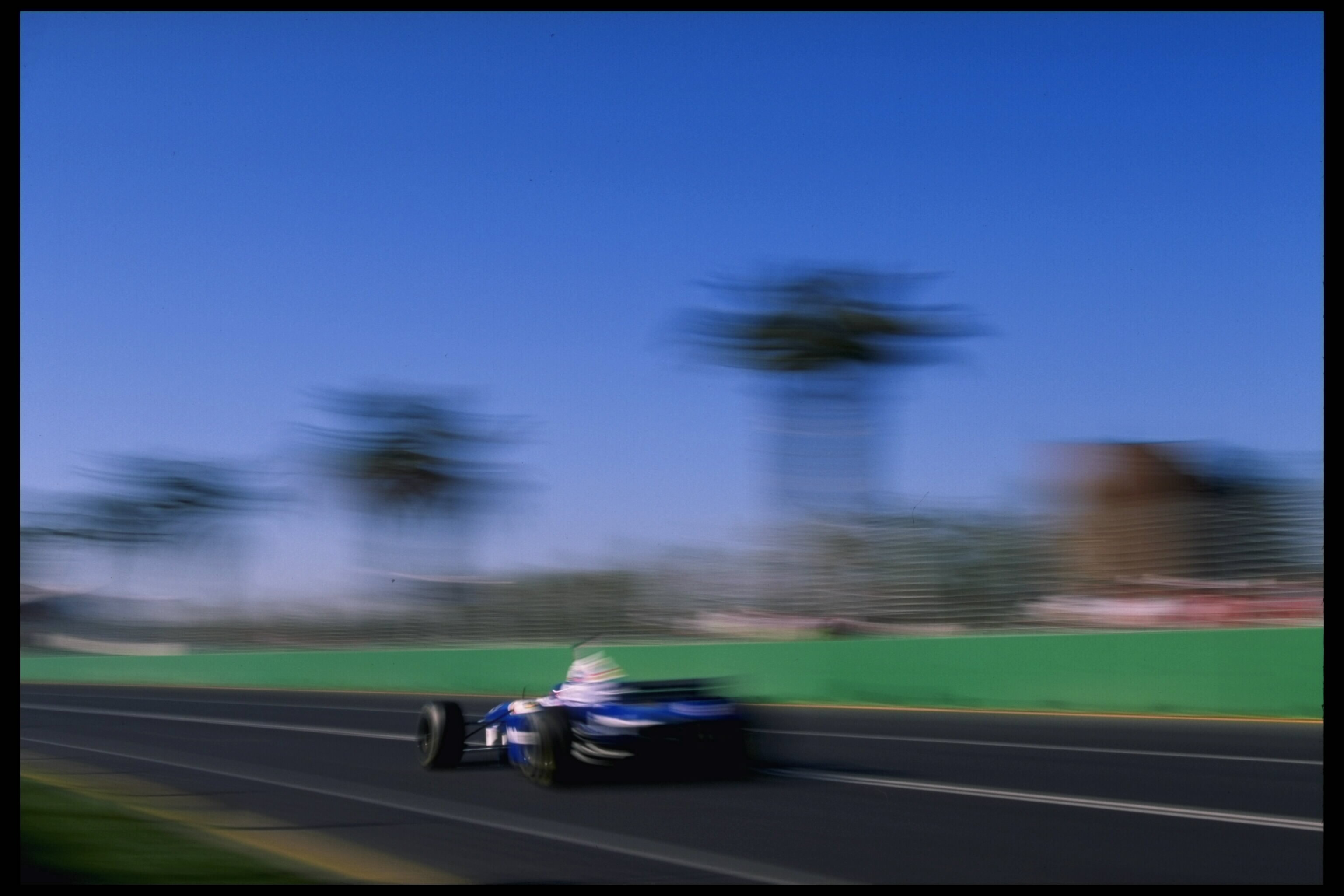
Yet as a circuit, it fails to do anything exciting, new, or interesting. When was the last properly entertaining F1 race at Albert Park? There have been engaging moments in isolation, but the full-length races are traditionally a snore-fest. If the circuit was dropped from the F1 calendar altogether, would it be any great disappointment? Not really. If we are paying huge sums to host a Formula 1 grand prix, it should at least be at a half-decent circuit. Australian racing fans deserve better.
To end this diatribe I put it to you, what are some of the most popular circuits around the world that can only manage to elicit a ‘meh’ from you? Ping our inbox and let us know!
