
Aussie fans of Subaru are going to want to slide on the rose-tinted glasses and check out the Japanese firm’s latest ad, which celebrates the 25 Anniversary of the recently launched sixth-generation Outback SUV.
Coined “Generations of love”, the misty-eyed, nostalgic 90 seconds of video encompasses some of the manufacturer’s most iconic all-wheel drive models from the past five decades – even the humble Brumby gets a nod.
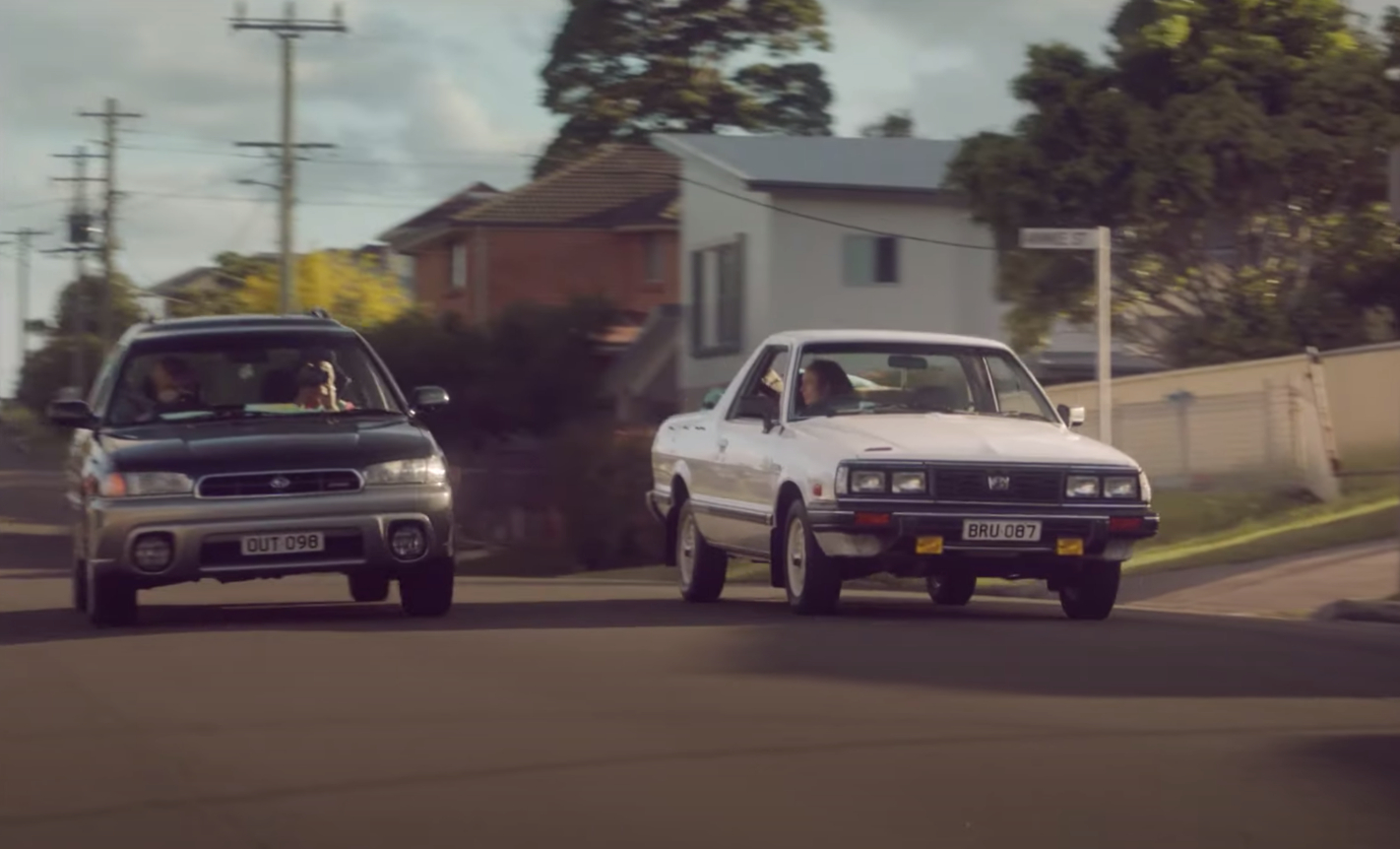
With Starship’s hit single Nothing’s Gonna Stop Us Now setting the tone, viewers are treated to a montage meant to pull at the heartstrings, featuring clips of fabled models like the first-generation Outback and a very special “bug-eyed” WRX rally car being thrashed on dirt.
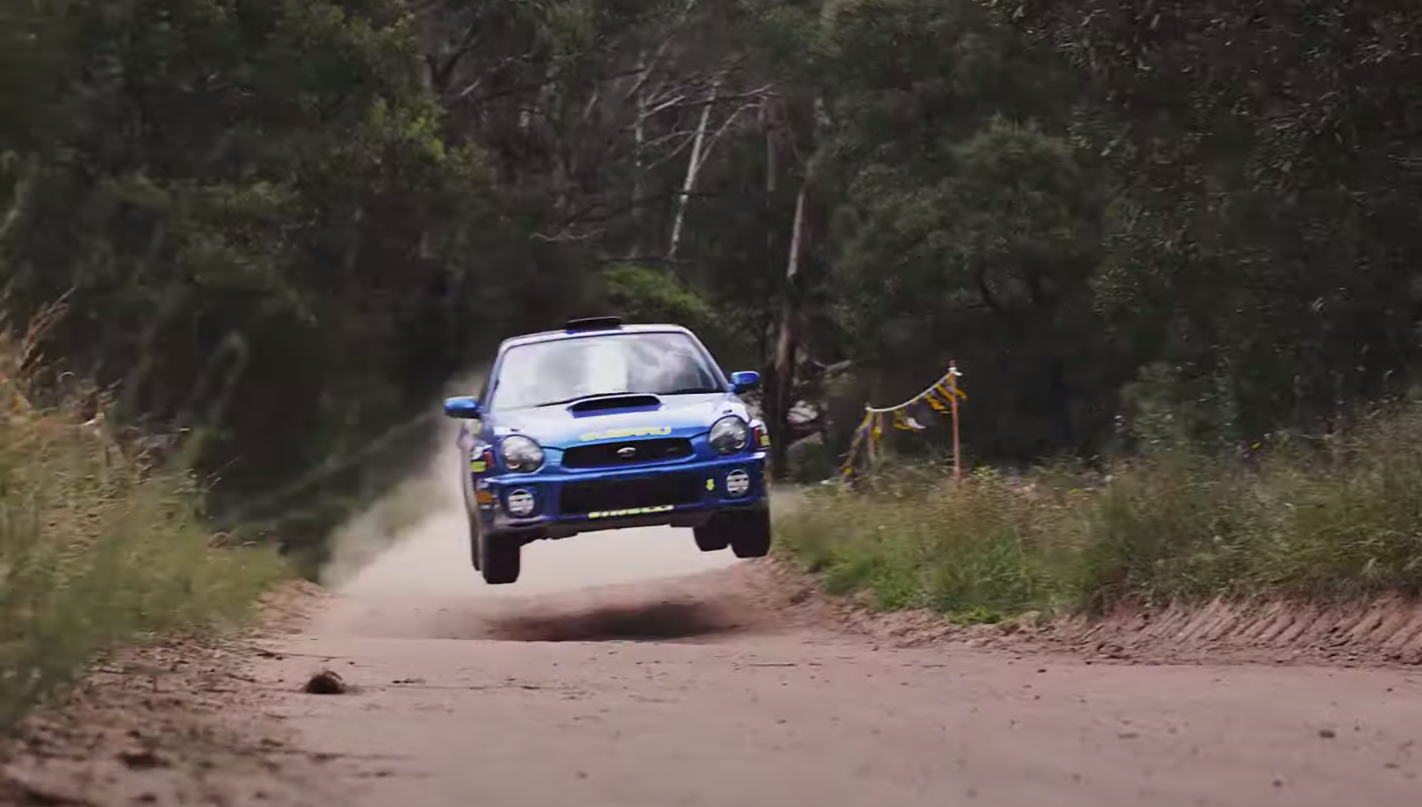
The ad had something for every aficionado of the brand.
“From a classic Brumby ute, actually owned by one of our own staff, to the late great Possum Bourne’s Australian Rally Championship-winning WRX STI – driven in the TVC by another Subaru champ, Cody Crocker and Possum’s co-driver Mark Stacey – there are some incredibly strong and emotional strands that link, to bring us right up-to-date with new Outback,” Blair Read, Subaru Australia general manager, says.
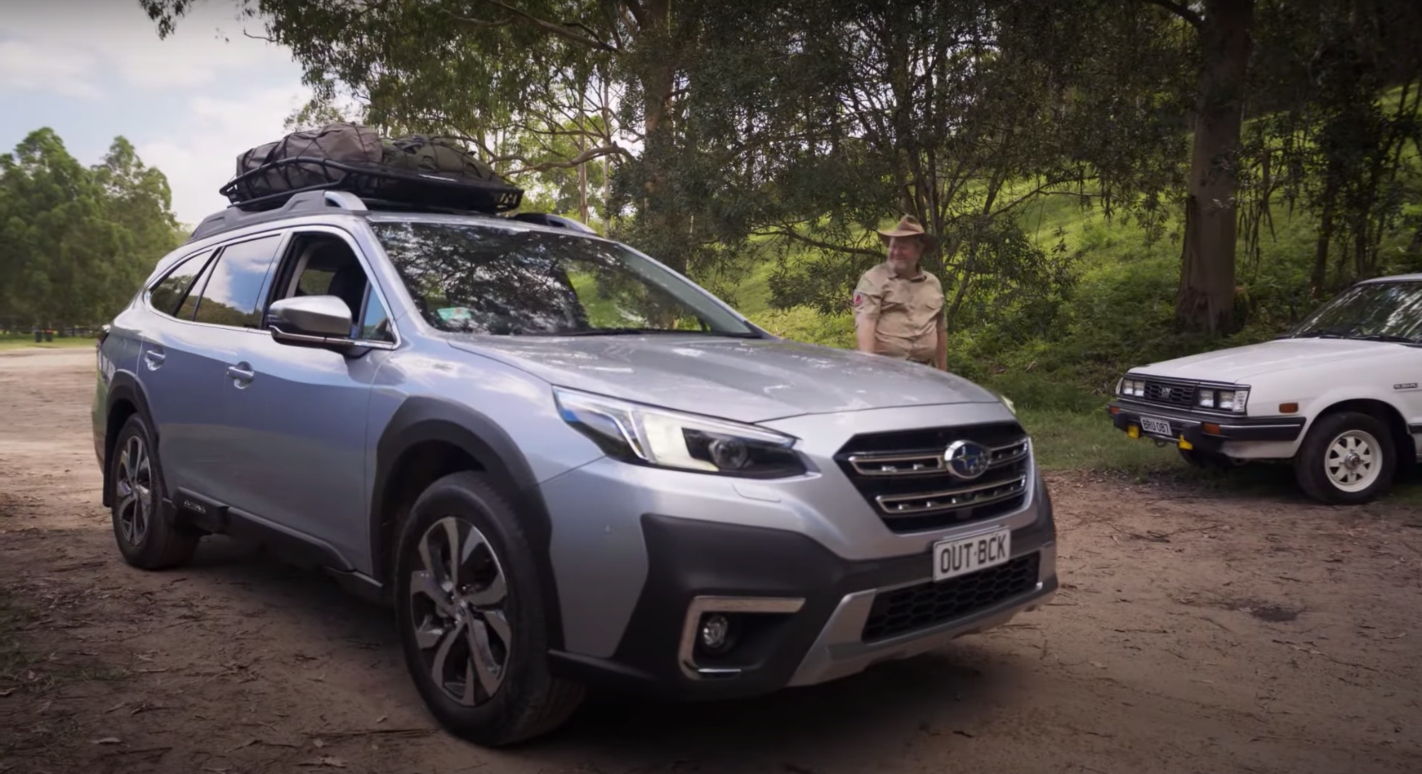
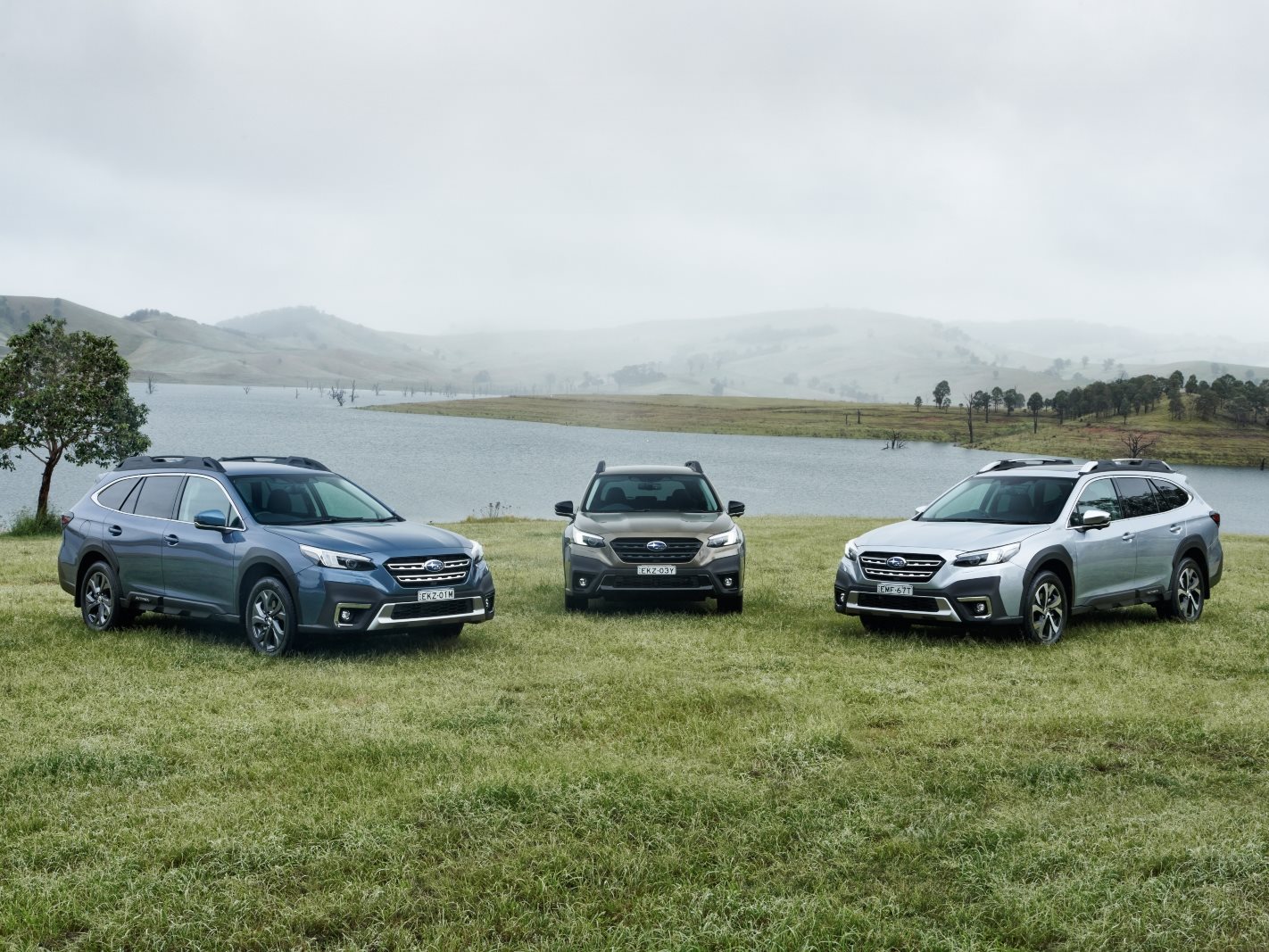
The sixth-gen Outback, now in showrooms across the country, is available in three different guises – the Outback AWD (from $39,990), the Outback AWD Sport (from $44,490) and the Outback AWD Touring (from $47,790).
All three models come equipped with a naturally aspirated 2.5-litre boxer engine that turns out 138kW and 245Nm and powers Subaru’s X-Mode all-wheel drive system via a continuously variable transmission (CVT).
Disappointingly for some, the new Outback range misses out on the big six petrol and turbo-charged diesel options of its predecessors, although the company’s local arm says it is working to get its hands on the 194kW/375Nm turbo model available to US buyers.
Other features of the new off-road SUV include a sizeable 11.6-inch portrait-mount infotainment system, revised start/stop technology and a host of Eyesight driver assistance features that include a lane-centring function, autonomous emergency braking and steering, speed-sign recognition, lane-departure warning and prevention, blind-spot monitoring, rear-cross traffic alert and a driver-attention warning.
Lexus has updated the flagship variant of its LX570 S large SUV for 2021, sporting a refreshed front end with tweaked spindle-look grille, front bumper, side skirts and wheels.
There’s no price change for the 2021 model year, with the top of the line LX remaining at $168,767 before on-road costs.
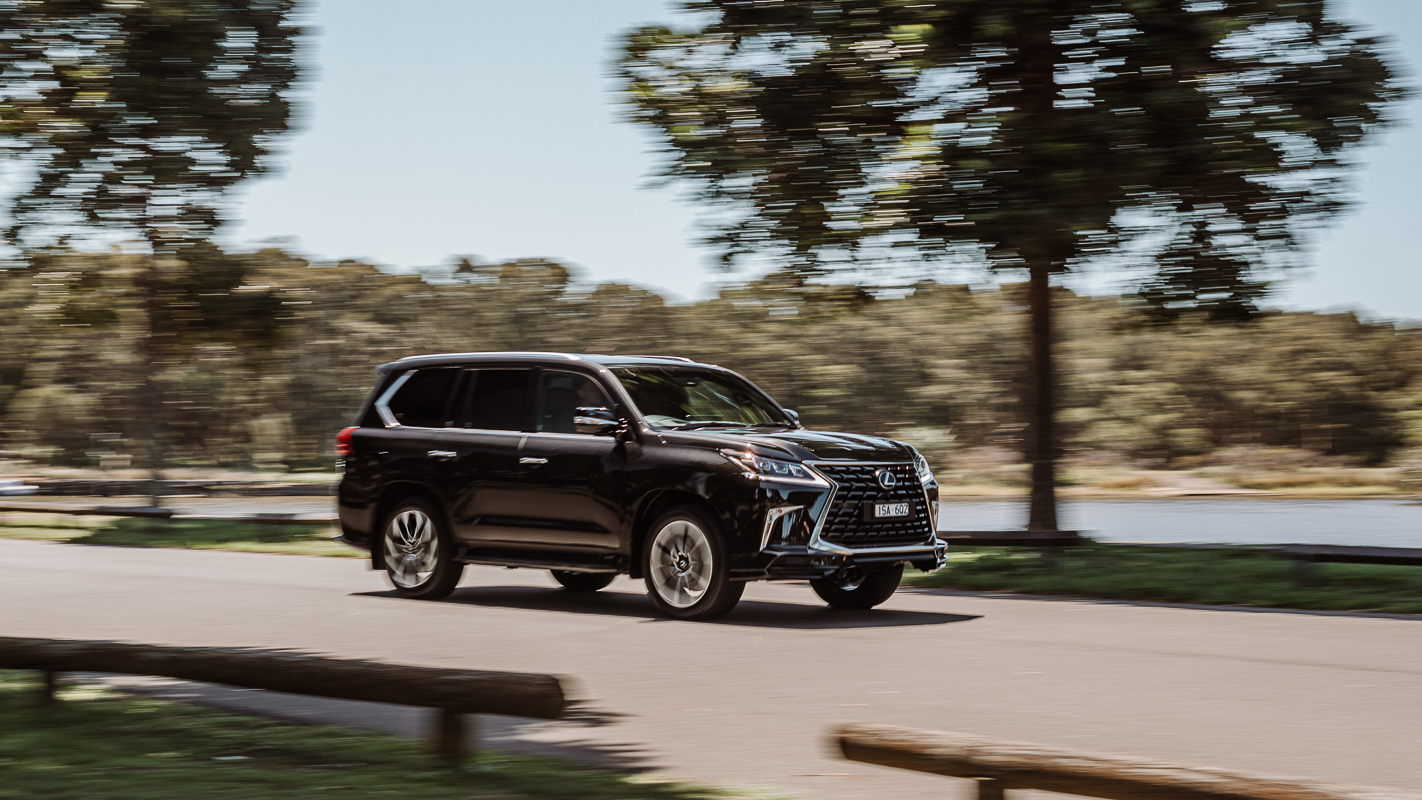
Specifically, design changes see a new block-mesh grille pattern that aligns its looks with those of the Sports Luxury RX, while the front bumper also gets a cleaner look by removing horizontal design attributes.
Rounding out the styling changes is a set of new two-tone 21-inch wheels with ten spokes. The silver wheel fascia and black finish are said to mimic the colour scheme of the Lexus LC sports car.
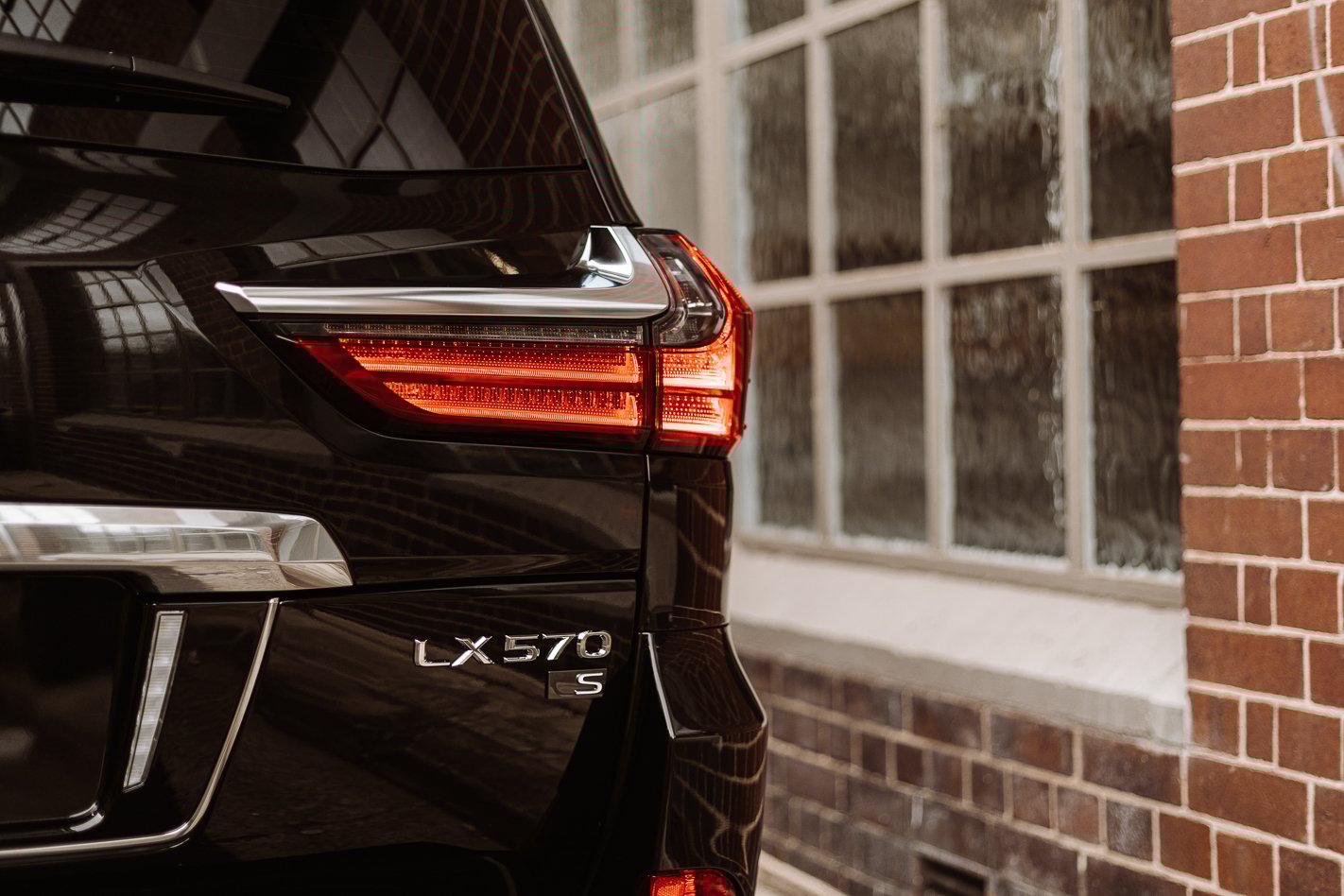
The LX570 S is differentiated by ‘S’ branding on the rear, new performance dampening control, alloy foot pedals and door puddle lamps that display ‘LX S’ onto the ground.
Exterior colours are limited to Sonic Quartz or Starlight Black.
The Lexus LX570 S is only available with a 5.7-litre V8 engine which produces 270kW and 530Nm, sent to all four wheels through an eight-speed automatic transmission.
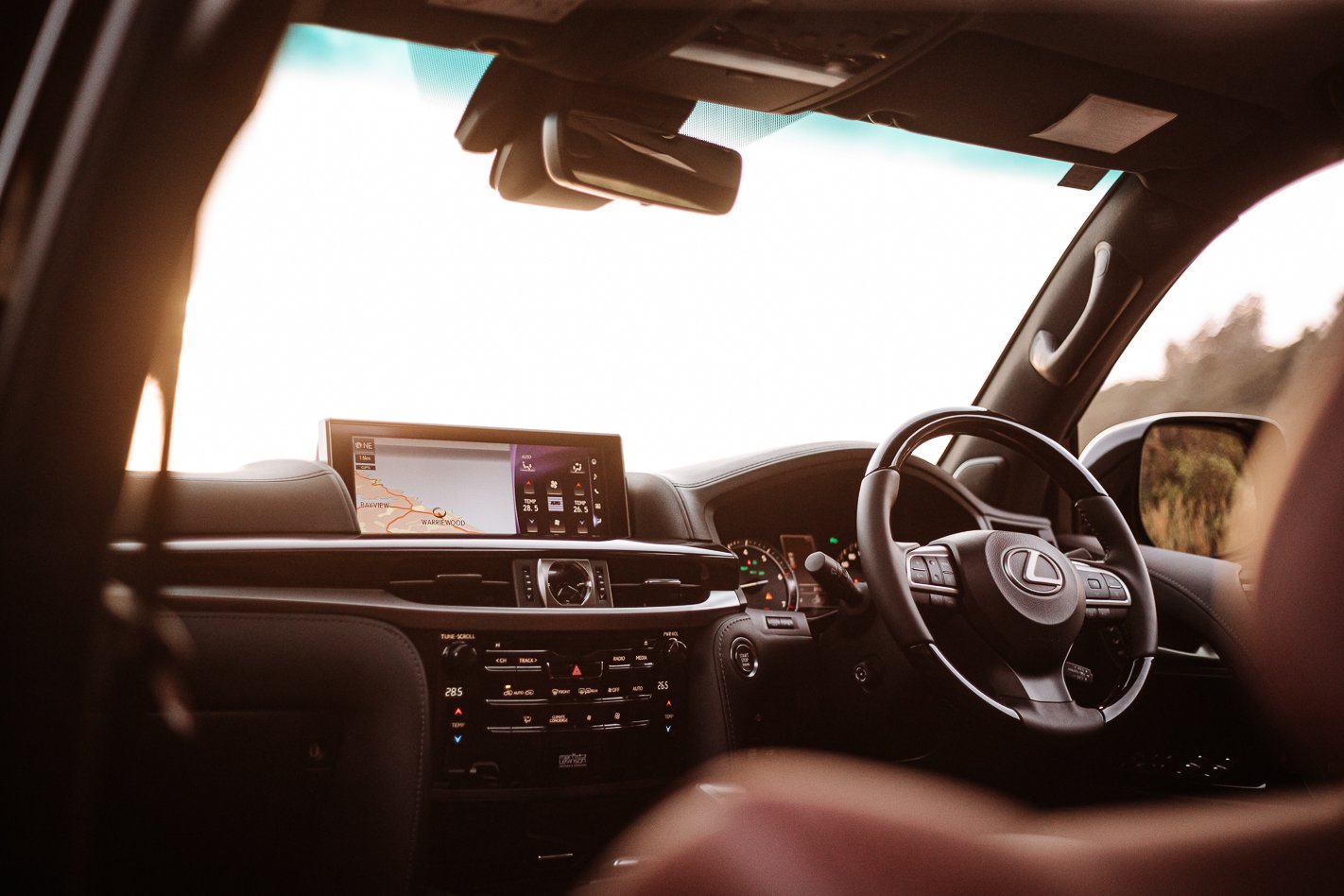
Lexus Australia chief executive Scott Thompson said the new-look LX570 S provides a stylish option for its customers who are after a sportier LX.
“The LX is our most popular L Series model thanks to its combination of maximum luxury, incredible capability and renowned Lexus care with the industry-leading Encore Platinum owner benefits program as standard,” Thompson said.
“The new-look LX 570 S further broadens the appeal of this flagship luxury SUV with sporty, yet subtle design touches and a focus on enhancing its urban appeal.”
2021 Lexus LX570 S Australian pricing
- Lexus LX570 S – $168,767
Porsche has invested another $108 million into Croatian electric supercar maker Rimac, in a bid to further strengthen ties and technology sharing between the two auto makers.
This new strategic investment has allowed Porsche to increase its ownership stake of Rimac to 24 per cent, up from 15 per cent.
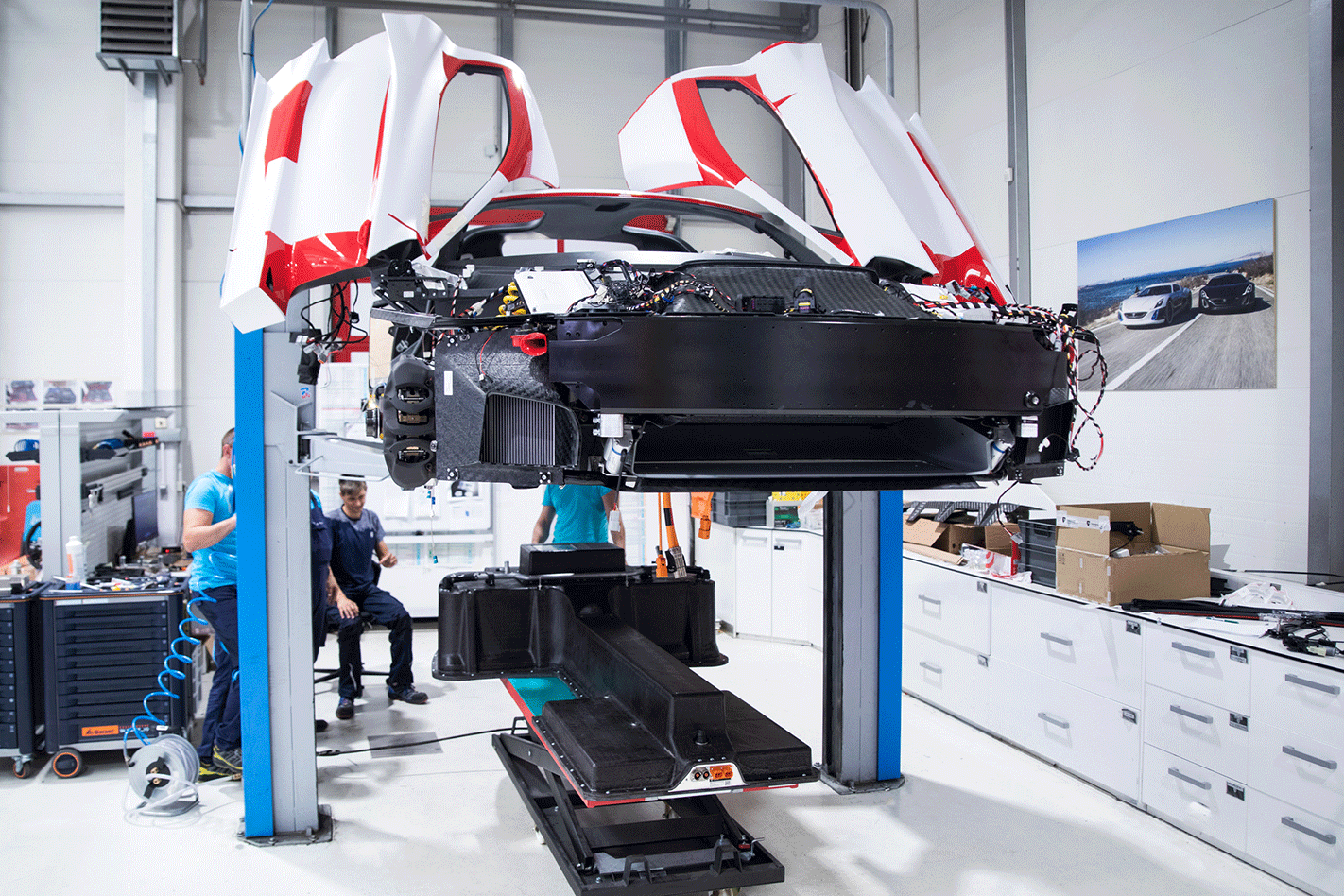
Porsche has hit the ground running, too. According to Porsche board member Lutz Meschke, the German marque has placed first orders “for the development of highly innovative series components.”
That’s the main driver behind Porsche’s interest in the brand. It hopes to learn a thing or two about the advanced battery technologies that Rimac uses for its hyper-performance electric supercars.
“Our investment in Rimac has turned out to be absolutely right”, Meschke continued.
“The company has developed very well technologically. We are expanding our cooperation step by step and are also benefiting from Rimac’s strength in innovation.”
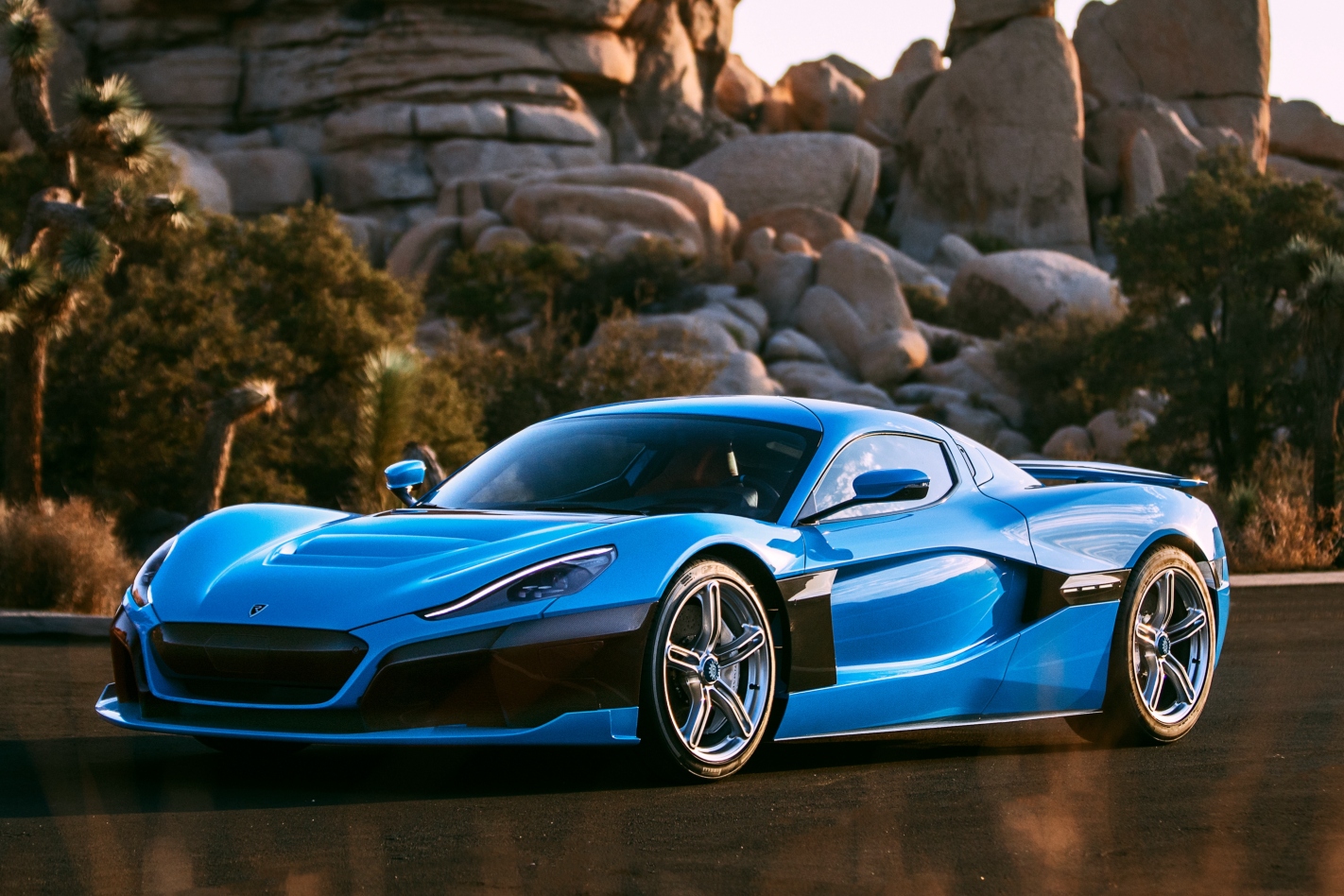
Mate Rimac, Rimac founder, echoed the same sentiments: “We’re proud to work together on exciting new electrified products.”
That said, Mate Rimac threw cold water on suggestions that Porsche would increase its stake to gain a controlling majority.
“With many car manufacturers across the world being Rimac customers, it is important, both for Rimac and Porsche, that we remain an entirely independent business. The partnership with Porsche helps the company develop and grow, which is beneficial for all of our customers.”
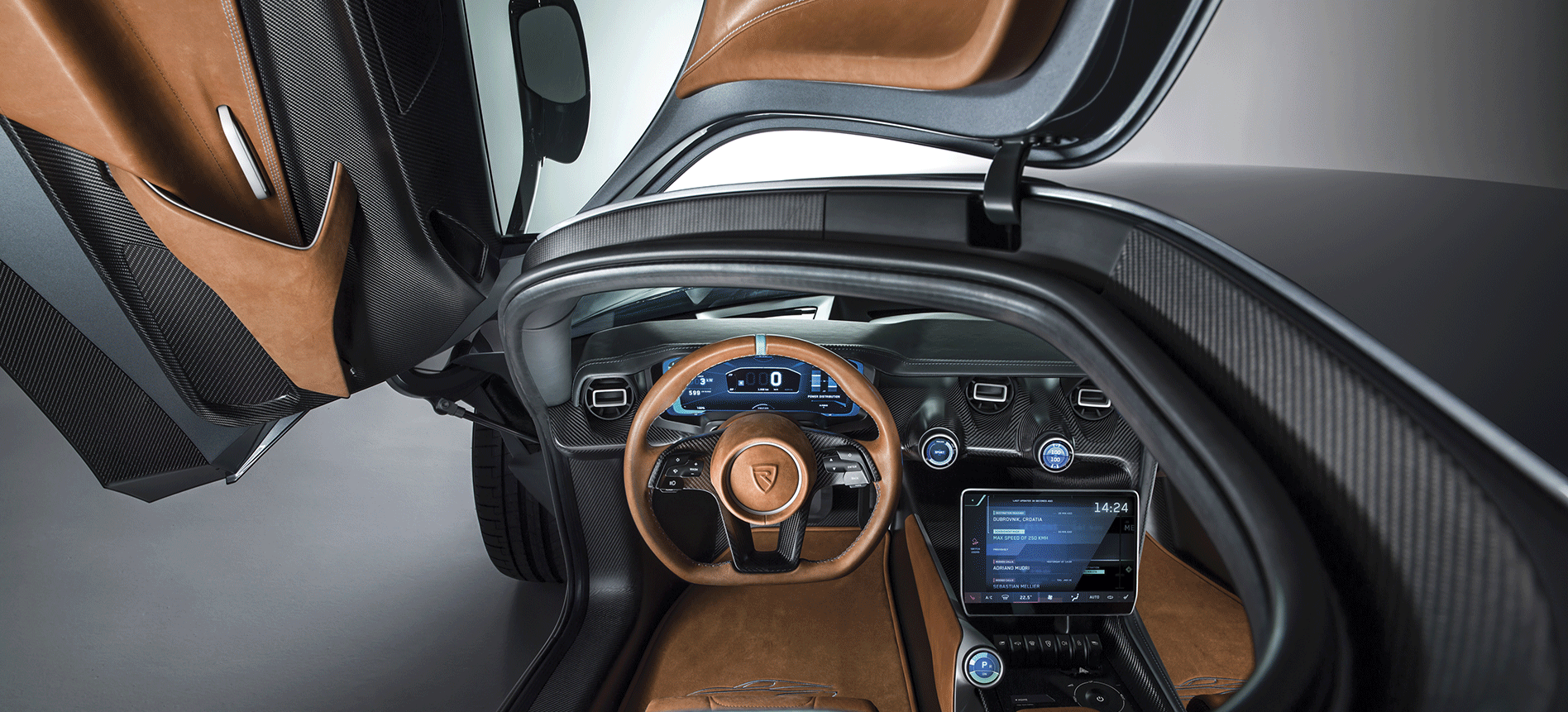
Persistent trade rumours last year had Rimac acquiring the Volkswagen-owned Bugatti hypercar brand in exchange for Porsche taking a larger stake in the Croatian EV-manufacturer, though that does not seem to have eventuated. Porsche instead handed over a cash payment for its enlarged share.
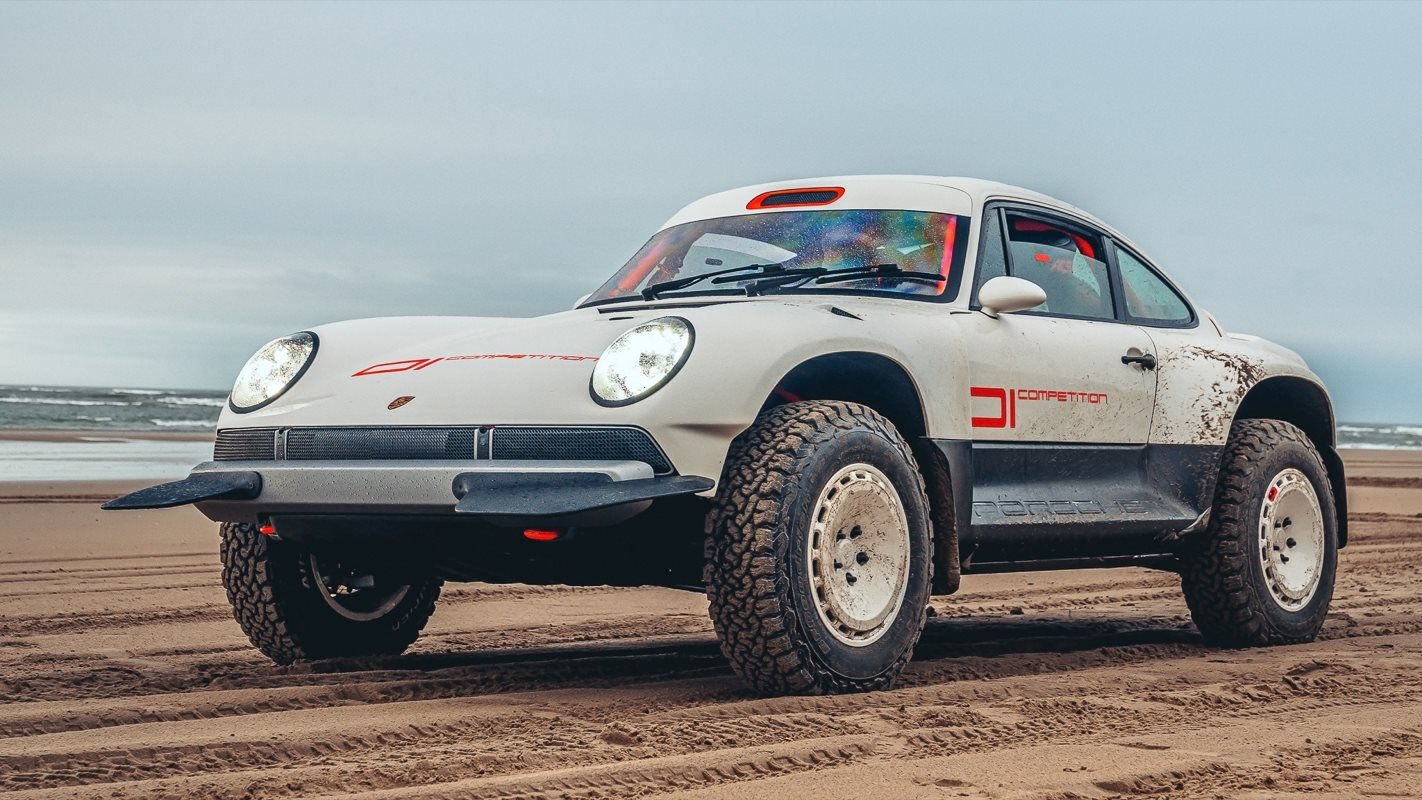
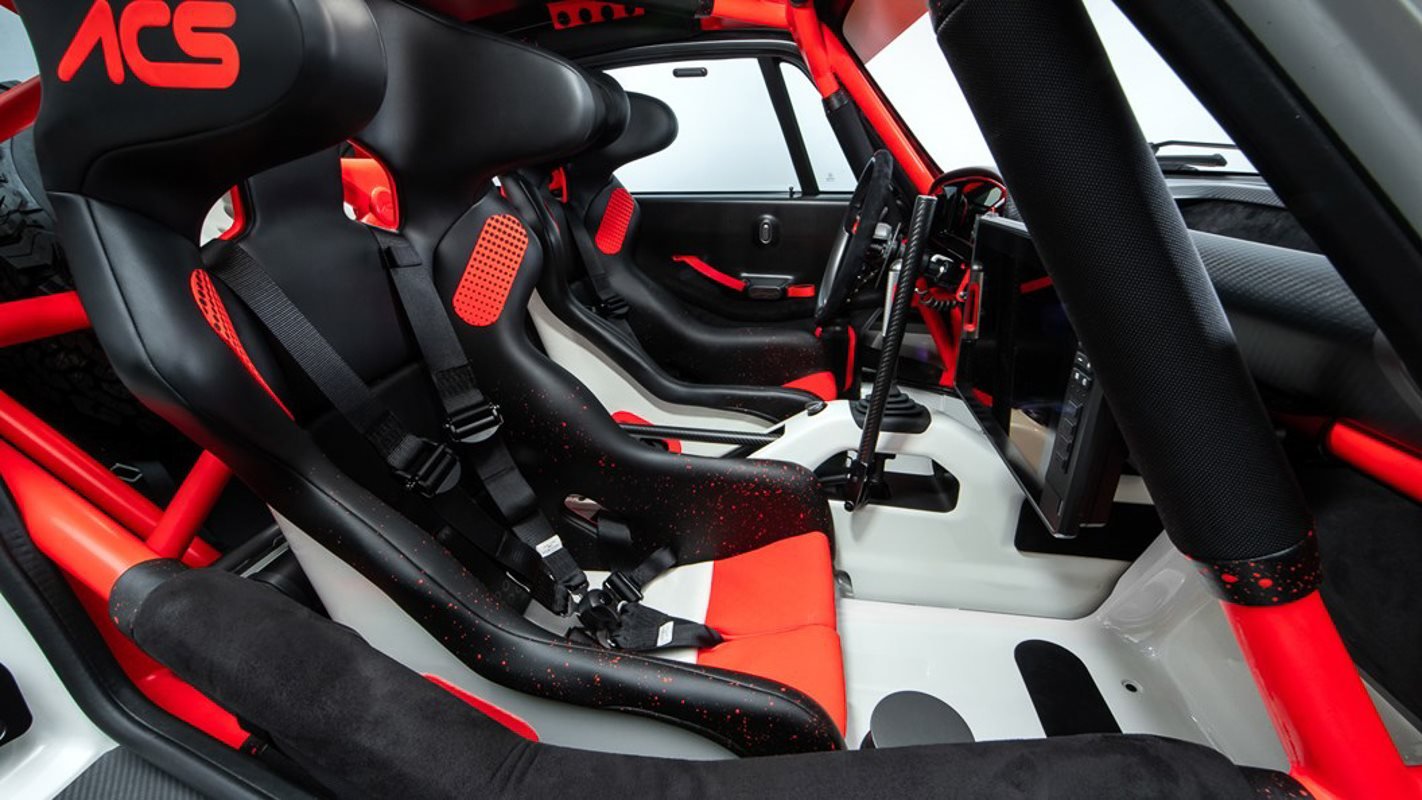
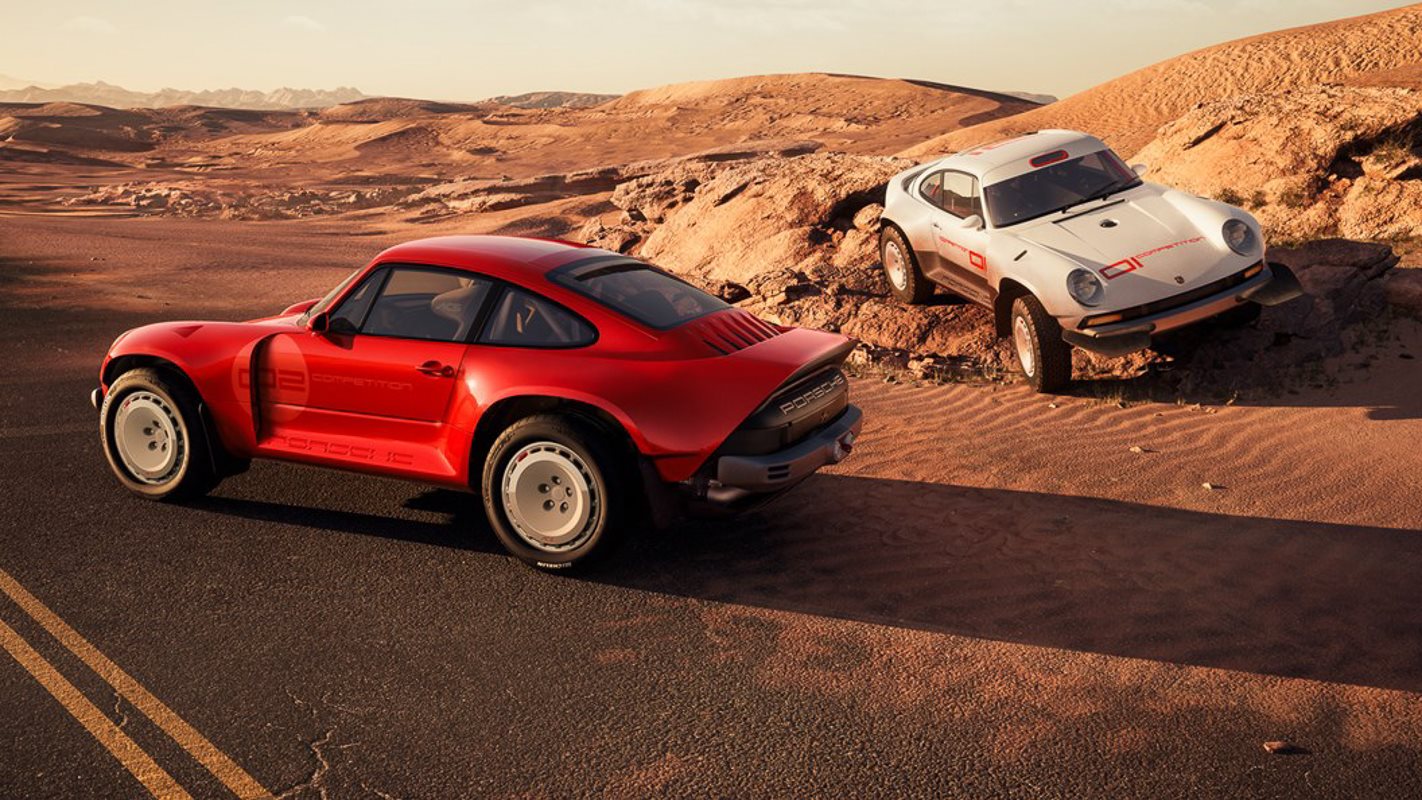
Singer Vehicle Design’s awe-inspiring ACS (All-terrain Competition Study) may well have melted the interwebs when it was unveiled in January, but its shock release has left one stakeholder more than a bit perturbed.
As first reported on Carscoops.com, Porsche has reached out to the California-based modifier and requested that all media surrounding the ACS be pulled from the company’s website and social media accounts until further notice.
The Stuttgart firm has apparently been displeased with Singer’s use of the Porsche name on the ACS, which features on printed graphics and is even moulded into the car’s side sills.
A representative from Porsche said that, while Singer invariably spurs passion for the brand, and ensures that older products remain loved and on the road, it must protect its marque for the sake of its customers.
“We are glad to have a growing community of Porsche enthusiasts. They help us to ensure that so many Porsche cars originally built decades ago remain on the road and are still being enjoyed.
“At the same time, we have a responsibility to our customers to ensure that Porsche products – designed and engineered by us – can be clearly and easily identified.
“This can range from an individual component or piece of clothing using our name through to whole cars. We do this by allowing only products created or directly licensed by us to carry the Porsche name.”
This stance sets a potentially worrying precedent for the fast-growing restomod industry, which has spawned seemingly endless neo-vintage models of late.
There’s no word yet from Singer as to what they will do to resolve the issue with Porsche, but the ACS has vanished from all its platforms.
Still, with an RRP rumoured to be equivalent to that of a shed full of 964 RSs, Singer’s ACS hiccup is set to affect only the wealthiest of enthusiasts.
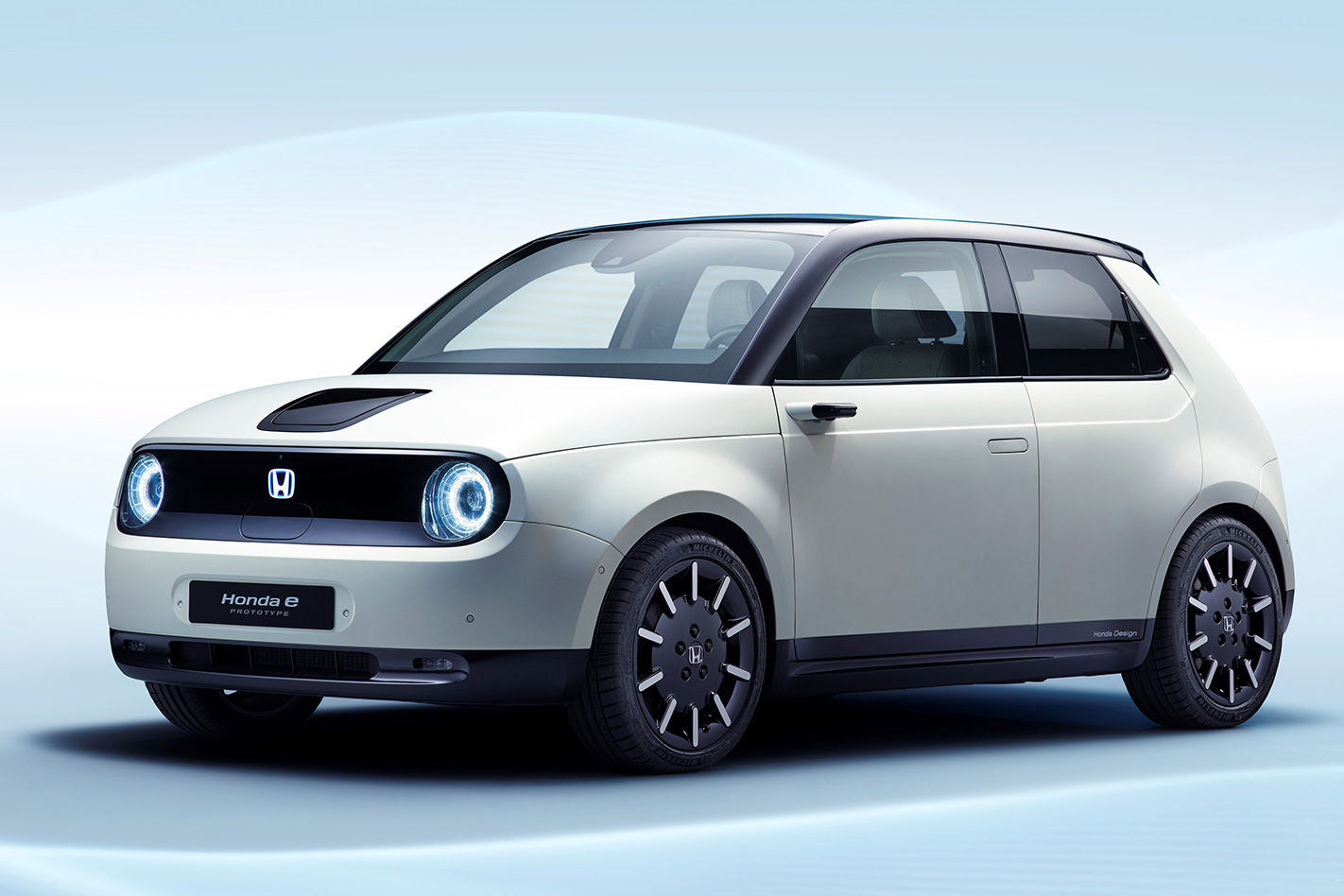
Honda Australia is poised and ready to throw the switch on a dramatic business model restructure that has been 12 months in the making, introducing the most significant transformation in Honda’s Australian history spanning more than half a century.
The 2021 strategic plan will go live on July 1 this year, revealing the work of 150 Honda Australia staff and a complete top-to-bottom remodelling of local operations that Honda promises will improve customer experience, streamline operations and overhaul the national dealer network.
It follows an announcement in March 2020 that the Japanese brand would start the transformation process, stripping back underperforming models, culling marginal dealers and preparing the ground for change.
But if the announcement almost exactly a year ago was a metaphorical sanding back to bare metal, then Honda is about to apply the top-coat and proudly roll its new-look model out of the spray booth.
Speaking at the announcement of the strategy, Honda Australia director Stephen Collins said the company was introducing a fresh culture that places a greater importance on the image and perception of the company – and not outright sales.
“We’ve spent the last 12 months re-engineering everything in our business,” he said. “Our customer experience right now is pretty good, but the intent is to take it to a new level and take up a leadership position in the auto industry in terms of a transparent and seamless process for buying new cars.
“We’re shifting from a volume-driven business to what we call a ‘quality business’. This is about prioritising the customer experience and not being obsessed with chasing volume.”
Key to the new-look Honda is a complete reimagining of the dealer network and the introduction of a ‘hub and spokes’ model that retains existing major dealerships in metropolitan centres which, in turn, serve smaller outlying operations in suburban areas.
The hub-and-spoke model addresses inefficiencies in the Honda system resulting in flagship bricks and mortar where high traffic warrants it, and leaner outfits that could include lite dealerships that may only have a one-or-two car showroom or just a service centre in some cases.
Almost as significantly, Honda Australia will introduce the decisive move to own all vehicle stock in the national network, including showroom cars, demonstrators and service replacement vehicles.
This, says Collins, reduces risk the dealer previously had to shoulder as well as allowing the customer to get the exact car they want as quickly as possible, rather than making a round peg fit a square hole with existing stock at the dealership.
Finally, from the July 1 go-live date, Honda will switch on nationwide one-price driveaway pricing, standardising the cost of a new vehicle no matter where in the country it is being sold or how nicely you ask for a discount.
According to Collins, the decision is in response to customers disliking the haggling process and the need to create a simpler, more pleasant process for buying the right car.
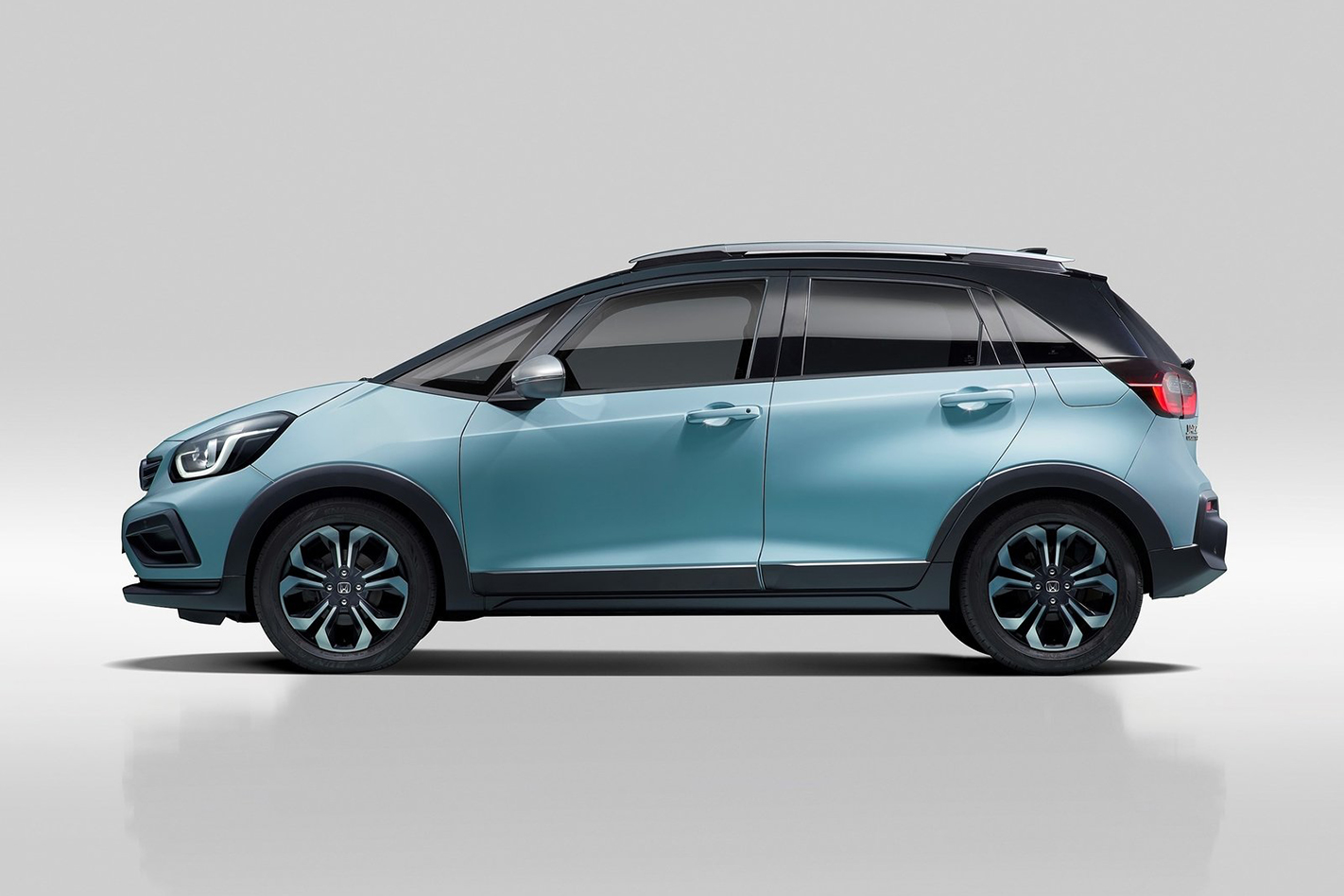
And while the company slashed a number of models and variants from its ranks at the start of 2020, the new strategy includes a complete audit of the current line-up and the introduction of fresh metal.
“Our aim is to bring good and exciting products to the market,” said Collins. “One of the things we’re looking at is our sourcing strategy and there may be options to source more product from Japan or elsewhere that might open up opportunities.
“I’m very confident we’ll be bringing the great products – not all of the ones available globally and unfortunately there’s no pick-up on the horizon, but there is much more opportunity.”
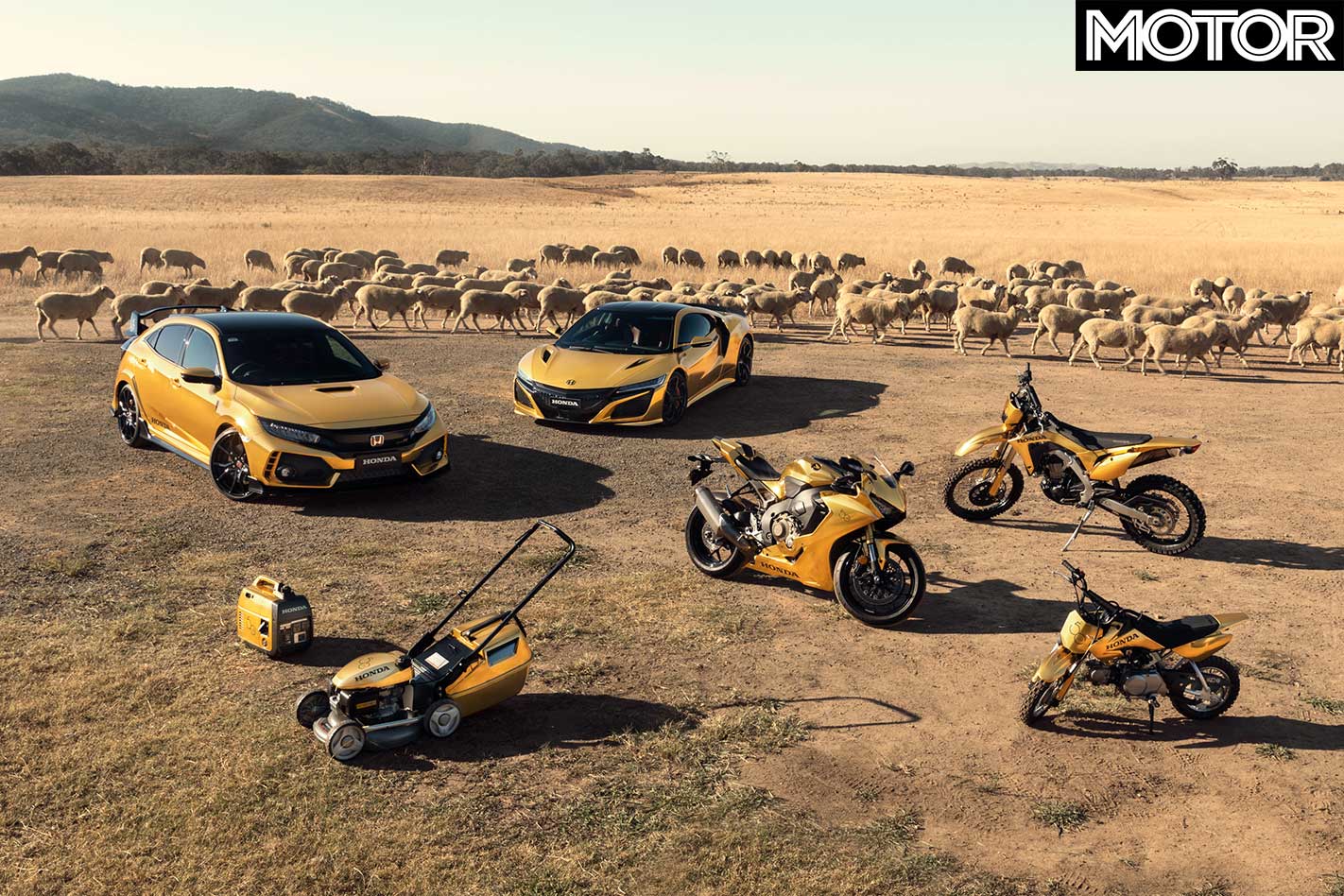
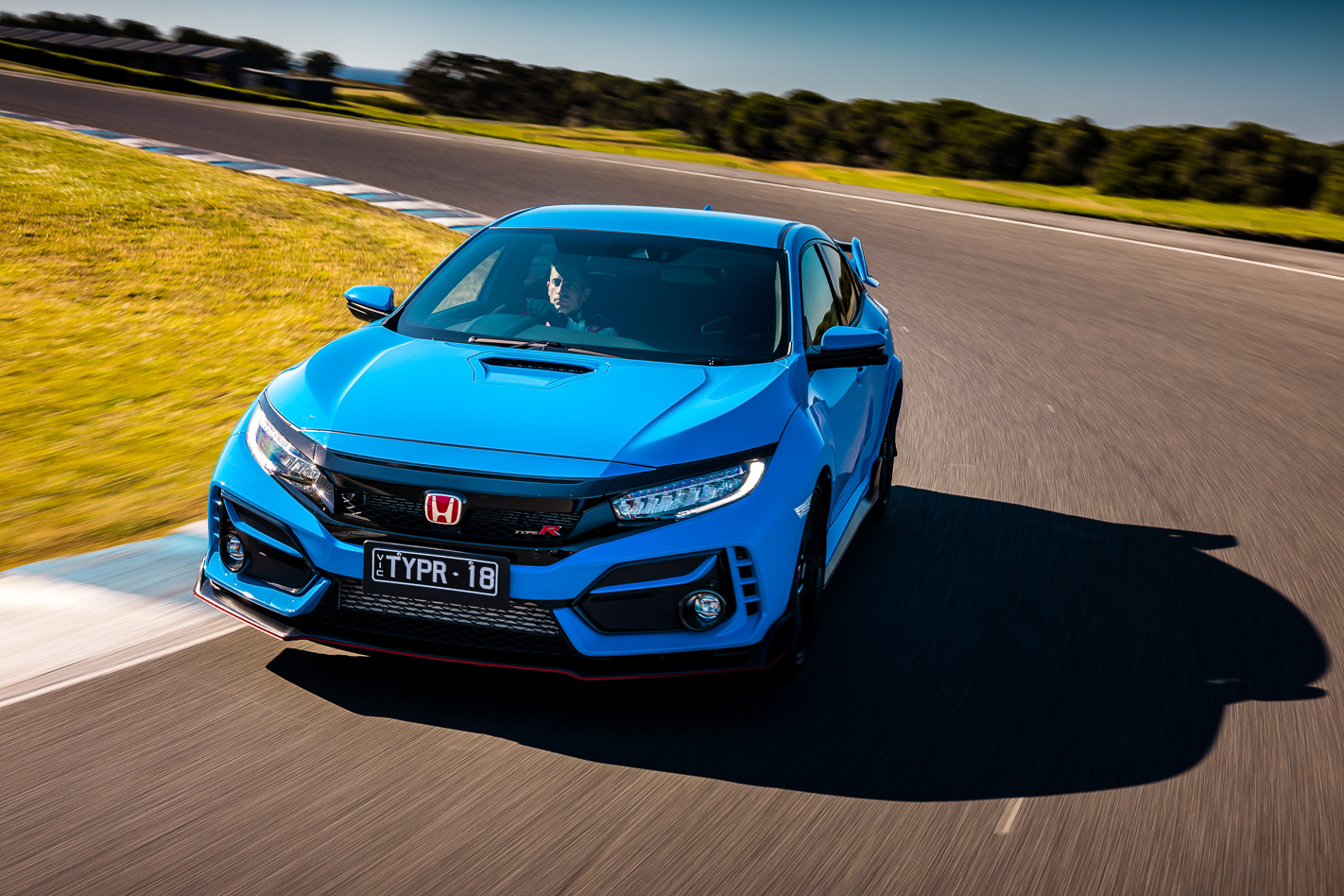
That new hardware will likely include a flagship model of sorts to potentially carry some of the brand power of the outgoing NSX super-coupe, and alongside the potent and highly popular Civic Type R. Although, exactly what form the ambassadorial car will take, will be revealed later in the year.
“There’s always a role for that type of vehicles – whether it be a sports car or EVs or something else, I think there’s always that opportunity. We are exploring all those now and in a few months hopefully we can share all those plans with you.”
When the big plan goes live in the middle of the year, little will change in appearance at the network of dealerships around the country aside from some “subtle changes”.
In the run up to July, customers can expect to see a handful of smaller metro dealers close their doors, while new Honda signs will be erected at other locations including shopping centres such as AutoMalls Brisbane Airport and the Indooroopilly Shopping Centre.
In all, the existing network will be slightly trimmed from just over 100 to about 90. No changes are expected in rural and regional locations.
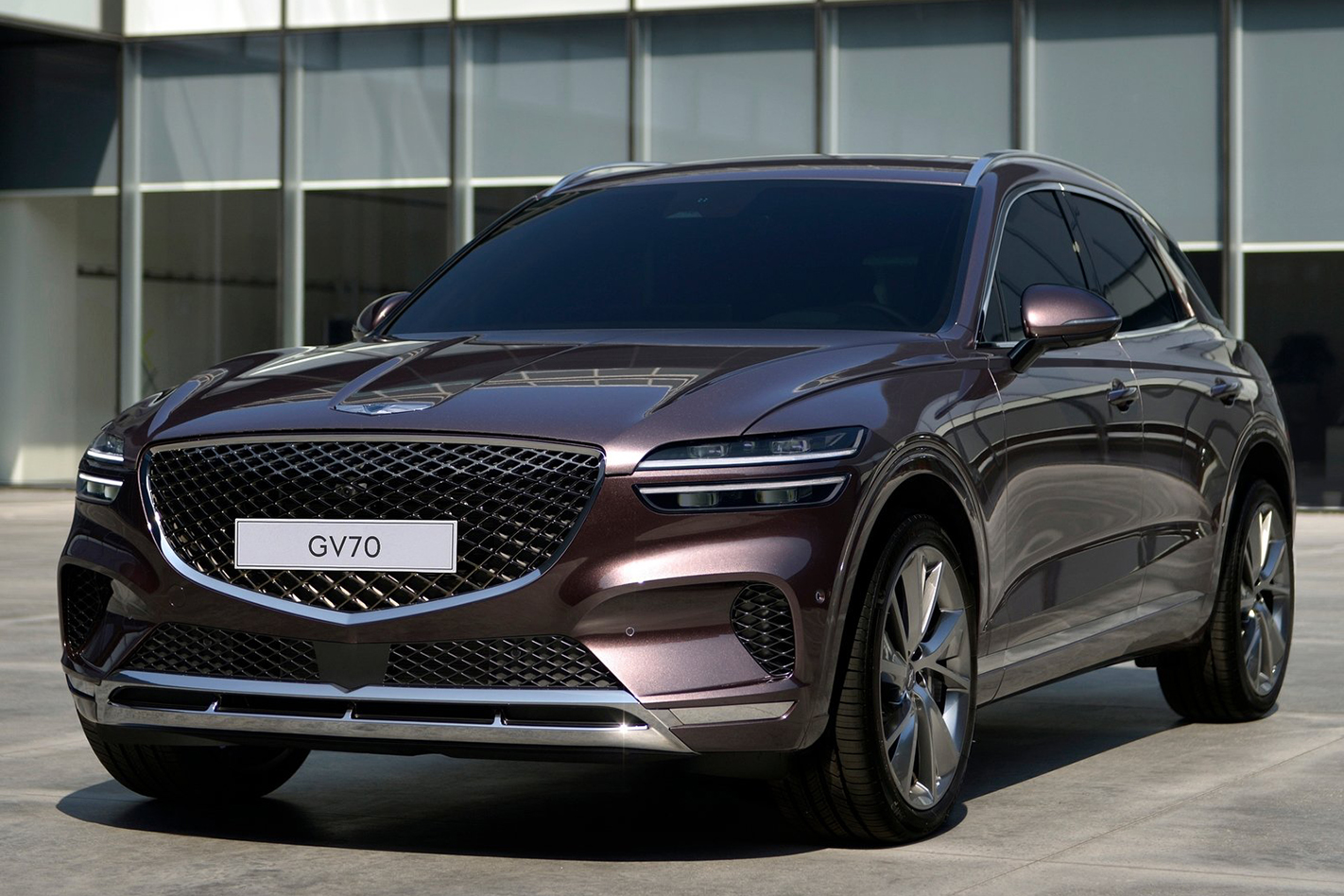
Genesis’ first mid-sized SUV, the GV70, will arrive in Australia in the second quarter of 2020 with four feature-packed variants and a choice of three turbocharged powertrains shared with its GV80 large-SUV sibling.
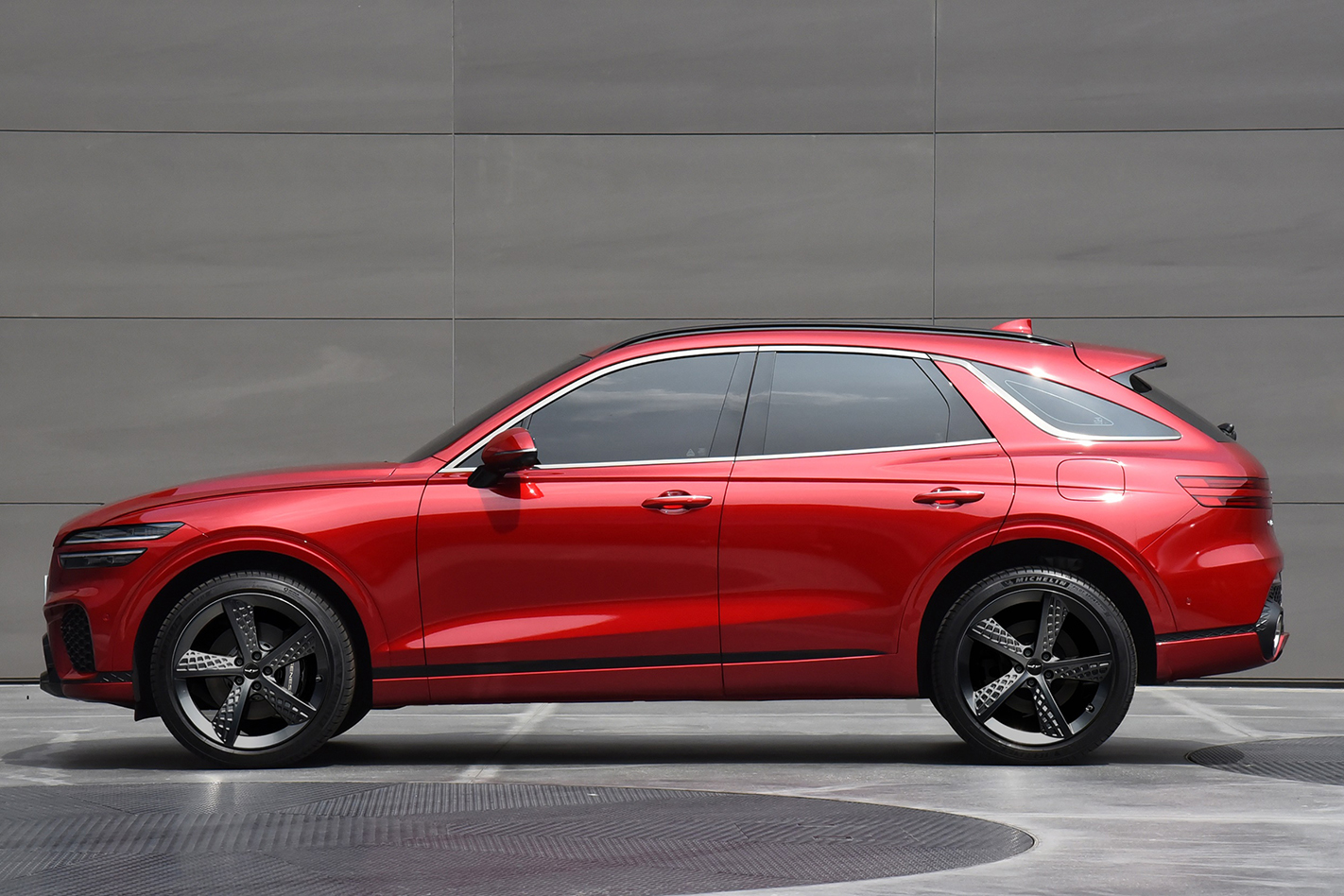
Pricing will be revealed closer to launch, but expect the range to start around the mid-$60k mark with the GV70 2.5T, which is powered by a 224kW/422Nm 2.5-litre turbocharged petrol engine that sends power to the rear wheels through an eight-speed automatic transmission.
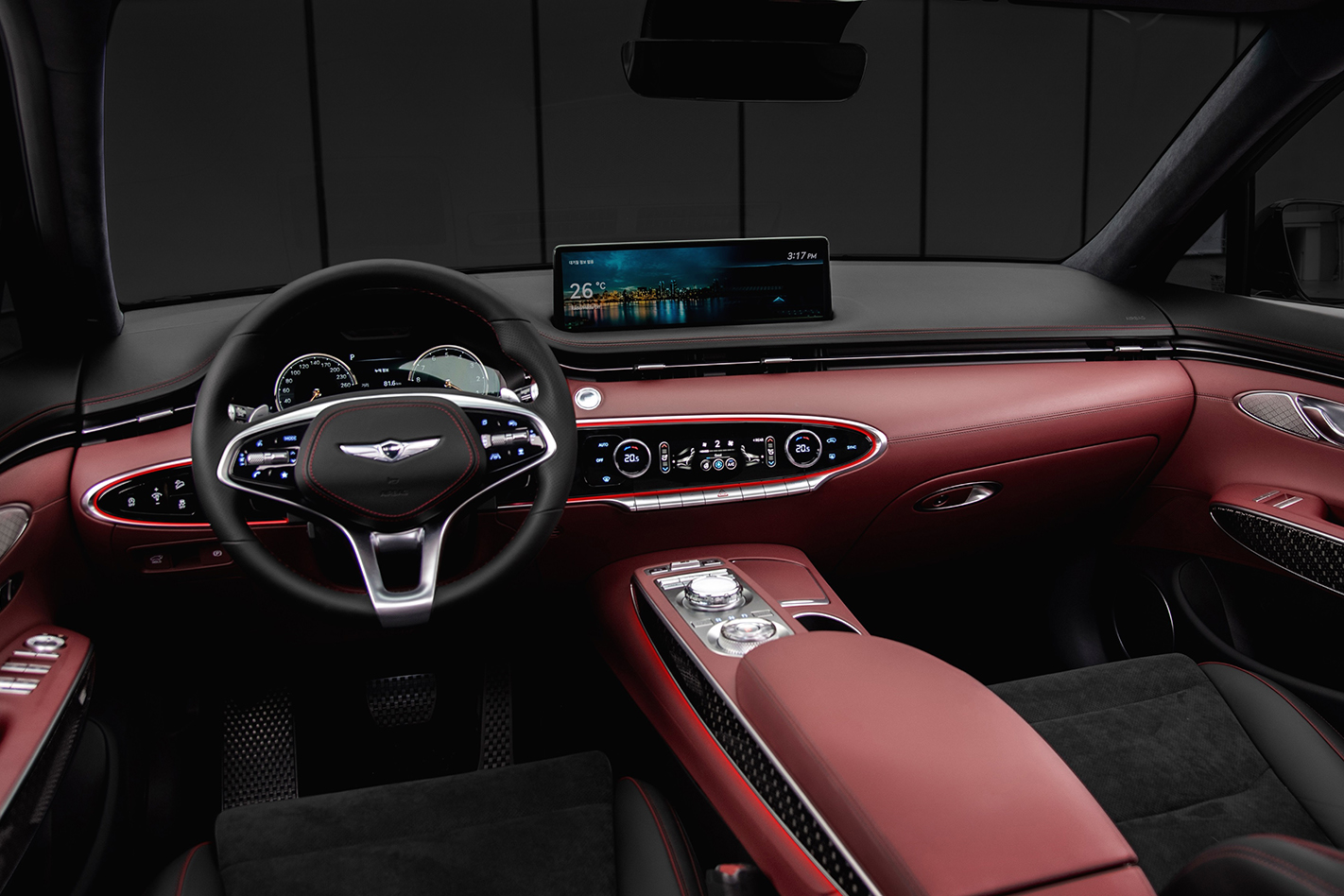
Standard premium features include genuine leather upholstery, leather-appointed dashboard, door and console trim with stitching, adjustable ambient lighting, 14.5-inch touchscreen, augmented reality navigation display, wireless phone charger, 12-way power-adjustable front seats with heating and ventilation, remote start, power-operated hands-free tailgate, panoramic sunroof and second-row sunshades.
Advanced safety
The GV70 also comes with a long list of safety features including autonomous emergency braking that detects cyclists and pedestrians and will stop the vehicle if it detects a side-on collision.
Other standard safety and driver assist features include blind spot viewing monitor, driver attention alert, high beam assist, intelligent speed limit assist, rear cross-traffic collision avoidance, adaptive cruise control with stop and go function, surround-view monitor and trailer stability assist.
The range continues with the GV70 2.5T AWD featuring a 2.5-litre turbo powertrain that drives all four wheels when needed, and the GV70 2.2D AWD, which pairs a new 154kW/440Nm 2.2-litre turbo-diesel engine with the eight-speed auto and, as the name suggests, AWD.
All three of these versions share the above equipment levels and 19-inch alloy wheels.
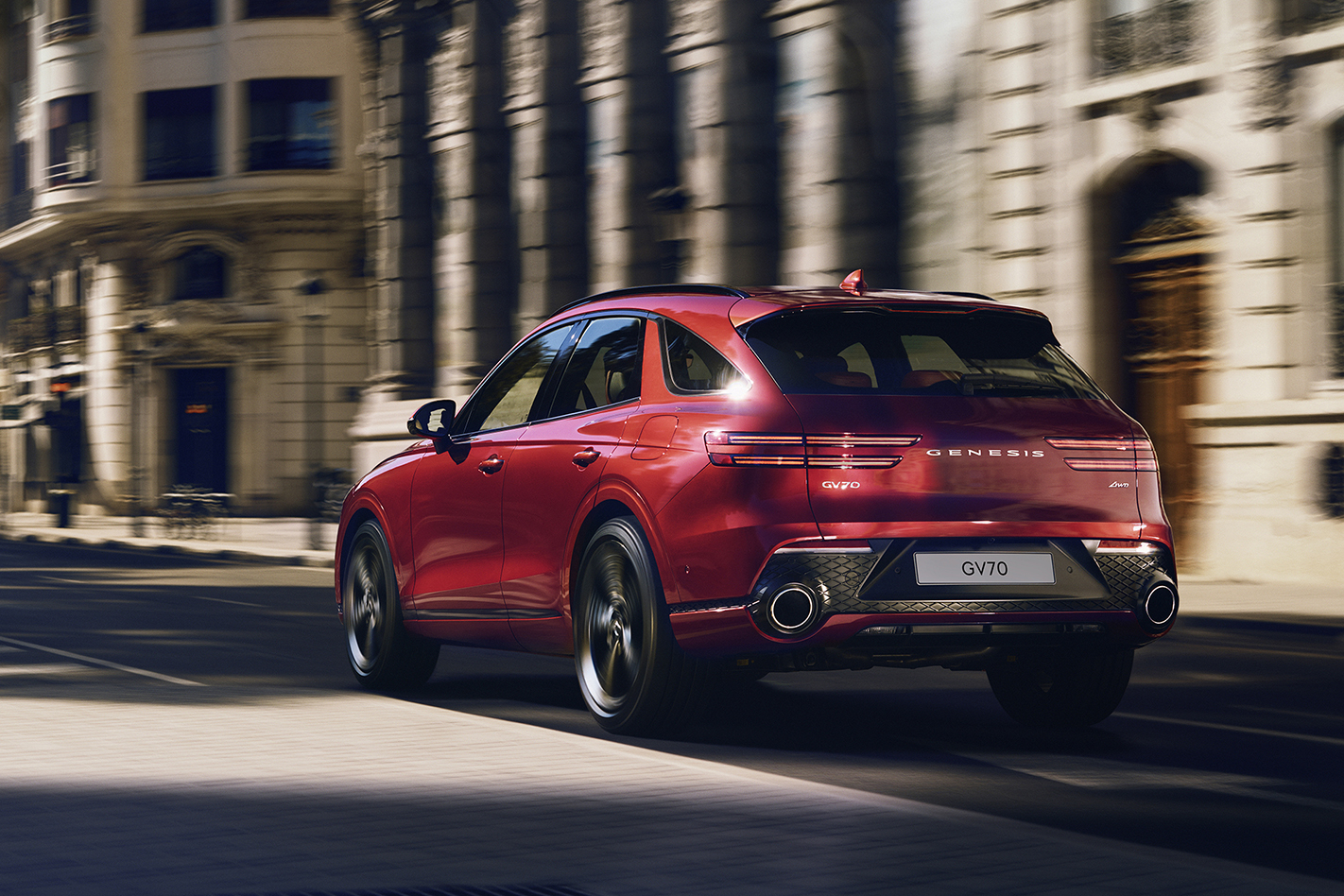
The G70 range is topped by the 3.5T AWD Sport (pictured) which is powered by a 279kW/530Nm twin-turbocharged 3.5-litre petrol V6. It too, is paired with the eight-speed automatic transmission, as well as AWD and an electromechanical Limited Slip Differential (e-LSD) on the rear axle.
The 3.5T AWD Sport gains additional extras over the rest of the range, including Nappa leather and suede appointed sports seats, suede headlining and pillars, real aluminium trim, 21-inch alloy wheels, sport brakes, and sporty body kit.
G70 option packs
The Genesis G70 can be further enhanced with optional Sport Line and Luxury Packages.
The former brings a range of extras to the 2.5T, 2.5 AWD and 2.2D AWD variants including 19-inch Sport Line alloy wheels, a sports brake package, a large exhaust pipes and a Sport+ drive mode.
It also incorporates a Sport Line exterior package including Sport front and rear bumpers, gloss-black Sport radiator grille, front skid plate and roof rails, and dark chrome radiator grille surround and window frame trims.
Inside, the Sport Line package includes Nappa Leather upholstery and suede appointed sport seats, suede headlining and pillars, a sport steering wheel, sport alloy pedals, sport aluminium trim, and sport gauges for oil temperature, torque and turbo.
The Luxury Package introduces additional Genesis Active Safety Control technologies, including forward-attention warning and rear-parking collision-avoidance assist systems.
Other extras include intelligent front lighting system, Genesis logo puddle lamps, rear privacy glass, Nappa leather quilted seats, 12.3-inch digital instrument cluster with 3D function, a head-up display, driver position memory system, power-adjustable steering column, fingerprint authentication system, and a 1050w 16-speaker HARMAN audio system.
There is also a Remote Smart Parking Assist (RSPA) system, an 18-way adjustable driver’s seat, driver’s seat massage function, a heated steering wheel, heated second row seats, and three-zone climate control.
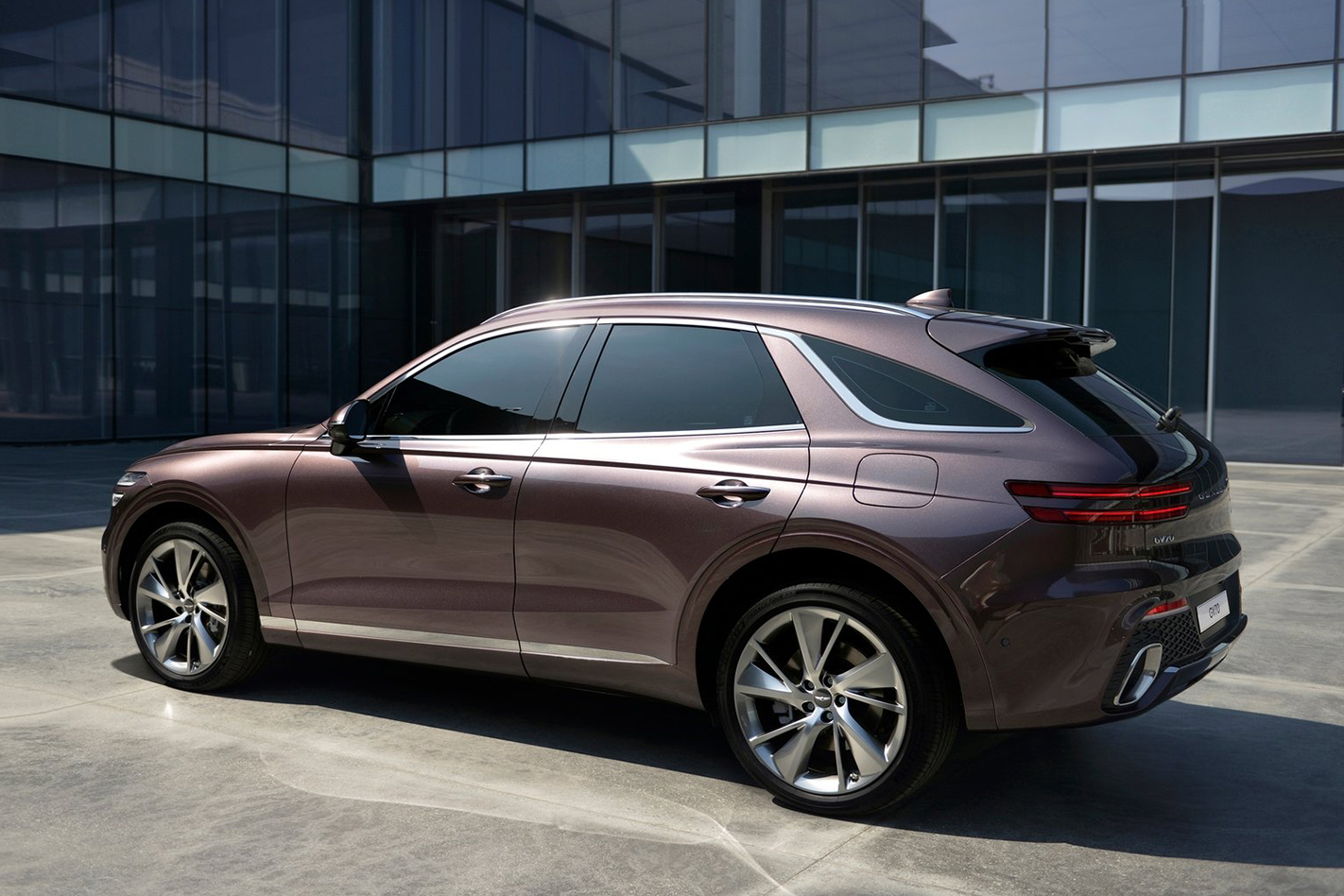
The first-ever GV70 also comes with a choice of eleven exterior colours (eight gloss and three matte), eight interior colours and four interior trim inserts, to allow customers to personalise their vehicle.
Practicality
For all its luxury features, the Genesis G70 has a 542-litre boot, which compares well with key rivals including the Lexus NX (500 litres) and the German Audi Q5, BMW X3, Mercedes-Benz GLC trio that each carries 550 litres. Folding the GV70’s rear seats down expands cargo carrying capacity to 1678 litres.
The petrol versions come with a space saver spare wheel under the boot floor while the diesel is equipped with a tyre repair kit.
All GV70s have a handy 2200kg braked towing capacity.
Australia’s premier performance car award will be announced on March 10, at 19:30 AEDT.
You can watch the stream live on this page or catch it on MOTOR’s Facebook and YouTube channels.
The most powerful PCOTY to date took place over four days on the roads of Victoria’s high country and at a favourite MOTOR venue, Winton Raceway, in December 2020.
The shortlist of candidates was whittled down to ten contenders released in the 12 months prior to testing. The field for PCOTY delivered a lap record for a production car at Winton, the fastest car MOTOR has ever strapped timing gear to and also included the most powerful car ever submitted for PCOTY judging.
The 10 contenders:
- Audi R8 V10 Performance
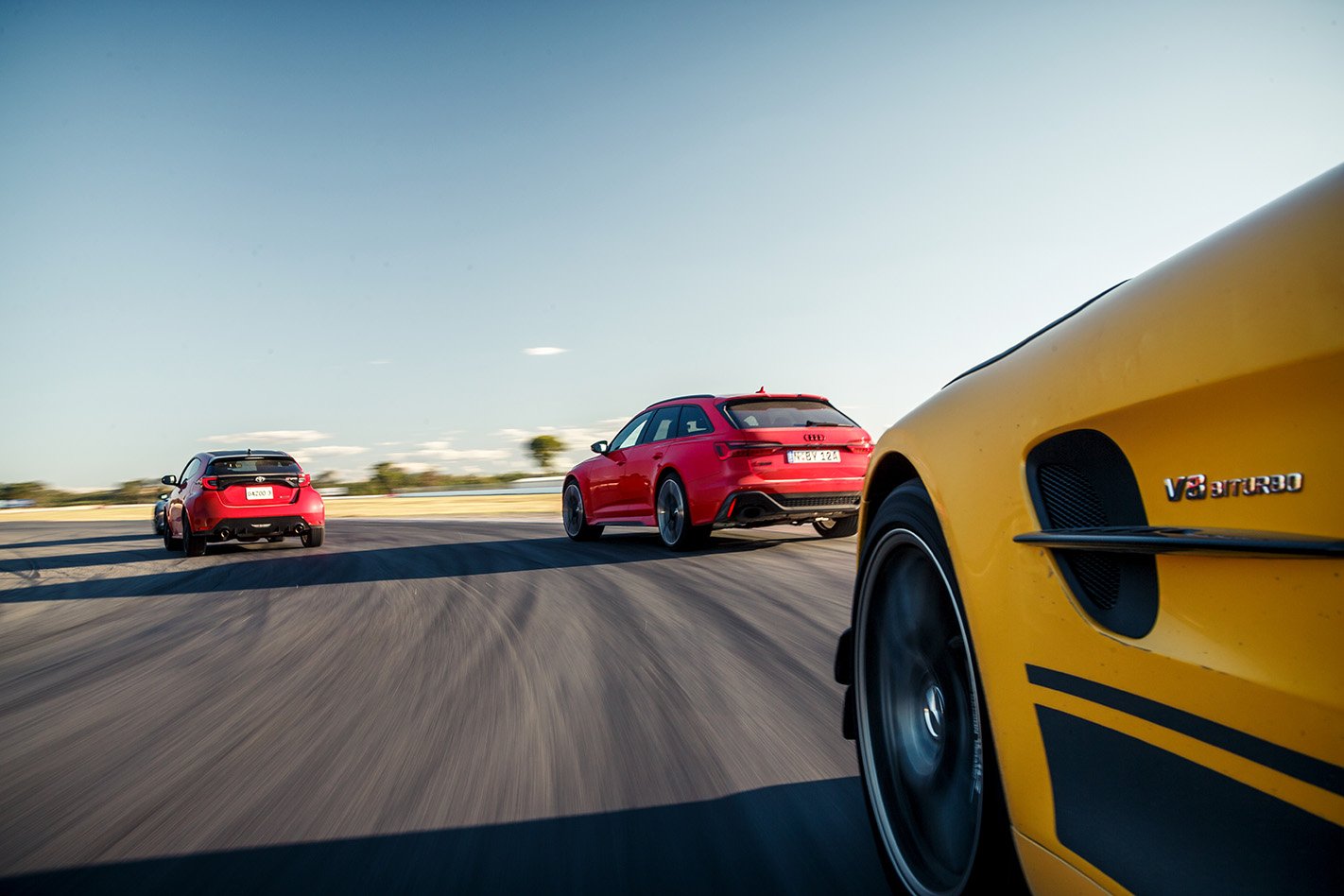
- Audi RS6 Avant
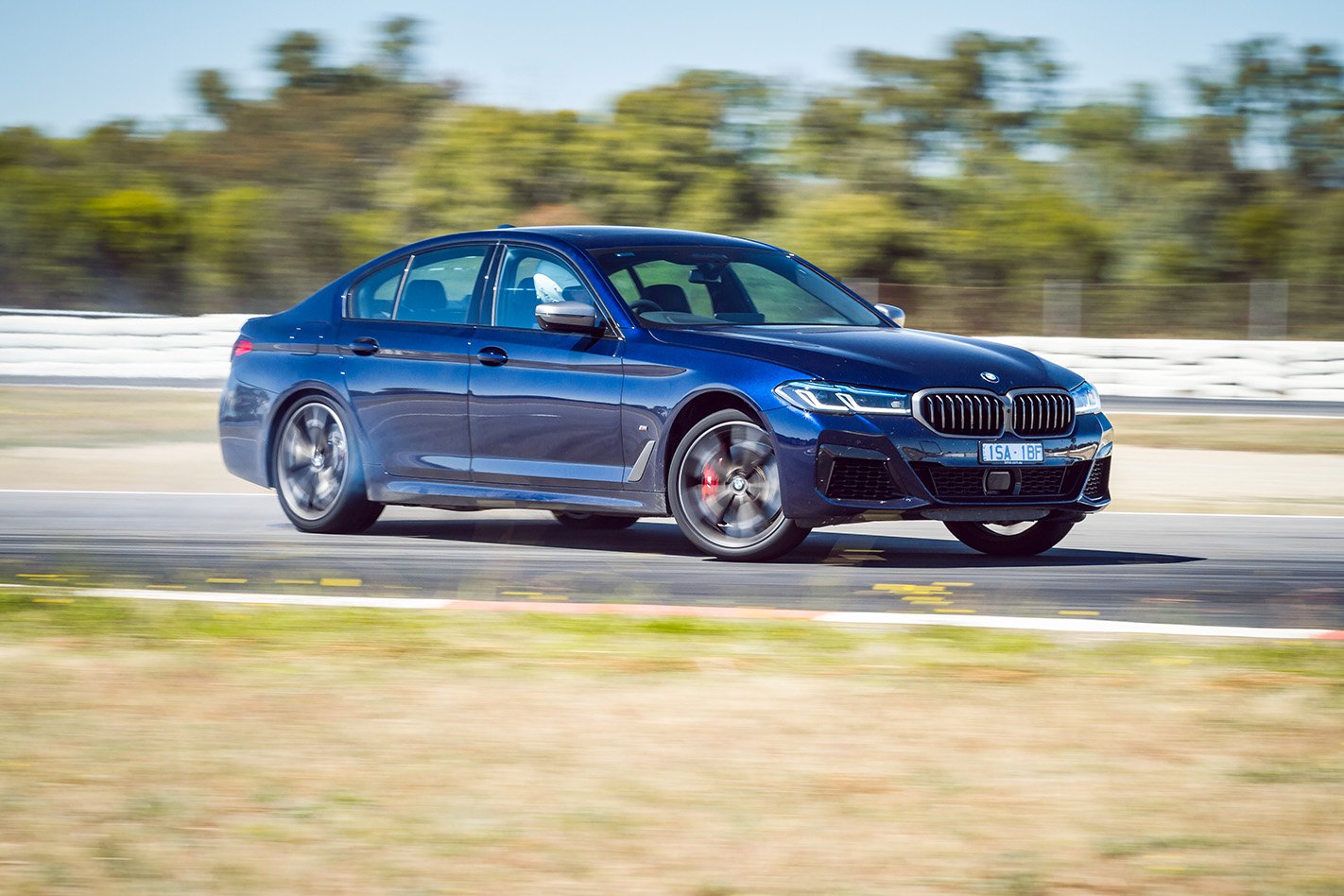
- BMW M550i xDrive
- Ford Fiesta ST
- Herrod SM17
- Mercedes-AMG A45 S
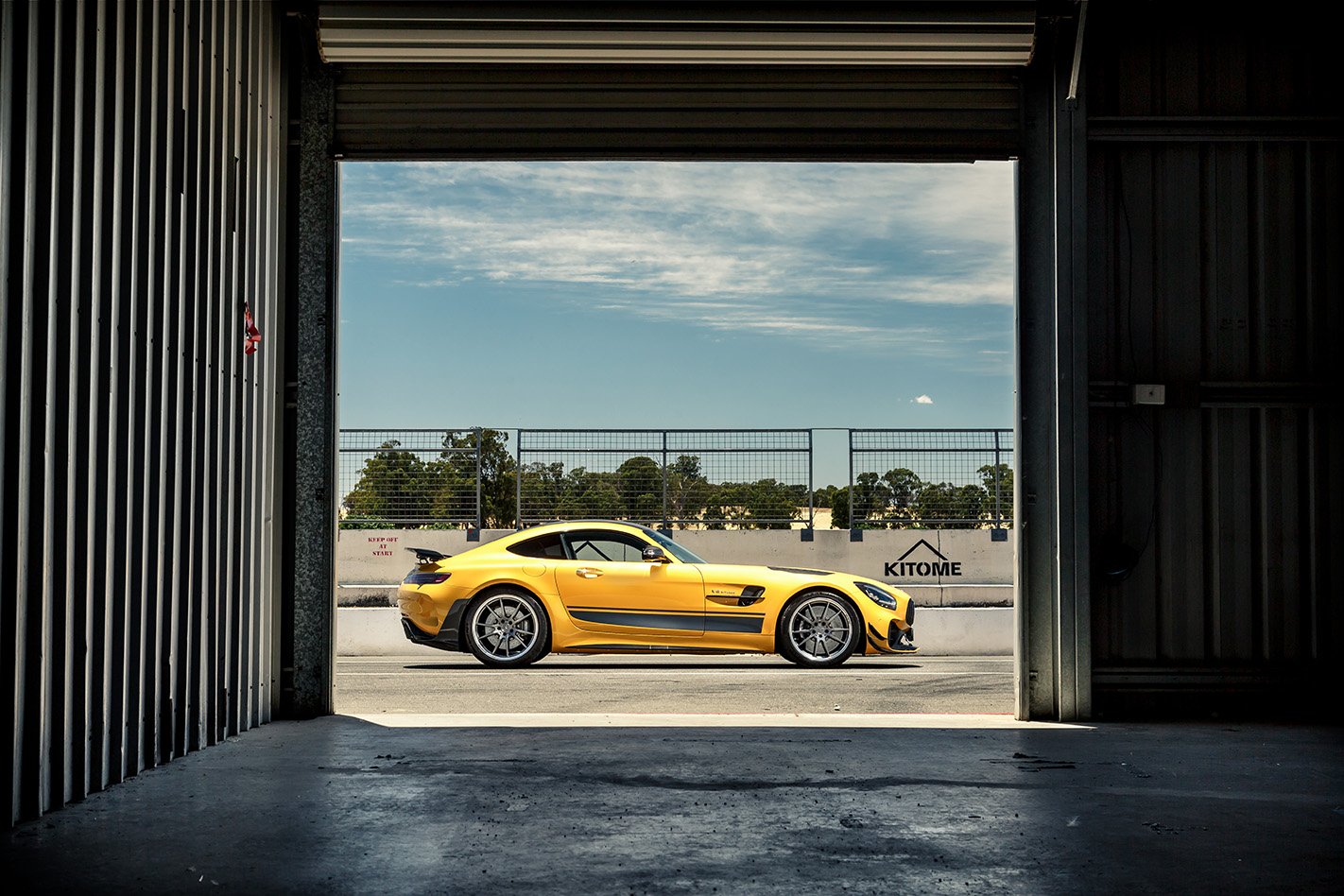
- Mercedes-AMG GT R Pro
- Porsche Cayman GTS
- Porsche 911 Turbo S
- Toyota Yaris GR
2021 MOTOR Shootout: the fastest cars in the country, tested on track!
Only six manufacturers have ever claimed the PCOTY crown. Porsche has won 15 out of the prior 24 events, Nissan and Audi three, BMW with two victories, and one win each for Lamborghini and Honda. Those good at maths might have realised there was a tie for first, back in 2009 when the Nissan GT-R and Audi R8 shared the spoils.
Read the full 2021 Performance Car of the Year coverage at here or grab the March 2021 issue, on-sale from March 11th.
It only takes four or five of Milton Keynes’ 130 roundabouts to understand the Audi e-Tron GT quattro is a very different car to the Porsche Taycan.
Despite sharing the same bespoke electric J1 platform – developed jointly by Audi and Porsche – the second e-Tron seems to have more in common with its combustion-engined S7 stepsibling, than its electric twin from Stuttgart.
The e-Tron GT quattro we’re driving uses the same 350kW powertrain as the Taycan 4S, capable of 0-100km/h in 4.1 seconds when in a 390kW boost mode.
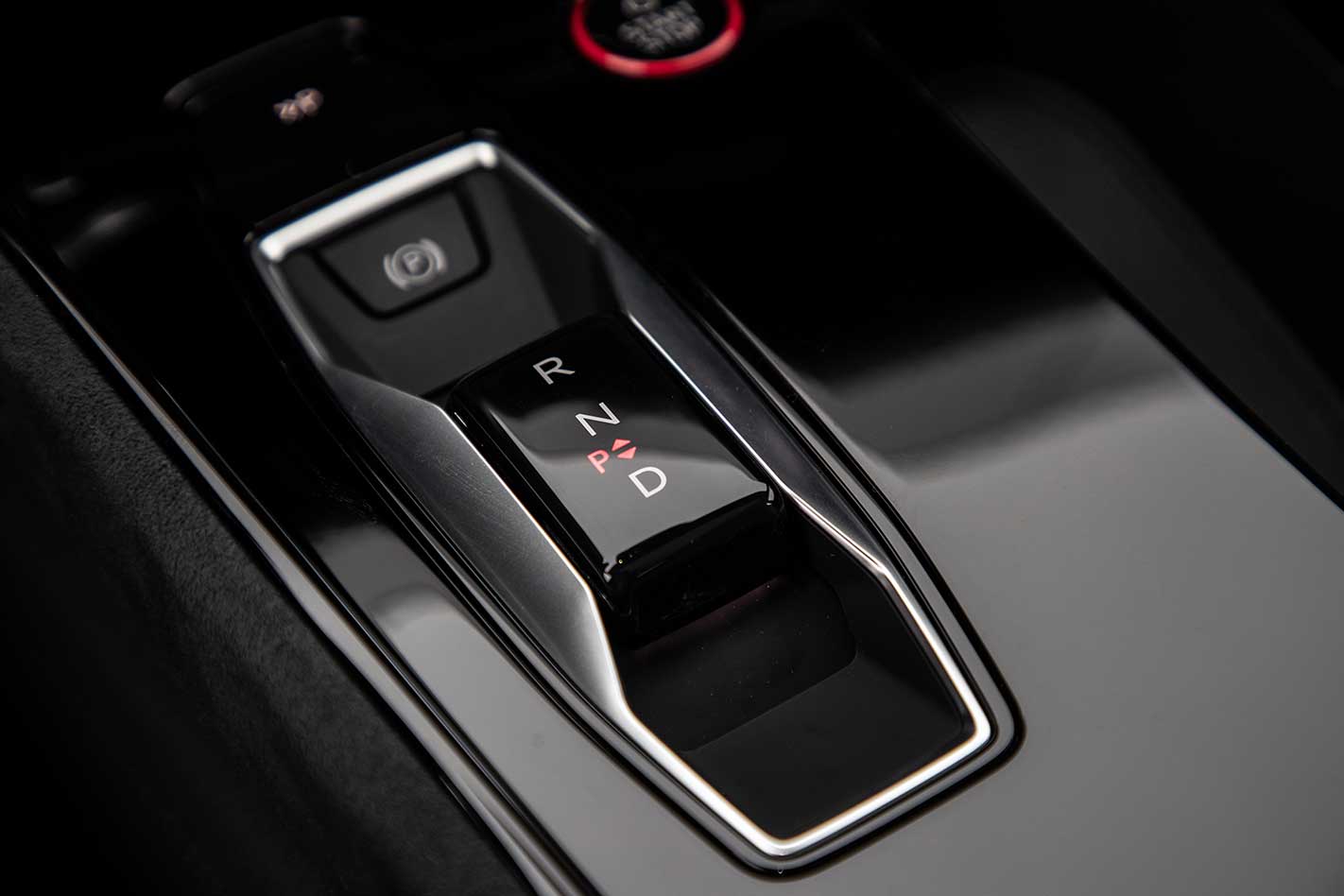
Instead, the e-Tron GT’s power is progressive, its torque flat – and it makes the Audi effortlessly accumulate speed as opposed to gaining it instantly.
UPDATE, Feb 2022: Australian E-Tron GT pricing announced
Australian pricing for the Audi E-Tron GT range has now been announced. Get all the details at the link below.
Story continues
The same is largely true of the hotter RS model that sits above it; with 440kW and 475kW in Boost mode, it has similar performance on paper to the hotter Taycan Turbo, but delivers it in a less aggressive way. Our standard quattro car, has the better range of 475km to RS’s 450 though.
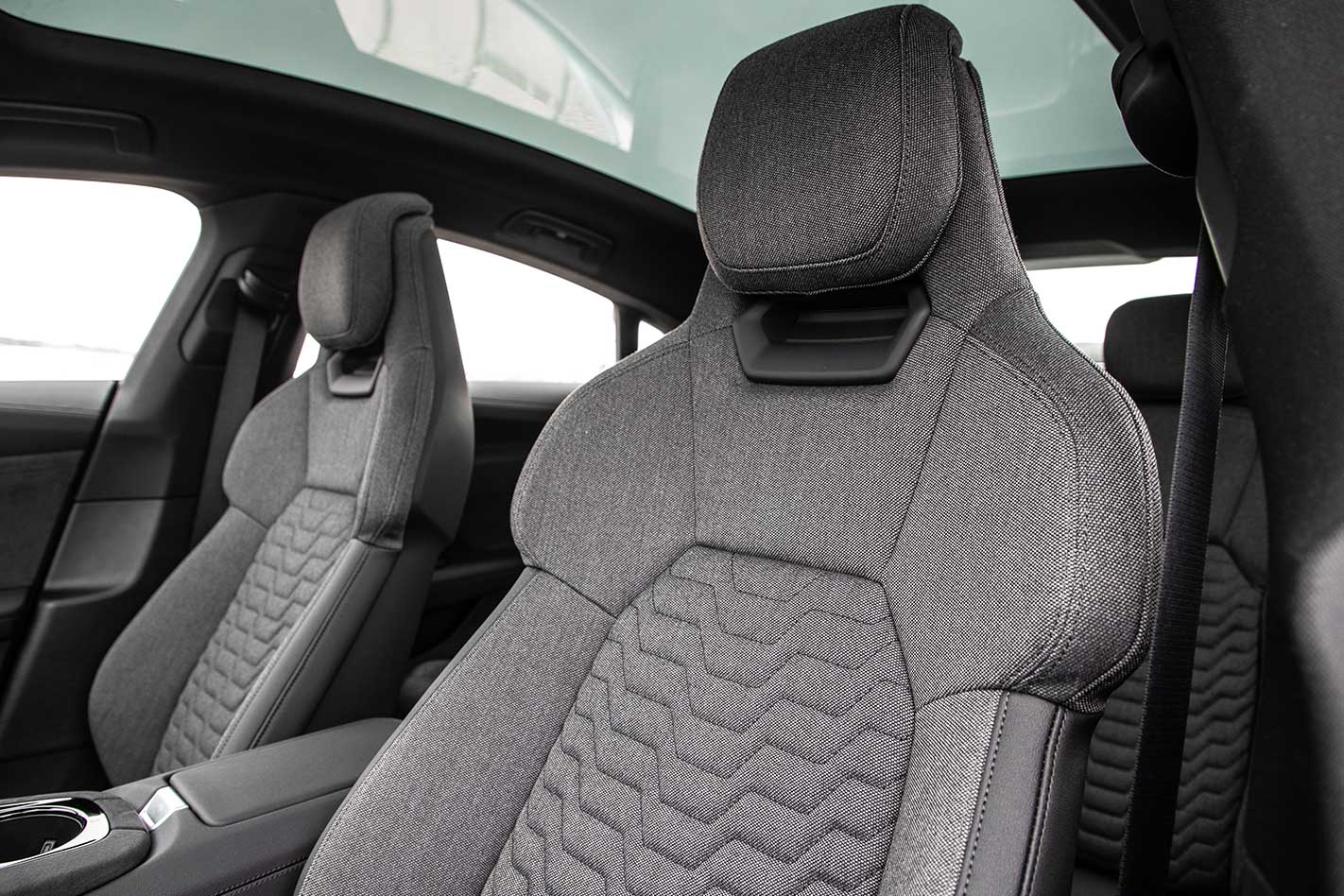
Riding on air – optional in the quattro but standard in the RS – our test car was firm but well-mannered around town and pliable on B-roads. Motorways were equally quiet in the e-Tron GT; even in Dynamic mode, the Audi’s adaptive suspension soaked up bumps from expansion joints, choosing not to send them straight to the drivers’ seat.
The added comfort comes at the expense of outright handling, so body roll and dive – when you step on the optional tungsten carbide-coated steel brakes – does creep in. Empty the quattro’s power reserves on the exit of a corner, and you’ll also get the bonnet to rise a little, along with some sideways sway as Audi’s all-wheel-drive claws you down the road.
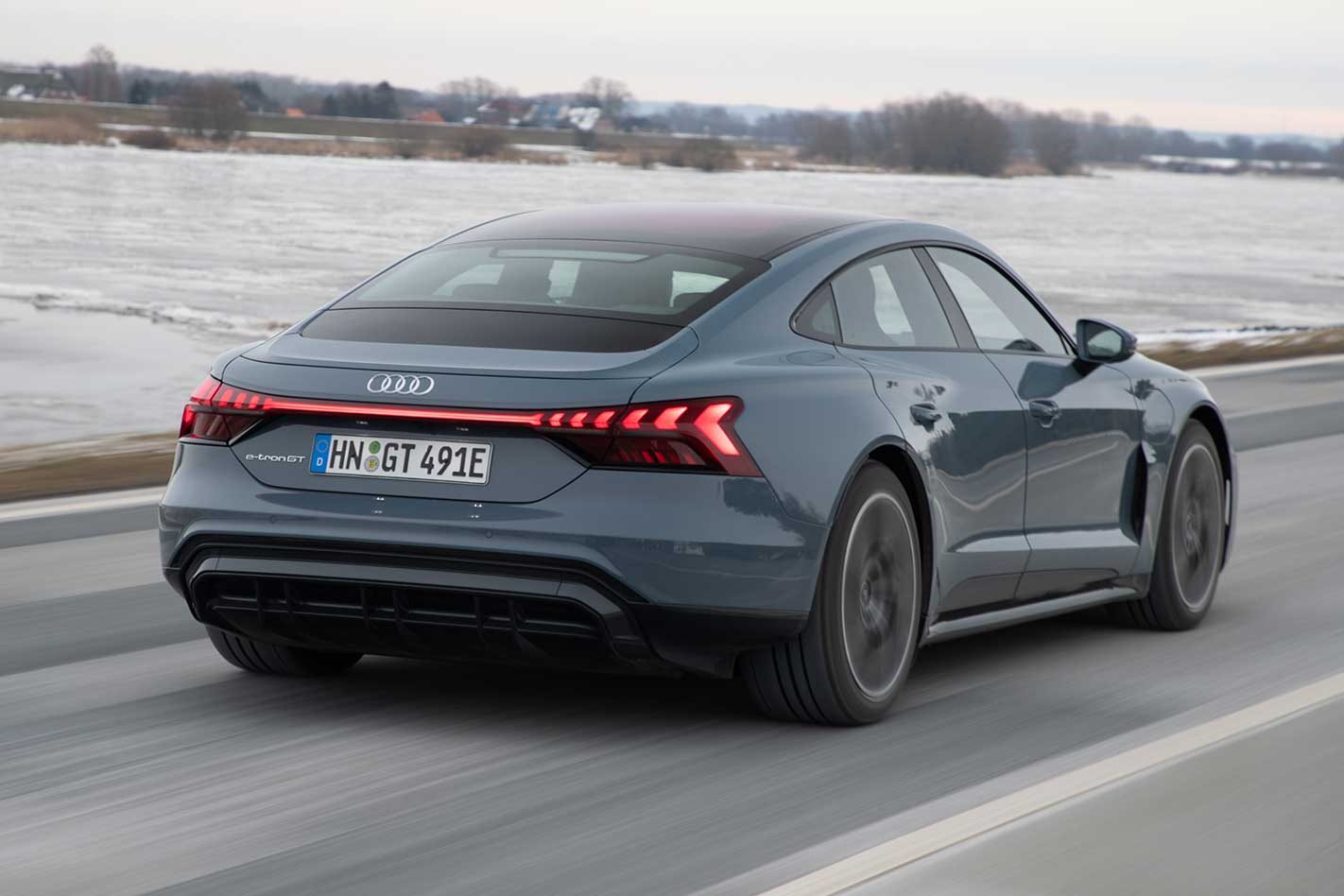
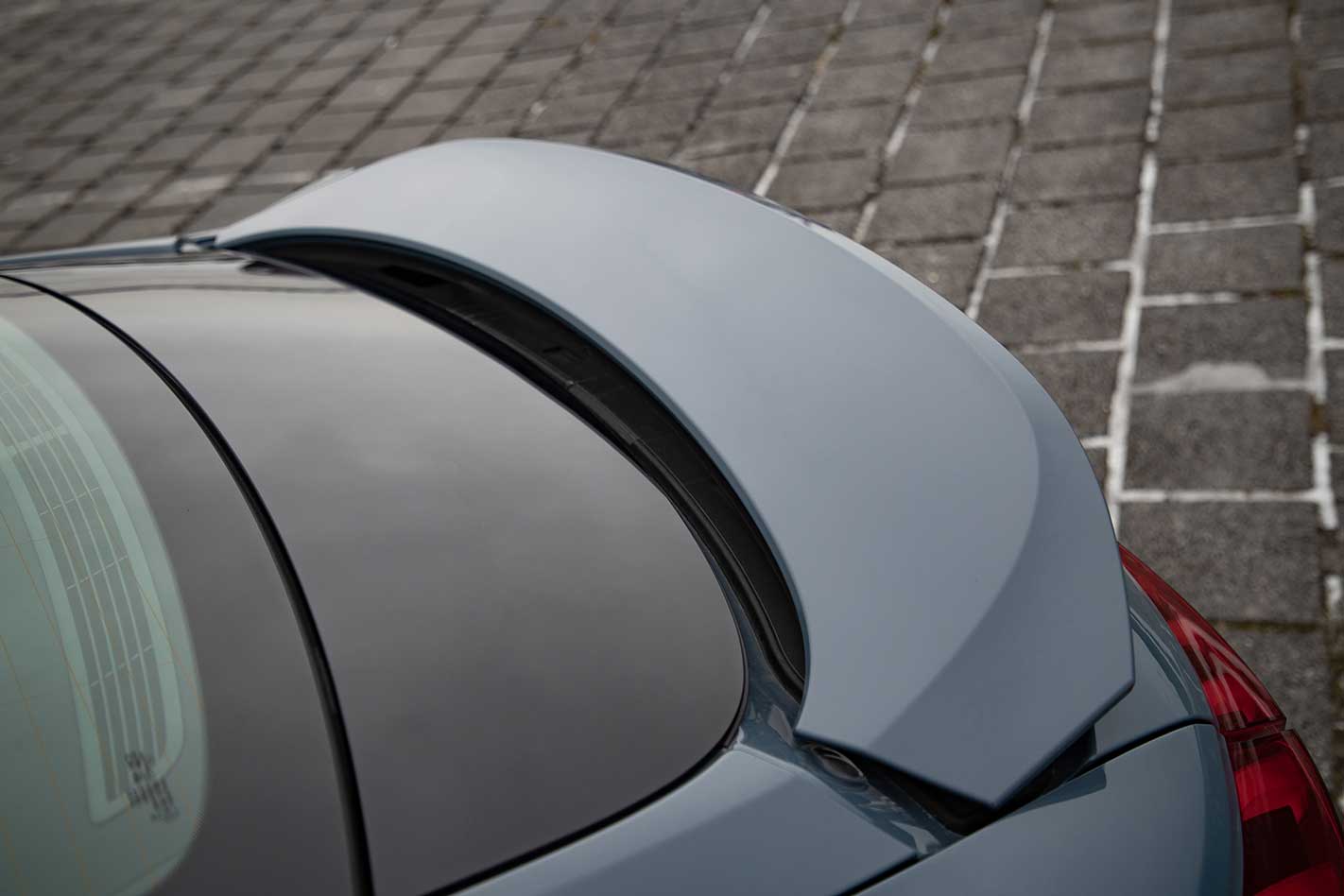
The e-Tron’s business-as-usual ethos continues to the exterior: Ingolstadt’s electric GT wears a Marc Lichte-tailored suit, and instead of looking like a Taycan at a court appearance, its unique design cues – from the Audi singleframe grille to the e-Tron light elements – move away from the Porsche’s sci-fi looks and add a dash of the familiar.
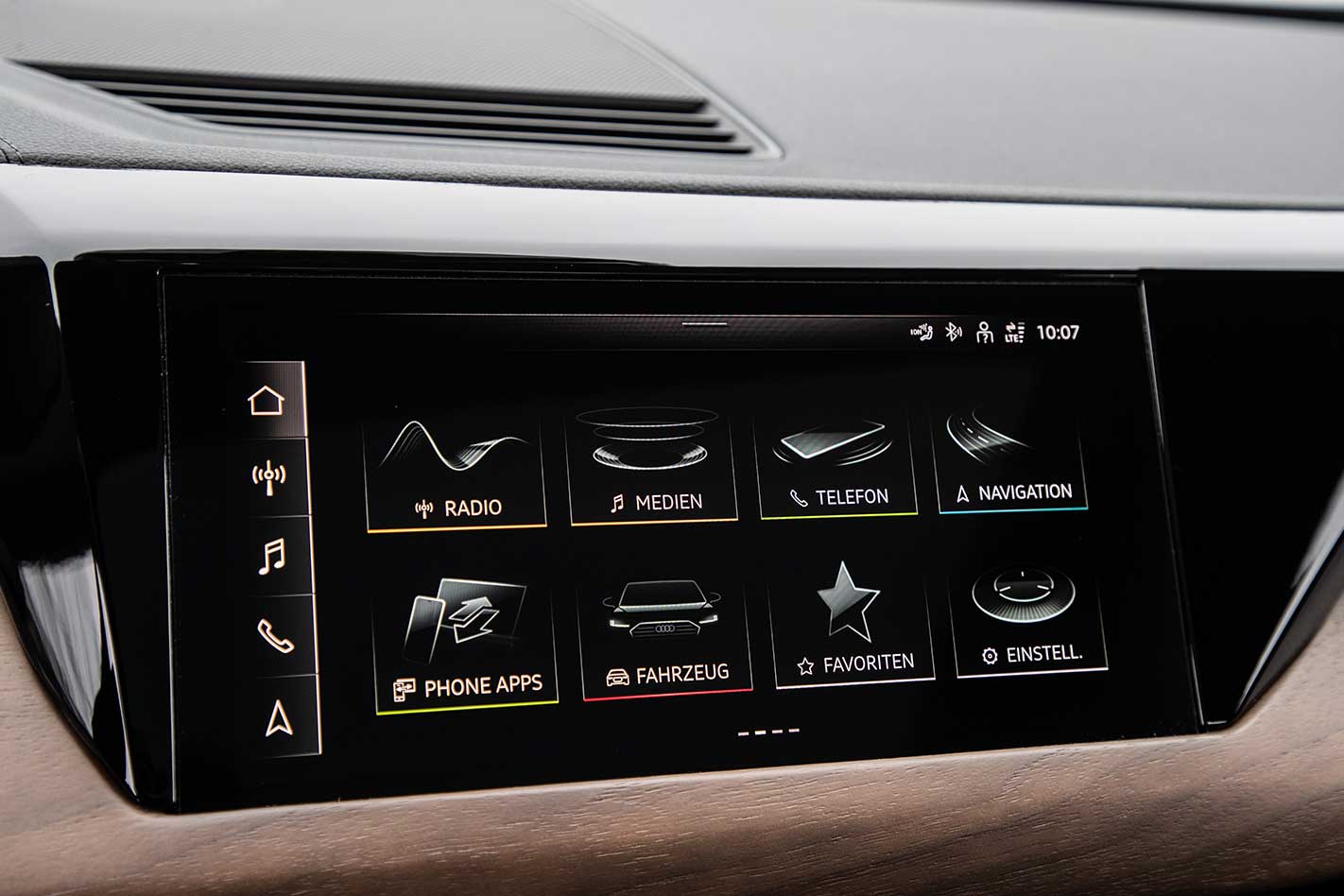
Inside, the e-Tron GT forgoes banks of haptic touchscreens, and strikes a reasonable compromise of proddable displays and real switchgear. The steering wheel could be from any Audi of the last five years, but it’ll help make the e-Tron GT feel less alien to early adopters.
The standard e-Tron quattro is the most compelling of the two; on paper it has the longer range and the lower price, and it add all the comfort you’d want from a GT – with the inherent benefits an EV powertrain brings.
The range-topping RS is more muddled. In a bid to be sportier but softer, it’s based on an unwinnable compromise, and leaves itself open to some unfavorable comparisons.
9.0/10
Pros: ride; refinement; EV powertrain; charge speed
Cons: price currently unknown; little else
Specifications
Body: 5-door, 5-seat hatchback Drive: all-wheel Battery: 93.4kWh (83.7kWh net) Power: 350kW (390kW overboost) Torque: 630Nm (640Nm overboost) Transmission: 2-speed Weight: 2276kg L/W/H: 4989/1964/1396mm Wheelbase: 2900mm Tracks: 1710/1694mm (f/r) Suspension: double-wishbones, adaptive dampers, air springs, anti-roll bar (f); multi-links, adaptive dampers, air springs, anti-roll bar (r) Wheels: 19 x 8.0-inch (f); 19 x 10.0-inch (r) Tyres: 225/55 R19 (f); 275/45 R19 (r) Price: $175,000 (estimate) On-sale: H2 2021
Cards on table time. Like many events of the past 12 months or so, Performance Car of the Year 2021 nearly didn’t happened. A heady melange of cussedness, cabin fever and calling in favours eventually sees plans coalesce and a field begin to assemble that has us genuinely scratching our heads to pick a pre-event favourite.
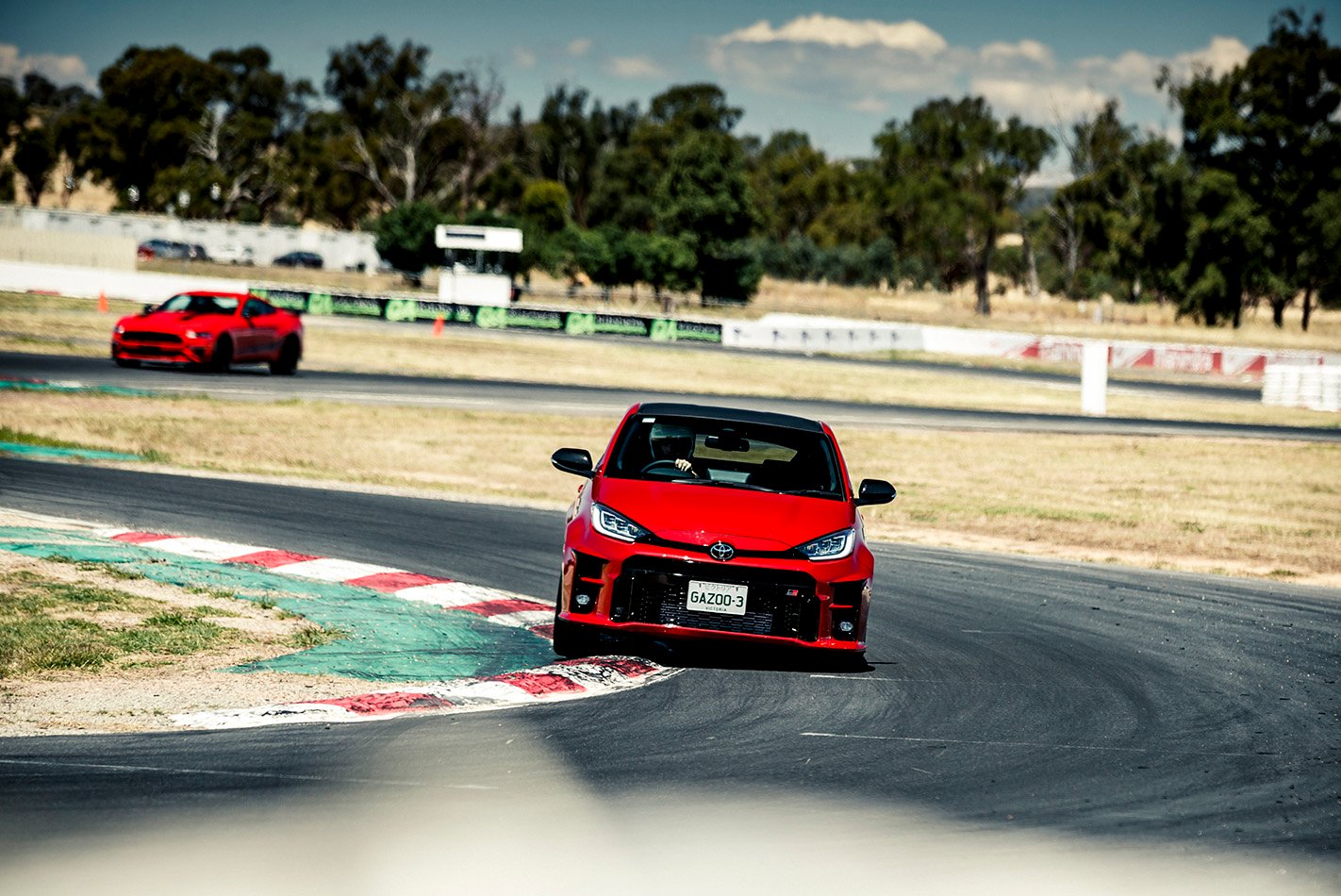
Were you to believe the rest of the world’s motoring media, the Toyota Yaris GR is set to steamroller the rest of the contenders. The problem is that we’re testing a car that they weren’t. All of those plaudits were being heaped on the Rallye version of the Yaris, with its trick centre diff and focused tyres and that car isn’t in Australia in time for PCOTY. We’re keen to see whether the standard GR still has more than a pinch of that magic about it.
We know for sure the Ford Fiesta ST does. More than a pinch, in fact. A whole bucket of the good stuff has been emptied into its genetics and being the cheapest car in the field by quite some margin also earns it a stack of credit. Ford has never troubled the top step of the PCOTY podium before, that honour being shared amongst just five manufacturers, Porsche, Nissan, BMW, Lamborghini and Audi, but the ST is the first performance car from the Blue Oval in a very long time to rate as best in class. Could 2021 be the year to break the duck?
We also know just how good the Mercedes-AMG A45 S was. In fact, so rapid is Affalterbach’s hyper hatch that in the sprint to 400m it would have decimated everything in the field at PCOTY as recently as 2011. When you pause to consider that event included tackle like the Lamborghini Gallardo Balboni and the Porsche 997 GT3 RS, that’s some serious progression to chew on.
Porsche presents at PCOTY this year in force. Fully 772kW of it to be exact. The Cayman GTS 4.0-litre and the new 992-gen 911 Turbo S represent a heck of a combo. On the one hand, a manual, rear-drive atmo coupe for the purist and on the other a PDK-equipped, all-wheel drive twin-turbo flagship designed to weaponise everything Zuffenhausen knows. Porsche has won 15 of the 24 previous PCOTY awards – or 62.5 per cent of them, if you prefer – and it arrives at this year’s event with a twin-pronged assault that looks ominously strong.
Audi also fronts up with a pair of powerhouses that share little other than the fact that both drive all four treads. The RS6 Avant, with its 4.0-litre 441kW V8 is the car that appears to do everything, and it looks the absolute goods presented in Tango Red metallic with contrast black detailing. How has Audi managed to make the massive grille thing work where the likes of BMW, Lexus and Aston Martin have all struggled?
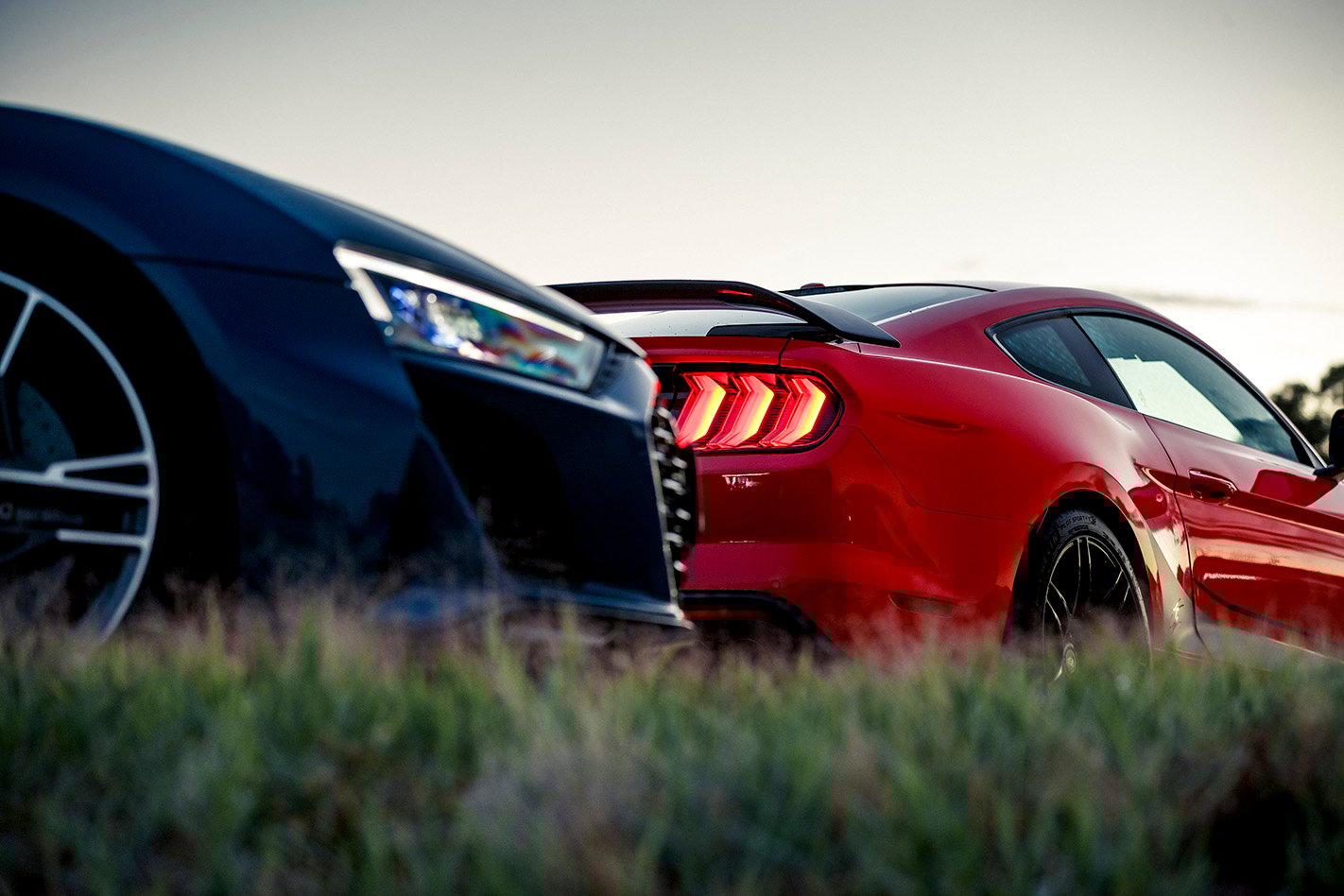
The R8 Performance is one of the final standard-bearers for the big capacity atmo engine, its 5.2-litre V10 one of the all-time greats for many reasons. This unit can trace its lineage all the way back to the C6 generation Audi S6 that debuted in March 2006, so it’s celebrating its fifteenth year in production.
Since then the engine has been refined and improved for use in the R8 and its cousins, Lamborghinis Gallardo and Huracán, getting an uprated crankshaft, forged pistons, dry sump lubrication, different intake and exhaust valves, and a revised engine management system along the way. It’s old, but it’s still 449kW worth of magnificence. The R8 won in 2013 but a lot has changed in the past eight years. Can the 2021 vintage reprise that success?
At any PCOTY there’s always that car that the camera glides past, the dark horse in the field. And this year it appears to be the BMW M550i xDrive, the only conventional three-box sedan in the roster, finished in its low-key Phytonic Blue. Why not the full-fat M5? We reckon the M550i is the smarter buy and arguably the better road car, but will the track element push the softer-edged M550i too far out of its comfort zone?
That question’s inverse is being asked of the Mercedes-AMG GT R Pro. I’d driven this car on track at Hockenheim when it was stated by AMG that it wouldn’t be coming to Australia. Then there was a climbdown from that position and a limited run of right-hookers have made their way Down Under to our shores.
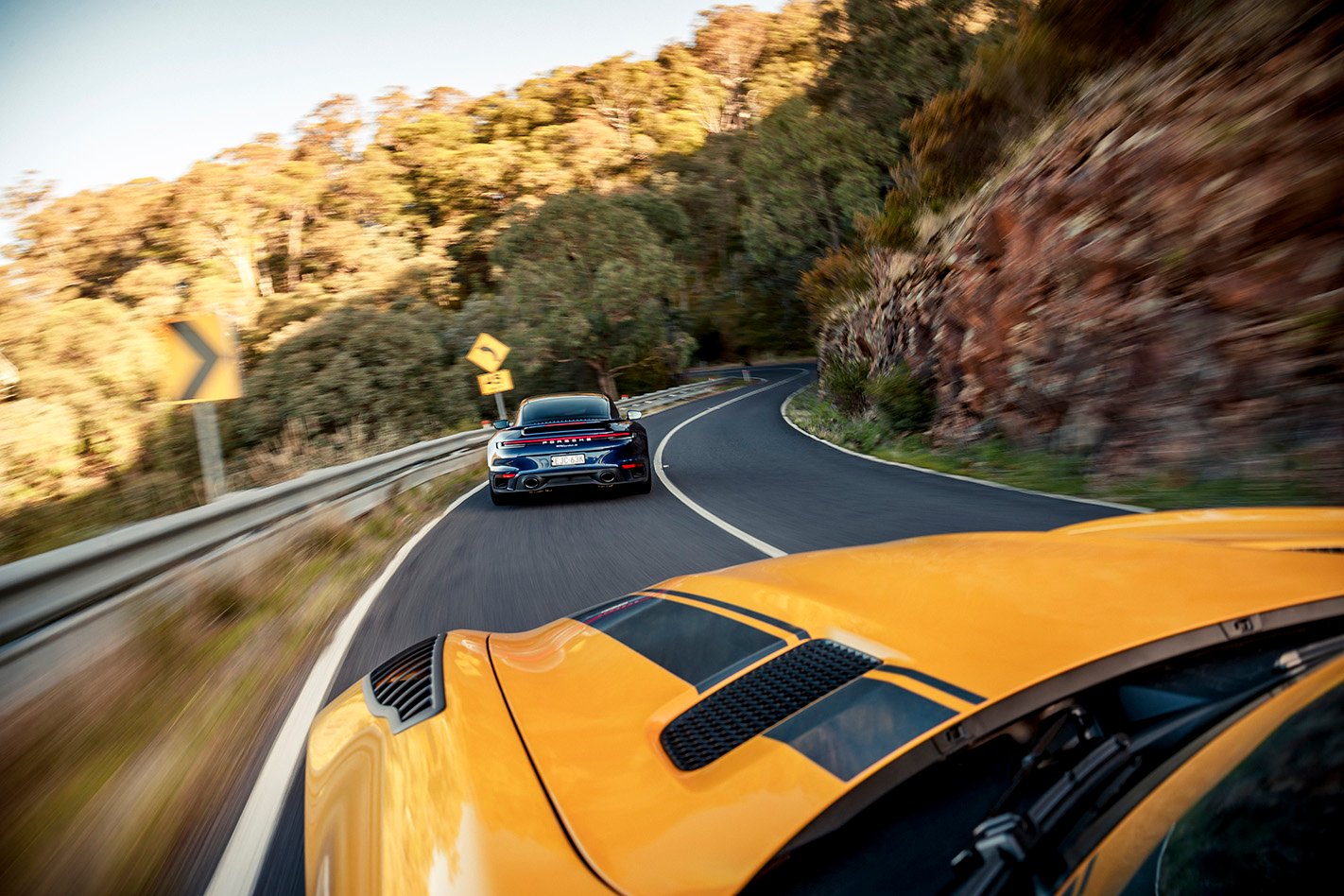
I remember it being phenomenal on track in Germany, but AMG was adamant that we couldn’t drive it on the road. That’s usually a dead giveaway that the car rides like a trolley jack on typical B-roads, so as the Pro unloads at Winton, there are still many questions to be answered.
It isn’t without precedent though. The Porsche 911 GT2 RS claimed the PCOTY crown in 2019 and a GT3 RS had done likewise in 2010, proving that ultra-focused circuit-biased models can, with serious talent on their side, work the judging criteria to their advantage.
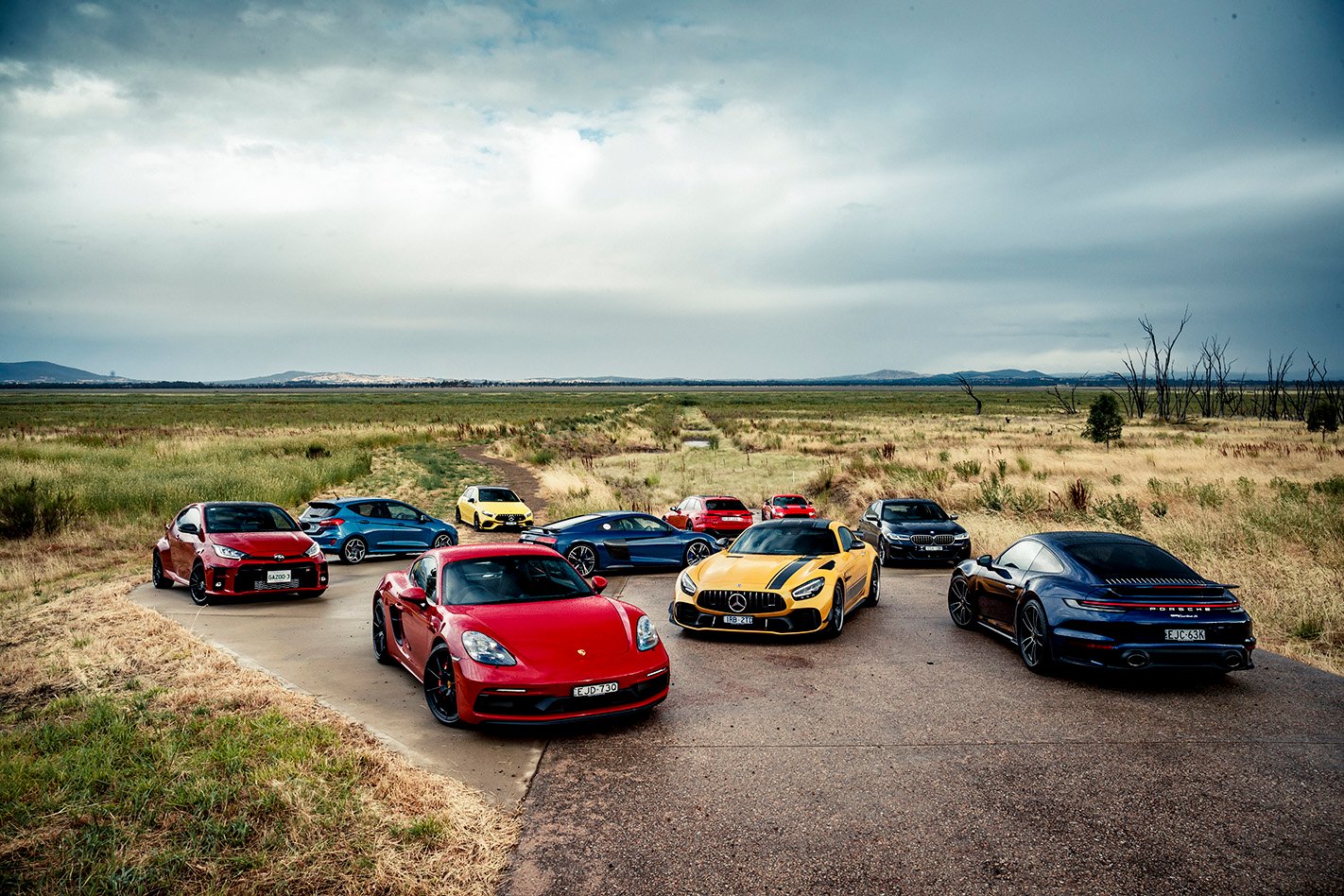
Our final contender also has a lot of work to do in order to convince the more experienced PCOTY testers that it’s enough of a rounded proposition to challenge for the top spots. Our cover car for the December issue of MOTOR, the Herrod SM17 Mustang, wields the biggest stick of the entire bunch with 578kW and 810Nm.
Track testing with previous hot versions of Mustangs has thrown up a number of problems, so would mechanical durability or a cooling deficit prove insurmountable issues here? The most powerful production car ever to be presented for PCOTY judging certainly isn’t going out without one heck of a fight.
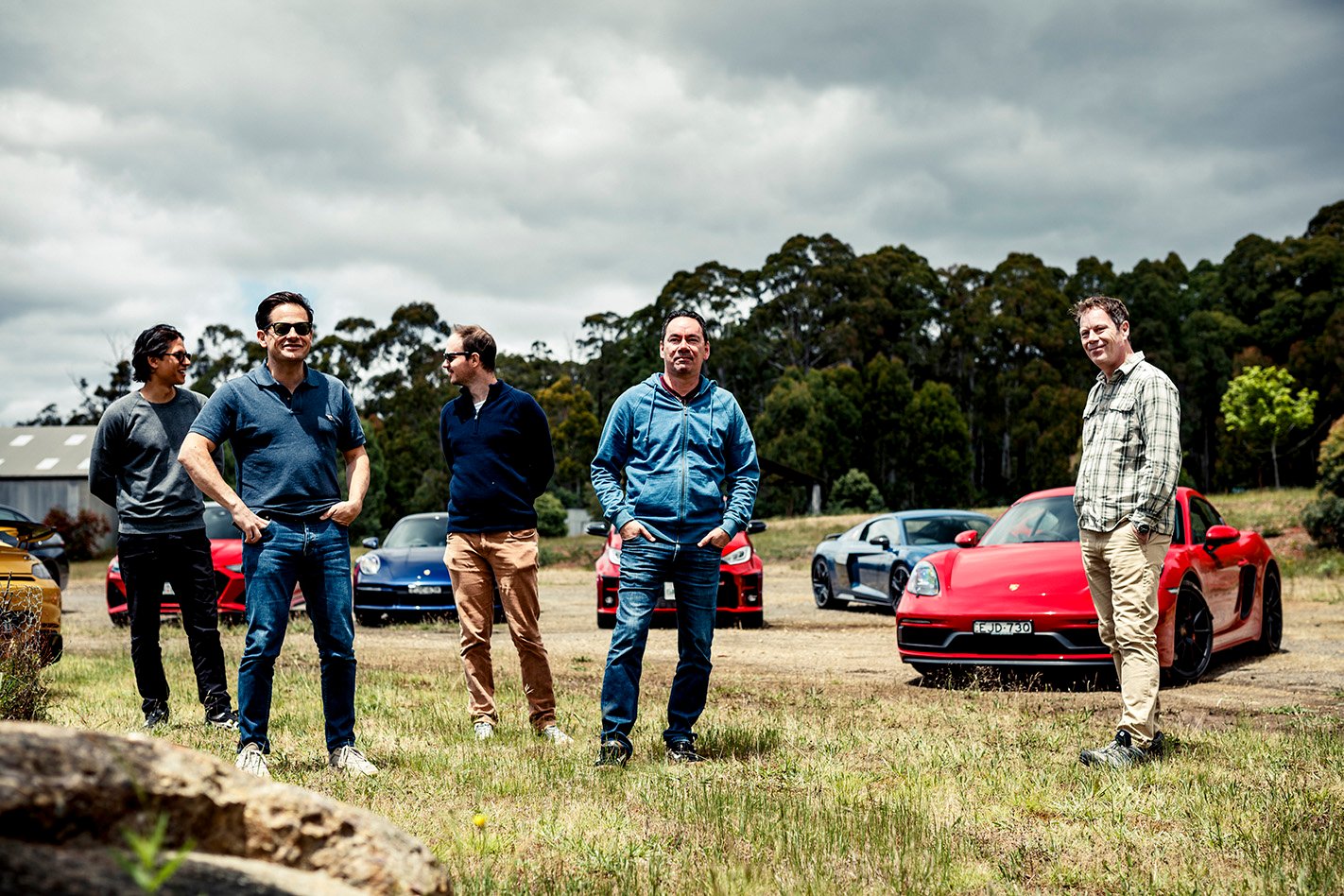
Two days of on-road testing in the Victorian high country are scheduled, followed by a couple of days of exclusive booking at Winton. The weather gods are appeased with the ritual cremation of the Mustang’s spare rear boots and ex-Supercars pedaller Karl Reindler is locked in to set the hot laps. The judging panel contains three grizzled MOTOR hands, Scott Newman, Louis Cordony and Curt Dupriez, while ex-Wheels editor and handy steerer Glenn Butler joins the team. The final place is mine, the editor learning the ropes at his maiden PCOTY. It’s set to be one heck of an introduction.
THE CONTENDERS
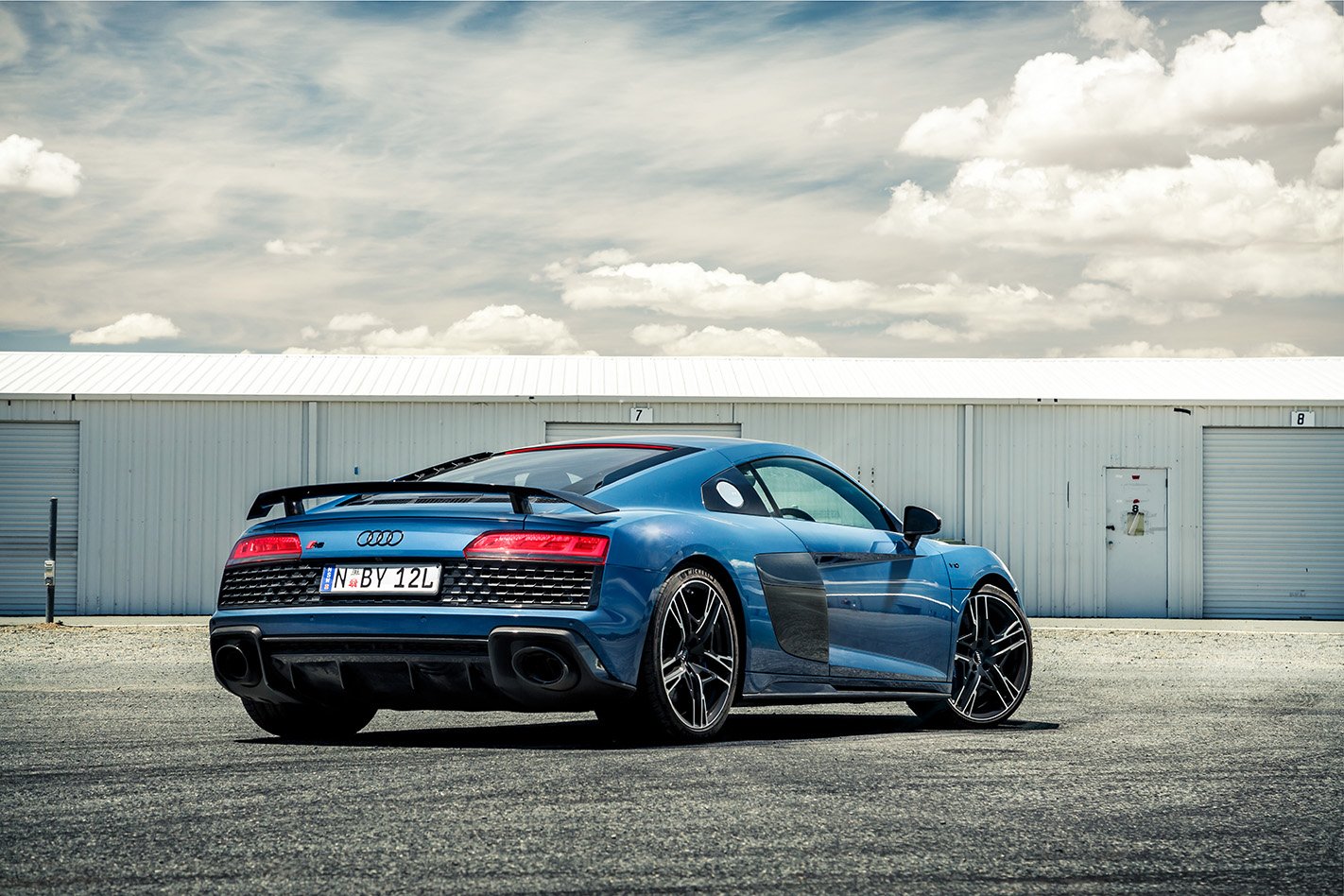
Audi R8 V10 Performance
It’s been out for a while overseas, but this atmo supercar should be celebrated… glorious soundtrack and all.
- Engine: Naturally aspirated V10, mid engine
- Drive: AWD
- Power: 449kW/560Nm
- Weight: 1595kg
- Price: $395,000
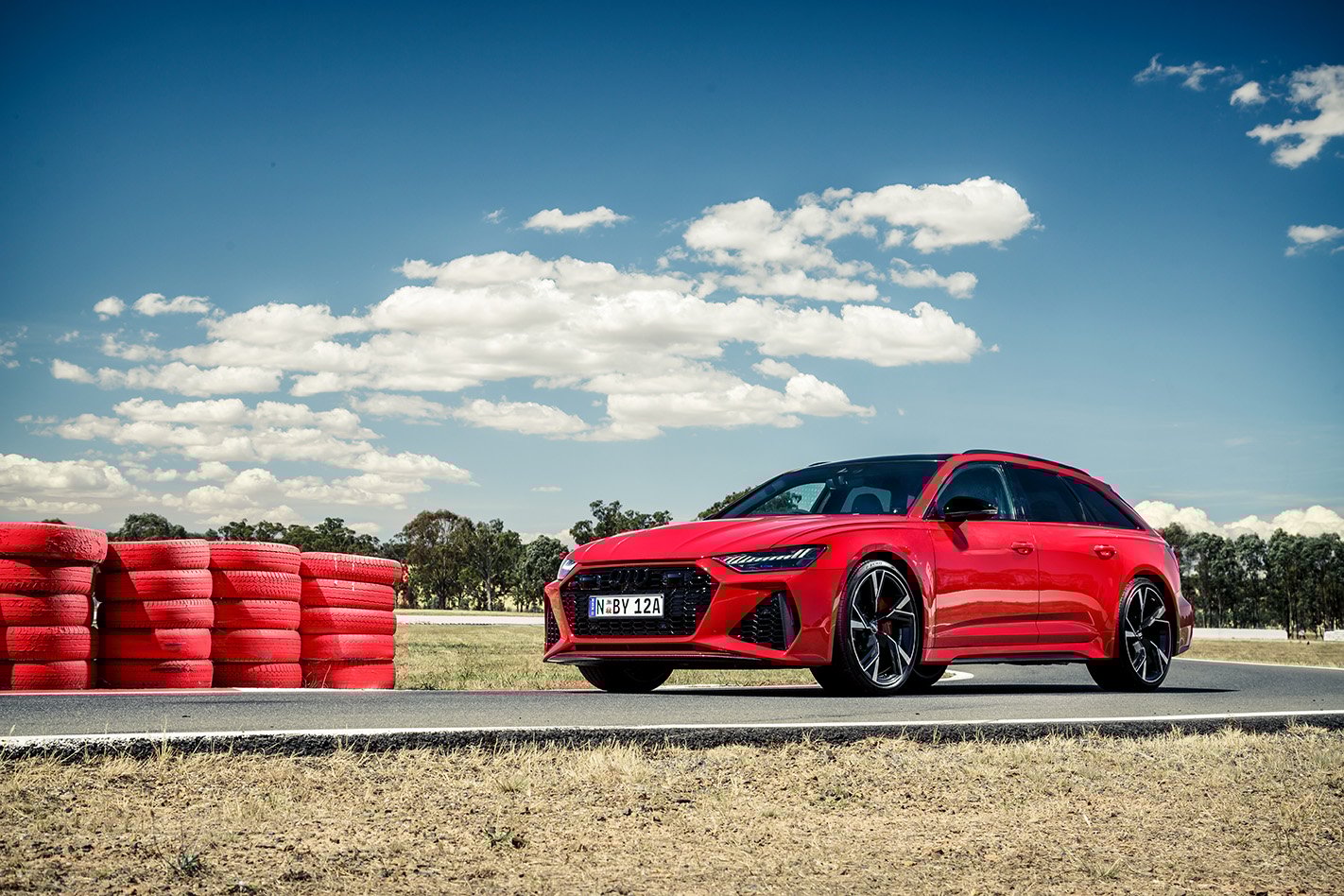
Audi RS6 Avant
We love a fast wagon, and the RS6 is one of the quickest. It’s best to take the dog out of the boot before track laps, though.
Engine: Twin-turbo V8, front engine
- Drive: AWD
- Power: 441kW/800Nm
- Weight: 2075kg
- Price$216,000
BMW M550i xDrive
The monstrous M5 Competition made the podium in 2019, but can the M-lite 5 Series go a few steps better?
- Engine: Twin-turbo V8, front engine
- Drive: AWD
- Power: 390kW/750Nm
- Weight: 1810kg
- Price: $149,500
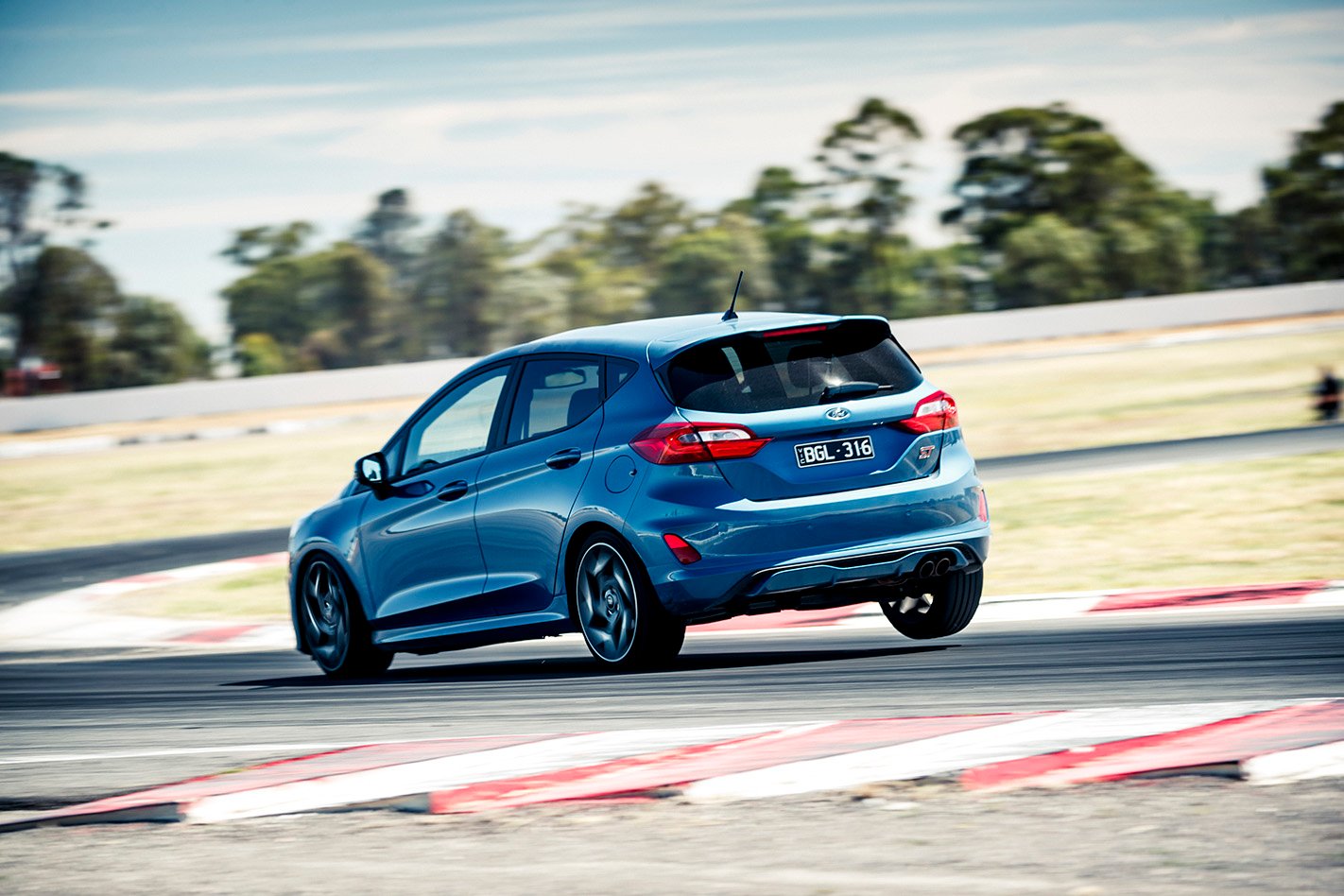
Ford Fiesta ST
This feisty little hot hatch is a five-star car, but can Ford’s performance tiny tot play with the big boys? We think it can.
- Engine: Turbocharged inline three-cylinder, front engine
- Drive: FWD
- Power: 147kW/290Nm
- Weight: 1217kg
- Price: $32,290
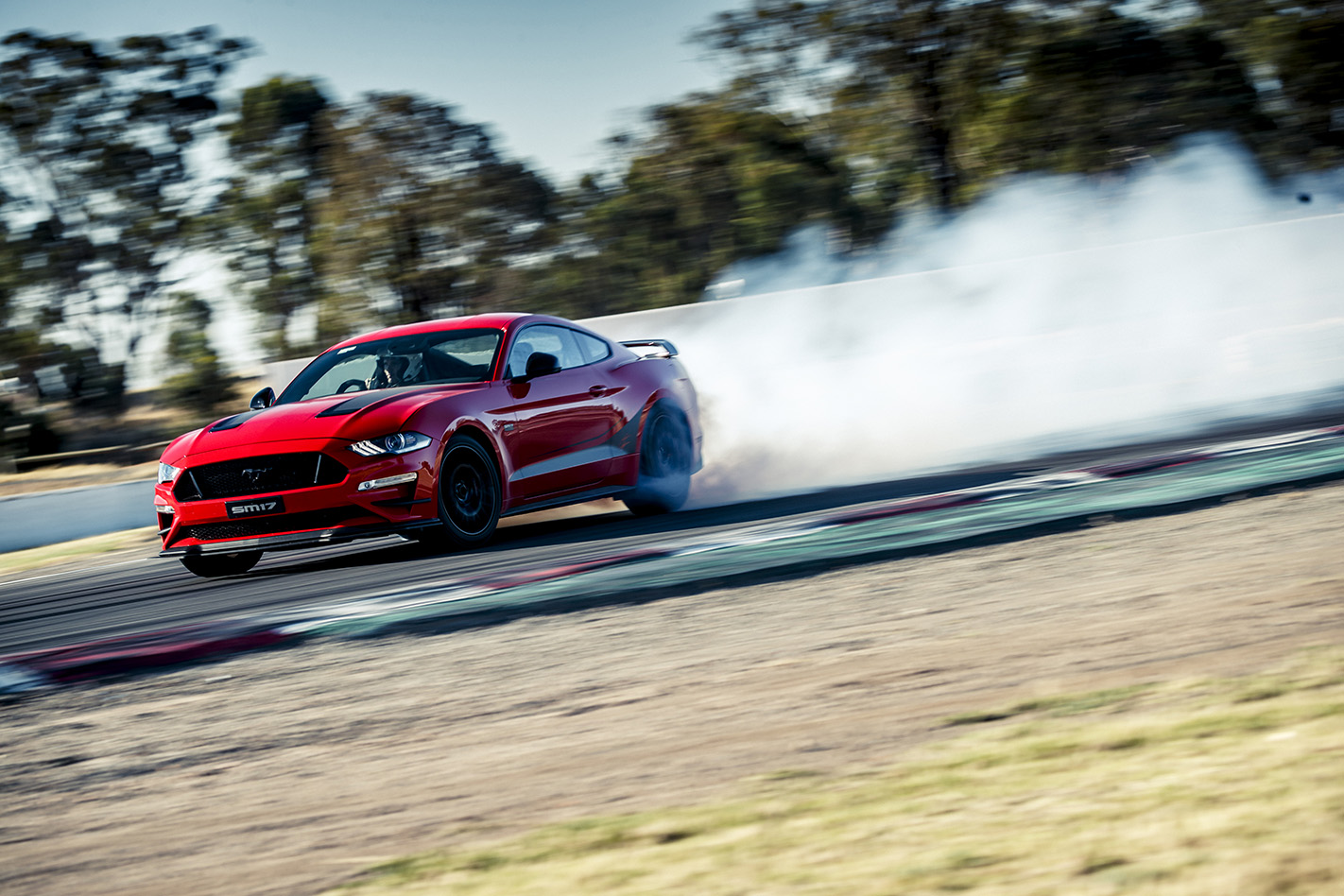
Herrod SM17
A power-hungry torque monster to celebrate three-time Supercars champ Scott McLaughlin. Yee-haw indeed.
- Engine: Supercharged V8, front engine
- Drive: RWD
- Power: 578kW/810Nm
- Weight: 1784kg
- Price: $125,000 (approx)
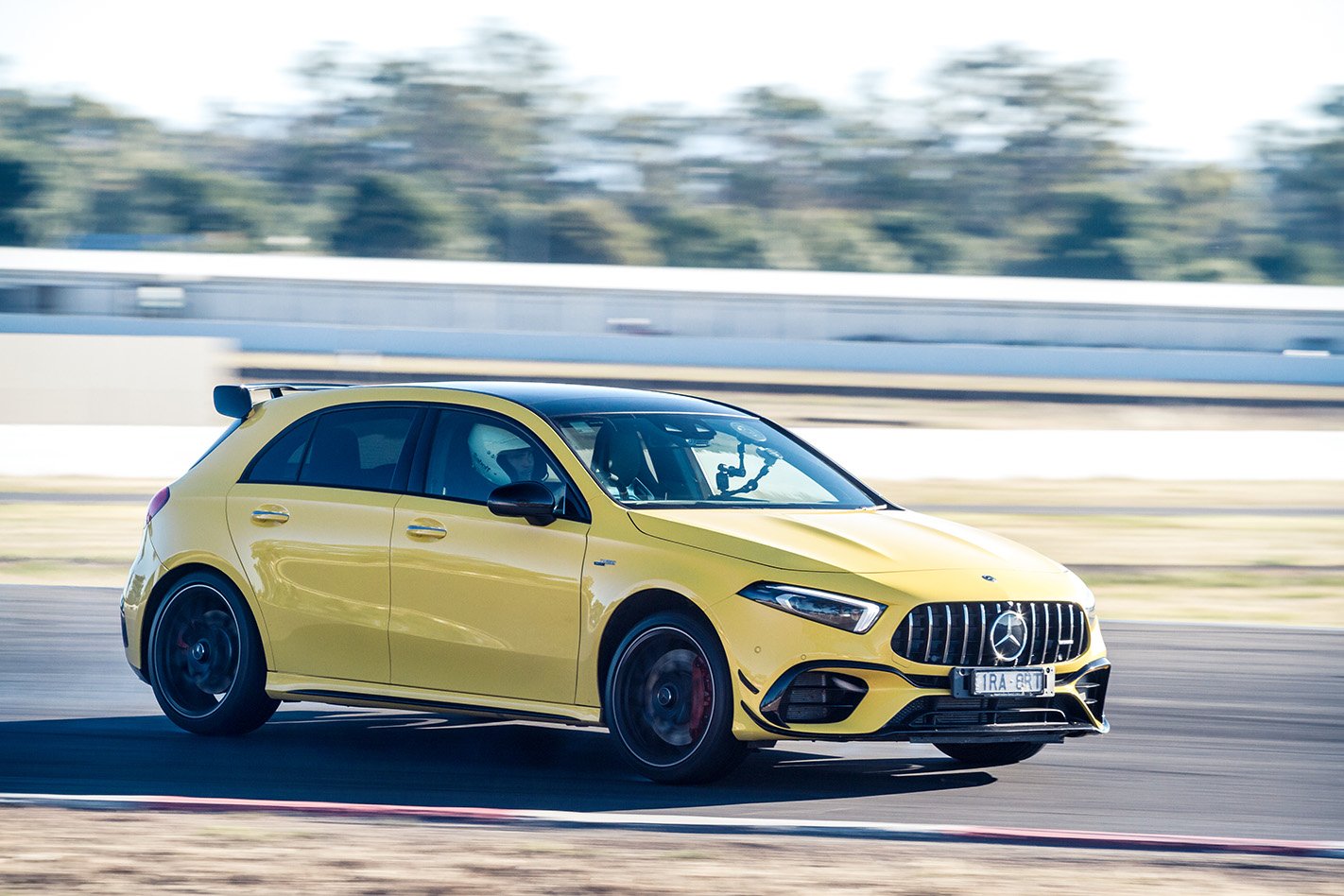
Mercedes-AMG A45 S
Single-handedly coined the phrase hyper hatch, the A45 S lives up to its on-paper billing… but it doesn’t come cheap.
- Engine: Turbocharged inline four-cylinder, front engine
- Drive: AWD
- Power: 310kW/500Nm
- Weight: 1675kg
- Price: $93,600
Mercedes-AMG GT R Pro
A more serious bit of kit than the GT R, the Pro aims to be a race car you can use on the road. Big daddy until Black arrives.
- Engine: Twin-turbo V8, front engine
- Drive: RWD
- Power: 430kW/700Nm
- Weight: 1632kg
- Price: $453,200
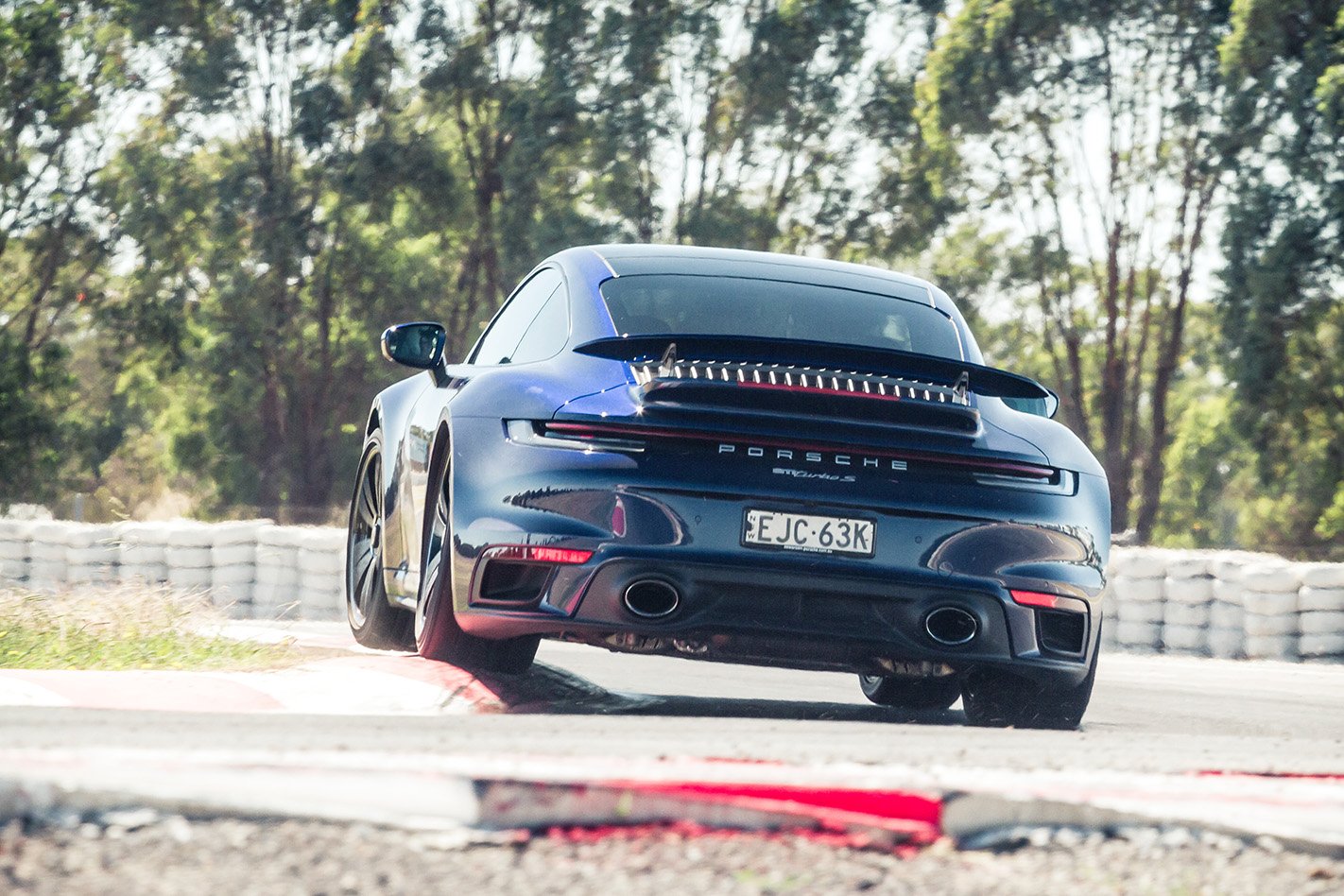
Porsche 992 911 Turbo S
If you didn’t know, Porsche, and in particular 911s, have a habit of winning PCOTY… Can the Turbo S follow tradition?
- Engine: Twin-turbo flat-six, rear engine
- Drive: AWD
- Power: 478kW/800Nm
- Weight: 1640kg
- Price: $473,900
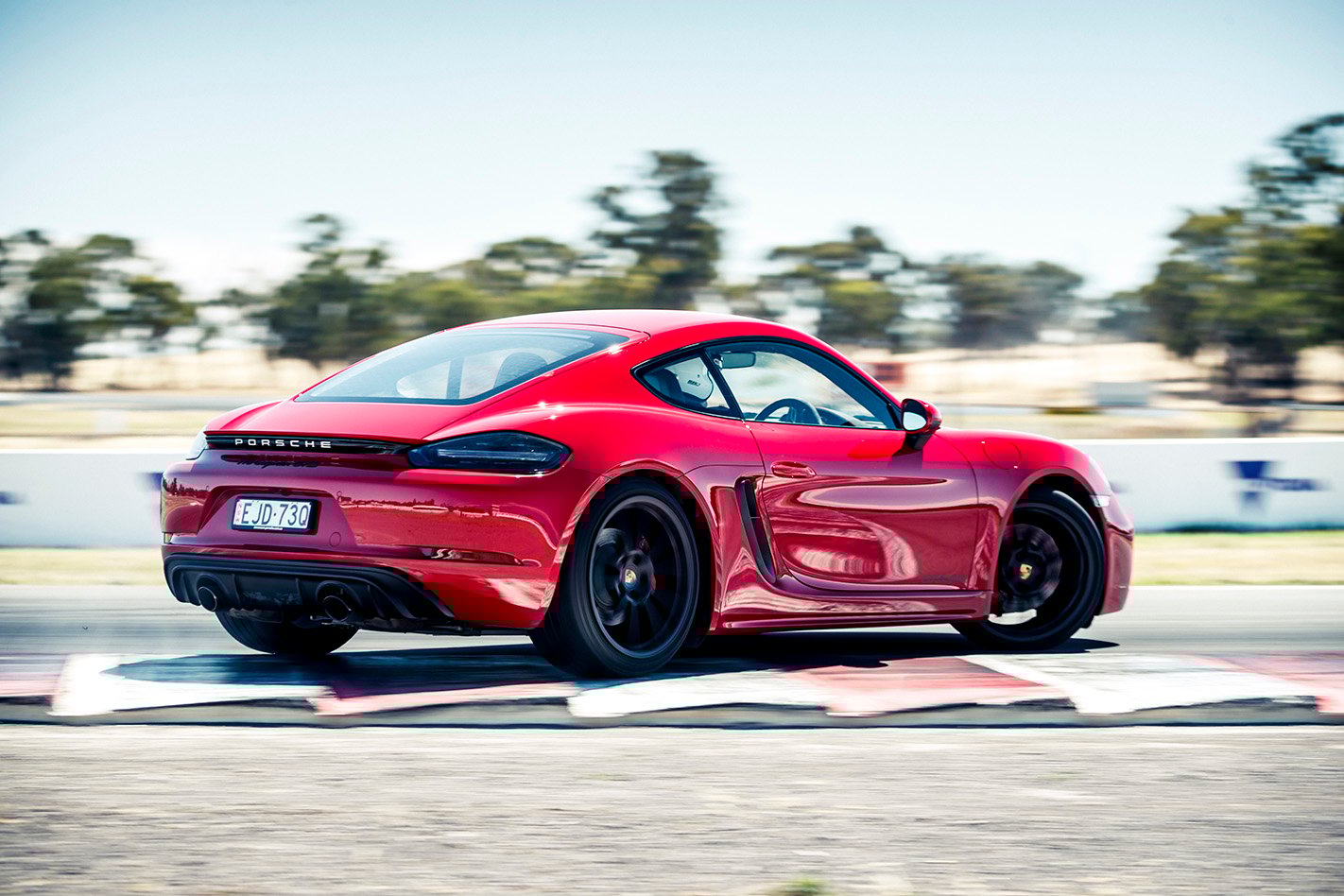
Porsche Cayman GTS 4.0
It has all the right ingredients for greatness that are easy to access, but will known gearing issues hold it back?
- Engine: Naturally aspirated flat-six, mid engine
- Drive: RWD
- Power: 294kW/420Nm
- Weight: 1405kg, $173,100
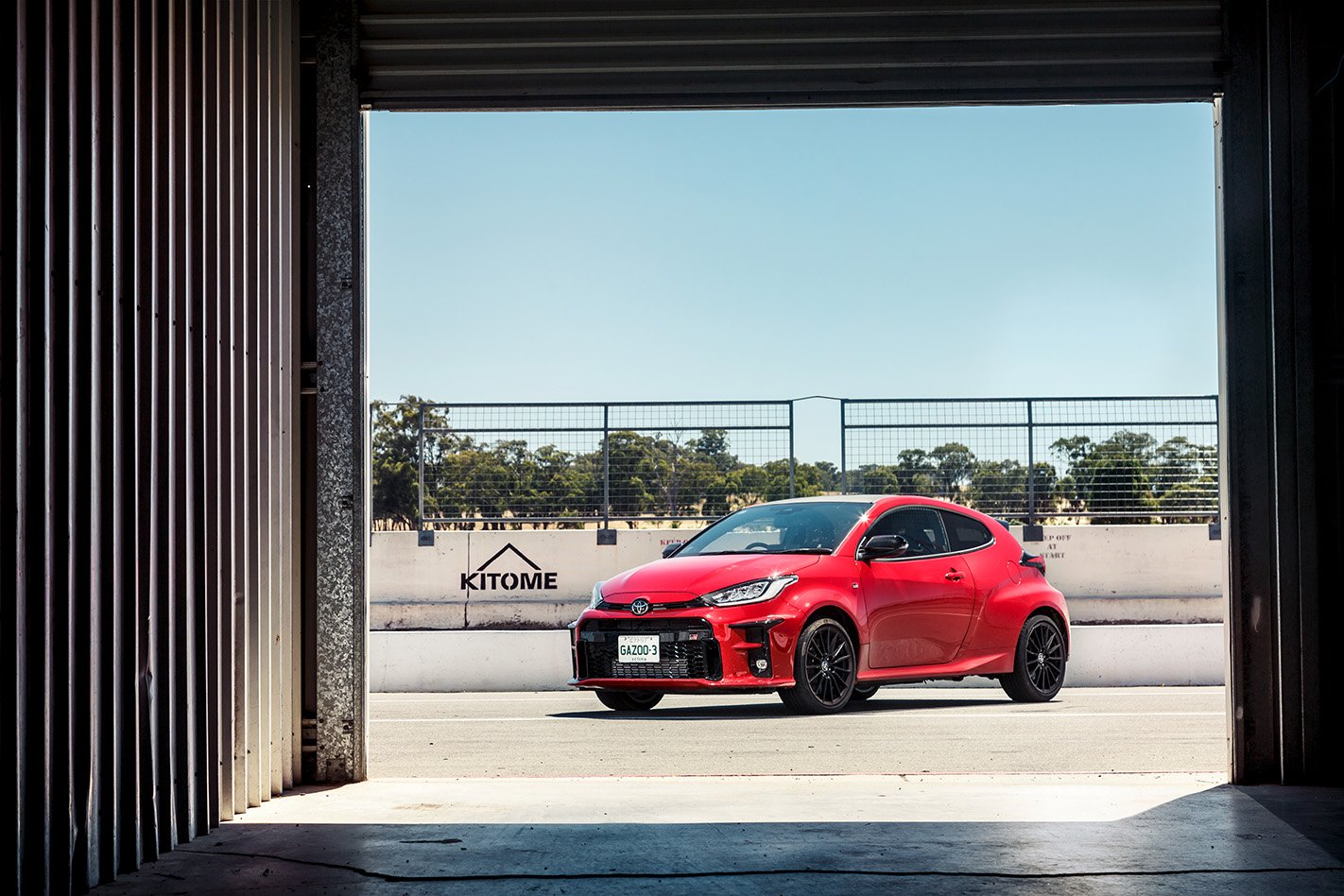
Toyota GR Yaris
The weight of expectation is heavy for the diminutive GR Yaris, but can the homologation special overcome it?
- Engine: Turbocharged inline three-cylinder, front engine
- Drive: AWD
- Power: 200kW/370Nm
- Weight: 1280kg
- Price: $49,500
THE CARS THAT MISSED OUT
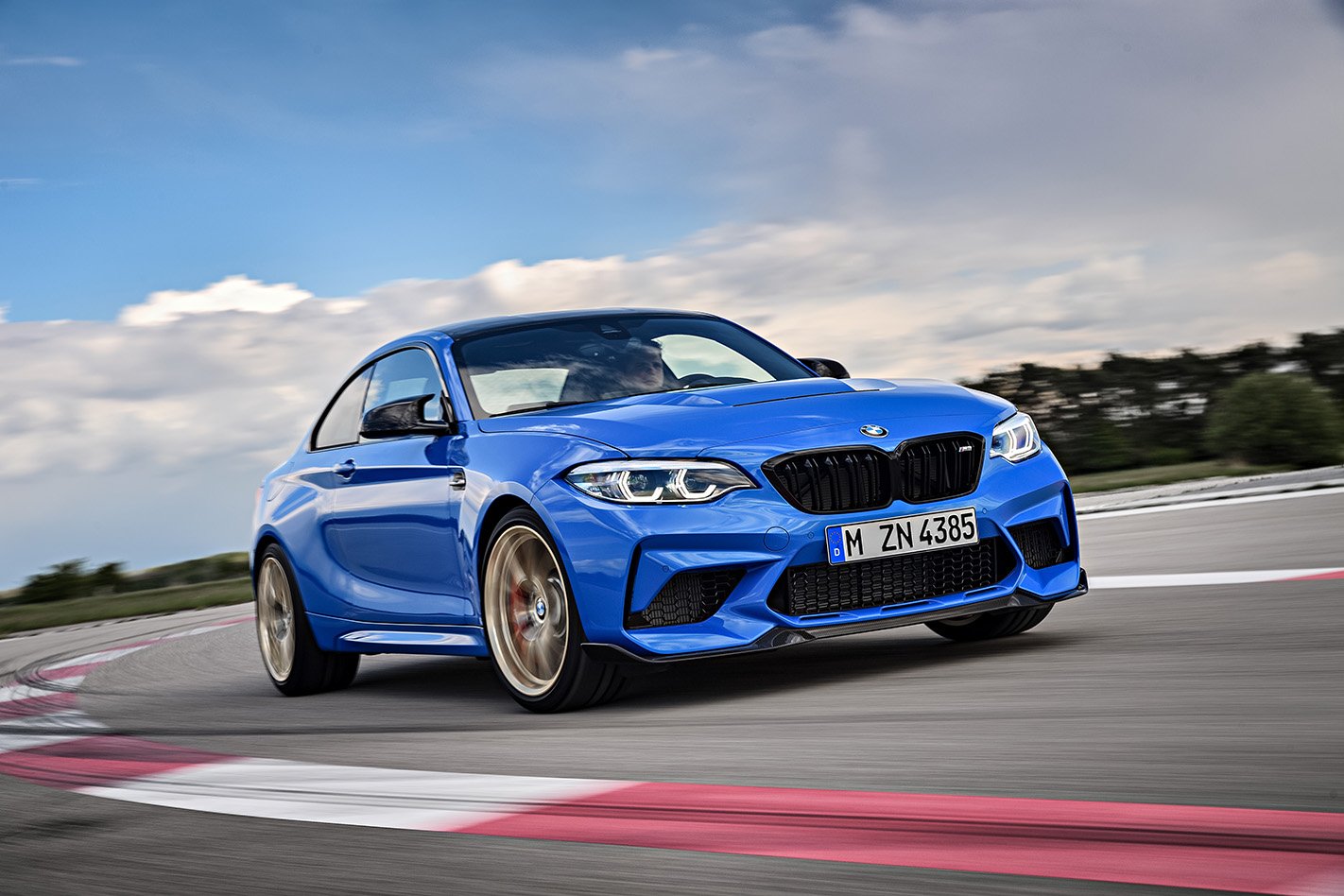
BMW just missed the cut with a couple of contenders. We suspect the Mini GP might have been a bit steamrollered, but the M2 CS could have ended up challenging for line honours. As it stands, it may well find itself up against the Porsche 992 GT3 and the Cayman GT4 RS for 2022.
For a while it looked as if McLaren would finally let a 600LT join the fray but neither that nor the 765LT were offered in time. We approach Ferrari and Lamborghini each year, and a 488 GTB or a Huracán Evo would have been a great addition, but neither would put a vehicle up for appraisal.
Porsche’s Taycan EV was touch and go for a while, but timings conspired against it. That could have really put the cat amongst the pigeons. It’s nailed on for next year.
MEET THE JUDGES
Louis Cordony
Has developed his own scoring system. We don’t know why and we haven’t managed to talk him out of it. Or the manbag.

Glenn Butler
Wheels’ old boss is too experienced on both road and track to be spending his days driving a desk back at the executive suite.

Scott Newman
Our go-to man for sideways shots. Also has a Rainman-like ability to interpret seemingly random VBOX files.

Curt Dupriez
Curt has a voice so deep that some of his expert vehicle assessments can only be registered by sperm whales.

Andy Enright
Nobody has quite figured out how a 100kg man punted the 911 Turbo S so quickly down the strip and Enright’s not telling.

THE JUDGING CRITERIA
Performance
The VBOX doesn’t lie. Beyond the raw numbers, we’re looking for response and powertrain refinement.
Dynamics
The subtleties of balance, grip, and control fidelity that separate the great from the good.
Accessibility
Put simply, how easily the vehicle allows you to access its reserves of talent, and the payback it delivers when you do.
Liveability
Ride quality, interior comfort, visibility, ergonomics and noise suppression all contribute here.
Value
Price, running costs, option costs, talent versus similarly priced peer group determine the order.
X Factor
Never be impressed with mere charisma. Look for character. Which car’s light shines brightest?
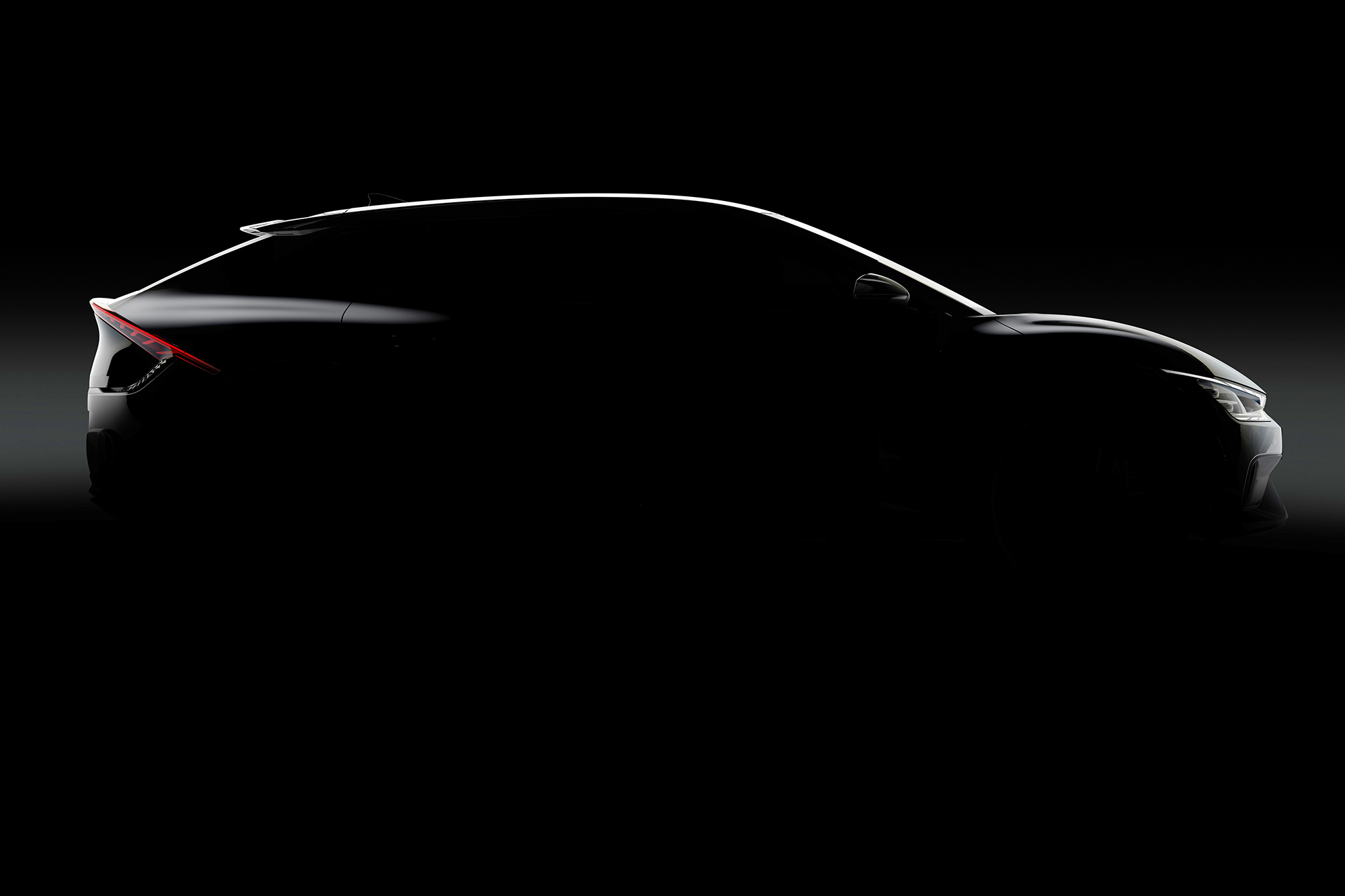
Kia has revealed a first glimpse at its incoming EV6 crossover SUV, which will become the Korean manufacturer’s first battery electric vehicle produced from its new electric E-GMP platform.
The EV6 is said to represent the first part of Kia’s broader embrace of electrification, debuting a new styling philosophy as well as the marque’s new forward-thinking logo.
Little can be seen from Kia’s deliberately shadowy images, but we can make out the presence of new design language features and an aggressive front end – though, it seems, without the ‘Tiger nose’ grille we’ve come to expect from Kia.

The slicked-back roof line extends towards a small rear wing with a narrow letterboxed rear window. It also has a high waistline at the rear end, with thin new-style tail lights.
“EV6 is the embodiment of both our brand purpose, ‘Movement that inspires’, and our new design philosophy. It has been designed to inspire every journey by offering an instinctive and natural experience that improves the daily lives of our customers and provide user ownership that is simple, intuitive and integrated,” said Karim Habib, head of Kia Global Design Center.
“Our aim is to design the physical experience of our brand and to create bold, original and inventive electric vehicles.”
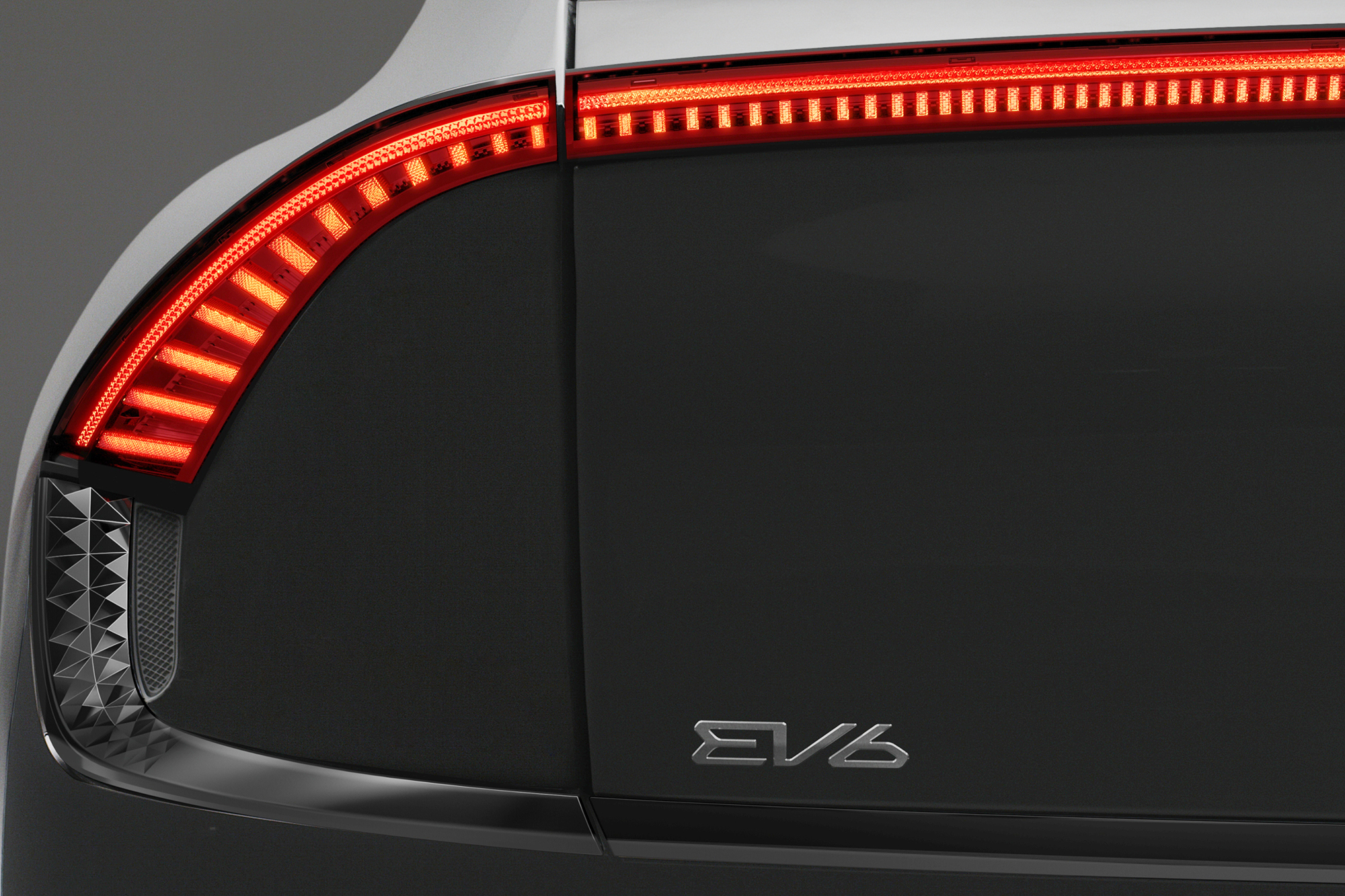
The EV6 name mightn’t sound super sexy, but there is a method to the new naming scheme. The EV- prefix provides simplicity and consistency to Kia’s new EV range, and will feature on all its EVs sold throughout Kia’s global markets.
The number suffix will refer to the car’s position in the EV line-up.
Kia remains tight-lipped about its upcoming EV products, but we’ll know more when the EV6 makes its worldwide debut. Kia previously promised a reveal before the end of March 2021.
