
Mini is introducing a limited number of Paddy Hopkirk special editions of its Cooper S and John Cooper Works hot hatches, commemorating the first triumph of the Mini brand at the Monte Carlo Rally in 1964.
The Paddy Hopkirk Edition will be available on Cooper S three- and five-door bodies, while also as an option for John Cooper Works variants.
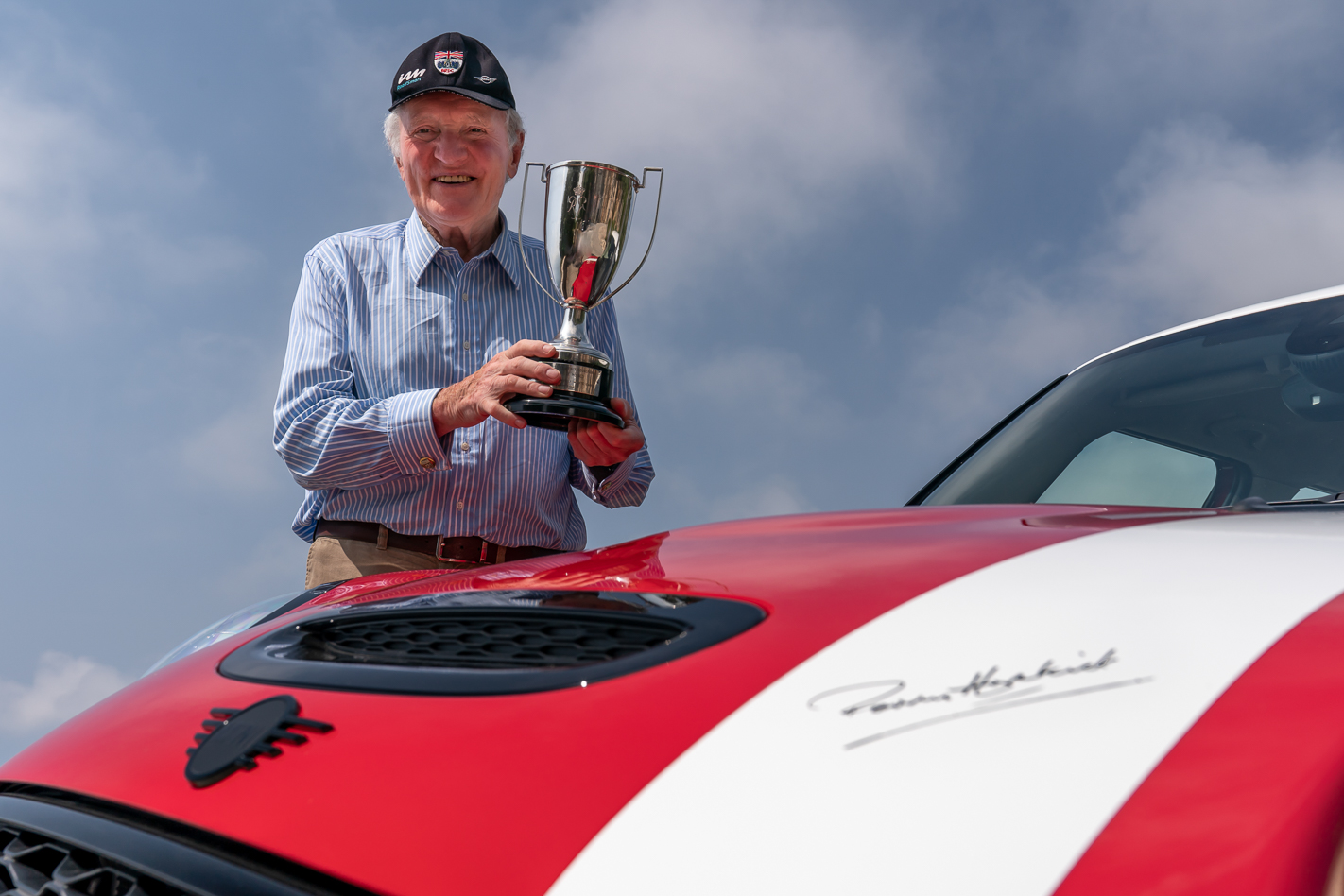
For the uninitiated, the Mini Cooper S first shot to fame in the hands of Irish rally driver Paddy Hopkirk at the 1964 Monte Carlo Rally when it clinched the first of three overall victories.
Notably, it beat a number of more powerful rivals in a real-life David-vs-Goliath style battle.
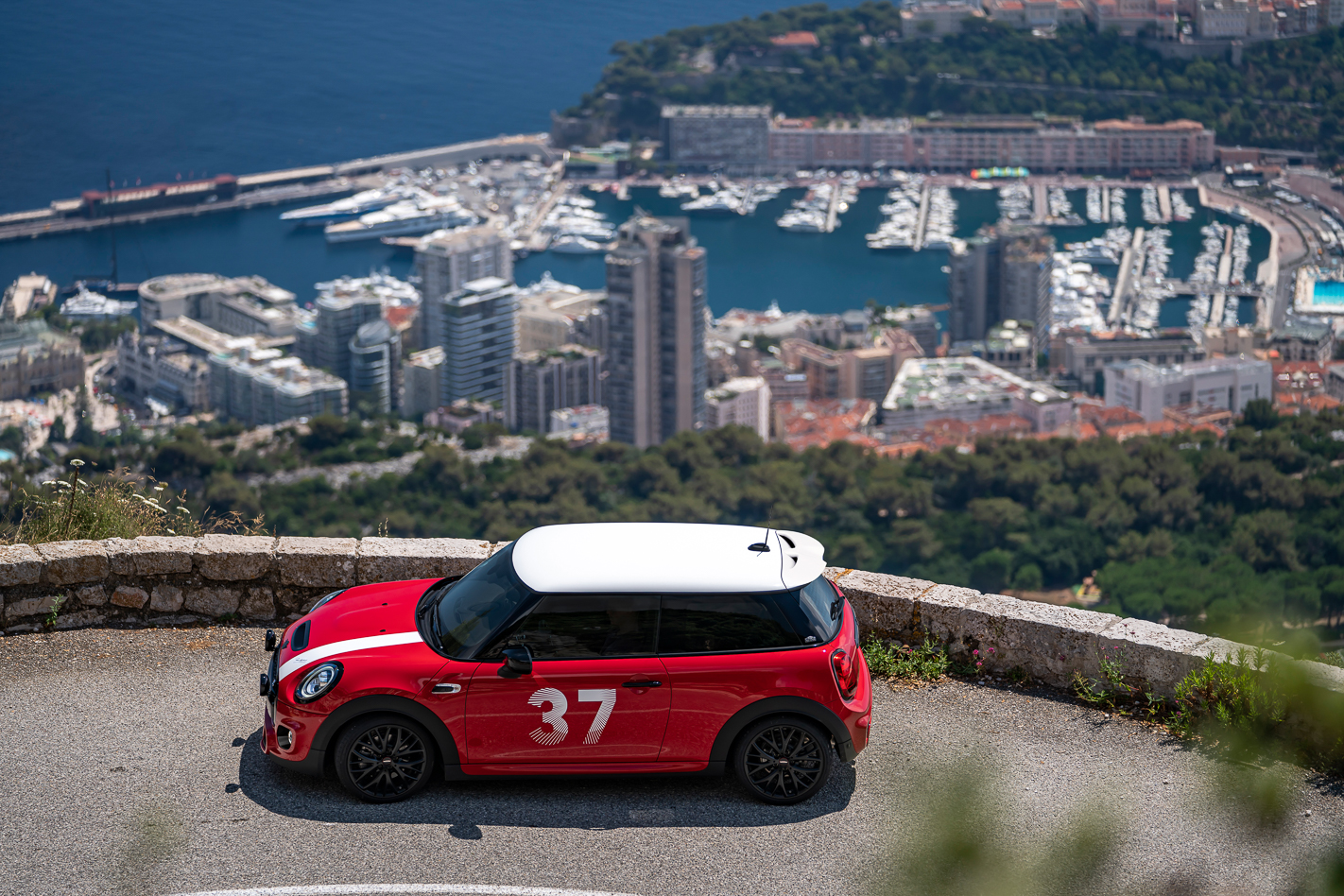
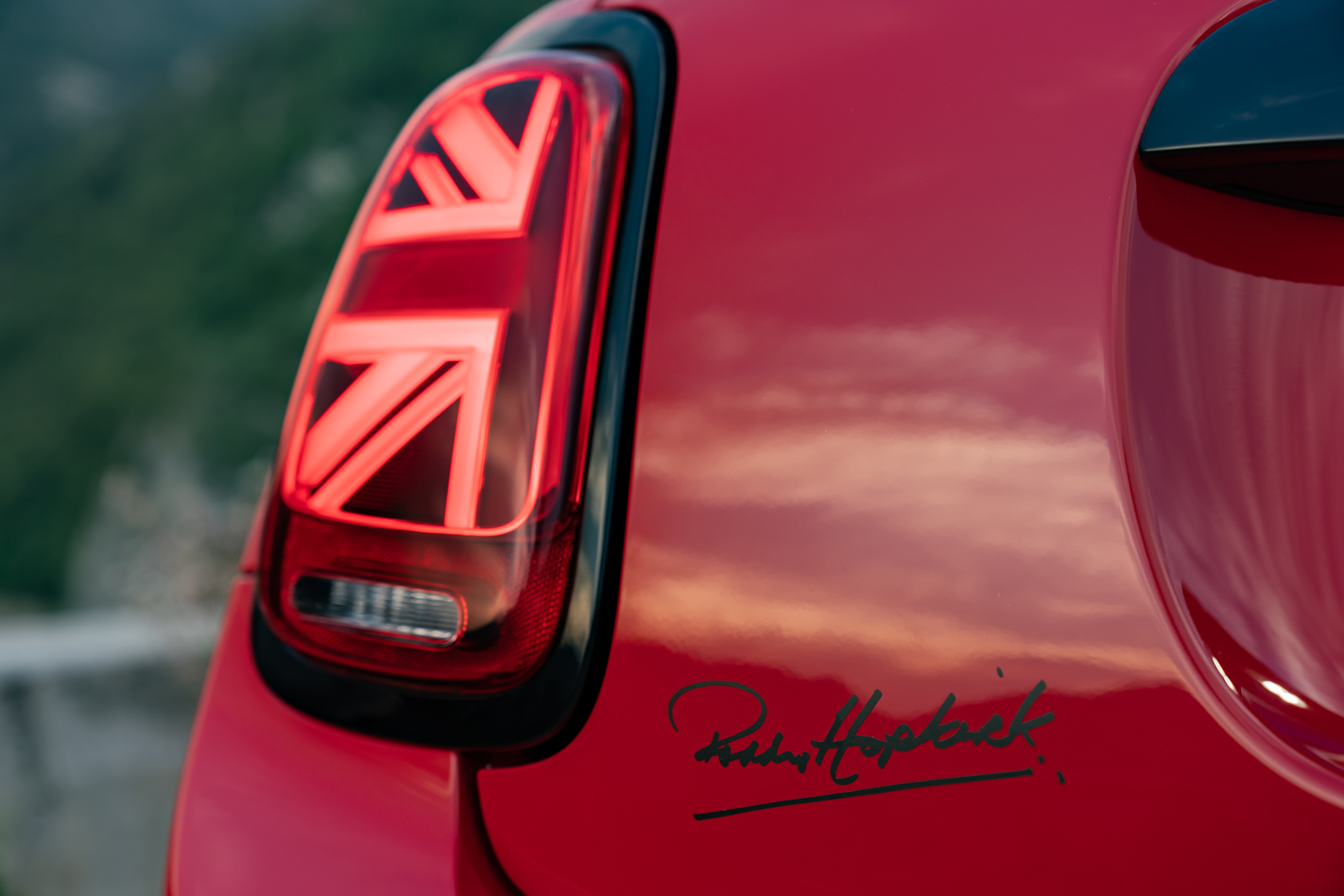
The Paddy Hopkirk Edition is distinguished by Chilli Red paint with a white roof, a set of rally spotlights, Paddy Hopkirk’s number 37 on the doors and side badges, Hopkirk’s signature on the boot, and black exterior highlights.
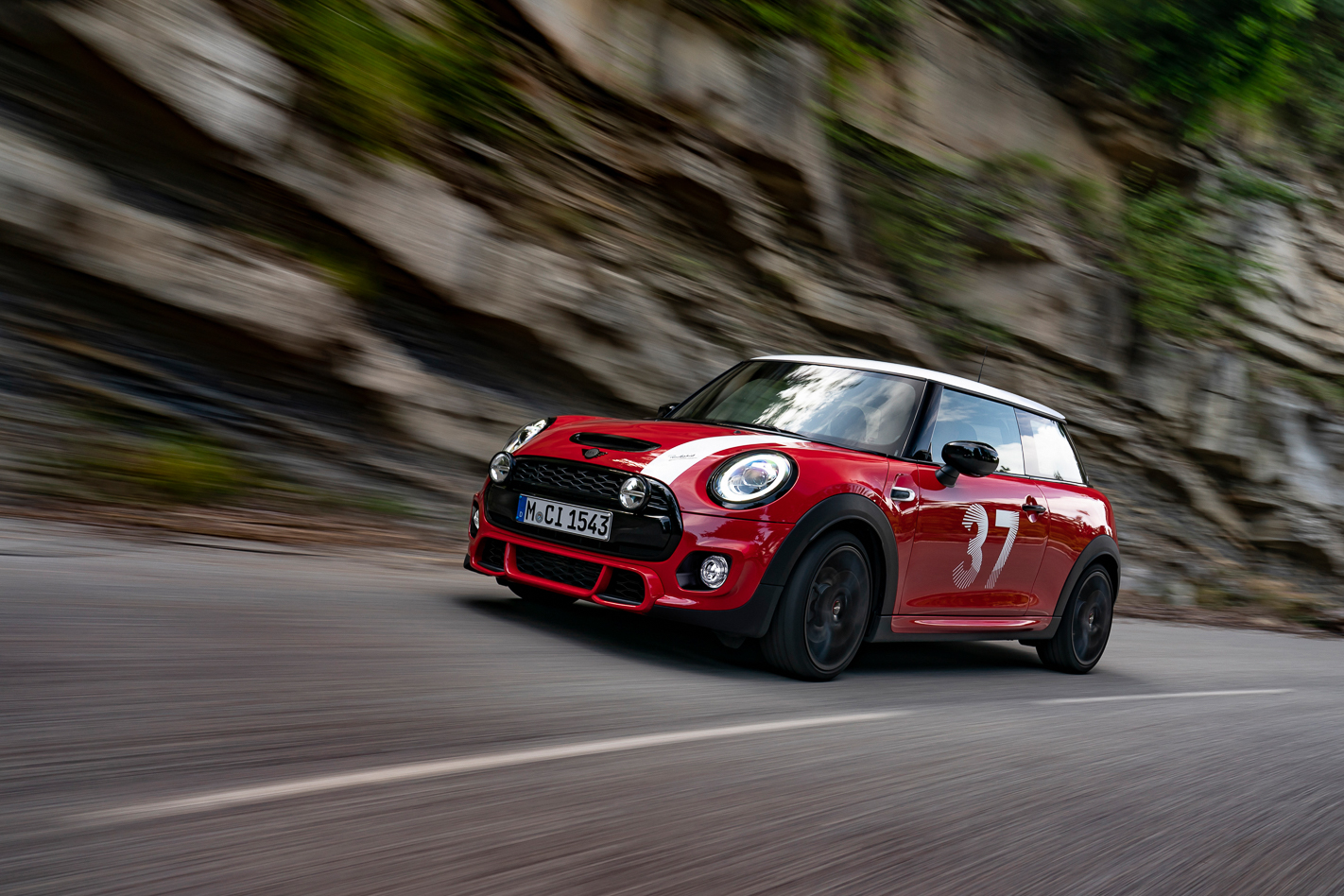
It also adds a single white bonnet stripe and a number of ‘Paddy Hopkirk Monte Carlo’ design motif stickers.
Cooper S cars ride on black 17-inch JCW ‘Track’ wheels, while John Cooper Works models get unique 18-inch ‘Style 508’ wheels in gloss black.
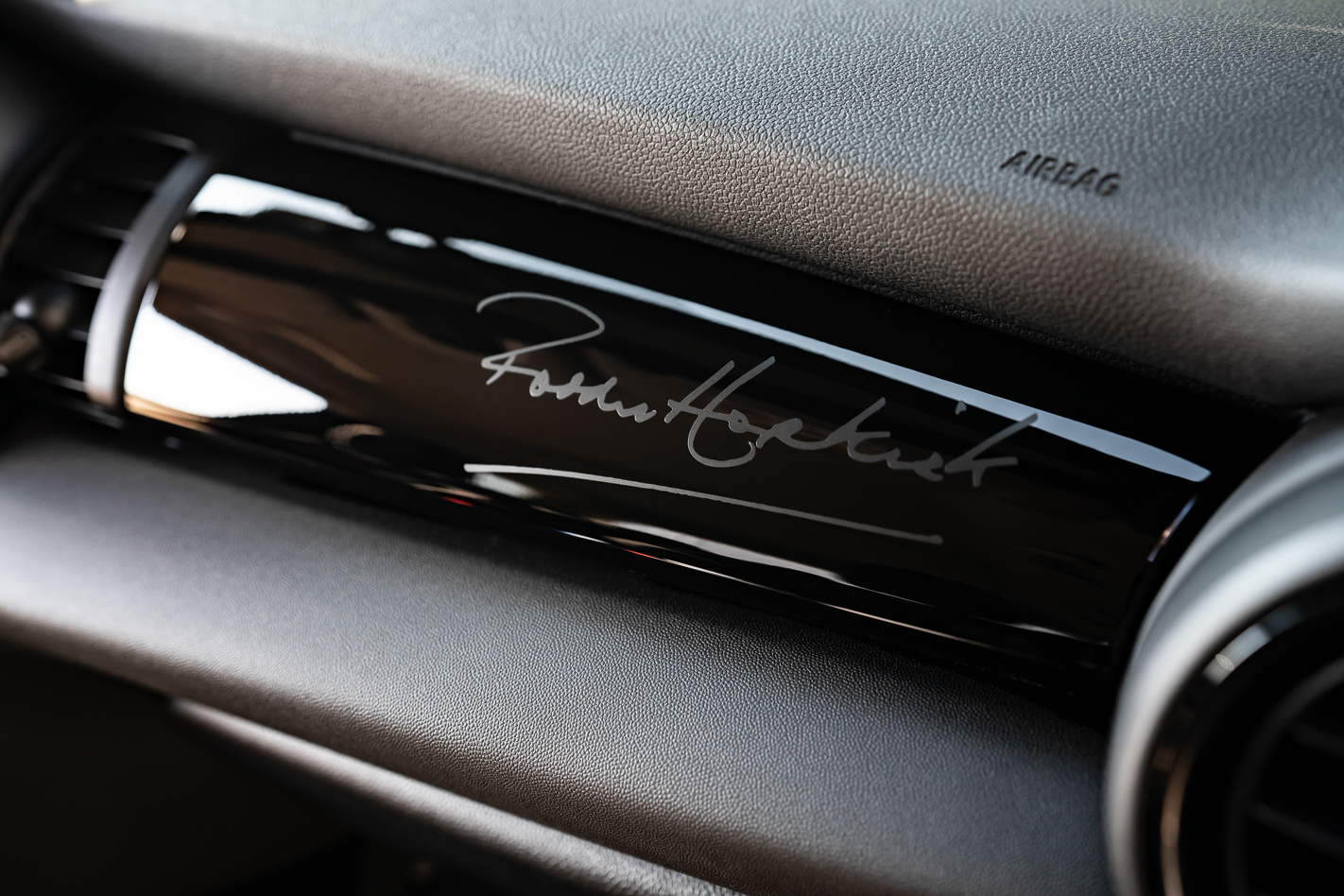
Inside, Hopkirk’s signature also features on the dash, and a special LED strip light on the door sill bears his name.
Power stays the same as standard the Cooper S and JCW: a 2.0-litre turbo four-cylinder engine produces 141kW/ 280Nm in the Cooper S and 170kW/320Nm for the JCW.
All three limited editions receive a boosted level of standard kit, some of which was optional on the standard cars.
The list includes a sunroof, Harman/Kardon 12-speaker audio, Piano Black interior trim, LED headlights, keyless entry, 5.0-inch digital instrument cluster and an 8.8-inch infotainment unit.
The John Cooper Works Paddy Hopkirk Edition adds adaptive LED lights and adaptive cruise control to the above.
Pricing and availability
Pricing starts at $54,800 for the Cooper S three-door, $56,400 for the Cooper S five-door and $69,000 for the John Cooper Works Paddy Hopkirk Editions.
The rally-inspired special is limited to 65 units for Australia – 25 of the Cooper S three-door, 25 of the five-door and 15 of the John Cooper Works.
Mini is no stranger to a special edition, though this is likely to be one of the last ahead of a new-generation car bound for Australia later this year.
Interested customers are invited to order the Paddy Hopkirk Edition via the Mini Australia website now.
2021 Mini Paddy Hopkirk Edition pricing
- Cooper S 3-Door Paddy Hopkirk Edition – $54,800
- Cooper S 3-Door Paddy Hopkirk Edition – $56,400
- John Cooper Works Paddy Hopkirk Edition – $69,000
Ssangyong has revealed details of its facelifted, Australian-specification 2021 Rexton seven-seat large SUV ahead of a March on-sale date.
Local specs were released on the company’s Australian website, detailing a two-variant range and updated specification to combat large SUV rivals such as the Mitsubishi Pajero Sport, Ford Everest and Toyota Fortuner.
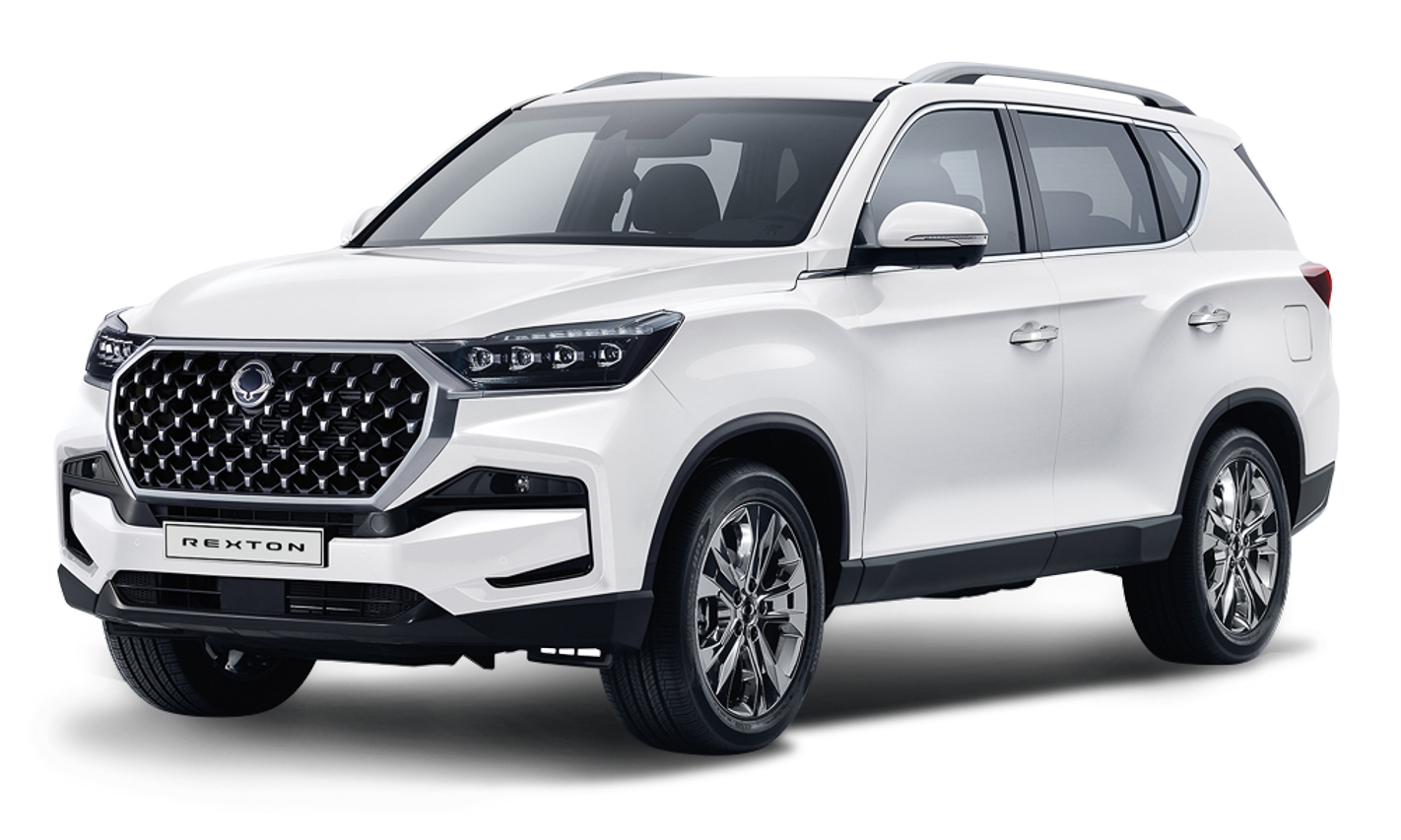
The local line-up drops the previous base-model EX, soldiering on with just the once-mid-level ELX and range-topper Ultimate variants.
Did SsangYong rush its Australian relaunch?
Pricing is still to be revealed, although we expect it to mostly match the outgoing Rexton ELX which sold for $46,990 driveaway, with the Ultimate grade costing an extra $6000 at $52,990.
By way of comparison, the 2021 Mitsubishi Pajero Sport range begins at $47,490.
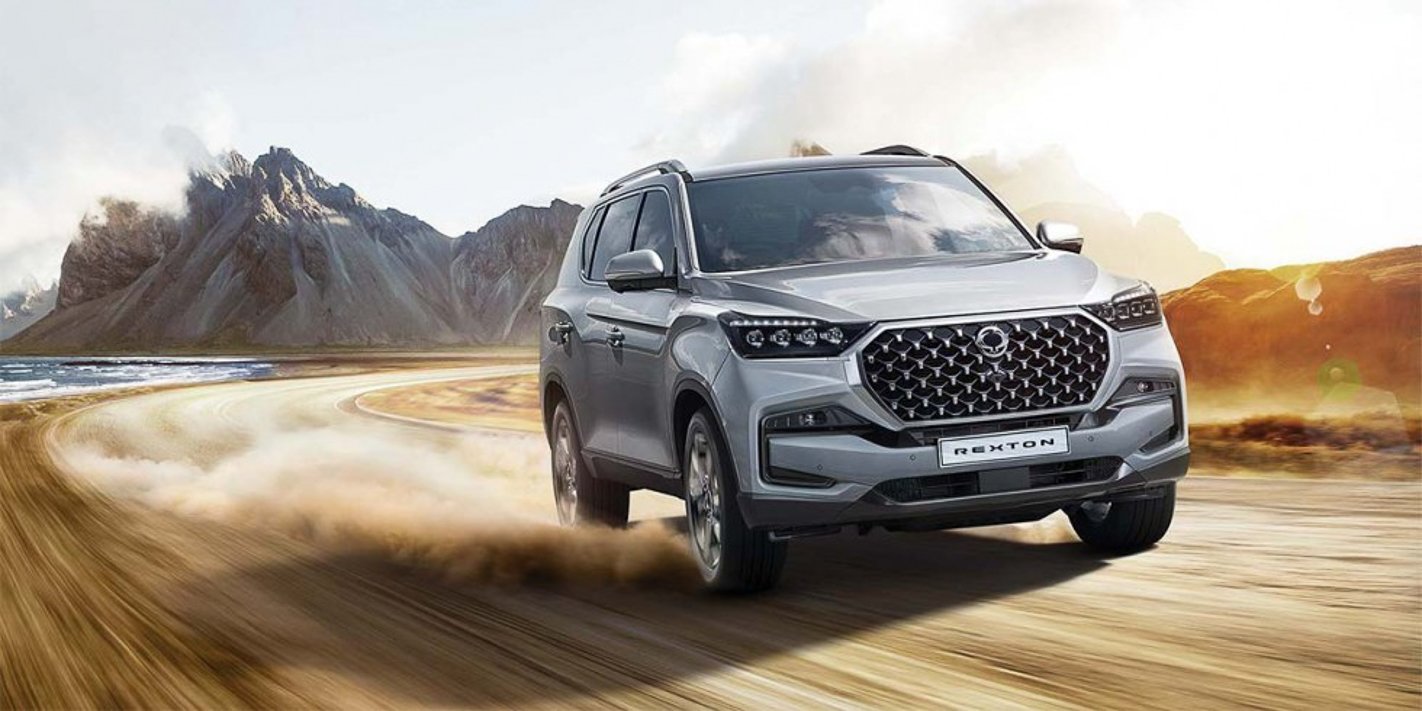
The updated Ssangyong Rexton ELX kicks off the line-up with dual-zone auto climate control, ventilated front and rear seats, front and rear fog lights, 18-inch alloy wheels, an 8.0-inch touchscreen infotainment system with Apple CarPlay/Android Auto and power adjust front seats.
The Ultimate features all of the above, but also adds a 360-degree surround view camera, heated steering wheel, sunroof, leather seats, wireless phone charging, 20-inch chrome wheels and illuminated scuff plates.
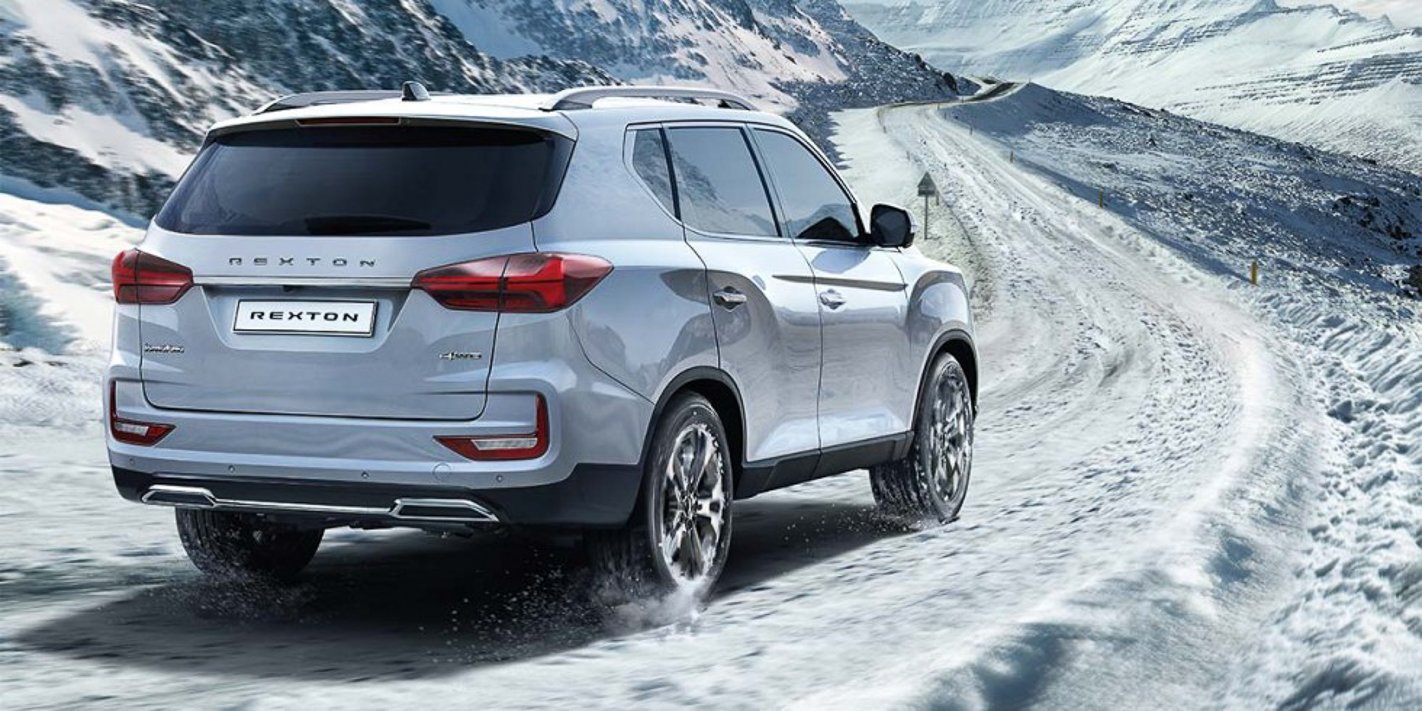
Common to both variants is a suite of safety features including autonomous emergency braking, lane-departure warning, blind spot monitoring, rear cross traffic alert, hill descent control and driver attention monitoring.
Additionally, both the ELX and Ultimate are powered by a single 2.2-litre turbocharged diesel engine, producing 148kW/441Nm. These figures are 15kW and 21Nm up from its predecessor’s powerplant.
The engine is mated to an eight-speed automatic transmission, which provides power to a selectable four-wheel-drive system.
Fuel consumption is listed at a claimed 8.9L/100km on the combined cycle.
Ssangyong also says the ladder-frame chassis “provides a substantial towing platform capability of 3.5 tonnes.”
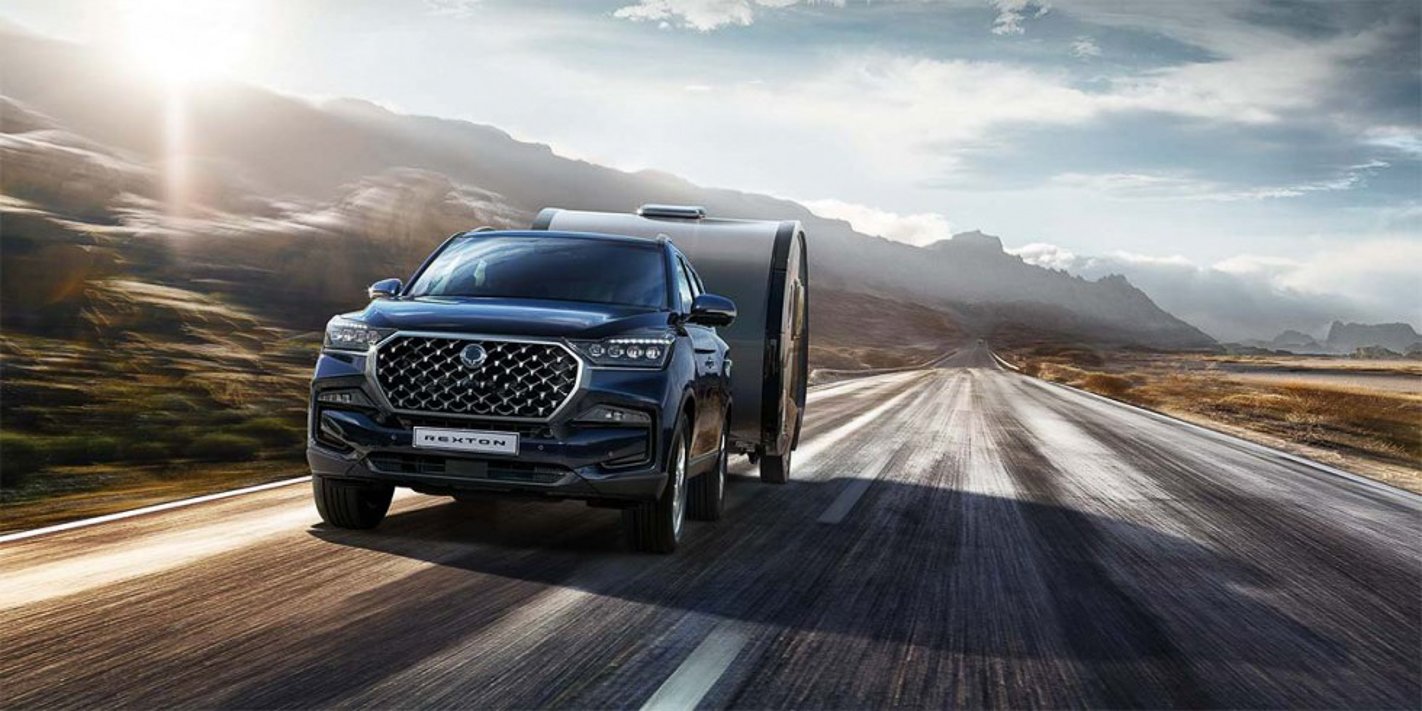
The South Korean manufacturer is currently in some strife on its home turf, after filing for bankruptcy late last year.
However, its Australian arm has insisted business continues as normal locally, with the updated and facelifted Ssangyong Rexton range expected to go on sale in March.
- Jump to Update #2
Update #1
Date: January 20, 2021 ODO: 1530 Km driven: n/a Fuel consumption: 6.0L/100km
The new Toyota Yaris has grown up and spawned children, with ‘Yaris’ now encompassing a family of vehicles which the Japanese manufacturer insists has something for everyone.
Whether you go for the normal Toyota Yaris hatchback, step up to the adventurous Toyota Yaris Cross small SUV or are after outright lap times with the GR Yaris hot hatch, Toyota’s new advertising line suggests “small now has it all”.
I’ll be putting that claim to the test over the next three months. I will start off with a base specification Toyota Yaris Ascent Sport manual to determine whether the Yaris still represents a good first car purchase, especially considering Toyota bumped the price of some new-gen Yaris variants by as much as a third over their predecessor, but more on that later.
After the entry-level Yaris Ascent, I’ll move to the range-topping Yaris Cross Urban AWD to see how well that model performs as an urban SUV, before spending some time in the high-performance GR Yaris hot hatch.
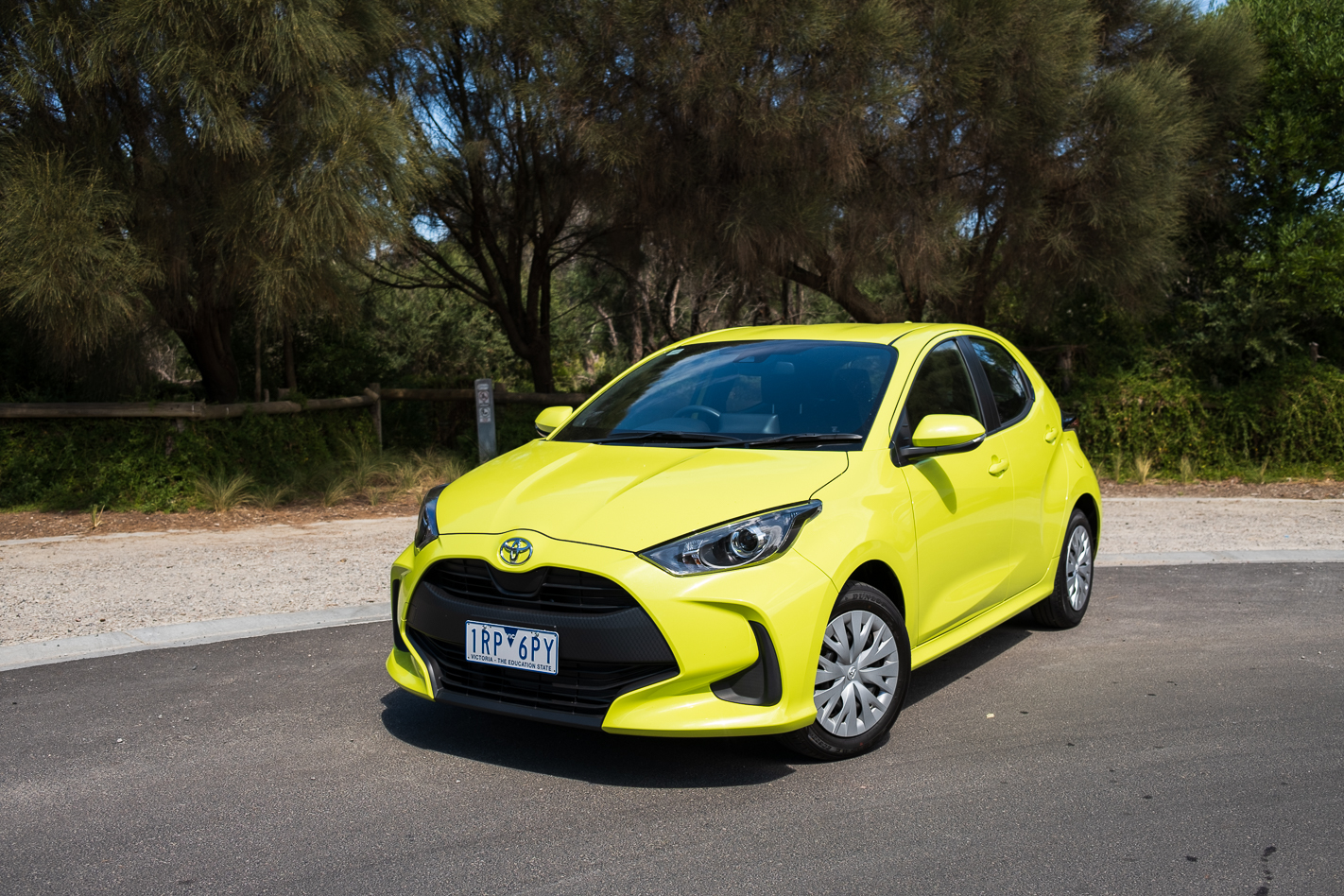
For now, allow me to introduce the $22,130 (before on-road costs) Yaris Ascent Sport manual.
Disregarding the eye-catching $500 Electric Green paint scheme reminiscent of a promo-car, our Yaris is as barebones as they come, featuring the non-hybrid 1.5-litre engine attached to a six-speed manual gearbox.
On its release in late 2020, the current Yaris generated much criticism for its rise in price.
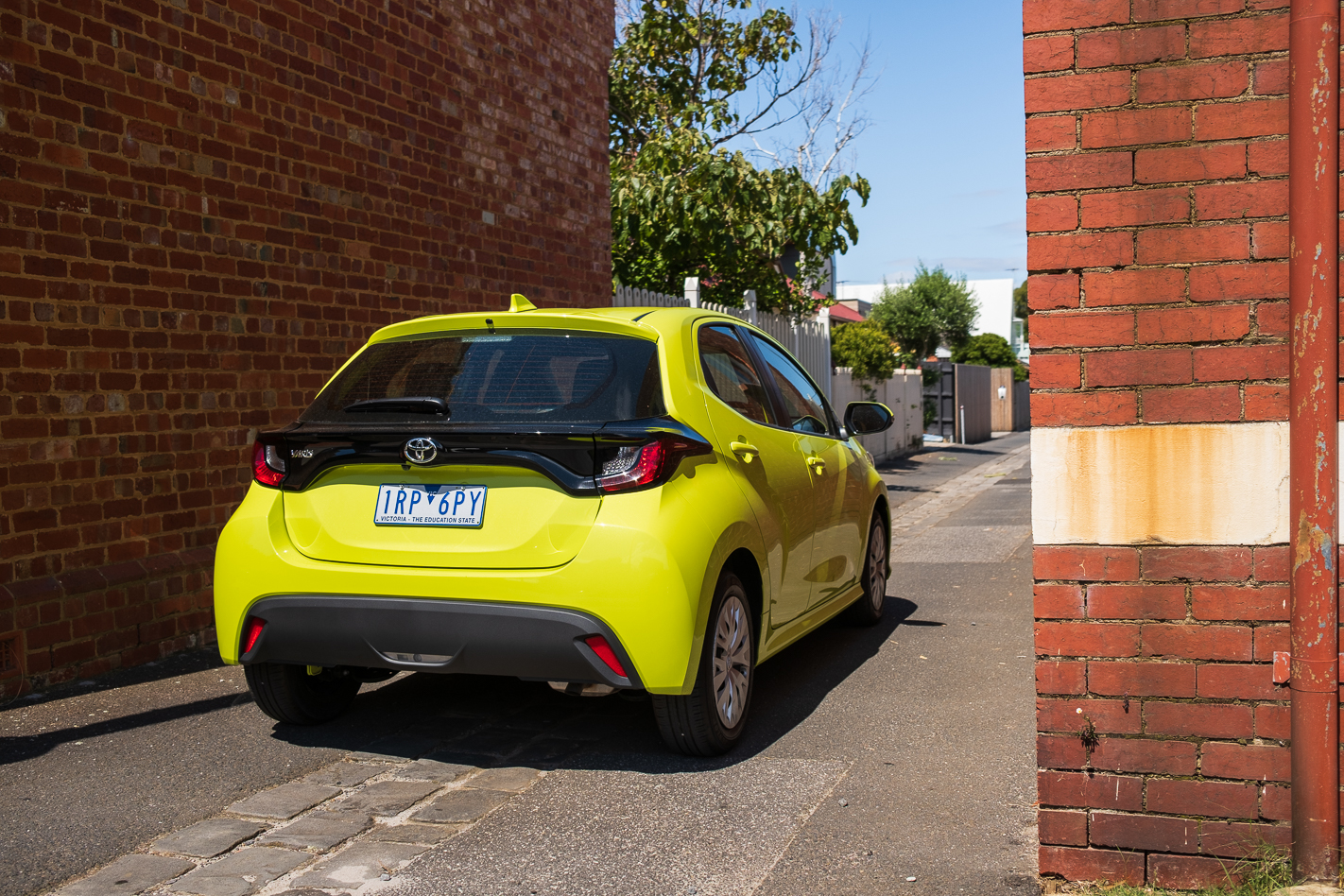
The small car was traditionally a go-to for young Australians, sporting a sub-$20k price with enough tech and safety to keep mum and dad happy.
This time around, Toyota has priced the Yaris from $22,130 up to a Corolla-touching $32,100 for the range-topping Yaris ZR Hybrid.
Toyota’s website lists our Yaris as $26,431 driveaway. There’s no singular reason for the considerable price hike (the Yaris Ascent Sport’s list price is now $6740 more expensive than its predecessor), with Toyota insisting this is what it costs to bring this type of car to market in Australia these days.
Toyota also points out the relatively high level of standard passive and active safety equipment, including adaptive cruise control, front-centre airbags, lane-keep assist, autonomous emergency braking (AEB) and a driver-assist system that can automatically detect and brake to avoid pedestrians and cars at intersections.
That’s a higher level of standard kit than a rival Volkswagen Polo, equipped with six airbags and rather than eight in the Yaris, and can only boast AEB as standard from the Toyota’s list. The Mazda 2 gets closer, packing blind-spot monitoring, rear-cross traffic alert, lane-keep assist and AEB as standard.
However, both the VW Polo ($19,290) and Mazda 2 ($20,990) are more affordable.
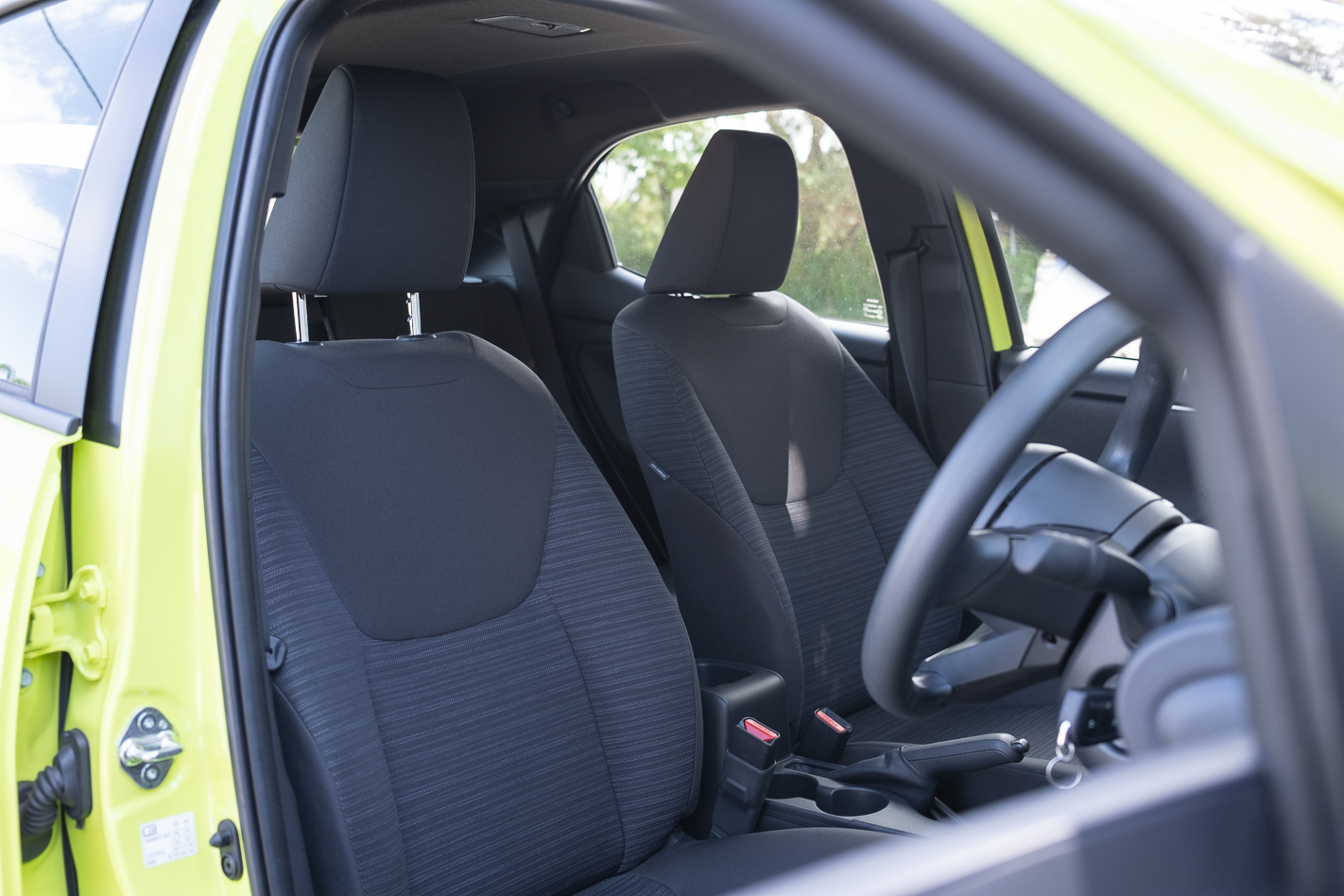
But few other goodies are included on the inside to explain the small hatchback’s price rise. There’s a 7.0-inch infotainment screen with Apple CarPlay and Android Auto smartphone integration, digital radio, one-touch power windows, auto headlights with LED daytime running lamps and comfortable-but-drab black cloth upholstery.
The Ascent Sport spec is solely powered by a new 1.5-litre naturally-aspirated three-cylinder engine producing 88kW and 145Nm. Toyota says the six-speed manual car returns a 5.4L/100km consumption, though I’ve been seeing 6.0L/100km so far in mixed driving.
Its 40-litre fuel tank is pretty cheap to refuel though, and the range indicator suggests nearly 600km between fill-ups.
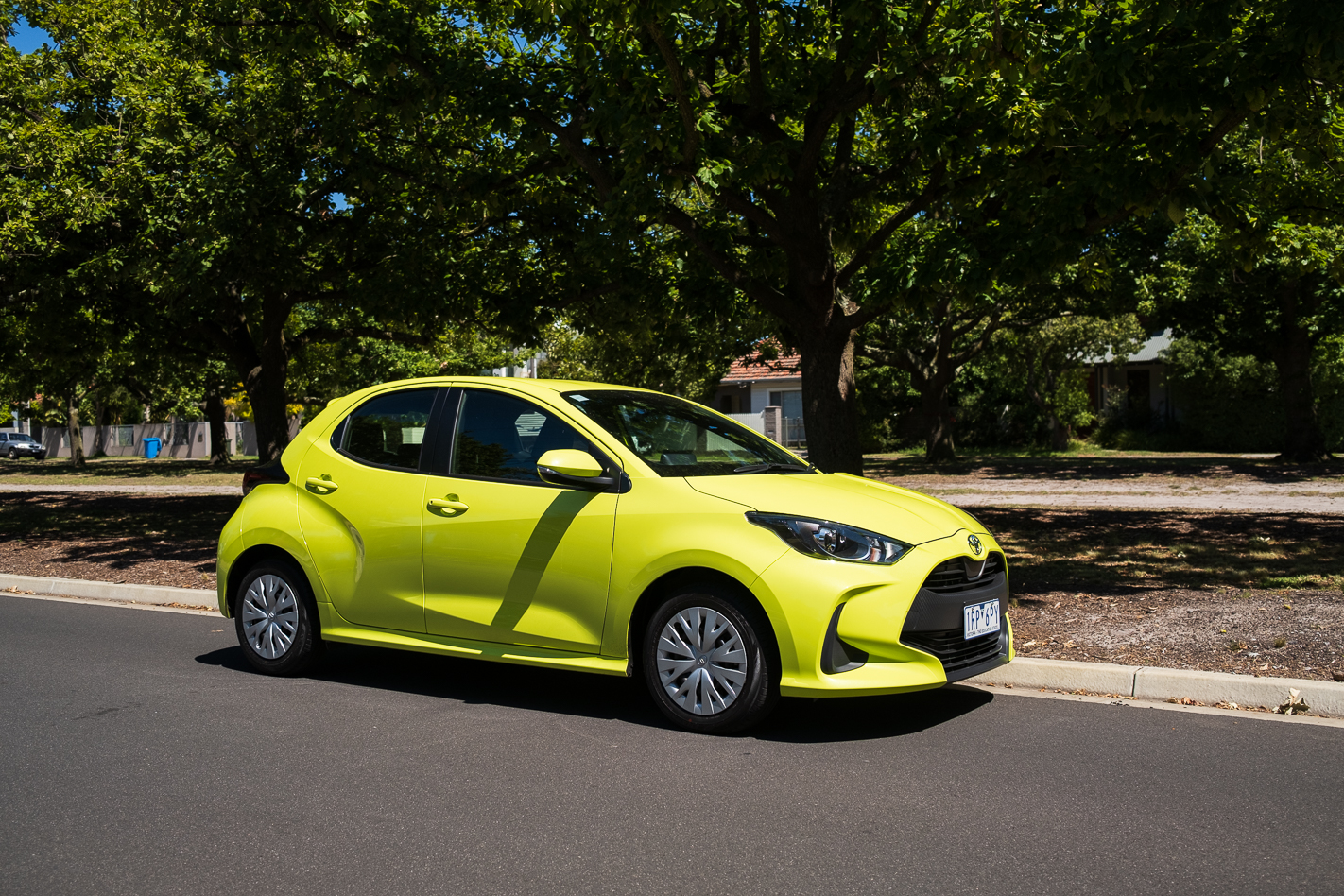
I’ve not ventured too far with the Yaris just yet, but it is immediately apparent that its small stature shines around town. It’s joyously simple to reverse park into tight spots because it is less than 4m long and has a high-definition reversing camera. The feather-light steering is direct and responsive for suburban duties.
I can level no complaints at the Yaris’s suspension tune thus far, with the small car remaining composed over big speed humps and rolling over potholes without a fuss. It tends to jitter over some of the minor imperfections in Melbourne’s roads, though I’m keen to take it further afield to investigate further.
While frugal, the powertrain isn’t especially inspiring to rev out and the manual shift isn’t the most forgiving to execute. The bite point is right at top of the clutch’s travel making it hard to time the perfect take-off.
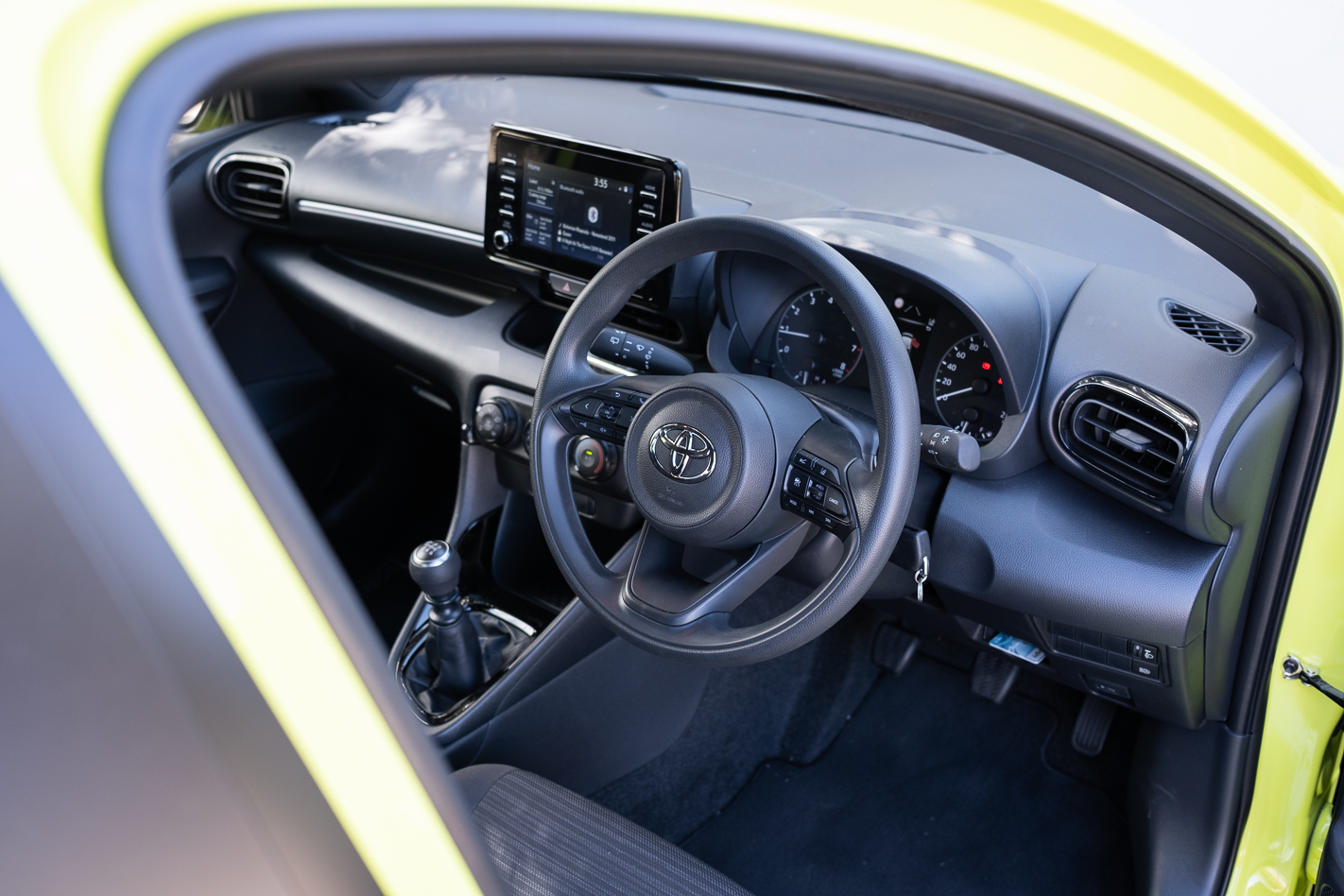
The cabin mightn’t have too many bells and whistles, but it’s proving a functional and comfortable place to spend time. There are a number of neat storage spots around the shifter for phones, keys and wallets, while the door bins are large enough for big water bottles and other loose items.
However, there is no centre console bin to hide valuables once you leave the car.
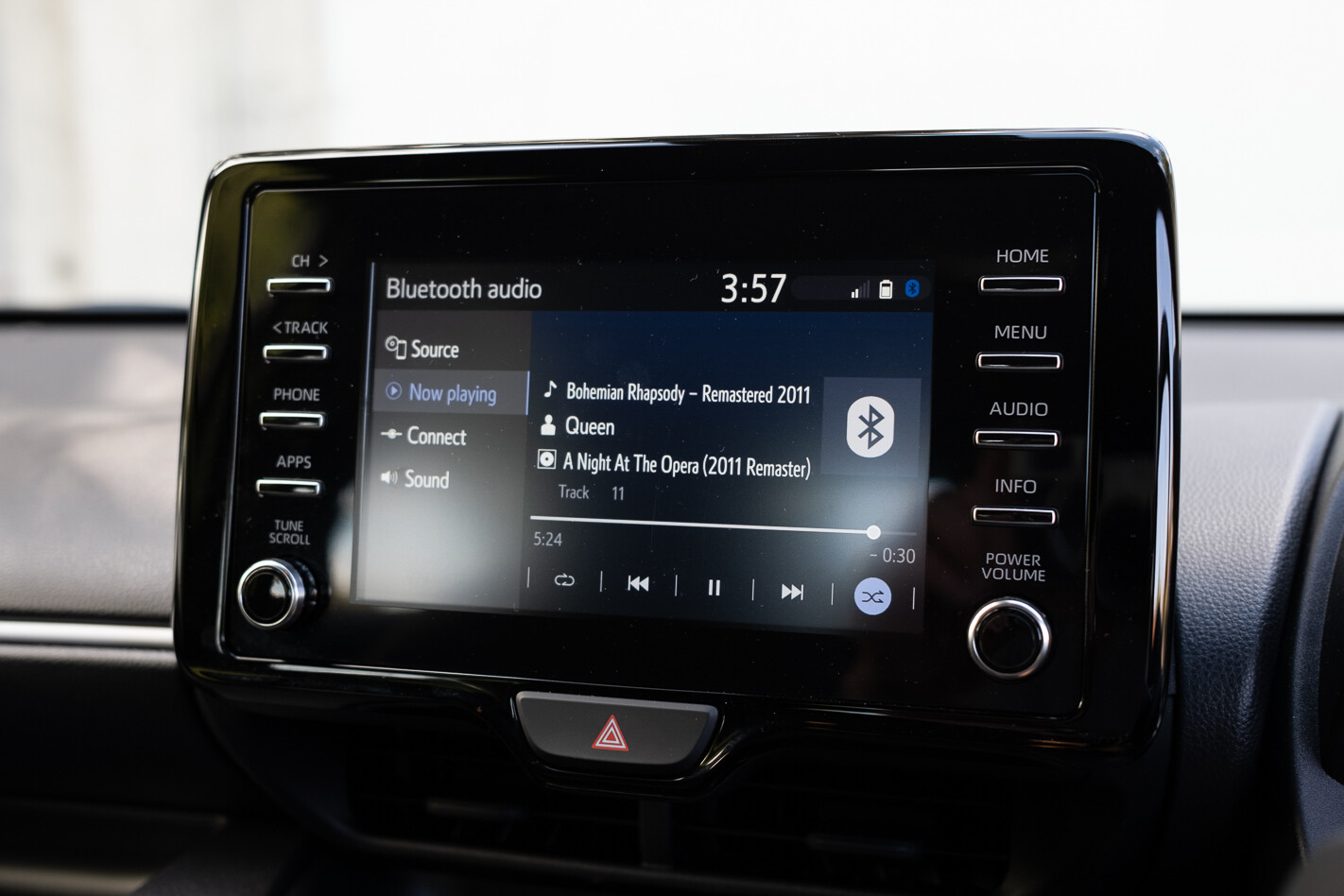
The sound system is perfectly enjoyable for a small car, though the Bluetooth annoyingly does take some time to reconnect upon re-entry.
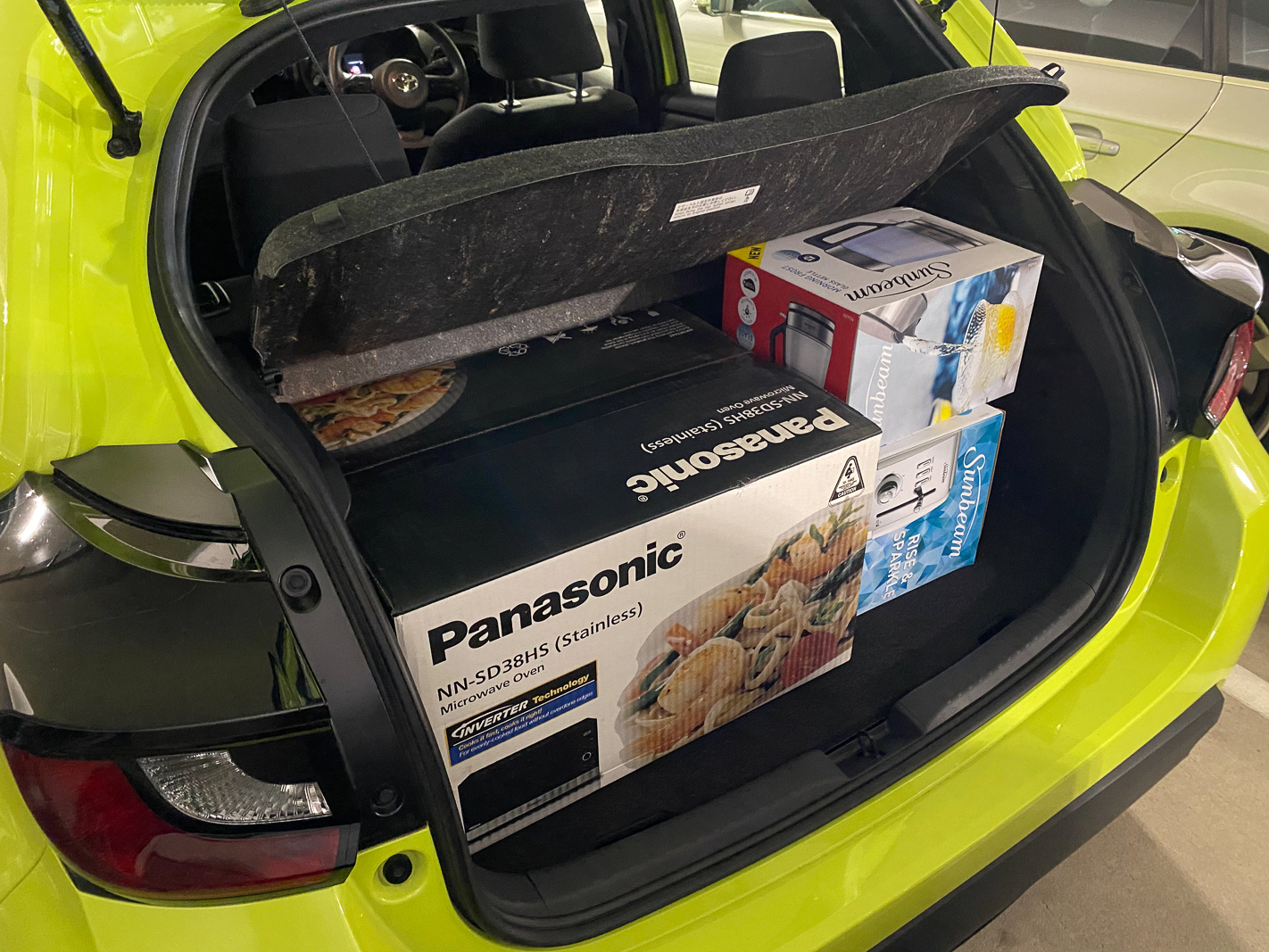
I’ve even given the 270-litre boot a quick workout by fitting in a few appliances. It’s not as commodious as some rivals (a VW Polo has 351 litres and the Kia Rio has 325 litres) but the seats can fold mostly flat in a 60:40 fashion and the handy false floor can make loading in heavier items easier.
So far it’s stacking up as a nice entry-level small car, though whether it truly justifies its $26K-plus price remains to be seen.
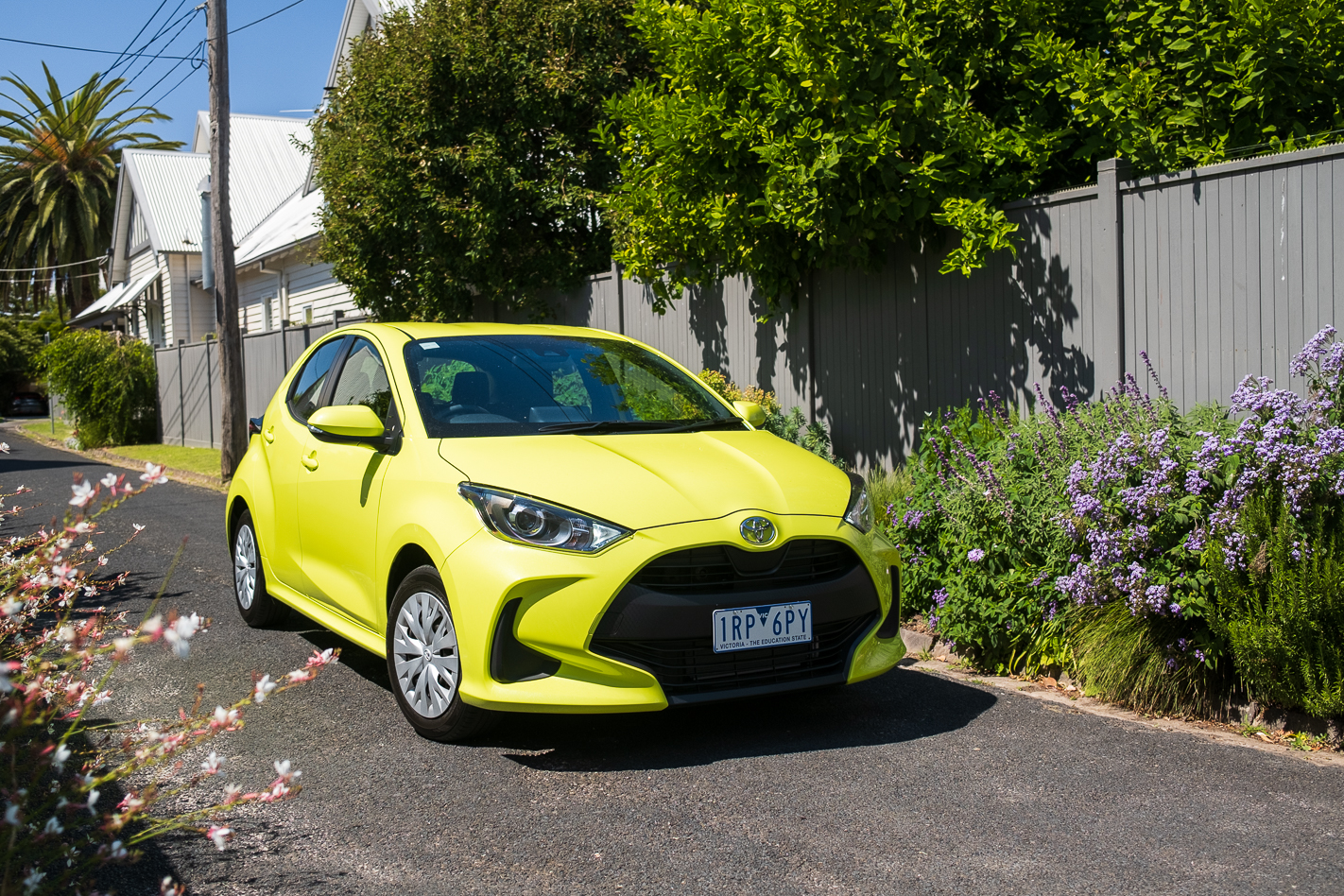
I’ll have driven the Yaris further in the next update to speak on the powertrain, and I’m also looking to get some seat time in the second row to see how back-seat passengers fare.
Update #2
Date: February 16, 2021 ODO: 2301 Km driven: 771 Fuel consumption: 6.0L/100km
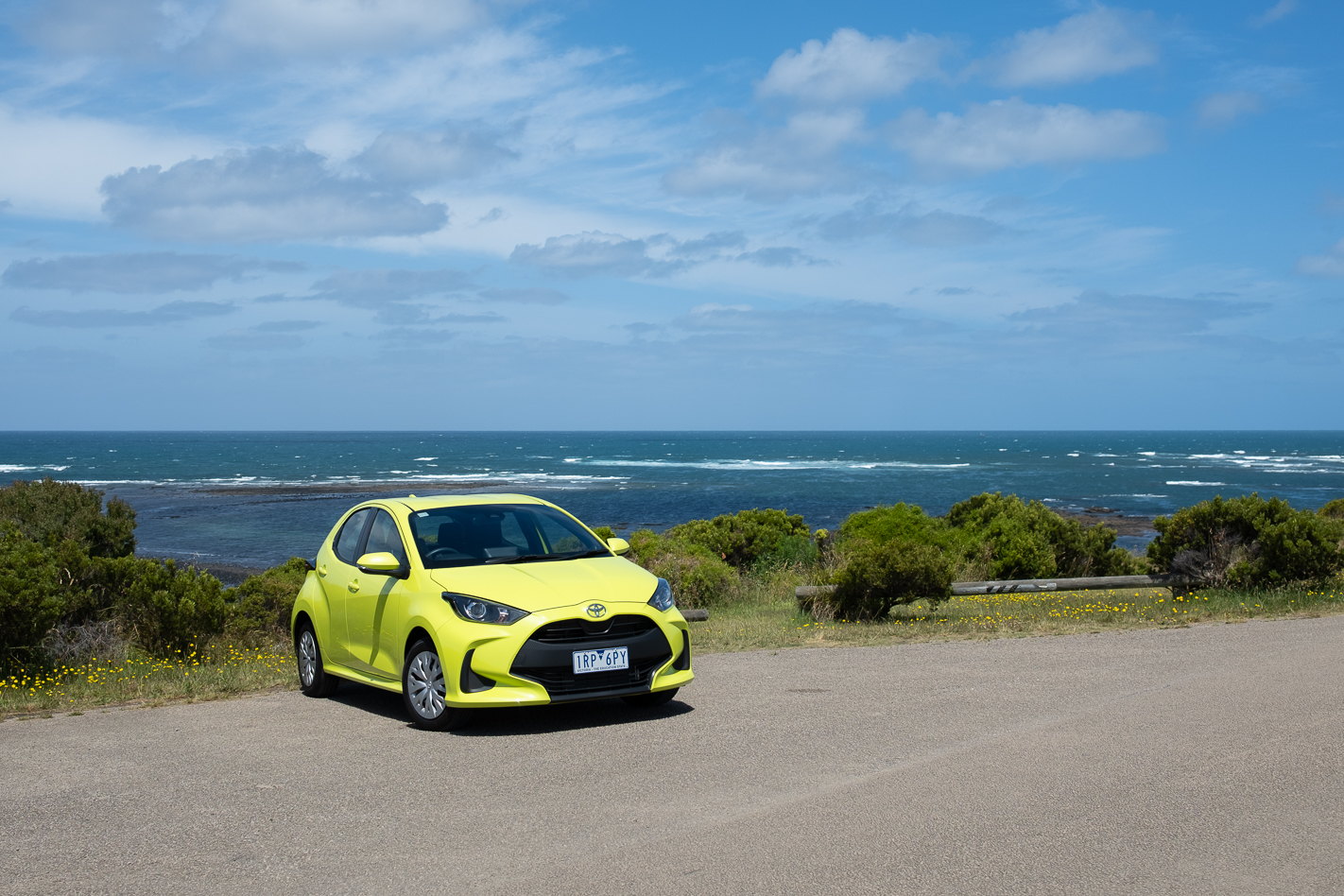
Life with the highlighter yellow Toyota Yaris Ascent Sport is proving that you don’t actually need a supercar to attract attention as this little tacker turns heads all over the place.
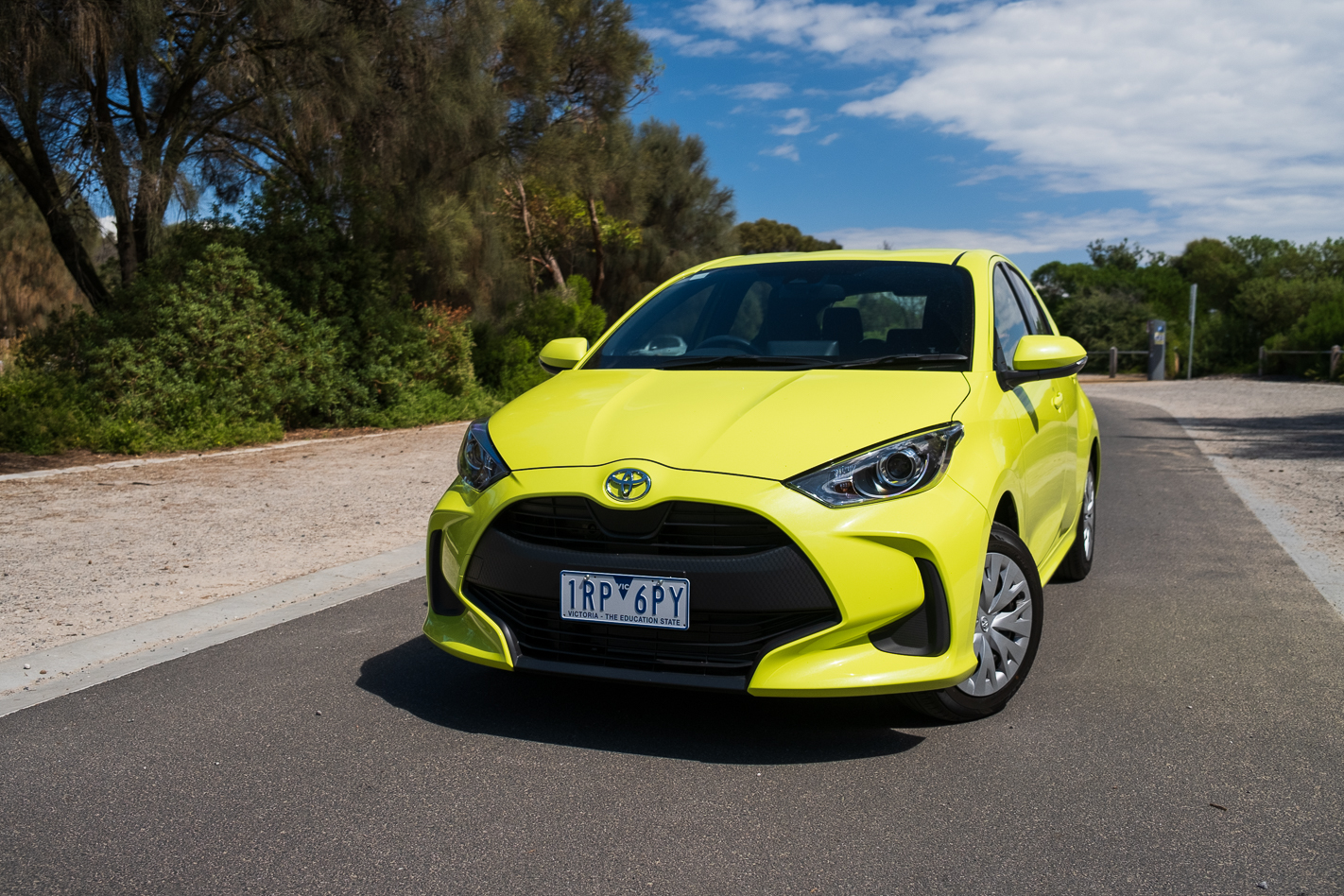
Whether that’s a good or bad thing is up to the individual, but it’s cool to see Toyota continuing with the tradition of offering wildcard colours on the Yaris.
Where it did stand out from the crowd was on a recent trip down to the Mornington Peninsula, thumbing its nose at a brace of German-rainbow SUVs. I was already impressed with the way the Yaris handles about-town duties, but it was time to see whether the Yaris could be more than a one-trick pony.
Blasting onto the freeway headed south, it’s clear that there’s not a lot of fight in the standard non-hybrid 88kW/145Nm 1.5-litre naturally-aspirated three-cylinder engine. At least you can make the most of the available power by shifting yourself with the six-speed manual (as opposed to the optional continuously variable transmission), but this little car is clearly better suited to inner-city duties than overtaking on the highway.
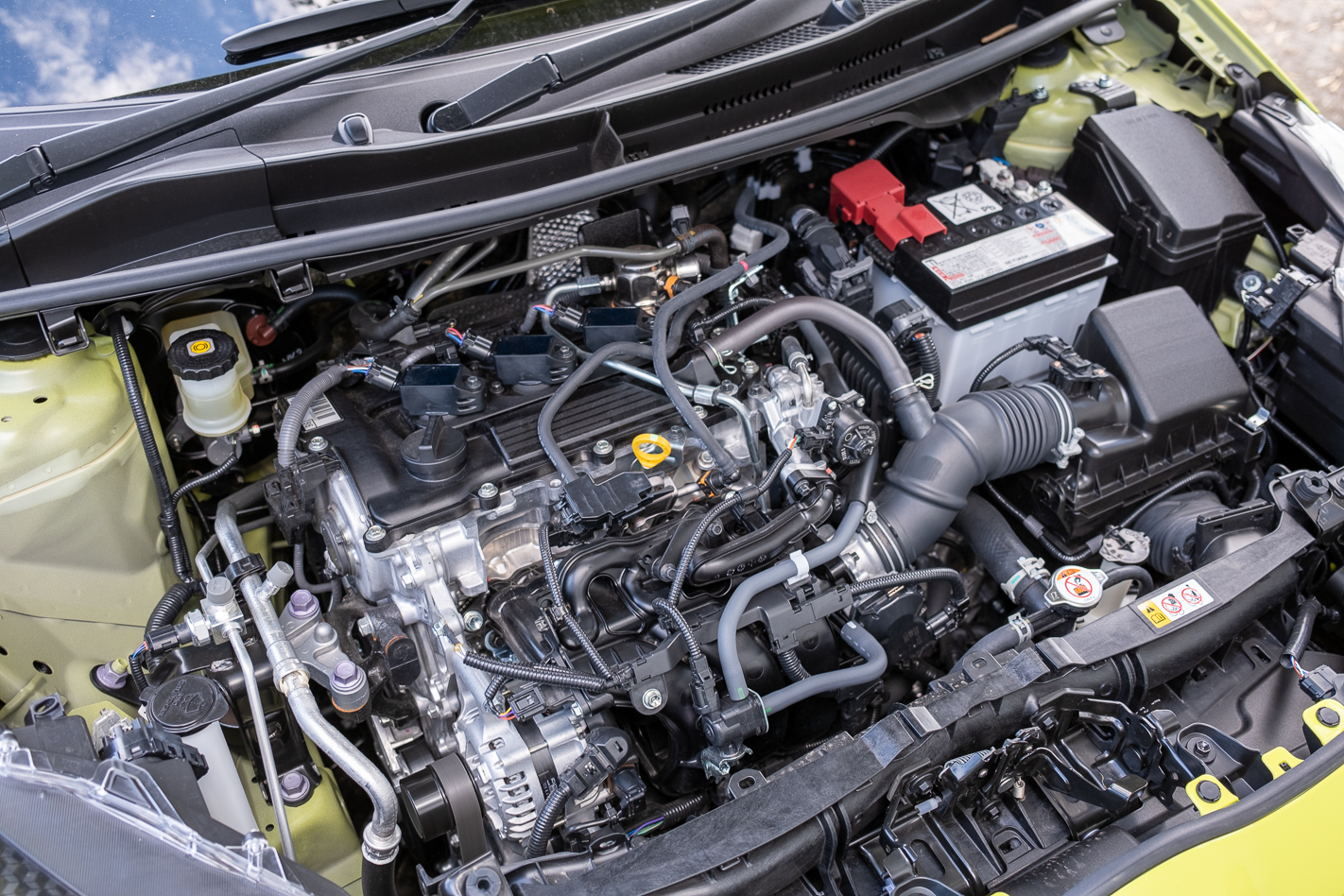
Though there is the option of a hybridised powertrain, when rivals like the Volkswagen Polo stock turbocharged engines as standard, it can make the Yaris feel a little old hat.
Wringing the engine out to extract more power on the freeway doesn’t help noise, vibration and harshness levels either. Engine, wind and road noise is intrusive at these kinds of speeds, and it even sways with the wind a fair bit on a blustery day.
Deciding that the freeway is best suited to larger cars, I took an early exit to see how the Yaris fared through some back roads.
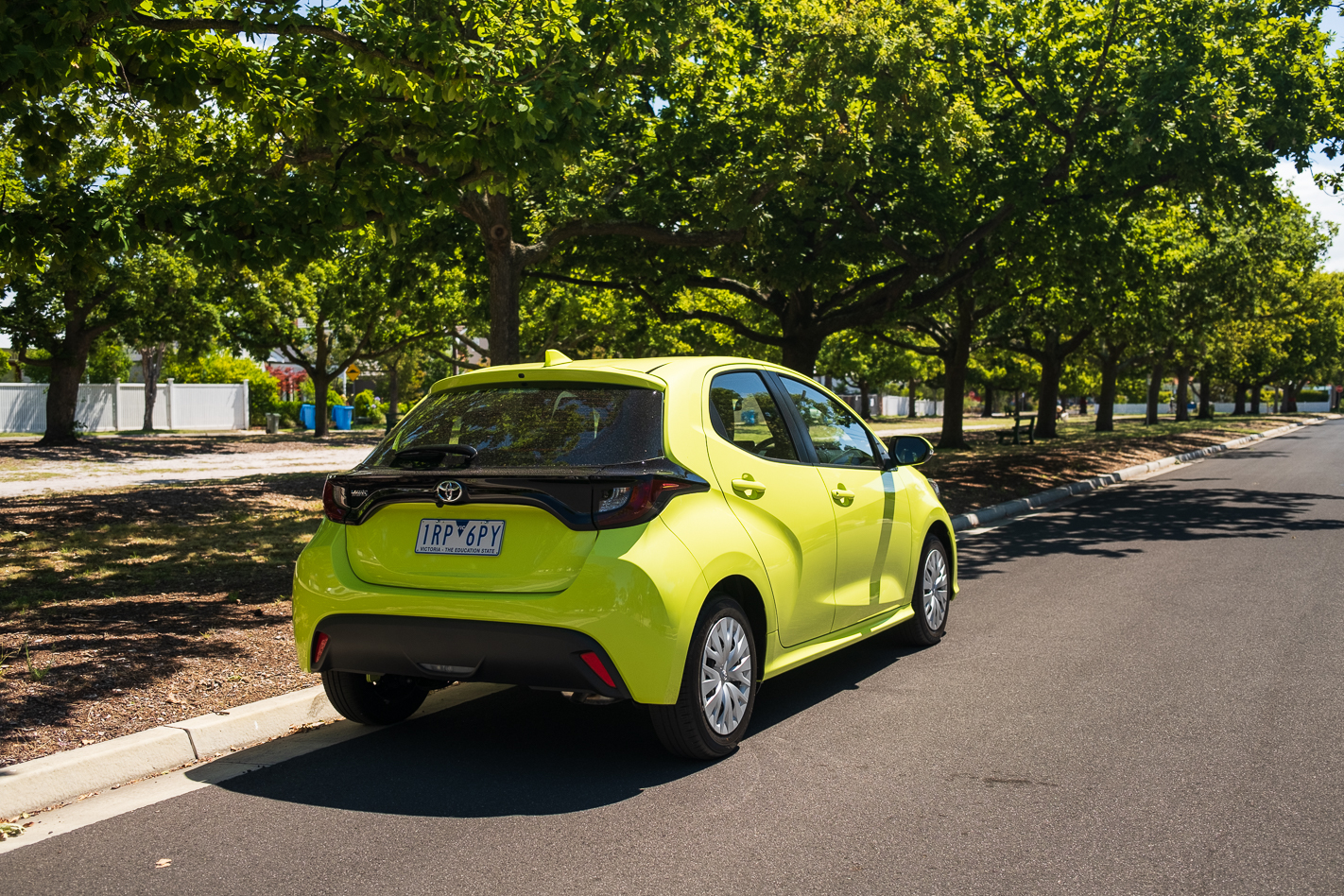
While no one would consider it a hot hatch, I did enjoy cornering through the twisty parts of Balnarring on the way to the peninsula. Any car with a manual transmission is arguably more fun than an automatic alternative.
The Yaris remains well composed over smaller road imperfections and can even dispatch large bumps without much fuss. It did tend to skip over mid-corner bumps that can throw the Yaris’s course off-line, though its small-statured body is entertaining to zip around tighter bends.
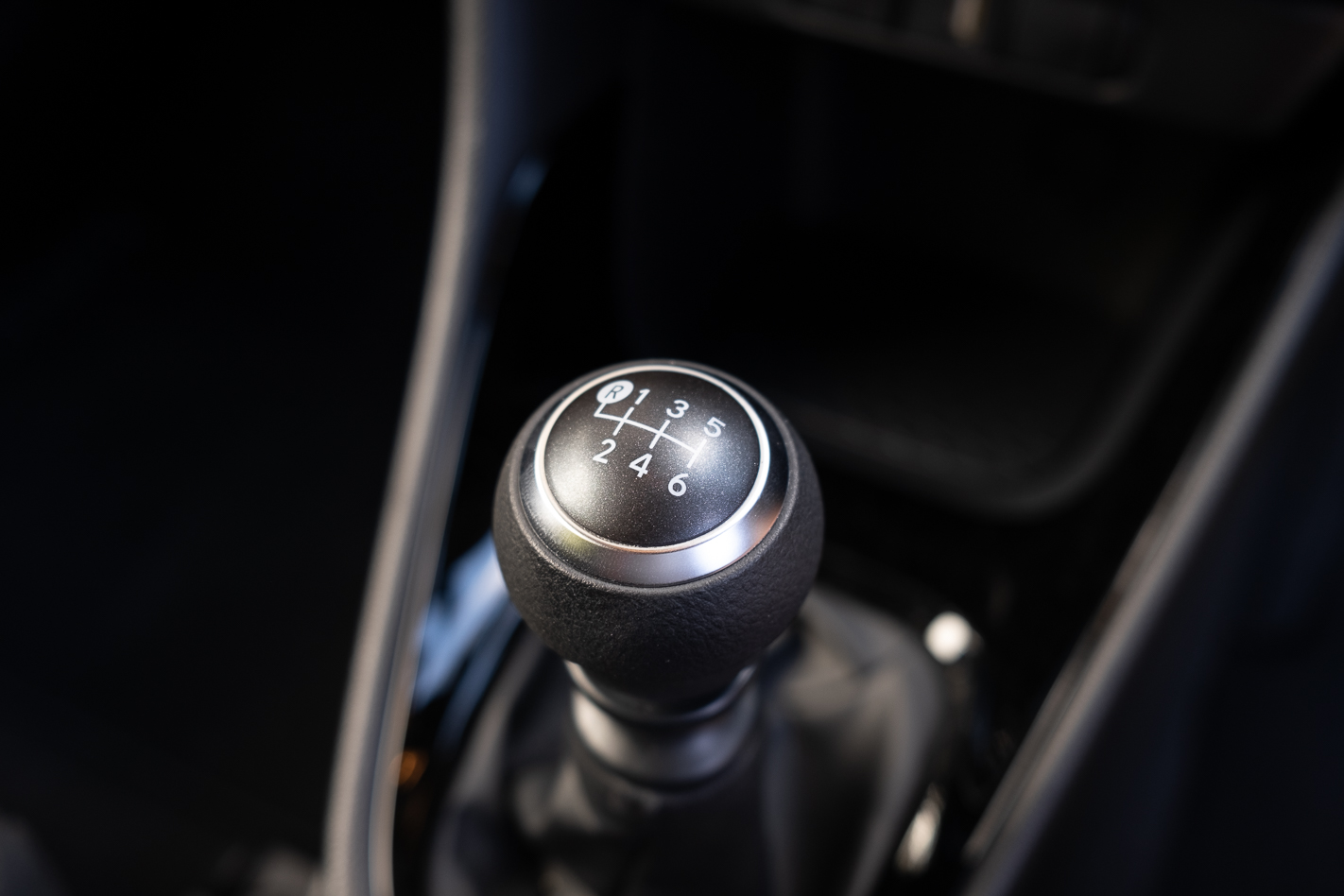
As long as you’re happy constantly shifting through the gears on these types of roads in order to extract the maximum amount of power and torque, it’s a fun car to drive. But having to constantly change down gears to climb hills does wear thin.
A pit stop in Flinders gave me a chance to give the back seat a test run after I had reservations in the first update. It is a bit of pain to step inside the second row due to the door shape, but once inside it is fairly comfortable – a fine place for short trips. You could only ever fit two adults in the rear – despite the belted middle pew – and there’s not much in the way of amenities (no vents, minimal storage).
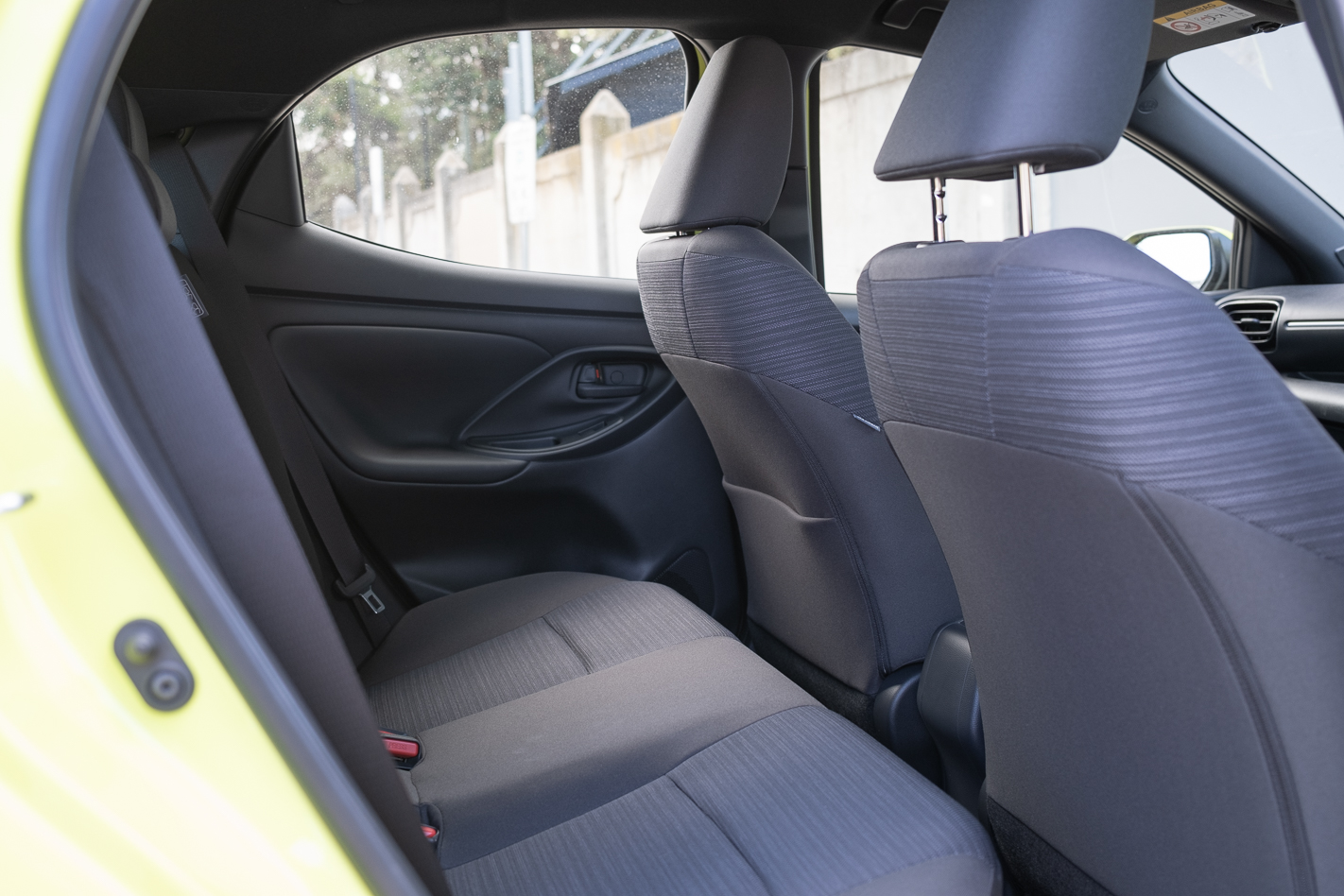
On the whole, the seats are pretty comfortable and look built to withstand the test of time with strong fabric. Materials used on the dash top and door cards are, as you’d expect, unremarkable black plastic.
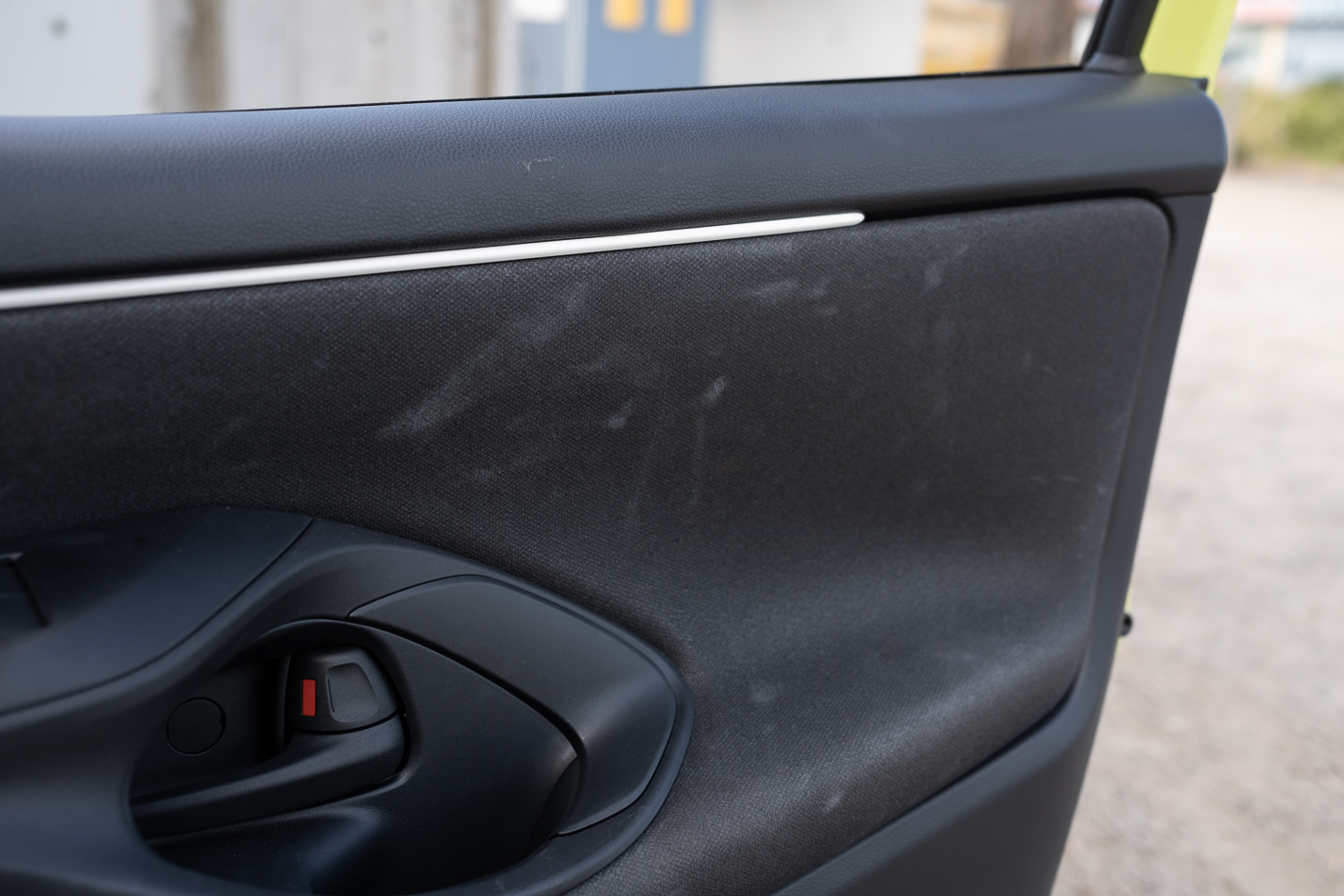
One thing common to all new Yaris model variants is a fabric-covered portion of the door cards that marks extremely easily with fingerprints and scuffs. It looks horrible once marred, so best stay away if you like your car to remain in good nick visually.
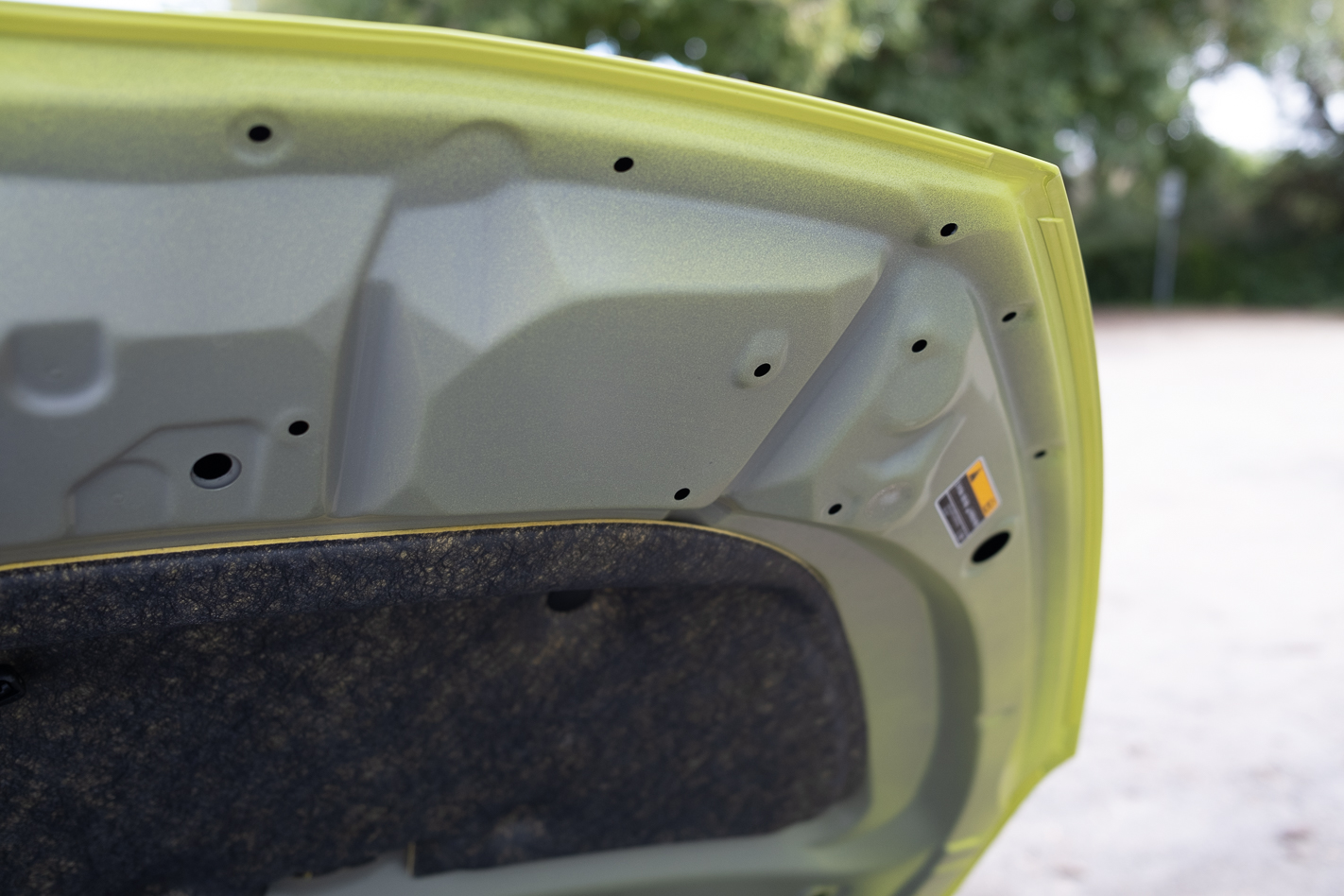
It’s a shame that while prices have risen across the board – largely due to standard safety additions, Toyota says – the Yaris soldiers on with hard-wearing plastics and misses out on new features like wireless smartphone integration and charging, ambient lighting and a digital dash cluster. They don’t even paint the underside of the bonnet.
While it’s commendable that safety enhancements are at the forefront of Toyota’s product development, it would be nice to see improvements in other areas as well.
For now, the Yaris is still a safe, entertaining and perfectly usable car for first-time drivers in the urban setting. Though, undoubtedly, the increased prices will mean we see fewer of them on Australian roads.
Toyota has switched out my next booking, which means I’m jumping into the GR Yaris hot hatch next and having a go in the Yaris Cross SUV after that.
Stay tuned for the next update as I detail what it’s like to live with one of the most-hyped releases of recent years.
Of all the highly-anticipated cars that are set to land in 2021, Volkswagen’s flagship Mk8 Golf R is right up there!
Packing 235kW, a revised all-wheel drive system with torque vectoring and drift mode, and a host of updated tech, does the new Golf R still offer the complete and cohesive hot hatch experience?
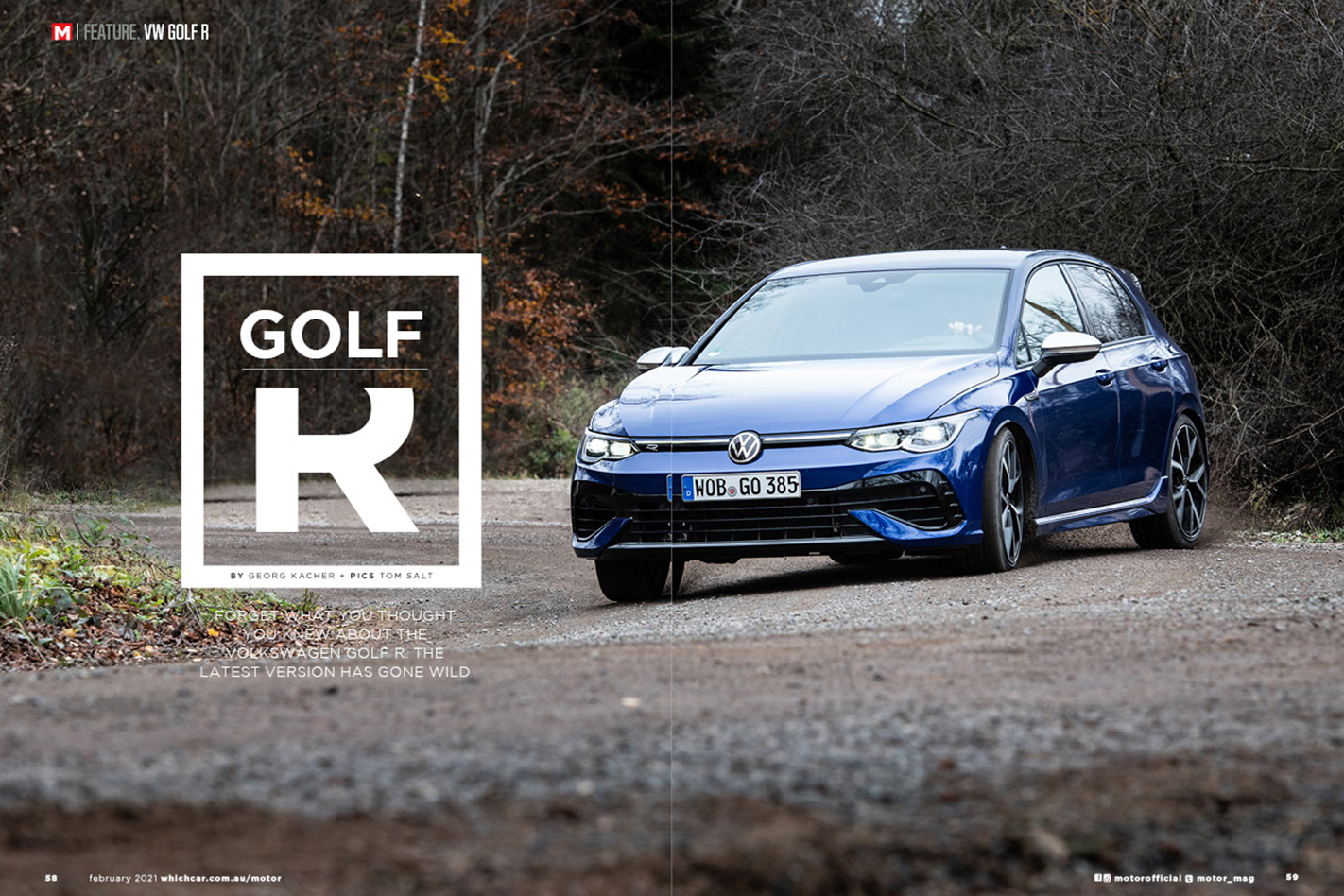
We’re now five iterations of Golf R deep, and each one has impressed against the last. Aussies likely won’t see the new Golf R until the second half of the year, but we managed to snag one of the first examples out of the Wolfsburg factory for a fang around the German countryside. You can find the full report in the February issue of Motor magazine, on sale now. Spoiler alert: it’s next level!
That’s not all though.
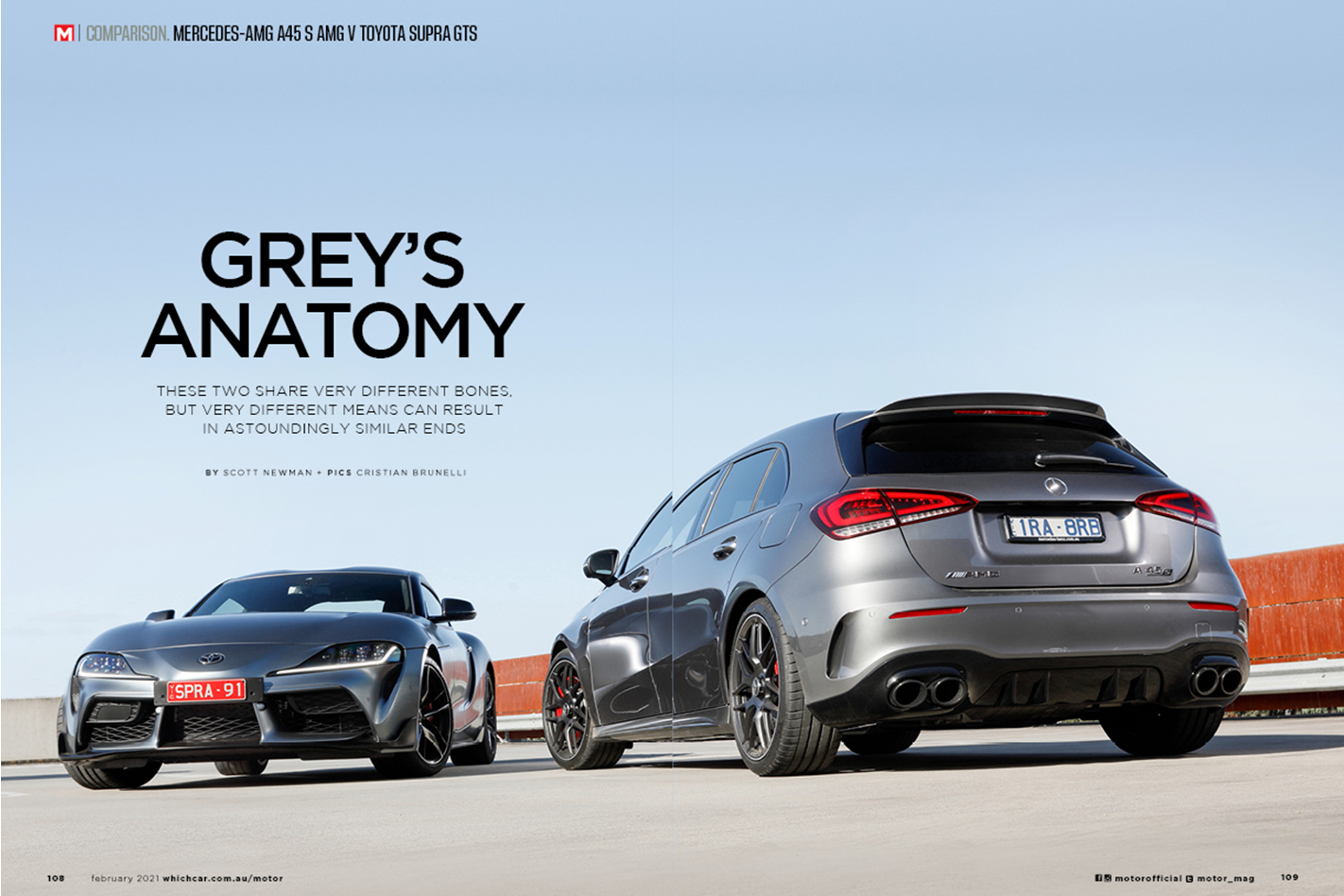
Scott Newman pitches two unlikely rivals together, the more powerful updated Toyota Supra and the Mercedes-AMG A45 S; to see which engineering philosophy makes for the best driver’s car this side of $100,000.
On the other end of the spectrum, Andy Enright jukes between an Audi RS7 and the BMW M850i to see which super saloon is more worthy of your hard-earned.
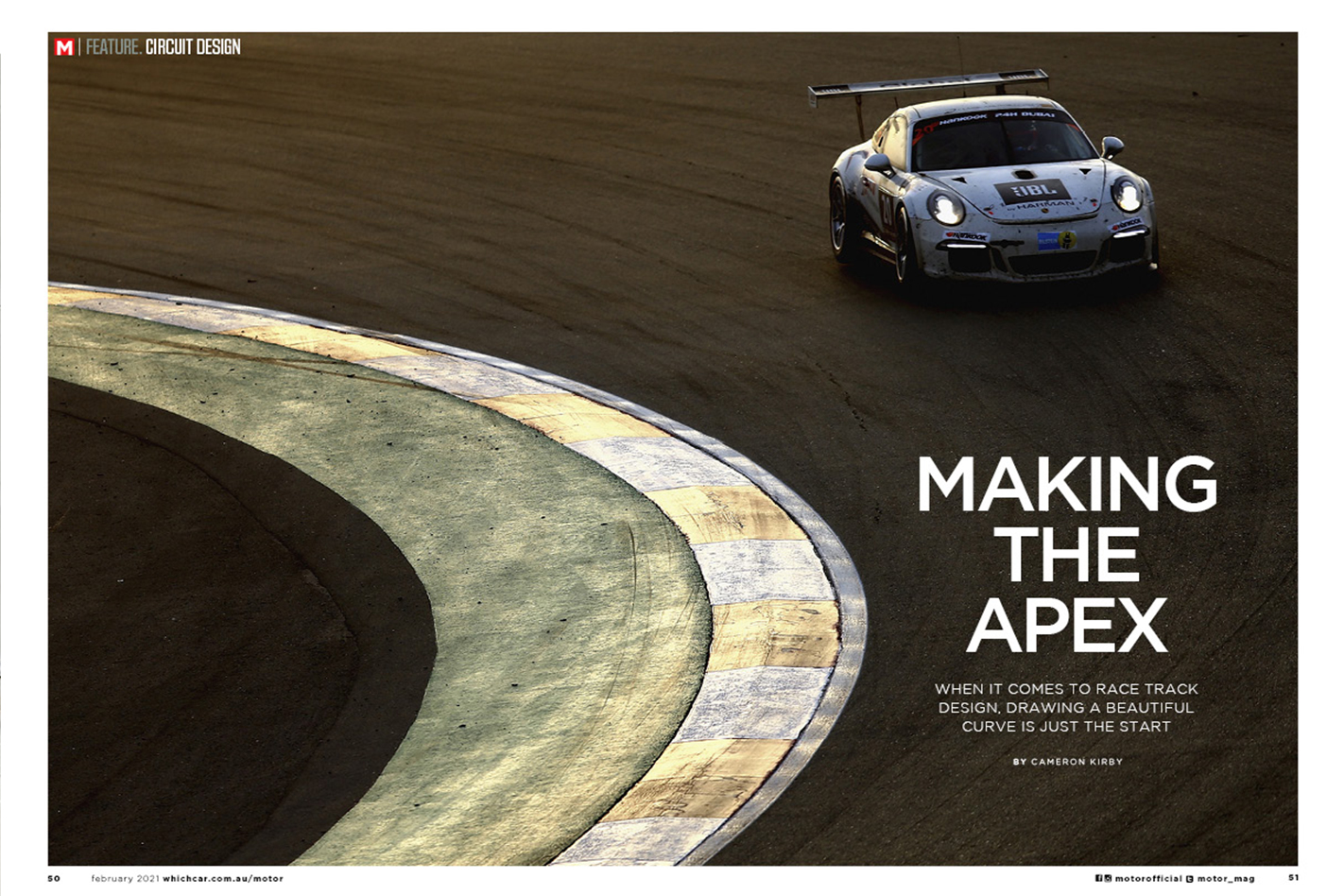
Cameron Kirby sits down with Clive Bowen, Design Director for Apex – one of the world leaders in international racetrack design – for a peek behind the scenes in building a modern circuit.
We’re also celebrating 25 years of Porsche Boxster with a deep dive into model’s history, and how it saved the Porsche brand.
We also strap in for the Great Tarmac Rally, for what must surely be the ultimate weekend drive. Closed roads, no traffic and both lanes to yourself: just 246kms of motoring bliss. After our tour through the Victorian alpine region, we check in to racing driver Boot Camp, run by Sieders Racing Team in Sydney, so you can see just what it takes to cut mustard in professional racing – or just how inept we are at it.
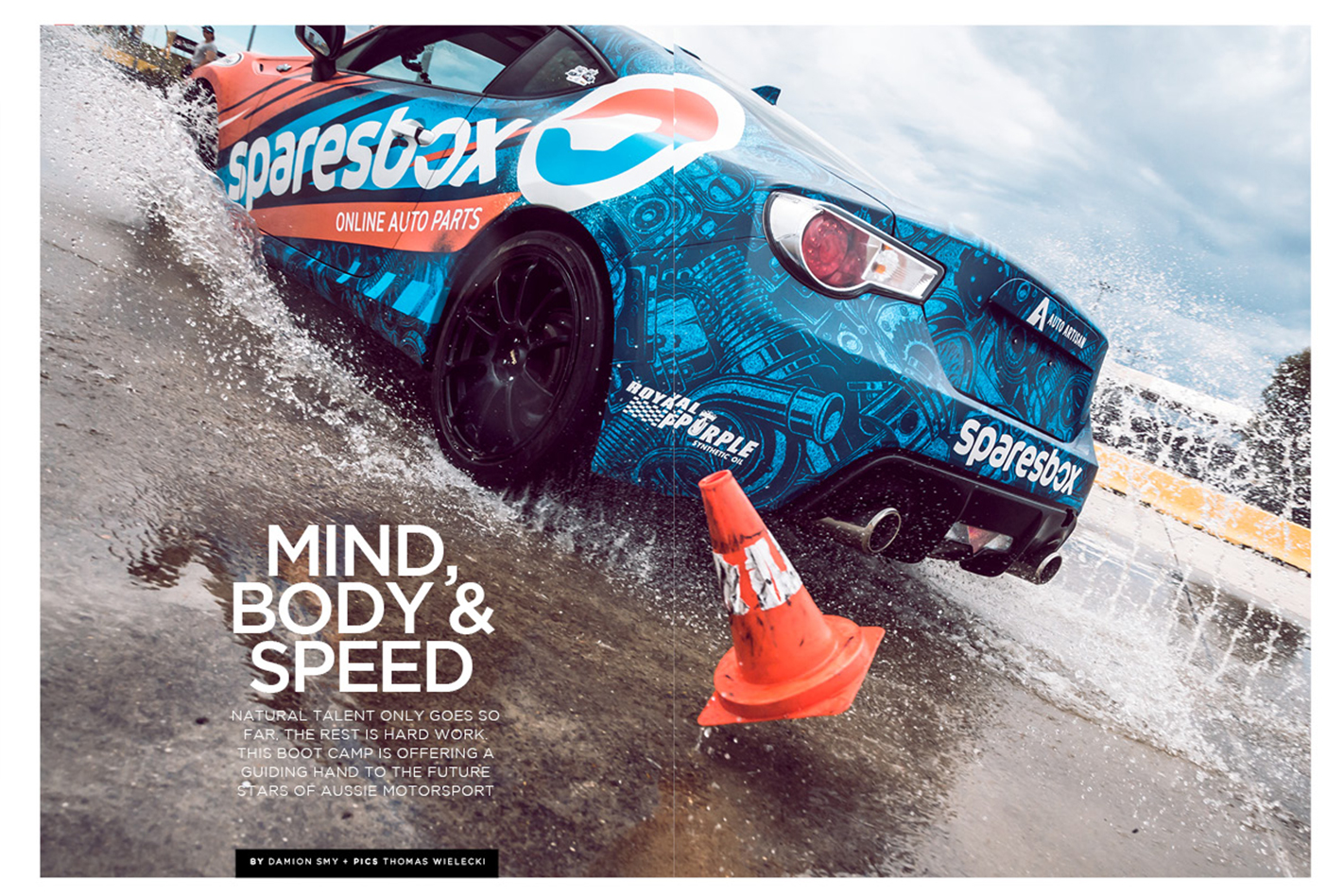
There’s plenty more to find inside, including musings from our regular columnists, extensive long-term tests and independent first drive reviews.
You can find the February issue of Motor magazine in stores and on shelves now, or take advantage of some of the ripper deals we’re running on subscriptions at the moment. You can save up to 49% at motor.subscription.com.au
“No disrespect to any sports car brand,” said Ron Dennis in 2008 as he revealed McLaren was about to get into the business of building road cars, “but few can list 20 World Championships, and wins at Le Mans.” Few? Dennis was being generous. There was really only one. “I’d love to aspire to be Ferrari,” he said in answer to the obvious question.
Fast-forward to 2021. Ron Dennis no longer has any involvement at McLaren, but the car he was announcing – then code-named P11 but launched as the MP4-12C – has since spawned a 14-model lineup. Bold, brave hypercars like the Speedtail and the brutalist Senna have earned the McLaren name plenty of street cred.
But those Ferrari aspirations? They’re still a work in progress.
UPDATE, June 2022: Artura driven!
We’ve finally driven the new McLaren Artura, and it’s quite a thing. Catch our review at the link below.
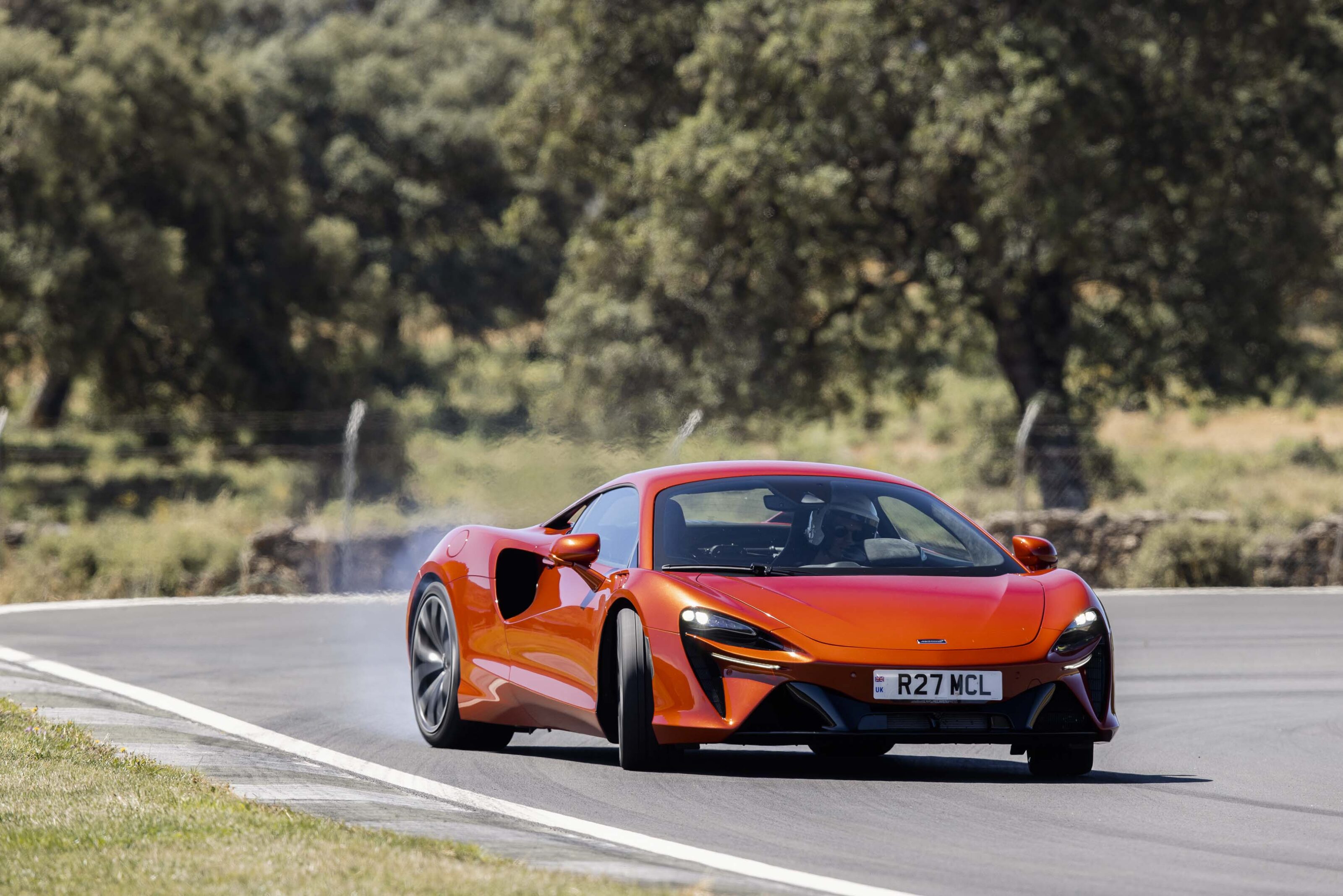
The Artura I’ve just driven is still a work in progress. A car that’s not yet finished. Let me explain.
The story to here
Enter the McLaren Artura. The Artura debuts a new vehicle architecture and a new hybrid powertrain that are both designed to take McLaren into the next decade.
“It’s a supercar for a new era,” says Jamie Corstorphine, McLaren’s director of product strategy. But the Artura’s core characteristics – light weight and quick responses – are very much anchored in McLaren’s history. In many ways the Artura is evolutionary, not revolutionary.
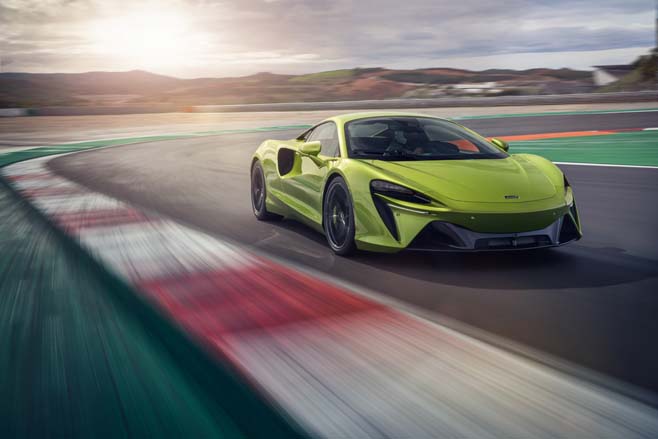
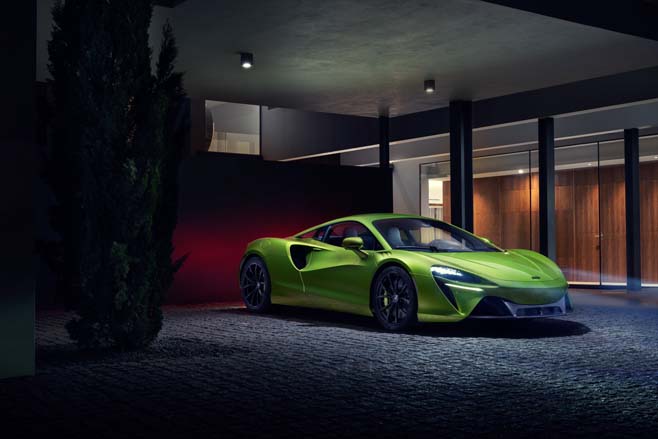
It’s perhaps no surprise, then, that the Artura looks… exactly how you’d expect a new McLaren to look. But closer inspection reveals a carefully nuanced evolution of McLaren design themes rather than a cut-and-paste of familiar graphics, and careful attention to aerodynamic detail.
For example, the vent near the front wheel directs turbulent air from the wheel well downwards so it doesn’t disturb the airflow into the engine intake vent at the rear; what looks like a simple styling line on the door actually channels air from the front of the car along the sills and into the rear cooling radiators.
In the metal the Artura looks tighter, more sophisticated, more composed than any previous McLaren, with crisper detailing and snugger panel gaps.
The doors, rear clamshell, roof and A-pillar are all superformed aluminium pieces, the bonnet is a conventional aluminium stamping, and the front and rear quarter panels are made from composites.
The Artura is 10mm longer overall than a 570S but a 30mm shorter wheelbase delivers a subtly different proportion.
Dubbed MCLA, the Artura’s all-new carbonfibre structure is manufactured at the recently opened McLaren Composites Technology Centre in Sheffield, 280km north of McLaren HQ in Woking where the car’s final assembly will take place.
It’s a lighter, stronger and stiffer structure than the existing chassis, and crucially has been designed to ensure the optimal placement of the battery pack required for what McLaren calls its HPH – high-performance hybrid – powertrain.
The key element of that HPH powertrain is a brand-new 3.0-litre twin-turbo V6 built by British engineering company Ricardo. The engine is unusual in that it has a 120-degree vee, which not only allows more room for packaging the twin turbochargers between the cylinder heads, but also lowers the car’s centre of gravity.
There’s another advantage, too: all V6s suffer from a primary imbalance due to the odd-number of cylinders in each bank, but the even firing interval of the 120-degree vee engine means it doesn’t require the bulky crankshaft designs commonly used in 60- and 90-degree V6s to counter the problem, though it still has a balance shaft running through the centre of the block.
The new V6 is 40kg lighter and 150mm shorter than the 4.0-litre V8 used in the current McLaren lineup, and the stiffer, more compact crank allows it to rev to 8500rpm.
The hybrid bit comes courtesy of an axial flux e-motor that’s mounted between the V6 and a new eight-speed dual-clutch transmission.
Powered by a 7.4kW/h battery that’s bolted under the fuel tank at the center of the car, the e-motor adds 70kW and 135Nm to the 430kW and 585Nm punched out by the internal combustion engine, bringing the total system output to 500kW and 720Nm.
The Artura’s battery can be recharged in 2.5 hours. The HPH powertrain has four drive modes: EV, Comfort, Sport and Track. EV mode allows the Artura to travel up to 30km on the e-motor alone. Comfort mode is calibrated to ensure optimal fuel efficiency and will shut down the internal combustion engine at speeds below 40km/h.
Sport and Track modes enable increasingly aggressive deployment of e-power, mainly as torque infill to help punch the Artura out of corners. The modes actuated by rocker switches on the corners of the adjustable instrument binnacle and can be selected without the driver having to move hands from the steering wheel.
Like the Ferrari SF90, which also has an axial flux e-motor pancaked between the engine and transmission, the Artura’s transmission has no reverse gear – the e-motor simply spins in the opposite direction to silently drive the car backwards.
The Artura’s underpinnings follow familiar McLaren practice – with a few tweaks. The new multi-link rear suspension is twice as stiff as the old setup, but lighter.
The front wheels are 19-inch, the rears 20-inch, and are shod with Pirelli’s cutting-edge P Zero Cyber Tyres, which feature embedded chips that communicate directly with the car’s driver assistance systems when a loss of grip is detected.
Those high-tech tyres communicate with the world’s first ethernet automotive electronic architecture. The ethernet system, which allows the Artura to have high-tech driver assist features such as adaptive cruise control and lane assist, can transmit data up to 100 times faster than a typical CAN bus system.
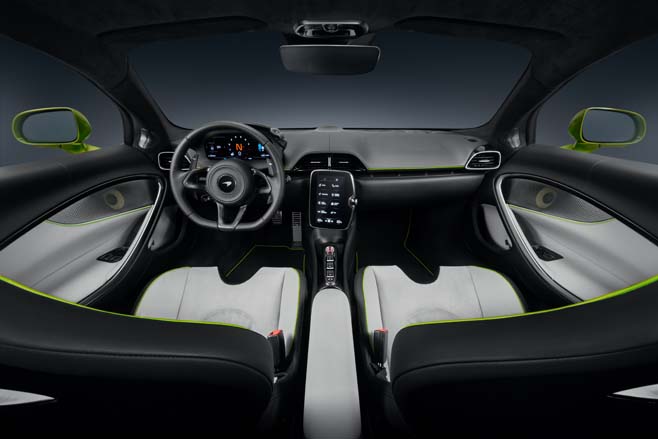
More significantly, though, McLaren says it has reduced cabling by 25 percent, and that fewer wires and connectors mean a 10 percent weight reduction compared with a conventional architecture.
Claimed DIN weight is 1498kg, making the McLaren 43kg lighter than a Ferrari F8 Tributo and 155kg lighter than a Lamborghini Huracan Evo, and – critically – with a better power-to-weight ratio than either rival.
McLaren claims the Artura will sprint from 0-100km/h in 3.0sec and reach 200km/h in 8.3sec en route to a top speed of 330km/h. On those numbers the Artura looks to be as quick as the F8 Tributo to 100km/h, and just a few tenths of a second off the Huracan Evo, which of course benefits from superior traction off the line thanks to all-wheel drive.
The Artura is expected to arrive in Australia towards the end of this year. No final word on pricing, but McLaren sources say it will be positioned mid-way between the GT grand tourer and 720S super sports car, so don’t expect much change from $450,000.
Nissan has issued a recall for 242 examples of the D23-generation Nissan Navara utility, produced between June and July 2020, due to a faulty steering system.
A listing to the Product Safety Australia website lists the defect as being a series of loose steering knuckle bolts which could cause the steering knuckle, hub and bearing assembly to become detached.
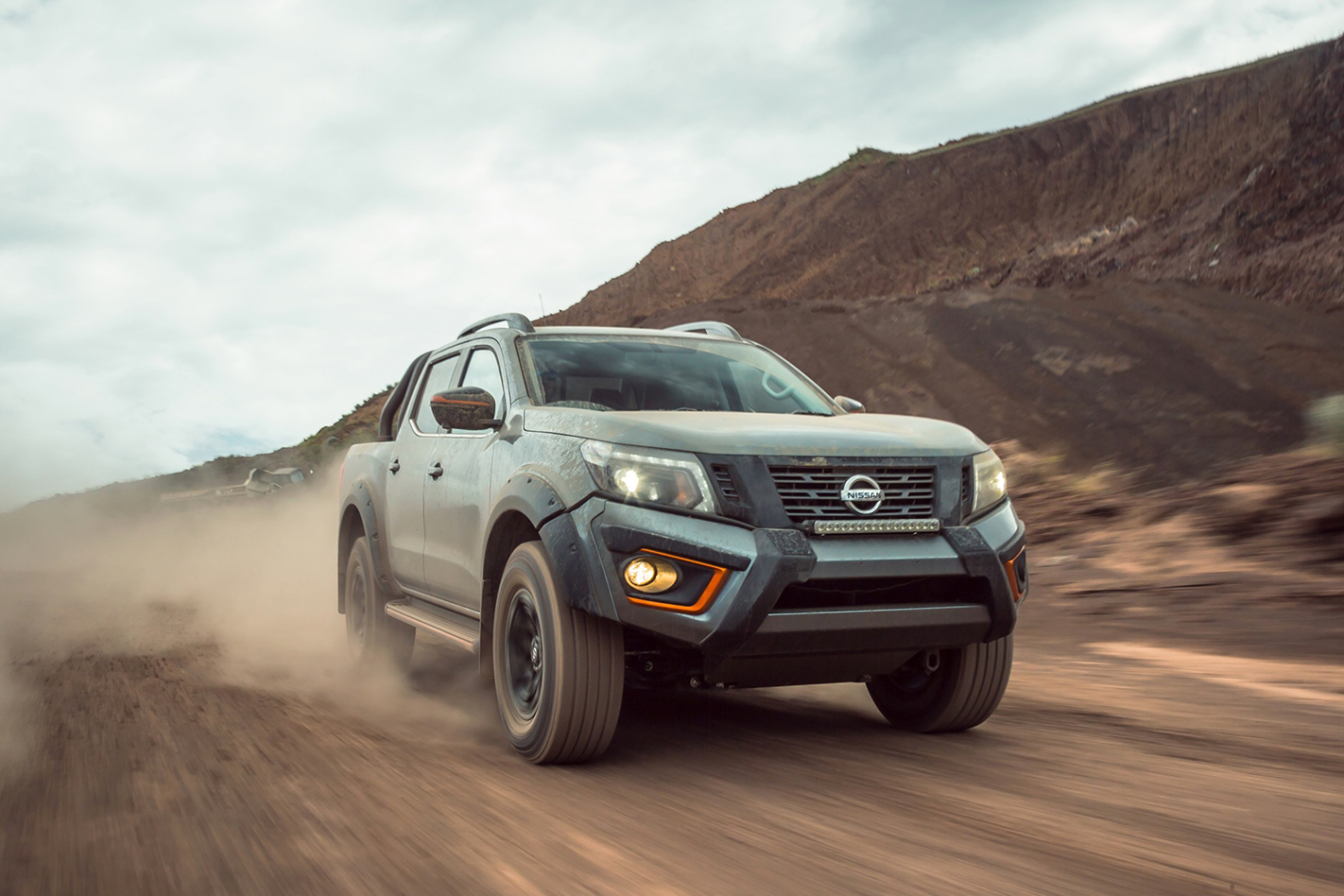
If the front steering bolts gradually loosen, it could cause undue vibration and noise – and may eventually loosen completely, resulting in wheel detachment.
According to Product Safety Australia, “if the wheel detaches, there is an increased risk of an accident that may result in injury or death of vehicle occupants and/or other road users.”
What should Nissan Navara owners do?
Nissan will contact affected owners by mail, advising customers to contact their local Nissan dealership to arrange for an inspection to be carried out. Replacement of the steering knuckle, hub and assembly will occur if necessary.
As with all recalls, the inspection and replacement of affected parts will come at no cost to Nissan owners.
Concerned owners can get on the front foot by contacting the Nissan Customer Service Centre on 1800 035 035 (Monday to Friday, 8.30am to 6pm AEST).
A full list of affected VINs can be downloaded here.
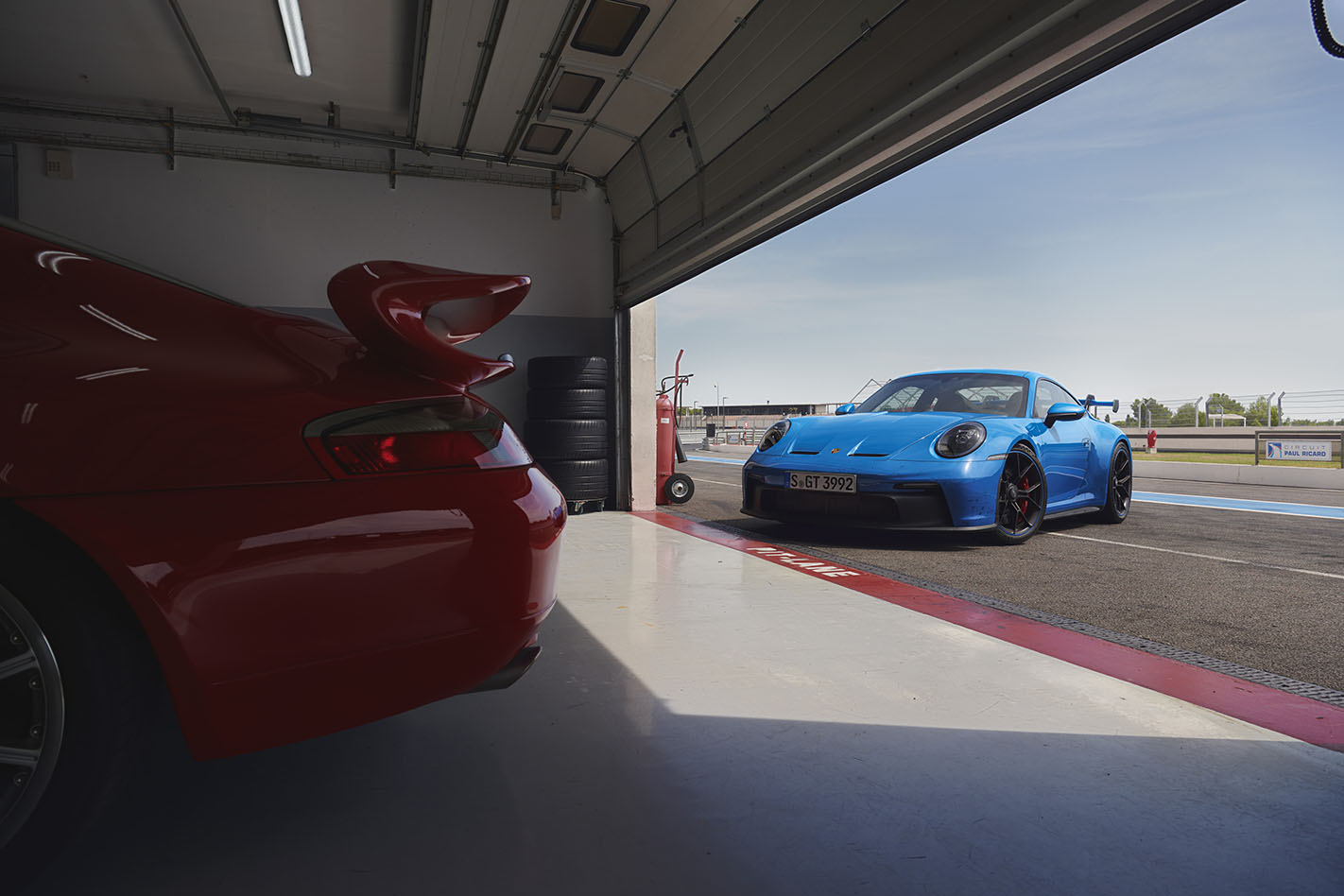
The line between Porsche’s track-only GT racers and its road-going models is getting thinner by the day, with the 992 evolution of the 911 GT3 eroding the distinction even further. Freshly revealed in Europe, the newest addition to the 992 family is seriously quick, but built to keep the purists happy.
Behind the rear axle remains a naturally aspirated 4.0-litre flat six engine, with power boosted to 375kW. While that only represents a 7kW increase compared with the 991.2 version, Porsche claims the unit found in the 992 generation is “practically unchanged” from its recently revealed GT3 Cup racer.
Press details released by Porsche don’t reveal how high the 4.0-litre engine can rev, but does state that the central tachometer reads to a staggering 10,000rpm.
Its high-revving unit is based on that found in the 911 GT3 R which competes in races including the Bathurst 12 Hour and Spa 24 Hour, and allows the GT3 road car to crack 100km/h from standstill in 3.4 seconds, and with a top speed of 318km/h this GT3 is faster than the previous GT3 RS.
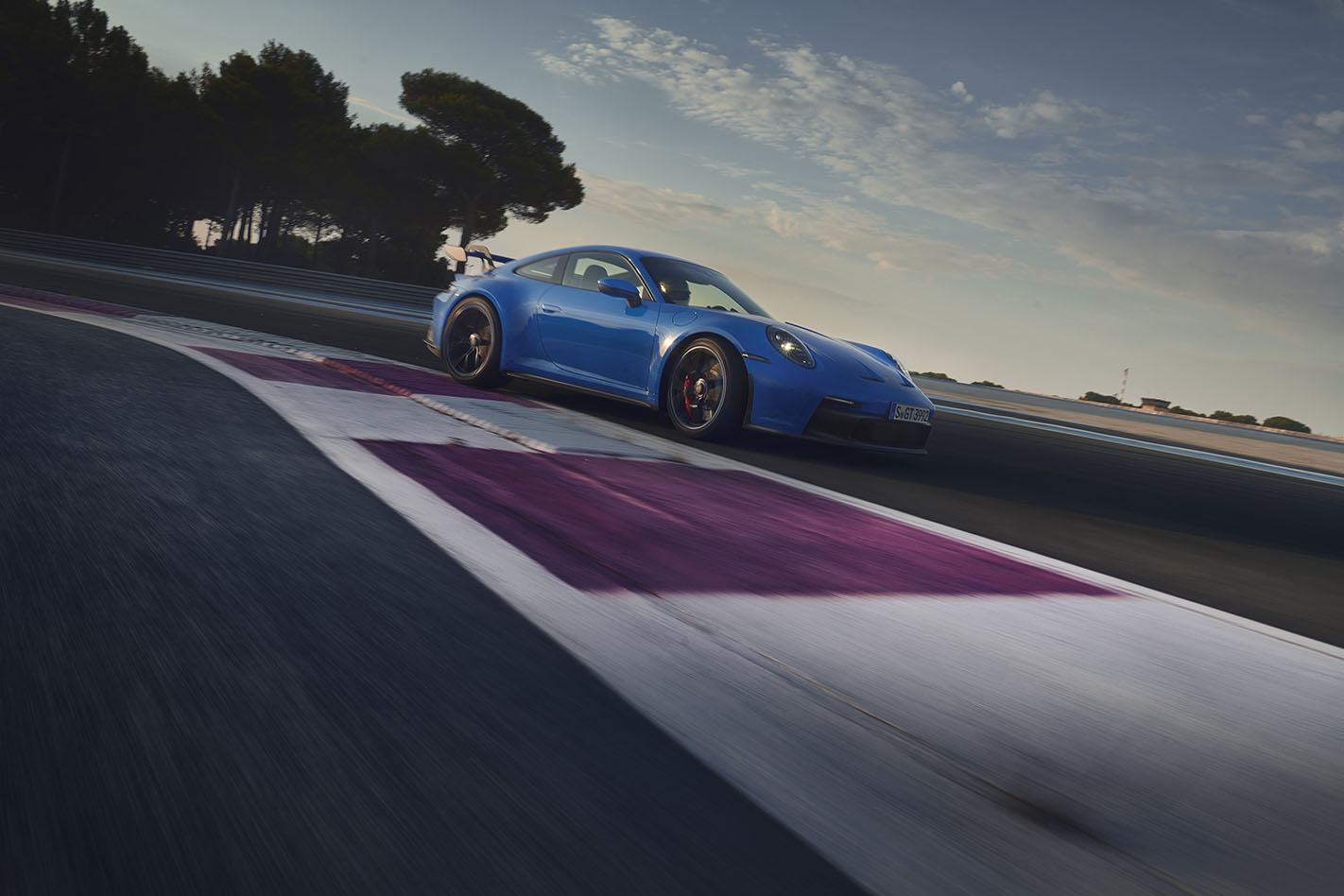
Both manual and PDK transmissions are on offer, with the former boosting the terminal velocity by 2km/h.
Not only do customers who opt for the three-pedal variant get a higher top speed, their 911 GT3 will also be lighter, with a 1418kg weight compared with the automatic’s 1435kg.
For automatic variants that is an increase of just 5kg over the 991.2 iteration, with Porsche managing to save weight despite the wider bodywork, larger wheels, and added technology.
This is, in part, thanks to lightweight glass windows, carbonfibre bonnet, forged alloy wheels, and new brake discs. A new sports exhaust system that incorporates adjustable valves saves 10 kilograms alone.
Visually, the big standout changes for the new GT3 is the swan neck rear wing and redesigned diffuser, inspired by the mid-engined GTE-spec RSR racer.
Porsche claims that the manually adjustable unit is able to increase downforce, without “noticeably affecting the drag coefficient”.
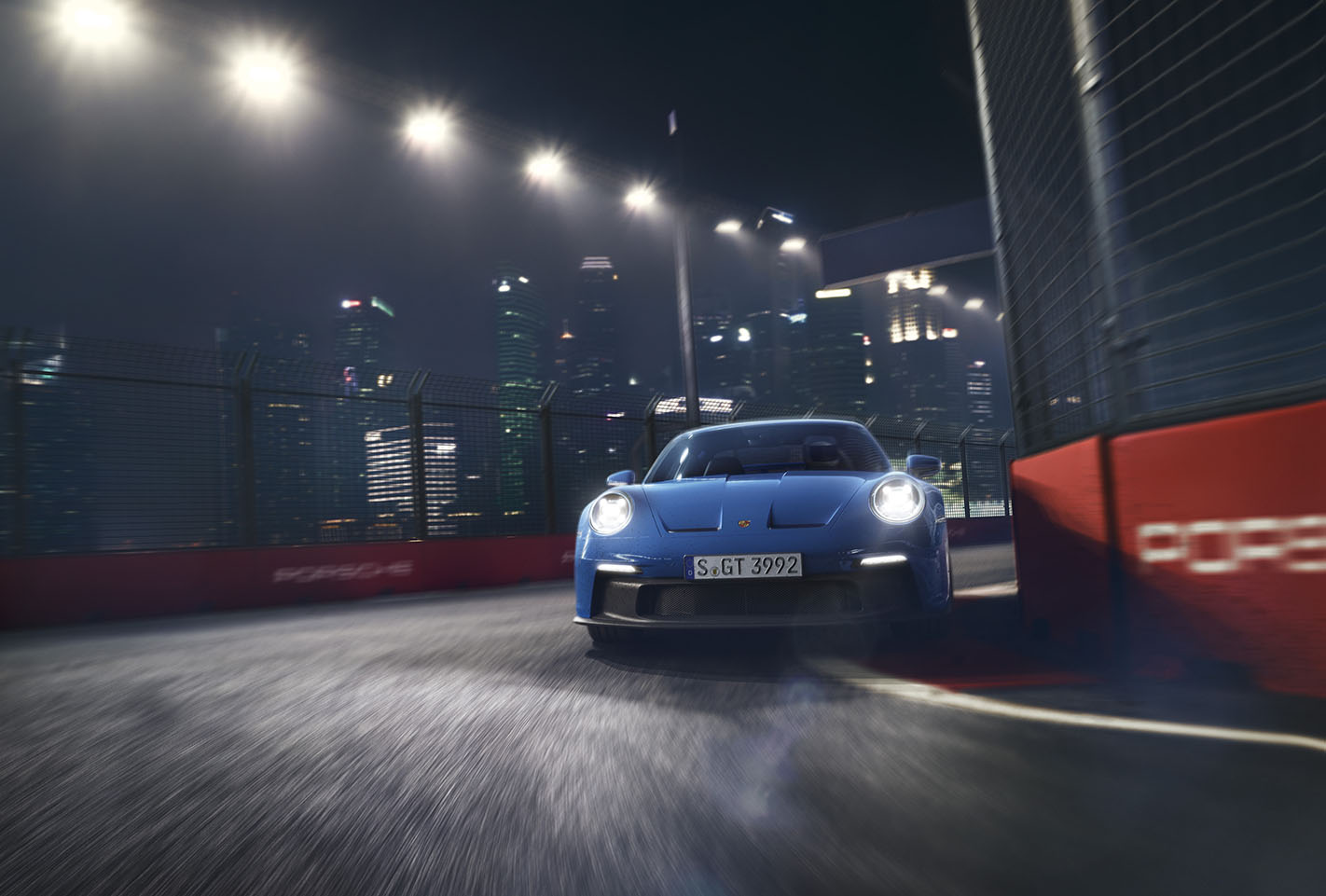
And it looks like the hard engineering work has paid off. During track testing at the Nurburgring, Porsche reports the 992 GT3 lapped the Green Hell more than 17 seconds quicker than its predecessor, using Michelin Pilot Sport Cup 2 R tyres.
Running a full 20.8-kilometre lap, the new 911 GT3 laid down a time of 6:59.927.
Those willing to go the extra mile in specifying their GT3 can take advantage of Porsche’s Exclusive Manufaktur range of options, which includes an exposed carbonfibre roof, painted wheel rims, body colour-matched tachometer, and smoked-out LED matrix headlights.
Pricing will be revealed at a later date, with a local arrival in Australia slated for the second half of 2021. Though, MOTOR understands that if you are in the market for the new GT3, you might want to get in contact with your local dealer sooner rather than later.
A Californian electric vehicle start-up company has revealed a first look at its second-ever model, the Jax electric off-roader.
The Alpha Motor Corporation says Jax is actually an acronym for “Junior All-terrain Crossover”, which is essentially a lifted, more-rugged version of its first model, the Ace.
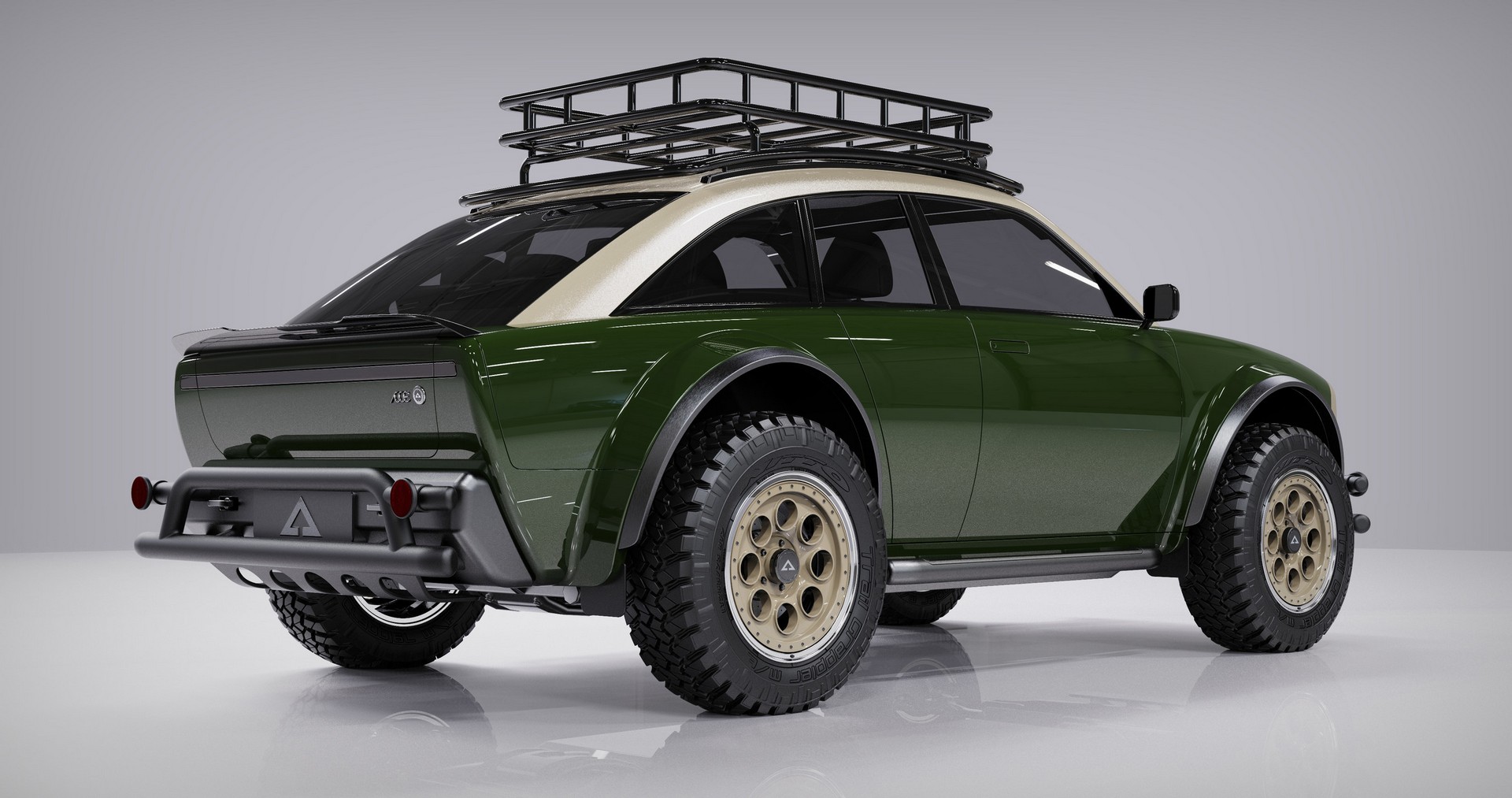
The quirky, retro styling of the Jax incorporates a sloped roof, squared-off front and rear ends and LED headlights.
We can also spot flush-mount door handles a la Tesla Model S, a set of suicide doors and some seriously flared wheel arches.
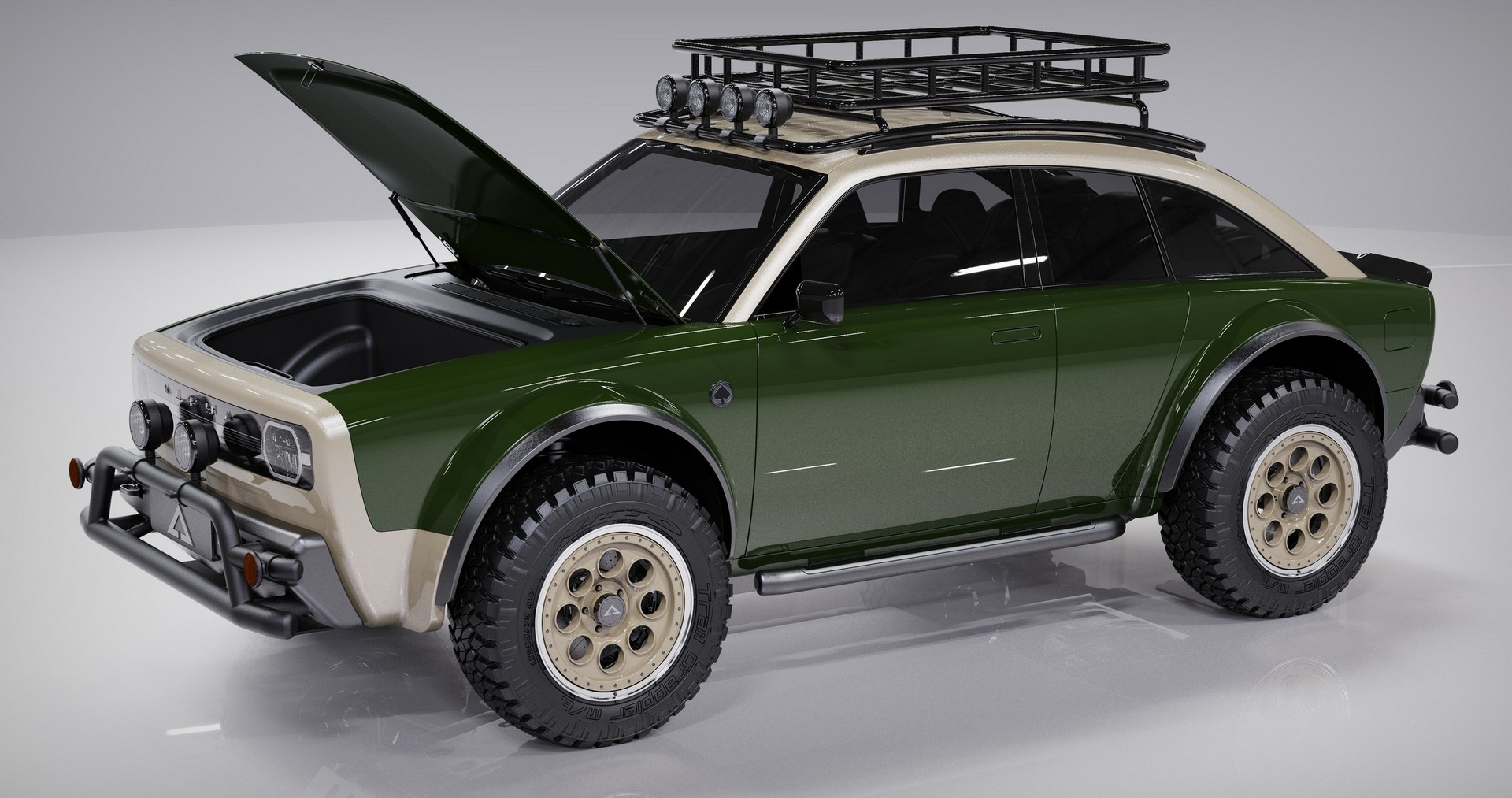
Promotional images show this Jax with optional equipment including a roof box, knobbly off-road tyres, bumper bars on the front and back and rally-style spot lights. Run-of-the-mill ‘production’ specification is expected to be far tamer.
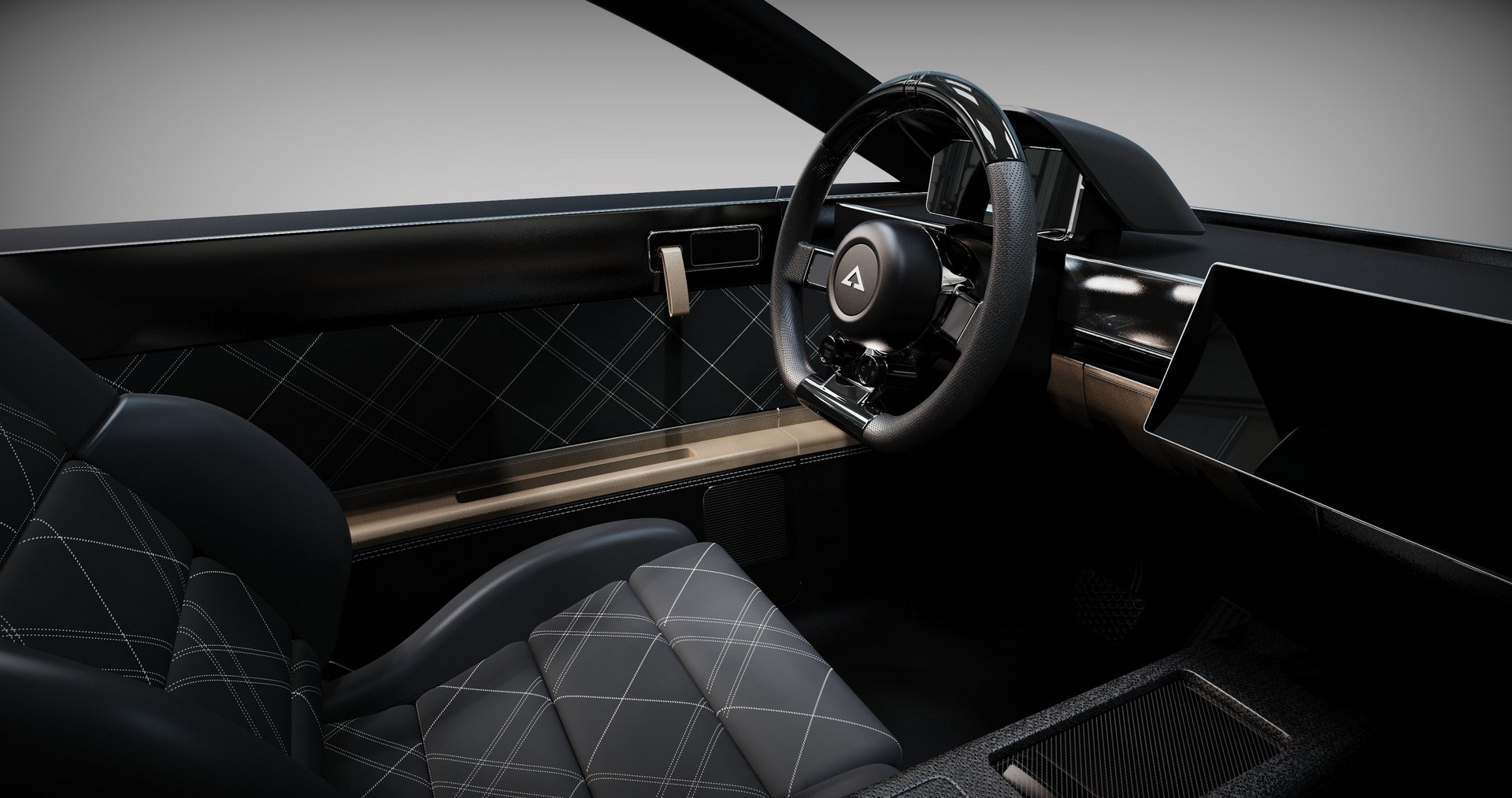
Inside, the Jax gets a set of bolstered sports seats, a basic tartan door trim with pull-tab door handles, a digital instrument cluster and ‘floating’ infotainment screen.
The Jax is said to be powered by a 75kWh lithium-ion battery pack which can propel it from zero to 100km/h in 6.5 seconds. Alpha is aiming for a driving range of approximately 400km.
The company also said there will be both front- and all-wheel drive variants.
Reservations can be placed online for the Alpha Jax from now. Though, no word is given on an eventual production start date or any potential for Australian availability, with the company also saying specifications are estimates and subject to change.
The Tesla Model X is being recalled in Germany after the country’s road authority identified a roof trim fault could affect thousands of cars around the globe.
In Germany, the notice concerns 195 Tesla Model X SUVs built between 2015 and 2016 that have a roof trim glued with an adhesive that could deteriorate and block the driver’s view when the trim dislodges.
However, Germany’s government road authority, the Kraftfahrt-Bundesamt (KBA), has outlined 12,308 vehicles are affected worldwide.
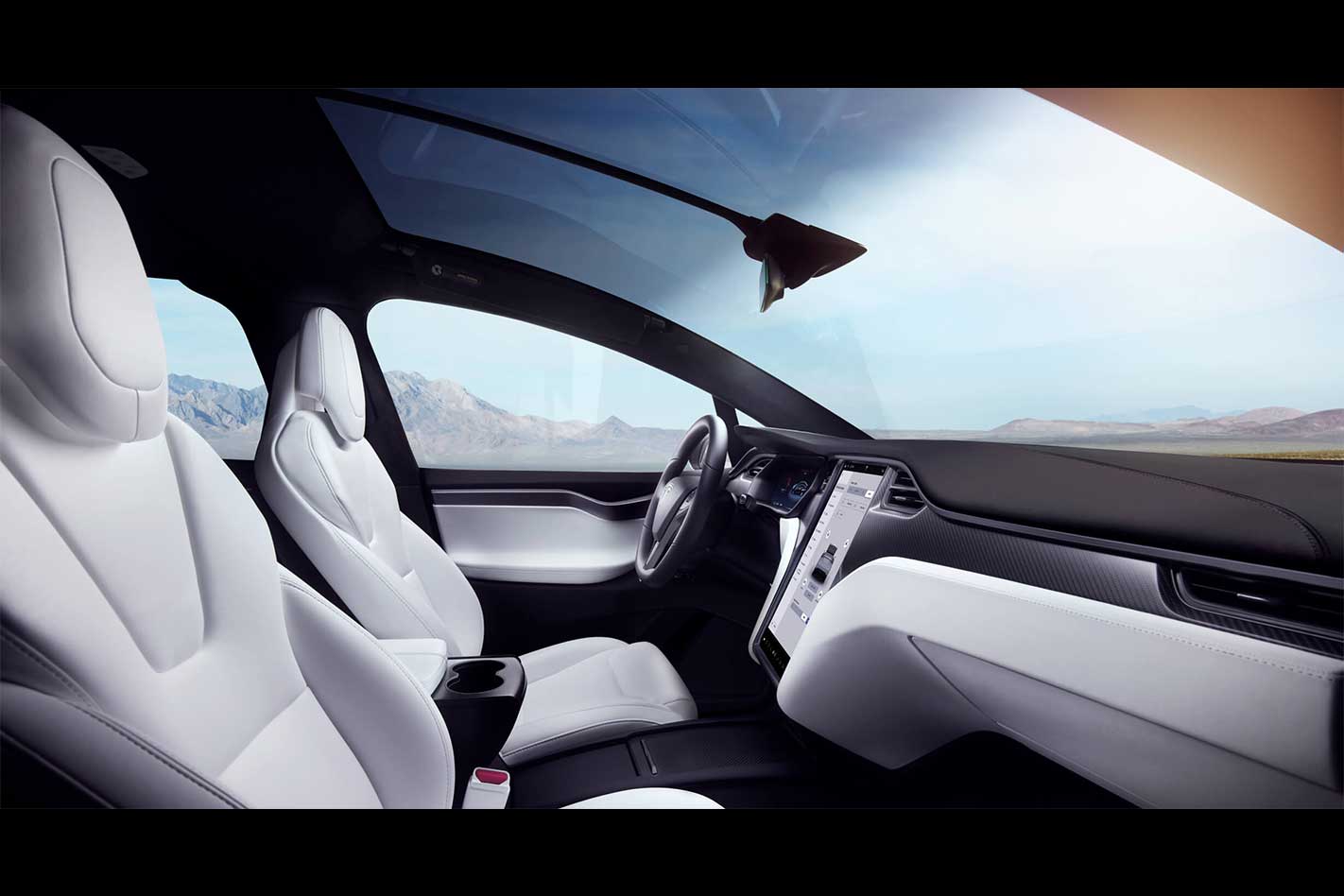
If the American recall was included, this still leaves 2977 affected vehicles elsewhere in the world.
We’ve reached out to Tesla for comment on whether any Australian owners are affected, but the numbers would be slim, or even zero, given the Model X did not land until 2017.
The news comes only weeks after Tesla founder Elon Musk confessed about struggles to maintain build quality with mass production.
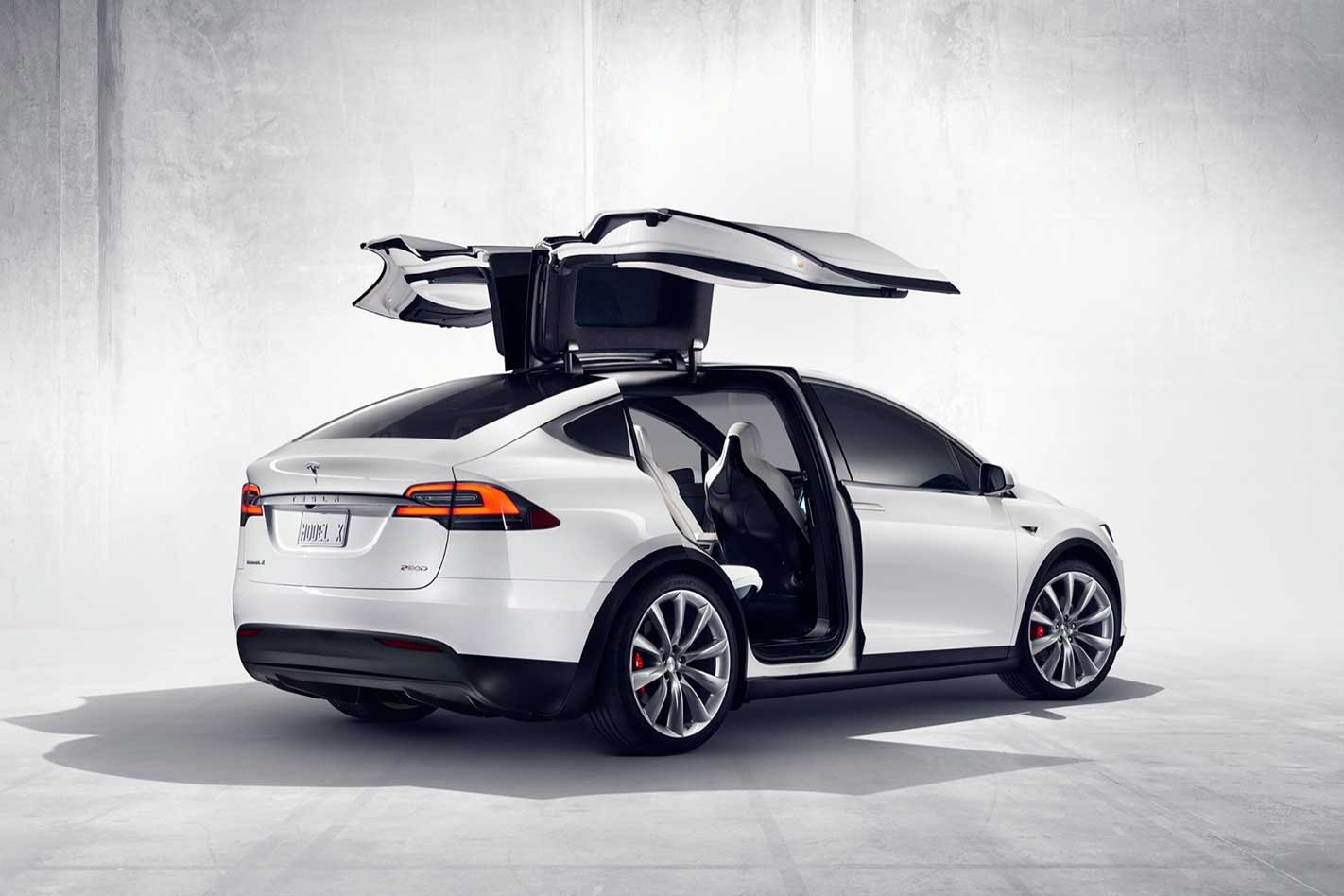
And Tesla’s experience with manufacturing cars has enjoyed good news, as well, like in 2017 when it introduced price cuts for the Model X SUV after discovering efficiencies at the factory.
READ Musk slams gates on electric future
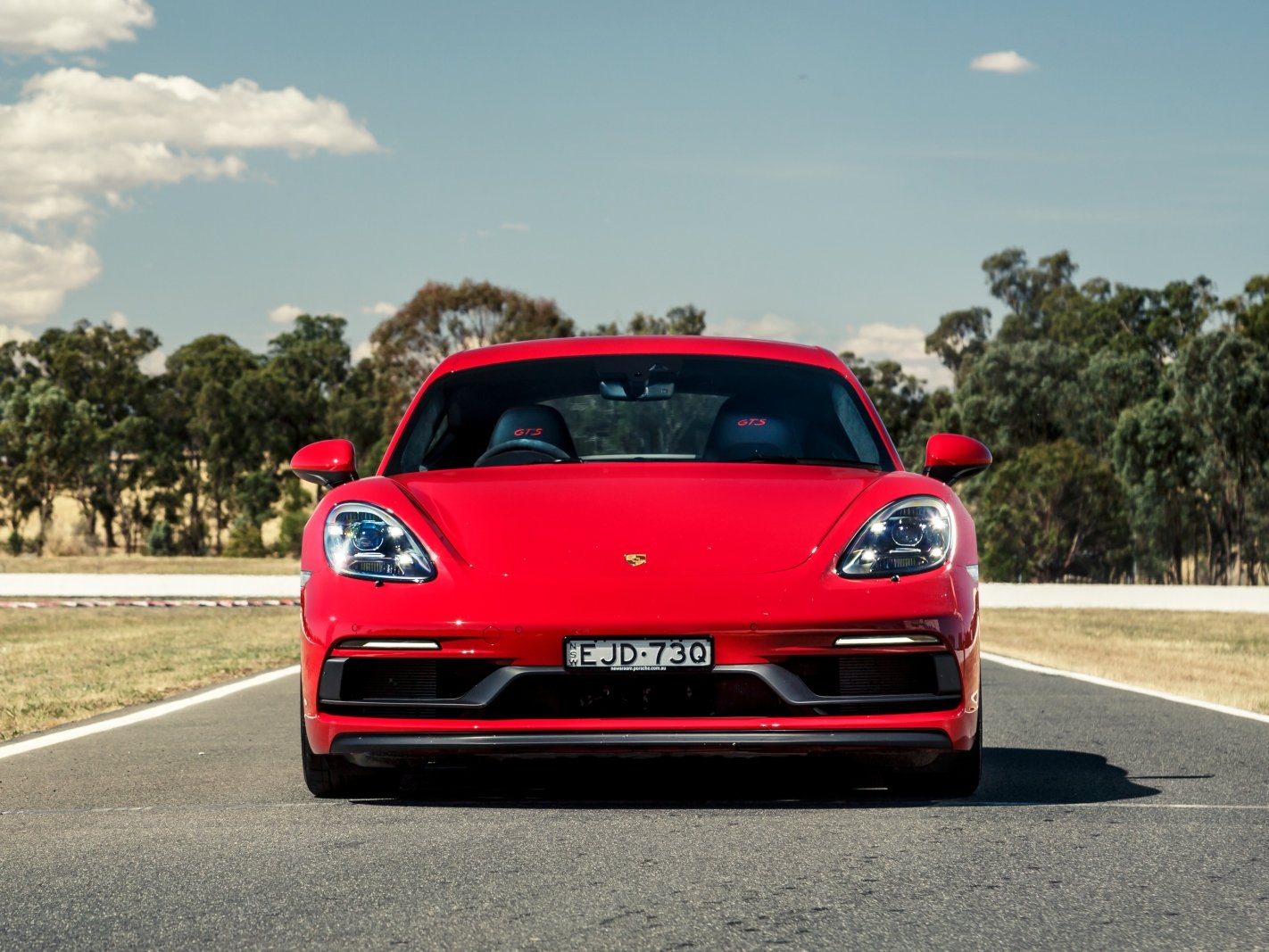
We begin with an admission. I really like the turbocharged four-cylinder that you’ll find tucked away in the belly of the current-generation Porsche Boxster and Cayman.
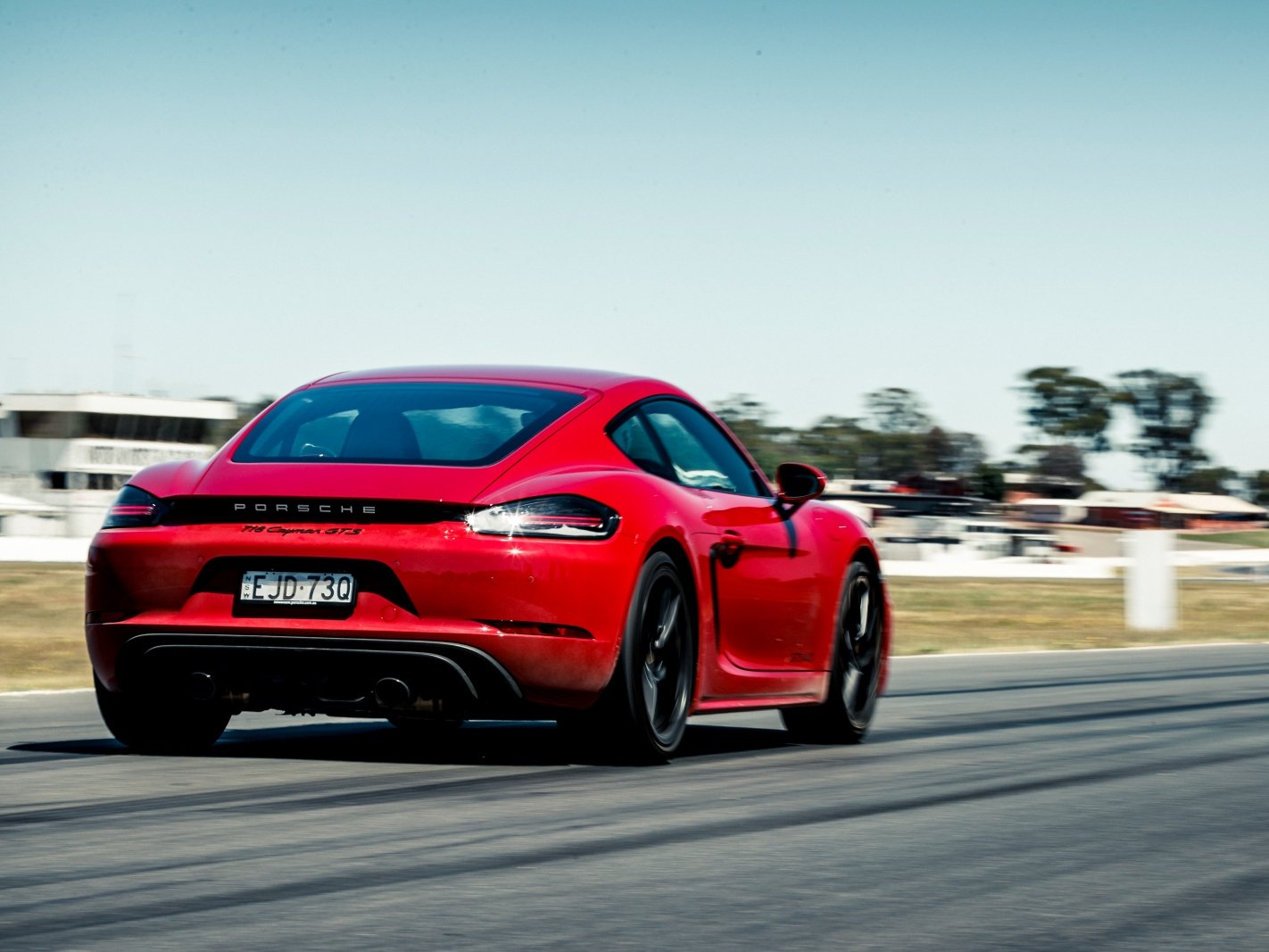
It makes perfect sense on numerous different levels and I agree entirely with Porsche’s decision to drop two cylinders. But that puts me in an awkward position because I’ve just driven the new 718 Cayman GTS 4.0.
In place of the 2.0-litre and 2.5-litre flat fours that arrived with the fourth-generation Boxster and Cayman twins, the new halo variant reverts to naturally aspirated flat-six power and, I have to admit, it is utterly wonderful.
Building on the underpinnings of the rest of the 718 Cayman range, the GTS 4.0 retains all of the dynamics and poise that shine in all variants, but adds the pedigree of a more muscular engine with the soundtrack to match. It doesn’t take long to realise that this marriage works beautifully.
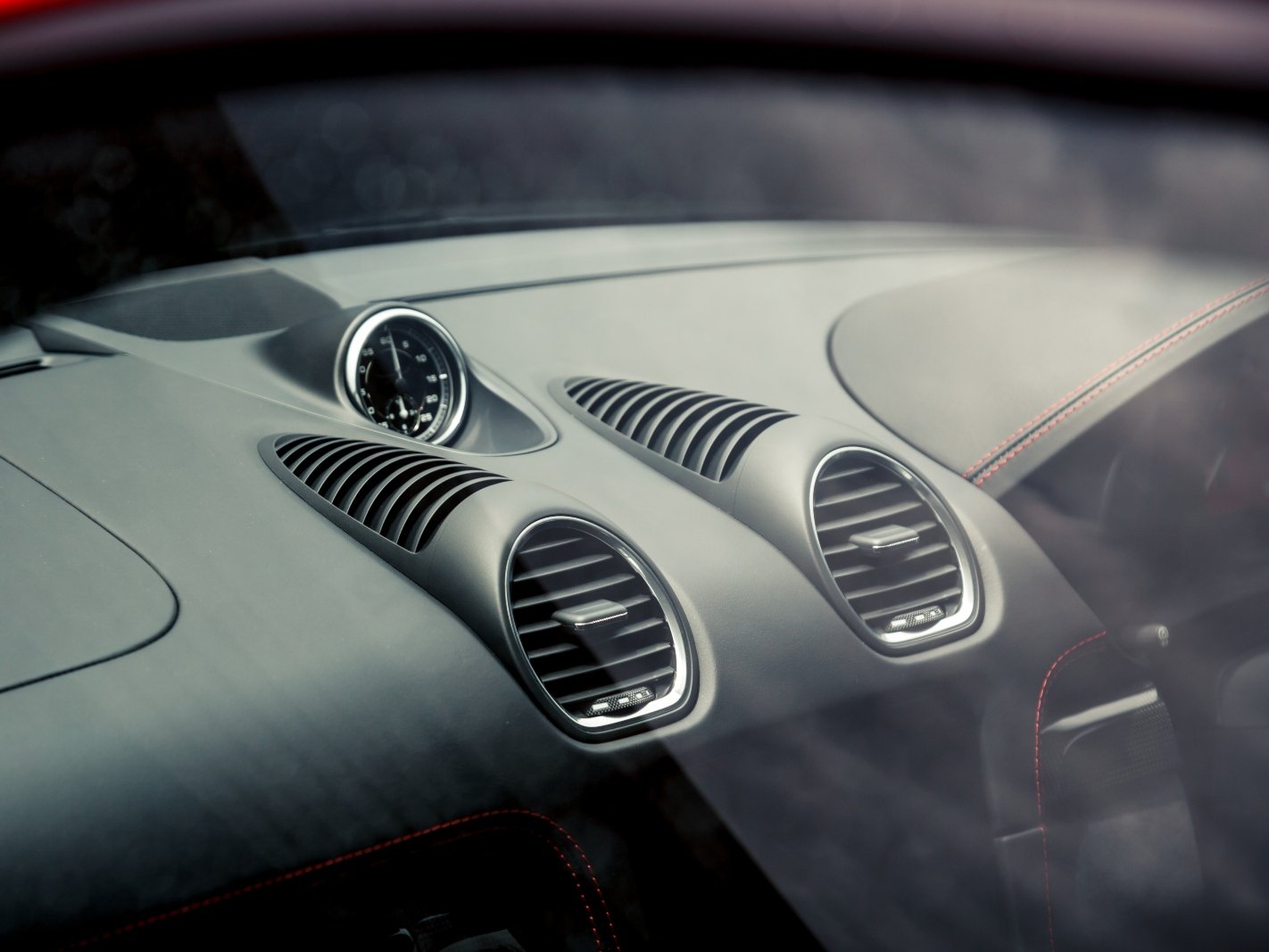
Hopping into the Cayman’s cabin, there’s a sense of familiarity and excitement. The interior is the same well-appointed and cosy space that welcomes you in the rest of the range but subtle GTS 4.0 branding reminds you that this is the new hero of the family and has something more to offer.
Some sharp touches in our example included carbonfibre trims and other optional extras which can soon blow out the budget, but standard equipment levels in the new flagship don’t need augmenting to create a premium feel.
Like anything that wears the Zuffenhausen badge, attention to finer details is obvious everywhere, from the click of a switch to the solid thump of a closed door and the high-resolution displays that extend into the instrument cluster.
But there are reasonable practical touches too. You’ll never haul an Ikea flat-pack kitchen home in the Cayman but the combined effect of its small luggage compartment behind the engine and relatively huge, deep bin under the bonnet is a surprisingly accommodating load capacity.
Unlike its 911 bigger sister, however, there are no rear ‘seats’ which in that model are frankly a joke for passenger accommodation but very useful for stowing things.
Slotting into the driver’s seat has a sense of occasion and the GTS 4.0 feels complete before you even turn the key.
Start the Cayman, however, and the sound of two extra horizontally opposed cylinders is the anthem of performance, the promise of something a little more special. It’s not that the four-cylinder engines are unpleasant to listen to – on the contrary, there’s a charm to the almost Beetle-like thrum at idle and the near-redline noise that is far angrier than a WRX STI – but a barking flat-six offers a little more aural silk which certainly suits this pretty coupe.
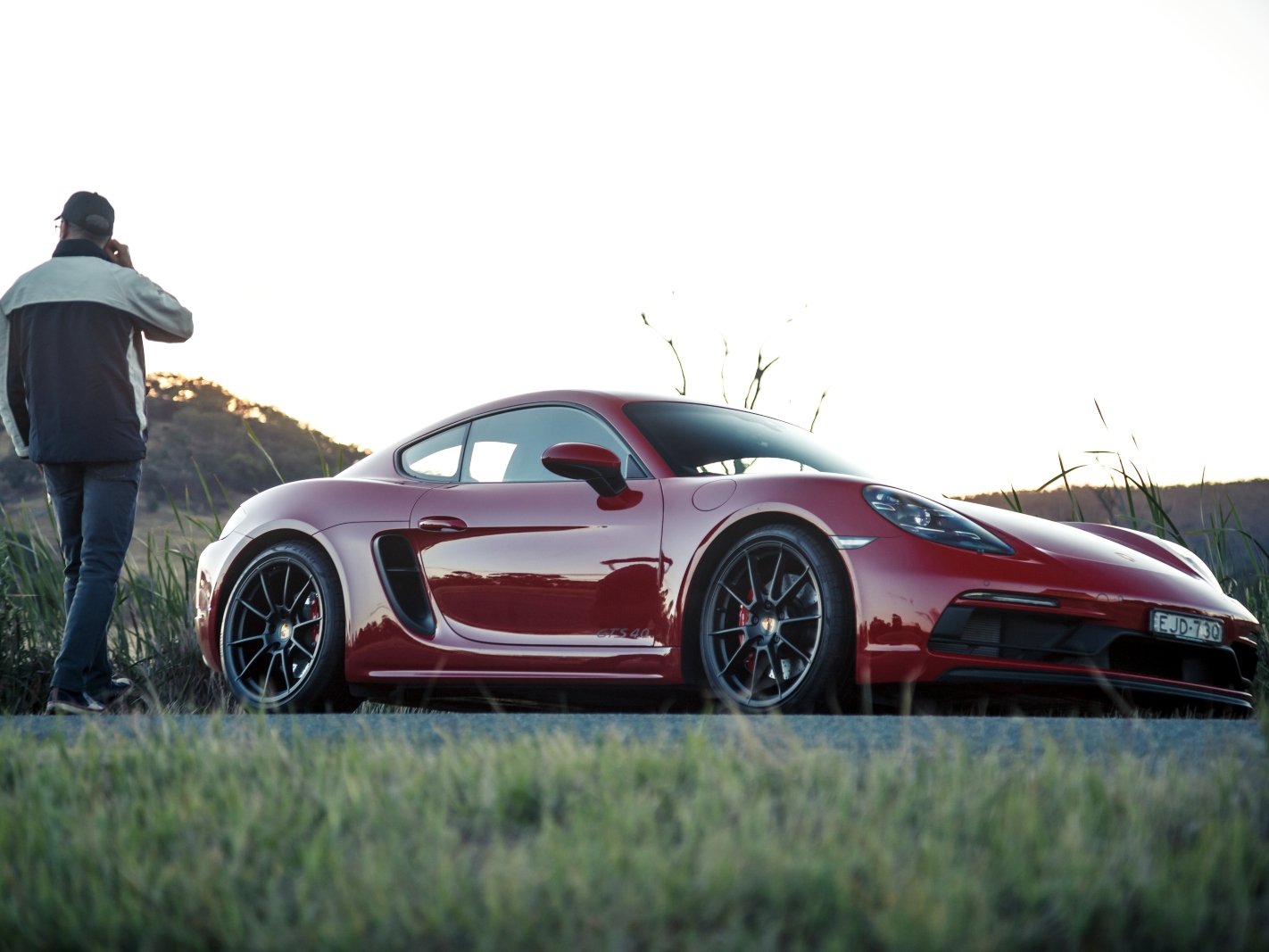
And the noise is ear-caressing at all engine speeds. Open the taps low down in the rev range and the six-pot produces a deep bass note that fills the cabin; keep your toe in and the sound becomes more vocal and tuneful about the mid-range speeds, but commit to an excursion all the way to the limiter and you’re in for a treat and a lovely dry howl that only natural aspiration can produce.
Porsche has nailed the soundtrack but it’s not at the detriment of power delivery and the 4.0-litre has a beautifully linear manner. You won’t shred tyres from 1500rpm due to a notable lack of torque compared with turbocharged engines but the trade-off is a glorious strength that builds to the limiter at just south of 8000rpm.
It’s essentially the same unit bolted into the 718 GT4 and Spyder albeit slightly detuned from 309kW to 294kW and while that has translated into a quantifiable tenth of a second reduction in 0-100km/h acceleration, it’s still respectably athletic, clocking the milestone in 4.5 seconds.
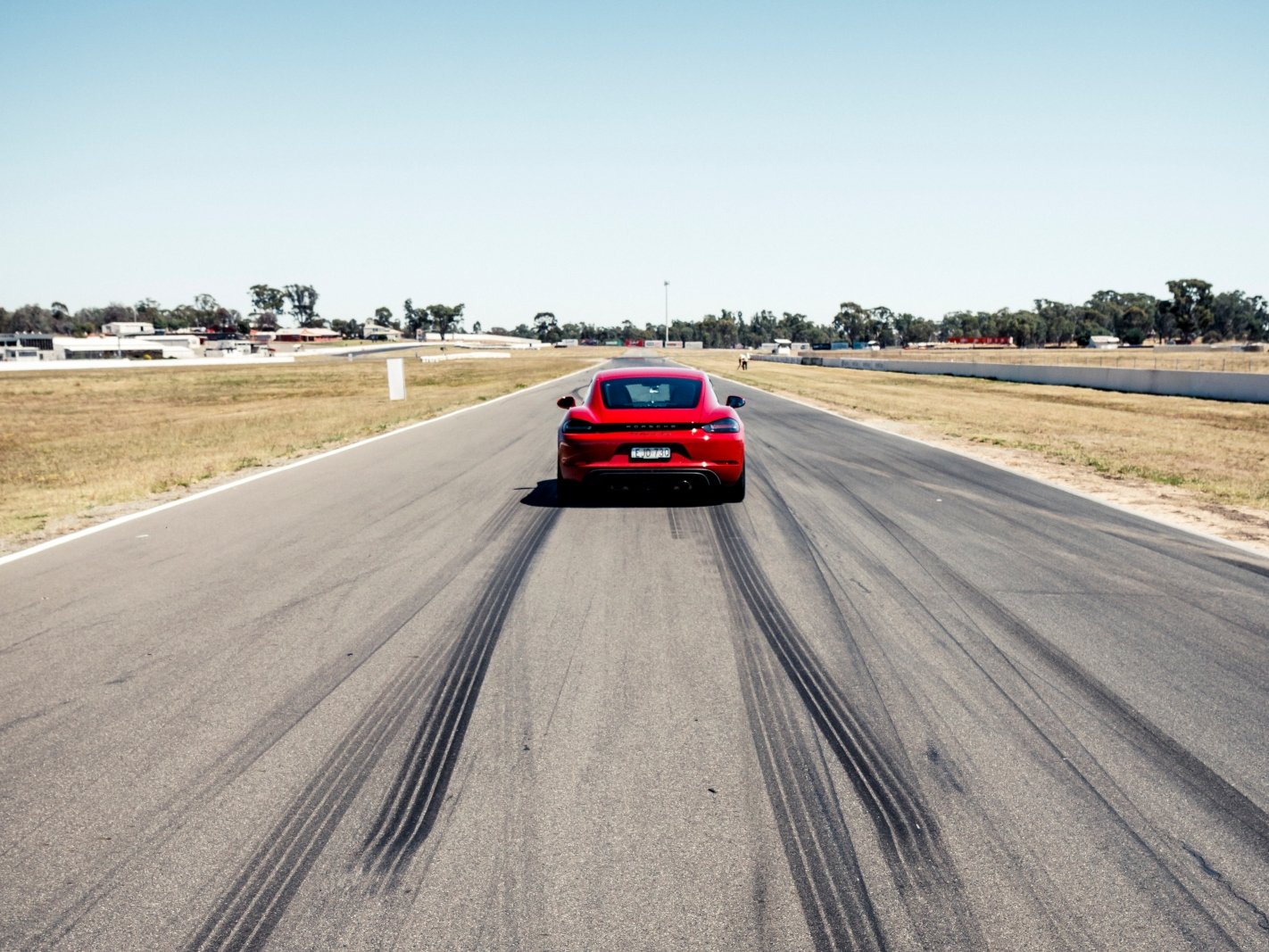
That modest detuning is a metaphor for the entire GTS 4.0 package and what makes the model such a joy to pilot on the road and track. While it’s still a seriously potent recipe, it’s not the chemically sharpened scalpel represented by the GT4 so offers a correspondingly pleasant ride and manner everywhere you go.
It’s certainly not out of its depth on the circuit where you can fully exploit its outstanding cornering grip and mid-corner stability. So much grip in fact, that no amount of throttle will snap the tail free unless it’s combined with a particularly slippery surface.
Brake deep into turns and wind on a little more lock than is necessary and the Cayman’s tail starts overtaking the front and quick hands are essential to avoid pointing the wrong way. We learnt this from experience. Again, the lack of low-down torque requires more revs dialled in to counter oversteer.
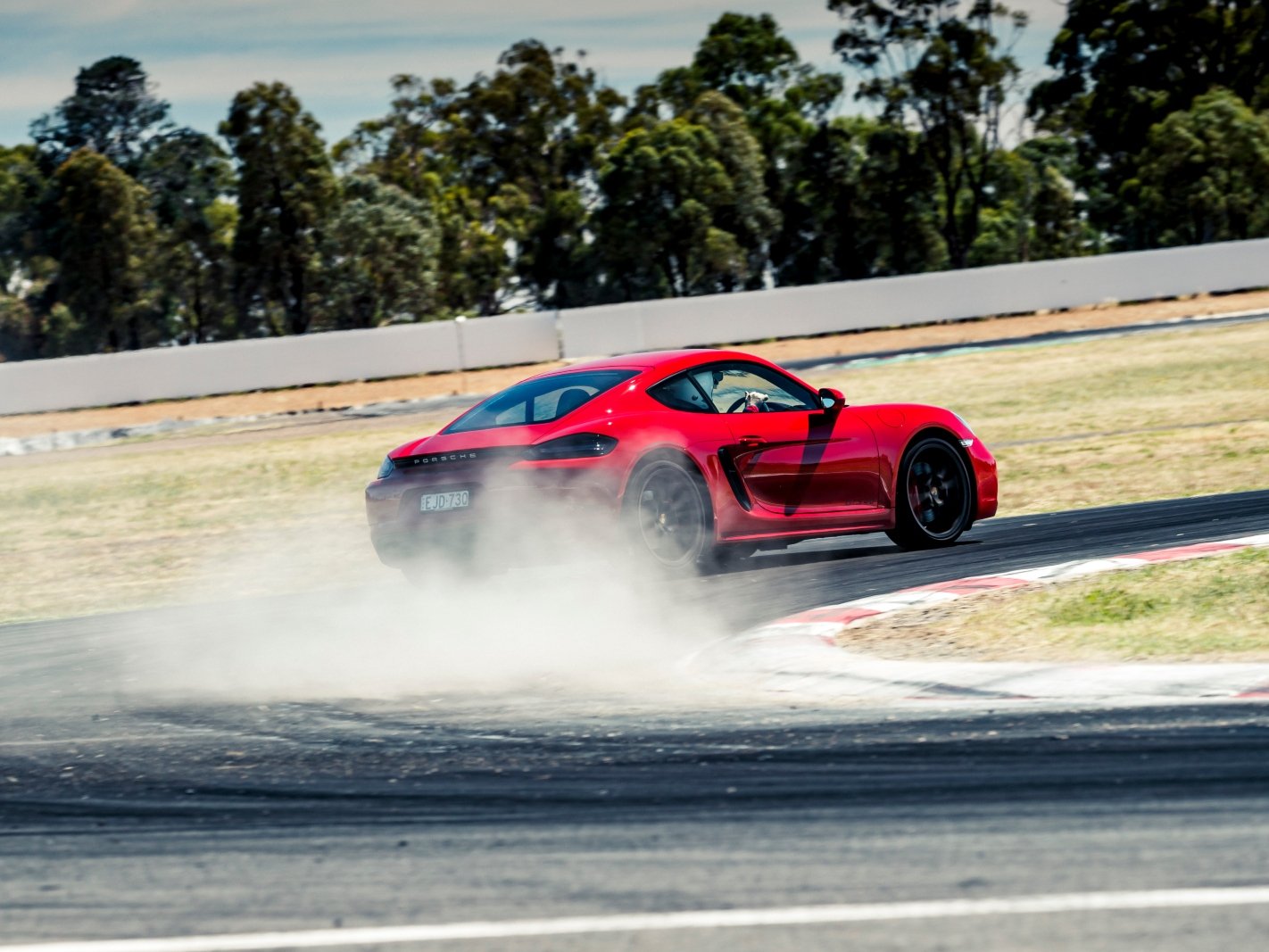
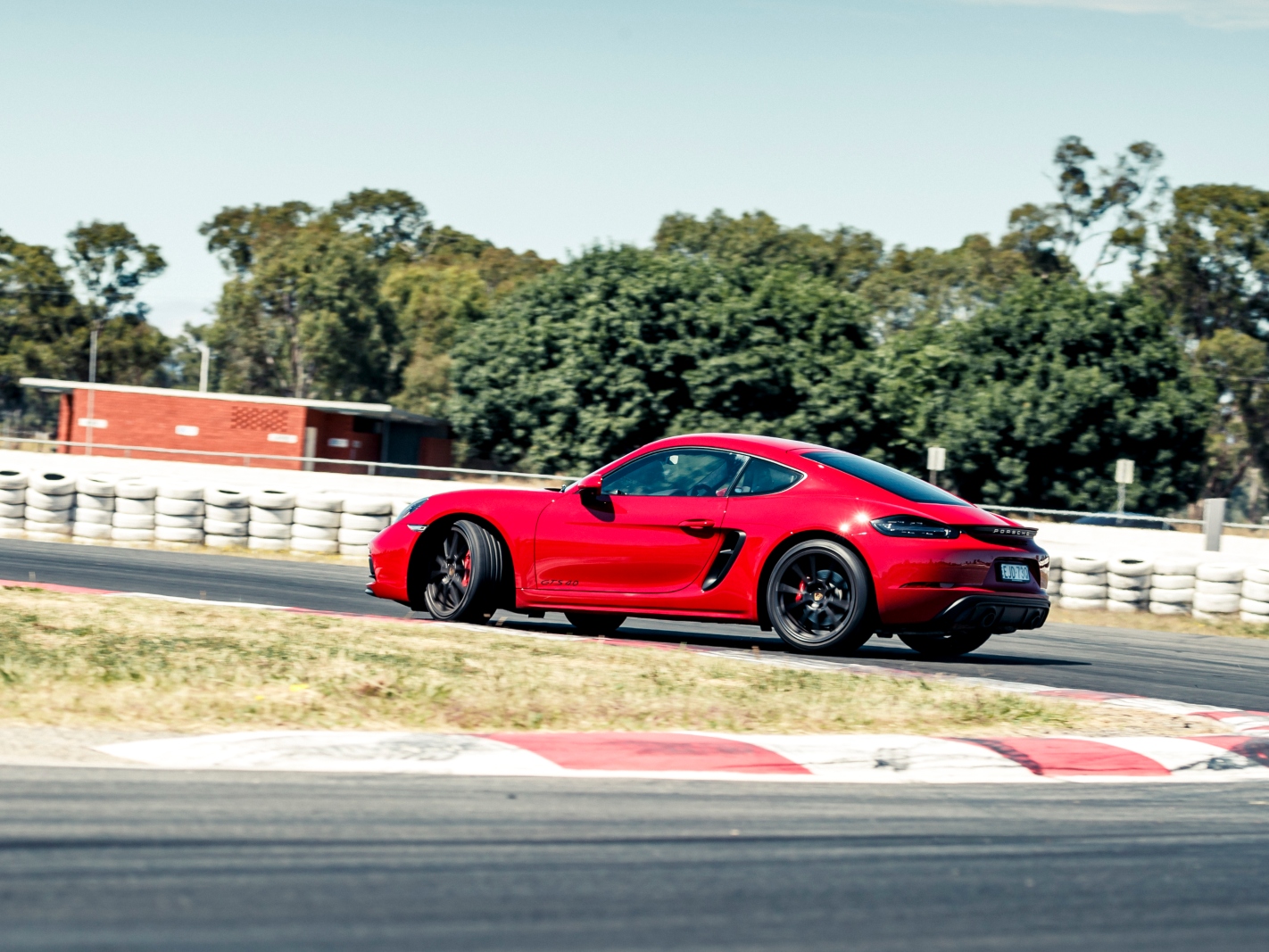
A few clicks back from the limit though is where the Cayman is simply sublime on track. Classic Porsche steering feel is abundant, paired with the almost flat-raked steering wheel and a perfect driving position. With a slightly reduced ride-height and mildly more aggressive chassis tune, the coupe is obedient and composed with a classic mid-engined eagerness to turn.
It’s the stability of the GTS that makes is such a loyal companion and not at all the twitchy bag of nerves you might expect from a short-wheelbase and mid-engine weight distribution. And pushing hard couldn’t tire the brakes either. If you option the 4.0 with the carbon-ceramic brake package it will be largely cosmetic in its benefit over the standard six-piston calipers and iron rotors.
With the automotive playground that is a proper race track at your disposal, the Cayman GTS 4.0 shines but unless you happen to have regular access to similar facilities, it’s most likely the majority of your time in the Cayman will be spent adhering to the word of the law and driving a little more responsibly.
On the open road, however, there is still much to be loved about the Cayman.
Its ride, while firm, has been engineered to sit between the four-cylinder brethren and GT4 and the result is bang on. If you’re after outright luxury and opulence then may we advise shopping in markets outside the two-door sports coupe arena but if you are prepared to live with the low position, taut suspension and snug cabin, the GTS is a genuine daily.
Surprisingly little road noise is transmitted through to the cabin by the Pirelli P Zero rubber on 20-inch wheels and the Cayman will eat sedate kilometres with ease. Find your favourite road, however, and there’s even more fun to be had.
Away from the wide expanses of circuit tarmac, the Cayman’s precise steering positions its nose with accuracy on narrower public byways and the excellent balance enhances the sense of confidence at speed.
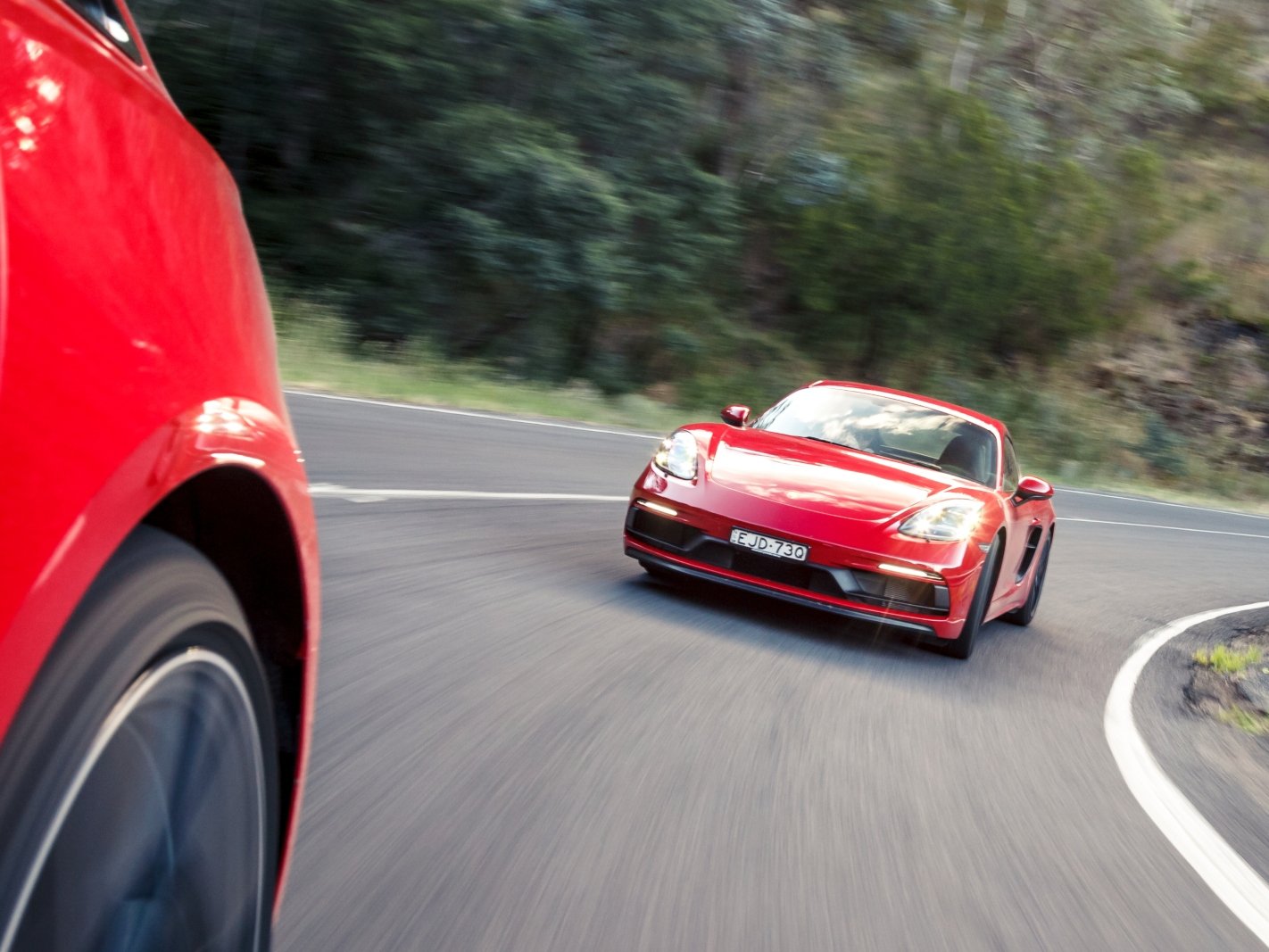
Just enough suspension compliance removes the worst of Victoria’s road imperfections with only the biggest lumps and bumps causing the big hoops to crash. Thankfully the big rims are stronger than the fine satin black spokes look.
But a little time on public roads highlights the GTS 4.0’s Achilles heel and it will be a big problem for a lot of drivers.
For all the development of this new Cayman flagship, Porsche didn’t have the resources to perfect the right manual gearbox and an existing ‘off-the-shelf’ unit had to be subbed in. The result is extraordinarily tall ratios.
Combined with the 7800rpm redline, the Cayman GTS 4.0 will crack 70km/h in first and you won’t need to pull third until the digital display is flashing about 130km/h. That means a massive majority of the beautiful engine’s performance is strictly out of bounds for public roads.
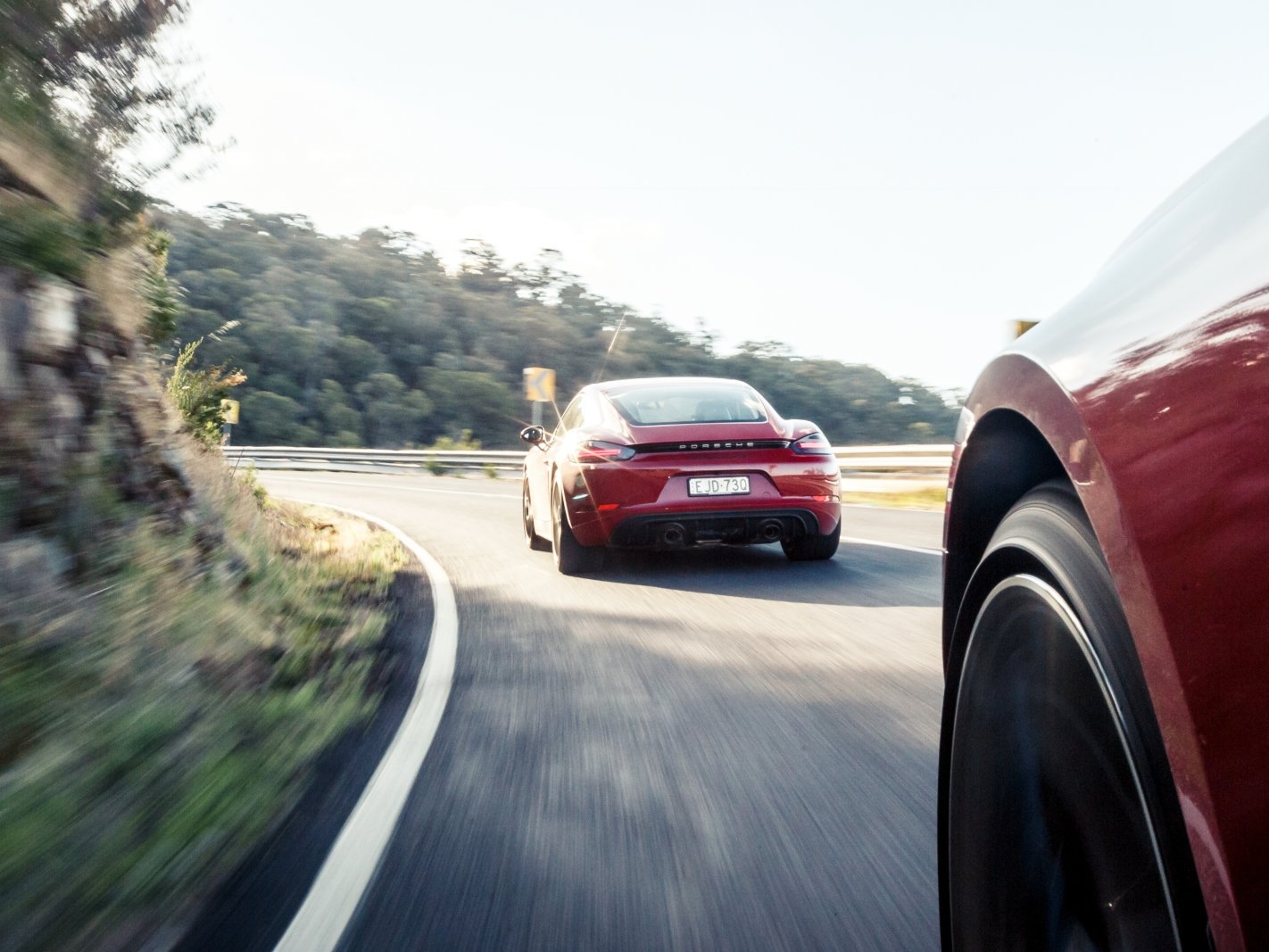
The only option is to short shift in all but first gear and play around with the flat-six’s decent mid-range grunt but that’s like buying the latest water-cooled gaming PC and only ever using it to check your emails.
A solution of sorts does exist, however. Arriving later this year, the GTS 4.0 will be available with the resoundingly good PDK dual-clutch automatic transmission and a significantly shorter final drive, promising rev-wringing action in a few more gears … and a slightly less jeopardised driving license.
It’ll cost more than the six-speed manual but perhaps the bigger problem for many purists is the conundrum between perfect gear ratios on the end of steering wheel paddles, or the compromised but more involving option involving a third pedal and gearstick.
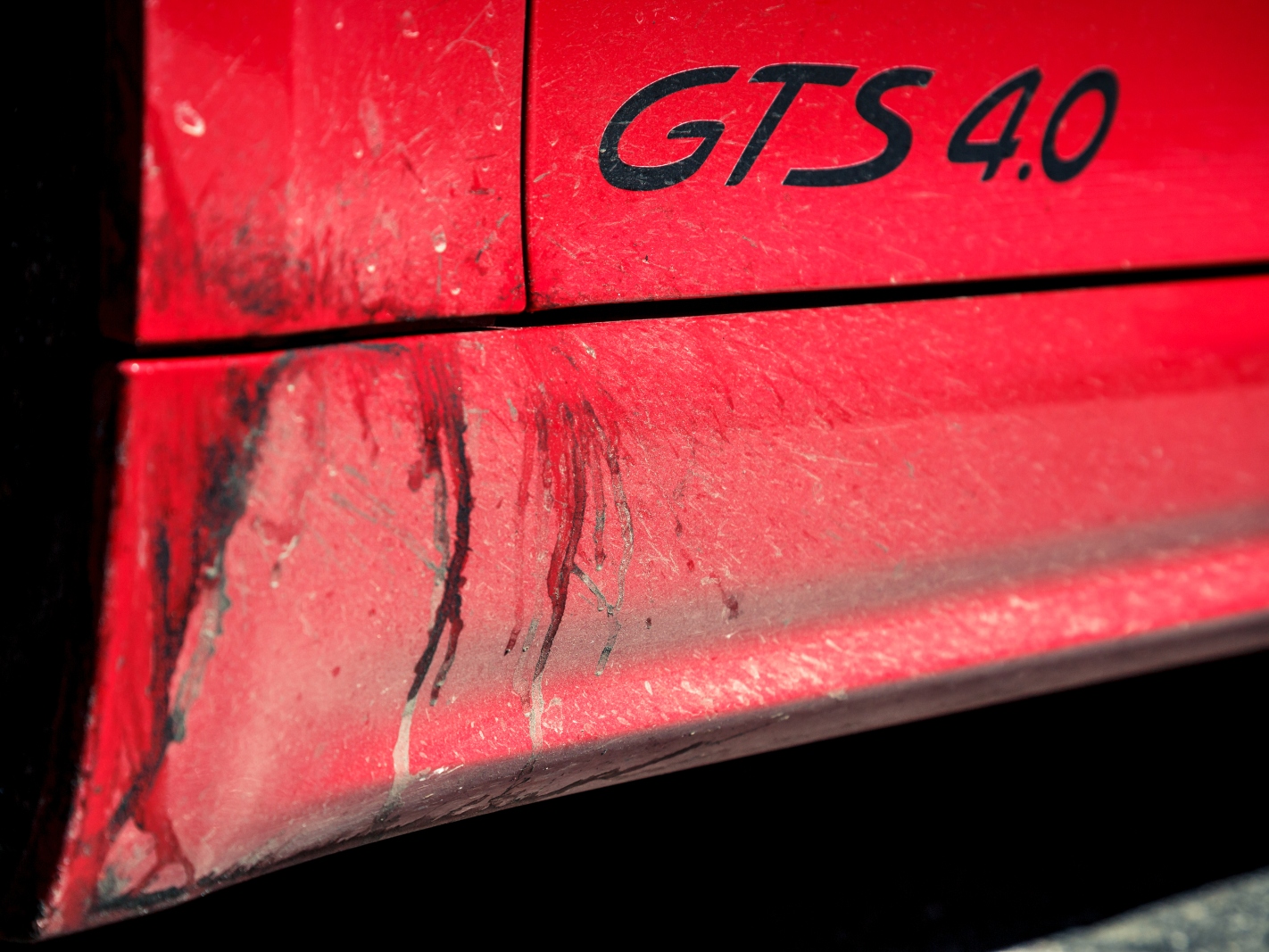
And then there’s the pricing. At $172,000, the GTS 4.0 is still significantly cheaper than the entry-level 911 but brings a lot of the same appeal and, confusingly, it’s also slightly cheaper than the 2.5-litre four-cylinder GTS that the 4.0 will supersede. A bargain? Not exactly.
While the flat-six is glorious and doubtless lends a new level of power and aural theatre to the Cayman, it’s a whopping $36,500 more than the excellent Cayman S manual that gets a decent set of cogs in its manual box.
That makes it hard to justify the extra cash if you’re on a tight budget but, at the same time, the noise of six-cylinders spinning up to nearly 8000rpm is hard to put a price on.
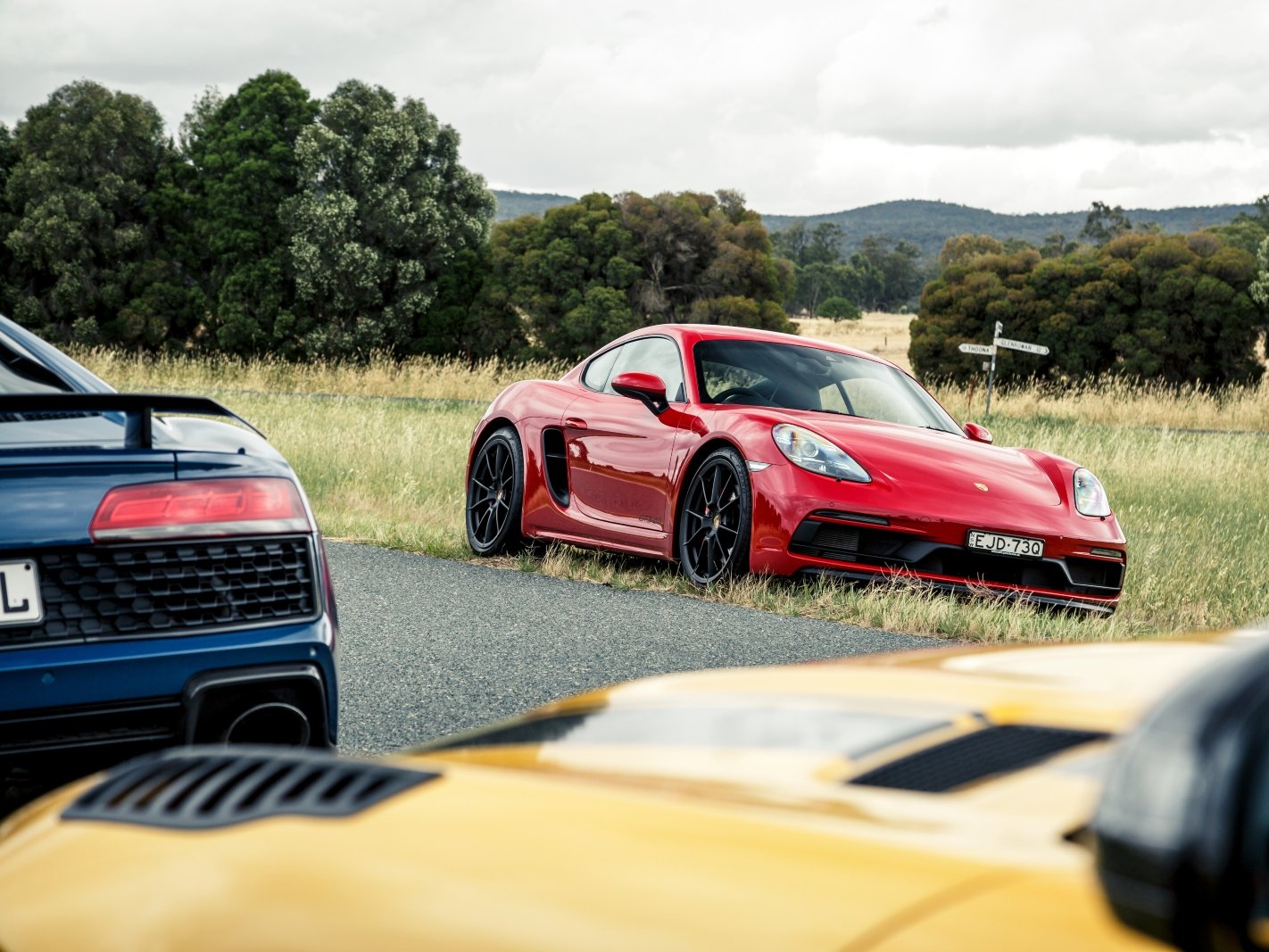
The new flagship of the Cayman range is almost perfect. Its new engine is the icing on an already established fantastic recipe that offers access to proper Porsche pedigree performance and more than just a taste of 911 nous.
Its ridiculously tall gearing is disappointing but not a disaster and there is still a lot to be loved about the 4.0, but it commands a very high price for something that is essentially flawed. Despite all of this it is still an incredibly easy car to recommend as long as you are prepared to live with a chain around its neck.
RATING 4.5/5
SPECIFICATIONS Model Porsche Cayman GTS 4.0 Engine 3995cc flat-6cyl, DOHC, 24v Max power 294kW @ 7000rpm Max torque 420Nm @ 5000-6500rpm Transmission six-speed manual Weight 1405kg 0-100km/h 4.5s (claimed) Economy 10.8L/100km (claimed/combined) Price $172,000 On sale now
