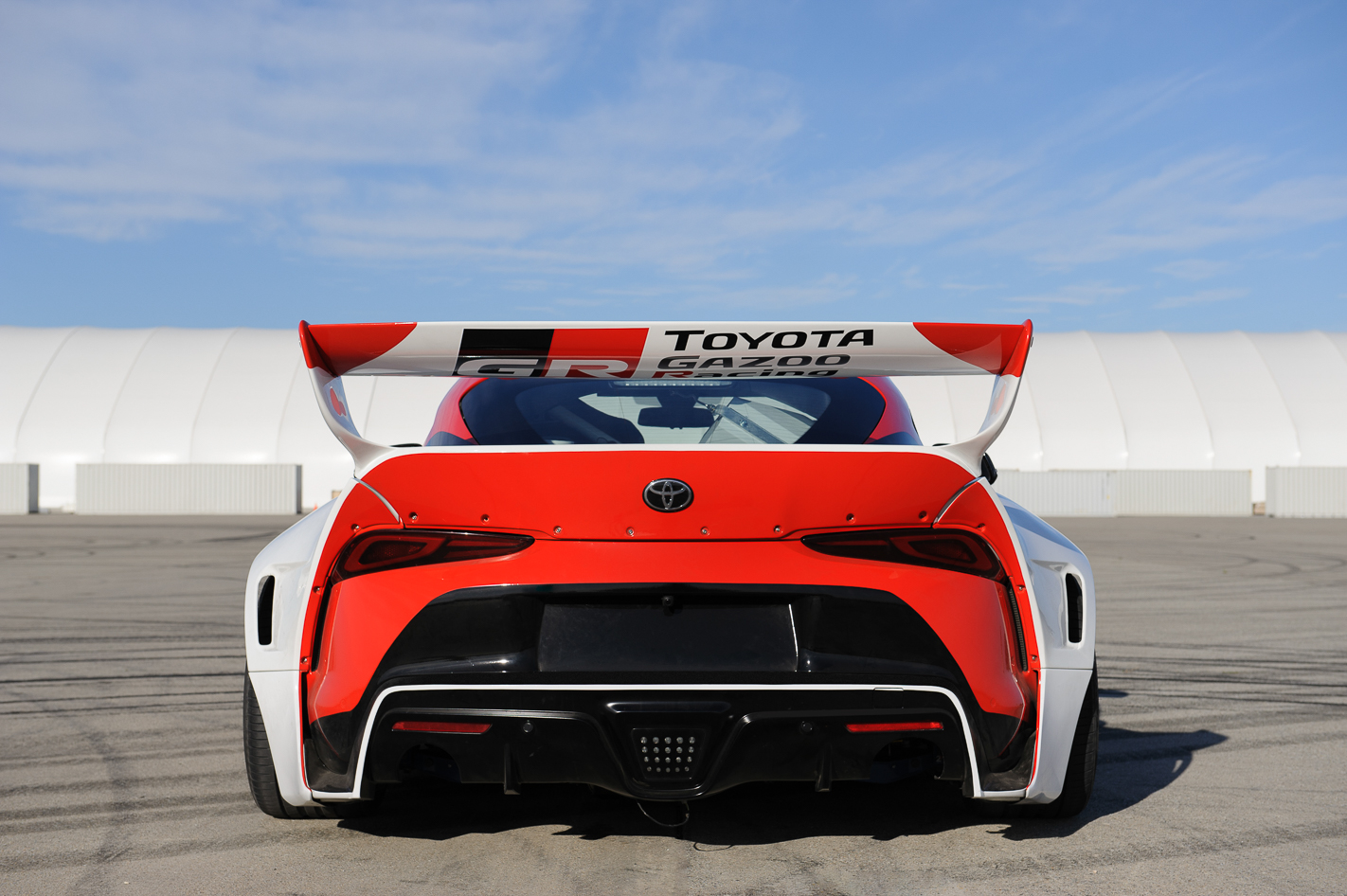
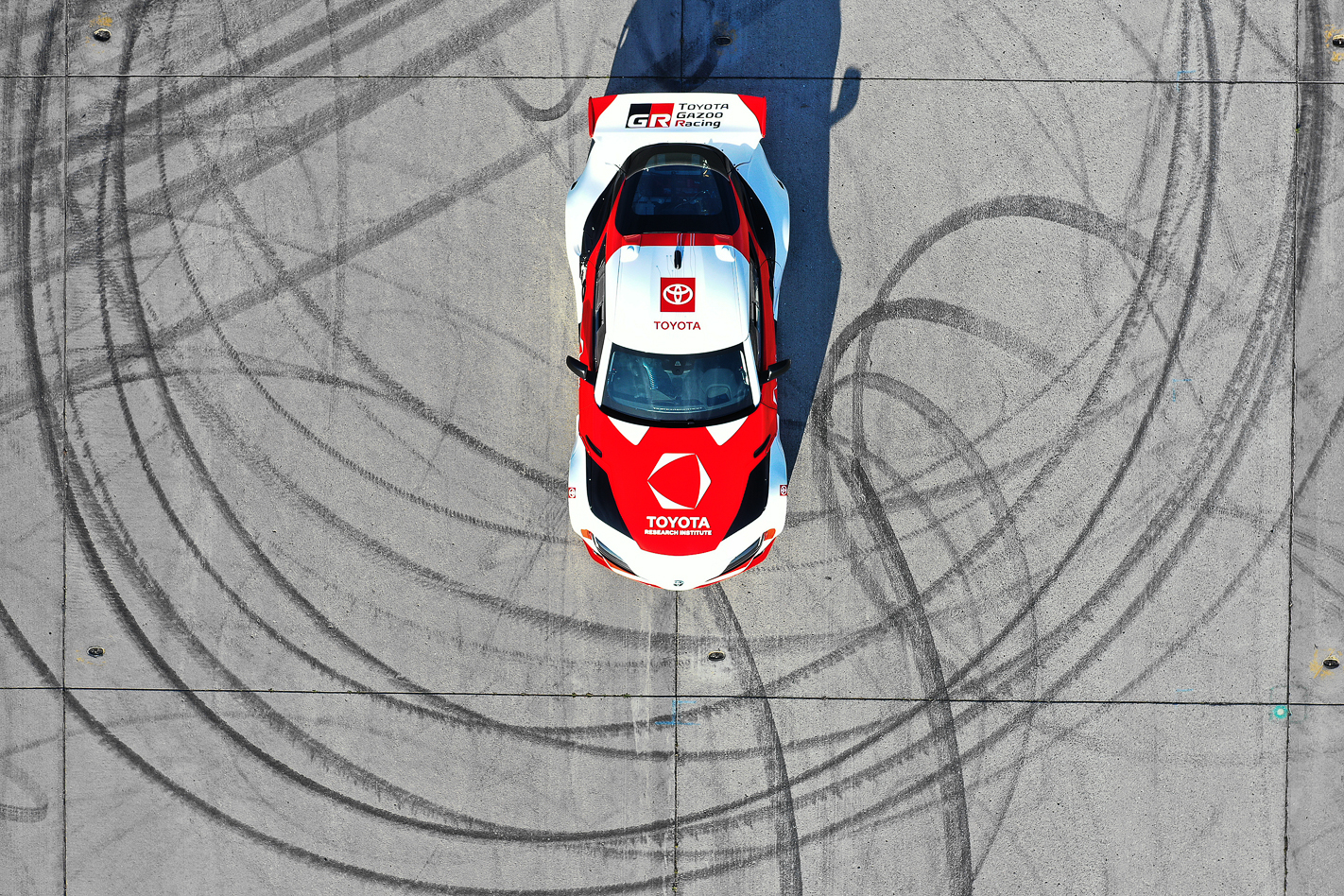
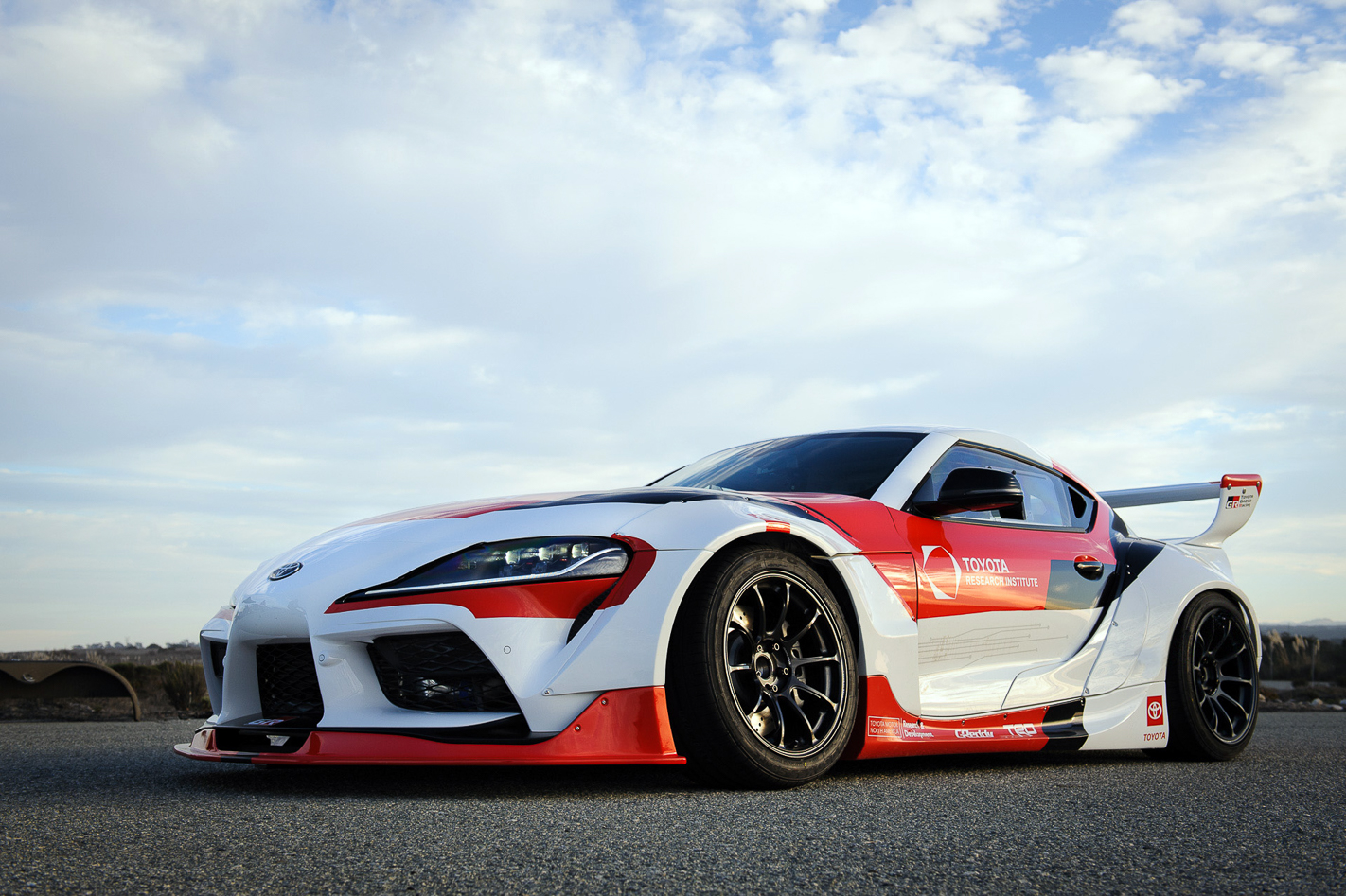
Toyota has partnered with Stanford University in America to create an autonomous drifting Toyota Supra to showcase and develop its advanced driver assistance features.
The prototype can hold a respectable slide without driver intervention and was jointly-developed between Stanford University’s Dynamic Design Lab, which created the self-drifting Delorean DMC-12 in late 2019, and Toyota’s Research Institute (TRI).
Toyota Racing Development was said to play a part in making the widebody GR Supra into a drift machine, though no technical upgrade details were divulged.
More than just a showy boast of Toyota’s programming power, the self-drifting Supra was designed to morph the handling instincts of professional drivers and automated driving tech. The goal is to use the learnings from this study to further develop Toyota’s active driver assistance features to avoid crashes.
“What if every driver who ran into trouble had the instinctive reflexes of a professional race car driver and the calculated foresight of a supercomputer to avoid a crash?” the Toyota Research Institute asked.
Stanford University’s involvement brings the tech from its drifting Delorean experiment to the GR Supra, which is capable of controlling the rear-wheel-drive sports car’s brakes, steering and acceleration to produce a controlled drift.
Toyota notes that while most crashes occur in mundane situations, other scenarios can involve manoeuvres that exceed the “normal limits of handling”. In those circumstances, Toyota wants to develop a car that can catch a slide with little to no driver intervention – which is the reasoning behind the self-drifting prototype.
“The reality is that every driver has vulnerabilities, and to avoid a crash, drivers often need to make manoeuvres that are beyond their abilities,” said Toyota Motor Corporation chief scientist Gill Pratt.
“Through this project, TRI will learn from some of the most skilled drivers in the world to develop sophisticated control algorithms that amplify human driving abilities and keep people safe.”
Toyota hasn’t said how close the technology is to finding its way into its production cars, though insists the tech will be “shared so broadly that Toyota and other auto manufacturers can deploy it on the road.”
If nothing else, it makes for pretty entertaining viewing for the time being.
NOW WATCH Tesla Model S goes drifting
We’ve got a challenge for any performance car worth its salt. If you think you have what it takes, it’s time to take part in the 2021 MOTOR Shootout.
What is The Motor Shootout? It’s a no-frills hot lap challenge that sorts the true track heroes from the wannabes.
With a professional racing driver at the helm, we’ll be putting the fastest cars in the country through their paces in a closed course environment.
The location of the MOTOR Shootout will be Winton Raceway, with the 3.0km circuit being well suited to testing the current crop of road cars.
It presents a suitable technical challenge for each of our contenders, without favouring one type of vehicle.
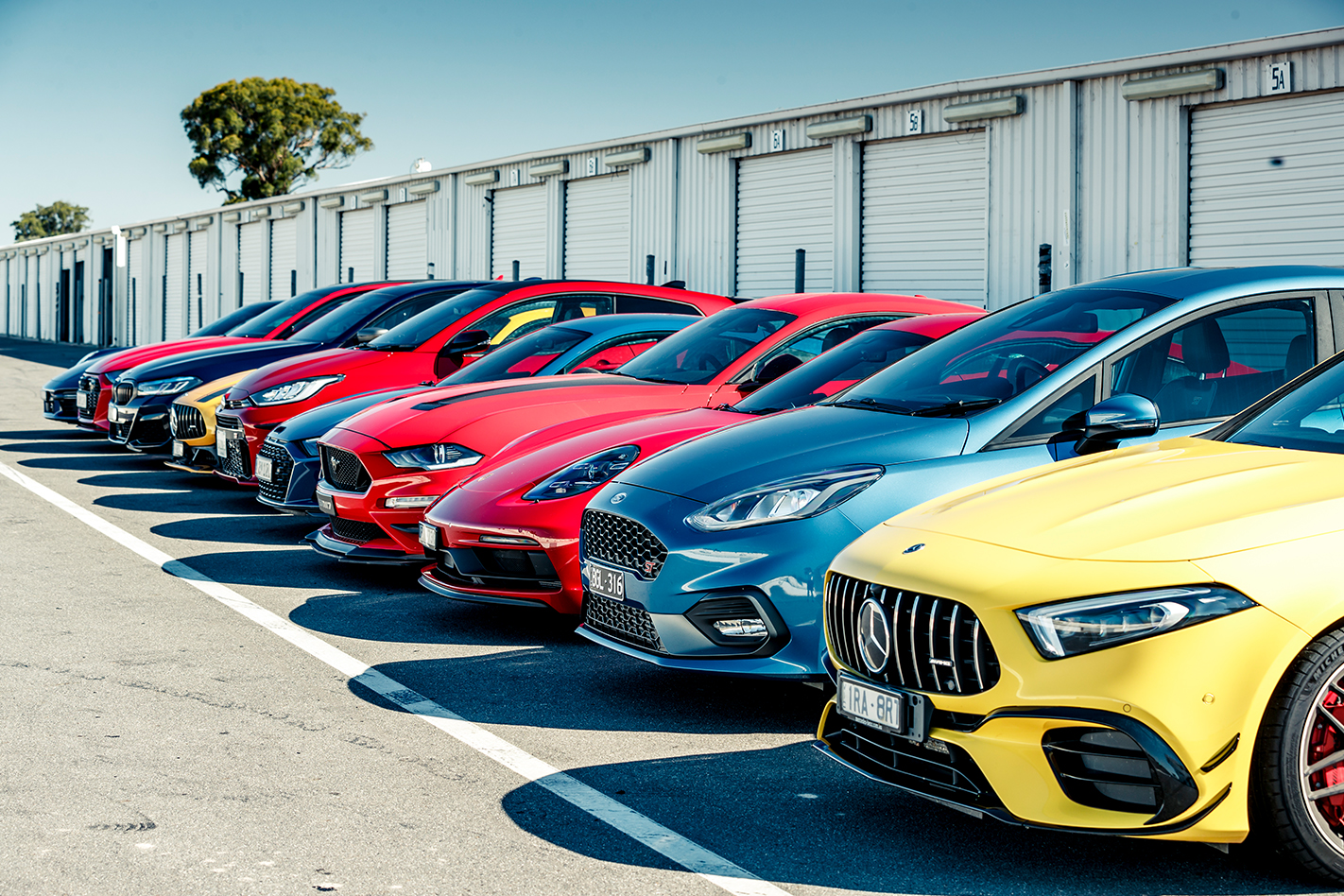
The first cars to take part in The Motor Shootout are our 2021 Performance Car of the Year contenders, including big hitters like the Porsche 911 Turbo S, Mercedes-AMG GT R Pro, and Audi R8 – along with more accessible and affordable performance pocket rockets like the Toyota Yaris GR and Ford Fiesta ST.
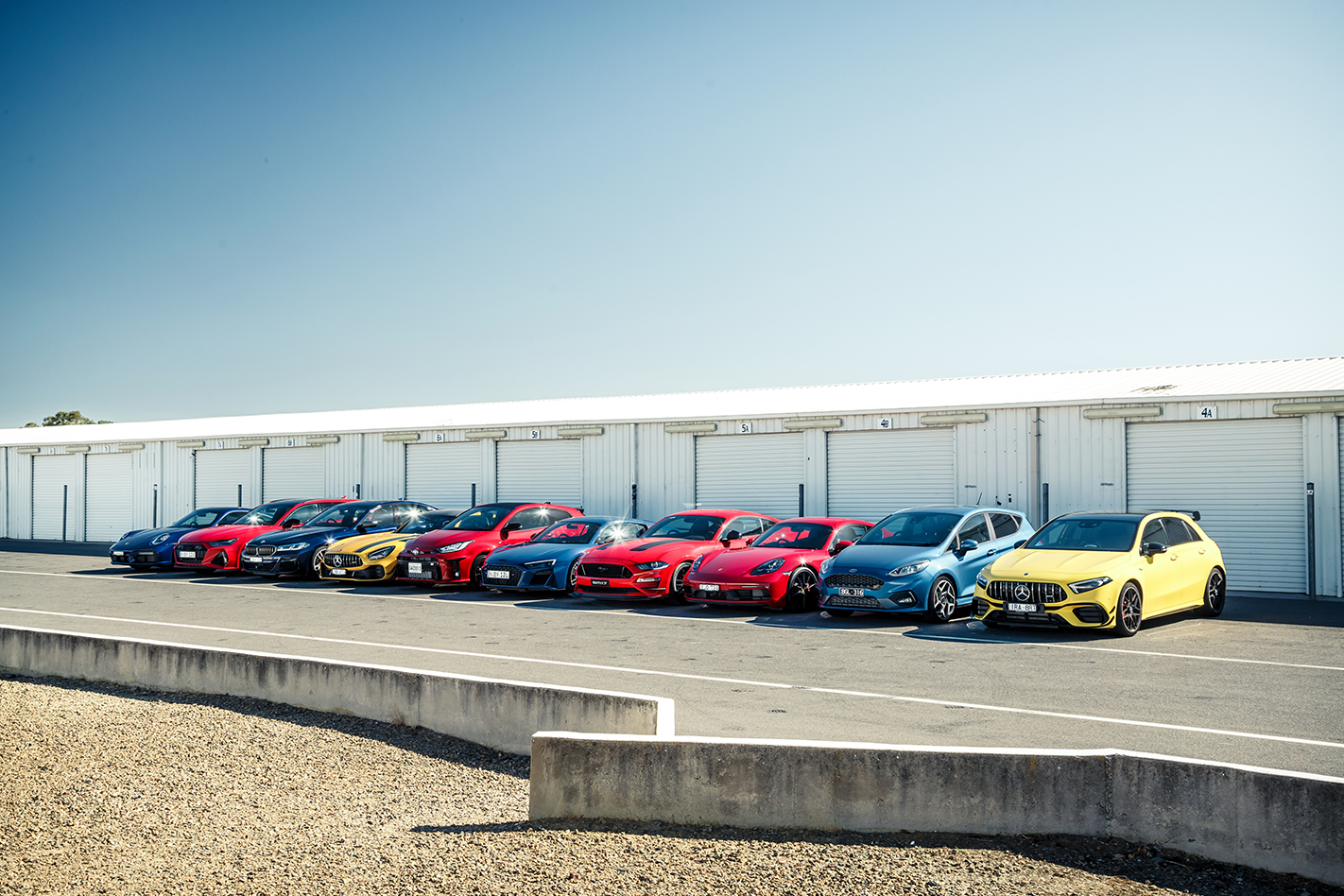
Want to know if a BMW M550i can keep up with a Porsche Cayman GTS 4.0? How close is a Yaris GR to a Merc-AMG A45 S around one hot lap? The Shootout is the challenge for you.
It’s not just our PCOTY contenders that will be getting a track workout, either.
Throughout the year we’ll be returning to the track on a regular basis with a fresh batch of contenders to see how they stack up.
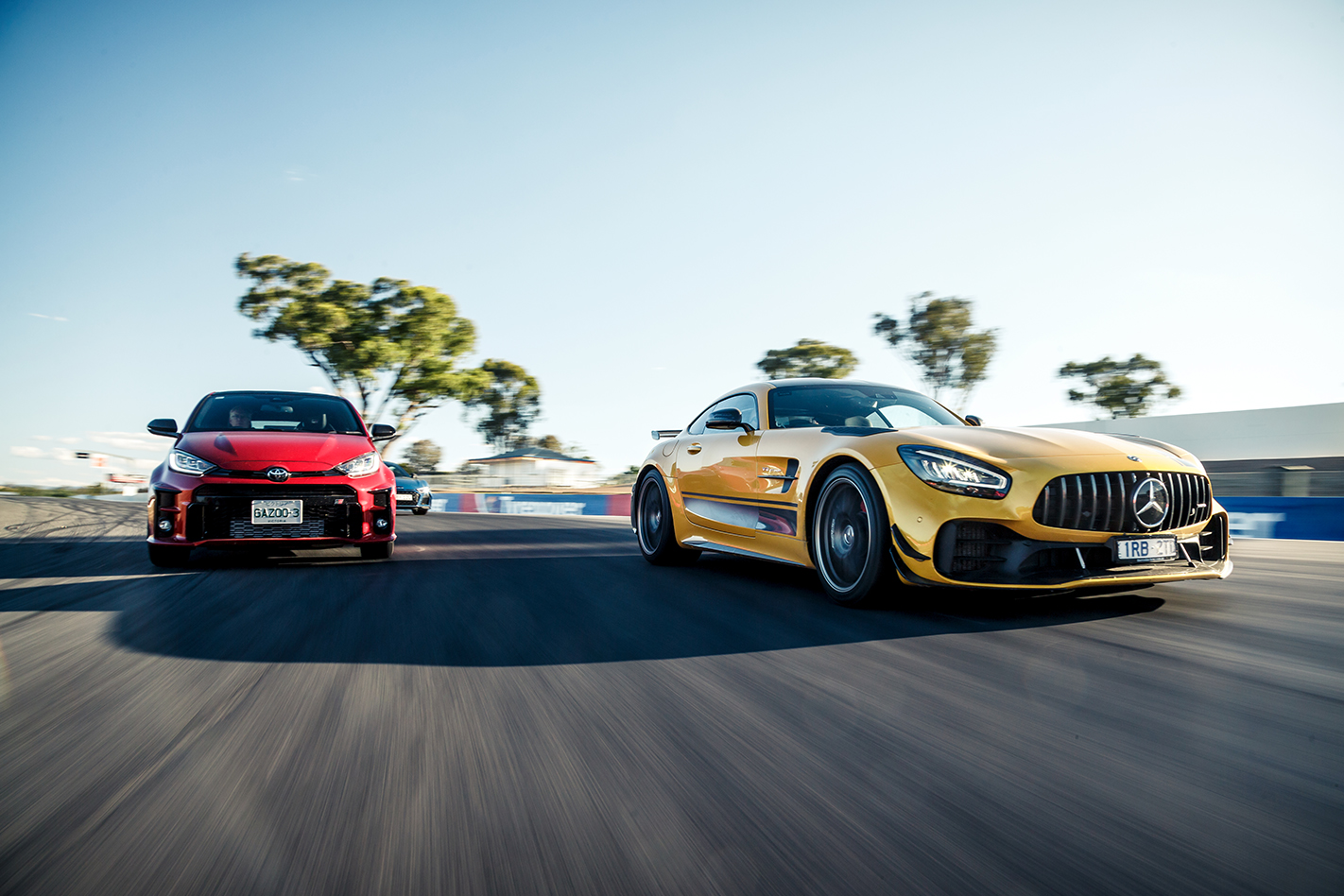
The rules are wonderfully simple. Each car will be given the same chance to perform at the hands of a gun professional racing driver.
There will be two timed laps back-to-back, the best of which will become that vehicles time in The Shootout leaderboard.
We’ll be posting the fastest lap of every contender to our YouTube page, so make sure you subscribe to keep up to date.
Check back here regularly to see where your favourite performance car ranks on The Shootout leaderboard.
2021 MOTOR Shootout leaderboard
- Audi R8 V10 Performance: 1:32.9 – watch the video here!
- Herrod Ford Mustang SM17: 1:33.7 – watch the video here!
- Mercedes-AMG A45 S: 1:34.9 – watch the video here!
- BMW M550i: 1:35.4 – watch the video here!
- Audi RS6: 1:36.2 – watch the video here!
- Ford Fiesta ST: 1:43.7 – watch the video here!
Turn your speakers up and enjoy the sounds of Audi’s glorious 5.2-litre naturally aspirated V10 tearing around the racetrack, as the Audi R8 V10 Performance turns in its timesheet for the 2021 MOTOR Shootout.
With professional racing driver Karl Reindler at the helm, the Audi R8 was rigged up with GPS telemetry and given two laps to set the best time possible around Winton’s technical 3.0km layout.
The Audi R8 V10 Performance has the honour of putting the first time on The Shootout leaderboard.
With 449kW and 560Nm, the mid-ship supercar posted a fastest time of 1:32.9 at a hot Winton raceway.
“It’s a different feeling to the other cars here, although very similar in lap time to the rest of the pointy end of the grid here,” Reindler reported after his two-lap blast.
“This is probably – believe it or not – the most lively of all the cars that I’ve driven here today. It does move around a lot and it’s got huge amounts of power.
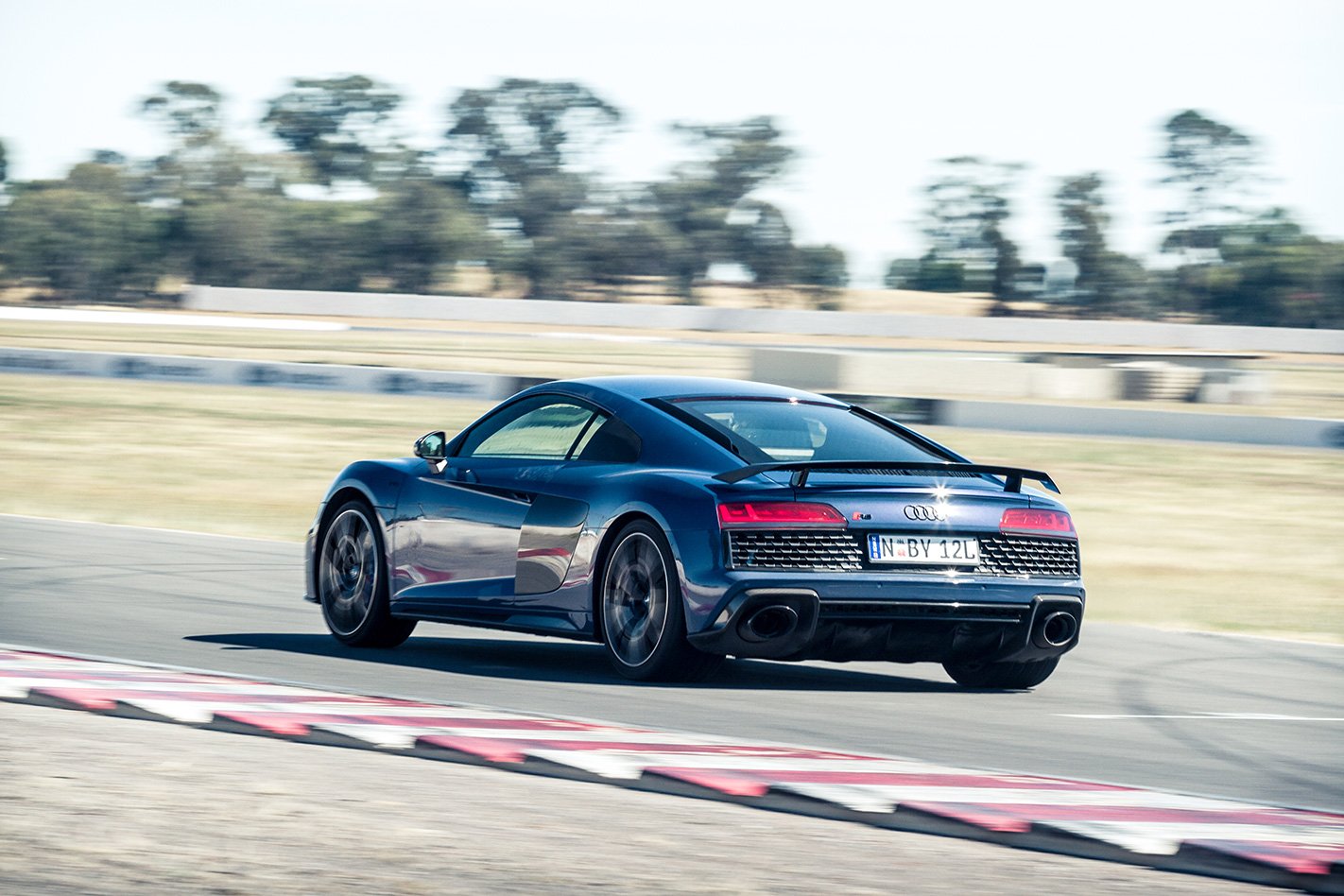
“Even though it’s got the Audi quattro system that we know really well, it has no issue turning the tyres off the exit of some of those corners. I had to be quite careful not to oversteer on power down which is a testament to the amount of power they’re putting out of these things at the moment. A lot of fun!”
High praise for Audi’s enduring V10 supercar, but how will the rest of the field compare?
As the first cab off the rank, the R8 has secured its place at the top of The Shootout leaderboard…for now.
The full 2021 Performance Car of the Year field will take part in The Shootout, with the Mercedes-AMG GT R Pro and Porsche 911 Turbo S set to challenge the R8’s reign at the top.
A sign of the times, the R8 V10 was also the only naturally aspirated contender in this year’s field.
We’ll be releasing a new hot lap shootout each week, so make sure you don’t miss out by subscribing to the MOTOR YouTube channel!
I was going to dedicate this column to the 2021 Car of the Year, but while I was booting up the laptop and sipping my morning coffee, BMW dropped a bombshell.
If you haven’t yet cast your eyes over the new all-electric BMW iX, please take a glance at the image below, though doing so should carry a gentle warning: ‘May cause visual discomfort’. That such a charmless, overwrought and bloated vehicle could come out of the same design studio that gave us timeless stunners like the E46 M3, the E28 M5 and the truly gorgeous M1 is difficult to comprehend.
BMW’s design department is exploring a strange new direction (and I’m not just talking about the huge kidney grilles), though what’s more worrying is that the Bavarian brand isn’t alone. For many, today’s top design priority seems to be to simply stand out – hence the focus on grilles, creases and scoops – and to hell with the cost.
Typically I prefer to avoid discussing how cars look simply because it’s so subjective (and that’s a core part of what makes cars so interesting), but lately I’ve been asking myself the same question with worrying frequency: where have all the beautiful cars gone?
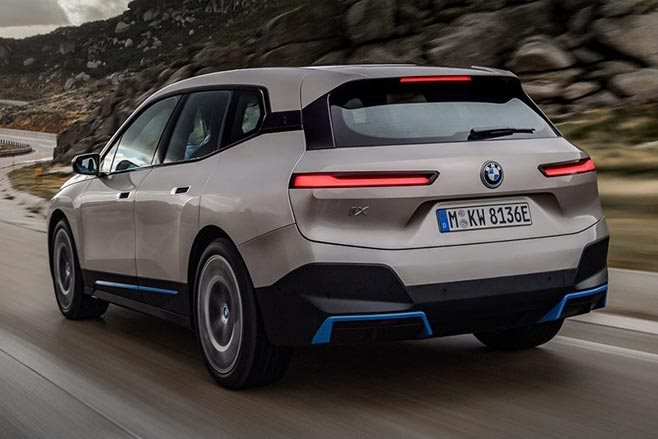
Think about it. When was the last time you saw a brand-new car and thought, ‘Phwoooar, they’ve got that right’. There are plenty of striking cars (AMG GT Black Series, Bugatti Bolide), and nearly everything is aggressive (even a Toyota Camry looks angry these days), but I’m talking about genuine beauty in the vein of a Ferrari 250 GTO, a Lamborghini Miura or an Aston V12 Vanquish. If you ask me, that’s thin on the ground.
Part of the problem is that the scourge of the SUV has made a designer’s job much more difficult. “It’s hard to make a beautiful SUV,” I was once told by a global design boss during an off-the-record chat in a hotel bar, “but it’s easy to make an interesting one”. That’s a crucial distinction. With little room to manoeuvre when it comes to proportions and an ever-increasing need to stand out in an over-crowded market, designers have instead turned to shouty, over-sized grilles and overwrought styling. Apparently, an elegant SUV simply won’t get noticed.
And good luck trying to make a dual-cab ute beautiful. Where Holden and Ford once did a tremendous job with the humble Aussie ute, which were effectively coupes with trays, today’s fleet of 4x4s presents a far tougher challenge. Tighter global design and safety regulations play a part too and have stolen the freedom to create cars with airy glasshouses and super-thin pillars.
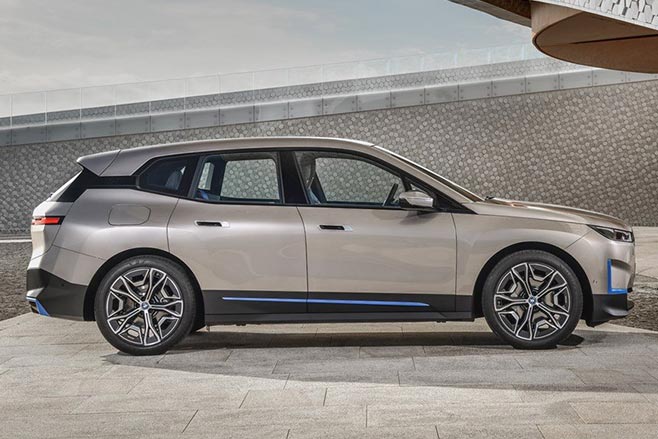
Still, there are some bright spots out there. The Ferrari Roma is a lovely thing and the new Land Rover Defender is a lofty example of excellent product design. Jaguar, too, seems to have mostly sidestepped the temptation to adorn its fleet with creases, flicks and gurning faces.
But back to BMW. This isn’t the first time the brand’s design department has come over all controversial. Remember the Bangle era? When they first lobbed they were not received warmly, yet time has been kind to Bangle’s creations. And there are some truly captivating models in the current BMW range. The 5 Series is a handsome beast, for example, and I still rate the M2 as one of the best sports cars on sale.
But will we look back at something like the iX with the same affection? I have my doubts, mostly because of another thing that global design boss told me. “Enduring beauty is no longer the top priority,” he sighed. “It’s all about needing to sell cars now.”
That sounds worryingly like a false economy to me. Here’s hoping it’s just a phase.
Italian coachbuilder Ares has pulled the wraps off its latest creation, a privately commissioned Tesla Model S convertible.
While Ares is not the first to chop off a Model S roof, it’s one of the most qualified for the job; its curriculum vitae includes the Pantera-inspired Project Panther supercar and the 522kW V8 powered S1.
The roof isn’t the only thing deleted from this particular Model S, either, since engineers have also removed the rear doors to make way for longer front doors.
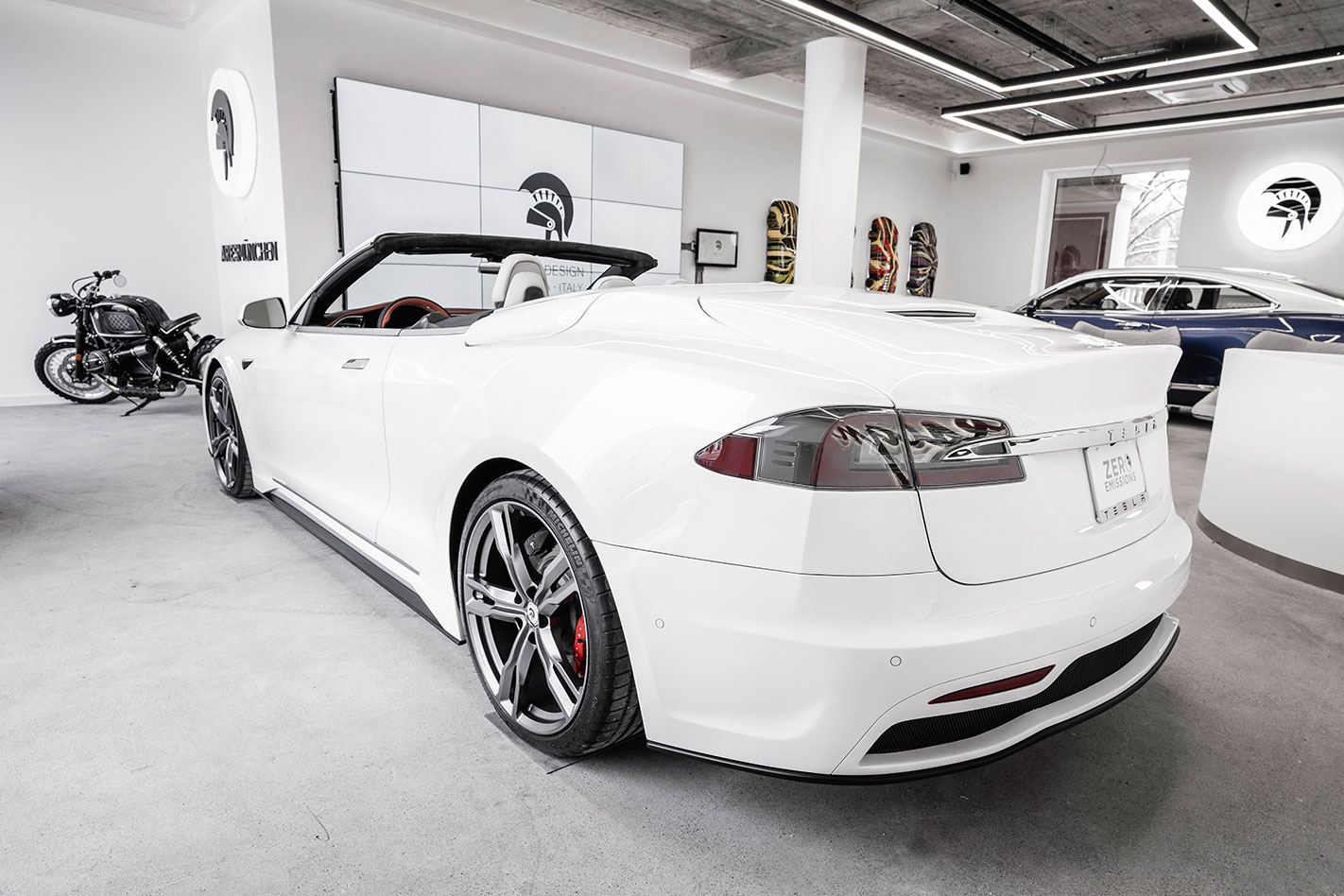
Providing the structural rigidity crucial to handling is extra strengthening on the side members and underneath the cockpit, Ares Design says.
Now that its interior is reconfigured, Ares has also completely re-upholstered the cabin, especially at the rear which is now accessed through the front. The roof lining, meanwhile, is finished in a dark Alcantara.
As a finishing touch, Ares Design fitted the convertible Model S with a carbon fibre aero kit, adorning the side skirts, rear bumper and front lip with a new aggressive design, while the rear boot features a ducktail lip spoiler. New wheels feature, as well.
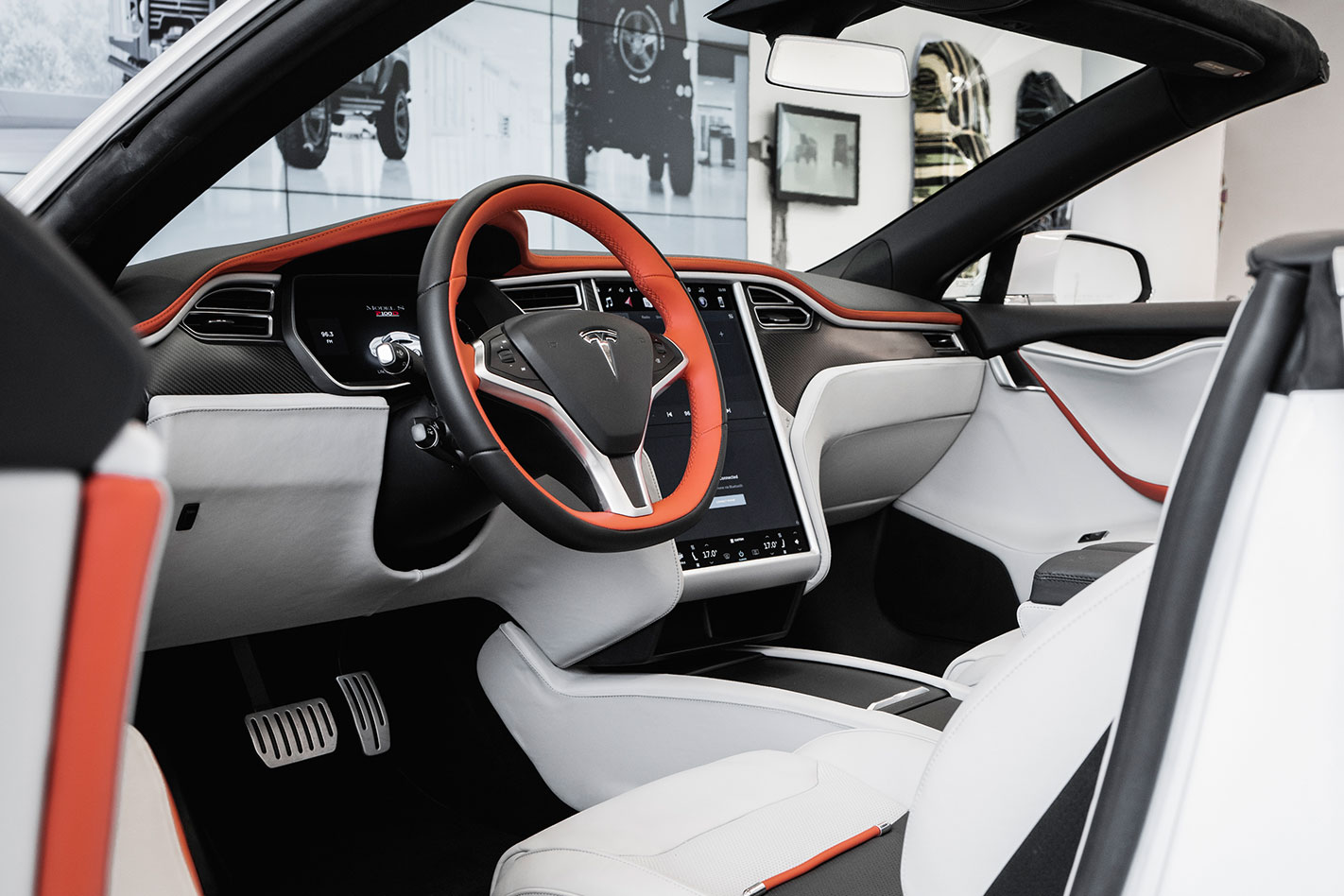
“This Tesla project is a superb example of this; it was a pure coachbuilding project which we very much enjoy doing and seeing the results of our uncompromising standards.”
Bahar founded Ares with Dubai-based business partner Waleed Al Ghafari, attracting multinational investors to the brand’s concept-to-creation service.
It’s not the first car to come out of the operation; the eye-wateringly expensive Lamborghini Huracan-based Panther program has yielded 21 orders, claims the company, at a price tag north of $800,000 before the donor car is factored in.
The price on Porsche Taycan ownership in America has just dropped, thanks to a rear-wheel-drive model being announced for arrival in March.
The Porsche Taycan RWD has been on sale as a base variant in China since mid-2020, with America the next country to take delivery of the rear-wheel-drive luxury EV.
And if you’re discouraged by the Taycan 4S’s $190,400 sticker price when the model range launches here next month, WhichCar understands Porsche could introduce the Taycan RWD here as early as next year.
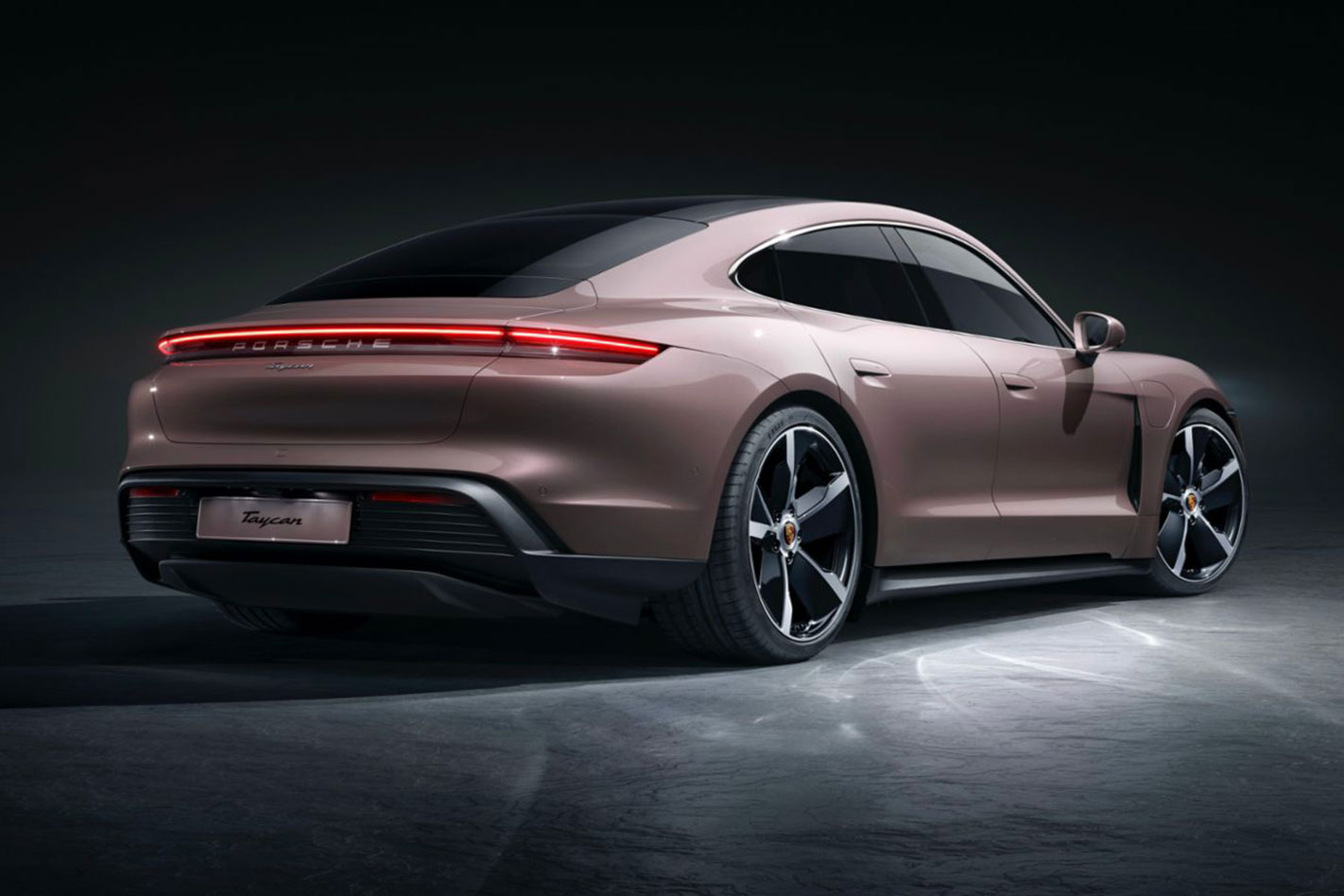
As for how much you might save? In America, the RWD drops the Taycan’s base price by US$23,900 (AU$30,946) below a 4S when equipped with the standard battery.
The price gap is even wider in China, where the 4S costs 260,000 Yuan (AU$52,032.87) more than the base Taycan.
Currently, the 4S costs $190,400 in Australia, so the entry-level price could potentially fall below $150,000 for the rear-wheel-drive version.
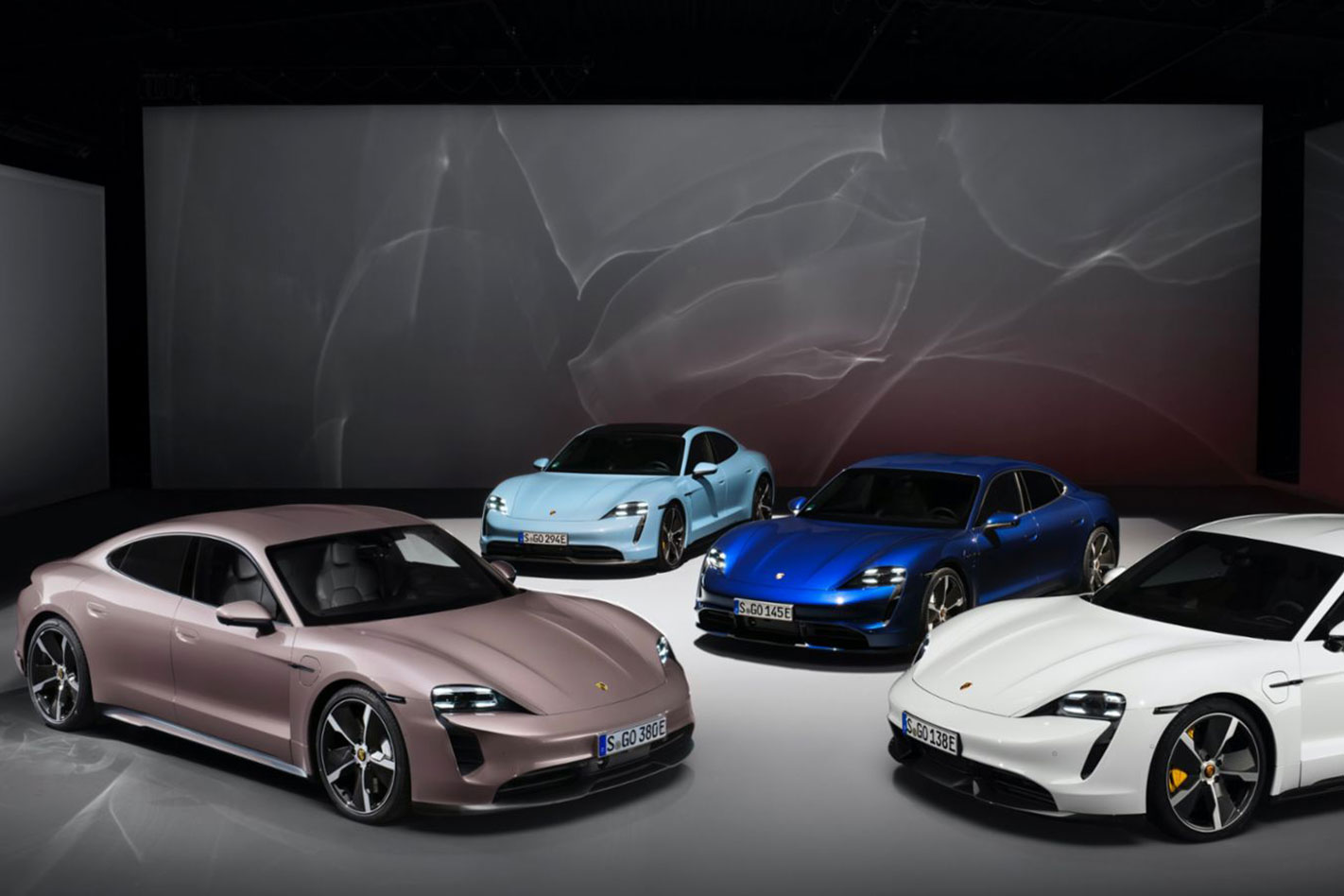
Upgrade to the 93.4kWh Performance Battery, however, and power jumps to 350kW while acceleration and the top speed, set at 230km/h, remain the same.
For reference, the Taycan 4S, using the same battery, accelerates to 100km/h from rest in 4.0 seconds, but its range is hampered by a 98kg weight penalty.
The range for the Taycan RWD sits at 414km on the New European Driving Cycle, and up to 489km with a performance battery.
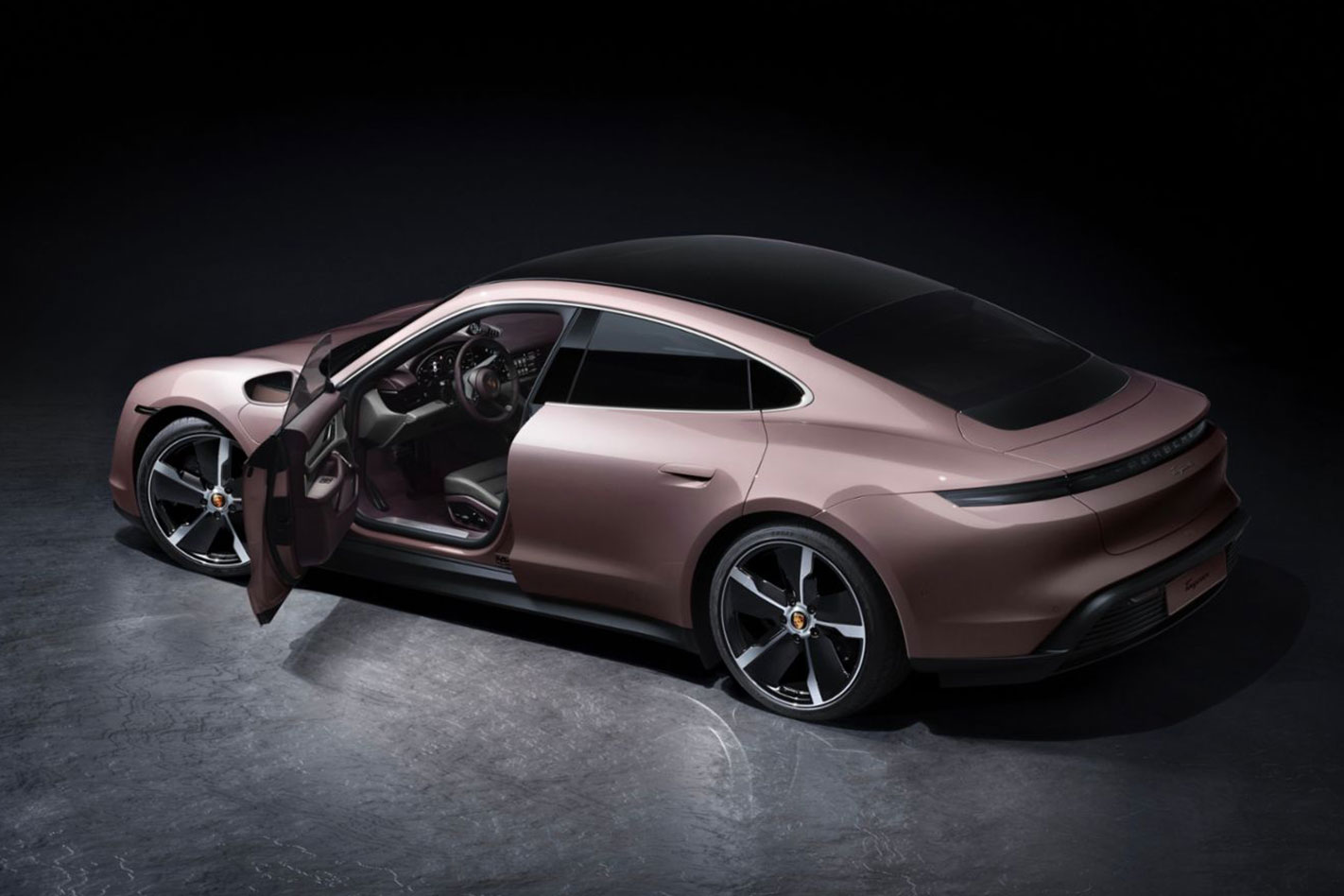
Stay tuned for more info about an entry-level Taycan over the coming months.
Mercedes-Benz will debut its second all-electric model in Australia with the EQA compact SUV arriving mid-2021.
The Mercedes-Benz EQA represents an expansion of the EQ model range and will sit below the GLC-Class-based EQC in size, price and performance. Multiple EQA models are expected, including longer range and higher output versions.
Closely related to the GLA, itself a spin-off from the A-Class, the EQA 250 comes with a 145kW electric motor which Mercedes-Benz claims is good for 0-100km/h in 8.9 seconds. It is limited to a 160km/h top speed.
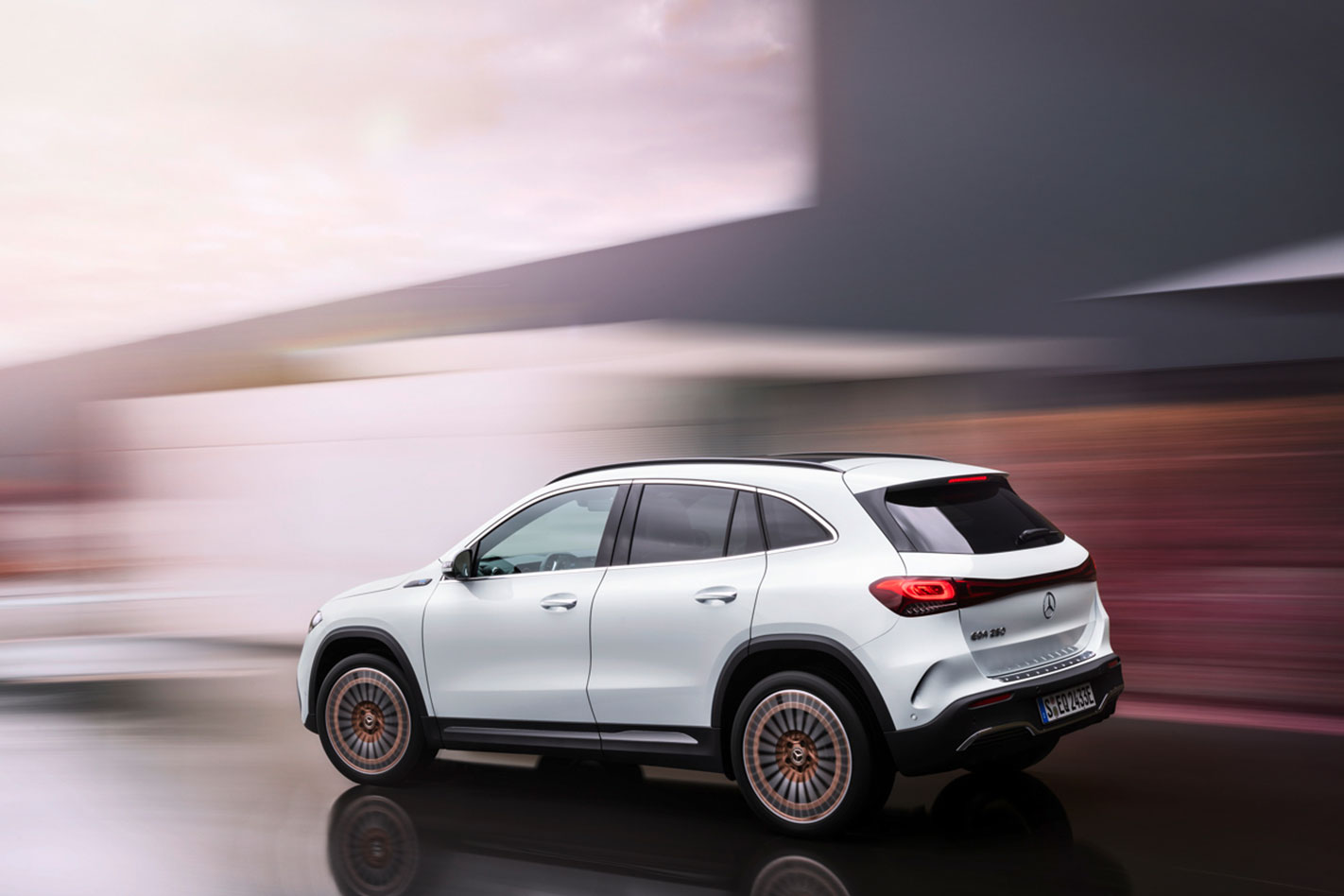
Under Worldwide Harmonized Light Vehicle Test Procedure guidelines the range falls to 426km, which is still impressive considering the EQA weighs 1965kg, 447kg more than the GLA.
Mercedes-Benz claims it has found range improvements compared to the EQC through “systematic efficiency in all vehicle components”.
For example, heat from the electric motor is used for warming the cabin, rather than drawing additional current from the battery.
The EQA has an impressive 0.28Cd aero drag figure, which comes close to matching a carefully honed supercar like the Nissan GT-R which is rated at 0.26Cd.
Even the navigation system can plot the most electric-friendly and fastest routes, accounting for charging times.
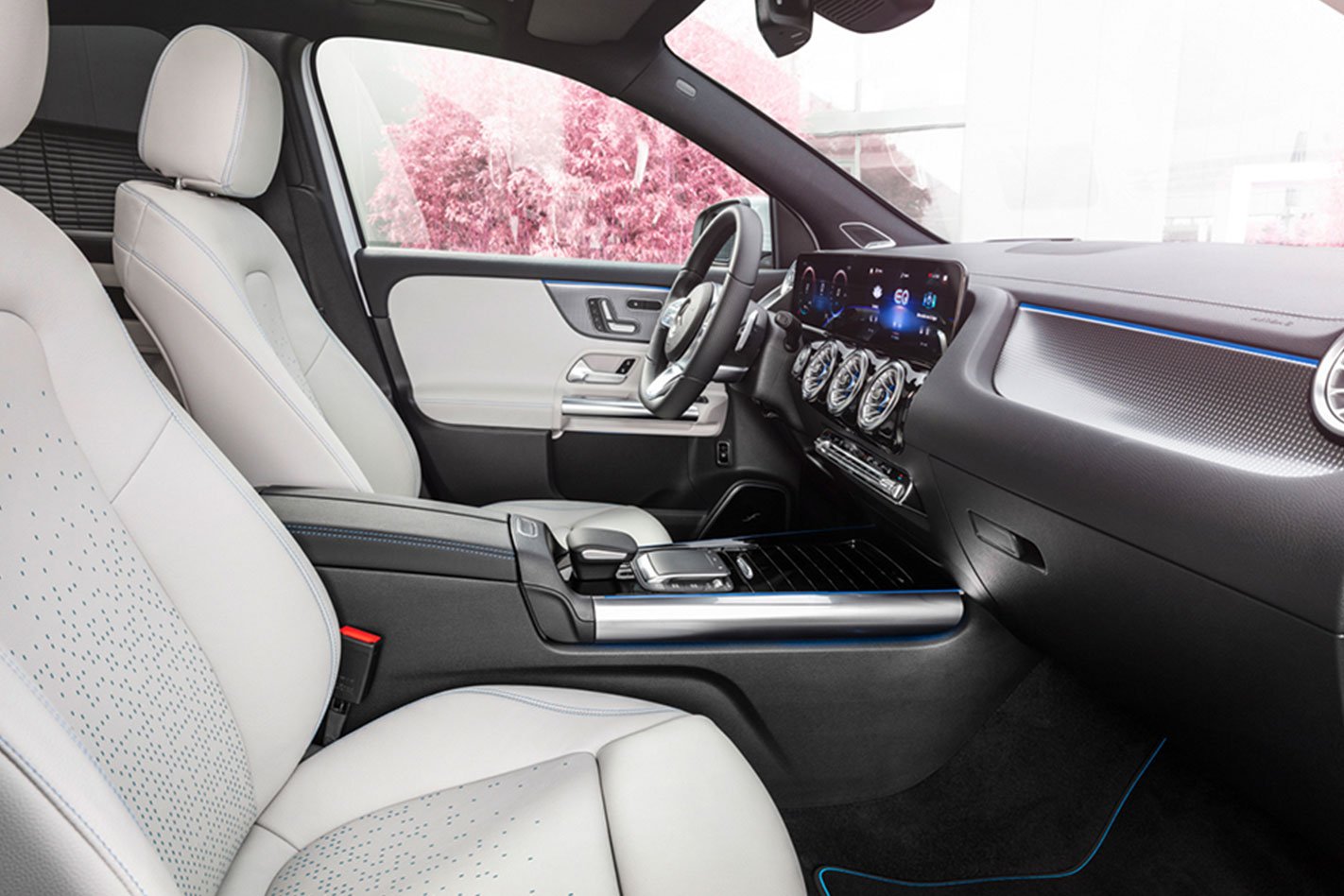
You’ll be able to tell an EQA from the GLA thanks to the rose gold-coloured highlights on its vents, seats, key and 18-inch wheels.
Other differentiators include aero spoilers at the rear and a specially designed panel in the front grille, as well as light strips at either end.
Edition 1 models feature blue treatment inside and special perforated leather.
Production will be in Rastatt, Germany, while batteries will come from Jawor, Poland, and subsidiary Accumotive in Kamenz will build its battery systems.
Chinese-market models will be built in Beijing.
As for price, the EQA 250 begins at 47,740 Euros (AUD$74,822) in Germany, which would fly under the Australian government’s $77,565 threshold for fuel-efficient vehicles when converted.
Mercedes-Benz says it will have details on Australian pricing and specification closer to its mid-year arrival.
A quarter of Australian drivers admit to regularly exceeding the speed limit and just 39 per cent rated themselves as good or very good drivers, according to a survey commissioned by dash-cam manufacturer Nextbase.
The survey of 1014 drivers also found that 17 per cent deliberately drive through amber traffic lights and seven per cent admit to using their phone while driving.
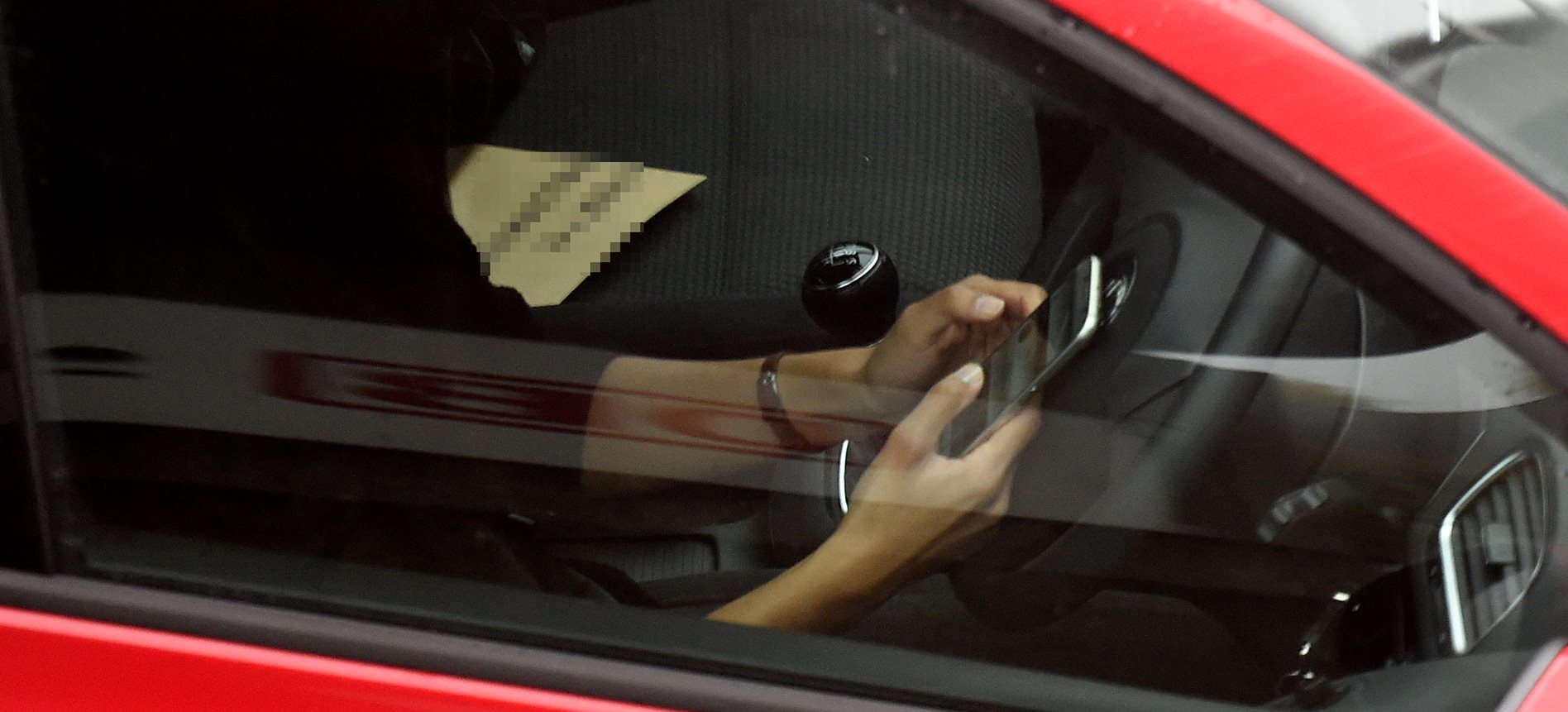
Meanwhile, 21 per cent of respondents revealed they had been in an accident during the last three years.
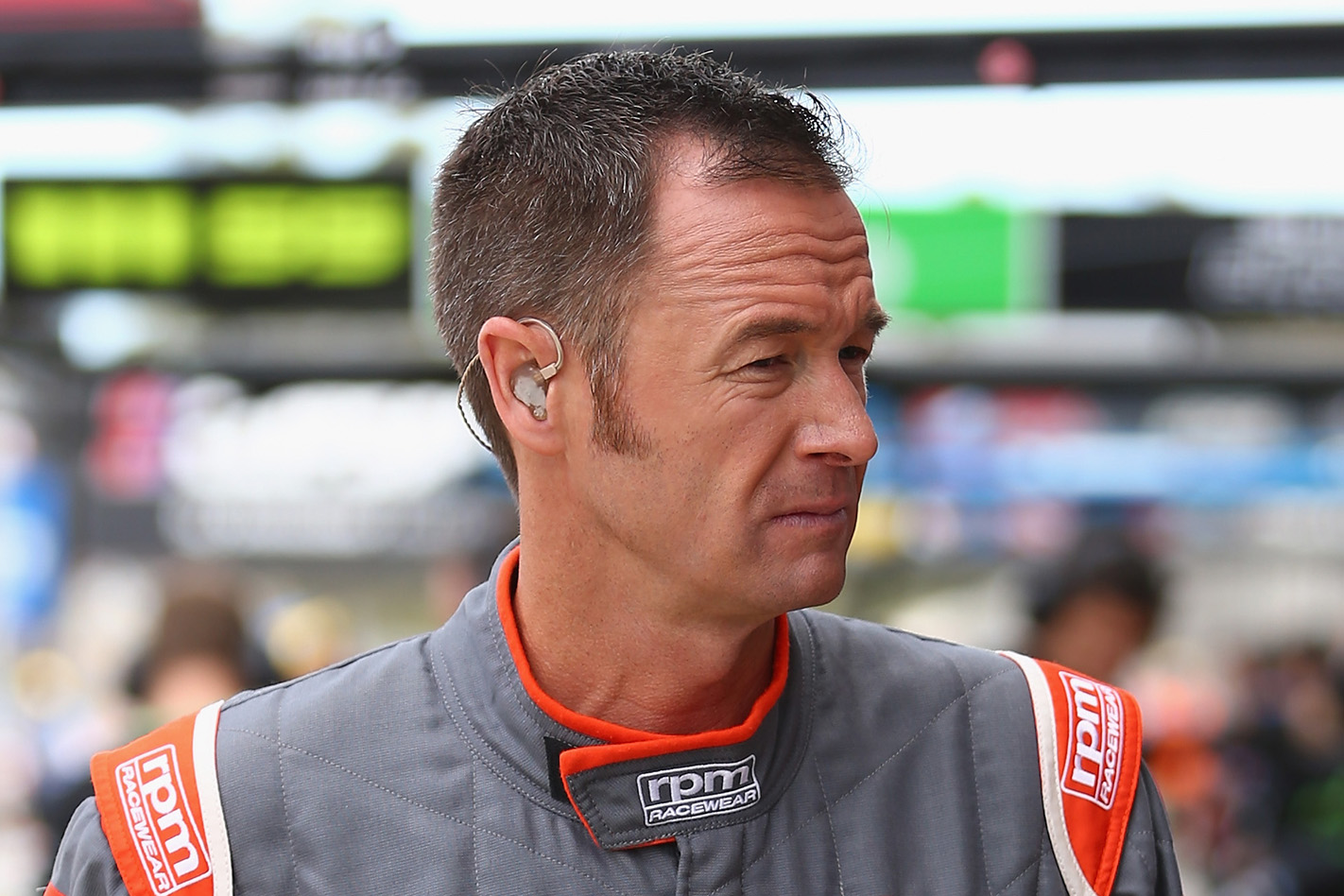
NextBase ambassador, four-time Bathurst 1000 champion and road-safety advocate Greg Murphy (below) said that the survey responses were extremely concerning.
“It’s alarming that people continue to make these poor decisions whilst driving, despite being acutely aware of the potential consequences,” the Kiwi ace said.
“The implications of their actions can be absolutely catastrophic – it simply isn’t worth it. Behaviours need to change, and they need to change fast.”
Murphy’s comments were echoed by Australian Road Safety Foundation (ARSF) Founder and CEO Russell White, who said the survey showed there is much to be done in educating road users on the importance of their choices.
“Road crashes occur when a series of things line up at the same time to cause a collision – in many cases, these incidents are the result of bad habits,” White said.
“We need to make better decisions and improve what we do when we’re on the road – this comes back directly to our road safety culture and attitudes.
“Practised daily habits create our overall driving pattern. If that pattern is based on bad habits, then it’s only a matter of time before that behaviour manifests into a situation where a crash occurs.”
NOW READ Mobile phone detection cameras: where are they?
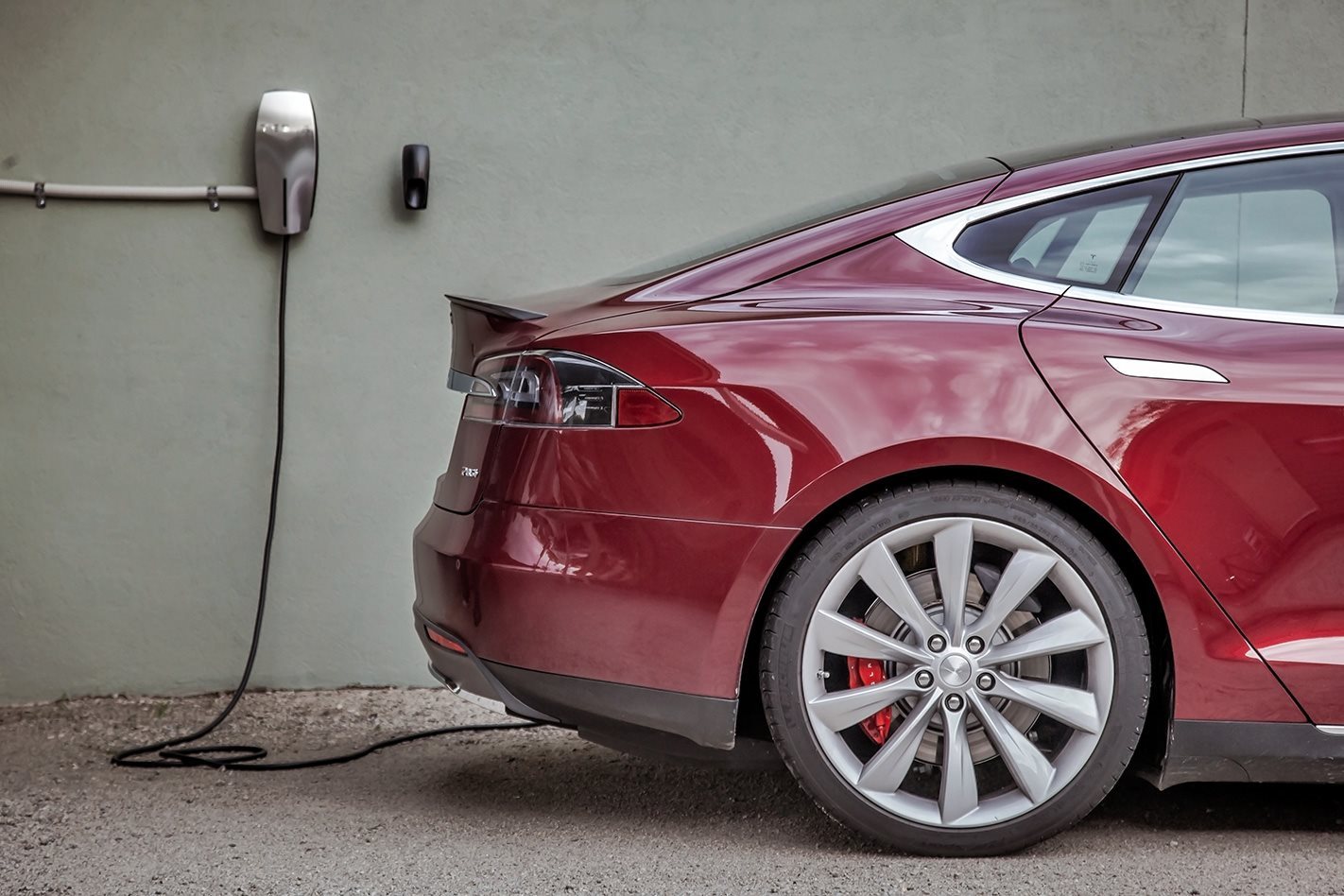
Electric car batteries that can charge to full capacity in five minutes have been developed in a proof-of-concept study that could see the new battery technology adopted by carmakers worldwide.
Created by Israeli start-up StoreDot and manufactured by Eve Energy in China, the batteries charge to 100 per cent capacity about as quickly as it takes to fill up an internal combustion engine’s fuel tank.
This time is based on charging a 50kWh battery, similar to the one you’d find in the base Tesla Model 3, which has a range of about 500km.
By comparison, current high-output fast-chargers are capable of charging some batteries from zero to 80 per cent in 30 minutes, depending on the car.
The so-called extreme fast charging (XFC) technology uses existing lithium-ion batteries but replaces conventional graphite electrodes with semiconductor nanoparticles, through which ions can pass more freely.
There is also far less chance of short-circuiting the battery, thanks to the freer-flowing ion structure.
These first-generation samples use nanoparticles based on germanium, though StoreDot is trying to implement the use of more affordable silicon in its second-generation prototypes that are due later this year.
Importantly, StoreDot says the batteries will not cost more than regular lithium-ion batteries. They are able to be manufactured on existing lithium-ion production lines at Eve Energy, cutting down on costly capital expenditure to create bespoke manufacturing lines.
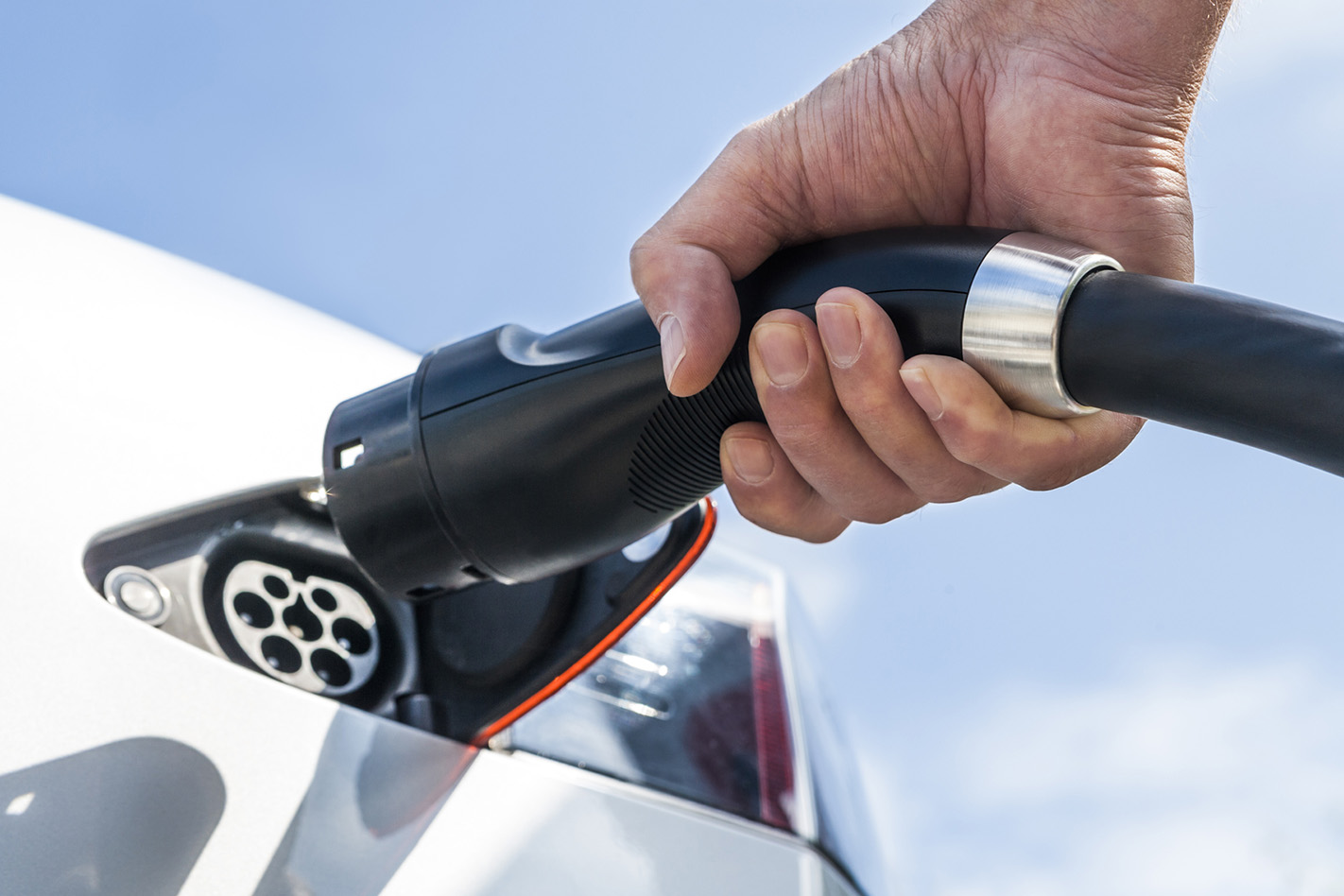
Until now, developing fast-charging batteries has been restricted by battery technology limitations, but the development of extreme fast charging (XFC) batteries has flipped the spotlight onto how fast the chargers themselves can function.
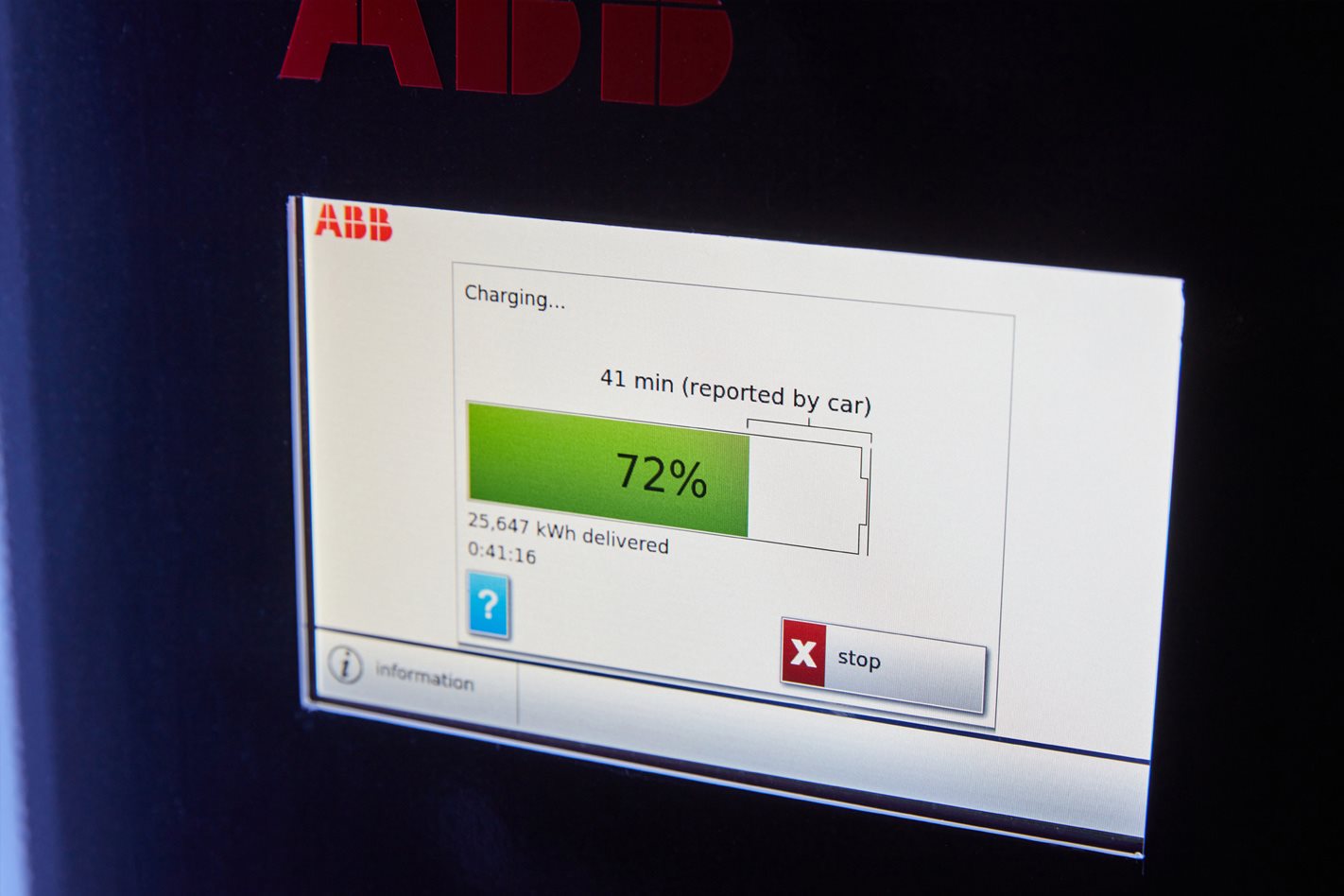
While the batteries could be charged in five minutes, the rate of charge needed would require higher-powered chargers than are currently available.
Using existing infrastructure, StoreDot’s more realistic goal is delivering 160km of range in five minutes.
This level of XFC capability was first tested by StoreDot on electric scooters and drones, but the ultimate goal has always been to supply XFC batteries to carmakers.
“Today’s milestone is just the beginning. We’re on the cusp of achieving a revolution in the EV charging experience that will remove the critical barrier to mass adoption of EVs,” said StoreDot CEO Doron Myersdorf.
“[XFC is moving] for the first time beyond innovation in the lab to a commercially-viable product that is scalable for mass production.
“This paves the way for the launch of our second-generation, silicon-dominant anode prototype battery for electric vehicles later this year.”
StoreDot has secured funding and formed strategic partnerships with companies like BP, Samsung, TDK and Daimler, which will help the start-up deploy its new battery technology across the world when it’s ready to be rolled out at a commercial level.
France has announced that its already severe emissions based taxation system will be revised for 2021, with duties more than doubling in certain cases. The result is that combustion-engined hot hatches could prove to be financial non-starters.
The country that spawned greats like the Peugeot 205 GTI and the Renault Clio 182 has seen increases result in a new Megane RS costing its first owner as much as €10,488 (A$16,523) in carbon dioxide emissions tax above its €40,700 (A$64,121) price tag.
While this might not seem to affect Australia’s market in the short term, it puts a very unambiguous end stop on traditional hot hatch development, and means that new F1 team Alpine will need to commit to ultra-low emission plans.
Starting down that path already, Alpine recently announced it has signed a “memorandum of understanding” with Lotus to co-develop an EV sports car.
French cars have traditionally overperformed in their domestic market. Remove that strong local element from the business case and it’s likely that many models wouldn’t stand up purely on export sales.
Peugeot has already withdrawn its performance hatches from sale in Australia and Peugeot Sport has made a commitment to electrification, taking its cue from the technical showcase that is the 508 PSE hybrid.
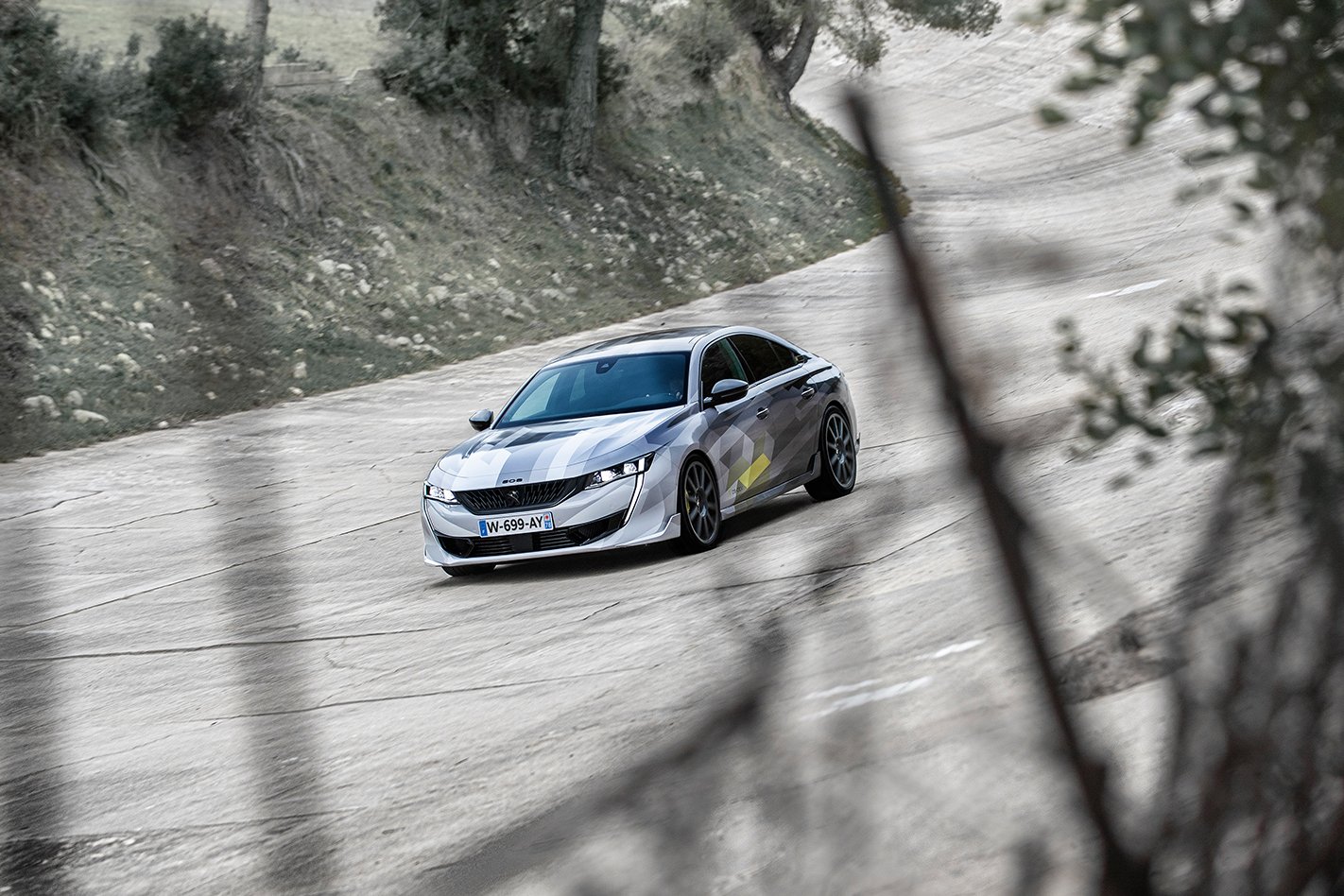
It’s expected that next-gen 208 and 308 GTI models will offer the same hybrid tech to side step emissions taxation.
Plug-in hybrids that can travel 50km on electricity alone also avoid the emission tax.
France has declared war on the big SUV as well, with a tax on vehicle weight set to be introduced in 2022, charging €10 (A$15) for every kilogram over 1800kg. That’d be around a surcharge of €10,000 (A$15,759) on a Nissan Patrol, added to the €29,070 (A$45,811) charge for emitting over 218g/km of carbon dioxide.
Still, it could have been worse. The rate was slated to be €40,000 (A$63,052) for cars producing 225g/km of CO2 which would then rise to €50,000 (A$78,815) in 2022. A rethink by the French government has seen the most punitive taxation put on hold.
Indeed, the French model is one that is being scrutinised in Canberra. An Australia-Europe free trade agreement was due to be finalised in 2020, but Australia’s Luxury Car Tax (LCT) proved a notable bone of contention.
Officials close to the process, which has been set back to 2021 due to the ongoing effects of the coronavirus, claim that abolishing LCT and replacing it with an emissions-based taxation system is one of the European Union’s non-negotiables for a free trade agreement.
On the plus side, any deal would theoretically abolish the five per cent tariff currently levied on European vehicles imported into Australia.
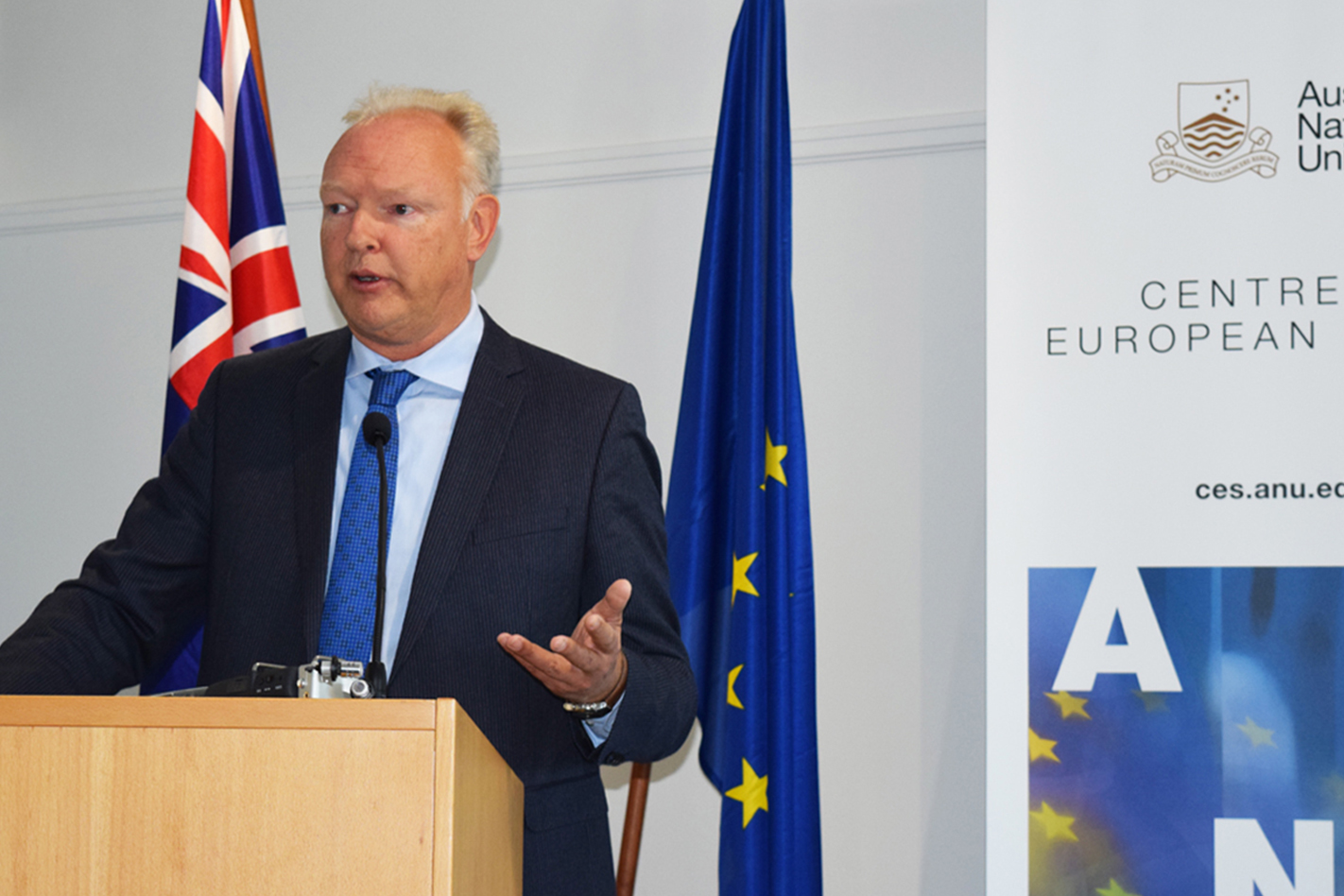
Senior EU trade negotiator Cornelis Keijzer has gone on record claiming the removal of the car tariff and luxury car tax is “one of the key demands on our side”.
Mr Keijzer claimed that the luxury car tax hits European car-makers more than any other exporter and acted as “an extra customs tariff”.
While that could be great news if you’re looking to buy a Porsche Taycan, it would add thousands to the price of a Ford Mustang GT.
Negotiations are ongoing, but given global pressures on vehicle emissions, Australia may find its policy dictated by market forces.