
The GSR badge means a lot to Mitsubishi fans. It has graced many a cracking performance car over the years – some more deserving of its sporting glow than others – though last year’s Mitsubishi ASX GSR small SUV (and now the Triton GSR ute!) proves that prostitution remains rife in Mitsubishi’s marketing department. Black-out visuals aside, they’re not really true to the GSR origins.
What all that does is set the new Outlander PHEV GSR up for failure if you’re measuring it in terms of brand heritage and credibility with Mitsubishi fans. Yet, for once in a modern Mitsubishi, this GSR is more than meets the eye.
There’s plenty of trademark lipstick and tinsel at work here, with gloss-black coating the front and rear bumper skid plates, the door mirrors, roof and roof rails, along with black-chrome on the grille, bumper details and tailgate garnish.
Black 18-inch alloys with machined faces do their best to complete the GSR look’ but there’s no disguising the Outlander’s odd proportions (did you know it shares its 2670mm wheelbase with the much smaller ASX and Eclipse Cross?), cheap detailing and dated aroma.
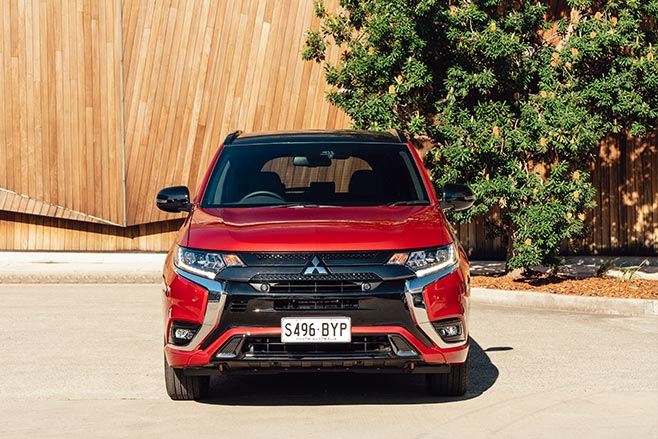
What sets the PHEV GSR apart is its suspension tune. It scores Bilstein monotube front struts with ball-bearing upper insulator assemblies, Bilstein rear dampers and increased front and rear spring rates to justify the black GSR badge on its tailgate. And inside there’s tactile microsuede seat inserts (with leatherette bolsters), an electric driver’s seat, silver stitching and anthracite headlining.
The method to all this madness is that the plug-in hybrid PHEV has long been the best Outlander to drive, capitalising on the low centre-of-gravity benefits of having a 13.8kWh lithium-ion battery embedded in the floor and an electric motor on each axle.
The Bilsteins control body movement well. For a medium SUV weighing 1880kg, the plug-in Outlander sits flat through corners and has a pleasant and even consistency to its steering response. Combined with the silky torque of its battery-boosted drivetrain and the seamless interplay with a modest 94kW/199Nm 2.4-litre petrol four, the PHEV GSR gallops along smoothly.
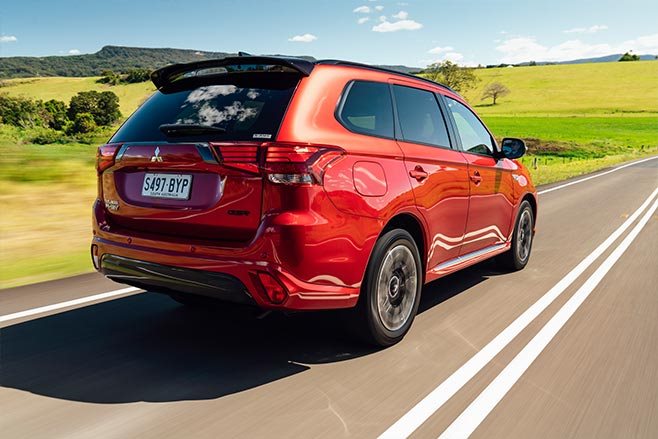
It’s only when really hustled – either out of tight corners or roundabouts, or when maximum overtaking grunt is required – that some rough edges are exposed. The PHEV’s 225/55R18 Toyo tyres let the front end push wide and the petrol 2.4 isn’t quiet when it soars towards its rev peak.
Speaking of rough, there’s the GSR’s ride, which in normal urban driving tolerable if firm. At low speeds on bad roads, it degenerates to poor as various parts of the Outlander’s interior grumble in protest. Yet, even as speeds rise, you remain constantly aware that it’s merely tracing the topography underneath.
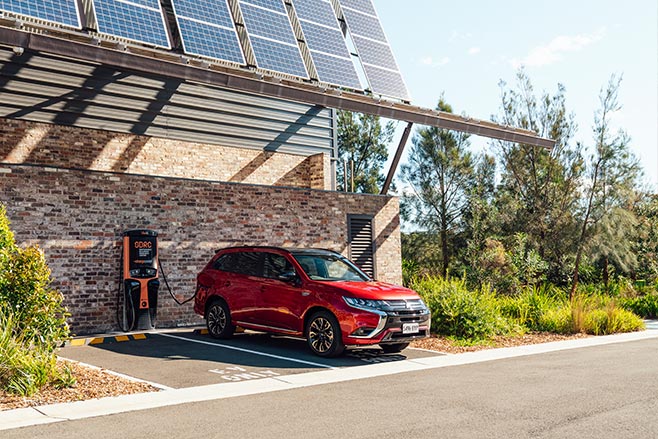
The best parts of the Outlander PHEV experience aren’t specific to the GSR at all. Up to 54km of electric-only city driving is addictively soothing, providing you have the facility to plug it in (though it will manually recharge – loudly – from the engine). And once bi-directional charging becomes available here in 2021, the PHEV will be able to feed surplus energy back into the grid.
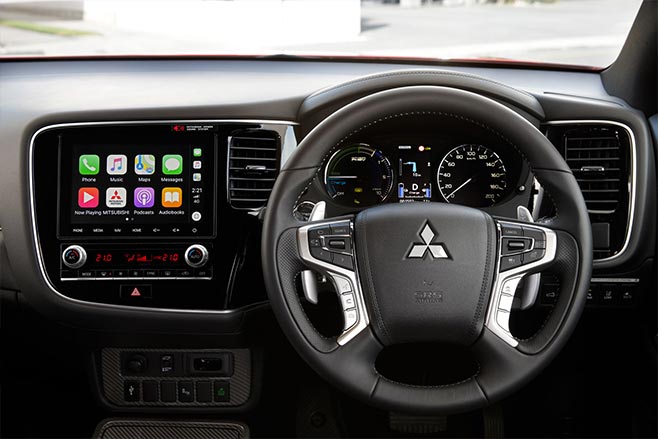
It also has a commanding driving position on a surprisingly comfortable seat, a much-improved new 8.0-inch multimedia system (with eight robust speakers in GSR), a spacious rear bench and a reasonable 463L boot. But nothing can hide the fact that this is Outlander has been around for eight years, and the GSR edition is all about tarting it up.
Mitsubishi Outlander PHEV GSR specs Engine 2360cc 4cyl, dohc, 16v Motor dual (front and rear axles) Battery 13.8kWh lithium-ion Max combined power 157kW Max torque 332Nm Transmission CVT Weight 1880kg 0-100km/h 10.5sec (claimed) Economy 1.9L/100km (combined) Price $52,490 On sale Now
If there’s one thing we learned through 2020, it’s that confined spaces are particularly dangerous for airborne disease transmission. A new study into the effectiveness of open car windows reveals just how useful the method is at keeping SARS-CoV-2 – and other airborne diseases – at bay.
Researchers at Brown University in Rhode Island, USA, used computer simulations to track airflow through a car’s cabin, providing potential best-case strategies to reduce the risk of transmitting diseases through aerosols (which are tiny particles that linger in the air, thought to be the mode of transmission for Covid-19).
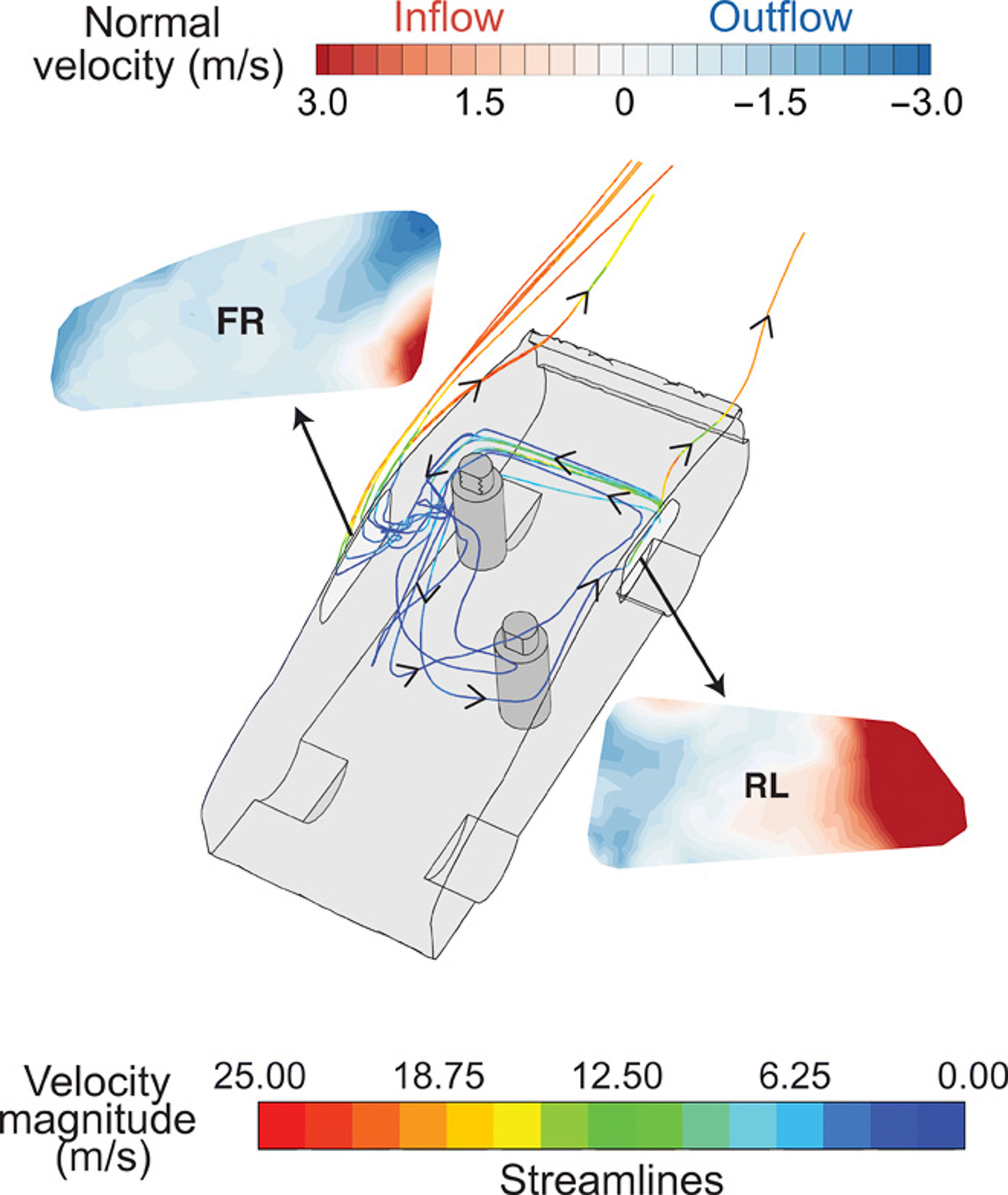
The computer models used in the study were loosely based on a Toyota Prius, with a driver in the front row and a passenger sitting diagonally behind in the second row – maximising distance between subjects. This is also a common arrangement in rideshare situations.
Computers simulated airflow and monitored aerosol concentration inside the car around both driver and passenger at a vehicle speed of 80km/h.
Results show that having all four windows completely open is the best, with closed windows and air conditioning representing the worst case.
That said, “even having one or two [windows] open was far better than having them all closed,” said Asimanshu Das, co-lead author of the research.
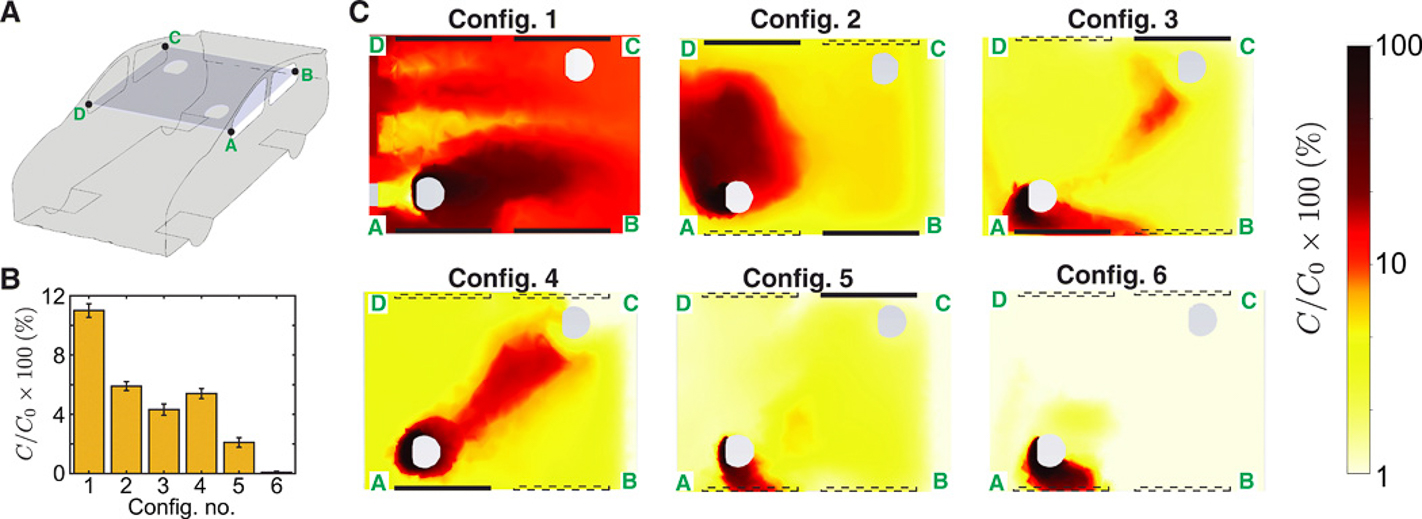
The research revealed that part of the reason why all four windows open works best is because it increases the number of air changes per hour (ACH), helping to reduce the overall concentration of aerosols.
Because of the way air flows around a car, air pressure at the rear windows is actually greater than at the front windows, which means more air enters a car from the rear and exits via the front windows.
With that in mind, and because occupants were sitting on opposite sides of the car, that arrangement creates two “more or less independent air flows” on each side of the car – explaining why having all four windows open is the best scenario.

Researchers say the study provides valuable insight into air circulation patterns inside a car – something that had received little attention previously. The research idea was borne out of a COVID-19 task force at the university which was designed to tackle a number of aspects of the disease.
Researchers also noted that airflow adjustments are no substitute for wearing a mask inside a car, especially if travelling with a stranger.
The 2021 Lexus LS luxury sedan has been revealed, featuring changes to the exterior, interior, drivetrains and suspension, along with new safety and entertainment features.
These changes to the fifth-generation Lexus LS which has been on sale for three years now will better help Japan’s large luxury sedan fight European rivals like the Mercedes-Benz S-Class, BMW 7 Series and Audi A8.
For starters, the Lexus LS500h’s 3.5-litre V6 petrol-hybrid powertrain has been tuned for better response by concentrating power delivery lower in the rev range. Peak power is unchanged at 264kW.
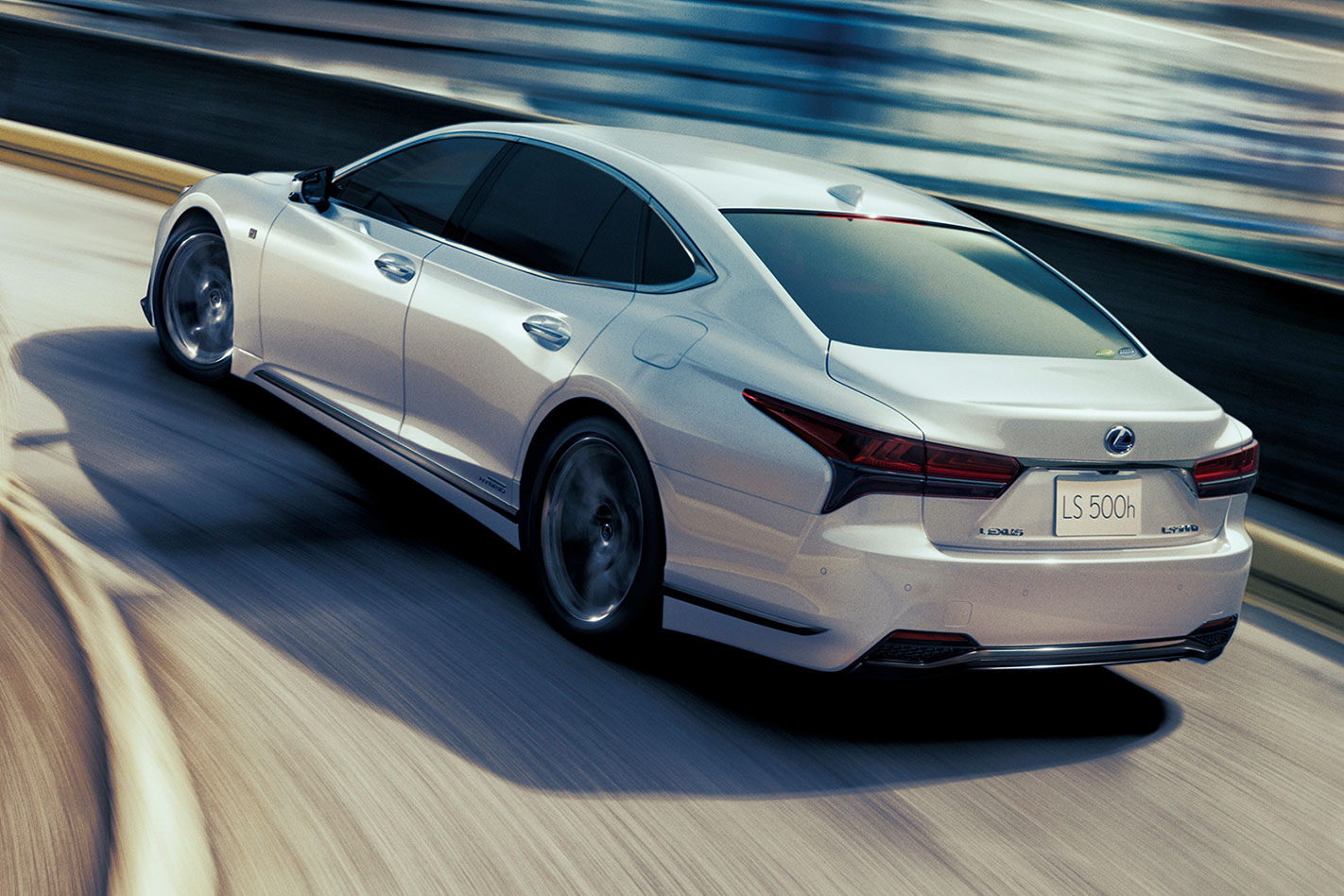
Other changes to the LS500’s 3.5-litre twin-turbo V6 include new pistons with revised lip designs said to reduce engine noise during cold running. The variable valve timing’s inlet side gets hydraulic control which reduces weight, as does a new aluminium one-piece intake manifold.
The Lexus LS’s adaptive suspension has been tuned for more comfort and stability thanks to an “enlarged flow path inside the control valve”.
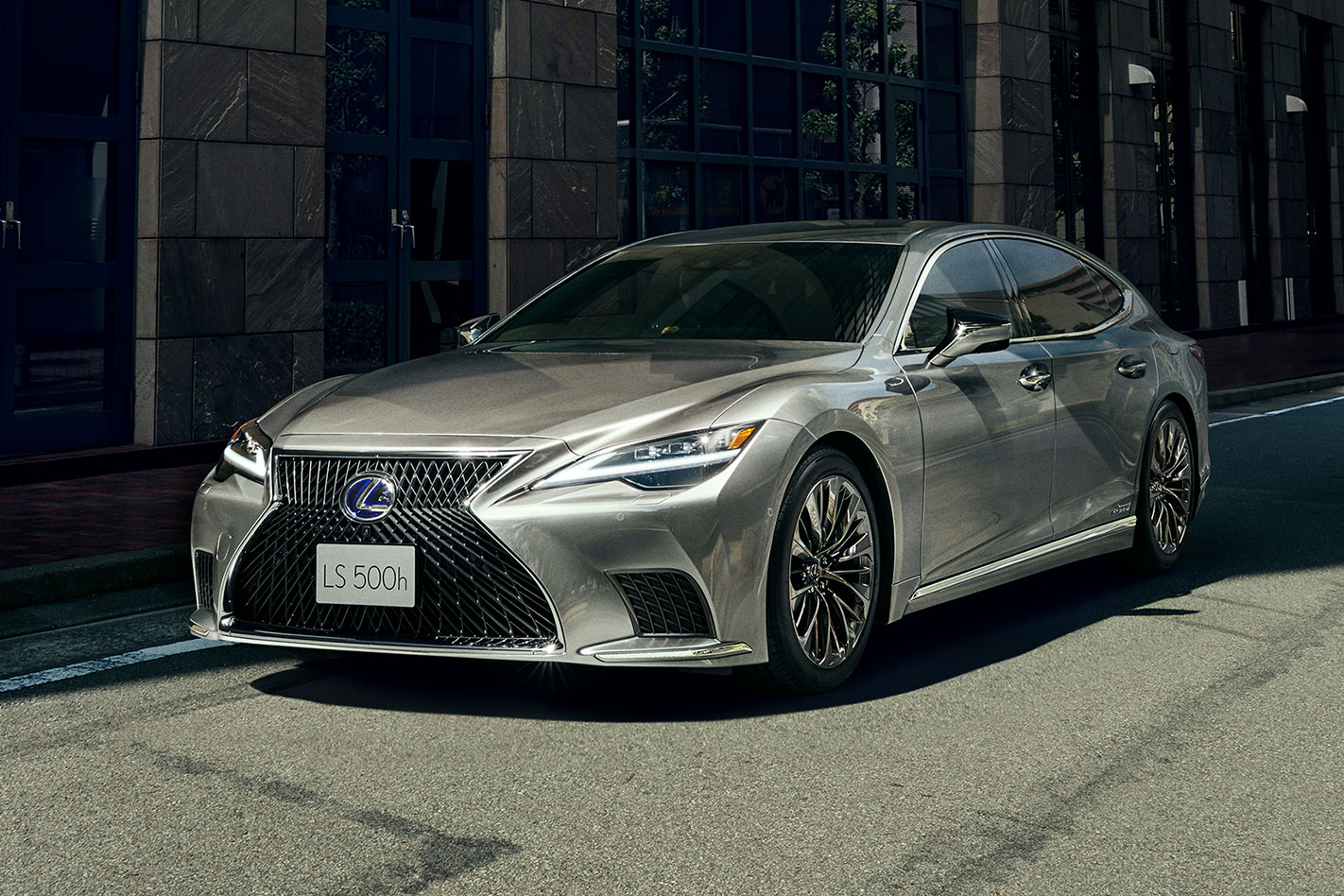
Inside, there is a larger 12.3-inch infotainment screen that’s no longer integrated into the dash. It is complemented by a new digital rearview mirror that broadcasts live from a rear-facing camera, avoiding passengers or headrests that may otherwise obstruct the view.
Safety is also bolstered with intersection turning assist that will warn if you’re turning into traffic. Lexus Connected Service and Auto Emergency Call is also standard. The same system can also trace a Lexus LS if it is stolen.
As before the Lexus LS range kicks off with the F-Sport model, available with both hybrid and twin-turbo petrol powertrains. The F-Sport now includes Active Steering Assist, Curve Speed Reduction and Lane Tracing Assist, front cross-traffic alert and diagonal vehicle approach detection.
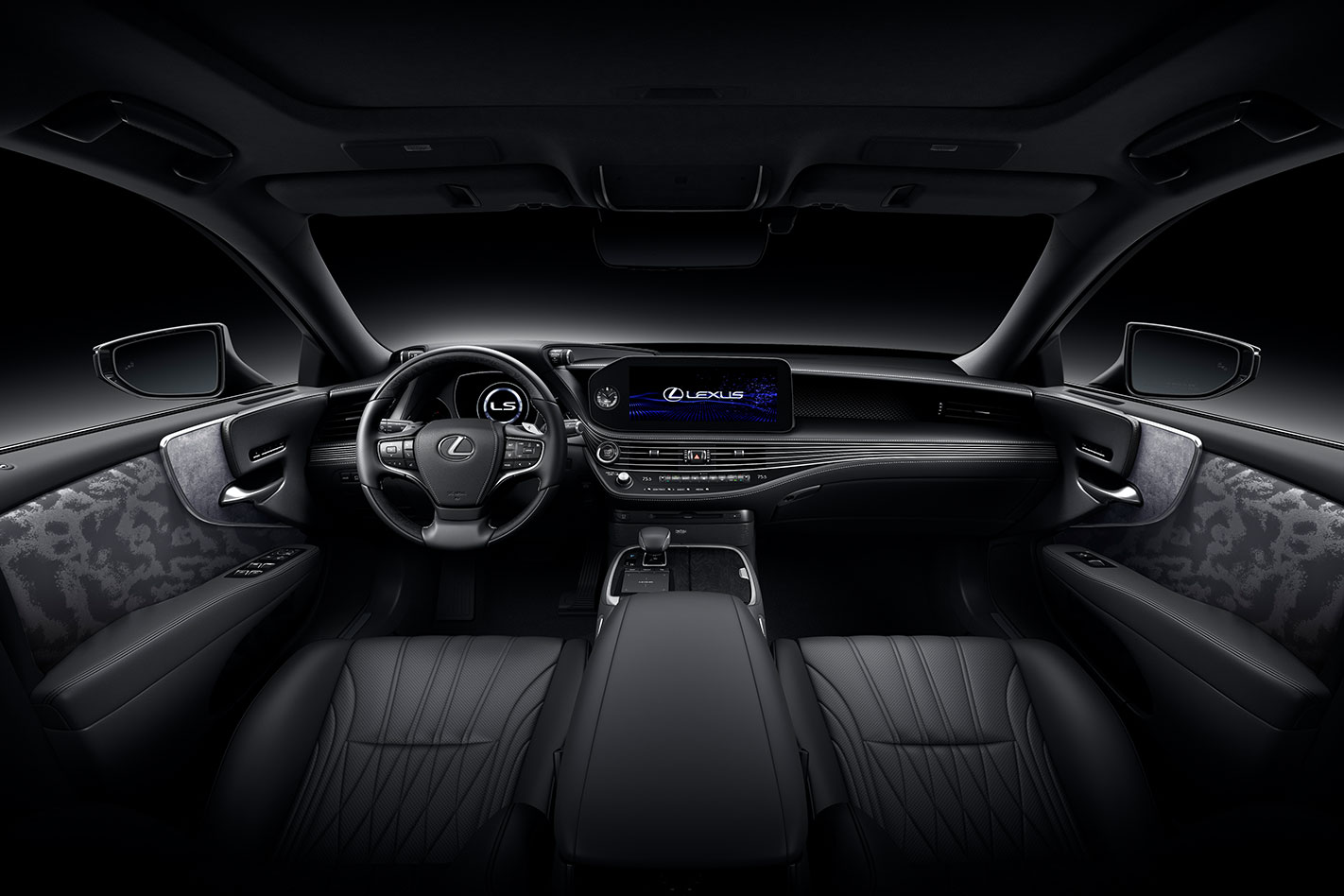
Power-adjustable leather front and rear outboard seats feature multi-layered urethane cushioning for an even softer feel and better insulation.
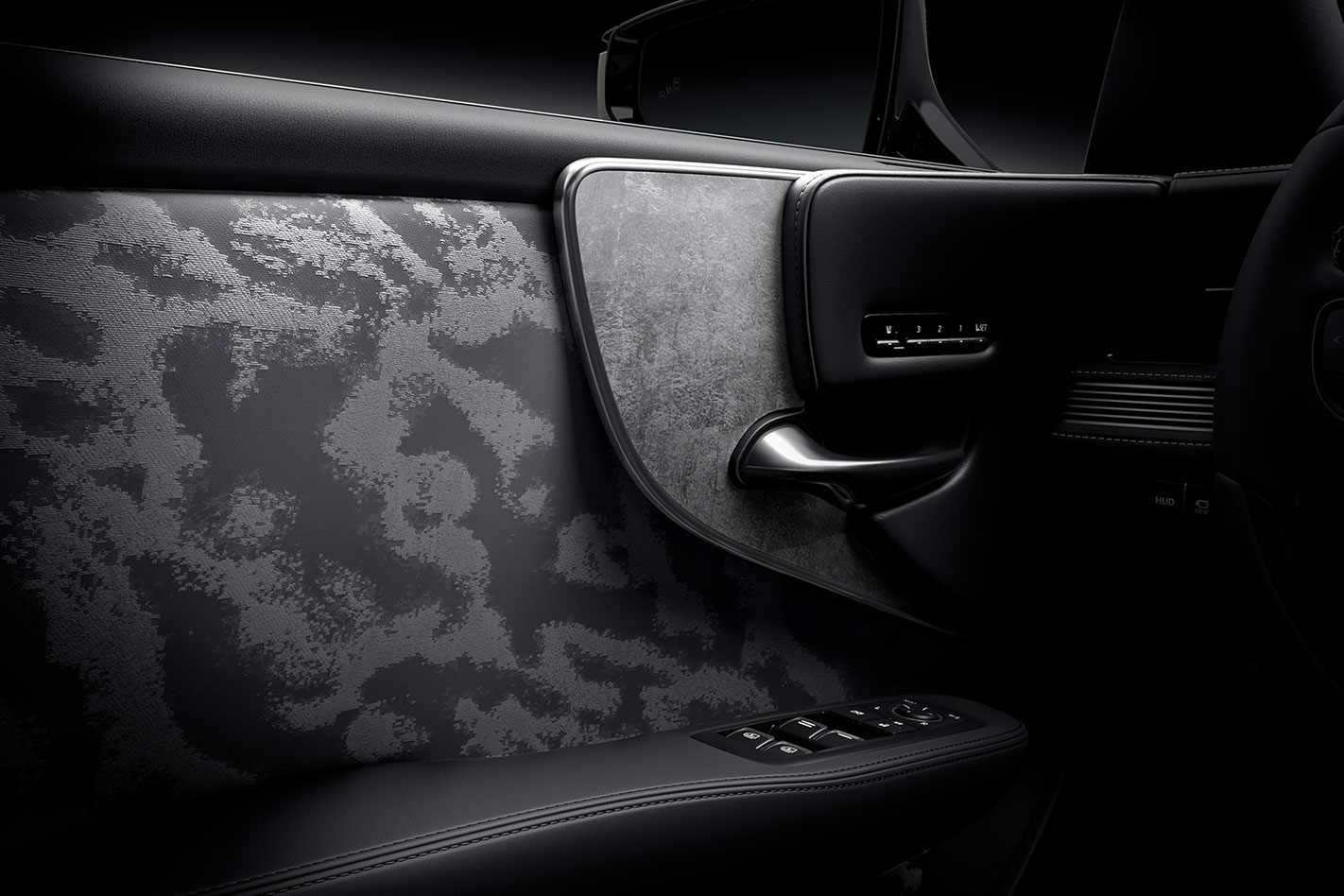
All Lexus LS variants have a plethora of options, including no-cost platinum foil and “Nishikin-ori” textile finish on the door trims of the Sport Luxury as shown in these interior shots.
White, Black, Chateau and Hazel ornamentations can also be optioned at no-cost.
Pricing before on-roads has jumped slightly, with the LS 500h and 500 F Sport kicking off at $195,953, or $1818 more than before. The Sport Luxury commands a $1442 premium over the 2020 model, starting at $201,078.
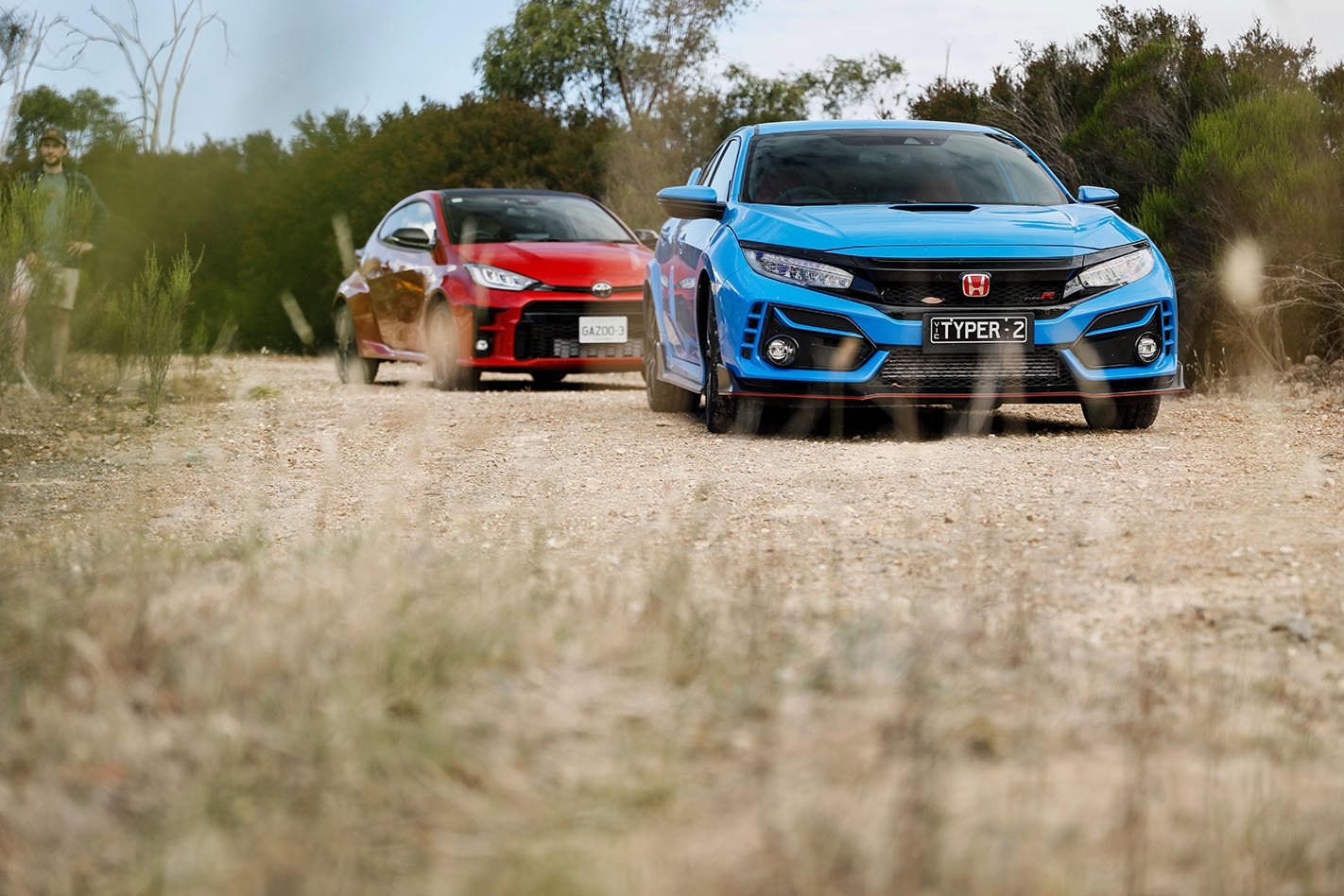
Ding, ding, ding! And now for the main event. Today’s fight is for the title of world’s best driving hot hatch and the judge’s decision is final.
Both our combatants have Japanese heritage, though one is UK-born, and in an unusual move we’re mixing weight divisions.
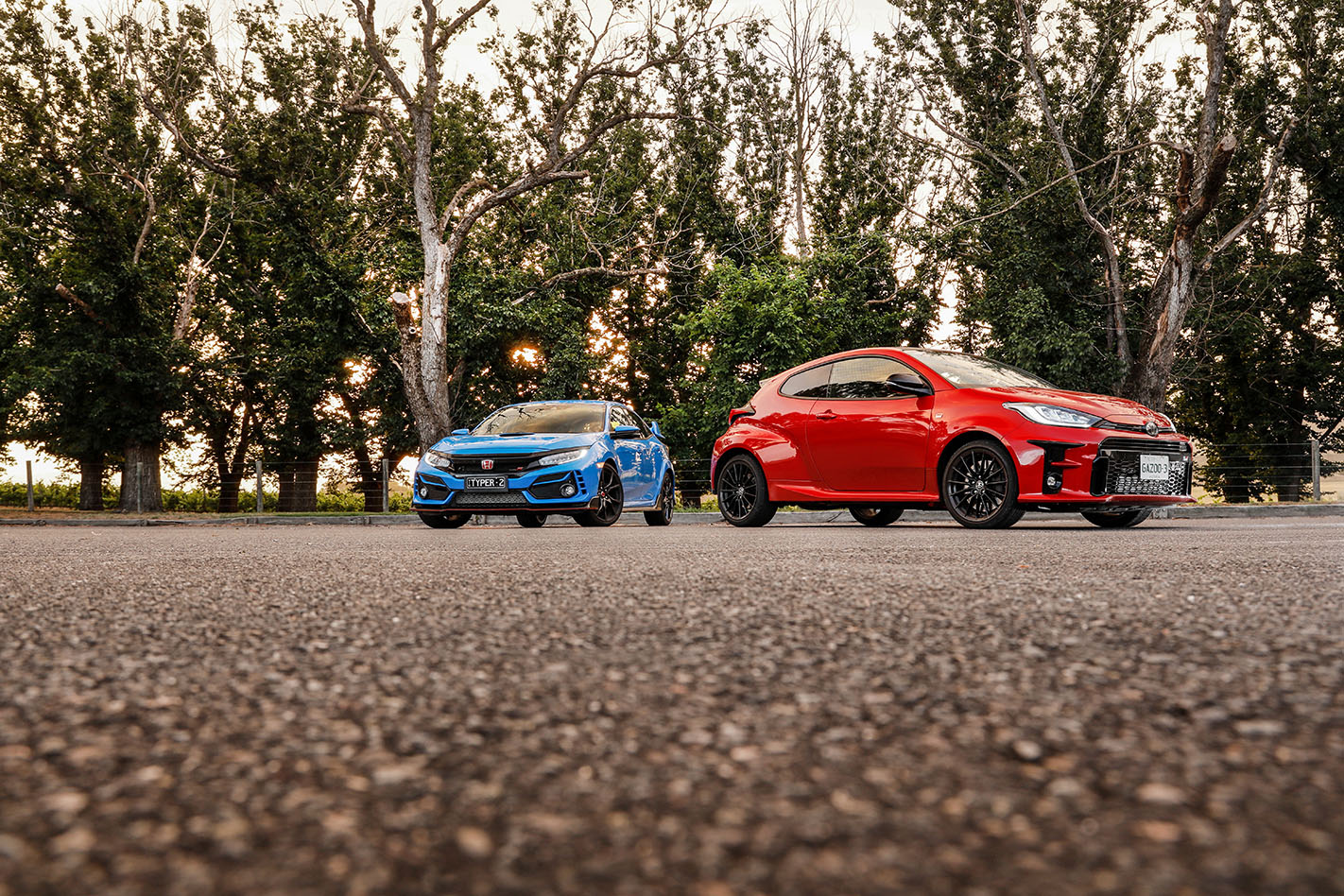
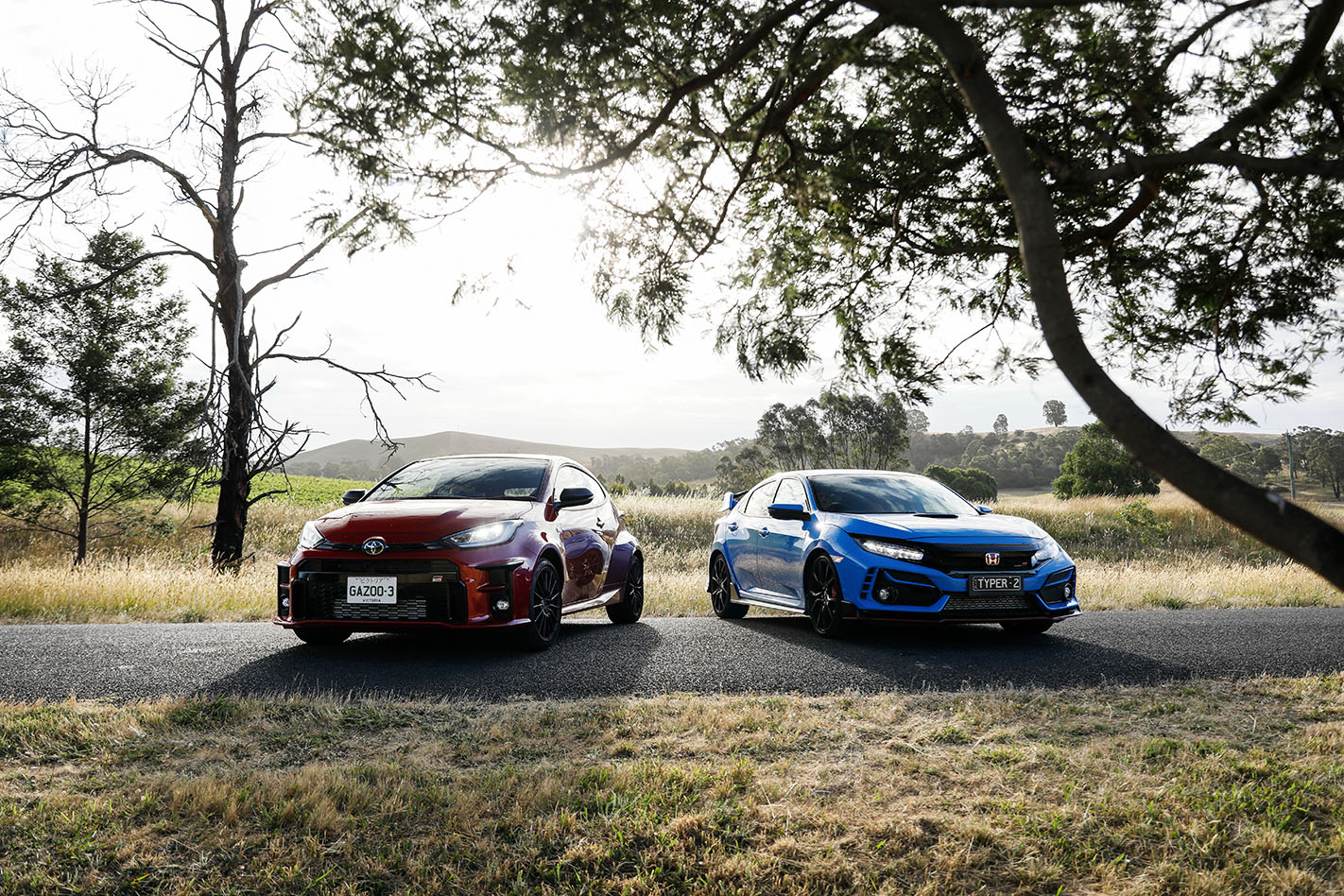
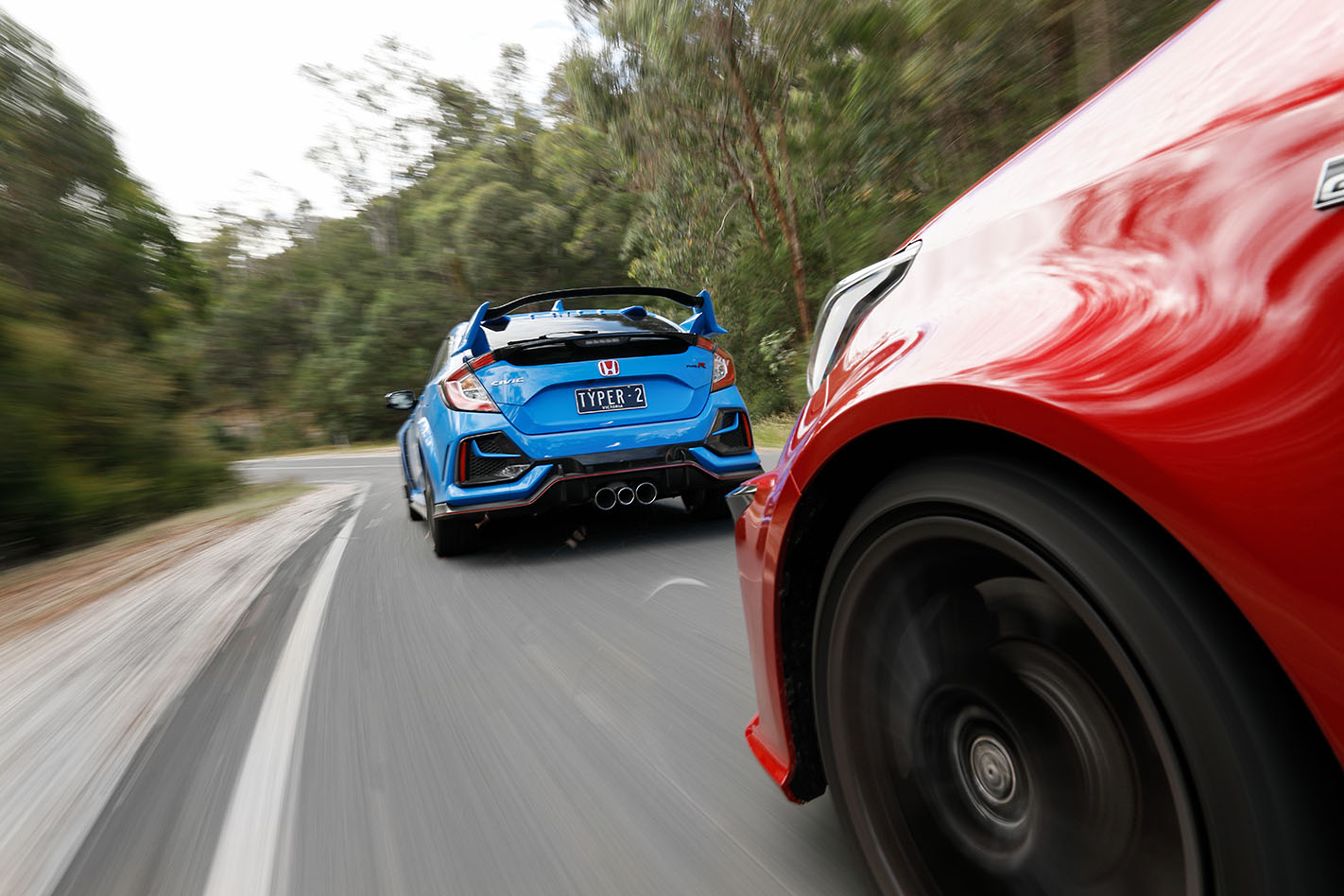
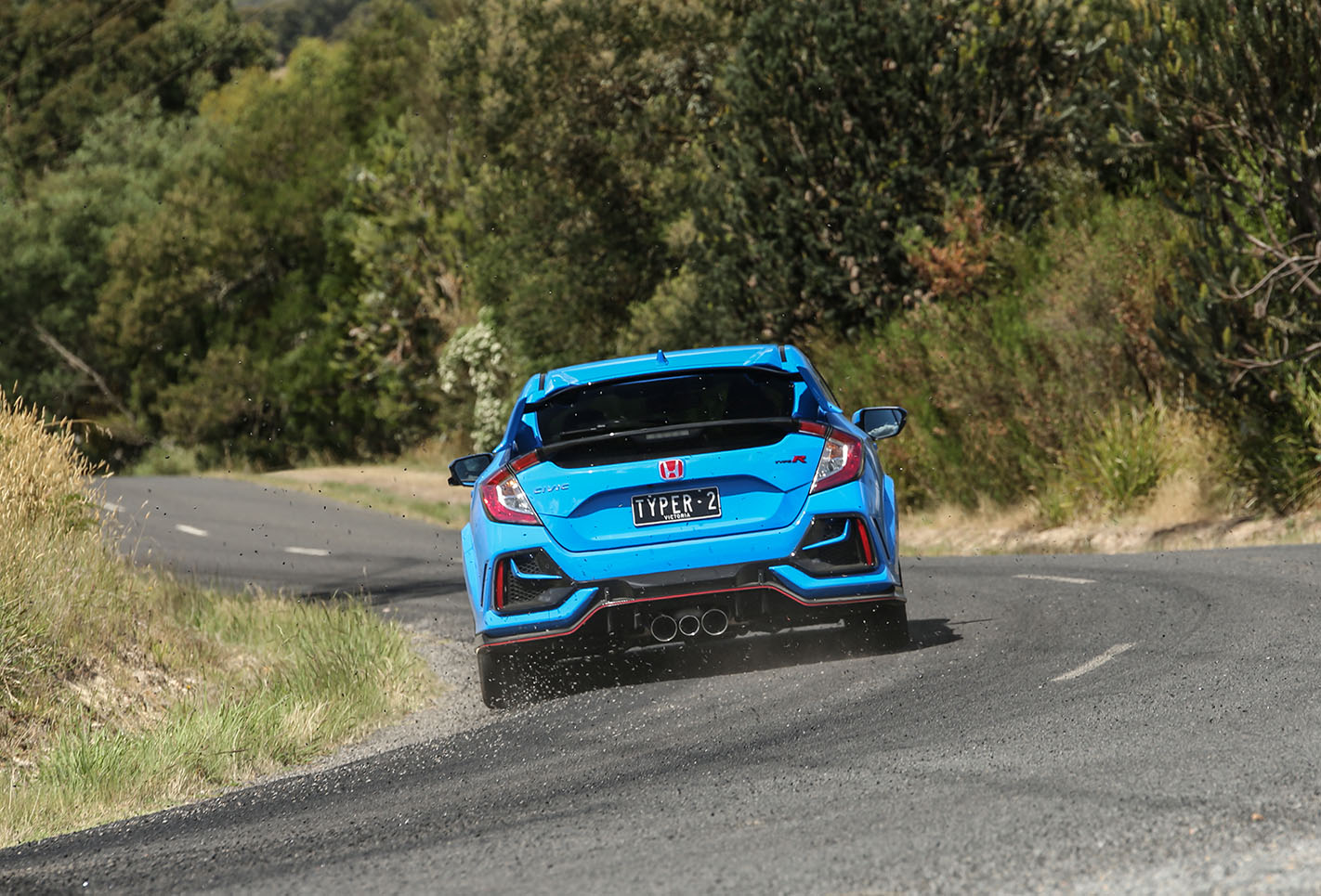
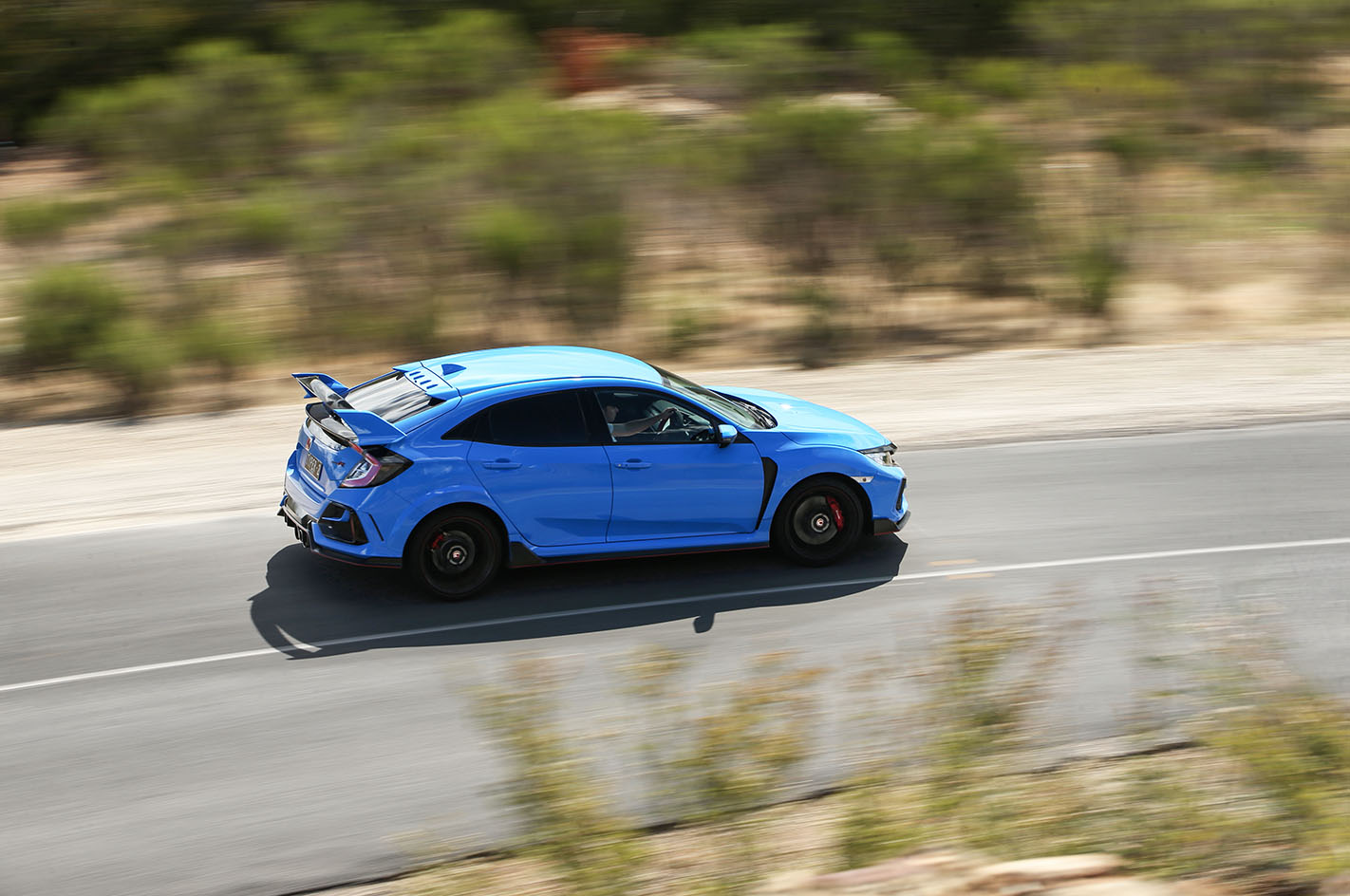
In the blue corner is the reigning champion, the middleweight Honda Civic Type R, weighing in at 1396kg.
It’s here in freshly facelifted guise, but don’t expect any sweeping changes to its vital statistics.
The 2.0-litre turbocharged four-cylinder still produces 228kW at 6500rpm and 400Nm from 2500-4500rpm, attached to a six-speed manual and driving the front wheels through a limited-slip differential.
Instead, Honda’s engineers have made subtle tweaks to the training regime of their benchmark hot hatch, examining every nut and bolt in search of improvement.
New control software for the adaptive dampers allows them to read the road 10 times quicker; the bushes in the rear lower B-arm have been stiffened by eight per cent for “better toe-in characteristics when cornering”; the front compliance bushes are 10 per cent stiffer and friction in the ball joints has been reduced.
New two-piece floating front brake discs shed 2.3kg – with the added benefit of it being unsprung weight – and the brake pads feature a more fade-resistant material.
The pedal stroke has also been reduced by 15mm for improved response. Revised styling includes symmetrical fog light surrounds, a new grille increases the intake air opening by 13 per cent, which when combined with an uprated radiator core reduces coolant temperature.
Inside, the steering wheel is now wrapped in Alcantara, a teardrop-style gearknob – a nod to earlier Type R models – replaces the previous sphere, the infotainment has been updated and new Active Sound Control software makes the engine sound ‘sportier’.
A data logging app has been installed to help drivers improve their lap times, though it can also score your day-to-day driving based on how smoothly you operate the steering, brakes and throttle.
Prices have increased slightly, too, with the MY20 Civic Type R now starting at $54,990.
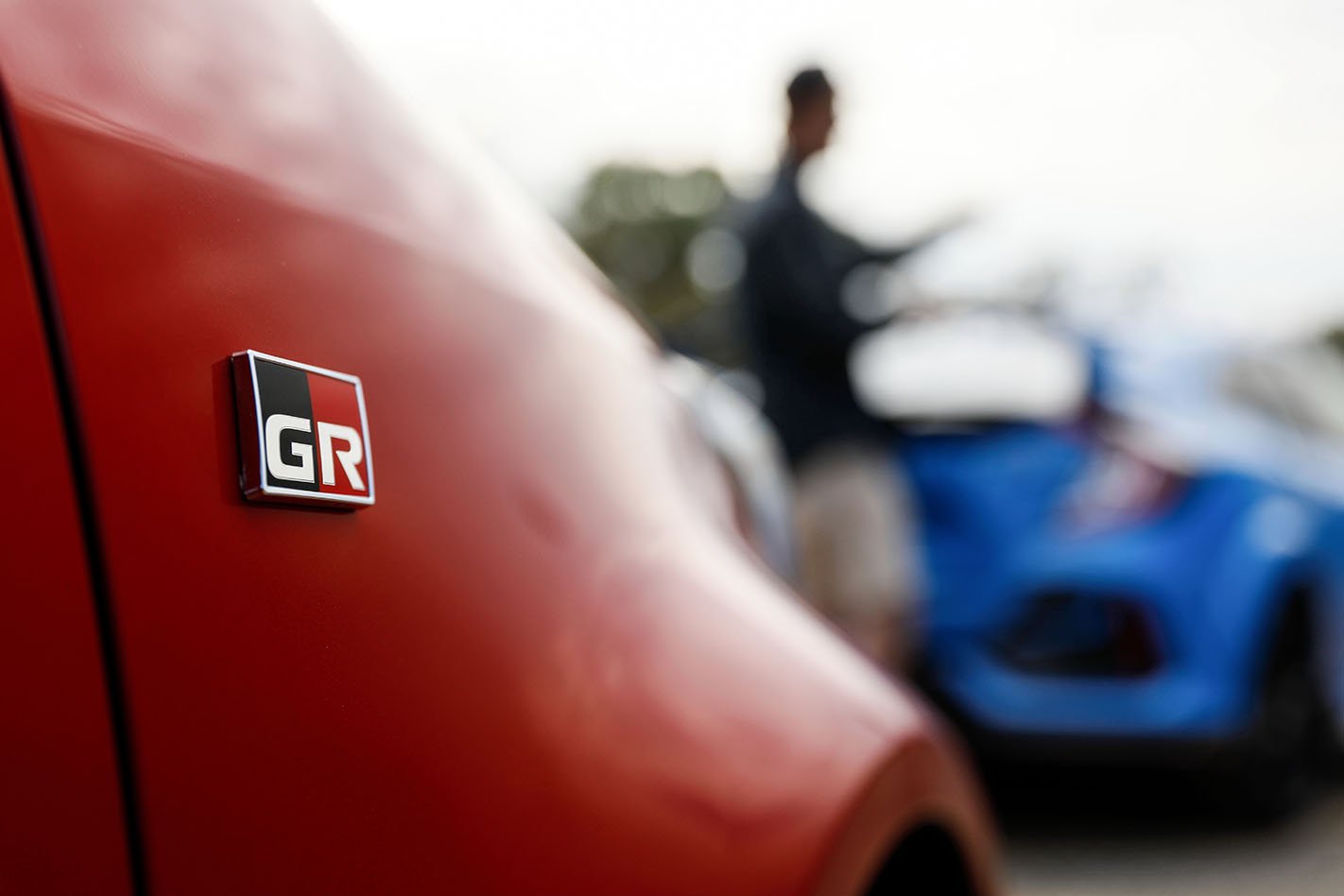
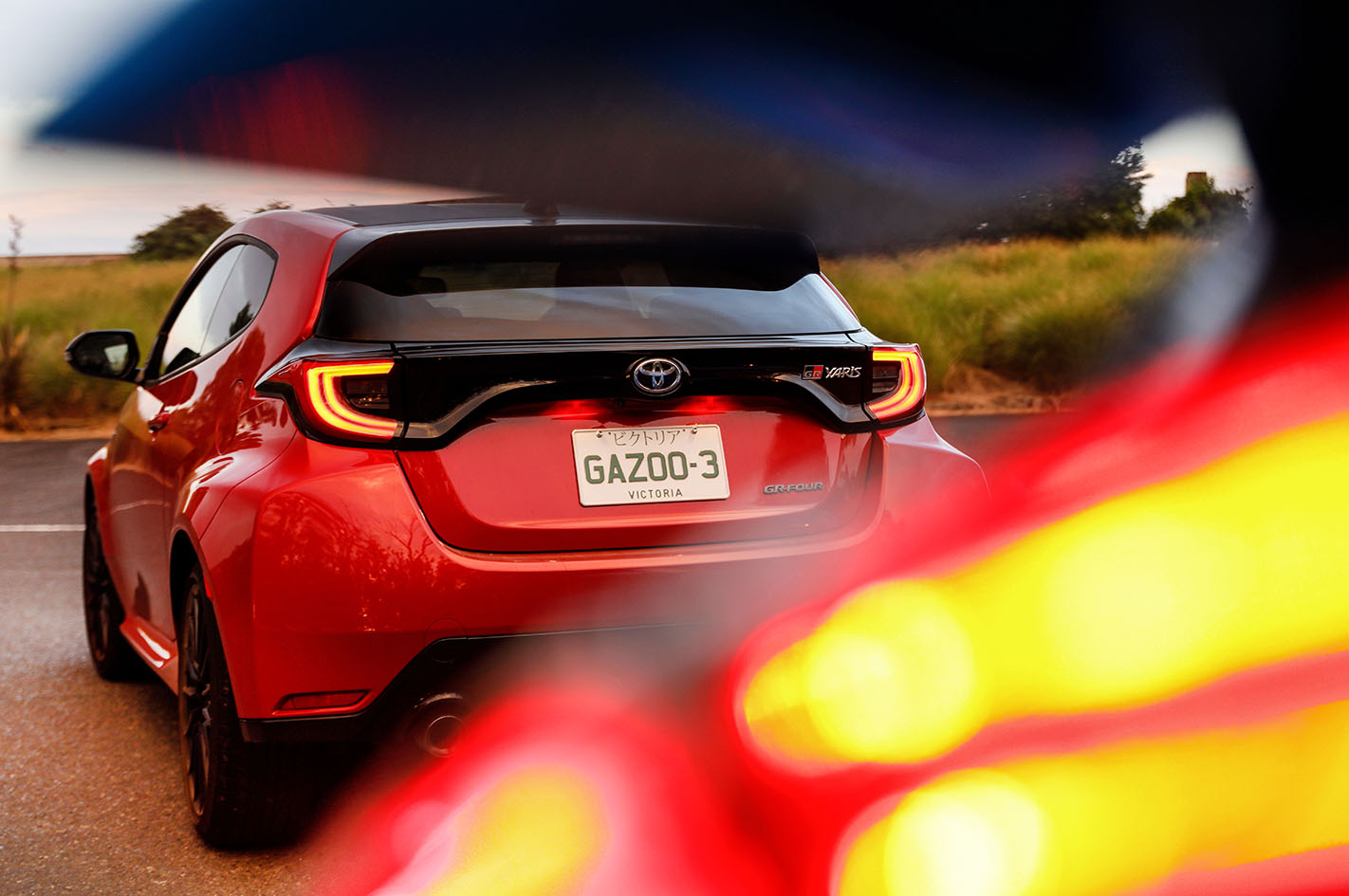
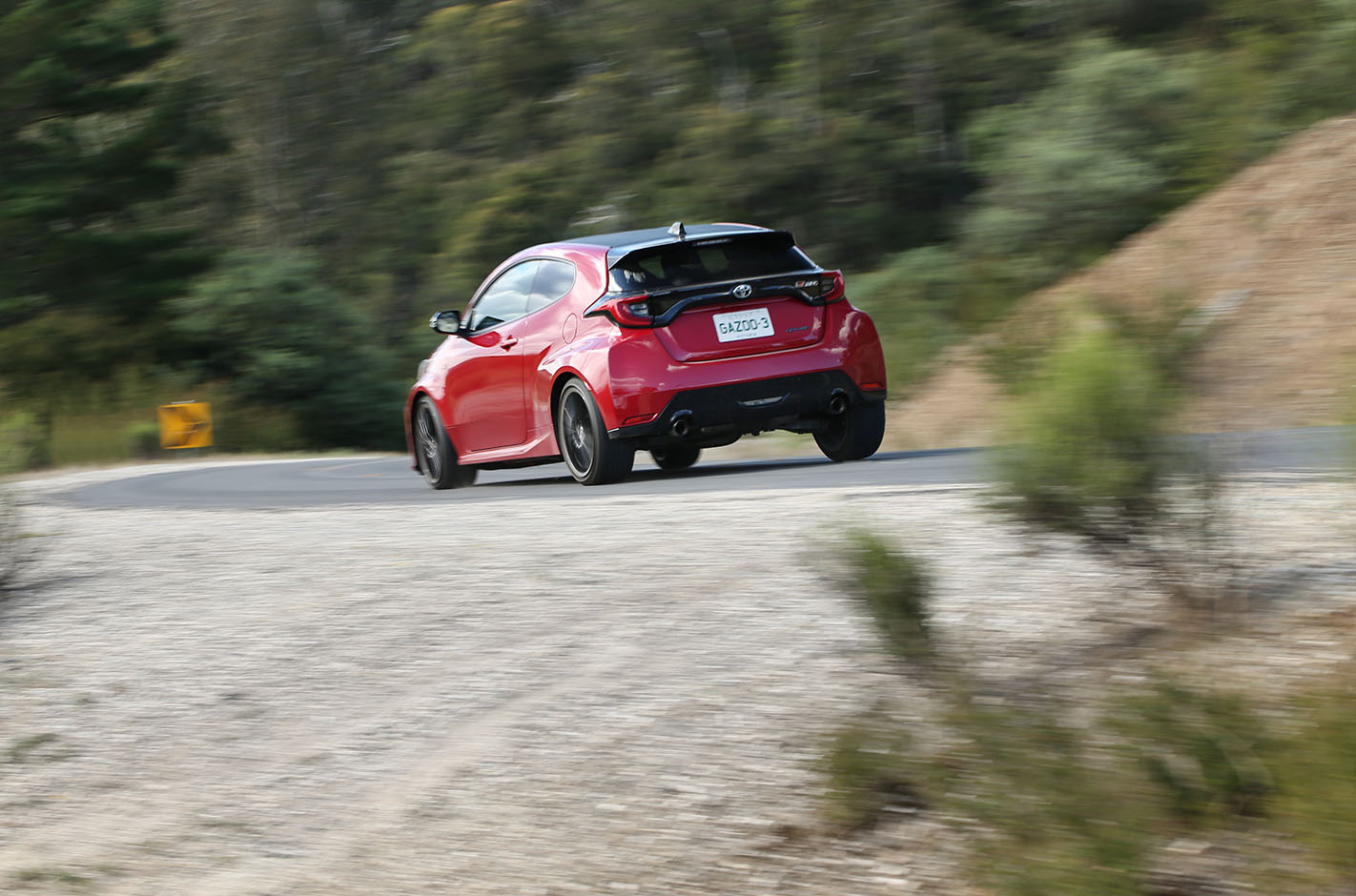
In the red corner is its opponent, the Toyota GR Yaris, a lightweight at 1280kg.
It’s one of the most hotly anticipated performance cars, well, ever, and with good reason, for it’s the first solely Toyota-developed performance car in more than two decades. Like the Japanese giant’s last effort, the ST205 Celica GT-Four, the GR Yaris is a homologation special, designed to form the ideal basis for the 2021 Yaris World Rally Car.
Sadly, COVID-19 denied teams the chance to test, which means the competition version will never see the stages.
As such, Ogier, Evans and Rovanpera won’t reap the rewards of the GR’s clever engineering but customers will.
Virtually everything about this all-paw Yaris is bespoke; Toyota claims just three components – headlights, taillights and mirrors – are common to the more sensible sibling that shares its name.
The platform joins the front of a Yaris (Toyota’s GA-B platform) to the rear of a Corolla (GA-C) with a carbon fibre roof and the use of aluminium for the doors, bonnet and tailgate, the combination of which saves 27.6kg.
The roof is lower to improve aerodynamics, multi-link independent rear suspension is installed and the all-wheel drive system, which features an electronically controlled multi-plate clutch ahead of the rear diff, appears only in the GR Yaris.
Likewise the engine, a 1.6-litre turbocharged three-cylinder producing an amazing 200kW at 6500rpm and 370Nm from 3000-4600rpm.
The Honda’s greater output gives it the power-to-weight advantage but only just, 163kW/tonne to the Toyota’s 156kW/tonne, though torque-to-weight is almost identical – 287Nm/tonne and 289Nm/tonne respectively.
All this high technology doesn’t come cheap, however.
The Yaris retailing for $49,500, though the first 1000 customers scored a bargain at $39,950 driveway and another 100 did OK at $44,950 driveaway.
Anyway, with the weigh-in completed, it’s over to Michael Buffer: “Let’s get ready toooo ruuumblllllleeee!”
On the drag strip, the GR’s all-wheel drive system gifts it straight-line superiority, against the clock at least.
As with all cars of this type, launching it is a fairly brutal process.
Banging the three-pot off the rev limiter appears to trigger a protection mode, the engine bogging down when the clutch is released, but flooring the throttle and sidestepping the clutch as the revs rise to about 5500-6000rpm lights up all four tyres and the Yaris shoots off the line like it’s sat on a cactus.
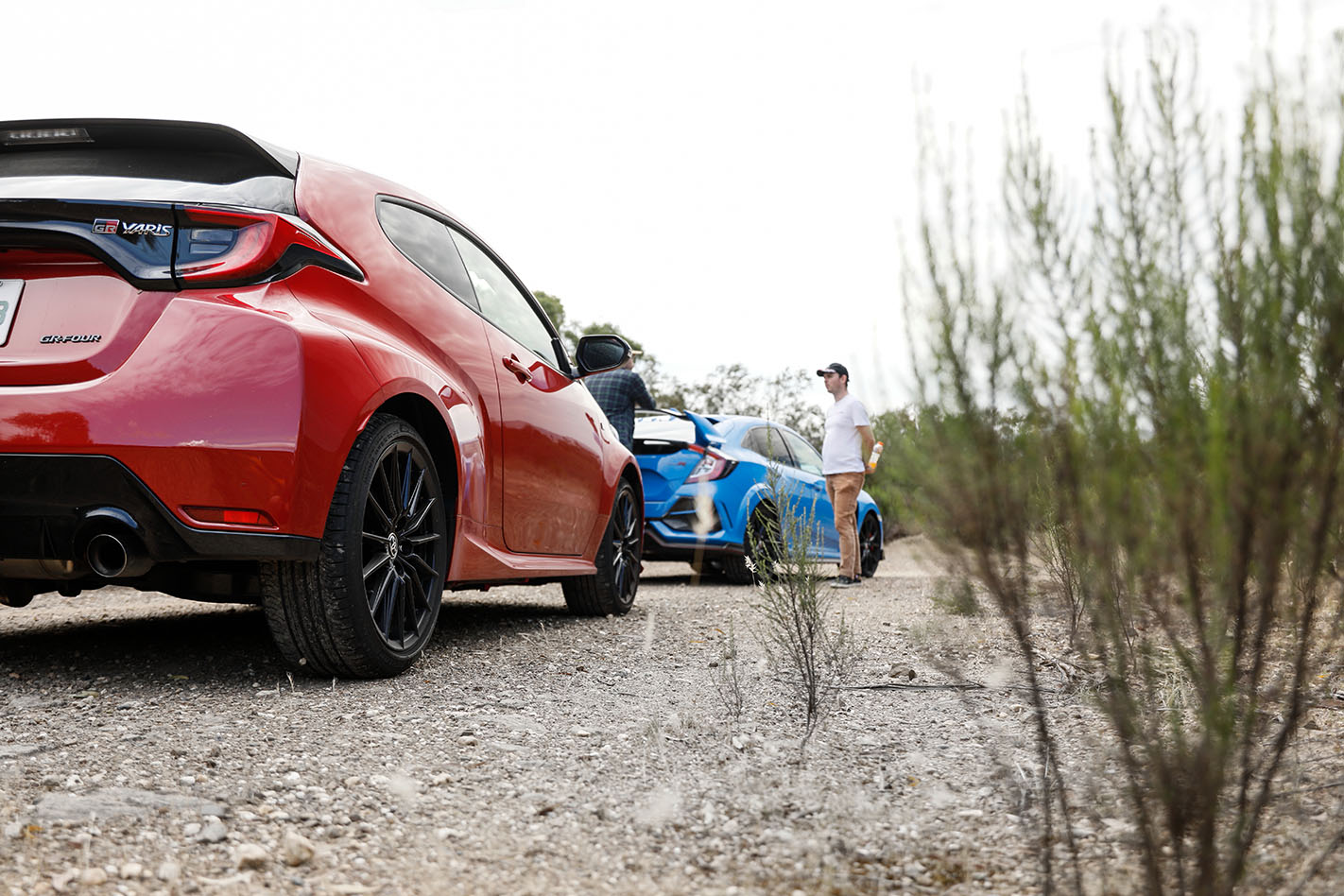
The gearing couldn’t be worse for the 0-100km/h sprint, second running out at 98km/h and necessitating a second shift, but triple figures come up in 5.16sec regardless. Impressive.
The charge continues through 400m, the run completed in 13.2sec at 169.74km/h. Yep, point this baby at a drag strip and you should see a 12-second quarter.
Hamstrung by two driven wheels, the Civic can’t compete. It launches well for a front-driver, traction remarkably strong given the power and torque, but like the Yaris a second gearshift is required before 100km/h.
Both cars would shave two or three tenths from their times with fractionally longer second gears, but are presumably set up to nail the international 0-60mp/h (97km/h) standard.
The Honda hits 100km/h in 5.81sec but from there starts to bite chunks out of the Toyota’s lead; it still trails at the quarter-mile mark, taking 13.79sec, but the 173.12km/h trap speed shows the Type R’s extra grunt is beginning to show, accelerating from 100-170km/h in 7.54sec compared to 8.07sec for the Yaris.
The Civic has the fractionally superior overtaking urge, taking 2.9sec to shoot from 80-120km/h in third gear compared to the Yaris’s 3.0sec, but it’s the Toyota that feels fitter on the road.
This three-cylinder engine is incredible, powered not so much by fuel and air as witchcraft and whimsy.
A fun game: if you have a passenger who knows cars but not the Yaris itself ask them what engine they think it has. A turbo four is the obvious choice but the soundtrack suggests six cylinders; it’s clearly not a three-cylinder, not with this level of performance. That’s impossible.
Except, somehow, it is possible.
This remarkable turbo triple pulls hard to beyond the 7000rpm redline but it’s the response that is uncanny; it doesn’t really matter what gear you’re in or how many revs are showing, floor the throttle and you’re rewarded with virtually instant urge.
This remarkable flexibility means rowing the gearbox isn’t a necessity but doing so is no chore, as the shift is accurate and mechanical in its feel.
While some testers have noted difficulty, heel-toeing it’s not a problem personally and you’ll want to do so, as the rev-match system is unable to keep up with quick downshifts.
Sonically the engine is…interesting – it doesn’t produce a particularly beautiful noise but nor is it unpleasant. It even coughs lazily into life like a highly tuned rally car.
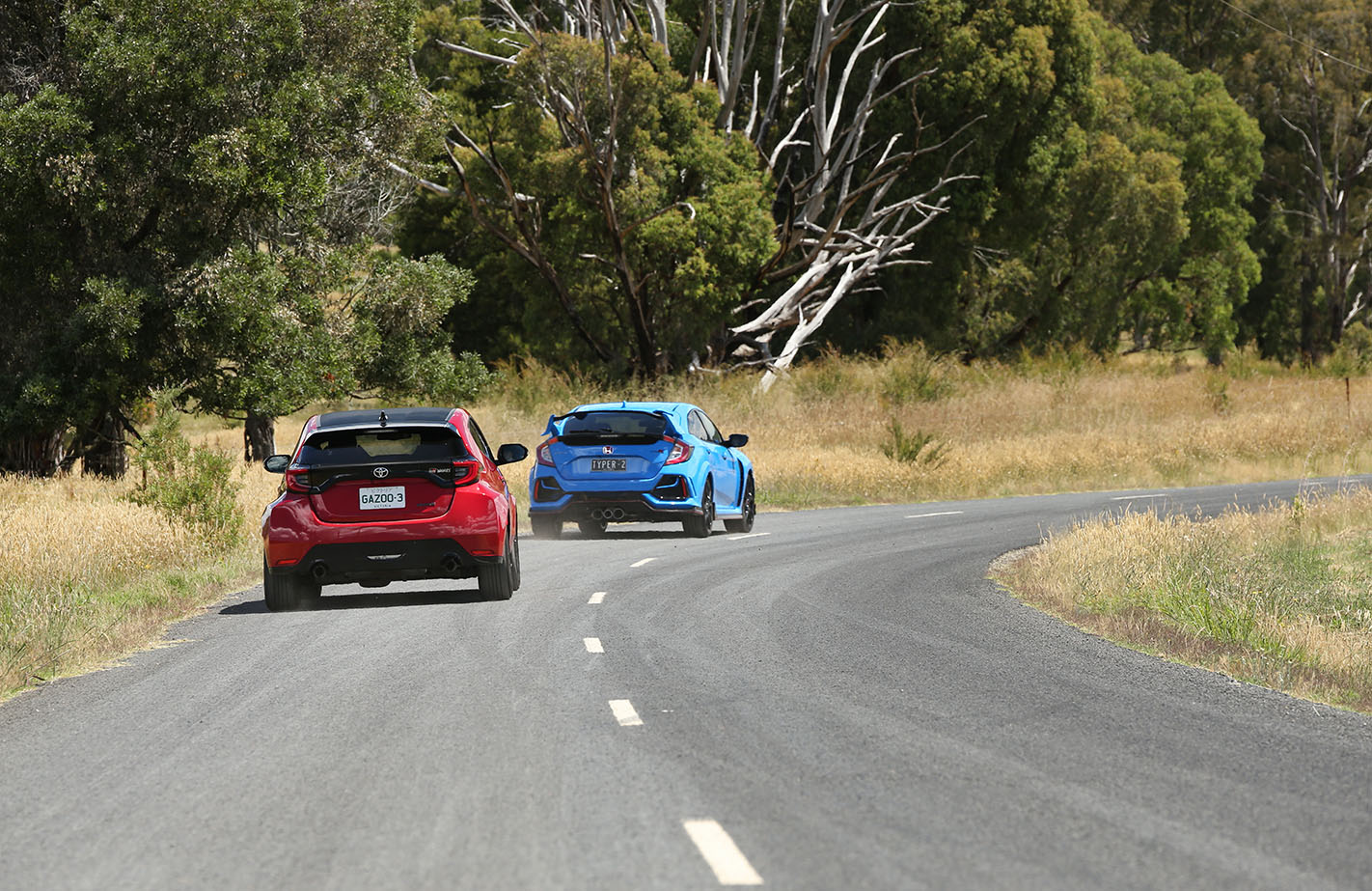
The Honda’s four-cylinder is less enticing, emitting a tuneless buzz, though the ‘pchew’ from the turbo wastegate when lifting off under full noise is a joyous sound.
It’s an effective rather than inspiring engine; very effective, it must be said, and capable of providing a serious turn of speed
There’s a moment’s hesitation, however, as the turbo wakes up a lower rpm and power tails off noticeably once the 6500rpm peak has passed. It can hang onto the Yaris, but only just.
Helping the cause is the incredible gearshift; a tenth or more is saved on every shift as the lever flies to the next ratio as quickly as you can move your hand and feet, almost like it’s making its way there of its own accord.
I can guarantee you’ll flit up and down the gearbox needlessly just for the pleasure of changing gear and the new teardrop gear knob fits your hand beautifully (though fellow tester Inwood isn’t a fan).
Honda’s rev-match system works faultlessly, but should you burrow your way through the various sub-menus and turn it off you’ll find it largely redundant as the gearbox and engine work so well together that seamless heel-toe downshifts soon become second nature.
Those familiar with previous Type Rs and their screaming 8000rpm+ engines will no doubt find this latest Civic’s turbo unit a little uninspiring, but in the FK8 it exists purely to propel one of the most capable front-drive chassis ever created.
Actually… make that the most capable chassis of any drive configuration.
If Porsche were ever to create a front-wheel-drive Cayman the FK8 CTR is probably pretty close to what it would feel like. Dynamic praise doesn’t come much higher.
Nothing flusters this car. No matter the corner, the camber, the surface, it just soaks it up and laughs at your lack of commitment: “Oh, you thought I was going to understeer? Try again, you wuss, and put some effort in this time.”
The steering is meaty, the weight increasing as you cycle through the Comfort, Sport and R+ drive modes, but the heft feels natural and it controls a front end with the pinpoint accuracy of a laser-guided ballistic missile.
The Civic’s resistance to understeer borders on the supernatural and getting on the throttle actually tightens your line, dragging the nose further into the apex.
Cornering speeds are absurd but the Type R isn’t some locked-down automaton; the driver still feels a key part of the process and an appropriately timed throttle lift or brush of the brake mid-corner loosens the rear slightly just to let you know the option’s there if you need it.
Which you won’t, for there are few cars that can tear a road apart with the efficiency of the Honda.
Switch to the Yaris and the first impression isn’t a positive one. The platform might be a meld of Yaris and Corolla but the seating position appears to have been taken from the HiLux.
Like the Focus RS, all the controls are well located but appear to be 10cm too high; the diminutive Toyota is a whopping 562mm shorter (in length) and 72mm narrower than the Honda but actually stands 21mm taller, giving the impression that it could topple over in a strong wind, at least from the rear.
Nevertheless, the leather-wrapped wheel makes the Civic’s Alcantara helm feel a size too big and the – likewise leather-wrapped – gear lever and manual handbrake (yay!) are well within reach.
Initially, our test road is fast and flowing and the Yaris feels right at home. The seating position does cause a slight disconnect but the sensation fades with familiarity and in these quick corners it feels great.
Its size gives you more of the road to work with, the engine always has plenty of punch and there’s a sensation of stability and agility at the same time.
The steering is slower than the Honda’s – 2.36 turns lock-to-lock versus 2.11 – but the weighting feels right and it’s linear and accurate in its responses.
You relish the thought of the first real bend, an opportunity to lean hard on this road-going rally car. A firm press on the middle pedal engages the fantastic brakes; 356mm two-piece rotors and four-piston calipers at the front and 297mm discs with two-piston calipers at the rear are overkill on a 1280kg car and that’s exactly how it should be.
Down a gear, turn the wheel and… oh dear. The front tyres screech as they slide wide of the desired trajectory and adding throttle only overburdens them further, the ESP working overtime to keep the car stable.
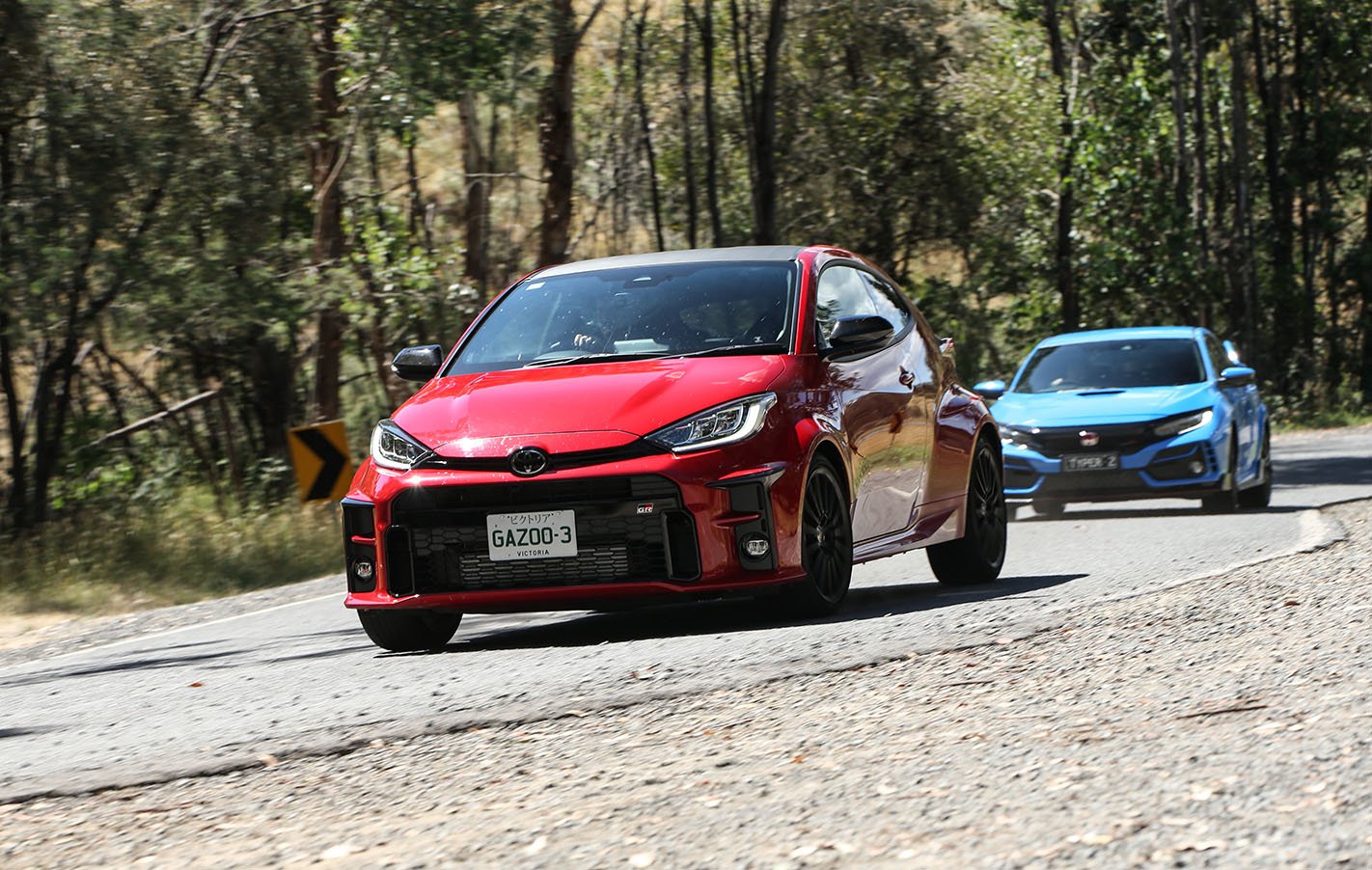
Turning the drive mode controller to the left engages Sport mode, which adjusts the drive split from 60:40 front-to-rear to 30:70, and a press of the ESP button slackens the electronics into ‘Expert’.
The power understeer is lessened but the reluctance to turn in the first two-thirds of the corner remains. It’s said that cars don’t understeer until drivers make them and there is an element of truth in that, but it’s also true that the front tyres of the GR Yaris are a fuse that trips well before expectations.
It’s still a quick car and the suspension does a great job of soaking up bumps and keeping the body under control, but you’re soon left with no option but to alter your driving in an attempt to coax the best from the Yaris.
Following in the Civic it’s very amusing watching Inwood try every trick he knows in an attempt to get the Toyota to do his bidding and he reports similar entertainment when following me.
Loosening the rear on entry is possible on certain corners, but doing so mid-turn kills forward momentum.
Eventually, you accept the fact that the most efficient way to drive the Yaris is slow-in, get the car rotated toward the exit, and then power out as straight as possible.
Funnily enough, that’s usually the technique required for high-powered front-wheel drives, whereas the Civic can be driven like a well-sorted all-wheel drive: commit hard on entry, hit the power early and drag yourself out of the corner.
Inwood neatly summarises the gulf between these two car’s abilities: “You’re still on the brakes in the Yaris when I want to be on the throttle in the Civic.”
The Honda continues to impress when the roads straighten, the heart rate slows and the drive mode selectors are clicked to ‘calm’ rather than ‘qualifying’.
Even in its sportiest R+ mode it rides fairly well, but in Comfort it is truly plush, absorbing all manner of road imperfections. The seats are extremely comfortable, too, front and rear, which makes for relaxing progress.
This is just as well, as the Civic has some very annoying traits.
Honda has made an effort to improve its sub-par dash ergonomics, installing hard keys for various infotainment menus and fan speed and a proper volume knob, but the unit itself still looks ordinary, functions are buried in sub-menus and you often need to be stopped with the handbrake on in order to access them.
The top of the Apple CarPlay screen is also obscured by climate control info, which often means crucial buttons aren’t accessible.
The digital temperature and, more importantly, fuel gauges are hard to read and you don’t have to search very hard to find hard, shiny plastic – it’s there every time your fingers touch the back of the steering wheel.
There are only two seats in the back and it’s a pretty bare environment, too, but there is plenty of space and the boot is an impressive 420 litres (1209L with the rear seats folded).
One final gripe: the 46-litre fuel tank is way too small when a mix of enthusiastic and highway driving yielded an average consumption of 14.25L/100km.
In terms of liveability, however, the Civic is streets ahead of the heavily compromised Yaris.
The GR’s rear seats have space for children but that swoopy, slippery roof means there’s insufficient headroom for anyone over about 150cm.
Likewise, that three-door body pays dividends in the WRC but it makes those rear seats tricky to access.
You’re better off dropping the rear backrests and turning the GR into a two-seater, as this expands boot space from a laughable 141 litres to 737 litres.
The Yaris is loaded with equipment, from active safety kit like adaptive cruise control, (sadly annoyingly intrusive) lane keep assist, autonomous emergency braking with pedestrian detection and speed sign recognition, as well as an excellent head-up display, dual-zone climate control, sat-nav and heated seats.
Toyota has made sure the important touchpoints feel good – the aforementioned leather wheel, gear knob and handbrake – but the vast majority of the interior is a sea of hard plastic that says $20,000, not $50,000.
This wouldn’t matter one bit if the driving experience was transcendent, but it isn’t – not even close.
The engine is a thing of wonder, the gearshift is enjoyable, it’s the right size, the brakes are fantastic, but the total is less than the sum of the parts.
Following a drive of the GR Yaris prototype last year I wrote: “At $35,000 or so [it] has the potential to be the hot hatch king, but add $10K and it could be the court jester, talented and amusing but ultimately a bit player.”
Nothing in the finished product changes that view. Those who scored one at $39,950 driveaway did well, but at its usual $49,500 MSRP (before on-roads) there is just too much opposition that offers much greater practicality and, crucially, more enjoyable dynamics.
It reminds me, in fact, of a modern-day Subaru WRX GC8.
There is hope for the Toyota, however. With grippier Michelin Pilot Sport 4 S tyres replacing the (sub) standard Dunlops, revised suspension and a limited-slip differential at each end, the forthcoming Rallye could fulfil the GR’s potential.
We hope so, because Toyota deserves credit for building this exotic hot hatch and we want it to be great.
But it’s going to have to be really, really good to take the fight to the Civic Type R.
Not everyone will be able to get over the way it looks – though Inwood and I both like it: it’s distinctive, suits the car’s personality and the new Racing Blue paintwork certainly helps – and the interior annoyances are a pain but to drive it’s mind-blowing.
It is so fast, so controlled, so immersive that this fight doesn’t even need a judge’s verdict: it’s a knockout to the Honda.
VERDICT
1st Honda Civic Type R: 4.5/5 stars
- Pros: Unbelievable chassis; ride quality; gearshift
- Cons: Infotainment; engine top end; small fuel tank
2nd Toyota Yaris GR: 3.5/5 stars
- Pros: Amazing engine; ride; right size; image
- Cons: Understeer; seating position; interior; price
SPECIFICATIONS
Toyota Yaris GR
| Body: | 3-door, 4-seat coupe |
| Drive: | all-wheel |
| Engine: | 1618cc inline-3cyl, DOHC, 12v, turbocharger |
| Bore x Stroke: | 87.5 x 89.7mm |
| Compression: | 10.5:1 |
| Power: | 200kW @ 6500rpm |
| Torque: | 370Nm @ 3000-4600rpm |
| Power/Weight: | 156kW/tonne |
| Transmission: | 6-speed manual |
| Weight: | 1280kg |
| Suspension: | struts, coil springs, anti-roll bar (f); multi-links, coil springs, anti-roll bar (r) |
| L/W/H: | 3995/1805/1455mm |
| Wheelbase: | 2560mm |
| Tracks: | 1535/1565mm (f/r) |
| Steering: | electrically assisted rack-and-pinion |
| Brakes: | 356mm ventilated two-piece discs, 4-piston calipers (f); 297mm ventilated discs, 2-piston calipers (r) |
| Wheels: | 18 x 8.0-inch (f/r) |
| Tyres: | 225/40 ZR18 100Y (f/r) Dunlop SP Sport Maxx |
| Price: | $49,500 |
Honda Civic Type R
| Body: | 5-door, 4-seat coupe |
| Drive: | front-wheel |
| Engine: | 1996cc inline-4cyl, DOHC, 16v, turbo |
| Bore x Stroke: | 86.0 x 85.9mm |
| Compression: | 9.8:1 |
| Power: | 228kW @ 6500rpm |
| Torque: | 400Nm @ 2500-4500rpm |
| Power/Weight: | 163kW/tonne |
| Transmission: | 6-speed manual |
| Weight: | 1396kg |
| Suspension: | struts, coil springs, adaptive dampers, anti-roll bar (f); multi-links, coil springs, adaptive dampers, anti-roll bar (r) |
| L/W/H: | 4557/1877/1434mm |
| Wheelbase: | 2699mm |
| Tracks: | 1584/1602mm (f/r) |
| Steering: | electrically assisted rack-and-pinion |
| Brakes: | 350mm ventilated two-piece discs, 4-piston calipers (f); 305mm solid discs, single-piston calipers (r) |
| Wheels: | 20 x 8.5-inch (f/r) |
| Tyres: | 245/30 ZR20 (f/r) Continental SportContact 6 |
| Price: | $54,990 |
PEFORMANCE TESTING
| HONDA CIVIC TYPE R | TOYOTA YARIS GR | ||
| ACCELERATION | ACCELERATION | ||
| 0-10km/h | 0.49 | 0-10km/h | 0.24 |
| 0-20km/h | 0.98 | 0-20km/h | 0.59 |
| 0-30km/h | 1.53 | 0-30km/h | 0.94 |
| 0-40km/h | 1.98 | 0-40km/h | 1.28 |
| 0-50km/h | 2.48 | 0-50km/h | 1.63 |
| 0-60km/h | 2.48 | 0-60km/h | 2.06 |
| 0-70km/h | 3.66 | 0-70km/h | 2.86 |
| 0-80km/h | 4.19 | 0-80km/h | 3.42 |
| 0-90km/h | 5.01 | 0-90km/h | 4.04 |
| 0-100km/h | 5.81 | 0-100km/h | 5.16 |
| 0-110km/h | 6.54 | 0-110km/h | 5.95 |
| 0-120km/h | 7.32 | 0-120km/h | 6.78 |
| 0-130km/h | 8.48 | 0-130km/h | 7.73 |
| 0-140km/h | 9.56 | 0-140km/h | 9.13 |
| 0-150km/h | 10.71 | 0-150km/h | 10.37 |
| 0-160km/h | 11.92 | 0-160km/h | 11.70 |
| 0-170km/h | 13.35 | 0-170km/h | 13.23 |
| 0-400m 13.79sec @ 173.12km/h | 0-400m 13.20sec @ 169.74km/h | ||
| 80-120km/h | 2.9sec (3rd) | 80-120km/h | 3.0sec (3rd) |
| 100-0km/h | 35.8m | 100-0km/h | 34.92m |
| SPEED IN GEARS | SPEED IN GEARS | ||
| 1st 58km/h @ 7000rpm | 1st 62km/h @ 7200rpm | ||
| 2nd 99km/h @ 7000rpm | 2nd 98km/h @ 7200rpm | ||
| 3rd 137km/h @ 7000rpm | 3rd 143km/h @ 7200rpm | ||
| 4th 187km/h @ 7000rpm | 4th 189km/h @ 7200rpm | ||
| 5th 231km/h @ 7000rpm | 5th 230km/h @ 6920rpm* | ||
| 6th 272km/h @ 6650rpm* | 6th 230km/h @ 5780rpm* | ||
| *Manufacturer’s claim | |||
The place
One of Australia’s oldest and recognisable wine regions, the Barossa Valley is about 70km northeast of Adelaide beyond the Adelaide Hills.
Like most Aussie wine regions it has a sprinkling of charming towns providing plenty of gourmet options and interesting activities for when you’re done tasting produce from of the area’s 170 wineries.
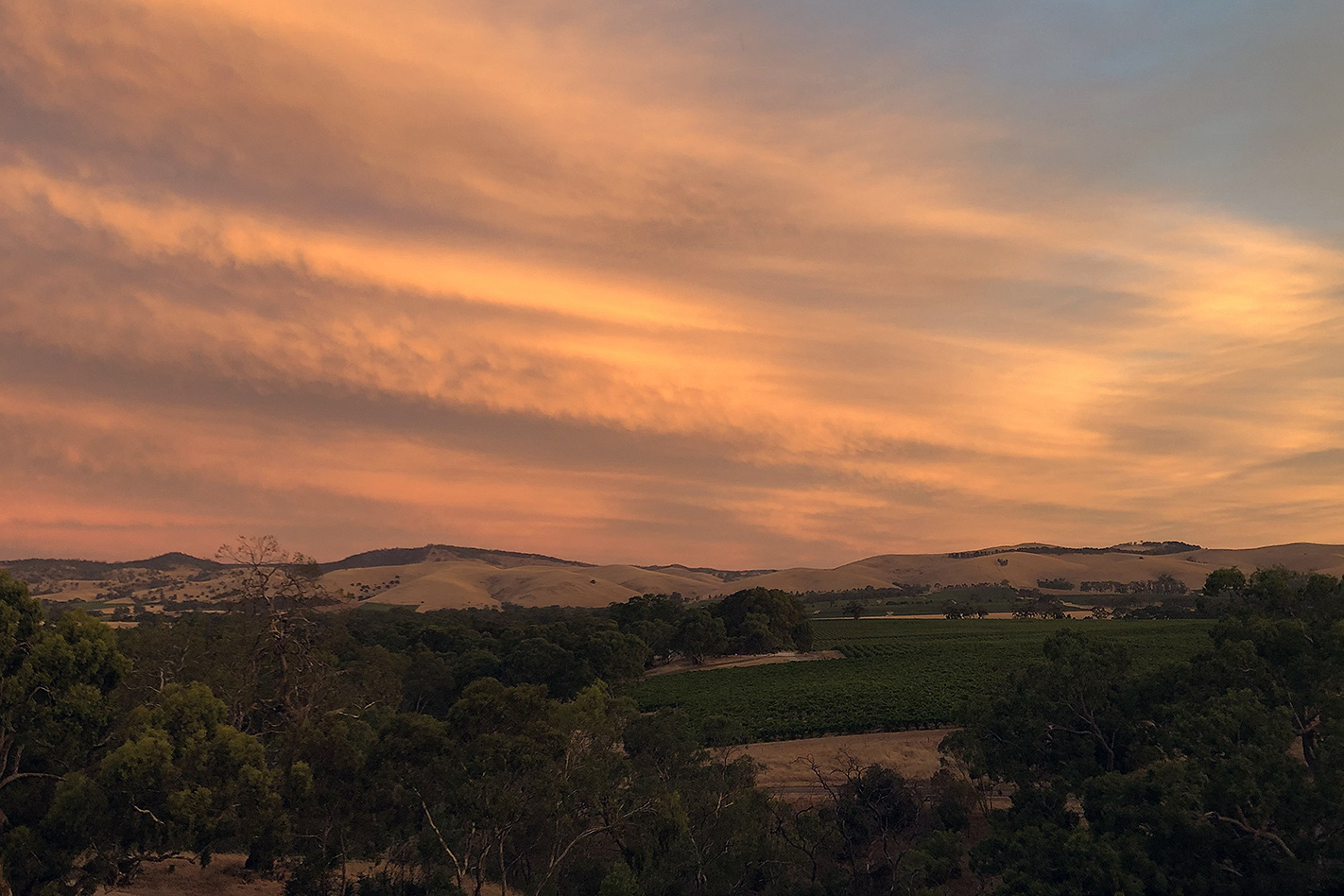
There is also plenty of natural beauty, including the Barossa Range whose various peaks stretch north from Mount Lofty in the Adelaide Hills and afford spectacular views across the vineyards.
The car
Our ride for this trip was the rather appropriate 2020 Land Rover Range Rover Sport Si4 SE Hybrid, which was in its element when gracing winery forecourts, cruising winding country roads or exploring dirt tracks on the surrounding hills.
With a base price of $134,166, it comes with a scrolling list of features as you’d expect in a Range Rover as well as excellent mechanicals including the punchy 2.0-litre turbocharged petrol/plug-in hybrid powertrain and four-wheel-drive that that makes it feel at home everywhere from the smoothest freeways to the roughest of tracks.
Our test vehicle came with about $10,000 worth of options including 16-way Memory Front Seats ($4570); Driver Assist Pack with front-facing exit monitor and adaptive cruise control, lane-keep assist, park assist and 360-degree parking monitor, and Byron Blue metallic paint.
The journey
The Barossa is about nine hours from Melbourne so we decided to break up our trip with a stopover in Meningie, situated on Lake Albert in South Australia’s beautiful Coorong region.
I first visited the area in 2019 driving a Nissan X-Trail and really liked how, while popular with passing travellers, it isn’t anywhere as big or busy as nearby Goolwa or Murray Bridge – if staying in Meningie check out the Meneingie Waterfront Motel where you can get a lake view room for under $100 a night.
The Coorong is 4WD heaven and the perfect place to try the Range Rover Sport on sand, though I was careful not to tackle anything too difficult as I wasn’t carrying any recovery gear and didn’t want to damage the fancy 21-inch sports rims shod with 275/45 Pirelli Scorpion all-terrain tyres.
I found a simple but picturesque sandy track to a place called Mark Point, which overlooks the vast lagoons that are separated from the Southern Ocean by massive sand dunes.
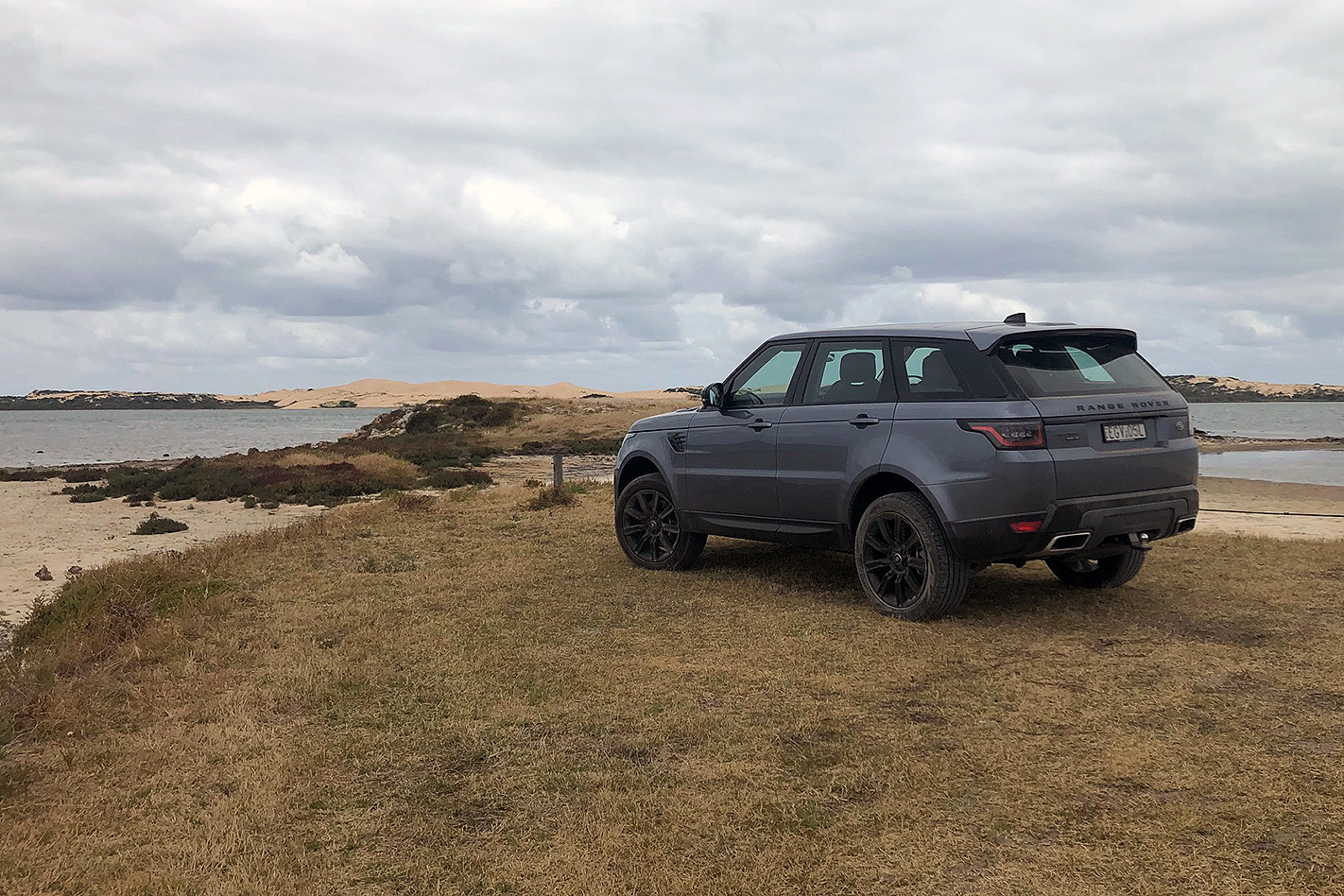
Despite the Sport moniker this Range Rover had no trouble negotiating the sand and powdered limestone thanks in no small part to the adaptive suspension that allows you to raise the springs 15cm above the normal setting to easily clear the ground between the deep ruts that would trouble more road-focused SUVs.
Then there’s the traction. The Range Rover Sport has a series of drive modes – ECO, Comfort, Dynamic, Grass/Gravel/Snow, Mud and Ruts and RockCrawl – that adjust the gearing, damping, traction and raises or lowers the suspension to suit.
There is also an Auto mode, which seamlessly adapts to different road conditions and how you drive on them.
It’s this versatility – the ability to negotiate soft sand and deep ruts and drive on to bitumen in the Coorong and then hug hairpins in the Adelaide Hills – that really impresses.
Barossa bound
We took the freeway route past Adelaide and toward the Barossa Valley where I was able to dwell on the Range Rover Sport’s luxurious side.
There is room in abundance, the sense of spaciousness enhanced by the fixed panoramic sunroof that takes up most of the roof.
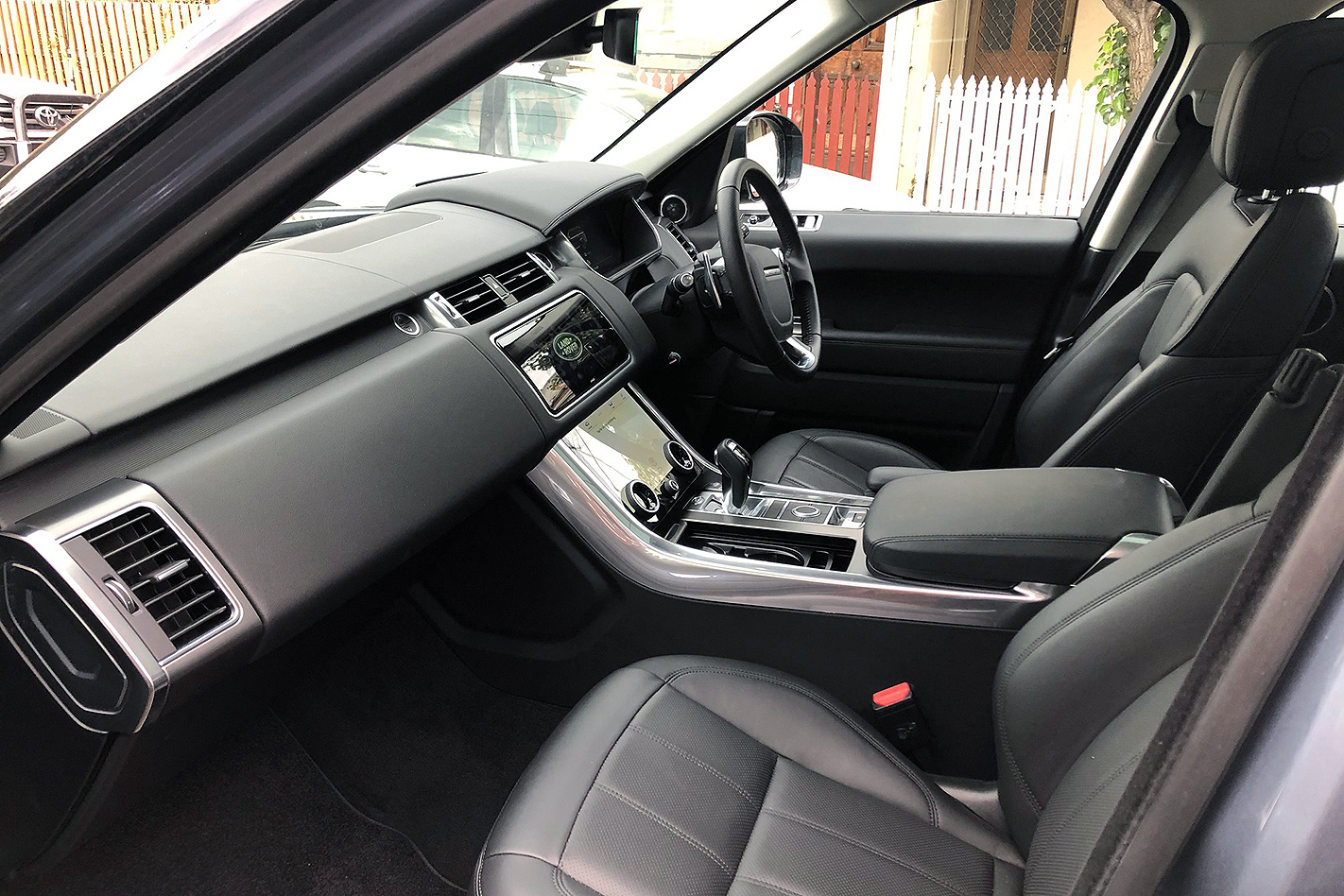
The leather seats are comfortable, with the front buckets in particular offering plenty of back, hip and under-thigh support.
In the nine hours total driving from Melbourne to the Barossa I barely had to adjust my position in the seat to get more comfortable.
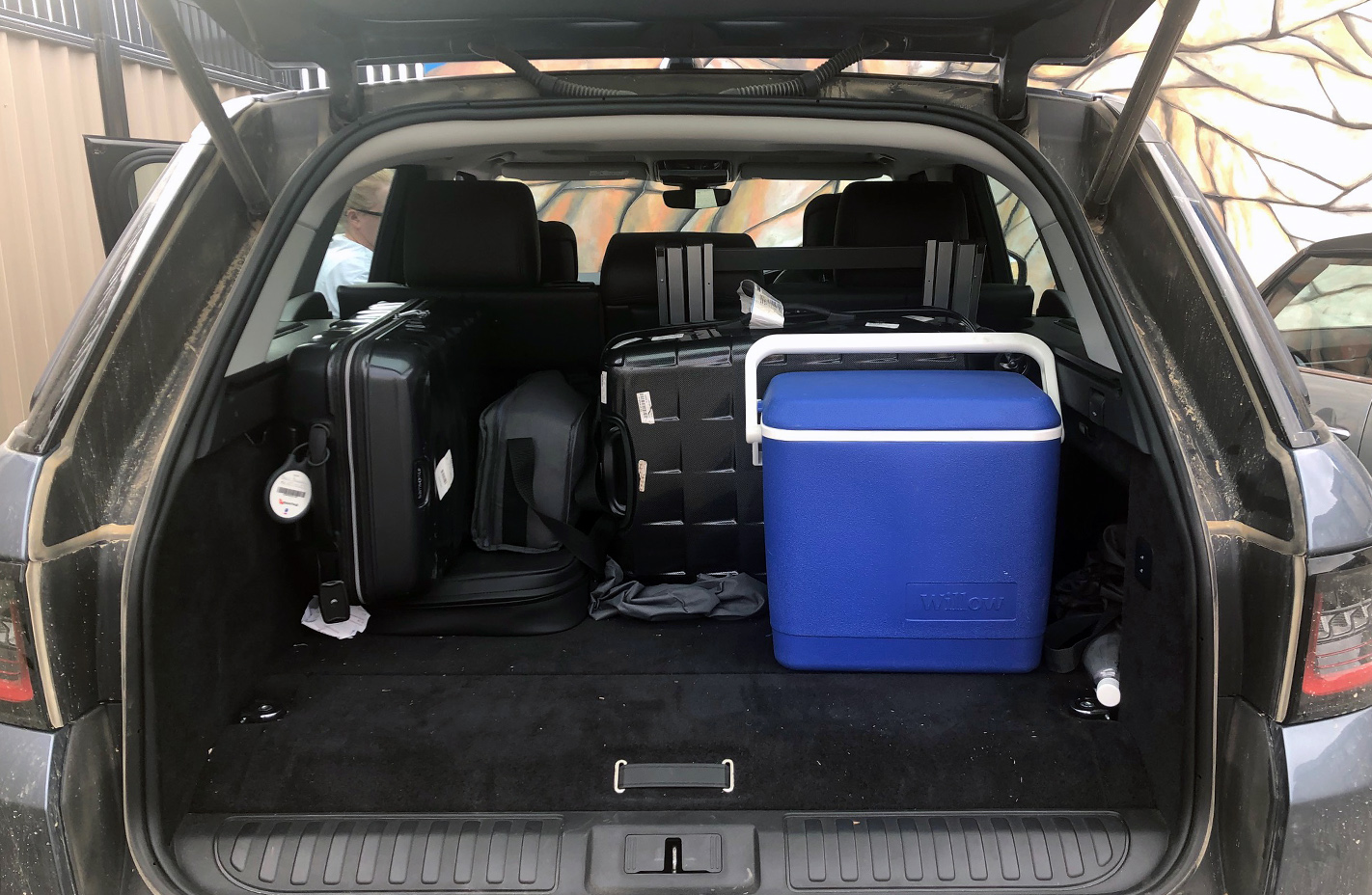
That cabin space extends to the 780-litre boot, which is very practical despite the boot floor being 46mm higher to accommodate the batteries, resulting in the overall volume being reduced by 79 litres.
Still, we were able to fit plenty in there and there is a switch that lowers the rear wheels to help handle heavy loads.
Another disadvantage with having batteries under the boot floor is that there is no room for a spare tyre, meaning you have to make do with tyre repair kit – another reason I wasn’t too adventurous in the Coorong.
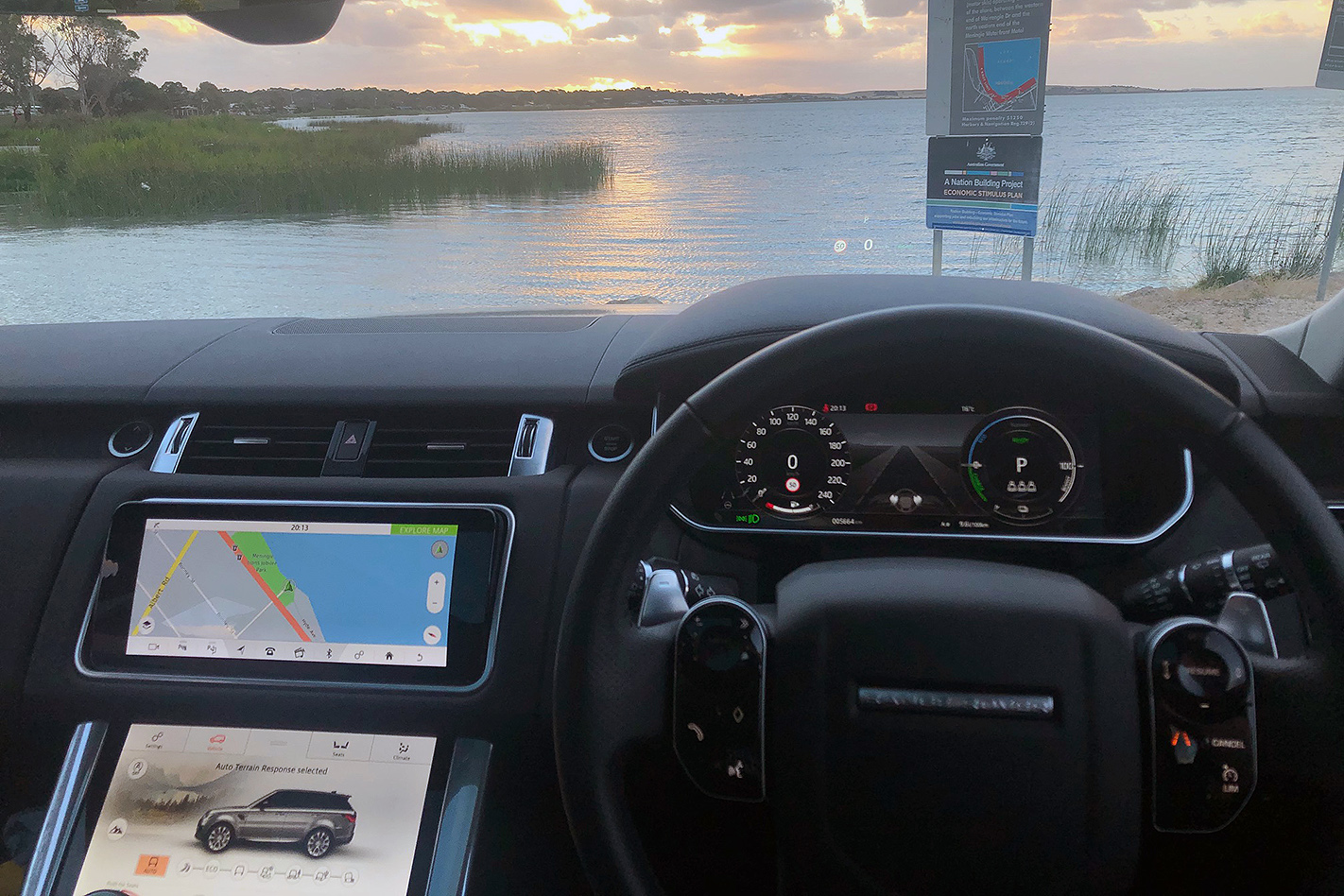
Up front, the dual-screen infotainment system, which includes the climate control settings takes some getting used to, but once you do it’s quite intuitive with on-screen ‘buttons’ easy to operate even when on the move.
The additional functions that come with the Driver Assistance pack such adaptive cruise control and lane-keeping assist operated smoothly… though I don’t get why such features, which are standard in far more affordable vehicles, are extra-cost options in an SUV with a six-figure price tag.
Our ultimate destination was the Novotel Barossa Valley at Rowland Flat, home to world-famous Jacobs Creek Estate that’s located adjacent to the eponymous stream.
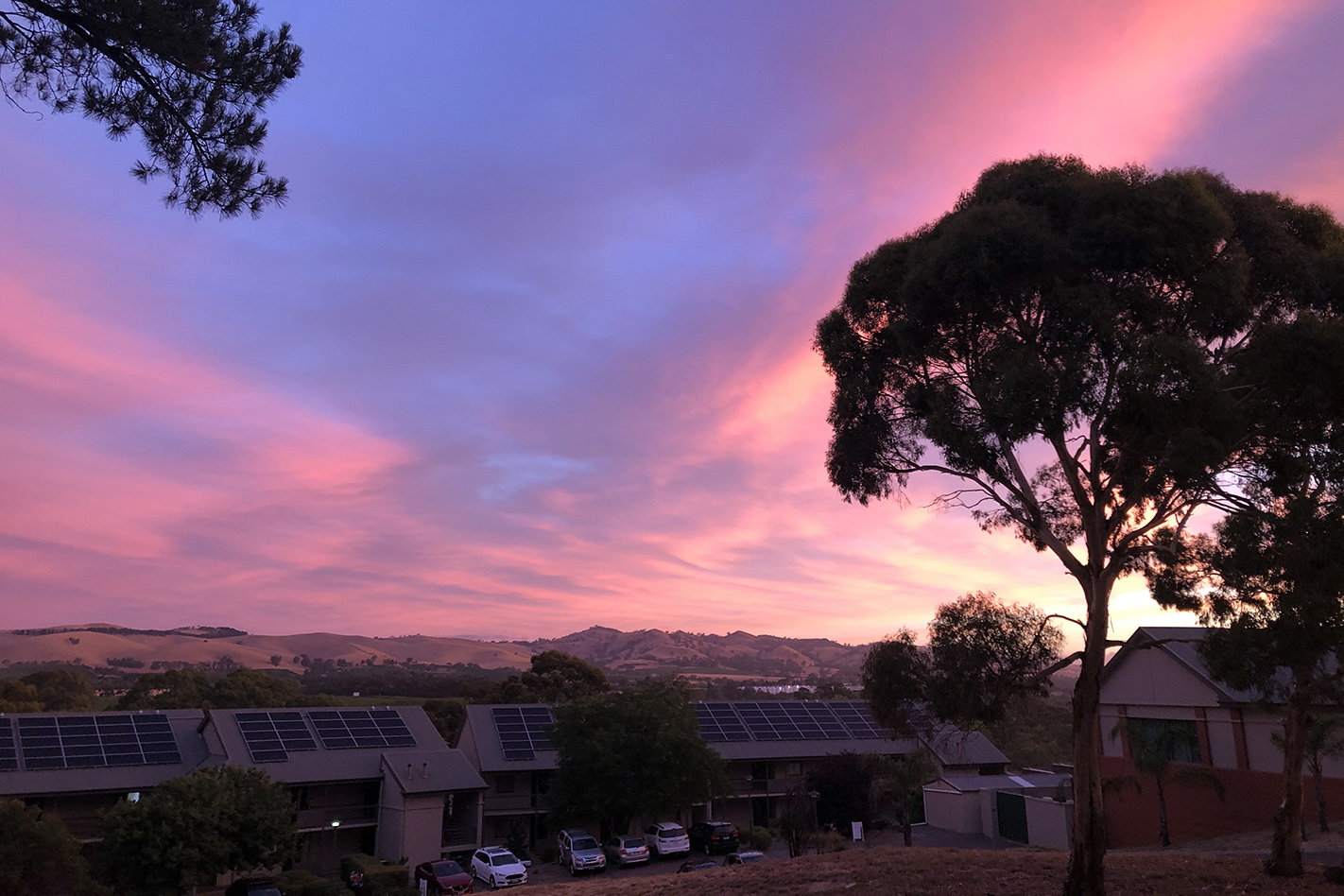
Built in 1999, the Novotel is a large resort-style hotel adjoining a nine-hole golf course. It has two long wings with ground and first-storey rooms looking out over bushland and vineyards toward the Barossa Range, which glows red at sunset.
The rooms are big and elegantly styled and the king-size bed we had was one of the most comfortable I’ve ever slept in.
Rooms are about $300 per night, which is pretty good value whether you’re using it as a base to explore the Barossa or just want to hang out at the pool or play a round of golf or tennis.
It also has a day spa and an elegant restaurant for breakfast and dinner, and lunch on weekends.
Rowland Flat itself is a blink and you’ll miss it town, but it’s only a five-minute drive to Tanunda that’s considered the historical heart of Barossa, with attractions including the Downton Abbey-looking Chateau Tanunda, Rockford Winery and Peter Lehmann Wines but to name a few.
Road trip
Spending a few days by the pool and at cellar doors isn’t the worst way to spend a holiday but it’s not really conducive to driving, so we decided to spend a day exploring the region and some of its alternative attractions starting with the Whispering Wall at the Barossa Valley Reservoir near Williamstown.
Built between 1899 and 1903, the nine-storey high concave dam was an engineering marvel in its day, but is now noteworthy for its acoustic properties that amazingly allow you to hear someone at the other end, 140 metres away, talk as though they’re right next to you.
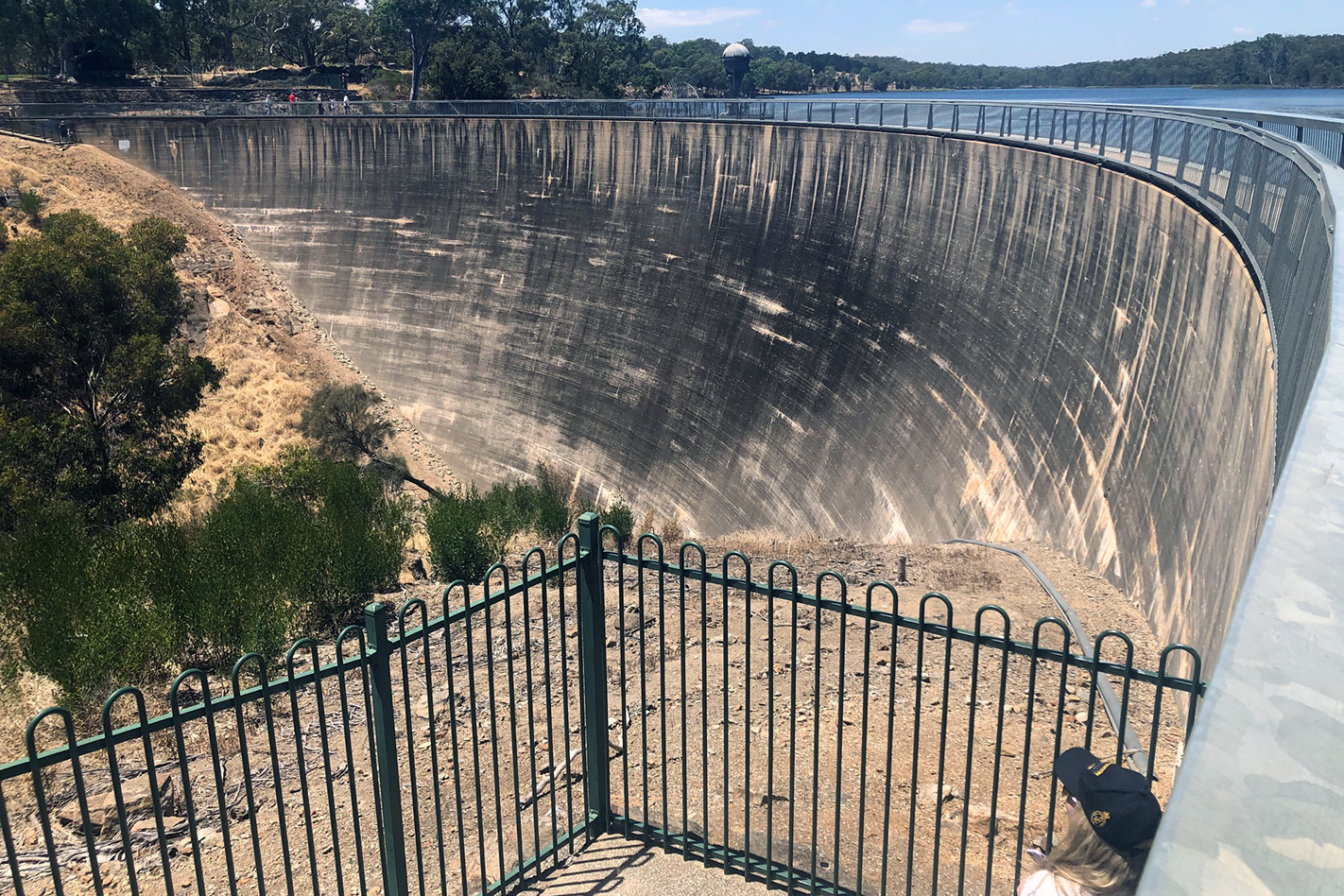
The reservoir itself is a nice place to have a picnic, with a big shady lawn near the water that’s provide some welcome relief from on a hot South Australian Day.
Should you want to do some wine tasting nearby, you’ll find Penfolds and Seppeltsfield.
You’re also not too far from Hahndorf, Australia’s oldest German settlement popular for its arts and crafts and restaurants, serving up Teutonic dishes such as German wurst, sauerkraut and pretzels.
Content to keep driving around and seeing the sites, including a 180-degree view of the entire valley from Mengler’s Hill Lookout – which also has a sculpture park that’s a bit ‘meh’ – we ended up in Angaston for lunch at 40’s Café situated in an old flour mill, which holds a string of awards including Australia’s best pizza and pizza maker.
After sampling their Publican Special pizza, which is topped with Barossa smoked bacon, salami, onion, capsicum, pepperoni, kalamata olives, mushrooms, jalepenos and anchovies, we had no reason to dispute their credentials.
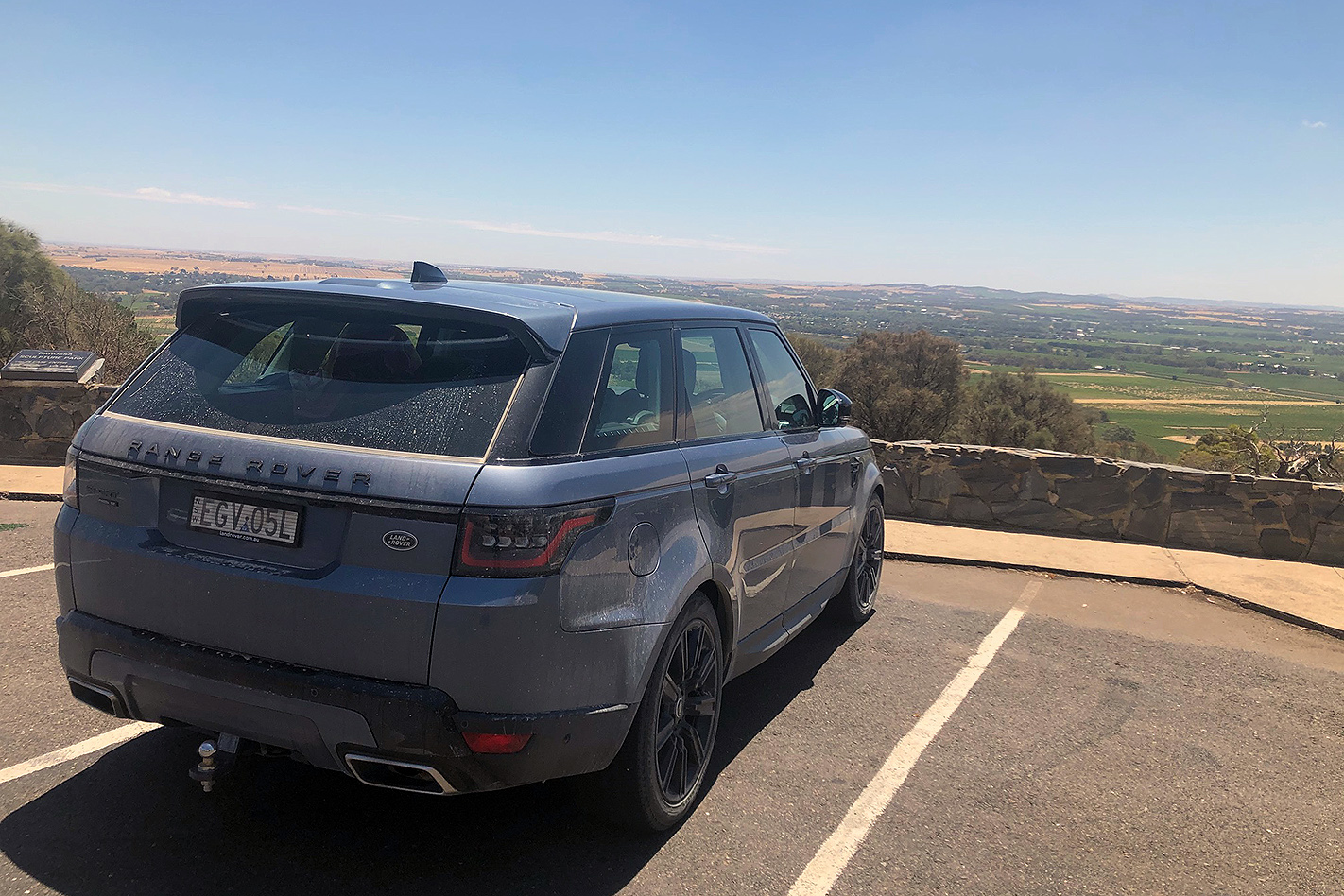
With the mercury rising we retreated to the Novotel for a swim and hit the road the following day to visit the Mt Lofty Botanic Garden in the Adelaide Hills.
The stunning 97-hectare park features flora from around the world laid out in a series of separate gardens and gullies whose exotic vegetation makes you think you’re stepping different parts of the world from the American woods to West Asian rainforests.
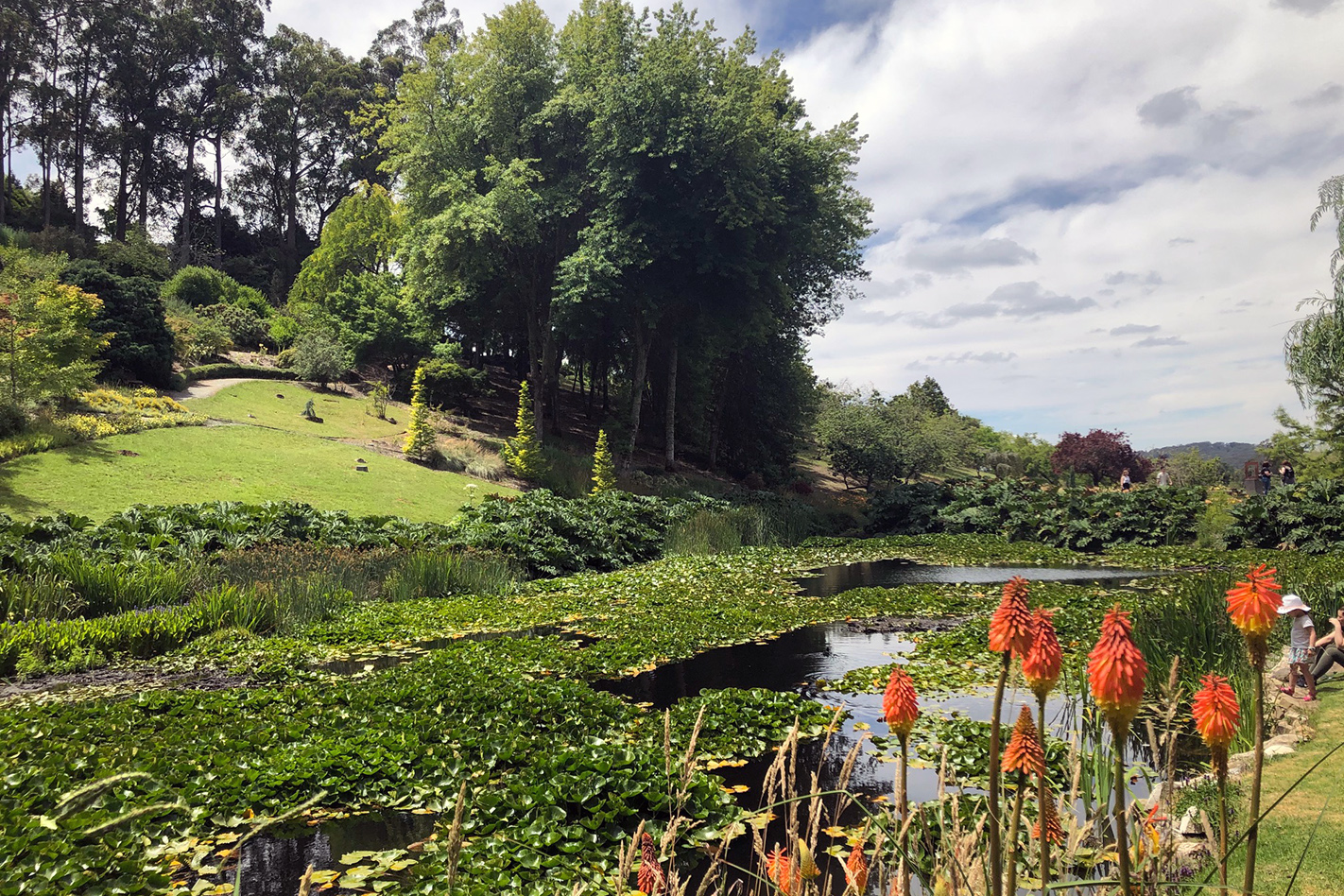
There two ways to get to Mt Lofty from the Barossa, which are each about 70km.
We chose the picturesque B31 otherwise known as the George Road, which has some tight bends once you get through the hills that the Range Rover Sport lapped up in Dynamic mode, which lowers and tightens the dampers a little more to make it think it’s a hatchback.
It’s a lot of fun when you’re behind the wheel but not so much of you’re the passenger, so we returned home on the stretchier B34 otherwise known as the Onkaparinga Road.
As with many single-lane highways in South Australia, this has stretches with 110km/h speed limits, which the plug-in hybrid Range Rover Sport does in a canter.
As well as offering fuel savings, the 105Kw electric motor provides an additional 76Kw power boost to the 221kW Si4 Ingenium Petrol engine when you really need it – not that I ever did.
Battery consumption is such so there’s always enough power to run silent at slow speeds.
With the 12.7kW battery sufficiently charged you can drive around in full EV mode for up to 48kms, though running the air-conditioning on a hot day will reduce that distance significantly.
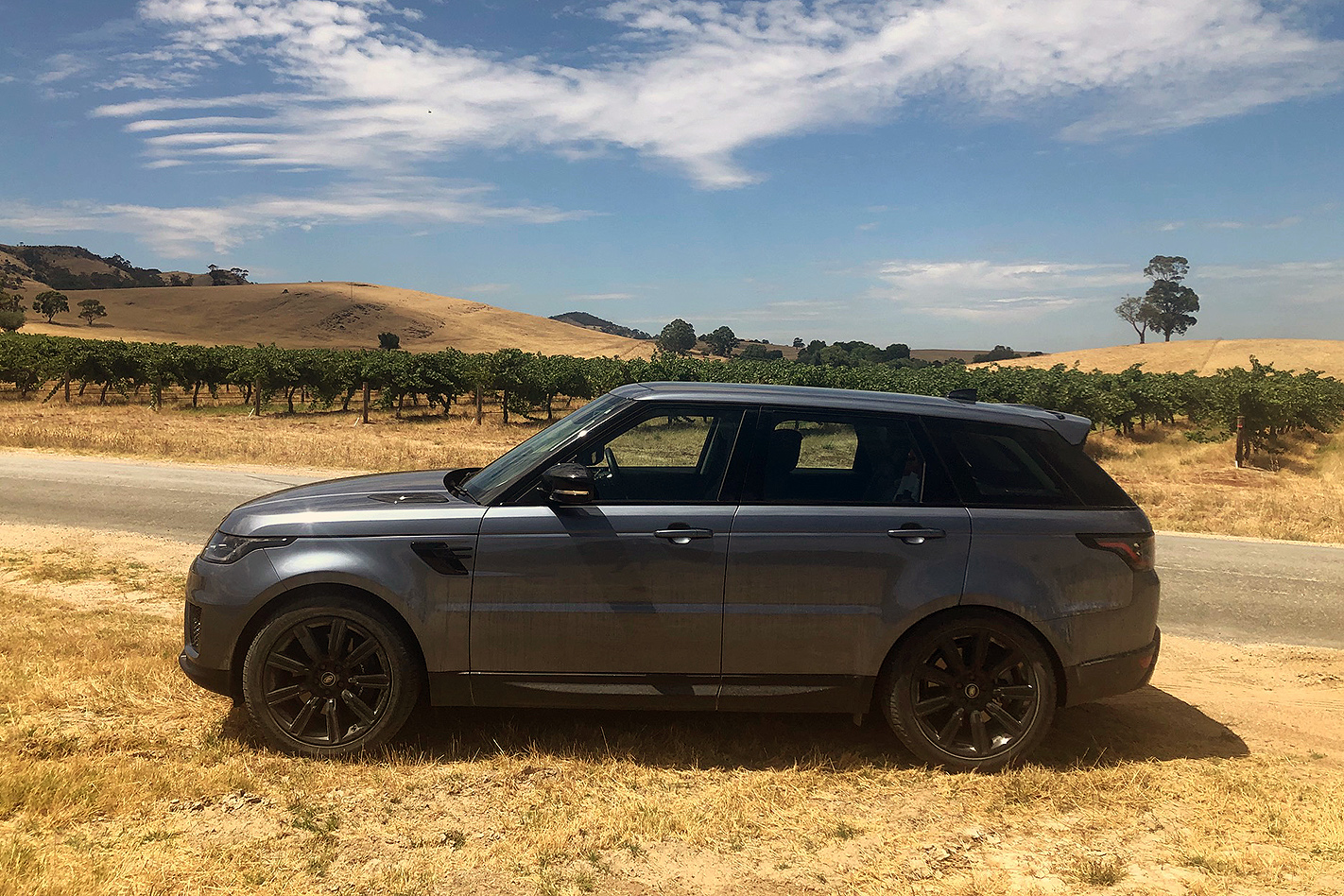
This also reduces fuel consumption to as low 2.4L/100km, if you set off on a full battery. Unfortunately, I wasn’t able to charge at the Novotel and while there is an EV charging station in Tanunda but it only has DC rapid chargers which aren’t suitable for PHEVs, which can only be charged with low wattage AC units.
Even so, it would take about two hours to charge the battery with 7kW or 22kW charger so it wasn’t really an option while on the move.
So, apart from a short time when I left home, most of the driving I did was on battery alone apart from when the regenerative breaking recouped about 13 per cent charge on the way down from the Adelaide Hills.
This helped bring fuel consumption for the entire trip of 9.7L/100km over 2658km.
This actually isn’t too bad for a 2.5-tonne large SUV and when you consider and the 400kg-lighter non-hybrid Si4 SE with the same petrol engine has a marginally lower official combined consumption of 9.2L/100km.
Still, you’re paying $28,000 more for the plug-in hybrid, which is a lot of money if you’re not going to use it to its full advantage.
Off the beaten track
For all the sign-posted attractions one of my favourite spots in the Barossa was one I found by accident just a short distance from the Novotel.
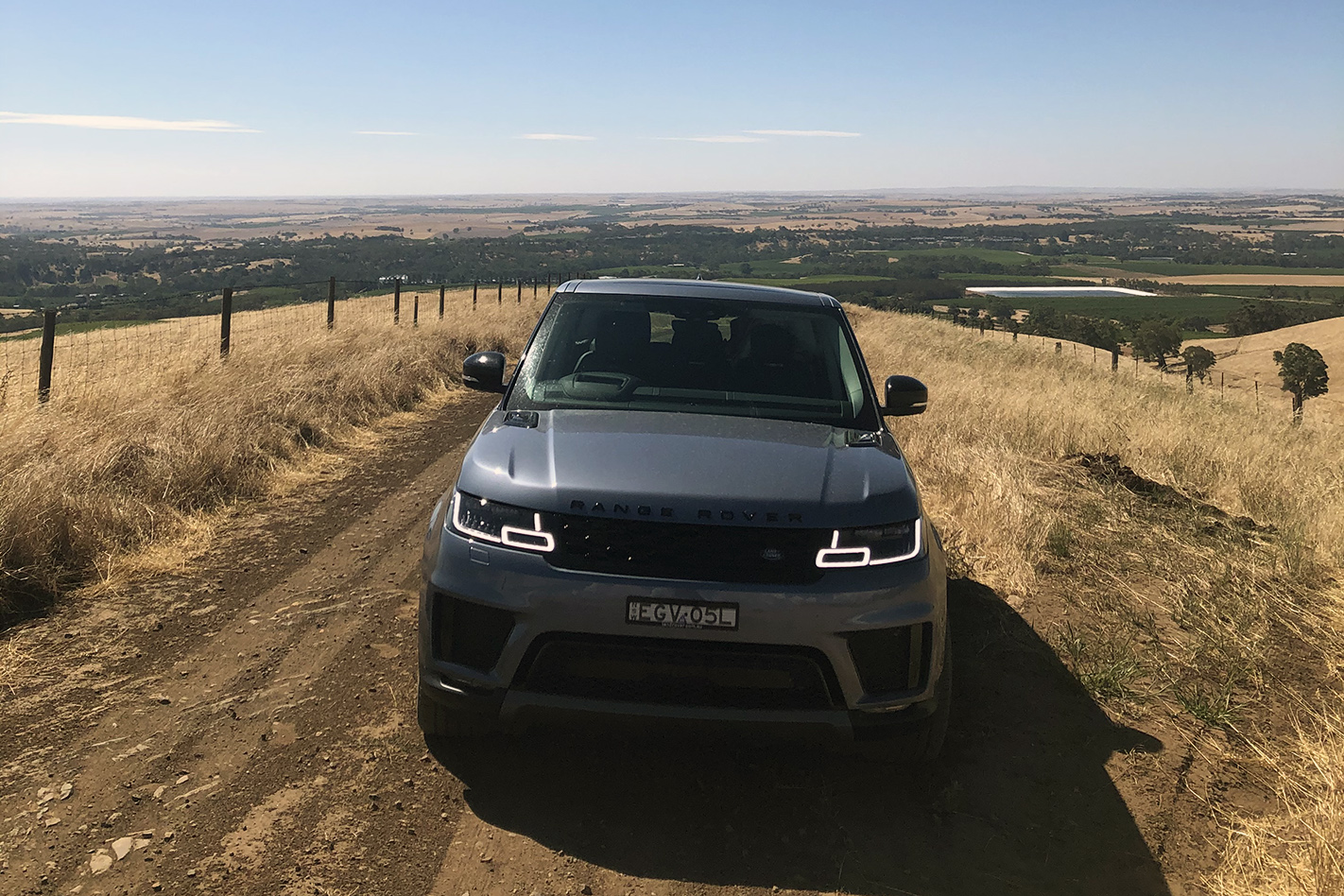
Steingarten Road off the Barossa Valley Way at Rowland Flat is a no-through road, but we decided to see where it leads and found ourselves driving up and up one of the Barossa Range’s slopes on a recently graded dirt track, trickling past bemused sheep and kangaroos.
A farm gate hindered our progress after about three kilometres, but we were high enough to take in great sunset views to see out our final day before heading home.
Normally this would be a bit of a downer, but I was actually looking forward to several more hours in the Range Rover Sport saddle.
I love going sideways. I don’t know anyone who doesn’t. I’ve even seen non-enthusiasts giggle at their first application of opposite lock and quickly get hooked on the sensation.
It’s difficult to explain why it’s so addictive. Is it the idea of being on the edge of control or the unique and unusual forces?
You don’t even need to be in a car; how many times have you swung the shopping trolley into a Scandinavian flick and changed aisles with the rear wheels gracefully tracing a wider arc than the fronts? Something about going sideways pleases a primal instinct.
Why, then, is the sport of drifting looked down upon? I was reminded of this recently by a tweet from Alexi Smith, aka Noriyaro, an Aussie ex-pat who has been deeply embedded in the Japanese drifting community for many years.
His tweet read: “A long time ago, I was at the TRD workshop in Canberra for a magazine article and the wife/co-driver of some rally driver scoffed and said ‘Drifting isn’t a motorsport’.”
It’s a familiar trope. I was involved in the early days of drifting in Tasmania and basically the entire motorsport community hated it.
Circuit racers didn’t see the point, rally drivers all thought they could do it and circuit owners went apoplectic when they saw drivers dropping wheels off the edge of the track.
To be fair, those early drifters didn’t cover themselves in glory. Qualifying saw as many spins as scores and the cars were often thrown together while running the skinniest rear tyres possible in order to break traction. Cue much guffawing from the peanut gallery.
The situation quickly improved. Skills grew exponentially, the hardware became more professional and the chuckling stopped as cars were suddenly skimming pit walls in fourth gear with the tyres on fire.
Fast forward to 2020 and the base skill level in state-level competition is unrecognisable from those early days.
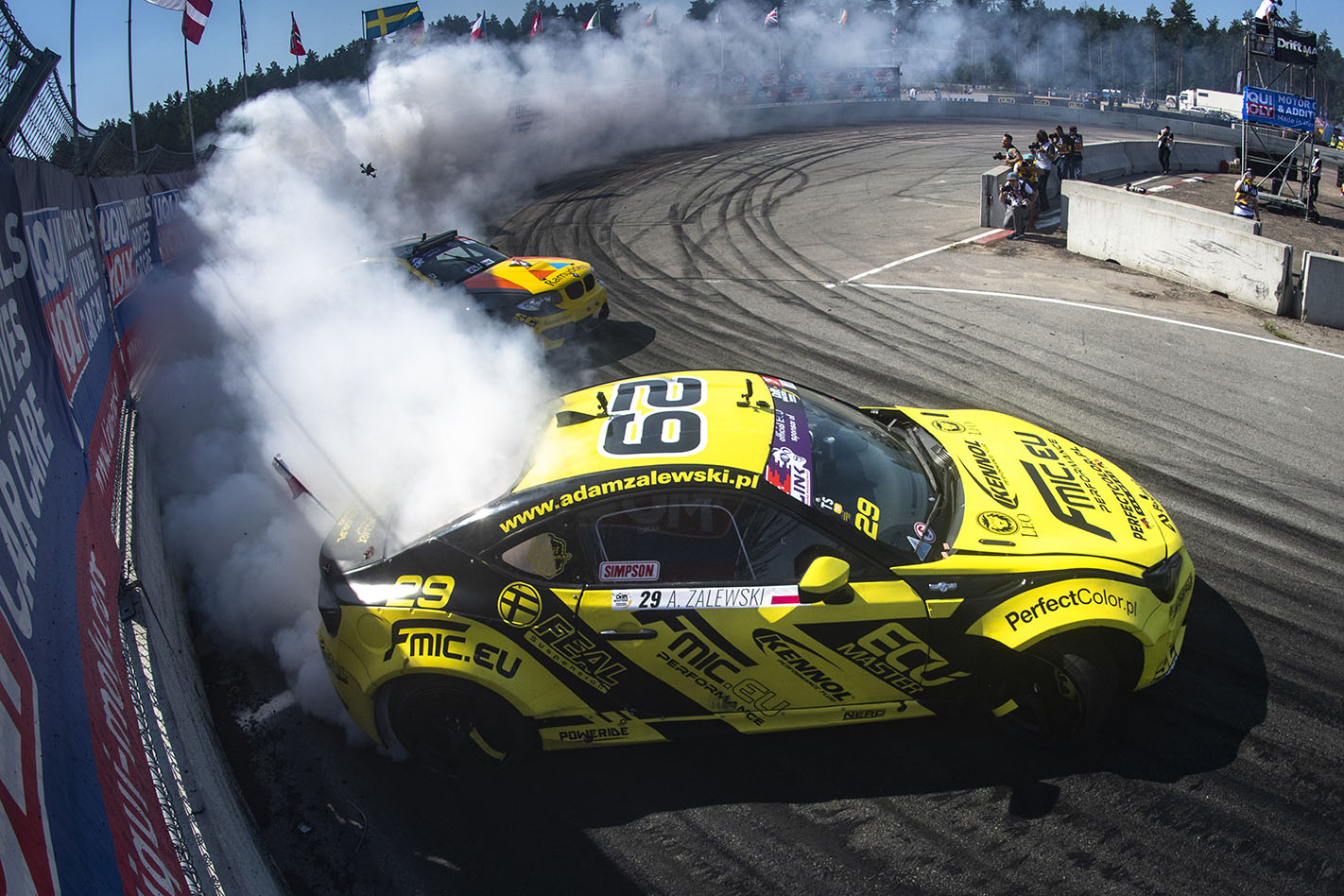
Nevertheless, there still remains a level of snobbery towards drifting and I don’t really understand why, for in many ways it’s everything you want from motorsport.
The greatest criticism of modern motorsport is that the cars don’t move around and aren’t very spectacular. Given the whole point of drifting is to get the car out of shape, there’s no such thing as a boring run.
Likewise, whether it be Formula 1, NASCAR or Supercars, a common complaint is that all the cars look and/or sound the same.
One of drifting’s greatest attributes is the variety of machinery.
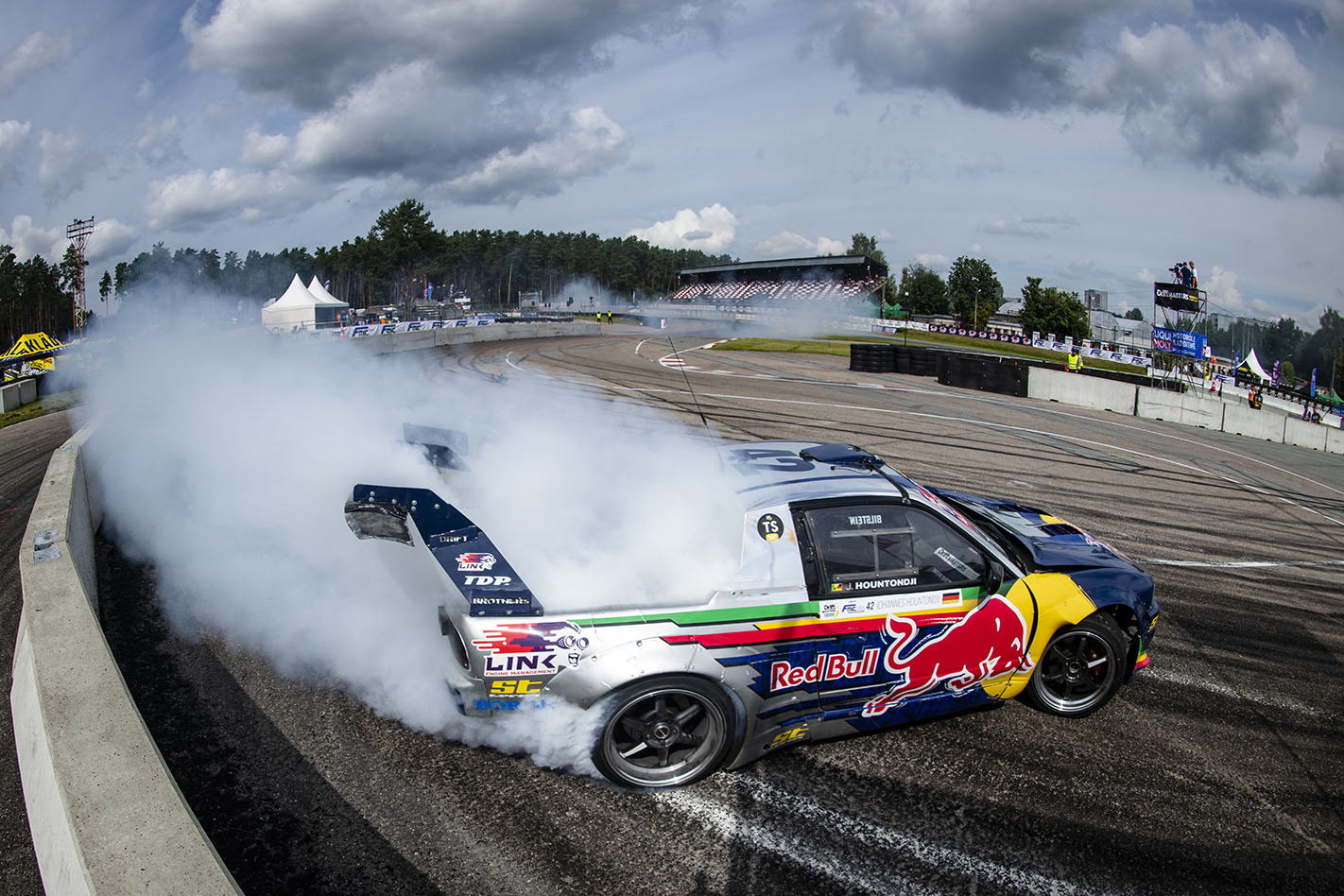
Here are just a few examples of cars from around the world: Samuel Hubinette’s twin-turbo Dodge Viper, Joe Hountondji’s Red Bull-sponsored Nissan S13 200SX ute with a Mitsubishi Eclipse front end and a 7.4-litre LS7 V8, Pontus Hartman’s Barra-powered BMW E46 3 Series Coupe and Katsuhiro Ueo’s Nissan S15 Silvia with 850kW of VR38 from an R35 GT-R.
Drifting is also one of the very few motorsports left where driver talent is more important than the car being driven.
Technical evolution has spelled the end of the giant-killing antics of 145kW AE86s, but the fact remains that it doesn’t matter what you’re driving or where you qualify, you can still win.
Some don’t like the fact that success in drifting is determined by judges rather than the stopwatch.
Are Simone Biles’ 27 Olympic and World Championship gymnastic gold medals less impressive because they were determined by scorecards?
Japan’s D1 Grand Prix, the original drifting competition, has attempted to overcome this by using a VBox-based data measurement system to generate scores, but to be honest it creates as many problems as it solves.
If you like watching cars making awesome noises and doing spectacular things then hop on YouTube and watch some international drifting, I suspect you’ll be impressed. But even if you have no interest in such things, open your mind and give drifting the respect it deserves.
Mercedes-Benz isn’t Apple, but its latest S-Class sure is like a new-generation iPhone.
The big sedan looks much like the old one on the outside, but there’s an awful lot of new, very advanced and possibly quite exciting stuff going on inside.
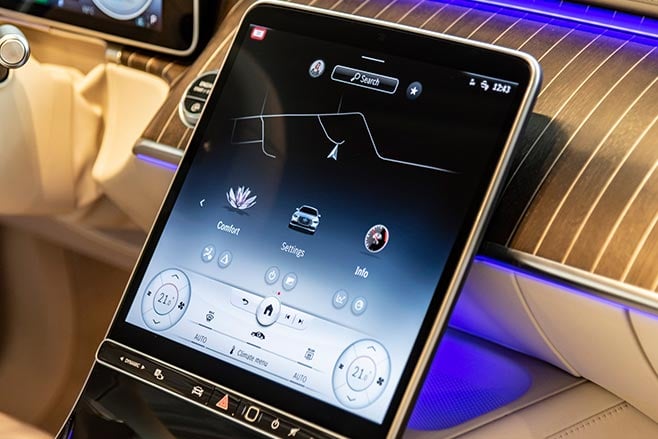
The portrait-oriented OLED touchscreen in the centre of the new Mercedes-Benz S-Class’s gorgeous instrument panel is as luscious as any high-end smartphone. And much of what you see and do on the slanted display is enabled by better electronic hardware and smarter software.
Smartphone-style tech, it seems, is now an essential component of automotive luxury.
Mercedes-Benz doesn’t put it this way, of course, but the press information pack for the new S-Class provides solid evidence of the company’s priorities.
This document runs to 75 pages; only two of them are devoted to the car’s powertrains. Four times as many pages describe what’s new with the S-Class’s second-generation MBUX infotainment system.
Take it from me that an in-detail exploration of everything new with MBUX isn’t going to be an entertaining read.
What is interesting is how Mercedes-Benz is adopting smartphone strategies to boost the power, user-friendliness and flexibility of MBUX and some other systems in the S-Class.
Over-the-air updates will be possible for 50 or so systems in the car, including MBUX.
As the flagship of the Mercedes-Benz line-up, the company promises the S-Class will take some significant steps forward in automated driving over its lifetime.
By the second half of 2021 the big sedan will be able to drive itself.
Don’t get too excited. The new Drive Pilot system will be an optional extra, and though it is SAE Level 3 autonomous, it will be licensed, initially at least, to operate only on suitable sections of German autobahn… at speeds up to 60km/h. It’s specifically designed to take over only in very heavy, slow-moving traffic.
It’s capable of self-parking too, with the demonstration in a multi-storey carpark highlighting the new S-Class’s optional rear-wheel-steering system.
With the ability to swivel up to 10 degrees in the opposite direction to the front wheels, it really tightens the big sedan’s turning circle.
The need to install rear-wheel steer is just one of the reasons the S-Class’s multi-link rear suspension is all new, and very compact.
The primary objective with the redesign was to make space for the large battery pack of the plug-in hybrid version, due towards the end of 2021.
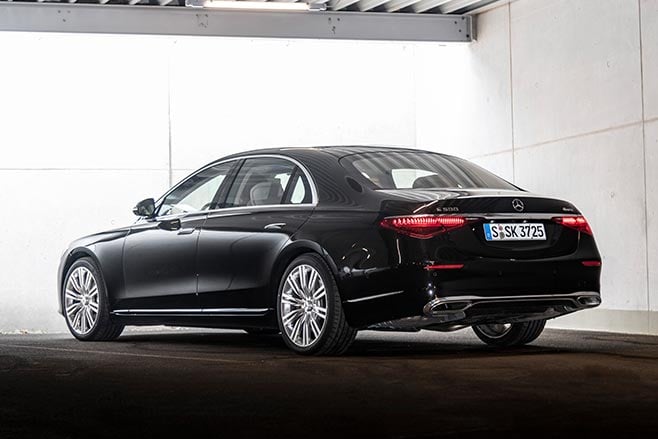
Even though it’s a long way from launch, Mercedes-Benz brought the S580e PHEV to the car’s international media intro.
Also present were some of the six-cylinder petrol and diesel variants that will be first into production, plus the petrol V8 that will quickly follow.
First of the new S-Class line-up to reach Australia, in March, will be the S450. It has the 3.0-litre inline six-cylinder engine with low-voltage hybrid system introduced in the current S-Class back in 2017.
The hybrid system’s 48-volt battery also powers the electric compressor that forces air into the engine until its conventional turbo is delivering meaningful boost. The S450 is likely to be followed by the S580, which has a twin-turbo 4.0-litre V8 combined with a newer version of the 48-volt hybrid system.
Mercedes-Benz Australia is also keen to include the S-Class PHEV in the line-up when it becomes available. Confusingly, the power unit of the S580e is based on the six-cylinder engine.
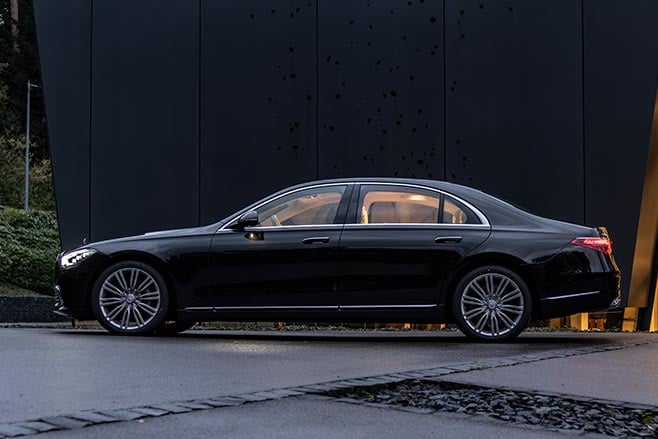
It seems likely the entire new S-Class range in Australia will be hybrids, with either EQ Boost low-voltage or EQ Power high-voltage plug-in power units.
Senior executives said Mercedes-Benz will not produce any petrol-burning versions of the S-Class without hybrid tech.
While diesel S-Classes without hybrid will be built for markets that want them, these are yet to be confirmed for Australia.
As the S450 wasn’t brought to the German intro, we tried the closest thing. The S500’s power unit is essentially identical, but with extra boost lifting power and torque.
All the cars at the launch were loaded with optional-in-Europe equipment: OLED centre screen, rear-seat screens, brilliant augmented-reality head-up display, rear-wheel steering.
Some of this equipment will possibly be standard in Australia, where specification and pricing decisions are still to be made.
That this is a better S-Class is obvious from the second you settle into the driver’s seat.
The cabin is not only luxuriously classy, but deliciously tasteful too. Button clutter has been greatly reduced with the shift of many functions to the instrument panel’s centre screen, so the look is cleaner.
And the interior redesign somehow makes the new S-Class’s interior feel cosier and more compact.

That feeling of compactness extends to the way the car drives. Though it’s longer and wider than the outgoing model, the new S-Class feels agile and precise for something so large.
This hefty sedan clearly has a depth of chassis talent hiding beneath the layer of pillow-soft comfort provided by its standard air suspension.
Both the S500 and S580 low-voltage hybrid power units are S-Class worthy. They’re ultra-quiet and super-smooth providers of propulsion. But the S580e PHEV in electric mode is even better.
Its 29kWh high-voltage battery pack stores more energy than earlier versions of EVs like the Nissan Leaf and BMW i3, so this is a PHEV with a reasonable electric driving range.
Official electric range of at least 100km is expected.
The maximum outputs of the electric motor sandwiched between its six-cylinder engine and nine-speed automatic aren’t huge; 110kW and 440Nm.
While top speed is restricted to 140km/h in electric mode, the low-speed punch of the electric motor means the S580e surges from standstill with real eagerness.
Wafting along without noise or vibration, the S580e feels the easiest S-Class of them all.
It’s much more than just an iPhone on wheels.
Mercedes-Benz S580e specs
Engine 2999cc 6cyl, dohc, 24v, turbo + electric compressor Motor single (within transmission) Battery 29kWh lithium-ion Max power 380kW (combined) Max torque 750Nm (combined) Transmission 9-speed automatic Weight 2200kg (estimated) 0-100km/h 5.0sec (estimated) Economy 1.3L/100km (estimated ADR) Price $260,000 (estimated) On sale Q4 2021
10: Lancia 037 Stradale | Produced: 1982 | Number Built: 207 | Price: $47,000 (conv.)
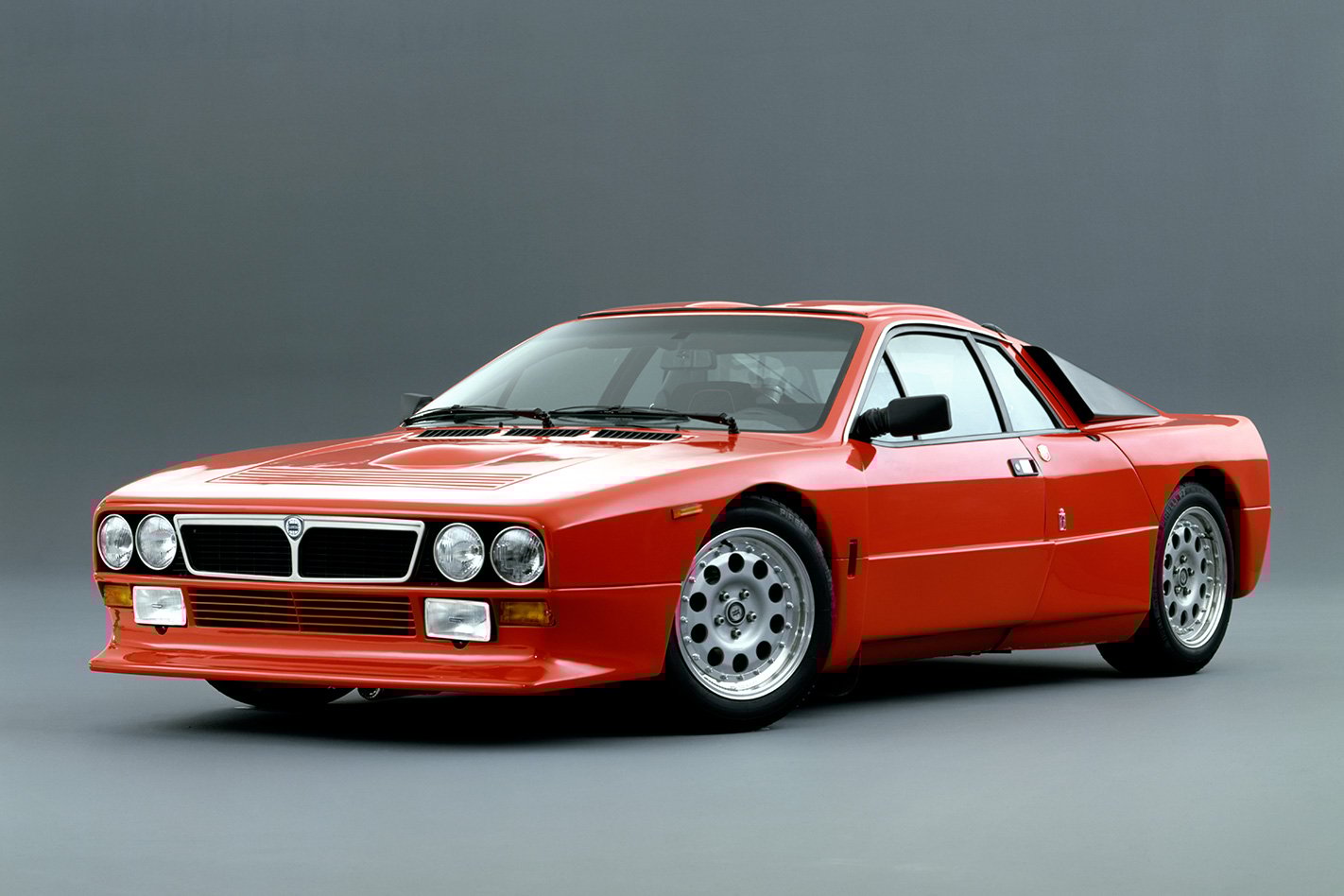
When Lancia needed 200 road cars to enter Group B, it (and Abarth) put a lot more thought into the 037’s pedigree than its name.
Under the Bertone-designed Kevlar body panels was a Stratos-like structure and new tube frames with high-end suspension.
A blown 2.0-litre four bolted to a ZF transaxle offered 153kW on road or as much as 260kW when racing. Plenty to push 960kg and fast enough to beat Audi’s quattro A2 in 1983 and become WRC’s last rear-wheel drive winner.
9: Dodge Charger Daytona | Produced: 1969-70 | Number Built: 503 | Price: US$4776
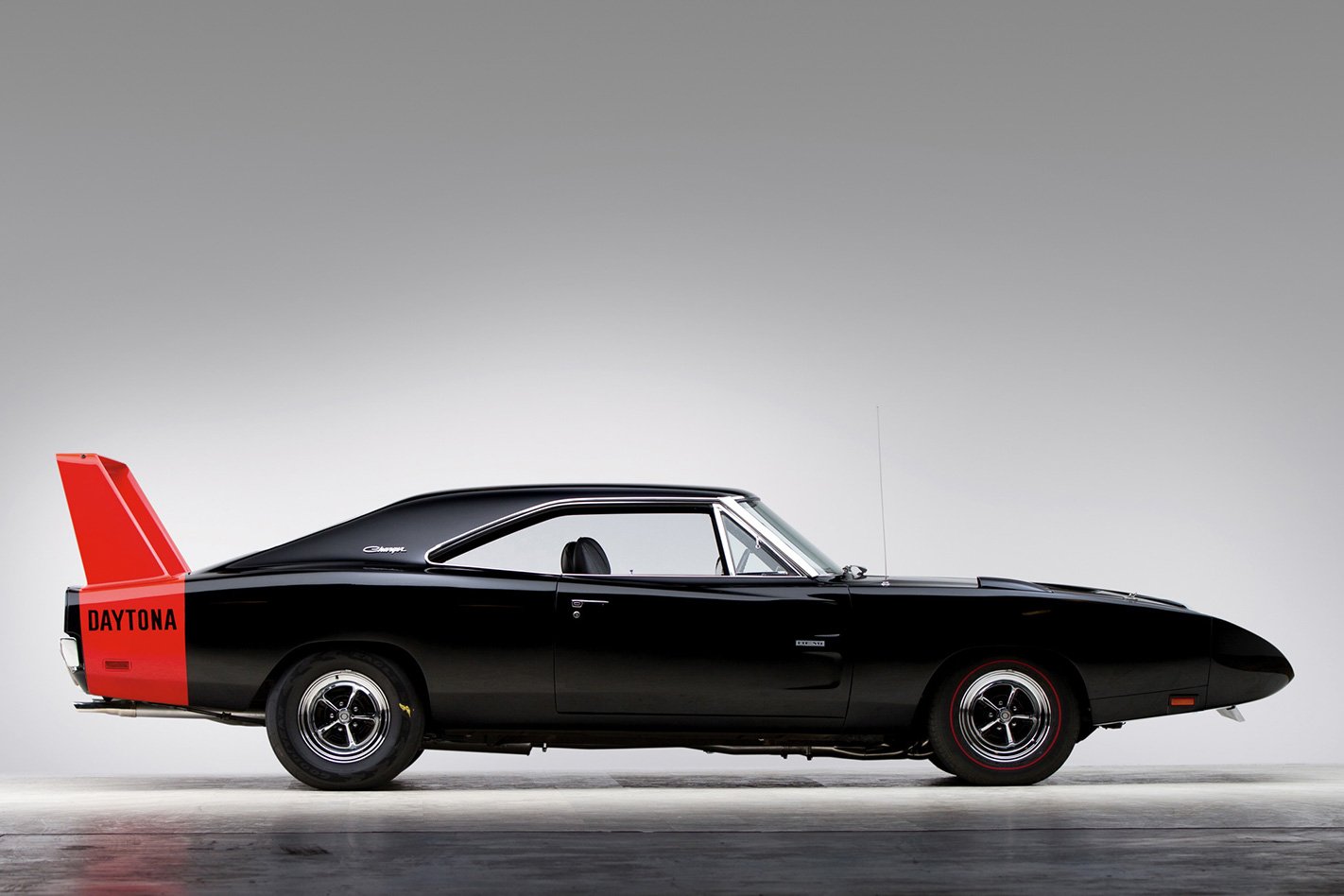
The Dodge Charger Daytona and near-identical Plymouth Road Runner Superbird drove NASCAR to the edge of its rules.
With post-war rocket scientists aiding body design, the 6.9-litre V8 powered Daytona both looked and went like one – topping 380km/h in testing. Its dominant 1970 season, where it became first to pass 322km/h, was NASCAR’s R32 GT-R moment. In 1971 it hit ‘wing’ cars with a 5.0-litre limit to re-shape the series forever.
8: Nissan R33 GT-R LM | Produced: 1995 | Number Built: One | Price: No.
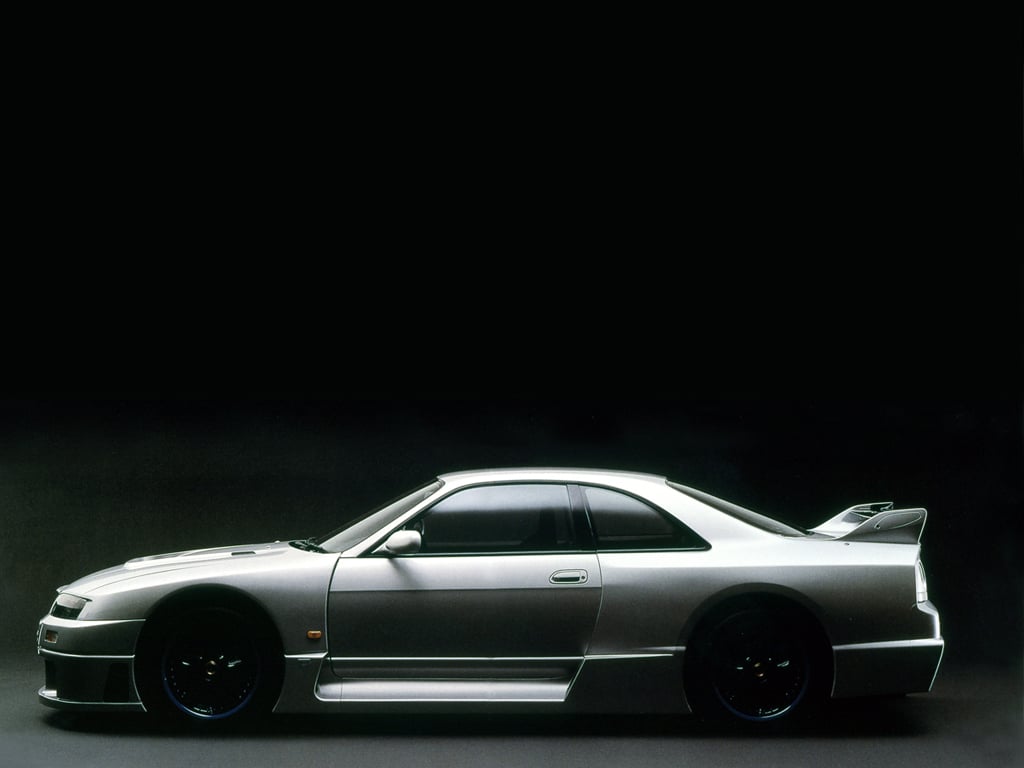
Nissan’s desire to win the Le Mans 24 Hour took an odd turn when sportscar rules ditched F1-scaring prototypes for production-based cars in the early 90s.
Nissan looked to its relatively humble R33 Skyline GT-R to take on Ferrari F40s and McLaren F1s. For homologation, Nismo widened the R33 by 100mm and ditched AWD for RWD, driving weight down to 1150kg.
The sole LM was registered in the UK and now lives at Nismo’s heritage collection in Japan.
7: Mitsubishi Pajero Evolution | Produced: 1997-98 | Number Built: 2500 | Price: $42,495 (conv.)
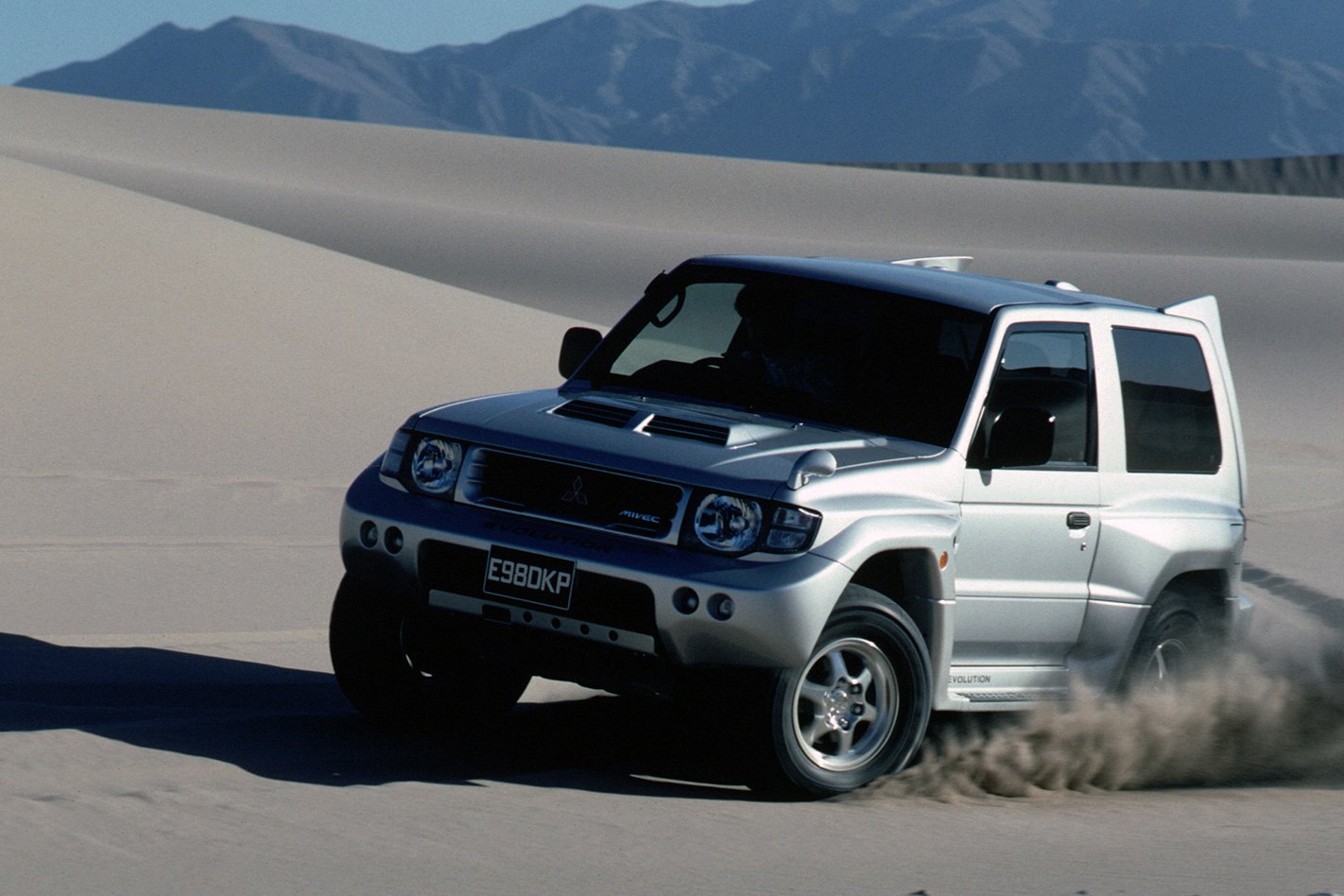
That Mitsubishi’s Paris-Dakar success towers above its WRC campaign reveals its domination of the gruelling trans-continent race.
Mitsubishi won it 12 times overall since 1983, more than anyone else and solely with the Pajero. But it wasn’t until 1997 that it delivered a road homologation.
Named Evolution after the racecar built to T2 rules, the V20-based two-door sported wider guards, an alloy bonnet, long-travel dampers, Torsen LSDs and Recaros.
Its 3.5-litre V6 put 206kW/349Nm through a dual-range drivetrain with either a five-speed manual or auto ’box.
Although good for 205km/h, its talent was jumping dunes on a 2420mm wheelbase.
6. BMW M3 GTR Street | Produced: 2001 | Number Built: Six | Price: €250,000
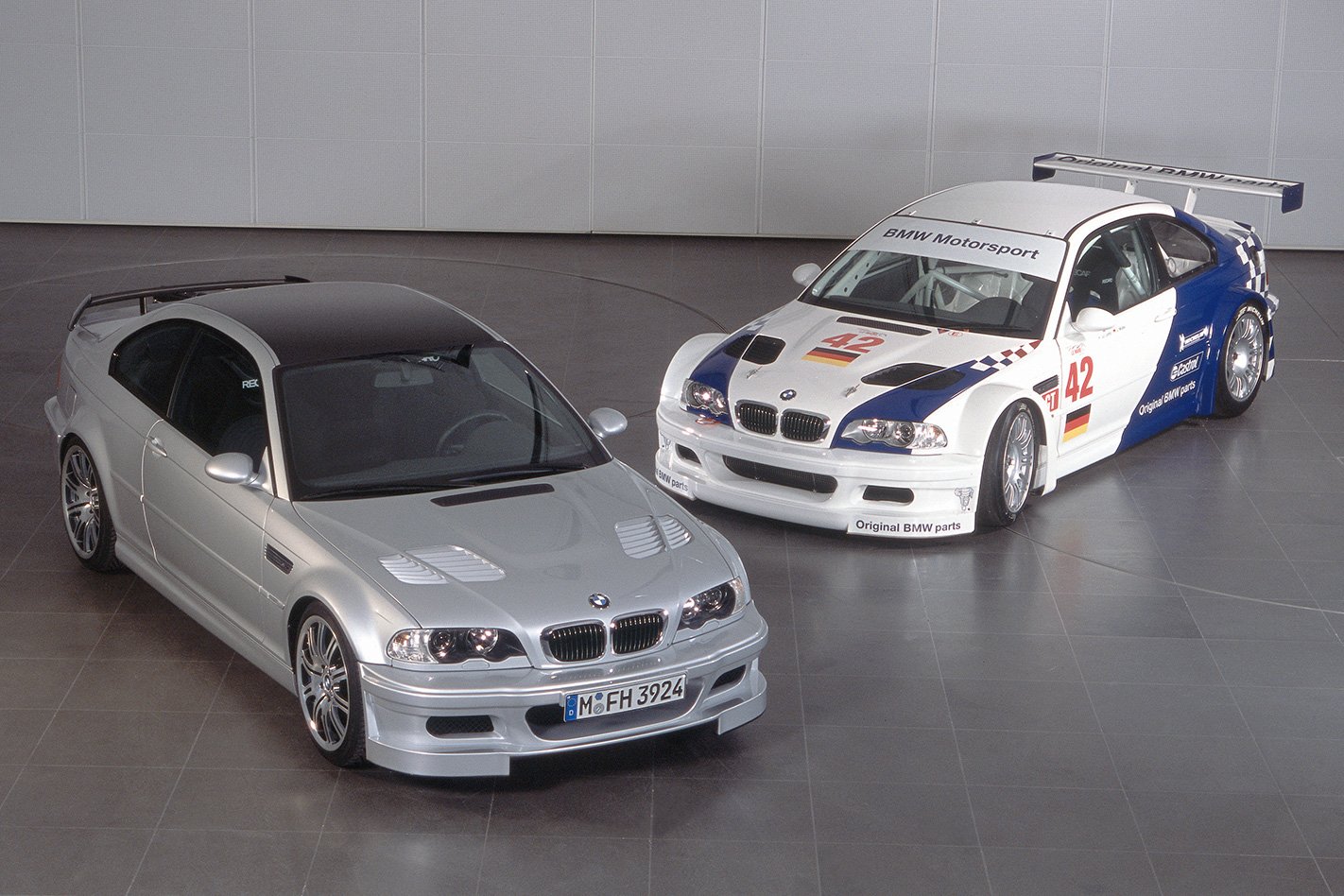
BMW might be set to swap V8 power for an inline six in GT3, but 20 years ago it was the other way around.
Spurred on by Porsche’s dominance of the E46 M3 racer in the American Le Mans Series, BMW leaned on the team that built its F1 V10 engine to replace the car’s rev-hungry 3.2-litre six that choked on the mandated restrictor.
The result was the dry sump P60B40, a 4.0-litre DOHC V8 that put out 331kW. While only 18kW more, the V8 weighed less than the six and produced an all-conquering 480Nm.
Because the rules asked it feature in 10 production road cars, BMW detuned the V8 to 283kW for a GTR Street with CFRP panels and a six-speed manual. Sadly, only six were built before a rule change in ’02 turned BMW off ALMS.
5. Mercedes-Benz 190E 2.5-16 Evo II | Produced: 1990 | Number Built: 502 | Price: $94,311 (conv.)

While the BMW E30 M3’s dominating DTM results overshadowed Mercedes-Benz’s 190E 2.3-16 in the late 80s, the tides turned in a big way for 1988.
That was the year Mercedes announced the Evolution, which took the 2.3-16’s Cosworth built atmo DOHC four then bored and stroked it to 2.5 litres. Then only two years later the Evo II arrived, bumping the 2.5’s rev limit to 7700rpm and outputs to 173kW/243Nm.
The Evo II also upped brake sizes, widened tracks and stiffened suspension, all to aid the outrageous but downforce-rich bodywork.
Inside? It was all class – with only a fire extinguisher a pointed reminder of its intent. All 502 were built in blue-black and with it Mercedes won its first DTM championship in 1992.
4. Ford Falcon XY GT-HO Phase III | Produced: 1971 | Number Built: 300 | Price: $5250
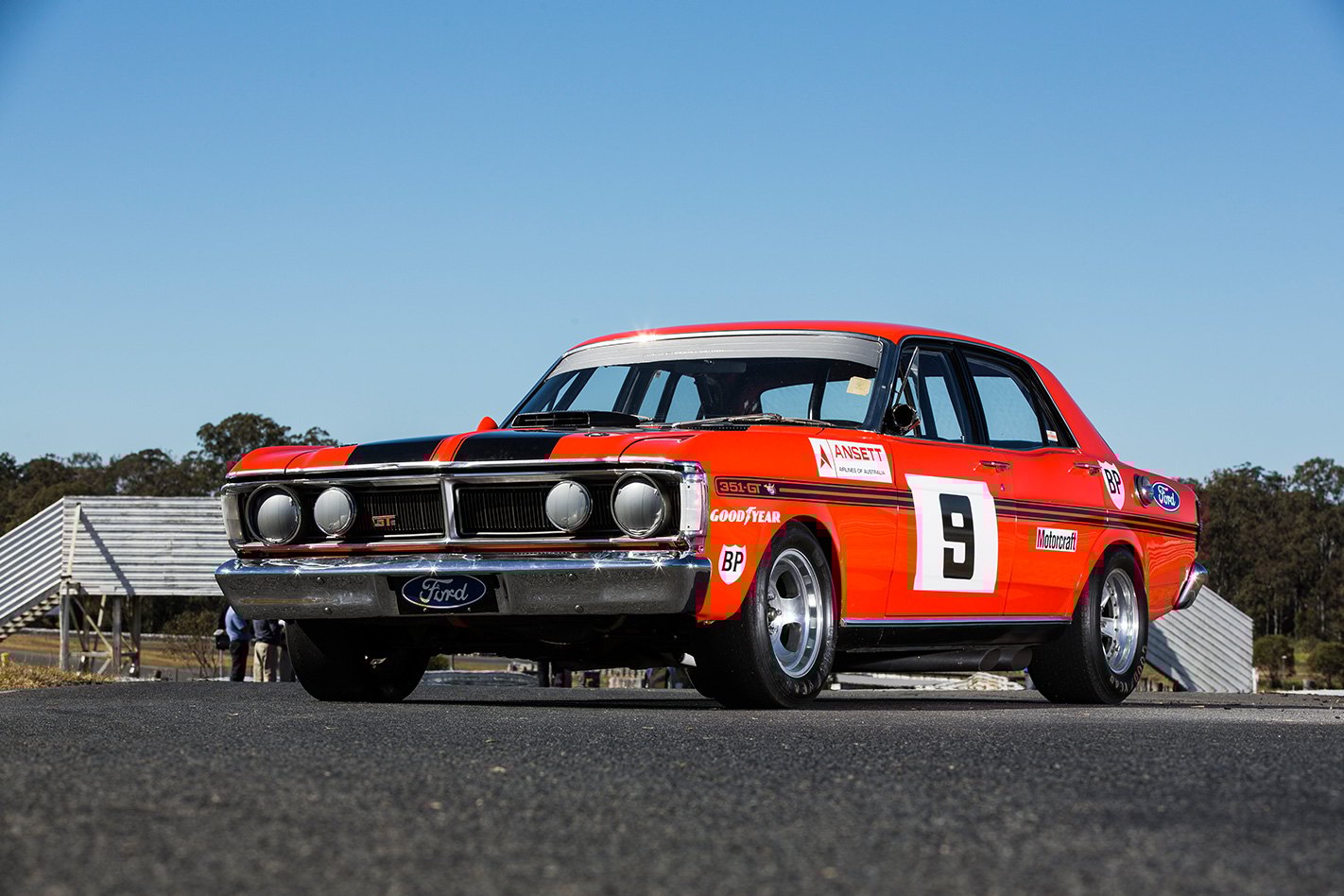
Ford’s Falcon GT-HO Phase III became the pinnacle of Aussie race car homologation when Bathurst meant everything to a local car maker.
Set to race in 1971 and evolve the XW Phase II, the III was Oz’s greatest muscle car without argument –and not only because it filled the top six spots in Bathurst’s parc ferme.
The 300 units made for the road scored thicker swaybars, longer front springs, PBR front brakes, uprated rear drums, Detroit locker diff and wings at either end to justify a Handling Option suffix.
But the III was really about its engine. The 5.7-litre OHV V8 was claimed to make 224kW but it really was around 285kW, thanks to machined heads, better valve gear and an aggro cam. With a four-speed manual it was good for mid 14s, while Wheels sent one up to 224km/h.
3. Chevrolet Camaro ZL1 | Produced: 1969 | Number Built: 50 | Price: US$7200
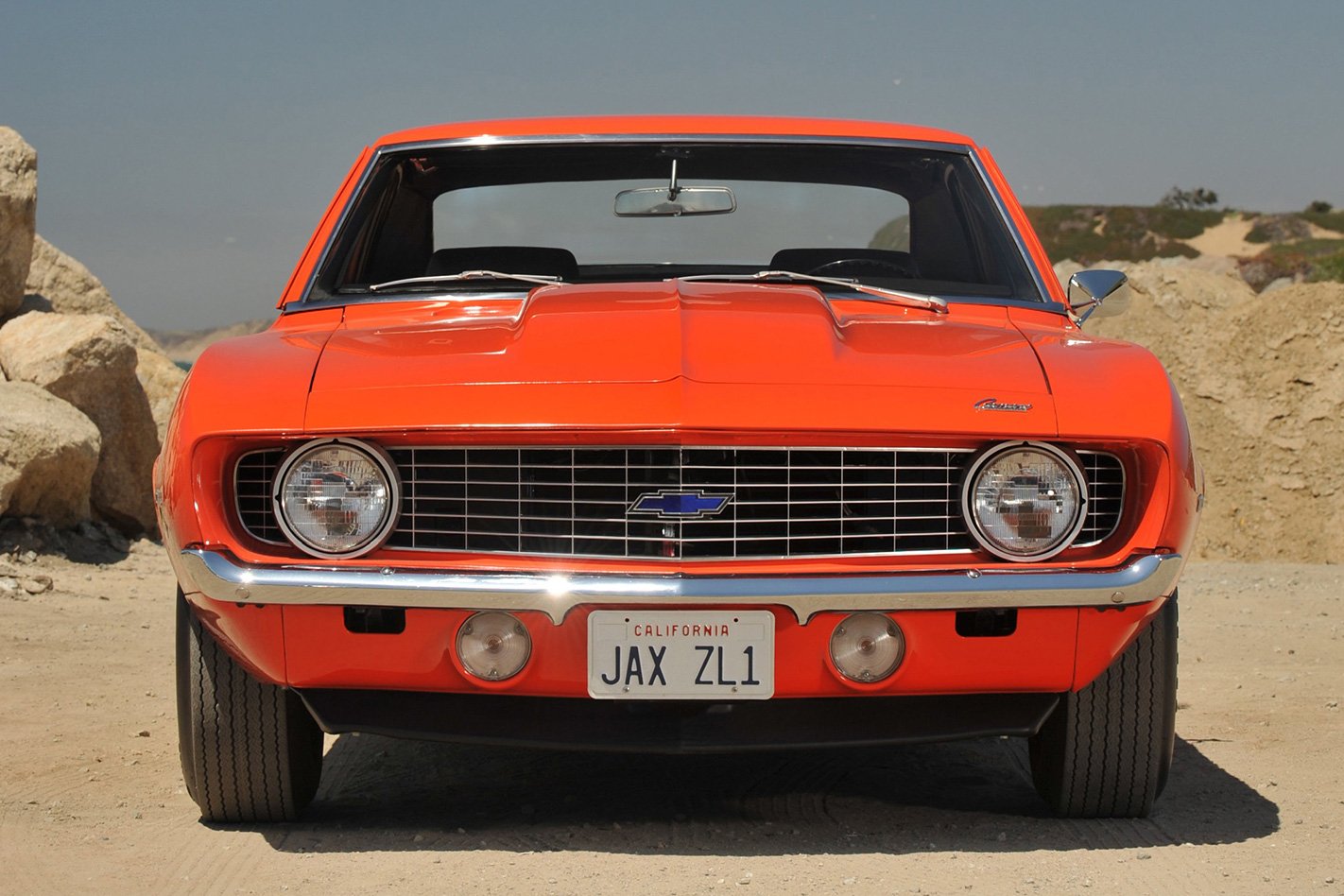
Back in the 60s, the Chevrolet Camaro and Ford Mustang rivalry was destined to spill out from showrooms to drag strips.
But Chevrolet’s ban on putting donks over 6.5L in passenger cars robbed it of a true quarter mile hero.
So, driven by racer and dealer Fred Gibb’s enthusiasm, Chevrolet used its Central Order Production Office – used to build taxis and police cars on factory lines – to sneak its then-brand-new Can-Am 7.0-litre aluminium V8 into 50 Camaros. The 313kW/680Nm result was a natural for national drag racing qualification.
Expensive at the time, Gibb, who ordered the whole batch, only sold 13, forcing Chevrolet take the remaining 37. Want one now? Seven figures please.
2. McLaren F1 GT Longtail | Produced: 1997 | Number Built: Three | Price: Erm…
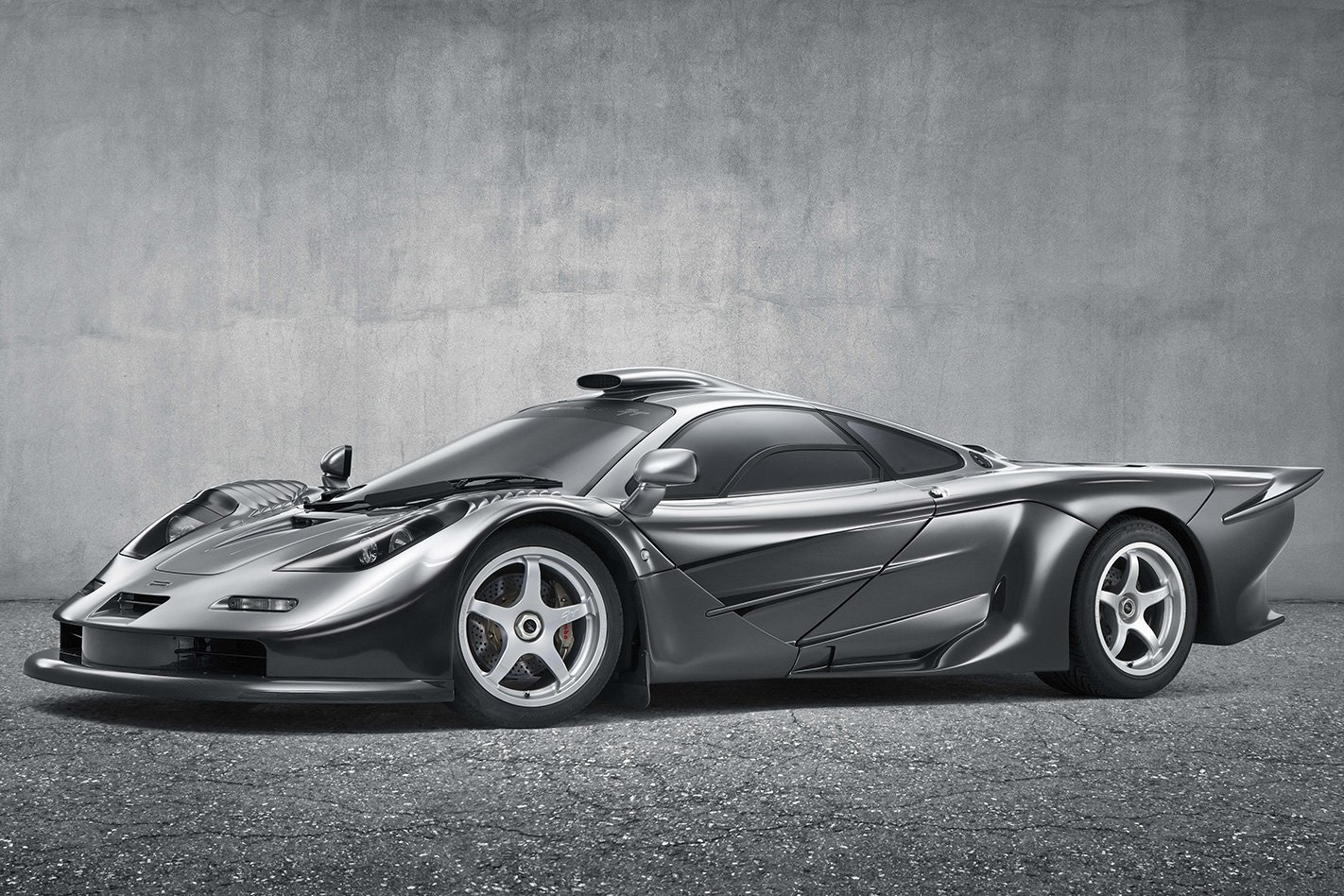
It’s hard to believe the McLaren F1 “was a road car never designed to go racing” since the GTR cleaned up Le Mans outright in 1995.
But the Longtail was born to take on Porsche and Mercedes-Benz’s bespoke GT1 racers in following years.
Three were built to qualify for racing, they added 640mm length to boost downforce. Their 6.1-litre V12s also packed 40kW extra.
The LT won its class at Le Mans ’97 but retired after losing the overall championship.
1. Ferrari 340 MM | Produced: 1953 | Number Built: 10 | Price: US$18,000
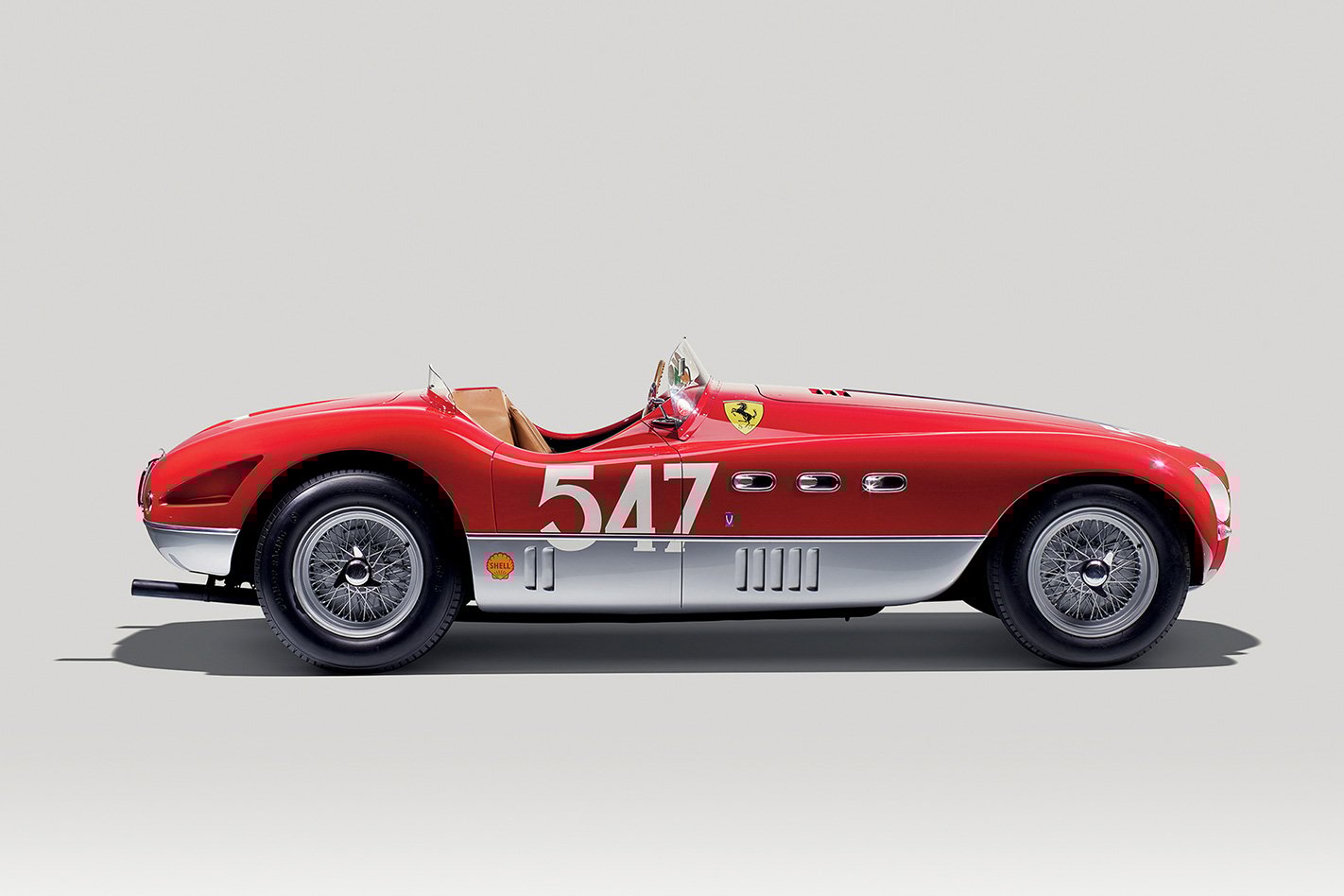
Ferrari’s motorsport reputation beyond F1 was forged in great endurance street races like Italy’s Mille Miglia.
And although the 4.1-litre V12-powered 340 continued the brand’s dominant win streak in the 50s, it was the MM that tied its provenance through name to the race it won in 1953.
Of the 10 made, the five open-top Vignale-designed versions weighed 850kg dry for 242kW per tonne, all on a 2500mm wheelbase (!). Its top speed went from 240km/h to 282km/h.
Kia is painting a picture of its new electrified future and how its seven new dedicated EV will slot into the landscape over the next six years, with high-performance variants and a significant nomenclature restructure on the way.
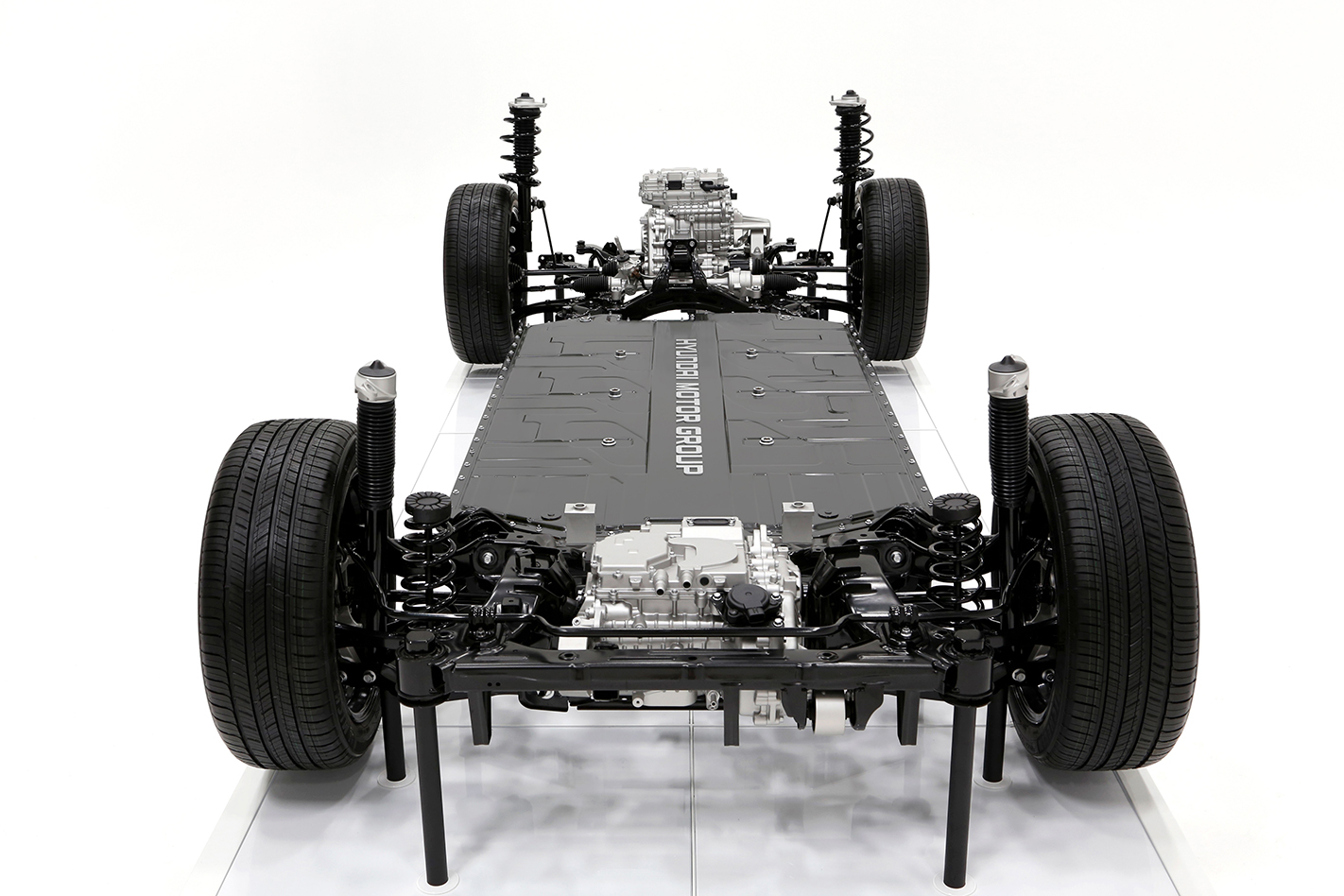
The first of Kia’s new electric vehicles will make its debut before the end of March this year, introducing its first model to roll out on a specific ‘skateboard’ battery-electric platform.
Little is known about the car, other than it will take the form of a crossover and will offer about 500km of range.
However, Kia president and CEO Hosung Song revealed that all-electric models will be offered as a high-performance variant under the main Kia brand, and not a sub-brand akin to Hyundai’s N range.

“Yes, we are planning to launch the high-performance version of the electrification models including our first dedicated EV, which will be delivered the first quarter of this year, but still this is under the brand of Kia,” he told WhichCar.
The introduction of more athletic, dynamically capable Kias will shift the brand’s image more toward the exciting end of the spectrum, with fast machinery being underrepresented in the current line-up.
But the warmed-up electric Kia range will not pack the punch to rival Hyundai’s i30 N, Veloster N or Kona N full-fat petrol-powered models, said Kia global customer experience division head, Artur Martins.
“The high-performance of Kia is about excitement to drive. It’s not so much in the [Hyundai] N or [BMW] M territory, to mention a different manufacturer, of being prepared for track,” he said.
“So all performance cars will not be track cars, but really, consumers can experience and be excited by driving using in their daily lives – going to work, going to visit their parents or travelling with their family.”
That level of performance is likely to be positioned toward the top of the performance pack, matching Kia’s existing driver-focused models such as the Cerato GT, but underneath the more potent Stinger GT.
Exactly what the model will be dubbed is yet to be confirmed but the company has shared that the entire model line-up including combustion and electric-powered offerings will be subject to a significant renaming to align the nomenclature globally.
It is now known that the family of electric cars will be named simply EV1 to EV9, while the rest of the Kia family names will also be simplified to align with the new EV family model names, according to Martins.
“We are adapting the alphanumeric in our sedans globally,” he said. “Basically all the cars – mainly sedans – will be K and a number. We’re also going to have a very simple naming architecture for the EV cars.
“We have very strong nameplates like Sportage, Telluride and Carnival. Some of those we’re going to keep but really, the idea is to have a much more simple naming approach for the future and to make it global.”
Kia Australia is yet to confirm which, if any, of the locally sold models will get a different badge, but vehicles like the Cerato and Rio would be likely candiates.
The E-GMP platform on which the family of EVs is based will be shared with sister brands Hyundai and Genesis offering similar levels of performance and practicality.
Song confirmed, though, that the three brands will differentiate themselves via radically different designs.
“Hyundai and Genesis are launching their own vehicles based on the same platform, but the E-GMP enabled the creation of highly differentiated product that fulfills the identity for each brand.
“We can make the differentiation through the design,” he explained
Kia Design Centre head Karim Habib elaborated on the different styling directions, explaining that Kia’s relatively small size compared with Hyundai offered his team more flexibility when it comes to fashioning a look for the EV range.
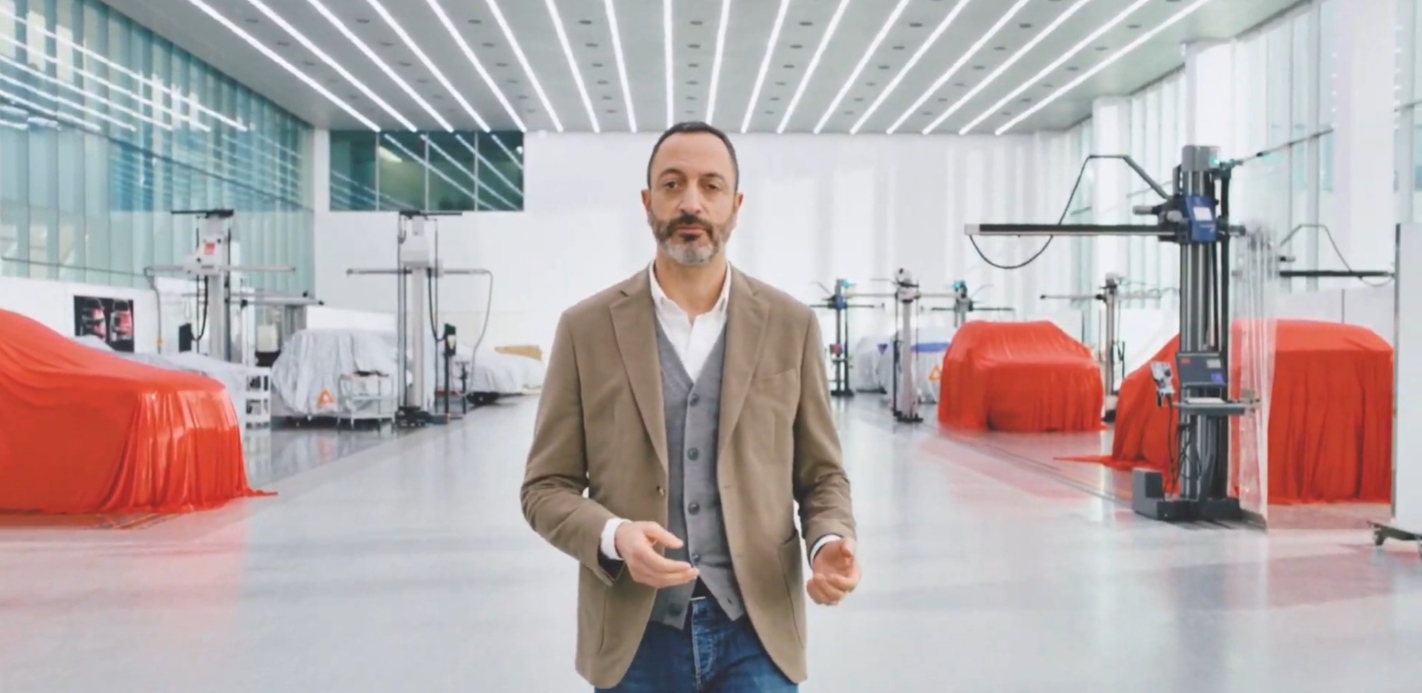
“The technology that we’ve developed for the group allows us that flexibility,” he said. “Of course for Kia what is important is original, inventive, exciting product.
“Kia has a privileged position within the group as we are smaller than Hyundai, so we are maybe able to create a few things were we can test certain things, pioneer certain ideas and that allows us to be as innovative and forward-thinking as possible.”
According to the company, the design of the imminent EV is like nothing it has ever created before.
With a growing line-up of pure electric vehicles, Kia appears to be making a concerted effort to enter the EV era, but it insists it won’t use the foray into new territory as an attempt to become more premium – although a large part of the company Plan S strategy is to become more “valuable”.
“Affordability regardless of the brand is still something that will keep being important and, mainly, we don’t want to be a premium brand,” explained Martins, “so we are a mainstream manufacturer and we want our products to be valuable to the biggest numbers of customers possible.

“In saying that, we really aim to move even further away from being a transactional brand to become a more emotional brand in our relationship with consumers.
“A lot of people buy us because we are good value for money, but we want to become a valuable brand.”
That said, it is widely acknowledged that electric vehicles are still more expensive compared with equivalent combustion-powered models, and Kia’s line up will inherently become a little more pricey, but Martins is confident its customer base will understand the increased value proposition.
“It’s not about being more expensive,” he argued. “But when you create an emotional relationship with your customers, automatically, people are willing to pay more”.
Mechanically, the flat-plane crank V8 is essentially a pair of inline four-cylinders fused at the crankshaft. Its advantages are far greater than the sum of its parts.
Firstly, the cylinders of a traditional cross-plane crank V8 fire once every 90 degrees of crank rotation, resulting in smooth power delivery and good torque characteristics. A flat-plane V8 fires one cylinder every 180-degrees of rotation, which means a primarily well-balanced crank and pistons with less counterbalance mass required.
With lighter rotating mass, the flat-plane crank can spin faster. This means it benefits from the higher power potential that’s typical of high-revving engines.
Secondly, flat-plane crank V8s have a greater operational symmetry offering greater tuning efficiency. While cross-plane arrangements have uneven firing orders, resulting in inherently ‘lazy’ cylinders, the flat-plane crank has an even firing order and exhaust pulses that enter the exhaust system at equal intervals, as well as optimum induction conditions.
The result is cylinders that perform identically. Put simply, a flat-plane crank V8 will always offer a higher tuning limit than a cross-plane equivalent.
However, there are significant engineering challenges presented by the layout. While the flat-plane crank offers excellent primary balance, it also produces an undesirable secondary imbalance and vibration.
Engines with inline and flat cylinder orientation are less prone to the problem, as their pistons move in the same linear plane, but V-engines have two banks of cylinders in different angular planes, which magnifies the problem. If not eliminated, the high-frequency vibration increases vehicle NVH levels and shortens engine life. Worse, the problem is intrinsically linked to engine size.
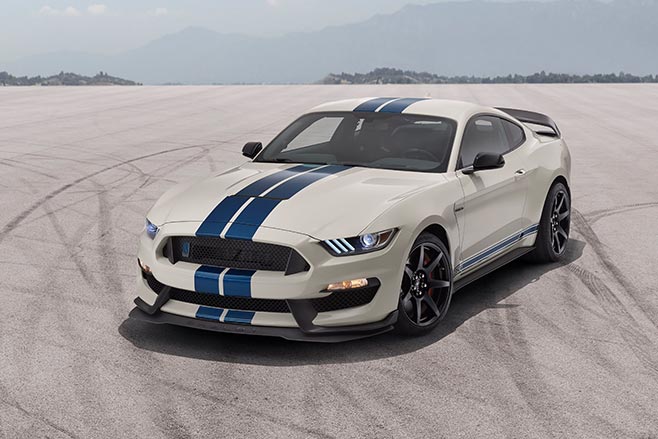
Ford popped the Mustang’s flat-plane cherry in 2014 with the mighty Shelby GT350, but unofficial reports claim a return to cross-plane design for the 2019 GT500 followed serious unresolvable vibration problems with the company’s Voodoo unit.
It’s no coincidence that the 5.2-litre engine is one of the largest-capacity V8s you will find with a flat-plane crank.
That’s why the most successful and enduring flat-plane crank V8s adhere to smaller displacements, including the potent units found in the current Ferrari and McLaren line-ups that have not exceeded 4.0 litres.
Five flat-planers
McLaren, Ferrari and most recently AMG are known for their iterations of the flat-plane-crank V8, but there have been some lesser-known road-going heroes throughout the years that have favoured the layout.
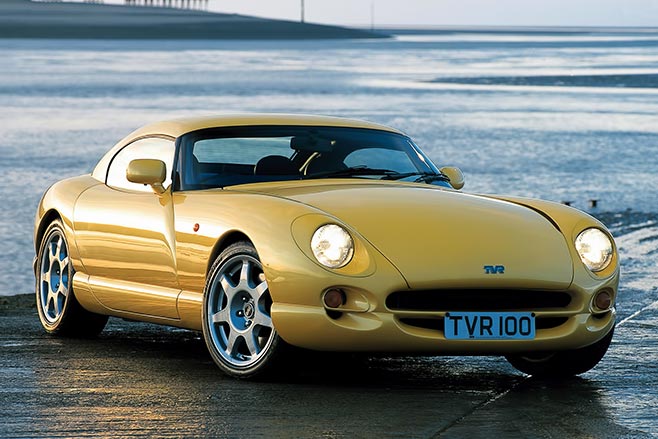
TVR AJP8: Fitted to Cerbera 4.5-litre, 313kW @ 6750rpm
An all-aluminium construction with an unorthodox 75-degree vee angle, running SOHC and two valves per cylinder. The only engine to be designed and built by the British car maker (above).
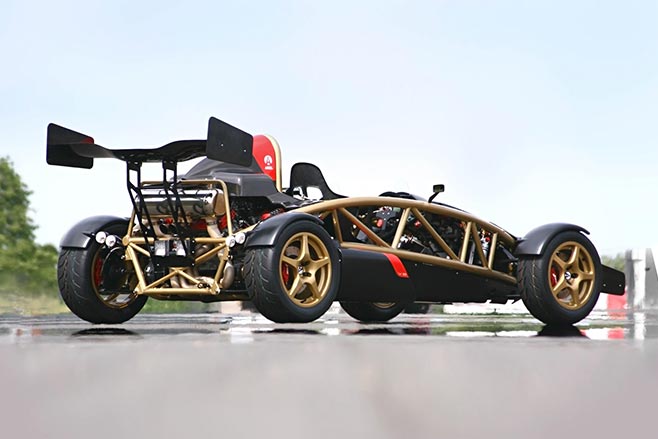
Ariel H1 Maxi: Fitted to Atom 500 3.0-litre, 373kW @ 10,600rpm
The work of engine designer John Hartley, the H1 screamer has its origins as two Suzuki Hyabusa 1300cc fours spliced together. Available as a crate engine in 2.5-, 3.3- and 3.5-litre capacities.
Ford Voodoo: Fitted to Shelby Mustang GT350 5.2-litre, 392kW @ 7500rpm
Deliberately engineered with unequal-length manifold tracts to help it sound more like the traditional cross-plane crank and cater to the discerning US V8 audience.
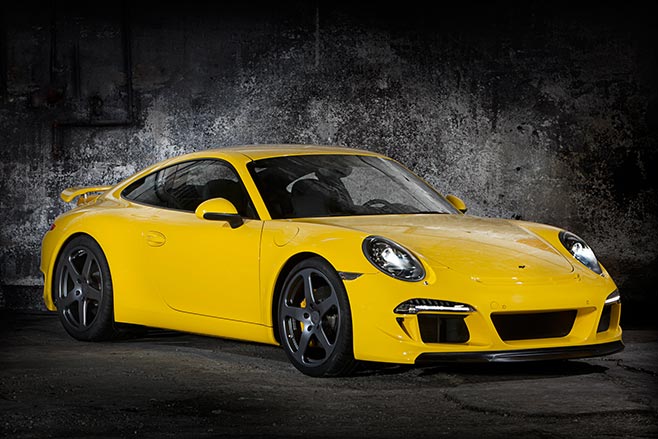
RUF V8: Fitted to RGT-8 4.5-litre, 405kW @ 8500rpm
V8 transplant part of RUF’s extensive 991 911 transformation carried out to create the third-gen RGT. Remarkably, it’s lighter than the Porsche-built flat-six it replaced.
Lotus Type 918: Fitted to Esprit V8 3.5-litre, 261kW @ 6500rpm
One of few flat-plane crank V8s of its time to be turbocharged. Insiders claim prototype engines made an easy 370kW, but the production version was detuned to prevent gearbox damage.
