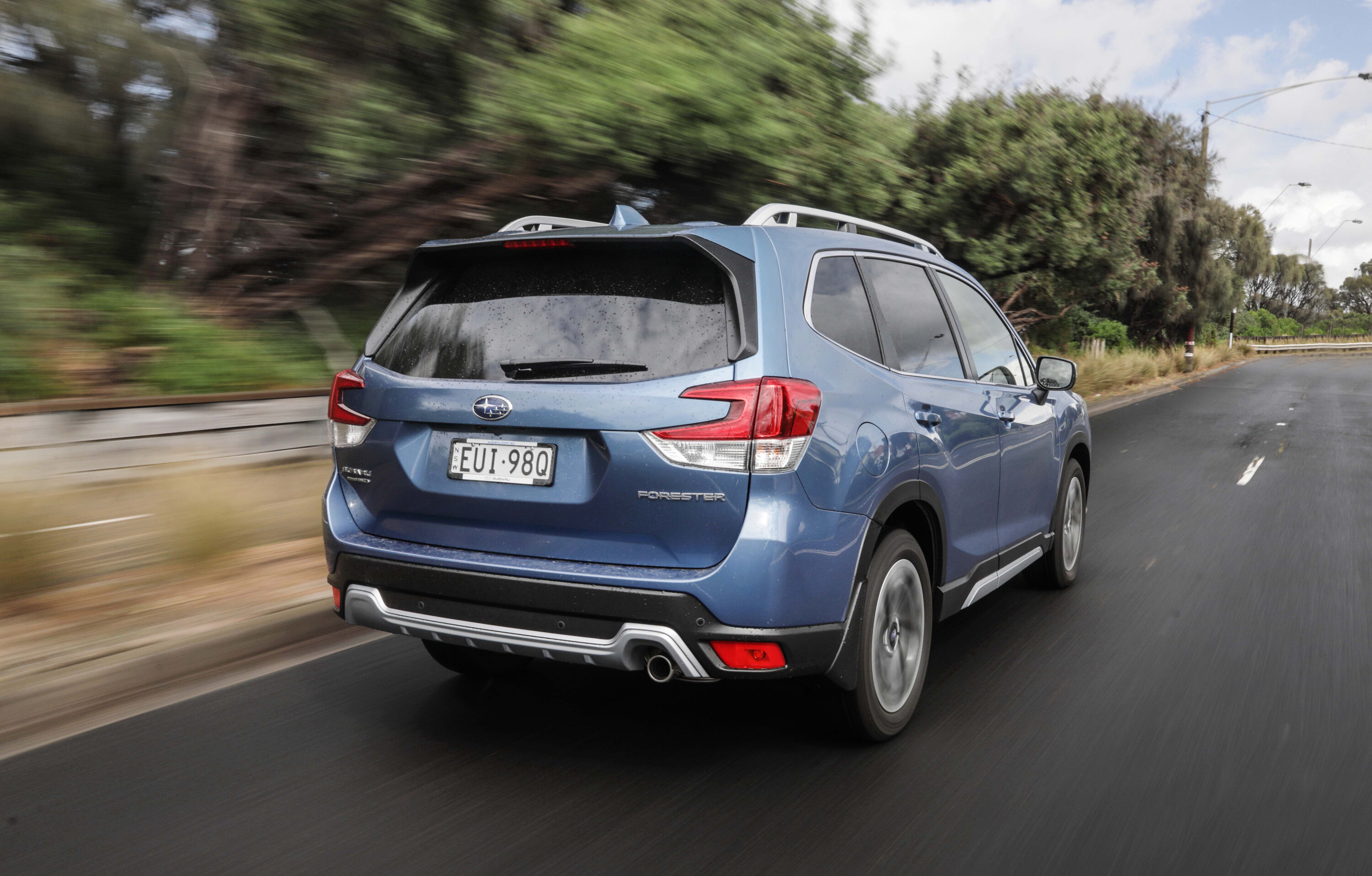
The 2025 Subaru Forester has debuted ahead of its Australian launch, expected later next year. Full details in the story linked below.
1
November: 2024 Subaru Forester imagined
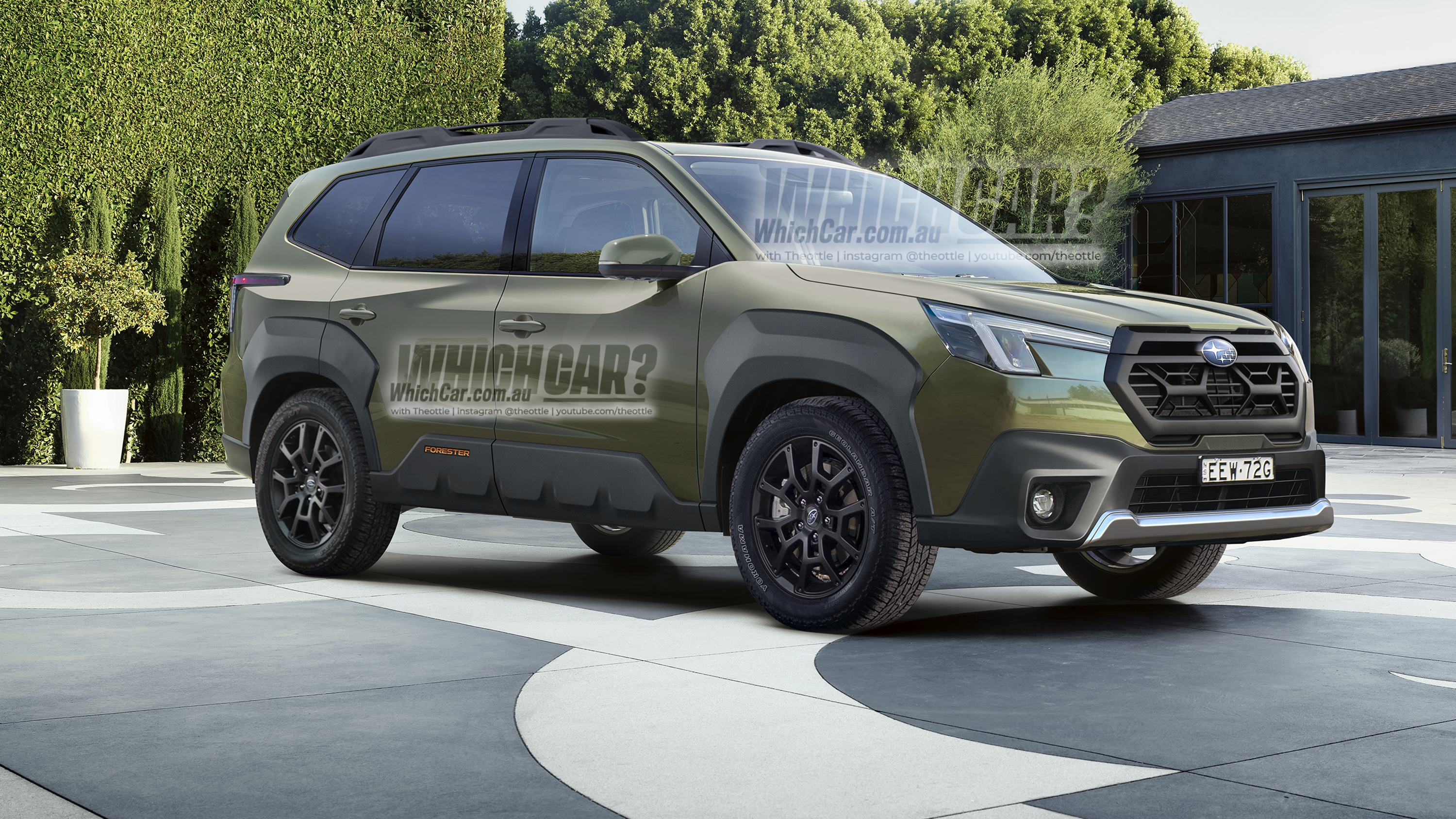
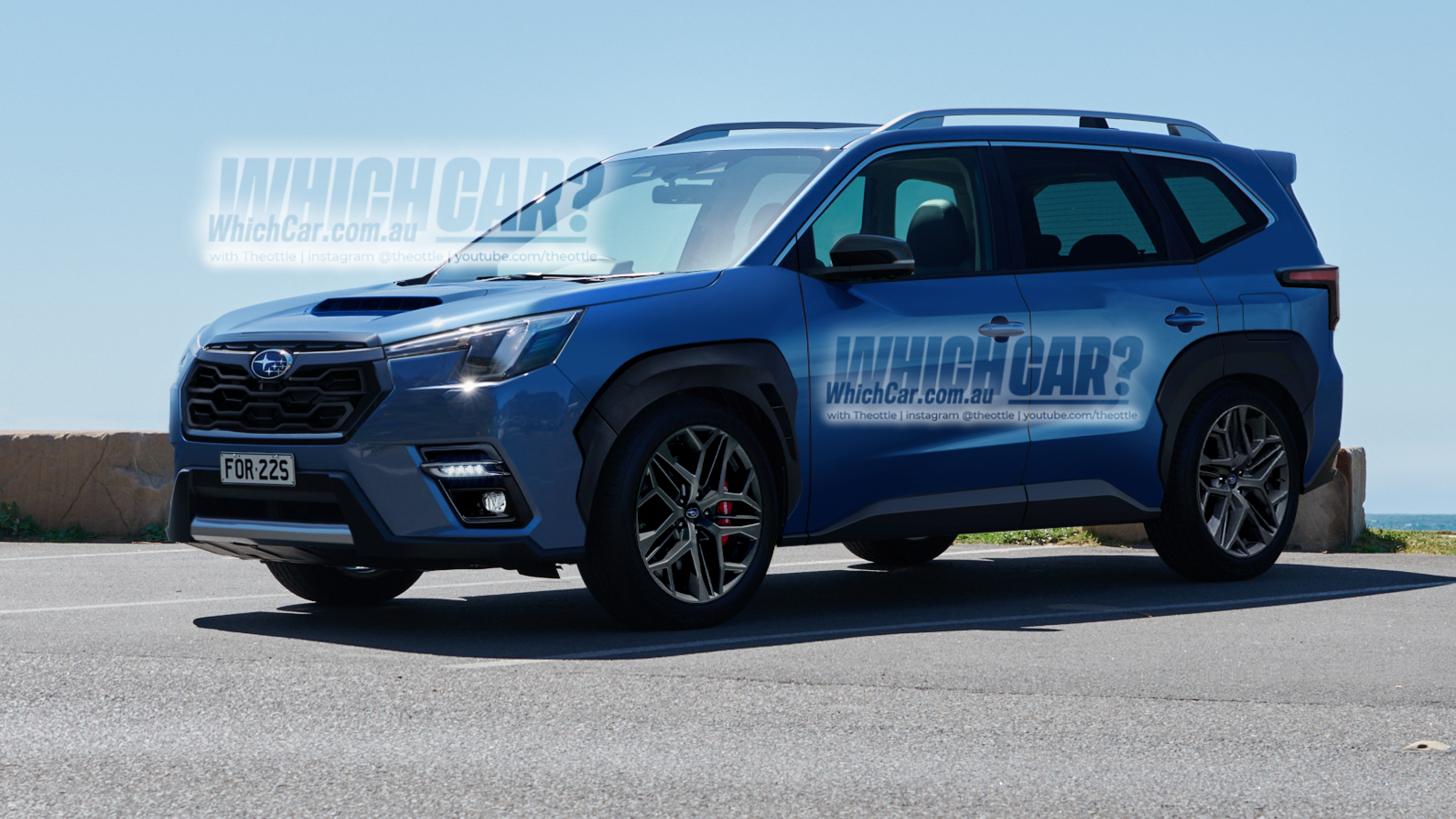
The new Forester may only been two weeks out from its big unveiling, but we couldn’t resist imagining how it might look.
Looking to Subaru’s latest new models for inspiration, along with the current fifth-gen Forester and even the Solterra EV, our mate Theottle has whipped up these renders of the new model.
1
Importantly for we fans of old-school turbo petrol Forester models, the news of a new XT variant gave us plenty of enthusiasm for rendering that variant. Bonnet scoop, baby!
What do you think of this look? We’ll know exactly what to expect on November 17, but in the meantime, would you be happy if the new Forester looked like this?
The upcoming new sixth-gen Subaru Forester will be unveiled on November 17, Australian time, at the Los Angeles Auto Show.
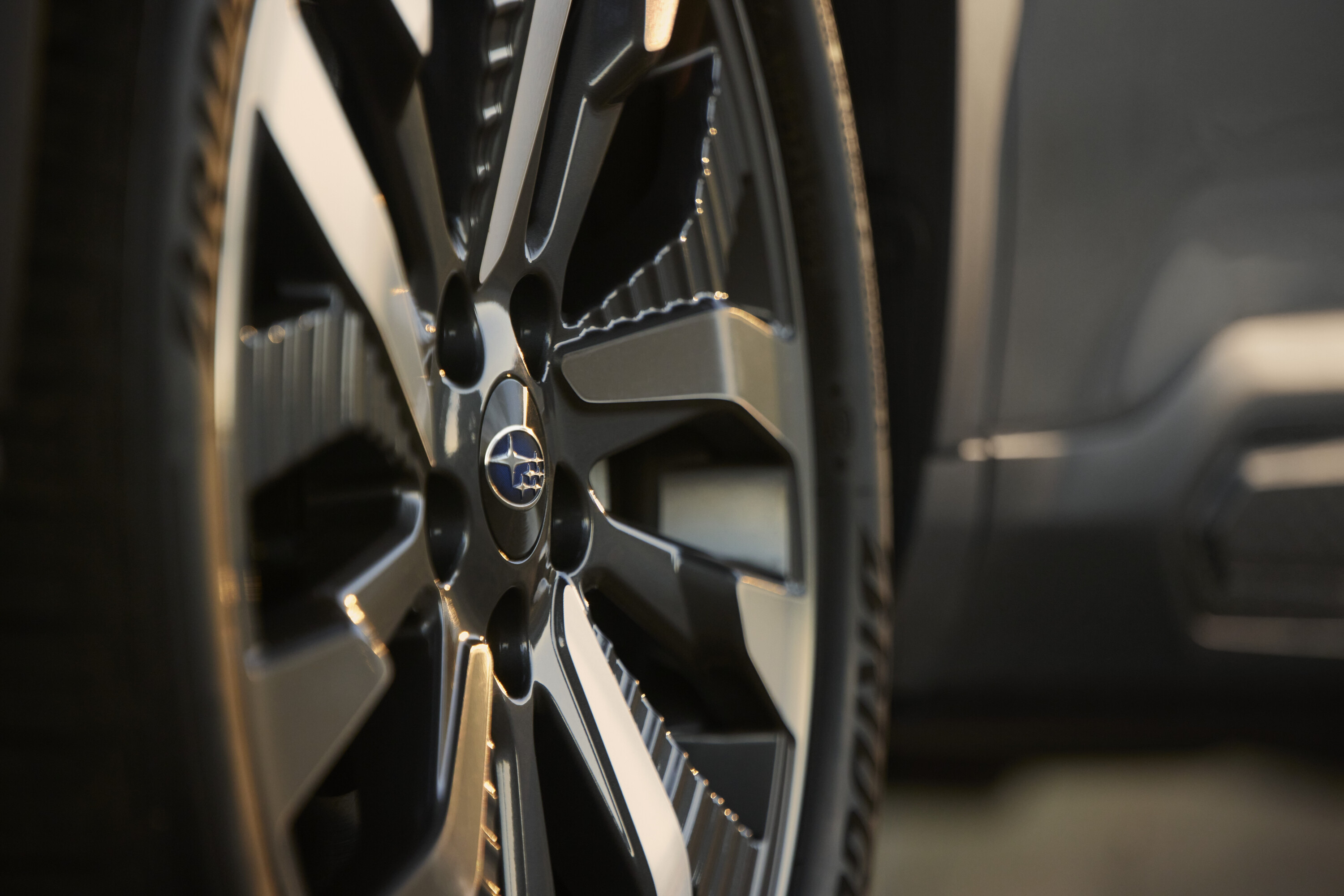
The popular Japanese brand is revealing little else for now, although it’s offered up on small detail: A cropped photo of an alloy wheel, likely belonging to the anticipated XT flagship – expected to be available immediately from launch.
The full plan is to launch the next-gen Forester with two drivetrains – the existing 2.5-litre petrol flat-four and a “stronger”, more powerful evolution of Subaru’s relatively mild 2.0-litre petrol-hybrid flat-four, which will hopefully improve acceleration and efficiency.
Subaru says the new medium SUV is “an all-new fully redesigned vehicle”, but we expect it’ll continue the largely familiar and evolutionary styling worn by its latest line-up.
Get more details on the new Forester in our comprehensive story linked in our August update below.
August 2023: New Forest range to pull out all the stops
Subaru is preparing to consolidate its booming sales with an all-new 2024 Forester range, including updated petrol-hybrid drivetrain at launch. Details at the linked story below.
The Australian new car market has posted its best October result ever, with sales records broken for the fourth month running, as supply continues to catch up with demand.
According to official new-car sales results from the Federal Chamber of Automobile Industries (FCAI), 106,809 vehicles were registered in October – up 22% from 2022, when 87,299 cars were sold.
The previous highest October result was in 2017, when 95,763 vehicles were reported as sold.
1
More than one million vehicles have been sold in Australia in 2023 (1,006,095), with the result achieved in October for the first time ever.
Top-selling brand Toyota sold 20,298 vehicles in October, a new record for the month, beating October 2020 when the brand achieved 19,505 vehicle sales.
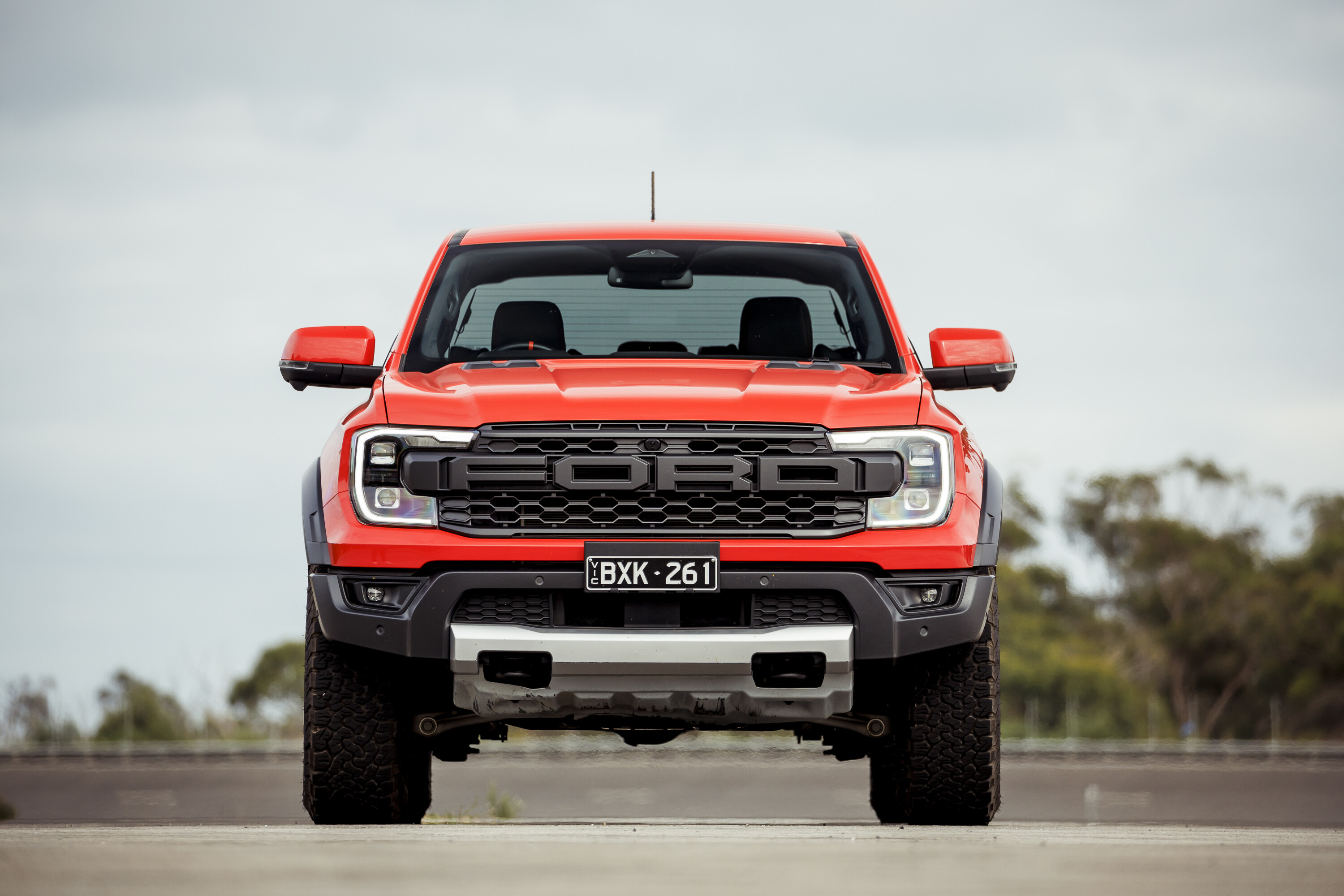
The Ford Ranger took first place with 6215 units – nearly 500 units ahead of the Toyota HiLux (5766).
1
Year-to-date, 50,067 examples of the Toyota HiLux have been sold in Australia, compared to 49,288 Ford Rangers.
New South Wales registered the most vehicles with 33,001 sales, ahead of Victoria and Queensland with 30,740 and 21,937 sales, respectively.
Western Australia (10,166), South Australia (6677), Tasmania (1996), the ACT (1552), and the Northern Territory (740) followed.
“The Australian market has demonstrated incredible strength and vitality throughout 2023, culminating in Australia reaching one million sales in October for the first time,” said FCAI chief executive Tony Weber.
1
“After some challenging years through COVID, this milestone speaks to the range of vehicles available to consumers, affirming Australia’s position as one of the world’s most dynamic and competitive markets. It also reflects vastly improved supply chains.
“In the past six months, five have broken all-time sales records compared with previous years and in October 106,809 new vehicles were delivered to Australian customers.”
The FCAI said that while light commercial utes, large, or upper large SUVs accounted for 38.3 per cent of sales, all-electric vehicles “softened to represent 5.7 per cent of the market”.
Toyota recorded 20,298 sales (▲ from 18,259 in October 2022). Year-to-date, the Japanese brand’s sales are down 10% at 174,957, representing 17% of the market.
Mazda finished second with 9316 sales (▲from 5775), while Ford trailed closely behind with 8605 sales (▲ from 7823) due to strong Ranger and Everest demand.
Hyundai, in fourth, recorded 6620 sales in October (▲ from 5289), while Mitsubishi placed fifth with 6395 sales (▲ from 5982).
1
MG followed in sixth with 6102 sales (▲ from 5031), while Kia slipped to seventh with 5647 sales (▼ from 6380) and Volkswagen, in eighth, recorded 4361 sales (▲ from 3199)
Year-to-date, Kia remains ahead of its Hyundai parent, with 64,770 sales compared to 63,578.
Isuzu Ute placed ninth with 4160 sales (▲ from 2865) from its two-vehicle line-up, and Nissan, in tenth, sold 3756 vehicles (▲ from 1247).
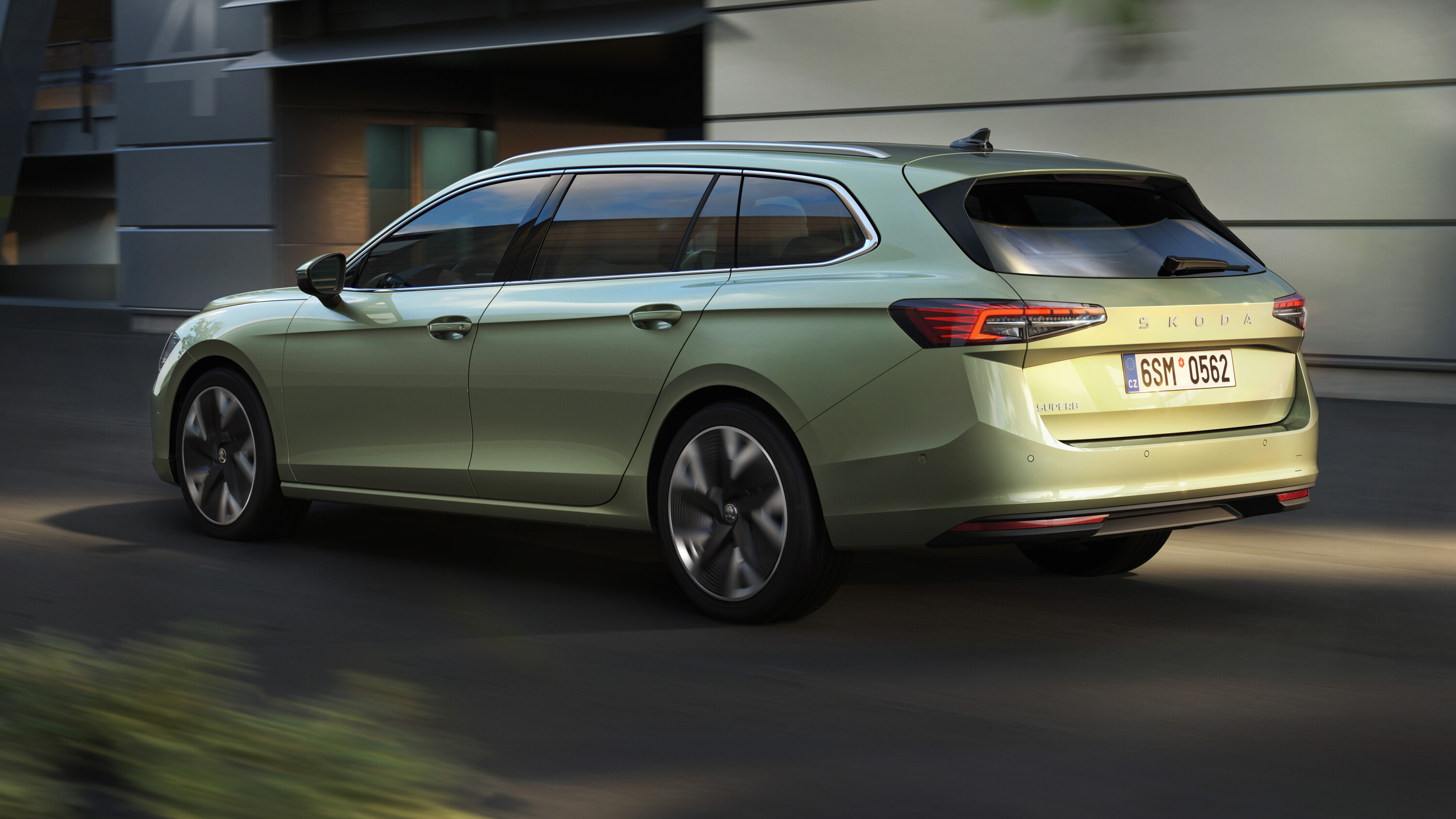
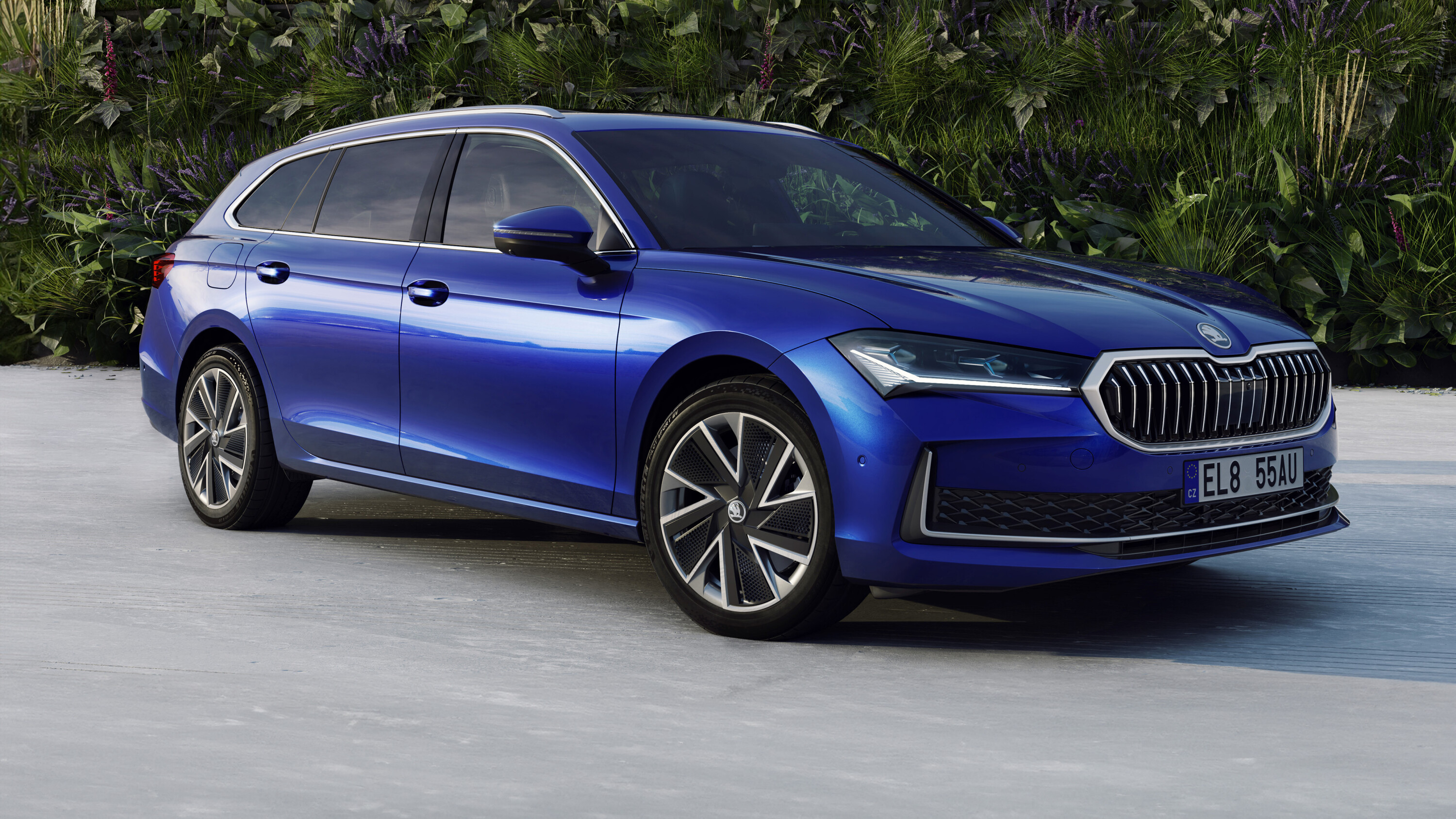
Skoda has confirmed all the details of the fourth-generation Superb liftback and wagon, including that it will be released in Australia in early 2025.
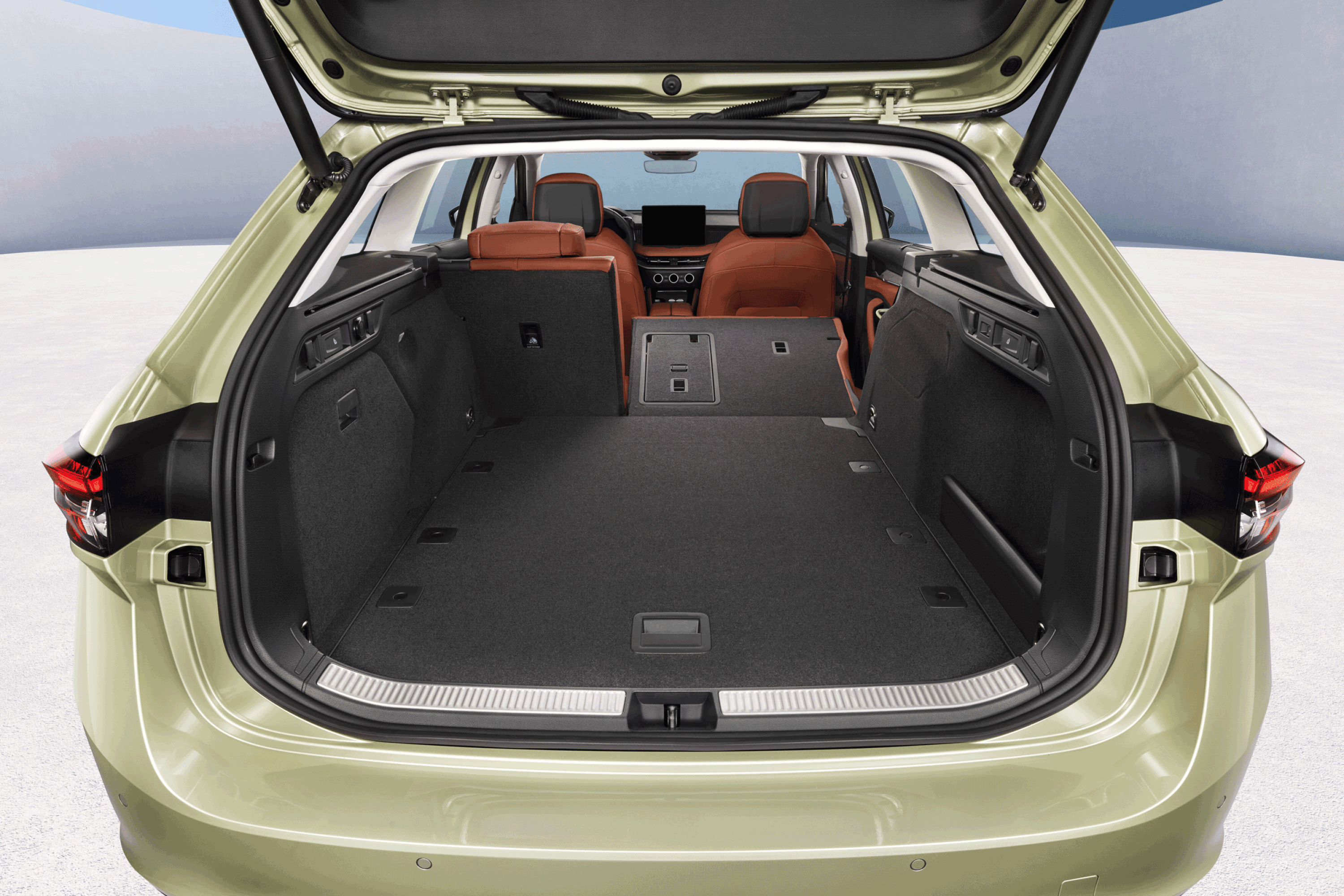
At launch, we’ll be treated to the fully loaded 2.0-litre turbo-petrol in the highest state of tune. Wagon fans will be happy to know that both liftback and estate body styles will make it down under.
Twinned in development with the latest wagon-only VW Passat, the Superb offers a host of powertrains including a plug-in hybrid for the first time.
There’s a 150kW PHEV available in Europe in the ‘Combi’ wagon only. It combines a 1.5-litre turbo-petrol four-cylinder with a 19.7kWh battery pack and electric motor for over 100km of pure EV driving range (in the WLTP cycle) – though Skoda has made it clear that PHEVs are off the menu locally.
Two diesels are also offered in Europe, as is a 110kW 1.5-litre turbo-petrol alongside the familiar 2.0-litre engine in 150kW and 195kW states of tune. Both have lower outputs than the third-gen Superb due to strict emissions standards in Europe.
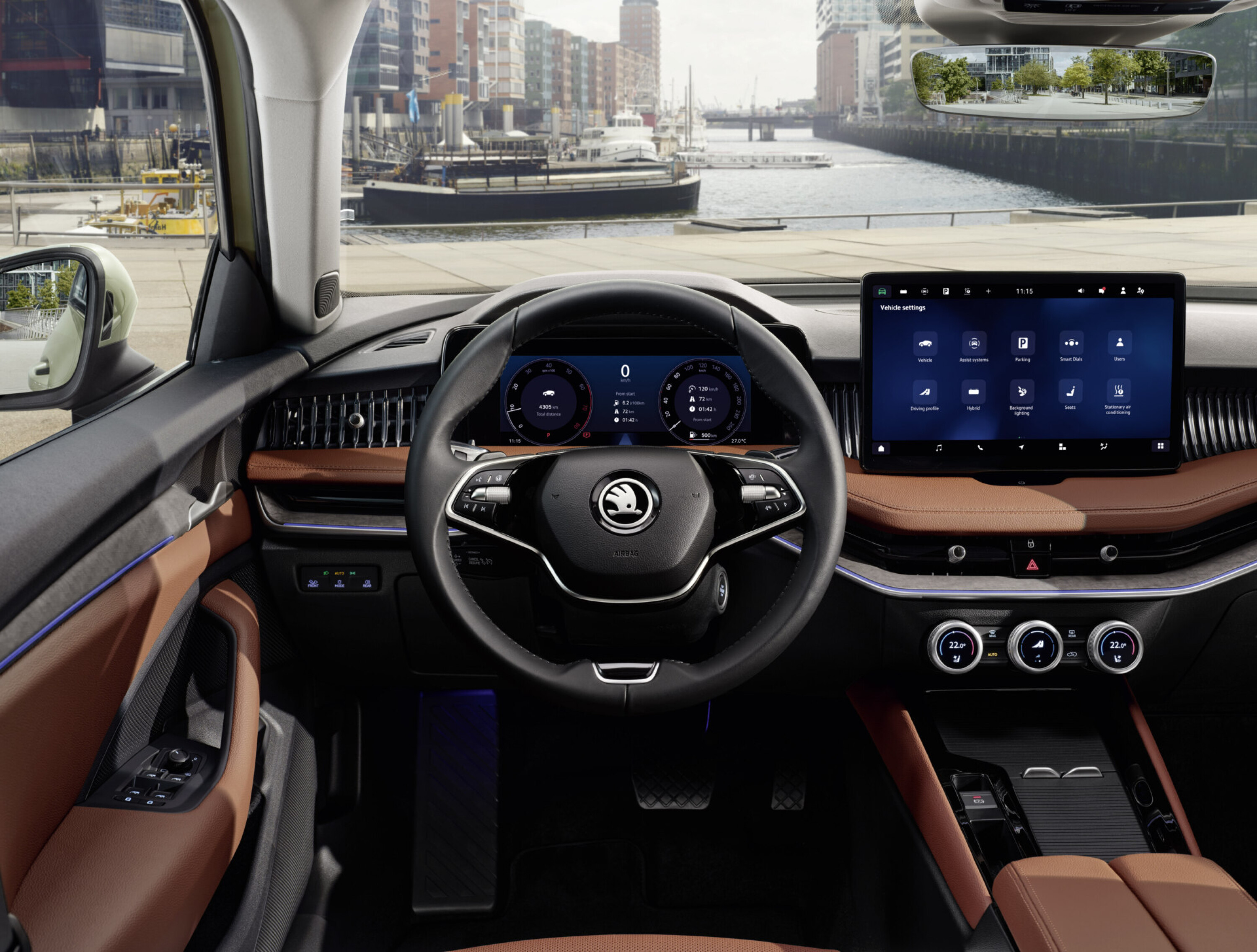
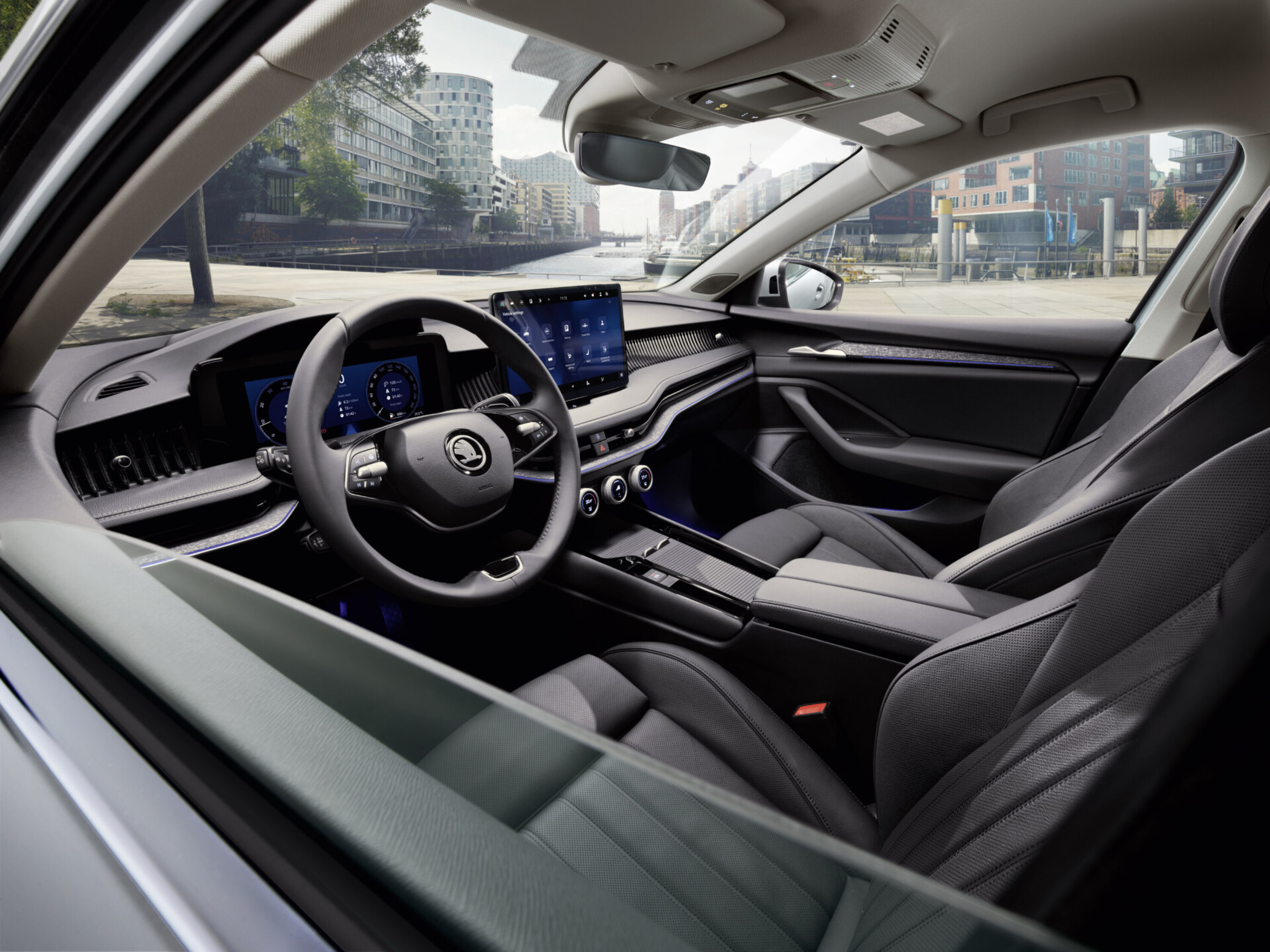
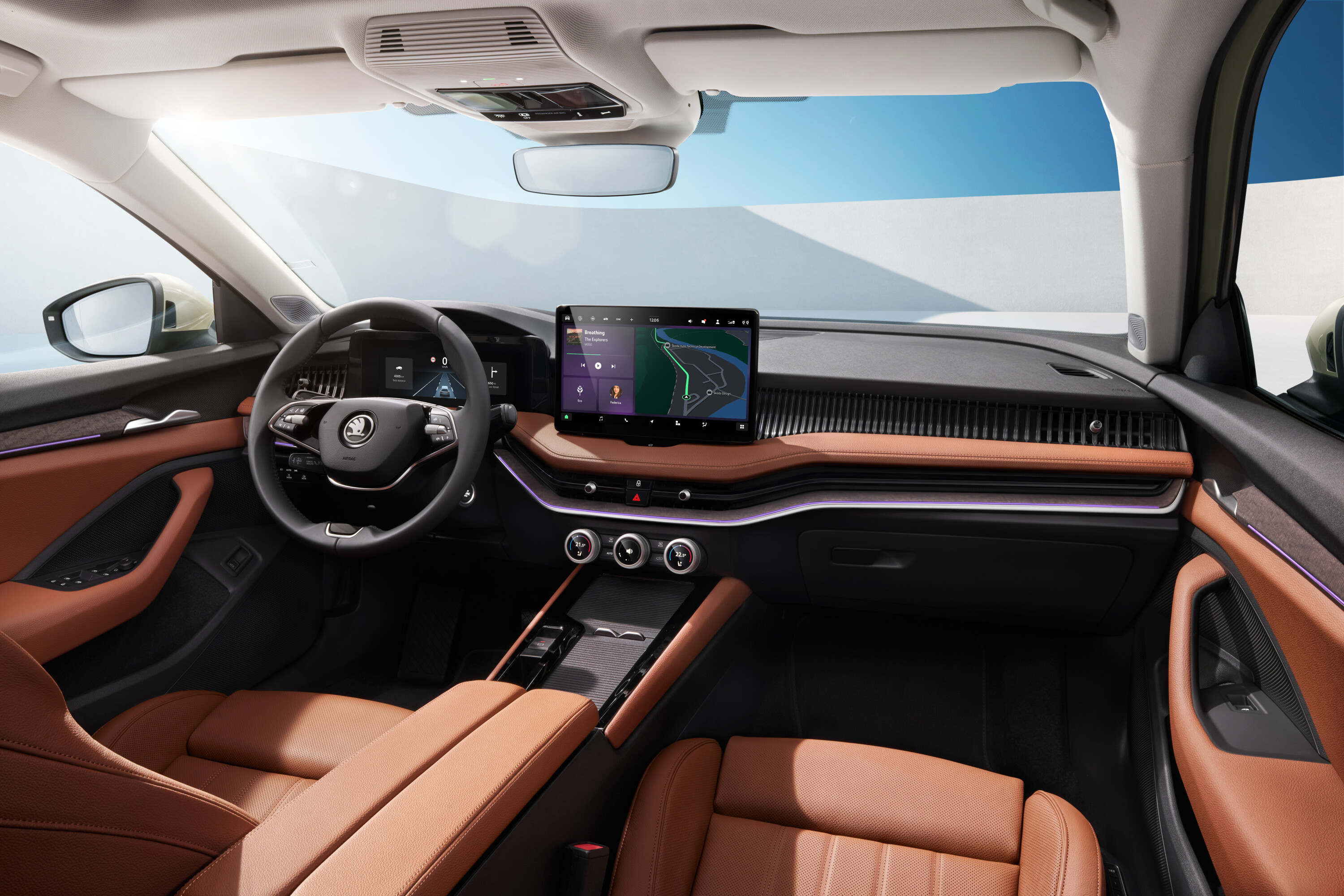
There are big changes under the skin, with the cabin’s new airy design shared with the Volkswagen Passat – the Skoda is smarter, though.
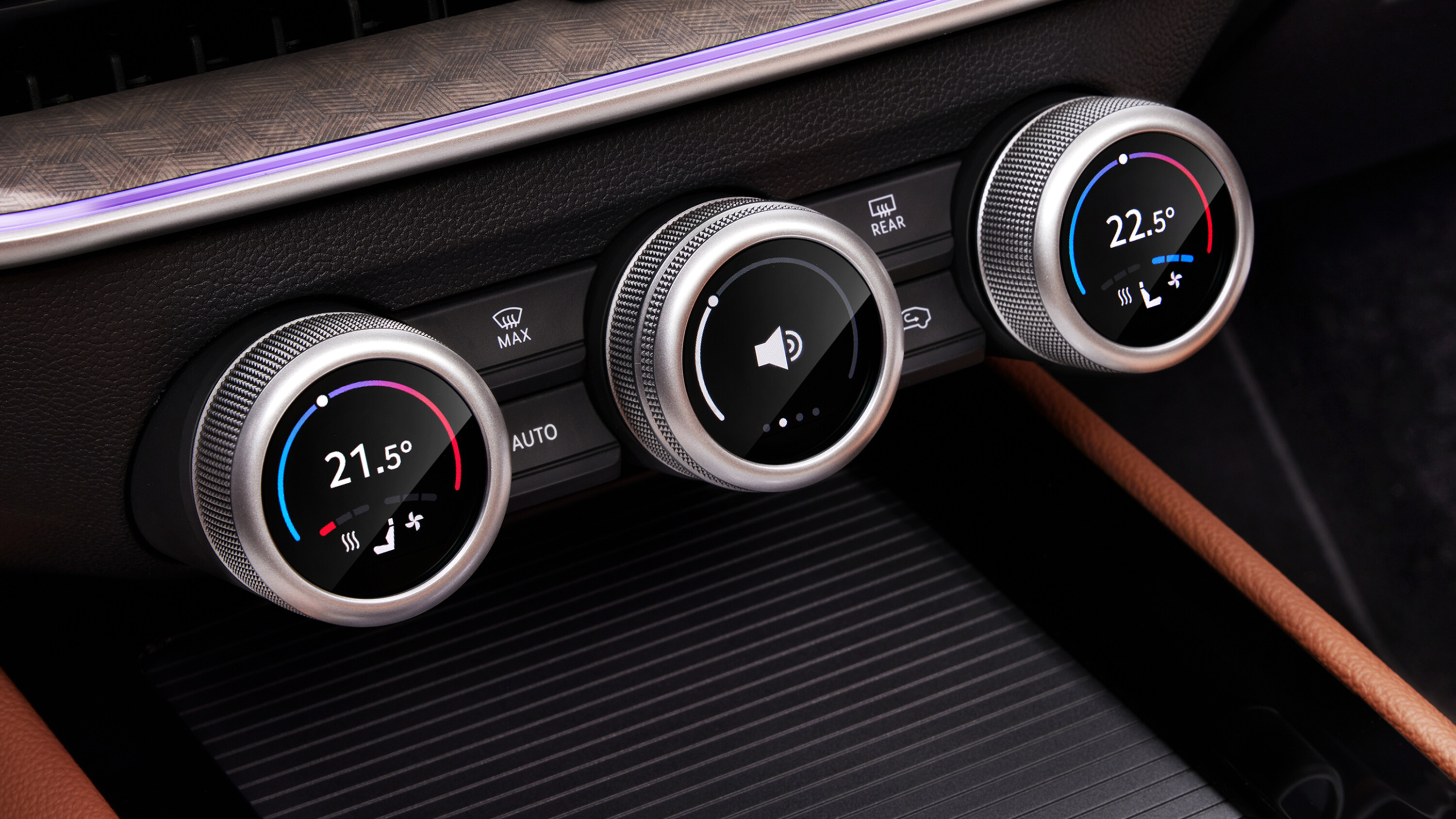
It features up to a 13-inch central touchscreen and 10-inch digital driver’s display but the HVAC controls are thankfully separated into ‘smart dials’ set into a panel beneath the central screen. The implementation reminds us of the current Audi TT’s clever solution.
Promoting sustainability, the Superb uses 100 per cent recycled fabrics for seats and door trims. Optional leather is tanned using eco-friendly processes.
1
The sleek new looks outside are Superb evolved. Skoda calls the design language ‘modern solid‘, which can be paired with exciting new colours including Carmine Red and Ice Tea Yellow. Wheels go up to 19 inches in size.
More typical silvers, blacks, and whites are available, too. As the brand’s combustion-engined flagship, Skoda says it will shape the brand’s design language going forward.
New Matrix LED headlights are said to be 40 per cent brighter.
1
Along with visually slicker lines, the new Superb cuts through the air better with the hatch’s drag coefficient falling by 10 per cent (to 0.23 Cd) and the wagon’s 15 per cent (to 0.25 Cd).
The new Superb is taller and longer than before. The liftback is 43mm longer and 12mm taller, while the wagon has been stretched by 40mm and grown in stature by 5mm. That extra size translates directly into boot space, with 20 more litres for the liftback (645L) and 30 extra in the wagon (now 690L).
Along with 10 airbags, the fourth-gen Superb has new parking assustems, assisted driving and blind-spot monitoring systems.
The ‘DCC’ adaptive dampers (likely to be standard on high-spec Aussie cars) have been revised for greater breadth between their softest and firmest settings.
19
Pricing and availability
The current Superb 206TSI Sportline costs $69,990 drive-away in liftback, and $71,990 in wagon guise.
With all the new technology on board (and more than 12 months until its local release) we expect the fourth-gen model to climb in price.
Expect the liftback to start between $72-$75K, and the wagon to command a premium on top of that when they arrive in early 2025.
Skoda Australia may add lower-tune petrol models in the future but is unlikely to ever bring the plug-in hybrid down under. Instead, those after an electrified Skoda will have to look at the Enyaq and other upcoming BEVs.
Watch for all the new Superb details to come next week, and catch up with the story at our link below.
Klaus Zellmer, Skoda CEO: “We’re going to have both the Combi (wagon) and the limousine (liftback or sedan),” he said. “You know, the Arteon and Passat are going out, and I think that is a perfect answer for that vacuum, potentially.”
October: New Kodiaq revealed!
Skoda has rolled out the second generation of its large SUV, the Kodiaq, in Europe overnight. Full story at the link below.
August: Superb and Kodiaq interiors revealed
The 2024 Skoda Kodiaq and 2024 Skoda Superb will have configurable ‘smart dials’ for the climate control air-conditioning.
Snapshot
2024 Skoda Kodiaq and Superb to wear similar cabin designs
New ‘smart dials’ to control the climate and infotainment functions
As with the closely related Volkswagen Tiguan and not-for-Australia Passat also due for immediate reveal, the latest Skoda flagship models will feature a larger, floating 12.9-inch infotainment system and a 10-inch digital instrument cluster.
While the climate controls appear to be conventional dials at first glance, Skoda has developed three ‘smart dials’ with individual 1.25-inch displays – similar in size to an Apple Watch screen.
2
The two outer dials will control various functions for the driver or front passenger, including the temperature and seat heating or ventilation. The central dial will be responsible for audio volume, fan speed, airflow direction, selecting drive modes, and map zoom.
Four hardware buttons will control the front or rear windscreen defrosters, air circulation setting, and automatic air-conditioning function.
Other new features include a “roomy” console area, a column-mounted gear selector like the new Tiguan, a USB-C charge port for dashcams in the rear-view mirror, available massaging seats, a faster 15-watt wireless phone charger with fan cooling, and expanded interior ambient lighting.
1
A windscreen-projected head-up display, a rear storage compartment with a cup holder on the central tunnel, and up to nine airbags – including front-centre and rear-side – are also confirmed for the Kodiaq.
As previously announced, the 2024 Skoda Kodiaq and Superb will debut in Europe between September and November, with local availability to commence next year.
While the Kodiaq is due in the second quarter of 2024, the Superb won’t arrive until later in the year as our high-spec circa-195kW turbo-petrol engine won’t be initially available when production commences.
Under the skin, both vehicles will ride on the updated Volkswagen Group MQB Evo platform as close relations to the forthcoming Volkswagen Passat, Tiguan and Tayron.
The Czech brand said the Kodiaq and Superb will be offered with “petrol and diesel engines, as well as plug-in hybrid and mild-hybrid powertrains,” with stricter Euro 7 emissions standards set to be enforced on July 1, 2025.
More details on the new Kodiaq’s powertrains are available here, while information for the Superb is available here.
Luxury carmakers Porsche and Genesis have announced separate partnerships with tech giants Google and LG.
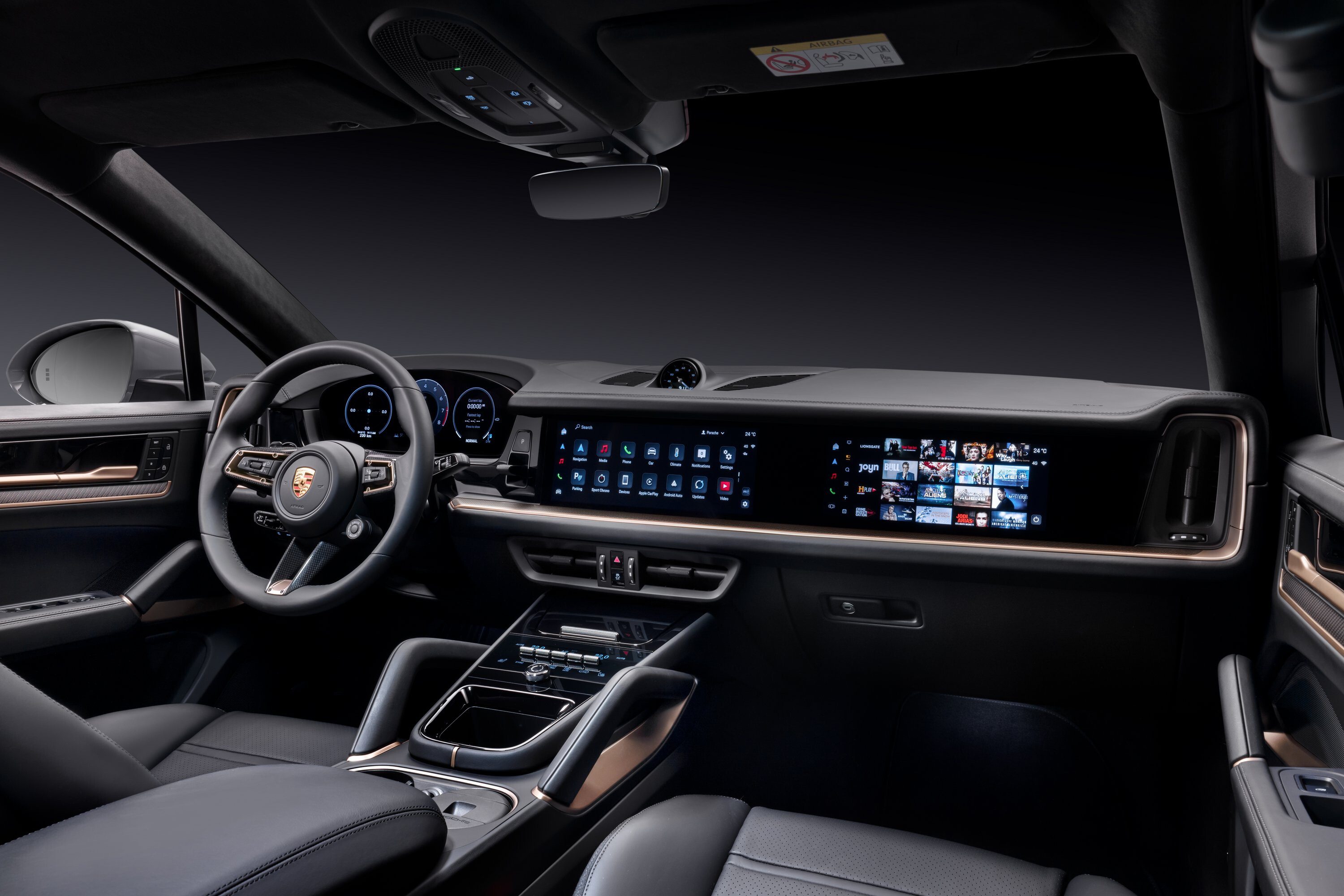
The collaboration between Porsche and Google will expand around 2025 with a “long-term partnership” to implement Google services for the brand’s infotainment software.
It will provide Porsche owners access to a range of Google services, including Google Maps, Google Assistant, and third-party apps from the Play Store, directly from the infotainment system.
1
Porsche’s adoption of Google features follows delays in the Volkswagen Group’s own Cariad technology platform, which has resulted in the upcoming Macan EV being delayed until 2024.
The German brand said the new infotainment system will follow the existing user interface from its current Porsche Communication Management (PCM) software, with support for over-the-air software updates.
1
“Our customers fulfil a dream with our vehicles. In addition to timeless design and exceptional performance, they also want a seamless digital experience. This blended ecosystem results from the integration of platforms and apps that customers know from their end devices,” said Porsche CEO Oliver Blum.
“We have an open approach and are developing innovations with leading technology partners.”
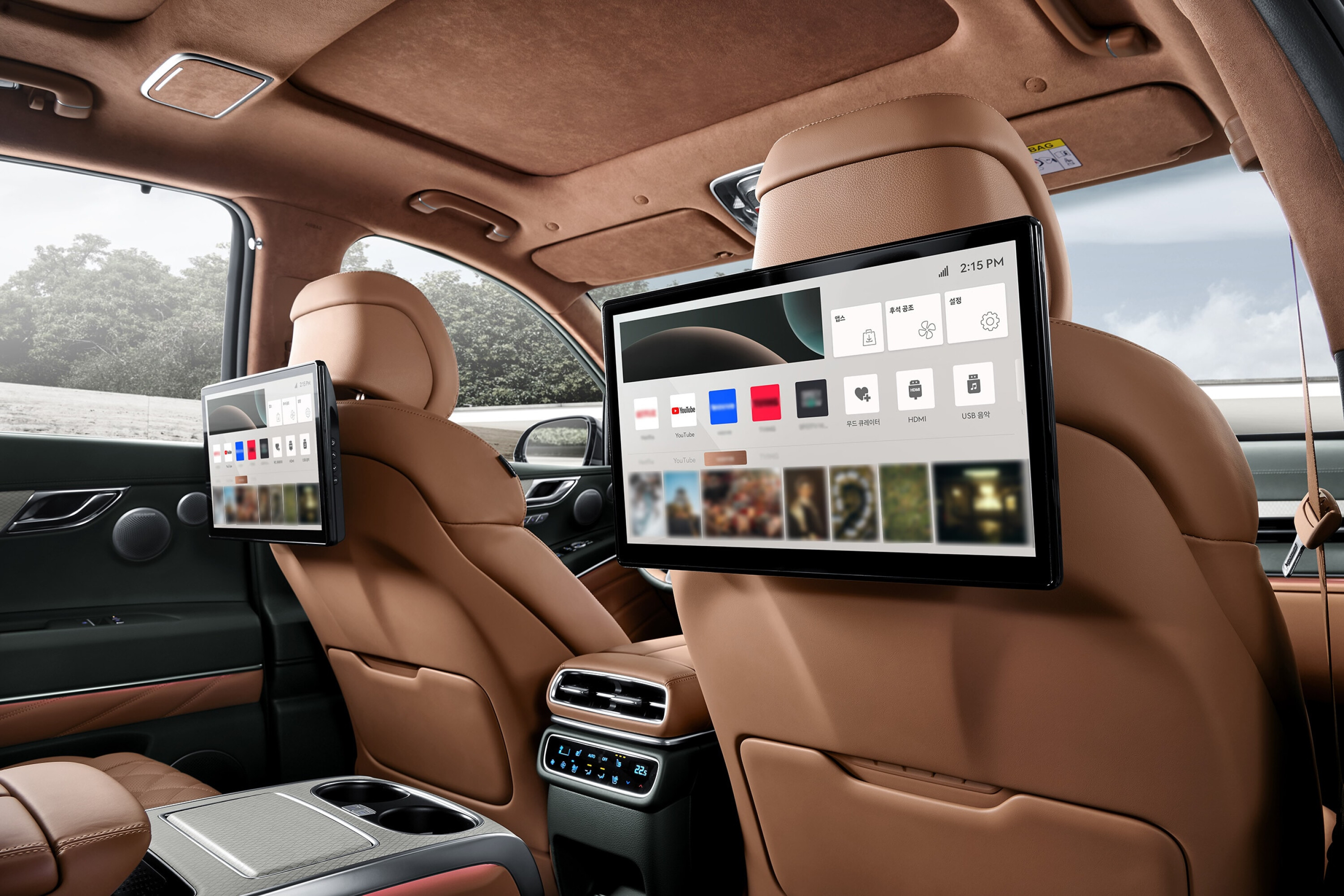
Similarly, Genesis, the luxury subsidiary of Hyundai Motor Group, is also making strides in the realm of in-vehicle entertainment by incorporating ‘WebOS’ software – used on LG’s smart televisions – into its new models.
1
LG’s WebOS for Automotive will provide over-the-top (OTT) services, including YouTube, into the cabin of Genesis vehicles to improve the entertainment options available to passengers.
This move aims to allow front and rear passengers to watch the “high-definition content they typically enjoy on their smartphone or TV” while complying with “driving and safety regulations”.
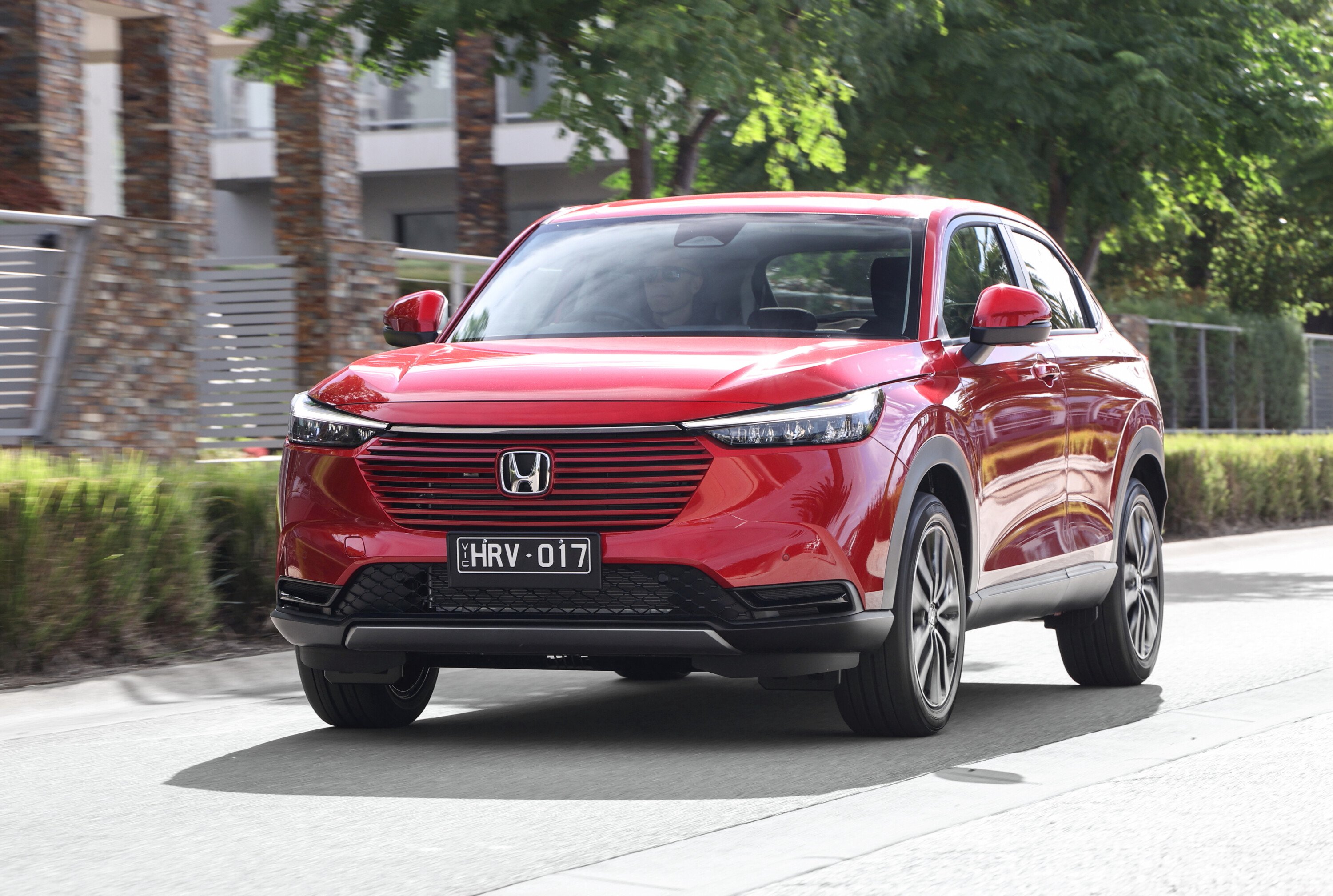
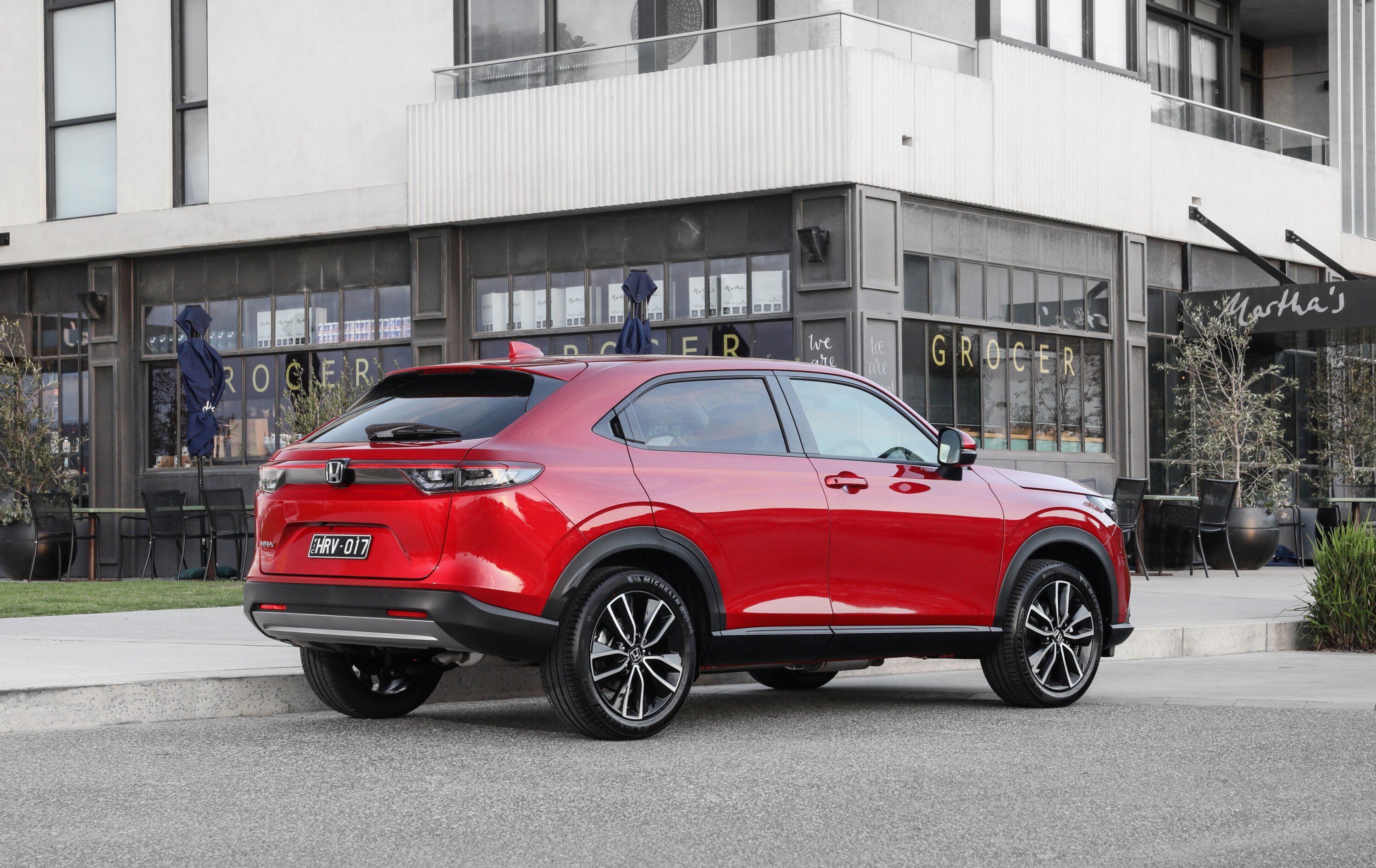
The all-new Honda HR-V was a showstopper in the small SUV category, when the third-generation launched locally in 2021.
Its re-design marked the start of a new chapter for the Japanese automaker, as they work to re-gain some of their lost market share since moving to an agency model and slowly dropping off the best-sellers list.
As the baby of Honda’s SUV line-up, the small HR-V sits below the all-new ZR-V midsize SUV and larger, also recently updated CR-V.
So in an increasingly popular segment, let’s see if the HR-V continues to impress, just as it did when it arrived in Australia.
1
Pricing and features
The Honda HR-V is available in two variants, a highly specced petrol or hybrid offering, respectively named the Vi X or e:HEV L.
Operating under an agency model means that Honda pricing is standard across all dealerships. And in the case of the Vi X it has an asking price of $36,700 drive-away.
Under the bonnet is a 1.5-litre i-VTEC four-cylinder naturally-aspirated engine producing 89kW and 145Nm, with a combined fuel consumption of 5.8L/100km.
1
In alignment with Honda’s strategy to sell fewer, feature-full vehicles, the Vi X offers plenty of standard spec as more of a premium offering.
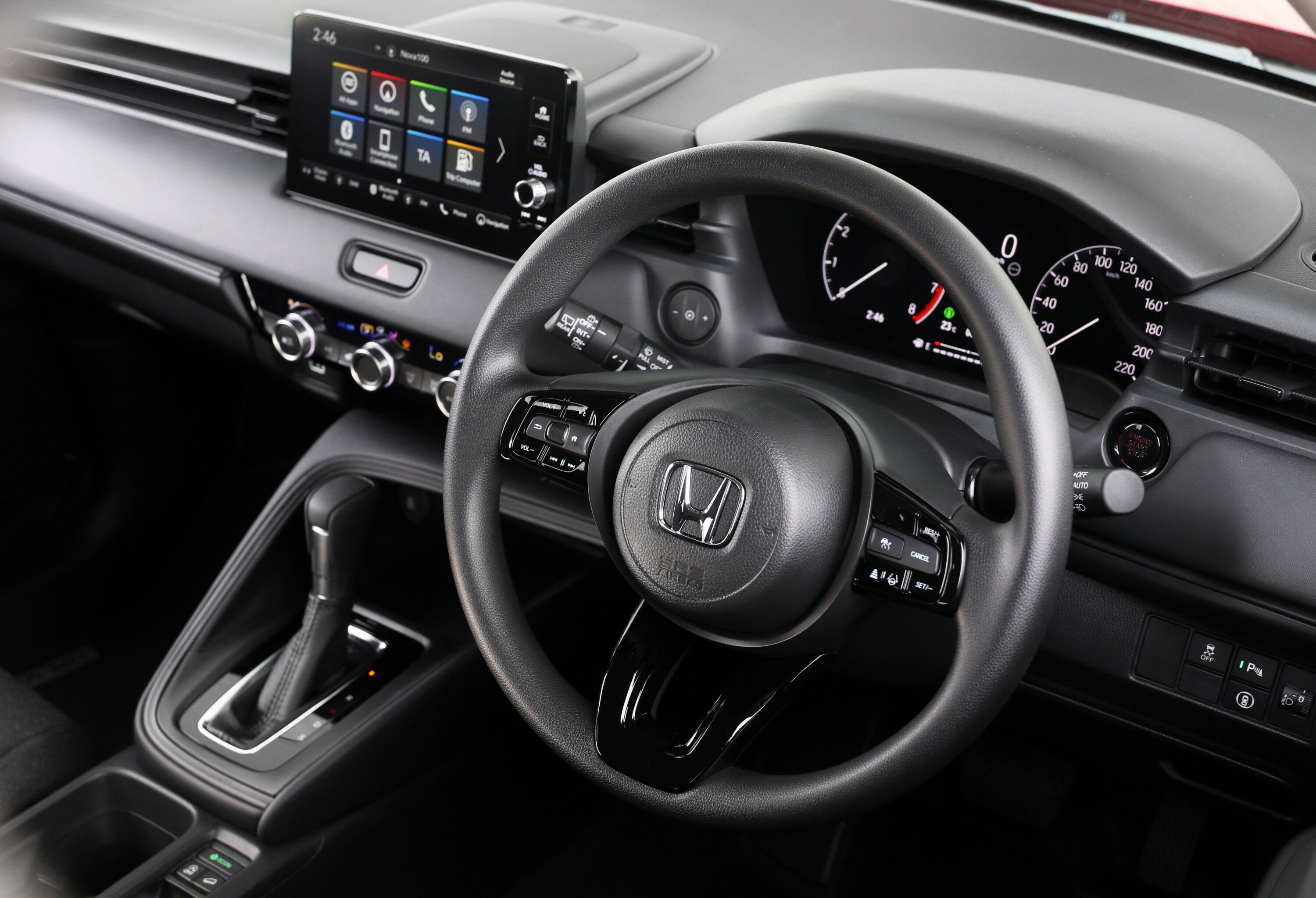
The infotainment system, with its 9-inch touchscreen and Wireless Apple CarPlay, offers simple and easy connectivity.
The single-grade petrol Vi X includes:
18-inch alloy wheels
Four speaker sound system
7-inch digital driver display
Front LED fog lights
9-inch touchscreen
Keyless entry and push button start
Ambient lighting
LED headlights
Auto retractable door mirrors
Rear privacy glass
Dual zone climate control
Wireless Apple CarPlay and wired Android Auto
1
The HR-V is available in five colours, that are all no-cost options. They are:
Premium Opal
Platinum White
Crystal Black
Premium Crystal Red
Meteoroid Grey
1
Safety
The HR-V fell just short of a full-star rating, scoring four stars in independent ANCAP testing.
As part of testing, the HR-V received an 82% adult occupant protection score and 77% child occupant protection score.
Standard safety equipment includes front, side and curtain airbags, autonomous emergency braking (AEB), blind-spot monitoring, lane departure warning, lane keep assist, traffic sign recognition and a reversing camera.
If you want additional safety such as above this, only the e:HEV hybrid adds blind-spot monitoring and rear cross-traffic alert which is less than ideal if you’re more interested in the petrol powertrain.
1
Key rivals
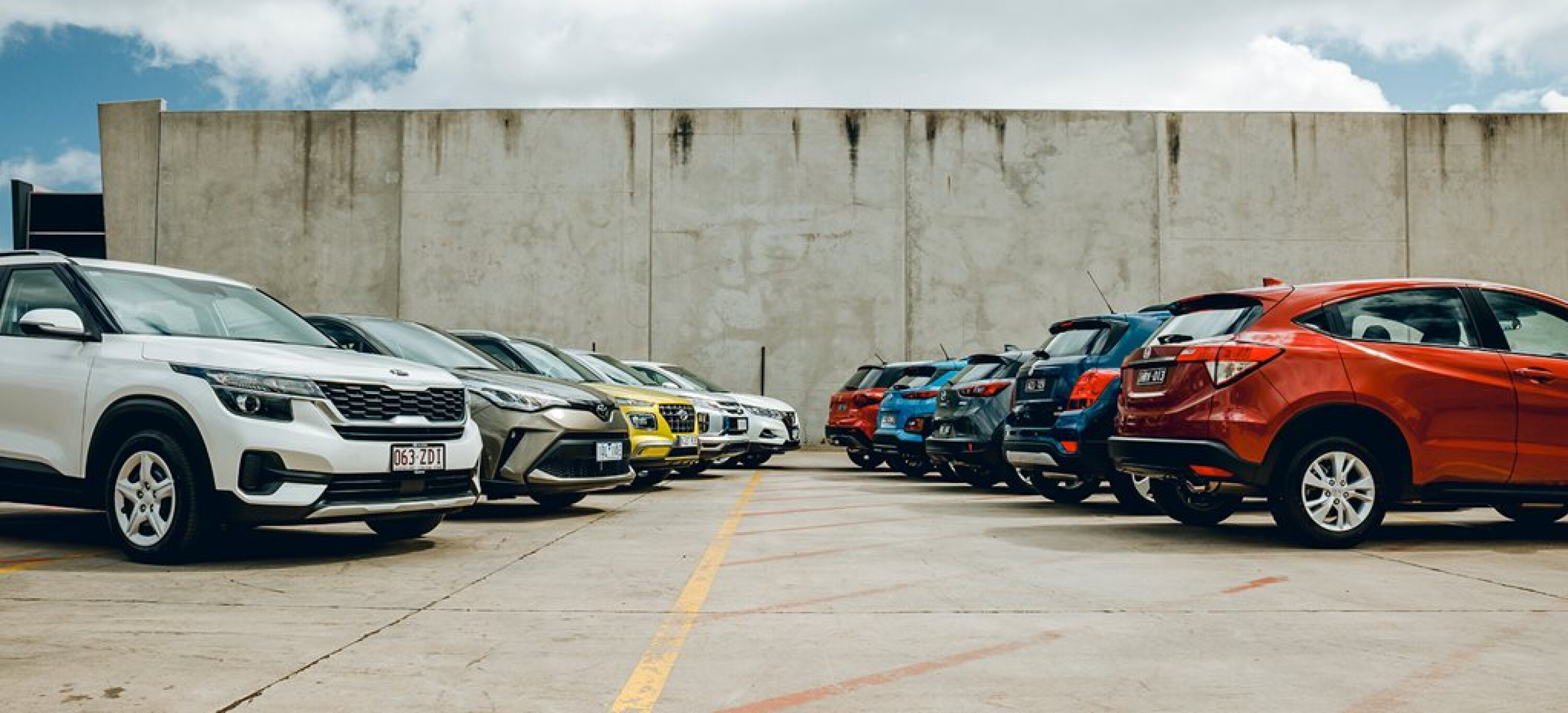
The small SUV segment in Australia is booming, as a value-offering for those who were previously looking at a hatchback or sedan. The HR-V plays against other in this space, namely:
Mazda CX-30 (from $33,310* for auto)
Hyundai Kona (from $32,000*)
Toyota Corolla Cross (from $33,980*)
*before on-road costs
1
Should I put it on my shortlist?
The 2024 Honda HR-V Vi X is a good looking little SUV.
With fixed pricing nationwide through their new agency model, there will be no need for haggling or negotiations. However the lineup offering for the HR-V might leave some buyers wanting.
The absence of expected safety features like rear-cross traffic alert and blind spot monitoring is unfortunate.
But if you’re after a fuss-free, attractive and cool small run-about, then the HR-V might be your ideal pick.
The Japan Mobility Show (or the Tokyo Motor Show as it was previously known) might be the first great motor show since the pandemic.
Typically focused on the domestic market, 2023’s instalment felt like a tipping point as Japanese carmakers flexed their next-gen electric car muscles and previewed new models.
This year’s car news heavy instalment featured everything from exciting reinvigorations of iconic sports car names to mass-market EVs and motorised wheelchairs – there was even an electric LandCruiser.
Here, we’ve collected all the most important reveals at the 2023 Japan Mobility Show.
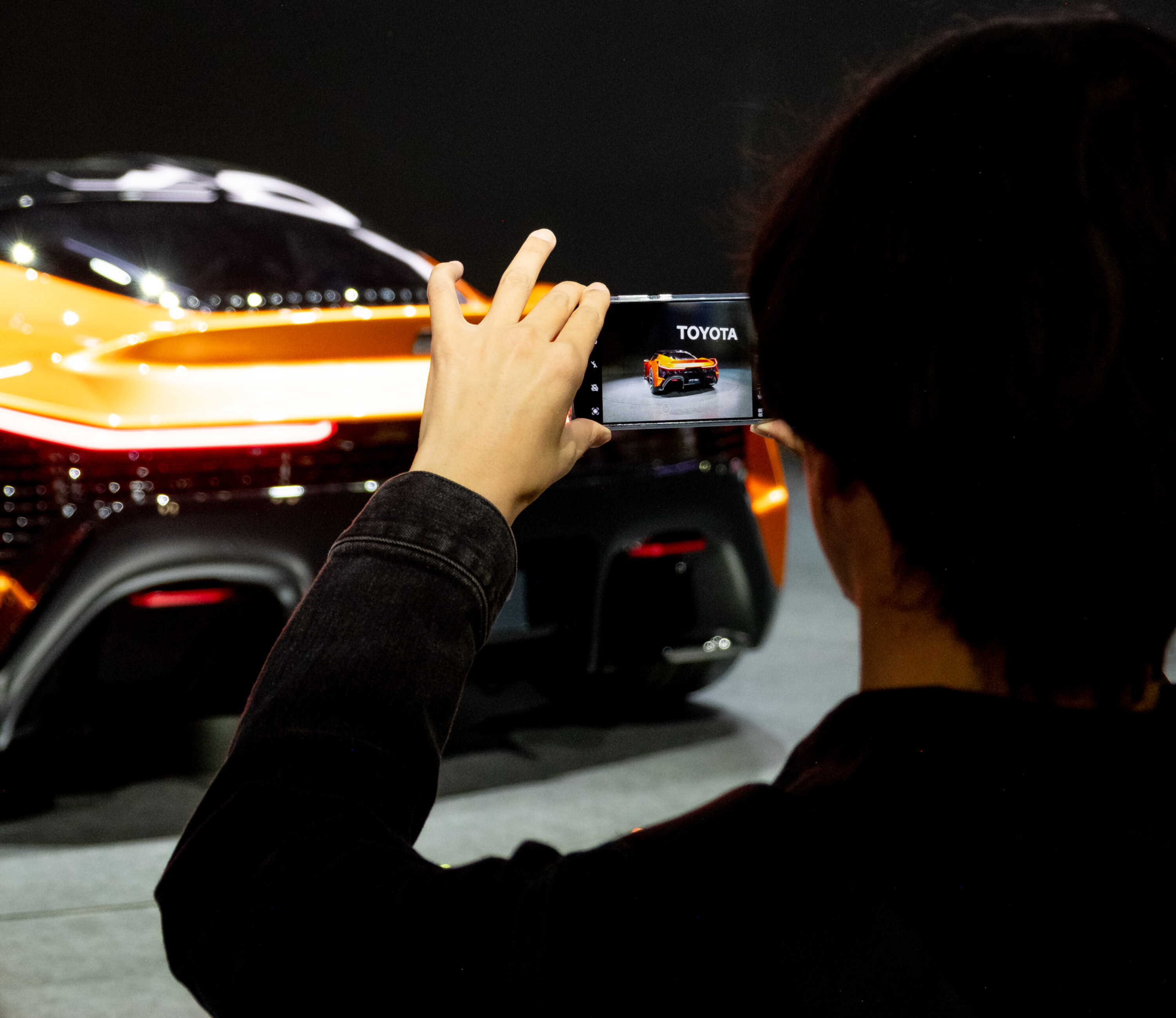
With Akio Toyoda sent away from the limelight, the 2023 Japan Mobility Show became the stage upon which new Toyota president Koji Sato would act out his electrified vision.
Along with the quirky Kayoibako (which means shipping container in Japanese), they share Toyota’s new generation slimline battery (set for production in 2025) and all-new modular platform.
The FT-Se is an all-paw sports car with sub-1500kg weight and 400km driving range targets.
The clean-sheet coupe (with no ties to prior nameplates, according to lead designer Hideaki Iida) celebrates cabin space and vision. The FT-3e uses the same battery technology and platform and looks to be a next-gen replacement for the existing BZ4x medium SUV.
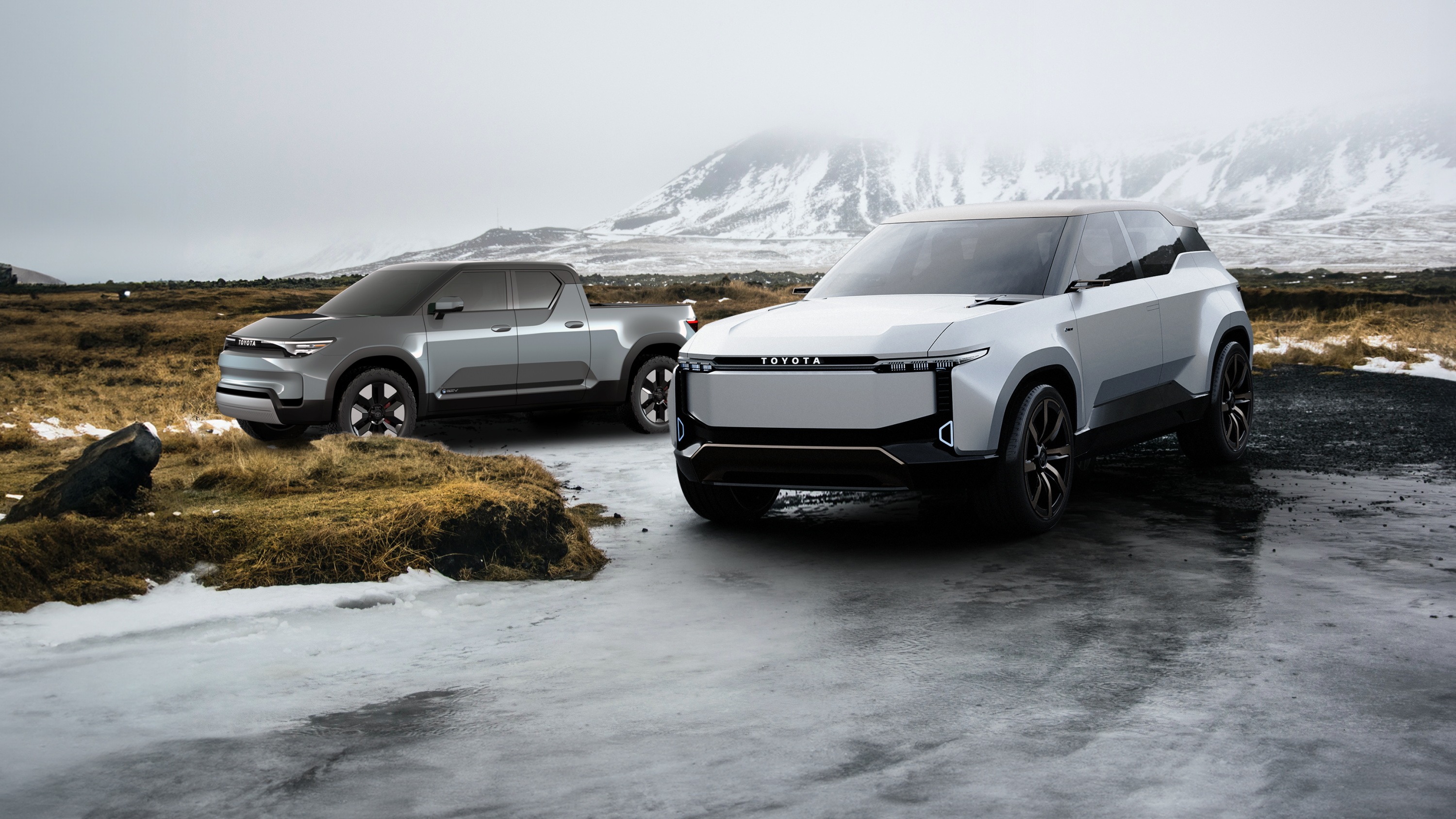
An electric LandCruiser SE and EPU ute were tucked around the corner and proved controversial among the Australian contingent. They inspired comments about the unsuitability of EVs for the “silent majority” of Australians from the local sales boss Sean Hanley.
Another utility vehicle, the IMV0 also featured – this near-production modular ladder-frame vehicle targets emerging markets.
Besides EVs, Toyota had a diverse powertrain strategy on show with plug-in hybrid and hydrogen fuel-cell crown models, a hand-steer Prado, and a hybrid Century SUV.
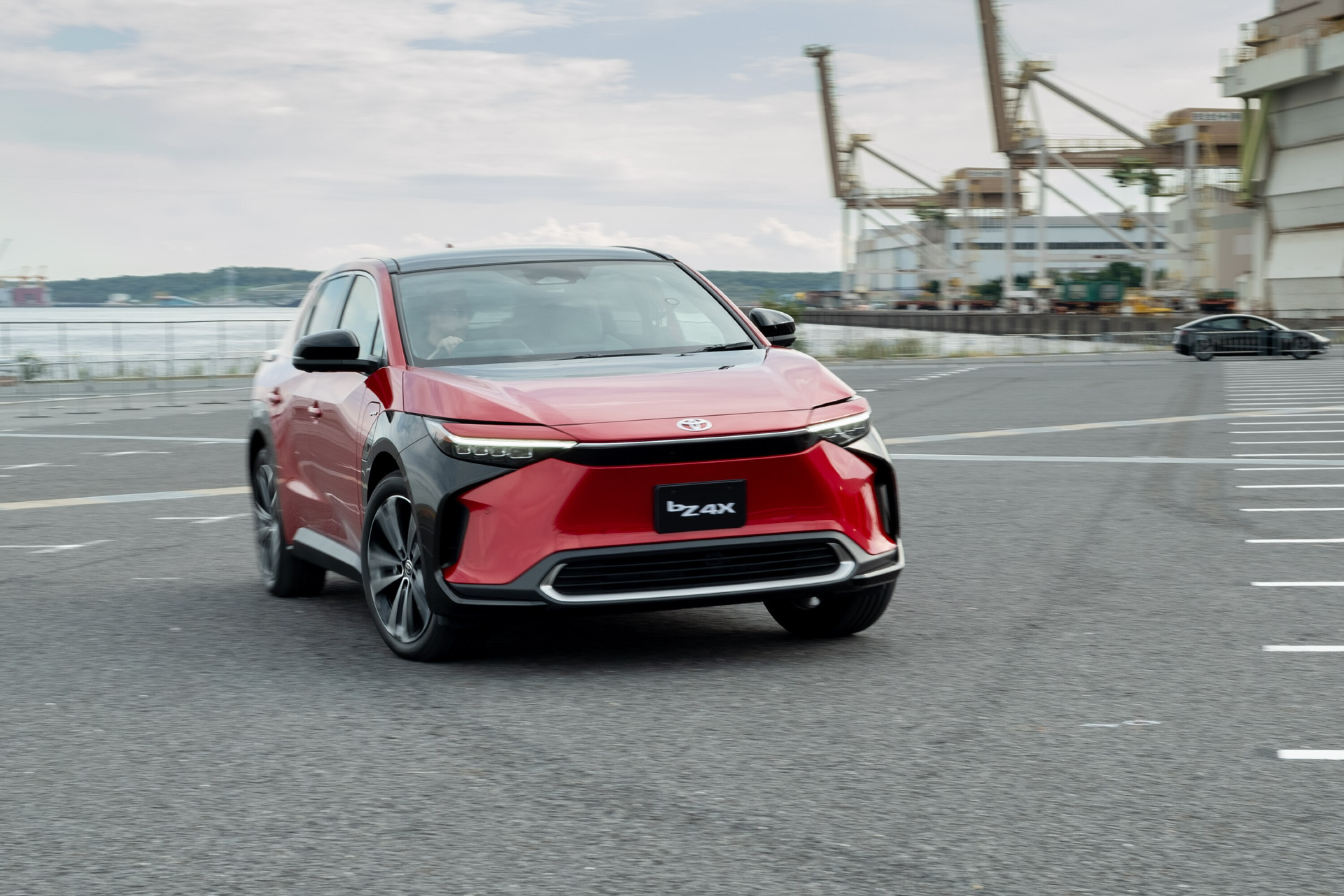
The gently updated BZ4x – with improved battery conditioning and new ‘BEV’ badges – was located outside in the dynamic testing section.
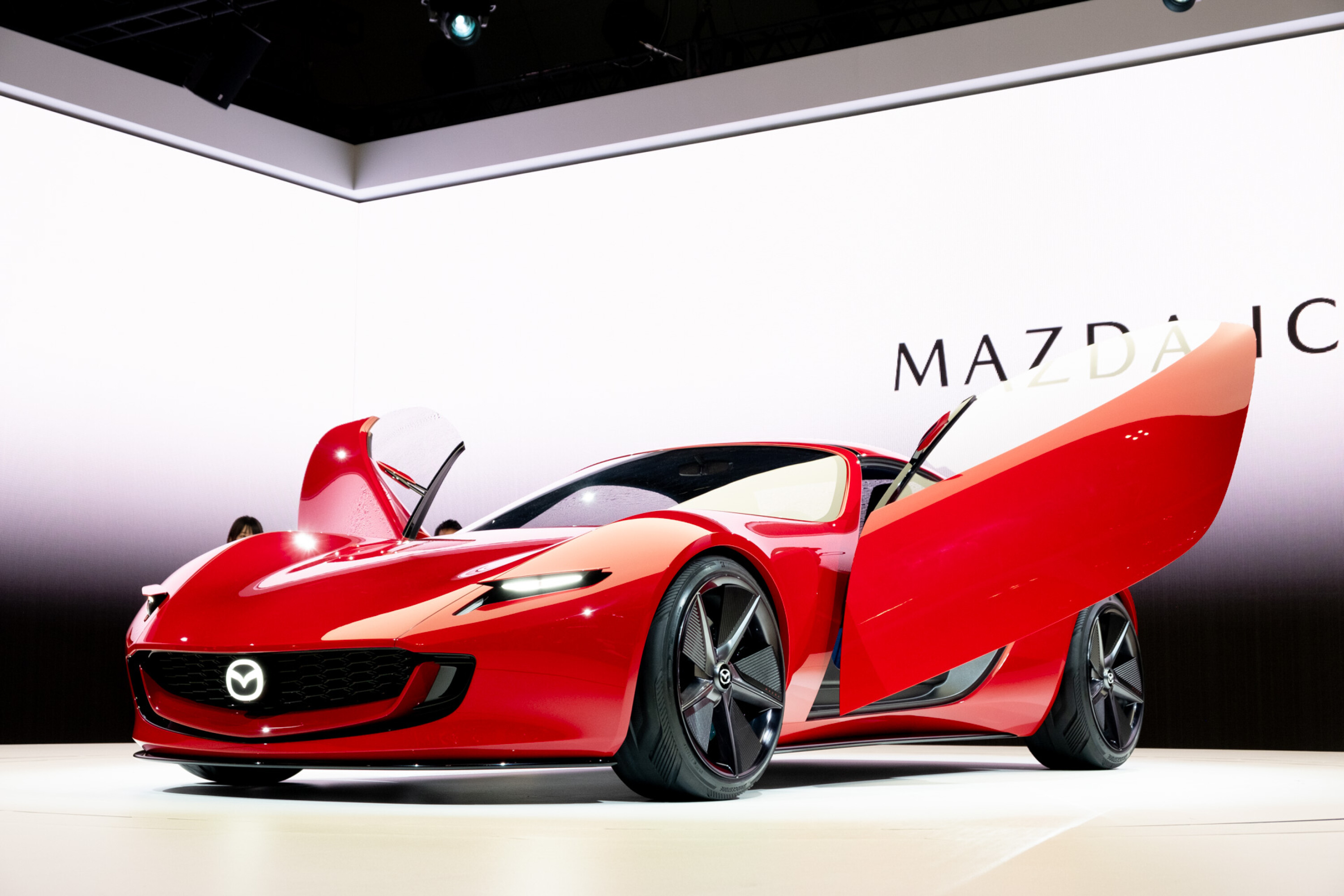
If the FT-Se is a futuristic clean-sheet sports car, the jaw-dropping Iconic SP concept (a development on 2022’s Vision Study) embraces Mazda’s heritage.
A blend of ND MX-5 details and FD RX-7 proportions, the Voila Red coupe weighs 1450kg, measures 4180mm long and is powered by a 270kW twin-rotor rotary range-extender powertrain.
Alongside it were all kinds of MX-5s, including a shrunken one for kids, an original NA, and the updated ND model.
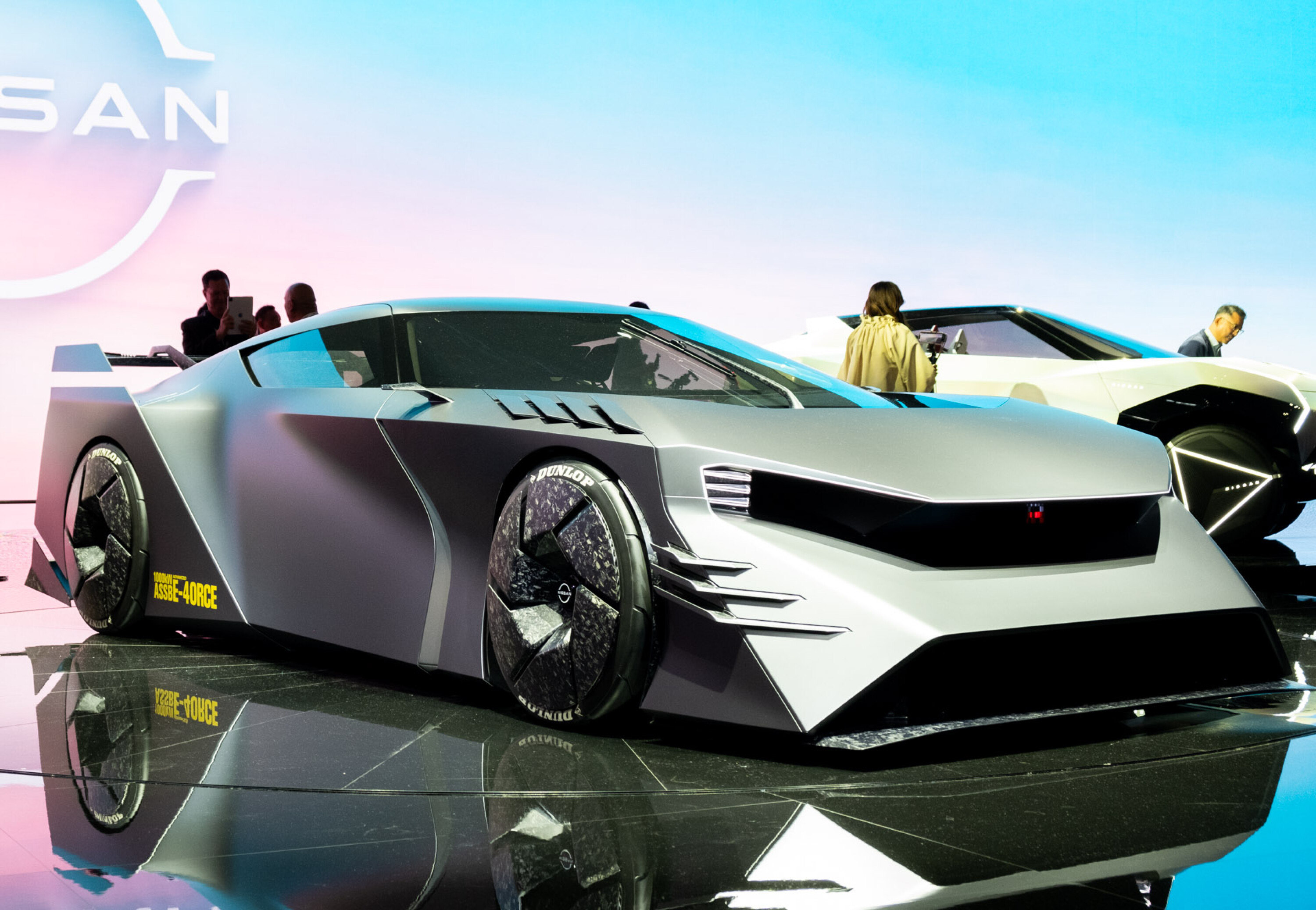
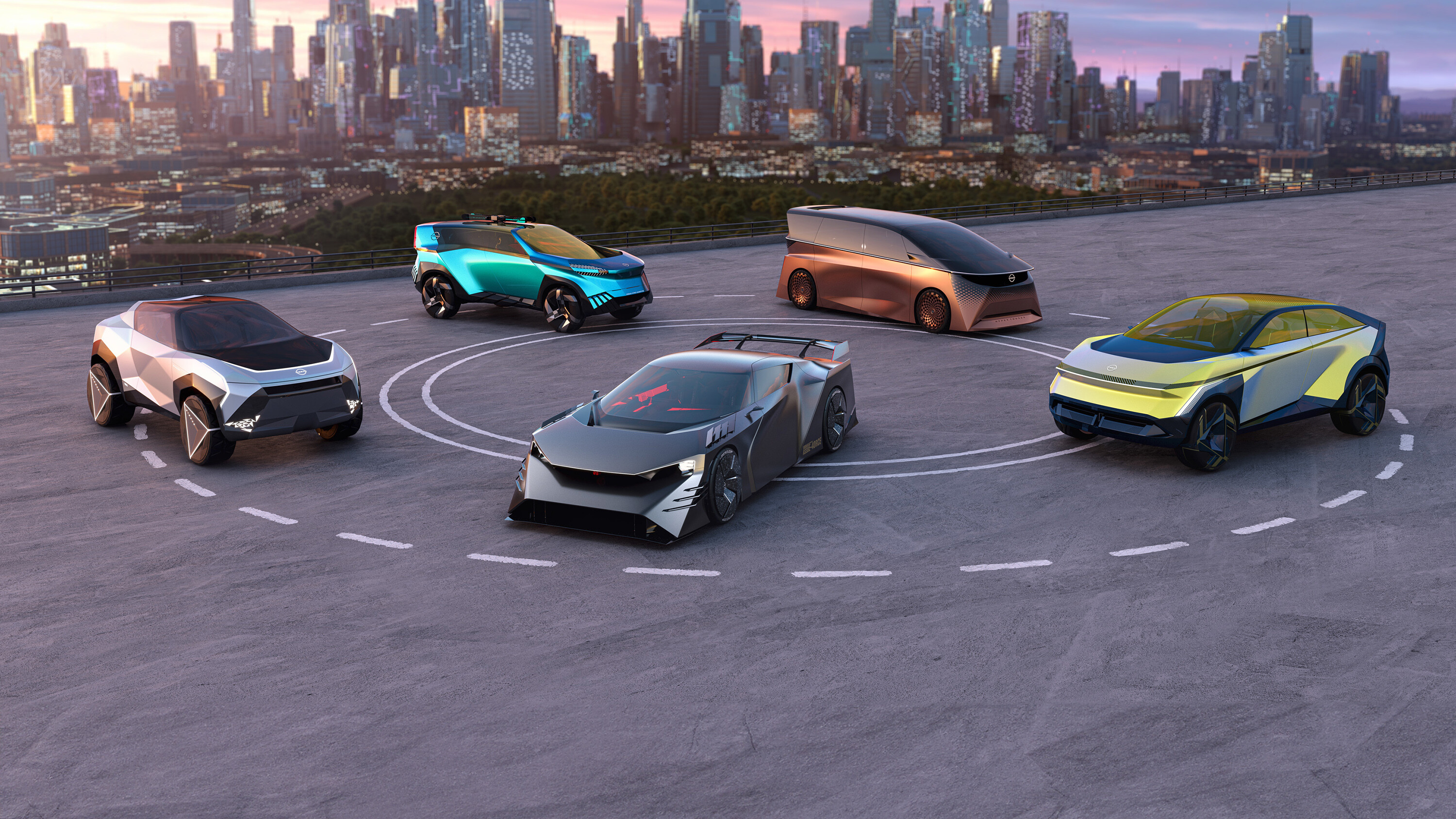
Nissan’s stand was the most conceptually clear at the show with four out-there Hyper models previewing the brand’s four pillars of expansion.
The Hyper Force caught our eye, essentially an R36 GT-R concept, it boasts 1000kW and all-wheel drive with solid-state batteries.
Aside from the obvious out-there bodywork, there are subtle touches, such as the circular rear lights that nod to the R32 and pixelated GT-R front emblem.
The Tourer is a futuristic electric take on the Elgrand people mover with a spacious cabin, while the all-wheel drive Adventure potentially previews the Patrol’s very distant future, and the Urban represents the design direction of Nissan’s next-gen Juke and Qashqai.
All vehicles offer vehicle-to-load and vehicle-to-grid charging, but there were no other details divulged.
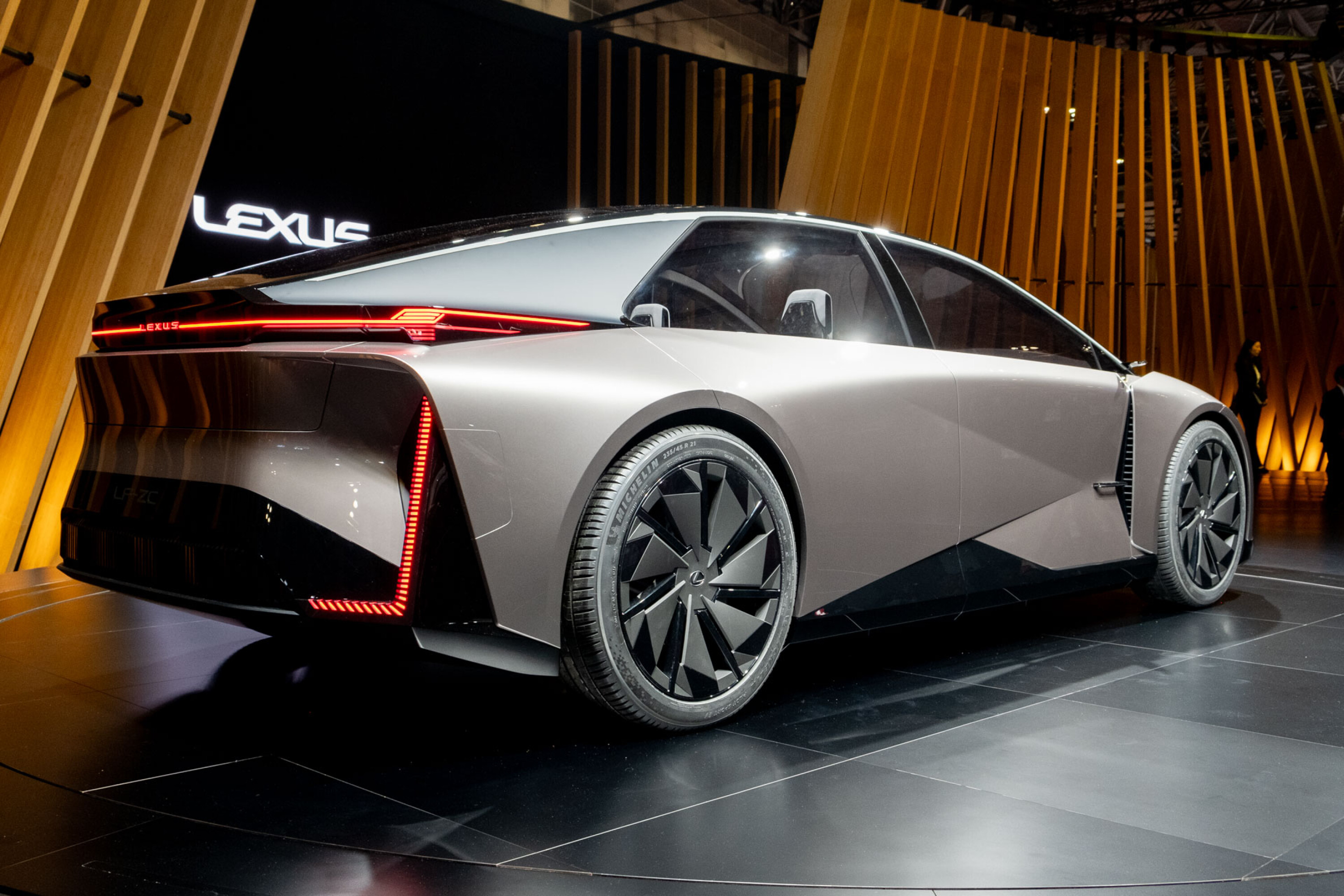
The all-electric BMW i3 (previewed by the Neue Klasse) hasn’t even launched yet but it’s already got a Lexus rival.
The LF-ZC is a medium sedan that promises up to 1000km driving range from new-gen lithium-ion batteries. A production version will launch in 2026 and become the first from the Toyota/Lexus vehicle on the new family architecture.
It’ll be followed by the brand’s new flagship model, the LF-ZL, a 5.3-metre long lifted fastback sedan.
Lexus promises the same underpinnings but with a more sophisticated version of the brand’s ‘Arene’ operating system with AI learning and myriad sensors that are said to be able to detect who’s onboard and what the conditions are like using digital ‘smell’ and seamlessly adjusting interior functions to enhance comfort.
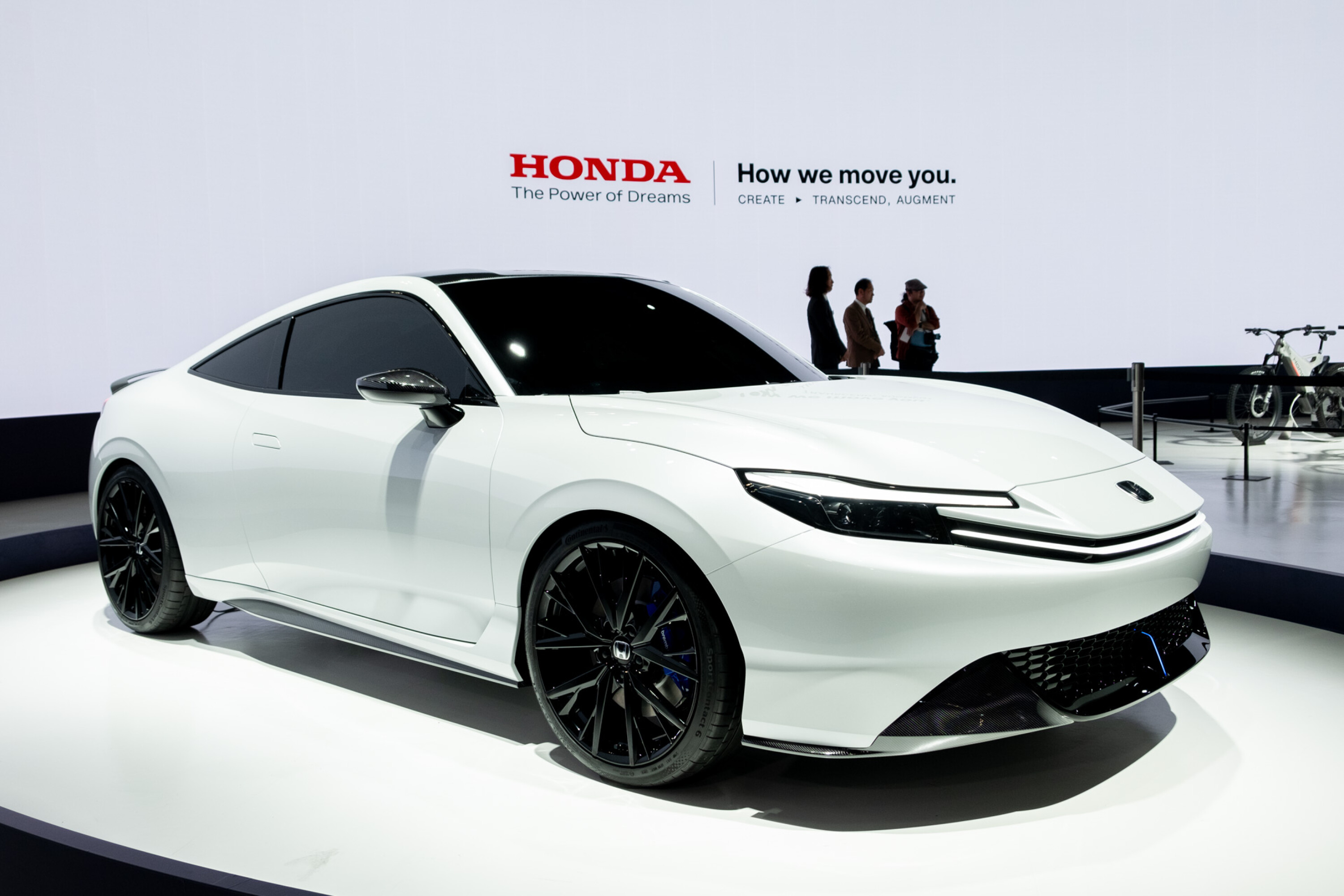
Punters expected another NSX reboot but instead, Honda revived a different name from the back catalogue.
The handsome hybrid Prelude coupe will begin mass production in 2026 and symbolises Honda’s move to lower emissions. It’ll have a simulated manual transmission and sporty chassis settings for a fun drive, says the brand, and there’s a good chance it’ll come to Australia.
Then there was the cute-as-a-button Sustaina-C concept that takes inspiration from the ’80s Honda City including Motocompo fold-up scooter. Its body is made from recycled acrylic.
Also featured on the stand was the new Prologue, a rather handsome electric SUV that will launch next year.
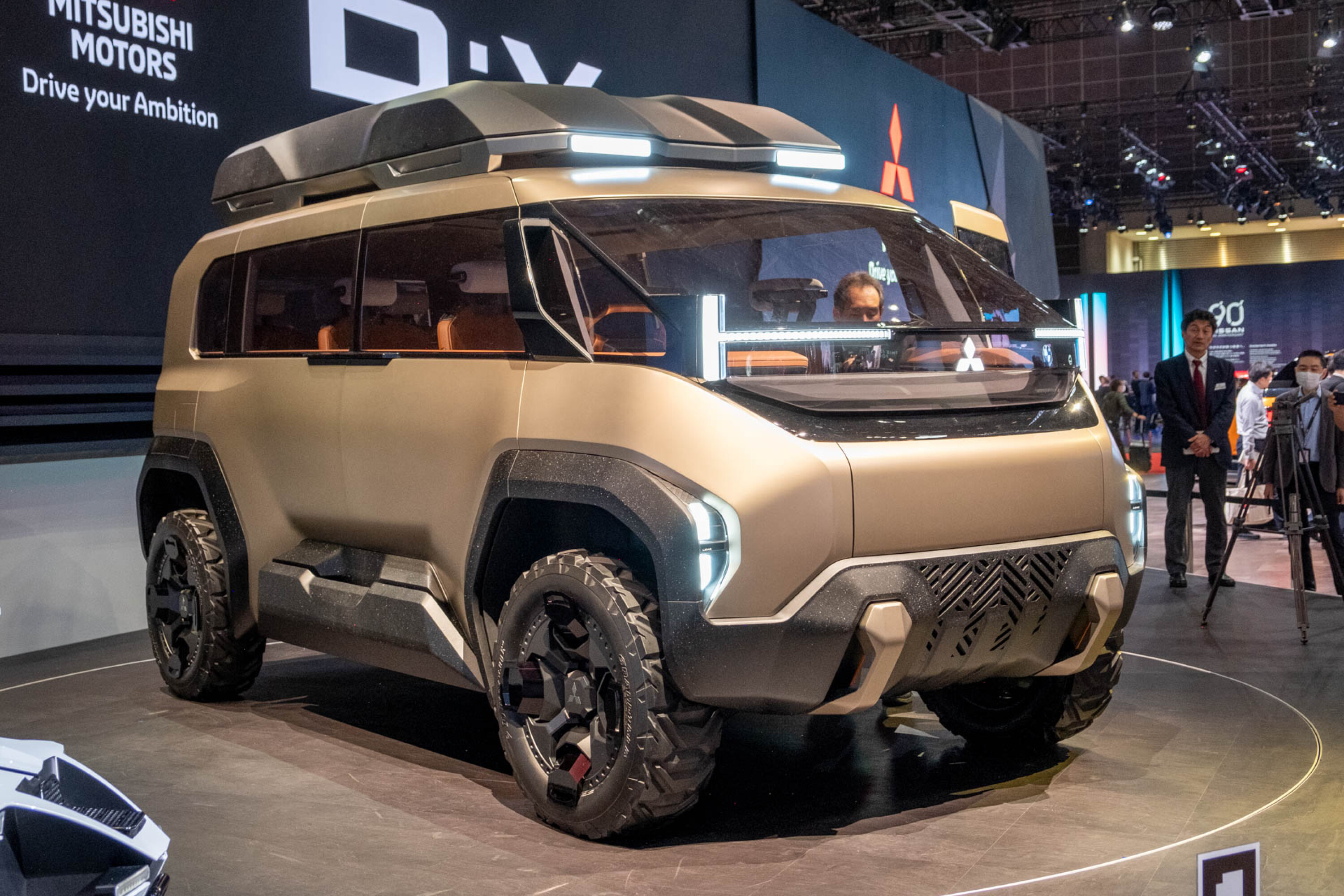
A small but mighty showing, the wild D:X off-road van concept previews the sixth-generation Delica and it’s closer to reality than you might expect.
It features a development of the Outlander’s plug-in hybrid powertrain that ups the e-motor count from two to three for precise rear-wheel torque vectoring. Individual brake control, active suspension with 100mm of movement, and a spacious cabin with full-height doors were highlights.
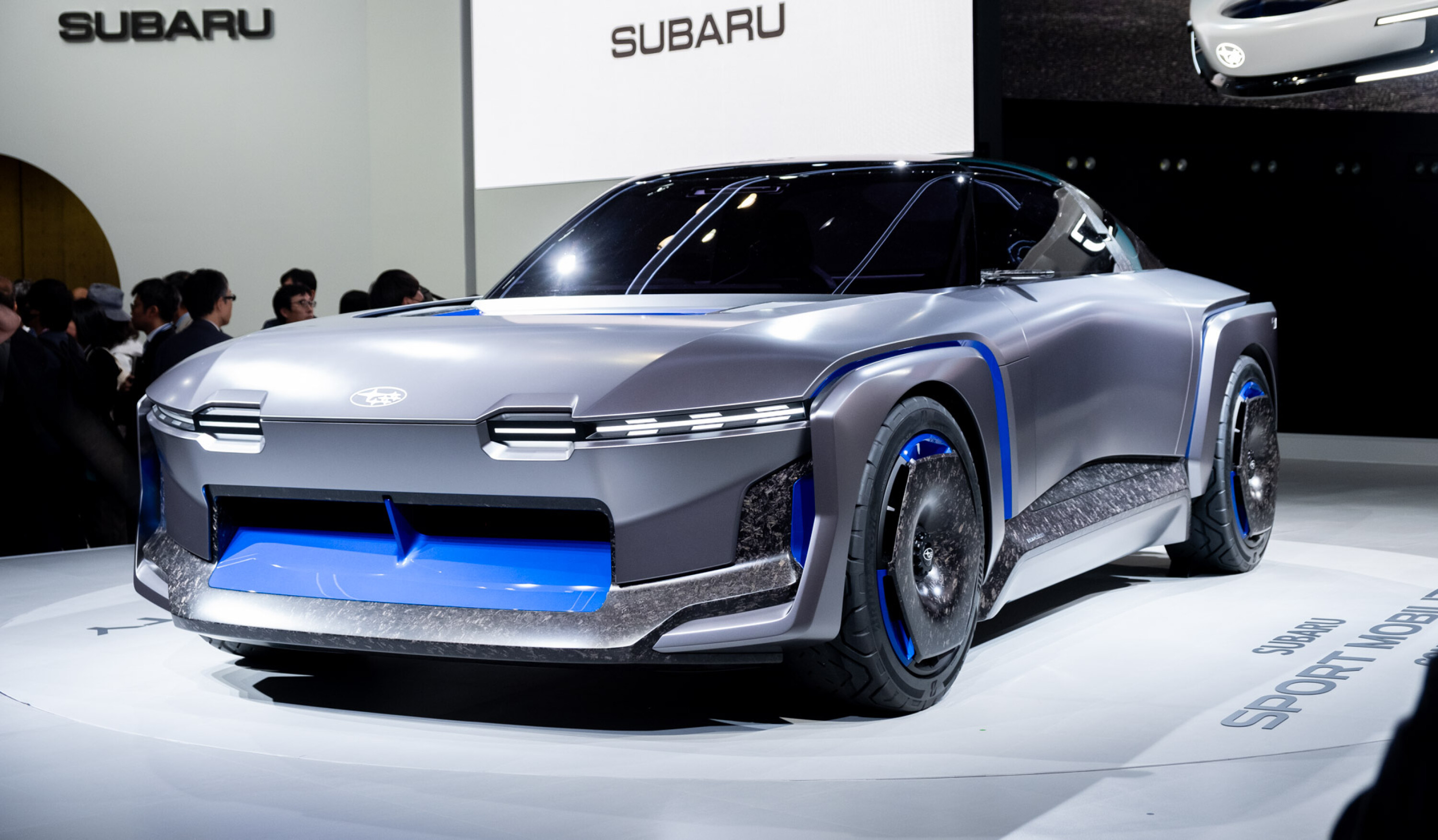
The vigour of Subaru’s new product presentation was unmatched. A thunderous drum-and-bass track (beneath a five-rotor flying machine) accompanied the unveiling of the Sport Mobility concept, a two-door four-wheel drive electric sports car that sits somewhere between a WRX coupe and SVX.
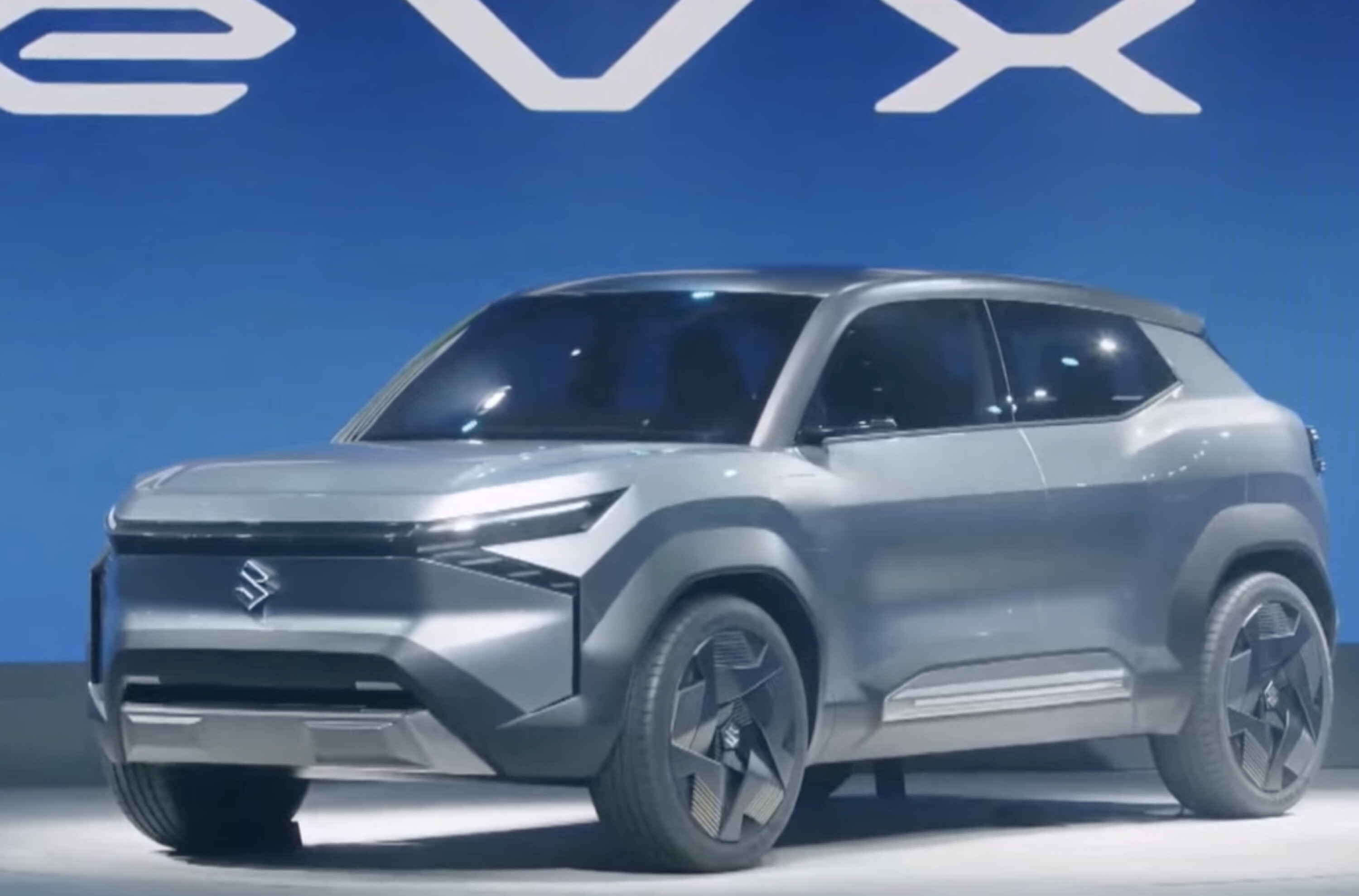
It’ll be followed by a production version of the eVX – a Vitara-sized SUV targeted at Europe and Japan with around 500km of driving range and new interior design language – in 2025. A cute eWX kei wagon previewing an electrified micro-van also featured.
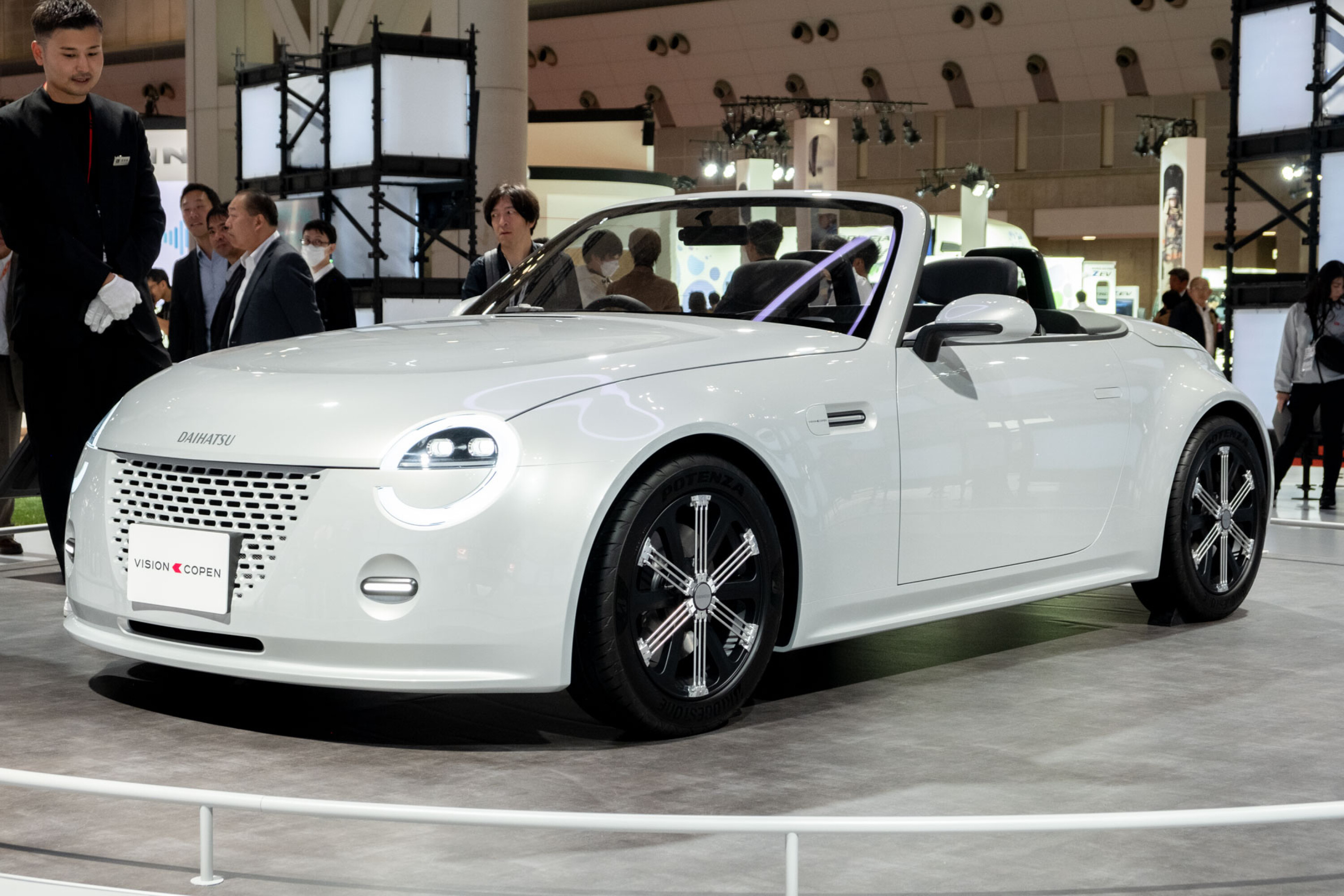
Gone from Australian dealerships but not forgotten. Along with a vintage first-gen Charade, Daihatsu had two micro-roadster concepts on display, the Vision Copen (which looked nearly production-ready) and the peculiar (but no less adorable) Osanpo off-road convertible.
And that’s a wrap on this year’s Japan mobility show!
REVIEW: BMW’s X2 returns with an electric stablemate and a level of tech & interior space to worry cars from the class above
November 2023: 2024 BMW X2 walkaround video
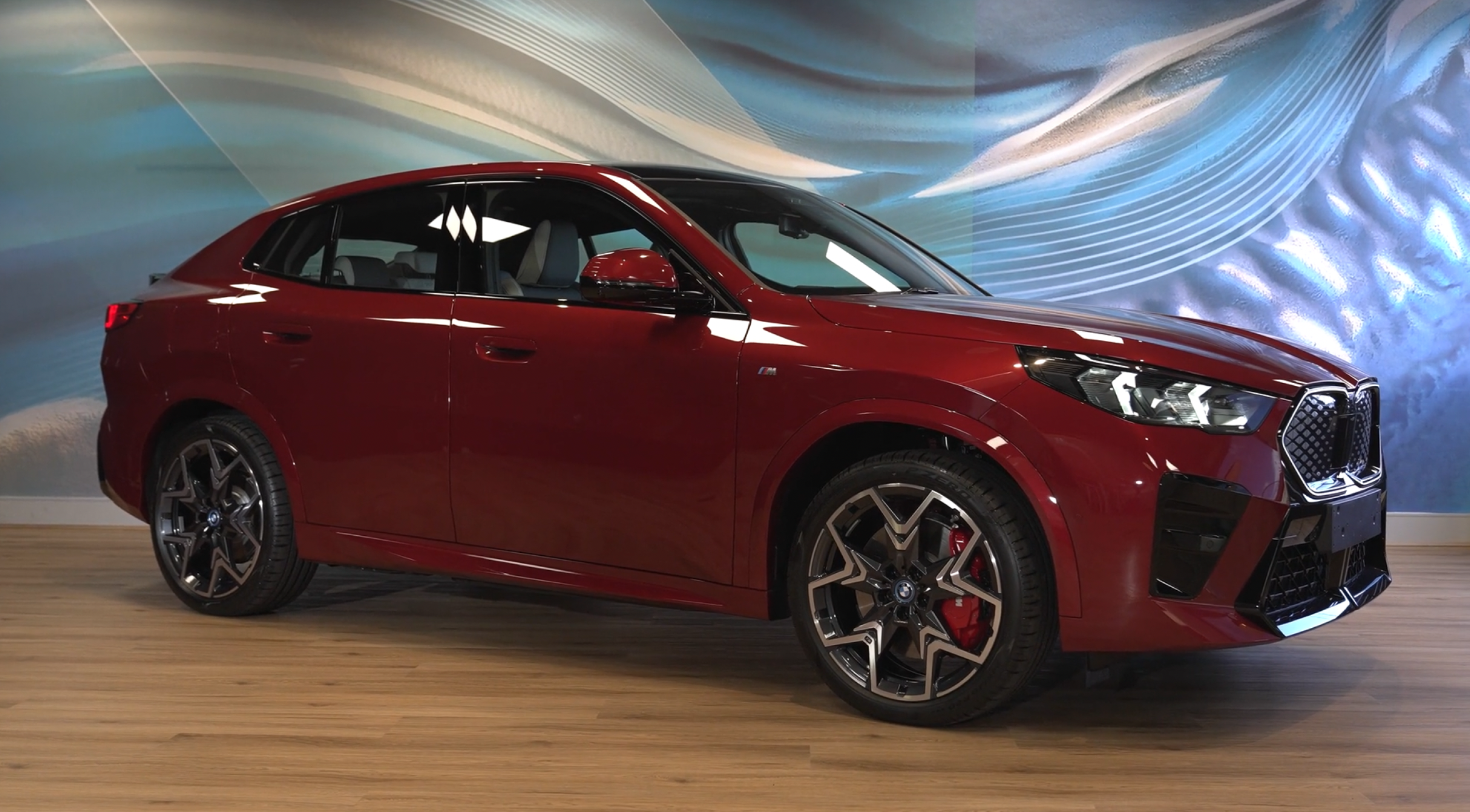
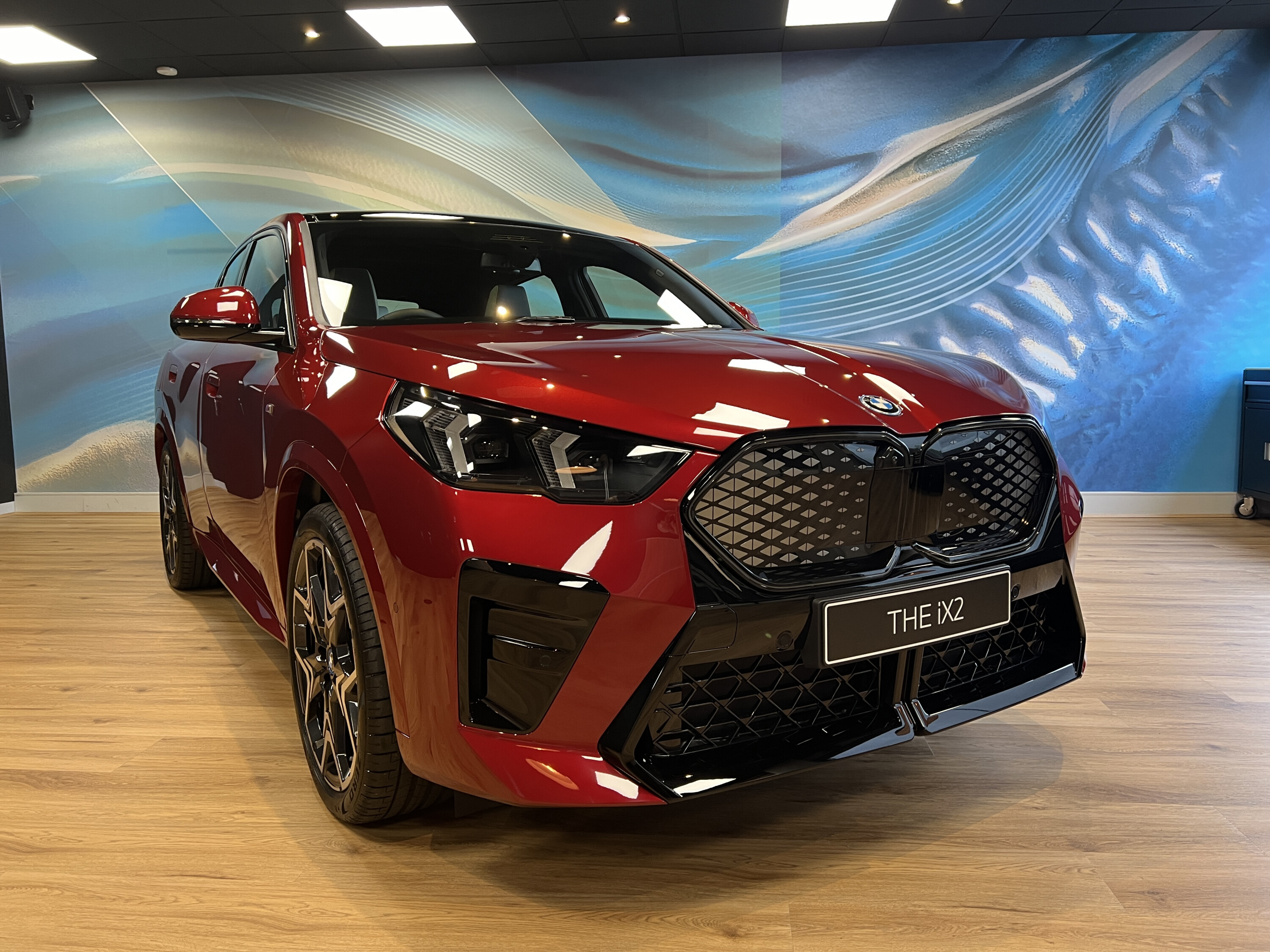
Following the release of Australian pricing in October, we’ve now had a good up-close look at the new BMW iX2 electric SUV.
The first-ever iX2 will reach Australia in March 2024 as a fully electric companion to the second-gen X2, boasting bigger dimensions and more technology than the previous X2.
The new iX2 shares many similarities with the new X1 and iX1, including an identical platform, leaving styling and functionality as their key differentiators.
The X1/iX1 hold a more traditional design style making it more practical overall, while the X2/iX2 models are focused on having a sportier presence.
Both the iX1 and iX2 are billed as compact electric SUVs, with their larger X3 and X4 siblings residing in the mid size category.
However, the new X2 and iX2 – which share almost everything except powertrain – have grown in all directions.
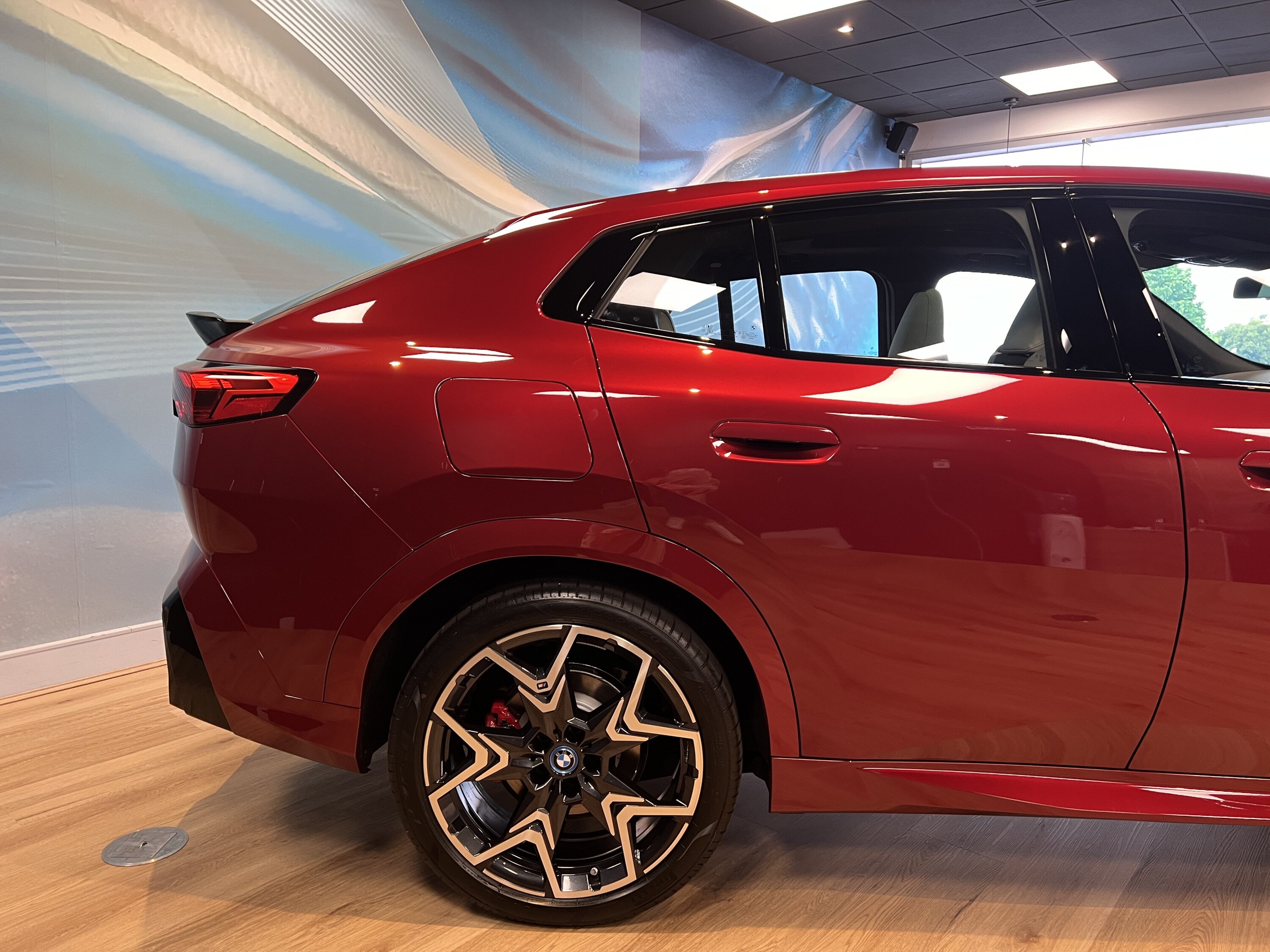
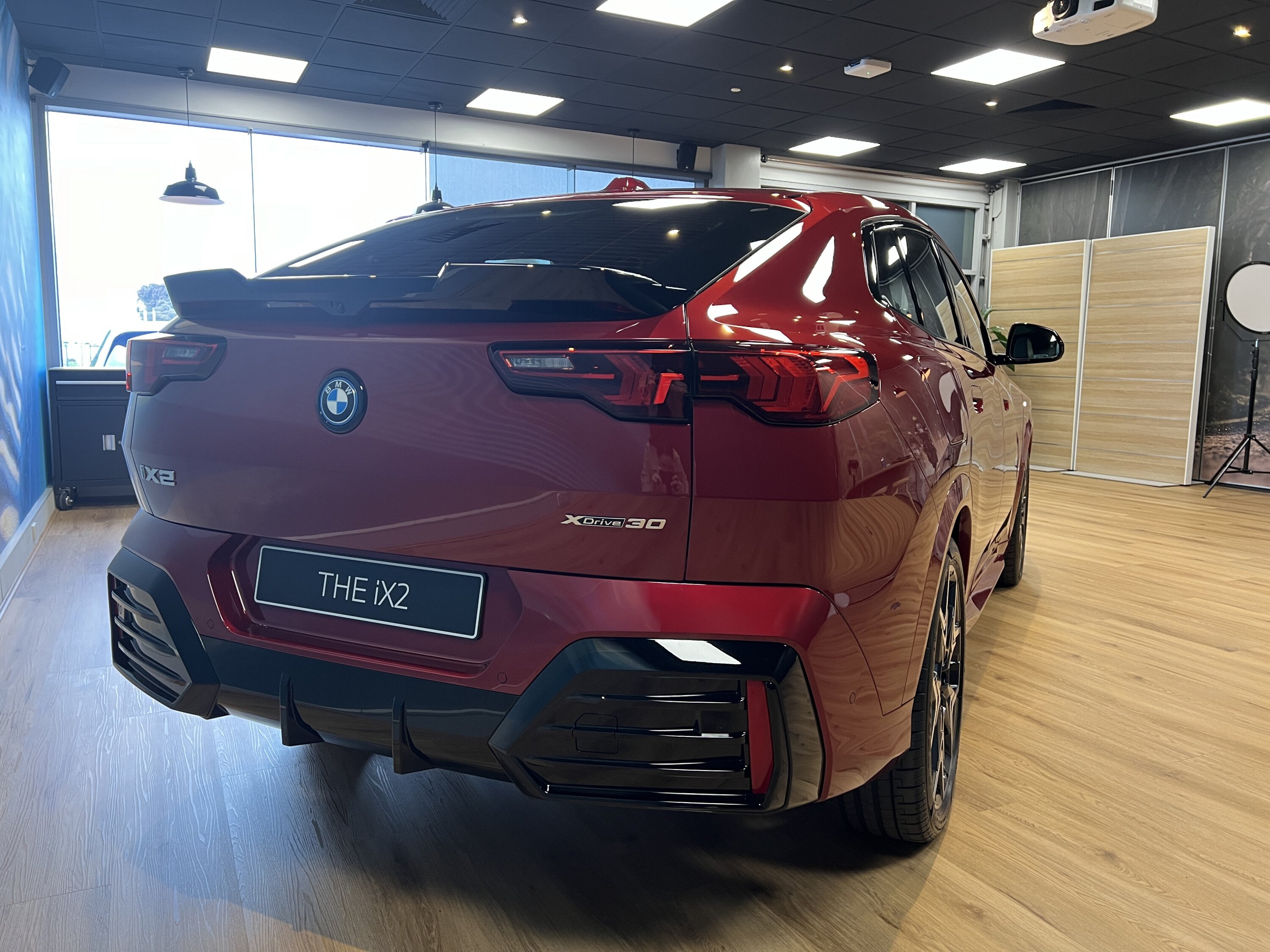
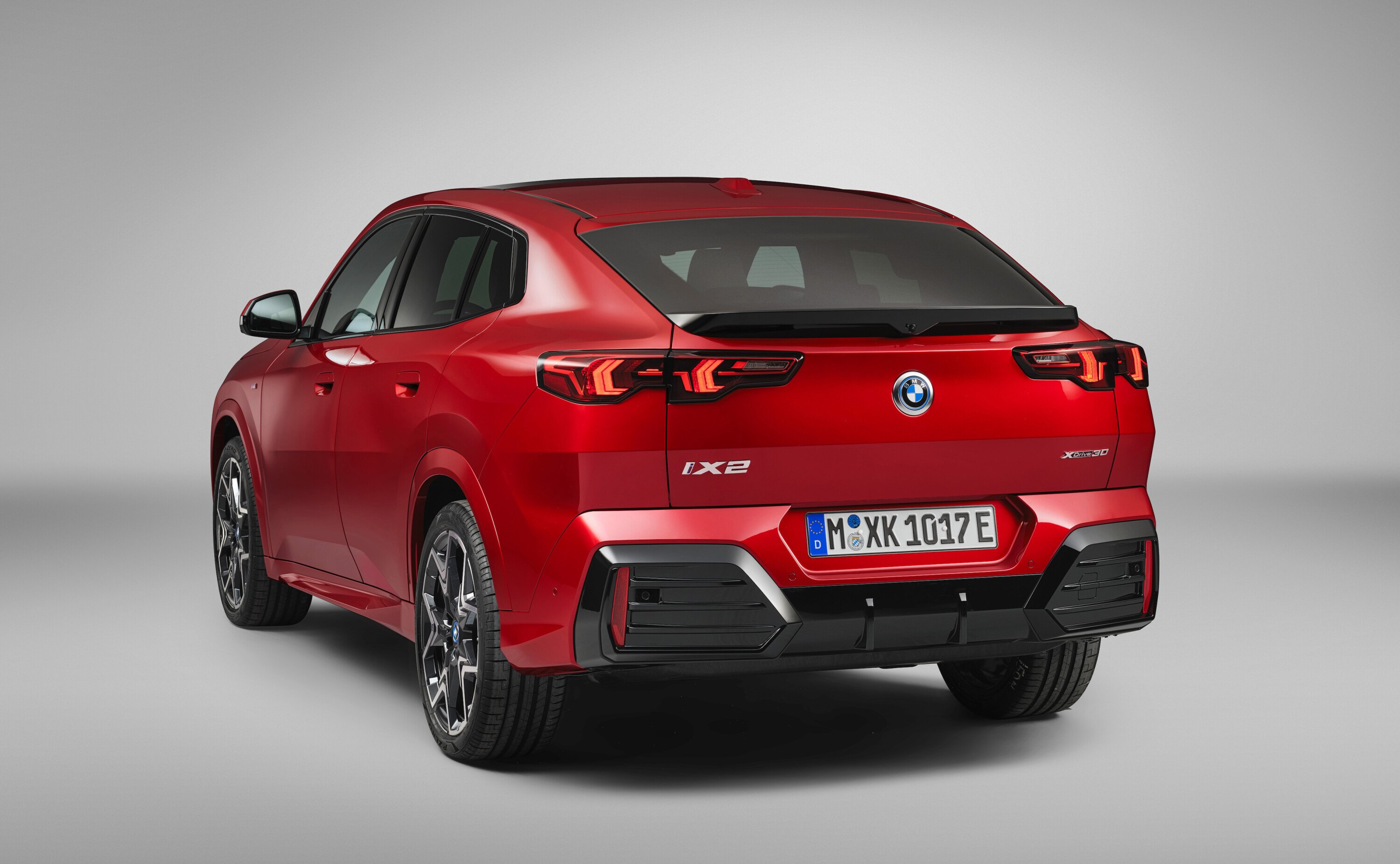
It’s now 194mm longer than the outgoing generation, as well as wider – pushing into midsize-SUV territory at 4.55 metres in length. The rear accounts for 14cm of that additional length, to allow for the coupe-style rear.
1
The entire vehicle also gains a longer wheelbase and broader tracks.
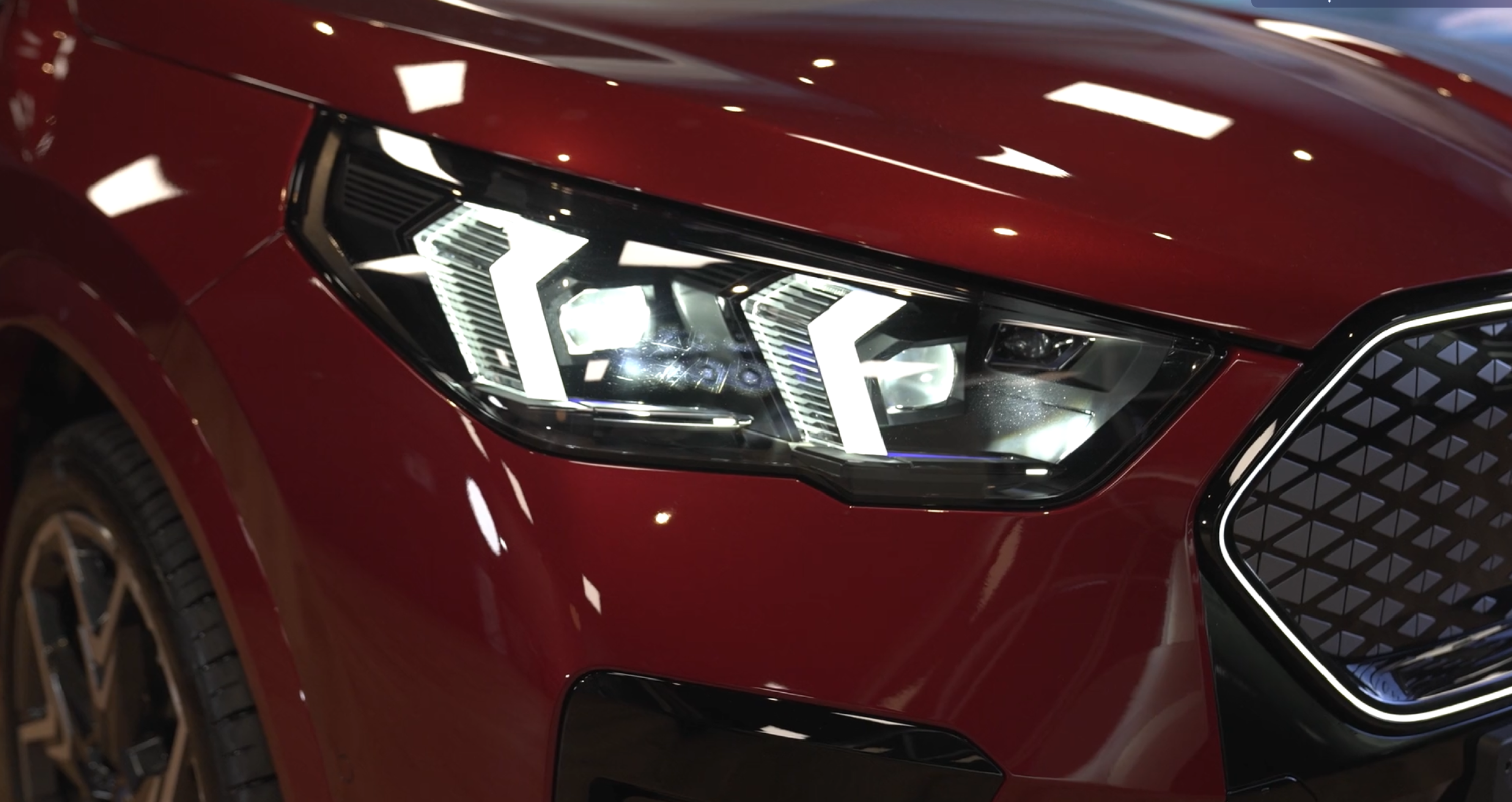
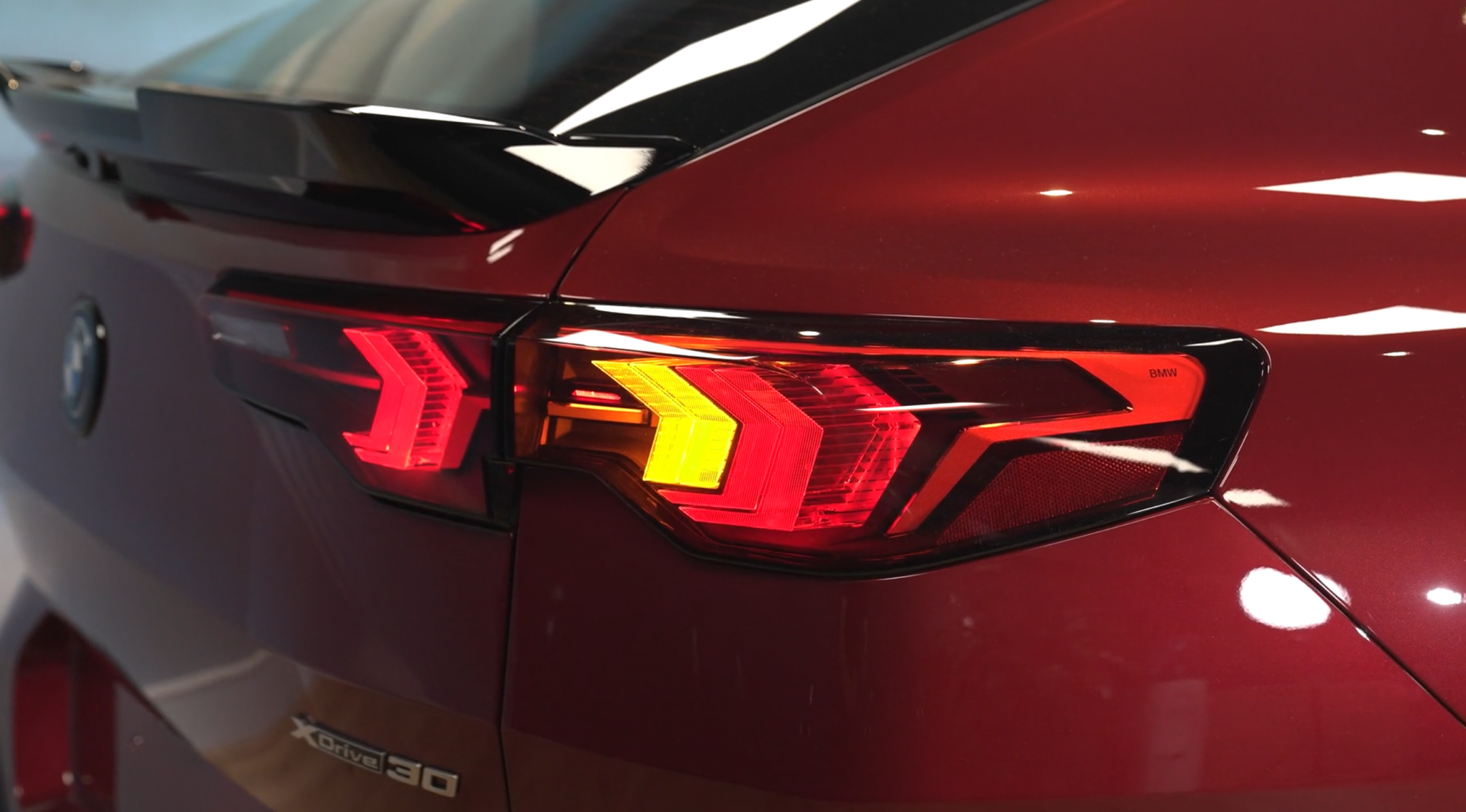
The tapered roofline combined and integrated rear spoiler makes for a striking design element. Up front, arrow shapes have been added to the headlights which pulse in one motion when indicating.
The Fire Red colour we saw in the flesh is the signature hue for the iX2 and comes at an $1800 premium, along with four other colours.
1
Alpine White is a no-cost option, while two additional ‘Individual’ colours will set you back an extra $5k.
iX2 buyers will have the option to add LED light rings around the new larger kidney grilles, which BMW calls ‘Iconic Glow contour lighting’. It’s a feature that again really sets the design apart from the iX1.
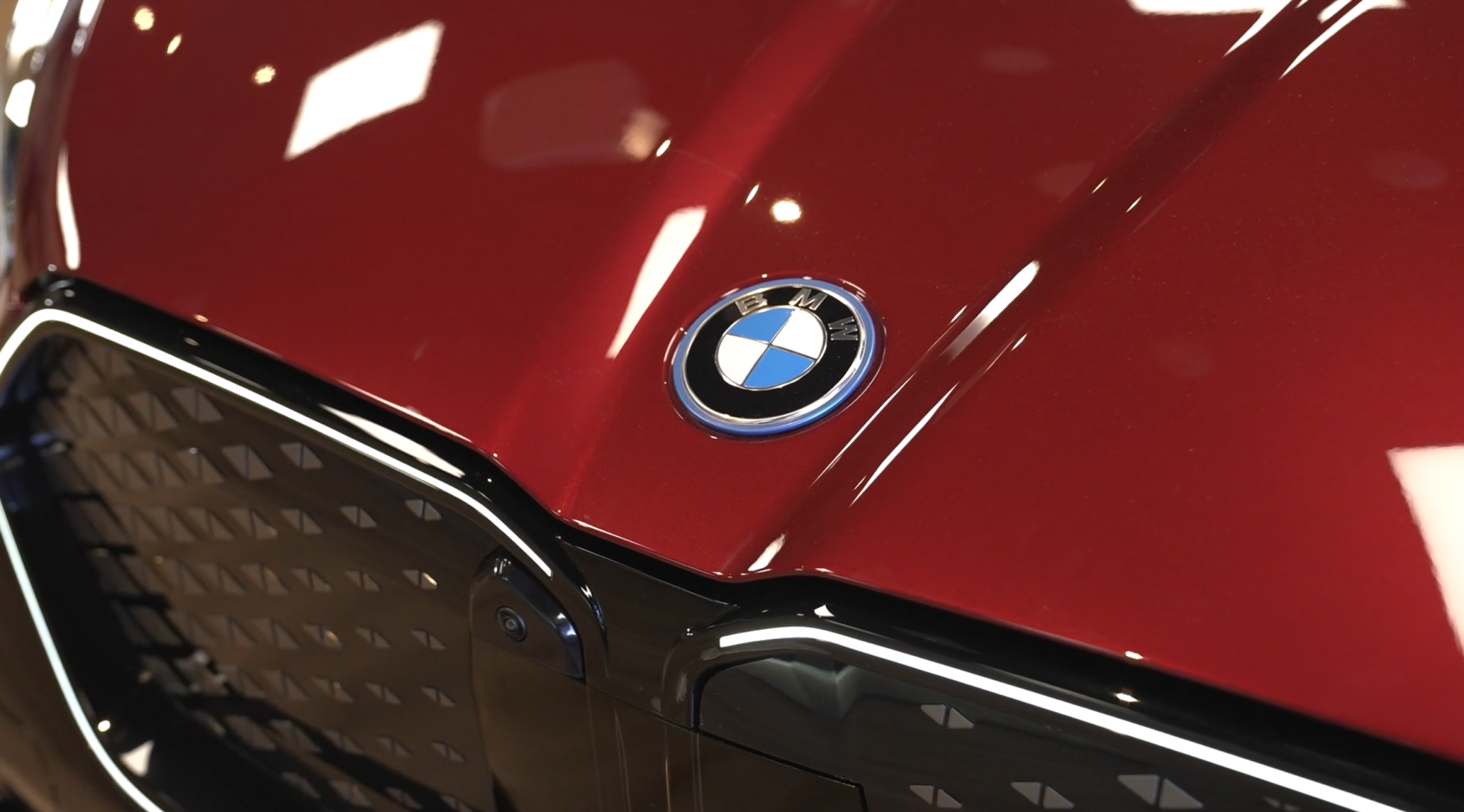
All BMW logos are encircled in a blue ring to represent the electrified variant, from the bonnet to the steering wheel.
1
Interior
The iX2’s cabin has been designed with a focus on soft touch points throughout.
All interior materials, including the ‘vegan leather’ seats, are pleasant to the touch, amplifying the overall luxury feel of the car. BMW hasn’t specified just what these seats are made of, although it has previously detailed [↗] its ‘bio-leathers’ – including one made from an unspecified mix of crushed cactus fibres and polyurethane (an oil-based plastic often known as vinyl).
The front door handles even appear as a feature item, almost like a piece of home decor you’d put on the mantel. It’s not easy making a door handle look cool.
1
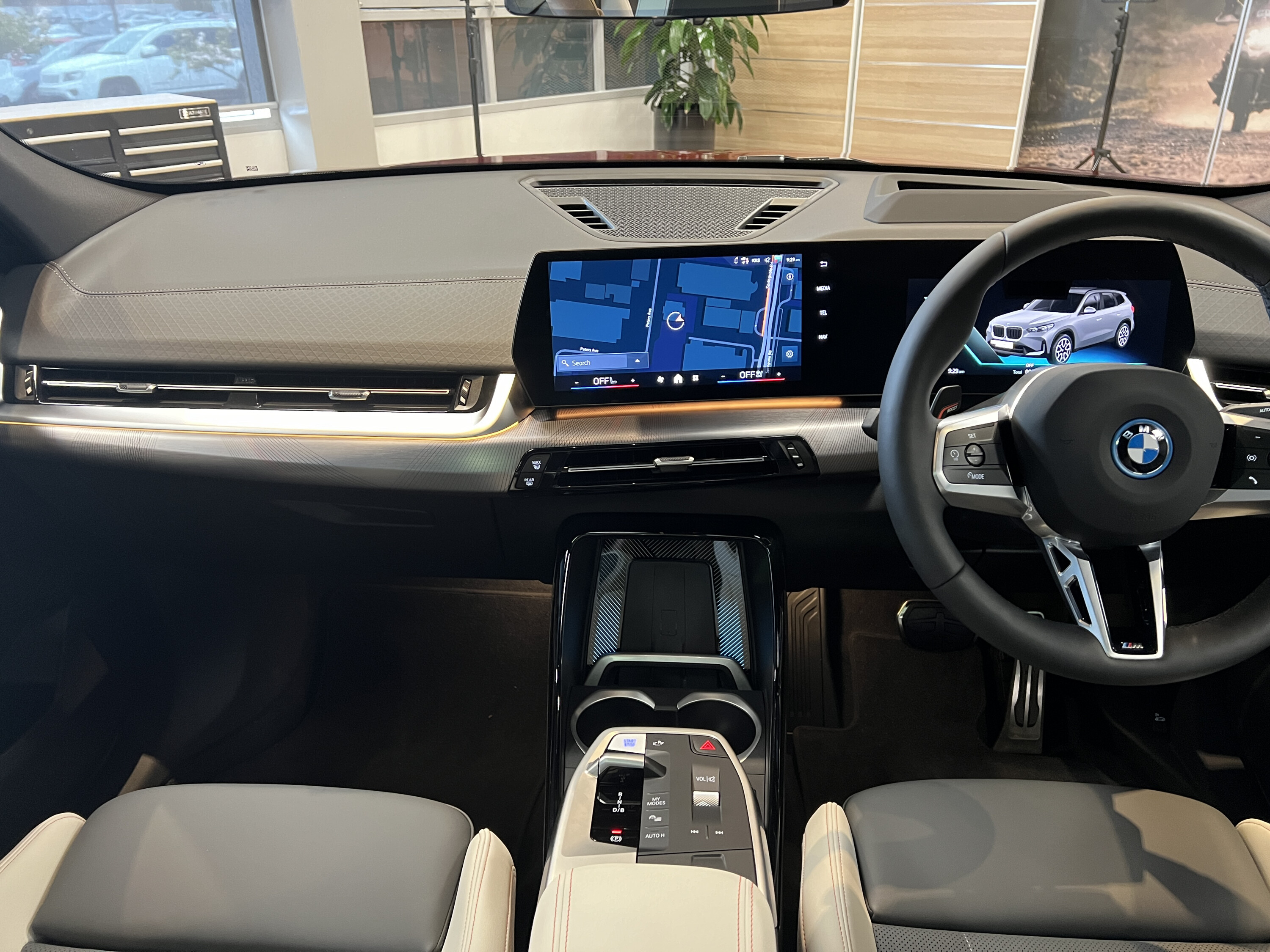
The iX2’s curved display, made up of a 10.25-inch infotainment screen and 10.7-inch digital information dash, build out the ideal driver-centric cabin. No button is far out of reach and the system is designed to ensure ease of use. The system comes standard with wireless Apple Carplay.
From quick phone connectivity to the touch-responsive infotainment screen, even technological nomads shouldn’t be left freaking out.
Showcased on this SUV is BMW’s new operating system, iDrive 9, which is now capable of receiving over-the-air software updates.
1
Instead of your deep traditional centre storage console, buyers get a small amount of space, only big enough to fit the likes of a card wallet, lipstick or mobile.
Thankfully, larger items can still be stored, using the open space below. Two USB-C chargers are also located in the centre console.
A wireless charger has been placed upright directly under your centre screen with an overhead seatbelt-style bar – the type you’d see on a rollercoaster – to keep your mobile phone in place. Without driving the car to test its hold, the intention is clever, if a little funny looking.
Both front seats are power-operated, and the massage feature is always a welcome addition during a long drive.
The car we viewed was the iX2 xDrive30, offering the following features
iX2 xDrive30 features
10.25-inch digital driver’s display
DAB Digital radio
10.7-inch touchscreen
Dual zone climate control
12-month Chargefox Subscription
Electric Seat function, front row
12-month Chargefox subscription
Head Up Display
19-inch alloy wheels
illuminated grille
Active cruise control
Keyless entry
Adaptive LED headlights
two charge cables
Automatic tailgate
Veganza artificial leather upholstery
Blind spot monitors
Wireless Apple Carplay & Android Auto
BMW Operating System 9 with personal assistant
Wireless charging pad
As the M Sport package, it had (an additional $4900) increased wheel size to 20 inches, as well as added M ‘shadowline’ headlights, M seat belts and M sport brakes with red calipers.
And there’s no more C-pillar BMW logo, which raised some eyebrows when it debuted on the first-generation X2.
An Enhancement package adds further specs, detailed below
iX2 xDrive30 ($3615) (or $2846 when metallic paint has been chosen)
Metallic paint
Heated steering wheel
Panoramic sunroof (fixed)
Lumbar support
Harman Kardon sound system
Front seat massage
1
Rear seats
Due to the slanted roofline, there were only a couple of millimetres separating my head from the ceiling, but if your passengers are 180cm of less you may be okay.
If you’re not often hauling tall passengers, or better yet you only have young kids, then the space is passable.
But from all evidence, BMW seems to be targeting this car to singles and couples, where rear space isn’t high up on the shopping list.
Something I was delighted with was the carved-out seat backs, cleverly giving passengers extra leg room behind the front seats.
Rear air vents and two USB-C ports have been built into the back of the centre console.
1
2024 BMW iX2 boot space
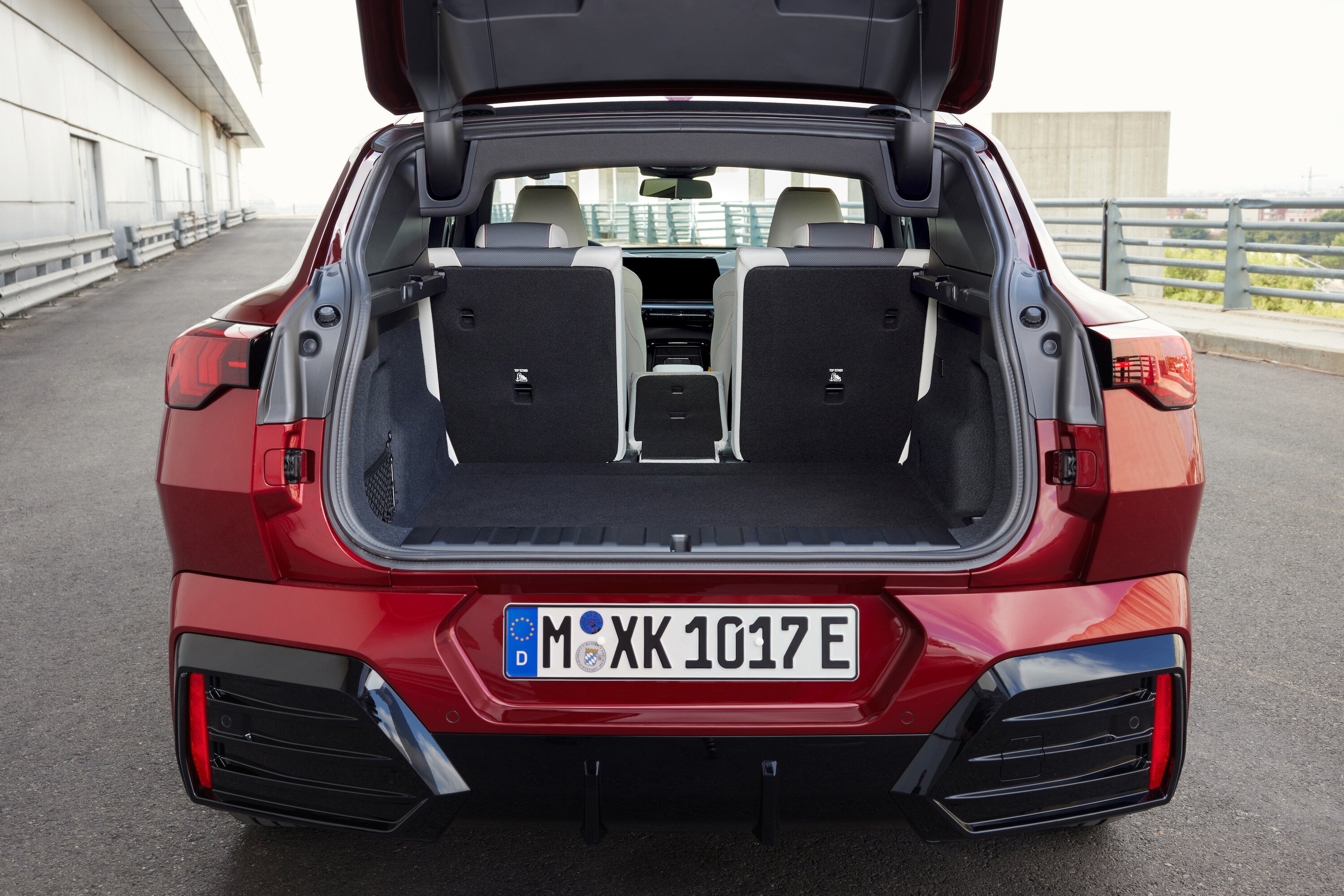
The X2 cargo space has seen a notable expansion, with a 90-litre increase resulting in 560 litres, upgrading to 1470 litres when the 60:40 rear seats are folded down.
Conversely, the iX2 boasts a slightly smaller luggage compartment, measuring 525 litres or 1400 litres with the rear seats folded.
A powered tailgate is standard on the range as detailed for now, but the iX2’s entry-level specifications will be confirmed at launch.
1
Performance and range
The BMW iX2 eDrive20, just like its iX1 counterpart, is equipped with a 65kWh battery and a front electric motor that delivers 150kW/247Nm, providing a claimed range of 477 kilometres.
The iX2 xDrive30 is fitted with the same 65kWh battery pack but employs identical electric motors at the front and rear, mirroring the iX1 xDrive30’s specifications with 230kW and 494Nm.
1
Both AWD iX2 models claim a 0-100km/h sprint time of 5.6 seconds.
The iX2 xDrive30 states a WLTP range of 449km, while the iX1 achieves a WLTP range of 440km. So again, much of a muchness.
With AC charging capabilities of up to 22kW and a DC charging system handling speeds of up to 130kW, the battery can be efficiently charged from 10 to 80 percent capacity in under 30 minutes.
Key luxury electric small SUV rivals include the Lexus UX300e (from $79,990) and and Volvo C40 (from $78,990).
1
Pricing
Handily, both iX2 variants will sit below the Luxury Car Tax (LCT) threshold of $89,332 for ‘fuel efficient’ cars.
This means you can avoid paying the additional 33% tax rate, although the iX2’s pricing is also higher than direct rivals.
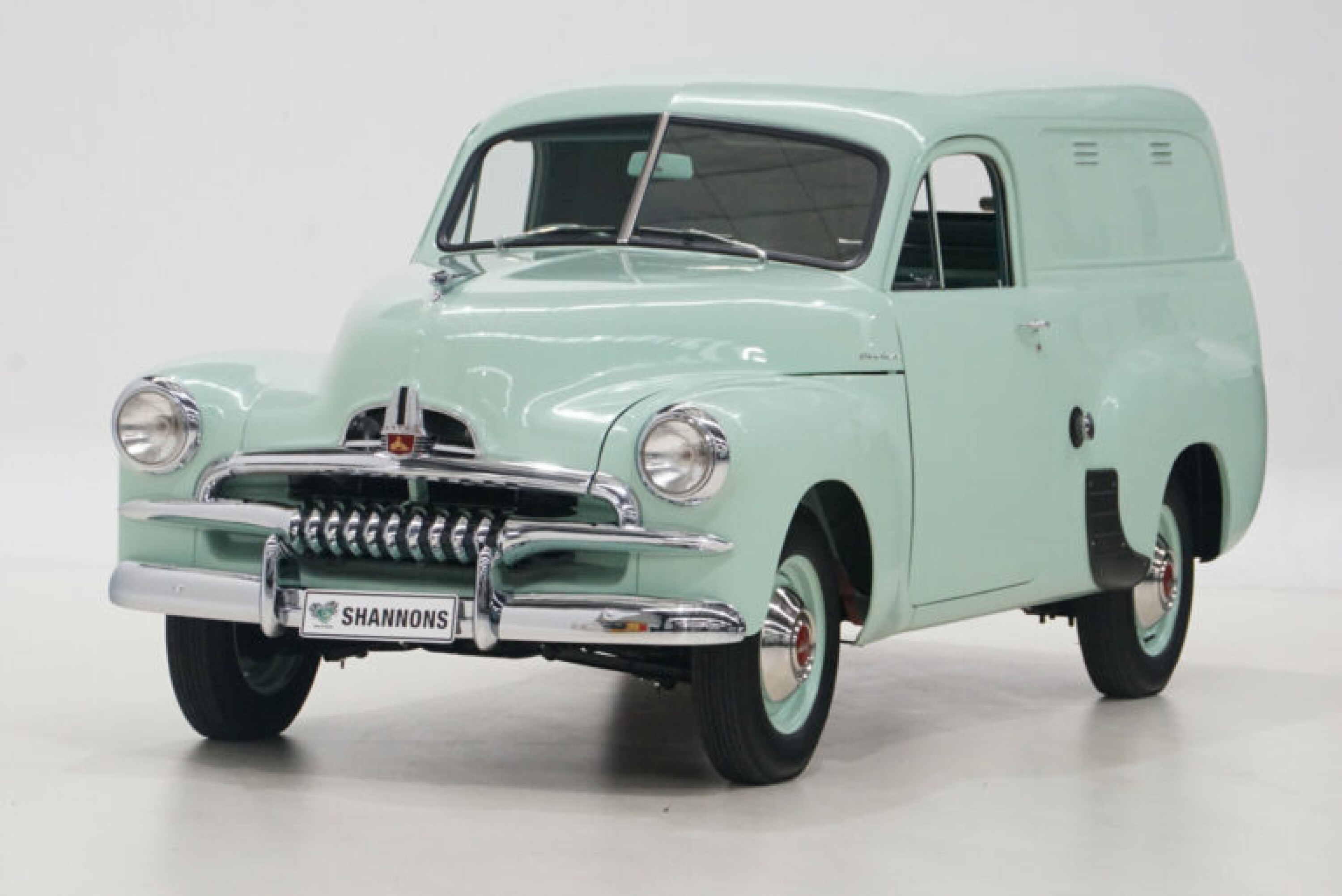
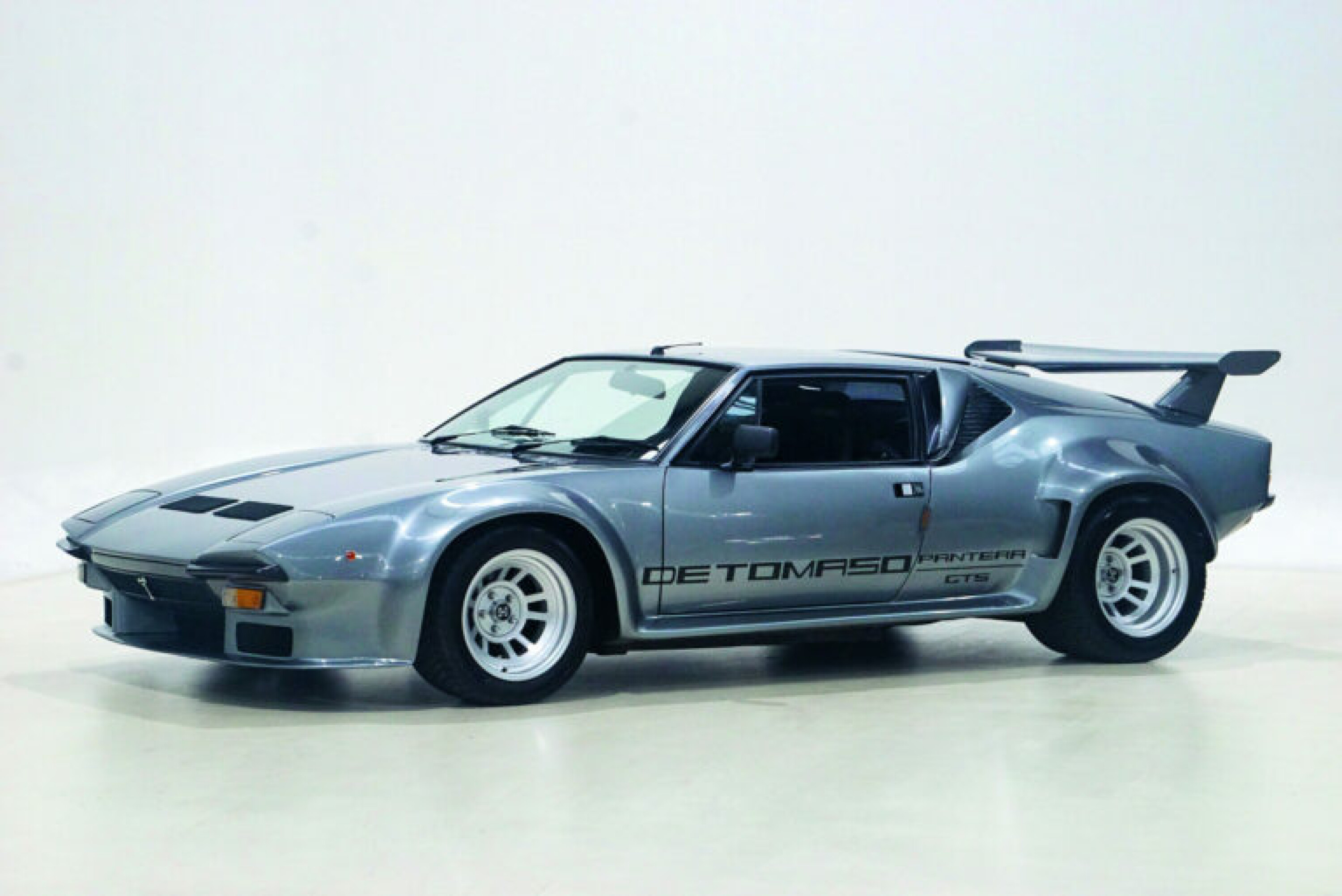
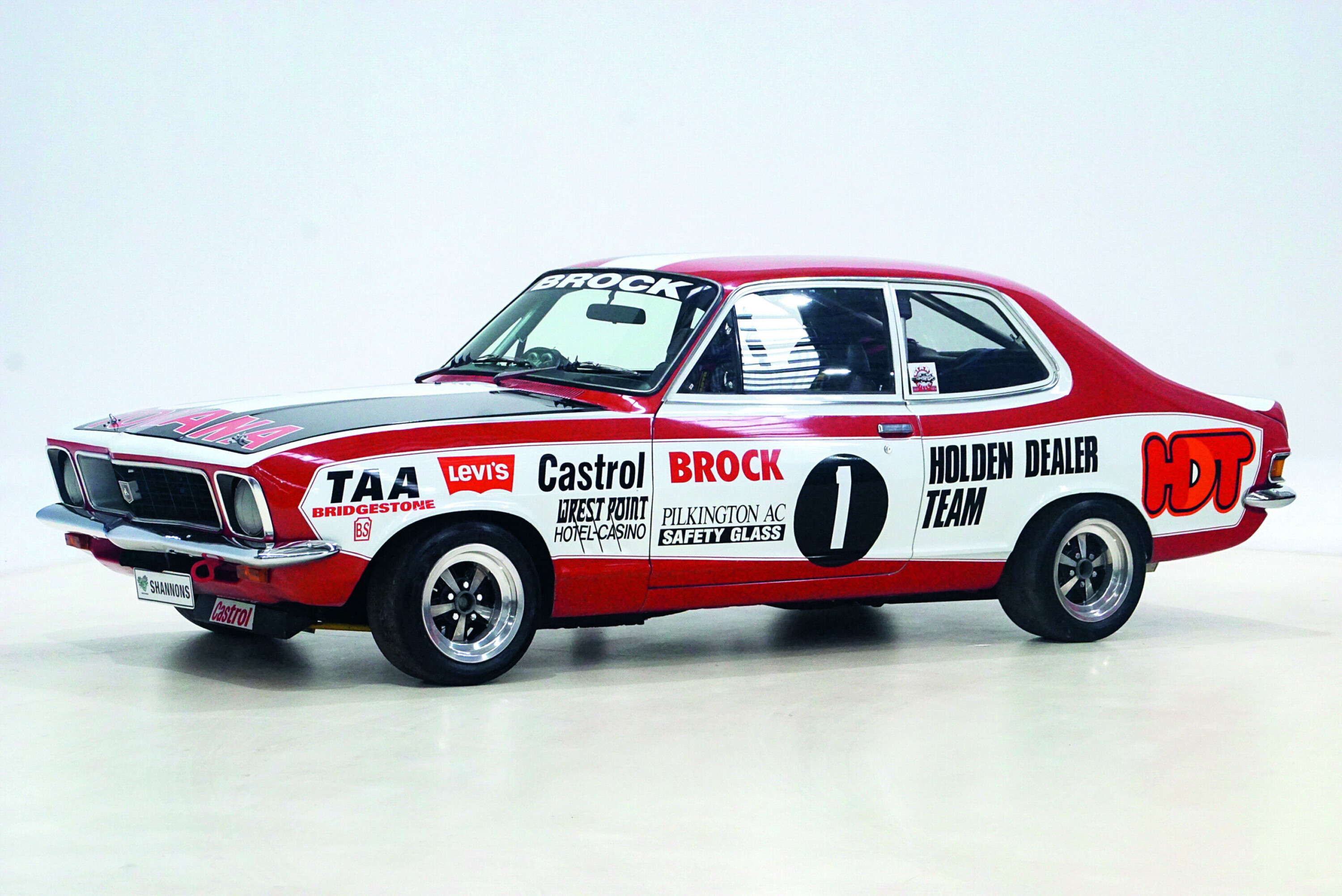
After 43 years, the Shannons Classic Car Auctions have been closed down.
“A decision has been made that Shannons will no longer be facilitating auctions as part of its core business,” read a media statement posted to the auction site by the company – underwritten by insurance giant Suncorp – today.
With auction houses located in three Australian capitals and a steady flow of significant automotive merchandise [↗]going under the hammer over the last 40 years, the shuttering of Shannons’ auction arm has come as somewhat of a surprise.
The company said the decision was taken as part of a review of its core business, which includes a wide-reaching insurance arm and the Shannons Club.
“The car auction landscape in Australia has changed significantly in recent years with an increasing number of competitors offering frequent and low-cost online auctions to keep up with customer demand in real time,” read a statement from the company.
“Shannons has been at the forefront of catering to the unique needs of motoring enthusiasts for many years, and our auctions business has been a key part of our offering.”
Shannons intimated that the landscape for auctioning unique automotive memorabilia has changed, forcing it to reassess its worth to the wider business.
It adopted an online auction model in 2020 in response to the COVID-19 pandemic, adding a third auction house in Brisbane to join Sydney and Melbourne in 2021.
1
“Recent years have seen a notable increase in the options our customers have in buying and selling vehicles and plates, which has prompted us to review the offering to determine whether auctions is still a unique need alongside Shannons Insurance and Club,” continued the statement.
What turned out to be the company’s final auction in August featured a pair of enamel numeral-only number plates that sold for $431,000, alongside a Nissan Skyline GT-R M-Spec R34 which fetched $331,000.
Still keen to shift ratios yourself? If a used car isn’t right for you, we’ve counted all the brand-new manuals on sale…
The automatic transmission has been Australia’s default for some time now thanks, in part, to the prevalence of affordable locally-made Commodore and Falcon slushboxes. But with even the British and Europeans swapping for autos, the flow of new manuals is more restricted than ever.
NOVEMBER UPDATE: Aside from some typical price rises, Hyundai’s N manuals are back on offer and the 911 S/T is available to order (should you have a spare $660K lying around)… Oh, and the Mustang’s back ?
We’ve sorted this list by price bracket to guide you through all the manual cars you can buy brand new in Australia right now.
There are some exceptions – fleet special utes, for example – that we’ve decided not to include. Only special, exciting variants of those commercial vehicles have made this list.
So, without further ado, we present to you the definitive guide to the manual transmission in 2023. Let us know in the comments whether you still love changing your own gears.
Like the idea of a new affordable car and are able to drive a manual transmission? This list is for those of us who neither want to relinquish the third pedal or a whole wad of cash.
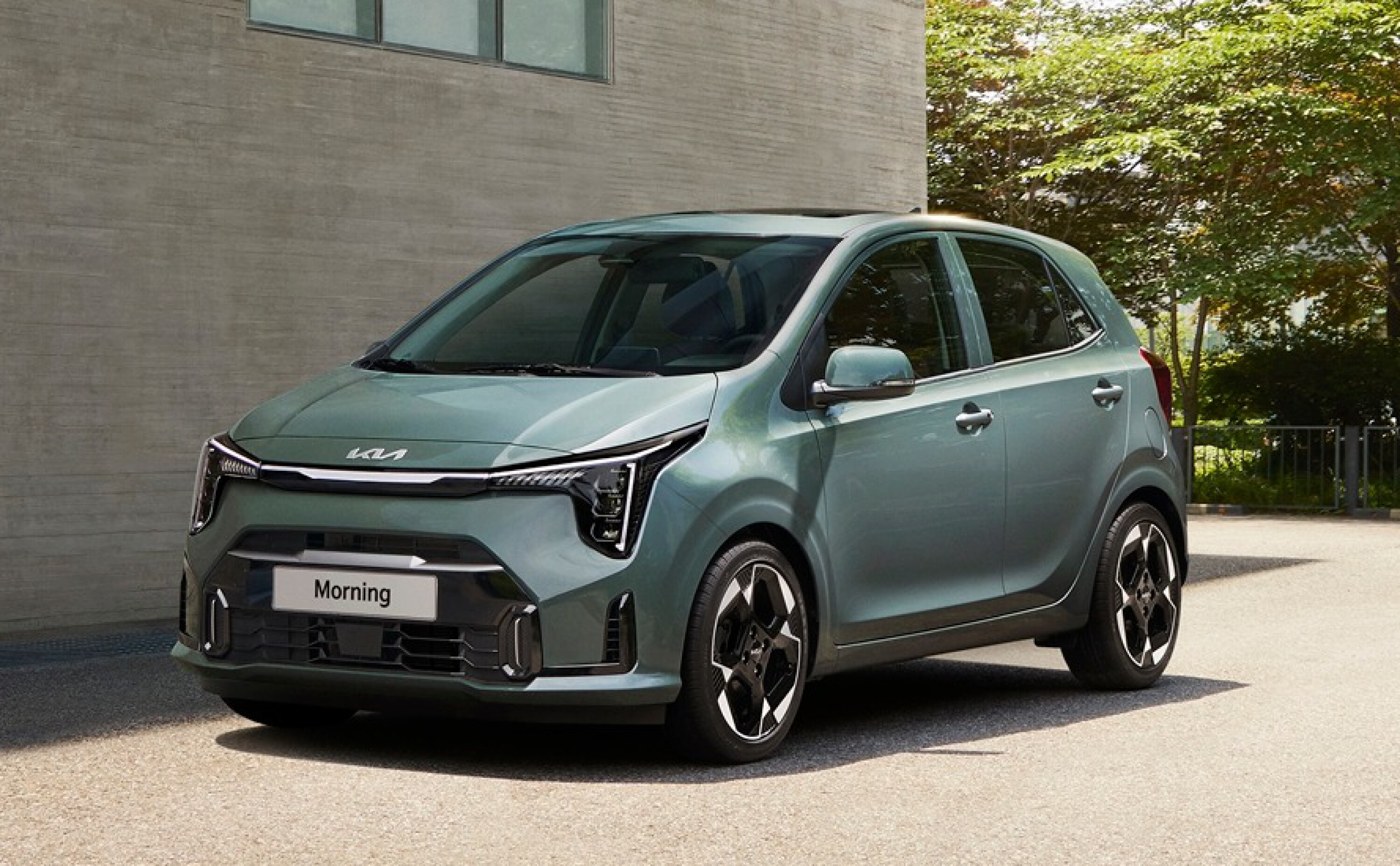
City cars with manual transmissions
Traditionally, all these cars were manuals only! And they were probably all the better for it as four-speed autos do not excel at harnessing the power bands of these small, revvy engines.
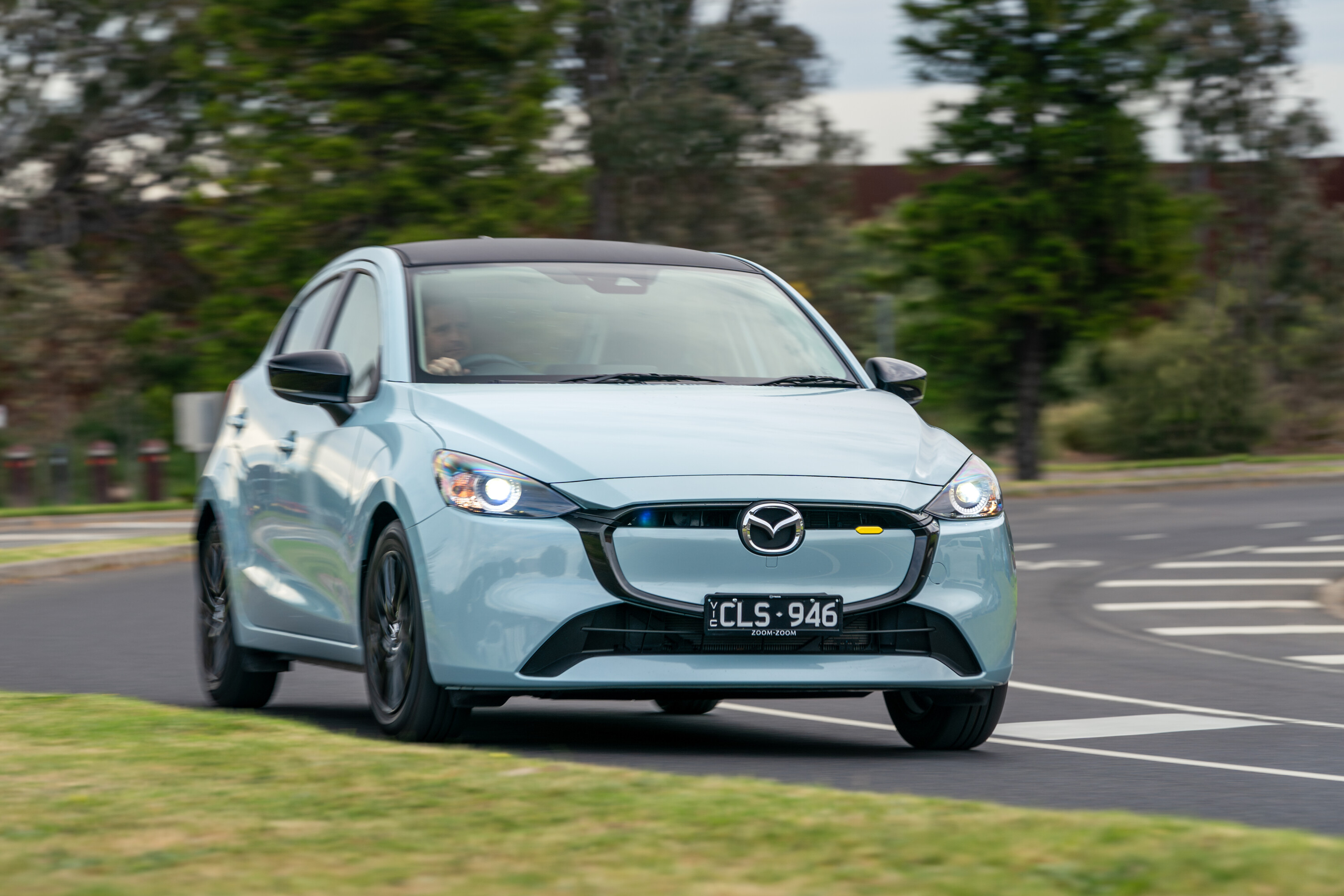
The WhichCar pick: A manual Suzuki Swift Sport dishes out plenty of hot hatch happiness.
*Denotes national drive-away price.
1
Small SUVs with manual transmissions
You can still buy manual small SUVs, believe it or not. This list is generally full of price-leading base models. The only change is a dearer ASX GS.
Model
Variant
Pricing (MLP)
Suzuki Ignis
GL
$19,490
Hyundai Venue
Venue
$21,900
Kia Stonic
S, Sport
$24,990-$26,990*
Mitsubishi ASX
GS
$24,490
Suzuki Vitara
Vitara
$26,490
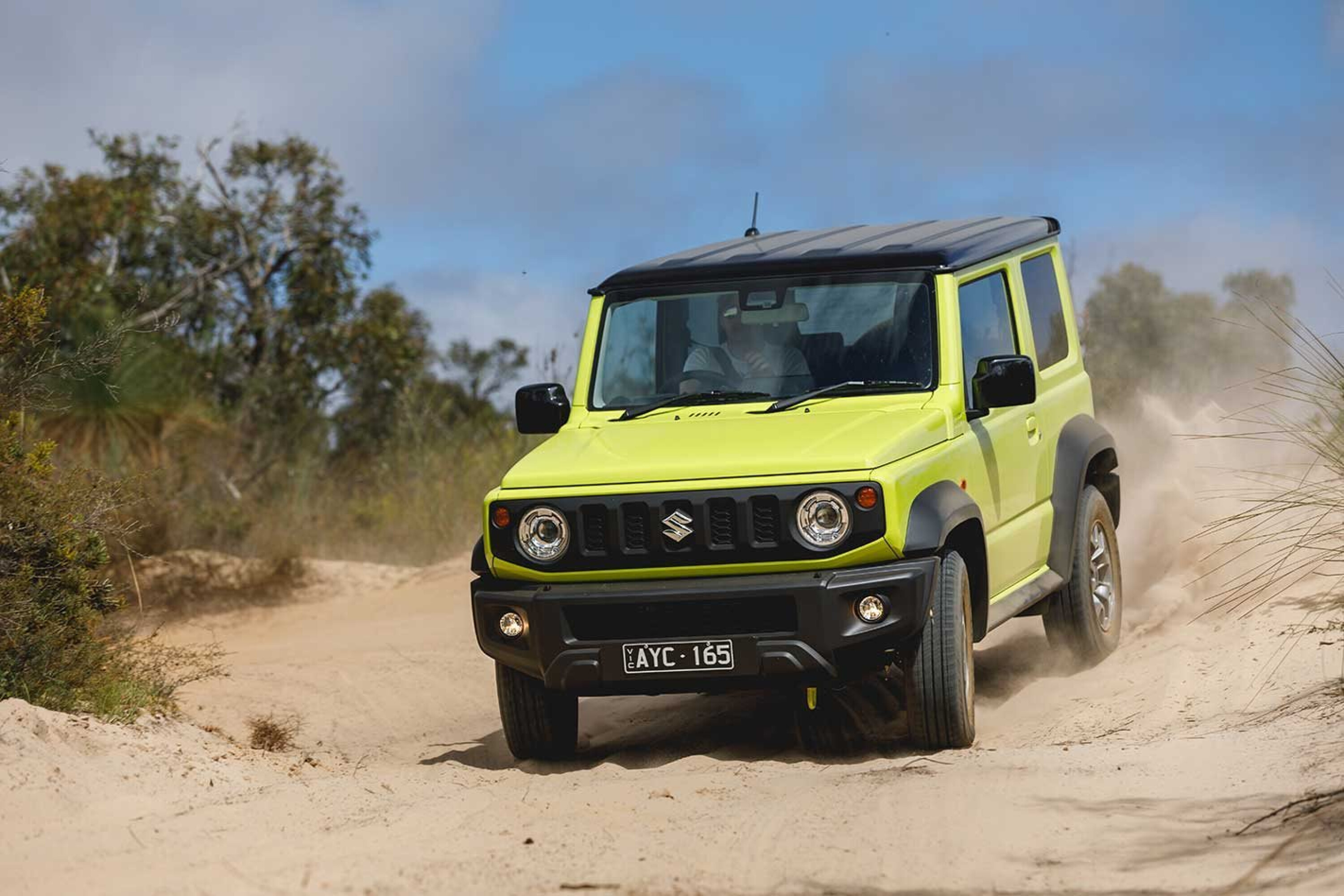
Suzuki Jimny
GLX
$31,990
The WhichCar pick: None of these shifters will set your heart alight. Grab the Jimny manual and enjoy exploring.
*Denotes national drive-away price.
1
Small cars with manual transmissions
Only one choice here, seriously? It’s quite incredible they’ve all disappeared – including the VW Golf – but it’s in the name of safety. It’s harder to calibrate AEB and must-have adaptive cruise for manuals, and that’s why we see this class start to disappear.
Model
Variant
Pricing (MLP)
Hyundai i30
i30, N Line*
$24,000-$30,500
The WhichCar pick: With the Mazda 3 manual axed, our choice is narrowed down to the i30 N Line manual. The notchy shift isn’t perfect, but it still engages the driver.
*Denotes national drive-away price.
Psst, manuals are proven to make you better looking… sort of
This is a mix of truly great drivers’ cars and regular family vehicles. There’s everything from bespoke sports cars, such as the Mazda MX-5 and Toyota GR86 to family SUVs like the Kia Sportage.
Small cars with manual transmissions
A little dearer than its hatch cousin, the independently rear-suspended i30 Sedan N Line is a good incognito alternative to a full-fat N car.
Model
Variant
Pricing (MLP)
Hyundai i30 Sedan
N Line
$32,000
1
Medium SUVs with manual transmissions
Mazda has ditched the manual CX-30! It joins the CX-5 and Toyota RAV4 as mid-sizers that have lost manuals in 2023. At least Kia perseveres with the Sportage.
Model
Variant
Pricing (MLP)
Kia Sportage
S, SX
$32,795-$35,350
1
Performance cars with manual transmissions
Worried you couldn’t have fun for under $60K? This wild array of cars suggests otherwise. The driving enthusiast is still well-catered for in Australia. Hyundai’s euro-built i20 N and i30 N hatches are back online, too.
Model
Variant
Pricing (MLP)
Hyundai i20 N
N
$34,990
Abarth 695
Competizione
$37,900
Mazda MX-5
Roadster, GT, RS
$38,340-52,050
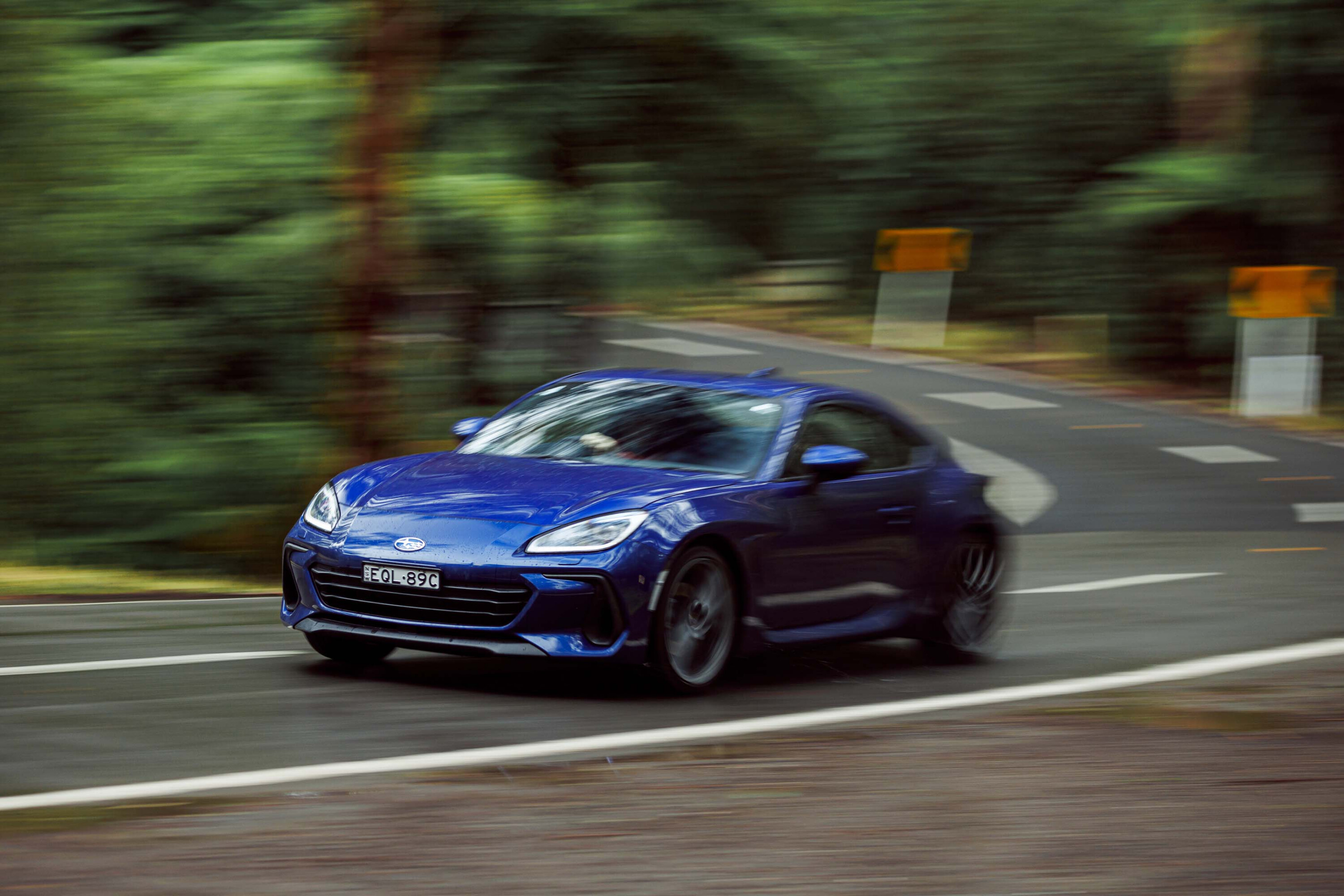
Subaru BRZ
BRZ, S
$40,290-41,590
Toyota 86
GT, GTS
$43,240-45,390
Subaru WRX
WRX, RS
$45,990-51,490
Hyundai i30 N
N, N Premium
$46,200-50,200
Toyota Yaris
GR, GR Rallye
$49,500-54,500
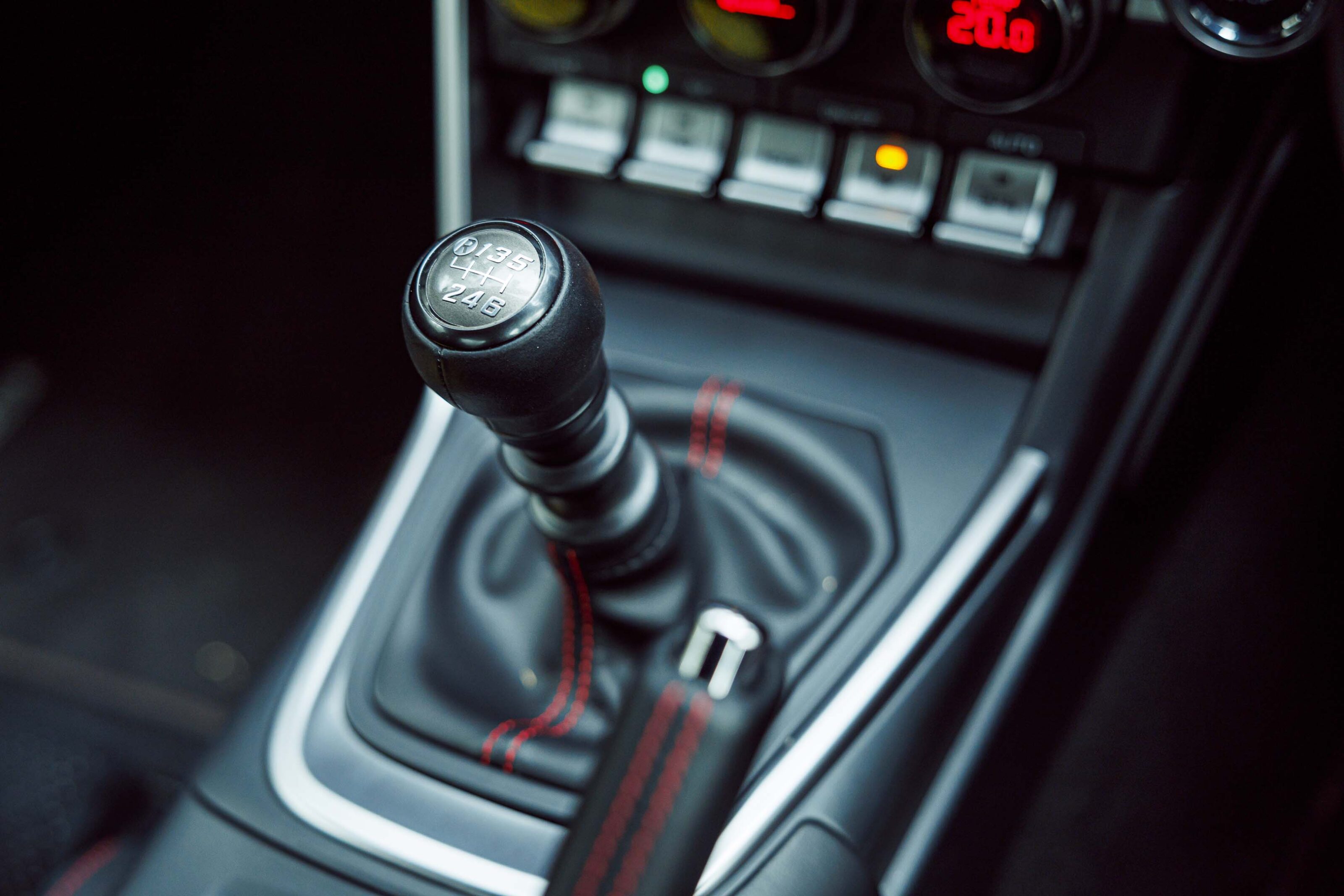
The WhichCar pick: This is a hard field, but we think the well-weighted mechanical shift feel of the Subaru BRZ and Toyota GR86 may be some of the best in the business.
There are a few options here, but not as many as you might expect. BMW’s new M2, the Toyota Supra and Nissan Z are exciting sports cars, but we’ve also chosen to include some of the tastier utes on sale right now.
Off-roaders with manual transmissions
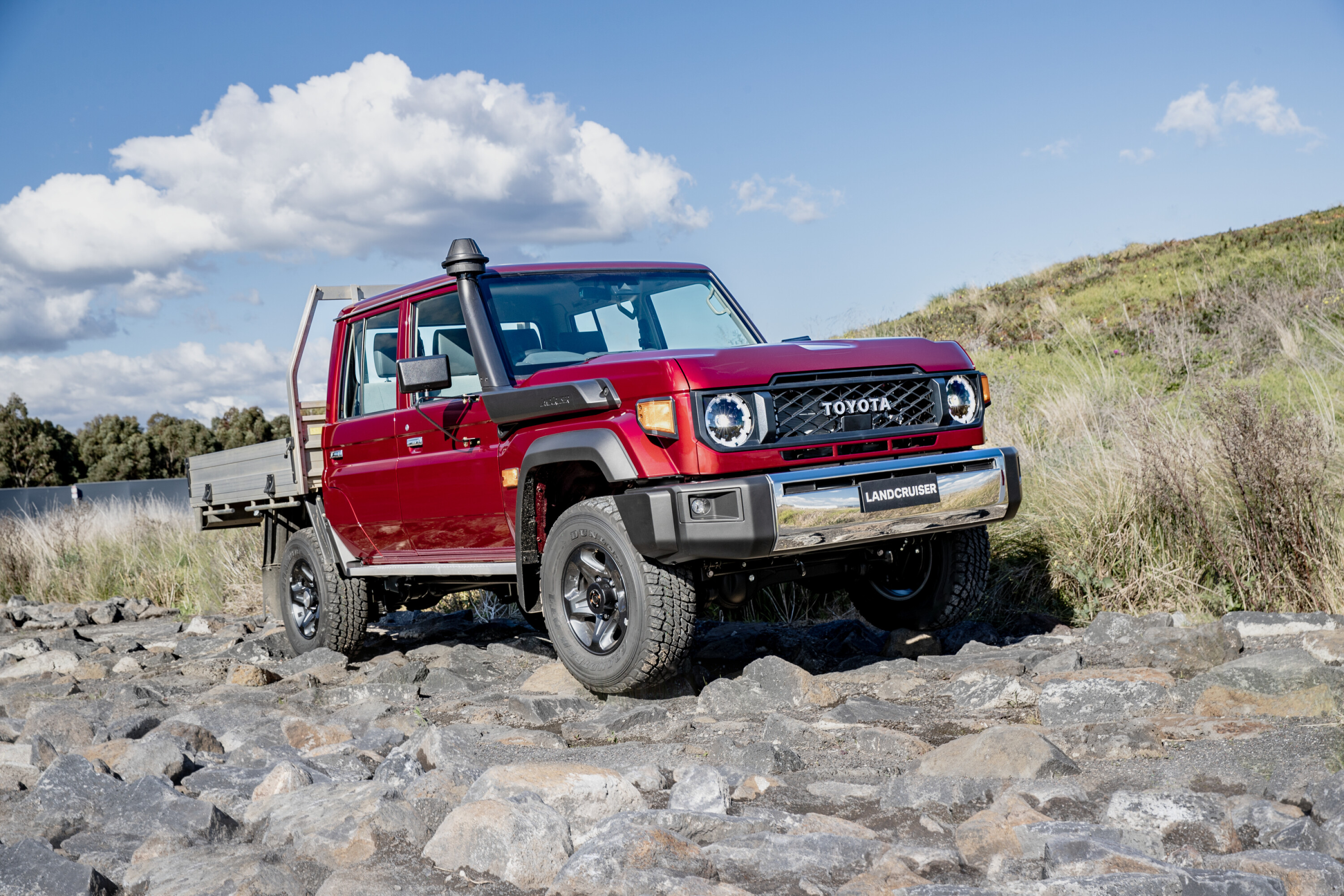
Yep, there’s a host of fleet-targeted manual utes you can get, but these are the fun ones with a bit of spunk and off-road capability sprinkled on top. The 70 Series V8 manual isn’t getting any cheaper, though…
Model
Variant
Pricing (MLP)
Nissan Navara
SL & PRO-4X Warrior
$58,750-$68,265
Toyota LandCruiser 70 Series V8
Workmate, GX, GXL
$83,300-$87,600
1
Performance cars with manual transmissions
A smaller list than you might have expected, but there are some awesome engine configurations in this bracket. From highly-strung three-bangers to the Ford Mustang Dark Horse’s 349kW ‘five-o’ V8.
Model
Variant
Pricing (MLP)
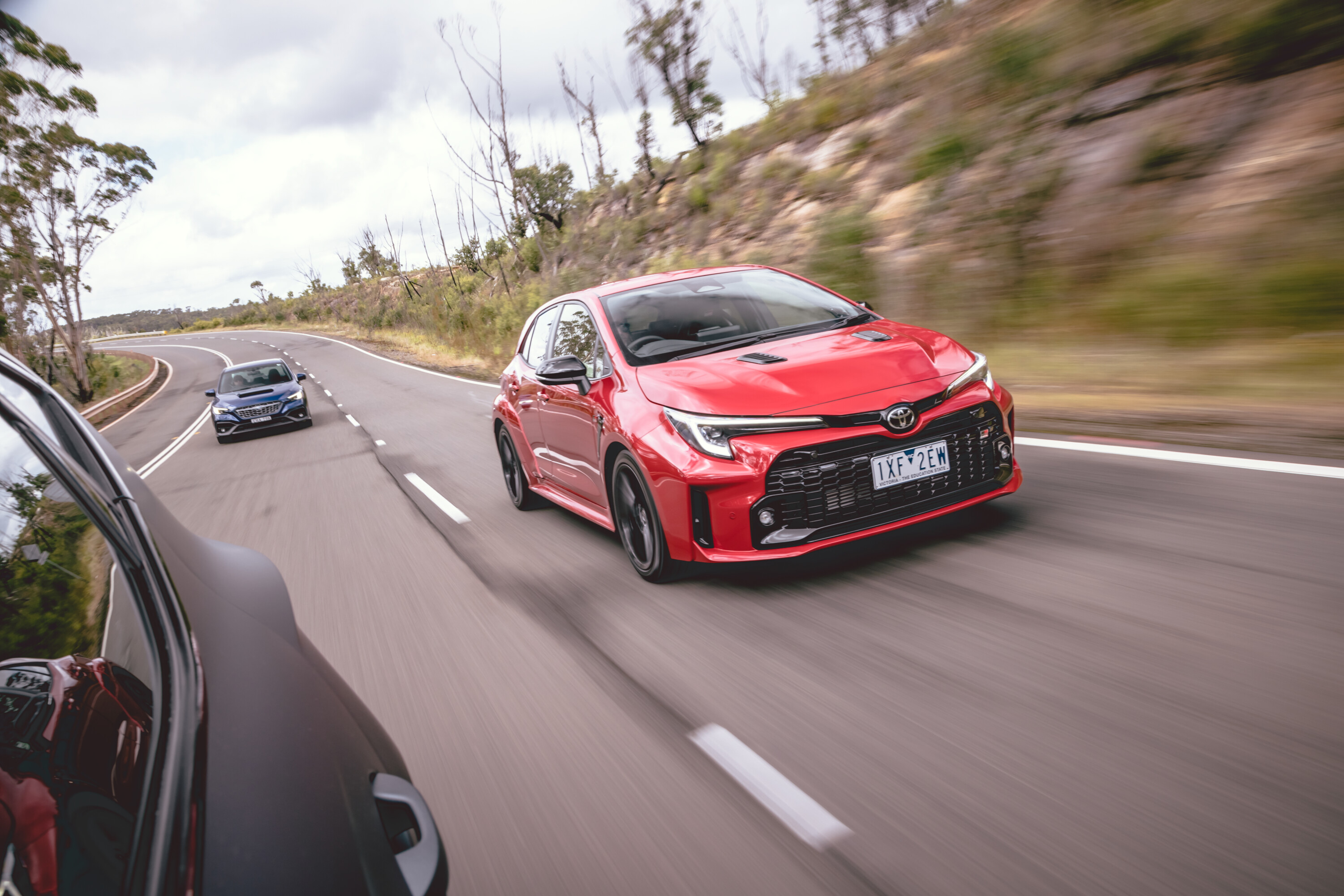
Toyota Corolla
GR GTS
$62,300
Renault Megane
Trophy
$63,500
Honda Civic
Type R
$72,600*
Nissan Z
Coupe
$75,800
Ford Mustang
GT, Dark Horse
$77,002-$99,102
Toyota Supra
GT, GTS
$87,380-$97,380
BMW M2
M2 manual
$119,900
The WhichCar pick: Sorry bespoke sports cars, the Honda Civic Type R has the best shift in this price bracket.
The exotic stuff. These are performance cars for die-hard cashed-up petrolheads. If you want something this expensive with a manual, it’s for a reason. There are three brands represented: BMW, Lotus and Porsche. But thank goodness they still exist.
Model
Variant
Pricing (MLP)
Porsche 718 Cayman
Cayman, Style, S, GTS
$132,500-$194,900
Porsche 718 Boxster
Boxster, Style, S, GTS
$135,100-$197,500
BMW M3
Manual
$161,300
BMW M4
Manual
$166,500
Lotus Emira
V6 first edition
$184,990
Porsche 718 Spyder
Manual
$212,600
Porsche 718 Cayman GT4
Manual
$222,500
Porsche 911
Carrera T, GTS
$280,600-334,900
Porsche 911 GT3
Manual, Touring, ST
$388,600- $660,500
This author’s pick
Any and all of the Porsches are good, but the Cayman GT4 and 718 Spyder are absolute winners – even with tall ratios.
BUT WAIT, THERE’S MORE: Other stories about manuals
We’ve talked about manual transmissions, well, a hell of a lot. Not surprises there, right? So here’s a list of just a few that might get your left leg tapping.
“You might say we were blind, but there were no alternatives at the time.”
Snapshot
Increased load, outdated units are key causes to unreliable public EV chargers
Extended repair process and limited local parts supply
New more dependable, modular stalls are coming online, as networks rapidly expand
Home charging still ideal, rarely need to use public infrastructure
It’s no secret that public EV charging stations can be faulty, out-of-order, and take weeks to repair – which can be frustrating for owners.
But, why are they unreliable?
While the increasing number of public EV charging stalls should help encourage Australians to make the switch, infrastructure must also be reliable and accessible for owners to keep driving an EV.
But, as EV sales continue to grow, Australians who can’t plug in at home or work are choosing to depend on public chargers. And, even when owners can recharge at home, public charging is a must when embarking on a long holiday road trip.
Therefore, out-of-order EV chargers can be a major pain point – in contrast to the traditional fuel pumps that have largely proven reliable and almost ubiquitous thanks to a decades-long headstart.
Older first-generation stations weren’t designed for todayu2019s load
Australian weather and nature can be challenging
However, new modular stalls are being installed and replacing old units
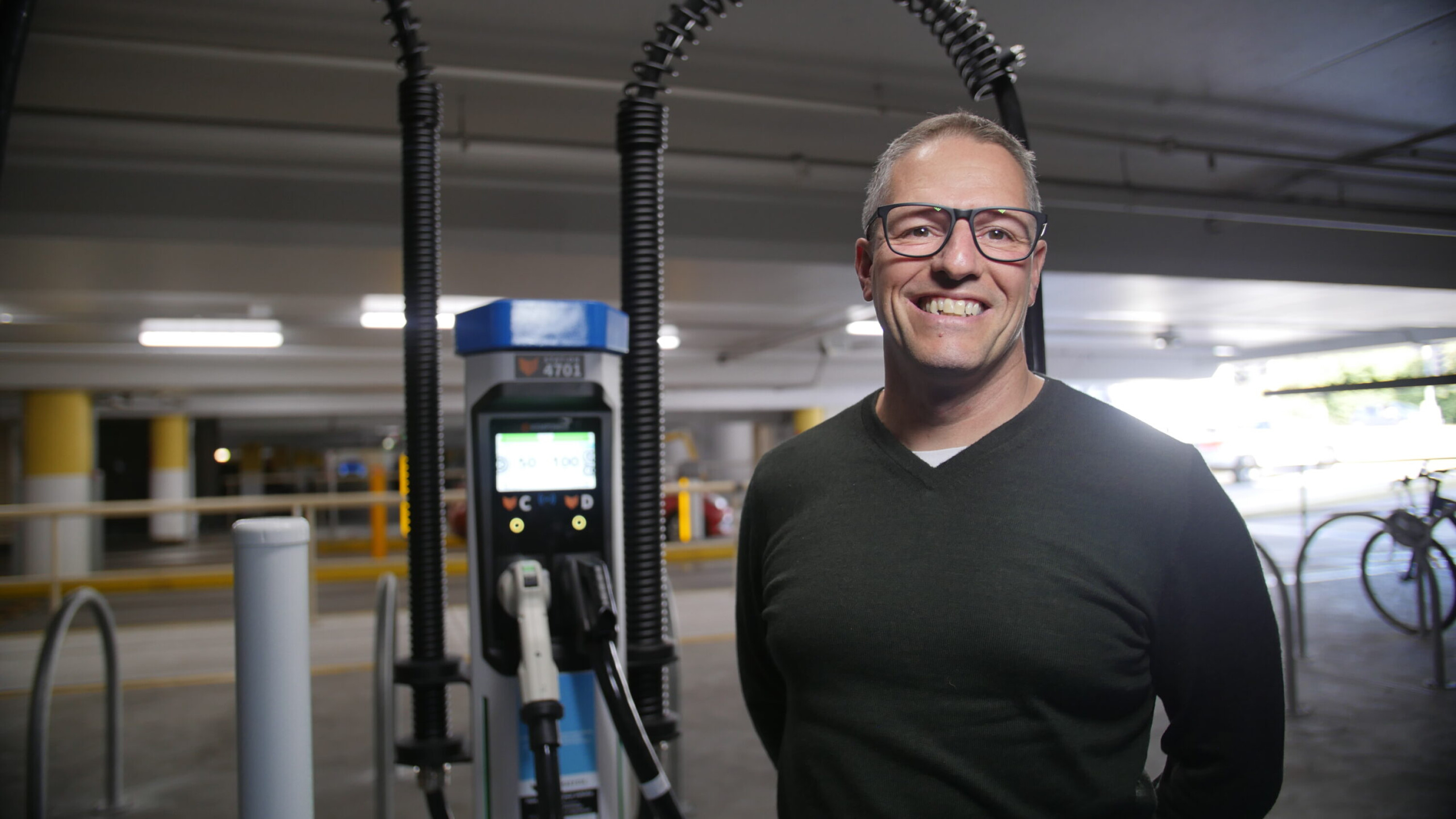
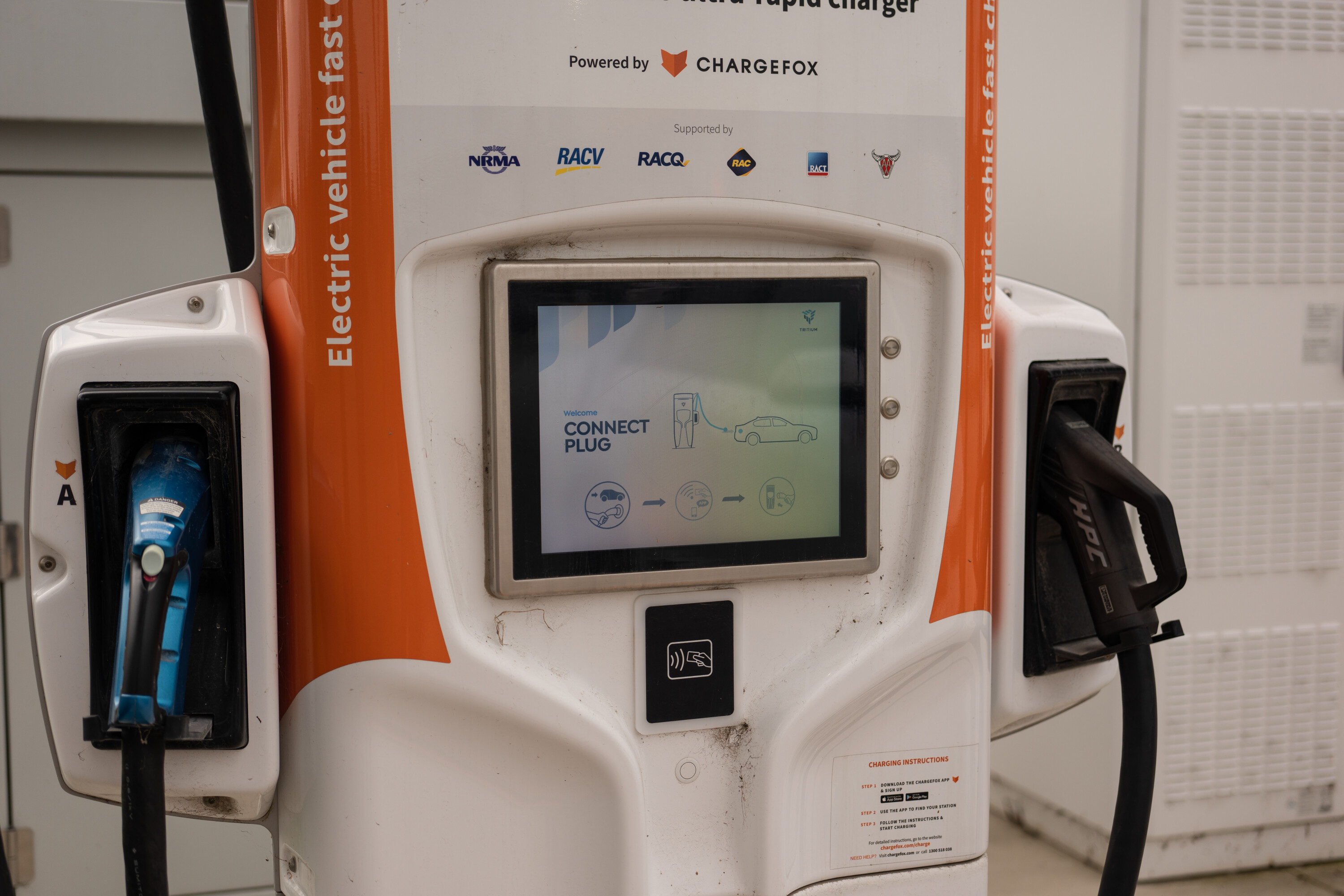
Chargefox chief executive John Sullivan told WhichCar that public EV charging stations fail at times due to increased use, external weather conditions, and outdated units.
“The biggest issue we have is that the original [Chargefox-owned] locations use the first-generation chargers. Over time, the equipment has aged… and the frequency by which charging sessions happen in key locations has increased dramatically [with more EV owners],” Sullivan said.
“Some of the older equipment – no matter how much you maintain them, no matter how many new parts you put in – it cannot cope with that kind of increased load [including larger EV batteries].
“Now, you might say we were blind, but there were no alternatives at the time [when founded in 2017]… Now, there’s newer generation [modular] equipment – much more reliable, much more maintainable, and they’re designed for Europe and US markets where the demands are much greater.”
“No matter how much you maintain them, no matter how many new parts you put in – it cannot cope with that kind of increased load”
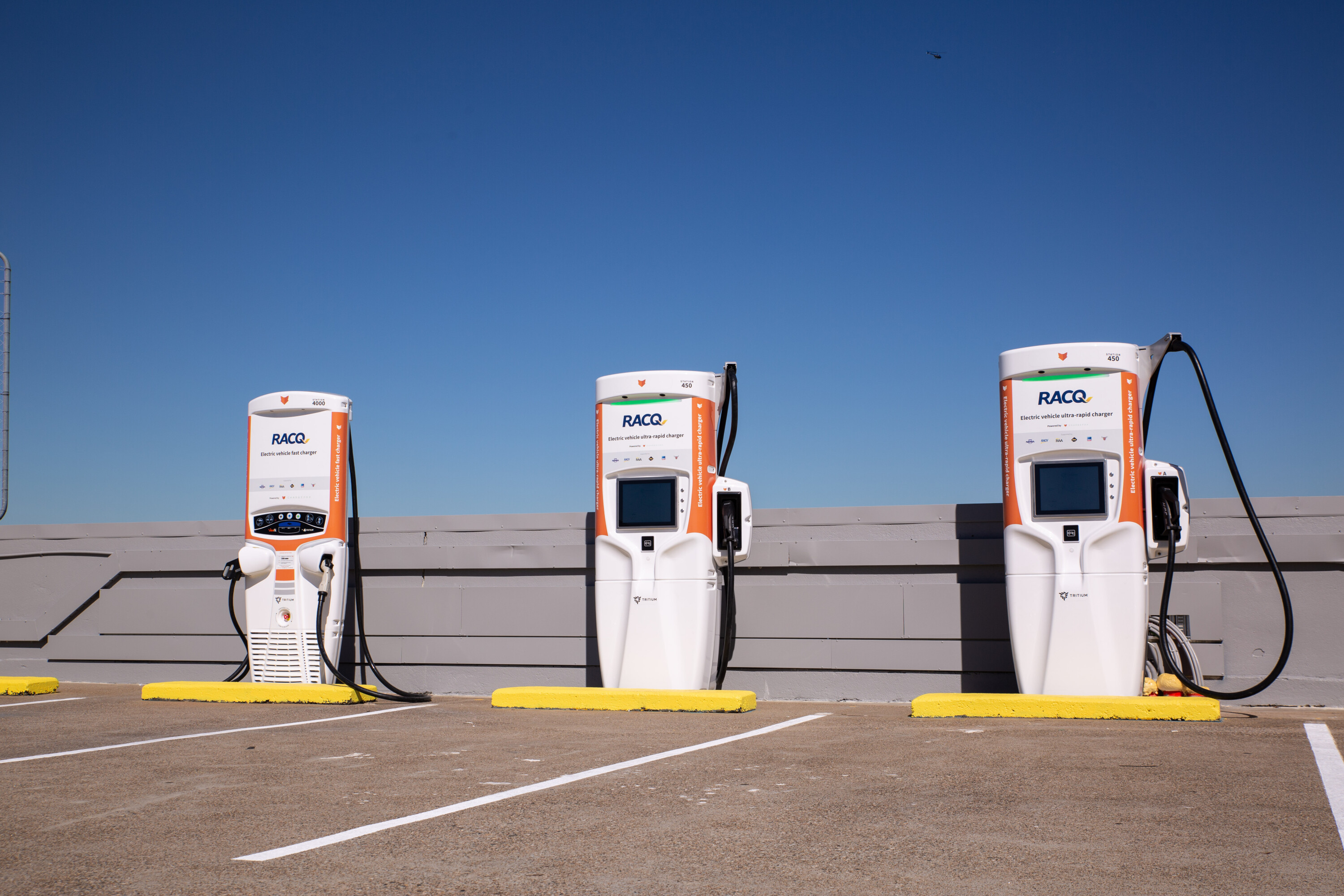
It currently uses a mix of Tritium RT50 (50kW), PK350 (350kW), and ABB Terra HP (350kW) DC stations – with the formerdating back to 2012.
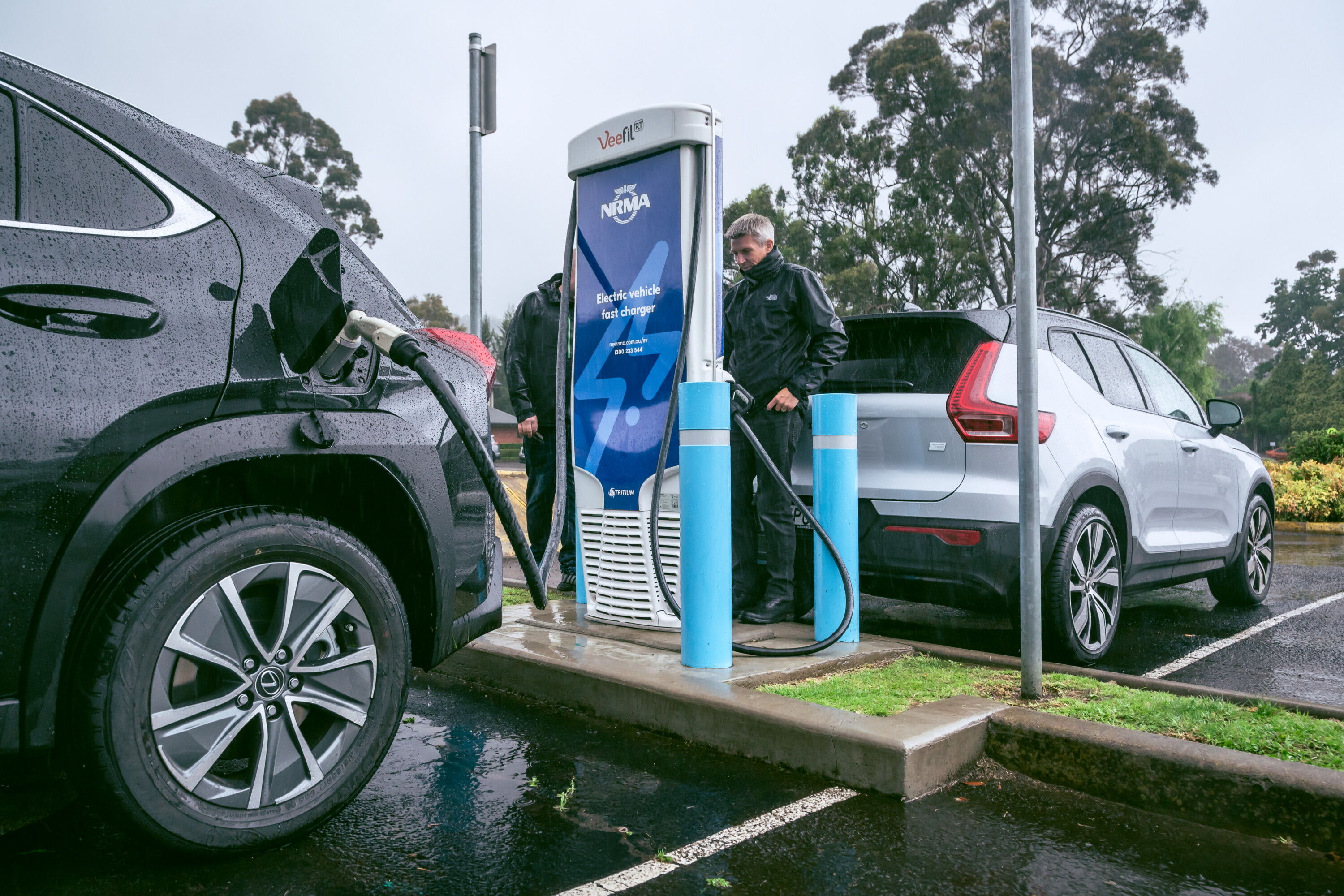
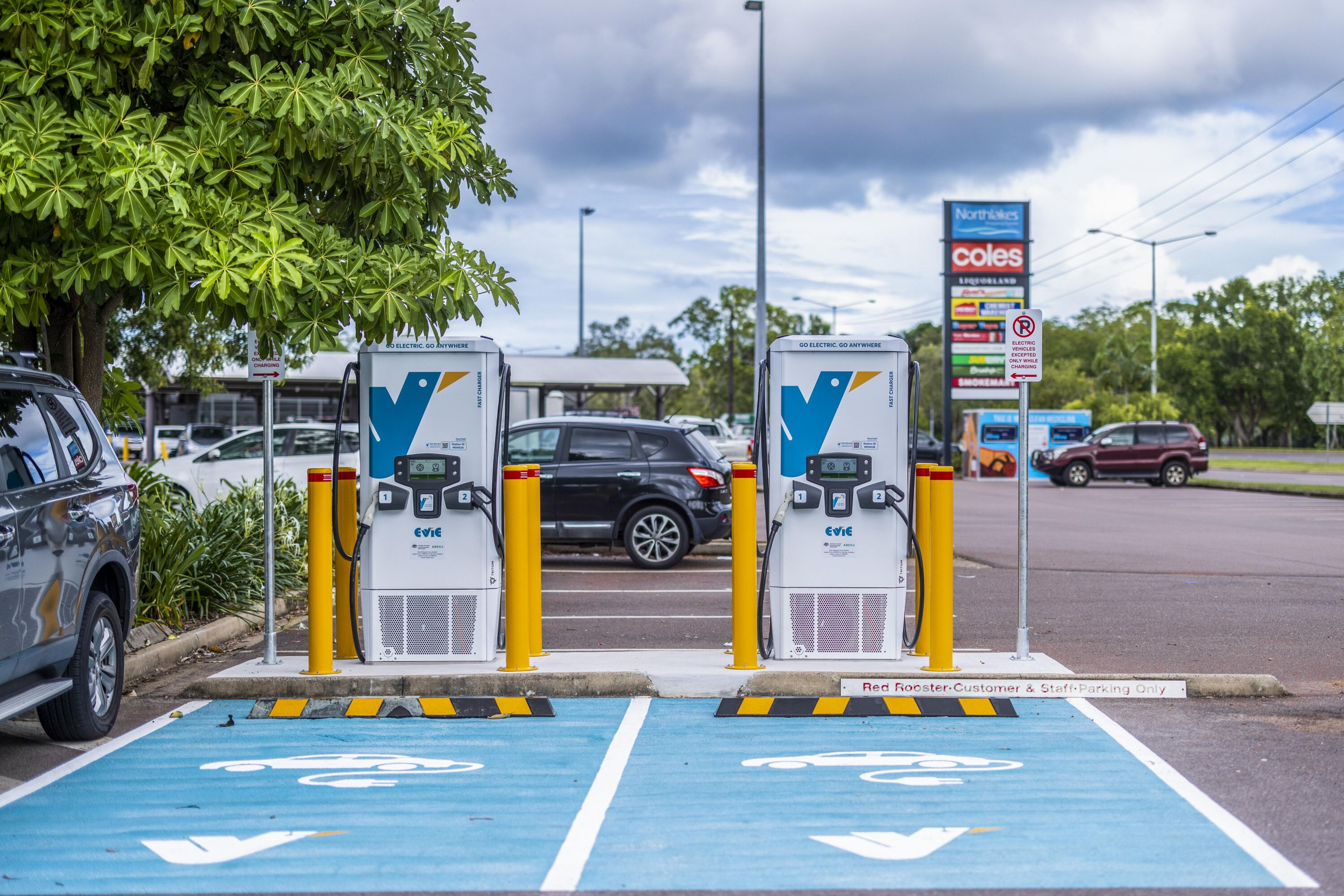
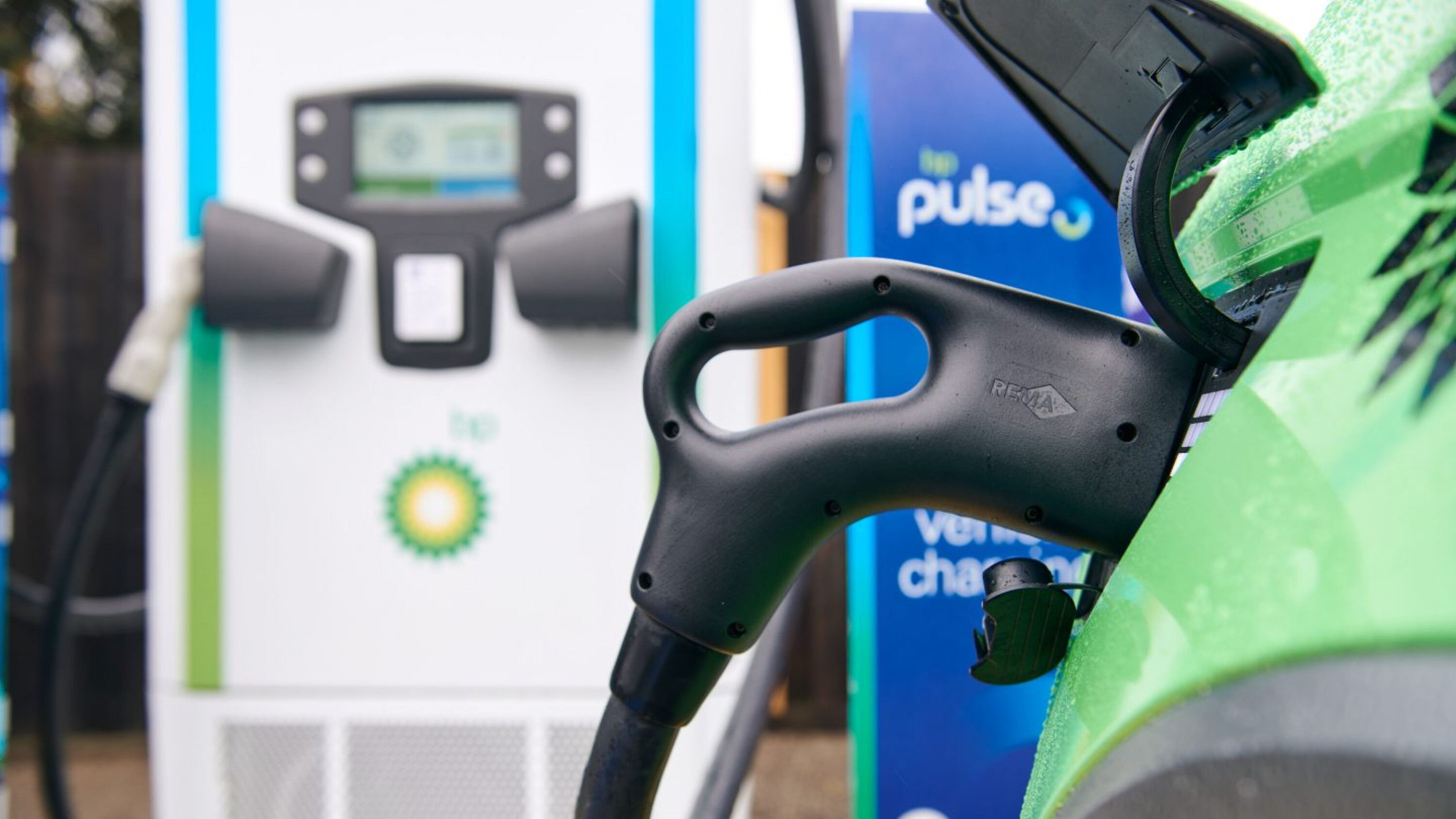
It’s worth noting that, judging by public sentiments and experience, charging providers, such as Evie Networks, BP Pulse and Ampol AmpCharge, also use the same manufacturers – but often use newer stations that don’t fault as often and are typically restored quicker than Chargefox.
1
The network’s CEO added “Australia is the most inhospitable location to put chargers in” since animals, such as ants, can crawl in and leave chemical trails to short-circuit the boards – an issue that’s currently prevalent in Western Australia.
While sealing components help, Sullivan told WhichCar that high weather temperatures can also affect the charging equipment – especially in summer and rural regions.
“If it’s a cable, something will chew it. If the remoteness isn’t going to get it, the animals will, and then the unreliability of the electricity network or mobile network,” Sullivan said.
“Australia is the most inhospitable location to put chargers in”
Repairing a station is an arduous and prolonged process
Some owners donu2019t prioritise maintenance
In some cases, manufacturers advise a complete replacement is required
EV charging stations are complex high-voltage machines. When they are out-of-order, some locations have reportedly taken weeks – if not months – to repair.
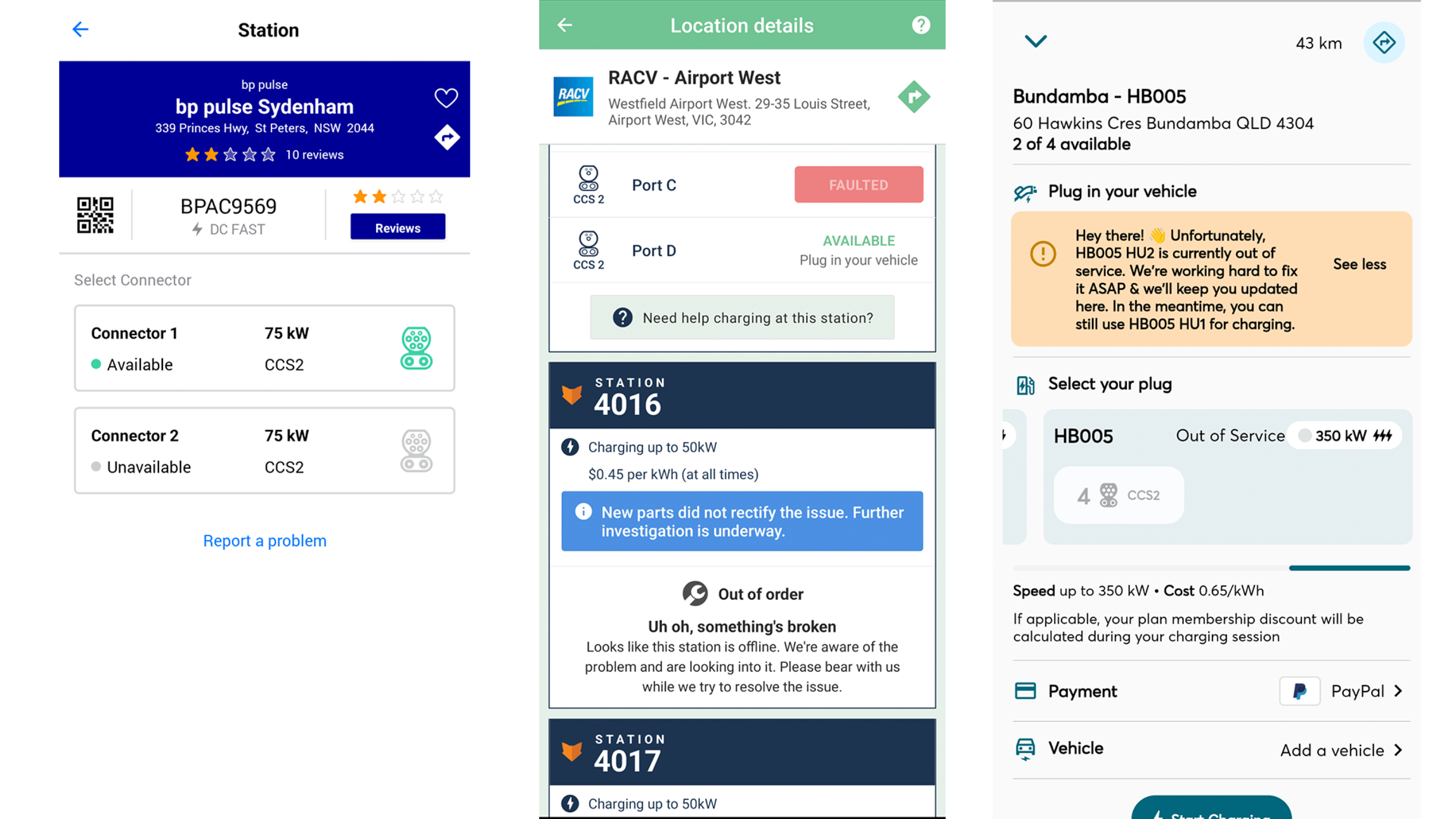
Busy locations, such as Chargefox-owned stations in Melbourne Airport West, Sydney’s Zetland and Goulburn near Canberra, have repeatedly been criticised by users and the media for extended repair times on the first-generation Brisbane-made Tritium stalls.
Chargefox CEO John Sullivan revealed to WhichCar that repairing a charging station is an arduous process – exacerbated by limited local parts supply, component shortages, and an extended diagnosis-to-repair cycle that regularly takes two or three attempts.
“That’s why the [repair] time takes so bloody long,” Sullivan said.
1
⏳ The EV charger repair process (for Chargefox-owned stations)
Charging provider (eg: Chargefox) identifies the issue – via charger software or customer feedback
⌁
Provider notifies chosen maintenance company, who then book a time with the charging station manufacturer (eg: Tritium) to conduct remote diagnostics ⌁
Manufacturer highlights the first fault found (current stalls cannot do a comprehensive overall diagnostic)
⌁
Maintenance company orders part/s to repair, via the charging provider, with the station manufacturer
⌁
Wait for part delivery to maintenance company or central distribution location (pending component supply shortages)
⌁
Maintenance company goes to the site to repair the stall with the part/s
⌁
Maintenance company books another time with the charging station manufacturer to conduct another remote diagnostic ⌁
Manufacturer (regularly) finds another fault ⌁
Process repeats until the station is completely fixed and restored – often after three cycles and several weeks
Charging provider (eg: Chargefox) identifies the issue – via charger software or customer feedback
⌁
Provider notifies chosen maintenance company, who then book a time with the charging station manufacturer (eg: Tritium) to conduct remote diagnostics
⌁
Manufacturer highlights the first fault found (current stalls cannot do a comprehensive overall diagnostic)
⌁
Maintenance company orders part/s to repair, via the charging provider, with the station manufacturer
⌁
Wait for part delivery to maintenance company or central distribution location (pending component supply shortages)
⌁
Maintenance company goes to the site to repair the stall with the part/s
⌁
Maintenance company books another time with the charging station manufacturer to conduct another remote diagnostic
⌁
Manufacturer (regularly) finds another fault
⌁
Process repeats until the station is completely fixed and restored – often after three cycles and several weeks
Most charging sites in the country arenu2019t owned by Chargefox u2013 but adopt its software network platform. When a fault occurs, the company notifies the owner and maintenance company.
However, Sullivan admits EV charging is not the primary business of some organisations and they may be slower on getting a repair quote. Then, the bill (sometimes around $20,000) may not be immediately feasible.
According to the Chargefox CEO, some charging station manufacturers have started establishing a local parts supply chain in Australia – but there are still few certified repaired businesses in Australia since they need to hold at least $150,000 worth of spare parts locally.
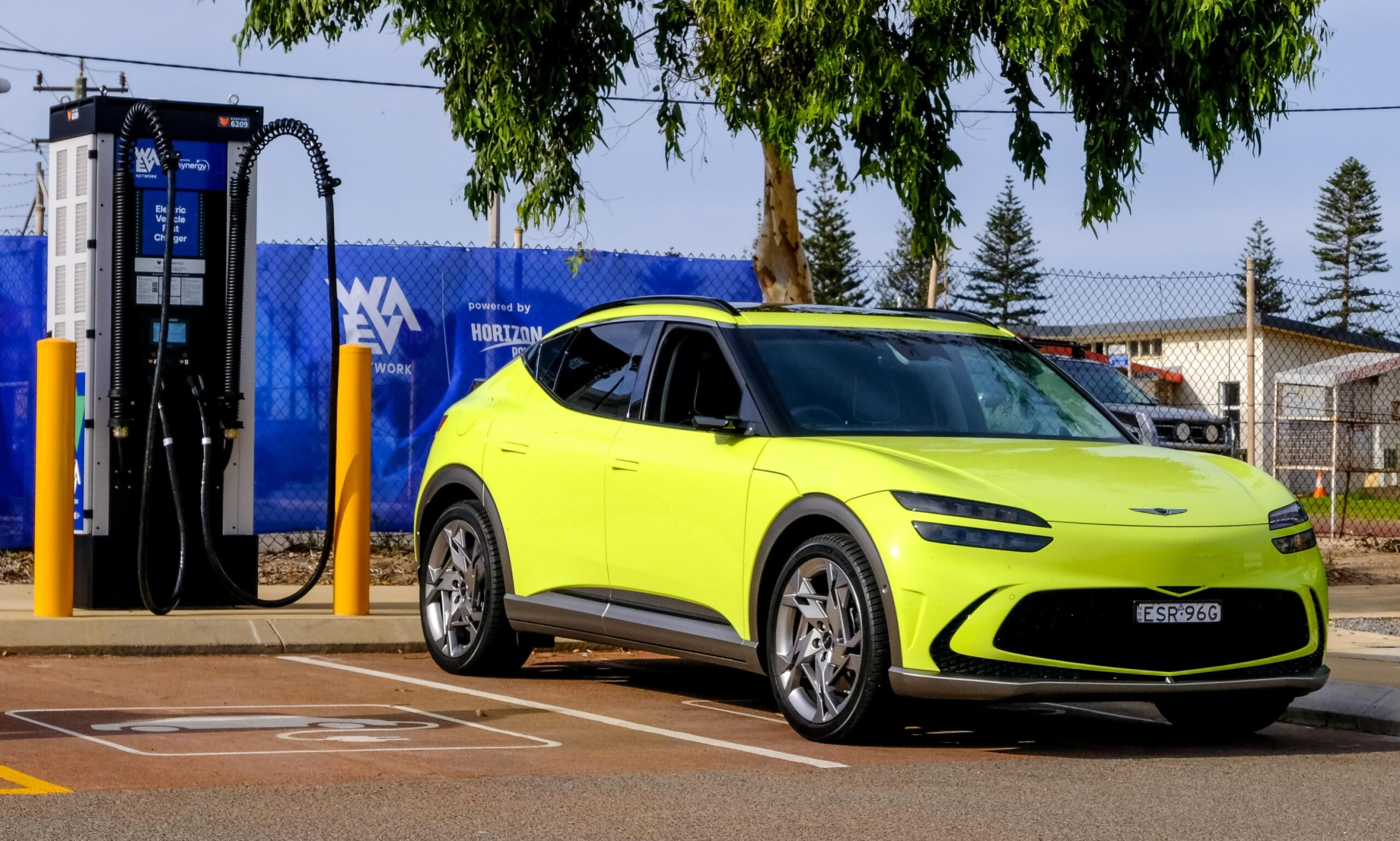
“Synergy bought spare parts for every single charger that they were going to put on the [Western Australian] network, and they warehouse them before they would put them in the ground,” Sullivan told WhichCar.
“They know the time taken to get spare parts and get them delivered and fixed is way too long… We [also] find that with Engie and most of the CPOs [charge point operators] on our part – they’re almost like buying double the number of chargers.”
1
“You also have to maintain it annually”
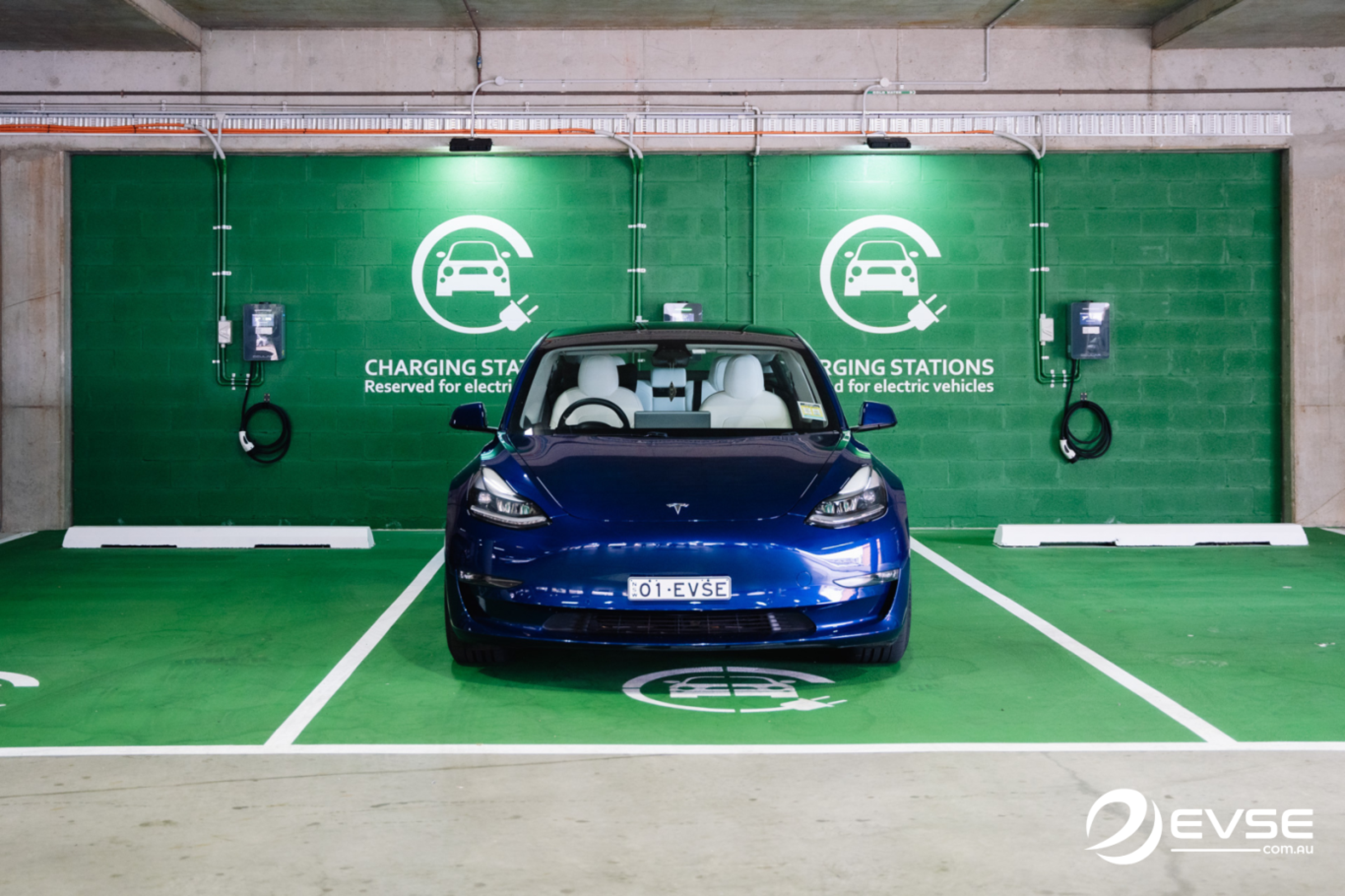
EVSE Australia – which retails, installs and maintains charging equipment – stocks parts in Sydney and Melbourne to fast-track repair times.
Its main manufacturer partner, Ocular, claims to have a failure rate of less than 2 per cent, with the “majority” of issues covered under warranty.
EVSE’s marketing head, James Greathead, told WhichCar that new charger owners are “often lax on maintenance after the initial win of installing” charging stations.
“A lot of people might think that it’s great to tick the box in terms of ESG [environmental, social, and governance] or corporate impact by installing a charger. But, you also have to maintain it annually,” Greathead said.
“One that can be really frustrating is the internet connection… [in order for the software] to send data and uptime alerts. So, the installation has to be right on the ethernet cabling when it’s first put in… that can save a lot of time.
“The whole [repair] process should really be completed with a charger back up and running within a week or two.”
1
Chargefox CEO John Sullivan said, in some cases, the manufacturer can’t remotely diagnose the issue and had advised them to disconnect the entire unit and ship it back for a physical inspection.
In other cases, it’s been even worse.
“We’ve been told by a manufacturer that two- or three-year-old equipment cannot be serviced anymore; we need to buy a brand new unit,” Sullivan told WhichCar.
“It costs about $50,000 a unit. We haven’t made $50,000 [from that charger]; we would be lucky to have made $10,000 on the unit in its lifetime of two years.
“So, the only means of resolving the issue is to take the charger out and buy a brand new one. And, in those cases, organisations are choosing not to buy particular brands of chargers and replace them with other brands.”
“We’ve been told by a manufacturer that two- or three-year-old equipment cannot be serviced anymore”
Moreton Bay-based EV charging station repair company, FutureDrive, which services parts of Queensland and New South Wales, declined to comment.
Rarely need to use public chargers, unless driving long distances
Driving range more than enough for typical Australians
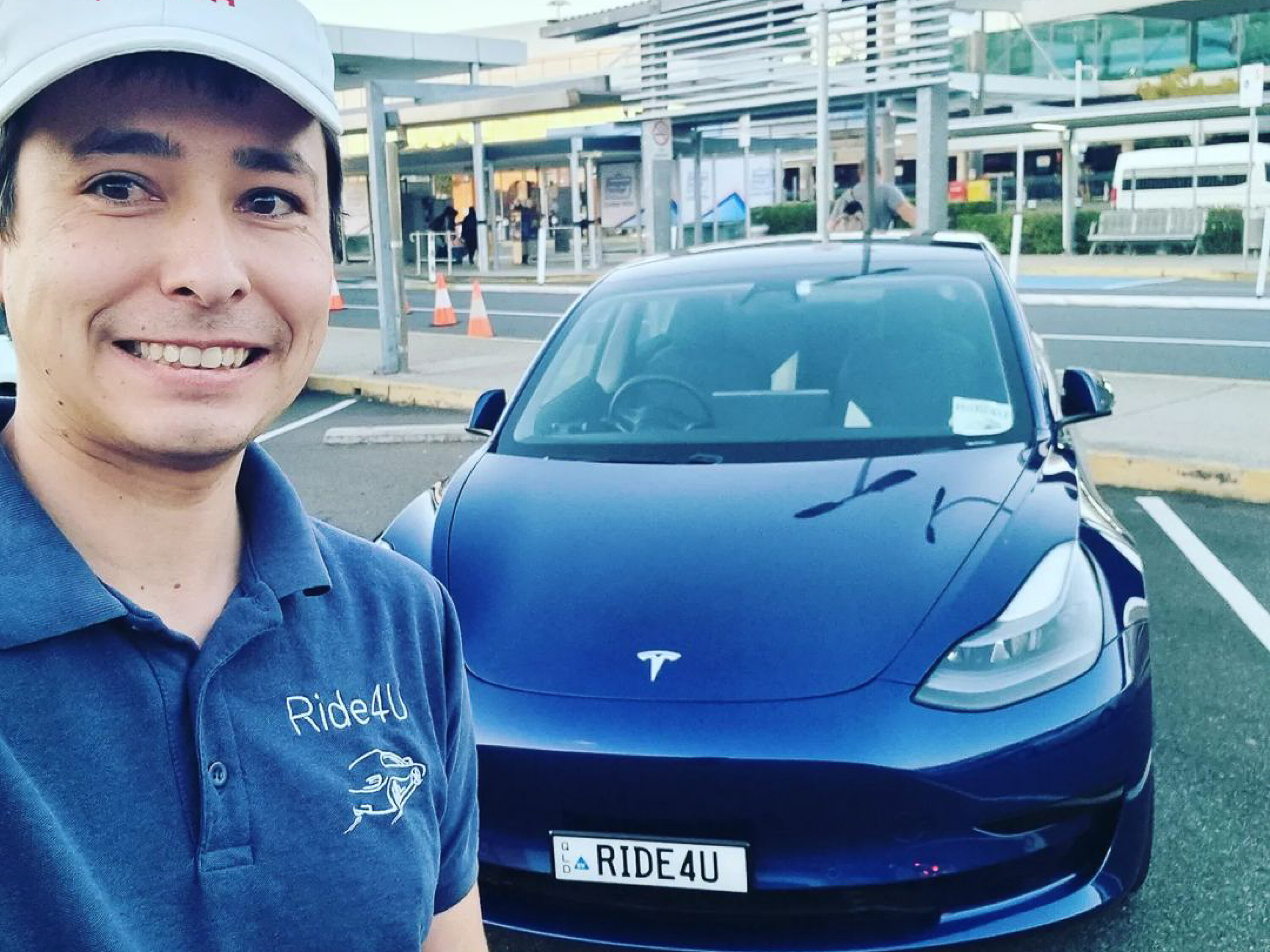
Electric car rideshare driver and owner of private transport business Ride4U, Nathan Merritt, said drivers should only need to use public infrastructure on a long-distance road trip.
“Speak to the body corporate [if you can’t charge at home or apartment]. If you can slow-charge the car at home, that is your best method for starting your day,” Merritt told WhichCar.
“Public charging sites are the most expensive way to charge your car – and it can get busy on weekends and public holidays. That’s why the media likes to portray massive queues at EV charging stations, but it only really applies to those that are doing interstate-type travel, which is not typical.”
“If you can slow-charge the car at home, that is your best method for starting your day”
1
Merritt, who has driven more than 220,000 kilometres in his 2021 Tesla Model 3 Standard Range, said 60 per cent of his charging is done at home.
He utilises free solar energy during the day and his electricity provider’s $0.08 per kilowatt-hour ultra-low EV tariff overnight – in contrast to public charging networks that generally cost between $0.40 to $0.70 per kWh.
As a commercial EV driver who travels nearly 8000km per month, Merritt sometimes needs to use public fast chargers when on a break and said the access to Tesla Superchargers gives him more confidence.
“I’ve driven from Brisbane to Melbourne – never had an issue using any of Tesla’s Supercharging sites. My options of reliable charging would not be as widely available [if I owned a non-Tesla EV],” Merritt told WhichCar.
However, the wheels are already turning quickly in Australia now with the installation of newer charging stations from different brands – including Kempower, ABB and Delta Electronics – across a variety of networks such as Chargefox, Evie Networks, and BP Pulse.
Some charging providers have also replaced some sites with newer, more reliable modular Tritium units capable of outputting faster speeds and power sharing (charging two vehicles at the same time).
While the industry has previously focused on expanding rapidly in numbers, there’s also now a focus to improve repairs and access to parts locally.
Chargefox CEO John Sullivan told WhichCar that public EV charging in Australia will dramatically expand and improve reliability within the next year.
“This is a new industry. We make mistakes. The industry as a whole has not set itself up well for the [EV] adoption rates that we’re getting today. Everybody in this industry feels it,” Sullivan said.
“Everybody’s network will be so much better… The problems we’re facing today will not be the problems we’re facing in a year’s time.”
“The industry as a whole has not set itself up well for the [EV] adoption rates that we’re getting today”