
Opportunity. It arrived as an ordinary press invite, if being asked if I wanted to join Porsche UK at Langley Castle, Northumberland, to drive its most focused open cars can rightfully be described as ordinary. The location piqued my interest as much as the cars. Northumberland was a quick dash to the Scottish Borders, to roads I drove frequently as a kid. The cars, and specifically a car, had a sizeable bearing, too, Porsche promising to have a 911 Speedster in attendance. Ever since the launch I’d been looking for an excuse, absolutely any excuse, to drive it again.
It would be busy; the Speedster being used as part of a regular press event. Other people would want to drive it, rightfully so. Still, nobody would be mad enough to drive it through the night, right? It’d be sat outside, idle, while everyone slept. A loose plan is formed: a border run, at night, on roads I love, to my old hometown, Edinburgh. A hook, not that it was needed: the Cannonball restaurant by Edinburgh Castle – a Cannonball run if you like – which, coincidentally, is located at 356 Castleview, a number that’s significant if you know your Speedsters.
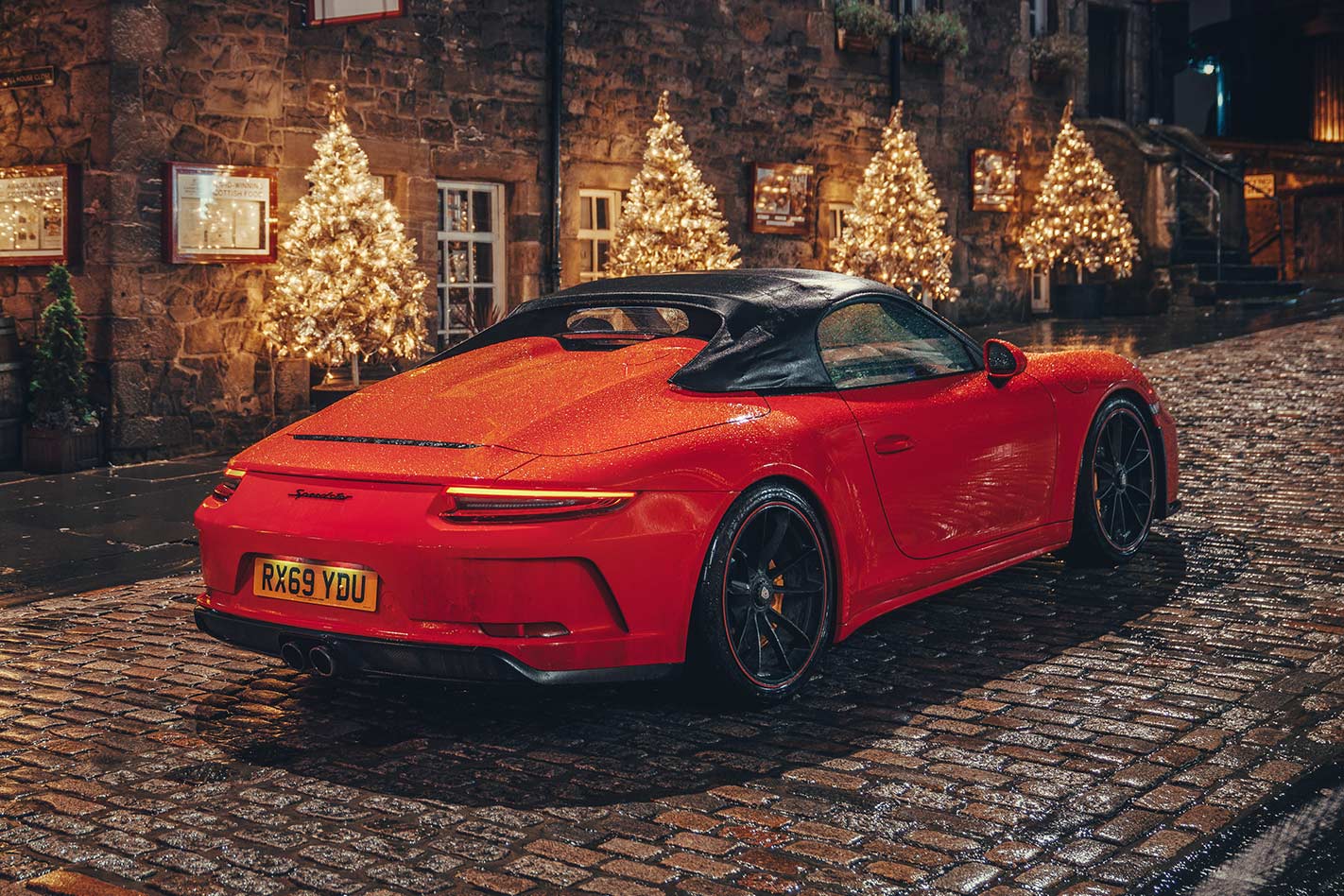
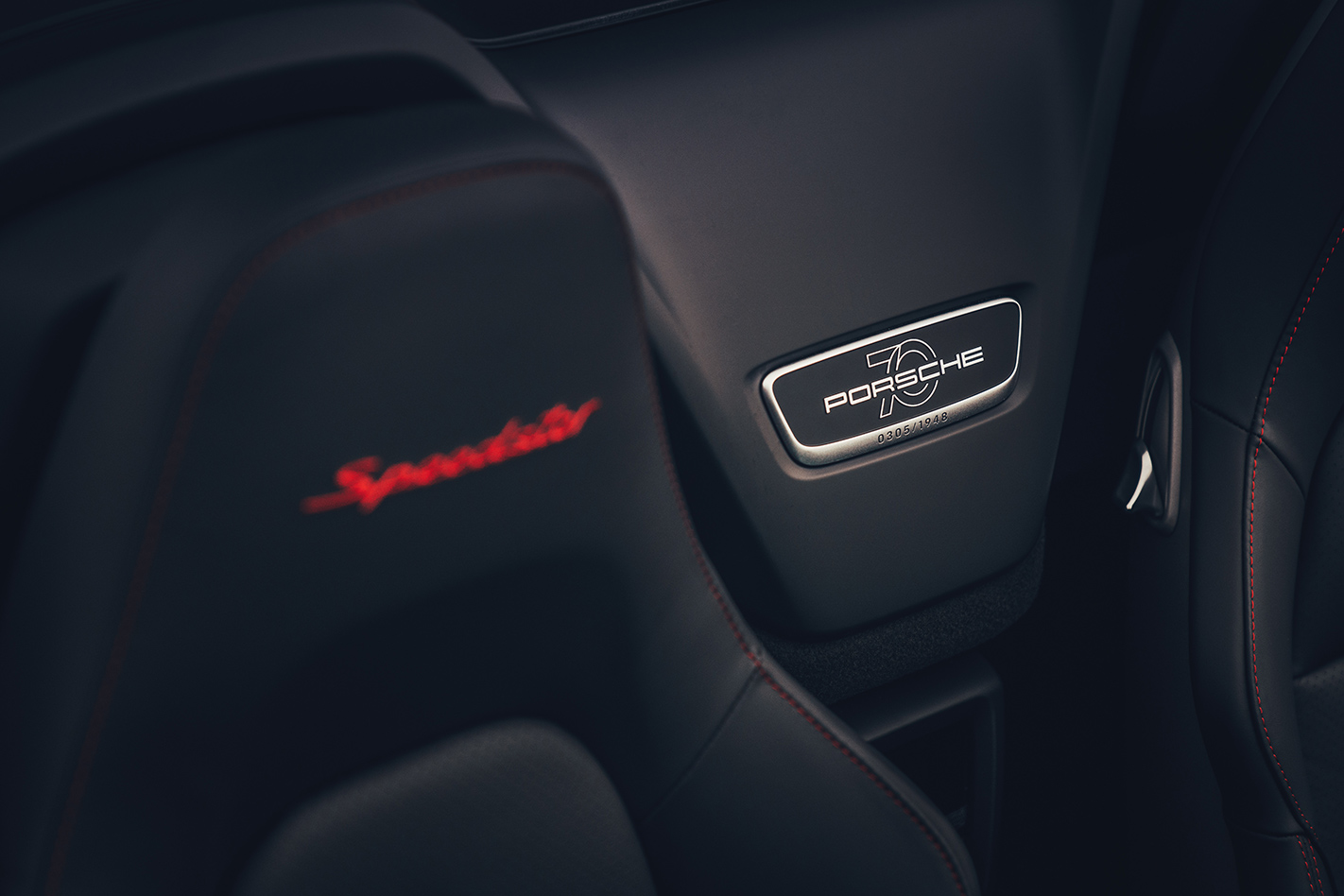
Photographer Richard Pardon is game, though an injured back, not to mention too fine a hairstyle to ruin with a woolly hat means he’ll be following in a Macan. Preparations are scant. I pack thermals, hat and gloves, and drive the 400 kilometres to Northumberland to collect Porsche’s last hurrah for the 991 series 911. I’m knackered, it’s cold, and there’s talk of rain. Even so, Edinburgh’s only 160 kilometres further north, via sensational roads, and I’m in Speedster 305 of the 1948 built. With the roof down.
It’s a curious specification, this car. The seats are electrically adjusted every which way, but nobody’s checked the option to heat them. Usually I’d happily do without warming. Indeed, the Speedster’s a car best experienced with the standard Sports buckets where warmed buttocks aren’t even possible. There’s no Sport Chrono, either, while the headlights are the standard items, rather than Porsche’s Dynamic Light System. Like seat heating, they’ll be missed tonight, as their ability to turn night into day would no doubt have been useful.
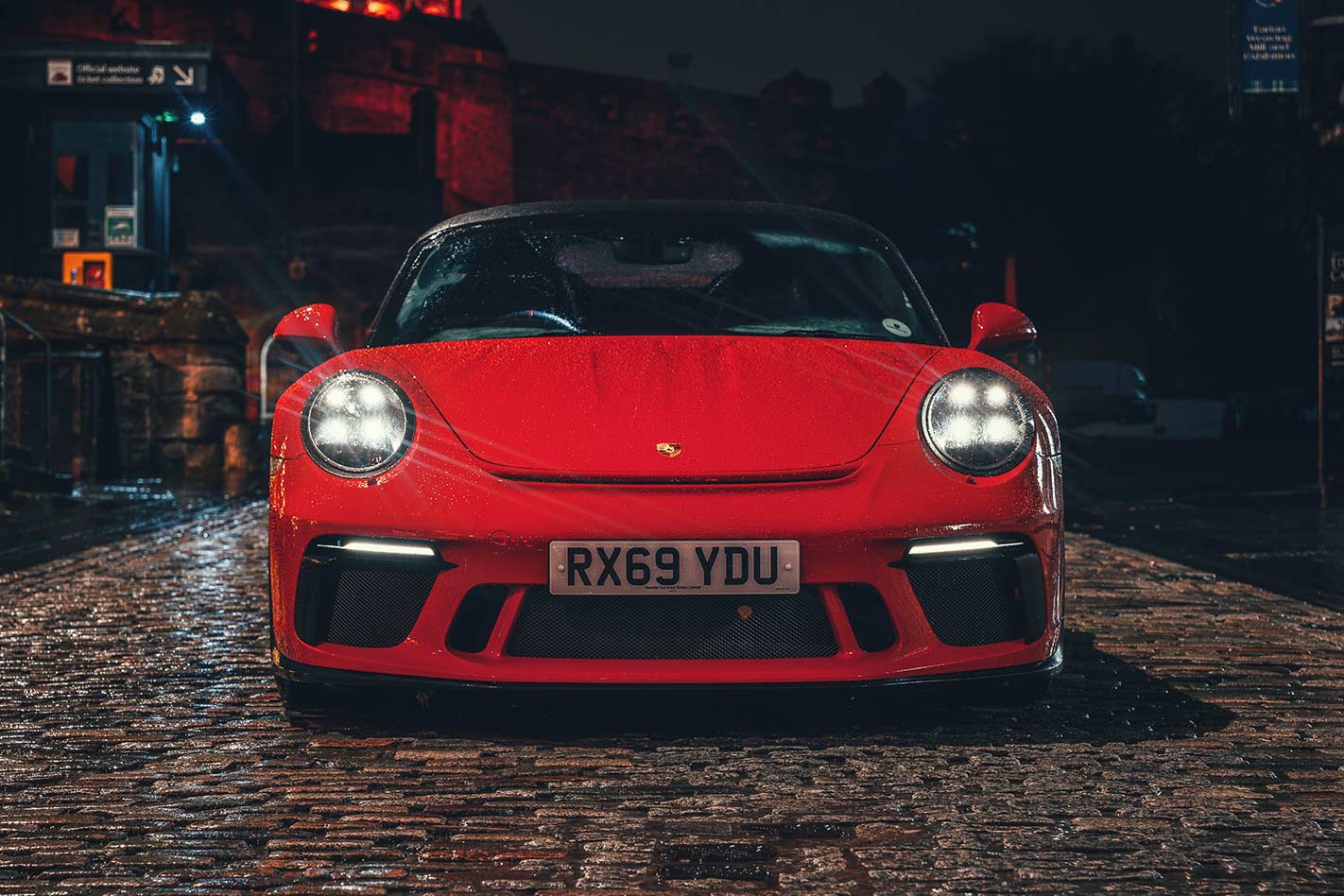
There are stars in the sky above as we leave one castle to drive to another. It’s dark here, but it’ll get more so. Kielder Water and Forest Park isn’t far, and it’d be remiss of me not to take the Speedster through it. Kielder might be familiar if you’ve watched rallying, ‘Killer Kielder’ more often than not dictating the result of Britain’s round of the World Rally Championship back in the day. As a schoolboy I used to rush home from school to watch VHS recordings of Mikkola, Blomqvist and Vatanen wrestle Group B monsters through Kielder, and, latterly, the likes of McRae, Burns and Sainz, in the Group A cars that replaced them.
Kielder has a fearsome reputation, one that’s not lost on me as I’m driving through it in a part-composite-bodied car with more than 370kW going to the rear wheels only. If it was dark leaving Langley, it’s on another level of inky blackness here. The headlights do their best to light the road ahead but their reach is limited not just by the freakish darkness, but the road itself, undulating, twisting and turning as it follows the busy topography that defines this part of Britain.
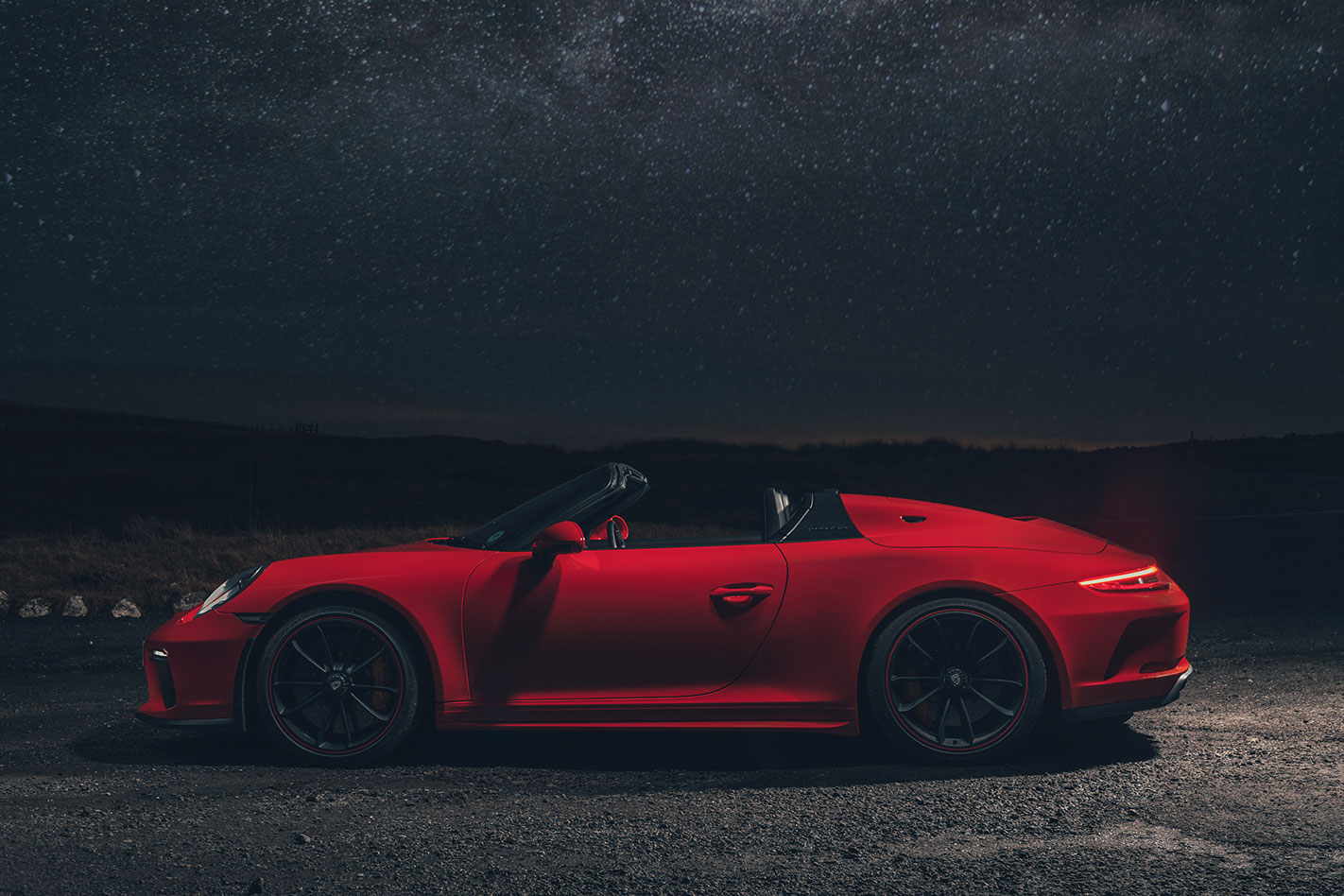
Apparently Kielder Water is to my right, not that I can see it, the sat-nav screen informing me it’s there. The road highlighted alongside it is single track, with passing areas. It’s damp and cold, yet the Speedster’s Dunlop Sport Maxx Race 2 tyres are finding bite, giving incredible traction in difficult conditions. Here, the visceral element of the Speedster is raised to new levels. I’m feeling my way down the road, my eyes transfixed and focused within the limited reach of the headlights’ beams, the available grip communicated through the steering wheel and the seat. There’s more purchase than I’d anticipated in such conditions. It’s just three degrees, and the traffic on these roads is usually forestry and agricultural, with the inevitable detritus flung from their off-road tyres creating a slippery sheen between rubber and tarmac.
It’s perhaps not the obvious environment in which to drive a limited-series, deliberately compromised, focused open-topped car, then. Speedsters are more likely to be spotted in glamorous hot spots, under the summer sun, if driven at all. November, heading towards the Scottish Borders, is the absolute antithesis of that. Yet it works. In fact, the vast, dark solitude of Kielder reveals ever more about the Speedster; the delicate poise on offer from its chassis, the remarkable grip, the huge traction and, yes, the sound it makes. I recall the magnificent naturally aspirated 4.0-litre flat-six making a sound that had the capacity to permeate your soul on the launch event in Sardinia, but here, without any background interference, it’s on another level altogether.
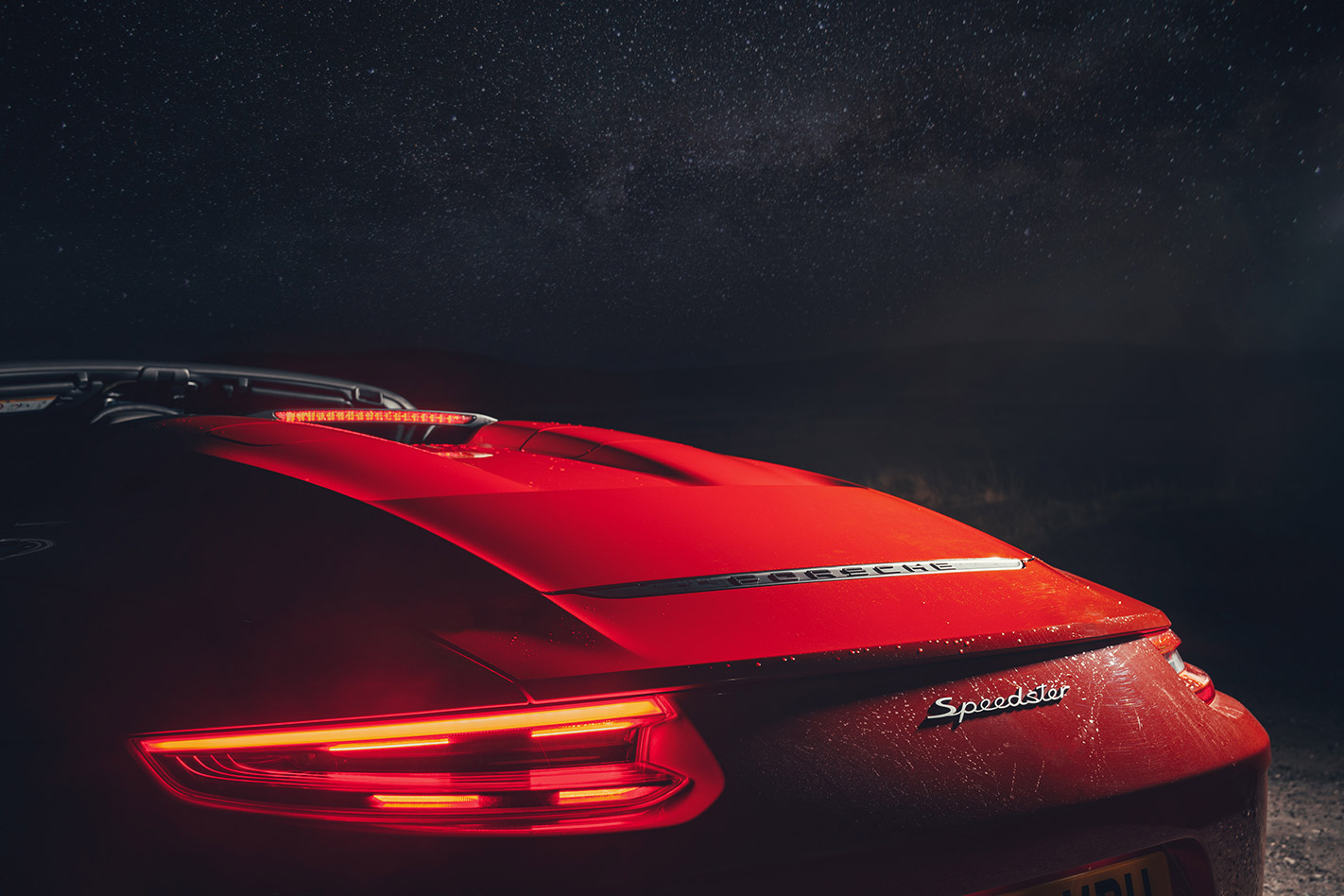
There’s a familiar flat-six backing track that’s not so different from any of Porsche’s naturally aspirated GT offerings. It plays a slightly different tune, though, and not just because you’re hearing it without a muffling roof, firewall, and glass between it and you. The exhaust is instrumental, literally, in the different tones emanating from behind me. The particulate filters, a necessary evil in these more environmentally conscious times, play their part, though they do little to mute it, this engine with huge character of rousing voice.
The thin, lightweight construction to offset those filters’ additional mass creates differing frequencies within the exhaust; this a flat-six that has a metallurgic, dare it be said, Italianate, zing to its pitch. It sounds more exotic, more distinct than any of Porsche’s flat-sixes before it. That’s likely to become the norm as derivations of this engine and exhaust are fitted to future 992 GT3 and RS models, but for now, it’s unique, and utterly captivating, signalling for miles around that there’s something special out in the dark.
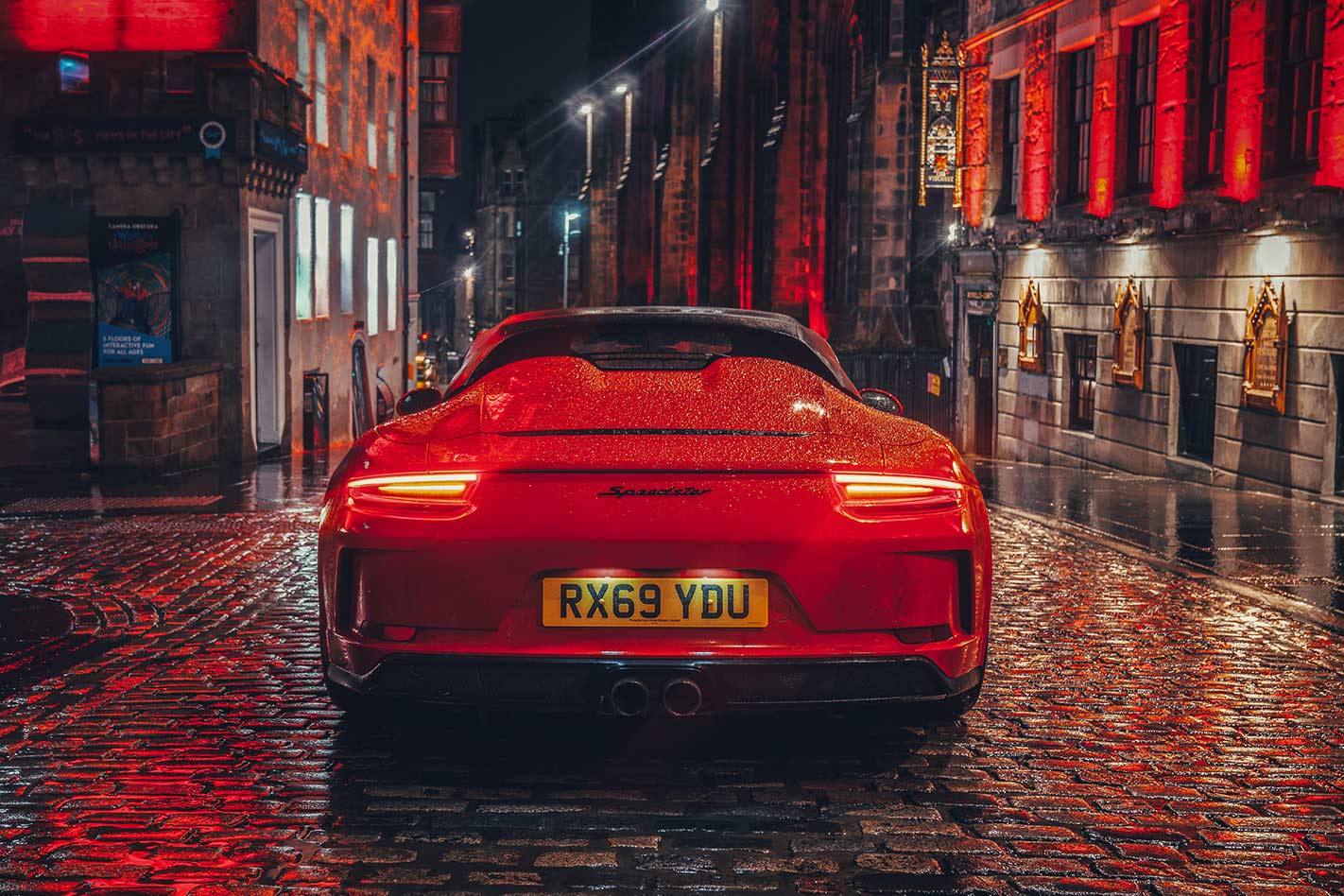
That sound alone would be enough to have anyone wringing it out to its stratospheric 9000rpm redline at any opportunity, but combined with the unerring linear force that accompanies it, it’s an adrenaline hit that’s impossible to resist; all the more so as it’s orchestrated by one of the finest manual transmissions to feature in any car.The six-speed ’box is derived from the acclaimed 911R, and the shift quality is in the realms of otherworldly. It’s quick and light, yet there’s delicate precision across its gate. It’s pleasingly, reassuringly mechanical in its action. Add a clutch that’s beautifully weighted, and a brake pedal that you can feel has been honed to provide the perfect platform to roll off to blip the accelerator to rev-match when downshifting, and the Speedster is as immersive as driving gets. Auto blip? Who needs it?
It all seems so natural. The Speedster feels like it is hard-wired to my limbs, its interaction and physicality a reminder that, good as paddleshifted, electronically controlled transmissions are, nothing beats the pleasure of driving a good manual. The Speedster is a brilliant sports car. In fact, there’s a strong case to call it the best.
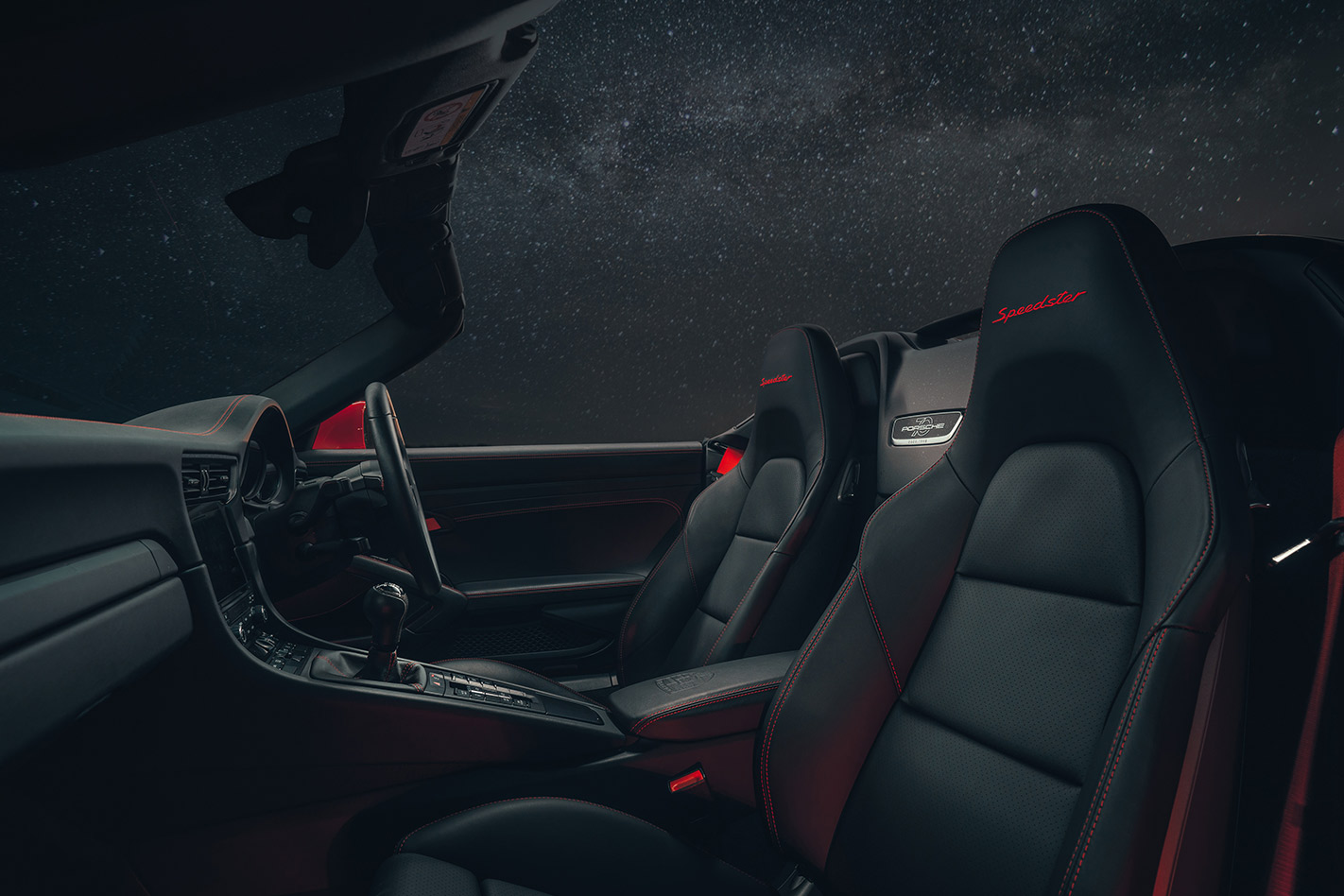
Kielder is vanquished, the sign for the Scottish border briefly illuminated in the headlights as, somewhat predictably, clouds fill the sky and the rain starts to fall. The roads widen, delivering more expansive tarmac no longer meandering quite so haphazardly, their flow more predictable, sight lines greater and the route not so heavily punctuated by big stops, sharp crests and tight switchbacks.
As brilliant as the Speedster has felt through the darkness of Kielder, the border roads better suit it tonight, at least in these sub-optimal conditions with the rain hammering down and plenty of standing water.Throw in an organic mulch of autumnal leaves littering great swathes of road tunnelled by the overhanging branches of Scotland’s plentiful borders woodlands and I’m busy behind the wheel.
Even with the weather continually deteriorating there’s no need, or desire, to stop and put the hood up. Velocity prevents precipitation from reaching the Speedster’s interior, even when sense, speed limits and the desire not to wake up sleeping locals, drop the numbers through the occasional, quiet Scottish village. The mileage on the signs for Edinburgh drops as the capital gets ever closer. There’s traffic now at the city’s fringes, and the lights to ease the flow, which is fine if you’ve a roof above your head. Even so, the familiarity of driving through my home city’s streets open to the elements is one that’s enjoyable, albeit in a masochistic way.
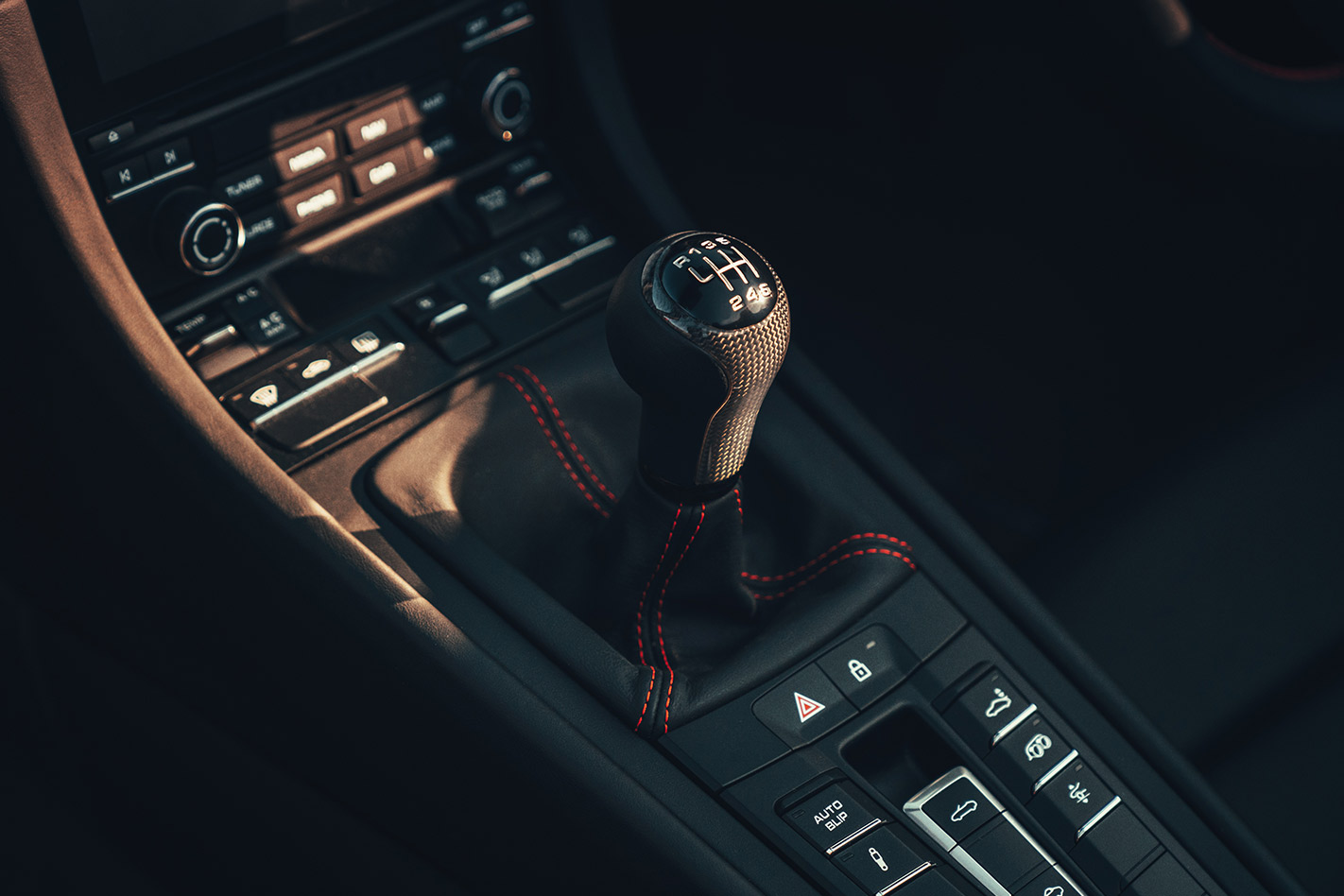
It’s after midnight, and with unnecessary but enjoyable diversions included, there are 180 more kilometres on the Speedster’s odometer. That’s a number that many of its 1947 siblings might never see roll under their wheels, such is the obsession with delivery-mileage, limited-number Porsches. And that’s a genuine tragedy. The hour dictates empty streets, the castle, our needless destination, ahead. Somewhat serendipitously, Castleview is backlit in a Speedster-matching red, the hood thrown up to prevent the interior being wrecked by the now punishing rain.
Pardon’s memory card sated, there’s a brief discussion about pressing on towards the driving nirvana that Scotland promises further north, but the Speedster’s needed back early, and that rain is turning to snow on the higher ground. Good as those Dunlops have proven, I’m not sure snow is in their remit. Reluctantly, then, the 911 is pointed south for the return leg, deviating off the route that’s brought us here, because every road in Scotland is worth exploring. Scotland and the Speedster deliver the same intoxicating highs, this car’s engagement forestalling fatigue and proving a stimulating, exciting and involving companion on familiar roads made difficult by record-breaking weather where a month’s rain has fallen in a day.
As I escape the confines of Edinburgh’s suburbs, the roof is dropped back down again. The Speedster’s at its best when it’s driven as intended – even if, when Porsche’s GT department boss Andreas Preuninger conceived it, he might not have had exactly the road trip or conditions I’m experiencing in mind. That it’s so capable, so relentlessly quick and composed, so damned enjoyable, too, is testament to their good work in building it. Key to that is its interaction; the need to actually drive it properly, and the heady rewards that come when doing exactly that. Every one of the 1948 should be driven and enjoyed in such a manner. Everyone should have the opportunity – even if it’s just the once – on some old, favourite roads.
PORSCHE 991.2 911 SPEEDSTER SPECS
Engine: 3996cc flat-6, dohc, 24v Transmission: 6-speed manual Max power: 375kW @ 8400rpm Max torque: 470Nm @ 6250rpm Dimensions (L/W/H/W-B): 4562/1852/1250/2457mm Weight: 1465kg 0-100km/h: 4.0sec (claimed) Economy: 13.8L/100km Price: $604,800
November 2023: GMC Yukon confirmed for Australia
The GMC Yukon will take on the Toyota LandCruiser 300-series in Australia from early 2025 as General Motors continues to expand its presence locally.
Story continues
The freshly inked deal that will allow General Motors to continue to have a presence in Australia could open the door for a new brand to be sold in rebranded showrooms.
General Motors Specialty Vehicles (GMSV), which will rise from the ashes of Holden, could mean that luxury utes and SUVs from GMC will become available locally.
GMC, short for General Motors Truck Company, primarily focuses on pick-ups and trucks, while also offering a range of SUVs
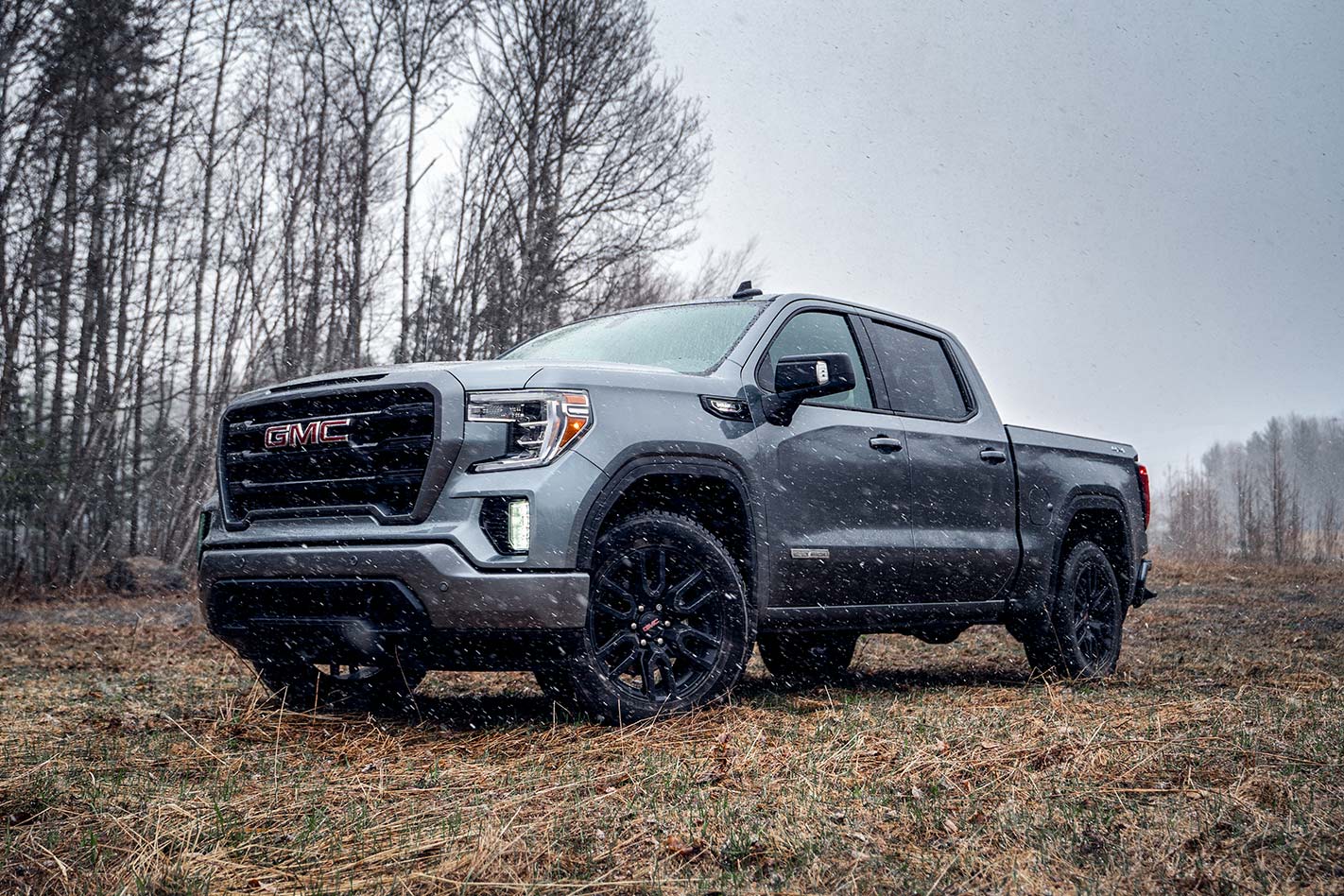
While many of its products are reskinned versions of other GM vehicles, GMC is a more upmarket offering, with more premium features and trim.
The GM division has been producing vehicles for over 100 years and will bring back the Hummer name as a new electric sub-brand in 2021.
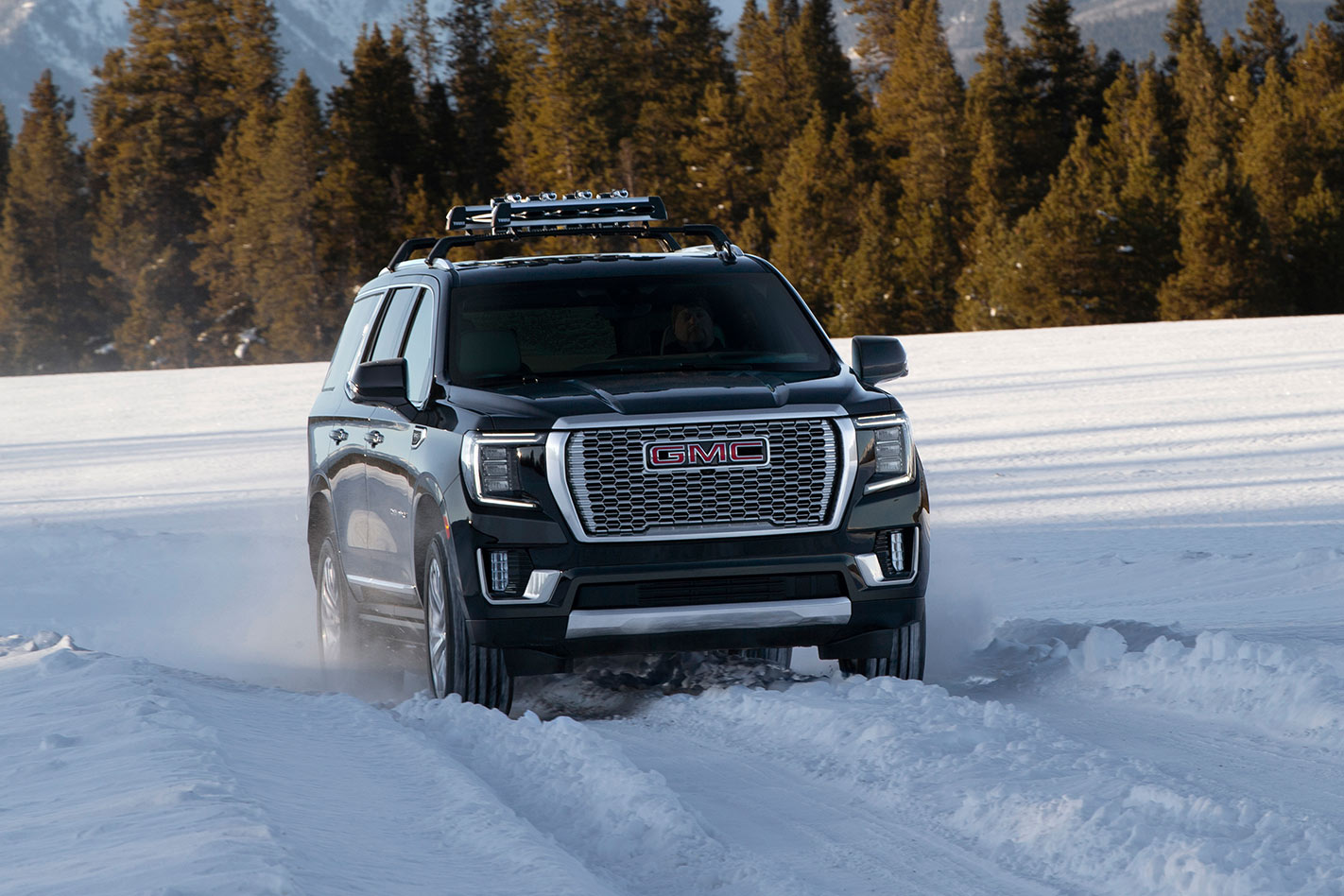
If sold locally, GMC products would be positioned as rivals to the likes of Mercedes-Benz, BMW and Audi.
There is no official word from those behind GMSV on if GMC is locked and loaded for Australia. However, Wheels understands the General Motors part of the GMSV acronym was carefully selected to allow access to multiple brands – not just Chevrolet.
If GMSV execs can build a business case for GMC products being sold locally, the badge could appear in the local arms rebranded dealerships.
Currently the smallest ute offered by GMC is the Canyon, based on the Chevrolet Colorado (which differs to the Thai-built model that was sold in Australia by Holden).
Slightly larger than the current dual-cab utes that Australians known and love, the GMC Canyon would be a suitable stepping stone for those that don’t require the heavy-haulage abilities of larger American pick-ups like the Silverado 1500.
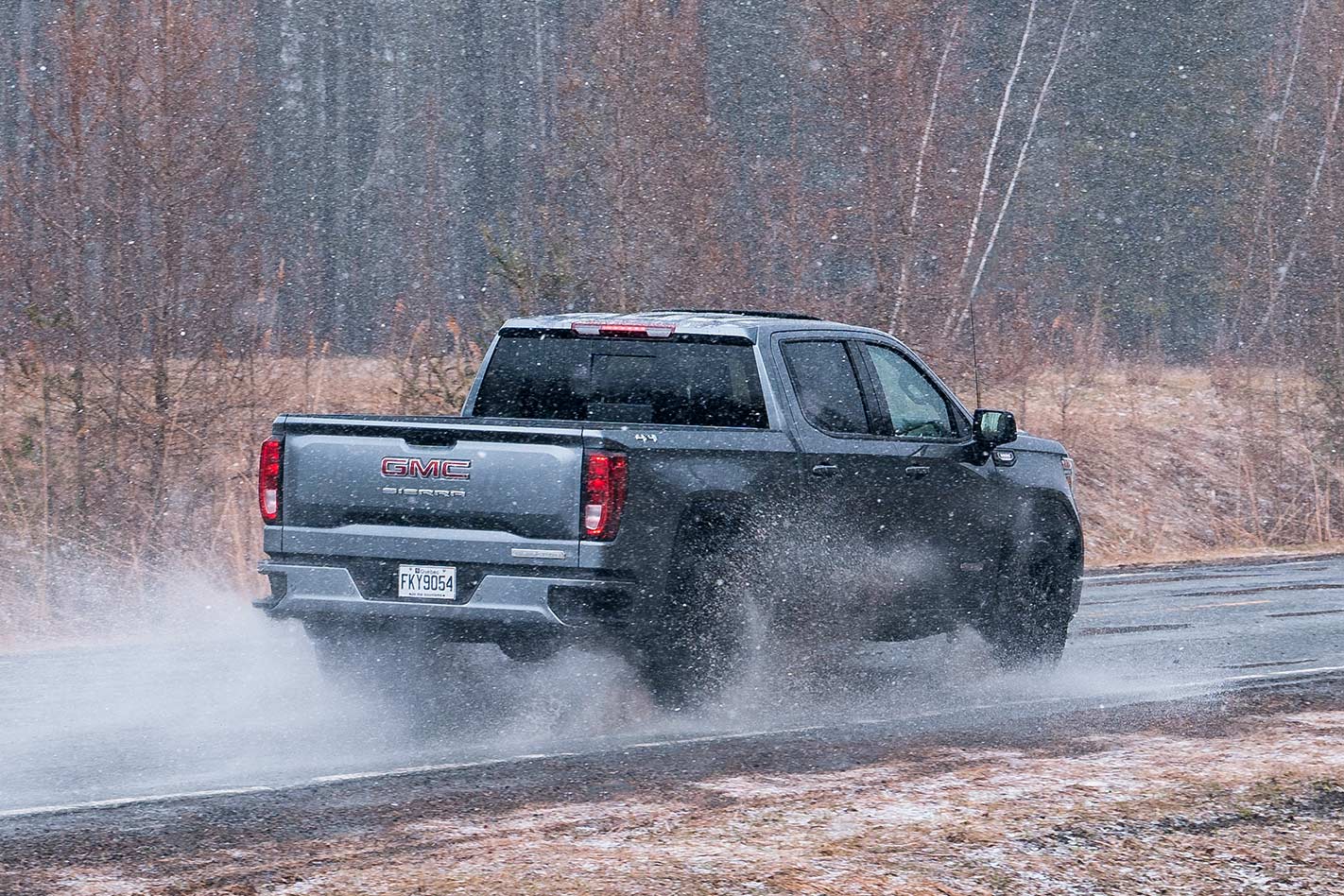
Sitting above the Canyon is the GMC Sierra, based on the Chevrolet Silverado 1500.
If offered locally, the GMC Sierra would be even more luxurious alternative to the generously equipped LTZ 1500 currently sold by HSV.
It’s unclear how much headroom exists in the large American pick-up market in Australia, so the Sierra could be seen as too expensive to have a solid business case.
Instead, GMC could be brought to Australia for its large and luxurious SUVs.
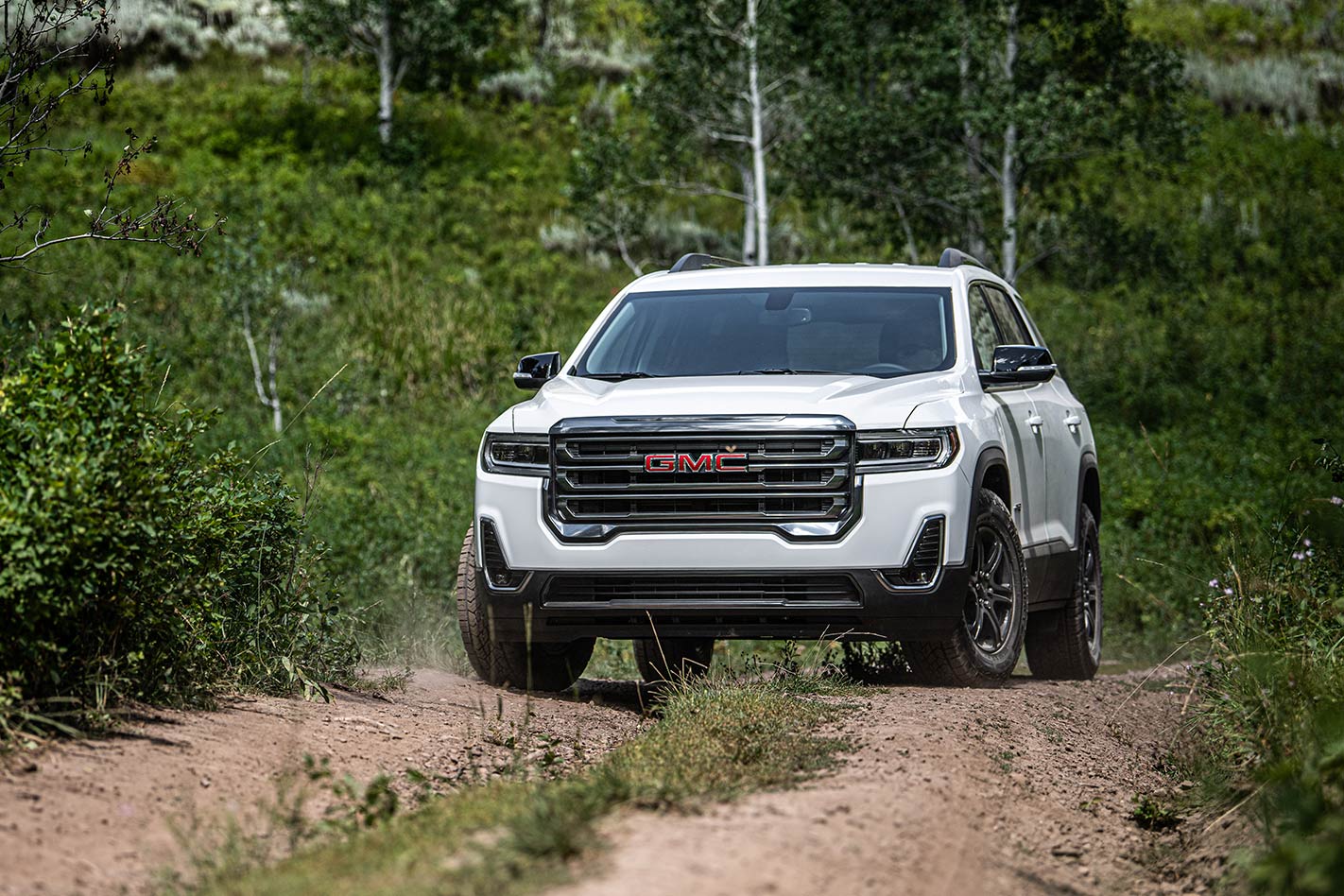
A mid-size Terrain is offered in America, alongside the large Acadia that Australians are familiar with from its brief period of local sales branded as a Holden.
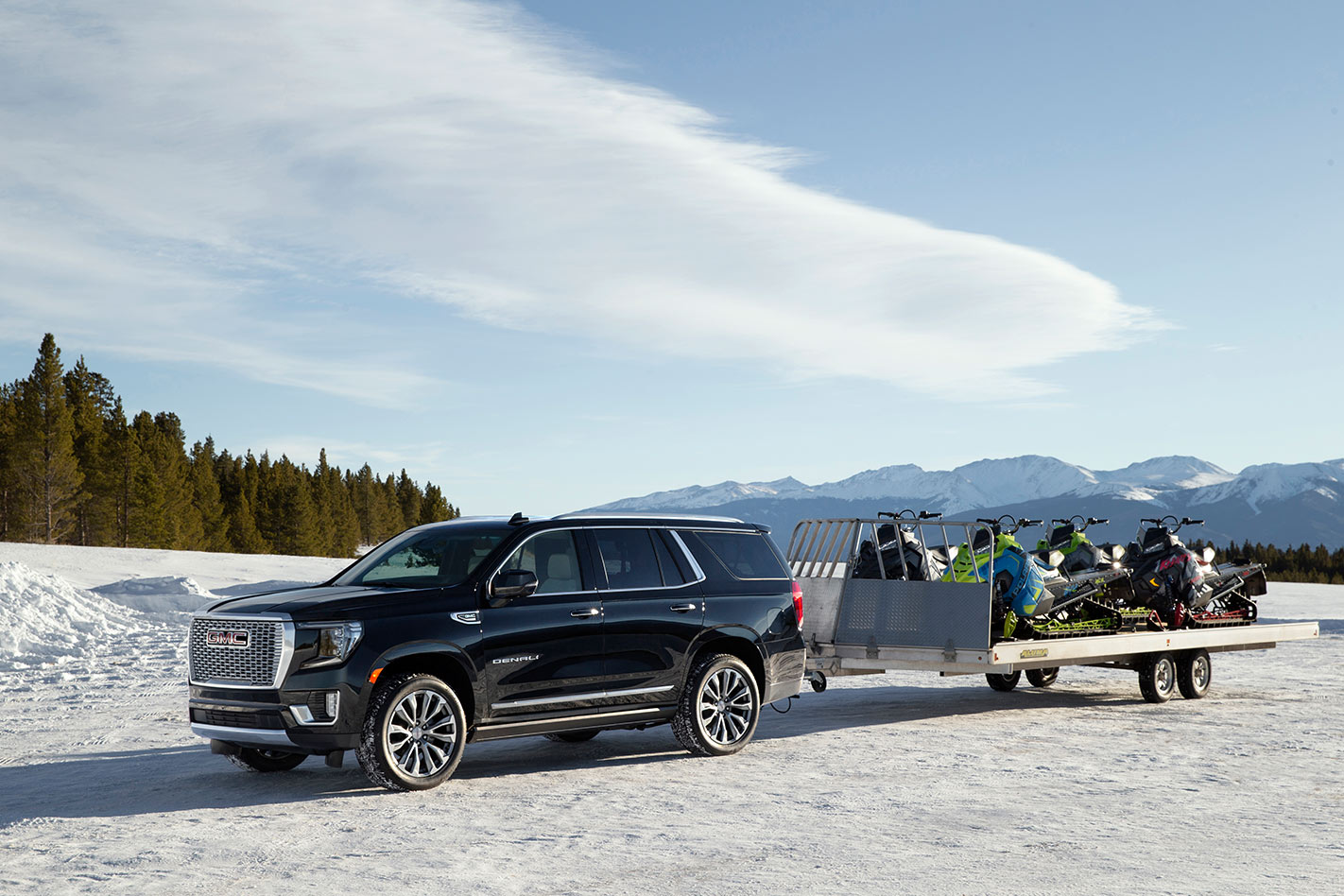
Sitting above both of those is the Yukon, which would rival the likes of the Mercedes-Benz GLS and BMW X7.
In North America the GMC can seat up to nine people, and is based on the Chevrolet Tahoe.
The 2021 GMC Yukon, and long-wheelbase Yukon XL, is powered by a range of engines, from a 3.0-litre straight six turbo diesel, to a 5.3- or 6.2-litre naturally aspirated petrol V8.
Air suspension and GM’s impressive magnetic-ride shocks can also be optioned.
Would you be interested in buying a GMC vehicle if the brand came to Australia?
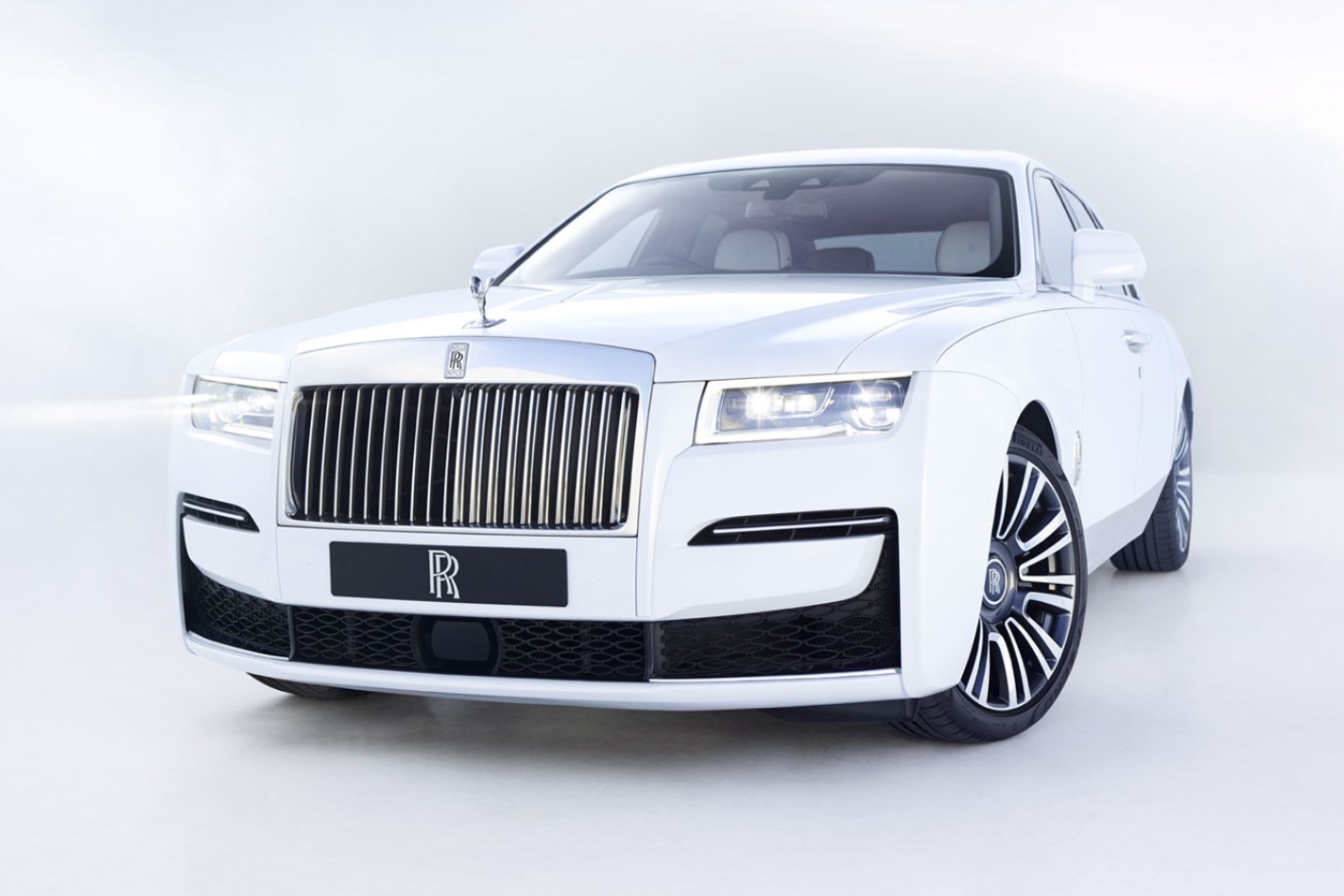
You’re looking at the all-new Rolls-Royce Ghost, a fresh ‘minimalist’ take on the baby Roller formula. As you’d expect it’s the most technically advanced car from the Goodwood brand so far, featuring a mixture of new tech alongside some familiar Rolls staples.
Highlights include new illuminated styling elements, plus a world-first ‘Planar’ suspension design, which works together with the all-wheel drive, all-wheel steering and 420kW twin-turbo V12 to promise an even more reassuringly adept passenger and driving experience. Many Ghost customers actually drive their cars, rather than ride in them.
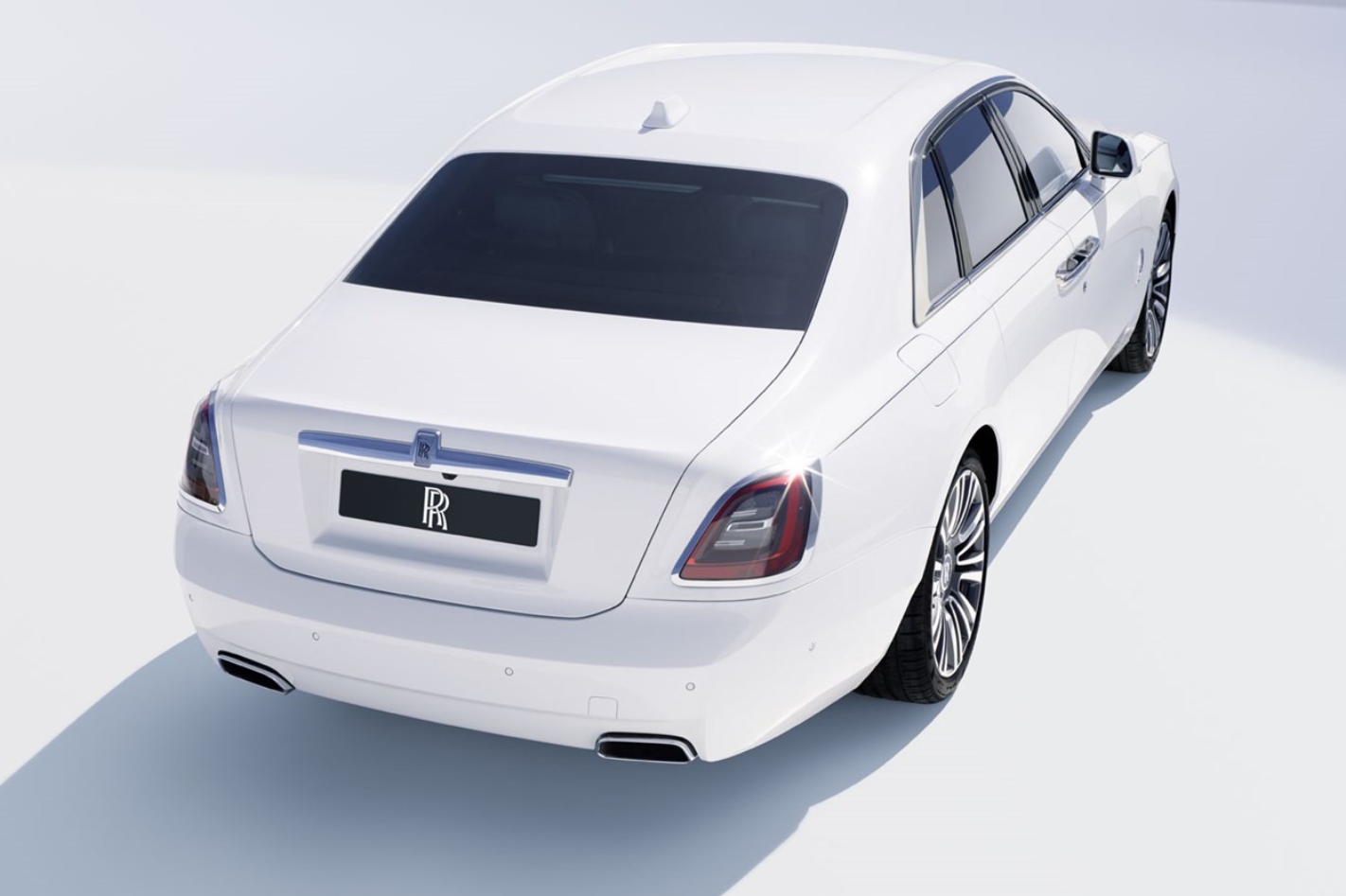
As for how new it is, Rolls-Royce boss Torsten Muller-Otvos says the only components carried over from the previous Ghost are the Spirit of Ecstasy on the bonnet and the umbrellas in the doors.
Post Opulence, apparently
Rolls-Royce claims to have taken a totally new direction with the Ghost’s design, and it’s calling it ‘Post Opulence.’ After feedback from its elite customer base, Goodwood decided to make the next Ghost more minimalist and less overtly detailed – if that’s possible.
At the same time, just like their Crewe-based counterparts at Bentley, Rolls-Royce’s designers have had to keep the updates subtle in order to avoid alienating everyone that’s already heavily into the brand.
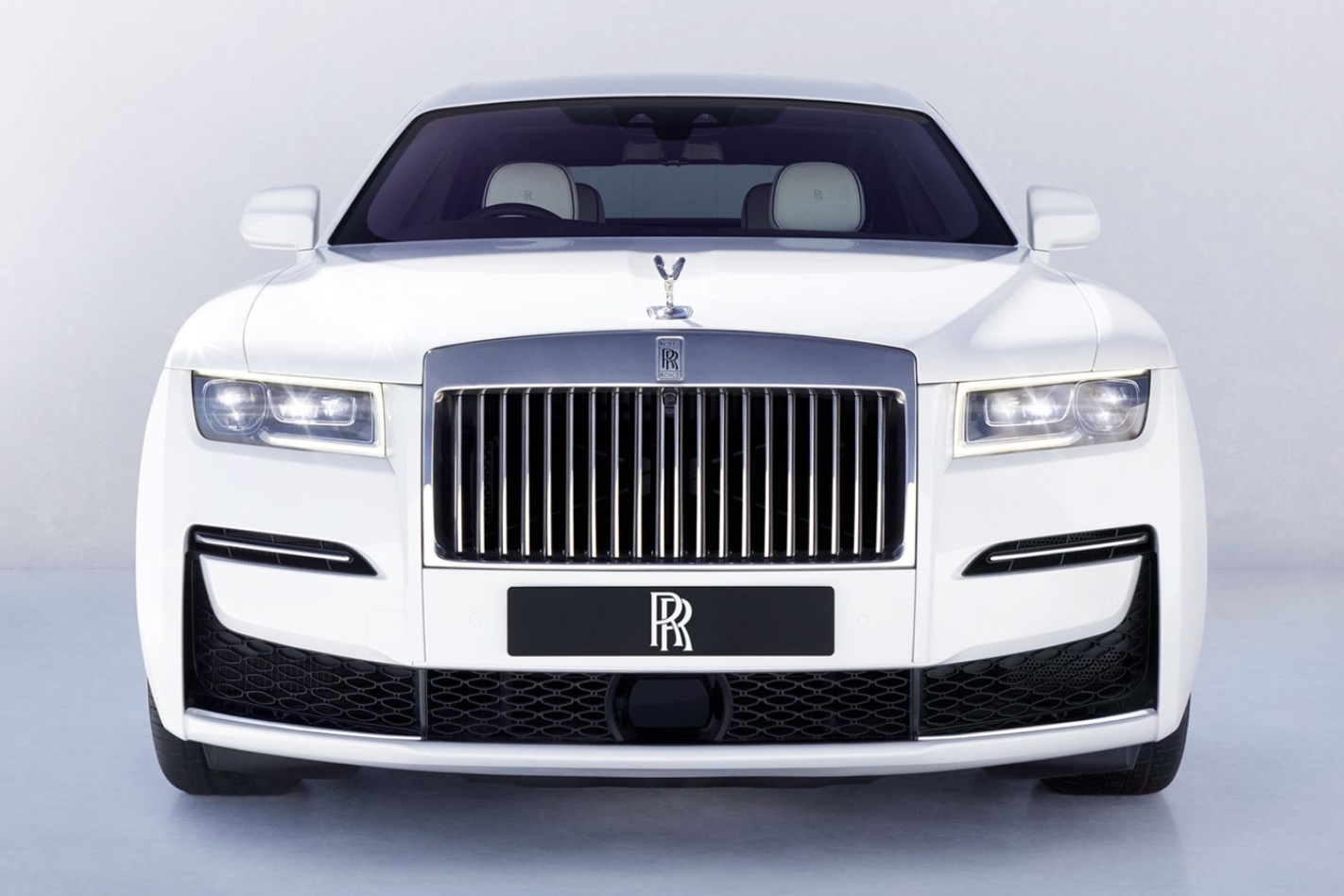
In practice, that means Post Opulence is all about cleaner lines – both inside and outside the car. Look at pictures of the new and old Ghost and the changes are small but numerous. Shut lines have been cleaned up, the overall flow evokes shapes throughout the brand’s history, and the aesthetics are more cohesive.
Still, Post Opulence doesn’t mean basic; in some areas, the new Ghost is even more visually impressive than the last. For instance, Rolls-Royce has taken a leaf out of parent company BMW’s playbook and illuminated the ‘Pantheon’ grille.
Some 20 LEDs were needed to create the downlit, architectural appearance and, to perfect the effect, Rolls engineers had to brush the backs of the fins for just the right amount of reflection.
And inside?
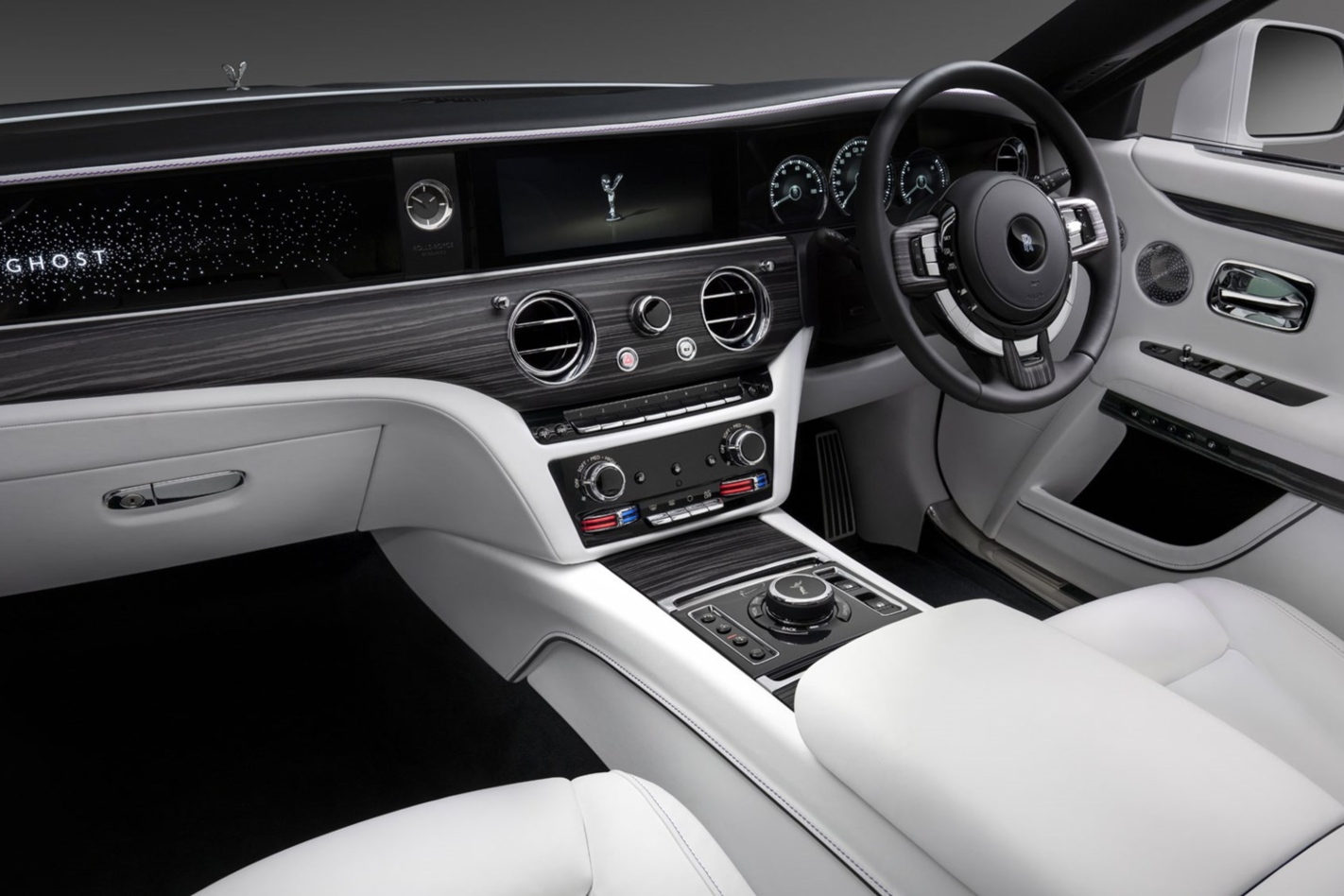
Getting into the Ghost now involves doors that open and close electrically if you want them to, and the car’s dashboard is now a design centrepiece; one that took two years and 10,000 hours to create.
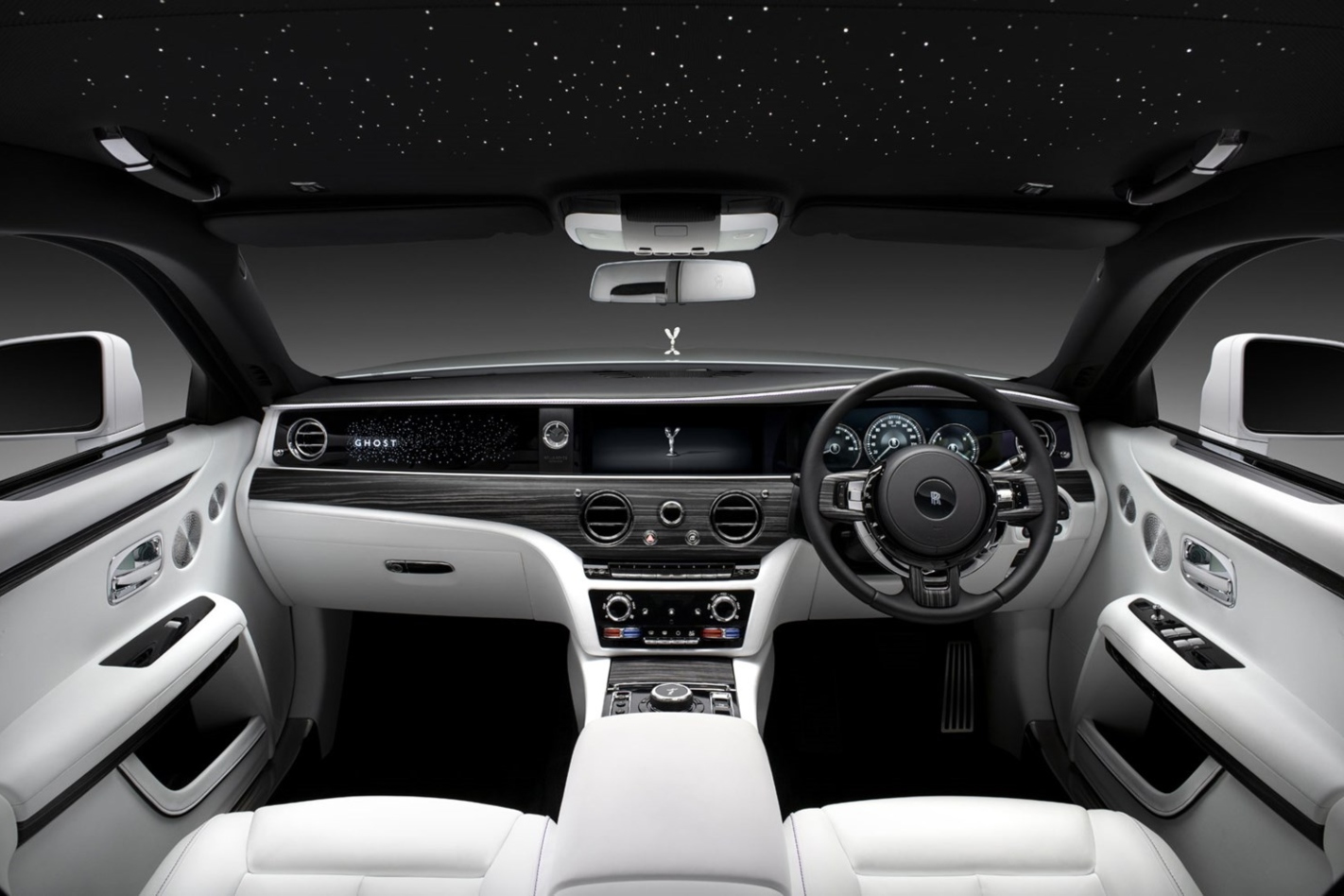
Located on the passenger side – like the Phantom – the interior features a glowing Ghost nameplate, surrounded by 850 pinpricks of light. The star effect – which mimics that of the headliner – is achieved by way of 152 LEDs, and several layers of light guides and other materials that match the cabin.
As you’d expect, the installation is eye-catching when engaged, but totally invisible when it isn’t. If it’s anything like the version offered with other Rolls models, it’ll be eye-wateringly expensive.
What’s underneath?
The new 2021 Ghost uses the same ‘proprietary’ Rolls-Royce scaleable platform architecture as the latest Phantom launched in 2017 and the Cullinan SUV revealed a year later.
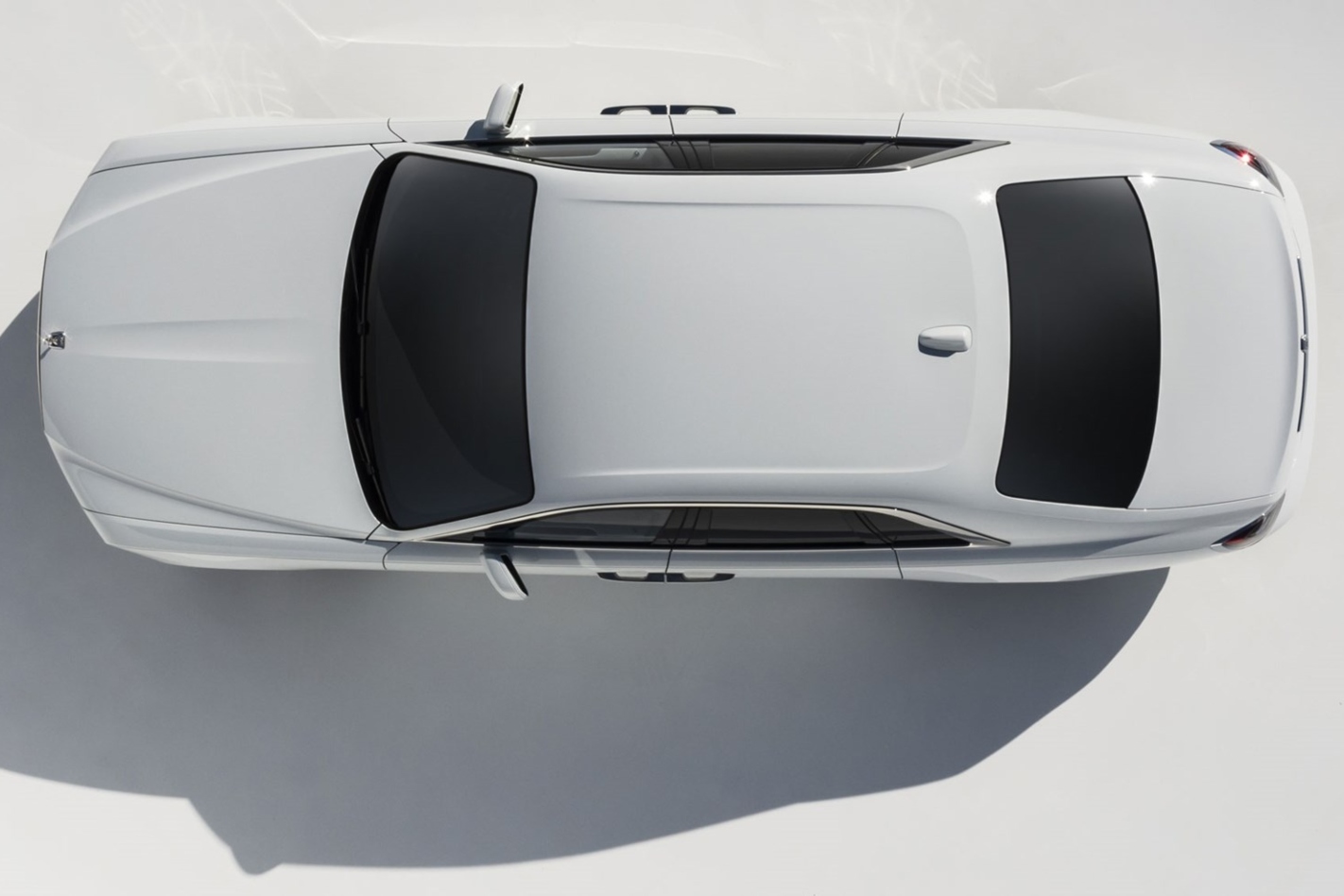
In the Ghost, that platform is crowned by a 6.8-litre V12 twin-turbo powerplant, capable of 420kW and 850Nm. Maximum torque is available at an effortless 1600rpm and Goodwood’s engineers have also worked on getting the ride as quiet as possible.
Nailing the acoustics of the new car has been a priority, and features such as a double-skinned bulkhead section and 100kg of sound absorbing material were all introduced to the make the interior quieter. At the same time, the new Ghost benefits from double-glazed windows and tyres lined with sound-insulating foam.
The detail Rolls-Royce has gone into here almost beggars belief, including air-conditioning ducting, seat frames, boot space and tail-shaft diameter fettled for acoustic perfection. Apparently, experiments with a totally silent passenger compartment were found ‘disorientating’, so a soft, single tone ‘whisper’ has been tuned into the vehicle instead.
Extensive use of aluminium – including all of the visible superstructure and the entire door assemblies – also helps keep the noise down, proving stiffer and less resonant than the equivalent in steel.
The mechanics – including that new Planar suspension
The Ghost’s V12 is placed just aft of the front-axle for perfect 50/50 balance – no mean feat when the car is 5546mm (89mm longer than before) and it includes several other technologies that suggest it’ll be able to handle gracefully rather than nautically.
At 1978mm wide, the new Ghost is also 30mm broader than before, all the better for accommodating the new all-wheel drive and all-wheel steering systems, not to mention the ‘redesigned Planar Suspension System’.
This is a totally new development, 10 years in the making, named after a geometric plane that is completely flat and level and improves the fabled Rolls ‘magic carpet ride’ by combining a surface-scanning camera system called Flagbearer, the Satellite Aided Transmission and some clever new hardware.
While the cameras and the gearbox trickery – which uses the GPS data to make sure the car is in the appropriate gear – aren’t groundbreaking, the Upper Wishbone Damper unit is a new and uniquely Rolls-Royce development, never before seen on a production vehicle. This sits above the front suspension assembly and works in harmony with the electronically controlled dampers and the self-levelling air springs at the nose of the car.
At the rear there’s a more familiar five-link arrangement with air springs and electronic dampers, but now boosted by rear-wheel steering. Add-in the all-wheel drive system, self-drying brakes and state-of-the-art stability control, and Rolls-Royce promises customers will find “the motor car is reacting as one to changes in surfaces or grip while also maintaining a spirited, dynamic personality.”
All of these features are coordinated via new Planar software. It sounds fearsomely complicated, but also intriguing. Rolls-Royce is calling the result “unprecedented levels of ride comfort and control for a motor car.” We can’t wait to try it.
Anything else we need to know?
Perhaps unsurprisingly, the new Ghost is packed with technology, including a combination of LED and laser headlighting, capable of illuminating up to 600m of road ahead, the highest-resolution head-up display on the market, and all the latest active driving assistance you can probably name – though at no point does Rolls-Royce refer to self-driving or autonomous capability. Presumably that’s what the chauffeur is for.
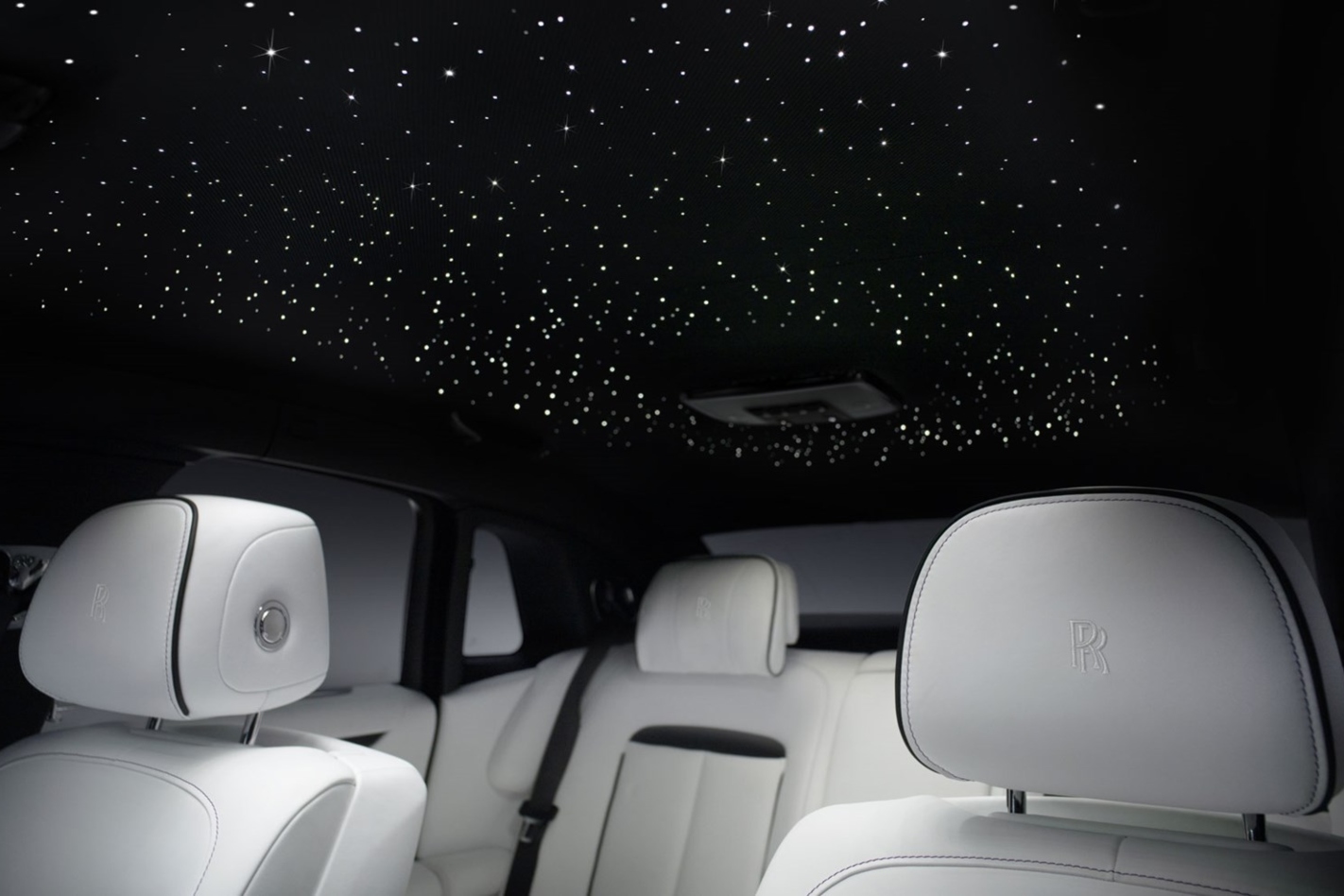
Obviously there’s a monster 1300W Bespoke Audio sound system available, which includes the use of ‘exciter’ speakers alongside traditional cone items. An example of this is the Starlight Headliner, which is transformed into one giant speaker by the process.
And the cost?
As the old expression goes – if you have to ask, you probably can’t afford it. Pricing for Australia is yet to be confirmed but the previous model started at just under $600,000, which was a relative bargain compared with the rest of the Rolls-Royce range. Don’t expect the new generation to be cheaper.
The SUV’s stranglehold on the automotive world tightened a little more this week with the end of a truly unique and wonderful machine – Ferrari’s GTC4 Lusso.
Not only was the model and its FF predecessor the ultimate antidote to SUVs, it was a bold and brave move from a car maker not traditionally associated with practicality. Why is the passing of Ferrari’s bread van so significant? The WhichCar Weekly team will tell you.
But while a motoring icon has been put out to pasture, Andy, Dan and Scott welcome in the next generation of another. Mercedes’ new S-Class is here and it lands with the typical leaps forward in technology, safety and quality that we have come to expect from the three-pointed star.
And we’ve all made impulsive late-night eBay purchases that were regretted but have they ever been of the automotive nature? Perhaps it was a terrible piece of F1 team merchandise, an awful car gadget that never worked or maybe even a complete car?

The WCW boys bare all and reveal their silliest car-related shopping decisions. Find out what Dan turned a Vauxhall Astra into and why Andy thought he smelled a rat.
You can find WhichCar Weekly on all manner of podcast apps including iTunes and Podbean. Please rate, subscribe and leave a review.
If you want yet more WhichCar action whether it be behind the scenes insights or the very latest from the automotive front line, follow the day-to-day happenings of the WhichCar team on Facebook, Twitter and Instagram.
And if you really want to get involved, send us a question or auto anecdote of your own. We endeavor to answer all your messages.
Listened to or watched the WhichCar weekly podcast? Help us out
- Leave a note in the comment section below
- Leave a review on Apple Podcasts/iTunes
- Subscribe to our podcast
It feels a bit weird to farewell a car. While sure, new things will roll down the production line in its place, and the berks working at the local dealer no longer have to remember all the specs, if anything it means the car is now more likely to be celebrated and appreciated.
All the cars bought by the high-flyers on the treadmill of life, only to be flung three to four years later, fall into the hands of those who wanted it new but couldn’t afford it. They’re the ones more likely to put it in a garage, fuss over the paint, service it more frequently than the ever-lengthening intervals and use and appreciate all the engineering. Including driving the ring out of it.
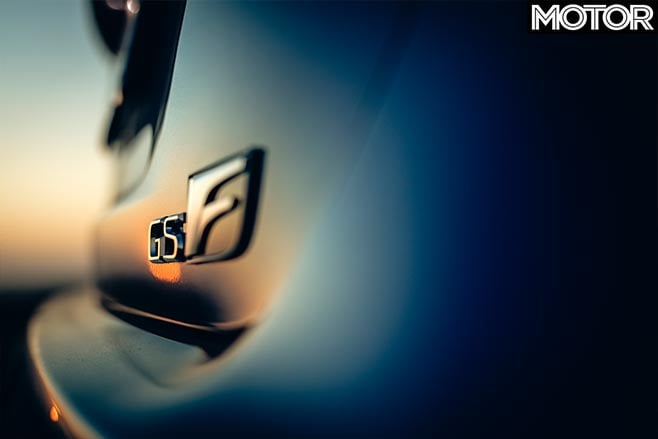
I can only hope that’s the fate of 1RA-7HK, the Cobalt Mica Lexus GS F we have in our hot little hands today. Launched in 2010, facelifted in 2015, the GS F is not a new car – this ain’t a first fang. In fact, the last one is due to roll out of Toyota’s Tahara plant in Japan as imminently as next month (August 2020), prompting this last blast before the GS F is forever consigned as browsing fodder for our online car classifieds habit.
New stock still exists, Lexus Australia assures us, and one should very much consider purchasing a GS F unsullied by a previous owner while they still can because it’s truly one of MOTOR’s favourite cars. It’s kind of hard to put our finger on why exactly, but that’s the purpose of this story.
Looking under the bonnet is not a bad place to begin. It’d be unfair to say the GS F would be an undesirable car with something like a twin-turbo V6, as it would certainly be a lot faster, but an atmo 5.0-litre V8 has a certain allure about it no matter the maker, and the GS F’s is a good ’un. Despite an appetite for revs, the 2UR-GSE is basic by 2020 standards – not least because it was first introduced in the IS F in 2007 – but it’s no less of a wonder.
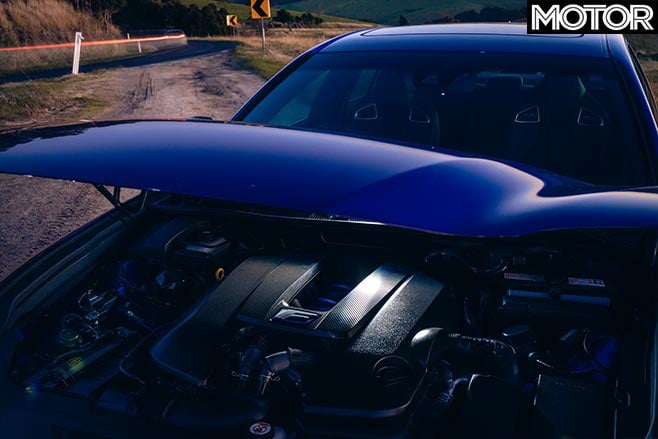
A Yamaha co-developed aluminium-alloy cylinder head, packing twin overhead lobe-sticks and titanium inlet valves, is bolted to a cast aluminium block. Forged conrods connect alumnium-alloy pistons to a forged steel crank, while a 94mm bore and 89.5mm stroke make for a slightly oversquare design – and more revs than your shit-of-a-neighbour’s two-stroke hedgetrimmer on a Sunday morning.
To get from the IS F’s original 311kW to the current 351kW (cool number, that), Lexus fitted lighter pistons and a crank with lower reciprocating mass, allowing maximum revs to be upped from 6800rpm to 7300rpm. Compression also lifted from 11.8 to 12.3:1 and a larger 83mm throttle body was fitted, for peak power at 7100rpm and 530Nm from 4800-5600rpm.
In the GS F the 2UR-GSE is mated to Toyota’s trusty AA80E transmission, even if archaeologists are not far from digging up the earliest produced examples given it dates back to 2007. At the time it was the world’s first automatic with eight speeds, and it’s telling how cutting edge that was for the time given eight speeds still more than flies today.
Power reaches the rear wheels via a more advanced yet still relatively rudimentary active differential. We’d think it beaut, until Lexus gave us cause to wonder when it binned it in place of a simpler Torsen unit for the RC F Track Edition, supposedly saving 35kg.
Meanwhile the GS F’s front end is of the double wishbone variety; the rear-end multi-link with forged aluminium arms. For its size – huge – the GS F is a reasonable 1865kg.
From the outside the GS F is modest about what lies within, looking big, boxy and long – but undeniably cool. Moving away from the front end as quickly as possible is best advised, to the rear three quarter – definitely the GS F’s best angle, sitting low with a mean stance on those purty, staggered 19-inch wheels.
Impressions: Our 2017 quick drive in the Lexus GS F
Inside the GS F is an unusual mix of functional Toyota and Lexus luxury. Build quality feels so solid you’d happily drive one into battle, matching or besting anything from the Germans and like it would do half a million kays without a worry because it probably would. The seating position is good, even if the steering wheel weirdly tilts slightly away from you. The seats are as good to sit in as they are to look at. Noise insulation would rival a mausoleum and the pile of the almost excessively plush floor mats is so deep you could easily lose things in them – phone, wallet, a kid – never to be seen again.
The interior is where the GS F has lost the most ground on its rivals, though. The much-lambasted infotainment system, with its odd magnetised ‘mouse’ selector, is up there with the most annoying things I’ve ever used. Lexus doesn’t offer Apple CarPlay or Android Auto but fortunately the aftermarket does.
Hit the dash-mounted starter button and the 5.0-litre awakens with a tailpipe note sure to draw nods of satisfaction from any V8 purist. Dragging the auto shifter from Park to Drive however is about a sensual as stacking a dishwasher, straight out of a 2010 Toyota LandCruiser. While pleasantly smooth the sometimes strangely loud transmission has the exact urban character as any appliance-spec Toyota.

Throttle tip-in in Comfort mode is a also bit dopey, but the brake pedal is lovely and direct. And there’s a huge amount of standard equipment – keyless entry, sunroof, electric boot, head-up display, radar cruise (actually comically terrible at keeping speed down hills; also the low-beam is dreadful), heated/cooled seats, heated steering wheel, electric seats, 17-speaker sound system, automatic lights, wipers… what else could you want? This is a very comfortable, easy car to drive daily. The ride quality on the adaptive dampers (fitted in the most recent facelift) is also wonderful if you ever knew the comfort of the previous passive set-up.
Part of the GS F’s charm is its many flaws, most of them to do with age, but that also just makes it all the more endearing. For our swansong blast in what we’d call the most likeable Lexus since LFA, we headed down to Victoria’s Gippsland region, the famed twisting, undulating roads of which are used by another Australian motoring publication for its Car of the Year testing. The fast, open roads are exactly the place you’d want to stretch the legs of a near-5m long sedan with a near-3m wheelbase. Not that the GS F ever feels overly large; at 1.8 metres it’s not excessively wide. It’s just long.
When it finds itself on a twisty bit of road the GS F offers up four driving modes accessible through an Kingston-sized selector near the shift lever. Eco (which you can forget about), Normal, Sport and Sport Plus all change the digital tachometer design in cool ways and tweak throttle, transmission shift speeds and damping stiffness.
Lexus RC F and GS F Anniversary editions
There’s also a very basic individual mode which lets you combine a saucy engine with softer dampers if you wish, but you probably won’t really want to given the closeness of the damping modes, all of them very compliant. Sport Plus is the only mode you can use the superbly judged reduced Expert ESP.
Put your foot down in the GS F and you’ll get plenty of rear tyre scrabble if the surprisingly temperature-sensitive Michelin Pilot Super Sports are cold, but once they’re warm traction is ample, the linear power delivery and comparative lack of low-down torque giving the rear 275-section rubber a fighting chance. Torque builds gradually before about 3600rpm where the 2UR-GSE lights the wick and charges hard to its heady power peak and limiter.
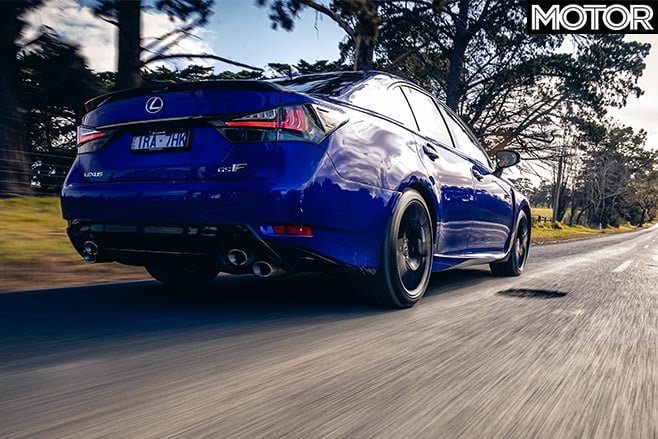
Lexus claims the GS F will do 0-100km/h in 4.6 seconds but the fastest we’ve ever got from one is 4.99sec (and a 13.09sec quarter mile). For acceleration the GS F is about a decade behind its rivals; compare that to the BMW M550i xDrive featured elsewhere in this issue, $20K cheaper and capable of 0-100km/h in 3.6sec…
The numbers sell the GS F short, however. In isolation, and owing to the loud, obviously enhanced intake noise booming up from behind the dashboard, it feels a lot faster than it is. That’s unlike other performance sedans where it’s almost the other way around. This is probably to its credit.
Lexus GS F at Performance Car of the Year 2017
While not the last word on feel the steering rack is nicely tight off-centre, weights up as you’d want and is well judged for speed relative to the long wheelbase, fast enough to make the front end easy to place, backed up by those sticky Michelins. A small amount of understeer is present as you near the fairly lofty limits of the Michelins, easily converted to oversteer with the throttle but with care, as when the rear end breaks away you very suddenly reminded of just how much car is hanging out behind you. It’s easy to forget.
In the sportier modes the transmission is like an 85-year-old that’s had too much ouzo at its great-grandson’s wedding: it still knows how to boogie, shifts cleanly and fairly quickly and is a good match for the engine and the greater car. Also not that we’d want to try them on a track but the brakes are also tops.
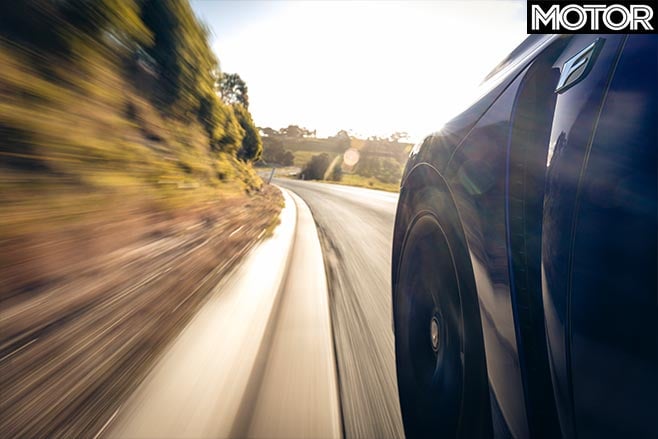
For its age, and size, the GS F has no right to be as fun as it is. It has a bit more grip than it does power so to get the best out of it requires driving the absolute nuts off it. Which it seems to enjoy. And it has that increasingly rare quality in a new performance car – it wants to please. And it does.
At the end of our drive we’re a bit at a loss how to feel. It’s sad to be bidding adieu to a car as enthusiastic and up for it as the GS F, but also, it might end up being the antecedent to something even more memorable. Unlike in Europe where the V8 seems to be getting read its last rites, Toyota Gazoo Racing has confirmed the 2UR-GSE will be replaced not with a twin-turbo 3.5-litre V6 – as was presumed, the new one that’s in the LS500 – but with a 4.0-litre twin-turbo V8, one with we estimate more than 400kW. Hallelujah! Originally slated for debut in the LC F super sports car (which apparently is on pause because of COVID), it’s still possibly a few years off. But even the 2UR-GSE will still continue to do service for some years in the LC coupe, with rumours also that Lexus will shoehorn it into the new IS to create an ‘IS500’ for the 5.0-litre’s last hurrah.
May the V8 torch burn for a good while yet. And it seems the things to roll down the production line in the GS F’s place will very much keep this fast four-door sedan’s spirit alive.
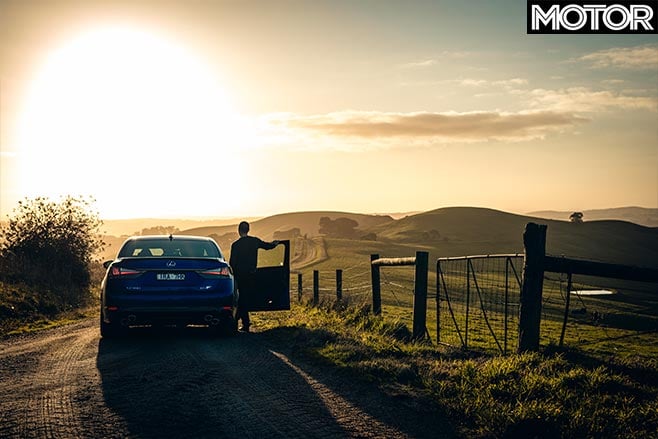
Lexus GS F verdict
Pros: More than sum of its parts; very likeable; thrashable
Cons: Fast for the 2000s; feels a bit Toyota; infotainment
4 stars out of 5
Lexus knows how to V8: Stroked and blown versions of the ‘UR’
What’s Lexus doing buggerising around with a measly 351kW version of this engine? In the USA beginning from the 2007 model year, Toyota took the 2UR-GSE and stroked it to 5.7 litres (5663cc) for use in heavier passenger vehicles (and their, erm, heavier occupants), including the Tundra dual-cab truck-ute-thing, LandCruiser 200 and the Lexus LX570 (which was also sold in Australia).
The new 3UR-FE as it was dubbed produced 284kW at 5600rpm but a meatier 543Nm from a lowlier 3600rpm. It gets better, though. For a time the factory strapped on a TRD Eaton twin-vortices roots-type supercharger for a fairly good 376kW and a very agreeable 746Nm.
For owners who missed out on that, Melbourne-based aftermarket firm Harrop also offers its own 2650cc supercharger which, with a Stage Two 8psi tune, can see power of 385kW and torque of 696Nm (both at the wheels).
Or if you want to take the brain completely out, Pure Performance Motorsport Australia produces another stroker kit that takes capacity to 7.0 litres, although doesn’t state outputs. Crikey!
2019 Lexus GS F specs
Body | 4-door, 5-seat sedan |
Drive | rear-wheel |
Engine | 4969cc V8, DOHC, 32v |
Bore X Stroke | 94.0 x 89.5mm |
Compression | 12.3:1 |
Power | 351kW @ 7100rpm |
Torque | 530Nm @ 4800-5600rpm |
Power/Weight | 188kW/tonne |
Transmission | 8-speed automatic |
Weight | 1865kg |
u00a0Suspension | A-arms, coils, adaptive dampers, anti-roll bar (f); multi-link, coils, adaptive dampers, anti-roll bar (r) |
L/W/H | 4915/1845/1440mm |
Wheelbase | 2850mm |
Tracks | 1555/1560mm (f/r) |
Steering | electrically assisted rack-and-pinion |
Brakes | 380mm ventilated/drilled discs, 6-piston calipers (f); 345mm ventilated/drilled discs, 4-piston calipers (r) |
Wheels | 19.0 x 8.5-inch (f); 19.0 x 9.5-inch (r) |
Tyres | 255/35 ZR19 (f); 275/35 ZR19 (r); Michelin Pilot Super Sport |
Price As-Tested | $160,217 ($155,217 before options) |
It’s official, the new Subaru Liberty (or Legacy, as it’s known elsewhere in the world) isn’t coming to Australia after more than 30 years on our shores.
We’re rather big fans of the Liberty, here at MOTOR, and our colleagues across the WhichCar network are too.
Hot versions of the Subie sedan have graced the pages of MOTOR many times, while our mates at Wheels Magazine have given past iterations of the Liberty the coveted Wheels Car of the Year award. Twice.
By 1991, two years after launch, the car had sold 10,000 units here and by 2009, more that number was more than 120,000. The past decade has been quieter for the Liberty, but it’s still been there, likeable and, according to Subaru, with a “reputation for engineering, safety, durability and retained value.’
We thought we’d gather some of our favourite reviews (and some from Wheels!) and take a look back to remember a car most of our readers seem to share a soft spot for. Enjoy!
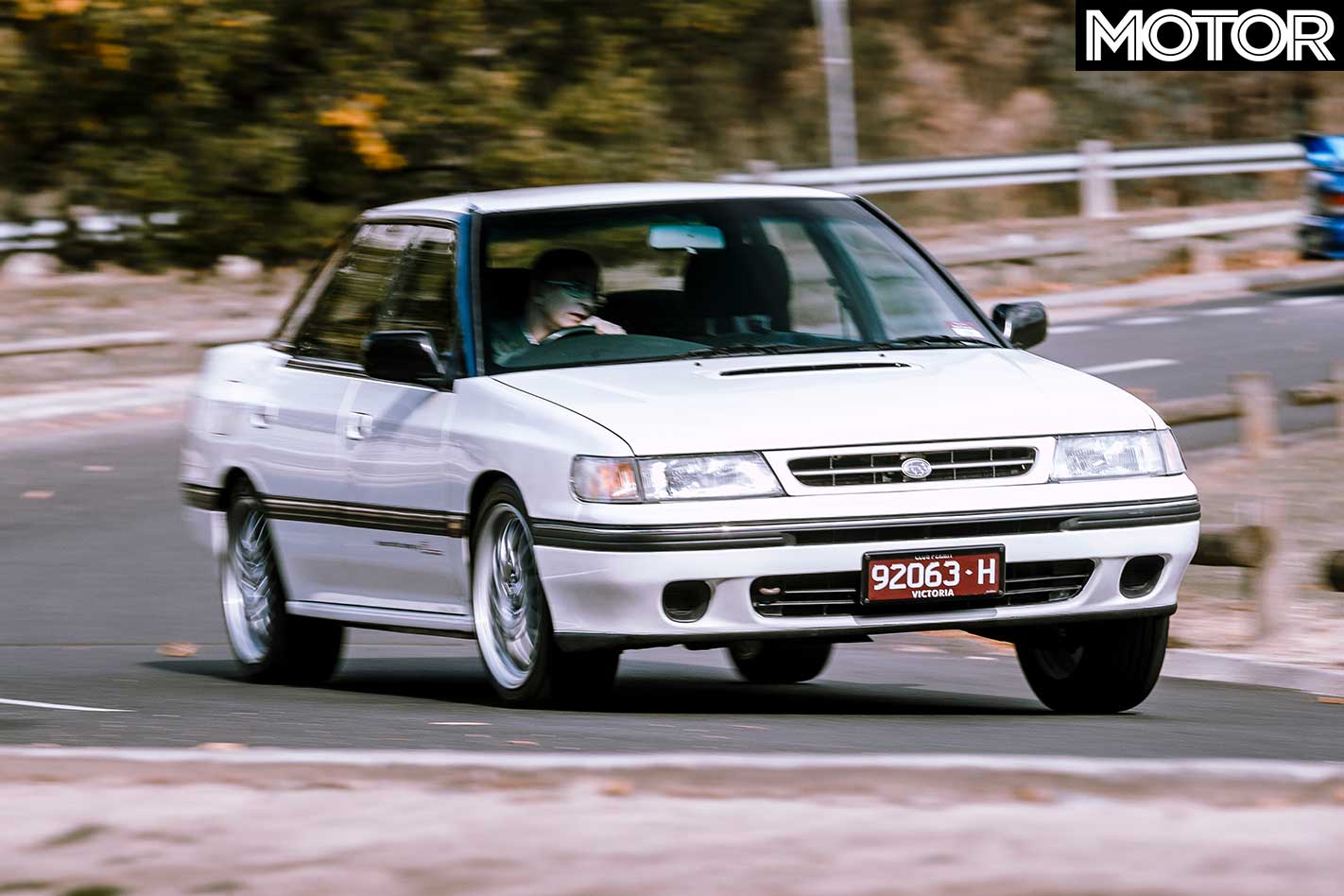
Celebrating 30 Years of STI – 1990 Subaru Legacy RS RA
In 2018, we set our veteran journo David Morley out to gather some of Subaru’s hot heroes, badged with ‘STI’, for Subaru Tecnica International and not the other thing.
Joined by a ’98 22B and a 2000 WRX Type R was a Subaru Legacy RS RA, the car that kicked it all off for STI.
“Just as a Walkinshaw VL will always be the seminal HSV and that crazy, 6.8-litre 300 SEL racecar is revered as the first AMG, so too does the Legacy RS RA represent a line in the sand. As STi’s first full model, the RA is the grand-daddy of them all.”
2001 Subaru Liberty B4 vs Volkswagen Bora V6 4Motion
Another first, the Liberty B4 marked the beginning of turbocharging for the Liberty.
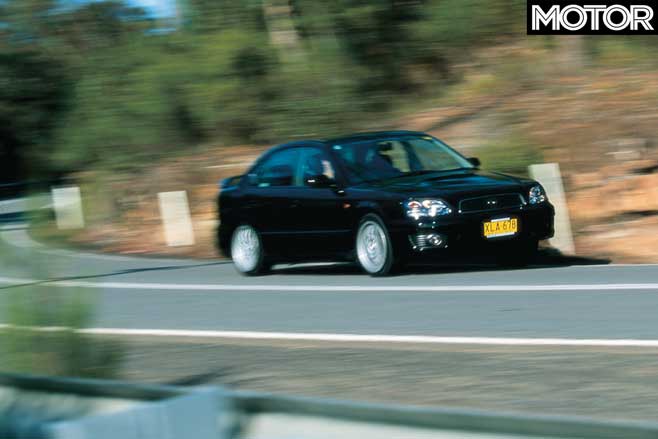
Our writer at the time notes: “Not impressed? Then realise this; the Liberty B4 has almost the same power as a 5.0-litre V8 yet weighs about 150kg less than an XR8.”
Against the Bora V6? The verdict seemed to put the Liberty way out in front.
2004 Subaru Liberty 3.0R-B review
“The 3.0-litre Liberty Spec-B is one of the finest cars we’ve driven this year,” wrote former MOTOR Editor Jesse Taylor back in 2004.
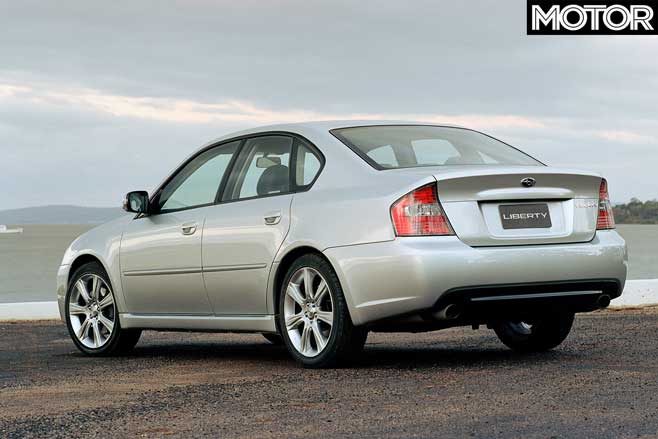
“The addition of the 180kW, 3.0-litre flat-six (first seen in the Outback), along with the six-speed manual WRX STi gearbox and stiffer, Bilstein-equipped suspension transform the Liberty from able family truckster to wicked wolf-in-sheep’s-clothing sports sedan.”
2007 Subaru Liberty GT Spec B review
The GT was the saviour during what another former MOTOR Ed. (and now WhichCar Editor) Tim Robson called at the time “a bit of a lean patch” for hot Subaru Liberties.
“With a tweaked-up 2.5-litre turbo boxer, a STi-spec six-speed manual option, and matched Bilstein dampers, the reborn GT provides a drive worthy of the title.”
That boxer was putting out 184kW and 339Nm, very respectable at the time, while rolling on pretty 18s and just generally being a bit of a sleeper. Perfect Liberty, then!
2008 Subaru Legacy STI S402 review
“The best-performing, best-handling Legacy ever,” is what we called the Legacy STI S402. Okay, so it’s a Legacy and one we never got here in Oz as a Liberty, but the thing could do 0-100km/h in a claimed 5 flat. That thanks to a 210kW version of the 2.5 Boxer turbo.
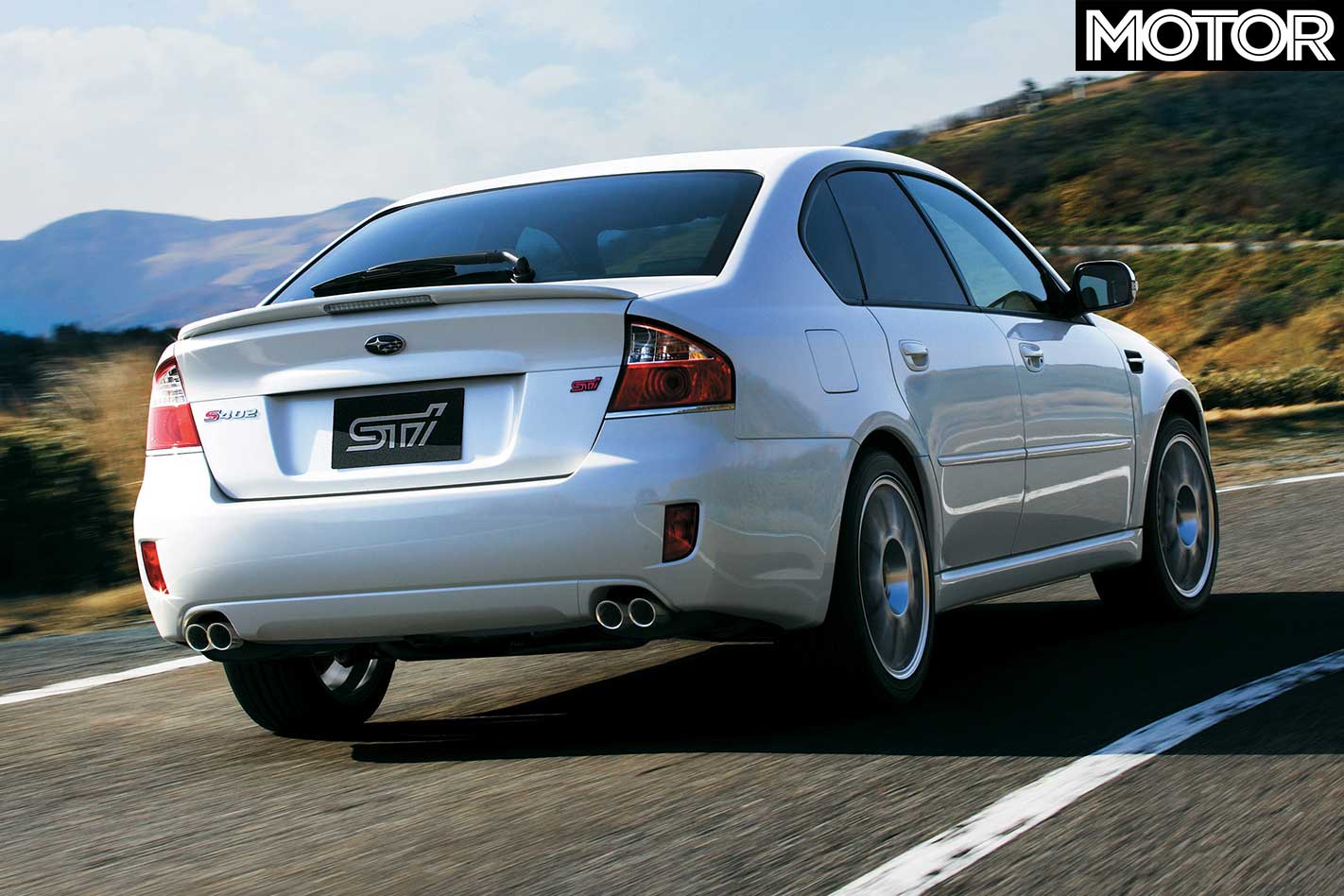
Plus, featuring in our Sep 2008 issue means it kind of came to Australia… right?
2016 Subaru Liberty review – Wheels
The later Liberty, the one we’re now saying farewell to, wasn’t quite the super sleeper we’d become used to in the past.
Our mates at Wheels spent more time behind the more recent generation than we did.
“Not a drivers’ sedan, but it does offer practicality and spaciousness in a package with good resale and reliability.”
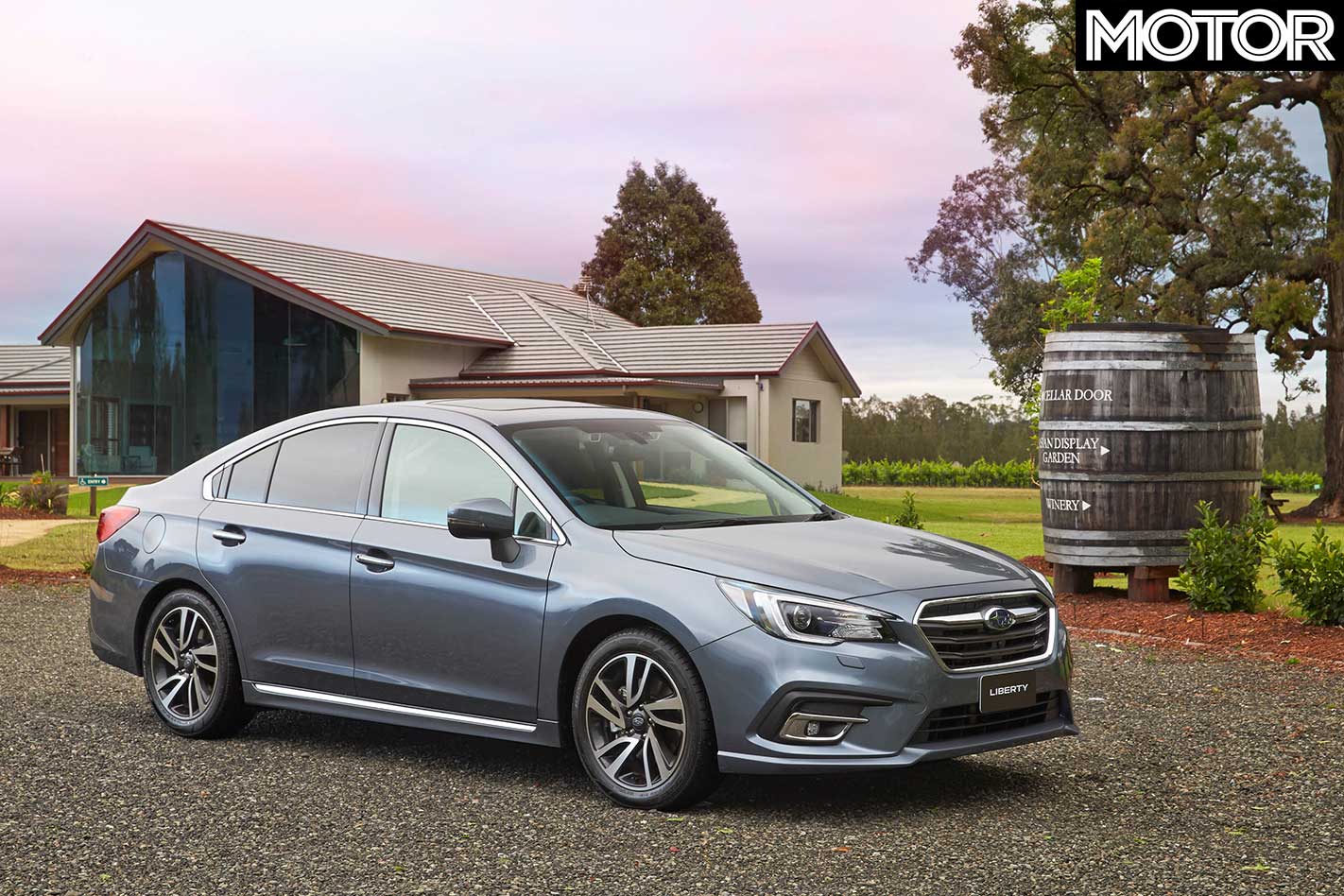
2018 Subaru Liberty 3.6R quick review
Similarly, we took the atmo flat-six 3.6R (guess the engine capacity…) for a quick spin not too long ago and found that while it felt a sturdy thing, it wasn’t exactly an involving driver’s car.
We imagine part of the reason it won’t be here any longer is to do with slowing sedan sales, while there’s also the fact its competition has surpassed it, but we’ll not soon forget the good times the Subaru Liberty gave us.
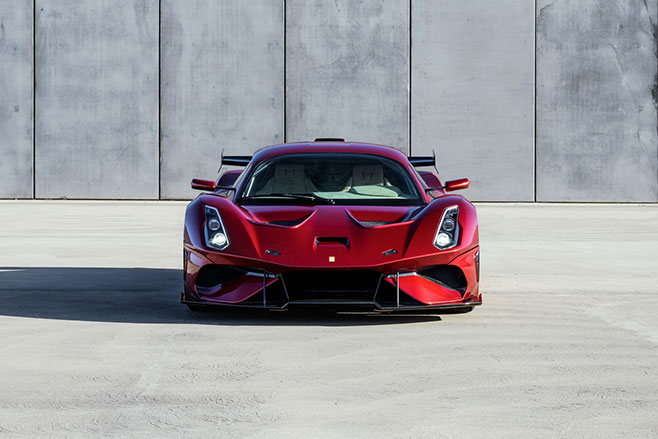
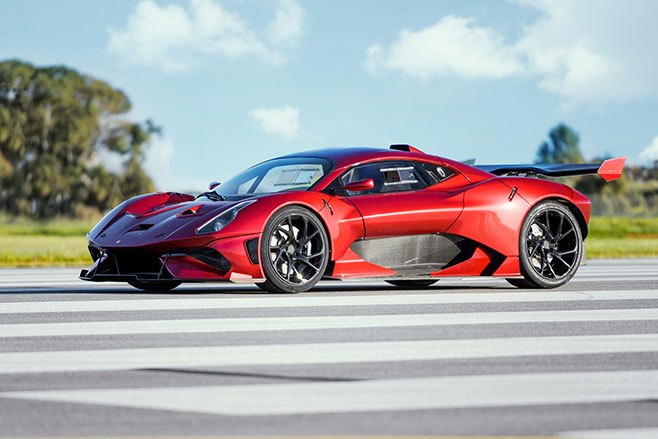
Brabham Automotive has sealed the BT62’s track-tearing performance for road-use through a new R variant revealed overnight.
It arrives as a more street-friendly take on the existing BT62 Ultimate Track or Competition variants that’s available in left or right hand drive, qualifying the hypercar for roads in what BA calls “selected markets” in both hemispheres.
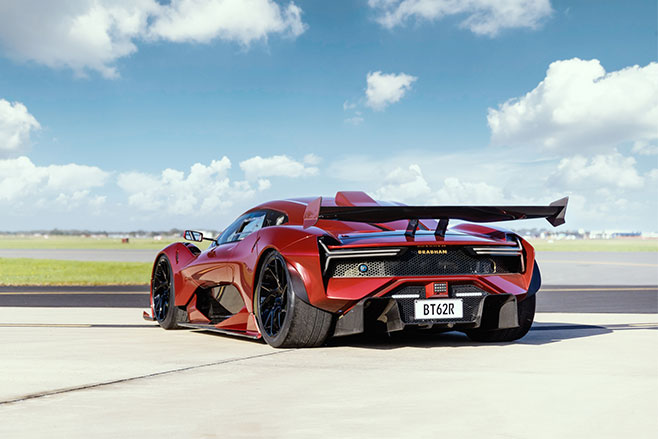
At the same time the suspension has been “revised” to suit its new downforce levels and the rigour of public roads, while grip comes from Goodyear Eagle F1 SuperSports that we’ve previously seen offered as a “track-only” option on the Chevrolet Camaro ZL1.
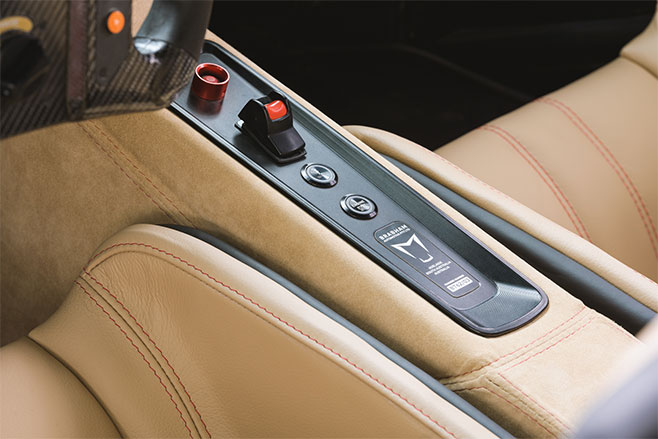
Speaking of which, the interior has copped air conditioning and a heated windscreen that complement new road seats finished in either leather or Alcantara. They should ease ingress through the car’s safety cell and roll cage. Inside you also can control a new ride height lift kit through a “digital control panel” that also displays the rear-view camera’s vision. Selectable ride heights are 70mm, 90mm, 110mm and 130mm. Alcantara roof trim, interior storage and remote-locking round out the mod-cons.
It’s also unclear whether the R increases the number of originally planned BT62s, but we’d get moving if you’re keen as deliveries have already begun.
The Gordon Murray Automotive T.50 supercar is almost literally incredible given the weights and sizes of most modern supercars.
But Gordon Murray isn’t done with it yet, announcing the race car version is now on its way.
The GMA T.50s, as it’s known for now, will be lighter, more powerful, and arguably more impressive than the road-going T.50. Only 25 will be built.
Murray says there’s another name for the car coming, which will be “historically significant.”
Details of the epic GMA T.50 supercar
“With an unwavering focus on performance, and free from road-going legislation and maintenance considerations, the T.50s will achieve astonishing performance on track, demonstrating the full extent of the car’s capabilities,” Murray says.
“We’ve thrown everything at pushing this car beyond the levels of anything that’s been done before. It’s a celebration of British engineering and our team’s extensive motorsport experience.”
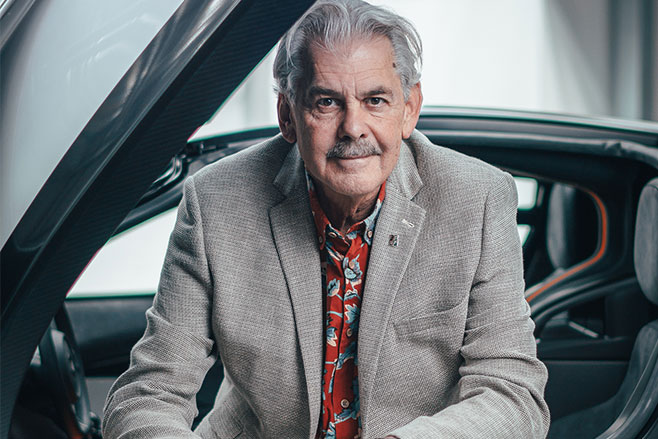
Three things that have been properly fiddled with to make the T.50 an even more effective race car are its engine, aero, and weight, all now associated with numbers even more impressive than that of the road car.
Now, the T.50s is able to produce 1500kg of downforce thanks to a new delta wing, new front splitter, underbody aerofoil, and adjustable diffusers.
The T.50s is also significantly lighter than even the road car, coming in at 94kg lighter. Yep, the GMA T.50s weighs 890kg. A stripped out interior is one of the main contributors to this lightweighting.
Other aspects such as magnesium wheels help lower weigh further, these wheels to be wrapped in Michelin Cup Sport 2 following Murray’s belief supercars shouldn’t need bespoke tyres.
Because of its light weight, the T.50s has relatively tame brakes for a car so focussed – 6-pot fronts and 4-pot rears, though with ducted cooling to cope with forces up to 3G during racing.
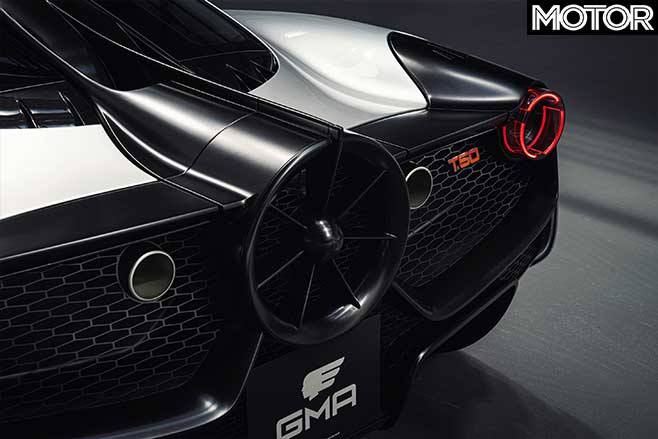
The GMA T.50 road car’s rear with its distinctive fan
“Designing the racing car’s aerodynamics has been extremely rewarding. My love for motorsport really fuelled the development of this car,” Murray adds.
He goes on to provide us with what might be the greatest press quote of 2020.
“The aerodynamics are so effective that the T.50s would be capable of driving upside down, and could do so at as little as 175mph.”
Aside from the fact Murray seems to think 280km/h is a “little” speed. But with the Cosworth-developed GMA V12 sitting mid-mounted in the T.50s, 280km/h won’t be anything near its top speed. Even the road car could theoretically hit 392km/h.
And here, in the race car, the V12 is even more potent.
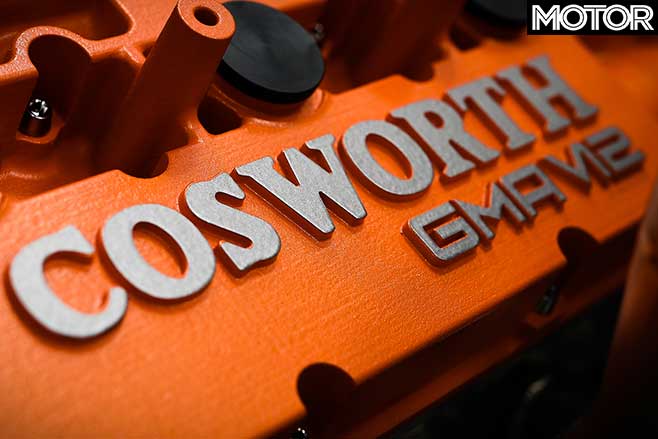
“With no noise or emission legislation to contend with, we could unleash the full potential of the GMA V12 engine and its 12,100rpm,” Murray says.
“More than 50 components have been changed in the engine alone and the power can top 730PS [537kW] when factoring in the new ram-air induction system.”
The GMA T.50s, or whatever it will eventually be called, will cost from £3.1m in the UK before taxes, which directly converts to just over AU$5.66m. As part of this, owners will be granted access to a race driving program run by GMA.
Gordon Murray really wants his cars to be driven, rather than stored away.
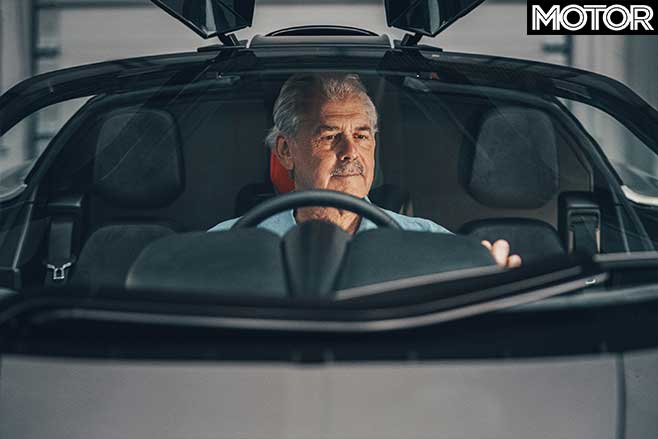
“I’d like to organise a series of racing events as part of our Trackspeed package to ensure the T.50s is driven regularly by owners.
“There will be nothing like the experience of driving this car. And hearing it… well, that will be something else! I’d like each of the 25 cars to be completely unique from set-up to paint finish.”
While the T.50 road car is set to have its run of 100 unites built through 2022. The T.50s racer will be built from Q1 2023.
Get your free weekly MOTOR report!
The Nissan Titan is a tantalising prospect for Australian customers. If demand for right-hand-drive versions of its American rivals – the RAM 1500 and the Chevrolet Silverado 1500 – is anything to go by, there’s space in the market for another seriously huge pick-up.
At the tail end of last year, we talked to Nissan Australia’s managing director, Stephen Lester, about the obstacles that needed to be overcome in order to bring the Titan to market here with the steering wheel on the correct side.
“This [Premcar partnership] affords us an opportunity to demonstrate just how successful and capable we can be in what would be a potential local conversion of Titan,” he said. “That’s more than likely the way the plan looks if it were to happen – the only way it would happen,” he noted.
Well, that was then and, as you might have noticed, things have changed rather markedly in the interim. COVID lockdowns have iced many of Nissan’s discussions with Premcar on getting the big ute to these shores.
Wheels spoke to Karla Leach, Nissan’s director of corporate communications, to discover the state of play with the Titan, and it seems that those looking to squeeze one into their garage will just have to exercise a little patience.
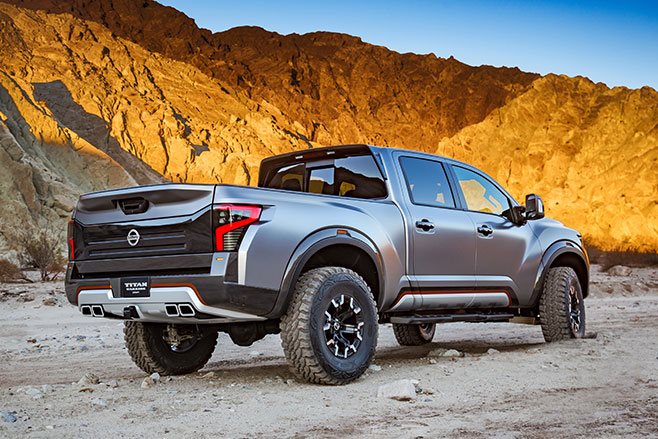
“Plans haven’t really progressed because of COVID,” she admitted. There were still a number of issues that needed to be worked through with Premcar. While the quality of work isn’t in doubt, there were still a number of procedures that needed to be established in order to gain head office’s endorsement to guarantee a 100 percent consistent standard of safety, durability and capability. When Titan does finally arrive, Nissan wants the right-hand-drive cars to be absolutely indistinguishable in terms of all of these standards from factory left-hookers.
There’s certainly no shortage of enthusiasm for the product from the Australian arm.
“We absolutely love it, we think it would work here and we’ve asked for it,” confirmed Leach.
Until we get a clear roadmap out of coronavirus delays, it seems that we may just have to wait. Thrashing out the details in order guarantee a factory-consistent product will take time, but the Titan may well be worth the wait.
On the the face of it, it seemed Gen Y had ample ‘issues’ to keep them busy sooking and moaning. There’s the financially impenetrable housing market; the rising cost of smashed avo on toast; the discomfort of skinny jeans. But now Toyota has just added another nasty thorn to that list of woes: the bold introduction of the not-so-affordable small car.
Cars from this B-segment – like the Mazda 2, Suzuki Swift or previous-generation Yaris – have been go-to choices for 20-something drivers for years; a chance to get that new-car smell without the lingering stench of endless high monthly repayments. With their sub-$20,000 driveway price, a typical light car from a Japanese or Korean brand was pretty much all these buyers really needed, and included at least most of what they wanted.
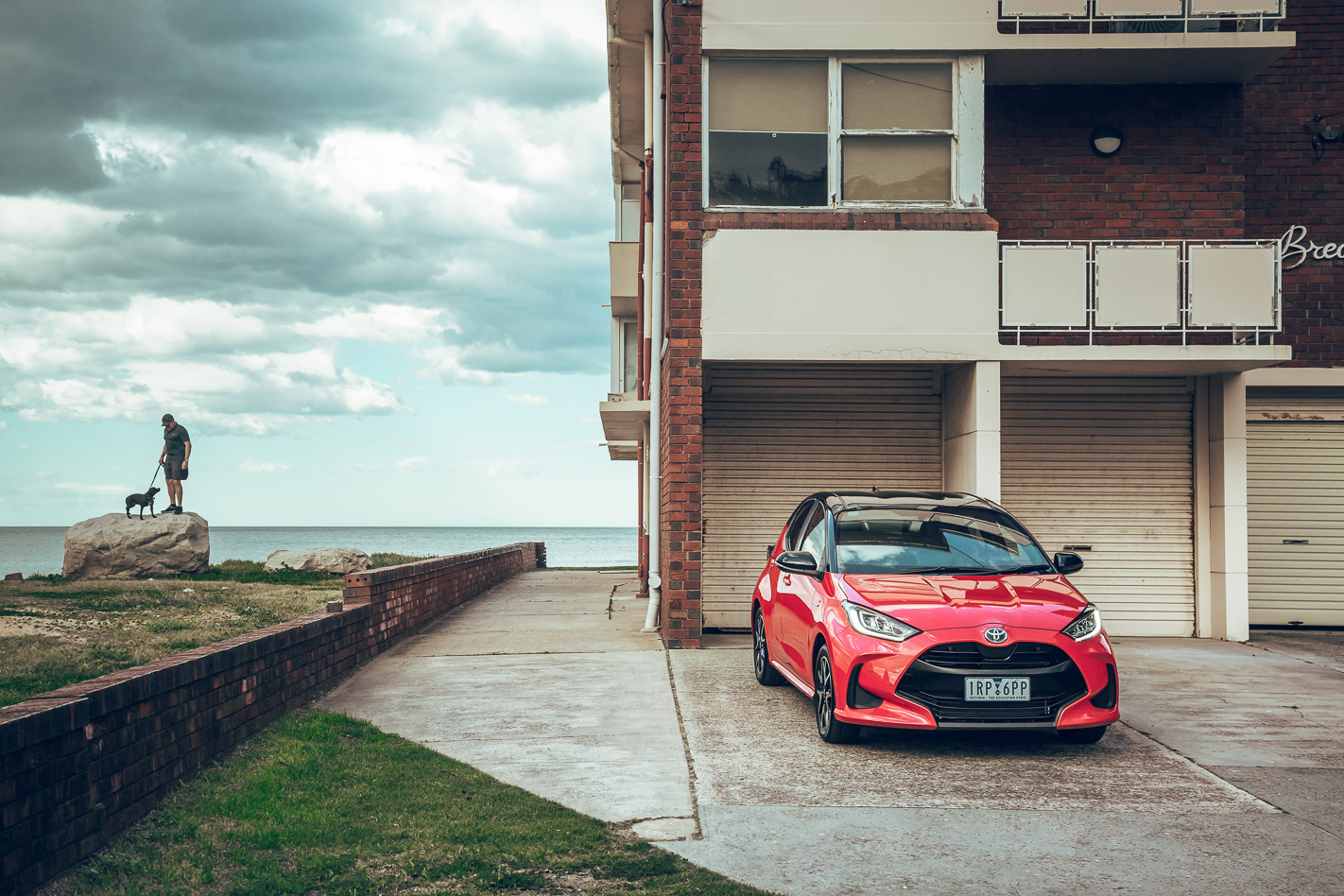
But in case you’ve missed it, the debut of the all-new fourth-generation Yaris brings pioneering powertrain tech and safety to the segment, but also saddles Toyota’s baby with the biggest percentage price hike in any automotive segment that anyone around here can ever recall. So while every new Yaris now includes centre airbags between the front seats (a class first), active cruise, AEB, reversing camera, as well as the option of a hybrid powertrain in middle and top spec levels is laudable and significant, the inescapable question remains: is anyone really ready for the $35,000 Japanese light car?
That’s the approximate drive-away price of the full-fruit Yaris ZR Hybrid auto you see on these pages. Basic breakdown: ZR spec with mandatory CVT retails for $30,100. Incorporating the hybrid system to the new atmo-petrol 1.5-litre three-cylinder engine adds $2000, while opting for the contrasting black roof is another $450. Add on-road costs and this is Toyota’s B-segment offering with a price tag very similar to that of an entry-level Audi A1 or Mini Cooper. Or, cross-shopped within the Toyota line-up, it’s over $2000 more expensive than a mid-spec Corolla SX Hybrid, and a mere $1100 cheaper than the company’s top-spec ZR Corolla Hybrid – both complete, obviously, with an appreciably roomier body and a stronger four-cylinder engine.
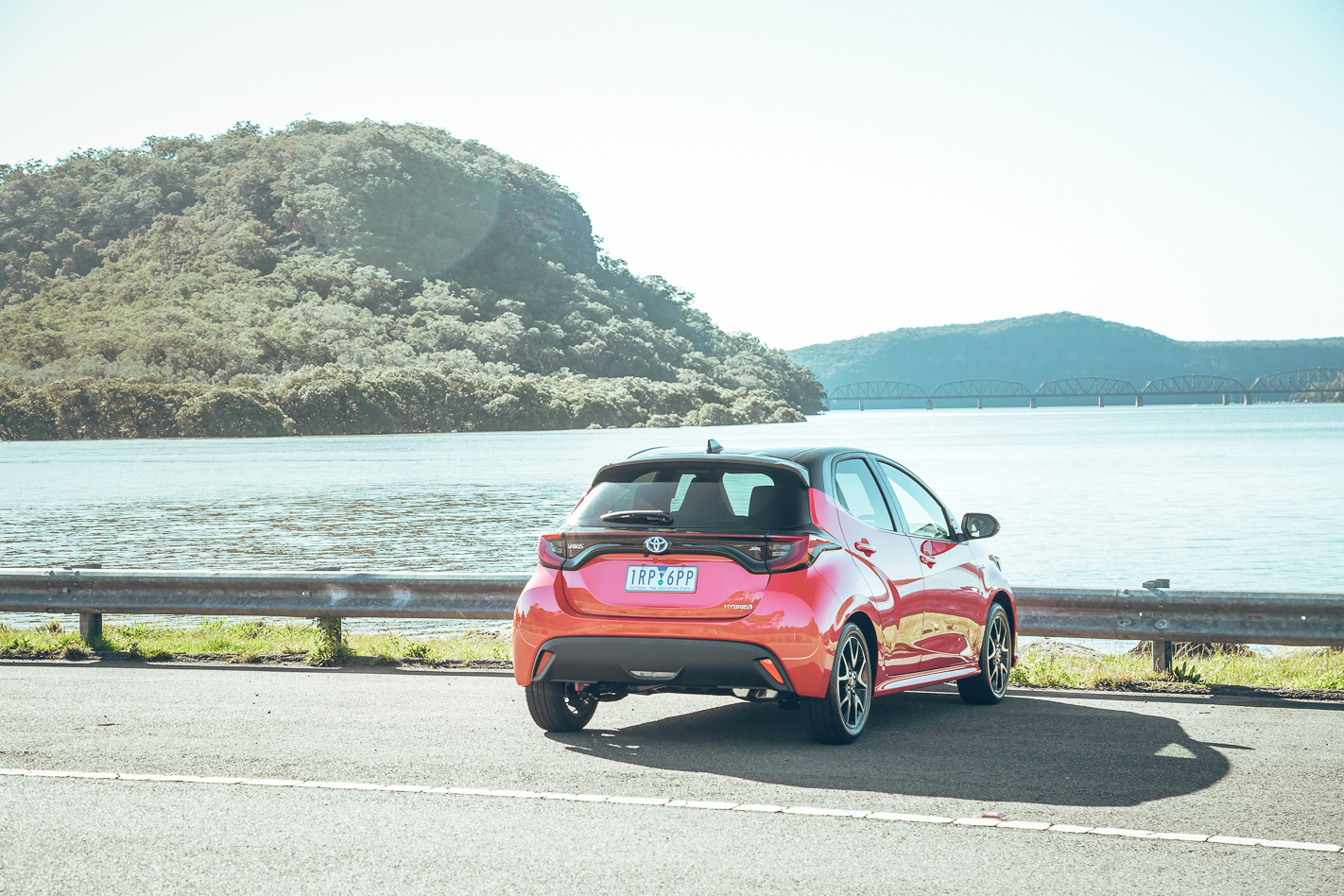
So why would you? That’s the mission for photographer Wielecki and myself as we leave behind the bustle of urban beachside Manly in Sydney’s north and head towards the NSW central coast. Let’s see if a decent chunk of motorway, twisty backroads and a solid stint of urban cut and thrust can build the value case for this premium-priced, pint-sized contender.
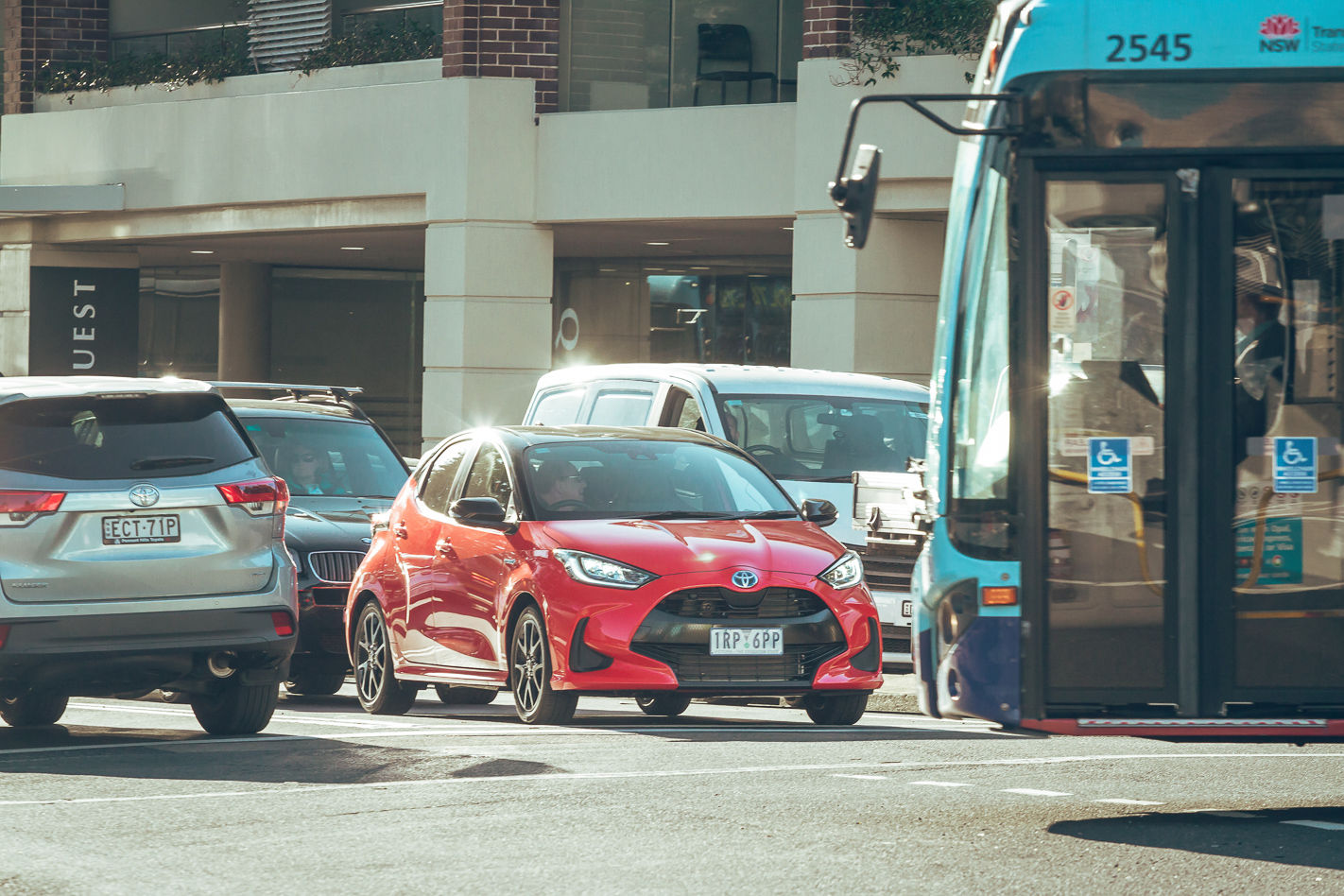
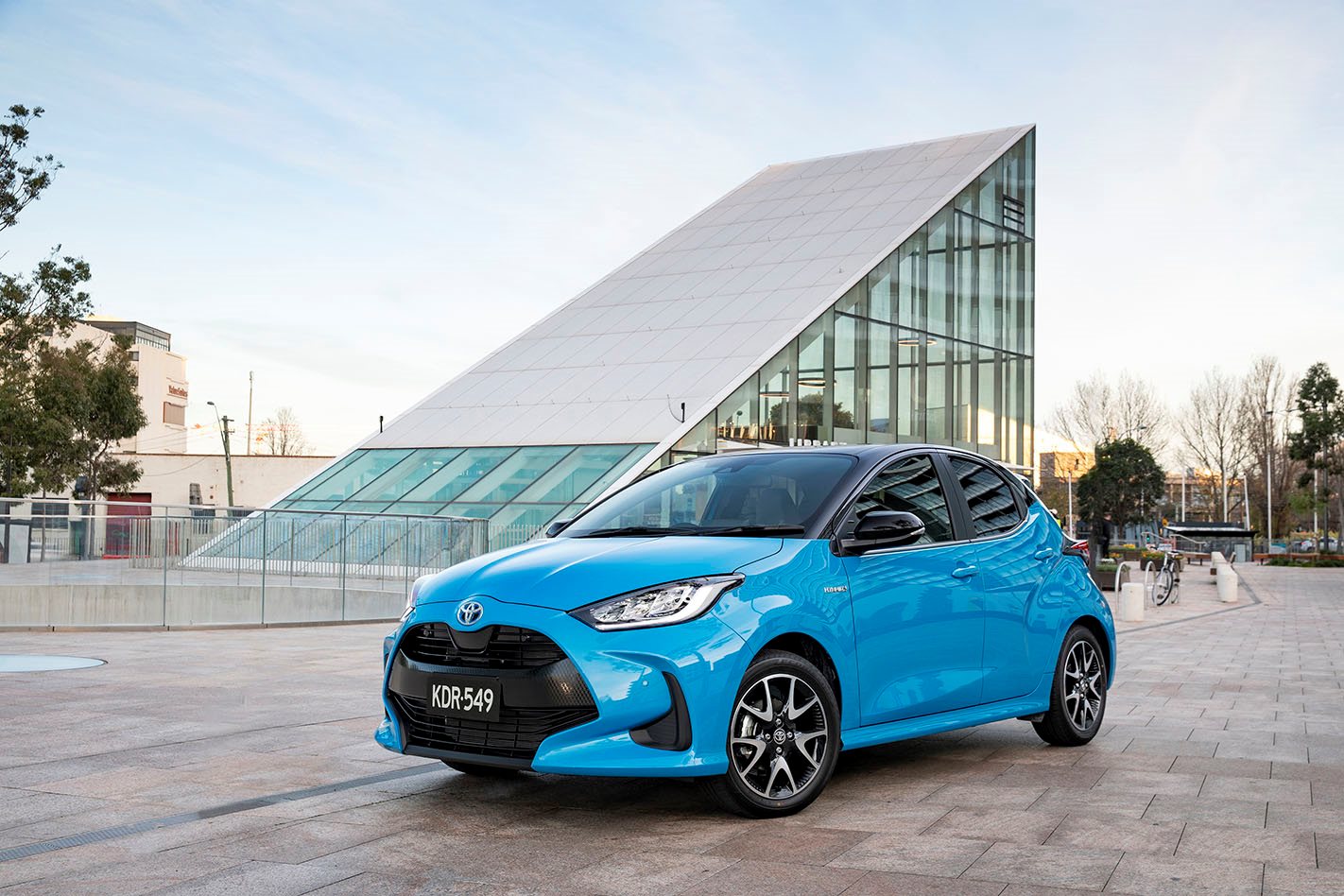
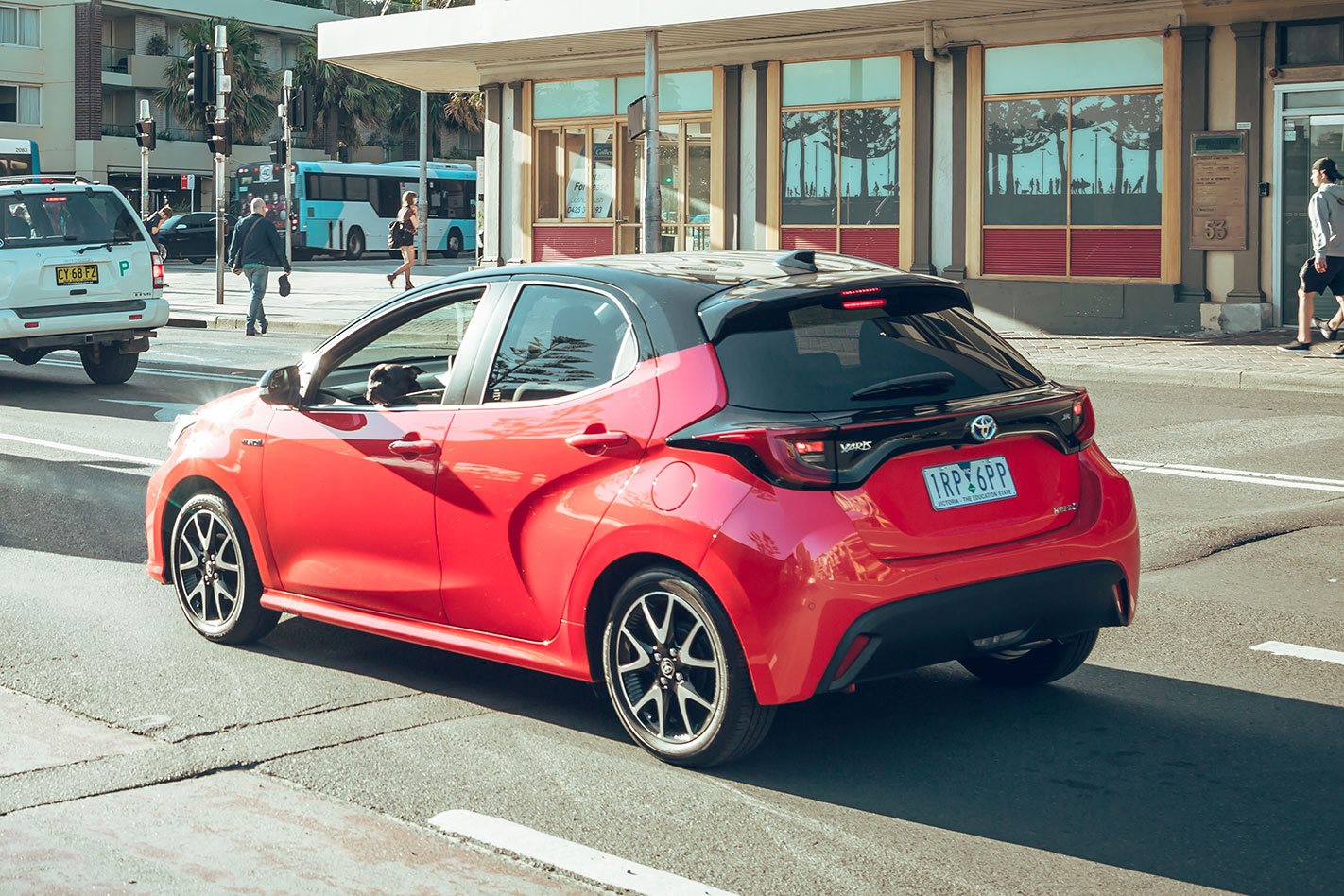
So, first impressions. Even before climbing inside, it’s evident that gen-four Yaris has bucked the inclination to go super-size. It remains very much a B-segment car, actually 5mm shorter and 5mm lower than the car it replaces, but the move to a simplified, strut/torsion-beam version of Toyota’s TNGA platform gifts it with an additional 40mm of wheelbase. I’m not overly enamoured with the exterior design – to my eye the front end looks like an angry kid inflating their mouth over your driver’s window as you stare down their oesophagus.
But happily the packaging is optimised, and the car’s centre of gravity is now around 15mm lower thanks in part to the powertrain’s positioning, as well as a lower hip-point for front occupants. Luggage space is class competitive at 270 litres, but legroom in the back is tight for adults sitting behind an average-sized driver, so it remains primarily a kids’ zone back there. But the first of a number of shocks comes once I’m squeezed in for research purposes and go looking for any ventilation, USB sockets, or a fold-down armrest. Really, Toyota? To misquote The Who: no, actually, the kids aren’t alright.
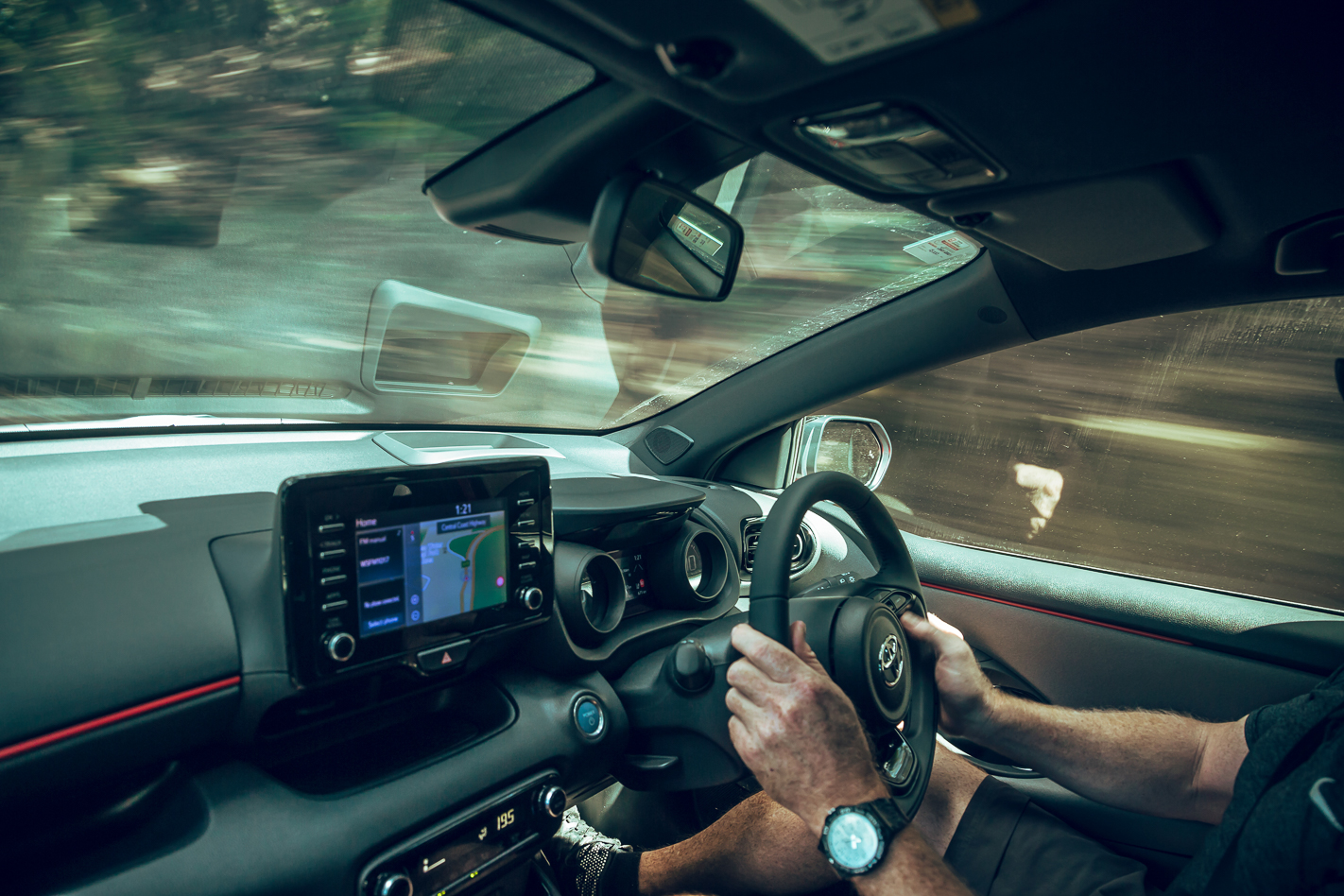
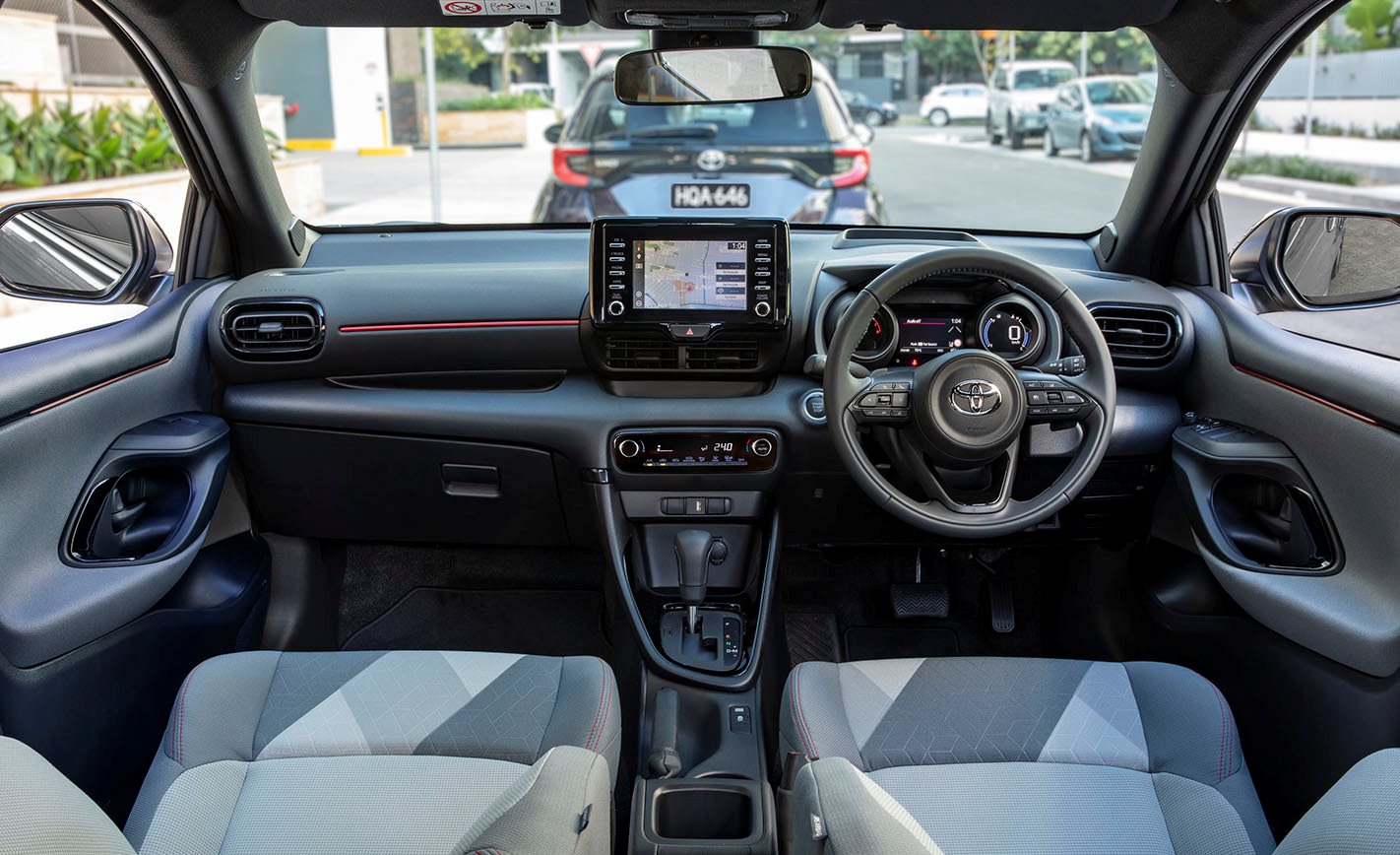
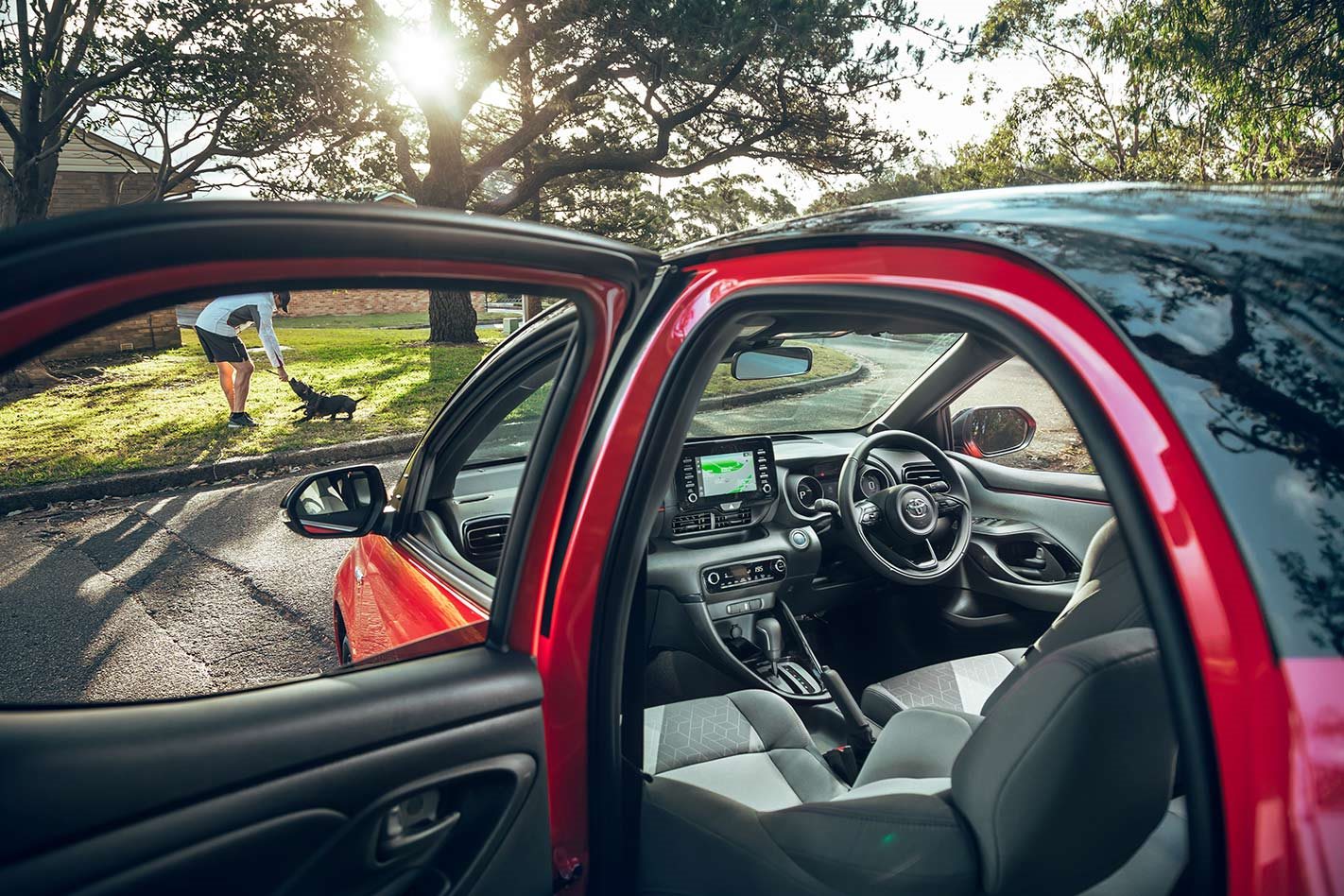
It’s much better up front, where the seats are generously sized, shoulder room between Wielecki and I is ample, and should I bin it in a moment of spectacular ineptitude, our heads won’t smash together like a couple of dropped watermelons thanks to those airbags in each of the inboard bolsters of the front seats. I’m happy with the driving position, too, thanks to decent seat travel and plenty of wheel adjustment. This ZR spec and the SX below it get a digital instrument cluster, which puts the drive mode and power meter in one circular pod, road speed in the one opposite, and multiple pages of configurable info in the centre. Oh, and a very good head-up display for ZR, too, although it’s invisible once I put on polarised sunglasses.
There’s a nook ahead of the gear selector to place your personal stuff, but no lidded console box, meaning valuables will sit there as tempting targets unless you lean over to the glovebox. Another miss. I’m also left to ponder the value of the ZR spec over SX. Yes, it adds blind-spot warning, rear cross-traffic alert, and rear AEB, as well as a rear window spoiler and inch-bigger alloys, but nearly $3100 seems steep.
Never mind. Hit the ignition, and thanks to ample charge in the tiny lithium-ion battery (a first for a Toyota hybrid, and at last a concession from the company that nickel-metal hydride is old tech) there’s no need for the three-pot to fire. Instead we move away with that lovely, seamless, near-silent EV step-off. But it’s only sustainable for a few car lengths and jogging pace before the engine is required, which joins the propulsion effort with a small tremor of vibration. There’s sufficient torque from both the electric motor (59kW/141Nm) and the petrol engine (running in more efficient Atkinson cycle here to deliver 67kW/156Nm) that you don’t need big throttle inputs to feel nimble and eager in urban traffic. That’s the good bit.
Boot sizes of Australia’s favourite hatches
But as we join the motorway heading north and do give it wide-open throttle, it’s instantly clear that this compact, efficient new engine is no new benchmark for hushed smoothness, at least in this installation. It’s actually pretty vocal; not unpleasant, but louder than I was expecting, and utterly tuneless thanks to the CVT keeping it in a band of what sounds and feels around 4500-5000rpm (best guess, as there’s no tacho…). The ZR Hybrid is not quick when asked to deliver its all, either; a hand-time run later on will net 0-100km/h in 10.1sec; over half a second slower than mid/upper-spec VW Polos.
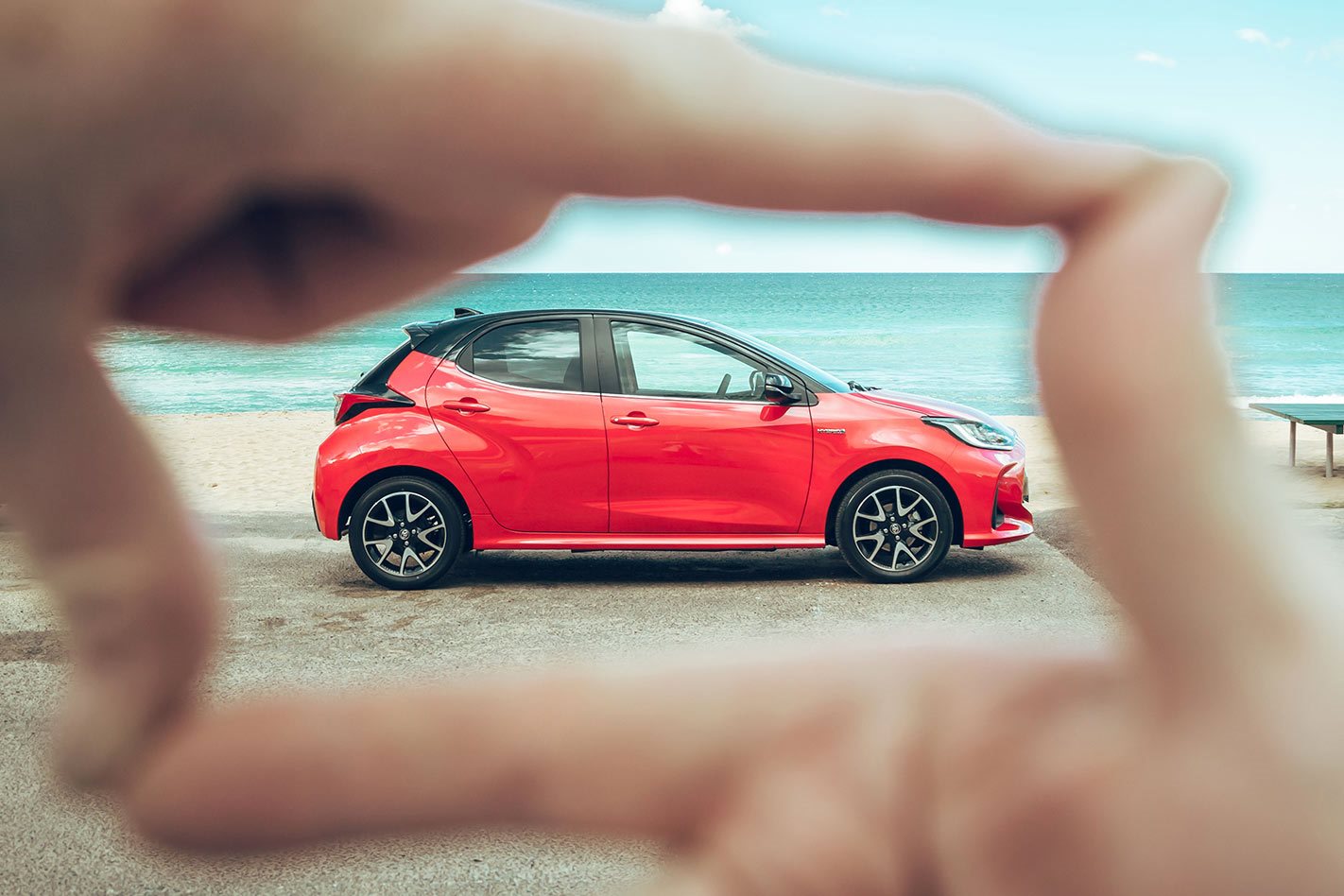
On a more positive note, the new Yaris does have a real sense of maturity and confidence in its surefootedness at motorway speeds, feeling massively removed from its flighty, fidgety predecessor. The steering, which is super light and direct at low speed, firms up nicely to be resolutely slack-free and attentive. Only coarse-chip road noise and average-level wind rustle pulls the little car down a few pegs in terms of long-distance cruising capability. The ride at speed is competently damped, meaning no queasy motion over undulations. Just a shame it’s a bit firm at the around-town speeds most owners will drive, turning terse and edgy when the tyres encounter anything with a lip.
Boot sizes of Australia’s favourite hatches
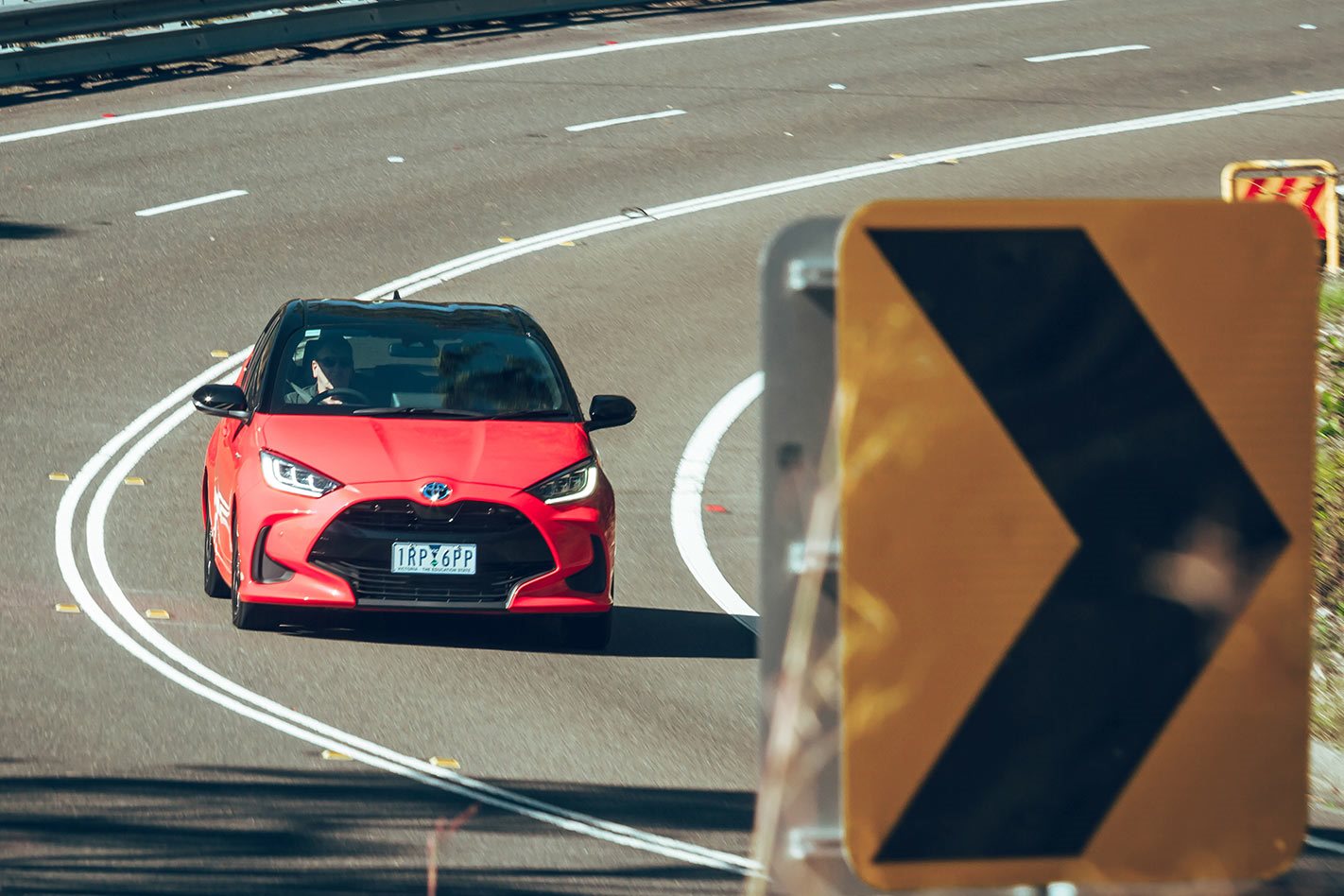
Wielecki wants some dynamic photography and I’m keen to see how well the chassis’ strong first impressions translate on properly twisty stuff, so we exit for the historic river town of Brooklyn, grab a coffee, and join the iconic Old Pacific Highway. Happily, that sense of chassis maturity and engagement don’t wilt when it’s flung into bends. The 16-inch Bridgestone Ecopia rubber hangs on gamely then relinquishes progressively. The front end keenly resists understeer, instead quickly sharing the cornering load with the rear, so coherent balance is always on your side. The ESC on our car wouldn’t reliably disengage, but even with it activated, provided you’re smooth with both wheel and throttle inputs at the limit, it will allow tidy little slides without intruding. So there’s involvement and enjoyment to be had but, ultimately, the constant droning of the engine at highish revs under open throttle, thanks to the efficient but buzz-kill CVT, starts to dull the appeal of this mid-week, deserted backroad strafe.
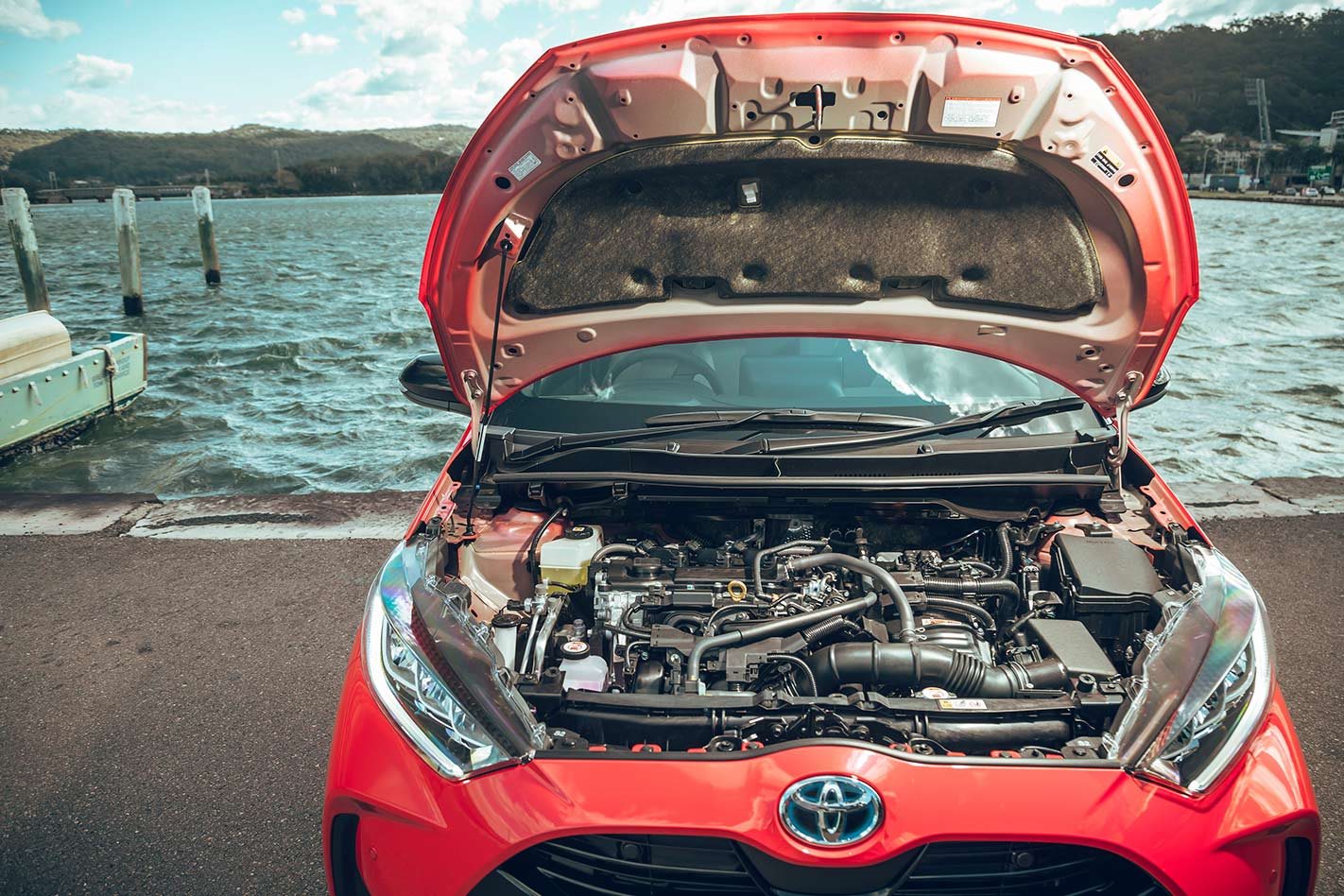
As we pull over in the little holiday town of Terrigal, it’s almost time to break open the take-away sushi, but first Wielecki wants an engine shot, so I pop the bonnet. As he disappears from view in front of the car, there’s suddenly a god-awful hacking and spitting noise, like an old dog coughing up a chicken carcass. Alarmed, I rush around to find Thomas pointing and foaming at his discovery – the lack of paint over the inner guards and under the bonnet. “That’s bloody primer!” our apoplectic Pole spits. His ire is understandable. Saving a few cents worth of paint here on a premium-price light car feels cynical in the extreme, and I have to hand-feed him salmon nigiri until the pain of it all slowly subsides. Which works, until he spots the rear drum brakes. They are pretty standard for his class, I explain. “Still doesn’t make ’em right on a $35K car,” he snarls.
A quick refuel on the outskirts of Sydney shows consumption of 4.3L/100km (against the official combined figure of 3.3). That seems reasonable, given our hard driving and motorway running, where the hybrid system is not at its optimum. But it does raise the real-word consumption benefits of this car versus the regular petrol version. That car’s ADR consumption number is 4.9L/100km, or about 33 percent higher, but the $2000 premium for the hybrid buys a lot of fuel; enough to take you 15,000km, assuming the ADR figures were achievable. Given the minimal usefulness of the car in EV mode (about 800 metres at less than 40km/h), I’m still convinced a small turbo triple is a quieter, cheaper solution compared to an atmo+hybrid in this class, if not quite as frugal and green. I’m also left wondering what Yaris would be like as a BEV, with a larger battery replacing the current tiny lithium-ion unit, a bigger motor, and a deletion of the petrol triple. A terrifically quiet, refined, and peppy little car, I’d contend.
We conclude where we started, back on the northern beaches, and really in heartland territory for a car like this. At a busy crossing next to the ferry terminal at Manly, plenty of young couples, down-sizing seniors – and yes, even the occasional Gen Y – glance our way, eyes presumably caught by the bright metallic paint and edgy, tightly drawn exterior. Could they go further and see appeal in the benchmark safety suite, and the eco benefits of a hybrid powertrain?
I wonder. Me, I really wanted to like the new Yaris, as I have a real soft spot for how well-suited cars of this size are to the majority of my driving needs. But reservations nag. As significant as its class innovations are, the new Yaris still needed to eclipse the B-segment benchmark Polo for grown-up refinement and overall polish to justify its new price position. Which it doesn’t quite manage.
Ultimately, though, a high outlay for any consumer product is tolerable if you’re resolutely convinced that the value equation is strong. This Yaris ushers in a new era for the small car where that question demands bigger consideration than ever.
