
Thanks to the relentless regurgitation of clichés by life coaches with overly white teeth, you may think that “getting in on the ground floor” is a guarantee of success. BMW’s i Division proves it is not.
Despite beating its mainstream premium counterparts (if not Tesla) to market with a range of interesting and pioneering electric vehicles, BMW’s heavy investment in establishing a bespoke range of EVs has turned out to be a wincing disappointment.
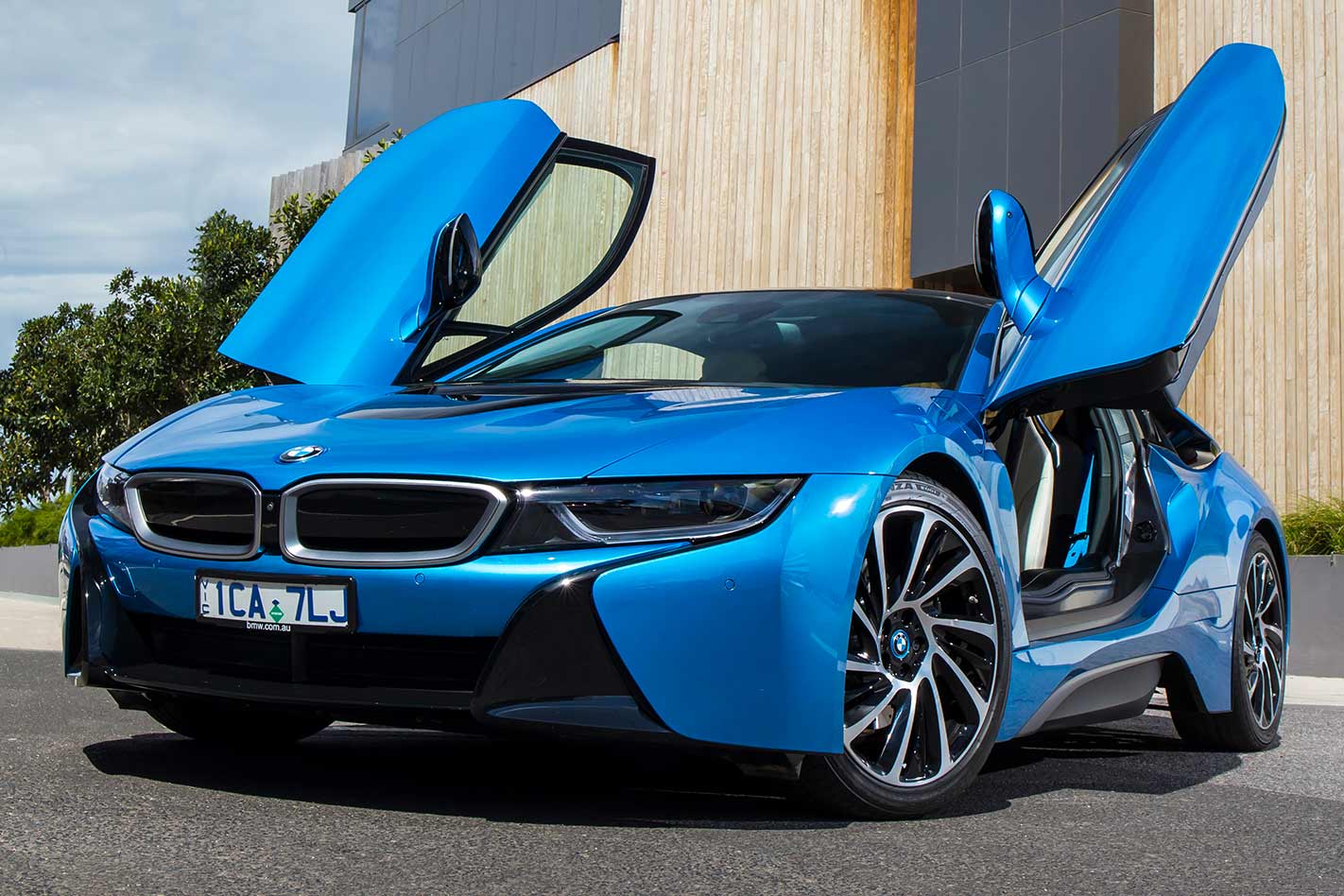
From the heady days of launching the stunning i8 in 2013, and from winning our Car of the Year in 2014 with the i3, the i Division’s momentum evaporated. Sales were stilted, key staff fled to rival electric start-ups, and now, six years after it entered production, the BMW i8 has officially been axed.
Ironically, it was timing that conspired against it. Like the excellent Audi A2 from the turn of the millennium, the pioneering i8 is a car that was ‘before its time’. The product was good; the market just wasn’t ready.
As moonshots go, it was spectacular. Inspired by the wedged shape of the M1 supercar, the i8 was carbon-tubbed, fitted with butterfly doors and debuted a cutting edge and mid-mounted hybrid powertrain. Yet it also made sense. The landscape was shifting and while an all-new electrified sports car was certainly a gamble, it was also a carefully calculated one.
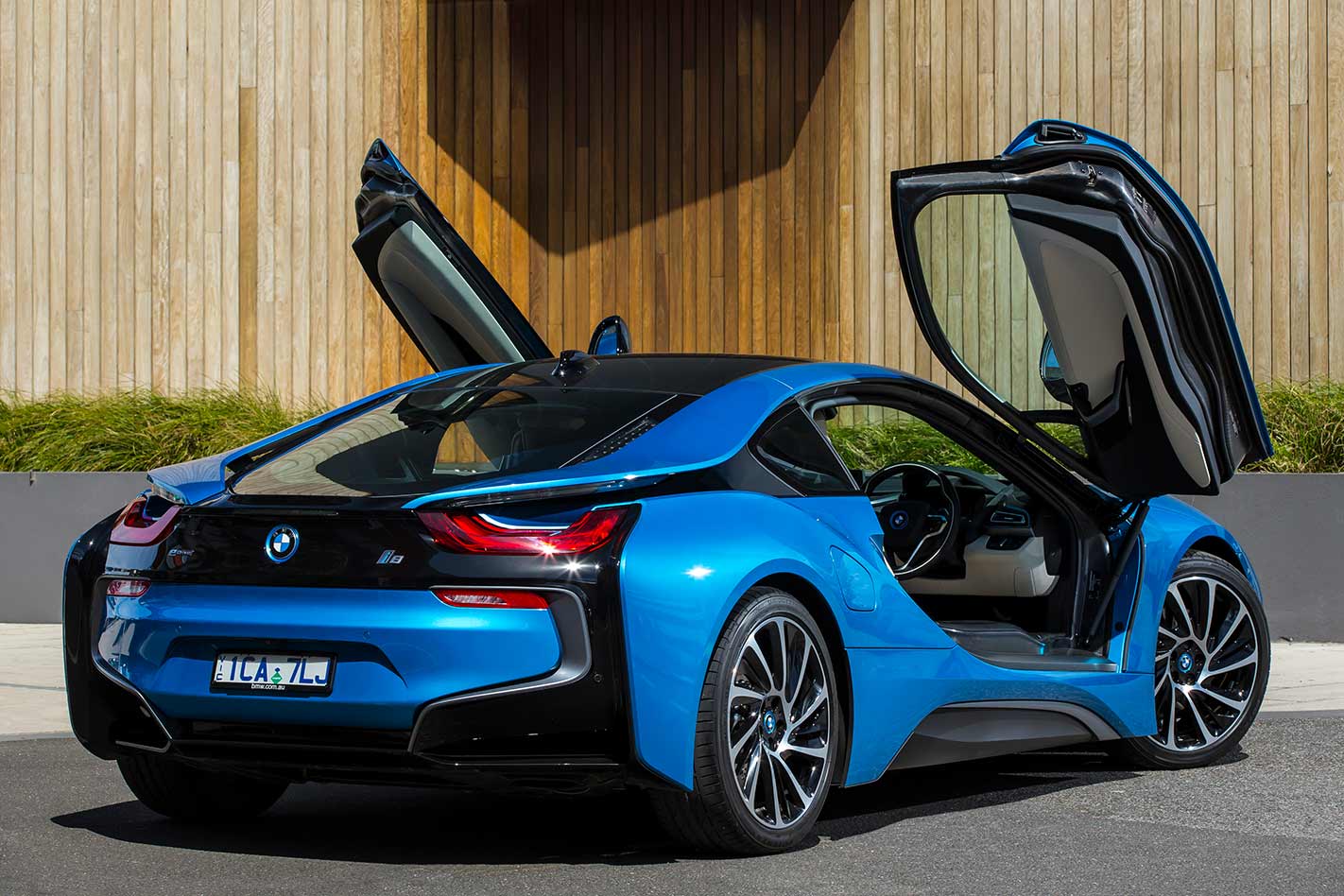
But there were forces working against it. While it looked like a supercar, it didn’t really go like one. The handling was nicely judged with chatty steering and a decent ride, but narrow low-rolling resistance rubber meant it wasn’t a match for more focused rivals at the limit
It couldn’t live with them in a straight line either courtesy of a 4.4sec 0-100km/h. And 266kW from a combination of a 1.5-litre three-pot and an electric motor just didn’t carry the cachet of rival powerplants.
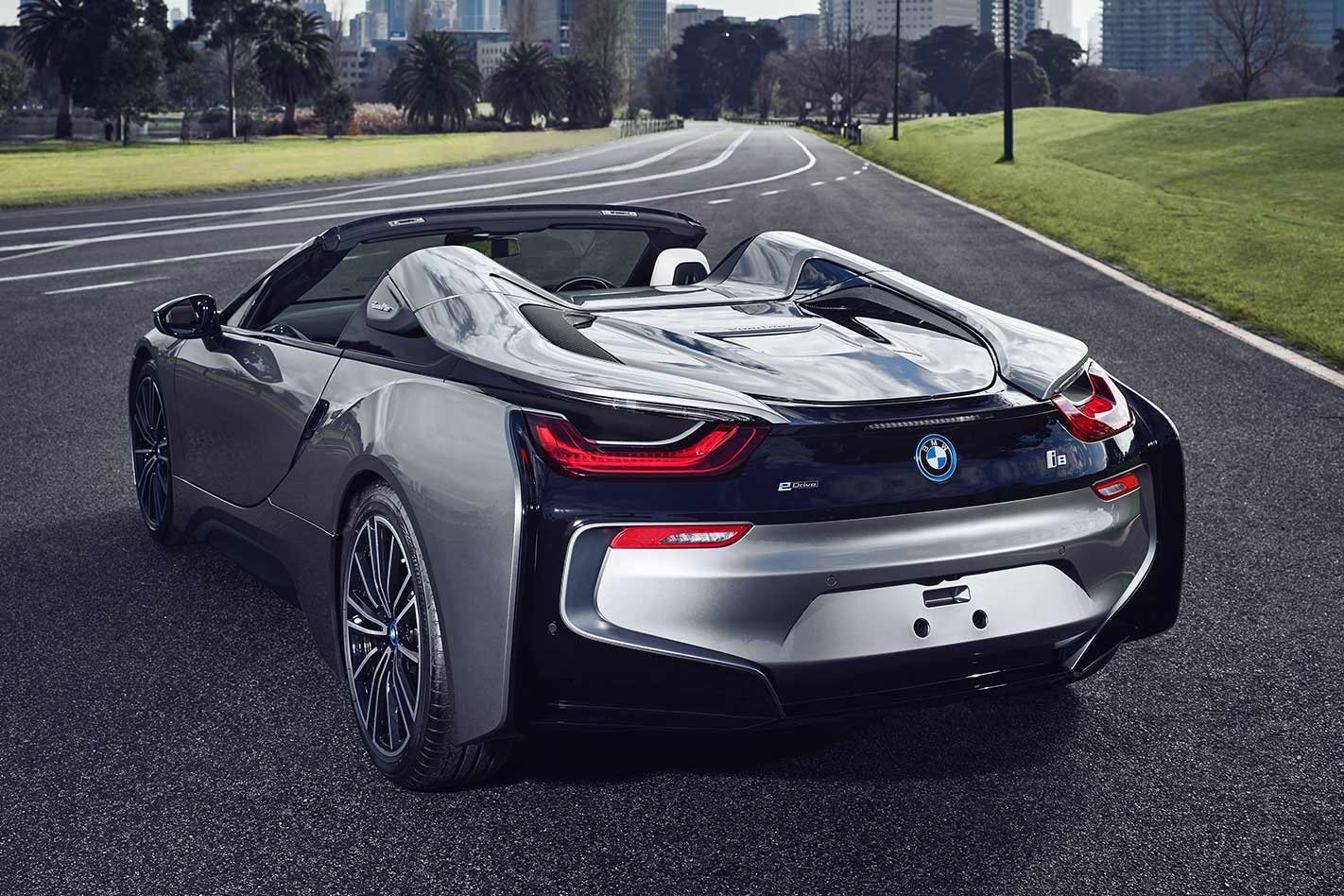
A lofty $299,000 price tag ($348,900 for the roadster, which arrived as part of the 2017 facelift) also contributed to slow sales in Australia. Globally BMW sold more than 25,000 i8s, which sounds like a lot until you realise the Porsche 911 found 171,315 buyers in the same period in Europe and America alone.
So a good car undone by circumstance, perception and price. But here’s the thing – while BMW misjudged the timing initially, now could be the perfect moment to snaffle a used i8.
Depreciation has been heavy and 2017 i8s are now going for $160K. Factor in its Aussie exclusivity and the fact you’ll turn more heads than any Lambo, and you won’t only have a car earmarked as a modern classic, but one that over-delivers in feel-good factor. And that, we’d wager, is a guarantee.
WHAT’S NEXT? OH, NOTHING
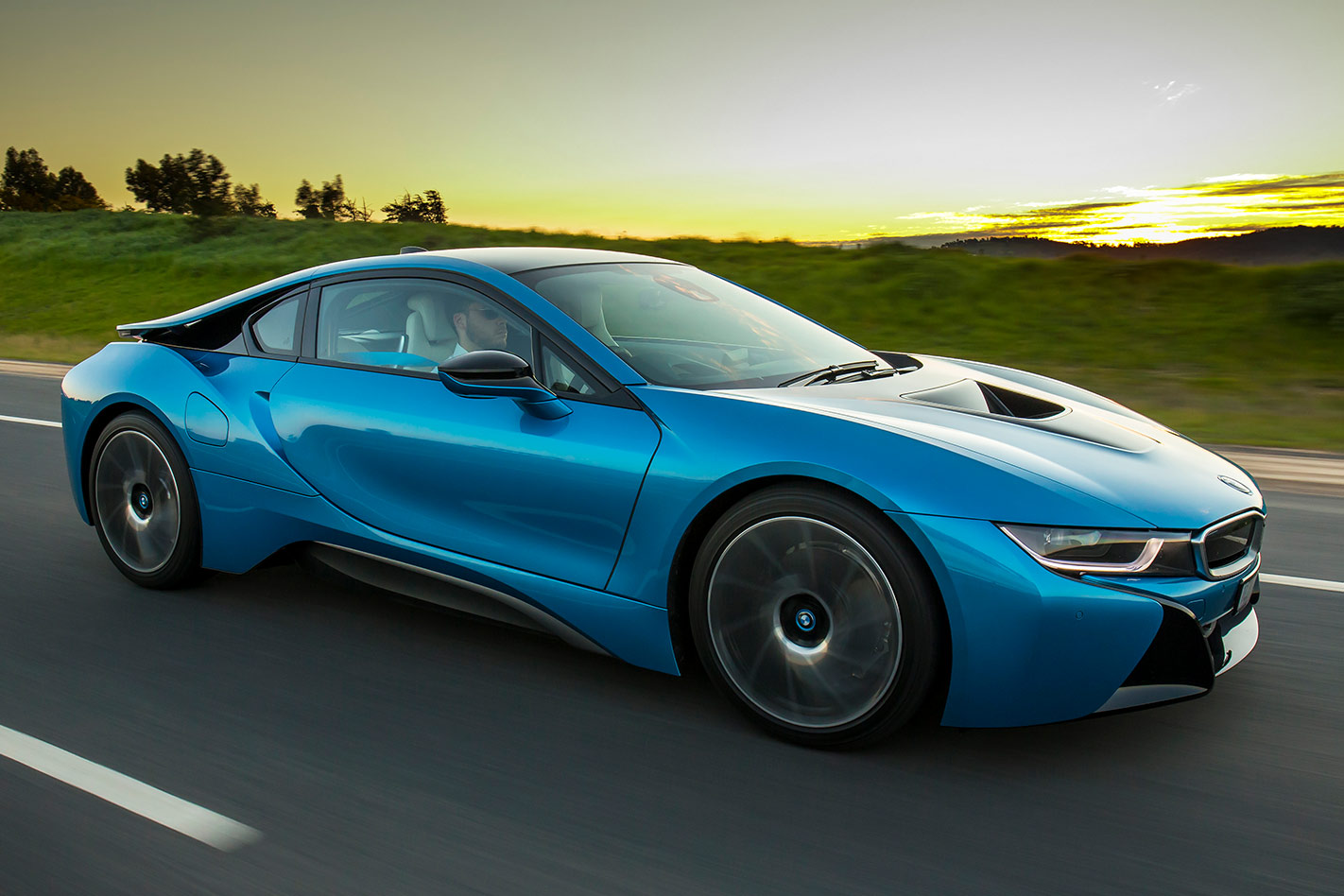
Rumours that BMW is already plotting a successor to the i8 have been swirling for months, though it seems the ‘on again/off again’ project has officially been nixed. The ‘new’ i8 was to take inspiration from last year’s Vision M Next concept and elevate the performance with a 447kW plug-in powertrain. The new car wasn’t due until 2023, so here’s hoping it finds its way back to the table.
BMW i8 AUSTRALIAN SALES 2014-2020
2014 – 3
2015 – 61
2016 – 33
2017 – 24
2018 – 14
2019 – 17
2020 – 11
Today’s V8 Ford Mustang has no shortage of fans, and for good reason. As a simple day-to-day road car, it’s one of the most fun options for the dollar, whilst being a perfectly capable package for most occasions. But is there anything in the back-catalogue worth looking at?
Well how about the last time the Mustang was sold here by Ford Australia? Makes sense on paper, even if it was a little bit of a surprise offering at the time, given the decent V8-powered Falcons available in the Ford line-up, such as XR8 and Tickford T-Series.
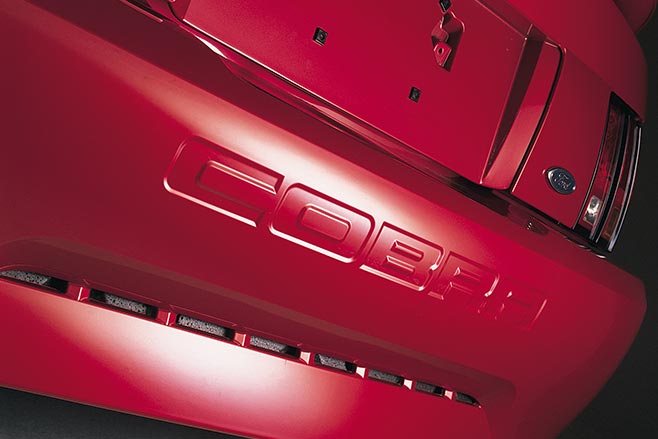
Nevertheless, the 2001 Ford Mustang Cobra was a limited-production special, hand-converted by Tickford Vehicle Engineering and offered as both coupe and convertible. With a five-speed manual only, its 4.6-litre twin-cam V8 sent a meaty 240kW to the rear wheels only. Zero to 100km/h took 5.3sec, the quarter 13.5sec – not bad for the time.
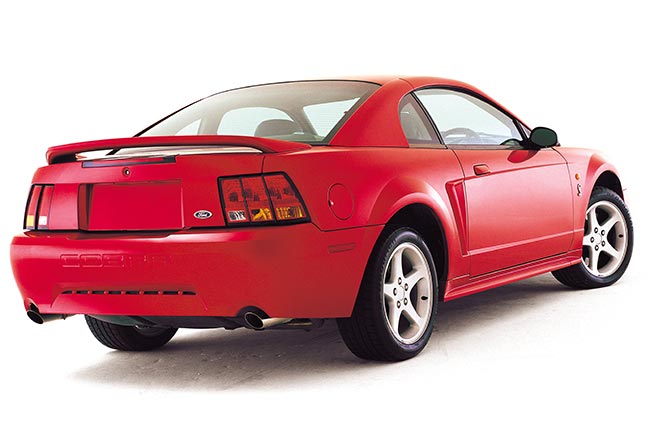
Furthermore, Ford Australia was chosen to convert right-hook Mustangs for the world at the time so, in any country, any Mustang sold right-hand drive had passed through Aussie hands right here in Melbourne.
The Australian-spec Mustangs, all of which were Mustang Cobras, even boast some international collectible credentials if you get into the VIN numbers. Amongst American Ford SVT (Special Vehicle Team) circles, our 2002 and 2003 Mustangs are a bit of a myth and don’t officially exist on SVT production records. Although they are recorded as 2002 Cobras on Ford’s corporate sales data as a special export batch, after their manufacture year’s production had ended.
Another snake: Ford Mustang Shelby Super Snake
But wait, does that mean we got sold old stock? Well, unfortunately yes. Simplistically, the Mustang Cobra we got was a high-spec variant of the facelifted SN-95 Mustang which originally launched in the US in 1994. Tickford extensively modified local cars and it is remembered as a hugely fun drive with a great soundtrack, if albeit ageing and crude. Grey market examples had been accessible since new, which has kept used values between $20K-$30K for years, despite costing near $90,000 new. The 2002 batch took until the following year to be sold, discounted as heavily as $60K. Exact numbers sold are debated, but it’s generally accepted around 250 were delivered in two batches between 2001 and 2002.
2001 Ford Mustang Cobra: What to check
Body & Chassis
These Mustangs are a bit of an oddity, in that they’ve existed amongst niche enthusiasts mostly outside mainstream collectors virtually since new. Which means that most of the ones on the market are in very presentable condition, and seemingly in decent nick. Rust shouldn’t be an issue the way of older chrome bumper cars, but plastic bumpers and body panels will be the first to fade, indicating a life lived outdoors. If inspecting a convertible, check rain channels and gutters for corrosion where water has been trapped, and test the roof as the mechanism is known to be problematic. Check for fluid on mechanisms and oily odour during and after use.
Ford reveals one-off electric Mustang Cobra Jet with 1044kW
Engine & Transmission
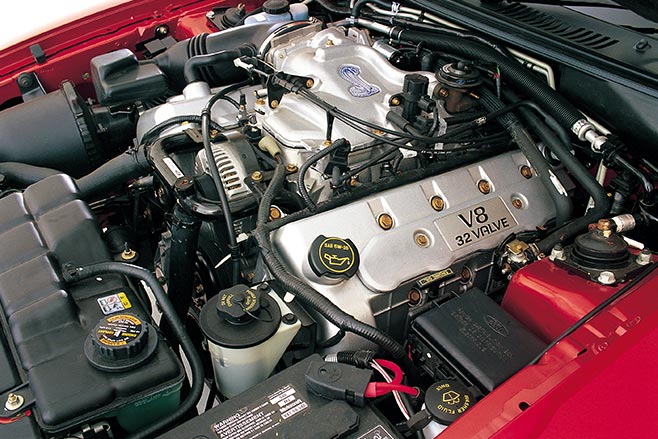
Routine maintenance makes for mostly trouble-free motoring. In the US these same engines saw plenty of use in emergency service vehicles; spinning up many hundreds of thousands of miles is commonplace. Look for service history and receipts. Engines have been known to use a lot of oil, although this is far more common in earlier ’93-’95 engines. Most Australian-delivered cars have led fairly pampered lives with most showing well under 100,000km. Check for clutch slip as replacing them is expensive.
Ford Mustang 50th Anniversary Cobra Jet for sale in Oz
Suspension & Brakes
The US Mustang Cobra had benefited from independent rear suspension since 1999, something that thankfully transferred over to our Australian-delivered examples. In design, it was very similar to the AU Falcon’s multi-link system of the same era. Look for the usual things like worn out bushings; noisy differential or tail shaft wear can afflict cars that have seen heavy use.
Check that the ABS works (if you can…) as it’s been known to fail. It is also worth noting that Tickford’s fettling went far beyond a simple cut-and-shut right-hook conversion. The entire driveline was moved back for better weight distribution, with modifications to the floorpan to create a larger passenger footwell; Australian cars also utilised 150 new bespoke components. Some of these components will not be in production anymore.
Interior & Electrics
Ensure all interior trim pieces are intact, in place and secure. Cars that have lived outside will be prone to materials fading given the harsh Australian sun. Even if they have lived a life indoors, listen for rattles, whilst also checking all electronic amenities are functioning as intended.
Timeline: A history of the Ford Mustang
Modification
Given their scarcity in Australia plus their niche and mostly enthusiast ownership, most examples on the market have been spared significant aftermarket fettling. Of course, simple bolt-on mods are fairly commonplace with wheels and lowered suspension, going on to simple intakes and ECU flash-tunes.
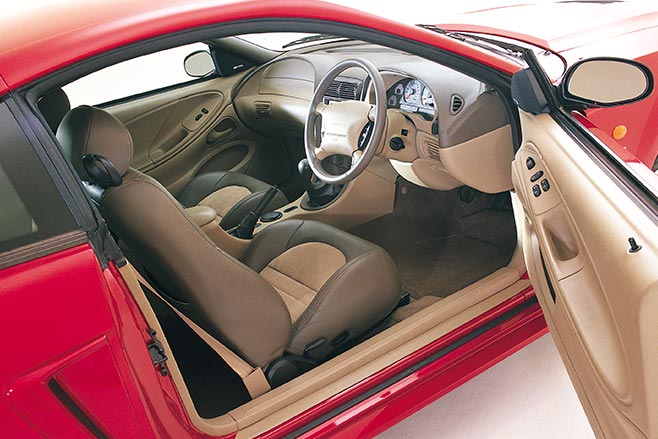
If you are of a larger stature, consider seeking an aftermarket seat. The OEM seats are tiny, by Aussie standards let alone the Americans they were designed for. In the US where these cars are far more common and affordable, they are frequently candidates for grassroots motorsport builds so there is a well-supported aftermarket available if you look overseas.
2001 Ford Mustang Cobra Specs
Body 2-door, 2+2-seat coupe Engine 4601cc V8, DOHC, 32v Power 240kW @ 6000rpm Torque 430Nm @ 4750rpm Transmission 5-speed manual Weight 1557kg Used Range $20,000-$45,000
Three others you should consider:
1. 2007 Audi S5 Coupe
Handsome, chiselled Germanic styling has aged well, while under the bonnet lives a high-revving 4.2-litre atmo V8 producing 260kW and 440Nm. Quattro AWD meant 100km/h was dispatched in 5.1sec. Had for as cheap as $25K; manual too.
2. 2001-2006 Holden Monaro
Easily one of the sexiest cars ever made in Oz, you can get yourself a tidy manual example of Holden’s clean-lined two-door for about $30K. We swoon most over the V2 Series III with the 245kW LS1, before Holden uglied it up with bonnet nostrils.
3. 1999 Jaguar XK8
With just 216kW from its 4.0-litre V8, Jaguar’s luxo coupe could hit 100km/h in an admittedly quite sluggish 7.2sec – but only more time to turn heads with those swoopy good looks. Auto only, $35K gets you a tidy one. Budget for roadside assistance…
BMW has revealed, sort of, the new 2021 BMW M4 alongside the GT3 racing version of the M Coupe.
In what can loosely be described as camouflage, the M4 will make its ‘debut’ at the MotoGP Grand Prix of Styria, of which BMW M is the title sponsor.
Further confirming specification, the new M4 will have a 353kW manual version as its base, though a 375kW M4 Competition spec will be available with an 8-speed Steptronic automatic. Australian availability and specification is yet to be announced.
The official world premiere of the M4 in all its lung-grilled glory is planned for September 2020, though the winner of the Grand Prix of Styria will be gifted an M4 by BMW.
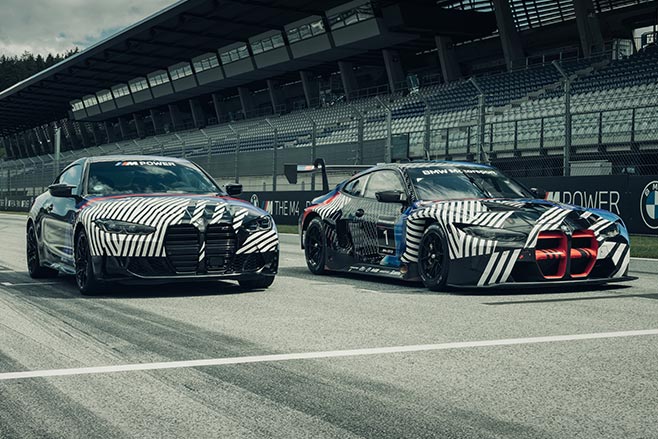
Much like the M3, the 2021 M4 Competition will feature the same style of AWD drivetrain as the BMW M5, which is able to be set to rear-drive only under certain conditions. It’s expected the base model will be rear drive only, as stated by Dirk Hacker, BMW M’s development boss.
Preview: Details of the next BMW M3 and M4
“With the Competition versions of the new BMW M3 Sedan and new BMW M4 Coupé, we are addressing maximum dynamics in regards power development and transfer – initially with classic rear-wheel drive and, at a later date, also in conjunction with the latest version of our four-wheel drive system M xDrive.”
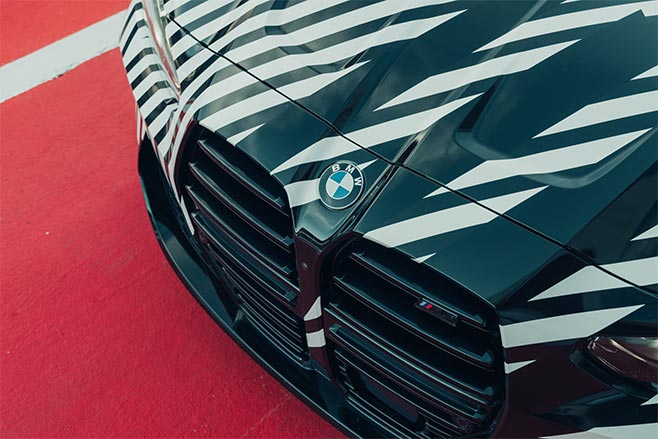
A four-door M4 Gran Coupe, is also expected to be offered. Further down the line, the M4 Coupe is tipped to have CS and CSL packs.
Production of the first M4 variants is set to commence at BMW’s Regensburg plant in Germany in November 2020, with first deliveries and launch in early 2021.
Get your free weekly MOTOR report!
A report by the Electric Vehicle Council of Australia has handed down its findings for 2020 that show a simple misunderstanding is hampering EV take-up despite unprecedented nationwide demand.
According to the State of Electric Vehicles 2020 report, not only are sales of EVs increasing strongly, more people are considering making the switch to electrified transport, bolstered by growing national infrastructure.
Over the past 12 months, pure electric and plug-in hybrid sales have tripled from 2216 to 6718, the national fast-charger network has grown by 42 percent to 350 units, while standard-rate public charging stations number nearly 2000 (up by 16 percent).
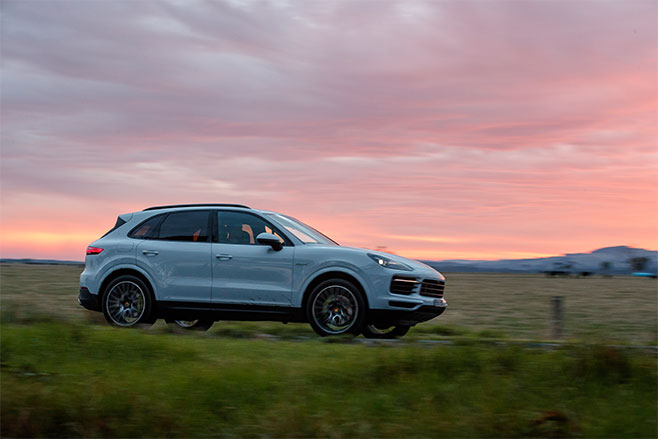
Even more encouragingly, more Australians say they are considering dumping pure combustion power and jumping into an EV or PHEV. Of the nearly 3000 people surveyed, 56 percent said they would consider an electrified vehicle as their next car, up from 53 percent last year and 48 percent in 2018.
Correspondingly, numbers of those who said they definitely wouldn’t purchase an EV dropped from 45 percent to 31 percent. That’s good news for the EV movement, but it could be better…
Critically, the survey also found a key element that is potentially slowing the advancement of electrified vehicles Down Under and preventing the sales of thousands more each year.
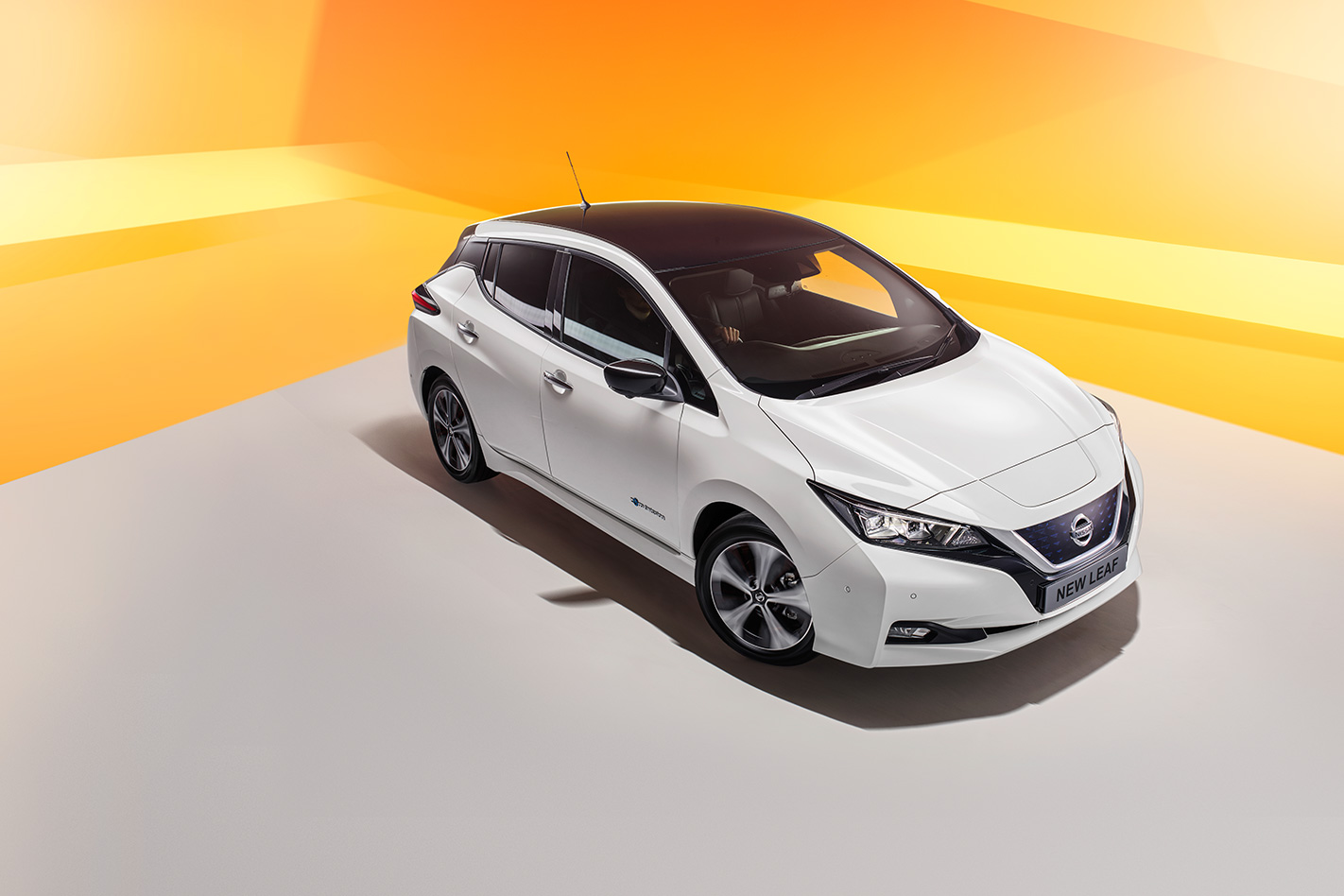
When asked how far the average electric vehicle will go on a single charge, almost 80 percent of respondents believed the answer was fewer than 400km which, according to the EV council is incorrect.
“Australian enthusiasm for electric vehicles is rising markedly, despite the stubborn persistence of myths about range,” said Electric Vehicle Council CEO Behyad Jafari.
“The average electric car for sale on our market today can now take you more than 400 kilometres on a single charge.”
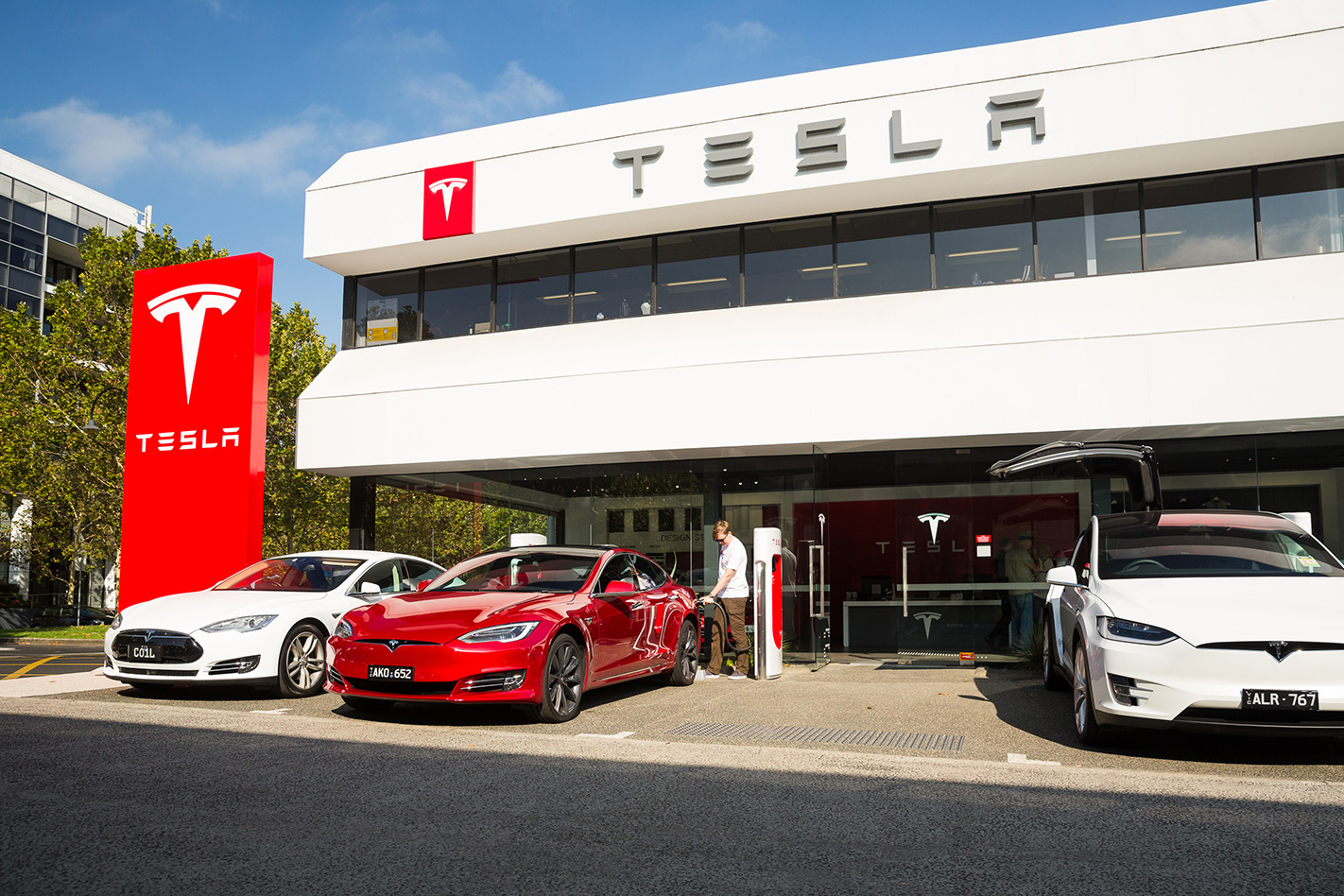
While the report found that so-called ‘range anxiety’ is one of the most frequently cited roadblocks for EVs – 45 percent of respondents said it would stop them buying into battery power – it also highlighted the other key concerns preventing many Australians buying an EV.
Along with range uncertainty, accessibility of chargers, initial purchase cost and charging times are all listed as reasons to stick with combustion power.
Minimal government support on a state and federal level is also singled out as a contributor to EV animosity among Australians.
“Our report shows how much latent potential is just waiting to be unleashed in Australia. Australian drivers are ready to embrace electric vehicles and release the myriad benefits of that transition, but they’re still waiting to get a clear green light from government.”
While the study has confirmed the main reasons many EV-leaning Australians are keeping their hands in their pockets for now, it also identified the most alluring aspects of electrified vehicles.
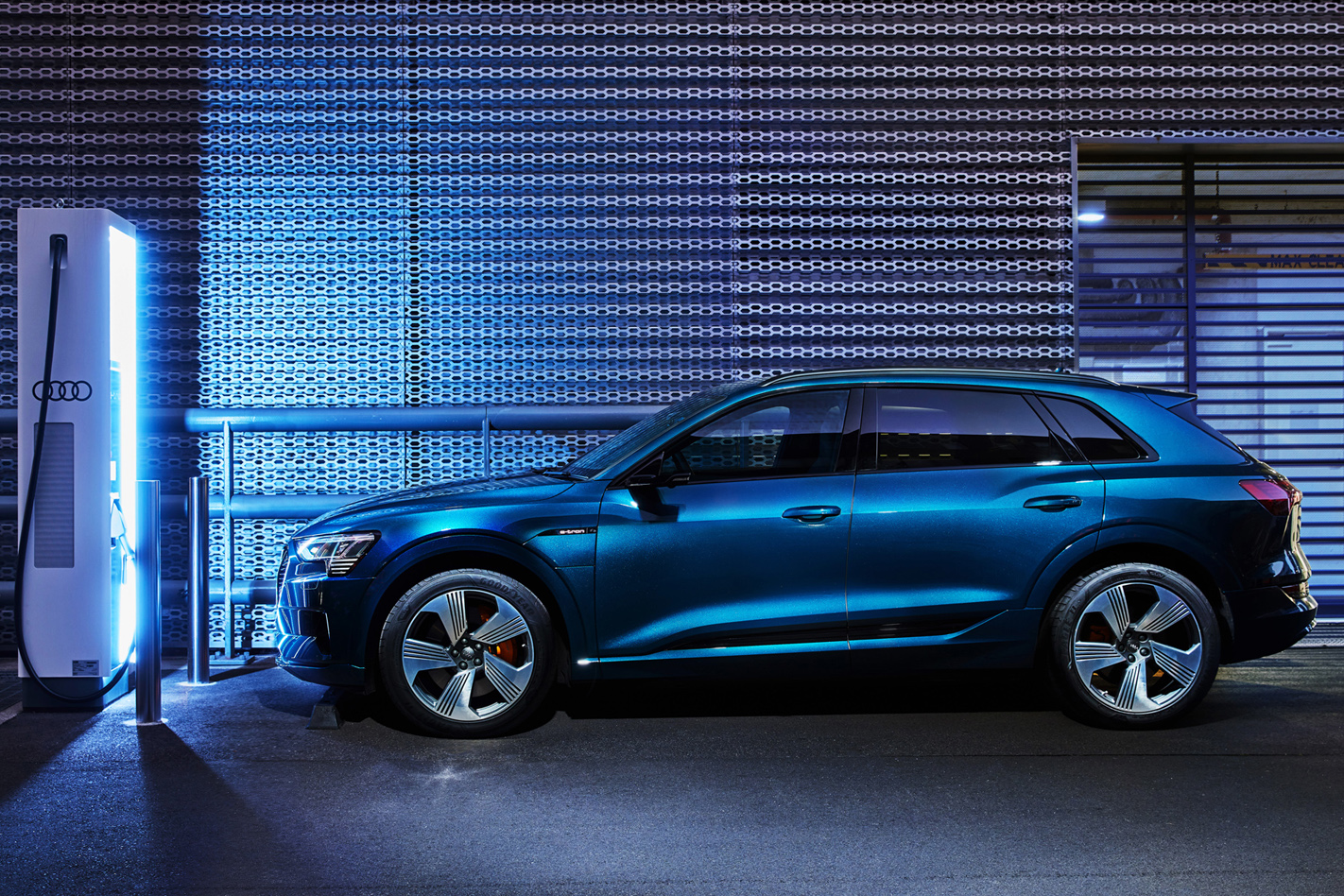
Along with the perhaps least surprising reduced environmental impact, it seems the other advantages of EV ownership are getting through with reduced running costs and performance reported as encouraging attributes by the surveyed participants.
Cardinia Shire Council documents reveal the latest planning stage for the proposed Cardinia Motor Recreation and Education Park has been approved without objection by the council, meaning a new racetrack near Pakenham west of Melbourne could be up and running in the near(ish) future.
In a council meeting earlier this week, the main questions noted in the minutes relate to noise levels and environmental impacts. While both are legitimate concerns, the plans appear to hold both in close consideration.
The minutes quote one unnamed questioner:
“Could you please confirm in writing, that this insidious major Motor Sports Complex known as the innocuous Cardinia Motor Recreation and Education Park will have no adverse impact on the environment or affect the amenity of local residents?”
The response:
“Council assesses all applications within the requirements of the planning scheme including amenity and environmental considerations to minimise any adverse impacts. The conditions of this permit are designed to achieve this.”
Explained: How to design a race track
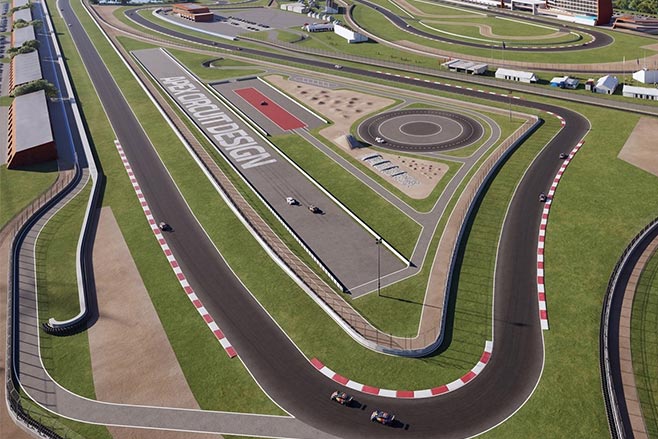
While the initial development proposal was approved in December 2019, there are now further details and development proceedings which have been given the green light.
The planning document seen by MOTOR backs this up, with pages of plans and references to minimising both the impact on native vegetation and the noise that will inevitable be audible from the Pakenham residential streets just over 1km away.
It seems then, that the Cardinia Council is well behind the project, and the final major hurdle of the track will be managing funds. It’s expected the project will cost more than $200 million, with private funding behind the development.
Further details of the intended design of the complex are laid out in the documents, including mention of a large, modern pitlane building, “clad with Corten steel, aluminium wall panels, a concrete and aluminium roof, glass balustrade and electric roller shutter doors.
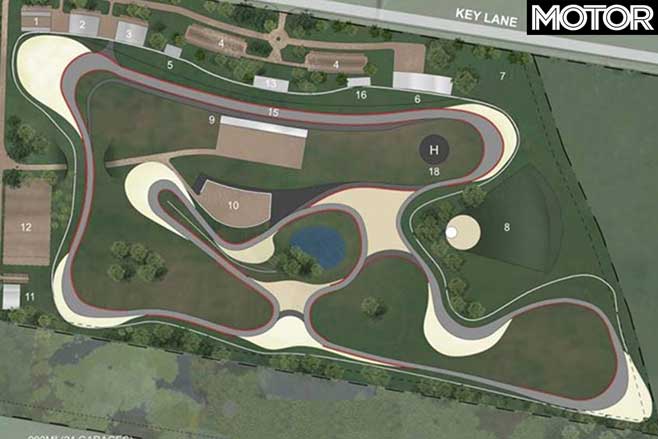
“Steel staircases will feature as main access points between floors, with the exception of a lift for access to race control.”
The track itself (designed by renowned track design firm Apex) is to be a 3.6km circuit, with FIA Grade 2 approval, “the ability to be split into two smaller configurations, averaging 1.8km in length each, which can be operated independently of each other.
“This would allow driver experiences or club events to operate independent of other events occurring on the track. The northern straight of the track will be integrated with the pit facilities.”
Initial plans included a drag strip, but Apex has since clarified that there isn’t enough space for the strip and all its necessary safety additions.
Expected to be operational within two years, the Cardinia Motor Recreation and Education Park could play a large part in Melbourne’s motorsport future, with Sandown under constant scrutiny for noise complaints.
- Ford Mustang could be on borrowed time
- Next-gen right-hand-drive not yet confirmed
- Current Mustang here til 2022
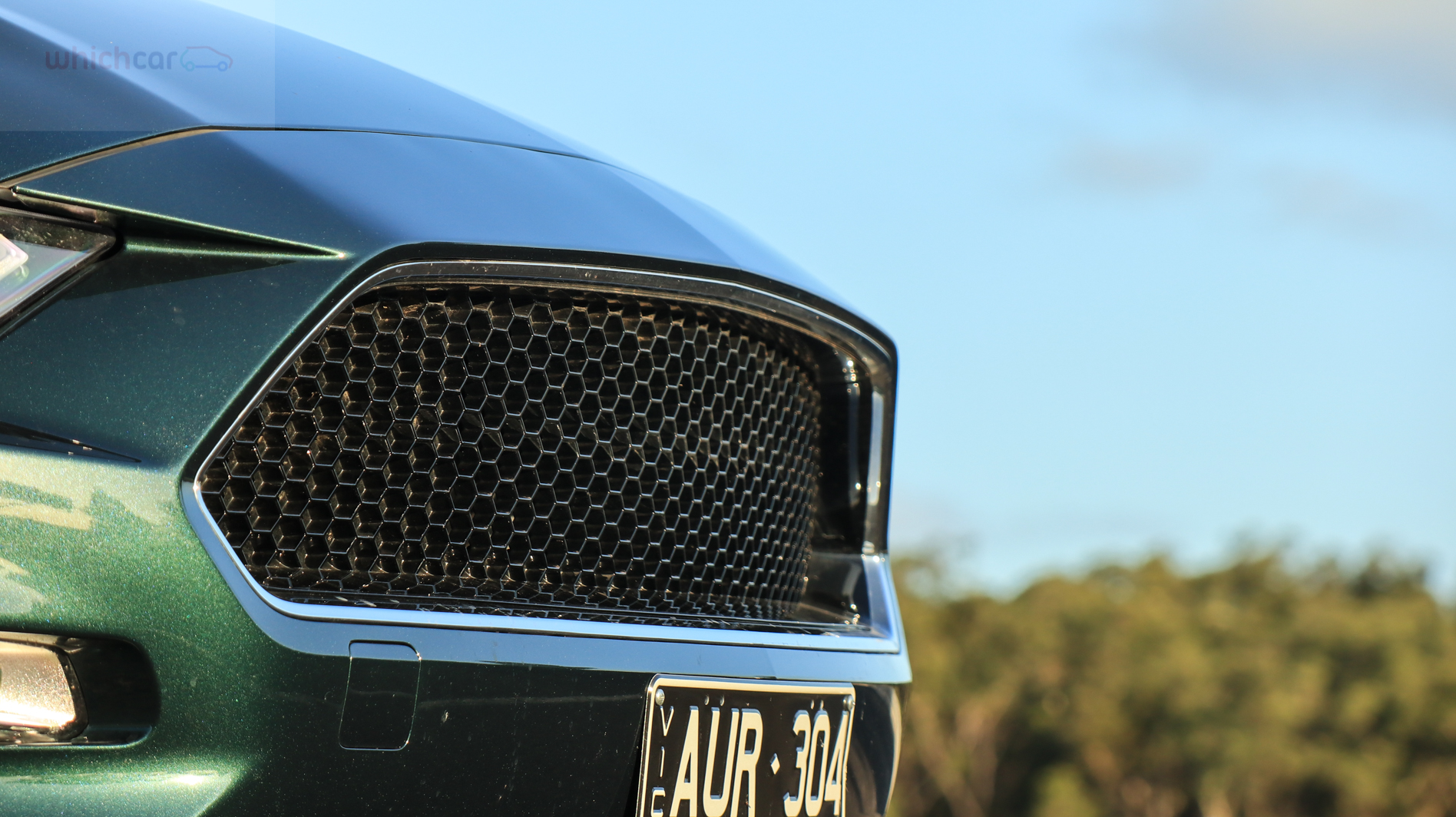
Ford HQ has confirmed that the Mustang badge will continue until at least 2030. The new, seventh-generation Mustang is expected to launch in 2023, but confirmation that it will switch to the Ford Explorer’s SUV platform means Australia could miss out, despite the car’s runaway success here.
Production scheduling documents seen by US industry site Automotive News confirms that the Mustang brand will live on past the current car’s 2022 end-date.
The documents also reveal that Ford is planning to build 100,000 seventh-generation Mustangs in the first year in its Michigan plant.
However, the rear-wheel-drive coupe – known as the S550 – will lose its current underpinnings, moving instead to the recently introduced CD6 modular platform.
The CD6 platform – the chassis of the car, which can be used under different body styles – can be configured in front-, rear- and all-wheel-drive, and engines can be mounted both longitudinally (north-south) and transversely (east-west) for front-wheel-drive applications.
Right now, there is no evidence that Ford’s CD6 platform can be offered in right-hand-drive form.
WhichCar.com.au reached out to a number of sources at Ford Australia to check if the next-generation Mustang will be built in right-hand-drive and whether it will come to Australia, but no comment was forthcoming.
The new CD6 platform currently underpins the Explorer SUV which will not, according to Ford Australia, be sold here because it will not be produced in right-hand drive.
A further search of CD6-related engineering references by WhichCar failed to turn up any mention of right-hand-drive capability built into the platform.
The modular nature of this platform – which will have a lifespan of at least 15 years – means that right-hand drive could be engineered in if the demand is there.
Car companies, however, prefer to engineer new platforms for all eventualities from the start. Retrofitting right-hand-drive adds significantly to cost and complexity.
So, the Ford Mustang’s future in Australia could come down to a question of cost. If a right-hand-drive build program hasn’t been included in the carmaker’s CD6/Mustang plans yet, it’s because the business case to produce them in sufficient volume to make them affordable doesn’t stack up.
Adding right-hand drive capabilities to a platform costs many millions of dollars – exactly how much car companies won’t say. But even assuming a bargain-basement cost of $50 million adds $2000 to each of the 25,854 Mustangs sold in Australia since 2015.
And, with Mustang sales plunging to barely a third of what they were in 2017, it’s unlikely the new Mustang will sell in sufficient volume to soak up the engineering cost.
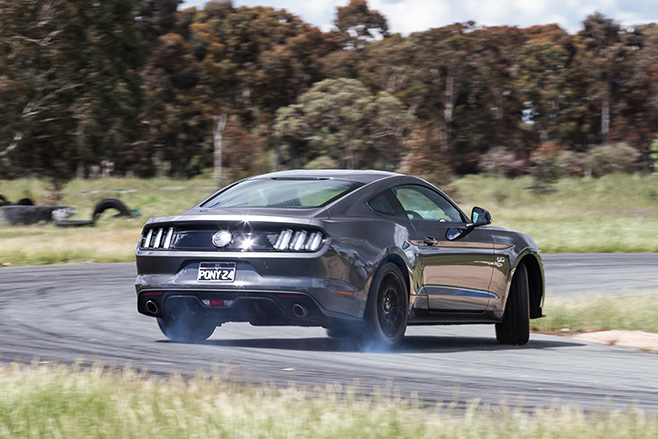
When contacted by WhichCar, Ford Australia chose not to confirm the existence of a replacement Mustang once the current car goes out of production in late 2022, saying only that it can’t comment on future plans.
The current Mustang has been a surprise hit for Ford Australia, with sales far exceeding projections, and has spawned a number of special editions like the Bullitt and the Australian-engineered R-Spec.
Losing the Mustang will have a definite impact on Ford Australia; it is currently the company’s third best-seller behind the Ranger and the Everest and provides a halo for an otherwise SUV-centric line-up that trails rivals like Toyota, Mazda and Hyundai in the sales stakes.
There are plans to use the Mustang brand on a wider line-up of vehicles across the Ford empire, including four-door coupes and even coupe-SUVs, with the electric Mustang Mach E serving as the first example.
Rumours that the Mach E will come to Australia are based on the fact that Ford’s first electric SUV will be built on its own specialist electric vehicle platform, known as the GE1, which is built to accommodate left- and right-hand-drive.
A secret almost as poorly kept as the introduction of the Camaro to Australia has finally been confirmed – HSV will transition into GMSV with the departure of Holden – and the WhichCar weekly team want to talk about it.
What will this significant evolution in the much-loved brand mean for the models it offers present and future, how will you be able to buy a GMSV and will Australians care about the obvious GM connection – especially after the controversy surrounding Holden’s exit?
Also on this week’s episode, Scott introduces a new (most likely to become a regular spot) game for the WCW team. Automotive Mount Rushmore!
If you had to pick just four Australian cars to be carved into the side of a mountain as a monument to the greatest, which would they be?
Do Andy, Dan and Scott share the same patriotic vision of the most significant Australian cars or is it the usual tongue-in-cheek exchange of devil’s advocate? Only one way to find out… And keep your ears out for future rounds of the game and different nations added to the mix.
You can find WhichCar Weekly on all manner of podcast apps including iTunes and Podbean. Please rate, subscribe and leave a review.
If you want yet more WhichCar action whether it be behind the scenes insights or the very latest from the automotive front line, follow the day-to-day happenings of the WhichCar team on Facebook, Twitter and Instagram.
And if you really want to get involved, send us a question or auto anecdote of your own. We endeavour to answer all your messages.
Listened to or watched the WhichCar weekly podcast? Help us out
- Leave a note in the comment section below
- Leave a review on Apple Podcasts/iTunes
- Subscribe to our podcast
The benchmark time for driving across the United States of America has been set, perhaps permanently, at 25 hours and 39 minutes.
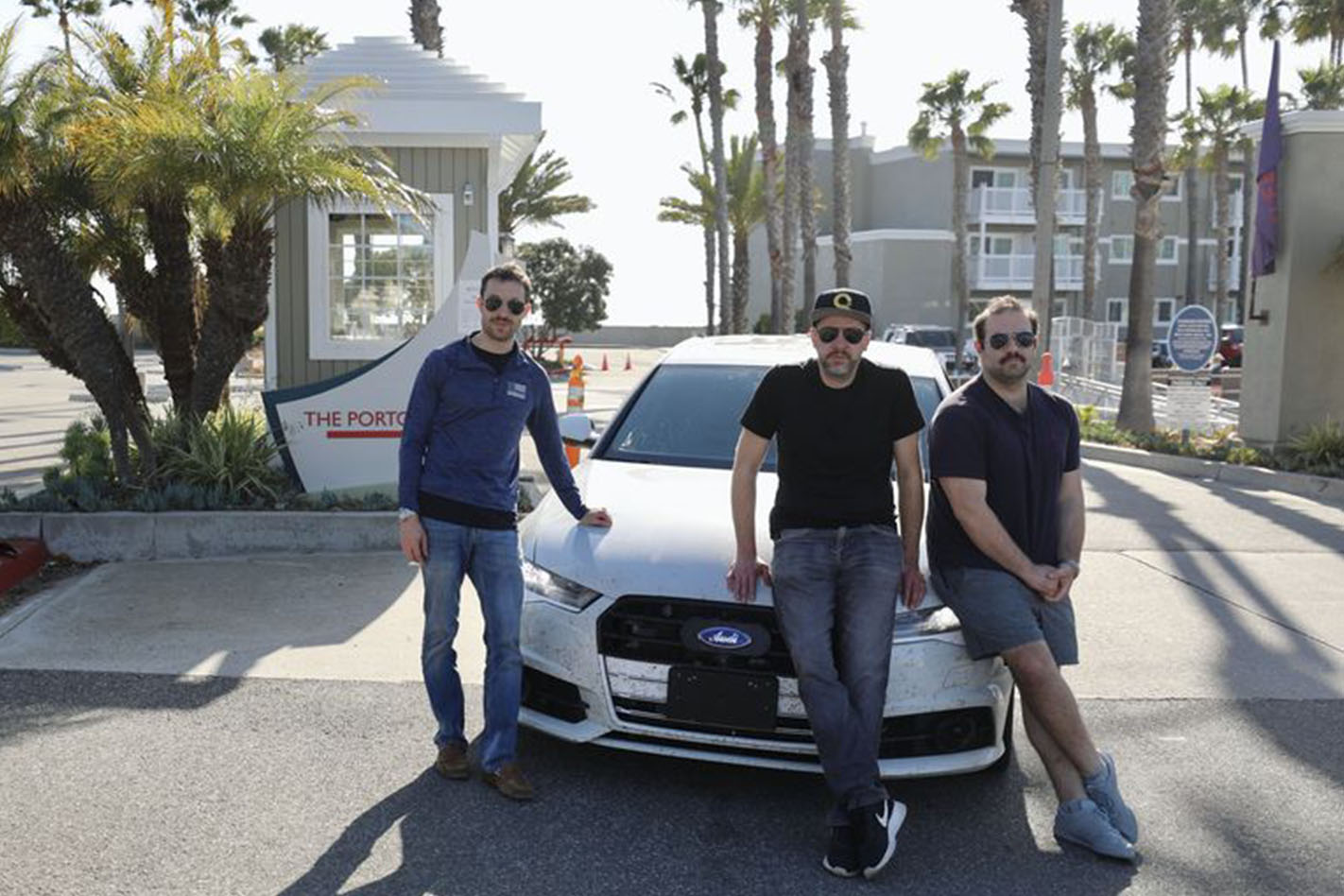
That is how long it took Doug Tabbutt, Arne Toman, and Dunadel Daryoush to travel from New York to California in highly illegal Cannonball Run record attempt.
The trio’s cross-country blast is faster than anything anyone else has ever achieved, and is unlikely to be replicated again.
Set during the tail-end of America’s COVID-19 quarantine and lockdown, with the associated reduction in highway traffic, the conditions were ideal for a high-speed transcontinental record attempt.
In total the trio drove 4532 kilometres in 25 hours and 39 minutes, obliterating a record set earlier during the COVID-19 pandemic by a minute shy of an hour.
A sub-28 hour Cannonball Run was once thought impossible.
In order to set the frankly astonishing time, the team had to achieve an average speed of 180km/h, which required them to have a cruising speed of between 225-257km/h.
Tabbut and Toman are well-known in Cannonball circles, having set a 27 hour and 25 minute record in late-2019 using a Mercedes-AMG E63.
Following that run, Tabbutt had ‘retired’ from Cannonball attempts at the insistence of his wife. However, when two teams that he helped scout for almost broke his record during the lockdown Tabbutt quickly realised that previously unthinkable record times could be achieved.
Ultimately, Tabbutt and Toman’s record would be bested by a previously unknown (and still anonymous) team in a ‘borrowed’ an Audi A8, with a time of 26 hours and 38 minutes.
“It was certainly hard to accept that that was how it had gone down. Just because there was no traffic and no cops, someone jumped in a car and went out and beat our time,” Tabbutt told VinWiki.
“Especially after we had spent so much time and effort, poured emotion and years of planning into beating Ed [Bolian]’s record.”
The pair realised that now was the perfect time to reclaim their crown, however previous record-setting Mercedes-AMG E63 (owned by Toman) was unfortunately destroyed in an accident when stopped on the side of the road on April 4th.
With traffic increasing and states beginning to re-open, the duo had a limited timeframe within which to complete their new record attempt (which took place in May of this year) and were now without a set of well-prepared wheels.
Initially the plan was to use a Chevrolet C7 Corvette that had made several attempts at the Cannonball Run with a previous owner.
However, Toman vetoed that plan, instead opting to organise an Audi S6 at the last minute.
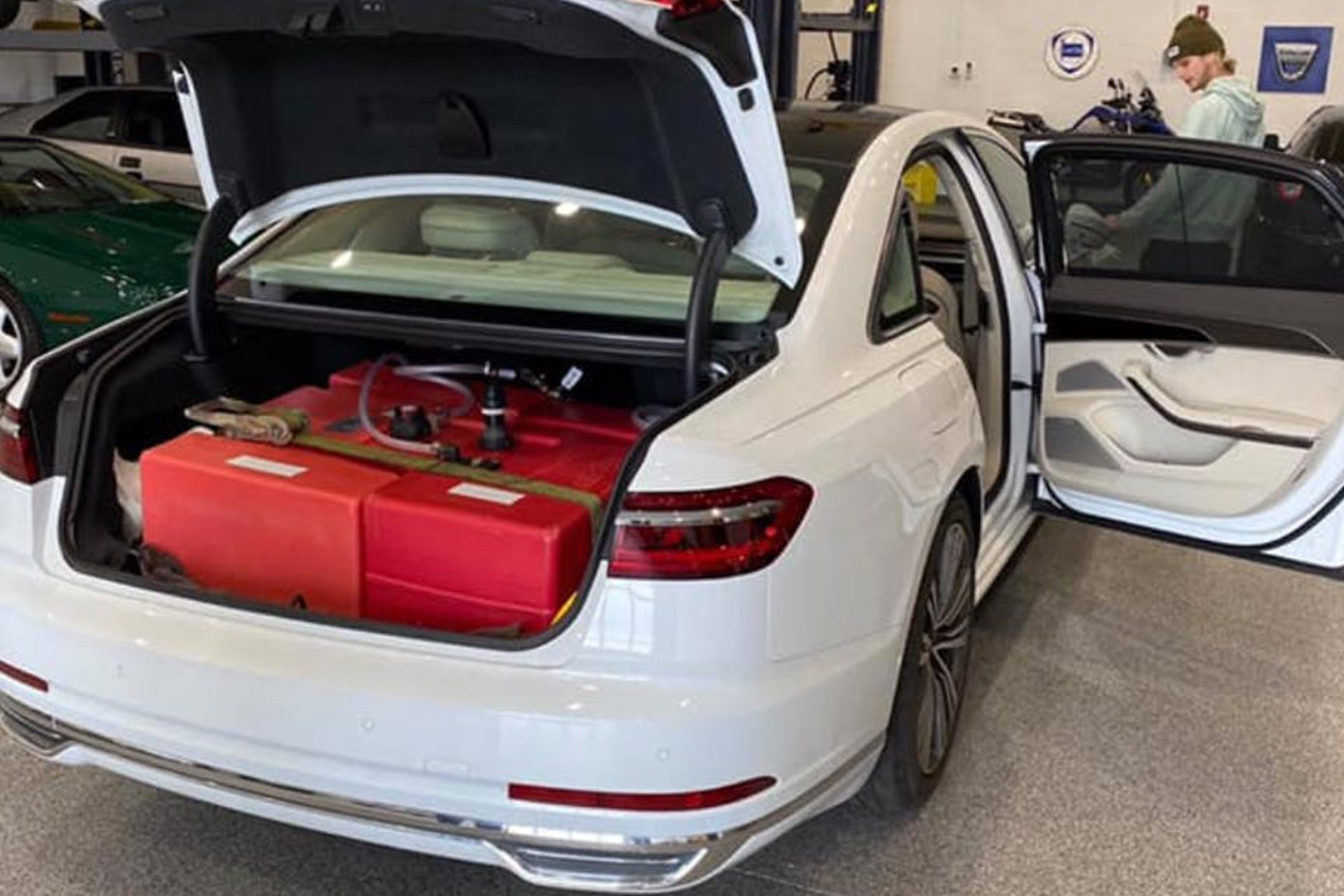
The car was picked up at midday on a Tuesday, followed by a mad scramble to get it prepared to cross the United States of America at record-breaking speeds in just three days using parts scrounged, borrowed and donated from other vehicles.
The police countermeasures were donated from another of Toman’s cars, the fuel system was ripped from the crashed E63, the Corvette donated its electronics, and a CB radio was lifted from a Ford Crown Victoria.
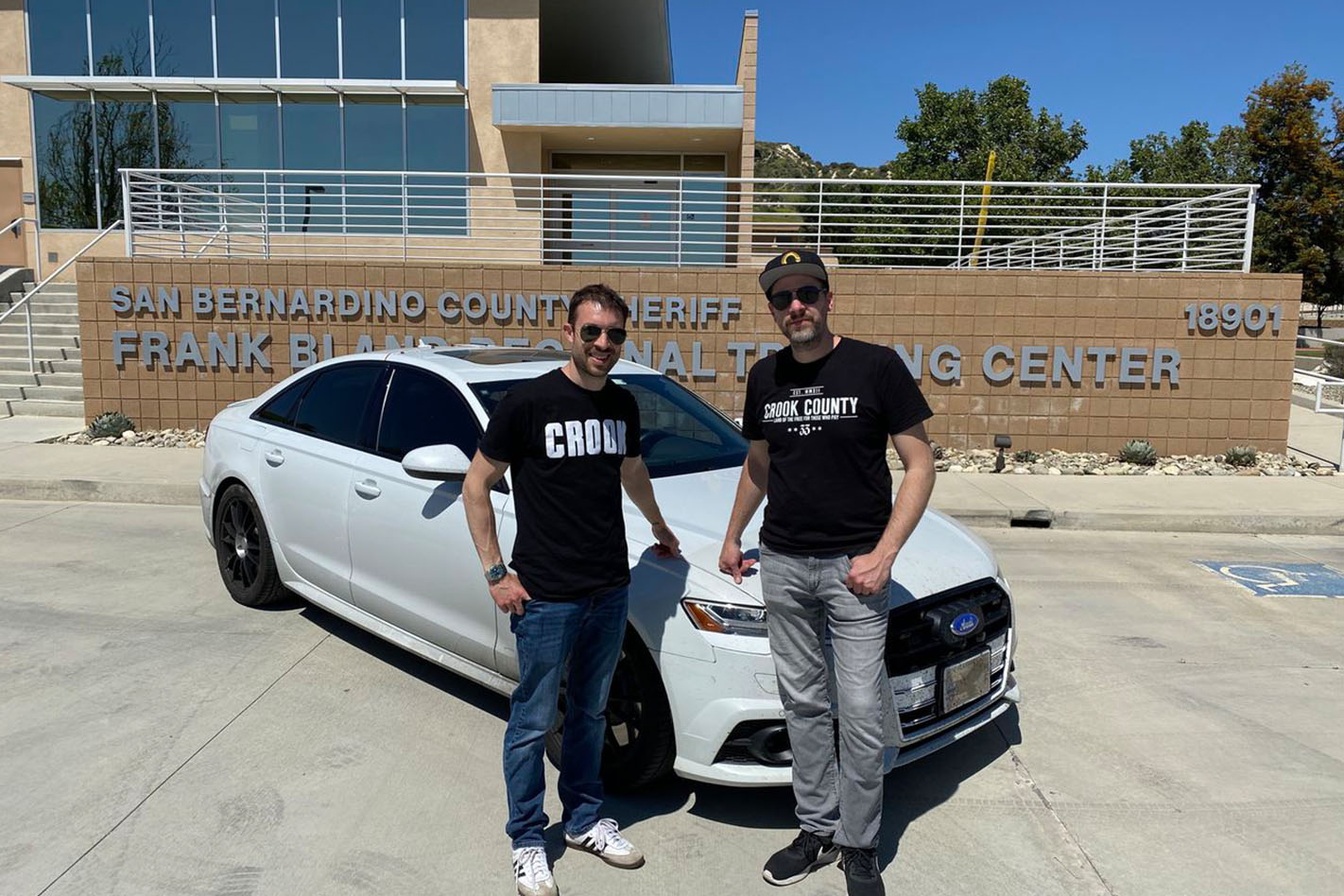
Toman explained to VinWiki he had an ulterior motive for picking the S6 over the Corvette, with the German sedan able to be easily disguised as a Ford Taurus – used by police across the United States as a patrol car.
With Daryoush selected a designated spotter, the three-man team was ready for their record attempt, and left from the traditional Cannonball Run start of the Red Ball Garage in Manhattan.
A cohort of spotters were used across the country, with one volunteer in Pennsylvania called upon to distract two state troopers that were impeding the team’s progress.
The S6’s disguise was so effective one of the team’s mobile spotters mistook the car as a cop car on a high-speed pursuit.
“Honestly, it almost felt too easy. It didn’t even feel like this was even going to count,” Toman recalled to VinWiki.
“Across the Midwest, we were hauling. That was where we had a couple of 125mph (201km/h) averages across multiple states and could get our average [speed] to Denver up to 120mph (193km/h).”
However, the entire run wasn’t without hiccups, as the team encountered a number of issues that threatened to prevent a record time being set.
They quickly discovered that at 257km/h the S6 suffered from severe wind buffeting, resulting in the team not exceeding 281km/h during the entire run.
While at the helm, Tabbut encountered what he feared was a catastrophic steering or tyre issue.
“All of a sudden the steering was super vague, and almost uncontrollable,” he explained to VinWiki.
“I’d turn the wheel to change lanes and turn back and there would be a delay.
Turns out, it was just Audi’s lane-keep assist system.
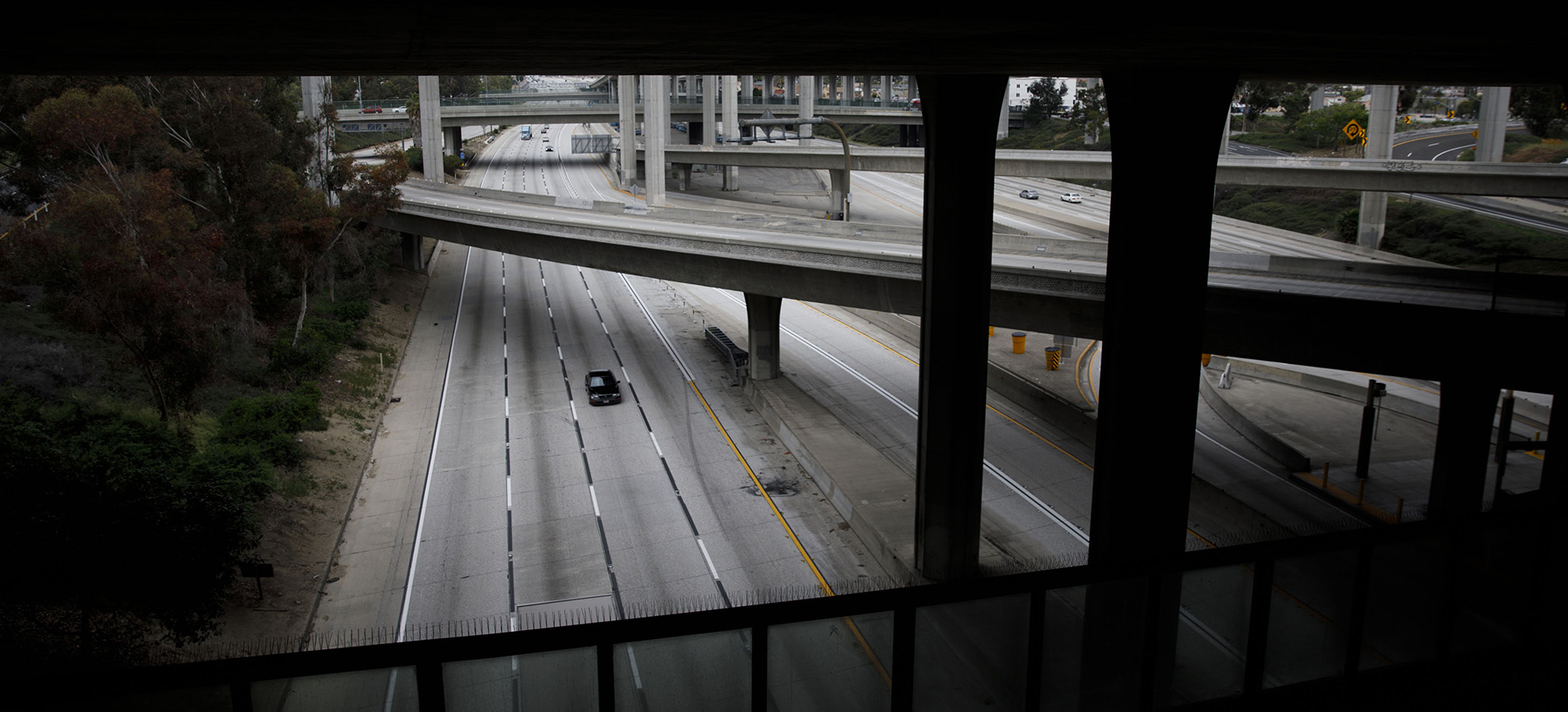
The team’s closest call with the police was in Colorado, when a road user saw through the Audi’s disguise, and reported them to the police.
However, the team was travelling so fast the police had no chance of apprehending them.
“When they called us in, they reported us at mile marker 18,” Tabbutt explained.
“We were moving so quickly that by the time it came over the scanner transmission we were at mile marker 13 and had already passed the cop that had said he was waiting for us.”
Eventually the S6 made it to the Portofini Inn in Redondo Beach, California, obliterating the previous record by 59 minutes, and placing themselves at the top of the automotive world’s most illegal record list.
Despite this, Toman was bittersweet about the team’s COVID-19 record run.
“I gotta say, it just didn’t have the same feeling as 27:25,” he stated to VinWiki.
“When we had done 27:25, it was more about doing something that hadn’t been done, and possibly couldn’t be done.
“And 25:39, while it cements us as the fastest to ever cross the country, it just didn’t feel the same.
“You had so much less to overcome, so much less traffic, so much fewer cops.
“While it is a great achievement, it just doesn’t have the same impact that 27:25 did.”
You can watch the full video on the all-time Cannonball Run record below.
Famed race team and McLaren tuner Lanzante has revealed the designs for its seven McLaren LM 25 special editions, celebrating the number 59 McLaren F1 GTR which won at Le Mans in 1995, 25 years ago.
One of each of Mclaren’s current model range will be turned into an LM 25, which means Senna, Senna GTR, 725LT and Spider, 600LT and Spider, though the seventh is yet to be confirmed.
“On this day 25 years ago Lanzante ran the Ueno Clinic Le Mans 24hrs winning F1 GTR. To celebrate this victory, we are producing 7 LM 25 Editions,” Lanzante said on Instagram.
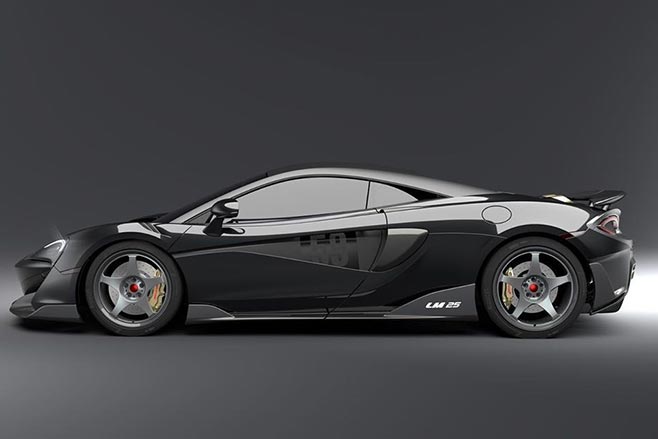
“All will be the optimal version of each McLaren model focusing on lightweight performance upgrades and styling cues from F1 GTR number 59.”
Each car will be painted in ‘Ueno Grey’ to match the colour of perhaps the most iconic F1 GTR, with number 59 worked into the paintwork and LM 25 badging marking the special nature of each individual car.
Each car’s mechanicals will remain mostly the same (expect a little bit of fiddling with outputs, though), while seats identical to those of the F1 GTR will be fitted to each, with the interior fitted out in Alcantara, carbon fibre, and gold coloured switches.
The brakes on each car will also be painted gold with red text as a nod to the Ueno car (below, middle).
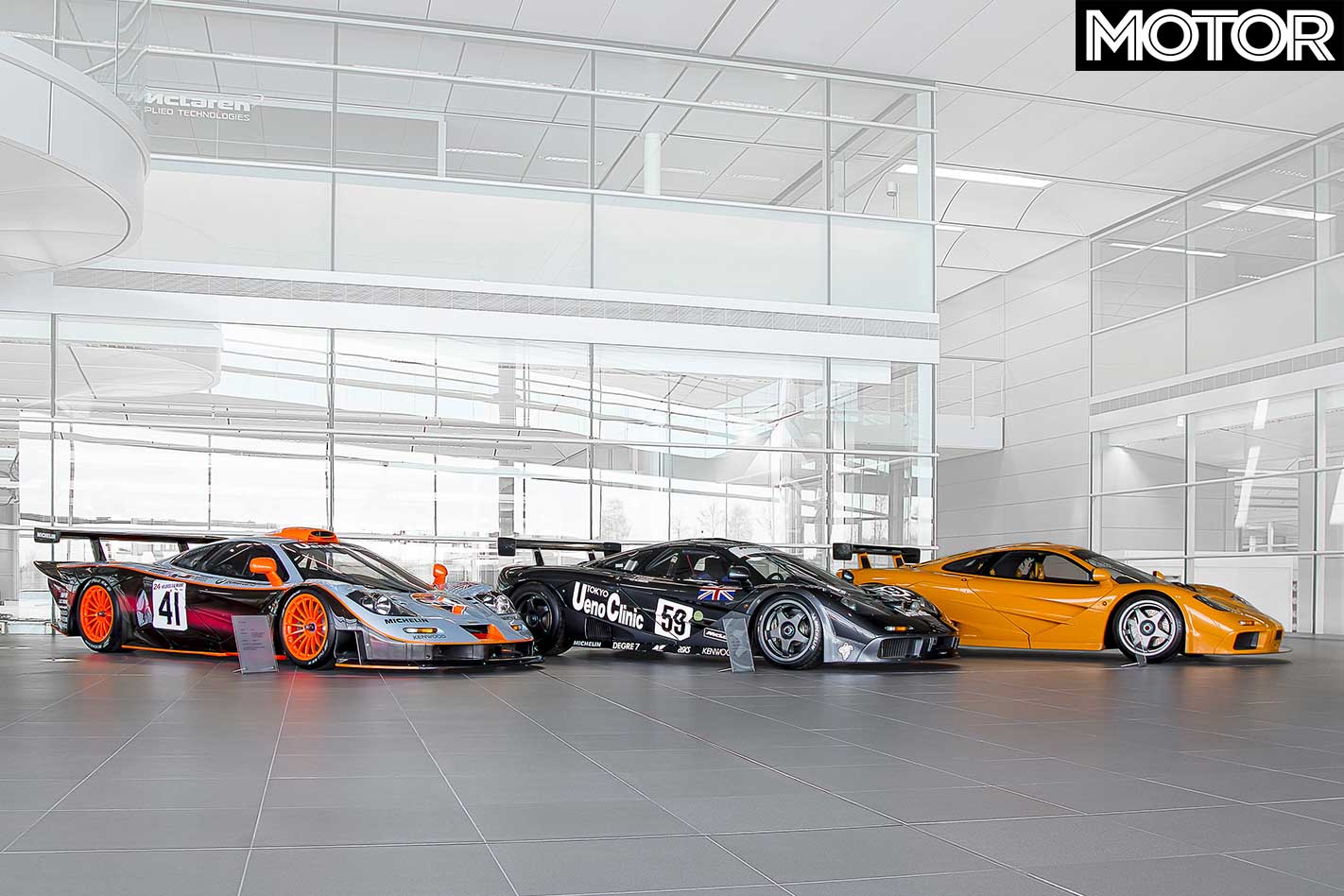
Tokyo Ueno Clinic, in case you were wondering, is… a, er. It’s a ‘gentleman’s’ surgery clinic specialising in, well. Gentleman bits.
That’ll be a fun conversation starter for the owners of these seven cars then.
Get your free weekly MOTOR report!
Australian dealerships will welcome the Aston Martin Vantage Roadster into showrooms for a tour of Australia prior to the commencement of local deliveries.
With customers to begin receiving their Vantage Roadsters in Q1 2021, the coming months will see the convertible V8 sports car make its way around the country for display and press purposes.
With the Vantage Roadster priced from $314,635 before on-roads, it’s just short of $15k more expensive than its coupe sibling, but with the same 375kW and 685Nm from its twin-turbo 4.0-litre V8, borrowed from AMG. The 8-speed ZF automatic gearbox is also the same.
Aston Martin Vantage manual driven
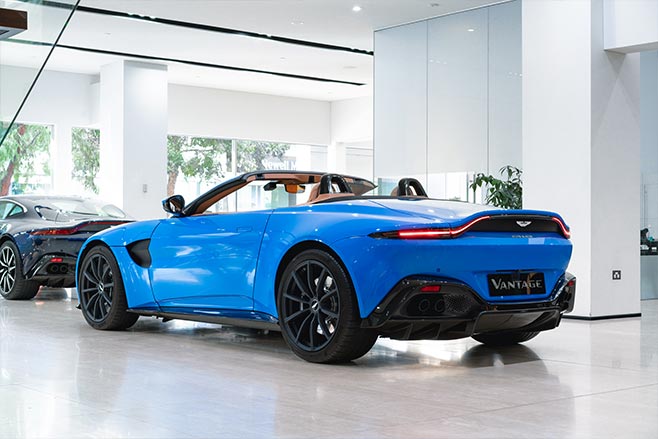
The Roadster is a tenth slower to 100km/h (with a 3.7sec claim) than its roofed sibling and can hit a top speed of 306km/h with the roof up. An extra 60kg over the coupe puts the Roadster at 1590kg.
Aston Martin’s 007 Edition Vantage inspired by The Living Daylights
As with the Coupe, the Roadster features adaptive damping, ‘dynamic’ torque vectoring, and an electronic rear differential, though the rear dampers and ESP software have been tweaked to better suit the Roadster.
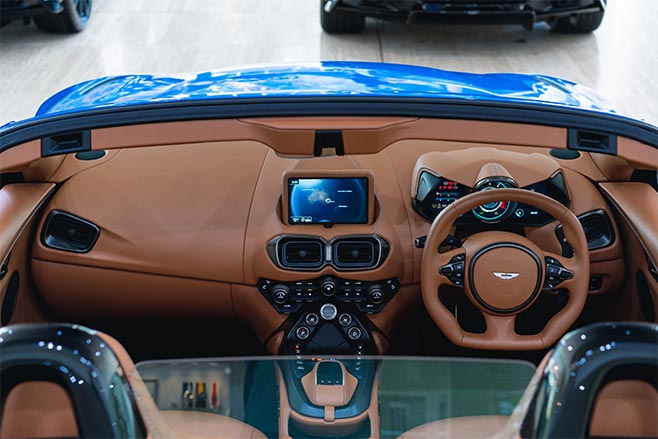
Former Aston Martin CEO Andy Palmer said upon the launch of the Vantage Roadster at the start of the year that it was built for those who believed true sports car driving is done without a roof.
“For many, driving with the roof down is the true definition of the sports car experience as it truly brings your senses to life.
“Vantage has always delivered the purest of thrills, but in Roadster form that adrenaline rush is set to go to the next level.”
