
New lightweight 3D-pistons developed in Porsche’s engineering department have squeezed as much as 22kW from a 911 GT2 RS engine during testing.
Given Porsche has ended the 911 GT2 RS production run, the high-end pistons were created as part of the company’s latest material science experiment that reveals what 3D-printed additive manufacturing can achieve when applied to high-stress components, like an engine’s piston.
They ultimately allowed engineers to increase engine speed, lower temperature load and optimise combustion, allowing a 3.8-litre twin-turbo flat six GT2 RS engine to increase power from 515kW to 537kW on an engine dyno. That’s a four per cent gain. Porsche says the pistons also completed 200 hour of endurance running with “many high and top speed elements”.
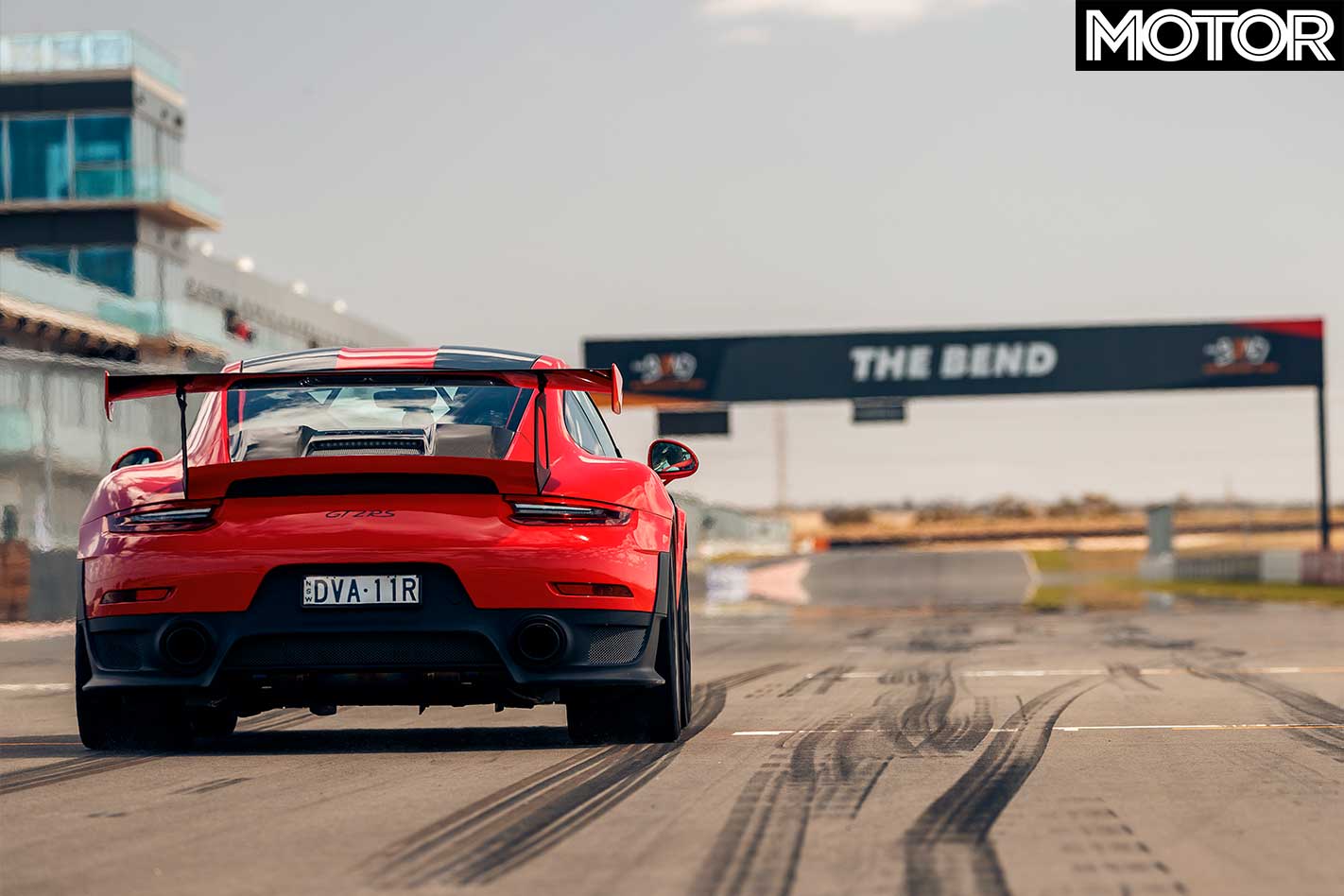
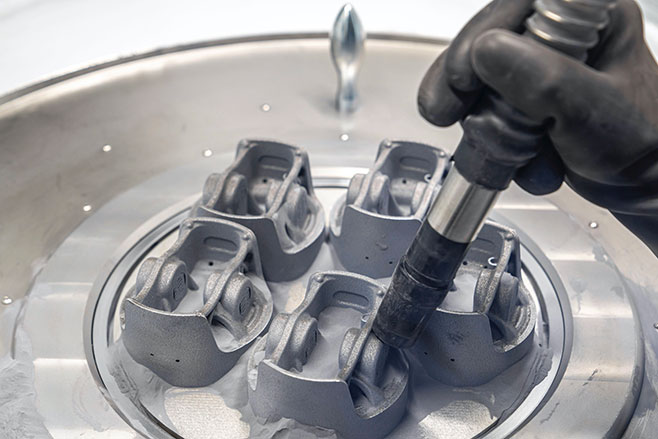
It might sound like science fiction, but in reality the pistons are claimed to weigh 10 per cent less than a conventional item and sport a special cooling channel which lowers piston ring zone temperatures by as much as 20 degrees Celsius.
The concept itself has roots in F1 but this is at least Porsche’s first foray into 3D printed pistons, and a natural one since the company already uses additive manufacturing to build 20 per cent of classic models components. It even offers a bucket seat with 3D-printed elements for 911s and 718s.

Digital blueprints command Trumpf’s lasers as they weld aluminium powder layers on top of each other to eventually form a piston. The pistons then are finished at Mahle then quality checked at Zeiss.
Porsche has confirmed it’s no more than a technical study, so 3D-printed piston equipped engines won’t be seen in showrooms too soon, but the company says it finds the technology is “technically and economically interesting … with significant potential to product and process innovations”.
This article was updated on July 27, 10:25am, to reflect new information from Porsche.
- Production version of edgy concept unveiled
- Available with 63 and 87kWh battery packs
- Nissan says it has up to 500 kilometres of range
The story to here
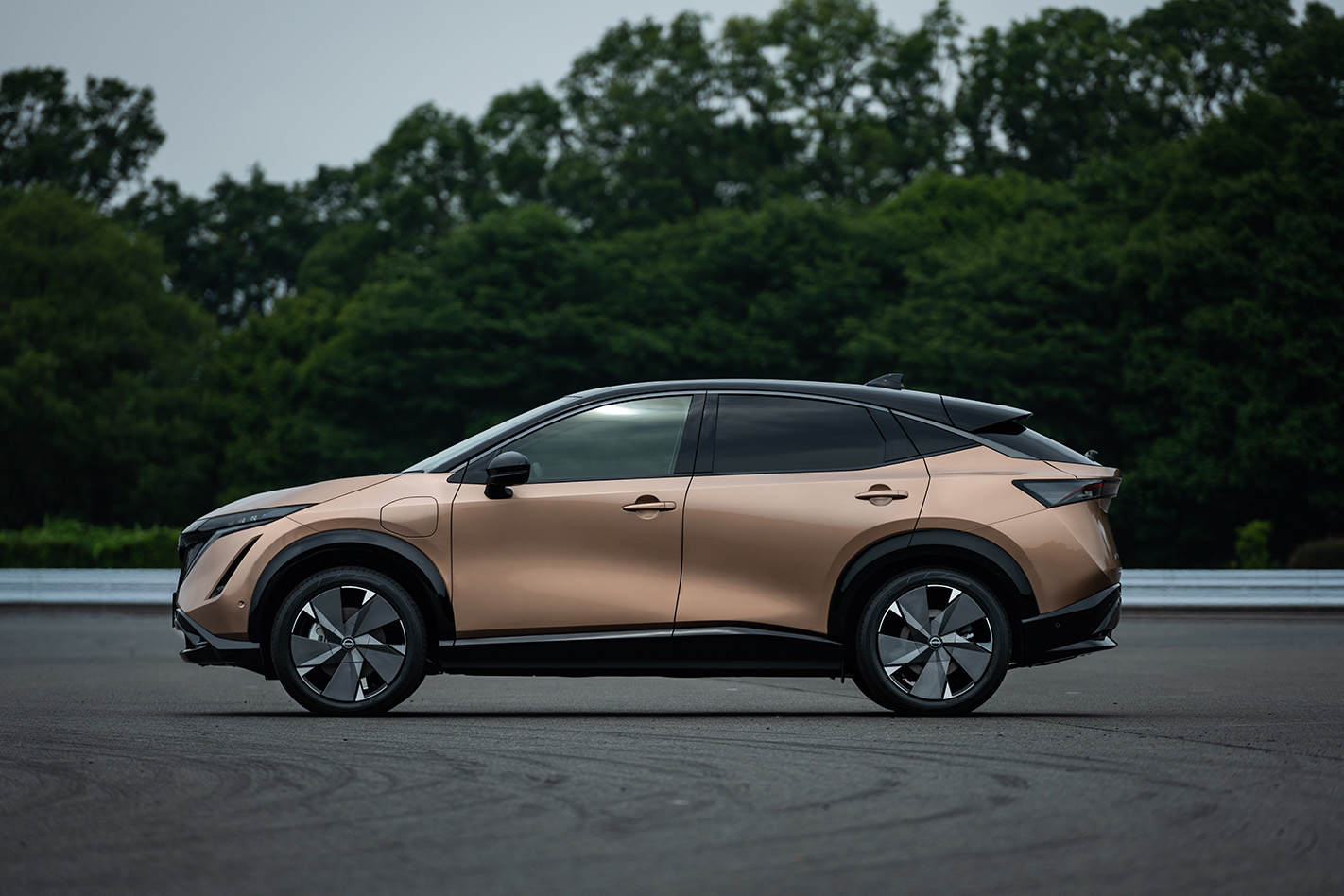
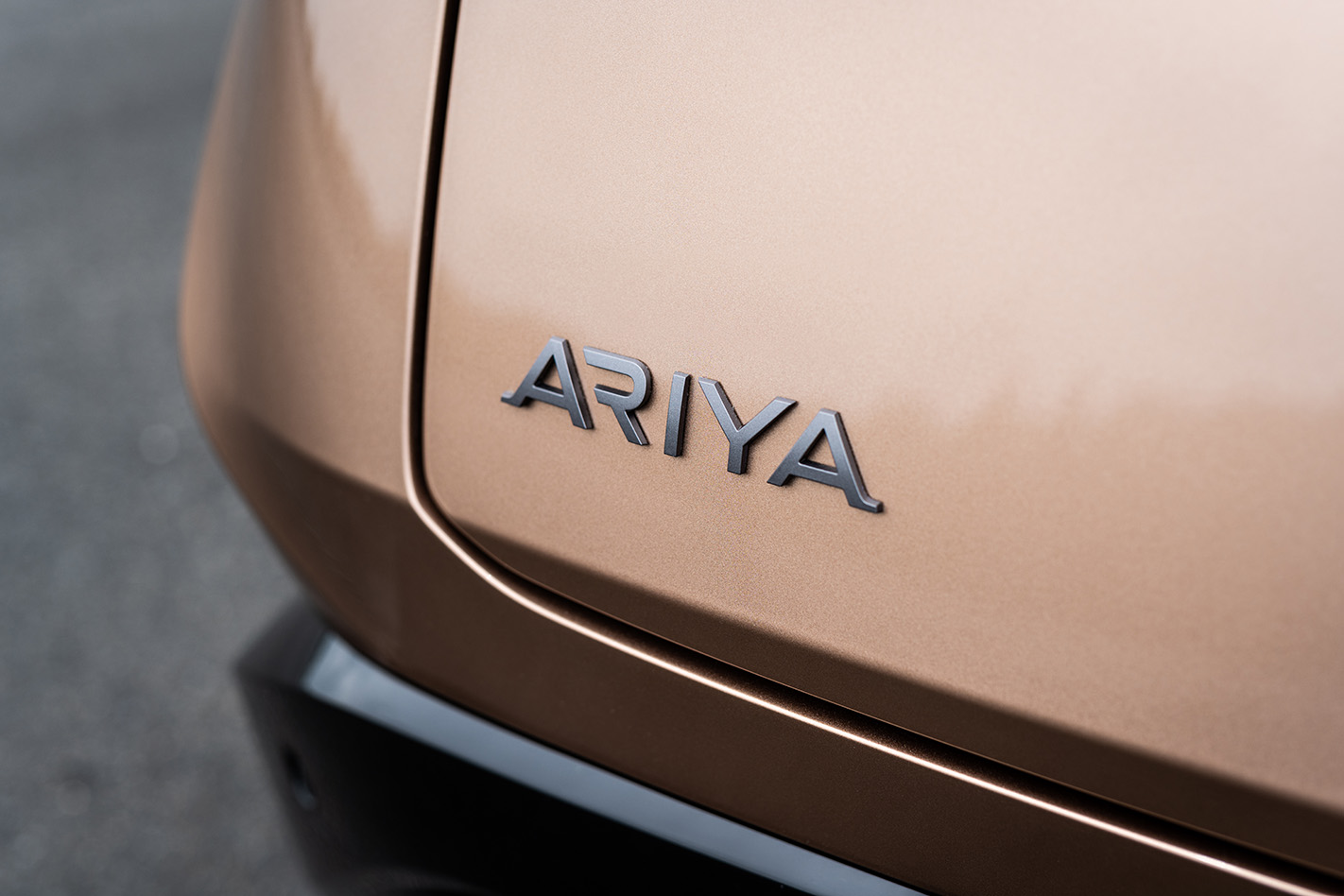
Nissan’s second full-electric car has been unveiled. The new Ariya features concept car looks and is massive technological leap over the Leaf, thanks to an all-new platform, which will be shared with Joint Venture partners, Renault and Mitsubishi.
The concept, which was revealed at the 2019 Tokyo motor show, was praised for its cutting-edge design – and it looks to have made it largely intact for the 2021 production version. You can see for yourself by scrolling through the gallery above. Top line is that it will be offered in two- and four-wheel drive form with two different battery packs, and a number of power outputs. Nissan says it has a 500 kilometre range in WLTP testing.
Future electric cars
Unlike the Leaf which has effectively stood on its own, the Ariya uses a scalable platform optimised specifically for electric cars. Without the need to house an internal combustion engine, passenger space is elongated and the cockpit floor can be flat, with the batteries packed underneath.
63 and 87kWh battery packs, two- or four-wheel drive
The twin electric motor, all-wheel-drive Ariya models will feature Nissan’s most advanced all-wheel control technology, e-4orce. It has four-wheel drive and control, and Nissan says that it features a torque split system that mirrors the GT-R’s set-up. If that’s the case, we can’t wait to try it – and see how it compares with Tesla’s Track Model as featured on the Model 3.
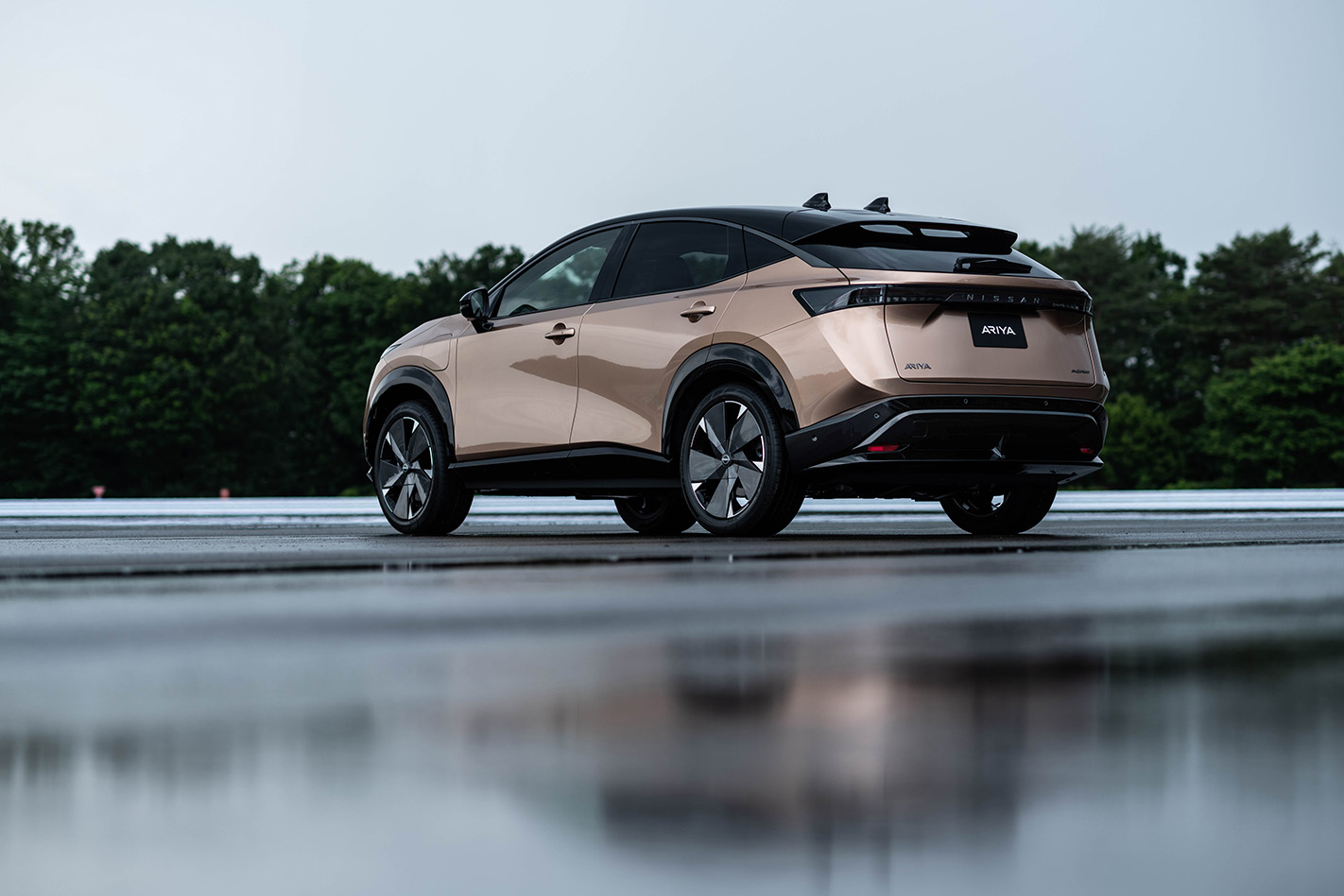
The Ariya will be offered in 63kWh two- and four-wheel-drive forms, as well as a more powerful 87kWh model (front- and four-wheel drive). Top of the range will be the Ariya e-4orce 87kWh Performance, which combines the higher power drivetrain with the usual upgrades you’d expect in a range-topping EV.
Speaking of performance, Nissan says the 0-100 km/h time ranges between 7.6 seconds (for the two-wheel drive Ariya 63kWh) and 5.1 seconds for the 87kWh Performance model. Maximum speed ranges between 160 km/h and 200 km/h – hardly enough to trouble a Tesla Model 3. As for weight, it comes in at a EV-typical 1800-2300kg.
Nissan Ariya CCS charging system
The Ariya gets a Combined Charging System (CCS) connector for the European market. Charging tech includes a battery thermal control feature for its liquid-cooled battery and the Ariya 63kWh versions have a 7.4kW charger for domestic use. The 87kWh version can support a 22kW three-phase charger for home charging – as long as your home does. For those using public chargers, the good news is that it supports rapid charging up to 130kW.
Design
The Ariya is a handsome thing with clean surfaces and a striking graphical face, including ‘boomerang’ LED lights and a closed off grille for aerodynamic reasons.
“Electric power is this clean powerful energy, so we wanted to echo that was clean powerful surface,” Giovanny Arroba, Nissan’s EV Design Director told WhichCar.
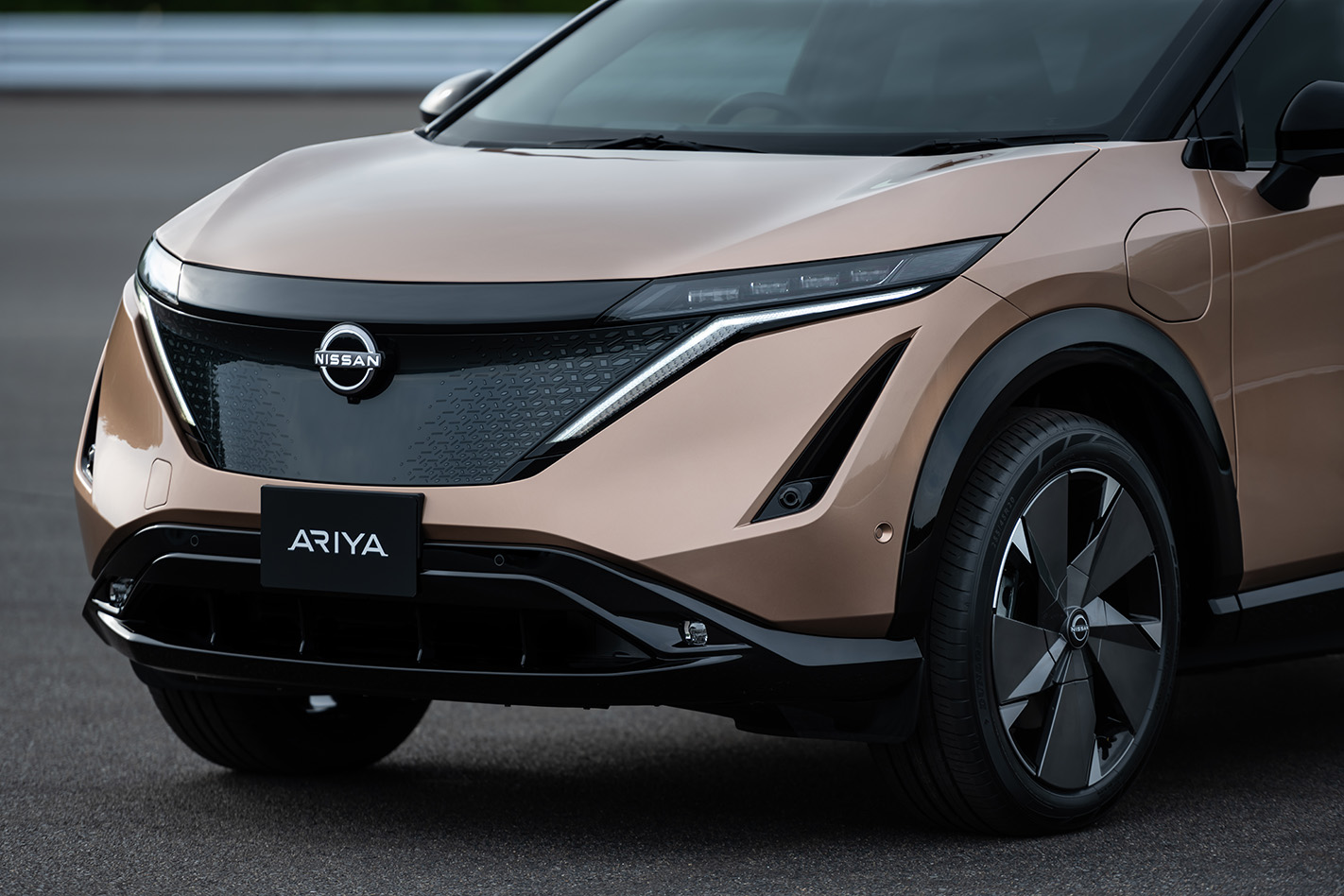
Indeed, the overall teardrop shape looks honed in the wind tunnel, to boost range. Air intakes at the front of the Ariya also create ‘air curtains’ which help keep air attached to the side of the car.
“We wanted to express the technology that we’re bringing to market, this kind of democratisation of electric and technology, which we call intelligent mobility design,” said Arroba.
The replacement of the Nissan V-motion grille with a shield design is a big change in direction: “It was an open grille and was feeding the internal combustion engine with cooling air,” explains Arroba. “That has been replaced with this technology shield which packages are radar and camera.”
The shield – along with the with incisive-looking DRLs it melts into are surely the most striking part of the Ariya, and they’re a new signature for Nissan electric cars. “I think the shield in combination with the signature lamps, that frame that face, that combination shows our brand identity, electrified,” he confirmed.
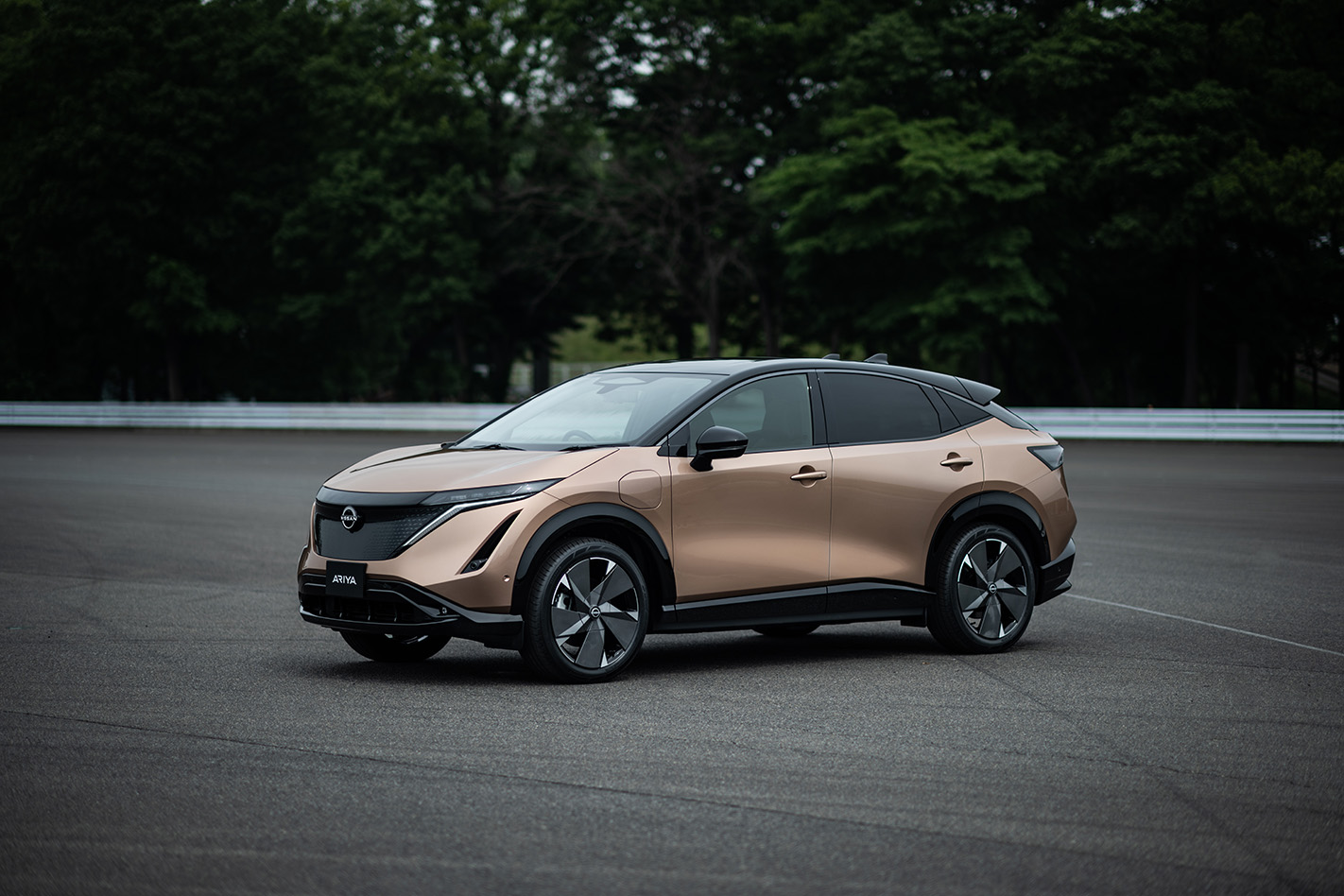
“The Ariya’s proportions show what’s possible with Nissan’s 100% electric vehicle platform,” said Alfonso Albaisa, Nissan’s senior vice president of global design at the Tokyo motor show. “The surprisingly short overhangs, large cabin, large wheels and tailored two-tone paint scheme provide an elegant appearance that balances sport and luxury.”
It’s an entirely new design direction for Nissan, the first example of our new vision for our design language, which we call Timeless Japanese Futurism,” said Albaisa.
And inside?
The Ariya isn’t all joysticks and VR headsets, it features close to production interior that outlines a car that has semi-autonomous capability of the near future. “This can car lives in a world where you still can engage and drive with the tactile feel of the steering wheel,” Arroba assured us. There’s a touchscreen, digital cockpit and wheel-mounted buttons, and apart from some glowing switches on the dash, the Ariya cabin is grounded in reality.
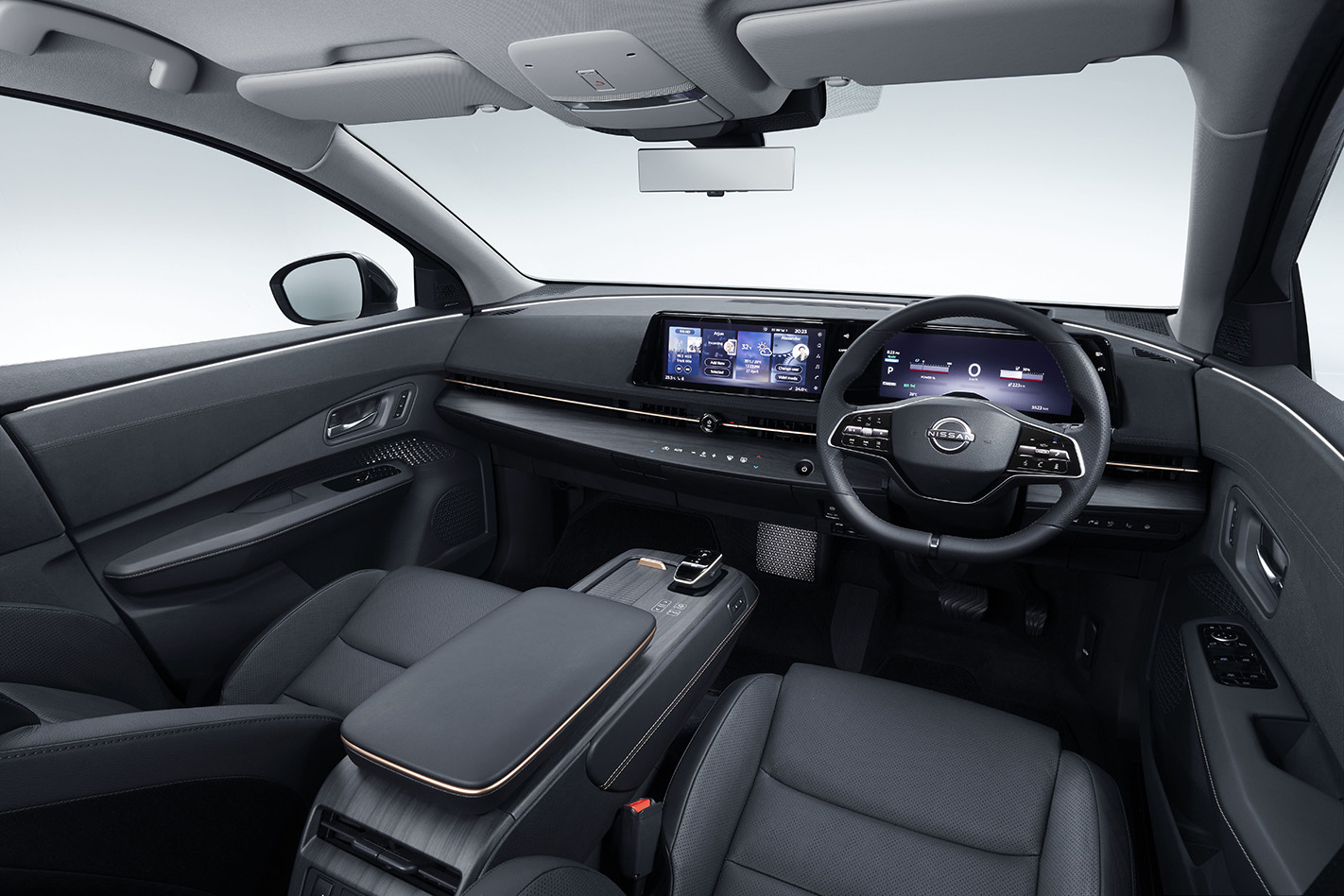
The Ariya is a one-pedal car to drive, just like the Leaf. It can accelerate, and brake following the car in front and keep within lane, as well as undertake hands-off driving between highway junctions so long as you’ve set the navigation – just like the current Japanese-market Skyline. But next-gen features include automated overtaking, lane diversions and piloted exiting of the highway.
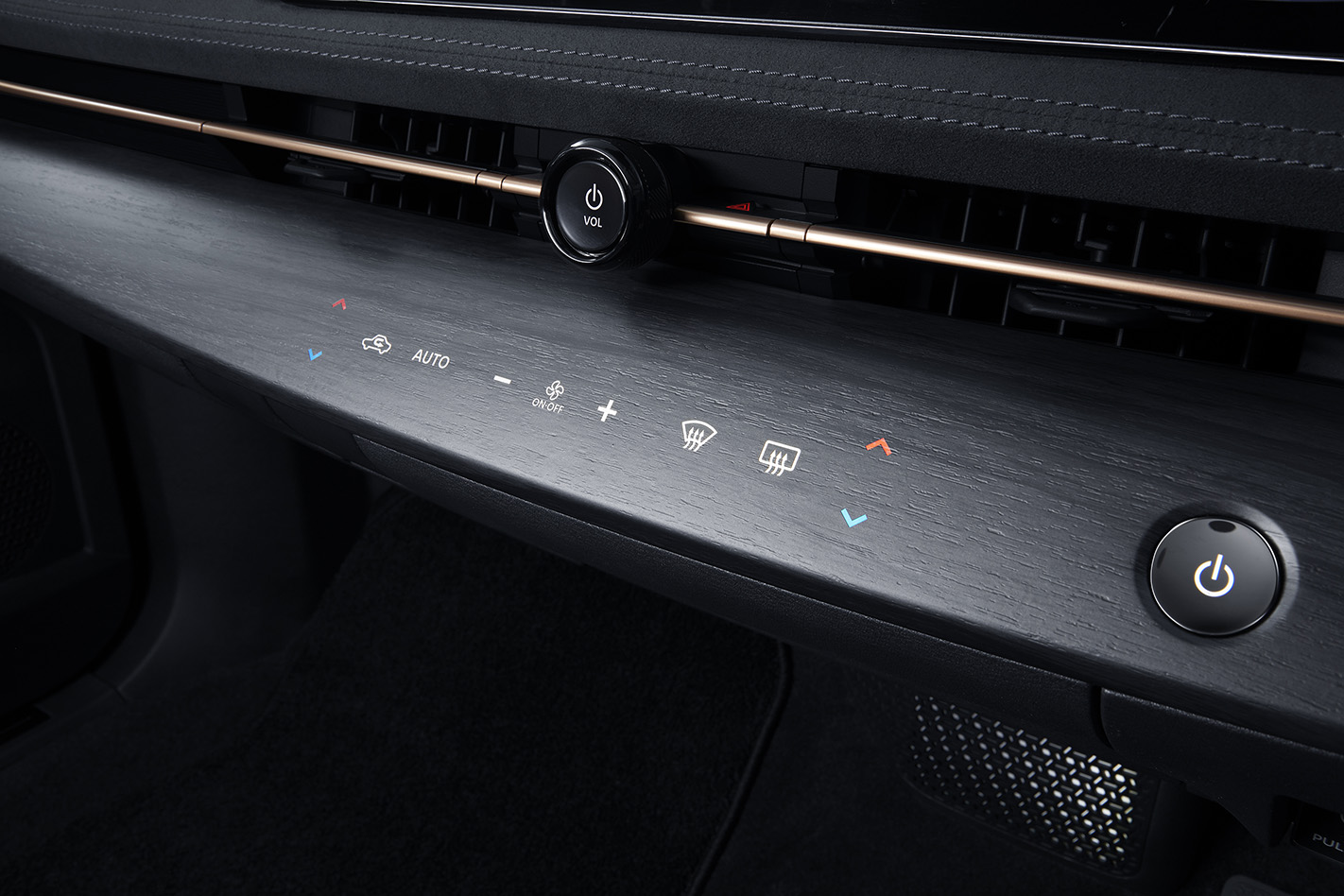
Drivers okay the transfer to automated driving via a button; the pared-back interior lighting switches at that point to signify a more relaxed state. Whether the driver stays that way depends on how polished and bulletproof ProPilot 2.0 turns out to be – assuming it can be homologated for use in Europe.
What are the autonomous car levels?
The Ariya gets the latest version of ProPilot. It also has a series of connected features. As soon as the key is detected, the seats and vehicle settings change to match the driver’s preferences. It’s connected, too, and offers ‘hey Nissan’ and Alexa voice command functionality.
More space inside
Like many other electric cars, its interior is also more spacious than you’d expect: Nissan has been able to move A/C components from the interior – where they’d usually be packaged – to the ‘engine bay’ and given back the occupants some real estate in the process. Remove the transmission tunnel, and there’s considerably more space in the Ariya than its outside shape suggests. In fact, it’s more D-segment inside, than its C-segment exterior.
I’m sold – when can I have one?
Nissan isn’t saying exactly. But Albaisa promised ‘you will soon be able to drive it’. And thanks to the new platform which can be pushed and pulled into multiple sizes, expect it to step up the proliferation of pure EVs from the Japanese.
It needs to get a shift on, else its EV lead will disappear as Ford unleashes its Mustang-inspired electric crossover and Volkswagen its ID.4. Hopefully in a year’s time we’ll be well on our way to experiencing the new Nissan Ariya.
This article was originally published on carmagazine.co.uk
In recent years Mazda has consistently been at the top of Australian buyer’s minds in the small car segment, but the latest generation Mazda 3 has had other ideas.
Instead of targeting hard-won buyers of the previous generation – as it’s done so successfully with the CX-5 – Mazda has taken the new 3 into a more premium space with a commensurate rise in price.
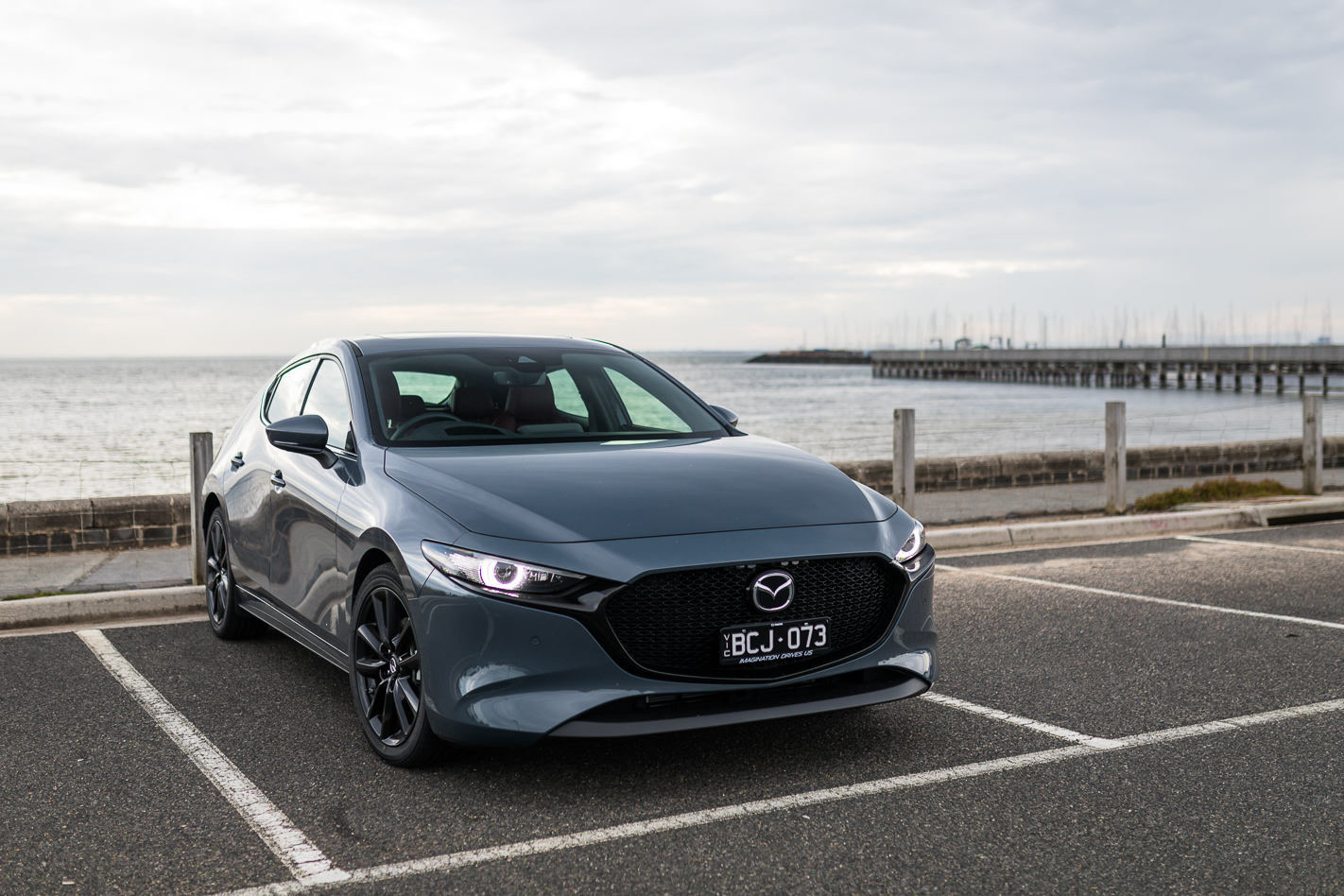
WhichCar has picked up a range-topping Mazda 3 G25 Astina to sample the new range over the longer term and on initial impression, and as the guy with the keys, I’m pretty excited.
It presents extremely well in its $495 Polymetal Grey metallic paint option, with a red leather interior setting off the colour combo nicely.
Set yourself down inside the interior and there’s an immediate air of quality compared to its predecessor that’s most welcome in a car that costs $38,590 (before on-road costs) or $43,573 driveaway in Victoria as tested.
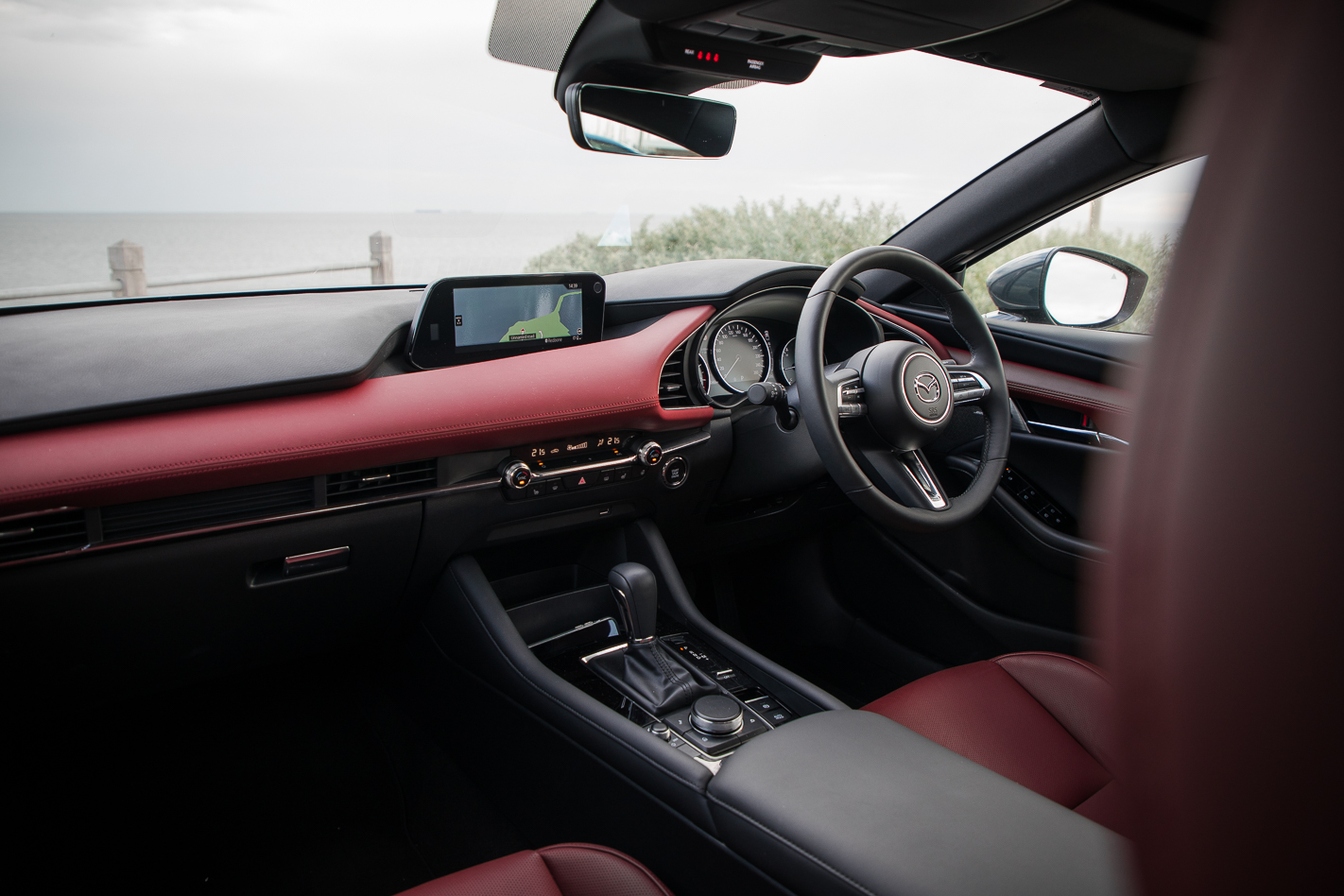
Hallmark additions of the new Mazda 3 range such as head-up display, keyless entry and push-button start, heated front seats and steering wheel, a 12-speaker Bose sound system and power mirrors are all here, and a large amount of safety technology is standard across the range too.
The G25 Astina comes with a few extra goodies over and above what’s already been mentioned, adding a sunroof, 360-degree parking cameras, adaptive LED headlights, radar cruise control and front- and rear- cross-traffic alert.
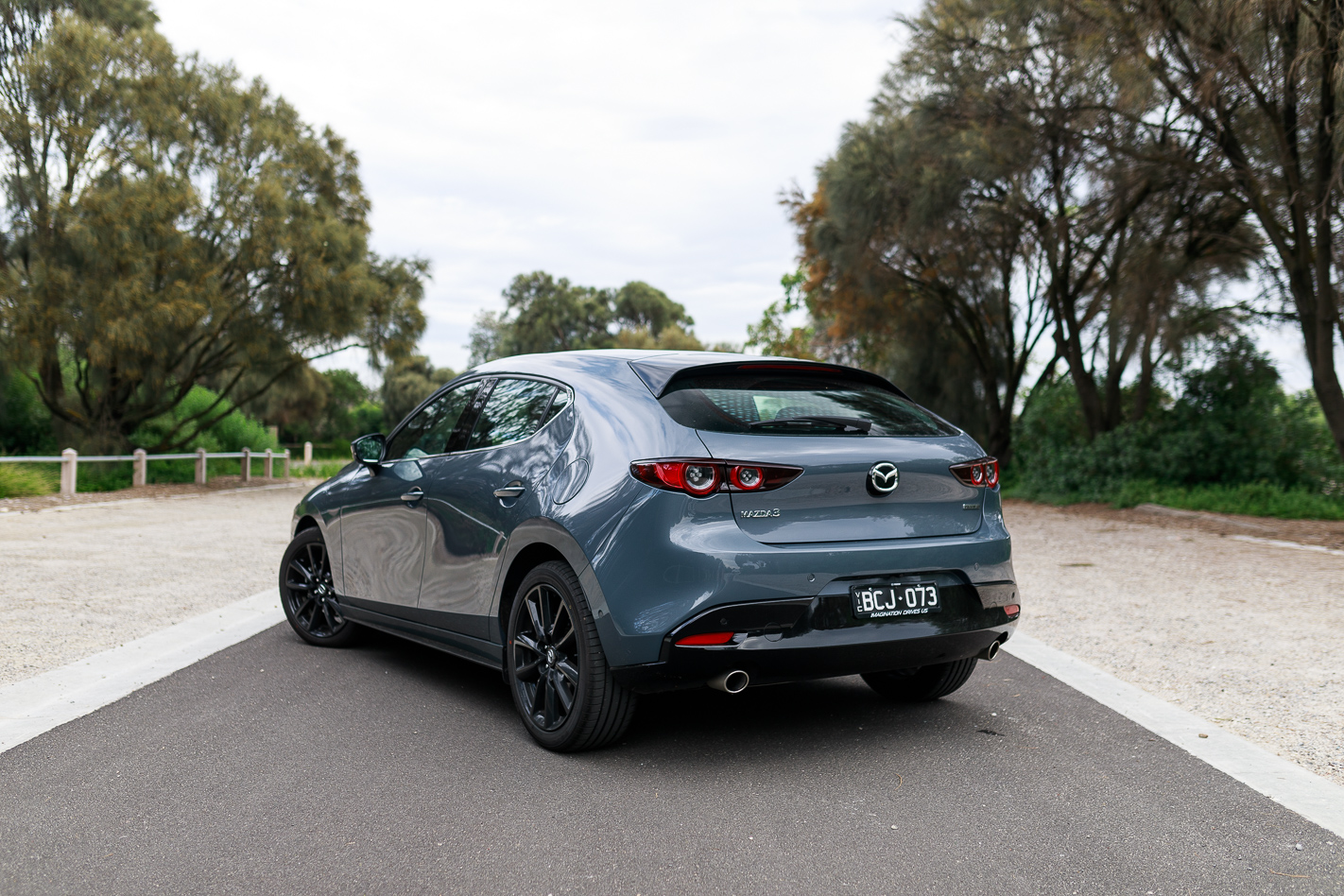
It gets the larger of two engines, a 2.5-litre naturally-aspirated Skyactiv-G unit sends 139kW and 252Nm to the front wheels.
Those power figures changed ever so slightly (an increase of 1kW/2Nm) in comparison to those from the same engine in the previous generation car.
But the most interesting part about this BP-generation Mazda 3 is the big step-change toward a premium product. It’s that angle that I’m keen to look closer at while I have BCJ-073 in my custody.
I won’t delve too deep into our experiences thus far, but I can tell you I love the looks and feel of the interior, and it’s a very easy car to live with for ducking to the shops for the vitals, although it can be difficult to see out of the rear.
I’ve not had much of a chance to stretch the drivetrain while parked on the lounge, either, so I’ll reserve judgement for a later date.
For the time being, I can’t take the car too far while coronavirus restrictions are in place, but I’m looking forward to getting a proper go behind the wheel.
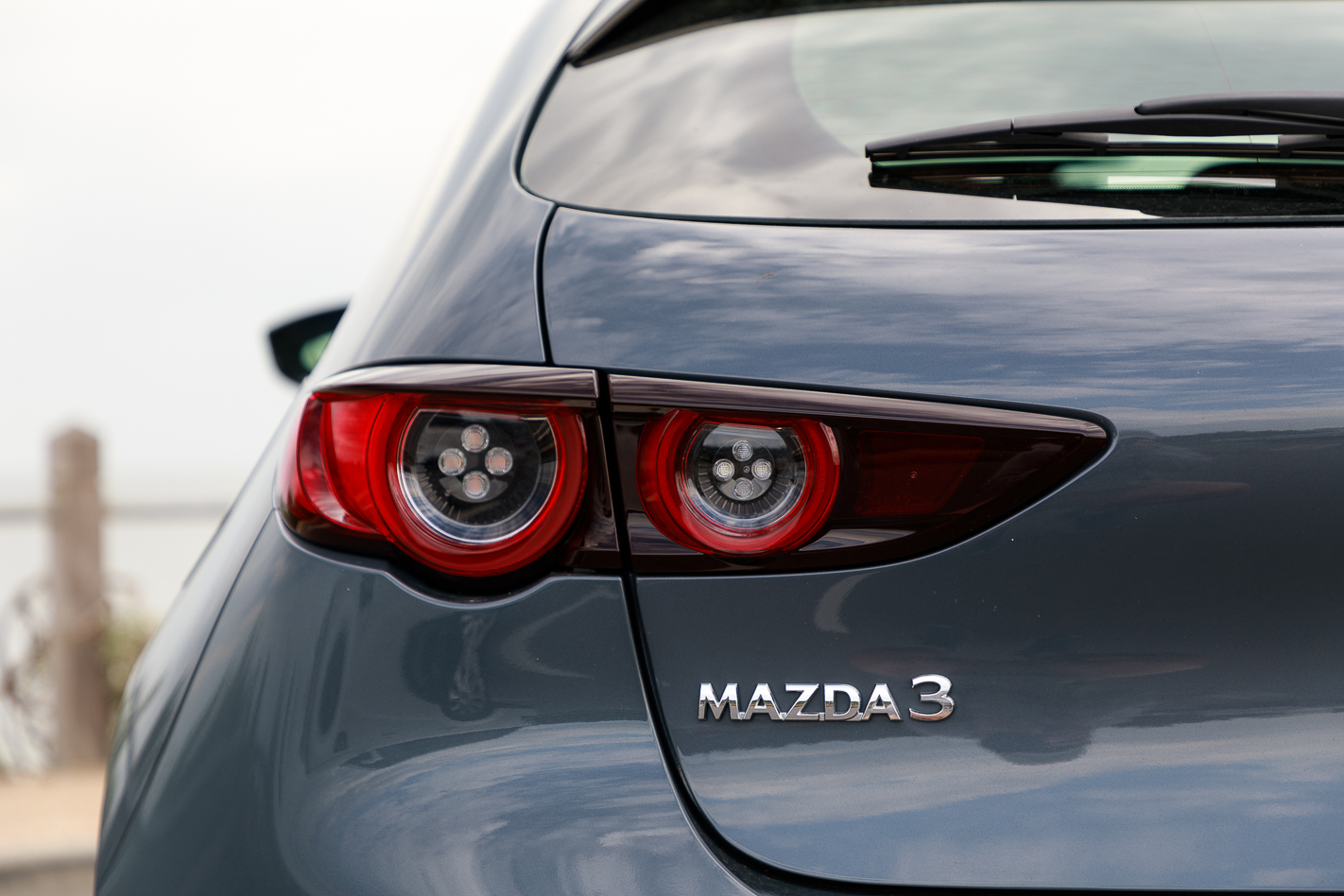
Update #2
May 20, 2020 ODO: 4532 Km driven: 492km Avg fuel use: 9.4L/100km
Things are looking up for our Mazda 3 long termer. As restrictions start to ease I’m seeing more opportunities to get back into the swing of things and go for a proper drive. In stark contrast, the month I’ve just spent in the Mazda 3 hasn’t been particularly exciting.
In between trips to the shops and to and from the local coffee shop, I feel bad that the little hatch hasn’t seen much of the world of late. Even still, BCJ-073 and I managed almost 500 kilometres which has been more than enough time to form some solid opinions on the most exciting – and most attractive – part of the car, the interior.
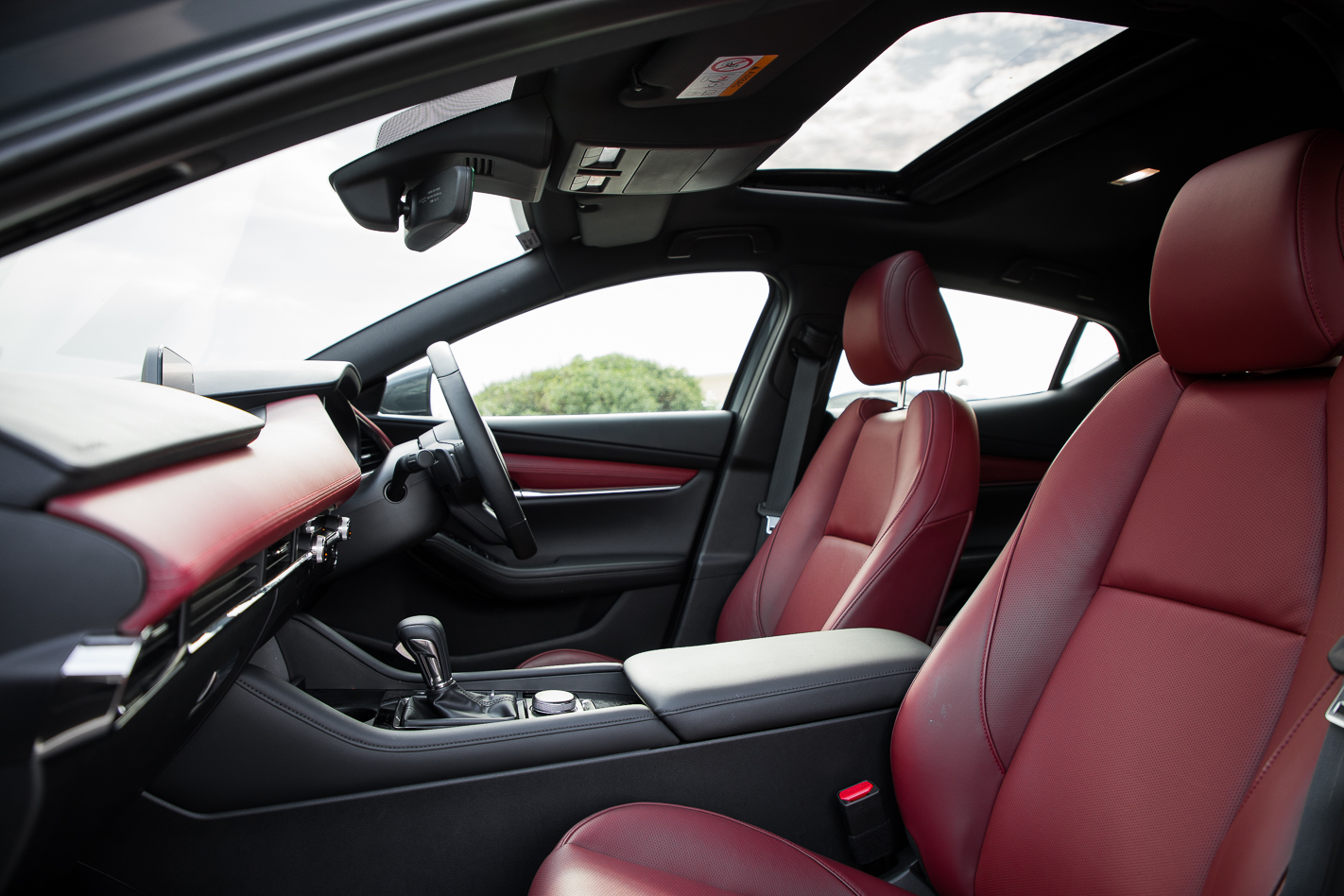
It’s what’s on the inside that counts, right? Mazda has focused most of its energy on interior design with the 3 and arguably, it’s the aspect that shines the brightest so far.
Being that it is a top-spec model, cabin adornments are of fantastic quality in a small hatchback sense, I can’t think of too many other small hatchbacks that I’d rather be inside – and that even includes some of the German ones. The red leather pairs extremely well with its grey exterior finish, and the design is particularly modern and minimalistic – very 2020.
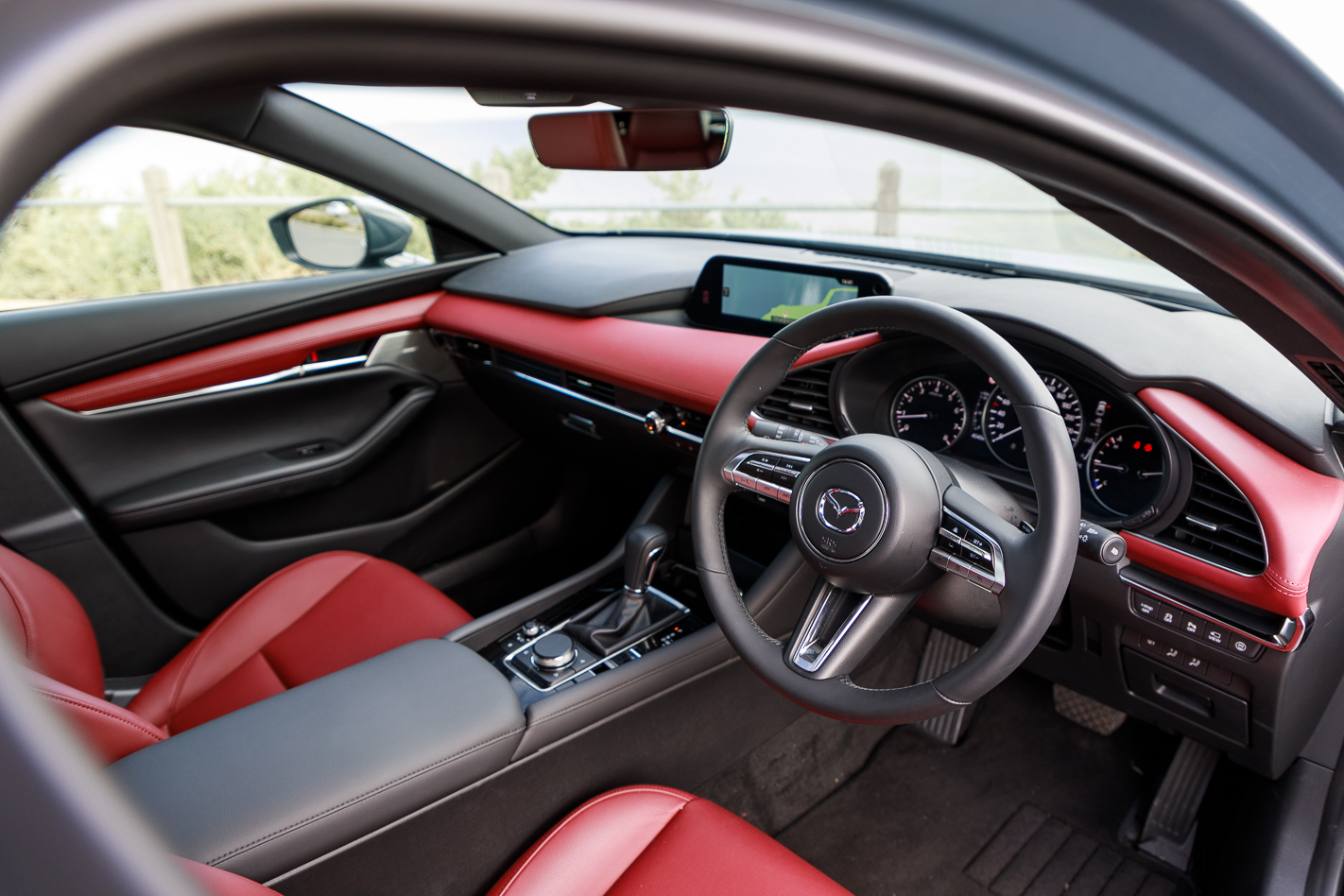
Just about every surface you touch is covered in a nice material, whether it be the soft leather of the steering wheel and shifter or the sturdy plastics found incorporated into the door cards. The 8.8-inch infotainment screen is a nice new unit to use, with commands all laid out in list form and shortcut buttons surrounding the rotary controller.
It’s eerily reminiscent of the BMW iDrive systems of old – but hey, if you’re going to to take inspiration, take it from the best. It is always a commendable system when I don’t have to default to Apple CarPlay, something which I’ve not done yet in the new 3.
Convenience features like the heated seats and steering wheel, as well as the memorised electric driver’s seat make it easier to get going quicker on these cold Melbourne mornings.
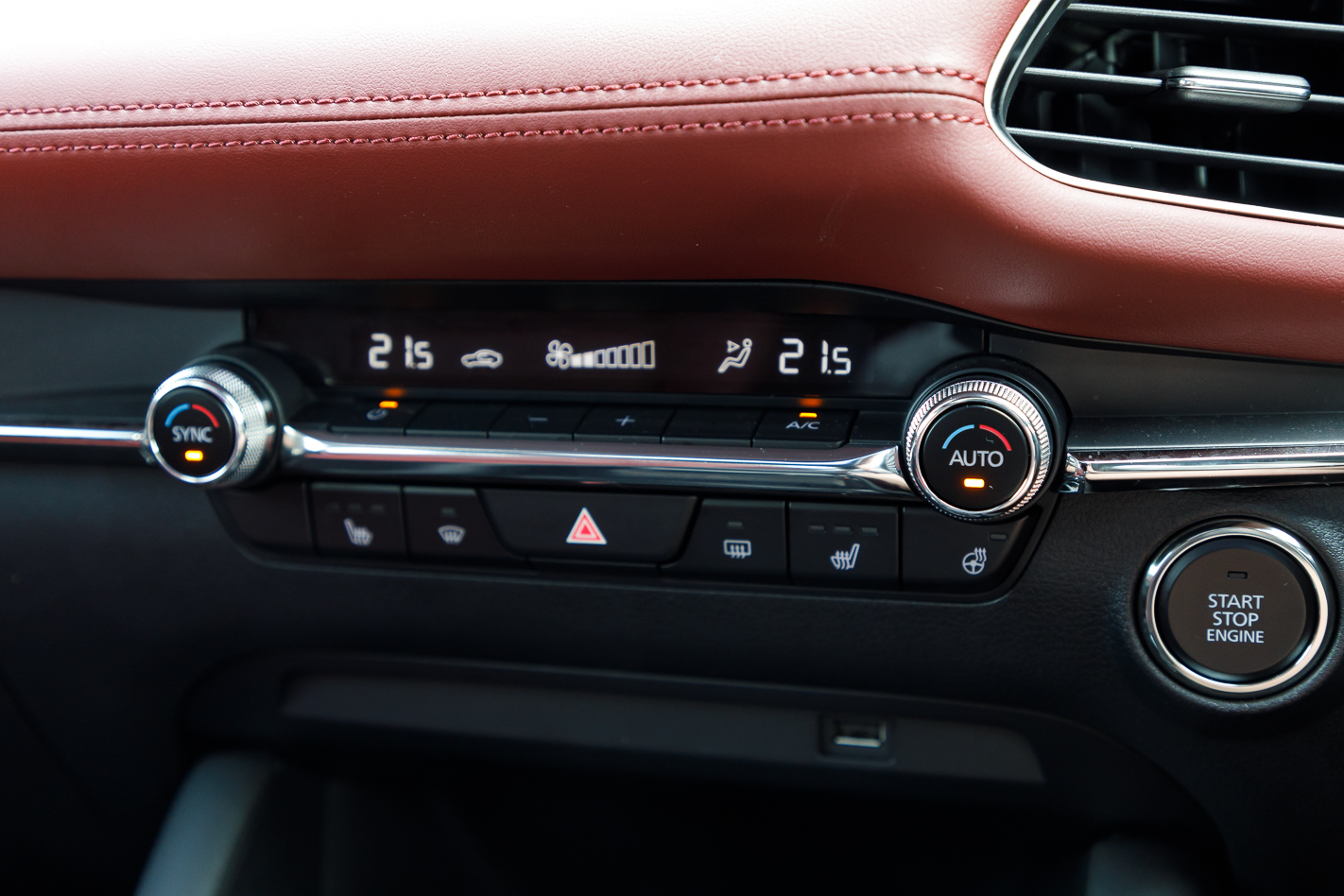
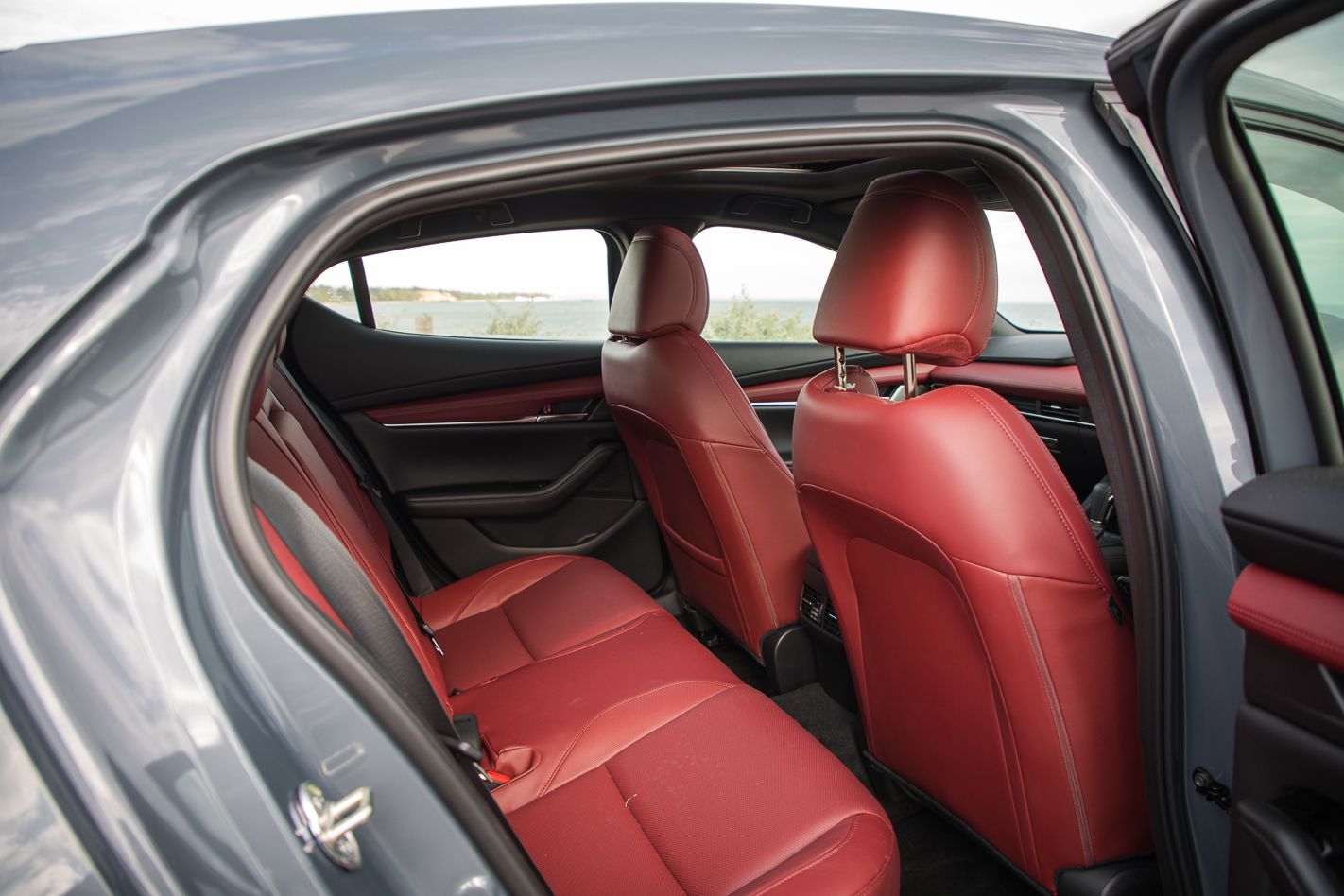
The seats are firm, but remain compliant enough to be comfortable, and there’s adequate space up front allowing the driver to configure a great driving position. The back seats are tight, and although it’s a nice place to be, a six-foot-four somebody like me wouldn’t want to be sat here too long. As I sit here writing, the lack of head room and knee room are the main detractors, but on the upside I do have some rear air vents to keep me cosy.
Something that rear seat passengers may complain about is the lack of an open, airy feel, owing to the large C-pillar (which can make reversing quite the difficult task) and narrow window apertures.
Storage is fairly well catered for especially in the front. There are two cupholders up front and a small cubby just in front of them, while a felt-floored, decent-sized centre console can store items as big as a diary. The boot is on the smaller side at just 295 litres of capacity (space saver spare included), beaten by both the Volkswagen Golf and Ford Focus.
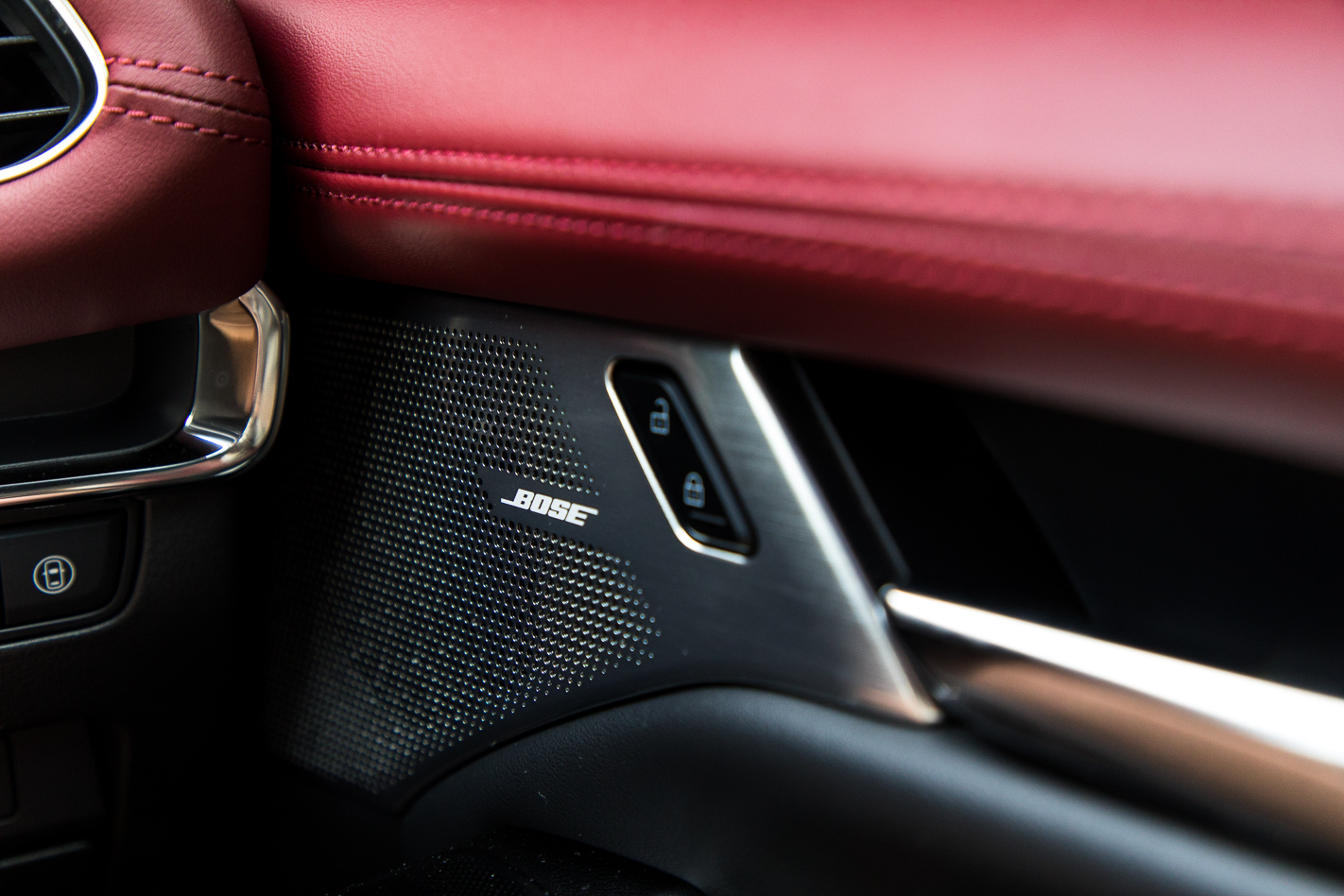
One thing I’ve grown to love is the 12-speaker Bose sound system which not only looks nice with its metallic speaker outlet grilles on the doors, but offers a resounding boom and tight top-end that’ll make you want to blast tunes even on the most mundane of trips.
As we look toward another month of Mazda 3 ownership, I’m keen to get out and about now that restrictions are easing and experience more of the 3’s driving characteristics. Stay tuned for the next update which will focus more heavily on what the Mazda 3 G25 Astina is like to drive.
Update #3
June 22, 2020 ODO: 6208km Km driven: 1676km Avg fuel use: 7.7L/100km
Our Mazda 3 G25 Astina has quickly gone from a garage queen to being in hot demand. I’ve not realised it until just now but it seems we’ve put on a very respectable 1600 kilometres onto the odometer – not bad considering the current global circumstances.
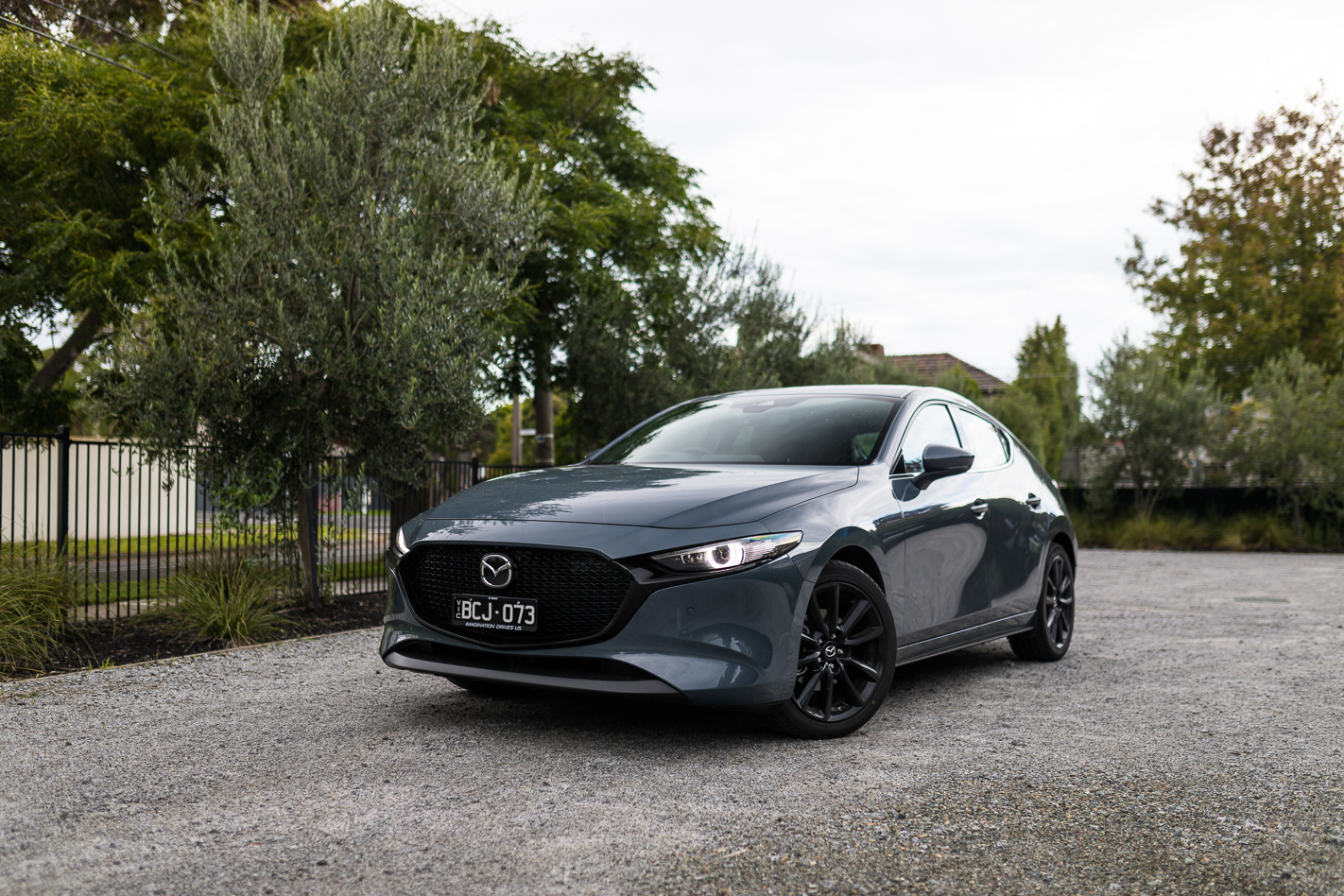
I can’t take all the credit for the kilometres driven though – our mates at Street Machine borrowed BCJ-073 during May to complete a fuel economy test that involved running the car on different grades of petrol, the result of which you’ll see on a future episode of WhichCar TV.
That said, I did notch up nearly a thousand kays of that myself, using it as a runabout around town and finally getting the chance to get out for a great drive through Marysville and beyond.
But let’s start with where the Mazda 3 spent most of its time – suburbia.
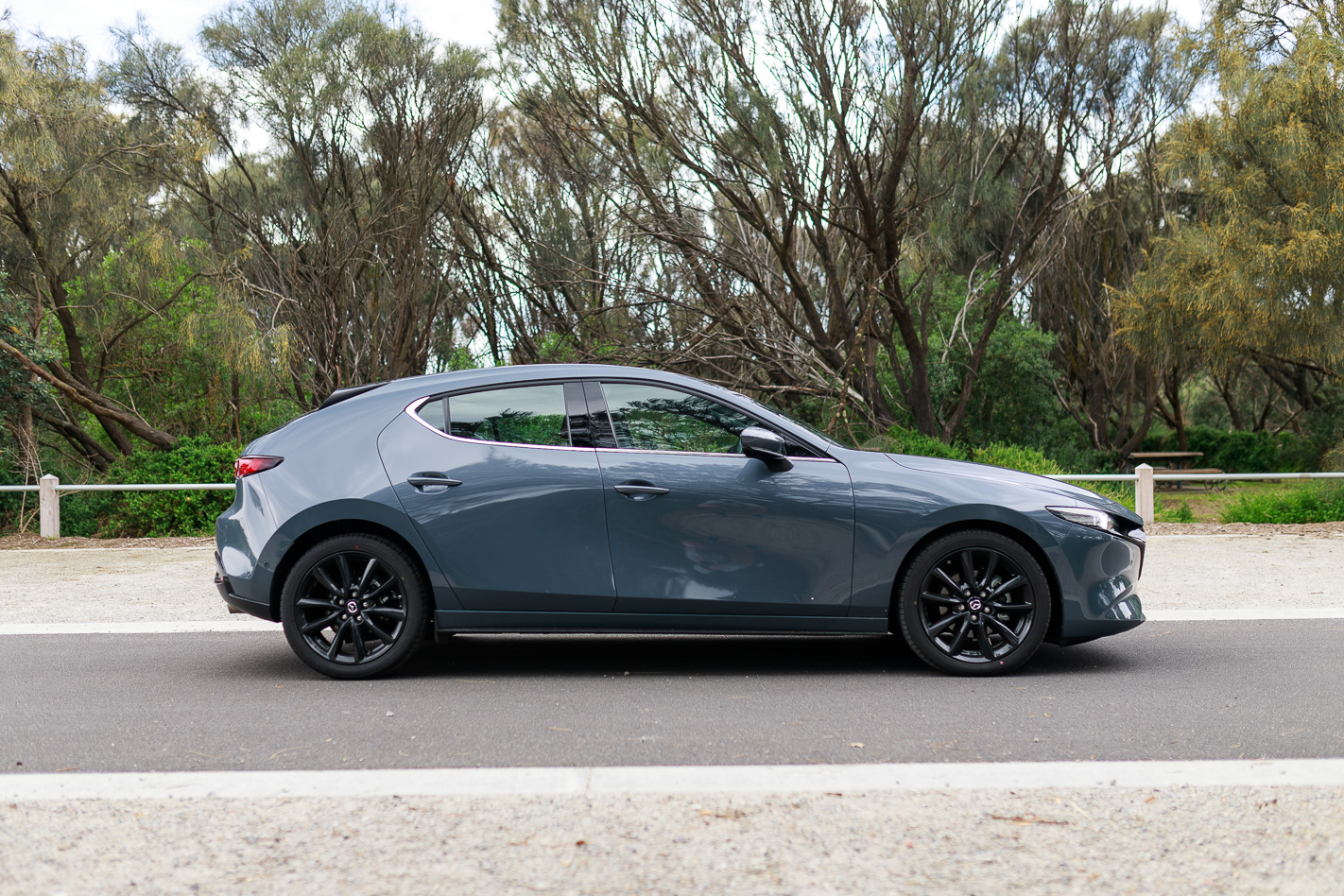
Especially running in top-spec Astina trim, getting about town quickly and efficiently in the 3 is ridiculously convenient. The little things like keyless entry, high-definition 360-degree cameras and push button start allow you to simply jump in and go.
The light steering feel and low centre of gravity encourages a quick change of direction, resulting in a car that actually feels fun to wield when zipping through an urban environment.
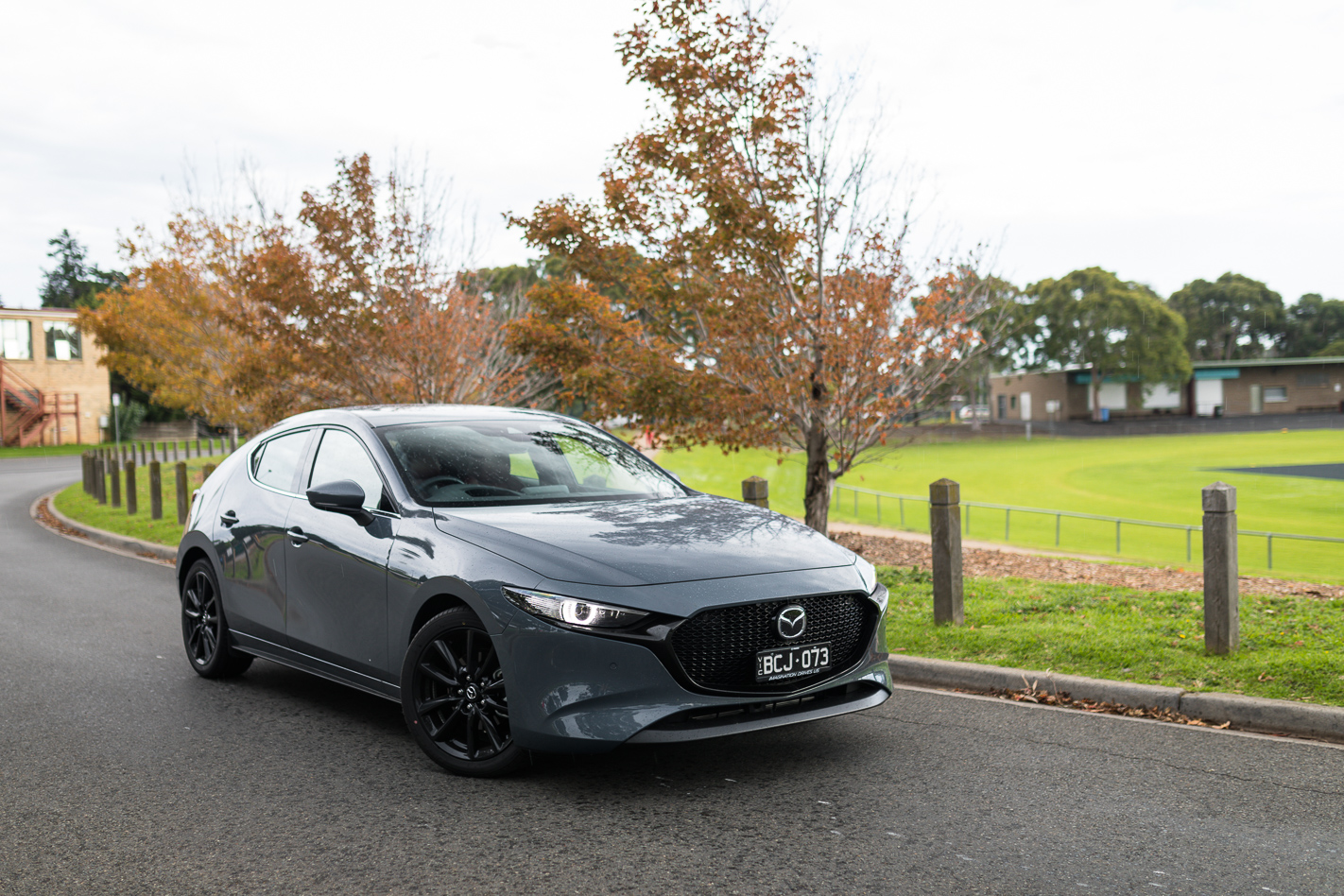
Many of the driving aspects of the new 3 feel like a generational leap forward but the one part of the driving equation that doesn’t feel as evolved is the carry-over 2.5-litre naturally-aspirated engine. It’s not so much a problem around town as speeds are lower and there’s traffic about, but you often find yourself stabbing at the accelerator wanting for that extra boost of torque that only occurs once you’re high in the rev range. The problem is exacerbated when driving rurally.
Overtaking becomes a much more planned manoeuvre and it can’t complete the procedure in the same way a Volkswagen Golf (the car the Mazda 3 was benchmarked against) could. In a car that pushes the game along so far in almost every other aspect, retooling the old engine feels like an afterthought. That said, we’re super keen to see what the SkyActiv-X engine brings to the table when it eventually arrives.
On the upside, my drive out to Marysville was remarkably composed for such a small hatch. Mazda’s focused attention on noise, vibration and harshness really shines through in a good way, as wind noise, road noise and sound insulation in general is incredibly refined. One thing that I’ve not been able to gel with is the active cruise control, which is far more nervous than other manufacturers’ systems and leaves a ginormous gap between you and the car in front.
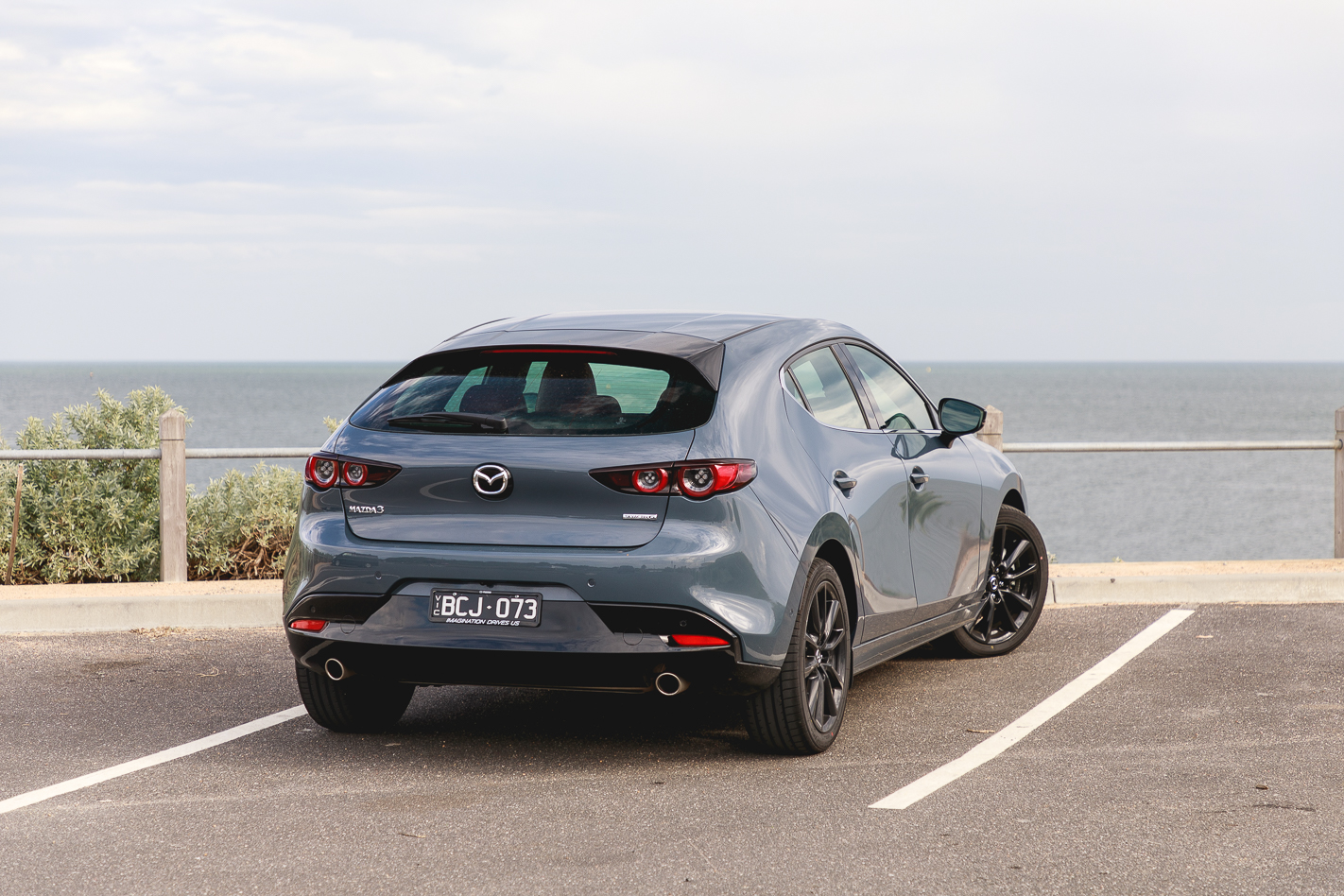
It feels planted no matter the road you drop it on, with excellent road holding and a precise turn-in when the roads get twisty. The brake pedal feel is slightly bizarre and will need some adjusting to – you really have to press hard to get any real stoppage power out of them. The steering isn’t especially tactile but it is direct, with the nose decisively heading in whichever direction the steering wheel is twirled. It’s far more capable than a small hatch should be, offering a rewarding drive experience in a segment that’s increasingly focused on value, space and efficiency.
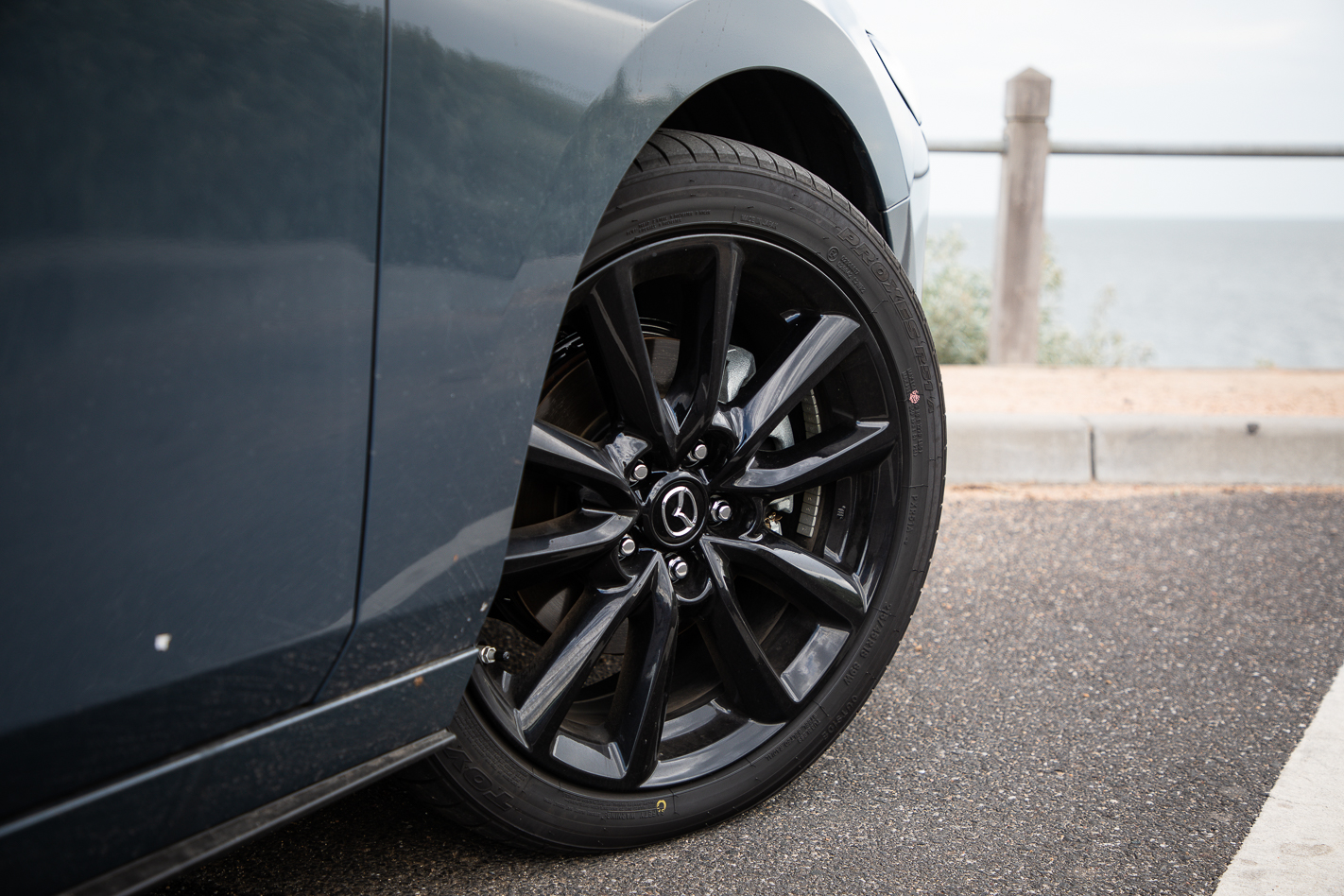
The 3’s ride profile is somewhat sharper than the average small hatch – especially over sharp edges – though comfort levels are still high.
We’re now entering out final month with the 3, in which we’ll reflect on whether it’s been an enjoyable and fit-for-purpose runabout. Stay tuned for final verdict in July.
Farewell
It’s a bit of a shame that the Mazda 3 G25 Astina long-termer never saw a huge range of use while in my care.
Don’t get me wrong – it didn’t sit idly while in my possession – but considering the fact that its tenure also coincided with some fairly heavy lockdown restrictions it certainly didn’t get used as normal.
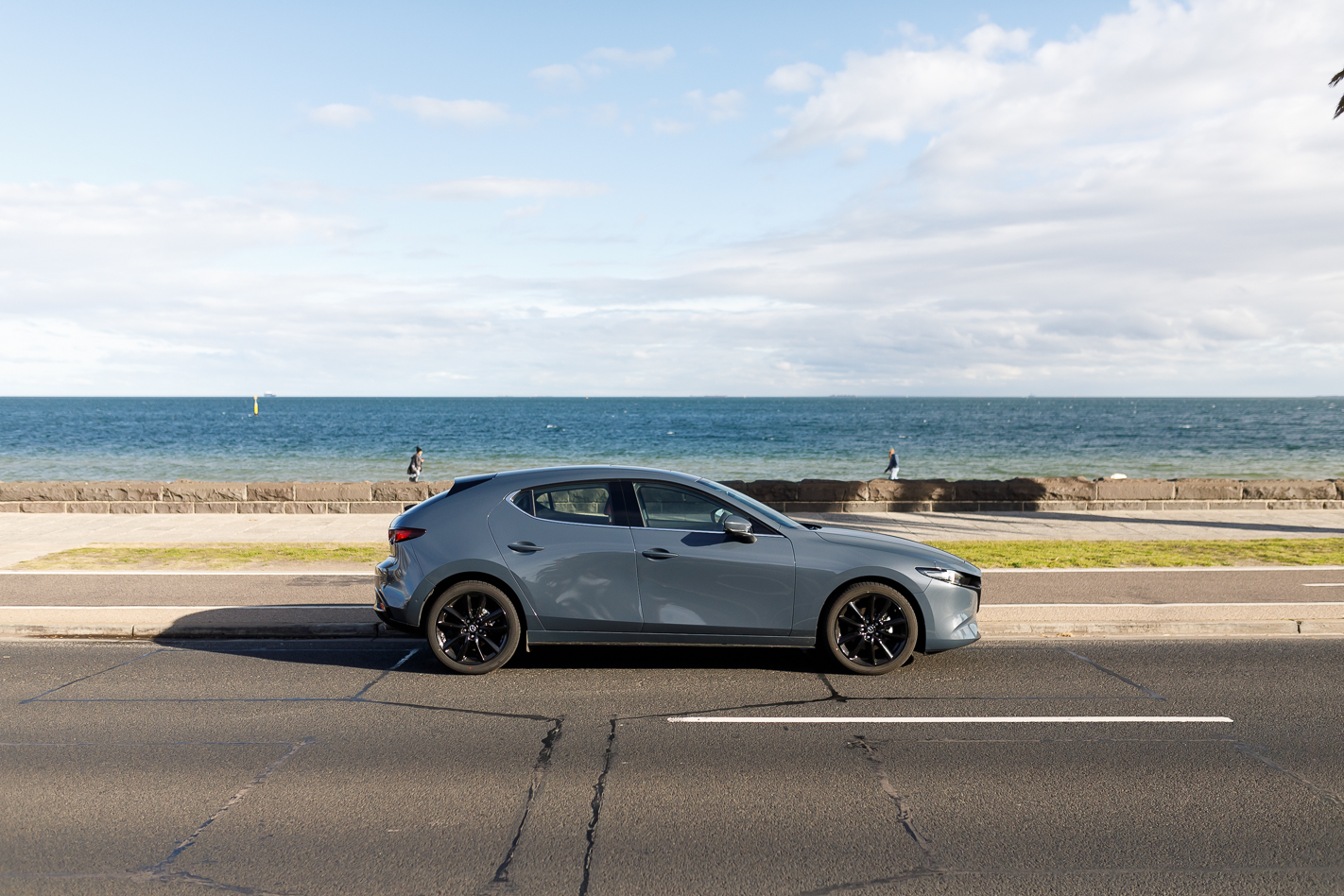
That said, as a runabout city car it was comfortable, enjoyable and could alway be counted on.
But at a price point touching $40k, is that enough? There’s no doubt it wows in terms of design and presentation, and all the added equipment made the ownership experience impressive, but there’s a couple aspects which would stop me from putting down my own hard-earned at the dealership for now.
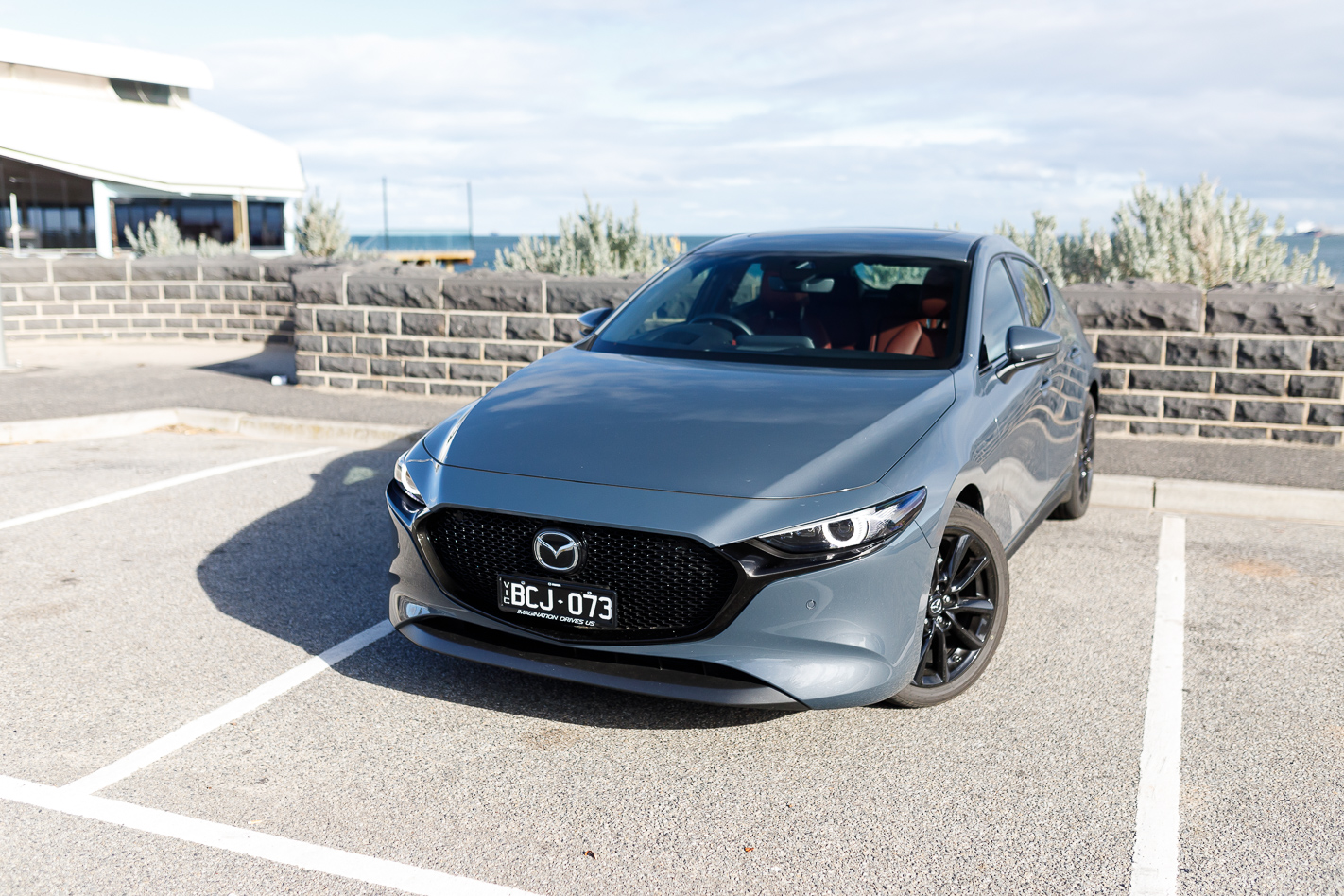
For one, I’d be waiting until the SkyActiv-X engines arrive to see just how far they push the performance along – or better yet, even wait until the rumoured turbocharged variant arrives. The engine is fine in general application, but considering that you’re paying top dollar for a car that also happens to use a fairly ordinary (and old) engine – it stings a little.
Something that also needs to be considered is the fact that it isn’t the same car it used to be. Its move to focus more on premium appointments and features and loss of practical space could disappoint young families, or anyone who jumps into the second row.
That said, for anyone looking for a dynamically active, comfortable and stylish alternative to the sometimes hum-drum competition, the Mazda 3 shouldn’t be overlooked.
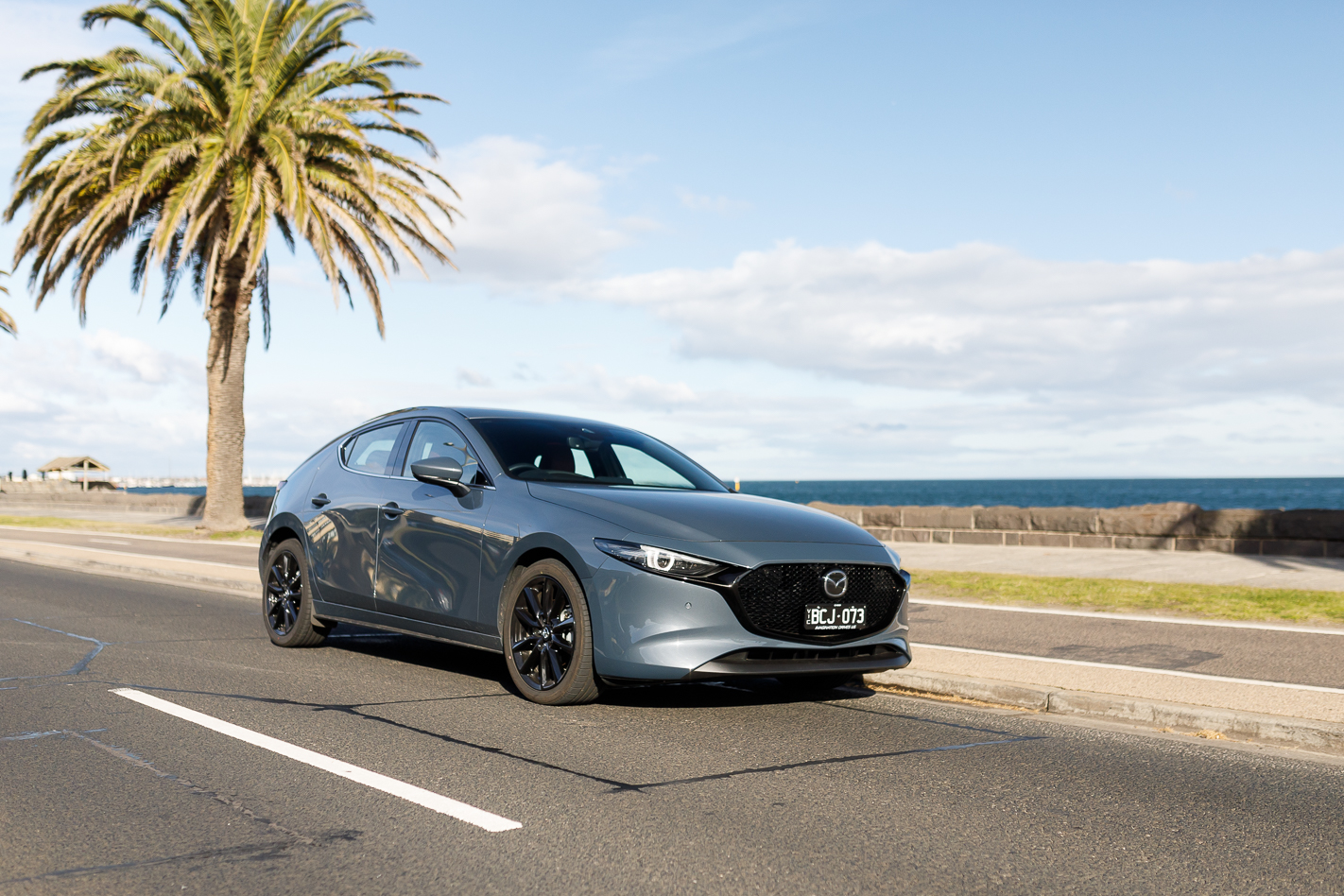
As @michael holland points out below in the comments, there’s a lot of good cars you’d have to pass over before getting to the Mazda 3. I’d be looking down the range at the $35,090 G25 GT or similar and be a lot happier with my purchase.
The Mazda 3 certainly made a good impression, though we failed to forge an enduring connection that would push me over the line into buying it – especially at the expensive end of the scale.
“That car was a true skunkworks activity,” former HSV general manager Chris Payne tells us.
Since we reported earlier in the year that the HSV HRT Edition Maloo concept went up for sale, Payne contacted us in the hopes he could shed some more light on the car, HSV at the time, and of course, the boat that was paired with the concept ute.
Payne’s conversation with us also gave us an insight into HSV as a company in what he calls a golden era, and we’ll bring that part of the interview to you soon, but here we’re telling you the story of the HRT Maloo, and what it meant to HSV at the time. Then, Payne was head of sales and marketing, before his time as general manager.
Here it is, the HRT Maloo for sale
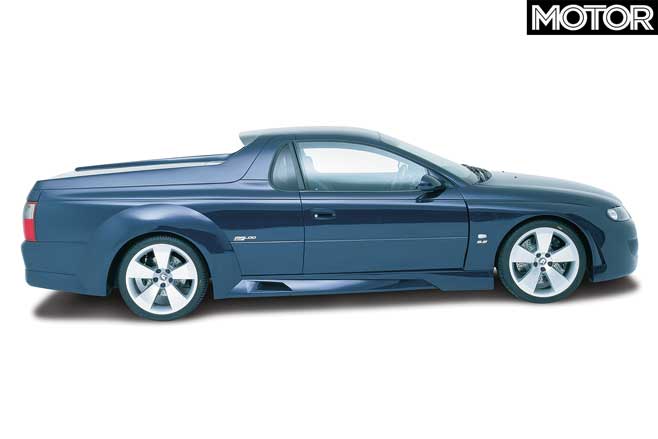
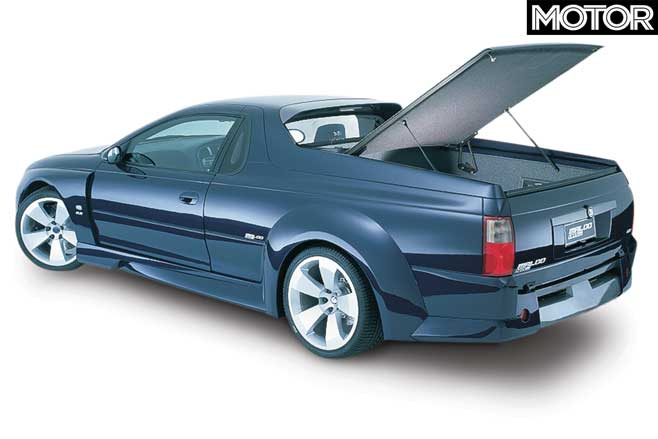
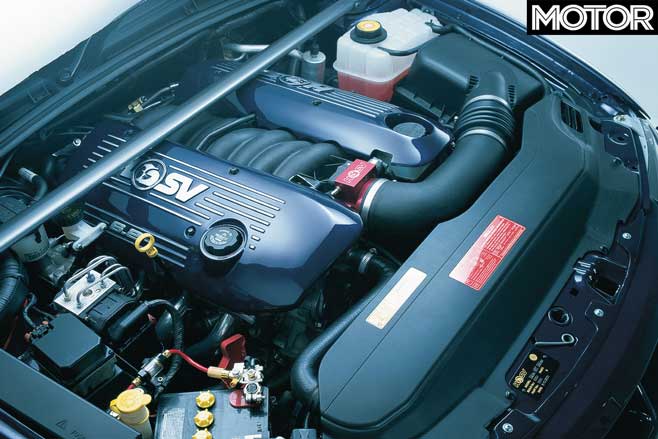
If you need a quick refresher on the ute itself, it was a one-off show car built for the 2001 Sydney Motor Show, fitted with a 6.2-litre Callaway-tuned V8 making a huge massive 350kW and 600Nm.
A similar engine, Payne tells us, was housed in a Clubsport owned by then enginineering boss Brad Dunstan, who had a massive input into the Maloo. Back to that.
“It was pre-Monaro…” Payne continues, “something that wasn’t that well known was that part of what gave it the dramatic appearance was its windscreen and modified doors from the Monaro.”
The HRT concept’s sleek, swept-back windscreen does in fact set it apart from a regular Maloo ute.
“It was being worked on in the background when [ex-Holden boss Peter] Hannenberger had come back into Holden and was putting a lot of pressure on the organisation to grow.
“Of course, he really struggled with the appearance and aggressive styling of some of the cars at the time. He would often say that some of the road car designs were somewhat vulgar compared to what he’d be used to from his European experiences.
“But the Maloo was a more refined muscular approach than we’d ever done before. We think we got it right and the whole racecar-roadcar thing to work in sync and we had a fair bit of HRT involvement in the Maloo to keep that strong link.”
Throwback: Our first feature on the HSV HRT Maloo from 2001
In fact it’s likely HRT’s involvement in some of HSV’s operations, whether official or just as conversations between mates, that resulted in the famous HSV Response R8 by Malibu speedboat that joined the HRT Maloo on stage at the 2001 Sydney Motor Show.
“[HRT boss] Jeff Grech and I were thick as thieves at the time, John Crennan loved the aspiration of it all. Jeff was running the race team and with me running HSV sales and marketing, he even suggested an HSV motorbike and an HSV jetski.
“I hope the boat we did isn’t ever forgotten. The motor show was sort of looming and enough was never enough. The idea of the boat came about, we got friendly with the guy who had the Malibu boat licence to build and sell the boats in Australia. A guy called Xavier West.
“Brad and I jumped in the car and went up to Albury to try to understand how we could make this HSV boat come to life. We tried to team the boat with the car at every opportunity… which was a bit tricky because I’m pretty sure that boat never had a towbar on it. It wasn’t fully credible to have a boat hanging off the back… but I think at the time it was pretty well-received.”
We pressed Payne to see if he might reveal the whereabouts of the boat, or if he knew where it might be, and we were given the response we probably should’ve expected.
“The boat still exists, I remember the Monday morning we had plenty of people ringing up to try to buy one. It’s in somebody’s private collection.
“I’ve got a clue where it is, but that’ll be up to the owner if they want to declare that or not. Maybe MOTOR might get a ‘road’ test of it one day.”
Though we’re not holding our breath for that, and we might have to do so if anyone ever does let us test their speedboat, the legend of the HRT Maloo and the Malibu speedboat launched a series of… well, we’ll let Payne tell you.
Here are the road tests we are comfortable doing… on the road
“That was the beginning of a series of an almost annual series of show cars we’d build as a key marketing lever we tried to pull.
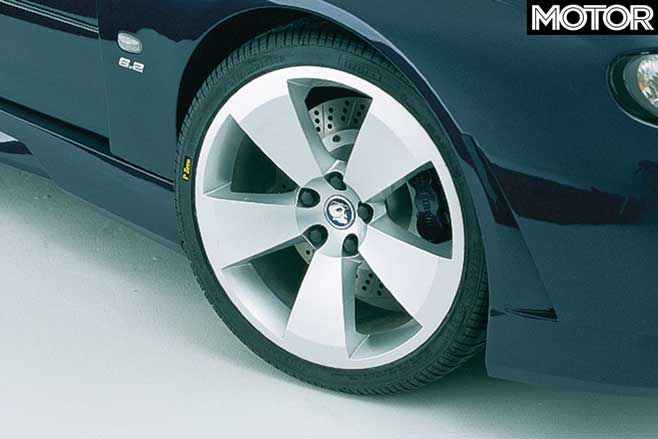
“All those cars have got a backstory, particularly for the people involved. You look at some of the specs and it was a bit of a war of words between us and Ford. Even just things like… milling the 20-inch wheels on that car, a solid billet of magnesium, it was many thousands of dollars at the time.
Some more of Holden’s hot concepts
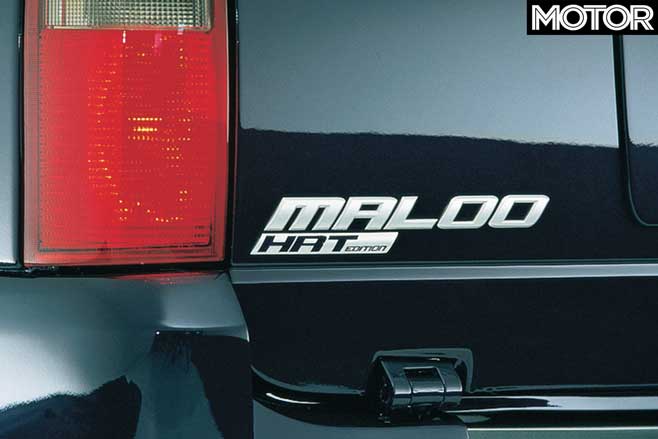
“The naming of cars was always fun at HSV, we had a naming committee which I was on. Wasn’t a lot of research and science to it, we’d all have our say, but Crenno would always come in and have 10 votes. But Maloo was always such a strong name, and everyone knows what it means.”
Just in case you don’t it’s a word from one of many Aboriginal languages, and it means ‘storm’ or ‘thunder’.
“The HRT part was logical too because they had a genuine input when it came to that car.”
That input, perhaps as well as that of US-based tuner Callaway, is why then FPV boss David Flint called the HRT Maloo and its impressive outputs “scary” and “irresponsible.”
But what did HSV think of these words?
“Our view on it was you can never have enough power. We just lived and breathed it. The high performance demands of us in the road car business were directly from the behaviour of Holden on the racetrack. We just didn’t understand the comments, it didn’t make sense.
“Ford was running a different race and we were going our own way. We used to have a scoreboard at the time which showed monthly sales or touring car wins and of course we’d be miles in front. The dynamic was very different, and we were very ‘below average’ losers.”
Though Payne might not put it in these words exactly, HSV relished being ‘the winners’ and were proud of what the company had achieved, so much so that the Sydney Motor Show was often a perfect opportunity to ‘show off’ the work of a crew of petrolheads working in Clayton.
“We really used the Show back in the day, it was a massive part of our marketing. We wanted to shock and awe at the Sydney Motor Show. It wasn’t always rosy between Holden and HSV, and there were times we were begging for forgiveness and not asking for permission.
“Things like, uh, pushing a boat onto the Sydney Motor Show car stand was something we didn’t actually clear with many people at Fisherman’s Bend. We got a few frowns when they saw a boat there and I had to fight for it not to be dragged off.
“But Peter loved it, it’s all part of the cut and thrust of the time.”
We’ll bring you ‘part 2’ of our interview with Chris Payne on his years at the helm of HSV in the near future. Stay tuned.
Get your free weekly MOTOR report!
Amidst months of stay-at-home orders this year, you’ve probably taken the opportunity to pick up some new projects or complete some unfinished ones.
The guys behind the popular Grind Hard Plumbing Co YouTube channel are no different; only they’ve forgone the usual Lego sets and 1000-piece puzzles, and instead chosen to polish off their turbocharged, lifted off-road rally ute – built out of a humble BMW E36 323i coupe.
The team behind Grind Hard are known for pushing the limits of backyard-engineering, and are most famous for stuffing motorcycle engines into children’s ride-on toy cars. They also have a number of other 1:1 scale projects under their belt; including an abandoned Toyota Tacoma-turned rock crawler, an off-road V12 Jaguar XJS, and a number of drift cars.
So, it’s fair to say they like their weird and wonderful projects.
The safari-style 3 Series began two years ago, when they picked up the E36 for a measly US$50 (AU$71.60 at the current exchange rate).
The 323i was running, but was already half stripped of parts and had a blown clutch.
Phase one of the project saw them complete the “ute” conversion by August 2018.
The E36 ute resurfaced on their channel last month, and has since received an eBay turbo kit, a Fifteen52 wheels and 31-inch tyres combo, and some replacement panels from an E36 sedan parts car.
A rattle-can coat of paint later, and the gang was ready to make the 725km journey from Idaho to Oregon for the 2020 Gambler 500.
The Gambler 500 is an off-road navigational adventure similar in ethos to Australia’s shitbox rally; founded in Oregon in 2014 as a challenge to see how far US$500 cars could go.
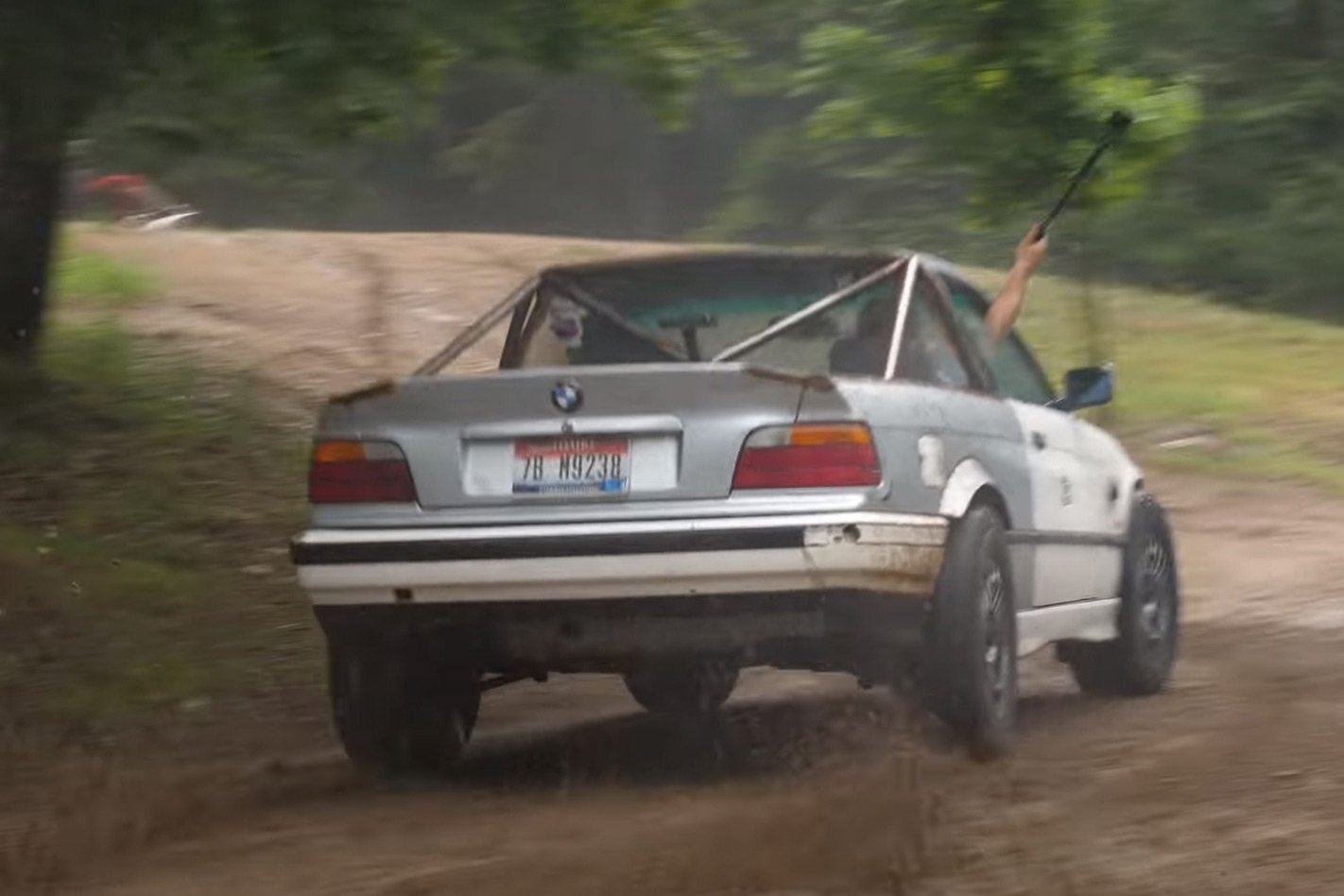
Since then, the event has surged in popularity with satellite events popping up all over the US, and even extending to Canada and even Iceland.
Cheap fun is the overwhelming theme of the event, and similarly shines through in the hilariously sketchy looking Germanic coupe-turned-truck.
Have a watch above, we think you’ll agree. Sure beats a lego set.
HSV’s barnstorming 477kW supercharged Camaro ZL1 would surely rate a mention in the ‘if I won lottery’ garage of any red-blooded enthusiast.
Quintessential modern American muscle car styling and a supercharged V8 engine that gives a defiant middle finger to political correctness – it’s a modern-day re-imagination of the kind of car that enthusiasts hung posters of on their bedrooms walls as children.
The Camaro ZL1 crushes the notion that American cars lack refinement. Packed with the latest in powertrain technology and sprinkled liberally with luxury appointments inside, the Camaro ZL1 feels right at home amongst a field of stupendously expensive European performance cars – many of them far more expensive than the ZL1.
And while the team at MOTOR proved that the ZL1 is capable of wiping the floor with its more costly competitors, the idea of stumping up $150K for the ZL1 is still sure to make your heart skip a beat.
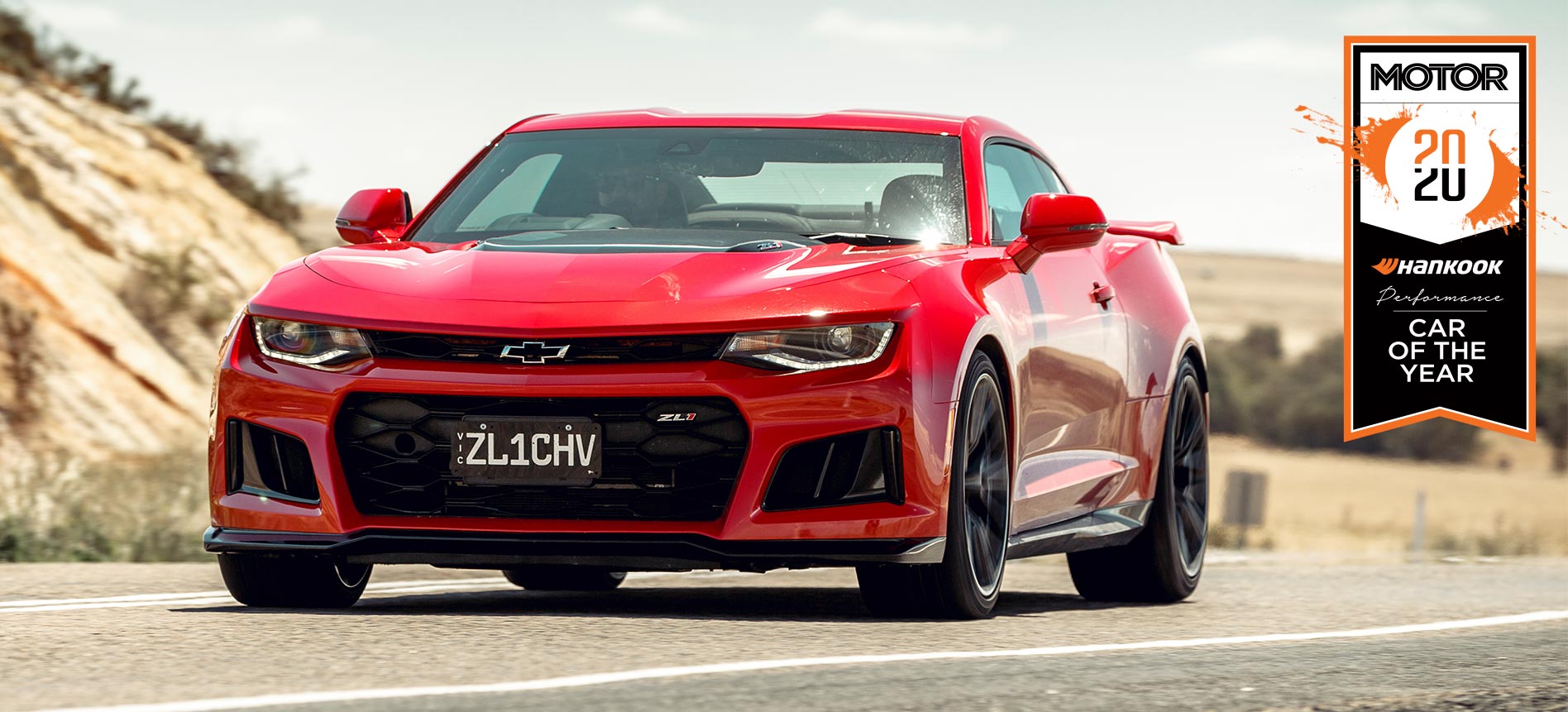
But what if we look at the purchase from a different angle? Sure, there’s no denying the passion is there, but can the Camaro ZL1 be a rational purchase as well?
To find out, WhichCar’s Glenn Butler teamed up with American car enthusiast and Specialist Vehicle Valuer Mark Behr from Shannons to chat about the escalating values of classic HSVs, and the three things that are sure to make any car a future classic.

Glenn (left) and Mark discuss HSV values
Early HSVs have experienced somewhat of a renaissance in recent years. There are models like the VL Walkinshaw Group A SS SV (below) – the iconically-styled first-ever HSV – that have always been popular.
However, enthusiasts and collectors alike would have noticed that the values of just about every HSV have started to climb.
Mark puts this down to the same three things that make any vehicle a future classic – low production volumes, pedigree and performance; all of which are hallmarks of any HSV model.
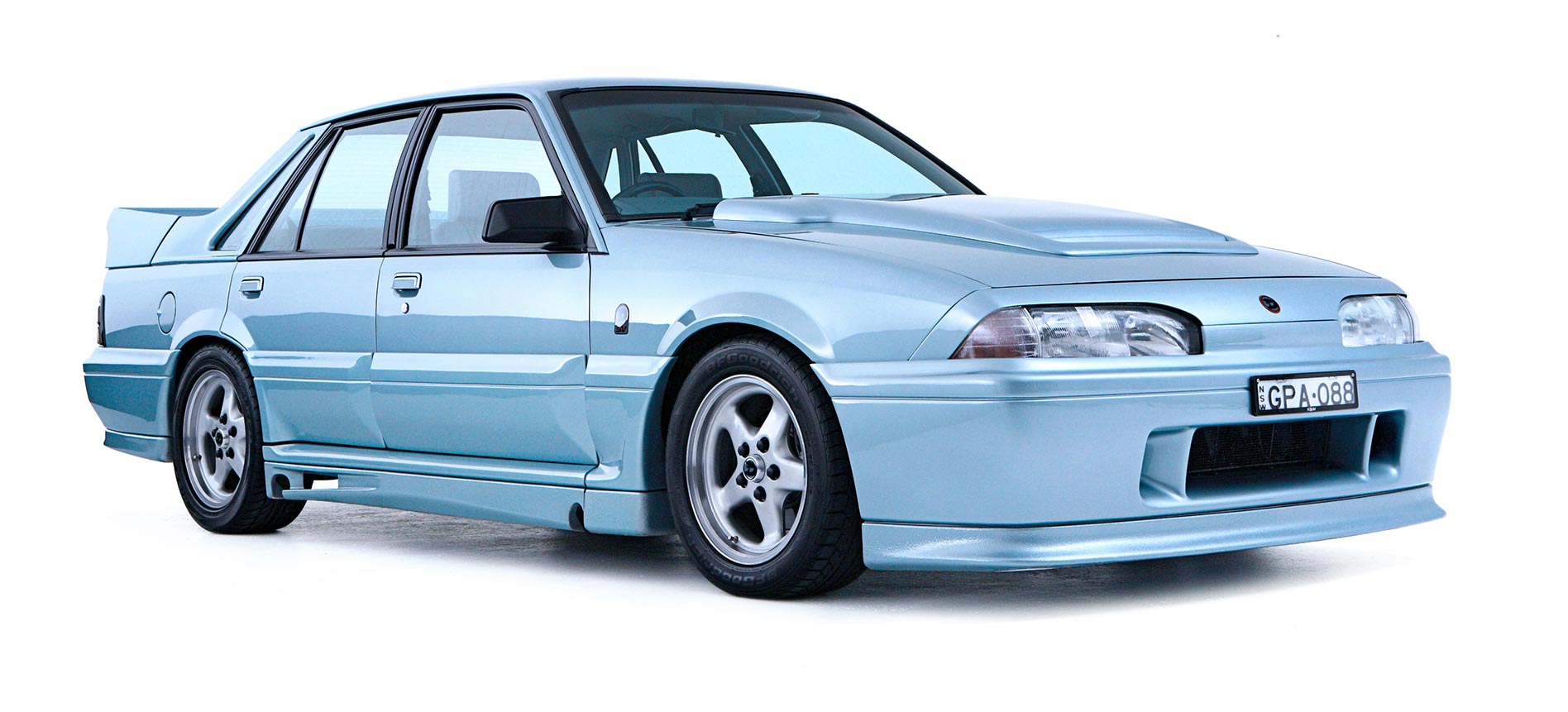
Since its inception, HSV has been a deliberately low volume vehicle manufacturer, which is one of the elements that drive desire amongst enthusiast. Build-plated and serial numbered, every HSV is unique and accounted for, and the Camaro ZL1 in Australia is no different.
This gives way to pedigree, and that’s something that both the ZL1 nameplate and the HSV have in spades.
Born in the USA, the Camaro ZL1 dominated American drag strips when it was released in the late 1960s and early ’70s. Boasting a 427-cubic inch engine, the ZL1 option was almost expensive as a base model Camaro, thanks in no small part to the all-aluminium V8 fitted to wreak havoc with the power to weight ratio!
With only 69 ZL1s produced, they instantly shot to collector status and it instilled equity in the ZL1 badge that remains to this day.
If you’re lucky enough to see an original ZL1 roll across the auction blocks these days, expect to see a cool half-million-dollar price tag accompanying it!
The final ‘P’ almost goes without saying – the ZL1 is a bona fide performance car no matter which way you run the numbers.
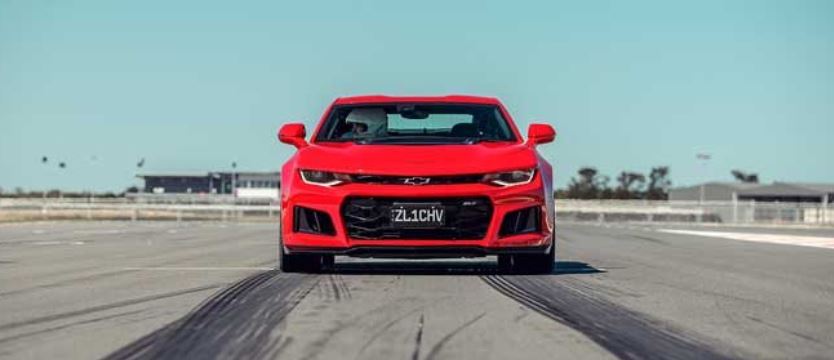
With 477kW on tap and with a claimed 0-100km/h time of 3.6 seconds, the team at MOTOR magazine posted an 11.73-second run to 400m (hitting 201km/h along the way) and discovered it can indeed deliver on its claims.
Glenn explains that while there’s no way to say with certainty which makes and models will or won’t attain collector status, HSV’s Camaro ZL1 certainly has all the hallmarks of a future classic.
A sharper BMW M5 Competition is coming, says the Bavarian brand’s Australian arm which is set to launch the MY21 car here later this year.
As an update to the current F90 generation M5, the 2021 model won’t be a complete rework of the car itself, rather a tweak to the one already around.
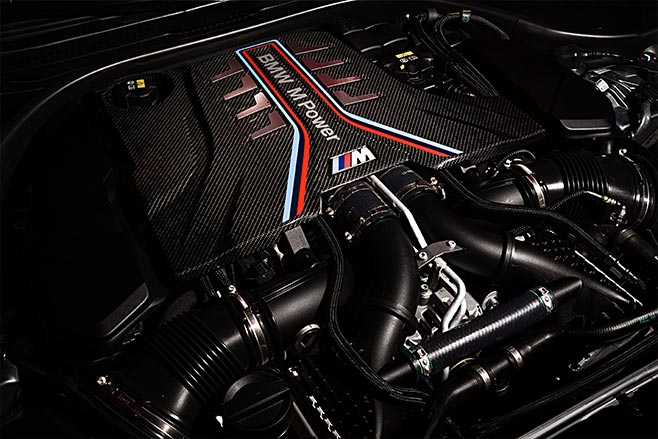
This means that while the super sedan’s suitably powerful 460kW/750Nm twin-turbo 4.4-litre V8 remains essentially the same, changes to the car’s styling and chassis will set it apart from 2018-20 models.
For these changes, BMW will be asking more from its buyers. While the BMW M5 Competition previously cost $229,900, the updated version of BMW’s super sedan will set buyers back $244,900, an extra $15,000.
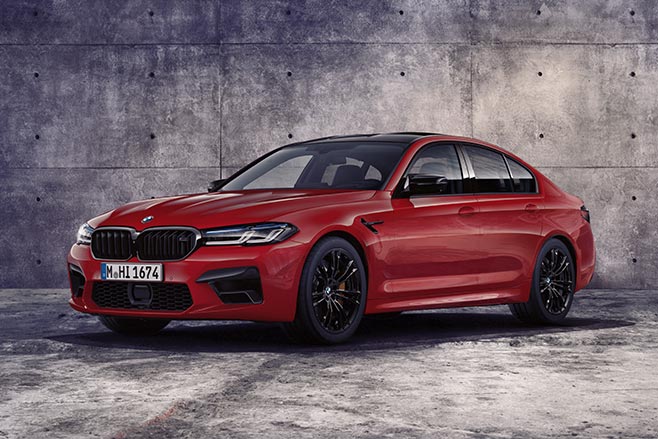
Most apparent in the list of changes is the new front fascia, which features a larger kidney grille with black gloss surround, its styling keeping in check with BMW’s increasing kidney sizes. Larger side air intakes also contribute to improved cooling, BMW says.
New headlights now feature L-shaped light tubes, while the taillights mimic the L-shaped theme. A restyled diffuser is also found at the rear of the 2021 model.
But it’s the changes to driving dynamics that should be of most interest, with BMW saying a new set of shock absorbers borrowed from the BMW M8 Competition Gran Coupe said to provide a sharper-handling car while also creating a more comfortable ride for everyday driving.
The rival: BMW M5 vs AMG E63 S
“Bumps and ruts in the road surface are passed through the body, and therefore to the passengers, to a far lesser degree… this is achieved without blunting the car’s sporting edge and precision at high or low speeds.”
Stiffer engine mounts, a 7mm drop in ride height, and other small suspension tweaks are said to add to the car’s on-limit ability.
The updated M5 Competition can be had in five new colours: Brands Hatch Grey, Motegi Red metallic, Tanzanite Blue II metallic, Aventurine Red II metallic and matte Frozen Bluestone metallic.
BMW Australia expects the new BMW M5 Competition to arrive locally in October.
This article has been updated to reflect a pricing announcement from BMW Australia. Original publish date is 21 June 2020.
Audi’s busy 2020 calendar year of car releases kicked off with a mid-life refresh of its Q7 large SUV, bringing one of its most-loved models back into the limelight.
The facelift and specification changes certainly looked impressive but we decided to investigate just how well the changes translate to the real world.
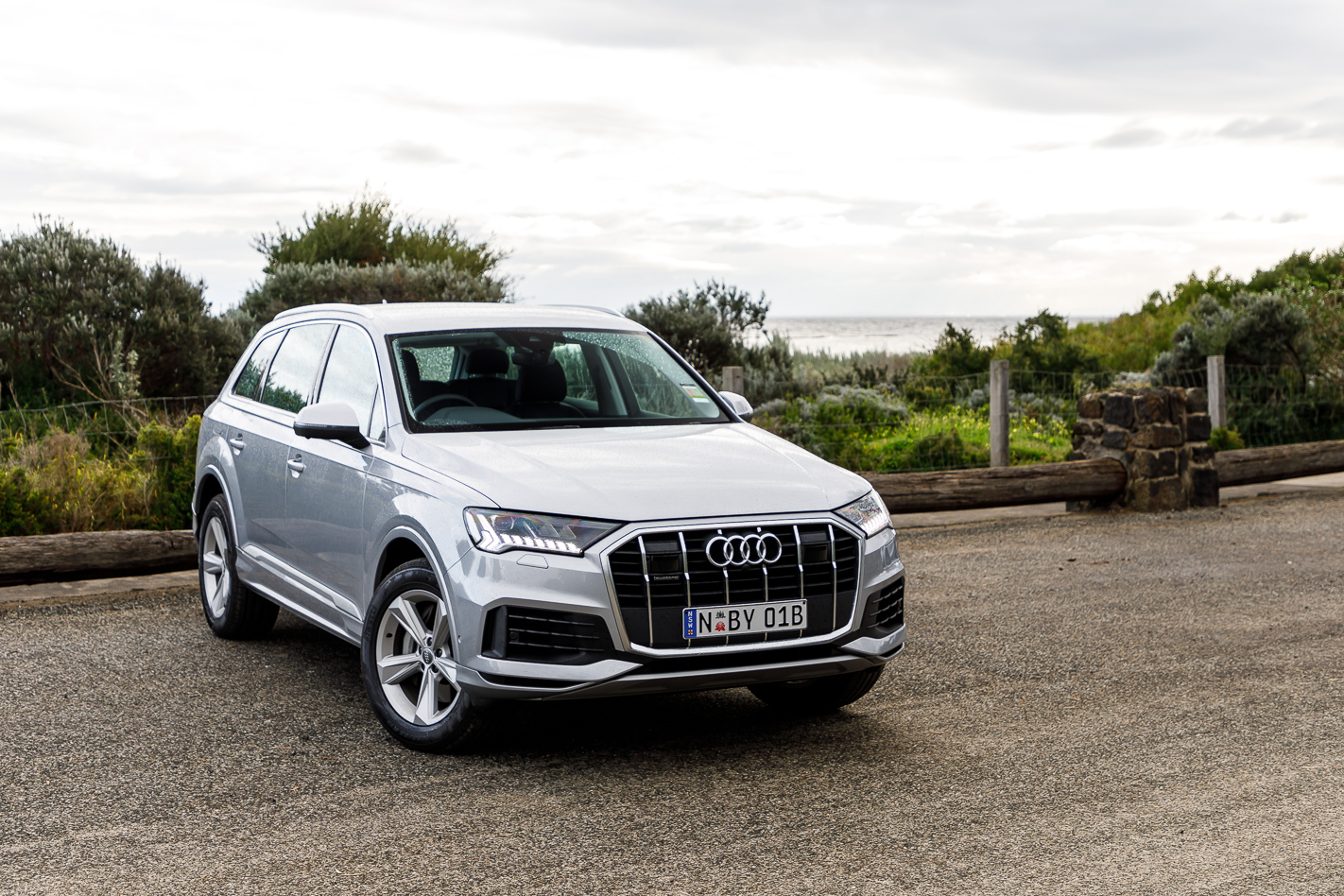
What is the Audi Q7?
The seven-seat Audi Q7 is the largest car the German automaker sells – both in terms of body size and seating capacity.
It competes in the premium large SUV segment along with the BMW X5, Mercedes-Benz GLE, Lexus RX and Volvo XC90 and pricing begins at $101,900 (before on-road costs) for the car we have on test, the Q7 45 TDI.
2019 Audi Q7 E-Tron review: Plug-in hybrid Megatest
That is an increase over the pre-facelift car, though Audi has included some extra equipment as standard and turned the wick up on the engine too.
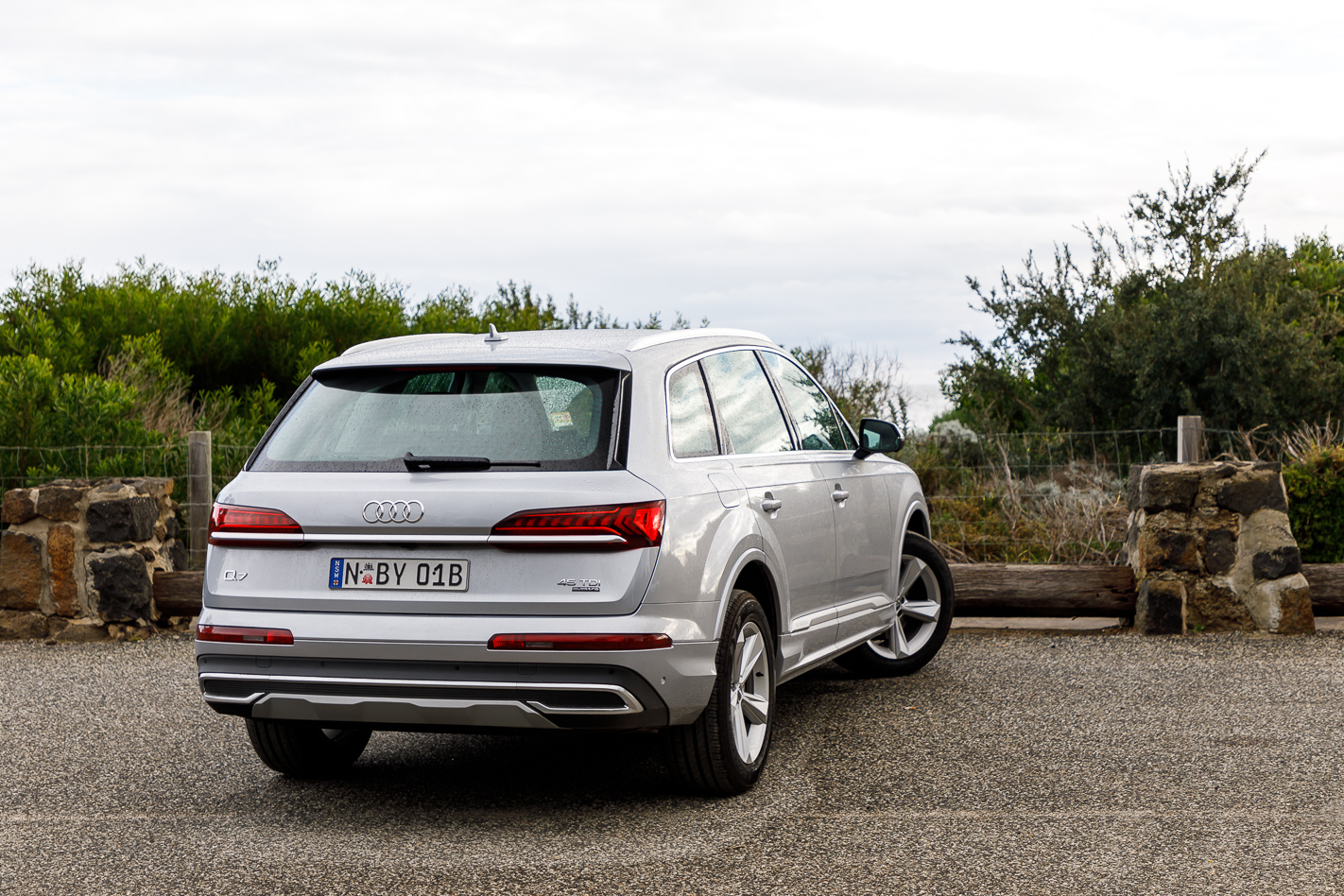
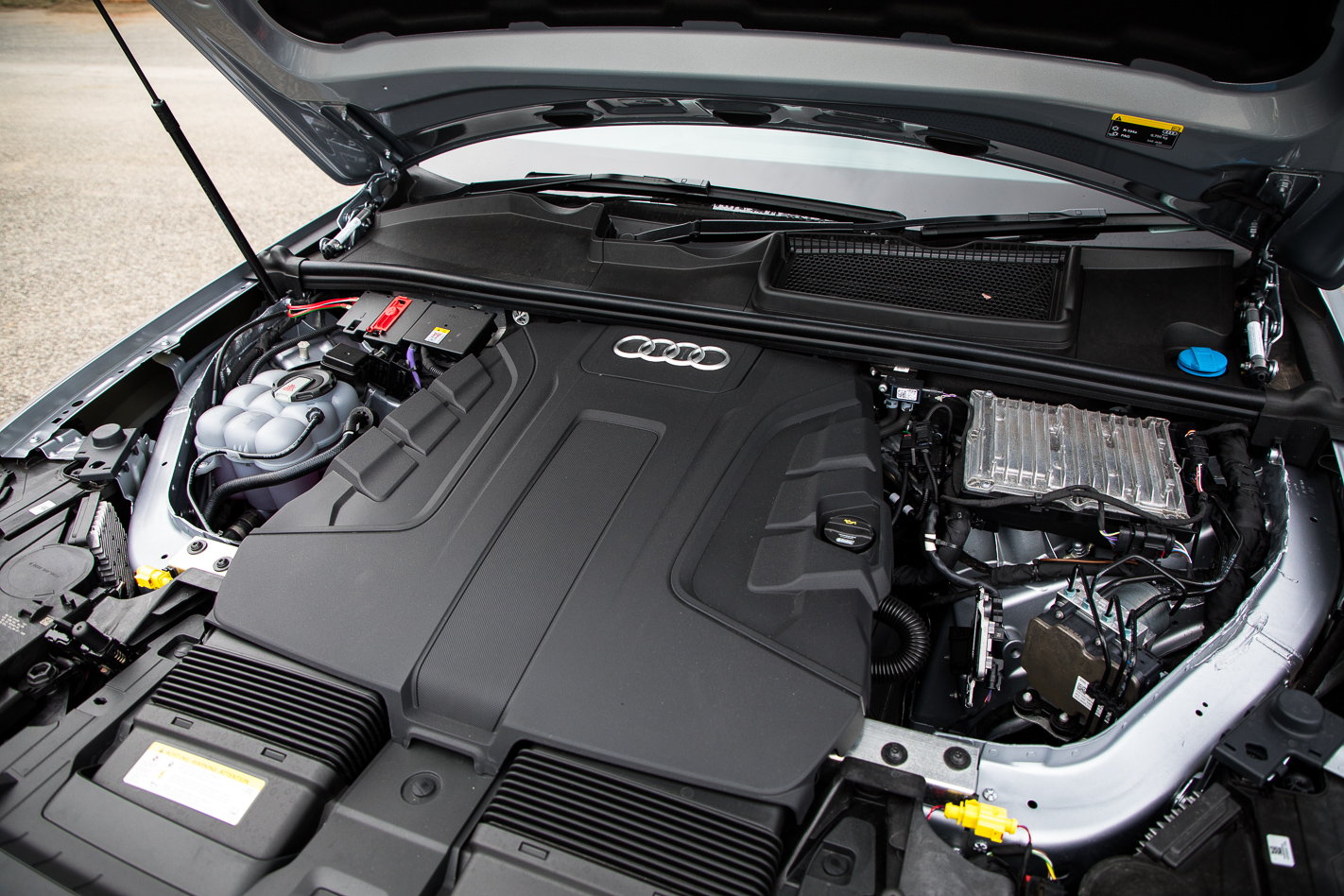
The Q7 45 TDI has a 3.0-litre turbocharged V6 diesel engine that delivers 170kW/500Nm to all four wheels using Audi’s all-wheel-drive system. Costlier cars in the range use the same engine in a higher state of tune.
In terms of kit, each and every Q7 including this one is equipped with 19-inch wheels, adaptive air suspension, seven seats with powered folding rear row, power tailgate, adaptive cruise control, Audi Virtual Cockpit digital instrument cluster, keyless entry and start, wireless phone charging and smartphone mirroring, 360-degree parking cameras and three-zone climate control as standard.
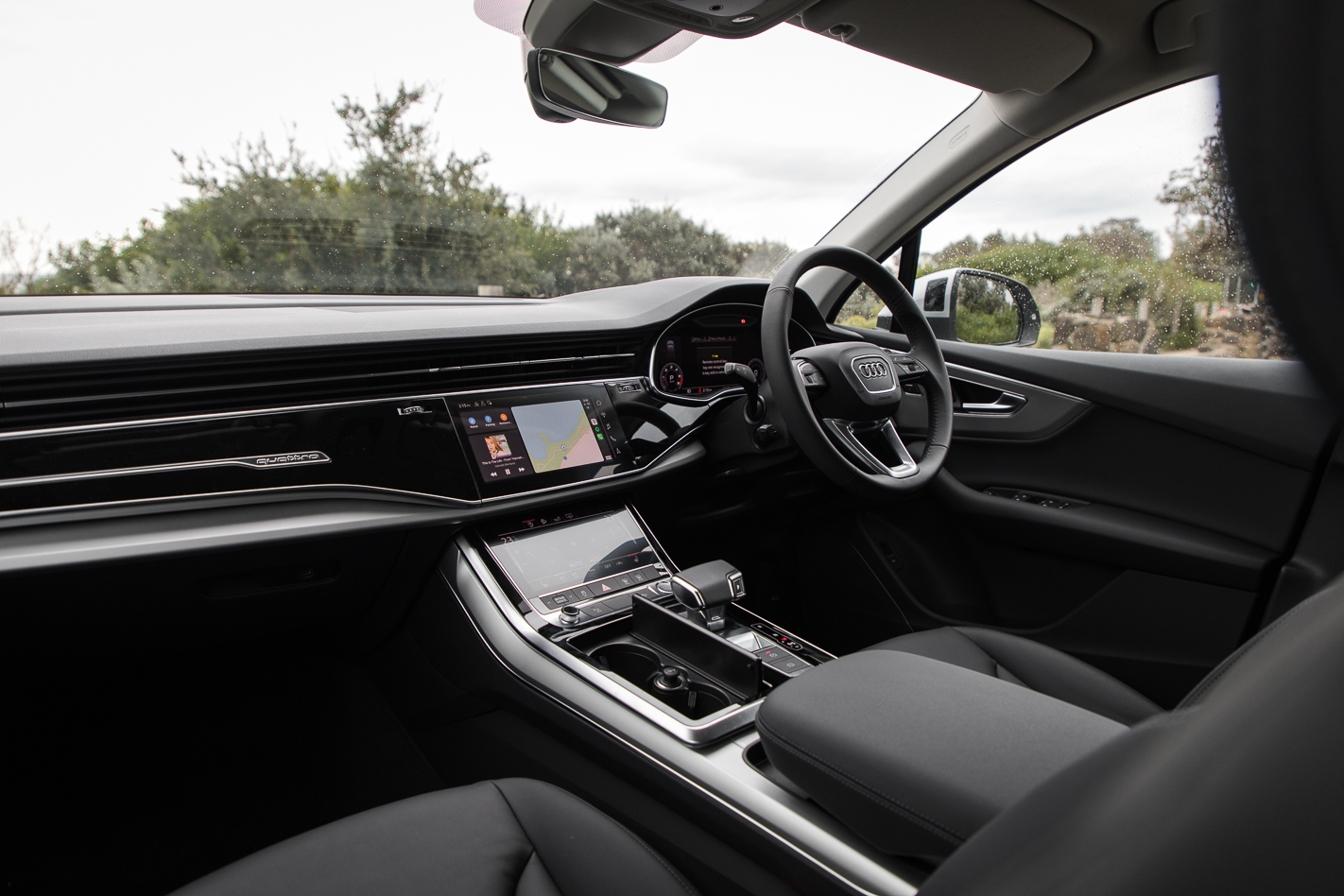
In addition to that, they all get a huge number of driving aids and safety features for added peace of mind, which help it score a five-star ANCAP safety rating.
What is the Audi Q7 like to drive?
The Audi Q7 has always been a pleasure to drive, and that hasn’t suddenly changed with this mid-life refresh car. There’s new driving tech to help guide you along and a tuned-up engine is always welcome.
Buyers faced with purchasing an Audi Q7 might be curious whether they should go for the 45 TDI or 50 TDI. You needn’t worry about ‘underdoing it’ by going for the base 45 TDI variant – the performance on tap is immense and certainly never left us wanting for more oomph.
Especially impressive considering its 2240kg heft is the ease with which you can navigate around streets. Steering feel hits the nice mid-point between light and feelsome, and the driving position is high, cosy and comfortable.
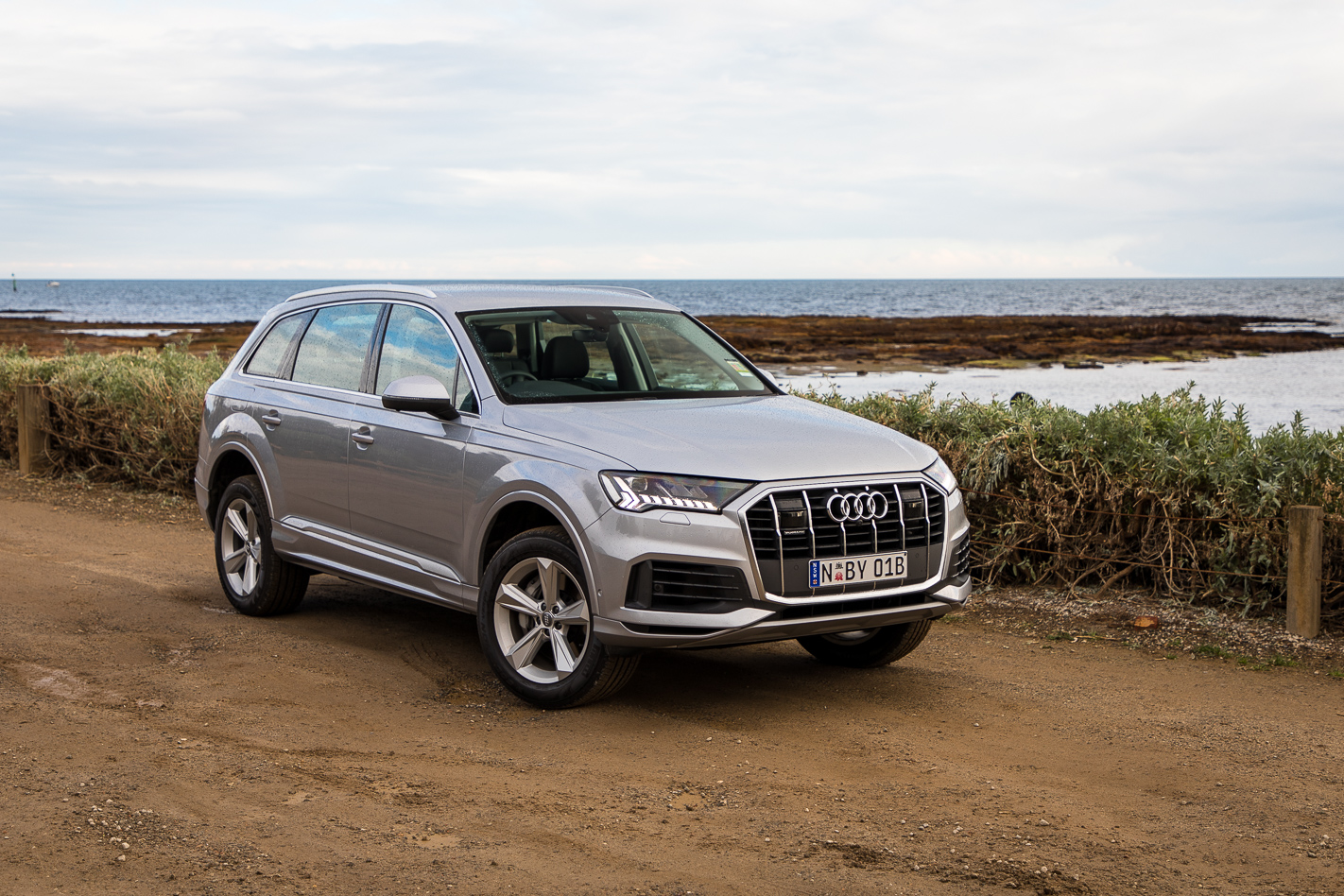
Visibility around town is generally good for a seven-seater, but it is handy having the 360-degree parking camera, especially in tighter streets and while reverse parking.
While the Q7 didn’t venture off the blacktop this time around, we did get out for a tour towards Victoria’s Yarra Valley which it handled superbly.
It’s supremely comfortable on the motorway, and even when turning off onto rougher roads the Q7 deals with imperfections and larger bumps smoothly.
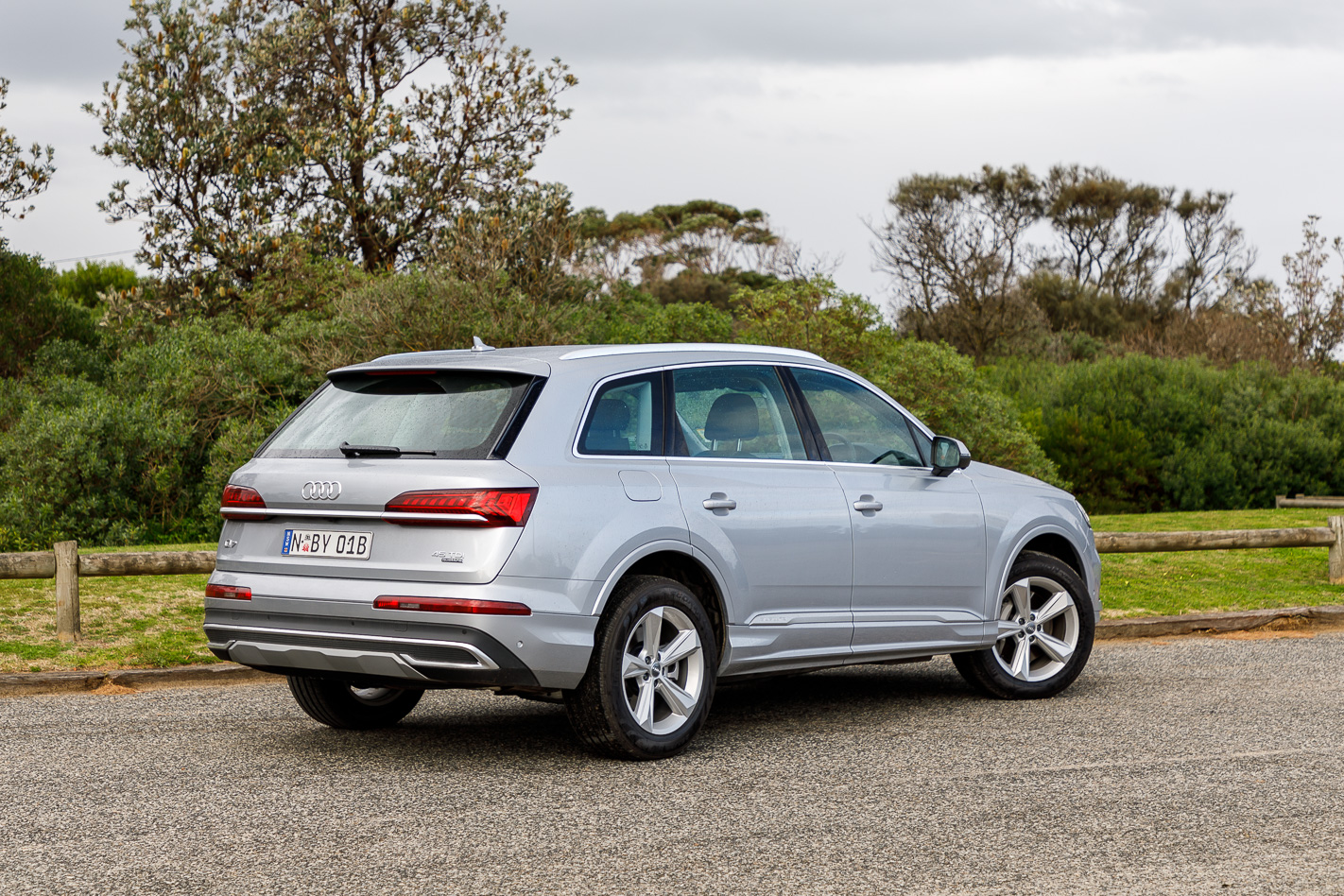
Tighter, twistier bends can cause it to feel slightly cumbersome, but even then the experience never becomes worrying or uncomfortable – just as though it’s out of its comfort zone.
Over our test period, the Q7 45 TDI returned a 9.0L/100km fuel economy reading, against its claim of 7.0L/100km on the combined cycle. That’s pretty good going for a 2.2-tonne seven-seater!
What is the Audi Q7 like to live with?
Let’s get real: there are not many more types of cars out there that are easier to live with than large premium SUVs. It’s super easy to slide into, simple to pack, spacious enough for an entire family and features all the niceties that make you feel a bit special.
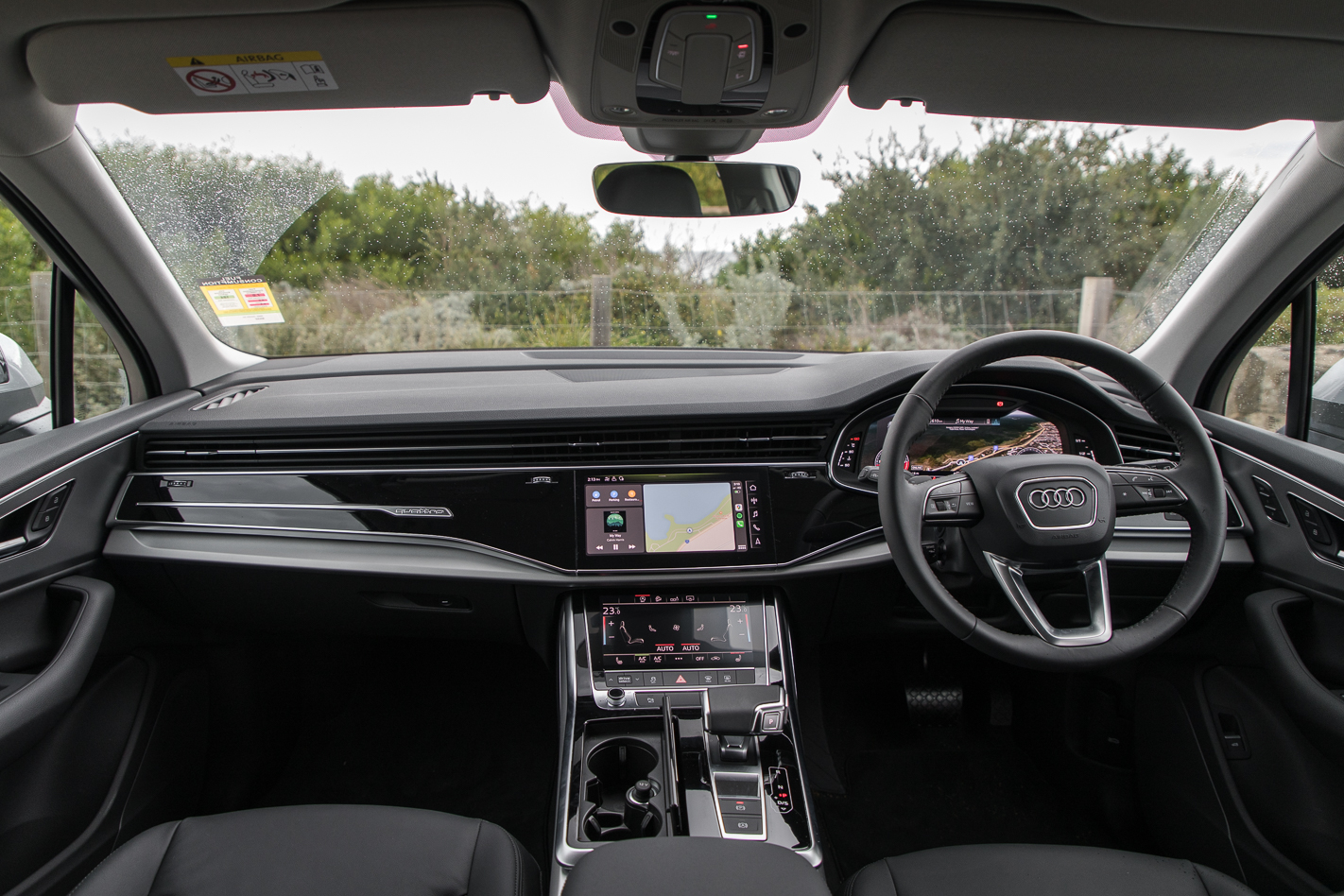
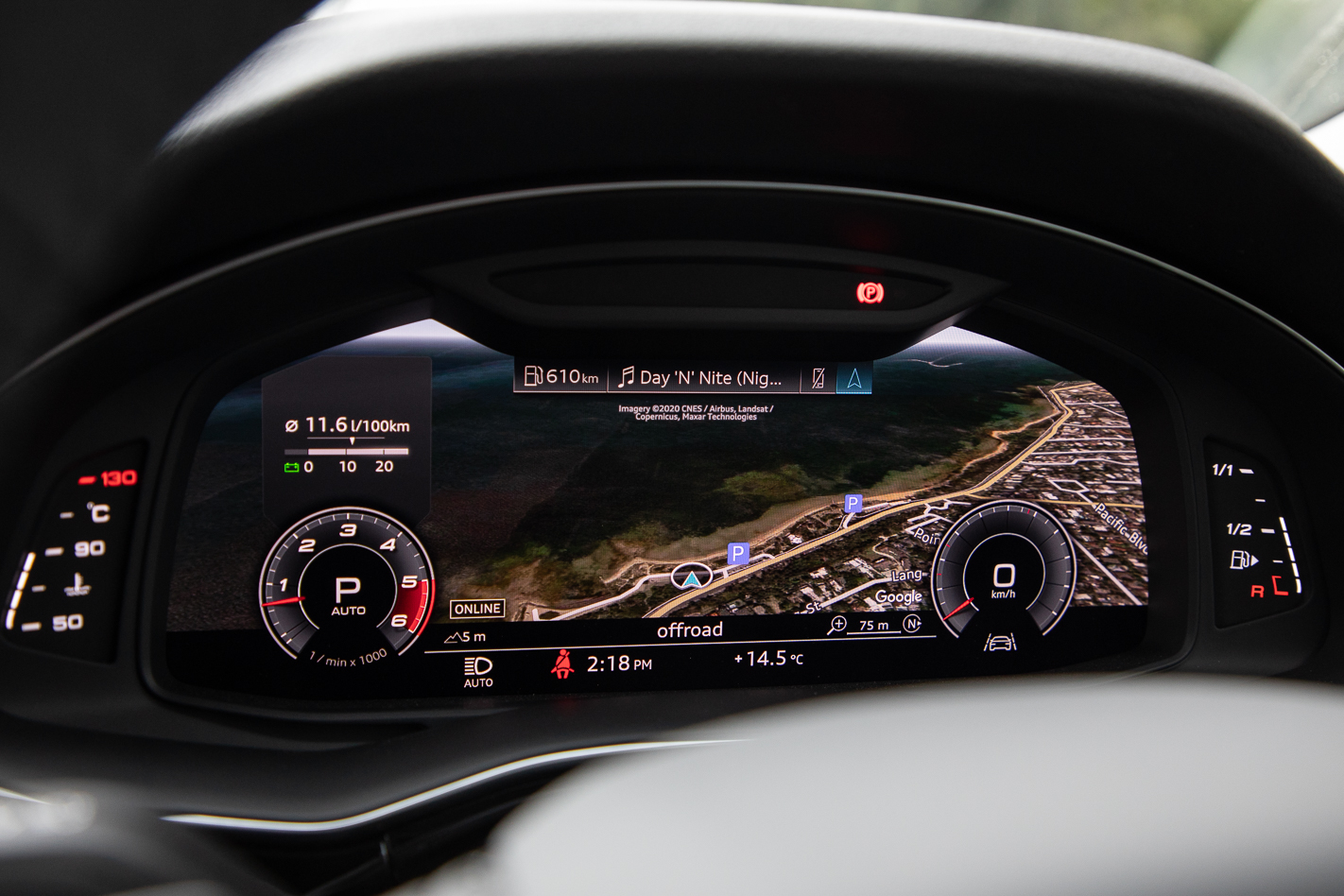
Commands are easily dispatched on the new 10.1- and 8.6-inch dual-screen infotainment system and pair well with the huge 12.3-inch Virtual cockpit digital instrument cluster.
The at-a-glance map view was a handy favourite. Wireless phone charging and wireless Apple CarPlay made connectivity delightfully simple too.
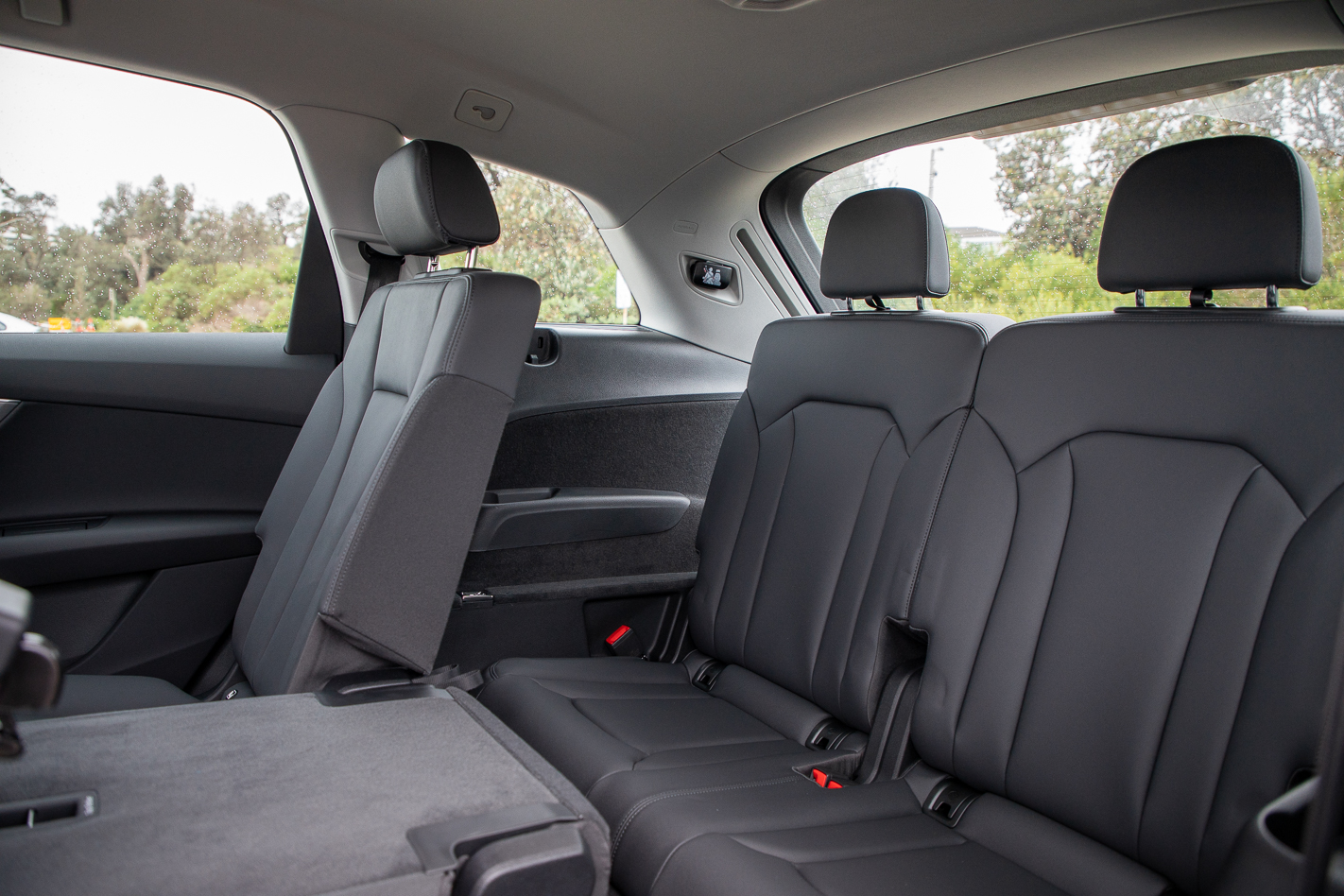
The second row contains acres of head, leg and foot room, and you can recline the seats back for additional lazing too. Space in the third row isn’t so generous, and should only be used for the smallest of children.
Additionally, it isn’t the easiest space to get into. You have to use two separate levers to fold the second row forward, then press the button and watch the seats slowly rise up. Surely a one-touch system exists in 2020 – we have the technology.
Cargo space is a massive 770 litres with the third row stowed away.
While the Q7 45 TDI interior is perfectly functional and comfortable, it could use a spruce up in terms of ambience. Everything is nicely designed and built well, but it can feel a little austere in comparison to its rivals.
Audi A8 used to break the automotive world’s most illegal record
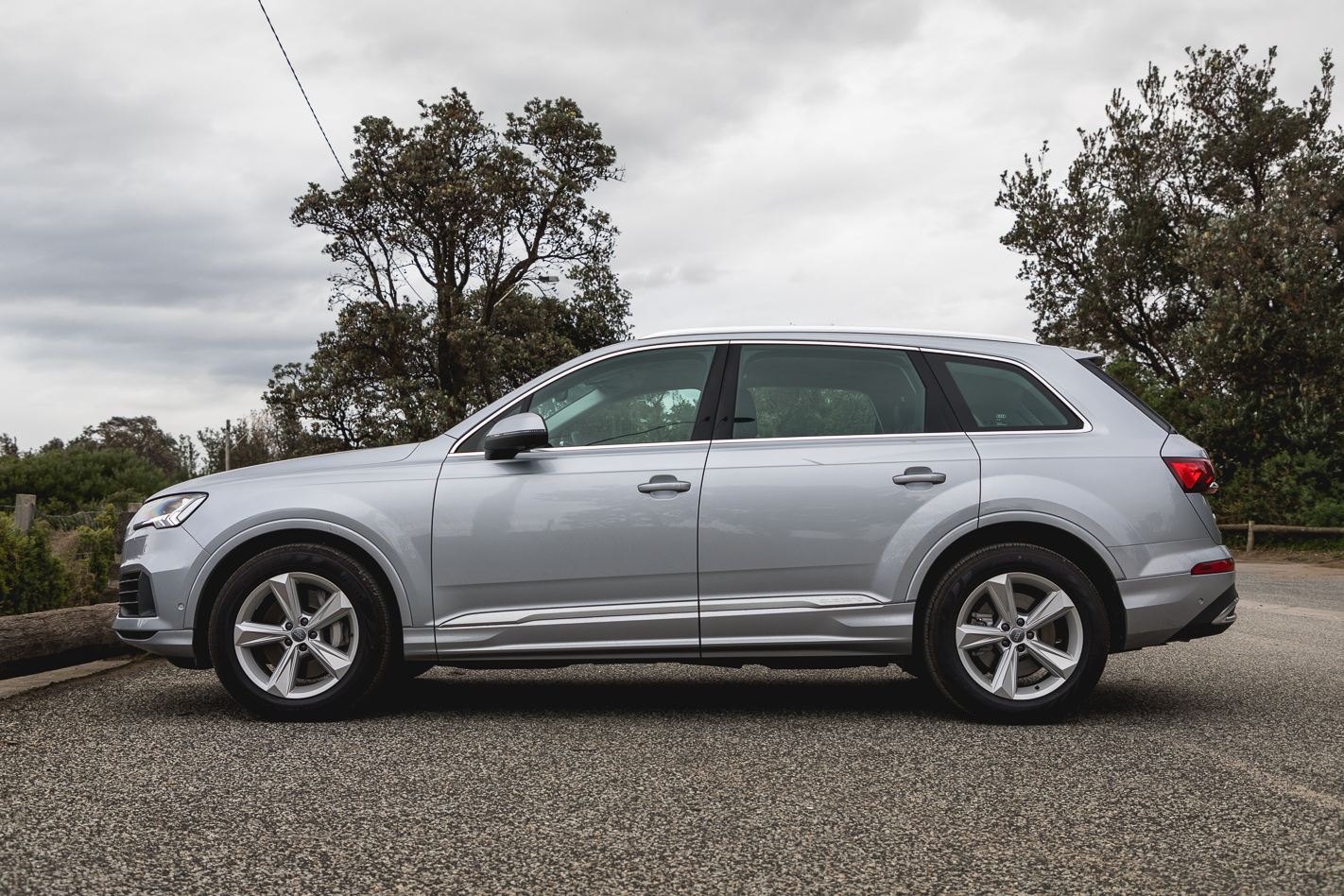
The car we had on test featured almost no other options than metallic $2300 Florett Silver paint, and it’s in this regard that we’d pay particular attention to what kind of options you could tick.
Adding a panoramic sunroof, the Premium Plus pack with ambient lighting and upgraded sound system, and some nice inlays would help the cabin feel that much nicer.
Verdict
The Q7 range begins more expensive than some of its competition but at the same time, few rivals can match its standard spec level and powerful engine at the entry level.
It’s worth noting too that the Q7 is one of the few options in its segment that offers a seven-seat layout as standard.
Even from that base 45 TDI spec, the Q7 is entirely comfortable and super well-equipped for its $101,900 price.
Its three-year unlimited-kilometre warranty is slightly disappointing, though most other manufacturers in the segment offer the same (apart from Mercedes-Benz’s five-year deal).
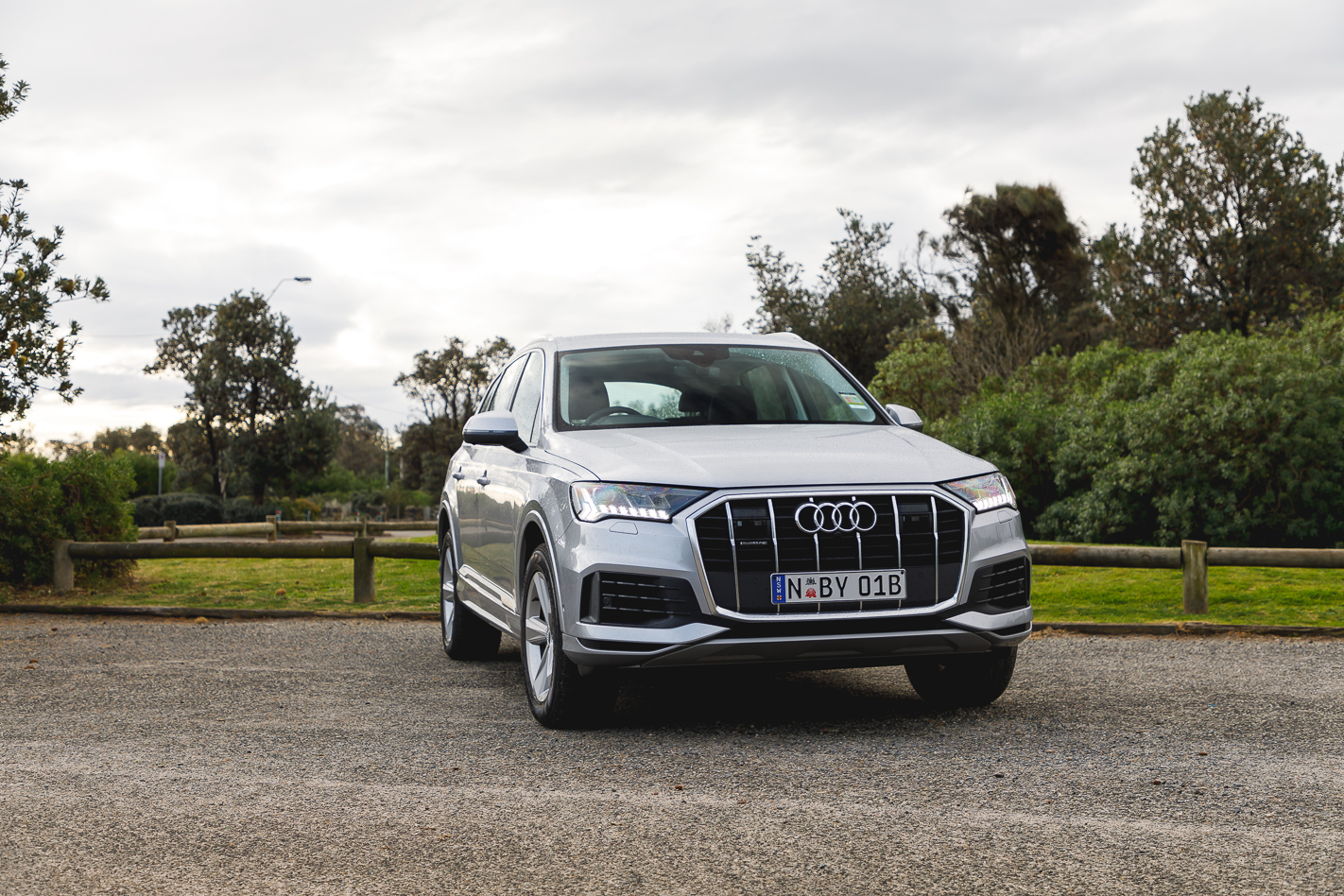
During the week on test we had the chance to step into the Q7 50 TDI which didn’t feel appreciably better in any one area. It’s worth grabbing the entry-level 45 TDI car in this scenario and speccing it up how you see fit.
Pros: Strong base engine, technologically advanced interior, high level of standard equipment Cons: Drab looking interior, tight third row
Rating: 4.5/5
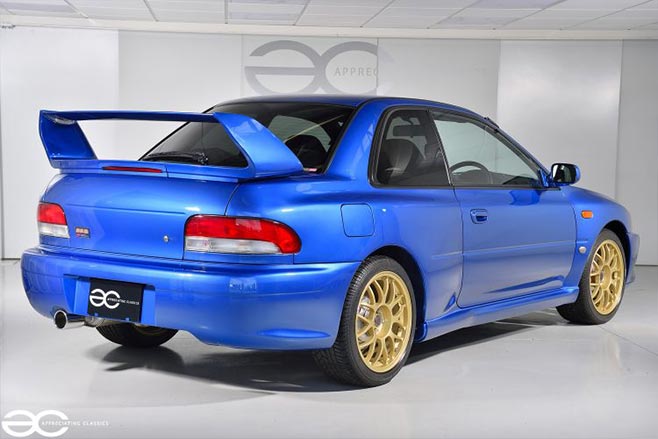
Now’s your chance to buy a Subaru WRX STi 22B with mere delivery mileage showing on the odometer.
This excellent example of a 1998 22B has appeared for sale online in the cleverly named Appreciating Classics classifieds, with only 271 miles (436km) showing on the odometer. Below is an image taken of the odometer before it had ticked over that extra digit.
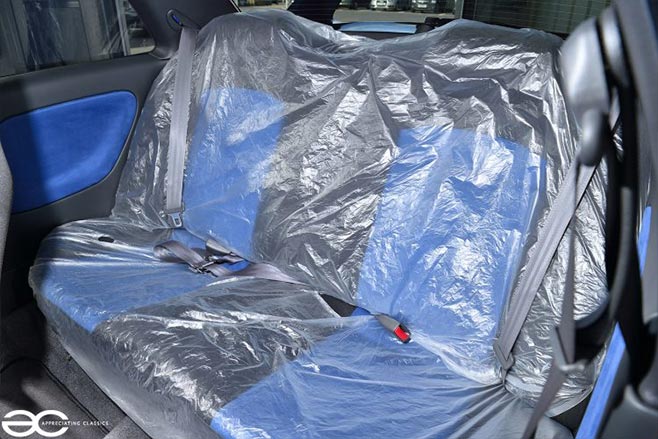
It’s still got plenty of its delivery protection in place too, but there’s one thing we’re sure is holding most back from jumping at the deal. To make it yours, you’ll have to shell out £295,000 of the Queen’s cold hard, or AU$529,660 to us on the prison island colony.
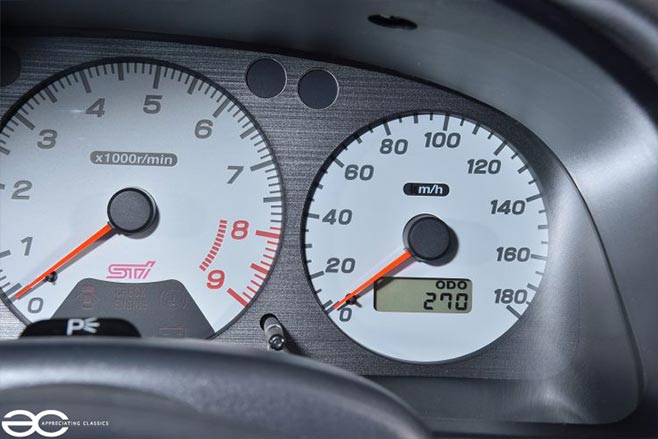
More than half a mil on a Subie isn’t what most people would consider great value, but a wealthy collector (or even a mad enthusiast) might see the value in scooping up a 22B with its rear seats still wrapped in plastic.
Drive your heroes: We steer a Subaru WRX STi 22B!
While legend states only 25 examples of the 425-odd 22Bs were built to leave Japan’s shores (there are rumours of a skipped #013), this one (build number 309) is indeed a JDM expat.
According to the listing, it was purchased new in 1998 as an investment and has remained in the same family since its delivery and has only been offered for sale after a death in the family.
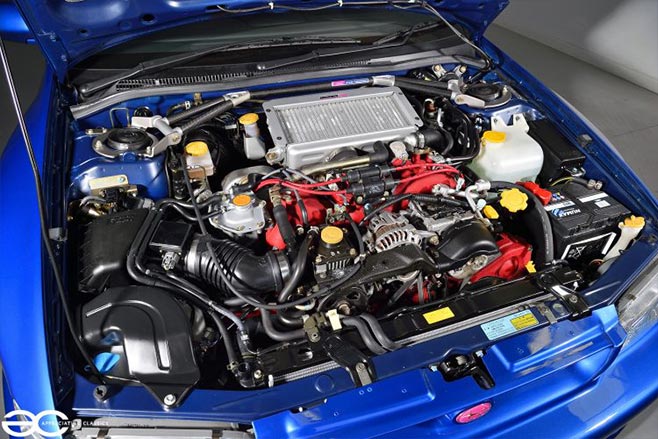
Appreciating Classics says the car has, in its custody, undergone a service which involved replacing “the original cambelt, pulleys and water pump, which were all in ‘as new’ condition.”
“Also changed were all fluids and filters, genuine parts only of course, all original parts removed remain with the vehicle.”
Its 2.2-litre flat-four (with a cheeky 206kW output claim, stated as this was the limit on power in Japan at the time even though many ‘206kW’ care made more in reality) is still unmodified, as is the rest of the car in fact. Including the tyres.
While a car that’s barely been driven in 22 years isn’t likely something you’d take out for a blast straight away, the seller says it “drives and operates just as it should do with a fantastic feeling gear change, direct steering and good brakes.”
A celebration of the Subaru WRX
They note though that they’ve only driven it on and off the trailer and the workshop ramps. They also admit very minor surface corrosion on the engine and running gear, but only due to age and exposure to the air it was stored in.
Given a new one was $132,000 here in Australia (five were sold officially), the extra $400k might seem eye-watering to you (then you’d have to ship it here), but when was the last time you saw a new Subaru 22B for sale?
You can check out the listing for the car here..
American pick-up trucks get a bad rap in Australia in certain circles. Derided for being too expensive and too big, one of the harshest criticisms the public lay at their feet is that they are slow to both accelerate and stop.
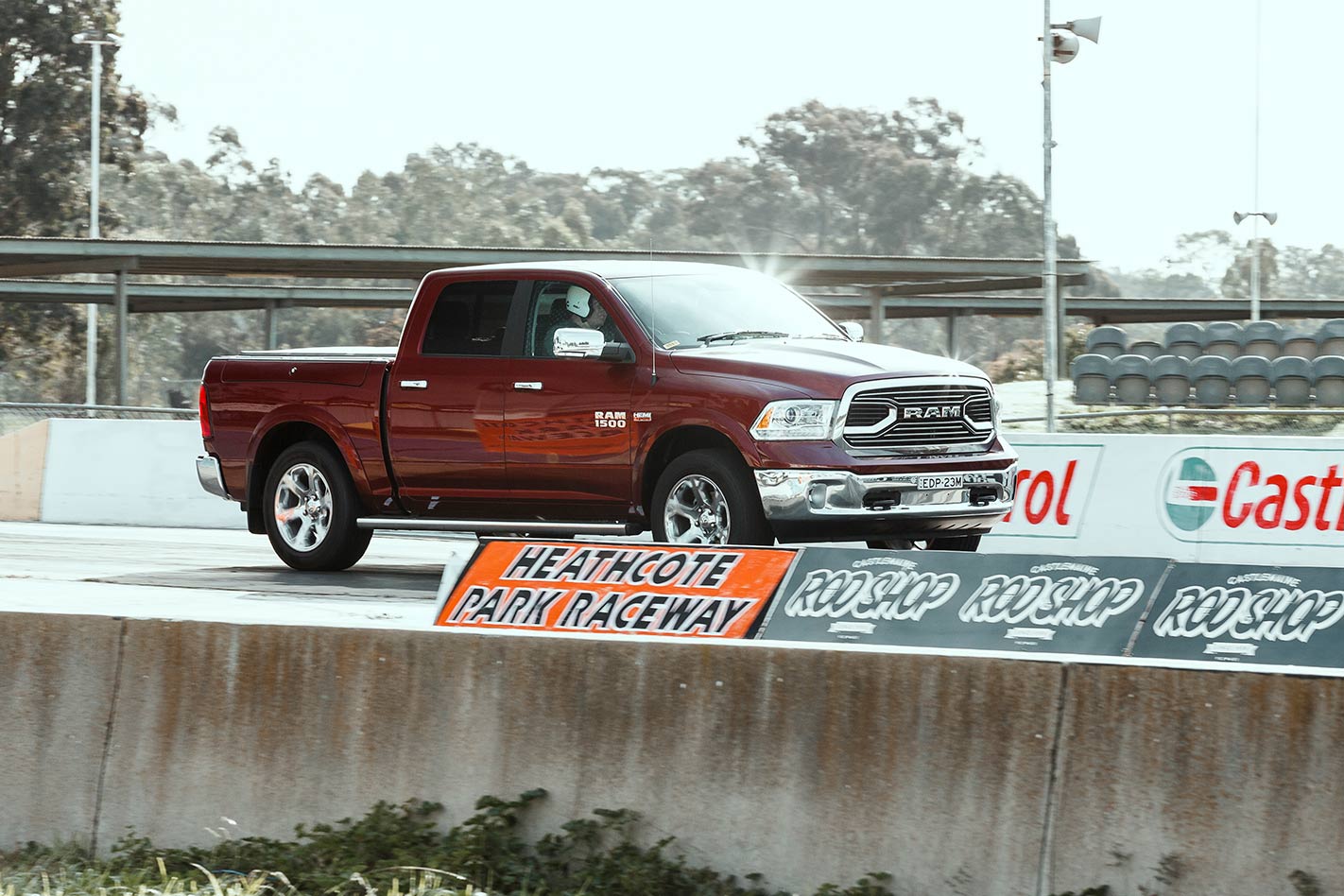
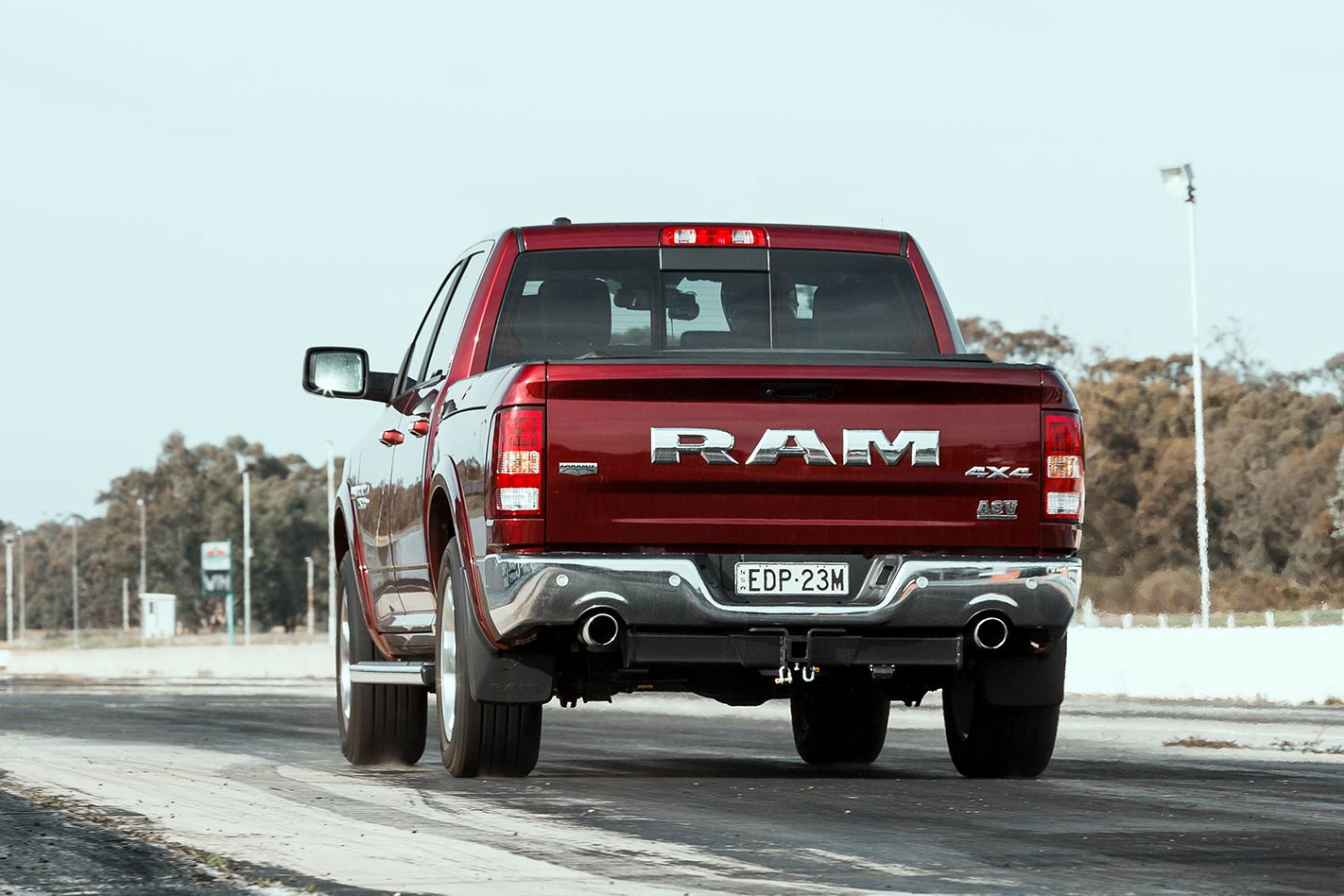
Thing is, that just isn’t true. Wheels has conducted independent testing using GPS data that proves that a pick-up like the Ram 1500 Laramie has the same braking performance as some of the lightest hatches on the market.
Powered by a 5.7-litre naturally aspirated petrol V8, the 2650kg Ram 1500 has plenty of go.
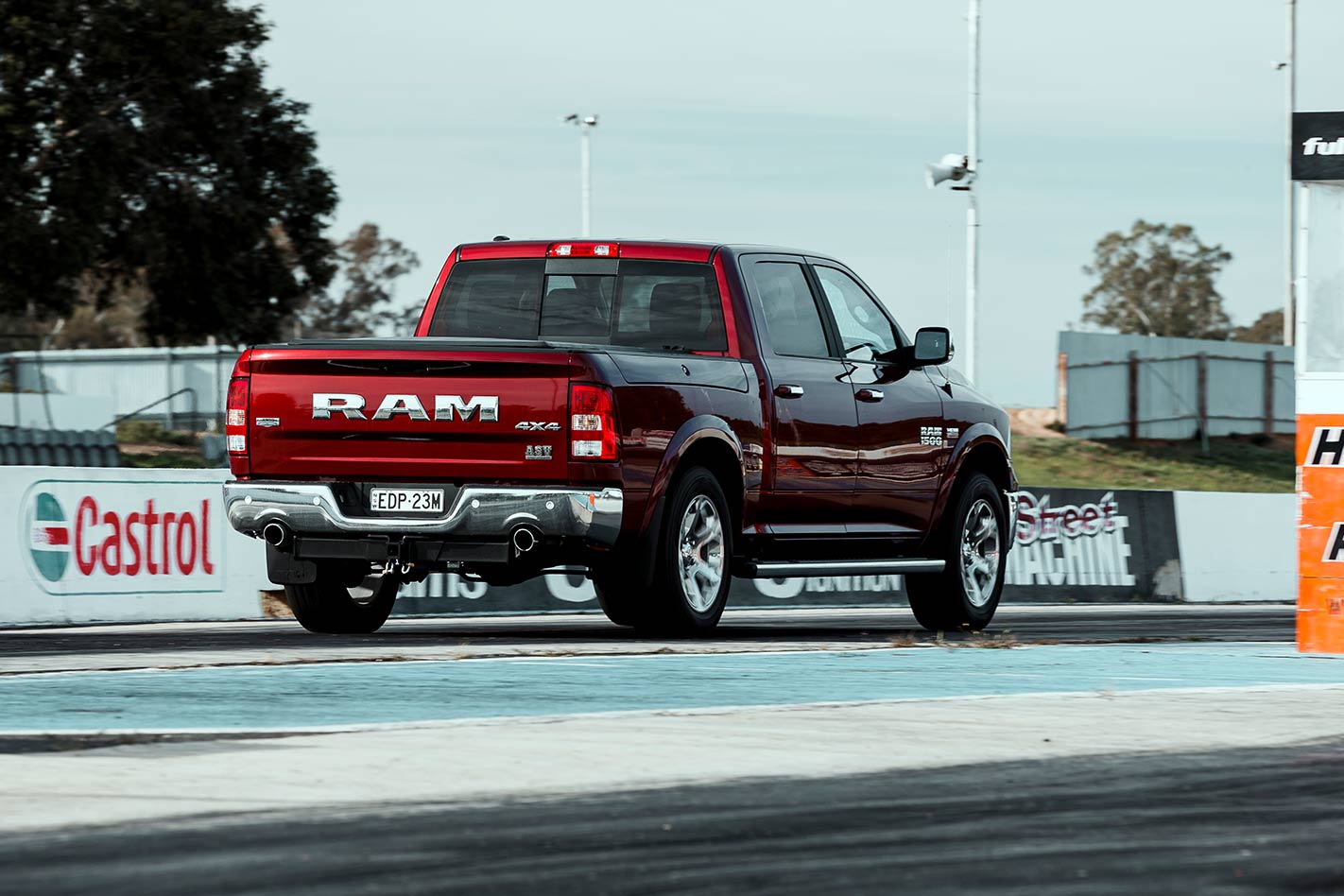
An eight-speed automatic transmission sends 291kW @ 5600rpm and 556Nm @ 3950 rpm to all four wheels, allowing it to crack 100km/h in 6.8 seconds.
Keep your foot in the throttle, and the speedo will click over 150km/h in 15.2 seconds, and on to 170km/h in 21 seconds flat.
During testing we completed a 400 metre pass in 14.8 seconds, with a trap speed of 148.5km/h.
Putting on speed is one thing, but you also need to be able to come to a stop in a prompt, controlled manner.
Thankfully, the Ram performs admirably in this area, stopping from 100km/h in 40.2 metres.
To give you some context, and an indication of what excellent braking performance looks like, Porsche has some of the best stopping cars on the market. The Porsche 992 911 Carrera can stop from 100km/h in 32.5 metres, while the Porsche Cayman GT4 takes 34.5 metres.
At our Car of the Year testing last year the Peugeot 508 wagon had the best stopping performance on a dry surface, needing only 35.3 metres to come to a standstill from 100km/h.
Clearly, two sports cars and a lightweight wagon are not comparable to the big American pick-up, but they give a clearer idea of what the market benchmark is when it comes to hauling a car to a standstill from 100km/h.
Really, anything that can be brought to a stop from highway speeds in less than 38 metres is performing above average.
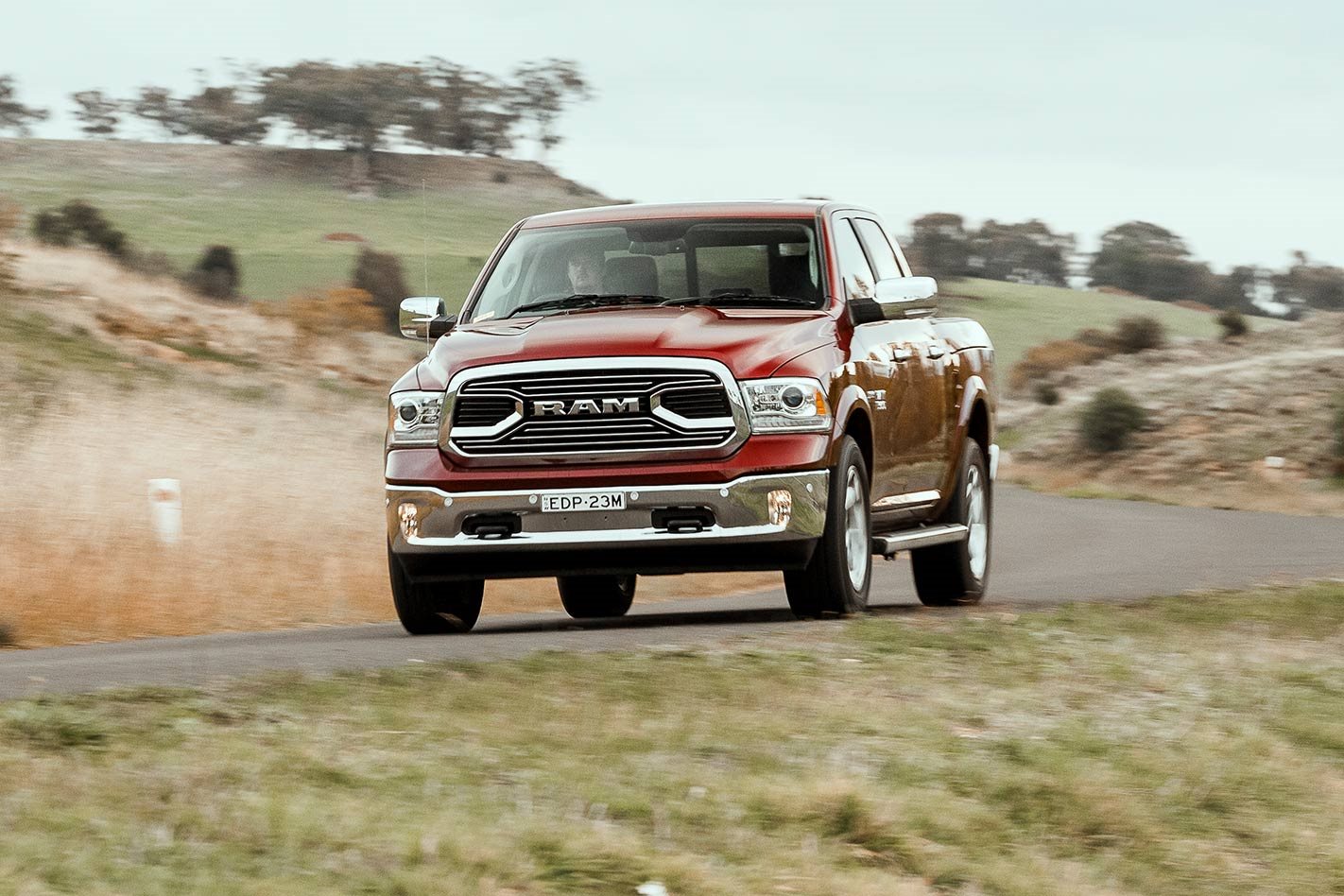
While the Ram couldn’t get under that benchmark, it was able to stop in a distance that is comparable with cars less than half its weight.
These include the 945kg Suzuki Swift GLX (39.6 metres), and 1070kg Mazda2 G15 Evolve (40.4 metres) – both small, lightweight hatches. A Mitsubishi ASX ES will take 41.3 metres to stop from 100km/h.
When it comes to dual-cab utes, we had a VW Amarok 580 Ultimate on the same test as the Ram, and it was able to complete our braking manoeuvre in 37.5 metres.
Despite being lighter by a hundred or so kilos, the similarly sized Chevrolet Silverado 1500 took an extra 20cm to come to a standstill compared to the Ram.
So, what does all this mean? Well, while the Ram isn’t the sharpest braking model on the market (it was never going to be), it controls its mass and comes to a stop much better than you may initially expect.
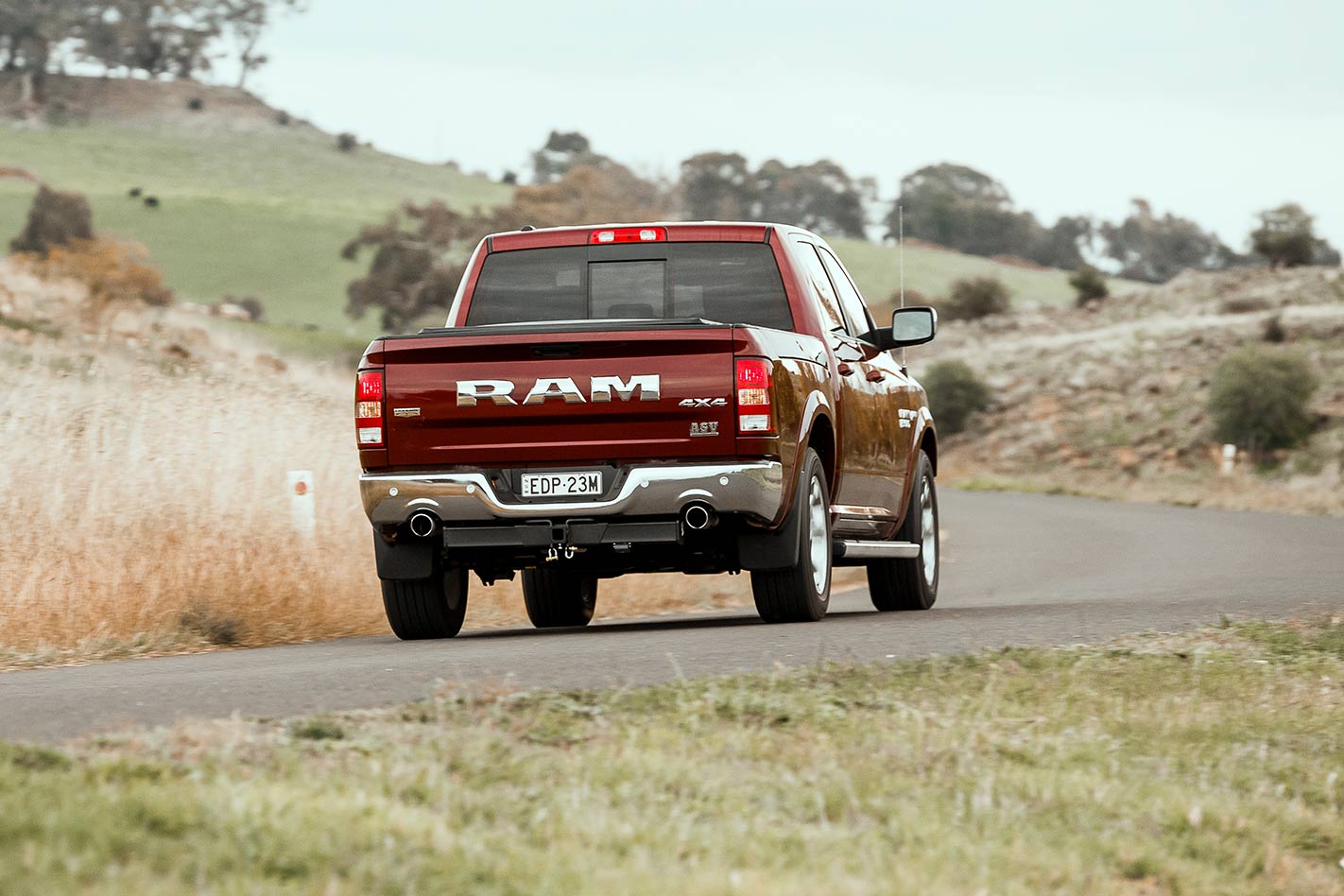
Despite some initial nervousness from our testing team ahead of the braking exercises, both the Ram and Silverado proved themselves to be confident stoppers, with little fuss or bother from behind the wheel as they fought physics.
In the Ram’s corner is the Hankook Dynapro HT rubber, which wrap the wheels at each corner in 275/60 R20 114T specs. That’s a wide footprint!
There you have it! Hard data that proves you shouldn’t judge a book by its very, very large cover.
