
AUSTRALIA’S road vehicle recalls watchdog has launched an investigation to see whether a massive European recall to fix emissions-cheating software in Mercedes-Benz cars will need similar action here.
A government spokesman confirmed to Wheels today that the Department of Infrastructure, Regional Development and Cities, which has oversight over vehicle recalls, had launched an investigation into the Dieselgate-like emissions cheats. It is the same department that has handled the recall of up to 100,000 Volkswagen, Audi, Skoda and Porsche-badged vehicles here to remove similar cheat devices.
Mercedes-Benz Australia confirmed it was launching its own investigation into whether some of the diesel engines in vehicles sold here are likely to be scooped up as part of the massive German recall.
The recall of more than 220,000 vehicles includes 2.1-litre diesel-engined versions of the C-Class sedan, wagon and cabriolet, and the GLC-Class mid-size SUV sold in Germany. However, the software defeat devices, which can allegedly reduce the level of emissions under official test conditions, are believed to be fitted to almost 774,000 vehicles scattered throughout Europe.
German media reports speculated earlier this week that the number could expand to more than 3 million Mercedes-Benz-badged vehicles as more devices were uncovered.
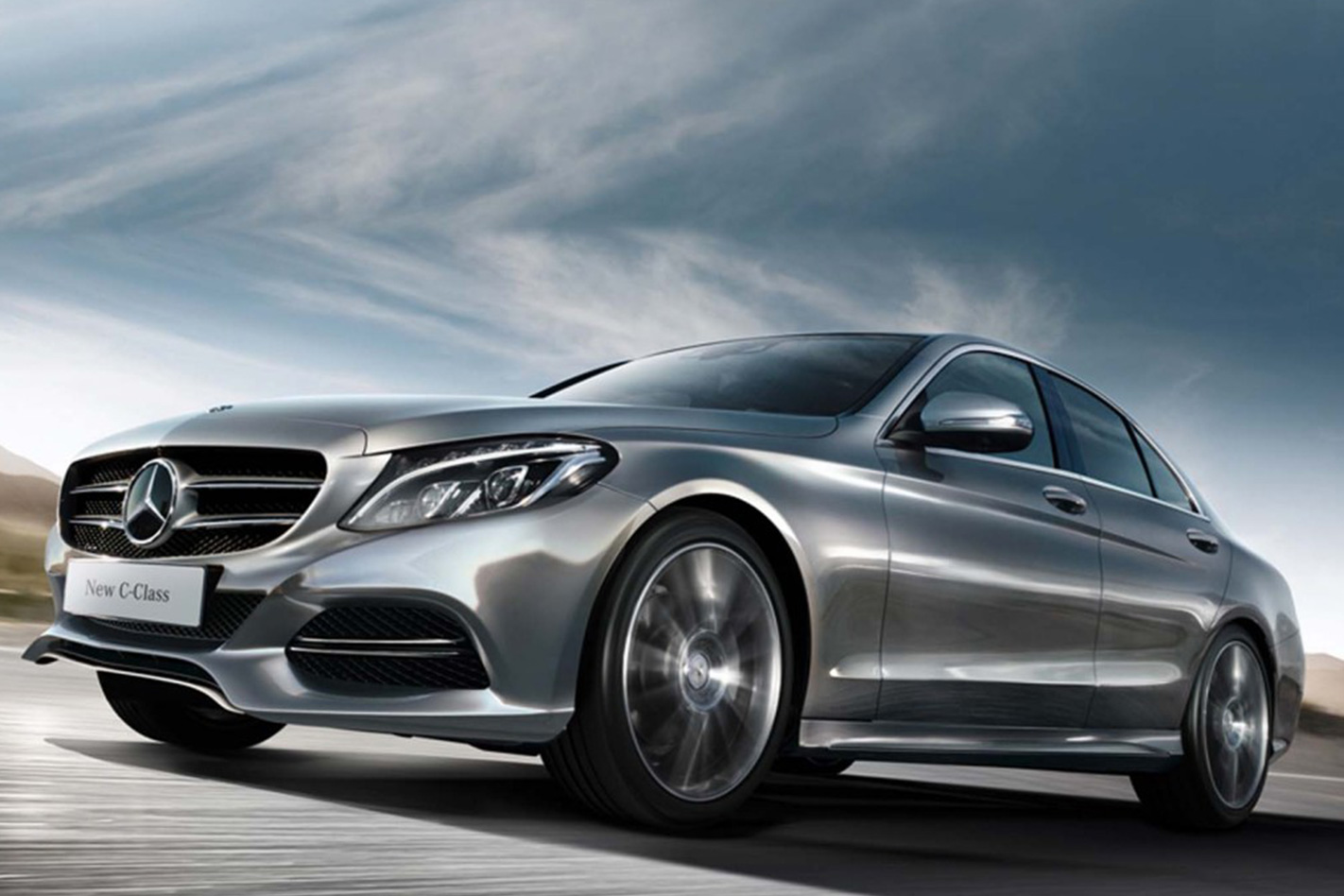
When asked if the defeat devices were potentially installed in 220d-badged versions of the cars sold here, Mercedes-Benz Australia spokesman David McCarthy said: “We do not currently know.” He said the Australian arm of the European luxury brand was “seeking clarification” on what impact the German recall was likely to have here.
The German transport ministry this week said it believed Benz-badged cars sold in Europe were fitted with what it said were unauthorised software defeat devices aimed at reducing emissions during official testing procedures. It has ordered the German luxury car maker to recall more than 200,000 cars it sold in Germany – the only vehicles it has the authority to recall – to remove the device.
“The government will order 238,000 Daimler vehicles to be immediately recalled Germany-wide because of unauthorised defeat devices,” the German transport ministry said in a statement.
Mercedes-Benz’s parent company, Daimler, said it was yet to determine if the defeat devices it had been asked to fix were in breach of any German laws.
Models targeted in the recall include 2.1-litre diesel-engined versions of the C-Class and the GLC-Class SUV, and 1.6-litre versions of the Vito trade van that were recalled in late May.
The car maker says it already has a software fix for some of the affected cars, while others will need to gain the approval of the transport ministry before being rolled out.
Media reports claimed this week that up to five separate “illegal switch-off devices” had been found in Mercedes-Benz vehicles with engines built to meet tough Euro 6 emissions standards.
Questions are now being raised about potential defeat devices installed as many as three million Benz-badged models across Europe, including the G-Class, E-Class coupe, S-Class, and GLE-Class.
Unlike Volkswagen, which had its diesel emissions defeat devices discovered in the US before being uncovered in other parts of the world, the Benz-based scandal is confined to its home market.
The Dieselgate scandal is believed to have cost VW about $30 billion to fix, and has sparked a major face-saving shift in the company’s public profile to become a strong advocate for electric vehicle technologies. Its latest venture is an assault on the Pikes Peak hill climb record for an electric vehicle, which kicks off later this month. It has specially built a 500kW vehicle it calls the Volkswagen IDR to attempt to shatter the record.
Volkswagen is currently fighting claims levelled at it by Australia’s consumer watchdog, the Australian Competition and Consumer Commission, that it misled buyers over the emissions standards of vehicles sold here with the cheats installed. It denies it broke any Australian laws.
Wheels has asked the ACCC if it is also looking into the claims levelled against Mercedes-Benz in Germany.
Will the real BMW M140i please stand up?
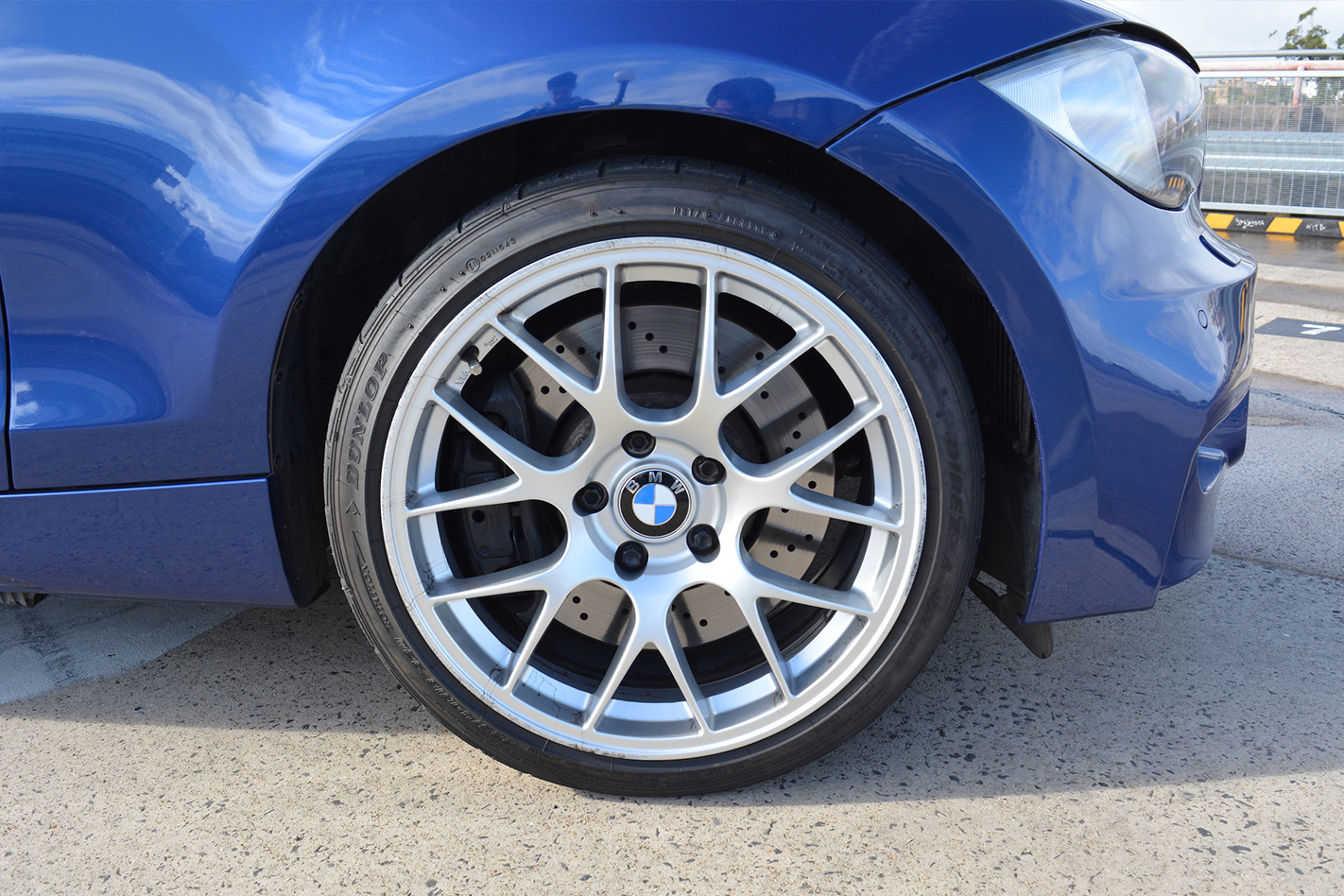
Back when the digits on a Bavarian’s rump equated to the cubic capacity under the bonnet, this one-off 4.0-litre naturally aspirated V8-powered, decade-old 1 Series five-door hatchback would have best suited that badge.
Just this month a Sydney-based conversions company has re-configured the entire driveline from the revered E92-generation BMW M3, complete with 309kW at 8250rpm 400Nm at 3900rpm, into a first-generation 130i five-door that already had 150,000km on the clock.
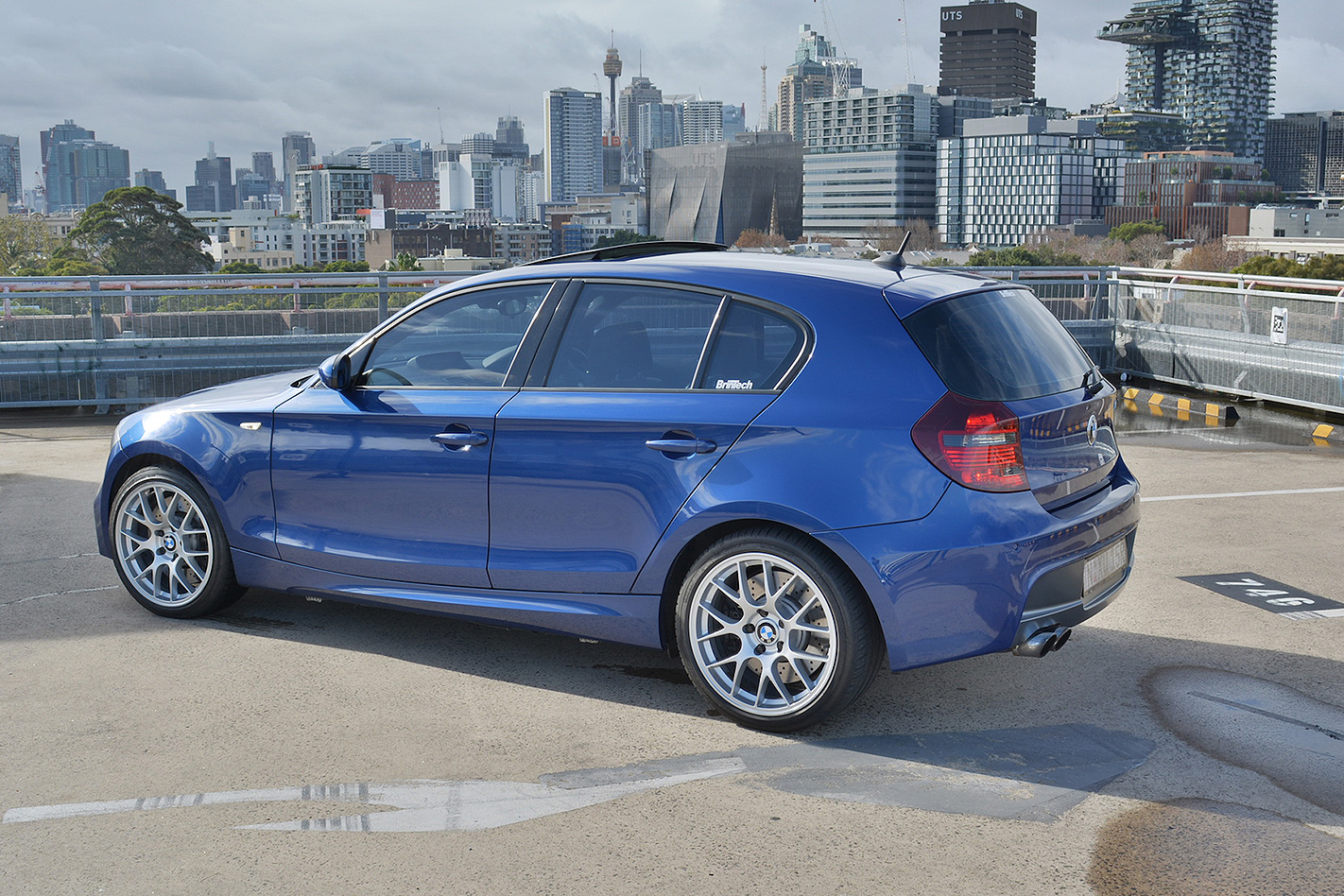
More than that, the entire suspension geometry, including whole front and rear subframes, the adaptive suspension, active M differential, and computer network, was transferred from a pranged E92 M3 into this 130i by “factory level conversion specialists” Brintech Customs.
Brintech posted a call to action on its Facebook page earlier this year, offering any 1 Series owner to provide their hatch free of charge as part of a marketing promotion. The owner would pay for $29,000 in parts only, with the circa-$15K in labour thrown in for free.
Nathan Godby had owned his 130i for six years, and figured it was a neat way to upgrade from the standard 195kW/315Nm 3.0-litre naturally aspirated inline six-cylinder and six-speed manual combination, upping outputs in by a whole 114kW/85Nm in the process.
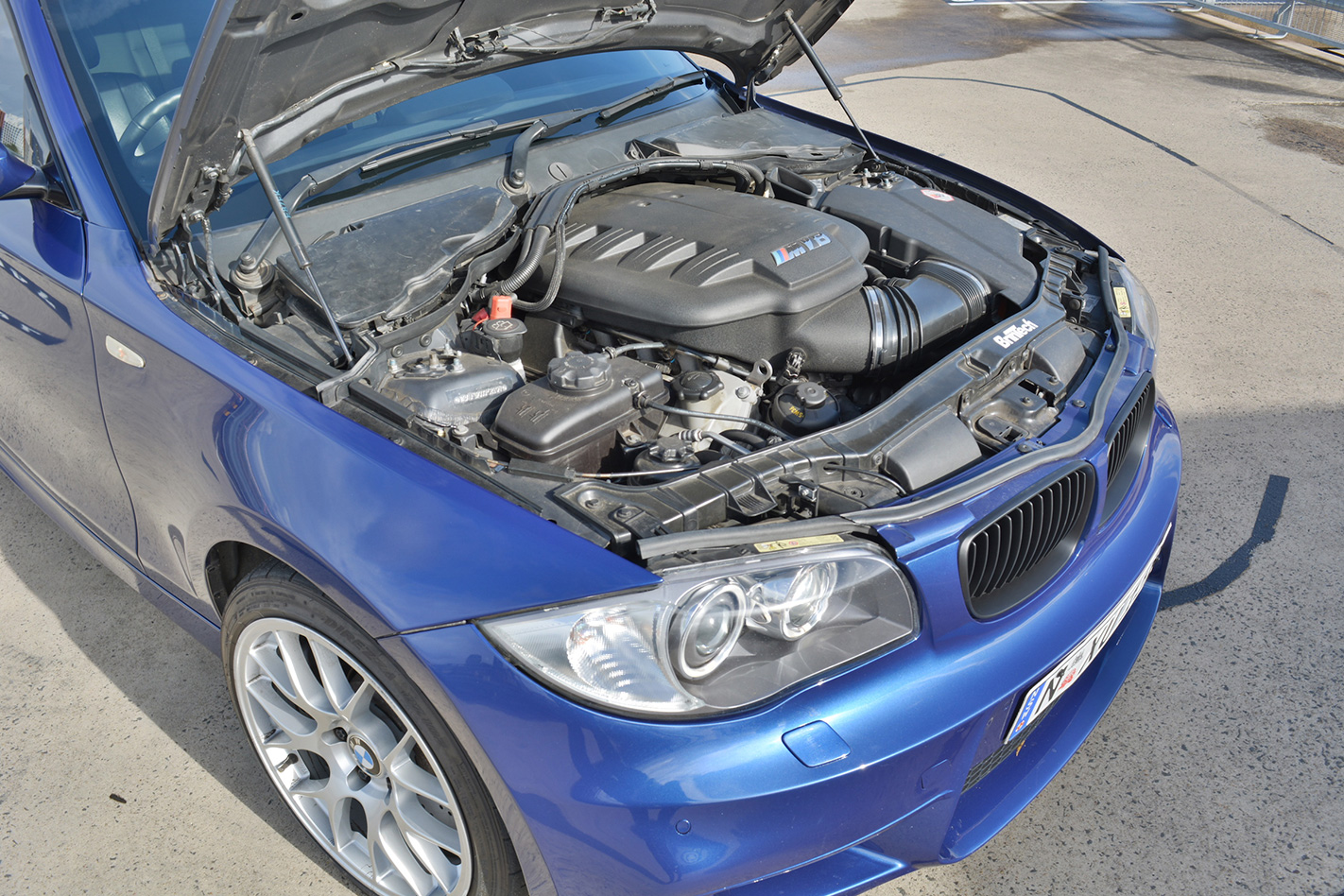
Where the 1385kg 130i claimed a 6.1-second 0-100km/h, the 1580kg M3 needed 4.7sec to claim the benchmark sprint. Given a 325i atmo six of the same era (and which shares the M car’s basics) tipped the scales at 1430kg, it gives the V8 130i in theory a 45kg head start.
“I had been to see a guy who had a Z4 M for sale as I quite like those, but I sent them [Brintech] a message and a day later they got back to me,” Godby told MOTOR.
“So everything’s out of the M3. The whole front sub-frame, the whole rear-subframe, engine, gearbox, steering rack with the Servotronic function, springs, sway bars, differential, and the brakes.
“The only thing that’s not from the M3 is the tail-shaft, as they had to get a custom one to fit the shorter length. The only bits left over from the 1 Series are a section of the steering column, and then the actual fuel tank. It’s an M3 exhaust from the engine, through the cats and to the resonators, and then it’s back to my old 130i muffler.”
The front bar of the 130i also had to go for a ‘1M lookalike’ unit that could feed more air into the oil cooler required by the M3 engine; the fat body of a 1M meant that its bar could not be used.
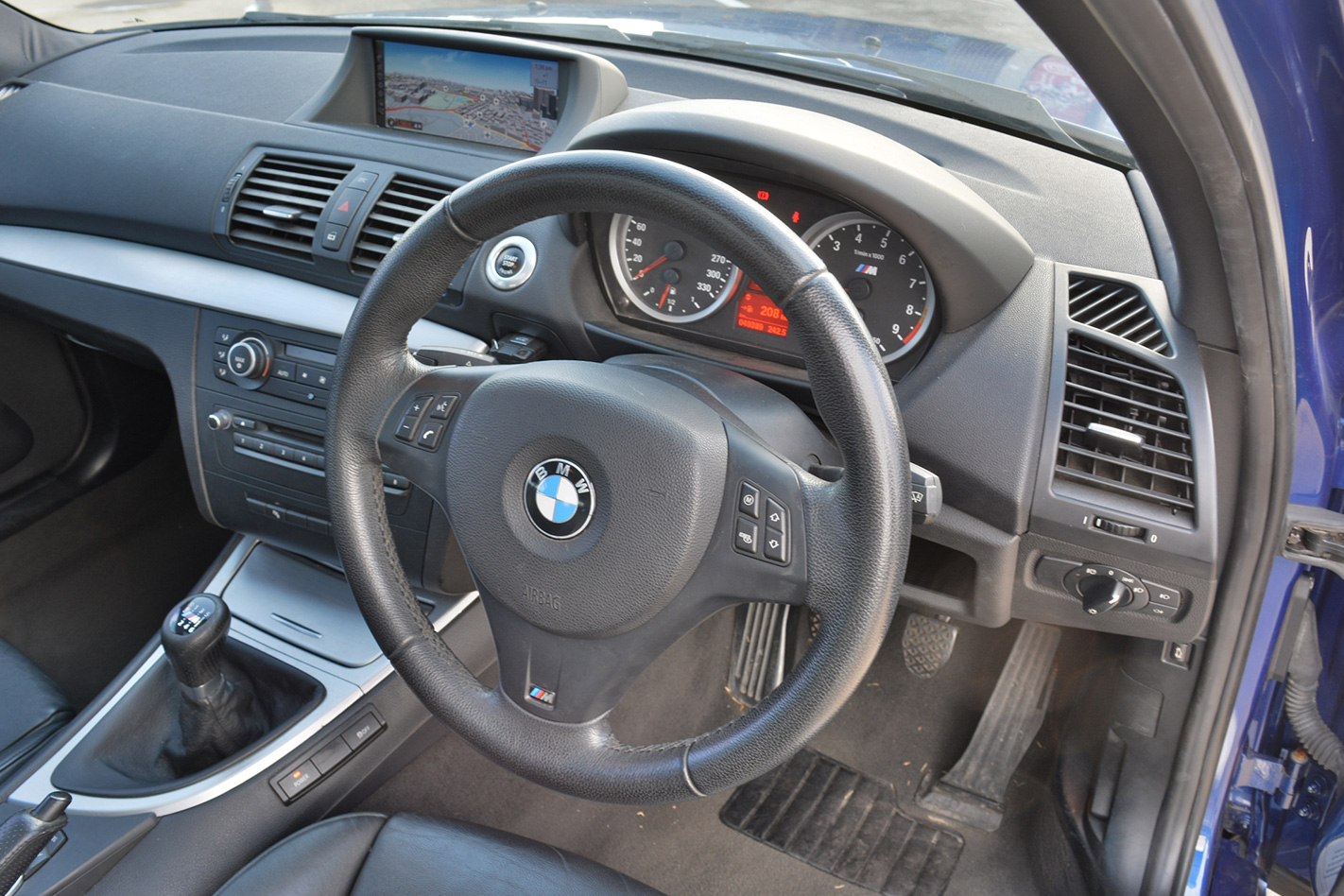
Otherwise, even the electronics and operating system are poached from the pranged M3, so that includes the damping and stability control buttons that now flank the transmission tunnel of the 130i. The steering wheel is also from the M3, complete with an M preset button that links up to the ‘professional’ widescreen sat-nav from the larger Bimmer.
So, how does it drive?
“It’s outrageous,” Godby enthuses.
“It’s significantly faster in a straight line, and with the different sway bars and everything it’s much more pointy at the front end. Maybe if you’re in a really long sweeper there’s a bit more understeer, but it’s much more responsive on initial turn-in.
“And obviously with the LSD at the back, you also get better traction coming out of the corner as well.”
Want more? Audi S3 vs BMW M140i comparison review
MOTOR can confirm that this V8 130i does indeed feel damn fast. Even better, those crisp and clear sonics belt through the firewall to sound arguably better than any of the current turbocharged BMW crop. And, best of all, the 130i feels ‘OEM’ – it seems solid, suspension tight, with nothing of note that feels aftermarket or cheaply (re)engineered.
At $15K retail for the 130i, plus $15K in labour, and $29K for the pranged M3, this project doesn’t exactly make financial sense. But what price can you put on cool? And as the 1 Series nameplate is about to go front-drive for good, a V8 rear-drive hatch is surely the best way to go out…
IT SHOULDN’T come as any great surprise that the country that’s often criticised for both its lack of local infrastructure and a catastrophically unhealthy addiction to fast food is having its roads repaired not by the government, but by a pizza delivery giant.
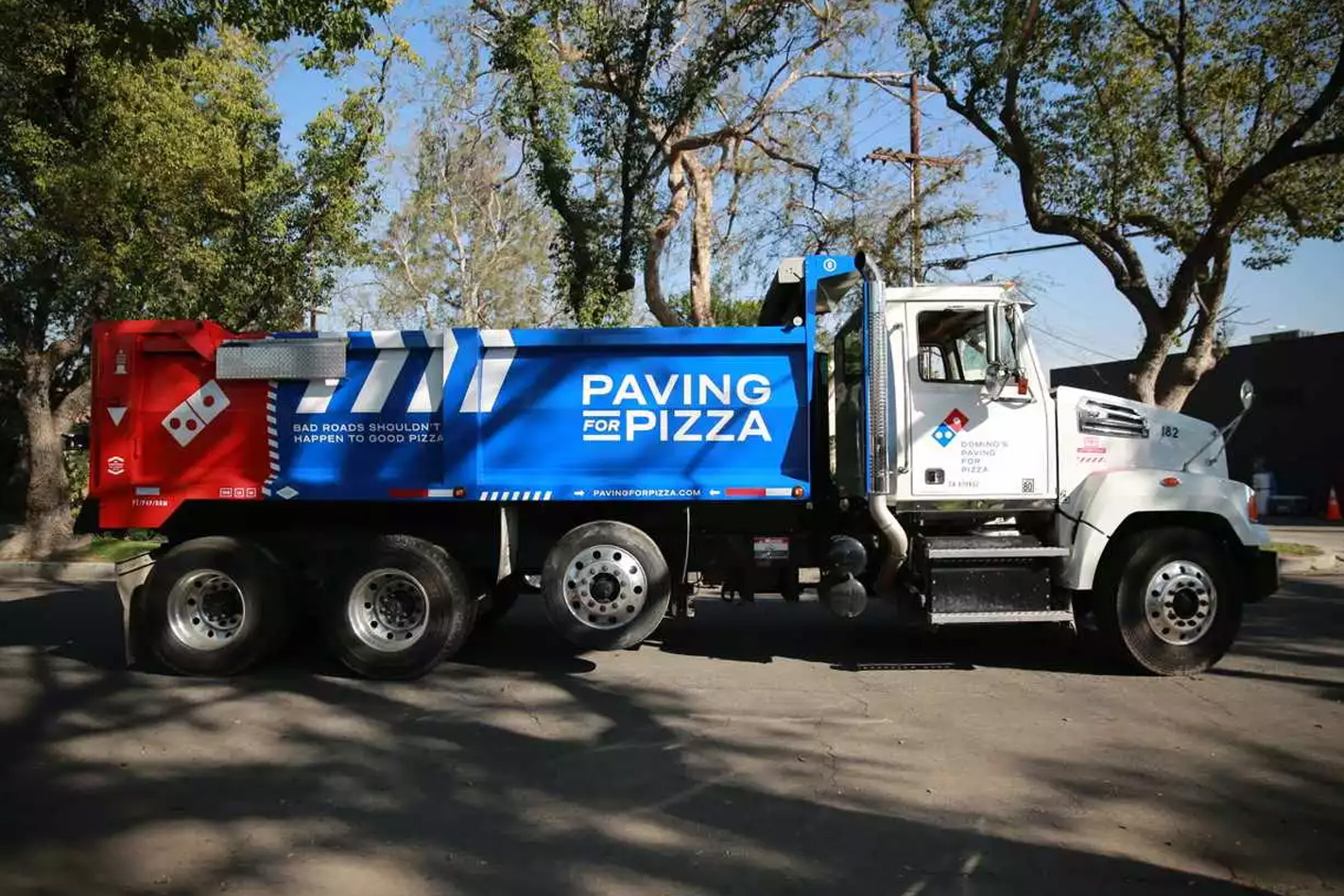
That’s right, America’s roads have fallen into such a poor state of repair that Domino’s pizza is taking matters into its own hands and doing the work local councils seem unwilling or unable to do – the Paving for Pizza program.
Under the company’s new initiative, incensed locals can nominate their town for assessment and, if successful, a team of tradies in Domino’s-branded trucks will arrive and set about healing the roads of their worst sin – the pothole.
Burbank California, Bartonville Texas, Athens Georgia and Milford Delaware all now have 54 fewer potholes thanks to the project that has been fuelled by nothing more than melted cheese and peperoni, and more towns are being invited to join.

The initiative is not quite as philanthropic or altruistic as it might first appear. After the road repair is complete, the team finishes the job by stencilling the unmistakable red, white and blue domino identity along with the tag ‘oh yes we did’ which is a bit like a plastic surgeon signing your facelift.
And, while it might avoid a number of taco’d bike wheels, dented alloys and popped suspension struts, the project is first and foremost about protecting Domino’s business.
“Potholes, cracks, and bumps in the road can cause irreversible damage to your pizza during the drive home from Domino’s,” it says.
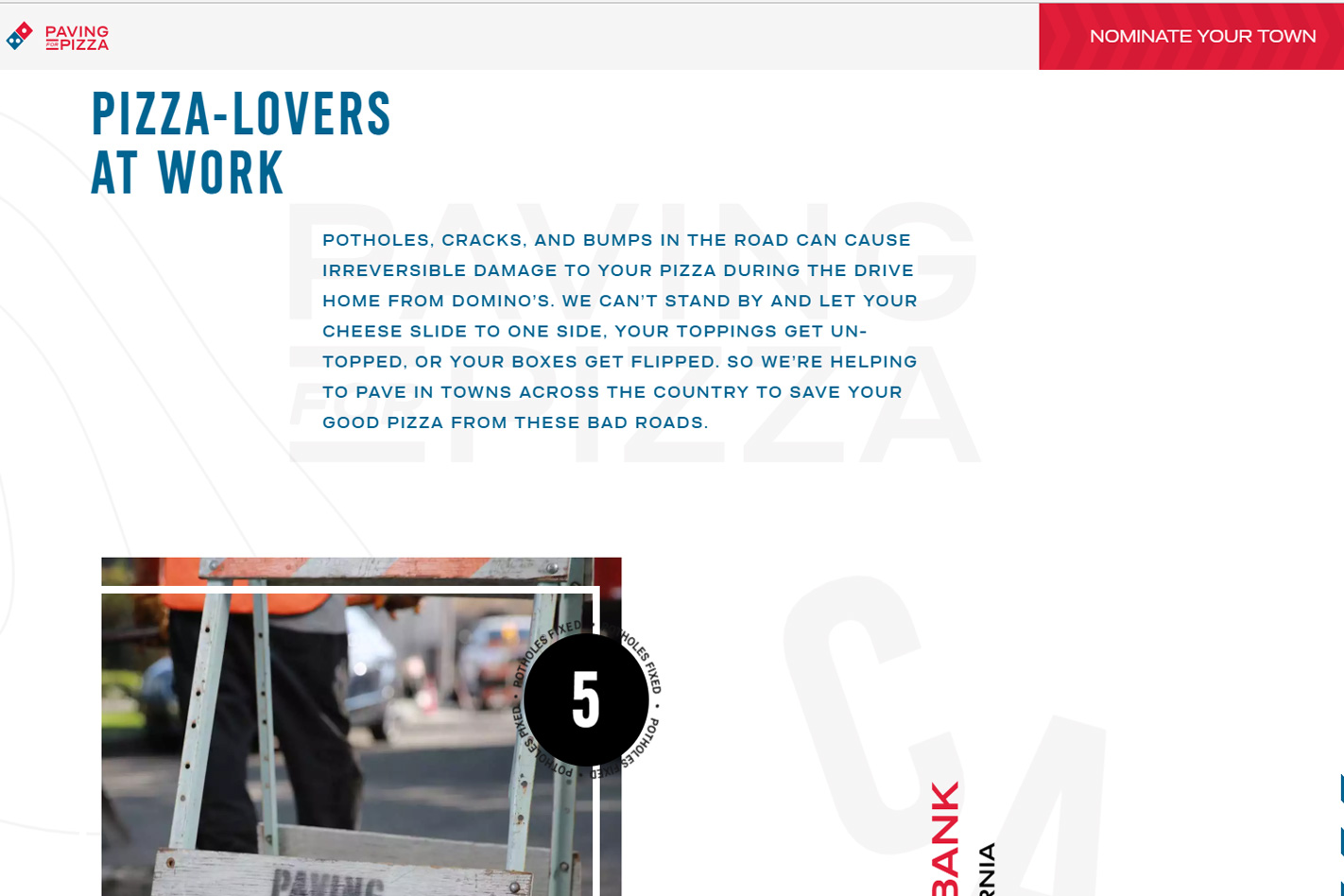
“We can’t stand by and let your cheese slide to one side, your toppings get un-topped, or your boxes get flipped so we’re helping to pave in towns across the country to save your good pizza from these bad roads.”
A light hearted and community focused stunt? We might argue it’s little better than graffiti or, at best, unauthorised advertising hiding behind an act the local council would never complain about for fear of highlighting its own inadequacies.
But if it means motorists across the country are happier, safer and possibly just a little fatter, then we reckon Australia should be in for a slice of the action too, don’t you?
Mercedes’ mission to offer a car for every possible taste continues apace.
At last count, its local offering consisted of 117 variants, not including its commercial division (X-Class, vans). Thus it’s deemed the gap between the $159,611 E43 and $239,611 E63 S too large and so has introduced the $209,611 ‘base’ E63.

The move breaks Mercedes Australia’s recent habit of only importing the higher-spec ‘AMG S’ models, its rationale being that most customers choose the fully-loaded variants anyway. Nonetheless, it’s decided there’s enough buyers out there who want the regular E63, so what can they look forward to?
The most obvious difference is a decrease of 30kW/100Nm from the 4.0-litre twin-turbo V8 compared to the S, however it still has 420kW/750Nm to play with, enough to shift its 1875kg bulk (5kg less than the S) to 100km/h in a claimed 3.5sec.
An interesting quirk is that the ‘power’ gauge on the digital instrument display shows 430kW under full acceleration, so perhaps AMG has thrown an extra 10kW in for free?

Regardless, the unrelenting acceleration of this beast is verging on lunacy, its nine closely-stacked ratios devoured with barely diminished ferocity. Peel your head off the headrest and you’ll notice the crisper, sharper soundtrack of the M177 4.0-litre in E63 tune; it’s an angry noise, though part of me misses the dirtier, grumblier tone of the old twin-turbo 5.5-litre.
Anyone used to previous E63s simply won’t be able to believe traction generated by this new model. All-wheel drive has made wheelspin a relic of yesteryear, though it hasn’t dulled the dynamics of Merc’s super sedan.

It’s at its best on more open, flowing roads, where its point-to-point pace is just ridiculous. In tighter turns its weight and relatively soft setup – even in Sport there’s a degree of floatiness, which is an observation not a criticism in a car like this – comes to the fore, but the E63 also displays an agility you wouldn’t expect.
Loosening the rear with trail braking would only exacerbate traction issues in previous rear-drive E63s, but rear-biased all-wheel drive allows the throttle to be floored incredibly early, slingshotting the car out of bends with a hint of oversteer. The steering lacks a little precision and there’s the occasional hint of very mild torque steer, but the E63 can be driven harder than most owners will ever imagine.
Not for terribly long, though. After a relatively short spell of admittedly hard driving, a temperature-related warning appeared on the dash, disappearing after being parked for a few minutes.

The standard E63 also uses smaller front brake rotors than the S (360mm vs 390mm) and heavy use can have them feeling the strain. Mercedes says anyone keen on using an E63 for extended hard driving or racetrack use should buy the S, leaving the standard variant for those who want to go very quickly in comfort.
Thankfully, this is a role it performs exceptionally well. The interior is top-notch and the ride is marginally softer than the S; it’s still firm but sharp bumps don’t thud through the bodyshell the way they do in the more focused version. It stays closer to traditional super sedan values than the four-door supercar S.
Mercedes expects the majority of customers to choose the higher-spec model, purely because buyers in this bracket want the ultimate, but for the type of driving these cars typically do, the regular E63 is arguably the more appropriate choice. Still, I guess that shows the wisdom in Mercedes’ approach: whatever your taste, it’s got the car for you.

2018 MERCEDES-AMG E63 SPECS: Engine: 3982cc V8, DOHC, 32v, twin-turbo Power: 420kW @ 5750rpm Torque: 750Nm @ 2250-5000rpm 0-100km/h: 3.5sec (claimed) Weight: 1875kg Price: $209,900
Rating: 4 out of 5 stars Like: Looney pace, great handling, improved ride Dislike: Firm ride, lacks stamina
What stands out?
The Cerato is Kia’s alternative to the popular Toyota Corolla, Mazda 3 and Hyundai i30 small cars. The smart hatchback has a stylish cabin and drives nicely, especially since Kia improved its ride and steering as part of a May 2016 update. The warranty is seven years, and the more expensive Ceratos offer active safety aids among a long list of features.The hatchback on sale now is a third generation Cerato. It is on sale alongside the new Cerato sedan, that is an all-new model and the subject of a separate range review.An all-new Cerato hatch is expected by early 2019.
What might bug me?
The price you get when it comes time to sell your Cerato. Because it is not as well known as alternatives such as the Toyota Corolla or Mazda3, it is likely that potential buyers will be well placed to bargain. Nevertheless, Wheels magazine adjudged the Cerato S the best small car under $24,000 in its 2016 and 2017 Gold Star Value Awards, which compare the likely costs of owning new cars for three years. Contributing to the Cerato’s high rankings were a low purchase price and long seven-year warranty.Perhaps that you can’t play CDs – only the least costly version, the Cerato S, has a player. The others treat the Compact Disc as an obsolete technology.
What body styles are there?
Four-door sedan and five-door hatchback.The Cerato drives the front wheels, and is classed as a small car, lower priced.
What features do all Ceratos have?
Cruise control, and Bluetooth connectivity for phone calls and music streaming. Parking sensors front and rear, which help you judge how close you are to obstacles.Height and reach adjustment for the steering wheel, and height adjustment for the driver’s seat. A footrest for the driver.Controls on the steering wheel for the cruise control, the audio system and your phone.Seatbelt reminders for all five seat positions. Windows tinted to reduce sun penetration.A full-sized spare wheel and tyre.Hill-start assist, which controls the brakes automatically to help you start from rest on an uphill slope.Electronic stability control, which can help control a skid or slide. All new cars must have this feature.Six airbags: two at the front; one on each side to protect front-seat occupants in side crashes; and a curtain airbag down each side to protect heads in a side impact.The Cerato has a seven-year, unlimited kilometre warranty.
Which engine uses least fuel, and why wouldn’t I choose it?
All Ceratos use a four-cylinder, 2.0-litre petrol engine and on the official test consume 7.1 litres/100km (city and country combined).In real-world driving, expect about 9.0 litres/100km on average. A Cerato with this engine recorded that figure when driven alongside 11 other popular small cars for a review published in the January 2017 issue of Wheels magazine. That put the Cerato mid-field for fuel use – similar figures were recorded for the Toyota Corolla, 2017 Subaru Impreza, and Mazda3.The 2.0-litre is a flexible engine that performs well in the city and cruises comfortably on the highway.The least costly Cerato – the Cerato S – comes with a six-speed manual gearbox but offers a six-speed conventional auto as an option. All other Ceratos have the six-speed auto as standard.
What key features do I get if I spend more?
Spending as little as possible on a Cerato will get you a Cerato S, which has a radio and CD player, cloth seat trim, and 16-inch steel wheels with plastic covers.The Cerato S with AV loses the CD player but gains a reversing camera, displayed on a 7.0-inch colour touchscreen. You also get support for Android Auto and Apple CarPlay – which allow you to display apps from your phone on the touchscreen and control them from there. Automatic transmission is standard.Spend more for a Cerato Sport and you lose the CD player but gain a reversing camera, displayed on a 7.0-inch colour touchscreen. You also get satellite navigation, and support for Android Auto and Apple CarPlay – which allow you to display apps from your phone on the touchscreen and control them from there. Your headlamps switch on automatically at night or in tunnels. The steering wheel is wrapped, for a nicer feel, and there is leather-look trim on the instrument-cluster. Wheels are made from aluminium alloy, which looks nicer and does not need the plastic trim, and they are an inch bigger at 17 inches. Tyres are lower in profile and slightly wider, for a bit more cornering grip and precision.A Sport+ model was introduced as the new top-of-the-range Cerato in the second half of 2017, replacing the SLi. It has a few extras over the Sport specification including automatic folding door mirrors, puddle lights and chrome exterior highlights.Inside, the Sport+ gains an electrochromatic rear view mirror, which automatically dims so you’re not dazzled by the headlights of the car behind you, leather appointed seats, powered driver’s seat lumbar support, sliding centre console armrest, paddle shifters, rear air vents and carbon fibre-look trim inserts.
Does any upgrade have a down side?
The lower-profile tyres on the Cerato Sport, Sport+ don’t smother bumps quite as well, because there is less air between the wheel and the road. They could also cost a bit more to replace.Spending more for a Cerato with a central touchscreen and reversing camera means you lose the CD player: only the Cerato S has one.You don’t have an option of a cheaper manual transmission if you upgrade to the Cerato S with AV, Sport or Sport+.Clear White is only standard colour. All other colours cost extra.
How comfortable is the Kia Cerato?
The Cerato interior design is clean and elegant, with chrome highlights and crisp instruments that lift the look. It’s also ergonomically friendly, from the buttons and switches on the steering wheel to the main audio and circular ventilation controls placed quite high on the dash.The S looks a bit underdone with its monochrome audio display; the colour touchscreen on other models is more vibrant.The seats offer good support and are comfortable, which makes long stints at the wheel easy.The Cerato is an easy car to drive. A new 2.0-litre four-cylinder replaced 1.8-litre and direct fuel injected 2.0-litre fours as part of a mid-2016 model update. The new engine is more economical than the old 2.0 and more powerful than the 1.8. It’s not quite as zesty as the old 2.0-litre – it’s slightly less powerful – and gets noisy if you drive it hard. However, it works well in the city and cruises comfortably on the highway, with enough oomph for overtaking.A local suspension calibration as part of the mid-2016 facelift brought a more mature blend of ride and handling. The suspension is not stiff and can comfortably absorb both urban and highway bumps and imperfections, and yet the Cerato is now more enjoyable to drive.
What about safety in a Cerato?
Six airbags contribute to good occupant protection in a crash, and rear-seat seatbelt reminders add security for people travelling with children or forgetful adults. The reversing camera standard on all but the S version improves rear vision, while the auto headlamps (again, fitted to all but the S) can switch on before the driver notices they’re required, enhancing visibility.No Cerato has autonomous emergency braking. Active safety features such as forward collision alert, blind spot detection and rear cross-traffic alert were available in the Cerato Si and SLi variants (which were deleted from the range in the latter half of 2017) but were not added to the Sport or Sport+.The Australasian New Car Assessment Program (ANCAP) awarded the Cerato its maximum five stars for safety in May 2016.
I like driving – will I enjoy this car?
The Kia Cerato matured in a mid-2016 facelift that gave it a new steering set-up and an Australian chassis calibration.A faster computer processor has made the Cerato’s electric power steering more precise, with more agreeable weighting than before, but the Kia still doesn’t turn as engagingly as small-car standard-setters the Ford Focus and Mazda3.The reworked suspension has made the handling more cohesive and the ride more compliant. The Cerato now feels at home soaking up bumpy Australian roads, and handles corners with good grip and a satisfying sense of balance.The 2.0-litre engine is a willing worker, even if it is not an inspiring element of the Cerato driving experience. It gets vocal when you ask for all of its performance.The six-speed automatic transmission in most Ceratos is smooth and decisive.The six-speed manual available in a Cerato S is an agreeable gearbox with a light shift action.
How is life in the rear seats?
The Cerato has a spacious back seat that’s welcoming for two – or for three small people. Head room is adult-friendly and leg room very good, too. For times when only two passengers are in the back, there is a fold-out arm rest with a pair of cupholders.The Cerato Sport+ has dedicated air-conditioning vents for rear passengers.
How is Cerato for carrying stuff?
The Cerato hatch has one of the biggest boot spaces in its class, which expands to 657 litres with 60/40 split-fold rear seats folded down, allowing it to accept bulky items such as a bicycle more easily.Storage is good elsewhere in the Cerato too, with bottle-friendly door pockets up front and a binnacle at the base of the dash that has a classy sliding door to keep valuables out of view (the USB plug is housed here).The covered centre console is quite spacious, and the generous storage story concludes with a large glovebox.
Where does Kia make the Cerato?
The Cerato is produced in South Korea.
What might I miss that similar cars have?
Mainly, autonomous emergency braking, which will apply the brakes automatically to prevent your rear-ending a car ahead that has slowed suddenly. This is standard on the new Cerato sedan and on a Mazda3, Volkswagen Golfor Skoda Octavia, for example, and optional on any Toyota Corolla.Perhaps the greater security in slippery conditions of all-wheel drive, which is standard on a Subaru Impreza.Perhaps the stronger response to the accelerator that you might enjoy in a turbocharged small car such as a Golf, Octavia, Ford Focus or Holden Astra.Other cars you might consider include the Honda Civic, and the Hyundai Elantra or I30.
I like this car, but I can’t choose which version. Can you help?
Our reviewers think the Cerato S, optioned with the larger touchscreen infotainment interface and reversing camera (about $500), is the best buy.
Are there plans to update the Cerato soon?
The current Cerato went on sale in 2013. A facelift in the middle of 2016 gave it more polished steering and handling and put a new 2.0-litre petrol four-cylinder in every version.About April 2017 Kia replaced Cerato S Premium variants with the Cerato Sport, substituting slightly bigger wheels and tyres.It added a Sport+ version around September, with some additional features including automatic folding mirrors, powered driver’s seat lumbar support and paddle shifters. This coincided with the deletion of the pricier Si and SLi variants from the range and with them active safety such as blind sport alert and rear cross traffic alert.An all-new Cerato hatch is expected about 2019. The next model will bring more interior space, auto-braking as standard, and there could be a sporty GT version.The new Cerato sedan went on sale in June 2018 with a host of new standard features including autonomous emergency braking and 8.0-inch colour touchscreen with Apple CarPlay/Android Auto smartphone mirroring.
ARGUABLY one of the most important new models released last year was the Toyota Prius IV. Not for of any hybrid powertrain efficiency breakthroughs (in green-car-agnostic Australia u2013 are you kidding?), but rather the snappily named Toyota New Generation Architecture (TNGA) platform lurking underneath that ushers in technology that will underpin most transverse-engined vehicles the company is set to introduce.Australia’s biggest selling brand’s future is literally riding on TNGA (Toyota New Global Architecture).
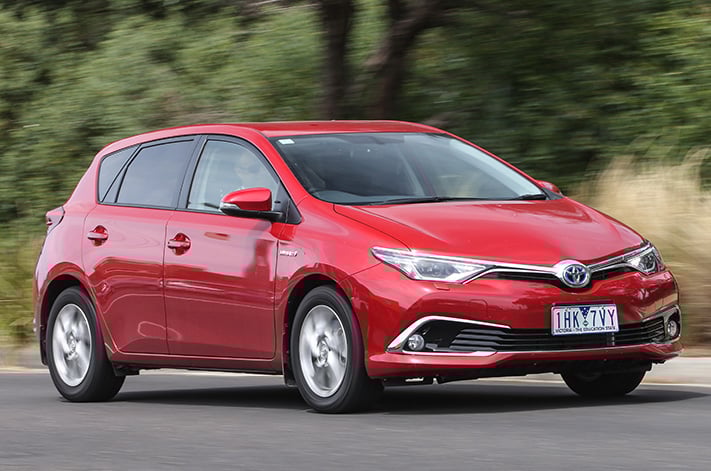
So why is one of 2012’s biggest debutantes, a homely Corolla finished in fetching Wildfire Red, draped across these pages instead? Basically, we have to wait for our brand-new Prius i-Tech to arrive from Japan. So for the next two months, Toyota has kindly offered us the recently released (in Australia) Hybrid.
Somewhat ironically (considering how utterly unchanged it is visually from your garden-variety Toyota Corolla on the outside) the petrol-electric version stumps up something new (for the series) underneath, in the form of a double-wishbone rear suspension layout, turfing out the conventionally powered version’s torsion-beam arrangement. Just like the European-market Auris.
Weighing 55kg more than an equivalently equipped Corolla SX Hatch, the Hybrid employs a variation of the previous Prius’s ‘Synergy Drive’ system, featuring a high-compression 73kW/142Nm 1.8-litre four-cylinder petrol engine and a 650V 60kW electric motor, for a combined total of 100kW. The nickel-metal hydride battery pack resides beneath the back seat and allows for less than 2km of pure electric driving range (at a maximum of 40km/h), so it’s best to focus on the reduced fuel consumption this Hybrid offers compared to a regular Corolla.
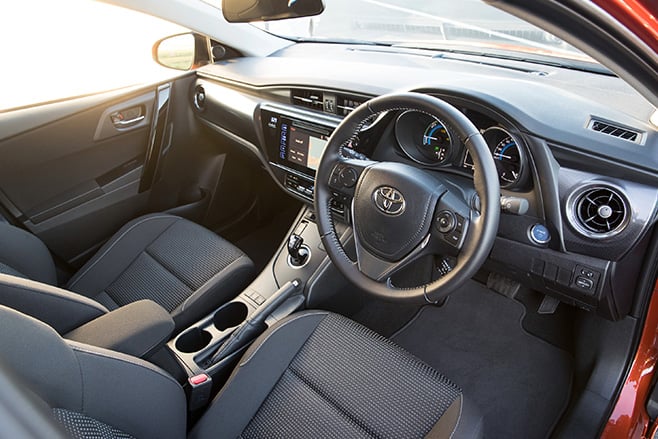
Officially it’s 4.1L/100km (two litres less than its petrol equivalent), but we managed a still-credible 5.5L/100km, and that included heavy city traffic as well as some freeway/highway driving with the car packed to the rafters with holiday gear, 190kg of humans, and one 26kg Labrador.
Larger (and electronically controlled) four-wheel disc brakes are also fitted, so the $27,530 RRP seems pretty reasonable, particularly as the Hybrid also includes satellite-navigation, a rear camera, 4.2-inch central touchscreen, auto-levelling bi-LED headlights, dual-zone climate, keyless entry and start, and 16-inch alloys shod with 205/55R16 Michelin Energy tyres.
Metallic paint adds $450, while for MY17, buyers can opt for the newly announced Autonomous Emergency Braking, as part of a $750 Safety Pack that also brings blind-spot monitoring and auto high-beam headlights.
Four weeks in, the Hybrid’s packaging has surprised by offering decent levels of space up front and sufficient room out back as long as rear occupants aren’t too tall, being perched up so high above the aforementioned battery pack.
Speaking of which, the seamless ease in which the series-parallel hybrid system switches between modes is impressive, as well as the general smoothness of the whole powertrain. The Hybrid’s steering is eager (if a tad artificial), and acceleration is satisfyingly brisk, especially in Power mode.
On the flipside, gripes include grabby brakes (is this a trait in all hybrids?), short-travel and disappointingly unsettled suspension, and the monotonous drone from the CVT under heavy acceleration.
Yet, as My First Hybrid (if the Yaris-based Prius C is too small), this Corolla succeeds in being interesting enough to be a welcome fill-in. With diesels fast falling out of favour, maybe one day every version of Australia’s best-selling passenger car will have some sort of petrol/electric propulsion.
Another reason why Corolla Hybrid is one of 2016’s most important arrivals.
Update #1
By Byron Mathioudakis
HAVE you heard the one about the hybrid that was fun to drive?
Aside from the now sadly discontinued Honda CR-Z, the words ‘fun’ and ‘hybrid’ are about as synonymous with each other as ‘Adele’ and ‘reggae’.
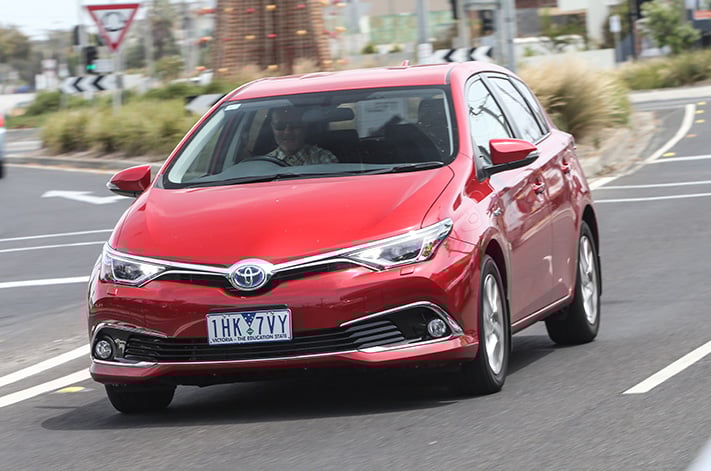
But, with a combination of newly adopted double-wishbone independent rear suspension and an electric motor set-up forcing an additional layer of instantaneous torque as required, the Toyota Corolla Hybrid shows promise … and one that it could keep.
In just over eight weeks of hot summertime inner city and urban commuting, we’re already chuffed with our circa-6.0L/100km parsimony, and with absolutely no effort to be economical at all.
Show the Hybrid a winding, tightly twisting ribbon of ragged road, however, and another side to this car appears, its mood switching from green to red to match the scarlet Wildfire paint.
Far from shirking away from the task, this Corolla’s chassis is right up for it, hunkering down as speeds increase with a neutral, flat attitude over jagged edges that sets the rear axle skipping in lesser versions.
Likewise, around town, with four bods on board, that double wishbone posterior shows its mettle by providing ample cushioning from bumps and humps – and, again, that’s something that the torsion-beam back end in regular Corollas has failed to accomplish in previous tests.
Additionally, our Hybrid is deceptively speedy. With a few thousand clicks under its green belt, 1HK-7VY tears along at a cracking pace once on the move, riding on a wad of torque that just isn’t there in the conventionally powered model. And that’s before pushing the ‘Sport’ button that hurries up that surprisingly alert ‘E-CVT’ continuously variable transmission. We predict some drivers might find themselves with some unexpected fines in the mail before too long.
On the flipside, the steering remains an almost completely feedback-free zone, responding well enough to inputs, but never at all feeling natural or connected.
A propensity to very suddenly weight up mid-turn reveals a tuning inconsistency here, though it never becomes too heavy or unwieldy.
There’s also too much noise from the road, suspension and tyres coming through to the cabin. And the eager, grabby brakes are never quite as smooth as we’d like them to be. So while this isn’t quite a Golf GTI alternative just yet, there is still plenty for drivers to enjoy.
Fun to drive and cheap to run. Another reason why the Hybrid has already shaped up as the best Corolla sold in Australia in decades. And that’s no joke.
Update #2
By Byron Mathioudakis
IN JUNE 1967, Toyota launched the Corolla in Australia. Three months later I was born. And almost to the day 30 years after that, the first production series-parallel hybrid system debuted internationally wearing a Prius badge.
Now all three of us coalesce to this – my final report on a model that was quietly released in mid 2016 as Japan’s first petrol-electric alternative to the increasingly on-the-nose Euro turbo-diesels.
Honestly, however, I wasn’t sure I’d enjoy three months of Corolla Hybrid stewardship.
Previous experiences with the regular 11th-gen hatch out since 2012 left me thinking that Toyota dialled it in.
Distinctive design and total reliability are both fine and good, but sub-par refinement, comfort and driver appeal against over-achievers like the Volkswagen Golf and (latest) Subaru Impreza reeks of complacency.
In our recent base petrol auto small-car megatest (January 2017), Australia’s number one selling passenger car could only manage a measly tenth.
What happened to the successors of that original Corolla KE10 1100 that, in its first comparo (Wheels, October 1967), was declared “the nicest overall to use”? Well, nearly 3800km later, the Hybrid isn’t your garden variety Corolla.
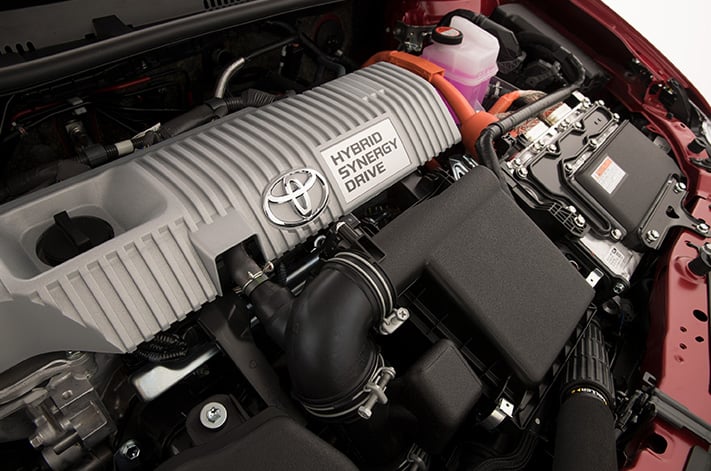
To recap, it ditches the ageing 103kW/173Nm 1.8-litre four-pot petrol lump for a 73kW/142Nm 1.8-litre Atkinson Cycle unit married to a 650V 60kW electric motor and nickel-metal hydride battery pack (for 100kW combined and just under 2km of pure electric range at up to 40km/h.) It also bins the torsion beam rear for a pair of double wishbones.
What I discovered was that while the regular Corolla’s tyre noise intrusion largely remained, the suspension was less busy and bouncy, particularly with four people on board.
Secondly, despite numb steering, the Hybrid handles with more composure and control, especially at speed and/or over bumpier roads.
Thirdly, this thing really hustles.
And, lastly, it averaged just 5.4L/100km. Yes, that’s wide of the 4.1L/100km claim, but not bad for real world devil-may-care driving.
Here, then, is the first Corolla in generations that is genuinely innovative, without compromising half a century of functionality and reliability.
For the money the Hybrid represents outstanding value against far more expensive Euro diesels while delivering palpably better economy, handling and ride qualities than its normal petrol siblings. The Hybrid is the pick.
Respect, then, to that other 50-year-old. I hope I’m as fit and efficient come this October. Meanwhile, next month, it’s the all-new Prius i-Tech’s turn. At just 20, will it also win us over?
MAZDA has once again dropped a turbocharger into the 6 midsizer, but the company’s history with forced induction is surprisingly slim compared to some others – especially given Japanese automakers went a little turbo-mad in the late 1980s and 1990s, strapping snails to everything from tiny Kei cars to full-blood sports cars.
Even so, there have been more than a few memorable Mazdas with a huffer hanging off their exhaust manifolds over the years. Here are the most notable force-fed heroes from Hiroshima.
Mazda Familia GT-X
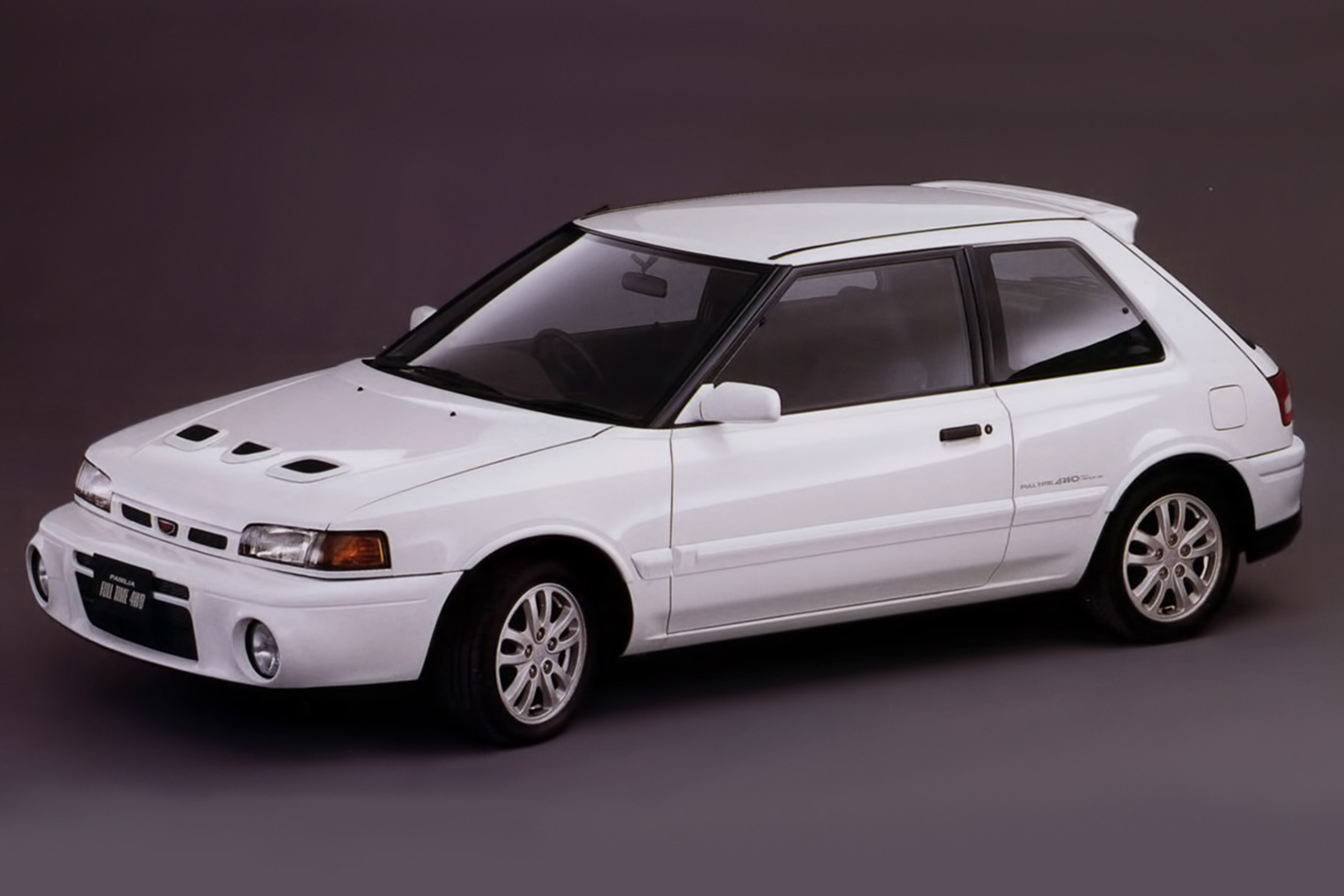
Mazda’s first turbocharged piston engine actually came in the previous BD-generation 323 (which was marketed as the Familia in Japan), but it was the BF and GB generations that demonstrated the company’s growing confidence in turbo tech. Pushing out 103kW and 187Nm from a 16-valve 1.6-litre, the Familia GT and GT-X’s outputs are nothing special by today’s standards, but were enough to inject some fun into what was otherwise a fairly sensible hatchback.
That made them part of the first breed of Japanese hot hatch, and in Familia GT-X turbo 4WD form they were also among the earliest examples of a turbocharged inline-four married to a grippy all-paw driveline. The Ford Sierra Cosworth wouldn’t switch to a 4WD layout until 1990, but Mazda had adopted that configuration as early as 1985. Focus RS and Golf R fans – you’ve got Mazda to thank for pioneering the four-pot turbo 4WD hot-hatch format.
Power was gradually stepped up over three generations of Familia, culminating in the Familia GT-R homologation special in 1992. That car boasted a motorsport-spec 1.8-litre cranking out 154kW, supported by a bigger turbo, a huge intercooler and wild bodywork.
Mazda MX-5 SP
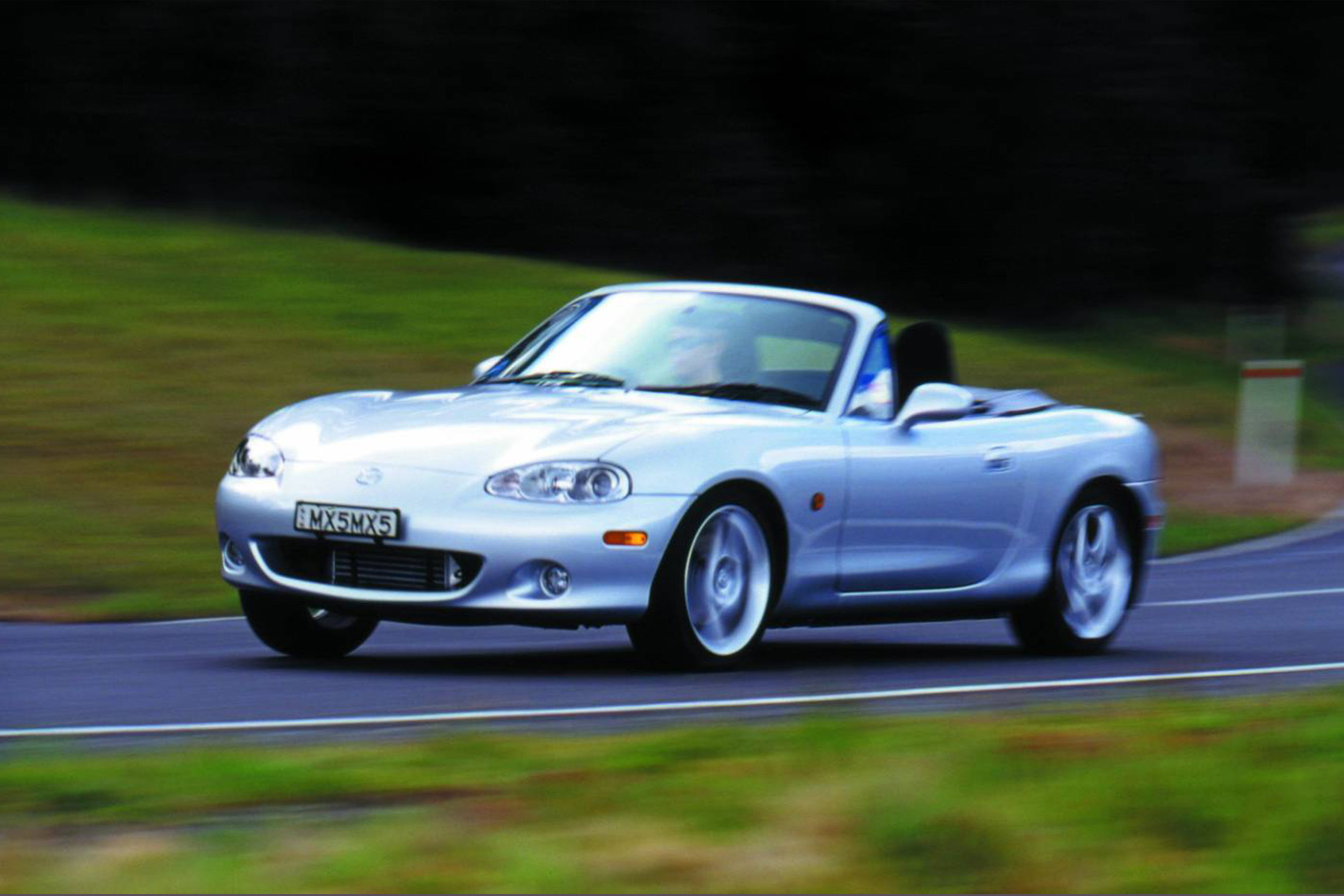
Mazda’s second-gen NB MX-5 was no stranger to turbocharging. A Mazdaspeed Roadster version was rolled out in Japan in 2004 sporting a low-blow turbo which bumped up power to a handy 133kW, but there was another turbo MX-5 that came before it – and one that only we Aussies got to enjoy.
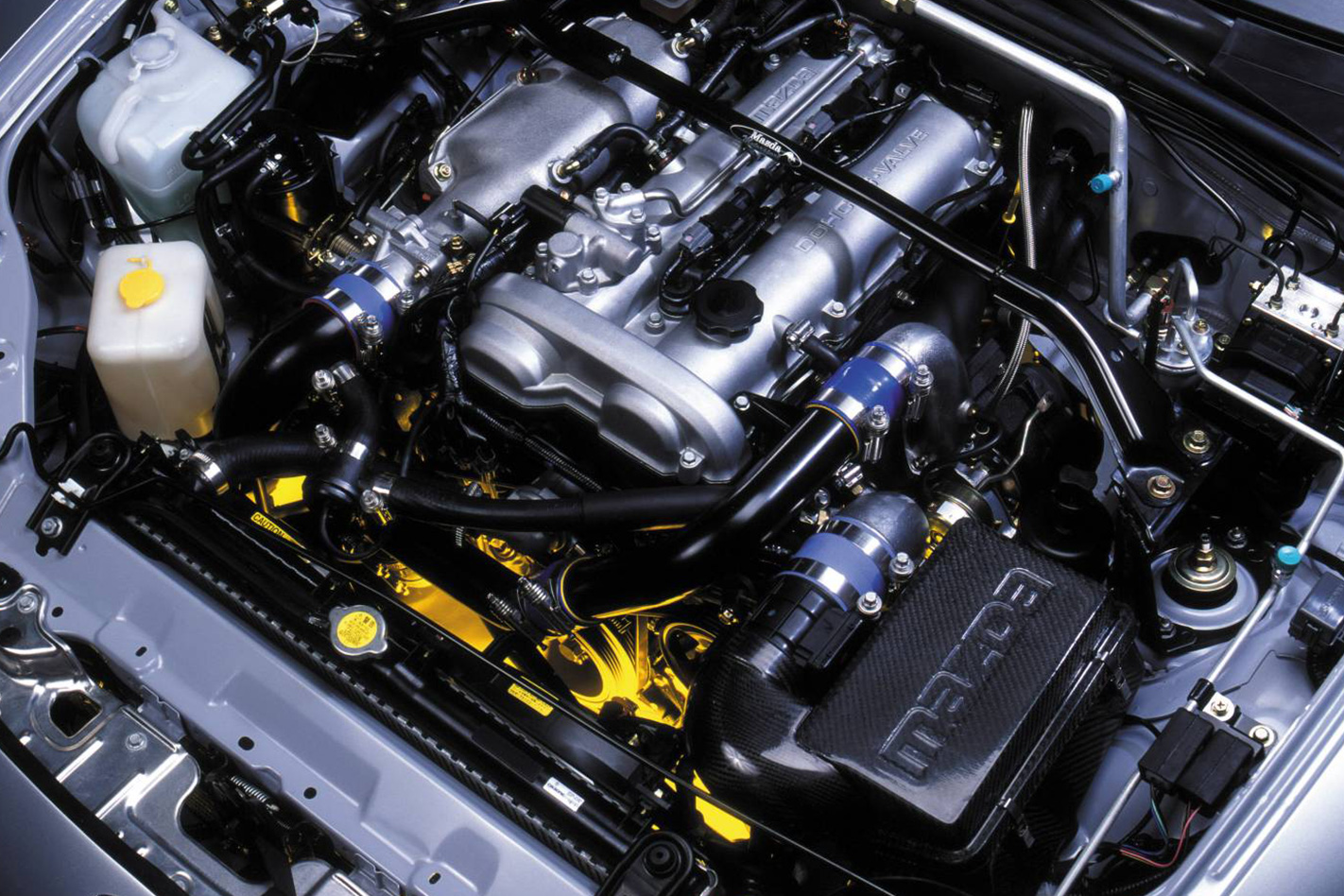
Developed locally by Mazda Australia’s Motorsport Division and assembled by Prodrive, the MX-5 SP (for Special Performance) added 215 unique parts to a standard MX-5 to juice it up to 150kW and 280Nm. Central to its newfound muscle was a water-cooled Garrett turbocharger sucking air through a carbonfibre airbox and sending 8psi of boost into a modified 1.8-litre four.
Mazda FD RX-7
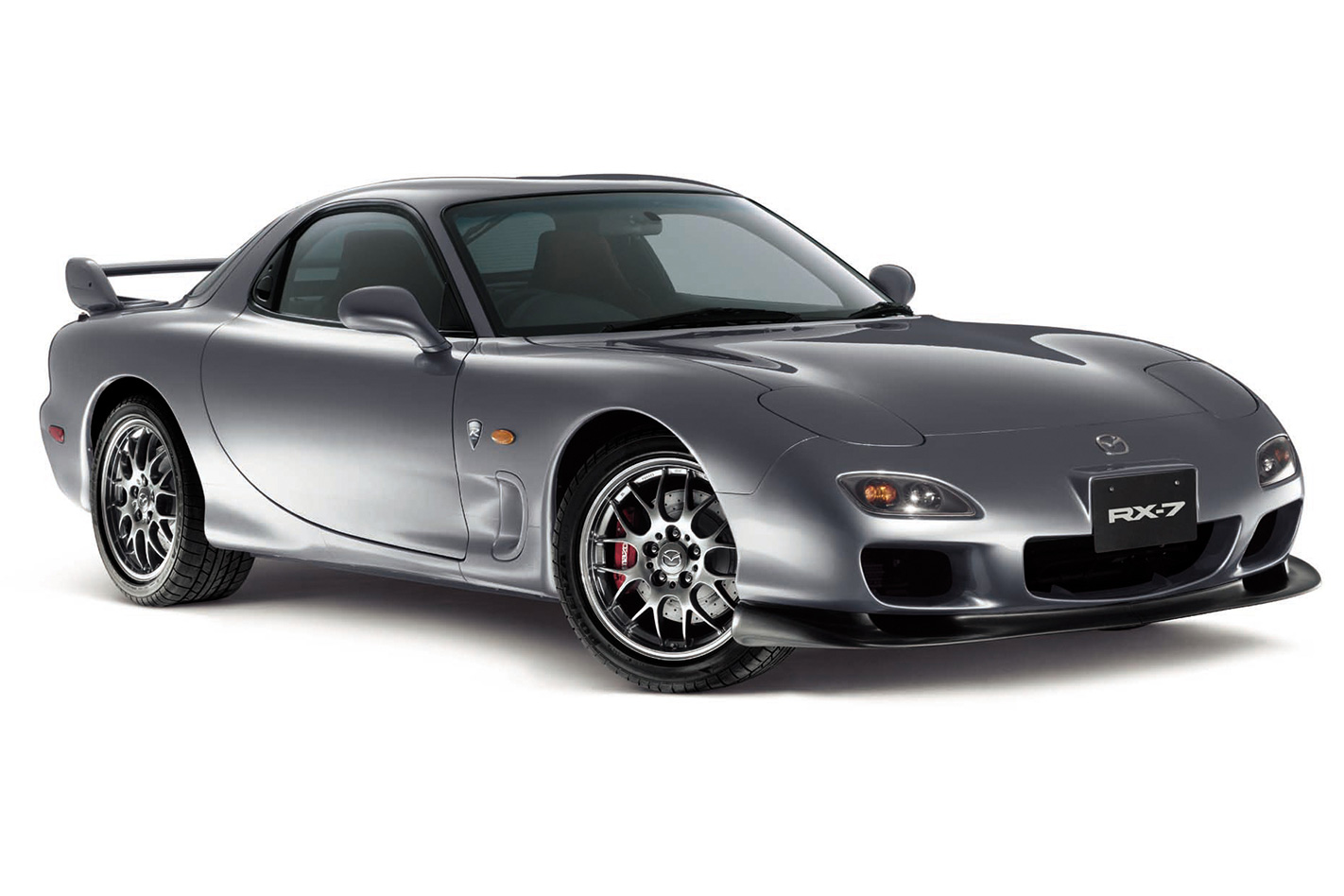
It’s the most iconic of Mazda’s sports cars, and also one of the most technologically complex: we are, of course, talking about the third-generation RX-7.
Its second-gen predecessor already went down the turbocharging route, but the FD RX-7 that followed it in 1992 went a step further by adding a second turbo into the mix and plumbing the two in an incredibly complex sequential arrangement governed by a veritable rat’s nest of vacuum piping and solenoids.
The result was an engine that spooled up just one turbo in the lower rpm range to improve boost response, while a secondary turbo kicked in as revs increased to provide more power in the top end. Peak power increased to 206kW in later-model RX-7s, a handy figure for a car that weighed around 1200kg empty, and enough to cement the last RX-7’s status as one of Japan’s most iconic sports cars.
Eunos Cosmo
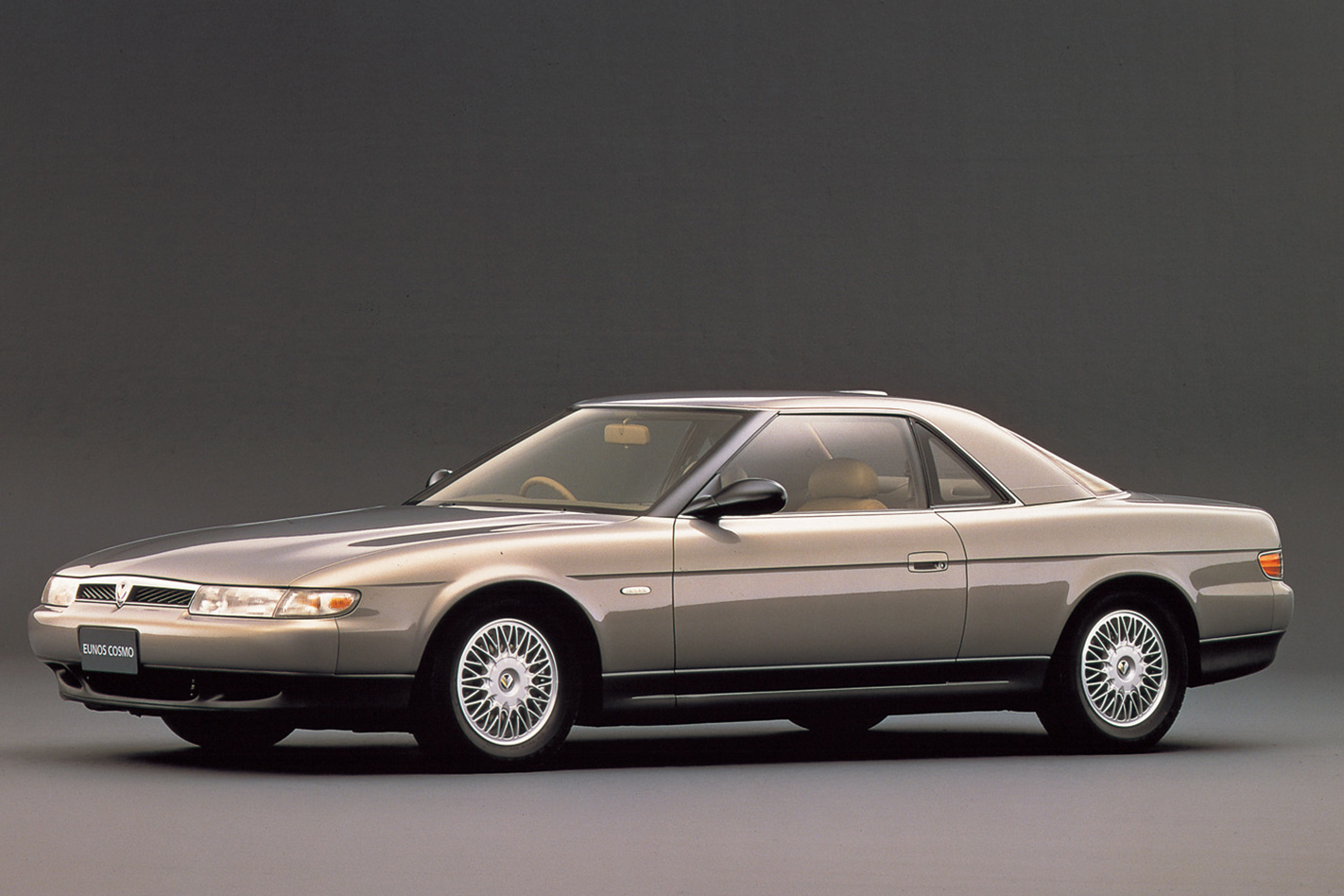
What’s the best way to power a big, heavy luxury coupe? A turbocharged triple-rotor Wankel, of course. Mazda went a bit rotary mad for a while, and besides other oddball machines like a rotary-powered municipal bus (the legendary Parkway), Mazda decided that a big-capacity, torque-rich engine was the opposite of what its large n’ luxurious 90s-era Eunos Cosmo needed.
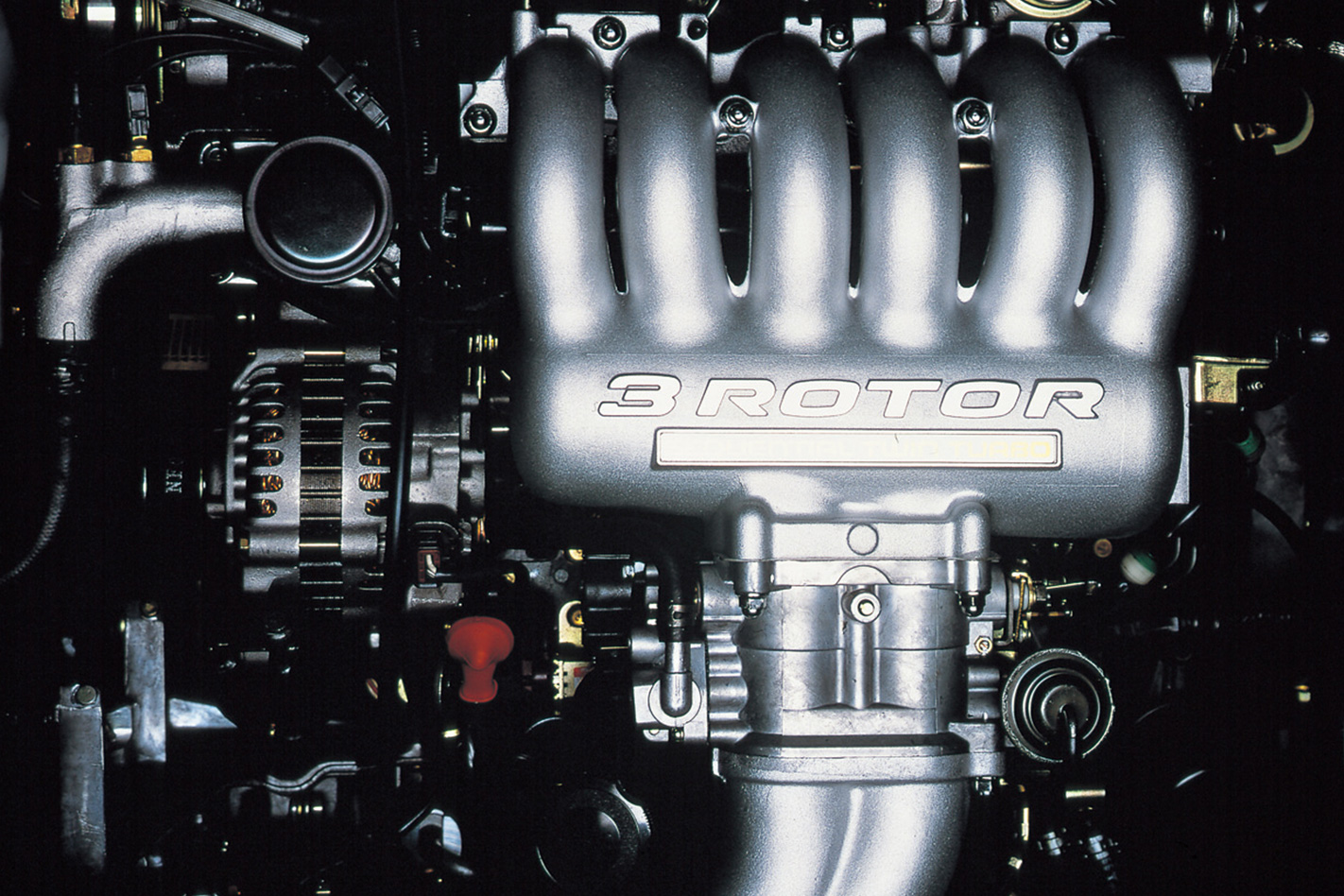
Instead, they put a rotary engine with approximately 2.0 litres of displacement and the same advanced sequential twin-turbo arrangement as the RX-7, rather than taking the easy route of shoving a V8 or V6 inside its shapely snout. Thanks to that turbo boost, however, the Cosmo three-rotor (there was also a two-rotor option) generated a very healthy 224kW and 407Nm with characteristic rotary smoothness. Impressive numbers, given it debuted in the early 1990s.
Mazda Luce Royal Classic
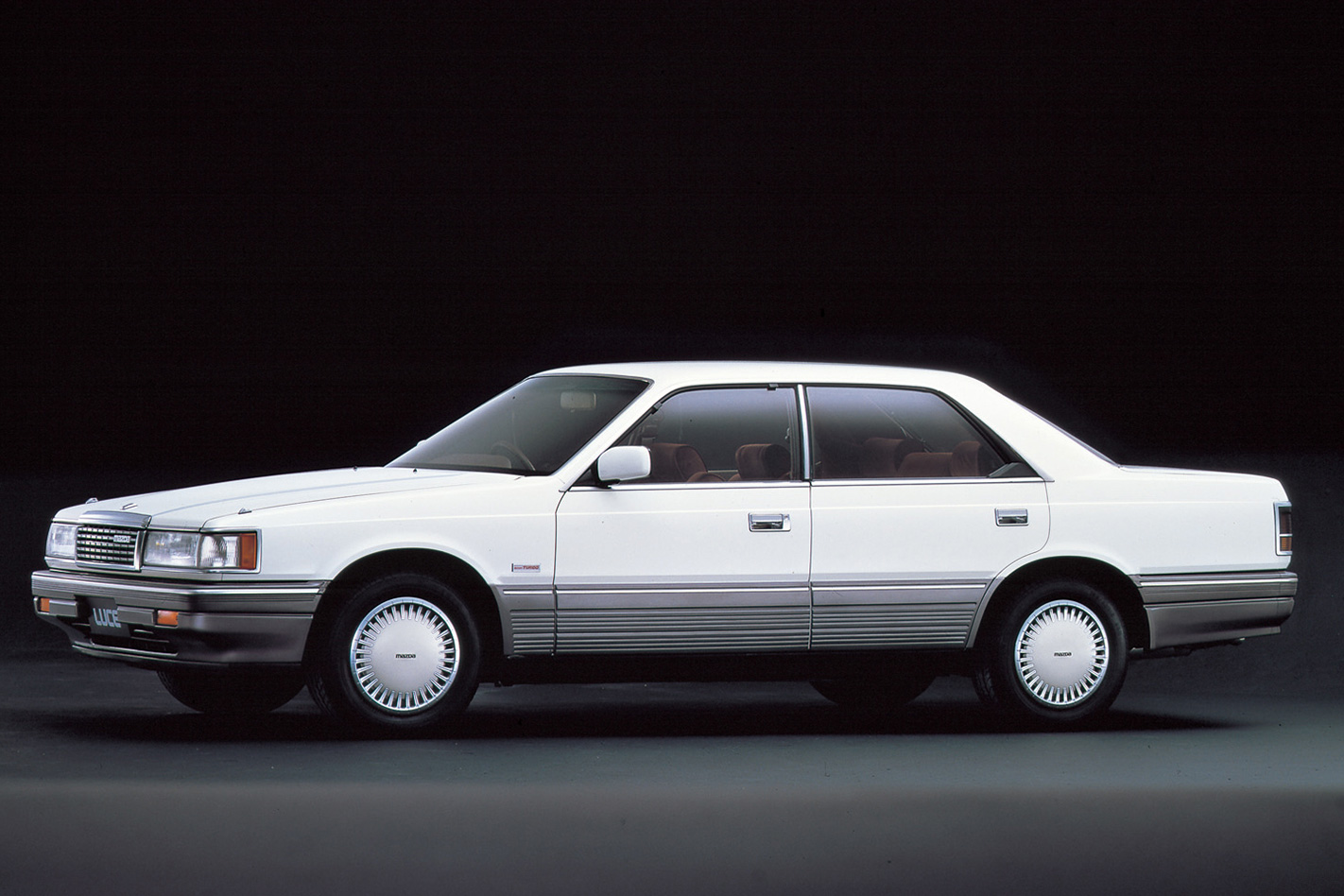
The rest of the world knew the Mazda Luce as the 929, but a badge wasn’t the only thing Mazda’s large sedan of the late 1980s kept confined to Japanese soil. While we got a three-litre V6 over here, in Japan the most interesting engine was a single-turbo two-rotor that was pinched from the FC-generation RX-7.
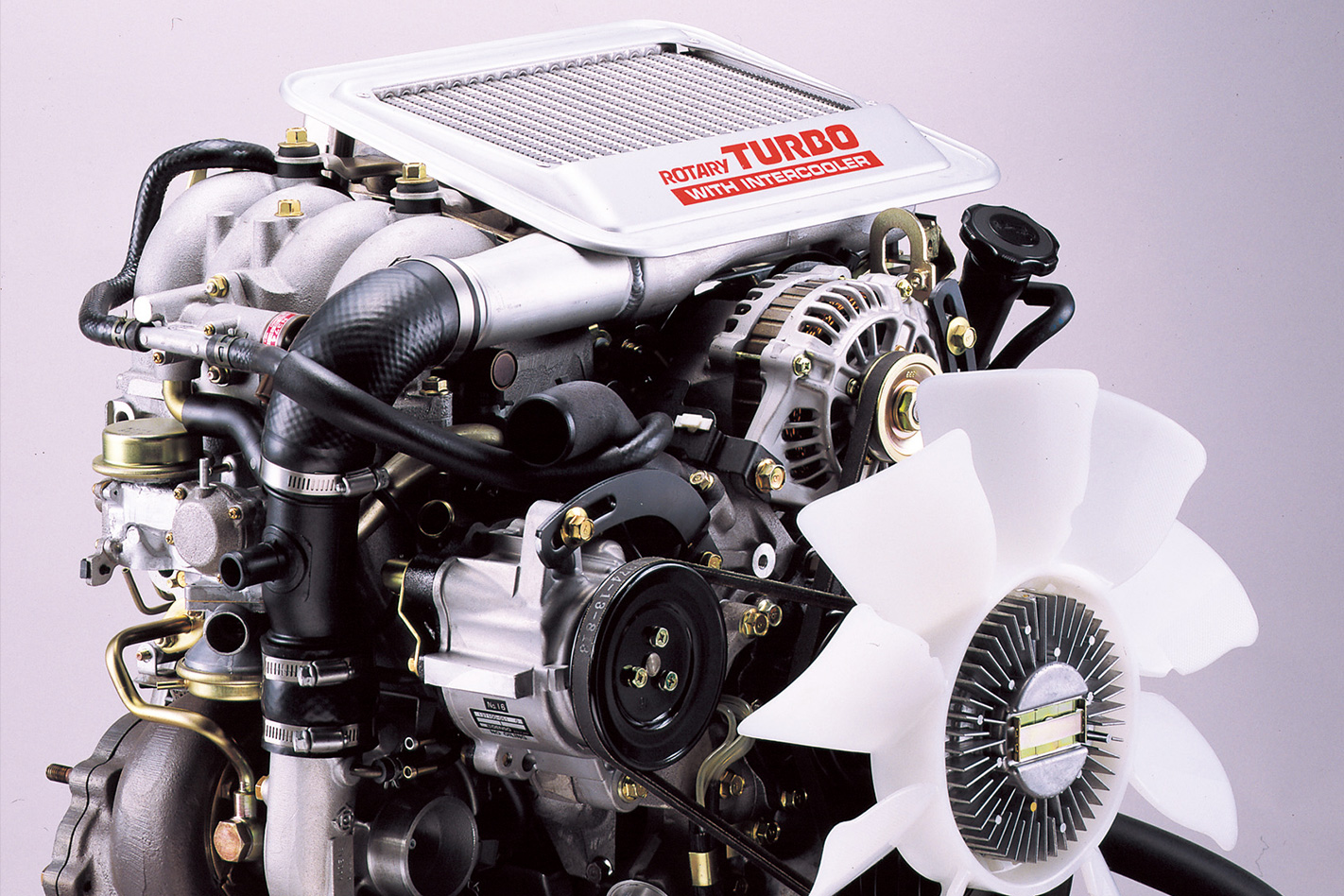
Mazda’s rotary-powered sedan wasn’t the only Luce to benefit from forced induction though – there was also a 2.0-litre V6 variant that deployed a turbo to help compensate for its modest displacement.
Mazda 3 MPS
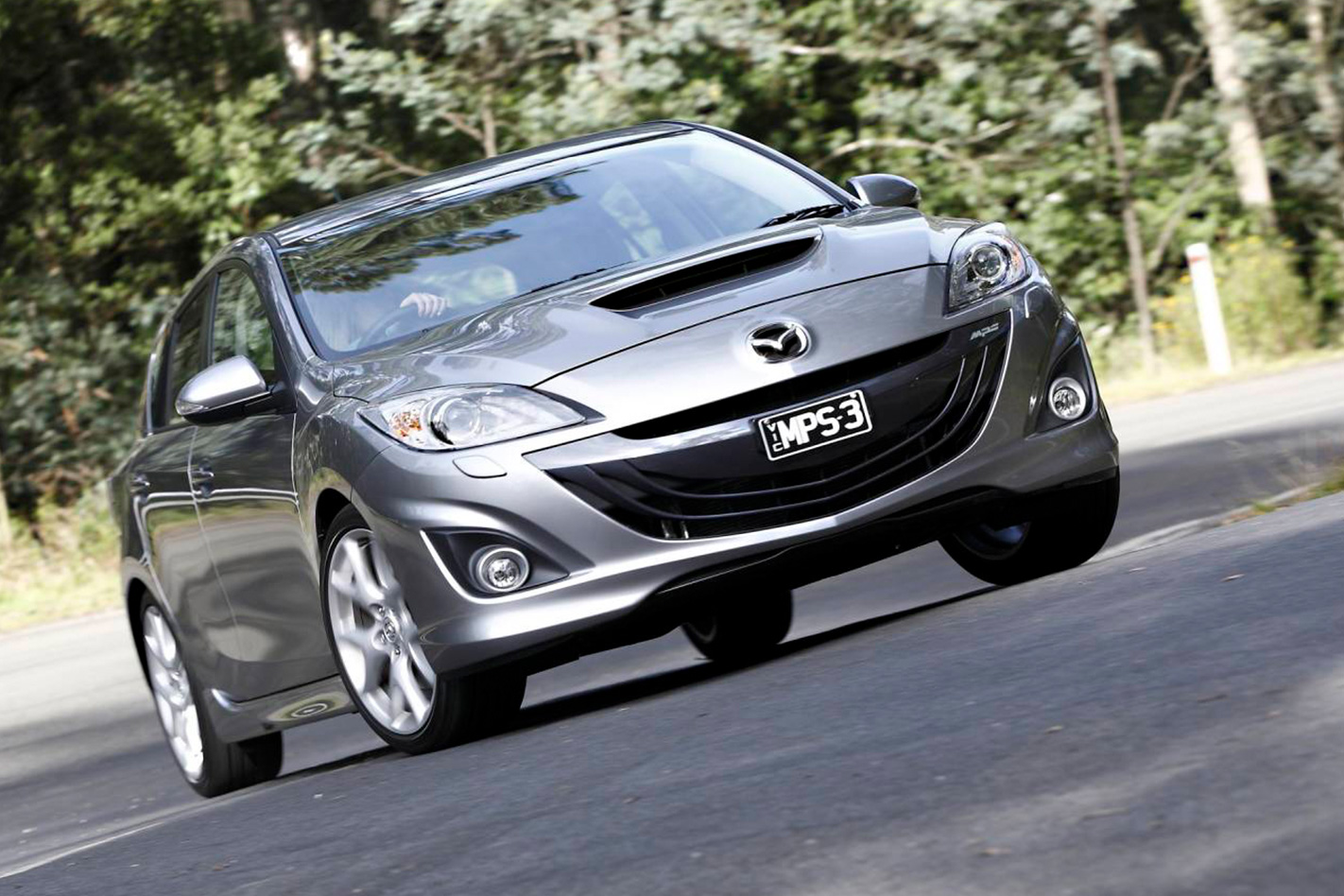
The spiritual descendant of the Familia GT-X was the Mazda 3 MPS, one of the most powerful hot hatches of its time. Churning out 190kW and 380Nm from a 2.3-litre inline four, the Mazda 3 MPS earned a fearsome reputation for vicious acceleration and savage torque-steer, and offered stellar performance at the time of its 2007 debut.
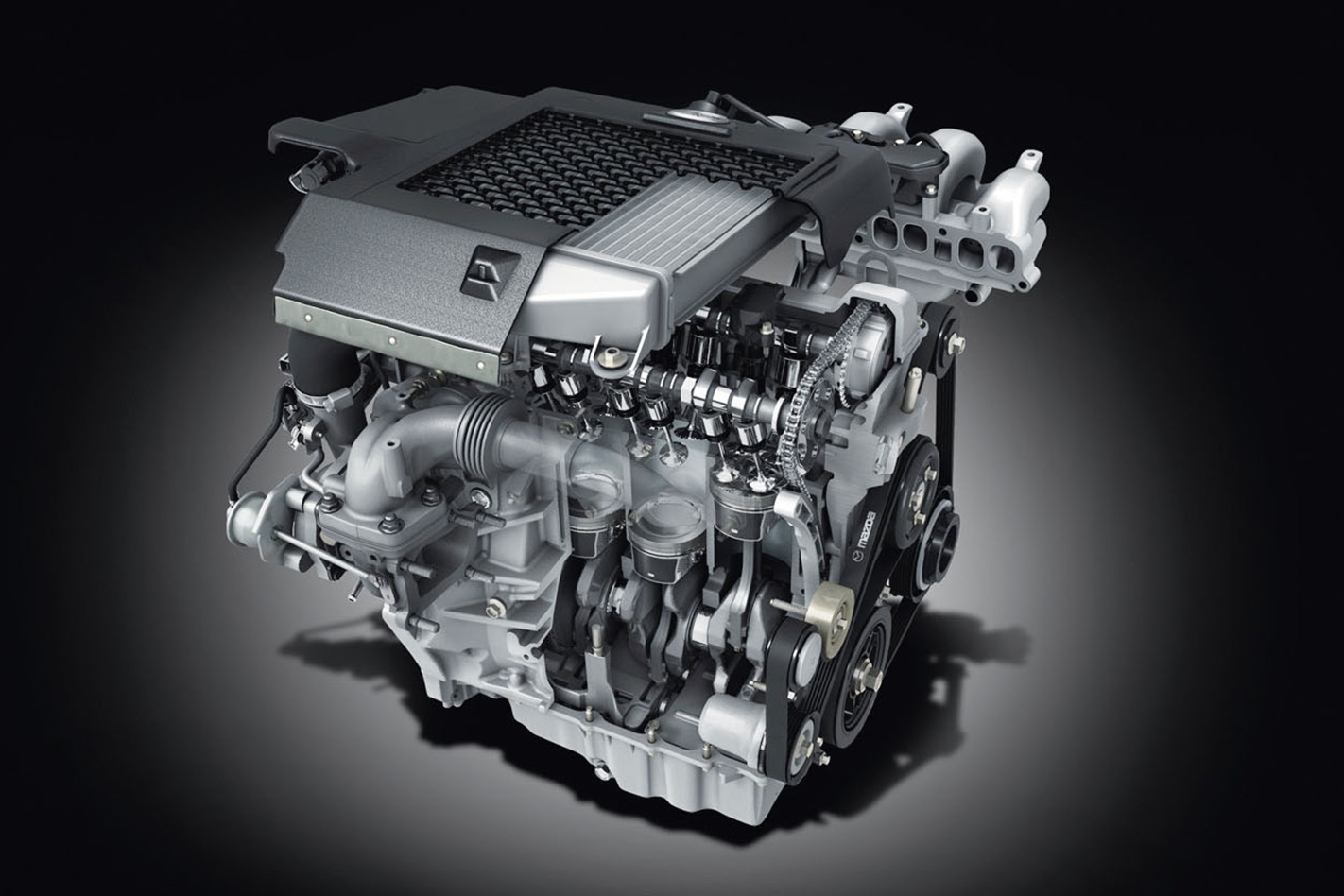
Mazda renewed the MPS badge for the third-generation 3, but without any changes to peak power – just fatter power and torque curves to bring more flexibility to its performance. Sadly, a successor never appeared in the fourth-gen model that followed, but there’s hope that Mazda will return to the fast hatch formula in the next iteration of its popular 3.
Mazda CX-9
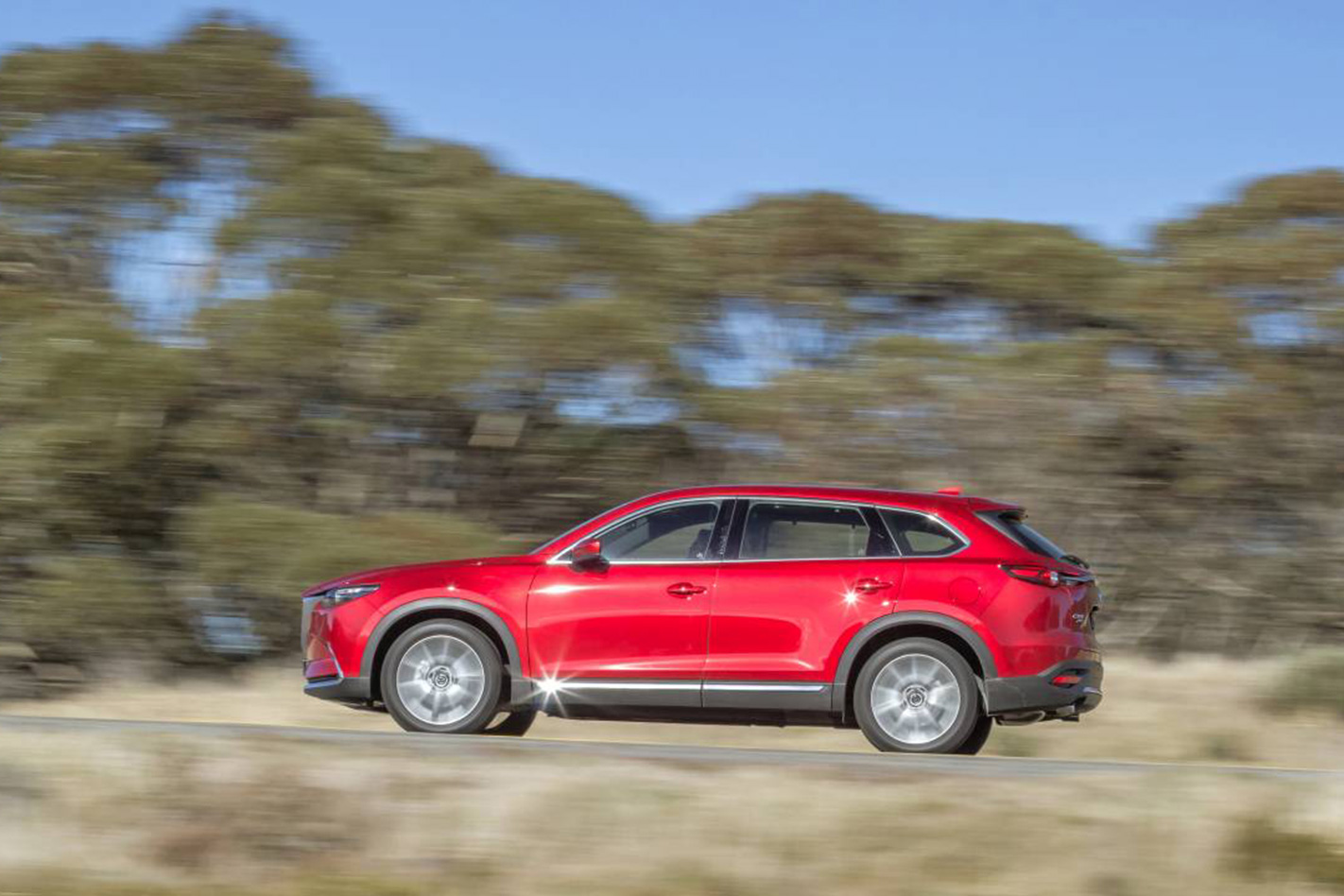
The only other modern Mazda besides the newly-updated 6 to be powered by a turbo powerplant, the CX-9 uses turbocharging to do things a little differently to the vast majority of its rivals.
While its core competitors like the Toyota Kluger and Hyundai Santa Fe use big-capacity V6s or turbo diesels, the CX-9 takes an unconventional approach by using a turbocharged 2.5-litre petrol inline four. The last time Mazda put a turbo four in an SUV – the CX-7 – it resulted in a family wagon that guzzled fuel like a road train, but Mazda carefully tuned the CX-9’s force-fed engine for low-rpm torque and economy, not screaming power.
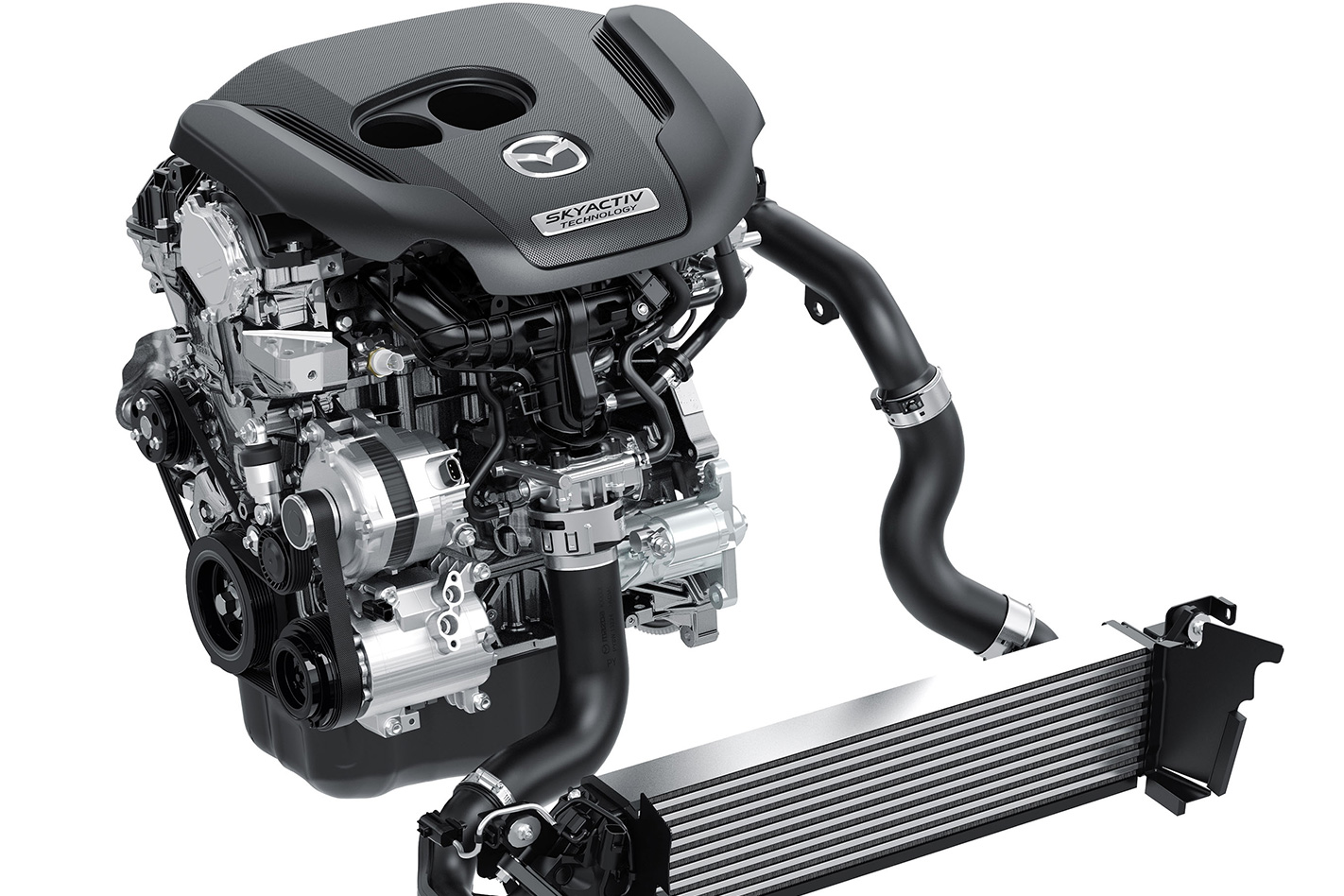
The result is an SUV that’s more civilised and refined to drive than a diesel, yet doesn’t consume fuel like a high-displacement petrol V6. Two reasons behind why Wheels selected it as our Car Of The Year in 2017.
 Turbo Titans
Everything you’ve ever wanted to know about the humble turbocharger and its miraculous power-boosting abilities.
The famous ‘Brock Experience’ collection of Peter Brock’s cars has been sold to a new owner – all bar one car.
Its former owner and curator, Peter Champion, confirmed that the sale has taken place and that the new owner wishes to remain anonymous.
Remembering Brock on his 70th birthday
“It is with great sadness that I announce today that I have sold my entire race collection.
“It is no secret that after my heart attack in 2012 that I offered the collection for sale.
“During the years I’ve had offers for individual cars and I have maintained that the collection was only available for a sale as a whole.
Brock drifts an Elfin MS8 for MOTOR!
“True to my word, the collection was sold as a whole bar one car.
“The new owner wishes to remain anonymous and will make announcements at their discretion.”
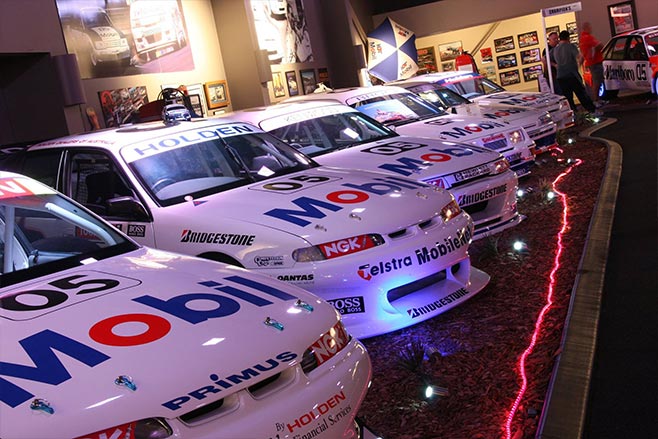
The collection was displayed in the form of the Brock Experience, a museum showing off dozens of Brock’s own road and race cars, from his early Toranas to the later Targa Tasmania rally Monaros.
A 1988 Lada Samara Brock was even part of the collection.
Perhaps one of the highlights of the collection is the original ‘Big Banger’ 1984 VK Commodore which has Holden’s 5.0-litre V8 stuffed into the engine bay.
Several of Brock’s touring cars and Supercars are also part of the collection, including his last V8 Supercar, the 2002 VX Commodore.
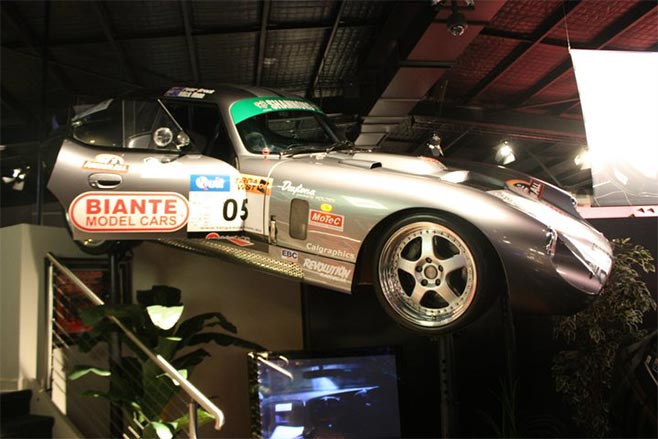
The collection also features a particularly sombre car, the Daytona coupe in which Brock was killed in 2006.
Opinion: The flaws in the Brock tele-movie
It’s not known which car was the singular unsold model, or, as Champion stated, who the owner is, though if MOTOR learns any more information this story will be updated.
An in-depth catalogue of the collection is available at the museum’s website.
“A UTE isn’t a truck.” That’s how Ram introduced its new 1500 light truck range, arriving in July and packing a 291kW Hemi V8-powered punch aimed straight at Australia’s best-selling trade utes.
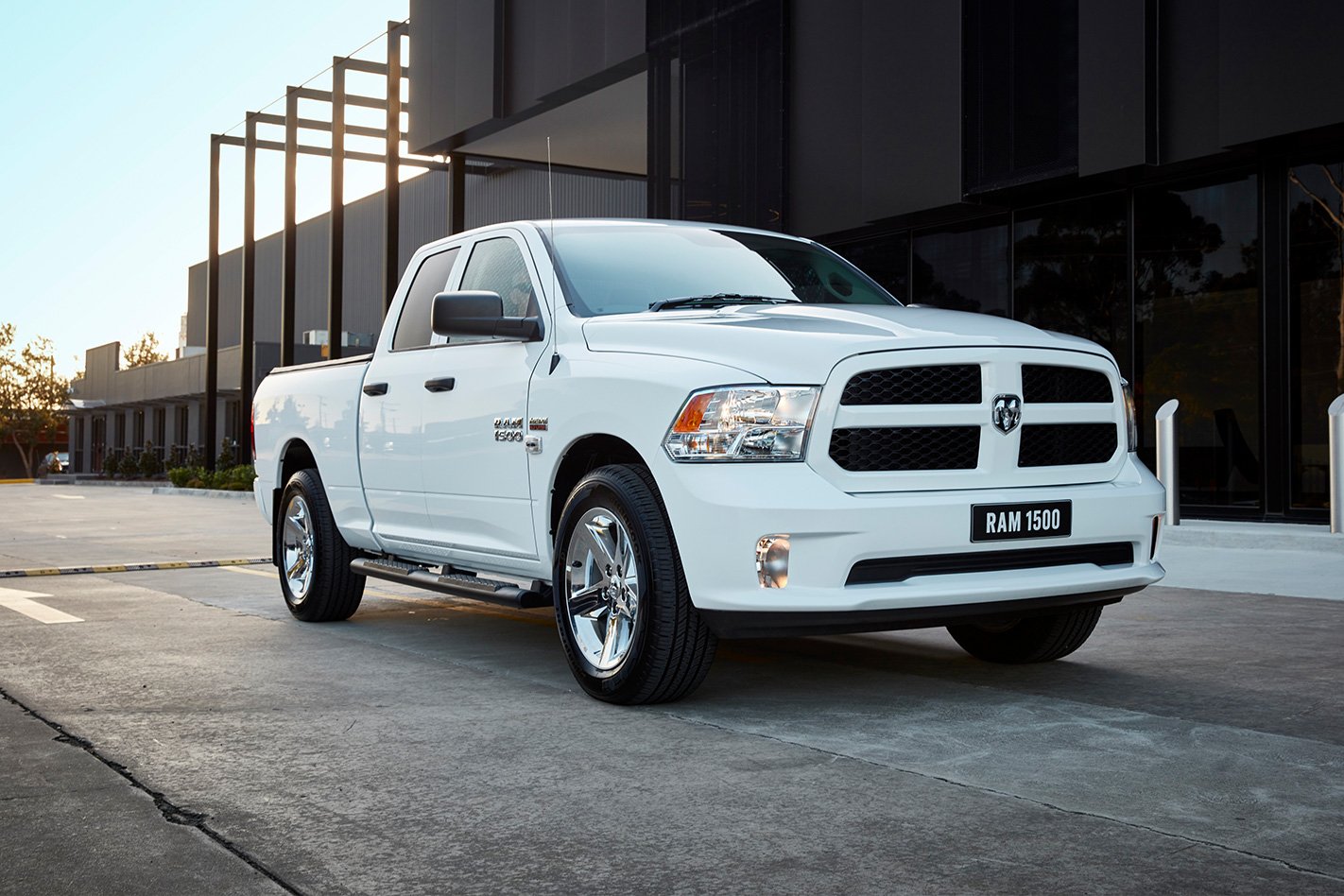
The Ram 1500 will be brought in by Melbourne-based American Specialist Vehicles, and converted from left- to right-hand drive just like the Ram Heavy Duty series – the Laramie 2500 and 3500 – already on sale here.
It will touch gloves with the premium end of the trade ute market – the stomping ground of the likes of the Toyota Hilux Rogue, the Ford Ranger Wildtrack and Raptor, the Holden Colorado Z71 and V6-engined versions of the Volkswagen Amarok. It will even hunt in prime Mercedes-Benz X-Class territory.
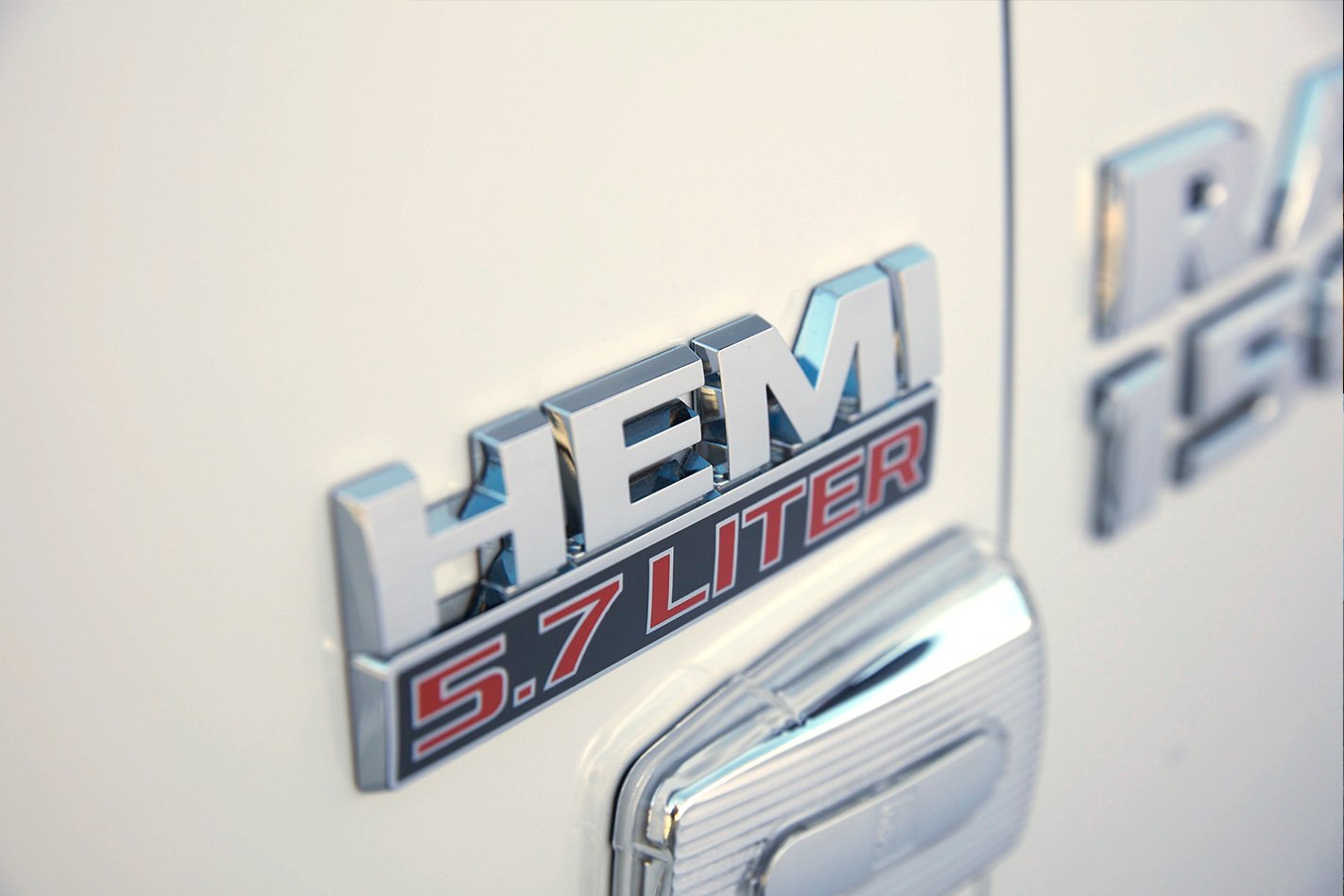
It will be priced at the premium end, too. The entry-level, cloth seat but leather dash “quad cab” Express, wearing five seats but with a shorter dual-cab cabin that yields a 1.9-metre bed in the rear that’s aimed at things like the Ford Ranger XLT, will cost from $79,950 driveaway when it arrives in August. Powering all four wheels via a Torqueflite eight-speed automatic transmission, the Express will also tap the 5.7-litre Hemi V8, producing 291kW and 556Nm.
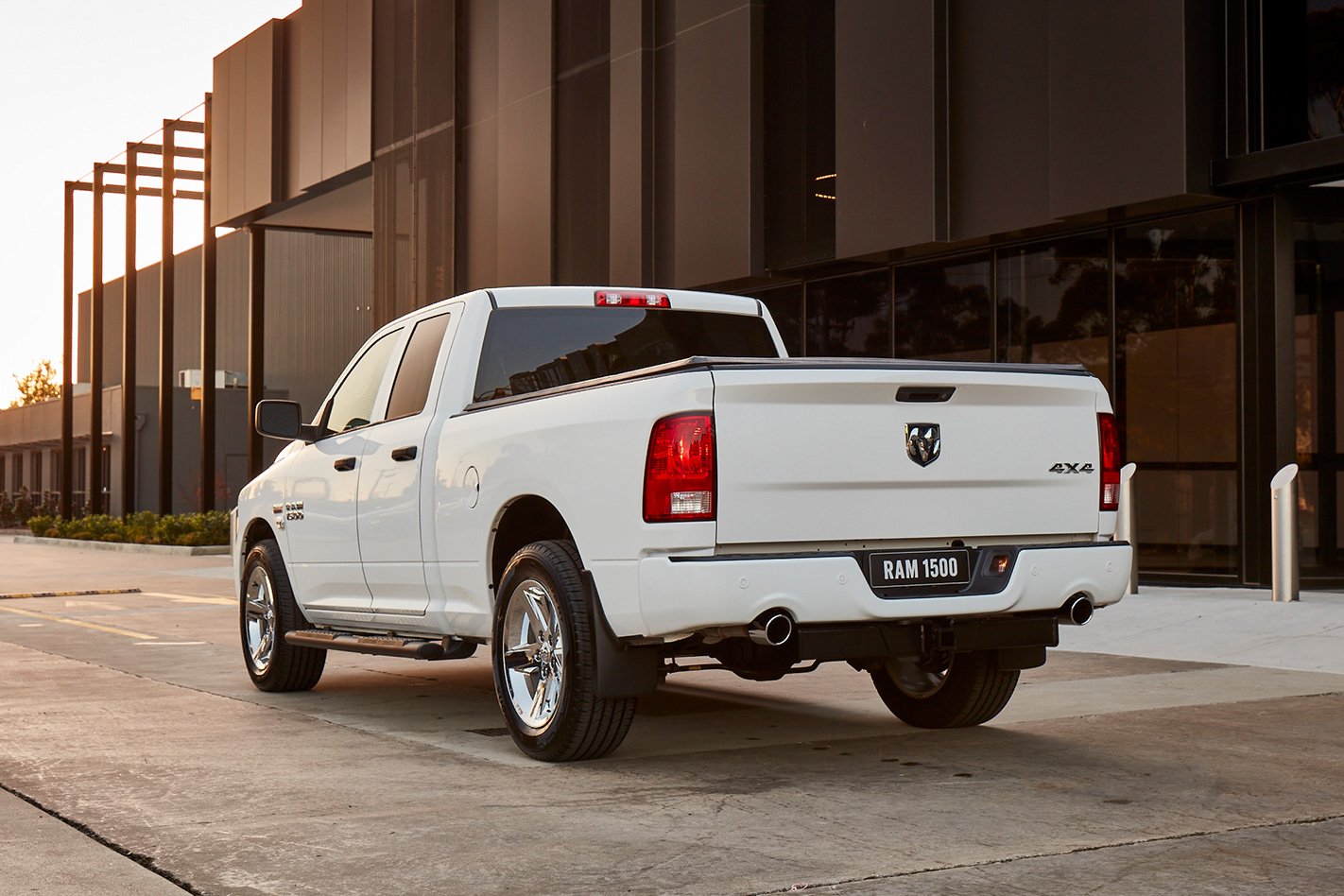
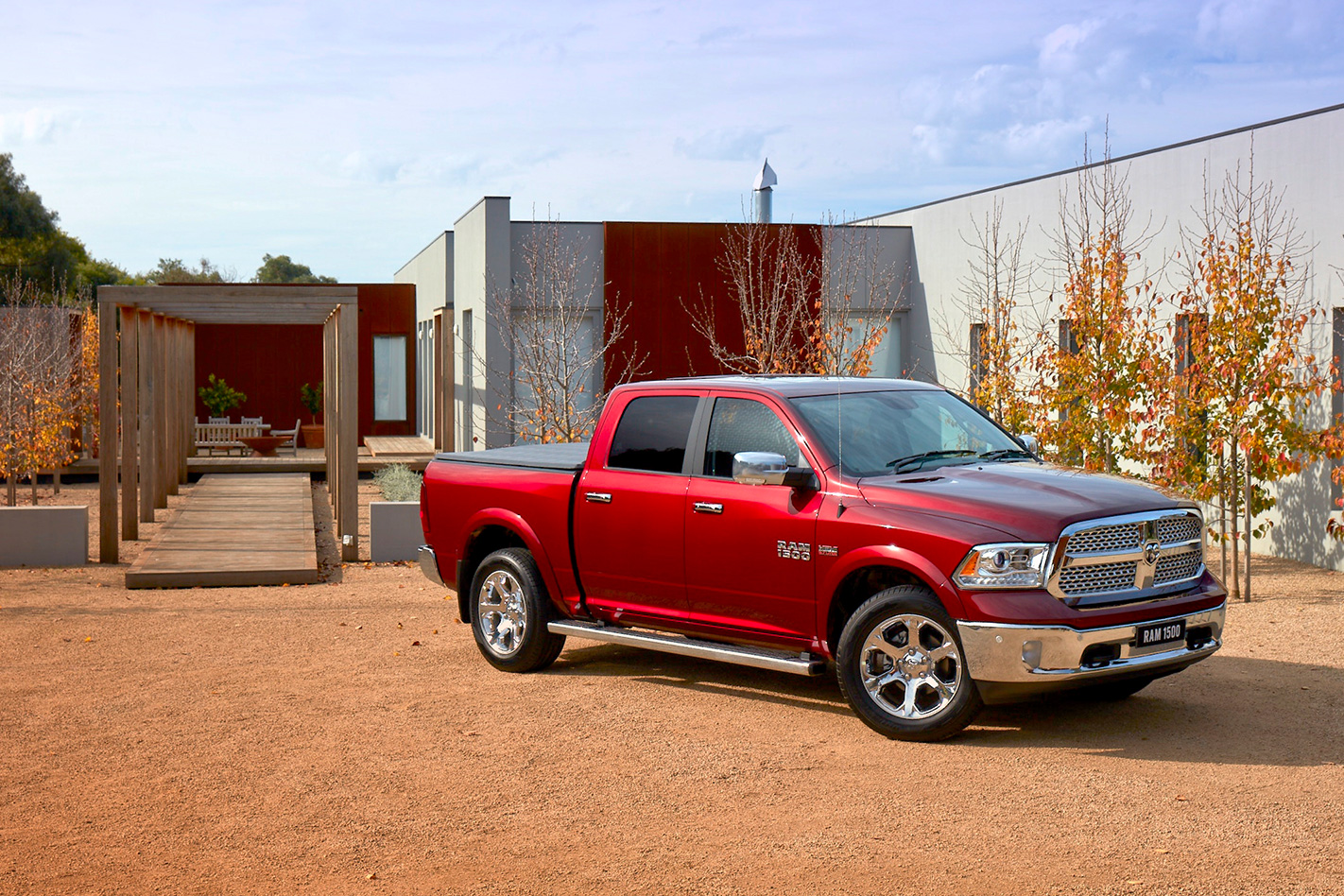
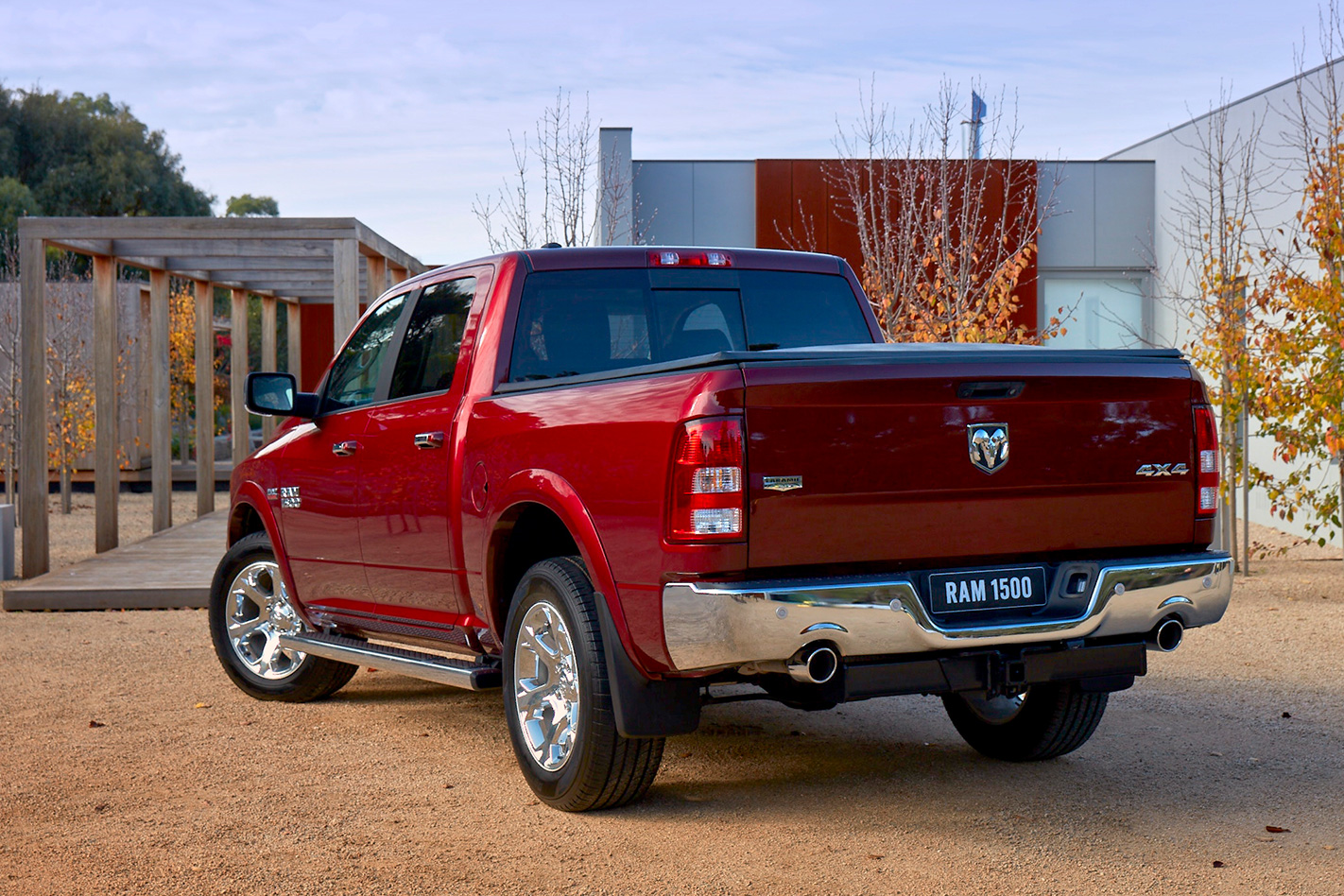
The entirely leather-clad, Hemi-powered Laramie, priced from $99,950 before on-road costs and including other comforts including heated and cooled front seats, yields more rear-seat legroom and a shorter 1.7-metre tray, and gives buyers the option of a slightly lower diff ratio that lifts the tow rating from an industry-matching 3.5 tonnes to a rival-crushing 4.5 tonnes. Joining the range later in the year will be a Laramie-badged 3.0-litre turbodiesel V6 version that is likely to carry a slight price premium over the V8.
The Black Line, a Ford Ranger Raptor-chasing version featuring menacing blacked-out trim, a pair of wide nostrils on the bonnet, and a sports exhaust that gives more voice to the 5.7 litre V8, arrives around October.
The 1500 is smaller than the Heavy Duty series already on sale in Australia – at 5816mm it’s 200mm shorter than the HD trucks, sits 50mm lower to the ground at 1924mm, and weighs in a whopping 1157kg lighter at 2418kg.
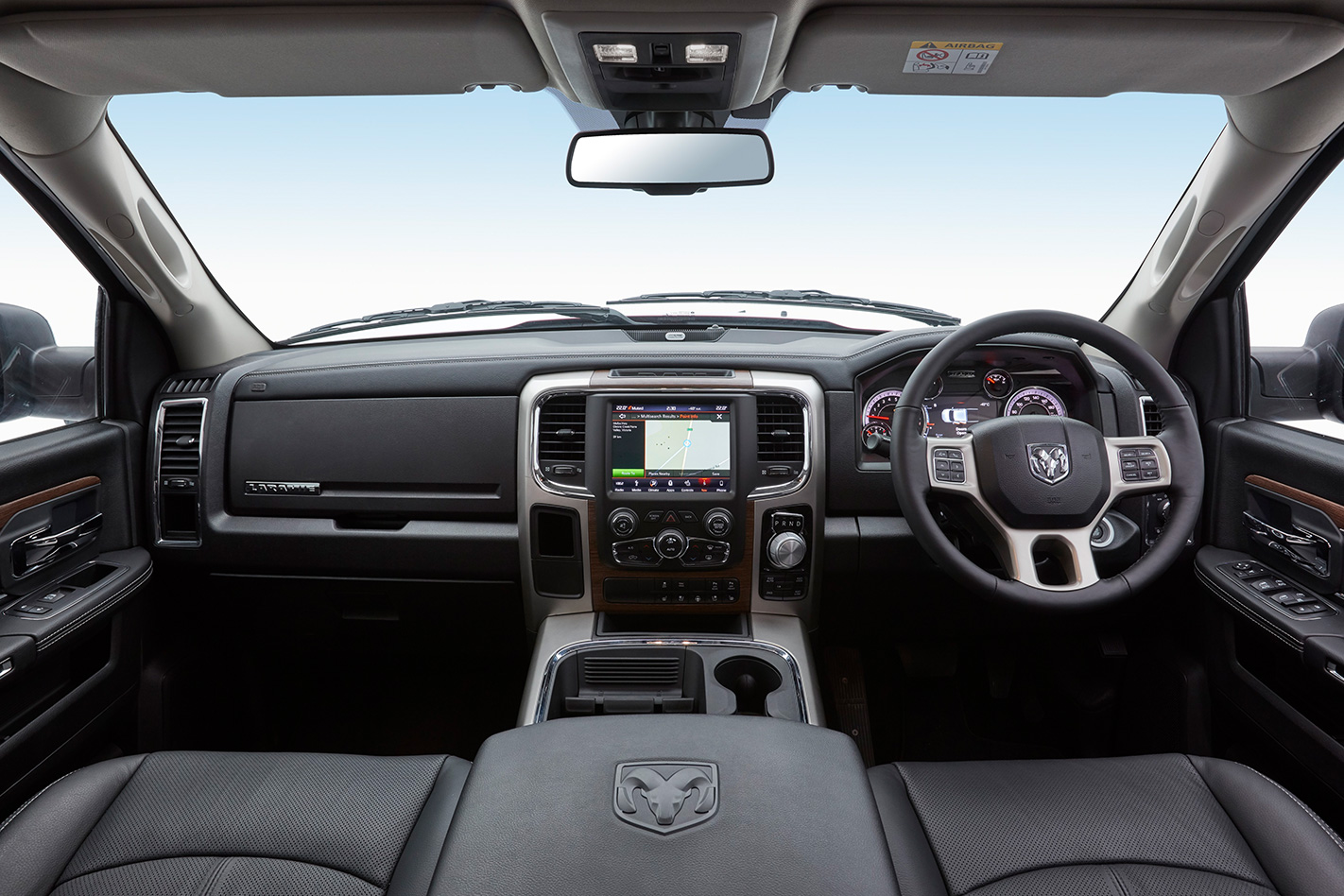
The 1500’s Hemi is no slouch, returning impressive fuel economy numbers given the sheer mass and slab-nosed styling that the truck carries. Officially, the engine will return 9.9L/100km on the combined cycle, with the help of cylinder deactivation that selectively shuts down parts of the bent eight to run as a four-pot under light loads. The 1500 also uses active aerodynamics; a row of shutters in behind the grille that push air around the shovel-nosed grille when extra cooling isn’t needed, rather than creating drag by feeding it through the engine bay.
It should be a decent tow rig, too. It will have an electric brake unit fitted as standard, trailer sway control to prevent a high-speed tankslapper, and brakes that will ever-so-slightly drag as soon as the driver’s foot lifts off the accelerator to help with braking response.
Ram has big expectations for the 1500. It aims to go for 2100 sales next year, building up to 4500 sales in the next three years – giving it a 10 percent share in the premium trade ute market for vehicles priced from more than $57,000.
The Laramie will be on sale in Australia from July, followed by the Express in August. In about October, the V6 diesel should join the range, and a month after that, the more menacing Black Line.
A year after Forza Motorsport 7 was announced at E3 2017, the follow-up to Forza Horizon 3 has broken cover.
Forza Horizon 4 is set to feature over 450 cars more than 100 manufacturers, including the 2018 McLaren Senna, featured on the box art.
The trailer, which premiered at E3 at the weekend, features the Senna heavily, though incorporates something few, if any Sennas will ever do – driving offroad.
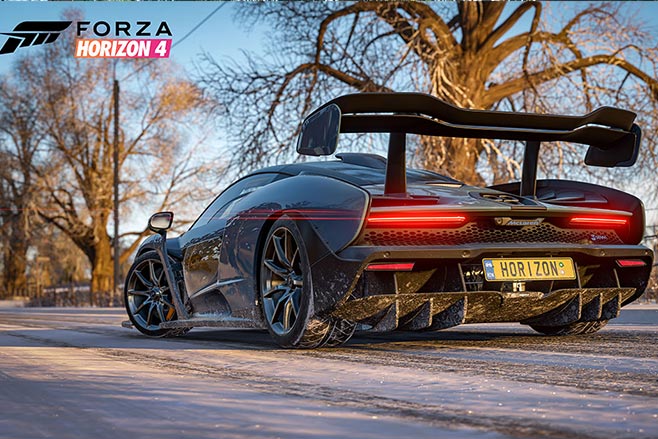
The trailer reveals several other cars and features of the game, including the 2018 Bugatti Chiron, the Group B-bred Audi quattro S1, and the Pagani Huayra.
There’s even a London cab busting through a gate.
The Opposition: Gran Turismo Sport review
New to Forza Horizon is a list of features including the ability to own property, and environmental changes that impact weather and driving conditions.
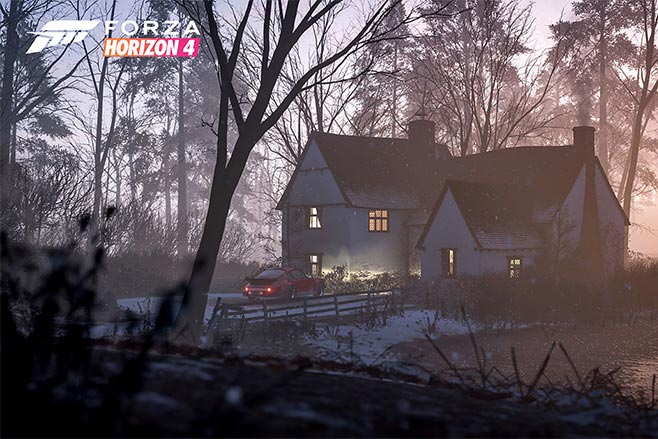
“For the first time in the Horizon series, players can own property that unlocks new items and gameplay perks,” the reveal statement says.
“We’re proud to introduce two of our most fan-requested features – a brand new Route Creator that lets you design and share your own custom race routes anywhere in the open world and the option to play at 60 frames per second for players on Xbox One X.”
Throwback: Porsche 911 GT2 RS debuts during Forza presentation
Affecting these routes will be a dynamic weather system somewhat similar to the one introduced in Motorsport 7.
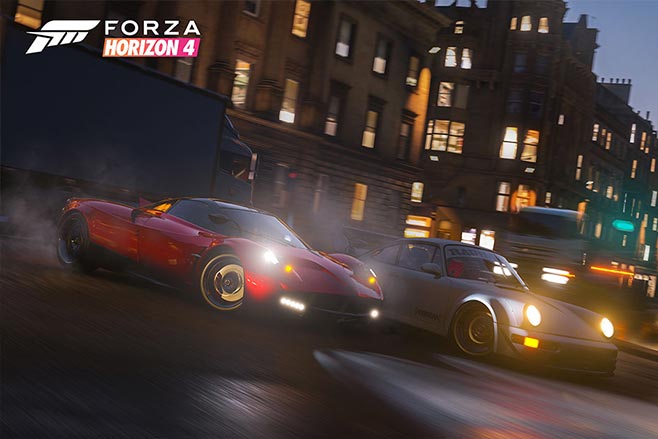
“Forza Horizon 4 features dynamic seasons that change gameplay, unlocking new events and routes, impacting driving conditions, and transforming open-world exploration – all in native 4K and HDR.
“Players will be able to master driving in dry, wet, muddy, snowy and icy conditions in a shared world where everyone experiences changes in time of day, weather and seasons together.”
As we expected, some keen-eyed fans have already begun compiling a list of cars to feature in the game ahead of time, with an already impressive list found on the Forza Forums.
If you haven’t already, watch the trailer (in 4K, really) and see how many you can spot. Forza Horizon 4 is available to pre-order now.
