
THE NEWS that Porsche is working on a next-generation Boxster Spyder should come as no great surprise with the iconic body-style periodically returning for both 911 and Boxster models, but its adoption of six-cylinder power is the big story, if rumours are to be believed.
Despite churning more power than any six-pot before it, the four-cylinder turbo engine that powers the current 718 Boxster and Cayman range failed to satisfy many purists, but a Spyder spied testing is said to have pinched the engine of the 911 GT3.
That means naturally aspirated noise, as much as 368kW and the most power ever applied to the German car maker’s smallest sportscar. With almost 100kW more than the current most powerful variant – the 269kW Boxster GTS – Porsche looks set to unveil its first version of the model with supercar punch.
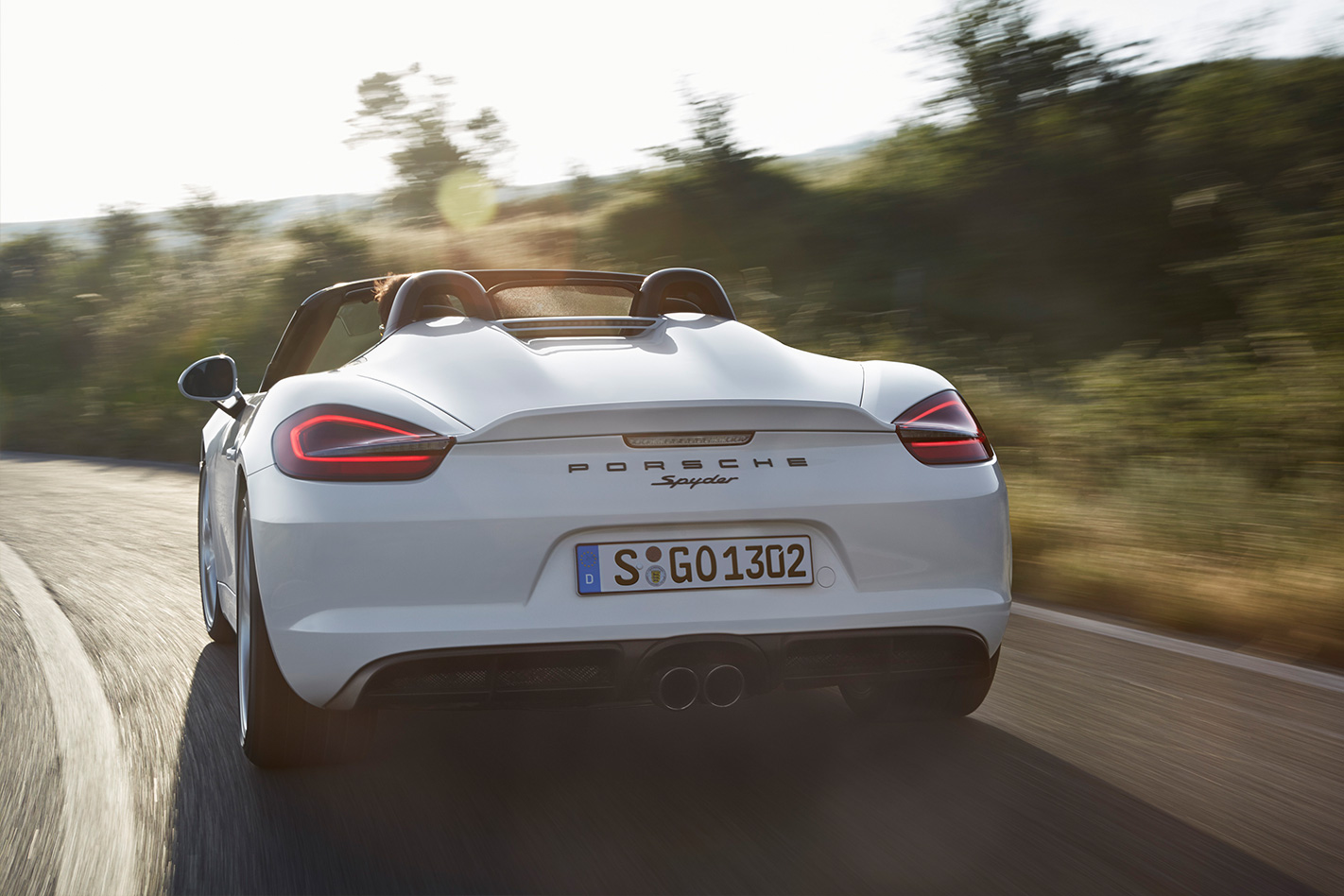
In its previous incarnation, the Boxster Spyder borrowed the 3.8-litre flat-six of the then current 911 Carrera for a power output of 287kW. Therefore a peak power figure above that and the current Boxster GTS but at a distance of the 911 GT3 should establish the ball park.
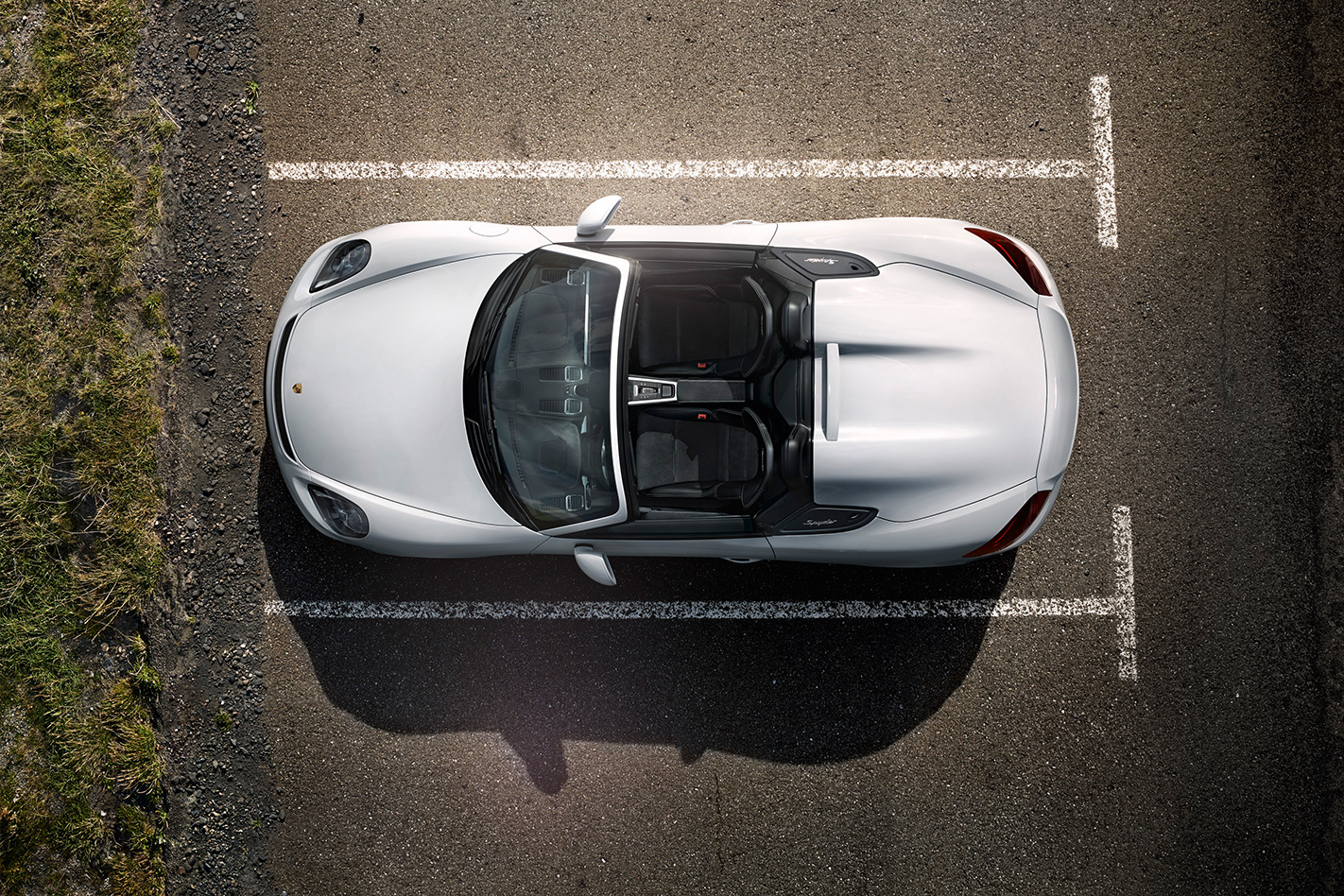
As you would expect from a small sportscar with the potential power to match a Mercedes-AMG GT S, the prototype also appears to be dressed up in larger wheels and uprated brakes.
Tell me about this car
A replacement for the Australian-built Camry, and the latest generation of one of the most popular cars in the country. The mid-sizer sedan market may be contracting but Toyota is undeterred, pulling out all stops to make the new Camry the best-ever. Still holding on to its renowned reliability, affordability and durability virtues, this eighth iteration adopts an all-new architecture that is designed to lift driveability, efficiency, refinement and comfort up to European levels.

Strengths
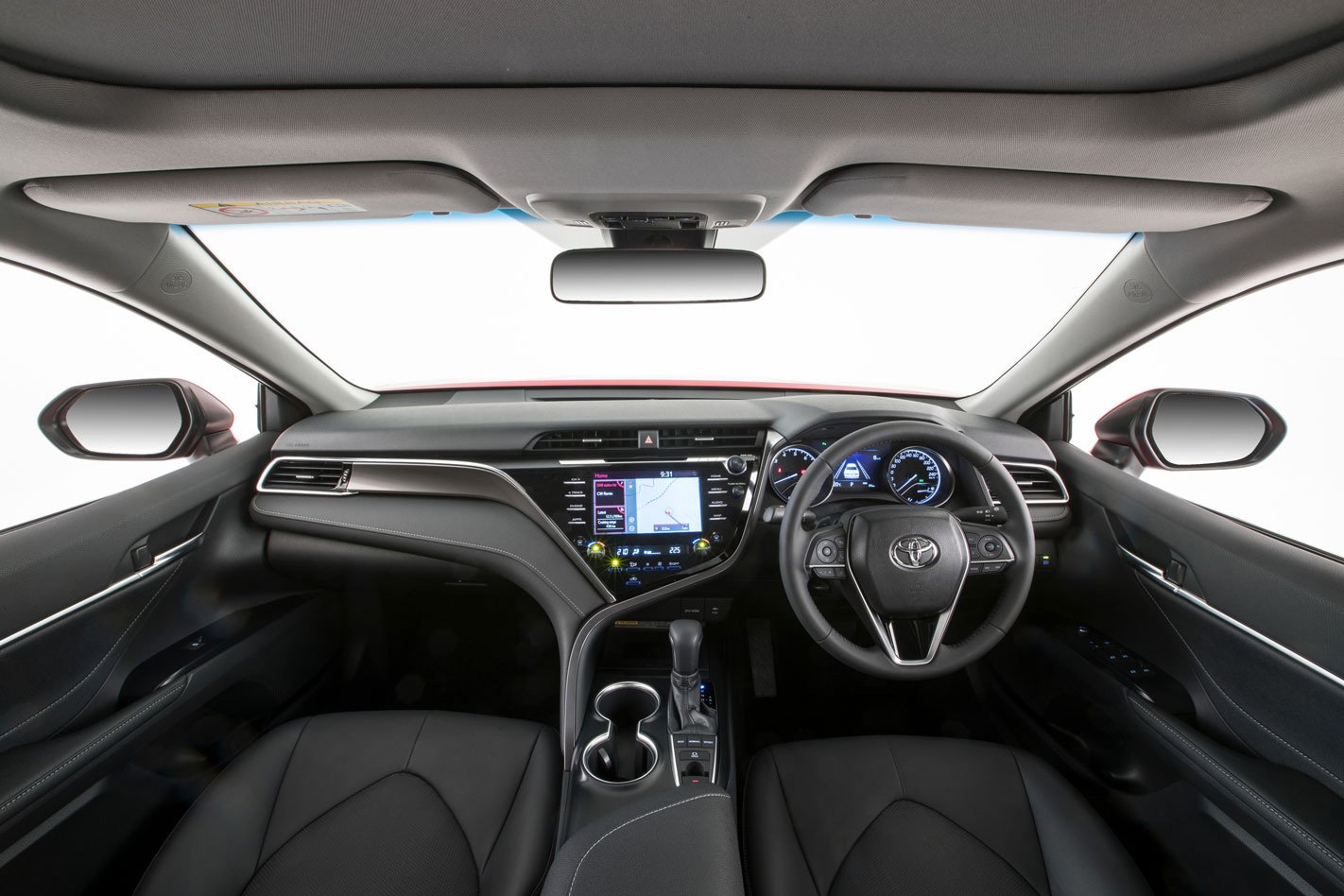
- Adopting the Toyota New Generation Architecture technology, the 2018 Camry sits on a longer, wider and lower platform, boosting packaging and space. Slimmer pillars, a lower bonnet line and deeper glasshouse provides better vision.
- Livelier acceleration, coupled with rousing mid-range muscle (aided by a CVT auto revamp), more seamless operation and less-grabby braking makes the 160kW-combined Hybrid (from a tenner under $30K) a likeably capable Euro-diesel alternative. With a claimed 4.2L/100km average, the series-parallel greenie even out-sips earlier Priuses. Impressive.
- Both four-pot Camrys revel in the altogether higher-quality chassis, boasting newfound steering linearity with no kickback, more balanced handling, stable cornering at speed and – best of all – a more supple ride.

Weaknesses
- Ascent’s clammy plastic steering wheel is jarring, and the fixed rear-seat headrests seem like a weird 1970s Corona throwback.
- In the flagship SL, the helm is oddly muted, the nose a tad heavier and the ride a little harder (and louder) than we’d like. And although the sizeable outputs suggest otherwise (224kW/362Nm), the anticipated performance wallop doesn’t eventuate. Overall, Camry V6 is no Holden VF Calais grand tourer delight.
Other rivals I should consider?
Volkswagen Passat, Mazda 6, Skoda Octavia, Honda Accord, Kia Optima, Ford Mondeo, Hyundai Sonata, Holden Commodore, Subaru Liberty
WHAT IS IT?
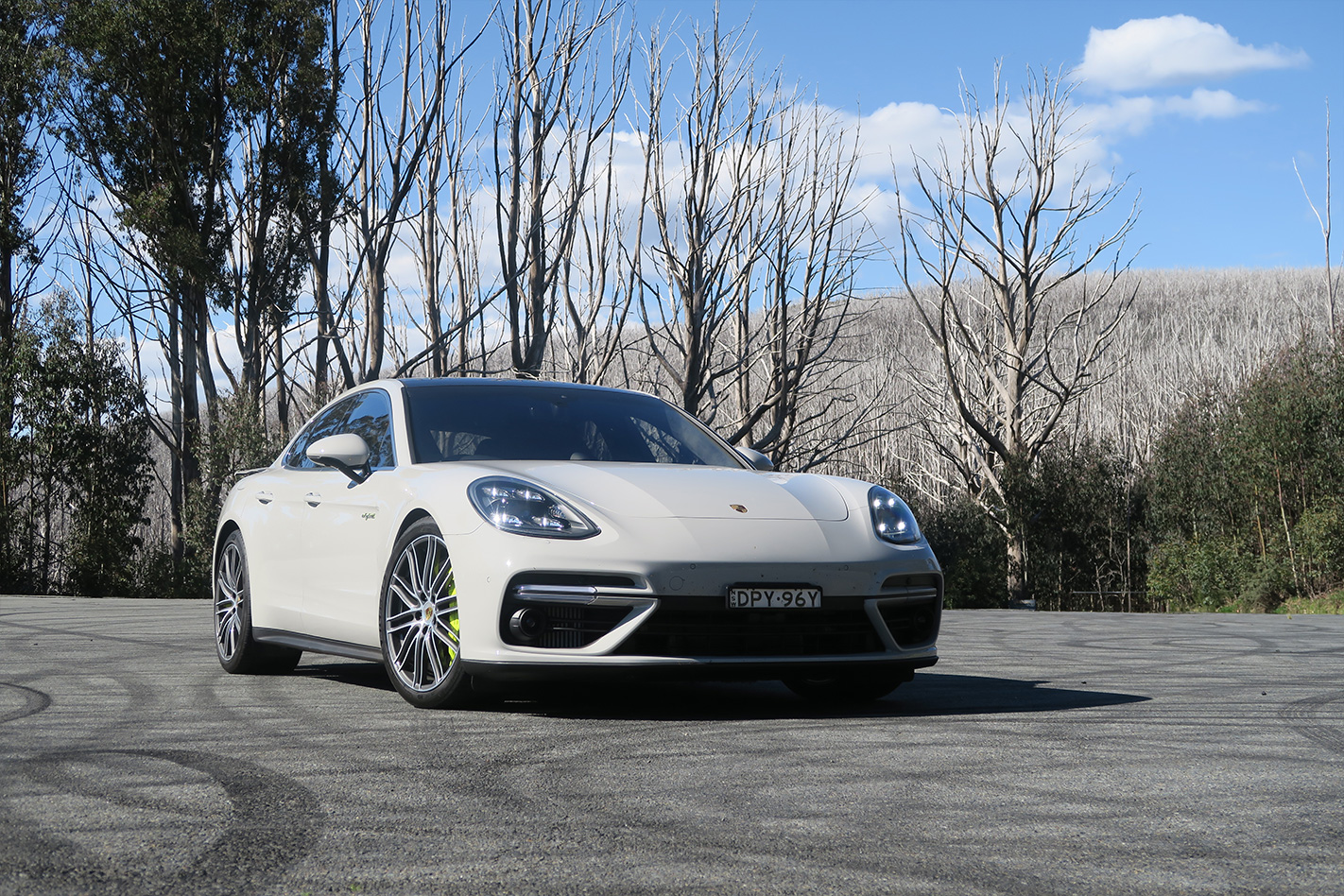
The pinnacle of the Porsche Panamera range, the Turbo S E-Hybrid merges the company’s muscular turbo V8 with a sizable battery and electric motor. It’s big, it’s heavy, but it’s the fastest four-door Porsche you can buy today. Not only that, thanks to a plug-in capability it can also take you to work and back without drinking any juice at all.
WHY WE’RE TESTING IT?
This is what Porsche reckons a fast – yet frugal – luxury four-door should be, so of course we need to put it to the test. Can it balance the conflicting needs of comfort, performance and environmental friendliness? Given the mammoth $460,100 outlay required to put on in your driveway, you’d certainly hope so.
Bentley Flying Spur W12, BMW M760Li, Mercedes-AMG S65
THE WHEELS VERDICT
It’s impossible not to be impressed by the Panamera Turbo S E-Hybrid.The technology on board represents the best of what Porsche can achieve, and the virtually seamless integration of its electric powertrain with its brawny turbo V8 is a triumph of engineering.
It’s capable of eye-widening speed and handles like a car several sizes smaller, yet has an opulent cabin with room for four to sprawl in great comfort. Couple that with Porsche’s typically meticulous build quality, and the Panamera Turbo S E-Hybrid is easily the ultimate do-it-all CEO chariot.
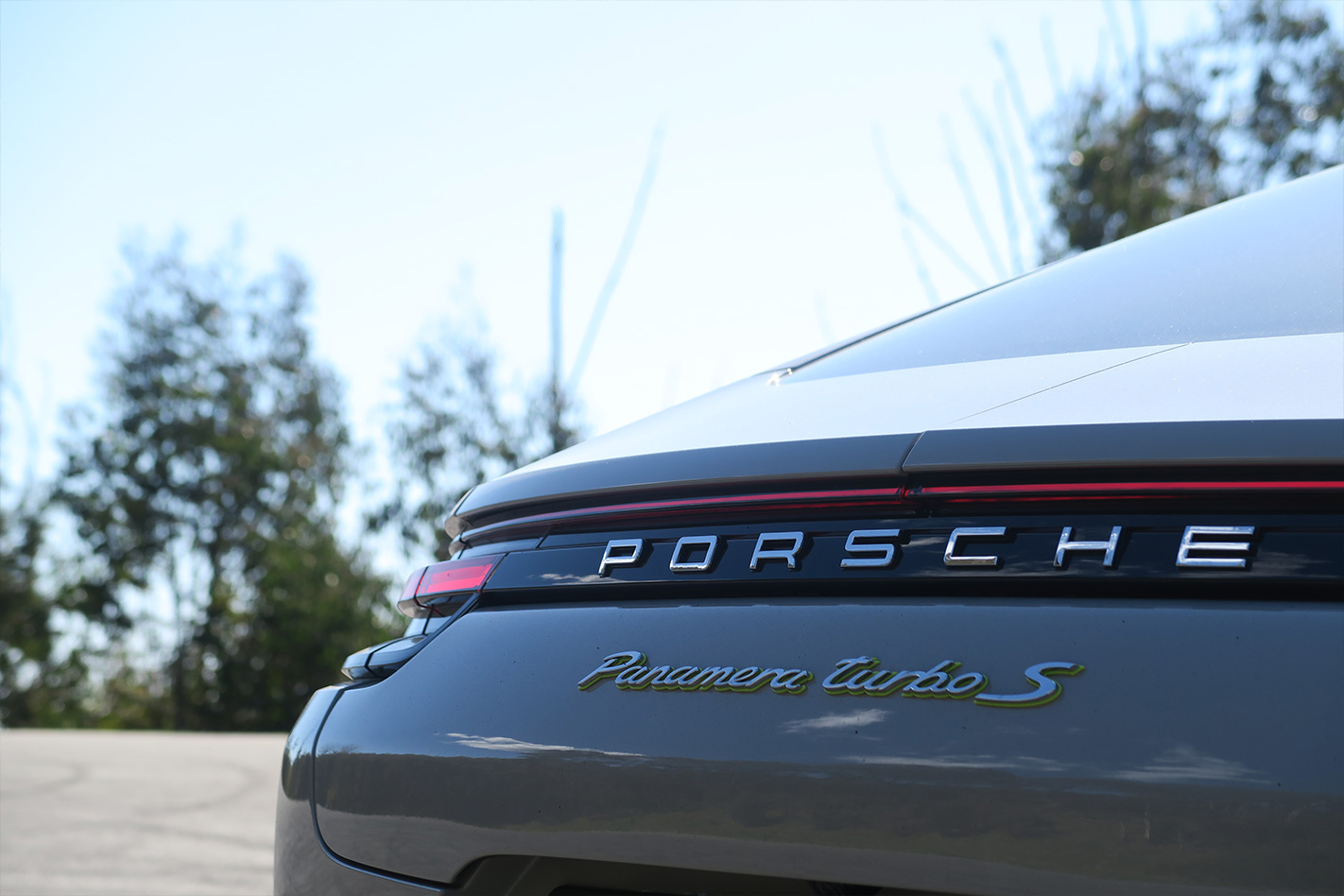
Minus: Needless complexity in some features; extremely heavy and feels it too; huge price premium over Panamera Turbo
THE WHEELS REVIEW
THERE are flagships, and then there’s the Porsche Panamera Turbo S E-Hybrid. In true range-topper fashion it’s more opulent than a Russian oligarch’s yacht, and in true Porsche fashion it’s incredibly fast. Monumentally fast, in fact.
But it’s more than that. The Turbo S E-Hybrid is also equal parts technology showpiece and eco-statement for the Weissach brand. Packed to the roof rails with tech, it’s also capable of being driven for a full day’s commute without ever waking up its potent twin-turbocharged V8.
Something for everyone? That’s the idea – as long as ‘everyone’ can stump up the $460K price of entry.
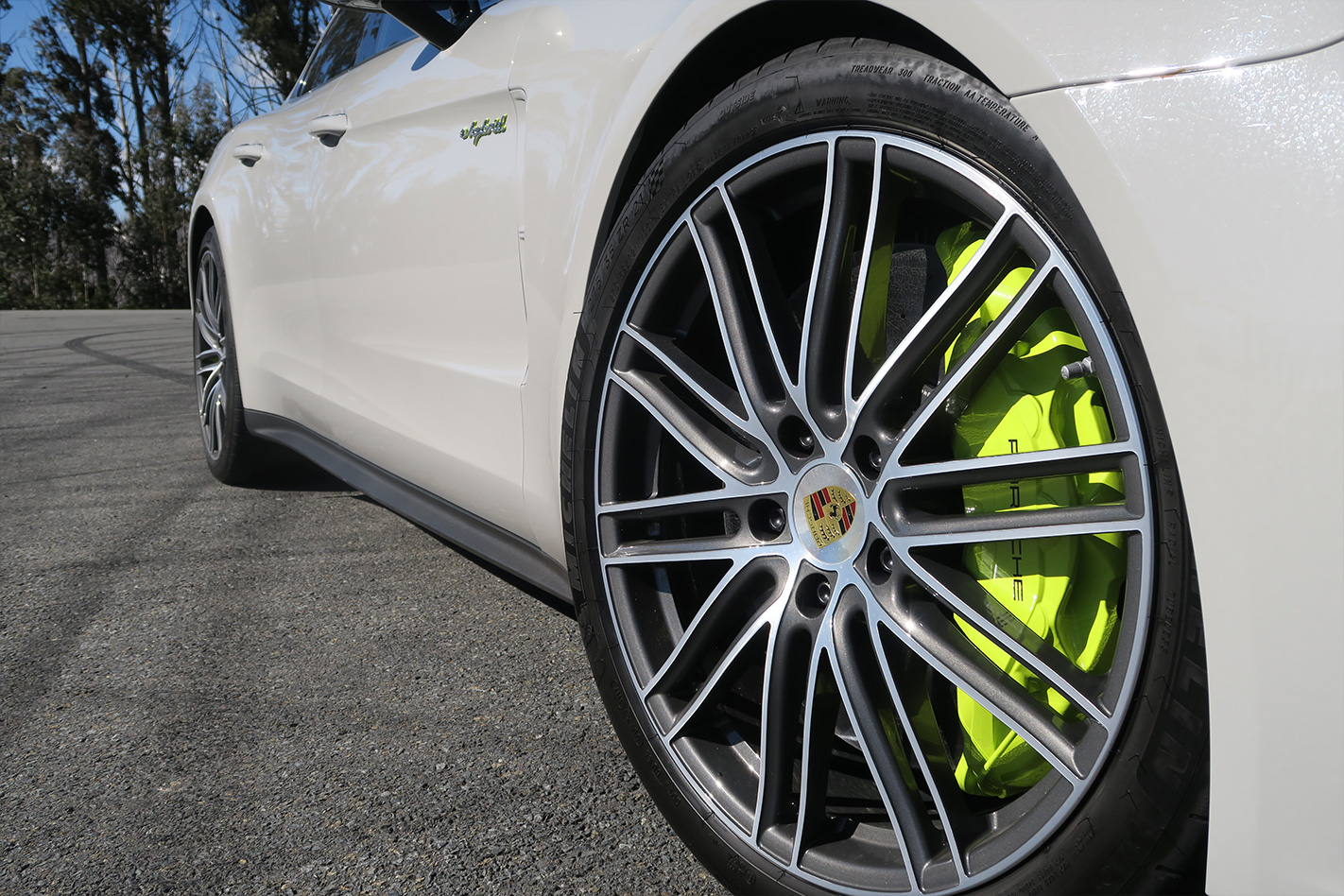
It’s a true gym rat too, flexing a sizable 500kW and 850Nm from its 4.0-litre twin-turbo bent-eight and electric motor combo – 404kW and 770Nm from the combustion engine, 100kW and 400Nm from the electron-burner.
And that second set of numbers gives the most hedonistic Panamera a bit of a treehugger quality. The Turbo S E-Hybrid totes a 14kWh lithium-ion battery pack, and though it weighs 2.3 tonnes all of that torque makes it more than able to keep up – and ahead – of commuter traffic. Top speed in all-electric mode is a licence-busting 140km/h and peak range is a generous 50-ish kilometres before the battery is depleted.
Most Aussies would easily complete a day’s commute to and from their workplace on a single charge, while juicing up the battery from a regular wall outlet takes around eight hours. Make the most of that EV capability, and running costs should be a tiny fraction of what most CEO-grade uber-sedans require.
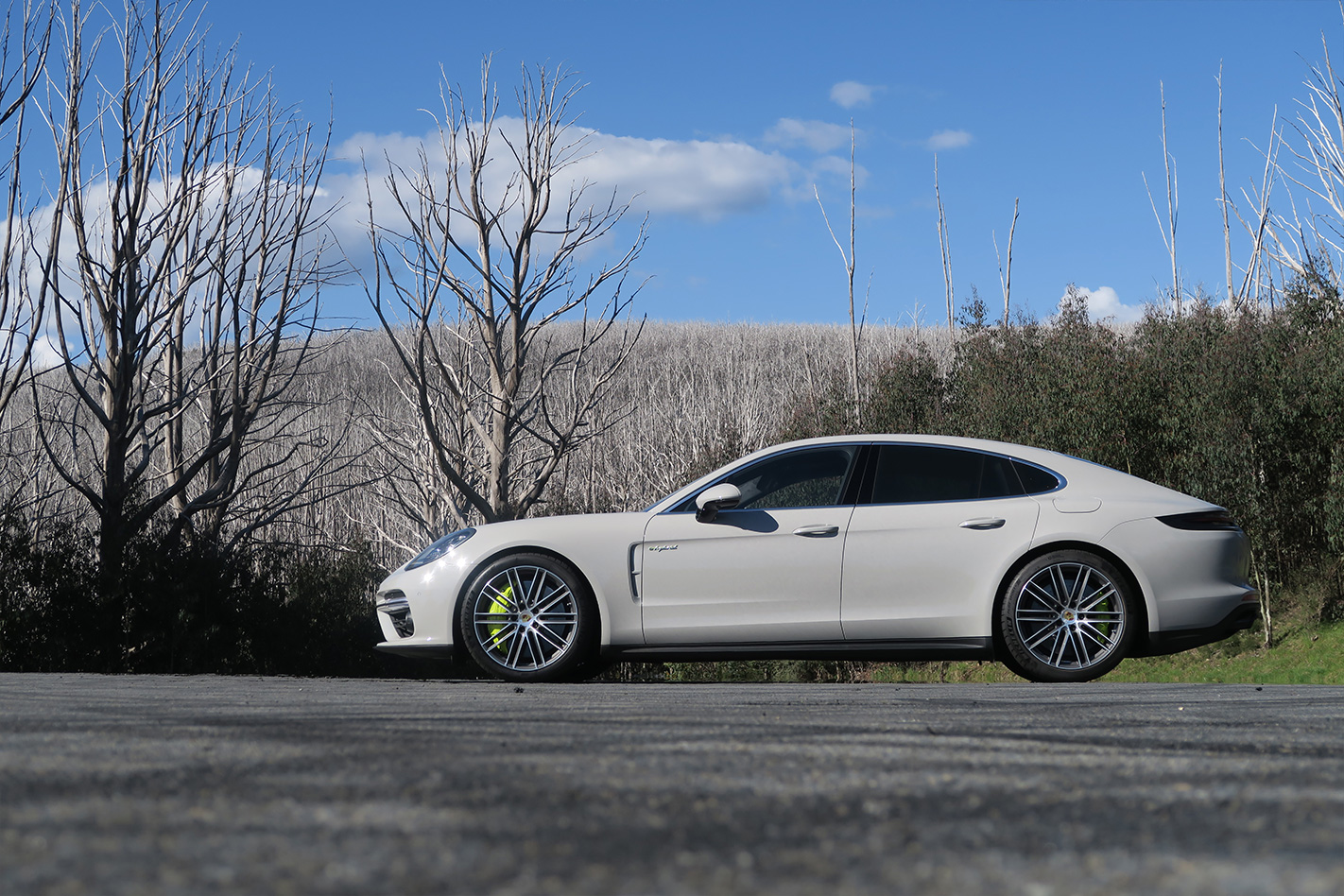
On the commute, the Turbo S E-Hybrid is limousine-serene in its refinement, ride quality and comfort. Even on 20-inch wheels, the standard air suspension does an astonishing job of smoothing out crinkled surfaces and steamrolling bumpy streets. Even in Sport mode, it’s perfectly agreeable for relaxed motoring.
What’s more, relying on the electric motor is no chore. Even in planet-saving mode, the electric motor delivers 100kW and 400Nm – more torque than pretty much any FWD hot hatch you’d care to name. 400Nm is diesel levels of grunt, and when fed through the Panamera’s eight-speed dual-clutch it’s plenty to get the big four-door off the line. Unlike some plug-ins, you won’t be holding up traffic when pootling about in EV mode.
Cruising at 110km/h with the drive selector flicked to ‘E’ for electric and the suspension set to Comfort is an easy way to squash kilometres. It’s a shame you can only do so for between 40-50km at a time before the V8 needs to kick in to take over from the battery, but even so the combustion engine is so muted that you’ll barely notice it humming away either.
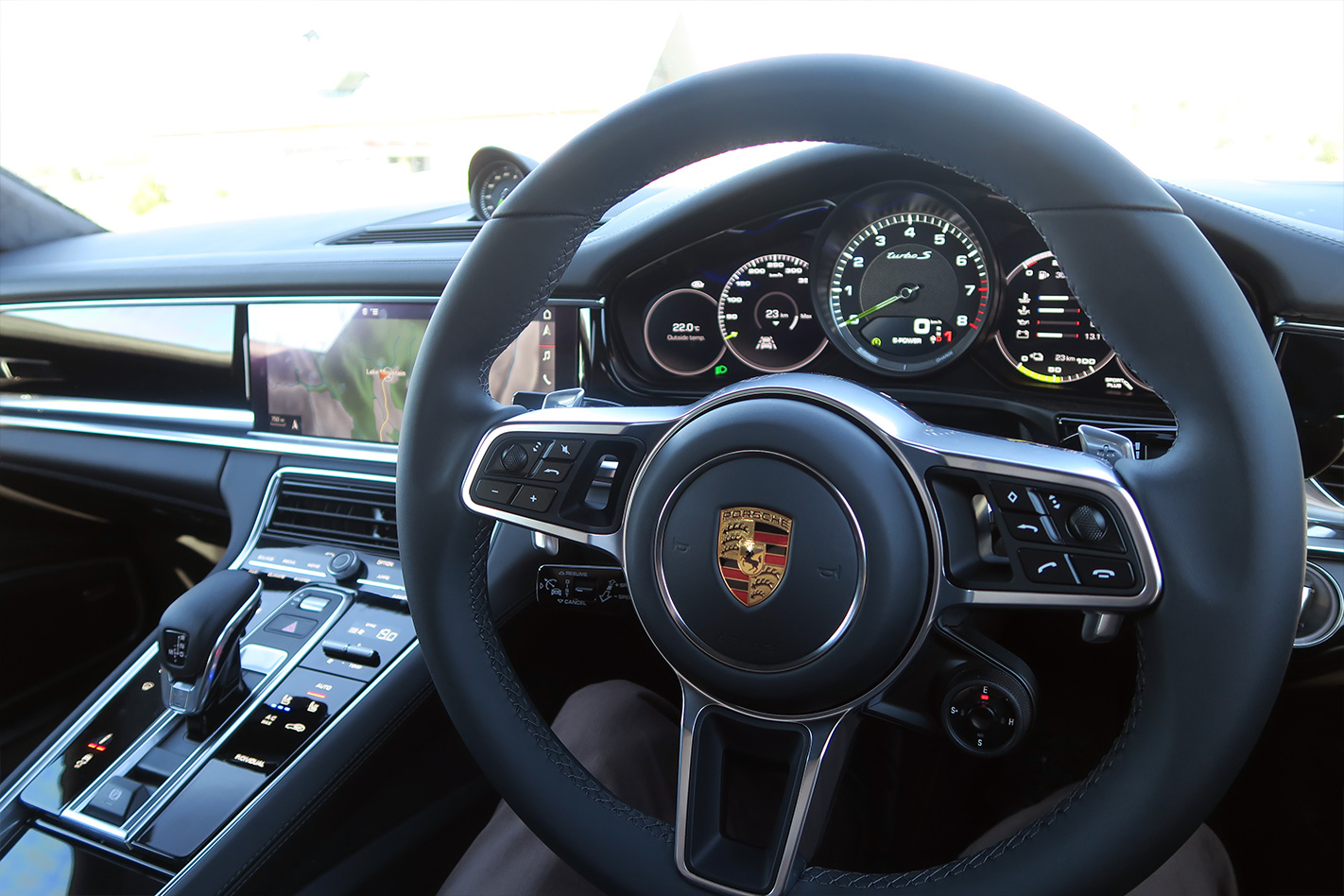
On the weekend, that luxurious cabin also made for a soothing two-hour ride out of Melbourne to our favourite section of mountain roads, east of Victoria’s capital. However, once in the foothills the Panamera transformed from mild-mannered to action hero the instant its steering wheel mounted drive mode dial was twisted to Sport+.
Sport+ rouses the V8, and the exhaust pipes spit water vapour as they warm. Muffler valves flipped fully open, the note is muted but bassy – though given the car we tested was equipped with the $7650 Sports Exhaust option we’d have expected a few more decibels per dollar.
Aimed up a steep, snaking mountain road, you’d expect the Panamera Turbo S E-Hybrid to feel unwieldy given its 5.2 metre length and 2.3-tonne mass. However, the optional rear-wheel steering and enhanced power steering rack ($4340) work miracles when it comes to virtually shrinking the car’s 2950mm wheelbase. Feed in lock, and the Panamera’s long snout darts left and right with a willingness that’s more hot hatch than luxe limo.
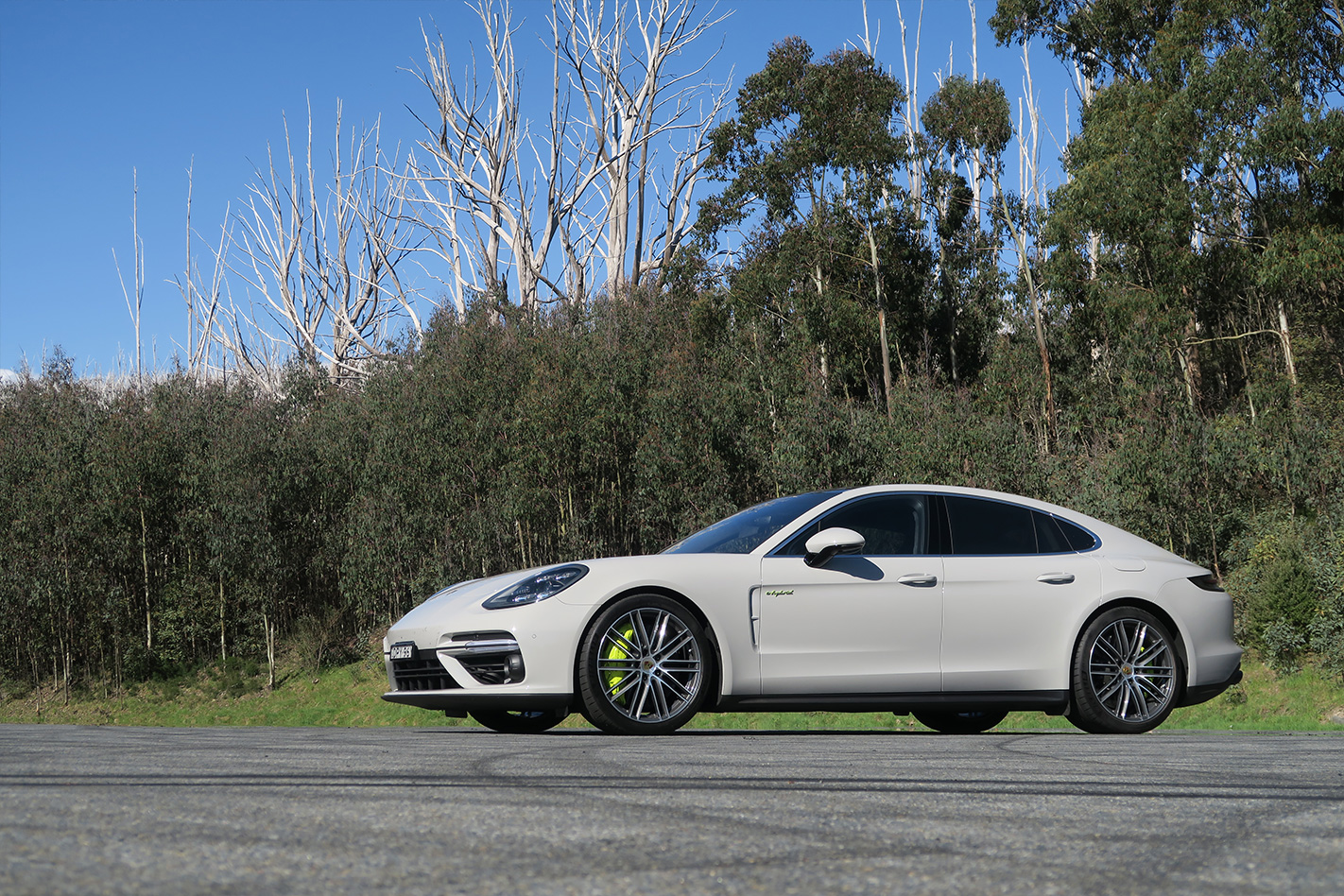
Rather, deploy the Panamera’s tech smarts to dispatch corners by braking hard and early, then picking up the power sooner than you normally would in something rear-driven. The electronics vector torque seamlessly and intelligently, and the result is incredible traction under power.
And when the full 500kW, 850Nm force of that twin-turbo V8 and electric motor kick in, the acceleration is savage. First gear is gone all too quickly, but second gear is when the action really intensifies. Tacho pointing north of 3500rpm and twin turbos at full huff, the prow lifts and the weighty Panamera surges forward at a ferocious rate. Porsche’s claim of 3.4 seconds on the zero-to-hundred is entirely believable.
Porsche’s spec sheet for the Turbo S E-Hybrid describes the car’s electric motor as being a “permanently excited synchronous machine”. Drive this thing in anger, and you’ll be permanently excited too.
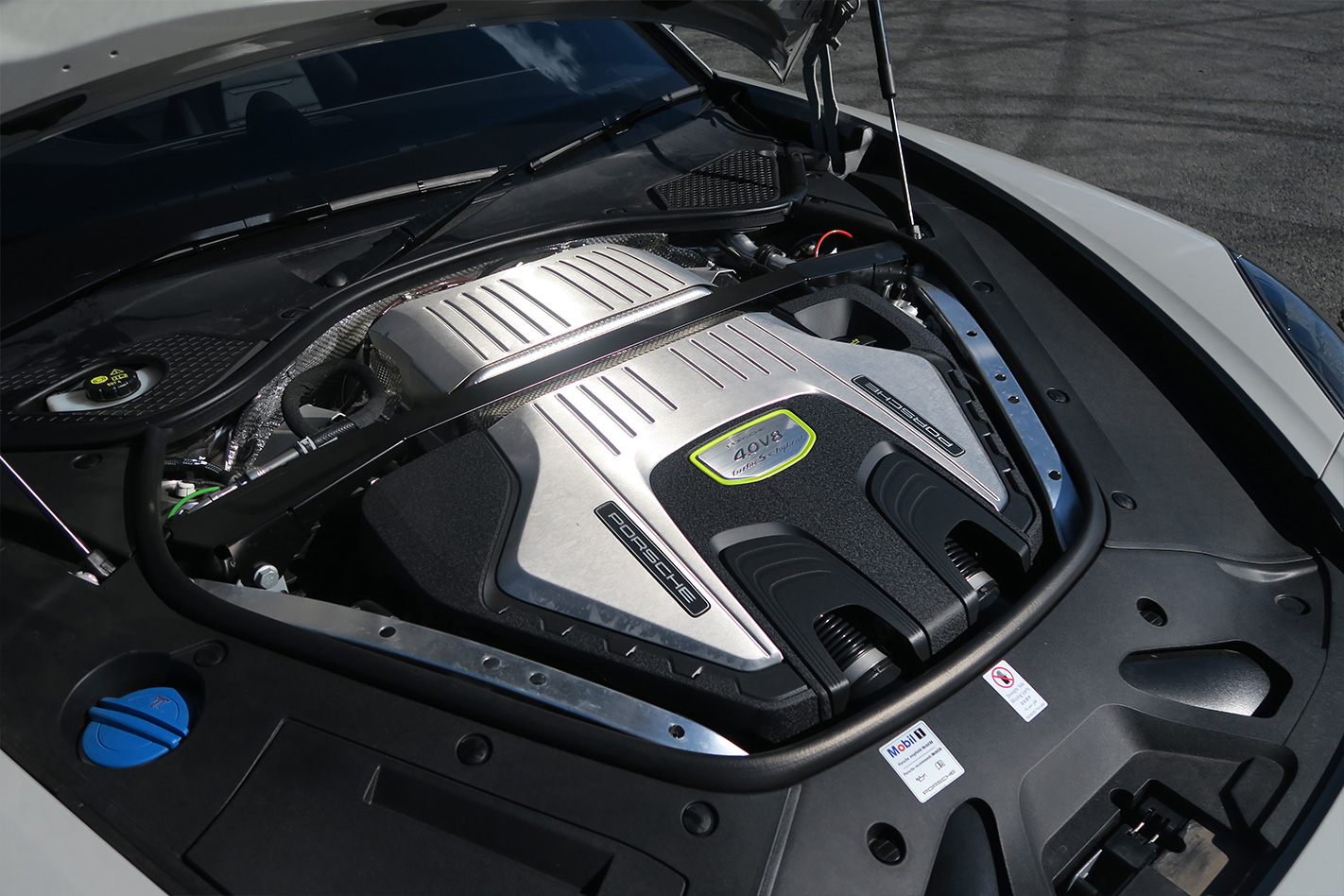
And driving it hard has a hidden benefit that has nothing to do with visceral thrills: it’s the fastest way to charge up the battery. When we began our ascent the battery was showing just 3km of remaining range. At the summit, roughly ten minutes later, that figure had risen to 32km. How? When the engine is on the overrun at high rpm, all of that otherwise-wasted mechanical inertia is converted into electrical energy and sent to the battery pack.
For us, that was enough to generate enough electrons to make it back home without needing the V8, and by the time we handed it back the average fuel consumption was an entirely reasonable 8.6L/100km – the bulk of that fuel burn was from the weekend thrash.
Now how’s that for a guilt-free thrill?
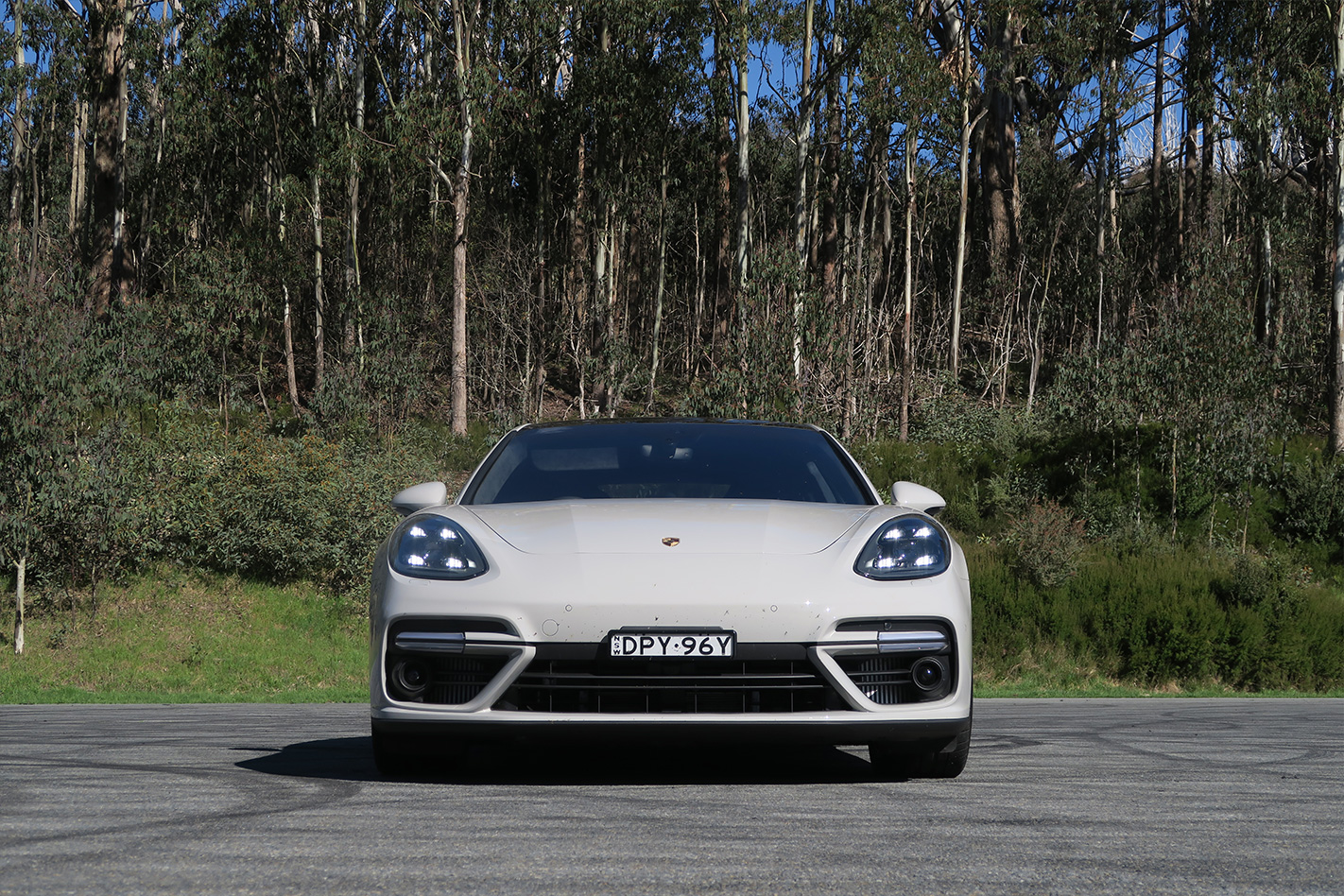
Smartphone mirroring is all the rage at the moment, with car companies implementing it in new products.
For many Australians the decision to use either Apple CarPlay or Android Auto will be made for them through their choice of phone. Apple users and Android owners are segregated to their respective applications. However, it is still important to know what each system provides, and how they differ.
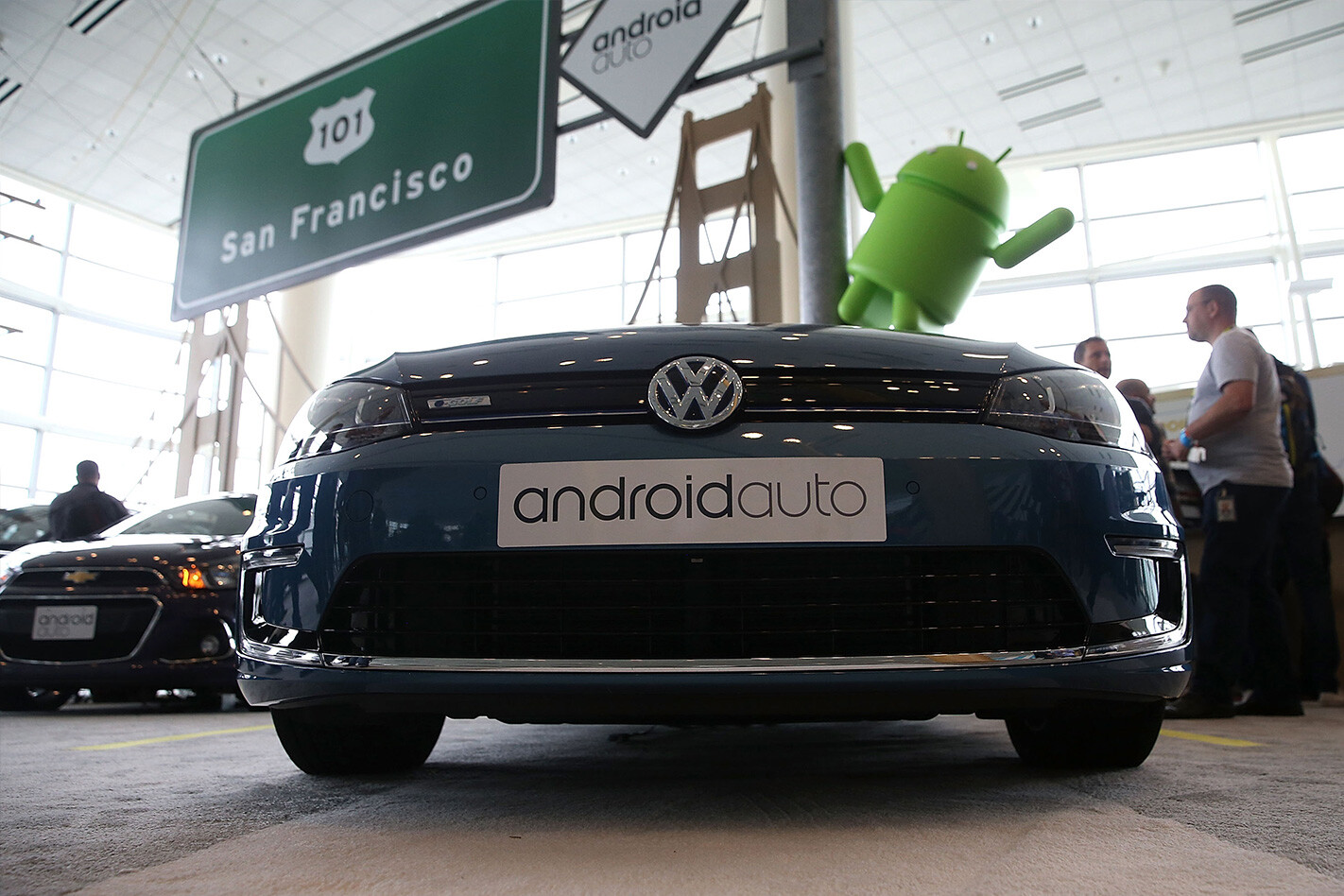
INTERFACE
The major difference between the pair is the user interface. Apple CarPlay will quickly feel familiar to users, mirroring the look of a phone, with different app icons laid out in a grid formation.
Android Auto opts for a ‘homepage’ interface, where different information such as recent calls, current music, and next navigation direction are all presented. You can then open separate tabs for different functions.
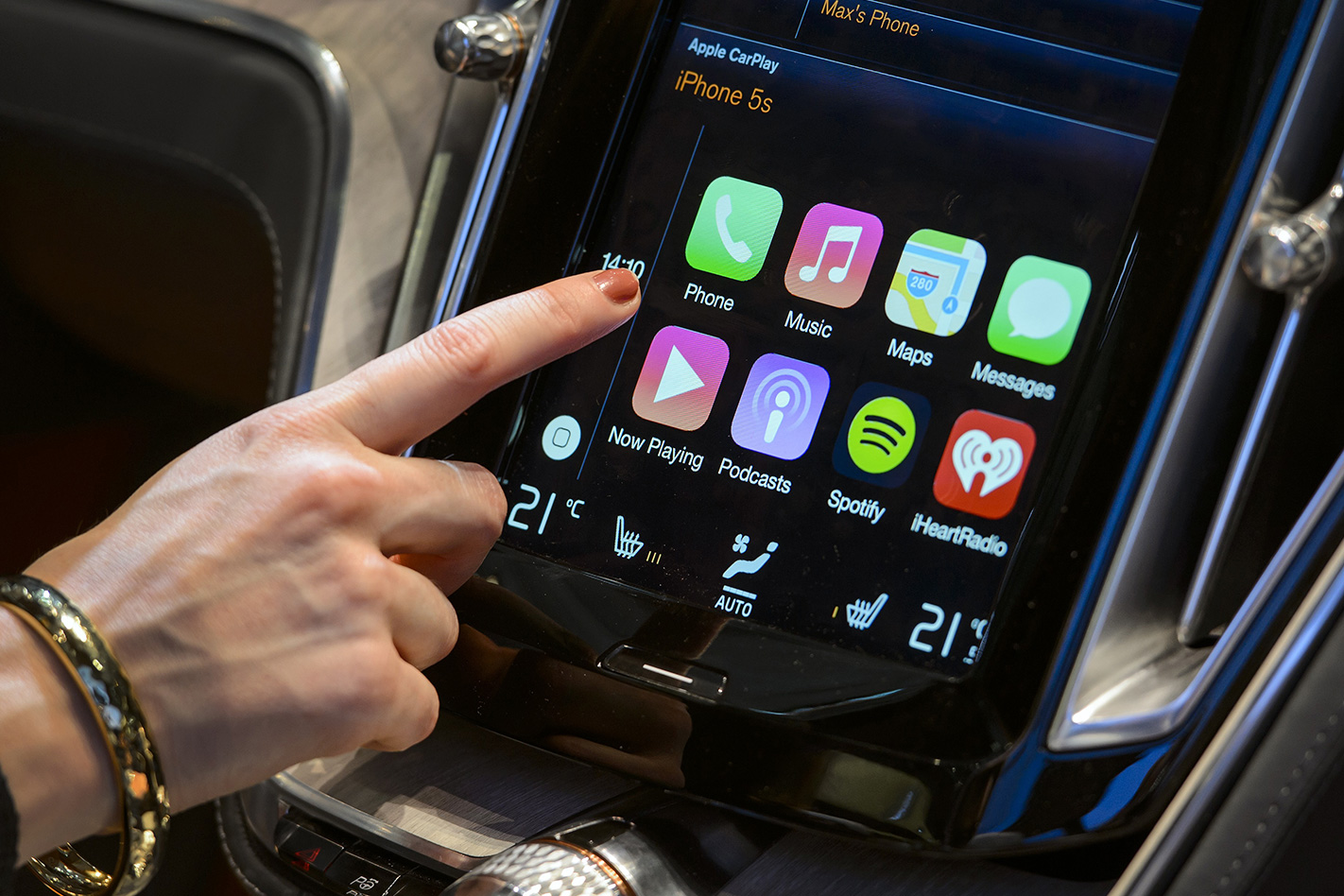
MAPS
Both systems allow you to use your phone’s navigation apps (Apple Maps and Google Maps). While you can install Google Maps on an Apple phone, you cannot use it in Apple CarPlay. This is one area where Android Auto has a clear advantage over Apple’s service.
Apple Maps has a number of issues relating to is reliability and useability, while Google Maps has proven itself to be the superior navigation service. However, both are preferable to most built-in sat-nav systems.
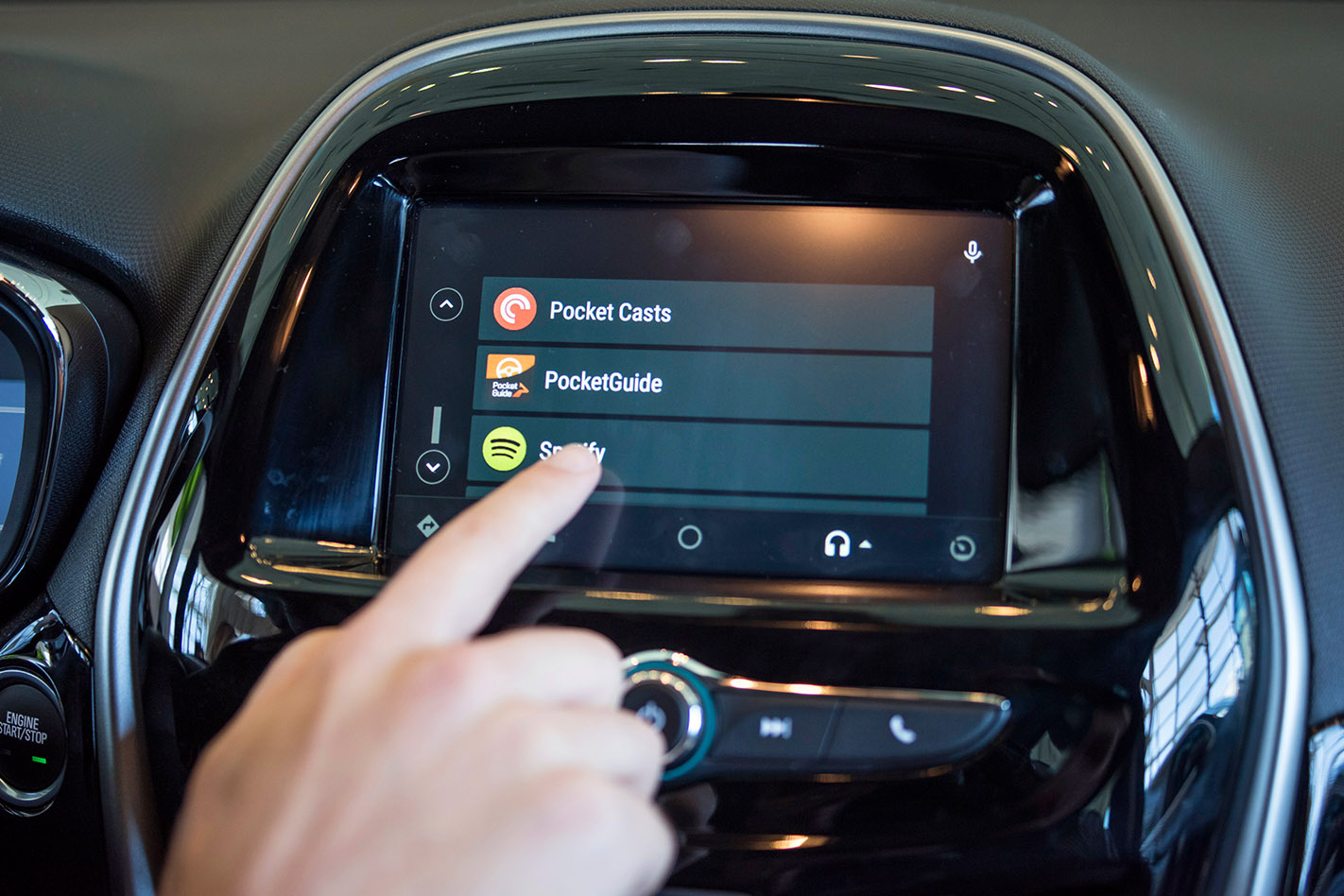
MUSIC
Whatever music, podcast or streaming service takes your fancy, both systems have you covered.
From streaming service Spotify, to digital radio apps, all are mirrored, opening the door to limitless listening opportunities while using Apple Carplay or Android Auto. Spotify has voice-recognition so you can also verbally dictate what you would like to listen to, which is a cool party trick.
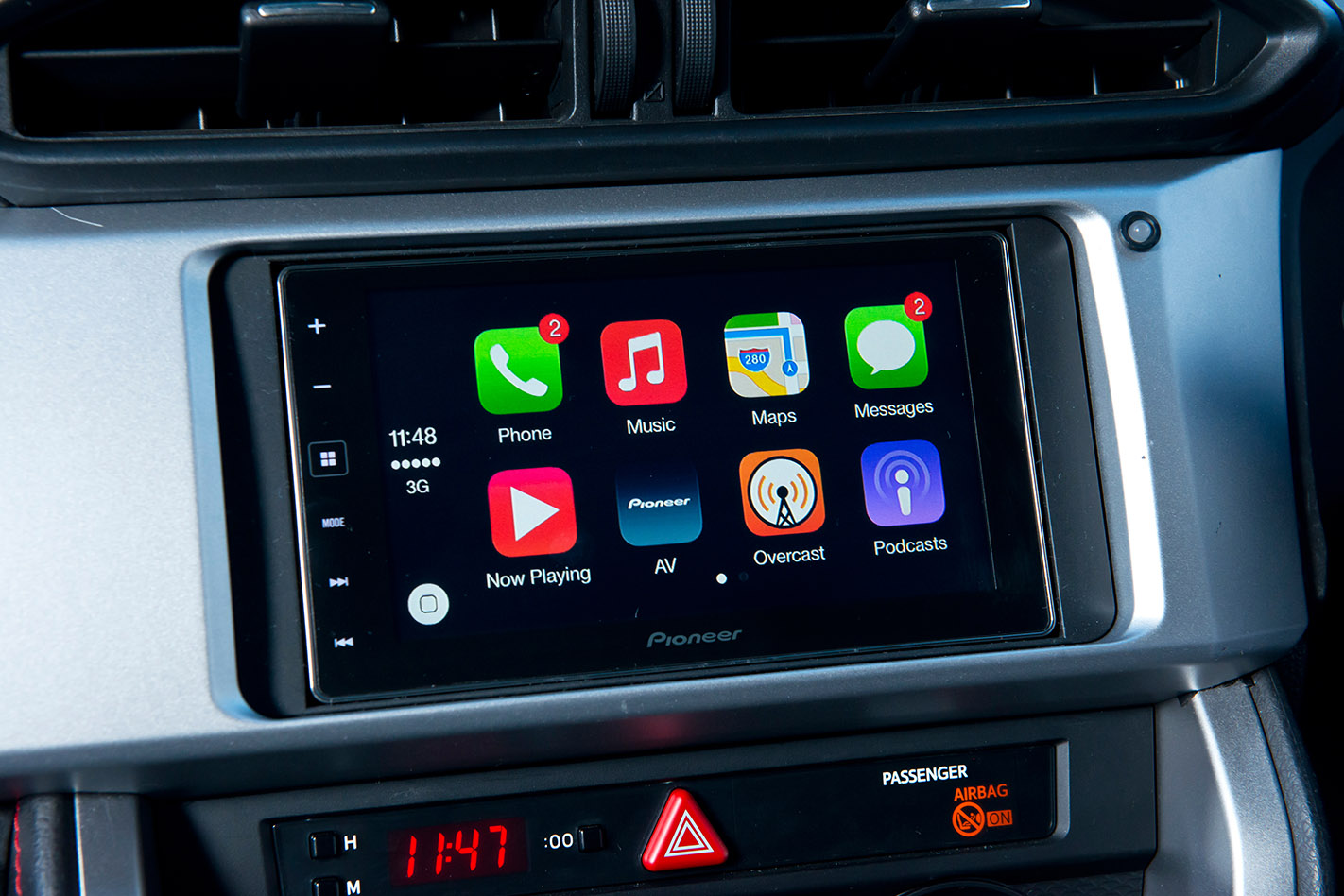
MESSAGING
Both Apple CarPlay and Android Auto will read out text messages you receive while driving, along with correspondence from other apps such as Facebook Messenger. You can also reply to these texts, either through automated pre-described snippets such as “I am driving right now”, or by audibly stating a reply.
The voice recognition technology used in both systems copes with the Australian accent well, and rarely gets words wrong. If you use speech-to-text, your messages will lack proper punctuation and read as one unbroken sentence.
Both systems will read you a draft of your message before sending, to ensure everything is correct.
USEABILITY
The ease of use for both systems comes down to preference. If you prefer your apps segregated and having a single function displayed on screen, Apple CarPlay will suit you better. If you subscribe to the notion of the more information the better, then Android Auto has you covered.
An advantage of Apple’s system is in select vehicles, it can now be activated wirelessly through Bluetooth – previously both systems required the phone to be plug into the car though a cable.
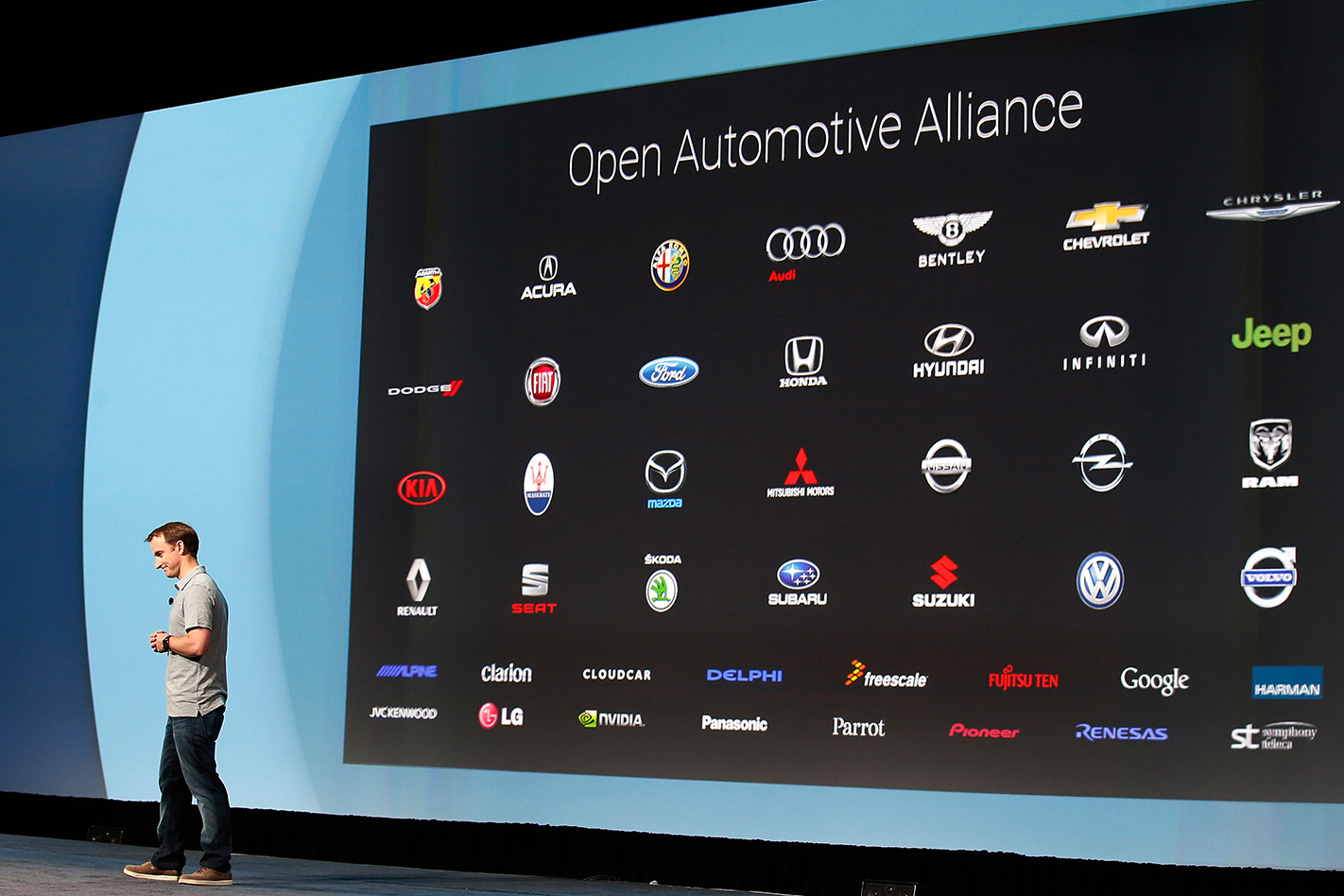
Additionally, Android Auto requires a special app on your phone to be used, where Apple CarPlay is built into the operating system. While this may chew up precious data space on your phone, it also means Android Auto can be used in a car that isn’t necessarily capable of smartphone mirroring. Simply mount your phone in a legal mount, and you can use the app just as you would through a car’s infotainment system.
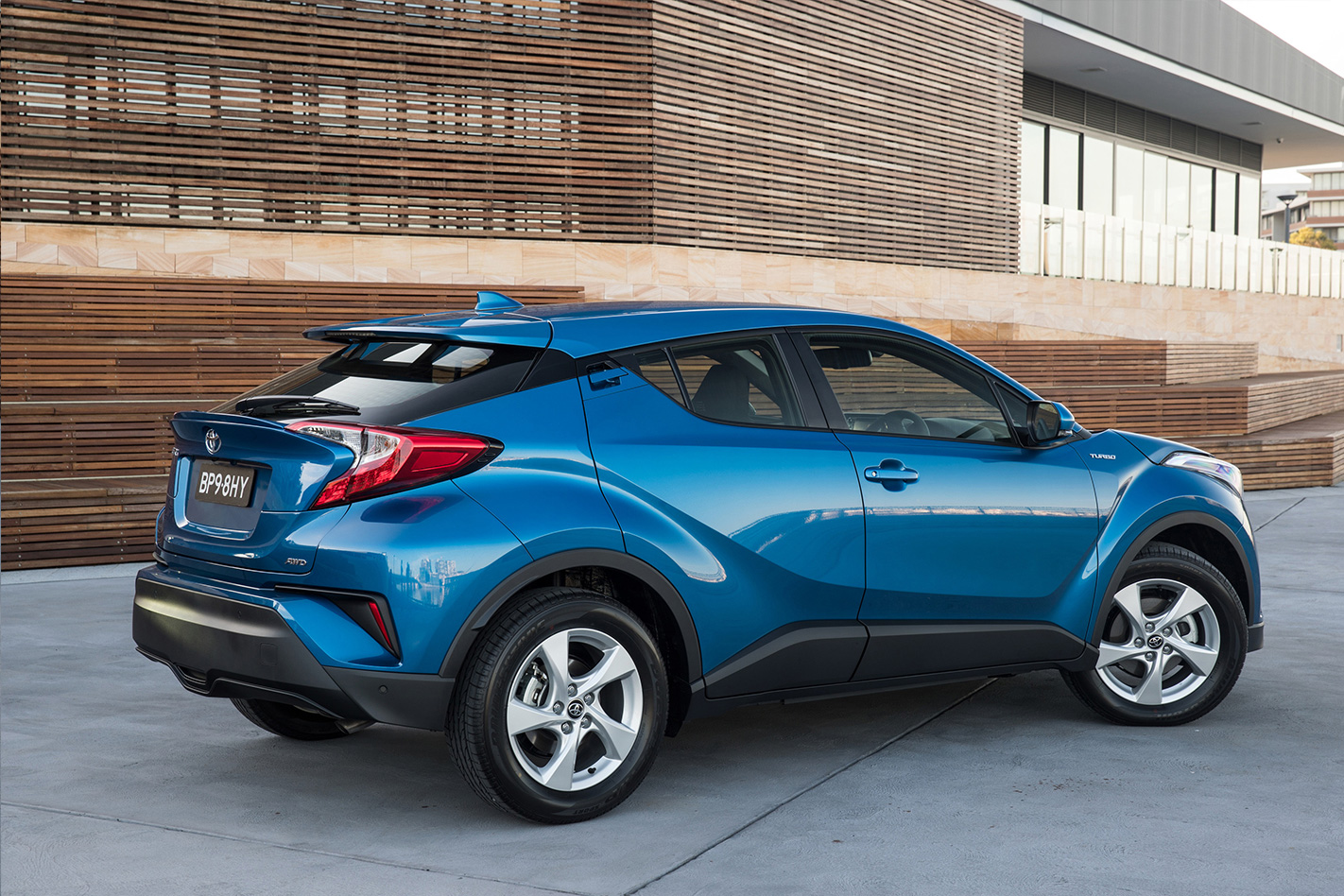
The Toyota C-HR compact SUV is the antithesis of what the brand was once known for. Good to look at, fun to drive and with Toyota’s first turbocharged petrol engine, the recipe appears right to make the C-HR a success.
TELL ME ABOUT HIS CAR
We’ve already established the diminutive Toyota C-HR as one of the best new small SUVs on the market that sits on an all-new platform that’s also shared with the Toyota Prius and the recently-launched Toyota Camry (the Japanese one that replaces the formerly Australian-made one).
But one of the things we’ve not highlighted about the C-HR range is the price-leading $26,990 front-drive version of the SUV. It stands out because it has a six-speed manual gearbox, and not the fun-sapping CVT that the higher-priced models use.
STRENGTHS
- Its engine. Only one is available, a sweet little 1.2-litre four-cylinder turbo that makes a modest 85kW and 185Nm. But unlike other engines that don’t use a turbocharger, the C-HR’s engine delivers its performance down low in the rev range where other, sometimes bigger non-turbo engines are just starting to wake up.
- That manual gearbox. Selecting gears is easy with a nice action, and unlike the CVT that dithers around hunting for fuel economy or power depending on how the throttle is used, you can tap the gears to extract the best out of the engine. The clutch action is light, too, although sometimes it’s a bit hard to find the bite point. Doesn’t matter, though, as the C-HR includes Hill Start Assist, which stops it rolling back on hills while you find a gear.
- Handling. The jump to the Toyota New Generation Architecture has given the C-HR a luxury car-like double wishbone rear suspension instead of what you’d normally expect; either a multilink system, or if the car maker is being a bit cheap, a torsion beam. Combine the wishbones with independent front Macpherson struts, and you have the foundation of something that drives really well.
- It’s very comfortable on the road. Good handling and ride handling are usually mutually exclusive when it comes to cars that drive really well. The C-HR has a good balance between the two.
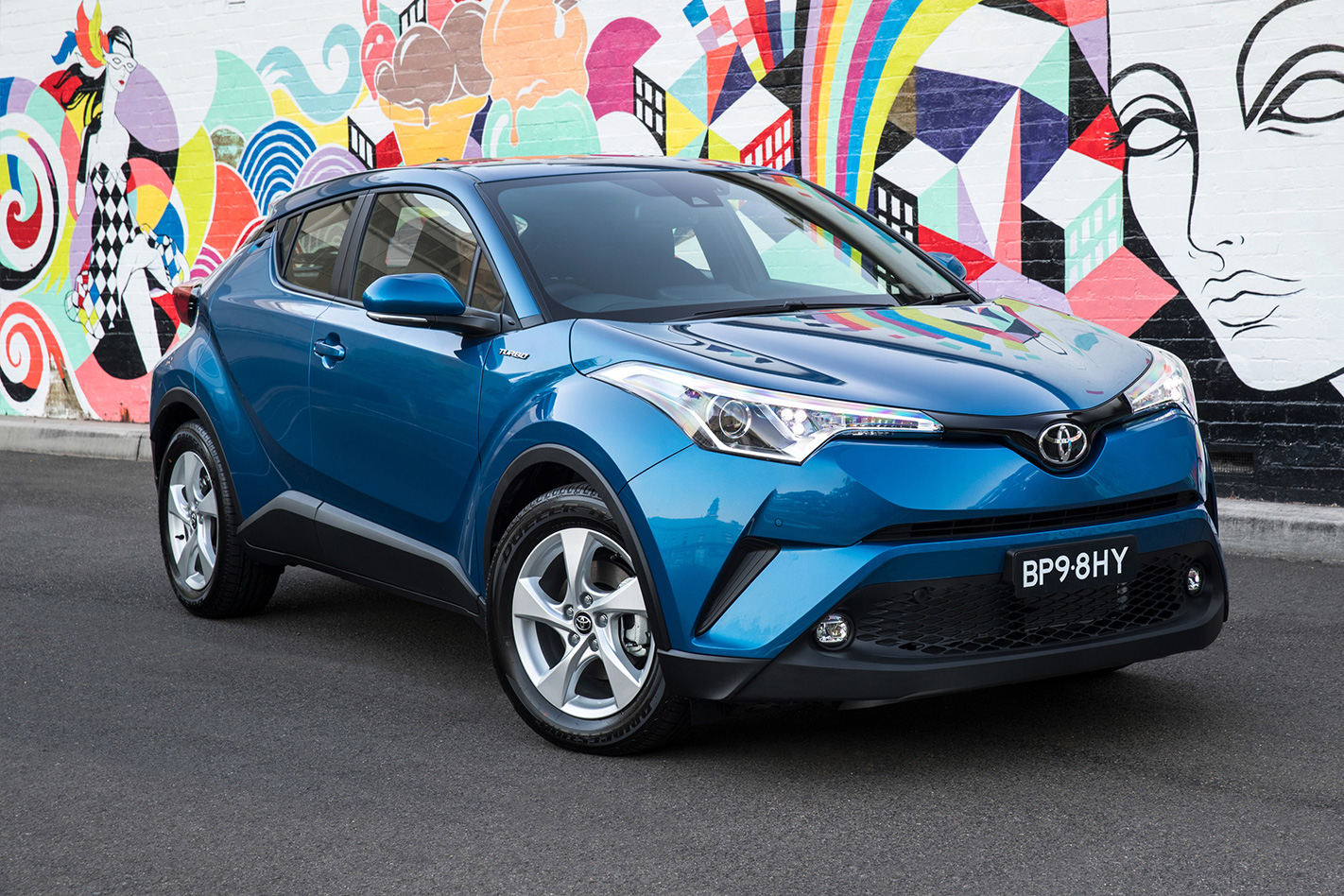
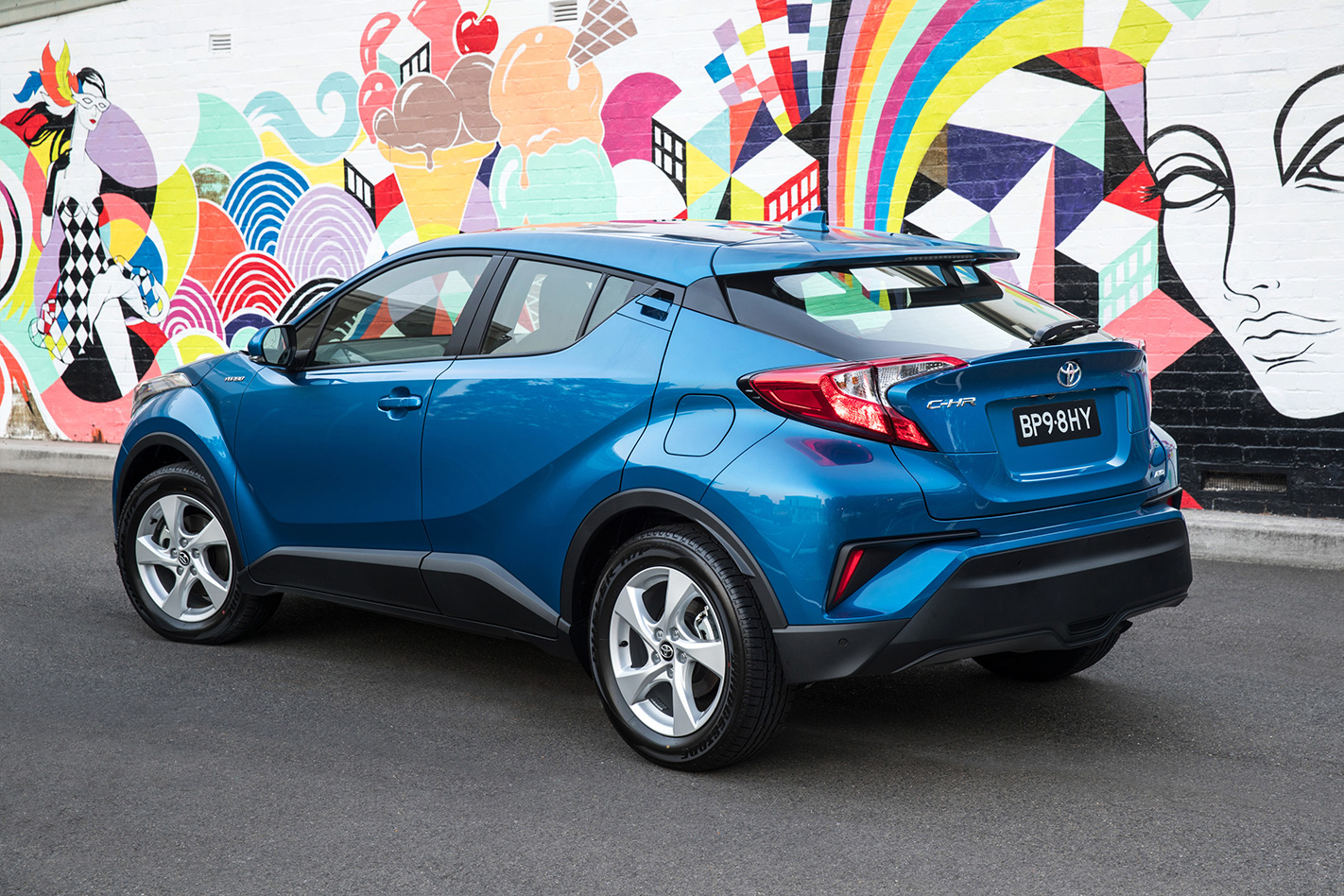
- It stands out from the crowd. The C-HR’s design is a big change in direction for Toyota, and it works. Open the driver’s door, and even the interior dares to be at least a little bit different – in parts.
- It’s very well equipped, even in its entry-level, manual gearbox form. Even the cranking sound system gives the sense that you’re in a more premium car and not a base model.
- The C-HR is quiet inside. Not much road noise makes it inside the cabin, so even on a rough coarse-chip road, you’re still able to have a conversation without shouting.
- It has a decent rear seat. You’ll fit two adults comfortably, and three at a pinch for short trips.
WEAKNESSES
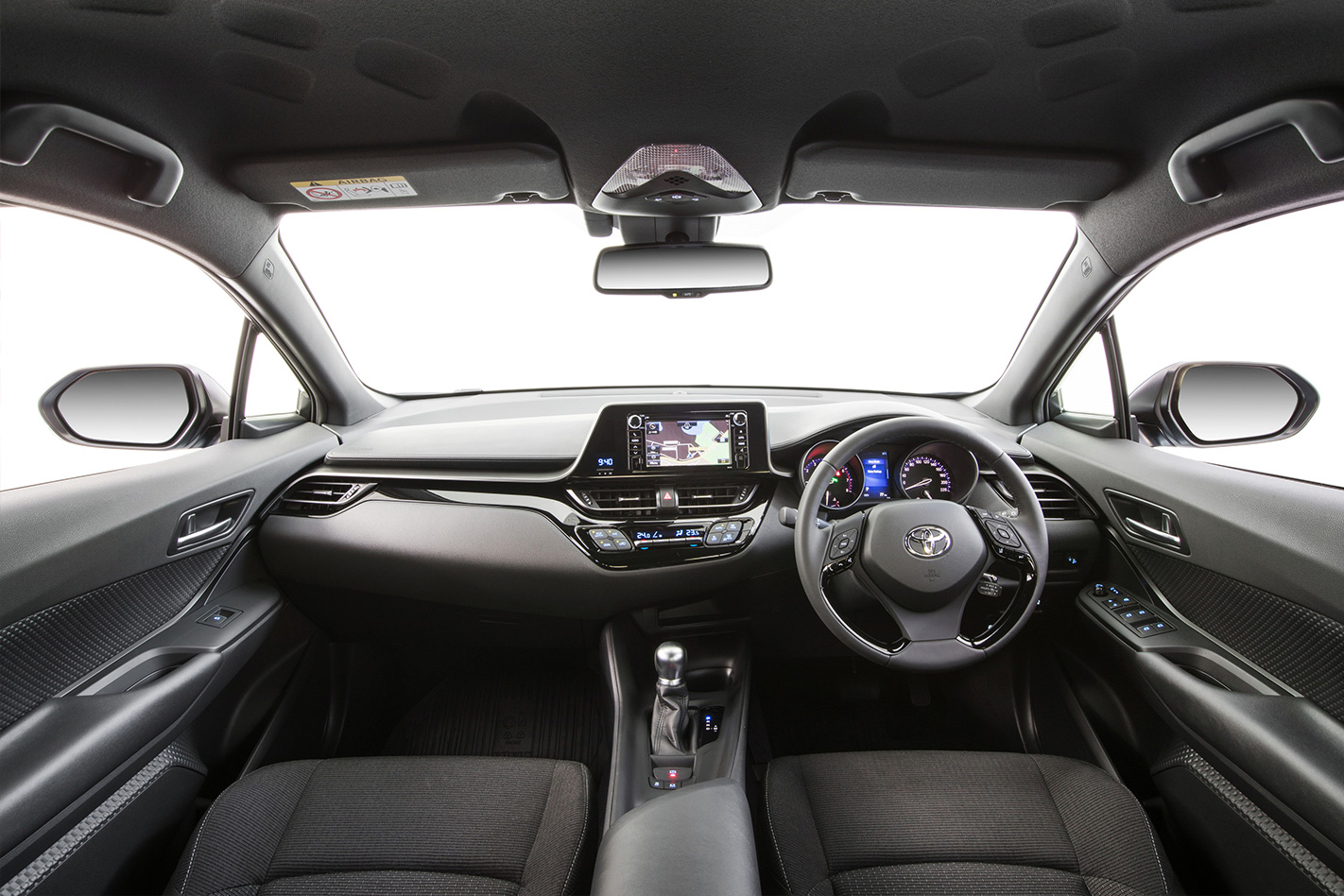
- It may be roomy, but the rear seat is something of a black hole. Glass is heavy, so Toyota has minimised the amount of it the C-HR uses. A high waistline and swept roofline, combined with a tiny rear window robs the rear seat of a sense of light and airiness. The size of the rear door is also quite small, so even getting into the rear seat can be a challenge for taller passengers.
- The rear door handles are quite high off the ground. Toyota has built it as a vertical grab-handle mounted high on the trailing edge of the window. It’ll be a challenge for smaller children to open, and its ergonomics even for adults are not as good as a more conventional door handle.
- It will cost you more to refuel per litre of petrol than other Toyota-badged cars. Almost all the other petrol cars in the Toyota range use cheaper 91 RON fuel, but because it has a turbocharger, the C-HR asks for more expensive 95 RON fuel.
- The radio head unit is a bit naff. It’s a common unit shared across other Toyota models – and Subarus – and locates the USB port high on the dash rather than more practically down on the centre console. It doesn’t support Apple CarPlay or Android Auto, either, but instead requires a special Toyota app that asks you to hand over your personal details.
ARE THERE ANY RIVALS I SHOULD CONSIDER?
Other similarly priced manual small-SUVs include the Mazda CX-3 sTouring, Mitsubishi ASX LS, Nissan Qashqai ST and the Skoda Yeti 81TSI.
TOYOTA says it remains committed to hybrid in Australia, despite speculation it is about to pull one version of its fuel-sipping Prius range out of one of the largest markets globally.
The car maker is believed to be about to pull the plug on the Prius V (below), a seven-seat petrol-electric hybrid model, from the US market in response to slow sales of the car. However, the model is expected to remain on sale here despite buyers largely bypassing the more versatile family car version of Toyota’s hybrid sub-brand.
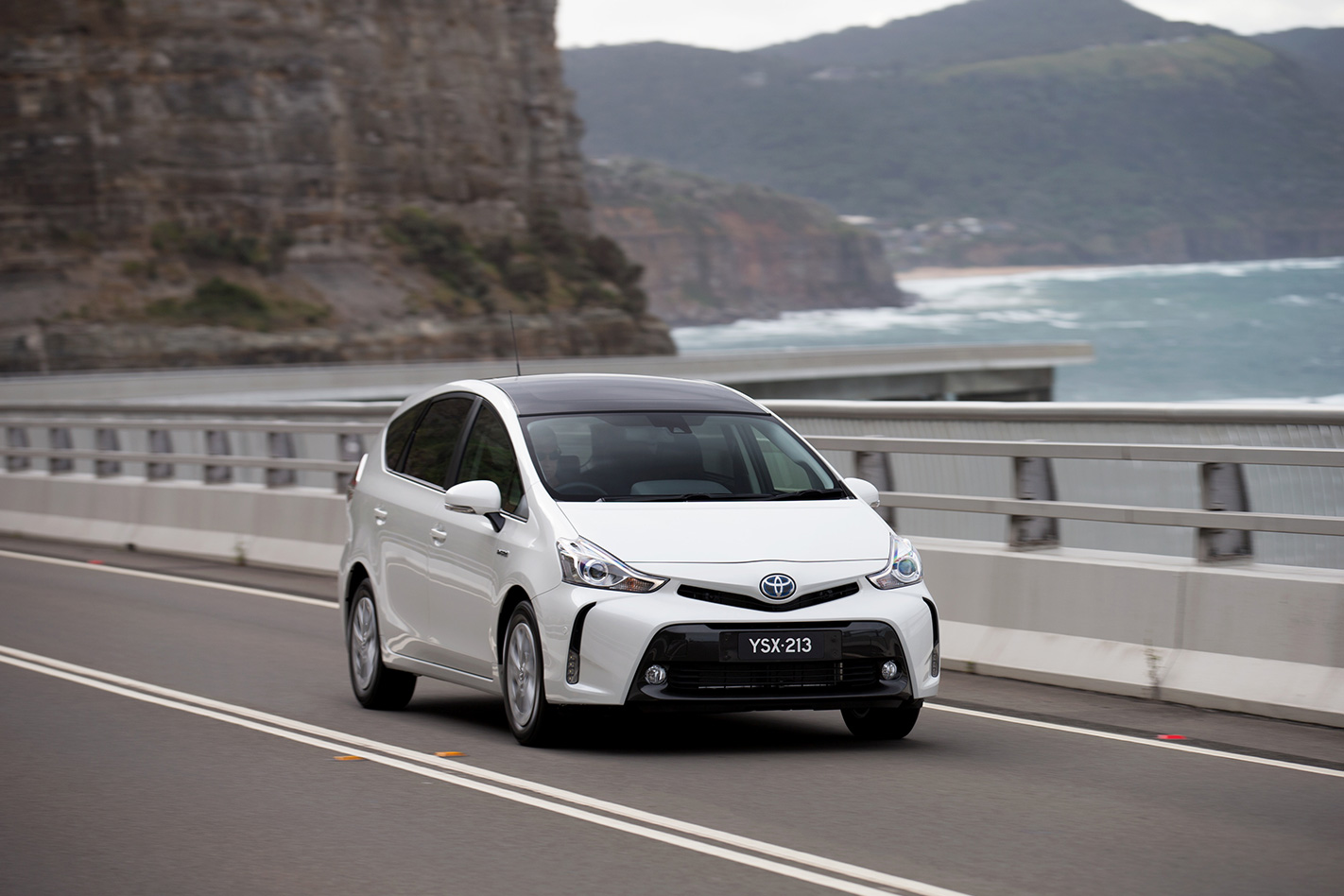
The Prius V was launched in Australia in 2012 as a $35,990 range-topper for the petrol-electric hybrid range that also included the previous generation Prius, and the $24,040 Yaris-sized Toyota Prius C (below) .
However, sales of Toyota’s hybrid range have fallen from more than 3800 in 2013 to just over 1200 for the first 10 months of this year. However, when it comes to the slowest-selling Prius-badged car of 2017 year-to-date, it’s not the Prius V on 334 sales, it’s the $35,690 hybrid pin-up poster car, the Prius, on 242 sales.
“Prius V, and indeed the entire Prius family of vehicles will continue to play a vital role in changing consumer attitudes toward the clear benefits of Toyota’s hybrid technology,” Toyota Australia spokesman Aleks Krajcer told WhichCar.
“Since the inception of the nameplate 20 years ago, Toyota has sold 10 million Prius vehicles globally, and over 70,000 in Australia,” he said. “Hybrid technology will continue to play a vital role in our product offering, as we look to grow our current sales mix above 5 percent currently.”
Krajcer said by 2020, Toyota hoped to have eight hybrid vehicles in its range on its path to meeting its own goal of reducing emissions by 90 percent by 2050.
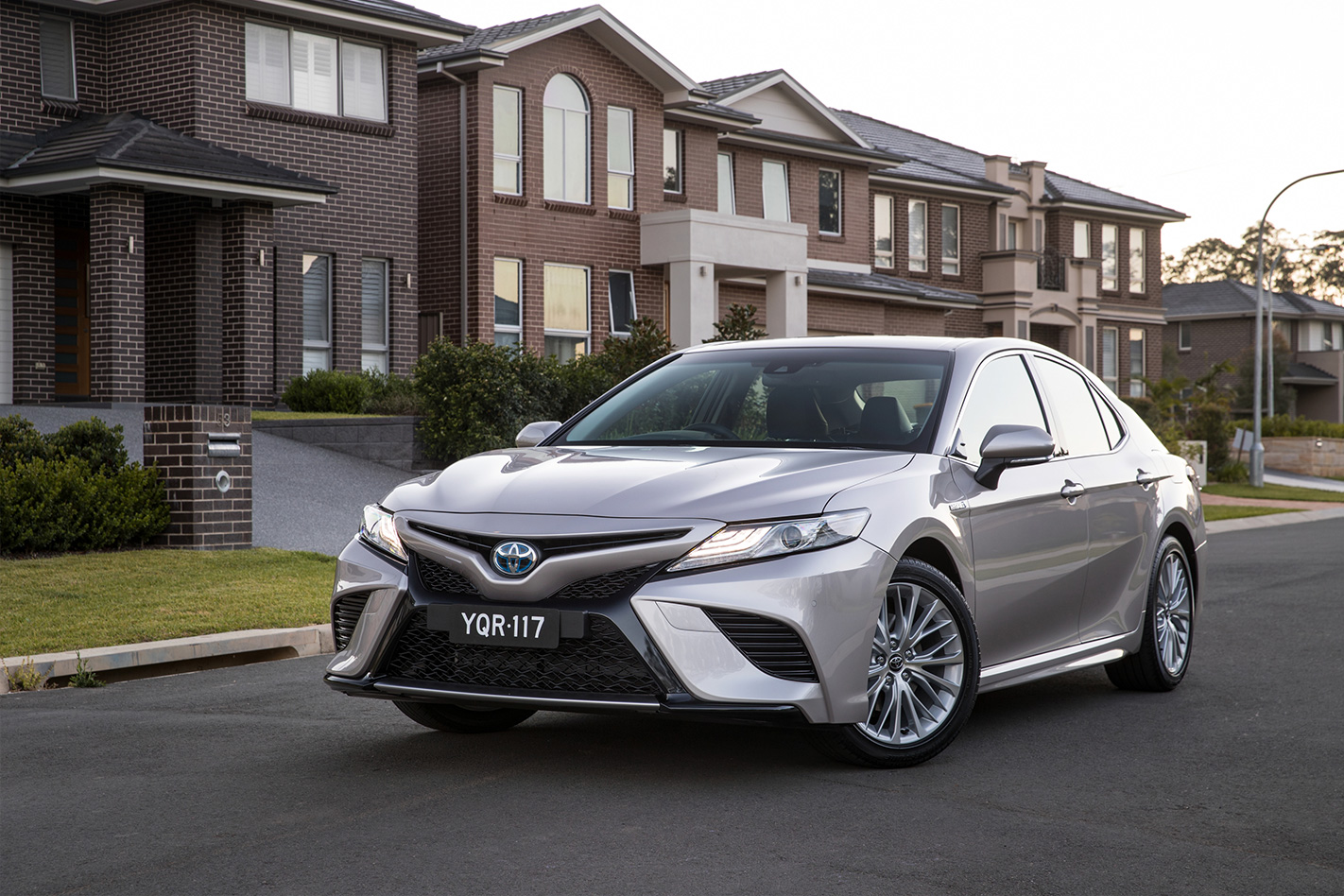
“The all-new Camry hybrid (above) is able to achieve a combined 4.2L/100km fuel consumption, something that is really unprecedented for a car of its size, and a sign of just how far the technology has advanced,” he said.
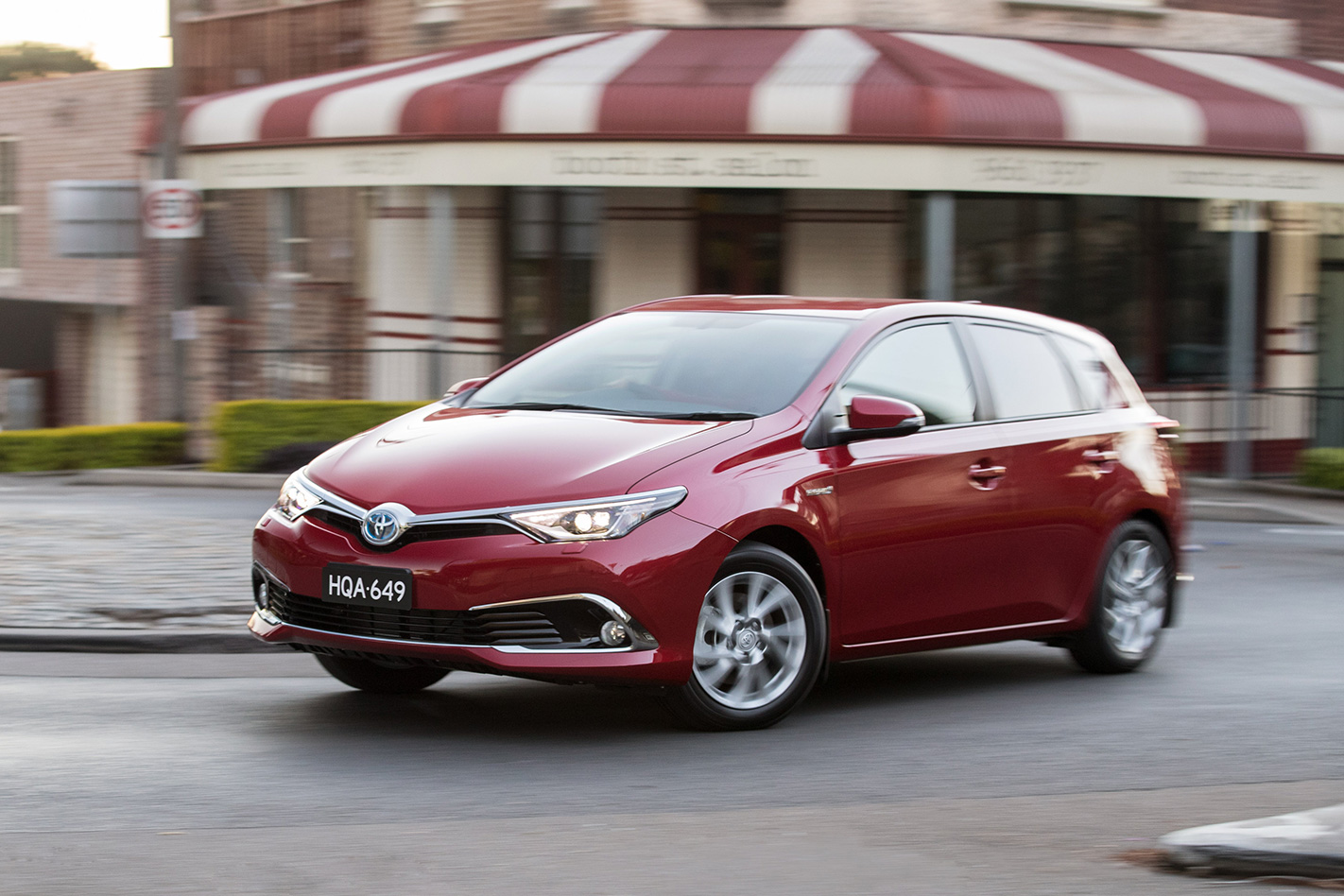
Also hurting the Prius range’s success is a hybrid version of the Camry, priced form $29,990 for the cheapest version and $40,990 for the range-topping version. Toyota claimed recently that the petrol-electric Camry was accounting for one in five of the mid-size sedan’s sales in Australia. The Prius also has an enemy within: the $27,530 Corolla Hybrid.
The slow reception to the Prius, though, appears to have had no impact on Toyota’s plans to one day introduce the hydrogen fuel cell Mirai sedan to Australia – once the right refuelling infrastructure is put in place to support it. The Mirai takes hydrogen gas and combines it in a fuel cell with atmospheric oxygen, creating the electricity needed to drive an electric motor, and water.
“… Clearly that technology is in its nascent stages, but the ability to power a car with a renewable energy form, and with zero carbon emissions is a stunning breakthrough,” Krajcer said.
“A concerted and combined industry movement is needed for that technology to take off, with investment in refuelling infrastructure in regional and metro areas.”
Hybrid cars are struggling to find buyers in Australia, remaining relatively flat for passenger cars and down sharply for SUVs compared with the first 10 months of last year. To the end of October they have accounted for only one in every 100 new cars sold. Of the hybrid Prius line-up alone, Toyota accounts for one in every 12 sales in the largely petrol-electric segment.
Modern cars offer an incredible selection of equipment and features for maximising passenger comfort and safety, but a vehicle’s smallest human occupants can present the biggest set of challenges when it comes to choosing the right car.
In exactly the same way a household needs adapting for the family’s newest arrival, your car also needs careful consideration to make sure babies are looked after on the road was well as they can be anywhere else.
Here are some features to consider when bearing your smallest passengers in mind.
Seating
Infants up to six months old need to be transported in a special rear-facing capsule regardless of the vehicle they are traveling in. Selecting the make and model of capsule is a broad matter that should be independently considered, but the vehicle that the seat is to be installed in requires just as much thought.
Somewhere between 70 and 80 percent of all child and baby seats are installed incorrectly but one feature that can simplify the process and reduce the chance of poor fitting are Isofix anchor points. The solid connection points are built into the vehicle and allow a compatible seat to be simply clipped in. Isofix seats also require a top-tether for maximum safety so make sure a car has these too. If buying a seven-seat SUV check that the top-tether strap doesn’t cross the third row at head height.
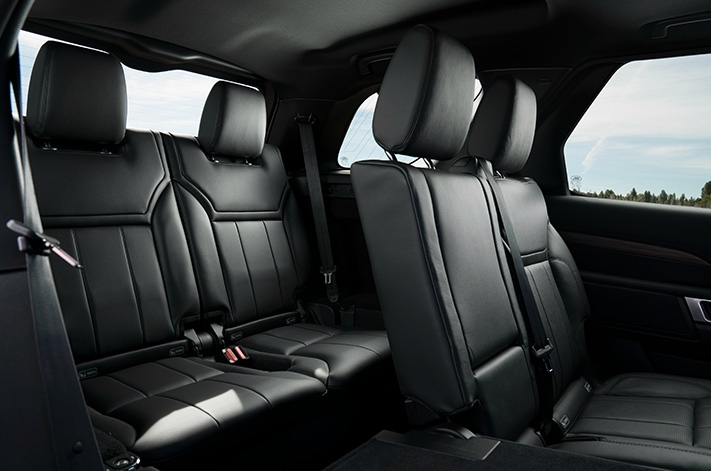
Space should also be considered. For the first addition to the family, most cars will easily accommodate one seat, but what if you have one or two other young children that also need a removable seat? Make sure you measure the space required and remember to check how many Isofix-compatible positions are available in the second row.
Citroen’s Grand C4 Picasso, Honda CR-V, Land Rover Discovery and Kia Sorento offer a generous cabin with lots of space for people of all ages and anchors for at least three Isofix-type seats.
Second-row ventilation
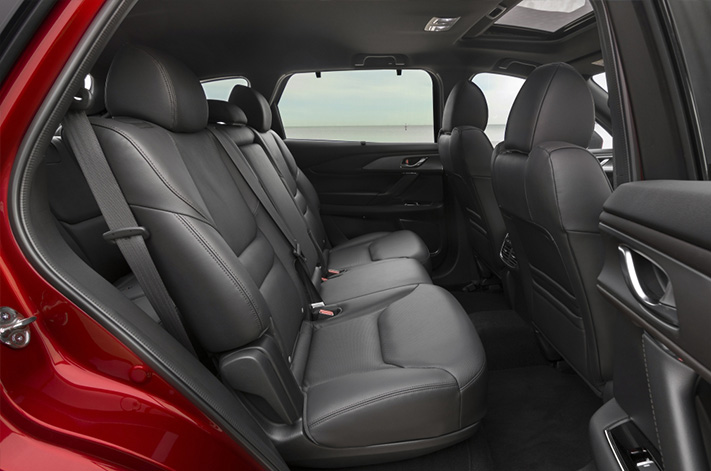
Good air flow to the second or even third row of seats is often overlooked when choosing a car to carry babies, but your baby can’t tell you when it is feeling the heat or cold so effective ventilation is another way you can closely control the little one’s comfort.
Look for a vehicle that has rear air vents, or three or even four-zone climate control for the best temperature regulation without compromising your own comfort.
Skoda’s Superb, Toyota LandCruiser Prado, Mazda CX-9 and Volkswagen Tiguan all offer at least three-zone climate control.
Rear window shades
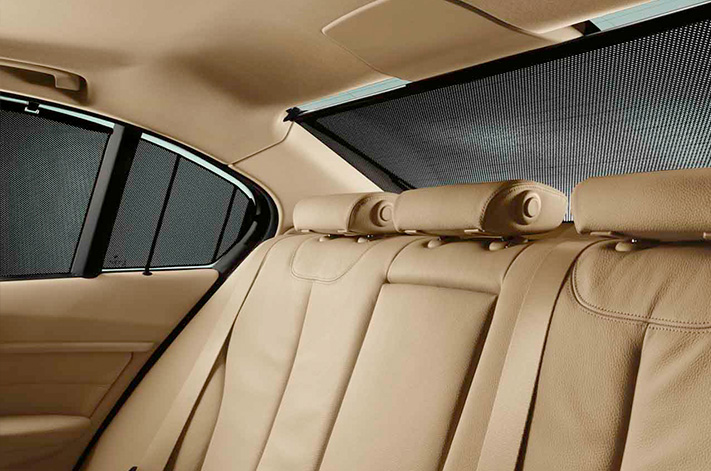
Decent climate control is one feature that will help regulate your baby’s temperature but effective sun shades for the rear windows and sunroof will add to the cause as well as providing protection from the sun.
BMW’s X3 has built-in rear window shades for some variants and many brands offer the feature optionally if not standard. Also look for a substantial sunroof blind as some a thin fabric that can still let some light in.
Ease of loading
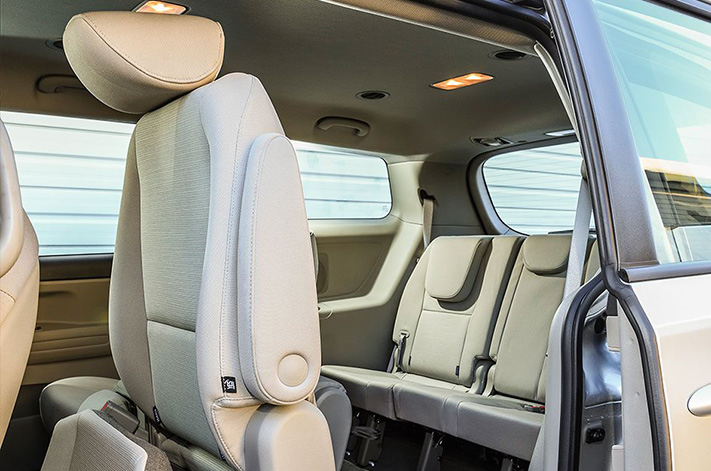
Lifting your baby in and out of the car can be made a pleasure or a chore depending on the design of the passenger compartment.
Look for seating at a level similar to your own waist height to avoid bending as you lean toward the car as well as rear doors that open with a wide aperture. Vehicles such as the Holden Equinox and Honda HR-V have rear doors that open to 90-degrees, while the sliding doors fitted to the Kia Carnival are hard to beat for accessibility.
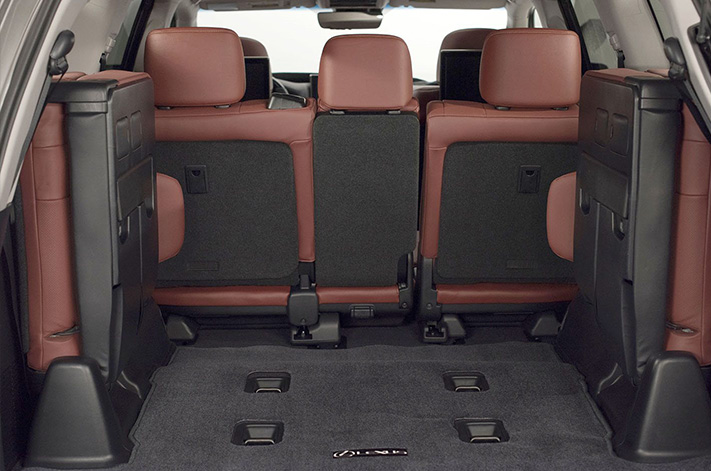
The same applies to the boot which will make your life much simpler if it can accommodate all the extra gear you will need for looking after your baby.
Measure your pram or pusher to make sure it will fit in the boot. Features like keyless opening, gesture opening and automatic closing when you walk away are all more useful than you might imagine.
Volkswagen’s Tiguan has a sensor that detects when you have walked away from the boot and closes it automatically; Volvo’s XC60 has a boot that opens with a swipe of a foot under the rear bumper, while many other brands and models of all specification levels offer power opening and closing boots that can be operated with the electronic key.
Storage
It’s not just the boot where you will be looking to find places to stow bottles, nappies, toys and clothing. The more places you can hide the multitude of baby related paraphernalia the tidier and more organised the cabin can be kept. It’s also safer by preventing objects becoming airborne in the event of a collision.
Chilled compartments are also a bonus allowing bottles to be kept cold and many models now offer a glovebox that is cooled by the air conditioning, but vehicles such as the Skoda Superb and Lexus LX570 offers a chilled generous central storage bin.
If refrigerated storage is a must, you might also look for a vehicle that has a 12-volt power socket in the boot that would allow you to run an aftermarket removable fridge.
Safety rating
Last but certainly not least, in fact, probably most important, the overall safety rating of your car should be given a high priority.
The Australasian New Car Assessment Program (ANCAP) website offers in-depth information regarding the safety standards and features of almost all new cars for sale in local showrooms. Make sure you look beyond the simple star rating and look at how a potential vehicle protects second-row passengers and infants.
Above all, do your research, decide which features are most important to you and go car shopping with confidence.

IT’S sad to say, but the imported 2018 Toyota Camry is closer to the car we should have had in Australia three years ago.
A significantly updated version of the Camry was unveiled in 2014 in its biggest global market, the US. As well as introducing a radical new skin, the US market Camry introduced a host of driver assist systems that lifted the midsize sedan ahead of the pack in terms of safety.
However, for us, something was lost in translation. Known as Big Little Change Camry, the version we would build and sell here in four-cylinder form would, in 2015, adopt the sharp new skin of the US model, but with the cost of changing the interior ruled too prohibitive, and budgets already stretched for a vehicle that would only carry over the roof, we couldn’t afford to bring all those American safety gains here.
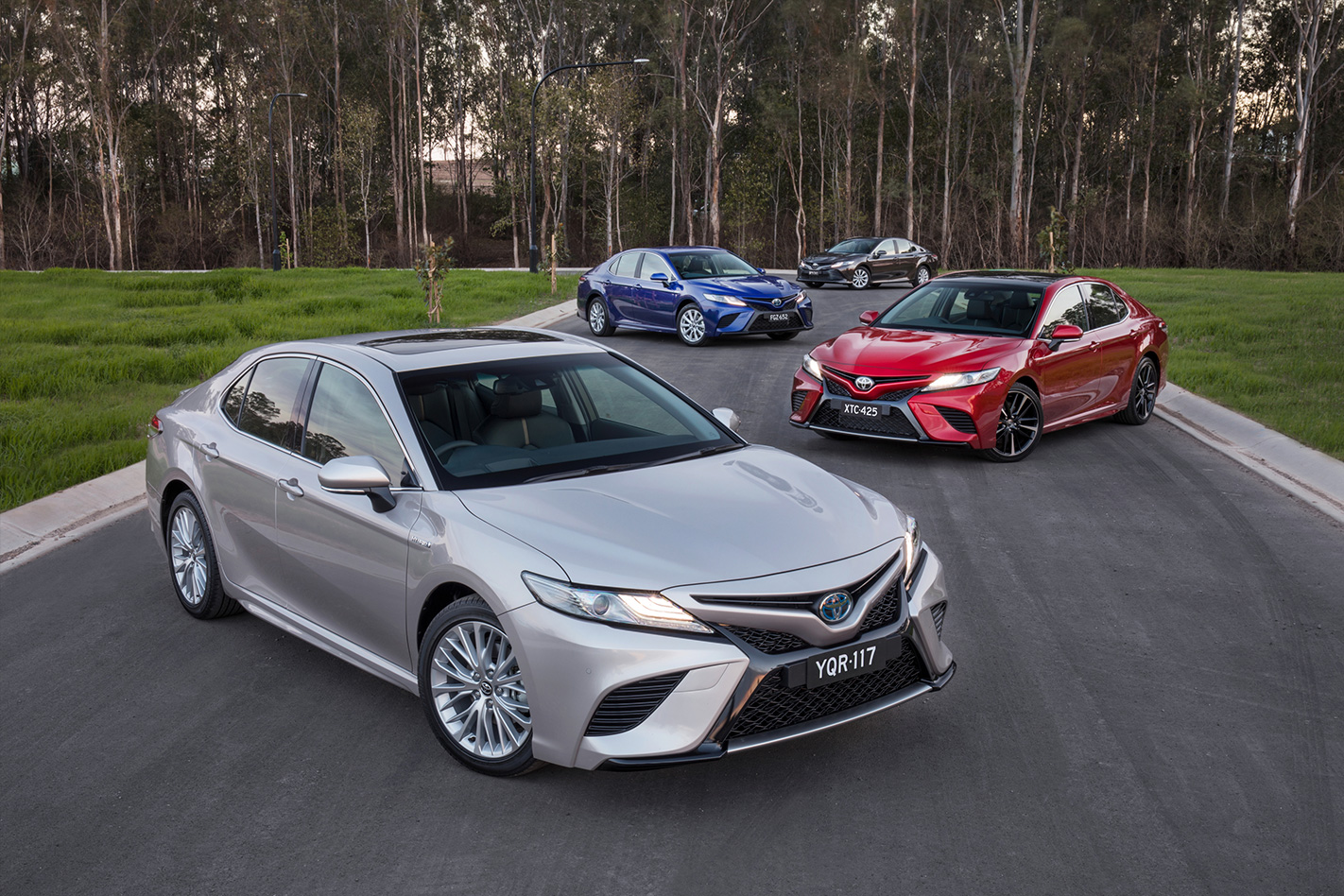
Under its shiny new skin, Australia’s “carryover” Camry would not get any of these big improvements, although it did add some features such as a lane departure warning system, a rear-cross-traffic alert system to stop a driver reversing out into oncoming traffic, and AEB in the high-spec Atara SL.
And while the Aussie-made Camry evolved, its V6-engined cousin, the Toyota Aurion, stayed static. Its last significant update dated back to 2015, when it received subtle styling upgrades and safety improvements including lane departure warning and the rear-cross-traffic alert system.

But Ford’s announcement in 2013 that it quit Australian manufacturing saw the long-term business cases for both Toyota and Holden collapse like a house of cards.
It’s not known if Australia would have made the leap to the Camry’s all-new platform – the Toyota New Global Architecture – if making the car here had remained viable.

AEB is now standard across the range, and while the price of the fleet-friendly entry level model has gone up slightly, prices for the models that mums and dads buy have gone down ever so slightly.
The 224kW V6 version, which will now drink more expensive 95RON fuel, is more powerful than the Aurion it replaces – the kilowatt count even outstrips six-cylinder versions of the Commodore and Falcon it once competed with in the showroom.
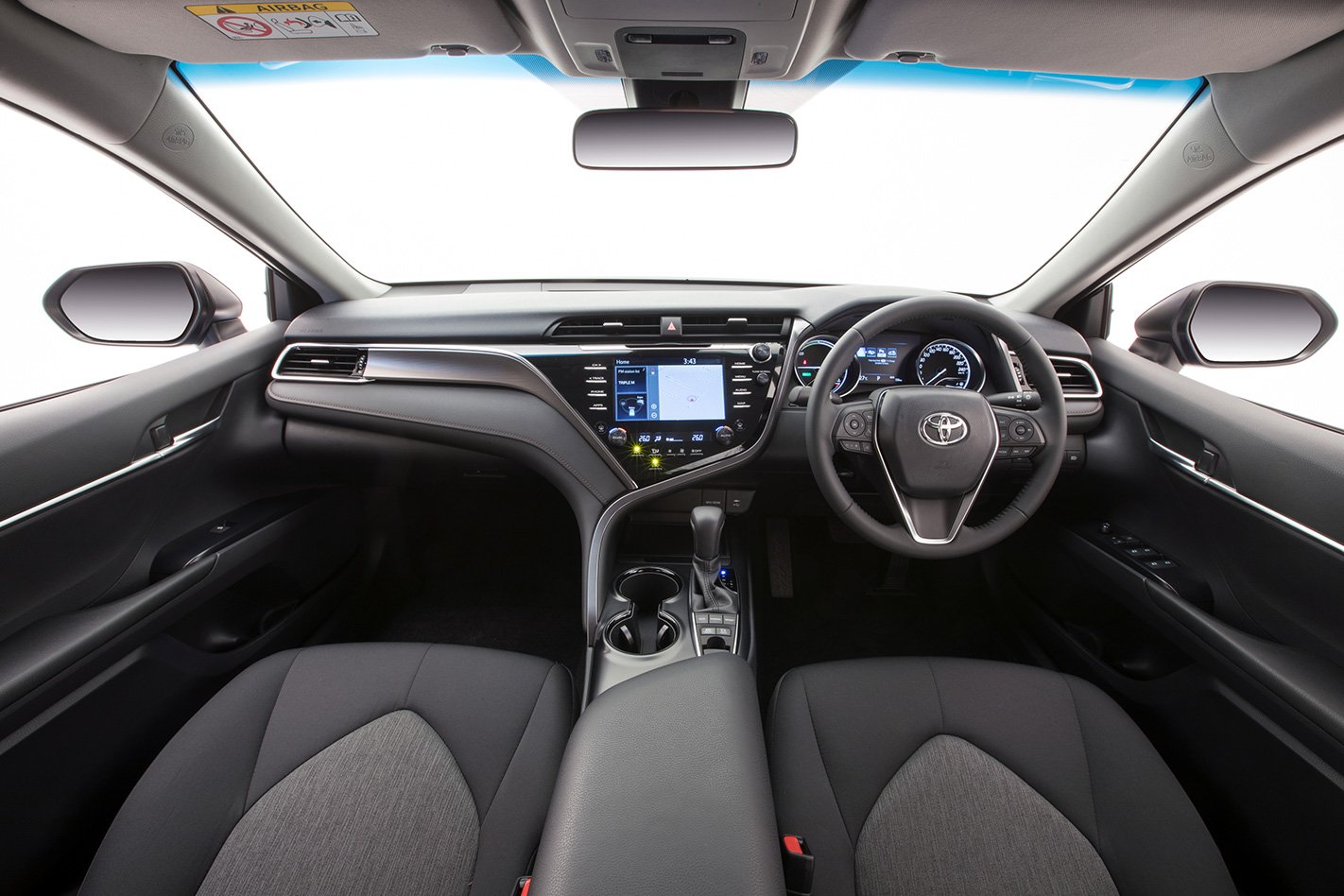
The more popular versions of the new Camry are cheaper than the ones they replace, particularly for V6 versions, giving some indication as to the cost of making cars here in Australia.
The Australian-built Camry was consistently one of Australia’s best-selling passenger cars, regularly featuring in the top five for monthly sales. Part of this was driven by “buy Australian” policies that pushed various levels of government into favouring locally made cars, decent fleet buyer discounts and the cars’ cheap running costs.
The new one, then, has a big order list to fill. If it does, Australia will be better off for it for all the wrong reasons.
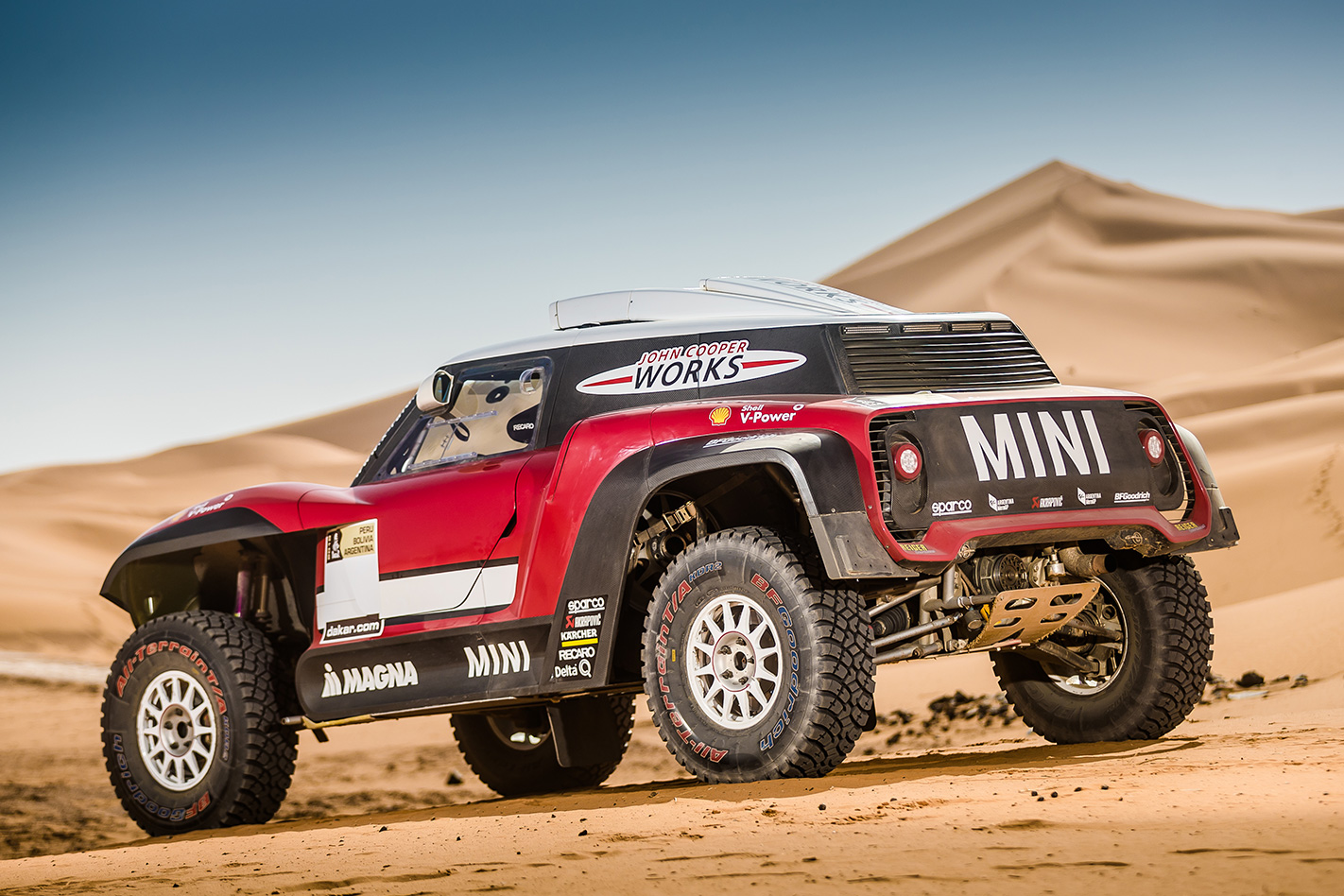
German Dakar Rally entrant X-raid has revealed its new team member for the 2018 Dakar, a rear-drive Mini JCW buggy.
The buggy is powered by the same 250kW/800Nm 3.0-litre turbo-diesel straight six as the already competing Mini JCW rally car, though power is directed to all four wheels in the rally car.
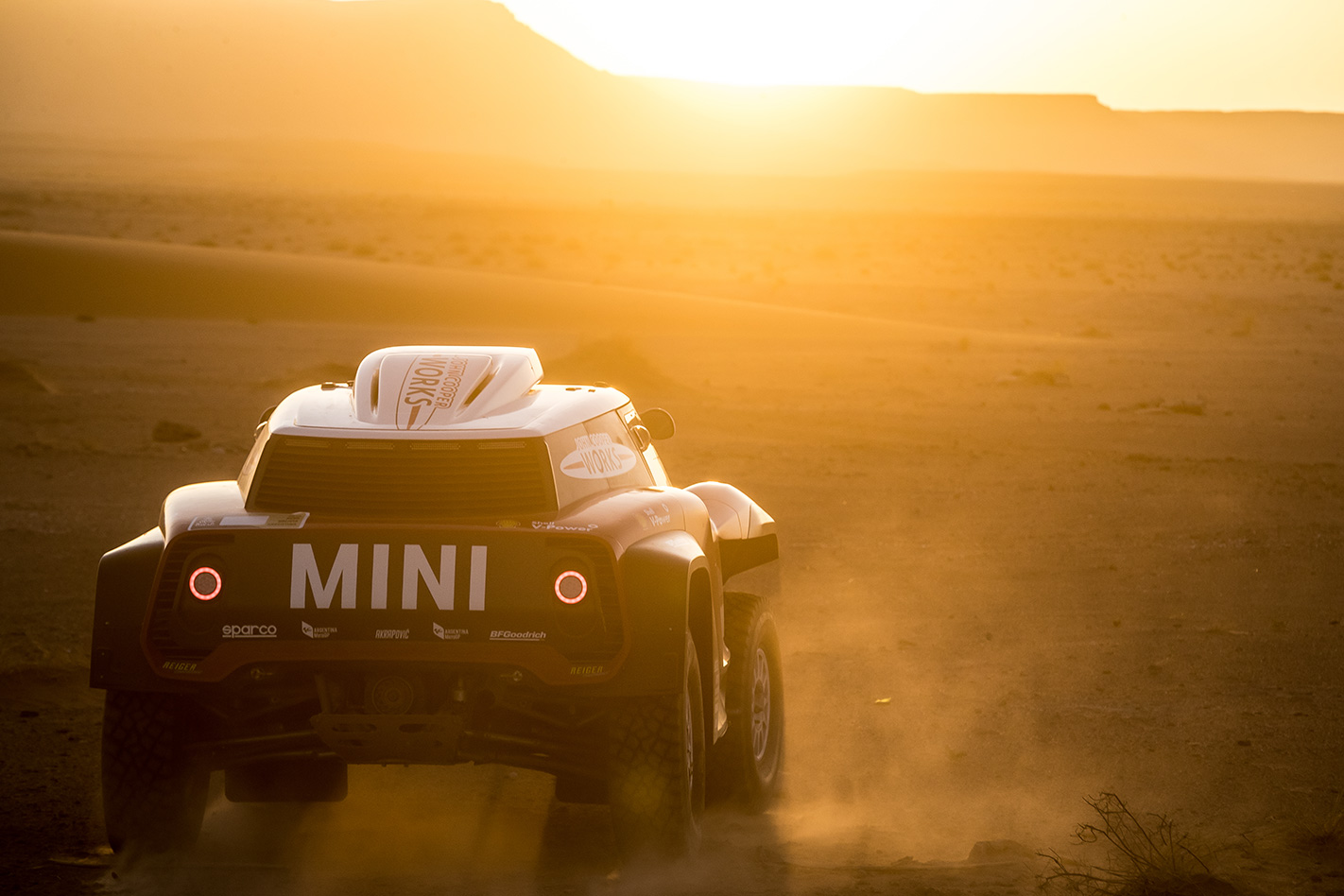
The chassis and body, however, are specially designed for the harsh conditions Dakar will put the vehicles through.
To ensure the driver is protected in an emergency, a tubular steel fram surrounds the ‘cabin’, while the body is made from carbon fibre reinforced plastic (CFRP), and Kevlar is stretched over the frame.
The CFRP ensures a low weight and allows the JCW Buggy to remain easy to control on even the sandiest of surfaces.
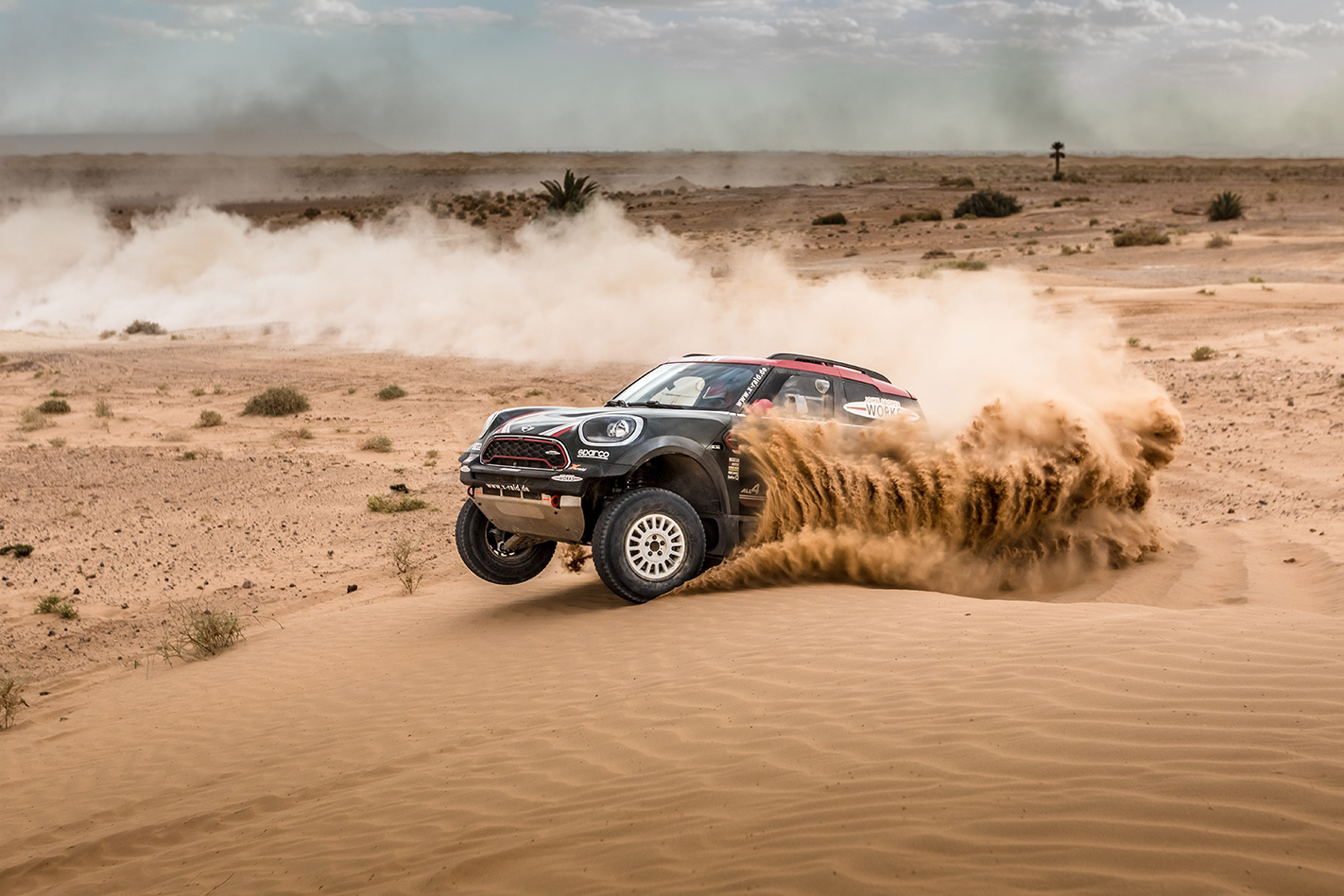
“During this time the buggy never had to stop once due to a technical problem, which is really quite remarkable”, says Quandt.
“This has been the biggest project in our company’s history so far and we have worked extremely hard at it.
“There are tracks and types of terrain where an all-wheel drive has advantages. What is more, our car is extremely reliable.”
X-raid has confirmed former WRC driver Mikko Hirvonen will pilot one of the new Mini JCW Dakar buggies.
Dakar kicks off on the 6th of January, and ends on the 20th.
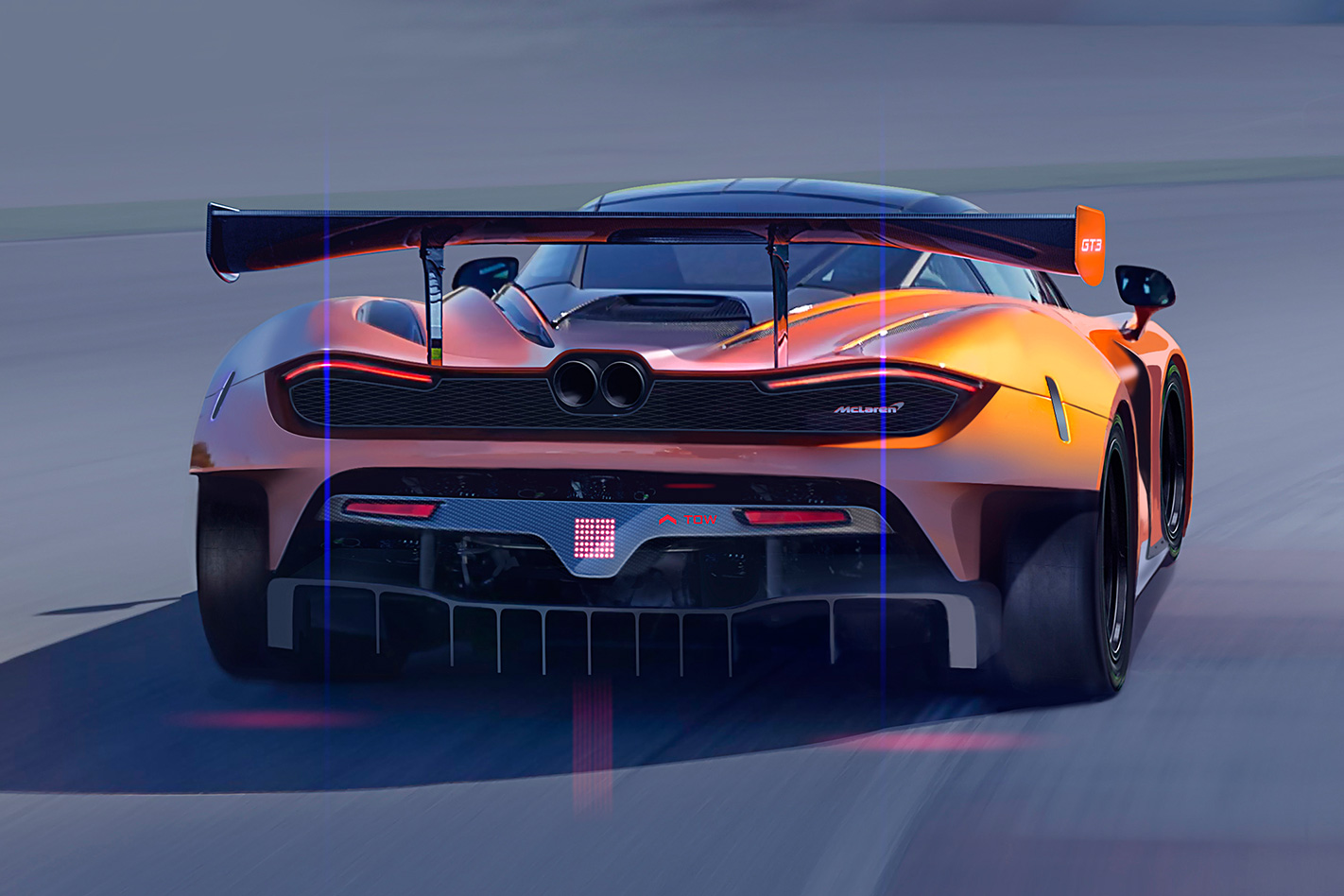
McLaren is expanding its activities in the world of customer motorsport, and the main attraction will be its new 720S GT3 racer.
With McLaren’s 4.0-litre twin-turbo V8 prepared for racing and a sequential 6-speed gearbox, the McLaren 720S GT3 retains a good chuck of the 720S DNA it started out with.
In addition, the car will have a new aerodynamics kit, made from composite and lightweight carbon fibre, with unique splitters, dive planes, and a GT3-spec wing which adds to the theatre of the wild machine.
McLaren Automotive CEO Mike Flewitt says this car is an important step in the 720S’ evolution, especially for a brand born out of motorsport.
“It therefore makes sense for us to unveil a dedicated, widened motorsport programme designed to support and enable more of our customers to focus on enjoying the thrill of pushing our cars on the track.”
McLaren will also run a new one-make series, the Pure McLaren-GT race series. Open to “McLaren owners with the minimum of an International D grade licence,” the series will race in 2018 and follow an ‘arrive and drive’ style of operating. That is, the cars will be maintained by McLaren.
McLaren 720S not just about numbers
“The 720S GT3 will provide a stunning race-going addition to our Super Series product family and drivers will now be able to hone their skills under expert guidance backed-up by our technicians at the circuit and our motorsport retailers away from it,” Flewitt adds.
As well as the GT3 car and the one-make series, McLaren announced it will begin a driver development programme, with four drivers already selected. These drivers will compete in pairs driving two 570S GT4 cars during 2018.
