
Subaru’s long history with the art of the offroad race, let’s call it rallying, usually extends to its AWD WRX-based rally cars and no further.
But the Subaru XV is something we don’t usually expect to see flicking up gravel. Unless it’s out on a family holiday, that is.
Built in the US by Subaru Rally Team USA and Vermont SportsCar, this particular XV isn’t the one you’d normally see towing a camping trailer.
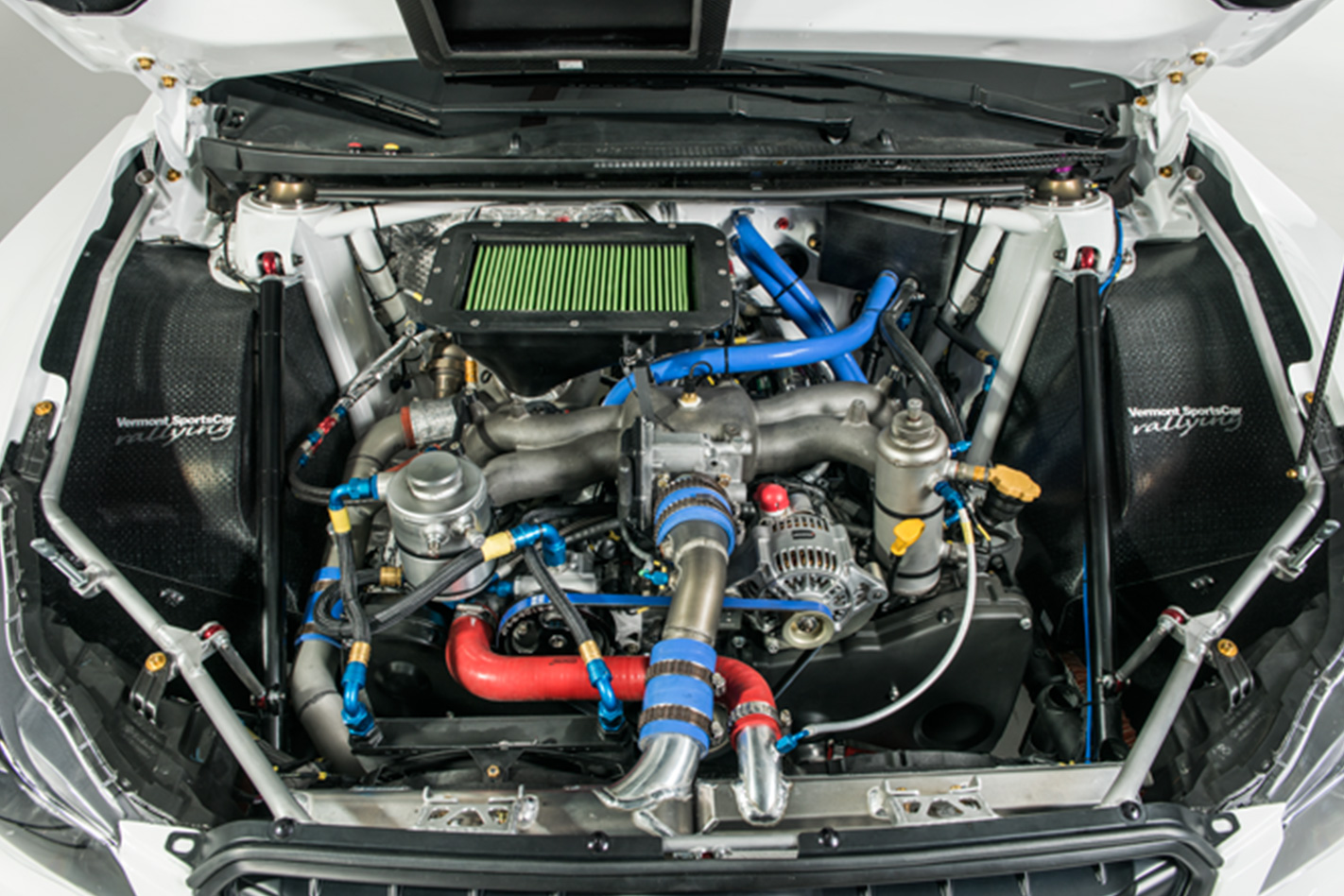
With 270kW and a whopping 746Nm at the disposal of its Garret turbocharged flat four (regulated by a CRC class mandated 35mm restrictor), the XV weighs around the regulated minimum 1200kg.
This figure comes thanks to the extensive use of carbon fibre on components such as the dash, roof scoop, rear wing, and even the door cards.
Getting power to the wheels is a Sadev 6-speed sequential, with Sadev differentials at the front and rear as well.
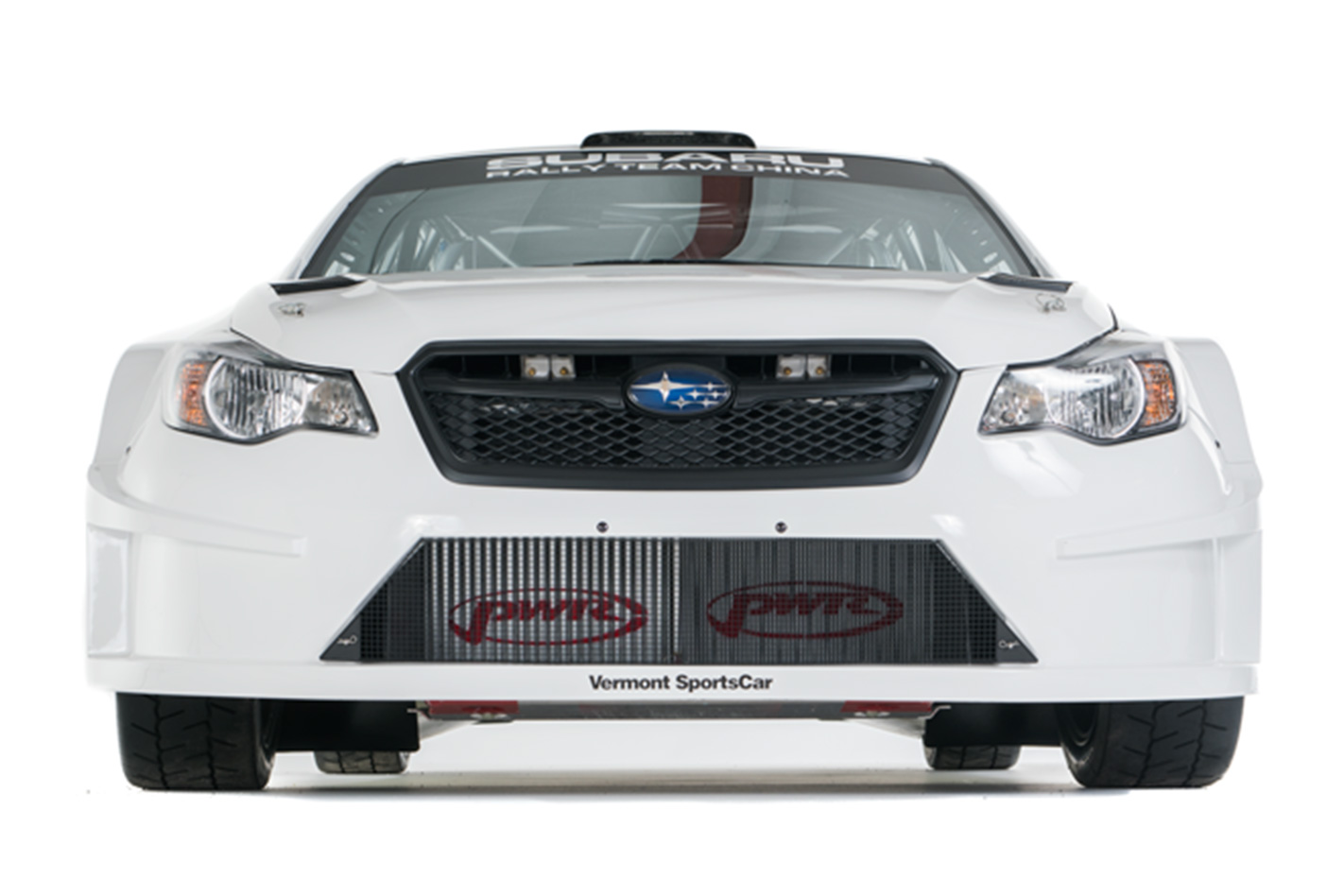
When that gear will come in handy is with Chris Atkinson (or Atko) behind the wheel this week, driving for Subaru Rally Team China.
Though it can be a little difficult to follow the Chinese Rally Championship if you’re not actually in China, Atkinson has had a fair amount of success there with strings of wins being racked up whenever he competes there.
So, will there be video of this car being pushed to the limit? At this point, we can hope.
WHAT IS IT?
Another premium-medium SUV slayer from the same crew responsible for last year’s Jaguar F-Pace. What that means is a shared D7A platform, aluminium panels, the same 2874mm wheelbase as an F-Pace and a near-identical drivetrain line-up to its Jag cousin. Except that the Velar errs more towards luxury than sports.
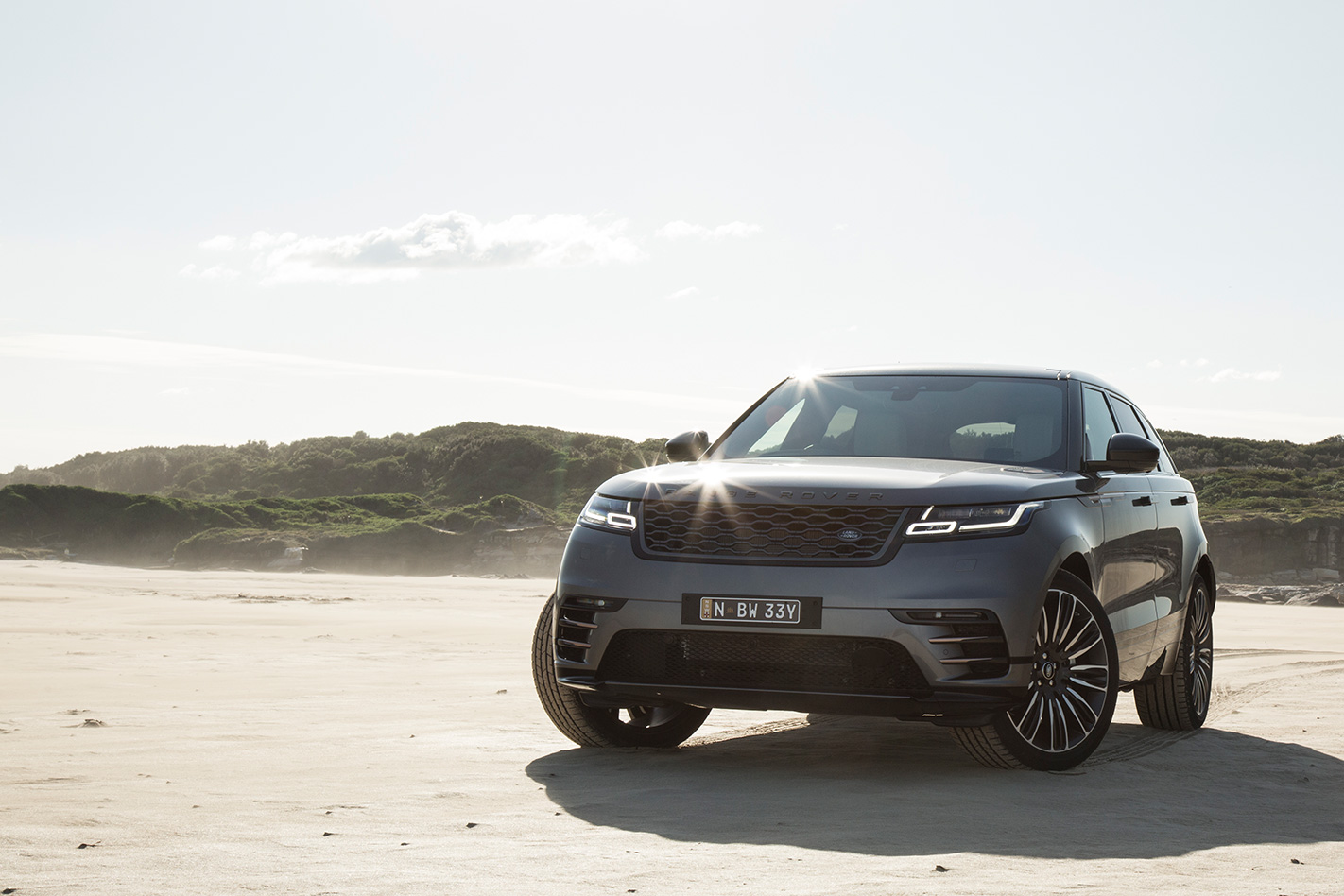
Having not attended the Velar’s northern-hemisphere launch, this is our first taste of the latest (and, in some areas, greatest) Range Rover, both on- and off-road. But it’s the Velar’s clean-edged styling and high-end interior that take precedence here.
MAIN RIVALS
Audi Q5, BMW X3 and X4, Jaguar F-Pace, Lexus NX and RX, Mercedes-Benz GLC and Porsche Macan.
THE WHEELS VERDICT
Concept-car in look and almost hand-crafted in cabin feel, the vaunted Velar raises the game for a Range Rover model in terms of luxury and personalisation. It’s a very pleasant drive, too, proving easy to place, keen to hug corners, and reasonably comfortable to ride in if the air suspension’s set-up screen reads ‘Comfort’. It’s not as sporty as an F-Pace but the Velar blows its relative away in all the areas that will impact most in Double Bay and Toorak.
THE WHEELS REVIEW
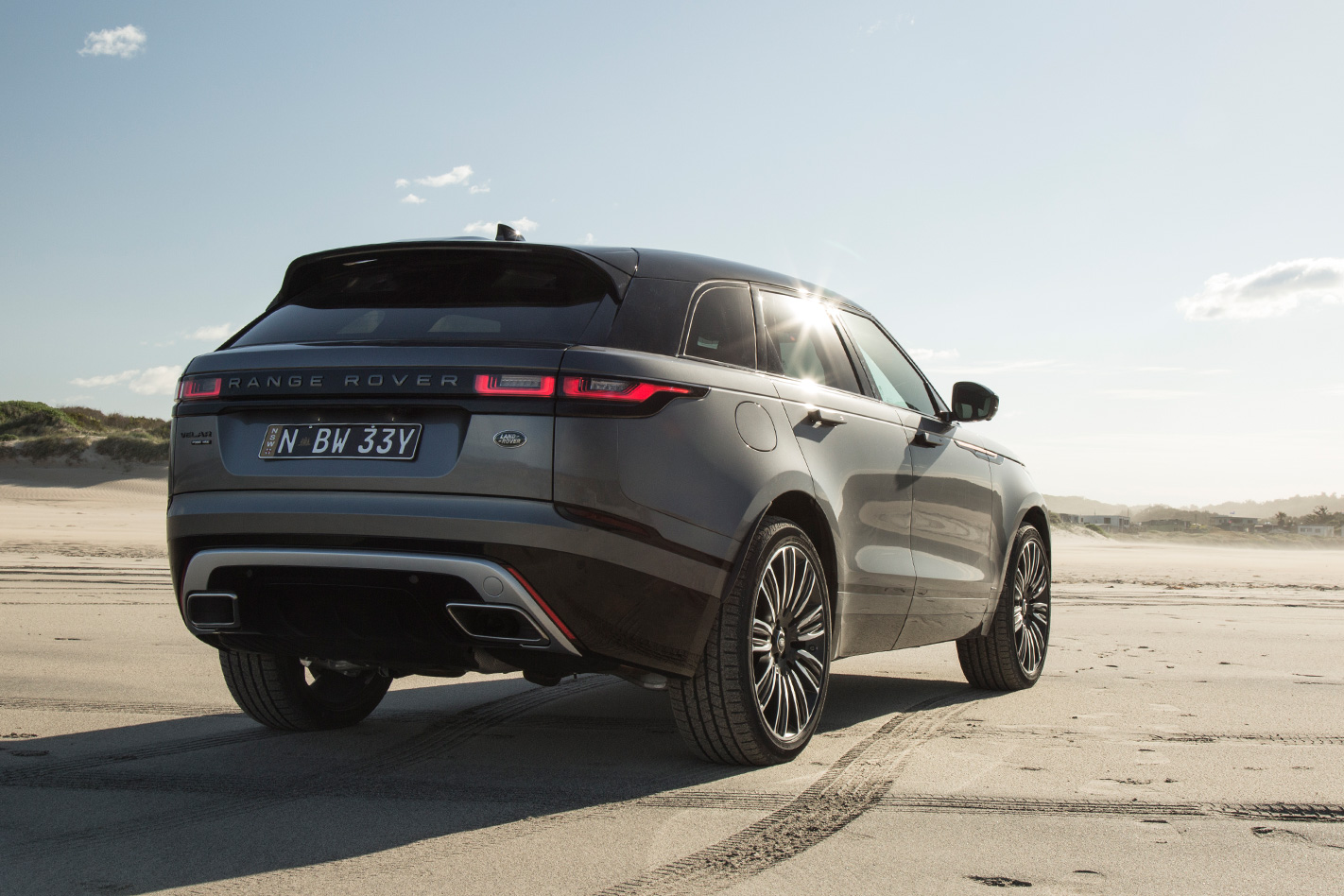
IF THE hugely successful Evoque prepared a brand-obsessed world for a bitumen-based Range Rover, then no one will have a problem with the Velar. Styled just like a concept car and finished to an even higher standard than its larger, more expensive siblings, the Rangie Velar could be just what the Doctor orders in Australia’s blue-ribbon locales.
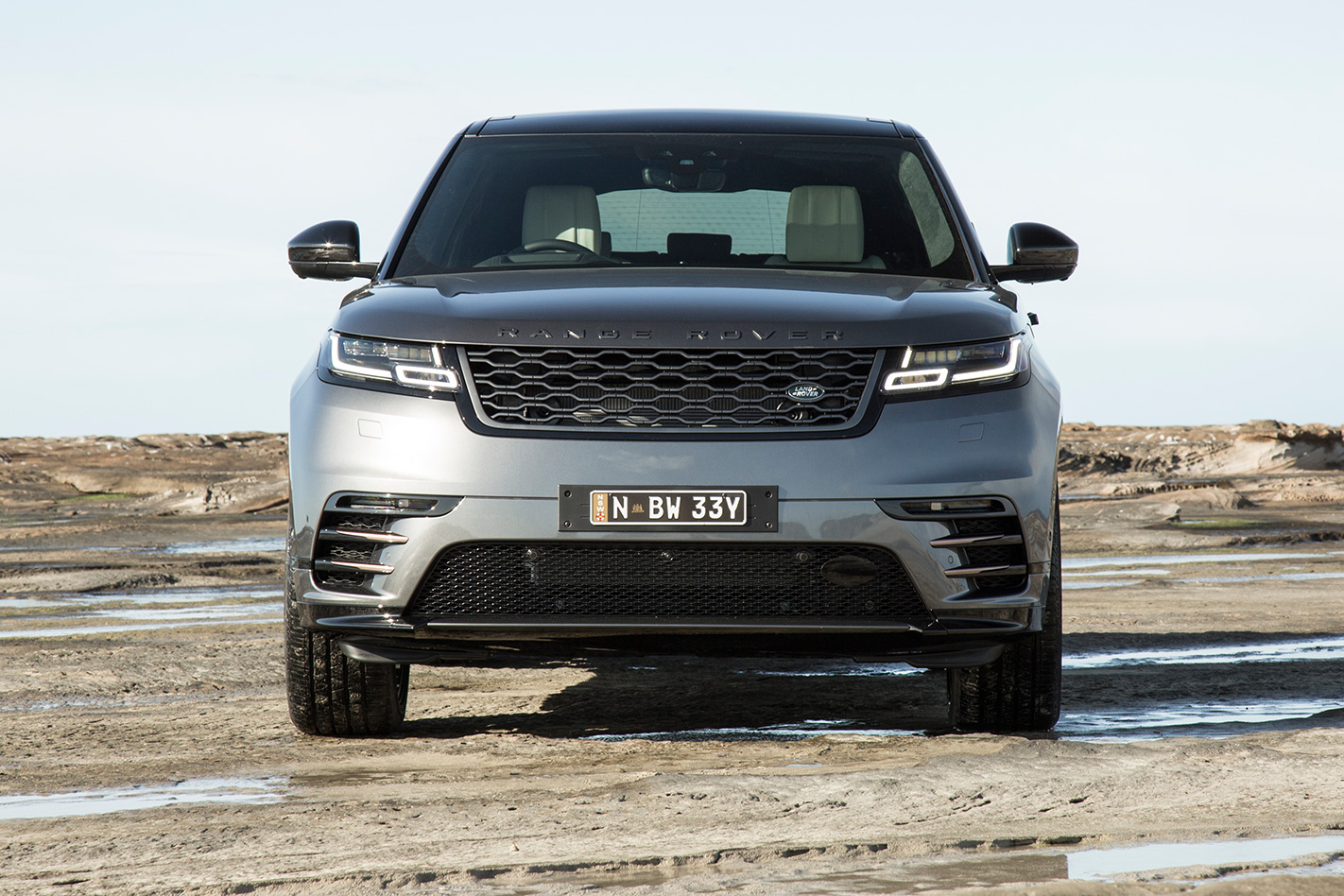
Sharing the Jaguar F-Pace’s D7A architecture and even its 2874mm wheelbase, the Velar delivers a counterpoint to its more overtly sporting British brother. Built alongside the F-Pace in Land Rover’s freshly fitted-out factory in Solihull, at 4803mm long, the Velar out-measures every SUV in its premium-medium category (and even has the biggest boot, at 558 litres), thereby delivering serious driveway presence for what appears to be a relatively modest $70,662 starting price.
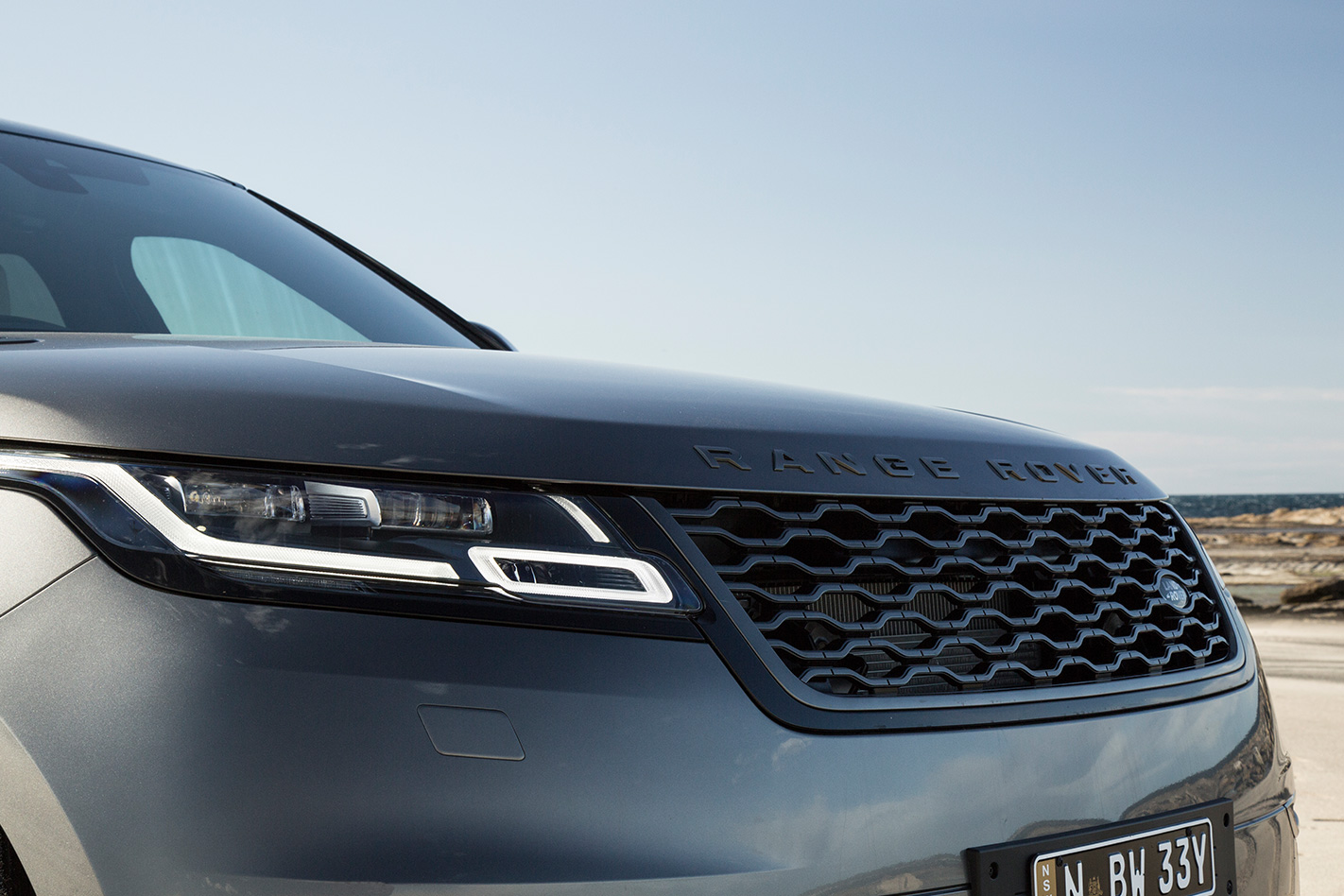
In between sits a refreshingly democratic, but ultimately fairly complex model line-up. Essentially, you start with either a Velar or a Velar R-Dynamic (with a more aggressive front bumper, bonnet scoops and in-vogue copper detailing), then move up the ladder. There’s familiar S, SE and HSE equipment levels, but the beauty with the Velar is, you could potentially have the full 5.7sec-to-100 snot of a P380 blown V6 in a boggo white Velar on standard standard-issue state plates ($93,462), or one of the four-pot diesels or petrols in fancy HSE guise with 21-inch wheels and the full glamour interior ($106,962 to $117,250).
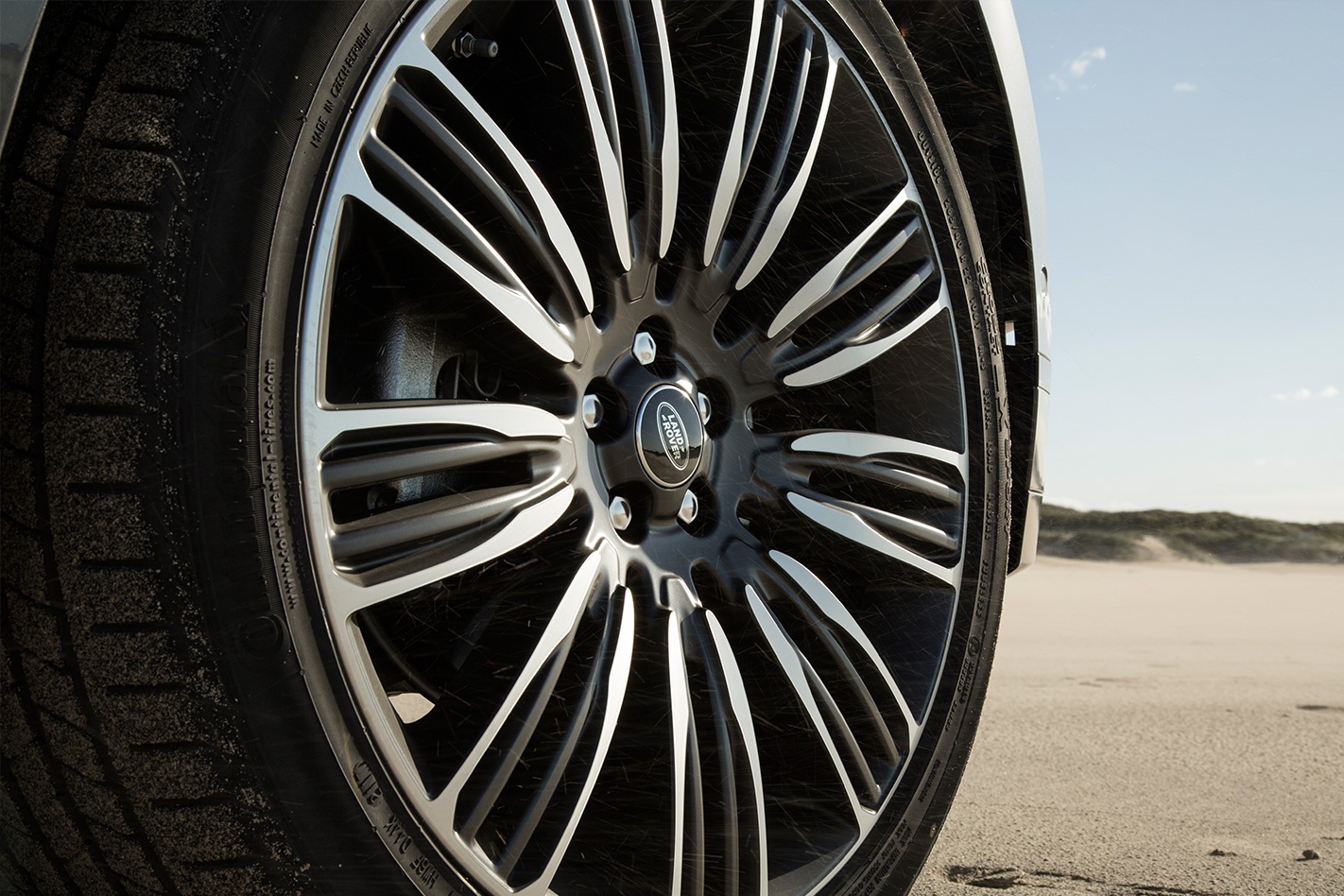
Additional options are grouped in a series of packs – three for the standard Velar and a single Black Pack for the R-Dynamic ($2180) – yet there’s a bewildering (and also wonderful) 17 different wheel choices, including four 21- and four 22-inch options. That’s a veritable cache of concept-car-esque choices and not one of them is a munter.
Even the four-pot diesel is smooth and incredibly tractable, as happy lugging along at 1200rpm as it is kissing the four-five upshift point decisively selecting the next of eight ratios. There’s noticeable lag if you simply flatten the throttle off the line, though the D240 Velar is pleasantly responsive in general driving, as its claimed 7.3sec 0-100km/h time would suggest.
The twin-turbo D300 drops that time to 6.5sec and adds a considerable amount of additional urge. It has greater swagger to its fuller induction sound, too, though the performance honours obviously go to the supercharged petrol. With snappy gearing and an elastic power delivery, the P380 puts the Velar’s air-suspended chassis to best use, despite having to lug 1884kg.
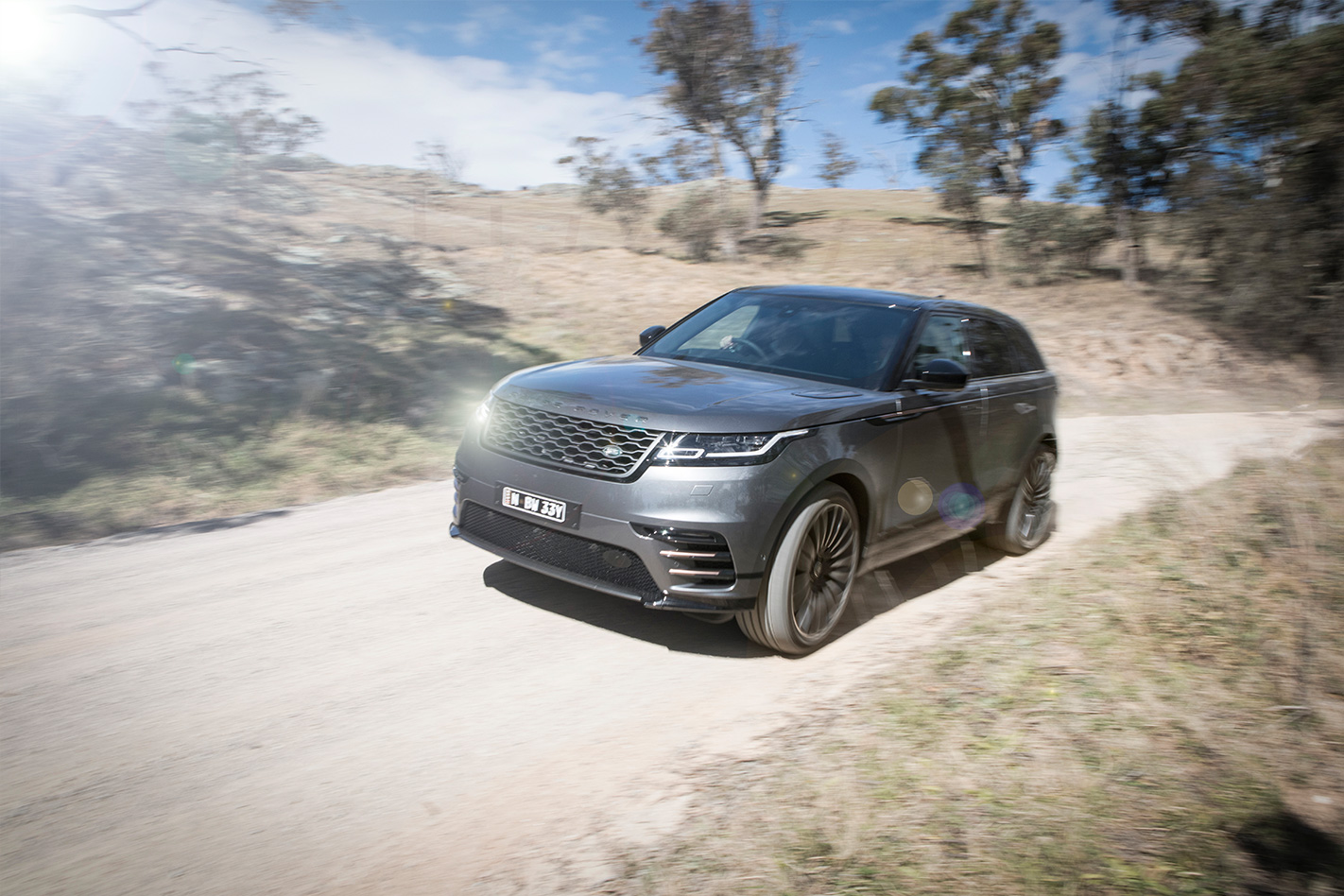
Indeed, get the nose in, then give the Velar P380 some gas and, like its F-Pace relative, the blown Velar will drift its back end slightly, as a demonstration of this platform’s rear-drive bias. It’s a fun thing to hustle, which bodes well for the inevitable SVR version rumoured to follow in 2018, complete with a bent-eight under the bonnet.
Pity the Velar’s ride isn’t quite as accomplished. Only with the air suspension set to Comfort does it begin to cosset passengers properly (even wearing 22s). In Auto or Dynamic, the Velar rides much more firmly, though to the ultimate benefit of its overall agility. And with the air-sprung set-up, you can raise the Velar to offer 251mm of ground clearance, plus a 650mm wading depth. The coil-sprung four-cylinder versions offer 213mm and 600mm respectively.
They’ll be more concerned with its beautiful interior, and 10 inches layer-upon-layer ‘Touch Pro Duo’ which fulfil multimedia requirements in the upper section and stuff like climate control in the gorgeous lower screen. It’s a high-end look for this screen-savvy era, prefiguring a look that is bound to permeate pricier Range Rovers in the not-too-distant future.
Despite being the lowest Range Rover to date, the Velar offers a pretty commanding driving position on comfortable and beautifully trimmed buckets, and while the rear bench is only really suitable for two adults, legroom (if not toe room) is competitive and vision ain’t bad. On some Velars we drove, the rear backrests could be electrically adjusted for rake.
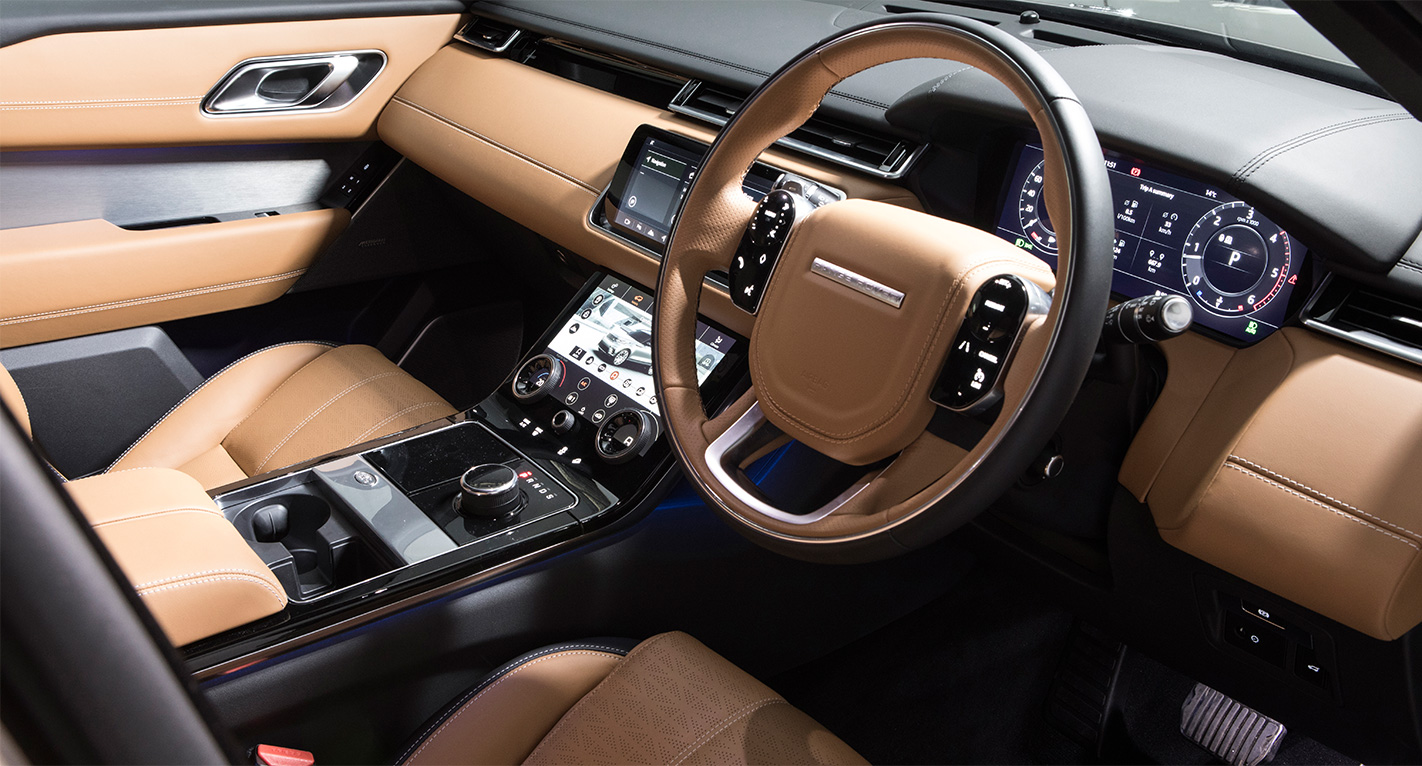
That said, a white P380 on 18s has a taxi-pack appeal that could beautifully subvert the almost fanatical level of features and finish that the Range Rover Velar delivers.
Vote for the Range Rover Velar to win the 2018 Wheels Car of the Year Readers’ Choice competition
SPECS
Model: Range Rover Velar P380 First Edition Engine: 2995cc V6, dohc, 24v, S/C Max power: 280kW @ 6500rpm Max torque: 450Nm @ 4500rpm Transmission: 8-speed automatic Weight: 1884kg 0-100km/h: 5.7sec (claimed) Economy: 9.4L/100km Price: $168,862 On sale: Now
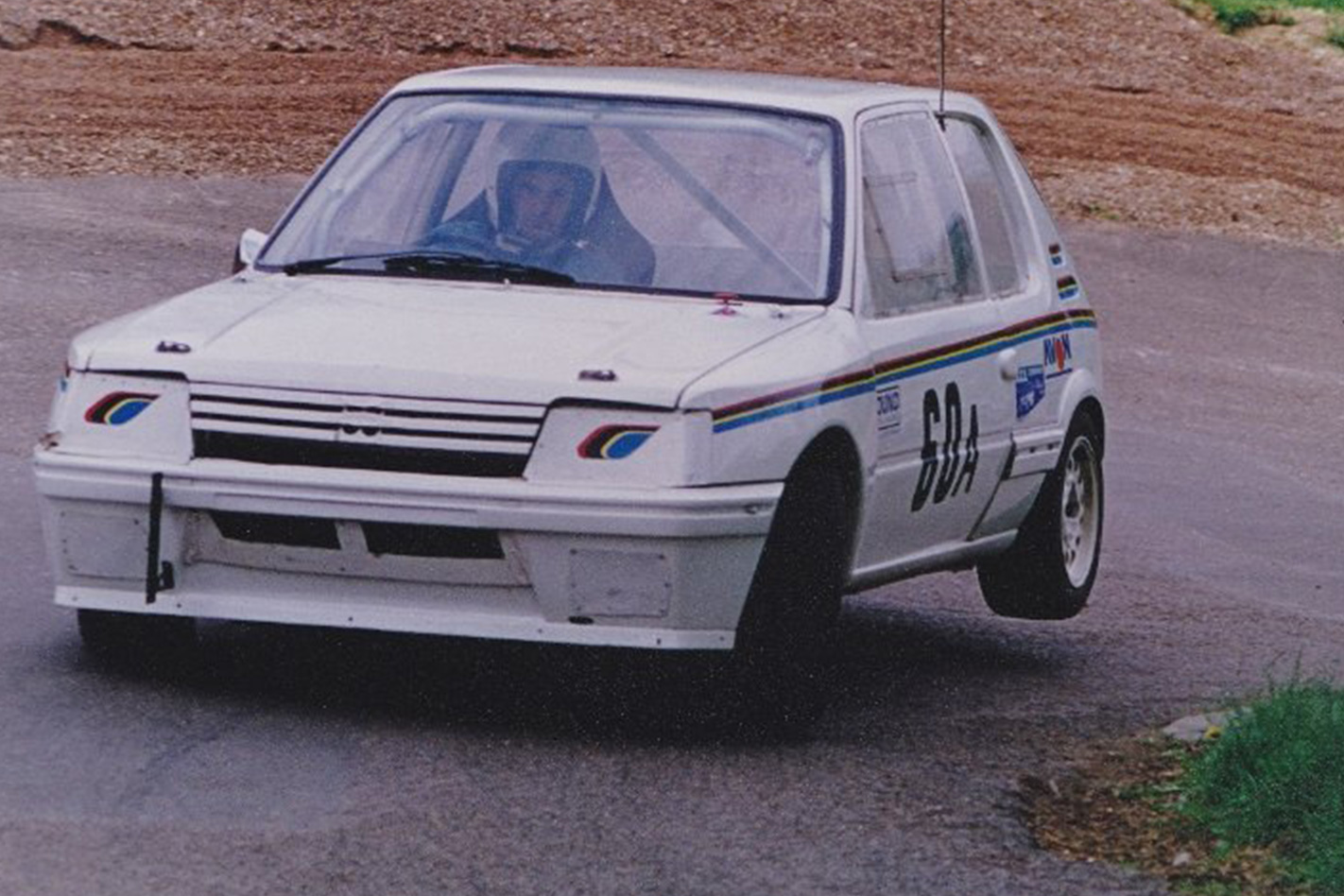
There’s no Formula 1 V8 (or a V10) in this little Peugeot 205, but it’s been used as the test mule for F1 team Benetton’s tech during the Schumacher era of the early-to-mid ‘90s.
Benetton engineers Willem Toet (an aerodynamics specialist) and Richard Marshall (head of electronics) used this very Pug to test-run electrical equipment such as digital speed displays and sensors, usually at Michael Schumacher’s request.
Toet wrote an article on his time with Benetton, in which he mentions the Pug he co-owned with Marshall.
“The car was used as a test bed for electronic devices – not just for the speed display,” Toet writes.
“The motive for testing things on the Peugeot was to help the team do a better job at races – no to help us.
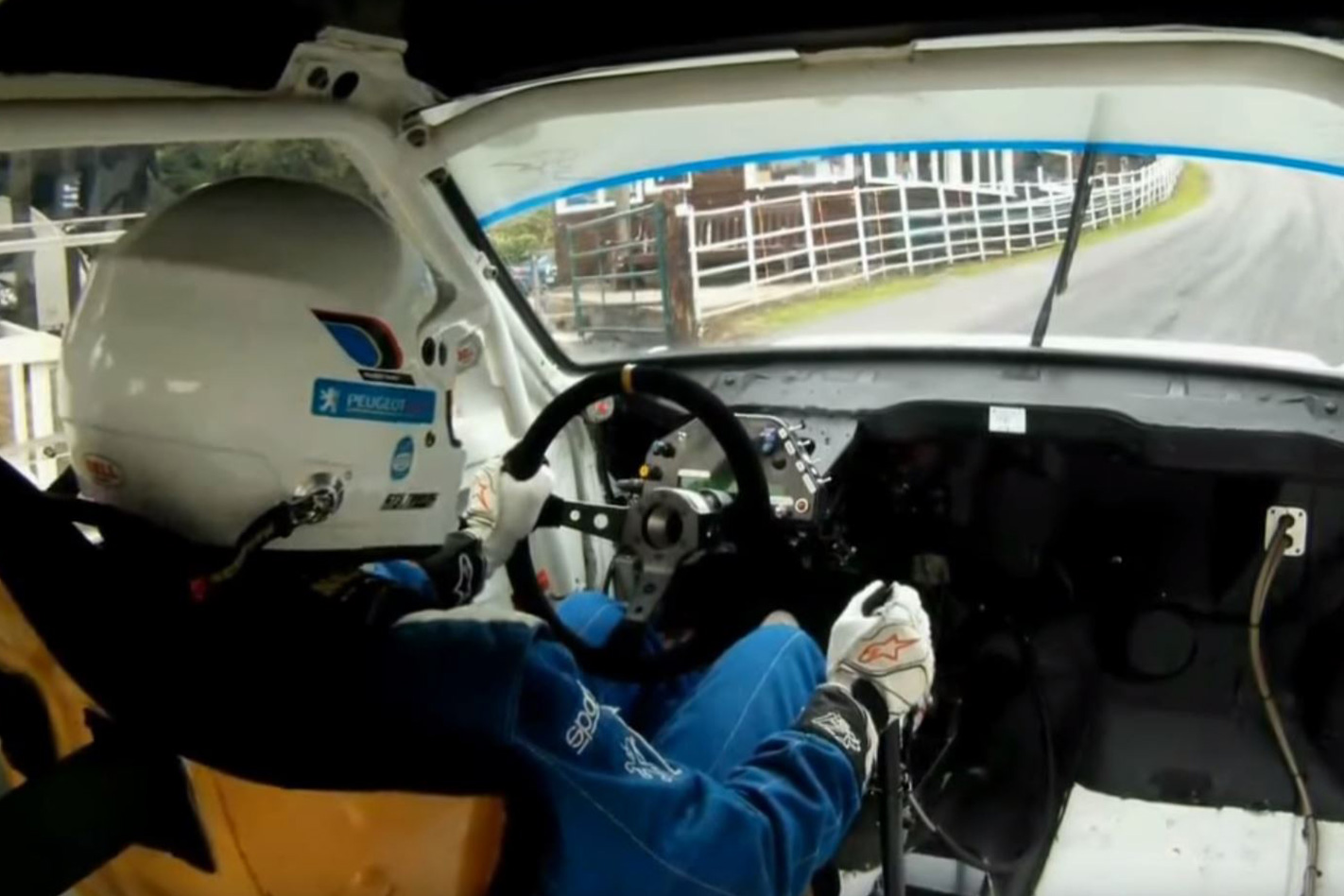
Though the car was originally right-hook, it was converted by Toet for improved weight distribution and, according to organisers of the Retro Rides Gathering event where this was filmed, the car has held most of the hill climb titles in the UK at some point.
But that’s not too surprising once you dive into the details.
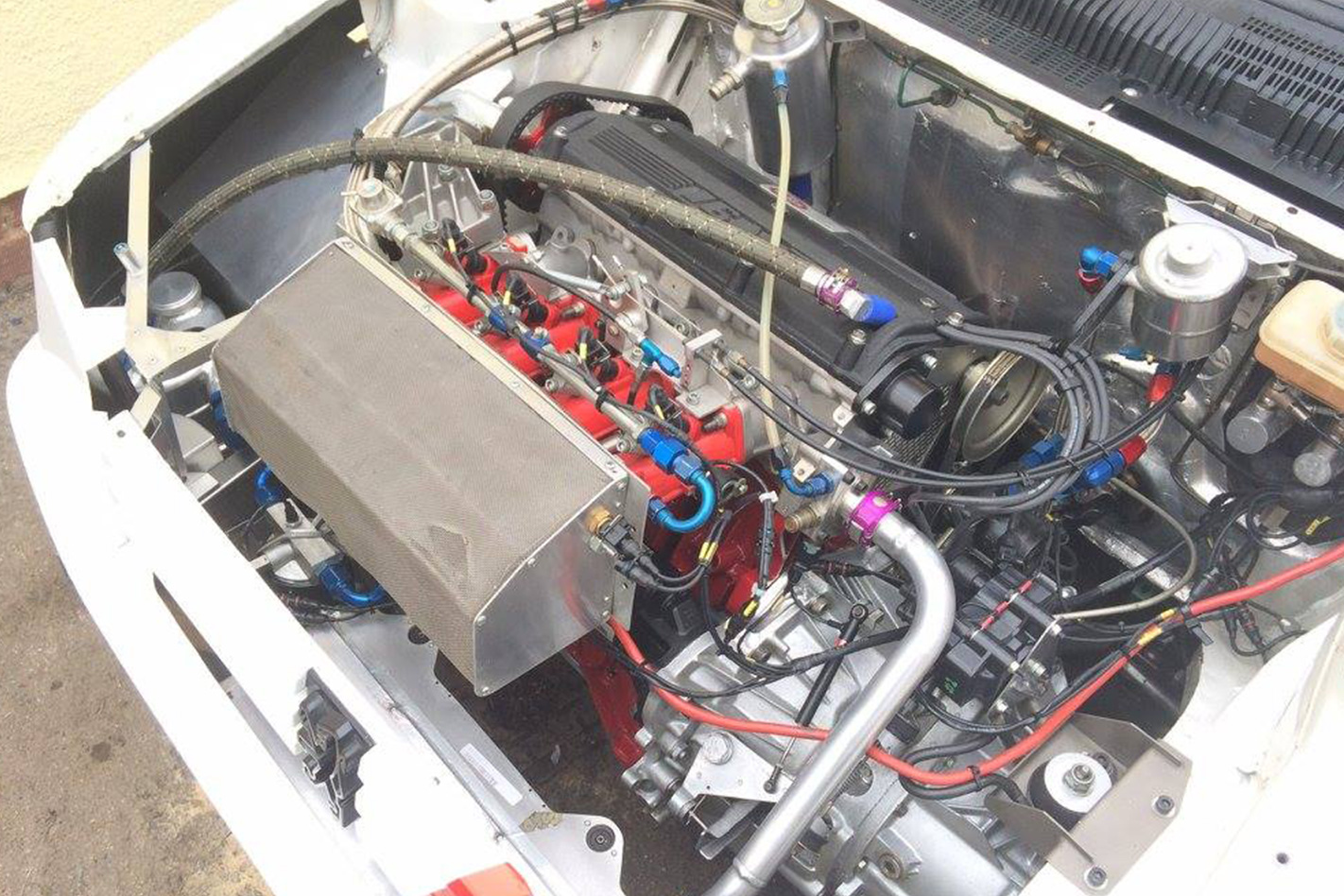
This comes in part down to a race engine with custom cams, a dry sump, ported and polished heads, and even an engine heater to warm the engine prior to starting.
Of course, it also still has the F1-style dash.
Our recommendation is to scroll back up and watch the video if you haven’t – you won’t be disappointed.
Images: RetroRidesGathering and HillClimb Monsters
AUDI says that sweeping company-wide cultural changes will prevent another catastrophic incident similar to the diesel emissions scandal that continues to mar its reputation, following a critical statement from arch-rival Mercedes-Benz.
On the eve of the Frankfurt motor show, Daimler board of management chairman and head of Mercedes-Benz Cars Dieter Zetsche (below) addressed media and customers expressing regret that the integrity of all German manufacturers had been brought into question by the VW incident, but promised an unfaltering focus on clean diesel power.
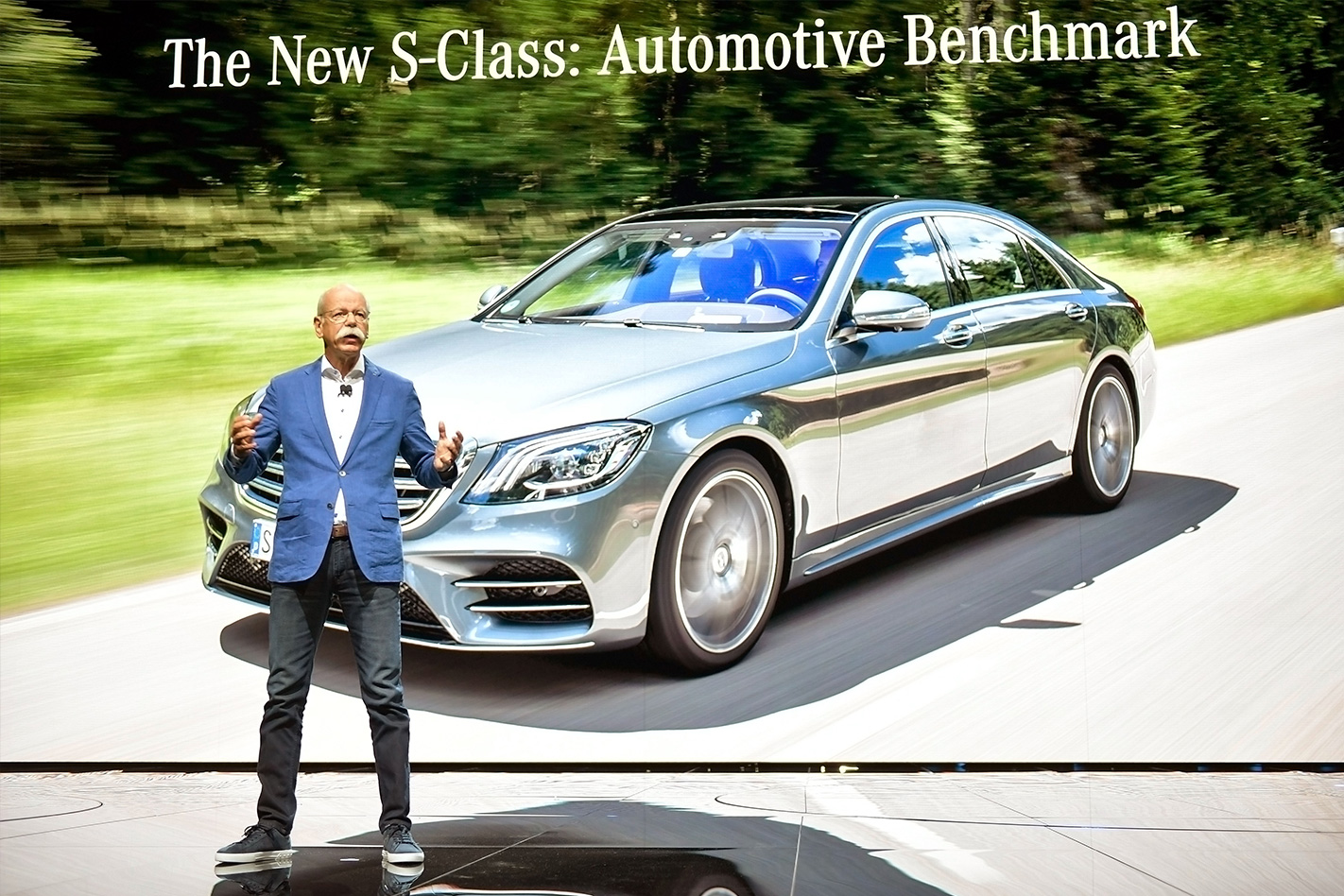
In response to Daimler’s stance on the diesel emissions scandal, Audi AG board of management member for technical development Peter Mertens said he agreed with Zetsche’s statement and outlined the company’s key strategy for winning back the trust of consumers.
“Of course there is a lot of trust in the car industry … and we have to build that trust back up and work hard on that,” he said. “Integrity and ethics play a much higher role in our organisation than they ever did before.”
Following the discovery that the Volkswagen Group, of which Audi AG is a subsidiary, had deliberately engineered software to evade strict emissions testing, Mertens said the company was breeding a new culture within its walls that would guarantee greater transparency and enable the adherence to emissions standards without the need for a crippling documentation processes.
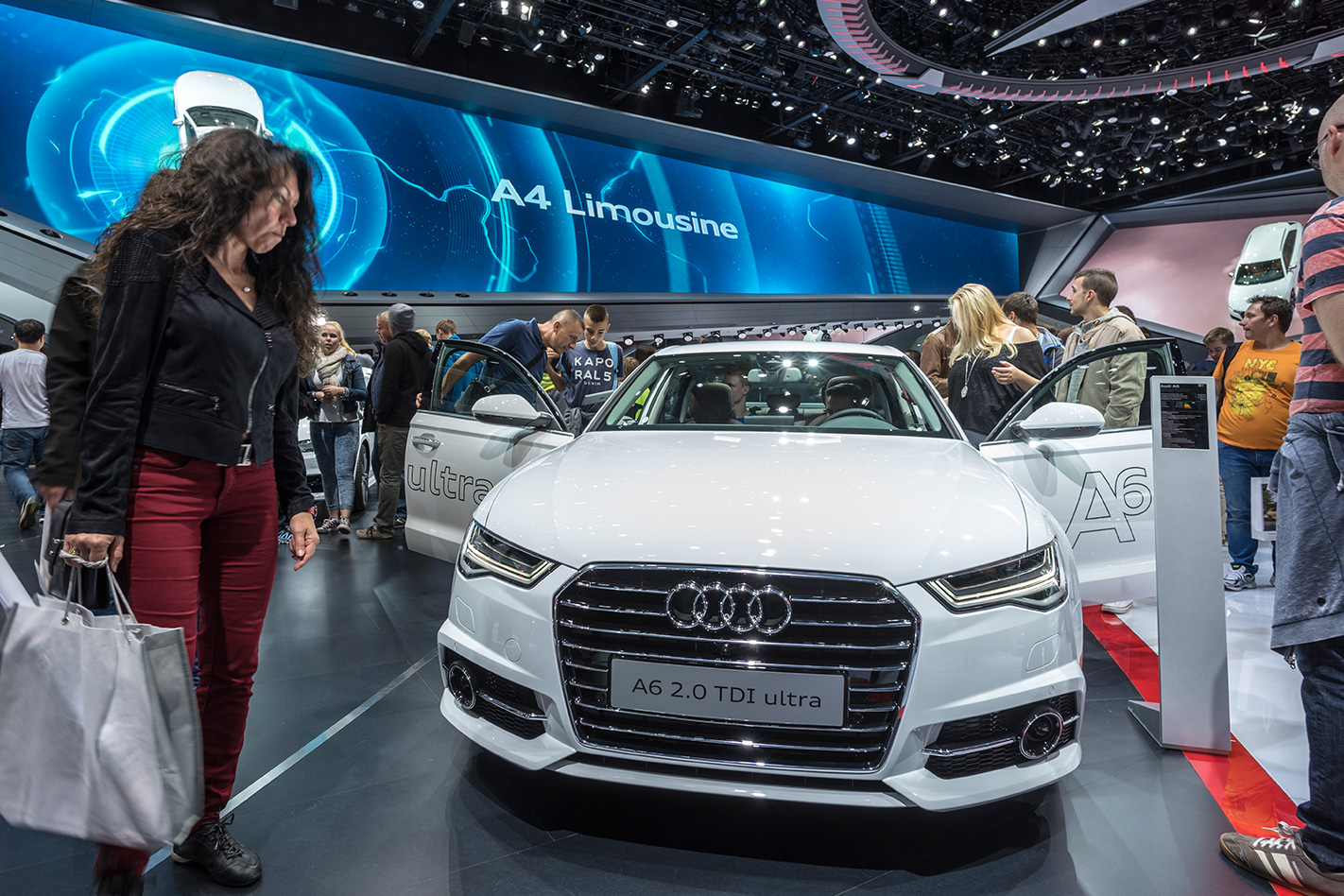
“You can define rules and processes but you can’t define everything in rules and processes. You have to train an organisation to understand what is right or not. With that understanding in the organisation, you don’t have to have 100 percent documentation in processes.”
Despite a blip in consumer faith toward diesel power, both Audi and Mercedes are continuing to persevere with compression ignition engines, and Daimler AG board of management member for group research & Mercedes-Benz cars development Ola Kallenius explained the decision to invest €3b ($A4.5b) into diesel development.
“The assumption that we have made for 2025 is that we could and want to sell up to 25 percent of our total worldwide vehicle sales as battery electric vehicles which is an aggressive target,” he said.
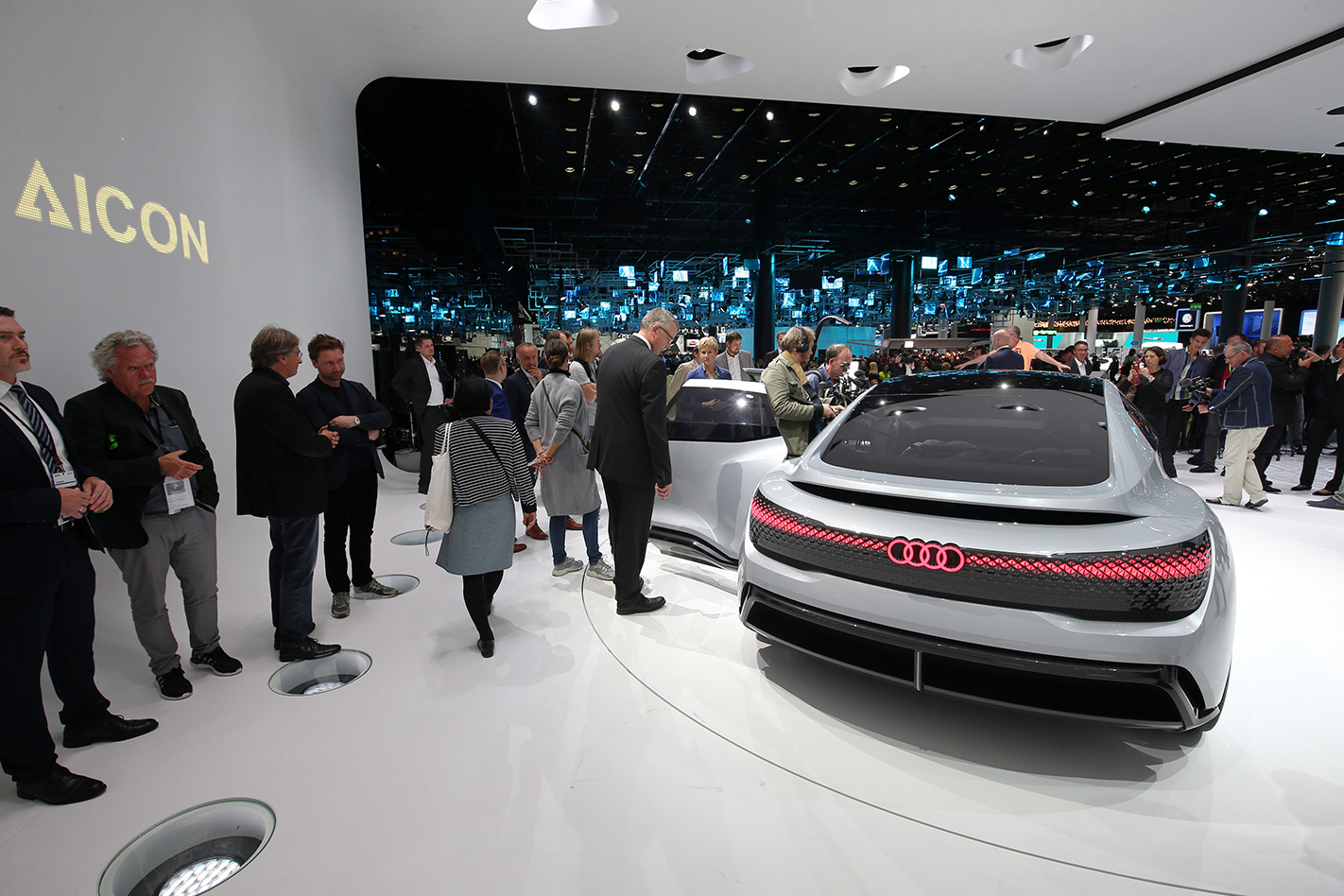
“In terms of CO2 the diesel is extremely attractive because it is 20 to 30 percent better than the equivalent petrol.
“That’s why it’s such an attractive option and certainly won’t disappear in the next five to ten years”.
MERCEDES-BENZ has formulated a strong electrified vehicle strategy with a range of up to 50 pure EVs, plug-ins and mild hybrid vehicles joining the three-point star ranks by 2022.
The future-proofed line-up will include 10 battery electric models that will benefit from the most recent advances in high-density electric cell technology, while its new six-cylinder with 48-volt system will proliferate the ranges creating a new family of mild hybrids.
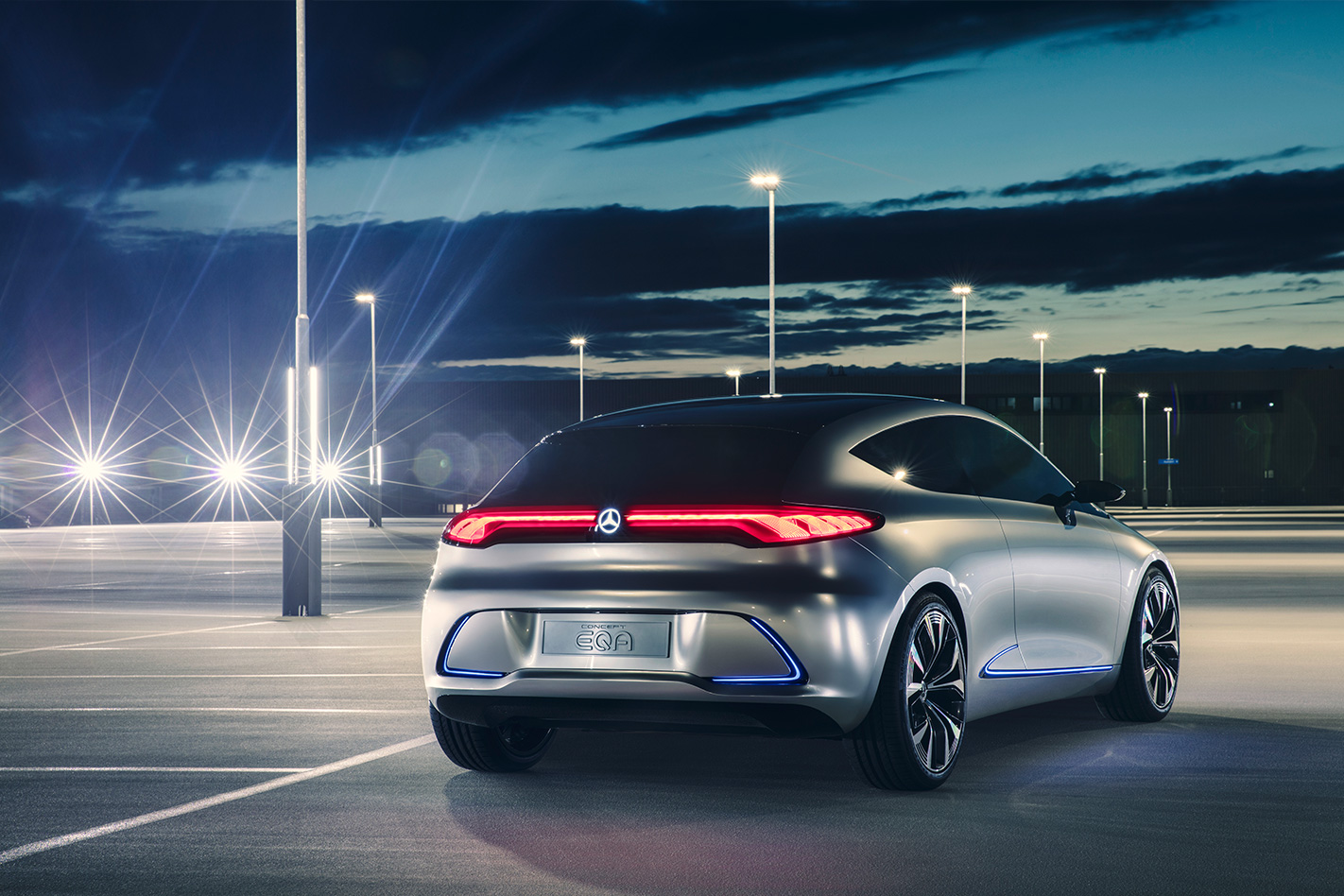
The news coincides with the company’s second installation in the new EQ family and the reveal of the EQA concept at the Frankfurt motor show, which is expected to transition into a production version in 2019.
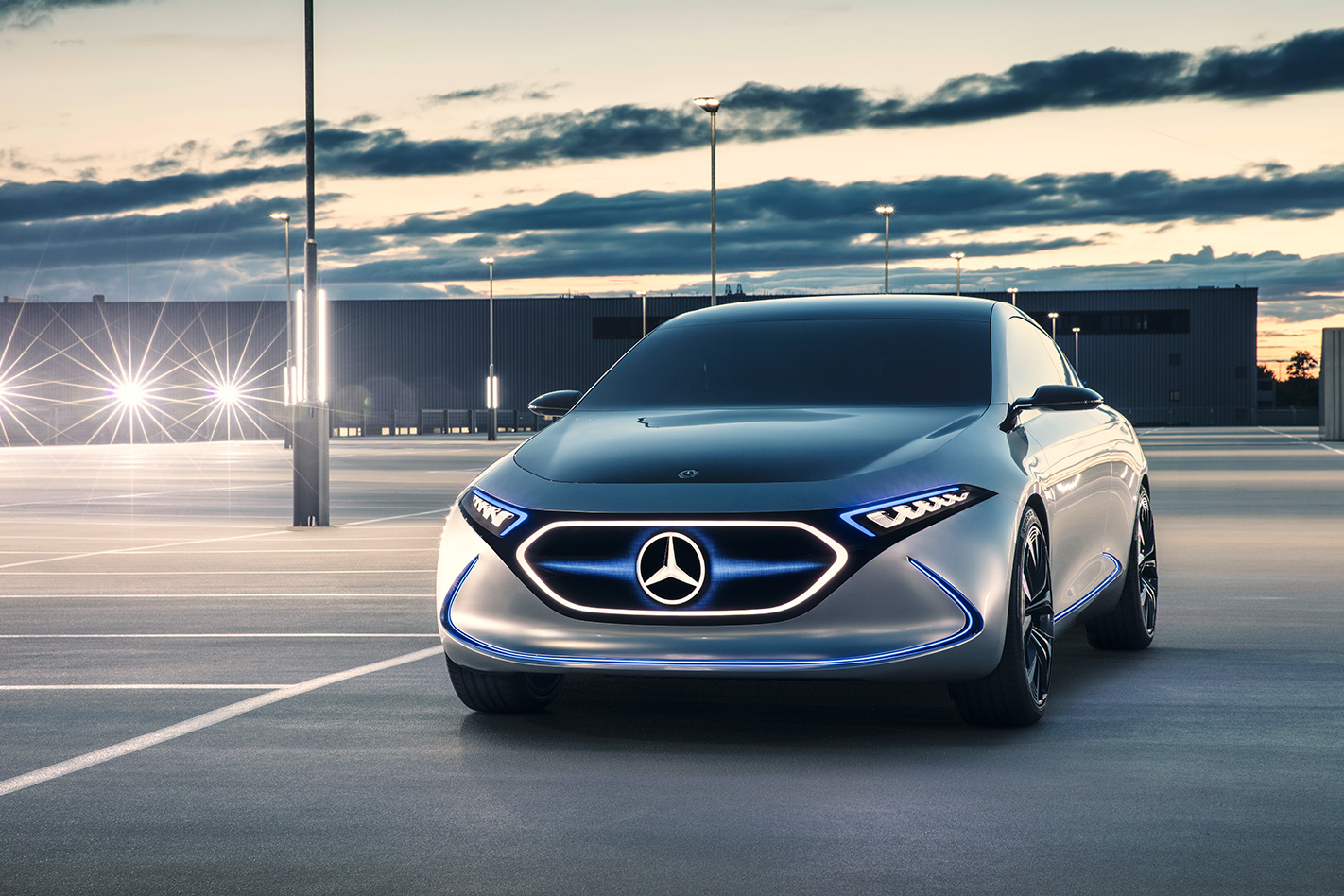
“The next one coming is the EQC,” he said. “We showed a show car a year ago in Paris and we will launch that vehicle in the first half of 2019. Quickly thereafter we will add to that portfolio both going up and down (in size) both SUVs and sedans.
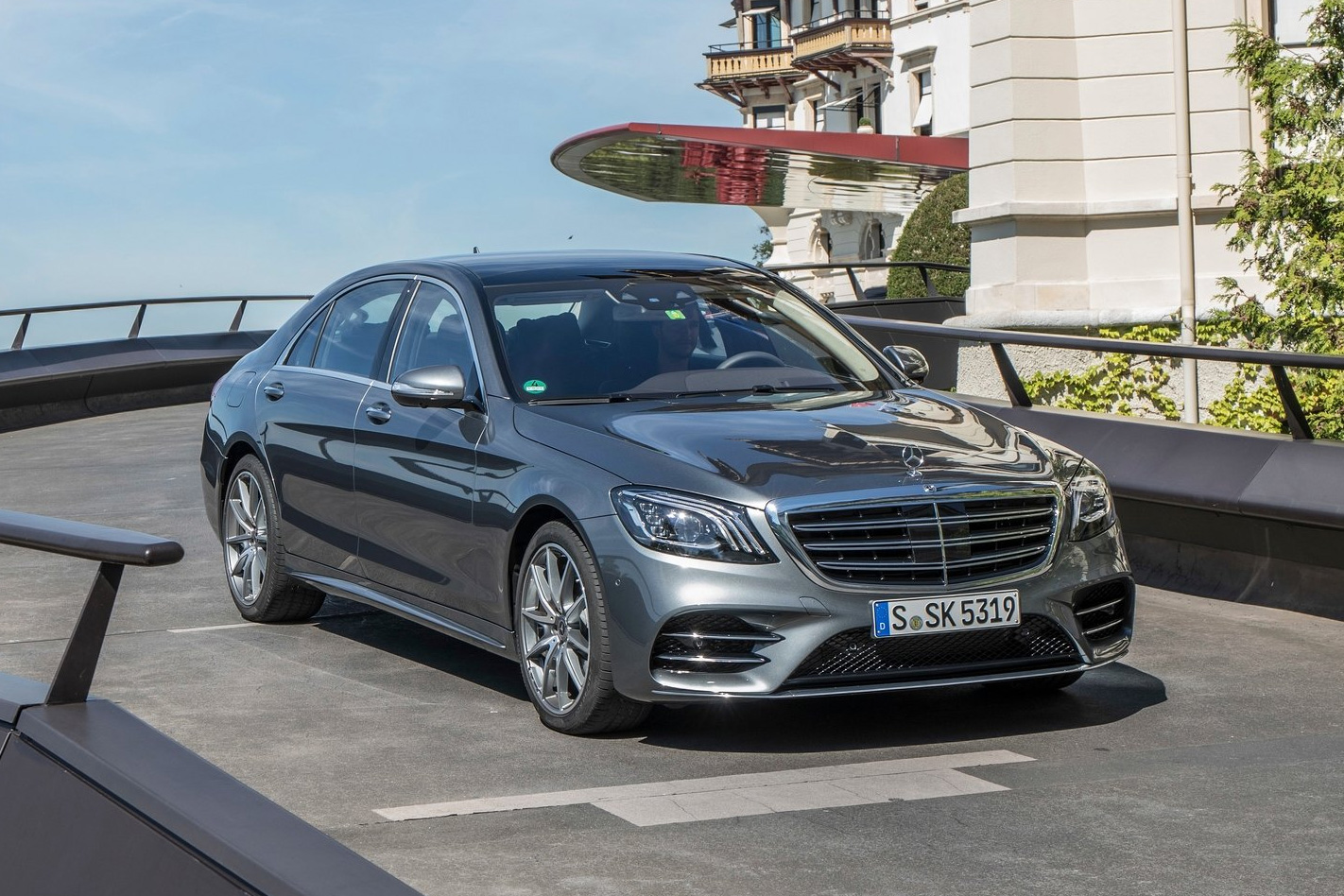
“We’re looking to have a portfolio of at least 10 pure electric vehicles by 2022. We will have a very wide range of plug-in hybrids and we’re step-by-step introducing mild-hybrids with 48-volt systems like the S-Class with a belt-less in-line six with an integrated starter/alternator.
“We will rapidly introduce all three technologies throughout the model ranges and that’s how we get to the total of 50 by 2022.”
With a starter motor and alternator incorporated into the same unit overall weight is reduced and the more punchy 48-volt system can be called on to run high-energy consumers such as electric superchargers, active anti-roll stabilisers and more productive regenerative systems.
Audi and Bentley already have their own 48-volt system in service on the SQ7 and Bentayga respectively to provide the power required by advanced engine induction and chassis systems.
In addition to the latest construction and power management technology, Mercedes will be complementing its hybrid and EV systems with ever improving battery components, including lighter, more energy dense and more sustainable batteries that will offer longer range, faster charging times and reduced weight.
“I see here a technology race to make the lithium ion cells less dependent on these things. At this stage it is not a major concern but it is something we need to watch.”
While Mercedes has recently commented on the state of the German automotive landscape following the VW Group emissions scandal, Kallenius said the move into more efficient drivetrains and electrified technology was not an attempt to regain trust, but part of a larger ongoing strategy to boost appeal with efficiency but not at the detriment of performance.
“This push would have happened regardless and the strategy putting this together is something that is several years in the making,” he said.
“Technology and innovation; put the best technology out there and let the customer and any third party test it and the technology speaks for itself.”
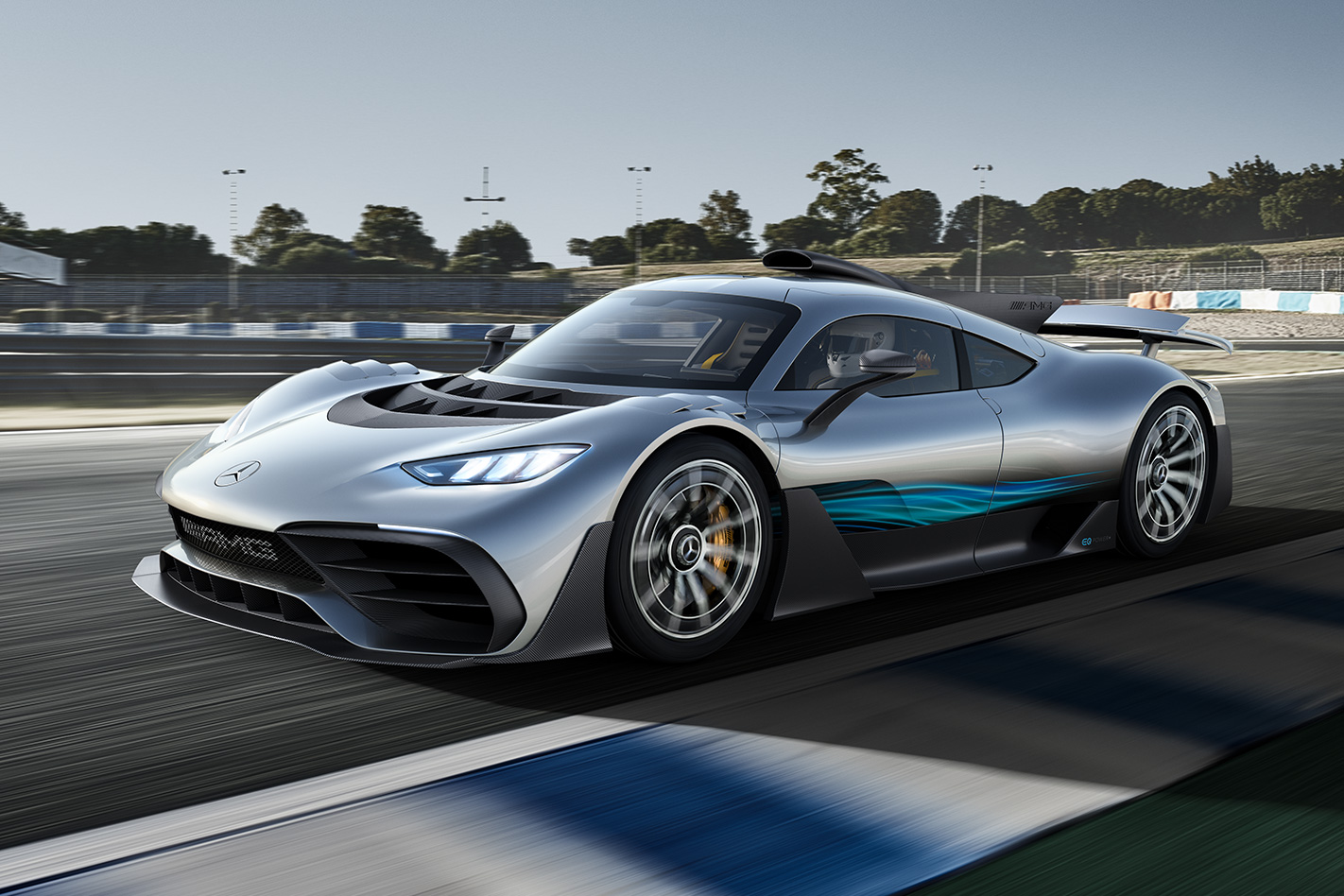
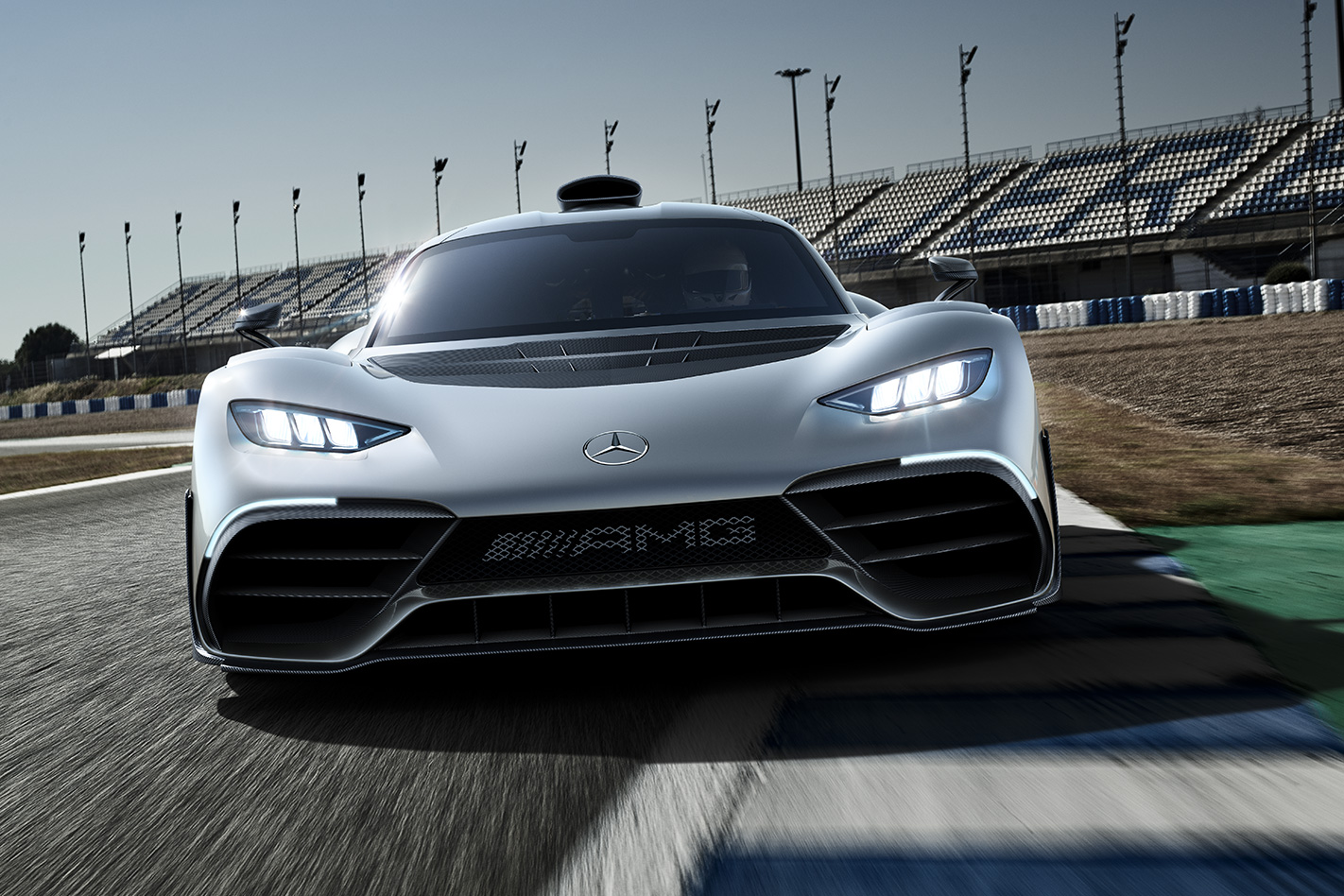
MERCEDES-AMG Australia has confirmed that the eight lucky customers suitably qualified to purchase an example of its most viciously powerful model to date will be asked for about $5m in return for their Project One hyper car.
From a total global production run of just 275 cars, Australia and New Zealand has been offered one of the highest per-capita allocations anywhere in the world, partly thanks to the huge demand for AMG models Down Under, and well-heeled fans didn’t waste any time putting their hands up.
Speaking at the reveal of the mighty Project One in Frankfurt, Mercedes-Benz Australia CEO Horst von Sanden confirmed a before-taxes price of €2.275m which, after factoring in currency conversion, the crippling luxury car tax and other on-road costs, balloons the bottom line to a whopping $A5m.
Von Sanden did not reveal how many examples could have been sold given unlimited supply, but confirmed demand for the Project One was “more than eight” and a selection process had been formulated to decide who would make the grade and who would go without.
“As soon as the message got out there, there were immediate expressions of interest then we tried to come up with a fair selection process,” he said.
“For 275 cars worldwide there is clearly more demand than supply so there was a selection process. There were certain loyalty aspects taken into consideration.”
However, von Sanden said he was confident the situation would not be seen with any of the eight Australian-delivered Project Ones.
“I think the people who end up buying are genuine car enthusiast collectors and they want it for themselves,” he said.
As if a monstrous seven-figure price wasn’t enough to chat to the accountant about, the Project One will present owners with another sizeable bill in maintenance costs, with the high-revving 1.6-litre Formula 1-derived V6 requiring a major rebuild at 50,000km.
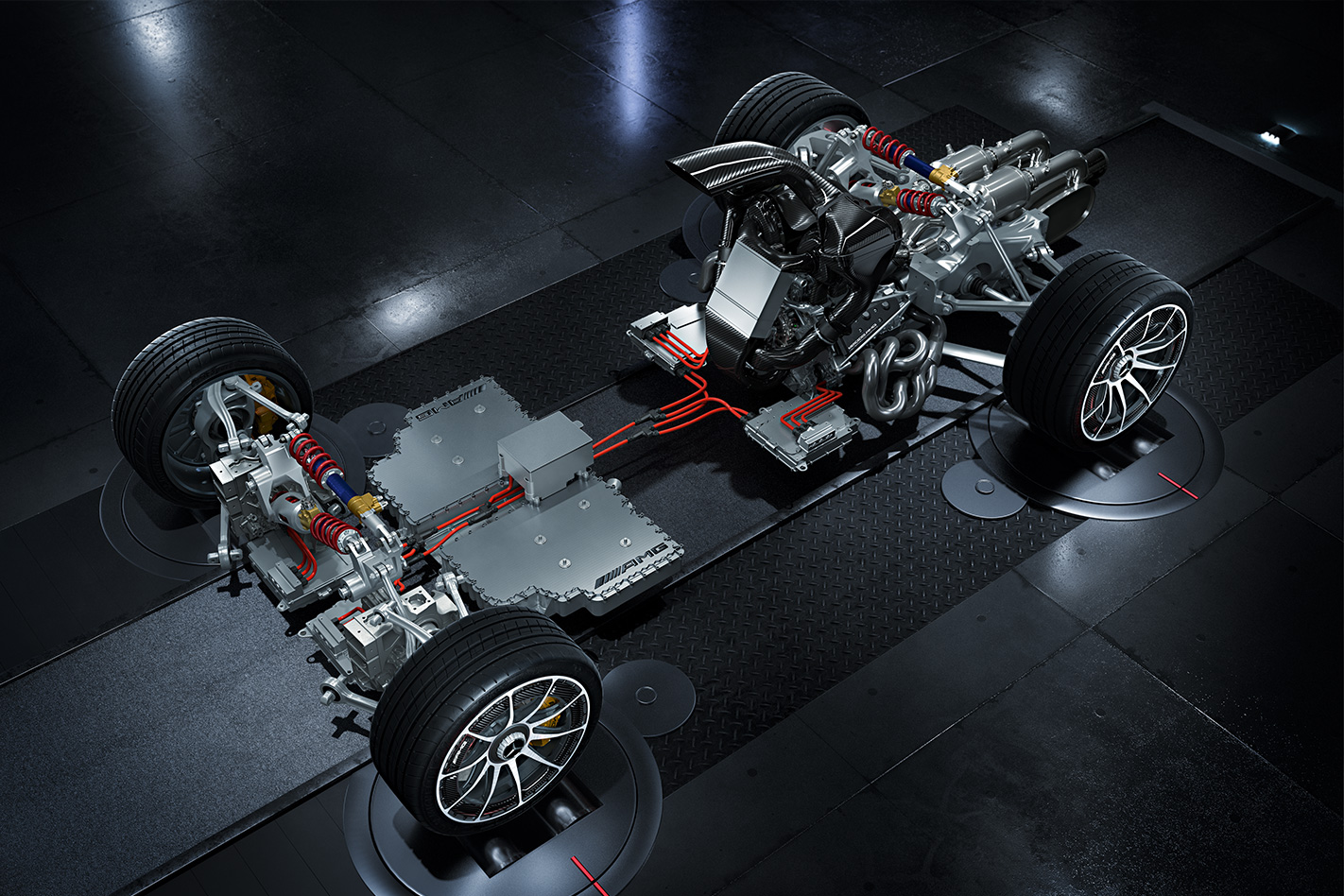
“We have to rebuild the engine. Whatever that means we don’t know now,” he said.
“At AMG we do have one dogma; value for money should be in equal level.”
The a major overhaul may seem unreasonable for a vehicle with a stratospheric asking price, but Moers said he believed only a handful of vehicles will actually require the rebuild, as many will never clock up the milestone.
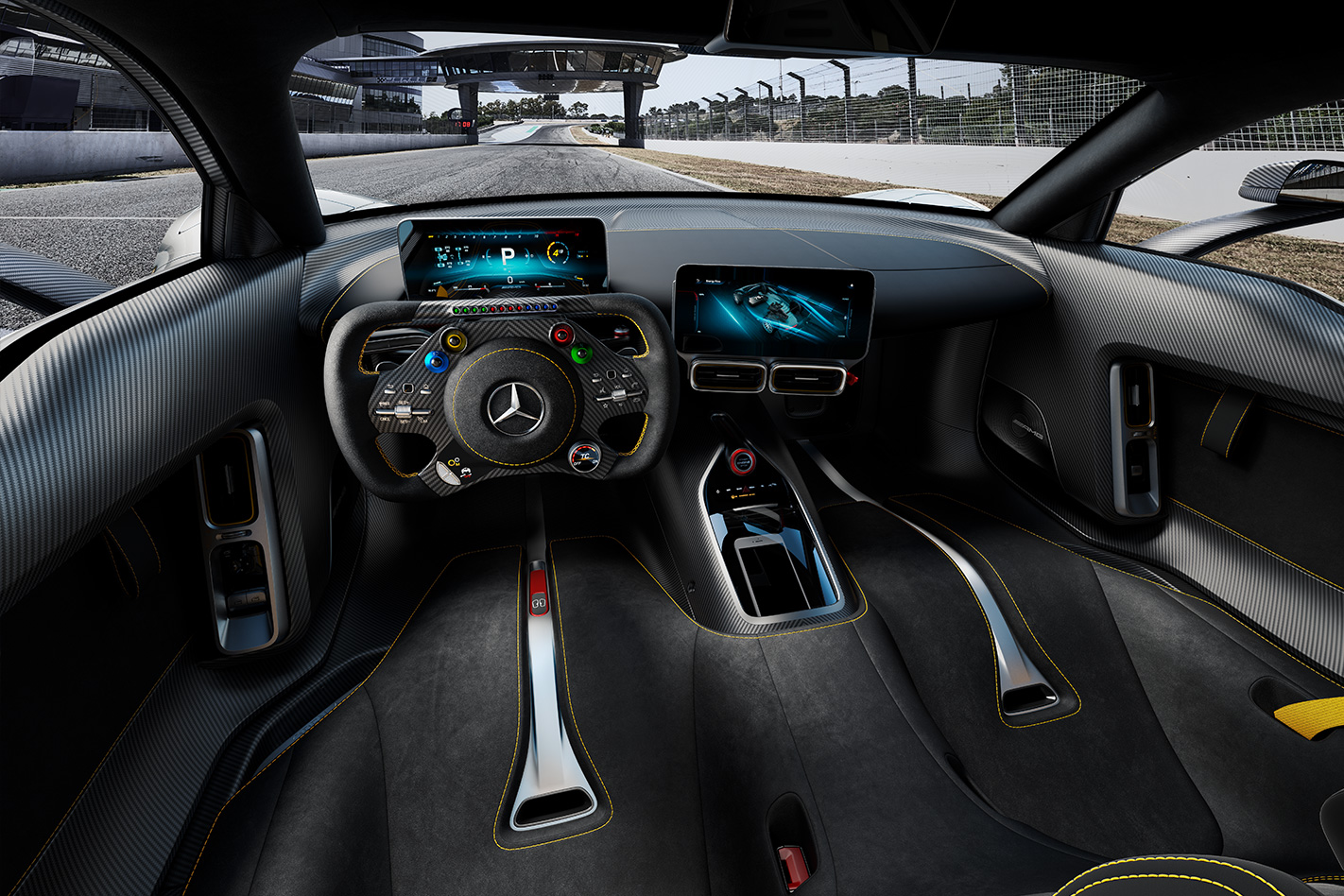
All eight of the Australia-New Zealand allocation will heading to Australia. Where they’ll exactly end up is uncertain, through Wheels understands at least two of the cars will call Melbourne home.
NO MATTER how organised you are, we’ve all felt that sharp pang of panic at least once when you can’t find your car keys, but BMW could be about to make that scenario a thing of the past, as it moves to phase out the traditional car key as we know it.
Speaking at the Frankfurt Motor Show, BMW AG member of the board of management for sales and brand, Ian Robertson, told Reuters the car key is about to face a technical revolution.
“Honestly, how many people really need it,” he said. “They never take it out of their pocket, so why do I need to carry it around?”
Robertson explained with keyless entry and start/stop now mainstream, the need for a traditional key unit is becoming obsolete, and that BMW is investigating ways to rid them altogether.
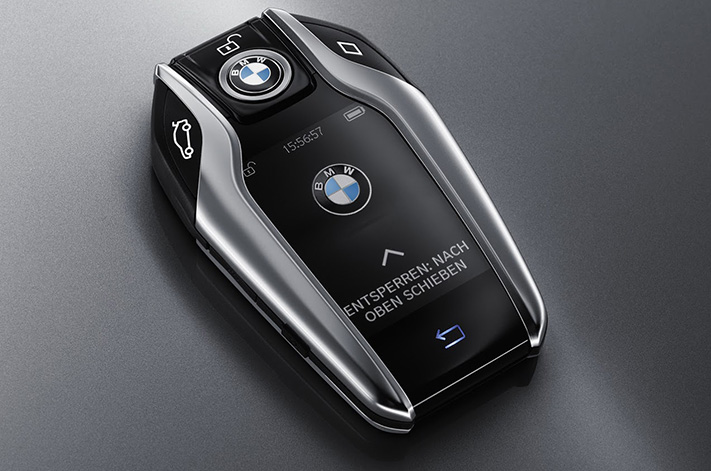
“We are looking at whether it is feasible, and whether we can do it. Whether we do it right now or at some point in the future, remains to be seen,” he explained.
Reuters reports BMW is reviewing the possibility of customers being able to unlock and start their vehicles using an app on their smartphones, but it remains to be seen if customers would be willing to ditch the traditional car key or key fob in favour of an app on their personal phone.
Tesla is likely to drop the key fob for its Model 3, instead replacing it with a credit-card sized ‘pass’, which you can keep in your wallet.
Other manufacturers have experimented with keyless systems including Jaguar, which offers a waterproof bracelet for opening or locking the F-Pace instead of a key. The bracelet allows owners to leave the traditional key in the car while enjoying outdoor activities that could damage it.
A very heavily customised Bentley Coninental GT has been sold in the UK for £40,800, or just $69,000 of our own dollars.
But it’s not just a ‘custom’ car with a few mechanical tweaks or some interior modifications. This is a properly brutal off-roader Conti.
Having been transformed on the National Geographic series Supercar Megabuild, the Continental is actually road-legal in the UK, and retains its original 6.0-litre W12 Bentley donk.
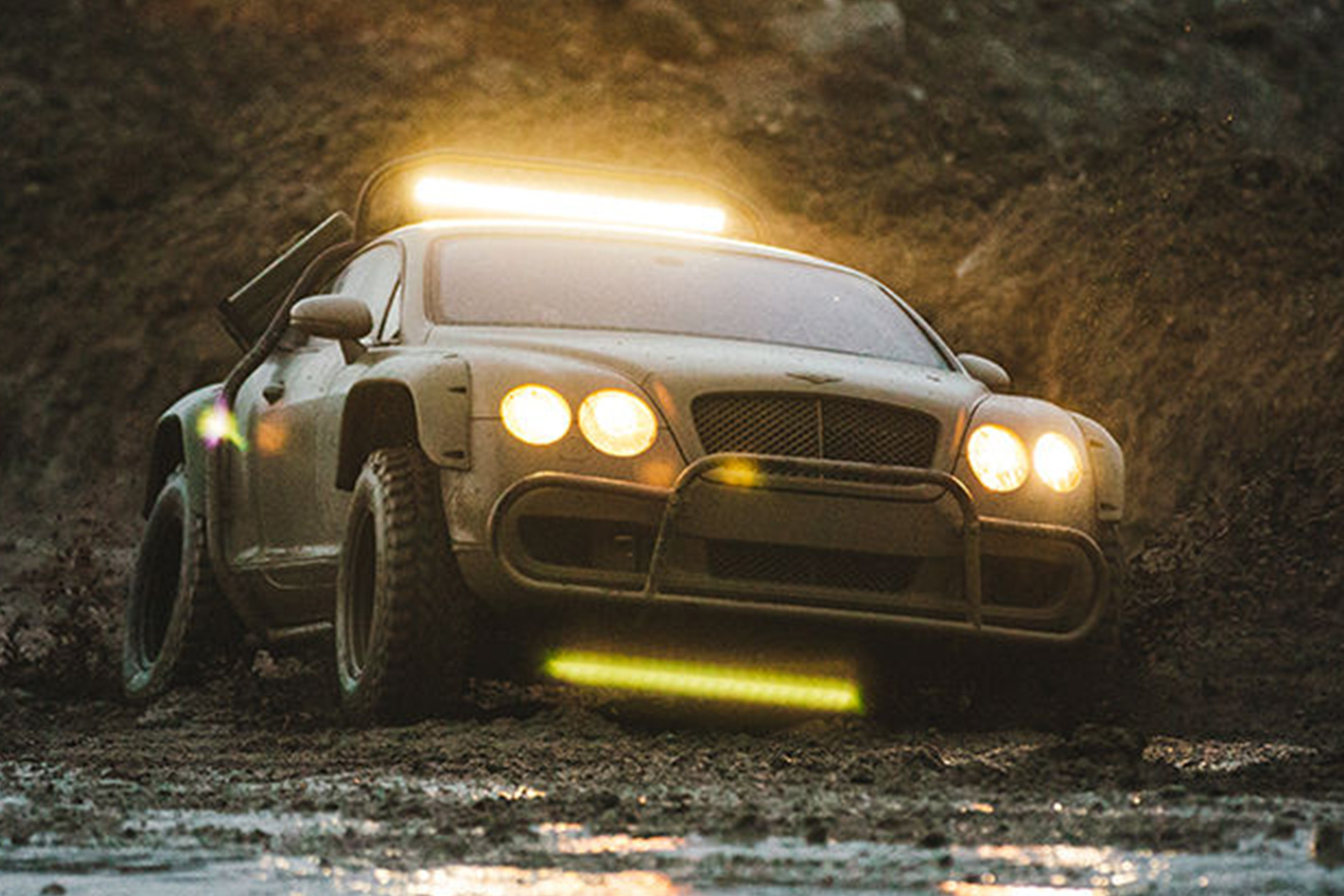
In a show of honesty, the listing calls for a buyer who has “mechanical knowhow to turn it into a true Dakar rally vehicle.”
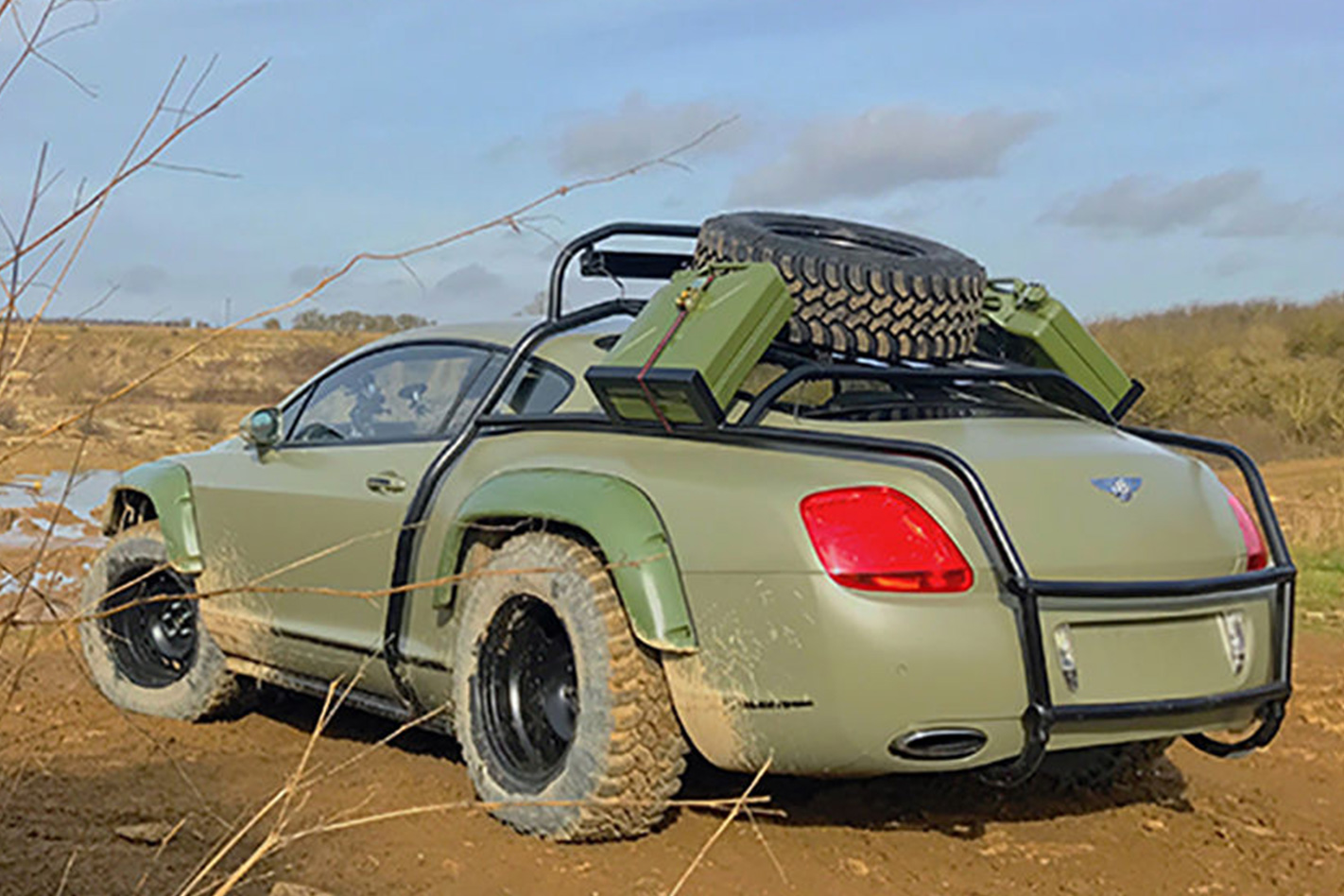
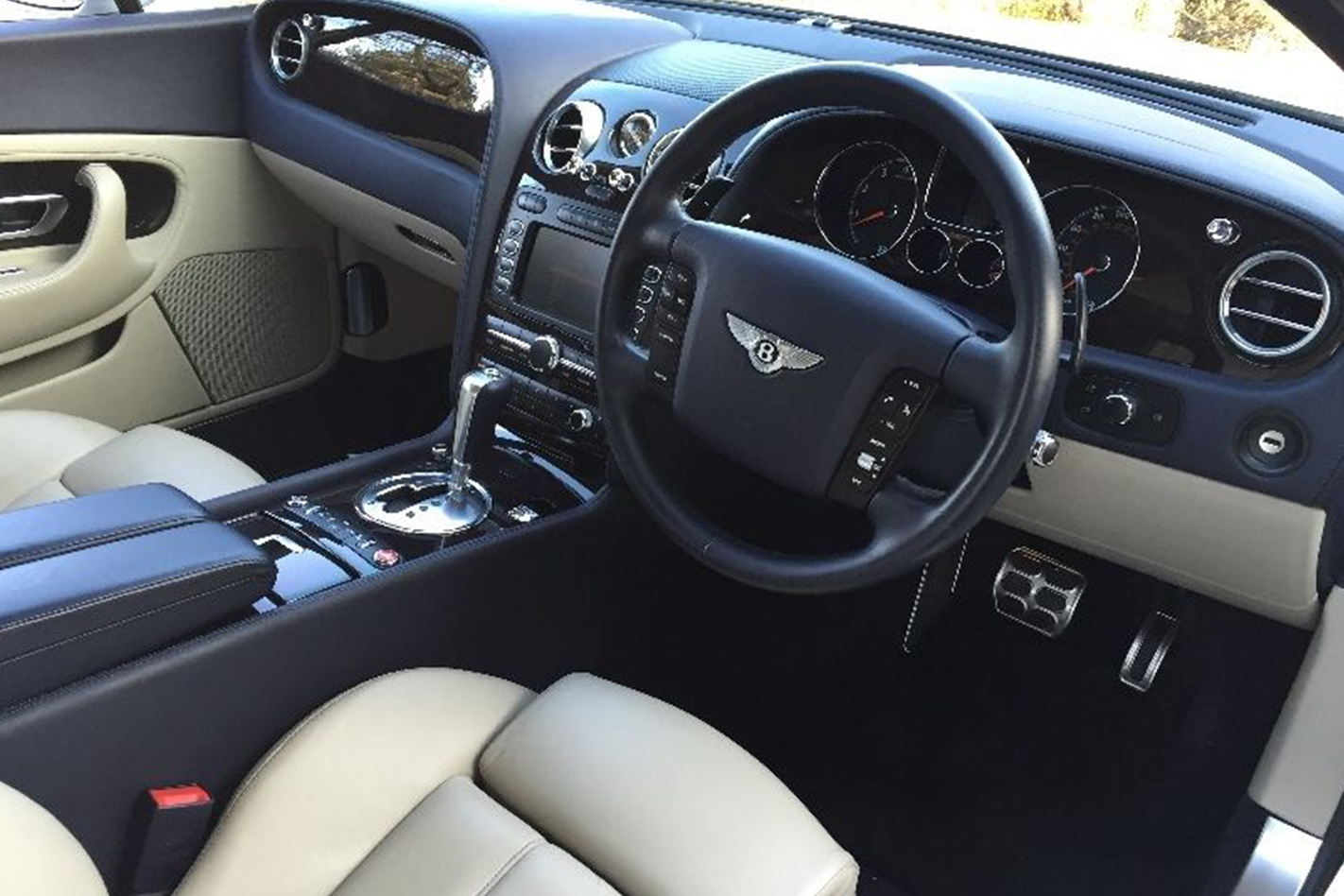
It does, however, retain some of its Bentley luxury.
Inside is a leather sports interior with heated seats, a leather wheel with paddle shifters, dual-climate air con, and controls to adjust the ride height.
If you’re not keen on the khaki green, fear not. It’s just a wrap. Underneath the car is still its original Silver Metallic. So no need to worry about originality, then…
Korea goes premium in a quest for a slice of 3 Series and C-Class action
WHAT IS IT?
Hyundai’s attempt to crack into the premium market via the Genesis brand it established in 2015. The Genesis G70 is a midsize rear-drive sedan offered with either a 2.0-litre turbo four or 3.3-litre twin-turbo V6.
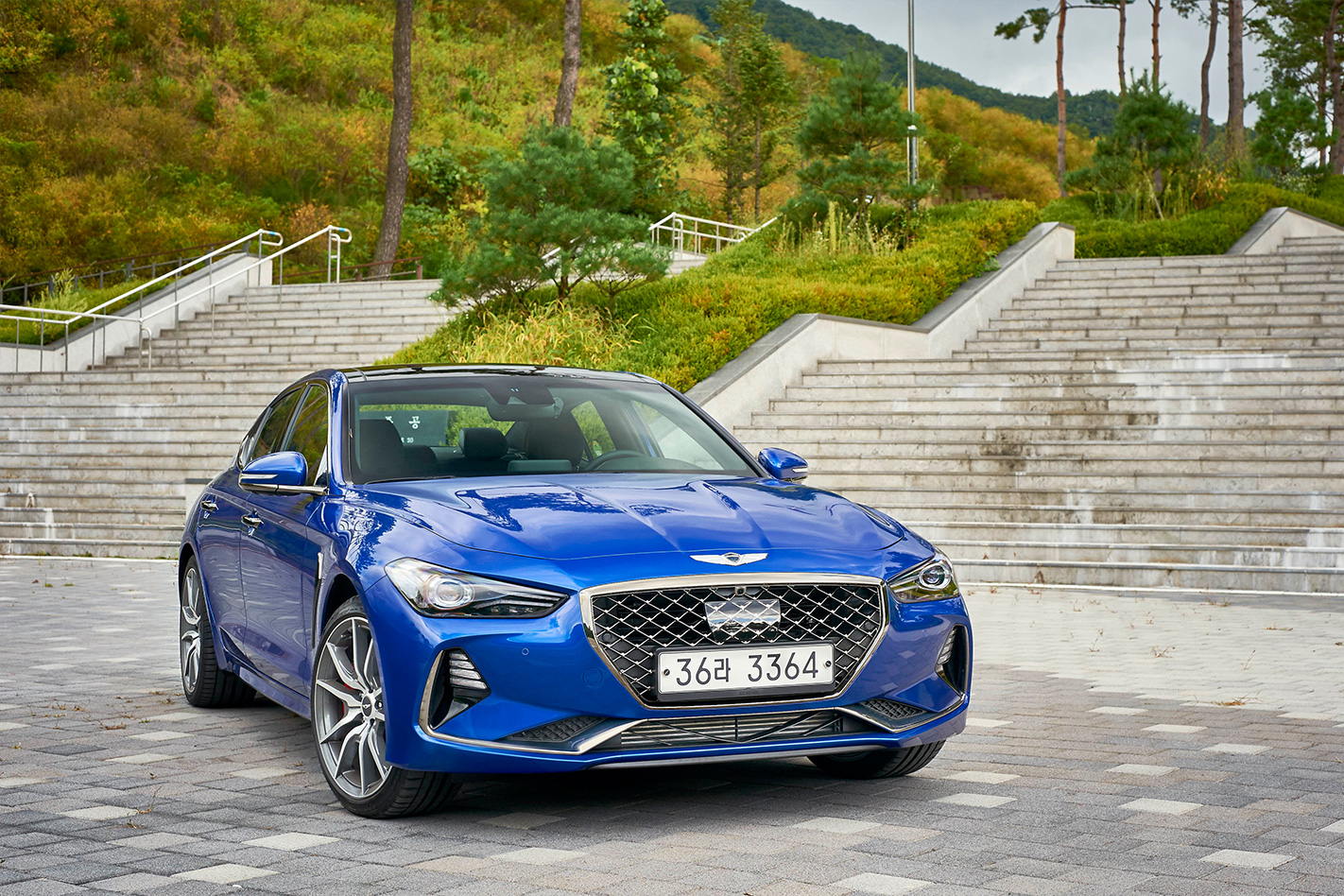
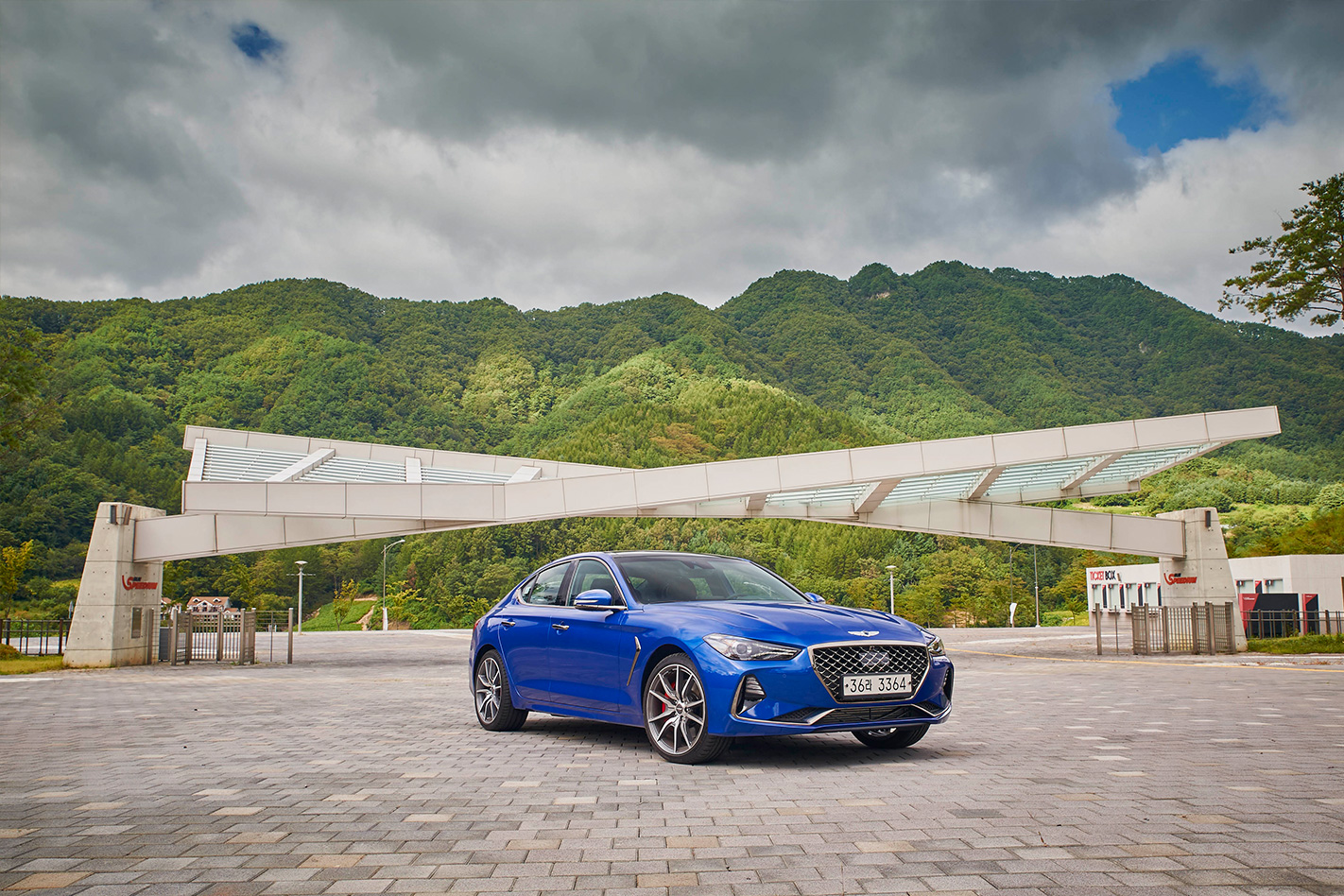
The car’s international media launch was a chance to drive the G70 on roads out of Korea’s capital and at an excellent racetrack, however only the top-spec V6 car was available, not the turbo four, which is expected to take around 60 percent of the G70’s local sales.
MAIN RIVALS
Infiniti Q50, Lexus IS, Audi A4, BMW 3 Series, Mercedes-Benz C Class, Jaguar XE, Alfa Romeo Giulia
THE WHEELS VERDICT
The cars we drove were not tuned to the final specification of those we’ll get in Australia, so it’s difficult to make a definitive call. But if local suspension work improves body control and the retuned steering delivers, then the G70’s blend of premium feel and refined road manners – plus keen pricing, high equipment levels and five-year warranty – will all make it a model to be taken seriously in this segment.
MINUS: Gearbox response in hard driving; rear-seat packaging; weight; jury out on ultimate dynamic ability
THE WHEELS REVIEW
TO SAVE you the trouble, your diligent research team at Wheels (okay, me) has looked up the word ‘genesis’. Turns out it’s not merely the name of the band that Phil Collins left to allow him to deliver ‘Sussudio’ and other gems. No, it comes from the Greek for ‘beginning’ and suggests ‘the origin of something important’, which is perfectly appropriate for its deployment by Hyundai for the Korean manufacturer’s premium brand. But equally, in Hyundai’s application, the word Genesis could be defined as ‘mild confusion’.
In 2014, you may recall, Hyundai Australia launched a large luxury sedan pitched into the zone dominated by the Mercedes-Benz E Class and BMW’s 5 Series. Hyundai saw an opportunity to move up the food chain, where profits and prestige beckoned. So let’s accept that applying the Genesis name to that model – which ended up largely being bought by hire car companies, and is now known as the G80 – was, in hindsight, not the ideal strategy.
But we’ve written previously about the tenacity and ambition of the Koreans running its automotive industry. They possess fearlessness as well as a “recruit the best” hiring policy. So here’s what Korea’s largest car company is asking you to do: forget what you know about the Hyundai Genesis, and open your mind to Genesis the brand. Just as Lexus is to Toyota, and as Infiniti is to Nissan, now Genesis is to Hyundai.
Also worth mentioning are the key personal behind Genesis. Head of the operation is Manfred Fitzgerald, a former Lamborghini brand and design director. Overseeing design is Luc Donckerwolke, another former Lamborghini executive who’s also led design at Bentley. Albert Biermann, former BMW M Division man, oversees Genesis engineering.
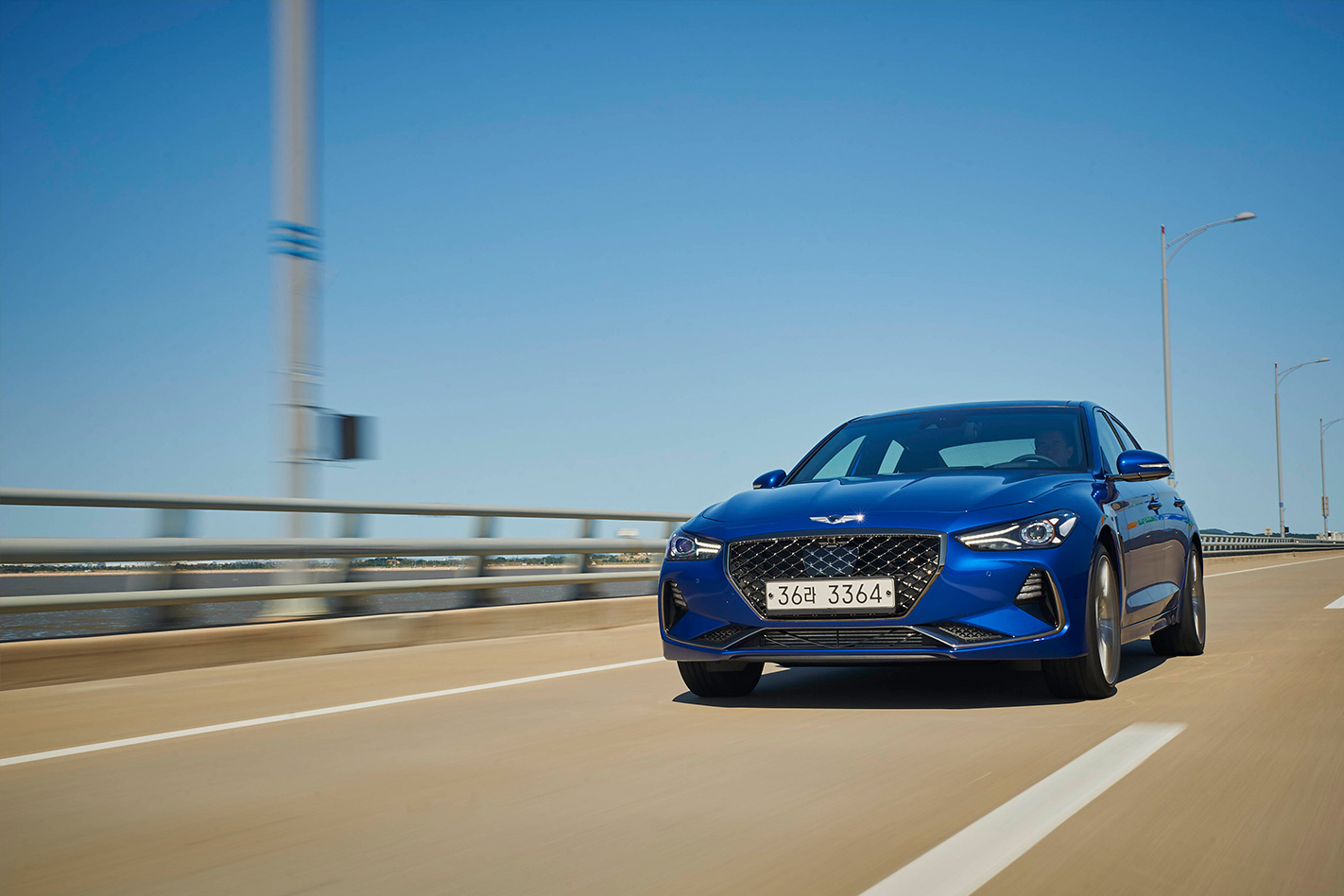
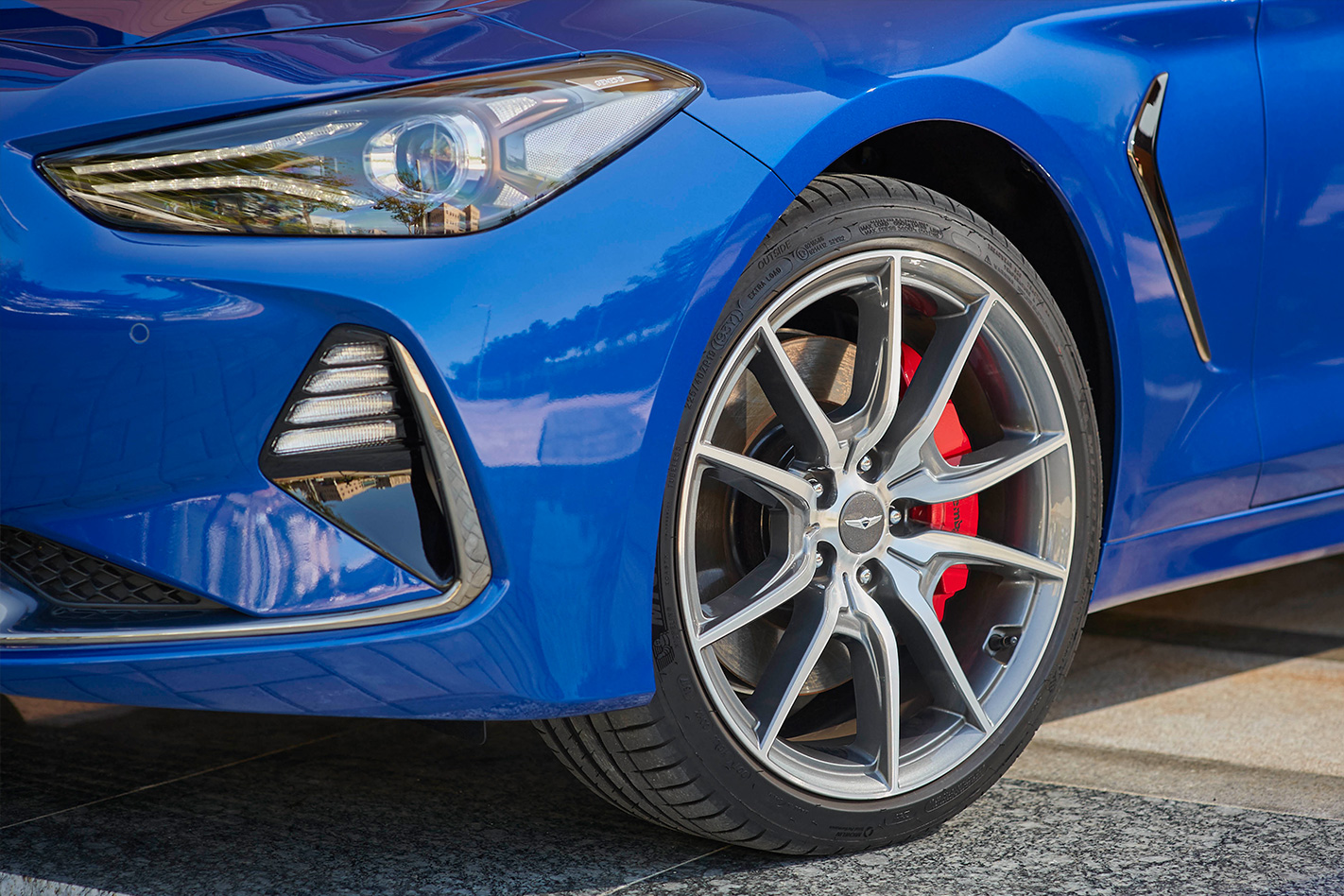
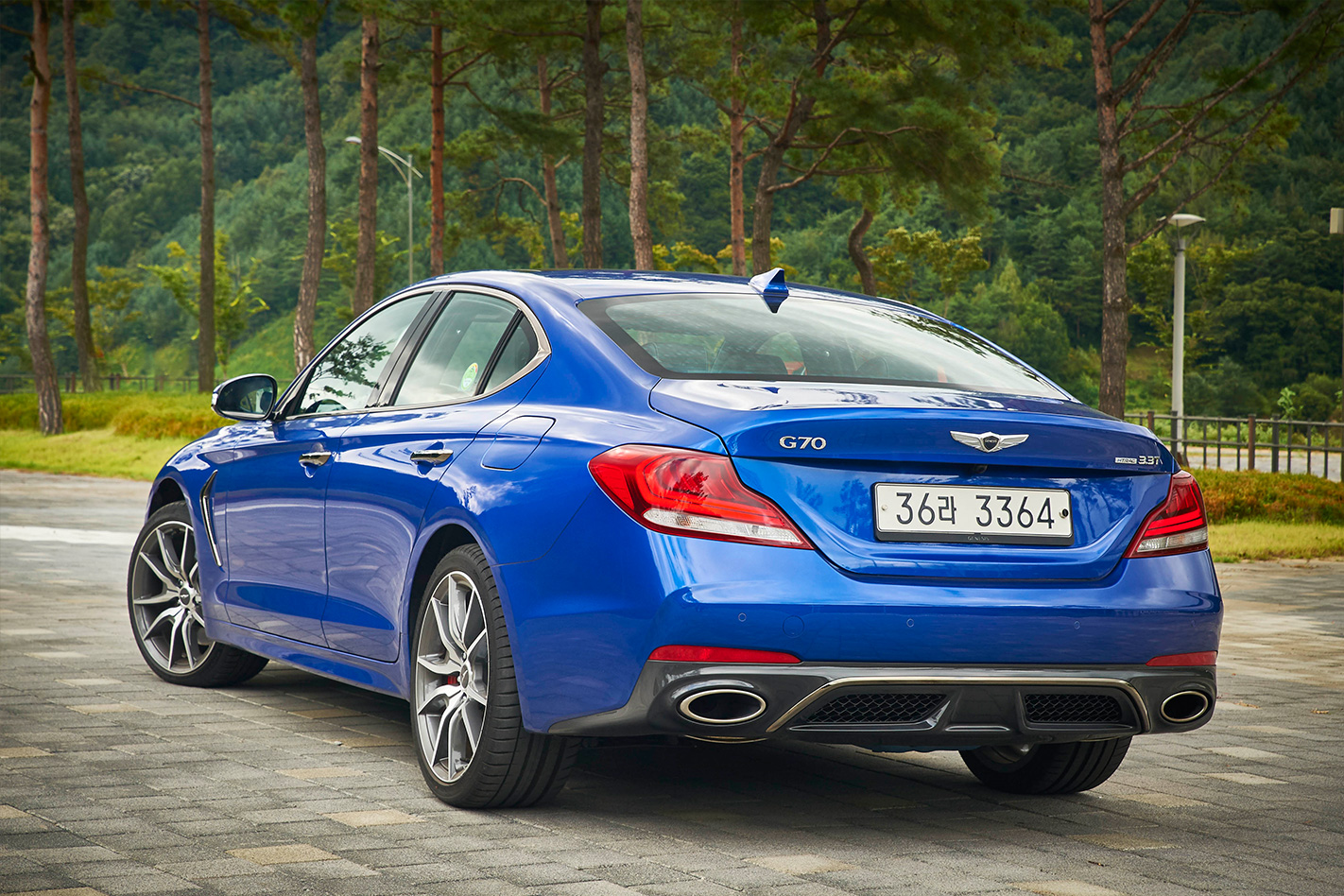
On the subject of the exterior styling, I’d agree with the official Genesis line that it has proportion and athleticism, but it’s not what you’d call an expression of minimalism. There’s a lot going on at the front, while the rear lacks the crisp elegance of the revised G80 sedan we’ll see in Australia around the same time as the G70. But … ignore the moronic trolls online and form your own opinion once you see it in the metal. It’s a bit derivative from some angles, but in no way dumpy of ungainly.
As for a driving assessment, regulars here will be familiar with the old line “we’ll reserve judgment until we can drive the car on Australian roads” but in this instance, it’s more a case of reserving judgment until we drive the actual car that will be sold in Australia. All we can provide here is an impression of the G70 in its broader role, because the spec of the cars we drove were not representative of what we’ll get in Australia, and we weren’t offered a drive of the 2.0-litre turbo four that will take at least 60 percent of G70 volume in Australia.
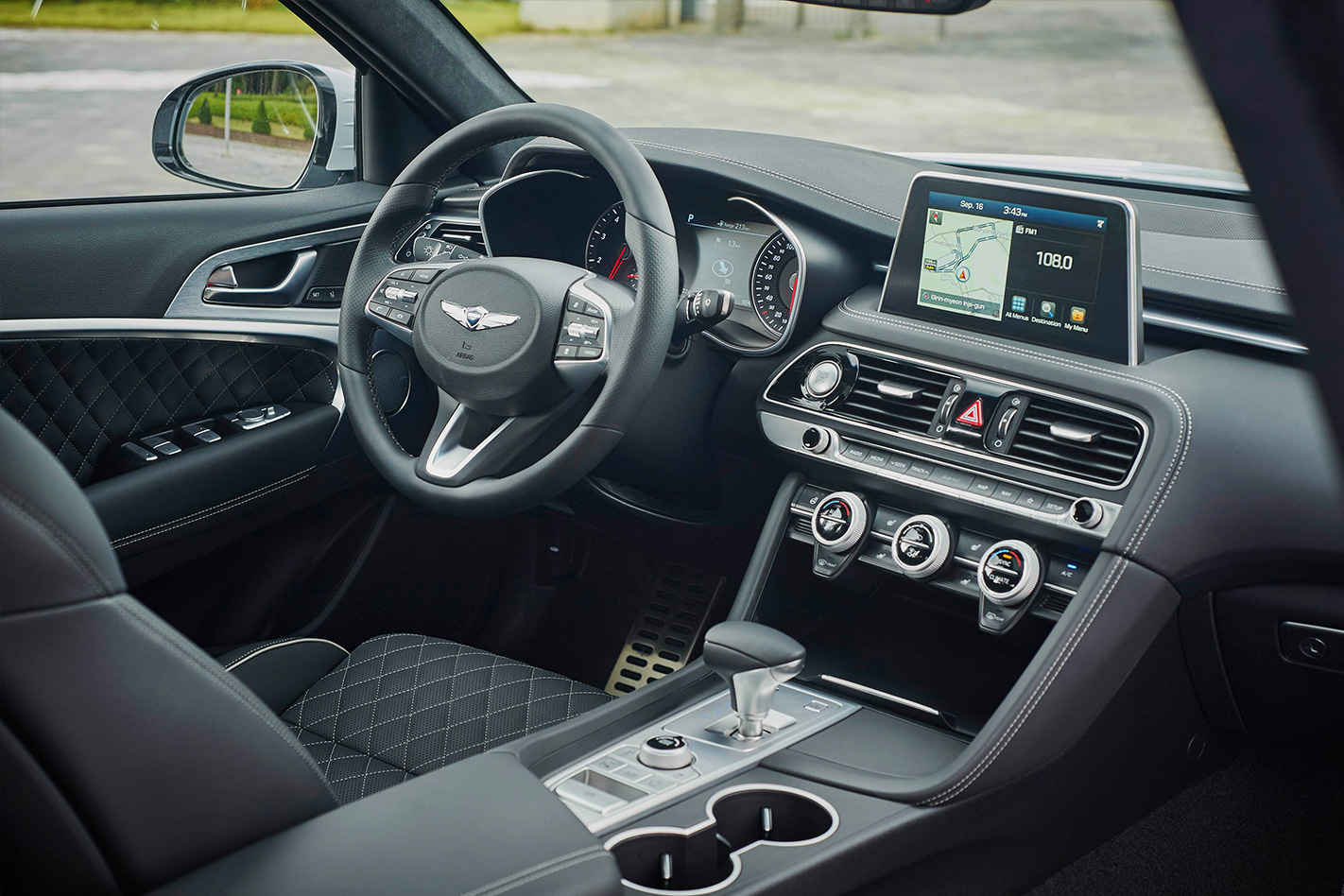
But let’s get back to the positives. The interiors of the cars we sampled – the top-spec sport and luxury lines (with these model tiers yet to be decided by HMCA) exuded a suitably premium feel in terms of materials and especially in equipment levels. Yes, we are now in an era where a Mazda CX-9’s interior feels premium, so there’s not the gulf there once was, and the G70’s interior won’t be the cause for anyone at Audi breaking out in cold sweats. But the layout is utterly intuitive (if not really adventurous) and the leather, aluminium and general feel-good factor are persuasive. The driving position has plenty of scope to accommodate a variety of body shapes, and the seats themselves are top notch, with loads of adjustment, and power extension of the under thigh section that brings a big thumbs up. The G70 rebukes the trend to move all minor controls to the infotainment screen, another move which will no doubt find plenty of supporters. The touch screen is tablet style, rather than a full integration, and the graphics are a bit on the basic side, but functionality is fine.
At 4685mm long, 1850mm wide and 1400mm high, the G70 is 157mm shorter, 18mm narrower and sits on a 70mm shorter wheelbase than the Kia Stinger, with which it shares much of its platform and drivetrain fundamentals. That reduction in size is most apparent in terms of rear-seat accommodation. It’s on the tight side for anyone approaching six foot, and there’s barely any footroom if the front occupants have their seats set at the lowest level.
At the brilliantly named Inje Speedium circuit, where Albert Biermann was quick to point out “it’s not a performance car, it’s a luxury car with sporting ability,” the AWD G70 still acquitted itself pretty well at effort levels of around eight tenths. There was more roll than you may expect with the adaptive dampers in Sport mode, but Aussie cars will surely be more resilient. What is encouraging is that the ESC calibration is nicely judged, giving enough latitude to allow the rump to be usefully engaged in line tightening.
The rear-drive car, much closer in spec to what we will see in Australia, was a way more satisfying thing to drive hard, even if we were only permitted a single lap in it. The slight nose heaviness of the AWD car was removed, thanks to the deletion of the power take-off unit and front drive shafts, and instantly there was much crisper, more incisive turn-in, followed by much better mid-corner balance.
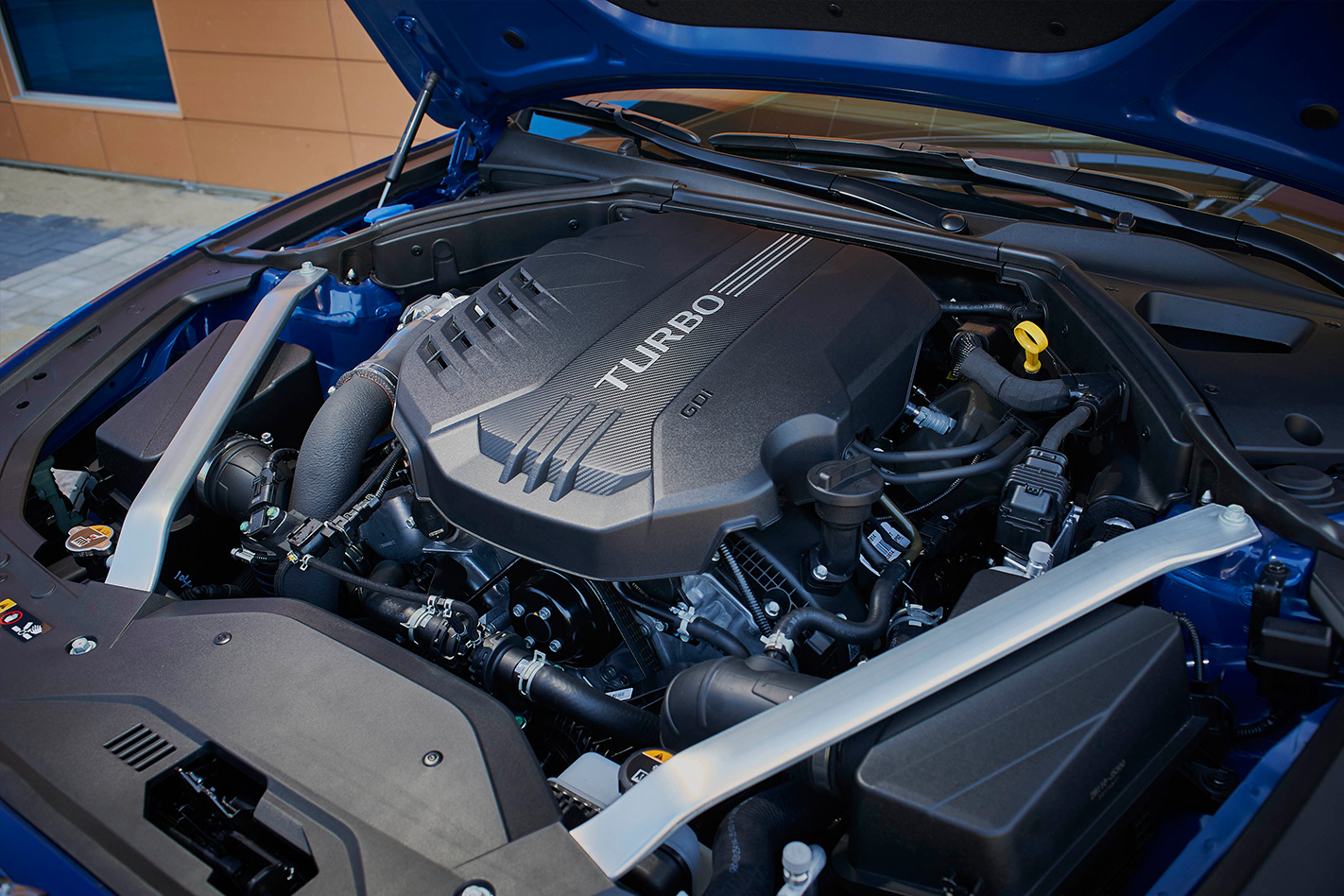
But it’s premature to try and forecast if the G70 can really rival the best in this class for dynamics. First impressions suggest its weight may hold it back, but it won’t be far short. Fact is Hyundai knows that being a dynamic benchmark isn’t essential to success this segment. A nice riding, good driving package will be enough, given that overall refinement is excellent. And the Australian-spec G70s, we predict, will deliver all this and more. The G70’s powers of persuasion will come from other angles of attack; like standard equipment for which the Euros gouge you via expensive option bundles, a longer warranty, the promise much easier ownership experience, with courtesy car drop off and collection at service time.
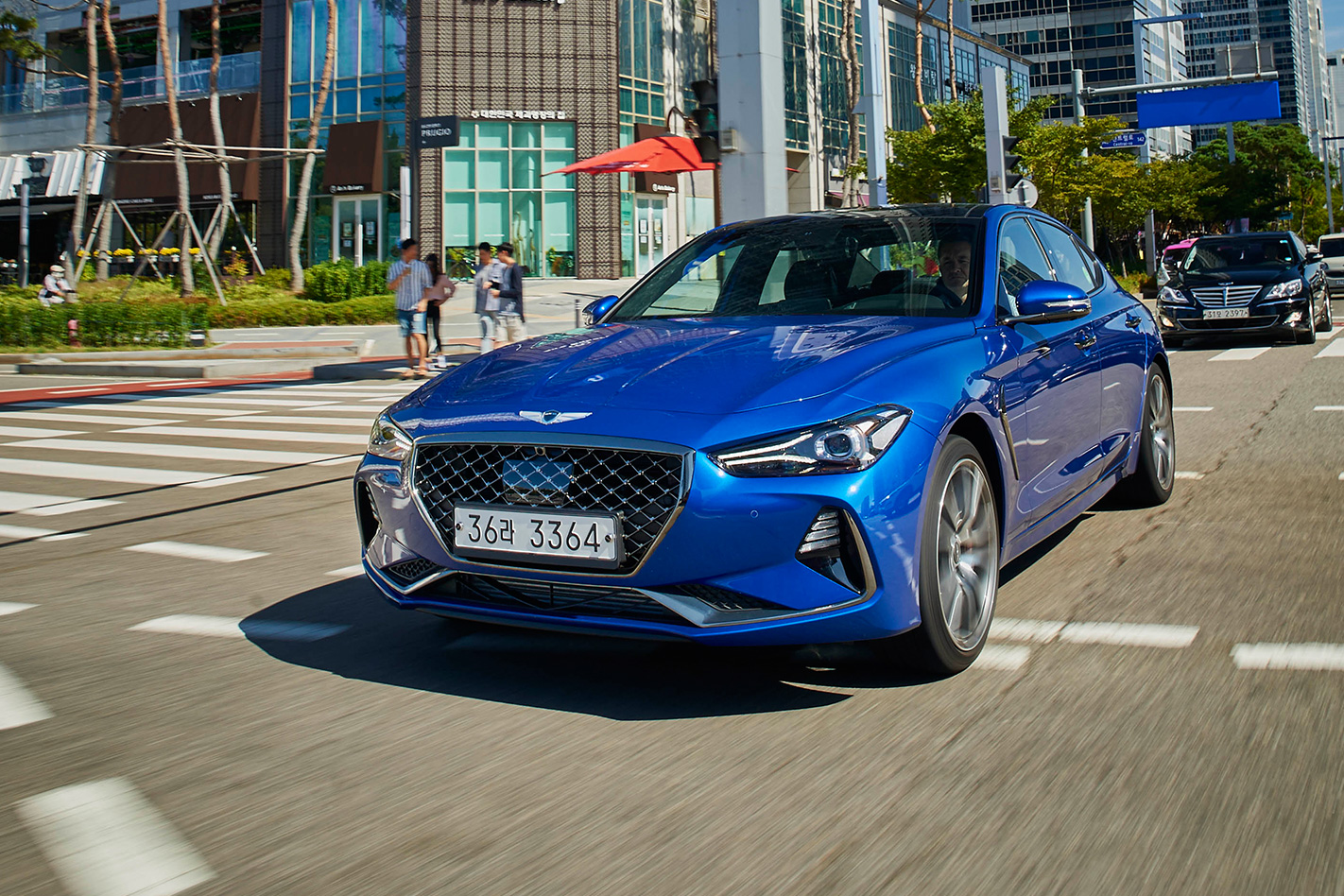
In short, Genesis doesn’t just herald a new beginning for Hyundai, it has the potential to usher in a new era of discomfort for the premium European brands. The game hasn’t changed, but a serious new player just joined the table.
SPECS
Model: Genesis G70 Engine: 3342cc V6 (60 degree), dohc, 24v twin turbo Max power: 272kW @ 6000rpm Max torque: 510Nm @ 1300-4500rpm Transmission: 8-speed automatic Weight: 1750kg (estimated) 0-100km/h: 4.7sec (claimed) Economy: 8.4L/100km (check estimated) Price: $70,000 (estimated) On sale: Q1, 2018
THE PROSPECT of a Holden Commodore powered by an imported Japanese engine was greeted with derision when it was first mooted early in 1983.
We won’t let it happen, said the unions; who’s going to buy one, scorned long time Holden customers; even the specialty press wondered if it could possibly be true.
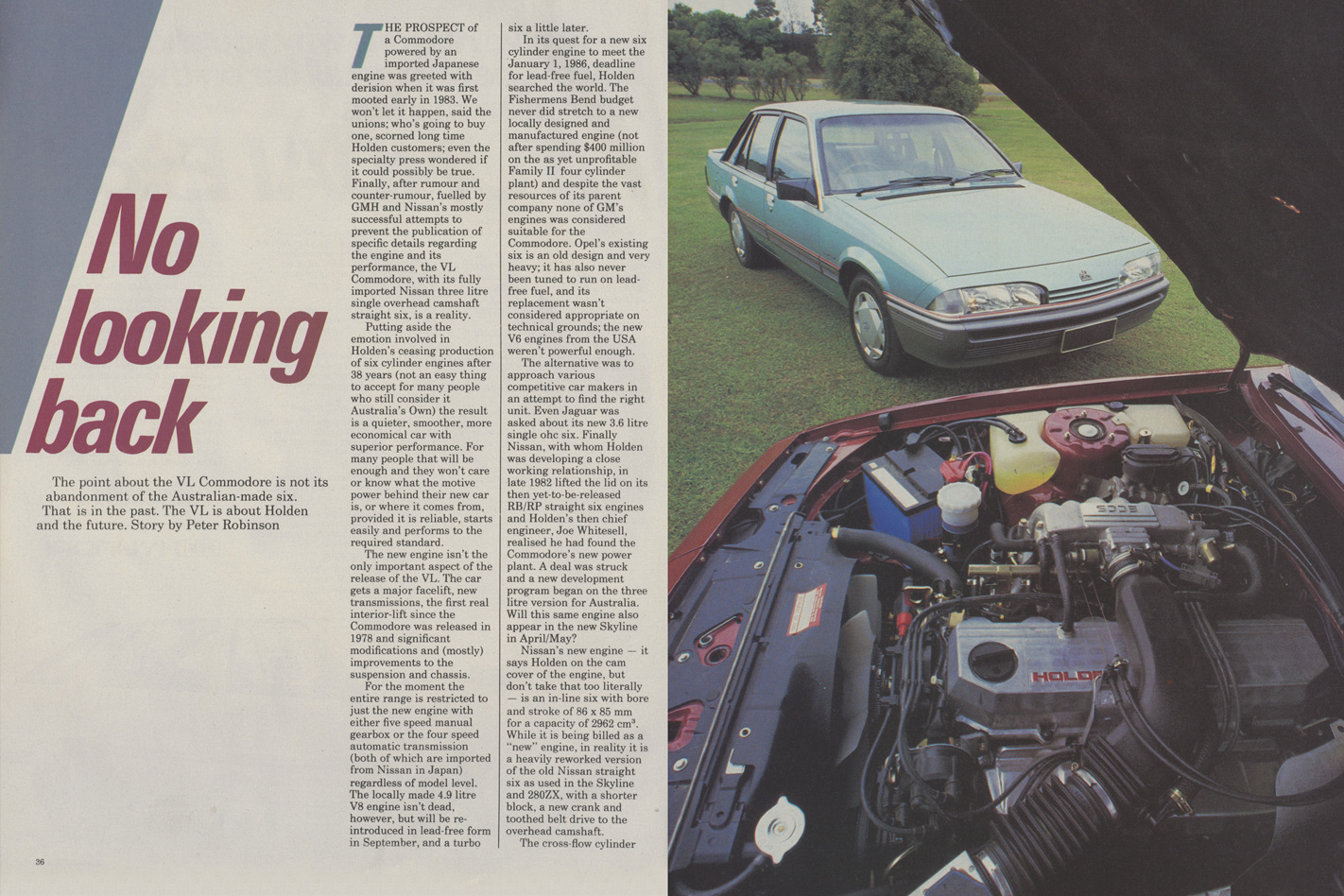
Putting aside the emotion involved in Holden’s ceasing production of six cylinder engines after 38 years (not an easy thing to accept for many people who still consider it Australia’s Own) the result is a quieter, smoother, more economical car with superior performance. For many people that will be enough and they won’t care or know what the motive power behind their new car is, or where it comes from, provided it is reliable, starts easily and performs to the required standard.
The new engine isn’t the only important aspect of the release of the VL. The car gets a major facelift, new transmissions, the first real interior-lift since the Commodore was released in 1978 and significant modifications and (mostly) improvements to the suspension and chassis. For the moment the entire range is restricted to just the new engine with either five speed manual gearbox or the four speed automatic transmission (both of which are imported from Nissan in Japan) regardless of model level.
The locally made 4.9 litre V8 engine isn’t dead, however, but will be reintroduced in lead-free form in September, and a turbo six a little later. In its quest for a new six cylinder engine to meet the January 1, 1986, deadline for lead-free fuel, Holden searched the world. The Fishermens Bend budget never did stretch to a new locally designed and manufactured engine (not after spending $400 million on the as yet unprofitable Family II four cylinder plant) and despite the vast resources of its parent company none of GM’s engines was considered suitable for the Commodore. Opel’s existing six is an old design and very heavy; it has also never been tuned to run on lead-free fuel, and its replacement wasn’t considered appropriate on technical grounds; the new V6 engines from the USA weren’t powerful enough.
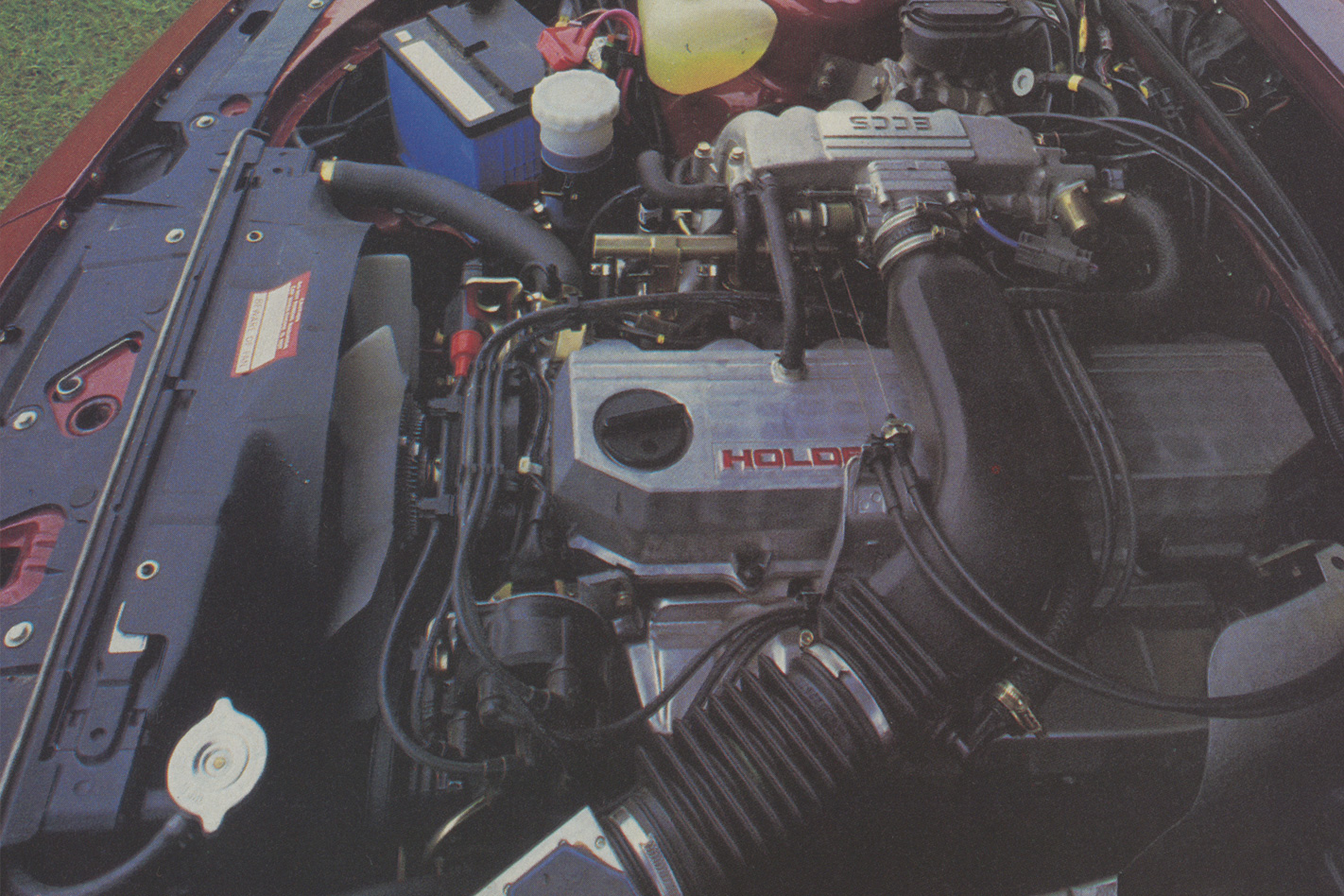
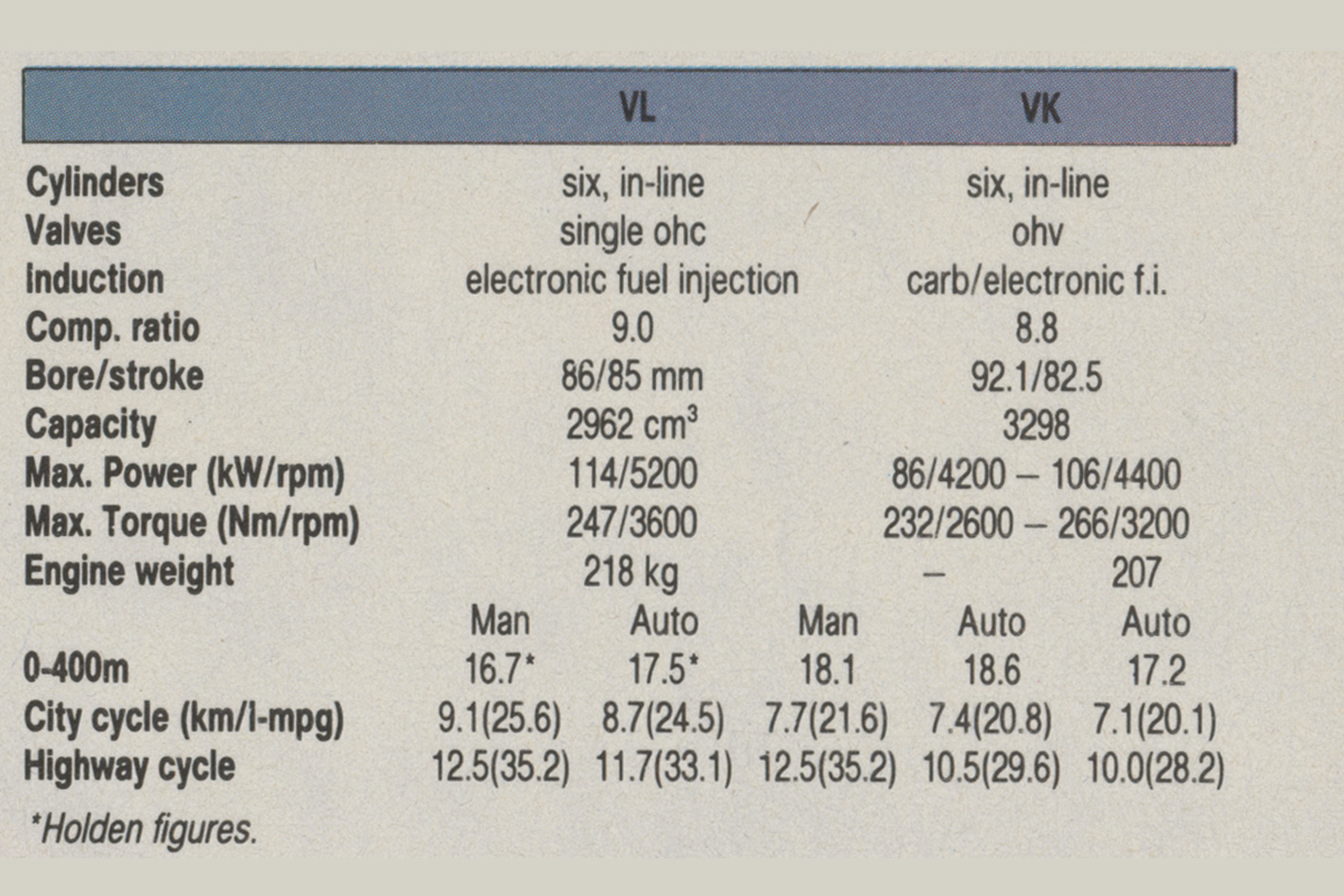
Nissan’s new engine- it says Holden on the cam cover of the engine, but don’t take that too literally – is an in-line six with bore and stroke of 86 x 85 mm for a capacity of 2962 cm3.
While it is being billed as a “new” engine, in reality it is a heavily reworked version of the old Nissan straight six as used in the Skyline and 280ZX, with a shorter block, a new crank and toothed belt drive to the overhead camshaft. The cross-flow cylinder head is alloy (but the block is iron) and it uses Nissan’s version of Bosch electronic fuel injection. Despite its apparent new generation specification the engine weighs 218 kg, or 11 kg more than the old injected six when both are fully dressed and ready to run.
An engine management system using a sophisticated microcomputer controls the fuel injection, ignition timing, idle speed control, fuel pressure control, fuel control and self diagnostics. The result is an engine that develops 33 percent more power than the old carby six and yet uses 15 percent less fuel. The VL Commodore develops 114 kW at 5200 rpm and 247 Nm of torque at 3600 rpm, compared to the previous carburettor engine’s 86 kW at 4200 rpm and 232 Nm at 2600 rpm, and the injected engine’s 106 kW/4400 and 266 Nm/3200.
The result, however, is a high performance sedan that is going to blow most coupes and European sedans into the weeds and will give Ford cause to ponder an effective answer to Holden’s fuel injected challenge. The engine is flexible and responsive and pulls strongly from 1000 rpm in a gutsy manner that will please long time Holden owners who want to believe this is the way all cars should behave. What is very different about this Holden is that the engine will then it pull cleanly, effortlessly to the redline that is a BMW-like 6200 rpm. There is an cooling is provided through if the bumper bar.
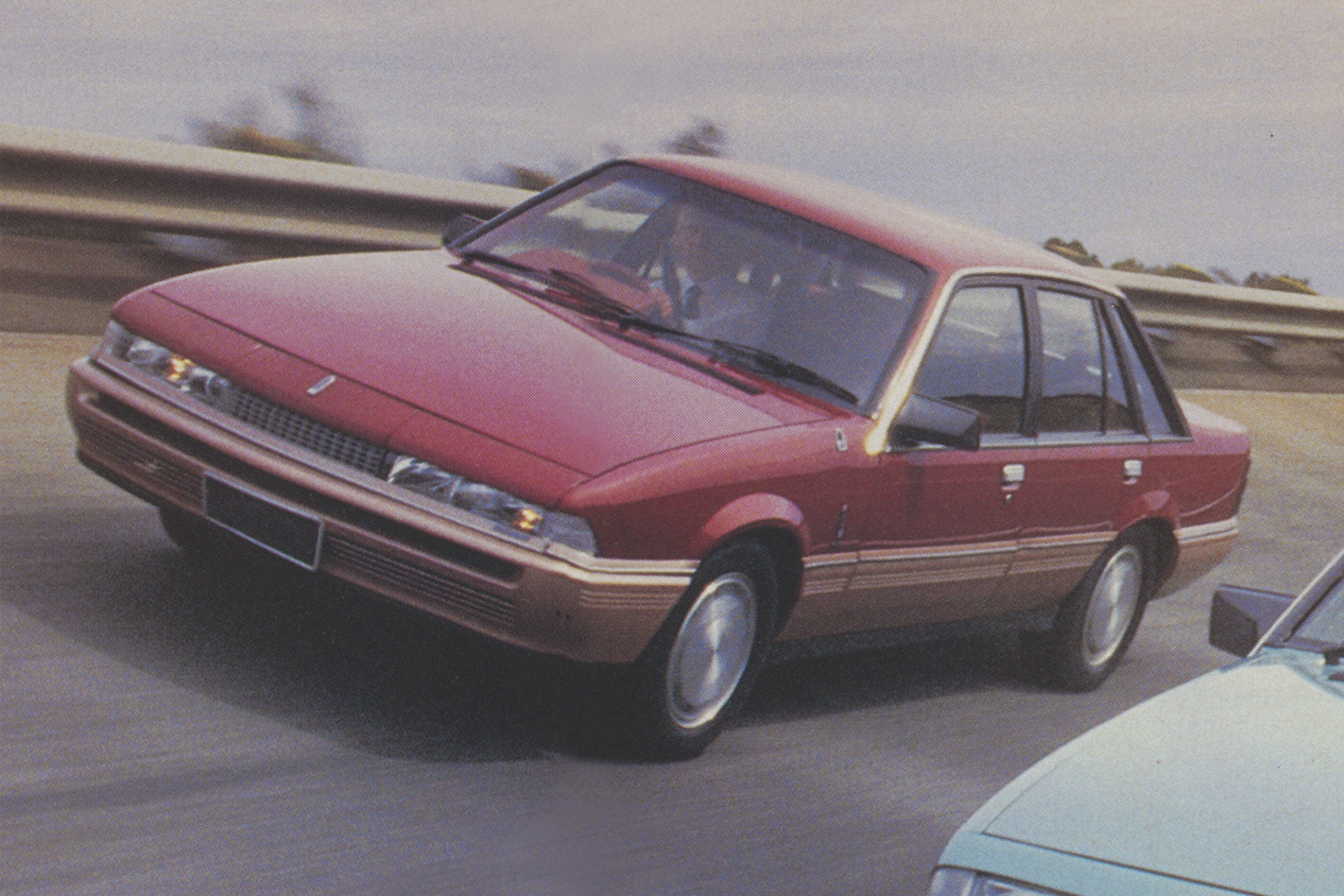
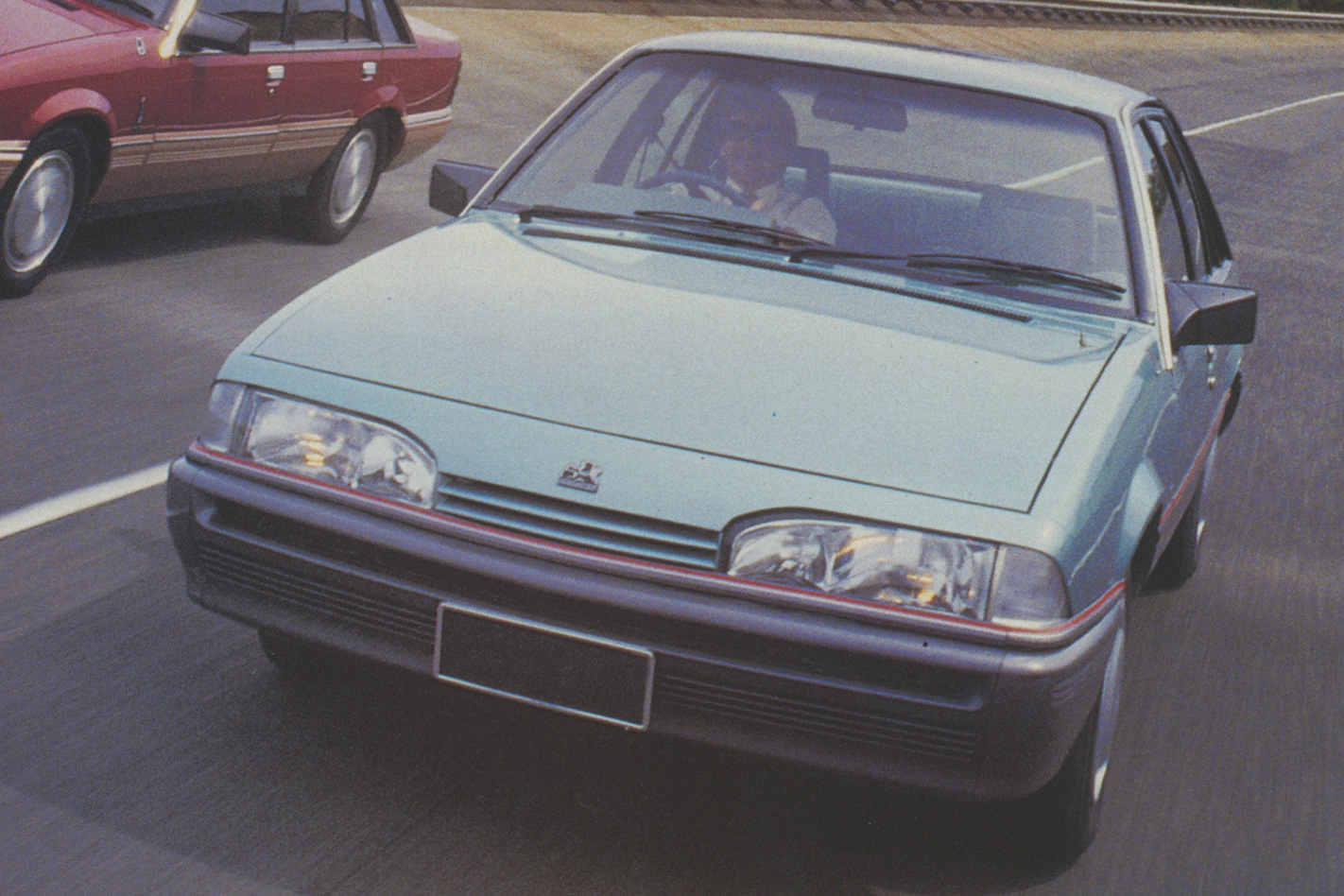
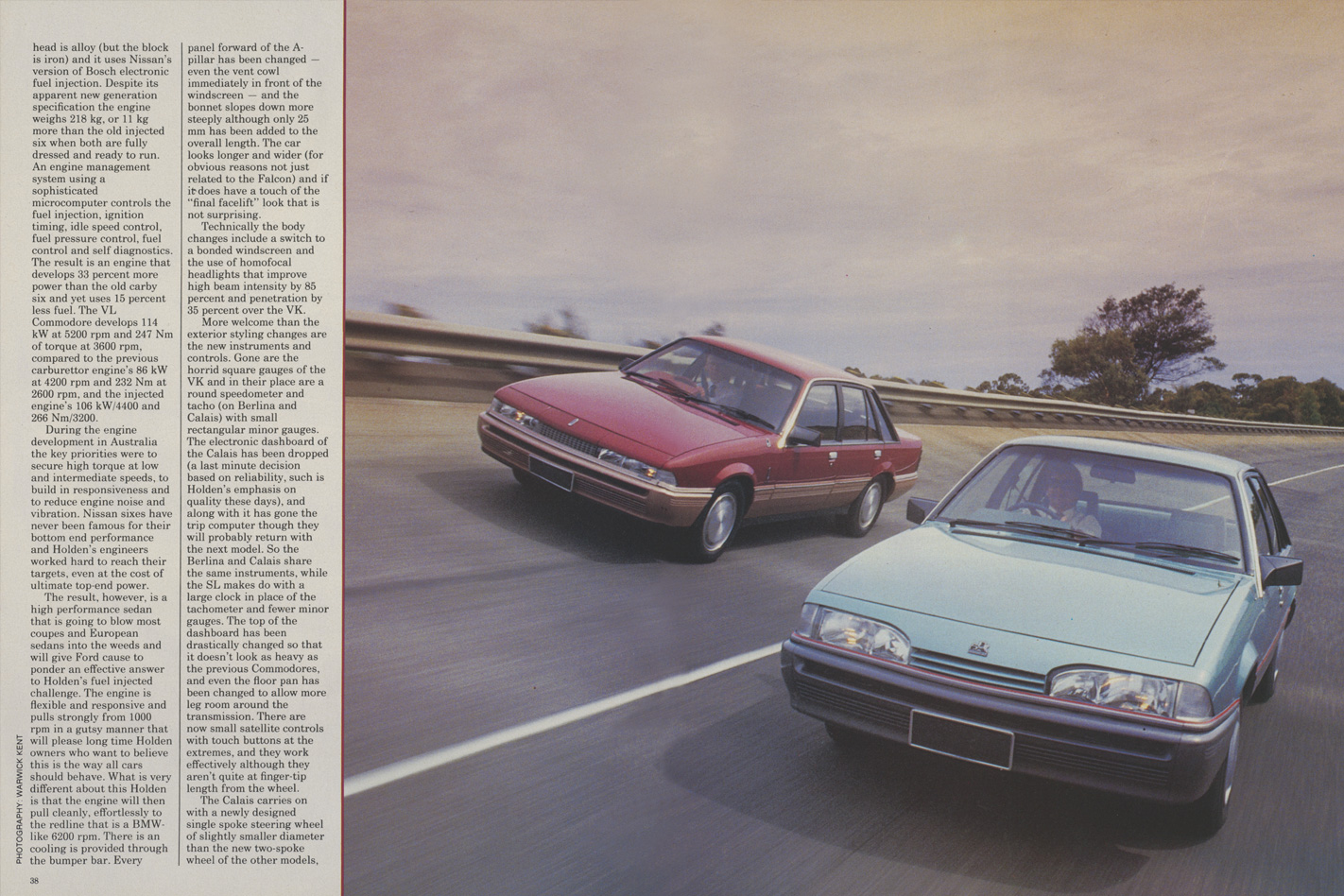
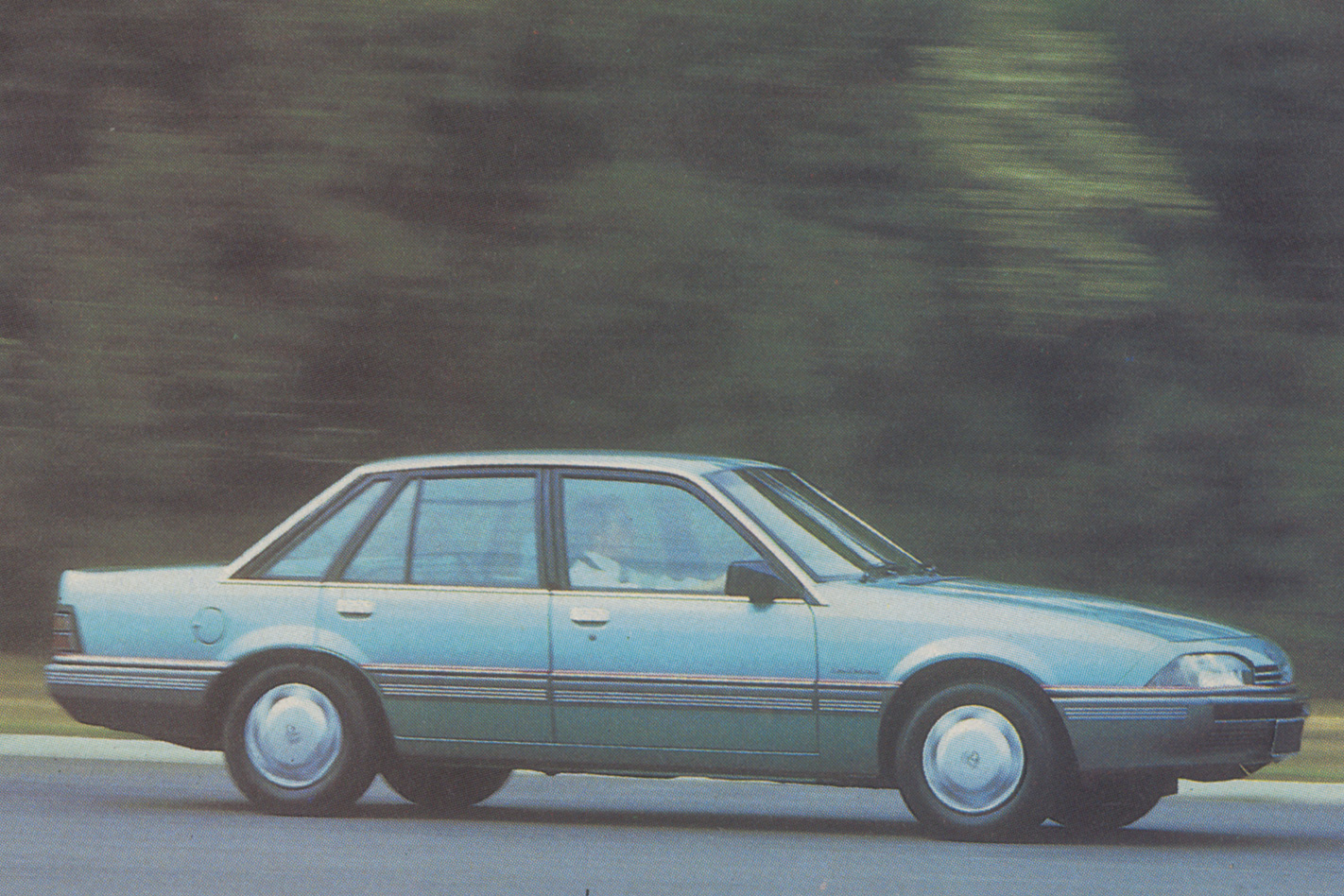
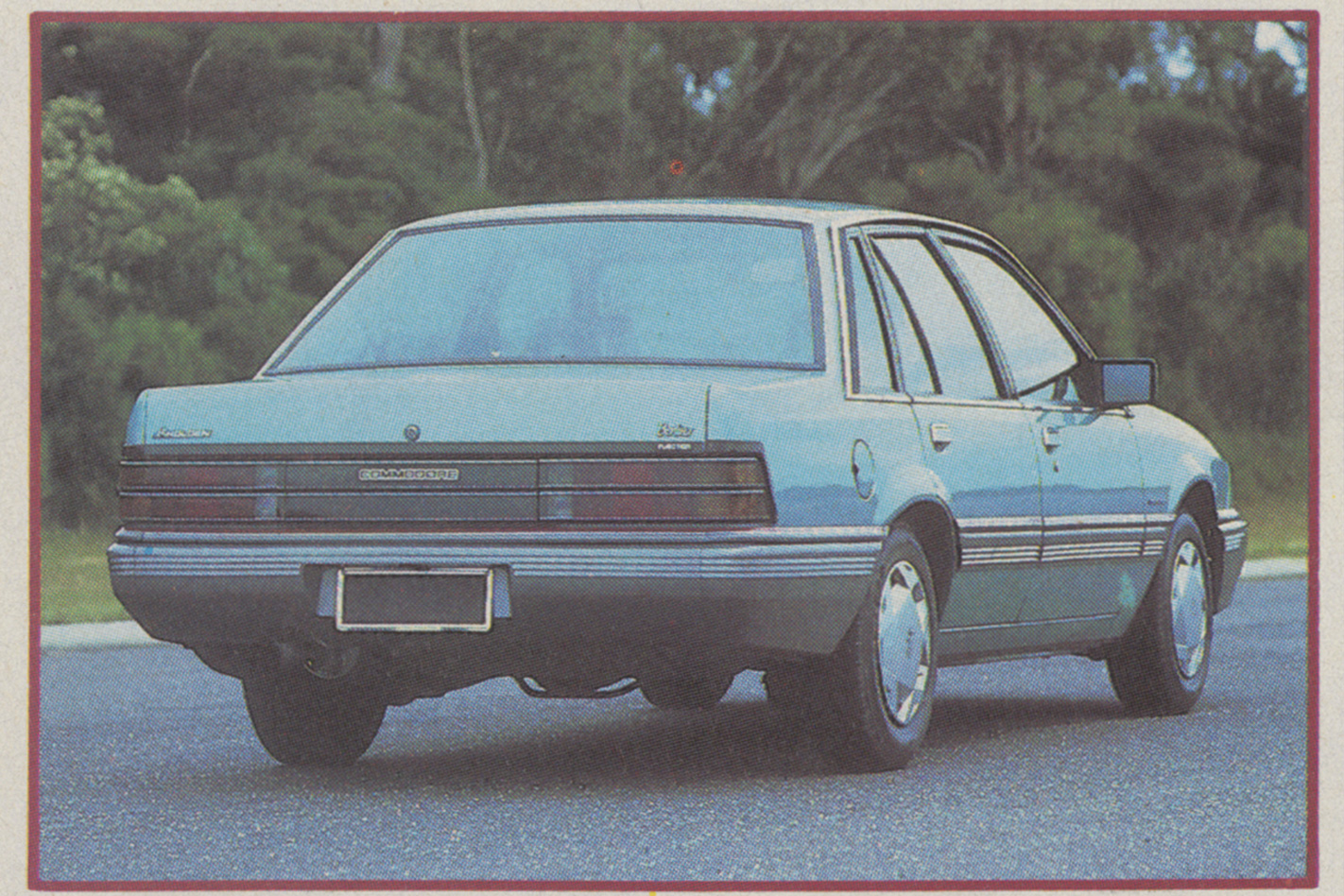
Every panel forward of the A-pillar has been changed – even the vent cowl immediately in front of the windscreen – and the bonnet slopes down more steeply although only 25 mm has been added to the overall length. The car looks longer and wider (for obvious reasons not just related to the Falcon) and if it does have a touch of the “final facelift” look that is not surprising.
Technically the body changes include a switch to a bonded windscreen and the use of homofocal headlights that improve high beam intensity by 85 percent and penetration by 35 percent over the VK Commodore.
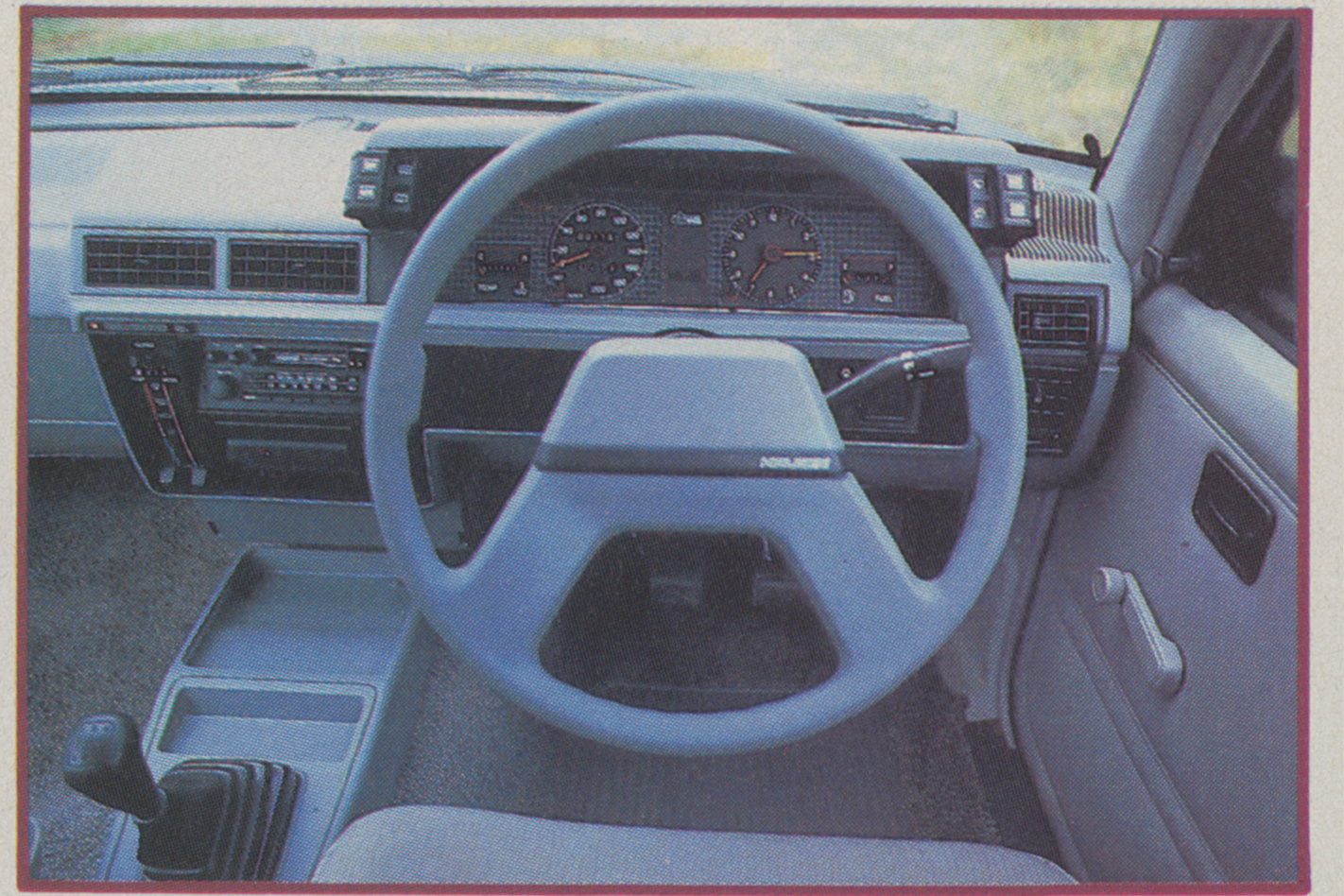
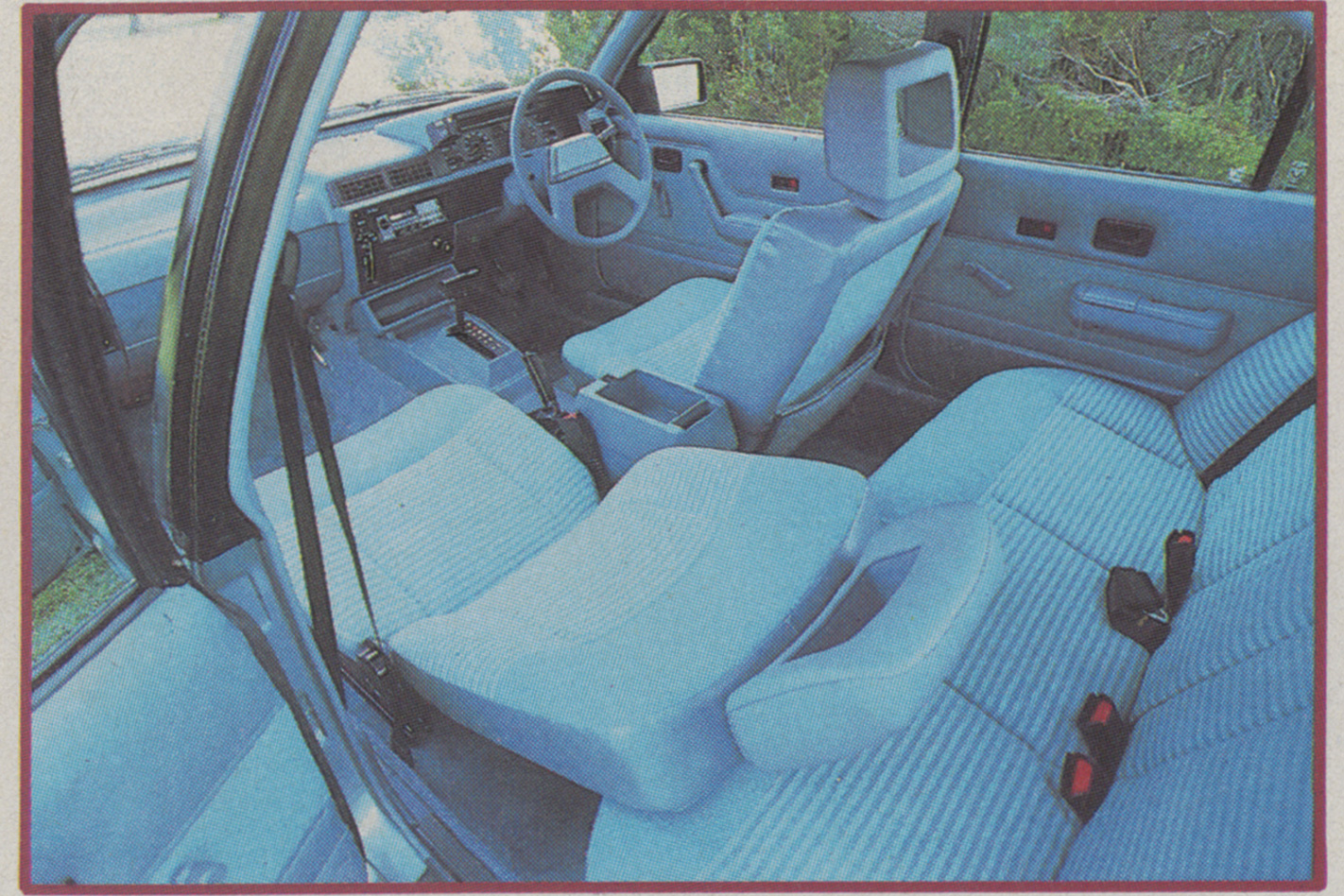
The top of the dashboard has been drastically changed so that it doesn’t look as heavy as the previous Commodores, and even the floor pan has been changed to allow more leg room around the transmission. There are now small satellite controls with touch buttons at the extremes, and they work effectively although they aren’t quite at finger-tip length from the wheel.
The front bucket seats are new in the Calais and orange warning zone at 5600 rpm but it is a warning only and the 6200 is there to be used (there’s an electronic cut-out at 6300 rpm). On Holden’s speed bowl the VL Commodore – and remember this is the base fleet owner’s car — proved it was capable of over 190 km/h …
Equally, the quality of the gearchange, with its hydraulic clutch, ensures another side of the car has been dramatically improved. It’s much slicker and more precise, and far easier and more enjoyable to use. The ratios are tall in the extreme, even by today’s standards – second will pull to over 100 km/h and third almost to 160 km/h. But the engine is able to cope so efficiently you come to the conclusion that the gearing is close to perfect. The direct fourth gear ratio gives 32.9 km/h per 1000 rpm while the overdrive fifth with the 3.45 final drive ratio produces 43.4 km/h per 1000 rpm.
The Nissan automatic is even taller in its gearing, the lock-out overdrive fourth gear – its button very conveniently located on the right of the console mounted selector – giving a massive 47.9 km/h per 1000 rpm using the same final drive ratio as the manual cars. Cruising is effortless and quiet, hardly surprising since at 100 km/h the engine is only turning over at 2100 rpm, while even the direct third gear at the same speed only has the engine working at a lazy 3000 rpm.
The automatic is set to change up at 5200 rpm, and while there is some hunting, especially when the overdrive is switched in, it changes up smoothly and complements the engine perfectly. There are two shift patterns controlled by another button for normal and power modes; these alter the part throttle change-up points by about 10 percent.
We’ve timed the old injected VK auto at 17.2 seconds and fully expect the VL to beat that, while a 16.5 second 400 m time is highly likely from an SL manual. With its crisp exhaust note, sharp responsiveness and quiet, easy manners this car is going to appeal both to the enthusiast and to the tired company man who has to struggle home in the commuter traffic.
The changes to the chassis include switching from linear rate front springs to progressive, while the front geometry has been reset. At the same time the manual steering gear is now of the variable ratio type and the linkages have been relocated forward and down to reduce toe-out and roll steer and make the car more predictable on loose surfaces. There are 4.6 turns lock to lock with an on-centre ratio of 19.7:1 which goes out to 24.5 on lock. The old rack and pinion system was 19.9:1. The power steering, too, has changed to a variable ratio set-up and is now engine-speed regulated. The on-centre ratio is 17.2:1 reducing towards full lock to 11.8:1 while the previous power steering had a ratio of 15.8.
The ride is softer, too, and there is more body roll, but the handling is now so predictable that even people raised on manual steering Falcons will find it relaxing to drive. There is perhaps marginally more understeer in most conditions, but a final judgement will have to wait until we can put it over our road test course.
The Commodores get Camira-like headlights – shared with the Calais, though the styling disguises this fact – and a small two-bar grille; additional completely retrimmed versions of the old in the other models. The rear seat has been revised around the wheel arches to make it more comfortable for three adults and a dead pedal has been added on all models.
But the new engine and gearboxes are a giant step forward, the car’s mechanical sophistication is quite outstanding and the changes to the interior sensible and practical, as well as being visually appealing. The Falcon just might have trouble holding sales leadership over the Commodore in ’86.
