
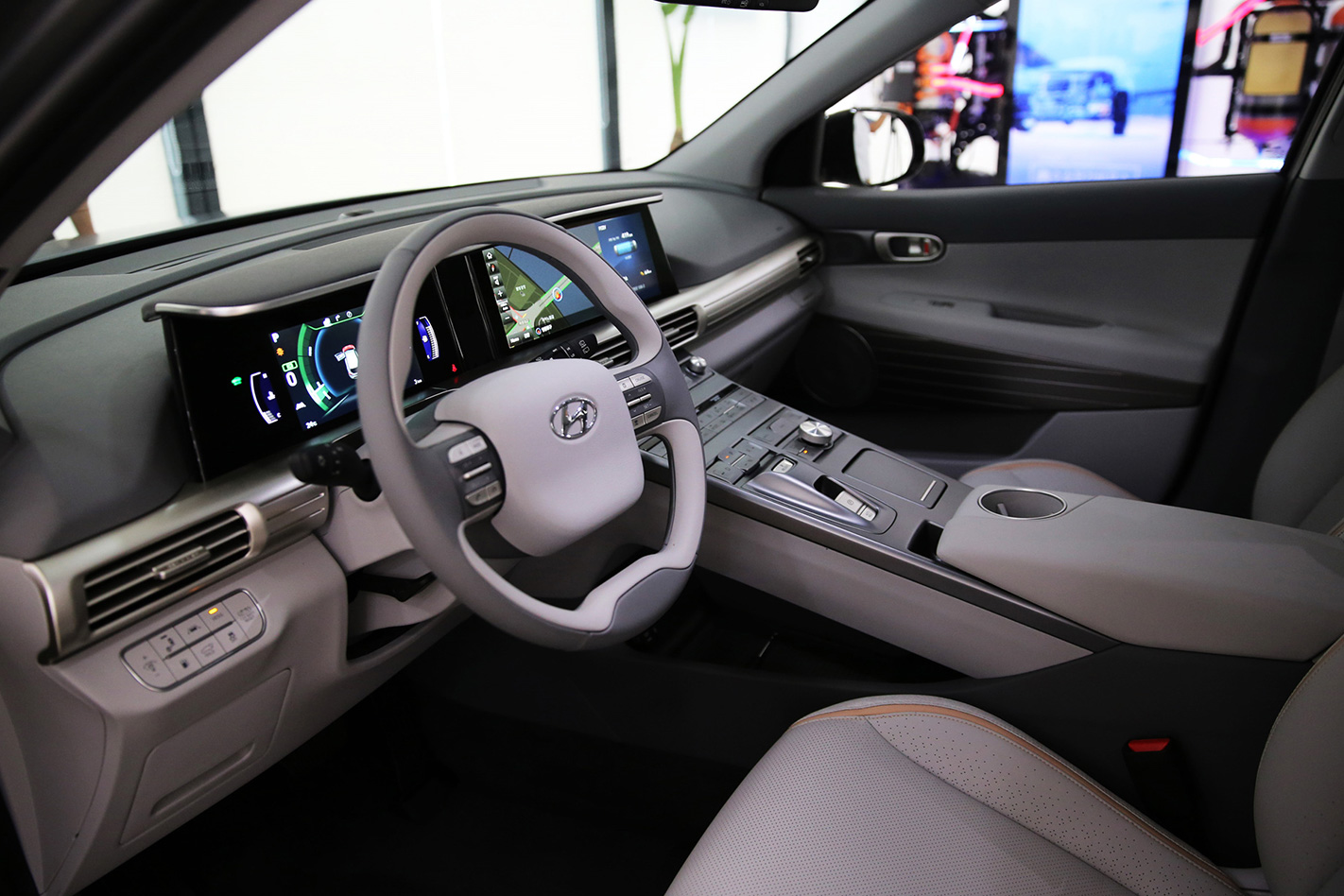
HYUNDAI has offered a first glimpse of its all-new hydrogen powered SUV at a special event in South Korea this morning, previewing its latest advances in zero-emissions drivetrains and the future of its electrified vehicle program.
The company has been developing a successor to the ix35 Fuel Cell, but all details including performance figures, range, and even its name have been kept completely under wraps until now.
Wheels understands the new version will not continue the nomenclature of the previous fuel-cell powered high-rider, or the Tucson successor name, but the vehicle’s new moniker will be confirmed at the Consumer Electronics Show in Las Vegas in 2018 along with more technical information. For now, the vehicle has been codenamed FE.
Hawk-eyed snow bunnies may have already spotted the top secret vehicle on Australian roads, with a pair of the prototypes brought to Australia for cold weather testing last month.
Hyundai Motor Company Australia is yet to confirm if the production version of the FE will be offered in local showrooms, but at least 20 examples will be coming to Australia in late 2018 as part of the Hornsdale Windfarm Stage 3 project.
Unlike the ix35, the latest FCEV platform has been developed specifically to accommodate a fuel-cell drivetrain and the benefits are clear, says Hyundai.
Compared with its outgoing sibling, the FE has a 60 percent system efficiency – an improvement of nine percent over the ix35 – and has a driving range of more than 580km under South Korean testing standards and about 800km on the European economy scale, which represents more than 300 extra kilometres over the previous car.
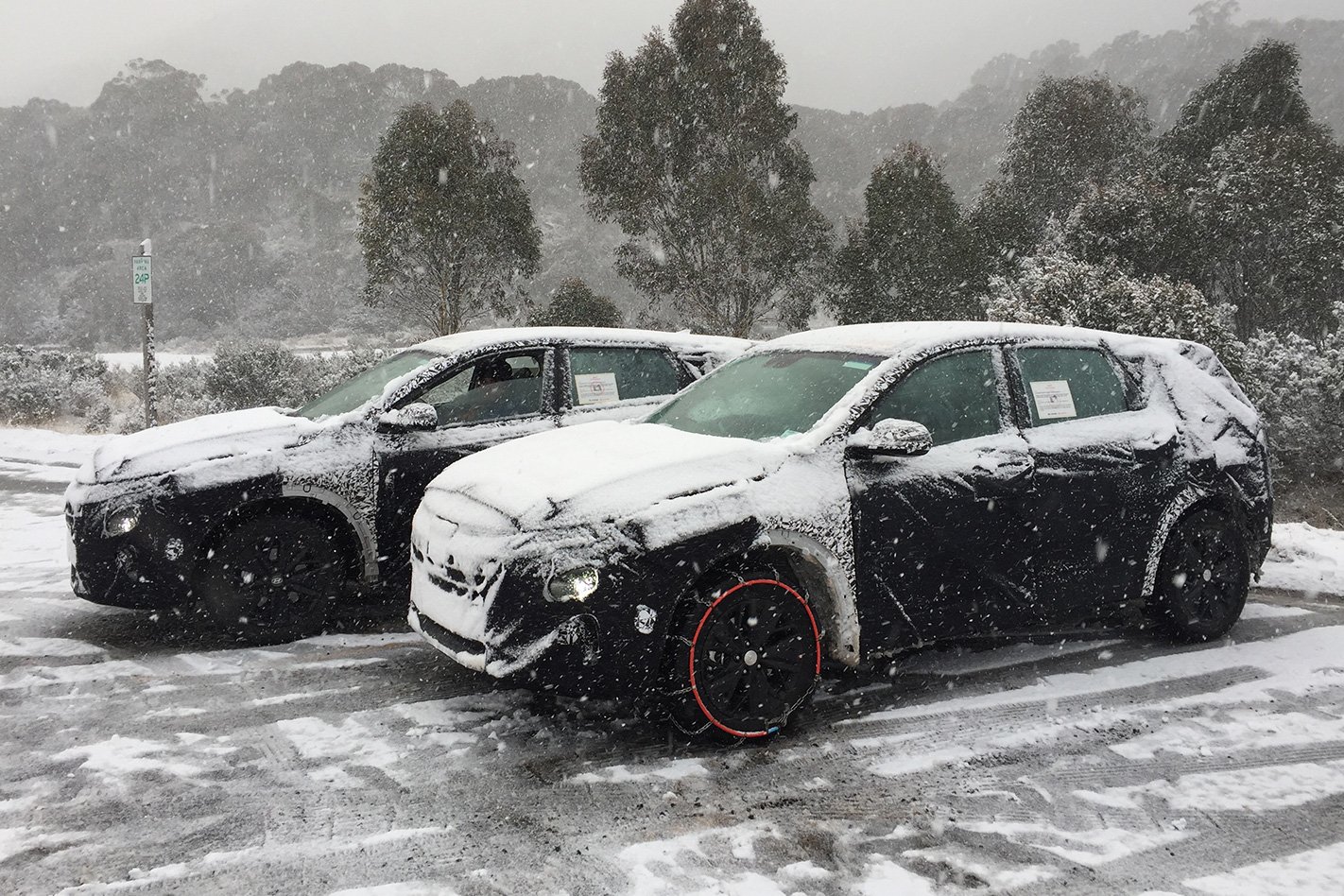
Thanks in part to Australia’s cold climate and the recent testing, cold start characteristics have also been improved – a challenge for any fuel cell, which needs to be warmed before returning optimum efficiency and performance.
While fuel-cell stack optimisation was key to the development of the latest Hyundai FCEV, its complex storage tank has also been significantly improved.
Three equal-sized composite-material cylinders replace the two different sized tanks in the previous model and have been developed to use advanced liners and a new material layering process, which has allowed the overall thickness and weight to be reduced without compromising durability.
Hyundai has not specified the capacity of the new storage layout, but it is expected to exceed the ix35 Fuel Cell, which had a maximum fill of 5.67kg of hydrogen at maximum fill pressure.
From the image of Australian winter testing, it appears the new car will be front-drive rather than an all-terrain conquering all-wheel drive, with snow chains applied to only the front wheels.
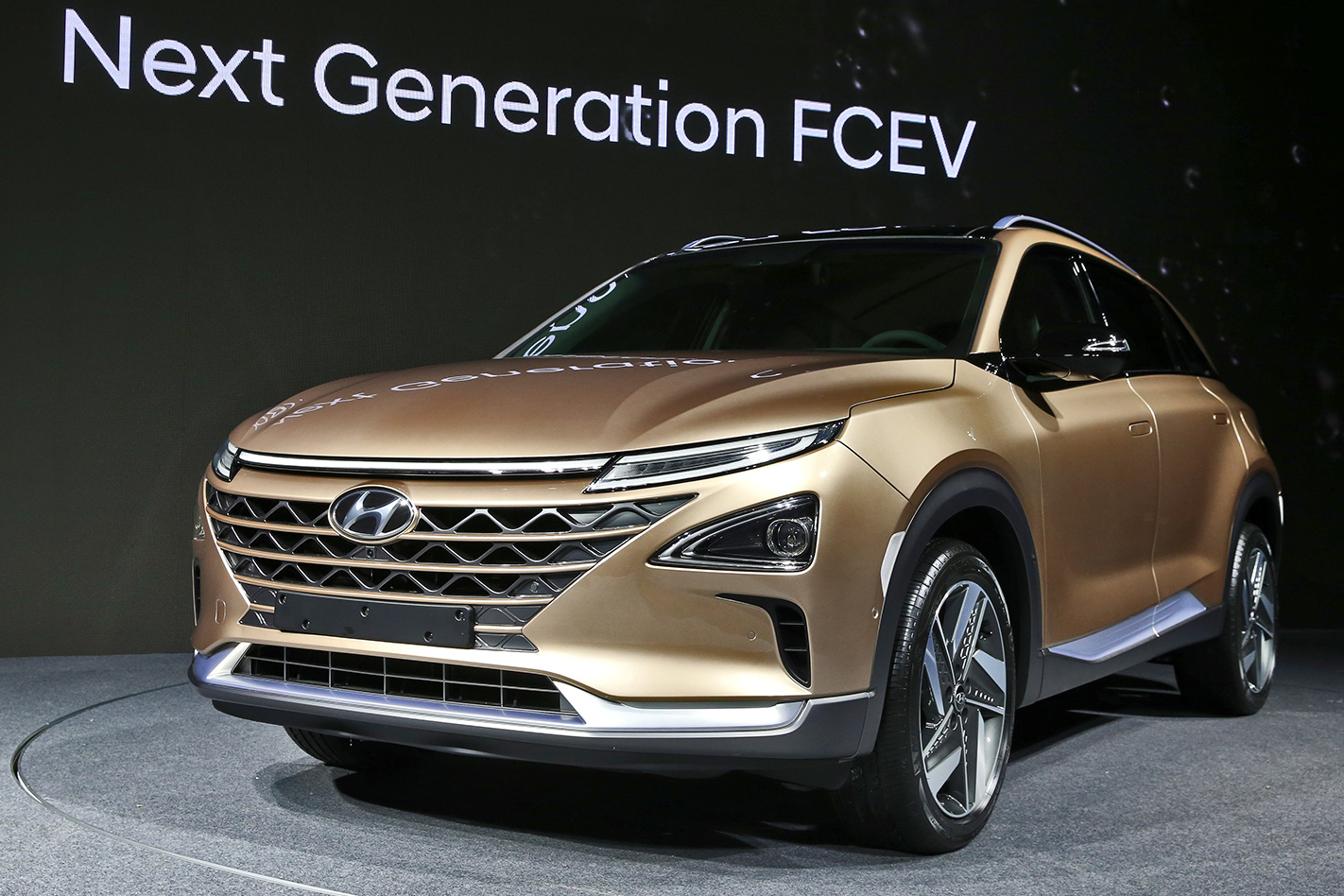
For the vehicle’s exterior styling, “organic and flowing forms” were inspired by the car’s only emission – water, while clean design is representative of its non-polluting nature, says Hyundai.
While the new fuel-cell model is a significant move in its own right for the company, Hyundai says the unnamed car is representative of a wider strategy and a hint at what is to come. Following on from the Ioniq small sedan that is available with three electrified drivetrains, more environmentally considerate cars are on the way.
Before the year 2020 is out, Hyundai will offer 31 ‘eco-friendly’ models in its ranks as part of a ‘multi-pronged approach’ that will spawn electric, hybrid, and fuel-cell cars under both Hyundai and Genesis brands.
HMCA has yet to update its strategy regarding the future of electrified vehicles but the Ioniq will arrive in 2018 and the company has already imported an ix35 Fuel Cell for publicity and demonstration purposes, along with its own hydrogen filling station.
Globally speaking, the eco-car roll out will include an EV version of the Kona compact SUV in the first half of 2018, followed by a pure electric Genesis model in 2021, and another model Hyundai simply describes as ‘a long range EV with 500km range’ after 2021.
BMW is planning to steal a generous chunk of the attention at the Pebble Beach automotive extravaganza this weekend, with a two-seater convertible concept that is expected to herald a new-generation Z4.
All will be revealed at the Concours d’Elegance in California on the 17th when the German car maker wheels out the flashy concept in full, but until then, this moody image, released via its social media pages, should keep sexy sportscar fans happy.
The single image shows a classic long-bonnet, short rear overhang and topless accommodation for two in keeping with the Z4 mantra of two generations previous, as well as an evolution of its trademark broad BMW kidney grille.
Other notable features include typical slender concept car door mirrors that will certainly not make the production cut, fibre-optic side lights similar to the i8’s, and aerodynamic shrouds behind each headrest for a touch of race car prestige.
All details including drivetrain specification, performance and dimensions will have to await the official reveal but, even then, just how much metal will make it to the production version will not be fully known until a reveal of the third-gen Z4.
When it arrives, the new Z4 will share a platform with Toyota’s similarly hyped Supra, in a technical collaboration similar to the deal between Mazda and Fiat to produce the mechanically related MX-5 and 124 Spider.
In the case of the Japanese version, the sportscar is expected to be offered with a hybrid powertrain and auto-only transmission, but the BMW is rumoured to kick off with a turbo four-cylinder petrol and manual option with a six-pot coming further down the line.
Also yet to be confirmed is the Z4’s return to classic fabric top, which if true, will be a departure from the second-gen version and its folding hard top.
Both the Toyota and BMW will be built by contract vehicle manufacturer Magna Steyr at its main production facility in Graz Austria.
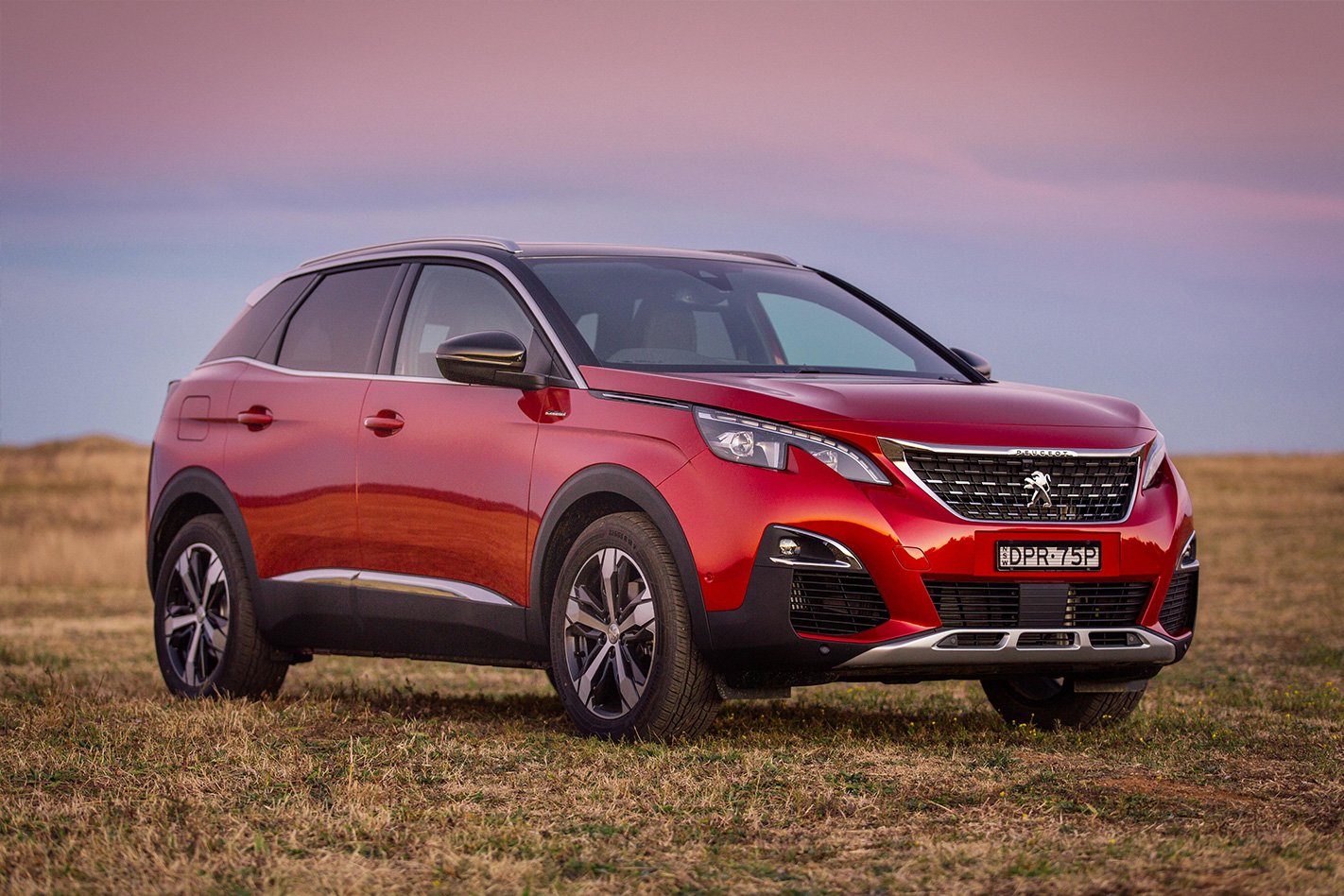
Having morphed from an egg-shaped oddity into a conventional-shaped medium SUV, the all-new Peugeot 3008 has arrived with an impressive list of standard features across the range leading to relatively high entry-level pricing.
Peugeot has elected not to introduce lower-spec models to compete with the Mazda CX-5 and Volkswagen Tiguan’s entry-level competitors; concentrating instead on their competitor’s mid-spec and range-topping models.
Thus, the standard equipment list in the base-model 3008 Active whose $36,990 retail price is more in keeping with a similarly priced mid-spec CX-5 Maxx Sport FWD [$34,390] and Tiguan 110TSI Comfortline [$36,990].
Variants
There are four 3008 variants including the Active, Allure, GT-Line, which are powered by a 121kW/240Nm 1.6-litre turbo petrol engine, and the range-topping GT which has a 133kW/400Nm 2.0-litre turbo diesel under the bonnet.
The Active comes stacked with many of the features found in the other models including:
- Speed limit recognition and recommendation
- Distance alert
- Driver attention alert
- Lane departure warning
- Front and rear parking sensors
- Reversing camera
- Leather sports steering wheel
- Cruise control with speed limiter
- Dual zone climate control
- Rear air vents
- Auto dimming rear-view mirror
- Driver Sport Pack – which provides more responsive electric power steering, throttle mapping, gearbox response, engine sound, and instrument display
- Digital radio
- Apple CarPlay and Android Auto
- Smartphone charging plate
- Voice recognition for phone and radio
- Satellite navigation
- Aluminium roof bars
- 17-inch alloy wheels
- LED daytime running lights
- Automatic windscreen wipers
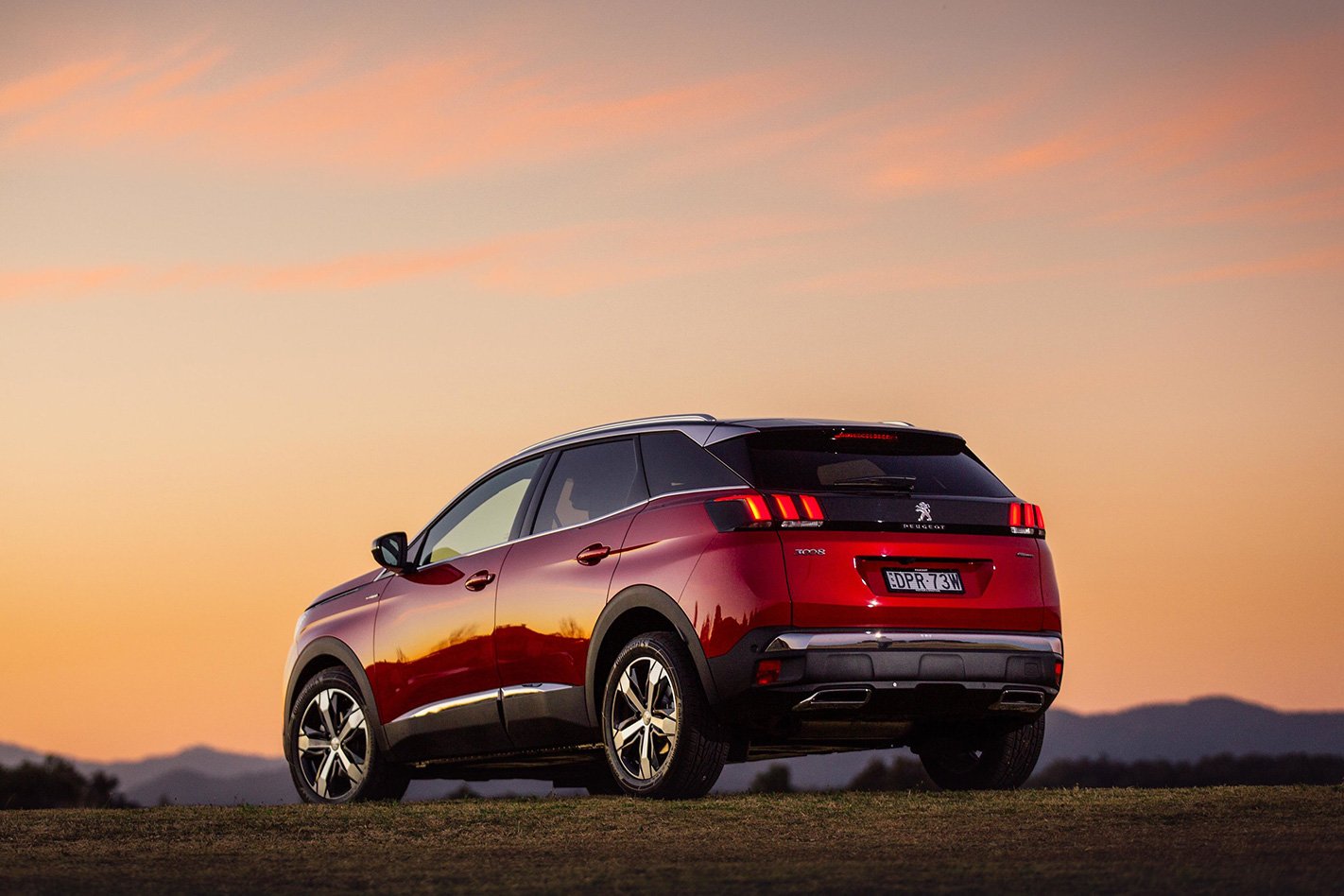
The GT-Line and GT have a sportier trim, LED headlights and fog lights, and the Advanced Safety Pack as standard.
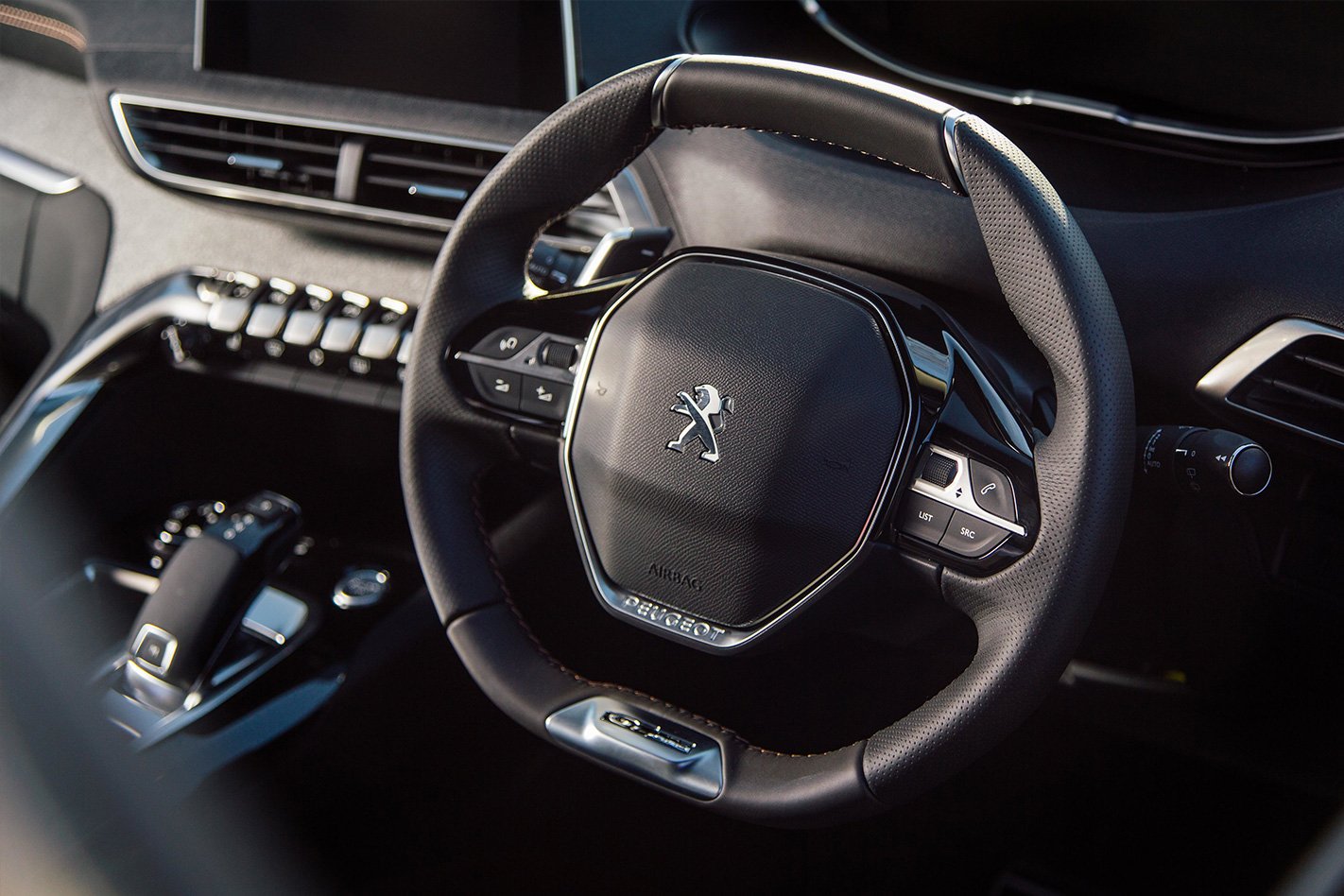
The GT also gets 19-inch alloy wheels and quilted trim and powered, heated front seats with massage function.
- 3008 Active – $36,990
- 3008 Allure – $39,490
- 3008 GT-Line – $43,490
- 3008 GT – $49,990
Our pick
The 3008 Active is pretty good value and actually rides better than the others on the smaller 17-inch wheels, but unfortunately doesn’t come with an option to add the $1500 Advanced Safety Pack. This makes the 3008 Allure, with its few extra features and optional safety pack – which takes the price to $40,990 – our pick of the bunch. You can always ask the dealer to fit the smaller wheels if you prefer the Active’s ride.
Available options
- Panoramic sunroof with ambient lighting blind – $2000
- Premium paint – $790/$990
- Hands-free tailgate with foot control [Allure, GT-Line and GT] – $500
- Two-tone paint [GT-Line and GT] – $1000
- Nappa black leather interior trim [GT-Line and GT] – $2000
You may not know this, but MOTOR sometimes has a helping hand when it comes to eking the best performance out of a car.
Or if we need help getting though a few doughnuts.
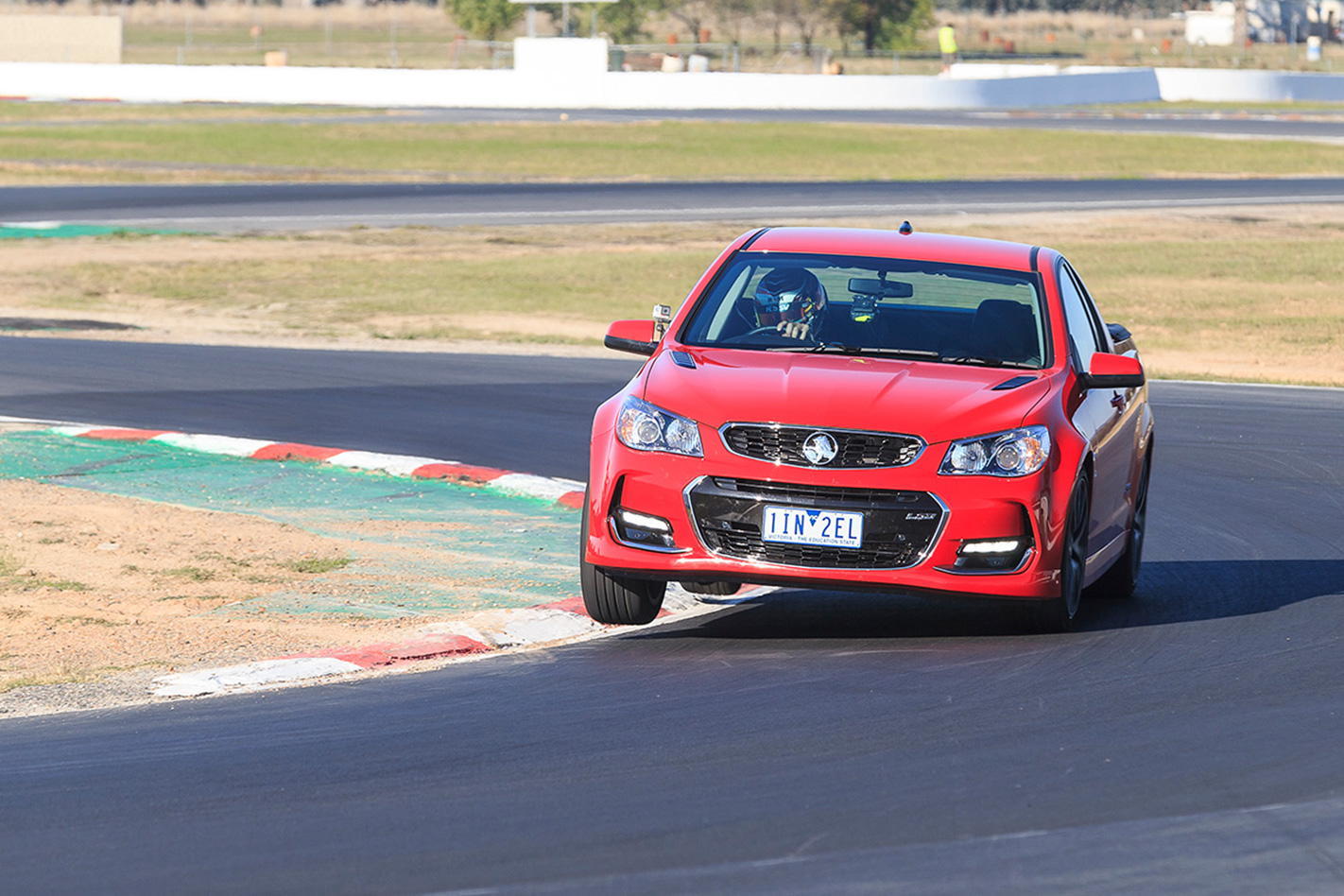
Don’t get us wrong, we at MOTOR know how to steer a car (and eat doughnuts, for that matter), and can get some great numbers out of fast cars. But when we need a second opinion, we call Supercar racer Warren Luff.
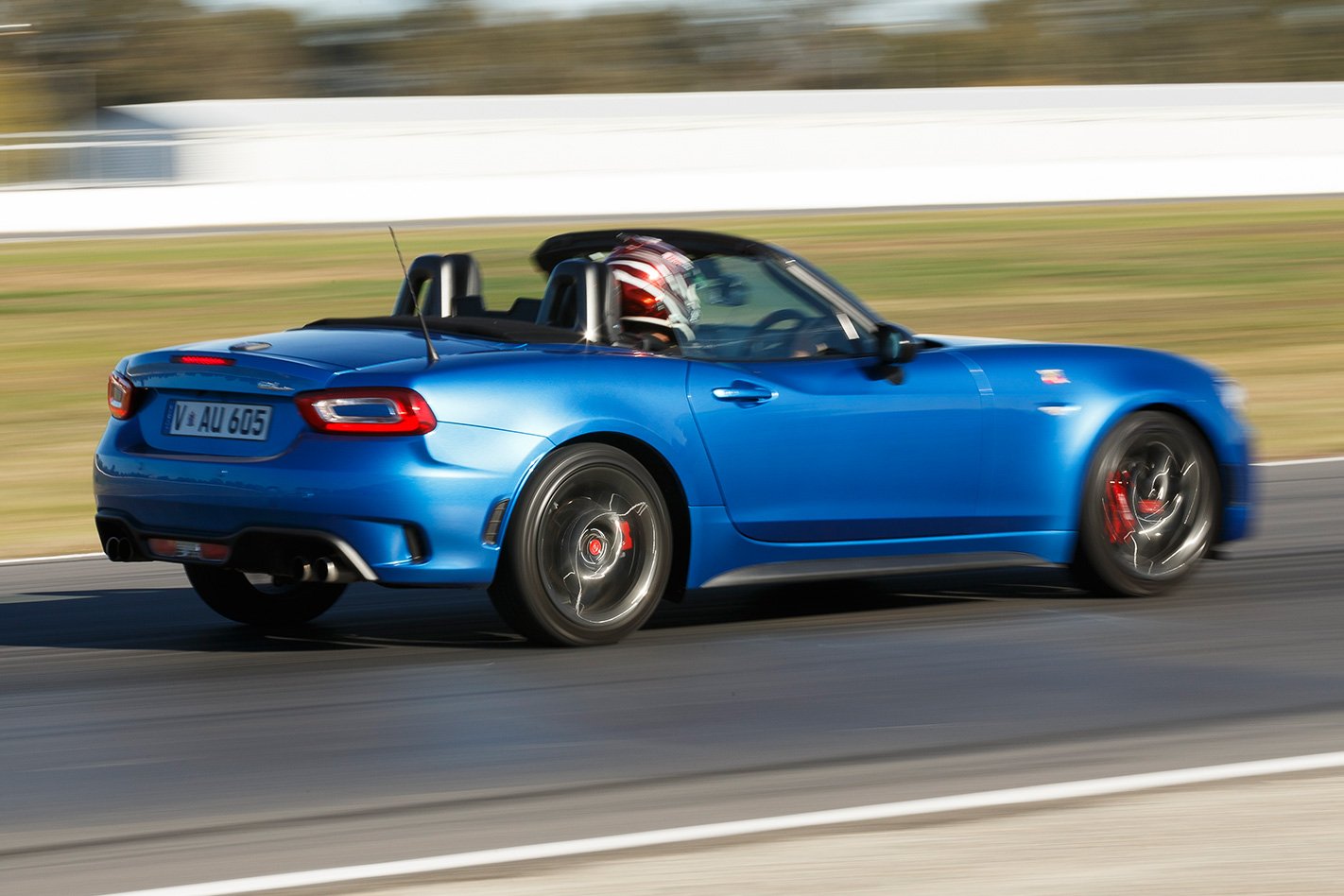
Namely turn five, and the bends of turns seven-through-nine.
The trick to nailing Winton’s technical turn five
Winton’s sweeper is a tricky sequence that rewards a little bit of bravery… but equally will punish you if you overstep the mark.
Getting what’s called turn five right actually starts at the exit of turn four. You can use its outside kerb almost like a motocross rider uses the berm in a corner. You don’t want to end up over the kerb, though, as it will upset the balance of the car – and then your speed – as you enter T5.
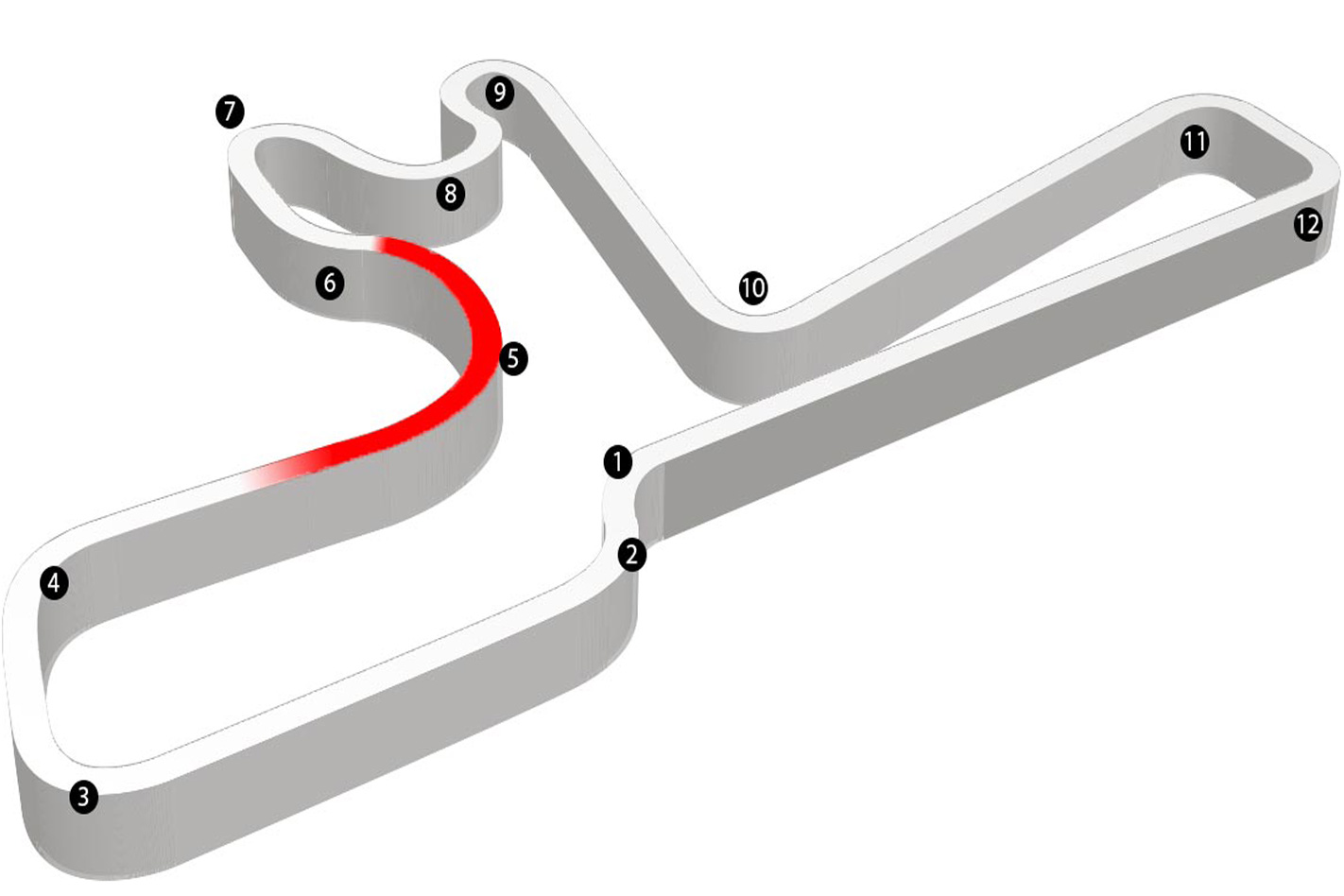
As you try to turn to the second apex late in the mid-point of the corner, understeer is going to be an issue. It’s just a matter of dealing with it as best you can; depending on your car, you might use the throttle to help point the nose in better.
It’s important that the second apex is left as late as possible, because this affects the change-of-direction run through the right hander into six and then the approach to turn seven.
1. Approach on the right with your eyes on the first apex and your foot nowhere near that brake pedal yet. Wait, then wait a bit more. 2. Once you’re on the brakes, ‘trail’ (hold) them all the way to the apex. The curb is serrated, so don’t run up on it too hard. 3. Hold your nerve and let the car run naturally wide, letting your eyes drag your hands towards the second apex. Don’t fall off the track. 4. Kiss (don’t climb) the second apex, with your eyes already on the entry to turn six and your foot picking up the throttle. Job done.
Luffy’s tips for nailing turns seven to nine
Turns seven, eight and nine all flow on to each other. Get one wrong, and you usually mess up the rest of them. How you take turn seven depends on getting through five and six well. It’s important to get as straight as you can on the exit of six, so you can brake in a straight line.
The distance between turn seven and turn eight doesn’t allow you to get fully over to the right, so approach eight from track middle, then brake and carry it through to the apex again to help load the nose. Like most of the corners at Winton, you have to be patient before getting back on the throttle.
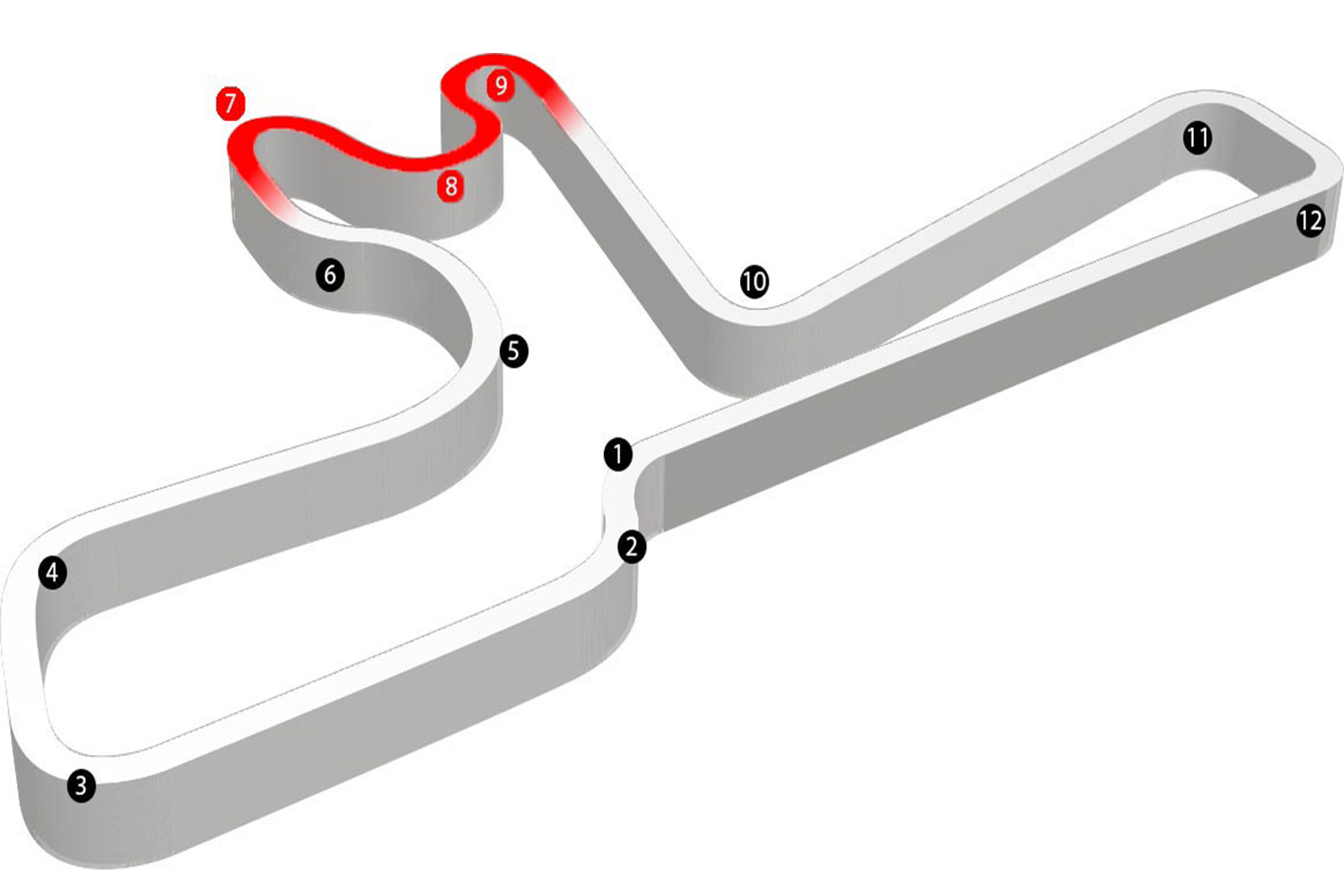
1. Exiting six, get the car straight before hitting the brakes, with your eyes on the apex of seven. 2. Carry, or ‘trail’ the brake all the way to the apex of seven, before accelerating hard and staying in the centre of the road. 3. Again, take your braking right into the mid-corner apex point of turn eight, but watch that the rear doesn’t unweight and catch you out. 4. Like eight, start turn nine from mid-track. Watch the patched tarmac for different grip levels, and aim for a mid-to- late apex while allowing the car to flow left. 5. There’s a wide exit out of nine, and the kerb on the left side of the track makes a good launch pad – as long as you don’t overdo it.
While most of the big car manufacturers have developed a full stable off SUV ranging from hatch-back based crossovers to big seven-seaters, Volkswagen has until recently made do with just two high-riding offerings in the form of the Tiguan and Touareg.
But that’s rapidly changing, with the German carmaker having embarked on a strategy to introduce more SUV sharing platforms with other Volkswagen Group brands such as Skoda and Audi, most of which will come to Australia.
Volkswagen conceded last year that it didn’t have depth in its SUV range and announced it would introduce five-new models by the end of 2018.
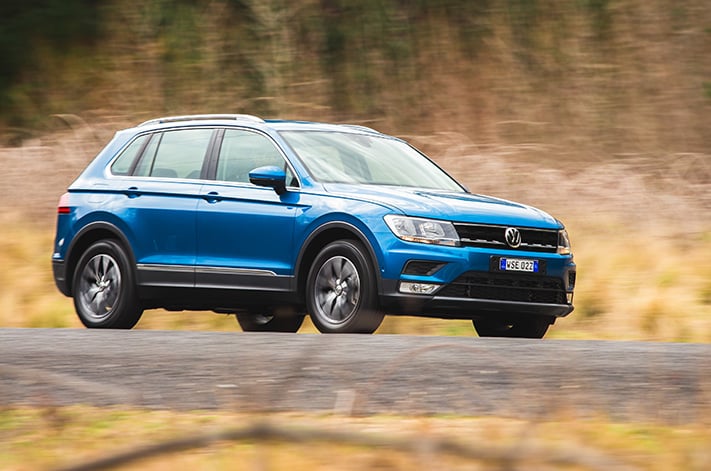
It got the quickly ball rolling last year with an all-new Tiguan which elevated the nameplate from small- to medium-SUV status putting it up against the likes of the Mazda CX-5 and Hyundai Tucson.
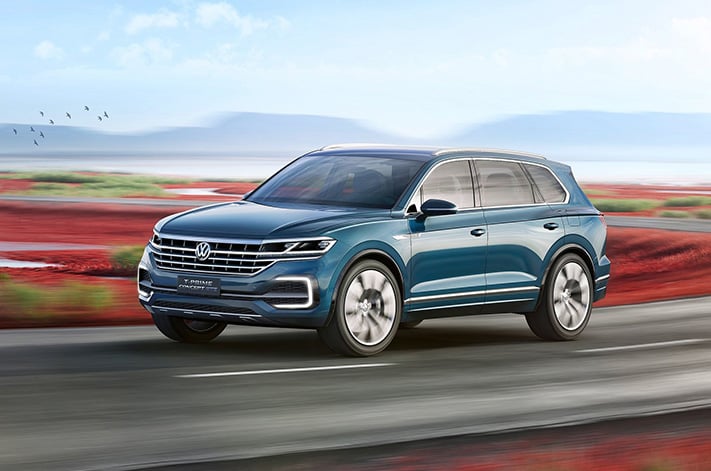
The Touareg is also about to be revamped on the same MLB Evo platform as the Audi Q7 and Bentley Bentayga. Volkswagen has provided a hint of what it will be like with its all-wheel-drive T-Prime concept shown at the 2016 Beijing Motor Show.
The 2018 Touareg will remain in the premium large SUV category, which leaves a hole in the VW range against the likes of more affordable large SUVs such as the Mazda CX-9 and Toyota Kluger.
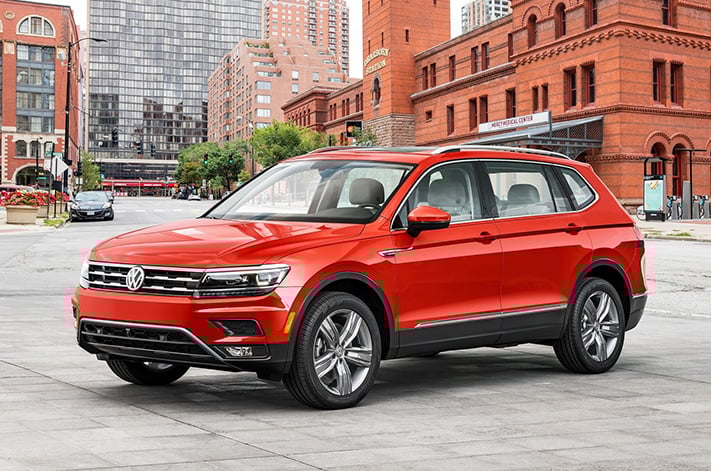
That’s set to change with the introduction of the Tiguan Allspace, which is a stretched version of the second-generation Tiguan with seven-seat capability.
The Tiguan Allspace is 215mm lengthier than the ‘classic’ Tiguan and has a 109mm longer wheelbase with longer rear doors and bonnet to maintain proportion.
The extra sheet metal translates a 760-litre rear cargo compartment; 145-litres bigger than the standard Tiguan, which can be used to add two more seats.
It comes in three variants, Trendline, Comfortline and range-topping Highline with equipment levels similar to that across the smaller Tiguan.
Engine options for Australian models are yet to be confirmed but expect to see a similar range of engines as already available in the classic Tiguan range including the 1.4- and 3.2-litre turbo petrol and 2.0-litre turbo diesel engines.
The Tiguan Allspace’s arrival next year will probably mean VW’s other new big SUV, the Atlas won’t make it Down Under.
Measuring a huge 5036mm long, 1978mm wide and sitting astride a 2978mm wheelbase, the Atlas’s footprint is not only bigger than the Tiguan Allspace, but eclipses the CX-9 and Kluger too.
The America-built Atlas is based on the MQB modular transverse architecture that will also underpin the next-generation US-market Volkswagen Passat and is powered by either a 2.0-litre four-cylinder turbo TSI engine or a 3.5-litre V6, with the former being front-drive and the latter driving all four wheels via an eight-speed automatic transmission.
Volkswagen Australia has expressed a desire to bring the Altas to Australia, however it is currently only being built in left-hand-drive guise.
At the other end of the scale, Volkswagen is re-entering the small-SUV market, once occupied by the first-generation Tiguan with its funky T-Roc crossover due to be unveiled on August 23.
The T-Roc will be a key player in Volkswagen’s plans to expand its SUV line-up in Australia and is expected to be priced directly against the likes of the Mazda CX-3, Toyota C-HR, and Peugeot 2008 when it goes on sale here next year.

T-Roc will be similarly proportioned to its Audi Q2 cousin, which, along with the Polo shares its MQB platform.
This will allow for Volkswagen’s new 48-volt mild hybrid setup but for now it’s expected to come with three petrol engine options, including a 1.0-litre three-cylinder engine, and 1.5-litre and 2.0-litre four-cylinder powerplants with the biggest pumping out 180kW. There will also be 1.6-litre and 2.0-litre four-cylinder turbo diesels.
The size-difference between the T-Roc and Tiguan allows for another Golf-based crossover to be added to the range.
FORD has paid homage to its 1967 24 Hours of Le Mans victory with a striking red and white livery for the 2017 GT supercar.
It was 50 years ago that the all-American pairing of Dan Gurney and A.J. Foyt took victory in the world’s greatest endurance race, and this new paint scheme mimics the colours that adorned the pair’s GT40 Mark IV.
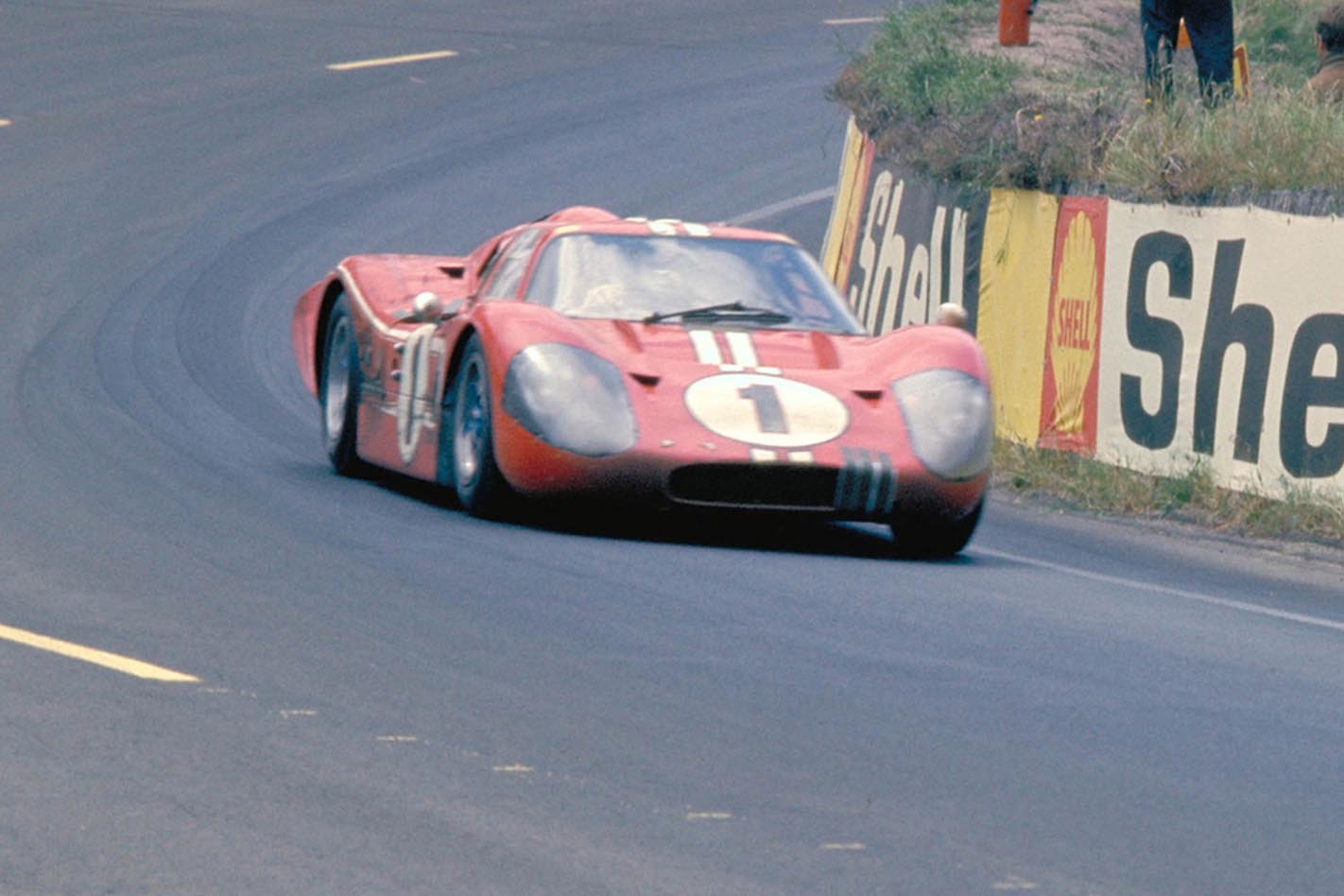
Ford released a similar livery last year as a tribute to the original GT40’s victory at Le Mans, but the new offering focuses on subsequent success in France.
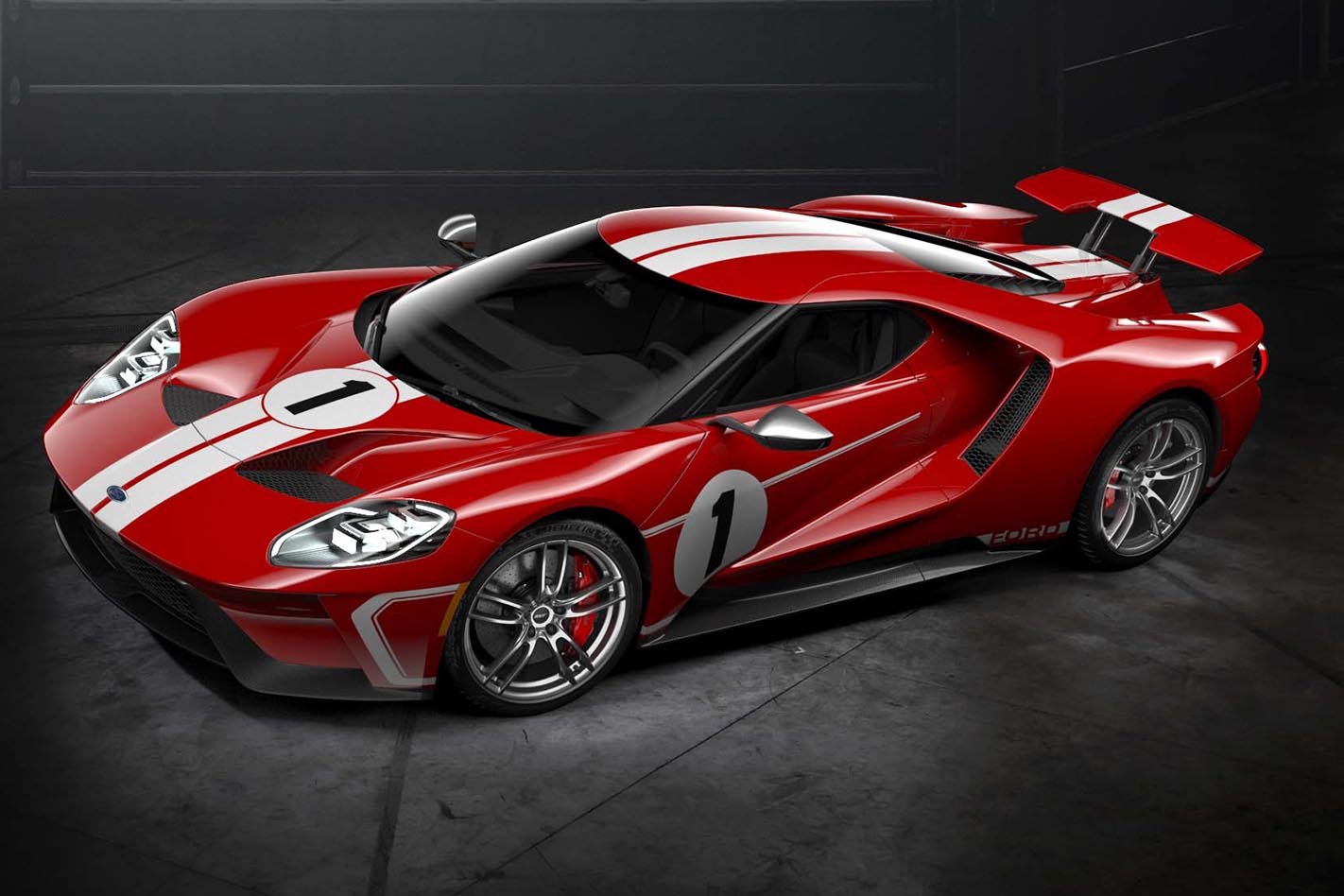
“The 2018 Ford GT ’67 Heritage edition pays homage to that win, with a modern take on one of the most important vehicles in Ford’s storied history of racing.”
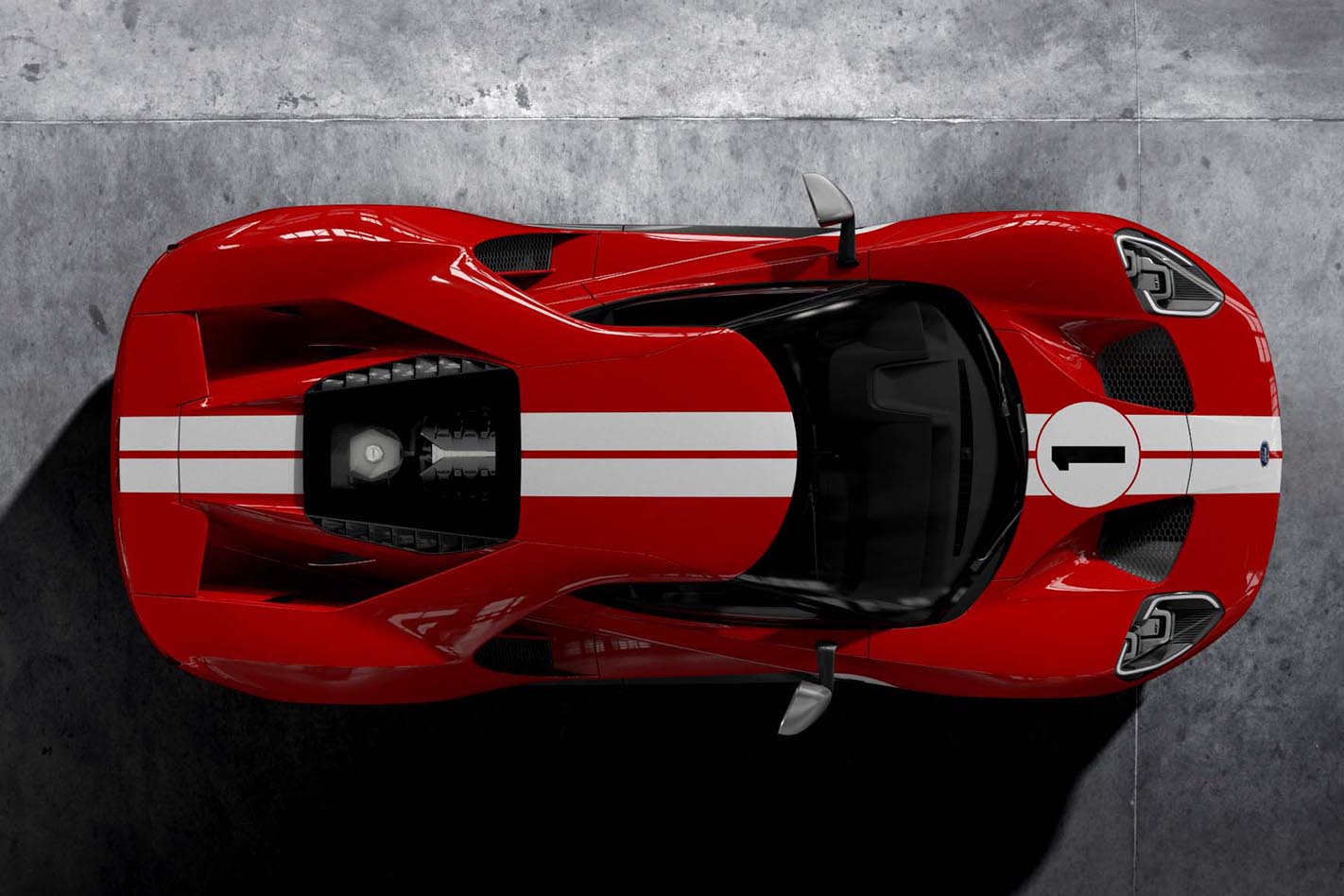
The final modifications for the heritage edition GT are exposed matte carbonfibre door sills, air register and centre console, as well as a unique serialised identification plate.
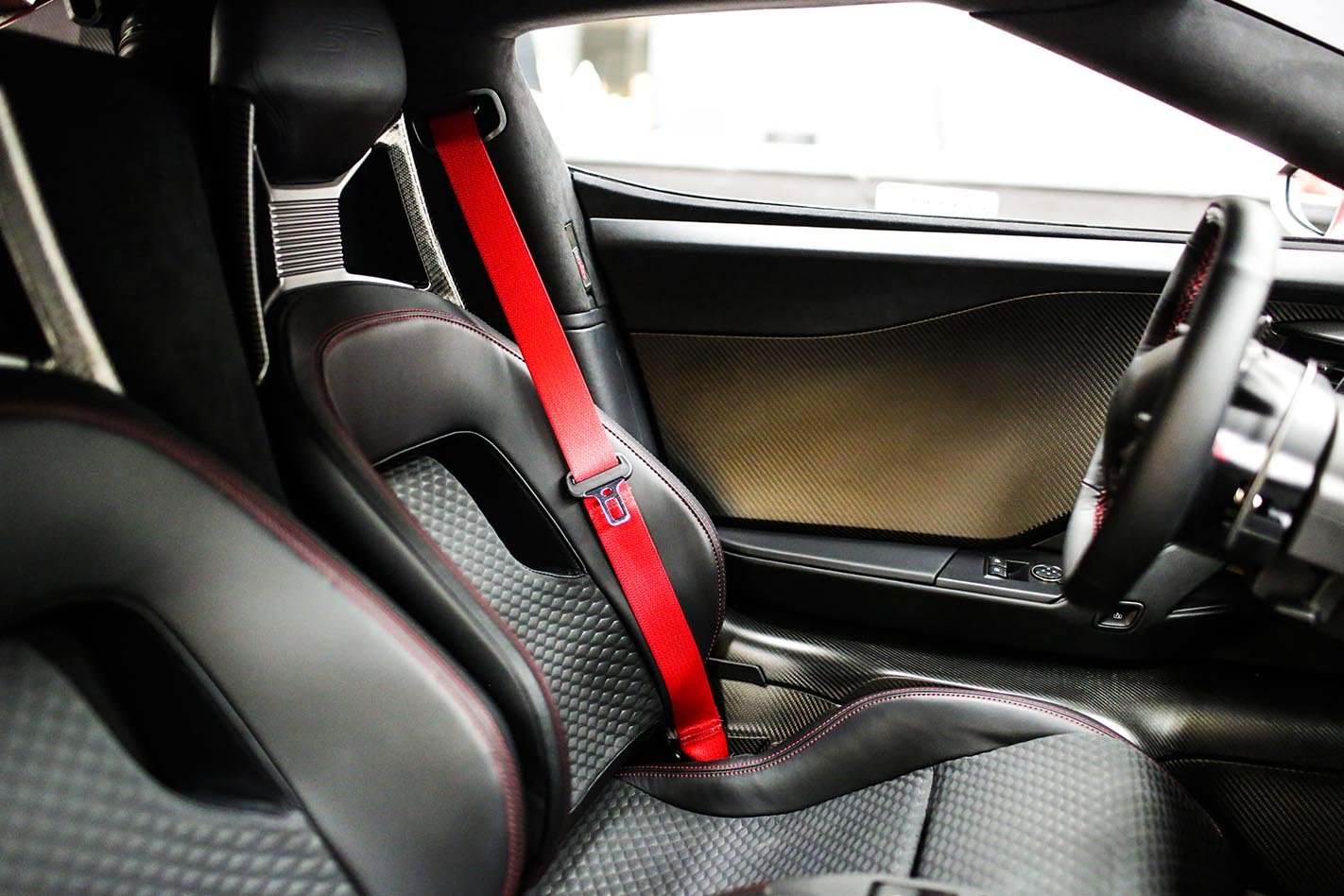
Nevertheless, it is poignant of Ford to pay homage to its racing history, and we don’t need any more excuses to drool over the form-over-function styling of the new twin-turbo V6-powered GT.
WHAT IS IT?It’s an update for Volkswagen’s iconic hot hatch. This Mk 7.5 is a midlife facelift; a freshen up that retains the core (and rather excellent) mechanic fundamentals of the existing GTI, but adds small styling tweaks, new alloys, a smidge more power and revised infotainment and instrument clusters.
WHY ARE WE DRIVING IT?While mechanical changes might be minor, Volkswagen is expanding its Golf Performance range. If you loop in the GTI’s burlier, all-wheel-drive sibling, the R, customers will soon have the choice between 11 variants across three bodystyles. We drove the range to find the sweet spots and to see if the GTI can still hold its own against a growing armada of faster and harder rivals.
MAIN RIVALSPeugeot 308 GTi, Renault Megane RS, Honda Civic Type R, Ford Focus RS, BMW M140i, Hyundai i30N
THE WHEELS VERDICTIt’s easy to be cynical of the ‘new’ Golf GTI. Glance at its specs, or even spot one in the metal and the changes appear so small that you’d be forgiven for thinking Volkswagen has phoned it in. Or worse, that Dieselgate’s cost-cutting measures have finally hit home.
Yet while similar on the surface, the Mk 7.5 GTI’s magic lurks in refining one of the great hot-hatch recipes. This remains one of the best, if not the best, hot hatch on sale thanks to a duality of character that ensures it isn’t only fun when the road gets twisty, but refined, comfortable and practical when it doesn’t.
PLUS: Overall polish; all-round ability; traction and balance; rorty performance; broader range MINUS: Too polished for some; Drive mode button hidden behind gearstick
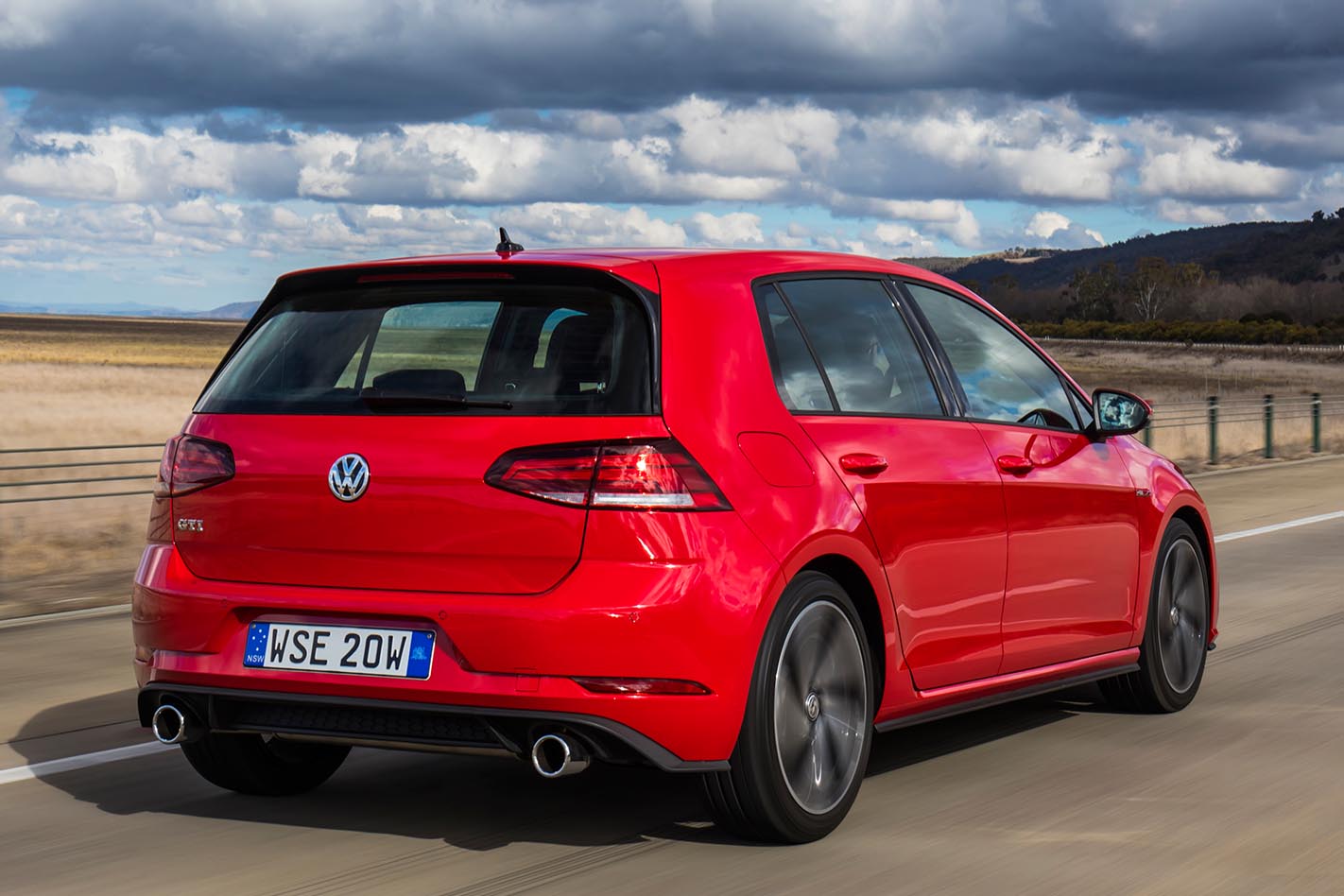
THE WHEELS REVIEWAT A dinner party recently, I ran into a friend who’s poised to buy a hot hatch. He’d been researching for months, he told me, and then, with the wild look of a man who has spent too much time in front of a computer trawling through spec sheets, he exclaimed, “We’re in a hot-hatch boom!” I could see his point.
Today’s hot-hatch buyer is spoilt for choice with ever-rising power outputs, cutting-edge all-wheel-drive systems and exotic-sounding modes that start with ‘Drift’ all jostling for position. All of which has had an interesting impact on Volkswagen’s iconic GTI. Once the ‘go to’ hot hatch, the GTI now finds itself relegated to virtual ‘lower-tier’ status without the hardcore performance focus of more advanced rivals. Don’t think this means the GTI has lost its appeal, however.
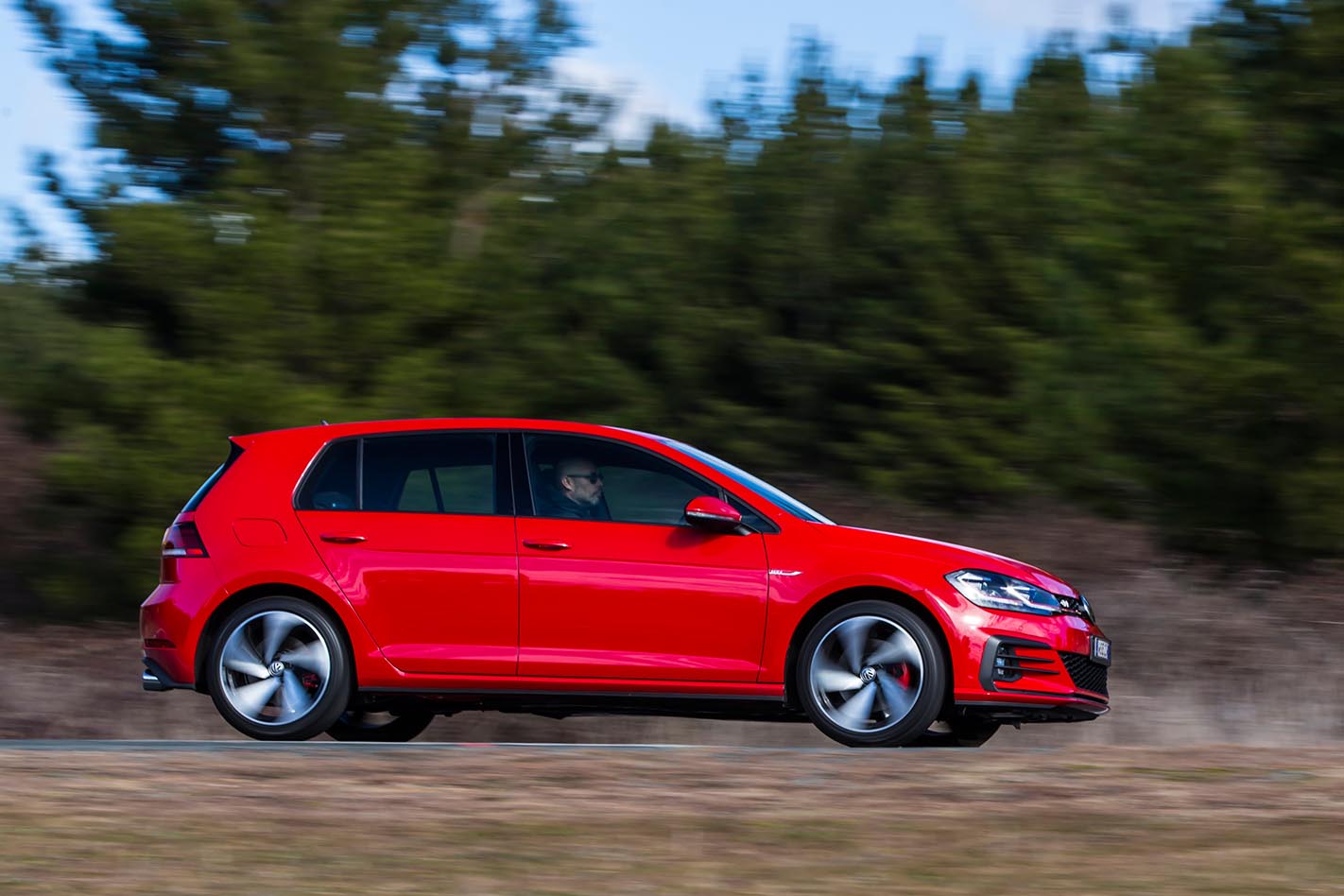
The mechanical changes are, if anything, even more subtle. Power from the EA888 2.0-litre turbo is up 7kW to 169kW and torque remains at a meaty 350Nm, though is now available over a wider 1500-4600rpm rev range. Buyers will have the choice of either a slick-shifting six-speed manual or a six-speed dual-clutch, with the latter helping propel the GTI from 0-100km/h in 6.4sec.
Small changes, then, but refining one of the best all-round hot hatches on sale is no bad thing. Point that red lipsticked nose at a winding road and this remains a hugely engaging family hatchback. The 2.0-litre engine is gutsy, smooth and quick enough to feel exciting, the six-speed manual (VW says a full 20 percent of buyers will opt for the stick) is a real highlight, and the traction from the front axle is excellent.
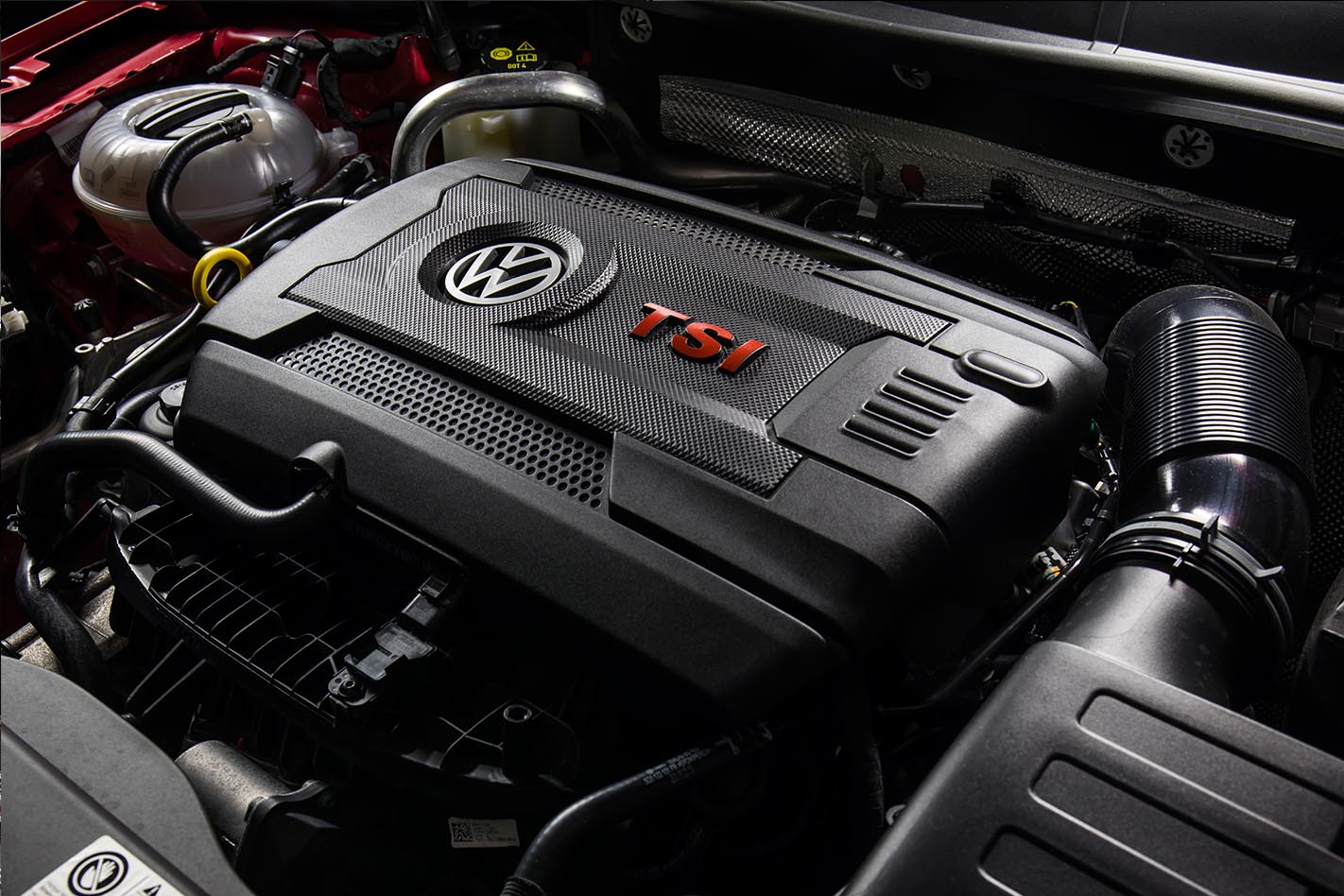
Driven hard, the GTI is lighter on its feet, more playful and arguably more rewarding than its angrier, all-wheel-drive sibling, the R, which feels squarer on the road and more hunkered down as it slingshots you out of corners.
Yet where the GTI’s magic lies in its duality of character. Drive it around town or on lumpy country roads and you’ll notice how quiet the cabin is, and how amiably the suspension soaks up bumps. That the cabin is richly trimmed and generously equipped, and the seats comfortable and supportive in both rows.
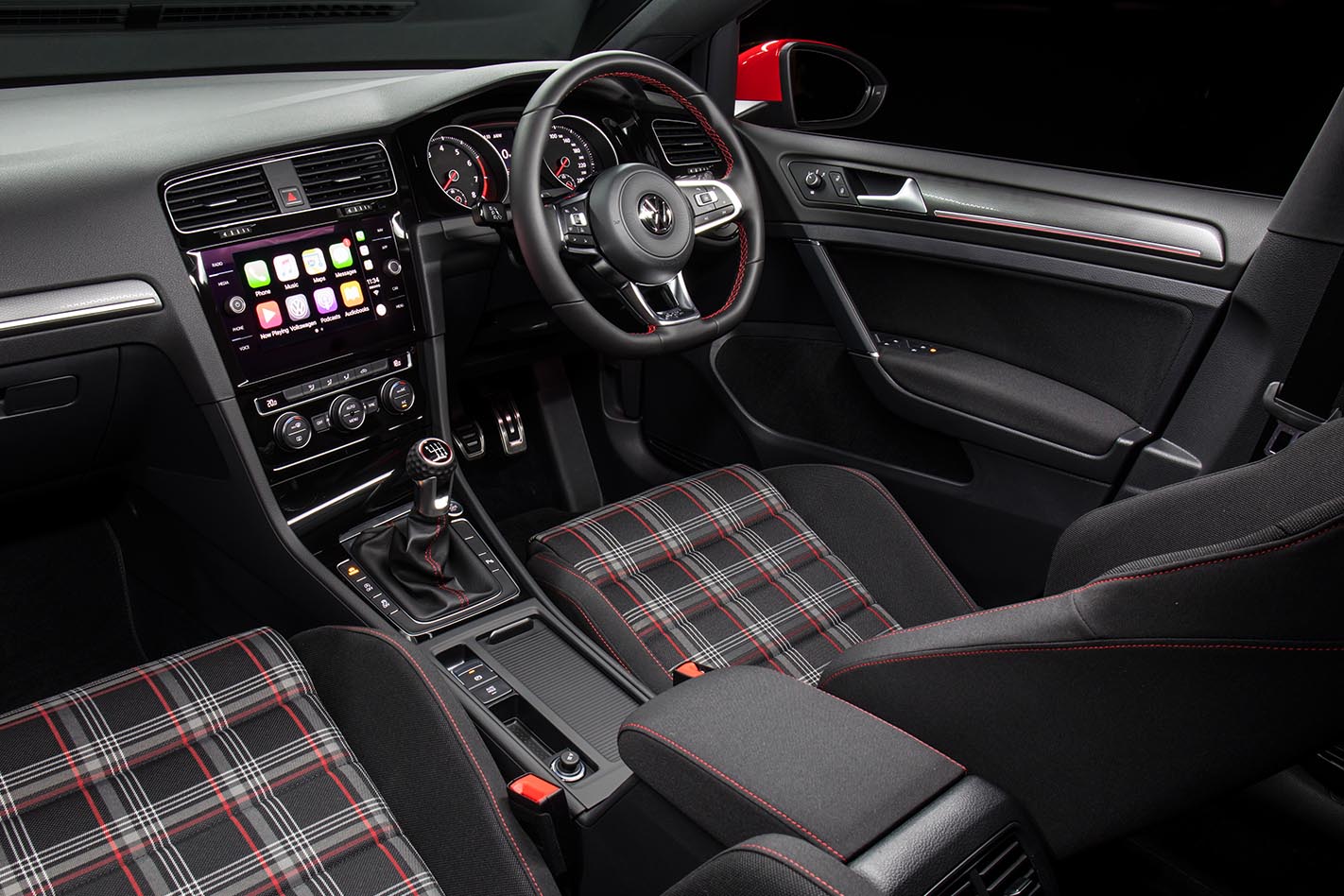
A five-door version of the 180kW GTI Performance is also on its way, with the plug-in hybrid GTE also under consideration. It means the GTI family is now a broad church, but whichever you choose, as a blend of all you need, the GTI remains the master.
2017 Volkswagen Golf GTI Specs
Model: Volkswagen Golf GTI Engine: 1984cc 4cyl, dohc, 16v, turbo Power: 169kW @ 4700-6200rpm Torque: 350Nm @ 1500-4600rpm Transmission: six-speed dual-clutch Weight: 1352kg Fuel economy: 6.6L/100km 0-100km/h: 6.4sec (claimed) Price: $43,990 On sale: Now
When you take to the track, you expect to have a fun time and go home with, at the worst, a mechanical issue you can fix over another weekend.
If you were at the Nürburgring this week, however, you might not have even taken your car home.
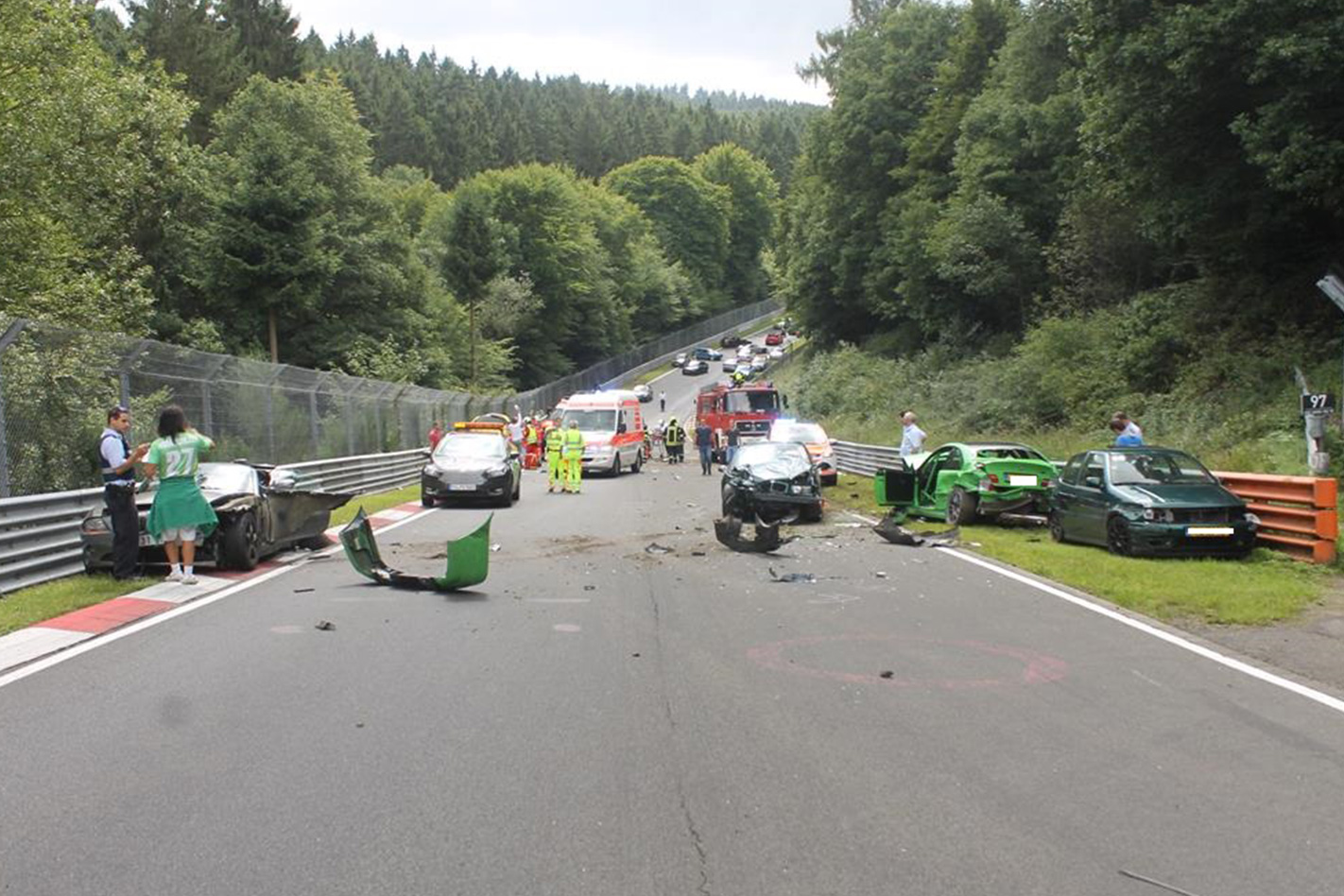
Ten cars were caught up in the mess, which all began after a McLaren threw oil onto the track according to Nurburgring regular BridgeToGantry. The beginning of the incident was also caught on footage by another driver, YouTube user xthilox.
It shows the silver BMW Z4 from 43 seconds into the first video before it ended up a wreck. The Z4 seems to escape the worst of its initial slide, though it noses into the back of an Audi R8 before, presumably, being rear-ended badly later on.
We don’t however, get to see properly what became of the Green Audi RS4 to the right in the ‘before’ video.
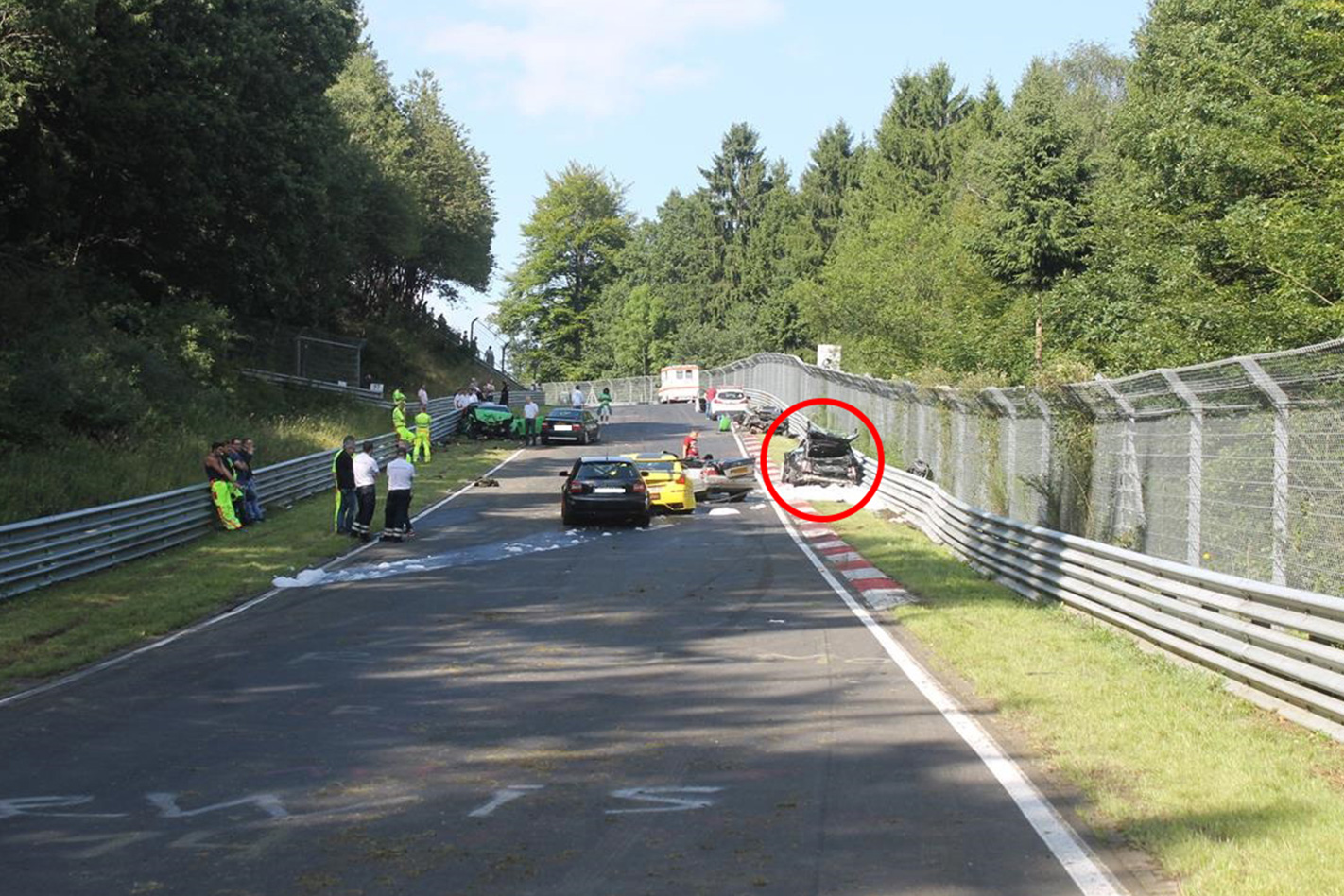
A bit of digging revealed it was thoroughly destroyed, much like the Z4, along with an E36 BMW.
The Audi is circled below, with the E36 to the left of it and the Z4 in up ahead.
The worst part about this isn’t the loss of several brilliant cars (stay with me here), but the realisation that each of these was piloted by a person.
We hope that anyone injured in this horrible event recovers quickly, and doesn’t take it as a sign to stop driving for fun.
Korea’s first hot hatch, the Hyundai i30 N, won’t make it to Australia until early next year.
The company revealed that it has had to update the timeline for the arrival of the i30 N, as well as that of its Genesis G70, but is working within the company globally and with N Division to keep things moving.
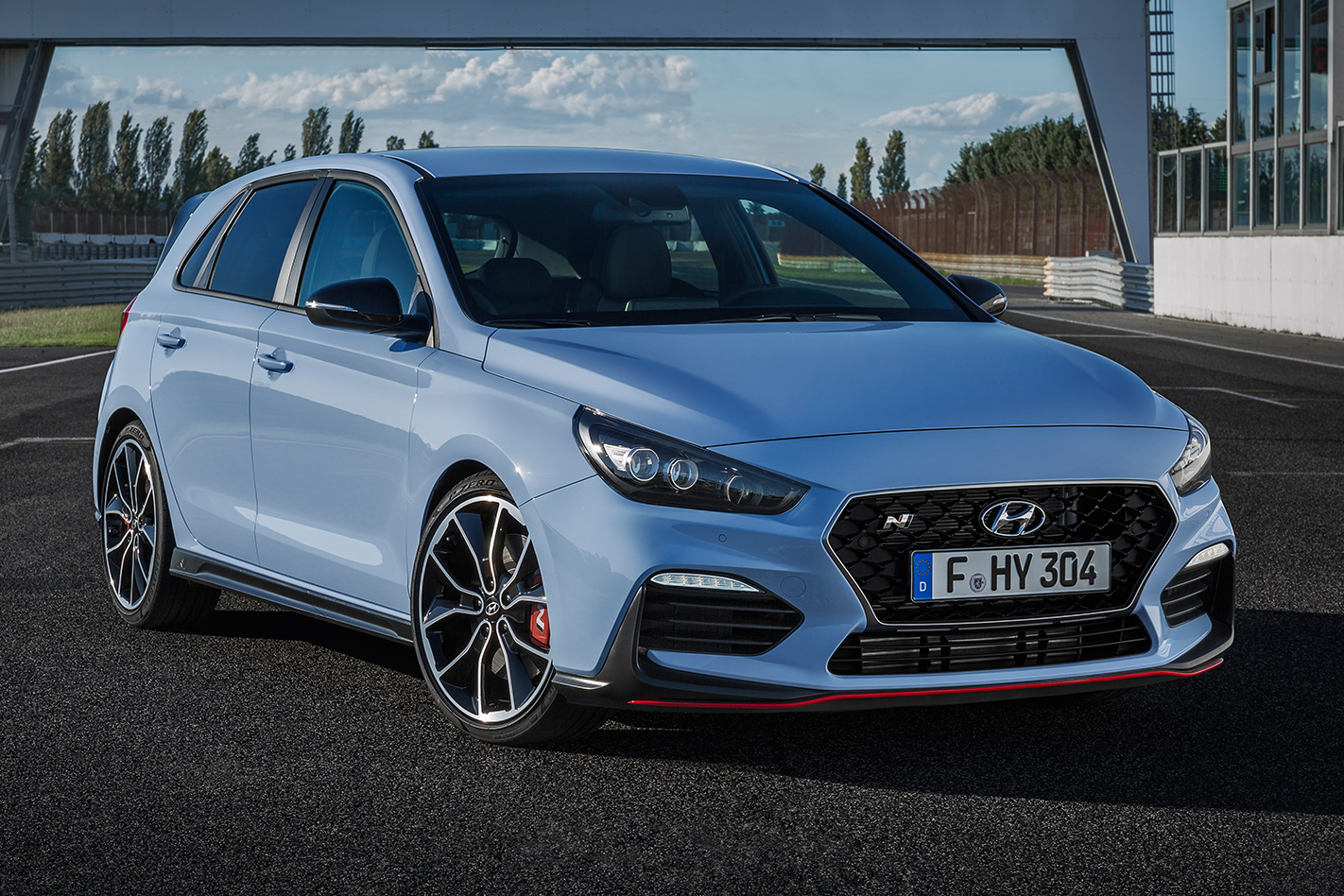
We were lucky enough to jump in the prototype with the man behind N Division (and former BMW M man) Albert Biermann. The first impressions we got of the car were mostly positive, and we were impressed with how much fun the prototype is, though the pre-production version is likely not a true reflection of the final polished product.
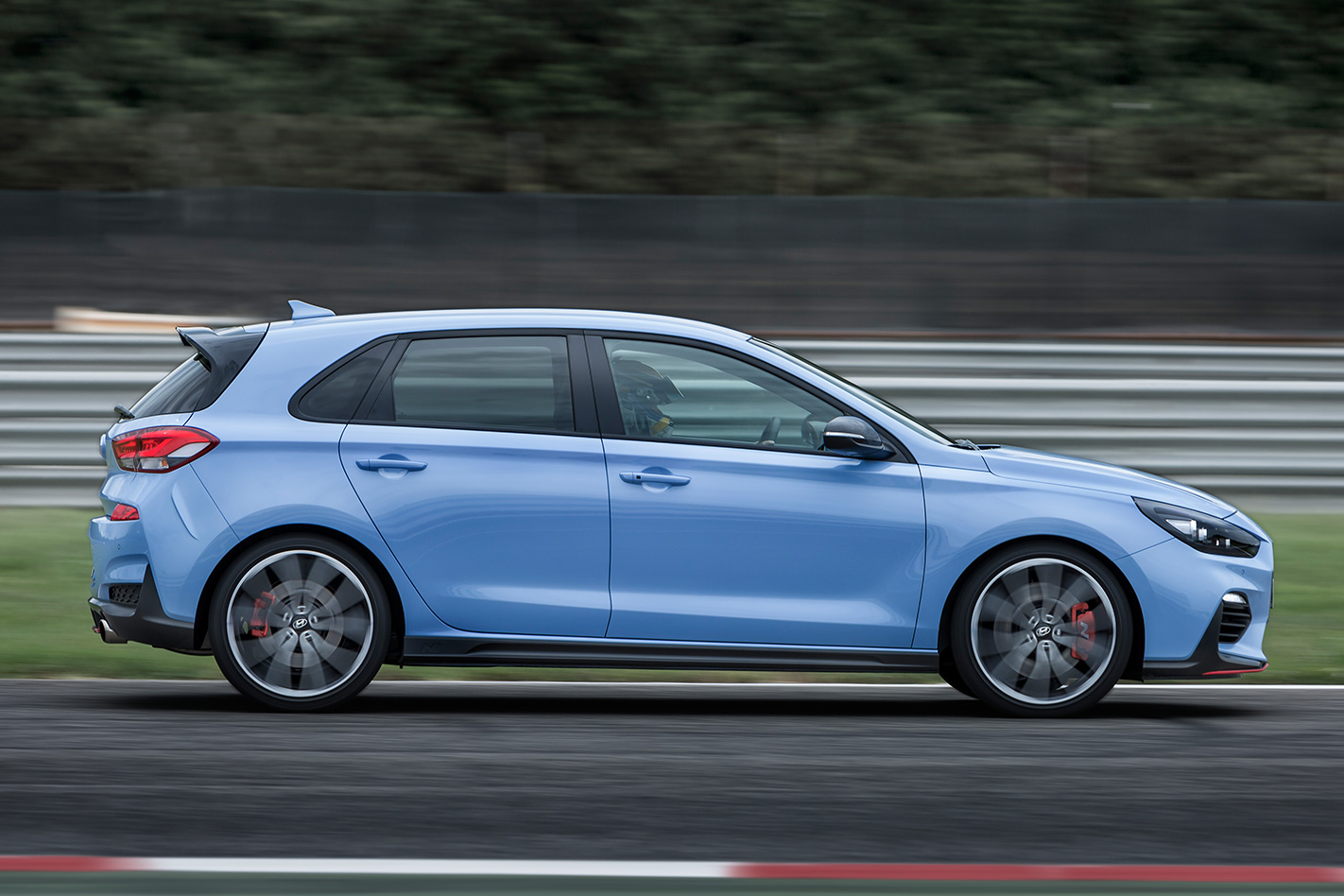
It did tell MOTOR to expect a February or March 2018 local launch, though we should be able to get behind the wheel of one later this year to bring you a review from overseas.
In Europe, Hyundai has said the i30 N will be on sale later in 2017.
We’ll keep you up to date with any more details that emerge from Hyundai, if any.
THE Federal Government has issued an urgent warning for a specific type of Takata airbag that is already subject to the worldwide recall, however consumer advocacy group CHOICE says a mandatory recall is needed.
The ‘Alpha’-model airbags, which have been found to rupture in 1-in-2 cases in laboratory testing, compared to 1-in-400 for other models, are still in more than 50,000 cars in Australia built between 2001 and 2004.
The Federal Government’s Product Safety Australia recalls website has updated its Takata airbag section to mark models with the Alpha bags, to “take immediate steps to have the airbags replaced because of a significant risk of injury or death involved in the use of the vehicles with these airbags.
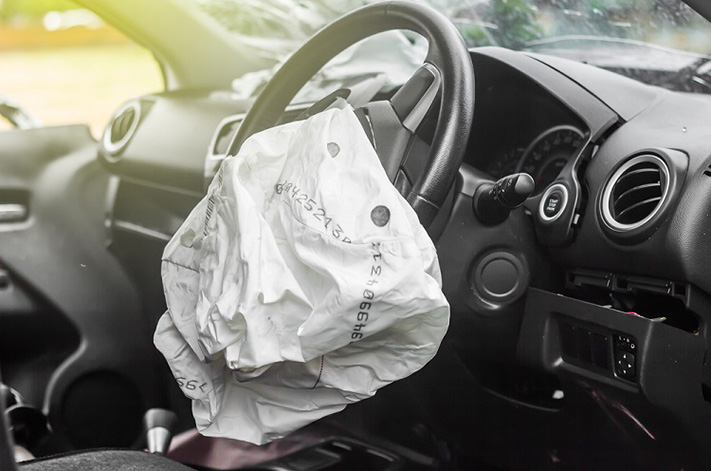
This compares to the other recalled Takata airbags which come with advice to have them replaced “as soon as possible”.
The urgent recall comes more than a year after a critical warning was issued in the US on Alpha inflators which were responsible for eight of the 10 fatalities there linked to Takata airbags.
It comes in response to a Choice report which highlighted the significantly increased danger posed by the Alpha inflators, which were installed in 150,400 Australian cars built by BMW, Honda, Lexus, Nissan and Toyota.
Of these, more than a third, or 51,136 cars, has to have new airbags installed despite the recall having been in action for four years and, in Honda’s case, since 2009.
A statement to Wheels from the Department of Infrastructure and Regional Development, which oversees Product Safety Australia, said the Takata recall has been updated to identify the recalls that include vehicles fitted with higher risk inflators that are referred to as ‘Alpha’ bags.
“Vehicle owners can contact the ACCC Information Centre on 1300 302 502 if they have concerns about information provided to them by manufacturers and dealers regarding the recall.”
However, CHOICE believes the government should issue a mandatary recall of all cars fitted with the Alpha inflators and force the affected carmakers to do more to assist customers such as provide towing and a hire car, like Honda does in the US.
A CHOICE spokesman told Wheels it’s unacceptable that so many of these potentially fatal airbags are still on Australian roads and that a mandatory recall is necessary as it’s clear that car companies can’t be trusted to relay accurate information to customers and institute repairs in a timely manner.
Cars with ‘Alpha’ Takata airbags installed between 2001-04
- BMW 316i, 318i, 320i/320ci, 325i/325ci, 330i/330ci, M3, M3 CSL
- Honda Accord, Accord Euro, Civic, CR-V, Jazz, MDX
- Lexus SC430
- Nissan Maxima, Navara, Patrol, Pulsar sedan and hatch, X-Trail
- Toyota Avensis, Corolla, Echo, RAV4
Vehicle owners can contact the ACCC Information Centre on 1300 302 502 if they have concerns about information provided to them by manufacturers and dealers regarding the recall.
