
BMW has updated the pricing for its 2 Series models as part of a mid-life update.
The German manufacturer is in the midst of an update frenzy, recently breathing fresh life into the 1 Series, 3 Series, and 4 Series in recent months.
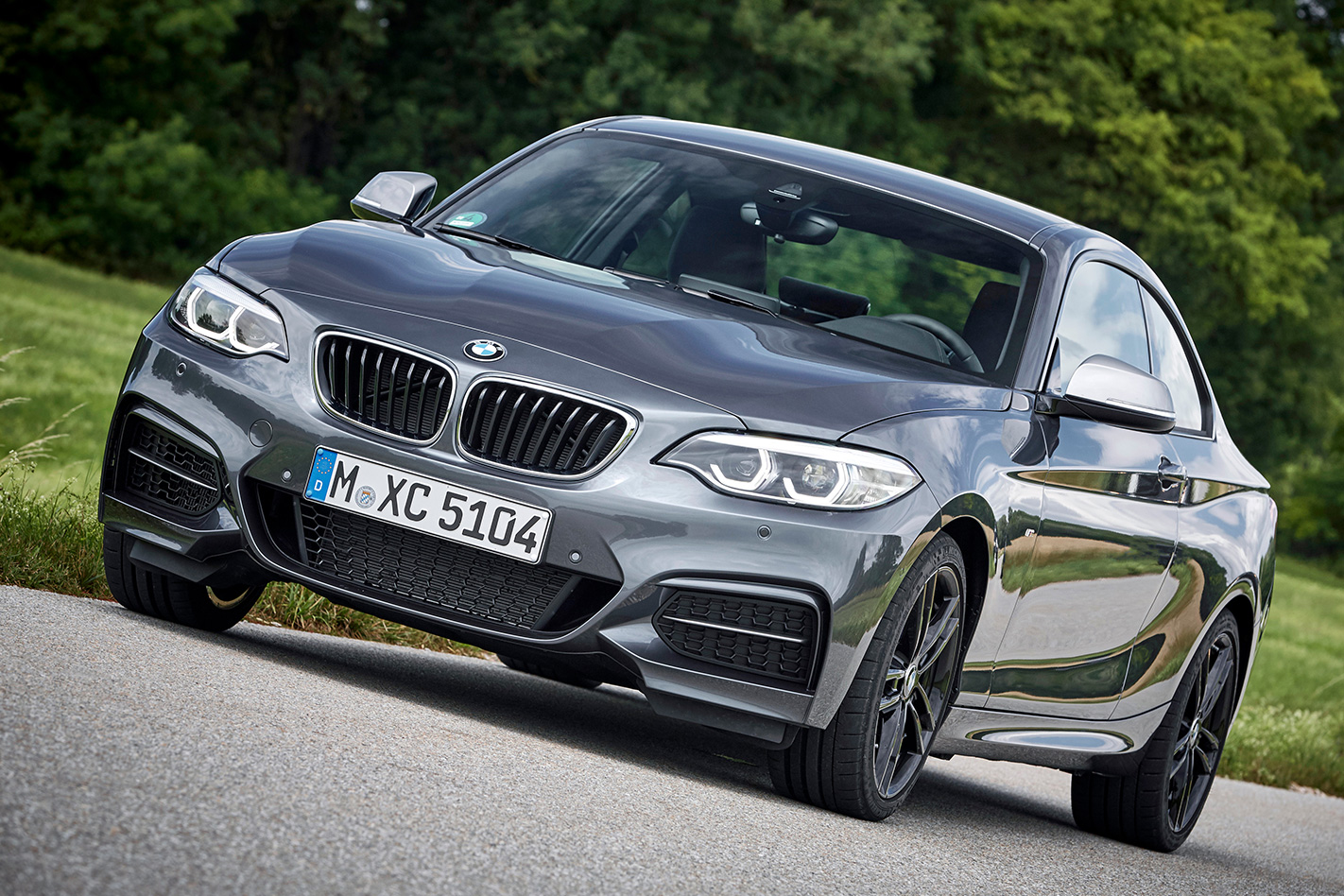
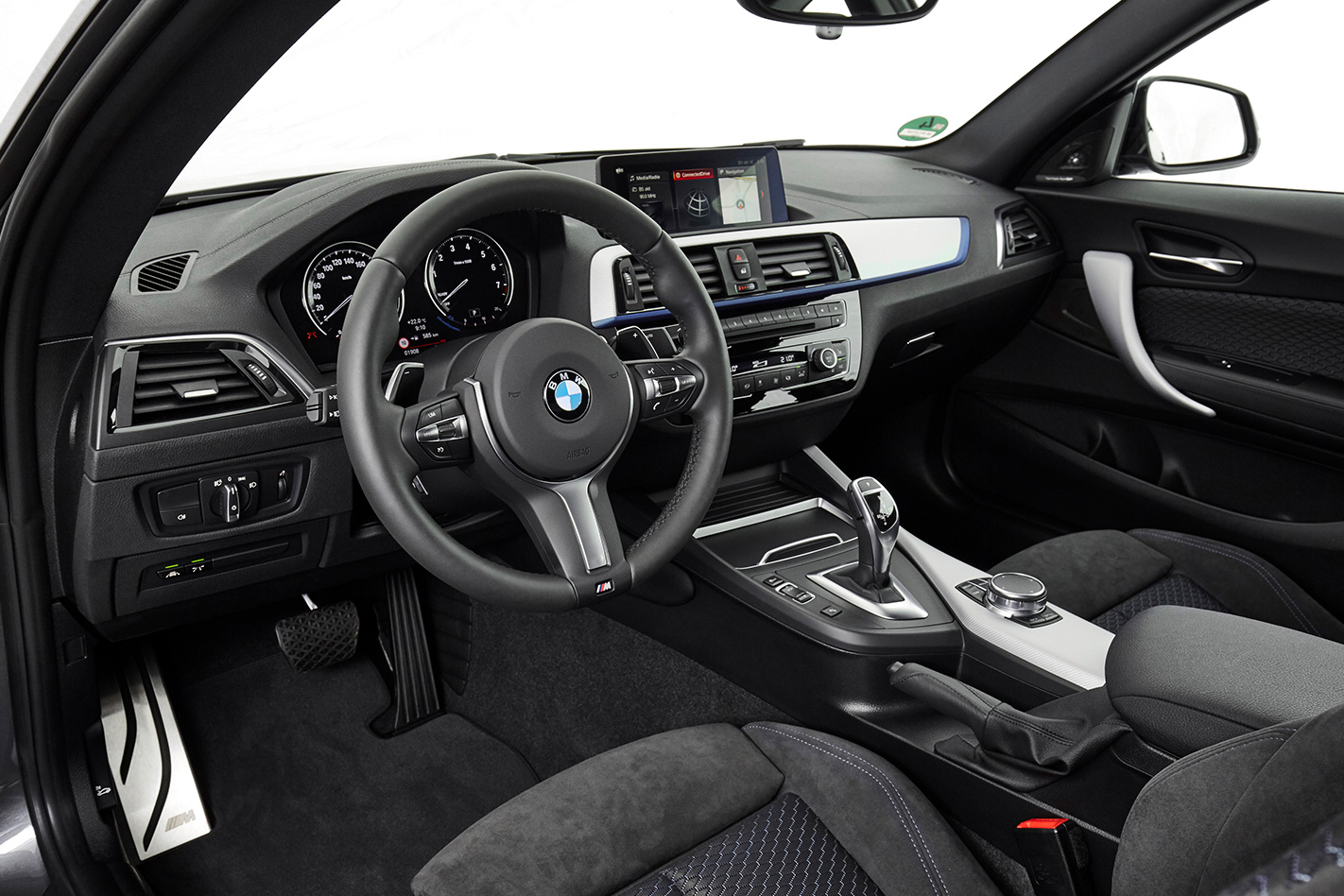
Highlights for the 2 Series update include new (increased) pricing, minor visual tweaks inside and out, the addition of BMW’s iDrive6 infotainment system, and the choice of Luxury Line or M Sport packages.
Available from September, the updated 2 Series now starts at $52,900 for the base model 220i Coupe, $1,600 more than before.
Every model in the range has a price hike of between $1,100 and $1,900, with the full list below.
Visual changes include new LED lighting arrangements, along with redesigned front and rear bumpers.
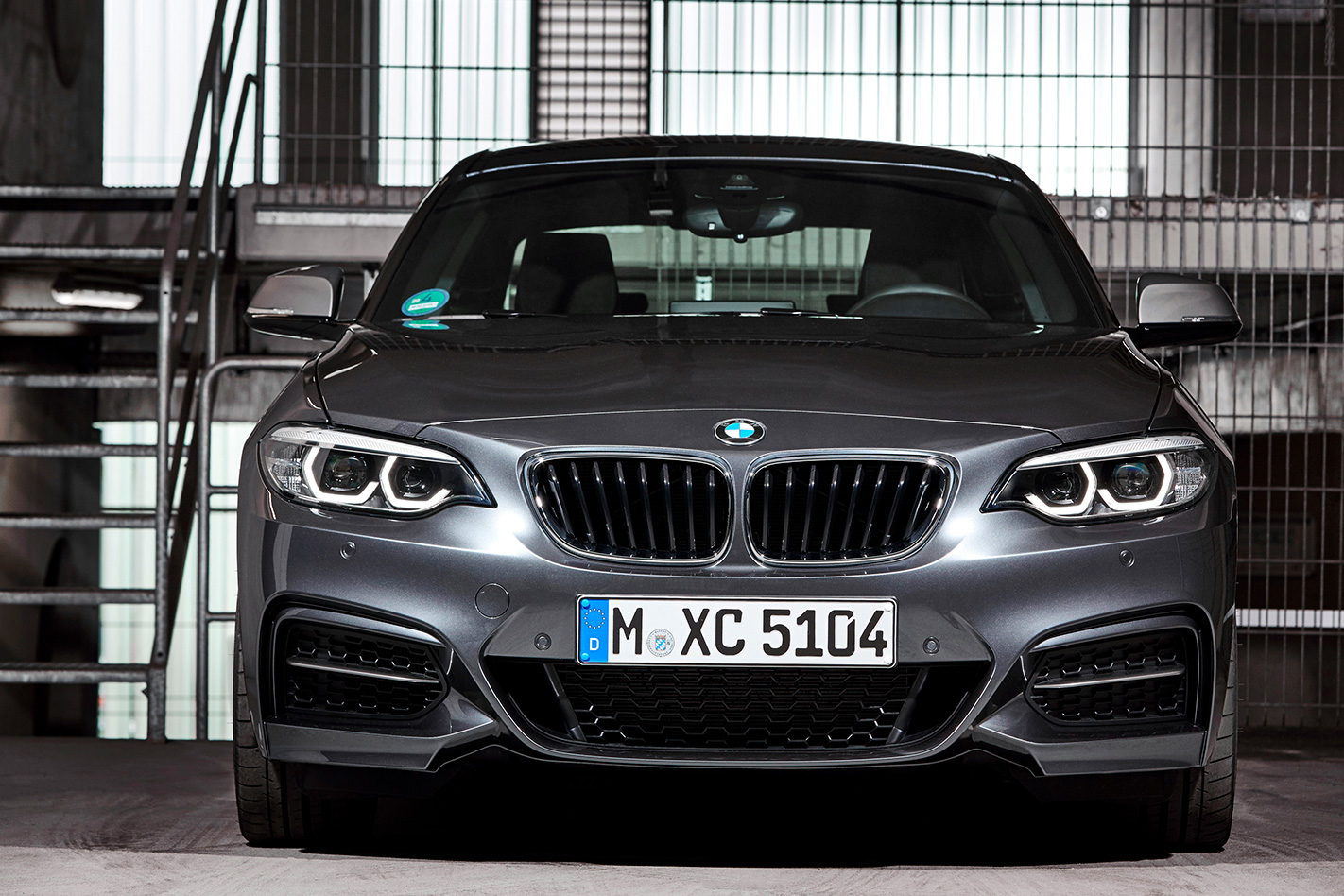
BMW will also offer four new alloy wheel options, including a new 17-inch standard rim for the 220i Luxury Line, and three 18-inch options for vehicles equipped with the M Sport package.
The addition of BMW’s iDrive6 to the 2 Series brings with it an improved 8.8-inch touchscreen infotainment system.
There are three option packs available for the 220i – the Innovations, Comfort, and Driver’s Assistance packages. The 230i can be also ordered with the optional Driver’s Assistance package.
“Compact rear-drive coupes and convertibles have long been part of the BMW DNA,” said BMW Group Australia CEO, Marc Werner.
“The 2 Series Coupe and Convertible have always been seen as dynamic leaders in their segments, and this latest update adds further desirability with sharp looks, a high-quality interior and a strong mix of performance, dynamics and efficiency.”
Updated BMW 2 Series pricing:
BMW 220i Coupe – $52,900
BMW 230i Coupe – $63,000
BMW M240i Coupe – $76,800
BMW 220i Convertible – $59,900
BMW 230i Convertible – $73,000
BMW M240i Convertible – $85,800
BMW 2 Series specs
Model | Engine | Power / Torque | 0-100km/h | Fuel Use | CO2 |
BMW 220i Coupe | 2-litre 4-cyl turbo petrol | 135kW / 270Nm | 7.2sec | 5.9L/100km | 135g/km |
BMW 230i Coupe | 2-litre 4-cyl turbo petrol | 185kW / 350Nm | 5.6sec | 5.9L/100km | 134g/km |
BMW M240i Coupe | 3-litre 6-cyl turbo petrol | 250kW / 500Nm | 4.6sec | 7.1L/100km | 163g/km |
BMW 220i Convertible | 2-litre 4-cyl turbo petrol | 135kW / 270Nm | 7.7sec | 6.1L/100km | 140g/km |
BMW 230i Convertible | 2-litre 4-cyl turbo petrol | 185kW / 350Nm | 5.9sec | 6.2L/100km | 142g/km |
BMW M240i Convertible | 3-litre 6-cyl turbo petrol | 250kW / 500Nm | 4.7sec | 7.4L/100km | 169g/km |
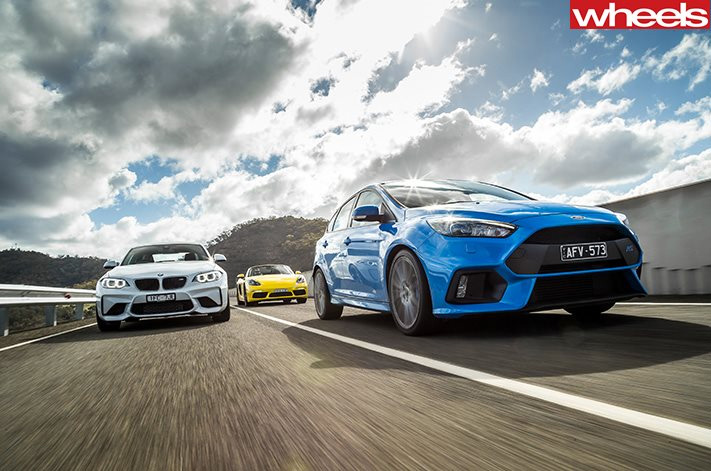
“This feels like an ending of sorts, with three cars that are about as fast as you’d ever want a manual car to be.”
That one sentence, written at the end of last year in a three-way feature on the Porsche 718 Boxster S, BMW M2, and Ford Focus RS, caused me more grief than any line I’ve ever written for Wheels. Social media commenters were aghast at the fact an enthusiast title seemed to be so ready to cede on driver involvement. But despite the online brickbats, I stand by it.
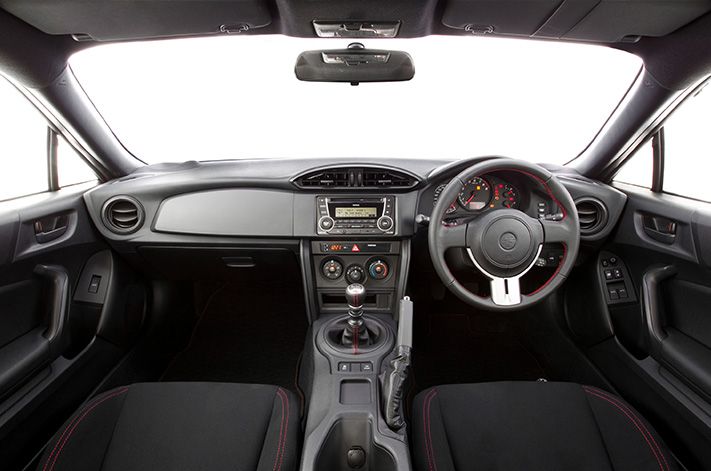
A 911 GT3 with a manual transmission misses the point of the car by about as big a margin as a Toyota 86 with an automatic does. I’ve no doubt it would be a fun thing to drive, but to get the best out of the car, to understand it’s raison d’etre, you need a PDK transmission. Genuine GT3 buyers have worked this out, which is why the PDK is likely to outsell the manual version by at least six to one.
Porsche Australia spokesman Paul Ellis acknowledges this fact. “Customers have sort of bemoaned the fact that there was no manual available with the previous GT3, and now that there is one available, they’re still ordering the PDK – because it is a faster car. There will certainly be take-up on manual, but probably not as big as everyone thought, because those who were hardcore manual drivers have since had the opportunity to drive PDK in that sort of high-performance context. They’ve become convinced of the merits of PDK, and have placed that above their sporadic desire to drive a manual gearbox every now and then,” he admitted.
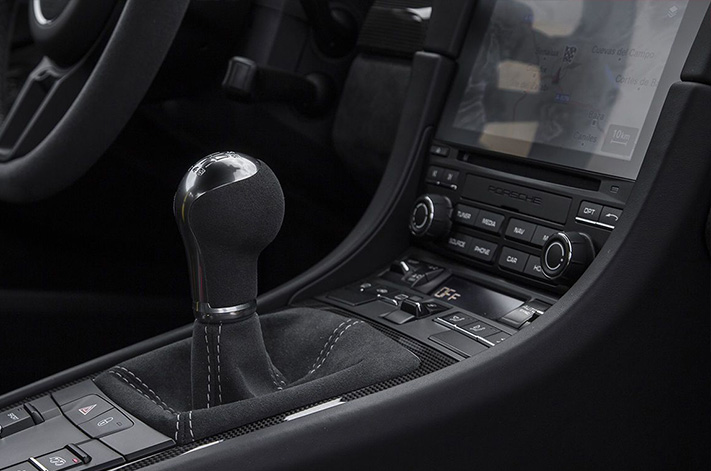
Involvement doesn’t arise from stirring a stick about the box. It comes from feeling what the car is doing, the subtle weight transfers, the grip at the contact patches waxing and waning, felt through the seat of your pants or your fingertips on the wheel. It’s felt through devising strategies to work all of these things to your advantage, and in a genuinely fast car you need the brain space to be able to process these things. Changing gear manually robs you of this processing capacity, in effect detracting from the involvement. “If I’m thinking about changing gear, I’m not thinking about something potentially more useful,” said Gordon Robertson, chief driving consultant at Porsche Silverstone.
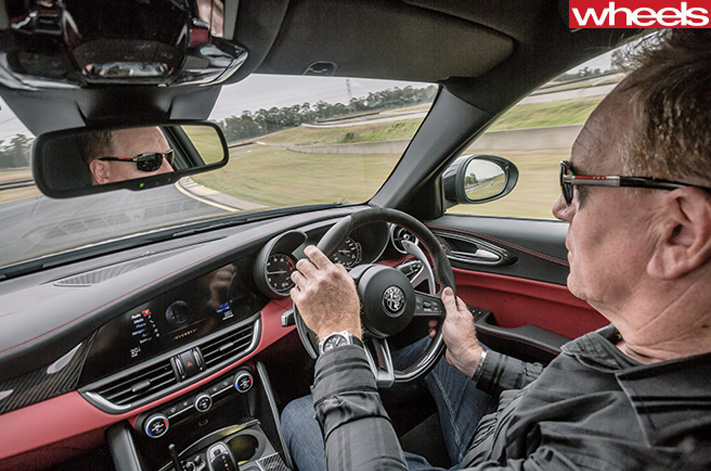
The advance in efficacy of modern automatics and dual clutches has something to do with it. I’m trying to picture quick two-pedal cars I’ve driven recently with an imaginary manual gearbox. Cars such as the Alfa Giulia QV, Lamborghini Huracan LP580-2, or McLaren 570S – none of which would be improved with a manual box. Buyers have voted with their wallets. Leaving the soon departed Commodore-based models aside, the list of cars with big power and a manual gearbox that you can buy in Australia is pretty short.
So while more than a few people took the opening line in this piece as a slam on the manual gearbox, it’s anything but. The manual gearbox still has a place in inexpensive cars with a modest power output. Fast cars work best with fast transmissions. It’s not about shaving tenths off a lap time or dumbing down the driving experience, it’s about choosing the right tool for the job.
So before you jump online like a version of Pavlov’s dog conditioned to repeat twenty-year-old Jeremy Clarkson tropes, give it some thought. And if, after doing so, you still think I’m wrong, let me know.
The X-Trail is Nissan’s most popular car in Australia. Statistically speaking, if you’re walking through the doors of a Nissan dealership with the intent of buying a car, there’s a one-in-three chance that you’re going to drive away in one of these.
Why is the X-Trail Nissan’s top seller? To find out, we put the range-topping petrol Ti model through the wringer.
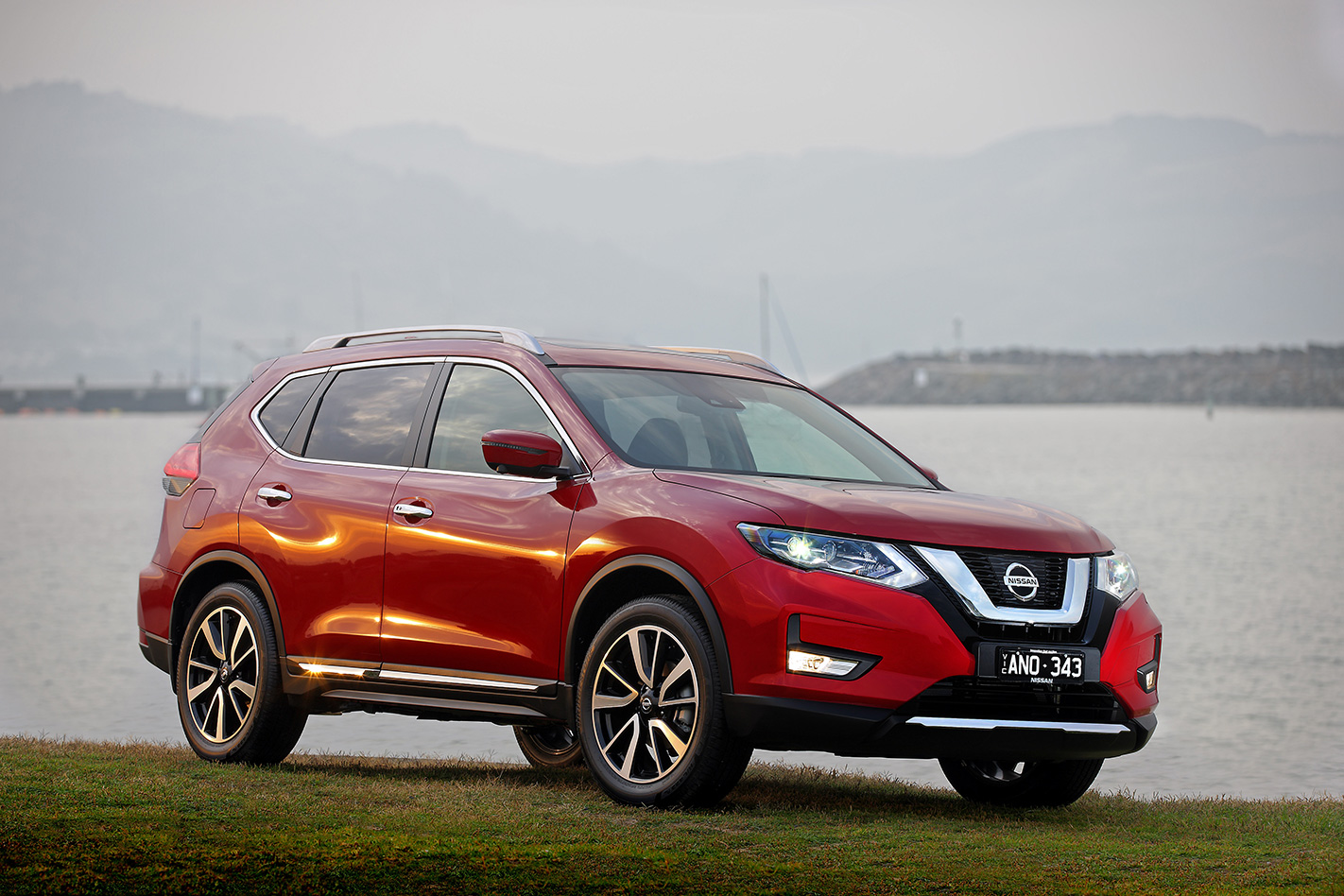
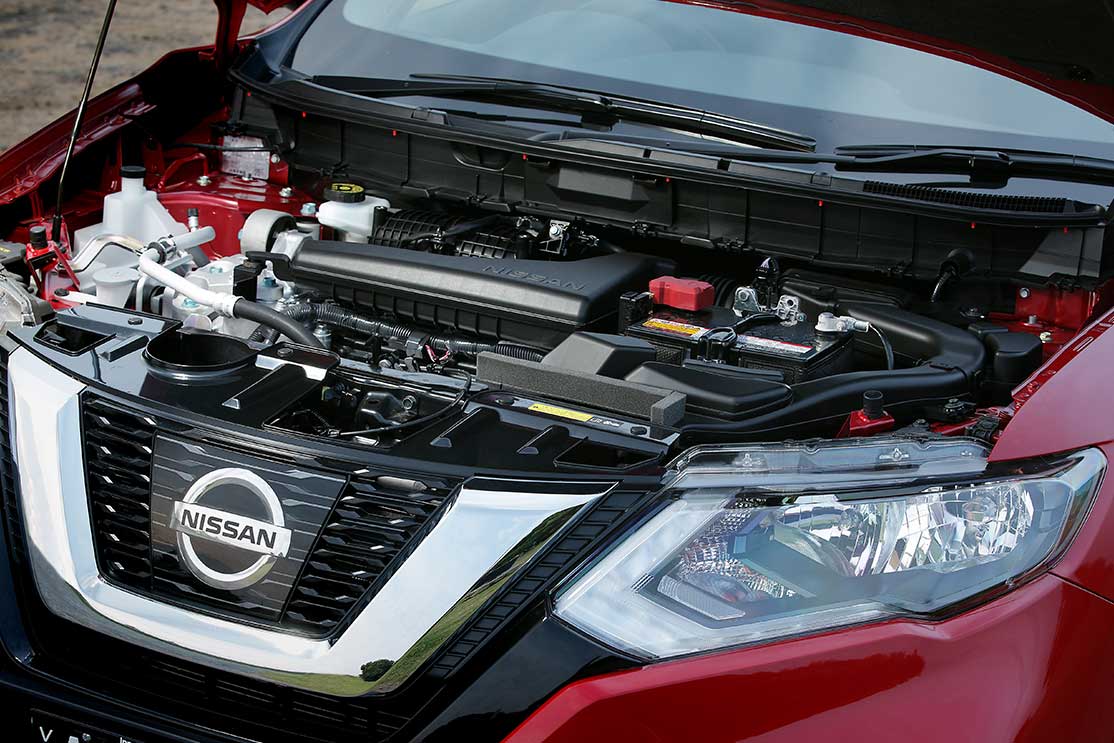
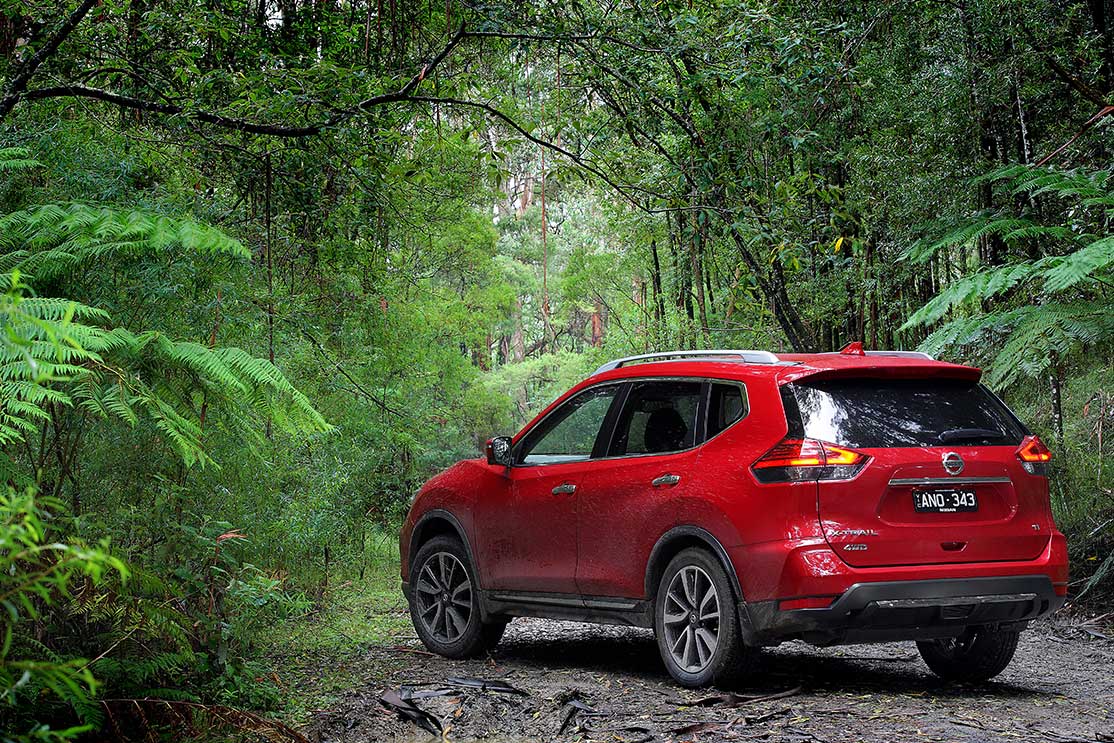
Updated for 2017, the Nissan X-Trail now sports a bolder front-end look with plenty of chrome embellishments on the grille, new bumper plastics, slightly tweaked headlamp details and new wheel designs.
The price for the petrol AWD X-Trail Ti version you’re looking at is slightly lower than before too, at $44,290. However, the amount of equipment it packs has increased, with autonomous emergency braking, active cruise control, an eight-speaker Bose premium audio system, hands-free powered tailgate, heated steering wheel and heated rear seats being new additions to this particular variant.
Mechanically, though, it’s not all that different to last year’s equivalent. A 2.5-litre naturally-aspirated petrol engine is up front and makes 126kW and 226Nm – which are modest numbers for the segment – and a CVT gearbox takes power to all four wheels when the road gets slippery.
Though the X-Trail continues to be a sales success for Nissan, it’s now entering middle age and has to face down newer, fresher challengers in the form of the Mazda CX-5, Hyundai Tucson and Volkswagen Tiguan.
And in the face of that keen competition, the work done on the X-Trail’s mid-cycle facelift is somewhat modest. That said, it may be enough to keep it current in what is increasingly one of Australia’s most popular vehicle segments.
FIRST THINGS YOU NOTICE
A new steering wheel greets you when you climb into the 2017 X-Trail’s driver’s seat, and there are other minor additions like a leather gearshift gaiter to update what is otherwise a largely carry-over cabin.
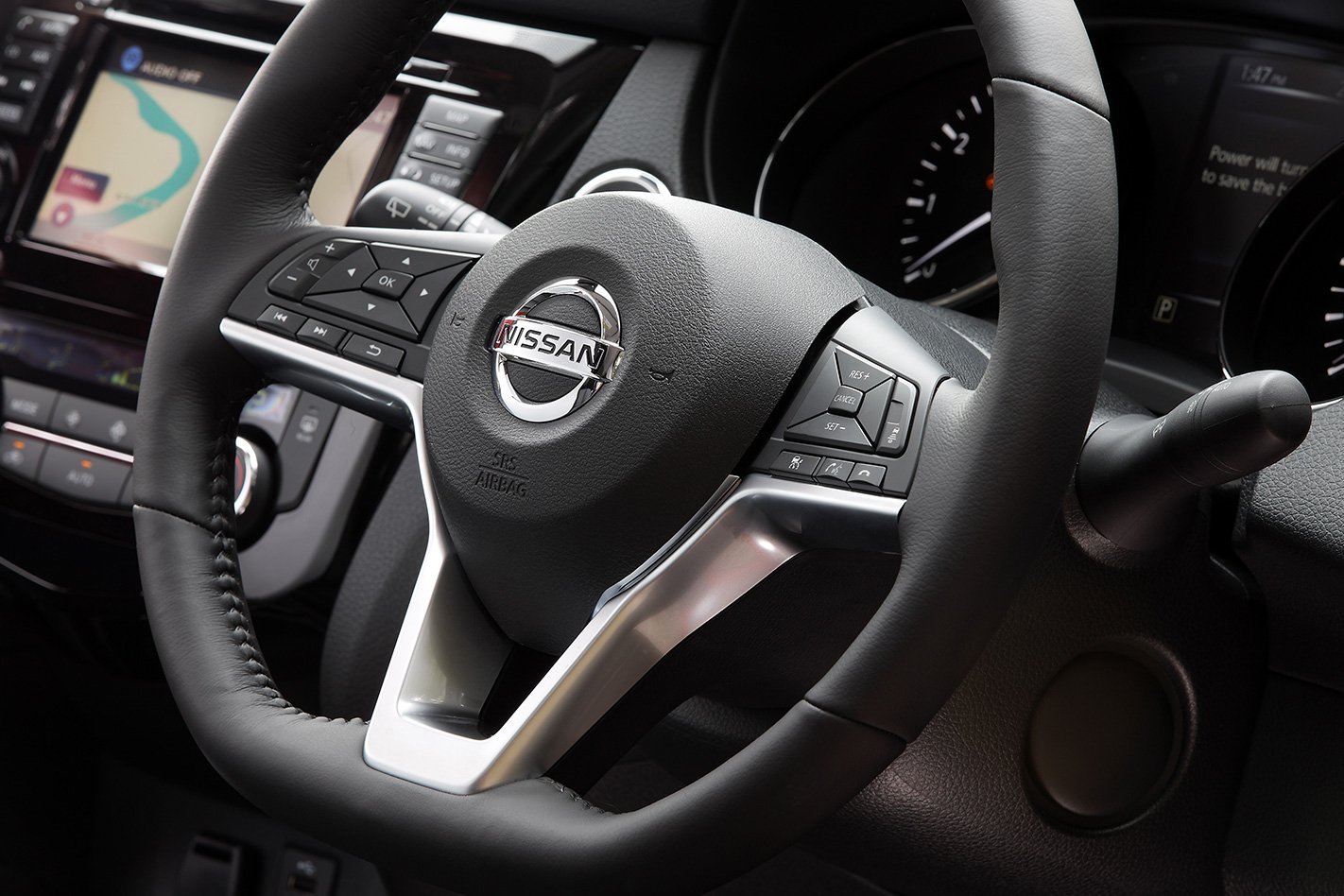
One big change that you hopefully won’t notice is the now-standard autonomous emergency braking and, in the Ti-model we’ve got here, active cruise control and lane keep assist.
One other nifty feature is the X-Trail’s reversible boot floor, which means you can load muddy boots, sandy beach gear or pot plants without worrying about getting the carpet all messy. Once you’re done, you can just hose it down, flip it carpet-side up and pop it back in.

The X-Trail Ti has room for improvement when it comes to driving enjoyment. The 2.5-litre petrol engine has adequate power, but it’s hooked up to a CVT automatic that doesn’t feel as decisive or sharp as, say, the new CX-5’s conventional six-speed auto.
There’s also a slightly firm ride on the 19-inch alloys of this high-grade Ti. Perhaps not the best thing for a family wagon.

On the whole, though, the X-Trail is a pretty easy thing to live with.
VERDICT:
The X-Trail is a safe choice. It’s easy to drive, spacious, comfortable and decent value. It doesn’t push the envelope – definitely not as far as mechanical sophistication is concerned – but it doesn’t need to. Punters have been drawn to the model for its no-nonsense approach and are likely to keep doing so.
And on top of that, it’s a mid-size SUV – precisely the type of car that Australian new-car shoppers are after. No wonder then that the X-Trail is at the top of Nissan Australia’s sales charts.
DIESELGATE has finally caught up with Porsche, the sports car and performance-honed SUV maker announcing a recall of about 2100 oil-burning Cayennes to gain new software to remove emission cheats.
The car maker said yesterday the roll-out of the fix for the 3.0-litre V6 – it will also affect 165 vehicles yet to arrive in Australia, which will have their delivery delayed – is still pending government approval.
“Subject to approval of the proposed technical software update by the relevant authorities, the recall is expected to commence in Europe in the European autumn 2017, with an Australian voluntary recall to follow as soon as possible thereafter,” Porsche Cars Australia said.
“PCA will take a responsible approach towards its customers. It is of great importance to PCA that customer expectations regarding quality, integrity and service are met to the fullest extent.”
Cayennes caught up in the recall were built between August 22, 2014 and July 27, 2017. The vehicles were banned from sale in Germany in response to the scandal.
“All affected vehicles remain safe to drive and may continue to be driven as normal,” Porsche said. “When the proposed technical software update is available, all owners of affected vehicles will be contacted by their official Porsche Centre to arrange the free software update, which should take around one hour.
“PCA will work constructively with the Department of Infrastructure and Regional Development and all other relevant parties to implement the voluntary software update.”
Sister brand Audi is yet to roll out a recall for 3.0-litre V6 diesel engines used in its products, although it has announced a fix for the EA186 1.6- and 2.0-litre diesel engines also scooped up in the Dieselgate scandal.
Adding Porsche’s previously undisclosed Dieselgate numbers pushes the number of Volkswagen Group recalls tied to the scandal to more than 100,000 vehicles in Australia.
The first fix – made to almost 9000 2.0-litre engines used in the Volkswagen Amarok trade ute – gained government approval in January last year.
Volkswagen Group Australia says it has received government approval to make mechanical and software changes to VW-badged vehicles to ensure they meet emissions ratings.
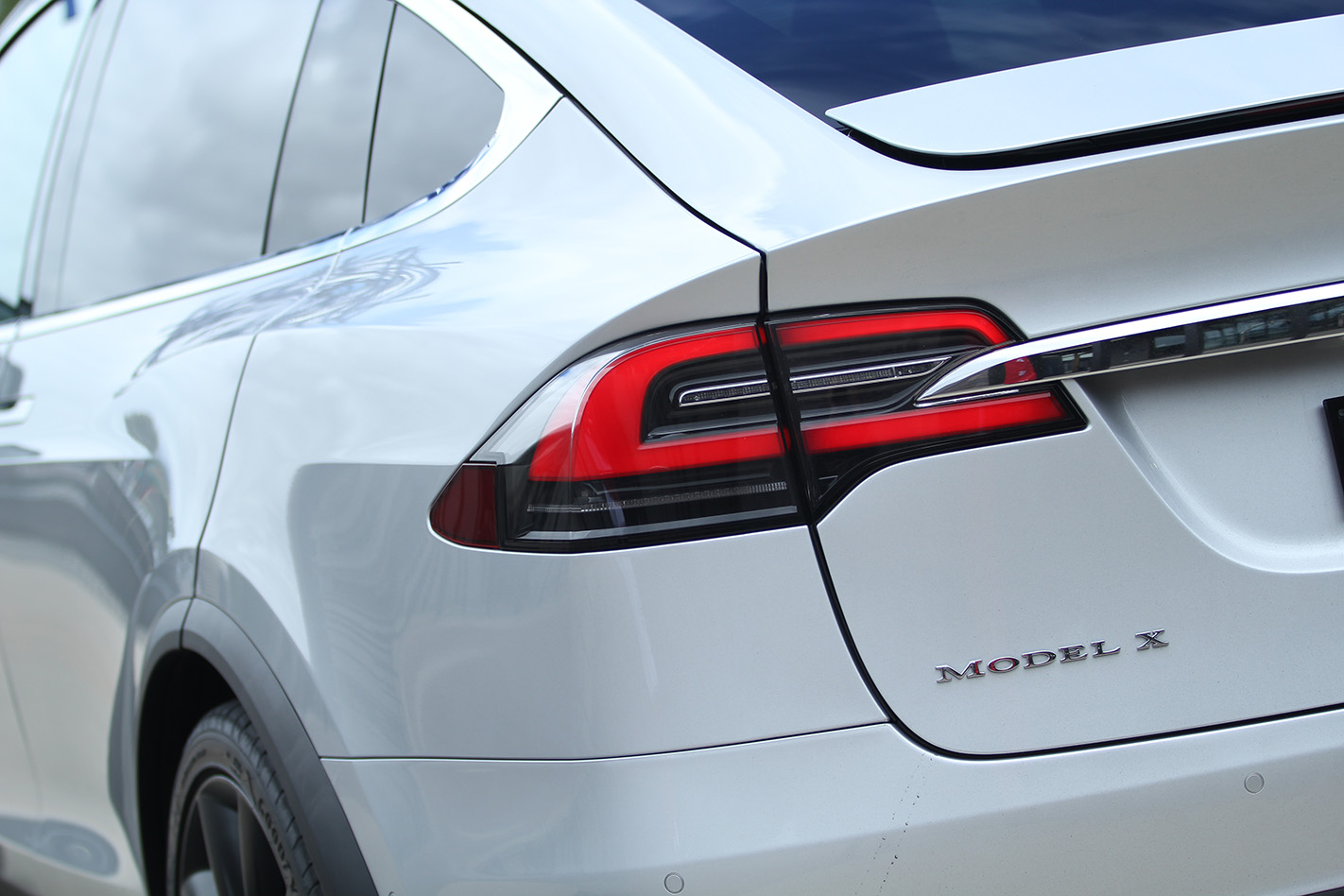
The base retail price of Tesla’s Model X all-electric SUV has fallen to $132,042 thanks to efficiency improvements made at as the company’s US assembly plant, with the bulk of cost savings achieved at the production line being passed on to buyers.
The improvements made in streamlining its vehicle assembly process have allowed the US carmaker to improve its profit margins on each Model X, a vehicle the company freely admits has been a low-earner since production started.
“When we launched Model X 75D, it had a low gross margin,” Tesla said in a statement.
“As we’ve achieved efficiencies, we are able to lower the price and pass along more value to our customers.”
And those efficiencies translate into a $6000 reduction in pre-luxury car tax pricing, with the bare price of the entry-level Model X dropping from $125,000 to $119,000.
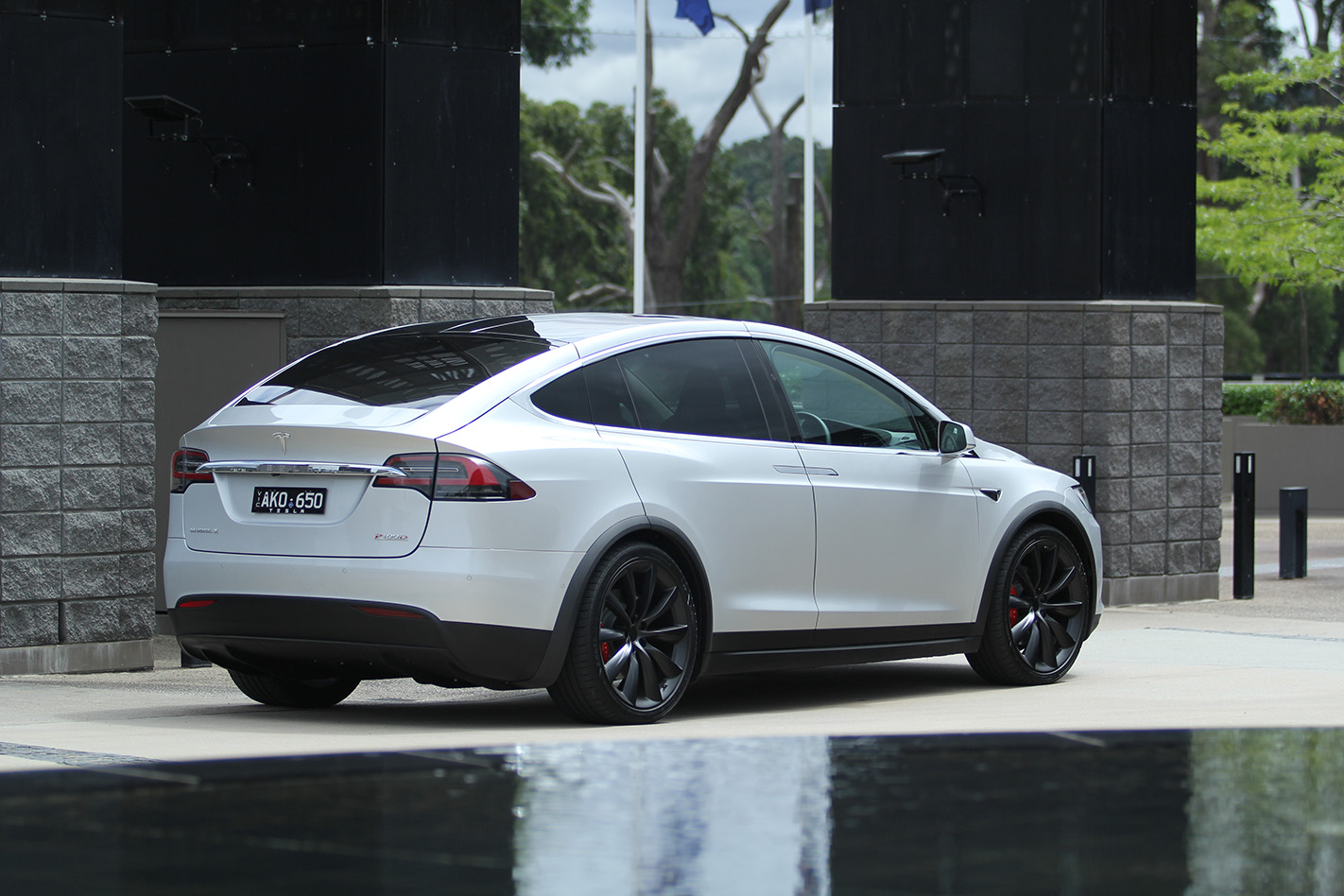
With the luxury car tax applied, the new retail price becomes $132,042 – $7800 less than what the Model X 75D retailed for at its local launch last year.
The Tesla Model X range presently comprises three models, with the mid-spec 90D model being dropped to leave the Model X 75D, Model X 100D and the performance-oriented Model X P100D.
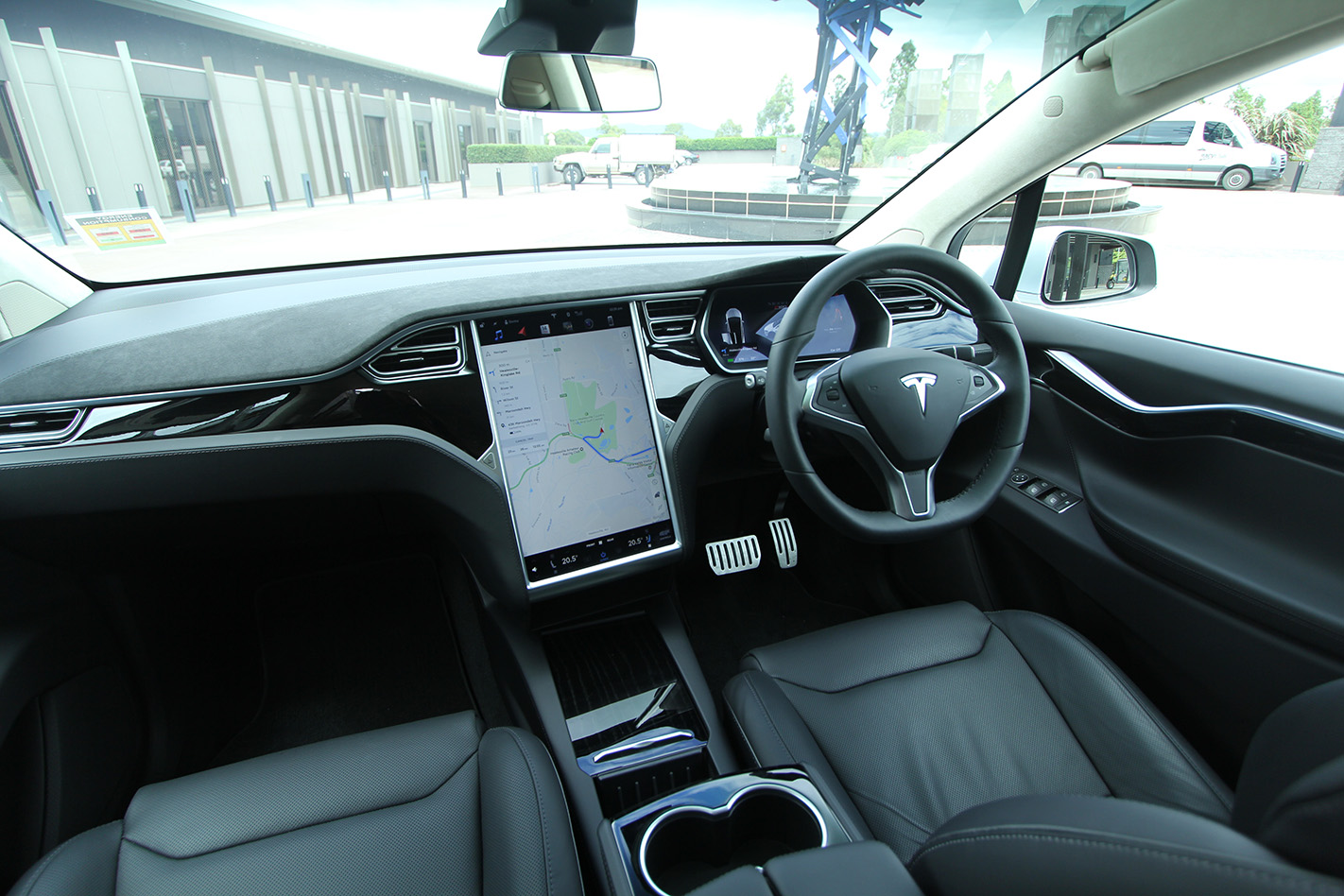
The 75D boasts a 75kWh battery with 417km of range on a single charge, and can sprint to 100km/h in a sportscar-like 5.2 seconds. The 100D, with its 100kWh battery, offers a 565km range and 4.9-second 0-100km/h stat.
However it’s the range-topping P100D that grabs headlines, with a supercar-like 3.1-second 0-100km/h sprint time. Also equipped with a 100kWh battery, the P100D’s mega performance comes at the cost of 23km less range compared to the Model X 100D.
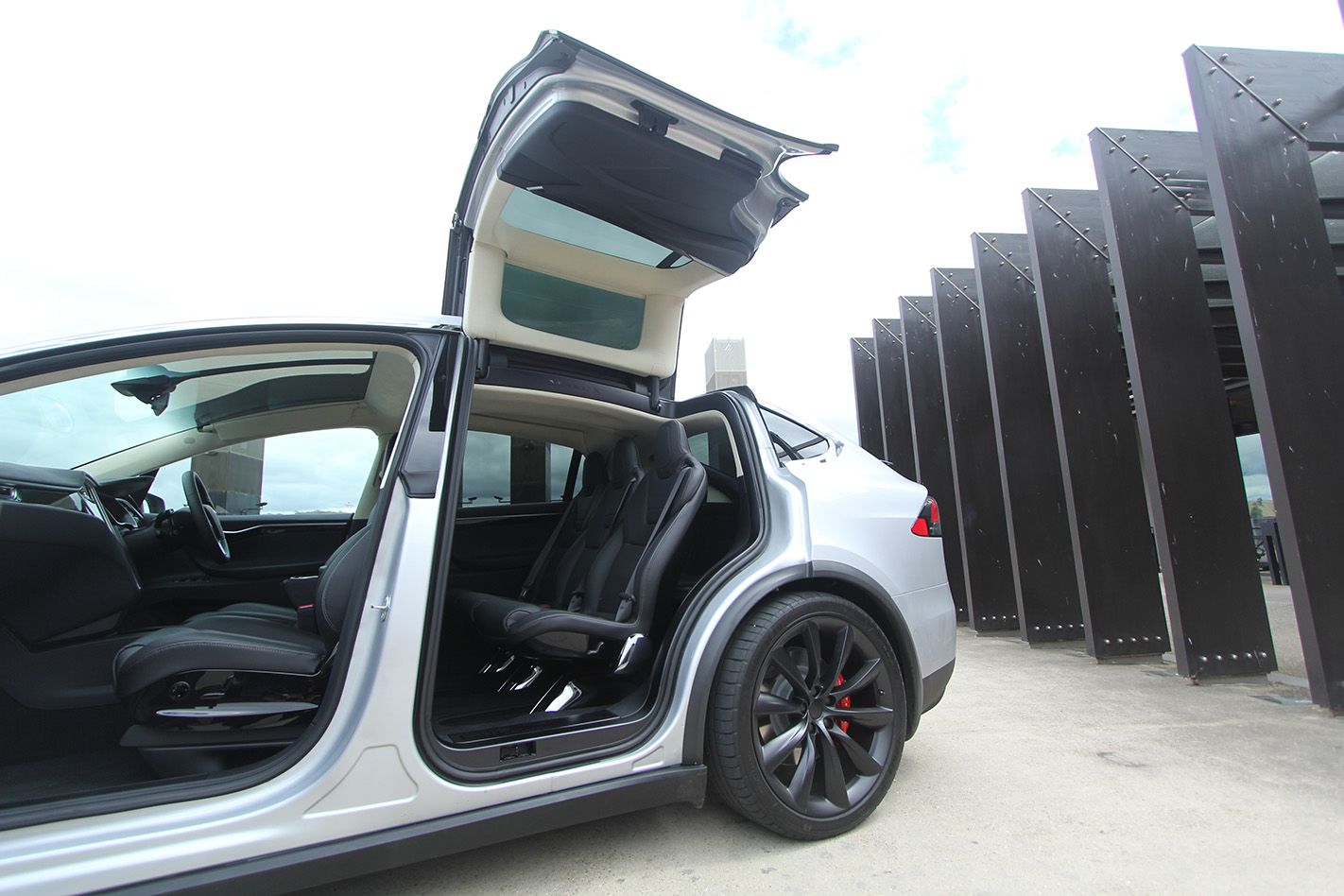
All models come standard with a five-seat, two-row configuration. A six-seat, three-row config is available for an extra $8300 (either with or without a centre console between the second-row seats), while a seven-seat layout costs a $4100 premium.
PRICING
- Tesla Model X 75D – $132,042
- Tesla Model X 100D – $171,842
- Tesla Model X P100D – $250,992
It’s far too frequent that we see a supercar go up in flames due to small faults or poor maintenance, but this time we don’t yet know what caused the blaze.
On a busy Seattle street by the Washington State Convention Centre, a white Lamborghini Gallardo (reportedly an LP 570-4 SuperLeggera) pulls up in some traffic, above it a camera watching from a building window.
After leaving the freeway exit tunnel, the Lambo is probably due for a break, right? Nope.
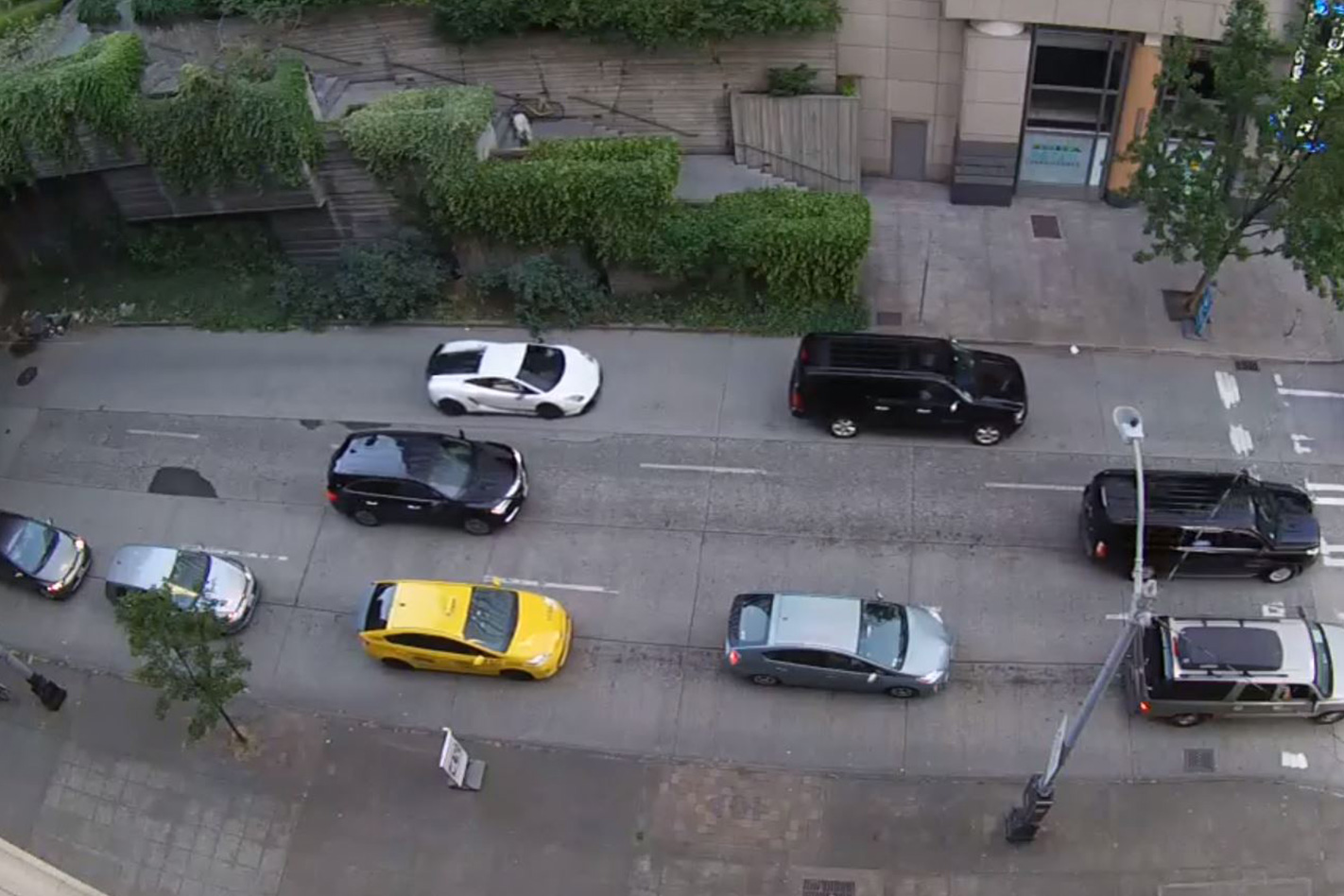
Not realising that the water isn’t going to quench the fire in the Bull’s heart, he goes back in for a second attempt, as the passenger cleverly steps out of the car. It’d be getting toasty in there by now.
As soon as the passenger door is closed, the flames really take hold. It’s at this point you can see that the car is beyond help.
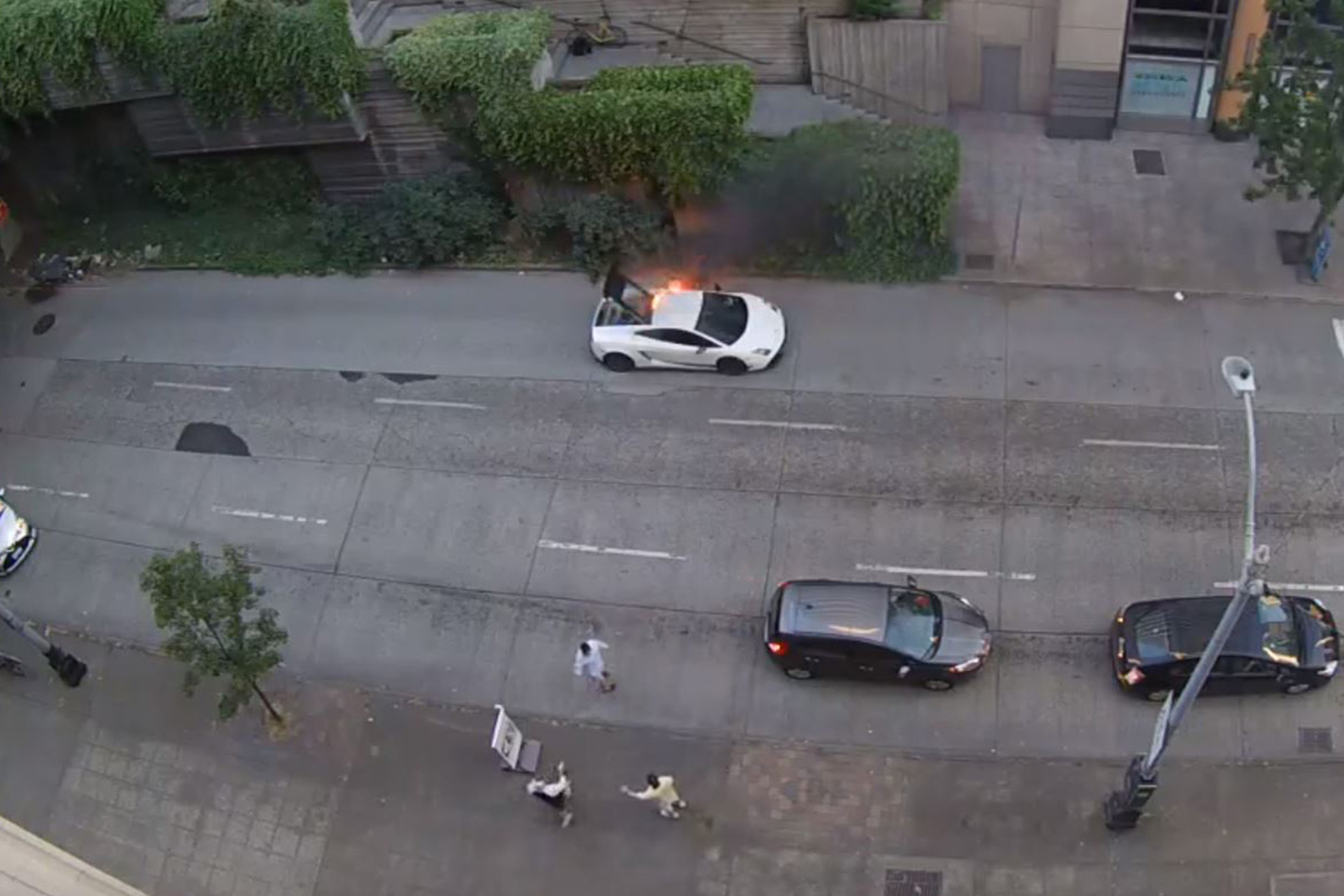
The next five minutes are a depressing mix of smoke, sirens, and a sad Lambo, which culminate in a smoking wreck of Italian metal sitting in the middle of a no longer busy Seattle street.
One has to wonder how much of the roughly-$200,000 value is left after the car has been gutted by flames. Not much, we’d imagine.
TELL ME ABOUT THIS CAR
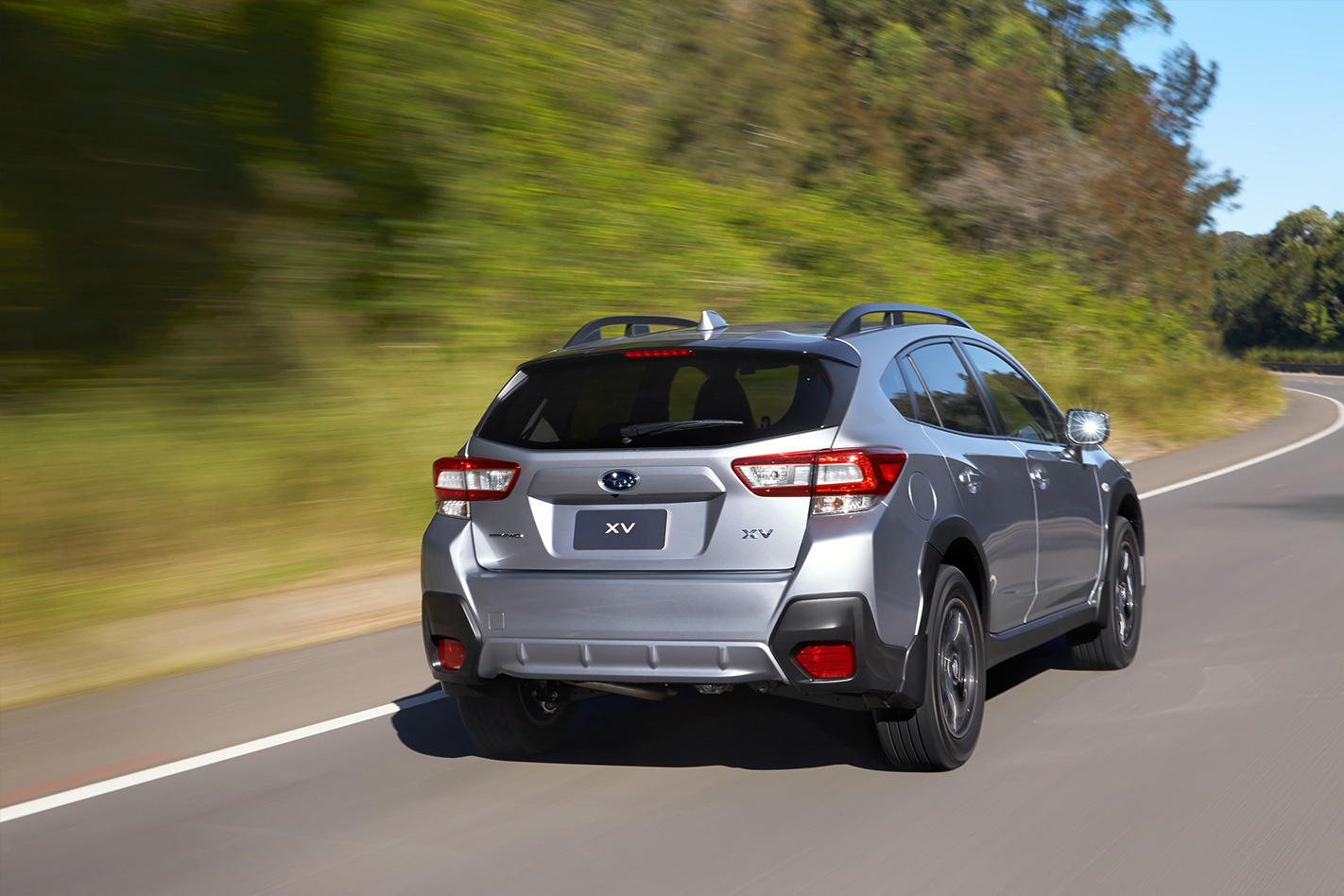
The all-new Subaru XV crossover has hit the ground running with a sharp increase in sales over its predecessor. Based on the new Impreza sedan and hatch, the XV comes in four main variants, starting with the 2.0i, which shares many features with upper-spec models but lacks the excellent Eyesight driver assist package which includes automatic emergency braking.
Priced at $27,990, it’s a little more expensive than other entry-level small SUVs, but it does come with a permanent all-wheel-drive system that allows it to go where many of its competitors won’t.
STRENGHTS
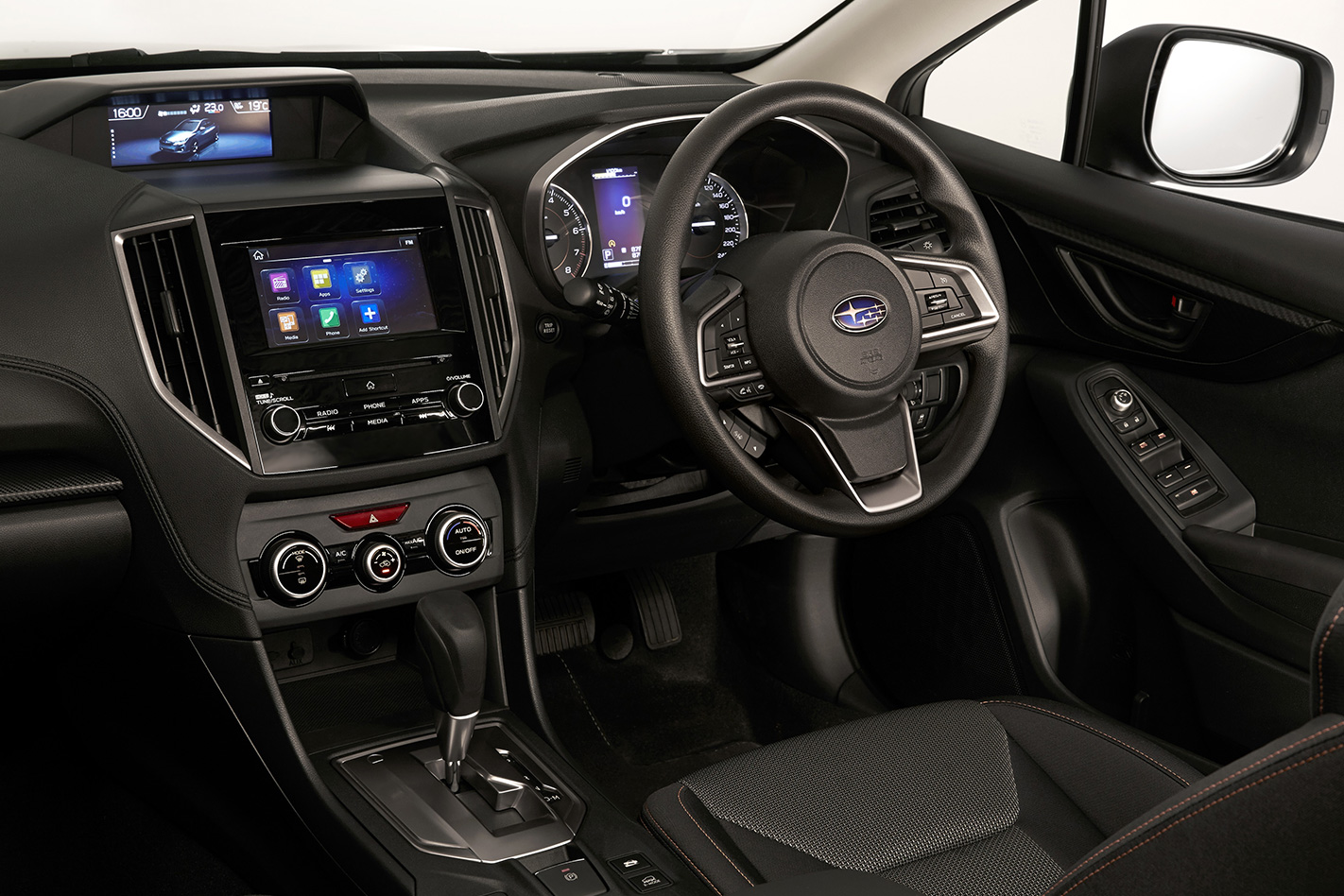
- The Subaru XV is essentially a high-riding Impreza, so you get the same, attractive looking dashboard and features as that found in its sedan and hatchback relatives, such as the 6.5-inch touchscreen, a second multi-function vehicle information screen, and a multi-function trip computer display in the gauge cluster.
- Other standard features include cruise control, climate control, reversing camera, keyless entry/start, Apple CarPlay and Android Auto connectivity, roof rails, and 17-inch alloy wheels.
- The interior looks good and is well put together using soft-touch materials on top of the dashboard and door trims.
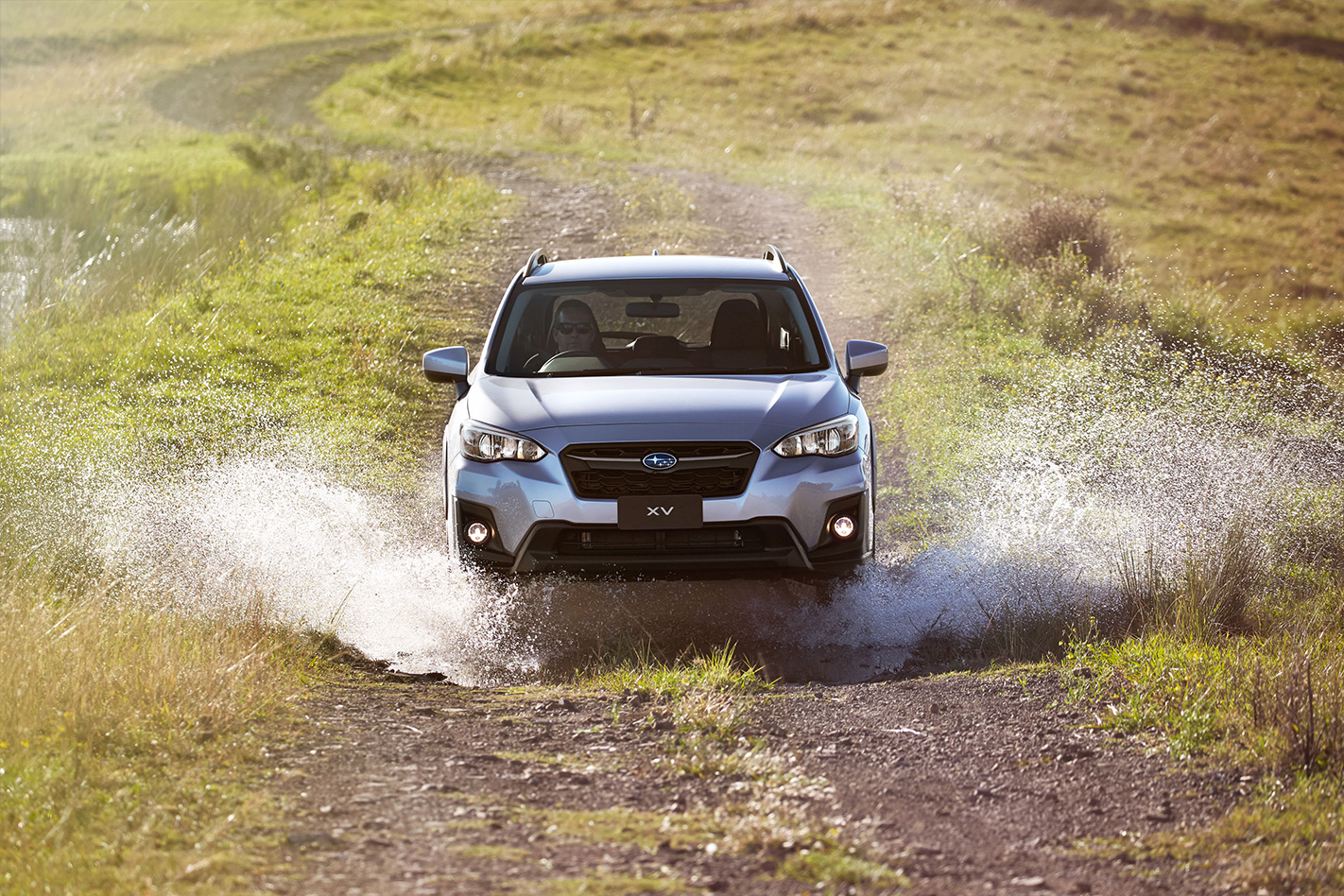
- Handling is better than the previous model. Sharing the Impreza’s new underpinnings, the XV’s higher ride height does nothing to diminish drivability thanks to its active torque vectoring. It’s fun to drive and feels well planted, even on loose gravel surfaces.
- It’s one of the more capable small SUVs as far as rough surfaces go with permanent all-wheel-drive, 220mm ground clearance, hill descent control, and traction from its X-Mode drive mode to help it negotiate steep gravel inclines.
- It’s powered by a 2.0-litre four-cylinder Boxer engine, which now includes direct fuel injection that helps save fuel and slightly improves performance.
- The cloth seats, with contrasting stitching, look great and are more comfortable than the leather seats in the upper-spec models.
- The rear is roomier than the previous model, with plenty of leg and head room and good vision out the side and front.
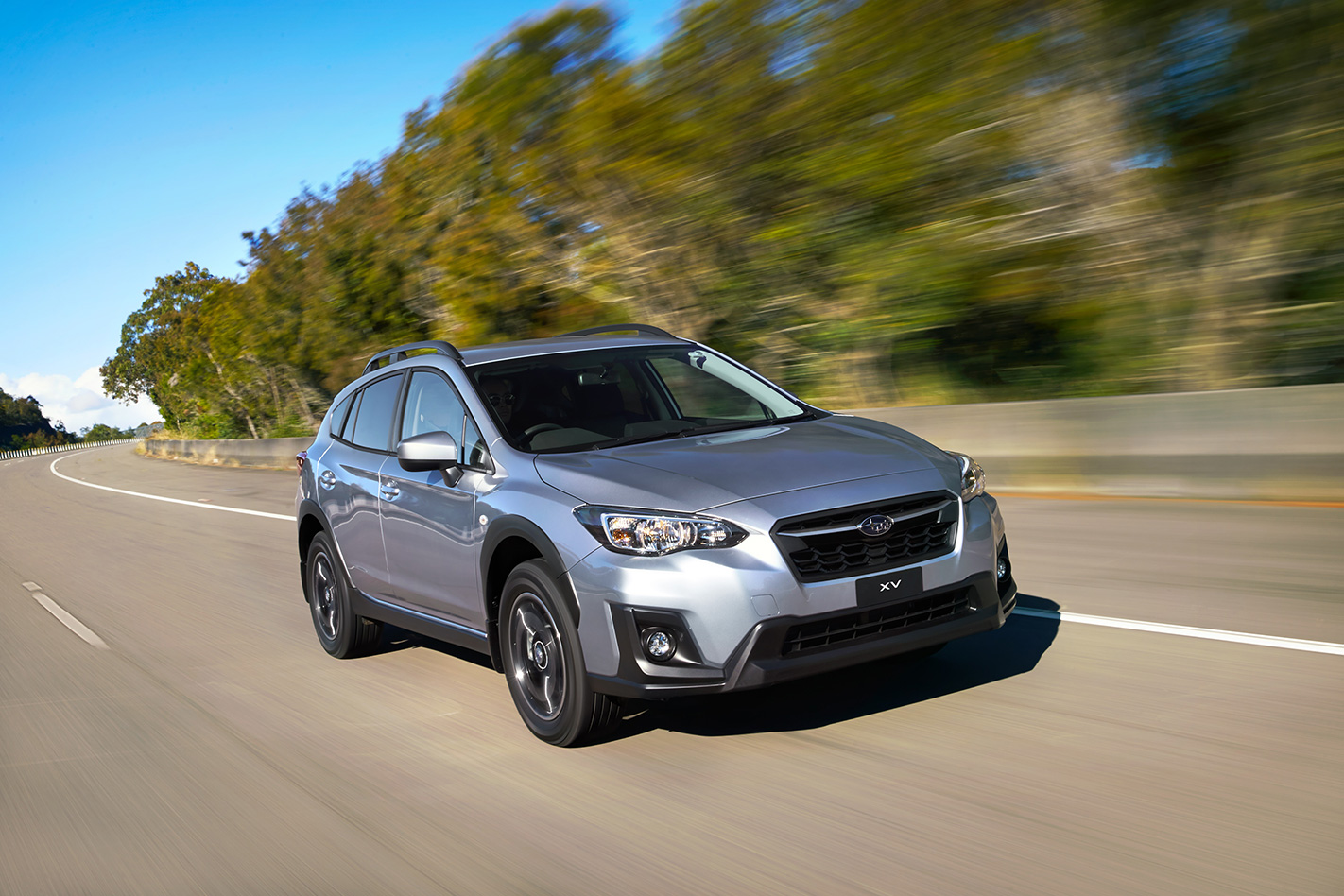
- While the looks aren’t a big departure from the previous model, its bigger size suits its proportions that, combined with some aesthetic tweaks, make for a more handsome car.
WEAKNESSES
- While it’s reflected in the price, the lack of Eyesight active safety does make this a lesser offering compared to the other models. The extra $2500 for the next-up 2.0i-L variant is worth the investment if you mostly drive around town. As well as automatic braking, active cruise control, and lane keeping assist, you get a bigger 8.0-inch touchscreen, dual-zone climate control, and electric folding door mirrors.
- It’s not cheap. Thanks to the extra running gear, its $27,990 price tag is $1250 more than the previous model.
- It’s heavier too, meaning the performance and efficiency gains made by adding direct injection are limited.
- While it has reasonable off-road capacity, you wouldn’t want to get a flat tyre in the bush as there’s only a space saver tyre under the boot floor to get you out.
ANY RIVALS I SHOULD CONSIDER
Similarly priced competitors include the Toyota C-HR and Mazda CX-3 sTouring, which come with active safety and excellent road manners. The Suzuki Vitara S-Turbo will match the XVs off-the-beaten-track credentials but lacks the XVs all-round polish.
The cops will be showing up to the World Time Attack Challenge 2017 in Sydney.
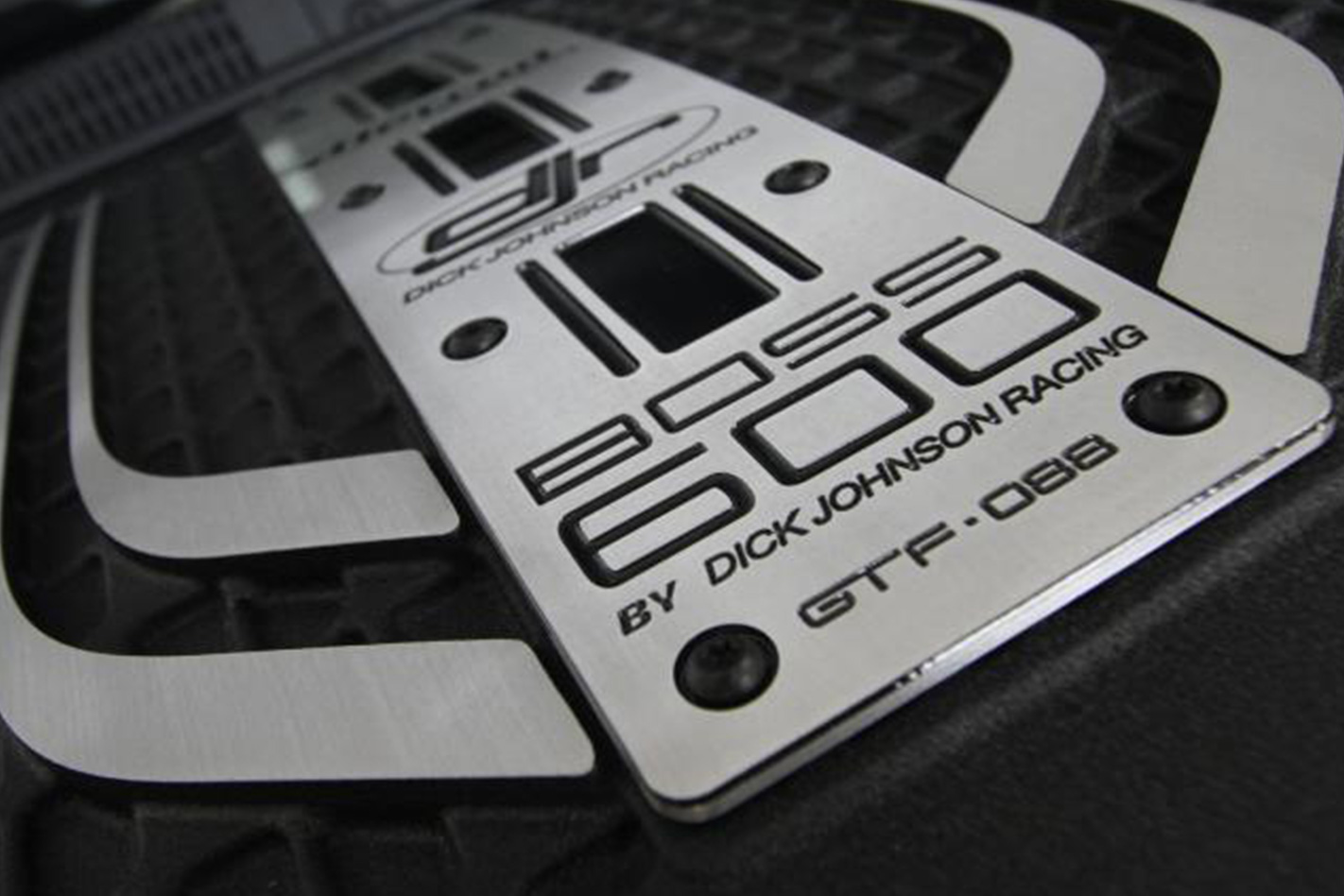
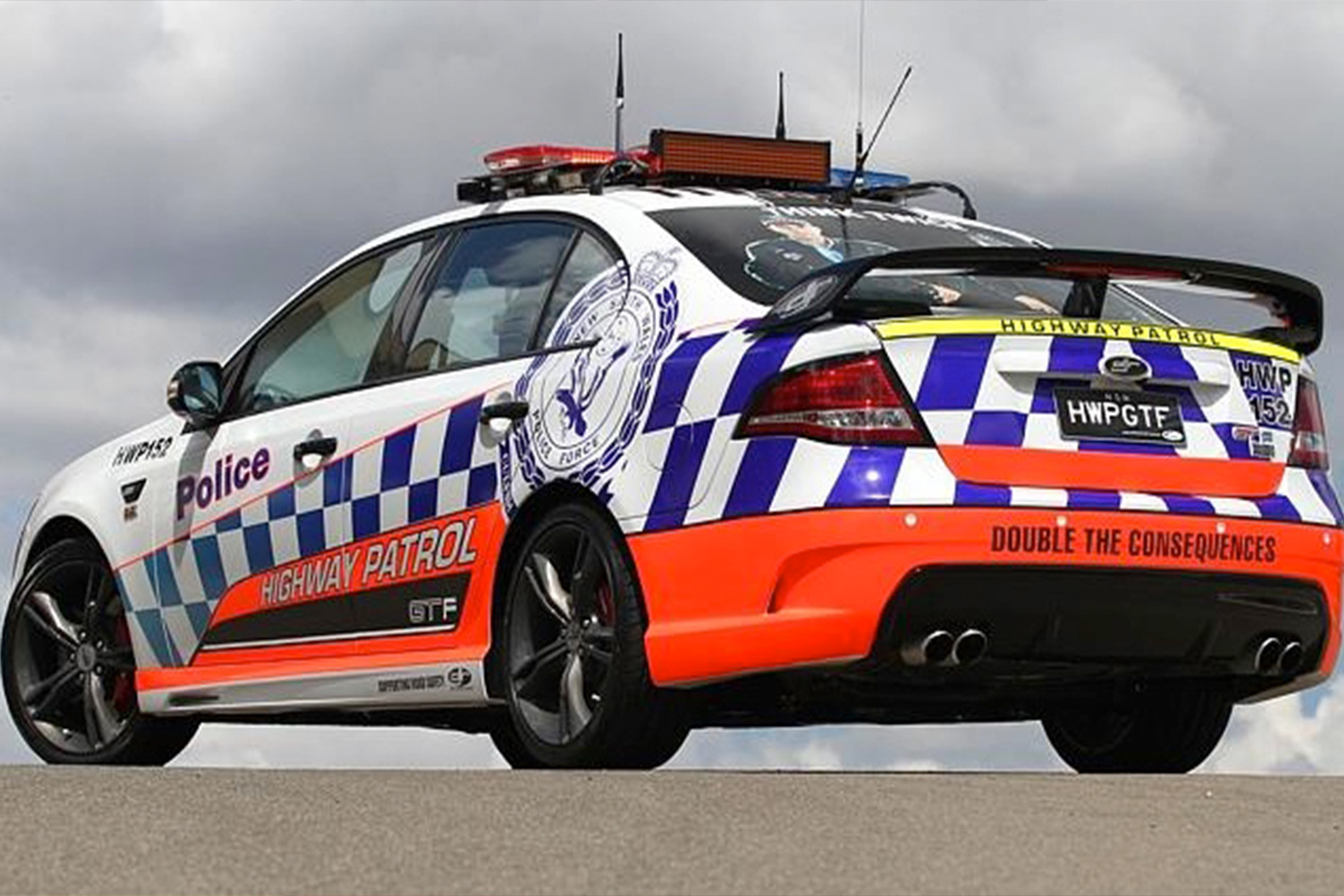
But, they (probably) won’t be there to bust un-roadworthy cars. Instead, they’re bringing a hotted-up FPV patrol car, the NSW Highway Patrol FPV GT F, and putting it up against some of the fastest road cars in the country.
And who better to put behind the wheel than racing legend Dick Johnson, who has had a symbiosis with the Ford and FPV brands for as long as most of us can remember.
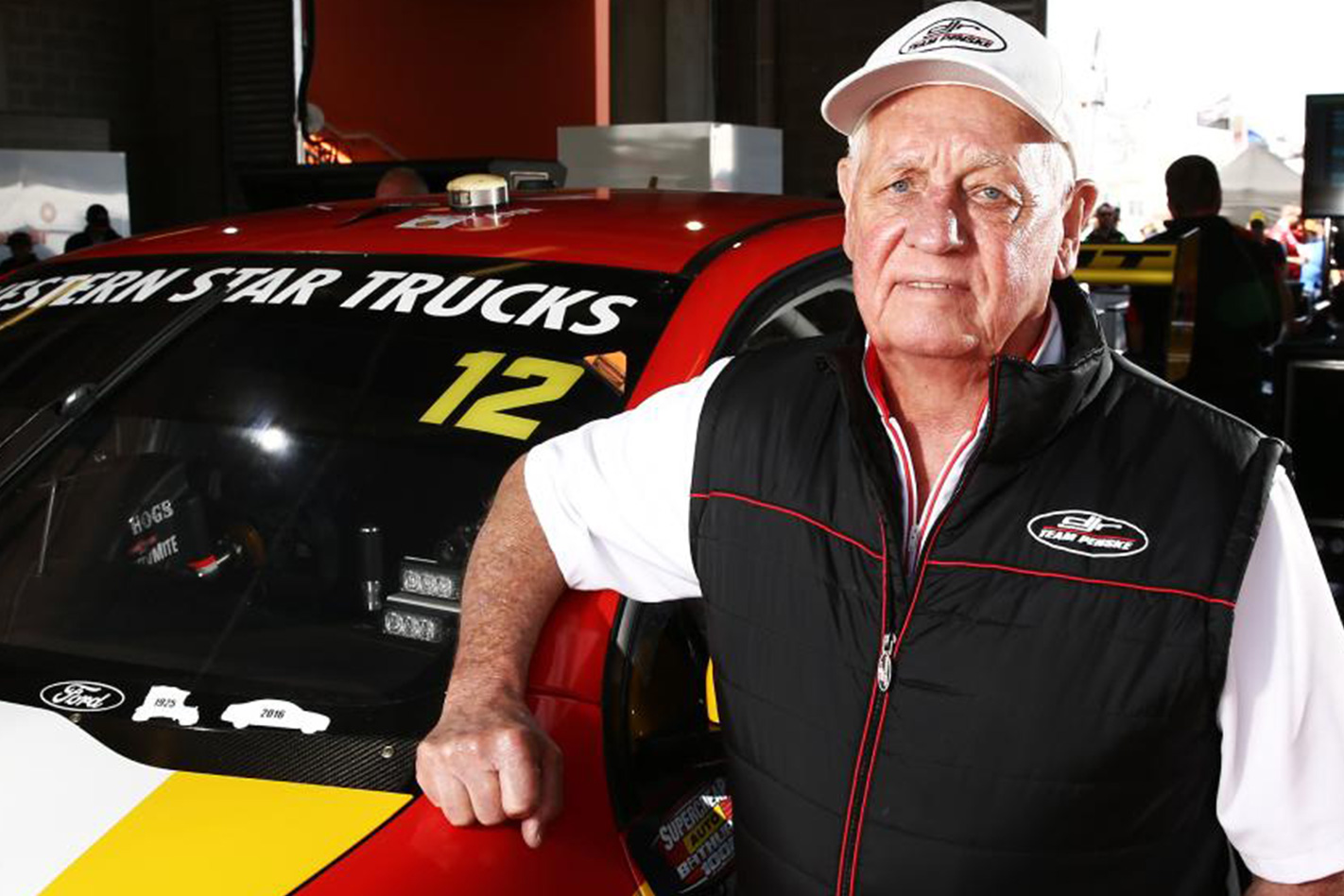
Entering in the Flying 500, the FPV GT F will need to clock the highest speed as recorded during a run of the main straight at the Sydney Motorsport Park circuit.
It’ll be up against “GT-Rs, EVOs, Falcons, Commodores, old school Datsuns and Mazdas” in a bid to be the top dog at the high-powered invitational.
“This truly is an amazing gesture by the NSW Highway Patrol and apart from putting on a fantastic show for everyone and giving the fastest street cars in the country a chance to take on the boys in blue, there is another side to this.” says Baker.
“We have worked closely with the NSW Police over the years to ensure our event runs smoothly every year and in fact several of their officers have competed in Clubsprint Class many times.
“And I have to say, it will also be pretty damn cool to see the legendary Dick Johnson strapping on a helmet again.”
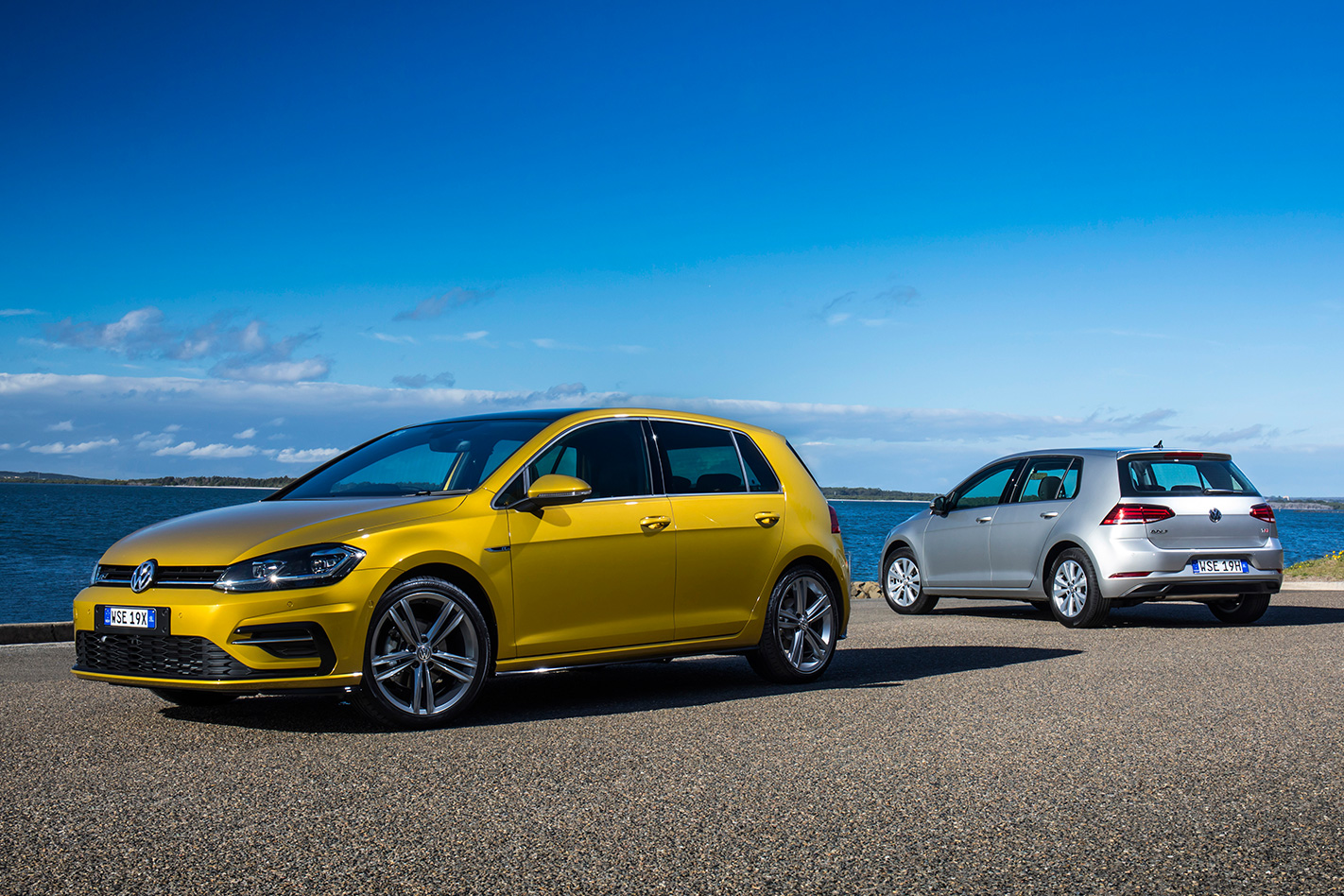
Volkswagen’s heavily-updated Golf launched locally last month, and though it’s officially a facelift of last year’s Golf 7, the new ‘Golf 7.5’ offers significant improvements in almost every area. We take a look at the highly-specified 110TSI Highline model to see how it measures up.
TELL ME ABOUT THIS CAR
Retailing at $34,490, the Golf 110TSI Highline is an upmarket proposition in the world of mainstream small hatches. That being said, the old adage of “you get what you pay for” definitely applies to Volkswagen’s classy and well-appointed hatchback.
An efficient and tractable 1.4-litre turbo petrol inline-four with 110kW and 250Nm powers the 110TSI, and in Highline guise, it comes paired with a seven-speed dual-clutch automatic as standard. For full pricing and specifications for the 2017 Golf range, head here.
STRENGTHS
Outstanding cabin quality – great materials, tight gaps, and premium touches like carpeted door bins, roller shutters, and a fully carpeted boot all elevate the Golf’s standing in the mainstream hatch segment. In fact, it’s borderline premium in how classy it presents itself and even gives cars like the Mercedes-Benz A-Class a run for their money in the quality stakes.
Comfortable seats, and not just in the front either. The rear bench is sculpted to keep backseaters well supported and well rested, while a pair of air vents on the back of the centre console also keeps them cool.
Its steering is perfectly weighted, and the Comfortline’s skinny leather-wrapped steering wheel being a delight to hold in your hands.
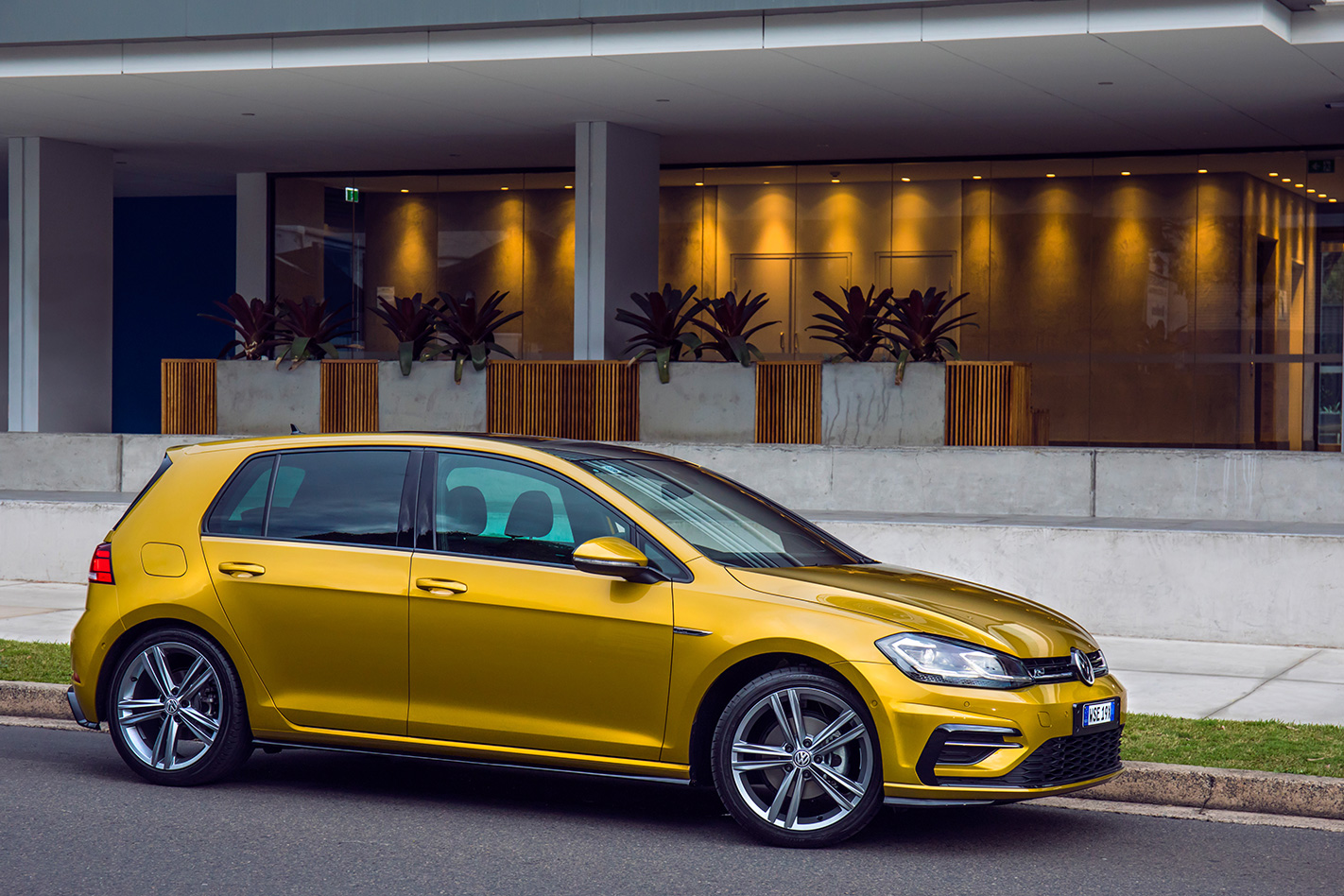
Great handling and outstanding grip are two of the Golf’s strongest attributes. Thanks to its excellent suspension tuning, a sophisticated multi-link rear axle, and incisive front-end geometry help it bite down into the road. It’s stable and secure, and while the 110TSI certainly isn’t marketed as a sporty hatch, it’ll do a decent impersonation of one nevertheless.
Those sporting chops don’t come at the sacrifice of comfort either – even on the bigger wheels of our R-Line spec test car, the 110TSI rolled over big bumps, rutted roads, and expansion gaps without jostling its occupants.
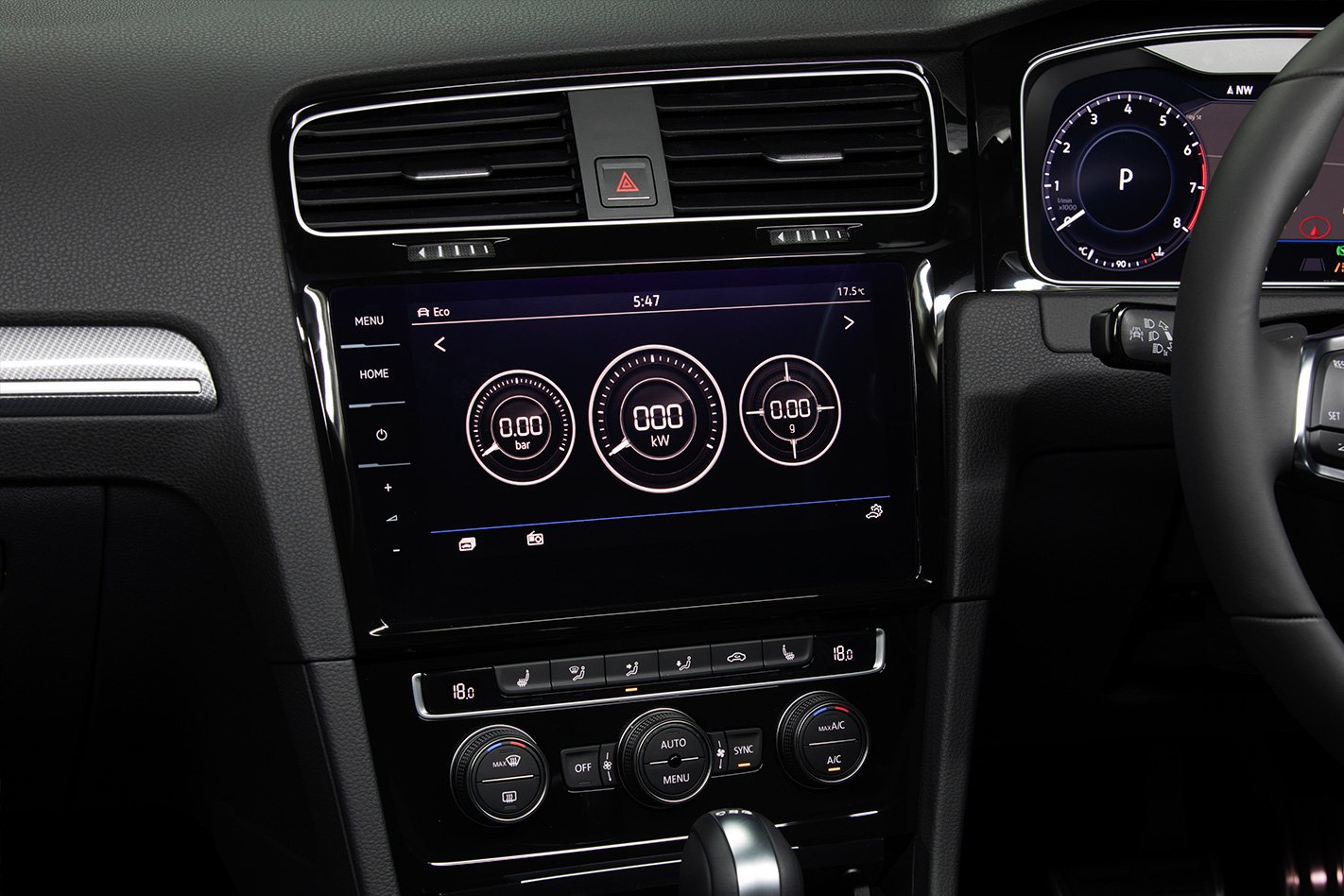
Technology is another of the Golf’s strength, especially when you throw a few more dollars at its options list. Our car had the Driver Assistance Package and Infotainment Package fitted, which brings an ultra-clear reconfigurable electronic instrument panel, a slick and responsive 9.2-inch infotainment screen, a high-end 10-speaker audio system, cruise control, blind spot monitoring, lane-keep assist, and a bevy of other tech highlights.
WEAKNESSES
While the Golf’s DSG gearbox is technologically advanced, being a twin-clutch automatic boasting faster shift times and greater mechanical efficiency than a regular auto, it comes with some driveability drawbacks. Moving off from standstill has never been a twin-clutch strong suit, with grabby engagement making low-speed manoeuvring – such as precision parking – difficult.
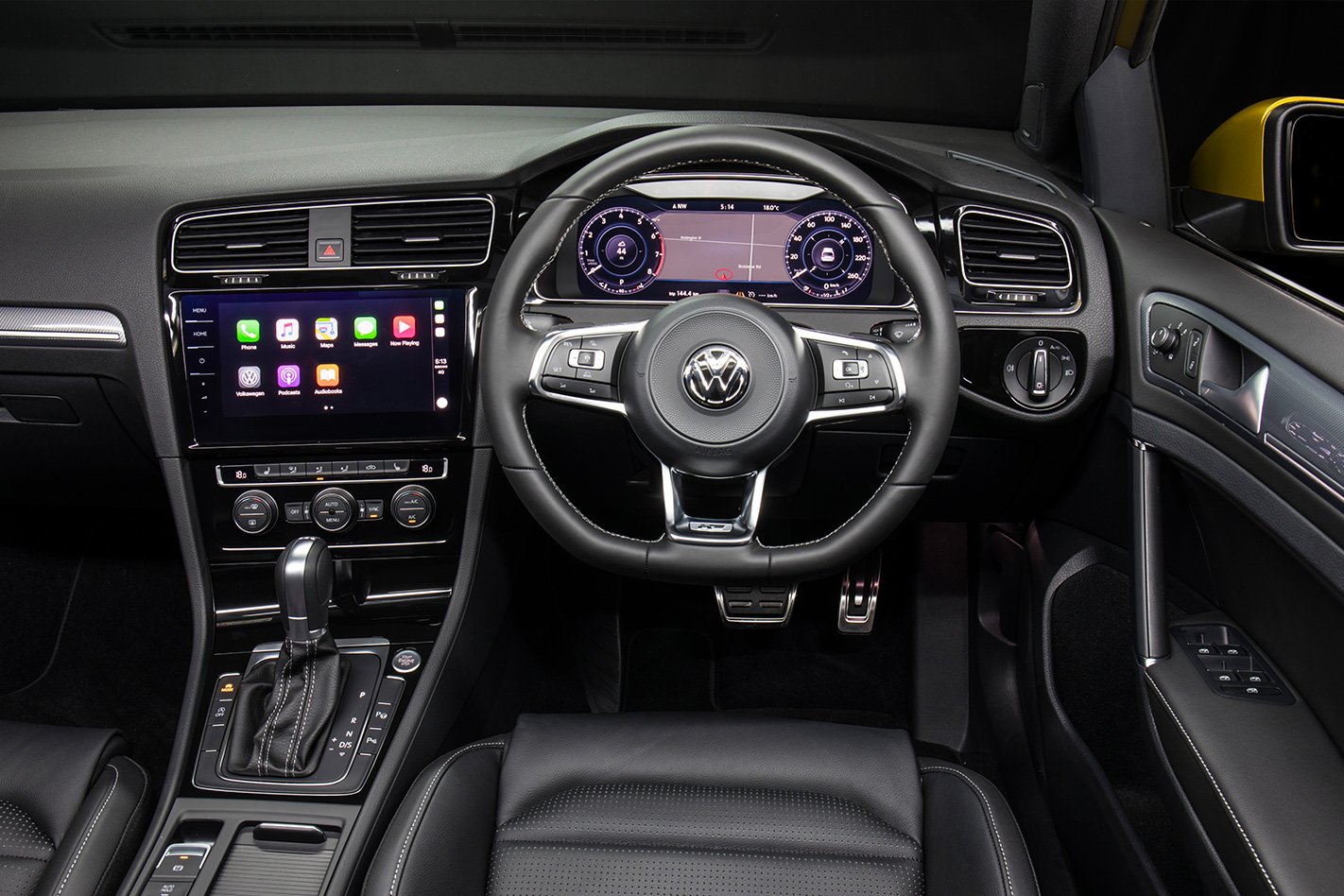
Price. At $34,490, the Golf 110TSI certainly isn’t cheap. Add the extra cost of options like metallic paint, electronic safety aids, an electronic instrument panel, a sporty R-Line bodykit, and high-end infotainment package – all of which were fitted to our test car – and the Golf starts to become an even more expensive beast. All up, the total cost of our test car was a whopping $41,290.
ANY RIVALS I SHOULD CONSIDER?
There are plenty of other options in the segment, but few come close to matching the Golf’s impressive level of finish. Some key rivals include the European-made Holden Astra RS and Peugeot 308, while the Hyundai i30 SR Premium is also a worthy competitor.
MORE than 400,000 Ford owners may be eligible for compensation after they were charged fees for a service the car maker had told them was free.
In 2012, Ford Australia introduced a free roadside assistance service for customers who continued to have their vehicles serviced at the company’s dealerships. However, in July this year, the car maker realised that customers were being charged fees to use the service, despite telling customers it was a no-cost service.
Ford told WhichCar today that it would pay back owners who were “incorrectly charged a small amount for roadside assistance”.
“Ford Australia has identified through its review process, that from May 2012 to July 2017, it advertised roadside assistance as ‘free’ with standard scheduled servicing, when in most cases a small charge (up to $15.95 including GST) relating to roadside assistance was collected from customers,” it said. “This was due to a process error.”
It has started writing to customers to apologise for the error, and spell out how they can get a refund for any charges they got while using the roadside service.
“Ford is committed to honouring its promise of free roadside assistance with standard scheduled servicing to affected customers,” Ford Australia parts and service marketing and sales manager Ambrose Henderson said.“We apologise to customers affected by this error and have launched a remediation program to refund customers the amount they were incorrectly charged.”
In the meantime, Ford has stopped advertising the program as “free”.
Many car brands use free roadside assistance programs to attract customers to their products. It is generally sold with new cars, while some, like Ford, use the service to encourage customers to have their vehicles maintained where they bought it.
Ford’s roadside assistance program covered vehicles for up to seven years, or 135,000km, whichever came first. According to an email sent to customers, compensation will be between $16 and $21 per service, and comes in the form of a digital voucher that can be used at “a variety of major retail outlets across Australia”.
