
MERCEDES driver Lewis Hamilton was accorded the rock star reception he so desperately wanted after a dominant victory – his fourth in a row in front of his home fans at the British Grand Prix – at Silverstone.
But Australia’s Daniel Ricciardo stole the show in round 10 of the Formula One championship with a rousing, forceful drive to fifth place from the rear of the grid.
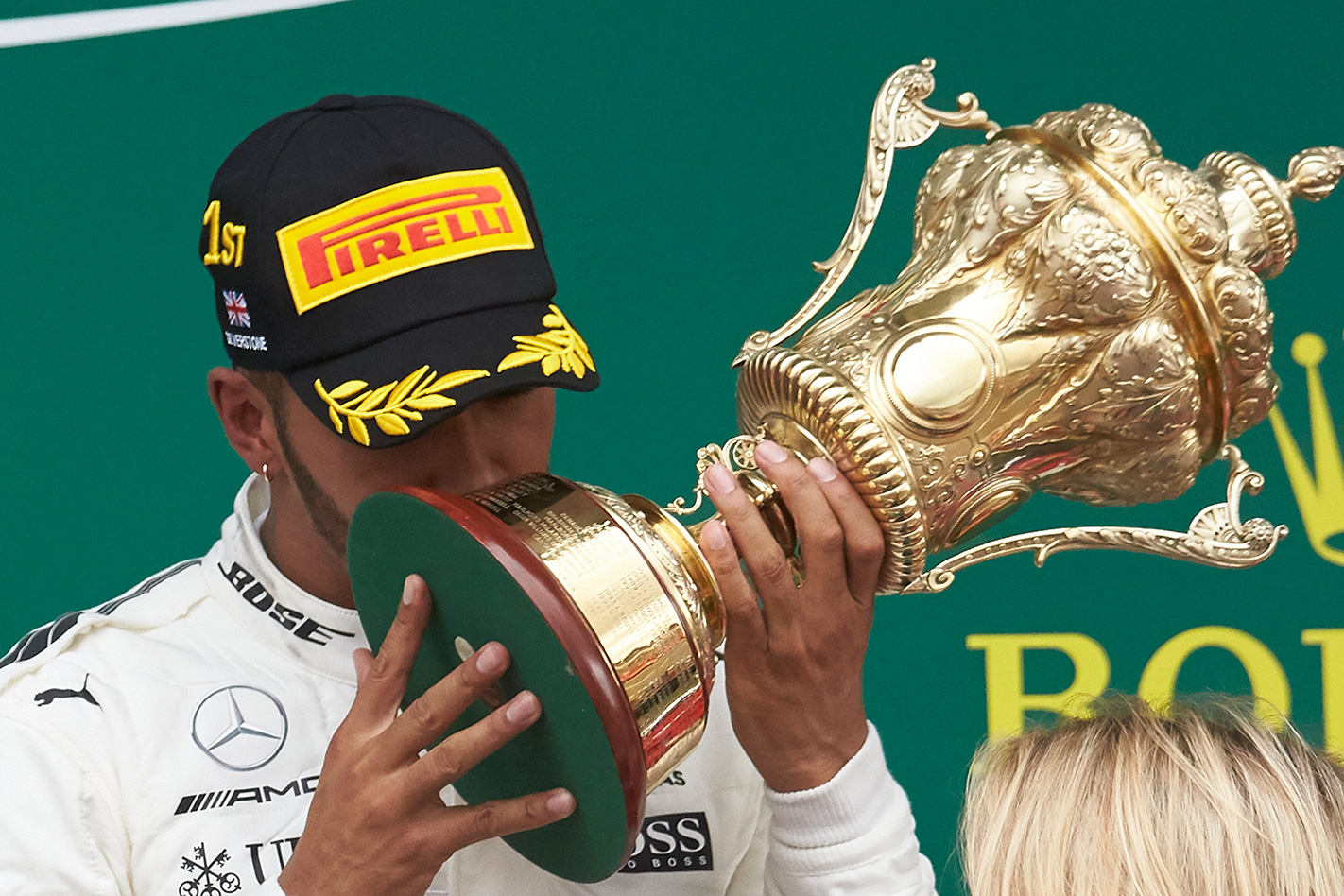
The British GP also marked Hamilton’s fifth career grand slam – after he claimed pole, the victory, fastest lap and leading every lap of the grand prix.
Hamilton, who earlier in the week attracted the ire of fans and many in F1 for choosing to relax in Mykonos rather than participate in the London promo event for the British GP at Trafalgar Square, was suddenly and comprehensively forgiven.
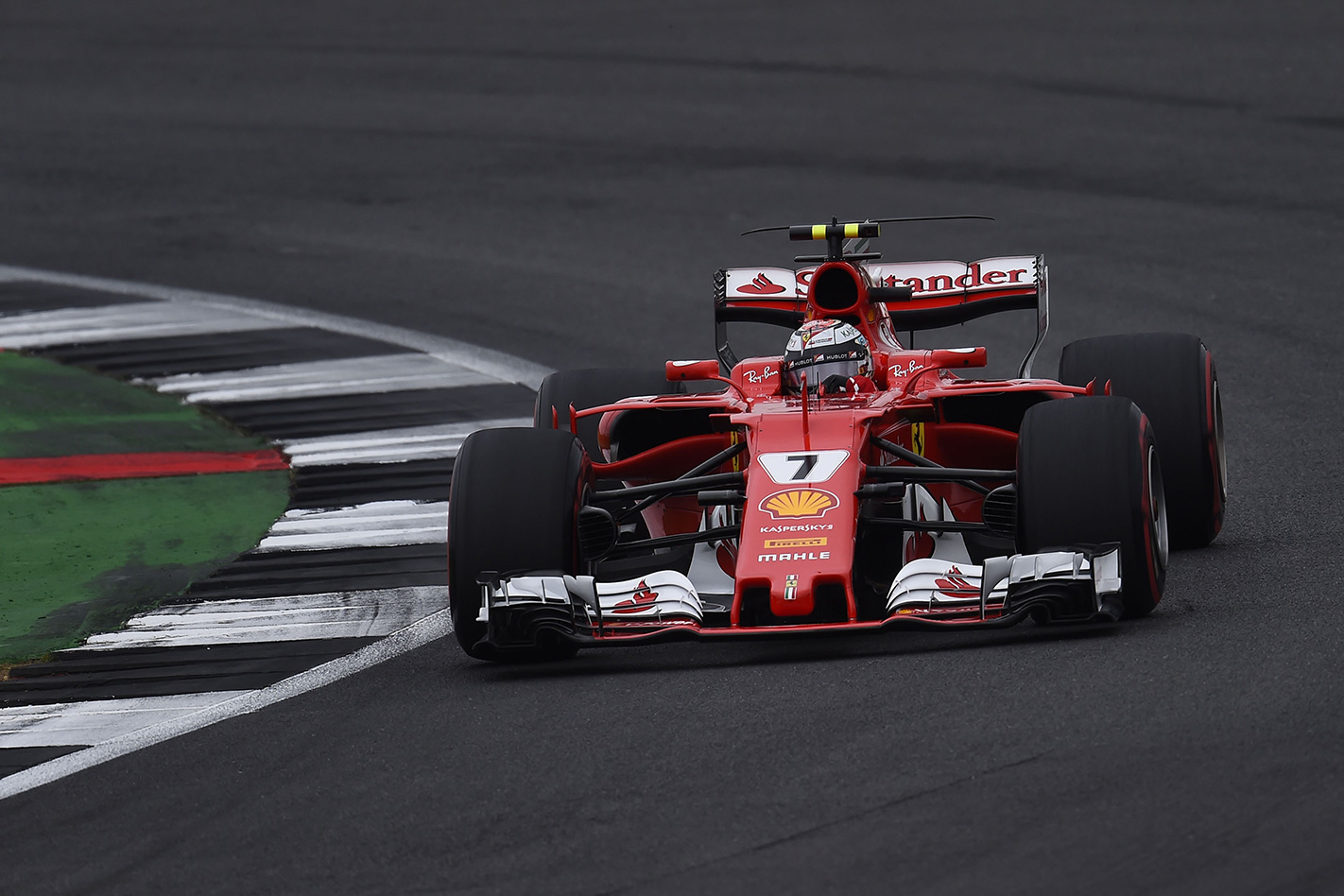
Earlier called a laggard by outspoken Ferrari chief executive Sergio Marchionne, an unhappy looking and sounding Kimi Raikkonen was on track for second place but ultimately finished third after his tyre blew with two laps remaining. This wasn’t the end of the woes for the red team; one lap later Vettel’s front tyre also exploded, dropping him from third to seventh and all but erasing his lead in the title.
“This has got to be one of my sweetest wins here. I was gunning for this victory,” the delighted and satisfied Hamilton commented.
“Every time I came around turn seven, I could see the fans cheering every single lap – it was really reminiscent of 2008, my first Grand Prix win here.
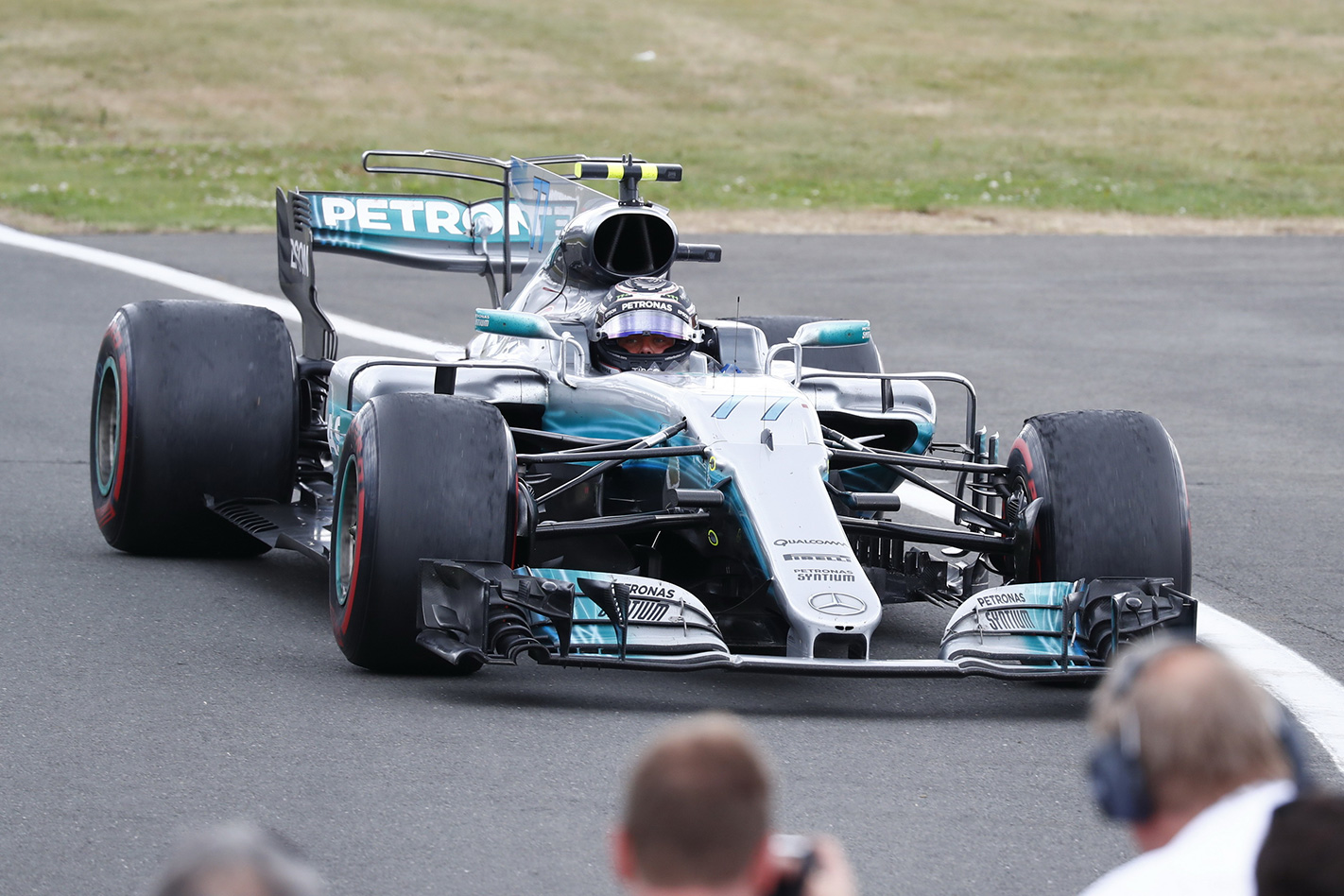
On Saturday, Hamilton raced to a dominant pole ahead of Raikkonen with the half-second margin between fastest and the next-quickest the biggest of the year to date.
Vettel was back on the second row, more than seven-tenths off pole, with Bottas fourth fastest (but to start from ninth). Red Bull’s Max Verstappen was next best in fifth ahead of an impressive Nico Hulkenburg’s Renault.
Ricciardo’s prospects in the British GP were comprehensively shot after he was placed on notice on Friday that he was to be hit with a five-place grid penalty for a pre-emptive gearbox change (rules say they must last for six consecutive races).
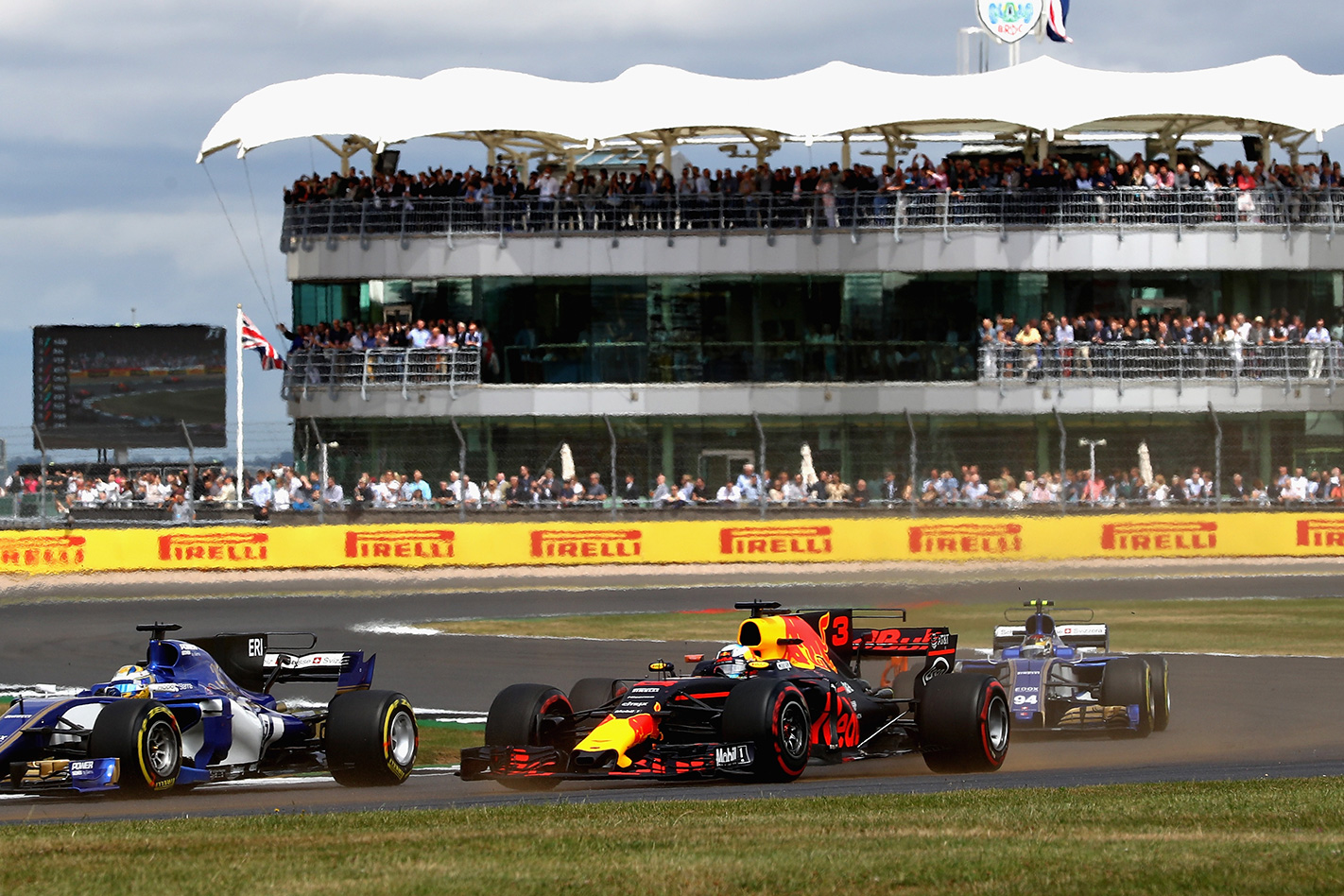
Though there was little hope of a sixth podium in a row for Dan, the Red Bull driver gobbled up a handful of cars in the opening laps on Sunday before the safety car was deployed when Toro Rosso’s Dani Kvyat got into teammate Carlos Sainz.
At the subsequent restart, Ricciardo later admitted he “got a bit greedy, went off track and ended up at the back again”.
He stayed focused and brilliantly pulled off a number of perfect, surgical overtaking moves on his way up to sixth, which became fifth when Vettel had his tyre problem.
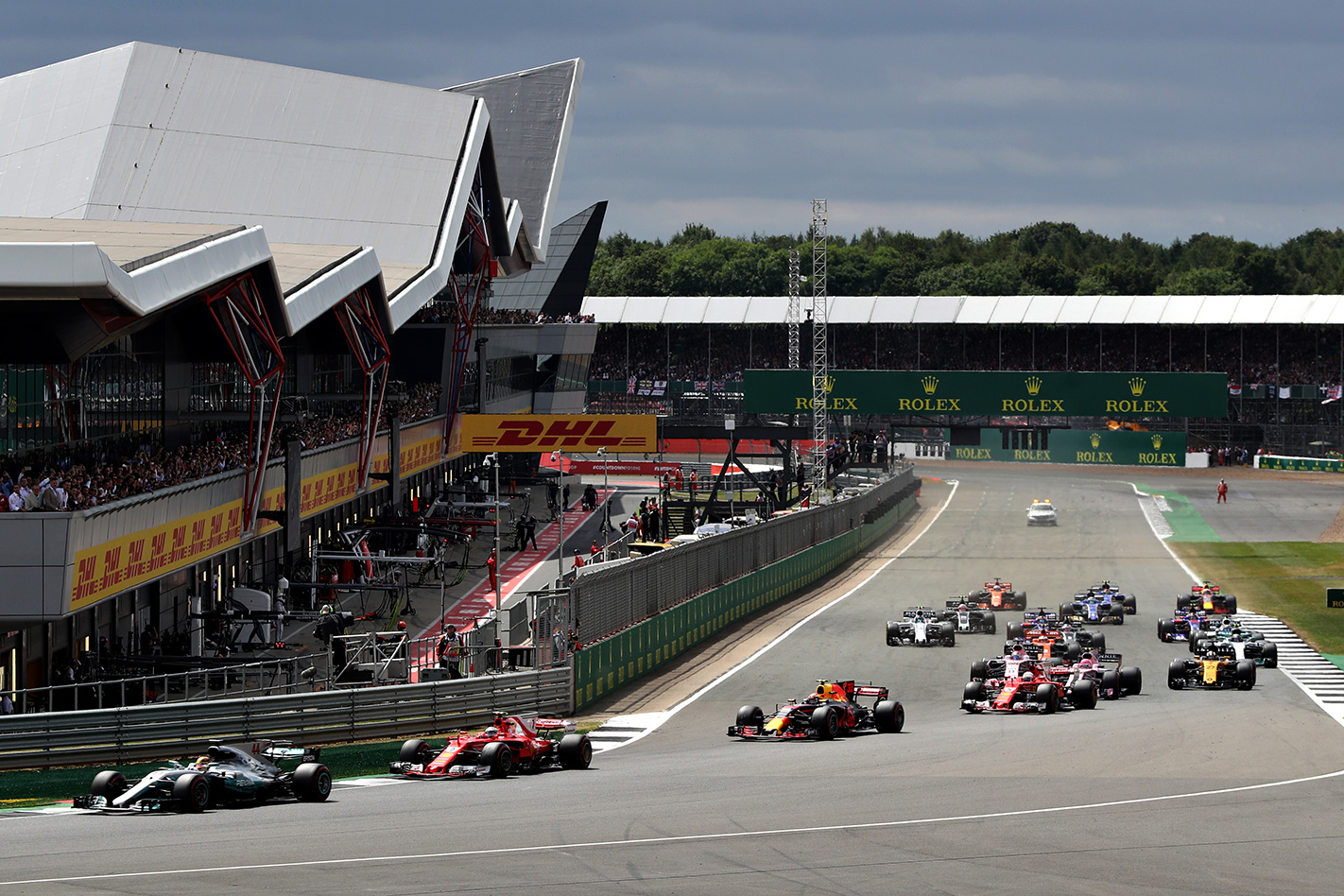
“It was great fun coming back through the field and I gave it everything. I caught [Renault’s Nico] Hulkenberg with a few laps to go and then Seb had his issue which handed me fifth, so danke Sebastian. I would give this race 10 out of 10 in terms of fun.
“I think in the end fifth was maximum,” Ricciardo insisted when asked if the early excursion cost him a podium.
Happy too was Red Bull teammate Max Verstappen, who finished fourth after a vigorous mid-race duel with Vettel. “He wants to play bumper cars or something,” Verstappen declared on the team radio but it was really just vigorous racing.
WEC: Porsche on top in Six Hours of Nurburgring
Amidst strong speculation that the German marque is poised to withdraw from the LMP1 prototype class of the World Endurance Championship (including Le Mans), Timo Bernhard, Brendon Hartley and Earl Bamber took their second win of the 2017 FIA World Endurance Championship season in the #2 Porsche after a thrilling battle with the sister #1 919 Hybrid at Nurburgring.
The two Porsches were rarely more than four or five seconds apart during the entire Six Hours of Nurburgring, the fourth round in the FIA WEC.
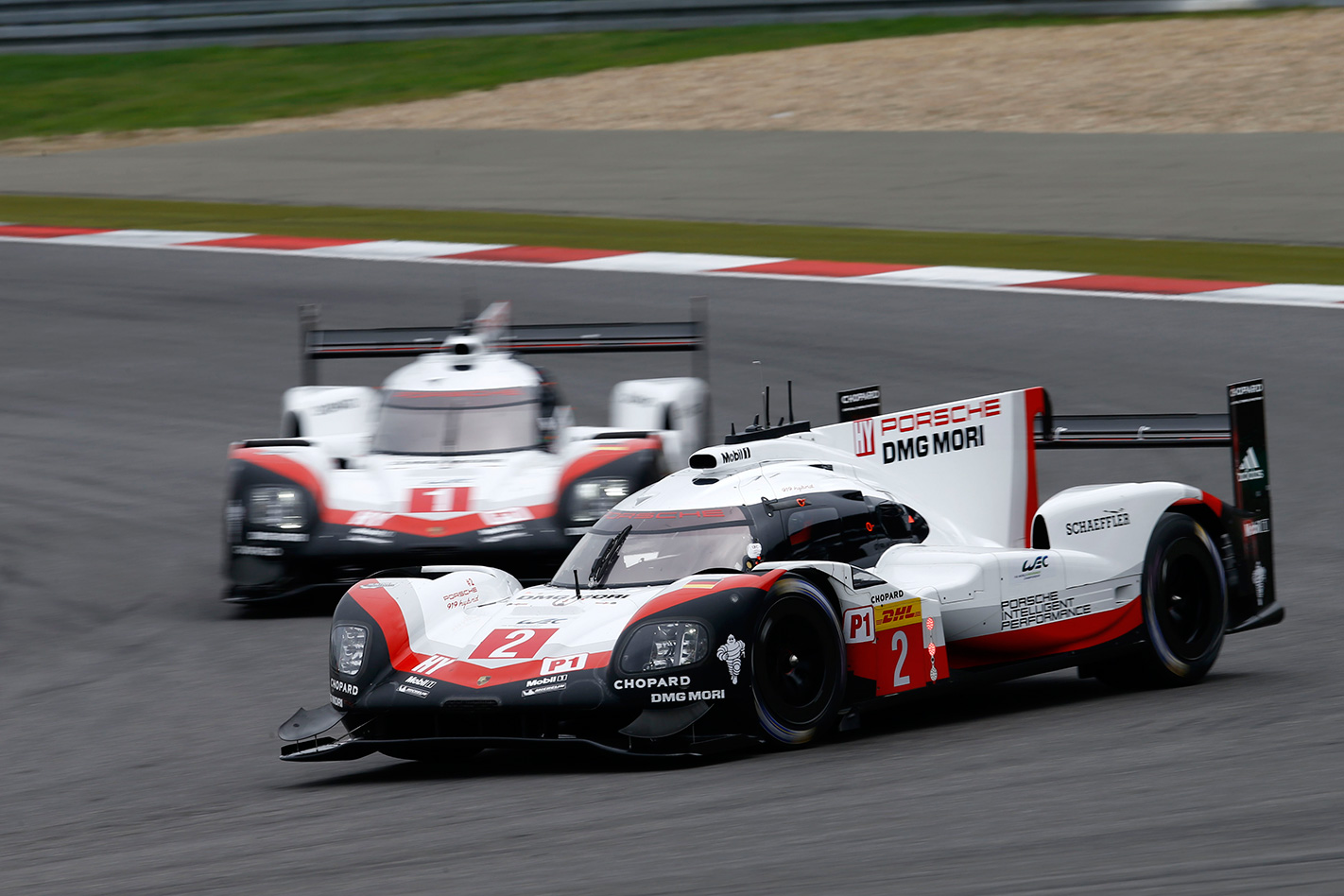
At one stage, in the fourth hour, Bamber lost the lead to his fellow 2015 Le Mans winner Nick Tandy after having to take avoiding action when Tor Graves spun his CEFC Manor TRS Racing LMP2 car in front of the Kiwi at the chicane.
The result today ensures that Hartley, Bernhard and Bamber have extended their lead in the championship to 30 points as the European leg of the 2017 WEC comes to an end.
André Lotterer, Neel Jani and Nick Tandy ensured a Porsche one-two at the manufacturer’s home event, running up front for large periods of the race but then losing the lead at the final pit stop.
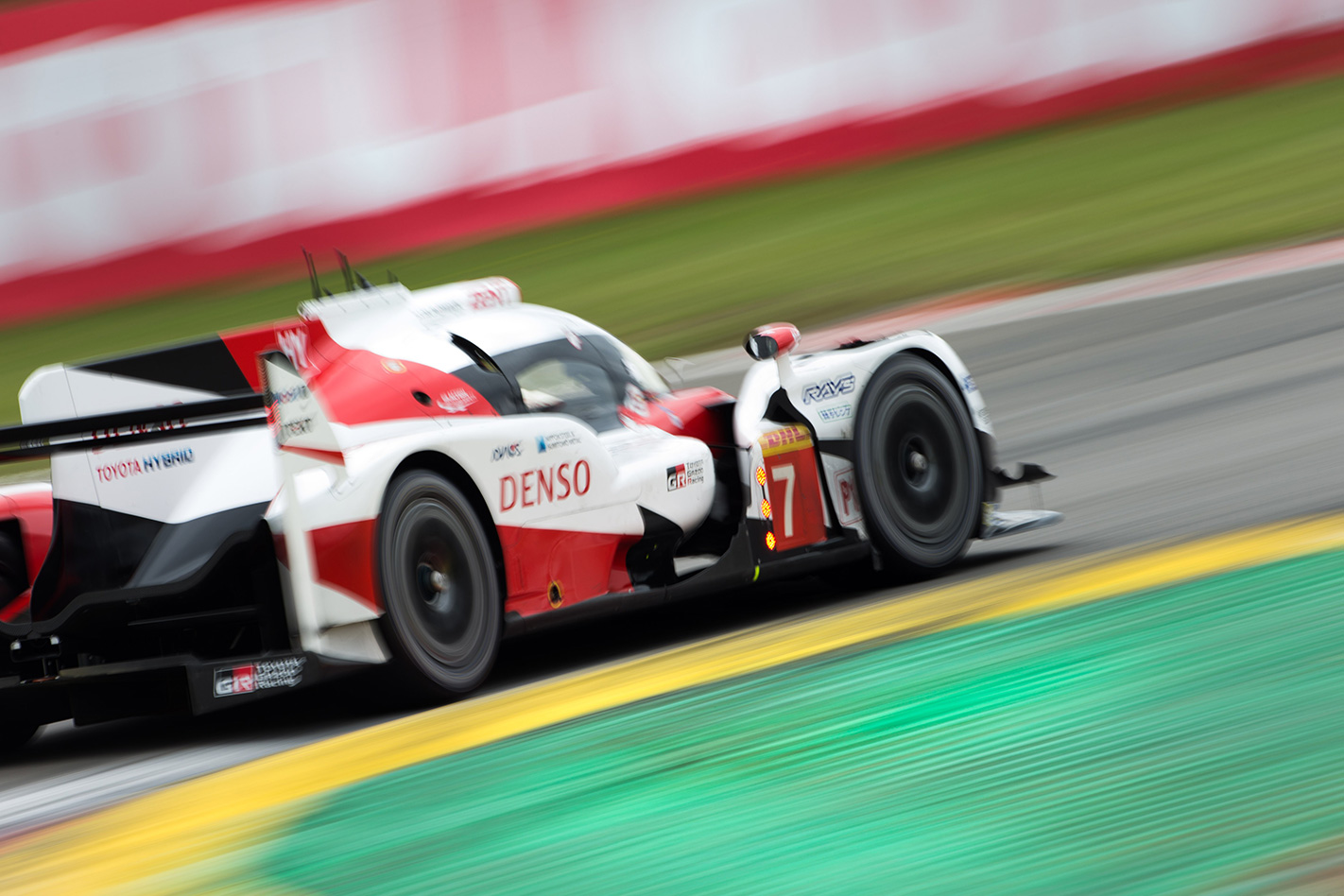
Porsche has revealed that it will decide its future in LMP1 within the next two weeks.
The attendance of prominent Porsche people at Formula E races at Monaco and Berlin has heightened rumours that a LMP1 exit from the WEC is likely from next year. Fellow German brands Audi and BMW already have a presence in the muted though increasingly relevant electric open wheel category.
An exit by Porsche from the WEC would leave the series looking shaky indeed although Toyota Motorsport technical director Pascal Vasselon is hopefully that new manufacturers will join the LMP1 battleground when new regulations apply in 2020.
Five years ago I read an article in a foodie magazine in which the writer lost control of his car on an icy road after eating at Fäviken, a tiny, remote restaurant in northern Sweden.
“The car is sliding out from under us, gathering speed as it slips down the hill,” Allen Jenkins wrote.
“My first thought is that I am going to bleed out in a blizzard at the bottom of a 500ft fall, and no one will know for days. My next thought is: was Magnus Nilsson’s ‘broth of lamb filtered through the forest floor’ really to die for? The answer, after we smash into a barrier and write off the car, is, of course, no. But it was very good.”
I’m probably the only person who read that and thought that a trip to Fäviken would be a great idea. It wasn’t the restaurant that interested me most, although it is an astonishing place. In winter, temperatures in the Jamtland region of northern Sweden can reach -40°C and the harsh winds from Russia can rip the roof from a barn. There is less than one inhabitant per square kilometre. Yet in a place where simply surviving might seem like a victory, a young Swedish chef and his tiny band of acolytes have established a restaurant which regularly features in shortlists of the world’s best, and which put the tastes and textures of its entire environment – including trees, ash and rotting leaves – on a plate, often for the first time.
Allen described it as ‘the restaurant at the end of the world’, and there is nowhere else like it on earth. Fäviken has doubled in size, but it can still only feed 24 people each night, when it’s open, and it took me all of those five years to get in. But I am not some obsessive foodie, and I don’t expect you to be to read this story.
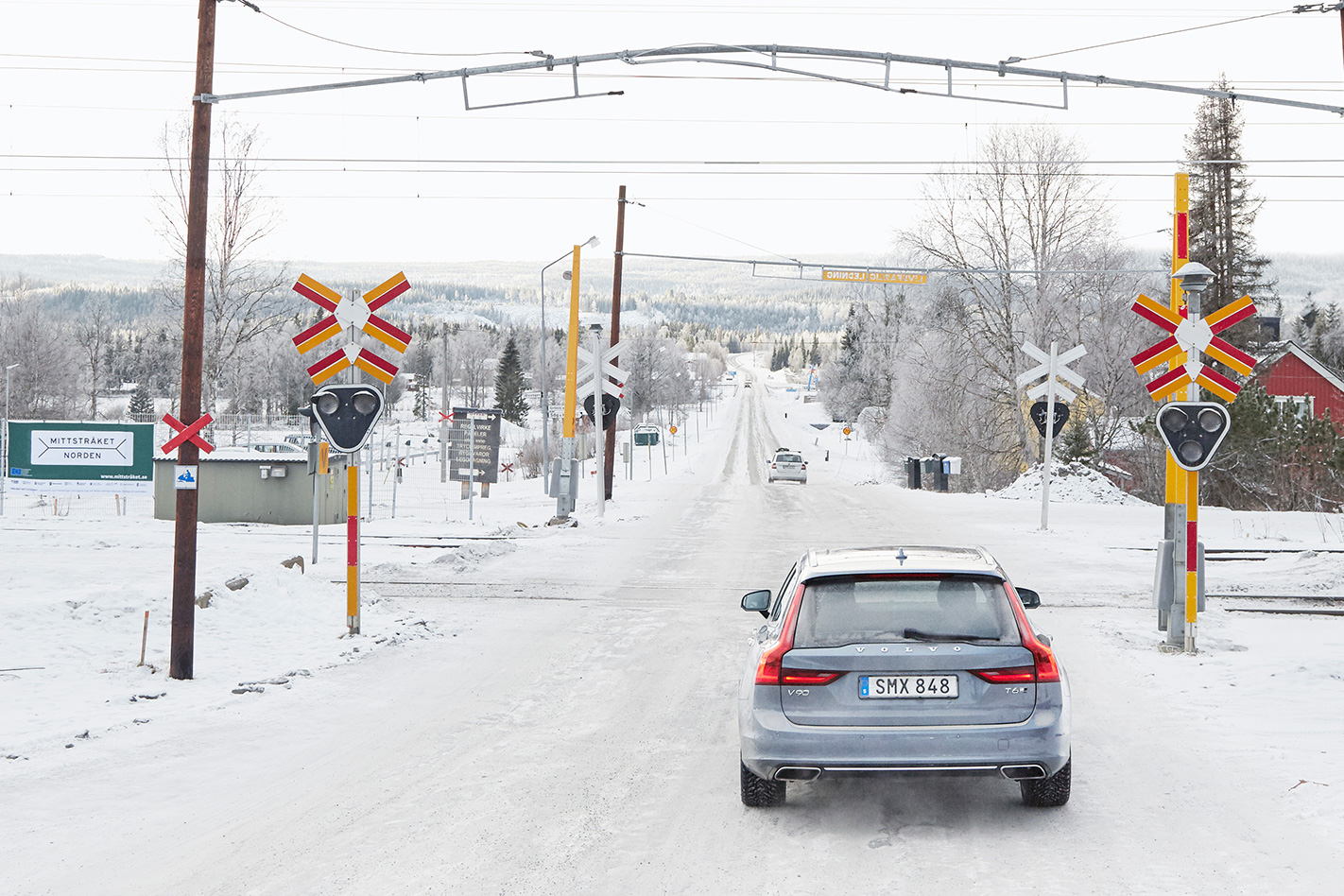
It was the intense Swedishness of both Fäviken and the 850km drive there from Volvo’s headquarters in Gothenburg that interested me most, because I couldn’t think of a more appropriate, more revealing test of a new Volvo.
I don’t think you can really understand Volvo until you’ve driven one in Sweden. We sometimes criticise them for languid steering and throttle responses, but that’s exactly what you want when driving all day on long straight roads covered in snow and sheet ice, as Swedes regularly do. Volvos have rarely been the sharpest handlers either, but that’s because Scandinavian drivers need loping, supple, long-travel suspension to cope with frost-deformed tarmac.
Low limits of both speed and grip make stiff springs and flat cornering irrelevant. Some of this stuff travels well. Read that last paragraph again, ignoring the snow, sheet ice and frost, and you could be describing a trip up the Stuart Highway. Customers in every country like the famous seat comfort and safety. And a Volvo should feel like a Volvo.
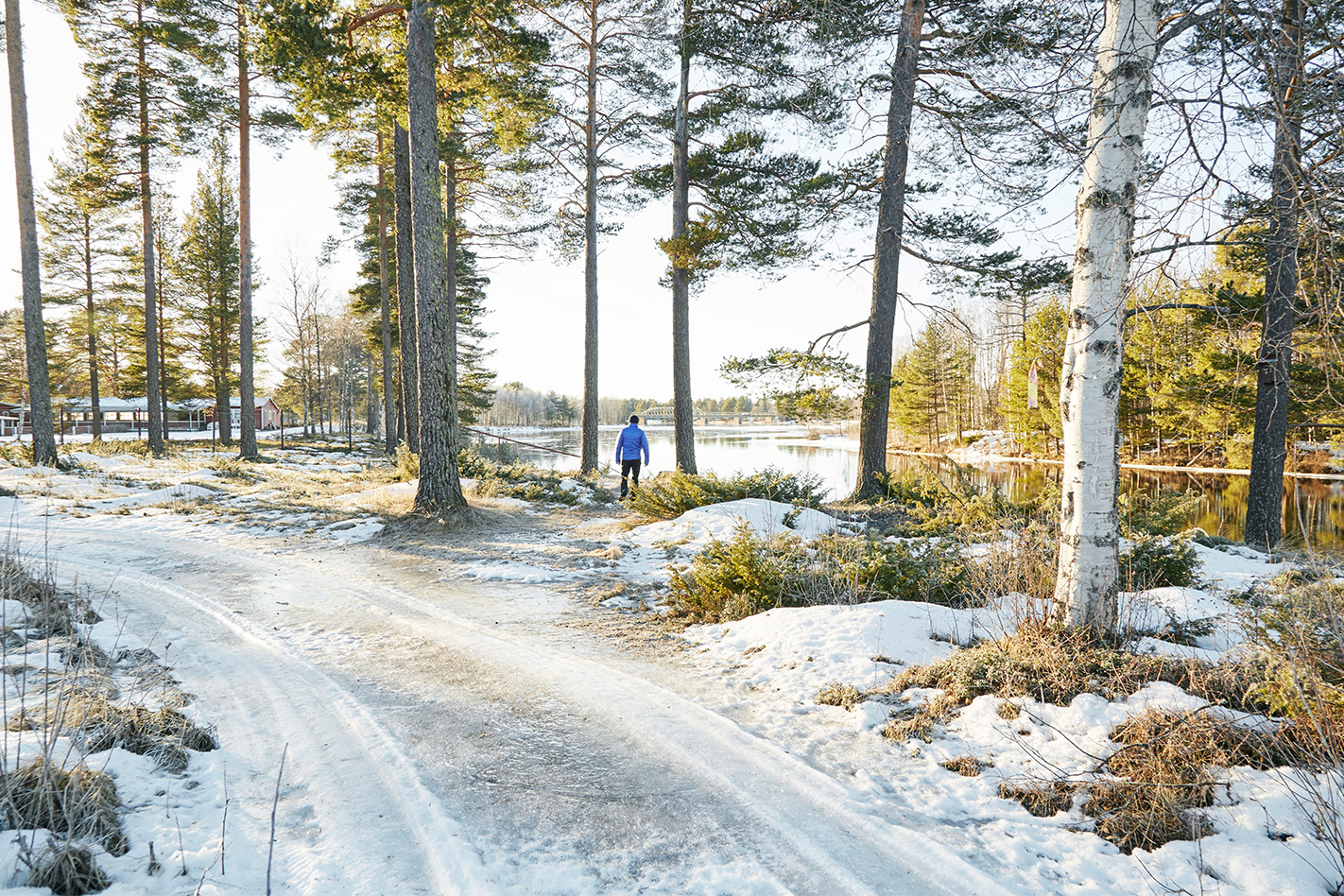
It’s rare for a carmaker to maintain such a distinctive tactile quality, but driven blindfold (not recommended) a Volvo has always felt as instantly recognisable as a Porsche, Ferrari or Rolls-Royce. After a near-death experience under Ford ownership in the financial crisis, Volvo was bought by Geely, which is investing $13bn in its new range of cars. The 90 family are the first of these. All three have had a rapturous reception for their design and tech, and their dynamics seem to get closer to bridging the gap between what Swedes and most of the rest of the world want.
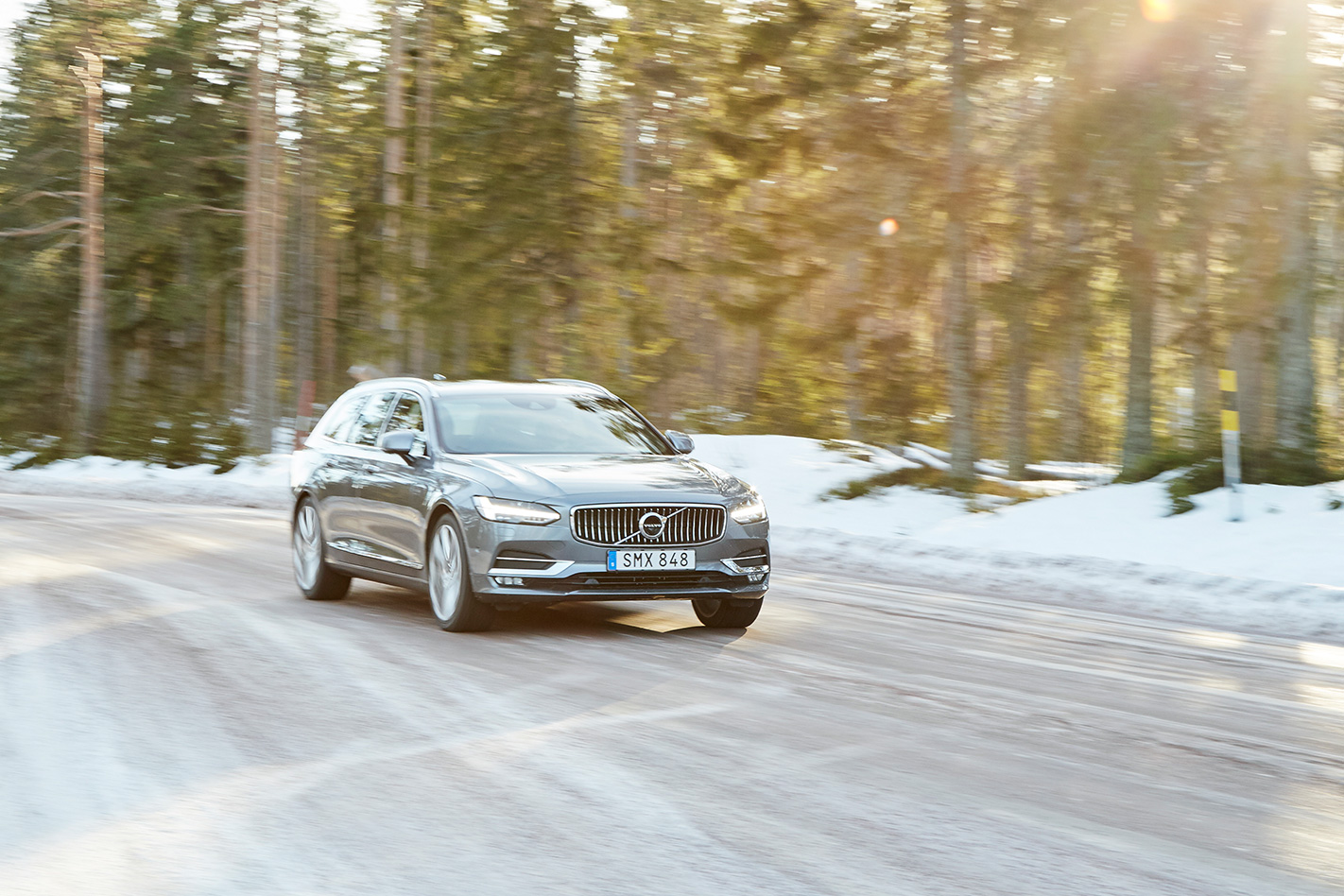
But do they still feel as Swedish? Are they still designed for epic Scandinavian (or Australian) drives, or have they lost some of that distinctiveness chasing growth under Chinese ownership? Driving this far north, through conditions which killed a lesser car, to drink Fäviken’s beef broth filtered through moss, should be an appropriate test of its Swedishness. We emerge from the airport and an all-wheel- drive V90 is waiting for us, wearing studded Nokian Hakkapeliitta tyres and looking a bit overdressed for a snowless Gothenburg.
I had to take a Volvo V90. The XC90 might be more desirable and the jacked-up V90XC newer, but the V90 is Sweden on wheels. When I saw it unveiled at the Geneva motorshow last year I thought that it was the best-looking new car there, though never have I felt more like a middle-aged father of two than when getting the horn for a Volvo wagon. Ours is a T6 with the 235kW turbo- and supercharged 2.0-litre four, and all-wheel drive. We load up: three flight cases of camera gear and two bags full of Arctic clothes. Not enough to trouble the Volvo’s boot, but it has plainly traded some of its former loadbay for those looks.
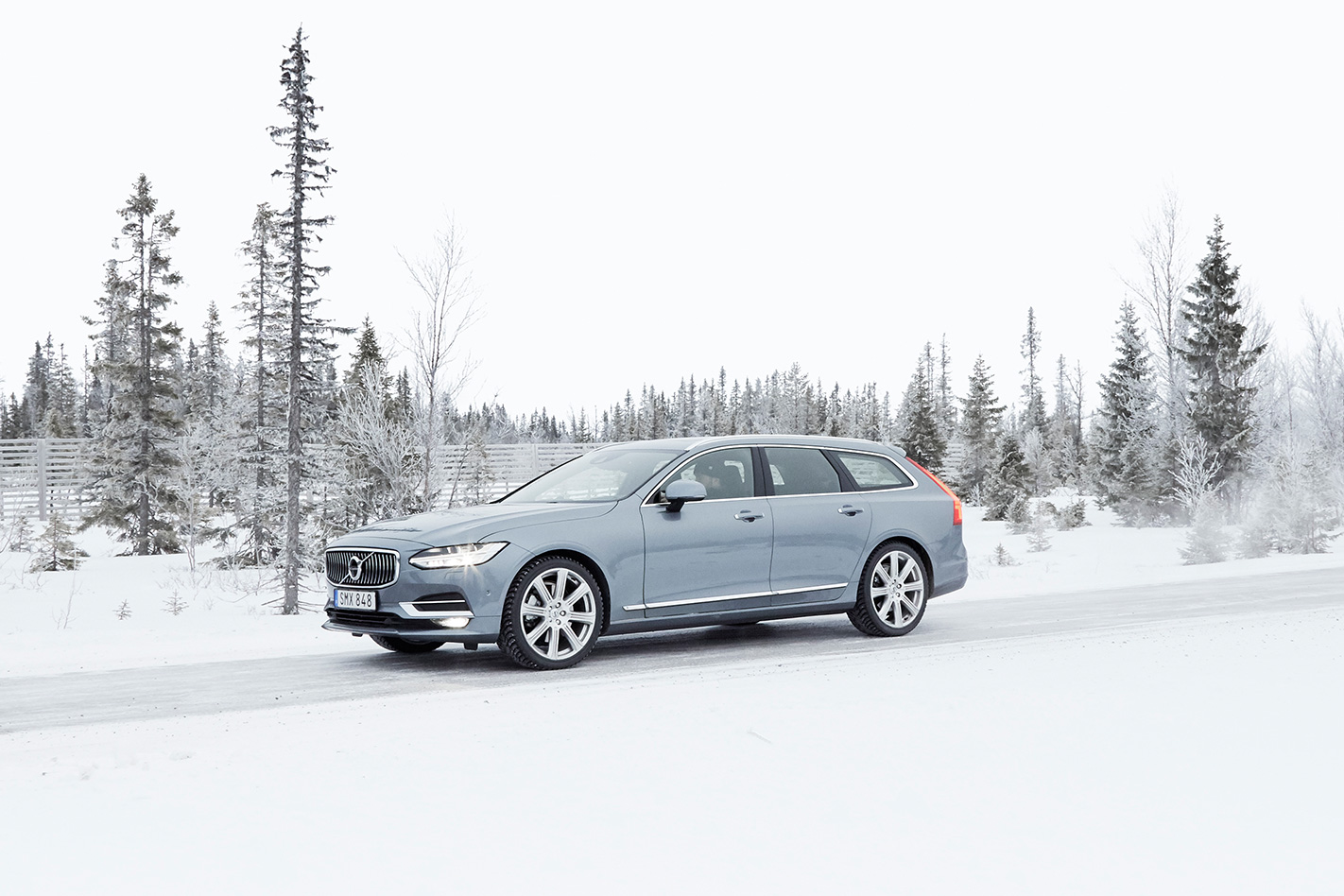
And much as I love that big, nine-inch portrait touchscreen and its ability to absorb most of the cabin’s functions and leave it uncluttered, the sat-nav’s clarity of instruction definitely needs work. But once out of Gothenburg, the turns are few and very far between. Sweden is an immensely civilised country and despite extreme weather conditions a trip like this should be undramatic, if your car is up to it. This trip is all about the feeling of long days at the wheel watching an achingly beautiful landscape develop around you, and how fresh the car leaves you feeling at the end of it.
The Swedes have a word for it: ‘framkomlighet’, or the ability to get you where you need to go: comfortably, sociably and safely. That’s what I’m seeking. A big, homegrown Holden used to do the same thing, We head north, skirting the mighty Vanern, the largest lake in the European Union. The light fails early here but we can still see the snow on the higher hills descending towards the road as we travelled, before lining the verges and finally spilling over them and smothering the tarmac. As the night deepens, the traffic lightens and the snowfall increases.
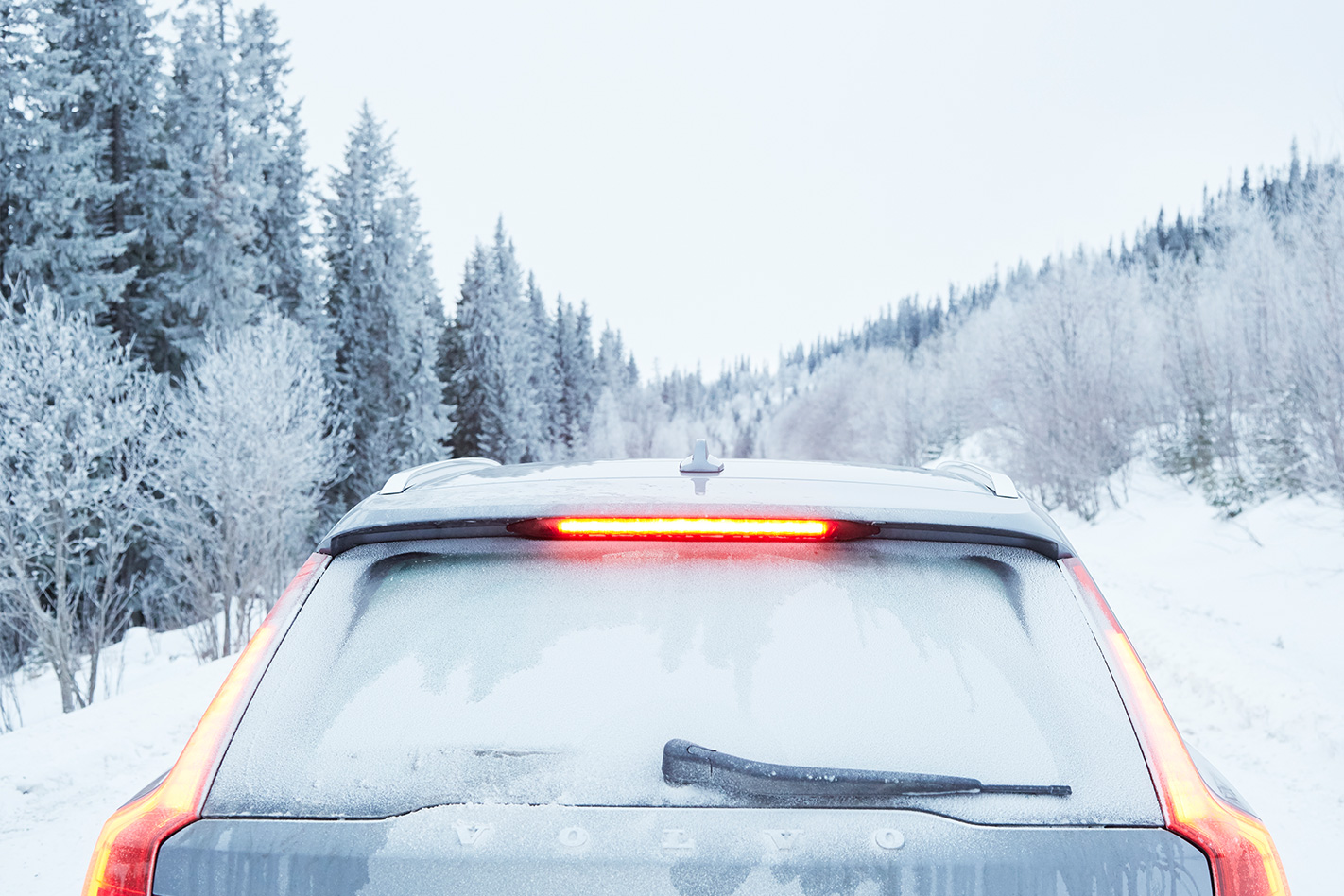
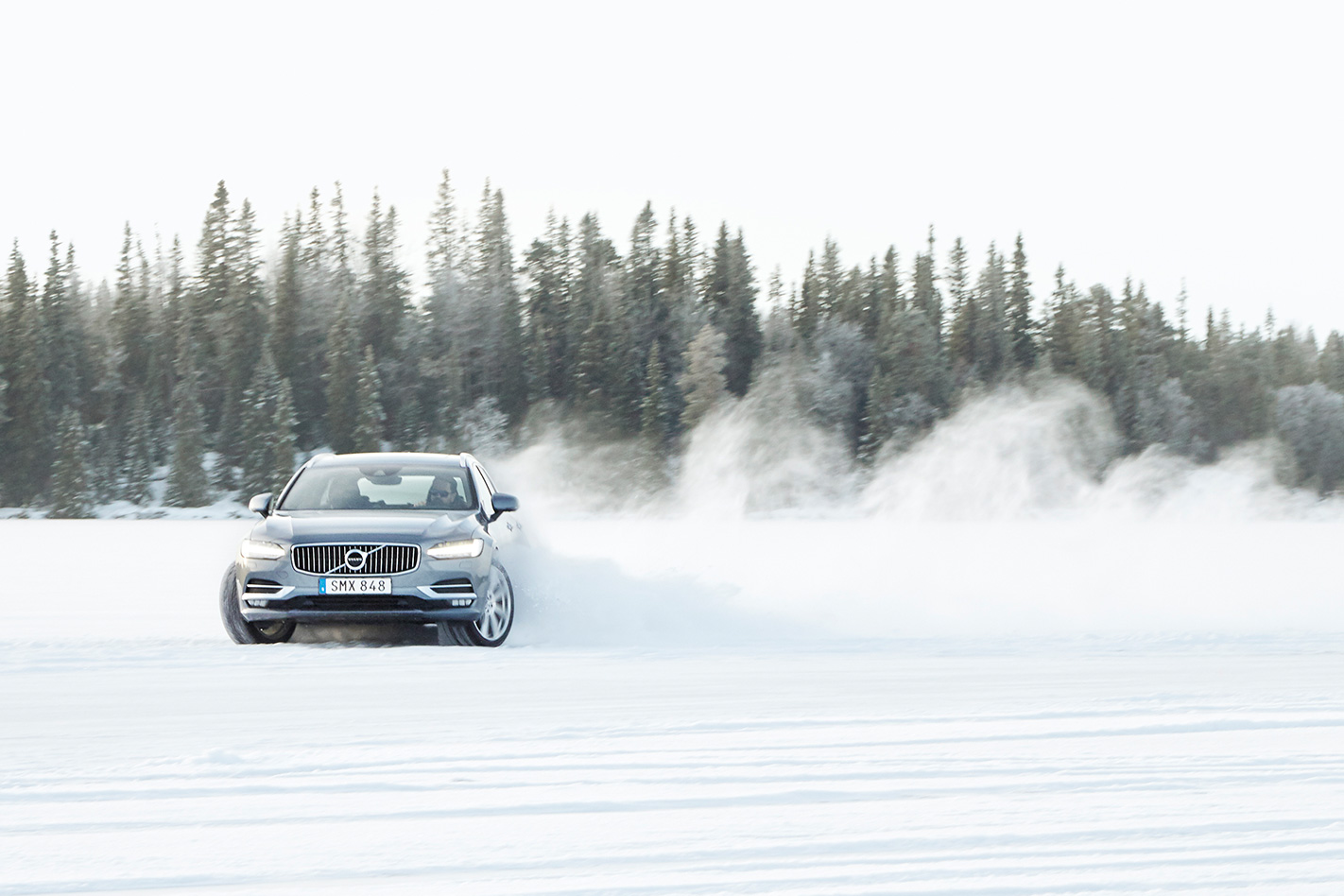
Soon we are following an articulated truck whose colossal array of spotlights sends a wall of daylight along the white-encrusted pines lining the road when the air is clear, and casts a mythic halo around the cab in fog or flurries of snow. Our hotel is just 425km north but the gain in latitude is enough to render our airport clothes useless against the cold: we would have run inside if the carpark was not an ice-rink. In one corner, a kid of about 13 lazily yet perfectly drifts a quad bike over the ice one-handed, waving at us with the other. The great thing about short winter days is that you don’t have to rise early for the blood-red sunrises that spill across these northern skies.
The main appeal of a road trip up here is stopping the engine, getting out of the car (briefly) and witnessing the extraordinary purity and silence. I can’t add much to the pictures, other than to try to explain the glittering diamond sparkle of fields of fresh snow, which a camera never quite seems to capture. You don’t see many people. The deep cold means they’re scarce even in the villages we pass through. Beyond the settlements, you glimpse people the way you spot leopards in Africa: rarely, briefly and distantly. We see a pair Nordic skiing in a far field, and a hunter with a black rifle over his shoulder walking alone by the side of the road, miles from anywhere.
Your encounters with Swedes are generally limited to those you meet at fuel stops. You will usually be served by someone who speaks your foreign language perfectly and looks like they have a PhD. One petrol station attendant cracks a very good joke in English before washing our apples for us. You don’t get that at the Dog on the Tuckerbox servo. I drive like a Swede: anticipating, leaving big gaps and rolling gently onto throttle and brake. Nobody rushes up here. It could be fatal. When driven like this, the V90’s mechanical grip, the subtle but very effective ESC system and those studded tyres mean a 100km/h cruise on an entirely white road is reasonable, though you’ll never get completely comfortable with a 150-plus-kay closing speed with a 38-tonne truck on a two-lane highway covered in sheet ice.
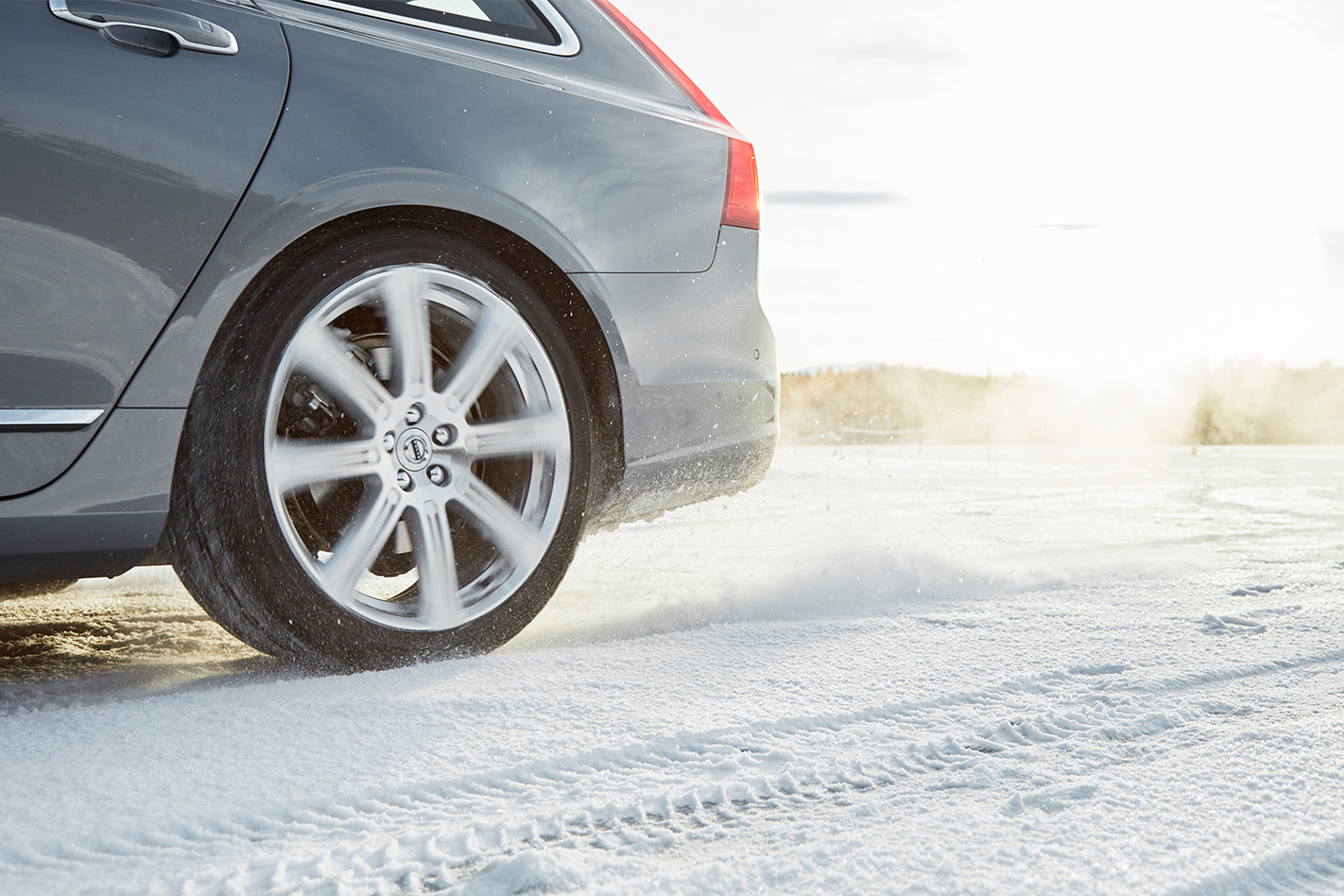
The default car up here still isn’t an SUV. It’s much like our V90: a big Swedish or German wagon on studded tyres, often with a roofbox and a Blomqvist-spec array of spotlights. I see one Range Rover on the whole trip. The V90 bounces happily down a rutted, entirely iced-over track and into a field of deep snow for a photo without losing traction, and on ‘normal’ roads the V90 feels entirely within its abilities.
Despite its huge specific output, the four-cylinder petrol is quite refined, but the ride is really magnificent. It’s perfectly judged, filtering out the occasional roughness of the ice and the impacts of the little ice shelves you cross, while keeping the body composed over the wave-form deformations in the tarmac caused by the constant freezing and thawing of the ground beneath. The seats are amazing too. I currently have two-thirds of a spinal disc in the wrong place and am sensitive to seat comfort. I thought the trip might cripple me, but I never feel stiff or sore.
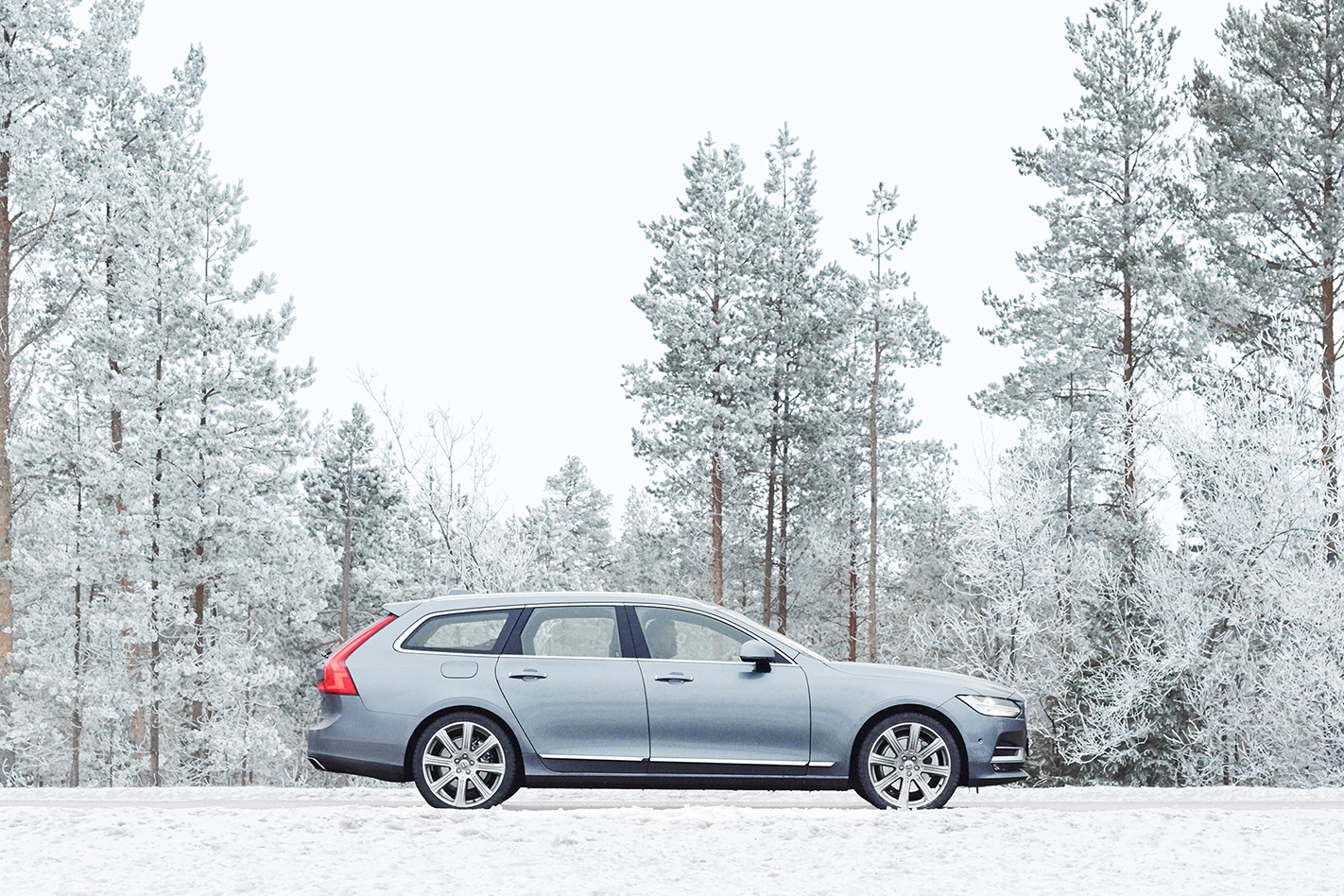
And some of the smaller details start to make sense. An optional heated steering wheel might seem like a bourgeois affectation elsewhere, but when the temperature goes below -10°C and your ungloved hands just hurt before they even start to feel cold, it’s necessary and welcome. It is after lunch on the second day that I begin to forget the difficulty of the drive and just enjoy the scenery and the conversation with photographer Ben Redgrove. Framkomlighet, I think they call it. This is still a Volvo. Finally, after five years and a three-day, 850km drive, I get to Fäviken.
A rough, snowed-over track leads down to a lake. Near the shore is a cluster of century-old timber- frame buildings, the only man-made structures we see for a dozen kays around. In a converted barn painted in that hallmark Swedish dark red is the restaurant. Or so we’d been told.

It seems as deserted as the rest of northern Sweden and it takes us ten minutes to find someone: a kitchen junior running through the snow pulling a cart laden with king crab legs, wearing only short-sleeved, thin cotton chef’s whites. It looks like a scene from a North Korean prison camp, bar the king crab legs. Eventually we find Magnus himself, who belies his Game of Thrones appearance and austere, monastic reputation with a kind tolerance of someone (me) who knows little about fine dining.
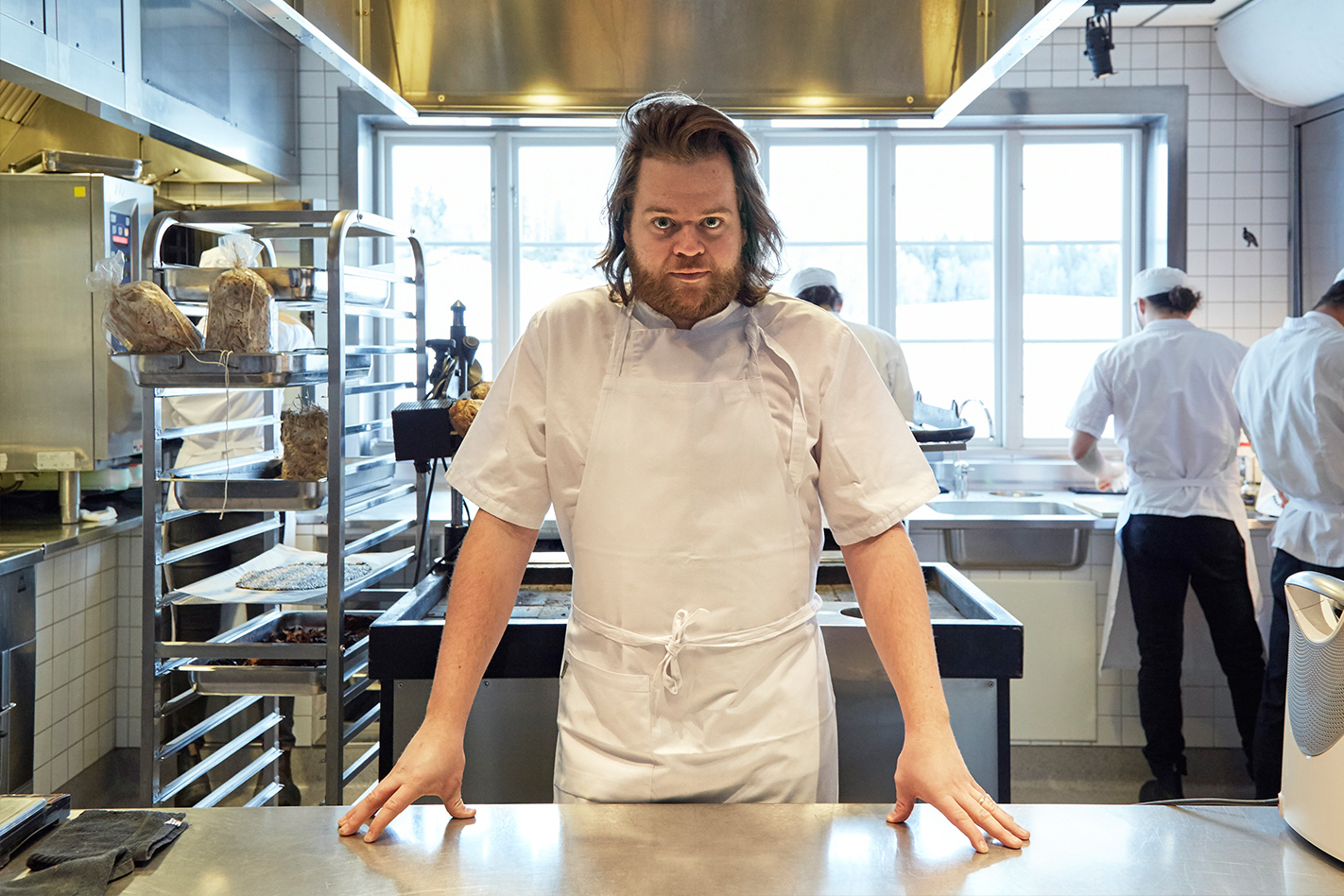
He shows us the tiny main kitchen, little bigger than a decent-sized domestic kitchen, and the prep space that looks more like a garden centre with its piles of juniper and spruce branches which will be used in tonight’s meal. The dining room in the old barn has vast, ancient low beams, low lighting and whole cured hams and dried fish and a wolfskin coat as slightly macabre hanging decorations.
There, after a sauna, I’m served probably the most extraordinary meal I’ll ever eat: 24 tiny courses, each designed to mess with your head. There are unfamiliar ingredients: fermented carrots and lupin curds. There are familiar ingredients used in jarring ways: the desserts are made with bone marrow, vegetables, and meat. And there’s stuff you never expect to see on a menu, like the egg coated in ash, or the broths of decomposing leaves and moss, or pine tree crumble. All of it tastes like nothing you’ve tasted before.
Some of it tastes better than almost anything else you’ve eaten. And some of it just doesn’t taste like food: you wouldn’t ask for second helpings of the spruce syrup on the ice cream, but when did you ever taste a tree before? You might only get one meal like this in your lifetime, and you might only want one meal like this. But when we spend much of each day buying, cooking and eating food almost without thinking, why not have one meal that forces you to?
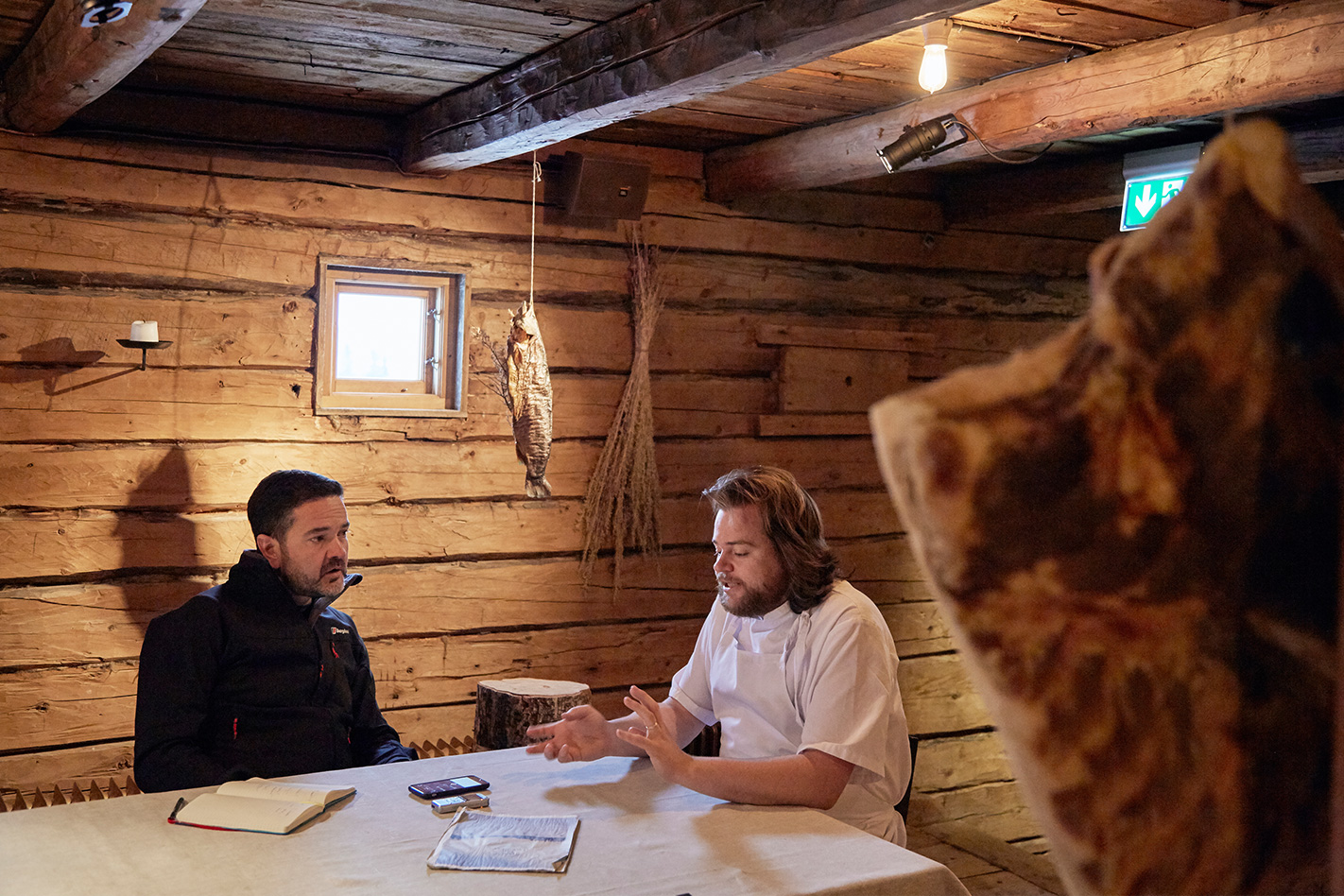
I ask Magnus if the long waits and arduous journey make his customers more receptive to this madness, and more determined to enjoy it.
“It feels like a bit of a pilgrimage,” he admits.
“You have to be motivated to come here. But that’s more of a feeling than it is actual. As a destination, it’s not as remote as it seems. But still: who wants to be the weirdo who goes to a restaurant at the ends of the earth, then thinks it’s no good?”
IT’S ODD, but as I stand in the pit lane at Imola and gaze at the empty track, its curved main straight snaking away into the trees, I feel a little disappointed.
And a fraction underwhelmed.
For a circuit with such a fearsome reputation, I was hoping it’d look gloomier. More menacing. You know, with wisps of fog clinging to barriers shrouded in Senna flags and decaying flowers. That kind of thing.
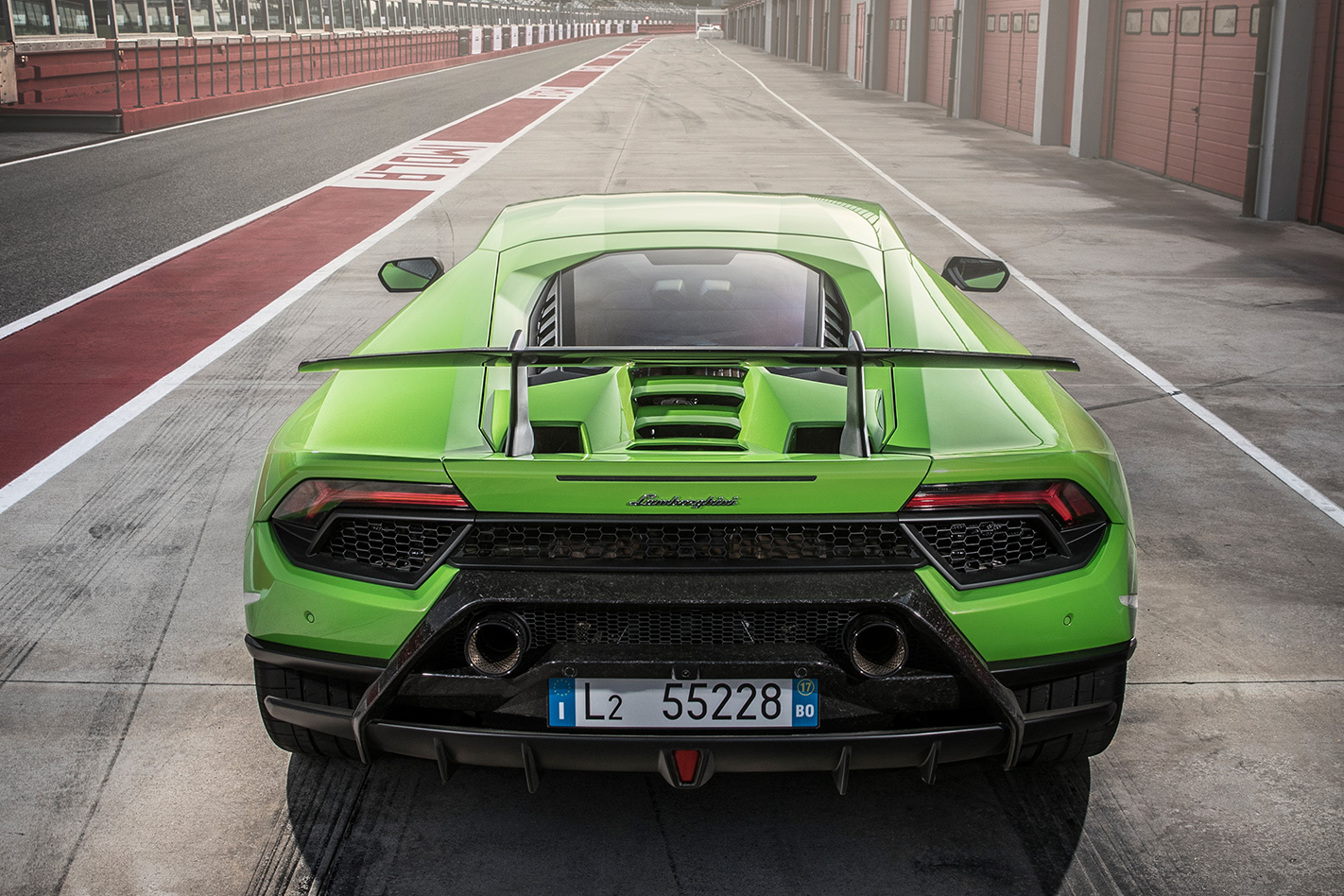
Until the first Lamborghini Huracan Performante barks into life.
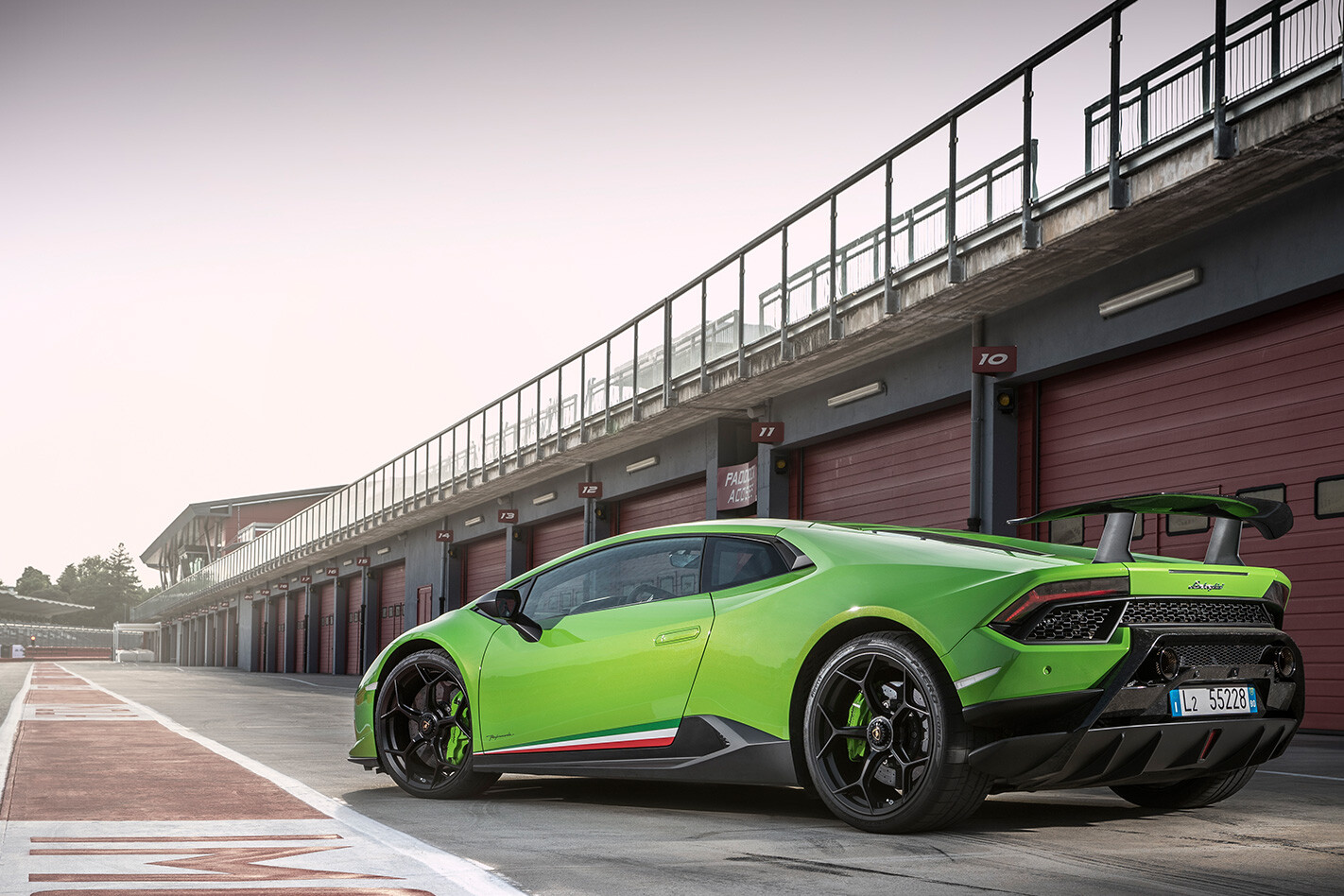
Behind me, a row of growling Performantes wait like jewels in the sun, their jutting noses, swooping rooflines and peacocking rear wings doing their best to enhance Imola’s visual drama.
This is the latest in a long line of track-honed special editions from Lamborghini, and this time Sant’Agata’s engineers have reached deep into a bag of new tricks. There’s more power, of course, and 40kg less weight courtesy of a raft of measures including a material called forged carbonfibre, but the most hyped piece of tech is something Lamborghini lovingly refers to as “Ahhh Laaa”.
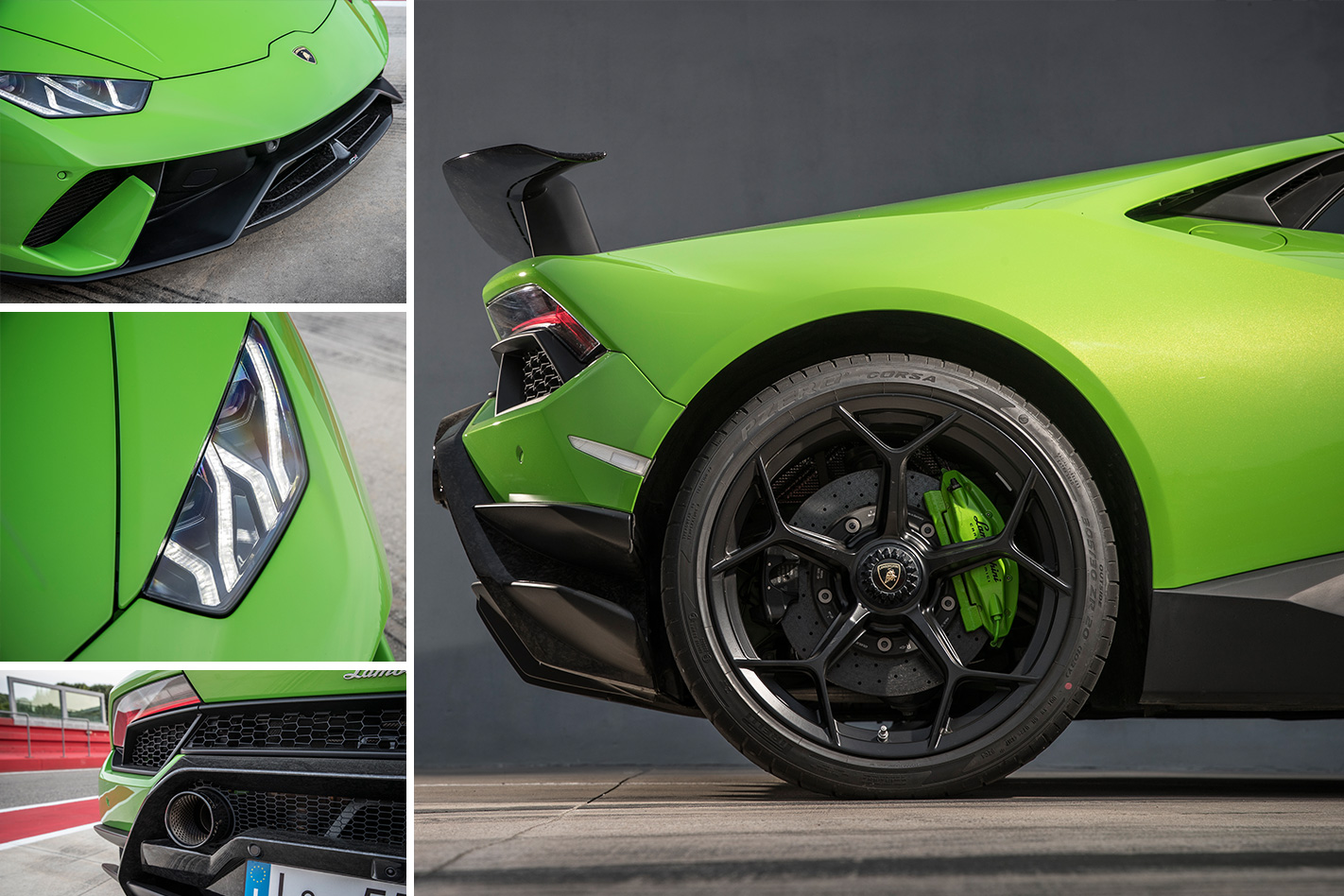
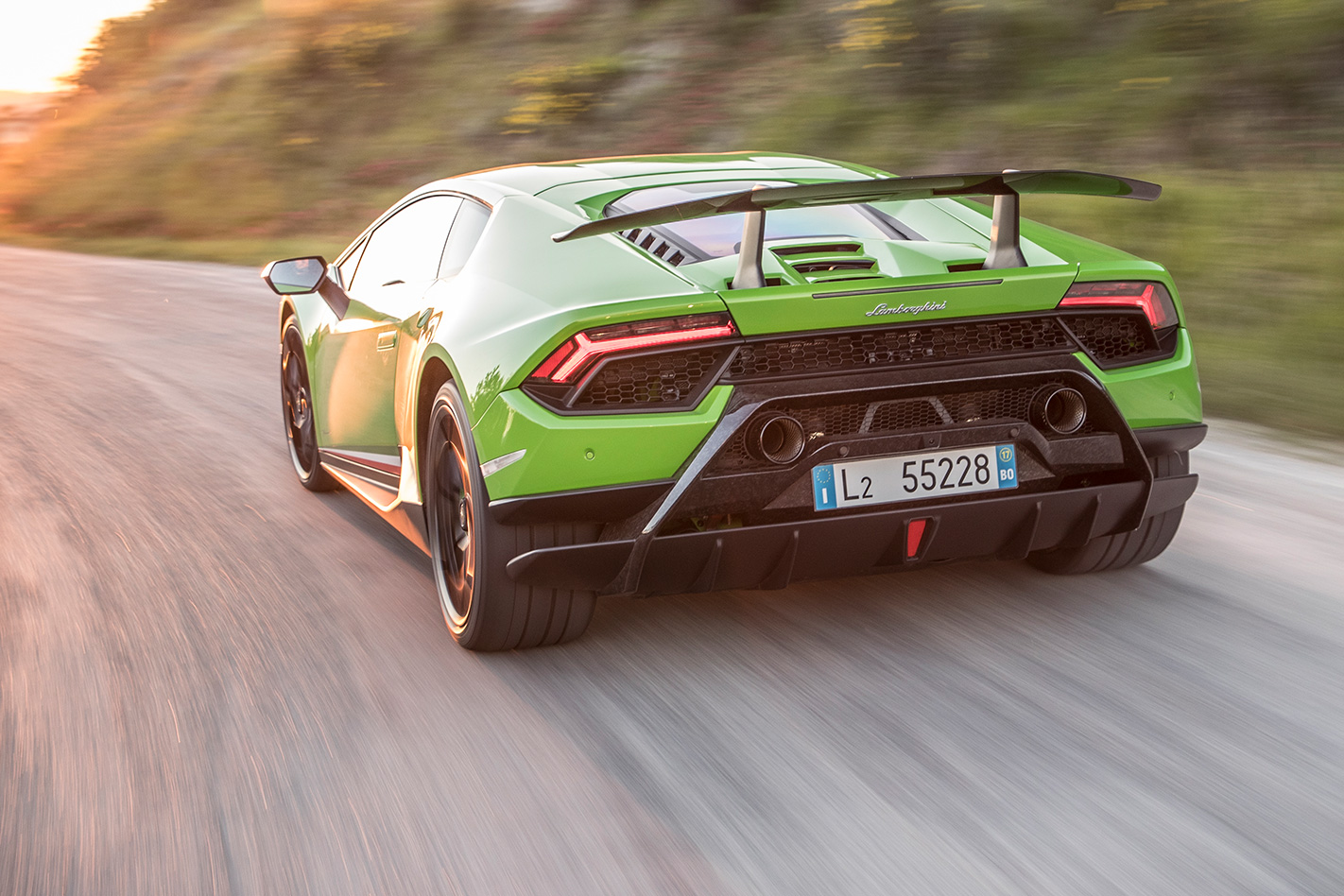
Lurking inside that front splitter is an electric motor that operates two flaps. With the flaps shut, ALA is used to maximise downforce at the front axle. When the flaps slide open, the system helps to reduce drag. The same principle applies at the rear, though things are much more complex. That forged carbonfibre rear wing and its thick upright supports are actually hollow. This allows air to be channelled into the wing through two intakes at the base of the uprights, which are controlled by electric motors. With the intakes open, air is expelled through vents in the wing’s underside to reduce drag (like a Formula 1 Drag Reduction System) and to help the Performante reach its 325km/h top speed.
With the intakes closed, the wing maximises downforce at the rear, which has risen by 750 percent compared to the regular Huracan. The ingenious thing, though, is that the two air intakes can operate independently to produce something Lambo calls “aero vectoring”. With Corsa mode engaged, ALA can close one intake during a corner to increase downforce to the inside wheel which helps the car to turn. Brilliant, eh?
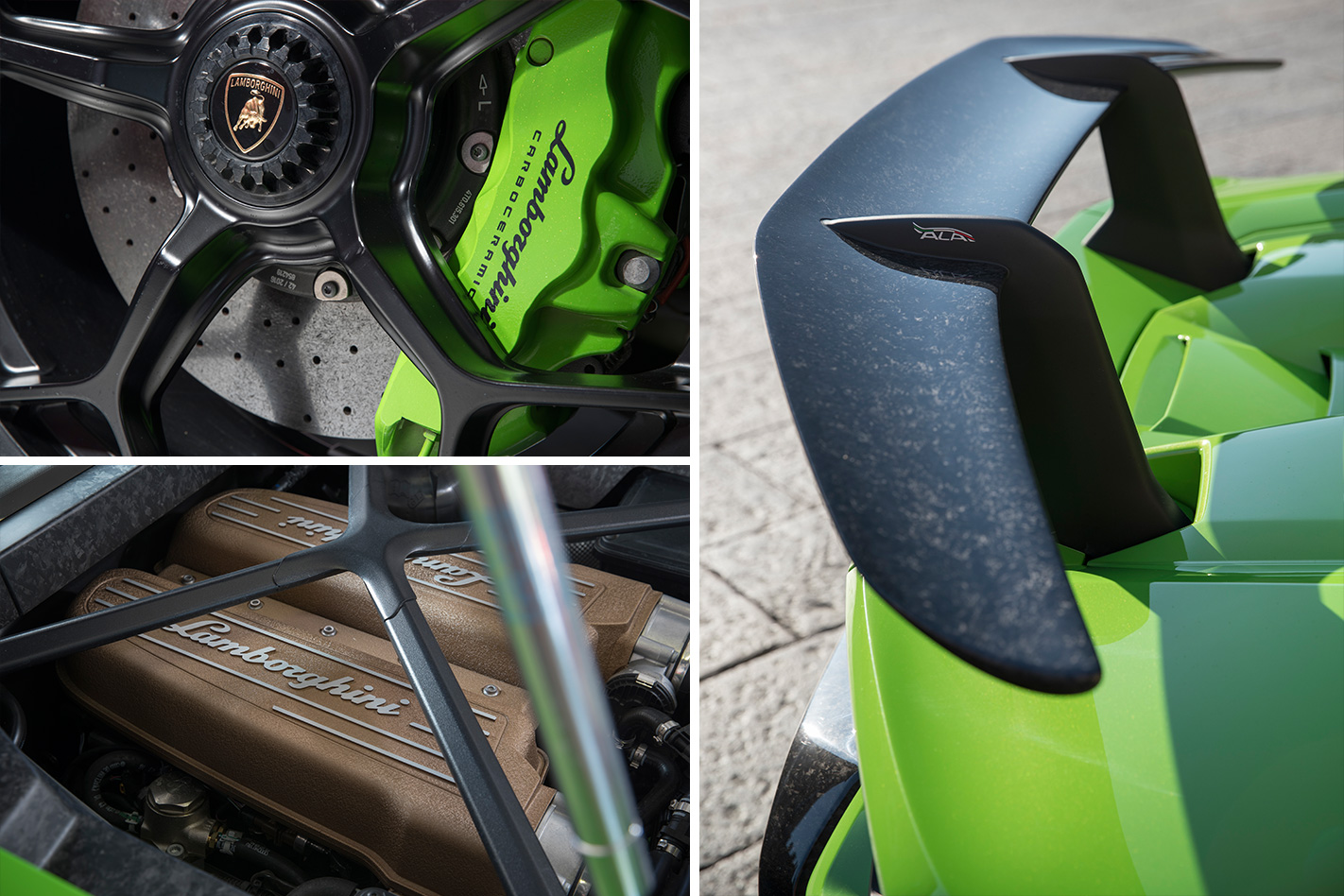
Pin sharp, high-revving and meaty throughout the rev-range (70 percent of torque is available from 1000rpm), the tweaked V10 is noticeably more savage than other Huracans. And then there’s the noise. Honing in on the 8500rpm redline isn’t just a musical experience but a physical one too, as the screaming V10 now operates at a frequency that reverberates through your chest.
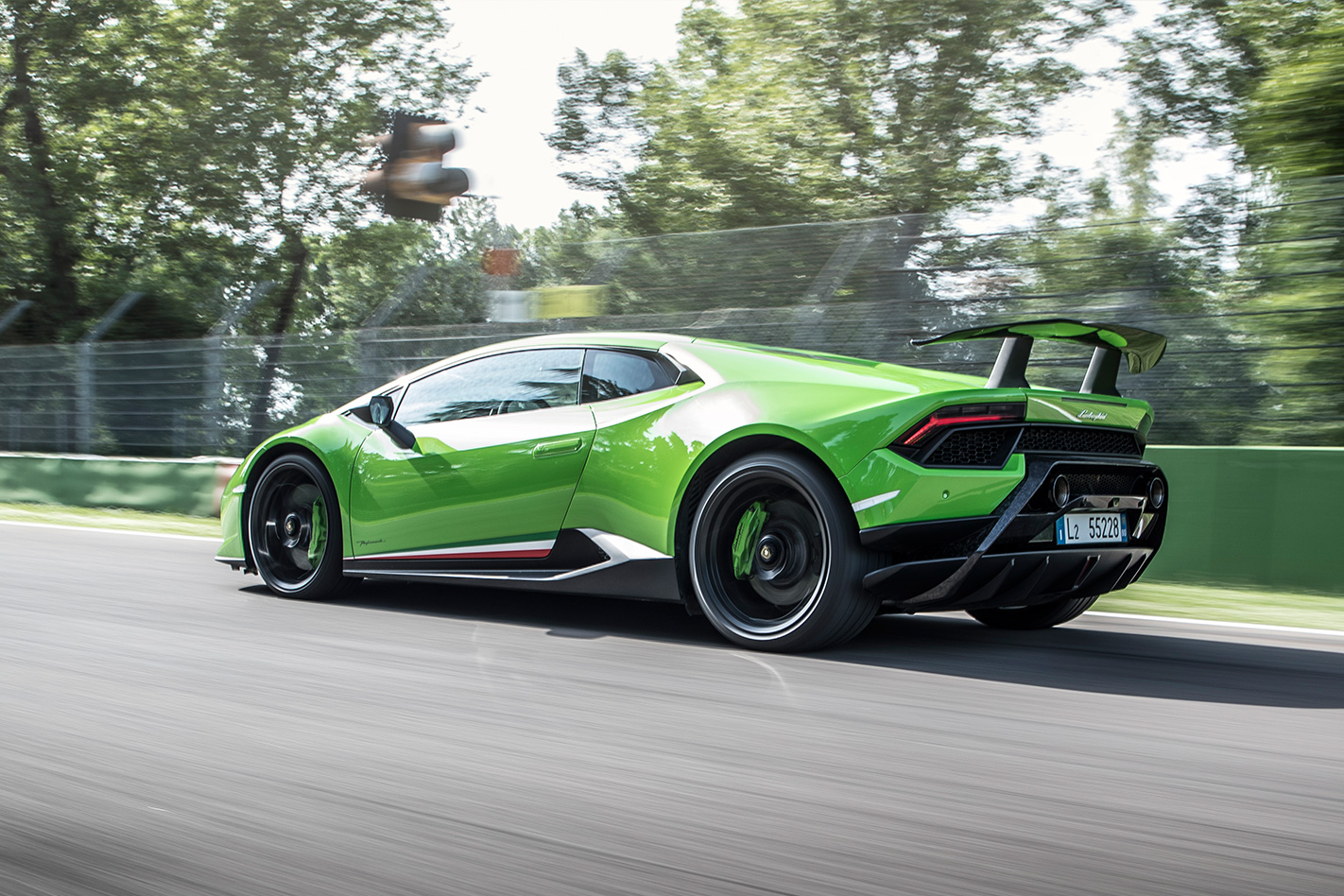
Lamborghini’s chief test driver Mario Fasanetto isn’t faffing about either. He’s setting the pace in a ‘regular’ Huracan LP610-4 and it’s clear he’s pushing the car to its limit: the nose occasionally washing wide, his tail waggling under hard braking. Things are less dramatic inside the Performante. Suspension tweaks include 10 percent stiffer springs and thicker anti-roll bars for a 15 percent reduction in lateral roll, and the result is rock-solid body control and impressive front-end point.
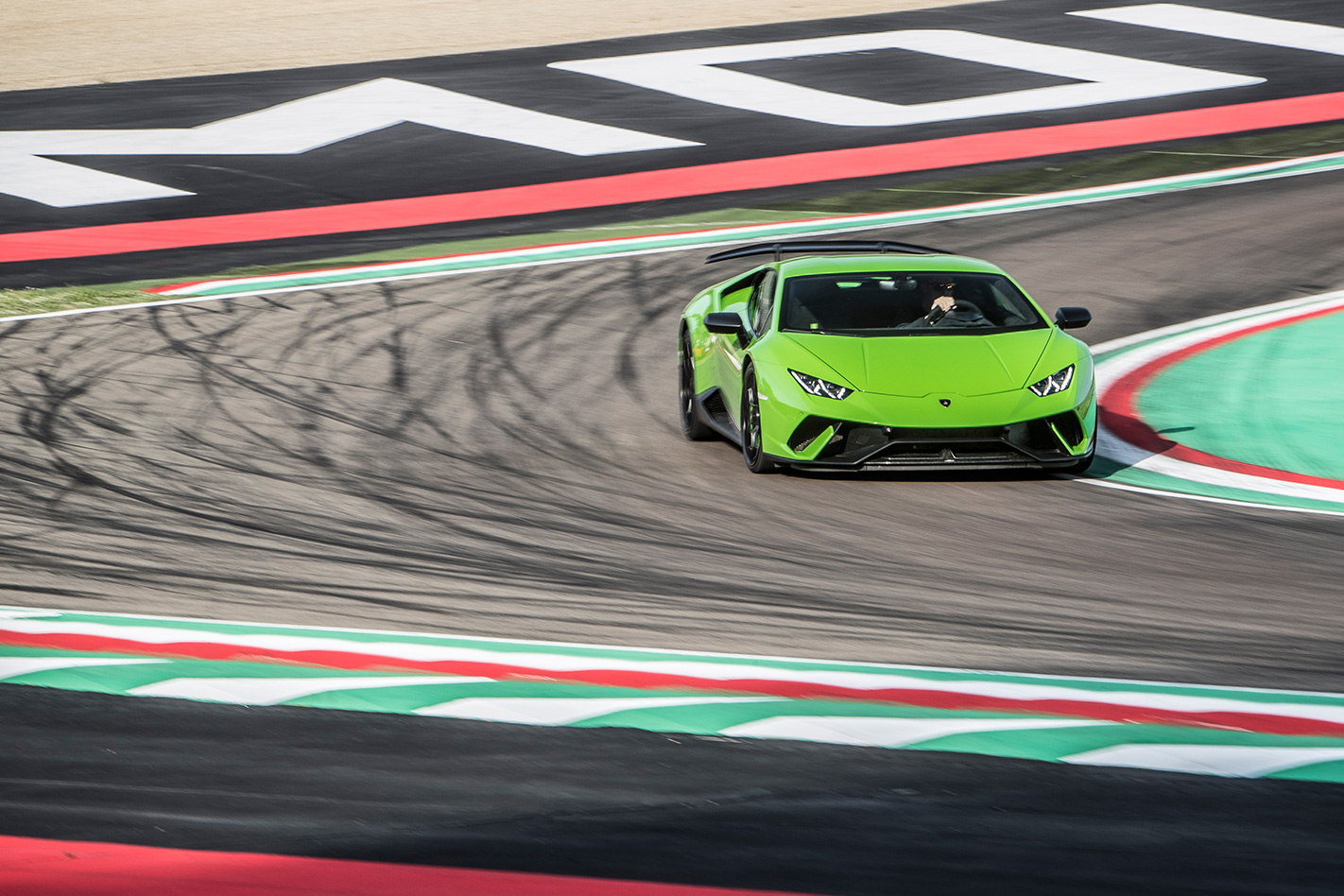
Drop a cog, dial in plenty of revs and flatten the throttle and you can revel in delicious degrees of oversteer before the all-wheel drive scrabbles to pull the car straight.
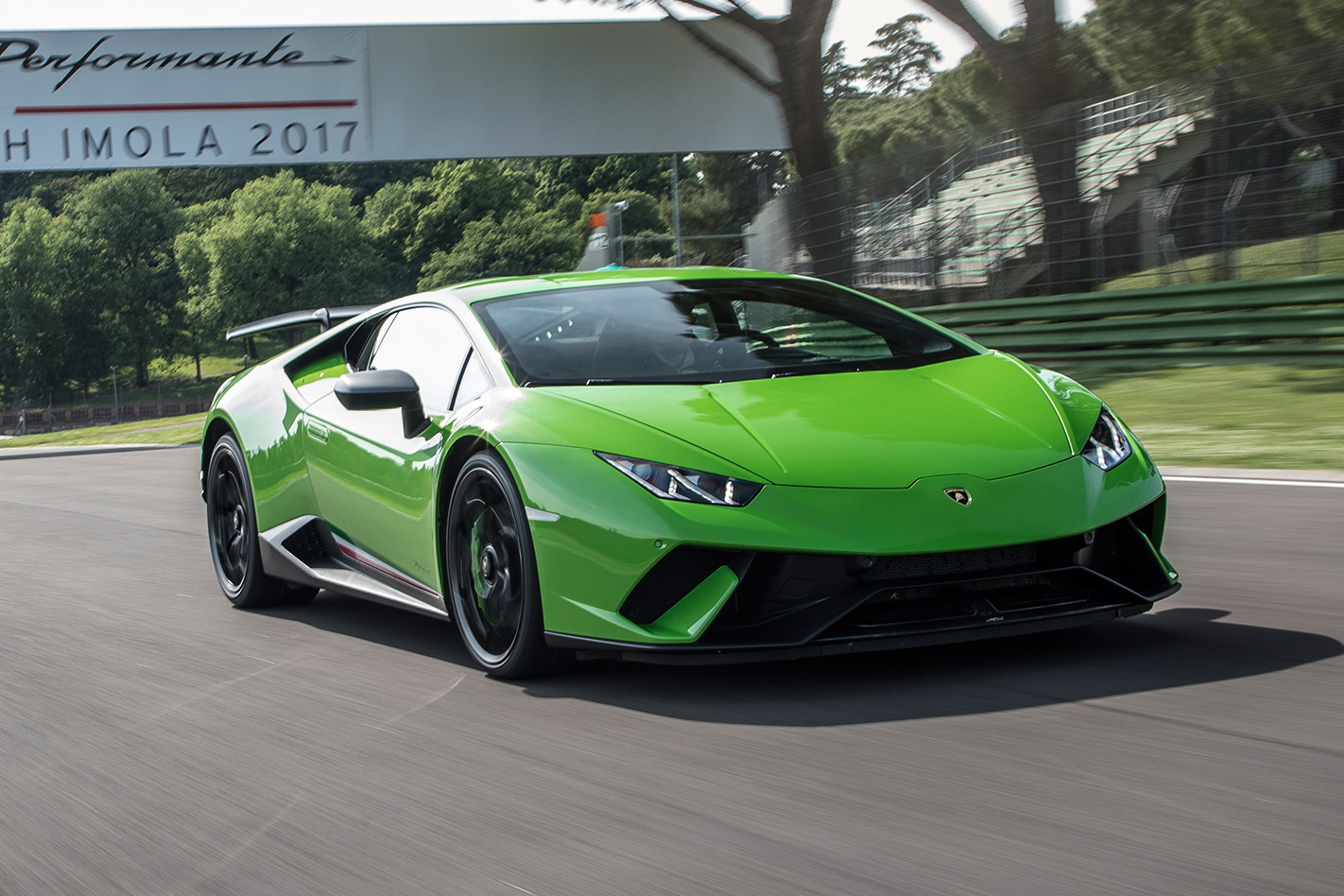
Can you sense the active aero working? Hmm, not really. The only indication that there’s aero sorcery afoot is that the Performante is visibly more planted and composed than Fasanetto in the lead Huracan. Traditionally the trade-off to this kind of on-track performance is a bone-crunching ride on the public road. And yet, on the chipped and craggy tarmac around Imola, the Performante does a commendable job of soaking up bumps and deep imperfections.
And unlike the interiors of many track-honed specials, the Performante’s cabin doesn’t compromise on comfort. The usual Lambo ergonomic quirks and complicated switchgear remain, but the seating position is spot on, with excellent steering wheel adjustment. Though we’d steer clear of the optional, rock-hard sports seats.
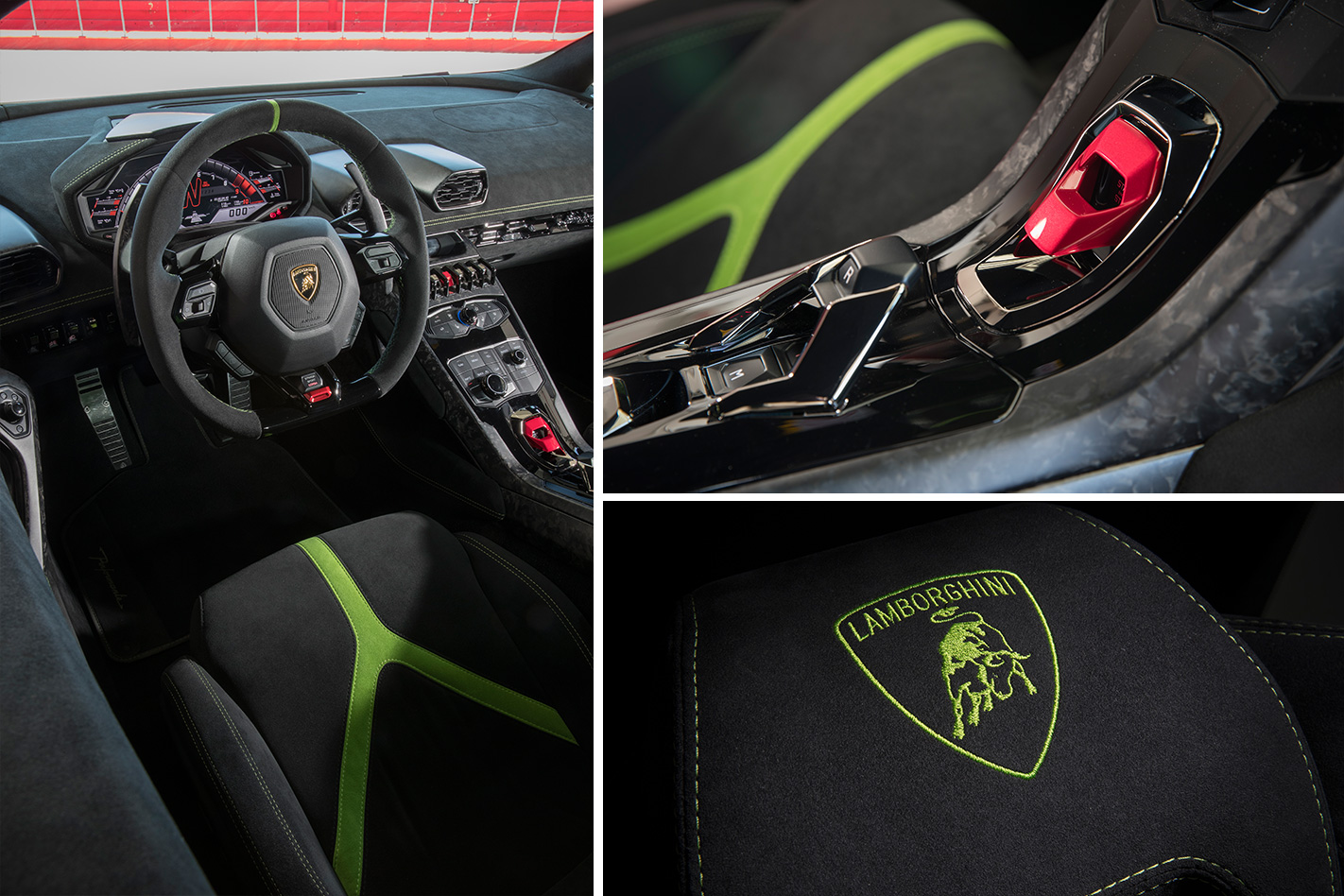
Yes its active aero tech pushes the supercar envelope, and there’s enough dynamic talent to trouble its competitor set from Porsche, Ferrari and McLaren. But this remains a car that you could use every day. And that, more than anything else, speaks to the achievements of the engineers from Sant’Agata.
In fact, the Performante is so well-rounded Lamborghini admits there’s room to create an even harder, rawer and more uncompromising version to sit above it.
One with more noise, less weight and power sent solely to the rear axle.
Now imagine that.
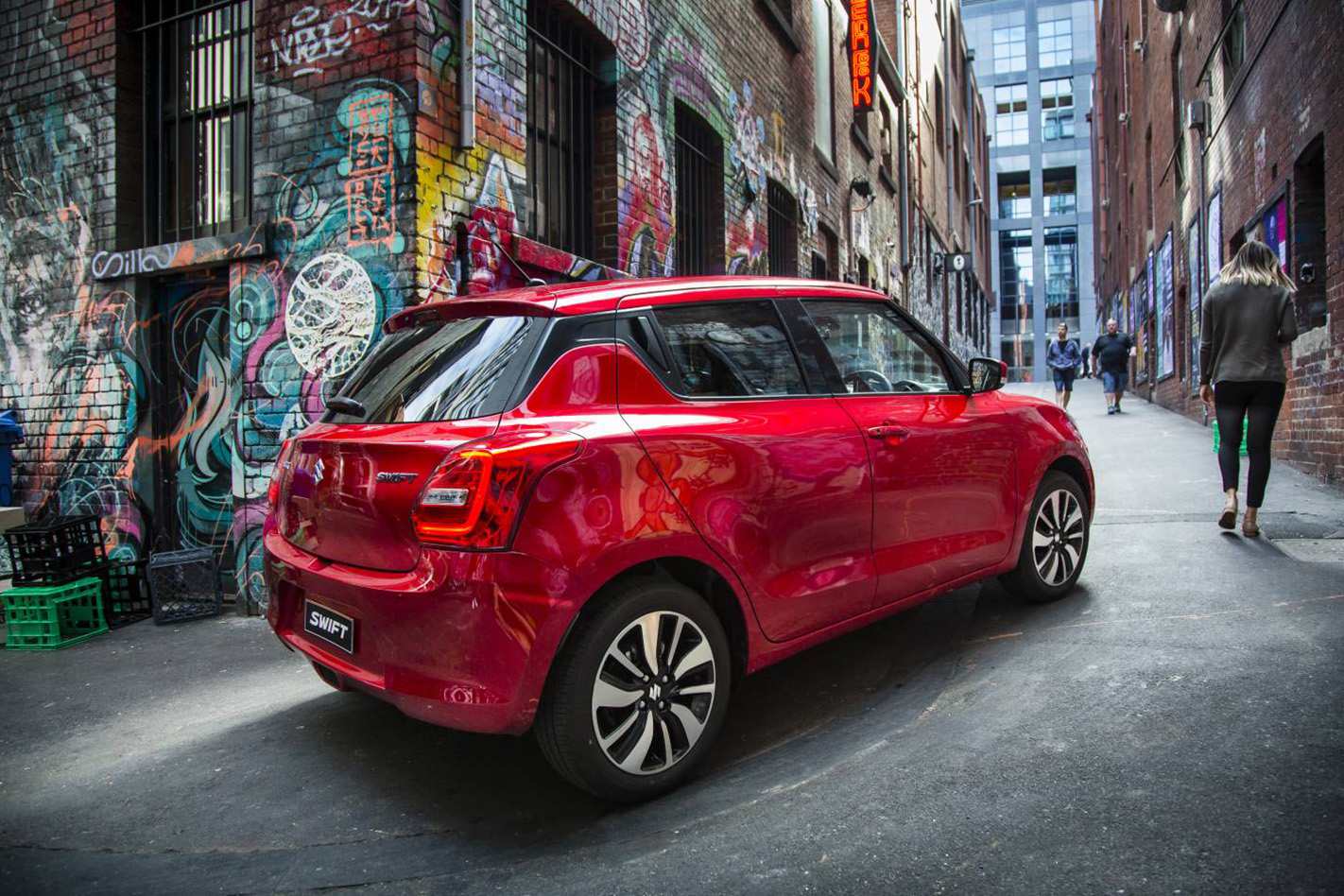
Spending some more time behind the wheel of Suzuki’s newly-turbocharged light hatch reveals a car that’s a lot more mature than it looks.
TELL ME ABOUT THIS CAR
The new-generation Swift has arrived boasting significant improvements in styling, equipment fit-out and powertrain tech, and it’s the GLX Turbo that’s the most impressive model of the bunch.
With so many major changes – not the least of which being its shift to a turbocharged three-cylinder engine from a naturally-aspirated four – the GLX Turbo warranted a more extended road test to discover its finer points.
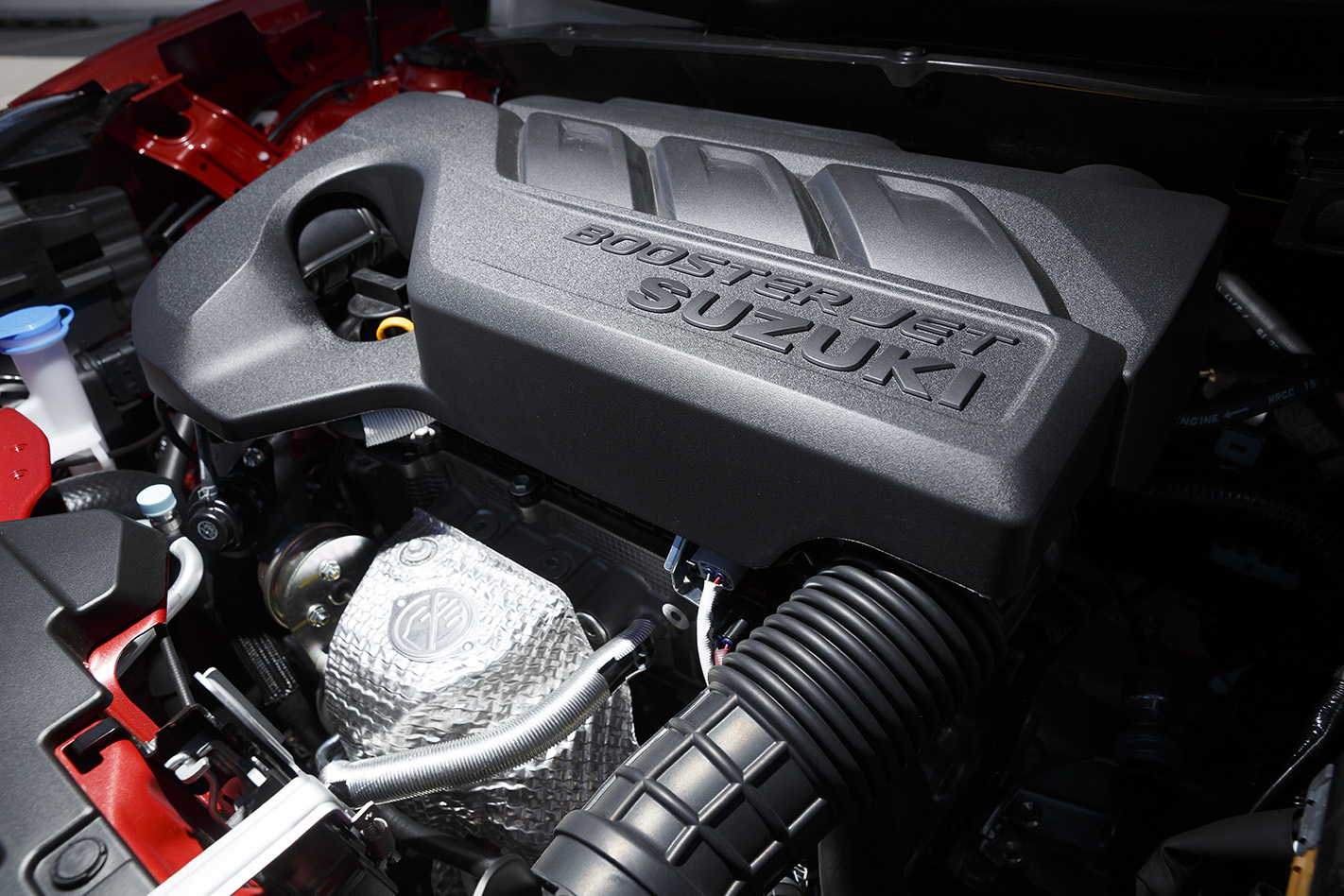
At 82kW and 160Nm, the GLX Turbo packs significantly more muscle than the standard 66kW/120Nm 1.2 litre engine in the GL models – but what else does spending $22,990 for the top-grade Turbo net you?
STRENGTHS
- Relatively grunty turbo engine has great tractability at low RPM, so the GLX Turbo rarely needs to be revved hard during regular driving. Only very steep hills will see the car drop down a gear or two, and the well-calibrated six-speed automatic gearbox doesn’t hunt around either.
- It’s an engine that delivers on performance too. The manual shift paddles are great for keeping the 1.0-litre triple-cylinder within its meaty, torque-laded midrange, and the GLX Turbo’s 915kg kerb weight means there’s not a lot of mass to move in the first place. Compared to the naturally-aspirated 1.2-litre in the base GL model, the Turbo is an exceptional performer.
- Fuel efficiency is great. Turbo engines often fail to deliver on fuel economy claims when subjected to real-world driving conditions, but the Swift GLX Turbo delivered an average consumption 5.5 L/100km during our week-long test – that’s just 0.4L/100km off from its official claim, and perfectly reasonable considering the mostly urban driving it was subjected to.
- The Swift’s fairly spacious back seat is a result of the new-generation car’s slightly longer wheelbase, and rear seat comfort is pretty good for a light car. Two adults should be quite comfortable back there, even on longish journeys.
- Great handling and steering have long been Swift highlights, but the latest Swift range-topper goes a step further by adding a level of refinement to the way it handles. The steering is still fast and authoritative, but Suzuki has given it a more stable feel around dead-centre that makes it less of a chore to drive on highways.
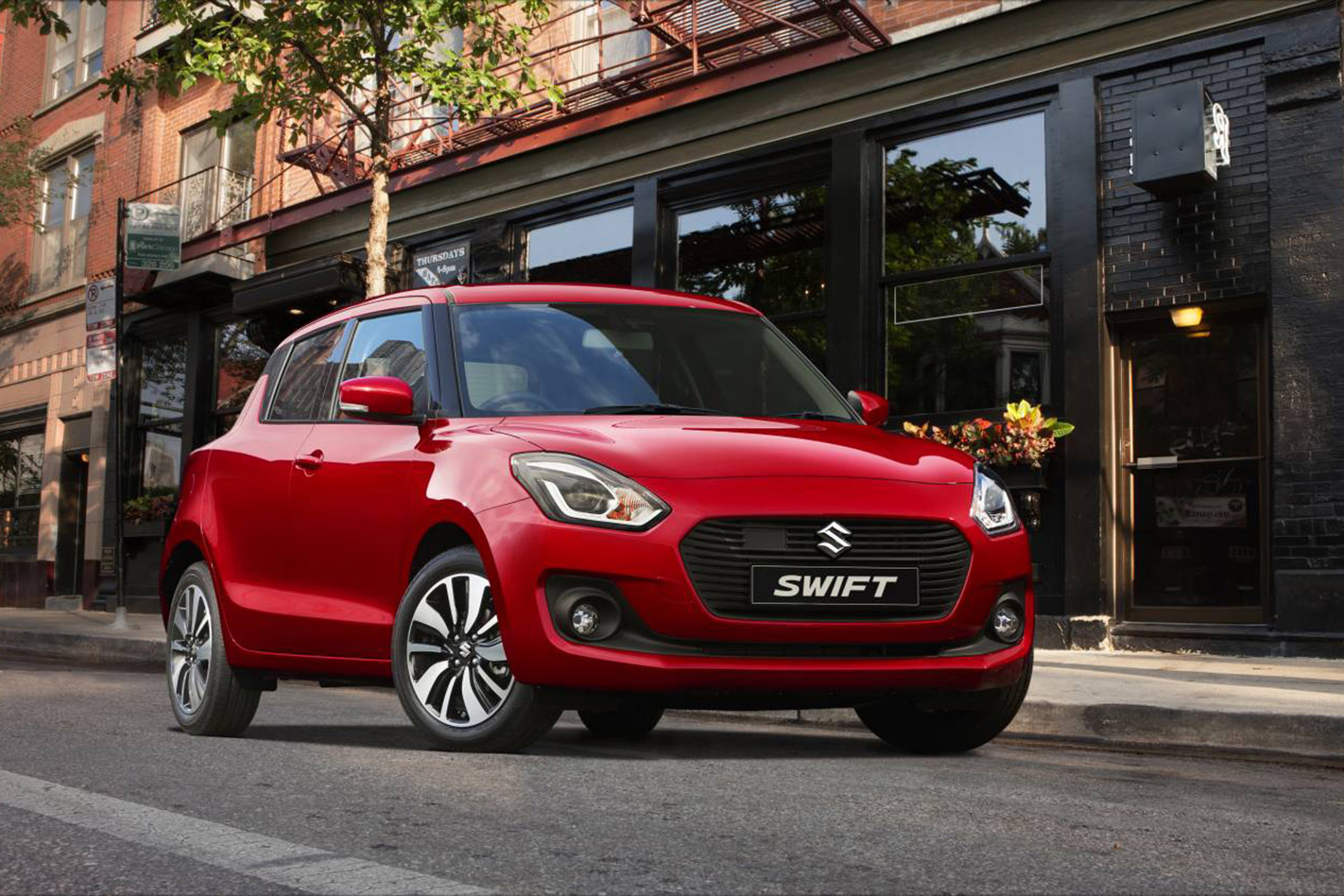
- The above hasn’t come at the cost of the nimbleness that the Swift is renowned for, either. Lighter than before, the GLX Turbo responds to fast steering inputs with an agility that gives not only confidence, but a great deal of grin-factor as well.
- In the context of budget-friendly light hatches, the Swift GLX turbo has a fairly premium fit-out. With a large, clear touchscreen giving drivers access to a built-in sat-nav system, phone functions, audio functions and smartphone mirroring, there’s plenty of modern tech to keep you entertained and informed. There’s also a push-button ignition, single-zone climate control, a lovely leather-wrapped steering wheel to help lift the ambience, and the cloth upholstery feels nice too.
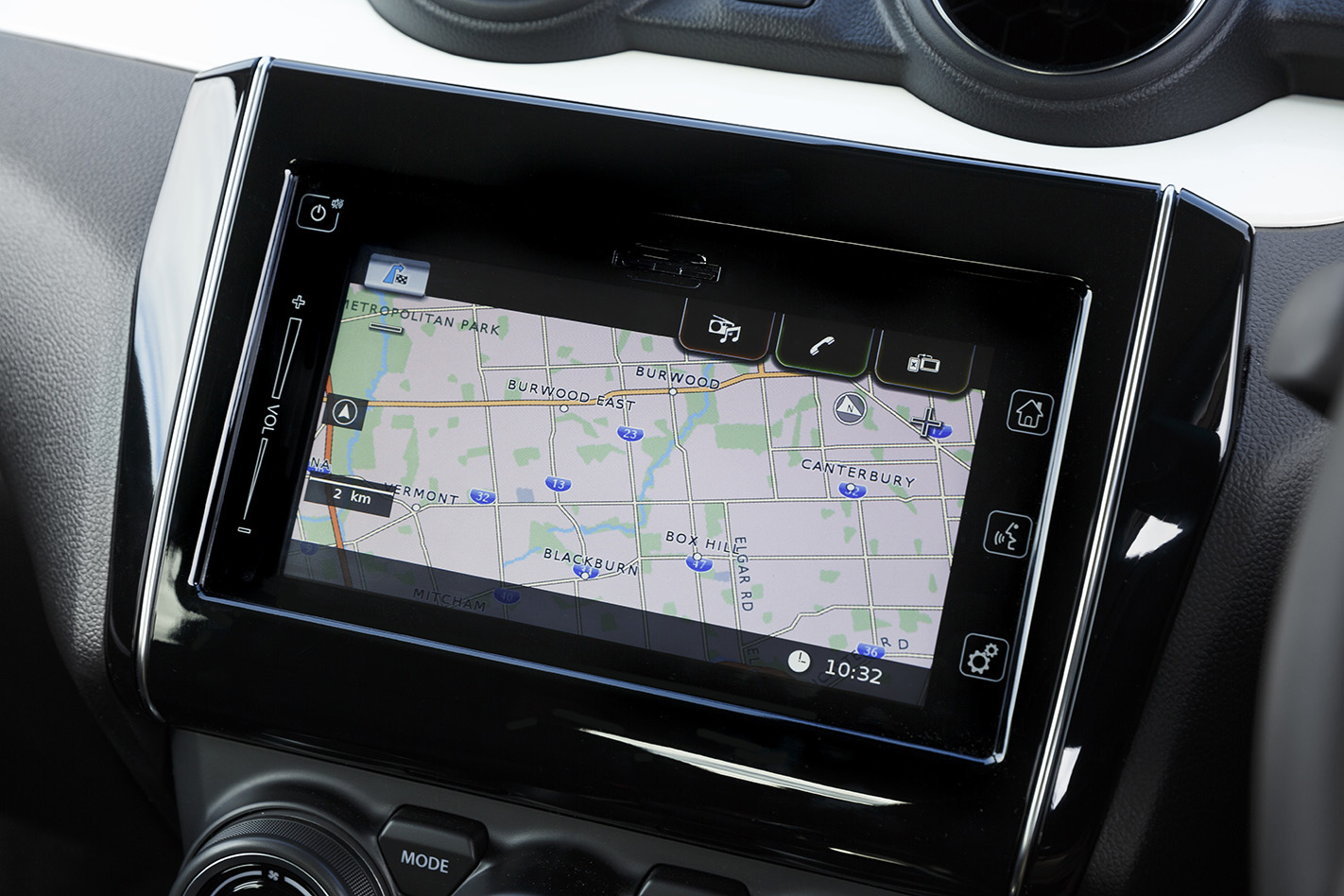
- Active cruise control and autonomous emergency braking are rarities at this end of the vehicular size spectrum, but the Swift GLX Turbo has both of these potentially life-saving features as standard.
- Cabin comfort is better in the GLX Turbo, thanks to the provision of a steering column that adjusts for reach as well as rake – all other Swift models only adjust for rake.
- Vibration is very noticeable at idle and at certain points throughout the rev range. It’s an issue for virtually every car with a three-cylinder engine, however, as that particular engine configuration is notoriously difficult to engineer to run smoothly.
- There are a lot of hard plastics inside the Swift, which shouldn’t come as any great surprise given light cars aren’t known for having soft dashes and door cards (with very few exceptions). That said, the finish of the Swift’s plastics is a little glossier than we’d like and makes an otherwise well-presented and tightly-assembled interior look less premium than it ought to.
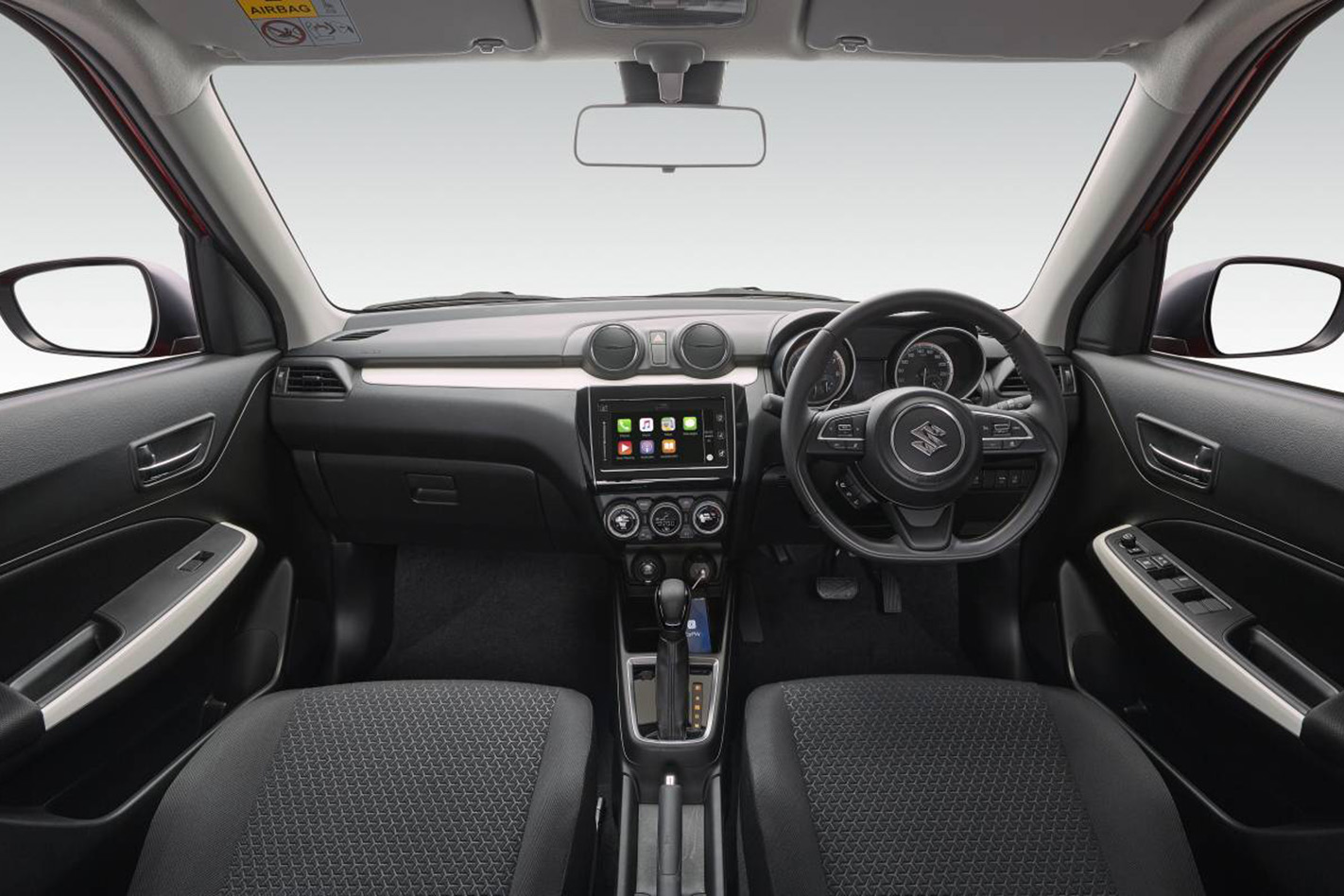
- Cabin noise is a common complaint for light cars, and though the new Swift is more refined than its predecessor, it does still suffer from elevated road roar when travelling at highway speed.
- As good as the Swift’s improvements in refinement are, the GLX Turbo nevertheless has a slightly sharp ride over smaller road imperfections like expansion gaps, manhole covers and corrugations.
- Even though its six-speed automatic has a manual shift mode, it will automatically upshift when the engine nears its 6200rpm indicated redline – sometimes as low as 5500rpm. Not a major dealbreaker for a non-performance variant, but it may annoy drivers who enjoy the odd spirited drive.
- We wish the GLX Turbo came with the option of a manual transmission, as it feels like the automatic – as agreeable as it is – is masking some of that engine’s charm. The automatic also tends to shoot for the highest gear at the earliest possibility to help keep fuel consumption low, and it can take a moment to kick down to a more appropriate gear when you require more power.
Mazda 2, Volkswagen Polo, Ford Fiesta and Peugeot 208 are the best matches for the Suzuki Swift GLX Turbo when it comes to light cars that are both well-featured and fun to drive.
To most people, cars are nothing more than an appliance, a means to get from A to B.
For true petrol heads, however, to say a car is merely a collection of nuts and bolts is akin to saying your life partner is nothing more than flesh and bones.
Aussie car fans understand and appreciate this more than most, with Ford and Holden tribes waging a fierce, passionate war that started in the late 1960s and will end in October 2017, the cessation of local manufacturing ensuring both sides lose.
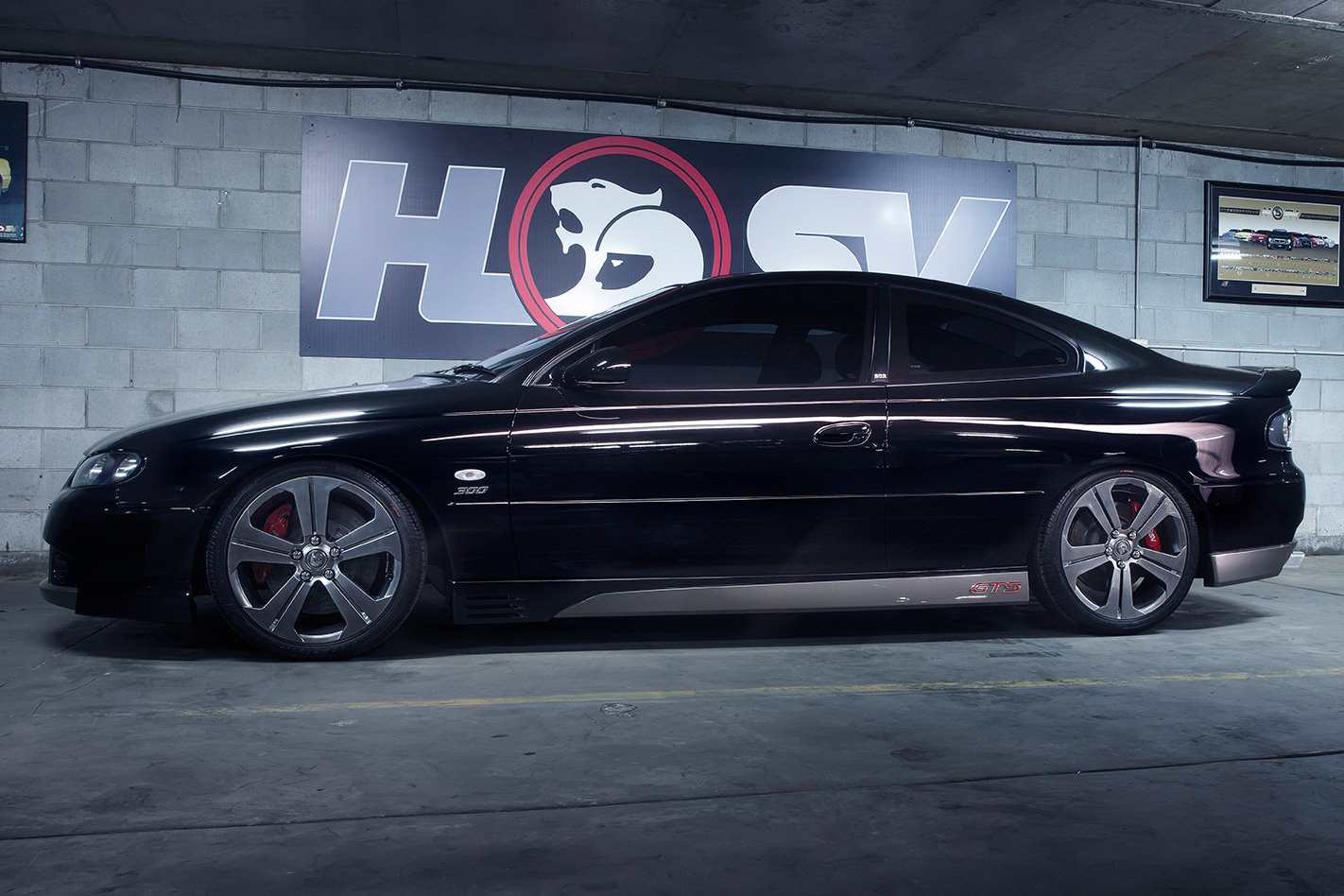
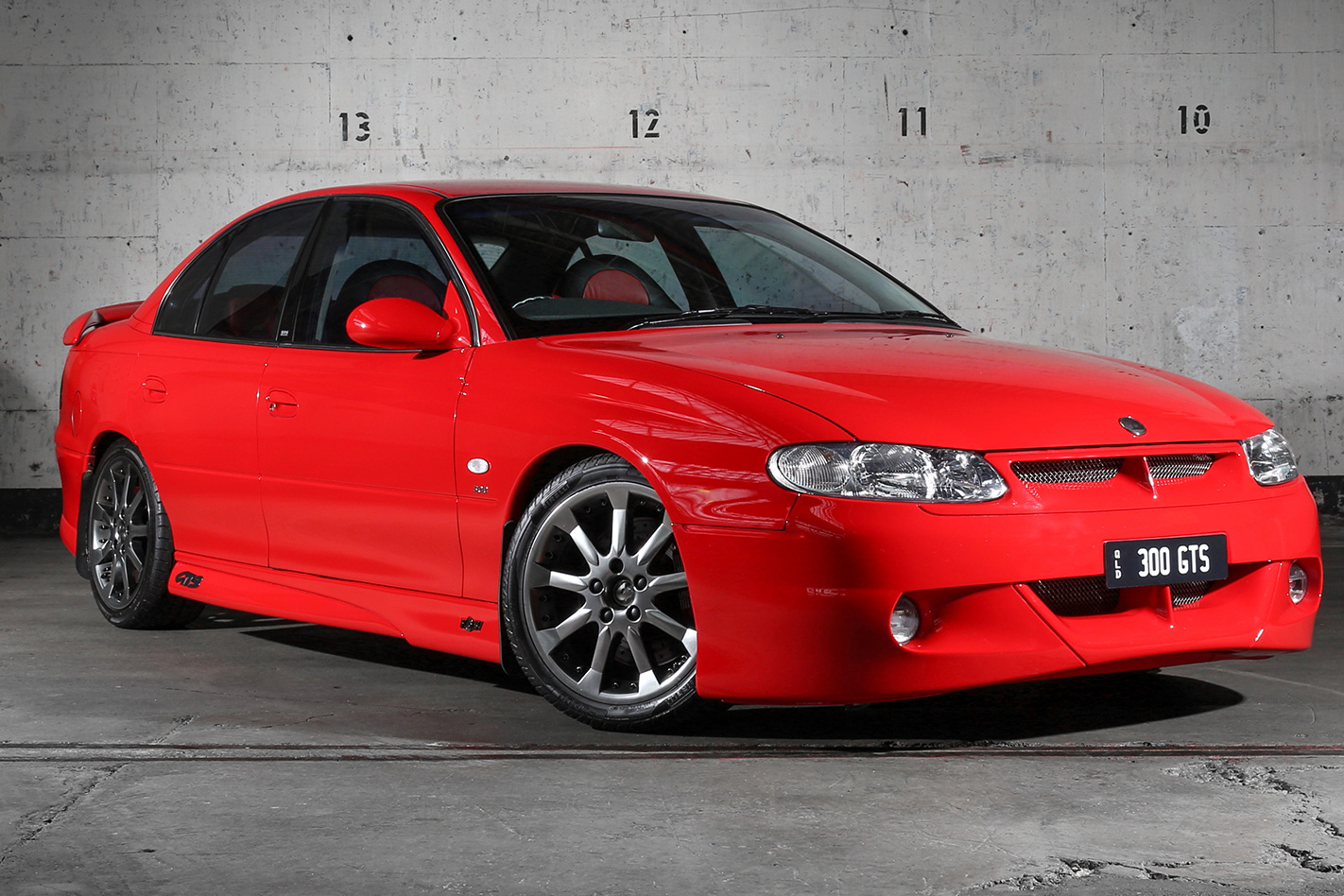
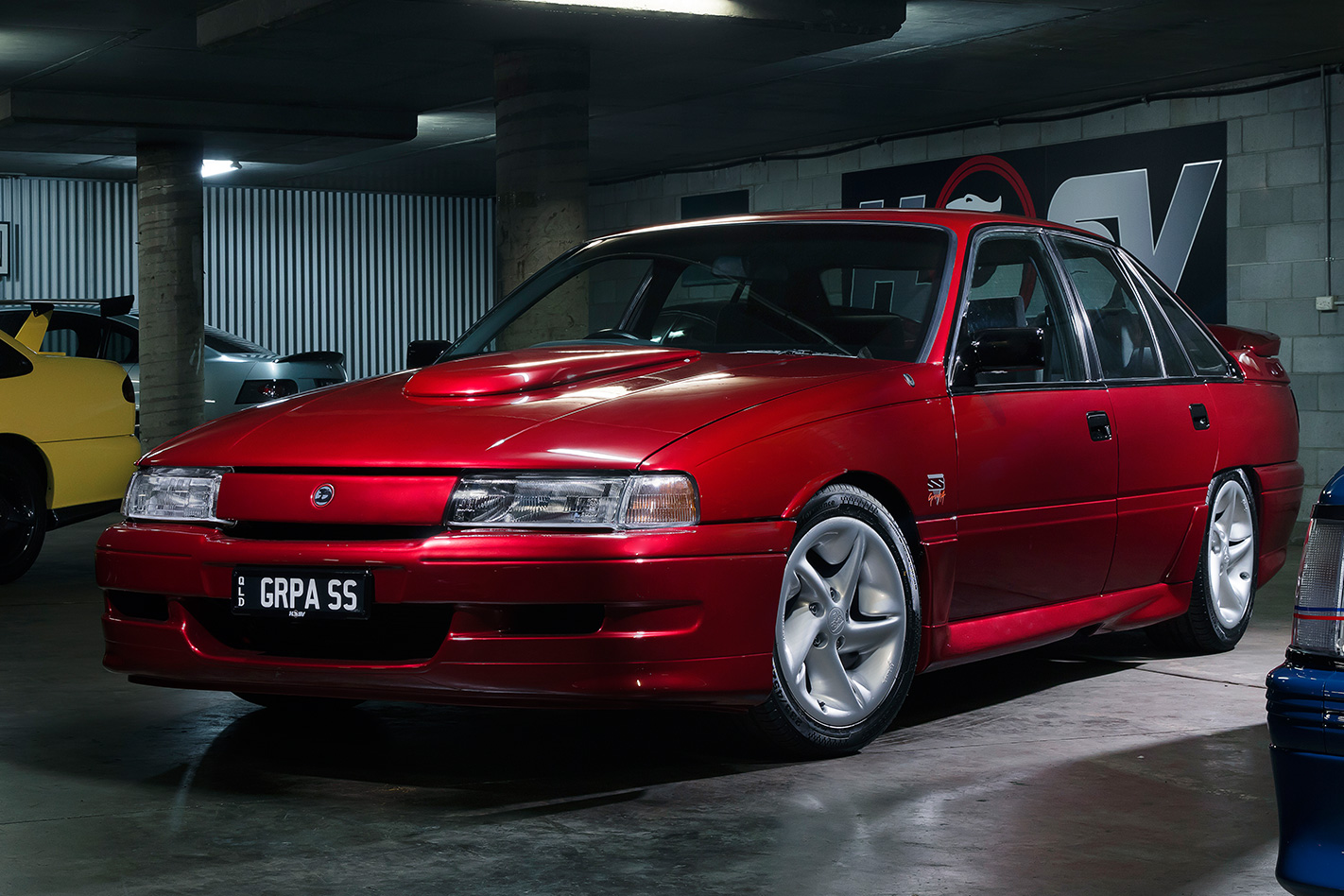
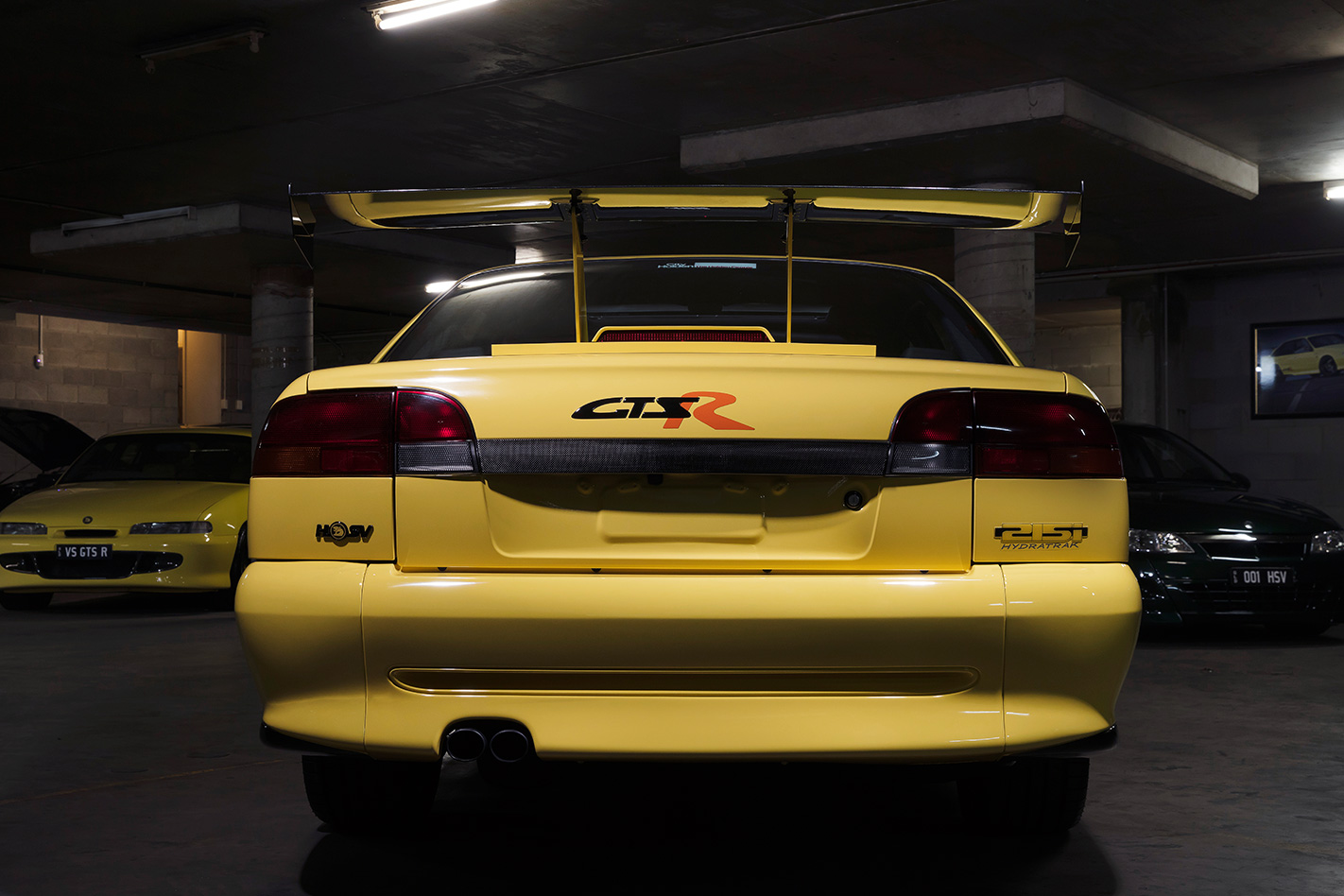
Boomer may not have the largest HSV collection in Australia, but the centrepieces are arguably the most sought-after of their kind, some of the most unique vehicles built in Clayton during HSV’s 30-year history. Cars like VS GTS-R build numbers 001 and 002, W427 build number 0427, the final GTS Coupe built and the Coupe GTS-R concept from the 2004 Sydney International Motor Show.
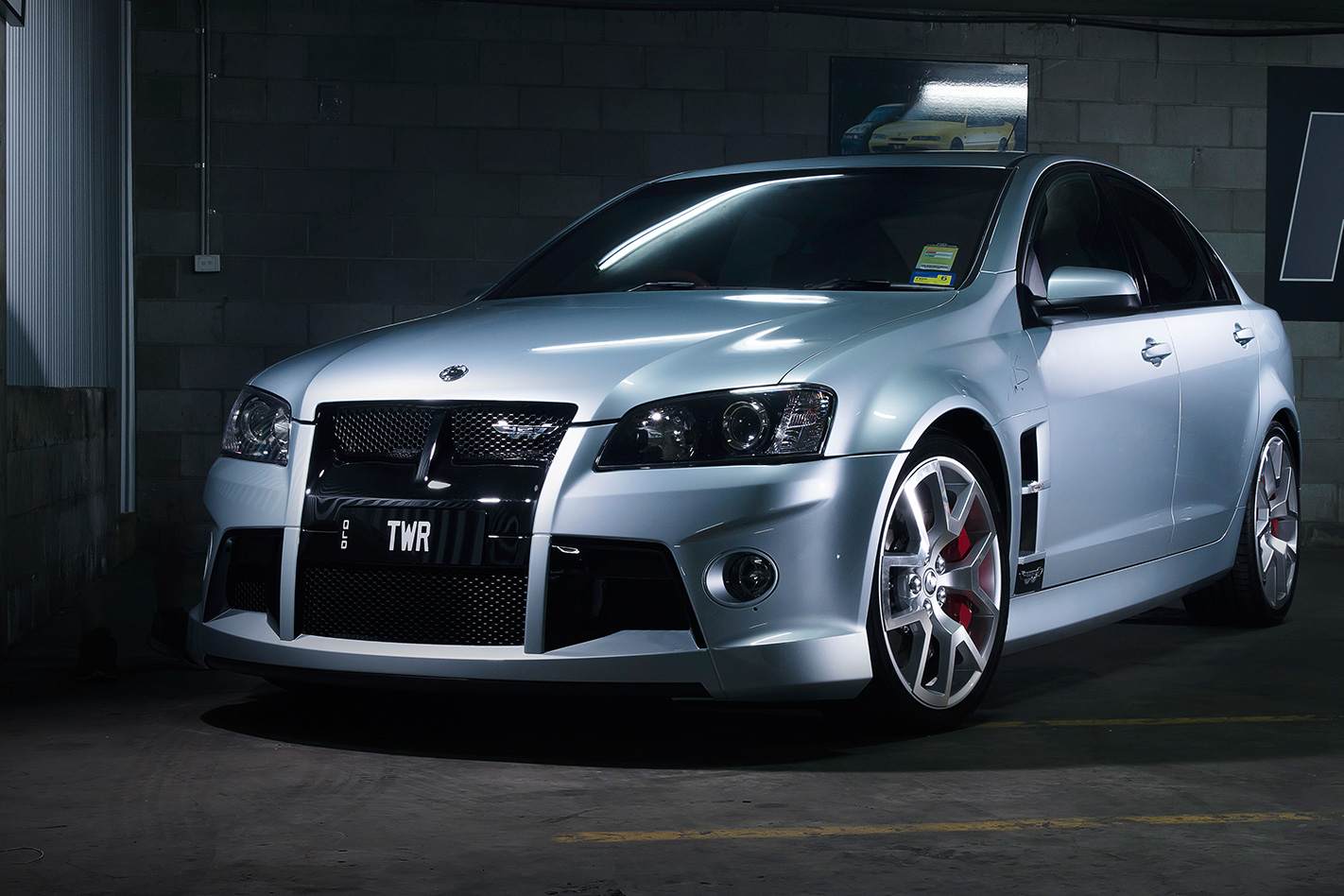
Boomer first came to our attention while assembling vehicles for our recent 30 Years of HSV feature (MOTOR May 2017), kindly agreeing to lend us his immaculate VT II GTS 300. Inevitably, talk turned to what else was tucked away in the garage, leading to the discovery of an Aladdin’s cave for Holden fans.
As mentioned earlier, the car bug bit early: “I’m the youngest of four boys and all my older brothers were into cars”, explains Boomer. “As a younger brother does, I followed my older brothers’ interests; we used to see some of the other kids get picked up in HSVs and think, ‘man, one day I’d love to get one of those’.
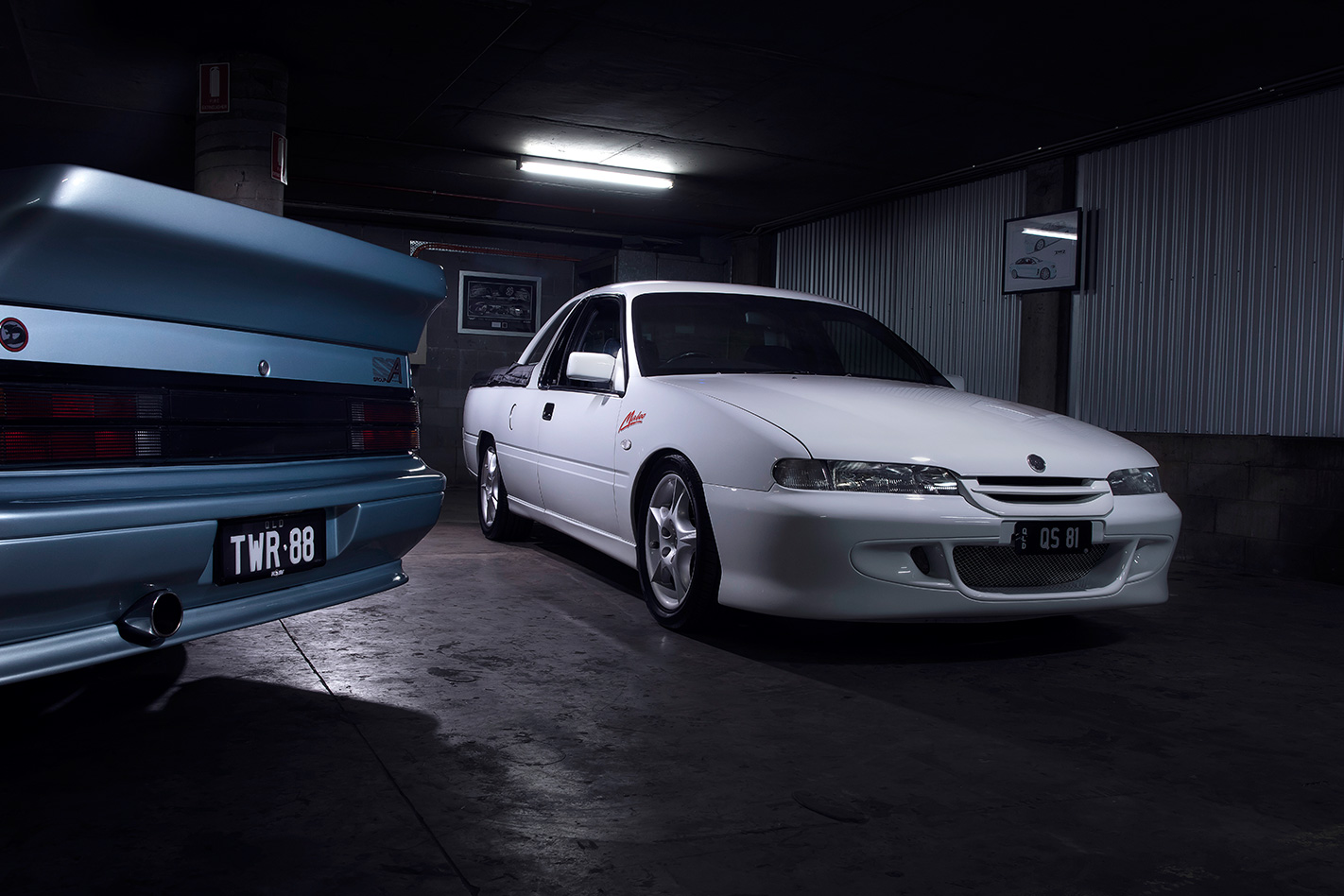
It wasn’t long before Boomer followed suit with his first HSV, a cherry black VS GTS, although financial pressure – “I was a second-year apprentice carpenter and borrowed $24,000 on less than $300 a week” – sadly meant it stayed for a good time, not a long time.
“I really started taking notice of [HSV] in the VS sort of timeline, it’s definitely my favourite. I think with all these collectable cars, it’s what you aspire to one day get your hands on. My favourite model was the VS GTS-R, it was released when I was at school and that’s the one I really set my cap to.”
Now on a firmer financial footing, at Christmas 2007 Boomer made his first serious acquisition. “The first one to collect was the VS GTS-R, which was always the dream car. I’ve had five different examples over the years; I started with a higher-kilometre car [and] I’ve never been without one since. I’ve bought a better one and sold a higher-km one off, [but] that’s been my constant.”
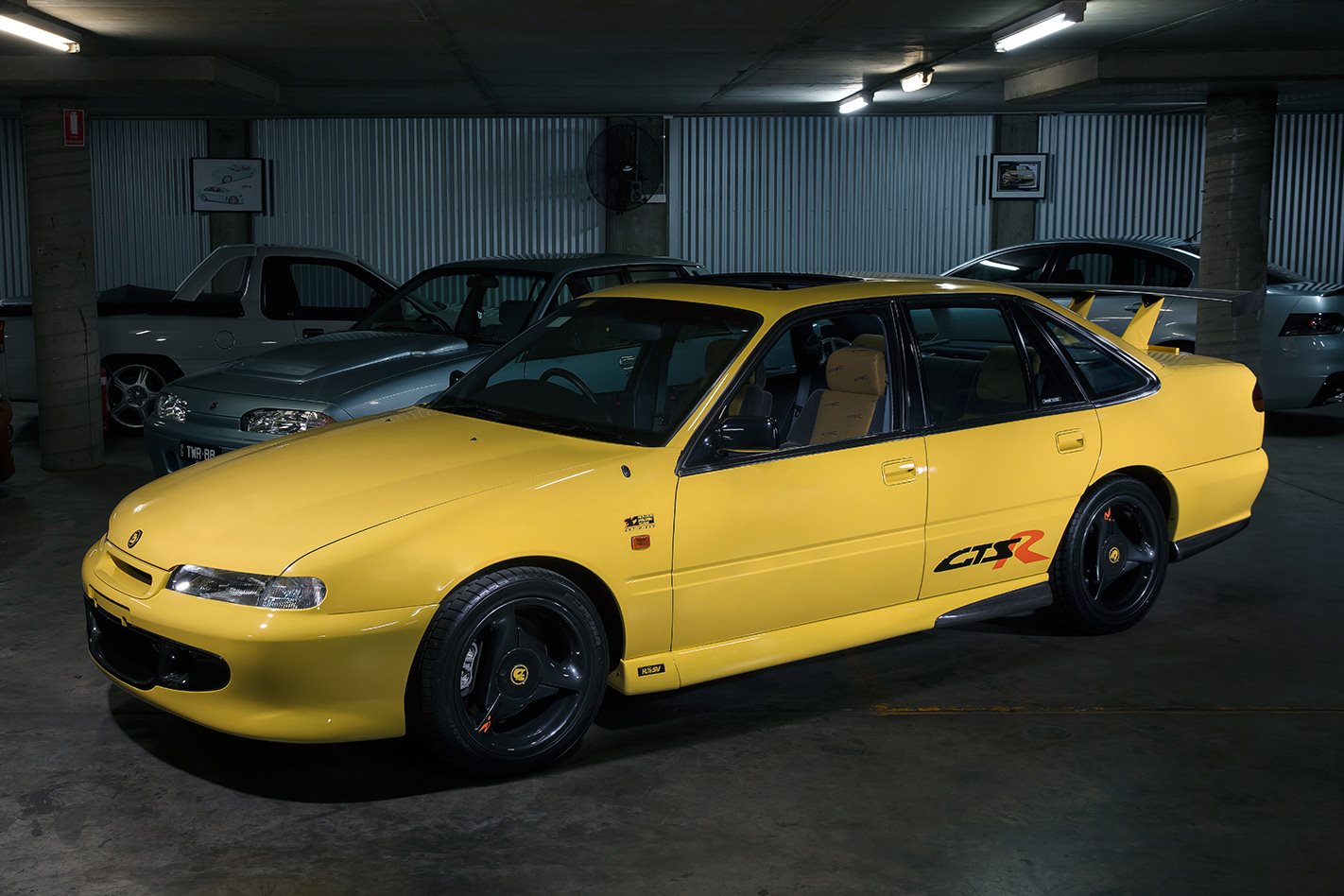
It has just 86km on the odometer (not 86,000km, 86km), has never been registered and still wears all its pre-delivery stickers.
It’s also fully optioned, including the $10,000 blueprinted engine. Number 002 may have followed its garage mate off the production line, but the two have led very different lives. While 001 remains pristine, 002 is much more of an animal, heavily modified to the point of 600kW at the rear wheels.
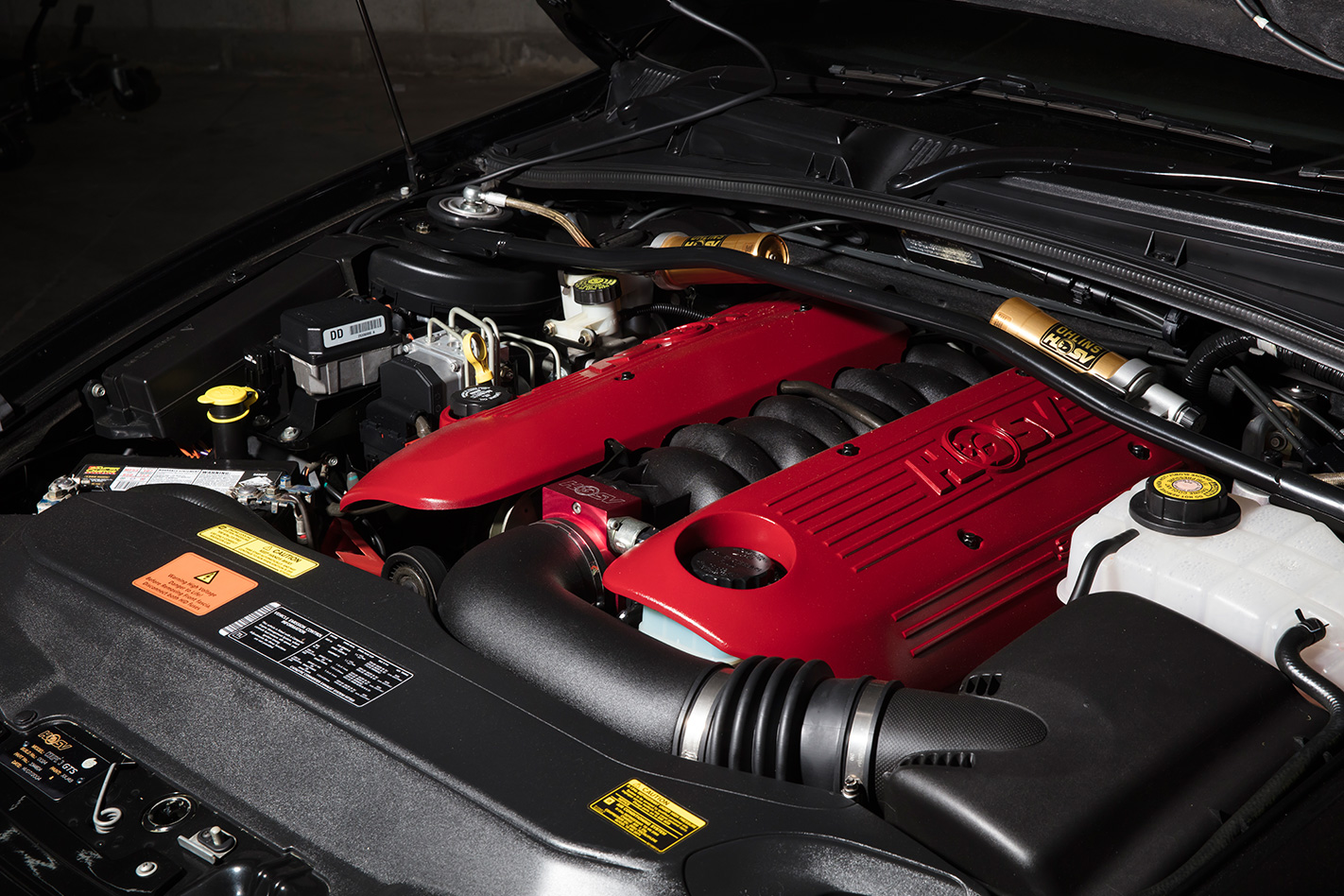
While it may seem sacrilegious to some, Boomer isn’t afraid to tweak these rarities to his liking, though he has limits. “Some cars you certainly wouldn’t modify,” he explains.
“I wouldn’t modify my W427, and to be honest I haven’t usually modified them myself, I’ve bought them already modified and then I’ll take it further. I appreciate the modified cars but always go back to those genuine, original-type cars. I’m not afraid to modify them, but not the really perfect examples.”
Boomer has a similar approach to getting behind the wheel of his toys. The centrepieces of his collection are off limits – “one-to-one scale models, my mates call the ones I don’t drive.”
Opinion: Losing Australian cars means making compromises
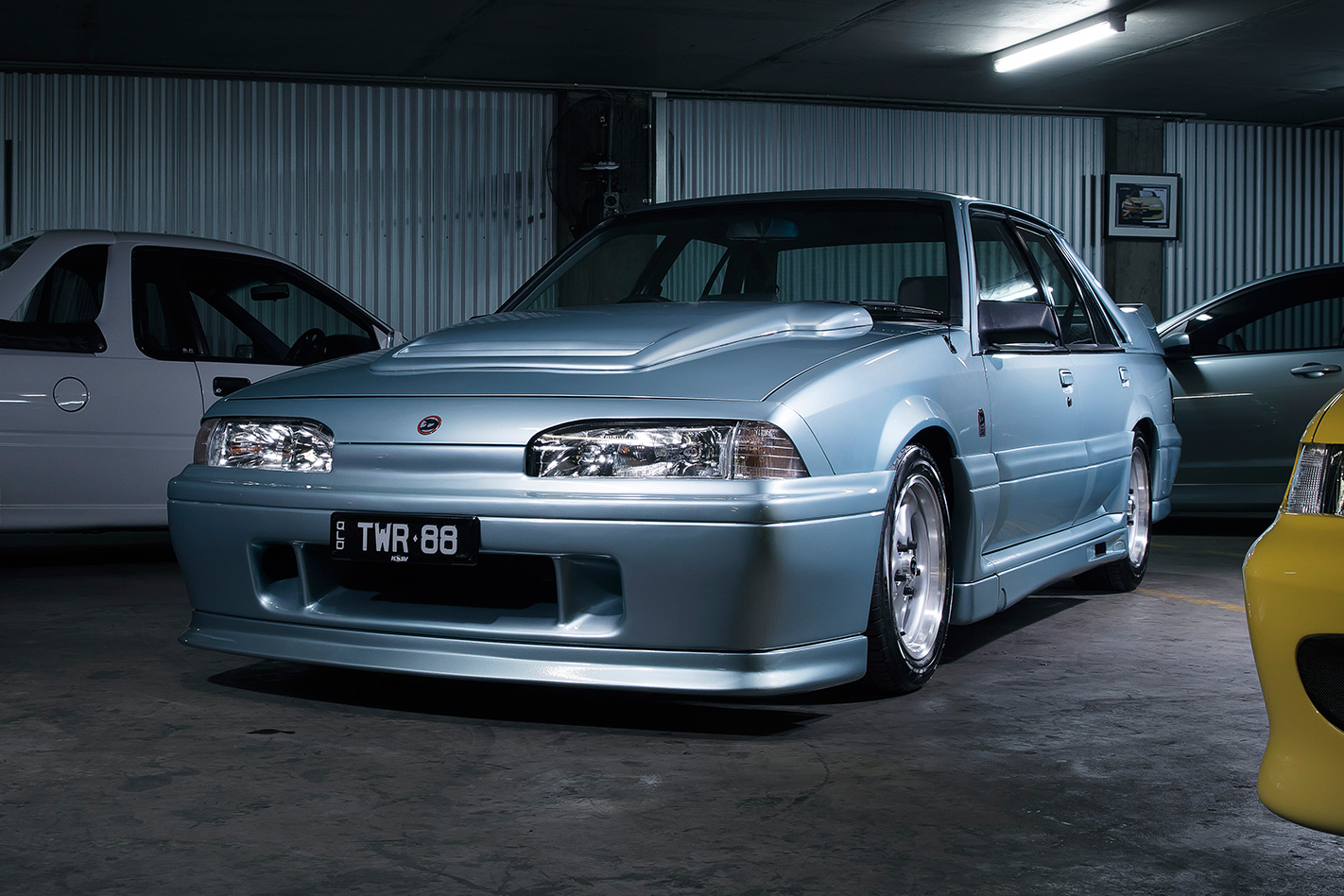
These include W427 no. 0427 (despite the fact only 137 of the intended production run of 427 were built), the only car bar the original concept painted in Panorama Silver, the same colour as the VL Walkinshaw. It also wears Tom Walkinshaw’s signature on its paintwork, added prior to the clear coats being applied.
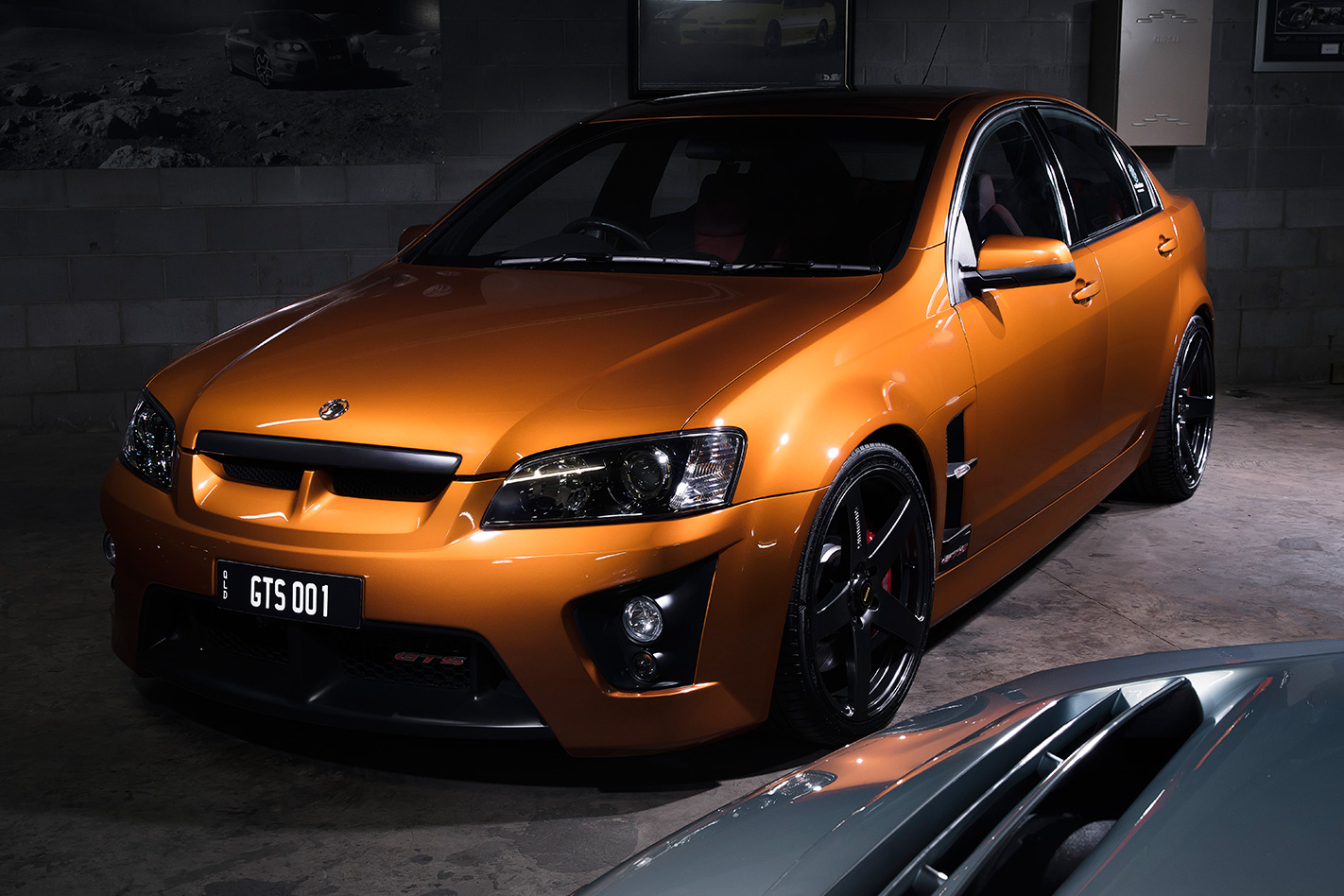
Obviously, GTS-R 001 will remain similarly stationary, as will Boomer’s forthcoming GTSR W1, build 017 in Light My Fire orange and the GTS-R Concept (see below). The others Boomer is not so precious about: “The VL [Walkinshaw] has done 60,000km, the Coupe’s done 30,000km, the VS has done 10,000km, so I do some kays in them.”
Another last-of-the-line rarity is the VS Series III Maloo, HSV’s final model powered by the venerable 5.0-litre Holden V8. As the ute version of Holden’s all-new VT Commodore, introduced in 1997, didn’t arrive until the VX update, VS ute production continued into 2000, with the last Maloos scoring an upgraded wiring harness to increase outputs to 195kW/430Nm.
Of course, no HSV collection would be complete without a VL Walkinshaw. “I haven’t had that VL that long,” says Boomer. “I had one five years ago that had 1600km and I needed some money at the time so I sold it too cheap and I ended up buying this one late last year – I’d really like to get a low-kilometre VL Walky again.”
“I’ve owned probably 50 different HSVs,” he says. “I bought the first [Australian-delivered] VF GTS and then when I heard the GTS Maloo was coming I sold the sedan to get the Maloo and then I’ve since just sold that to get the GTS-R Maloo.” It begs the question, is there any HSV that’s escaped his grasp?
I’d like to get a genuine Blue Meanie (Boomer’s current VK is a highly modified replica) but from the HSV point of view the significant ones are there.”
Given the scale of Boomer’s collection and his penchant for one-offs I can’t help but bring up the HRT 427, Holden’s stillborn 7.0-litre V8-powered Monaro supercar. Two exist, but only one is in private hands. “I actually looked at the HRT 427 a couple of years ago,” says Boomer.
Not everyone will understand why a man with the means to buy any matter of exotica would instead fill a garage with relatively humble Holdens, but for Boomer that’s a key part of HSV’s appeal.
“I don’t really know how to explain it; it’s still a common enough car that it’s just a Commodore, but it’s obviously an Australian brand. It’s a common-type car without being pretentious or trying to flaunt anything.”
In other words, HSVs are cars that even regular folk – ie, not multi-millionaires – can aspire to, cars that offer practicality and performance in equal measure, cars that are much more than just a collection of nuts and bolts.
The New Baby
Sadly, arguably the most mouth-watering car in Boomer’s collection was still awaiting delivery at the time of our photo shoot.
The HSV Coupe GTS-R was revealed at the 2004 Sydney Motor Show, a dedicated race car with a 335kW/605Nm 6.0-litre LS2 V8, FIA-spec chromoly rollcage, carbon-ceramic brakes, Ohlins remote-reservoir dampers, wider tracks from the Coupe4 and lightweight panels.
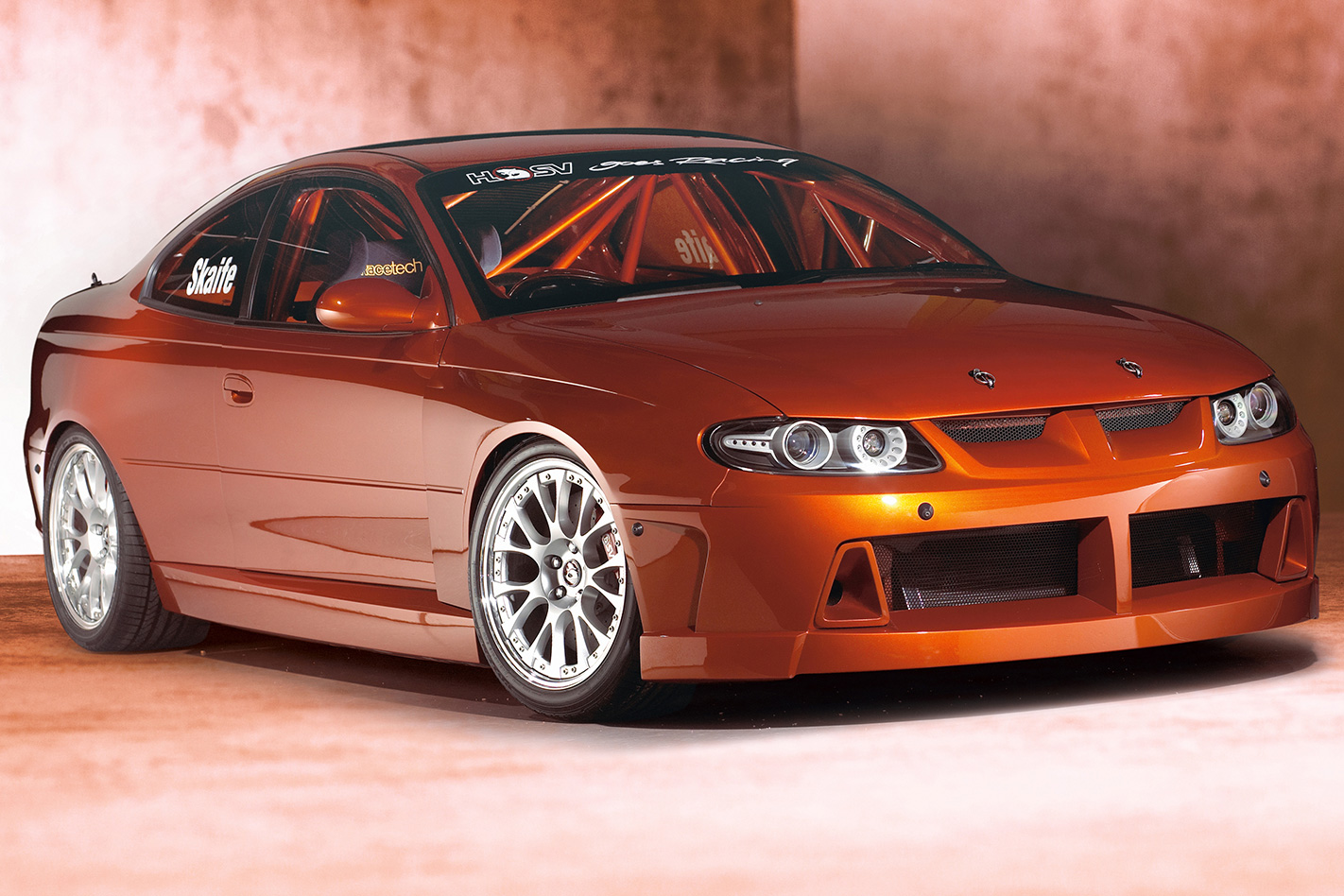
The car appeared for sale in Melbourne at various luxury dealers in late 2016 before returning to HSV, at which point Boomer started negotiations to purchase the car. “I was talking to the guys at HSV and got wind it might be coming up for sale,” explains Boomer.
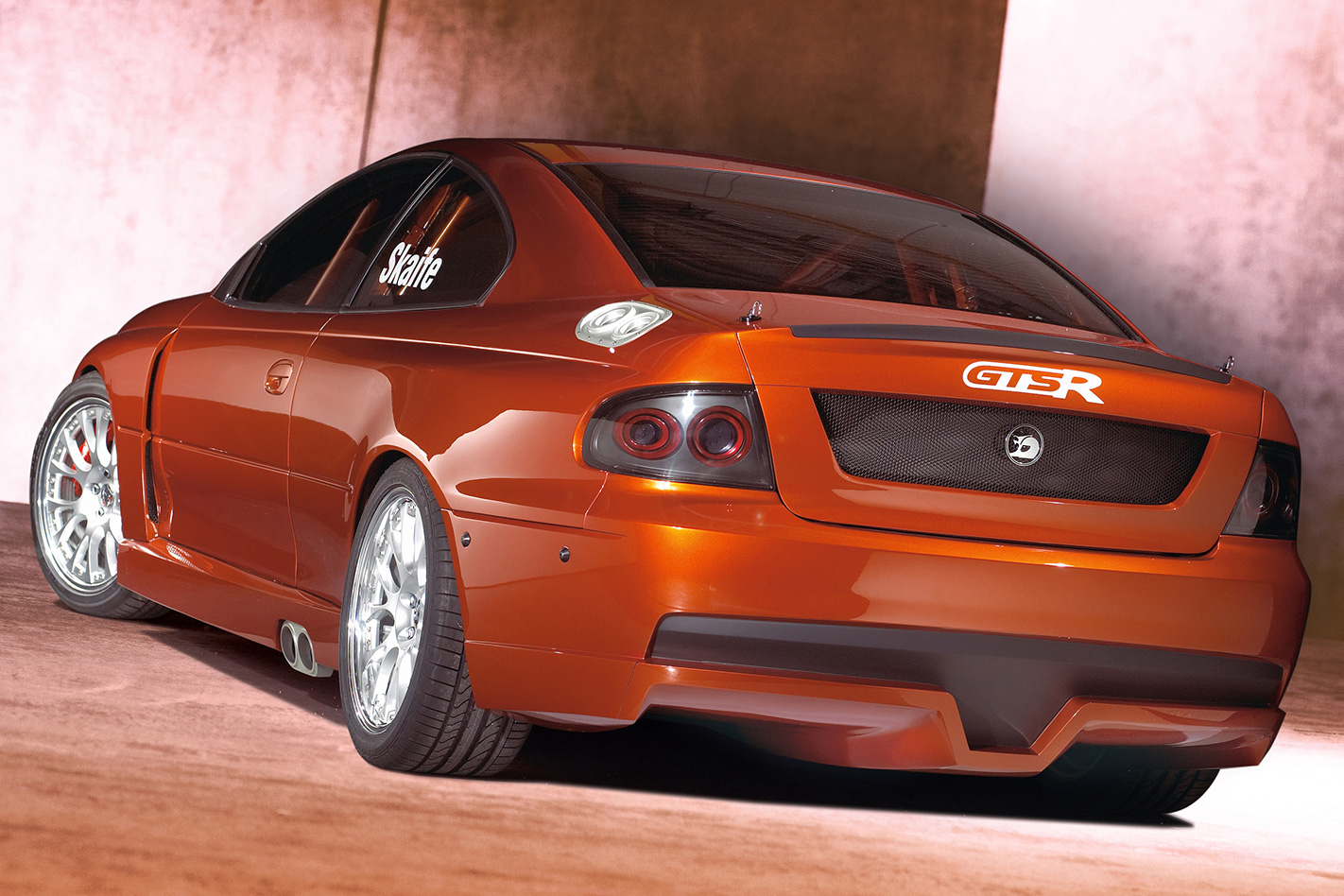
[It was] certainly cool to buy it from the factory; one thing I liked about that idea was that you’re buying it off HSV 13 years down the track. It is driveable and it runs well, but I probably won’t drive it – it’s just for the collection.”
Purists were up in arms when Porsche launched the then new 911 GT3 exclusively with a dual-clutch PDK automatic gearbox in 2013.
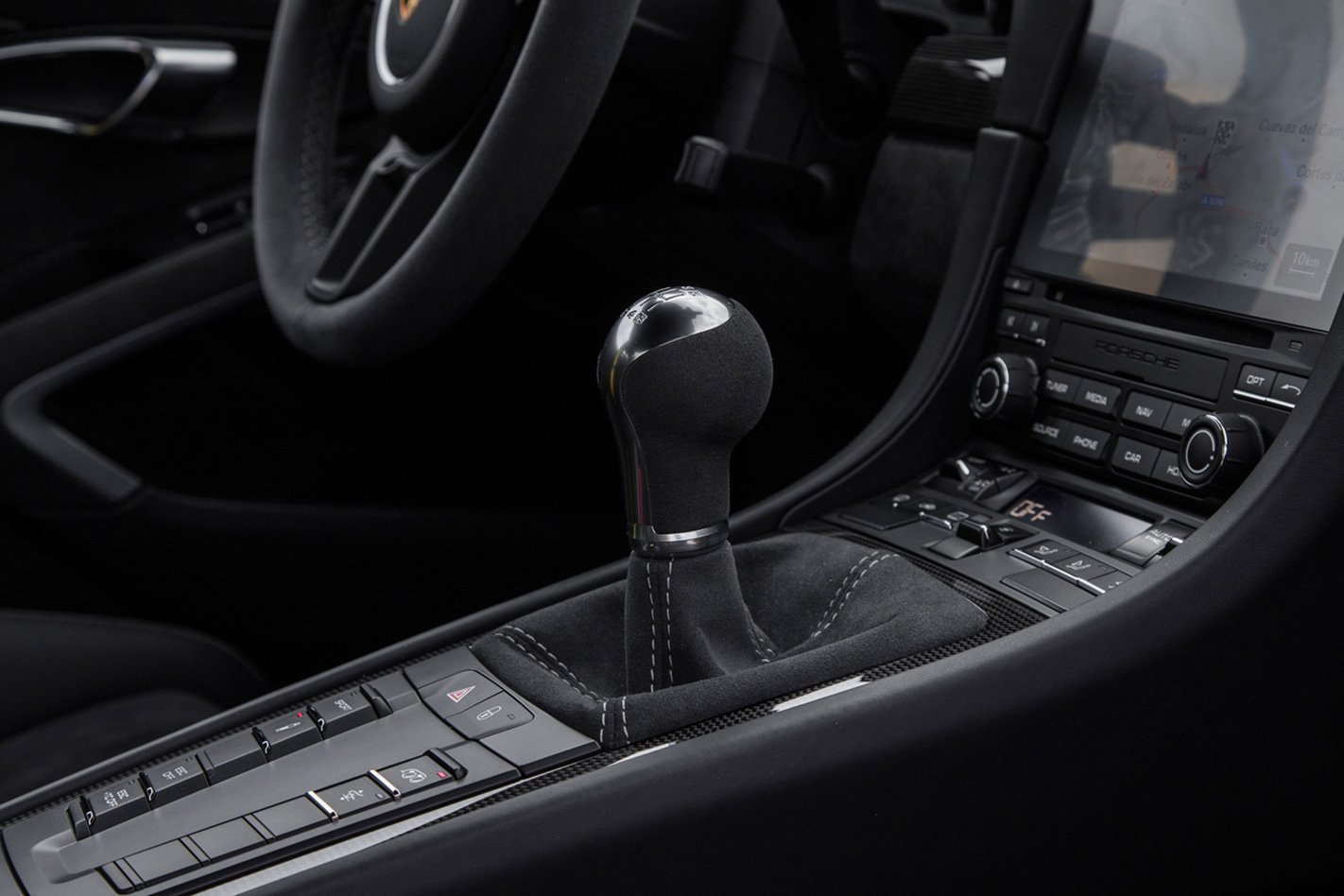
A manual ‘box had been a 911 GT3 mainstay since its introduction back in 1999. Four years and countless discussions later, it’s back in the form of a newly developed six-speed manual, first seen in the 911 R.
The 911 GT3’s naturally-aspirated 4.0-litre version of Porsche’s classic flat six-cylinder engine is known internally under the codename 9R1.5, and is related to the same-sized unit of the 911 R.
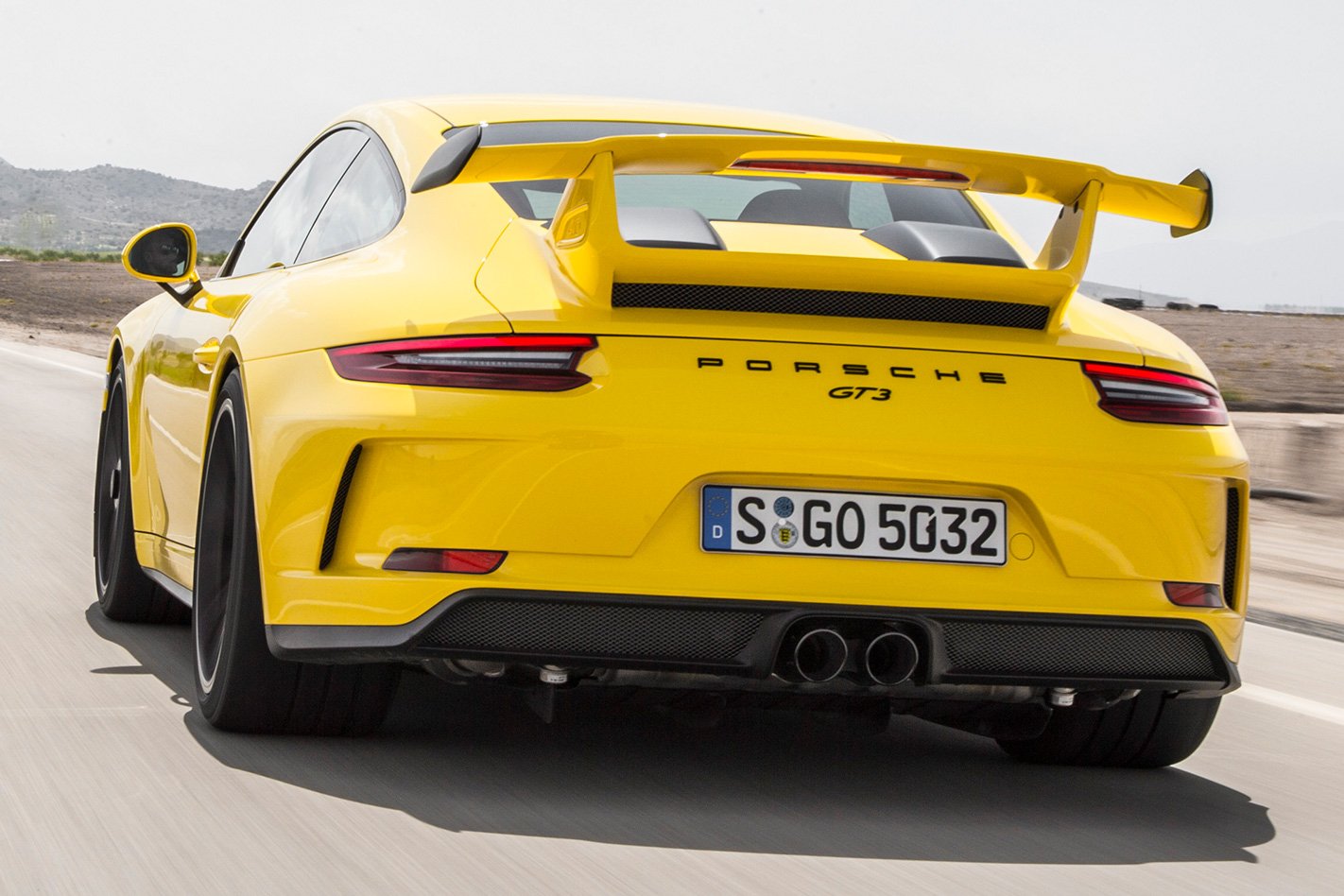
Unlike 911 R, it forgoes a single-mass flywheel in favour of a dual-mass item.
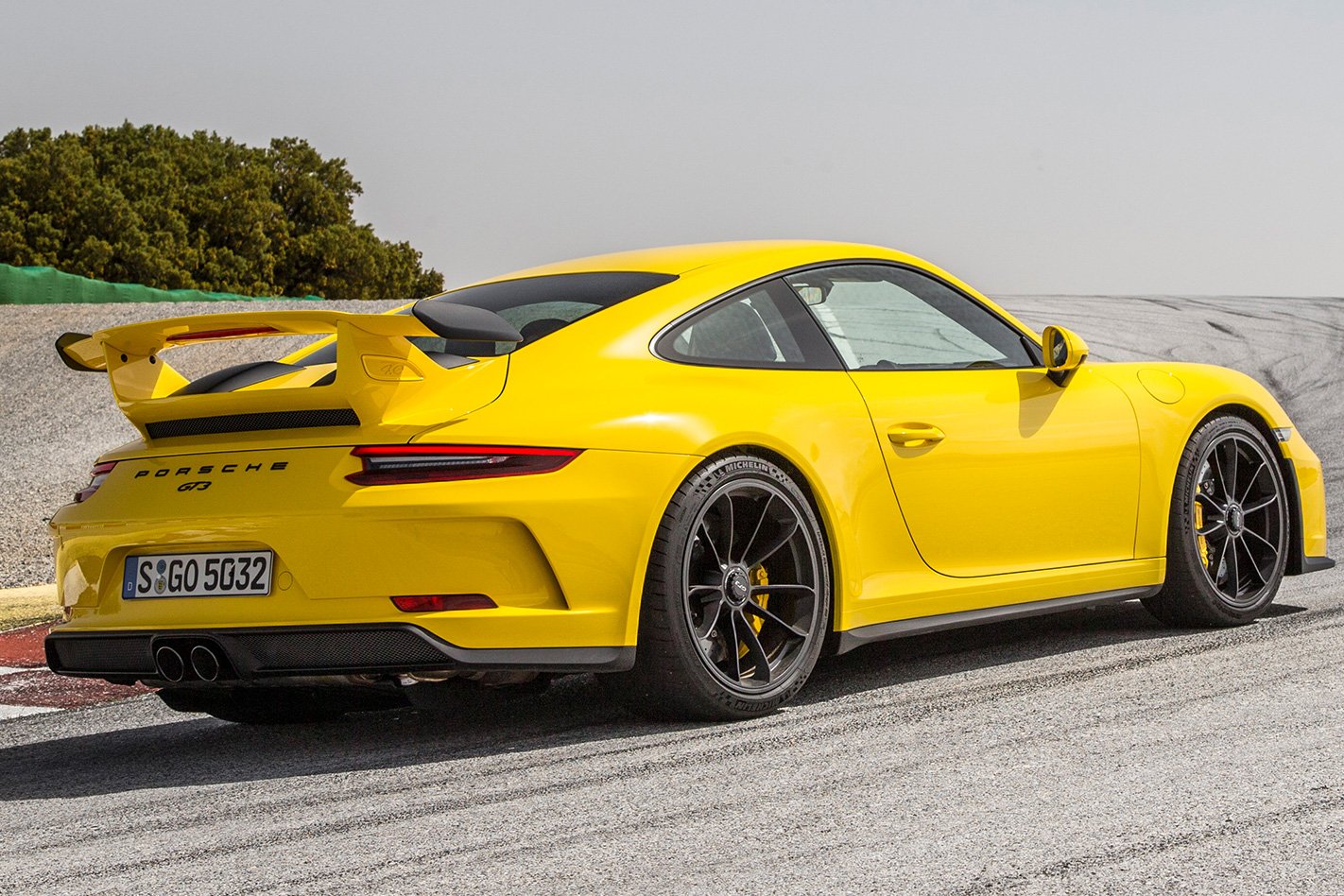
The new 4.0-litre engine’s character is slightly different to the old 3.8-litre unit. More torque, arriving 250rpm earlier than before, contributes to greater urgency through the mid-range when you’re really on it in second, third and fourth gears. The new engine also feels more eager across the final 2000rpm.
Build your own Porsche 911 GT2 RS
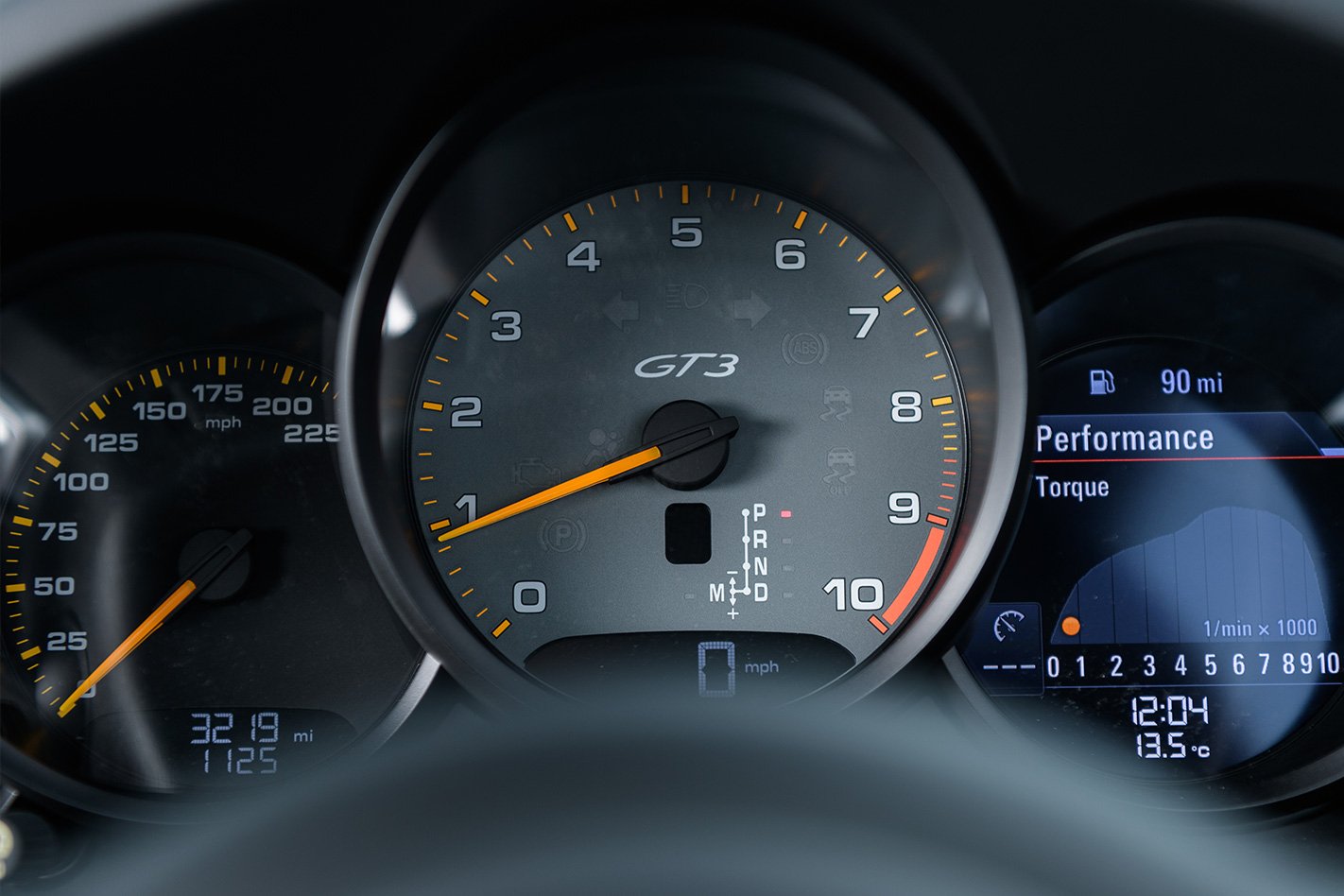
The heady rush of acceleration followed by the frenzied flood of revs that ensues demands full attention. The final crescendo to 9000rpm scrambles your senses as the interior fills with a maddening combination of wind, engine, road, induction and exhaust noise.
First impressions of the manual ‘box are extremely positive. The clutch is firm and has a very defined bite point. The gear lever, quite short, and within easy reach, has a superb action, although shifting does require some heft and determination from the driver, especially on the upshifts.
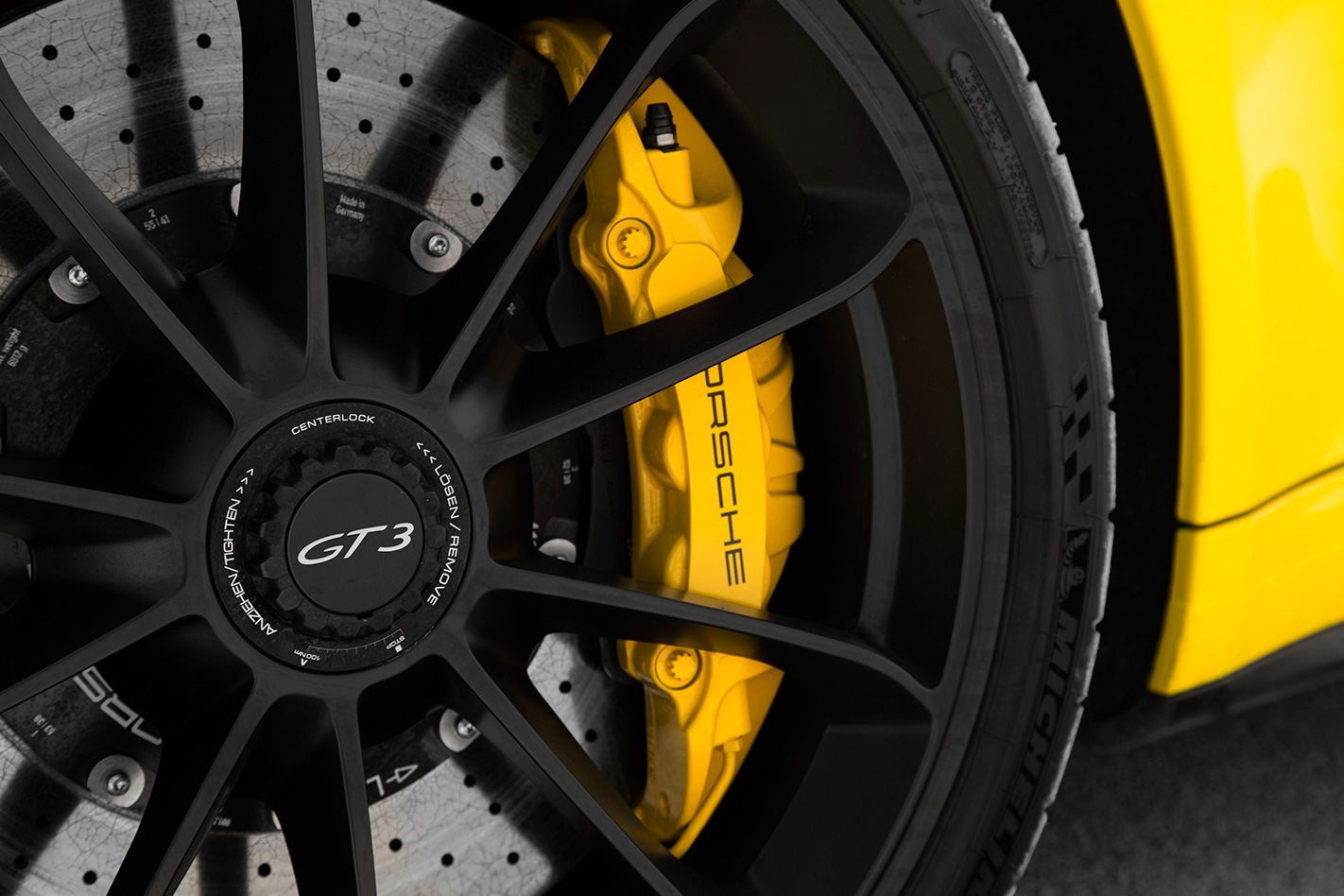
The 911 GT3 is utterly absorbing. Where this new manual gearbox-equipped model scores is in its ability to truly involve the driver in a way the double-clutch automatic gearbox-touting model ultimately fails to achieve.
In the very best of Porsche traditions, it communicates with very clear and precise lines of engagement, challenging the driver to dig deep into its wonderfully potent seam of performance.
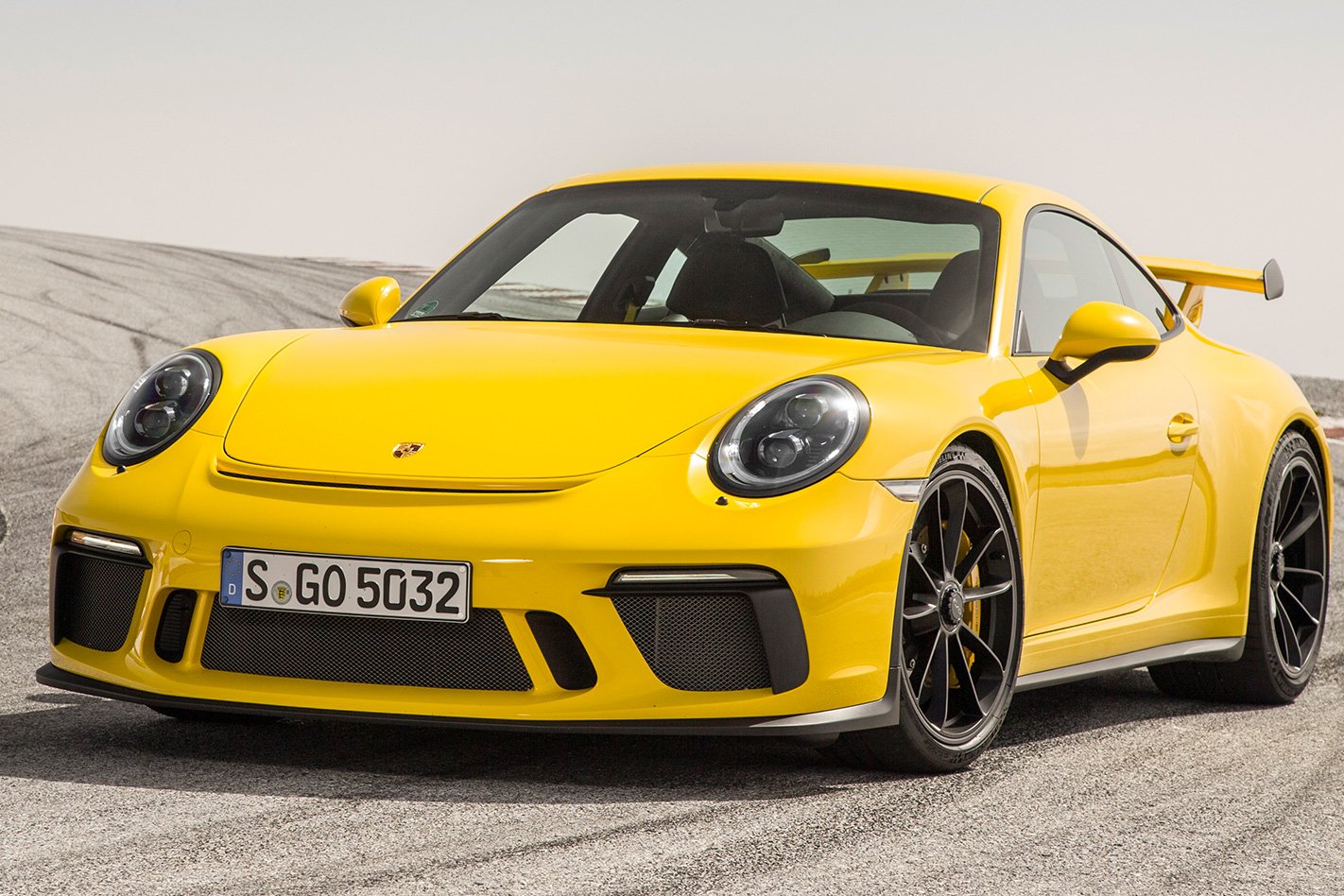
But as spectacularly good as the manual version of the new Porsche 911 GT3 is – and it really is stunningly effective – I wouldn’t recommend it to anyone who intends to do an intensive amount of track day running. Get the PDK.
The decision now faced by buyers of the latest 911 GT3 is the same one Porsche faced when it set out to develop the thing.
In ultimate performance terms, the PDK model is king. But for emotional appeal, there’s nothing like the manual version tested here.5 starsSpecs: Engine: 3996cc flat-6cyl, DOHC, 24v Power: 368kW @ 8250rpm Torque: 460Nm @ 6000rpm Weight: 1413kg 0-100km/h: 3.9sec (claimed) Price: $327,100
BEHIND all of the glitzy presentation of McLaren’s P1 LM claiming a lap record around the Nurburgring Nordschleife, there’s a stack of early mornings, bad servo coffee, skinned knuckles and long autobahn trips.
Take five minutes out of your day to zone out with this video shot by Lanzante, the team responsible for making the P1 LM road legal.
There are some amazing hero shots of driver Kenny Brack on the Ring – and the car does indeed look a real handful setting the 6min 43.2sec mark – but there’s also some very cool footage of the car doing the unexpected, namely being driven back to the UK.
So yes, it’s fuel stops, schlepping through traffic on the Brussels ring road and cheap pizza and French fries on plastic seats before shuffling into a Eurotunnel carriage and heading back to Blighty ahead of its appearance at the Goodwood Festival of Speed. Where, incidentally, it’s the record holder for a road legal car.
IN 1995, Porsche was a basket case. No, really. In the entire fiscal year, it sold 19,262 cars.
That’s what the Dongfeng Fengxing Jingyi SUV (nope, us neither) sells in about two months in China alone.
Last year, Porsche shifted a record 237,778 units, a rise of 1234% from its 1995 nadir. Its half-yearly progress report suggested it’s easily on target to sell more than a quarter of a million cars in 2017. In terms of money made per unit produced, Porsche is one of the most profitable car companies in the world. So what happened?
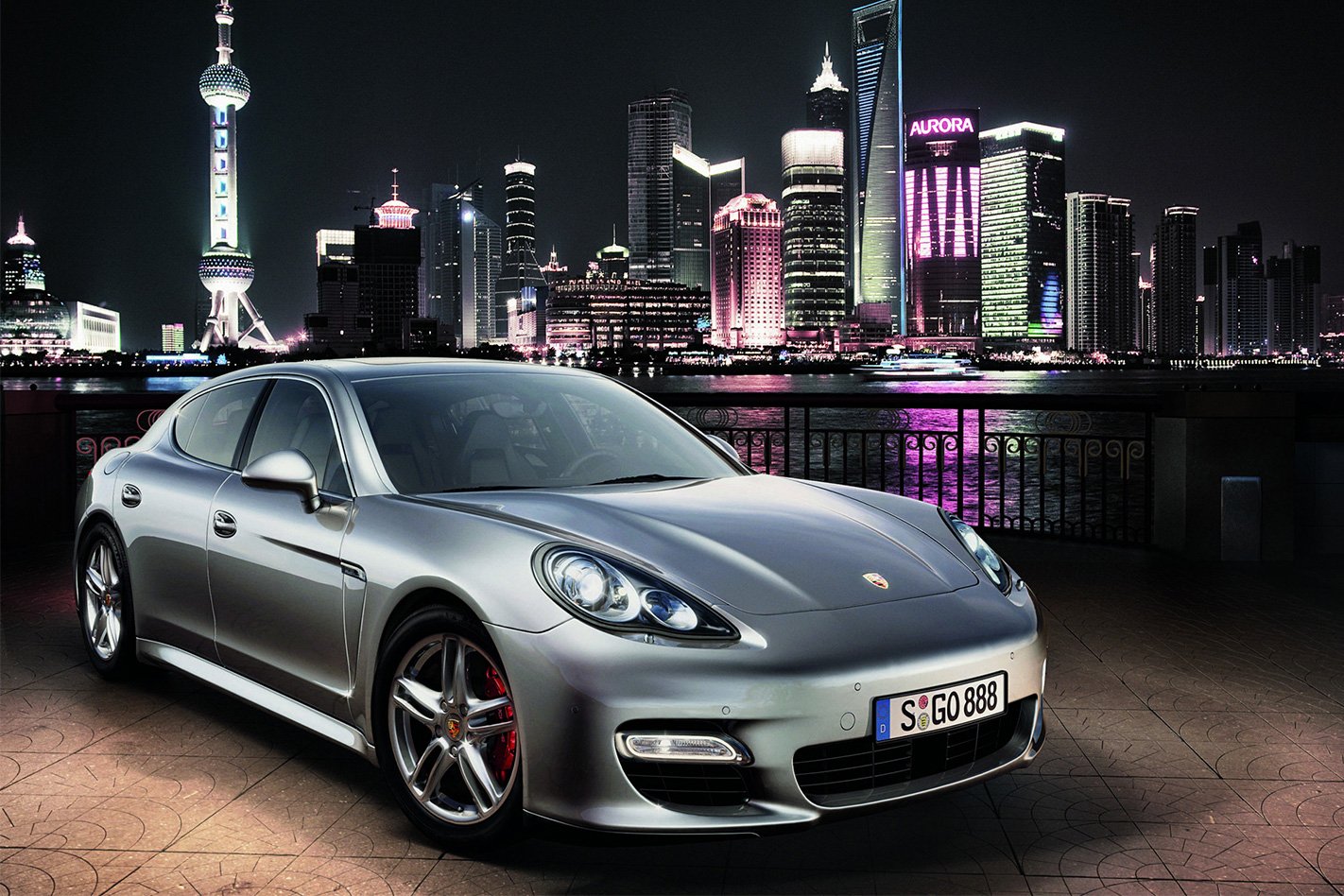
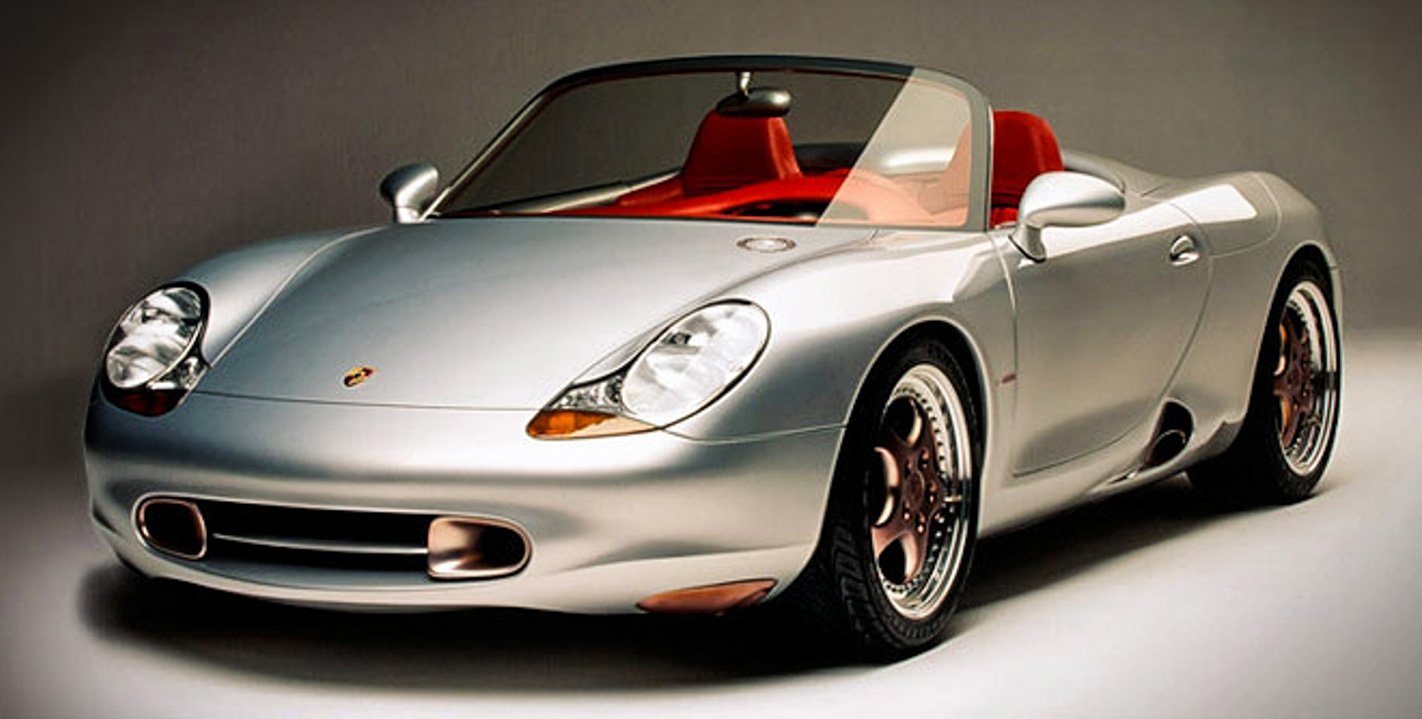
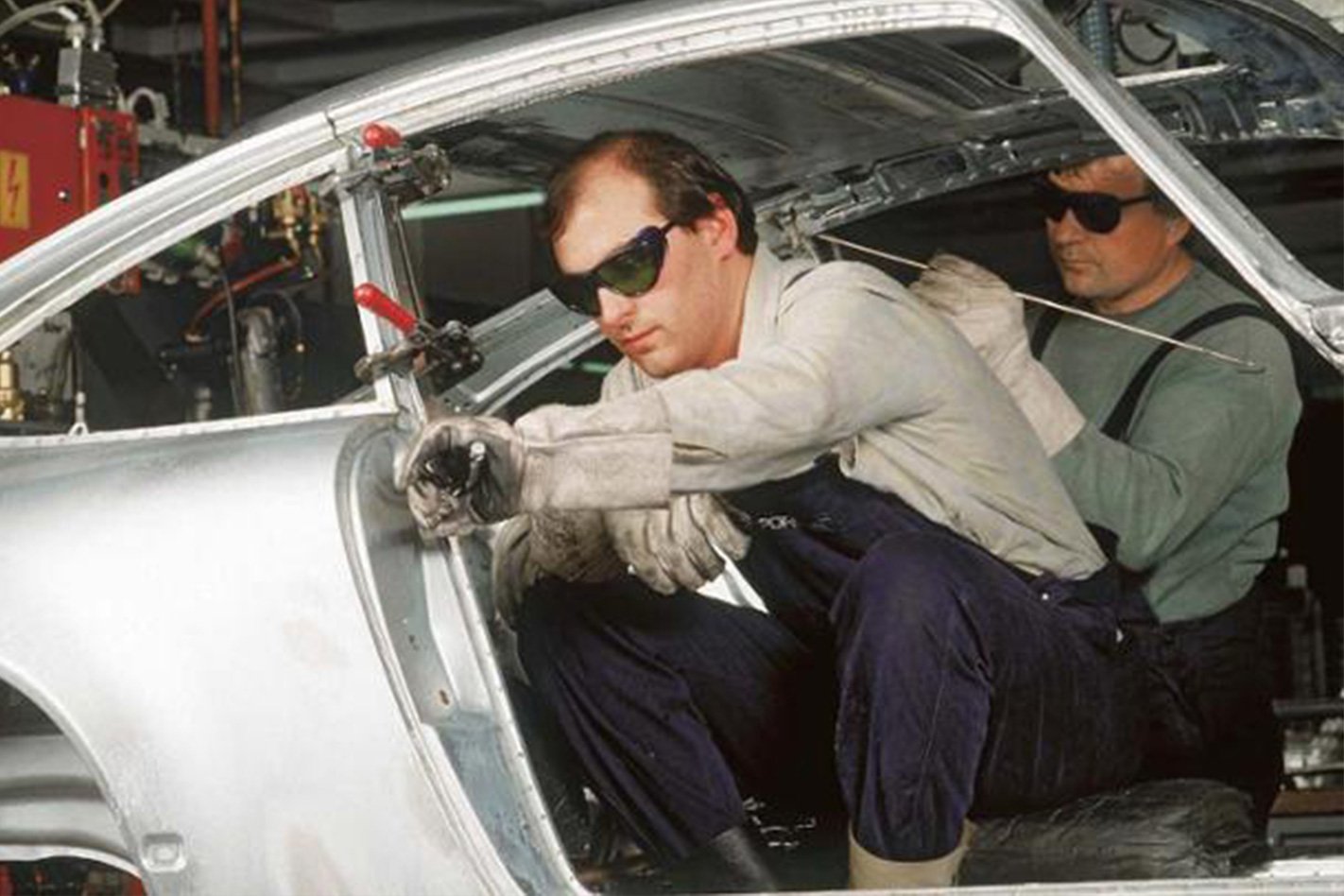
It probably won’t have escaped you that 1995 was the year before the Boxster went on sale. Porsche’s model range consisted of the tired 968, the nearly dead 928 and the last of the air-cooled 911s. For all the reverence that the 993-generation 911 is held in today, back in ’95 it felt archaic and sales reflected that.
The 993 found around 5,500 buyers that year. In other words Porsche’s core model range was selling 20 units per day worldwide. That’s unsustainable. And Porsche’s manufacturing process was an absolute shambles. According to a 1996 New York Times story, engineers would have to rifle through parts bins and climb ladders to search shelves to build a single car.
Porsche turned to Toyota for help. The Japanese analysed Porsche’s processes and instituted a series of ‘just in time’ production methods. Procurement procedures were sharpened up and a more direct focus was put on reducing the cost of build.
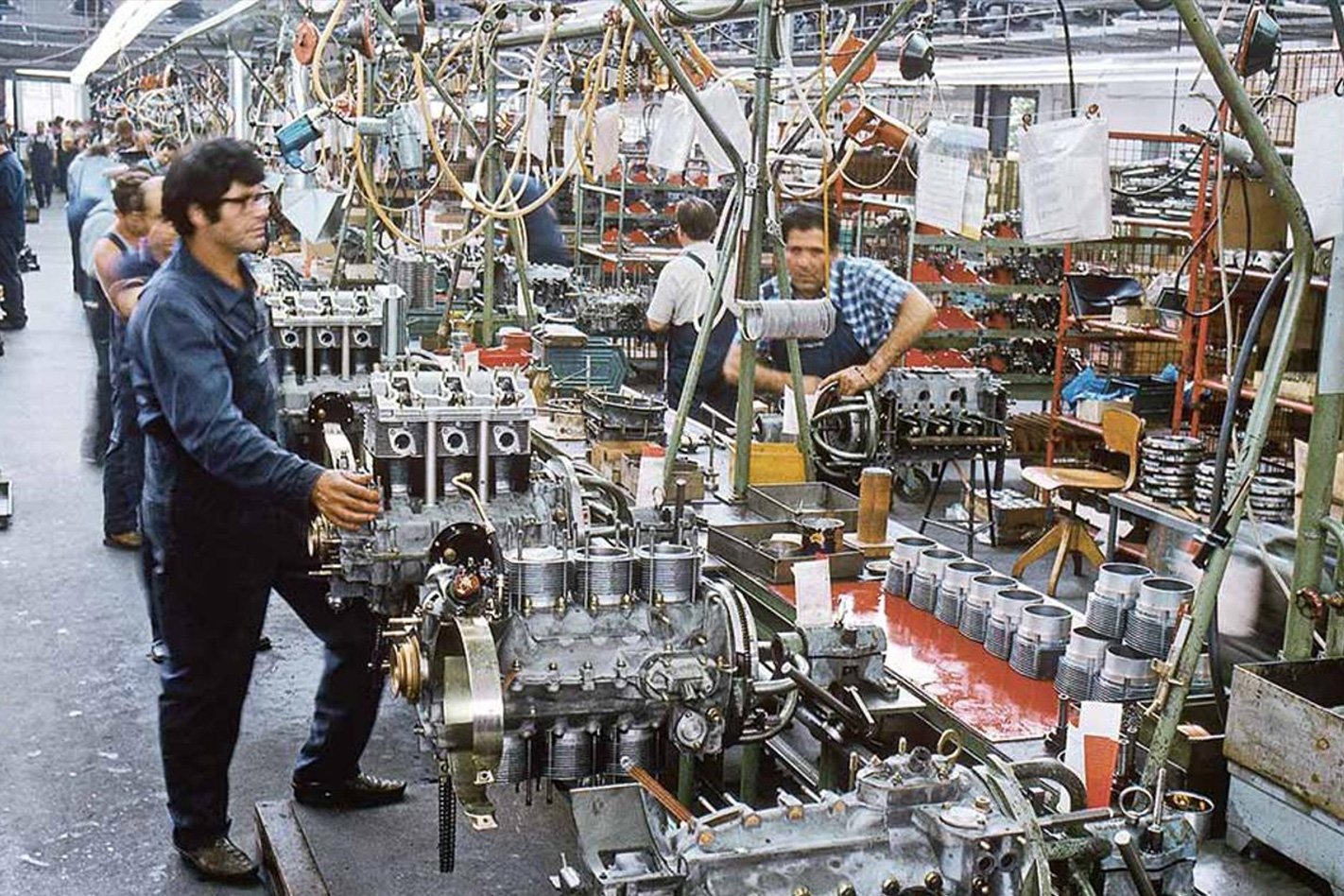
Porsche claims it slashed the assembly time for one car from 120 hours to 72, and the number of errors per car had fallen by 50 percent. Building parts commonality between the 996-generation 911 and Boxster also hugely increased the profitability of the latter car but at a price.
Porsche cut corners everywhere to reduce the cost of construction. The 996 was, in terms of build quality, a poor car. The engine design was fundamentally flawed, with a litany of failures from oil leakage at the rear main seal to cylinder head failure. Porsche blithely ignored stories of porous engine blocks and intermediate shaft failures in a terrible corporate failure of denial and obfuscation.
And the huge revenues it earned helped pay for the development of the second golden egg-laying goose, the Cayenne SUV. You probably know the Cayenne story already, so we’ll press fast forward.

In 2015, Macan and Cayenne accounted for 68 percent of sales. Porsche is now an SUV company that makes a few sports cars on the side. The Macan, a model that didn’t exist one year previously, represented a third of Porsche’s sales. Think about that for a moment. Those are all conquest sales, registrations that come straight out of BMW, Mercedes and Volvo’s bottom line. Or, if you’re a little more cynical, result in a bit of internecine cannibalism from VW Group siblings Audi.
News outlet Bloomberg reported last year that Porsche profited by more than A$23,000 on every car it sold. That figure’s derived from a reported operating profit of A$5.75 billion (€3.9 billion) divided by sales. Compare that to BMW and Mercedes-Benz, who make about A$6500 per vehicle from sales around the world.

Okay, so Porsche still has a way to go to equal the A$118,000 per vehicle that Ferrari makes, but around a third of Ferrari’s profits actually come from merchandising, theme parks, spare parts sales and sporting sponsorships.
So Zuffenhausen continues to grow fat, basking in the largesse of buyers who can’t get enough of its vehicles. The Chinese market is booming for Macan and Cayenne, while sales of the new Panamera leaped by 54 percent year on year. One of the hidden effects of this shift to larger cars is that the vehicle that saved Porsche from bankruptcy, the Boxster, now occupies one of its most specialist niches. Just 12,848 Boxsters found new owners in 2016, representing only 5.4 percent of Porsche’s sales.

Porsche probably doesn’t mind. Its motorsport endeavours still present a sheen of pure-bred credibility and those enormous SUV sales fund ever more magnificent sports cars. But spare a thought for a time not so very long ago when the company was less a paragon of German efficiency and more a case study of inept management. If Porsche can turn around in this manner, perhaps it’s not beyond some of today’s strugglers to do likewise.
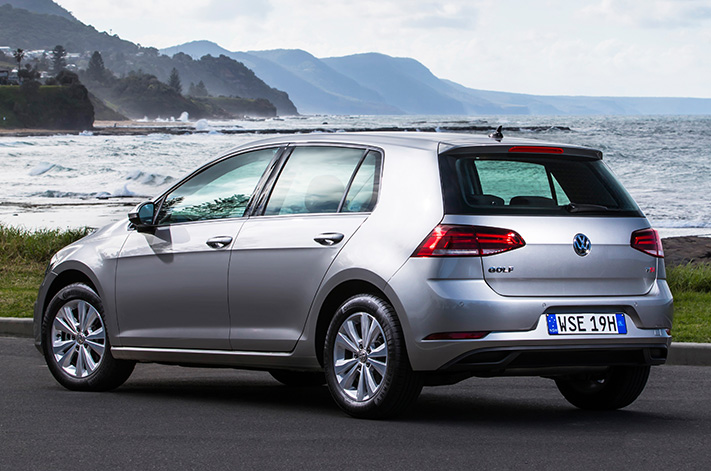
VOLKSWAGEN GOLF 110TSI HIGHLINE
Price & Equipment
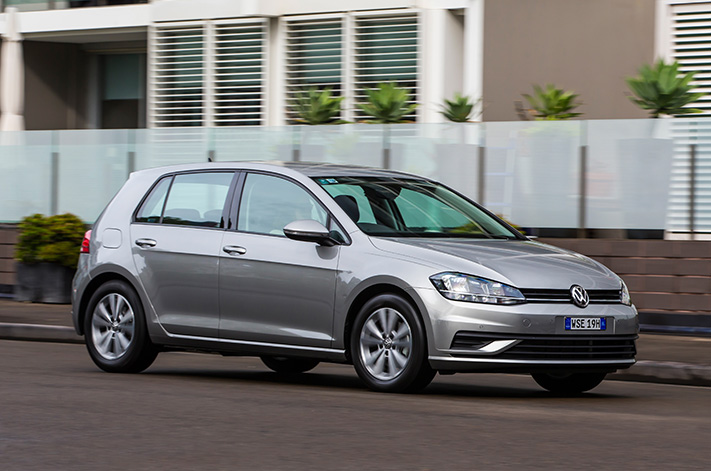
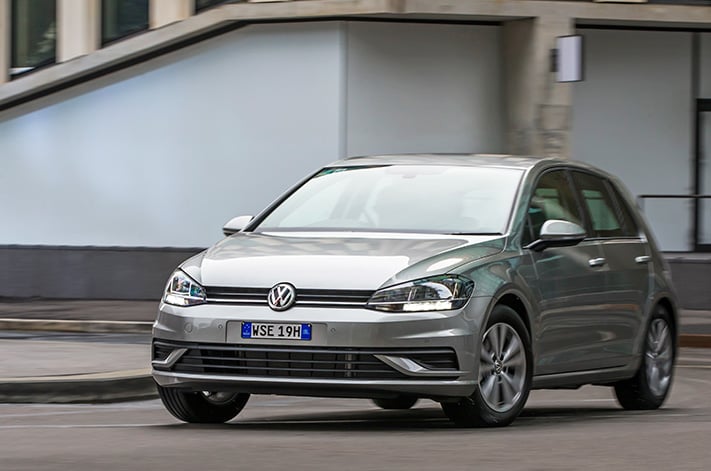
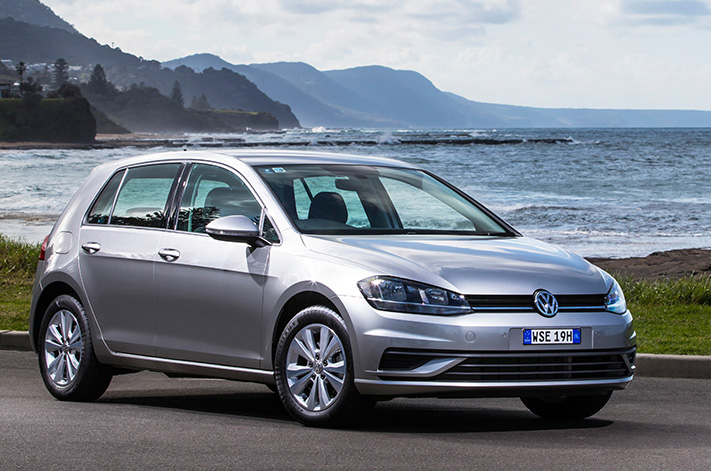
At $34,490 before on-road costs, the most premium sub-GTI VW Golf is straying into serious prestige contender territory occupied by the Audi A3 and BMW 1 Series, but for those who are willing to look past a badge are offered a generous list of kit by comparison. Automatic dual-clutch transmission, panoramic sunroof and AEB are a handful of the standard features. A so-called 7.5 mid-life update has also freshened a look that wasn’t dating. 18/20
Interior & versatility
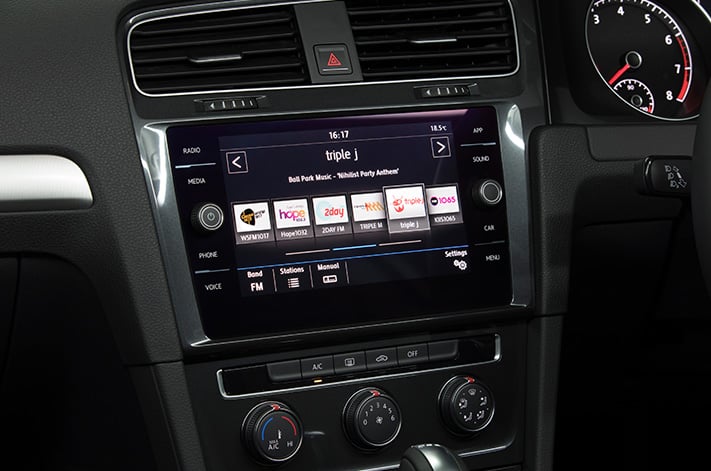
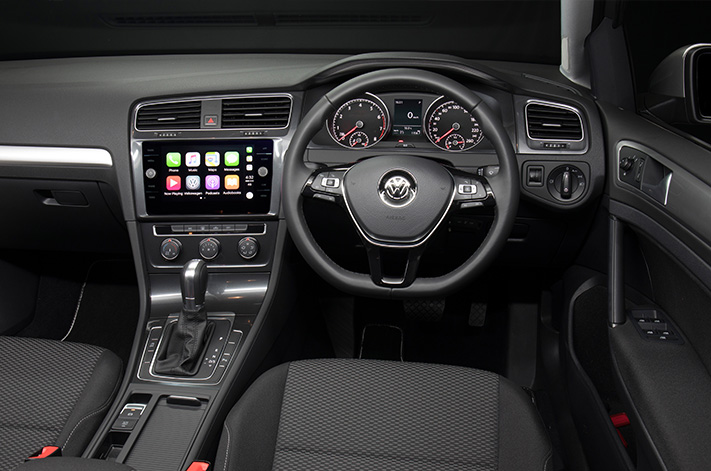
The Golf cabin has been upgraded with a larger 8.0-inch central screen, while an optional Infotainment pack boosts it to a 9.2-inch version with gesture control, complemented by a fully digital Active Info Display, which swaps conventional gauges for a 12-inch screen. The top-shelf Golf Highline gets part-Vienna leather interior which can be dressed up with R-Line sporty bits as another option. A 380-litre boot is expandable to 1270 litres with 60/40 folding rear seats. 18/20
Performance & economy
Under the bonnet of the Golf, a diminutive 1.4-litre turbocharged TFSI petrol knocks out 110kW and 250Nm, which is good for zero to 100km/h in 8.2 seconds, says VW. The golf is therefore not particularly fast but has more punch than simply adequate. Economy is its strong point with an average fuel consumption of 5.4L/100km. 14/20
Ride & refinement
There are more cosseting rides to be found in the small hatchback segment especially when the Highline is riding on optional 18-inch alloy wheels, but the Golf manages a decent balance of comfort and performance. Larger wheels also translate to more cabin noise on coarse surfaces but the embience is generally on the more serene side. An honourable mention must also be given for the Golf’s interior quality, which is of a standard rare if not completely non-existent in its class. 17/20
Steering & handling
Independent rear suspension is by no means a given in this segment and a feather in the Golf’s cap, although the Hyundai also has the more sophisticated arrangement. VW has tailored the chassis for a more rewarding driving experience and the Golf has a sporty nature on driver’s roads. Steering is smooth and precise and offers the driver lots of feedback when on the move but light effortless manoeuvring when about town. Regardless of the specification, the Golf range is equipped with among the most ergonomically perfect and comfortable steering wheels in the business. 18/20
Verdict
The Golf really didn’t need an update to maintain its strengths in the small hatch market but the 7.5 is a sharpened package of quality and value that makes sense. Sporty looks and dynamics will keep driving enthusiasts happy, while room for five, a decent boot and a frugal but not soporific engine enhance its proposition as a day-to-day drive. 85/100
HYUNDAI i30 SR
Price & equipment
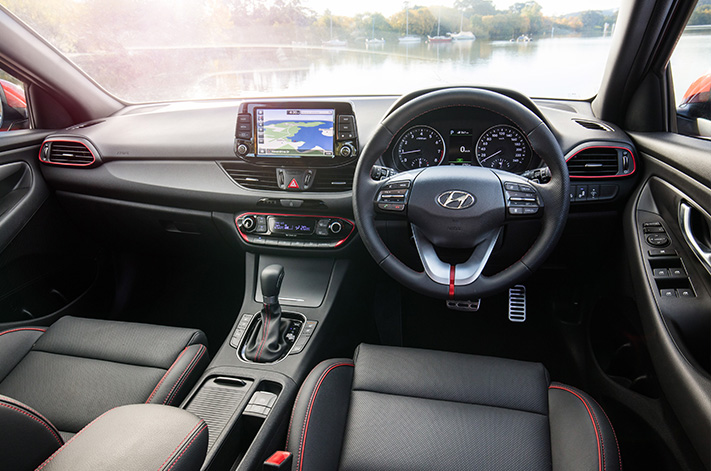
There are not many small hatchbacks that are powered with 150kW for under $30,000 but the hottest Hyundai i30 until the i30 N comes along will give you $1050 in change when fitted with the optional dual-clutch automatic transmission. Go for the manual and you’ll save another $3000. The i30 SR is also decked out with a serious amount of kit including heated and cooled seats, large glass roof, part leather interior and 18-inch rims as standard. 18/20
Interior & versatility
The Hyundai can’t touch the Golf’s sheer excellence in terms razor-sharp interior quality and design but still scores highly with good quality materials and a roomy cabin that is dusted with reminders that it is a higher-performance variant. At the back, a 395-litre boot trumps the Golf as does the expanded volume of 1301 litres. 15/20
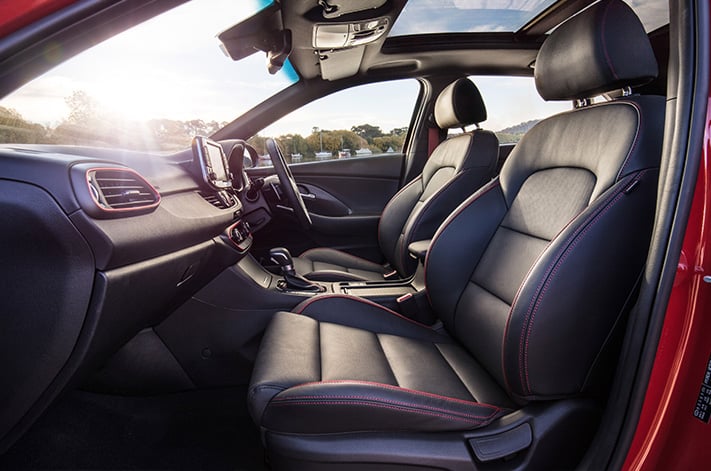
Performance & economy
With a whole 40kW and 15Nm more engine output than the Golf, the Hyundai wins in the power stakes hands down thanks to a 1.6-litre turbo engine and a zero to 100km/h acceleration time of 7.3 seconds as tested by our friends at wheelsmag.com.au. The South Korean contender does sacrifice some economy for the more impressive poke with an official combined economy of 7.5L/100km. 15/20
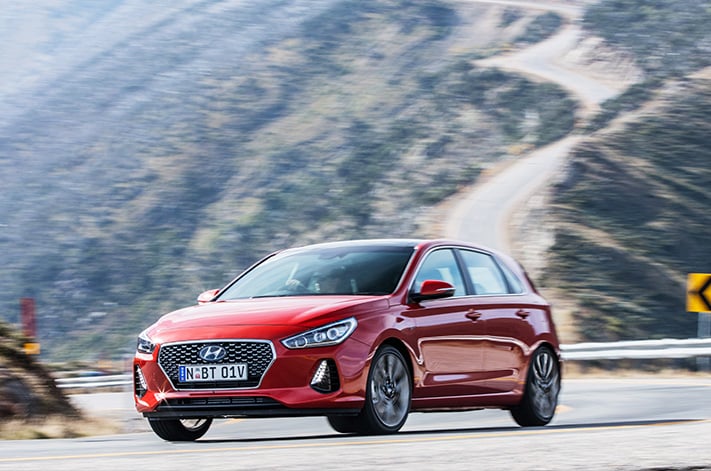
Ride & refinement
Like the Golf, the Hyundai’s independent rear end imparts a more mature ride and road-holding than character than many vehicles in the segment. While the Golf must be optioned to ride on the largest 18-inch wheels, the Hyundai has them as standard but the ride is a little more forgiving than the Golf for a marginally more relaxing cruising nature. Down low, the Hyundai’s engine note is the pick but is beaten by the Golf engine refinement higher up in the rev range. 15/20
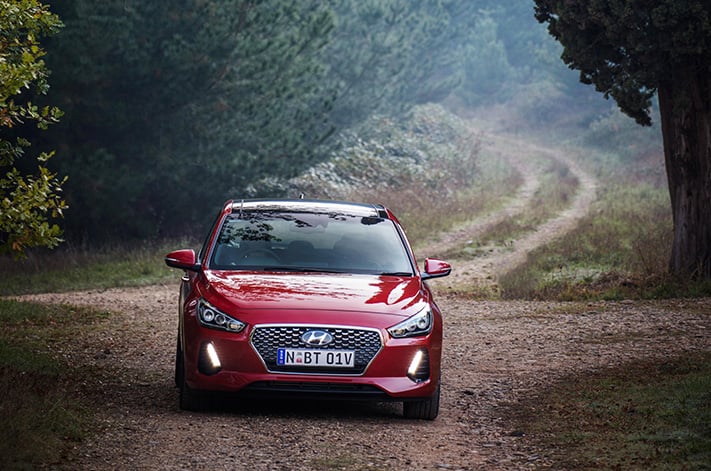
Steering & handling
It’s a close fight between the two cars when it comes to handling and driving fun with both models offering a hugely involving character. The Golf edges out in front with outright grip and confidence, but the Hyundai wins for steering feel, turn-in positivity and front-to-rear weight balance. 18/20
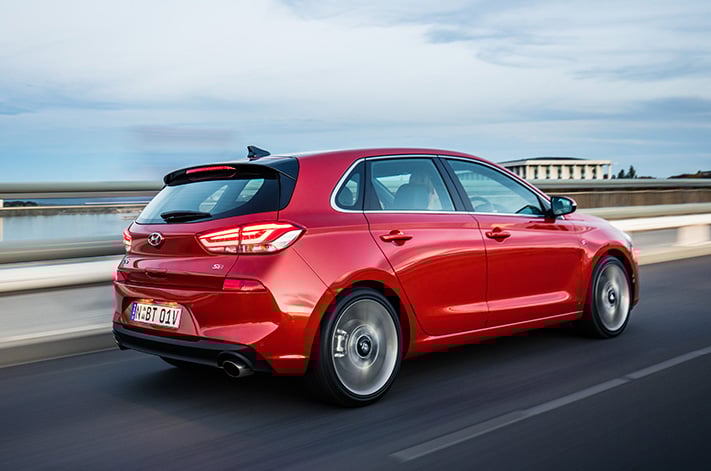
Verdict
As a performance proposition, the Hyundai i30 SR marginally draws out a lead on the Golf with more power and sophisticated handling, but the Golf fights back with champion road manners, coupled to class-leading build quality and looks that haven’t aged a day since its introduction four years ago. The 7.5 update has only enhanced its cause. Look past a badge though, and the Hyundai offers the value pick of the pair. 81/100
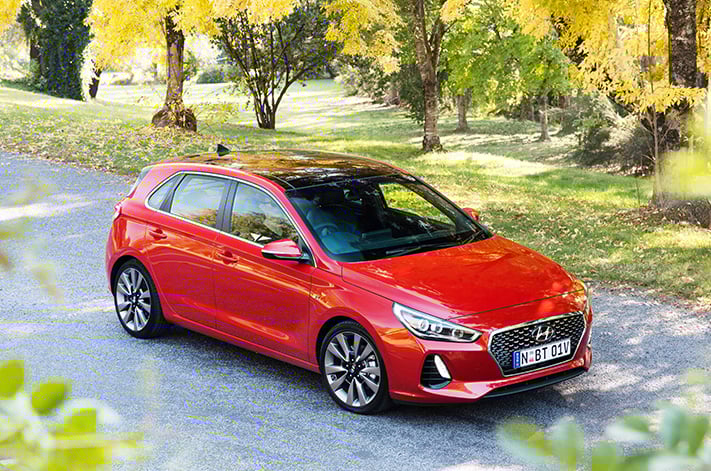
Aussies have another reason to blame the heat.
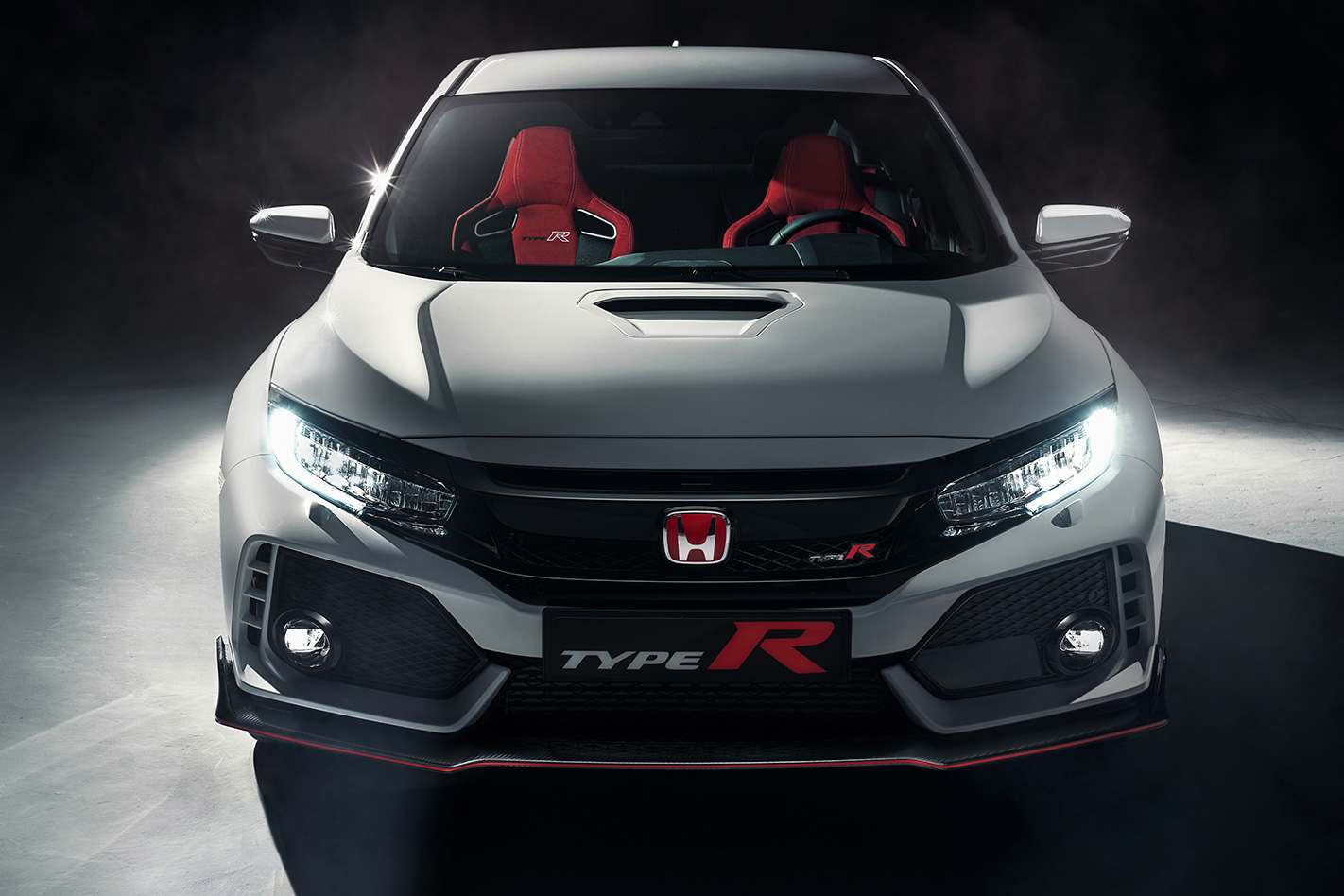
Honda has detuned the incoming Civic Type R for Australian conditions thanks to our hot weather and poor fuel quality.
The new Civic Type R’s engine has upgraded its VTEC system, ECU system, and exhaust for a total of 235kW, or an extra 7kW above the succeeded 2015 car.
However, while European and Japanese models score 235kW our cars will instead land with a 228kW spec engine, an output in line with the previous model.
“This market, Europe [has] RON 98, so super premium gasoline,” he continued.
“And Japan over 98 to 100 RON. This is very pure high octane gasoline. So then these markets we proposed 320 PS. Australia has RON 95, so we produce 310 PS.”
Why Honda Should Make a Jazz Type R
While locally sold engines will be identical to overseas versions, Yuji reveals limiting boost and fuel flow have been the way to slightly blunt power.
The reasons stem from reliability, something Honda prides itself on. “So we have good guarantee into the market 310PS in your countries is better,” Yuji said.
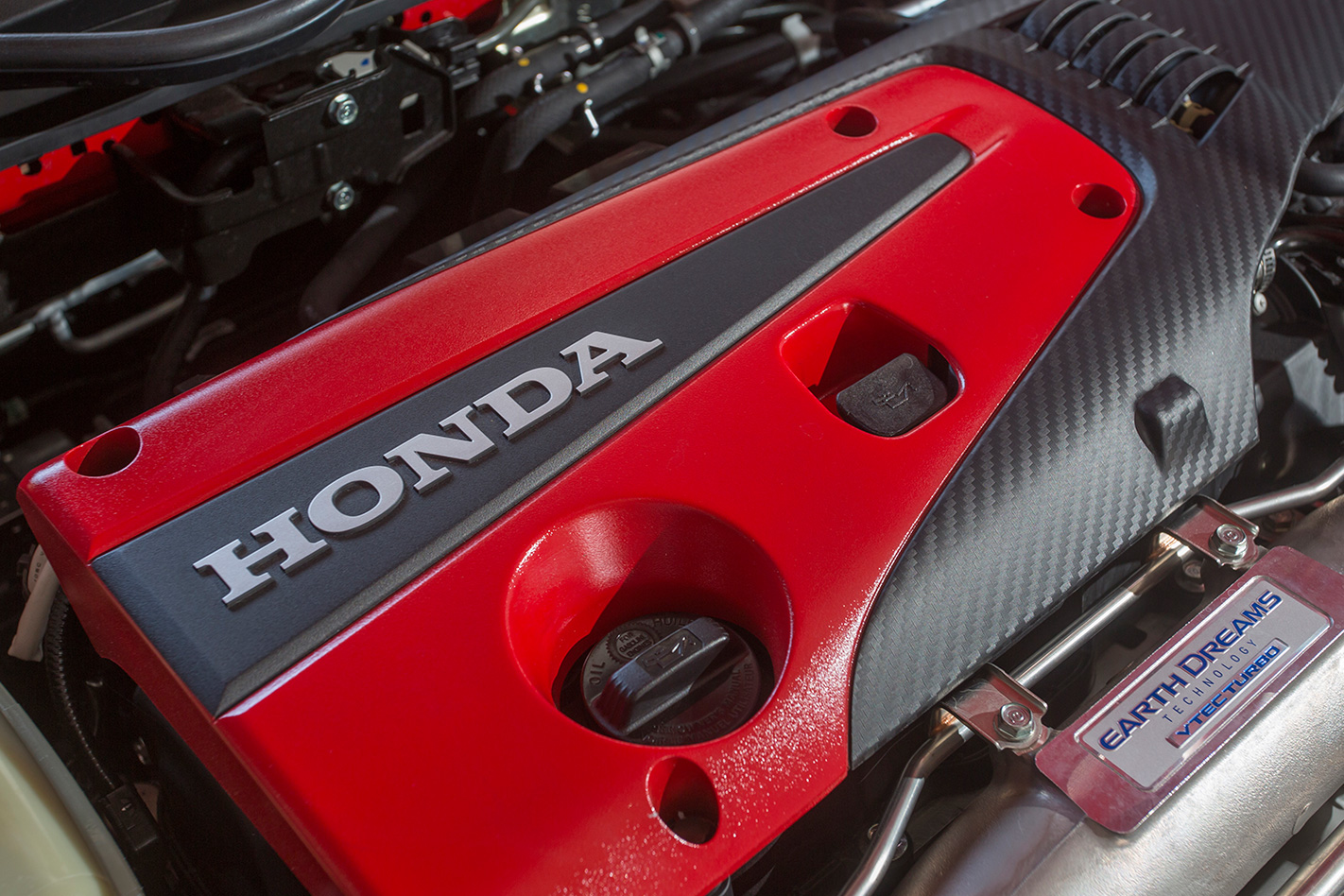
Regardless of what fuel is used, Aussie Civic Type Rs will deliver the overseas model’s full 400Nm from 2500rpm to 4500rpm.
The all-important 0-100km/h sprint hasn’t been tarnished, either, claimed to still take 5.7sec.
The detuned Civic Type R will be also be sold in Thailand which, like us, suffers from hot weather and doesn’t enjoy premium fuel availability like Europe, USA or Japan.
Honda couldn’t confirm whether Middle Eastern markets receive a detuned power figure or the outputs in line with Europe.
The Civic Type R isn’t the only one to play it safe. The Volkswagen Group wound back power in the Audi S3 and VW Golf R from 220kW to 210kW for similar reasons.
