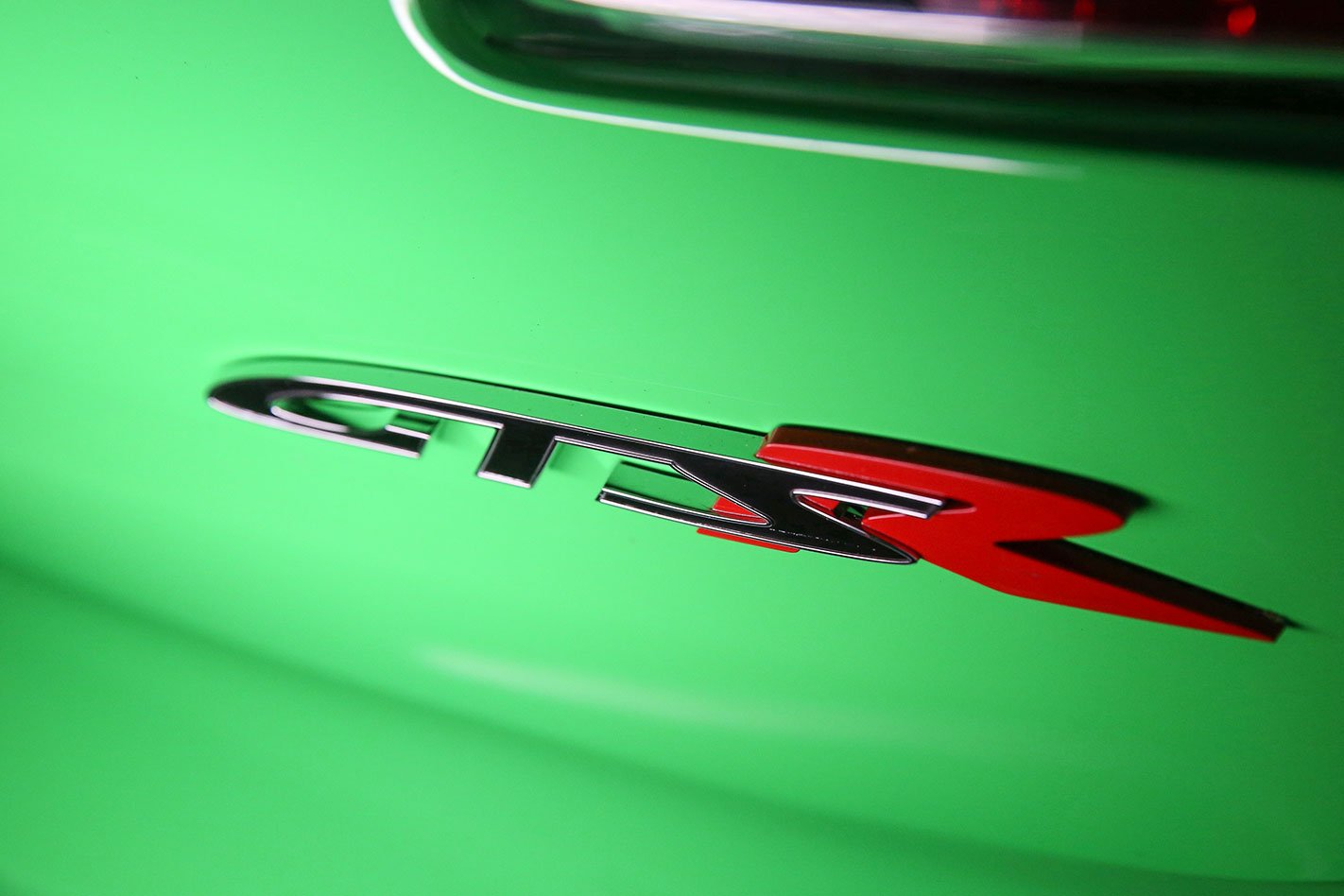
The latter-day GTS-R was more than just a nod to the GTS-R of 1995. In fact, it’s a love letter to the whole rear-drive, V8 HSV dynasty which, as you would know already, ends right about now.
Oh sure, the HSV GTSR W1 is the attention seeker of the family, but since it’s actually based on this car, that whole GTS-R mob stands as the pinnacle of what could be done, not to mention an anthemic way to bow out.
Walkinshaw W557 package announced
Within the F2 GTS-R line-up, there’s a choice of either the GTS-R sedan or the Maloo GTS-R ute and either of them gets the good bits. Those include the wide-body front guards and apron which allow for a 265 front tyre and give the car a meaner, harder look when it looms up in your mirrors. But there are also specific fascias, fender vents a rear diffuser and exhaust tips and inside, there’s alcantara aplenty.
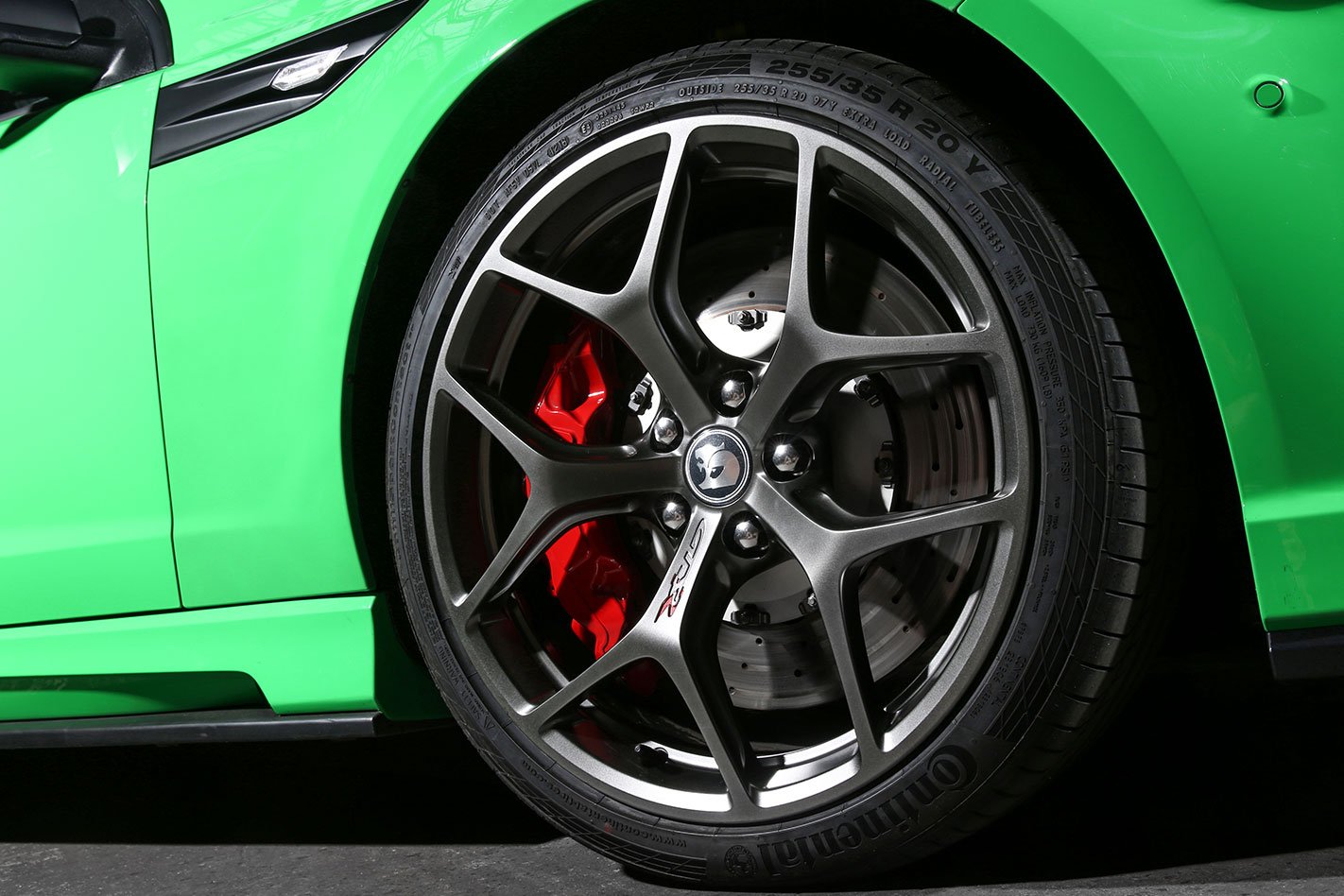
Wheels become a forged 20-incher and there’s finally a 295 tyre on the rear.
It’s the braking package that has come in for the most attention in the ramp-up to GTS-R, though, and that starts with a set of monster front rotors which will stretch the tape-measure to 410mm.
One-off HSV VX Series 2 GTS for Sale
They’re a two-piece design, too and are fully-floating. Next-generation AP calipers are now a Monobloc design and run to six pistons at the front while the rear gets four-potters.
While there’s no doubting the appeal of the W1 big-hitter, I’ll go out on a limb here and suggest that if you actually want a HSV you can live with and maybe even drive on the road (god forbid!) then the GTS-R is a better bet. For starters, you’ll drive home from the dealership with an extra $60K in your sky-rocket, and that buys a lot of beer, petrol, dirt-bikes and a bunch of flowers for the significant other.
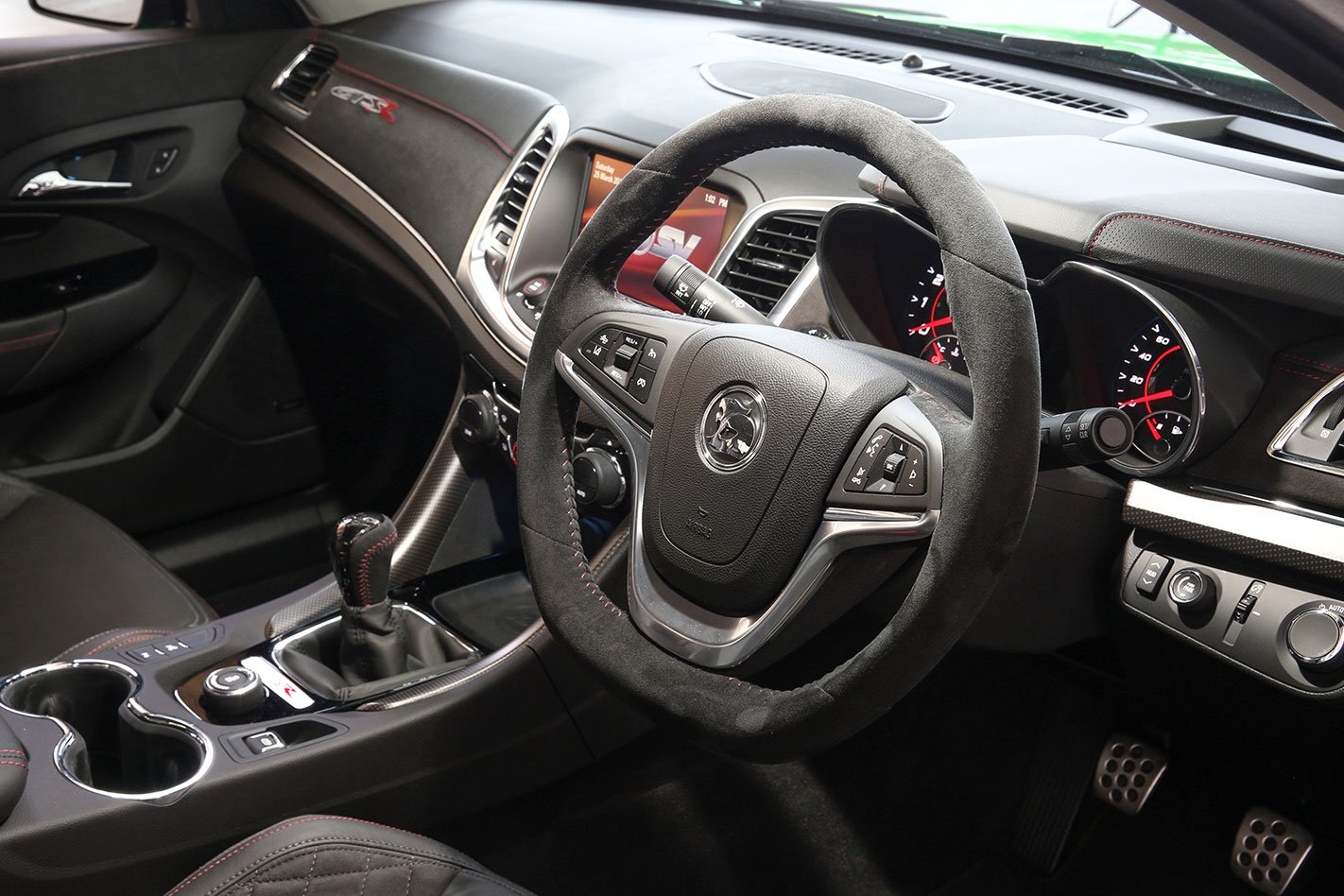
And anyway, you do still get the lush diamond-stitching in the leather/alcantara mix, so it’s hardly a vinyl taxi-pack interior, right? And should you desire an automatic transmission, then the W1 is ruled out again, because it’s manual-only. And the auto GTS-R is nicer again, because you get paddle-shifters.
You don’t get the W1’s Supashock, V8 Supercar-spec dampers in the GTS-R, but the Magnetic Ride Control adaptive arrangement you do get is possibly a better bet when bumps and speed humps come into the reckoning. As it is, the springs on the W1 are almost as hard as a V8 Supercar’s set-up for a street circuit. Ouch.
And those semi-slicks on the W1? Don’t make us larf. They’ll be horrible in the wet, they’ll wear out fast and most W1 owners intending to actually drive their car will be up for a second set of wheels and another four tyres.
Likely they’ll choose something like the ContiSportContact 5Ps that the GTS-R already has as standard.
And if real-world useability and practicality hasn’t been a cornerstone of local muscle over the years, then we don’t know jack.
Specs: Engine: 6162cc supercharged V8, OHV, 16-valve Power: 435kW @ 6150rpm Torque: 740Nm @ 3850rpm 0-100km/h time: We don’t know… yet Weight: 1886kg Price when new: $109,490 Years on sale: 2017
We drive a 300km/h cigar lounge that offers a thunderous V8 ruckus and no apologies.
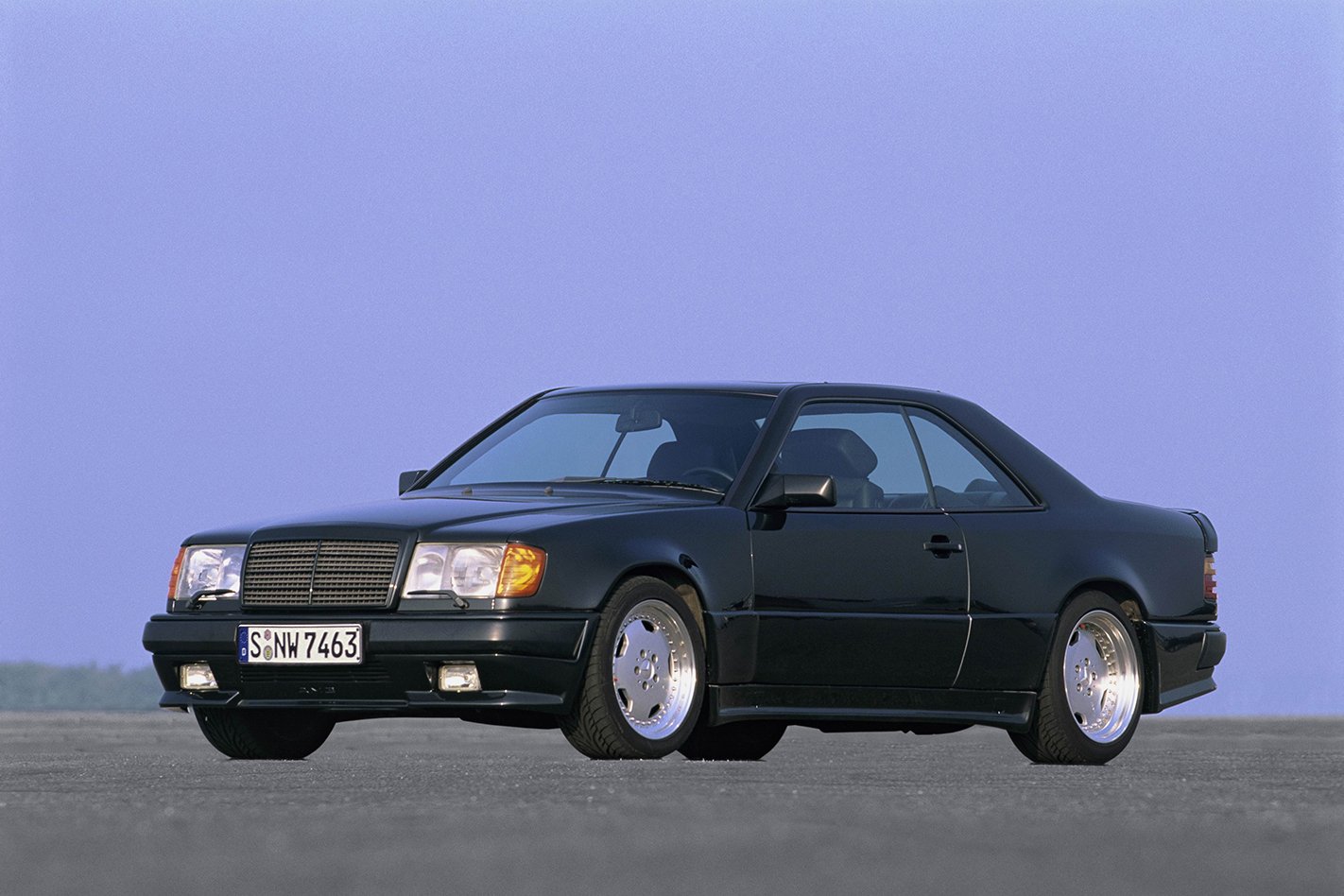
WHAT IS IT? Before AMG and Mercedes-Benz were bedfellows, AMG was building a type of go fast or go home E-Class for people with blank cheques and excellent taste. It was dubbed the ‘Hammer’ and the 300CE 6.0 AMG Breitcoupe was the most extreme version. It has a modified V8 engine from the S-Class, flared two-door bodywork and a top speed of more than 300km/h.
WHY ARE WE TESTING IT? We’re only human. AMG celebrated its 50th birthday at the Nurburgring 24 Hour this year, and brought along a fleet of heritage vehicles to mark the occasion, including a 300CE 6.0 Hammer.
MAIN RIVALS None are quite like it.
THE WHEELS VERDICT A hard-hitting tool that epitomises AMG’s big, brash V8 bruisers from the 1980s. The 300CE 6.0 AMG delivers its Hammer blow on all levels with an epic V8 soundtrack, huge grunt and the looks to match.
PLUS: Monstrous engine; cruising ability; ‘80s styling; that nickname MINUS: Transmissions have come a long way; scarcity; price
THE WHEELS REVIEW IN the mid-to-late 1980s, if you reeked of money and wanted an extremely fast way to move four people a long distance, an AMG ‘Hammer’ was the thing to own. No other car before or since has had a more perfectly expressive epithet.
American fans coined the nickname in 1986 when AMG started shoehorning V8s from the W126 S-Class into the smaller W124 300E sedan in either standard 5.0-litre capacity or, if money was no object, bored out to 5.4-litre with twin-cam heads and laughably over-the-top outputs for what was still supposed to be a stately executive saloon.
Mercedes-Benz updated the W126 in 1987 with a 5.6-litre V8. So AMG upped the ante, too. The 300E 5.6 AMG made 265kW and 510Nm and was one of the world’s first sedans capable of more than 300km/h. 303km/h, to be exact. A number that was ridiculous at the time and still deserves respect almost 30 years later.
But AMG’s biggest, bluntest instrument of all went a few steps further. The Mercedes-Benz 300CE 6.0 AMG ‘Breitcoupe’ was a widebody two-door version of the Hammer that stretched the bigger V8 to 6.0-litres and flaunted outputs of 283kW and 566Nm.
It was the ultimate iteration of the formula, and the car that finally gripped the imagination of Mercedes-Benz and lead to the start of an exclusive partnership in 1990 that continues today.
Before that, buying an AMG was different. First you emptied your pockets at a Mercedes-Benz dealership, then you took your brand new car to AMG, piggybank in hand, and selected from a menu of cosmetic and performance upgrades.
AMG was just one aftermarket tuner in a cast of thousands to offer a similar service. Boschert would take your W124 and put gullwing doors on it, Schulz Tuning could turn it into a six-door stretch limo, or SGS could cut the roof off to make it a convertible…
But only AMG would scrap the humdrum factory-fitted 3.0-litre straight-six and replace it with a fettled V8 nicked from the Mercedes-Benz flagship – much to the chagrin of the boys from Stuttgart, who were not completely on board with AMG’s practices at the time. Not a single Mercedes-Benz badge or star was allowed to be seen on the early cars.
AMG customers unbridled by budget could add further visual enhancements like three-piece 17-inch wheels, a ducktail spoiler and AMG exhaust tips. So expensive was it to spec a 300CE with the works that pundits claim as few as 12 widebody 6.0-litre coupes were built by AMG. Their value today is a bit of an unknown. A for sale ad last year put a price tag of €149,500 (A$220,000) on one.
That’s a lot of money for not much more power and torque than a modern Mercedes-AMG A45 (280kW/475Nm), but buying one of those instead would be completely missing the point.
The A45’s 2.0-litre four-cylinder just can’t hang with the fearsome V8 bellow of the Hammer, which isn’t as loud or unruly as I’d thought it would be. It’s a low and booming thunder that cracks at the top of its range when free-revving. Drop it into gear and it still feels fast in a straight line.
There’s a normal 300CE instrument cluster nestled in the classic wood veneer Mercedes dashboard and it shows redline at 6000rpm, but foot to the floor the Hammer keeps spinning until the needle goes off the end of the dial at a shade over 7000rpm.
That’s followed by a big shunt, from the four-speed automatic through to the standard limited slip diff’ as the primitive drivetrain slams into a higher gear. Kickdown is slow and clunky and it’s obvious transmissions have come a long way since 1988.
Everything else is unexpectedly refined. The Hammer is so easy to drive, and not at all the raucous hot rod experience I’d anticipated from a car pulled apart and rebuilt with so much extra grunt. A slender steering wheel guides the hefty front end. In fact, every control feels weighted and mechanical. Throttle and brakes need determined application, but it is effortlessly smooth as a whole.
There’s something refreshing about driving a car without hundreds of points of adjustment like the individual engine and damper and steering settings found in modern AMGs. The Hammer doesn’t care one bit for your Sport modes or traction control, though it does love an electronic gadget on the inside.
Heavily bolstered Recaro front seats have 19-way adjustment that I can’t make top nor tail of. Lots of old, important looking buttons sit on top of the lower cushioning but nothing is marked. I choose to leave them alone.
The rest of the cabin is pure ‘80s Teutonica and exactly what you would ask for from a 300km/h cigar lounge; thin A-pillars and big glass and the fantastic scent of old leather and high-octane fuel that has muddled together over nearly three decades into a piquant cocktail.
Best of all are the huge window openings on either side of the car when all four glass sections have disappeared into the doors and rear quarters. The coupe doesn’t have a B-pillar, and it’s impossible to resist resting an arm over the side.
The Nurburgring 24 Hour race is happening during all of this, and the streets are full of people waving and cheering at the Hammer as it rumbles past. It’s not the most subtle car, but it takes an enthusiast to know what it really is, and these people who do, adore it. And so do I.
SPECS Model: 1988 Mercedes-Benz 300CE 6.0 AMG Engine: 5953cc V8, dohc, 32v Max power: 283kW Max torque: 566Nm Transmission: 4-speed automatic Weight: 1685kg (est.) 0-100km/h: 5.0sec Fuel economy: Don’t ask Value: $200,000 (est.)
It was the kind of ink-black night you only every encounter hundreds of kilometres from the bright lights of the city, the stars hidden under a thick blanket of low-hung clouds, when Richard Hardy first spotted the alien spacecraft.
Hardy was walking with his wife in Belmont, about 90mins north of Sydney, when the bright blue light appeared as if out of nowhere, hovering for a moment before seeming to dive toward the ground.
“At first I thought it was a flare, it was a such a solid, glowing blue,” Hardy told his local newspaper. “It came in from the north-west, then slowly descended, and then it changed quickly from blue to red. Then it shot straight up for a couple of seconds…changed back to blue, then shot over towards the south-west.”
KTM X Bow available in Australia
That other-worldly encounter occurred in November 2013, and was corroborated by several others who also reported spotting this mysterious and strange-acting light. And it was only the beginning, with dozens more unexplained sightings popping up all over the Hunter region in the months and years since.
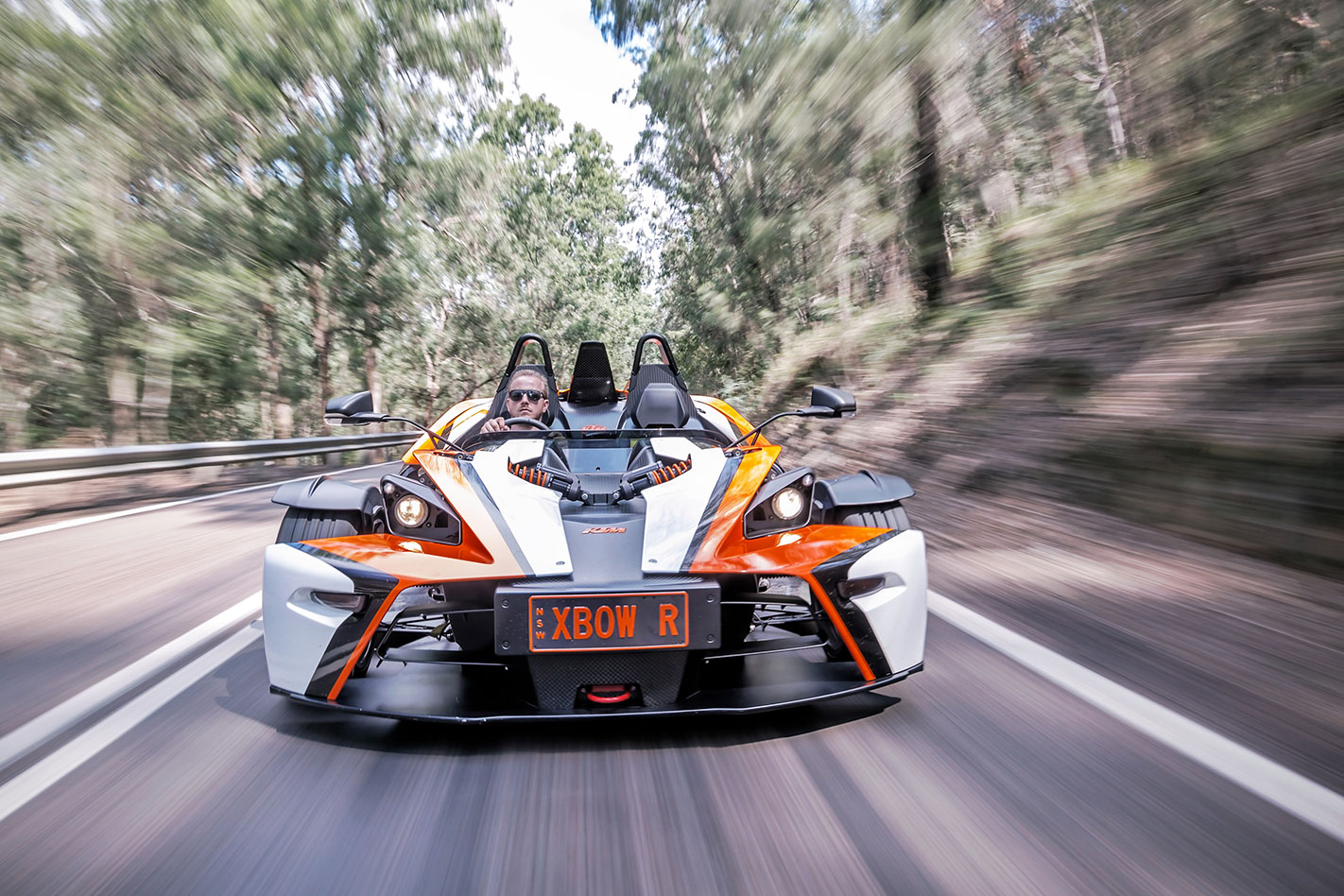
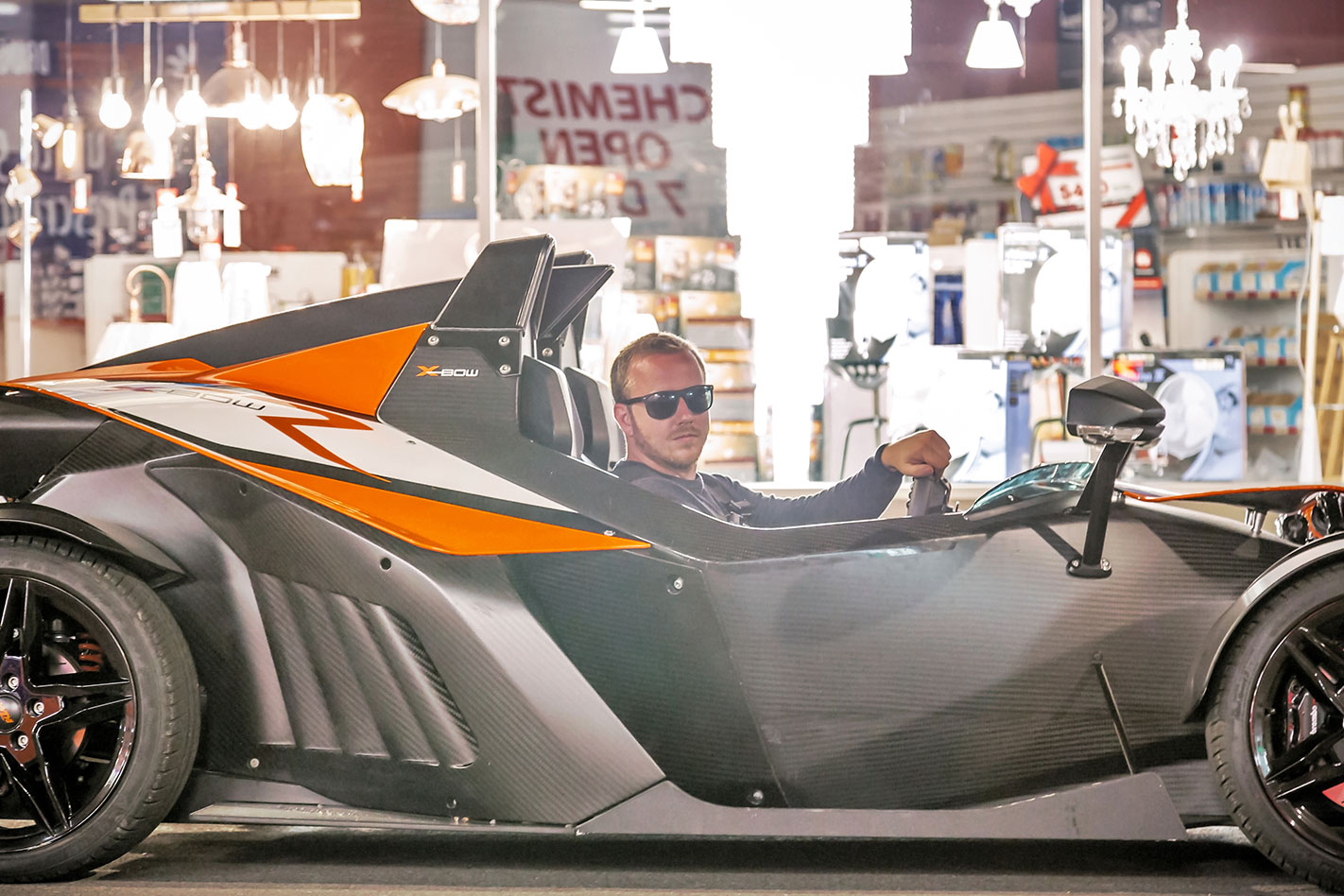
The most alien-looking car to have ever prowled the streets of Australia, the KTM X-Bow R (pronounced Crossbow) defies description. Part super bike, part open-wheeler, it’s low, wide and somehow always out of proportion no matter which angle you view it from.
It looks like a stepped-on insect, or like a magnetic coffin that’s been dragged backwards through a field of brightly coloured metal shavings.
2017 Ferrari GTC4 Lusso T review
With only 25 to be sold per year, it is, and will remain, a virtually unidentifiable object.
And, most important, with an Audi-sourced turbocharged 2.0-litre engine propelling a vehicle that weighs slightly less than a pair of sneakers, it absolutely flies. All of which is reason enough for us to go UFO hunting in our very own unidentified object that flies.
Though, if we’re honest, the fact that our alien hunting ground is ringed on all sides by some of the best driving roads NSW has to offer (the sublime Putty Road on the way in, the sensational Old Pacific Highway on the way out) may have had a little something to do with it, too.
Some blame alien interest in the coal mine-heavy region, with intergalactic travelling types keen to see what we’re digging out of the ground.
Others reckon the army base in Singleton could be a drawcard, with aliens trying to uncover our military secrets. But whatever the reason, one thing is certain: if the truth is out there, we’ll find it somewhere near the town of Singleton.
Quantum GP700: Australia’s Ariel Atom
But first, the car: KTM’s X-Bow R isn’t actually all that new. A Frankenstein’s monster born of blending the traditional skill set of Austrian motorbike company KTM with a racing-derived carbon fibre tub and an engine and gearbox from Audi has been tearing up tracks across Europe for the past 10 years.
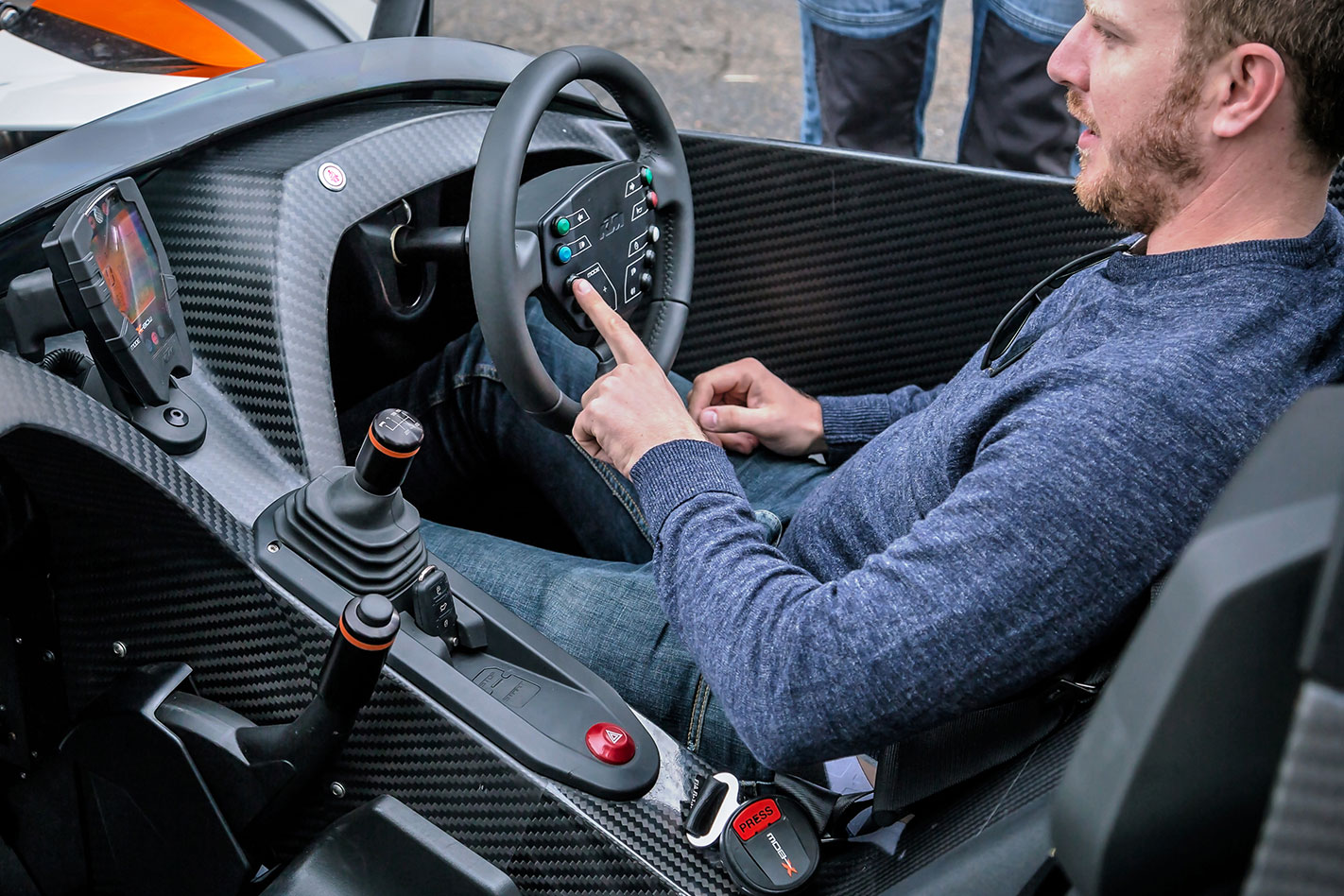
A gruelling three-year compliance fight, launched back in 2014 and which included international crash testing and the addition of an oddly placed seatbelt-warning light and fuel-consumption placard, has finally been won, and the entirely alien X-Bow R is now free to prowl Australian roads – albeit in extremely limited numbers, with annual sales capped at 25 to comply with the Specialist and Enthusiast Vehicle Scheme. The cost? $169,990.
Audi R8 Spyder V10 plus unveiled
It’s lightweight in every conceivable way, with an unfit driver likely to add as much 20 per cent to the X-Bow R’s kerb weight. A carbon fibre tub made by motorsport specialists Dallara is the epicentre of the action.
A mid-mounted and turbocharged 2.0-litre engine sourced from Audi produces 220kW at 6,300rpm and 400Nm from 3,300rpm, sending it screaming to the rear tyres via a six-speed manual gearbox with the help of a Drexler mechanical limited-slip differential.
The lopsided Michelin Super Sport-wrapped wheels measure 17-inches at the front and 18-inches at the rear, with Brembo providing the stopping power at each corner.

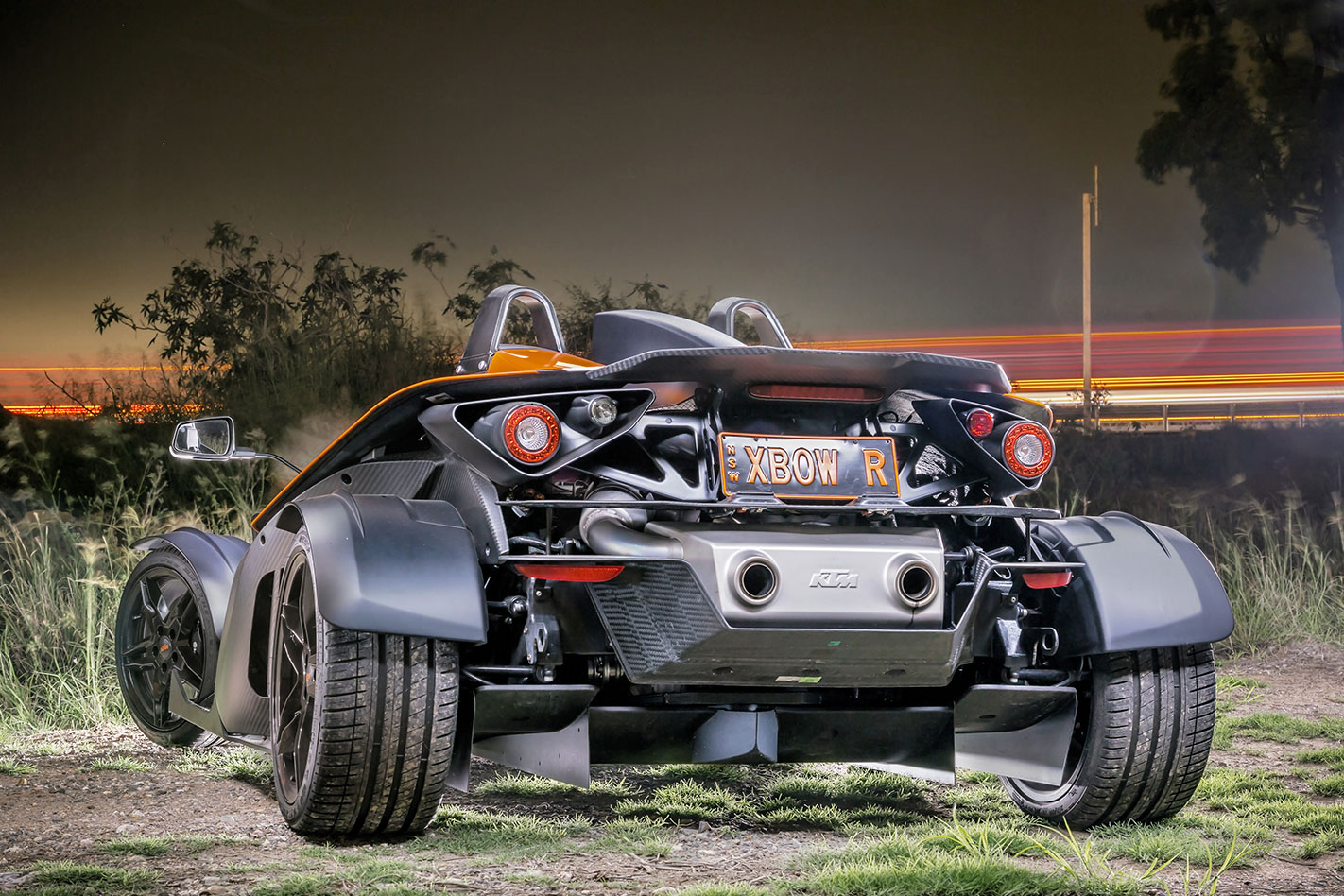
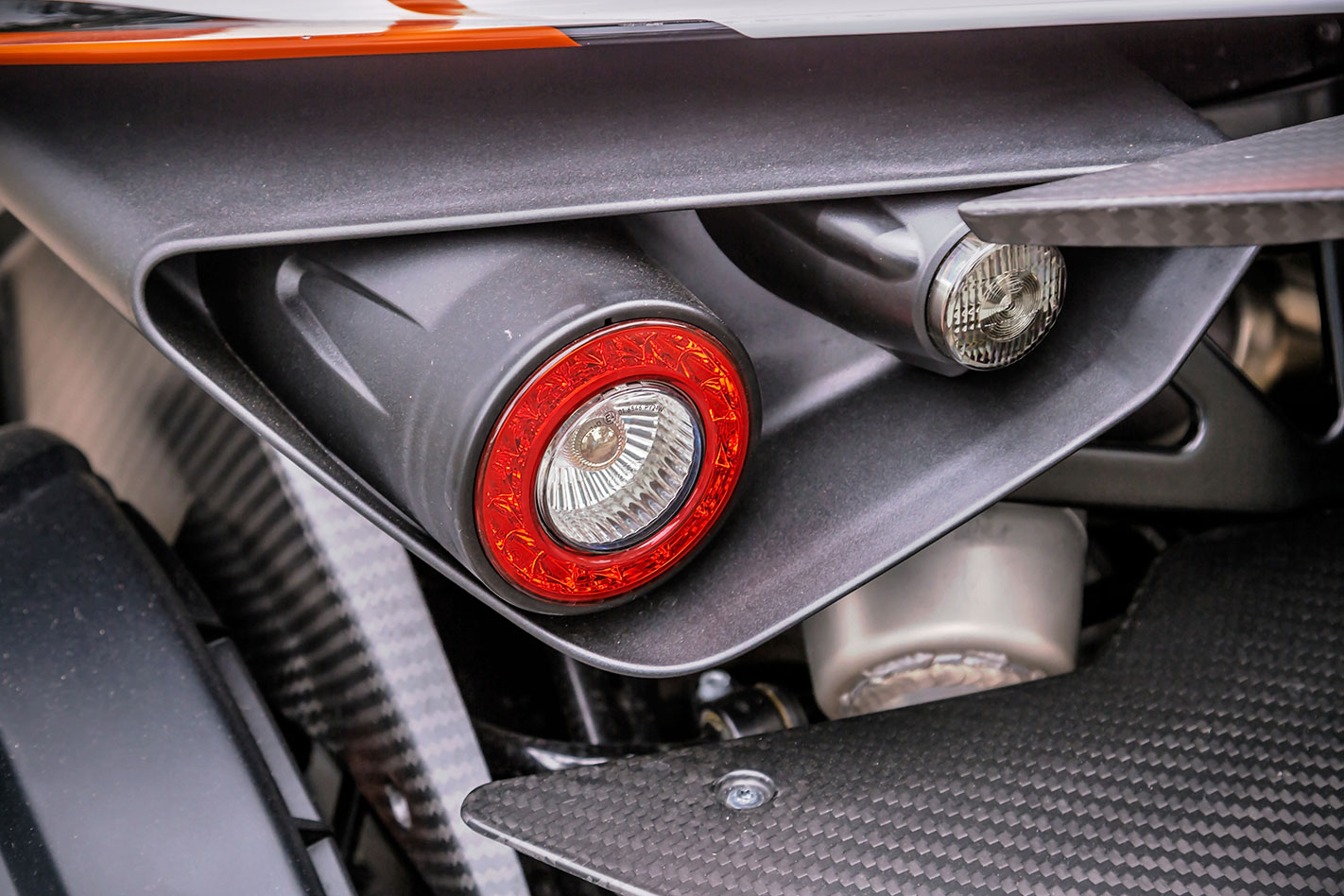
Viewed rear-on, it loos like something that should be fired from a war ship, with two rocket-shaped exhausts jutting out from below the wing.
But this car, such as it is, is less about what’s included and more about what’s missing, namely doors, a roof, a windscreen. The only creature comforts you’re likely to encounter are the ones kamikaze crashing into your exposed face and eyes, and they’re anything but comfortable.
2017 Lamborghini Huracan vs 2000 Lamborghini Diablo: New vs used
The seats – so thin they might have been carved from shadows – are fixed in place, but the pedal box can be moved on a single, sliding piece of metal that’s intended to make the journey just a little bit comfortable. It’s a task it singularly fails at.
The result of all this stripped-back determination, though, is a weight of just 790kg. And that means a brutally quick sprint to 100km/h of 3.9 seconds (and it feels every bit of it) and a theoretical top speed of 230km/h. And I do mean theoretical, with your head long since blown off the top of your neck before you get anywhere near it.
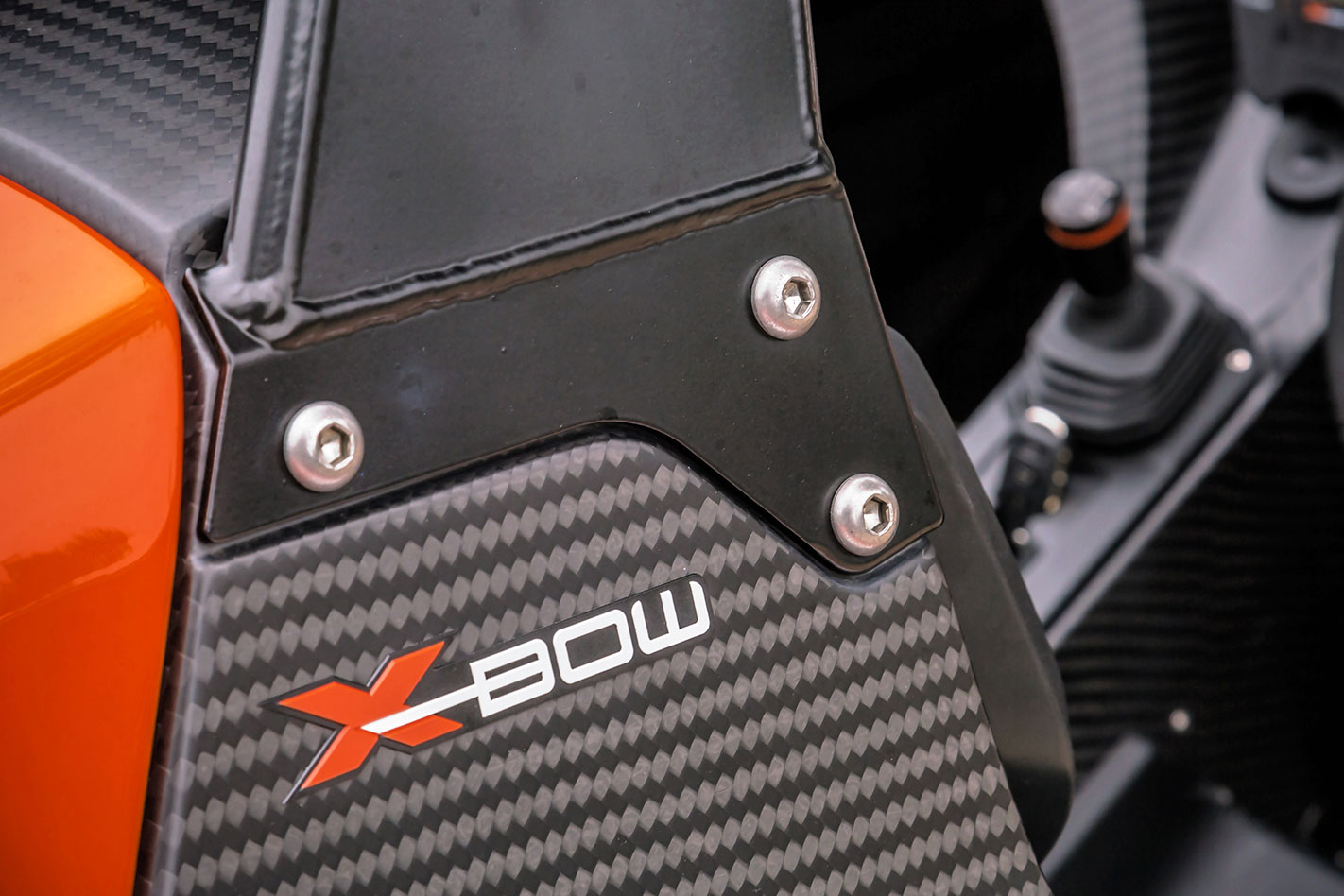
It is the kind of uncomfortable that can’t have happened by accident, and as the road bumps dance a tap-heeled mambo on your coccyx, you can’t help but imagine an Austrian engineer laughing maniacally in his underground lair.
Opinion: Track days are the answer
With no roof or windscreen, and with a footprint the size of an actual footprint, navigating freeways is laughably insane, with trucks taking on gargantuan proportions and a lingering fear you’re not just sitting in their blindspot, but hiding about two feet below it. And as the traffic slowly crawled along a clogged M2 Motorway, doubts had begun puncturing our thin cloak of confidence.
But the traffic thins as we approach the infamous Putty Road, the entry point to 177km of driving bliss linking Sydney with the alien hotspot of Singleton. By the exit of the first corner, we’re in love.
The acceleration is raw and brutal, offering moments of serenity as the turbo winds up, before delivering its power in a great lump to the rear tyres, rubber chirping as they struggle to process what’s happening.
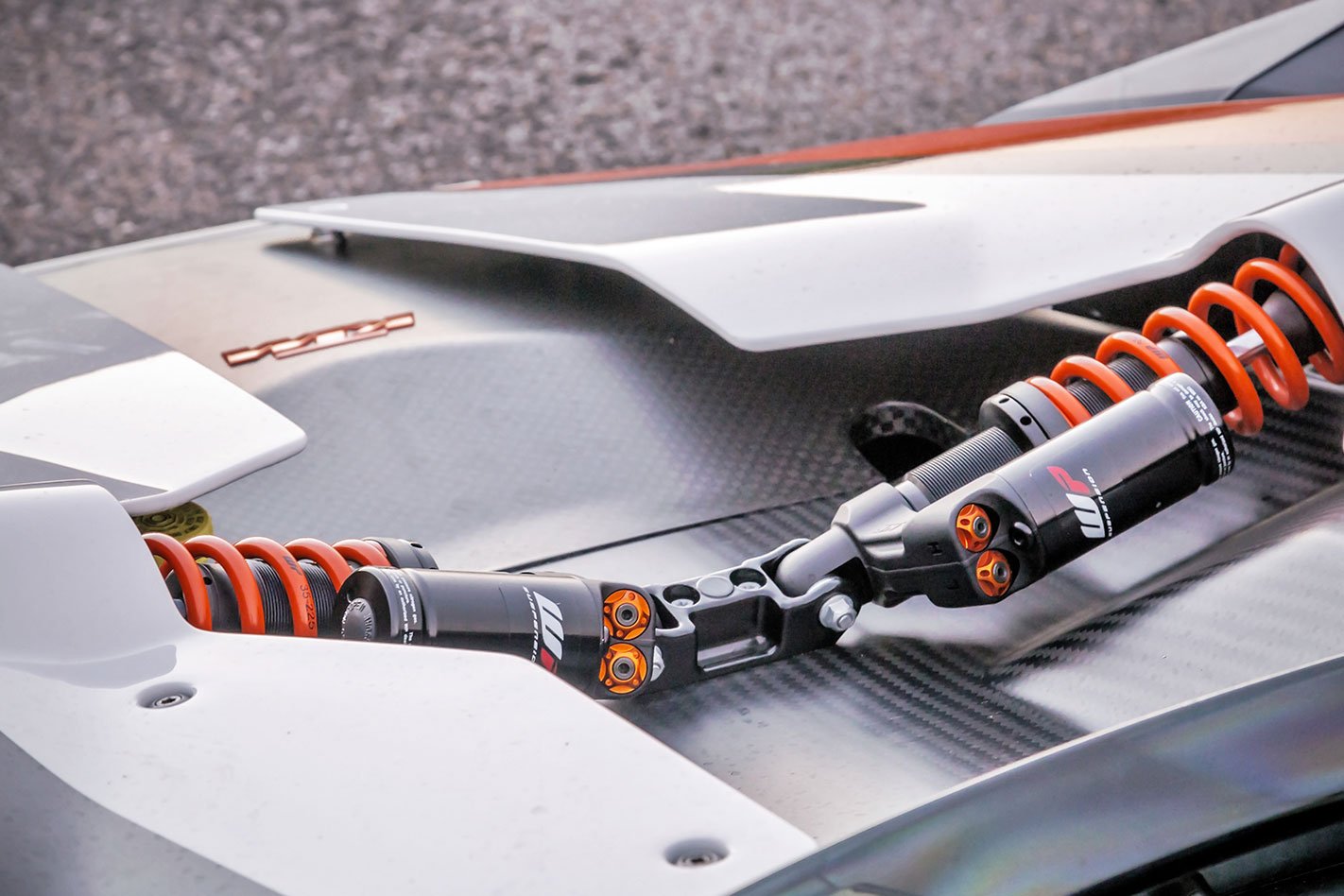
Cornering is an insane delight, the vision is so immense that placing the front tyre smack-bang on the apex is as simple as cocking your head slightly to see exactly where you’re putting the wheel.
Push too hard too early, and the rear tyres will start to move sideways, but it’s all so smooth and progressive that there’s nothing terrifying about it.
Toyota sets new Le Mans lap record
The steering is unassisted. So are the brakes. Slow speed wheel turns require brute strength, and there are planets with faster turning circles. But get the X-Bow up to speed and there’s a lightness to it that’s hard to fathom. Turning into corners requires the slightest, smallest of inputs.
The grip, too, is simply immense, with the X-Bow tackling 35/km corners in third gear, with second all-but banished on high-speed runs. If the X-Bow has limits on a road like this, it will take a better driver than me to find them, with my bravery giving way long before the KTM.
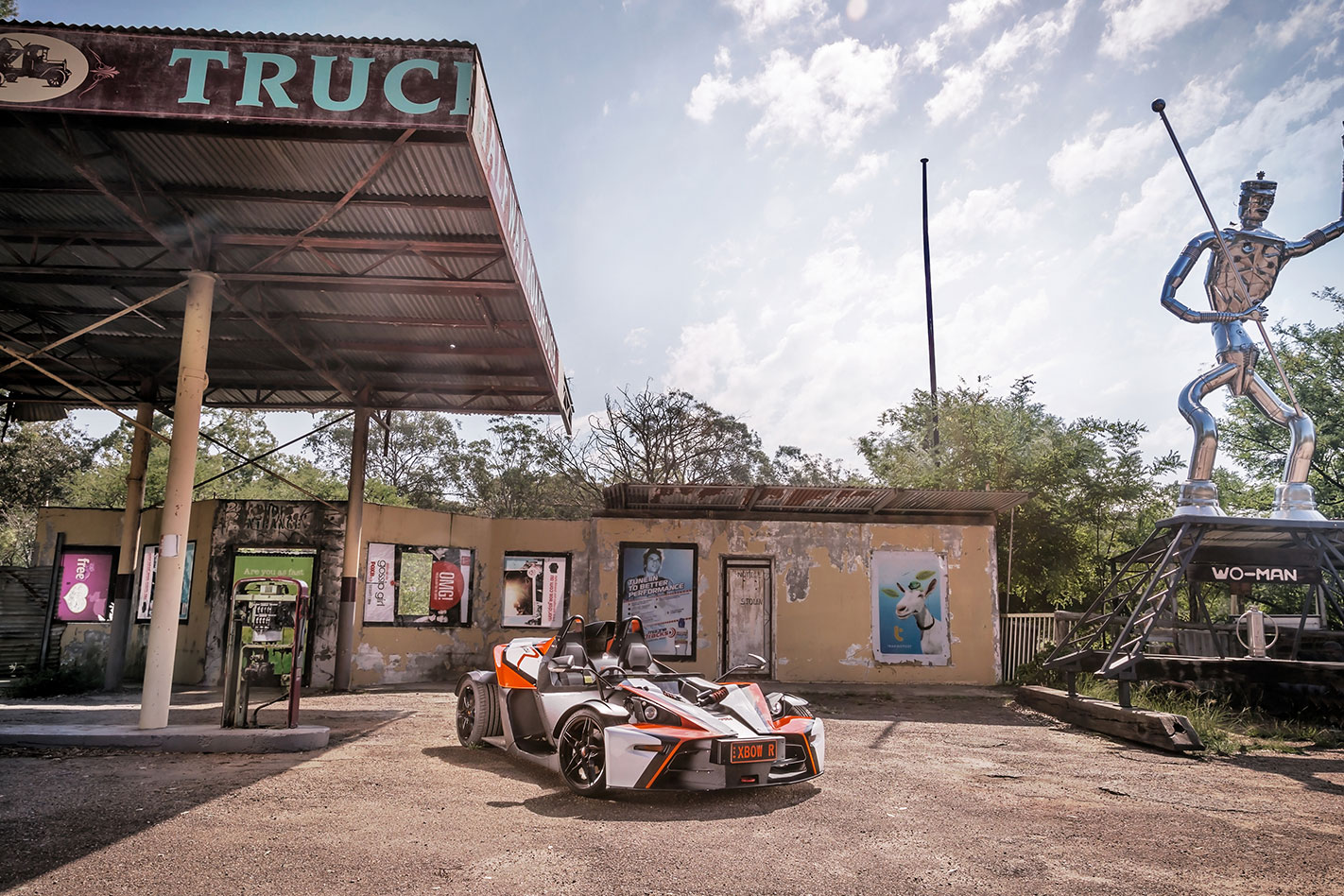
“You see plenty of lights in the sky around here,” he says. “There’s some strange stuff going on.”
“My encounter wasn’t too long ago. But it wasn’t in the nighttime, it was in the evening. It was thick thick mass of clouds, they were almost pulsing, then they started splitting apart.
“In the middle was a kind of pyramid, but with a person on top of it, and with eyes that were big and black and square. He was suggesting I come with him, but I knew that would mean death.
“So I turned my back to it. It lasted a couple of minutes. And I could have gotten a photo of it, but I just never thought of it.”
During the day, sunglasses offer you some protection from the wind and rocks, but at night they offer only blindness.
Arrows A22 F1 car at a track day
Suddenly bugs – attracted by the headlights – are ricocheting off your corneas. My hands are sore from my steering wheel death grip, and the X-Bow is clanging over bumps, unleashing a river of pain that’s flowing through my lower back. It’s exhausting.
We pull to a rest stop just outside Singleton, directly opposite the area’s military base, when the Cauckwell family emerge from their property, drawn by the weird and wonderful KTM. We explain our mission, and mum Linda begins her story.
“We couldn’t hear or see anything, but we happened to turn our heads as ‘it’ took off. No lights, no noise, it just went. It was as big as the whole building as it flew off.
“I turned to my sister, and asked ‘did you see that?’ Neither of us were hanging about there after that.”
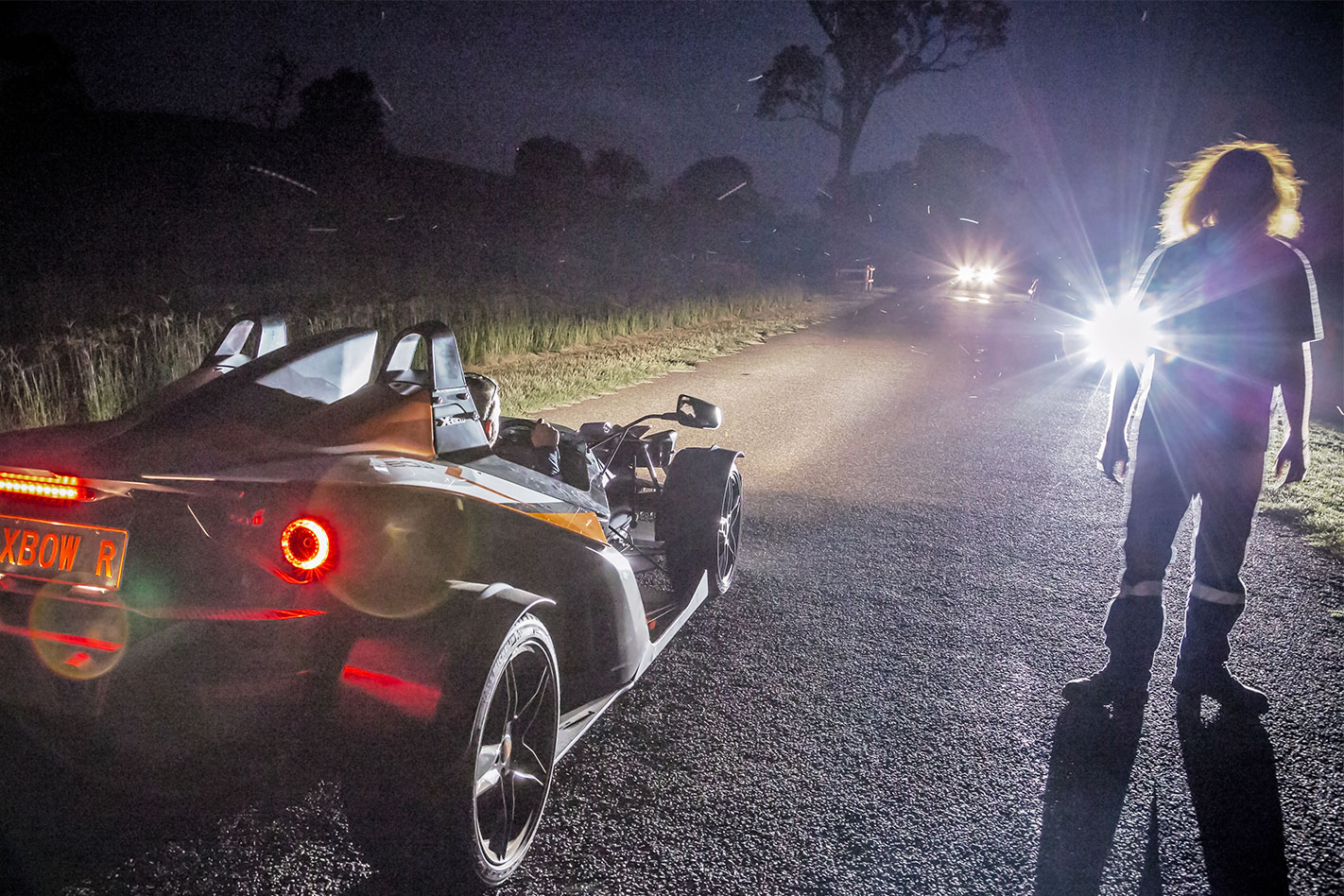
Photographer Thomas and I had just settled in to wait when the bright lights appeared suddenly over the crest of a hill, silhouetting a wild-looking figure approaching the still-steaming KTM.
It’s dark, and we’re miles away from anyone else, but Thomas is determined to capture an image of this mysterious and vaguely humanoid creature approaching through the mist.
We’re squinting now, both thinking our mission could at last be over, when the creature speaks.
“What the hell are you blokes doing out here?” He asks. “Just thought I’d see whether you need a hand with anything. Watch out for roos, now,” he adds, before climbing back into his LandCruiser and driving away.
Mission failed, then. But on the plus side, there’s still the Old Pacific Highway to tackle on the way home. And like the truth, the X-Bow’s limits are out there. And, like the truth, I’m unlikely to ever find them.
LEAKED footage has emerged of a prototype Aston Martin Valkyrie, providing a first glimpse at the car’s interior and production-spec exterior.
The Valkyrie – originally dubbed the AM-RB 001 – is Aston Martin’s first hypercar, built in conjunction with Daniel Ricciardo’s Red Bull Racing F1 team.
The footage reveals new information, such as the fact Valkyrie will have gullwing doors, which lift to reveal a small aperture and incredibly snug cabin, akin to a GT racer or Ford GT40 of old.
Despite the car’s track-focused design, the Valkyrie has four different screens in the cabin.
The first, is located on the F1-inspired steering wheel, and appears to be a replacement for a traditional dash. The second, located in the centre console, appears designed to perform as a traditional infotainment unit.
The two final screens, located on the far right and left edges of the dash, are speculated to work as your rear-view mirrors, as there are no visible wing mirrors on the exterior.
If so, this would make the Valkyrie the first production car in the world to ditch the wing-mirror design.
The austere interior of the Valkyrie is more race car than road car, which probably has something to do with the fact Aston is claiming the car will be as fast around a track as an LMP1 prototype.
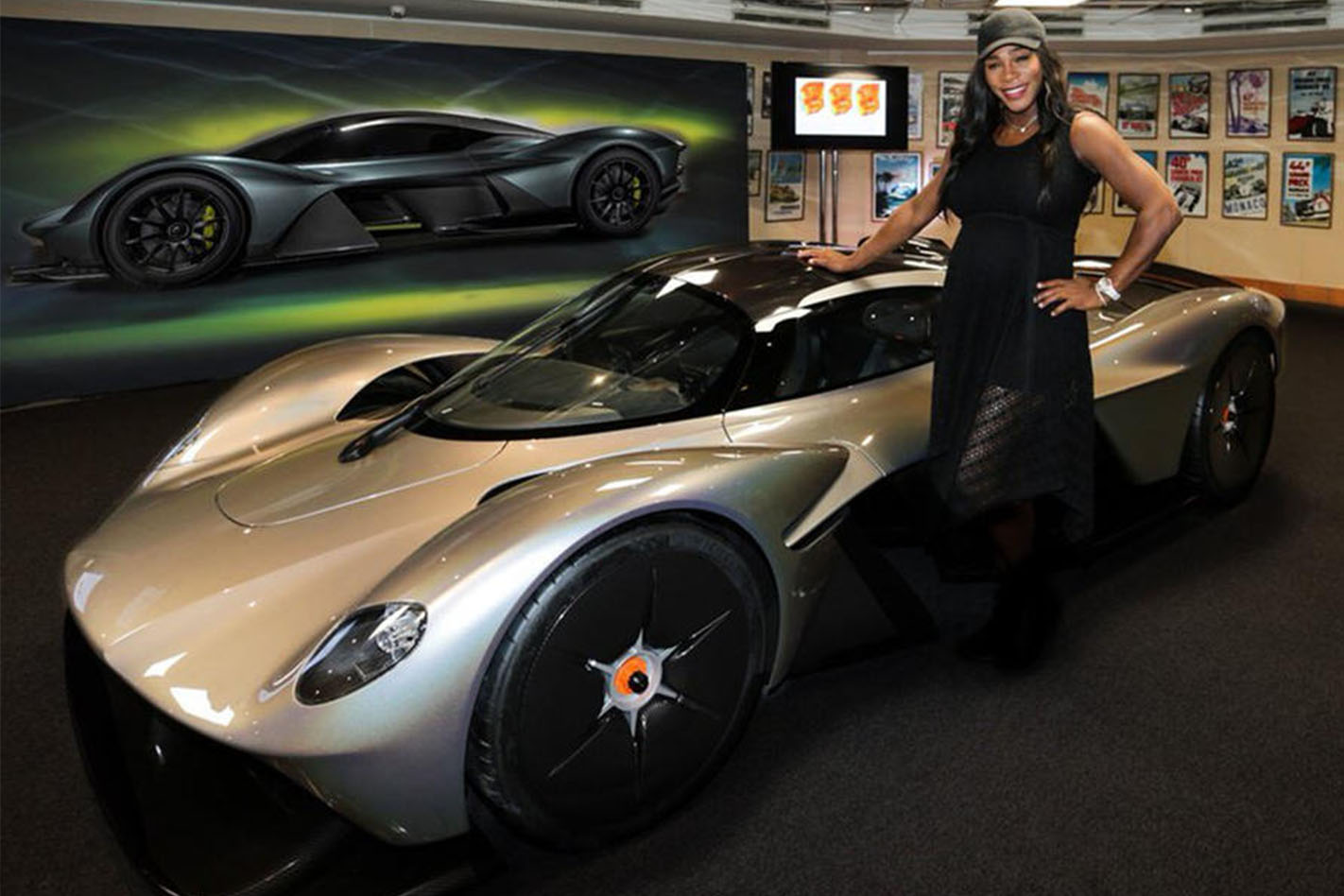
The leak comes after Aston Martin released pictures of the car in what it calls 90 percent finished form. Set to start production next year, only 175 Valkyrie’s will be built.
The Valkyrie will be powered by a screaming 671kW naturally-aspirated 6.5-litre V12, along with hybrid battery technology from Rimac. Aston Martin is aiming for a 1bhp per kilogram power to weight ratio.
When finished, the Valkyrie’s closest rival is likely to be the AMG Project One, which will be powered by a road-faring version of Mercedes-AMG’s Formula 1 engine.
The Kia Sorento is a highly acclaimed seven-seat SUV that’s considered excellent value for money with plenty of standard features, particularly in the higher-spec models. Its comfortable seven-seat interior provides ample room for bigger families, though the Sorento isn’t overly bulky and is pleasant to drive, especially when powered by the frugal but gutsy four-cylinder turbo diesel engine.
Variants
There are five main Sorento model grades and two engine options to choose from: a 206kW/336Nm 3.3-litre V6 petrol and a 147kW/440Nm 2.2-litre diesel engine options. Each is paired with a six-speed automatic transmission. Petrol-powered Sorentos are all front-wheel drive, however diesel versions (which command a $2500 premium) gain all-wheel drive for greater traction and stability.
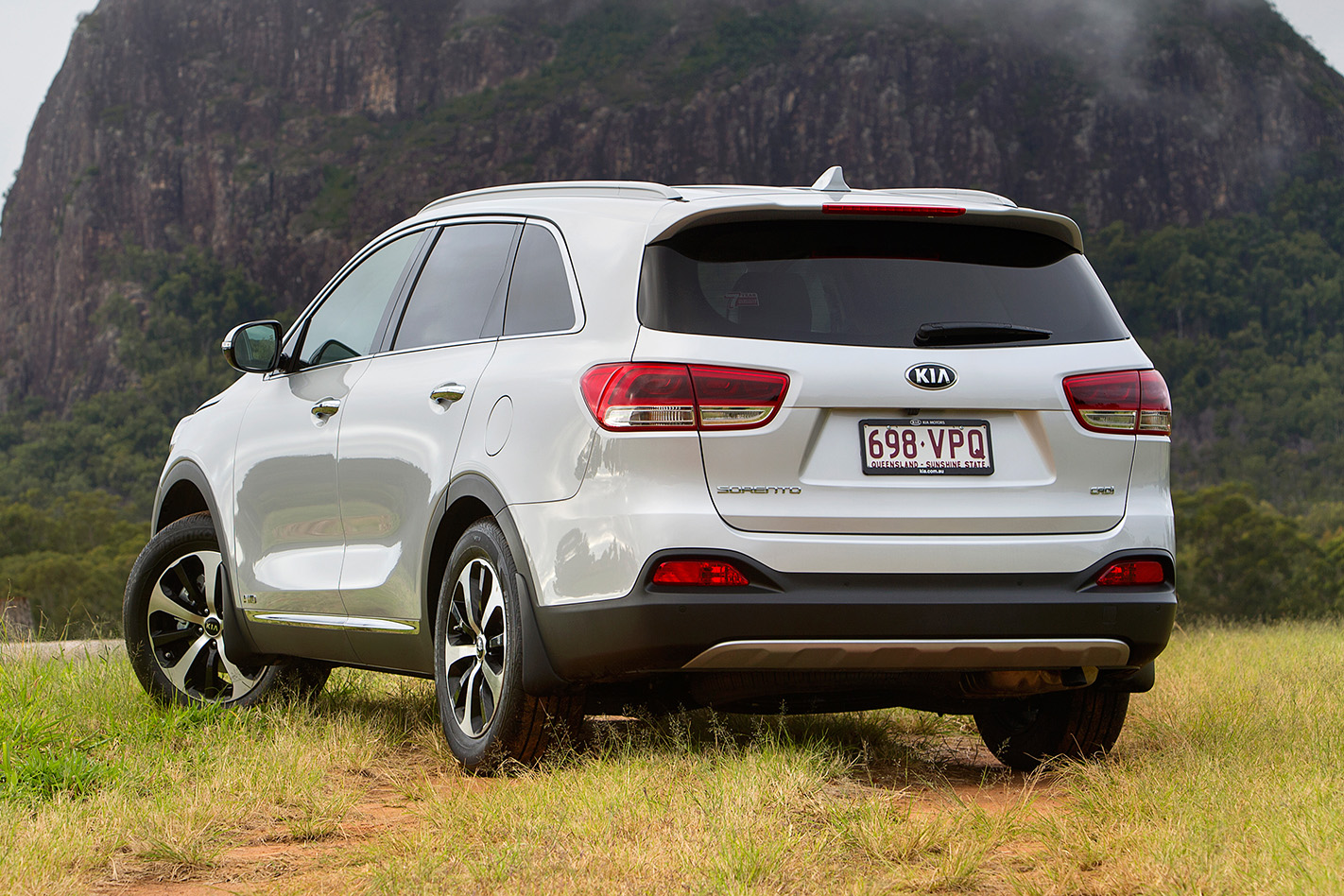
The diesel drivetrain is also considerably more fuel efficient – 7.7L/100km compared to 11.6L/100km for petrol-powered variants – and offers more muscular performance.
The entry-level Sorento Si starts at $40,990 and comes with plenty of standard features including cloth seats, cruise control, satellite navigation, dual-zone climate control, 7.0-inch touchscreen, reversing camera with front and rear parking sensors, auto headlights, cornering lights that shine into bends and LED daytime running lights, hill-hold assist, 17-inch alloy wheels and Kia’s class-leading seven-year warranty.

Kia recently introduced the Si Limited (formerly called the Si Premium), which is said to add $3000 worth of extra value over the entry-level Si for no extra drive-away cost, including 18-inch alloy wheels, leather appointed seats, a premium steering wheel with wood-look trim and exclusive Limited badging.
The mid-spec Sorento SLi adds a smart key with pushbutton start, power adjustable driver’s seat, hands-free power-operated tailgate, an improved sound system and LED taillights.
Upgrading to the diesel-only Sorento Platinum brings an advanced driver assist package that includes automatic emergency braking, active cruise control, blind spot monitor, lane change assist, lane departure warning and rear cross traffic alert.
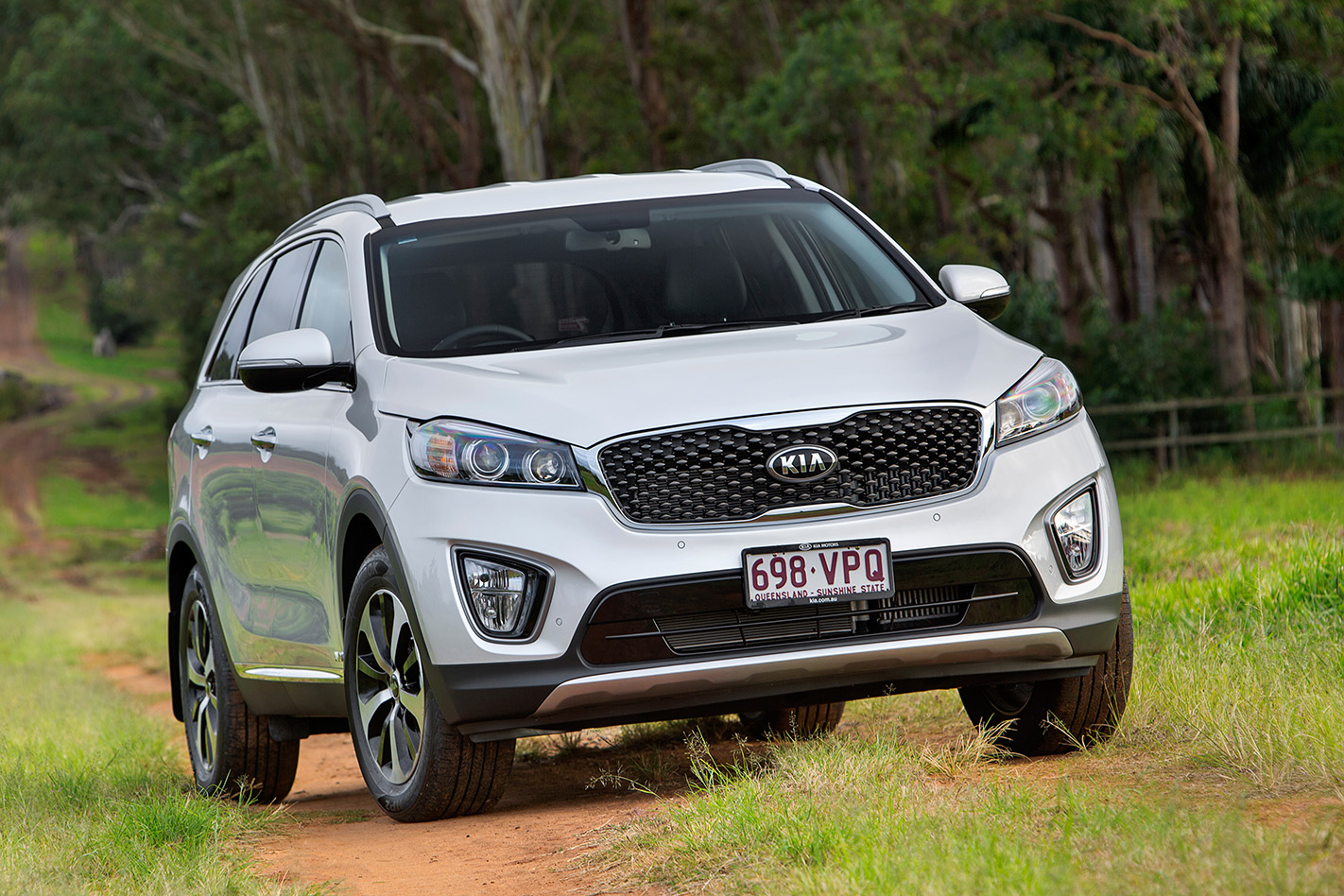
Extra creature comforts include power adjusted front passenger seat, heated/ventilated front seats, heated second row seats, panoramic sunroof, brighter HID headlights and 19-inch alloys.
The range-topping GT-Line is essentially a Sorento Platinum with more flamboyant styling including red-leather trim and red brake calipers, plus the addition of paddle shifters to the steering wheel.
- Sorento Si V6 petrol FWD – $40,990
- Sorento Si diesel AWD – $44,490
- Sorento Si Limited V6 petrol FWD – $43,990
- Sorento Si Limited diesel AWD – $47,490
- Sorento SLi V6 petrol FWD – $45,990
- Sorento SLi diesel AWD – $49,490
- Sorento Platinum diesel AWD – $56,990
- Sorento GT Line diesel AWD – $58,490
The mid-spec Sorento SLi strikes a good balance of price and equipment and is a lot of SUV for around $50,000. It’s hard to go past the diesel because it has more grunt, the added assurance of all-wheel drive and uses less fuel.
If advanced driver assist features such as auto emergency braking are important to you, the Sorento Platinum is a very well equipped family SUV, but with a driveaway price beyond $60,000 it starts coming up against some stronger competitors. It’s a shame Kia doesn’t offer its advanced safety systems as part of an optional pack so you can have extra safety in the lower-spec models without having to fork out for the upper-spec models.
Available options
Premium paint – $595
PORSCHE’S incoming performance flagship will punch out a stratospheric 520kW of power and 750Nm of torque from its 3.8-litre twin-turbo flat six, a report by sister publication Motor reveals.
It was already expected that the 2018 Porsche 911 GT2 RS, the latest interpretation of Porsche’s savage “Widowmaker”, would be the most powerful 911 ever, but just how much more power it would have over the current record holder – the 456kW 997-generation GT2 RS – wasn’t clear.
When Wheels went for a prototype ride-along with Andreas Preuninger, head of Porsche’s GT vehicles, the only clue we could coax out was that the new GT2 RS would generate “more than” 650hp – or 485kW.
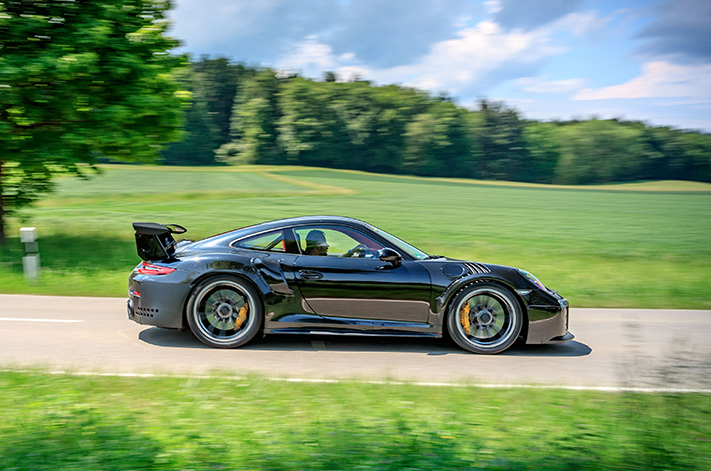
Zero-to-hundred will take 2.9 seconds, not an amazing figure for a Porsche given the AWD 911 Turbo S achieves the same feat, but considering the GT2 RS is rear-driven, that’s an impressive turn of speed.
And the speed keeps piling on. While the last GT2 RS hit 200km/h in 9.8 seconds, its successor will reach the same velocity in less than nine seconds. V-max is a claimed 350km/h, which is huge for a car wearing such aggressive aero.
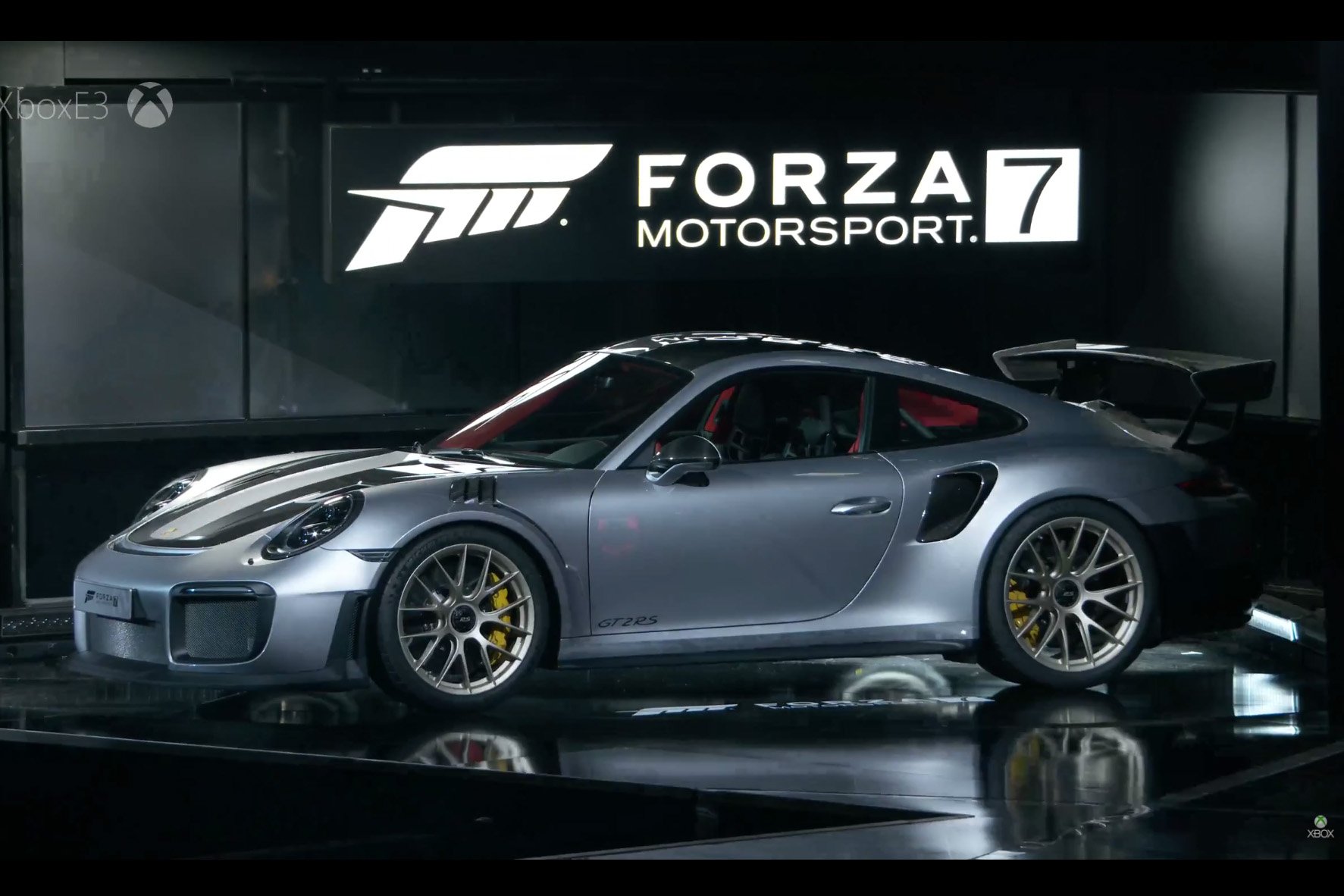
As for the price, the GT2 RS is expected to wear a 260,000 euro pricetag when it launches later this year. Want to know more? Scope out our 991 GT2 RS fast facts rundown if you just want the bare-bones, pub-trivia-spec intel.
The first all-new Volkswagen Polo in eight years has been revealed overseas, flaunting more mature styling and a bigger footprint.
Built on the new MQB A0 platform shared with the next-generation Audi A1 and Skoda Fabia, the Mk6 Polo follows other competitors by stretching dimensions in all directions except height, including a 94mm longer wheelbase – now 2564mm.
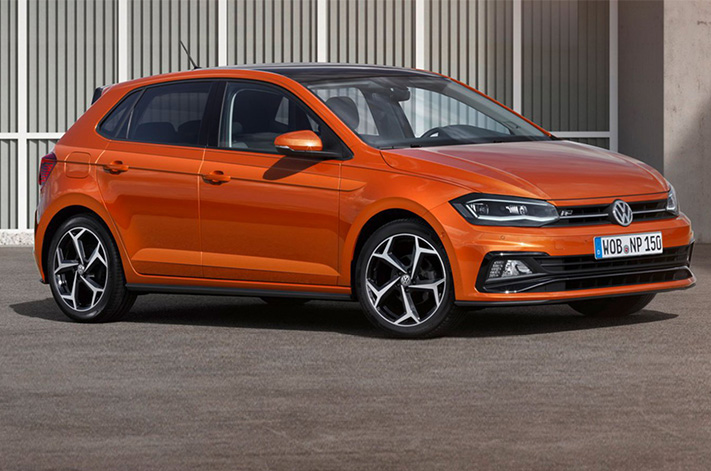
Volkswagen says this means significantly improved passenger space, with boot space also swelling from the current car’s 280 litres to a more useful 351 litres.
Inside, the Polo gains new technology centred around an integrated infotainment screen that measures 6.5 to 8.0 inches depending on variant, and an optional all-electronic instrument panel behind the steering wheel that’s borrowed from the Mk7.5 Golf and Volkswagen Tiguan.
Soft-touch surfaces provide a premium feel and there will be 13 colour choices for the dash and 11 upholstery options.
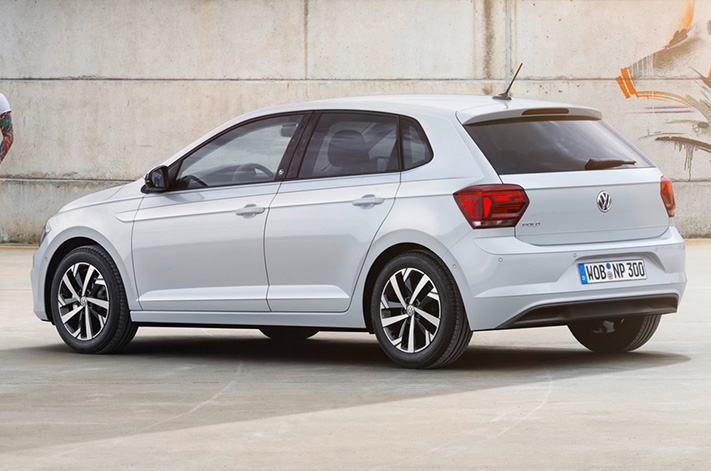
Available only as a five-door hatch, the 2018 Polo has “expressive,” exterior design with a bolder face framed by C-shaped daytime running lights. At the rear, a square-set rump pushes the tail lamps further to the sides and widens the tailgate.
The Sportier R-Line models gain chunky air intakes, a rear diffuser and a roof spoiler.
The entry level model comes with automatic city braking with pedestrian detection and front assist, and while that has only been confirmed for Germany so far, we expect that technology will be made standard locally as well.
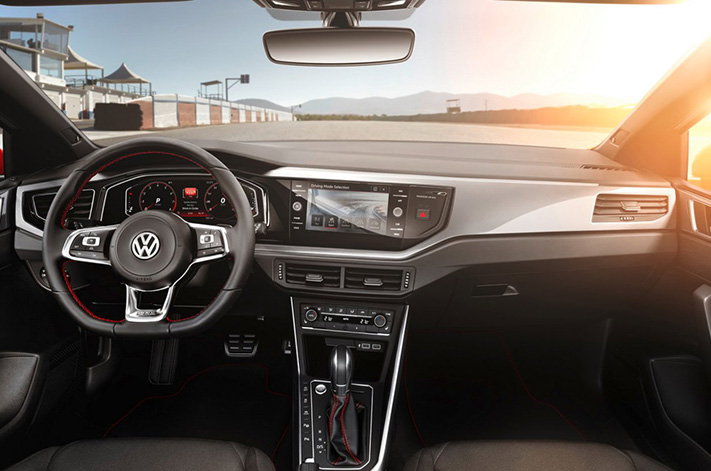
Other available features across the range include adaptive cruise control, full LED headlights, adaptive dampers, a panoramic sunroof and blind spot detection.
Engine options in Europe include 1.0-litre three-cylinder naturally aspirated engines producing 48kW or 55kW depending on the variant, and 70kW – 85kW turbo versions of the same motor. Don’t expect the atmo three-pots to come our way.
A brace of diesel options will also be offered in Europe, with 59kW and 70kW outputs.

We’ll also see four-cylinder turbo engines including a 110kW 1.5-litre and a Golf-sourced 147kW 2.0-litre, the latter powering the range-topping Polo GTI hot hatch.
The GTI also gets an even wider and longer wheelbase, a standard ‘sport’ chassis or optional ‘Sport Select’ chassis, 17-inch or optional 18-inch wheels, a different body kit with lip spoilers and sill extensions, the iconic go-fast red stripe across the grille and GTI badging.
Transmission options across the range will continue to include a five- and six-speed manual gearboxes and seven-speed dual clutch auto, with power going to the front wheels.
The 2018 Volkwagen Polo is expected to arrive here in early 2018, with local prices, range and specifications announced closer to launch.
THE final HSV GTS to ever be built has rolled off the Clayton production line, bringing an end to the nameplate’s 25-year history.
Presented in ‘Son of a Gun’ grey, the final model is GTS number 12,012 built by Holden Special Vehicles since the badge first appeared.
Here are the very last build moments of our final and 12,012th #GTS which has been sold via Sutherland HSV #GTSfinishline ? pic.twitter.com/mT2lMEFEky— HSV (@OfficialHSV) June 19, 2017
This significant HSV won’t be retained by the brand for heritage purposes. Instead, a Sutherland dealership pre-sold the vehicle, and a lucky customer is set to become the car’s custodian.
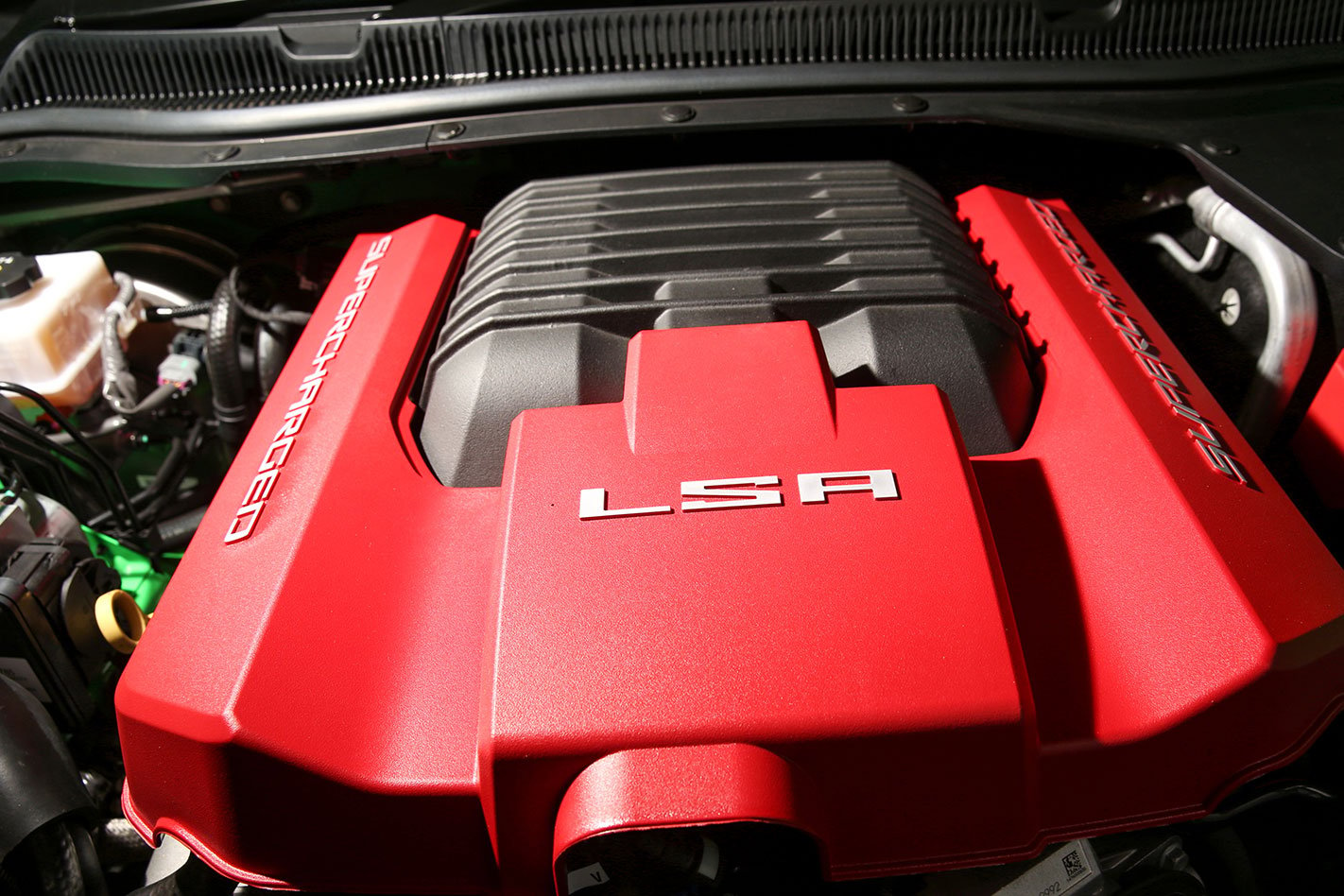
Like other GenF2 GTS models, the final car is powered by a supercharged LSA engine pumping out 430kW and 740Nm. Until the resurrection of the GTSR badge, the GTS stood as HSV’s flagship model and laid claim to the title of Australia’s most powerful production car.
While the GTS has bitten the dust, HSV will continue to build the GTSR, GTSR Maloo, and of course the LS9-powered GTSR W1.
HSV did not confirm today any other final production dates for the rest of its Commodore-based range, with general manager of marketing, Damon Paull, stating production will continue on other vehicles.
“The balance of the range will be building right through ‘til the end of the year,” he told Wheels.
Paull wouldn’t be drawn on whether the GTS badge would be retired permanently, or if the name could adorn a future HSV model, but he did highlight the significance of the model in HSV’s history.
“I think it is quite an iconic moment. Our records indicate this is the 12,012th vehicle to carry the GTS nameplate,” he explained.
“[GTS] has certainly been at the cornerstone of HSV’s success over a really long period of time.
“It is a 25-year old nameplate that has been at the essence of HSV’s success. It is quite a moment.”
The first HSV GTS was introduced in Australia in 1992 with the VP Commodore series, and has adorned the brand’s most powerful models for every generation with the exception of Z Series, when it was only available by special order.
A Mazda 6 MPS wagon would be a welcome addition to its range, bolstering the company’s performance offerings to more than just the Mazda MX-5 sports car.
MAZDA does a pretty amazing job at punching above its weight. Compared to the likes of GM, VW and Toyota it’s a minnow, yet there’s not a dud car in its range, a range that spans everything from city cars to seven-seat SUVs to high-riding workhorse utes.
Well done Mazda, but we want more.
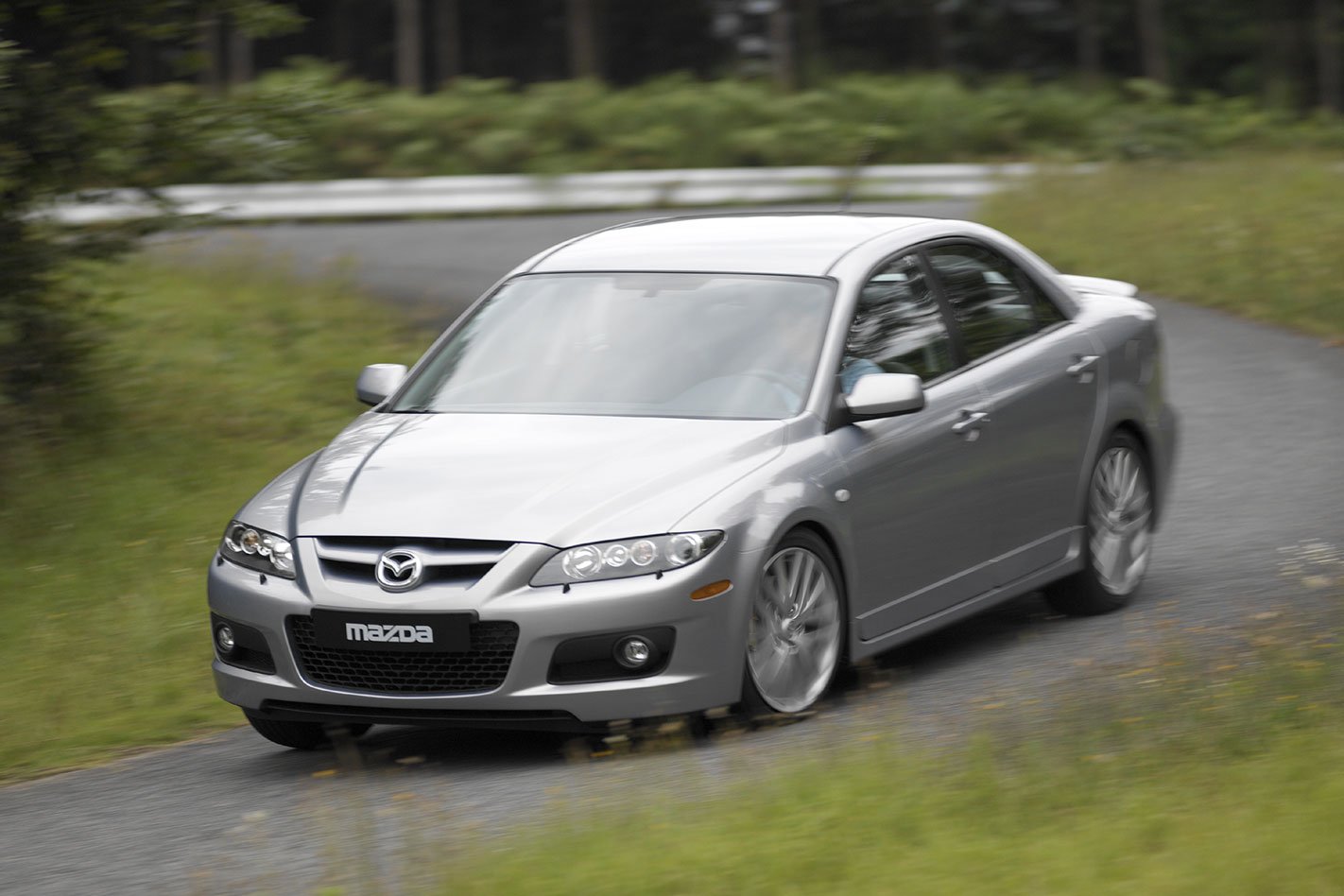
Mazda’s MPS brand was the ultimate expression of its “Zoom, Zoom” philosophy, injecting true turbocharged performance into the 3 and 6 and offering left-field alternatives to the likes of the VW Golf GTI and Subaru WRX.
Mazda MX-5 2.0 enters the Garage
It’s understandable that halo models are put on the backburner while development concentrates on the volume sellers, but with Mazda on fire in Australia it just needs some hot metal to pour some fuel on the flames.
Everyone loves a fast wagon, so here’s a Mazda 6 MPS.
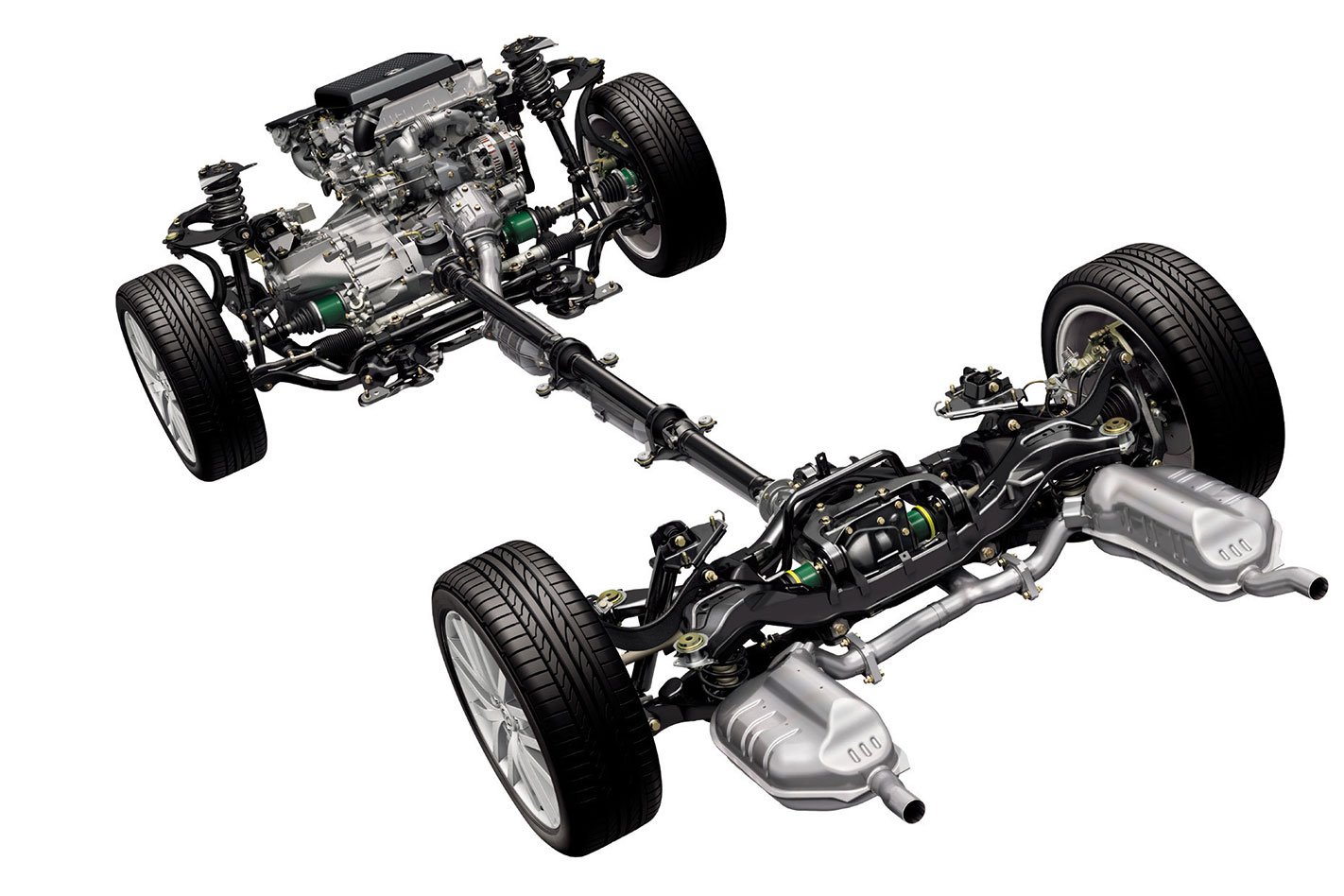
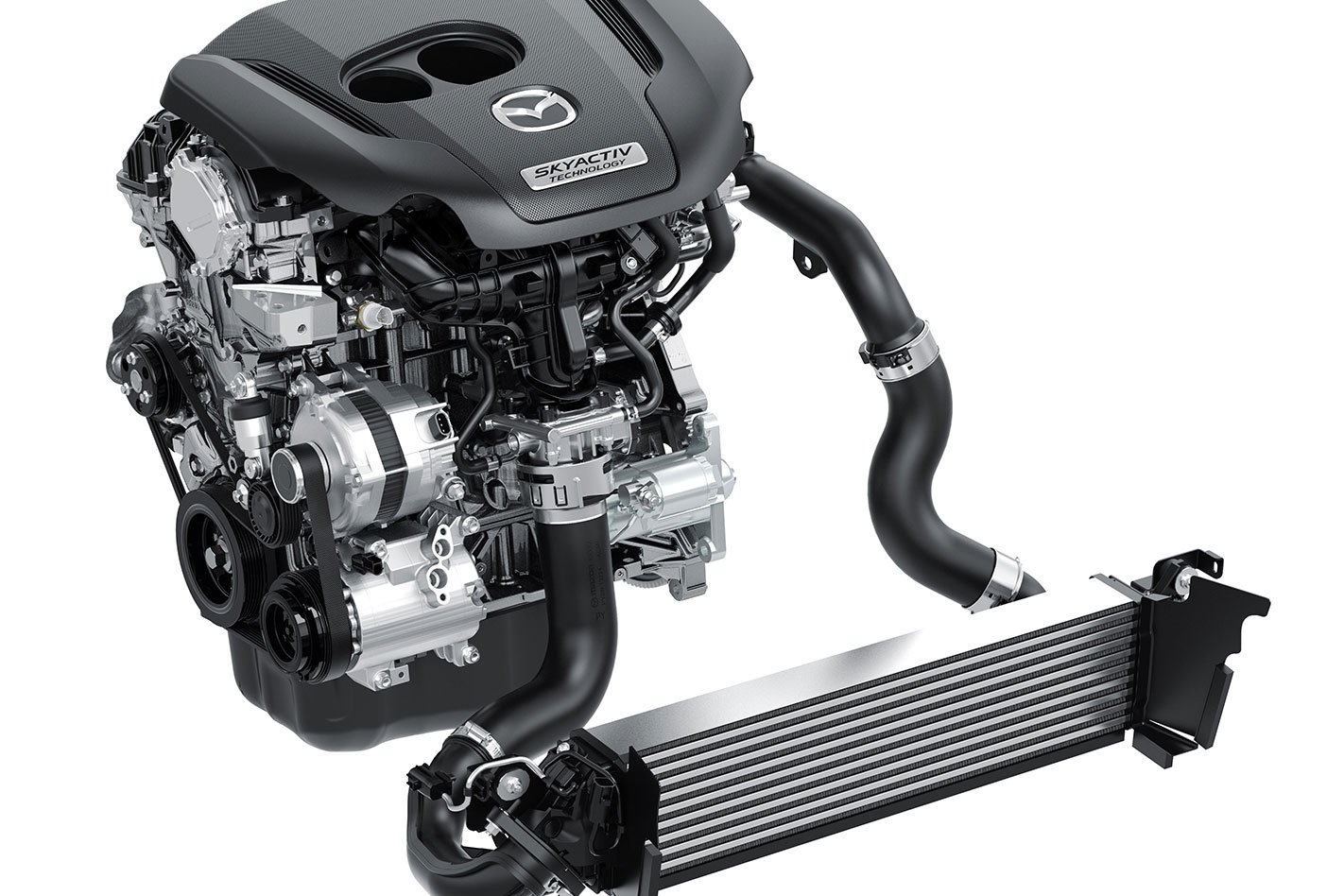
Thankfully, you don’t have to look far in the Mazda family for a suitable engine. The 2.5-litre turbocharged four-pot in the CX-9 is already a strong, willing performer so with a bit of tweaking to lift outputs from 170kW/420Nm to 220kW/450Nm it’s a no brainer.
AUTOMATIC CHOICE
Sorry, hardcore enthusiasts, but it’s six-speed auto only for the 6 MPS, but that will at least make reeling off 0-100km/h in 5.0sec dead a piece of cake and Mazda’s SkyActiv-Drive is one of the snappier-shifting autos around.
All-wheel drive is a must, so let’s hope Mazda built a transmission tunnel into the 6 platform!
Everyday useability and cost containment is the name of the game here, so 19-inch wheels remain with a more performance-focused tyre, better brake pads and a passive suspension setup that offers equal parts compliance and body control rather than stiff, razor-sharp responses.
Wagon chosen not just because fast wagons are cool but because the 80mm shorter wheelbase delivers better handling than the sedan.
WEIGHTY ISSUE
The primary enemy of the 6 MPS’s performance aspirations will be weight. The base sedan is a reasonable 1462kg but this climbs to 1594kg for the top-spec wagon.
Adds all-wheel drive and a turbo charger and this could balloon towards 1700kg. Weight will need to saved carefully.
KEEP IT REAL
Price is also tricky, with the current 6 range topping out at almost $50K. To be competitive with the likes of the VW Passat 206TSI and VW Golf R wagons we’d aim for a fully-loaded $55,000 sticker price to take the fight to the Germans.
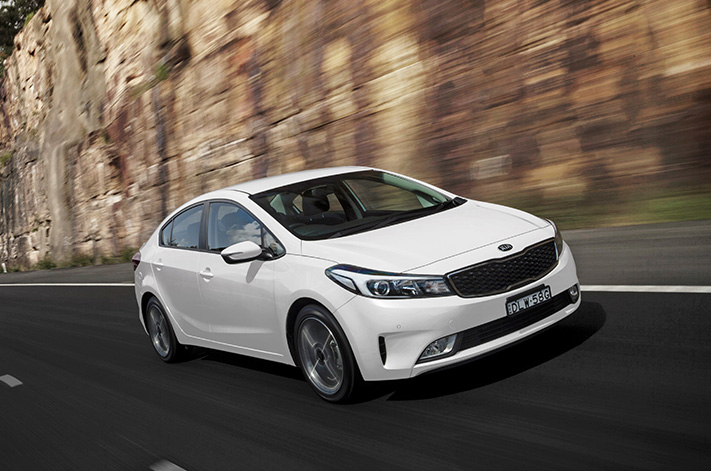
Since arriving in Australia more than a decade ago, The Kia Cerato small hatch and sedan range has struck something of a chord with buyers.
Now into its third generation, the Cerato features regularly in the list of the top 10-selling passenger cars, making it Kia’s best seller in Oz.
This generation of the Cerato was launched in 2013. A big makeover in mid-2016 went a long way to make it look more attractive. But that could only do so much.
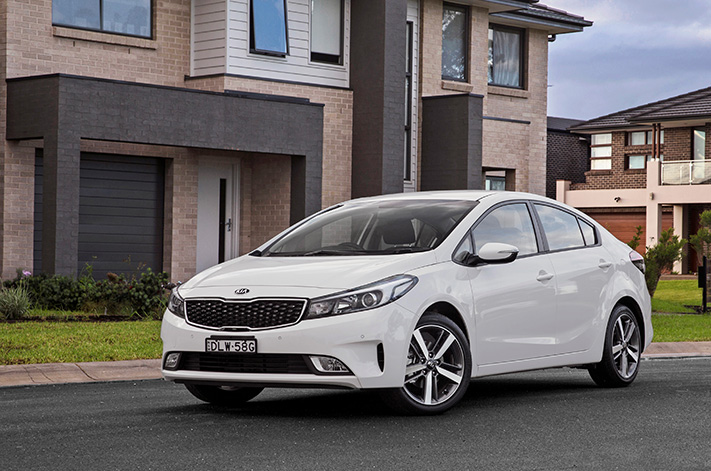
Kia has now introduced a new model to the Cerato line-up that slips in above the sub-$20,000 entry-level Cerato S, and the more premium Si, called simply the Sport. Priced from $22,490 drive away, the Sport plugs the gap between the $19,990 S and the $28,990 Si. It replaces the $24,990 S Premium that’s no longer on sale.
So, the name would suggest you get something with a bit more athletic ability. Does it add anything new to the Cerato range?
WHAT STANDS OUT?
Before the Sport’s arrival, buyers wanting the comfort of a reversing camera – essential equipment if you have small children – had to pay an extra $500 to get one. But here, in the Sport, we have that reversing camera. We also have smartphone connectivity for both Apple and Android devices, even if you still need a cable to connect them.
The sport also adds a leather-look steering wheel and gear selector surround – don’t be fooled, it’s plastic – as well as slightly larger 17-inch alloy wheels – the standard car sits on 16s. There’s a few more splashes of chrome around the cabin including the door handles, and soft-touch door trim that still feels a bit cheap and plastic, but isn’t so jarring on the elbow.
If you buy the sedan, it also gets a boot lid spoiler. There’s also three new colours; a pearl white, a dark silver, and this, silky silver.
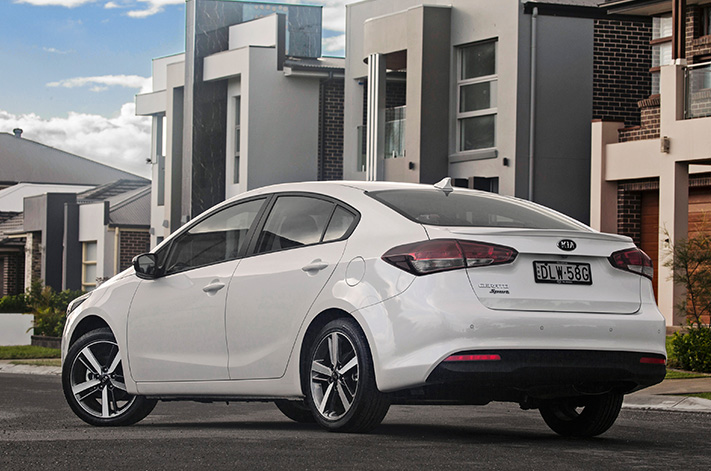
There’s the usual benefits of buying a Kia, such as a full-size spare wheel on an alloy rim that matches the other four – important in an era where skinny temporary spare tyres that only help you limp to the nearest tyre shop are common.
And then there’s that seven-year, unlimited kilometre Kia warranty that crushes the competition.
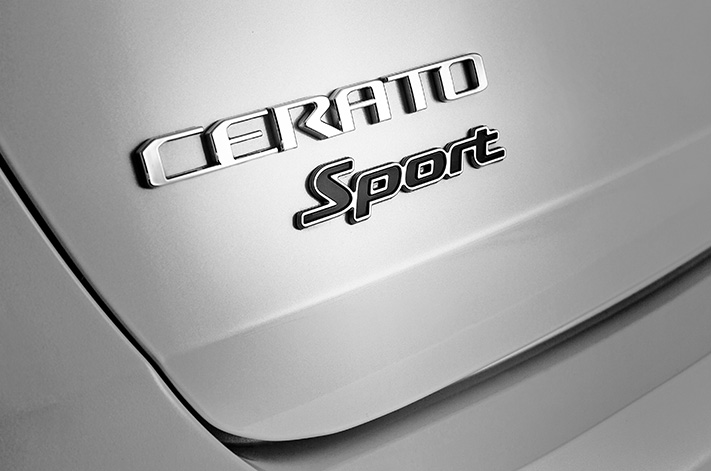
But what about that Sport badge? Well, it’s really only a badge. The Cerato sport uses the same 112kW/192Nm 2.0-litre four-cylinder petrol engine as the rest of the Cerato range.
There is a Sport setting, available via a console-mounted “Drive Mode Select” switch, but all it does is sharpen up the electrically assisted steering slightly, makes the throttle more sensitive and the gear changes arrive later.
But that’s not a good thing, because while the Cerato’s engine is a good little unit, it’s a bit noisy and buzzes more the higher in the rev range you go. Even in “normal” mode, the engine’s coarseness and the gearbox’s snaggy changes mark against it.
Cerato Sport doesn’t ride or handle any differently to the non-Sport badged cars, either. But that is no bad thing, as the suspension system is tuned for Aussie tastes, meaning ride comfort on lumpy roads is pretty good, even if it does fall short of the best in its class. If that’s where your focus is, you’re better off to look at something like a Subaru Impreza, Mazda 3 or Volkswagen Golf.
WHAT’S INSIDE
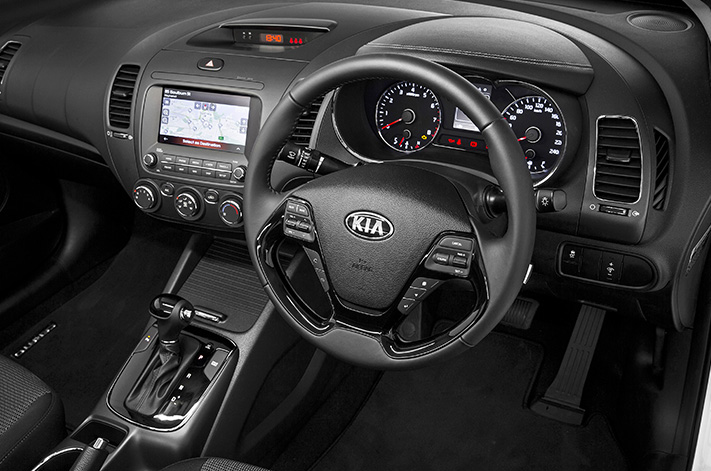
Being stuck in traffic in the Kia Cerato is more than tolerable. The cloth seats are nicely supportive, and the centre dash tilts ever so slightly towards the driver, the way it should be. The interior’s sharp, styled package also back up the exterior’s look, too, so it feels more coherent, and less of a car designed in two parts, inside and out.
The back seat is comfy with enough knee and toe room to keep most passengers happy, with a 60:40 split-fold rear seatback that’s perfect for taking your Kia to Ikea. The boot will swallow up to 385 litres of luggage, while the sedan will add another 97 litres.
CHOOSING YOURS
In the past, we would have nudged Cerato buyers towards an entry-level S, but recommended they hand over an extra $500 to option a reversing camera.
But the Cerato Sport includes the reversing camera with supermarket car park friendly front and rear sensors, sits on much nicer wheels, has a matching alloy in the boot rather than a steel-rimmed spare, and dusk-sensing headlights that switch on automatically. So for $3000 more than the price of the entry-level Cerato you’re getting better looks, 17-inch wheels, and that all-important reversing camera.
So while 2016’s freshen-up of the Cerato range upped its appeal, adding the Sport takes the small hatch and sedan an extra step, even if it doesn’t live up to its name.