
Off with its head! Second-generation TT flagship now offered as a convertible
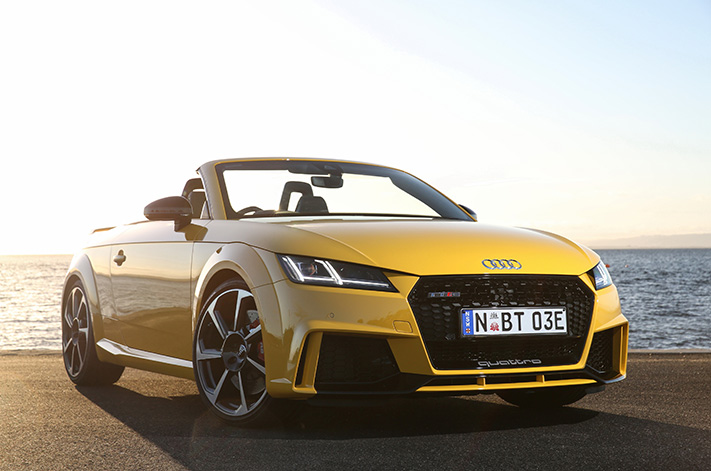
WHAT IS IT? The soft-top variant of the second-generation, five-pot turbo flagship of Audi’s iconic TT.
WHY ARE WE DRIVING IT? The previous-generation TT RS was only offered in Australia in coupe form; timing issues precluded us from Roadster variant. So this is our first chance to sample the combination of folding roof and barking five-pot turbo.
Porsche Boxster S, Jaguar F-Type V6 convertible, Mercedes-Benz SLC43 AMG
THE WHEELS VERDICT The TT RS battles a fundamentally flawed premise – taking a flagship high-performance variant and reducing structural rigidity by removing the roof – and emerges mostly victorious. It looks superb, roof up or down, has a gorgeous interior and class-leading performance. The downsides are not deal breakers.
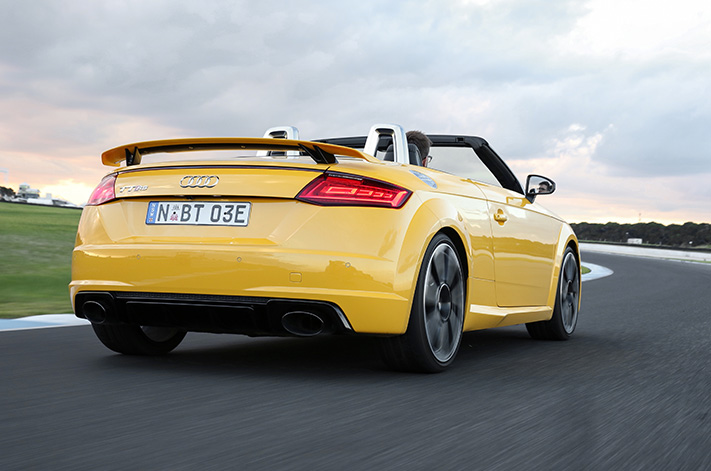
MINUS: More road noise than coupe; poor rear-three quarter visibility when parking and manoeuvring; ultra-firm ride with dampers in dynamic mode; not as throttle adjustable as rear-drive rivals
THE WHEELS REVIEW
Outwardly, the concept of taking a flagship high-performance variant of any sporting car and removing the roof seems to make little sense. The roof is a vital structural component of the body, and reducing body stiffness means the suspension can’t function as effectively, tremors can corrupt the steering accuracy, and shimmies and wobbles on bumpy country roads can be unsettling, both literally and figuratively. Someone once likened the idea of a high-performance convertible as making about as much sense as wearing ear muffs at a Metallica concert.
At least that’s the way it used to be. Modern advancements in materials, welding and bonding, and convertibles being designed in tandem with the coupe variant have negated some of these shortcomings to varying degrees.
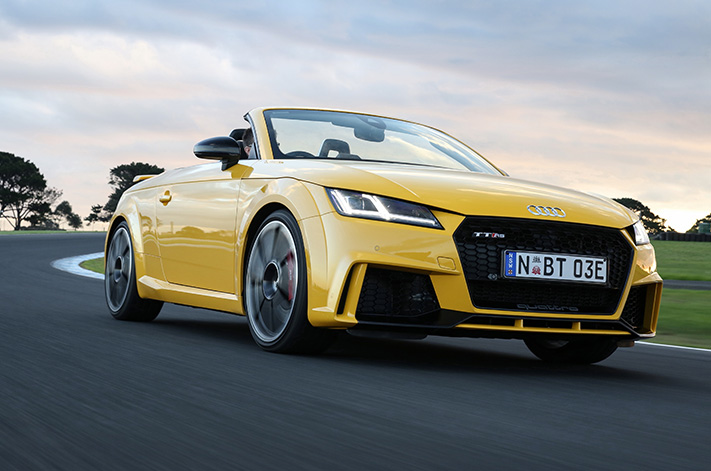
As the flagship of the now-12-strong TT line-up, the RS Roadster is intended to tempt buyers who may otherwise consider a Porsche Boxster S or perhaps a Jaguar F-Type convertible.
This is a new addition to the line-up, not offered alongside the first-gen TT RS coupe due to timing issues. Convertible-specific changes include the deletion of the kiddie seats from the coupe, and the addition of a quality, snug-fitting soft-top that can be raised or lowered in 20sec at up to 50km/h. Roof up, it feels wonderfully snug and well insulated, but back-to back driving with the coupe did indicate a noticeably higher level of road noise from the over-the-shoulder region.
The other demerit comes with roof-up rear-three-quarter vision, which is seriously impaired compared to that of the coupe, with its greater glasshouse area. It’s less of an issue on the move, thanks to standard blind-spot monitoring; more of a hindrance in some parking scenarios and low-speed manoeuvring in dense areas.
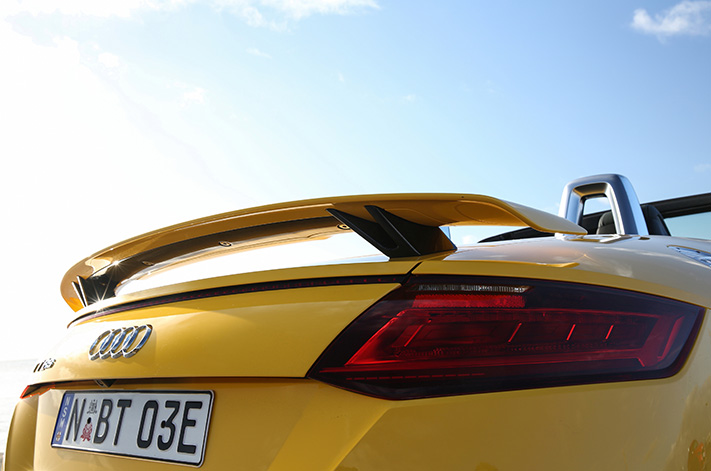
Roof-down does give you even greater connection to the soundtrack of the five-cylinder turbo, especially when the (standard-fitment) sports exhaust is switched to its open position.
This really is an outstanding engine; a multiple Engine of the Year category award winner, and full of both character and exceptional performance. It pulls hard from low revs, and delivers a wonderful, warbling, slightly off beat and distinctive note as the revs climb. Work the throttle through a series of corners and it variously snarls and rasps and barks as you shift ratios of the seven-speed dual-clutch gearbox via the paddles. It’s hugely engaging and entertaining, and very, very quick.
The TT RS roadster could be all the sports car many drivers could ever hope for … with one ‘but’. Serious enthusiasts may find its on-limit handling characteristics just a little one-dimensional. It has very high limits of grip, but once breached, there’s not much by way of interactivity for keen/and or skilled drivers without switching off the stability control and really trying to provoke the car into slides. The subtle, tail-out engagement you can achieve in, say a Porsche Boxster, is not part of the TT RS dynamic make-up.
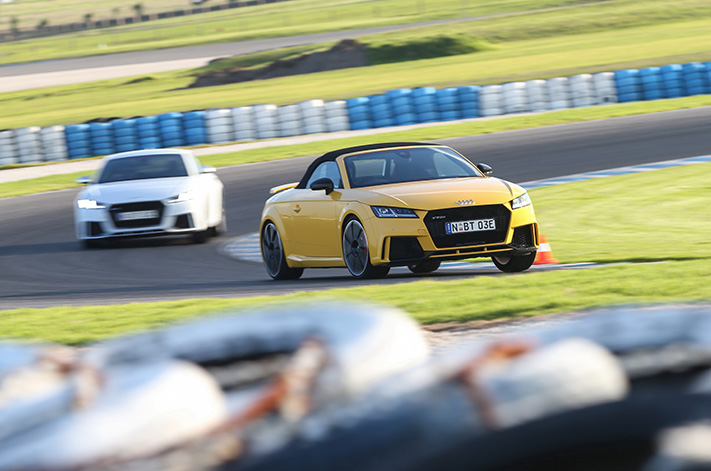
The soft-top-specific details are executed with typical Audi deftness and precision; items like the wind-blocker that minimises cabin air turbulence, neck-level heating, and Bluetooth microphone built into the seatbelt for clear phone calls at cruising speed. It all makes the $4000 premium over the coupe – $141,900 before options – seem entirely palatable.
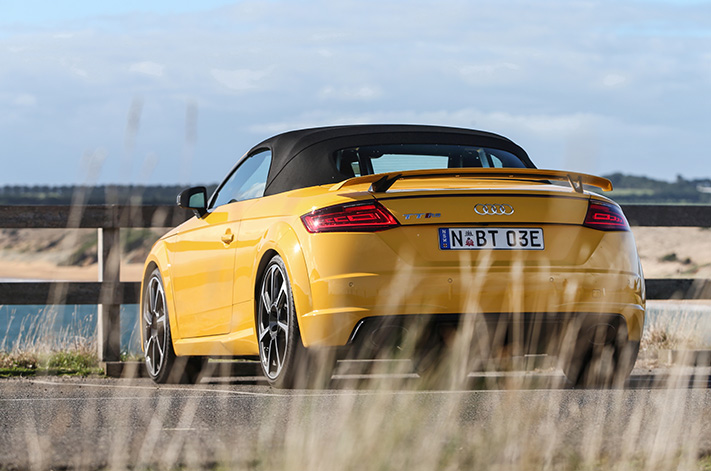
If you look at the Rolls-Royce Sweptail and see something that resembles a luxury yacht, that means it worked.
In 2013, one of Rolls-Royce’s “most valued customers” approached the company with a request.
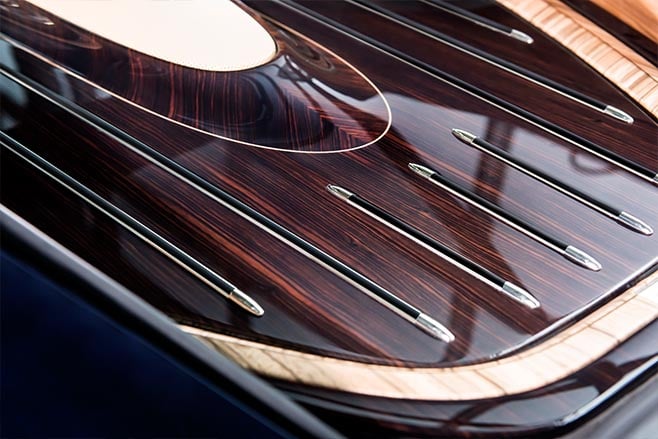
Almost five years later, the Sweptail is the result of that request.
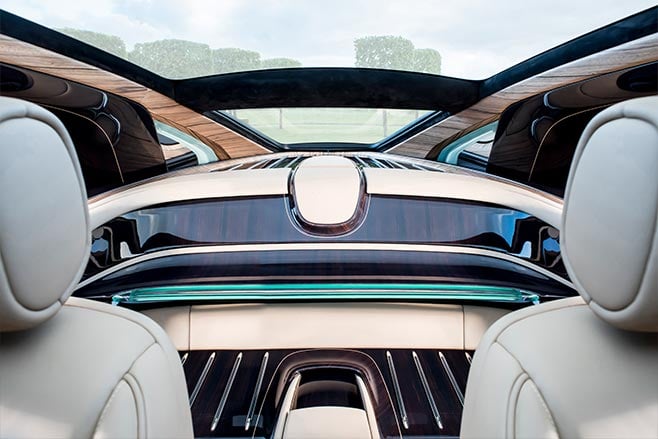
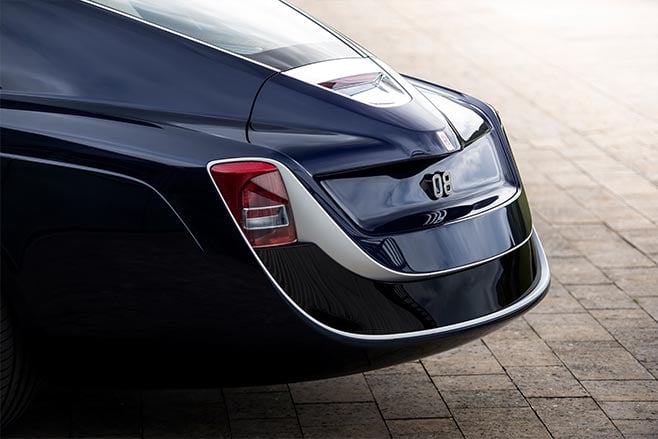
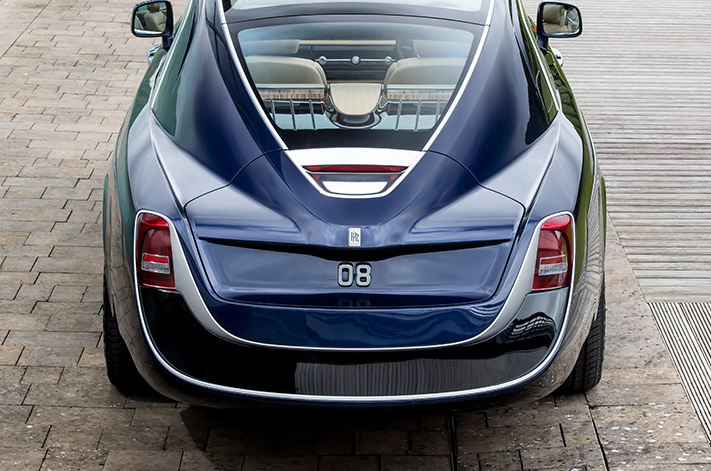
The most obvious unique element of the Sweptail is its namesake, the tail of the car which mimics the sweeping rears of early Rolls such as the Phantoms of the ‘20s and ‘30s, as well as evoking imagery of luxury yachts.
CAR Magazine in the UK did, however ask Rolls CEO who said, “it was substantially expensive. Substantially expensive.
“You can easily say that this is probably the most expensive new car in ages… ever.”
Even if the engine’s tweaked, it’s clear this car isn’t going to be driven hard, if much at all.
“This customer came to the House of Rolls-Royce with an idea, shared in the creative process where we advised him on his cloth, and then we tailored that cloth to him.”
In a car this outlandish, there’s likely to be plenty of judgement indeed.
WHAT IS IT? A departure from the traditional rear differential that takes torque distribution away from a set of ring, sun and planet gears and hands it over to just two gears and a lighter, more compact pair of multi-plate clutch packs.
First published in the May 2017 issue of Wheels Magazine, Australia’s most experienced and most trusted car magazine since 1953.
The innovation forms part of Holden’s new all-wheel-drive system that will be available under certain variants of the new European-sourced Commodore.
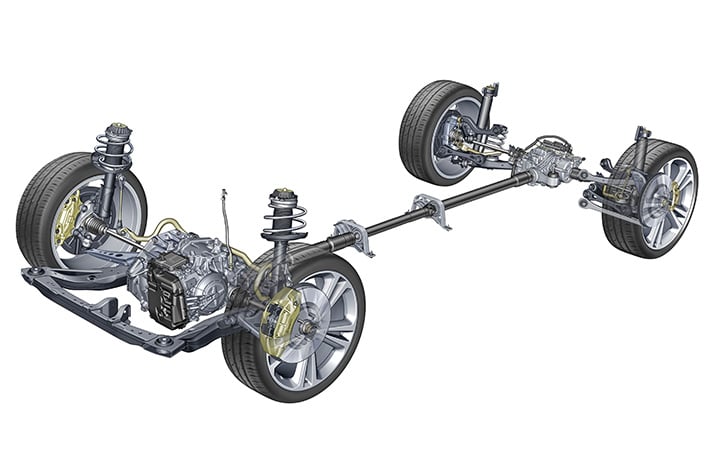
HOW DOES IT WORK? Unlike a purely mechanical differential, the Twinster solution uses an electronic controller located on the unit, which is connected into the vehicle’s stability systems. Information regarding wheel slip and available grip is monitored 100 times per second and is sent to the controller, which alters clutch slip.
As clutch pressure increases, the locking effect also increases and more torque is sent to the individual wheel.
Explained: Variable Compression
Operation is similar to a limited-slip differential (LSD) but rather than the two rear wheels being locked together for boosted traction, the Twinster clutches work completely independently for greater control and flexibility.
As a bonus, the independent functioning allows the system to incorporate ‘torque vectoring’ which enhances cornering performance by braking an individual wheel, or apportioning torque to it.
BONUS: Satellite navigation
Not exactly a new idea! In-car navigation is more accessible than ever. From the increase of sat-nav as a standard feature, to smart phone mirroring, excuses for getting lost in a car have been harder and harder to come by since the mid-’00s.
However, the first digital in-car navigation system made its debut 36 years ago in 1981 as a dealer-fit option on select Hondas sold in Japan.
Called the Electro Gyro-Cator, it worked by using a helium gas gyroscope to estimate speed and the direction of travel instead of info relayed by satellites like modern units.

The Gyro-Cator was an adaption of technology used in fighter jets at the time, and the driver would have to place a transparent map inside the unit at the start of each trip.
The system cost ¥300,000 (A$3577, or around $10,000 adjusted for inflation), but was discontinued – yes, really – a year later in 1982.
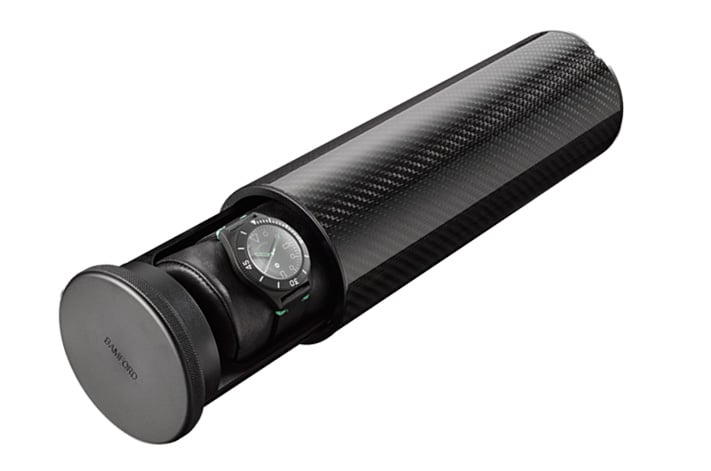
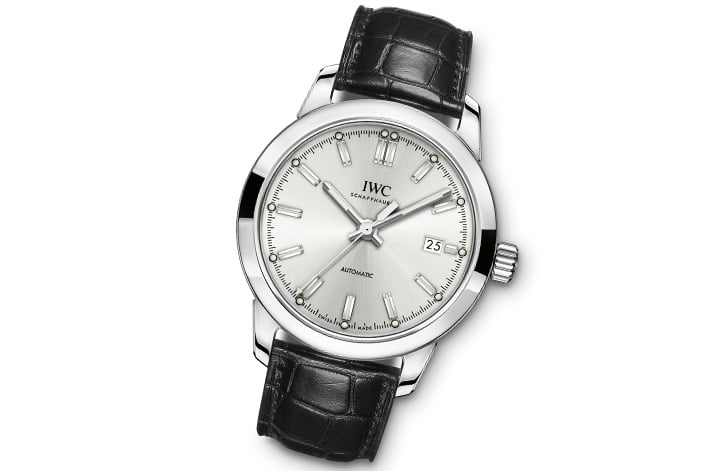
Check out below our pick of awesome gadgets we (wish) we could buy this month!
First published in the May 2017 issue of Wheels Magazine, Australia’s most experienced and most trusted car magazine since 1953.
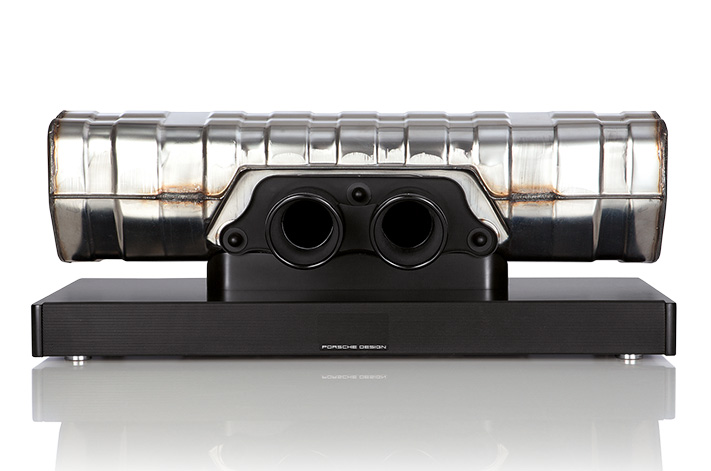
If your budget can’t quite stretch to a complete 911 GT3, Porsche fans can still annoy the neighbours with a wicked soundtrack, courtesy of the Porsche Design 911 Soundbar. The Bluetooth system uses a real GT3 exhaust back box to amplify and deepen sounds as it does when it’s attached to the car. DTS TruSurround and 200 watts of sound are the only emissions.

BMW has launched not one, but five new collections to celebrate its connections to various sporting disciplines. Motorsport, sailing and golf are all represented by the range of clothing and accessories. Included is a hoodie that borrows the camouflage pattern worn by disguised prototype vehicles, while a conspicuous white leather jacket is part of the Motorsport Heritage line and sports the company’s unmistakable M-colours.

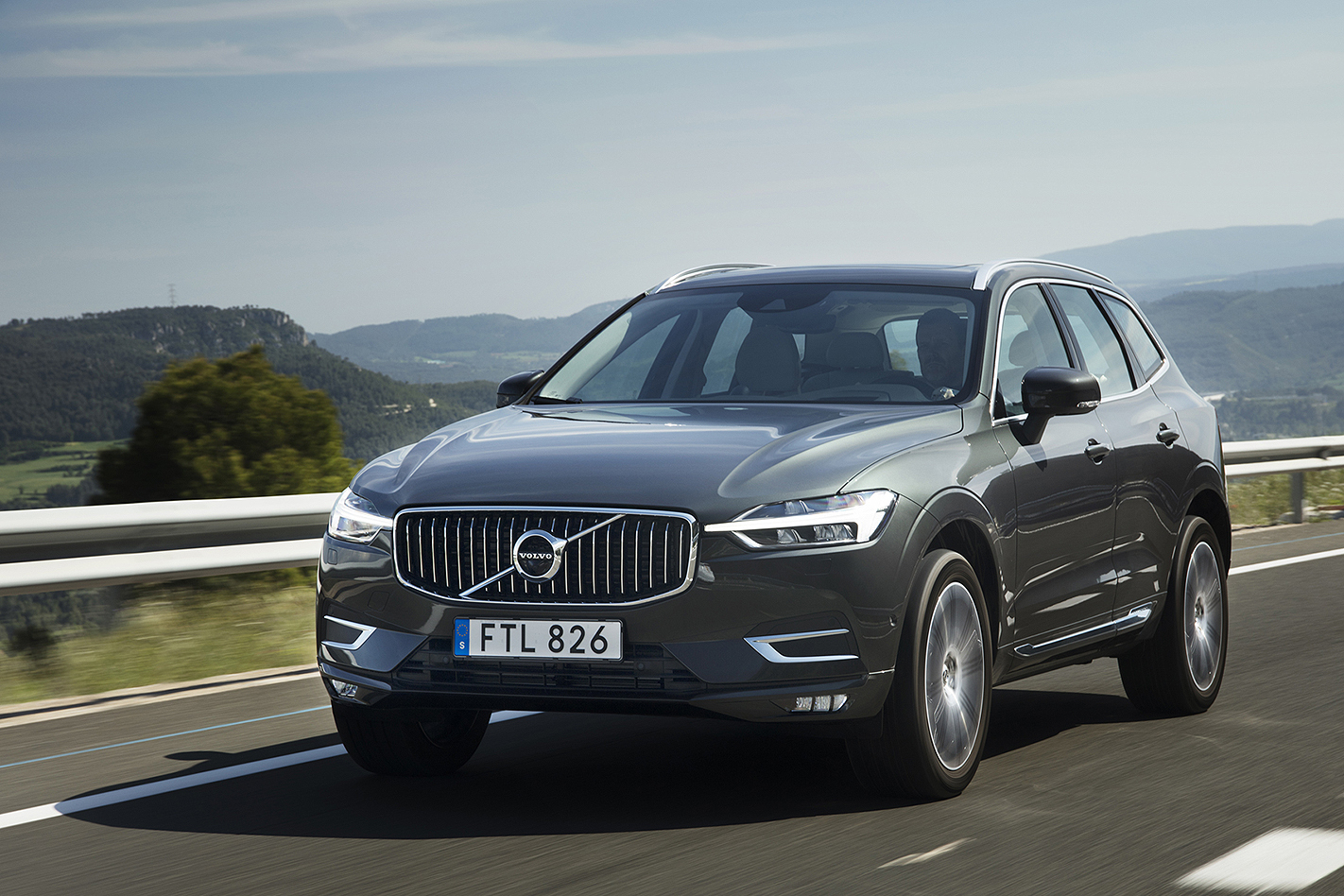
VOLVO’S middleweight SUV detaches itself from the usual contenders in the premium sector by focusing on safety and sustainability rather than performance or off-road ability. Does that make it a bit boring? Not a bit of it.
WHAT IS IT The XC60’s task would appear to have become tougher with many new entrants in the upper end of the middleweight SUV sector. Rather than compete head-on with the cars like the Land Rover Discovery Sport or the Audi Q5, Volvo delivers downsized fuel-efficient engines and a typically Scandinavian level-headed take on what family buyers really want and need.
WHY WE’RE TESTING IT With the biggest sector share in Europe, we were keen to see whether the XC60 could continue that record. It’ll need to step up to the plate here in Australia, where the car has comparatively underperformed. An early steer of the cars that’ll soon be in Aussie dealers was too good to pass up.
MAIN RIVALS Audi Q5, BMW X3, Jaguar F-Pace, Land Rover Discovery Sport, Mercedes GLC, Porsche Macan
THE WHEELS VERDICT While it looks at first glance that Volvo has played it safe with the XC60, the engineering is evidence of a huge gamble. Will downsizing the engines pay off? We think it will. Volvo can probably make this work, but its key German rivals might encounter more buyer resistance making this shtick work for them.
PLUS: Design values indoors and out, efficiency, build quality, passive safety MINUS: Some active safety functions need refining, T6 petrol engine lacks character, modest boot
THE WHEELS REVIEW As slips of the tongue go, it was telling. “We hope you enjoy…” and a slight furrowing of the brow as Magdalena Morin, Volvo’s senior program director for the 60 series cars mentally translated the right descriptor of the XC60, “this perfect car.” Perfect. That’s quite some billing. Everybody else, lay down your tools, it’s not going to get any better than this.
Perhaps you can forgive Morin a certain pride in a job well done. The old XC60 set a heck of a benchmark, having been on sale for nine years, with 2016 – its final full year on sale – netting its highest sales figures. That’s not supposed to happen. The usual template is for cars to shift big numbers in the first three years whereupon buyer interest tails off.
Which is why at first glance, it looks as if Volvo has played the design of the latest XC60 extremely safe. Yes, it’s a bit bigger and a bit sharper in its detailing, but it would still drive past many people who were acquainted with the XC60 without them figuring it was all new.
It’s anything but a cop out though. In fact, this might be the biggest roll of the dice in the whole sector. The hugely customisable chassis architecture that underpins the XC60 – SPA, Scalable Product Architecture – won’t accept any engine bigger than a doughty four-pot up front. Forget the big V6s or five-pot warblers of the past. Gothenburg is betting the house that you won’t miss ’em.
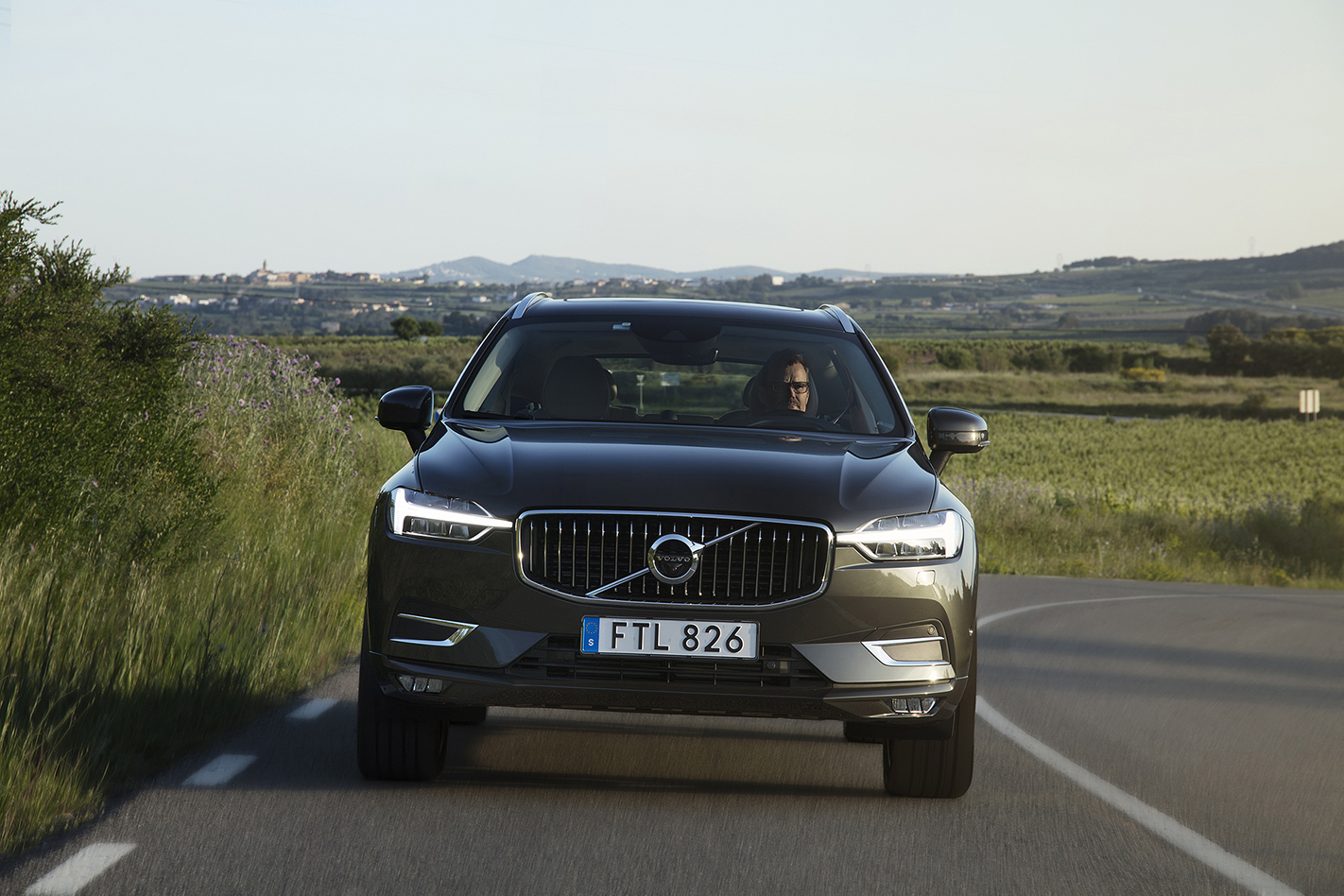
Lutz Steigler, Volvo’s director of powertrains accepts that this may cost a few customers. “Yes, of course there will be some who want a bigger engine and we may not retain those customers,” he says. “But we are confident that we will attract more new customers as a result of improved efficiency.”
We’ve seen the SPA chassis on the 90-series Volvos of late and the XC60 is, in effect, a shortened version of the XC90’s floorpan which utilises the same engines. For Australia that engine choice will comprise five powerplants to begin with, the petrol T5 and T6, the diesel D4 and D5 and the petrol/electric hybrid T8.
Available on the Barcelona launch were the 235kW T6 and the 173kW D5, all auto and AWD, with the test cars rather annoyingly fitted with the air suspension and active shock absorber setup that will be an option when they arrive in Australia in Q4 of this year.
Those who don’t want to shell out for the clever air system will instead get a passive multi-link front and leaf spring rear setup. We’ll have to wait for the local launch to see how that acquits itself in our conditions.
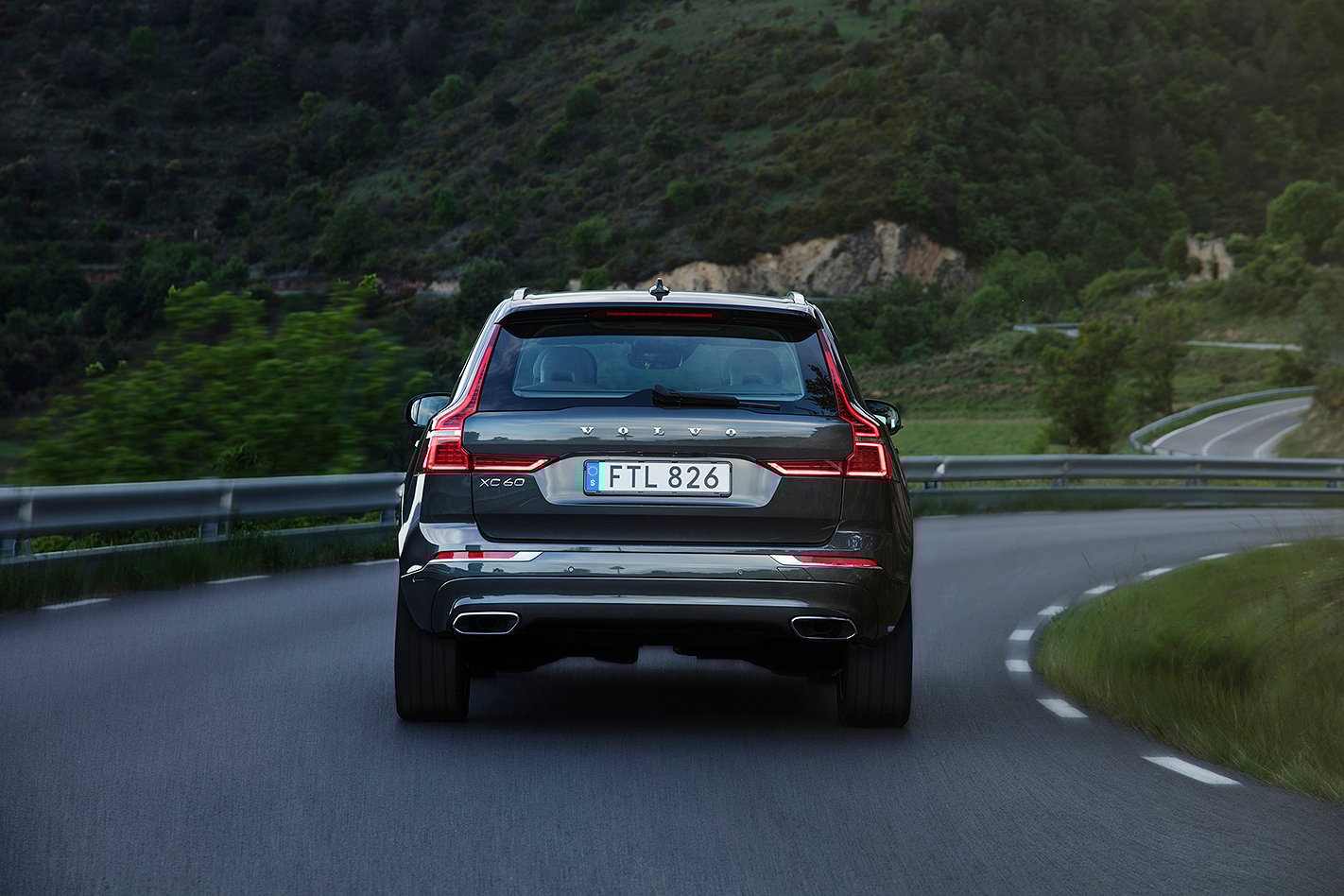
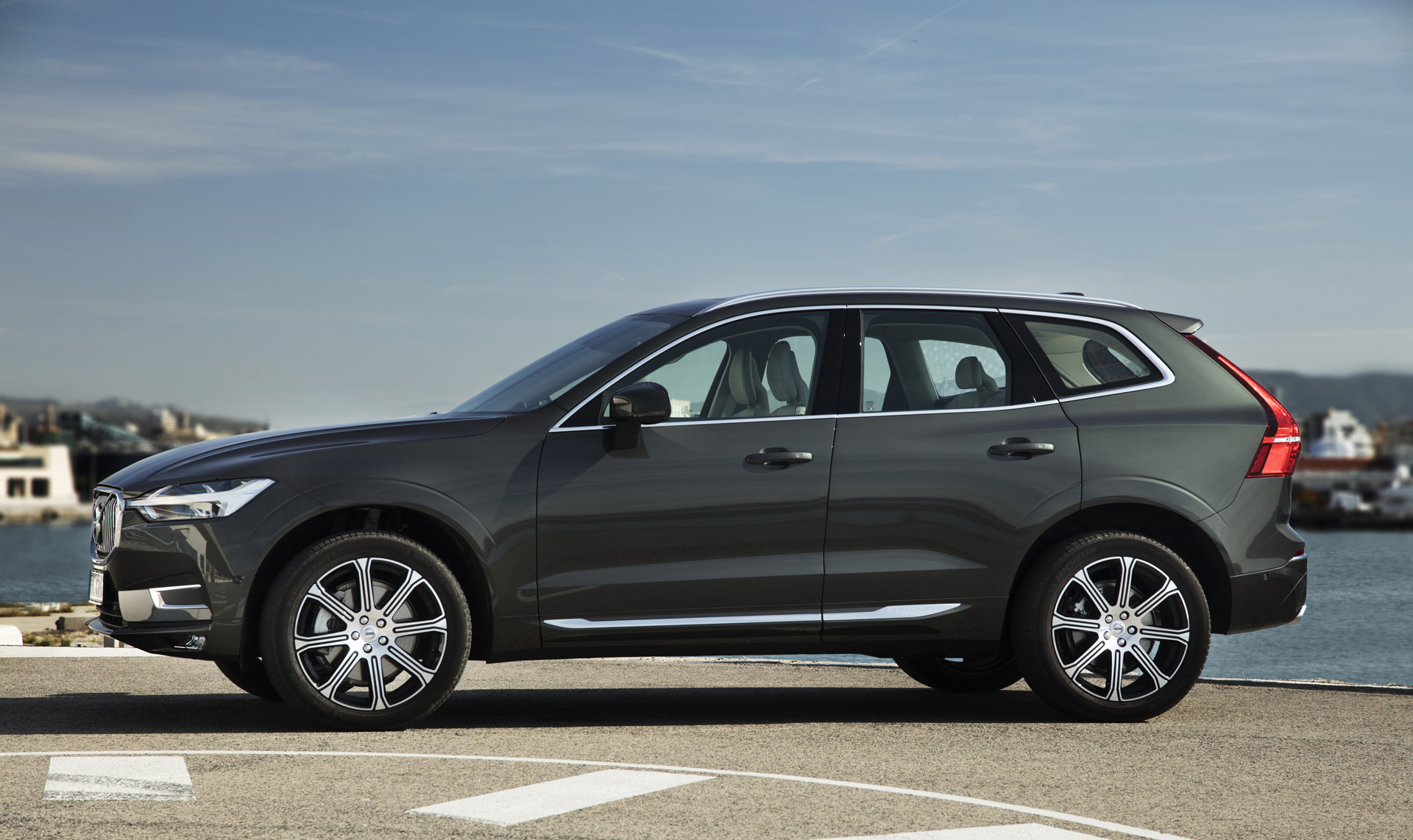
The presentation of the XC60 can’t fail to impress. The styling is clean and sleek, the superstructure a little more cab-back than before, with a lower roofline and some slick detailing like the ‘Thor’s hammer’ LED daytime running lights.
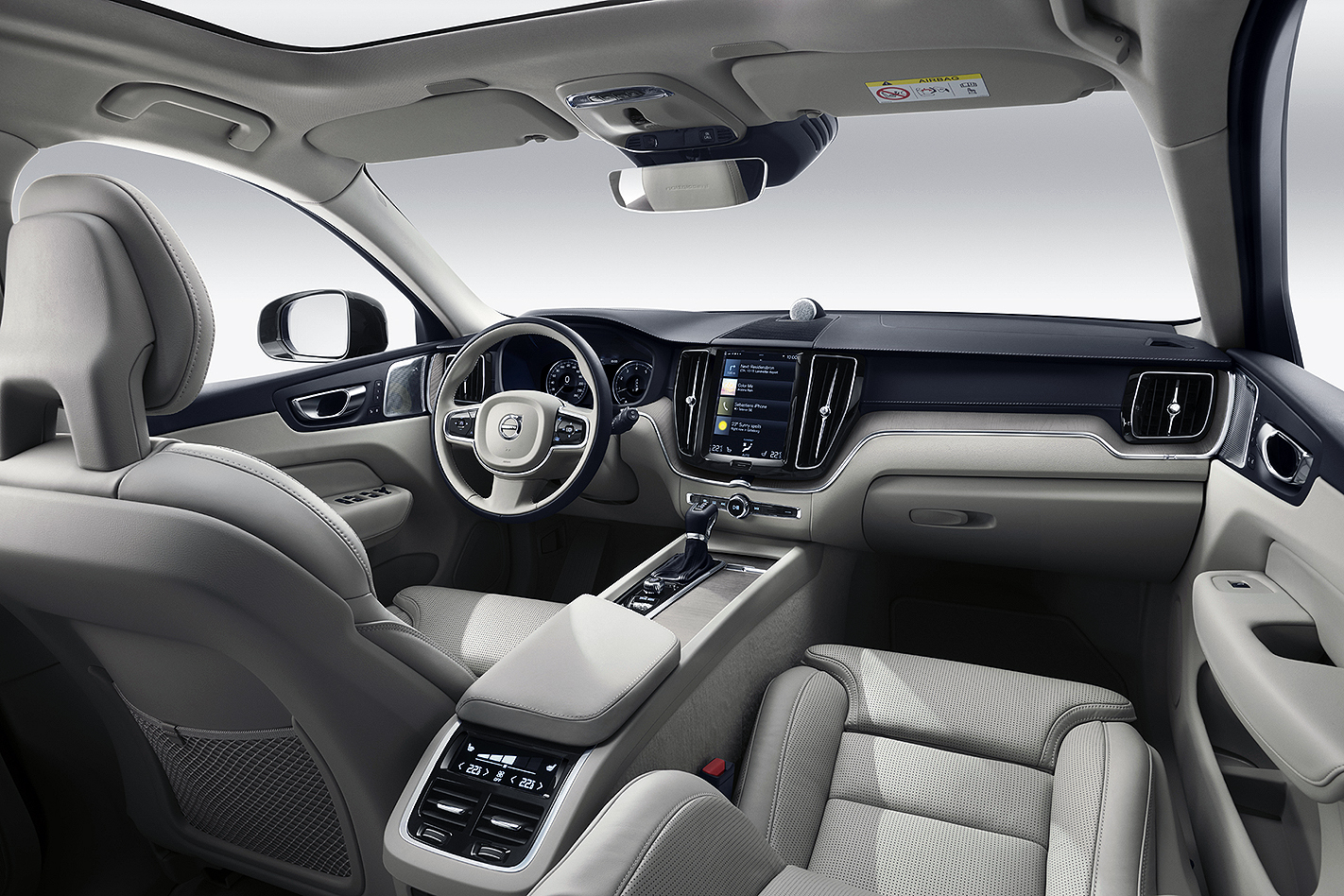
Drop inside and the Inscription trim cars are beautifully finished with ash blonde dash infills and perforated leather. There’s a portrait-orientated Windows CE-powered 9.3-inch touch screen on the centre console, something which Volvo is very proud of, bristling when it’s described as ‘Tesla-style’. “We thought of that first,” says Morgan Vos, the director of the infotainment platform, who’s overseeing a wholesale migration in the next couple of years to a powerful Android-based architecture.
With Audi also on board with this tie-in with Google, Vos is confident that this system will gain enough momentum to become an industry standard. There’s not a whole lot wrong with the XC60’s current setup though, dubbed Sensus. Pairing phones, figuring out the nav and switching between audio functions is easy to get to grips with, the tile-based screen not acting as a major distraction. You get both Android and Apple integration too.
Passenger space is respectable both front and rear, even with a full-length glass sunroof scalping a few centimetres of headroom, though the beltline cants up quite sharply in the back, denying smaller kids a view out.
Somewhat oddly for a car that’s so much bigger in most key dimensions than its predecessor, the boot measures a mere 505 litres, most of its rivals adding another 50 litres or so. Certain compromises have had to be made for the luxury of being able to package a hybrid drive system underneath.
The T6’s supercharged and turbocharged engine makes all the numbers if given a merciless prodding but sounds charmless in its hollow acoustic signature and unenthusiastic in its personality. Switch it into Dynamic mode and there’s a sound symposer system that accentuates the second order firing sequence of the four-cylinder engine, with an almost imperceptible extra degree of gravel and bass.
“We didn’t want to mimic the sound of a V6,” says Stiegler. “That would be odd. It’s a four-cylinder,” he shrugs.
The Aisin eight-speed auto will drop a couple of gears fairly swiftly and otherwise does a good job of slurring up and down the ratios.
Handling? Do Volvo buyers care? It’s safe and confidence inspiring up to a point, but doesn’t egg you on to discover exactly where that point is. Ride quality on the air springs is exemplary, despite the optional 20-inch alloys fitted to these test vehicles.
The BorgWarner AWD system is another Swedish confection, in this case built in Landskrona. It uses a slick centrifugal electro-hydraulic activator to alter the front-rear torque split from almost 100:0 to 50:50 without recourse to an accumulator or a solenoid valve. For the XC60 such a system works admirably. For a Land Rover Discovery Sport, it might be deemed a bit fey.
The D5 diesel suits the XC60’s character a whole lot better. With 480Nm of torque compared to the T6’s 400Nm, with it arriving 450rpm earlier at just 1750rpm, the diesel engine makes the most of the auto box’s ability to plug you unerringly into the torque peak and the additional weight in the nose, which might be a deal-breaker in a Macan, makes little to no real-world difference here.
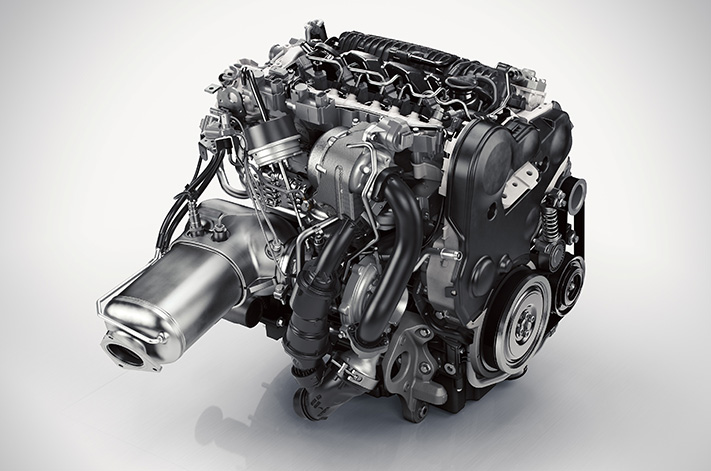
The D5 also buys you an extremely cool piece of technology, dubbed Power Pulse. An electric compressor fills a reservoir with compressed air. Put some demand on the turbocharger at low revs – where turbos traditionally struggle to spool up from exhaust gases and therefore give that nasty feeling of lag – and the Power Pulse system releases a puff of compressed air to spin up the turbo’s vanes.
The reservoir and compressor sit where the battery radiators on the hybrid cars would normally reside, so it’s a smart, effective and relatively cheap way to overcome a problem that has tested engineers for years.
It doesn’t work with petrol engines though. Due to the different ways diesel and petrol engines burn their fuels, there’s a minimal NOx emissions penalty with the diesels but a sizeable one when the system is used on the petrols. Besides, the supercharger plugs the hole in the turbo’s repertoire in the XC60 T6.
Volvo makes great play of the new active safety features on the XC60, including a semi-autonomous PilotAssist system, which will keep you in lane with the active cruise activated. As with all such systems, customers will doubtless attempt to game the limits of the algorithm. We did. After fifteen seconds or so of no steering torque, PilotAssist will deactivate and if it does that in the middle of a highway sweeper, you’re likely to find the car ploughing across lanes in a straight line.
The galling thing about it is that with the vast suite of sensors on board, the car knows it’s doing this. I can’t help but feel that other manufacturers do this sort of thing better. Even when maintaining a light hand on the wheel, there’s a queasy slow-motion pinballing sensation and it’s not always easy to gauge exactly under which set of criteria PilotAssist will switch itself off.
Otherwise it’s hard to pick holes with the strides Volvo has taken in its quest for zero fatalities in their products by 2020. There are the usual big ticket safety systems but it’s the attention to detail that impresses, such as the way the XC60 has rotated its A-pillars around for a better field of view whilst retaining strength in the event of a rollover.
The windscreen wipers are brilliantly effective too, firing water from a series of tiny nozzles along the length of the arm just millimetres ahead of the sweep of the wiper blade.
The XC60 also debuts three collision avoidance functions which will also find their way into the 90 series cars at the next facelift.
In pinpointing what its target clientele wants and ruthlessly jettisoning any peripheral attractions, the XC60 is a beautifully-honed thing. Despite Volvo’s earnest assertions, it’s not perfect, but it is extremely smart and offers enough surprise and delight to make an instant impression in showrooms. How it figures against the other big hitters in its class is hard to gauge.
We’d like to try it with conventional suspension on Aussie roads to come to a definitive verdict but even then, that could prove tricky. In playing by a different set of rules, the XC60 makes direct comparisons onerous. You’ll probably know if you want one already and unless you’re absolutely wedded to the character of large capacity engines, we don’t think you’ll be disappointed.
Vote for the Volvo XC60 to win the 2018 Wheels Car of the Year Readers’ Choice competition
SPECS Model: Volvo XC60 D5 Engine: 1969cc inline 4cyl, dohc, twin turbo diesel Max power: 173kW @ 4000rpm Max torque: 480Nm @ 1750-2250rpm Transmission: 8-speed automatic Weight: 2050kg (as tested) 0-100km/h: 7.2sec Economy: 5.5L/100km (combined) Price: $75,000 [estimated] On sale: Q4 2017
THE vaunted AMG badge is set to become even more accessible, with AMG chief Tobias Moers confirming the Affalterbach-based performance arm of Mercedes-Benz is preparing a set of lower-cost, lower-output companions for its A45, CLA45 and GLA45 models.
Expected to wear a -35 suffix, these cars will follow the template set by the recently-arrived C43 and E43 by trading outright performance for a more affordable price point – yet still rock bona-fide AMG DNA. Precisely how many kilowatts they’ll have is still secret, but expect output to fall somewhere between the current-gen A250 Sport’s 160kW output and the A45’s rip-snorting 280kW.
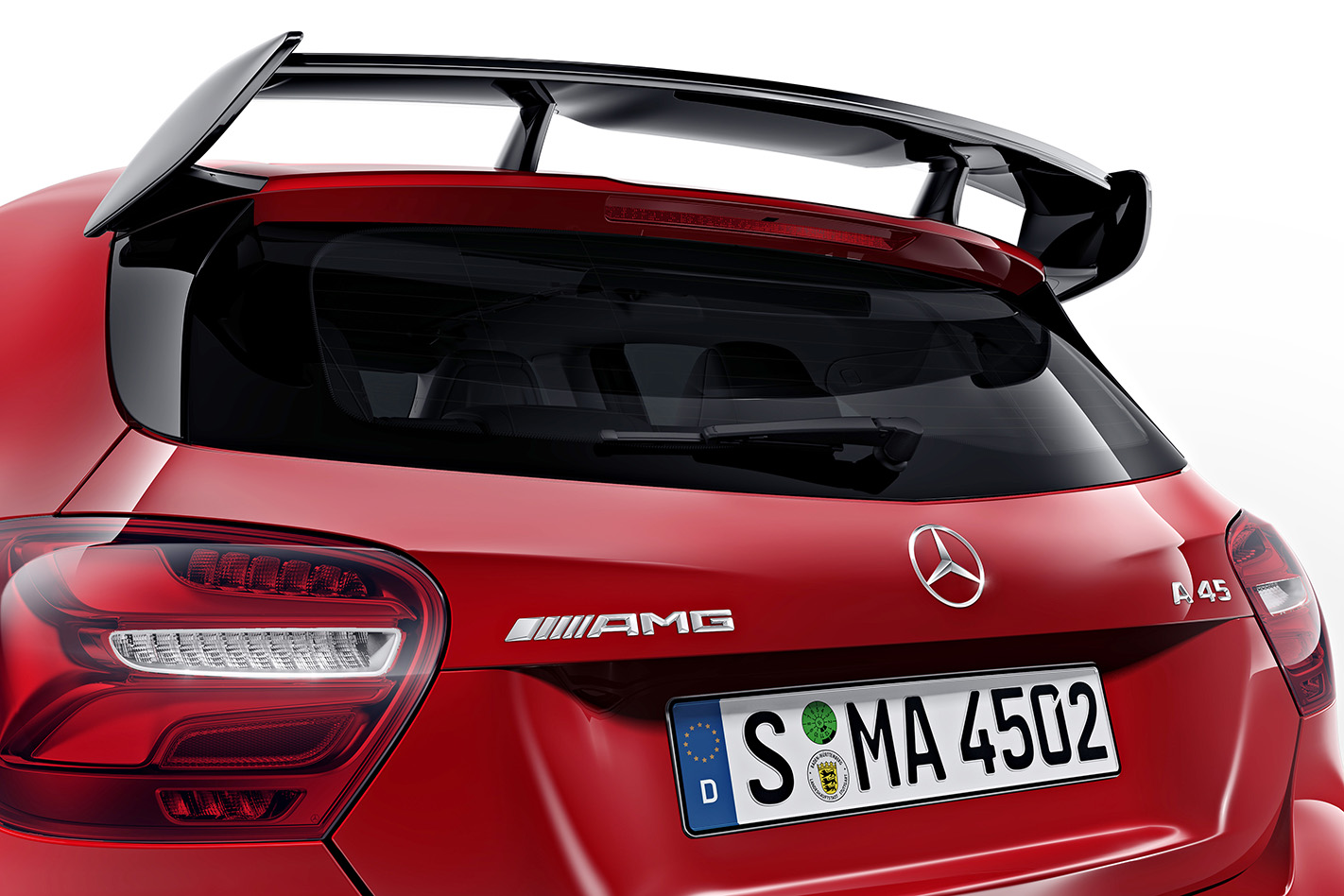
Like the C43 and E43, the A35’s 4Matic drivetrain, suspension, exhaust and brake package will also receive the AMG treatment. It won’t be as extreme as the -45, but it apparently won’t be wanting for bark either. If you thought the A250 Sport was too gentle, the A35 should satisfy.
The expanded AMG A-series family will roll into showrooms when the line-up changes over to the new MFA2 architecture – the next evolution of the platform that underpins the current range. There will, however, be a wait.
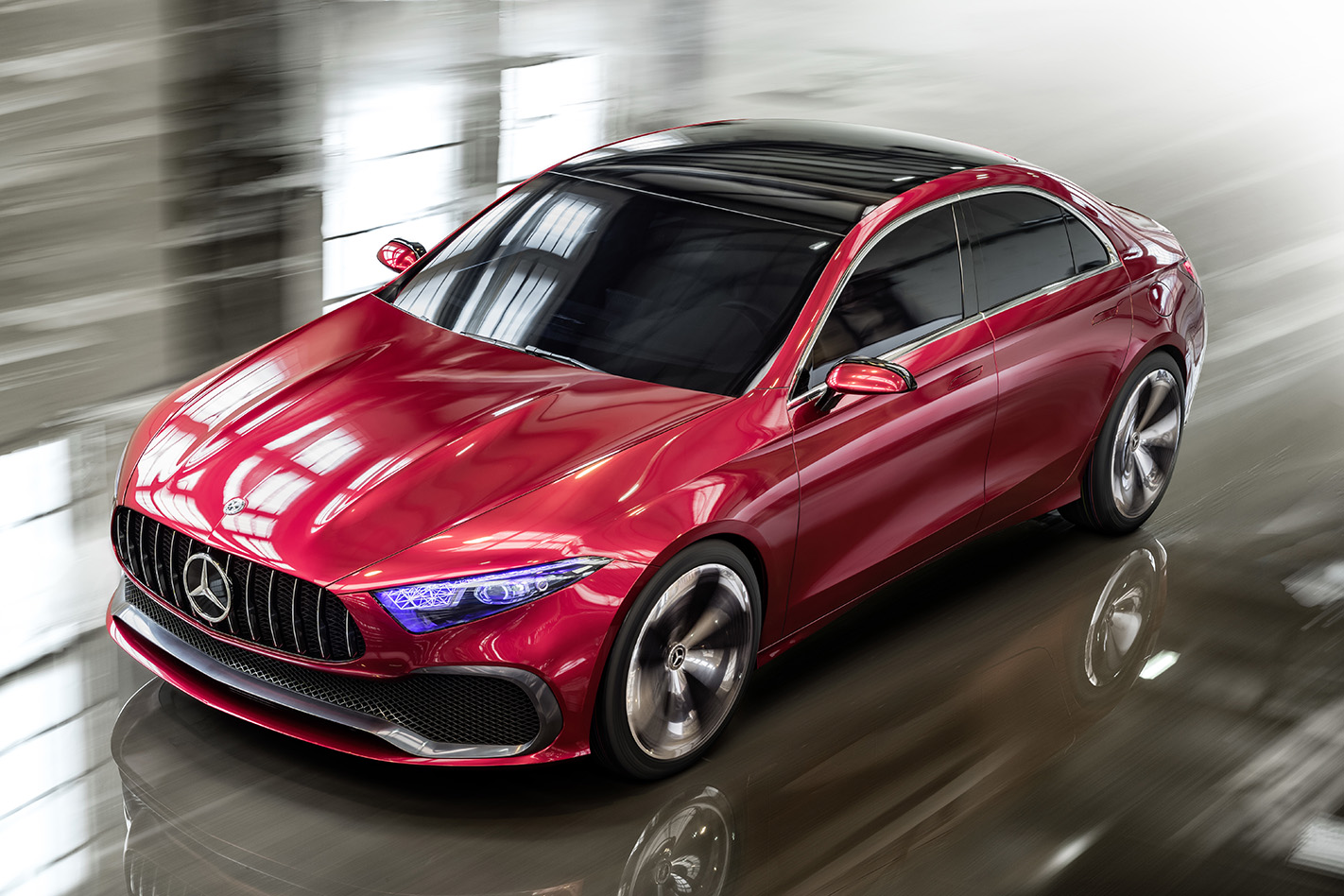
Benz has already previewed the next A-Class in the form of the Concept A sedan (above) which debuted at the Shanghai motor show in April, but production versions of the new A-Class hatch won’t start rolling onto Australian soil until late 2018.
The sedan will likely wait until the following year, and there’s no official word on the future of the CLA either.
As for power outputs for the A35, we can only speculate. 220kW would be a reasonable guess – especially as the A45 looks set to breach the 300kW barrier – and allow AMG to parry the 213kW Audi S3 sedan and hatch. With the current Mercedes-AMG A45 retailing at $78,315, the incoming A35 could conceivably be priced in the same realm as the $62,900 Audi S3 as well.
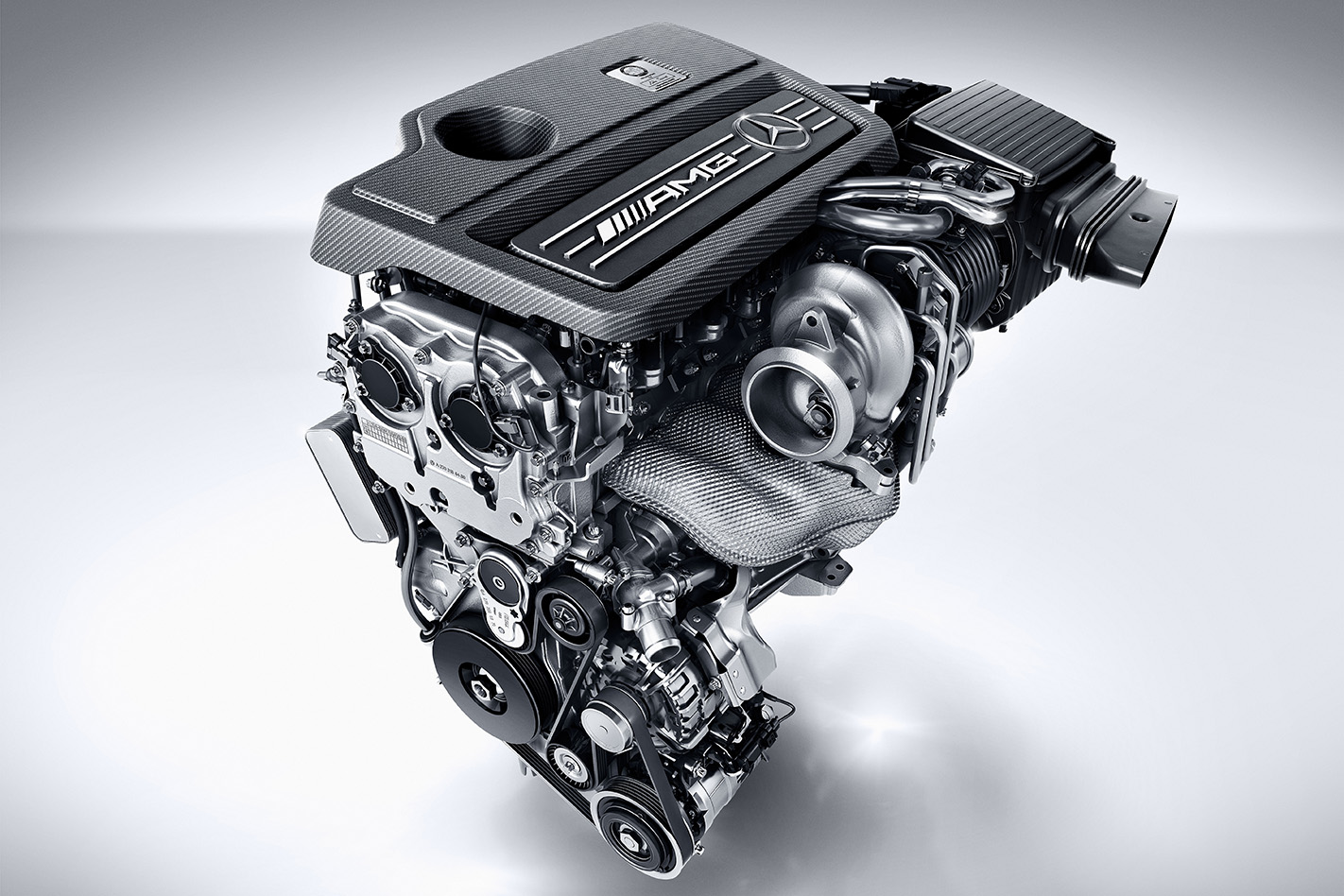
“It’s still some time away before we know exact details, but it would make sense for the A-Class to follow in the steps of the C-Class with regard to offering an entry AMG below the A45,” Mercedes-Benz Australia spokesman Jerry Stamoulis told Wheels.
“However, the way the nomenclature will work and how it will all pan out is still very early to commit to.”
Expect to hear more detail of the new A35 range as its 2018 launch approaches.
Volvo’s chief executive Hakan Samuelsson casually dropped a massive bomb into the middle of an interview with German publication Frankfurter Allgemeine Zeitung this month.
“From today’s perspective, we will not develop any more new generation diesel engines,” Samuelsson said. The Volvo PR machine subsequently went into full spin mode, claiming that Samuelsson had been discussing options rather than a firm plan to stop the further development of diesel engines.
However, Wheels spoke to Volvo’s drivetrain director, Lutz Stiegler, last week who confirmed that the jig was indeed up for diesels. When asked about investment in next-gen diesels, his answer was an unequivocal “we will not do this.”
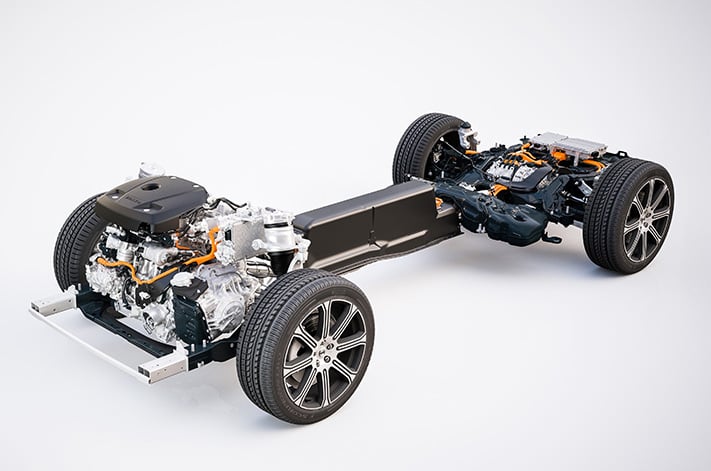
Therefore the diesel engine family fitted to the latest XC60 will be the last the Swedish company builds. The good news is that they look good enough to last Volvo through to its phased withdrawal and the 300kW plug-in hybrid XC60 T8 range-topper is a mouthwatering glimpse into Volvo’s diesel-free future.
Usually, turning 50 means slowing down. Not for AMG.
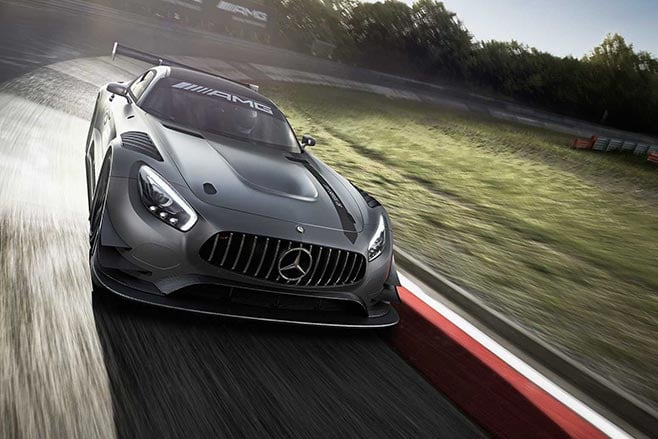
The Affalterbach-based Mercedes performance arm has celebrated its half-century milestone by announcing the release of an exclusive AMG GT3 car, the Edition 50.
Only five will be made, so it’s likely all of them will have sold (whether officially or not) in the time it has taken to read this news story. Or sooner.
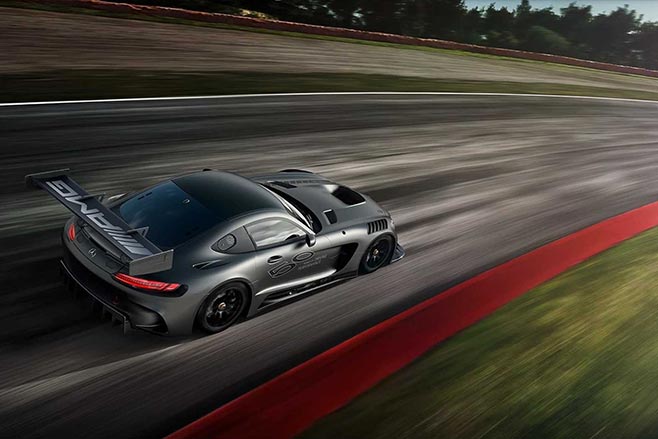
“It forms the basis for an extraordinary special model which Mercedes-AMG is issuing to mark its 50th birthday.”
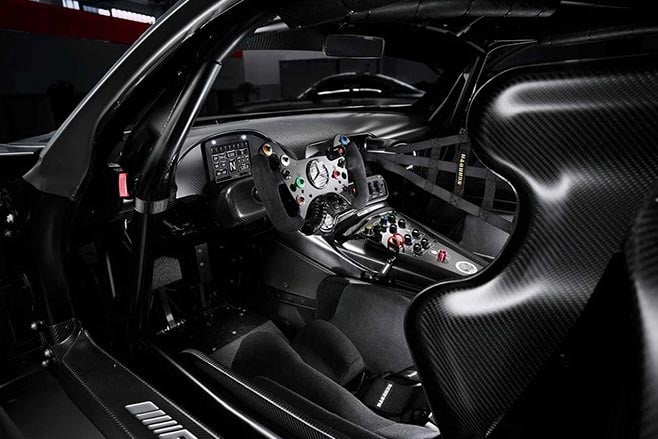
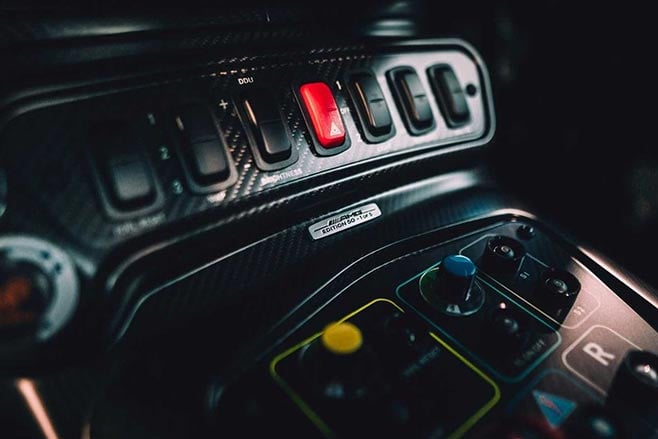
Inside, the GT3 Edition 50 cops a racing fitout, with a roll cage, carbon fibre-shelled seats, silver six-point seat belts, and AMG logos in the doors and sill.
Unlike the road-going AMG GT, the GT3 uses the ultimate version of AMG’s former 6.2-litre naturally-aspirated V8, which produces up to 485kW though is usually run heavily restricted to ensure parity.
In a statement, AMG said it believes it will crack “the barrier of 100,000 units” by the end of 2017, as strong sales in the first quarter kindled optimism.
“Another factor is the worldwide success of the popular eight-cylinder models in the 63 series, and the 45 series models in the compact segment.”
WHAT do you do when you feel the heat of Audi, BMW and Mercedes-Benz bearing down on your ultra-luxury limo party and need to reassert yourself as the “world’s leading luxury goods provider”?
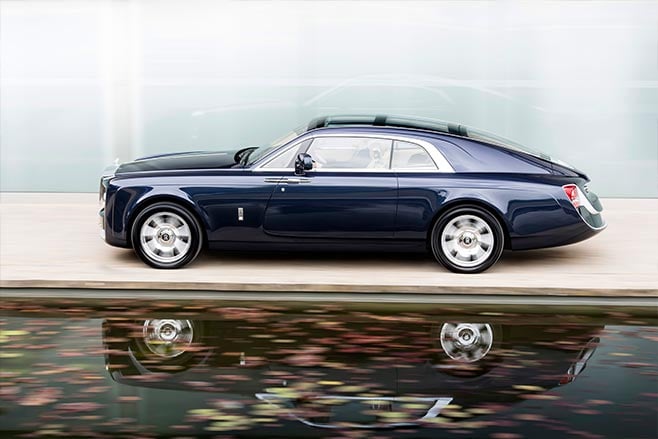
If you happen to be Rolls-Royce, then you build a one-off, bespoke Sweptail coupe, which is reported to be the most expensive car in the world.
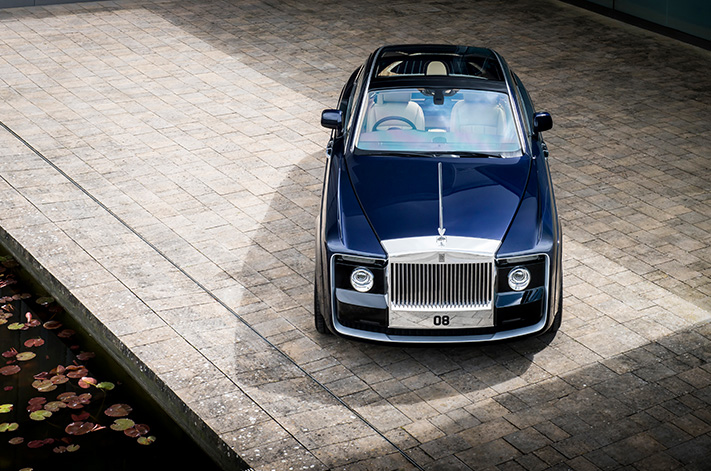
Of course, Rolls would never be so uncouth as to discuss the awkward matter of money when it comes to such an aspirational and unique vehicle, but we will – if reports that the Sweptail cost upwards of $16m are accurate, it takes the record as the most expensive known new car offered to date.
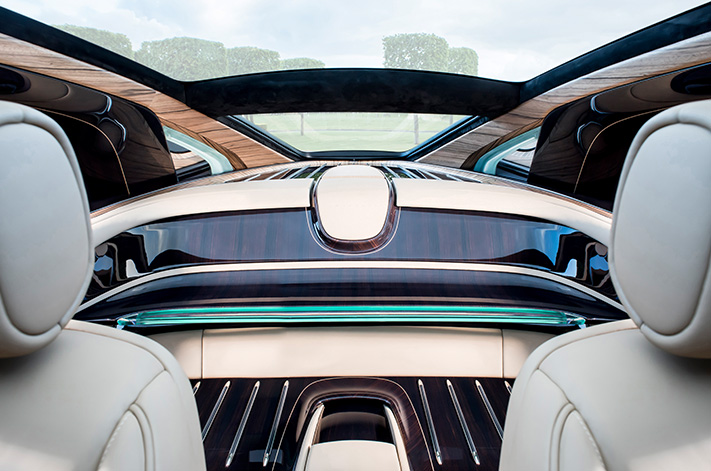
Despite sharing the proportions and length of a decent sized boat, the Sweptail accommodates just two, with all of the remaining space reserved for luggage and artistic licence.
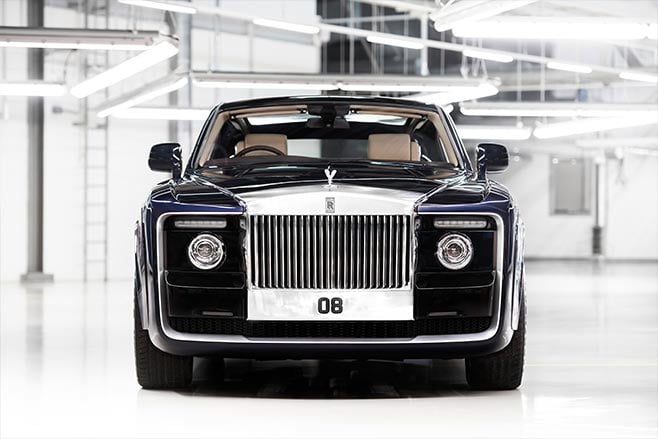
Its snout is framed by a continuous brushed aluminium band more akin to a Dyson cooling fan and dominated by a huge version of the traditional Rolls-Royce Pantheon grille, which has been machined from a single piece of aluminium and painstakingly hand polished to a mirror finish.
Allowing prison inmates to stamp out a Rolls rego plate would be as inappropriate as starting a Mexican wave at the opera. Instead, the car maker machined the two-digit ID from more aluminium and inlaid it to the lower grille and boot lid. One assumes the customer is not considering the possibility of the car ever having a second owner.
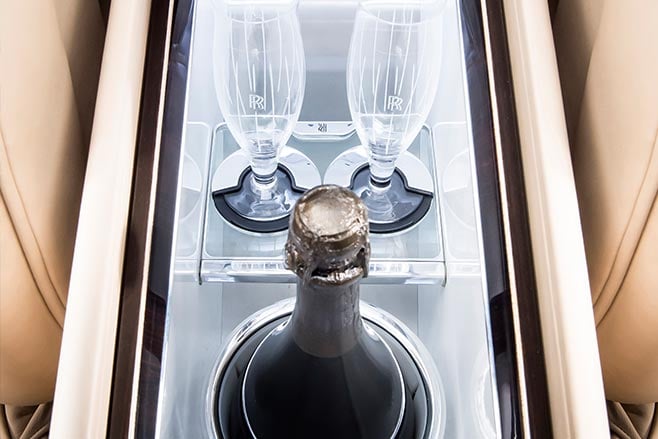
Examples of Rolls-Royce’s hyperbolic accessories include a mechanism installed to the centre console, which produces a bottle of champagne and a pair of flutes at the touch of a button, and implies the car is going to a country with relaxed views on drink driving.
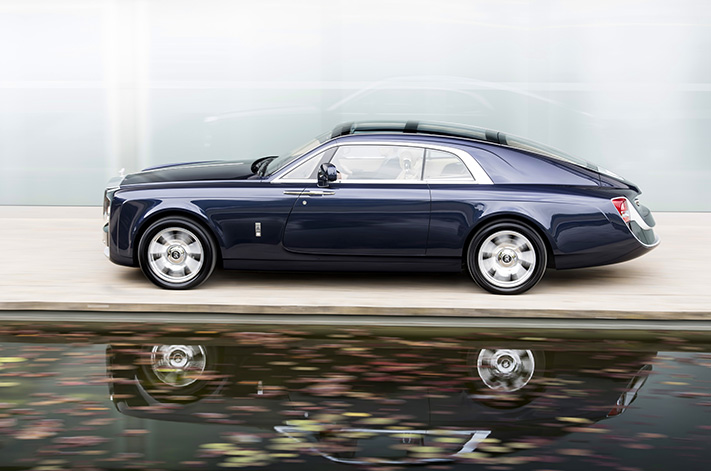
The Sweptail takes design cues from a number of classic and vintage Rolls cars, including the Phantom I Round Door, Phantom II Streamline, Gurney Nutting Phantom II Two Door Light Saloon and 20/25 Limousine Coupe, all of which are also rare and exclusive in their own right.
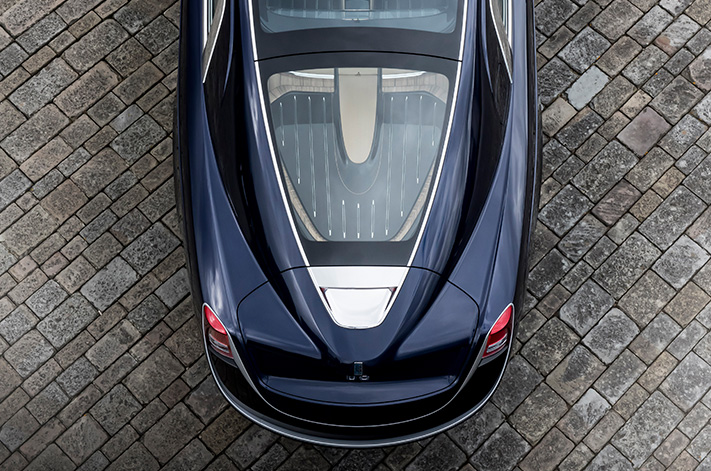
The Sweptail made its debut at the Concorso d’Eleganza at Villa d’Este on the weekend on the shores of Lake Como in Italy, but exactly where in the world it will call home remains undisclosed.
Its right-hand drive configuration leaves only a handful of possible global locations, and the number eight in its registration chalks Hong Kong as a likely location, where the figure is considered especially auspicious.
MEET Mario Fasanetto. He’s Lamborghini’s chief test driver and has helped shape every modern Lamborghini since the Countach.
Many would say you have the best job in the world? Do you see it that way?
Yeah, it is. I’m really lucky because my job is what I love to do. It’s always been my passion to become a test driver. I was born in a small town near Sant’Agata and I remember when I saw my first Lamborghini. I was really excited and saw a white Countach, and for me it was like a space shuttle. It was amazing, I was so surprised by it. Life is strange. I’m very happy.
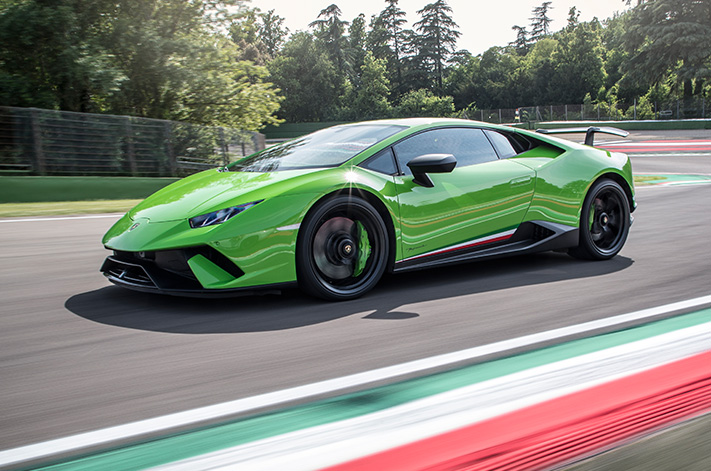
I started in 1985 at Lamborghini, so 32 years ago, and I became a test driver in 1993. After that I moved to different area inside Lamborghini, so aftersales test driver, production, and since 1998 in R&D, which is one of the most interesting area of the factory because that’s where we test all the new prototypes and all the new parts going into production for the future. In my point of view, the new Huracan Performante is a car I’ve already been testing for a couple of years, so it’s not new to me. This is a closed project, I’m already working on something new. That’s the best part of my job. I see the cars many years before everyone else. It’s amazing.
How do today’s cars compare to past Lamborghinis?
When I started in 1985 we had the Countach QV5000, 4 valve, and the Jalpa, 3.5 litre eight cylinder. Compared to our new cars it was a totally different universe, not just a different world. Totally different. These were cars you were really able to drive, they had no electronic controls, and they were really hard. The cockpit was really tight, even for me and I’m not so tall. But they were amazing. Those cars gave me big satisfaction.
You’ve helped create every modern Lamborghini. Do you have a favourite?
Each car has some different characteristics and I can’t tell you just one. But for each model, I’ll tell you what variant I enjoy to drive. For Diablo it was the GT, it was a really amazing version. The Murcielago, the SV, same for Aventador. Both are just unbelievable to drive. And for Huracan it is the Performante.
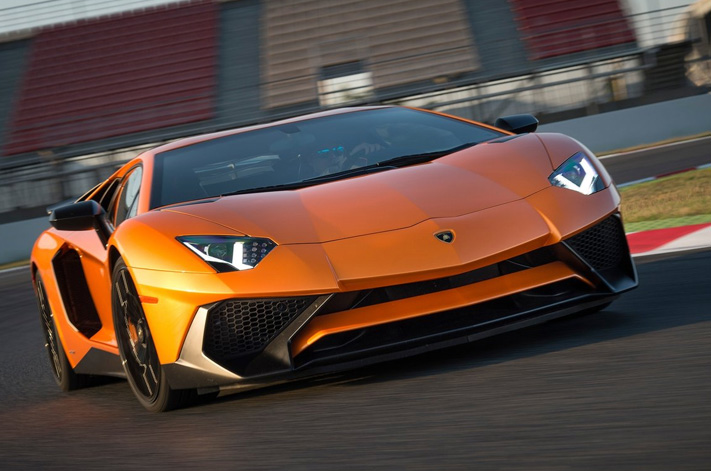
I’d take the Aventador. Or Performante. The Aventador’s lines and the noise are amazing. But the Performante, it’s not easy to leave behind on the track. It’s really, really fast.
Have you ever crashed?
Yeah…sometimes it just happens. 95 percent of my job is on the track so sometimes it’s unavoidable. I’m not always driving the standard car and I’m testing new components and sometimes when I have to test the limit of a new component…well, when you find the limit it’s normal that something happens. But that’s part of the game because I have to find the limit and then make sure we improve it for the customer.
How do the police treat you?
It depends. Sometimes they stop me just to check out the car because even for them, they love the car. But if you exceed with the speed there is no way they let me off. So I have to be careful. Though the police in this area know these cars and they know the type of job we are doing, so even for them this is something to be proud about.
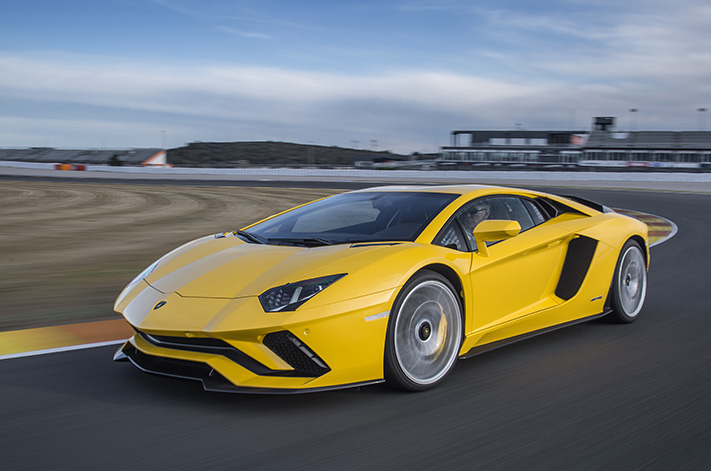
Even if the future cars are going to change a lot, they are really exciting because we can always do more. They will be faster but always safer. And from my point of view that’s really important because we have a big amount of horsepower and for the standard driver it is not easy to control. So a big part of my job is to make the car easy to drive. You don’t have to be scared when driving our cars, but you have to be excited and leave with a big smile and much satisfaction.
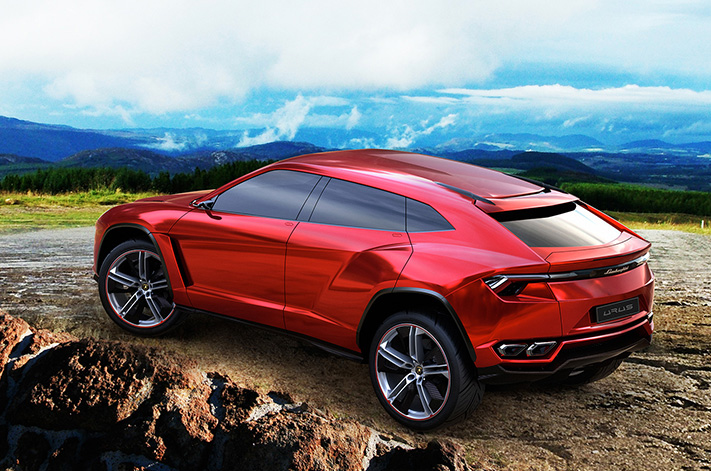
What’s the Urus like?
I drive Urus almost all day, every day. That’s my focus. And…I can’t tell you more. Sorry.
I have different type of standard day. In the factory I wake up at 6:15am, then drive 20km to work, have a small meeting and leave about 6pm. At the track, which is far away from the factory, I start about 7am and then test all day. Some days I’m still on track until 7 or 8pm.
