
Remember vinyl? The LP record? Maybe you don’t. But just as digital formats have taken over the music world, so have new-age packaging and technology alternatives (yes, the SUV and hybrids) colonised the motoring landscape almost to an equivalent extent, largely at the expense of the previously conventional.
And yet, here we are, faced with three mid-sized sedans, vinyl throwbacks the lot of them, none of which rely on electrified driveline tech (the Audi claims hybrid content, but stay with us) front-wheel-drive packaging nor, crucially, the SUV mind-set.
Be they dinosaurs, then? No, they are not. They simply represent an alternative that will appeal to the purists out there. People like us.
Again, the comparison with vinyl is too much to resist: Aficionados of the Long Player will gladly forego the clinical cleanliness, convenience and portability of digital tunes, claiming that a flow of electrons can never offer the warmth of sound of vinyl.
From the lush, bassy plop of the stylus on to the LP, to the mohair-static of the lead-in and then to the party-in-a-groove that is Side One, the LP offers the fidelity that digital can’t. And let’s not even start on sleeve artwork.
Similarly, the old-school sedan offers a centre of gravity, steering feel and sense of purpose in terms of tyres and seating position (and more) that an SUV cannot.
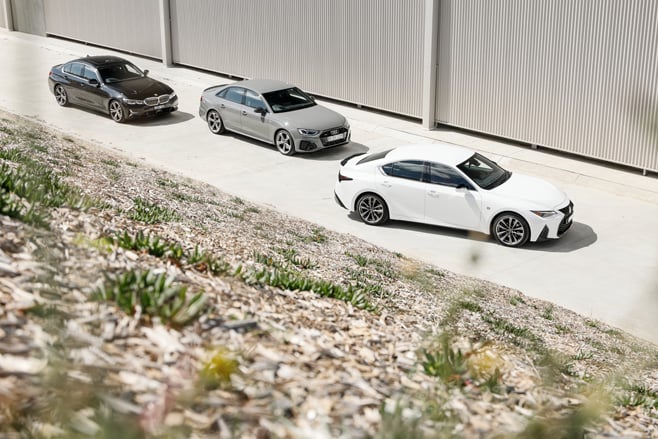
Not even a really good (again, stay with us) SUV can hope to match the poise, at-the-wheel entertainment and ability to cover ground quickly, with any member of this trio.
There is progress and then there is improvement. Confusing something different with something better has seen the demise of cultures, marriages and vinyl records. And, we would suggest, is also threatening proper driver’s cars.
So, having established the case for the existence of conventional sedans, which one do you want?
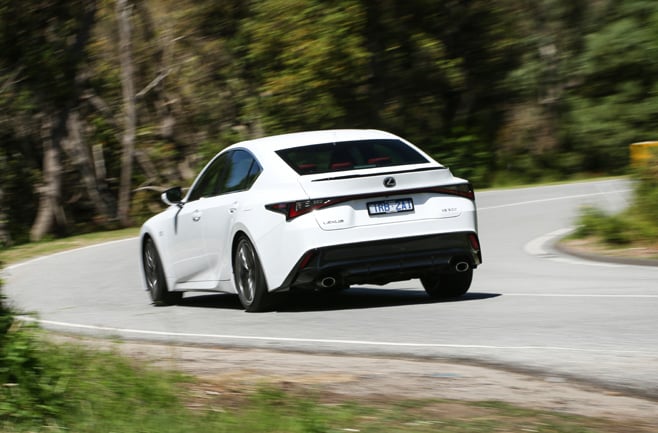
The Lexus IS300 F Sport is fresh from a facelift (with better connectivity including Apple CarPlay and Android Auto) and important safety additions including AEB (with pedestrian and cyclist recognition) rear-cross traffic alert with braking and intersection turn-assist.
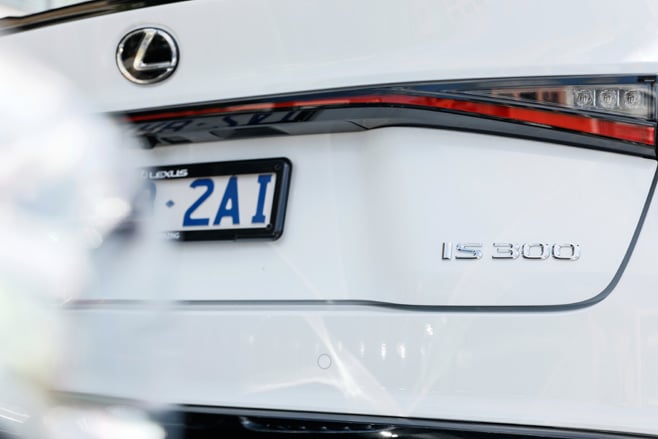
Lexus has also done plenty of work making the car lighter and stronger with increased front and rear track for this updated version, yet a 30kg weight reduction. Call it $70,000 on the nose, although a lot of folks will be tempted by the Enhancement Pack which gains a sunroof, powered rear blind and a 17-speaker sound system, and adds $3100.
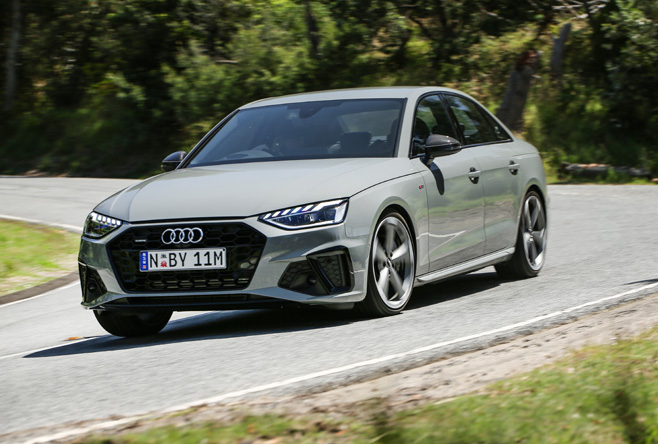
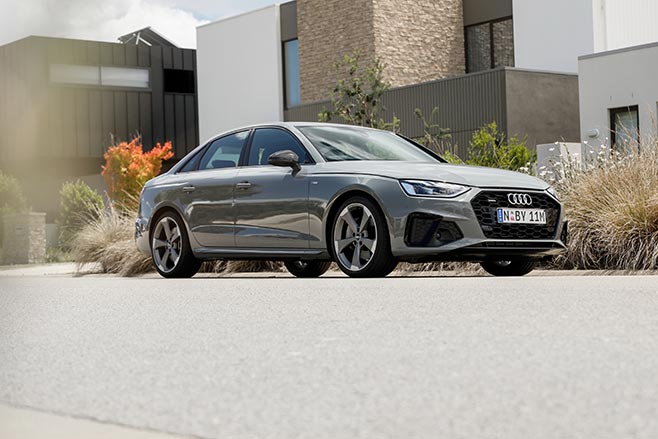
Also feeling nice and crisp after a trip through the mill is the Audi A4 45. Okay, so the look isn’t a radical departure (although Audi claims nearly every panel is different) but the mechanical layout will also be familiar.
As in, a two-litre turbomotor and a seven-speed double-clutch transmission driving through all four wheels as per the Quattro mantra. All the things that have made the A4 such a good gadget forever.
The hybrid system? Um, a 12-volt system said to be able to lower fuel consumption by 0.3 litres per 100km by allowing the car to coast. If you can pick it, well done.
Bigger news is inside where Audi has finally adapted its MMI infotainment system from pricier, bigger models, to fit the A4. It’s just a better mousetrap but will require some acclimatisation, mainly because gone are the familiar rotary dial and button on the centre console.
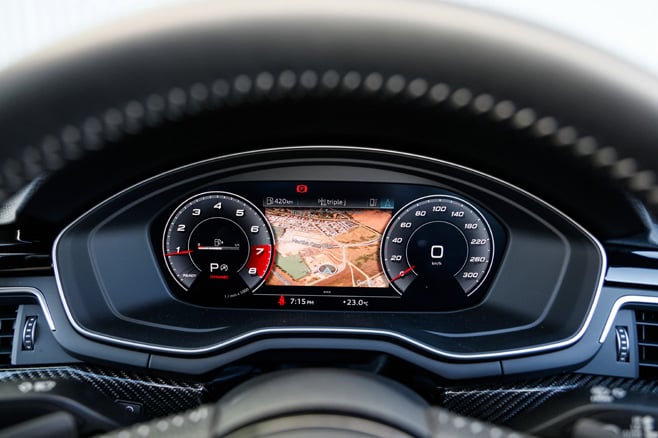
But you will need to pay extra for the driver assistance gear including adaptive cruise, active lane-assist, Pre-Sense front, collision avoidance, high-beam assist, turn assist, head-up display, 360-degree camera and park assist.
That’ll pile an extra $3770 on to the basic but fairly sharp $68,900 ask, and our test car also had the S-Line interior package (Nappa leather, the flat-bottomed tiller, black headlining, ambient lighting and more) at $2730 and the carbon-fibre kit for $3770 (which Audi could keep).
Throw in metallic paint (yes, it’s extra) at $1990 and you’re looking at $81,160.
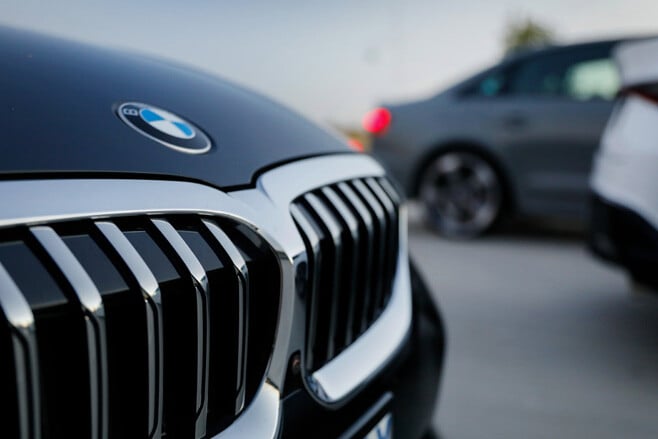
Which makes the BMW 330i M Sport, if not the old bloke with grey hair, certainly the least changed in recent times.
That, however, should be no bad thing, as the first-seen-in-2019 G20 3-Series platform was a big step forward for a car that had recently ceased to be the company’s biggest seller (though you should blame the SUV for that rather than any fault of the outgoing 3).
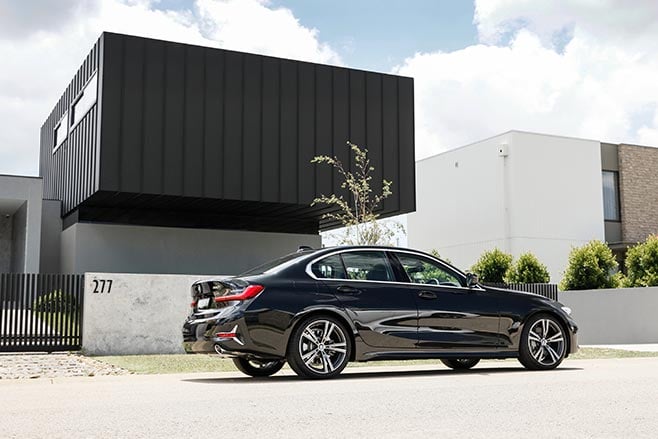
And what was interesting was that the new G20 in 330i guise clung tightly to the elements that had made the previous 330i – and the 328i before that – such a sweet spot within the whole 3-Series line-up. Including, of course, the two-litre engine tuned to just below 200kW and an eight-speed automatic.
The BMW is, however, the dearest of the lot with a $77,900 initial ask. On top of that, our test car was also fitted with the $2900 glass sunroof option and, like many manufacturers, BMW still wants to charge extra for metallic paint. In this case, it’s a $2000 whack for a grand total of $82,800.
But that BMW driveline remains one of the best in the business, regardless of the fact that inline sixes have traditionally dictated best-in-show in 3-Series Beemers. But there’s something about the feisty, zingy two-litre in the 330i that stamps it as special.
And, in fact, it’s also the most accomplished of this three and feels a fraction quicker than the Audi, mainly due to a small extra dollop of ambition when it comes to tagging the redline.
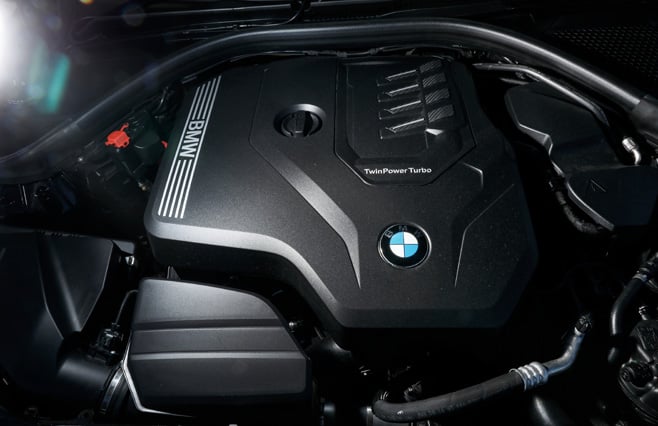
Oh, the A4’s mill is just as smooth and equally spritzy, but it’s tuned more for mid-range flex, with simply less to be gained by holding each gear to 6500rpm. It sounds good, though even if the BMW exhaust note is a bit louder (and played through the speakers, sadly, just to confound the vinyl-record analogy) and it won’t disappoint when you pin the throttle. Which is not something you can always say of the Lexus.
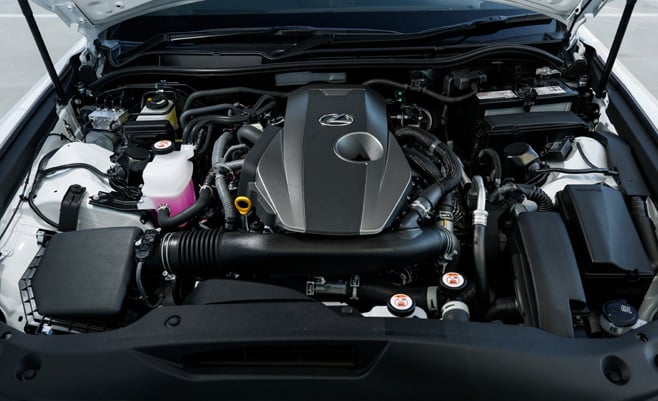
Look, this isn’t a bad engine, but the turbo two-litre in the IS300 just isn’t in the same league as the other two in terms of throttle response, low-end grunt and mid-range balls. The throttle calibration is lazy and the engine feels a lot slower to build boost.
In fact, it’s simply softer everywhere. `Indifferent’ is a strong word, but there we are. Against the clock, it promises to be at least a second or two slower to 100km/h (there’s precious little to split the BMW and Audi in that particular contest) and even the raspy little over-run blat on full-rpm upshifts can’t save it in this company.
Of course, as with any modern driveline, the transmission has at least as big a task as the engine, and again, the Lexus simply doesn’t cut it in this division.
Upshifts are okay, but downshifts are lazy and even when you give the slightly plasticky down-paddle a solid flapping, the actual tranny doesn’t always respond as per the owner’s handbook.
As in, it doesn’t always shift down. At all. We’ve seen cars with less-than-stunning engines saved by a clever-clogs transmission. The IS300 is not one of those.
Audi’s seven-speed double-clutch, on the other hand, has been a praiseworthy contraption for many years. Nothing has changed there, and the relationship between the engine and transmission is absolutely blissful.
Okay, in Comfort mode, there can be a bit of a delay between adding some throttle percentage and feeling the kick-down, but we suspect that’s mainly so the shifts can be even faster in Sport mode.
The calibration engineers simply needed to leave some headroom so that the Sport setting was somehow sharper.
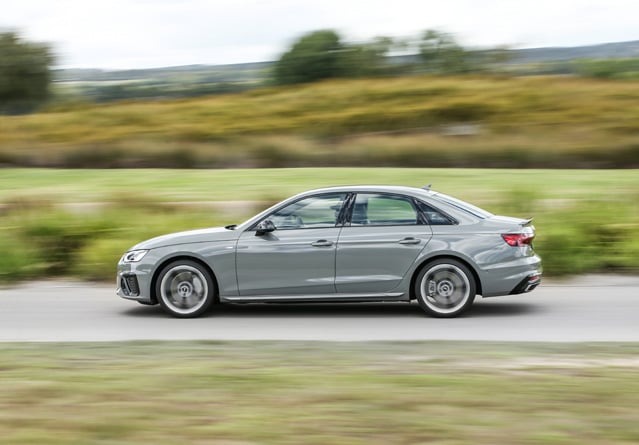
Beyond that, the gearbox shifts cleanly and crisply and faithfully obeys the paddles with not just any old downshift, but a perfect one with a seamlessness that requires you to watch the tacho to know it’s even happened.
But here’s the kicker: Even though it uses more conventional torque-converter engineering, the eight-speed in the BMW is just as darn good!
You can poke it and prod it with the paddles and force it to downshift with a trailing throttle, a steady throttle or even full throttle, and the result is always the same degree of buttered satin and pin-point rev-matching accuracy.
Upshifts? Maybe, just maybe, the Audi is nano-smidge quicker to complete the ratio-switch, but there’s really nothing in it.
There’s also a strong common theme in the way both German cars feel to drive. Both are superbly damped and there’s a flowing feel to the way they consume corners that has a lot to do with nicely matched front and rear ends.
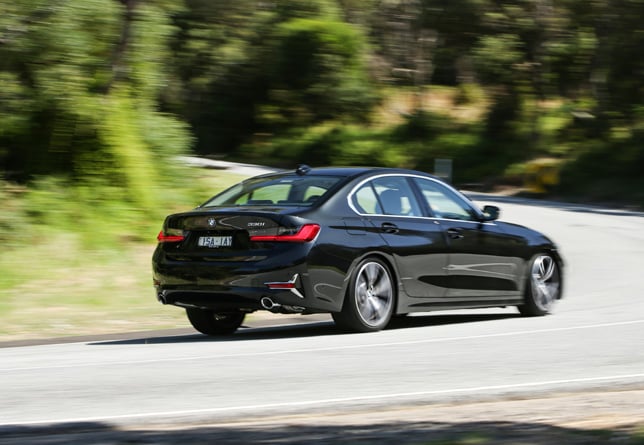
The BMW, however, scores a few extra points for the clarity of its steering and the substantial feel that gives the car on first impressions.
The Audi helm is also deadly accurate but, perhaps because of the Quattro all-wheel-drive system, there seems to be a slight division of labour between the front suspension and the steering rack.
It’s almost as if the up-and-down playbook for the suspension has been filed one drawer down from the side-to-side steering stuff, rather than being squished together to form a single feedback matrix as it has been in the BMW.
The pay-off, though, is that the all-paw Audi will be a couple of kilometres-per-hour later to chirp its tyres mid-corner. That said, the A4 is also a firmer ride and clearly leans towards body control over plushness.
The BMW’s steering and comfort edge, however, is all predicated upon you leaving the drive mode in Comfort and pretending Sport and Sport Plus don’t even exist. Dialling up either Sport mode suddenly takes ride harshness way beyond the A4’s and makes the steering leaden and stodgy. Comfort it is then.
But if the BMW Comfort steering is your favourite jeans and T-shirt, the Lexus is a naturist colony. The IS might lack a little steering weight for some tastes, but it is absolutely the pick of the bunch in terms of processing input, adding some electronic assistance and producing a result at the front tyres and then back along the wheelbase to the centre of the driver’s seat.
And while fiddling about with the IS’ adaptive dampers and drive modes does very, very little, that’s preferable to the demolition job the BMW’s mode switch can perform.
It all falls away a bit for the Lexus in the rear-end department, though, and what feels like a lack of travel and preload give the IS300 a slight tendency to pogo post-apex should you locate a bump with the rear end still wound up from the corner itself.
The spring can be felt nearing the end of its travel with a sharp uptick in rate at the same time. It’s not crude per se, but it’s not as good as the others, either.
Brakes? No problems with any of these, the only relevant comment being that the Audi’s stoppers seem a fraction over-assisted during the first few millimetres of the pedal’s travel.
Oh, and the BMW, despite being a two-pedal car, positions its brake pedal more or less where it would be in a manual, rather than slightly towards the centre of the footwell. This will only be of consequence if you’re a left-foot braker.
We’ve covered the driving environments in a breakout story on these pages, but it remains that these are all driver-focussed cars. Which means life in the back seat isn’t always a major consideration; a view that completely ignores reality for many of us.
To be honest, though, modern packaging has made great leaps in keeping the whole family happy, but there are some important differences.
The Lexus, for instance, features a relative lack of both leg and toe-room against the others when set up for a 182cm driver and a 172cm passenger directly behind. The rear pew itself is good apart from a slight lack of under-thigh support and there are two air-vents, but no USB or 12-volt sockets and no rear door bins.
The Audi is better with better visibility from the rear seat, more room in every direction, a pair of vents, a single 12-volt (no USB though) rear-seat climate controls, and door bins sufficient for a 600ml bottle. Only a flat seat cushion really plays against it.
The BMW, meanwhile, feels just a bit nicer in the rear in terms of materials and leather-clad touch-points and there’s even more leg and foot room (headroom is fine in all three).
There’s better upper-body support from the rear seat itself, it’s quieter back there and you get more stuff including map lights, vents, climate controls, a pair of USB ports and 12-volt outlet. The bigger your kids, the more the BMW will shine.
There’s clearly been some homework copying in the boot-design departments because all three have very similar spaces out back. The Audi has a slightly bigger opening than the BMW, and both get a 40/20/40 split rear seat.
The BMW has a bigger pair of netted bins on each side of the boot, but the Audi has a floor net which is more useful than it sounds. The Lexus gets a more conventional 60/40 split rear chair, but a bigger boot opening than either of the others.
It misses out on nets or bins but it does, at least, have a spare tyre (albeit a space-saver).
Fuel tanks range from 58 and 59 litres (Audi and BMW respectively) to 66 for the Lexus, yet despite the on-paper fuel consumption discrepancy of as much as 1.8 litres per 100km between the sippiest (BMW) and the guzzliest (Lexus), in the real world, our recorded fuel consumption figures were all within 0.12 litres per 100km of each other.
So there it is really: These are all very resolved vehicles and all are on-point in terms of their chances of luring buyers away from SUVs.
Yes, the BMW is a bit more expensive (although not once you load up your A4 45) than the others, but in monthly lease-payment terms (especially when comparison rates are in the cellar as they are now) there won’t be a lot in it.
The major differences come down to niceties, at which point the BMW is just a bit, er, nicer. Kind of everywhere. It has 95 per cent of the Lexus’ steering alacrity, 95 per cent of the Audi’s interior appeal and transmission brilliance and either runs the others too close to call in most other aspects of its design, or actually trumps them (rear-seat accommodation, outright performance).
The A4, meanwhile, is firmer to ride in and lacks the last few grams of steering feel, but both those elements would, we reckon, soon evolve into just part of the deal.
The Lexus’ shortcomings, meanwhile – notably its uncooperative transmission and unsparkly engine – are more likely to devolve; to actually become elements that might frustrate you on a more regular basis.
Audi’s hybrid
Audi calls it a mild hybrid, and while it doesn’t actually do anything about driving the A4s wheels, the system fitted to our test car is interesting from a technical point of view. It just doesn’t DO that much.
With a 10 amp-hour battery under the boot floor (which is why there’s a can of repair-goop instead of a spare tyre) the Audi can recoup some braking energy and even switch the engine off to coast and harvest for up to about 10 seconds at a time.
That allows the electric motor to which the battery is wired to spin the engine over faster when the stop-start function is making itself useful, with the grunt of five kiloWatts rather than the normal, weedy starter-motor fitted to a conventional car.
Perhaps the most innovative thing about the system is that it also makes use of the front-facing camera to know when the car in front has started to move in traffic and preps for blast-off.
Cockpit comparison
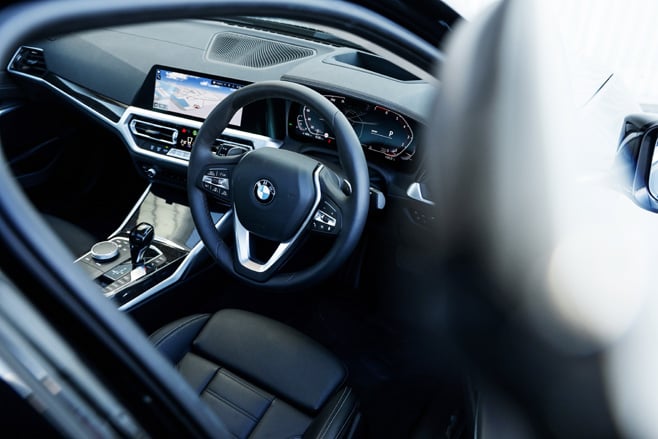
The BMW’s at-the-wheel deal is precisely what you’d expect from a manufacturer with this level of understanding of driver’s cars. The head-up display is brilliantly legible (provided your sunglasses aren’t polarised) and the new, customisable, animated dashboard is good. But not great.
The reversed (it sweeps anti-clockwise) tacho of the BMW, for example, is simply unfathomable. The info-screen, however, definitely looks more integrated than the Audi’s apparently stuck-on unit.
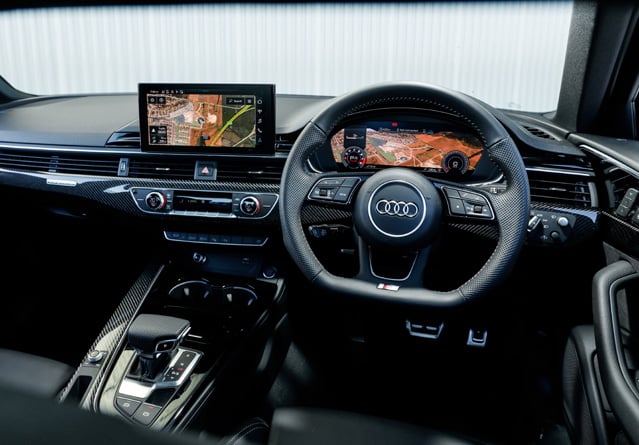
No surprises that the Audi (which pioneered this stuff) manages to make better use of the anime-dash artform from an interface and information point of view. The A4’s steering wheel with its soft leather and flat bottom is another highlight.
Only the most recent changes to the control systems will require any real brain plasticity on your part, although the carbon-fibre trim seems a bit naff in 2021 (but, hey, it’s optional).
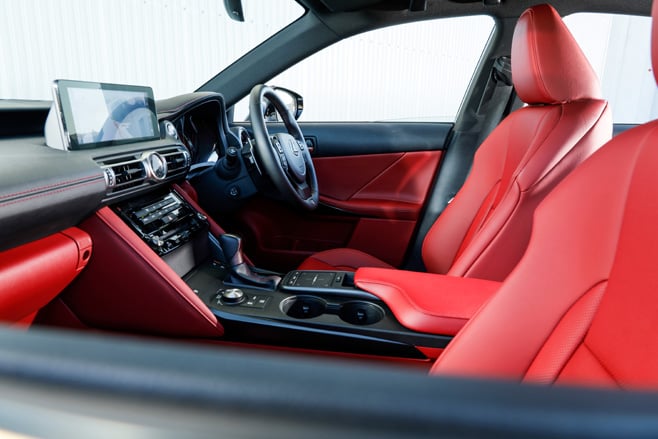
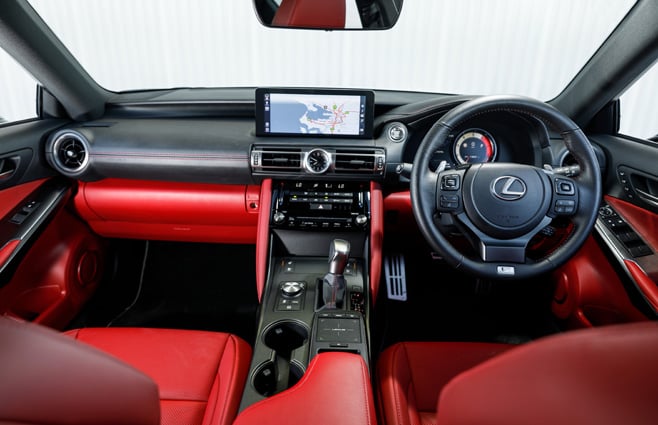
The Lexus is a mixed bag, lacking a head-up display and featuring some, er, interesting aspects associated with its now-familiar `waterfall’ dashboard architecture. The track-pad (mouse-pad) menu-driver takes some getting used to as do the rotary climate controls.
But the IS retains a conventional Park détente system and is fitted with the best front seats by a good margin. The IS driven also the only car of this lot to feature electric adjustment for the steering column.
Specifications
u00a0 | Audi A4 45 TFSI Quattro S-Line | BMW 330i M Sport | Lexus IS300 F Sport |
u00a0 | $68,900/Tested $81,160* | $77,900/Tested $82,800* | $70,000/ no options |
u00a0 | Drivetrain | Drivetrain | Drivetrain |
Engine | 4cyl, dohc 16v, turbo | 4cyl, dohc 16v, turbo | 4cyl, dohc 16v, turbo |
Layout | front engine (east-west) AWD | front engine (north-south) RWD | front engine (north-south) RWD |
Capacity | 1984cc | 1998cc | 1998cc |
Power | 183kW @ 5500rpm | 190kW @ 5000rpm | 180kW @ 5800rpm |
Torque | 370Nm @ 1600rpm | 400Nm @ 1550rpm | 350Nm @ 1650rpm |
Gearbox | 7-speed double-clutch | 8-speed automatic | 8-speed automatic |
u00a0 | Chassis | Chassis | Chassis |
Body | steel, 4 doors, 5 seats | steel, 4 doors, 5 seats | steel, 4 doors, 5 seats |
L/W/H/Wu2013B | 4762/1847/1431/2820mm | 4709/1827/1435/2851mm | 4710/1840/1435/2800mm |
Track (F/R) | 1572/1555mm | 1573/1569mm | 1580/1575mm |
Weight | 1620kg | 1470kg | 1660kg |
Boot | 460L | 480L | 480L |
Fuel/tank | petrol/58 litres | petrol/59 litres | petrol/66 litres |
Economy | 7.1L/100km (ADR combined cycle) | 6.4L/100km (ADR combined cycle) | 8.2L/100km (ADR combined cycle) |
Suspension | Front: struts, coil springs, anti-roll bar. Rear: Five-links, coil springs anti-roll bar | Front: MacPherson struts, anti-roll bar. Rear: multi-links, coil springs anti-roll bar | Front: Double wishbones, coil springs, anti-roll bar. Rear: multi-links, coil springs anti-roll bar |
Steering | electric rack-and-pinion | electric rack-and-pinion | electric rack-and-pinion |
Front brakes | ventilated discs (338mm) | ventilated discs (348mm) | ventilated discs (334mm) |
Rear brakes | ventilated discs (330mm) | ventilated discs (345mm) | ventilated discs (297mm) |
Tyres | Continental Sport Contact 6 | Pirelli P Zero | Dunlop SP Sport Maxx |
Tyre size | 245.35R19 | 225/40R19 (f)/255/36 19 (r) | 235/4019 (f)/265/35 19 (r) |
u00a0 | Safety | Safety | Safety |
ANCAP rating | 5 stars | 5 stars | 5 stars |
Verdict | 8.5/10 | 9.0/10 | 7.5/10 |
u00a0 | Warranty: 3ys/unlimited km
| Warranty: 3ys/unlimited km Service interval: 12months/15,000km Glassu2019s 3-year resale: NA AAMI insurance: $1709.41 *Metallic paint ($2000); Glass sunroof ($2900) u00a0 | Warranty: 4ys/100,000km Service interval: 12 months/15,000km Glassu2019s 3-year resale: NA AAMI Insurance: $1708.27 u00a0 u00a0 |
Lamborghini recently unveiled the jaw-dropping SC20 special, a one-off designed to act as a technological showpiece and expression of its new design language.
Or, if you’re of a more cynical bent, a handy revenue-raising exercise.
The SC20 is based on the underpinnings of the Aventador SVJ LP770-4 and shares that vehicle’s 556kW/770Nm 6.5-litre V12.
Of course, we’ve been here before. In 2018, Lamborghini Centro Stile revealed the SC18 Alston, also based on an Aventador SVJ, that had more of a motorsport theme.
It’s not known whether the same ultra-wealthy enthusiast commissioned both cars, but they follow a well-trodden development pathway popularised during Stephan Winkelmann’s first stint as Lamborghini CEO.
Now that Winkelmann has returned to Sant’Agata from Bugatti, where he spent almost three years overseeing one-offs and high return low volume specials like the Divo, La Voiture Noire, Centodieci and Bolide, expect more of the same.
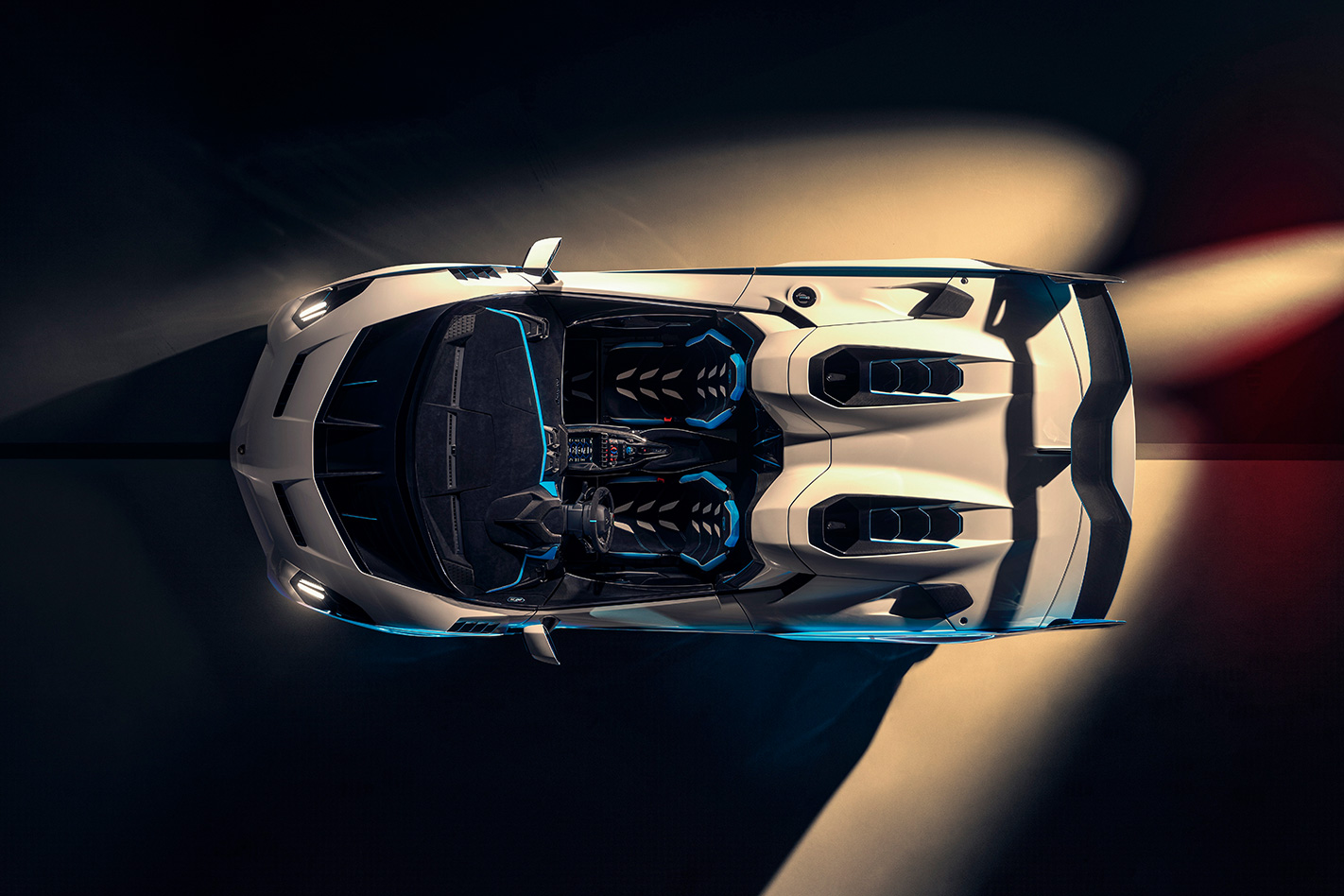
Lamborghini claims that the carbon fibre body “was polished and slicked down by hand by the Lamborghini aerodynamic engineers to deliver optimal airflow for both performance and the cockpit’s occupants.”
At this point, it’s incumbent upon us to call bull on these claims.
Optimal airflow for the benefit of performance and occupants would involve the use of structures such as a windscreen or a roof.
We have no issues with creating a plaything to massage the ego of the super-rich, but it helps to be able to call it for what it is.
There’s little doubt, however, that it’s a stunning visual exercise, but then Sant’Agata has never really struggled to create arresting shapes.
What was the last bland Lamborghini? The 400GT that last rolled off the lines in 1968, maybe. Since then it’s been non-stop showstoppers.
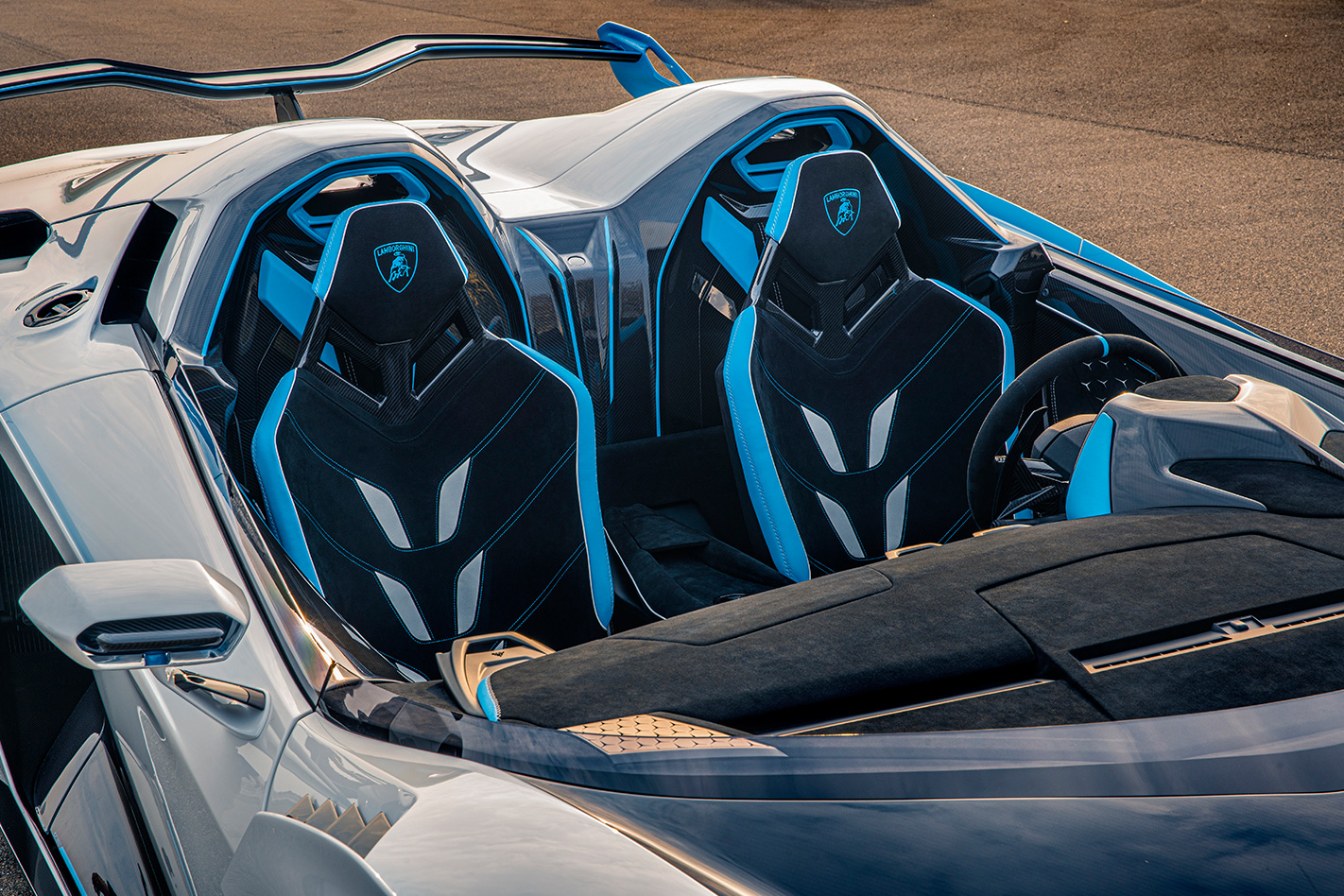
This sub-niche was revived by Mercedes and McLaren in 2009 with the launch of the SLR Stirling Moss.
That vehicle sold a relatively hefty 75 units, all to existing SLR customers. Realising there was publicity to be gained by developing such low-volume roofless and screenless specials, Lamborghini displayed the Aventador J at the 2012 Geneva Show, a one-off it sold for $3.7m.
Since then, Ferrari has entered the fray with its Icona series Monza SP1 and SP2 models, spun off the guts of an 812 Superfast.
The plan was to build 500 at a price of $2.6m each.
While it’s tempting to write this off as an irrelevance, the Icona series is anything but an incidental on Ferrari’s balance sheet. Ferrari’s Q3 profits in 2020 were $277m, up $3.2m versus Q3 in 2019, despite the ravages of coronavirus.
The Icona series, despite representing a mere two per cent of Ferrari’s Q3 production mix, punches above its weight on profitability, and Maranello delivered 42 per cent of the year’s Monzas in Q3.
This was part of a deliberate move to pivot to more profitable V12 models, which saw 12-pot production mix rise from 24 per cent in 2019 to 27 per cent in 2020. This was enough to tip Ferrari from a year-end loss to a shareholder-satisfying net profit.
McLaren has adopted a similar tactic with its similarly roofless and screenless Elva model, a low-volume Ultimate Series product that it sells alongside the Senna and Speedtail to create a decidedly top-heavy model range.
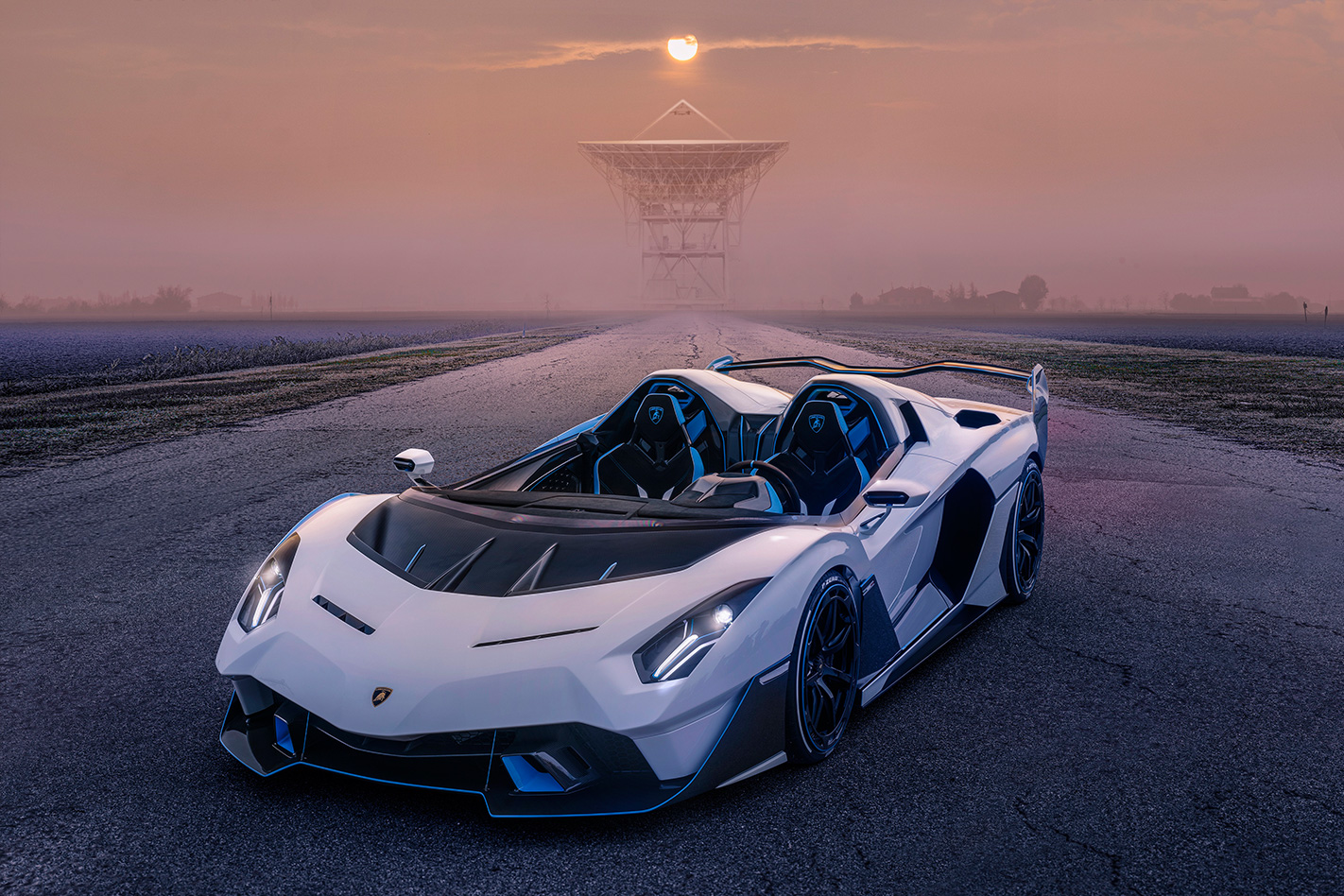
While Ferrari and McLaren are willing to parlay these unicorns into profitable limited production runs, Lamborghini is, for the time being at least, happy to continue to build one-offs.
Whether the temptation to spin the SC20 off into a limited production version becomes too much remains to be seen, but Stephan Winkelmann must surely be poring over Ferrari’s figures and wondering.
SSC has hit the road in its Tuatara hypercar for a third attempt at securing the world production car speed record (and keeping it), following two previous efforts that were fraught with problems and controversy.
Determined to avoid the flak from its previous two attempts, the US car maker this time enlisted multiple timing partners and introduced a number of contingencies to convince its audience that the record was legitimate. Did it work? You be the judge.
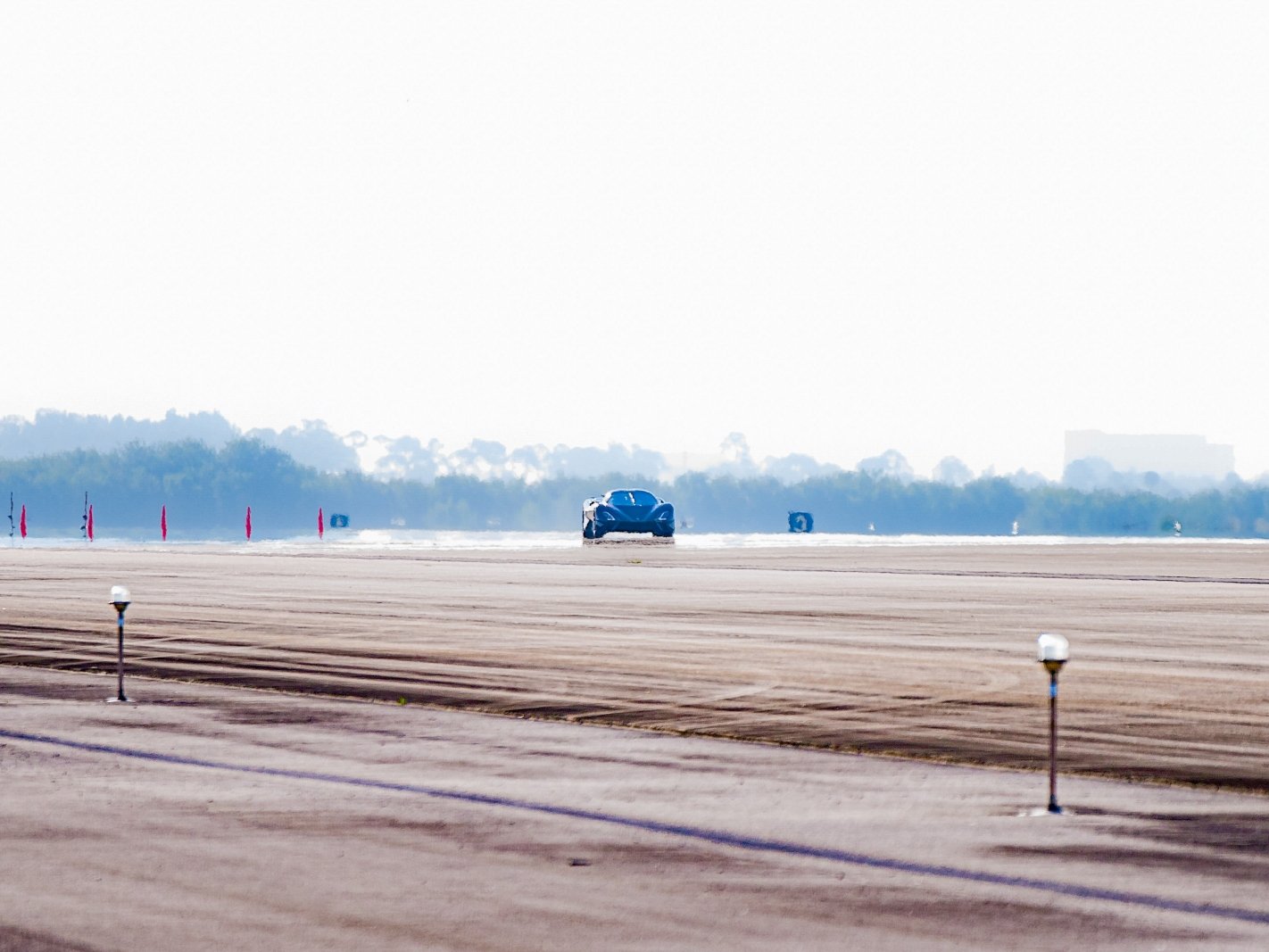
Staged this time at the Kennedy Space Centre, Florida, SSC claims its 5.8-litre twin-turbo V8 supercoupe managed a 455.3km/h two-way average at the Johnny Bohmer Proving Grounds, with a massive 460km/h V-max on the southbound run.
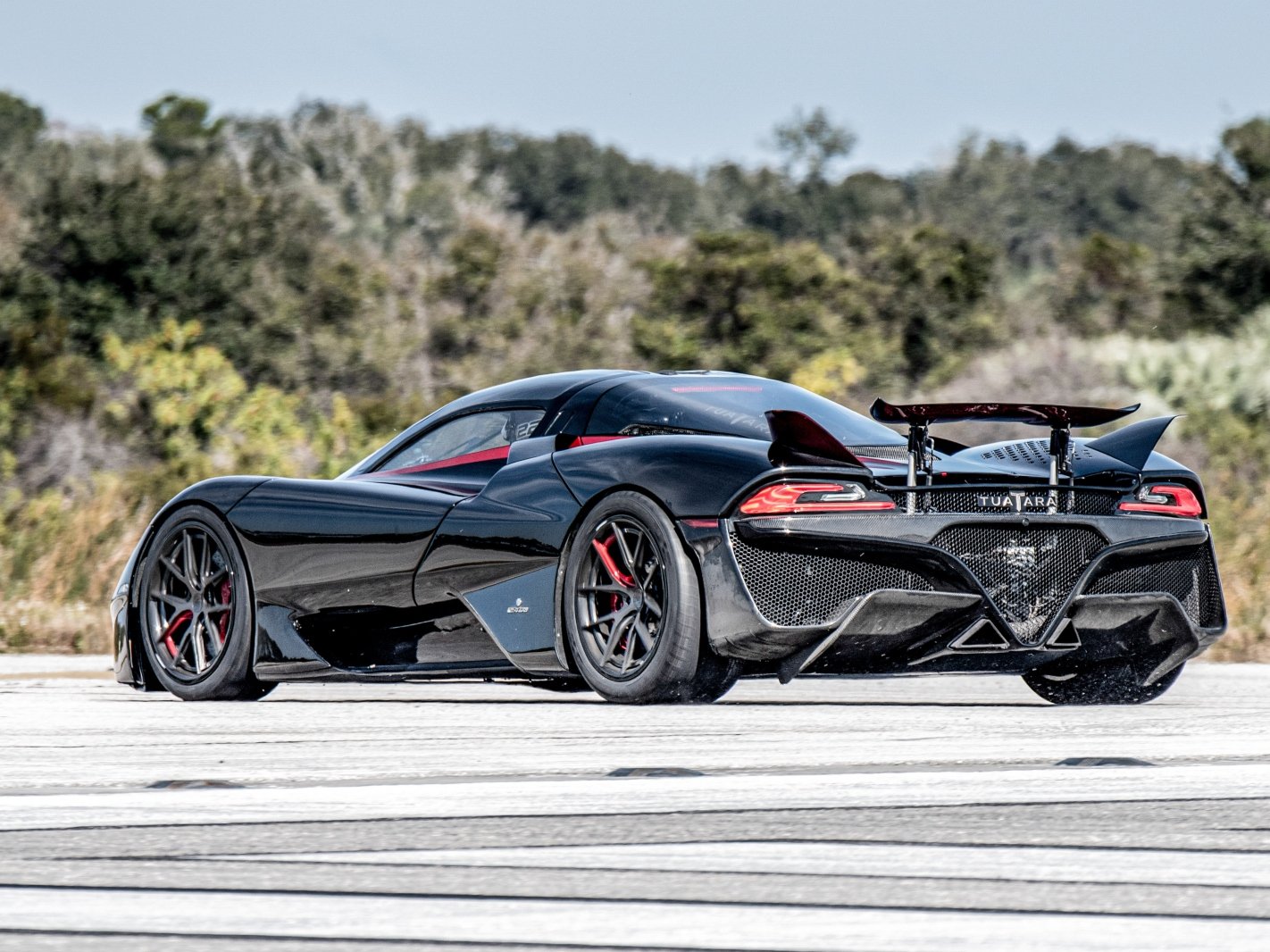
That monster figure is enough to finally hang the production car speed record on SSC’s wall and snatch the title from the previous victor, the Koenigsegg Agera RS, held since 2017.
However, while an impressive feat, it’s some way below the contentious 508.73km/h figure the company claimed in its bungled record attempt on a Nevada public road last year, and not enough to steal the outright speed record set by a lightly modified Buggati Chiron and a blistering 490.5km/h.
This time around, SSC contracted four parties – Garmin, IMRA, Life Racing and Racelogic – to monitor the attempt and accurately measure the velocity achieved by the 1350kW machine. In a statement, Racelogic has officially certified a two-run record of 450.1km/h and 460.4km/h.
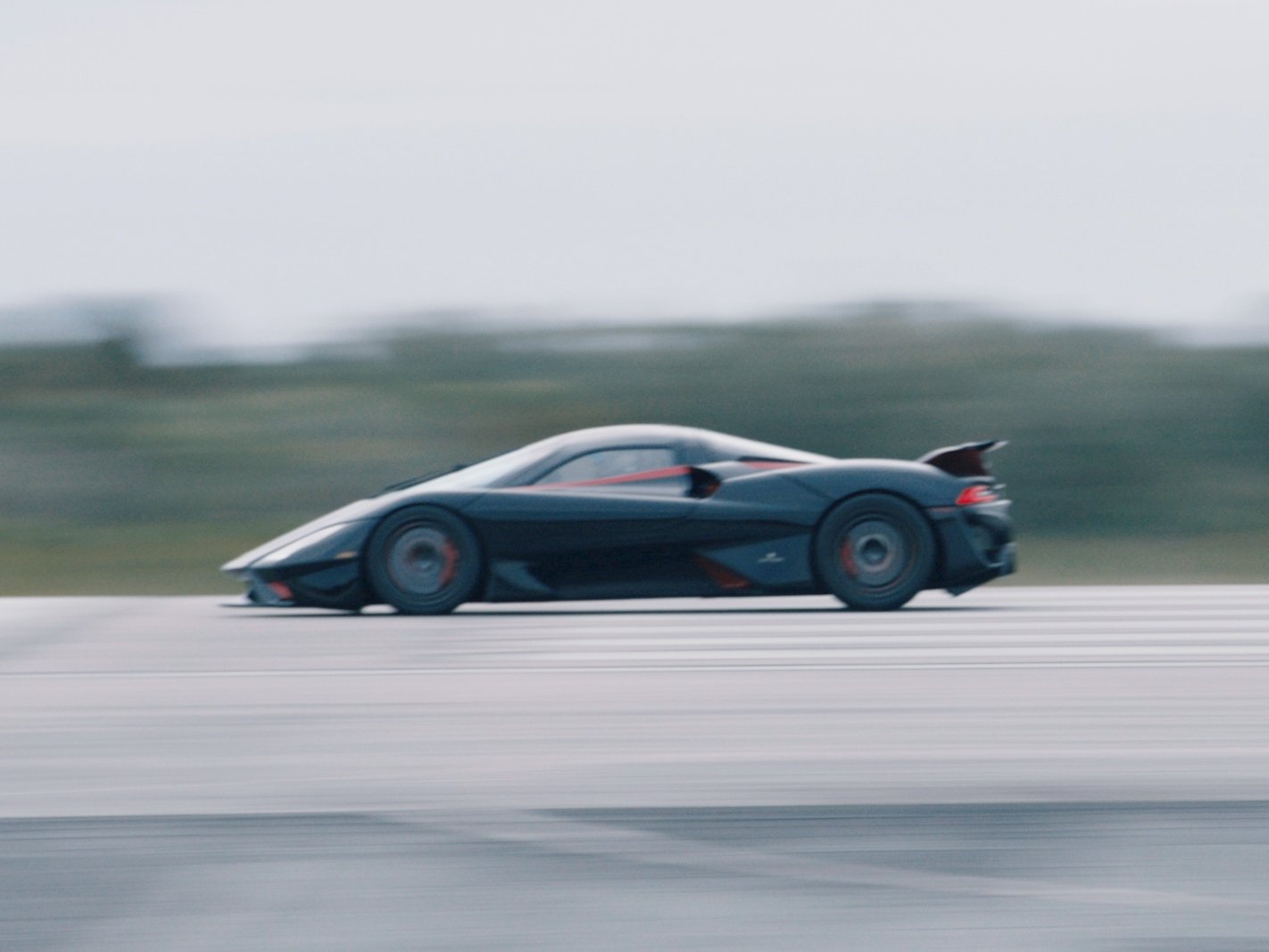
Other changes to the proceedings this time included swapping out independent professional racing driver Oliver Webb from the first attempt and Robert Mitchell from the second in favour of Tuatara owner Larry Caplin.
The most recent attempt took place on January 17, 2021, and no Guinness representatives were invited to officiate.
In October last year, SSC launched its first assault on the production car speed record with a run on closed roads in Nevada’s desert. But a discerning and sceptical audience noticed numerous inconsistencies in the company’s video documenting claims it had broken the 300mph (483km/h) barrier.
SSC subsequently admitted an error had been made by the video editing team but made no attempt to detail the nature of the mistake nor explain how it related to the apparent inconsistencies.
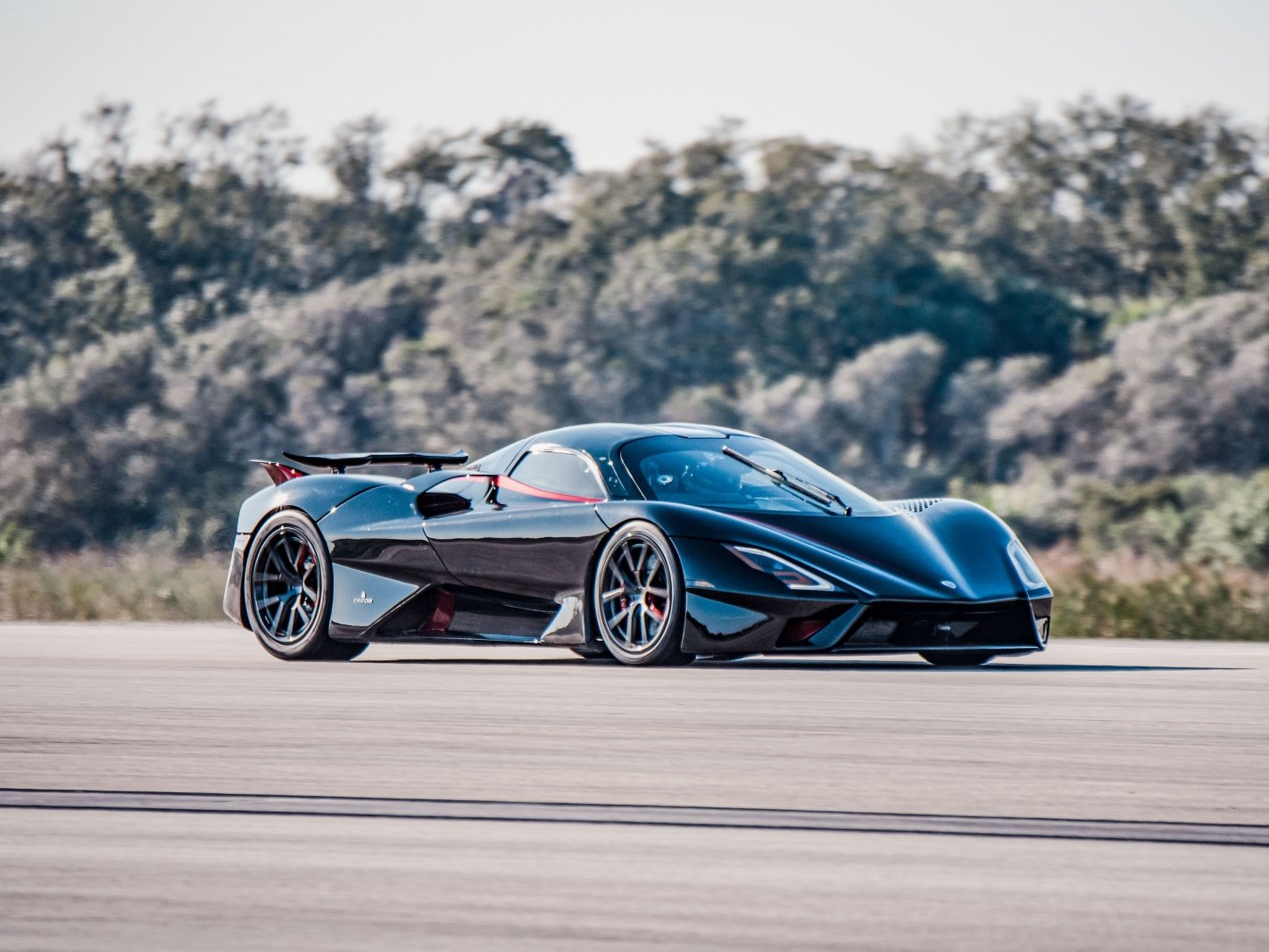
Then again, in December 2020, a second attempt to set a new record ended in technical difficulties including overheating problems.
Now the North American brand appears to finally have a legitimate speed record in the bag. But is it too little too late and a very high-speed case of the boy who cried wolf? Either way, SSC says it has its eye on officially cracking 300mph (482km/h).
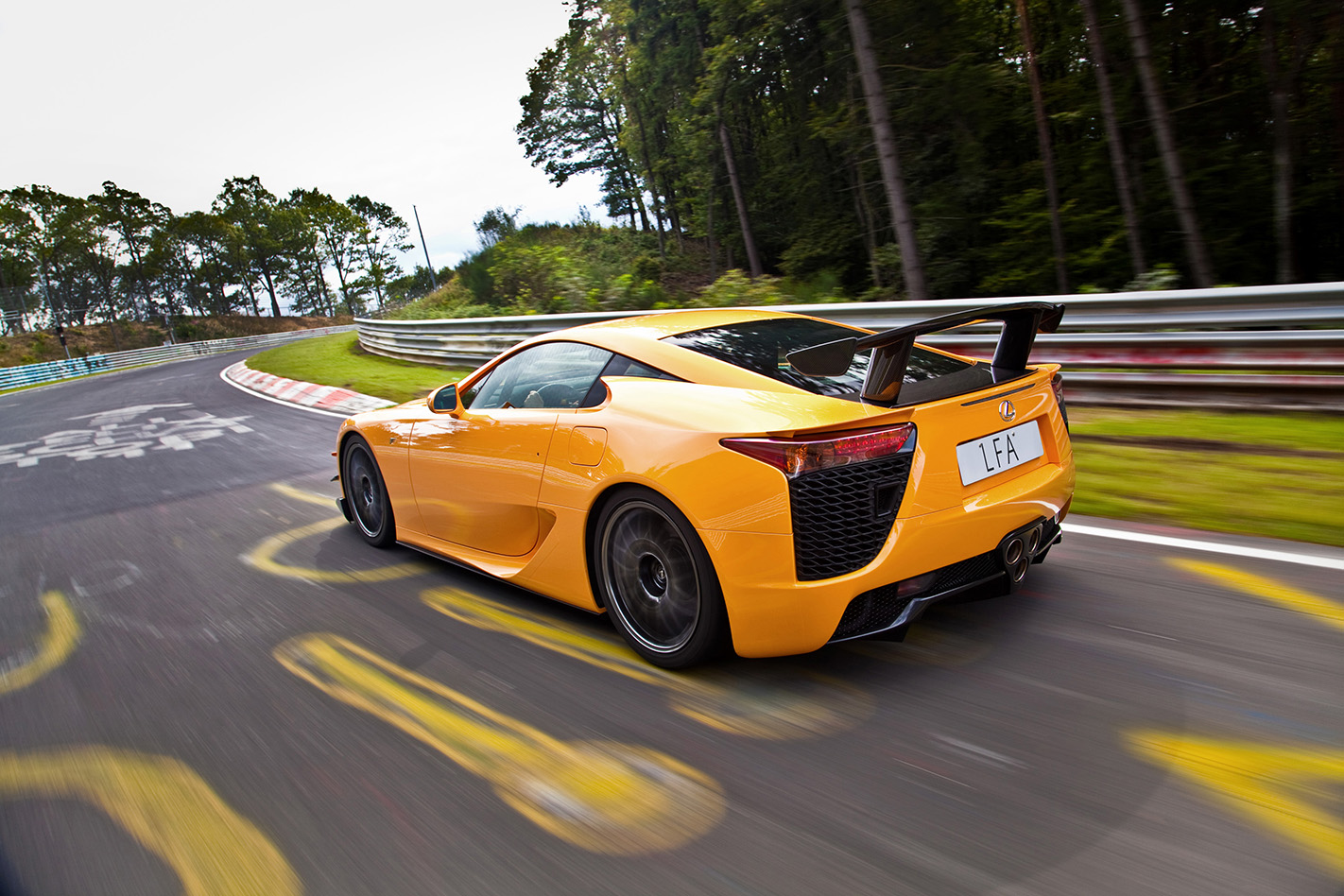
Our older readers no doubt had a poster on the bedroom or garage wall; for younger folk the poster was replaced by a desktop or smartphone wallpaper, not to mention the model cars all ages tend to collect.
The point is, supercars are important: for those lucky enough to afford them they offer the ultimate driving experience, but even for those of us who can’t they introduce new technology, push engineering boundaries and inspire the next generation.
Nevertheless, selecting the top 100 supercars of all time is no easy task, believe me. First of all, you have to define what a supercar is. Are front-engined cars allowed? Is there a certain performance threshold? What about production numbers?
In the end, it was more about ‘feel’ – you just know a supercar when you see one.
That settled, we had to find 100 supercars, which is harder than you might think. We sent out our nets and trawled the very deepest depths of the automotive ocean in an attempt to discover every possible car.
We’re starting today by counting down the 100-51 best, but check back tomorrow to see the remaining 50-1!
For the purposes of this list the supercar era starts with the Miura in 1966 (with one exception) and continues until the present day. Cars that are still in development were omitted as there isn’t sufficient information available to accurately rank them.
Disagree with our rankings? Let us know why at the usual address.
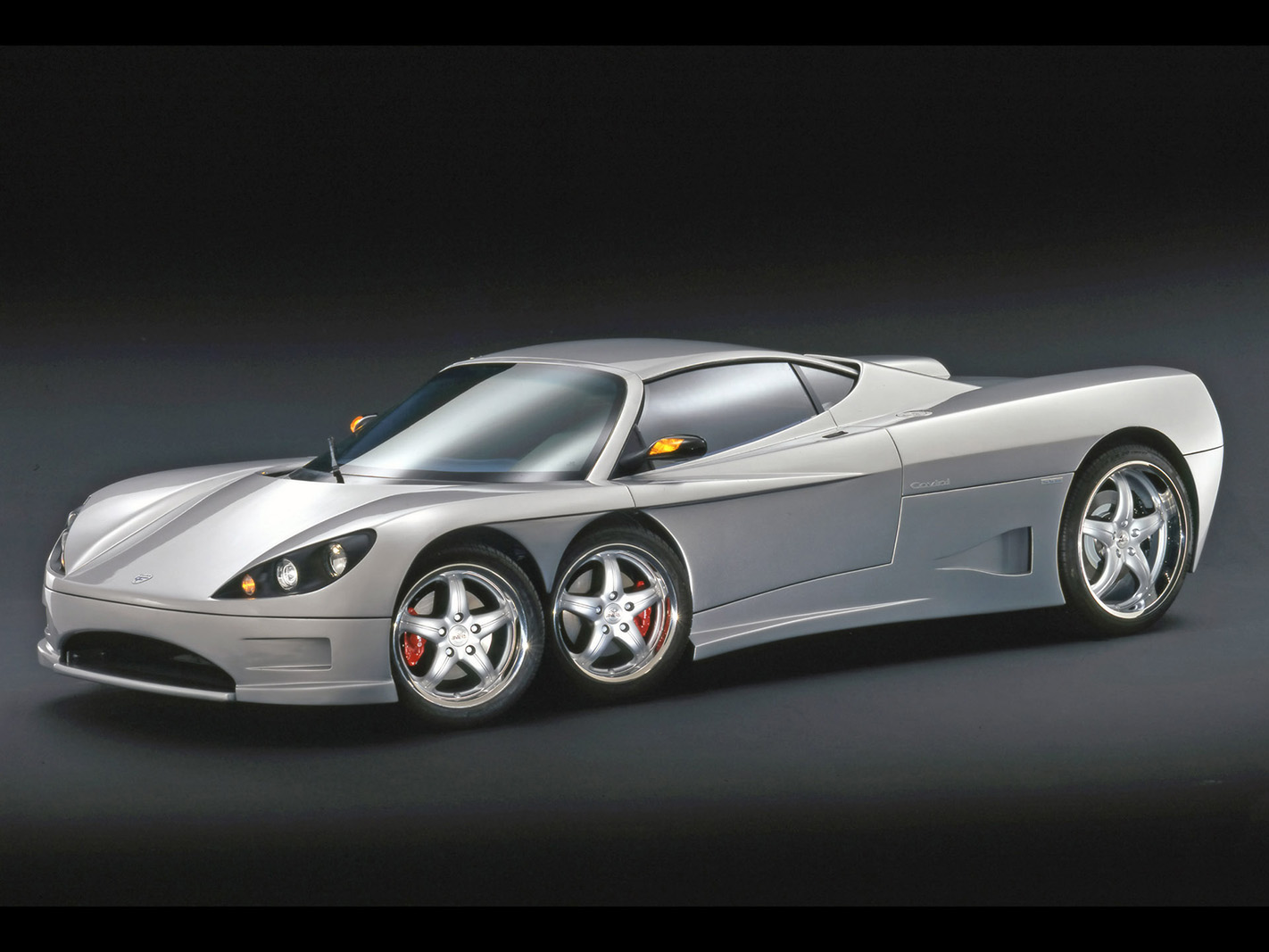
100: Covini C6W (2004)
4163cc V8, 324kw/470Nm
For any new supercar manufacturer to make waves it’s important to offer something new. The Covini C6W’s departure from the norm is fairly evident, but there’s a good reason why the vast majority of cars built over the past 135 years have had four wheels, not six. First shown publicly in 2004, the C6W supposedly went into production in 2010 but it’s unclear if any cars were actually made.
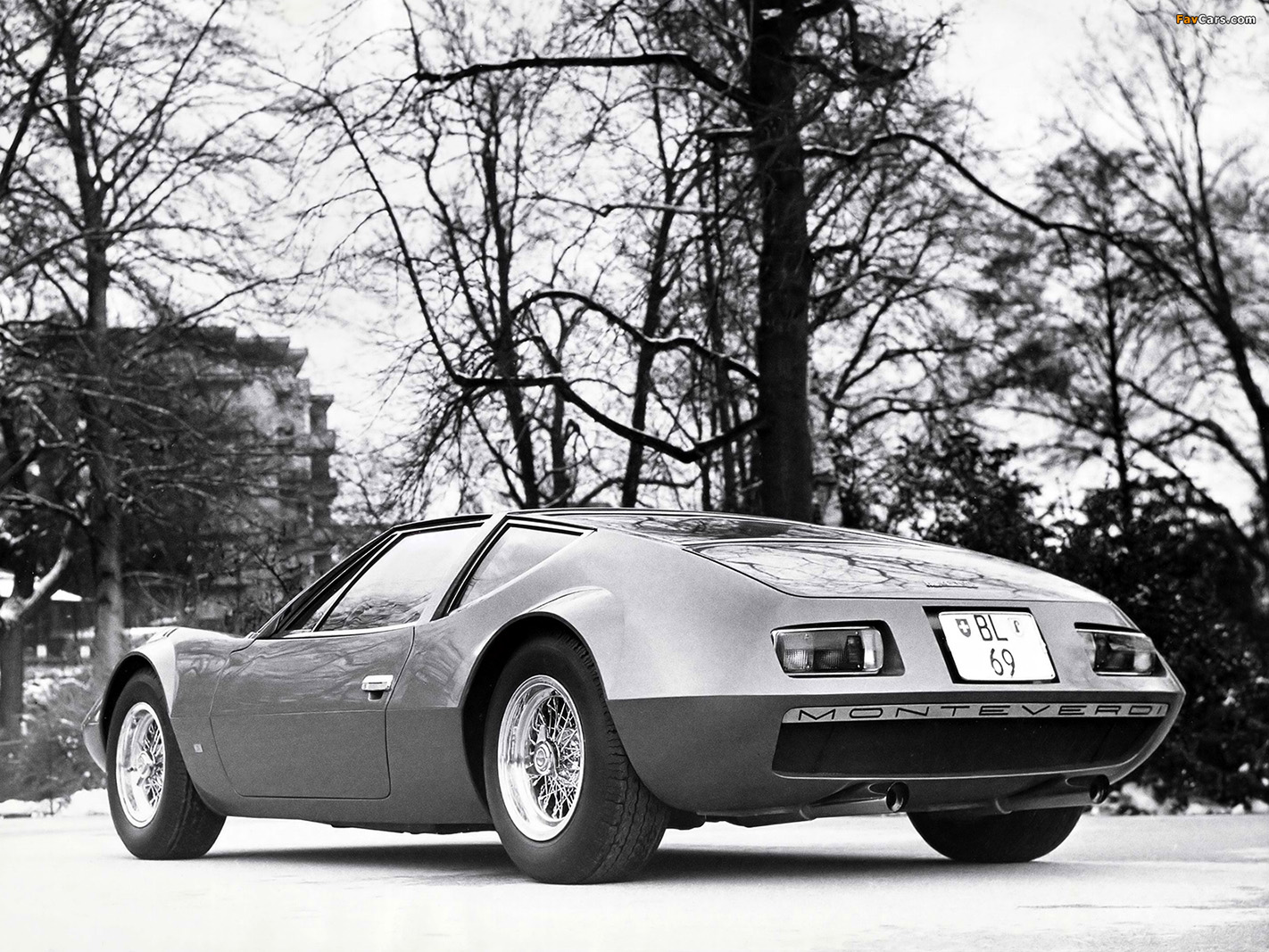
99: Monteverdi Hai SS (1970)
6974cc V8, 331kW/664Nm
Monteverdi made some cool cars (look up the High Speed 375/4) and the oddly named Hai had the potential to be another. It was powered by a mid-mounted 7.0-litre Hemi V8 matched to a five-speed gearbox, but only two were built and the massive engine didn’t do much for the handling.
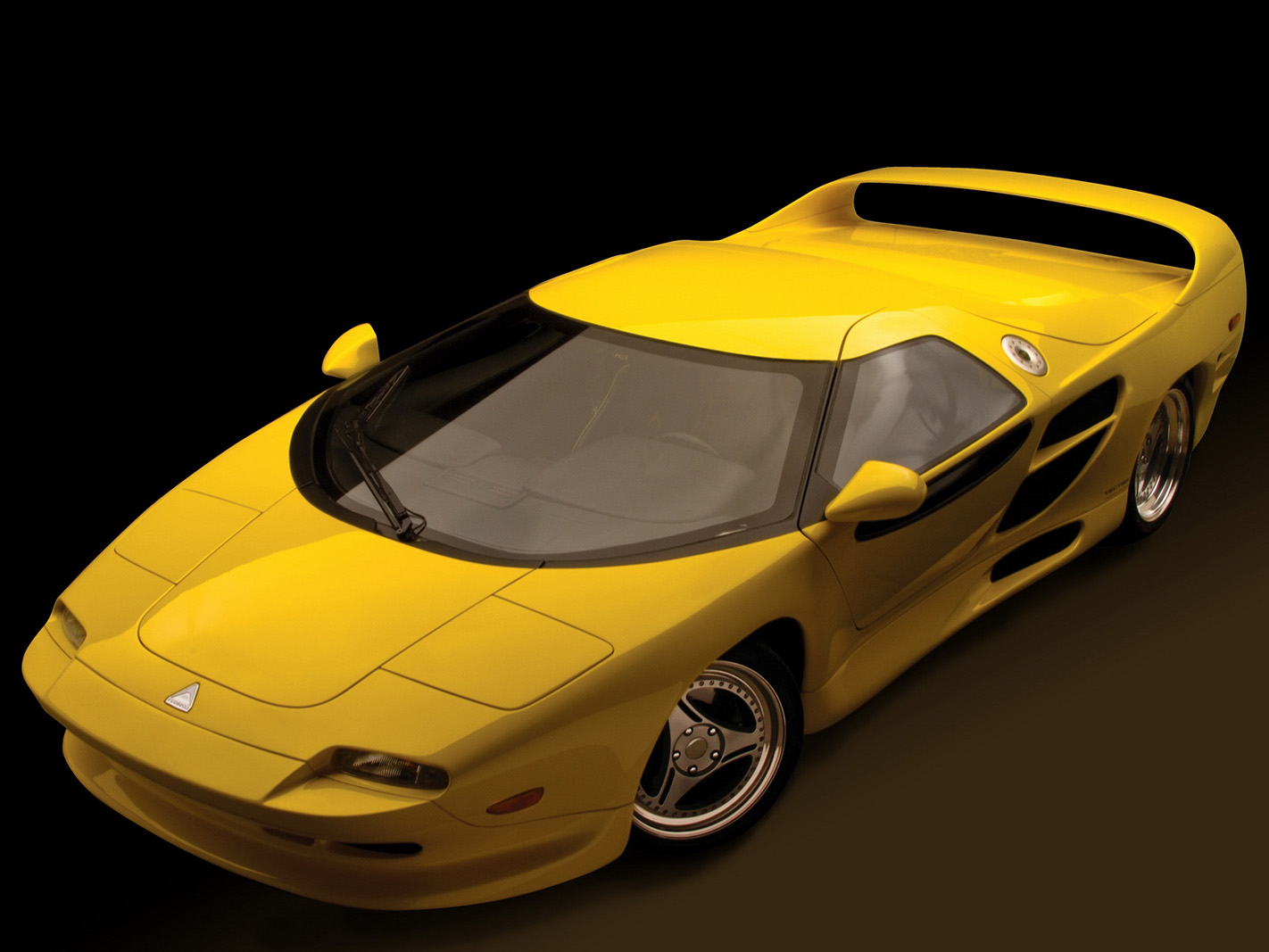
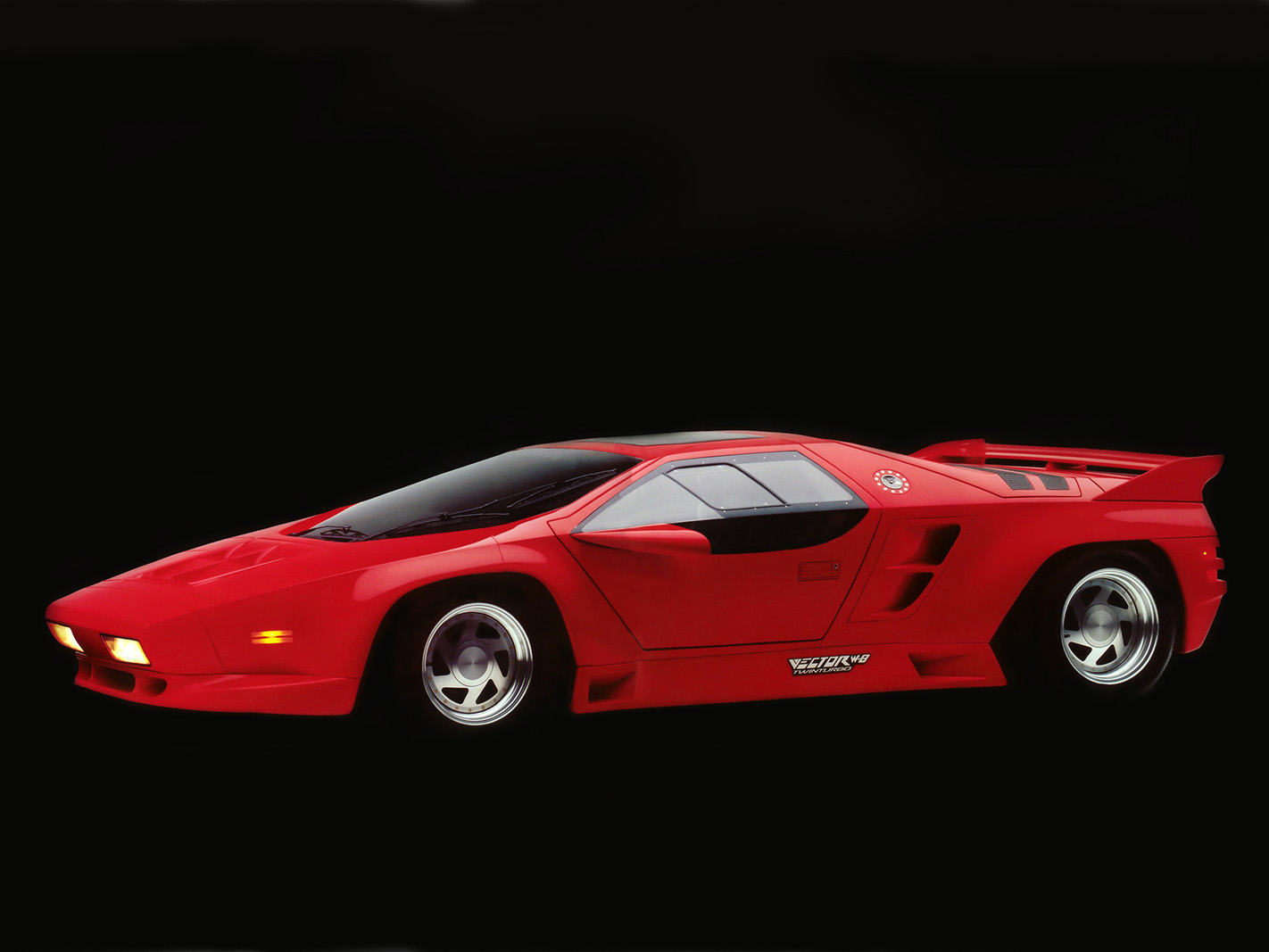
98: Vector M12 (1996)
5707cc V12, 367kW/576Nm
The M12 should have been a success: Peter Stevens-designed body, a Lamborghini V12 and Diablo underpinnings, but the whole thing was a farce. Just 14 production cars were built, all of terrible quality. The story does have a happy ending, though, the M12 debacle forcing parent company Megatech to sell Lamborghini to Audi in 1998.
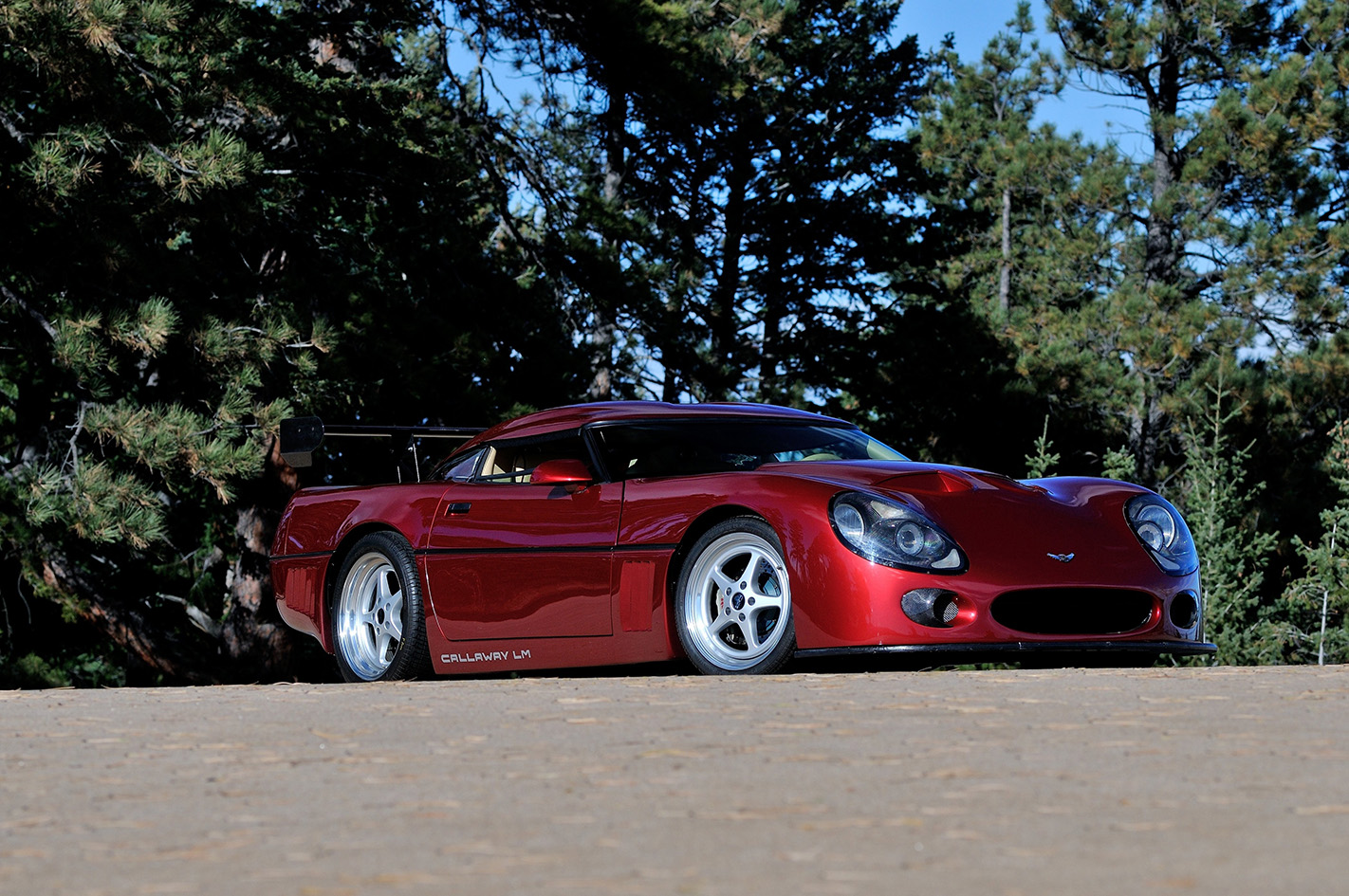
97: Callaway Super Speedster LM (1991)
5735cc V8TT, 559kW
The chop-roof Callaway Speedster is rare to begin with, but just two of the rebodied ‘LM’ models were built, using the engine from the iconic 410km/h Callaway Sledgehammer!
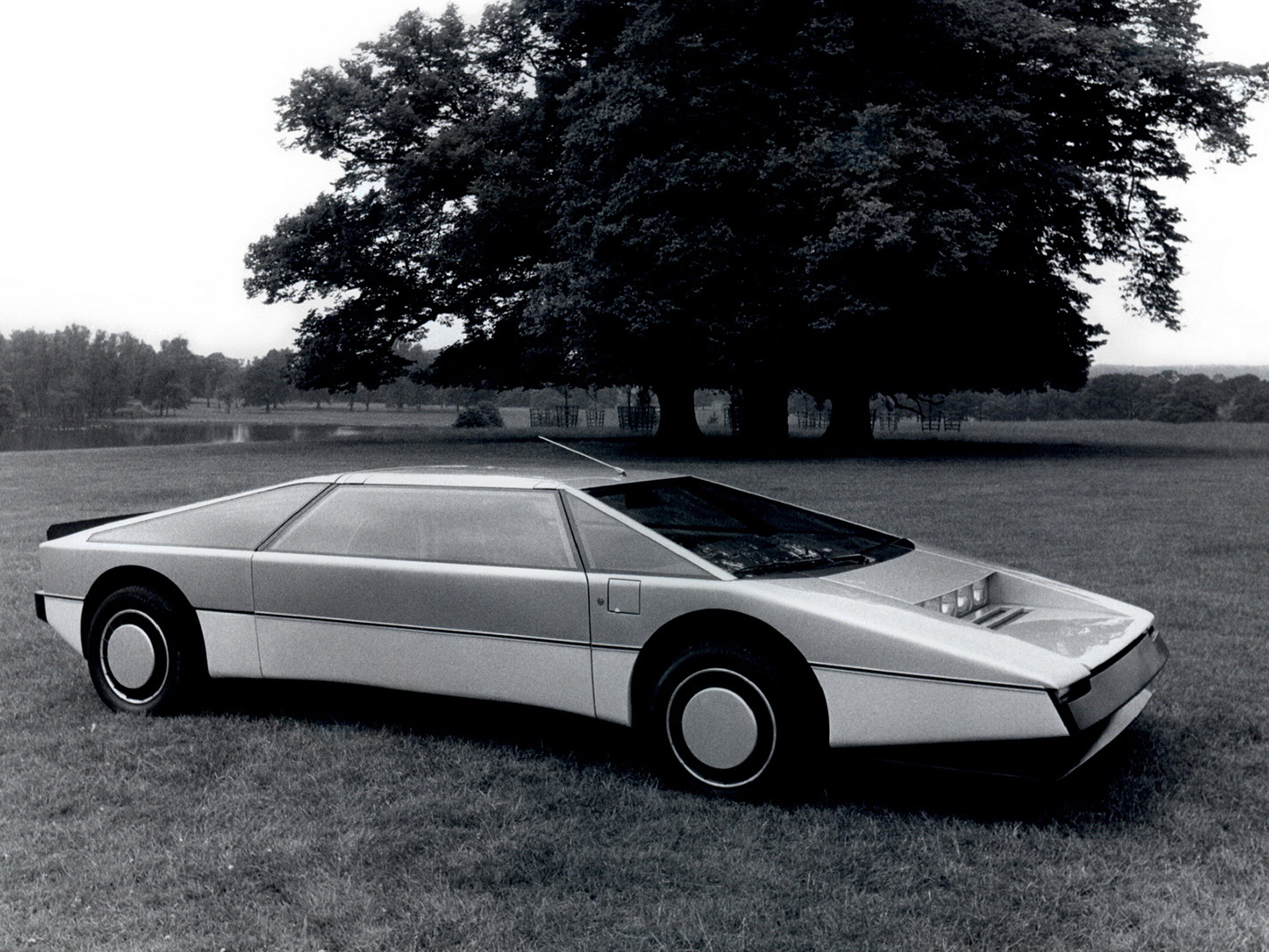
96: Aston Martin Bulldog (1980)
5340cc V8TT, 522kW/813Nm
For decades the Bulldog was the fastest Aston ever built, the 5.3-litre twin-turbo V8 jetting it to a verified 309km/h during testing. In 1981! Sadly, Aston’s ever-present financial difficulties led to the sole Bulldog being sold to the Middle East, but a UK company now intends on a full restoration.
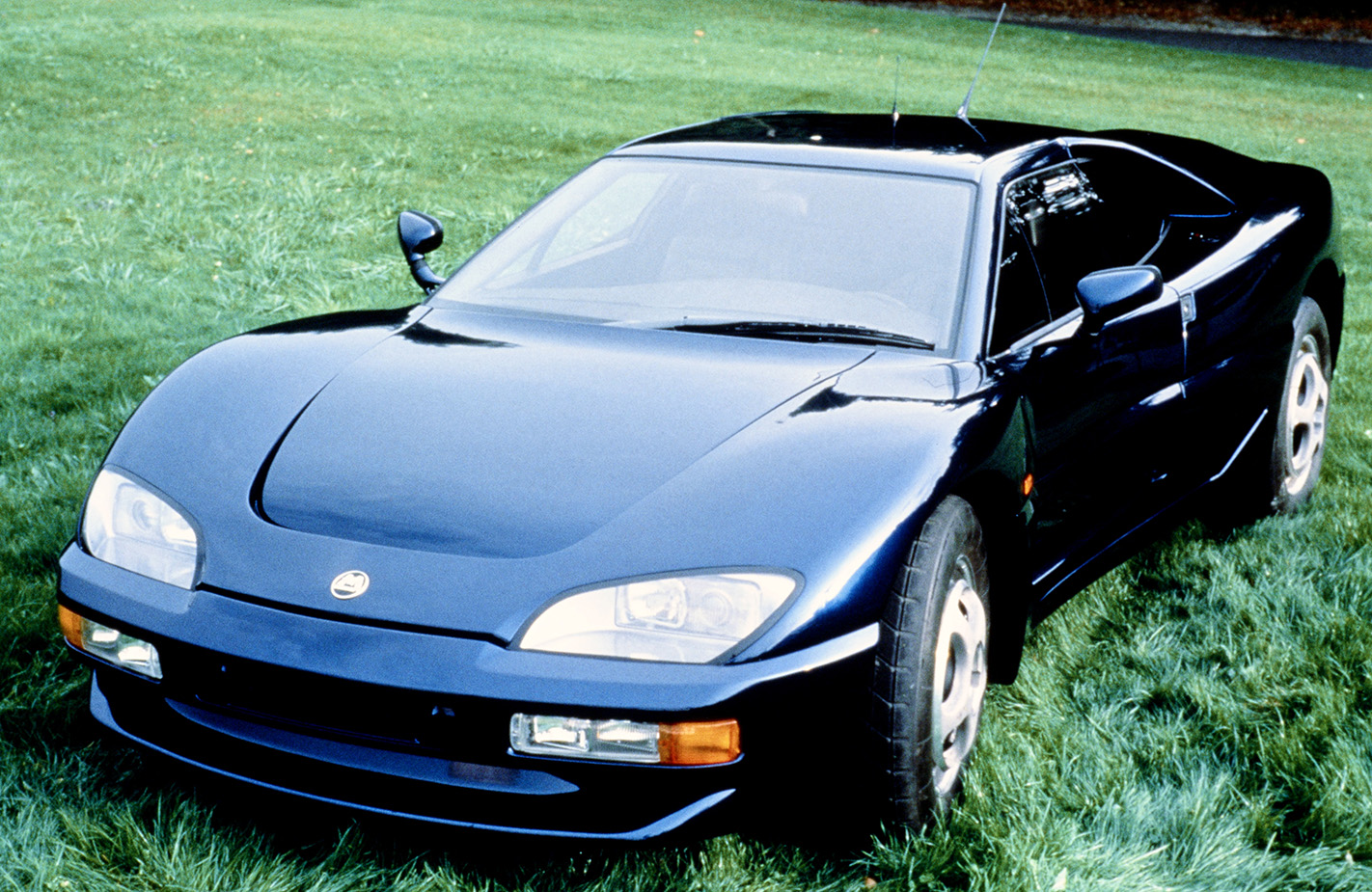
95: Aixam Mega Track (1992)
5987cc V12, 290kW/570Nm
French company Aixam saw the future 30 years ago with the wild Mega Track. Long before high-riding SUVs became the norm, this wild off-road supercar paired a Mercedes 6.0-litre V12 with up to 320mm of ground clearance and seating for four. Sadly, only a few were made.
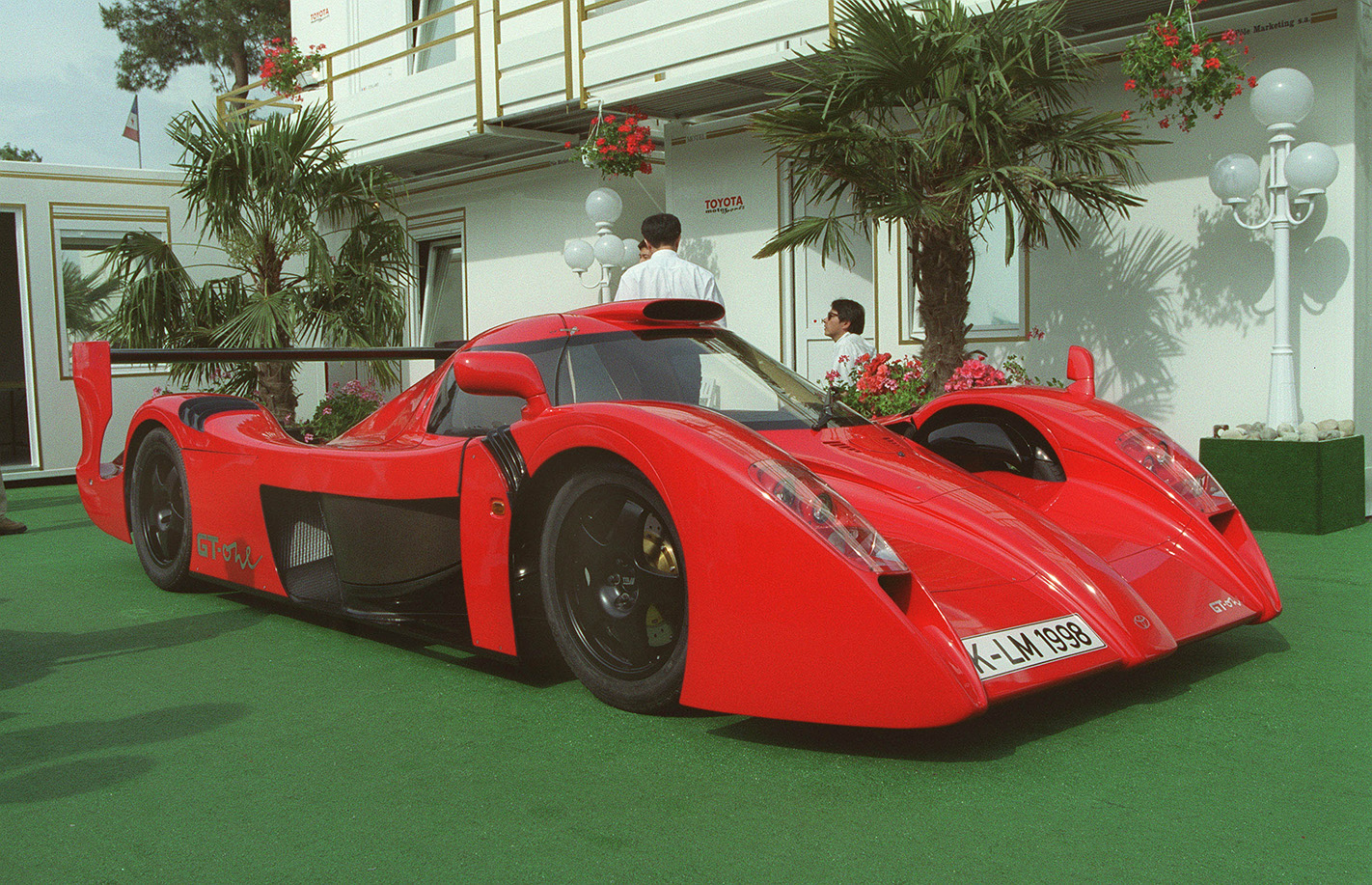
94: Toyota GT-One (1998)
3578cc V8TT, 450kW/650Nm
Why is one of the coolest road-going racers ever languishing in 94th place? Because Toyota doesn’t love it. The GT1 regulations required one road-going example of the race car be made and, like Nissan, that’s exactly what Toyota did, supposedly arguing the empty fuel tank qualified as luggage space. Worse, the GT-One has sat neglected for the last two decades and is apparently unable to even run.
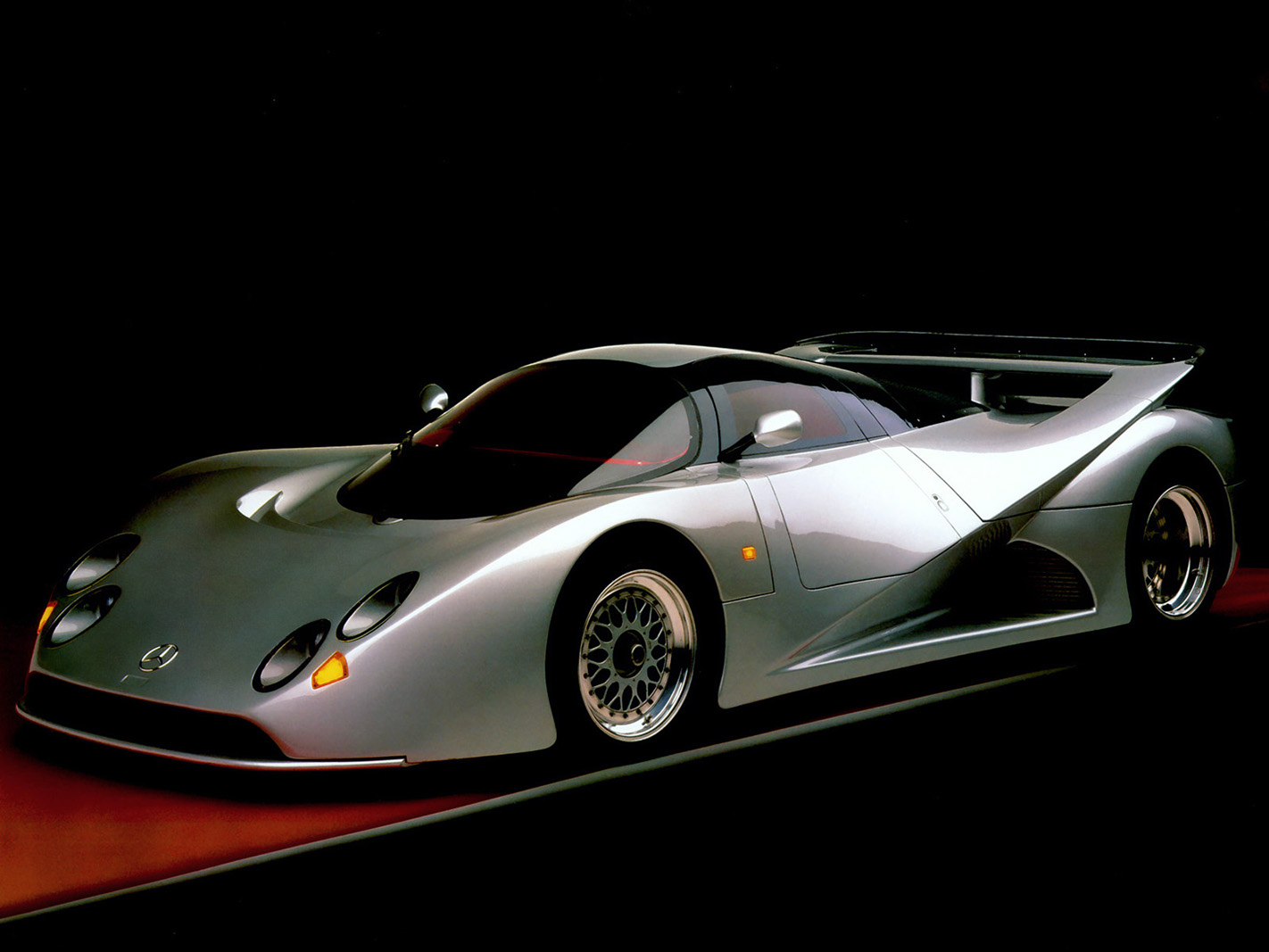
93: Lotec C1000 (1995)
5549cc V8TT, 634kW/978Nm
If you’re a gazillionaire and can’t find a supercar you like you can always commission your own. That was the case for one UAE oil tycoon who gave German engineering firm Lotec five years and $3.4m to create the C1000. A 5.6-litre twin-turbo Mercedes V8 produces 634kW and the design is quite well resolved but it’s a very basic affair inside. The C1000 appeared for sale in the US in 2015.
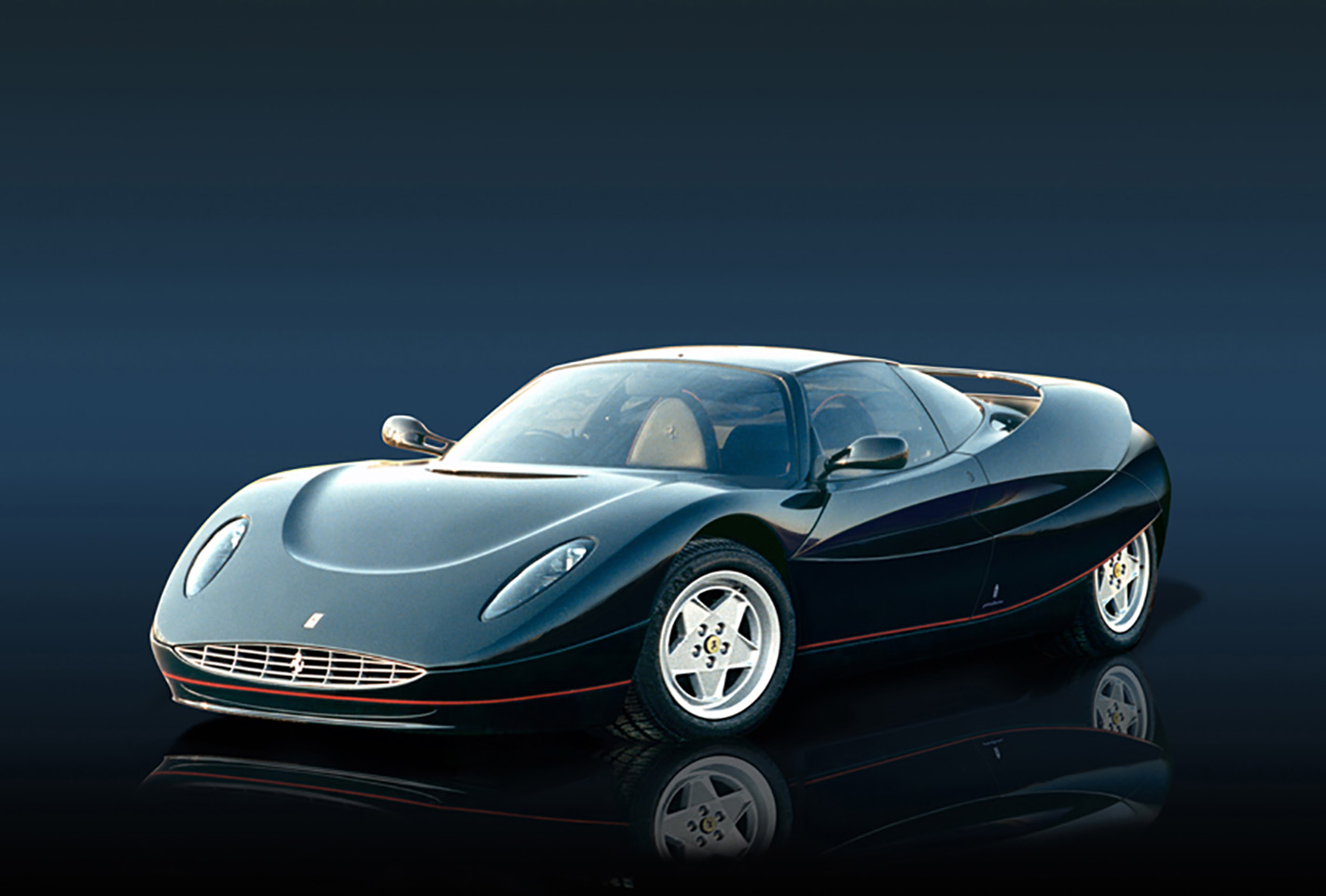
92: Pininfarina Ferrari F90 (1988)
4943cc flat-12, 290kW
The first of a few Brunei specials in this list, six F90s were built by Pininfarina on Testarossa platforms, the name alluding to a ‘Ferrari of the ’90s’. Ferrari disagreed, refusing to acknowledge this top-secret project for many years. Sadly, all six still reside in Brunei.
91: Vector W8 (1989)
3498cc V12, 294kW
In the late 1980s Japan was riding the crest of a wave and Yamaha decided to capitalise on its new F1 engine program by making a supercar. A 3.5-litre V12 produced 294kW at 10,000rpm and the two seats were line astern. Then the Japanese economy tanked and the project was canned after just three of the hammerhead sharks on wheels had been built.
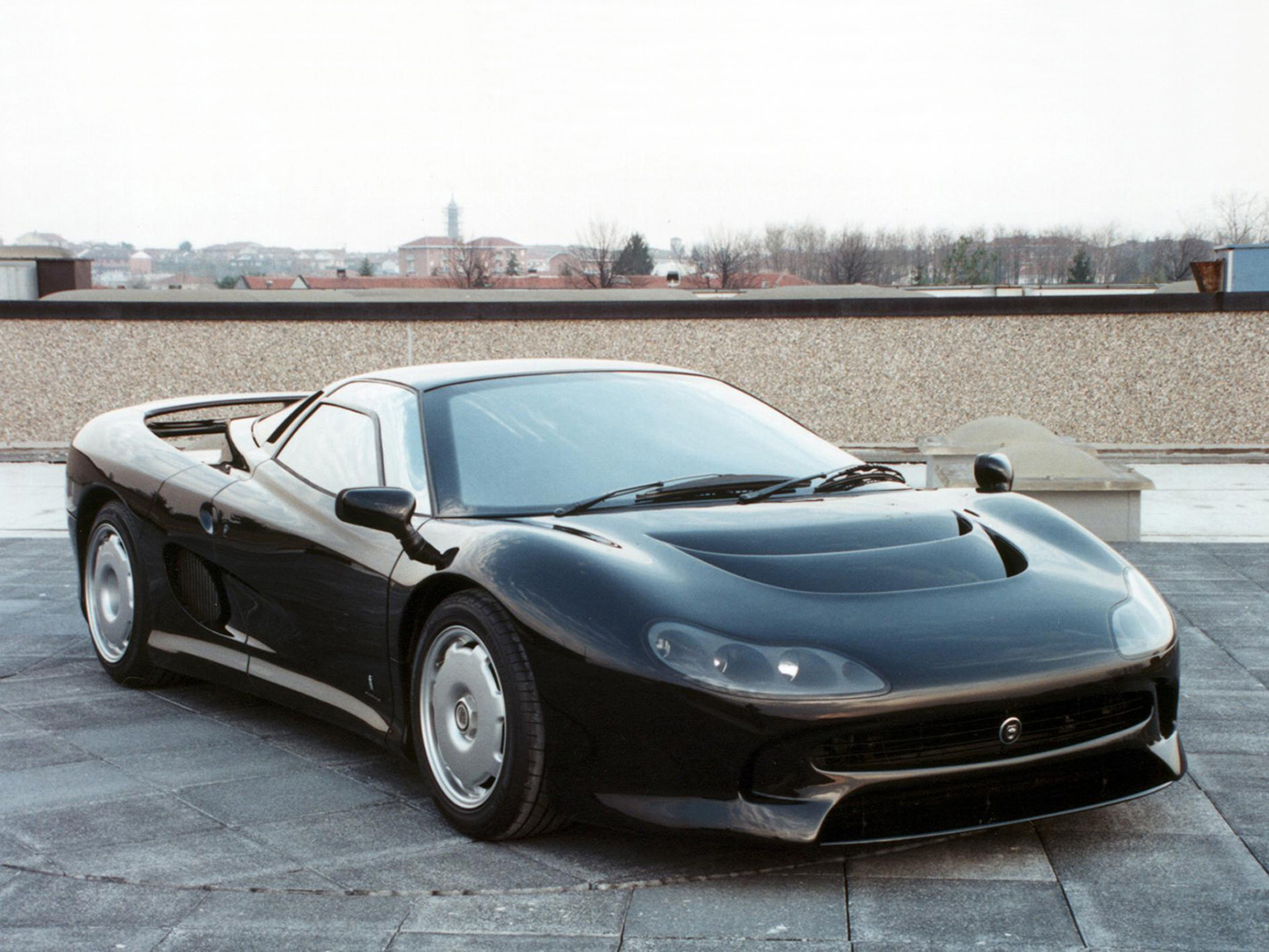
90: Pininfarina Jaguar XJ220 (1995)
3498cc V6TT, 404kW
When you have the resources of the Sultan of Brunei and his infamous brother Jefri, you don’t let a small issue like the lack of an automatic option stop you. Pininfarina was tasked with redesigning the Jaguar XJ220 with new aero, new headlights and, most drastically, a bespoke semi-automatic gearbox (see number 87).
89: Yamaha OX99-11 (1992)
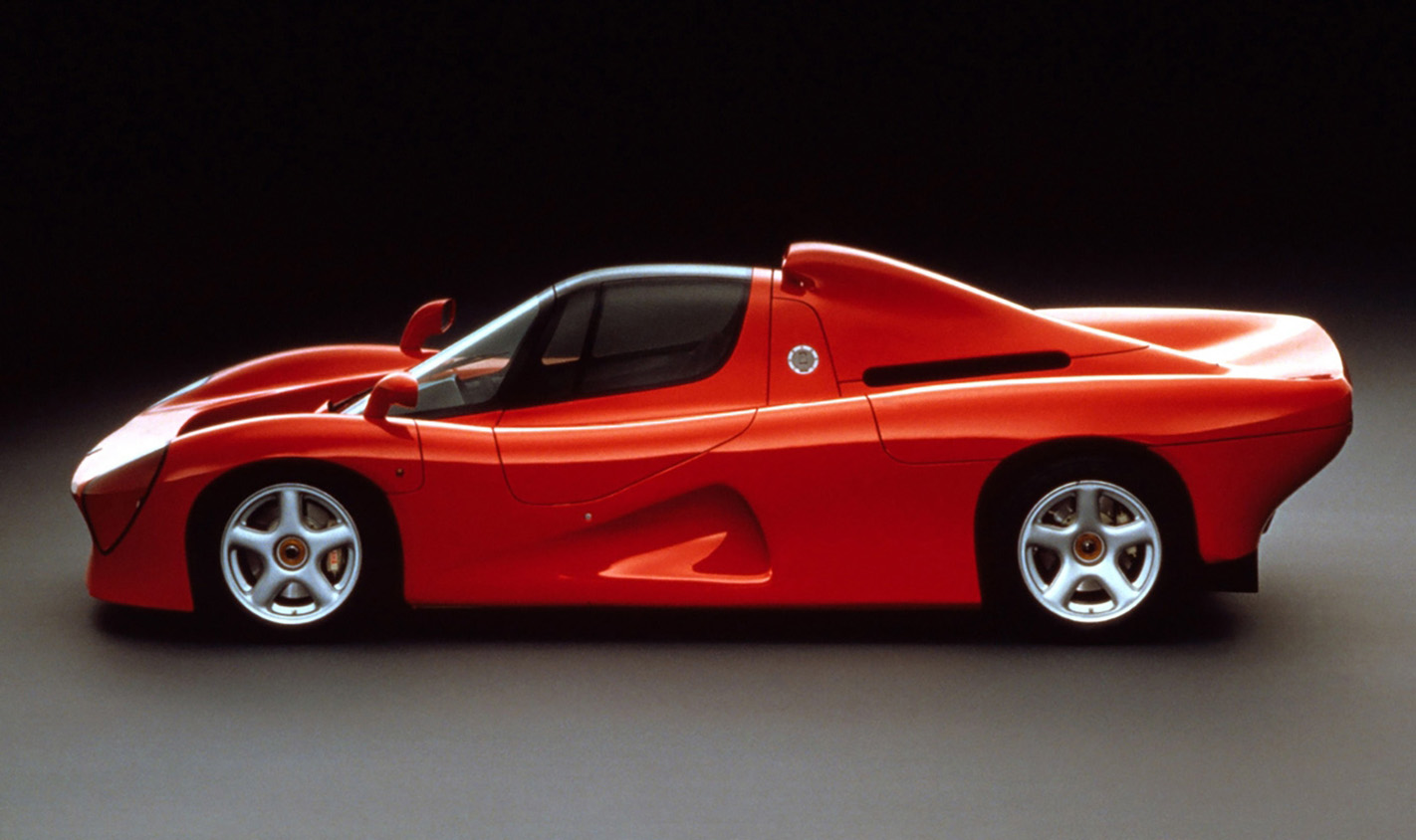
3498cc V12, 294kW
In the late 1980s Japan was riding the crest of a wave and Yamaha decided to capitalise on its new F1 engine program by making a supercar. A 3.5-litre V12 produced 294kW at 10,000rpm and the two seats were line astern. Then the Japanese economy tanked and the project was canned after just three of the hammerhead sharks on wheels had been built.
88: Mega Monte Carlo (1996)
5991cc V12, 331kW/600Nm
The mega Monte Carlo had all it needed for success: resolved styling, a 331kW Mercedes V12 with a six-speed manual, carbon brakes and, according to road tests of the time, beautifully resolved dynamics. A shame, then, that only a handful were ever produced.
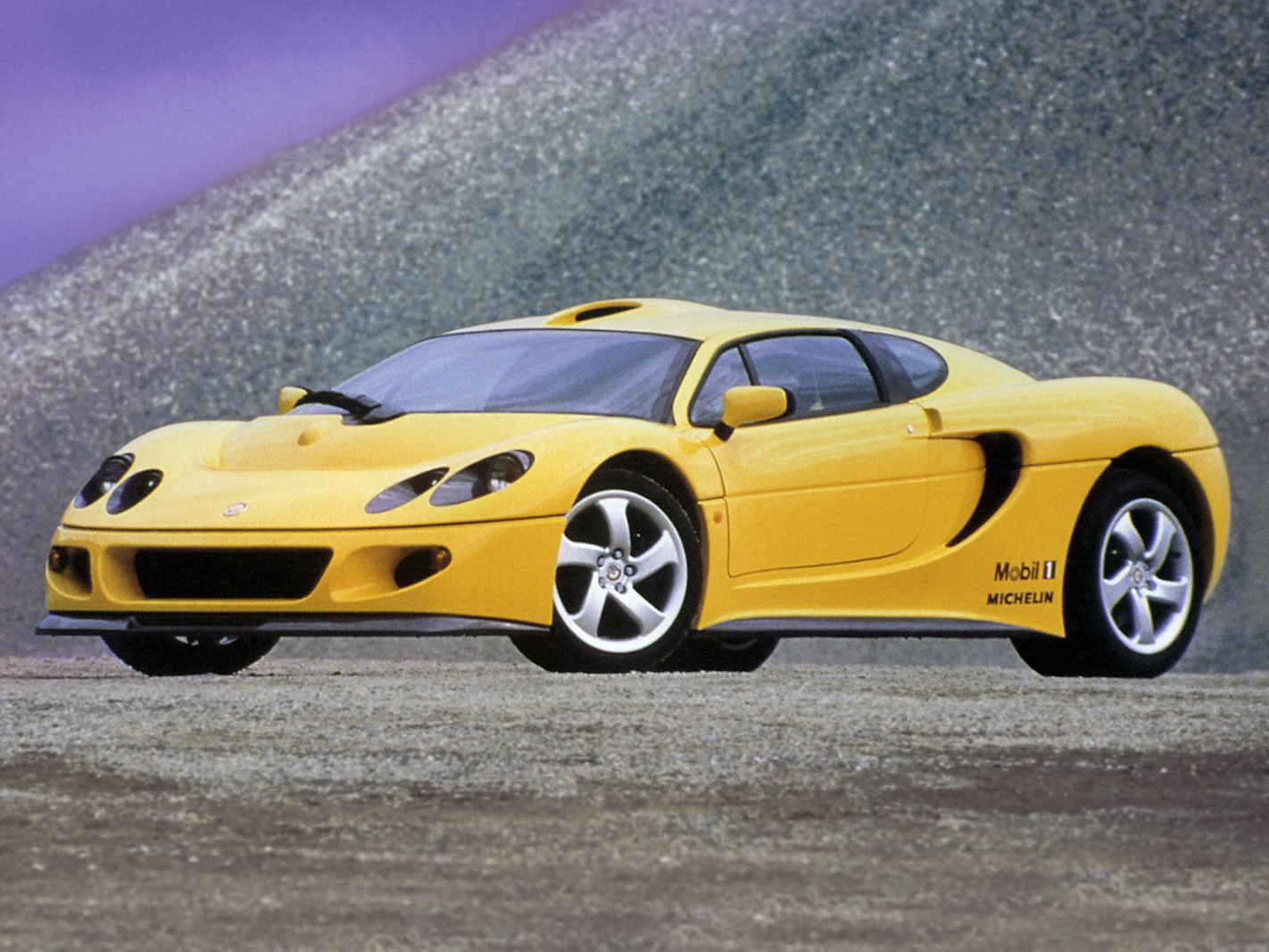
87: Ferrari FX (1995)
4943cc flat-12, 328kW/500Nm
Another Brunei special, the Ferrari FX was a fascinating project. Pininfarina restyled and rebodied six Ferrari Testarossas in carbon and partnered with Prodrive to install a semi-automatic gearbox. This blue one escaped and now lives in a US museum.
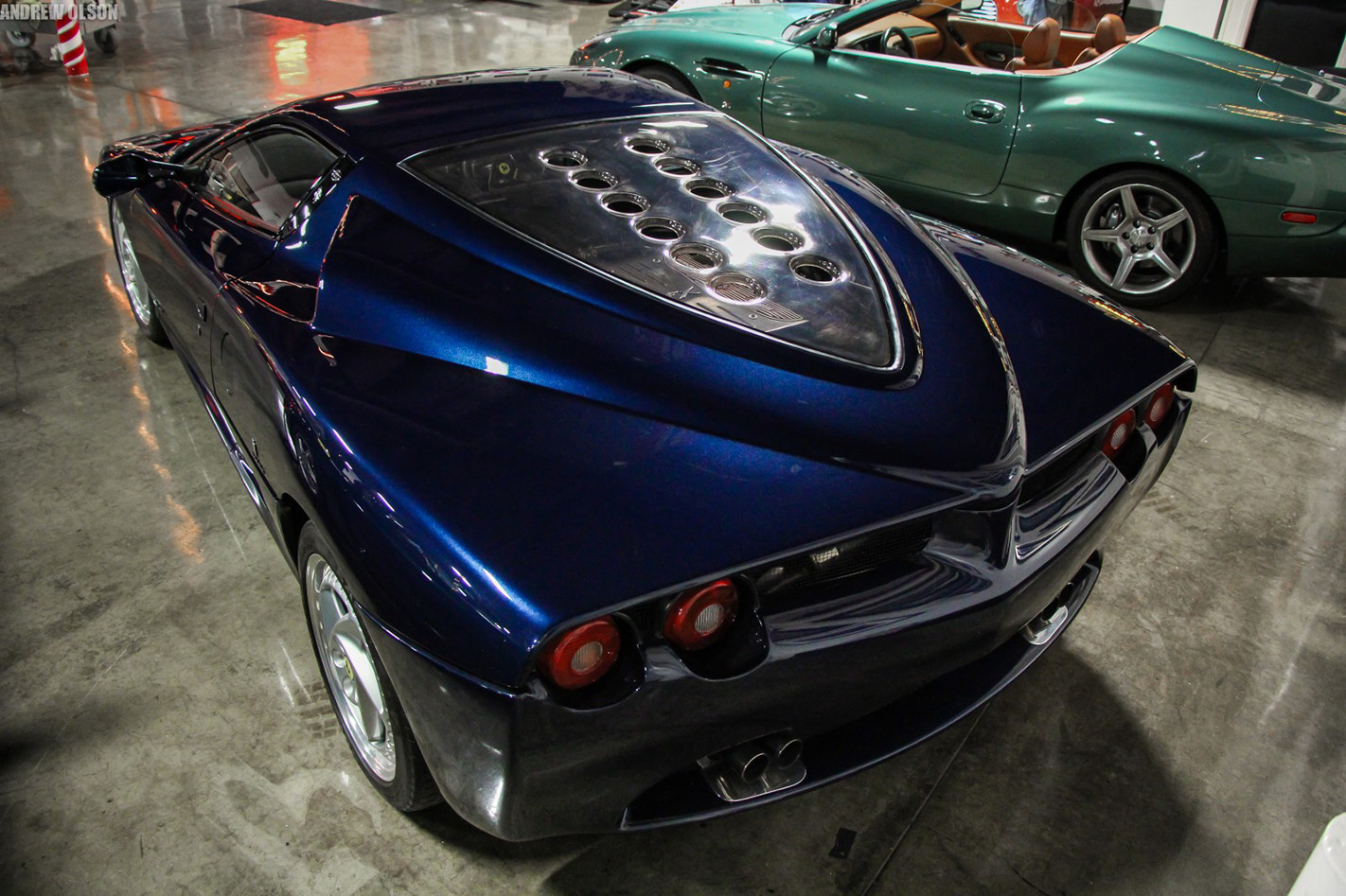
86: Nissan R390 (1998)
3495cc V8TT, 410kW
Like Toyota, Nissan only built one R390 road car to homologate it for racing. It was apparently happy to build more, but customers were few at US$1m. Initially red, the R390 was rebodied and repainted blue. Today it resides in Nissan’s Zama heritage garage, coming out for the occasional demo run.
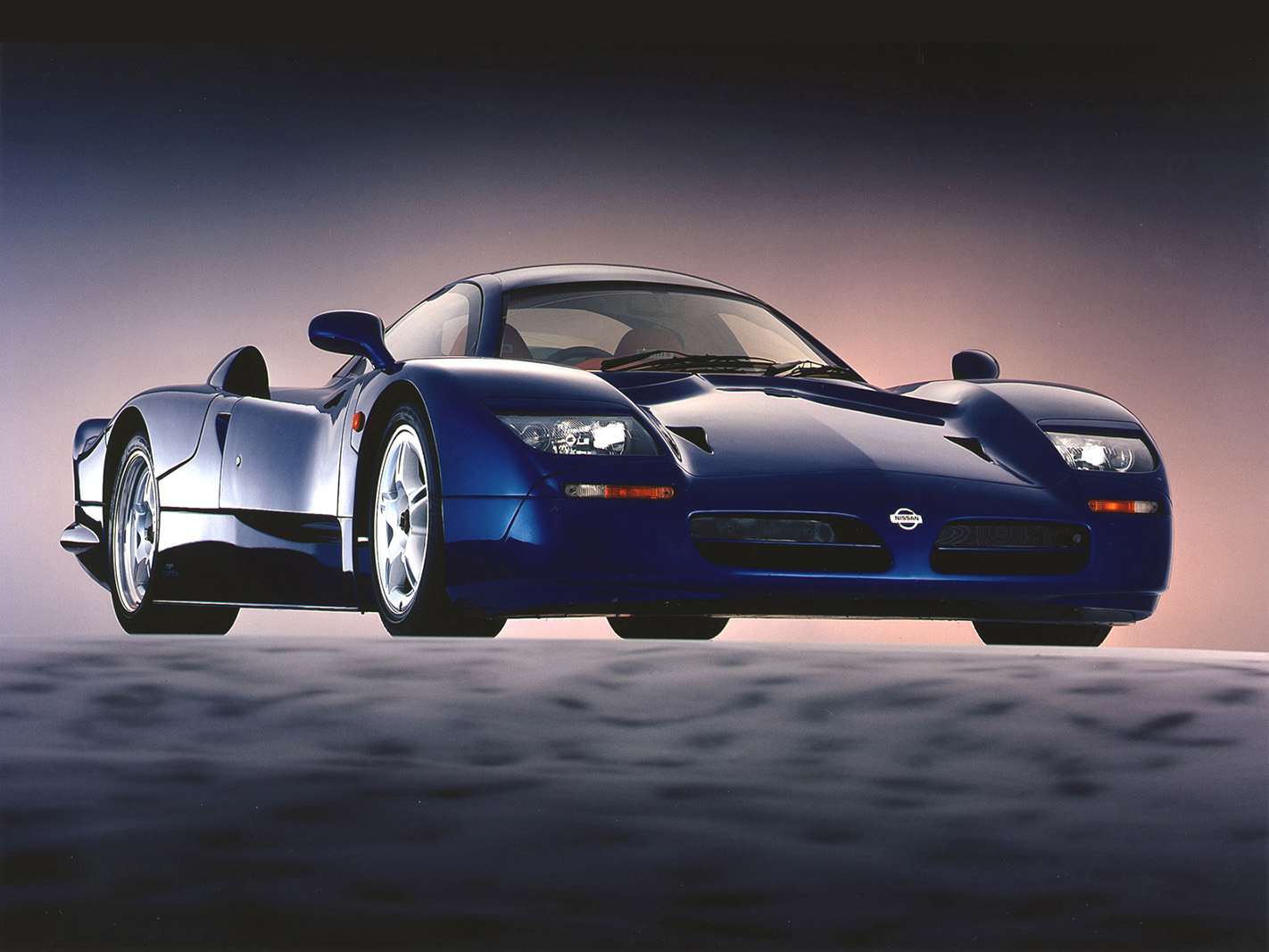
85: TVR Speed 12 (1998)
7730cc V12, 600kW/880Nm
Had it reached production, the TVR Speed 12 likely would’ve been the wildest road car ever. Powered by a 7.7-litre V12 producing at least 600kW in an 1100kg body, the sole example was built with a race shell and parts from various prototypes.
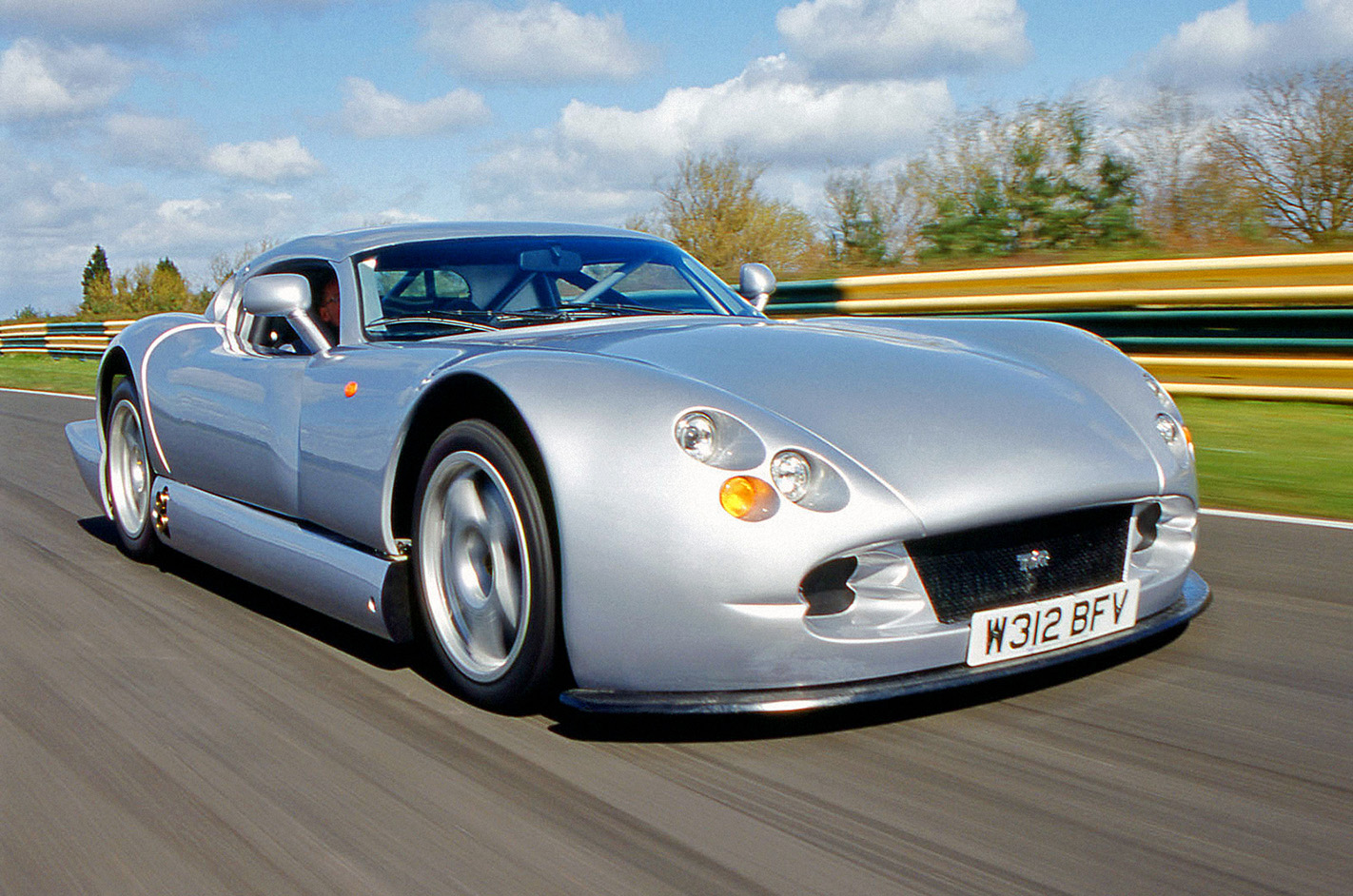
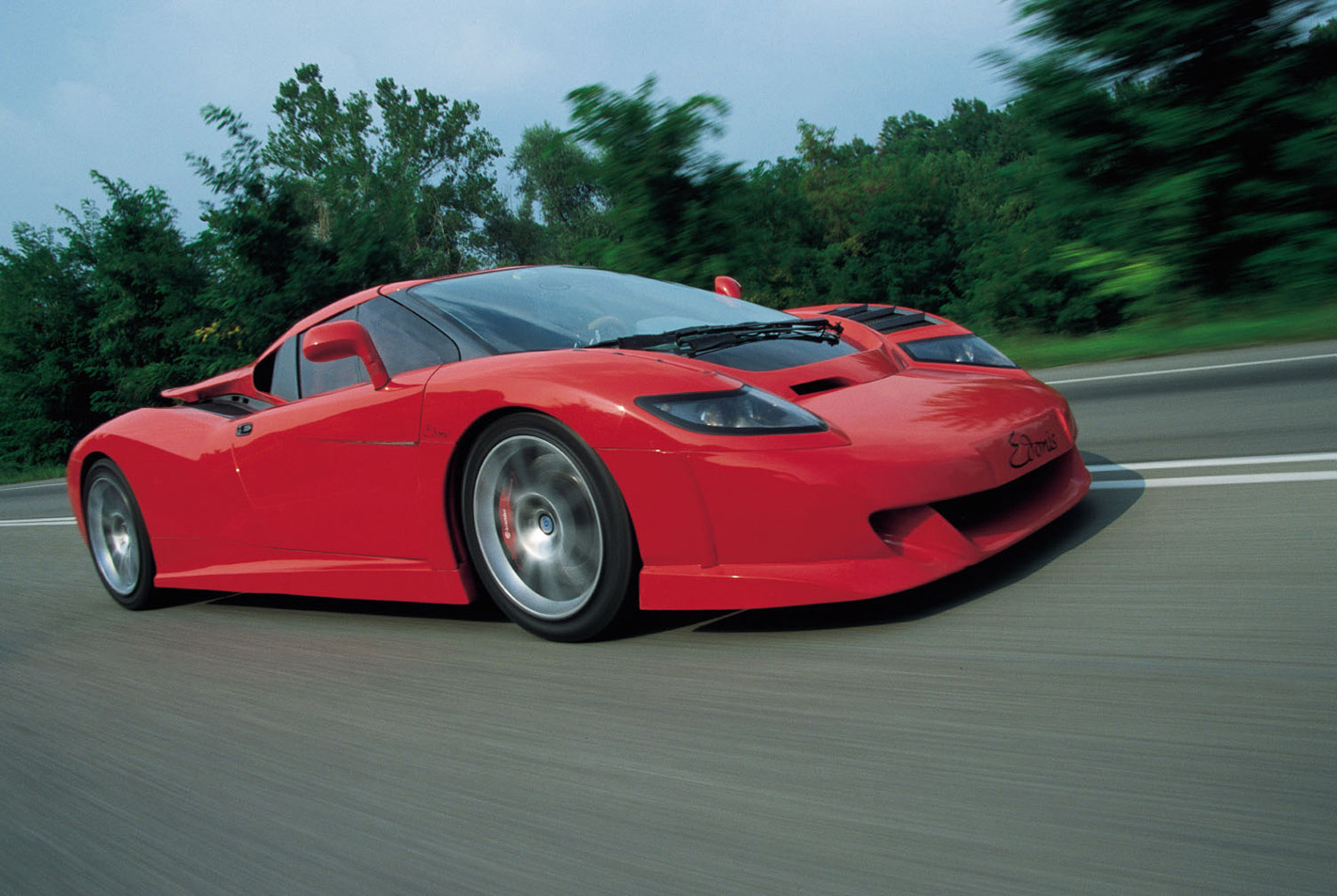
84: B Engineering Edonis (2001)
3760cc V12TT, 500kW
Devised by Italian engineering royalty using the carbon chassis and basic engine from the Bugatti EB110, the Edonis was like a modern Ferrari F40, the 3.8-litre twin-turbo V12 sending 500kW/735Nm to the rear wheels. It was clocked at 359km/h at Nardo during a French magazine test but only a pair of prototypes were completed.
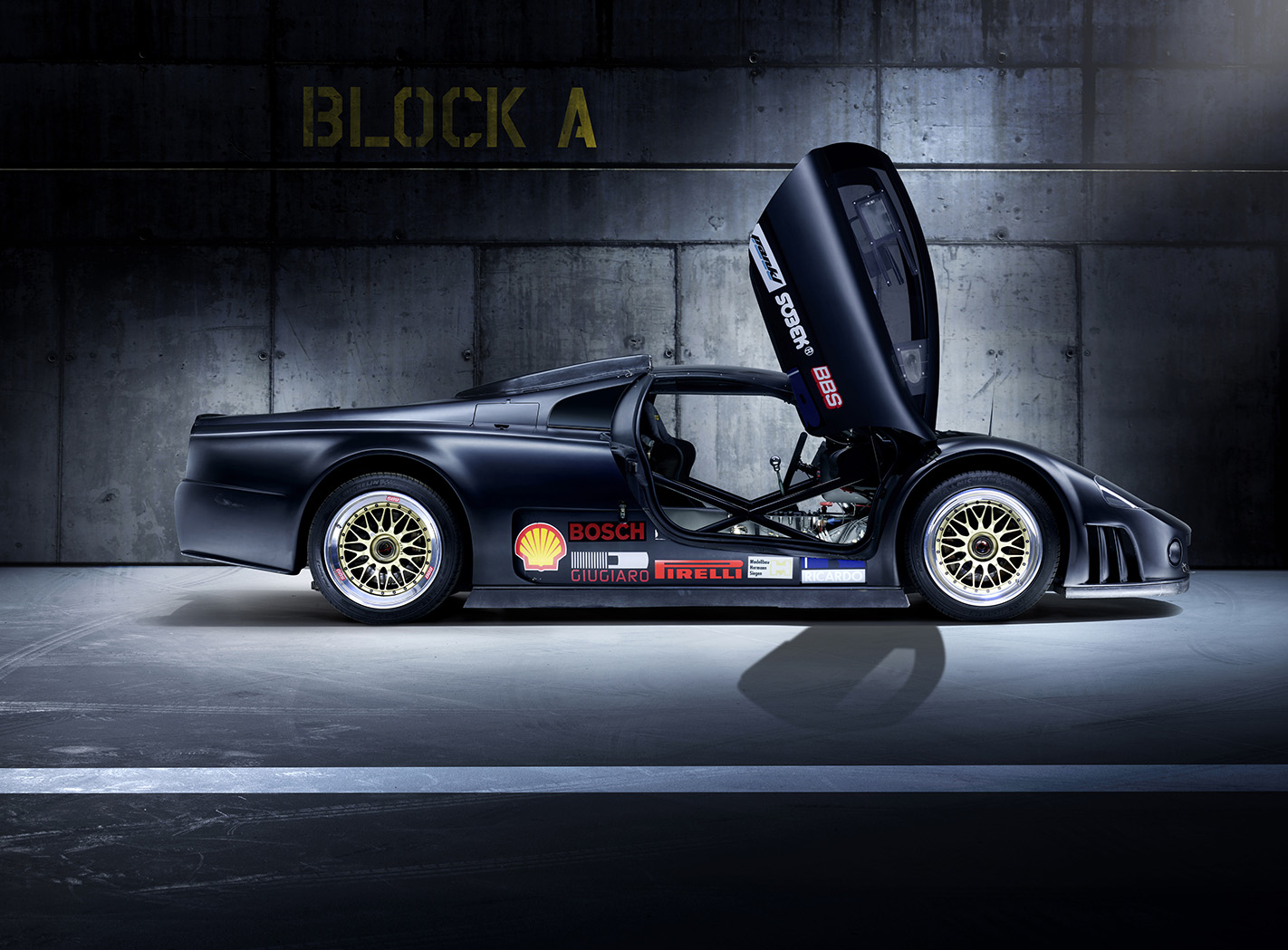
83: VW W12 Nardo (2002)
5998cc W12, 441kW/621Nm
Another star of Nardo, VW’s W12-powered concept broke records at the iconic Italian test track. After a couple of show versions, VW got serious by expanding the W12 engine from 5.6 to 6.0 litres. The subsequent 441kW powered the matte black beast to 357km/h, while a team of drivers covered a record 7901km over 24 hours at an average speed of 322.8km/h. Unfortunately, it never made production.
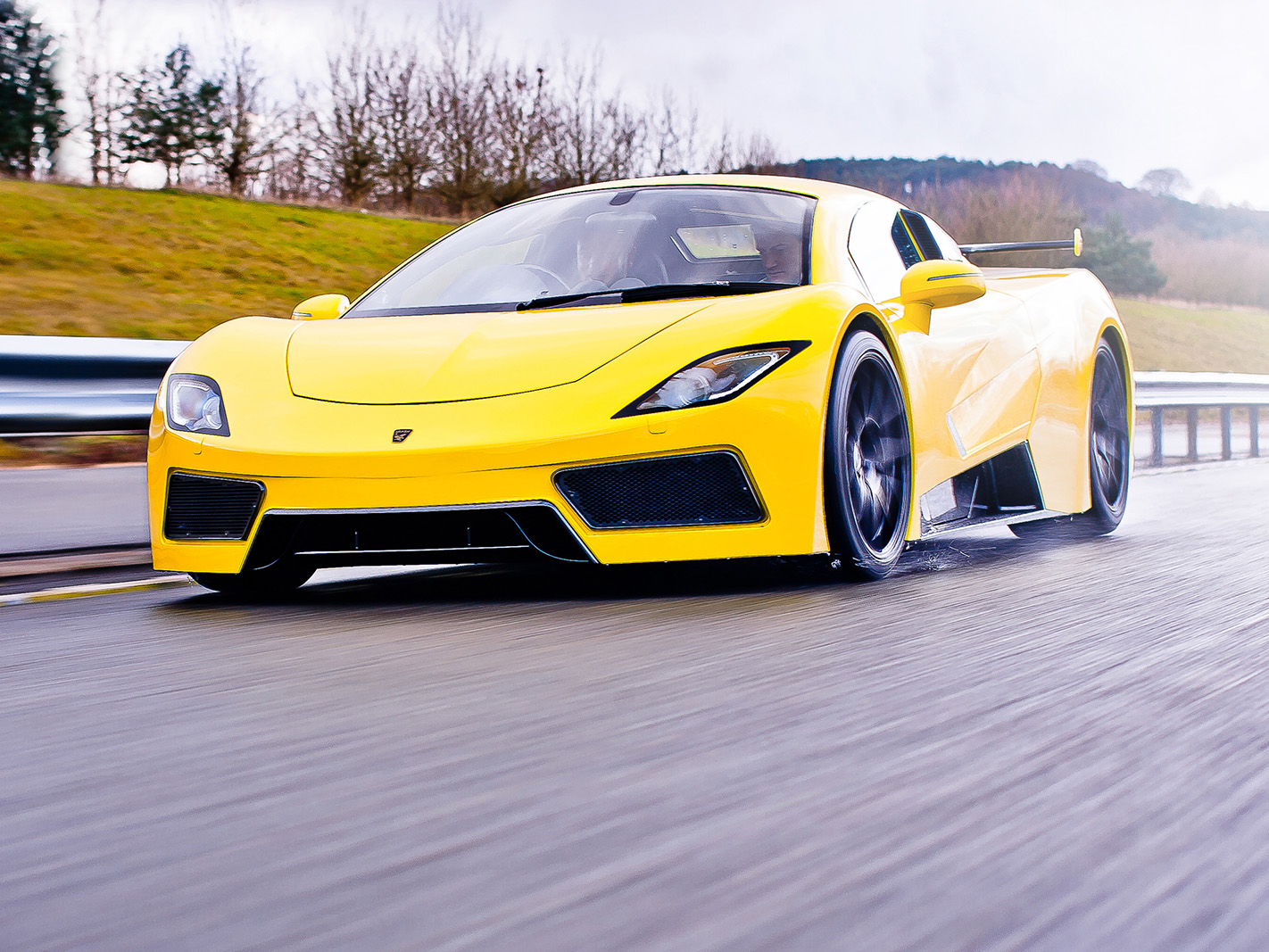
82: Arash AF8 (2016)
7008cc V8, 410kW/645Nm
Rating the Arash AF8 is very difficult. The company has existed since 1999, becoming Arash Motor Company in 2006. Its AF8 doesn’t reinvent the wheel, using a proven LS7 7.0-litre V8 and six-speed manual in a 1200kg tubular steel chassis with carbon body panels. Trouble is, there is very little information available about how many have been built or what they are like to drive!
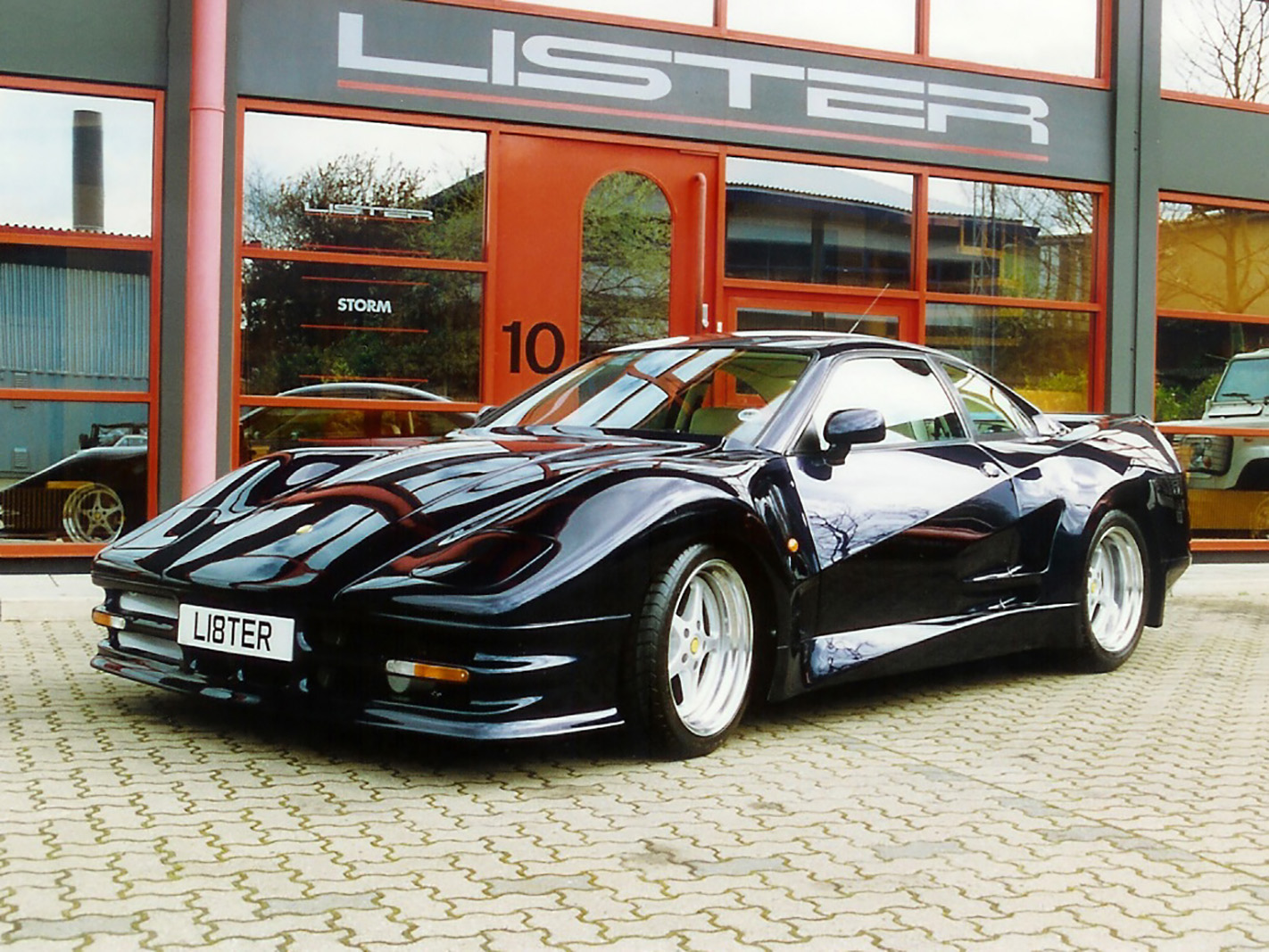
81: Lister Storm (1993)
6996cc V12, 407kW
Four Storms were initially built, along with a further six race cars, which raced in British GT and at Le Mans. What increased our respect for this unusual 330km/h monster was the discovery of a mint example for sale in 2018 with 50,000km on the clock, suggesting a very sorted and usable machine. Ugly but appealing.
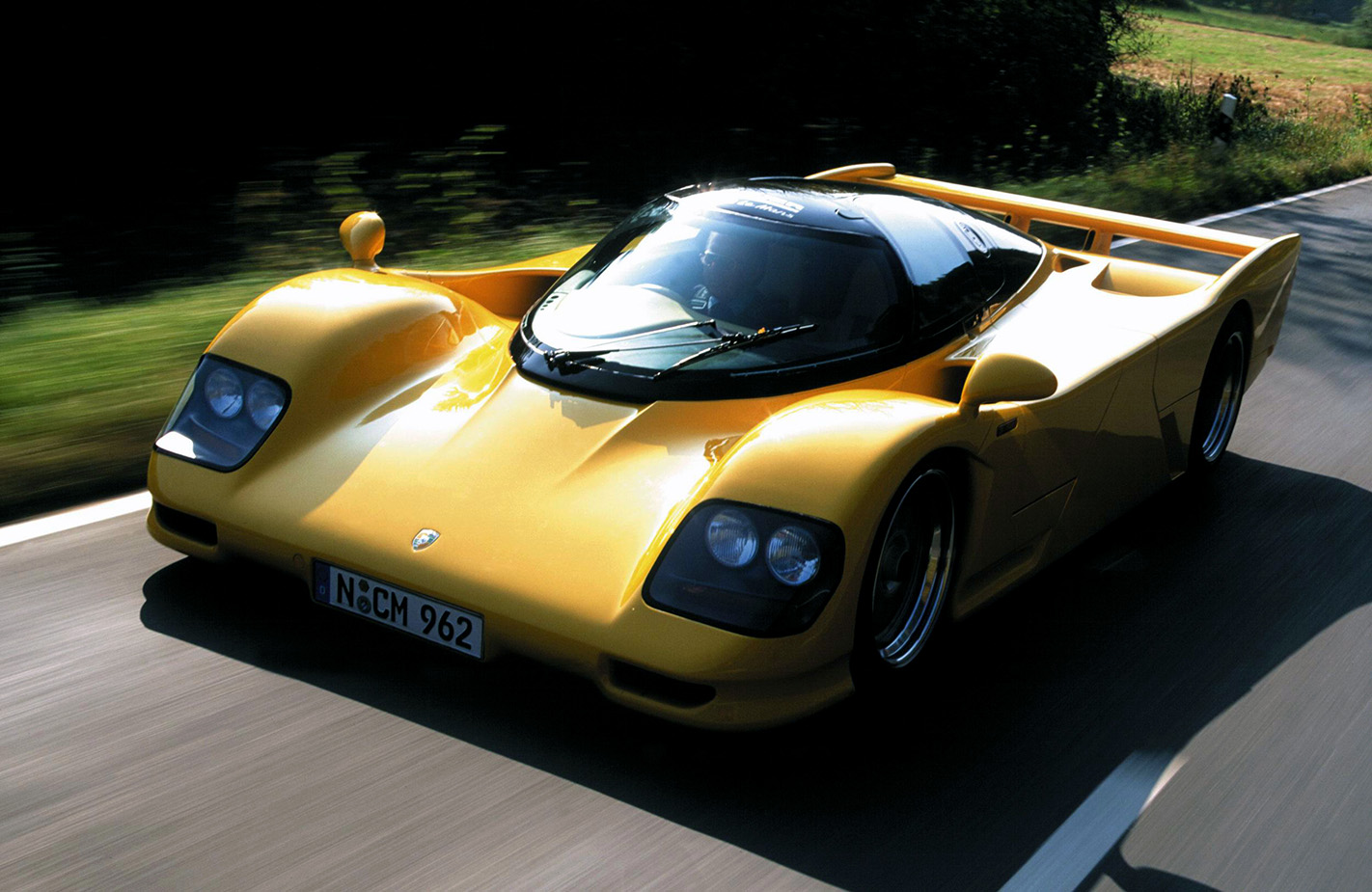
80: Dauer 962 (1993)
2994cc flat-6TT, 537kW/700Nm
Created to exploit a regulations loophole, the Dauer 962 allowed Porsche to re-enter the 962 as a GT car at Le Mans, where it came first and third overall in the 1994 race. A total of 13 road cars were built, one recording a top speed of 404km/h in 1998. A true road-going race car.
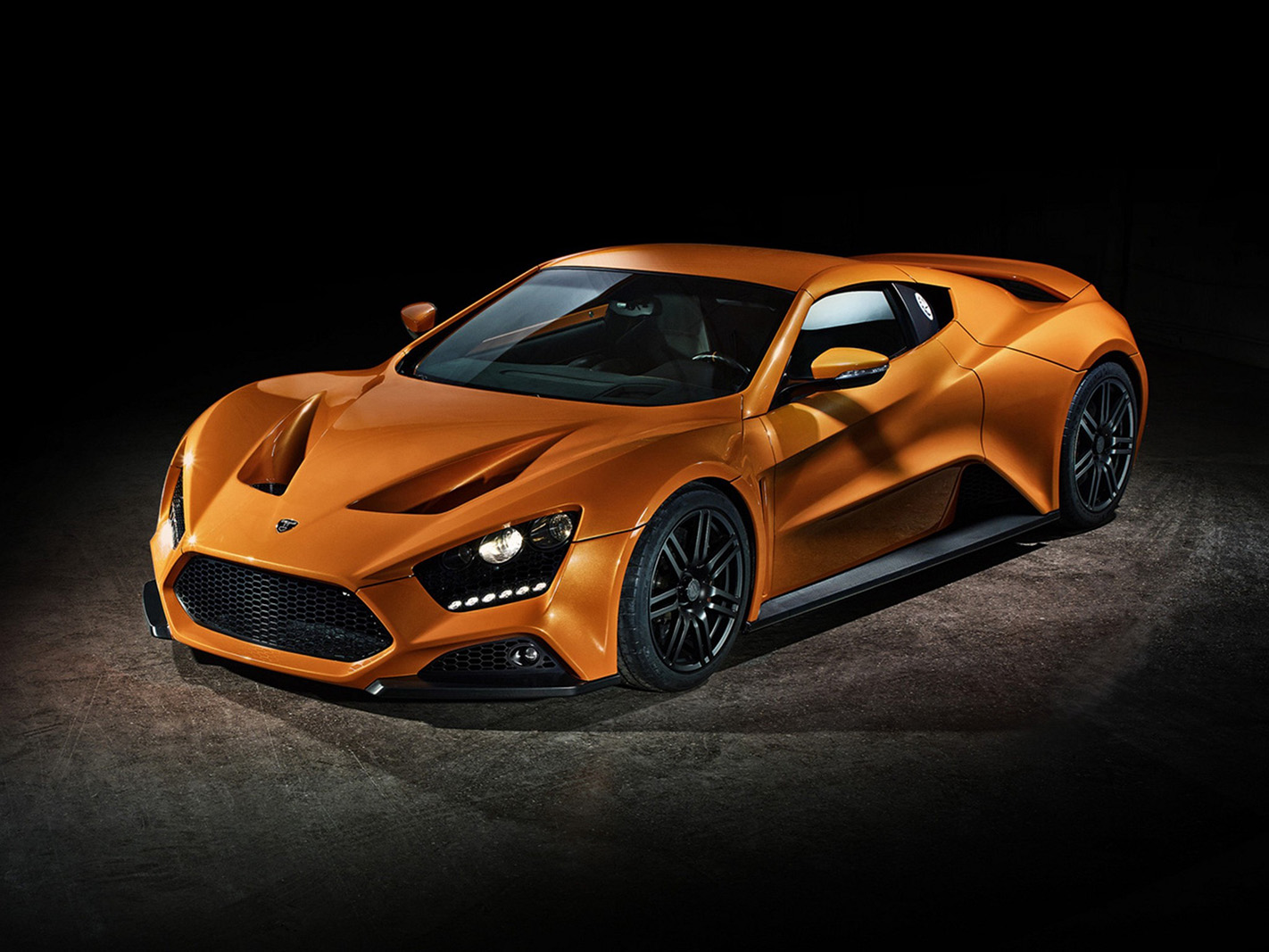
79: Zenvo TS1 (2016)
5800cc V8TS, 823kW/1139Nm
Danish supercar maker Zenvo treads its own path. Its TS1 uses a 5.8-litre twin-supercharged engine but reviews suggest there are quite a few bugs to iron out, particularly with the gearbox, which is a tough sell at ¤1.35m (A$2.2m).
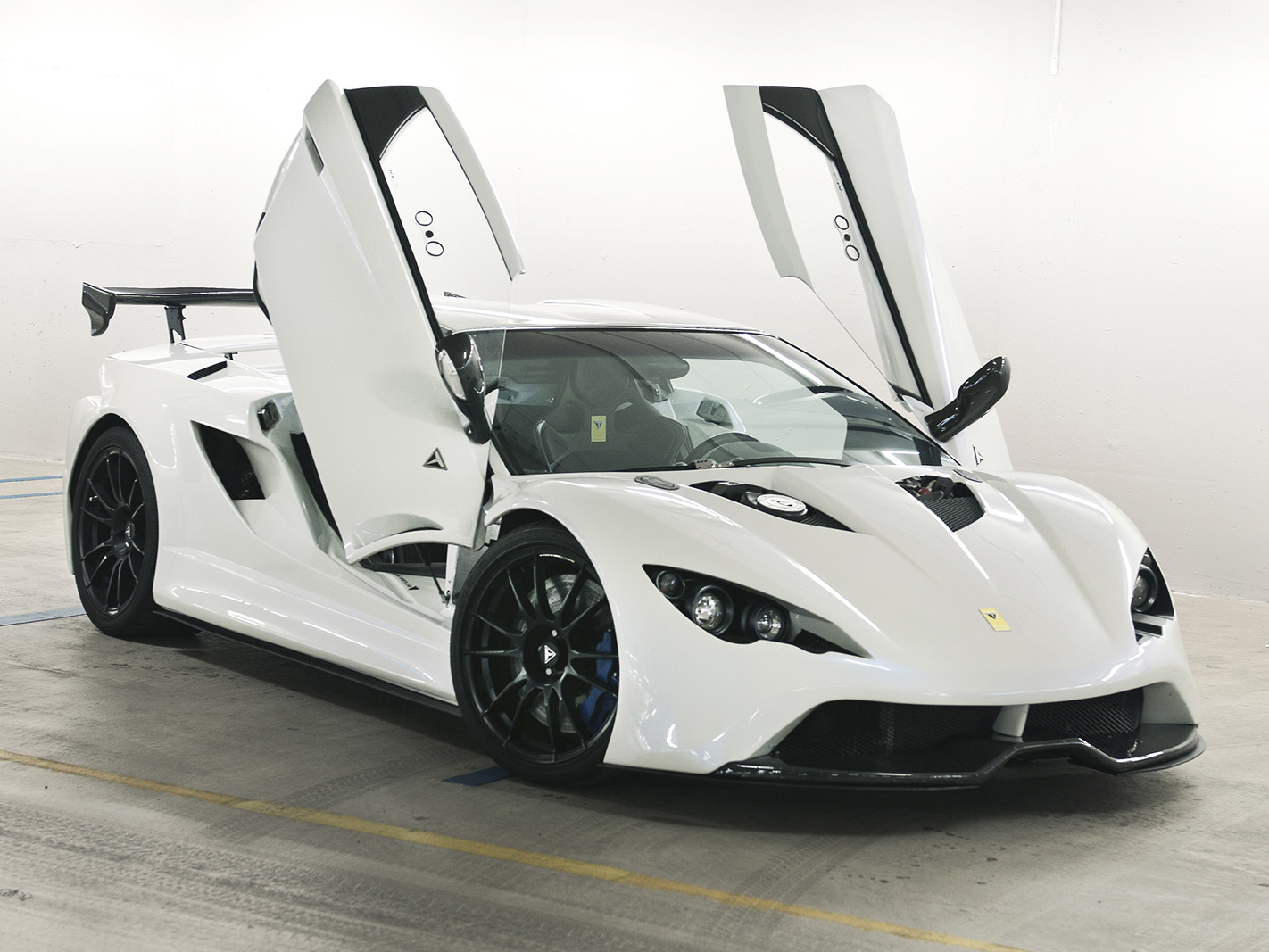
78: Tushek Renovatio (2012)
4163cc V8, 331kW/427Nm
Another supercar from an unexpected source, Slovenia’s Tushek took the powertrain from the Audi B5 RS4 and installed it in an 1133kg body so performance was vivid, the handling well sorted and the car finished to a high standard. Then again, it was the same price as a McLaren 675LT.
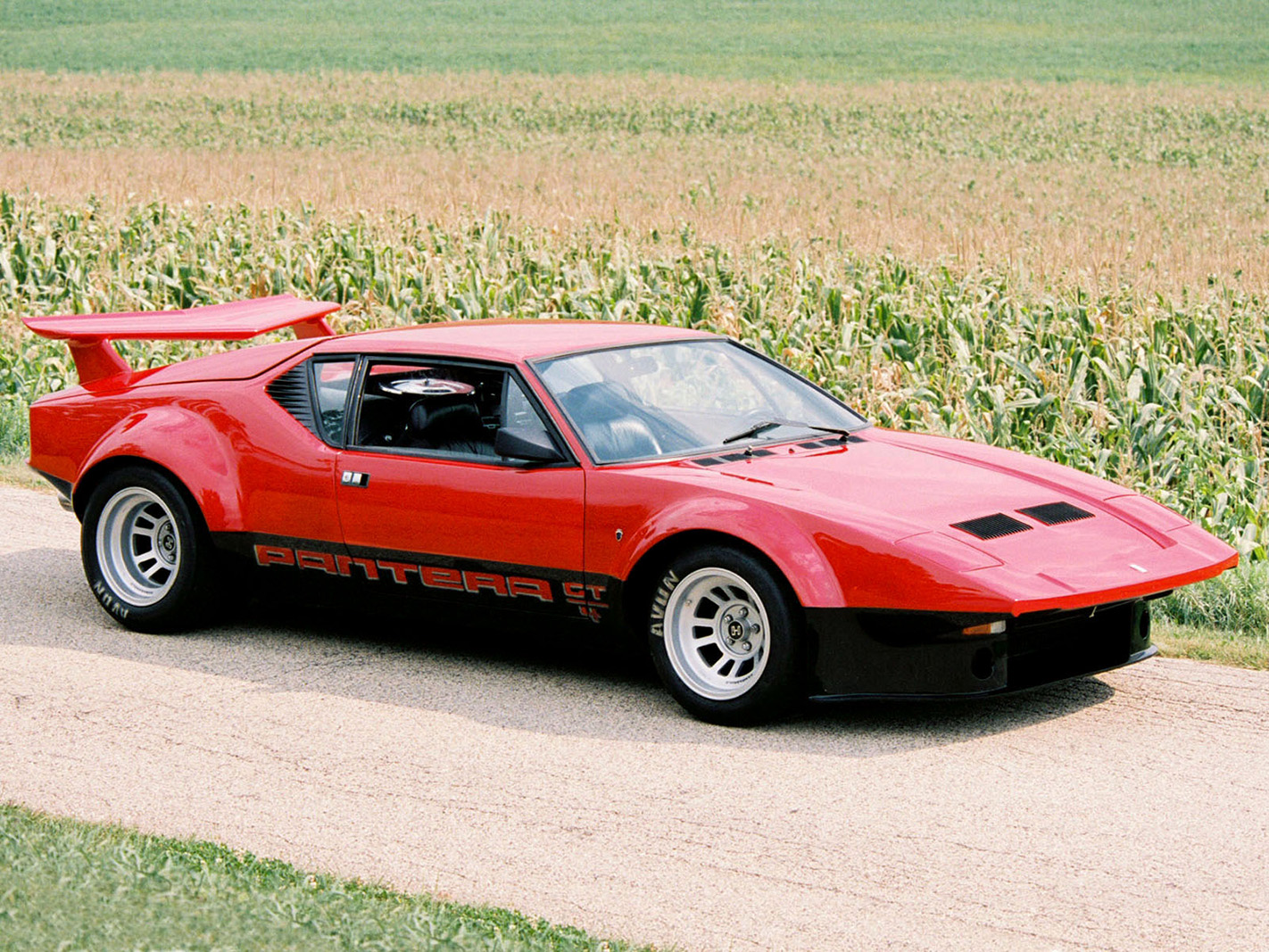
77: De Tomaso Pantera (1971)
5766cc V8, 246kW/466Nm
When the Pantera is good, it’s very, very good. Find a well-built (or restored) and finely fettled one and you’ll have a car that looks, sounds and drives like a true exotic. Panteras could be troublesome, though (Elvis shot his), and the Ford engine and high build numbers count against it.
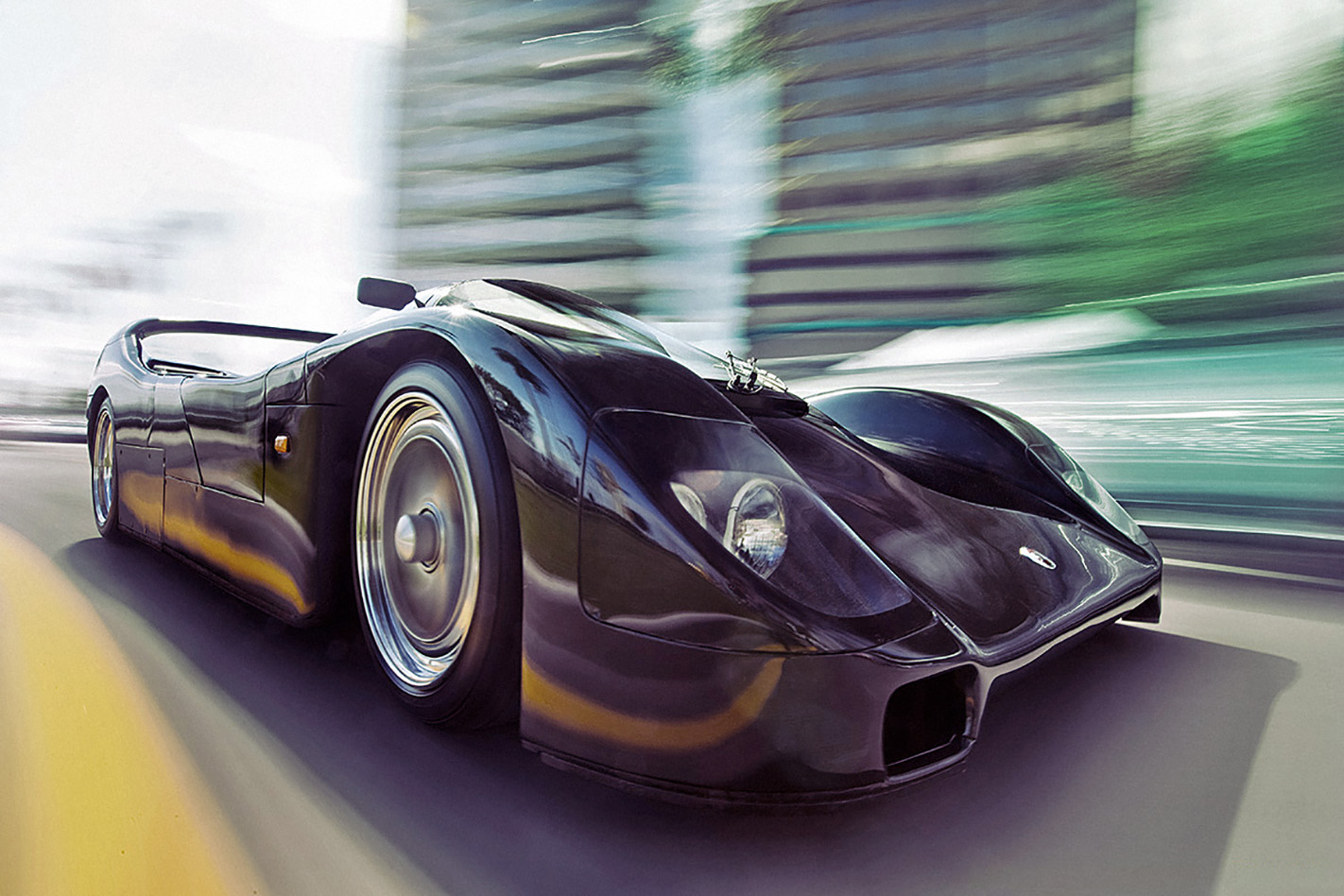
76: Schuppan 962CR (1992)
3294cc flat-6TT, 447kW/650Nm
Unlike the Dauer, the Schuppan wasn’t just a Porsche 962 with leather seats. It used the engine from the race car but installed it in a carbon monocoque with styling by Aussie Mike Simcoe. Sadly its Japanese backing disappeared with the financial crisis and just six were built.
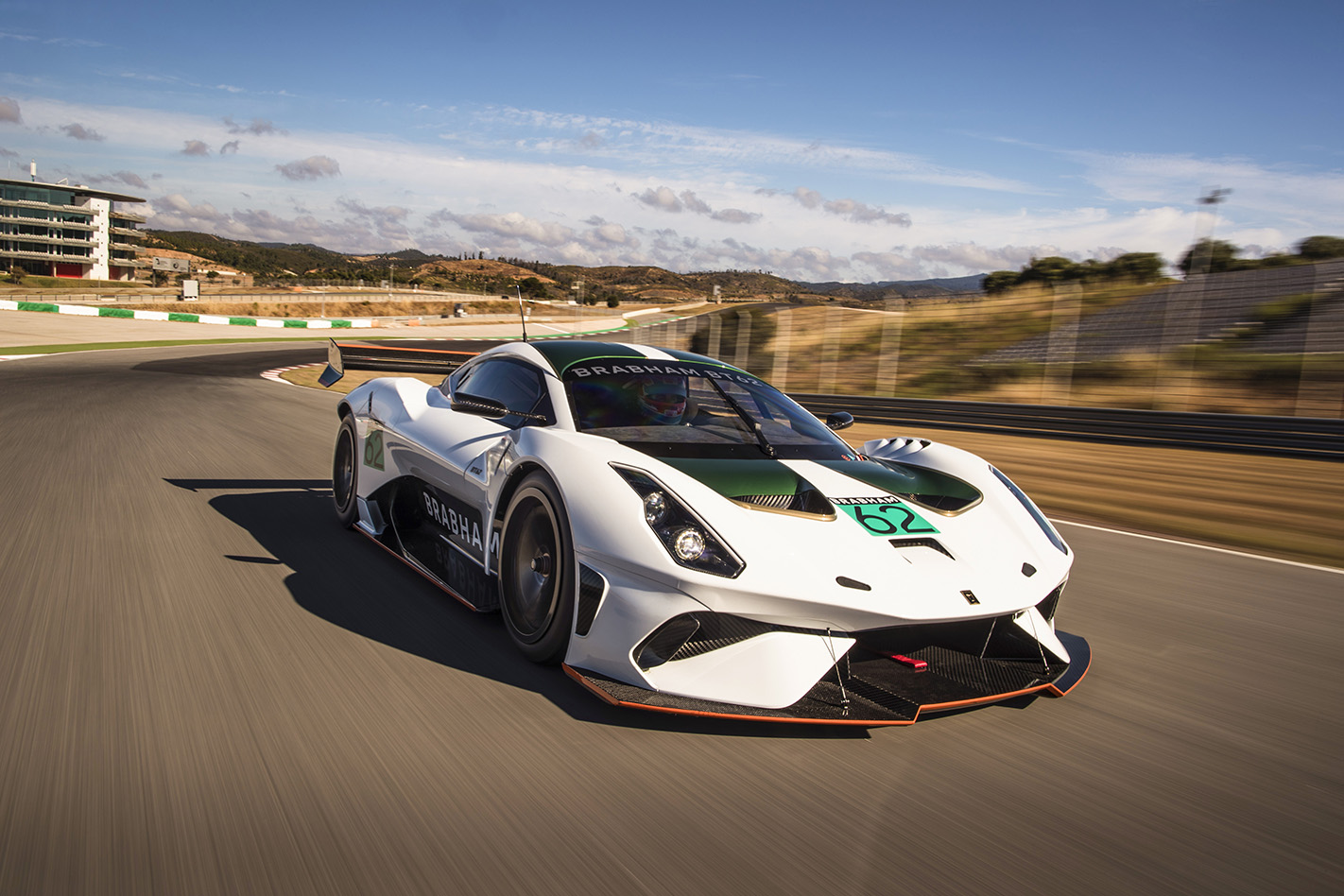
75: Brabham BT62 (2019)
5387cc V8, 522kW/667Nm
Another super-focused supercar wearing a famous Aussie surname, the Brabham BT62 has the potential to climb much higher in the future. It’s already proven itself as an astonishingly capable and expensive track toy, but with 70 examples planned and the announcement of a road-going version, the BT62 has the potential to be something truly special. And each one is built in little old Adelaide.
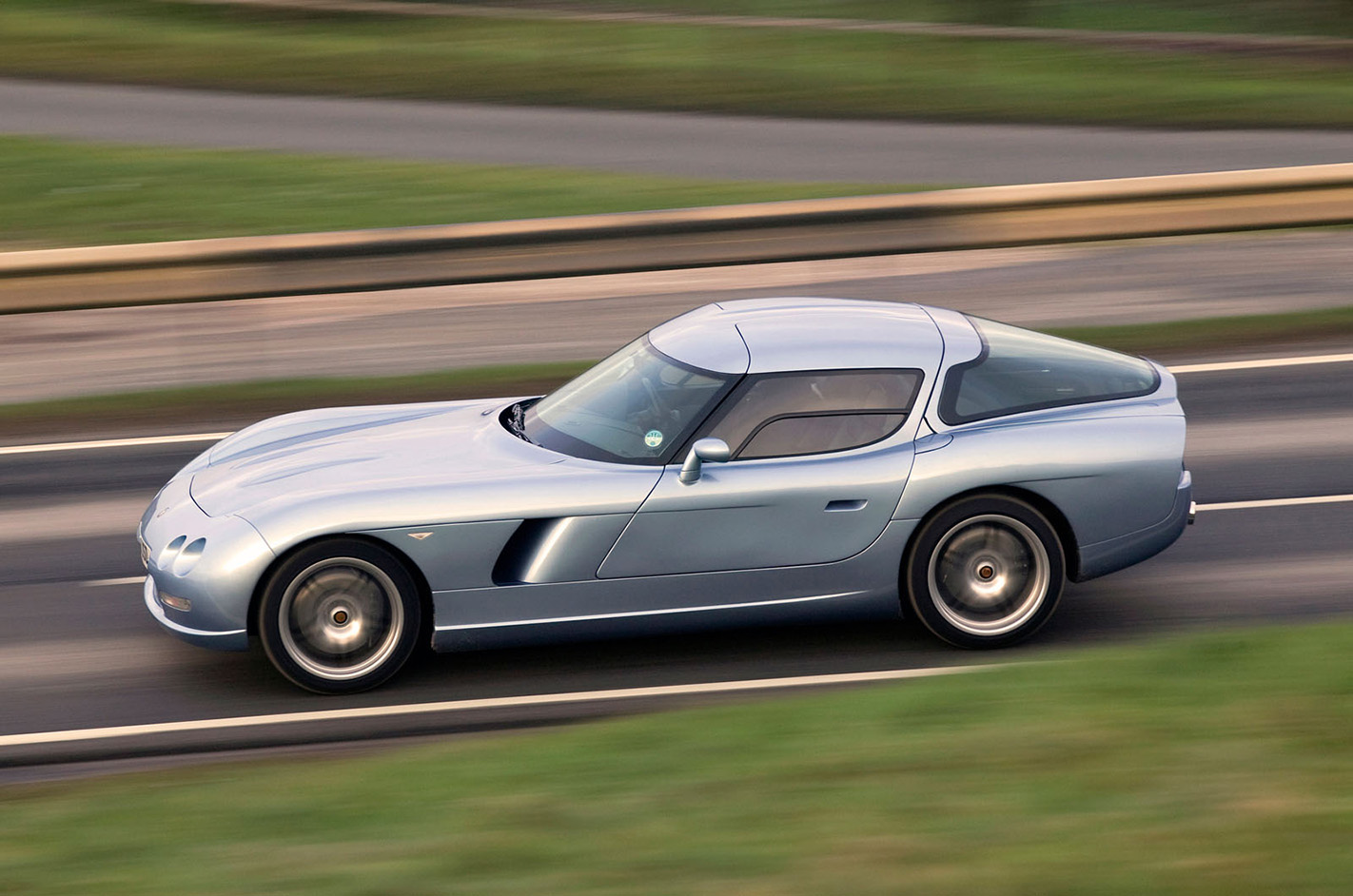
74: Bristol Fighter (2004)
7994cc V10, 468kW/786Nm
Bristol is a weird car company, so when it created its first new car in 40 years, it was never going to be conventional. Take the V10 engine and gearbox from a Dodge Viper, install it in a slippery body with gullwing doors constructed using aerospace know-how with an expertly-tuned chassis. Ace.
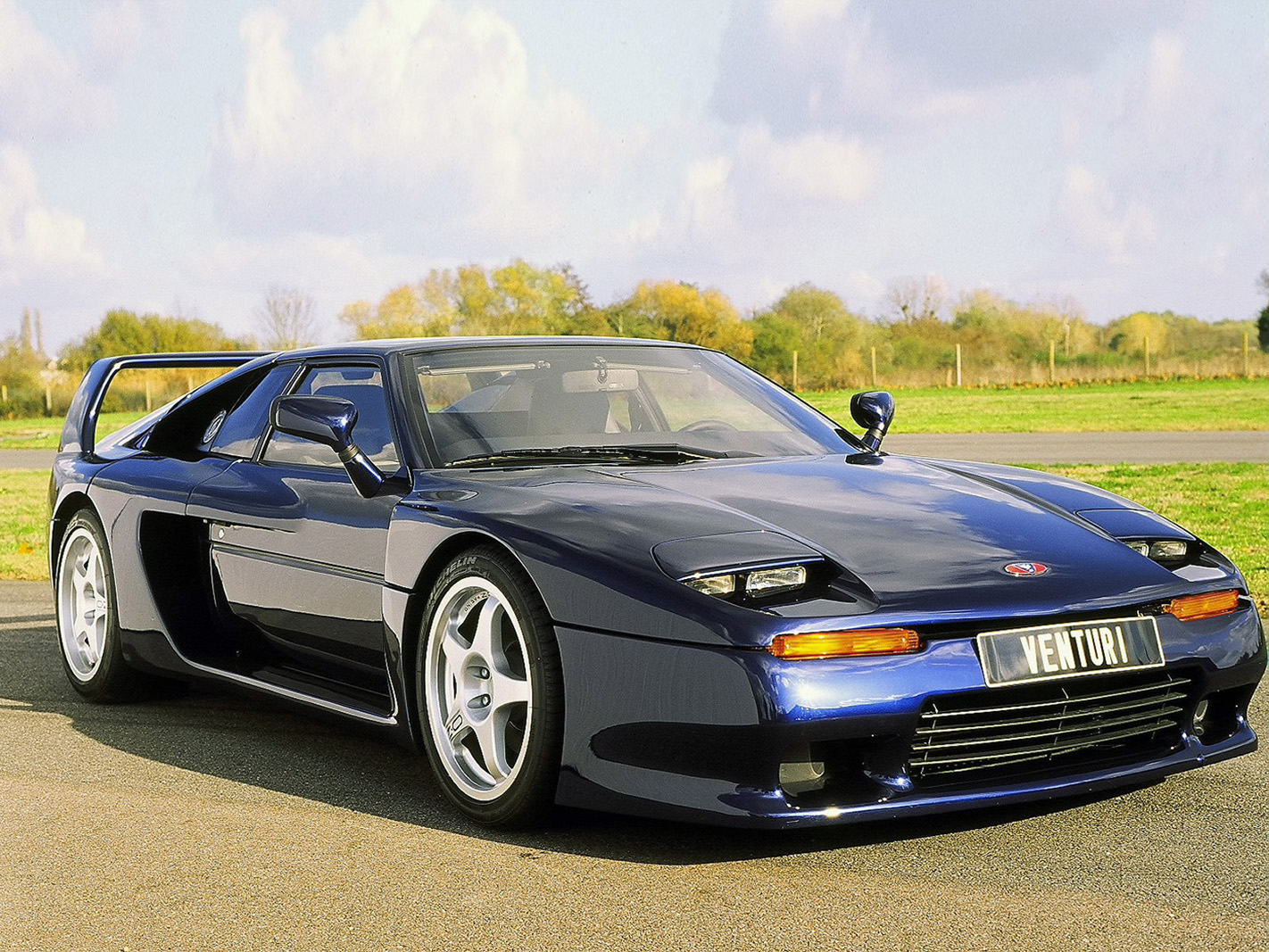
73: Venturi 400 GT (1995)
2975cc V6TT, 300kW
If Fisher Price made ‘My First Ferrari F40’ you’d probably end up with something like the Venturi 400GT. There’s plenty of 348 in the styling and, being French, the engine is a twin-turbo PRV V6 tuned to 300kW. Just 13 road cars were built, but some of the 73 racers became street cars.
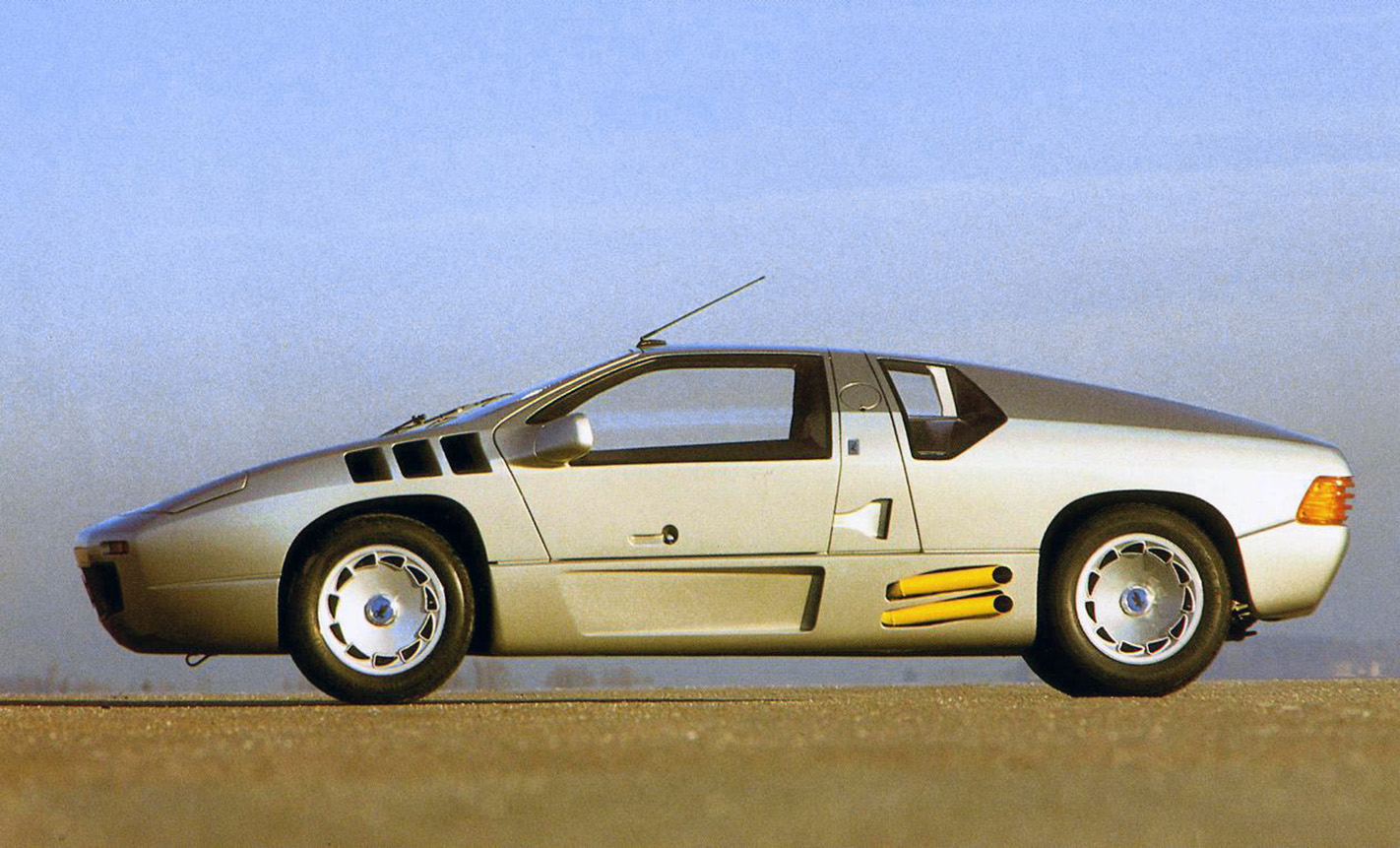
72: Isdera Imperator 108I (1984)
5547cc V8, 220kW/455Nm
Porsche design engineer Eberhard Schulz created the Mercedes CW311 concept car in 1978, but when Mercedes had no interest in putting it into production Schulz took matters into his own hands and thus the Imperator was born. A trio of Merc V8s provided power and 30 cars were built in total.
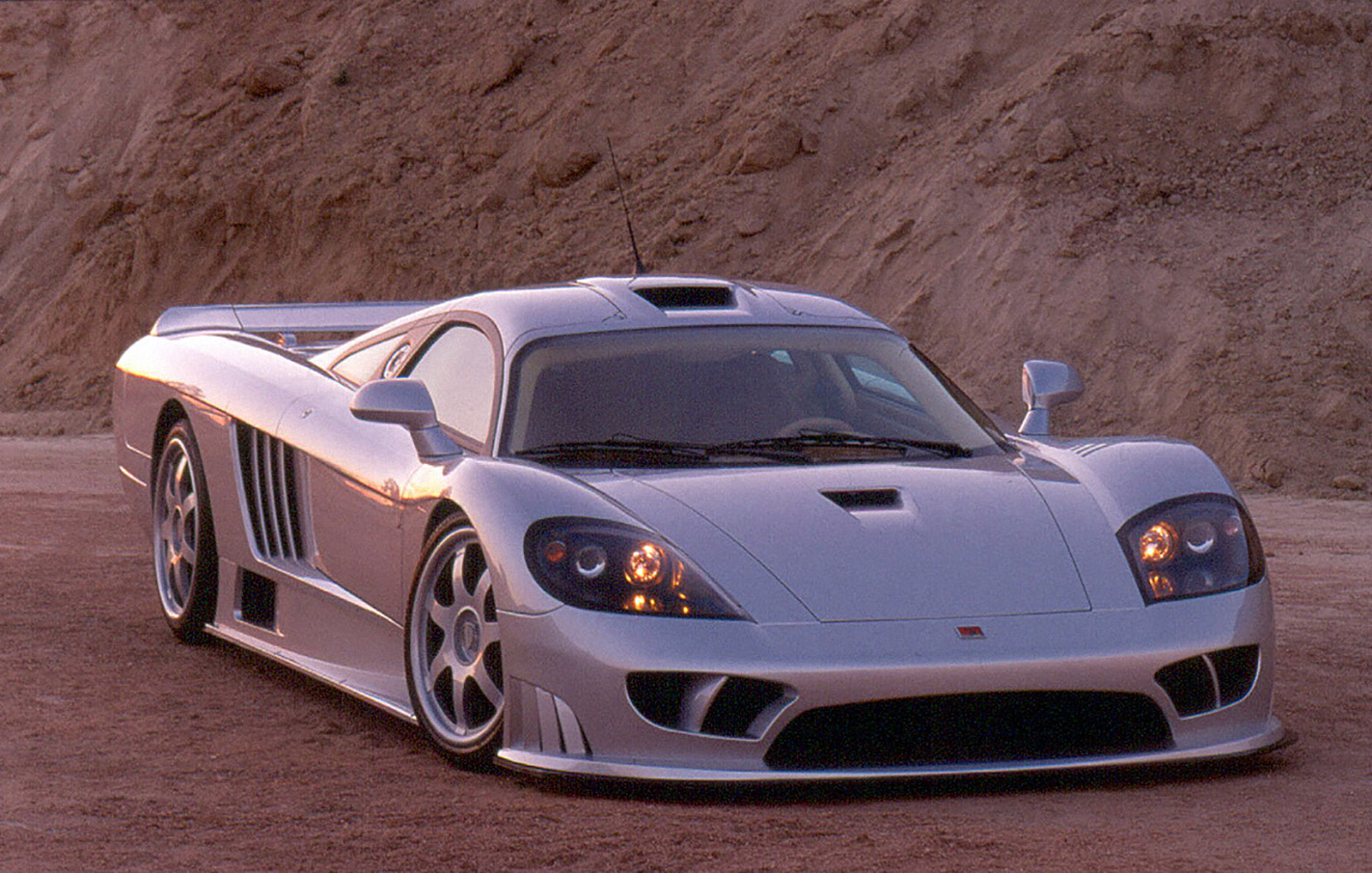
71: Saleen S7 (2005)
7011cc V8TT, 559kW/949Nm
Cramped, noisy and unrefined, the Saleen S7 nevertheless offered a true race car experience. And then Saleen added twin turbos. The result was insane speed, with a 10.7sec quarter at 230km/h recorded, but when we drove it Stateside it broke down in short order.
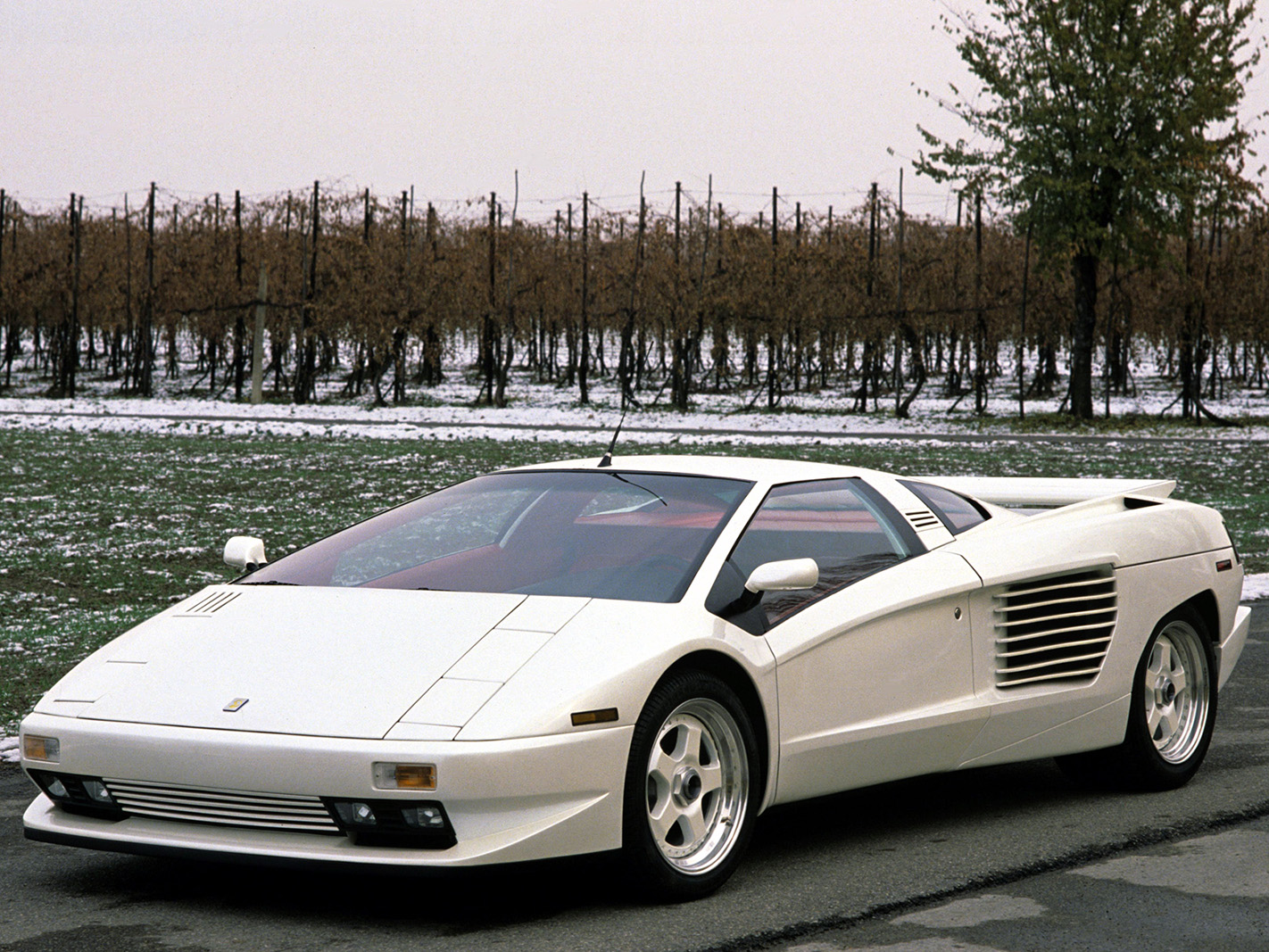
70: Cizeta V16T (1991)
5995cc V16, 403kW/542Nm
Look familiar? The Cizeta V16T was what the Lamborghini Diablo was meant to look like until Chrysler took over. Gandini’s original design lived on in the V16T, part-financed by musician Giorgio Moroder and with a massive 6.0-litre V16 mid-mounted transversely. Fifteen were built in total.
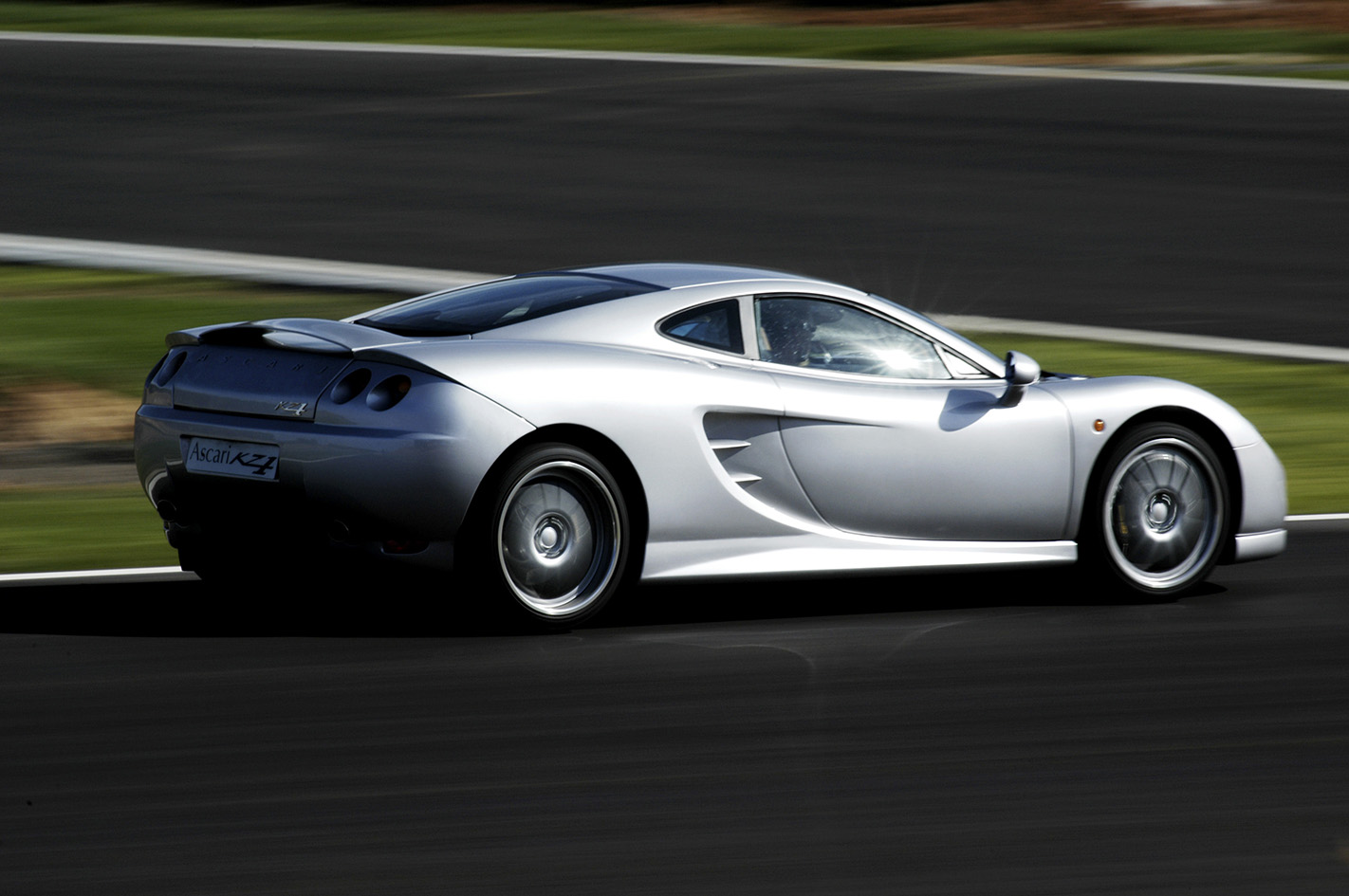
69: Ascari KZ1 (2005)
4941cc V8, 373kW/550Nm
Ascari planned to build 50 KZ1s. How many were actually made is unknown, but the car itself was good. The engine was a tuned BMW E39 M5 unit and 373kW was plenty in a 1275kg carbon supercar. Unlike many low-volume cars it was a quality product but the highlight was the chassis, Autocar writing: “No Ferrari steers as well as this, no Porsche can match its ride and refinement.” High praise.
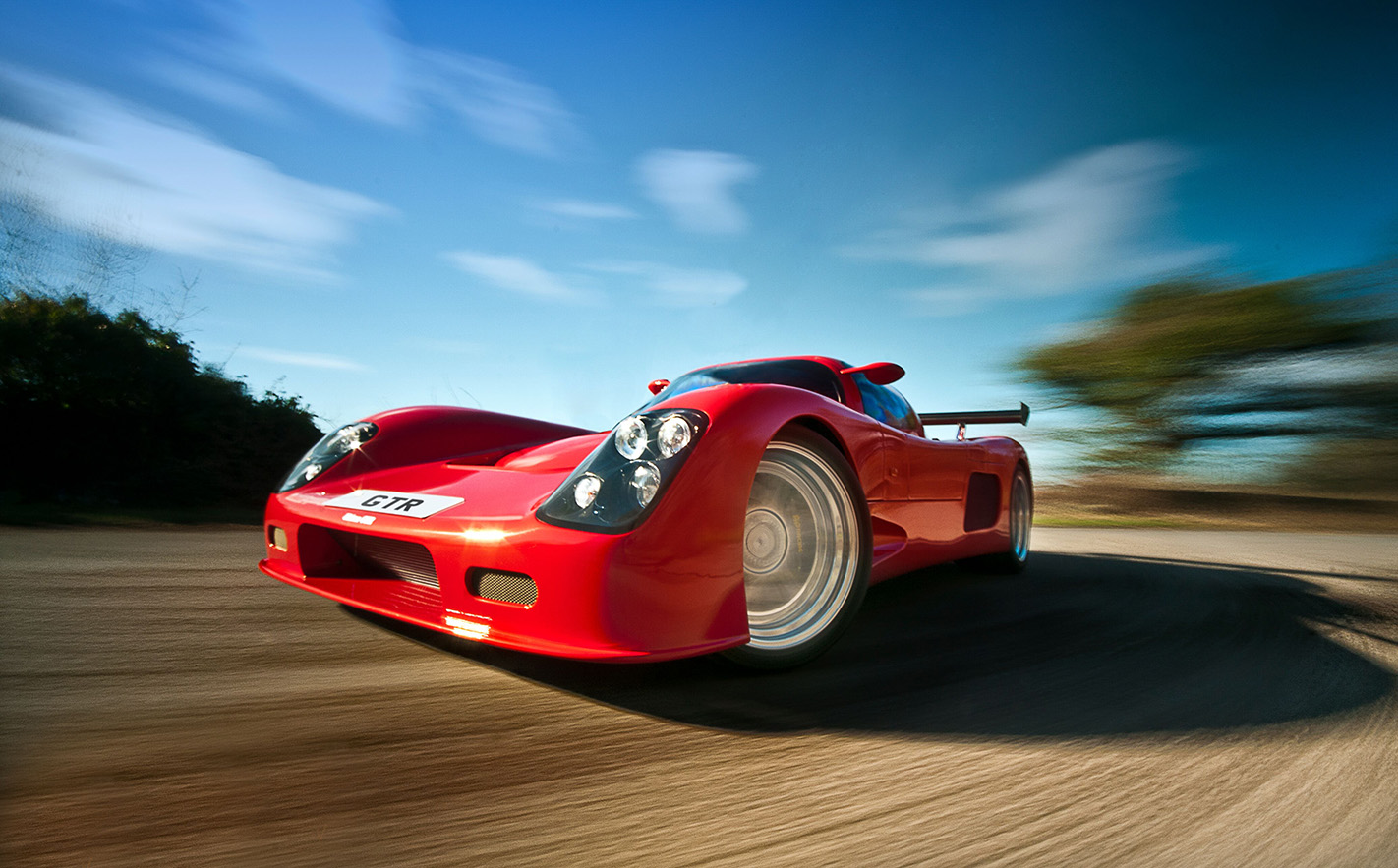
68: Ultima GTR (1999)
5663cc, 257kW/474Nm
Can a car you build yourself qualify as a supercar? When it works this well it can. You can fit the Ultima with virtually any engine and up to 750kW, but even the original, with a bone-stock LS1 V8, could hit 100km/h in less than four seconds, dip below 12sec for the quarter and slaughter just about anything on track. It might not be super sexy, but few things can match the GTR as a road-legal track toy.
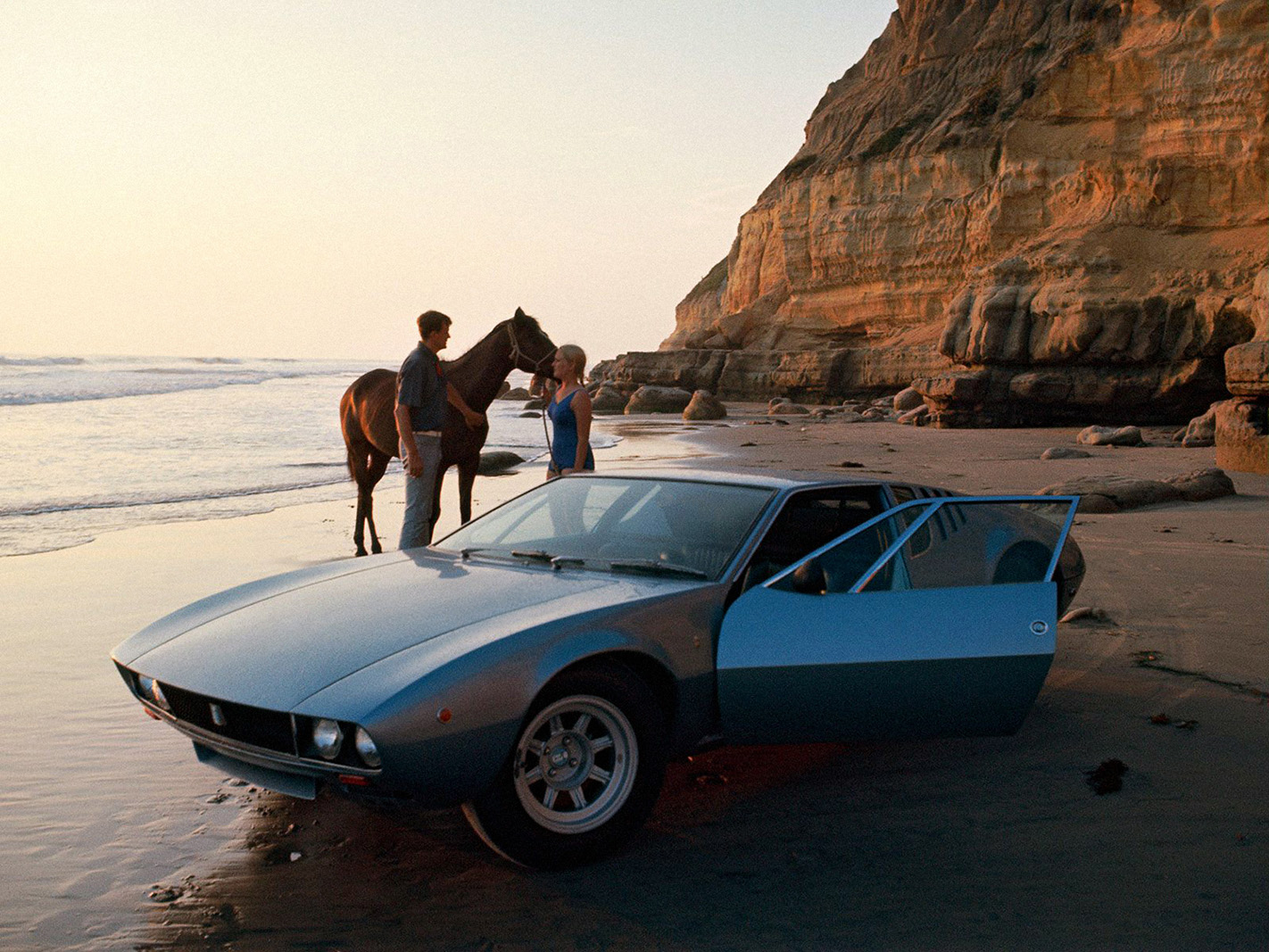
67: De Tomaso Mangusta (1967)
4727cc V8, 227kW/531Nm
Before the Pantera there was the Mangusta and in supercar terms there’s no contest. The Mangusta is rare – just 401 were built – and its Giugiaro looks are beautiful, with the show-stopping gullwing rear bodywork. Early cars used a high-performance Ford 289 before a switch was made to a 302. An underappreciated classic.
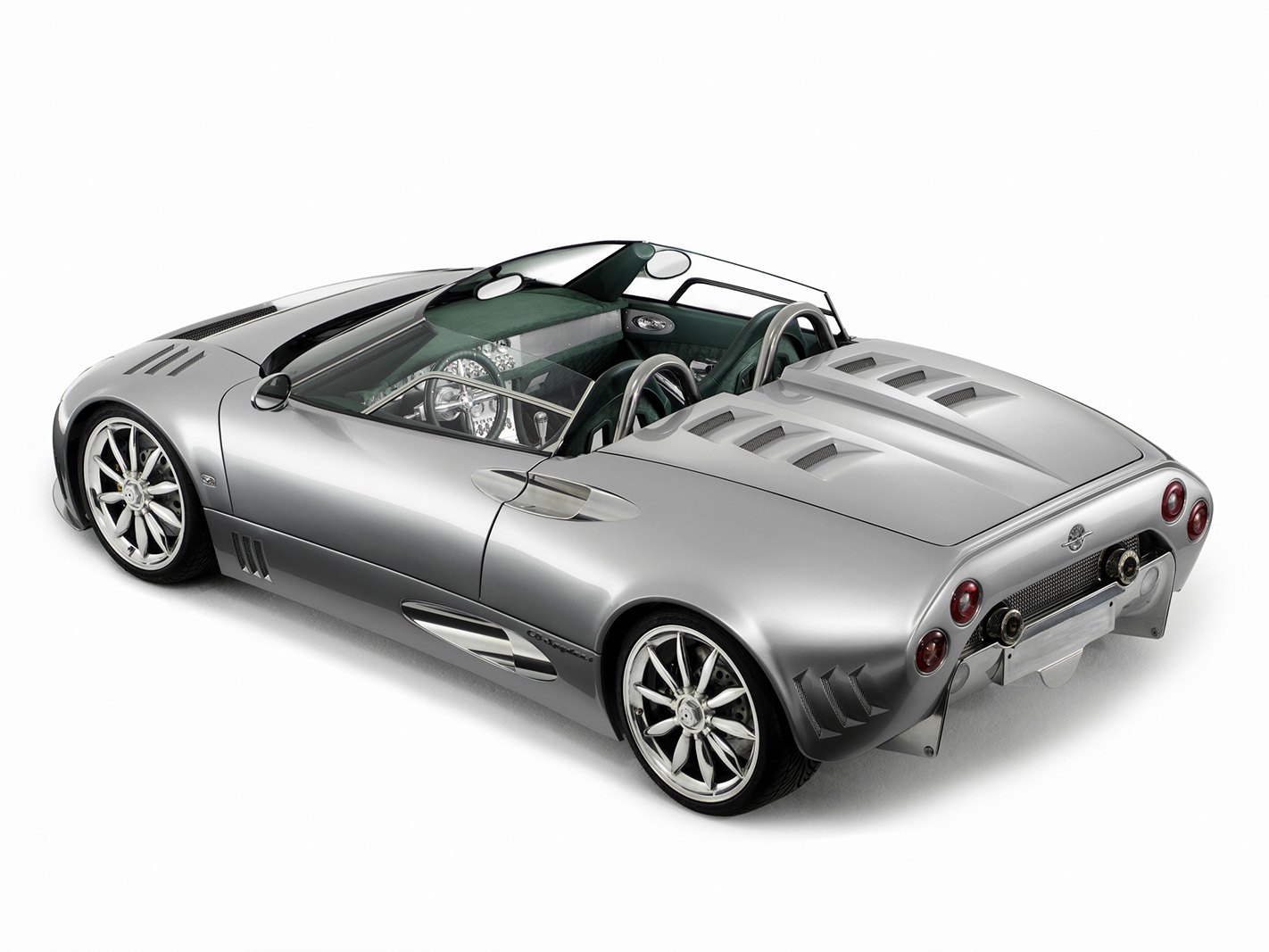
66: Spyker C8 (2003)
4163cc V8, 294kW/480Nm
Spyker plays the supercar game differently to most. It’s a lover not a fighter. An Audi V8 makes it quick, but you’d be better off slowing down and enjoying the great noise, the stunning interior and the attention from passers by. Later cars softened the ride and added an auto ‘box which better suits its undoubted character.
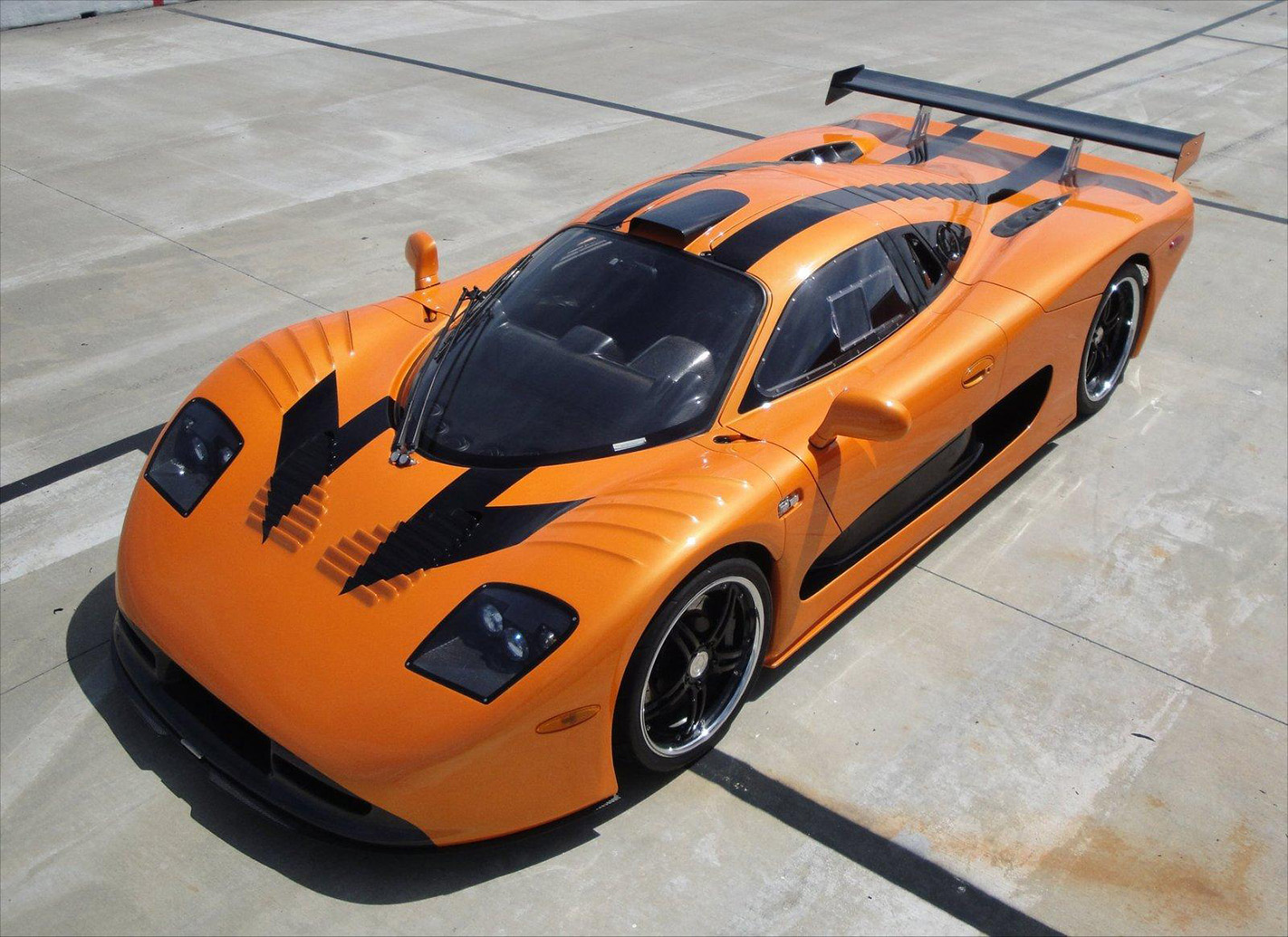
65: Mosler M900 (2005)
5665cc V8, 302kW/542Nm
Sometimes the simplest recipes are the best. Install a thumping LS6 V8 in a 1100kg carbon chassis and the result is the sort of track performance that can embarrass super exotics for a fraction of the price without scary running costs.
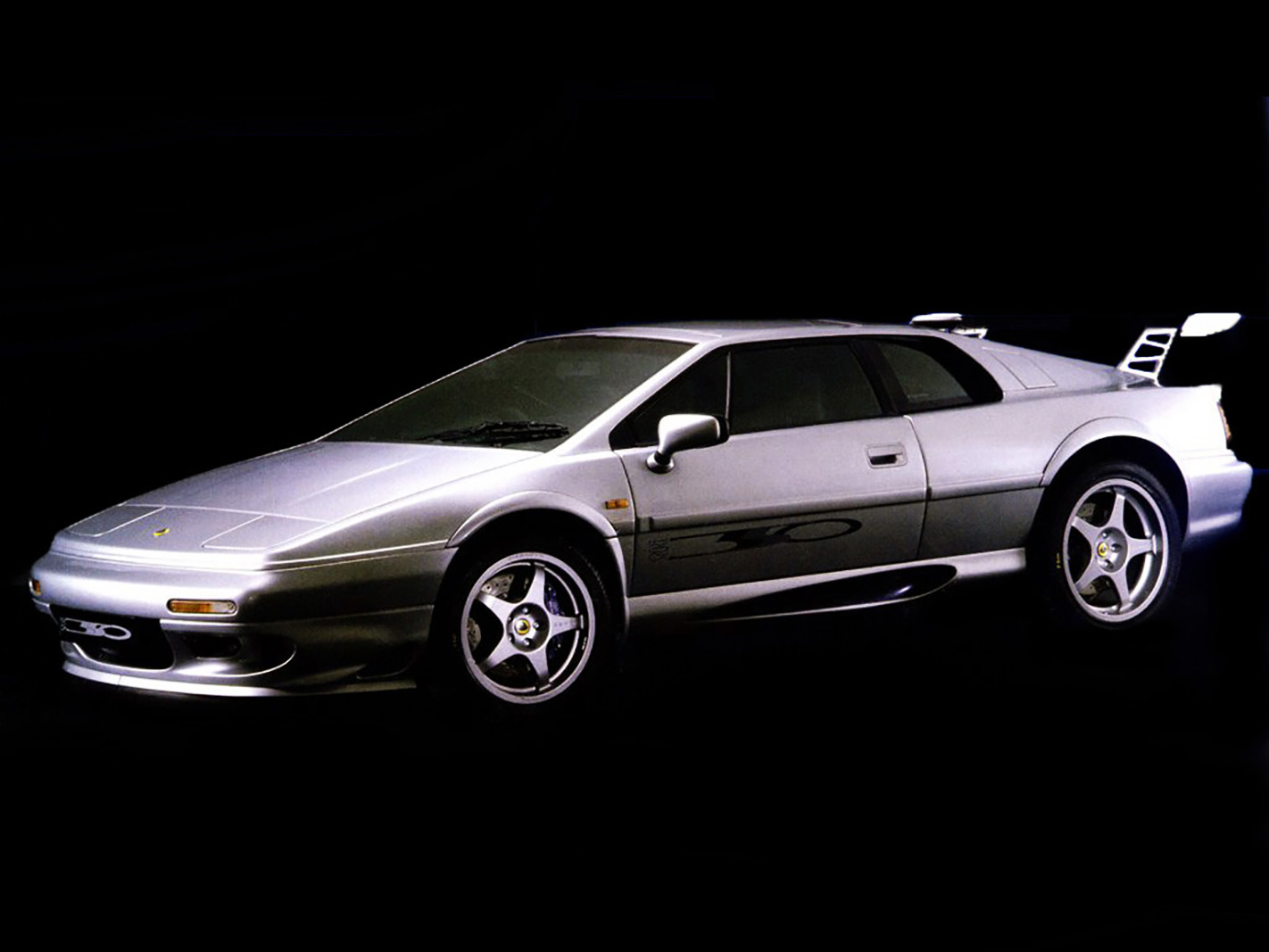
64: Lotus Esprit Sport 350 (1999)
3506cc V8TT, 261kW/400Nm
The Sport 350 wasn’t the best Esprit, but it is really the only one that qualifies for supercar status. Just 48 were built and while the arrival of the 3.5-litre twin-turbo V8 didn’t help the handling it shot the car to 160km/h in under 10sec. Magnesium wheels helped shed 80kg.
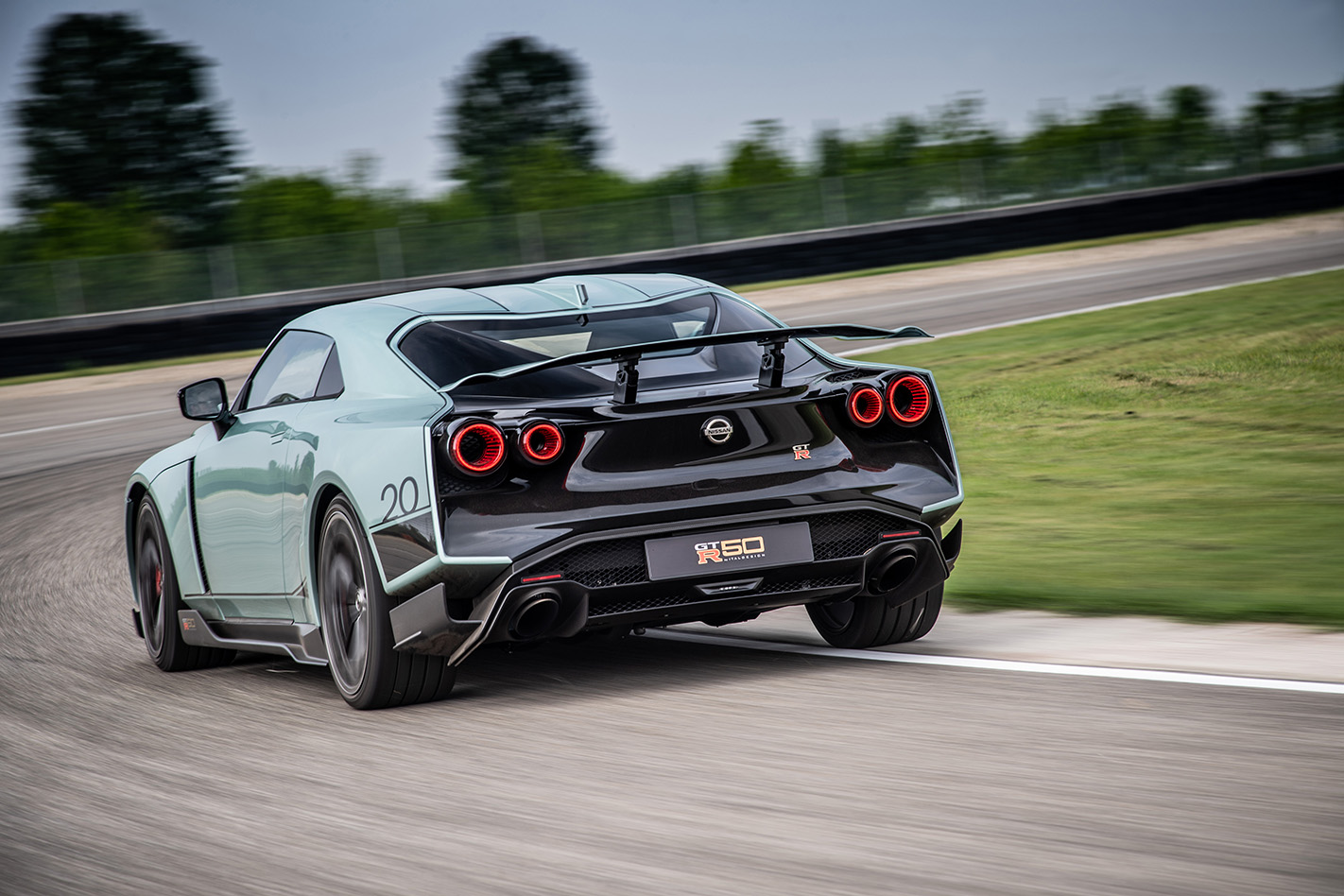
63: Nissan R35 GT-R50 (2020)
3799cc V6TT, 530kW/780Nm
Will 50 people pay more than $1.5m for a GT-R? That’s the question, but the car itself is quite special. The GT-R50 isn’t just a quick styling job; the roof is 50mm lower, power is increased massively and owners can basically have any spec they want thanks to Italdesign – as long as they can pay for it.
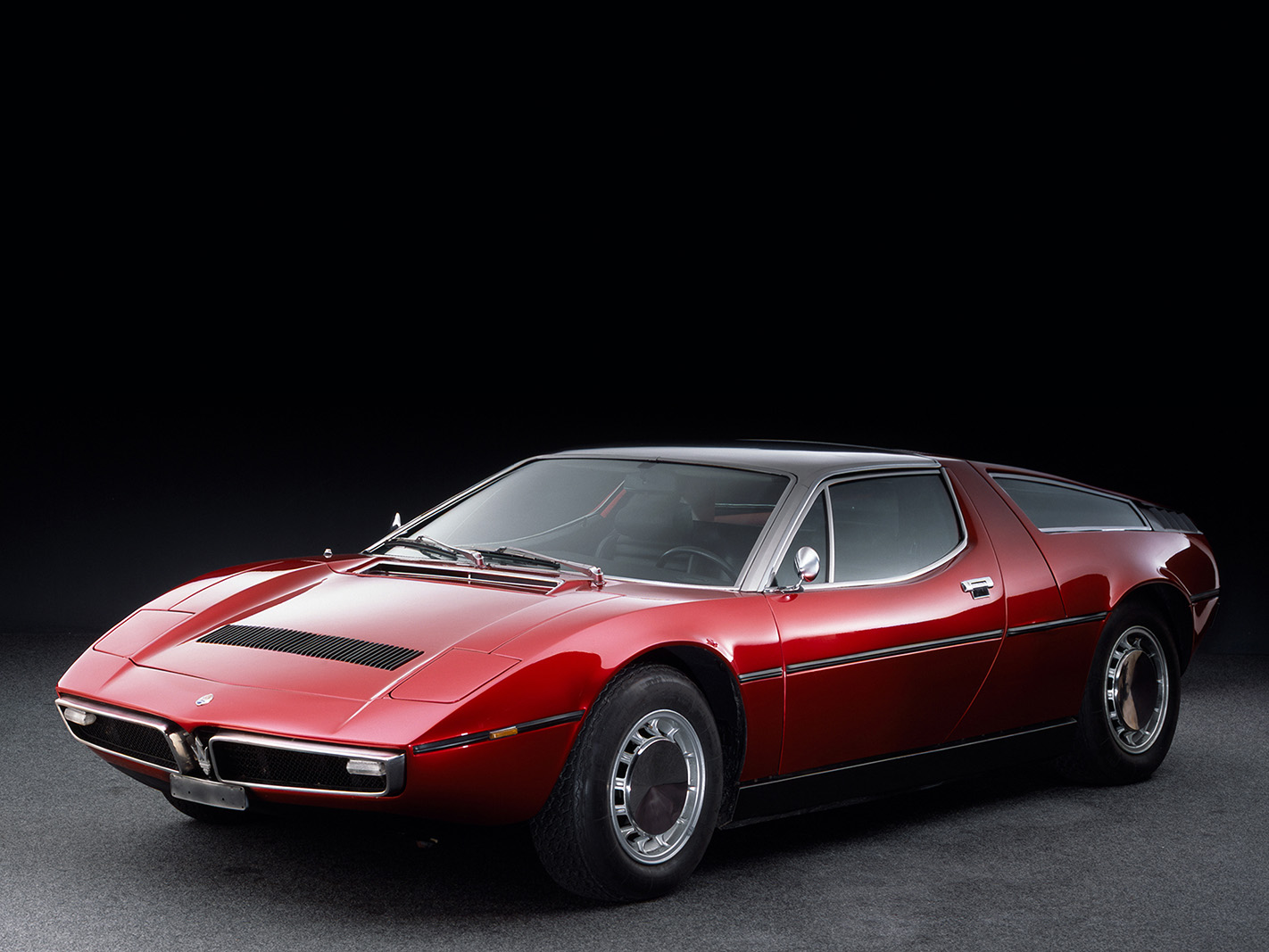
62: Maserati Bora (1971)
4719cc V8, 231kW
Not too many introverts buy supercars, but if they did then the Maserati Bora is the one for them. Pretty and practical, it lacked the wow factor of the Countach and the sportiness of the Boxer but countered with a calmer, classier character, including a sweet 4.7-litre V8 and Citroen’s hydropneumatic tech.
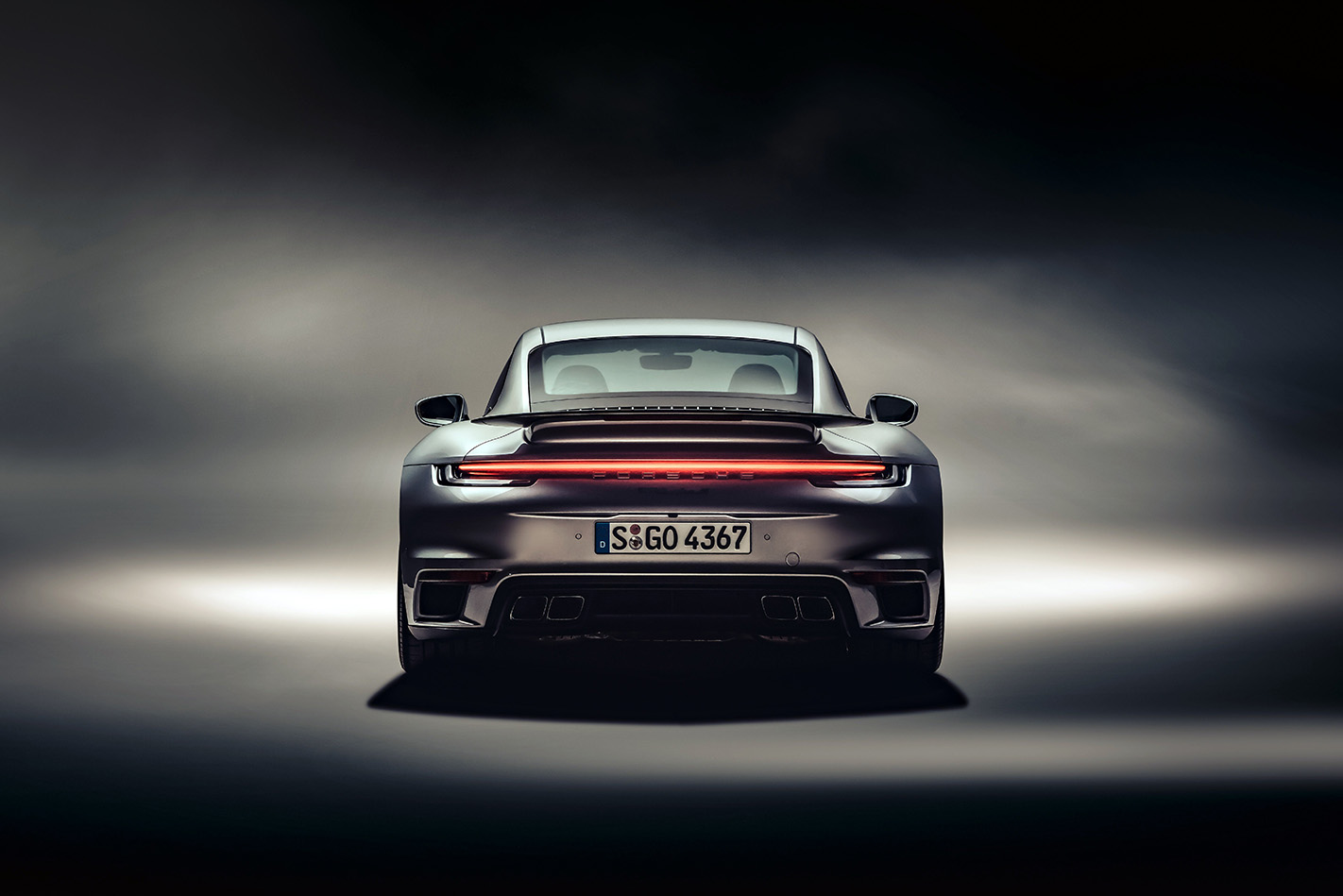
61: Porsche 911 Turbo S (2020)
3745cc flat-6TT, 478kW
The 911 Turbo doesn’t meet many of the requirements of a supercar. It isn’t that rare, it’s not made of exotic materials and it looks like ‘any other 911’ to the uninitiated. The thing is, when push comes to shove it’s often the 911 Turbo that’s kicking sand in the face of its more exotic competition and never has that been more true than with the latest 992.
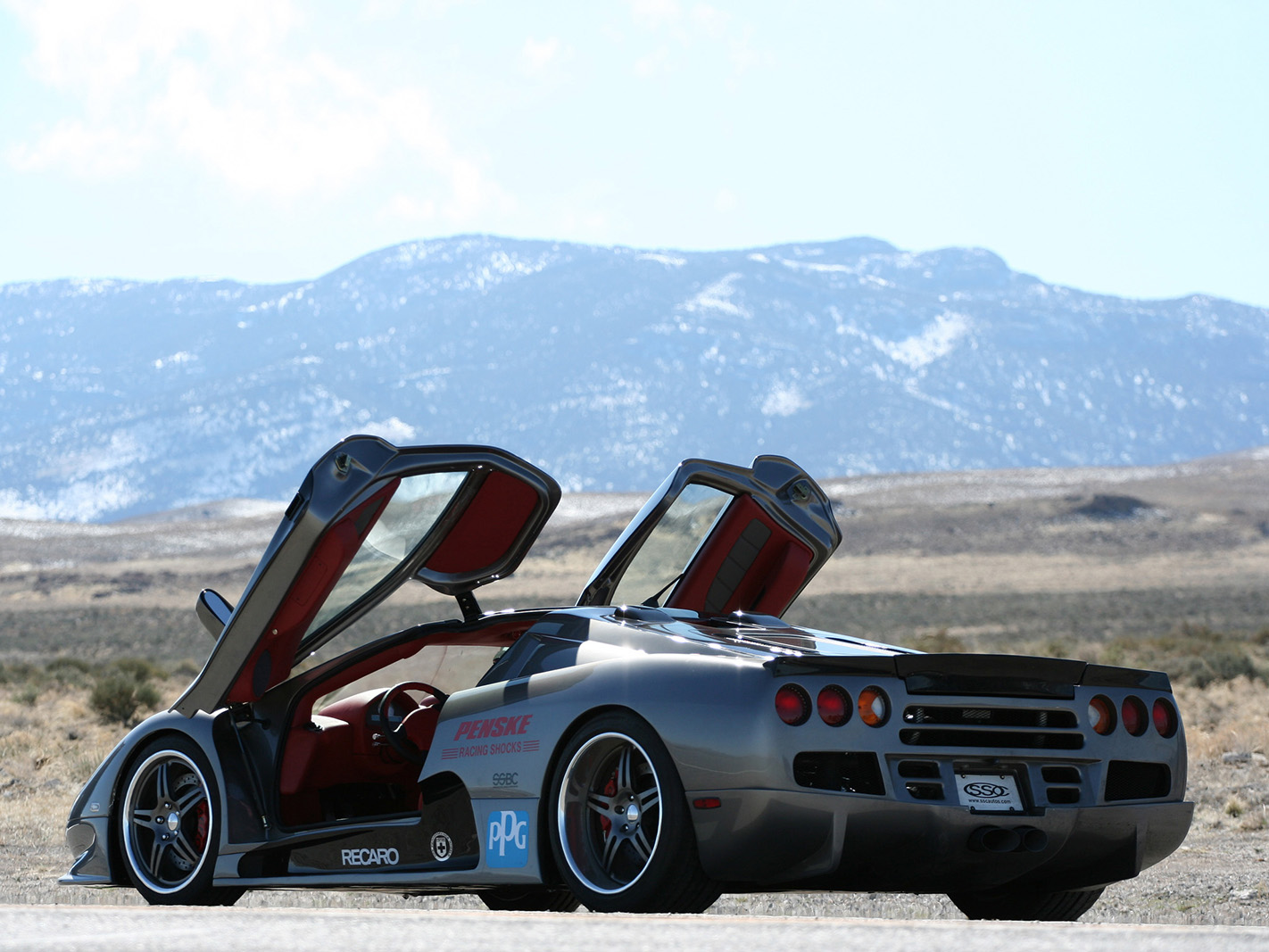
60: SSC Ultimate Aero (2007)
6345cc V8TT, 882kW/1483Nm
Road tests weren’t particularly flattering for the SSC Aero, but you can’t deny its efficacy. On a very long, very straight road in Washington 71-year-old Chuck Bigelow achieved a maximum speed of 414.31km/h and a two-way average of 412.28km/h to briefly make the Aero the world’s fastest car.
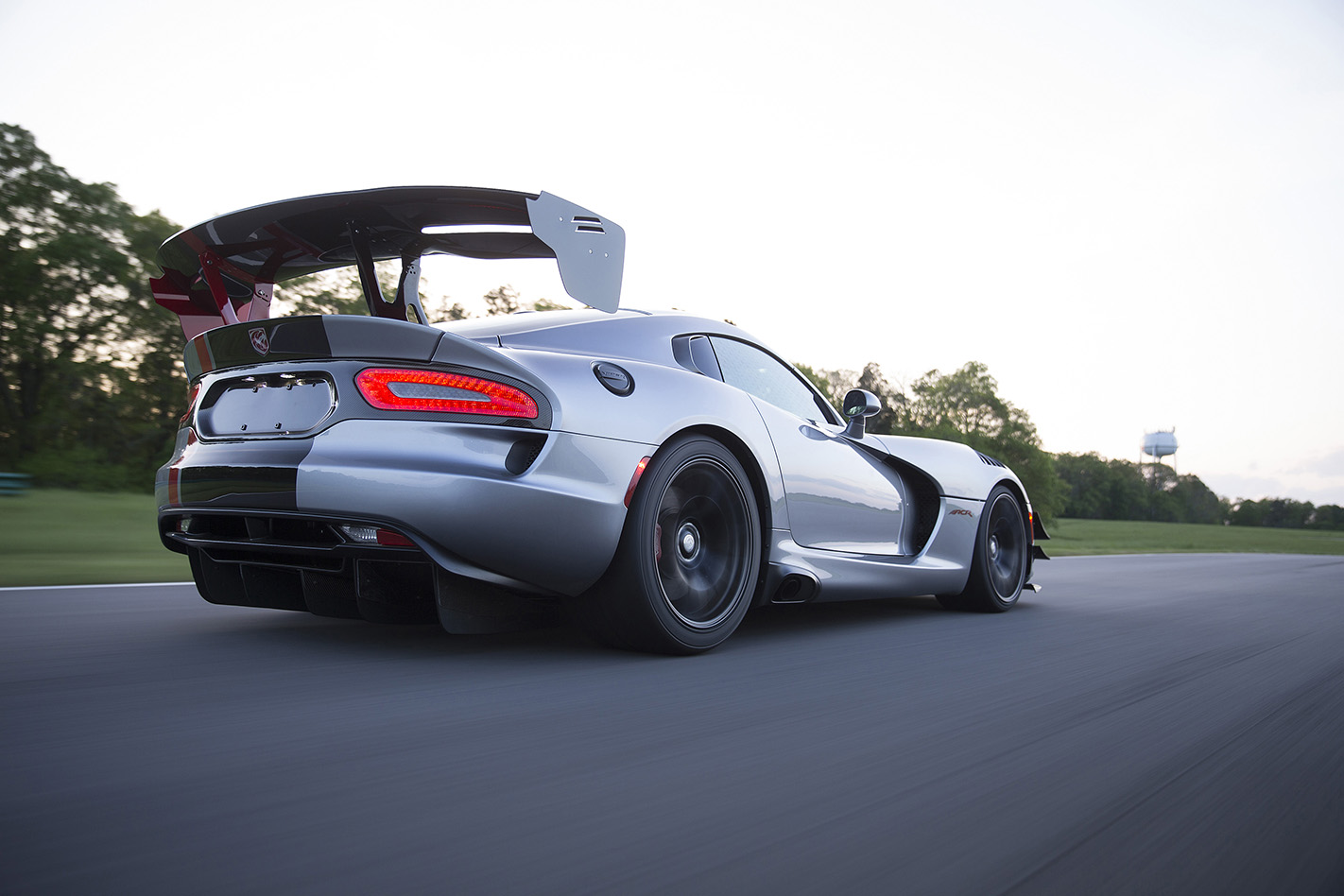
59: Dodge Viper ACR (2016)
8382cc V10, 481kW/813Nm
Originally a crude and wayward device, the Viper slowly morphed into a giant killer by the end of its 26-year life, capable of lapping the Nordschleife in just 7:01.3sec and 11sec quarter miles, not to mention a pair of Targa Tasmania wins. The world is a lesser place for its departure.
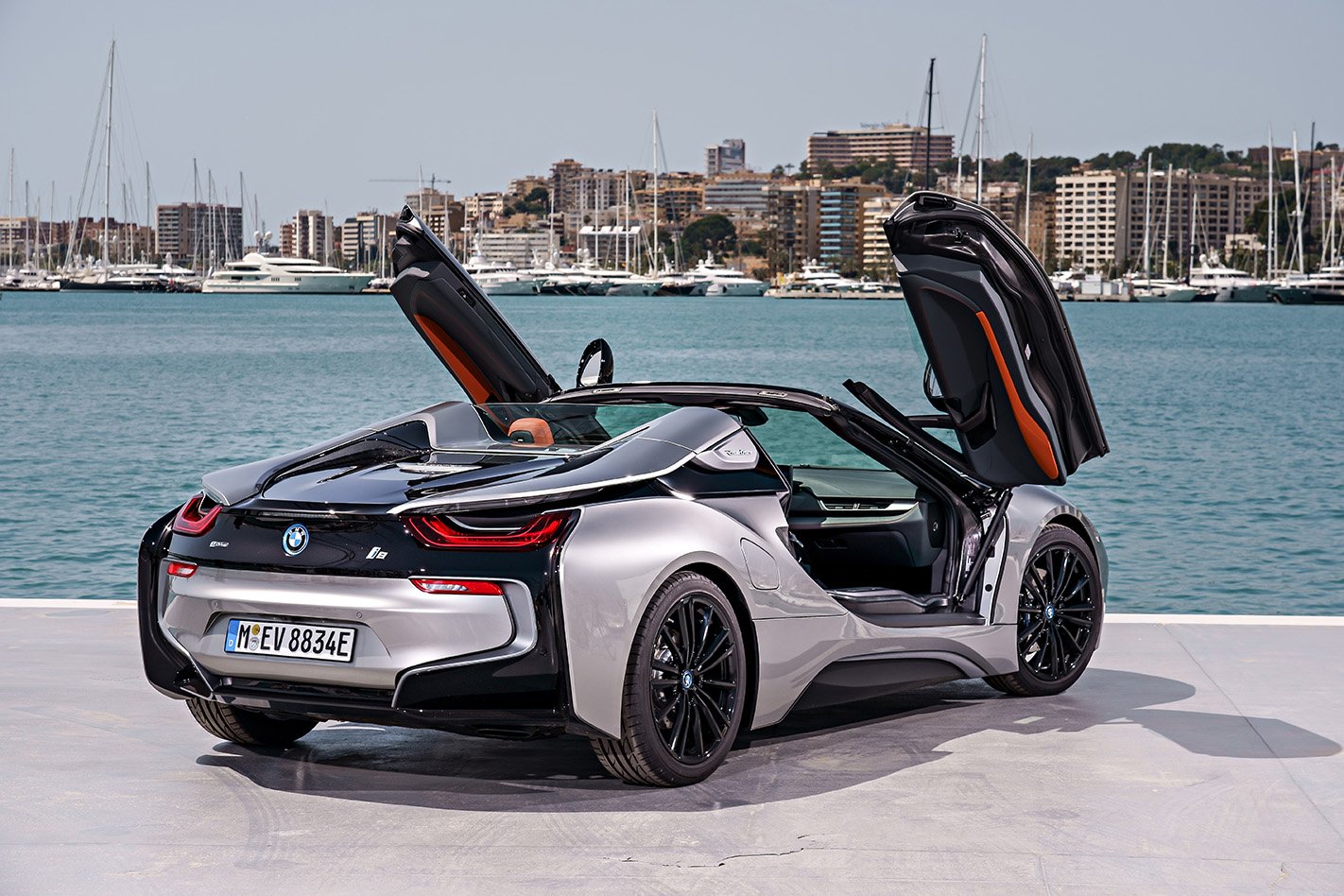
58: BMW i8 (2014)
1499cc I3TH, 266kW/570Nm
Drive an i8 and you’ll realise how special it is. It doesn’t wow with outright speed, but the driving experience is beautifully resolved. It also deserves credit for pioneering the new wave of hybrid performance cars and its design remains stunning.
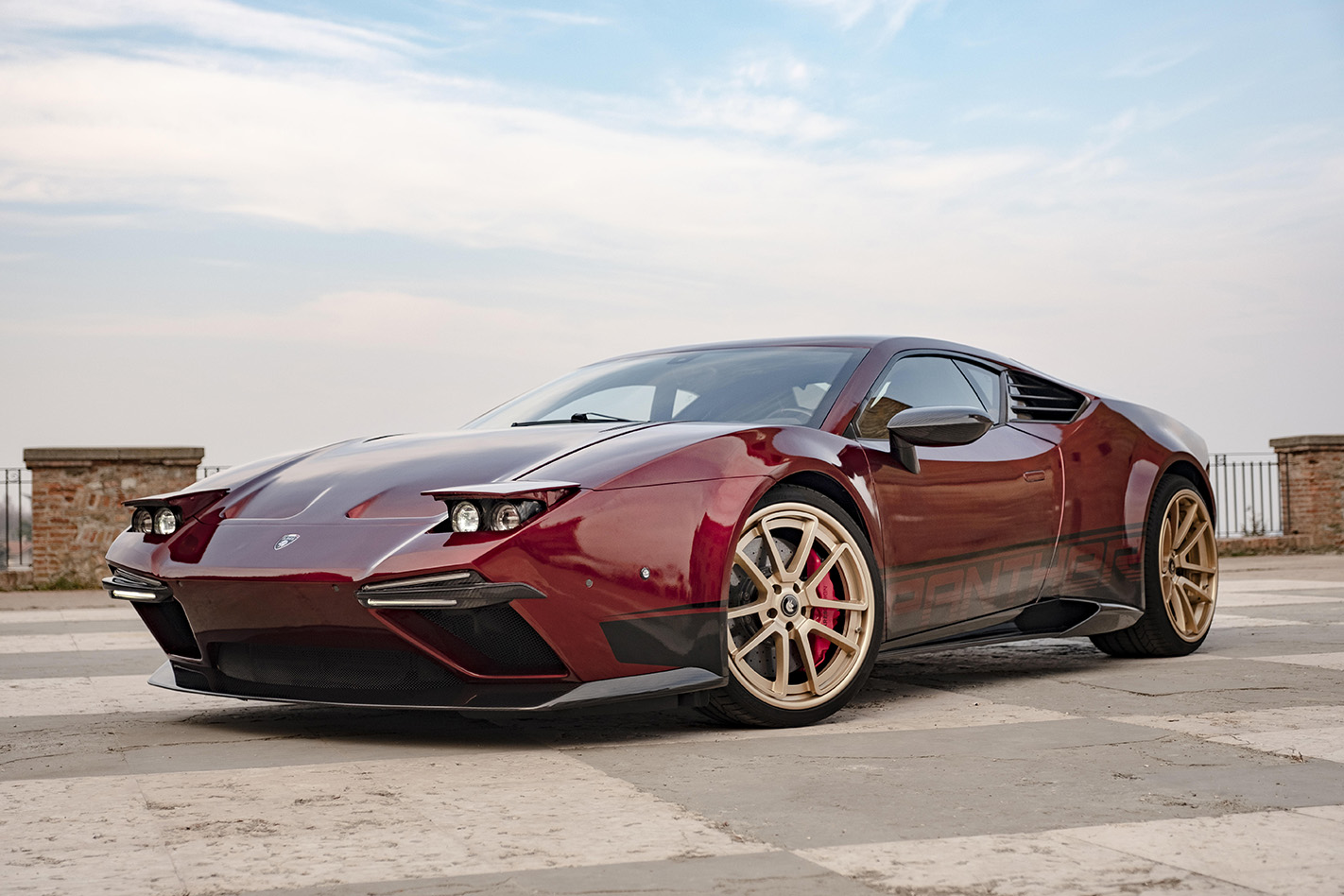
57: Ares Panther (2019)
5204cc V10, 478kW/600Nm
To most a Lamborghini Huracan would be exotic enough, but a select few are happy to give Ares Design another $700K to turn a standard Huracan into a 21st century homage to the De Tomaso Pantera. The design is gorgeous and revisions to the base package make it even better to drive.
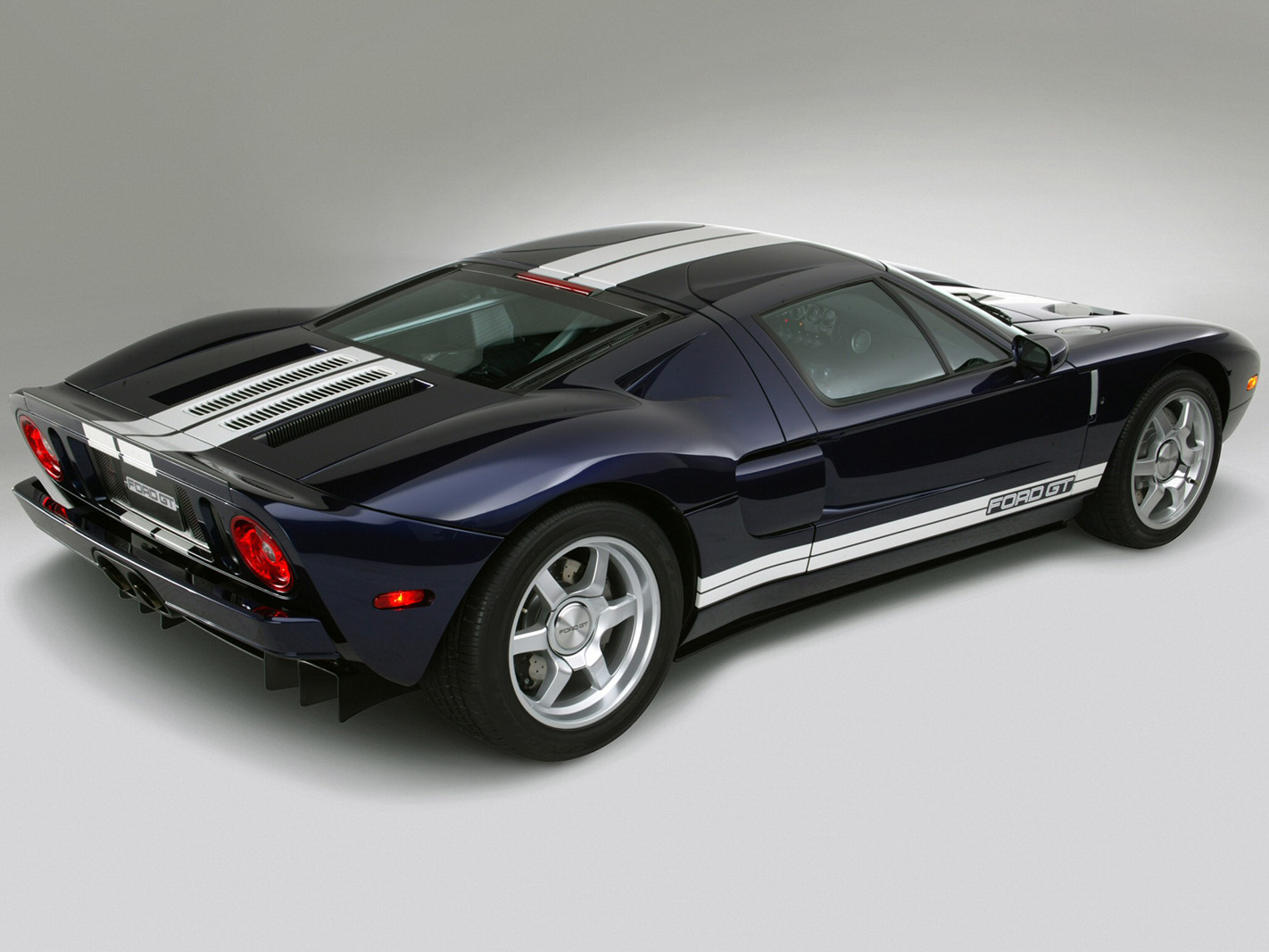
56: Ford GT (2005)
5409cc V8S, 410kW/678Nm
This is retro done right. Ford stunned the world when it revealed the ‘new GT40’ at the 2002 Detroit Auto Show and when the production version arrived three years later it had the performance and dynamics to give European exotics a bloody nose, just as its predecessor had done at Le Mans 40 years earlier.
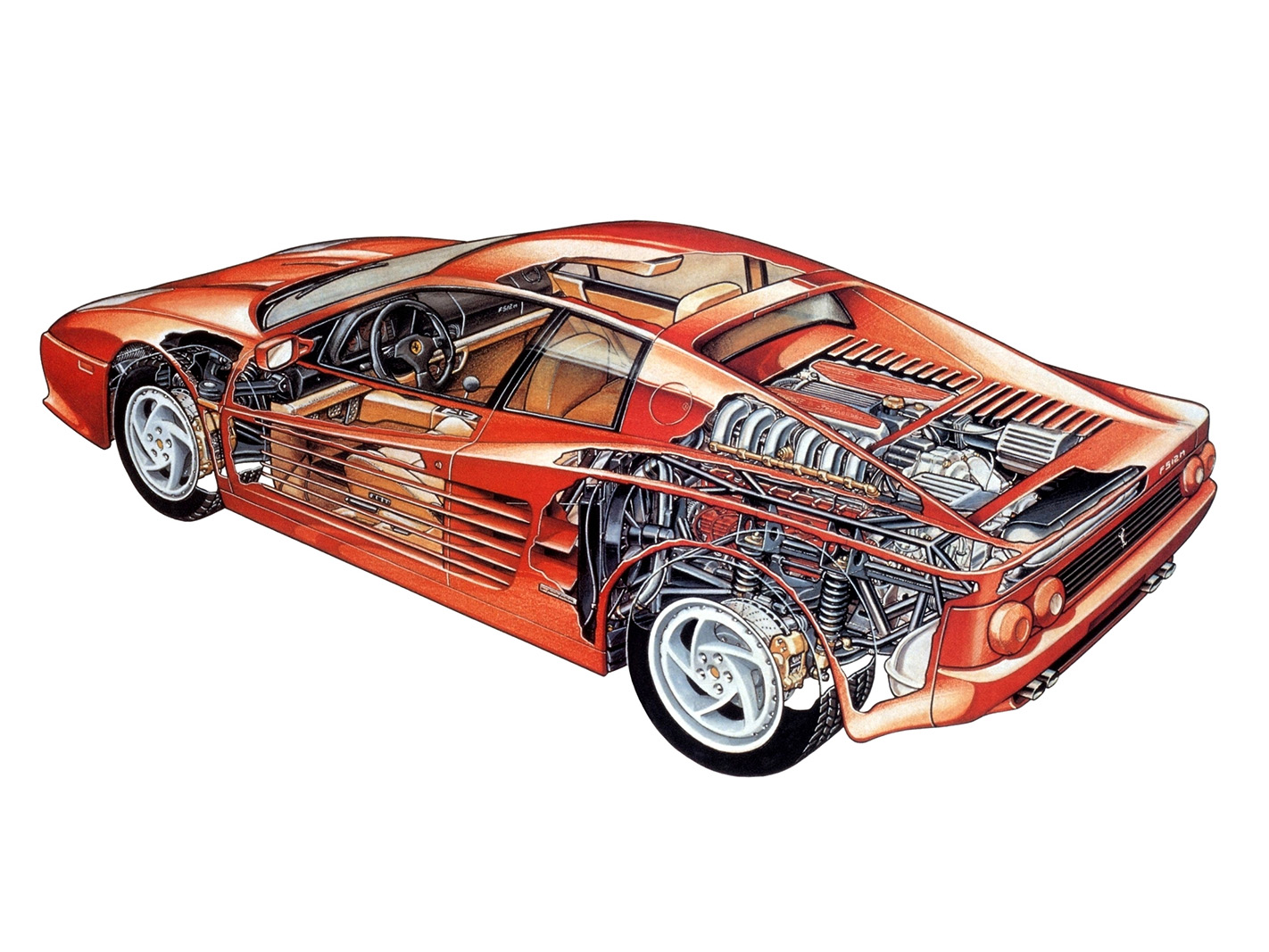
55: Ferrari Testarossa / 512TR (1984)
4943cc flat-12, 287kW
If you asked most people to describe a supercar, you’d probably end up with something very similar to the Testarossa. It’s quite literally the poster child for 1980s autos and only improved as it evolved into the 512 (TR then M).
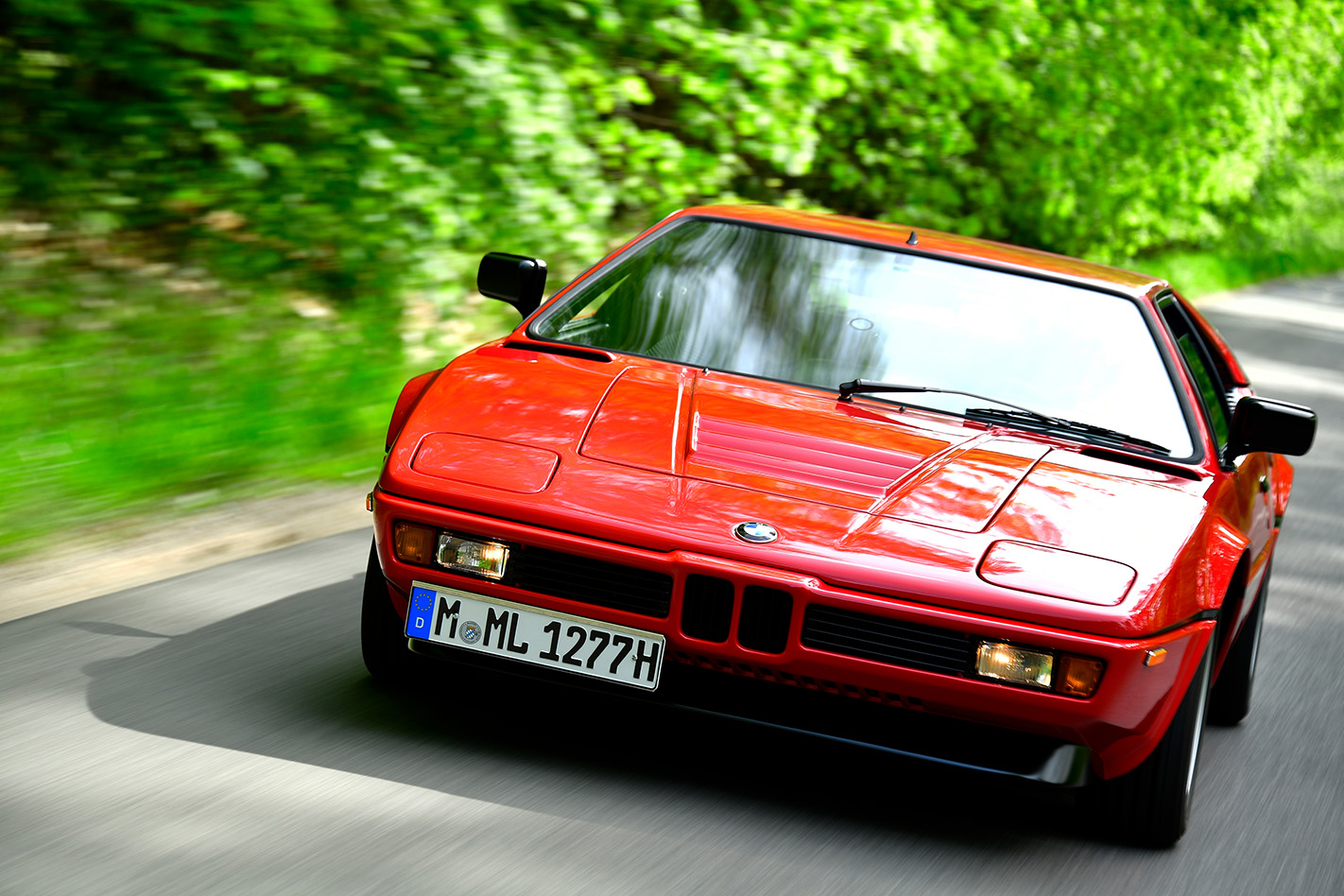
54: BMW M1 (1978)
3453cc I6, 204kW/330Nm
Arguably the first ‘sensible supercar’, the M1’s development and production was a debacle, but the car itself was a triumph, offering an experience well beyond its relatively modest (even for the time) specification. Only 399 road cars were built and they’ll set you back big bucks.
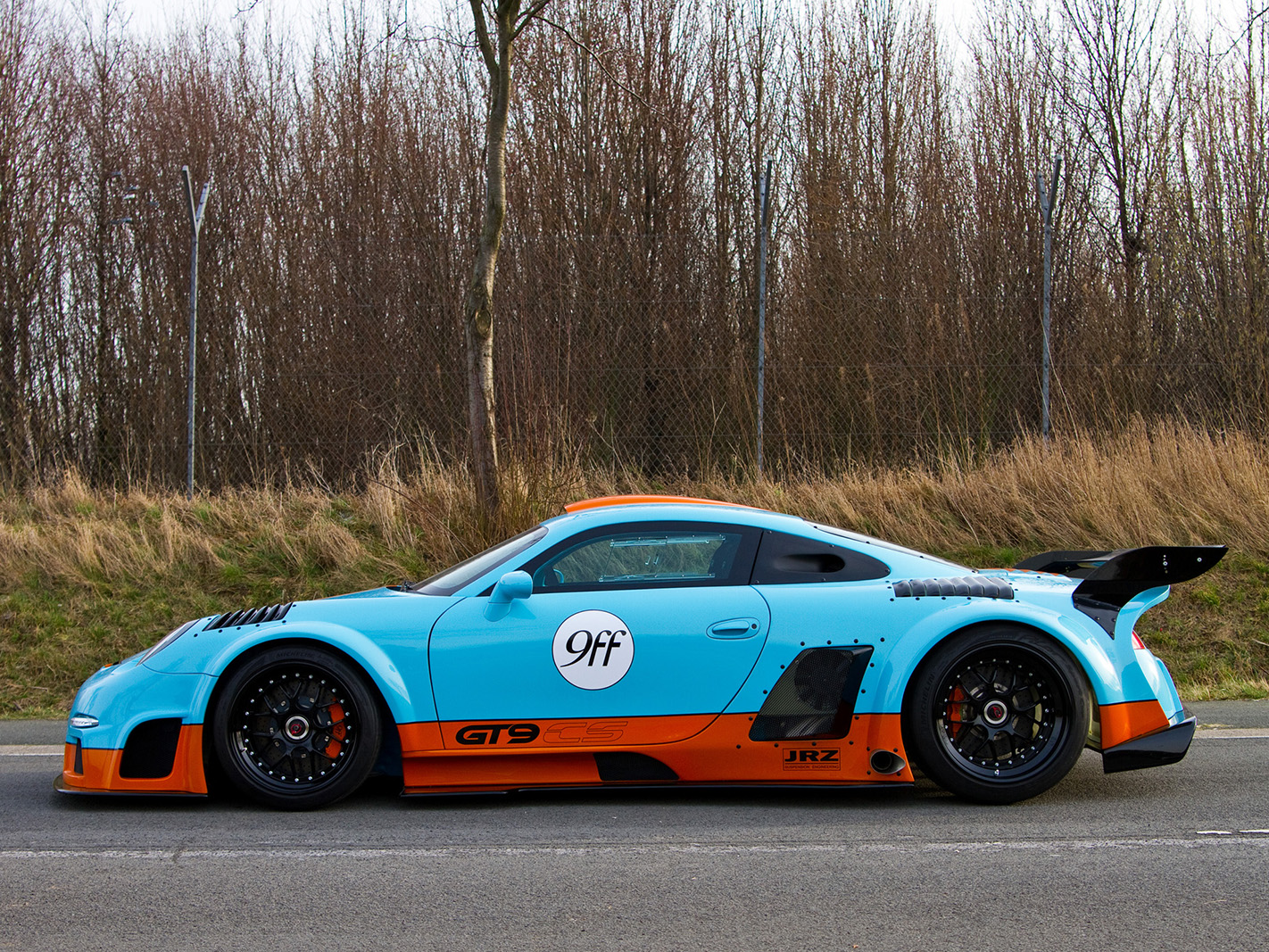
53: 9ff GT9 (2008)
4000cc flat-6TT, 736kW
Having made its name tuning Porsches to preposterous power outputs, German tuner 9ff created its own car, the GT9. This Frankenstein’s 911 struggled off the line but accelerated from 160-320km/h 2.5sec quicker than the Bugatti Veyron. Cripes.
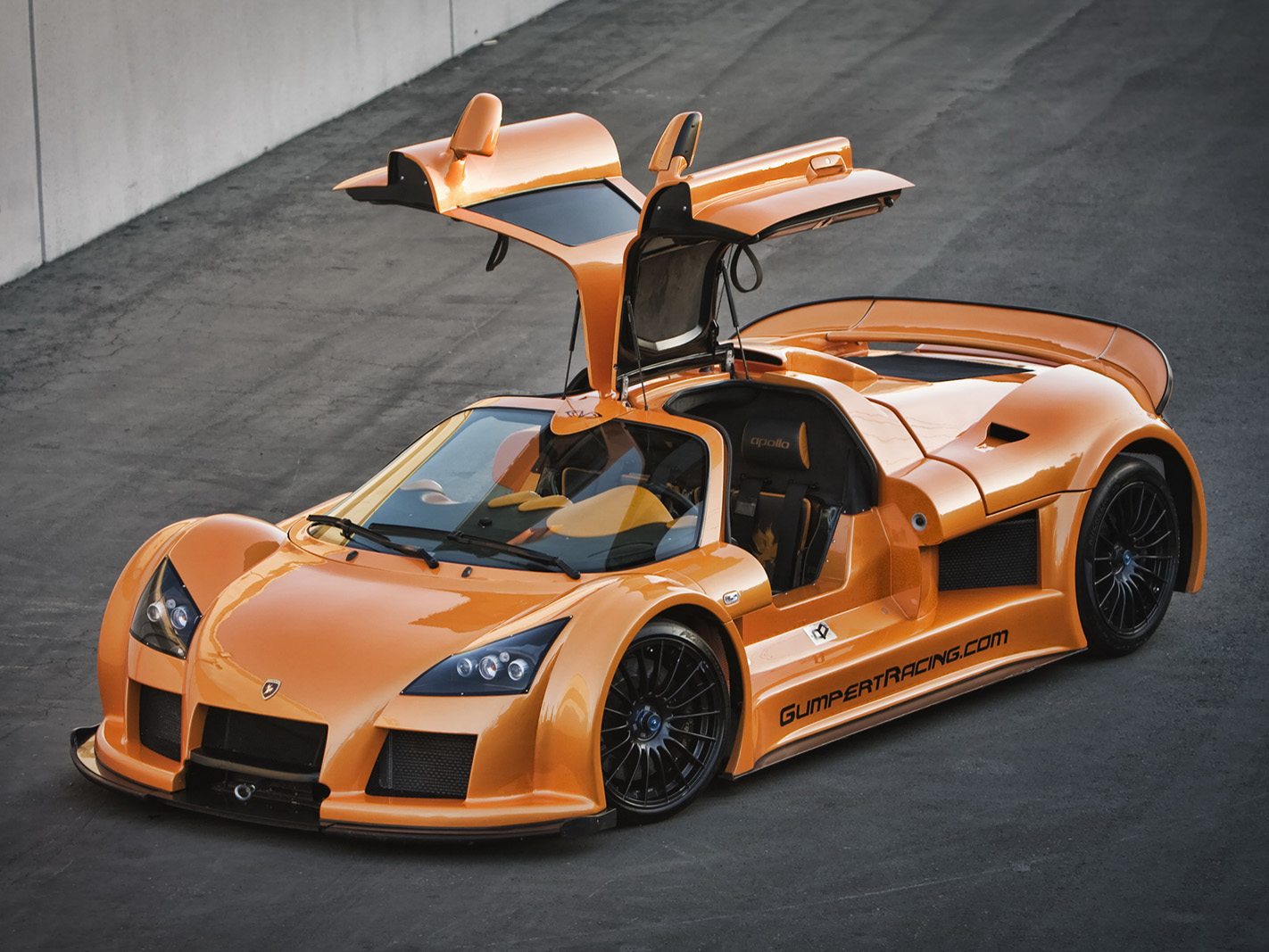
52: Gumpert Apollo (2005)
4163cc V8TT, 515kW/914Nm
Silly name, face only a mother could love, but performance to make your eyeballs pop. The Apollo was designed to go around racetracks very quickly and this it did spectacularly well, lapping the Nordschleife in 7min11.57sec in 2009. At the time, no car had ever gone quicker and few still can.
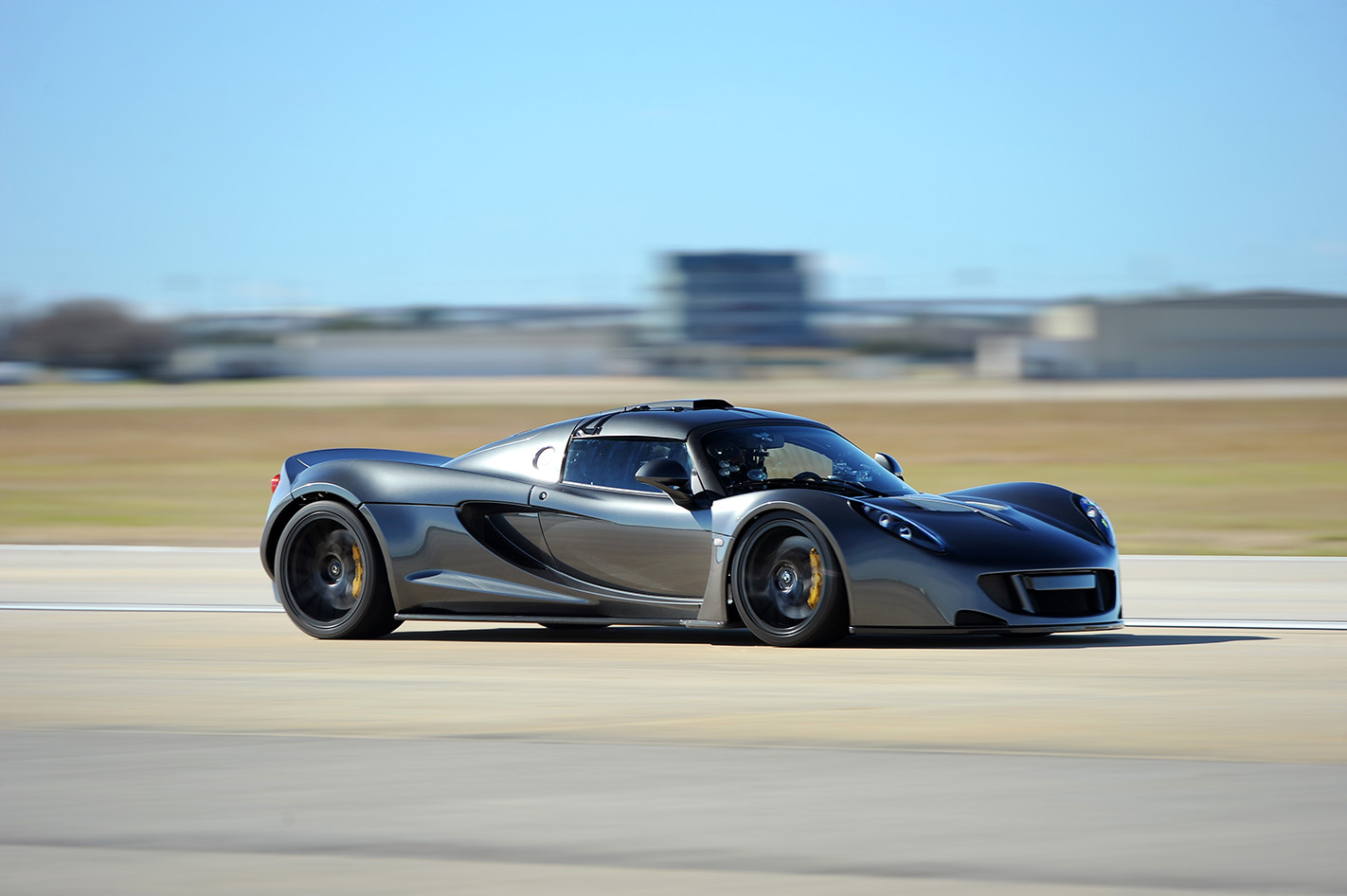
51: Hennessey Venom (2011)
7011cc V8TT, 928kW/1566Nm
If Satan ordered a Lotus Exige it would probably resemble Texan tuner John Hennessey’s mad creation. The result was 0-300km/h in 13.63sec and a 435km/h top speed but also surprisingly deft handling. Thirteen were built.
On the eve of the new Porsche Taycan arriving in Australian showrooms, we take a closer look at the different Taycan models in the range.
Also, Porsche has added a new variant to the Taycan range, but we’ll get to that.
If you were wondering where the Taycan sits in the Porsche family and what buyers get for their money, it’s not particularly complicated.
Internationally, the range starts with a newly announced, rear-drive only, base model Porsche Taycan. It has no variant name, just Taycan. While the entry-level Taycan hasn’t been confirmed for Australia at this stage, we’d anticipate a price tag around $160,000 if it does come to Australia.
Right now, Porsche Australia is more focussed on the imminent launch of the Taycan’s other three models.
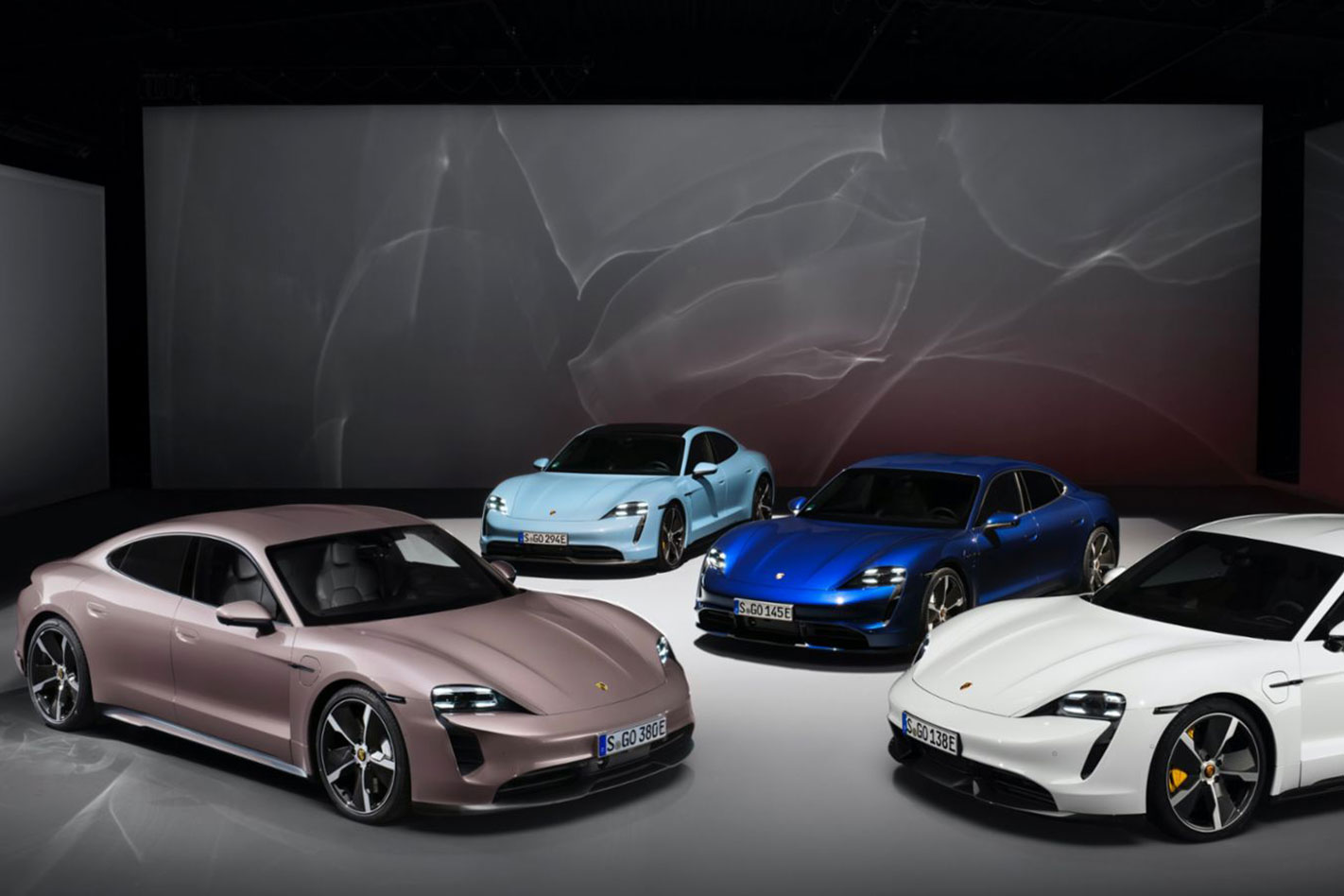
Australians craving their taste of Taycan will have to start with the Porsche Taycan 4S initially, priced from $190,400. This is cheaper than the Porsche Panamera and 911 by a considerable margin.
As the name suggests, the Taycan 4S utilises all four wheels for drive, has a 79.2kWh battery pack that provides up to 320kW and 640Nm, and can add 70kW to the total power when Launch Control is activated.
The Taycan 4S accelerates from 0-100km/h in 4.0 seconds, Porsche claims, but doing so repeatedly is likely to put a dent in the claimed 408km maximum range. Porsche says 335km is the minimum range you can expect from a Taycan 4S.
The Taycan 4S’s options include Porsche’s Performance Battery Plus for $11,590, which brings a larger 93.4kWh battery capable of higher outputs (360kW and 650Nm, with a 420kW Launch Control boost) and a slightly longer range (389-464km).
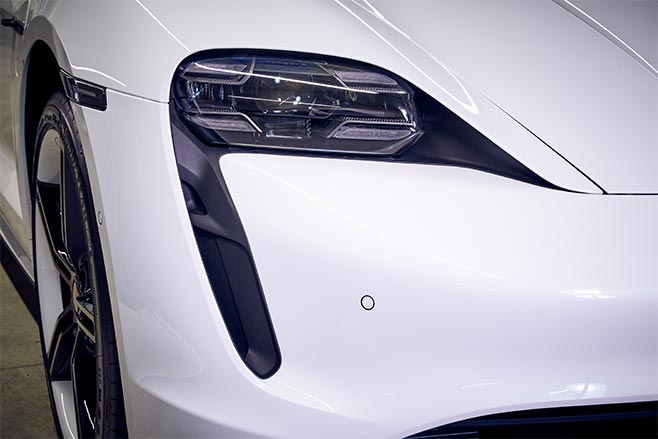
The ‘Plus’ battery in the 4S doesn’t change the 4.0sec sprint to 0-100km/h from the smaller battery, and top speed in both 4S variants is 250km/h.
The same 93.4kWh battery is also used in the two higher-spec Taycan models, the Turbo and Turbo S, both with a 460kW power output when launch control is not in play. The difference between the Turbo and Turbo S becomes more obvious when launching – the Turbo gets 500kW and 850Nm for this, while the Turbo S has 560kW and 1050Nm at its disposal.
Pricing for these two Turbos is significantly higher than the 4S. The Porsche Taycan Turbo starts from $268,500, while the Porsche Taycan Turbo S asks $338,500.
Both Turbo models feature 10-piston Monobloc calipers at the front, while the 4S models feature six-pots. All Taycans have four-piston calipers at the rear.
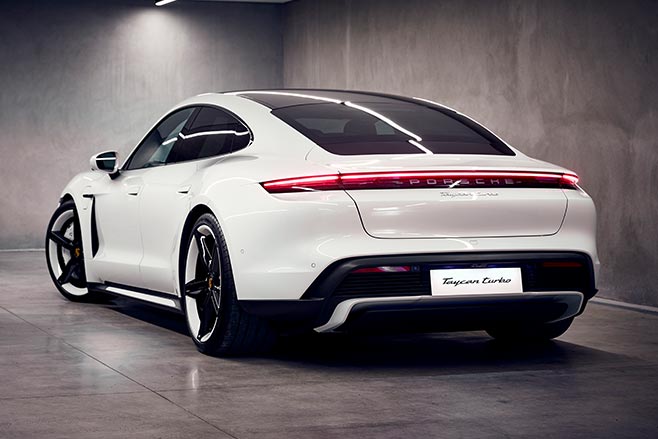
In terms of suspension, all Taycans score Porsche Active Suspension Management (PASM) and can be optioned with rear-axle steering, though only the Turbo S gets that as standard.
Charging times vary wildly depending on the method utilised, with as little as five minutes delivering 100km if using a 270kW direct current charger, or just over 22 minutes to charge from 5 per cent battery to 80 per cent with the same charger. It’s worth noting that the smaller battery 4S can only handle 225kW charging.
Using a typical DC charger with around 11kW, the Taycan is best left overnight as it’s a nine-hour recharge.
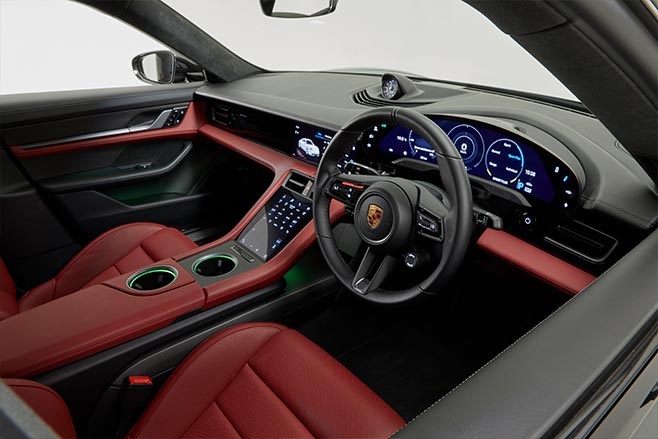
Inside, the Taycan will feature plenty of creature comforts as standard, with Porsche confirming that Surround View (360 degree parking camera), Comfort Access (unlocking with a handle-touch rather than a button), lane change assist, lane-keeping assist, adaptive cruise control, front seat ventilation, steering wheel heating, rear side airbags, electrically folding exterior mirrors, digital radio, and privacy glazing will all be standard.
Additionally, Porsche will offer a completely leather-free interior option for the Taycan in the interests of sustainability. While leather will remain on the list of options, materials like aluminium, wood, carbon, and Porsche’s suede-like Race-Tex will be able to create a vegan-friendly Taycan.
The Porsche Taycan launches in Australia in February 2021.
As we’ve previously related, the last-ever Holden constructed in Australia – a Red Hot VFII Commodore SS-V Redline owned by Alex Kyriakopoulos – is up for auction with Lloyds.
As expected, bidding has been strong, but we could never have predicted the mainstream news coverage, newspaper cartoons, endless online arguments about its provenance and, staggeringly, Sportsbet offering stakes on the final sale figure.
Yep, you can now hit Sportsbet and place a wager on not only the final sale price but also who of a bizarre selection of Australian celebrities might slap their money down for the car.
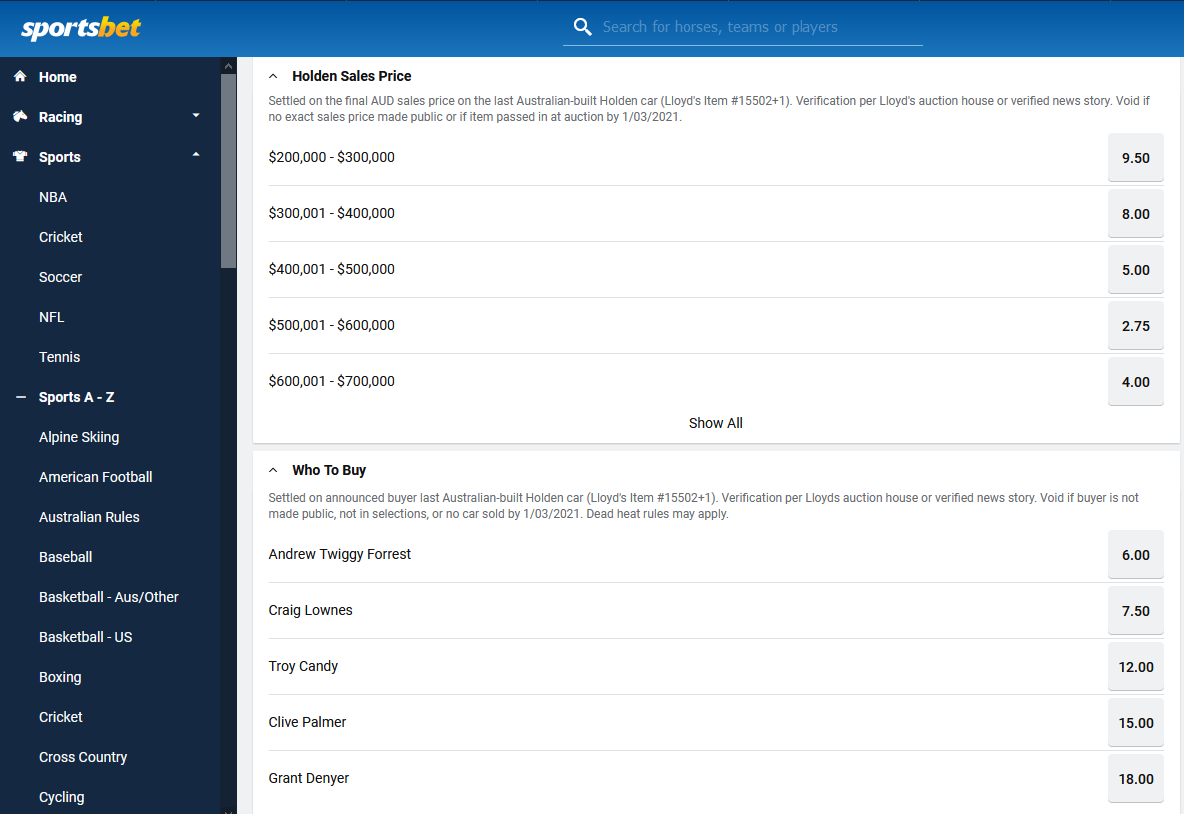
Billionaire Andrew ‘Twiggy’ Forrest is the current favourite with odds of 6/1, with Craig Lowndes, Troy Candy, Clive Palmer, Grant Denyer, Kerry Stokes, Gina Rinehart and Prime Minister ScoMo all at longer odds to be the one to fork out big dollars.
Is that not insane? Has a betting market ever been framed on an Aussie car auction before? We don’t think so.
The car, and therefore the auction, is without precedent. With Holden’s official ‘Last Car’ unlikely to ever fall into private hands, the auction is a chance to procure something with similar provenance.
This isn’t a W1 or an HRT 427 Monaro; it’s an SS-V Redline, the same as thousands of others, but it’s the absolute last one conceived (if not born).
And the market will set the price. Those who desire to own this important piece of our manufacturing history have the capacity to smash the record set for any mainstream Aussie car before it.
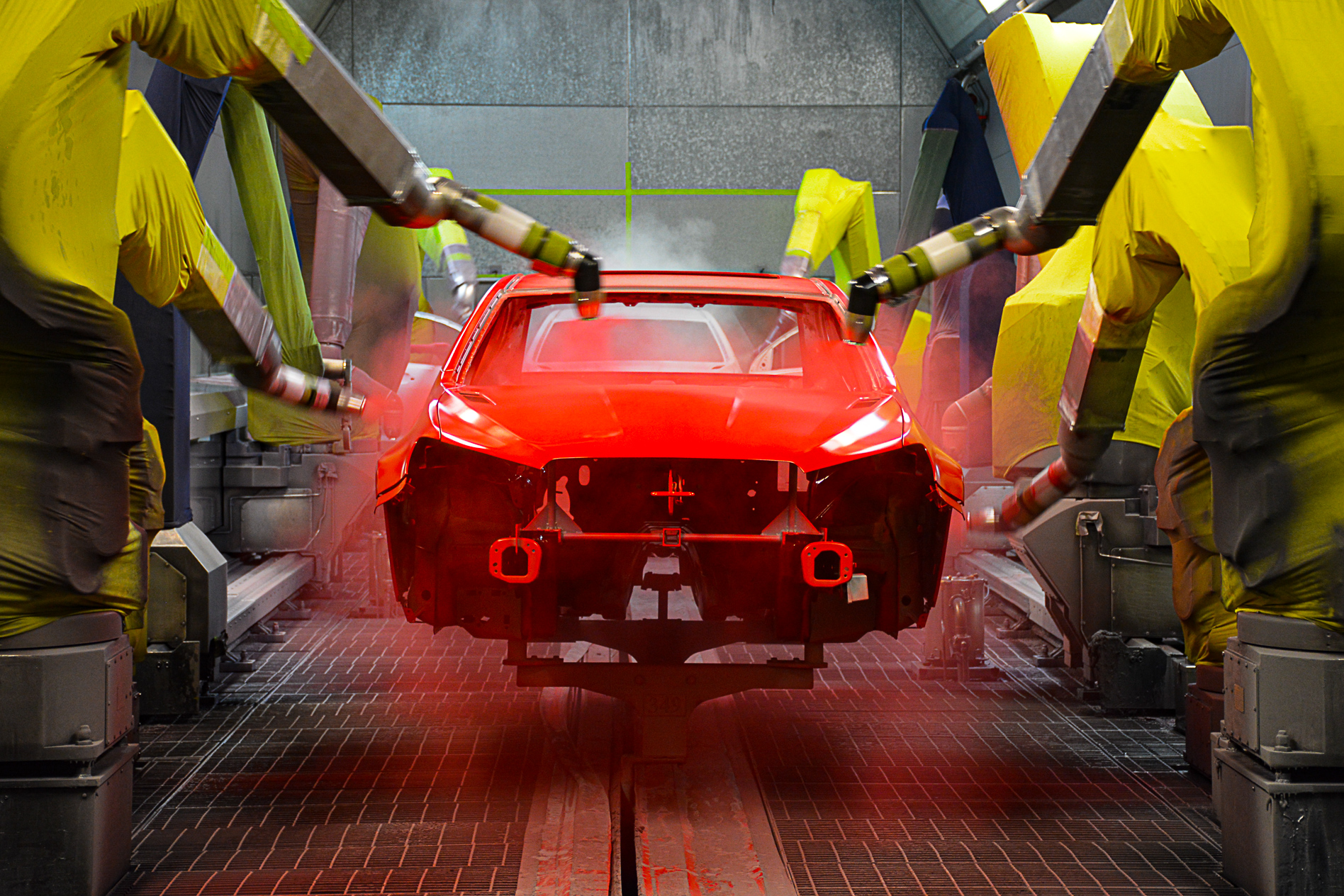
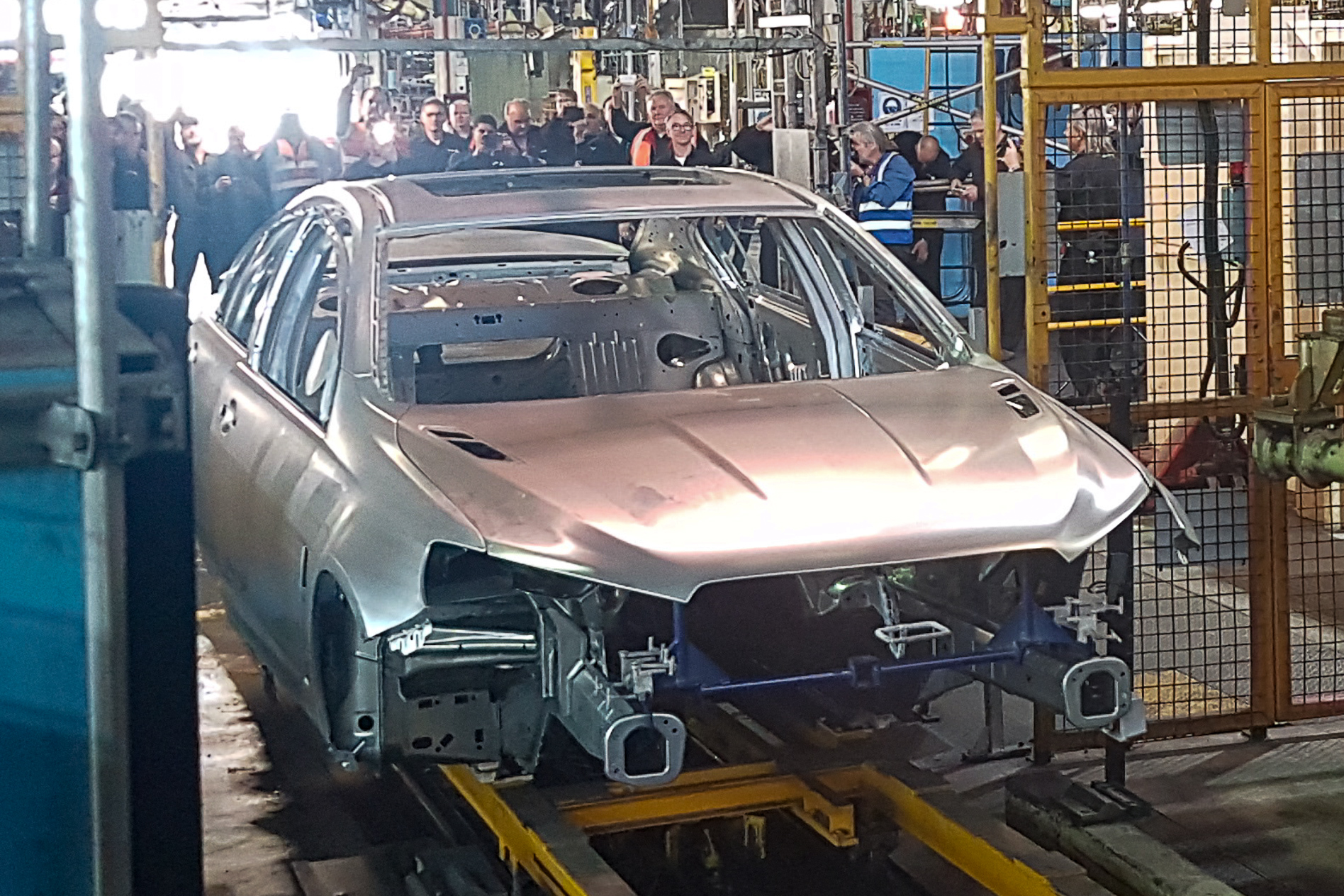
For anyone confused about the significance of this Holden, it is verifiably the final car put together by the body shop at the Elizabeth factory. Assigned VIN 333644, it was also the last car to go through the paint shop.
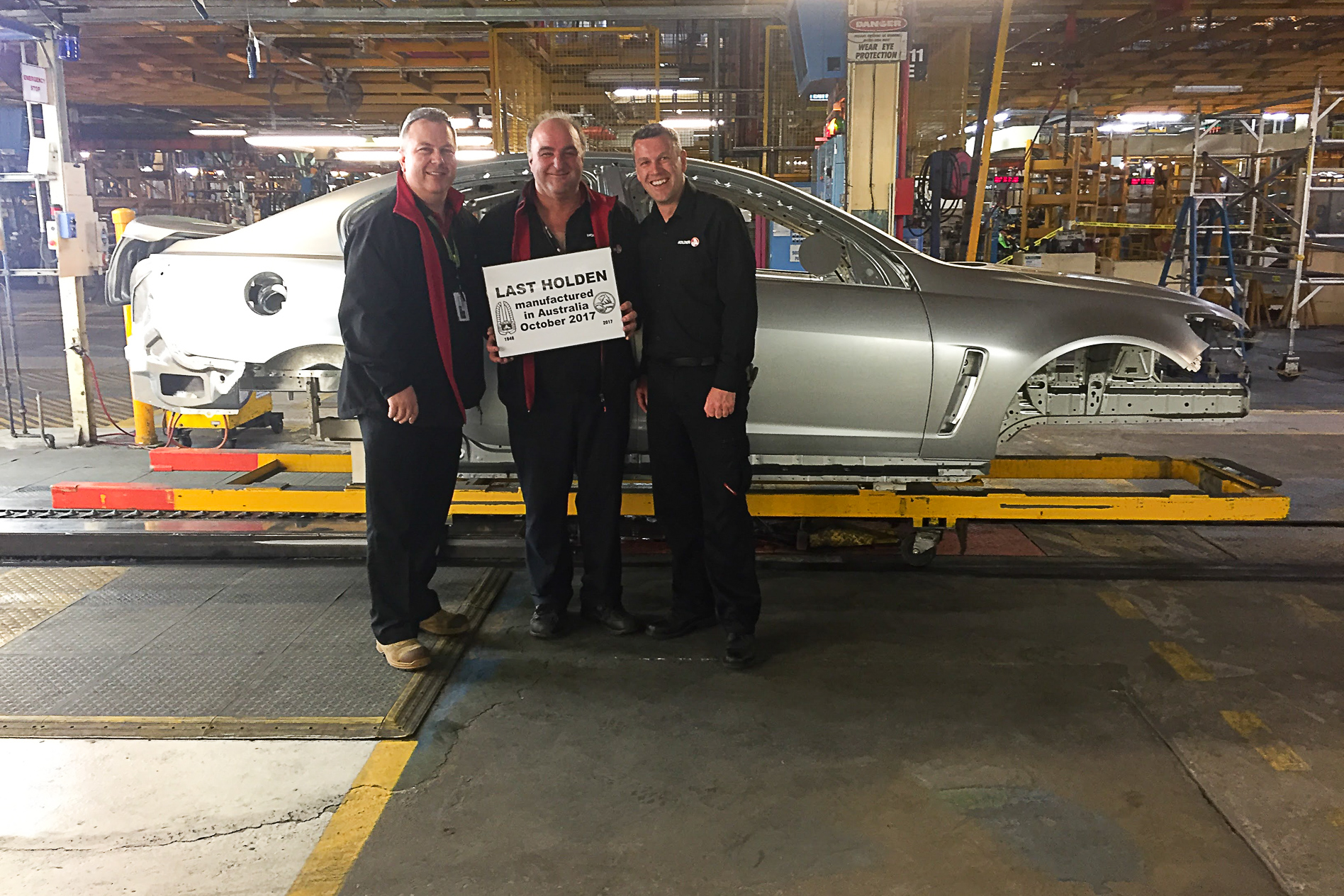
Once fitted with a 6.2-litre V8 driveline, 333644 went through General Assembly before exiting the line on 17 October 2017. From there, it was loaded onto a truck, destined for obscurity until Alex procured it sight-unseen.
Holden’s official ‘Last Car’, wearing VIN 333542, had been framed up and painted earlier than 333644, then removed from the line before returning behind all others, going through General Assembly and being signed off, quite rightly, as the ‘Last Car’ on 20 October 2017.
The ‘Last Car’ was never going to be sold. Even as the Holden brand ground to its unceremonious halt on 31 December 2020, it was clear General Motors was going to do right by the Holden Heritage Collection, if nothing else.
Cars were dispersed to various museums around the country, with the Last Car going to the National Motor Museum at Birdwood, South Australia – just 40km from its birthplace.
Alex’s decision to purchase 333644 wasn’t driven by capitalism, but rather to save a piece of history. “No one else at Holden was chasing it; it would have just disappeared into the abyss,” he says. “I owed it to my colleagues in the body shop and paint shop to ensure that didn’t happen.” Fair enough.
Nor does profit factor into his decision to sell it. Alex wants the car to go to the right buyer, preferably one with the ability to properly store and maintain this treasure rather than it becoming a dusty barn find in 30 years.
Among all this, we’re awash in a sea of simplified news articles, sardonic editorials, cheeky cartoons and, well, Sportsbet.
Two-to-one odds the next 24 hours will be a very wild ride for Alex Kyriakopoulos, the warring bidders, online commentators and any punters putting down an each-way bet on Twiggy Forrest and Craig Lowndes for a win and a place.
General Motors’ announcement that it will end production of internal combustible engine (ICE) vehicles by 2035 shows just how out of step Australia is with the rest of the world when it comes to electric vehicles, according to the head of Australia’s peak EV body.
The US car-making giant is the latest mainstream manufacturer to announce the goal of making the vast majority of the vehicles it produces electric by 2035.
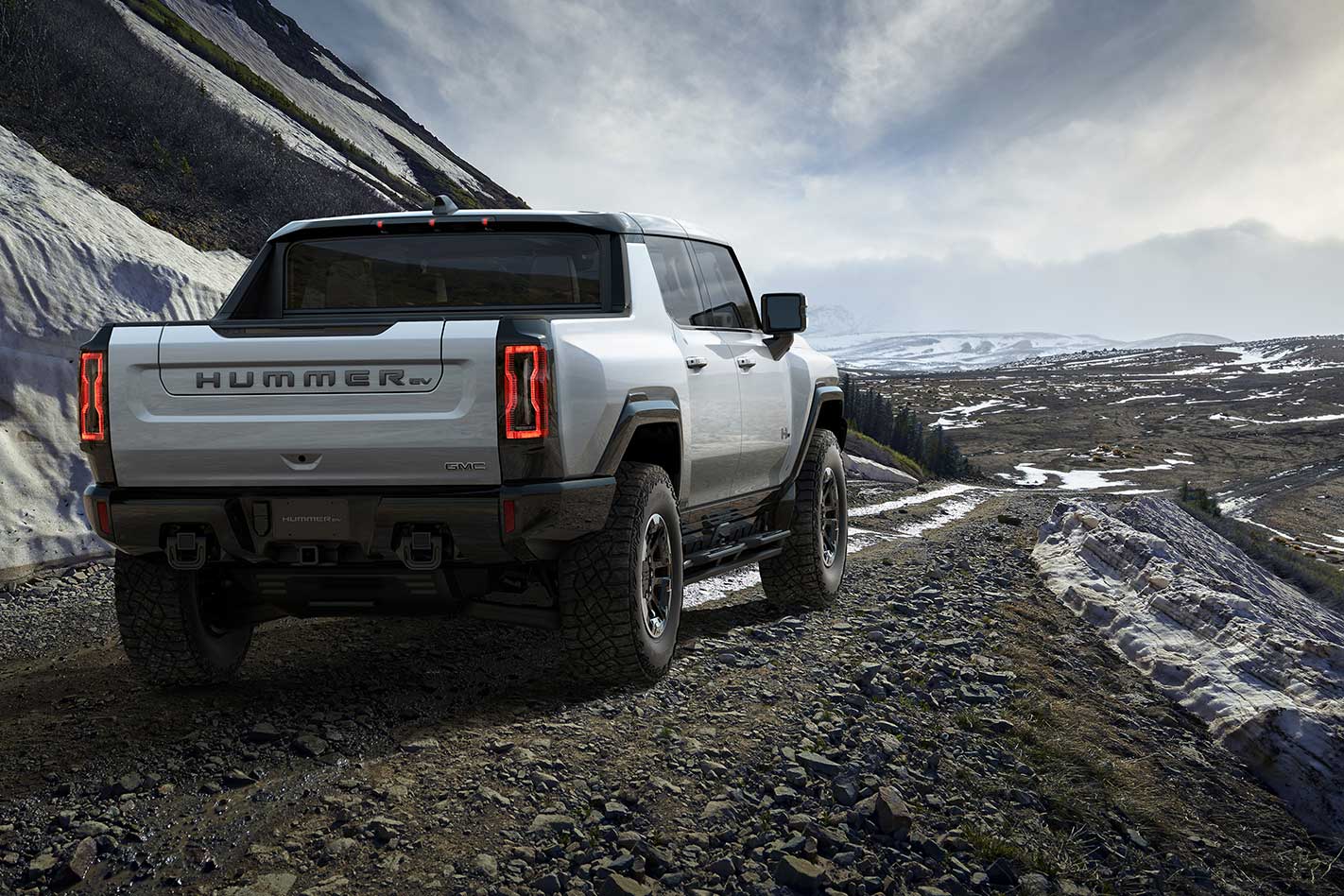
GM’s push into EVs is already in gear with the company recently revealing it will invest $27 billion in electric and autonomous vehicles by the end of 2025, by which time it expects to have 30 battery-electric (BEV) models on sale globally across all segments including sedans, SUVs and pick-up trucks.
According to ABC News America, the investment announcement saw GM’s shares rise by 20 per cent this week, such is the increasing appetite for EVs in the US among investors spurred on by the Biden Administration’s push to expedite uptake.
America’s push towards EVs is far cry from Australia’s stagnant approach, that according to Electric Vehicle Council Chief Executive Behyad Jafari is seeing us left behind as the rest of the auto industry zooms ahead.
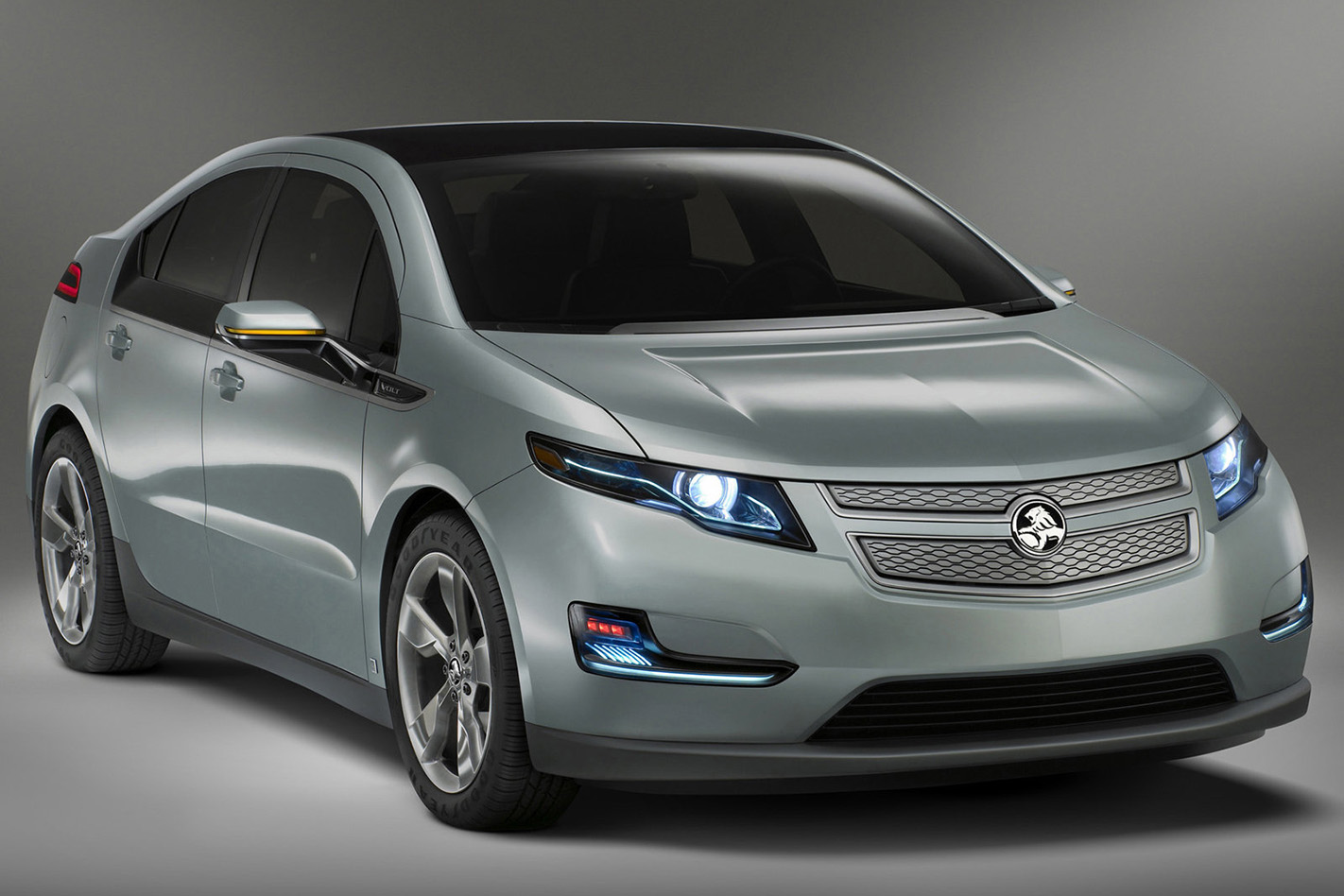
Jafari believed it’s no coincidence that GM made its decision to go fully electric exactly a year after killing off the Holden brand.
“The rational view for GM to form is that Australia is a low priority nation for its all-electric future,” he said.
“Not only are we one of the only countries not to enforce fuel efficiency standards, but we are also the only nation proposing brand new punitive taxes on electric vehicles instead of incentives.
“Other nations will jump ahead and capture all the benefits of the electric vehicle revolution and Australia will be left languishing decades behind.
“We need our politicians to wake up now and start investing in stimulating and encouraging the transition to electric vehicles before it’s too late.”
What is the Kia Stonic GT-Line?
This is the range-topping version of Kia Australia’s first light SUV introduced to compete against the likes of the Mazda CX-3 Maxx Sport, Toyota Yaris Cross GXL and Ford Puma.
Based in the Kia Rio light hatchback, the Stonic has actually been available overseas since 2017 but recently underwent a significant mid-life facelift meaning it has arrived here fresh and with everything you’d expect from a new small Kia.
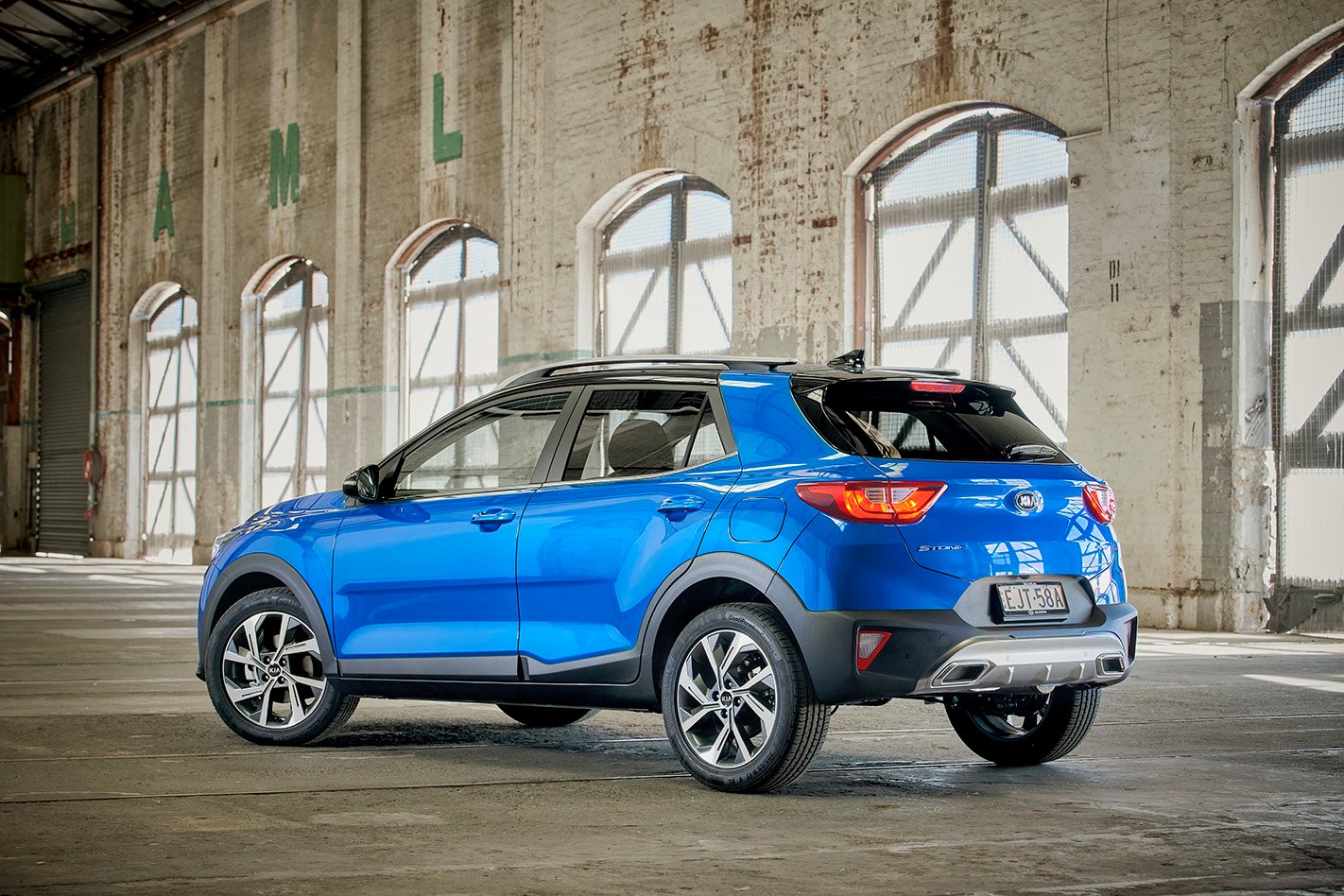
Priced from $21,490, the Stonic comes in three variants, including the S and Sport that share the Rio’s rather tame 1.4-litre four-cylinder petrol engine, with a choice of six-speed manual and six-speed auto.
The GT-Line, on the other hand, offers a little more driver enjoyment in the form of the Rio GT-Line’s punchy little 1.0-litre three-cylinder turbo that’s coupled with a seven-speed dual-clutch auto.
Kia Stonic GT-Line spec details
The GT-Line’s three-cylinder turbo produces the same power as the S and Sport’s 74kW/133Nm 1.4-litre engine but dishes out 172Nm of torque.
The powertrain is the only mechanical difference from the Stonic Sport, which is priced at $24,990 and $25,990 for the manual and auto respectively, and which rides on the same 17-inch wheels and suspension set up.
The GT-Line does come with more athletic body styling, however, that includes a chrome-trimmed Tiger grille and silver-lower bumper plus sharper-looking LED bi-function headlamps, LED daytime running, LED strip fog-lamps.
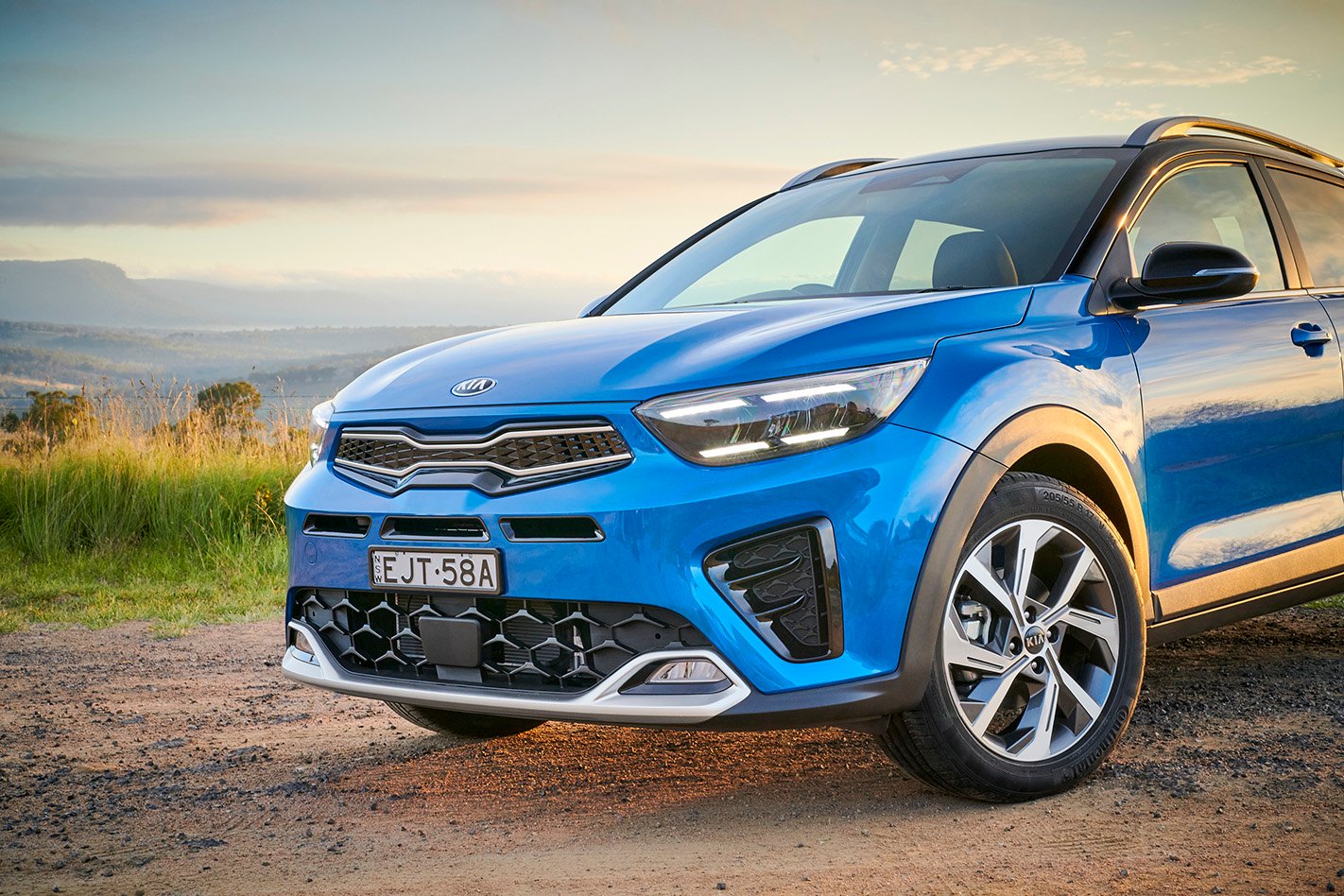
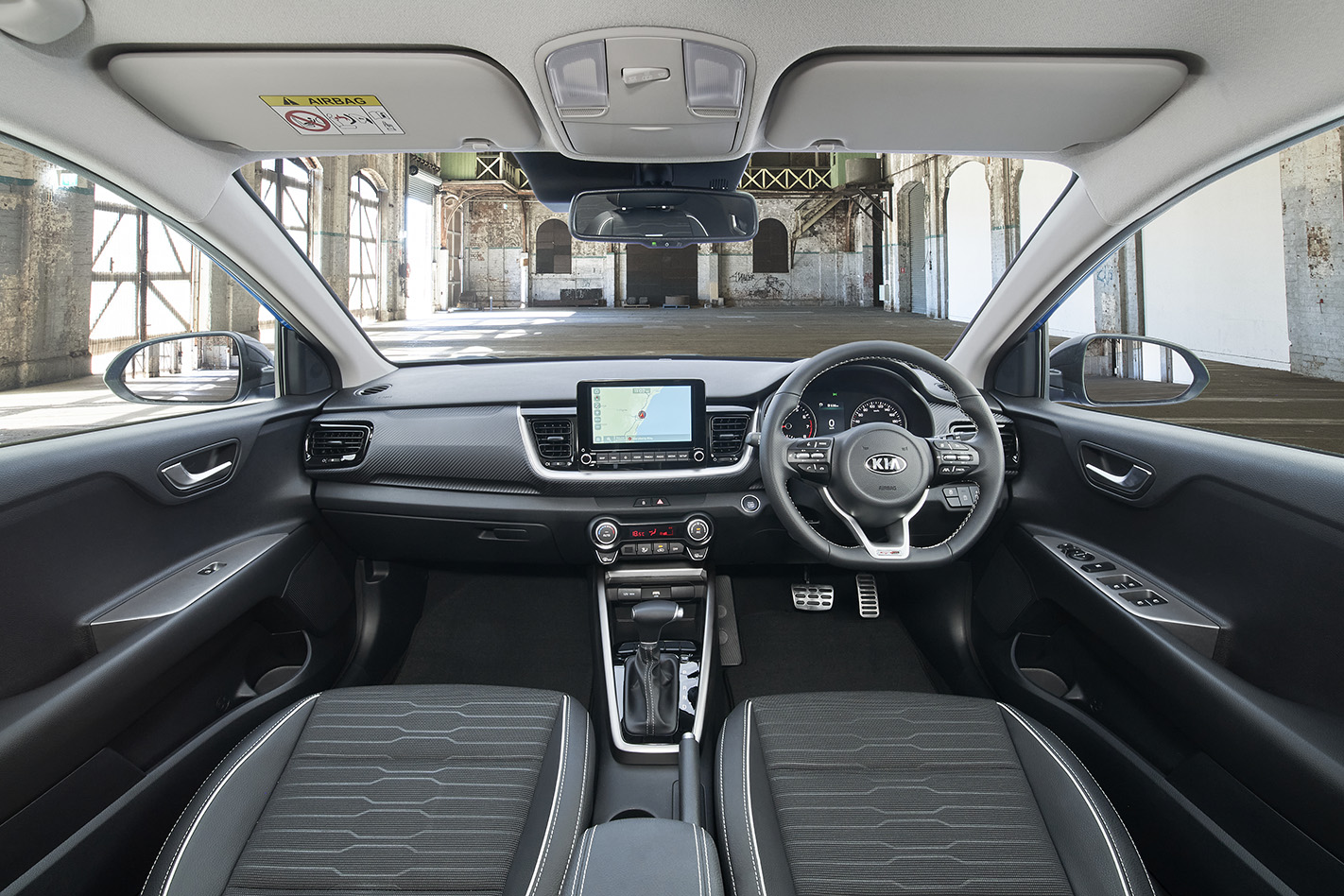
Other extras include three driving modes – Eco, Normal, and Sport – ‘premium’ seats, sports steering wheel, auto-dimming rear-view mirror, alloy sports pedals, faux carbon-fibre dashboard fascia.
That’s on top of other features also found in the Sport including two-zone climate-control with auto defog system that detects fogging on the windscreen and automatically activates the air conditioning to clear it.
All Stonic models come with an 8.0-inch infotainment system that can sync devices via Apple CarPlay and Android Auto, and multi-connection Bluetooth that allows one person to use their phone for music while the other takes calls.
The standard driver assistance suite includes autonomous emergency braking with pedestrian and cyclist detection that works to prevent or mitigate a collision at speeds up to 180km/h, lane-keeping assist, lane following assist, driver attention alert, and leading vehicle departure alert that gives you an audible nudge when the car in front of you drives off from the lights while you’re daydreaming. Adaptive cruise control is a notable omission.
It doesn’t come with ANCAP safety rating as only the 1.4-litre versions have been assessed, though it’s worth noting their five-star rating dates back to 2017 and was achieved by technically being a variant of the Rio.
What don’t we like about the Kia Stonic GT-Line?
While it has undergone a mid-life facelift, the Stonic GT-Line doesn’t feel as sophisticated as fresher Kia models such as the Seltos small SUV.
Strangely, the Stonic is one of the few cars available with convenient wireless Apple CarPlay technology, but that’s only available in the entry-level Stonic S meaning you’ll still have to fiddle with a USB cable in the Sport and GT-Line despite paying more.
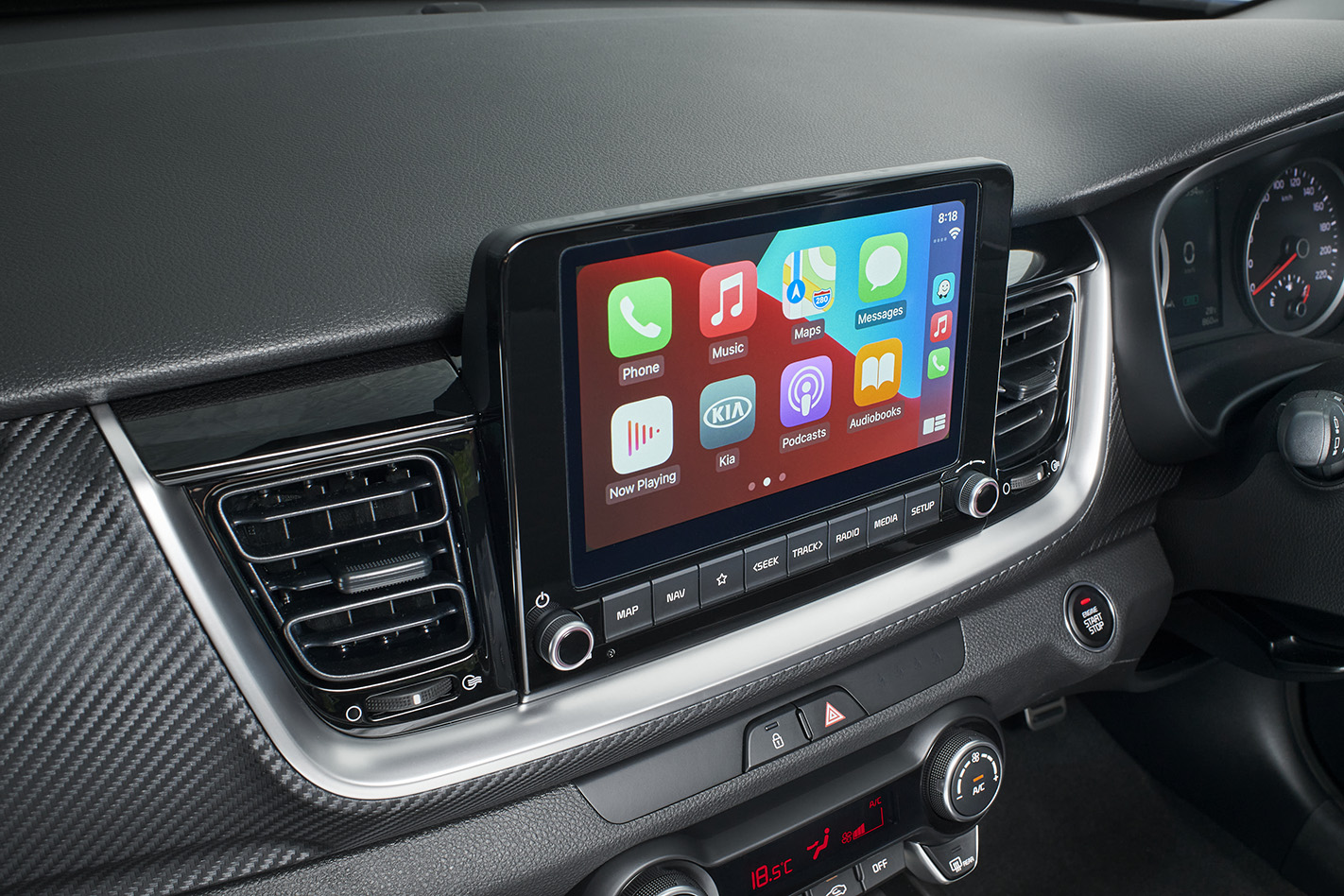
Kia says this is because these pricier variants have in-built satellite navigation, 10-year Mapcare and SUNA traffic services support. It seems this is more of a licensing issue than anything technical.
On the road, the 1.0-litre turbo is quite thrashy from a standing start until you reach about 1500rpm.
Driving the Kia Stonic GT-Line
The 1.0-litre turbo this is a lively little engine that makes for fun driving whether you’re in the Stonic’s native urban environment or out on a country road.
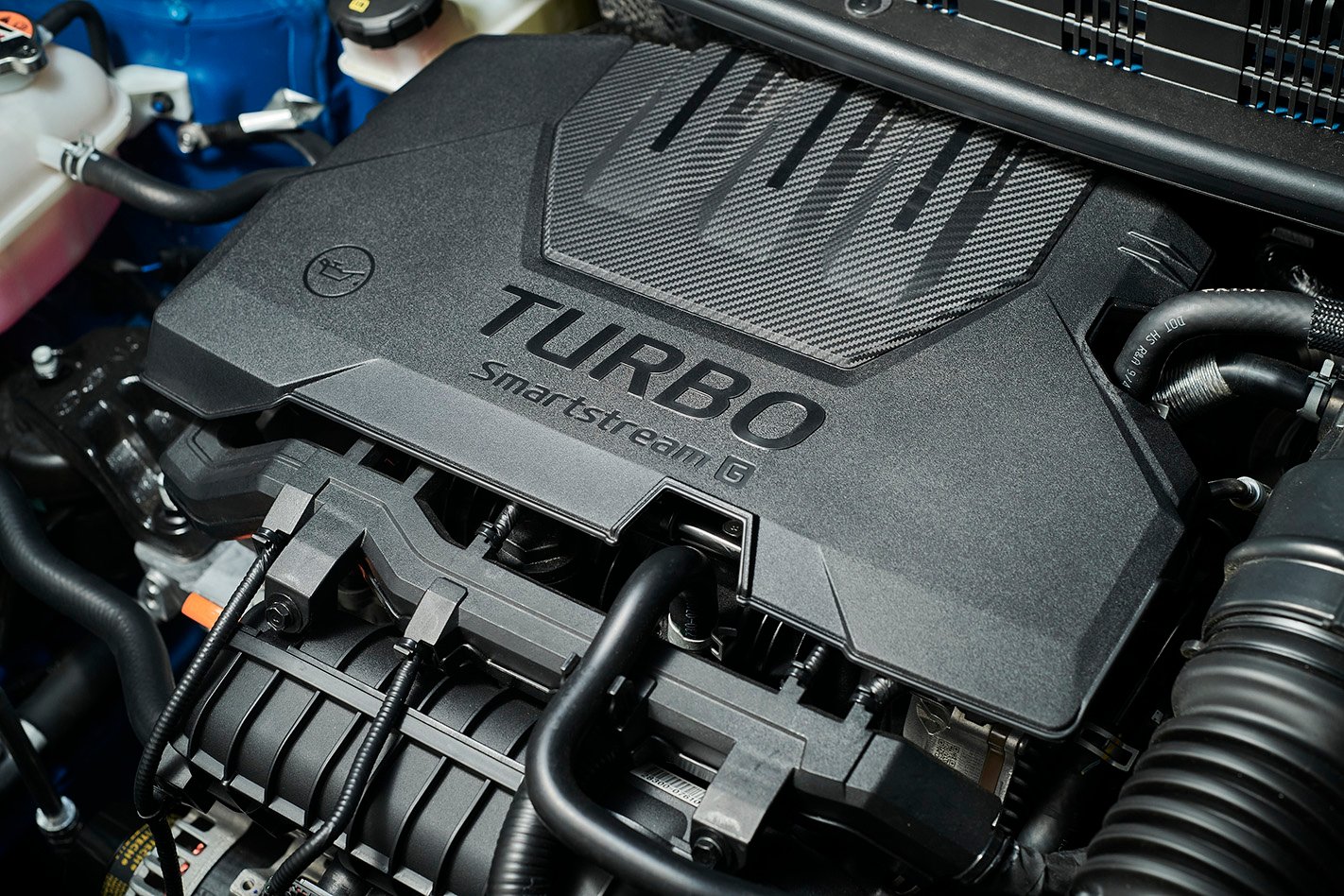
The Eco, Normal and Sport driving modes, which alter the dual-clutch transmission’s rev-mapping, come in handy for different conditions. Eco and Comfort are good for lower speeds but feel quite sluggish when you put the foot down as they’re a little too quick to change gears
Selecting Sport, however, allows the engine to rev up to 6000rpm before up-shifting, which means you get up to speed much quicker.
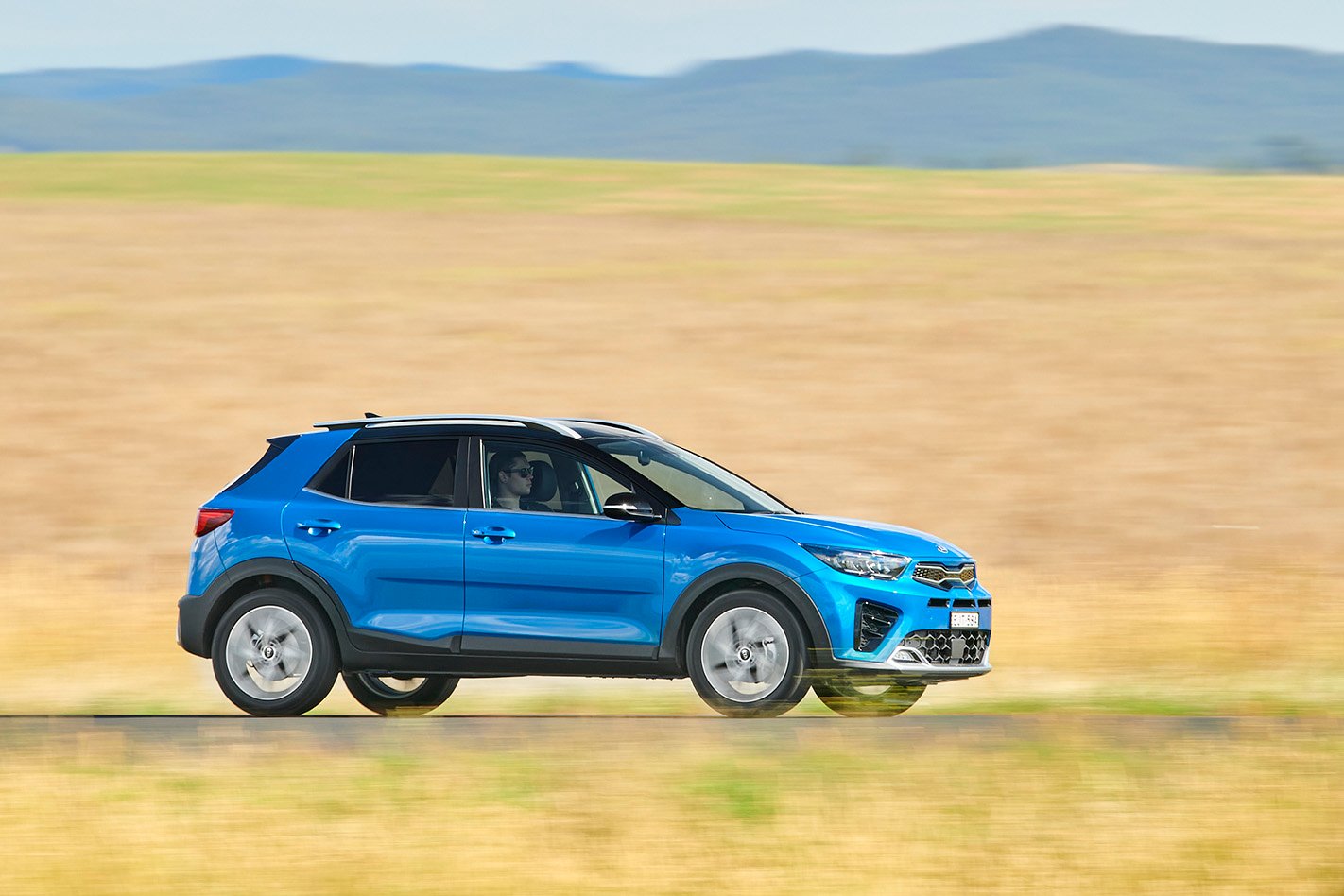
Not that you’ll break any speed records mind you – its 0-100 km/h time is just shy of 11 seconds but, it does give you nice push along at mid-revs which makes accelerating out of bends surprisingly enjoyable.
Driving mostly in Sport mode will mean exceeding the official combined fuel consumption of 5.4L/100km. During our week together I averaged 6.5L/100km.
The Stonic’s driveability is also enhanced by its steering. The serrated steering column has almost double the number of teeth (66) than the Rio, which makes the tiller feel noticeably responsive and direct without being too light.
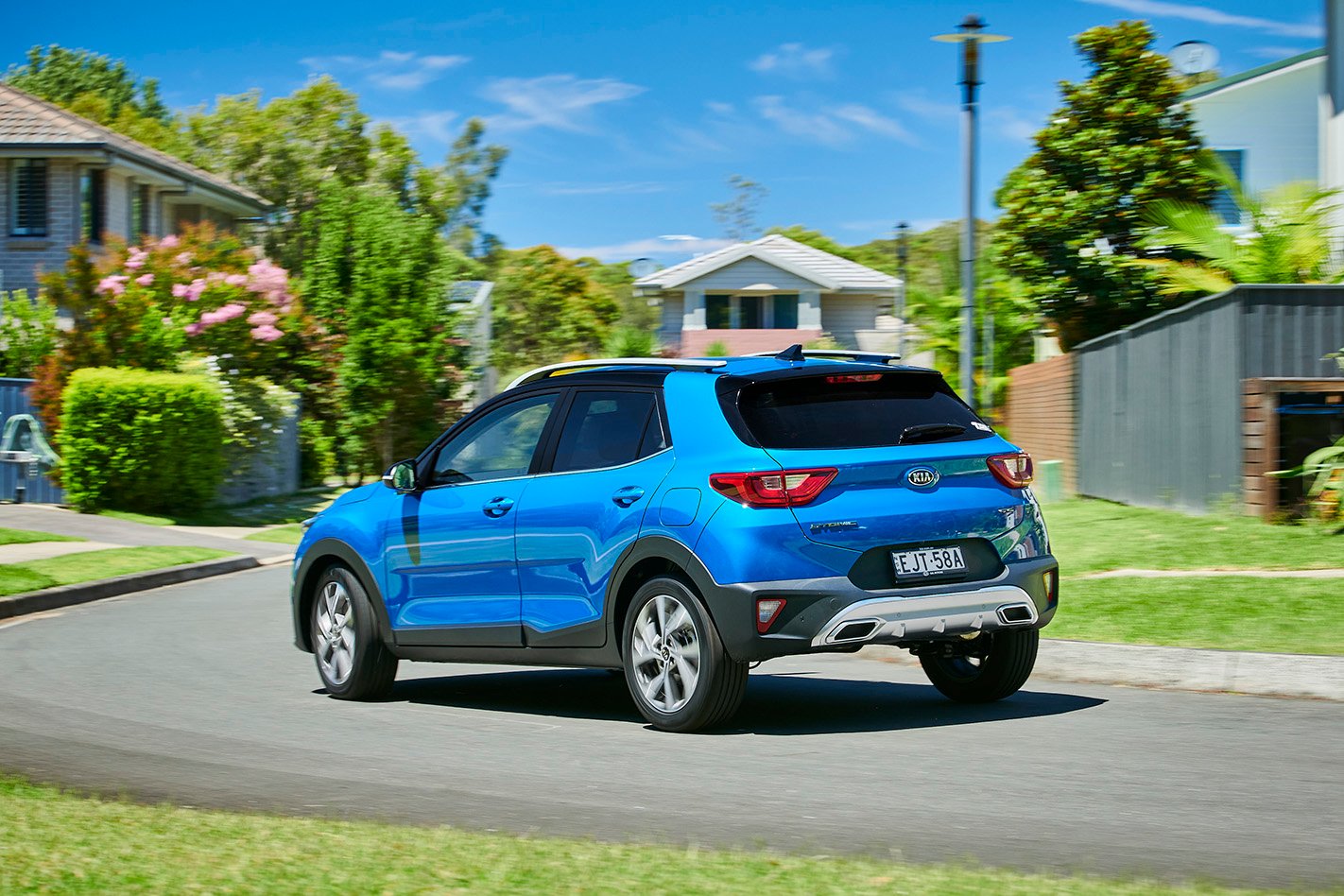
Again this has benefits in all kinds of conditions, from negotiating tight corners and parking spots in town to chasing apexes on winding roads.
Despite the GT-Line badge, Kia has refrained from tightening the suspension for sportier handling, like it with the Rio GT-Line.
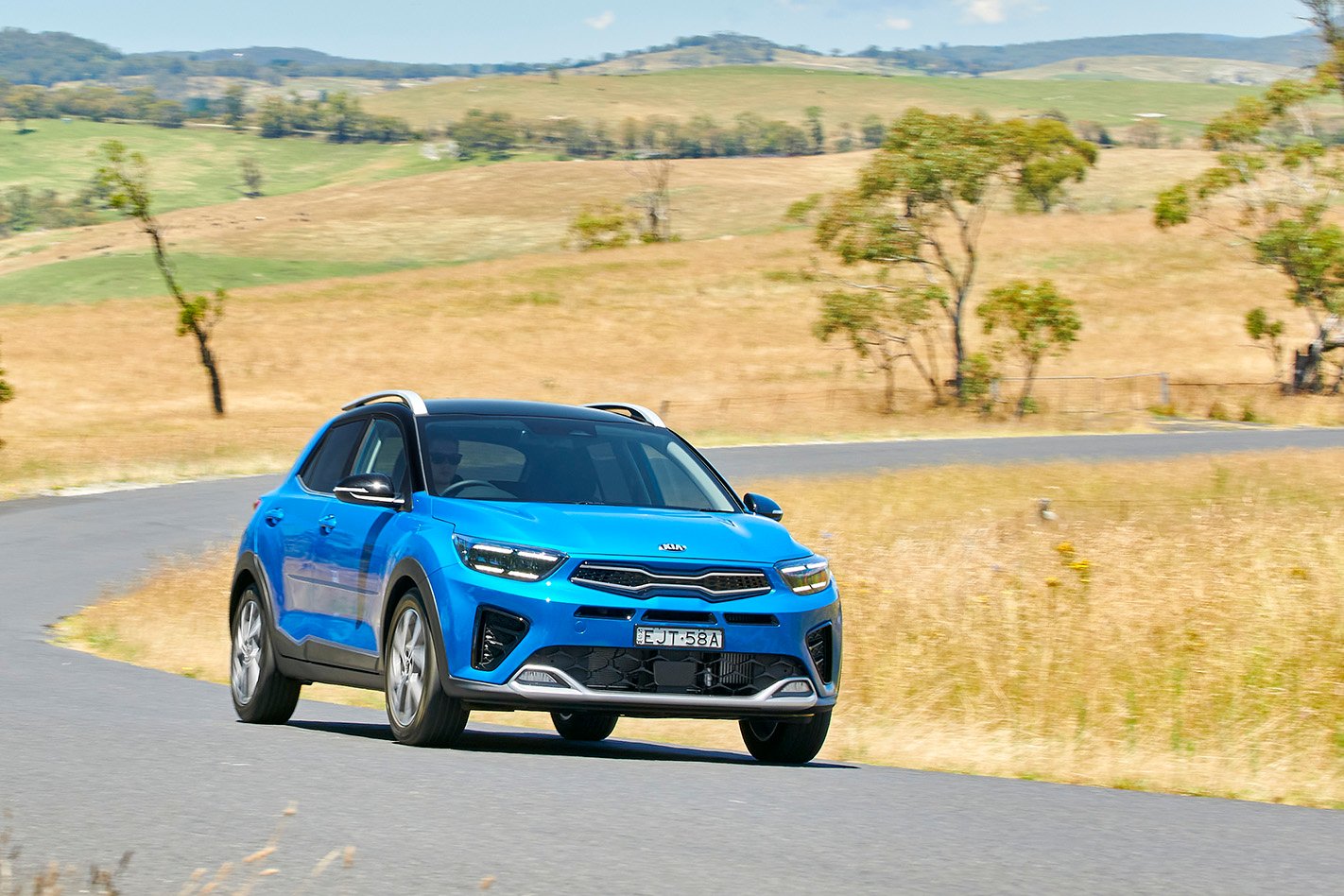
However, the Stonic’s suspension has been tweaked compared to the hatchback’s, with the torsion beam rear suspension pointing more upright than the Rio’s – fitted 8.4 degrees off vertical as opposed the hatch’s 25 degrees.
It has also been tuned for Australian conditions and I reckon the balance between dynamic handling and ride comfort is just about right on the biggish 17-inch alloys with 205/55 R17 Continental ContiPremium rubber.
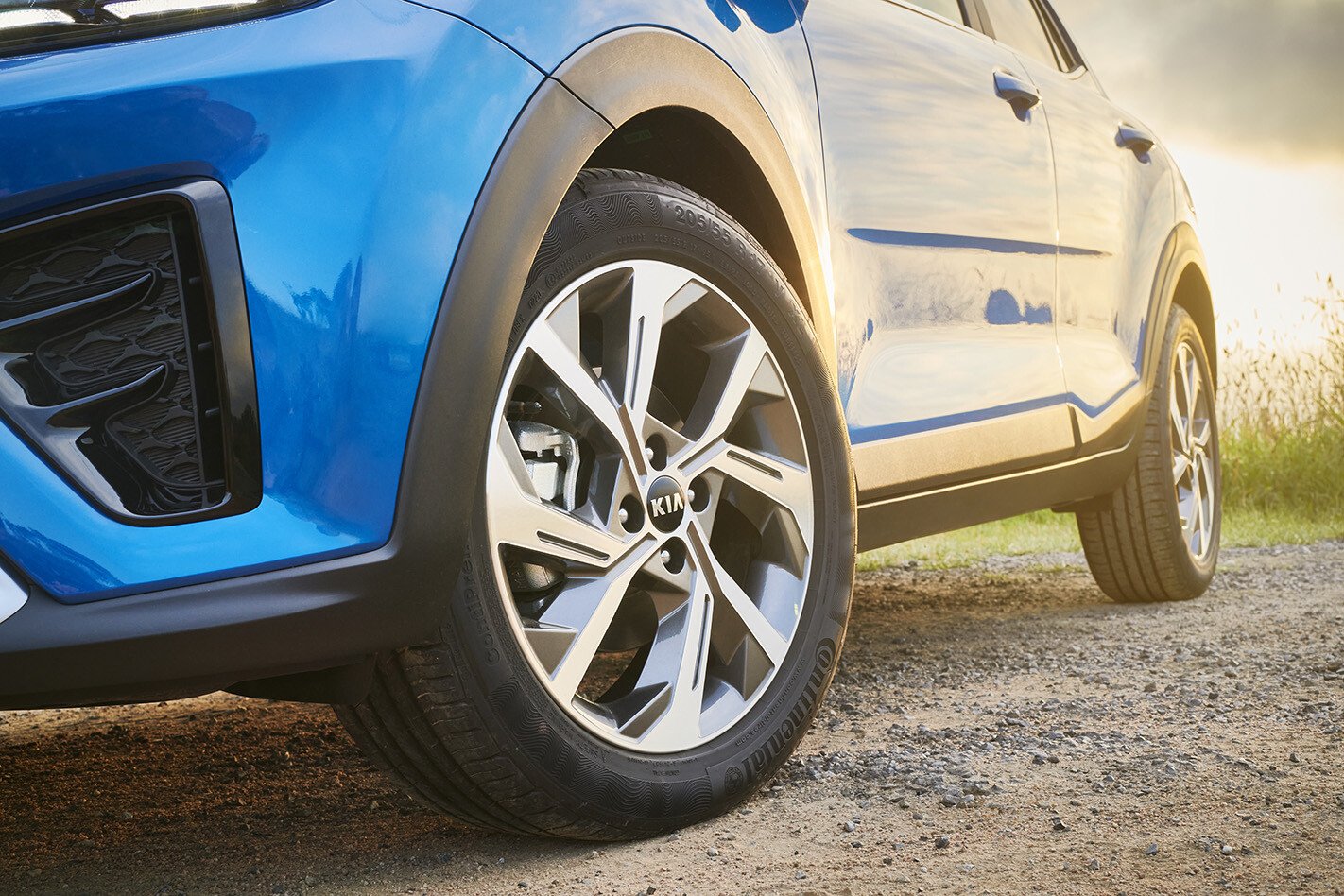
It doesn’t exactly glide over road imperfections, but it feels composed and takes a decent-sized pot-hole to feel any jarring.
The biggest similarities between the Stonic are Rio become evident when you step inside.
The cabins are the same size and almost identical, though the Stonic’s dashboard has been raised a little to create more knee room, and the centre console doesn’t protrude as far back to make it easier to slide across the rear bench.
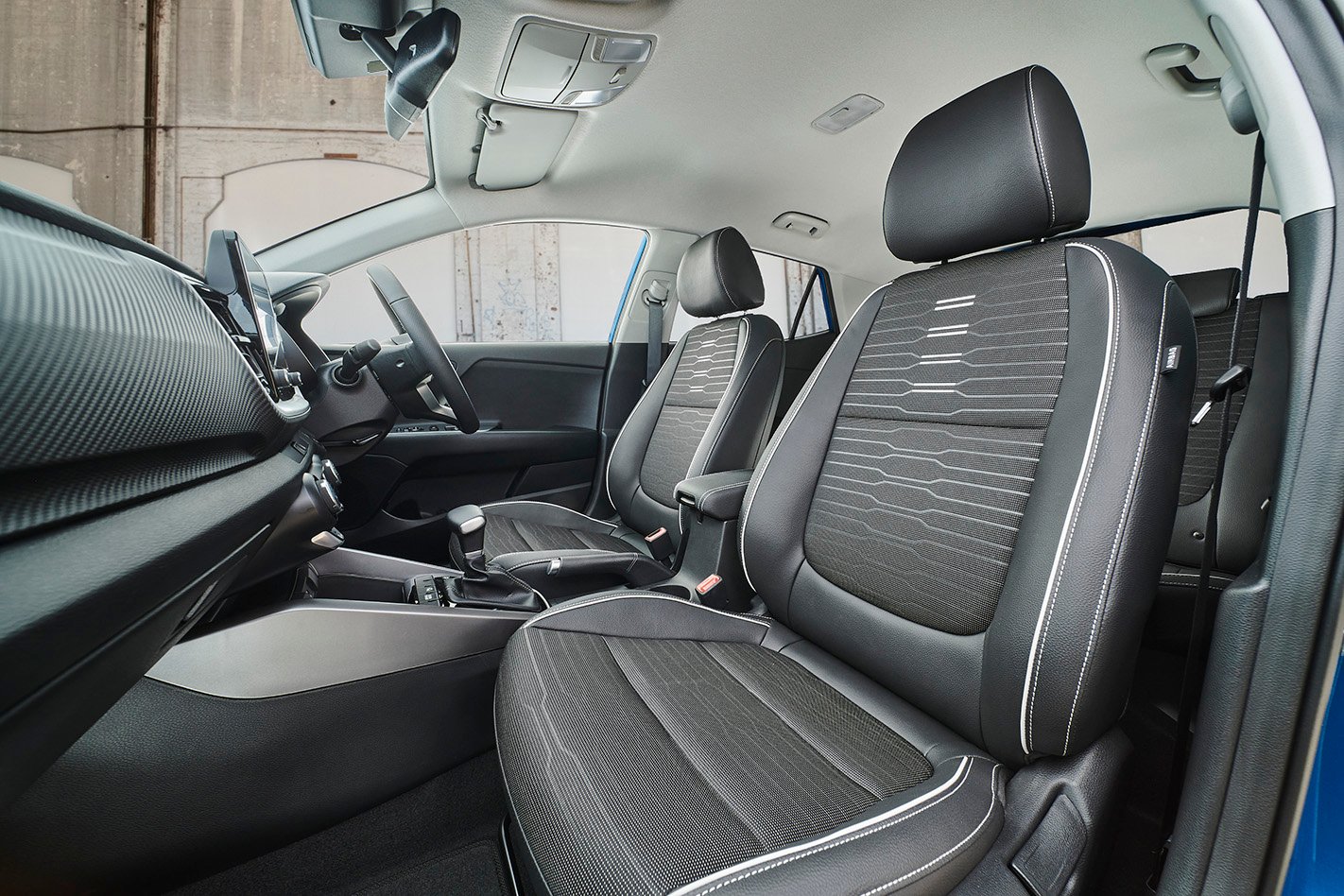
The interior is well put together, though there are the usual hard plastics on the doors, and it feels a lot more basic than the Seltos GT-Line.
The front seats are comfortable with soft but supportive backrests and good side bolstering. And while the driver’s seat only has basic manual settings it’s easy enough to find a good driving position.
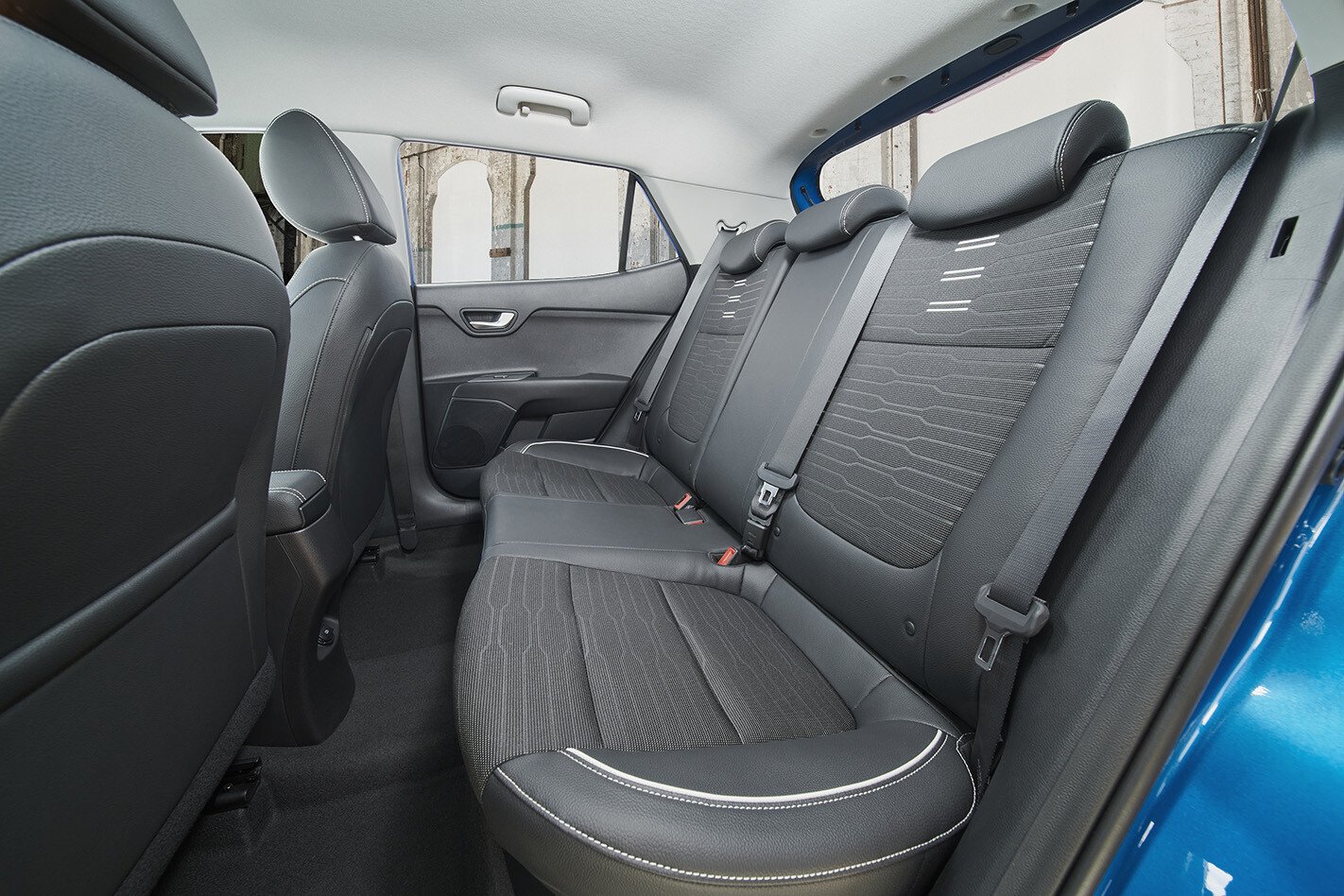
The rear seats are also comfortable and offer reasonable legroom for a car this size as long as those in front aren’t too tall. It feels a little airier back there than in the CX-3 with the raised bench providing good forward and side vision.
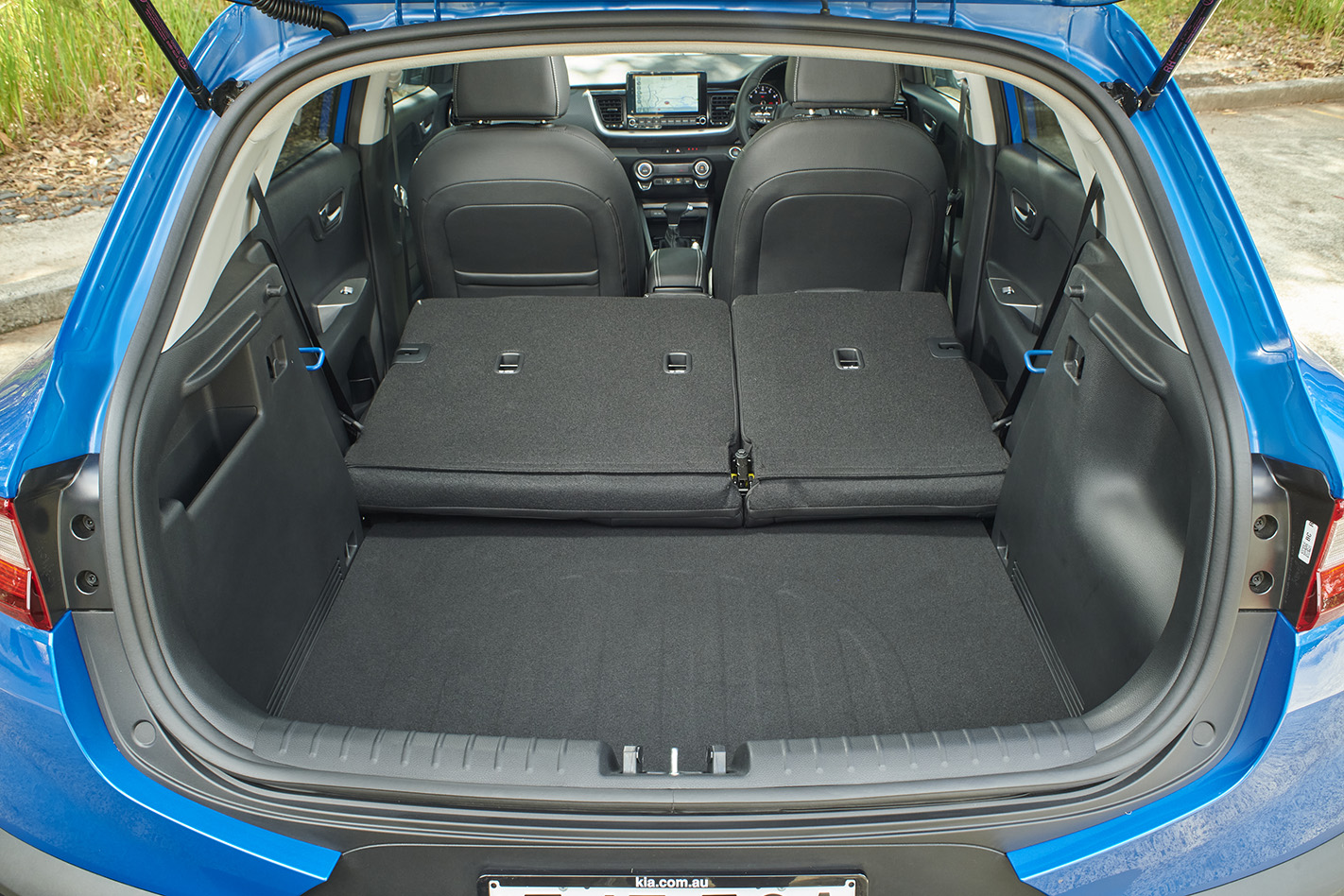
The 60:40 split backrests open to a 353-litre boot, that’s 28 litres more than the Rio’s, 91 litres more than the CX-3s and just two litres shy of the Hyundai Venue’s. Putting both seats down lets you fit up to 1155 litres of stuff.
The boot space itself has a deep floor due to only having to fit a space-saver spare wheel underneath.
The Verdict
The Stonic has the form to go with its function. Like the Seltos, it looks like an SUV rather than a hatchback on stilts like other crossovers, with bold wheel arch surrounds, thick C-pillar and silver-painted rear diffuser and scuff plate.
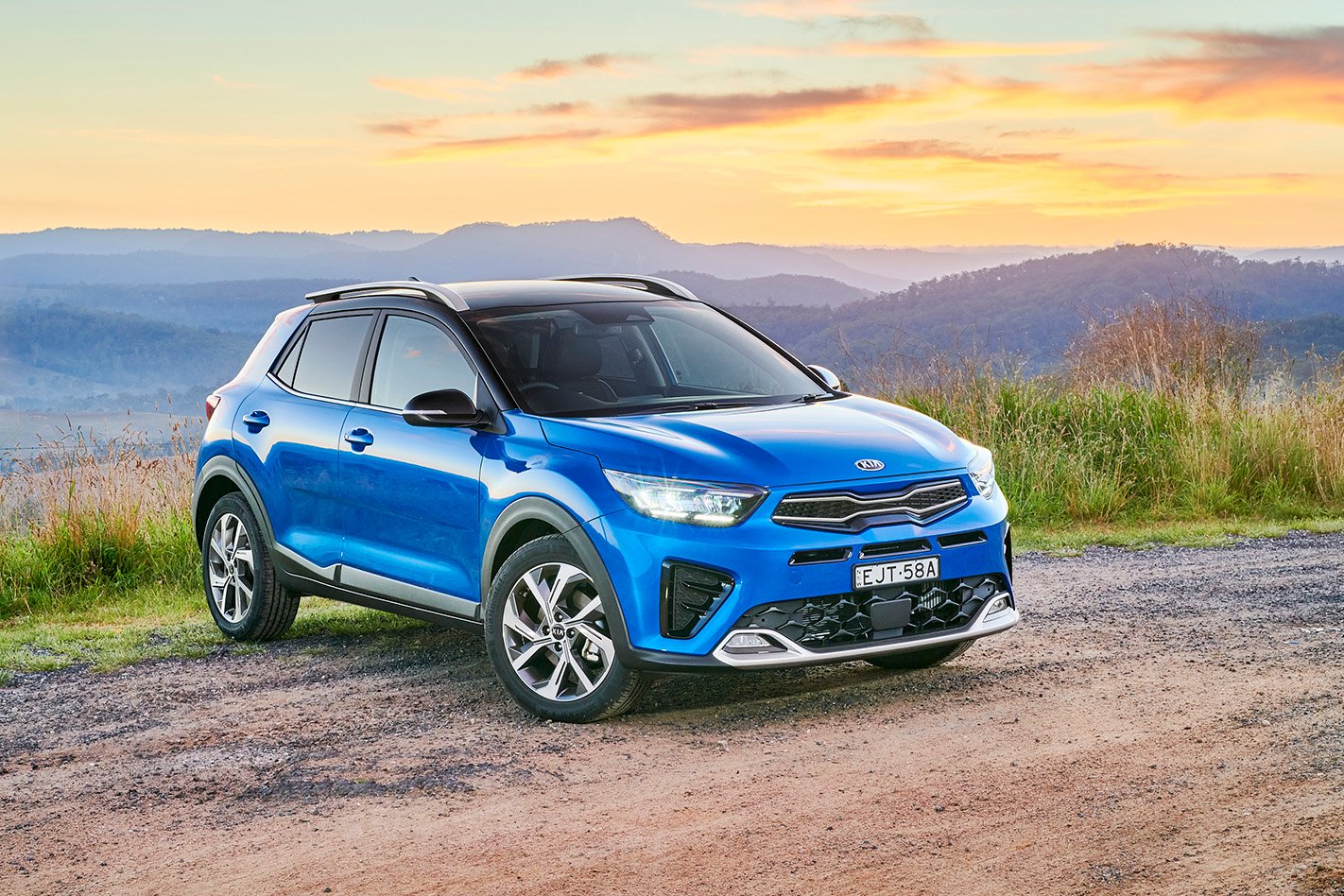
The GT-Line’s exterior bling enhances the look and, combined with the livelier turbocharged engine, has more than enough appeal over the more affordable Stonic Sport to justify the $4000 premium.
That said, the Stonic GT-Line’s biggest rival can be found in the same showroom in the form of the similarly-priced Seltos Sport that’s roomier, has a bigger 498-litre boot, a capable 2.0-litre four-cylinder engine and extras including a bigger 10.25-inch touchscreen, Digital radio (DAB+) and power-folding mirrors.
Still, if size doesn’t matter, this is a fun a little crossover.
Rating
Plus Looks, features, active safety, punchy turbo engine, boot space Minus Thrashy when taking off, lacks sophistication, lacks base variant’s wireless Apple CarPlay
Specs
Model Kia Stonic GT-Line Engine 998cc 3cyl, dohc,12v turbo Max power 74kW @ 4500-6500rpm Max torque 172Nm @ 1500-4500rpm Transmission 7-speed dual-clutch auto Weight 1227kg 0-100km/h 10.7sec (estimated) Economy 5.4L/100km Price $29,990 On sale Now
With skyrocketing prices putting classic Porsche 911 ownership prospects on a plane towards Unobtanium, Lego is catering to the every-man with its latest two-in-one Porsche 911 brick-set that gives a different kind of ownership experience.
The Lego set lets builders switch between a late 1970s 911 Targa and 911 Turbo.
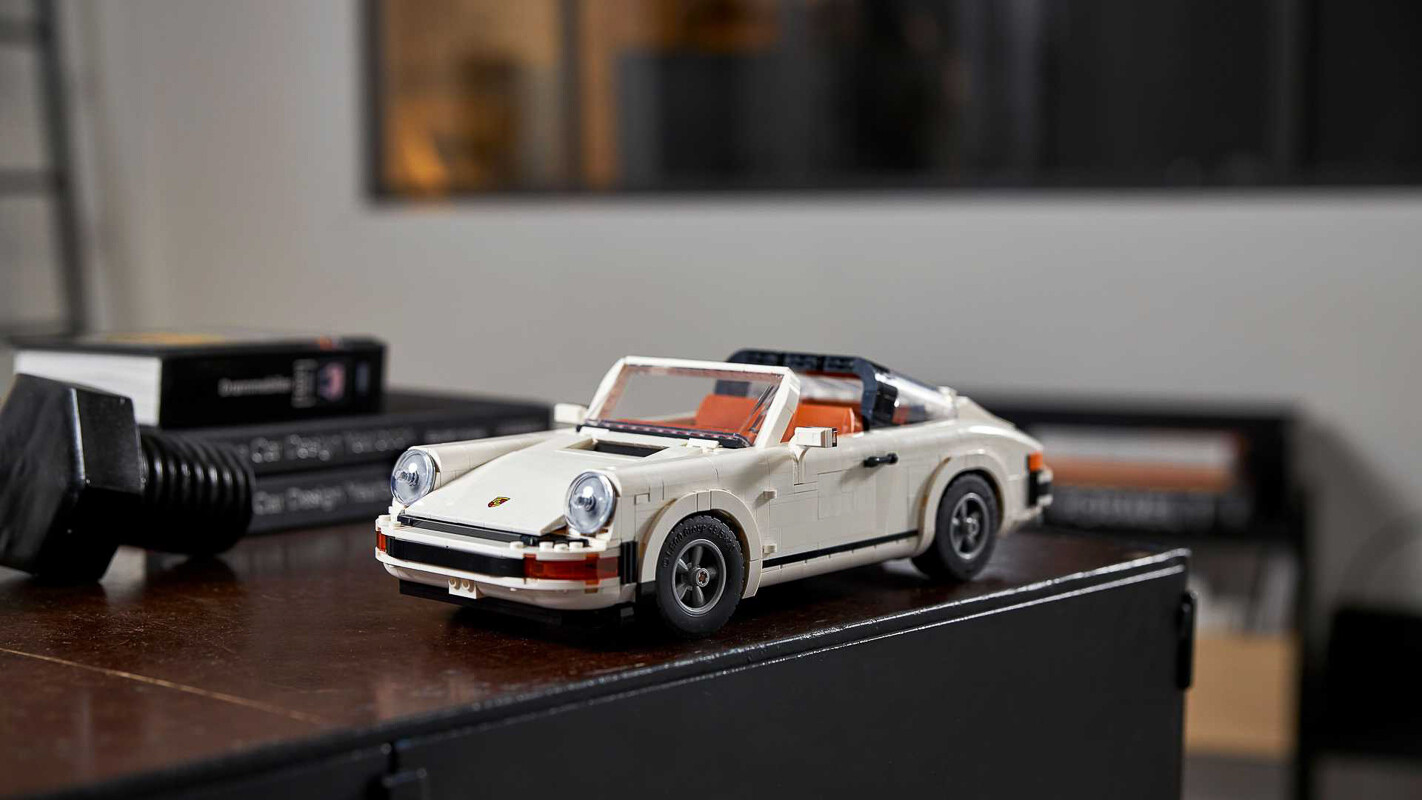
It’s designed for big kids ages 18 and up and measures 35cm long, 10cm high and 16cm high – one of the larger display-style models.
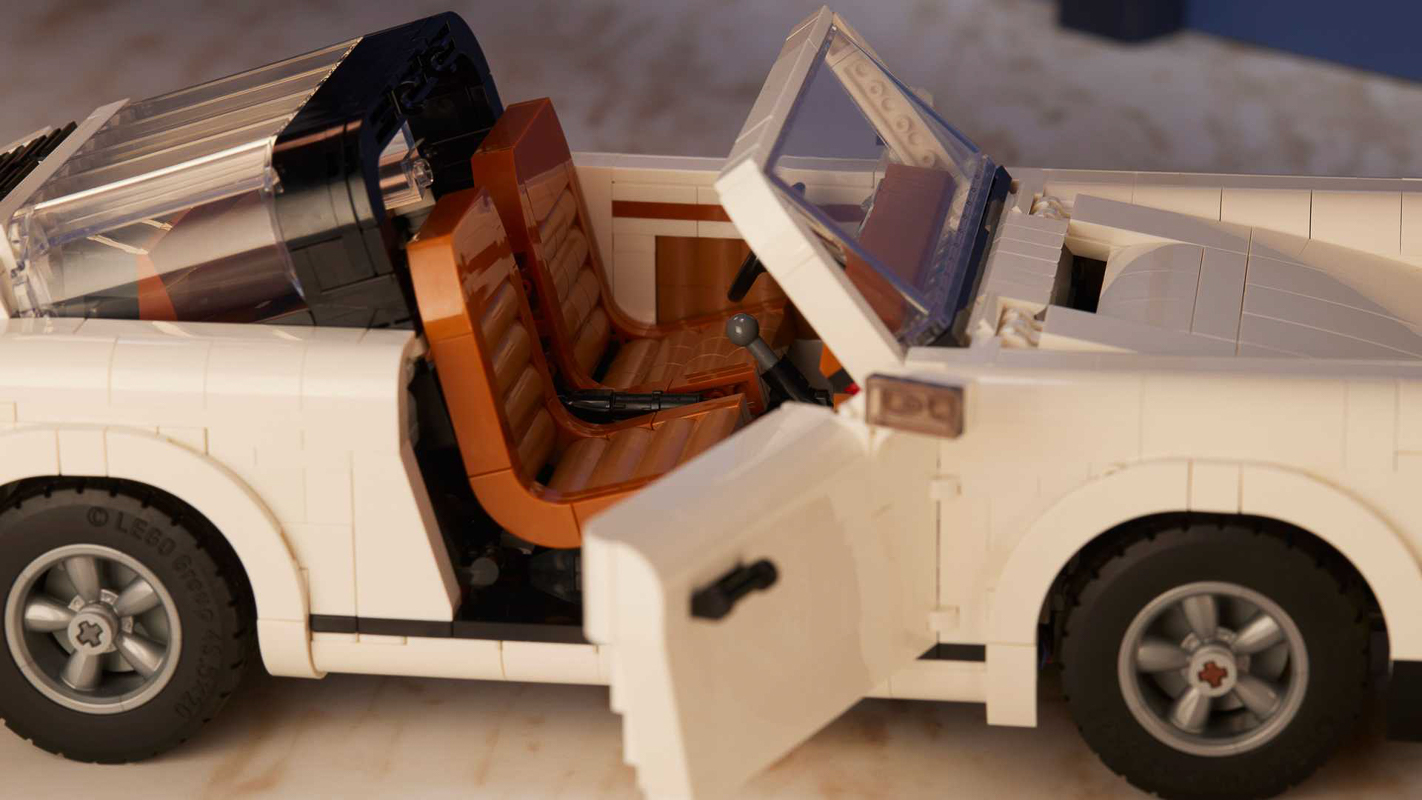
The dual-purpose Creator kit comprises 1458 pieces that can be arranged to create a targa-top convertible or Turbo coupe shape. Each follows a 2+2 seating design with tilting front seats, full instrument cluster, functioning steering and gear stick and handbrake controls.
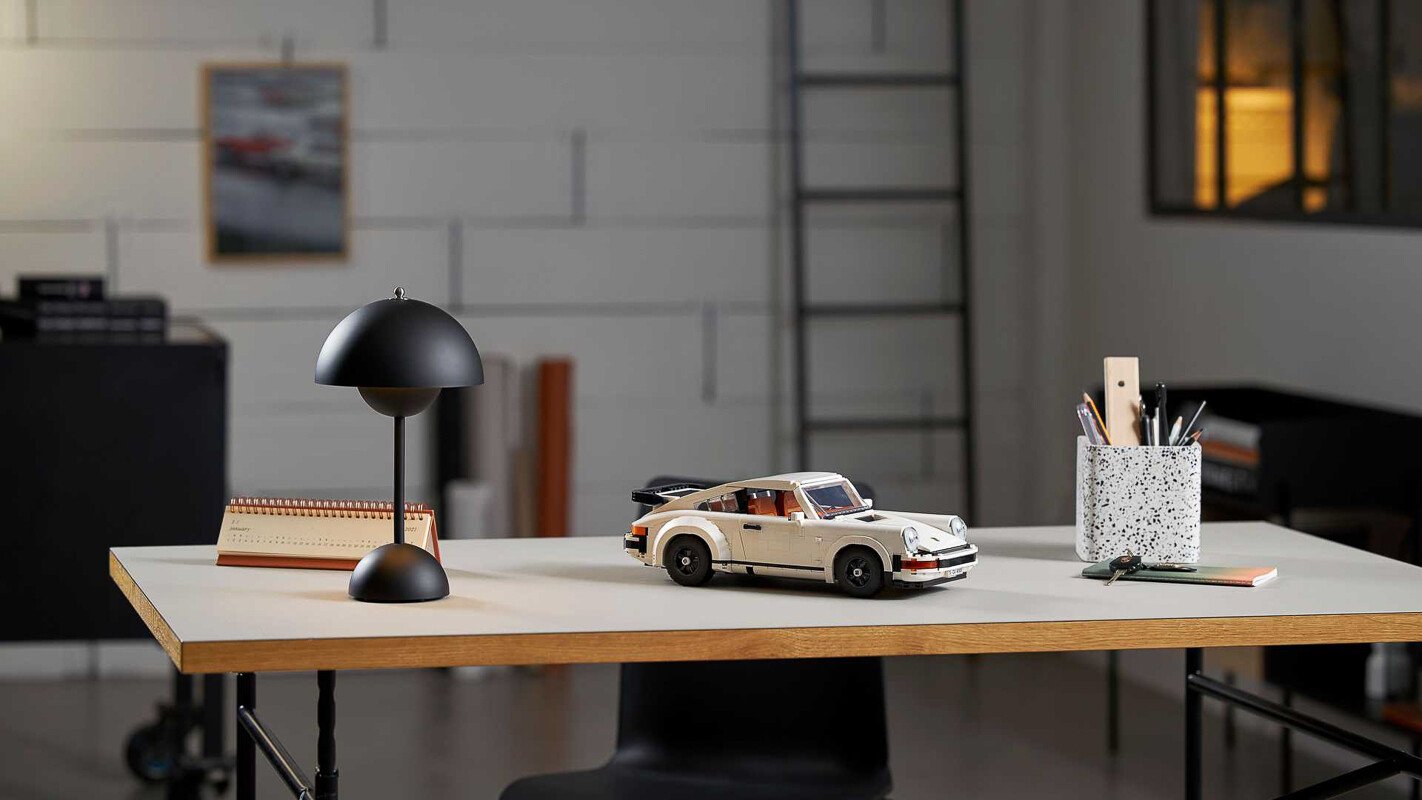
A wrap-around rear window and removable roof (that can be stowed under the bonnet) features on the Targa, while the Turbo sports a wider rear end with a whale tail decklid wing. Both have Fuchs-style alloy wheels and opening body panels to complete the realistic look.
Retro looks continue inside with a very-70s dark-orange-and-nougat upholstery colour scheme.
Of course, no classic Porsche 911 would be complete without a rear-mounted, air-cooled flat-six engine, and again the Lego model is true to the original.
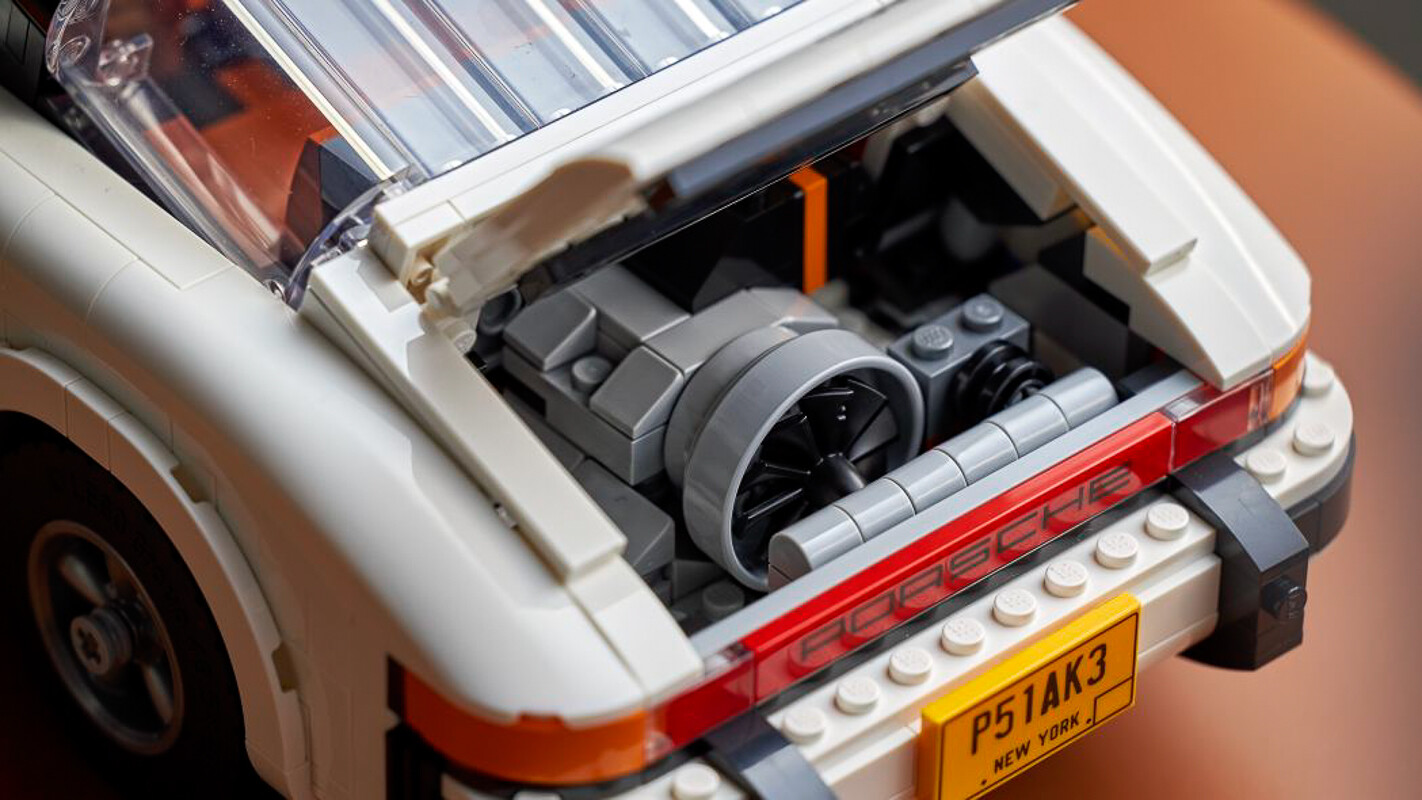
The brick rendition looks particularly impressive given the restraints of building with Lego, representing a faithful reproduction of the classic 911 shape.
Kits officially go on sale from March 1 worldwide for A$229.99, though eager Lego VIP loyalty members will get first dibs from February 16.
Click through the image gallery at the top for more photos of the cool new kit.
On the back of the Tesla Model S saloon facelift, the company’s boss has explained the reason behind the apparent lack of controls for forward and reverse functions.
Elon Musk has explained that the 2022 Tesla Model S will, in fact, ‘shift gears’ by itself by guessing the direction its occupant wants to go.
The question was posed to the Tesla founder on Twitter after a stalk-less yoke steering wheel was shown as part of the 2022 Tesla Model S facelift.
Asked how the driver is supposed to engage Drive and Reverse gears without a stalk (the method used in its predecessors), Musk responded “[the] car guesses drive direction based on what obstacles it sees, context & nav map.”
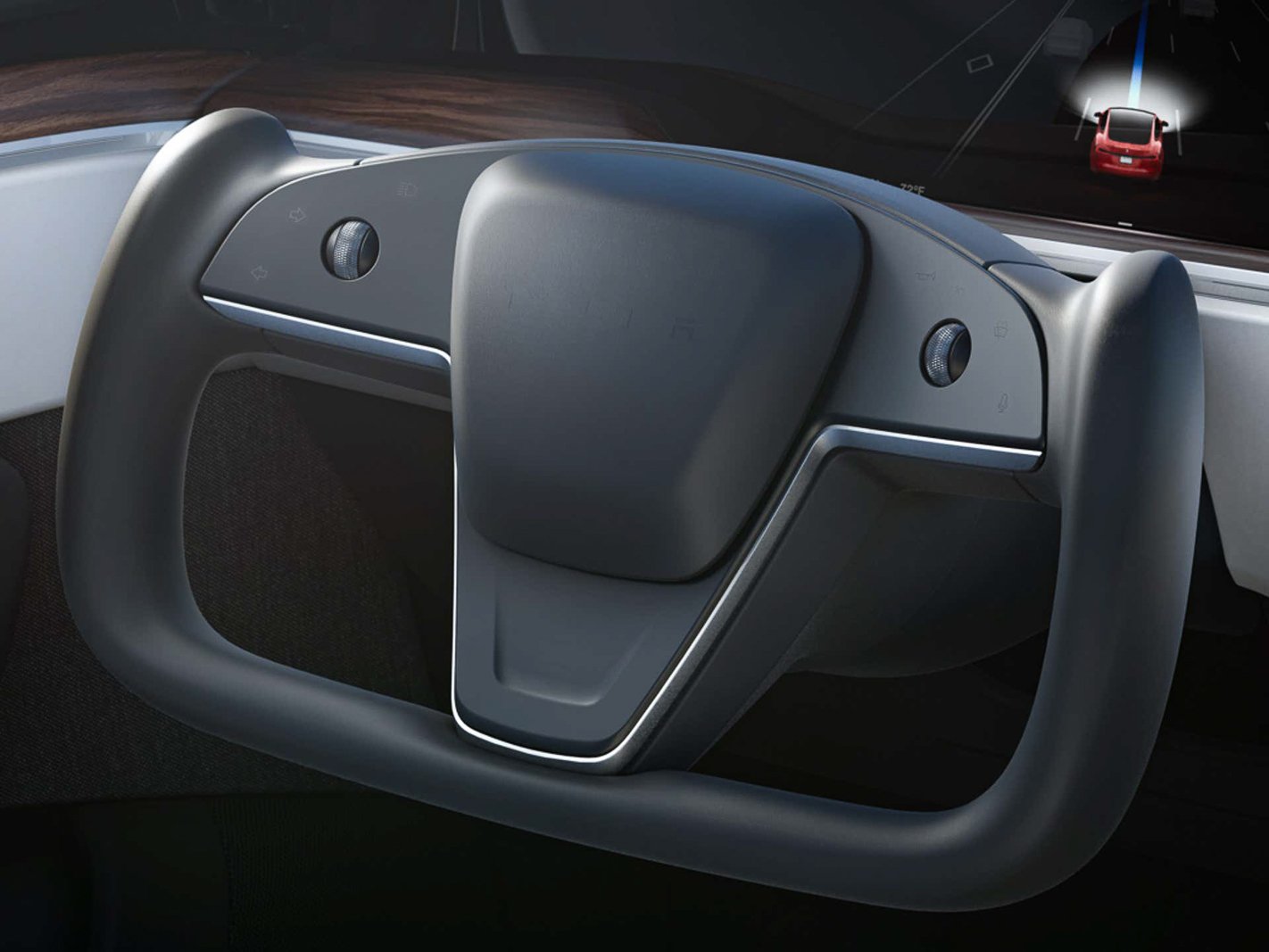
Musk did follow up by saying that you can override the transmission controls on the centre touchscreen, though this won’t be the default method of changing drive direction.
Presumably a section of the screen is dedicated to controlling direction, or there’s a pop-up as soon as the car is stationary.
Addressing concerns over how well the car could decide which direction it should head, Musk was adamant that the new system is the way forward.
“After you drive without using a PRND stalk/stick for a few days, it gets very annoying to go back & use a shifter,” he added.
Both the Model S and Model X will receive this new capability, doing away with the Mercedes-Benz-sourced gear selectors of their predecessors.
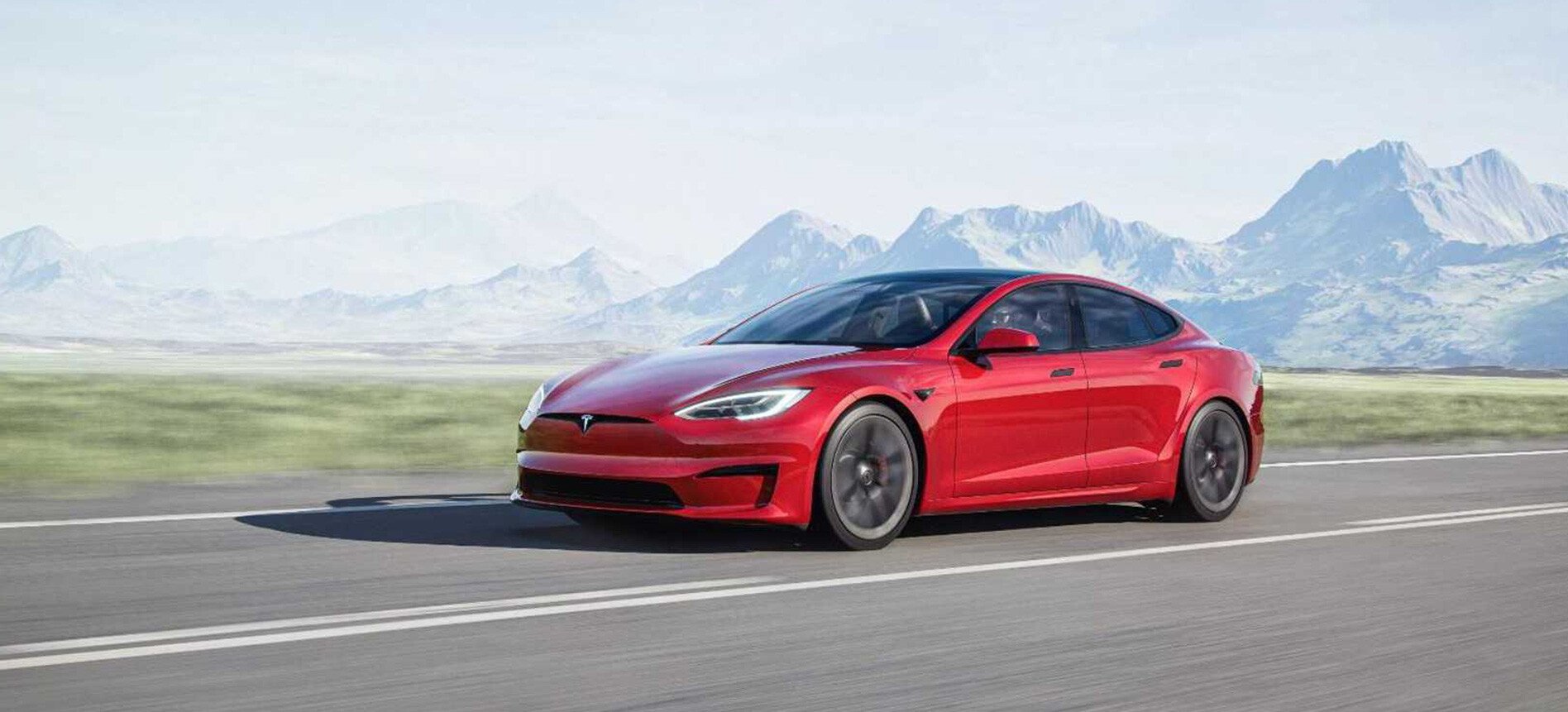
While it sounds far-fetched and fraught with complication, Tesla seems to think its new system will choose Drive or Reverse correctly.
However, override notwithstanding, it could choose the wrong gear and become a potential danger to other motorists, pedestrians or even its own occupants.
It’s unclear how compliant the new method is with design laws. Autoblog investigated the design’s legality in the United States’ federal regulations and found there’s no clause barring Tesla from selling a car with such systems.
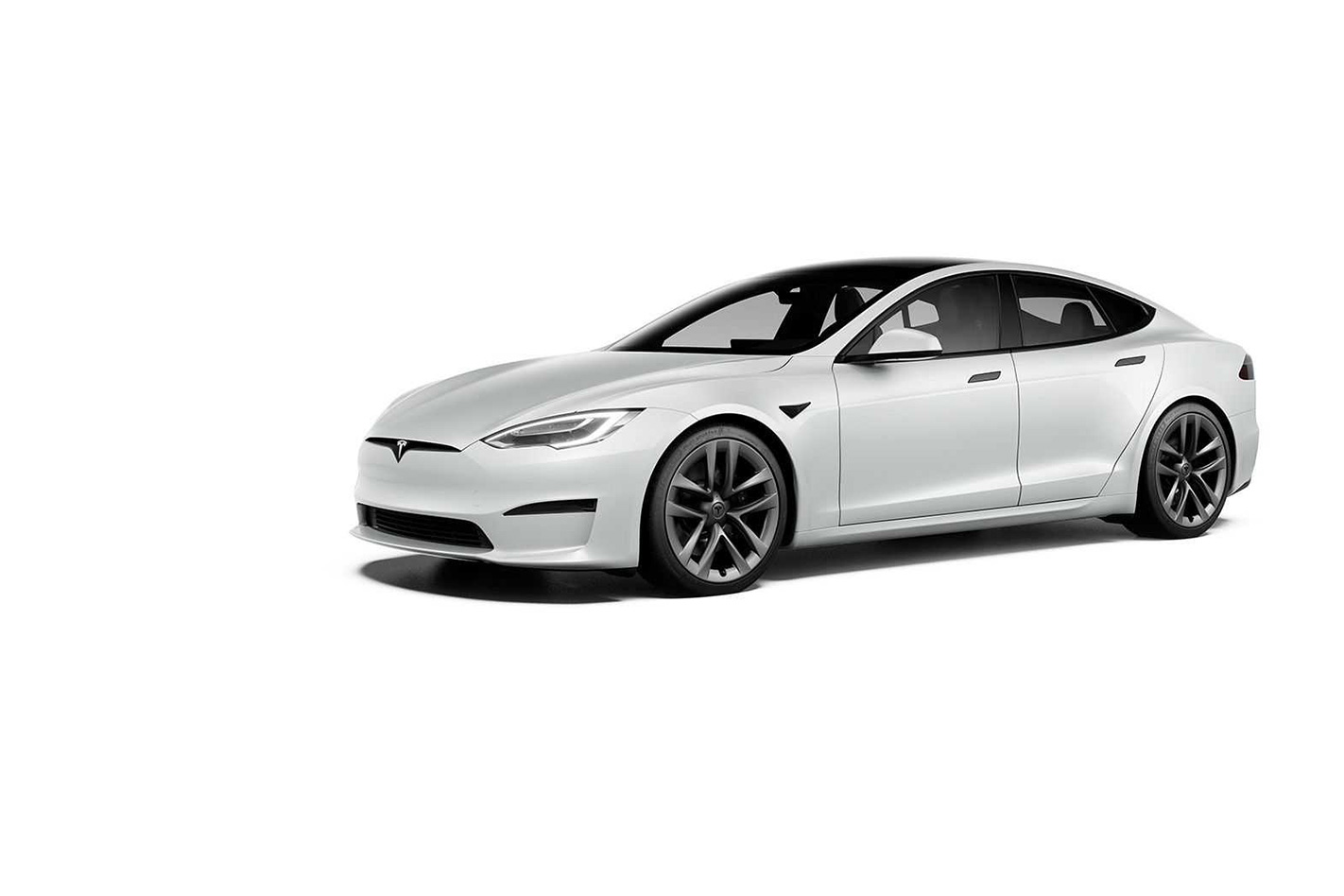
Electric gear shifters are common today, though this feels like a further step forward into uncharted territory.
Will the car’s sensors get it right, time after time? Will it continue to function without fault 20 years into the future? Who’s at fault if a crash occurs as a result of an incorrect Drive/Reverse selection?
We’ll have to wait and see how well the new shifter performs in practice.
