Back in 2009 Wheels had a proper crack at coming up with the definitive list of the 50 most desirable and luscious automobiles of all time, after weeks of office slanging matches. Arguments about their various pros and cons start here…
50 – Morris Mini Cooper S
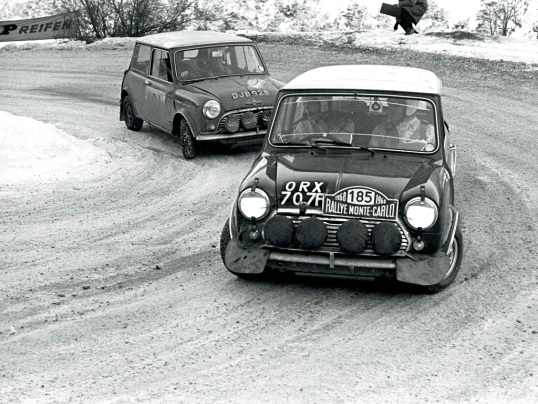
Honest, attainable and outwardly quite innocent, the Cooper S was every bit as sexy as Twiggy and Jean Shrimpton.
The fact that it could take the fight to the big boys on the racetrack – not to mention, on the streets and staircases of Turin – made it an even more worthy, swingin’ sixties chick.
49 – Facel Vega HK500
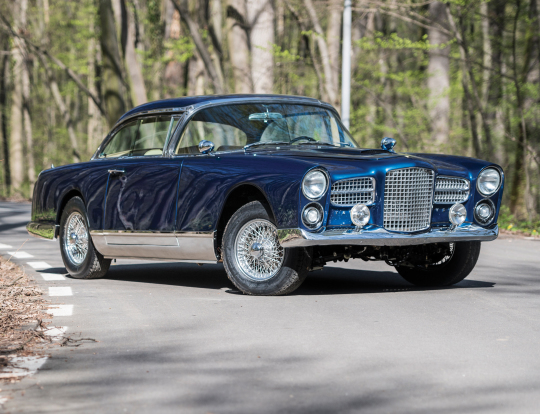
French foundry Facel made aeroplane parts during WWII; it emerged making bodies for Delahaye, Panhard and Simca, before turning out the exclusive Vega series in 1955.
Drawn by company boss Jean Daninos, it conveyed European elegance and American opulence, the latter via a big Chrysler V8. A blend of handcrafted exclusivity and 240km/h grand touring ability.
48 – Holden Torana A9X hatch
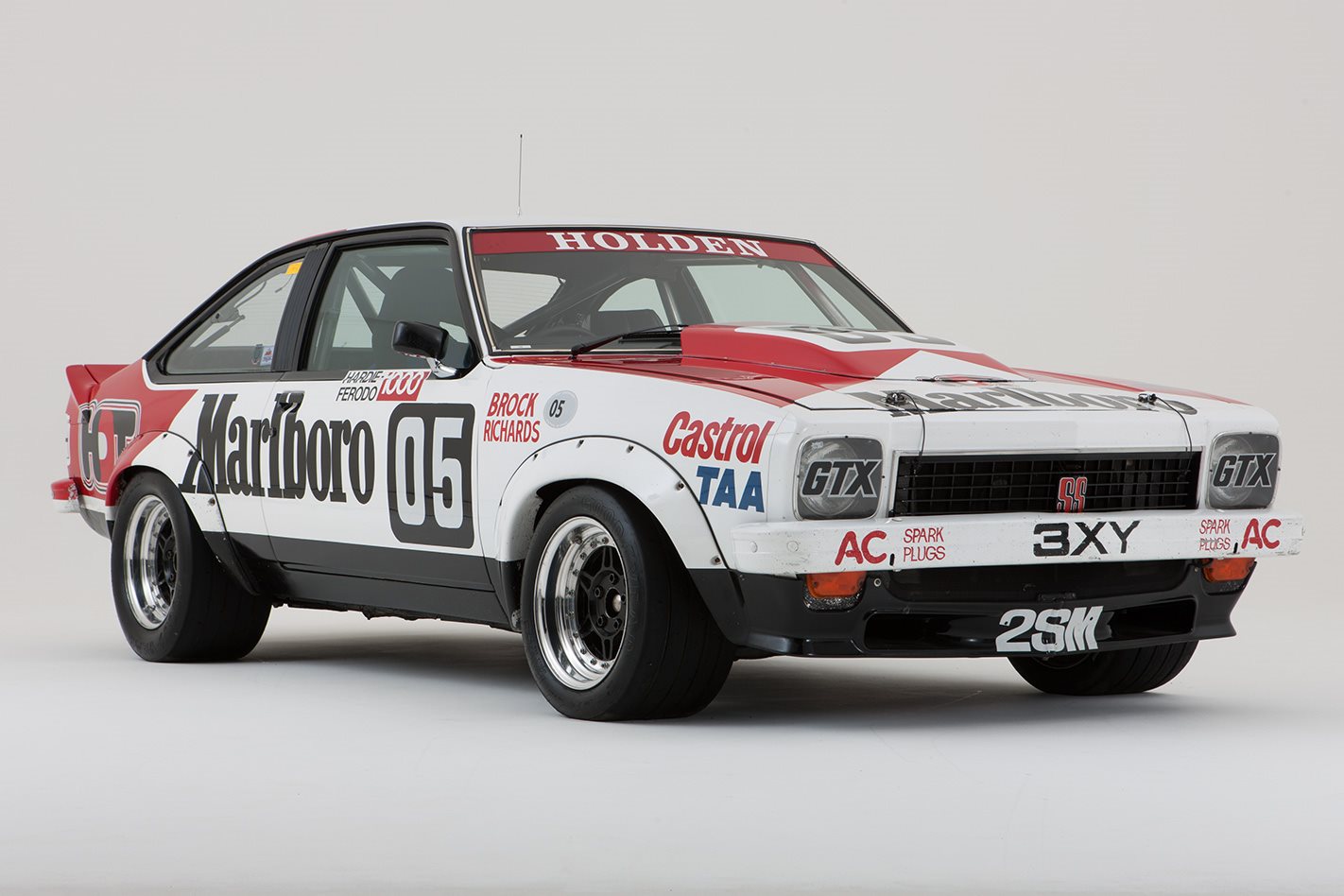
How many fantasies were hatched by the hatch-hutch?
The locally-styled LX Torana hatchback may have been compromised in rear headroom and cargo floor depth, but it made for a sexy – and more successful – fastback touring car successor to the Monaro. The monster V8 and useful (disc) brakes didn’t hurt.
47 – Cord 812 Supercharged
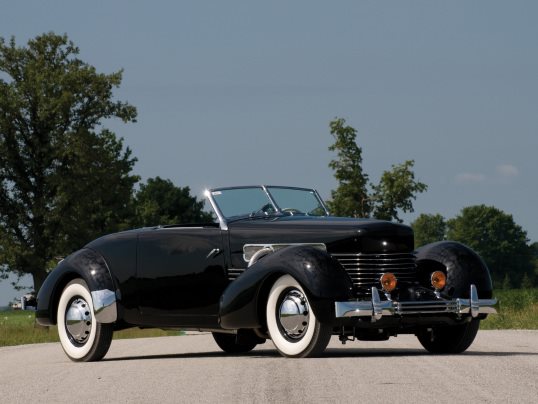
The flowing, front-drive Cord 810/812 was as elegant as it was innovative.
Those pop-up headlights were a first, and Cord’s low-slung, front-drive layout (with transmission ahead of the engine) had already pre-empted Citroen Traction Avant. Coffin nose and the absence of running boards were further innovations in this 1930s Hollywood must-have.
46 – Aston Martin V8

Perhaps the essential Aston Martin -long bonnet, ducktail, side strakes and a raffish, ageing roue image – the V8 joined the six-pot DBS in 1969.
With increasingly iffy facelifts, the car served as Aston’s mainstream model for 20 years and was the hero car for a whole generation of pasty-faced Pommy trainspotters.
45 – Audi Quattro
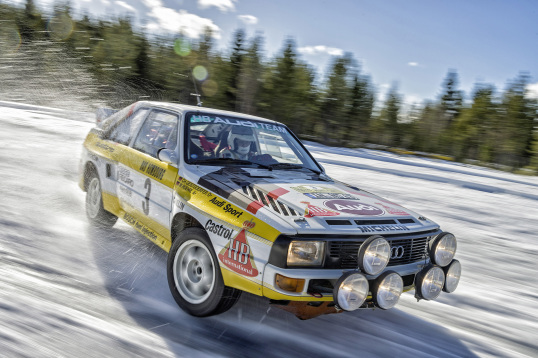
In 1984, the sexiest woman alive was Grace Jones. Against which, it ain’t hard to see why the boxy Audi Quattro and short wheelbase Quattro Sport fit into this list.
The Quattro’s boxed guards pre-dated those of the Lancia Delta Integrale and the Audi was the first car to combine all-wheel drive, ABS and turbocharging.
44 – Dodge Charger R/T 440
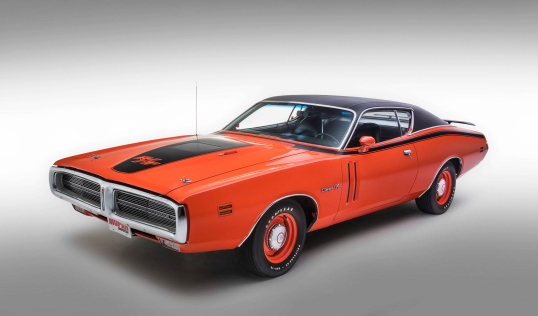
If muscle cars mean Coke-bottle curves and underbonnet cubes, here’s your winner: the 7.2 litre, Dodge Charger R/T 440.
The Charger was Dodge’s NASCAR weapon, though the ‘flying buttress’ C-pillar created scary rear lift. It was addressed in in 1969 by the flush-windowed, spectacularly-winged Charger Daytona.
43 – Valiant Chrysler Charger E49
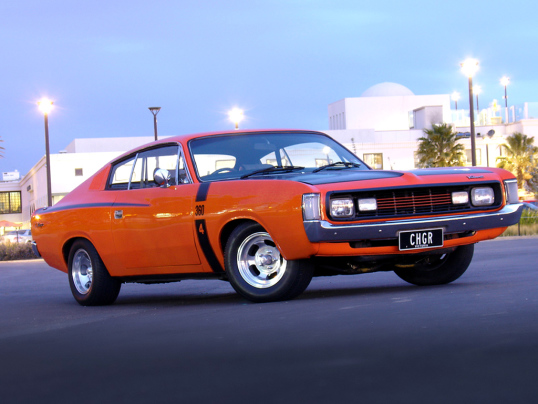
It couldn’t trump the Falcon GT-HO Phase III on the race track, but the Charger had the famous Ford beaten in two key areas: acceleration and looks.
The two-door E49 swaggered its subtle, curvaceous hips to 60mph (97km/h) in a blistering 6.1sec, 0.3sec quicker than the bluff, brutal-looking Phase III. Hey Charger, indeed.
42 – Chevrolet Camaro RS/SS
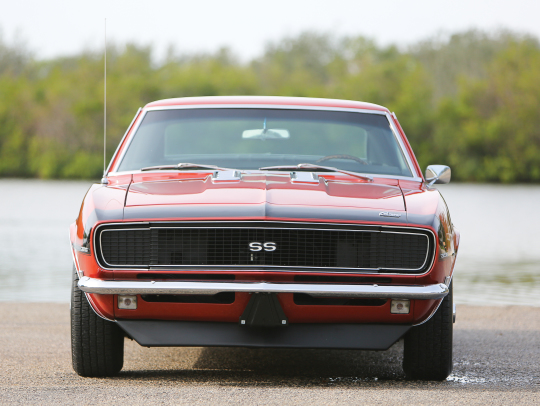
The new Camaro apes the ’69, but for purity of line, the ’67 Camaro is the original and best.
Its ‘European-style’ body was near identical to Mustang’s dimensions, but lacked nothing in muscle when specced with the Rally Sport styling package (covered headlamps, all-red tail-lamps) and/or even better, the bumblebee-striped, 6.5-litre SS powerhouse.
41 – Bentley R-Type Continental

Endless wind-tunnel testing; all-aluminium body; fastest four-seater in the world.
Doesn’t sound like 1952, but they’re the stats on the Bentley Continental R-Type. It was, and perhaps remains, the essential gentleman’s grand tourer; it was also the most expensive production car you could buy.
40 – Citroen SM
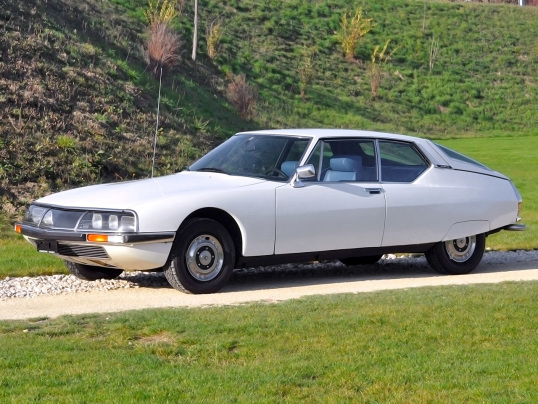
A seductive sliver of intersecting lines and generous glass areas that even extend to the six headlamps and rego-plate area, the stunning Citroen SM (1970) was penned by former GM designer and Harley Earl protege, Henry Lauve.
The alloy Maserati V6 engine only added to the futuristic French car’s mystique.
39 – Lotus Elite
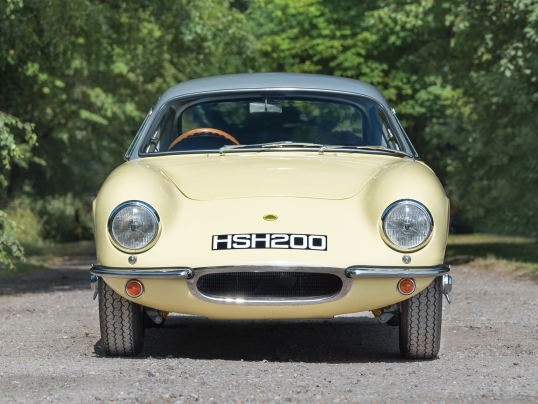
The wide-eyed face and slightly parted lips, the gentle sway of its budding hips… The Elite was launched in 1957, the same year as the skeletal 7, but the monocoque-bodied coupe promised more for Lotus’ future.
It was a six-time class winner at Le Mans and an aerodynamic winner with a Cd of 0.29. Not bad, seeing it was designed by Chapman’s accountant.
38 – Mercedes-Benz 710 SSK ‘Trossi’
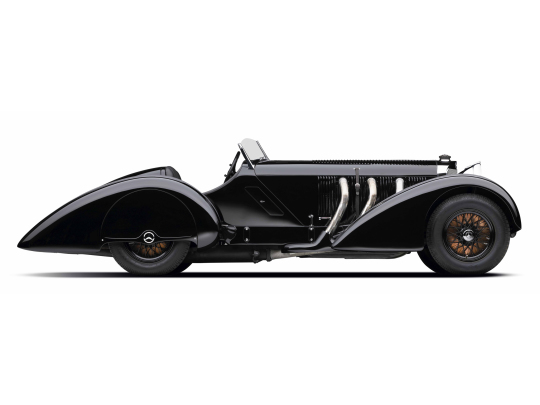
Italian aristocrat and Scuderia Ferrari’s first president Count Carlo Trossi bought an unsold SSK chassis, then collaborated with an unknown Italian designer and an English coachbuilder to create his own, flowing roadster: the ‘Trossi’.
It’s one of the most stunning symbols of 1930s elegance.
37 – Alfa Romeo 105 Spider
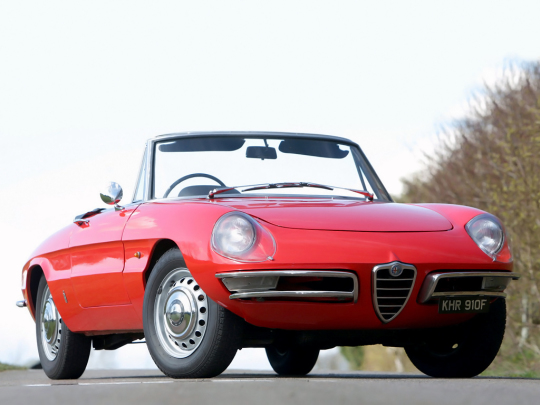
Sexy and significant, the Spider Duetto of 1966 was the last car designed by Battista ‘Pinin’ Farina before his death.
Its side scallops were controversial at the time; likewise, the never-ending argument over the original, round-tailed Duetto versus the later, more masculine square-tailed version.
36 – Alpine-Renault A110
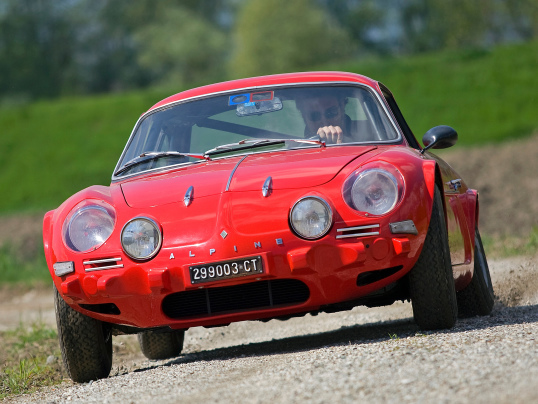
French garage-owner designs and builds a Renault R8-powered sports car, ends up winning the inaugural World Rally Championship (1973).
The A110’s fibreglass body pirates detail parts from humble French production cars, but the little Alpine is every centimetre (and there aren’t many) a pure, pocket supercar.
35 – Aston Martin DB5
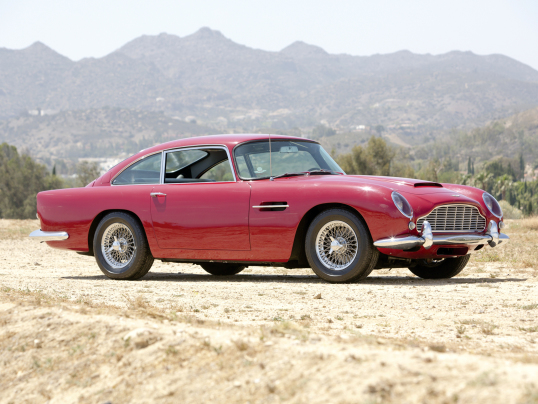
How could the most memorable Bondmobile of all not be sexy?
This series started with the DB4 in 1958 and with the DB5 of 1963 stepped up to more Aston-like performance from a 4.0-litre six and five-slot tranny. A graceful, yet potent grand tourer that helped plenty of owners to roger more.
34 – Ferrari F40
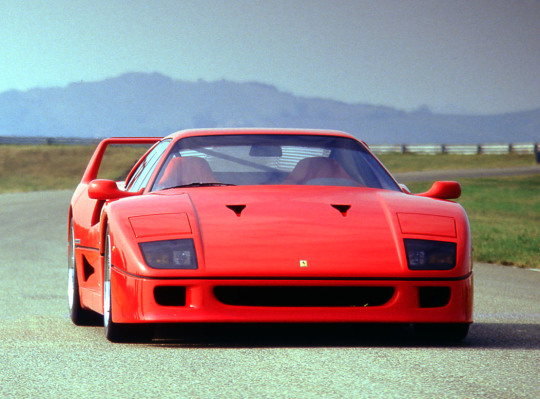
We’d never seen such a raw and functional Ferrari; the F40 had none of the grace or curves of the 288 GTO.
Wings and louvres were functionally applied and, unusually for a Ferrari, the body was unapologetically only a covering for the soul of the car, rather than a part of it. The 2.9-litre, twin-turbo V8 and race-engineered chassis did all the talking.
33 – BMW Z8
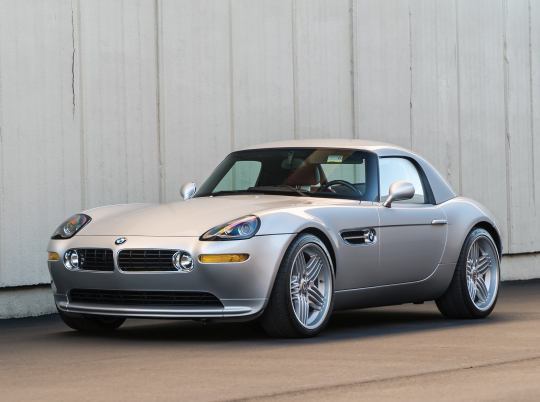
If you’ve never actually seen a Z8 in the metal, just shut the hell up. You wouldn’t know the gloved threat of its presence, the toned athleticism of its proportions.
It packs serious M5 firepower under the bonnet, and the styling – which recalls, without aping, the classic 507 – communicates heritage and heavy-duty performance just right.
32 – Lotus Elan
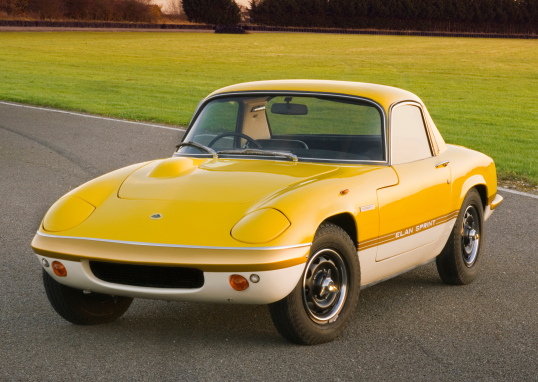
The pure, aerodynamic shape of the Elan clothed an immensely clever little car, with its one-piece body shell, snug but well-appointed cockpit, useable boot, properly fitting soft-top and (among) the first flush-fitting bumpers.
The backbone chassis was initially designed as a test-mule for Colin Chapman’s suspension tinkerings.
31 – Aston Martin V8 Vantage

We reckon the stubby, two-seater V8 Vantage is currently the best expression yet of everything Aston – which is a hard call to make, given they all look much the same.
Short and squat, the V8 Vantage pulls off the neat trick of appealing to everyone. By which we mean, men and women, Aston and Porsche 911 owners.
30 – Ferrari 599 GTB Fiorano
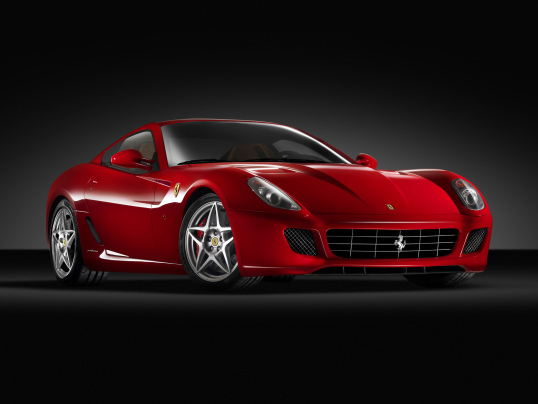
A stunning return to Ferrari’s front-engined form of old, yet absolutely modern in its execution.
Pininfarina could easily have slipped into parody of earlier greats like the 375MM ‘Bergman’ coupe (headlights and front guards), Daytona (C-pillar) or the 250 GT SWB (rounded tail). But the 599 pulls it all off beautifully, and aerodynamically.
29 – Alfa Romeo Junior Zagato
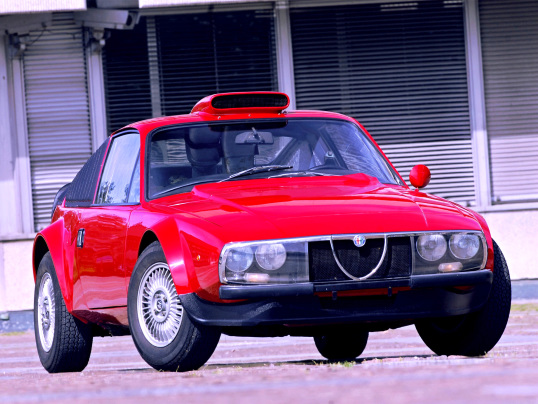
With its brusque, perspex-covered nose and severe Kamm tail, the Junior Z pre-dated the Alfasud by two years and set a lasting template for stylish small cars.
Park one next to the Honda CRX that came 19 years later. Jay-Zee still trumps them all with rear-drive and beaut, 1.3 or 1.6 Giulia twin-cams.
28 – Chevrolet 1963 Corvette Stingray

Marked a changing of the guard at GM, after Harley Earl. Derived from Bill Mitchell’s experimental Stingray Racer of 1959, the new ‘Vette also introduced a coupe to the range that looked even better than the donor roadster.
Too bad the cool-looking (but uncool-for-looking) split-window lasted just one year.
27 – Lancia Stratos
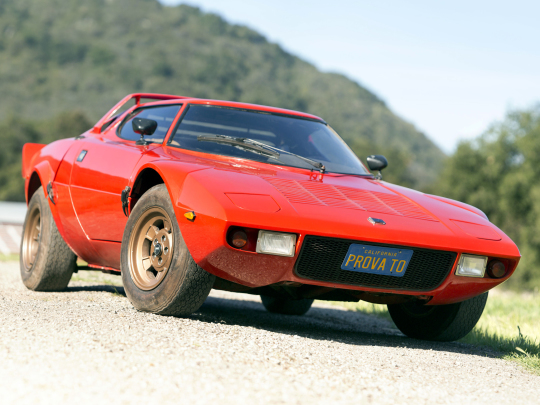
Bertone/Gandini’s 1970 Lancia Fulvia-powered ‘Stratos Zero’ concept was more modern Lambo than Lancia (its lines pre-empting the 1974 Countach), but the lead-sled-wedge first lent itself to a mid-mounted Ferrari (Dino) V6.
The result was a Group 5 racing and Group 4 rally weapon; the louvred, arrowhead coupe won three WRC titles and four Monte Carlo rallies.
26 – Bolwell Nagari
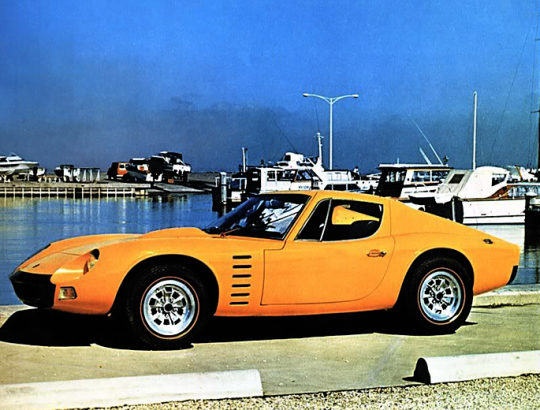
Iconic Aussie muscle car that had truly world-class GT styling – thanks, in part, to Bolwell-brother Graeme’s 1968 stint at Lotus.
A refinement of the Bolwell MkVII, the monocoque Nagari introduced subtle influences from the Lotus Europa and Lambo Miura. With Ford V8 power, it was the Drum-smoking, body-shirted sports car of the ’70s.
25 – Pagani Zonda
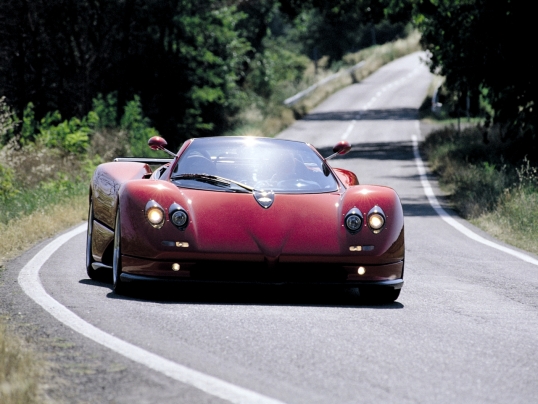
Zonda romps into the list with staggering supercar performance, a monstrous AMG-supplied V12 engine, cosa nostra exclusivity and breathtaking, if rather awkwardly resolved styling.
But look more closely, in profile. Is it just us, or is that a huge phallus, being thrust forward by a muscular, rounded rump? Uhh, please don’t say it’s just us…
24 – Ferrari 206 GT Dino
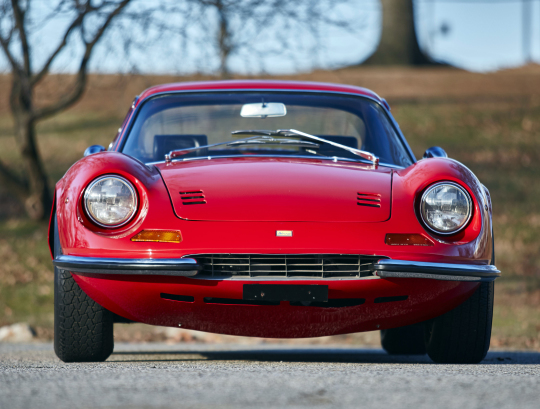
More from the masterful pen of Leonardo Fioravanti. The Dino – it was intended as a stand-alone brand – dropped jaws when first shown in Paris in 1965 and still has the same effect today.
And the 2.0-litre, V6-engined berlinetta was as beautiful inside as out. With the rapid switch to a larger, 2.4-litre engine (made by Fiat), performance stepped up to meet a new rival, the Porsche 911.
23 – BMW 3.0 CSL
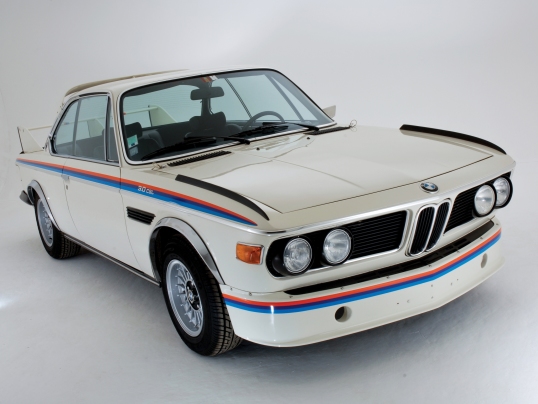
Racing, they say, improves the breed, and this 1973 homologation special sure makes us think of breeding. BMW’s svelte, pillarless 3.0 CSi coupe formed the basis for its touring car racer, the ‘L’ indicating the leichtmetal mix of thin-gauge steel and aluminium panels.
These helped to trim 250kg from the standard CSi. But the CSL was bludgeoned into aerodynamic shape with a deep front air dam, novel ‘air splitter’ ridges, a roof air deflector and the post-and-plank rear wing that earned its nickname of Batmobile. The CSL wasn’t subtle. But it was sexy as hell.
22 – Alfa Romeo Giulia 105 Coupe
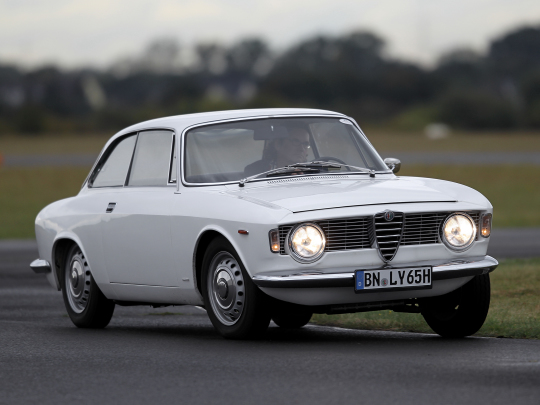
Bertone – and its employee, Giorgio Giugiaro – take the credit for the beautiful little Giulia coupe family of 1963-’76.
The silhouette is bright and open at the front, tapering notably in both height and plan towards the rear. Being a small car, it’s eager, not muscular.
21 – BMW 507
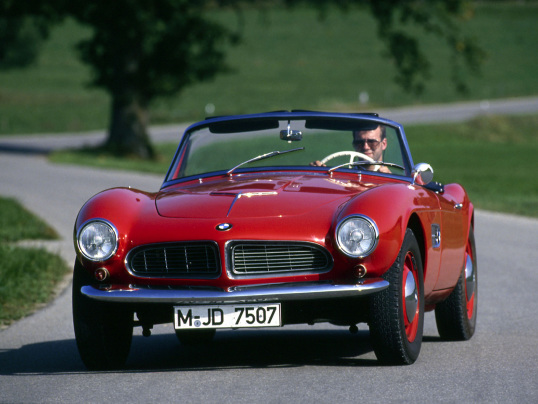
The 507 has a lightness and grace largely absent from the doughy British designs of the day.
Its slender, light body seems almost to float on its wheels, its broad-nostril grille lending to the impression of a soaring bird of prey.
20 – Ferrari 288 GTO
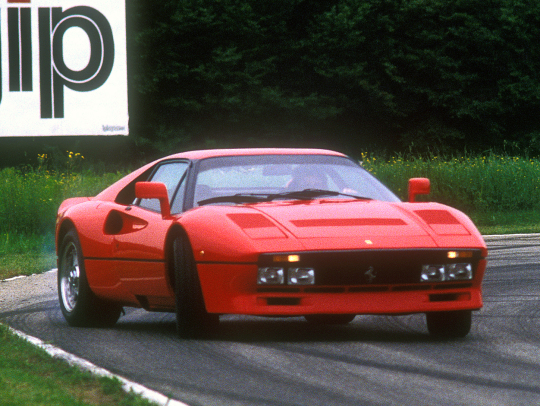
Ferrari’s often overlooked Group B omologazione special of 1984 was a stripped-out, muscled-up 308 GTB. How could that not be sexy?
More delicate and curvaceous than the slabby F40, the GTO was just as hairy under the covers, with a 2.85-litre, twin-turbo V8 punching out 298kW – and making the GTO the first 300km/h production car.
19 – Mercedes-Benz AMG SL65 Black Series
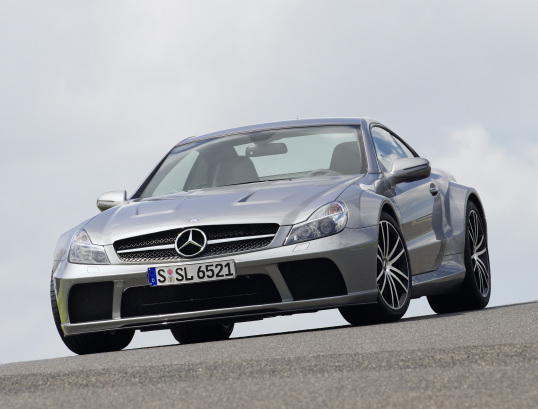
A Mercedes SL convertible with twin-turbocharged, 6.0-litre V12 is so lacking in sex appeal – y’know, obviously – that AMG had to boost power and torque, lose 250 kilos, punch out the guards and reclothe it in carbon-fibre.
The result is as sexy as the offspring of a road-going luxury coupe and a DTM racer.
18 – Jaguar E-Type

Probably the proto-penis-on-wheels, but no less technically interesting for its steel monocoque/subframe chassis and brilliant coil-sprung independent rear suspension, than for its jaw-dropping styling.
The only detraction is the slightly butt-puckered stance, on relatively narrow tracks. Make ours the Series 1, 3.8-litre roadster.
17 – De Tomaso Mangusta
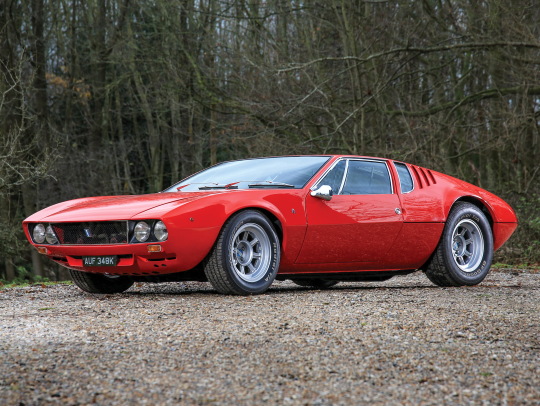
Lean, mean and with a split rear screen, the Giugiaro-designed Mangusta from 1966 featured centre-hinged rear bodywork that allows the whole sides to be flipped upwards to expose a Ford V8.
It was the supercar equivalent of builder’s butt-crack.
16 – Citroen DS
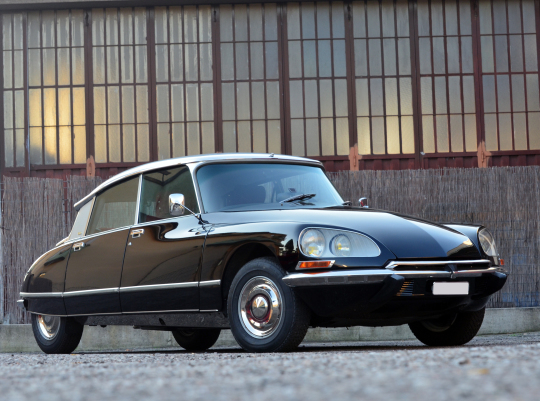
Get a sculptor to design your car and it figures he’ll come back with a sculpture. Flaminio Bertoni’s masterpiece was the 1955 DS.
The DS’s technological breakthroughs alone make it sexy: hydro-pneumatic suspension, disc brakes, fibreglass roof. Whether in sedan, Safari wagon or Chapron’s two-door decapotable, the Deesse just oozed understated, Parisian flair.
15 – Ford Mustang 390 GT
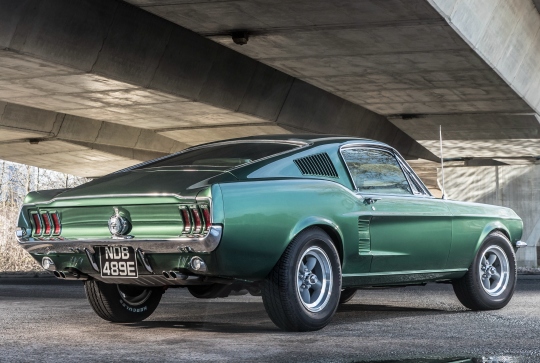
Even trying to forget the famous car chase and the studied cool of the star himself, the Bullitt ’68 ‘Stang 390 GT is just one hell of a sexy beast.
It’s all there: the angry, hooded eyes and flaring nose, the firm haunches, the Torq-Thrust mags and the accelerating curve of the fastback, ending in the reversed rear panel and cat-slash tail-lights. Yep, McQueen’s Mustang looks like it’s racing to either mount or murder something. Maybe both.
14 – Ferrari 250 Testa Rossa
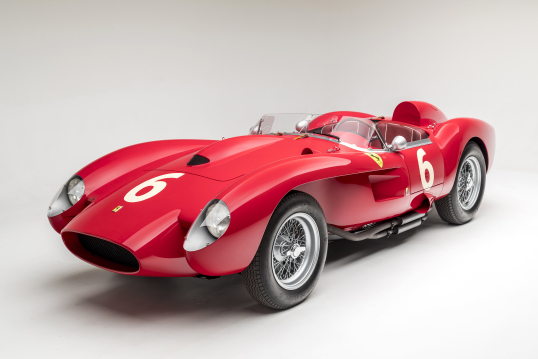
If $15 million is sexy – and as any ugly bloke with $15m could tell you, it is – then the 1957 Ferrari Testa Rossa is a Richter-rocker on the sex scale. But the design of this sports-racer was probably the most functional and futuristic of its era.
Sergio Scaglietti, who nominated this car as his all-time favourite, was inspired by the pontoon tanks of the Lancia-Ferrari D50 F1 car of 1954-’57. Scaglietti described the car as “a Formula 1 car with fenders.” Aside from the pure grace of its lines, its layout set the template for today’s Le Mans racers.
13 – Bugatti Type 57SC Atlantic

Not unlike the Mercedes 300SL, but two decades earlier, the Bugatti Type 57SC Atlantic was the outcome of engineering solved with elegance. Its distinctive, full-length dorsal fin suggested speed and stability, yet its initial motive was to enable designer Jean Bugatti to use Electron (a magnesium alloy) for the body.
The dorsal fins provided a surface for riveting the body and fender halves together. In the event, only the first of the four Atlantics was made from magnesium, the remainder in aluminium. With a 200km/h top speed, it was the Veyron of its day.
12 – Mercedes-Benz 300SL
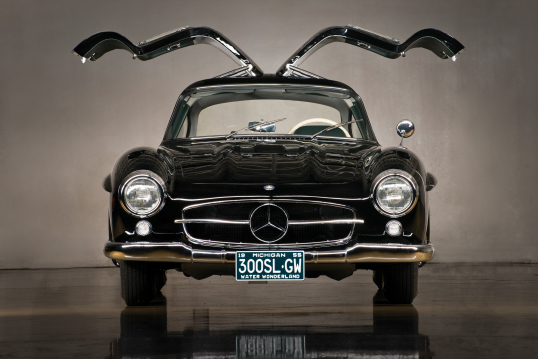
Automotive sex means styling driven by functionality, with a dash of flair. One of the best examples is Mercedes’ 300SL: its most distinctive feature came about through its engineers’ demands for strong door sills.
The fabulous ‘gullwing’ doors weren’t a mere wank but a brilliant, legitimate engineering solution. The company that invented the motor car also had enough history, and enough respect for it, to incorporate inlets and elements that left no doubt as to the 300SL’s heritage. Add a movie-star customer queue and the 300SL soars among the sexiest.
11 – AC Shelby Cobra 427 S/C
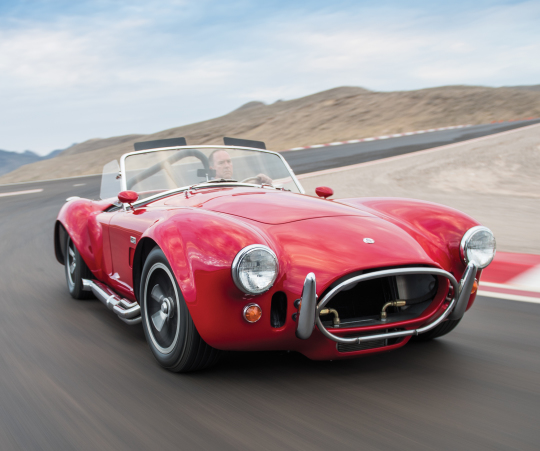
Carroll Shelby famously said, “You can’t make a silk purse out of a sow’s ear, but you can make a mighty fast pig.” And a damn sexy pig, too, after Shelby had bull-worked the pretty, British-made AC Ace roadster aluminium body to ultimately accept the Ford 427 in 1965.
The stance of the 427 goes further than any similarly haunched British contemporaries. The driver’s bum is immediately ahead of the rear axle, the bonnet thrusting out ahead of him. And with a big block of Ford’s finest, it was no hollow promise.
10 – Ferrari 365 GTB/4 Daytona
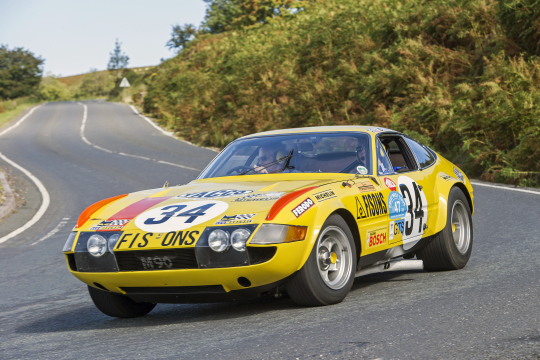
It would be enough just to look the way it does; but it also goes. The Daytona was the fastest GT of its day (1968) – which included the Lamborghini Miura and Maserati Ghibli.
The front-engined Daytona was penned by Pininfarina’s Leonardo Fioravanti, also responsible for the Dino and the Boxer. Early examples had covered headlights behind a full-width perspex lens; US safety laws for 1970 made it give way to pop-up headlamps. Either way, the Daytona captures the point where ’60s flair meets the modernist ’70s.
9 – Lamborghini Countach
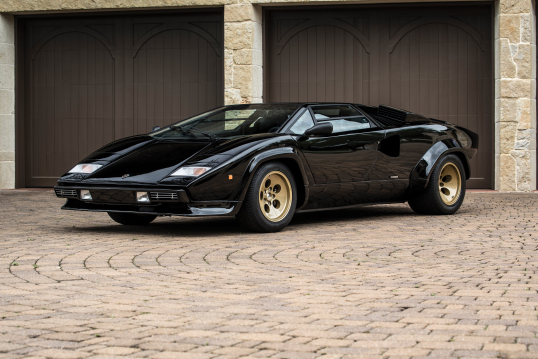
This broad-shouldered, charging robo-bull may just be the most-postered car of all time. Just eight years after his graceful Miura, Marcello Gandini penned this muscular wedge that would influence supercars for the next two decades.
The original LP400 of 1974 was the most graceful, if that’s the word, and popularised NACA ducts. Subsequent models grew self-parodying wings and wheelarch flares.
8 – Alfa Romeo 8C Competizione
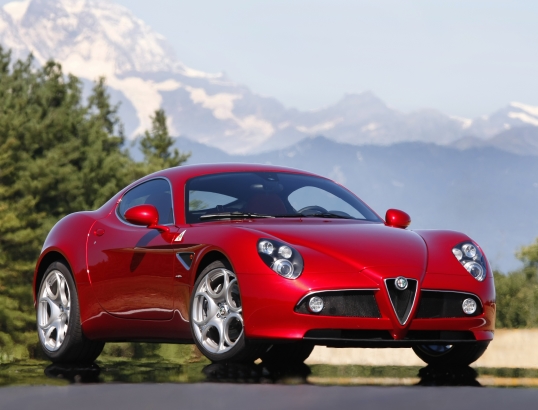
Few car makers had such a rich seam of elegant models to draw on than Alfa Romeo had when it built the brand-reviving 8C Competizione supercar in 2007.
Designed in-house, the body is a masterful melange of elements from 1960s Alfa racing coupes, most identifiably the TZ1 and TZ2, and with a dash of Ferrari 250 GTO thrown in. Of course, its mechanicals are mainly Maserati. And you won’t find us complaining about any of that.
7 – Porsche 911 turbo 3.3
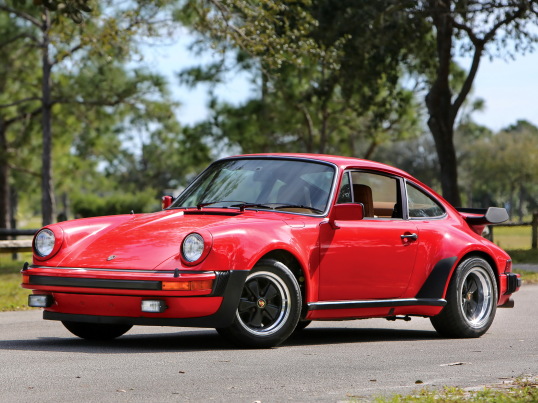
How to pick a favourite from the automotive world’s most enduring and distinctive silhouette? It wasn’t easy, but we reckon it’s the 911 Turbo 3.3 of 1978.
The mighty 930 first arrived in 3.0-litre form in 1975; the Turbo’s wider body further accentuated the 911’s seductive curves. And the ‘whale tail’ spoiler, necessary for both cooling and downforce, actually added another iconic silhouette. The 1978 3.3-litre gets my vote. Bigger wheels, bigger wing.
6 – Bizzarrini GT 5300
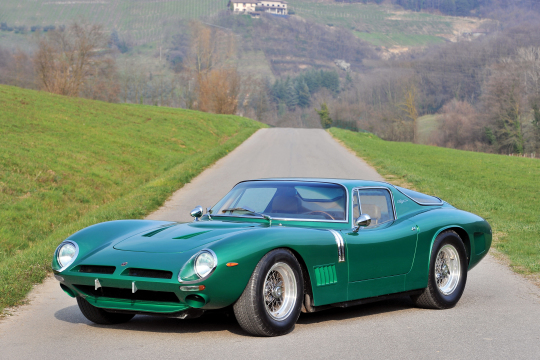
Giotto Bizzarrini was Ferrari’s former chief race engineer who left Maranello in 1961. He quickly collaborated with boutique car brand Iso Rivolta, developing and producing the Iso A3/C, a GT originally designed by Giugiaro.
Following a 1965 falling-out with Iso, Bizzarrini refined the A3/C design and began producing road and racing versions of a car he called GT 5300. With 300kW of 5.3-litre Chevrolet power, it had the performance to match the sultry, serpentine looks.
5 – Ferrari 250 GT SWB

It rarely gets better than Pininfarina on the pens and Scaglietti on the panels. Their crowning achievement, we reckon, is the 1959 Ferrari 250 GT SWB. One of the fastest GT racers of its day, and a class winner at Le Mans, it was 200mm shorter than the regular 250 GT series.
Its proportions are absolute perfection, from the sweeping front wings to the falling roofline and rounded tail. Any scoop or swage line you see is functional, yet the car isn’t intimidating. Inside, it’s minimally dressed for race success; black crinkle-finish covers its metal.
4 – Alfa Romeo 33 Stradale

Look at the body and again at the date: 1967. More than one Wheels staffer, in eyeing the mid-engined V8 Alfa, reckoned it could be pegged two or even three decades later. The race-based road car was designed by Franco Scaglione, most famous for the BAT Alfas at Bertone.
To us, it’s a distillation of the most beautiful Le Mans racers of its decade and the next. And yet the 33 was underpinned by a racing chassis and 2.0-litre V8 with world-class racing credentials of its own. Just 18 were built; stratospherically expensive, and sizzling with sex appeal.
3 – Ford GT40
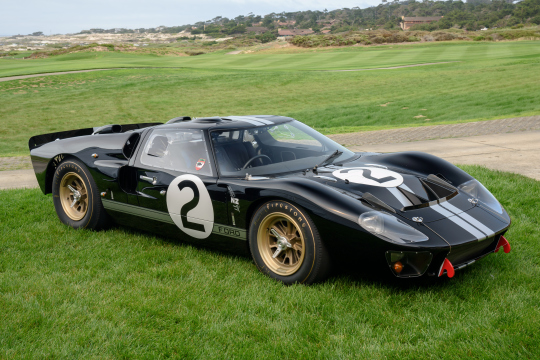
This trans-Atlantic temptress was the product of Lola brains and FoMoCo bucks (and bang). But while Lola had turned out the 1963 Mk6 GT basis, and did plenty of development work, much – or most – of the credit for the GT40’s sexiness and success rests with Dearborn.
The beaut body was attributed to Ford’s Roy Lunn, who gave the car its eponymous 40-inch height and clever, cut-away roofline doors for driver access.
2 – Ferrari 250 GTO
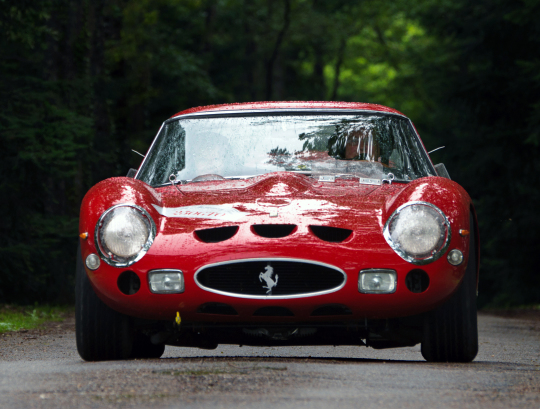
Probably the best-known classic Ferrari, and the point from which road and race GTs diverged forever. The 1962 250 GTO was the aero-evolution of the SWB: head race engineer Giotto Bizzarrini roughed out a low nose, with faired-in headlights and a small grille, augmented by three coverable inlets.
Big side gills (two were necessary, three was fashionable) exhausted hot air, and the cockpit swept back to a new GT trademark, the ducktail. It was panel-master Scaglietti who grafted in the new-fangled ‘Gurney flap’ and sculpted the GTO’s final, fantastic shape.
? 1 – Lamborghini Miura
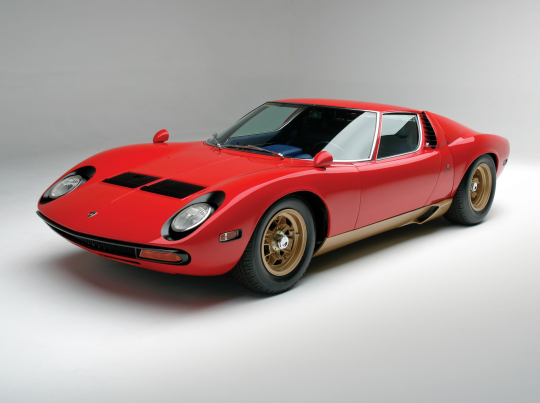
Okay, so the Miura was always the pre-event favourite to take the number-one spot; it’s simply one of the most desirable cars of all time.
The Miura was launched, incredibly, in 1966. Even more incredibly, the key figures in its development – designer Marcello Gandini, chassis designer Giampaolo Dallara and NZ-born development driver Bob Wallace – were all just in their mid-20s. It was a breakthrough, with its transverse, mid-mounted V12 engine that frightening Enzo Ferrari out of his front-engined bias. It was the first supercar.
It’s been a solid month for Nissan. This February marked the most successful month in sales for the current-generation UK-built Qashqai since its launch in late 2022.
Simultaneously, the brand welcomed a record-breaking surge in X-Trail sales, surpassing all previous monthly figures.
A full 24% of X-Trail sales were credited to the AWD e-Power option, underscoring Nissan’s anticipation for the forthcoming launch of e-POWER technology across the Qashqai range.
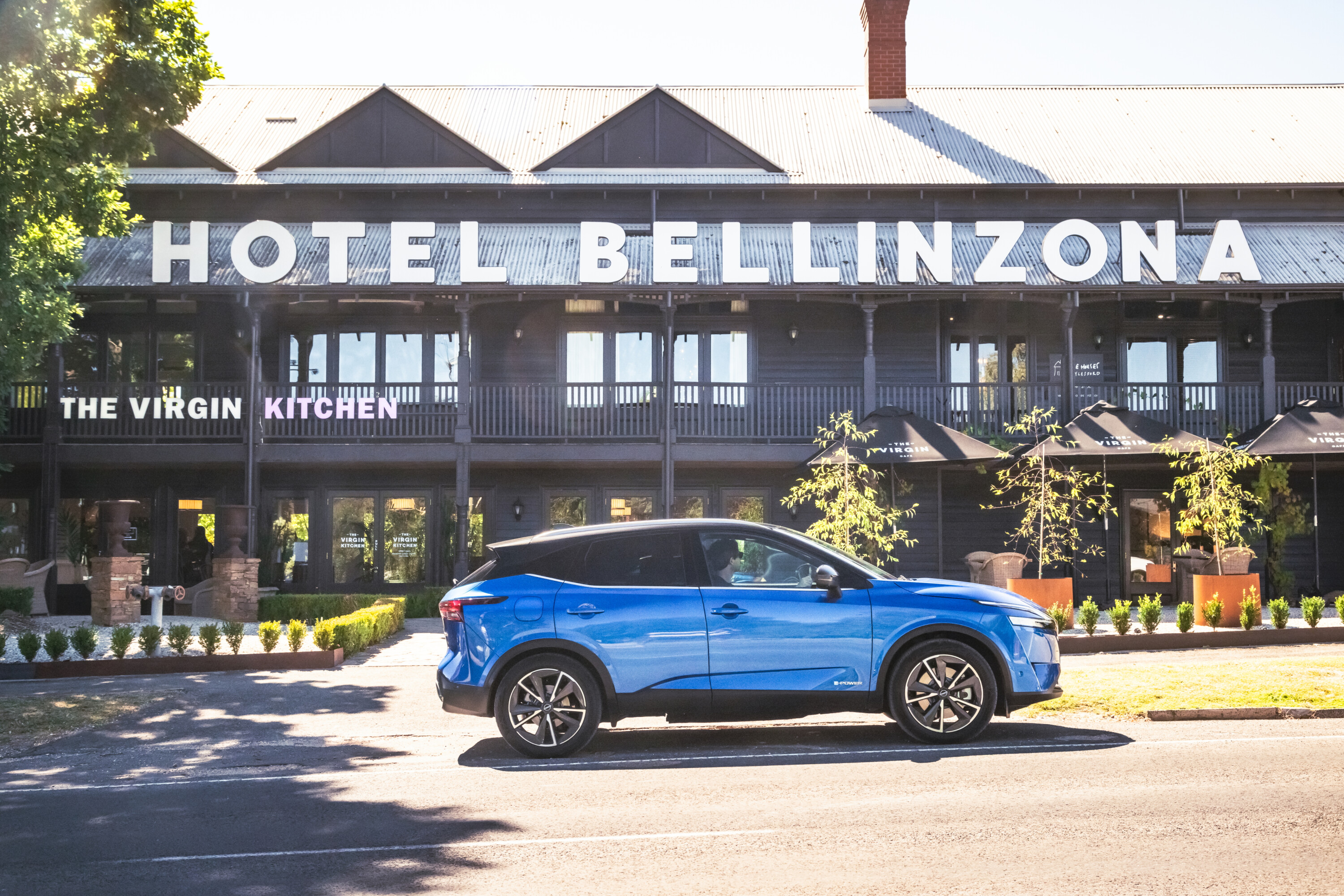
What is Nissan’s e-Power system?
Thanks to the likes of Toyota, many buyers are familiar with traditional hybrid systems that integrate petrol and electric power in a ‘series parallel’ arrangement.
However, Nissan has taken a different approach with its e-Power hybrid system, which first featured in the Nissan X-Trail 12 months ago. This system aims to enhance fuel efficiency while delivering a driving experience more akin to that of an all-electric vehicle.
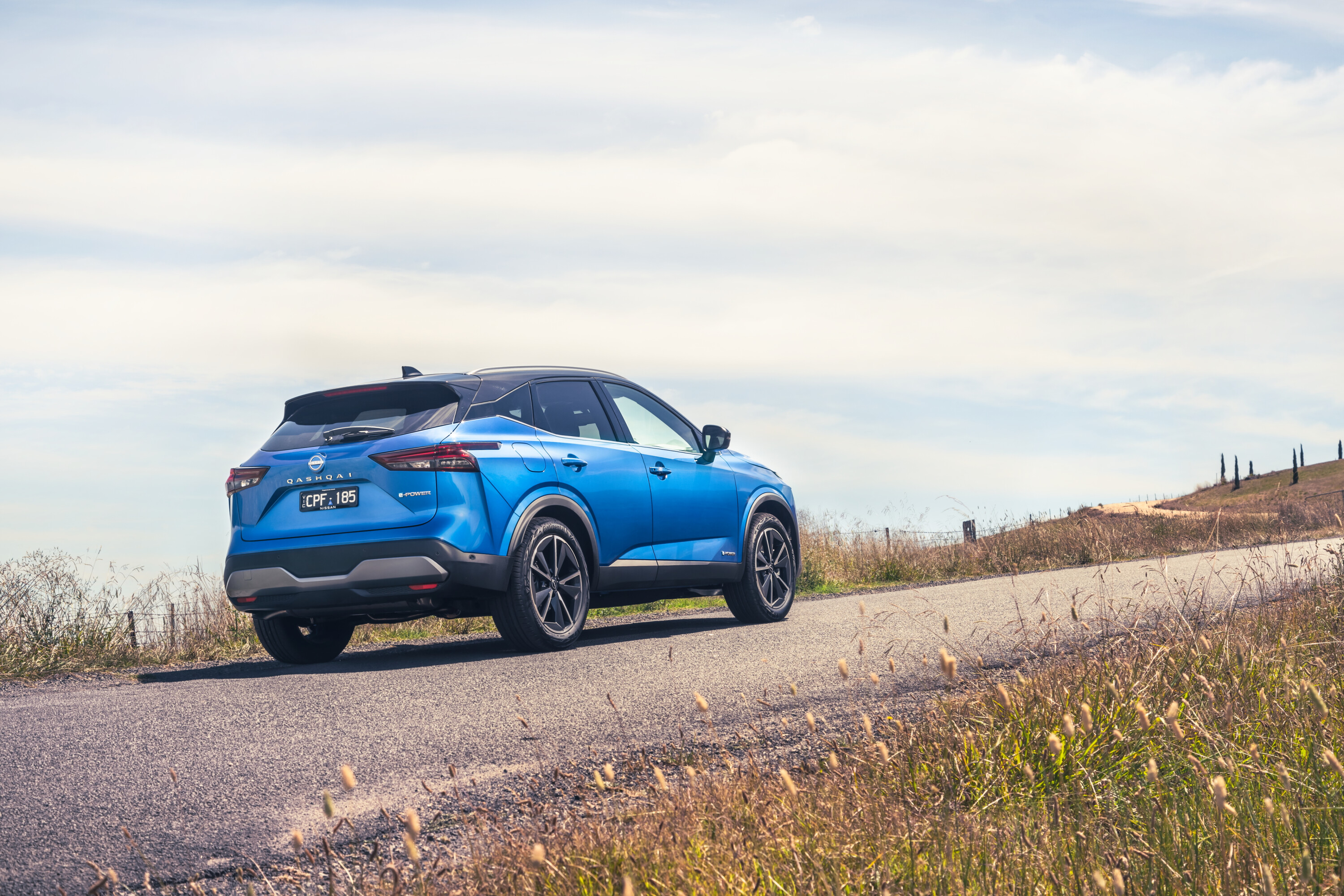
In this setup, the petrol engine serves as a generator alone, rather than driving the wheels directly.
The motor sends power to the car’s battery or inverter, which then powers two electric motors – one for the front axle and another for the rear. It’s a system similar to the Holden Volt and BMW i3 REx of generations past, with modern advancements.
As Nissan puts it, this configuration is intended to minimise fluctuations in engine demand that are typical in daily petrol car usage, creating more consistent conditions for optimal efficiency.
One of the initial questions for the Nissan team at the launch event was a predictable one: Why not simply introduce a fully-electric Qashqai?
Nissan’s response emphasised its view of e-Power as a transitional technology, serving as a bridge for those not yet prepared to move away from internal combustion engines. It’s dipping a toe into the pool of pure EVs, but the brand has made clear it’s not seeing plug-in hybrids as this transitional tool.
JUMP AHEAD
- How much is it, and what do you get?
- How do rivals compare on value?
- Interior comfort, space, and storage
- What is it like to drive?
- How safe is it?
- Warranty and running costs
- VERDICT
How much is it, and what do you get?
While the wider Qashqai range starts from $34k, the Qashqai e-Power is priced from $51,590 before on-road costs, offered solely in the flagship Ti grade.
This marks a $4200 increase from the equivalent petrol Ti variant, aligning neatly with the walk-up seen in the X-Trail e-Power line-up.
The Qashqai e-Power is classified as a five-seater small hybrid SUV, and the entire range is front-wheel drive only.
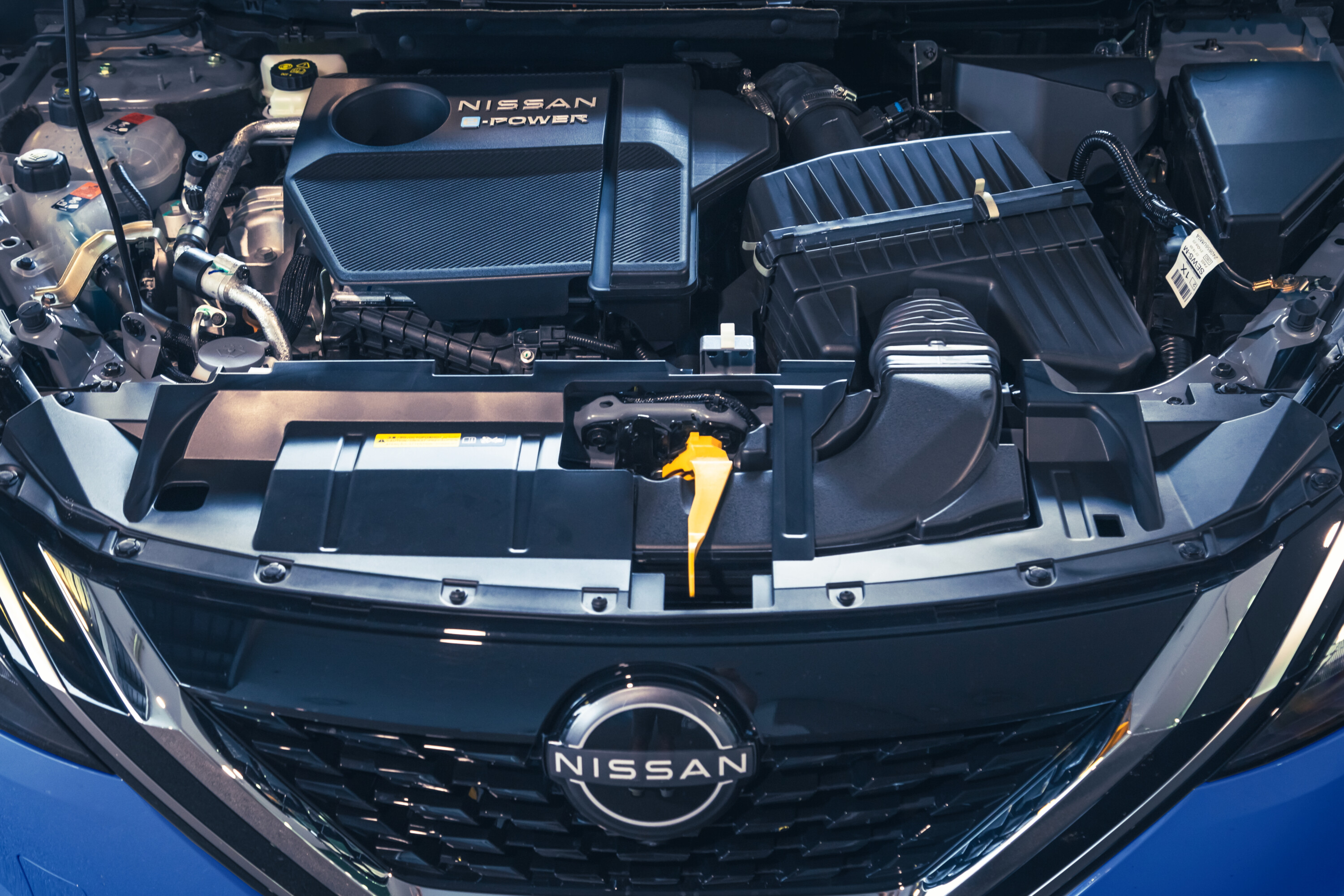
The Qashqai e-Power shares the same 1.5-litre three-cylinder turbo petrol engine that drives the X-Trail e-Power, with a combined system output of 140kW and 330Nm – 30kW/80Nm more that the Qashqai’s regular 1.3-litre unit.
It requires 95RON premium unleaded petrol, with the same 55-litre tank capacity as regular Qashqais.
Fuel efficiency is listed at 5.3L/100km, compared to the petrol model’s 6.1L/100km rating. If our testing of the X-Trail E-Power is any indication, Qashqai e-Power owners should be able to come close to that claimed figure.
Features
With an equipment list that mirrors the petrol Ti model, the Qashqai e-Power is a well-equipped flagship model.
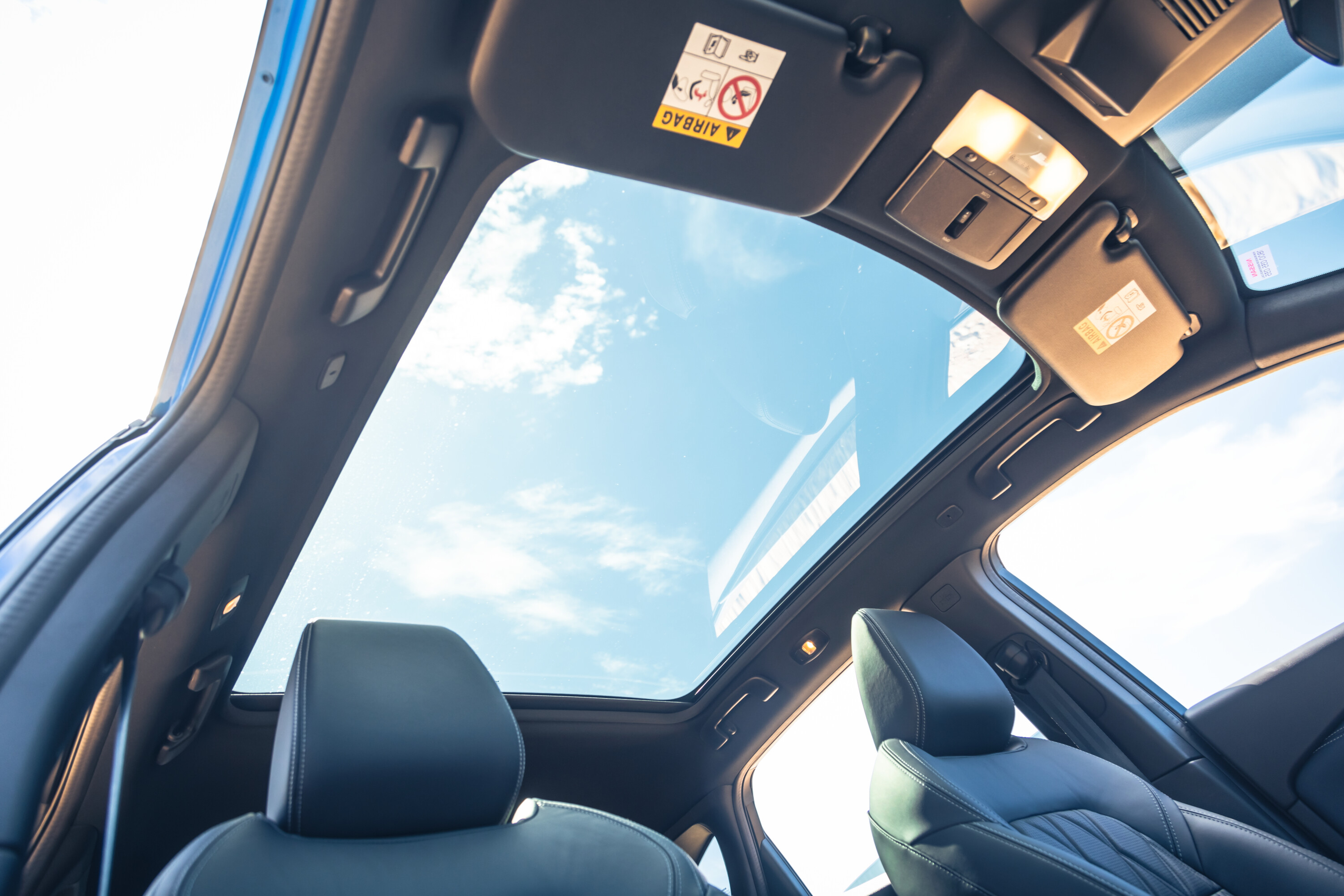
Features include 19-inch alloy wheels, leather-accented quilted trims on the seats and steering wheel, a 12.3-inch infotainment display, a 10-speaker Bose premium audio system, a very generously proportioned panoramic sunroof, hands free power tailgate and a 10.8-inch head-up display.
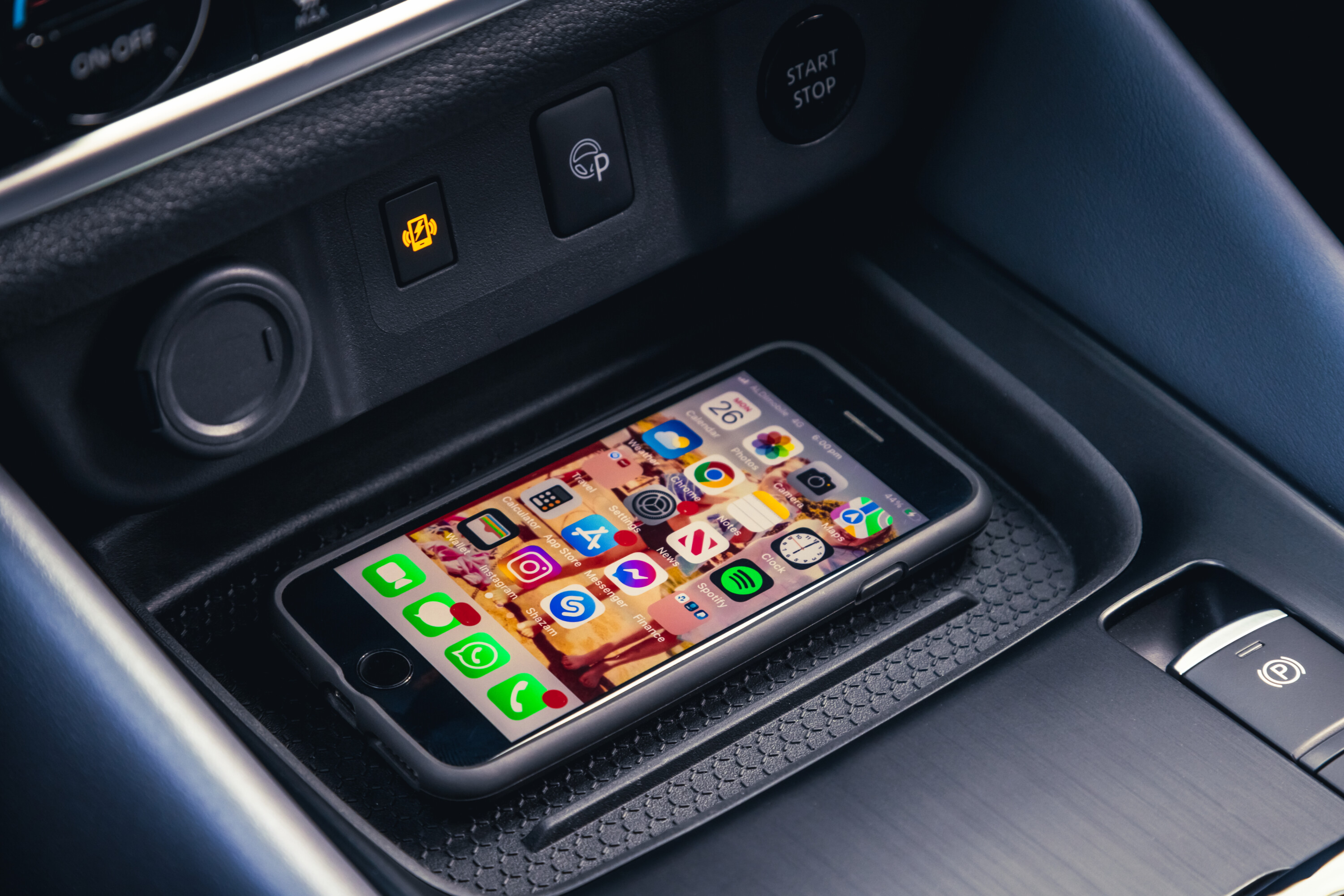
A wireless charger is available below the screen and even if you’re not charging is a great storage spot to pop your phone down.
Exclusive to the e-Power variant is, of course, the e-Power technology itself, along with distinct badging, active noise cancellation and regenerative braking. Visually, the grille is also wider through extended black trim on the top and bottom.
Another addition, the e-Pedal, uses regenerative braking to allow the driver to minimise the use of the brake pedal until a complete stop is required. While most full EVs offer ‘one-pedal’ driving that allows the vehicle to slow to a complete stop, Nissan says it didn’t develop the Qashqai or X-Trail’s e-pedal this way after user testing saw drivers still relying on the brake pedal.
| 2025 Nissan Qashqai Ti e-Power features | |
|---|---|
| 19-inch alloy wheels | Roof rails |
| Multi-link rear suspension | Premium graphite rear bumper finisher |
| Panoramic glass roof with electric sunshade | Rear LED turn signals |
| Automatic LED headlights with adaptive driving beam | Automatic dimming rear view mirror |
| LED Daytime running lights | Automatic rain-sensing front wipers |
| LED front fog lights | Privacy glass (second row & rear windows) |
| Intelligent Key with push-button engine start | Rear spoiler |
| Dual-zone automatic climate control | Quilted leahter upholstery |
| Heated, auto-folding door mirrors with reverse tilt & memory | Leather-accented knee pad |
| Heated leather-accented steering wheel | Black roof liner |
| Heated front seats | Two front and two rear USB charging ports (USB A & C) |
| 8-way power adjustable driveru2019s seat w/ 4-way lumbar, memory & massage | 6-way power adjustable passenger’s seat w/ 4-way lumbar, memory & massage |
| Multiple driver profiles for Intelligent Key system | 10.8-inch Head-Up Display |
| 12.3-inch TFT Advanced Drive-Assist Display instrument cluster | 12.3-inch high-definition digital infotainment screen |
| Wireless Apple CarPlay (wired Android Auto) | Satellite navigation |
| 15W wireless smartphone charger | 10-speaker Bose sound system with subwoofer |
| Centre console with tray | Rear air vents |
| Rear seat armrest with two cup-holders | Divide-N-Hide configurable cargo system |
| Hands-free power tailgate | Luggage hooks |
| Nissan ProPilot and full safety suite with AEB, RCTA, LKA etc. | Auto parking |
| e-Pedal Step | Premium front grille |
| Acoustic pedestrian warning | Active noice cancellation |
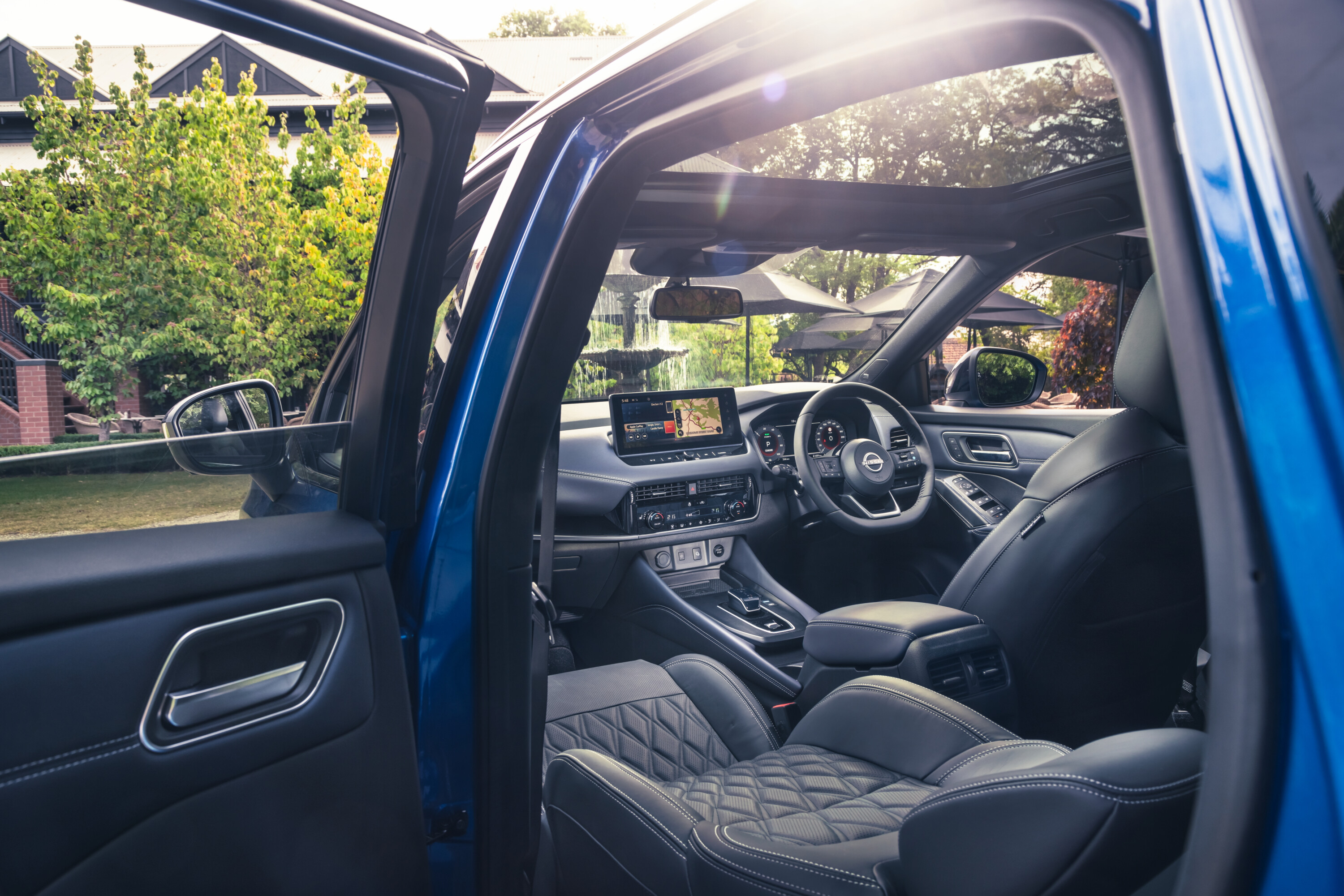
Interior comfort, space and storage
When the third-generation Qashqai launched in 2023, we did note that although the pricing in higher grades was opening the model to some setbacks, Nissan offset this by offering more space. Bigger than its predecessor, the new Qashqai could feasibly be your next family car instead of something larger.
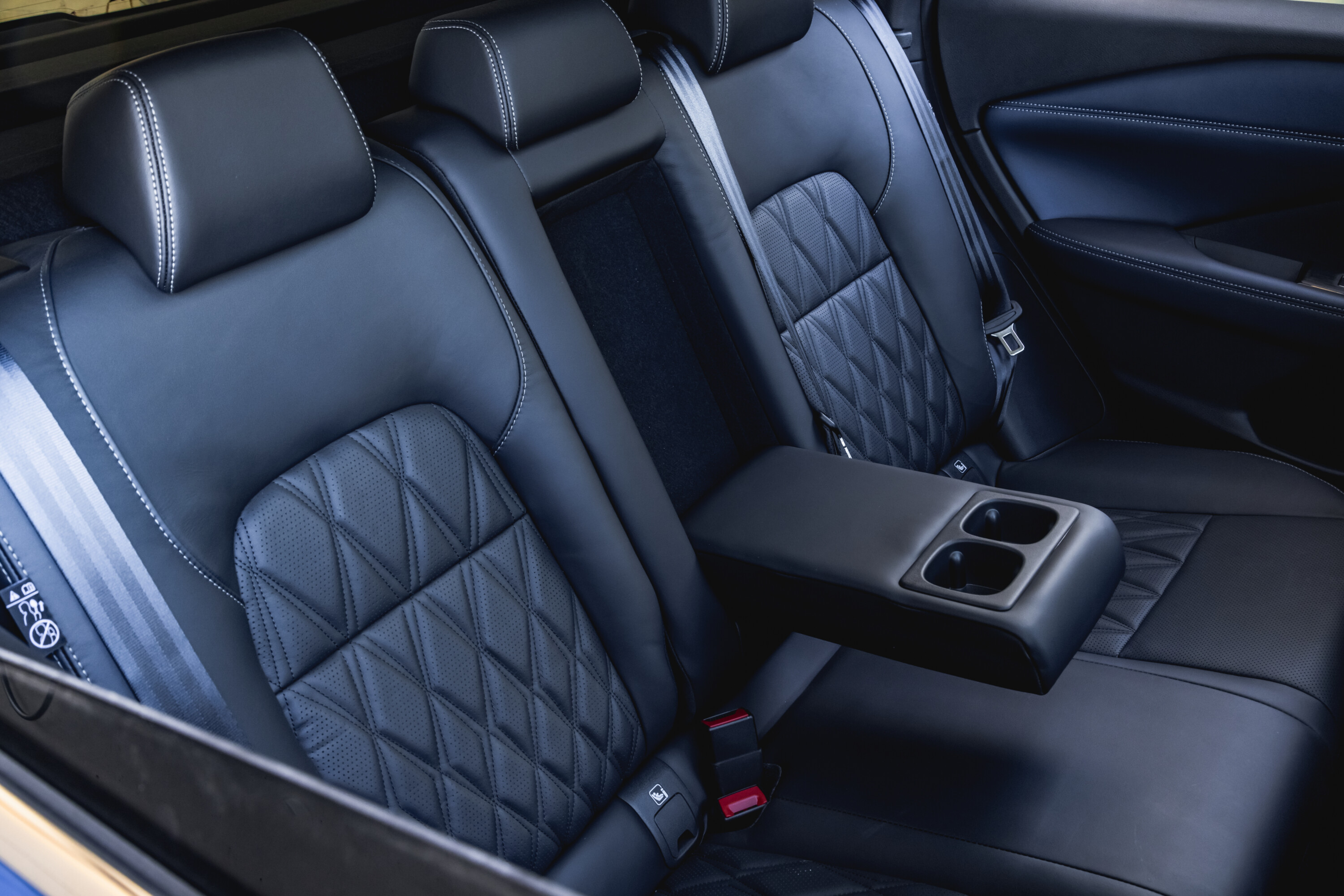
The new Qashqai adds 22mm more legroom and 28mm more height for rear passengers. Nissan has also extended the rear door opening from a 70-degree angle to 85 degrees, aiding parents with getting their young kids in and buckled up.
Rear air vents and USB-A / USB-C ports are also provided.
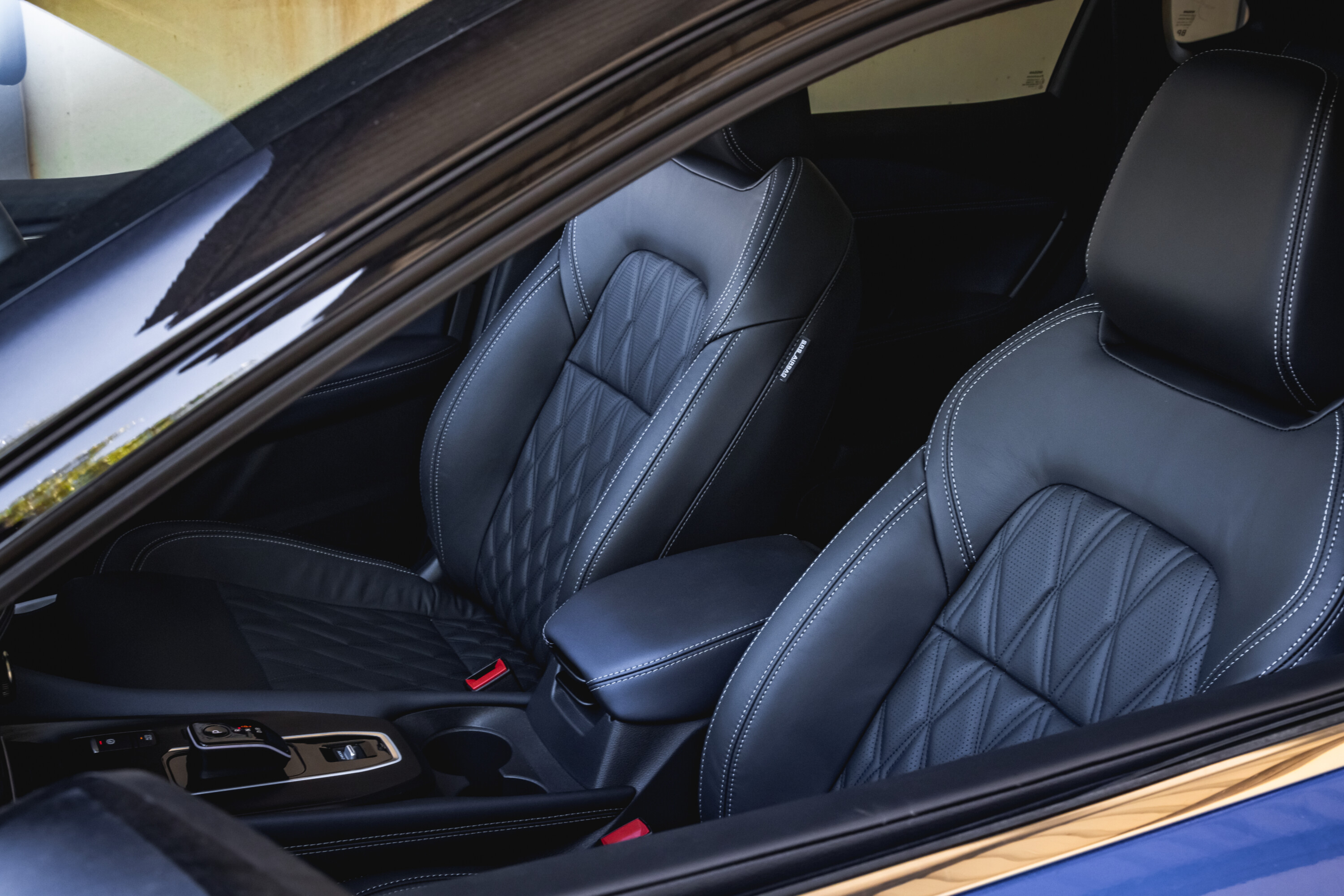
In the front, the cabin exudes a cozy yet spacious ambiance. The center storage console, set further back for added room, conveniently accommodates small items like sunglasses and gum.
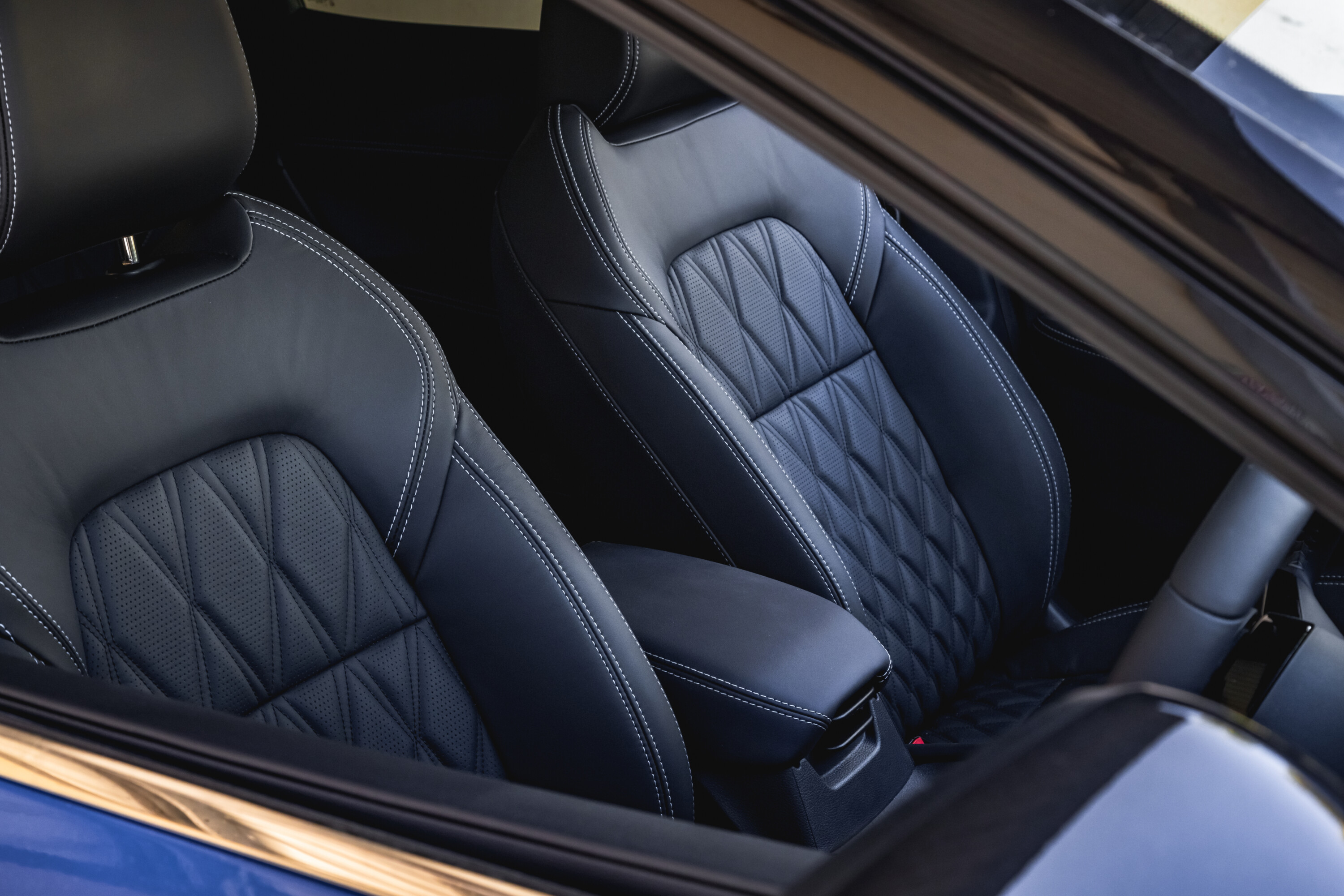
As observed in the standard Qashqai Ti, the seat trim is both aesthetically pleasing and comfortable. The cushion bolstering makes entering and exiting the car effortless.
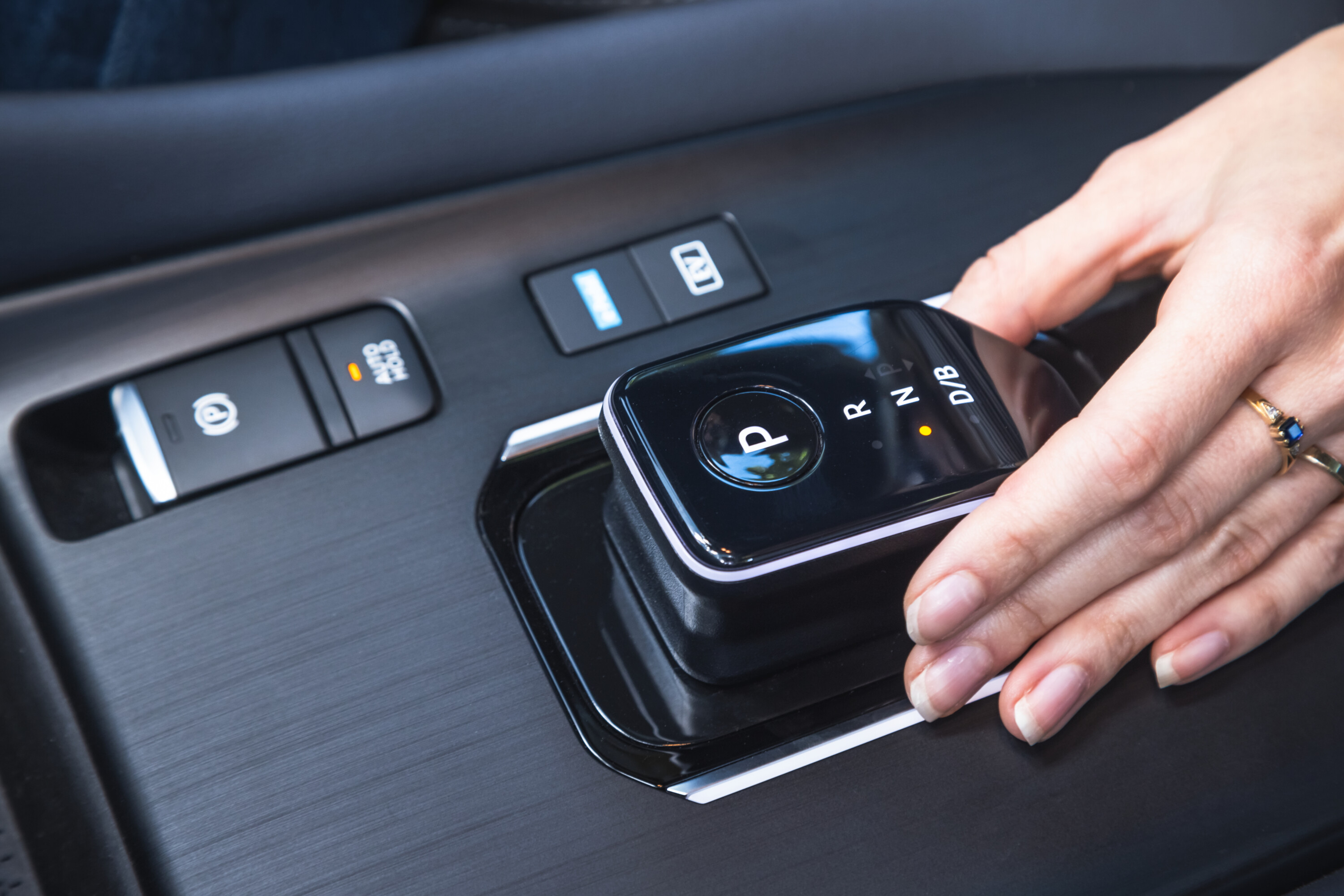
Adding a touch of modernity and sophistication, the gear knob has a sleek design, serving as the focal point of the cabin. Behind you’ll find two cupholders in the centre console and additional options in the car doors.
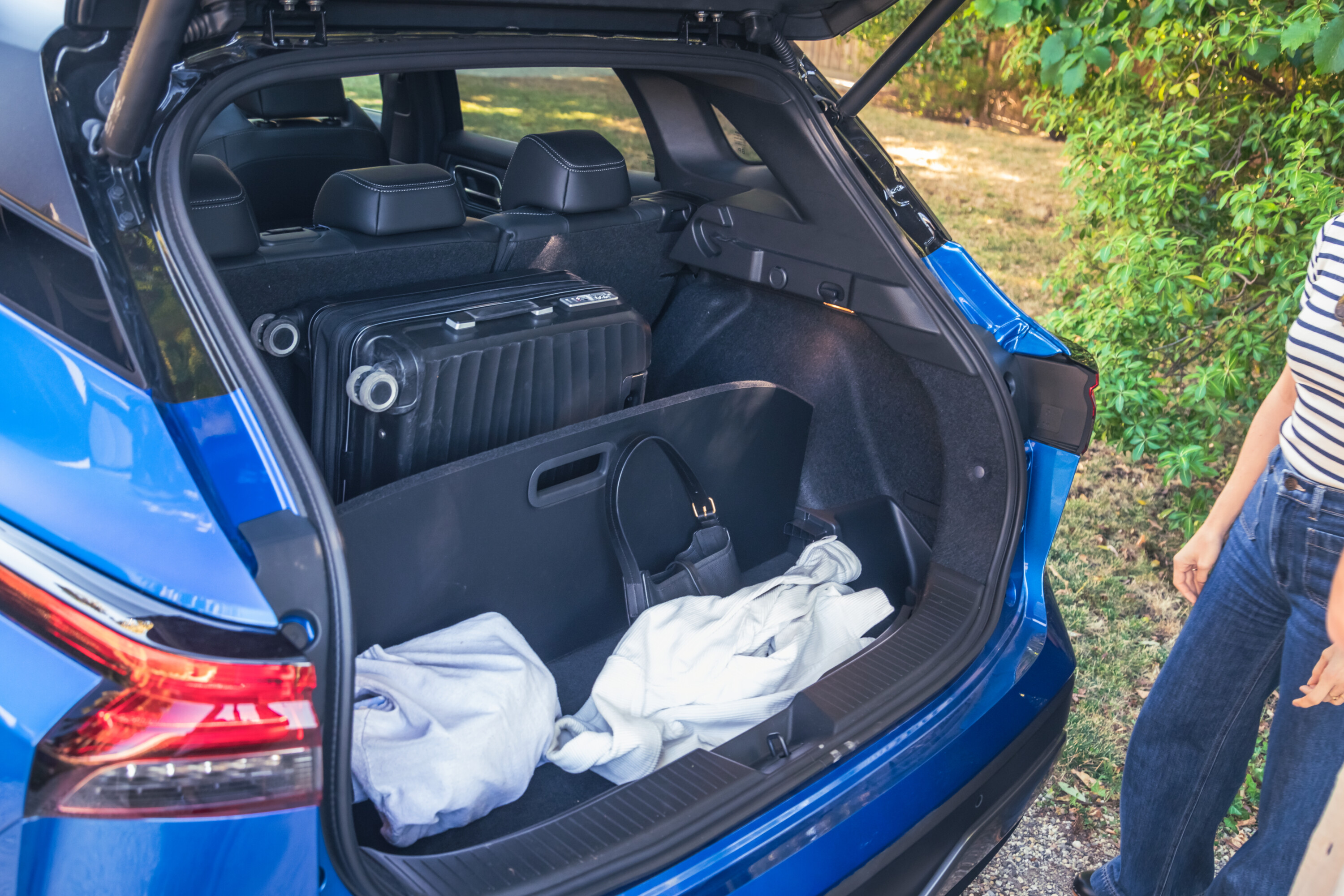
Boot space
With an impressive storage capacity of 452 litres, the Qashqai e-Power offers one of the best boots in its segment.
This ample space is further enhanced by the inclusion of a space-saver tire and a 12V socket. Folding down the rear seats expands the capacity to 1518 litres.
The ‘Divide-N-Hide’ boot organiser also allows for versatile storage options, enabling you to conceal items beneath the floor when necessary.
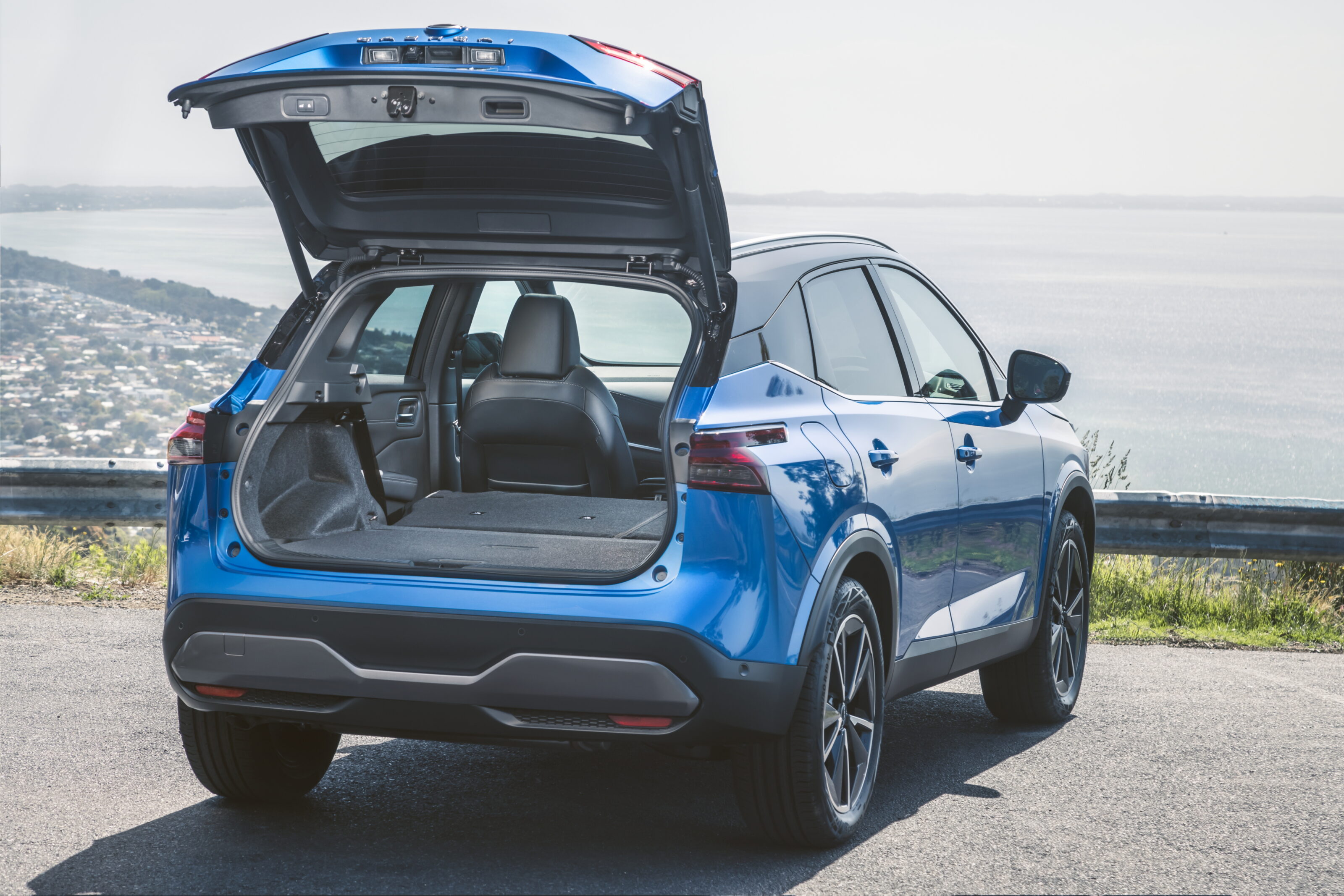
| Small SUV boot capcity | |
|---|---|
| Kia Niro | 410-425L |
| Haval Jolion Hybrid | 390L |
| Nissan Qashqai e-POWER | 452L |
| Toyota Corolla Cross Atmos Hybrid | 425L |
| Mazda CX-30 Astina | 317L |
| Honda HR-V e:HEV L | 304L |
How do rivals compare on value?
With 24 models vying for attention in the mainstream small SUV segment, standing out to win over buyers in this competitive space is no small challenge.
This task becomes even more daunting when competing within the confines of a specialised and frequently more upscale hybrid sub-segment.
Leading competitors in the segment include the Hyundai Kona Hybrid Premium N Line ($46,500 before on-road costs), Toyota Corolla Cross Atmos Hybrid 2WD ($47,030 before on-road costs), Kia Niro GT-Line Hybrid FWD ($50,580 before on-road costs), Honda HR-V e:HEV L ($47,000 before on-road costs) as well as more budget rivals like the Haval Jolion Hybrid Ultra ($40,990 drive-away).
As we saw with the launch of the X-Trail e-Power, it’s not the numbers alone that tell the positive story around the hybrid technology. Because frankly, if you’re looking at competitors like the Corolla Cross (4.3L/100km for the 2WD equivalent) then it’s not winning by a mile.
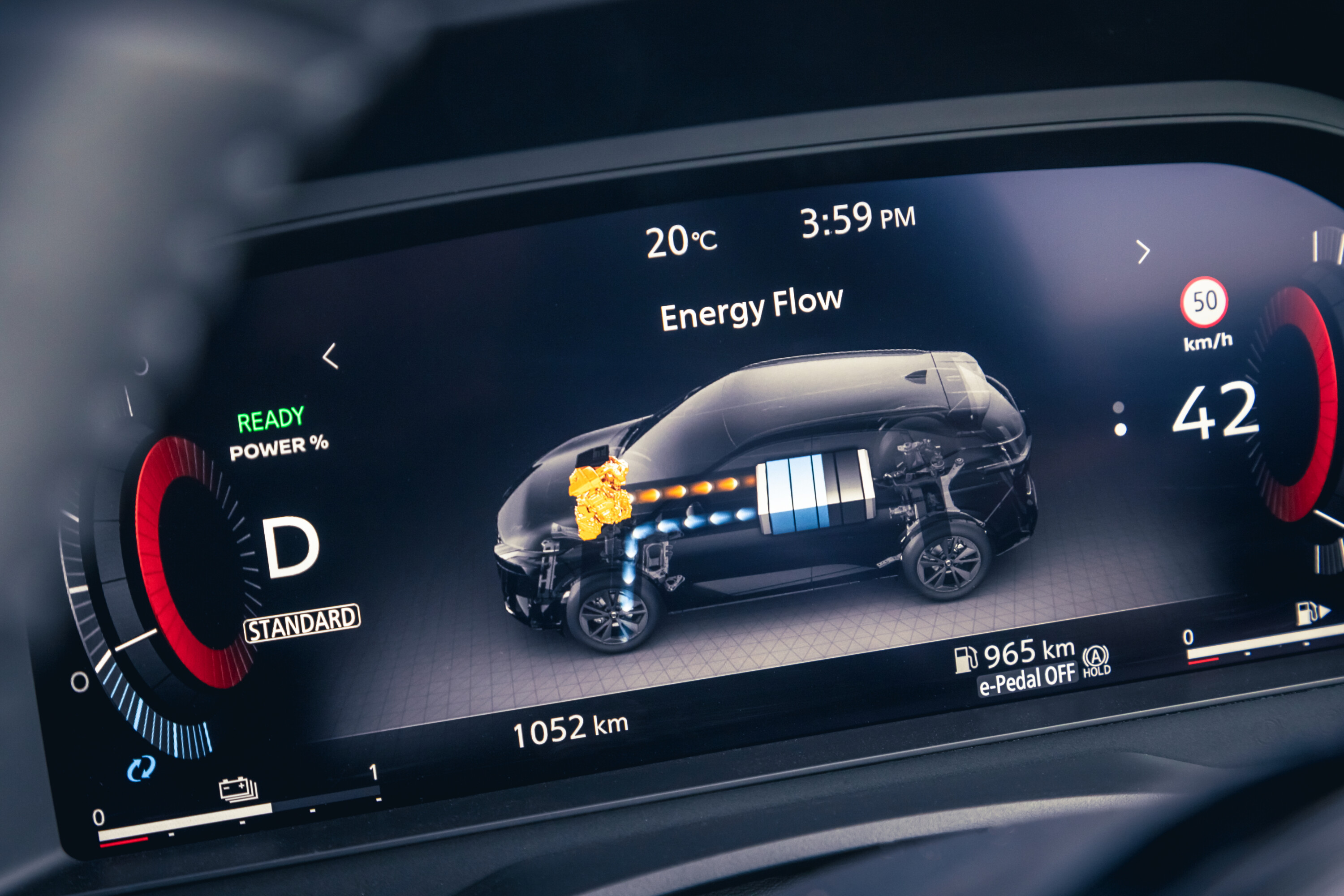
This is where Nissan stresses the point of its electrification technology being different than direct rivals.
Because unlike a Corolla Cross hybrid, where the motor and engine work simultaneously to drive the car, the Qashqai is driven only through electric power for a quieter driving experience.
Does that mean you’d be willing to pay an extra $4560 between the Corolla Cross Atmos AWD FWD vs the Qashqai e-Power Ti (remembering its a front-wheel drive only)? Maybe.
Although wait times are slowly reducing on other key models like the RAV4, hybrid wait times for the 2WD hybrid are still extending out to 18 months.
Similarly, the HR-V offers a great hybrid proposition at 4.3L/100km as well, with a similar set of features in their top spec e:HEV L. Low price servicing as well sets the Honda at $199 per visit, with the same 10,000km intervals.
In terms of refinement the soft mould dashboard and open console and simple cabin layout make it more akin to a Mazda CX-30 than the Cross with its harder plastic trims.
It’s also an important factor to consider that whilst hitting the mid 50k mark, the Qashqai’s competitive set joins up with midsize SUVs like the Toyota RAV4 and Mazda CX-5, as well as the X-Trail e-POWER ST-L.
What is it like to drive?
The basics
| 2025 Nissan Qashqai Ti e-Power | |
|---|---|
| Engine | 1.5-litre three-cylinder turbo-petrol |
| Power | 110kW @ 5500rpm |
| Torque | 250Nm @ 1600-3750rpm |
| Transmission | continuously variable |
| Body | 5-door, 5-seat small SUV |
| Fuel / tank | 95 RON / 55 litres |
| Fuel consumption | 5.2L/100km |
| Boot space | 452L |
Like the standard Qashqai, the firmness of the ride on the e-Power’s 19-inch alloy wheels is noticeable, but only significantly damaged surfaces made it feel unpleasant.
Unlike traditional hybrids, the petrol engine isn’t required in most driving situations, so you’re treated to an almost EV-like drive in regards to cabin ambience.
As for power, low-speed driving made the electric motor an ideal pairing. Demanding more, however, will deliver a far more vocal note as the turbo petrol engine kicks in.
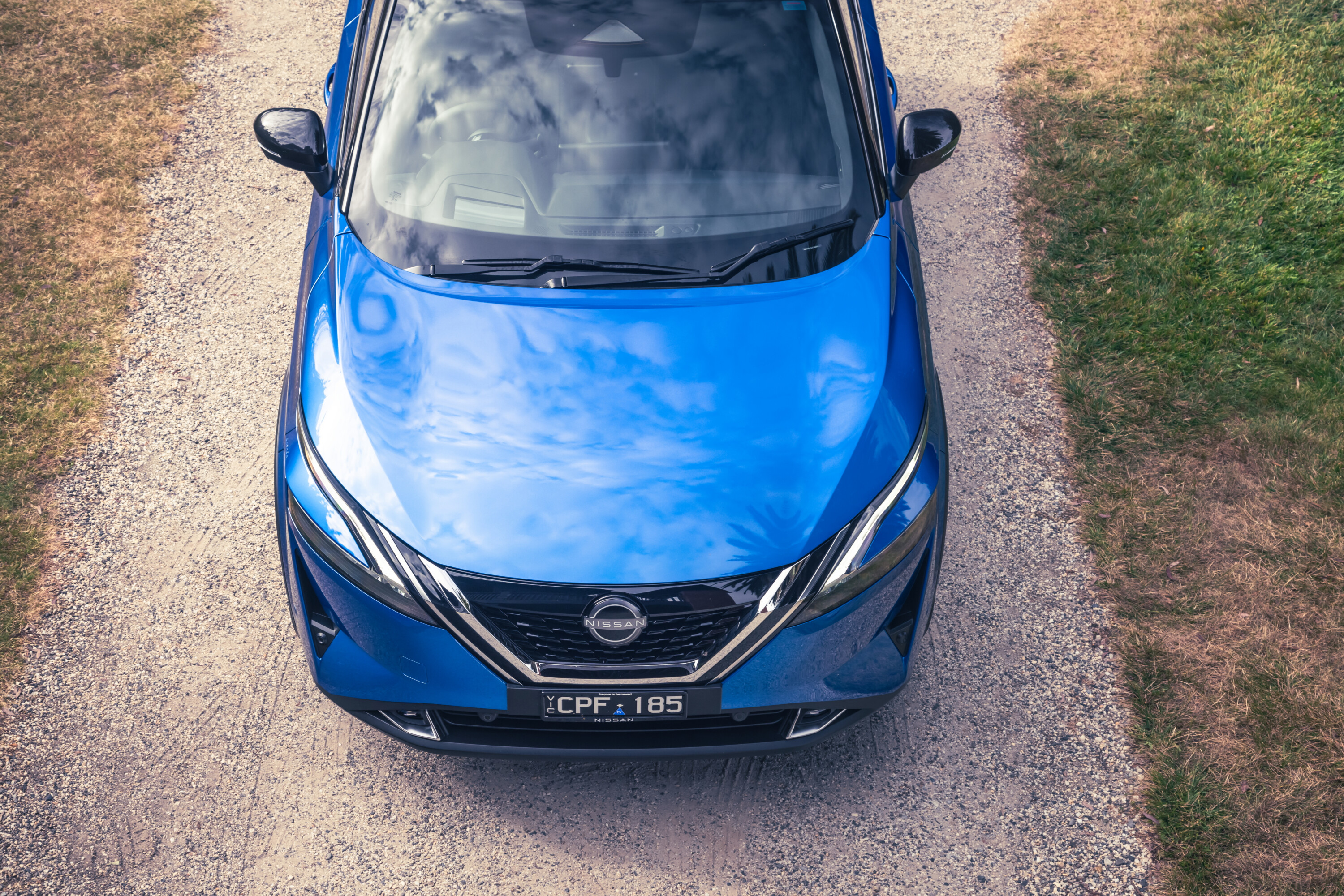
At the event, Nissan was keen to talk up the instant torque delivered by the Qashqai e-Power’s electric motor and gearing, but our experience differed somewhat.
From a standing start, our Qashqai E-Power suffered noticeable hesitation, as if taking a moment to interpret our request for a quick launch. Once at speed, however, that famed electric motor feeling would kick in with a much faster response – but again, it’s nothing like a real EV.
And really, that’s the point. For buyers wanting the benefits of a car with an electric motor without so many futuristic aspects to learn, this is your middle ground.
A noticeable quirk for me was the sound that plays when reversing. It’s designed to alert passengers around the largely silent car, but I couldn’t help but feel self conscious as it’s a bit of an alien-sounding chime.
In all, the Qashqai e-Power performs its job well. It offers a smooth, mostly-quiet and proficient driving experience with really commendable fuel economy results in real-world driving conditions.
Fuel efficiency
The big question, of course, is fuel consumption – keeping in mind the quoted figure of 5.3L/100km on the combined cycle.
During the launch event’s drive out from Melbourne Airport to Daylesford, we kept the air conditioner running continuously for a real-world experience. Navigating the winding and hilly roads demanded additional power, too, with all of this resulting in a consumption figure of 5.7L/100km on arrival at our destination.
Our one-hour run down the freeway back to the airport however, saw us use as little as 4.5L/ 100km.
How safe is it?
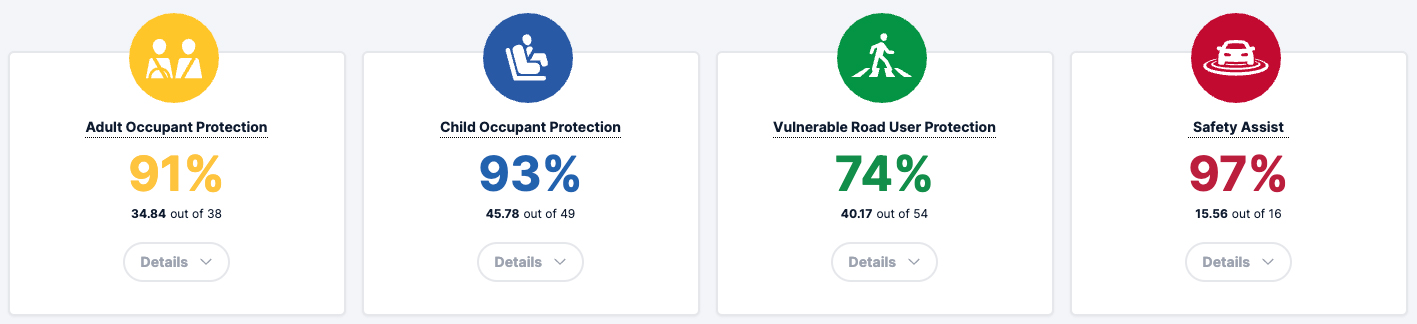
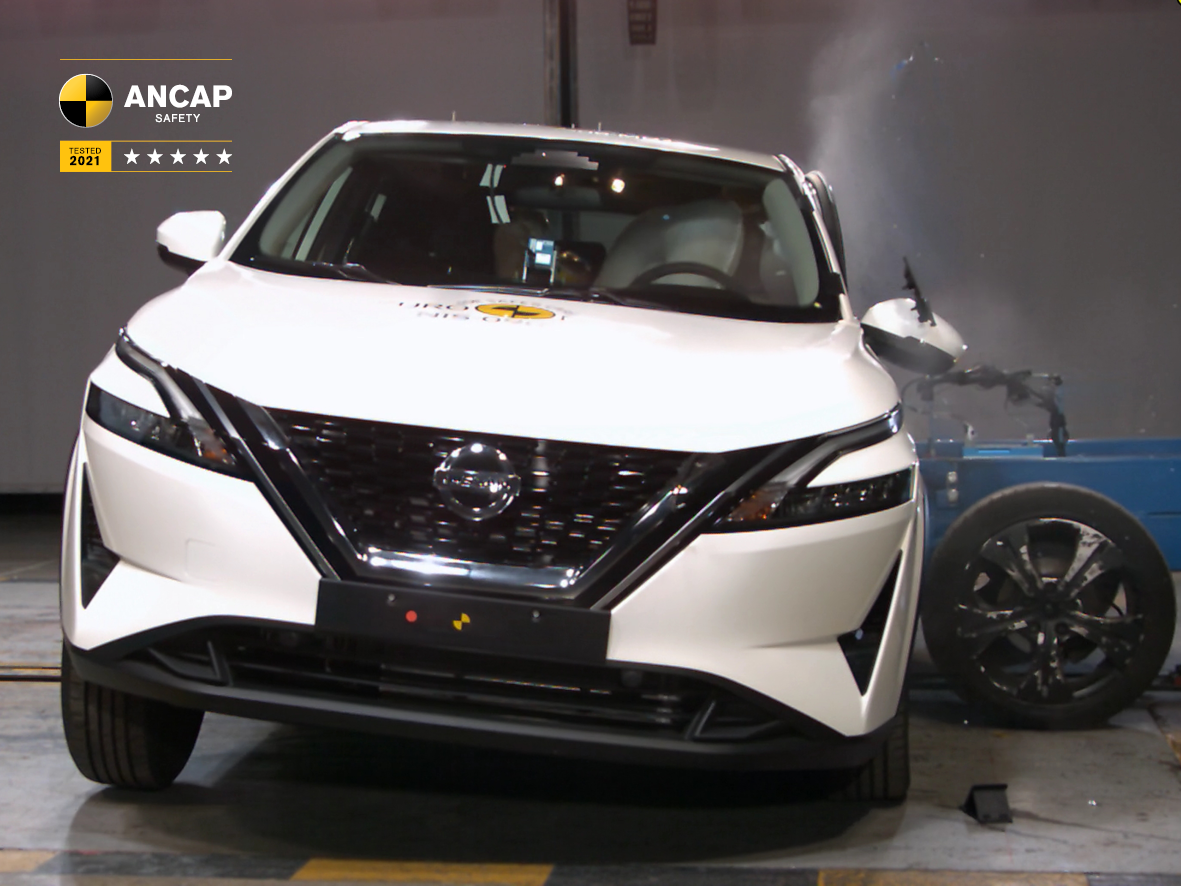
The entire Nissan Qashqai range scored five starts in its 2022 ANCAP safety report [↗], including the e-Power variant.
All Qashqai trims come equipped with advanced safety features including forward auto emergency braking (AEB) with detection for cars, pedestrians, cyclists, and junctions, as well as reverse AEB, rear cross-traffic alert, blind-spot monitoring, lane departure warning and lane-keep assist
To aid parking, the model gets front and rear parking sensors and a 360-degree monitor for enhanced visibility.
Of the range, the Ti exclusively has Nissan’s ‘ProPilot’ semi-autonomous driving suite, combining lane-trace assist with adaptive cruise control featuring traffic jam assist similar to the Volkswagen T-Roc R-Line’s ‘Highway Travel Assist’ functionality.
Warranty and running costs
Nissan offers a five-year / unlimited-kilometre warranty for the Qashqai range, aligning with what has become a standard in the industry.
Servicing intervals are set at every 12 months or 10,000km – lower than petrol variants which are every 15,000km.
Over five years or 50,000km, routine servicing at a Nissan dealer will total $2230, averaging $446 annually. The sixth-year service (at 60,000km) will cost $619.
Purchasing a pre-paid maintenance plan will save you 10% or $223 over the first five-year period.
VERDICT
The Qashqai e-Power distinguishes itself by straying from the traditional hybrid model, yet it also doesn’t fit squarely into the electric car category; it occupies kind of a middle ground but without the impracticality of a plug-in hybrid.
This unique positioning, Nissan asserts, appeals to those interested in embracing electrification but not quite ready for a full transition.
With the latest iteration of the Qashqai, there’s much to admire in terms of its aesthetics, comfort, and convenience. However, we can’t overlook the pricing of the technology, particularly since it’s introduced in a single specification trim, the flagship Ti.
If offered in lower grades, this technology could potentially rival favorites in its segment. Despite this, the true value lies in the serene and comfortable ride, which some find worth the investment.
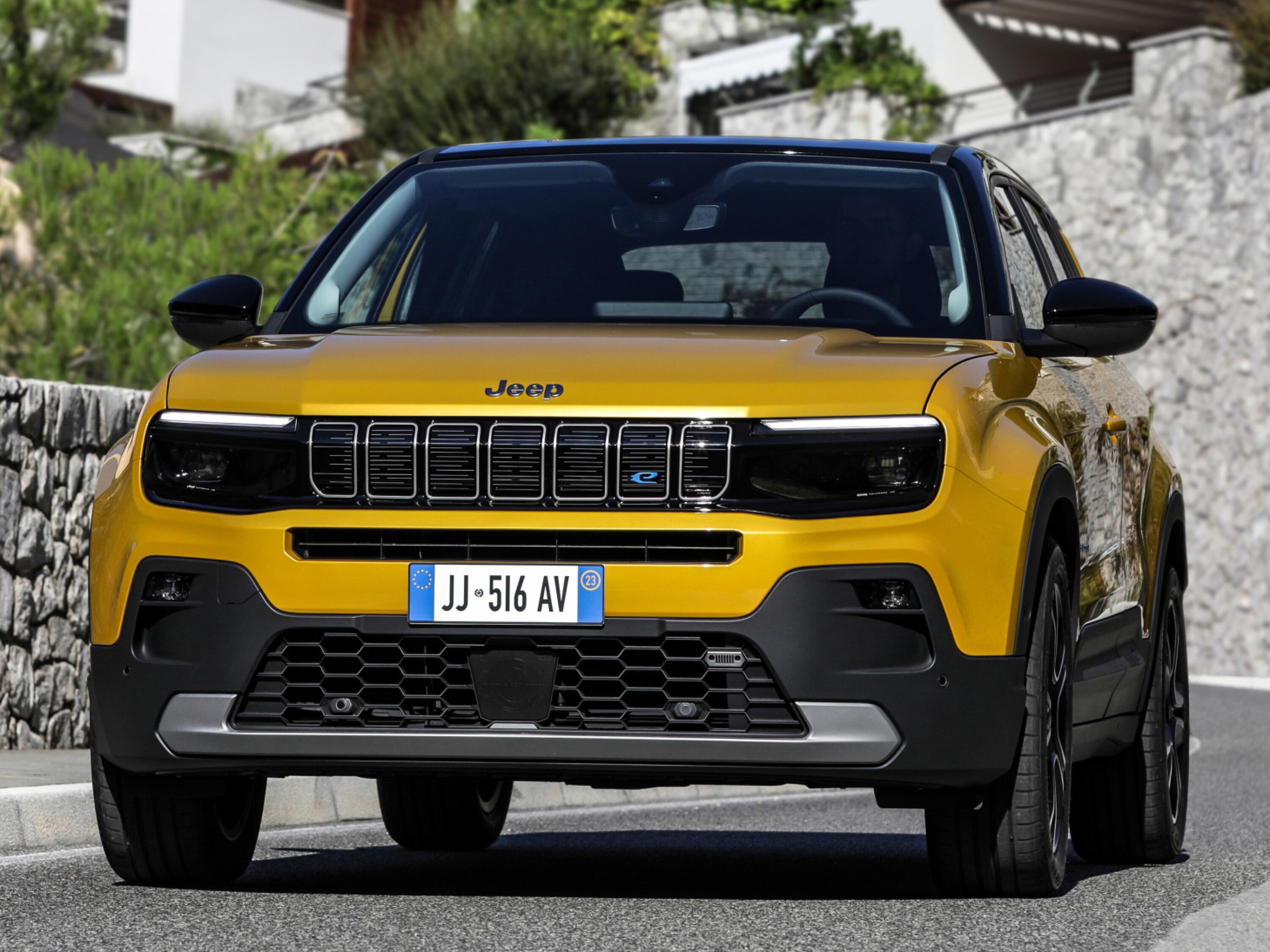
The 2025 Jeep Avenger is now on sale in Australia, ahead of its showroom debut in the fourth quarter of this year.
Snapshot
- Jeepu2019s first EV coming Q4 2024
- Up to 400km range, based on Peugeot E-2008
- Rugged-looking alternative to Megane E-Tech, EX30, Atto 3
Priced from $53,990 before on-road costs, the Avenger enters as a rival to other legacy brands at the ‘entry’ end of EV market – with only a small handful of mostly Chinese models positioned beneath that price point.
Among the Avenger’s price rivals with familiar brands will be the Hyundai Kona Electric, Volvo EX30, and Renault Megane E-Tech, along with the Avenger’s cousin, the Peugeot E-2008.
Buyers with tighter budgets have more options like the BYD Dolphin, BYD Atto 3, MG MG4 and GWM Ora.
2025 Jeep Avenger pricing
Platform, power and driving range
The basics
| Jeep Avenger key overseas specs | |
|---|---|
| Claimed WLTP range | 400km |
| Usable battery size and type | 50.8kWh NMC |
| Recommended charging limit | 80% |
| Max slow AC / fast DC charging speed | 11kW / 100kW |
| Power / Torque | 115kW / 260Nm |
| Claimed 0-100km/h | 9.0 seconds |
| Drive type | FWD |
As a Stellantis offering, the classically Jeep-styled Avenger EV is built on the STLA Small platform – an evolution of the Electric Common Modular Platform (eCMP) found beneath the Peugeot E-2008.
Made in the carmaker’s Poland factory alongside the related Fiat 600e, the Avenger boasts a claimed driving range of up to 400 kilometres on the combined WLTP test cycle. That range comes courtesy of a 54kWh nickel manganese cobalt lithium-ion battery, the only option in the range.
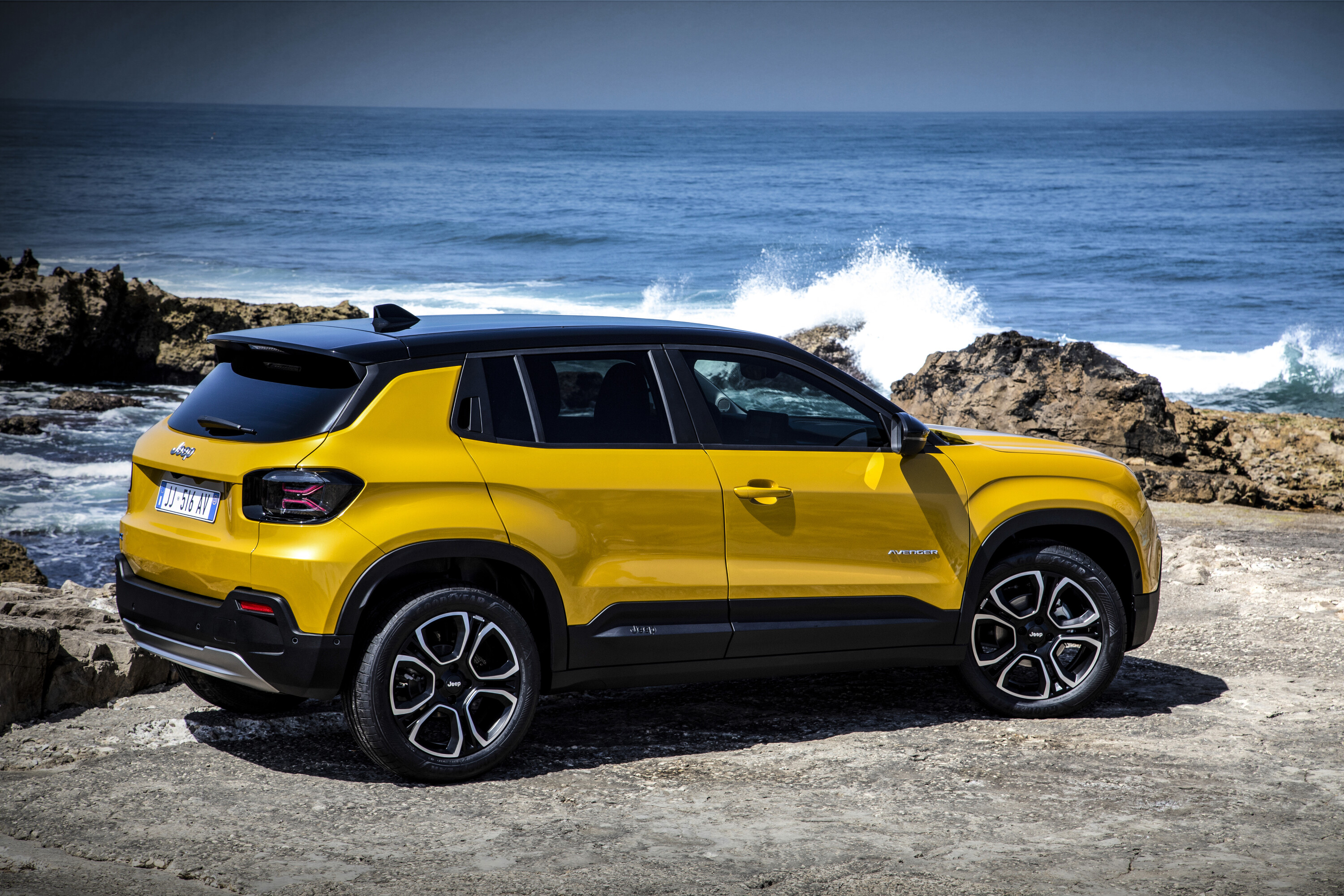
Power is provided by a 115kW/260Nm electric motor, sending power to the front wheels exclusively.
Jeep’s Selec-Terrain system offers Normal, Eco, Sport, Snow, Mud and Sand modes.
While it is exclusively front-wheel-drive and not strictly designed for off-roading, Jeep’s first pure EV offers 200mm of ground clearance, a skid plate and the requisite plastic body cladding.
The Avenger’s off-road capability is supported by a 20-degree approach, 20-degree breakover and 32-degree departure angle, shorter overhangs and “360-degree cladding” designed to hide scratches.
Charging
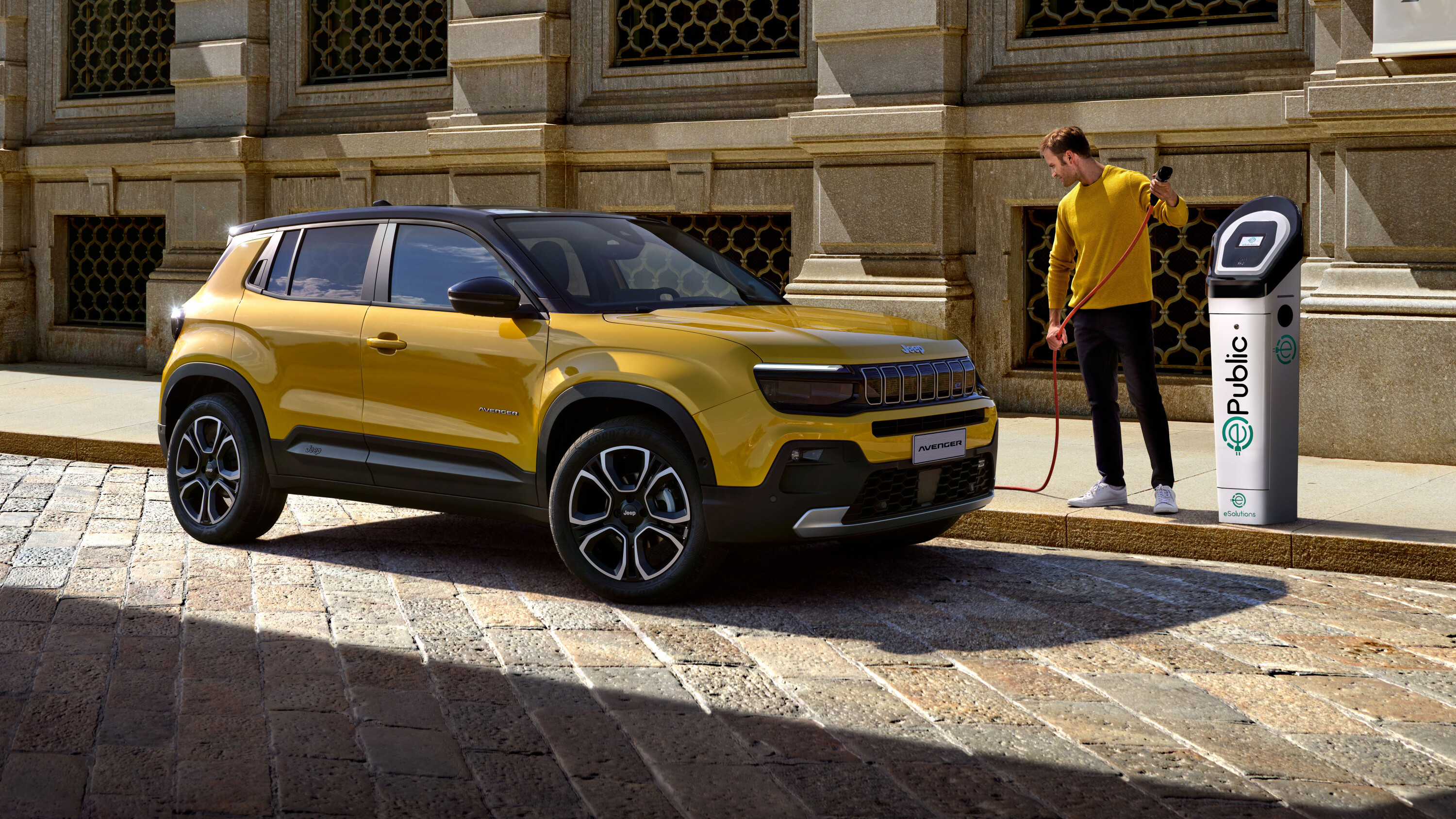
Jeep says a 100kW DC charger will top-up the Avenger’s battery from 20 to 80 per cent in 24 minutes. For those in a hurry, that 100kW connection will add 30km of driving range in three minutes.
Using an 11kW AC home charger will allow for a zero to 100 per cent recharge in 5.5 hours.
Features
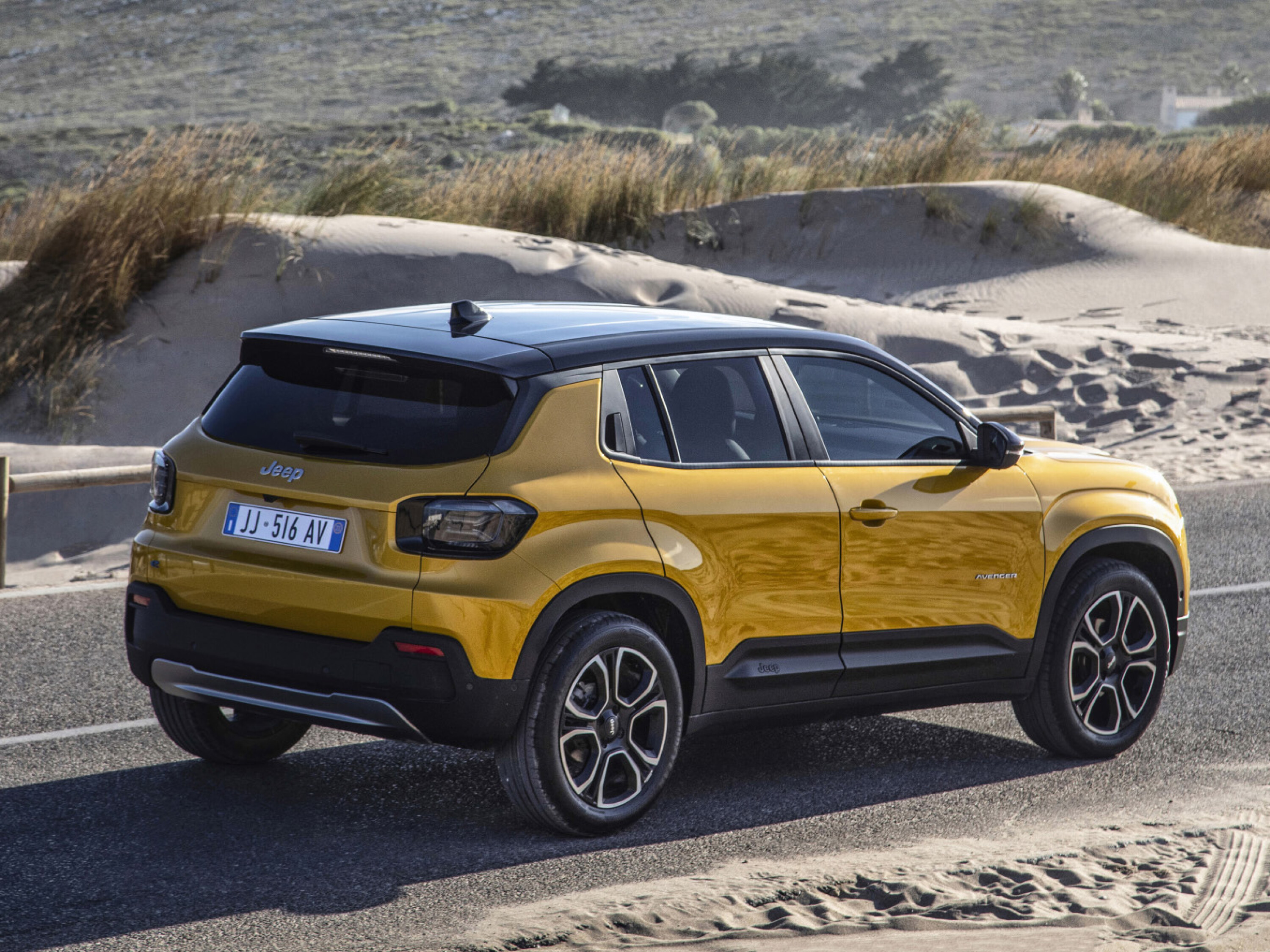
The Avenger arrives fairly well equipped, which, like most small but expensive EVs, should offset a little of the sticker shock for buyers new to electric cars.
Highlights include a comprehensive safety suite with a Level 2 semi-autonomous system combining the adaptive cruise control, lane-keep assist and traffic jam assist.
There’s also large alloy wheels and full wireless phone mirroring for Apple Carplay and Android Auto. It’s worth noting though that, like a lot of EVs, the Avenger’s high entry price does not give you powered seats. In the Avenger, that feature appears in the $57,990 Limited trim.
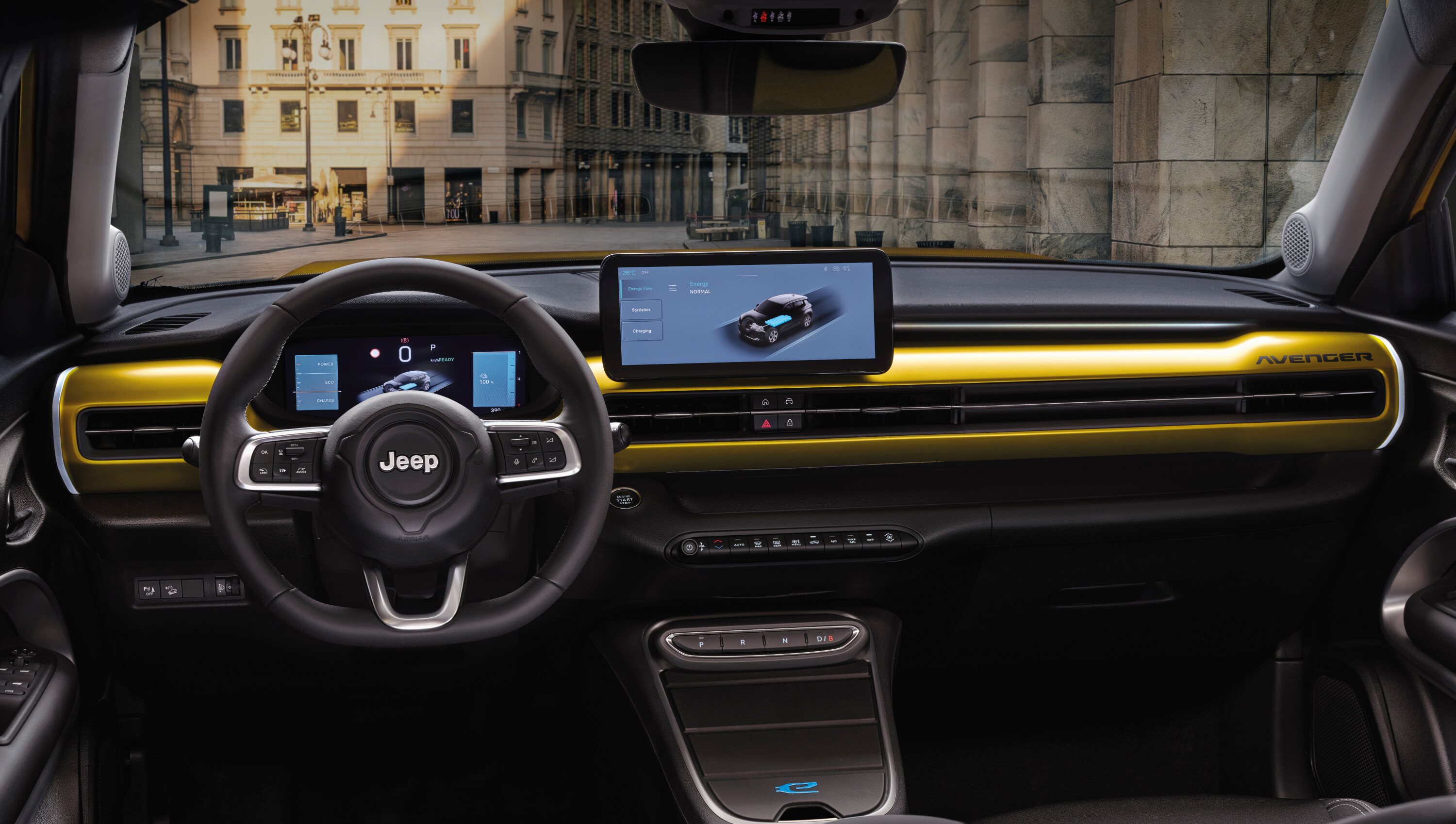
Inside, the Avenger features a 10.25-inch main display, powered by the company’s UConnect operating system (now built on Google’s platform) with wireless Apple CarPlay and Android Auto capability.
The driver instrument display will be available in either 7.0- or 10.25-inch sizes, depending on the variant.
Boot space
The Avenger has a 380-litre boot capacity, with an additional 34 litres of storage in the front row.
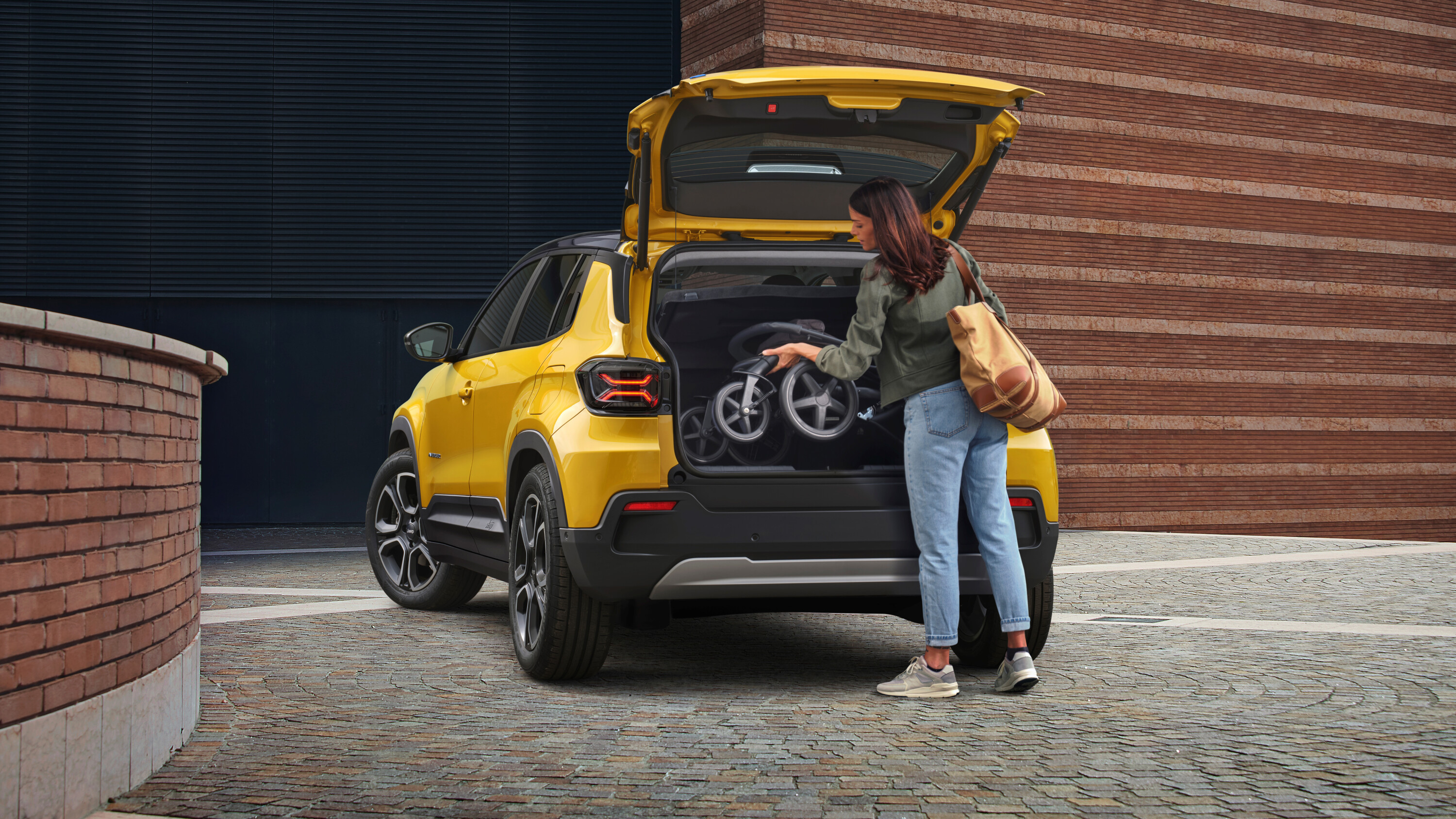
A full features breakdown by model is listed below.
| 2025 Jeep Avenger Longitude features | |
|---|---|
| 17u201d-inch Silver Gloss Alloy Wheels | Driver Attention Assist |
| u201cDigital Janeu201d Cloth Seats | Rear Parking Sensors |
| TechnoLeather steering wheel | Rear View Camera with Dynamic Guide Lines |
| 10.25-inch Infotainment Display | Frameless Auto Dimming Mirror |
| 7-inch Full Digital Cluster | Automatic High Beam |
| Keyless Go | Hill Descent Control |
| 6-Way Manual Driver Seat Adjustment | Selec-Terrain |
| 4-Way Passenger Seat Adjustment | Electronic Parking Brake |
| Autonomous Emergency Braking | Jeep Connected Services |
| Adaptive Cruise Control | Mode 3 Charge Cable |
| Traffic Sign Recognition | 7kW AC Onboard Charger |
| Lane Keep Assist | |
| 2025 Jeep Avenger Limited adds (beyond Longitude) | |
|---|---|
| 17-inch Silver Gloss Alloy Wheels | Hands-Free Power Liftgate |
| Cloth & TechnoLeather Seats | Passive Entry |
| 10.25-inch Full Digital Cluster | 11kW AC Onboard Charger |
| Wireless Charging Pad | Power & Heated Exterior Mirrors with Auto Folding Function and Puddle Lamp |
| 2nd Row USB | Front, Side & Rear Parking Sensors |
| Traffic Sign Information | Height Adjustable Cargo Floor |
| Satellite Navigation | |
| 2025 Jeep Avenger Summit adds (beyond Limited) | |
|---|---|
| 18-inch Diamond Cut Alloy Wheels | Privacy Glass |
| Leather Accented Seats | LED Projector Headlamps |
| 6-Way Power Driver Seat Adjustment with 2-Way Power Lumbar Support | LED Taillamps |
| Massaging Driver Seat | LED Foglamps with Cornering Function |
| 6-Way Manual Passenger Seat Adjustment | Glossy Black 7 Slot Grille |
| Heated Front Seats | Bi-Colour Roof |
| Heated Windshield | Sunroof |
The Avenger is available in six base colours:
Snow white, Ruby red, Volcano black, Granite silver, Sun yellow, Lake green, and Stone silver. Depending on the trim grade, buyers can also have those colours matched with a Volcano black roof.
Interior colours and trims are again tied to trim levels. The Longitude gets an all-black interior, while the Limited gets black with a silver dash accent, and the Summit adds black leather to the Limited’s configuration.
For Longitude and Limited, only the Ruby colour is cost-free. All others are a $990 option, while adding the black contrast roof incurs an extra $495.
Will any other Avenger variants come to Australia?
While a petrol Avenger, with a 1.2-litre turbo-three shared with the related Peugeot 2008, is available in certain markets, Jeep Australia has confirmed an electric-only stance for the Avenger – at least at launch.
Legendary car designer Marcello Gandini, who penned iconic models for Lamborghini, Ferrari, BMW, Citroen and many others, has died aged 85.
Regarded as one of the world’s most prolific and influential car designers, Gandini was born in Turin and first came to prominence during the mid-1960s while working for the famed Bertone design house.
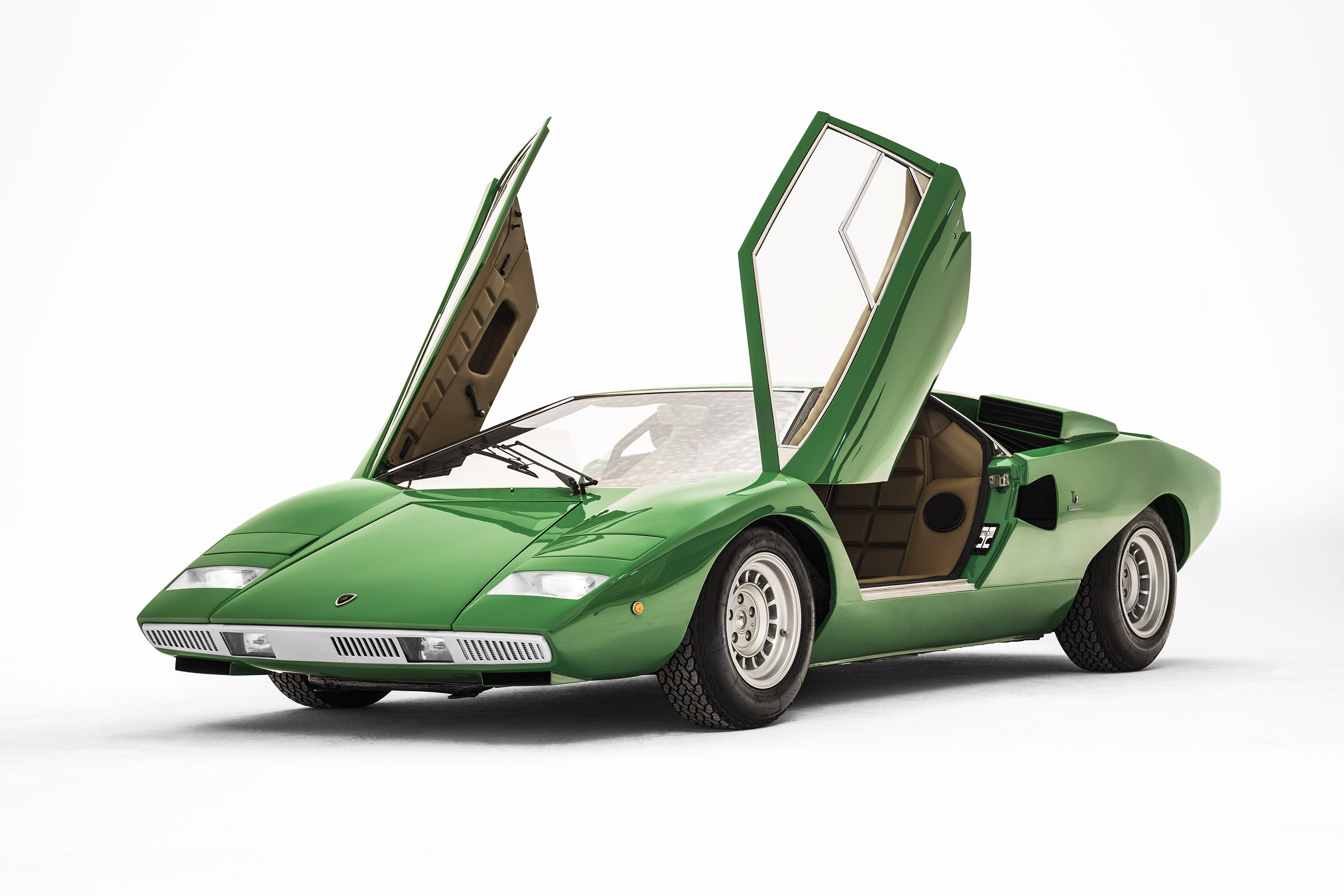
The successor to other design legend Giorgetto Giugiaro, whom he replaced at Bertone in 1965 when he was just 25, Gandini’s career saw him shape iconic models like the Lamborghini Miura, Ferrari 308/GT4, Bugatti EB110 and the E12 BMW 5 Series.
Famous for creating cars with angular lines and wedge-like profiles, Gandini is perhaps best known for his work on the Lamborghini Countach which made its debut in concept form at the 1971 Geneva motor show.
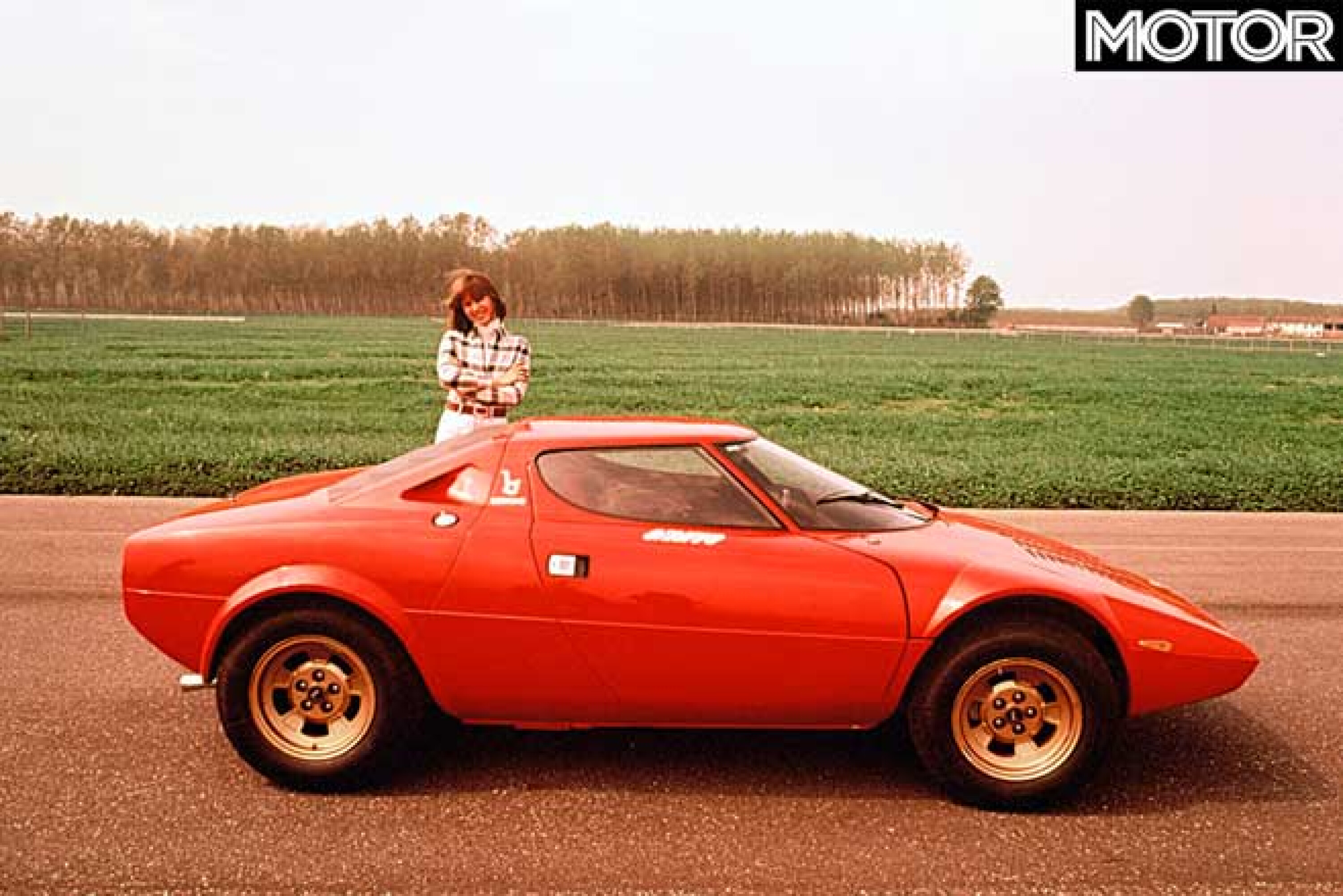
Gandini created a string on famous wedge-like supercars including the Maserati Khamsin, Lamborghini Bravo, Alfa Romeo Navajo, Jaguar Ascot, Lamborghini Diablo and Alfa Romeo Carabo.
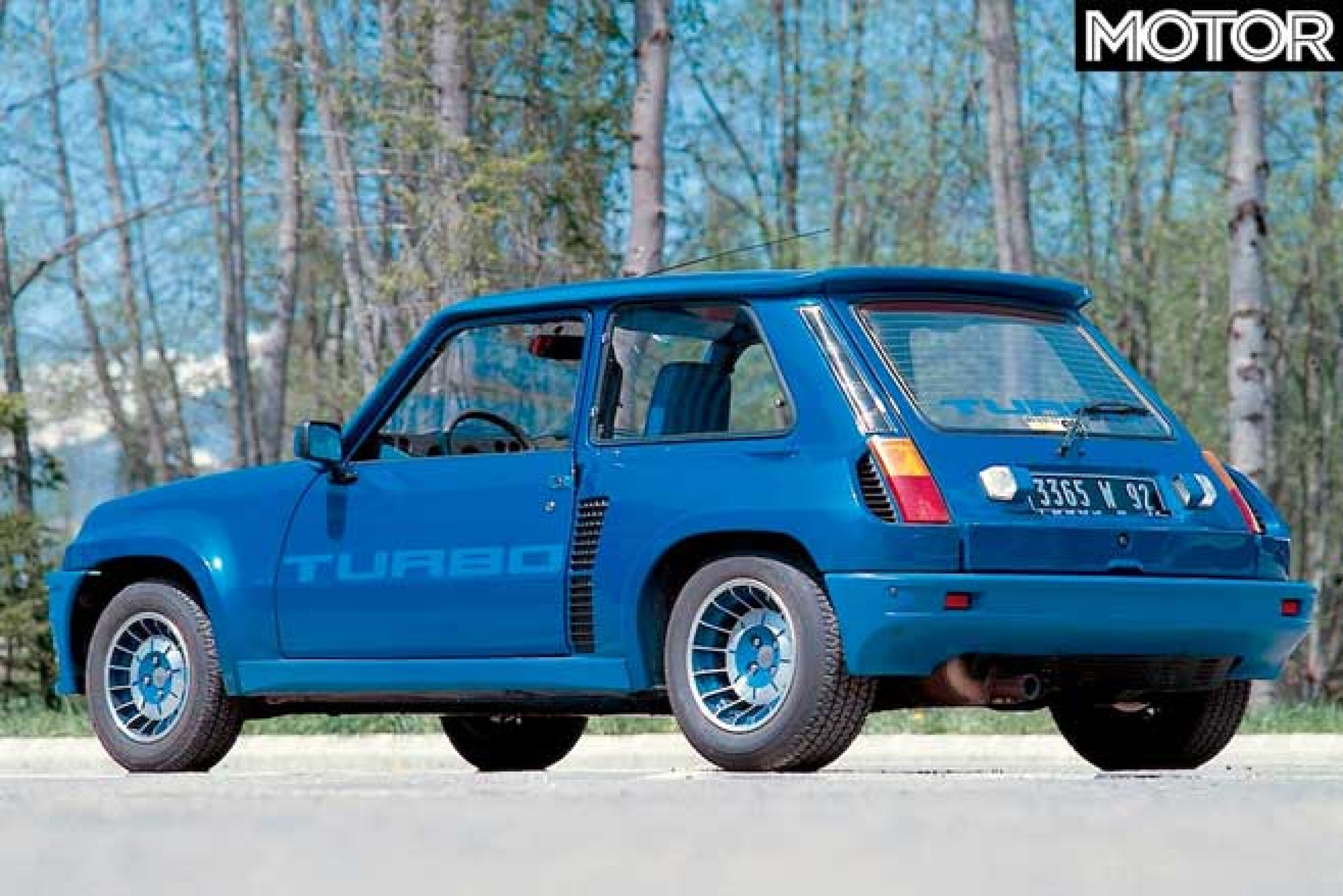
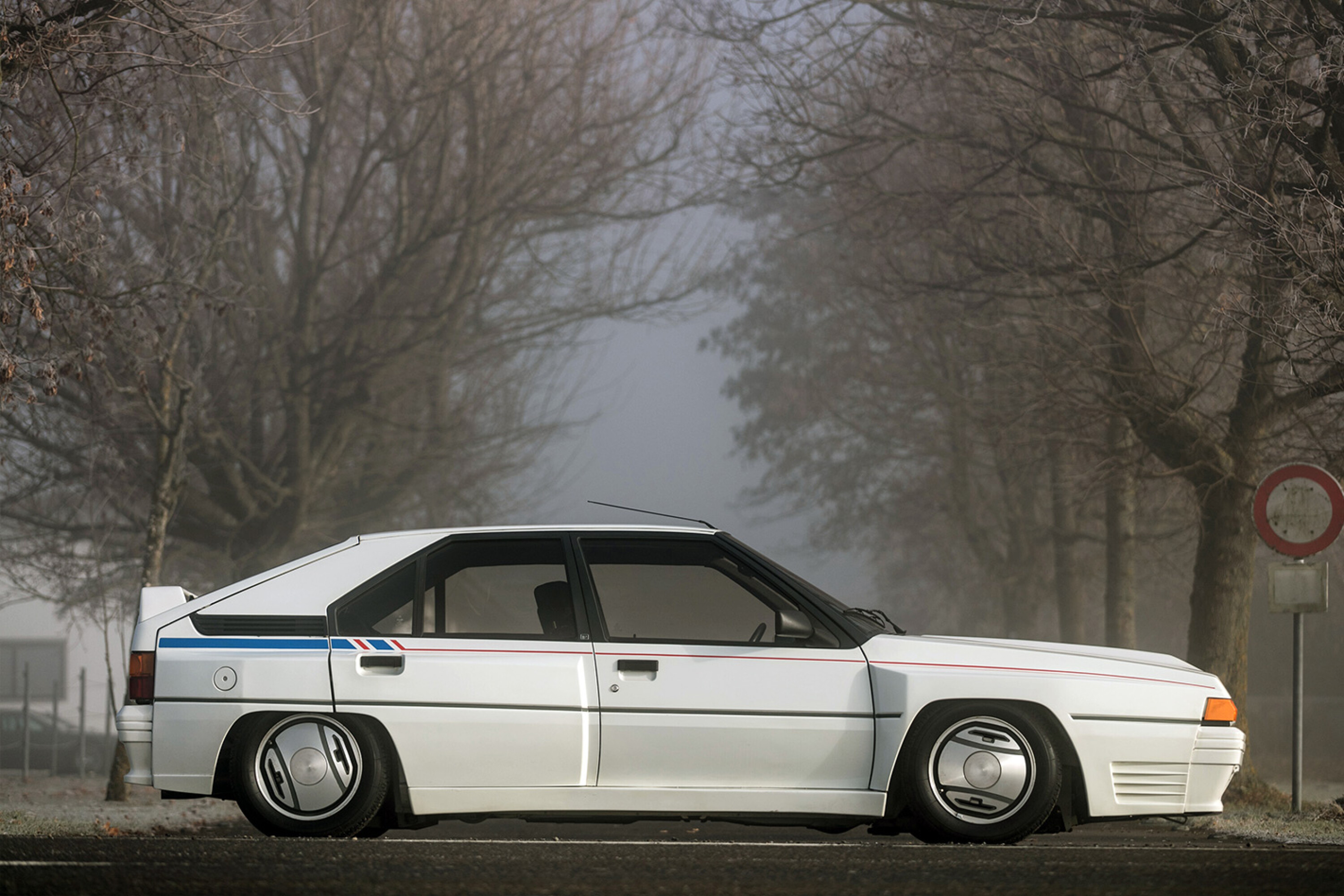
But Gandini created far more than poster-worthy supercars and concepts, with his work also including influential mainstream cars like the first Volkswagen Polo, original BMW 5 Series, the boxy and innovative Citroen BX and the Fiat 132. The iconic Renault 5 Turbo is also a Gandini creation.
Gandini left Bertone in 1980 but continued to create and innovate right up until the mid 2000s with one of his last designs being the Stola S86 Diamante for the 2005 Geneva motor show.
A true trailblazer, innovator and visionary, Gandini is perhaps responsible for more poster-worthy cars than any other designer.
Snapshot
- Volkswagen reveals flagship ID.3 GTX for Europe
- Rear-wheel drive electric hot hatch
- Two power levels: 210kW GTX and 240kW GTX Performance
- Australian timing and pricing yet to be confirmed
Volkswagen has unveiled a Golf GTI for the electric age with the 2024 ID.3 GTX hot hatch.
Sitting atop the recently-updated ID.3 range, GTX variants score distinct front bumpers, lighting signatures and wheel designs. More power and chassis focus is a given.
Volkswagen has not confirmed global launch timing yet. There was a previous expectation that the ID.3 GTX would arrive this year, however the plan has changed at VGA.
“GTX is an exciting performance variant that will first debut in Australia with the ID.4 and ID.5. The ID.3 range for Australia will be announced in due course and the timing remains 2025+”, a Volkswagen Australia spokesperson told Wheels.
The GTX badge has proven successful for ID.4 and ID.5 SUVs, with 20 per cent of sales for the high-performance moniker in Europe – Australia’s penchant for GTI and R models could see an even richer share locally.
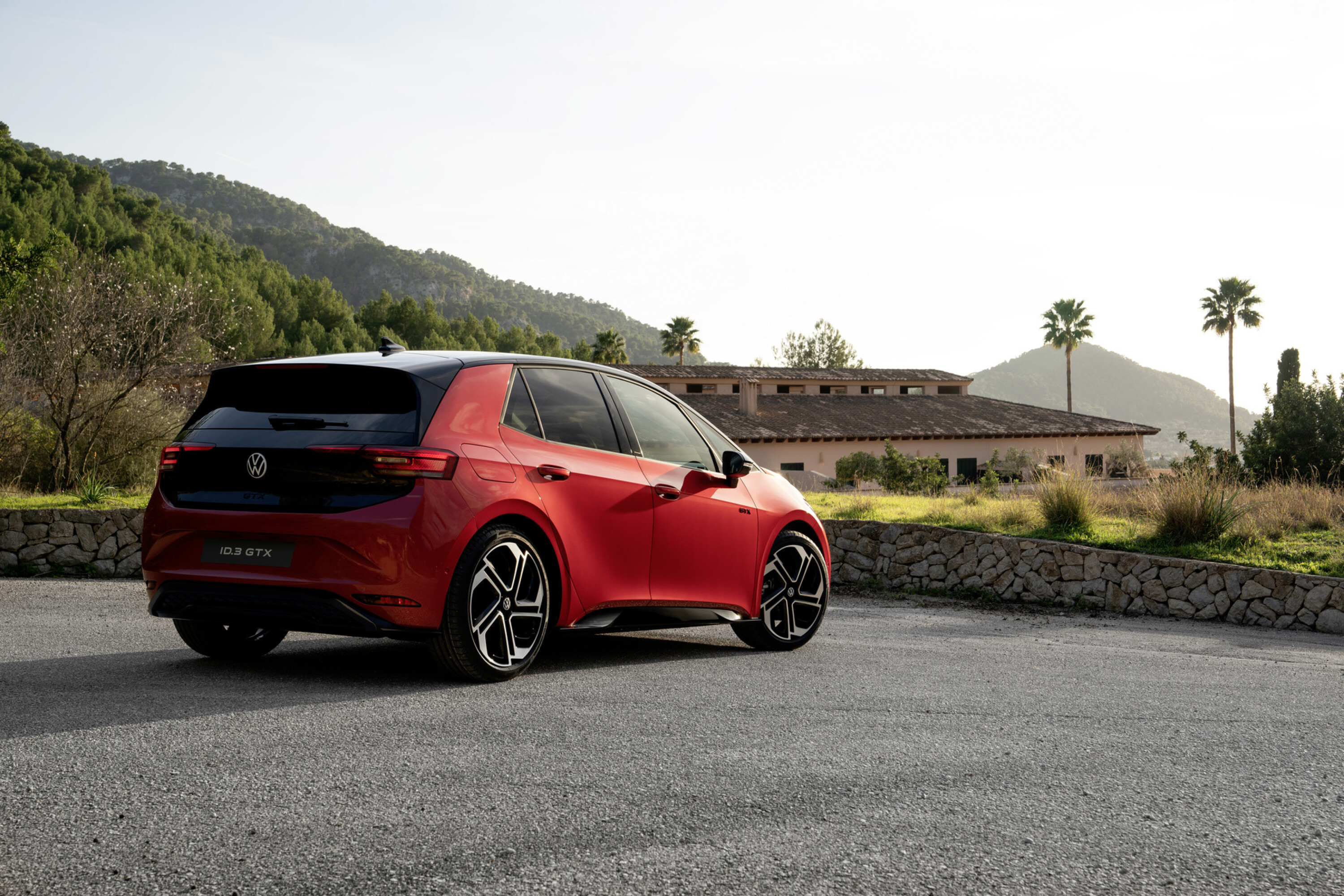
In Europe, Volkswagen will offer two trim levels as it does currently with the Golf GTI.
The ‘base’ ID.3 GTX is fitted with passive dampers and a single ‘AP550’ rear motor producing 210kW while the GTX Performance (think GTI Clubsport) gets adaptive dampers and a 240kW tune, cutting its 0-100km/h sprint by four-tenths to 5.6 seconds.
Volkswagen’s new electric hot hatch beats its Cupra Born relation for outputs (by 40kW and 70kW, respectively), as well as its GTI ICE forebear that produces 180kW/370Nm.
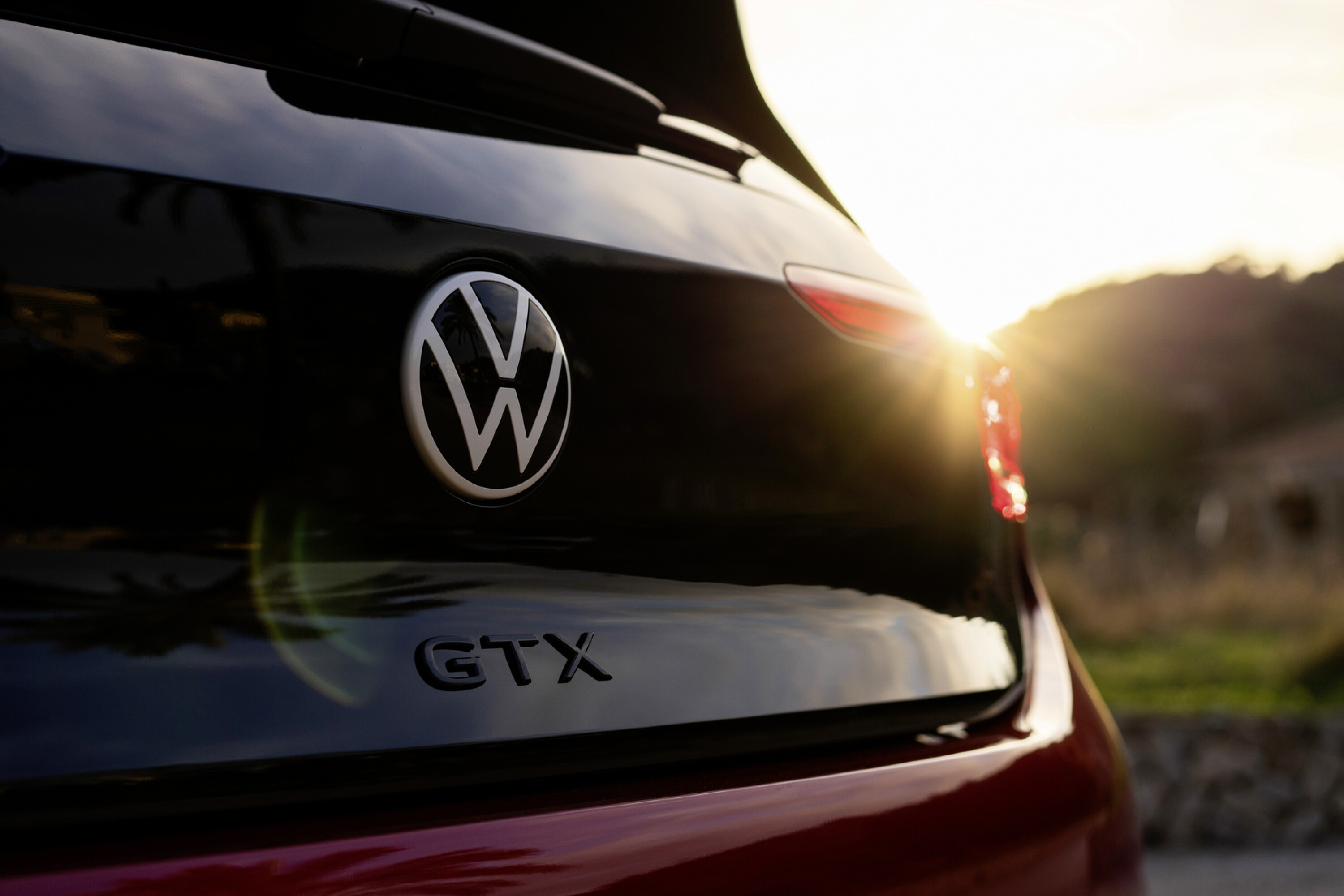
Batteries have been tweaked, too, with the GTX getting a 79kWh capacity compared to the regular 150kW ID.3’s 77kWh.
Volkswagen’s initial range expectation is around 600km for the regular GTX, with the hardcore Performance likely to offer a little less.
Charging capacity is a little higher, too, with the GTX able to take on DC electricity at 175kW for a sub 30-minute 10-80 per cent interval.
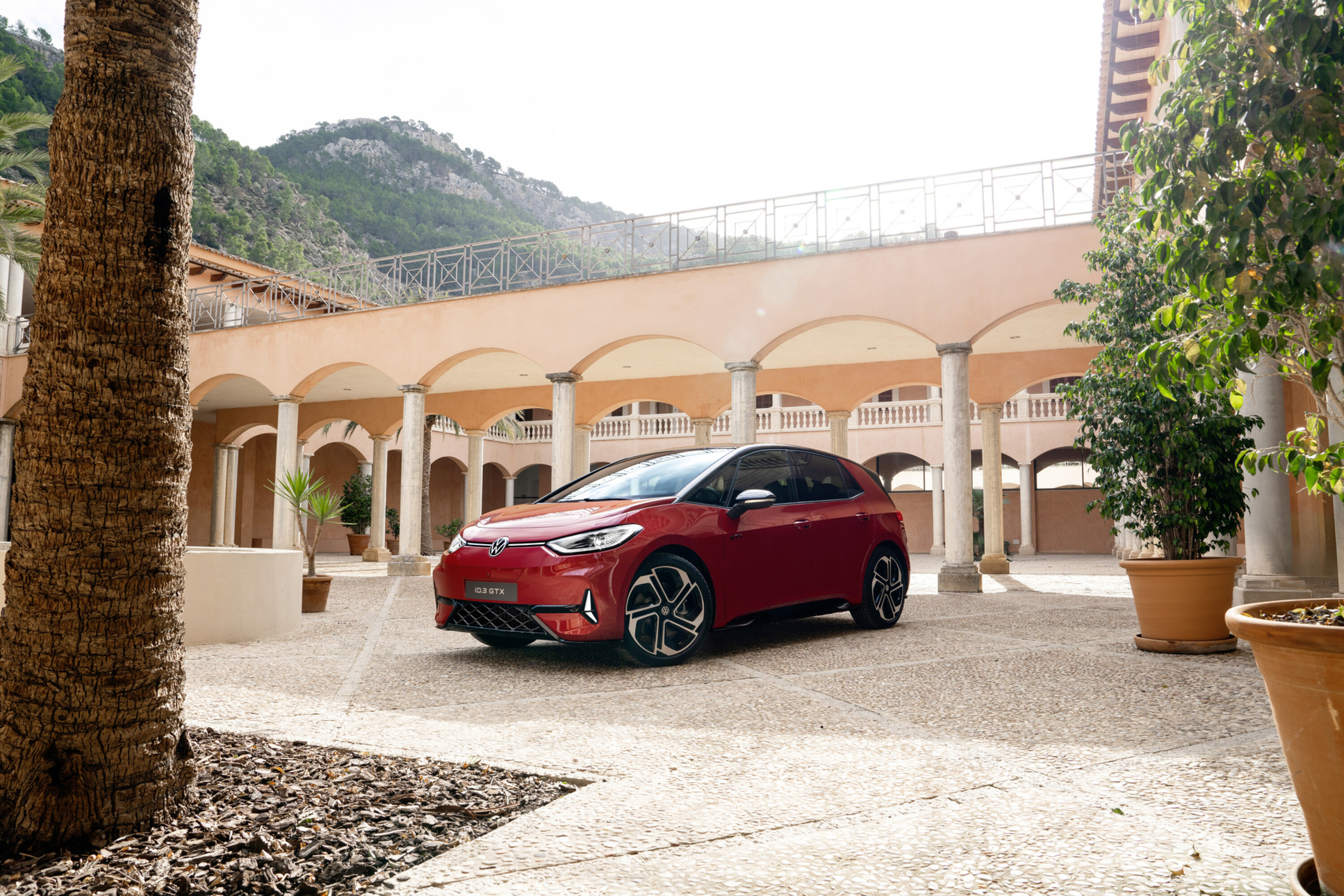
Distinguishing itself from the regular ID.3, the GTX wears different bumpers, has a unique LED light signature, gloss black details on the sills and diffuser, and wears 20-inch ‘Skagen’ (sharing a name with Danish seafood toast) alloy wheels.
Inside, the treatment is very similar to the GTI though without the signature tartan upholstery.
‘Premium Sports Seats’ are appointed in dark grey fabric with leatherette accents and there’s red contrast stitching for a pop of colour.
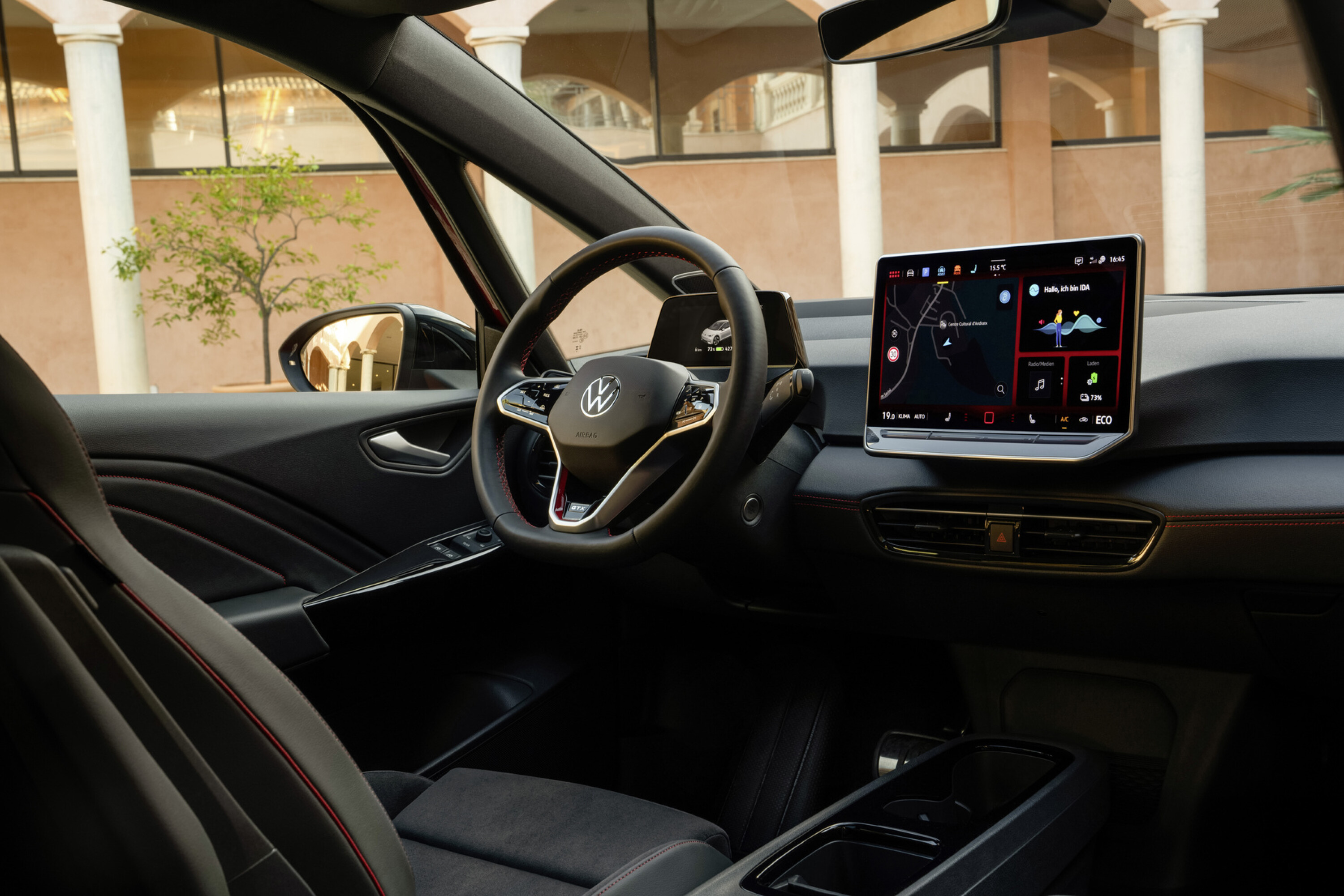
Kai Grünitz, Member of the Volkswagen board responsible for development said: “With the ID.3 GTX, Volkswagen is transferring the almost 50-year tradition of its compact GT models into the world of electric mobility. Driving pleasure is guaranteed.”
The hot hatch was revealed alongside a 250kW GTX version of the ID.7 electric tourer, though Volkswagen has previously stated that the long-roof vehicle isn’t earmarked for Australia.
Pricing and Australian availability of the ID.3 GTX is unconfirmed. British outlets have estimated a start price of around A$80,000 for the ID.3 GTX in the UK market.
The first fully electric sports car from Porsche will be the 718 Boxster.
The much-anticipated new-generation ‘983’ electric models will not debut side-by-side, with the drop-top Boxster set to wave the flag for the new-gen EV sports car pairing well before the Cayman coupe arrives.
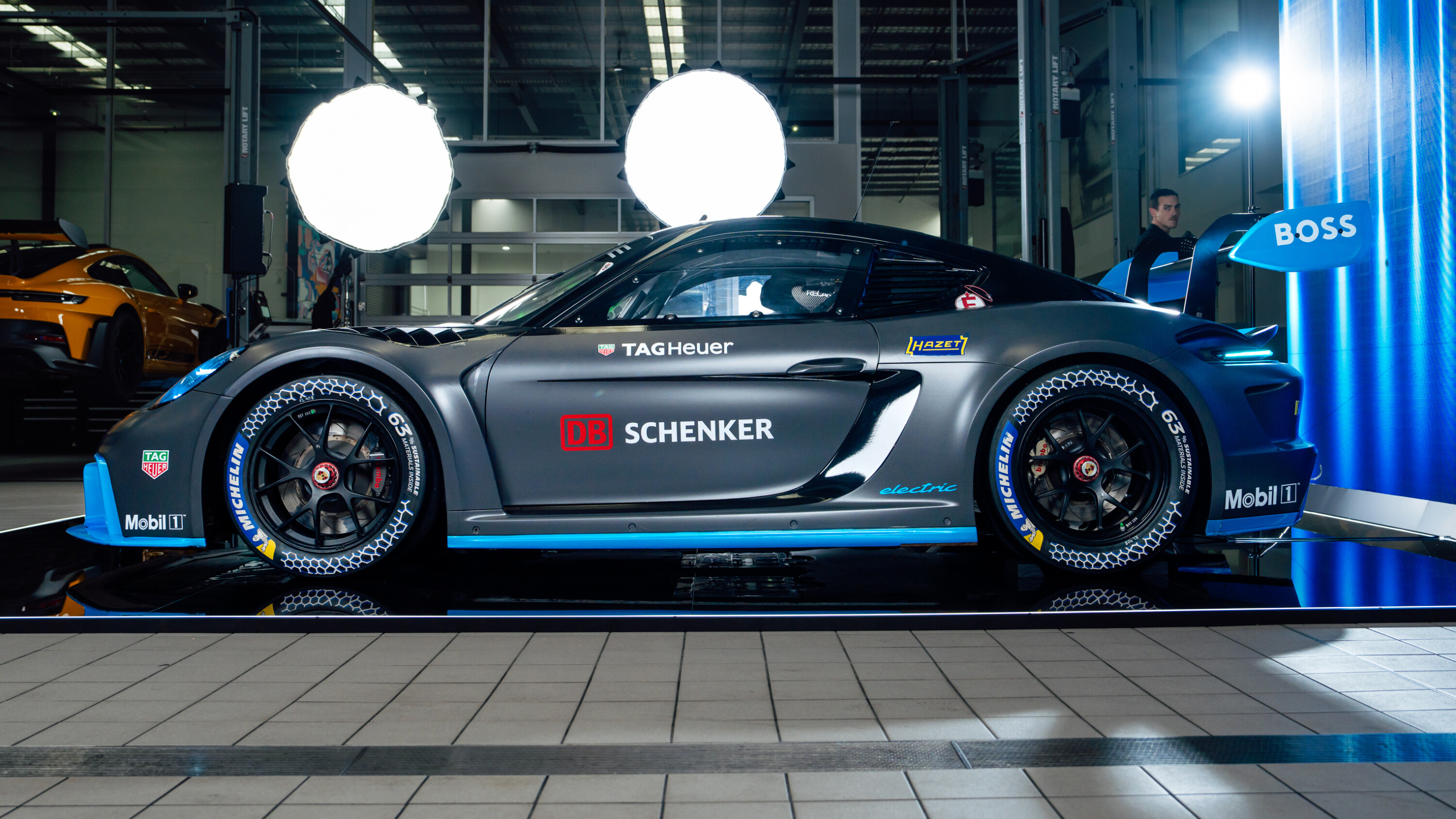
Porsche’s Björn Förster, who was in Australia recently to showcase the electric GT4 e-Performance prototype vehicle, said that while the electric project he’s put years of his life into is based on the existing 718 Cayman, he expects the Boxster to be seen first.
“Since the bigger innovation is to have an open electric sports car, if it was my company, I would go for the open version first,” he said. “We started way earlier [on the GT4 e-Performance], and we’ve already been touring the market for almost 18 months, and the electric Boxster is coming soon.”
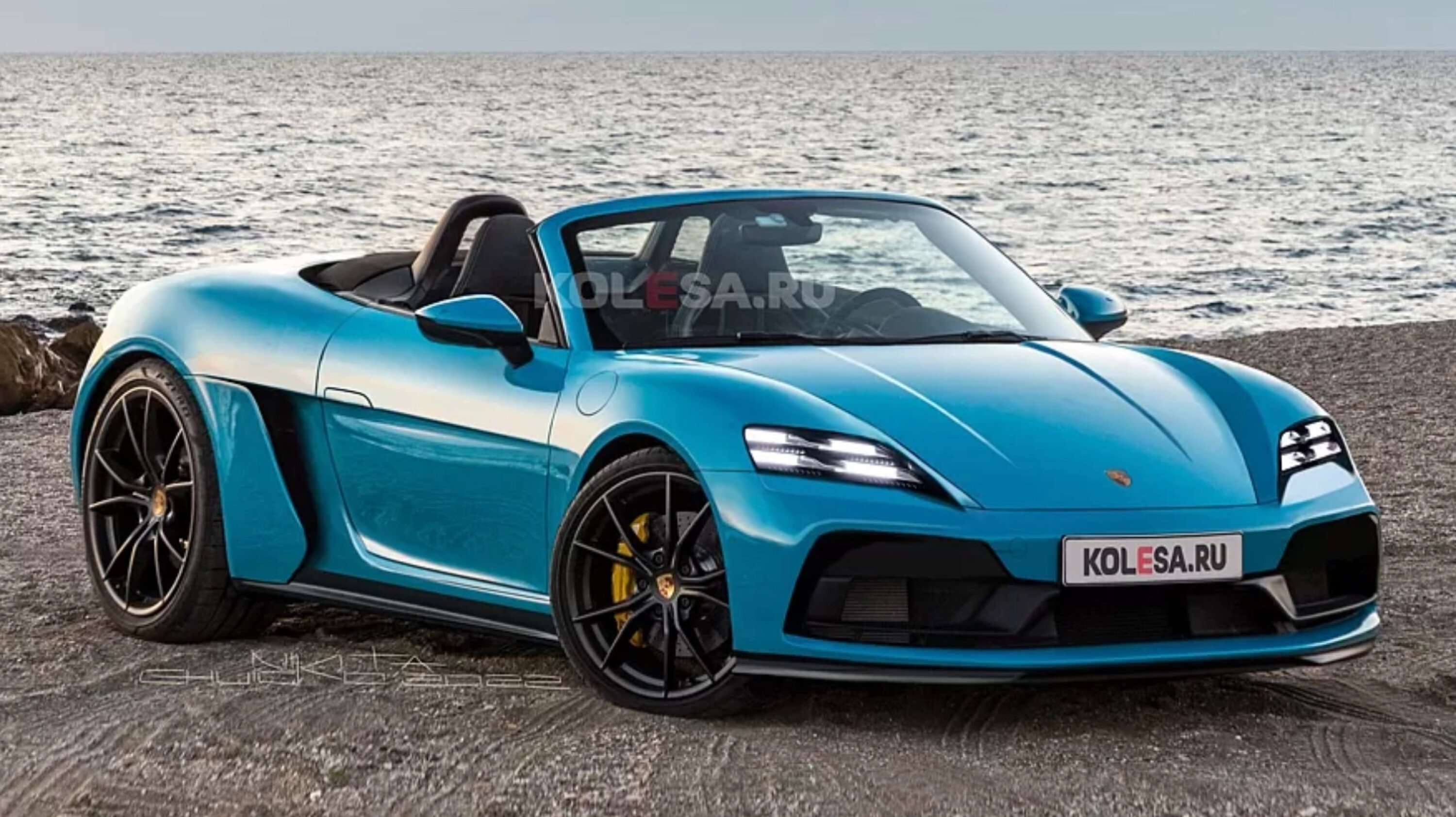
Mr Förster stated that, as is Porsche tradition, the base model electric 718 Boxster will debut initially, followed by a number of other variants.
As such, he said there’s not much chance buyers who are looking for a racing-spec version of the Boxster or Cayman will get that for several years to come, suggesting a timeline of “late in the decade” for a production EV racer.
“At the moment, we will surely not build up a race car on the base model. The base model will be introduced first,” he said.
“So it will need some time for a more performance-oriented version of the 983 [aka new-gen 718 models] will come, and then we will be on the same timeline as the Cayman, maybe,” he said.
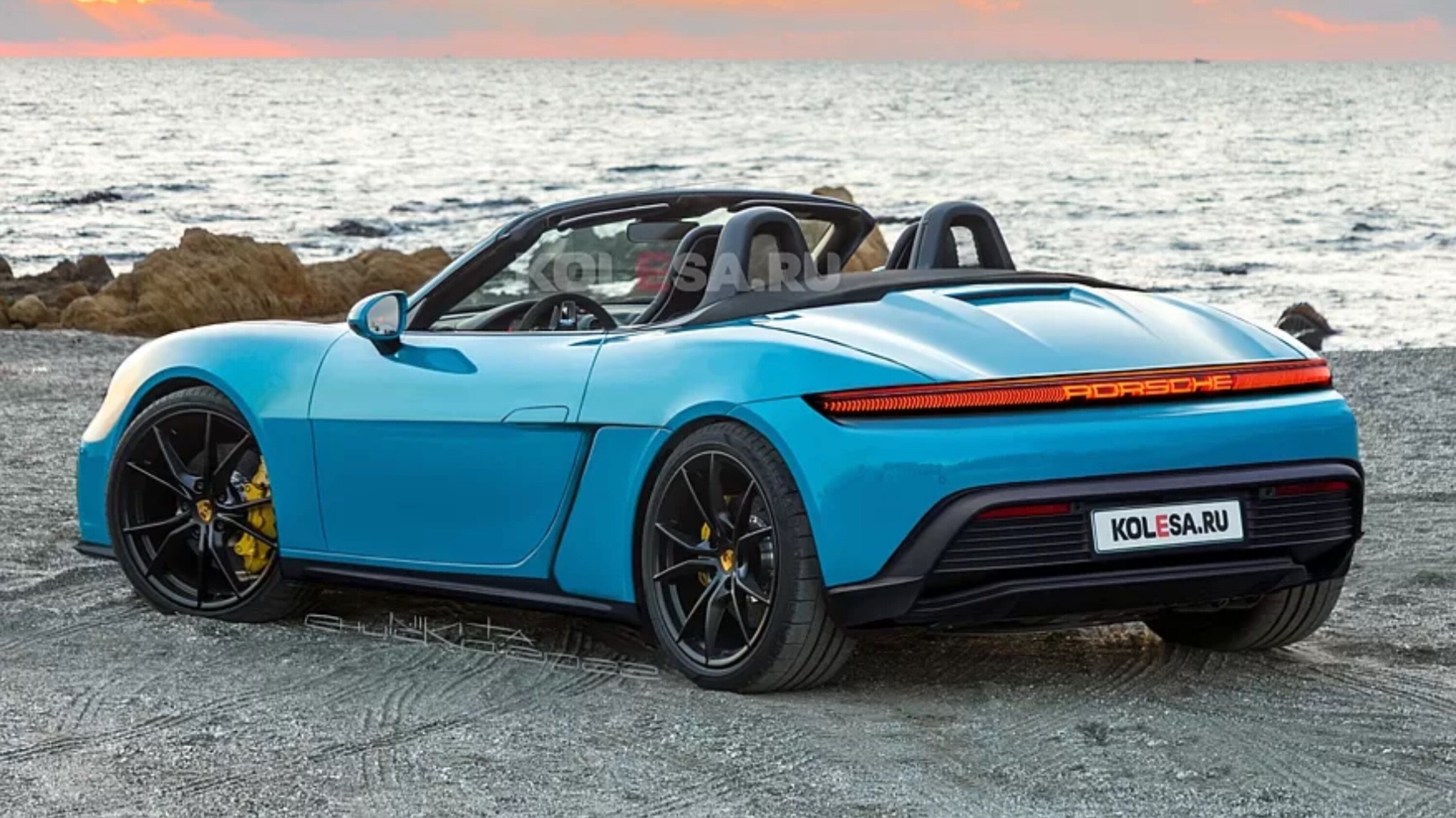
As with plenty of EVs, you can expect the new Porsche 718 models to be speedy. In fact, they may be breathing down the neck of the venerable 911, even in low-spec trim levels.
“It’s quite easy to be faster than a 911 with an electric car. As long as the 911 is not electric. But I think we want to hold on to that as long as possible,” said Mr Förster.
“We don’t build cars to make them slower. The [current] Cayman GT4 is faster than a 911… We will never make an electric car slower just to have the right hierarchy,” he said.
Expect the new 718 models to house their battery systems behind the rear seats.
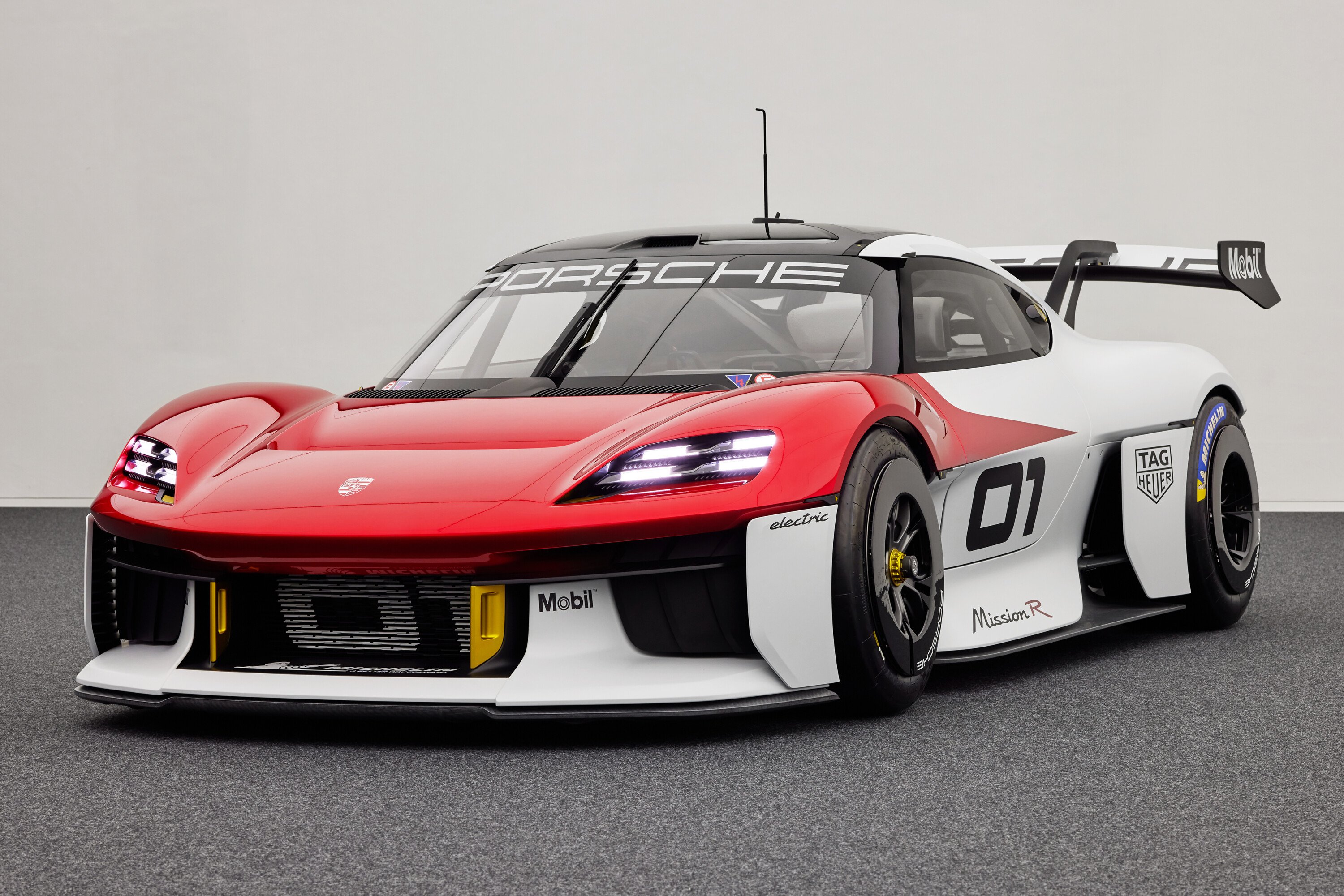
“It makes the balance way better, and also the inertia of the car will be better, the agility of the car will be better,” he said.
“Here we have a weight distribution of 52 percent on the front axle, 48 percent at the rear. Which is nearly 50:50, but not perfect,” he said. “The perfect Porsche has 58 percent in the rear. We’re playing around with that [for the production car].”
The production models may also make use of a 900-volt architecture, allowing them to recharge in as little as 15 minutes at a full-speed 350kW charging station using a Type 2 CCS combination plug.
The electric car revolution will be helpful to the hip pockets of those who have their own Porsche race car.
That might seem trite, but according to Björn Förster, Porsche’s GT4 e-Performance vehicle project manager, costs will conceivably be considerably lower for EV customer race vehicles than for ICE models – namely due to fuel and maintenance costs.
“I would say the regular combustion engine race car with about 75 hours of racing costs about 70,000 to 100,000 euros,” said Mr Förster, before explaining that the durability of the battery system and electric motors employed in the GT4e-Performance is, in theory, significantly more sound than a combustion engine model.
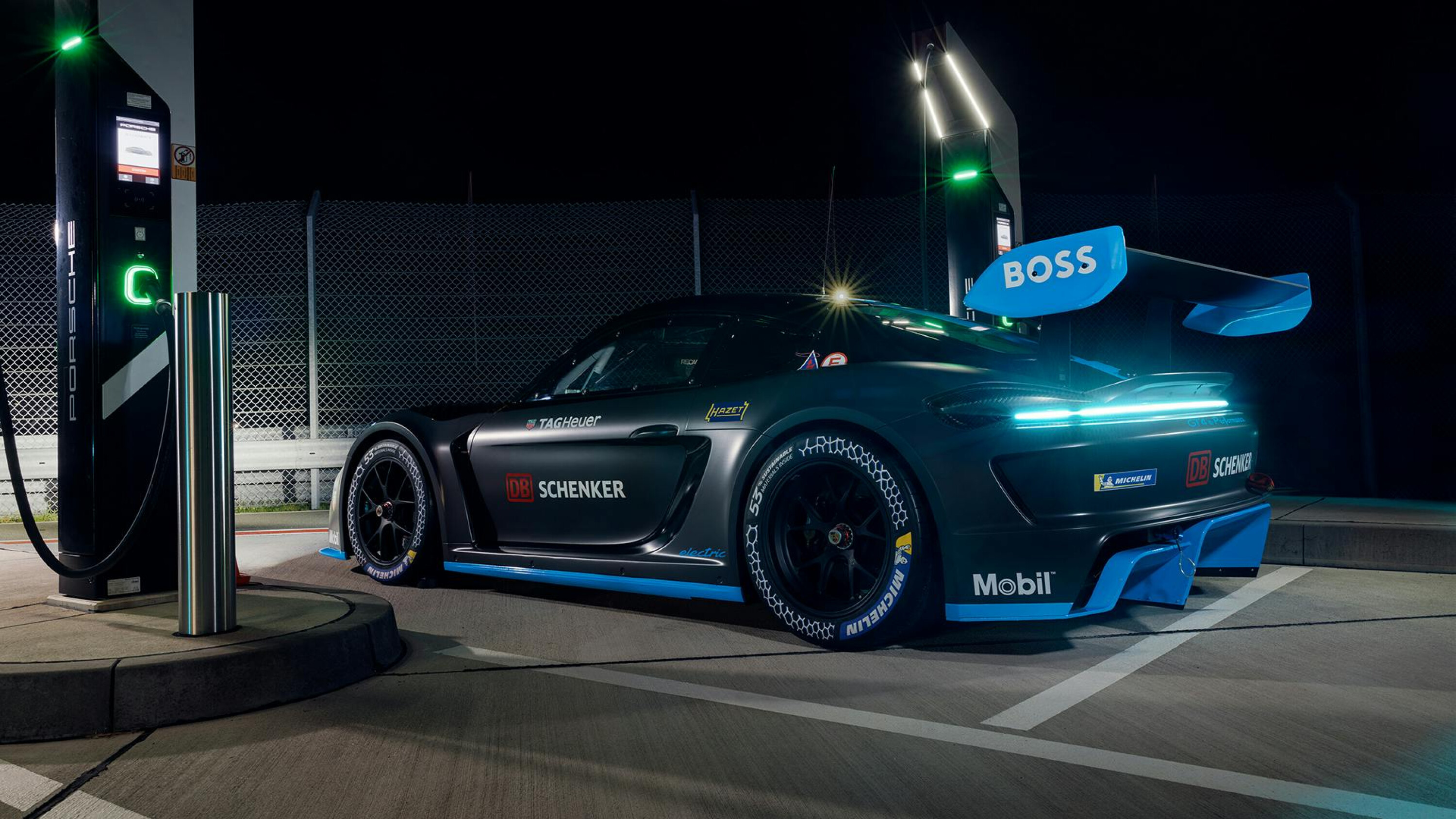
“So as long as you can keep it at 45 degrees, there won’t be any damage,” Mr Förster said of the battery system, which is cooled by a novel oil-cycling system developed in conjunction with Mobil 1.
Mr Förster admitted that this project car – which essentially frankensteins a Taycan EV together with a previous-gen 718 Cayman along with about 6000 unique parts – was not the perfect way to put together a fully electric sports car, but said lessons learned in the development of this racer will flow through to future production EV sports cars.
“The biggest challenge was placing 80kWh of battery capacity into a small chassis vehicle,” he said. “That’s the reason this setup of batteries is really a compromise to get the same capacity from a Taycan, a four-door sedan, into a coupe.”
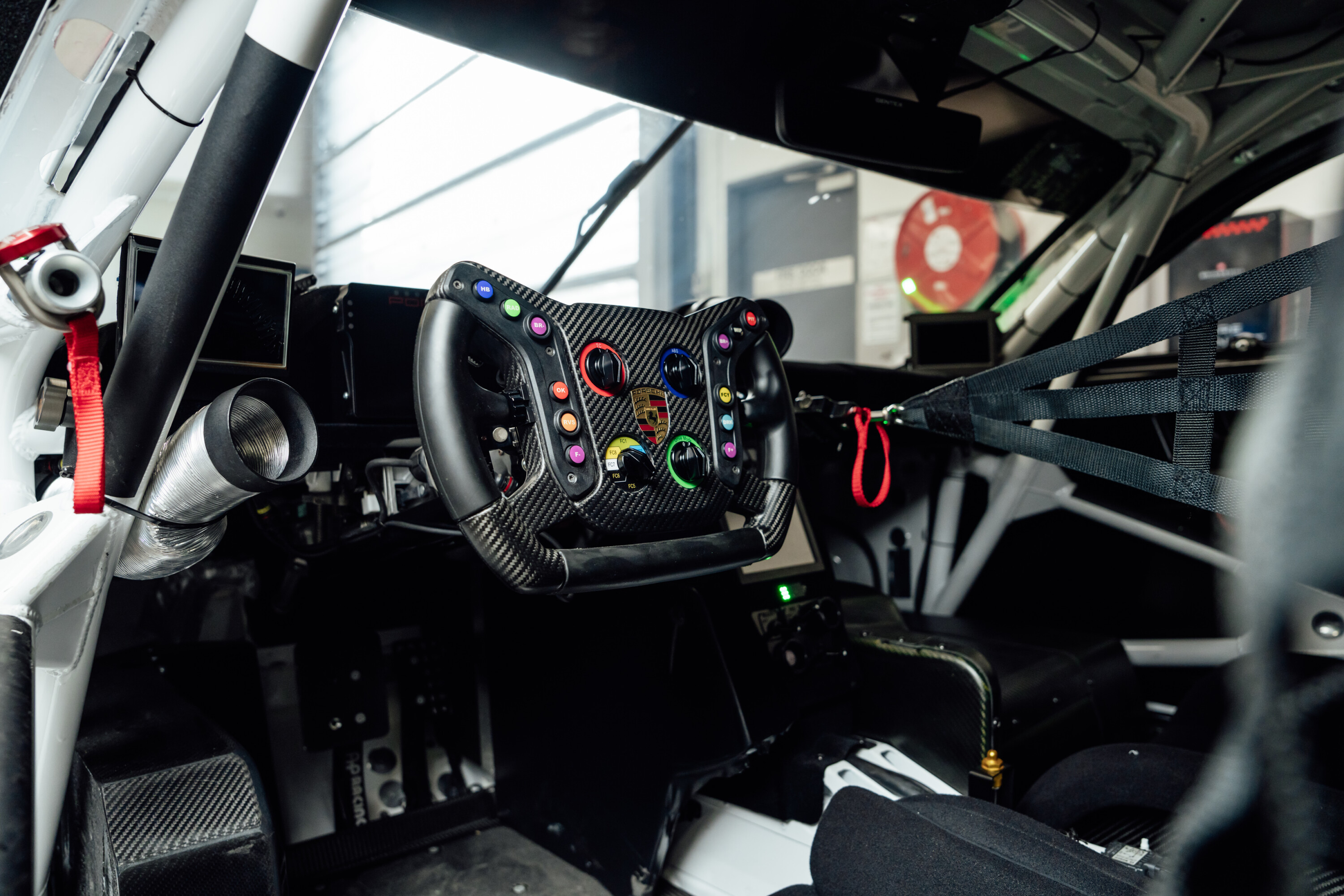
The battery isn’t a traditional ‘bank’ or ‘skateboard’ platform – instead, there are three separate battery casings in the car – one under the bonnet, one in the passenger’s footwell, and a third behind the seats.
Mr Förster said that while this is a prototype, the target cost for a production model is around 300,000 euros. For a little further context, the most recent Porsche 911 GT3 Cup Car had a list price of 225,000 euros… and then you need to consider that, if Mr Förster’s assertion is correct, there will be far less maintenance needed, and no hefty fuel bills, either.
“To offer it with a good price of 300,000 euros, maybe, for a race car, we need a proper street car, which is already electric, which is a two-door, to build an electric race car out of that.
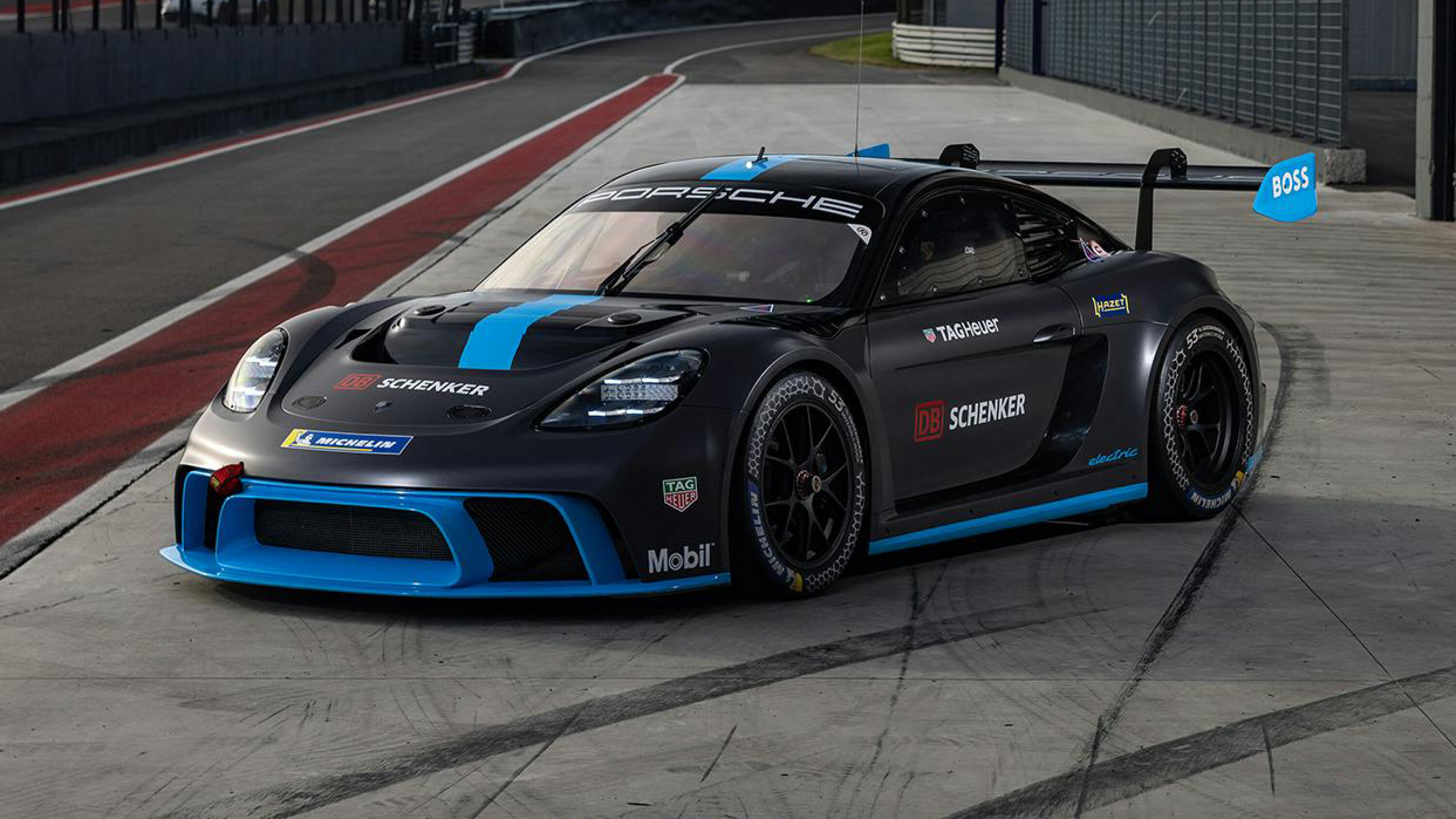
That’s the main point we’re waiting for to start with the development of the next version,” he said of the future-gen 718 Cayman and 718 Boxster models which are due in the next couple of years.
Time on track is another cost consideration: EVs are still far slower to ‘refuel’ than conventional vehicles: on 350kW charging – if present in the pit lane – it’s still at least 15 minutes of charging before only getting 25-30 minutes of drive time.
However, the GT4 e-Performance prototype’s oil-cooled battery system will cool itself while you recharge, essentially lessening the potential downtime once you’re back on track.
But don’t expect an oil-cooled system in the production model, as Mr Förster suggested that this car’s tech is “five years ahead” of what has potential for mainstream production.
We’ve seen it for a few decades now – faster cars have all-wheel drive (AWD) to help get the grunt down to the ground – and that’s also a common theme across ICE Porsche models.
However, it seems evident that Porsche electric sports cars of the future will also sport AWD as a crucial component to the drive experience – and it’s not simply to boast a faster 0-100 time.
Björn Förster, the project manager behind the Porsche GT4 e-Performance prototype racing EV, said AWD is going to be vital in fast EVs to help them go, but also to help them stop.
Mr Förster explained that, currently, battery weight is still a big consideration for EV development, and that by having dual motors rather than a single motor setup, you can reduce the battery capacity needed, lowering the weight of the car, and – in the case of the brand’s prototype model – improving its braking performance, too.
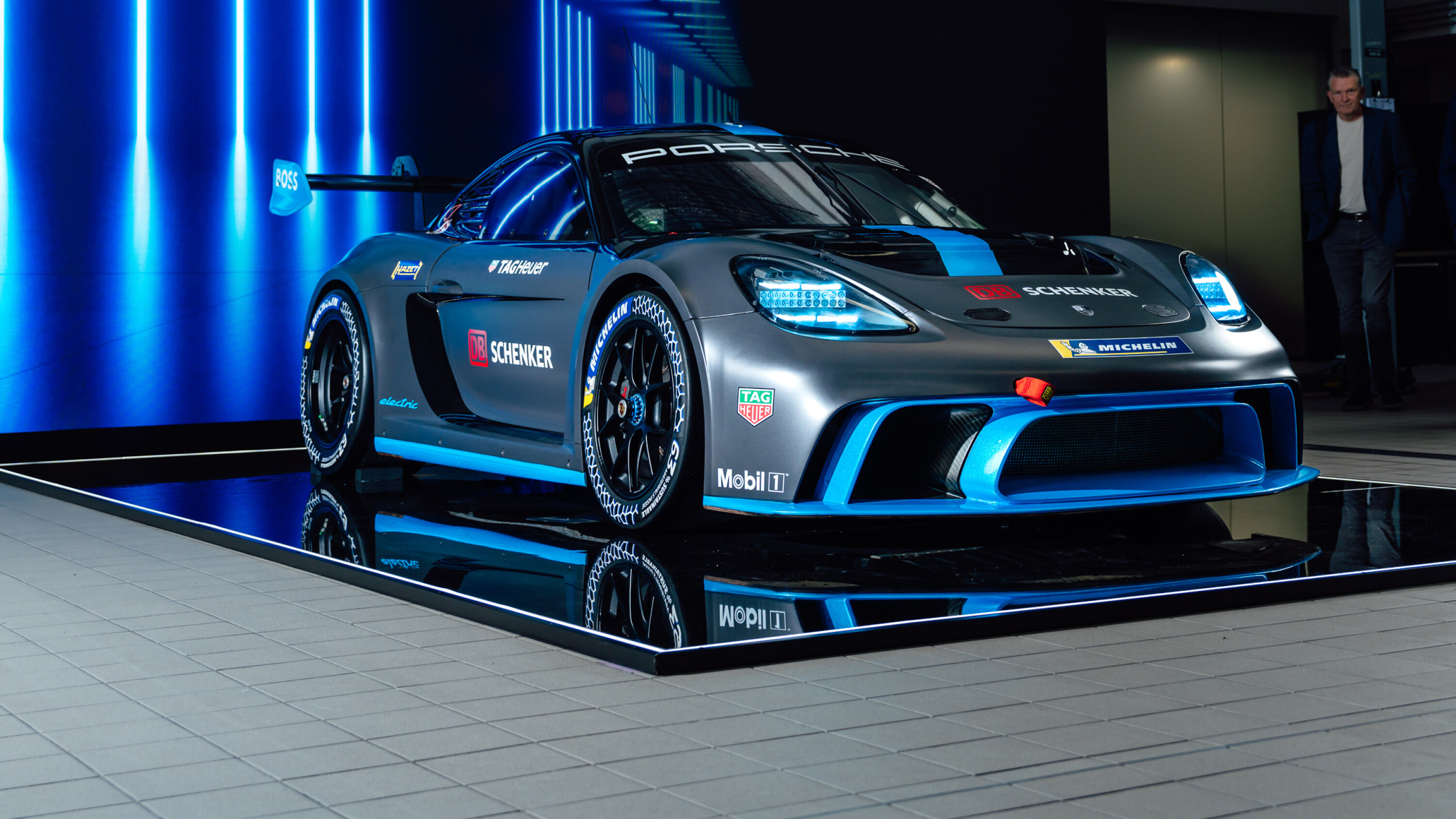
“If you add all-wheel drive on a combustion engine car, yes, you raise your traction a bit, but you’re also adding weight,” he said.
“On electric cars, it’s a completely new playground. We have, on each axle, one electric motor and so we can recuperate energy on both axles. With each minute we are racing, we can recuperate up to one kWh per axle,” Mr Förster explained.
“So it’s very sensible to use both axles for recuperation,” he explained about the GT4 e-Performance. “But we also have the same drivetrain in the front and in the rear, so 500-something horsepower in the rear, and the same in the front.
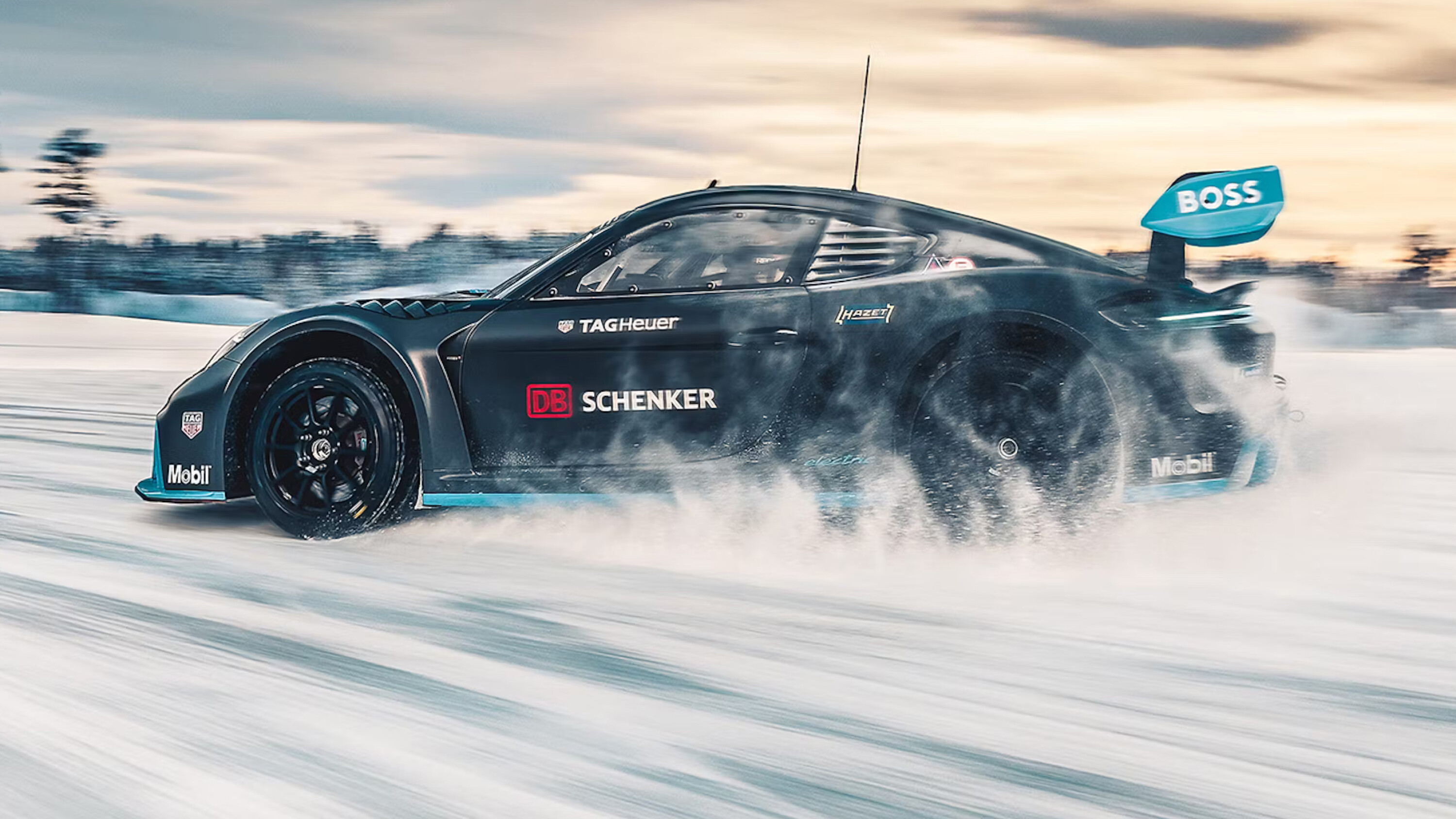
“If we only had a rear-wheel drive car, we would need about 250 kilograms more batteries to reach the same drive time,” he claimed. “And that’s massive. So the decision to go for all-wheel drive, it’s very clear for a race car.
“The advantage is to save weight, but also to save batteries – because batteries are expensive, you also save money,” he said, suggesting that the GT4 e-Performance’s 450kg of batteries is notably less because it has dual-motor all-wheel drive than if it had been rear-wheel drive. “If you can reduce both of those by putting in an additional motor in the front which doubles the power of the car? It isn’t an option.
“It’s also about the drive cycle – because on a regular drive cycle like WLTP because going up to 50 kilometres, holding the speed and braking, stopping, going to the Autobahn – but you never have the chance to break out. On a race course, you do nothing else but pushing hard, braking hard. So the potential of the drive cycle is way higher to get energy back when you’re racing a car, either as a race car, or as a street car on a race track,” Mr Förster said.
As for production EV sports cars, like the upcoming 718 Boxster and 718 Cayman?
“There are some regulations that on a road car, you’re only allowed to recuperate until 0.3G. Everything with a higher brake acceleration has to be braked by mechanical brakes. So, it’s the law, at least in Europe, so it’s the same potential on a street car – but on a street car it’s not that relevant because most of the time you don’t brake [that hard]. For street cars, it’s absolutely okay to have a rear-wheel driven car.
“There is a gain, yes, but it’s not that effective. You go for about 30 to 50 kilometres more recuperation of energy from the front motor, but not more,” said Mr Förster.
The Toyota Corolla and Toyota Yaris hatchbacks are no longer available to order with a non-hybrid powertrain in Australia – except for GR performance models.
Toyota Australia has announced order books for the Corolla and Yaris petrol hatches will be closed from March 13, leaving dearer but better selling hybrid variants as the sole options available.
GR Corolla, Corolla sedan and GR Yaris models will retain all existing non-hybrid powertrain options. The turbocharged GR Yaris is due to receive an update later this year with a newly-available automatic transmission.
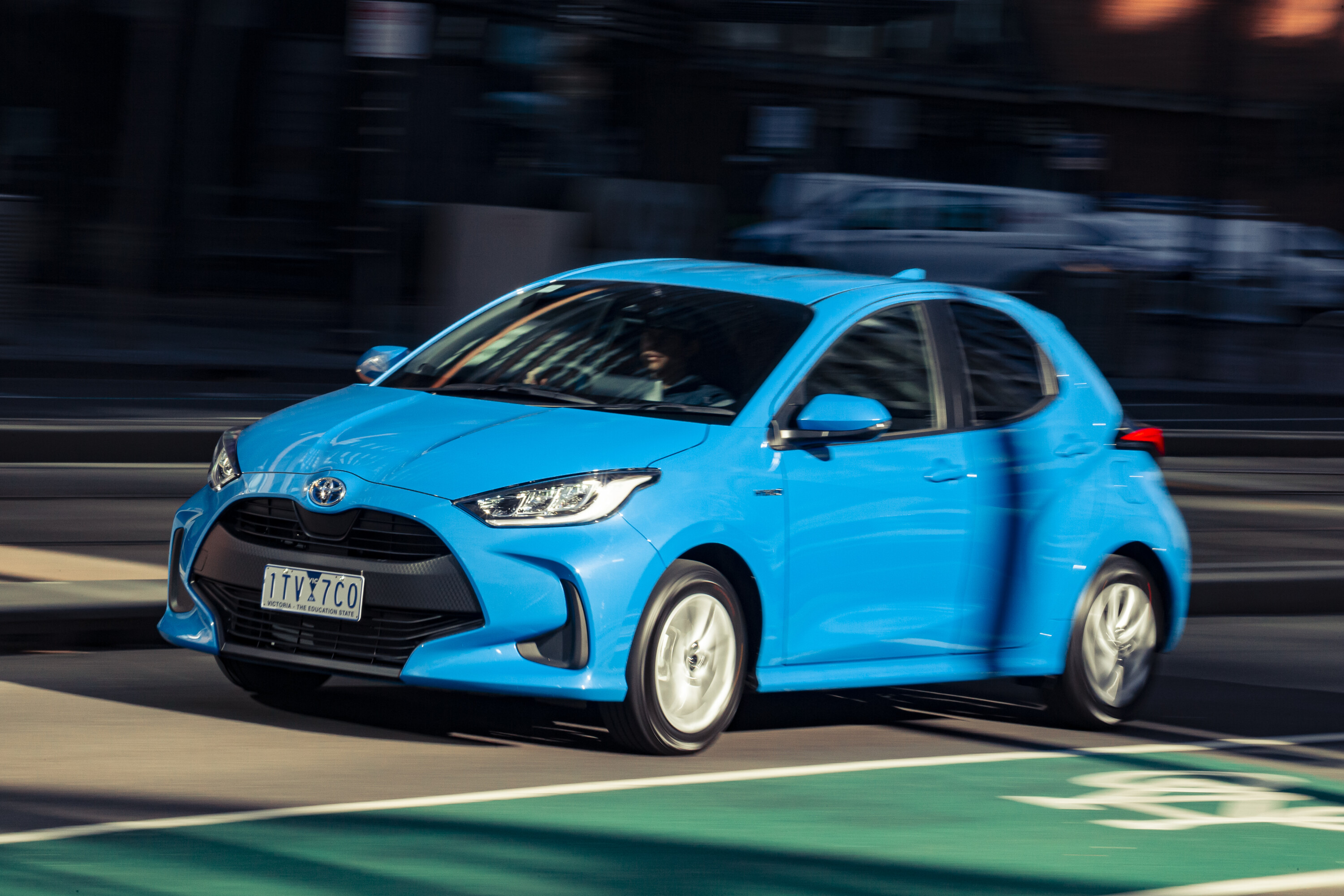
“In recent times, we’ve announced that C-HR, Camry and Yaris Cross are all going 100 per cent hybrid. Taking this one step further, we’ve advised our dealers that from today, we are no longer accepting orders for petrol variants of Yaris hatch and Corolla hatch,” said Toyota Australia’s sales and marketing boss Sean Hanley.
“This is due to natural consumer demand. There are no direct incentives and there’s certainly no legislation. It’s driven by changing consumer behaviour and choices that Toyota has played a significant role in encouraging. It’s not driven by an efficiency standard.”
The decision to delete petrol versions of the Yaris and Corolla hatches will see the base price for both models rise beyond $30,000 before on-road costs.
The cost-of-entry into the Yaris petrol line-up was $24,800 before on-road costs for the base Ascent Sport, while the most-affordable Yaris Hybrid is priced from $30,190 plus on-roads – a $5390 increase.
A hybrid version of the Yaris Ascent Sport is not available, limiting it to SX and ZR trims. The latest increase sees the Yaris’s base price almost double from $15,390 to $30,190 compared to the previous-generation model last sold in 2020.
Meanwhile, the Corolla hatch line-up will now start from $32,110 before on-roads for the Ascent Sport Hybrid – up from $29,610 for the now-axed petrol Ascent Sport.
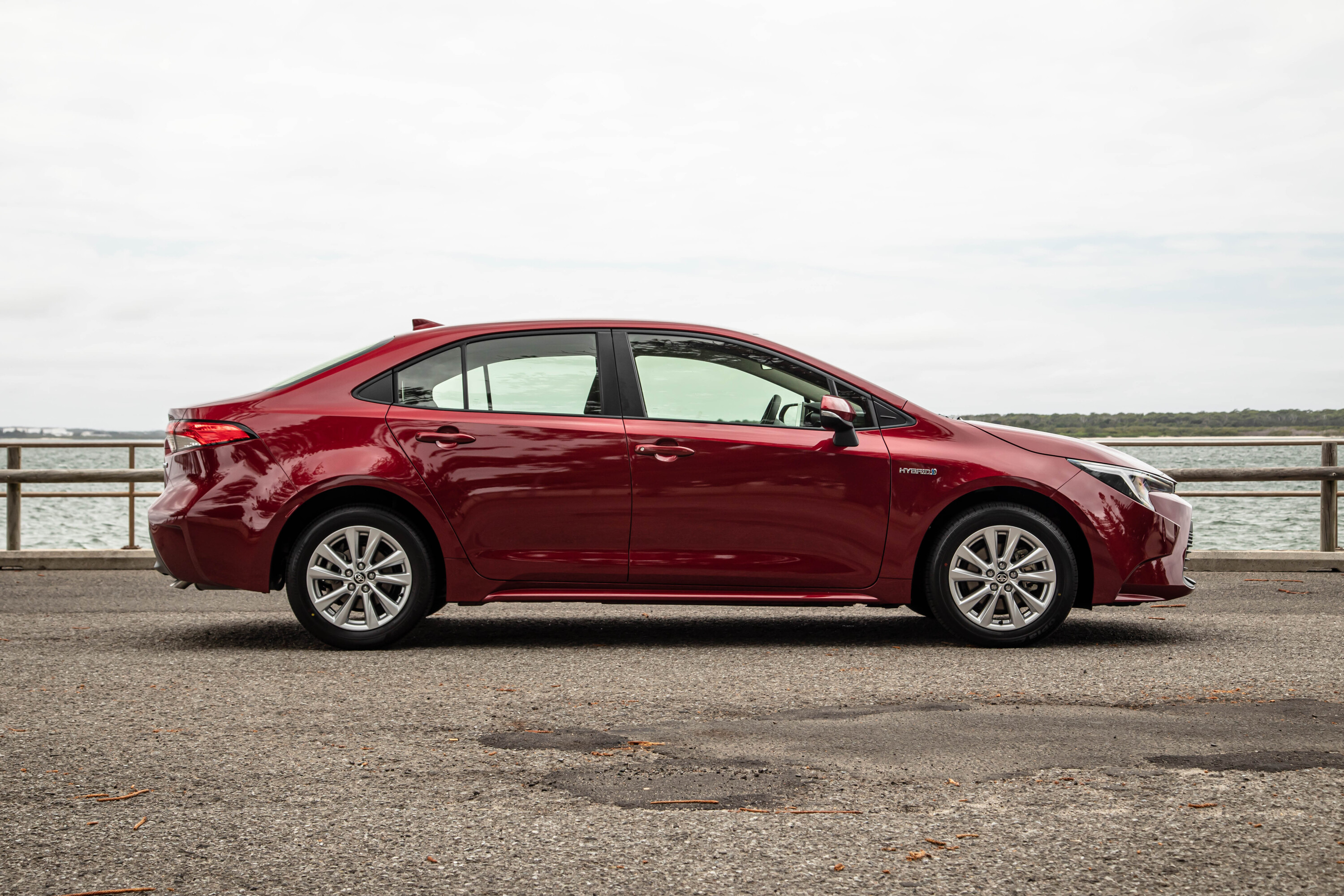
The Corolla Sedan will continue to offer non-hybrid options with the most affordable petrol variant priced from $29,270 before on-road costs. There are also no changes for the related Toyota Corolla Cross small SUV.
In Australia, the Toyota Yaris Cross light SUV went hybrid-only with petrol models deleted in late 2023 due to “overwhelming demand for hybrid-electric variants”.
The latest Toyota C-HR small SUV – which arrives in local showrooms this month – and Toyota Camry medium sedan – due here later in 2024 – also exclusively offer hybrid powertrains.
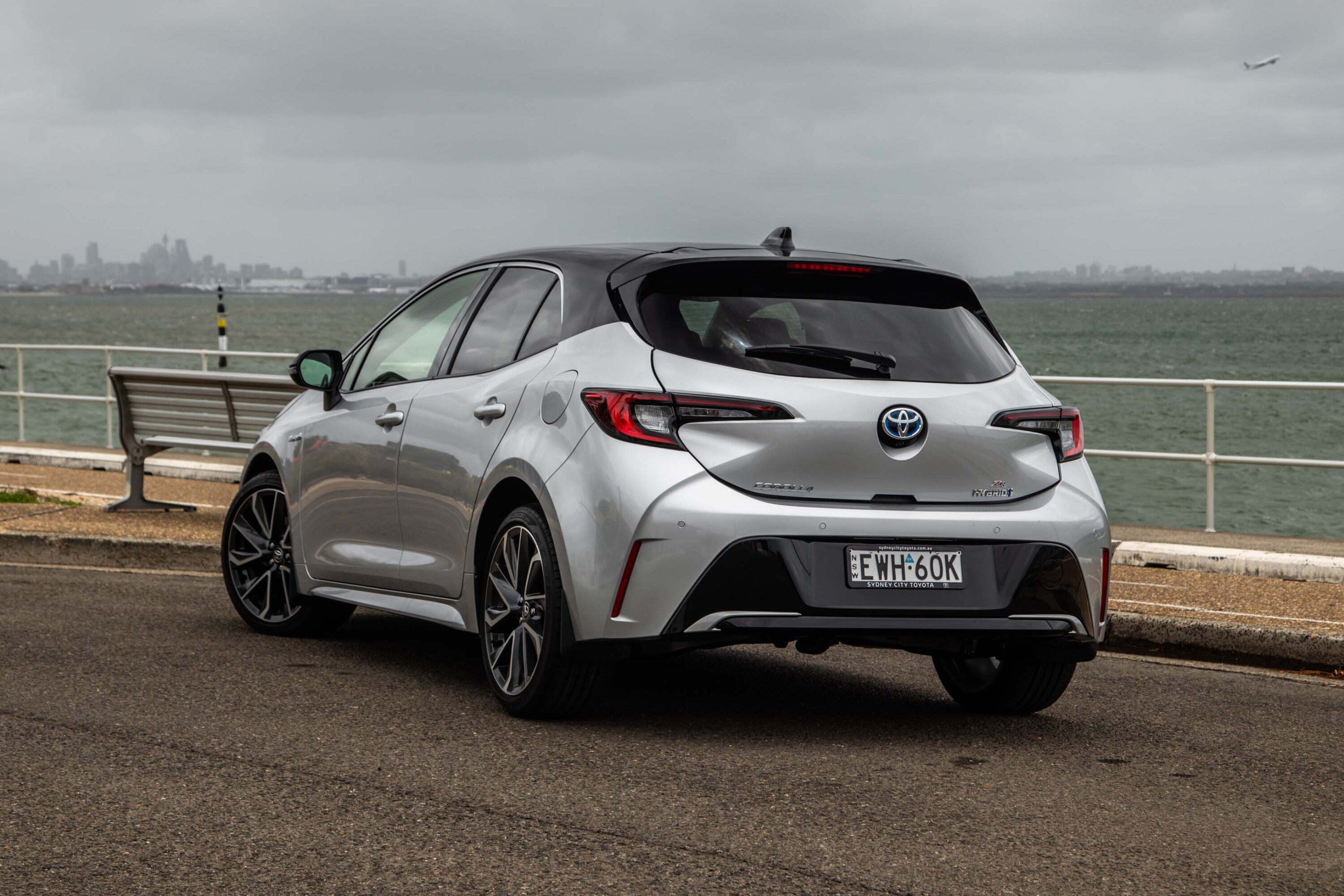
2024 Toyota Yaris pricing
| Model | Pricing |
|---|---|
| SX Hybrid | $30,190 |
| ZR Hybrid | $33,260 |
| GR Yaris | $51,390 |
| GR Yaris Rallye | $56,390 |
| Prices exclude on-road costs |
2024 Toyota Corolla hatch pricing
| Model | Pricing |
|---|---|
| Ascent Sport Hybrid | $32,110 |
| SX Hybrid | $35,600 |
| ZR Hybrid | $39,100 |
| GR Corolla | $64,190 |
| Prices exclude on-road costs |
2024 Toyota Corolla sedan pricing
| Model | Pricing |
|---|---|
| Ascent Sport petrol | $29,270 |
| Ascent Sport Hybrid | $32,320 |
| SX petrol | $32,420 |
| SX Hybrid | $34,920 |
| ZR petrol | $37,760 |
| ZR Hybrid | $40,260 |
| Prices exclude on-road costs |
Industry body reports that growth in novated leases, particularly for EVs, is helping to boost Australian new car sales
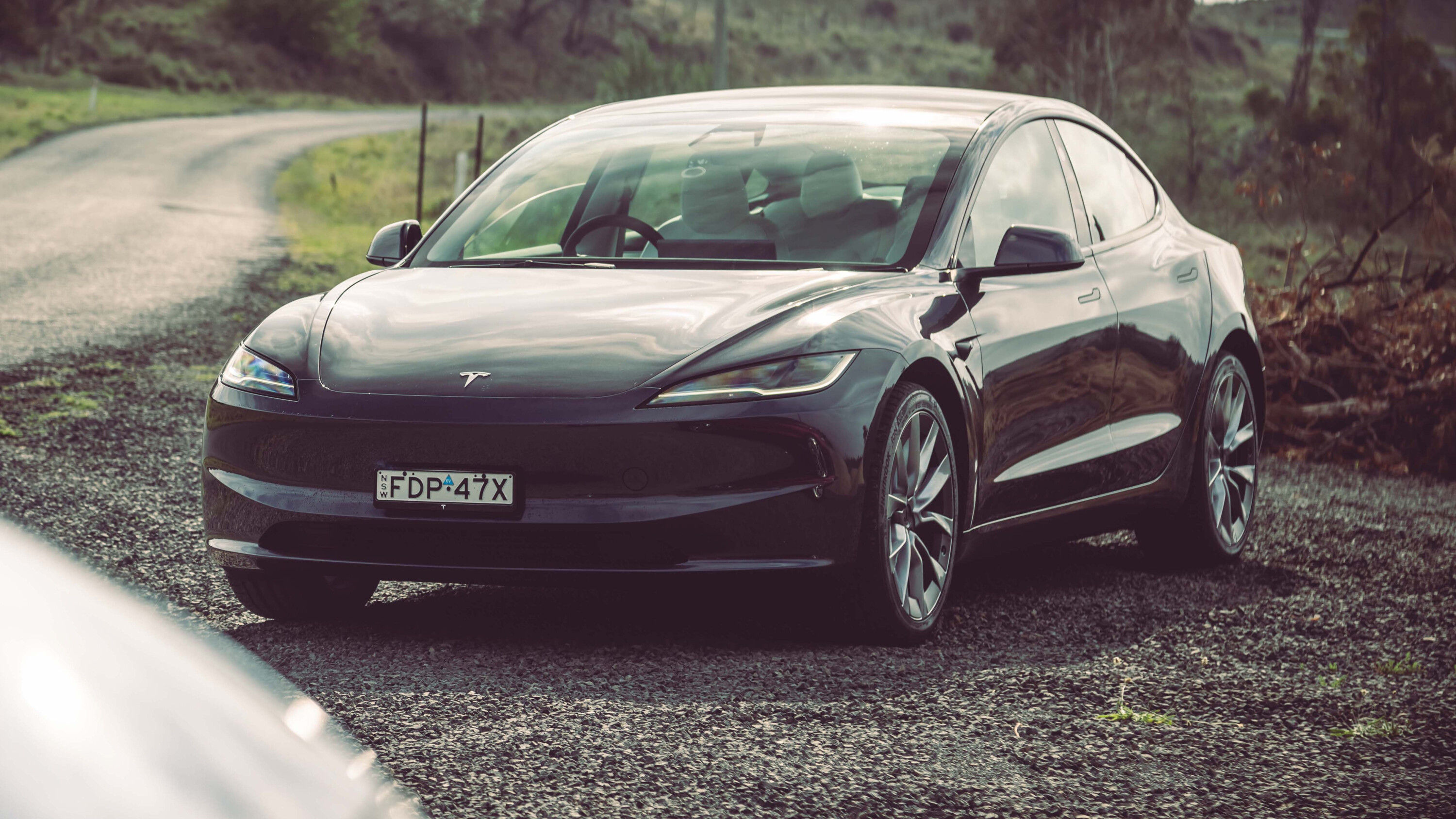
Battery electric vehicles (BEV) and plug-in hybrid electric vehicles (PHEV) comprised 14.4 per cent of passenger and SUV vehicle sales (excluding light and heavy commercial vehicles) in February, in a month where total sales were up 20.9 per cent compared to February 2023. BEVs and EVs took 9.9 per cent of the market in February 2023.
PHEVs sales are up 126 per cent in January and February 2024 compared with the same period last year.
National Automotive Leasing and Salary Packaging Association chief executive Rohan Martin said demand to buy new cars remains robust for a range of reasons, including new discounts for motorists.
“Our members are reporting robust growth in novated lease sales, particularly as a result of the Government’s EV FBT exemption and greater EV model availability,” Martin said.
NALSPA members have recently reported strong ongoing growth in total novated lease sales, with EVs making up 35 to 40 per cent of all new novated leases.
“The FBT discount is making EVs more affordable to purchase which is driving new interest from a range of Australians across the country,” Martin said.
“As many Australians navigate cost-of-living challenges, they’re looking for ways to help them save on their transport related costs – and a way they are achieving this is by turning to novated leasing. With the benefit of salary packaging, they are able to reduce their income tax, potentially helping to save them thousands of dollars.
“Selecting an EV can save motorists even more when factoring in the EV FBT discount and their reduced running costs.”
What is a novated lease and why is it better with an EV?
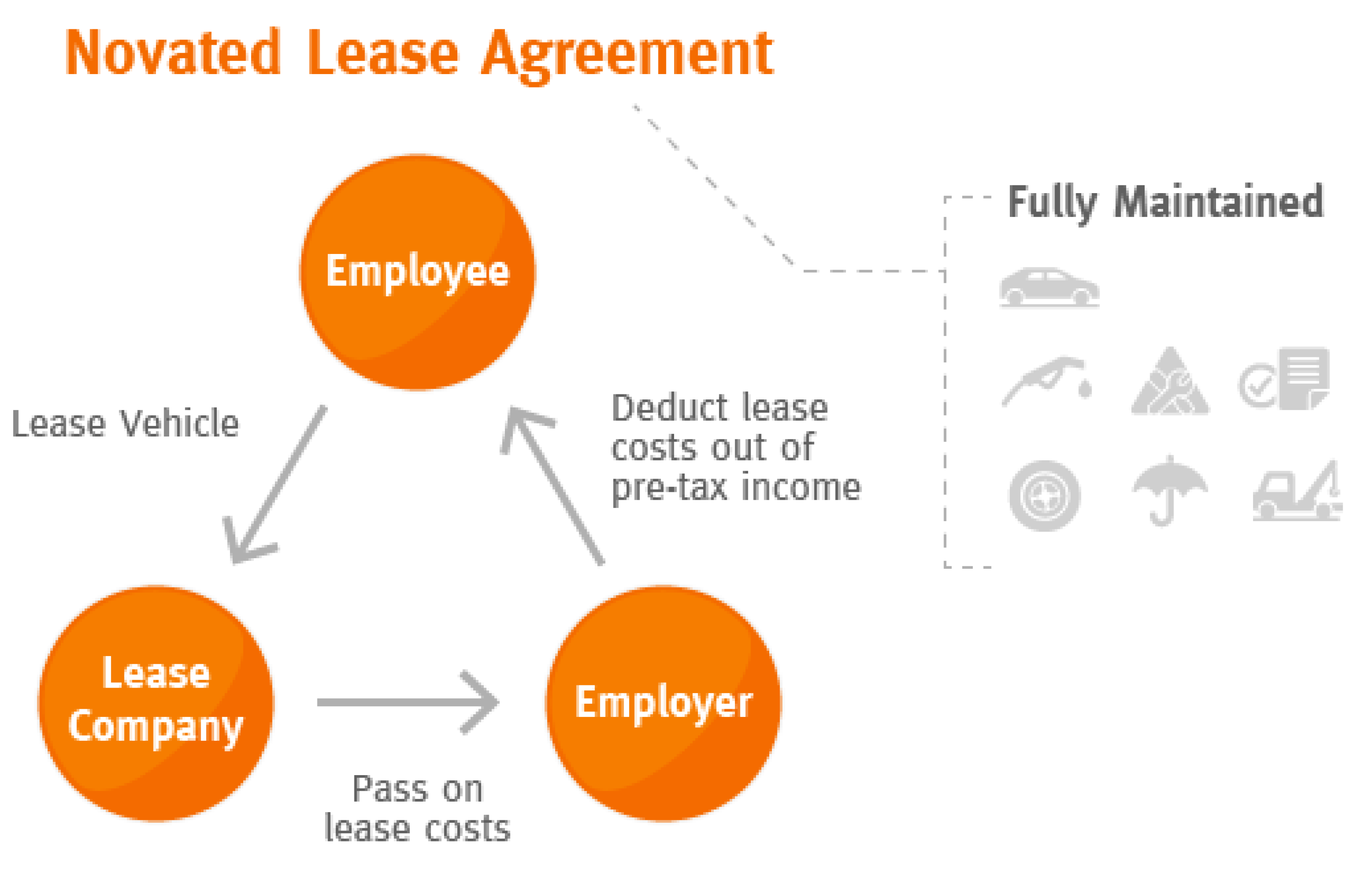
Under a novated lease, you enter into a ‘salary sacrifice’ arrangement with your employer to cover the car lease repayments from your pre-tax salary. You may also include some running costs in your lease.
Your taxable income is therefore lower and you pay less tax: your finance provider or an accountant can help you to work out the potential savings and the other things you’ll need to consider, based on your personal circumstances, before entering into a novated lease.
When you have a conventional combustion car under a novated lease with your employer, the Federal Government considers it to be a fringe benefit. Fringe benefits tax (FBT) may then apply.
Exemption from FBT for BEVs and PHEVs valued below the luxury car tax threshold ($89,332 for FY 2023/24) on novated leases was introduced in 2022, however, reducing the cost of BEV/PHEV novated leases by thousands of dollars per year.