
BMW had a good thing going ten years ago. The introduction of the X1 premium small SUV was a stroke of genius, offering the high-riding BMW at a more palatable price point and at a time where it wasn’t being challenged by other manufacturers.
That is until Mercedes-Benz threw its hat into the ring, upsetting BMW’s monopoly in 2013 with its first-ever GLA.
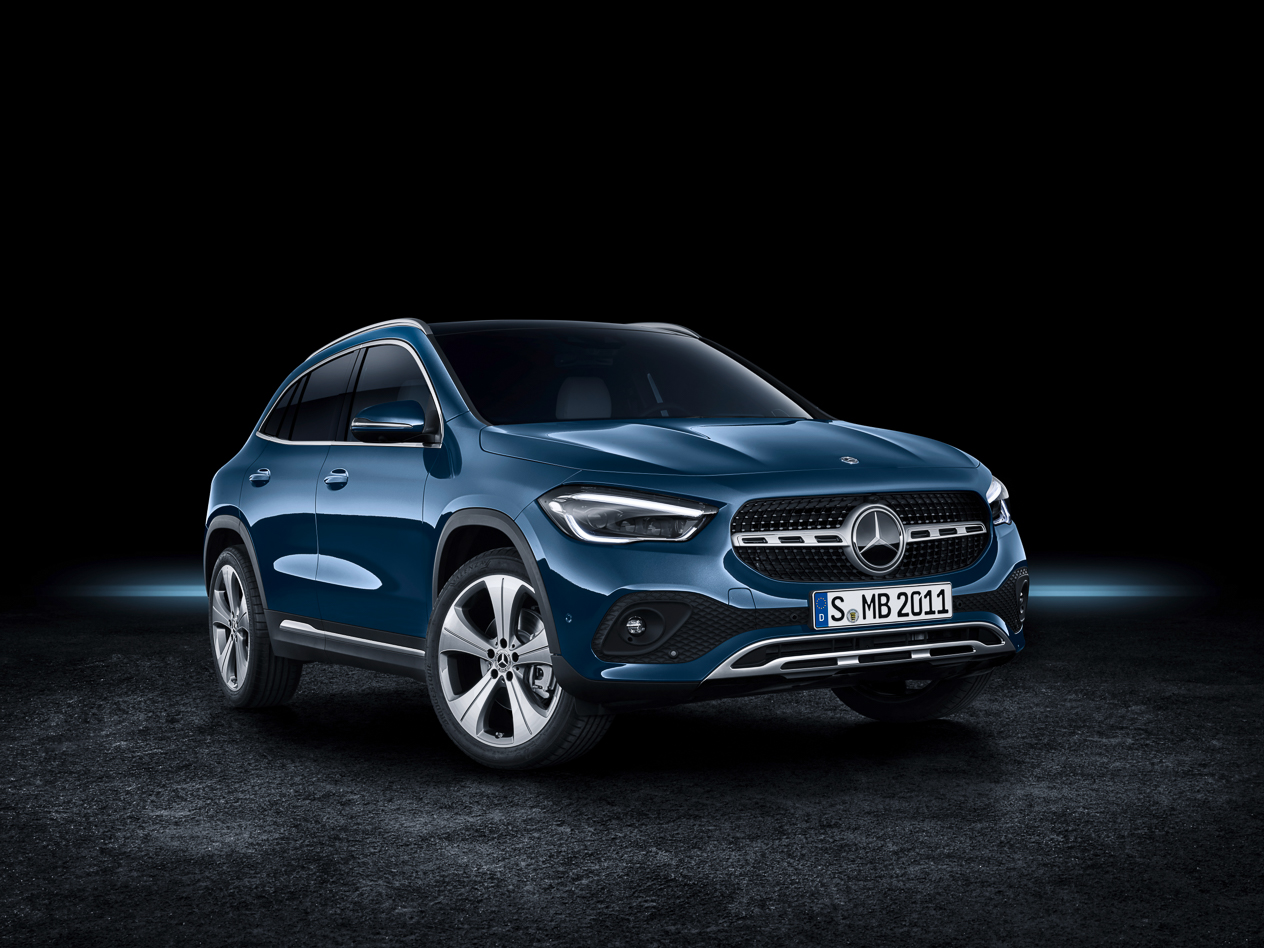
While the X1 was a high watermark in terms of sales, the GLA certainly took a large slice of the pie and paved the way for an even more populated premium small SUV space.
Now we have the Lexus UX, Volvo XC40, Audi Q3 and Jaguar E-Pace all joining the party too, creating a busier segment than ever.
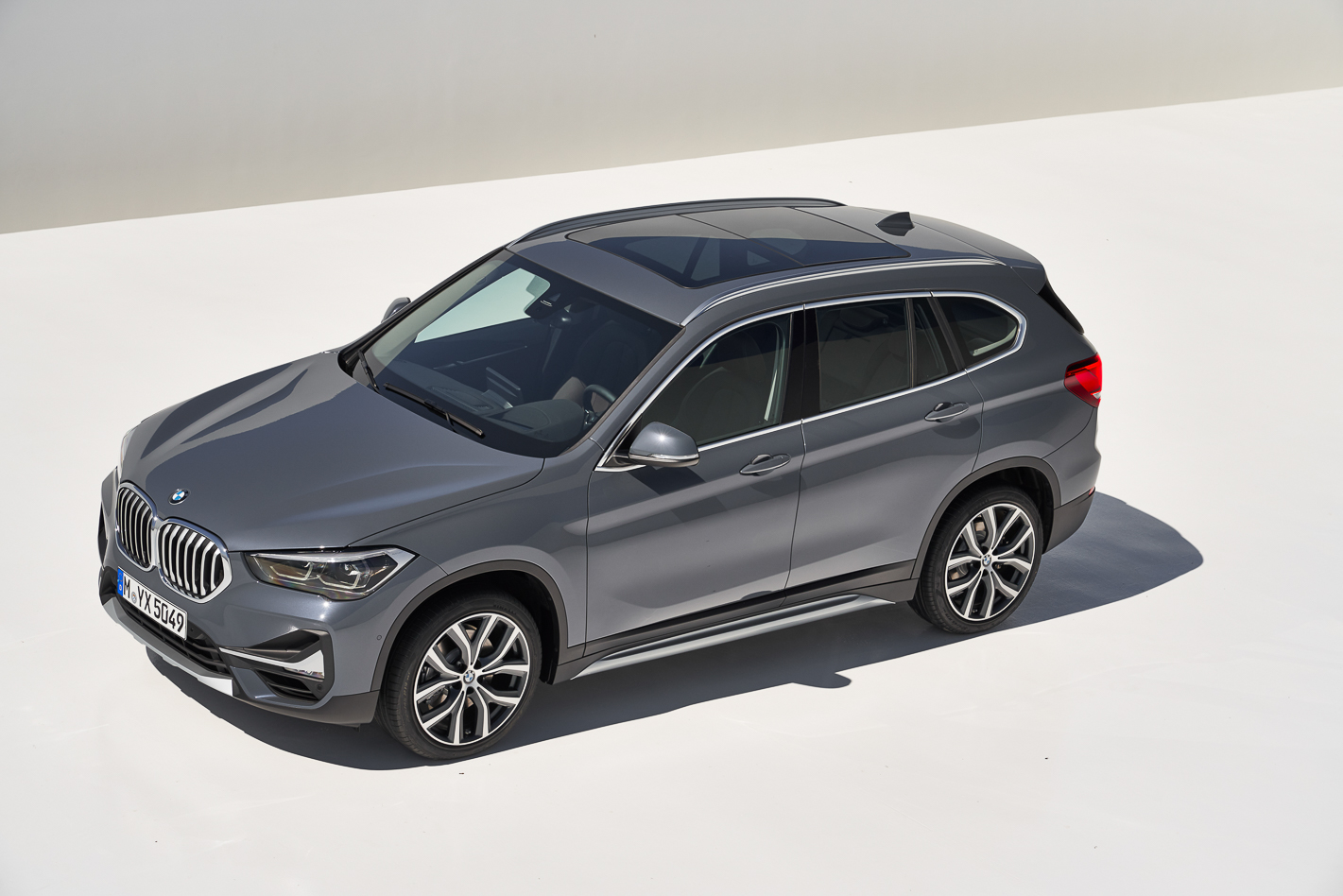
Mercedes-Benz is readying-up its second chance effort with the second generation GLA, though, and we’re going to see how well it compares on paper to the BMW X1 class favourite.
Equipment/Technology
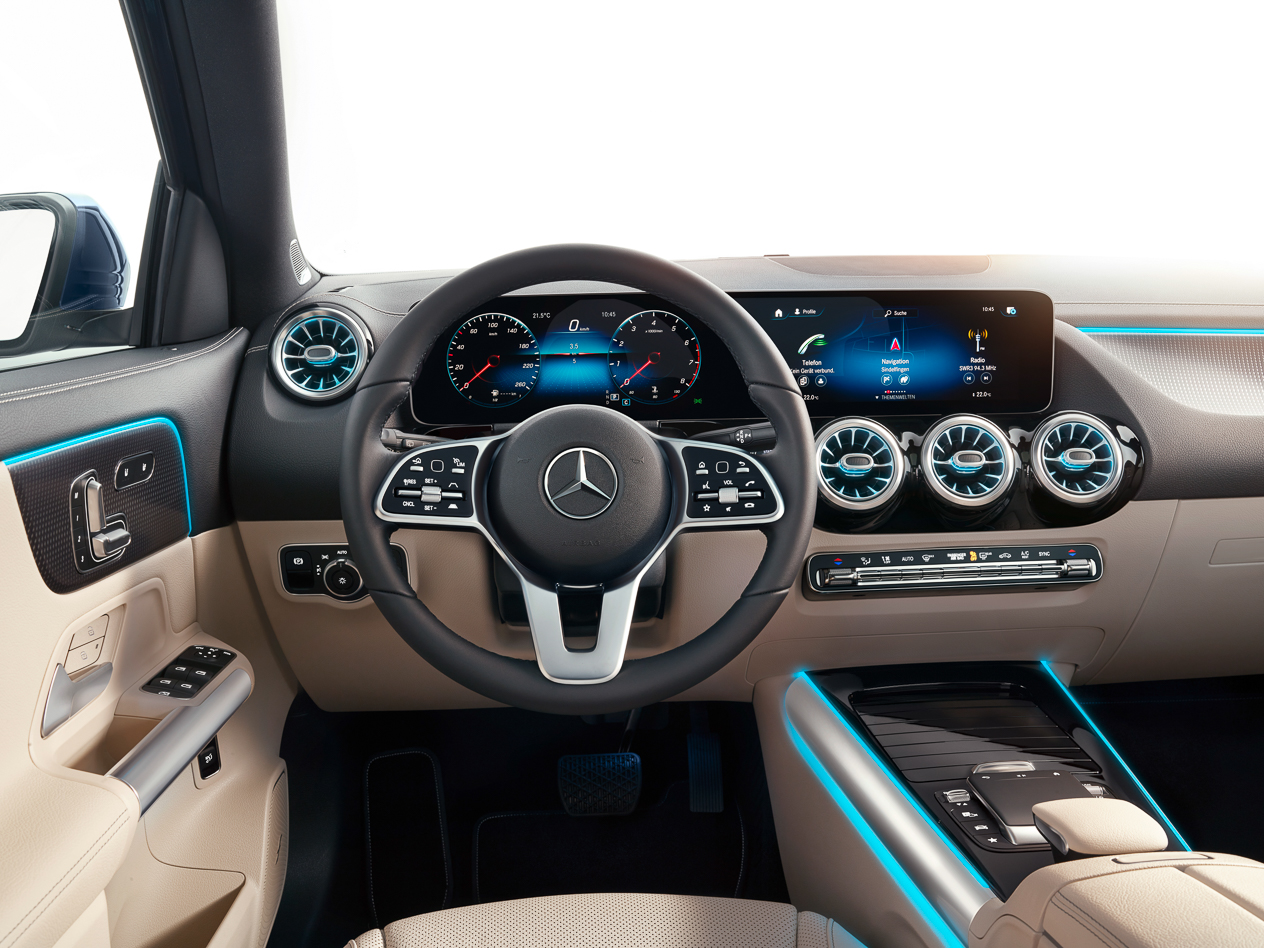
Mercedes-Benz will port over its interior that’s used in almost all of its other cars, which means two huge 10.25-inch screens covering the dash, sporty vents, column shifter, touchpad controls and smartphone pairing capability.
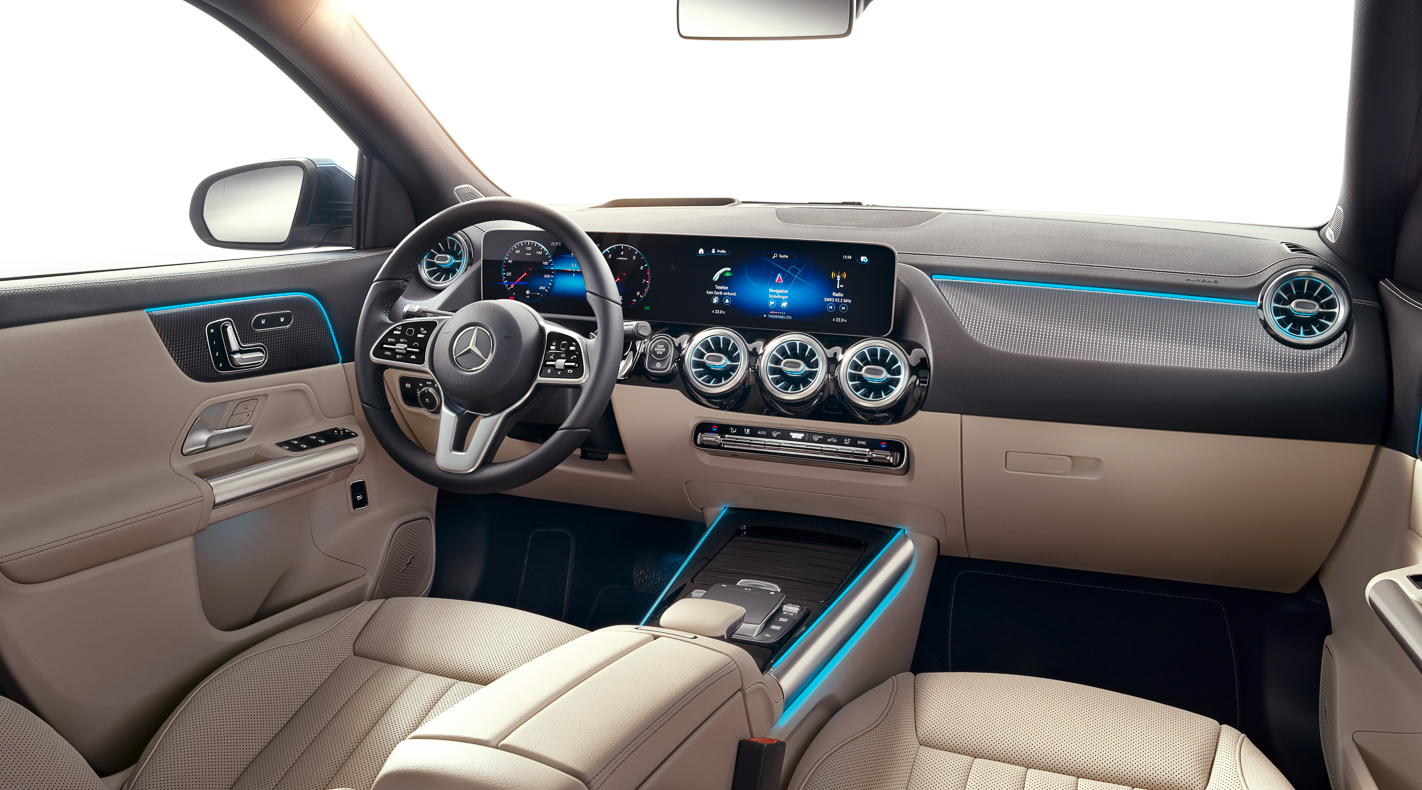
The MBUX operating system that controls the car’s infotainment and car systems is in use, which is good news because it’s a decent system as long as you’re adept at touchpads.
That said, voice control, touchscreen and steering wheel buttons also control the system.
As standard, the GLA gets things like LED headlights, keyless start, 19-inch alloy wheels and an electric boot, but step it up and you start to see equipment such as a panoramic sunroof, heated seats, trim enhancements and radar cruise control.
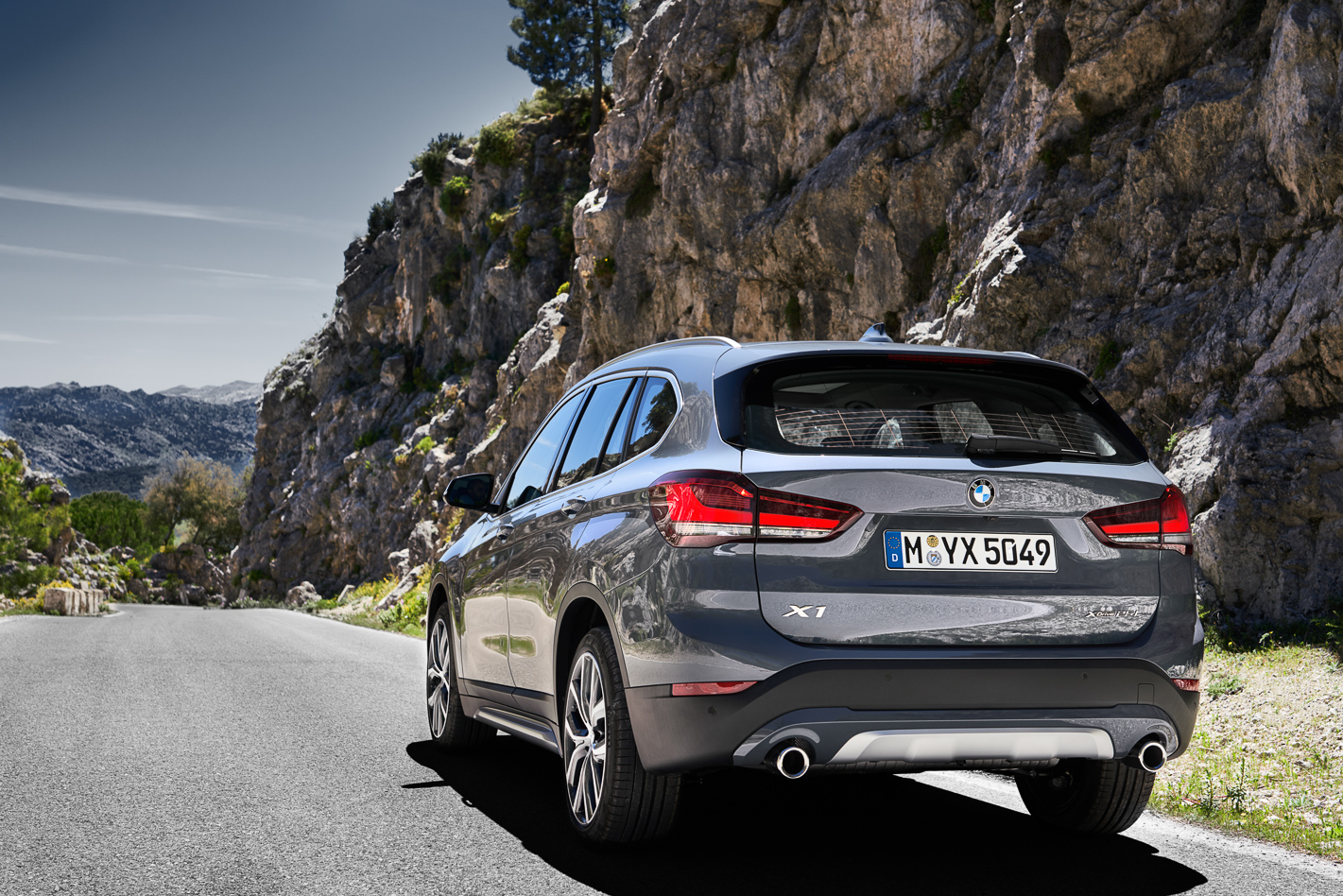
As for the BMW X1, last year saw a revamp that brought new styling, equipment and tech upgrades. The facelift brought enhancements such as LED headlights, larger touchscreens and wireless charging.
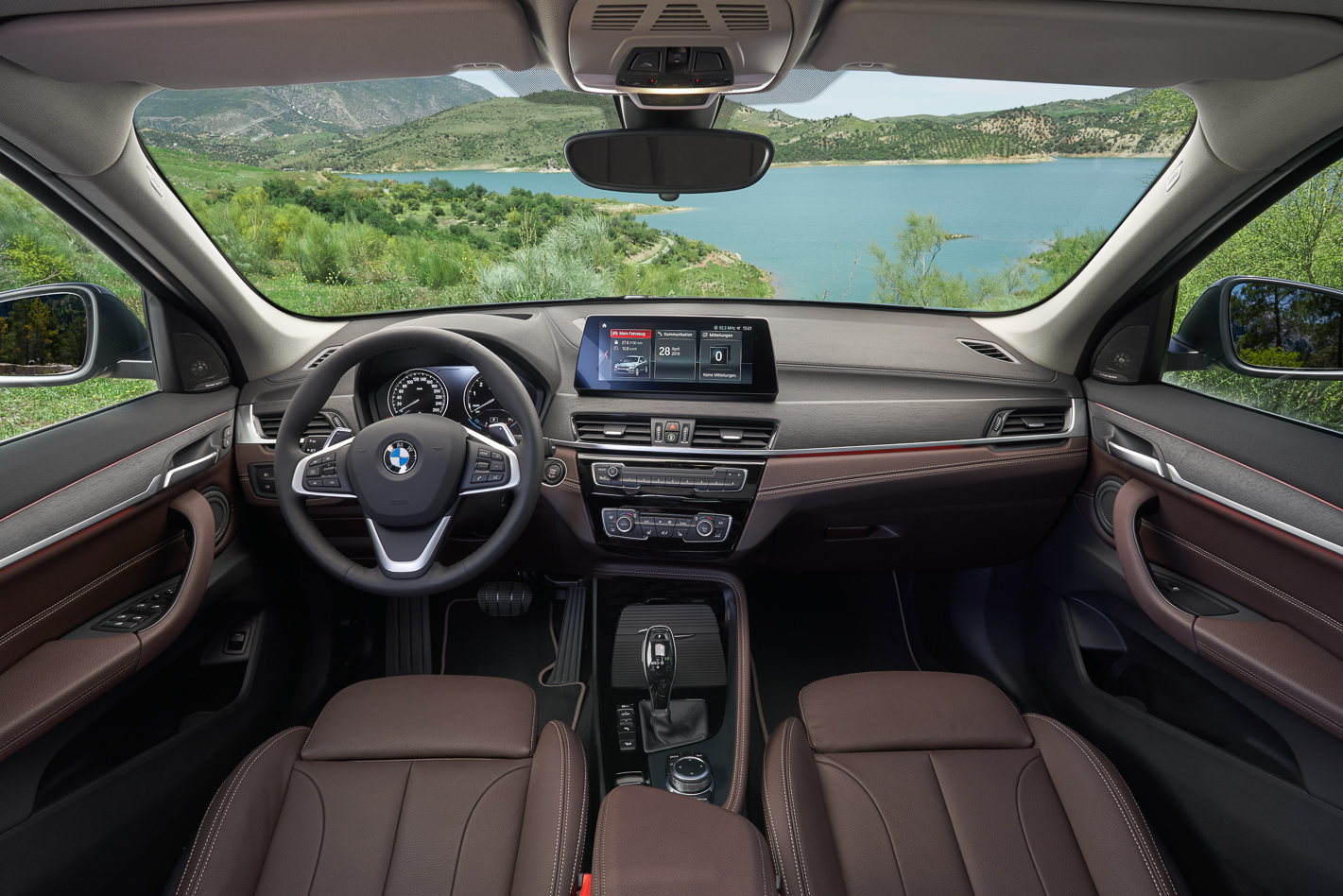
Little changed in terms of cabin design between pre- and post-facelift but the current X1 now gets 8.8-inch touchscreens for sDrive18i and sDrive18d versions while a 10.25-inch screen is found on sDrive20i and xDrive25i cars.
Both run BMW’s iDrive operating system which uses a rotary controller, voice command and touch inputs.
Engine/Drivetrain
The Mercedes-Benz GLA is offered with a number of engine options starting off with a turbocharged 1.3-litre (120kW/250Nm) for the GLA 200 variant, before stepping up to a 2.0-litre turbo (165kW/350Nm) for the GLA 250.
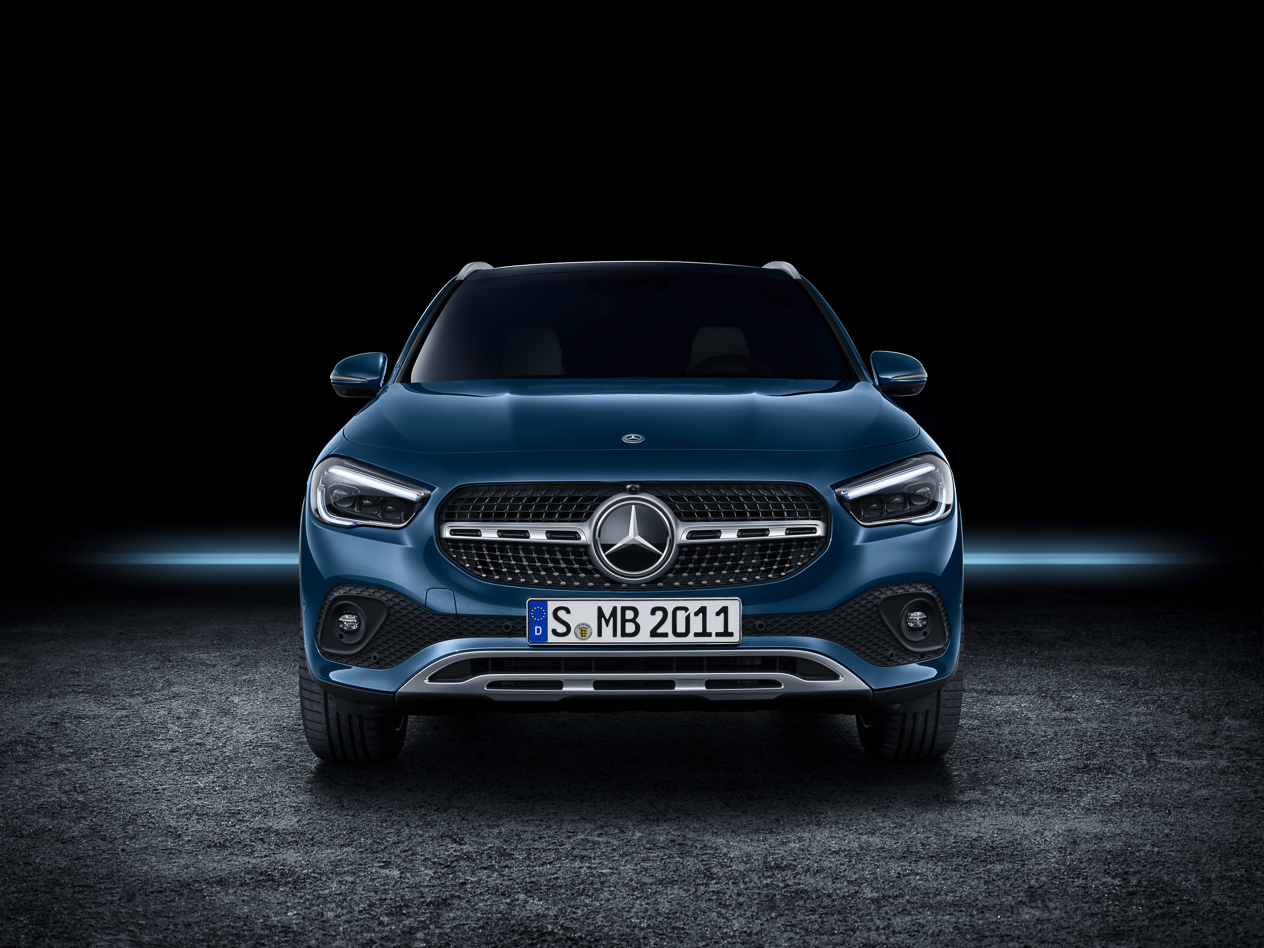
Options then move to AMG’s realm with a fiery 2.0-litre turbo putting out 225kw and 400Nm in the GLA 35 AMG and ending with a tune that produces 310kW and 500Nm for the GLA 45 AMG range-topper.
All cars use an eight-speed dual-clutch transmission and all-wheel-drive system apart from the GLA 200 entry-level car which sends its power only to the front wheels via a seven-speed dual-clutch transmission.
BMW mightn’t have a hot M version of the X1 up its sleeve just yet (though we’re willing to bet it’s being discussed), but it does have a large selection of engines to choose from.
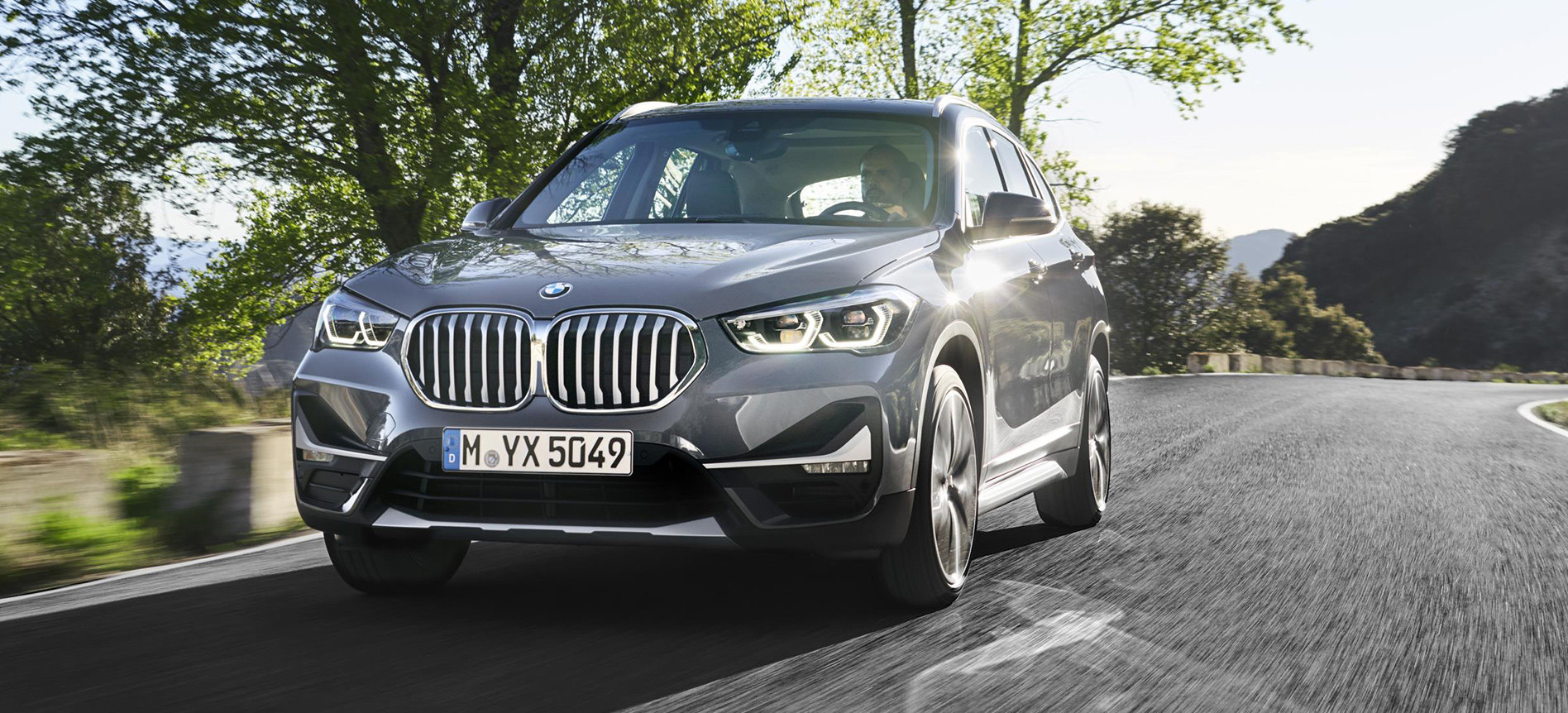
Starting off the range is the 1.5-litre three-cylinder turbocharged engine (103kW/220Nm) which services the sDrive18i, then comes a 2.0-litre turbo (141kW/280Nm) for the sDrive20i, a diesel 2.0-litre engine (110kW/330Nm) powers the sDrive18d and the range-topper xDrive25i gets a 2.0-litre petrol engine (170kW/350Nm).
As the ‘x’ prefix suggests, the only car in the range that is all-wheel-drive is the xDrive25i and the sDrive18i and sDrive18d both get seven-speed dual-clutch gearboxes whereas the sDrive18d and xDrive25i both get an eight-speed dual-clutch gearbox.
Size/platform
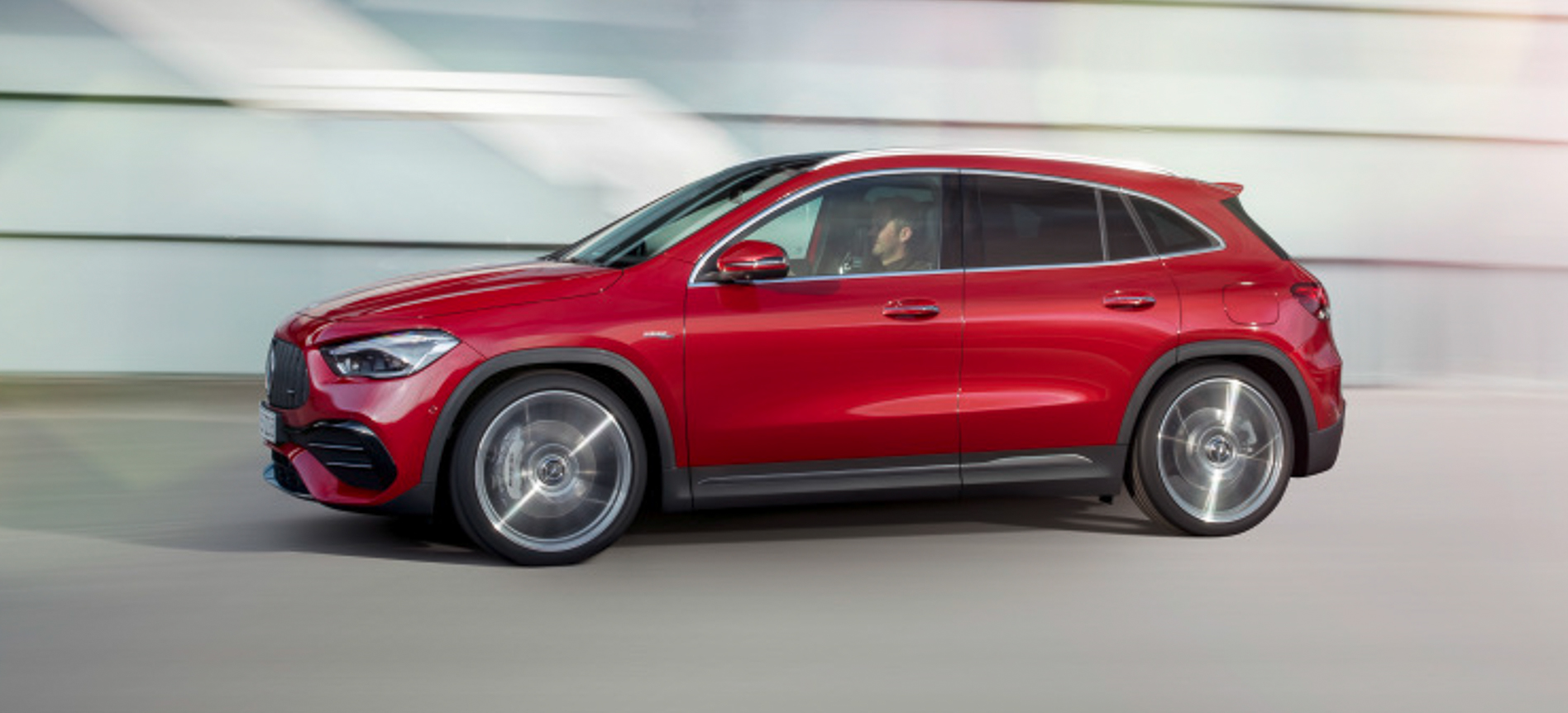
Mercedes-Benz is making a point of moving its GLA away from a high-riding hatchback reputation and further into the ‘SUV’ space.
As such, the GLA is now 122mm taller than before at 1616mm total, which is 18mm taller than the X1.
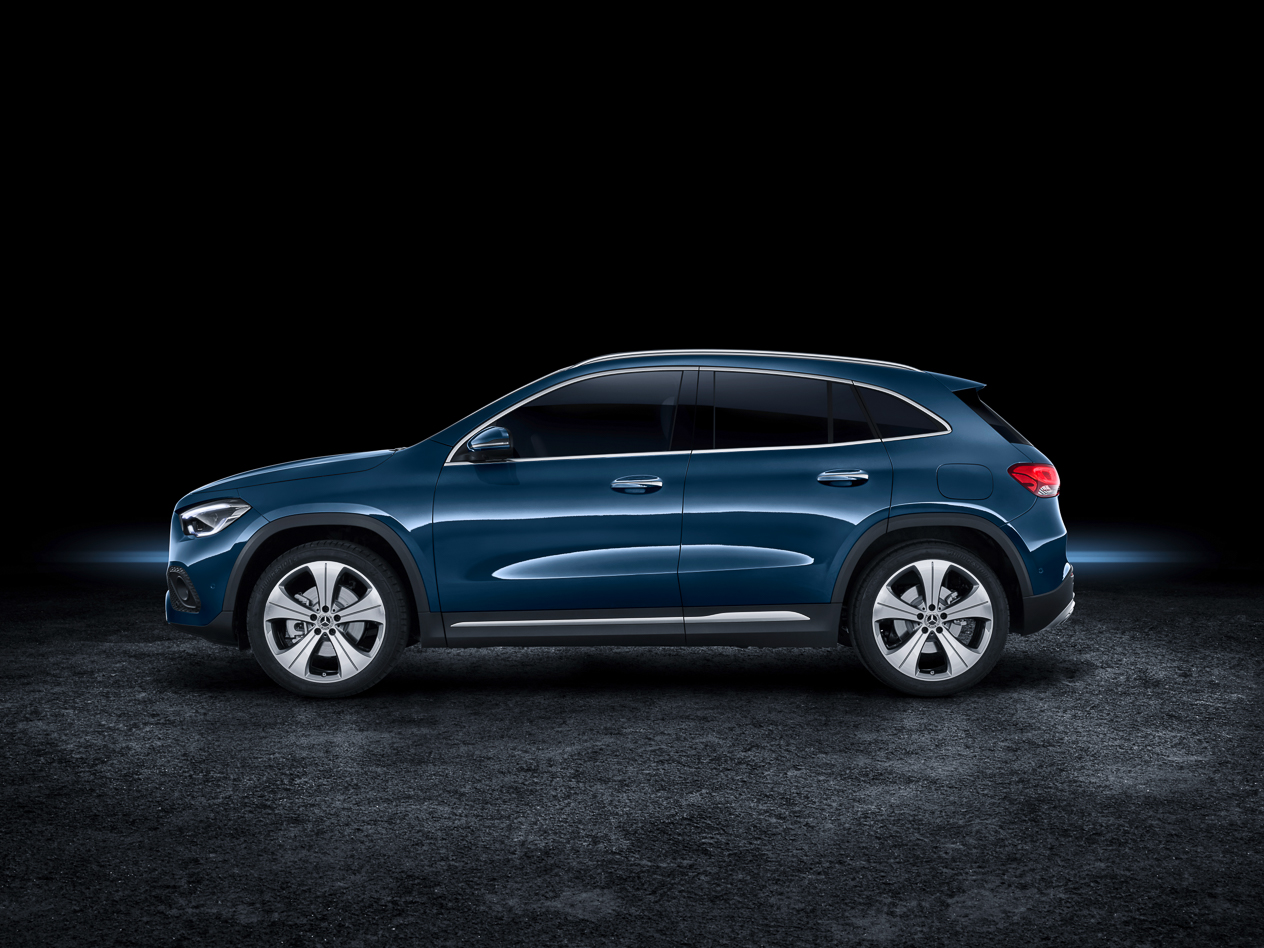
Mercedes says that has had a direct impact on available headroom for front and legroom for rear passengers, while the driver is also treated to a more SUV-like driving position. The GLA has a 495-litre boot space.
There are shorter overhangs for when the GLA does head off the beaten track, and plastic cladding provides protection when off-road.
BMW focuses more on the sporty nature of its X1 through mention of ‘muscular looks’ and ‘dynamic intent’ rather than off-road ability – though BMW’s xLine off-road package is available to toughen-up the exterior.
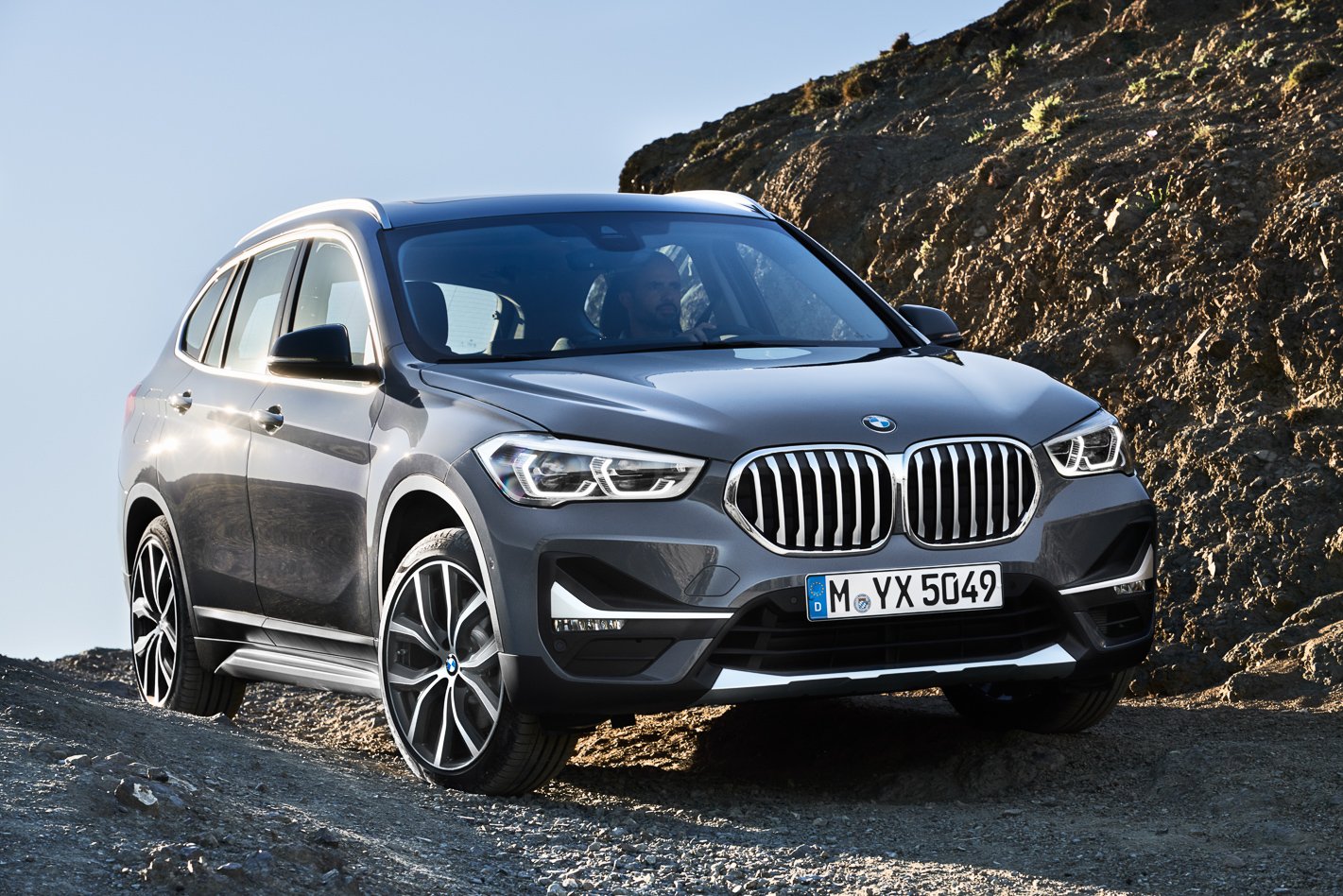
The cabin space inside the current X1 is airy in feel and usable in practice, with an authoritative driving position and room to move for passengers. The boot size is larger than the Mercedes’, with 505 litres of capacity.
Safety
BMW’s X1 scores a five-star ANCAP safety rating with thanks to active safety equipment like forward collision warning, lane departure warning and reversing camera but the new GLA steals the show in the safety space.
Standard equipment in the GLA includes autonomous emergency braking, lane keep assist, blind-spot warning for cars and cyclists when opening the doors, PRE-SAFE accident anticipation system and traffic sign assist. This is in addition to nine airbags throughout the cabin.
Pricing
Mercedes-Benz has priced its GLA range beginning at $55,100 (before on-road costs) for the GLA 200 before moving up to the GLA 250 for $66,500 (before ORCs) and then subsequently getting pricier for AMG variants.
There’s no doubt that the BMW X1 is the cheaper option, which starts at $44,500 (before ORCs) for the sDrive18i and ranges up to the xDrive25i which costs $62,900 (before ORCs) which competes directly against Mercedes’ GLA 250.
Conclusion
We’ll have to properly put these two small SUV stablemates against one another in due course but at the moment we have to hand it to the Mercedes-Benz GLA which brings in new technology, newer features and more choice across the whole range.
However, if you’re more concerned about value than having the latest and greatest, the facelifted BMW X1 remains an excellent premium small SUV.
What stands out?
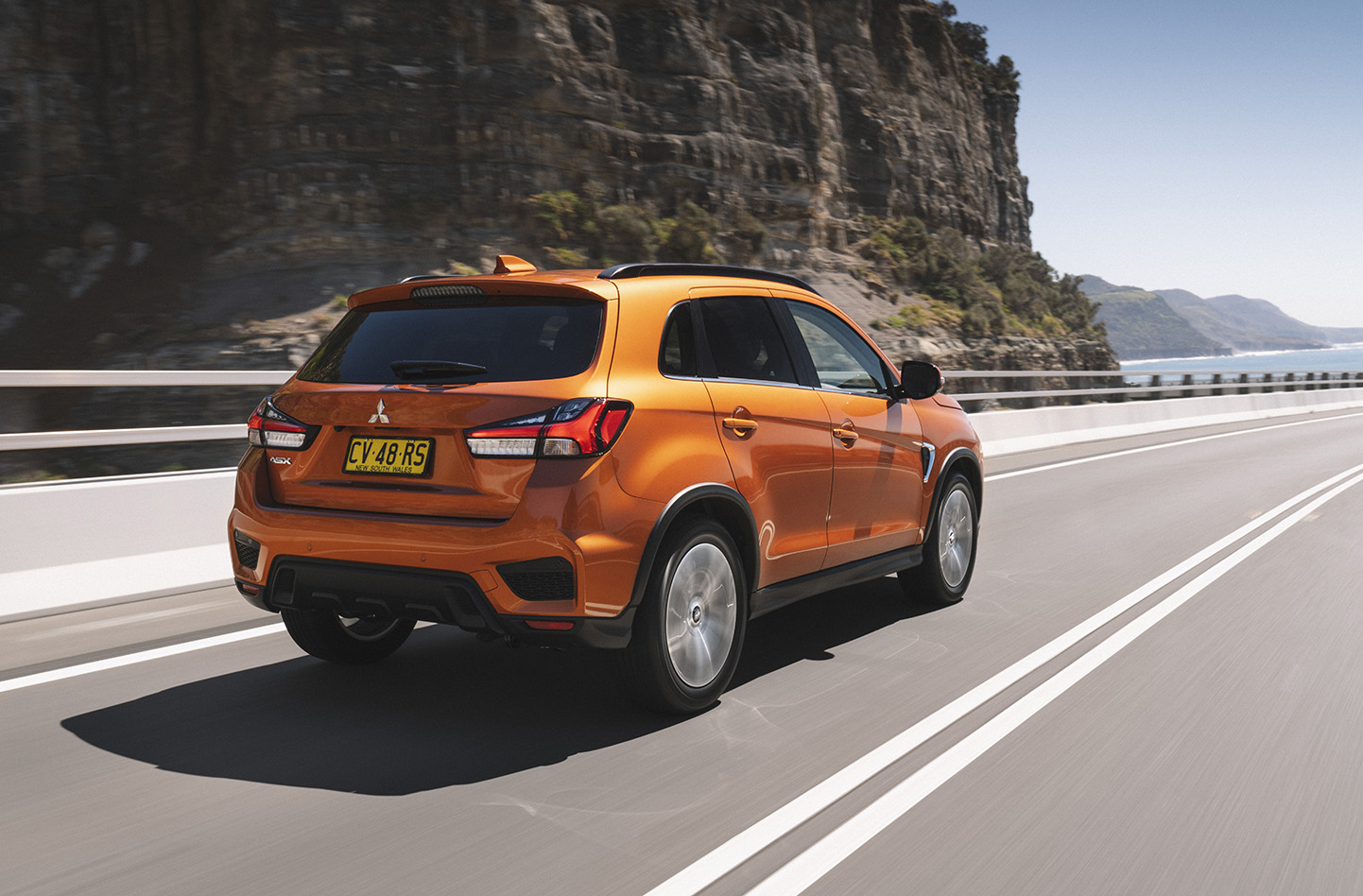
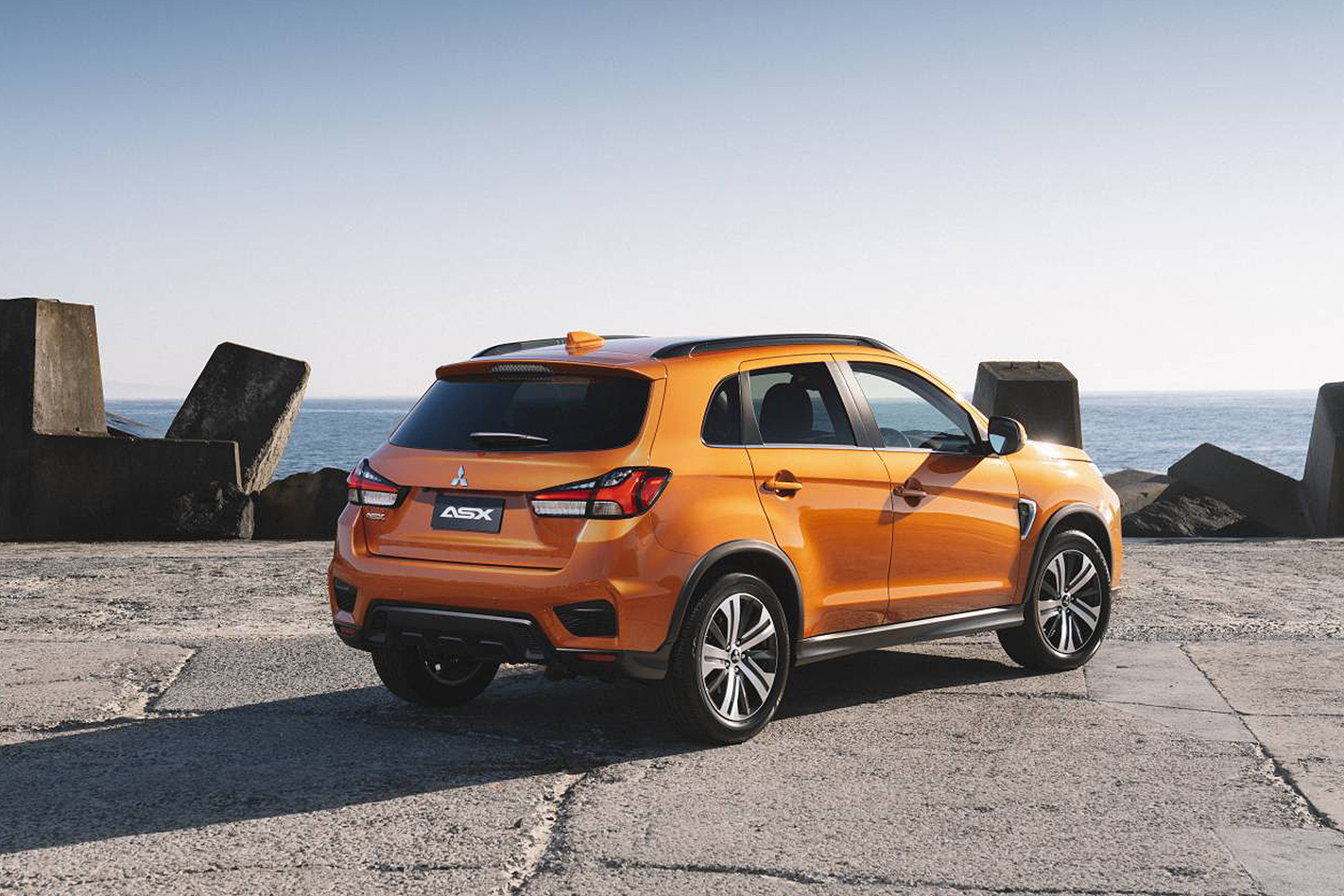
The Mitsubishi ASX has more space inside than most small SUVs and drives nicely on country roads, with a comfortable ride and good steering. Mitsubishi’s smallest and most affordable SUV works very well with smartphones, comes with a five-year warranty, and autonomous emergency braking as standard.You can also read our review of the similar ASX this facelifted car replaced in September 2017.
What might bug me?
Trying to communicate with rear seat passengers over the road and tyre noise.Putting up with the sluggish 2.0-litre petrol engine because the more powerful 2.4-litre is only available in the more expensive ASX variants.Driving at 80km/h on the space saver spare until you can fix your full-sized flat tyre.
What body styles are there?
Five-door SUV-type wagon only.All ASX versions have petrol engines that drive only the front wheels.The ASX is classified as a small SUV, lower priced.
What features does every Mitsubishi ASX have?
- 8.0-inch colour touchscreen.
- A sound system with AM/FM and digital radio (DAB+) receivers, USB input, Bluetooth connectivity for phone calls and audio streaming (with voice control), and at least four speakers.
- Support for Apple CarPlay and Android Auto (via Mitsubishi’s Smartphone Link Display). Plug in a compatible smartphone and you can use some apps from the car’s central touchscreen – among them, navigation apps.
- Cruise control.
- Reversing camera.
- Climate control air-conditioning.
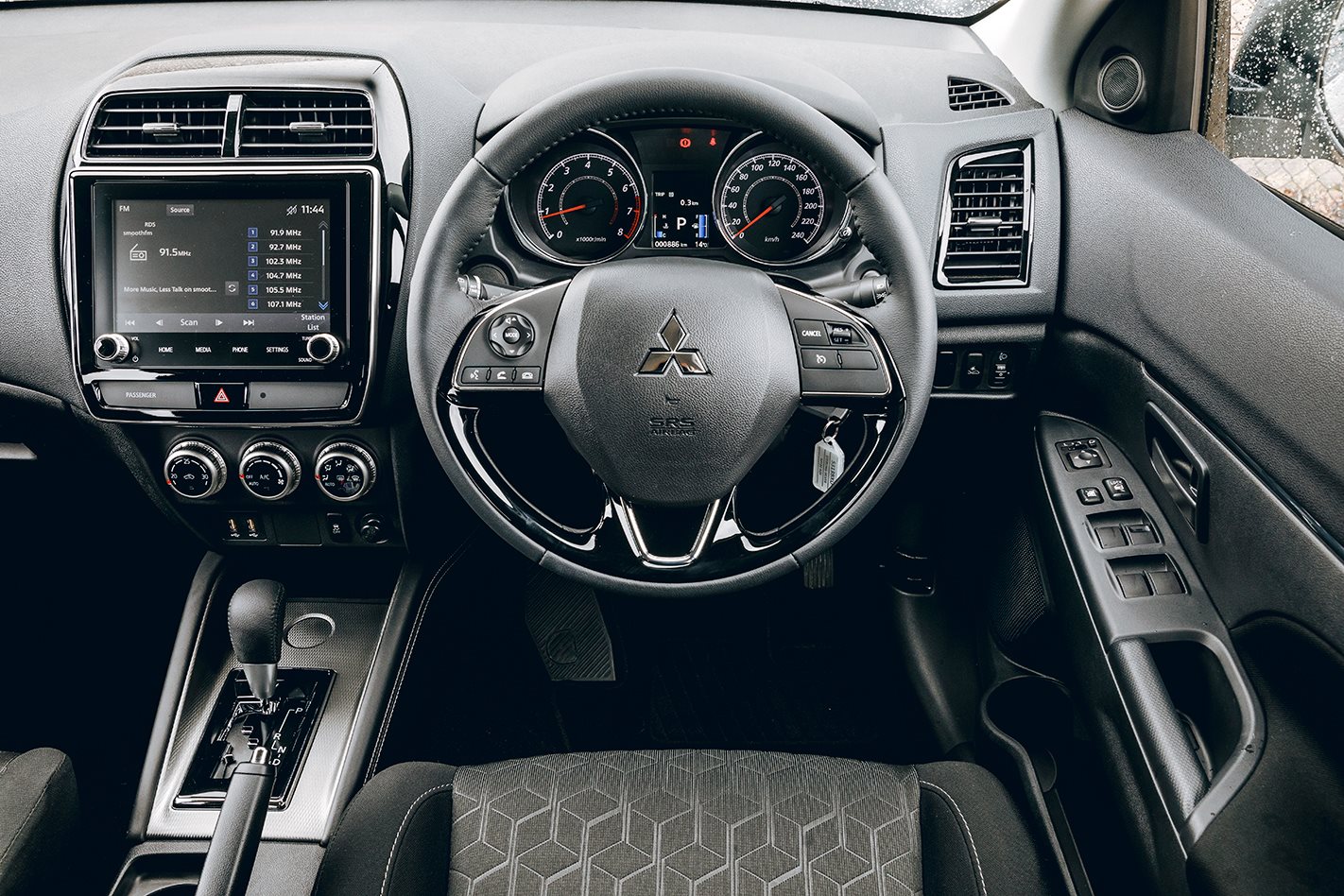
- A leather-wrapped steering wheel, adjustable for reach and height, that carries buttons for operating the cruise control, the sound system and your phone.
- Height adjustment for the driver’s seat.
- Autonomous emergency braking with pedestrian and cyclist detection.
- Eighteen-inch wheels made from an aluminium alloy (which look good without plastic trim).
- A space-saver spare wheel.
- Daytime running lamps, headlights, tail-lights and reverse lamps all illuminated by very long-lived LEDs.
- Hill-start assist, which controls the brakes automatically to help you take off from rest on uphill slopes.
- Power-operating and folding door mirrors.
- Auto-dimming rear-view mirror.
- Seven airbags. Anti-lock brakes, and electronic stability control – which can help control a skidding car. (For the placement of airbags, and more on Mitsubishi ASX safety features, please open the Safety section below.)
Which engine uses least fuel, and why wouldn’t I choose it?
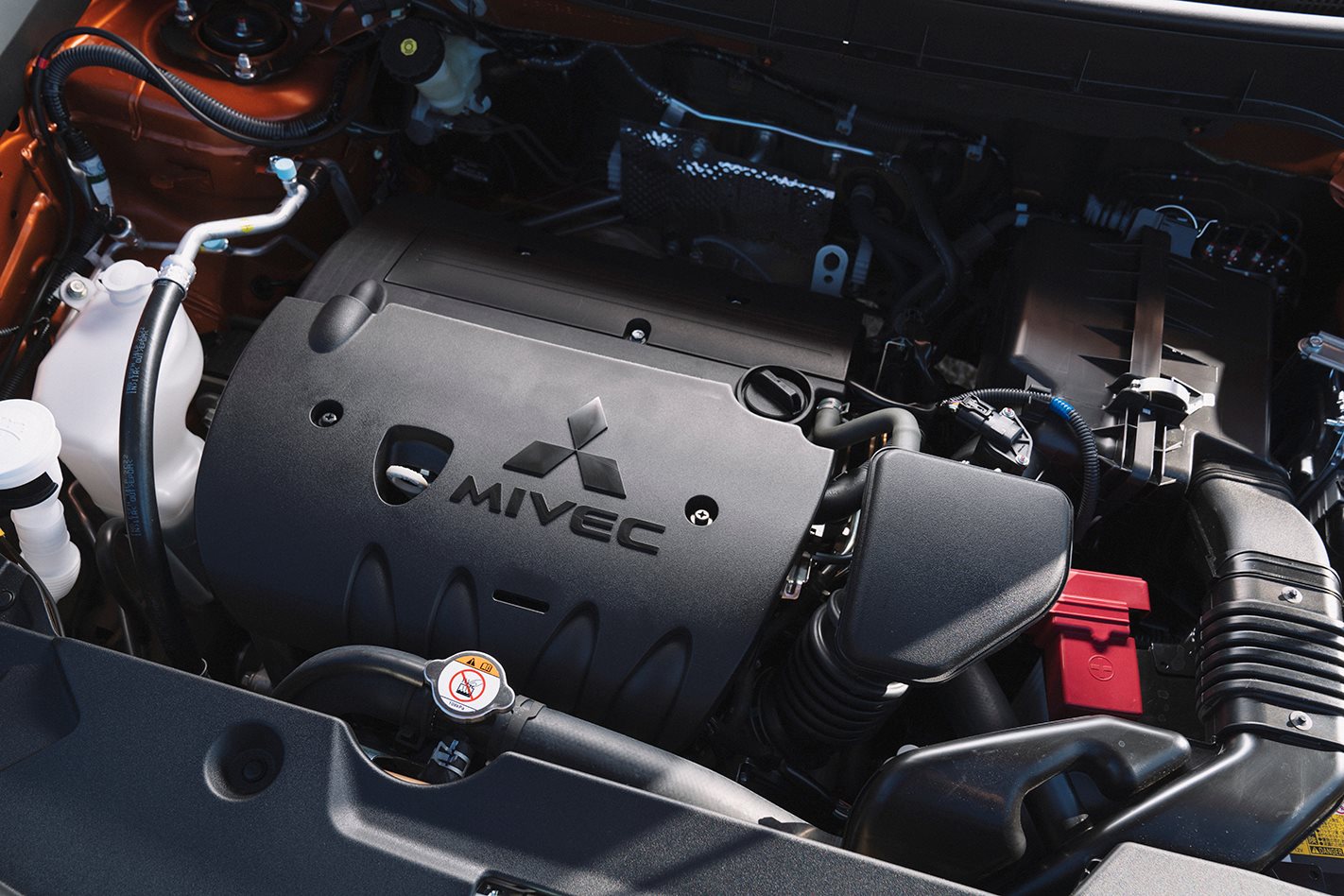
The ASX range comes with two petrol engines including a 2.0-litre four-cylinder petrol engine that comes with a five-speed manual gearbox or a continuously variable (CVT) automatic, which brings better performance and fuel economy than most conventional autos.The 2.0 litre petrol engine uses 7.7 litres/100km in official tests (city and country combined) with the manual gearbox, and 7.6 litres/100km with the auto.A reason you wouldn’t want this engine is you’d prefer the bigger 2.4-litre four-cylinder petrol that provides considerably more power without too much of a penalty when it comes to fuel economy. The 2.4 litre comes with just the CVT auto and is only available in the more expensive GSR and Exceed versions.
What key features do I get if I spend more?
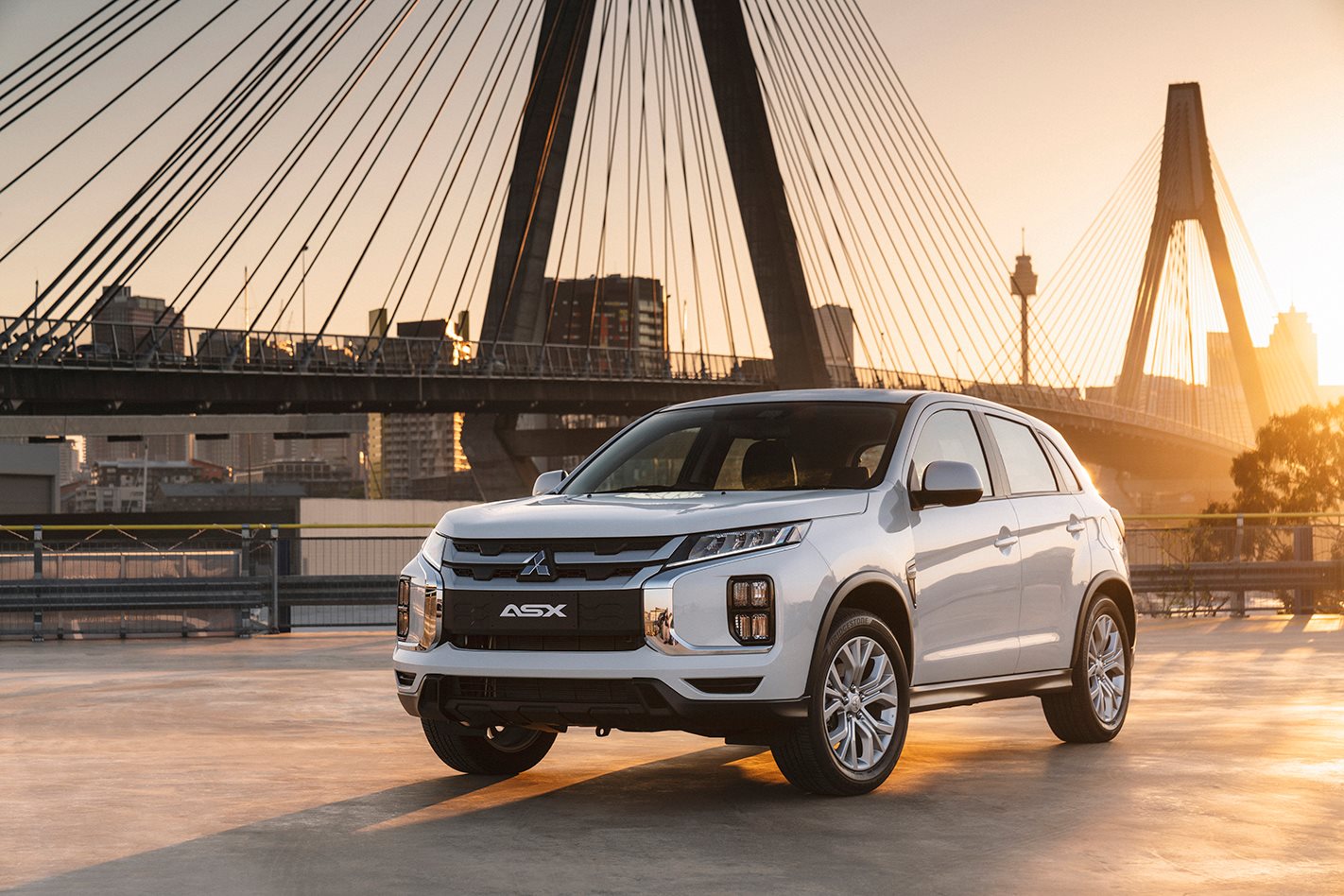
The ASX now comes in five specification grades, each front-wheel drive.You can spend as little as possible and have an ASX ES. That will get you cloth seat trim, manual transmission, and the other features shared by every ASX. Auto transmission is an extra-cost option.
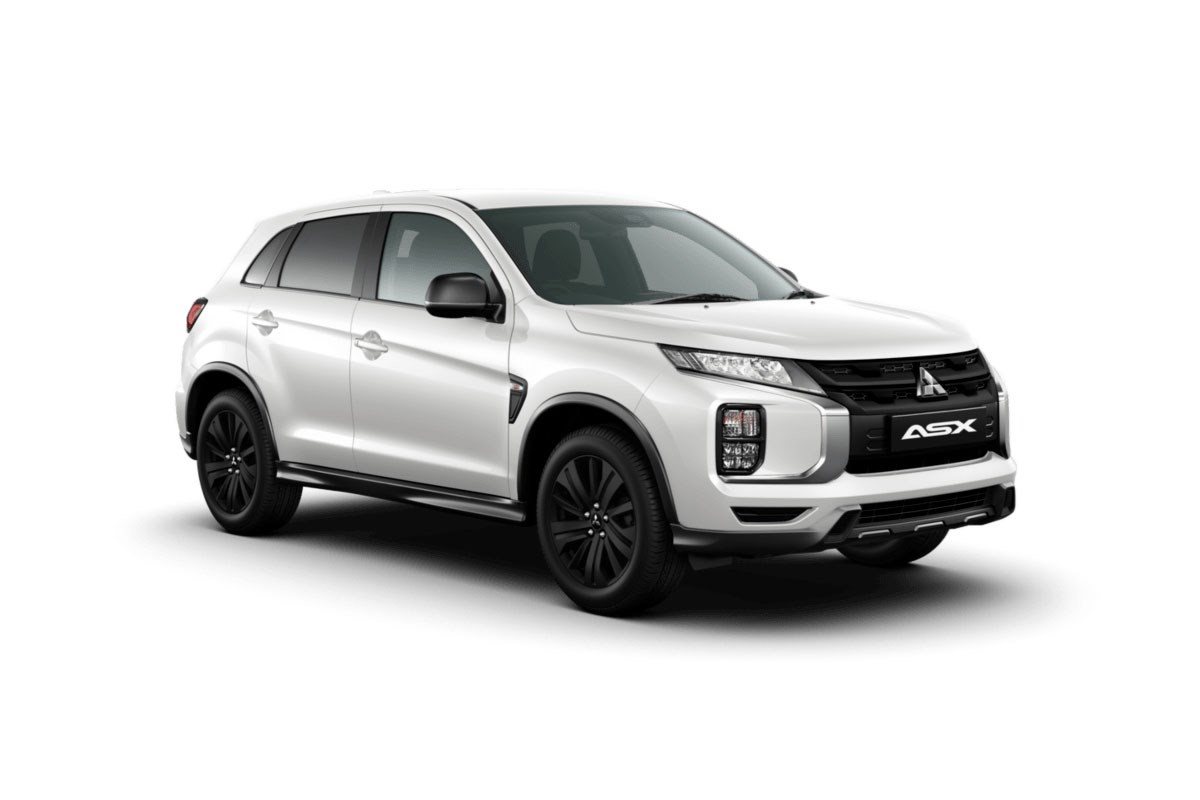
- Leather-appointed steering wheel.
- Shift knob and park brake with red stitching.
- Black alloy wheels, black door mirrors and blackened grille.
- Front fog-lamps.
- Aluminium pedals.
- Keyless entry/start.
- Privacy glass.
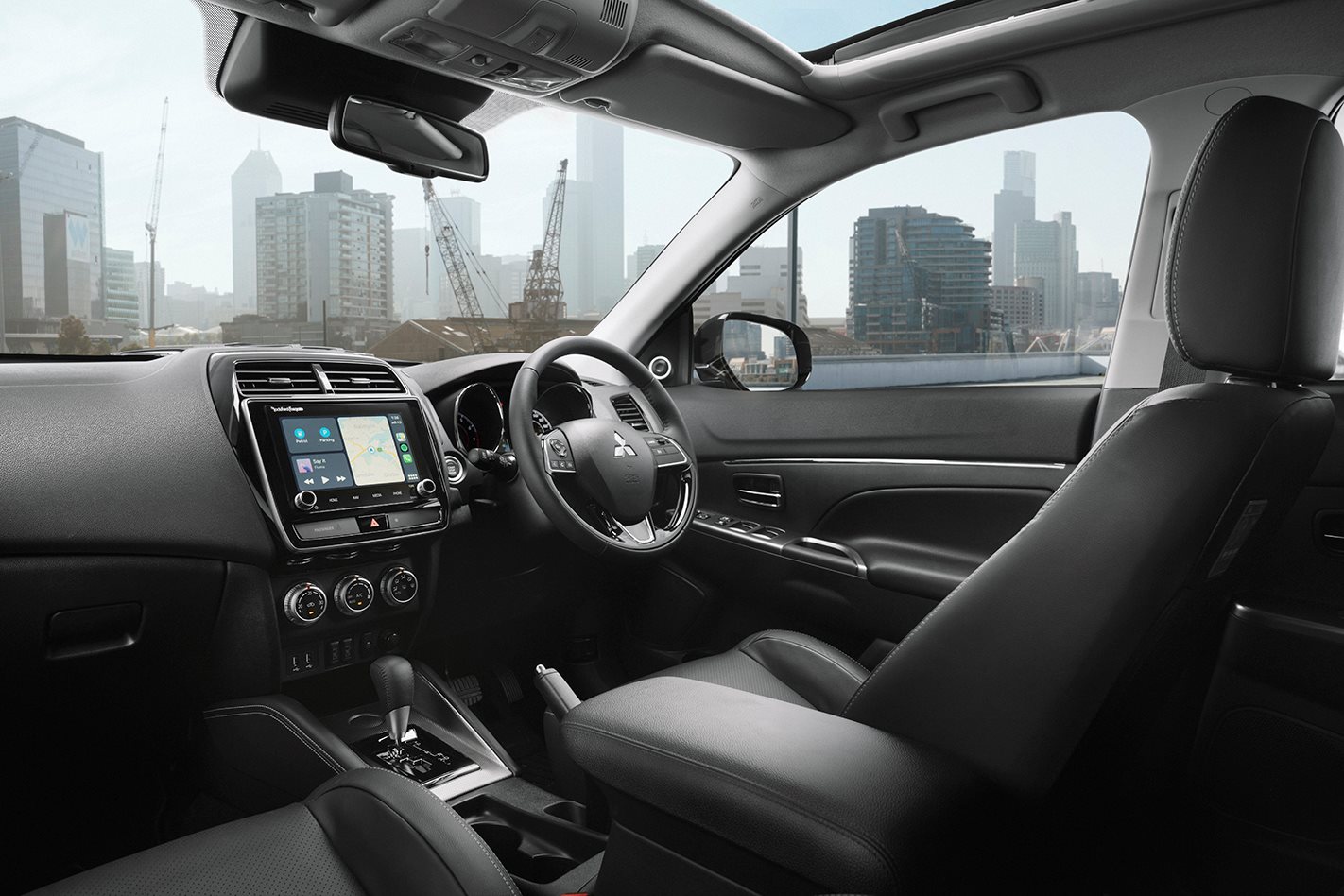
- The 2.4-litre engine.
- More stylish two tone 18-inch alloy wheels.
- Auto-levelling headlights.
- Panoramic sunroof
- Leather-appointed seats.
- Heated front seats.
- Four-way power adjusted driver’s seat.
- TomTom navigation.
- Nine-speaker Rockford Fosgate premium audio.
Does any upgrade have a down side?
One thing that sets the ASX aside from other small SUVs is it’s affordability, which you lose by opting for the more expensive GSR and Exceed versions. If you’re spending more than $32,000 for a small SUV there are plenty of newer rivals worth considering. That said the GSR and Exceed do have the better engine.White is the only standard colour; all other colours cost extra.
How comfortable is the ASX?
The controls and displays in the ASX are logically laid out, from the circular speedo and tachometer to the buttons on the steering wheel for phone and audio functions. A trio of knobs makes it easy to adjust airflow.Up front, the seats are comfy in city driving, but they don’t have much lateral support, which means more bracing with your legs if you’re on a twisting road in the country.
While wind noise is kept at bay, noise from the tyres can be testing on country roads or at freeway speeds.The 2.0-litre petrol engine feels lethargic initially but builds pace enthusiastically once the car gets moving. The 2.4-litre engine is much better and allows the CVT to operate more smoothly as it doesn’t to rev as hard to get up to speed.
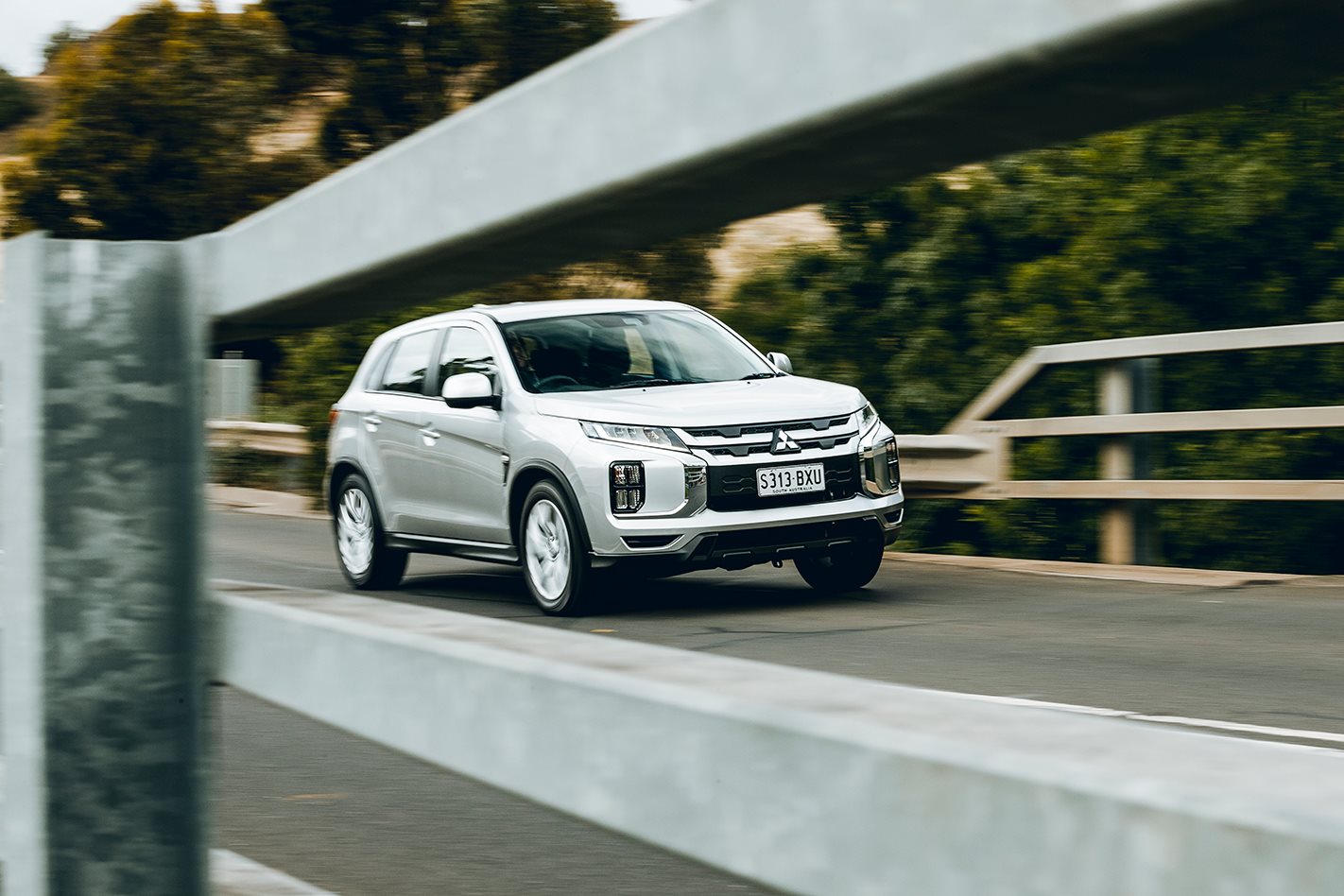
The ASX does a good job of soaking up bumps at open-road speeds. Around town it is less subtle in the way it deals with surface imperfections because of the biggish 18-inch wheels which are surrounded by lower-profile tyres that have less cushioning between the car and road.
What about safety in an ASX?
Every ASX has autonomous emergency braking, anti-lock brakes, stability control, seven airbags, a reversing camera, rear parking sensors, and LED daytime running lights (which make it easier for other drivers to see you).The auto braking on an ASX accepts signals from radar and camera sensors that can also detect pedestrians and cyclists. Mitsubishi says it is effective at preventing or mitigating a collision at speeds up to 80km/h. (It also responds to pedestrians at speeds up to 65km/h.)If it detects a hazard ahead (typically another car that has slowed suddenly), it will intervene in three stages. First, it will sound a warning. If you ignore the warning, it will brake automatically at part pressure. If you ignore that and a collision appears imminent, it will initiate a full-pressure emergency stop.
MORE: Advanced safety systems explainedIn addition, ASX ES and MR with ADAS, LS, GSR and Exceed variants bring you lane-departure warning, rear-cross traffic alert, blind-spot monitor, front fog-lights, dusk-sensing headlights and rain-sensing windscreen wipers.The Lane departure warning uses a camera to monitor road markings. Should you be about to drift into an adjacent lane on the highway without indicating – perhaps from distraction or fatigue – it will trigger an audio-visual warning, and rear-cross traffic alert senses if a car is approaching from either side when you’re reversing.There are two airbags in front of the driver and front passenger; one outside each front seat to protect you at chest level from side impacts; a curtain airbag stretching down each side of the car at head level to protect passengers front and rear from side impacts, and finally an airbag to protect the driver’s knees.The Australasian New Car Assessment Program (ANCAP) has rated the ASX’s safety at its maximum five stars, most recently in November 2016.
I like driving – will I enjoy this car?
The two engines available in the ASX deliver respectable performance without being exciting. The 2.0-litre petrol engine is hamstrung in manual gearbox form by having only five ratios, which don’t always allow you to work it at its optimal speed. The CVT auto does a better job of maximising the propulsion available.The 2.4-litre petrol engine has more urge in everyday driving with the CVT not having to work as hard to find enough power, ensuring good forward progress.
The ASX is predictable through bends but leans significantly when cornering quickly, which sets up more dramatic movement from the body if you are faced immediately with a turn to the opposite side. Steering is light and accurate. You may feel some annoying kickback through the wheel if you hit bumps in the middle of a corner.
Overall, though, the ASX inspires confidence on country roads and freeways. Tyres grip well and the body settles quickly after bumps.
How is life in the rear seats?
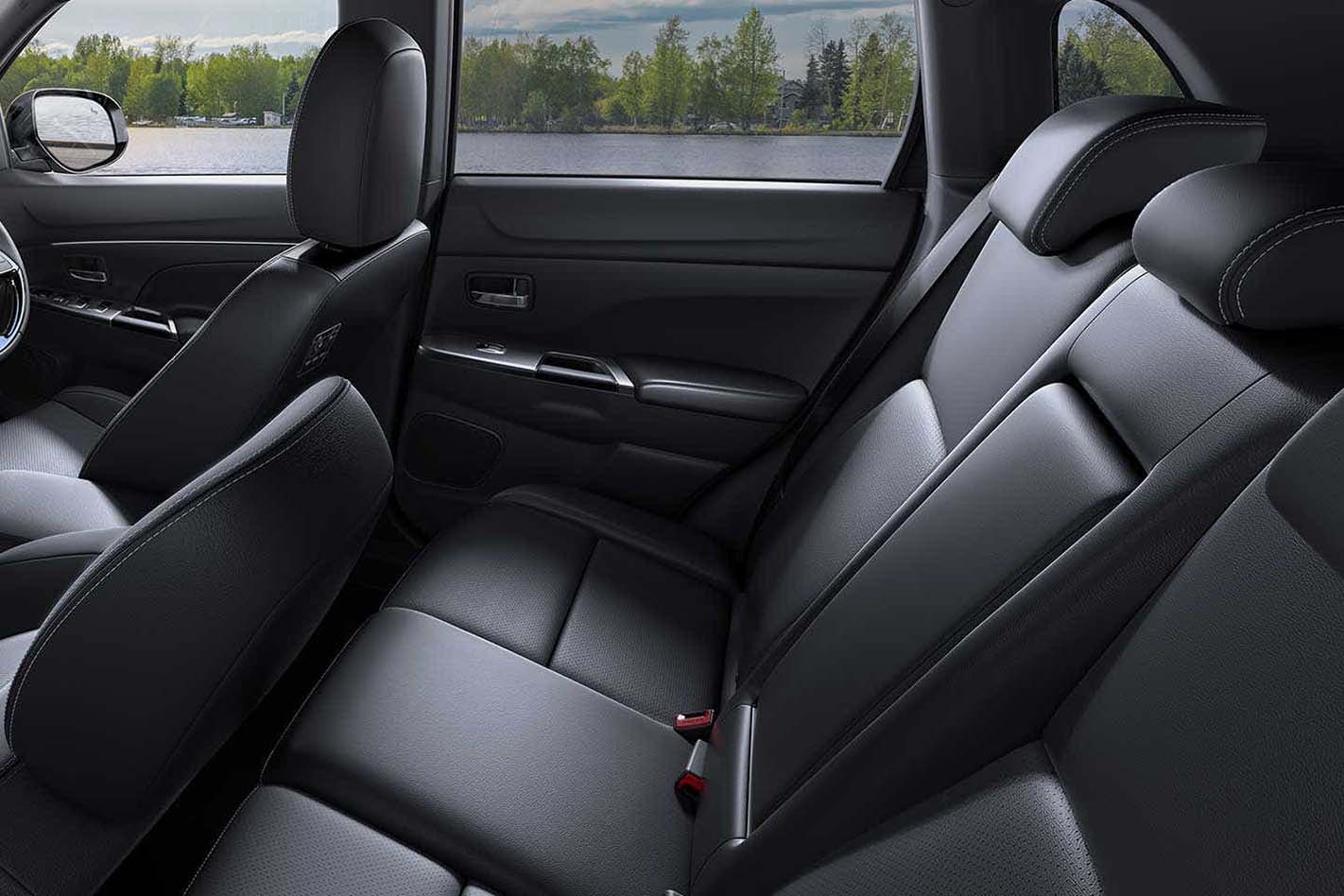
Small SUVs are not designed to transport lots of children, but the ASX has more rear-seat space than most, with good head and leg room that makes it viable as a family chariot. Dedicated vents feed cooling or heating to the rear passengers.
How is it for carrying stuff?
The 393-litre boot is relatively broad, with a wide opening that sits high off the ground, so there’s no need to bend over to lift things out. A 60:40 split-fold rear seatback improves loading flexibility.
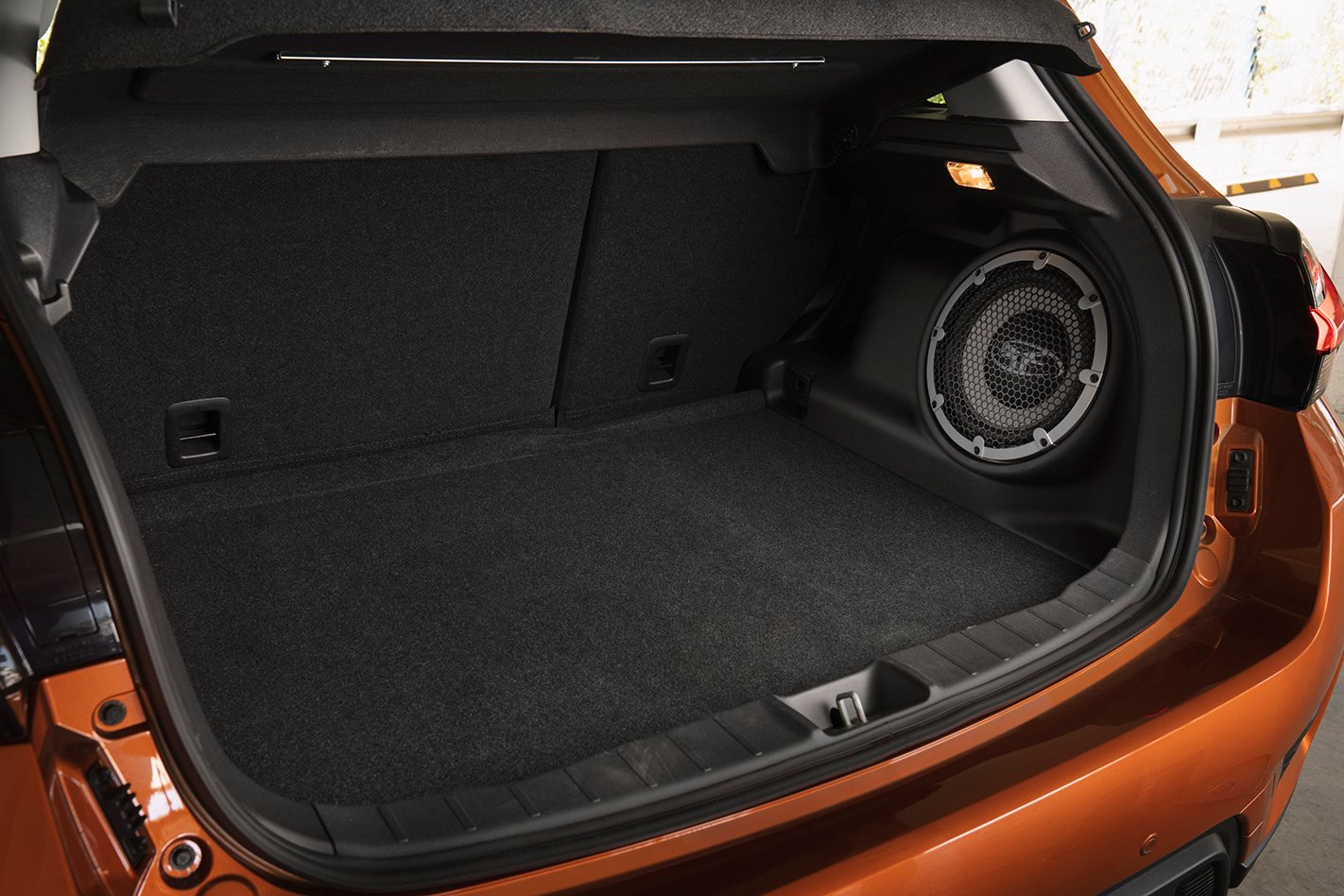
Folding the rear seats down extends load capacity to 1193 litres, with the 60:40 split-fold rear seatback providing loading flexibility.
When folded, the seatbacks are on a slight angle but still create a long load area that will easily accommodate a bicycle.
Pockets in the front doors will cater for a large bottle and other odds and ends. But the centre console’s main open storage is in the twin cup holders. There is a covered binnacle under the central arm rest.
All ASX variants can tow 1300kg.
Where is the Mitsubishi ASX made?
All models of the Mitsubishi ASX are produced in Japan.
What might I miss that similar cars have?
If you can’t afford the ASX Exceed, in-built Satellite navigation that does not depend on your phone, available in a Subaru XV, Hyundai Kona, Toyota C-HR, or Mazda CX-3, for example.Adaptive cruise control, which can slow you to follow cars ahead on the highway, resuming your preset cruising speed when the way is clear. This is standard on a C-HR and Kia Seltos for example.
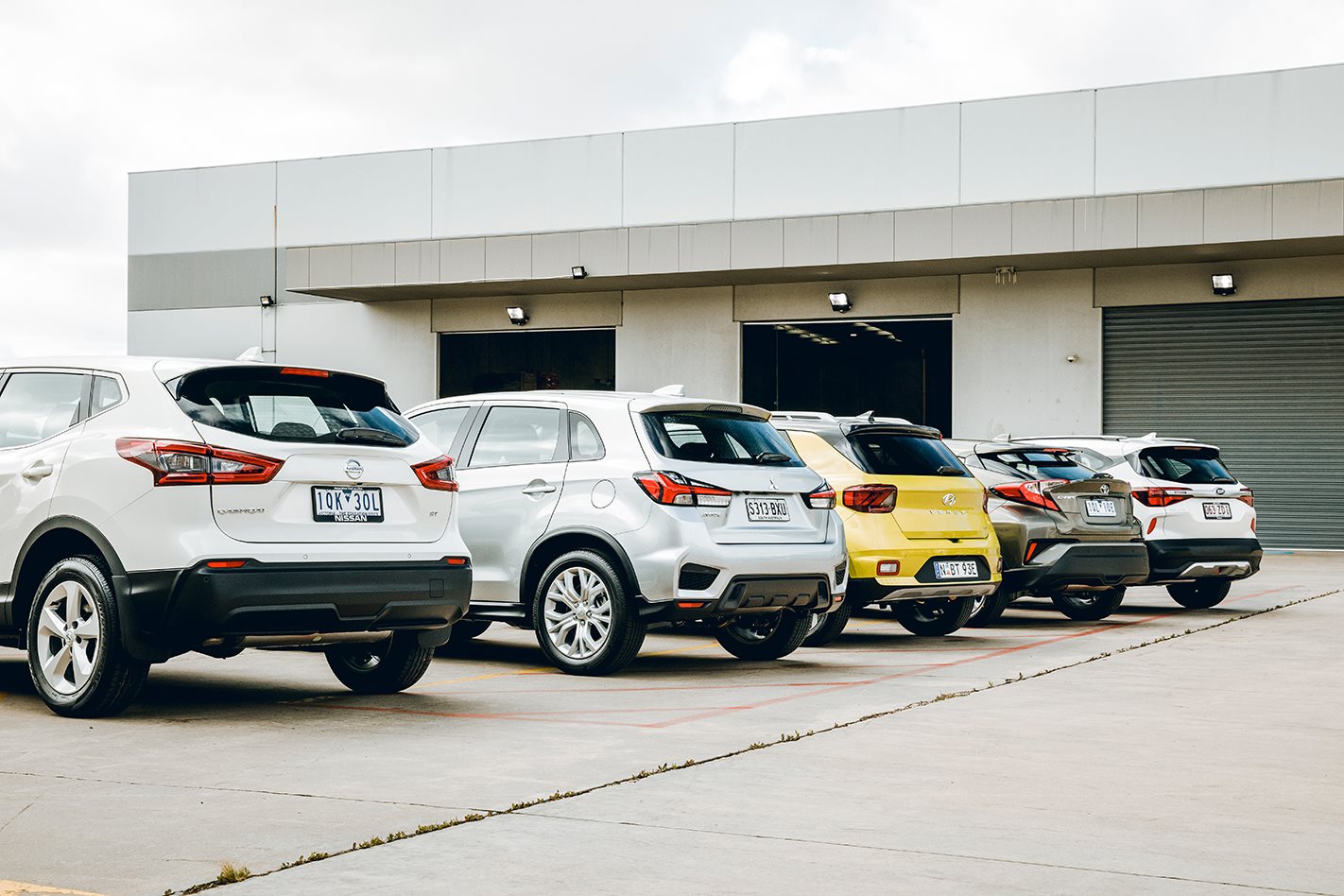
A more efficient and powerful turbocharged engine option as available in Renault Kadjar, Hyundai Kona, Kia Seltos and Honda HR-V.Other small SUVs you might consider include the Suzuki Vitara, Hyundai Venue and the Nissan Qashqai.Funnily enough one of the ASX’s biggest rivals is the Mitsubishi Eclipse, that’s newer, slightly bigger and has plenty more standard features than the ASX but has a considerably higher starting price. Click here to see how they compare.
Are there plans to update the ASX soon?
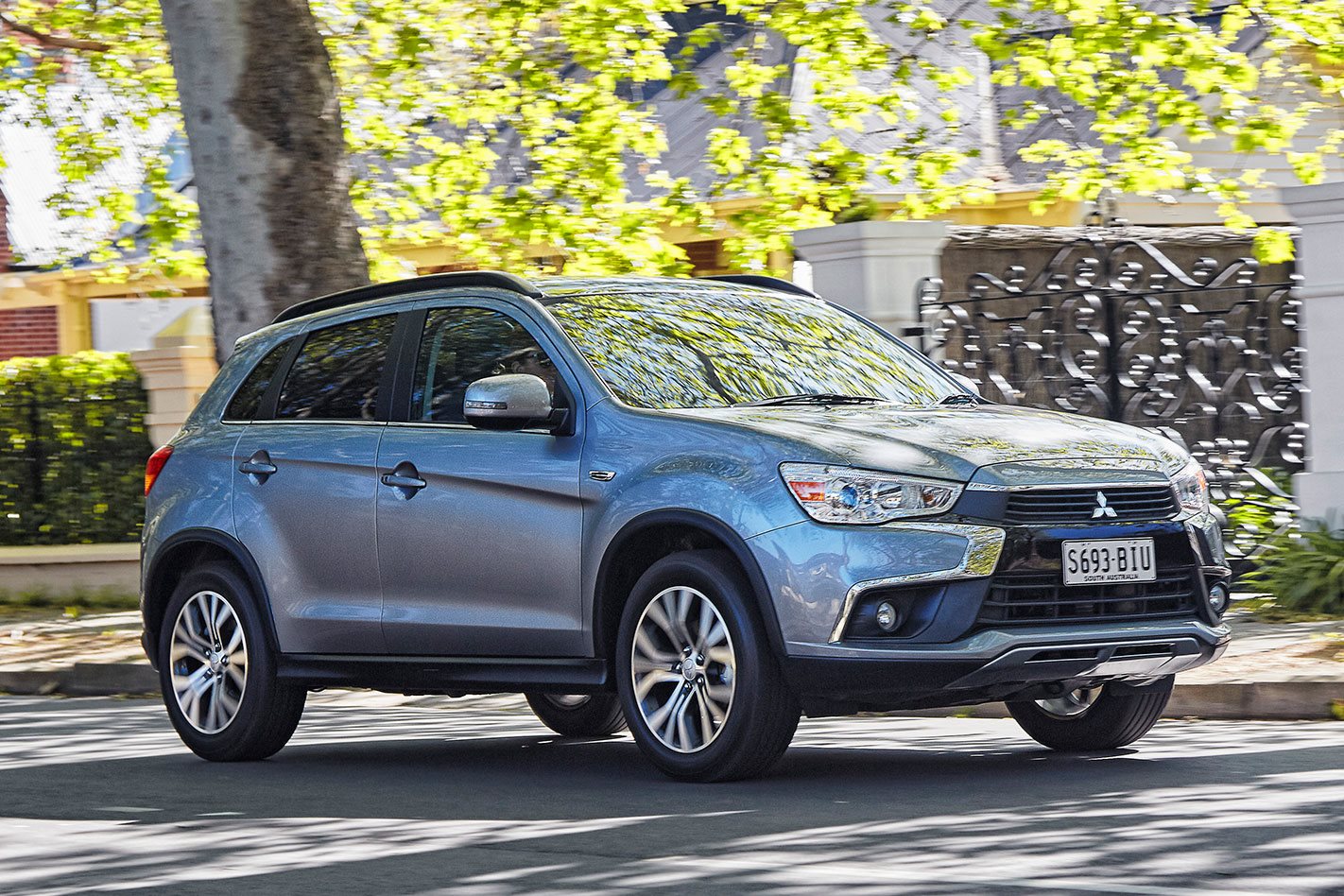
The current ASX arrived in 2010 and received a significant update in 2012. In June 2015 the wheel size was increased an inch to 18 inches and digital radio reception was added. In November 2016, a very minor facelift brought fresh nose styling, revised interior trim, and adjustments to touchscreen menus.In September 2017 the ASX received a more significant facelift, this time with styling tweaks front and rear (and inside). Support for Apple CarPlay and Android Auto was added to all versions, and Mitsubishi’s ADAS driver-assistance suite, which includes auto braking, was made available. The CD player was dropped, as was satellite navigation.
In September 2018 Mitsubishi dropped the ASX versions with the diesel engine and all-wheel-drive for the 2019 model year, and introduced the ES, which became the cheapest ASX. It also introduced a limited-run ASX Black Edition which brought additional features and more aggressive styling to the ES.
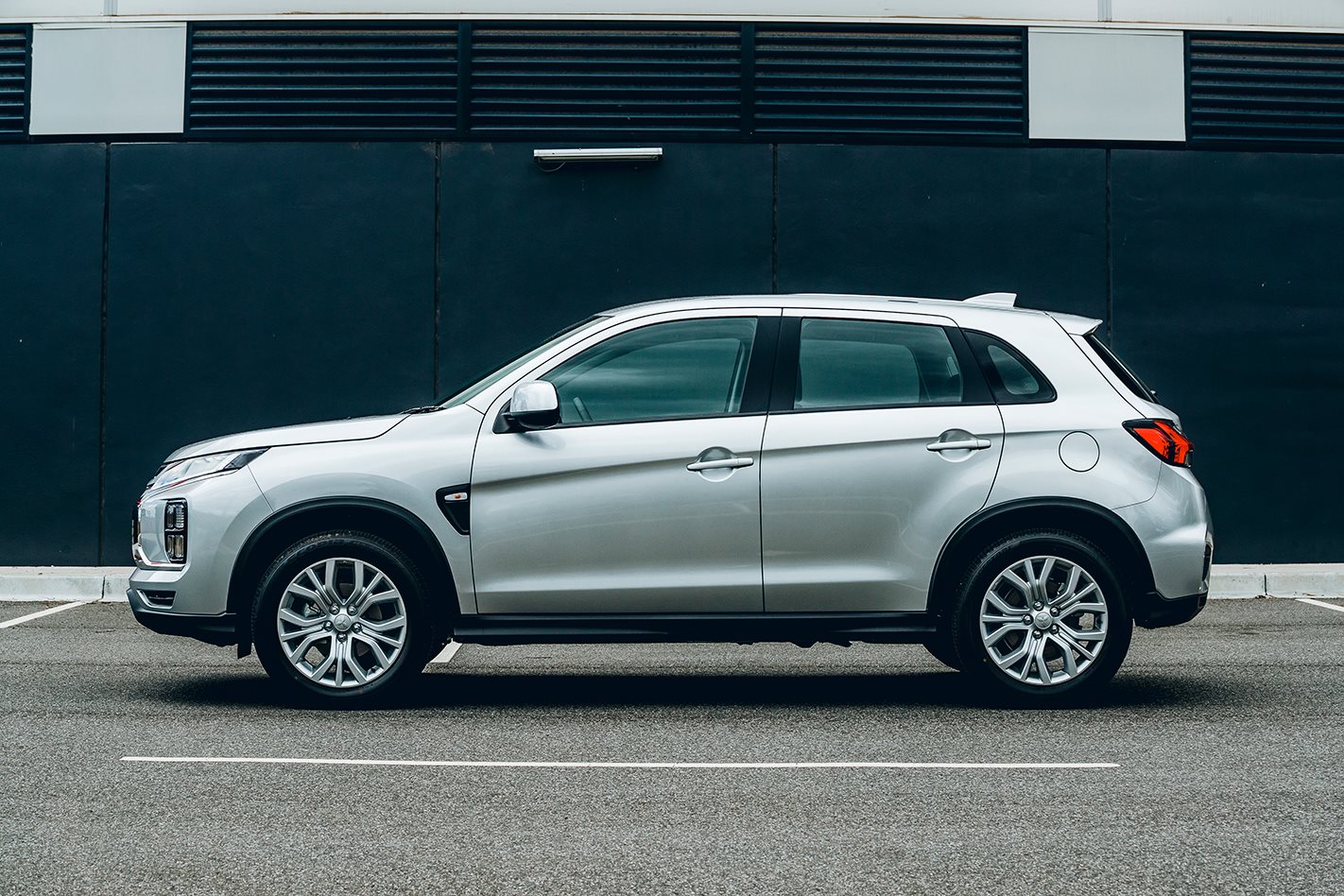
The ASX received another Facelift in October 2019, that added newly designed front and rear, and redesigned dashboard area housing a bigger 8.0-inch touchscreen. Two new variants, the MR and GSR were also introduced featuring sporty exterior and interior trim, with the GSR and top-spec Exceed gaining the more powerful 2.4-litre engine. Satellite navigation was brought back, but only for the Exceed.An all-new ASX is under development, but its arrival date is uncertain – don’t expect anything before 2022.
I like this car, but I can’t choose which version. Can you help?
While we prefer the 2.4-litre engine in the GSR and Exceed versions, the ASX’s major advantage is affordability, so we suggest the ASX ES with ADAS which brings you a roomy SUV for the price of a hatchback.
The standard CVT auto does a good job and the ADAS driver assistance suite may help you avoid the sort of in-traffic incident that can ruin your day.
The Honda Civic Type R, the car which took out MOTOR’s Performance Car of the Year 2018 and Bang For Your Bucks trophies (making it the only car to do so) in the same year, will receive a small visual and mechanical update, and it’s been confirmed for an Australian arrival in October 2020.
The 2020 Type R’s drivetrain remains unchanged – a 228kW/400Nm turbo four-cylinder – for now, but the hot hatch will get updated dampers and stiffer rear bushings, with changes to the front suspension also expected to improve steering. New two-piece brake rotors and new brake pads are also on the cards, with a 15mm reduction in “brake stroke… delivering a more immediate [braking] feel.”
The most obvious change visually will be a smaller bar across the front grille to allow more space for the vent and therefore better engine cooling.
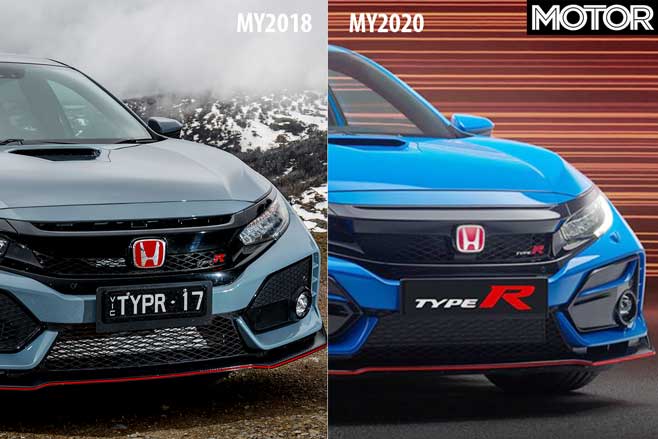
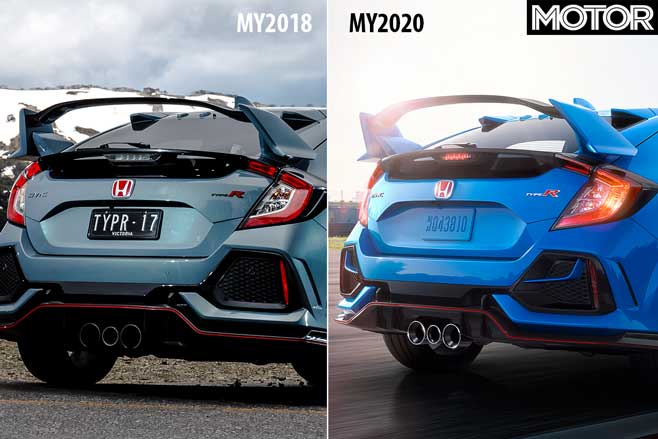
The side vents, which until now were mostly made of a solid plate which mimicked a grille, no longer pretend to be a full vent, instead making the real vent more visible and incorporating a small body-coloured ‘blade’ within its section of the bumper. The fog lamps retain their place within the grille’s outline section.
At the rear, the vent-lookalike panels also get a body-coloured blade-like feature through the space they occupy.
Pictured here is a new colour which will be available in Australia as Racing Blue.
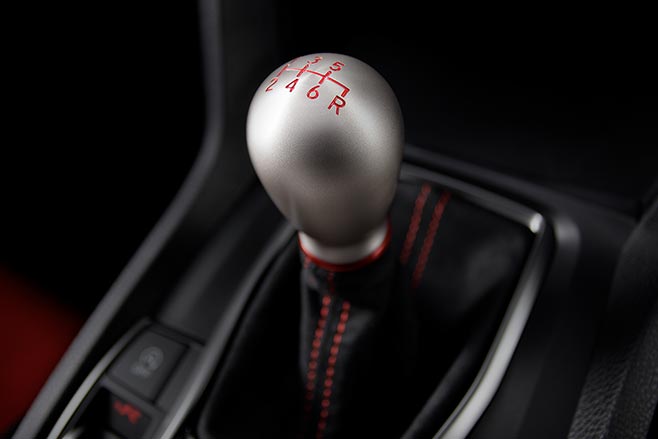
Inside, a teardrop-shaped shift knob harks back to older Type R models, such as the Integra DC2, and also adds a “90g internal counterweight to help improve shift feel and accuracy.”
Honda also introduces its new datalogging system called LogR, which “combines the Type R’s onboard computer and sensors with a smartphone app to help drivers monitor and record a variety of performance parameters.”
As well as track times and data tracking, it can also provide ‘scoring’ on smooth day-to-day driving to improve efficiency.
While all of this will improve the Type R, it also comes at a price. That price is now $54,990, or a $3000 bump up from the outgoing 2017-19 model. It’s set to be available in Australia from October 1, 2020.
The latest Ford GT Heritage Edition has been revealed, following much the same ethos as the past GT and Mustang Heritage Editions Ford has created.
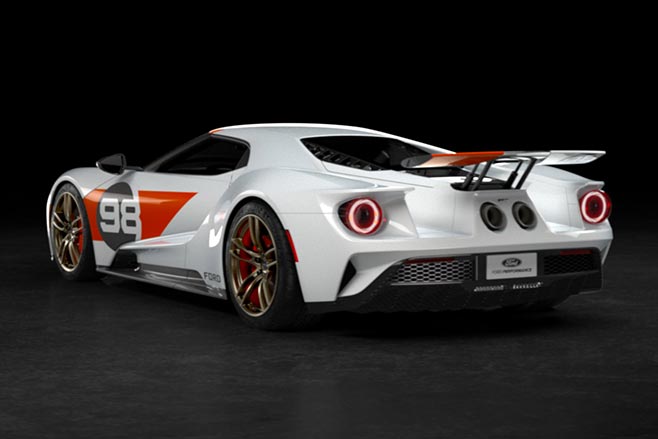
Inspired by the 1966 Ford GT40 which won the ’66 24 Hours of Daytona, this MY21 GT sports the same asymmetrical livery as the original.
Ford GT program manager Mike Severson says the choice to make the Daytona car the inspiration rather than the Ken Miles Le Mans car was not only because it was perhaps underappreciated in comparison compared to the widely celebrated latter, but also because Ford considers Daytona the first time anyone had a proper go at Ferrari.
For reference, Ford has already built a Heritage Edition GT for the car that ‘won’ in Le Mans in 1966, but not one for Miles’ car, which many consider the ‘true’ victor.
Ford built GT Heritage cars for its three-year Le Mans streak
“Miles and Ruby led nearly every lap of the 24-hour race and outpaced the competition by 30 miles,” said Severson.
“The win was the first time anyone had threatened Ferrari’s dominance in sports car racing and represented a turning point in the Ford GT race program.”
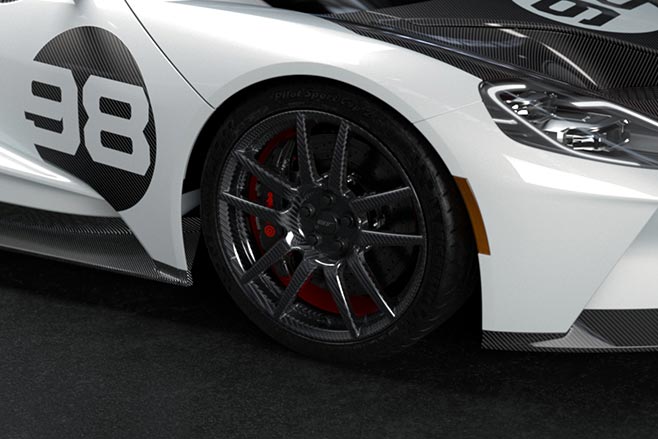
Rather than the ‘98’ roundels on the sides of the car being decals, they’re actually sections exposing the lightweight carbon underneath.
The story behind Ford’s 1966 Le Mans win
The car can be had with standard gold wheels or with a set of carbon fibre wheels from Aussie company Carbon Revolution.
Inside, black Alcantara suede is found on the instrument panel, headliner and steering wheel rim, while red Alcantara seats and red paddle shifters create some visual contrast.
Only 40 will be available and, given Ford doesn’t sell the GT in Australia… well, you can’t buy one here.
Get your free weekly MOTOR report!
What stands out?
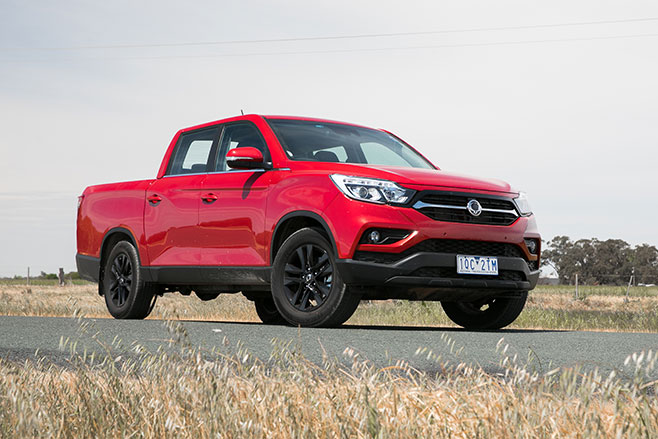
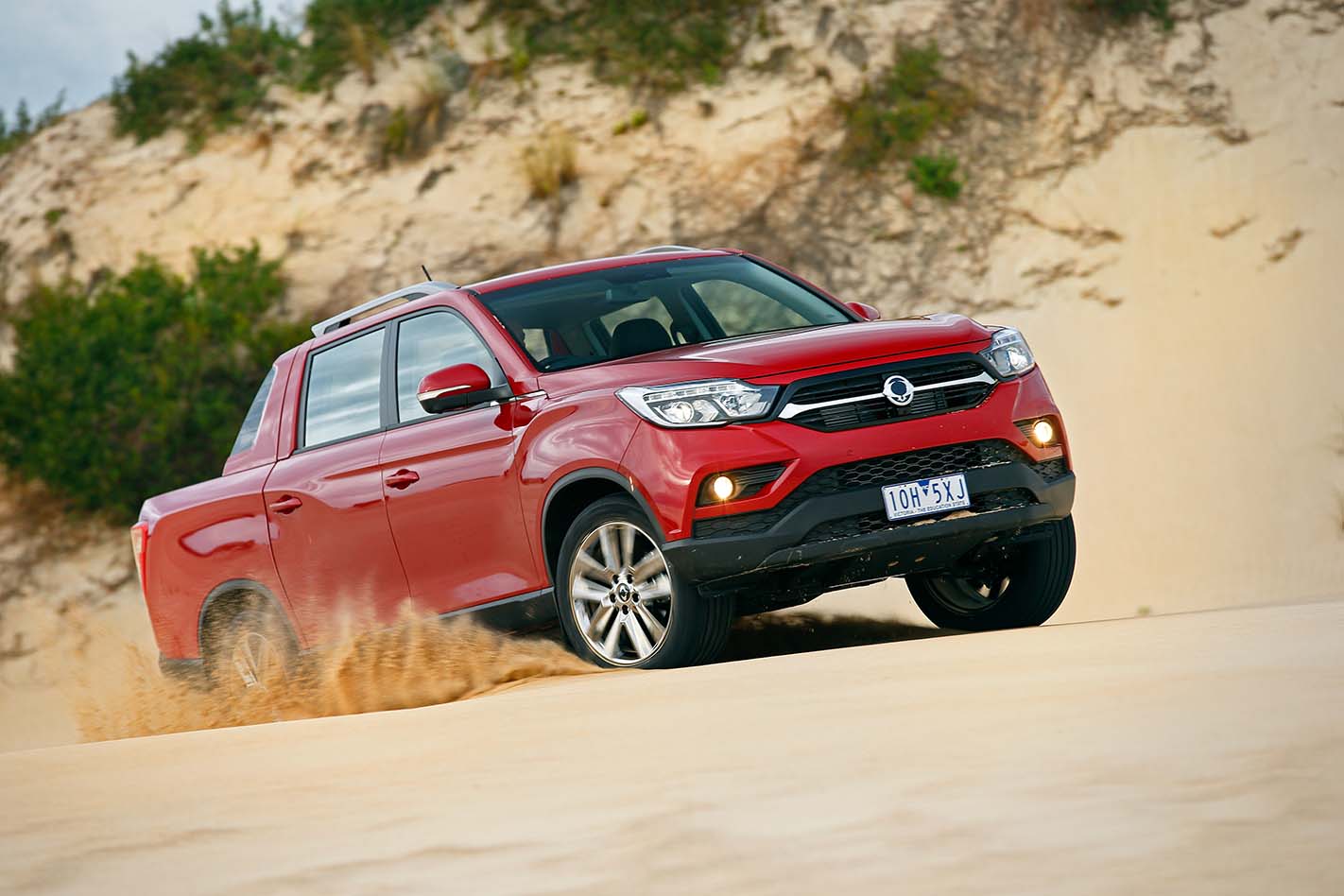
One of the more underrated models in the 4×4 ute segment, the SsangYong Musso comes in standard and long-wheelbase guises, the latter boasting one of the biggest trays in class. It’s covered by a seven-year warranty, feels quieter and more refined than most of its rivals and is generously equipped.
The Musso XLV Ultimate Plus was a finalist in the 2020 4×4 of the Year and finished a credible fifth.
What might bug me?
Not really knowing where you stand with safety in a Musso. It has yet to be ANCAP tested.
When carrying three passengers in the back, worrying that one may be less safe than the others. The middle seat only has a lap seatbelt instead of the usual three-point restraint.
If you have the most affordable Musso, the EX, missing out on the 8.0-inch touchscreen, smartphone pairing and a reversing camera.
What body styles are there?
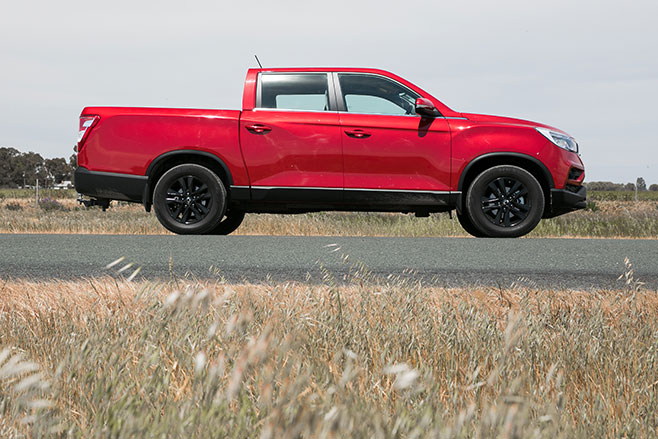
There are two versions; the standard-length Musso with the long-wheelbase Musso XLV which has a longer tray.
All are four-wheel drive with dual-range gearing. The 4WD system is part-time, which means you must select rear-wheel drive for sealed roads but may switch to 4WD on loose surfaces.
The Musso is classed as a commercial light pick-up.
What features do all Musso versions have?
- Active safety including autonomous emergency braking (AEB), forward collision warning and lane departure warning.
- Front vehicle start alert, that prompts you when the car in front moves off from the lights should you be distracted.
- Daytime running lights.
- Front and rear fog-lights.
- AM-FM radio, Bluetooth audio and six-speaker audio system – all but the entry-level Musso EX has a full infotainment system which includes an 8.0-inch touchscreen with Apple CarPlay/Android Auto smartphone pairing.
- USB socket to charge or play music from your device.
- Cruise control.
- Power folding and heated door mirrors.
- Buttons on the steering wheel to operate the cruise control and multimedia features.
- Air-conditioning.
- Full-size spare wheel.
- 4WD gearing and limited-slip differential with lock function.
- Six airbags. (For the placement of airbags, and more on SsangYong Musso safety features, please open the Safety section below.)
- Every SsangYong Musso comes with a seven-year warranty, with no restriction on distance.
Which engine uses least fuel, and why wouldn’t I choose it?
Every SsangYong Musso comes with the same engine, a 2.2-litre four-cylinder turbodiesel.
On the official test, the standard length (SWB) Misso consumes about 7.6 litres/100km (city and country cycles combined) with the six-speed manual transmission that is available in the entry-level Musso EX. With the six-speed automatic gearbox, the Musso consumes 8.6 litres/100km.
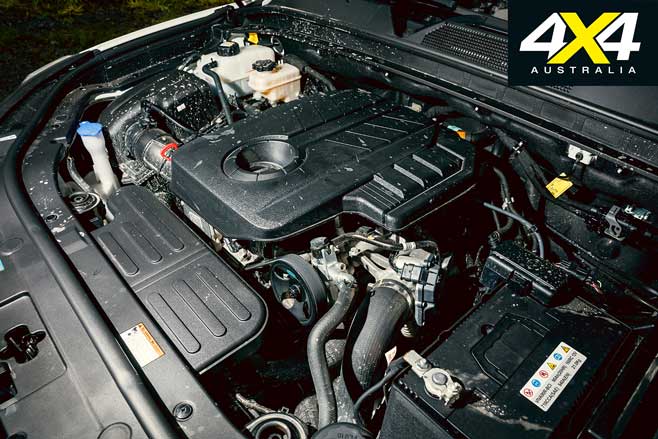
The heavier Misso XLV versions consume 8.2L/100km through the manual transmission and 8.9 litres/100km with the auto.
The 2.2-litre engine isn’t the most powerful you’ll find in a dual-cab ute, but it has 400Nm of torque to easily move it off the line.
All Mussos have a part-time four-wheel-drive system that you can switch from 2WD to 4WD when moving from road to dirt. There is also high and low 4WD gear ranges.
What key features do I get if I spend more?
The least costly Musso EX is purely a workhorse and misses out on many of the features found in all other versions. It has 17-inch steel wheels, no touchscreen or revering camera, coil suspension, and comes standard with the six-speed gearbox. The six-speed automatic gearbox is available for an additional $2000.
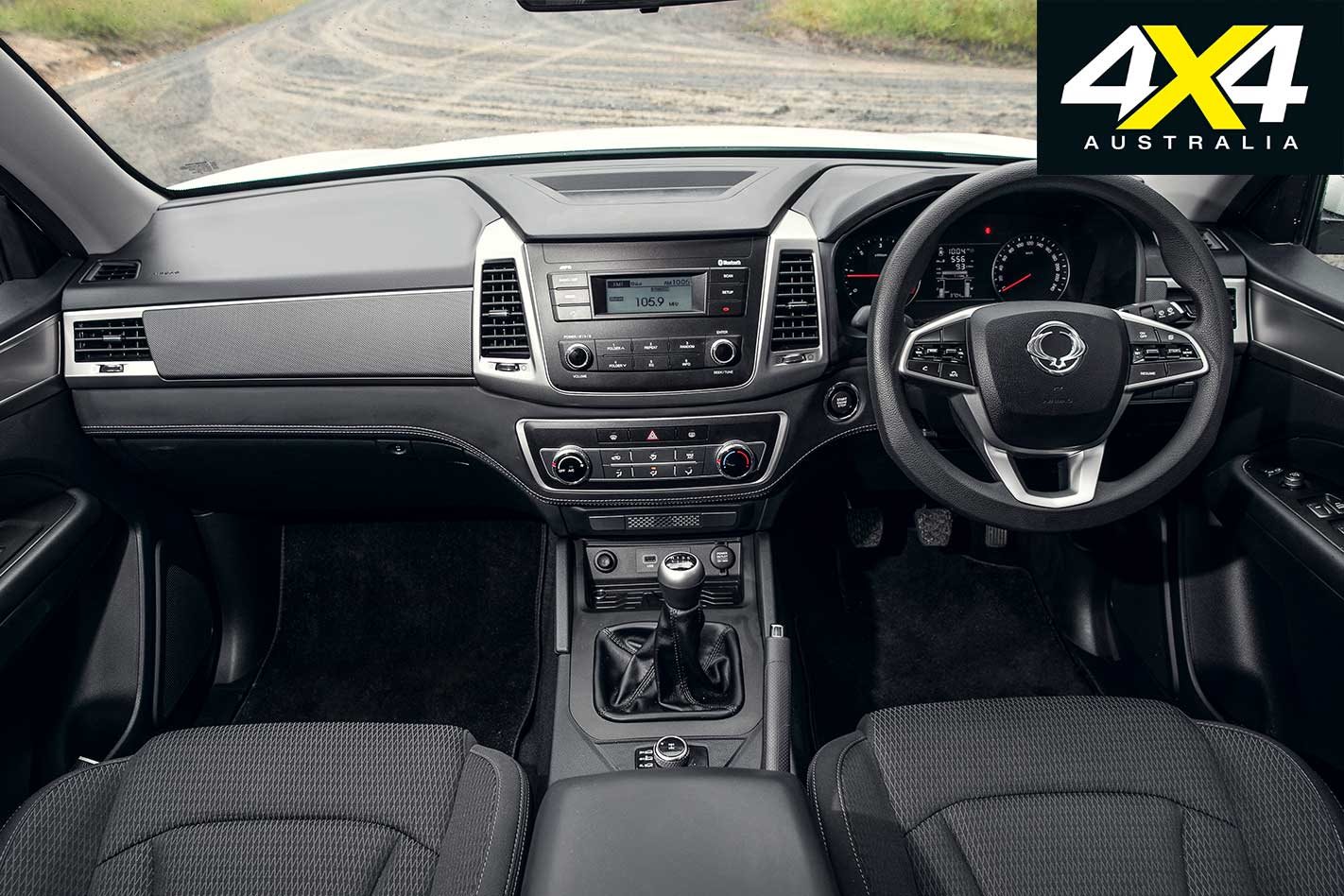
Stepping up to the Musso ELX brings a host of additional features that you’ll find in an SUV, including:
- 8.0-inch touchscreen infotainment.
- Apple CarPlay/Android Auto smartphone pairing.
- Reversing camera.
- Front and rear parking sensors.
- Additional active safety including blind-spot detection, lane-change assist, rear-cross traffic alert.
- 18-inch alloy wheels.
- Tyre pressure monitoring
- Six-speed automatic transmission as standard.
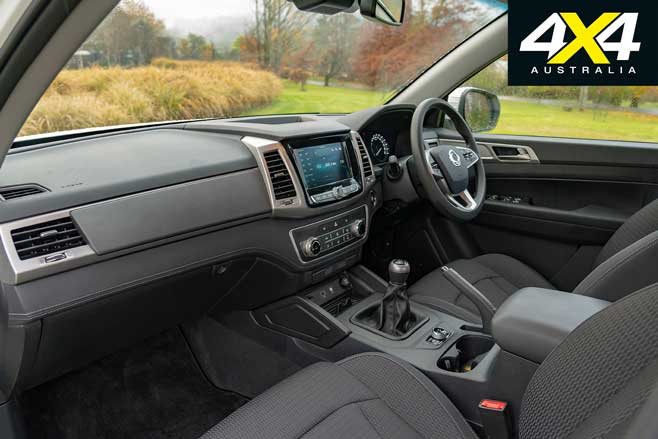
The Musso XLV ELX brings the longer wheelbase and 310mm longer tray but smaller 17-inch alloy wheels. It also comes standard with the manual gearbox and leaf-spring suspension, with the auto available as an extra-cost option.
Paying more again for the Musso Ultimate brings additional creature comforts, such as:
- Leather seats.
- Power-operated and heated and ventilated front seats.
- Reach adjustable steering wheel.
- Heated leather steering wheel.
- 360-degree parking monitor.
- Speed-sensitive steering.
- HID headlights with auto on/off function.
- 20-inch alloy wheels.
It comes standard with coil suspension and 18-inch wheels, but you can opt for more durable leaf-spring suspension for increased payload and 17-inch wheels for no extra cost.
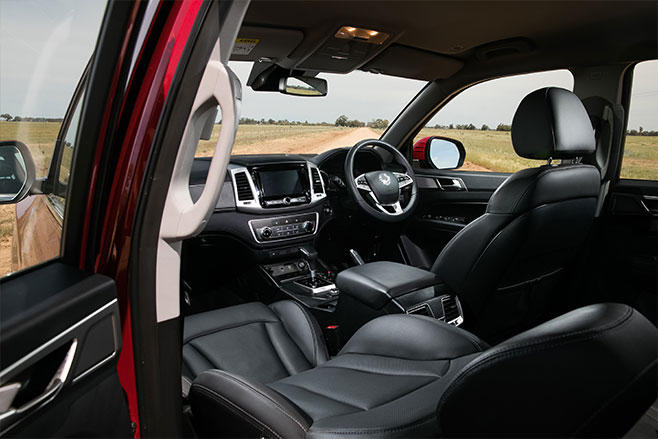
The Musso XLV Ulimate Plus is the most expensive Musso you can get and has all the features of the standard Musso Ultimate plus a sunroof.
Does any upgrade have a down side?
Stepping up from the manual to the automatic transmission sees a slight jump in fuel consumption.
Paying a little more for the longer Musso XLV ELX or Ultimate brings fewer features than in the standard length equivalents.
The pricer Musso XLV versions consume a bit more fuel.
The bigger 20-inch wheels in the Musso Ultimate and Musso XLV Ultimate Plus ride harder on roads while the bigger wheels are less practical off-road. The bigger tyres are also more expensive to replace.
How comfortable is it?
Even the tradie-spec Musso EX, while missing out on a reversing camera and Apple CarPlay and Android Auto, is spacious and comfortable and has one of the best laid-out and quietest cabins in the one-tonne 4×4 ute segment.
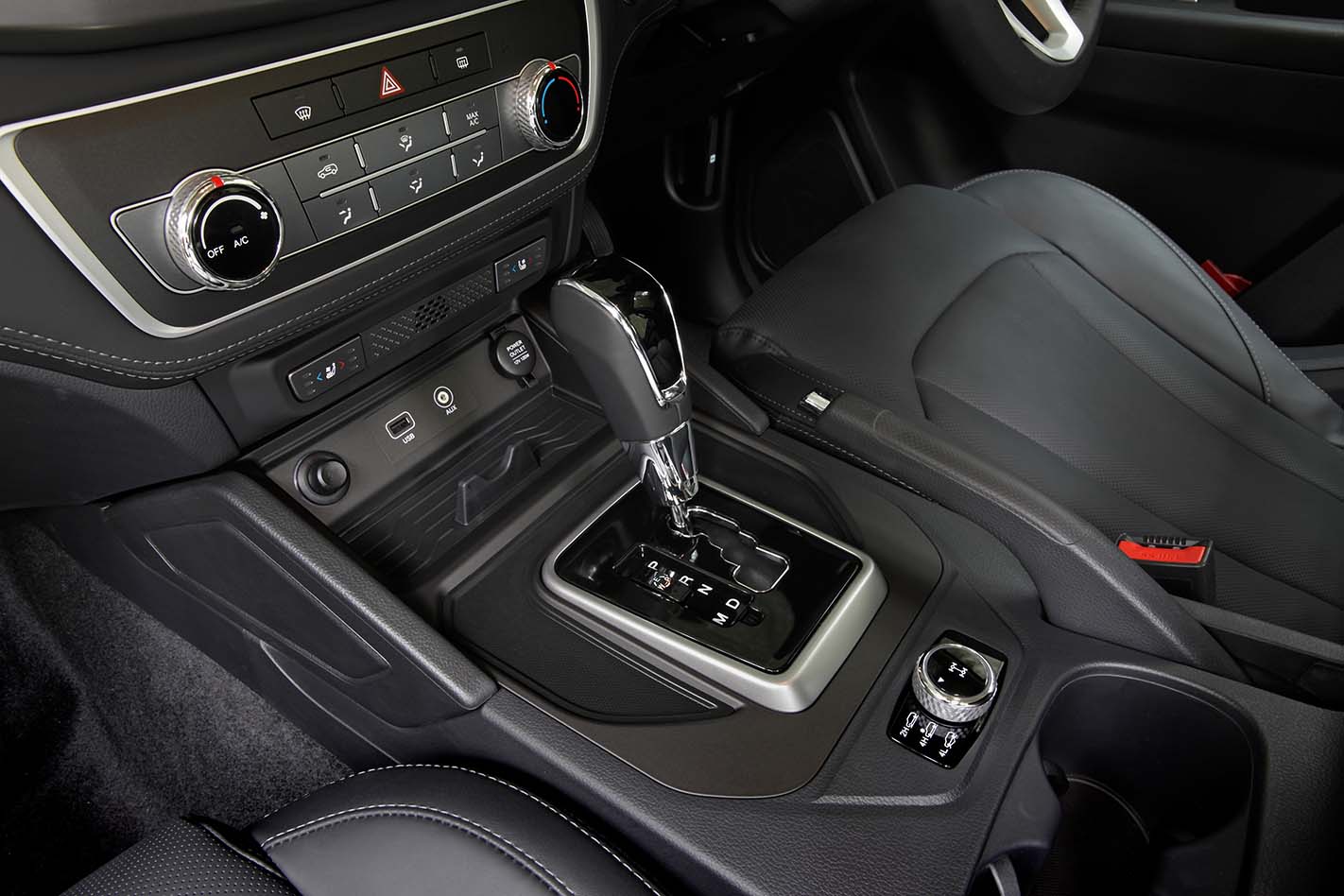
In all versions, the interior impresses with a grey and black palette matched to a mix of hard- and soft-touch surfaces. In all but the EX, the range-wide eight-inch multimedia screen sits front and centre and is easily accessed by the driver or passenger and is intuitive in use.
All switches (indicators, lights, windows, mirror-adjust and 4WD settings) are easy to reach and operate. Fit and finish is surprisingly good, with tight gaps on panels and a reassuring thud when the doors close.
The seats across the various trim levels are firm but supportive and comfortable. Rear seating is also comfortable for adults, with sufficient legroom for a 180cm-tall tall people to sit comfortably.
What about safety in a Musso?
Every Musso features autonomous emergency braking (AEB), forward collision warning and lane departure warning. All versions above the entry-level EX also have blind-spot detection, rear-cross traffic alert, and blind-spot monitoring that SsangYong calls lane-change assist,
The Musso comes with four-wheel disc brakes, where plenty of rival 4WD utes still have drum brakes at the rear.
There are two ISOFIX child seat anchor points and three top tether attachments for baby seats in the second row, and six airbags, including rear seat curtains that aren’t available in some pricier rivals such as the Volkswagen Amarok.
A couple of safety concerns include the middle seat in the second row only having a lap belt with no sash across the body. Then there’s the fact the Musso yet be tested under the Australasian New Car Assessment Program (ANCAP), which makes it difficult to make an informed decision on its overall safety.
I like driving – will I enjoy this car?
The Musso is one of the few one-tonne dual-cabs rear coil-spring suspension set up, which is supposed to have notable comfort benefits. However, like the Nissan Navara and Mercedes-Benz X-Class, our testers struggled to feel a significant advantage. That said, the suspension is well weighted and quite refined considering it’s a ladder-framed ute. With an empty tray, it can be a bit jittery on uneven surfaces, but you get that in any unladen ute and it does smooth out with a load.
The 133kW diesel engine isn’t particularly powerful compared with anything else in the market, but it’s more than adequate even in the heavier XLV versions.
With a decent 400Nm and 420Nm torque output in the SWB and LWB versions respectively, the Musso has decent acceleration and towing ability but its torque band is relatively narrow, meaning the grunt falls off quickly if the engine revs out of the sweet spot
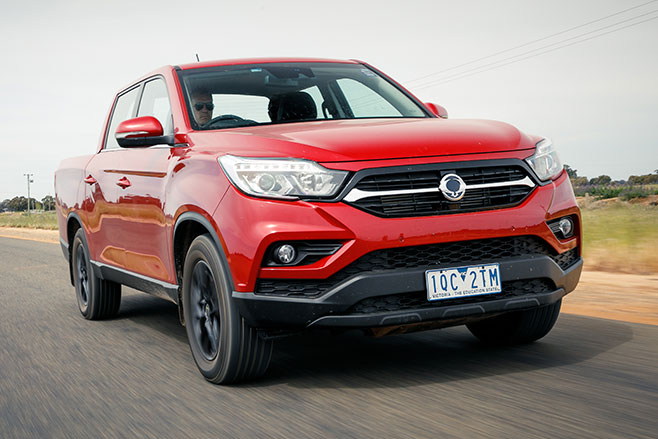
Steering feel is light and a little numb. This is overcome speed-sensitive technology that stiffens the tiller at higher speeds, however, this is only available in the higher-end Ultimate and Ultimate Plus variants.
A three-hour stint at the wheel was completely comfortable thanks to the commercial vehicle driving position, decent cabin insulation and surprisingly good noise, vibration and harshness (NVH) levels.
Off road
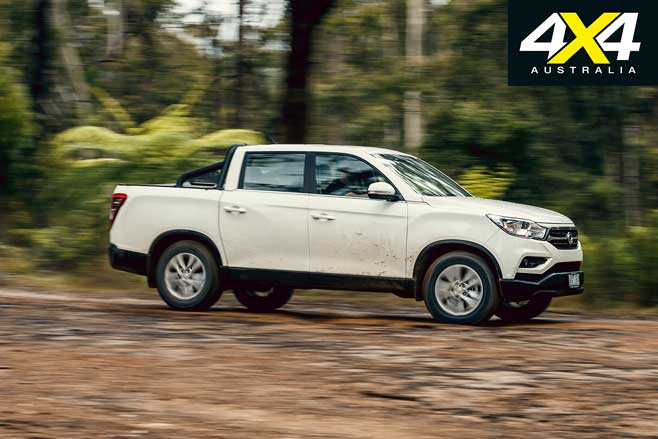
A common criticism of the Musso is the factory ground clearance, which is quoted as 216mm for the standard wheelbase, or 220mm for the longer XLV versions where it is more noticeable due to the wider ramp-over angle and longer rear overhang.
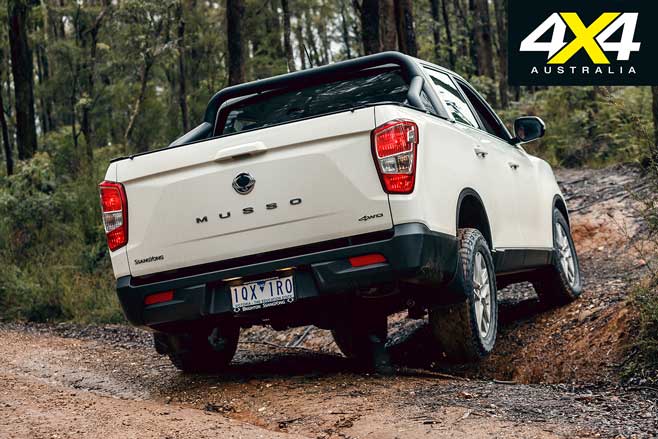
The Musso uses a traditional part-time, dual-range 4×4 system with electronic traction control and an auto-locking rear differential. This diff tightens up once slip is detected and is not driver selectable like many lockers.
The suspension works well over rough roads and rutted tracks, although travel is limited and the Musso soon lifts wheels. This is where that auto locker comes into force; you feel the initial wheelspin and then feel it lock up and drive you onward. It is surprising where this will get the Musso, and the vehicle makes a great general touring 4×4.
How is life in the rear seats?
The short- and long-wheelbase versions have the same cabin space, which is one of the roomiest when it comes to rear-seat comfort. Three adults can be seated across the bench in relative comfort.
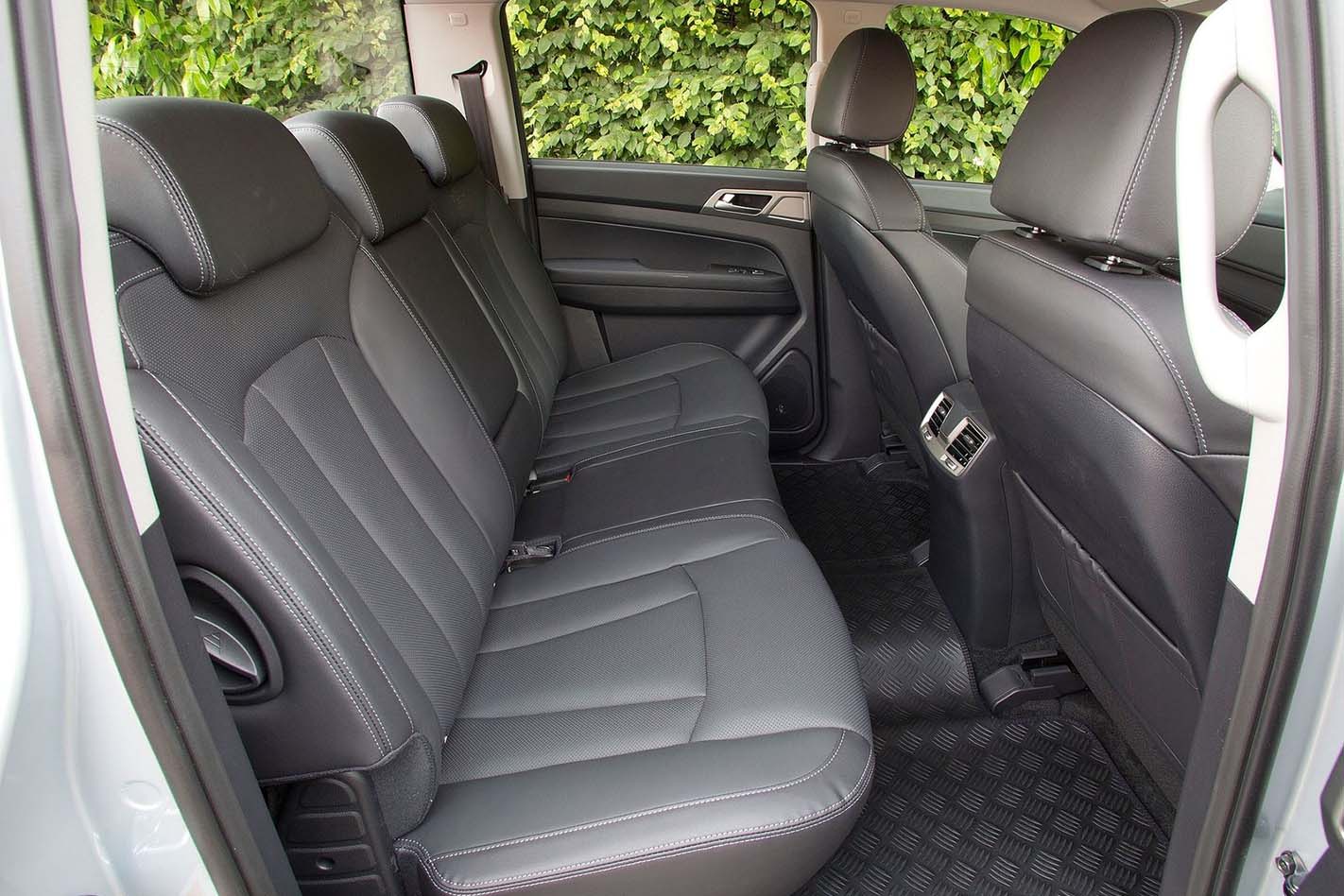
There are air vents in the back as well usual conveniences such as door bins with bottle holders, cup-holders in the fold-down armrest and map pockets on the front seat-backs.
One big tick against the Musso’s second row is the middle seat, which is only a lap belt and not a three-point harness. SsangYong claims that a fix is coming but is yet to confirm when.
How is it for carrying stuff?
Excellent, it’s a ute after all.
The 1300mm tray of the SWB Musso appears stubby when you look at it, especially if you’ve spent time with the XLV which has an extra 310mm in tub length. Part of the reason for that is the depth of the tub, which is actually quite massive and has plenty of room.
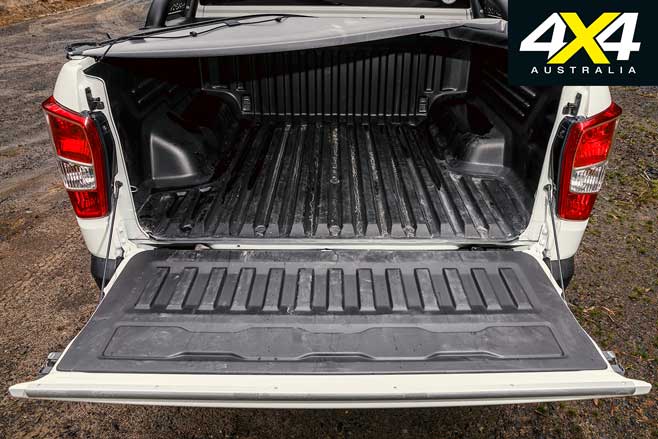
The rear tray has four low-set sturdy tie-down points, as well as a 12V outlet.
With the coil springs, the SWB versions have a 790kg payload.
The LWB XLV versions’ 1610mm tray provides an 800kg payload, though the Musso XLV ELX with leaf-springs can carry up to 1025kg, more than any other one-tonne dual-cab ute – the leaf-spring set-up is a no-cost option with the XLV Ultimate.
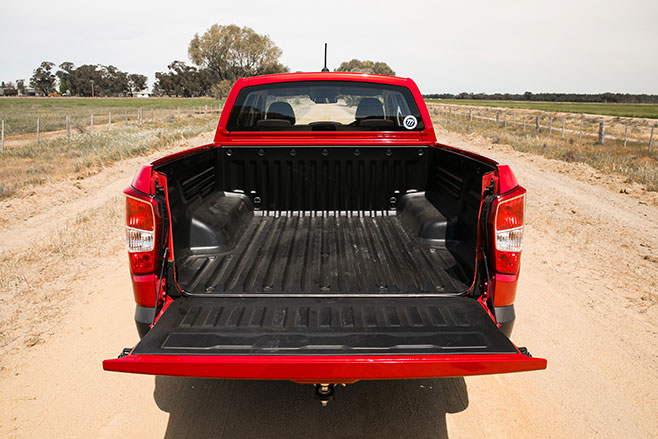
All Musso versions have a 3500kg braked towing capacity and can tow unbraked loads up to 750kg.
Where is it made?
The SsangYong Musso is manufactured in South Korea.
What might I miss that similar cars have?
While it’s more affordable than many of its rivals the Musso is more than just a budget ute. It drives and performs better than some of the more popular, pricier vehicles in the one-tonne ute market. It has a growing range of quality factory accessories and a class-leading seven-year warranty.
But there are few things you don’t get in a Musso that some of its rivals offer, such as a bigger engine, as available in the Ford Ranger and Volkswagen Amarok, which also offer more performance.
Some utes have more ratios in their auto gearboxes than the Musso’s six, which means their engines spend more time where they run most sweetly. For example, the Nissan Navara has a seven-speed auto the Amarok an eight-speed auto, and the Ford Ranger is available with a 10-speed transmission.
The new Mazda BT-50 has active cruise control as standard, while the Ranger offers it on the more expensive versions. It will match the slower speed of a car in front of you on the highway until you are ready to overtake. This helps reduce fatigue on long journeys.
Other utes you might consider include the Toyota HiLux and Isuzu D-Max.
I like this car, but I can’t choose which version. Can you help?
The Musso range is relatively small compared to some of its rivals, but it covers a range of missions from affordable workhorse to family-friendly 4WD tourer.
Unless you require the longer tray, we quite like the short-wheelbase Musso Ultimate that for just under $40,000, offers SUV-styling, comfort and features that make it excellent for work and play.
Are there plans to update this model soon?
The SsangYong Musso has been around since 2018 with the long-wheelbase XLV version joining the range in late 2019. Don’t expect a significant upgrade before 2022, though SsangYong might tweak spec-levels before then.
SsangYong has said it will replace the lap seatbelt in the middle rear seat with a three-point harness but is yet to confirm when this will be.
Like more conventional petrol engines, a rotary engine uses fuel ignited by a spark to produce power but, beyond that, it differs from a conventional car engine in many ways; most notably, how it takes the expanding gasses and heat of combustion and turns it into movement to push your car along.
How does a rotary engine work?
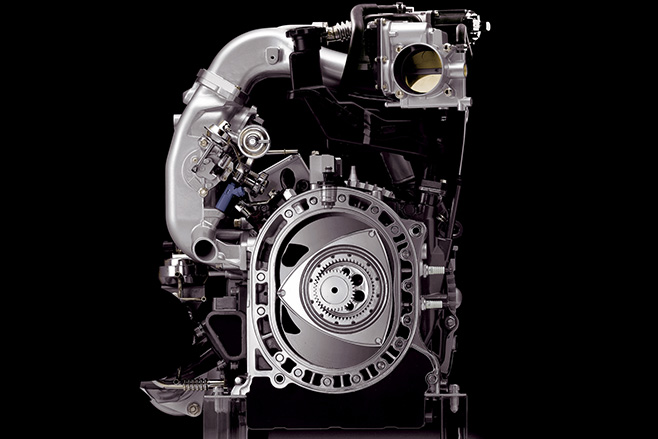
In a normal engine, combustion acts on a set of pistons which produces a linear movement inside the engine’s cylinders. The pistons go up and down like the legs of a push-bike rider and they are attached to the crankshaft, which is the component that converts that up and down motion to the circular motion that drives the wheels.
In a rotary engine, all of the main internal components spin in a largely circular motion, so it’s a simpler, more efficient transfer of energy from burning the petrol to turning the wheels. As such, the rotary has fewer moving parts, is smaller, lighter and more powerful for its capacity.
While Mazda is without doubt the rotary’s champion, the Japanese brand is not the only manufacturer to have dabbled in the idea.
Also like conventional piston engines, the rotary engine’s rotor layout can be duplicated for a larger capacity and more power. Most rotary models were ‘twin’ rotor, but Mazda has created three and four rotor versions.
However, as you might expect, this brilliant idea has disadvantages.
Sealed fate
Firstly, the special seals (you might hear them called face, lobe-tip or apex seals) that help create the compression required for combustion are prone to wear. When this happens, rotary engines start to loose power and can burn oil too. Replacing the seals is a big job.
Emissions and economy
While the power characteristics of a rotary engine are very good, they are not so good when it comes to fuel economy and the impact on emissions is negative too. Turbocharging and catalytic converters in late designs helped to a degree, but not enough to preserve the principle with today’s strict regulations.
Power absolute
While the free revving nature of a rotary engine makes cars powered by them engaging and fun, it comes at a cost to low-end power and especially torque. This unique performance delivery limits the engine to specific applications and mostly sports cars.
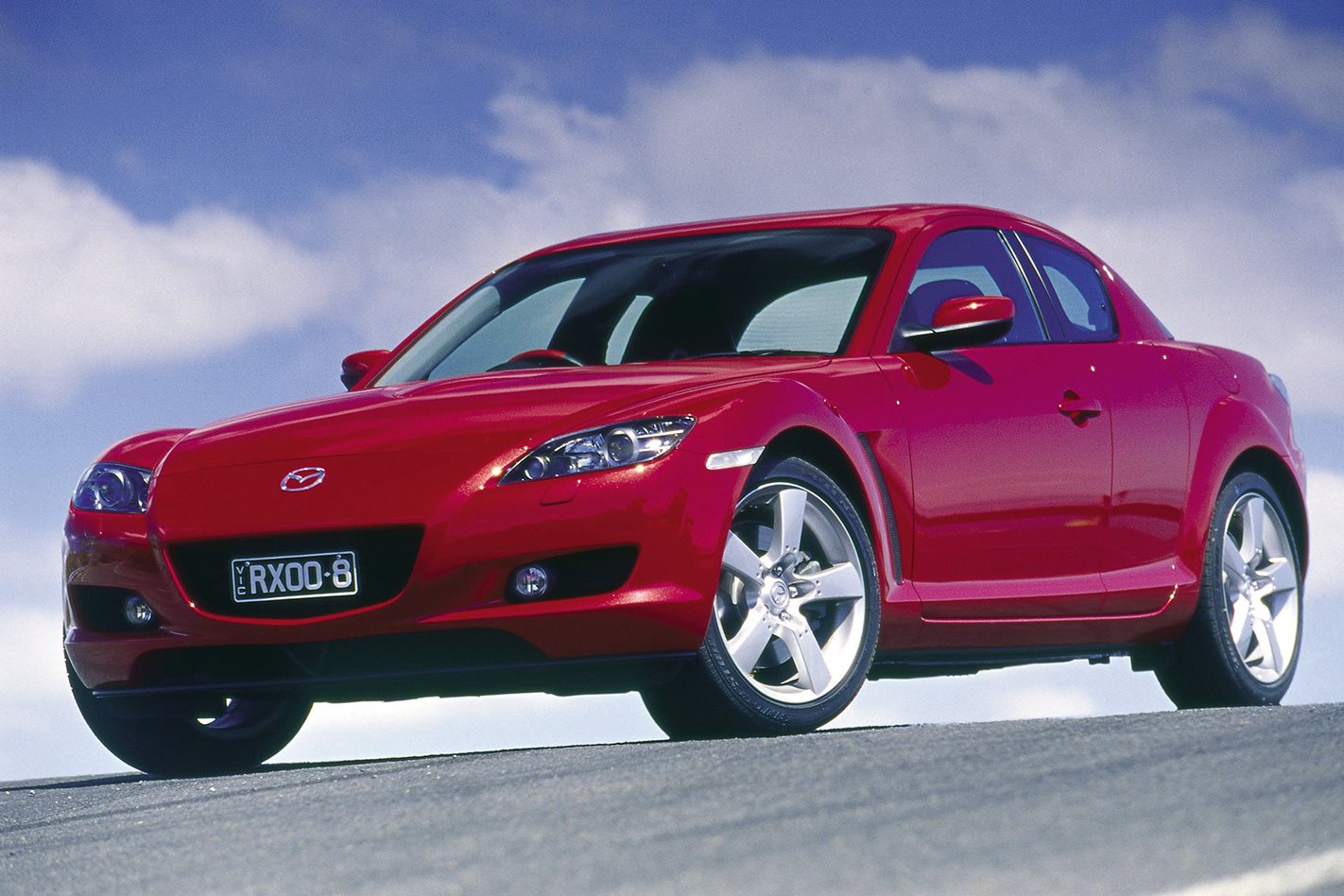
Many car-makers have fiddled with rotaries, but only Mazda has gone into large-scale manufacture of them. And when it did in the 1960s and 70s, the poor reliability of the rotary all but bought the company to its knees. But modern technology and materials mean the rotary could have a future and if you’ve ever driven one, you’ll know how delightfully smooth and full of character they are.
What’s next?
Since Mazda discontinued the RX-8 in 2012, no rotary powered cars have been available for sale in Australia and, for a long while, it looked like it would stay that way due to the rotary’s inherent design flaws.
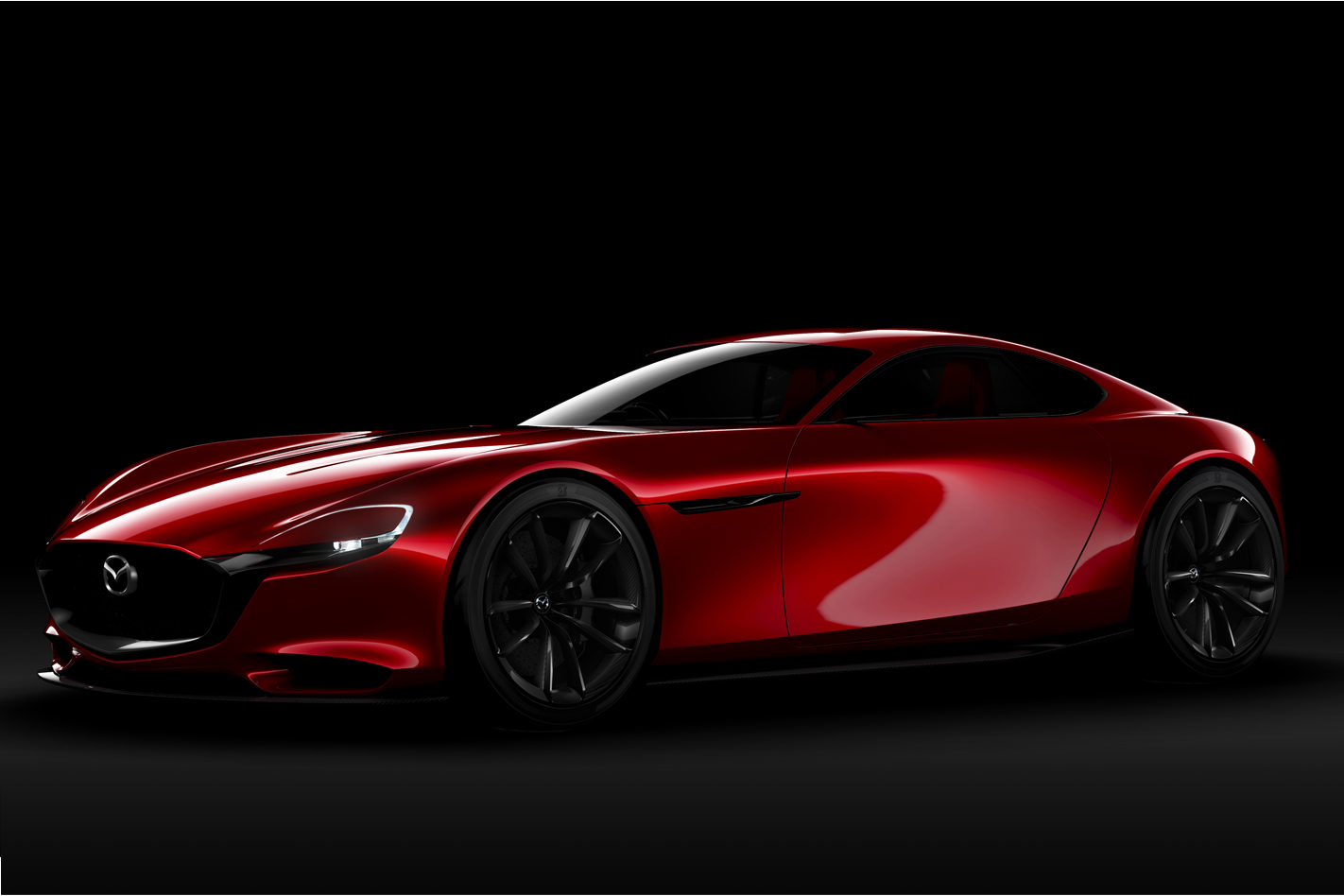
However, Mazda has recently confirmed that it will resurrect the iconic rotary engine and that it has found ways to solve its engineering challenges.
Details are still very light and a model heralding the rebirth is yet to be announced but you may be able to cruise around under the power of this extraordinary power unit once again.
Can’t get enough torque talk? Read about Diesel vs Hybrid engines.
With only a couple of months until the premiere of the next instalment in the 007 movie franchise, No Time to Die, Aston Martin has created limited edition versions of two of its current models.
The Aston Martin Vantage 007 Edition and DBS Superleggera 007 Edition have both been designed by Q by Aston Martin, the bespoke division of the Gaydon brand, to pay homage to cars in the new film.
They’ll appear alongside a specially-modified M3-powered Aston Martin DB5 built for the film’s stunts, as well as a Valkyrie hypercar.
While both Vantage and DBS remain mechanically unaltered (375kW/685Nm for the 4.0-litre twin-turbo Vantage V8; 533kW/900Nm for the 5.2-litre twin-turbo V12 DBS), they both include unique design elements and features inspired by Bond.
The more nostalgia-packed of the two cars is the Vantage, taking inspiration from the Aston Martin V8. Though the classic V8 will appear in No Time to Die, its first appearance was in the 1987 Bond film The Living Daylights, one of a couple starring Timothy Dalton.
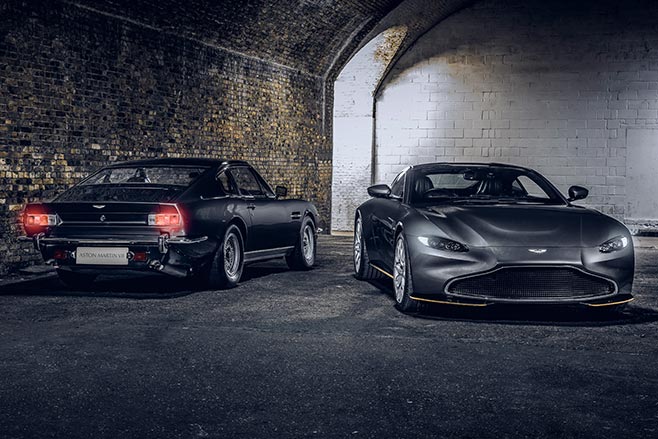
As well as its Bond badging and 007 logos as seen in the seat leather, the car sports some very specific references to its Daylights inspiration. Oh, and it’s available in both 8-speed automatic or a 7-speed manual.
An etched panel in the design of the ’87 V8’s gadget buttons, all used in a snow chase to escape the KGB, is included, as well as f-shaped cello ‘sound holes’ on the backs of the seats in reference to the cellist-turned-assassin-turned-Dalton’s sidekick, portrayed by Maryam D’Abo.
It can even be ordered with ski racks and skis, which reference the (very 1980s action film) ‘outrigger’ ski-car mode of the V8.
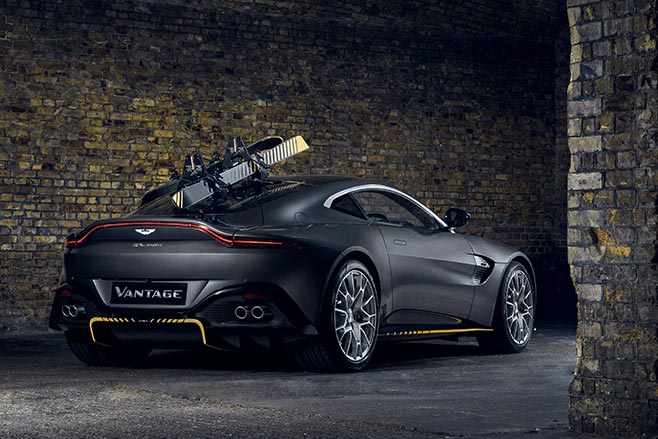
Only 100 will be built worldwide.
Of the DBS Superleggera 007 Edition, a much more exclusive run of 25 will be built worldwide, with its specification less reference-laden, and more a replication of the DBS that appears in No Time to Die.
Aston Martin’s Goldfinger DB5 continuation cars
Its Ceramic Grey exterior is complemented by the roof, mirror caps, splitter, diffuser, and rear spoiler blade in black tinted carbon fibre.
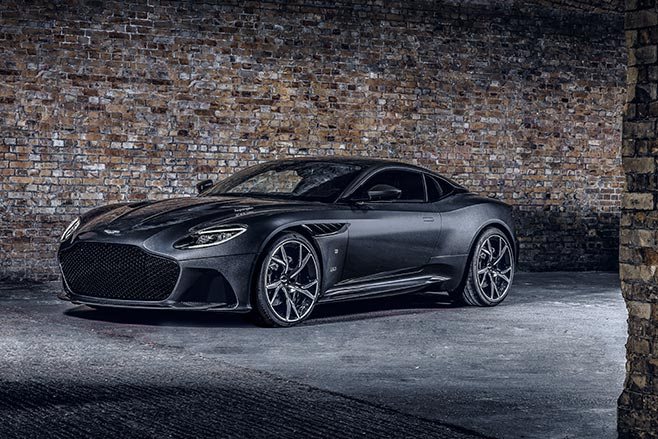
Gloss Black diamond-turned Y-Spoke 21-inch wheels, a 007 fender badge, and silver 007 foil on the spoiler blade complete the look.
Aston’s chief creative officer, Marek Reichman, says balancing the line between Bond-style additions and retaining the cars’ original design nuance is “an exciting challenge.”
How three Aston Martin DBSs were wrecked for the Casino Royale flip
“Creating a 007 Edition… we work to develop and style a car that embodies the legend of James Bond,” says Reichman.
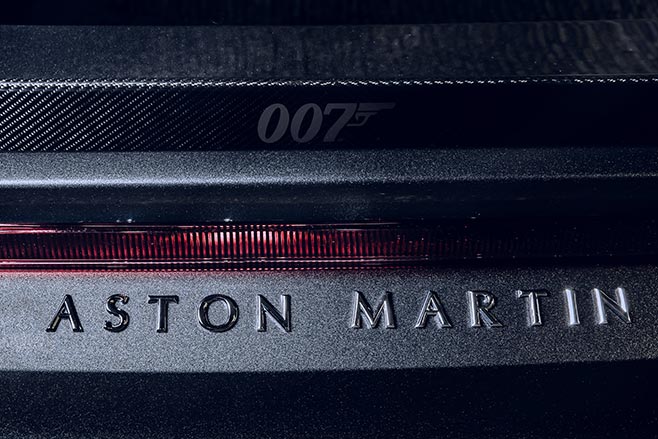
“It is an honour to apply carefully judged 007-inspired styling to our sports cars, which gives our customers the opportunity to own a unique piece of both cinematic and automotive history.”
Pricing and availability for the two cars in Australia aren’t yet available, though Aston’s local PR firm supplied MOTOR with details of the cars, suggesting those with the means will be able to contact an Australian Aston Martin dealer to secure one, if quick enough.
Check out the gallery at the top of this page for a detailed look at both cars.
Hyundai’s full-frontal product assault continues apace, with the expansion of the incoming i30 Sedan – nee Elantra – range to include a sportier version.
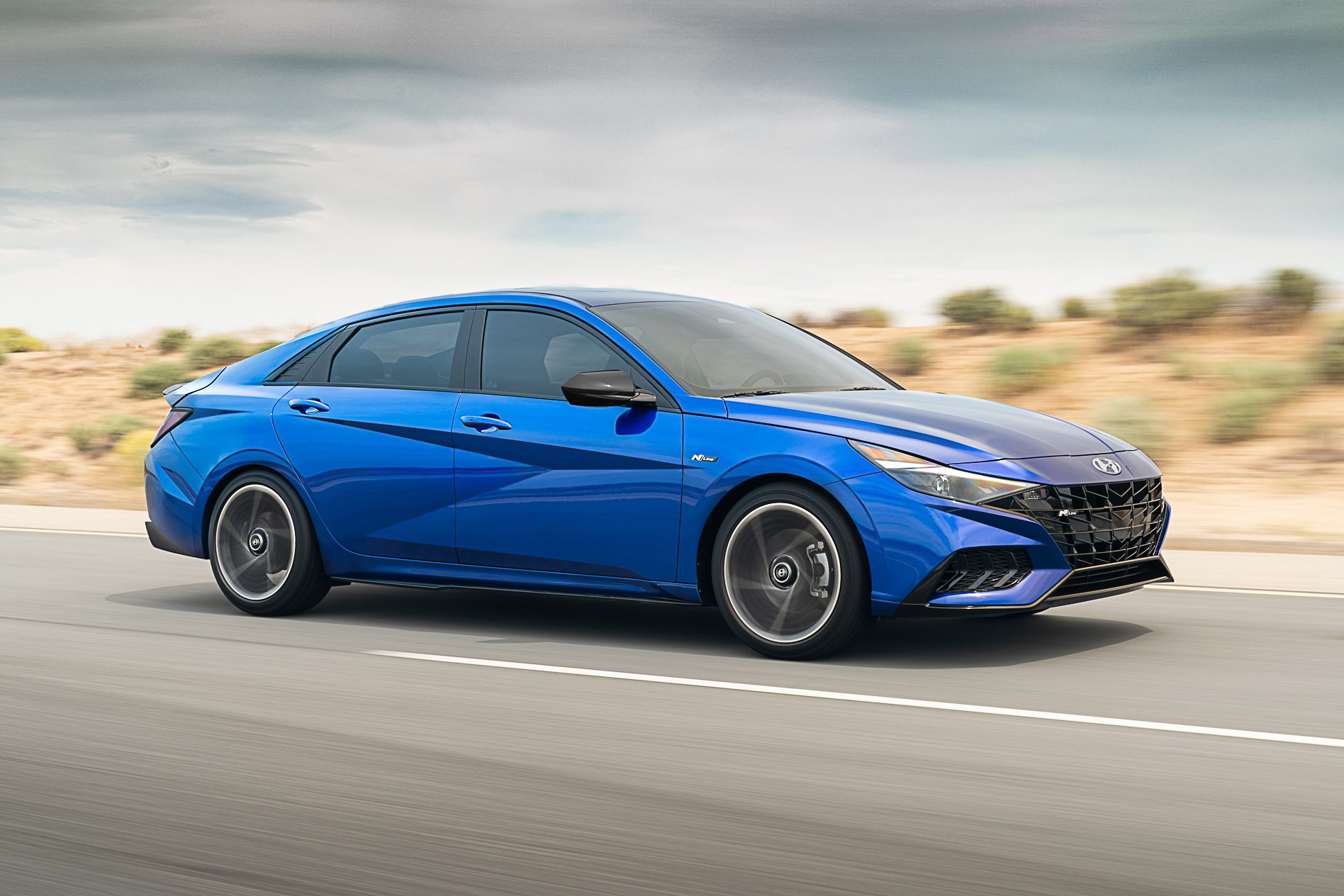
The i30 Sedan N-line takes the brand’s new small four-door, five-seater and gives it a frisson of affordable cool via a unique exterior and interior treatment to augment the already leading-edge elements of the car’s design.
It will use the brand’s ubiquitous 150kW/265Nm 1.6-litre turbocharged four-cylinder engine mated to either a six-speed manual or seven-speed dual-clutch transmission driving the front wheels.
Hyundai uses the same engine across a lot of the range, including the i30 hatchback version of the N-Line, the Kona and the Tucson.
The i30 Sedan N-Line will also offer a multi-link rear suspension set-up for more agile handling, bigger brake rotors up front and a suspension tune that’s been fine-tuned for local conditions.
On the outside, the i30 Sedan’s pretty unique styling scores a makeover, with restyled front and rear ends, black trim and 18-inch rims.
Inside, meanwhile, paddle shifters and a Drive Mode Selector system combine with a leather-wrapped N steering wheel, N sport seats with leather bolsters and alloy pedals.
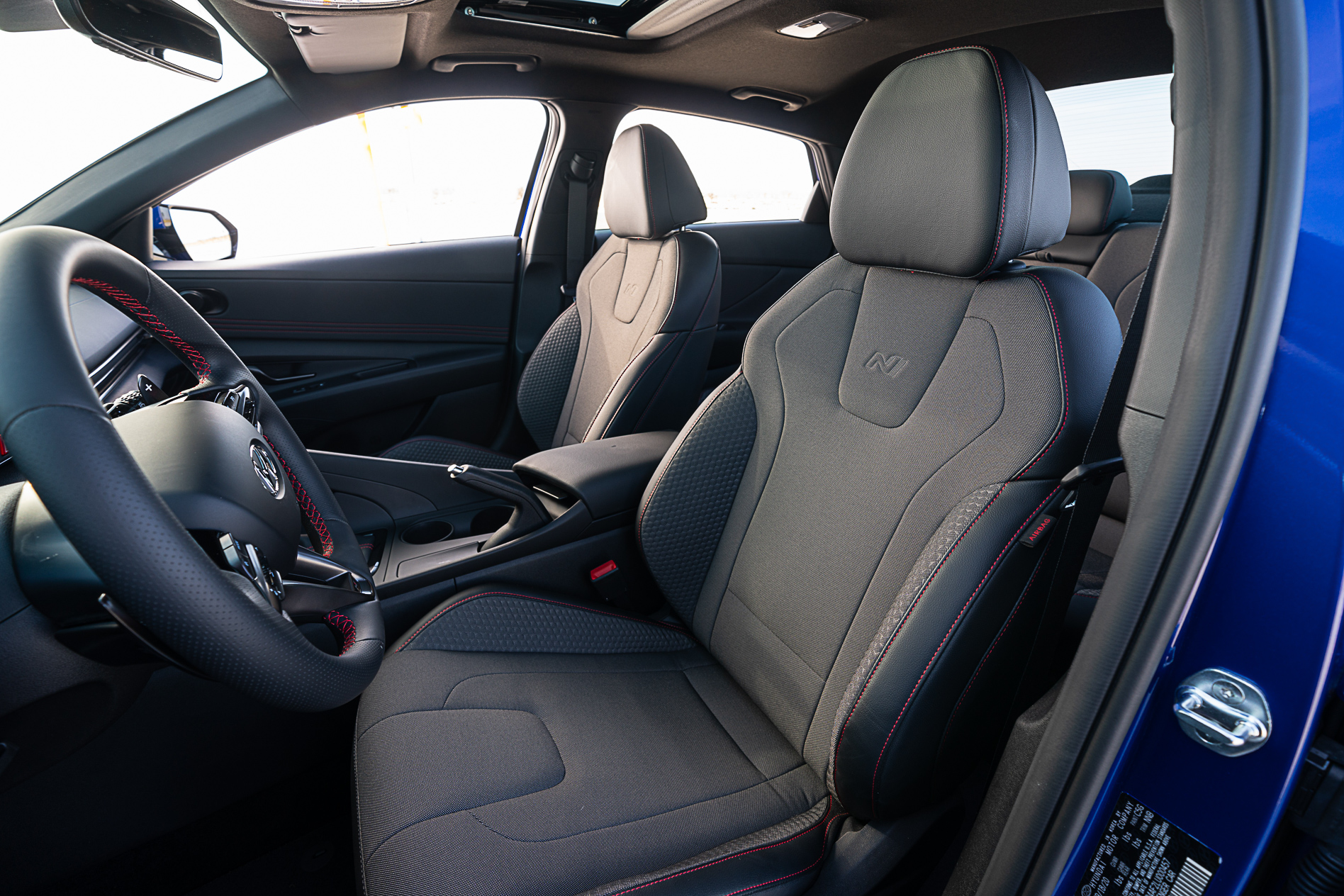
A pair of 10.25-inch digital screens for the dash and multimedia systems wrap around the driver, while a low-slung driver’s seat and central spar provide a cocooned space.
Forward Collision-Avoidance Assist, Lane Keeping Assist, Lane Following Assist, High Beam Assist, Driver Attention Warning (DAW) and Blind-Spot Collision Avoidance Assist with Rear Cross-Traffic Collision-Avoidance Assist all go towards the car’s impressive basic safety specs.
As well, the i30 Sedan N Line scores wireless Apple CarPlay and wired Android Auto connectivity.
Rear passenger room in the i30 sedan – which has a longer wheelbase than the hatch – is greater than expected, too, with a scalloped headlining to eke out a few more crucial millimetres, decent knee room and acceptable toe room.
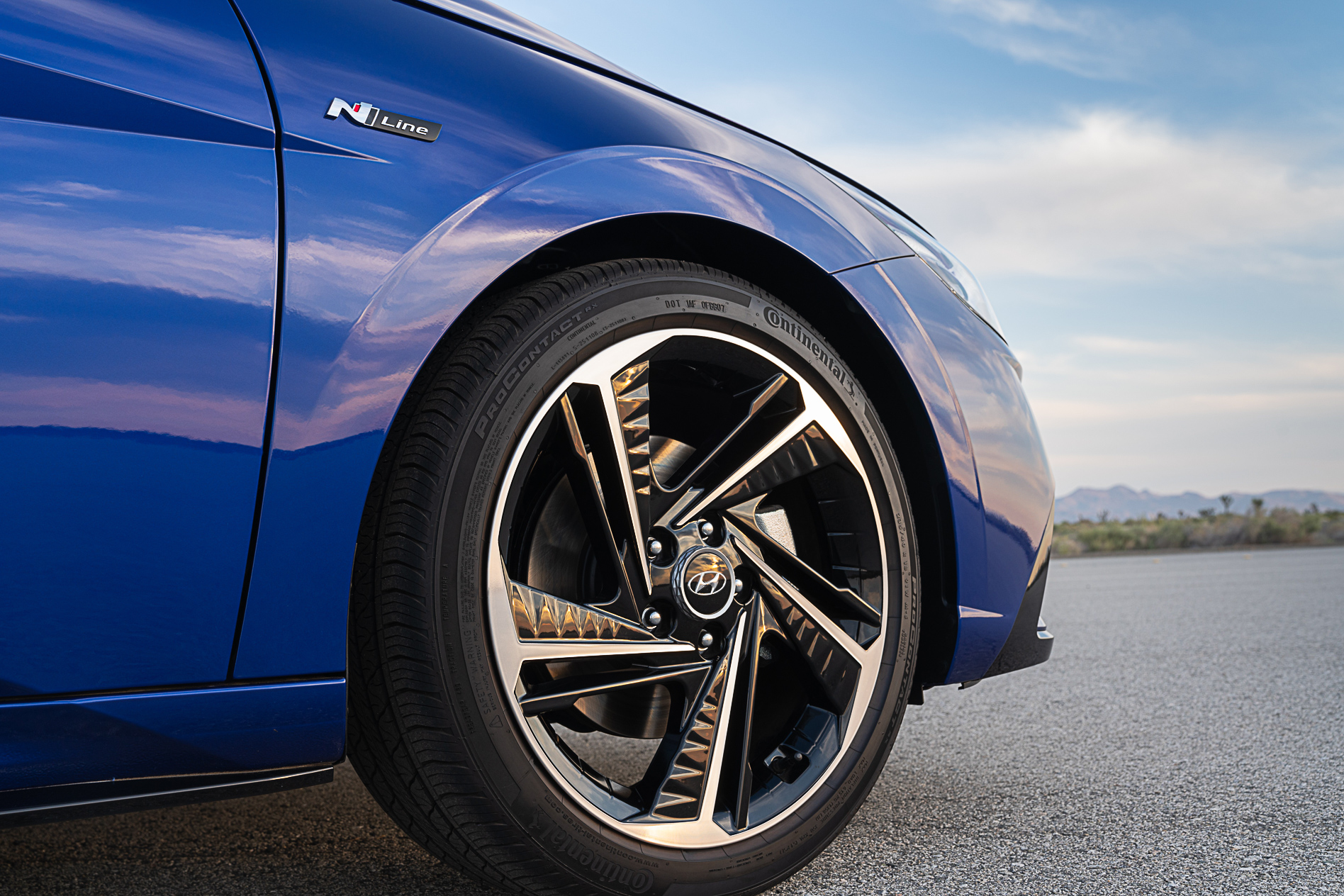
Despite a similar silhouette to the 130N fastback, the boot lid on the sedan gives the game away, and an integrated spoiler and faux diffusor give the N-Line more visual edge.
The i30 Sedan N-Line forms part of Hyundai’s almost-complete model makeover, and will join the local roster towards the end of 2020 alongside the regular i30 Sedan.
There’s a lot to drink in when sizing up the new BMW M8 Gran Coupe. For starters it’s an M6 Gran Coupe essentially reborn on a new platform, within a new skin and bearing a fancier name.
In person its visual package still commands a presence our car’s Ametrine metallic purple only amplifies. Yes, while its fastback styling is more obvious when ogled from a front-three quarter angle, its slanted C-pillar helps hide the fact an M8 coupe has been stretched to 5098mm to accommodate a pair of doors. Importantly this adds 200mm worth of wheelbase and the chance to seat a fourth passenger thanks to a new extra seatbelt. But, they’re going to have to be keen on the ride, given they’ll need to straddle a tunnel that extends from the central glovebox to the rear bench.

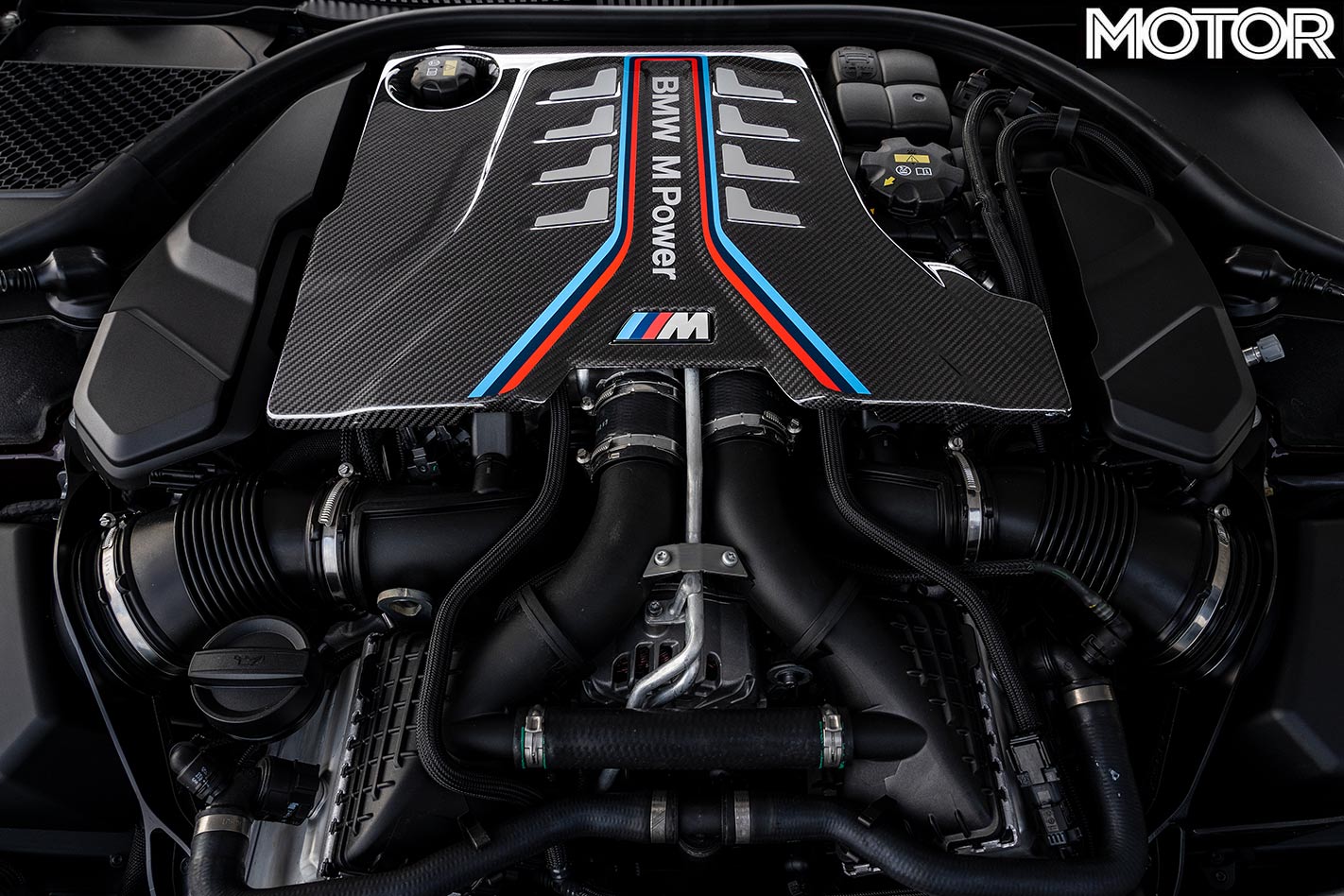
At least the M8 Gran Coupe has the horsepower to handle the added weight. Relying on the same S63 twin-turbo V8 bolted in the coupe, it has 460kW and 750Nm to haul its extra 95kg of flab. Matched to an all-wheel drive system and massive tyres, measuring 275mm at the front and 285mm out back, it’s claimed to hustle to 100km/h from rest in 3.3 seconds and reach double that speed in 10.8sec. Keep your foot pinned and the M8 Gran Coupe will eventually hit 305km/h.
There’s no doubt the M8 GC is monstrously quick. Launched from a stop its eight-speed automatic unleashes a torque surge that throws you back like a crazed grizzly bear. And the V8’s just as savage in the top-end when 460kW drives home at 6000rpm. Your head only briefly leaves the seat as gearchanges disappear in an instant. Surprisingly, and despite all its might, the car’s thick-blocked Pirelli P Zeros can only extract a 3.58sec 0-100km/h time from damp conditions.
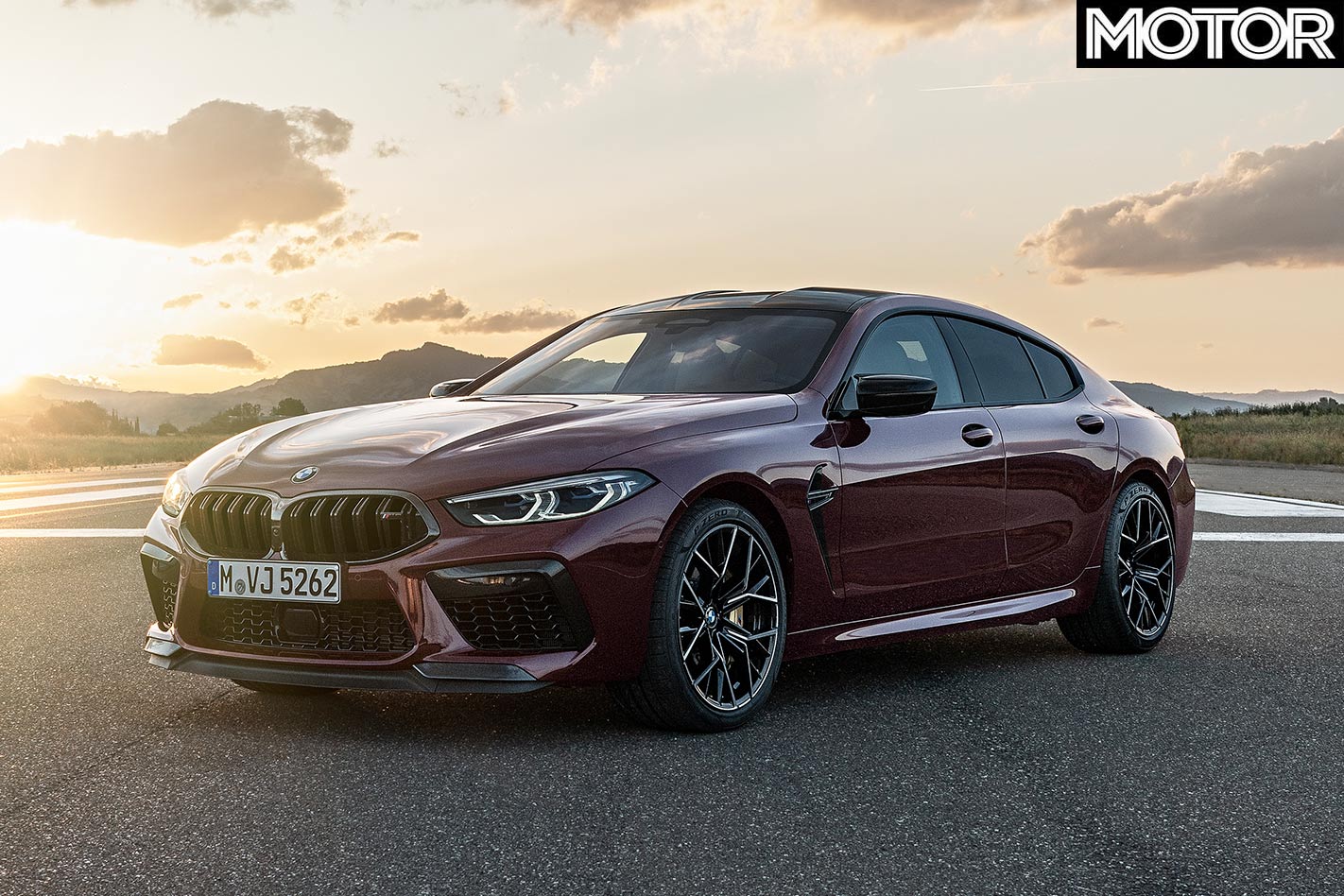
Lowering the windows during the next run proves the M exhaust system’s fat pipes are not only for show. They unlock a rasp note while loudly crackling on the overrun. But from the inside the engine still sounds anodyne and, you’d swear, slightly manufactured. Perhaps BMW wants to keep the peace in what is an especially quiet cabin. It’s classier than an M5 Competition’s thanks to its unique stack and sculpted door handles, while the M Sport seats are regenerating to relax in. On theme with treating its driver like royalty the M8 also lays out a platter of ways to set up its hardware for a Sunday blat. For instance, the brakes are now electrically assisted and offer two levels of pressure. You can also choose a 2WD mode for when you want to theoretically remove the front drive shafts – and perhaps your brain.
Given how big the car feels on the road, and especially without rear-wheel steering on local models, we left the car in 4WD Sport for most of the time. The MDM mode that accompanies it gives you more than enough rope and the centre differential is lazy about maintaining all-wheel drive grip in the wet. You can’t have 2WD with any DSC assistance, either, so you’re going to be feeling especially brave to switch it on. And it takes a while to near the level of trust needed to exploit this car’s performance in these conditions.
It’s already an awfully big and heavy thing to pilot in corners. Trying to baby it with slow inputs and trail braking only confuses its balance and struggles to build meaningful grip. You need to grab its scruff instead. Brake hard and late with a yank at the wheel then its nervousness disappears. Suddenly, the suspension loads up with grip and it rotates, setting itself up for the straight and a rocket ride to the next corner before repeating the process.
There’s something cool about hustling a two-tonne lump of leather to have it point and shoot like a WRX. But overall it might lag behind the Mercedes-AMG GT63 on sheer ability or an Audi RS7 for bang for buck. It appeals most for everyday duties, where its smooth automatic and spongy ride inject luxury into its low-speed experience.

Deciding if the M8 GC’s for you means figuring out what you really want. If it’s the kick of transporting four passengers with V8 grunt then maybe the much cheaper M550i xDrive does the job. But if it’s class-leading luxury and refinement, then the M8 Gran Coupe makes a strong case. Only, at $354,900, it’s a lot to drink in.
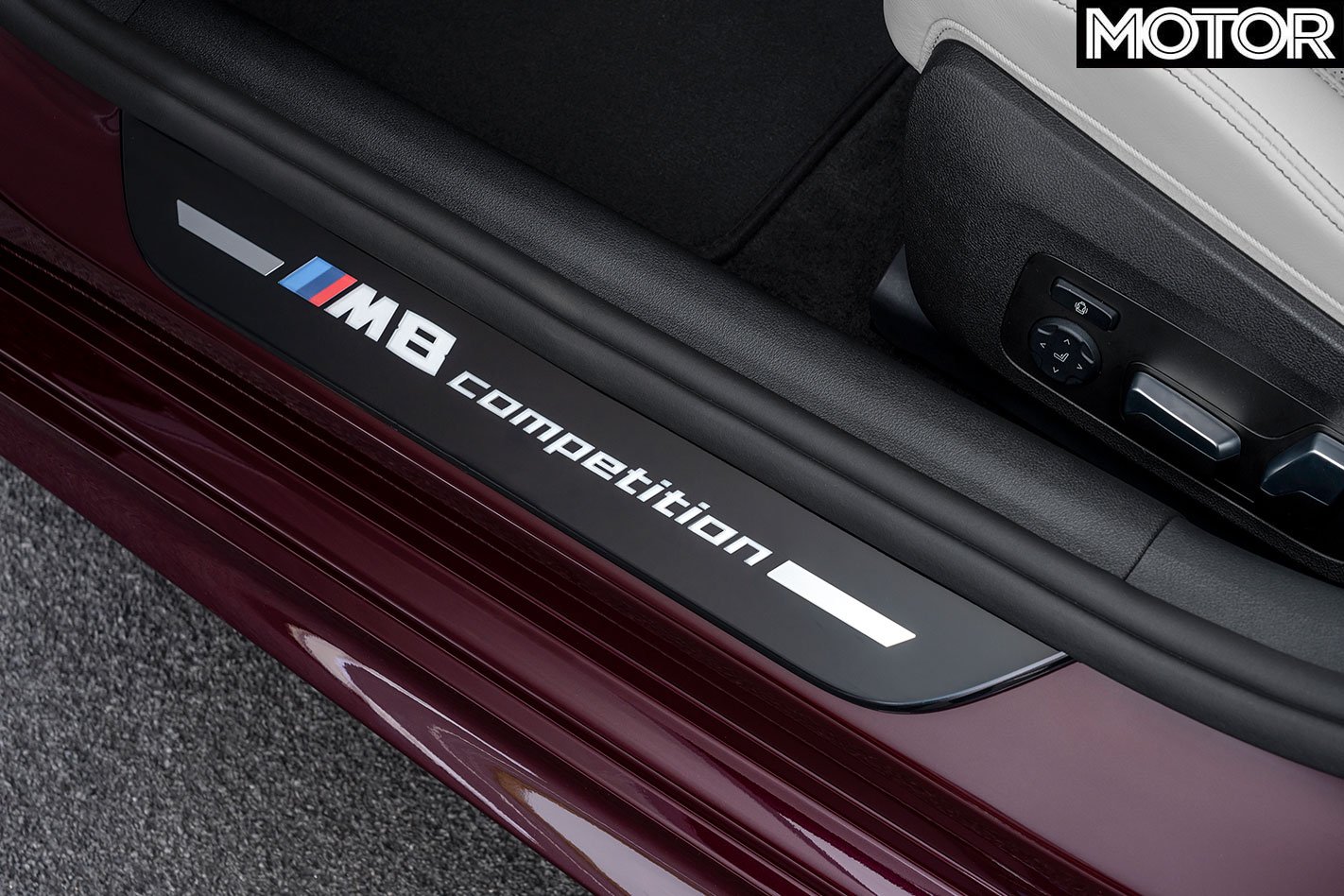
BMW M8 Gran coupe specs
Engine 4395cc V8, DOHC, 32v, twin-turbo power 460kW @ 6000rpm torque 750Nm @ 1800-5800rpm 0-100km/h 3.58sec (tested) Weight 1980kg • price $354,900
Is it the power figures, the performance potential, the colour palette, price, or piston count? Tune in to find out.
You can find WhichCar Weekly on all manner of podcast apps including iTunes and Podbean. Please rate, subscribe and leave a review.
If you want yet more WhichCar action whether it be behind the scenes insights or the very latest from the automotive front line, follow the day-to-day happenings of the WhichCar team on Facebook, Twitter and Instagram.
And if you really want to get involved, send us a question or auto anecdote of your own. We endeavour to answer all your messages.
