
MG will flesh out its new HS line-up in August this year, adding a third variant to the five-seat, five-door mid-sized SUV range.
The brand’s newest car has been in the market since the beginning of 2020, built around the premise of half-decent specs and an attractive price point.
It’s been a pretty reasonable start for the MG HS sales-wise, with a shade over 800 cars finding homes so far in 2020 – no mean feat given the carnage of the COVID-19 sales slump that’s afflicting the industry.
By way of comparison, the runaway leader in the category, the Toyota RAV4, has 2345 sales to its name for the same period.
Currently, the entry-level Vibe retails for $29,990, with a drive-away price of $30,990. The now mid-level Excite, sells for $32,990 retail and a sharp drive-away price of $33,990.
Pricing for the new top variant, which is known as the Essence (below), has been set at $36,990 MSRP (plus on-roads).
A seven-year, unlimited-kilometre warranty is included, along with seven years’ roadside assistance.
It uses the same 124kW/250Nm 1.5-litre turbocharged four-cylinder engine that drives the front wheels via a seven-speed dual-clutch gearbox.
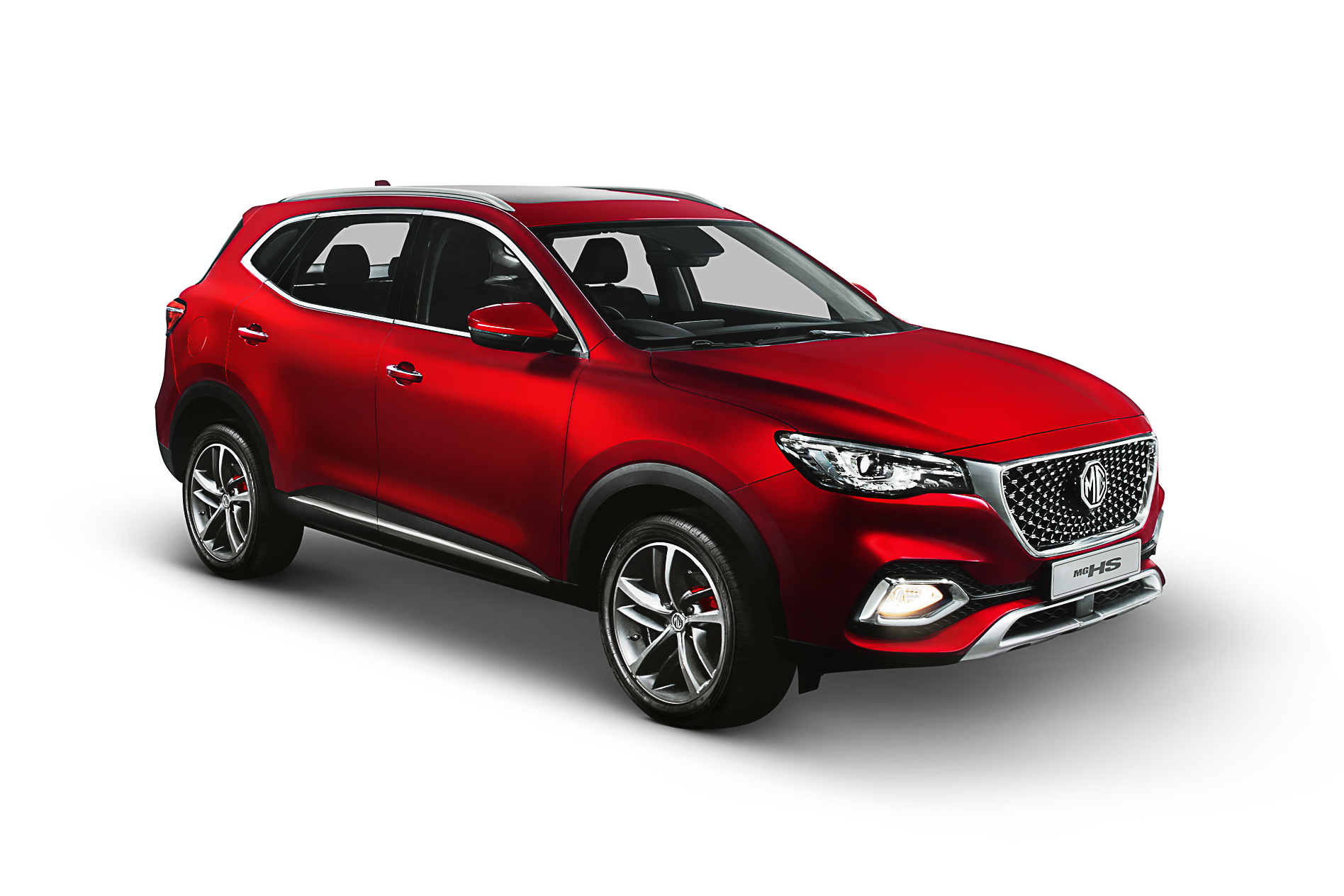
LED daytime running lamps are standard on all cars, while the Excite and Essence score LED headlights as standard, along with 18-inch rims that replace 17s on the Vibe.
The HS Essence gains a sunroof, a 360-degree parking camera, a red interior option and a different seating design.
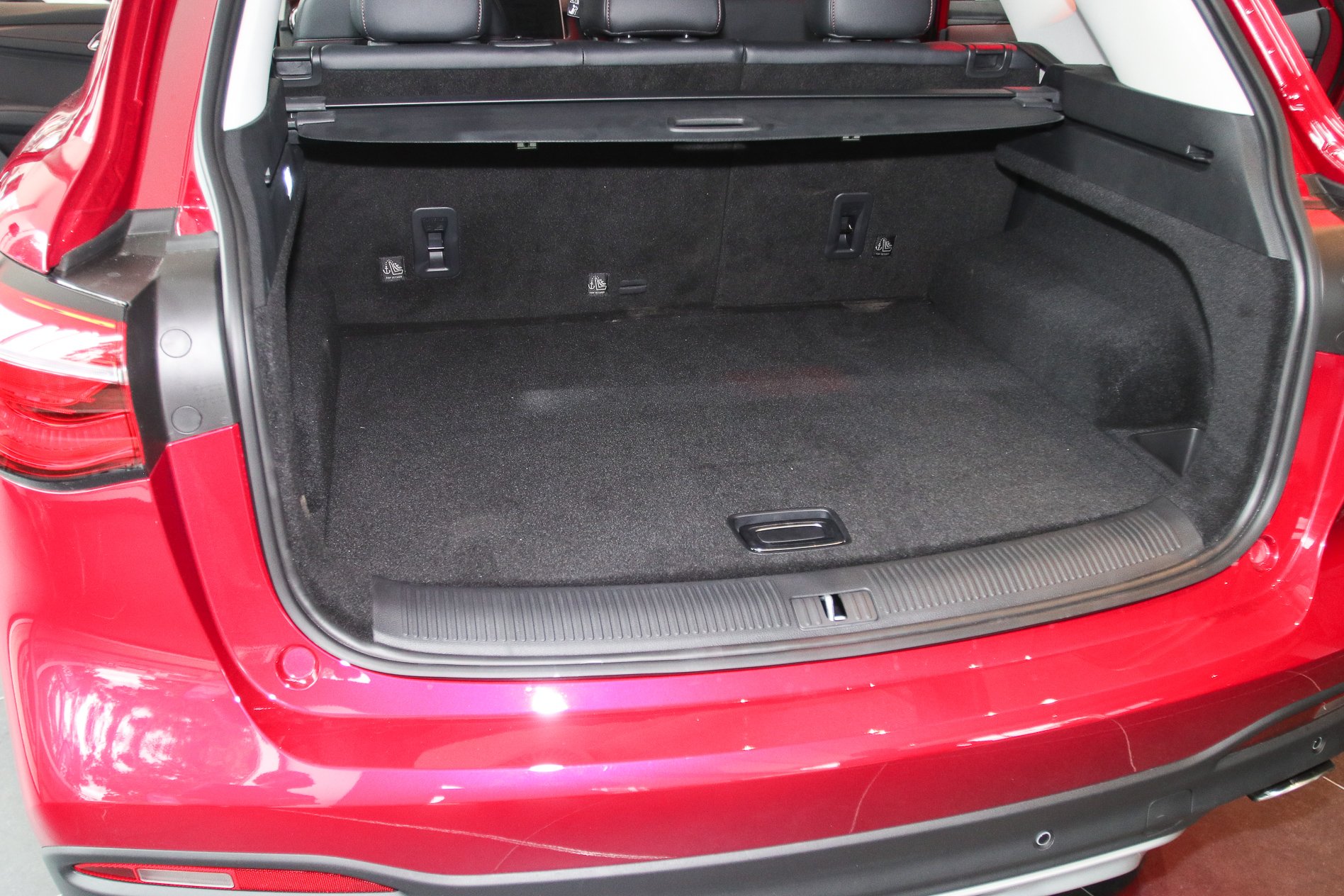
All cars offer leatherette upholstery, automatic headlights, keyless entry and pushbutton start, LED interior lights, rear vents and twin chargers and two ISOFIX baby seat mounts.
The dashboard scores a digital centre screen to complement traditional twin dials, while a 10.1-inch multimedia system offers Apple CarPlay and Android Auto.
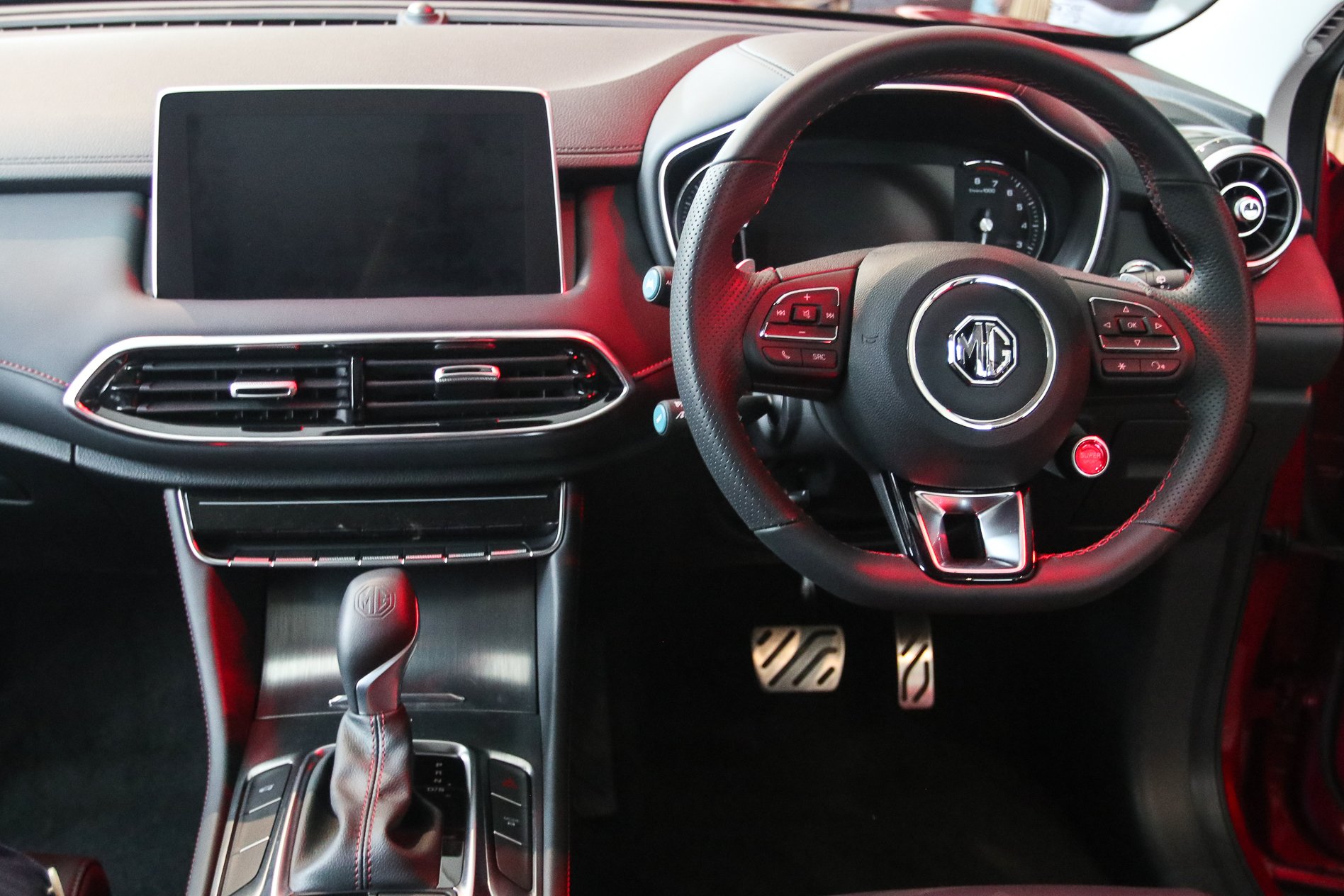
Rain-sensing windscreen wipers are standard on the Excite and Essence, along with satellite navigation and an electric tailgate.
Skoda has revisited its Karoq mid-sized SUV range with a new-look two-variant line-up that ditches the cheapest entry-level version, but adds in a new higher-performance sports flagship.
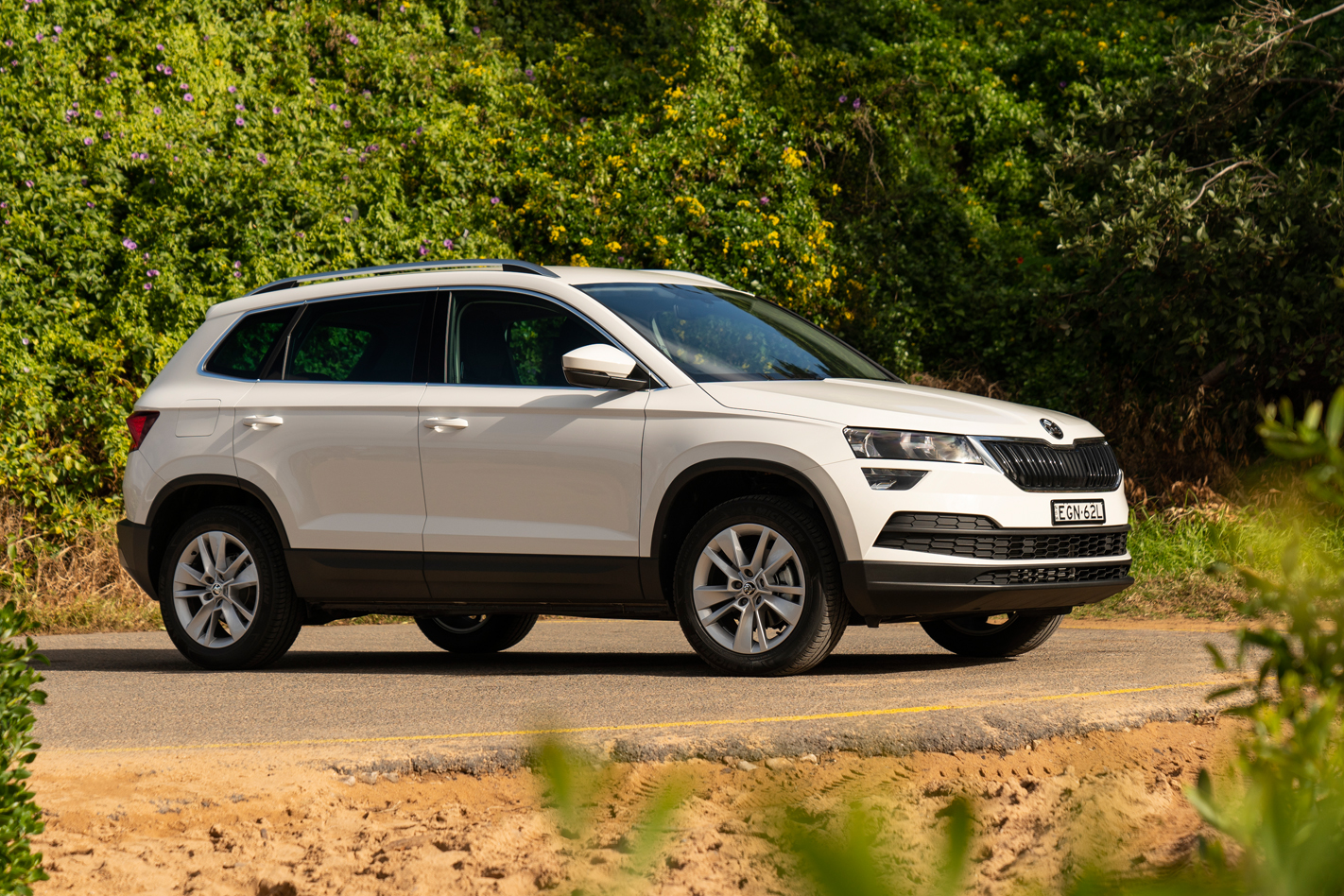
With the $29,990 manual 110TSI discontinued for 2020, the most affordable Karoq is now the eight-speed auto 110TSI, which continues on with front-wheel drive and turbo petrol power, but at a slightly increased starting price of $32,990.
Karoq 140TSI
The big news, however, is the arrival of a new 140TSI Sportline that joins the Karoq fold bringing 2.0-litre turbo petrol performance, all-wheel-drive grip and a boost to standard equipment levelsfor $39,990.
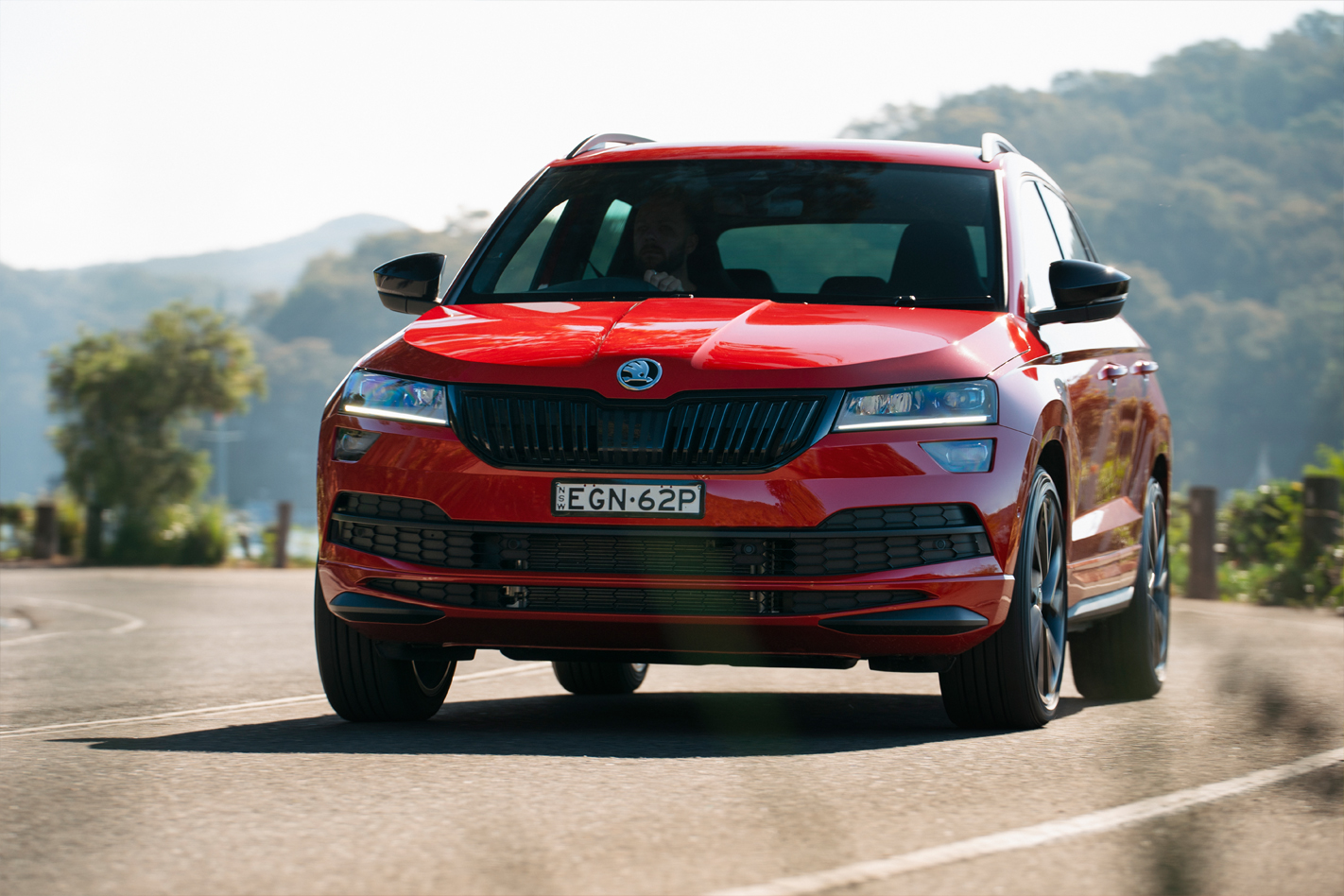
It’s the first time that all-wheel-drive has featured in the Czech brand’s mid-sized SUV offering and is part of the model’s rebirth following a subdued reception to its Australian introduction in 2018.
With a more premium Karoq line-up bolstered by a growing Skoda portfolio that is leaning evermore into an SUV realm, that soft launch will not be repeated, said Skoda Australia director Michael Irmer.
“As 2020 will be the first year that Skoda Australia will sell more SUVs than passenger cars, it’s fitting that there are now two simply clever Karoqs,” he said.
Exact Australian timing is yet to be confirmed, but the company’s Kamiq will further add to the SUV assault with a compact offering in the family, nudging the Karoq between itself and the large Kodiaq.
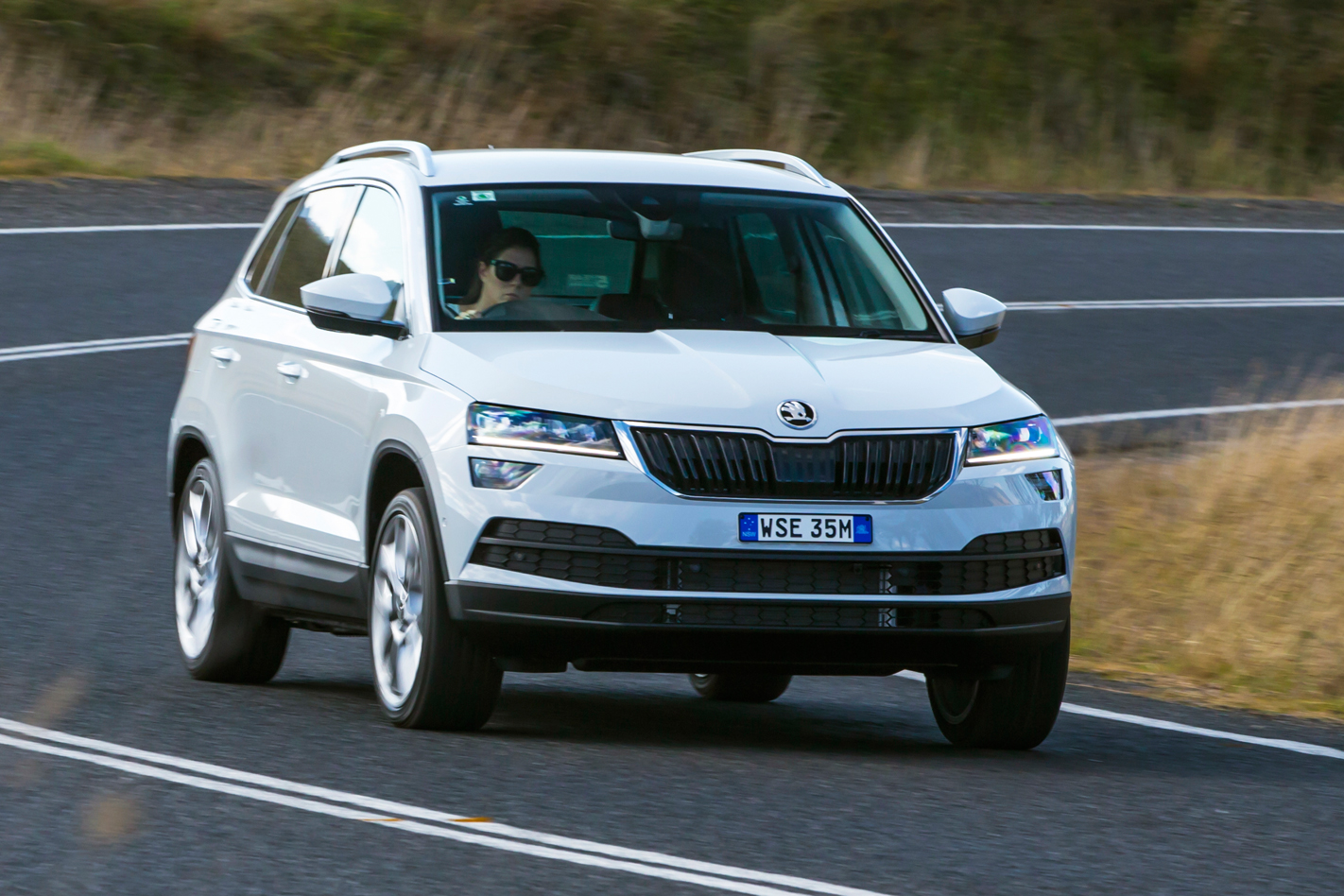
Karoq 110TSI
While the general Karoq 110TSI recipe appears identical to the 2018 version, the entry-level version has undergone a significant drivetrain revision.
The previous 1.5-litre four-cylinder has been downsized to 1.4 litres and its seven-speed dual-clutch automatic has switched for an eight-speed torque-converter-type ‘traditional’ automatic.
Power and torque figures of 110kW and 250Nm are unchanged, despite the smaller capacity and more advanced transmission, but the new combination is expected to be more efficient than the previous recipe.
Official fuel economy is rated at 6.6 litres per 100km, which represents an increase over the previous 110TSI, although the latest figure is calculated using new WLTP testing which has been introduced since the first Karoq’s arrival.
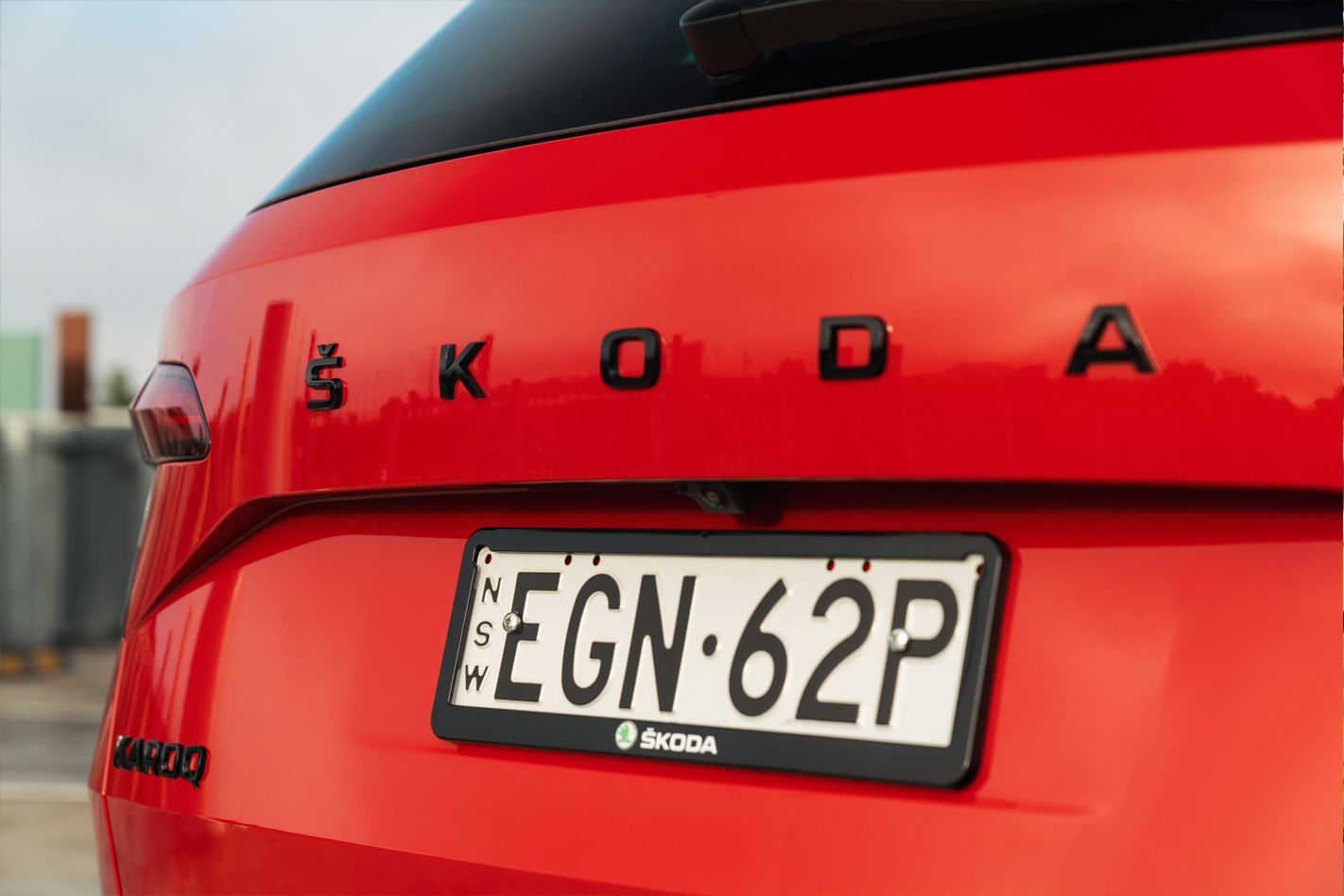
Aesthetically the 2020 version is indistinguishable over the 2018 model, apart from new boot badging which displays the Skoda brand across the full width of its hatch.
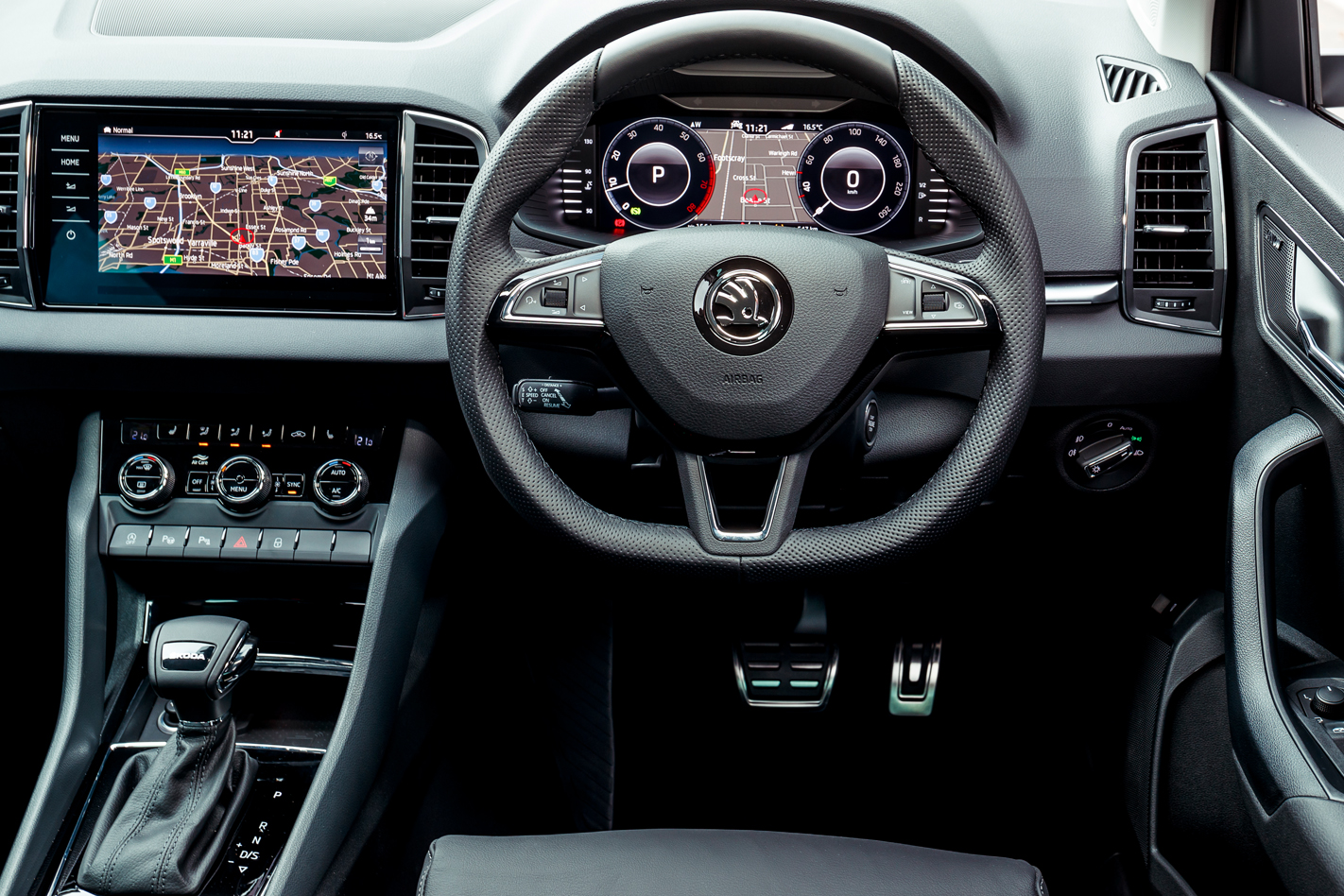
It’s a different story on the inside where a technology refresh is headlined by the company’s Active Information Display, which dumps the mechanical instrument cluster in favour of a fully digital and customisable screen.
A central information and entertainment console complements the new dash with a Bolero 8.0-inch touchscreen. It offers both Android Auto and Apple CarPlay connectivity, an eight-speaker sound system and voice controls.
It can be optionally increased to 9.2 inches.
110TSI customers who aren’t satisfied with the standard specification can upgrade to the Travel Pack, Tech Pack or Premium pack, each costing about $4000 depending on the area of enhancement required.
More athletic
The new flagship 140TSI rolls in dressed up in its Sportline activewear, which brings 19-inch Vega alloy wheels, full-LED headlights, tinted windows and a full body kit featuring body-coloured and black highlights.
Under its bonnet, the 140TSI has a 2.0-litre turbocharged four-cylinder petrol engine that pumps 140kW and 320Nm of torque to all four wheels via its all-wheel-drive system. Unlike the 110TSI, the sportier Karoq has a dual-clutch-type auto with seven speeds.
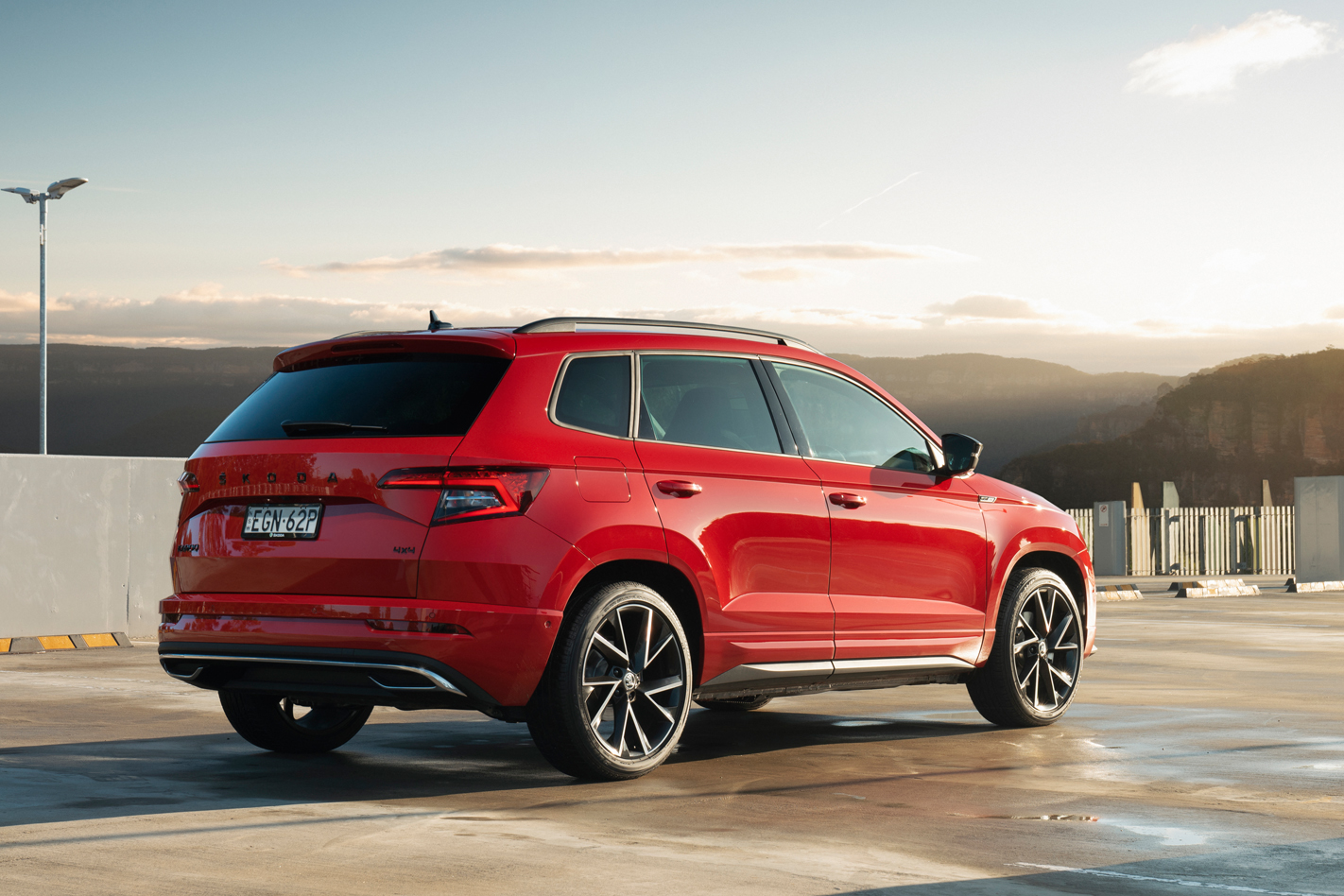
Skoda has not yet provided performance figures including zero to 100km/h or top speed for either variant. Combined fuel consumption by the WLTP assessment method is rated at 6.9 litres per 100km.
Step inside the 140TSI and you’ll find sports seats all round, upholstered in synthetic suede and leather, highlighted by silver stitching, and there’s a three-spoke sports leather steering wheel with gearshift paddles.
The halo Karoq gets a drive mode selector as standard for switching between choices of economical, sporty and adverse weather conditions, but only the 110TSI gets the clever Varioflex rear seating that can be removed completely, boosting luggage to a hefty 1810 litres.
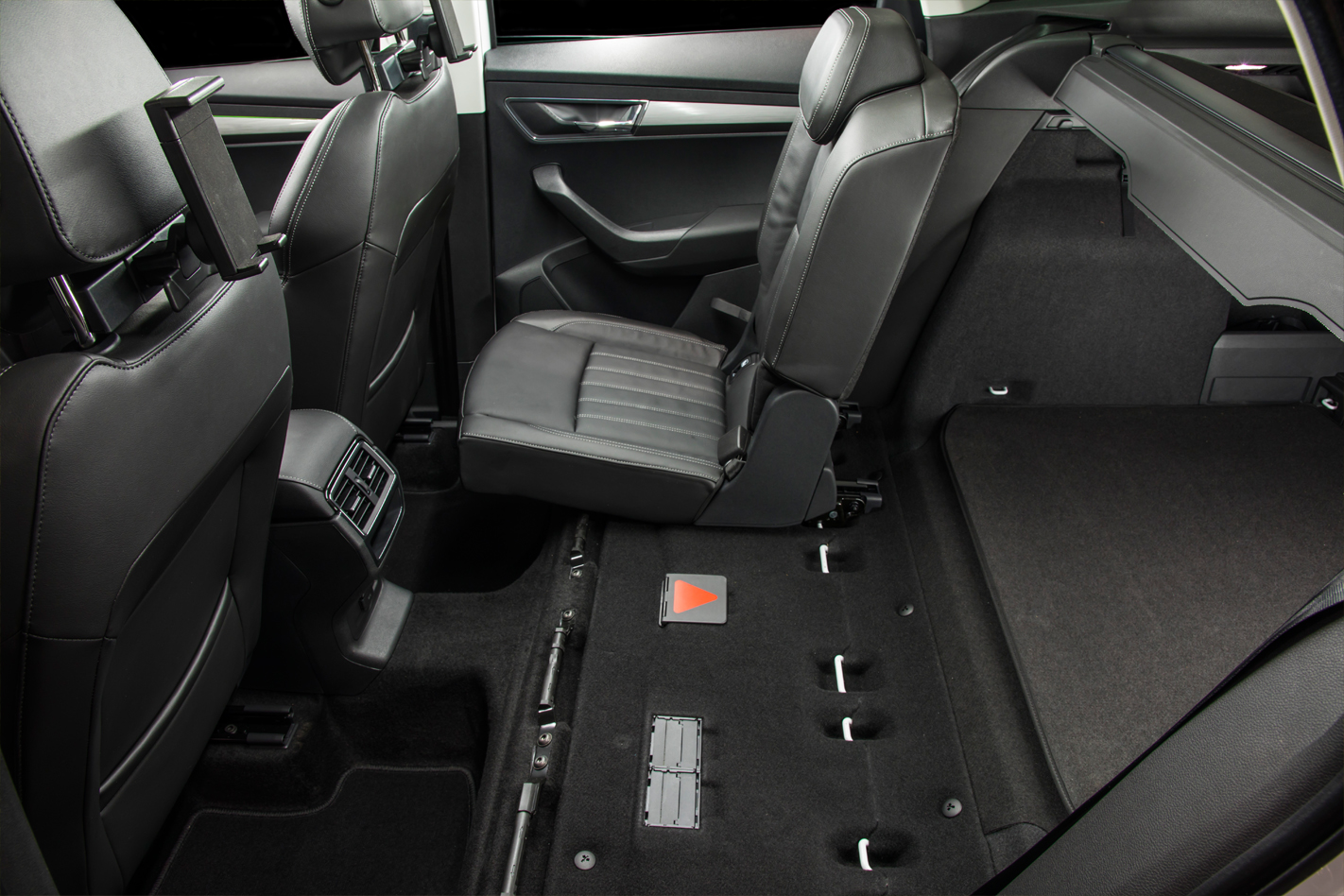
140TSI maximum boot space is 1605L with its sports rear seats that can only be folded but not removed.
Both variants of the Karoq carry over the clever convenience and practicality features that the company is fast becoming famous for, including a boot light that doubles as a removable LED torch, tablet/phone holders, a reversible boot floor, umbrella hidden under the passenger front seat and numerous other hooks, cubbies and storage options.
What’s on WhichCar TV this week?
Behind the doors at McLaren HQ
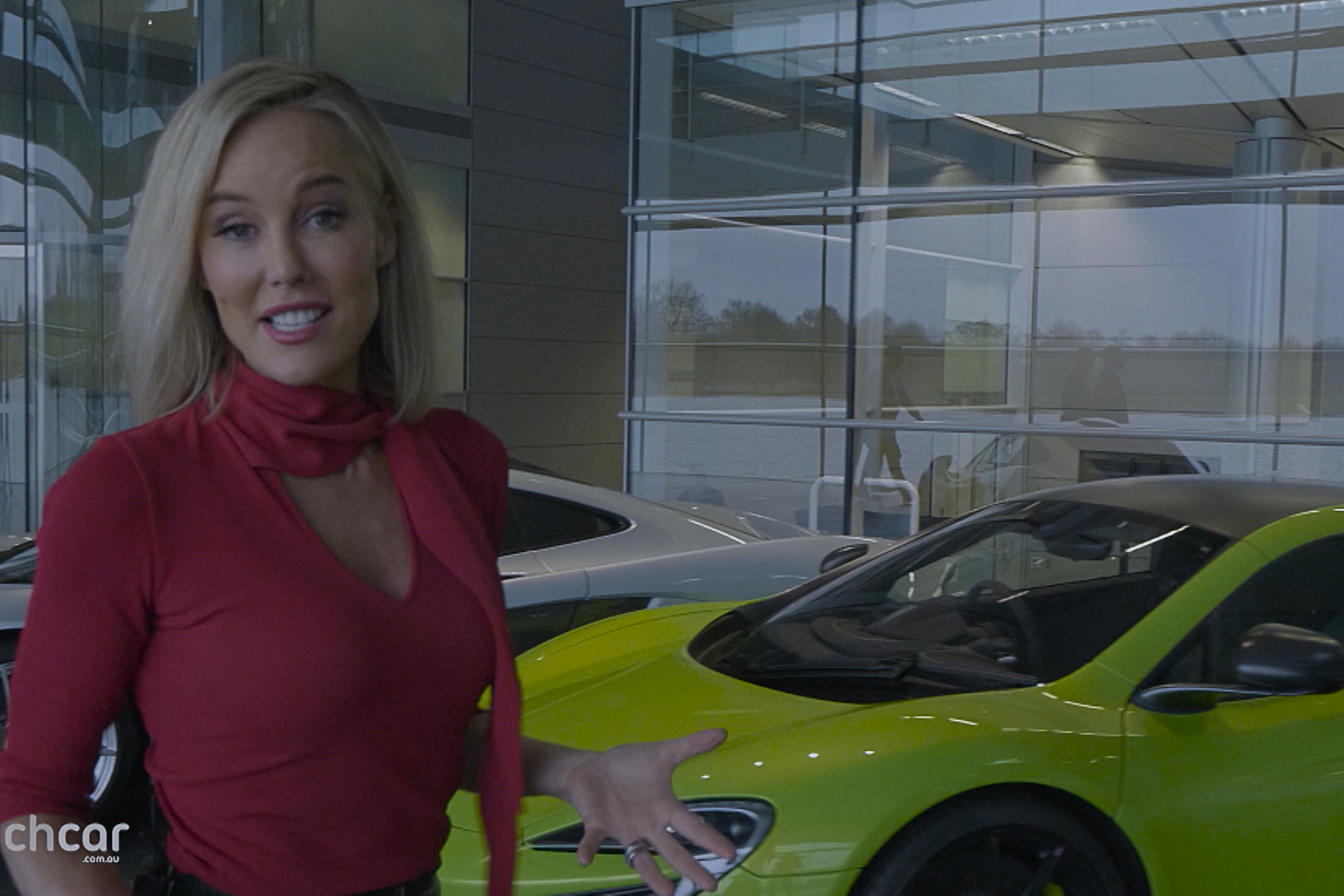
Elise is whisked behind the stylised doors of McLaren’s amazing factory for a close-up look at how the British company builds its road cars.
Nailing Nissan’s uber ute
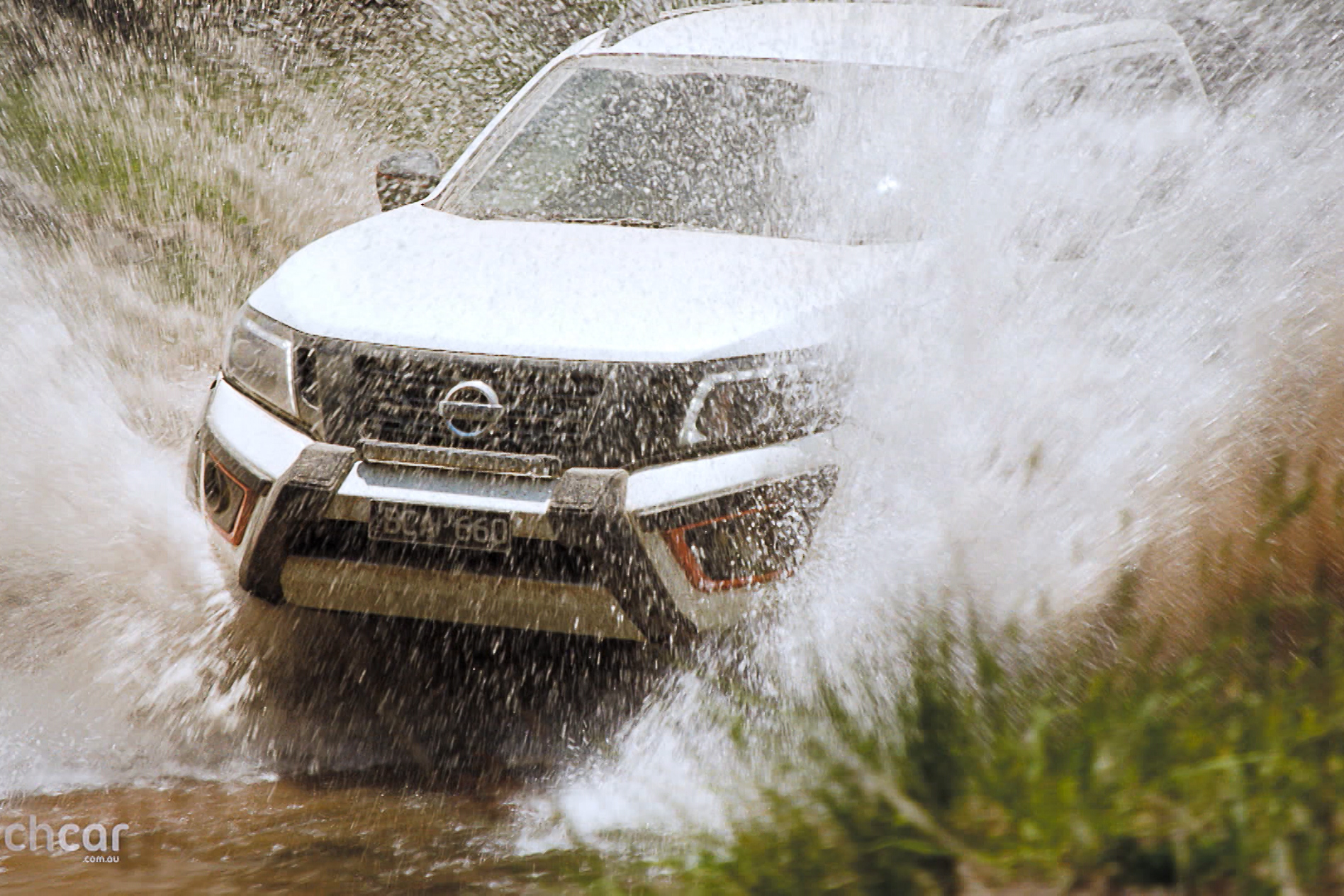
Danial Gardner gets stuck in with Nissan’s upmarket dual-cab ute, the Navara N-Trek Warrior.
McLaren on the continent
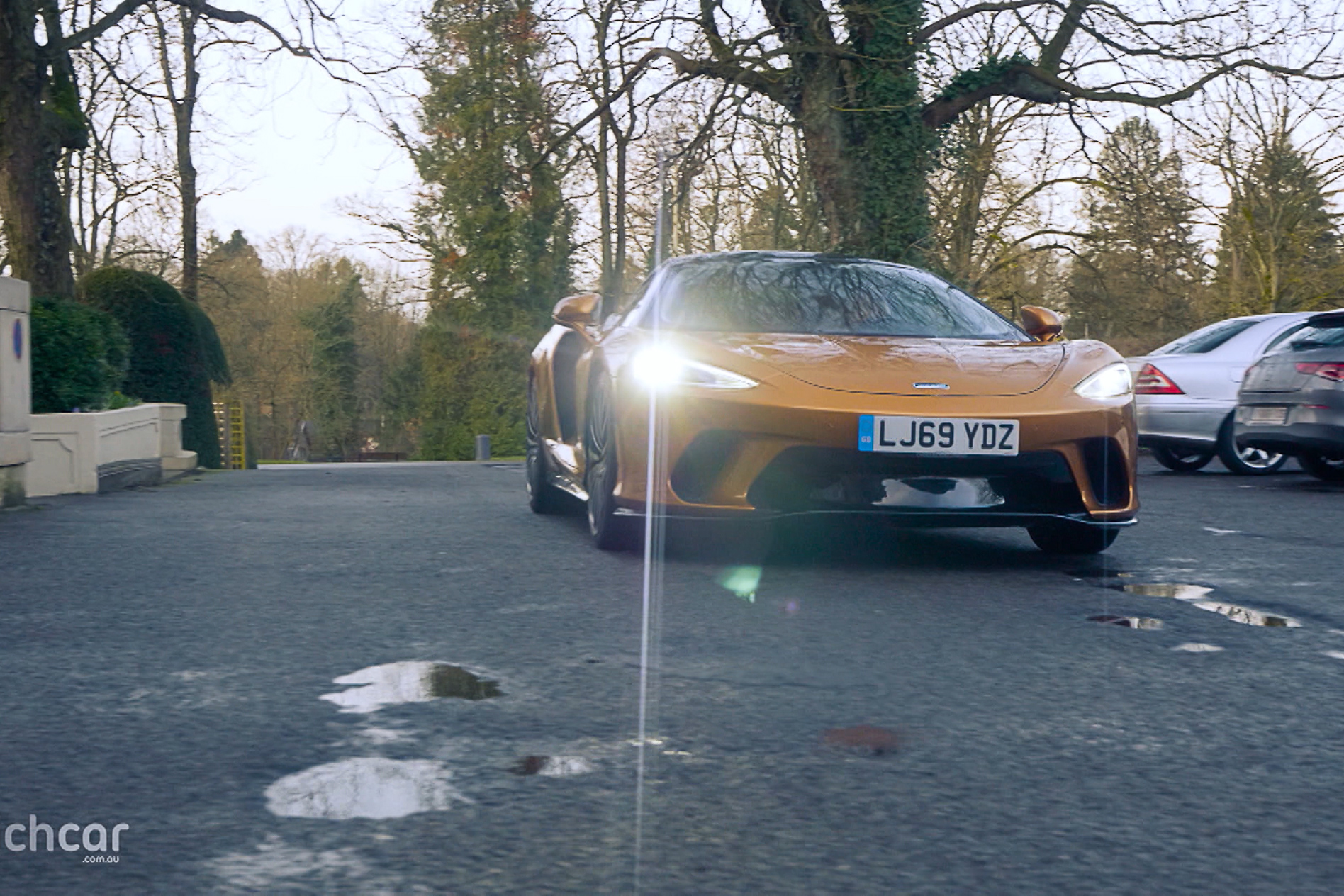
Elise takes us on an epic journey through Europe aboard the mega McLaren GT.
Continental Car Lab
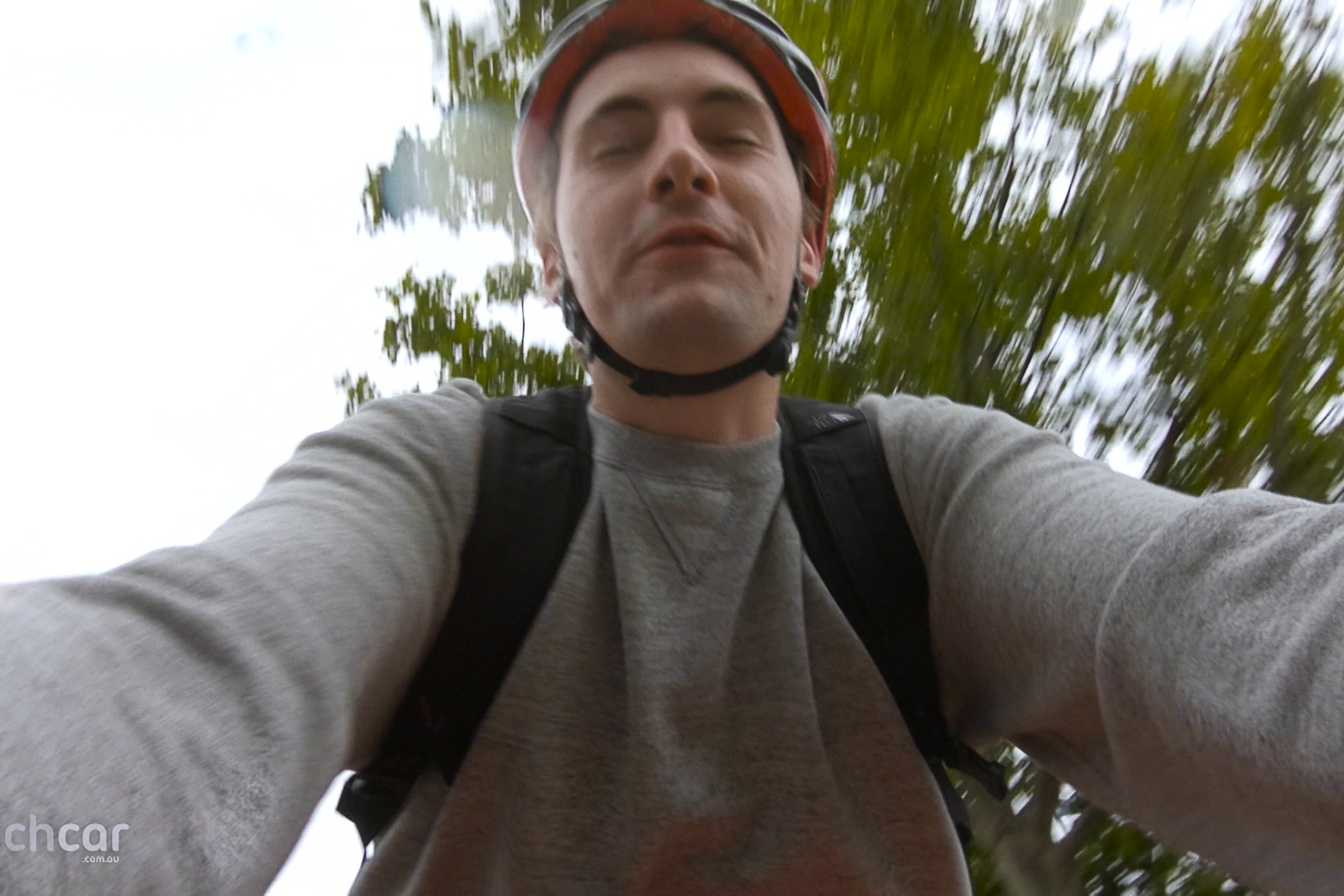
Bike or car… which is faster? The answer may surprise you…
WIN A TRIP TO THE MALDIVES WITH WHICHCAR
For season two, we’re also offering an amazing prize for our viewers. How does a trip to the Maldives sound? Pretty awesome, right?
The competition is open NOW so make sure you tune into WhichCar TV on Channel Ten at 4pm Sunday AEDT.
And, if for some reason you can’t (and it had better be a good reason!) then there’s a host of ways to catch up on the show, check out behind-the-scenes stuff and find out more about the cars Aussies want to buy.
For example, our weekly podcast, our Facebook page and our YouTube channel are standing by 24/7.
WhichCar TV Season Two Episode 17
4:00pm Sunday June 21, Channel 10
FIND THE HOSTS ON INSTAGRAM
Daniel Gardner @octanedan
Tony O’Kane @tony2000gtx
Tom Fraser @tommyfraser
Elise Elliott @eliseelliott_media
MISSED THE SHOW? Catch up at Ten Play
AMG is about to redefine the way we appreciate and drive turbocharged production cars, as it finalises development of a new turbocharger design derived from its F1 cars.
Built in partnership with Garrett, the system will allow AMG to fit larger, more powerful turbochargers to its cars, without increasing the amount of turbo lag.
The new design includes a small electric motor, about 4cm in size, that is integrated in the turbo’s shaft between the turbine and compressor. This unit spools the compressor wheel before it is aided by exhaust gases to build boost.
AMG claims this system eliminates turbo lag – think of it as an electric anti-lag system. When a driver takes their foot off the throttle and begins braking, the turbocharger is able to maintain boost in preparation for when the throttle is applied once again.
Along with improved throttle response, AMG claims the system improves torque lower in the rev range.
AMG says the new technology is in the final stages of development, and will be put into production on one of the brand’s series production cars – debuting on a “next vehicle generation”, effectively ruling out its use in the facelifted Mercedes-AMG E63 or new AMG GT Black Series which are both expected to be revealed imminently.
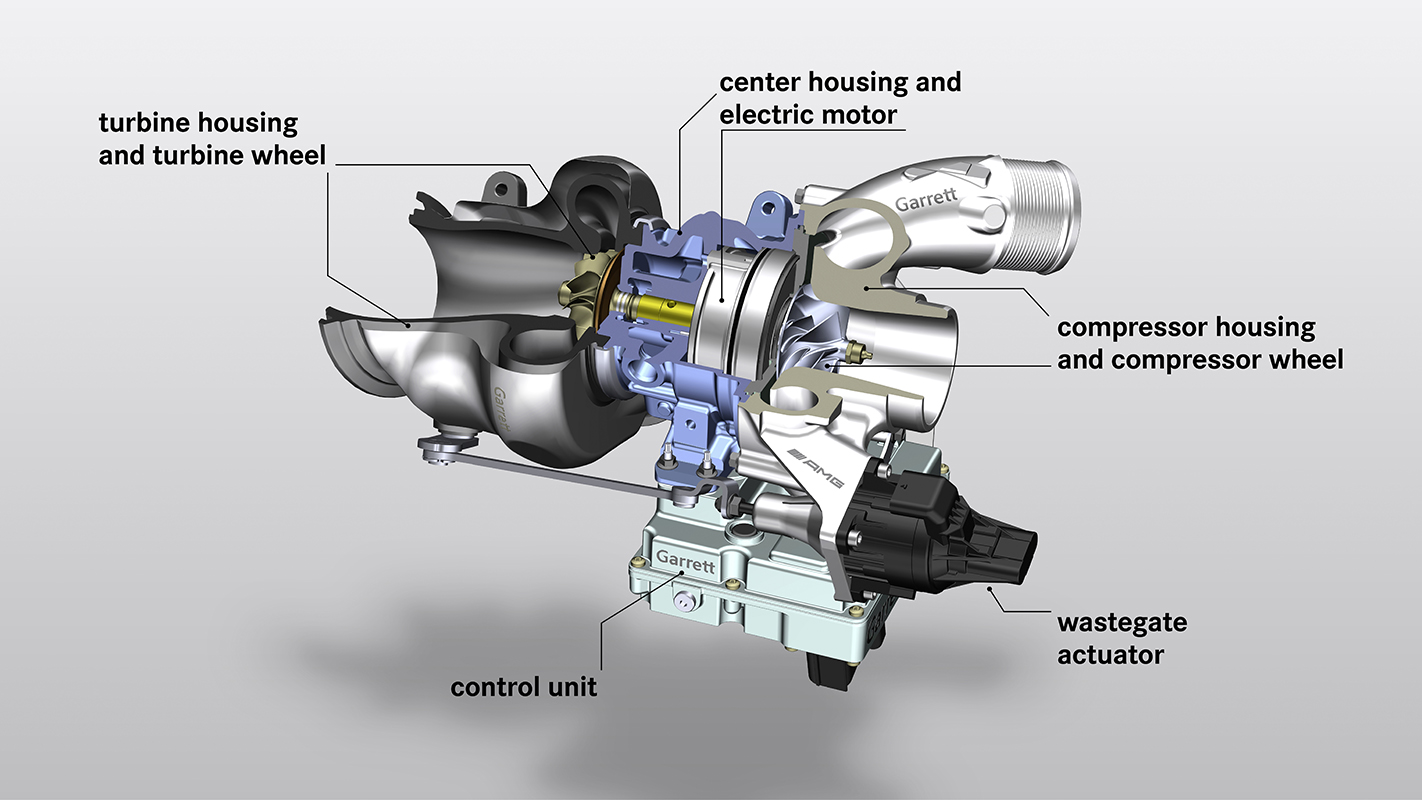
Despite being operated by a 48-volt electrical system, AMG says the new turbo tech differs from the current crop of 48-volt electric compressors that are fitted to AMG’s 53 badge range, as it retains a conventional exhaust-driven side.
It’s been developed through AMG’s involvement in Formula 1 – where the Mercedes-Petronas squad has utterly dominated the sport since new turbocharged engine regulations were introduced in 2014.
Fans of F1 would be aware that a similar technology to what AMG will be putting on its road cars is used in F1. Called the MGU-H (short for Motor Generator Unit – Heat) it uses heat from the engine’s exhaust gases to drive a generator placed in the middle of the turbocharger.
Where regenerative braking can put charge back into a battery by harvesting the kinetic energy used to slow a vehicle down, the MGU-H harvests exhaust energy, making the vehicle more efficient.
“[The MGU-H] can recover energy from the turbo, store it, and then use it to spin the compressor.” Rémi Taffin, Renault F1 Team Engine Technical Director, told Motorsport.com in 2016.
“If you look at a turbocharger, you’ll find a turbine at one end, and a compressor at the other. The exhaust gases are used to spin the turbine, which spins the compressor.
“The MGU-H is located in between the two. So, when the hot gases spin the turbine, it also produces electricity that is stored in the battery. And when the car accelerates, the electricity is used to spin the compressor, providing immediate power.
“There’s no turbo lag. Power application is immediate, like with any normally aspirated engine.”
Outgoing AMG boss Tobias Moers says the F1 tech will allow Mercedes-Benz’s performance division to elevate its “turbocharged combustion engines to a previously unattainable level of agility”.
Sounds bloody good to us!
 Turbo Titans
Everything you’ve ever wanted to know about the humble turbocharger and its miraculous power-boosting abilities.
It’s been more than 50 years since the first time, and close to two decades since the last time a Mach 1 badge has appeared on a new Ford Mustang. And now it seems the wait won’t be much longer for those holding out until the next time it happens. The announcement has come down from the big brass in Dearborn, Michigan that the Mach 1 is to return, taking its place atop the ladder of Ford’s 5.0-litre V8 Mustangs.
The Mach 1 badge, as its name suggests, has always been synonymous with the fastest Mustang you could buy short of venturing into the realm of Shelby or Boss badges. The name was inspired by fighter pilot Chuck Yeager, the first man to break the sound barrier. In turn, the Mustang Mach 1 broke 295 speed and endurance records during its debut year.
Really, we should have seen this coming. The last time Ford built a Mach 1 it was in the early 2000s, not long after the 2001 Bullitt. Sound familiar? This time around, the 2019 Bullitt’s engine tune powers the Mach 1. And that’s just the way Ford’s chief program engineer for the Mustang wants it.
“I love the way the Bullitt motor pulls all the way to redline, it’s one of the best 5.0-litres we’ve ever done,” Carl Widmann, the aforementioned program engineer says. To bring you up to speed, this setup included an air box and intake manifold from the Shelby GT350, as well as an 87mm throttle body.
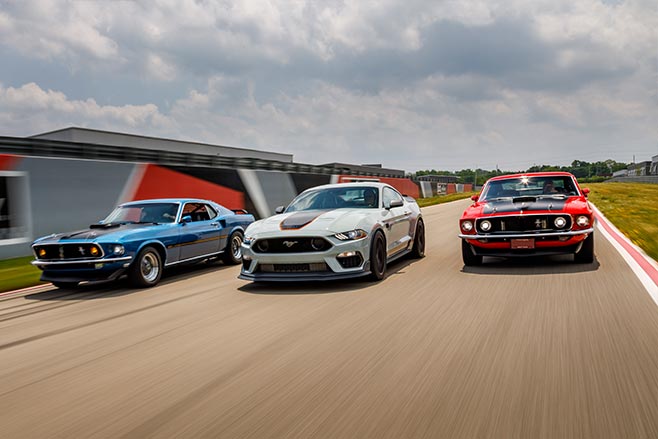
“As we’re going through how to set up the powertrain,” Widmann says, “we went through how to get as much power into the engine as we can, but also have all the lift balance we need at high speed. We decided to go with the Bullitt’s setup for the motor, that open air box gives you that nice, visceral V8 sound from the 5.0-litre. It really gave us the V8 power all the way to 7500rpm we were looking for from this vehicle.”
Even though this means the Mach 1 will have familiar outputs of 358kW and 570Nm, you can rest assured the Mach 1 won’t just be ‘Bullitt Part 2’. There’s a host of engineering that’s gone into making the Mach 1 a more track-focussed car than the GT or the Bullitt, and the question of cooling is the first to be answered.
While Ford says the standard 5.0-litre GT wasn’t built to be a track car, especially not with its 10-speed auto, the Mach 1 will borrow a more intense cooling system from its Shelby-badged bros. The entire front bar of the Mach 1 has been altered from the standard Mustang to account not only for a design which features some retro styling cues, but also to accommodate its new cooling system.
“The trick to this is really to engineer the Shelby’s cooler setup which is two side air-coolers,” Widmann says. “There’s an oil cooler on one side for the engine oil which improves that cooling by about 50 per cent, and a transmission oil cooler on the other side which hooks into either a manual or automatic transmission. This gives us flexibility for both track performance and as decent straight-line car with an automatic transmission and the power of the Bullitt motor.”
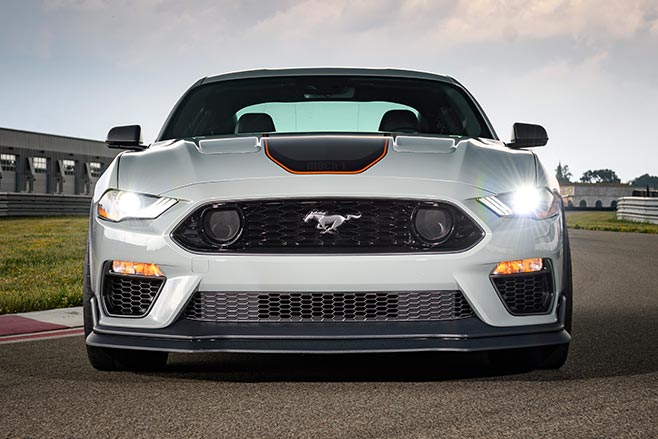
As mentioned, the Mach 1 will be available with either a 6-speed manual or a 10-speed torque converter. The former is actually the Tremec unit borrowed from the GT350 upgraded with revmatching, and with the GT’s twin-disc clutch and short-shifter. The latter, however, is Ford’s 10R80 auto fitted with an air-to-oil cooler that increases cooling by 75 per cent. The rear axle also gets a cooling bump, provided by the system from the GT500, which also lent its rear diffuser.
In terms of making sure this new cooling setup was up to the task, the team behind Mach 1 had a surprising target to meet, according to Widmann. At Michigan’s Grattan Raceway, where Ford performs a fair amount of its testing, the baseline for endurance was set eight years ago.
“It’s a short track, but we ran endurance setups and the target was… the 2012 manual Boss [302]. That’s really what our goal was. Different vehicle of course, the [Mach 1] is a lot faster than the 2012 Boss, but that’s the target we have from the archive. We go to that track and we know how many laps that car did.”
Furthering the Mach 1’s track credentials is the suspension setup which is unique to the model. Widmann says since the adaptive Magneride is standard on all Mach 1s, it allowed the team to use the sway bars and springs to create a more focused setup with software learnings borrowed from the Shelby-badged cars. The wheels all around the car were also widened by half an inch (now 9.5-inches wide at the front, 10 at the rear) to provide more grip. An optional handling pack for the manual model also adds a larger front splitter, a ‘swing’ spoiler with a Gurney flap, and rear tyre spats from Shelby GT500.
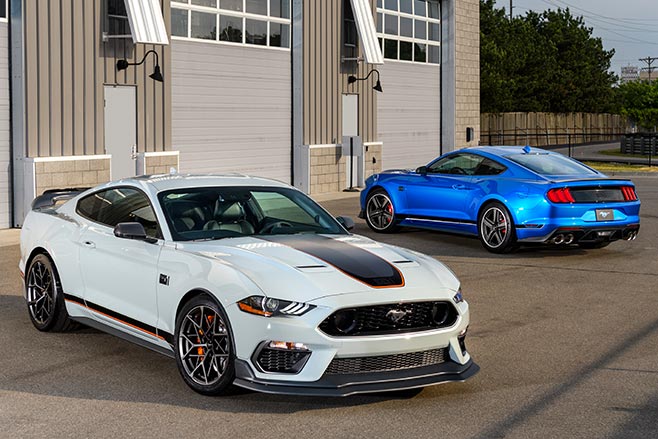
The full suite of aerodynamic enhancements – designed with the know-how of a NASA aerodynamicist – to the Mustang’s body for the Mach 1 create a more stable high-speed lift balance, while the overall downforce is 22 per cent more than a GT with Performance Pack Level 1 fitted. This increase jumps all the way to 150 per cent if the Mach 1 is optioned with the Handling package. Underneath, there’s an underbelly pan unique to the Mach 1, which extends further back along the car to increase airflow, as well as air foils which direct air to cool the brakes. But some of the more visible changes on areas like the Mustang’s new face were implemented not only with aero, but also with retro in mind.
“It’s got an aggressive look for what is an aggressive vehicle,” Widmann says, pointing out the changes made from the standard GT’s front end.
Ring Brothers-built custom 1970 Ford Mustang Mach 1
“We spent a lot of time cleaning up the front end for that facia, the splitters and grilles, the colour-matching, to give some beauty and simplicity to it, but also so that all the heat exchangers get the airflow that they require to meet that aggressive work on the track that we’re looking for.”
While the front grille in particular is a big part of the familiar styling of the Mach 1, Widmann says customers missing that last little Mach 1 touch in the fog lights need not be upset that regulations prevent Ford from fitting them as new.
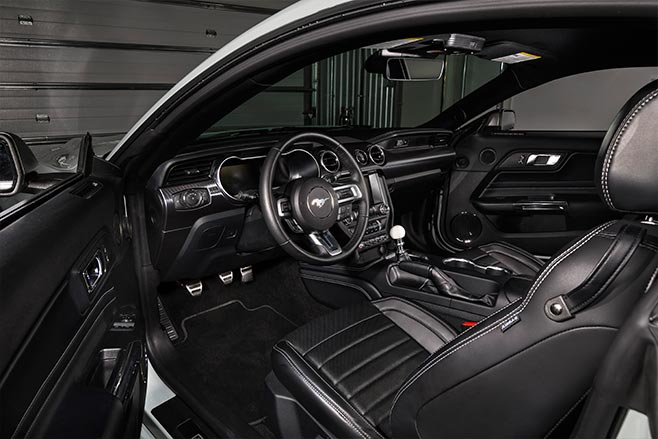
“We really wanted fog lamps in [the grille] but regulation-wise you can’t have them there, like the classic running lamps from the 1960s. So, we’ll kind of leave that to the aftermarket teams. Those [shapes] pop out and I’m very confident aftermarket will figure out how to come up with something to go in there.”
Production numbers and any word on whether the Mach 1 will make its way outside of the US are being kept hush by Ford for now, but we’re told it will be a “relatively low” production run with American customers expected to start taking deliveries around Q2 2021.
Ford Australia’s official statement to MOTOR was that “The Mach 1 news is specific to the US. Here, in Australia, we’re proud of Mustang R-Spec as our halo model, with the 2020 GT and 2.3L High Performance models offering greater value and choice for this iconic nameplate.”
After a week long delay, Lexus has whipped the virtual covers off the 2021 IS sedan at a global virtual unveiling.
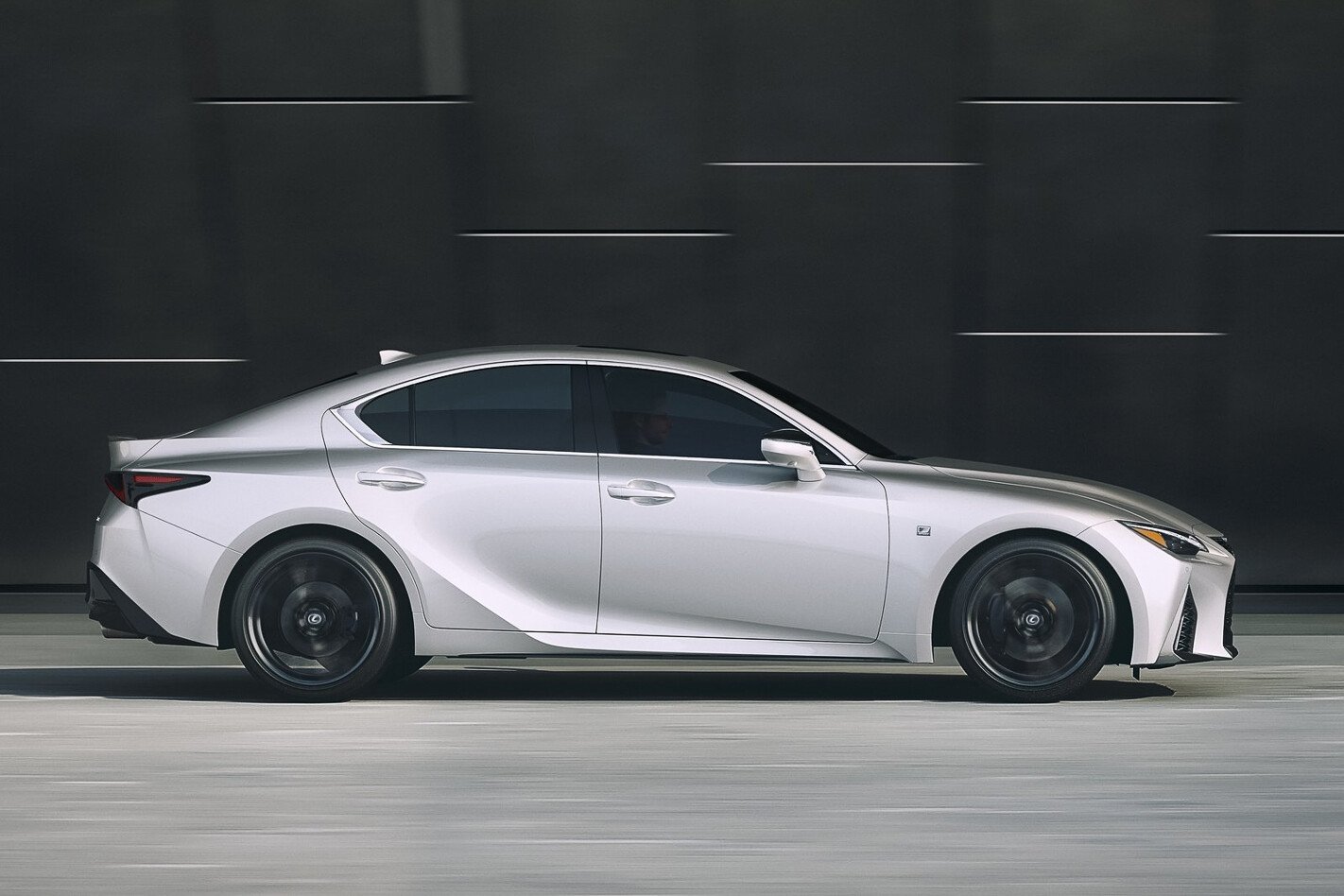
At a time when other manufacturers are focusing more on comfort and accessibility, Lexus is at pains to point out that the new IS sedan is a car born with sports intent.
As such, it retains much of what made the previous generation a unique offering (like the naturally-aspirated V6 and rear-wheel drive) when compared to the class rivals like the Mercedes C-Class, BMW 3 Series, Genesis G70 and Audi A4.
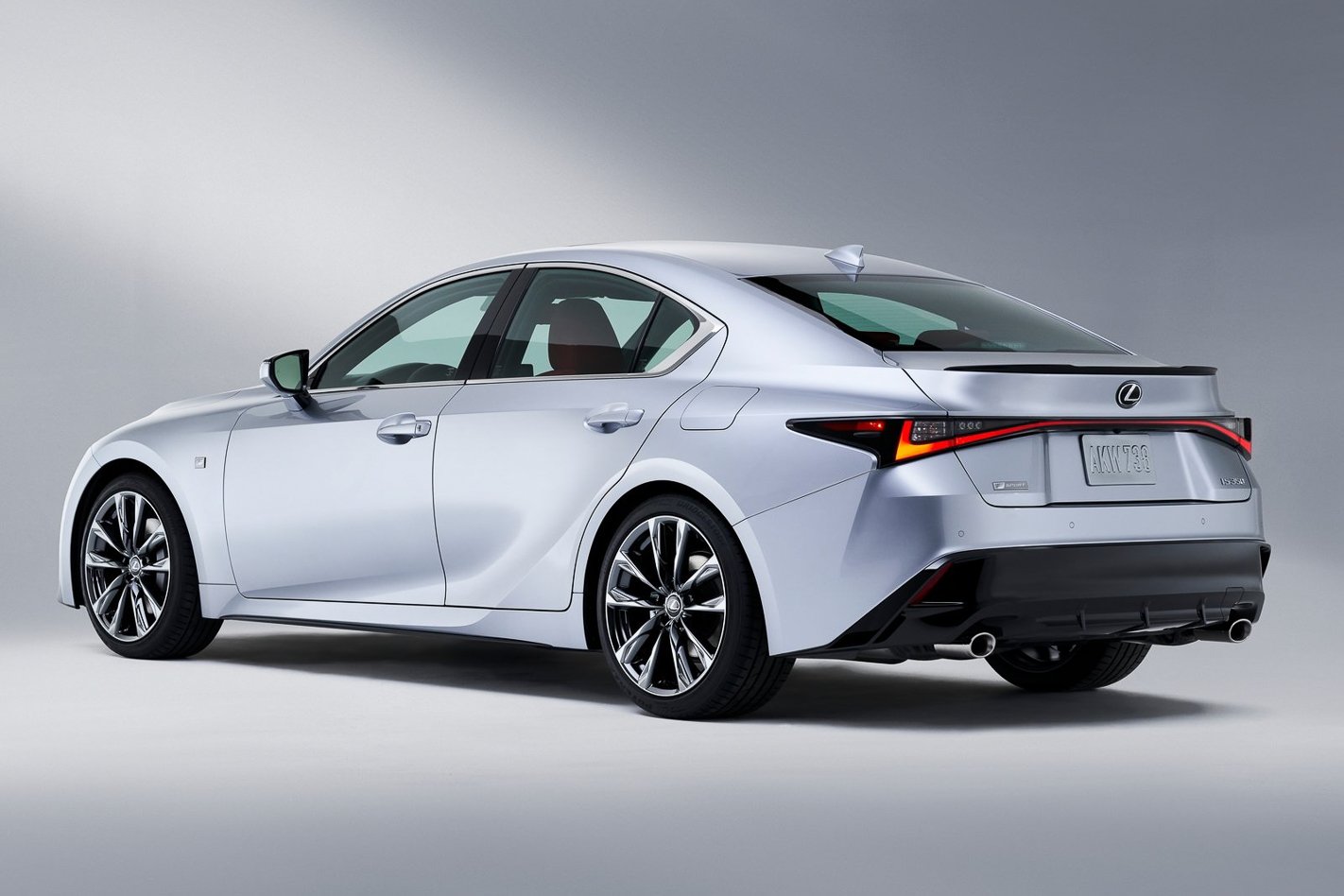
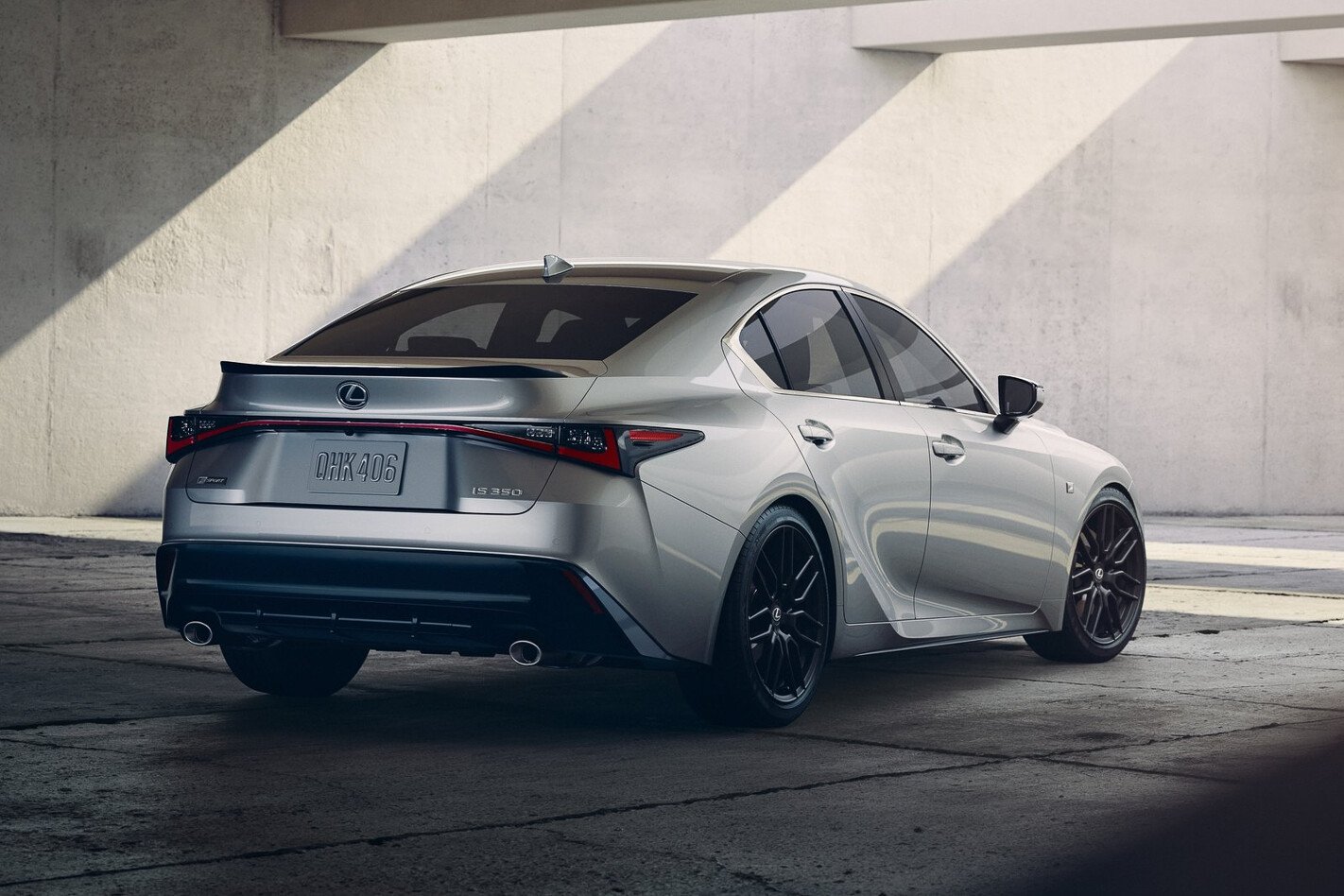
The new look IS appears lower and wider than before, sporting a set of slimmer headlights up the front which straddle the brand’s gaping spindle grille. Attractive crease lines adorn the side profile which tapers in at the rear quarter towards the back of the car, the centrepiece of which is a uni-beam rear light.
Less has been changed on the inside, with pictures showing a slightly tweaked version of the previous car’s cabin. The interior is now headlined by a 10.3-inch infotainment screen that can run Android Auto/Apple CarPlay smartphone mirroring. Bad news is the fact that the much-maligned touchpad control for the infotainment stays, but the good news is that the screen itself is touch-sensitive giving occupants another option.
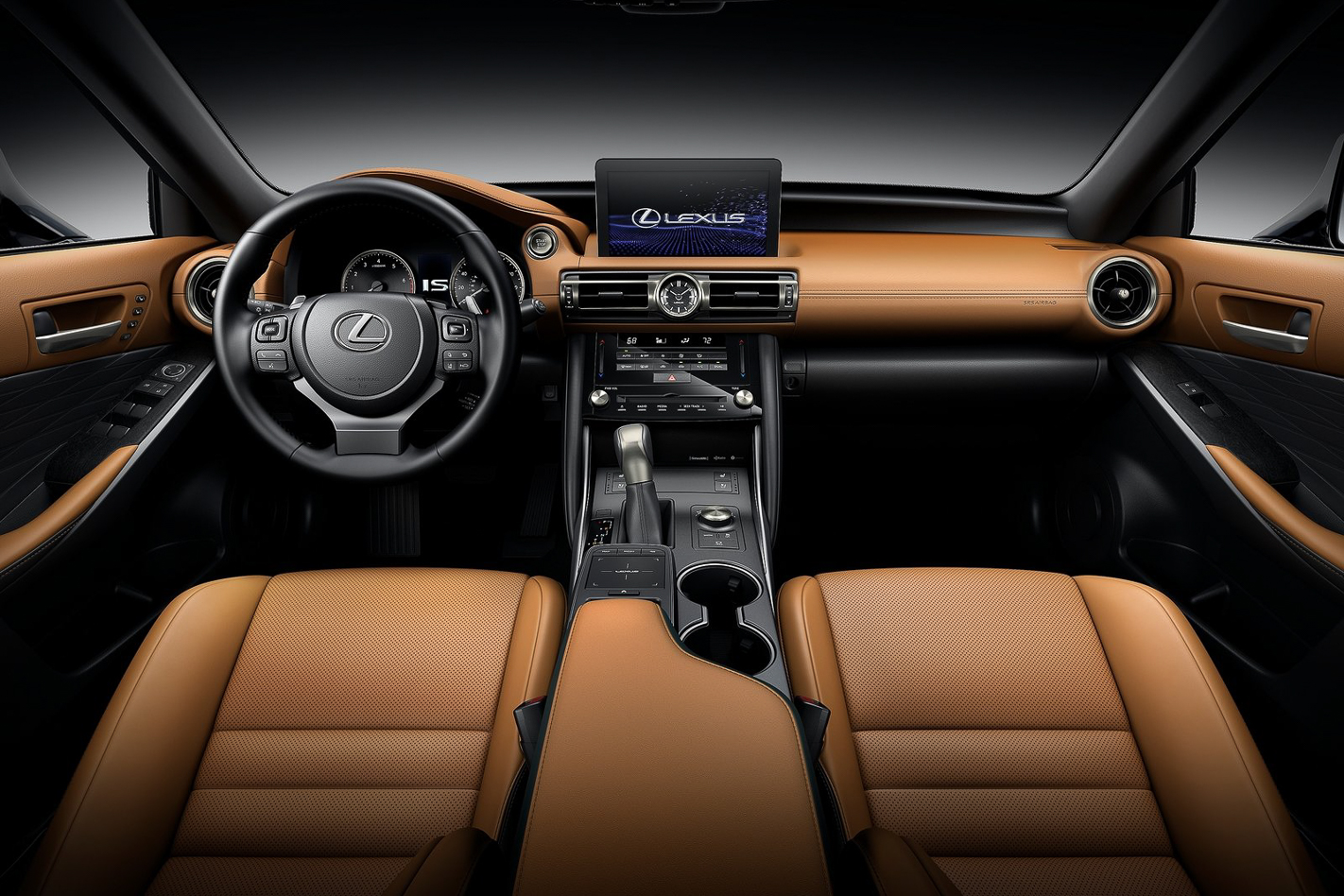
Few other changes grace the interior, though eagle-eyed viewers will be able to make out changes between trims and accenting.
The engine offerings on the previous generation Lexus IS will carry-over to the reworked 2021 model, meaning a return of the headlining 3.5-litre naturally-aspirated V6 engine. That means a return of the IS350 and 232kW/380Nm sent to the rear wheels via an eight-speed transmission.
We’ll also see the IS300 again which uses the 2.0-litre turbocharged four-cylinder engine that produces 180kW and 350Nm and the IS300h is retained with its 2.5-litre normally aspirated four-cylinder engine and electric motor pairing that outputs 133kW/221Nm.
Much fuss has been made about the fact that the IS is set to become the new benchmark for which other models of the Lexus range will be judged against, dynamics wise.
The “Lexus Driving Signature” is defined by “linear vehicle operation that is faithful to a driver’s intentions”, while allowing seamless transition between braking, steering and acceleration. This new philosophy was developed at the new Lexus technical centre in Shimoyama, Japan which features a faithful representation of the famous Nurburgring circuit.
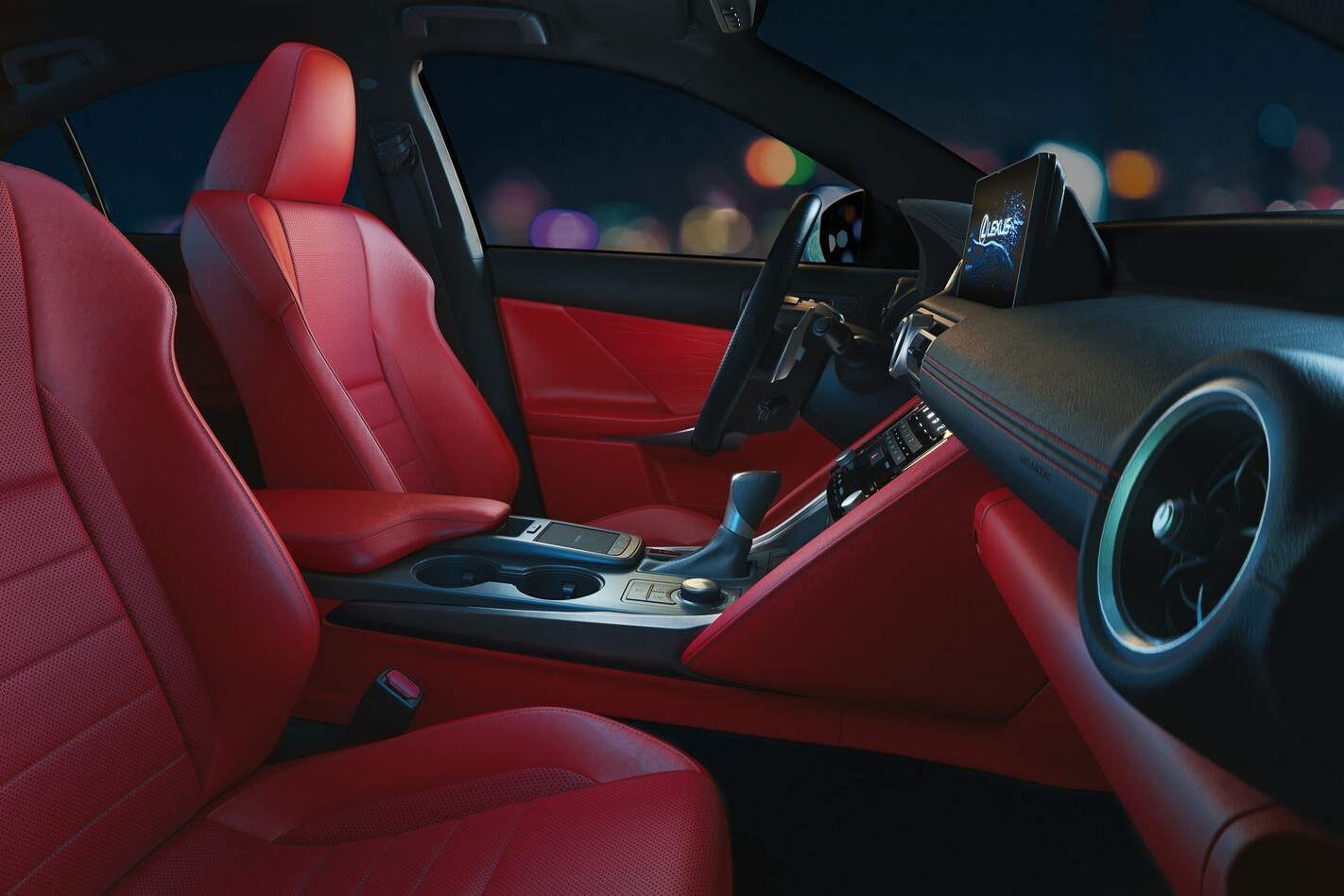
What that means for the 2021 IS driving dynamics is, despite running on the same underpinnings as before, a wider track by 45 millimetres at the front and 50 mm at the back, a more rigid design thanks to extra welding and reinforcement and a more responsive steering weight. These changes, according to Lexus, are said to quieten the noise, vibration and harshness levels as well as improve ride comfort.
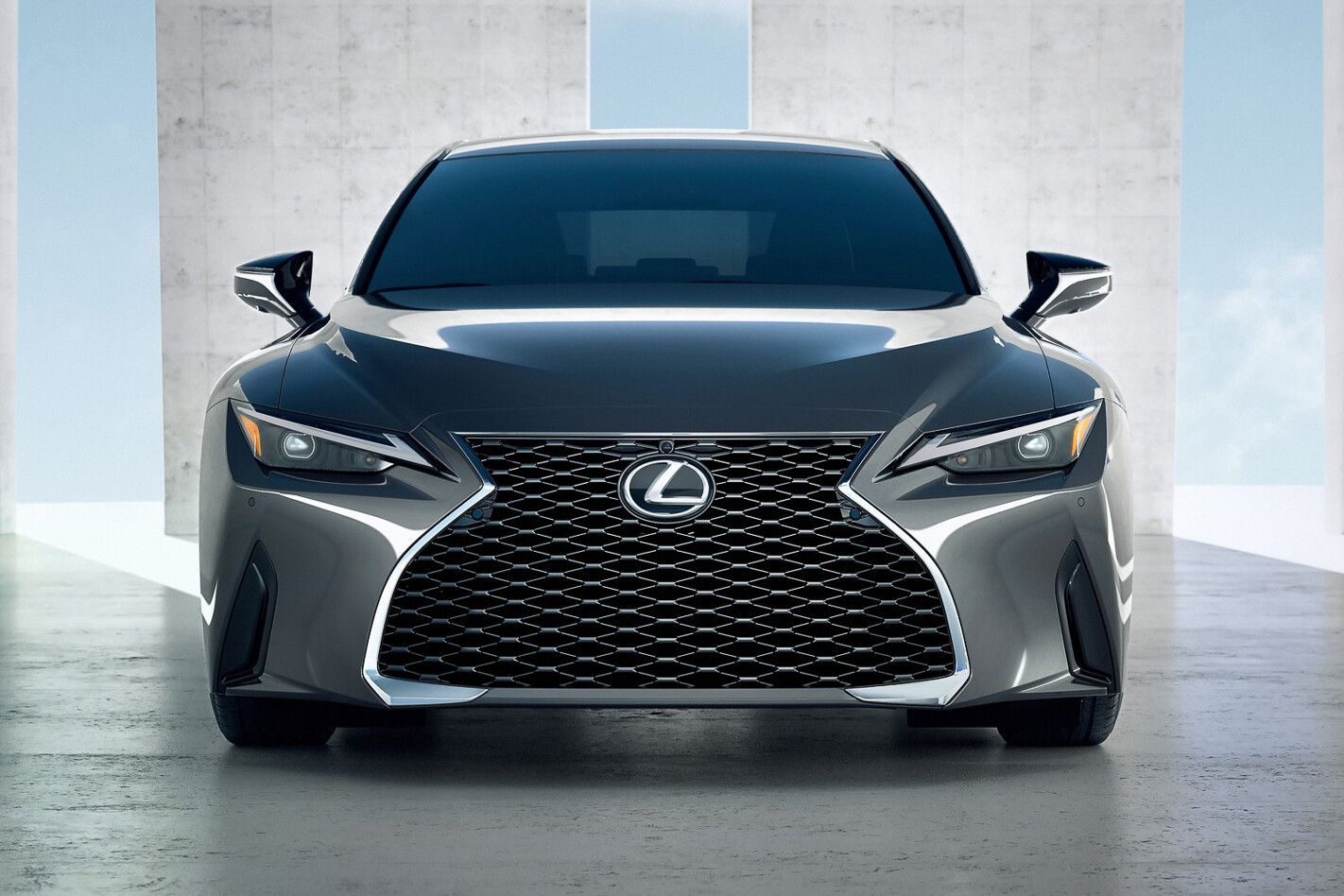
The 2021 Lexus IS will hit Australian dealerships at the end of the year, with full details and range specifications to be revealed closer to the launch.
2020 Lexus RX 300 long-term review
Lexus Australia chief executive Scott Thompson is particularly excited to offer the new IS in Australia, citing its rear-driven nature and sports angle as a key opportunity to differentiate to rivals.
“Australian customer preferences align perfectly with the focus on sharp design, dynamic performance and cutting-edge technology with the stunning new IS, making it an important addition to Lexus dealerships later this year,” Thompson said.
Click on the photo at the top to view a gallery full of 2021 Lexus IS images.
“They don’t make ‘em like they used to!”
It’s an old cliché that can be applied to any number of things, but in the world of automotive advertising, it definitely rings true.
We were recently digging through our digitised magazine archive here at Wheels HQ, and came across some advertisements that got us misty-eyed with nostalgia.
Several hours of digital trawling later, and all we could see was a neon-haze of cigarette advertising and hand-illustrated double-page spreads.
It’s fascinating to go back and look at both what was being advertised, and how – just don’t look at the prices too long or you’ll be filled with a kind of regret that will follow you everywhere.
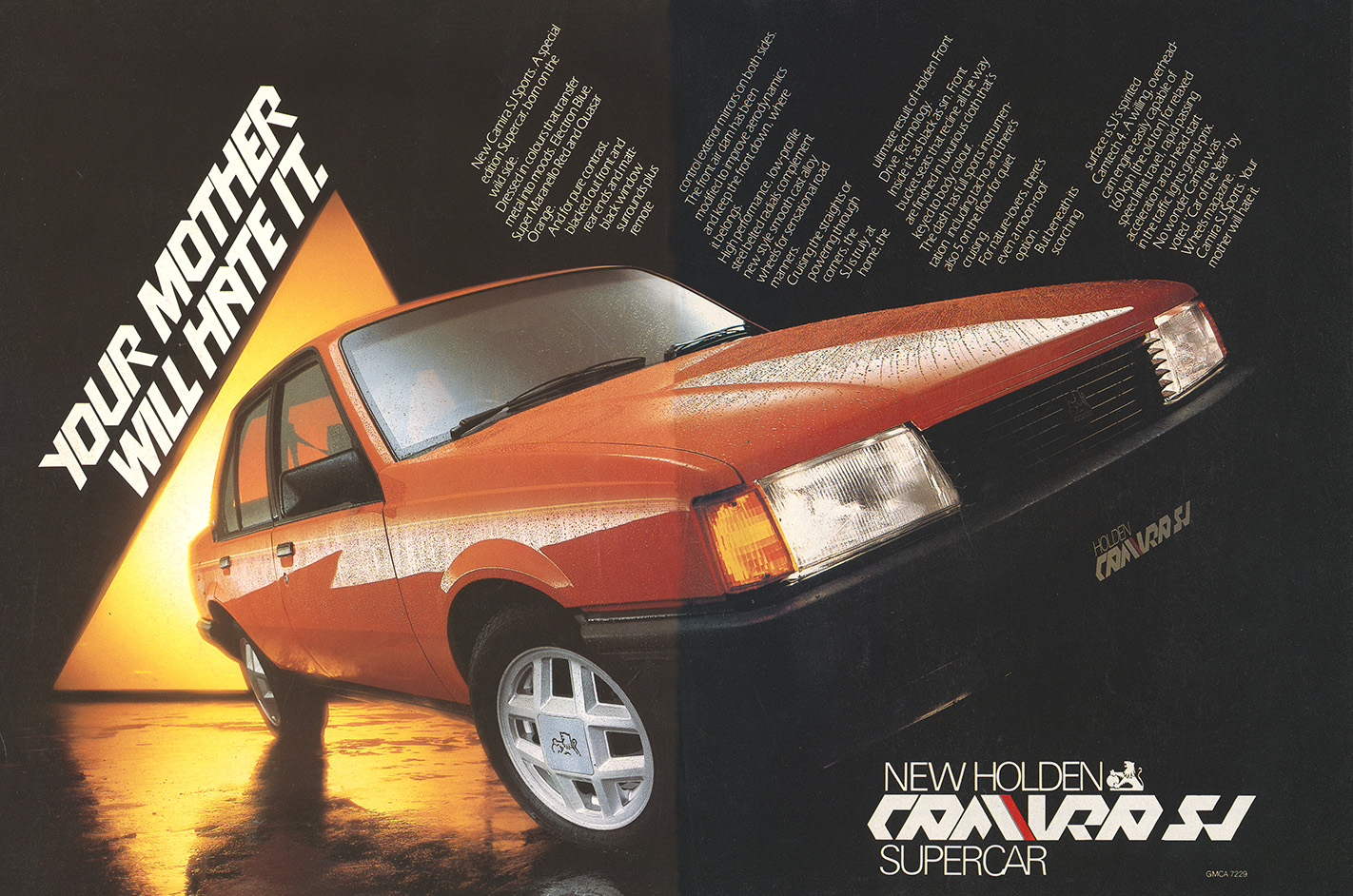
Some of our personal favourite advertisements include the use of racing cars and drivers from the era – a throwback to when motorsport star had serious pulling power, and teams were funded through eye-watering marketing budgets.
The passing of time can also lend itself to some historical cringe, particularly when looking back at the bold statements around power figures – some of those ‘high performance’ outputs of yesteryear would be put to shame by the current class of city cars.
Have a flick through our gallery above, enjoy the nostalgia for yourself, and make sure to share your favourites in the comments below!
Also, make sure to check out some corkers from our mates at Unique Cars here, here, and here!
If you use your vehicle for work, chances are you’ll be able to claim back associated costs. And you won’t be alone, with car-related expenses accounting for about 40 percent of all work-related deductions.
Needless to say, this is one of the areas that the Australian Tax Office (ATO) will be cracking down on come tax time, which could see you cop a fine of up to $4200 should you provide any misleading information.
Confessions of a car dealer: the five top tips for getting the best deal
Many people trip up over car-related expenses, meaning they risk being penalised even if they didn’t intend to mislead the ATO. On the other hand, many car owners don’t know about all of the car tax deductions they are entitled to claim.

According to the ATO, you’re entitled to claim your car-related expenses for using your own car to perform work duties such as:
- Carrying bulky tools or equipment (such as an extension ladder or a cello) that your employer requires you to use for work and there is no secure storage available at work
- Attending work-related conferences or meetings away from your normal workplace, delivering items or collecting supplies
- Travelling between two separate places of employment, but not if one of the places is your home (for example, when you have a second job)
- Travelling from your normal workplace to an alternative workplace (that isn’t a regular workplace) back to your normal workplace or directly home
- Travelling from your normal workplace or your home to an alternative workplace that is not a regular workplace – for example, a client’s premises
- Performing itinerant work.
“Any money you earn from renting out your car is considered taxable income and must be declared on your tax return,” says Will Davies, CEO of car sharing platform Car Next Door.
“But you can also claim expenses for the portion of your car costs that relate to the rental activity, or a simple 68 cents for every kilometre your car is driven by borrowers.”
What are the most common car-related tax deduction mistakes?
Of course, it’s equally important to know what you can’t claim, with many people thinking that just using their car to get to work is a tax-related expense.
“Claiming your normal travel to and from work. This isn’t claimable, even if you do a small work-related task like picking up the mail,” says Davies. “Even if there’s no public transport available when you head home after working overtime, it’s not claimable either.”
Another common ‘mistake’ people make is claiming tax deductions from the ATO for things without providing proof, such as carrying equipment where it is not required by your employer.
“If you can’t prove this is required by your employer or there’s no safe place to store your equipment at work, then it’s not claimable,” Davies explains.
The ATO will also pounce on anyone claiming expenses associated with a company car or car purchased on a novated lease which has been already been paid for by your employer through expenses or salary sacrificing. In short, don’t double-dip!
Claiming expenses without records to back them up is another common mistakes car owners make. The ATO allows you to claim up to 5000km of work-related travel at 68c per kilometre.
“But this is not a free pass,” says Davies. “You must be able to provide documentation.”
According to the ATO, you may need to provide written evidence to show how you worked out your business kilometres (for example, by producing diary records of work-related trips).

Another way to document work-related travel is the ‘logbook method’ which requires you to keep a continuous record of travel and associated expenses such as fuel, backed by receipts. Keeping a constant record is hard work, but it could pay off of you do a lot more than 5000km for work.
There are also ATO-approved logbook apps available for smartphones that not only log your trips but can calculate your return for you.
One thing you can claim that many people overlook is vehicle depreciation. If you use your car for work or rent it out, ask your accountant about how you should calculate depreciation as it may add thousands to your allowable deductions.
You can even claim expenses as a result of an accident that causes damage to another vehicle if the accident occurred during the course of your employment (but not just getting to work).
It’s worth noting that the above ‘car expenses’ don’t include other vehicles such as motorbikes, vehicles that can carry one tonne or more, or vans that can carry at least nine people.
If unsure about car and other vehicle-related tax deductions it’s best to consult a qualified tax accountant or contact the ATO.
It’s been a while since someone pulled me up to engage me about the colour of the car I’m driving, yet it happened a good half-dozen times in the brief time I took charge of Volkswagen’s Golf R Final Edition.
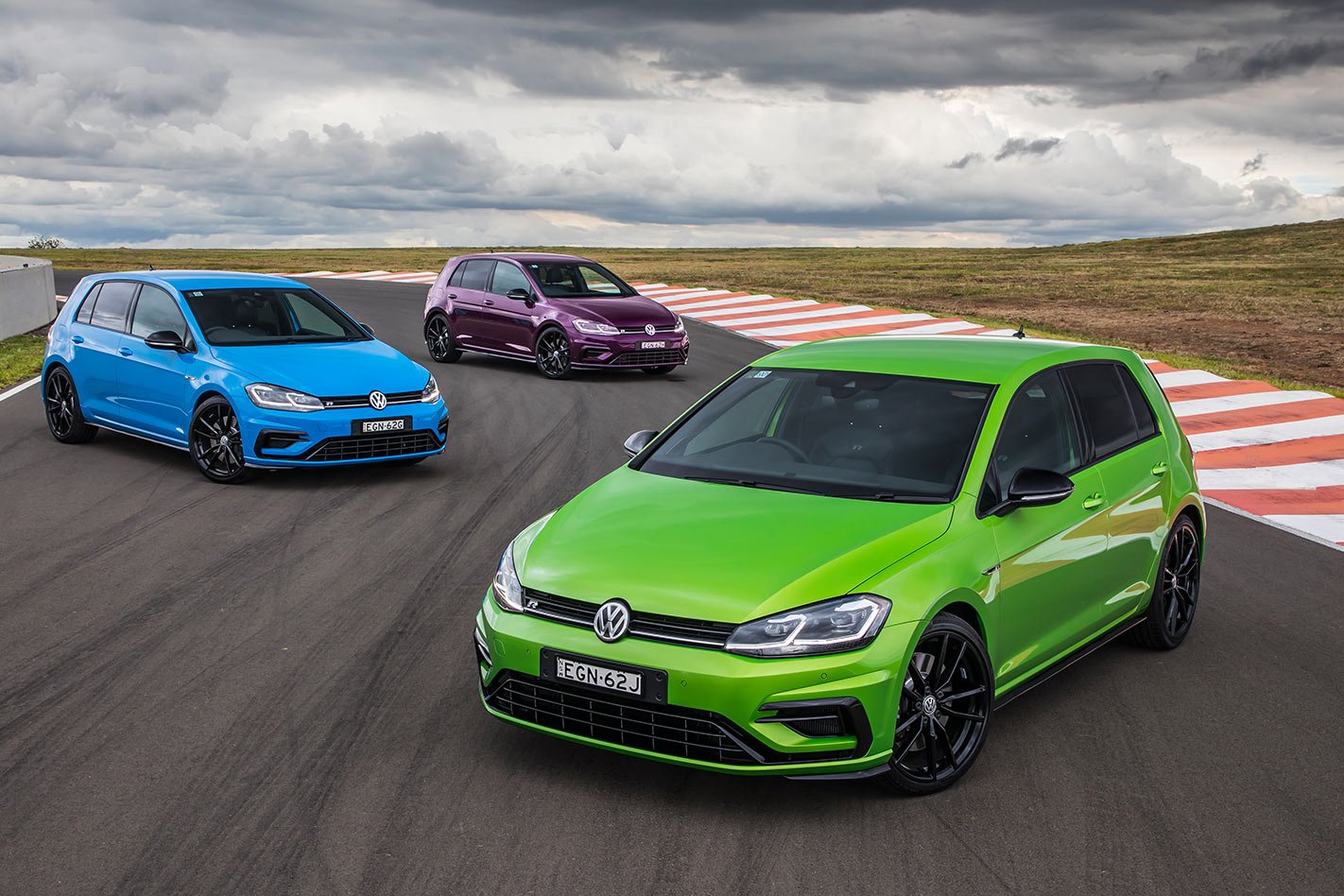
The hue seen here is known as Viper Green Metallic, and for a more $300 on top of the $57,990 RRP ask for the Volkswagen Golf R Final Edition, it’s hard to think of ways to attract more attention from the Great Unwashed.
There are 450 Final Editions up for grabs, with 150 of them painted in three varying shades of ‘look over here’; Victory Blue, Violet Touch Pearlescent and the aforementioned Viper Green Metallic. White, blue and black are no-cost options, if jellybean paint ain’t your bag.
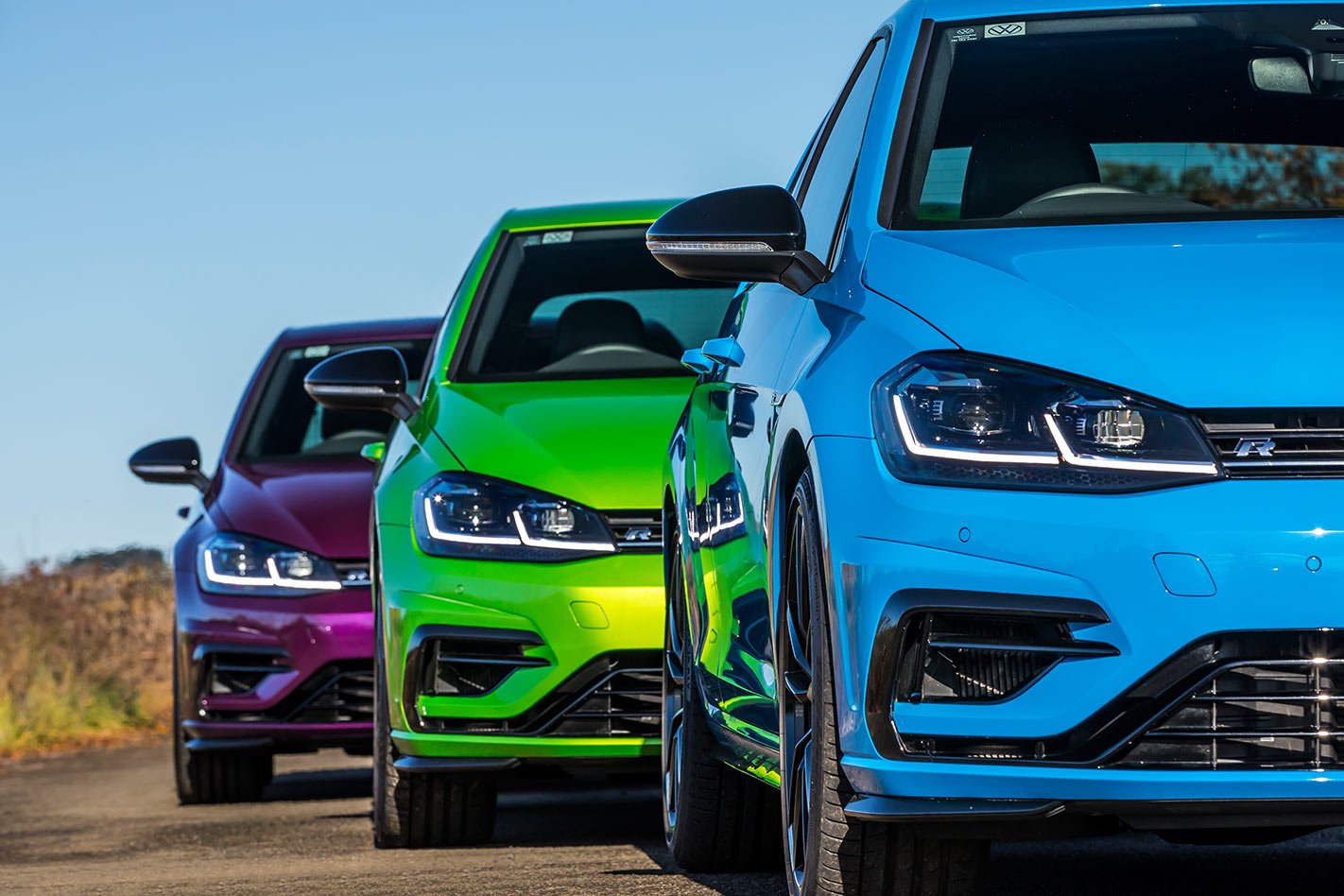
Black 19-inch rims, carbon-effect leather trim and dark tinting are also part of the R, which itself is $1500 dearer than the 213kW/380Nm-packing stocker. A $1900 sunroof is the only available add-on.
Unchanged is the seven-speed dual-clutch ’box, all-wheel-drive and 2.0-litre EA888 four-potter, while the big multimedia screen and digital dash do a good job of keeping the Mk7.5 warhorse in the now.
The next Volksagen Golf R won’t get five cylinders
There’s no arguing, though, that dropping into the black leather bucket feels like a move I’ve done a dozen times before, and despite the electronic toys on the inside and cool LED lights on the outside, the Golf is starting to show its crows feet. No rear USB points, for example, and no inductive phone charger reveals the R’s, erm, advancing age.

The driving experience is, thankfully, unsullied by the passage of years, though those looking for playful and darty should probably look elsewhere. The R has always offered a dependable – if predictable – combination of mid-corner poise and corner-exit punch that’s dulled by reluctance from the front end to be convinced to grip up.
Manhart turns the Golf R into a 331kW hot hatch beast
The ability to cycle through the array of driving modes on offer imparts a real sense of dual personality, though, with a big difference between full attack and laid-back.
I’m hoping the Mk8 comes with bigger flappy paddles and a more integrated digital presentation, and the rumoured extra grunt from the evergreen EA888 won’t go astray in a world of Honda Civic Type Rs and Hyundai i30Ns.
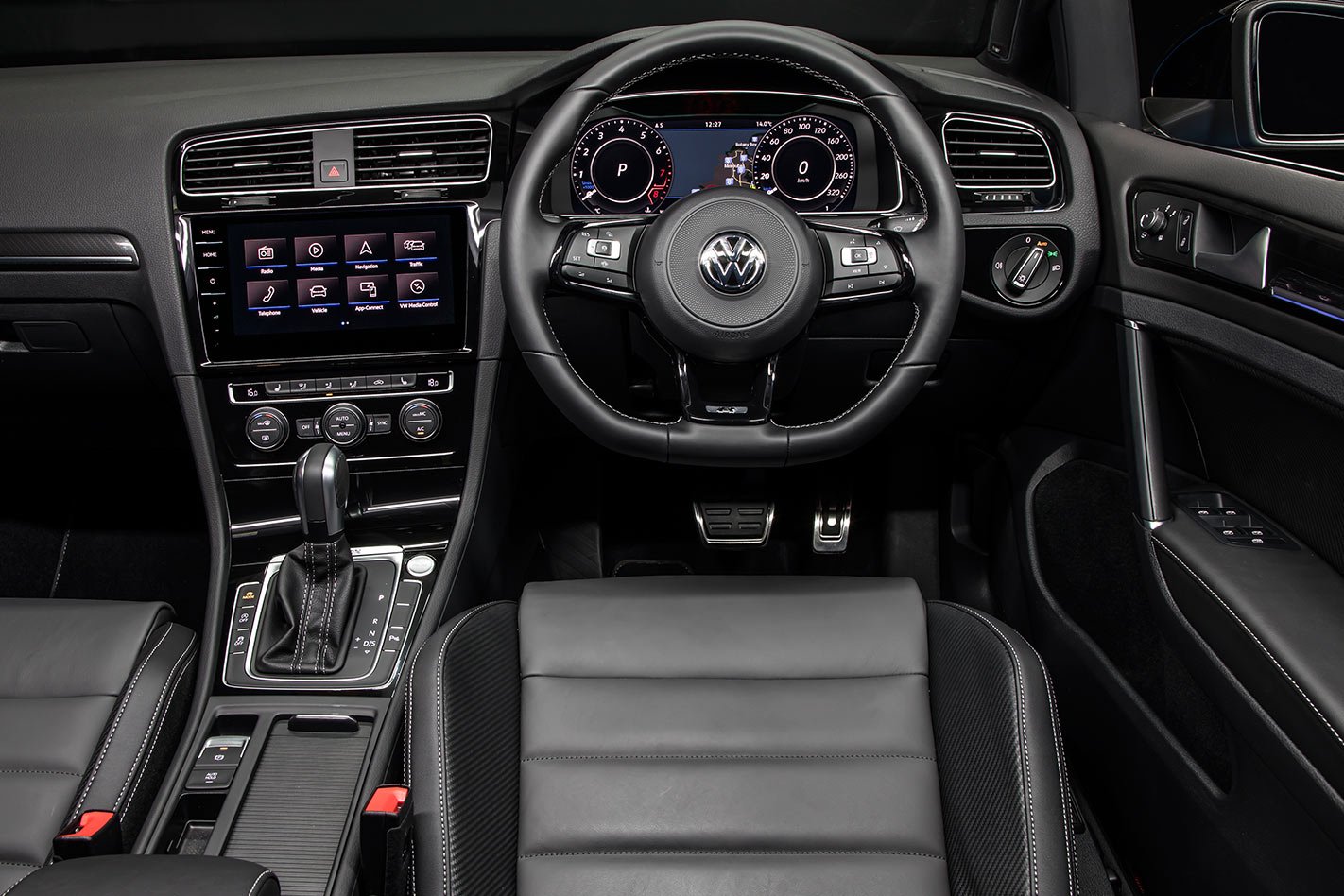
We already know, though, that VW will impart new electronic chassis trickery to allow the diff and suspension to work more closely, which may bring the funk back to the relatively benign R.
I bet you won’t be able to get that same shade of green, though.
Pros: That colour, cool backstory, a proven performer
Cons: Still solid instead of sexy, that colour
Rating: 4/5
Model Volkswagen Golf R Final Edition
Engine 1984cc 4cyl, dohc, 16v, turbo
Power 213kW @ 5400 – 6500rpm
Torque 380Nm @ 1850 – 5300rpm
Weight 1450kg (tare)
Transmission 7-speed DSG
0-100km/h 4.8sec (claimed)
Economy 7.2L/100km
Price $57,990
On sale now
In our Fast Facts series, WhichCar delves deep into the history of automotive brands to bring you fascinating facts and intriguing information.
Today we focus on Ferrari, a company that started with a simple boyhood dream and turned into an omnipresent motorsport force … and a maker of increasingly complex yet stunning road cars.
Ferrari’s Alfa link
Enzo Ferrari fell in love with motor racing as a boy, aspiring to follow in the footsteps of his hero driver Felice Nazzaro – who won the very first race Ferrari watched as a 10-year-old.
Enzo Ferrari in his first race with Alfa Romeo, the 1920 Targa Florio
After making his competitive debut as a 21-year-old in 1919, he joined Alfa Romeo as a works driver five years later. He formed his own Scuderia Ferrari team in 1929, dedicated to owner-drivers, though he would be reconnected with Alfa in 1933 when asked to run its racing team. He had already quit as a racing driver in 1931.
From air back to land
Enzo disbands Scuderia Ferrari in late 1937 to become racing manager of the now-factory-backed Alfa Corse team but he quits just a year later.
Barred from using his name in motorsport for four years, he started Auto Avio Costruzione in 1940.
The company built the eight-cylinder 815 Spider (above) for the Mille Miglia but switched to making components for the aircraft industry as World War II progressed.
It wasn’t long, however, before Ferrari was returning to race-car construction – using Fiat chassis.
Move to Maranello
In 1943, a place called Maranello, just outside of Enzo’s birth town of Modena, near Bologna, became the location for Ferrari’s HQ – where it remains today.
Cavallino rampante
Ferrari’s famous Prancing Horse is inspired by decorated Italian World War I pilot Francesco Baracca, who featured the emblem on his fighter planes.
In 1923, five years after Baracca was shot down, Enzo’s victory in the Circuito del Savio race leads to an encounter with Baracca’s parents, who invite Enzo to apply the cavallino rampante to his racing cars.
The yellow background of the shield represents Modena, with the SF initials standing for Scuderia Ferrari.
The first Ferrari
The 125 S isn’t the most romantic name to grace a Ferrari but its status as the brand’s first model, launched in 1947, assures huge significance.
It clearly wasn’t too shabby to drive, as Ferrari would use it to win the famous Mille Miglia and Targa Florio road races in 1948, followed by the Le Mans 24-hour in 1949.
Formula synonymous
Ferrari entered the very first Formula One World Championship in 1950 and has remained a constant presence.
Up until the end of the 2019 season, it was perhaps unsurprisingly the most successful team in the sport’s history, with 225 grand prix victories, 16 constructors’ titles and 15 drivers’ titles.
Ford vs Ferrari
The legend of Ferrari might have stopped in the 1960s if it were not for a last-minute change of heart by Enzo Ferrari.
As Ferrari struggled to continue as an independent company, major US carmaker Ford thought it had an agreement on the formation of two companies that would, respectively, focus on road cars (Ford-Ferrari) and racing cars (Ferrari-Ford).
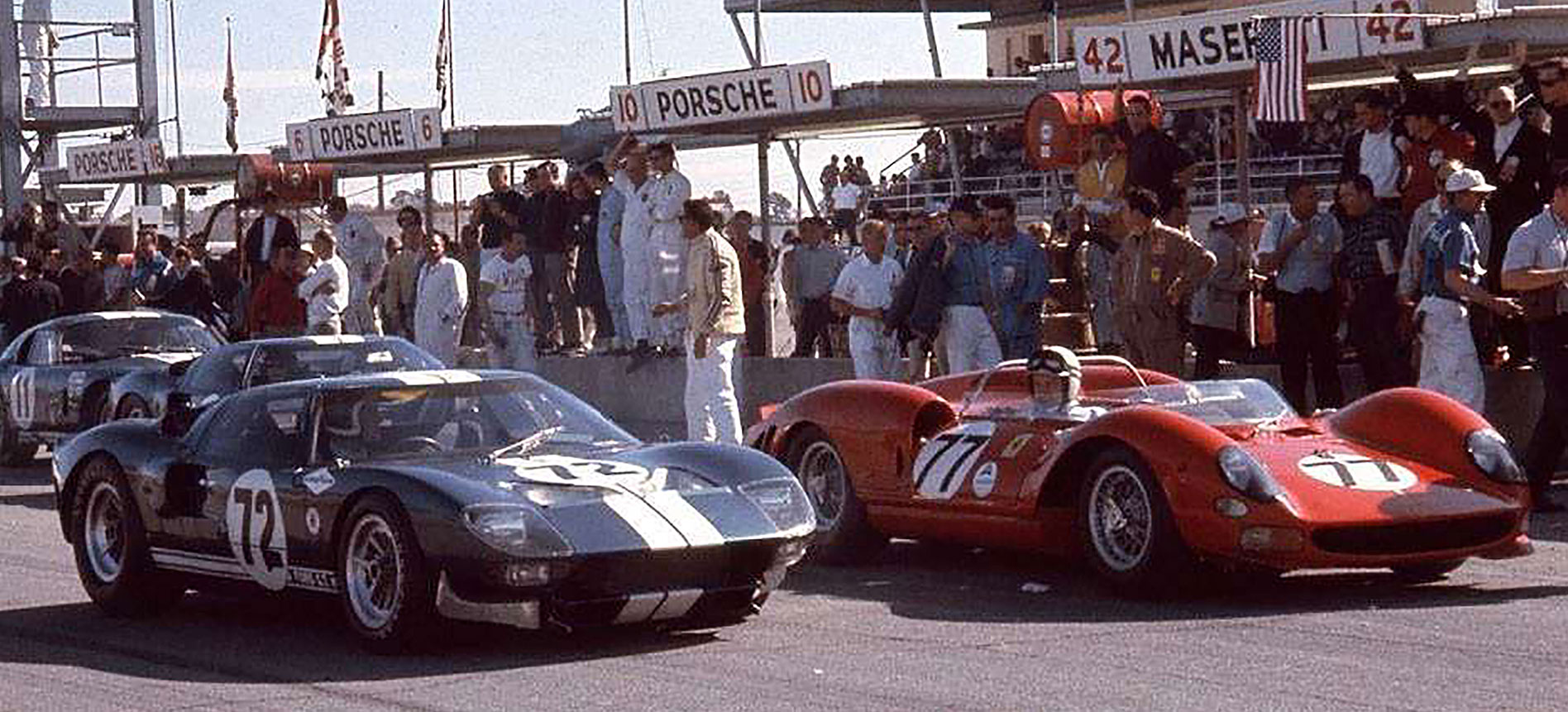
Enzo’s snub so infuriated Ford management that they built the GT40 to beat Ferrari at Le Mans (which they duly did from 1966 to 1969). There’s even a movie about it.
Dino soars
The 1968 Ferrari Dino is regarded as one of the most beautiful cars ever built, though it wasn’t originally intended to be a Ferrari. And the first road car to bear the nickname of Enzo’s son Alfredo, who died young from illness in 1956, was a Fiat.
Powered by a quad-cam Ferrari V6, the front-engined Fiat Dino was created to allow Fiat to race in Formula 2.
But the V6 was then slotted into a mid-engine position of a curvaceous, aluminium body styled by the Italian design house responsible for countless Ferraris: Pininfarina.
It was planned as part of a separate Dino marque – the name Ferrari appears nowhere on the car – but it has become an accepted, and highly acclaimed, member of the Ferrari lineage.
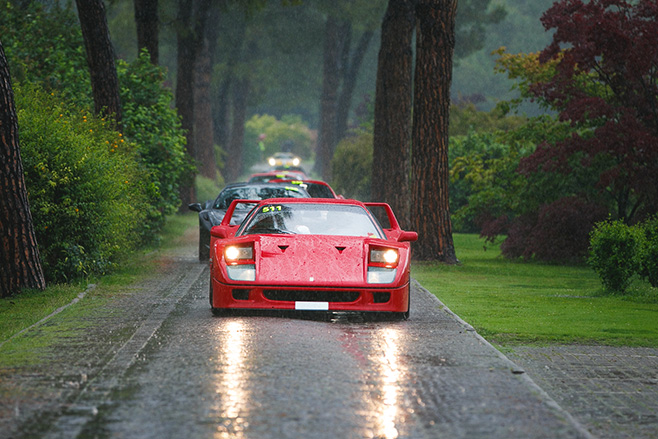
The F40
One of the greatest Ferraris ever built aimed to marry road and race cars and was created to mark the company’s 40th anniversary.
With an engine inspired by F1’s turbocharged era of the time, the twin-turbo V8 F40 developed 478hp in road form for a top speed of 323km/h and a 0-97km/h time of 3.9 seconds.
Another key to performance for a model that borrowed its platform from another fabled Ferrari, the 1984-1987 288 GTO, was an incredibly low kerb weight of just 1099kg.
Long live the Enzo
The F40 would be the last Ferrari created under the eye of its founder, who passes away in 1988 aged 90. Ferrari’s 2002 flagship supercar bears his name 14 years later.
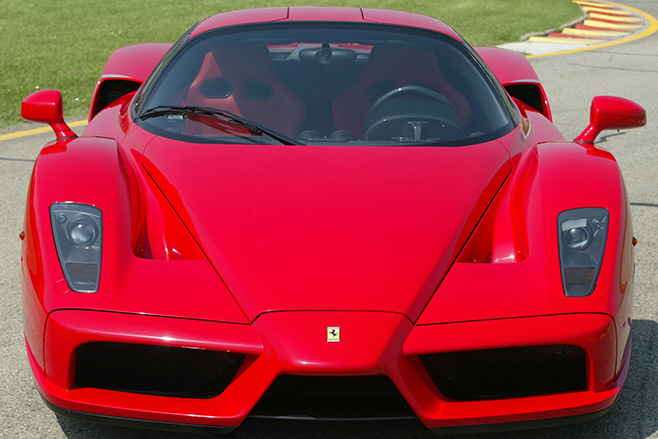
The Old Man, as he became known in his later years, would surely have appreciated the V12-powered Enzo Ferrari’s capabilities, which included advanced, F1-inspired aerodynamics that generated 775kg of downforce at 300km/h, plus a maximum speed of more than 360km/h.
Finance it again, Tony
Fiat had already solidified its relationship with Ferrari in 1969 by purchasing half the brand’s shares, and following Enzo’s death it increased its ownership stake to 90 per cent.
The Schumacher era
Despite Ferrari’s amassed F1 titles, there was an enormous 21-year gap between South African Jody Scheckter winning the 1979 drivers’ world championship and German Michael Schumacher being crowned champion in 2000.
The Schumacher-Ferrari partnership would bring an unprecedented period of success, with the team securing consecutive constructors’ championships between 1999 and 2005 and Schumacher claiming five titles from 2000-2004.
Don’t call it an SUV
Ferrari did build a relatively practical car in 2011, called the FF, which featured a hatchback, two rear seats and all-wheel drive. It later morphed into the oddly-named GTC4 Lusso
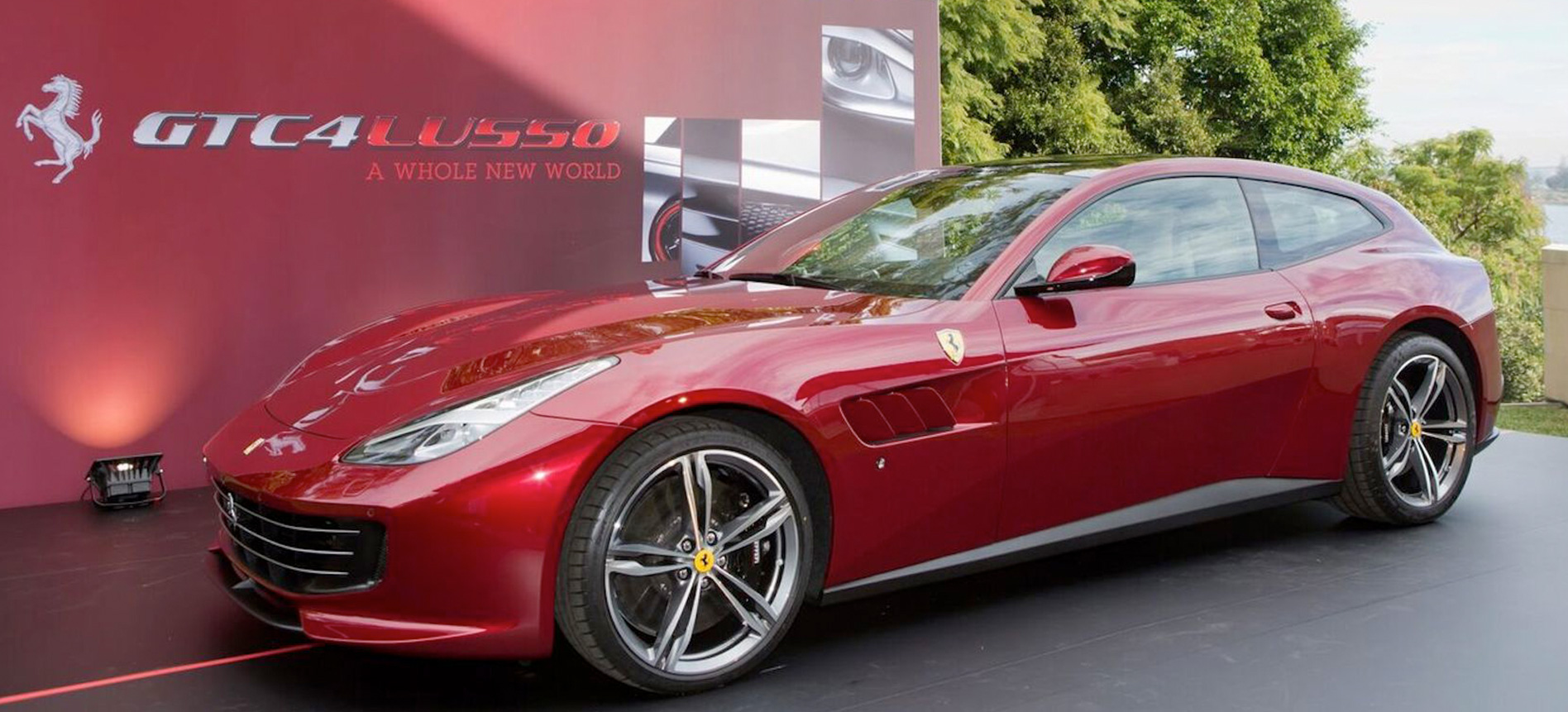
It still featured only two doors, though, and the company continues to insist it will preserve its sports car heritage by ignoring the SUV boom.
Only it’s not… Ferrari’s not-an-SUV goes under the project name Purosangue, and it’s expected in 2022.
