
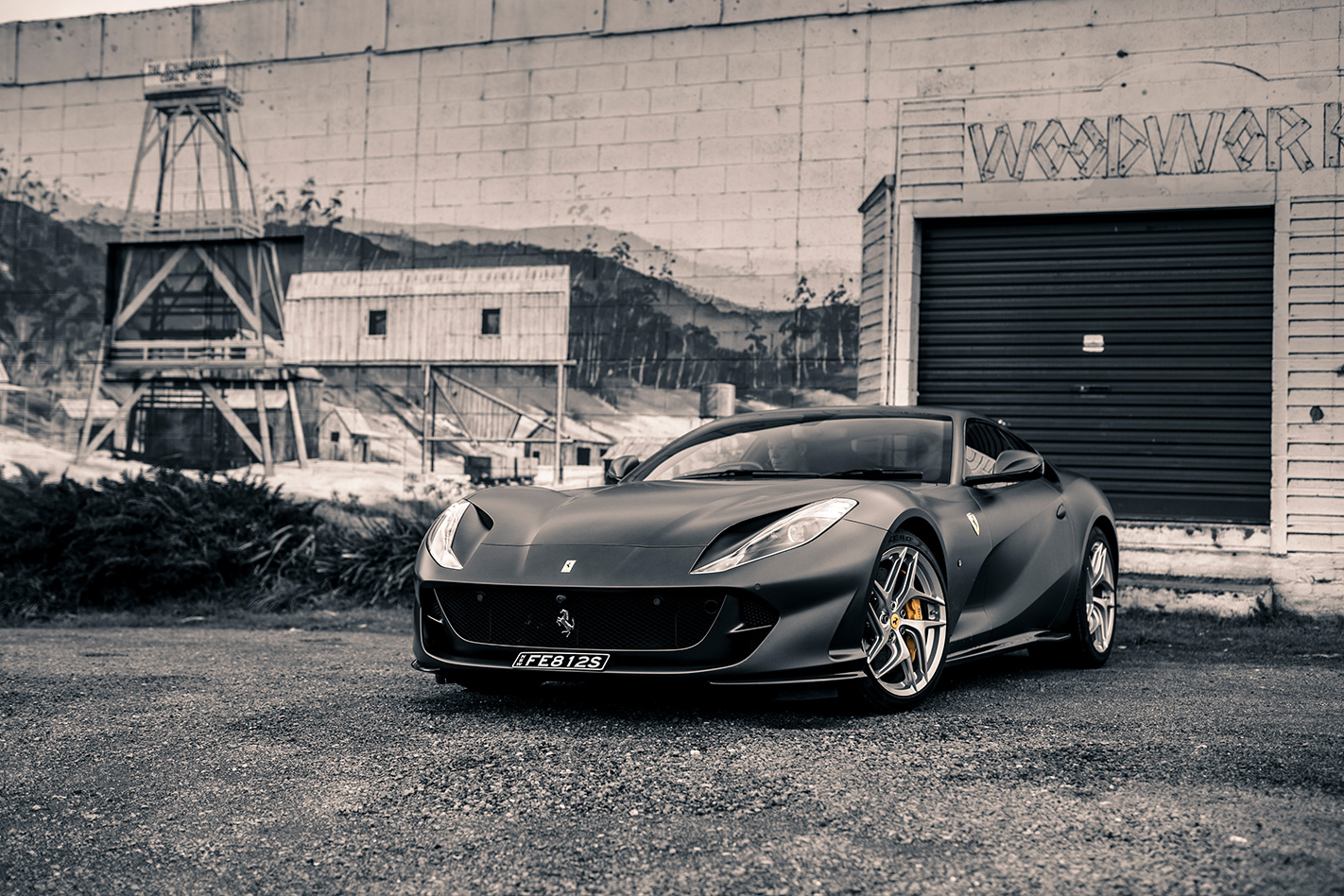
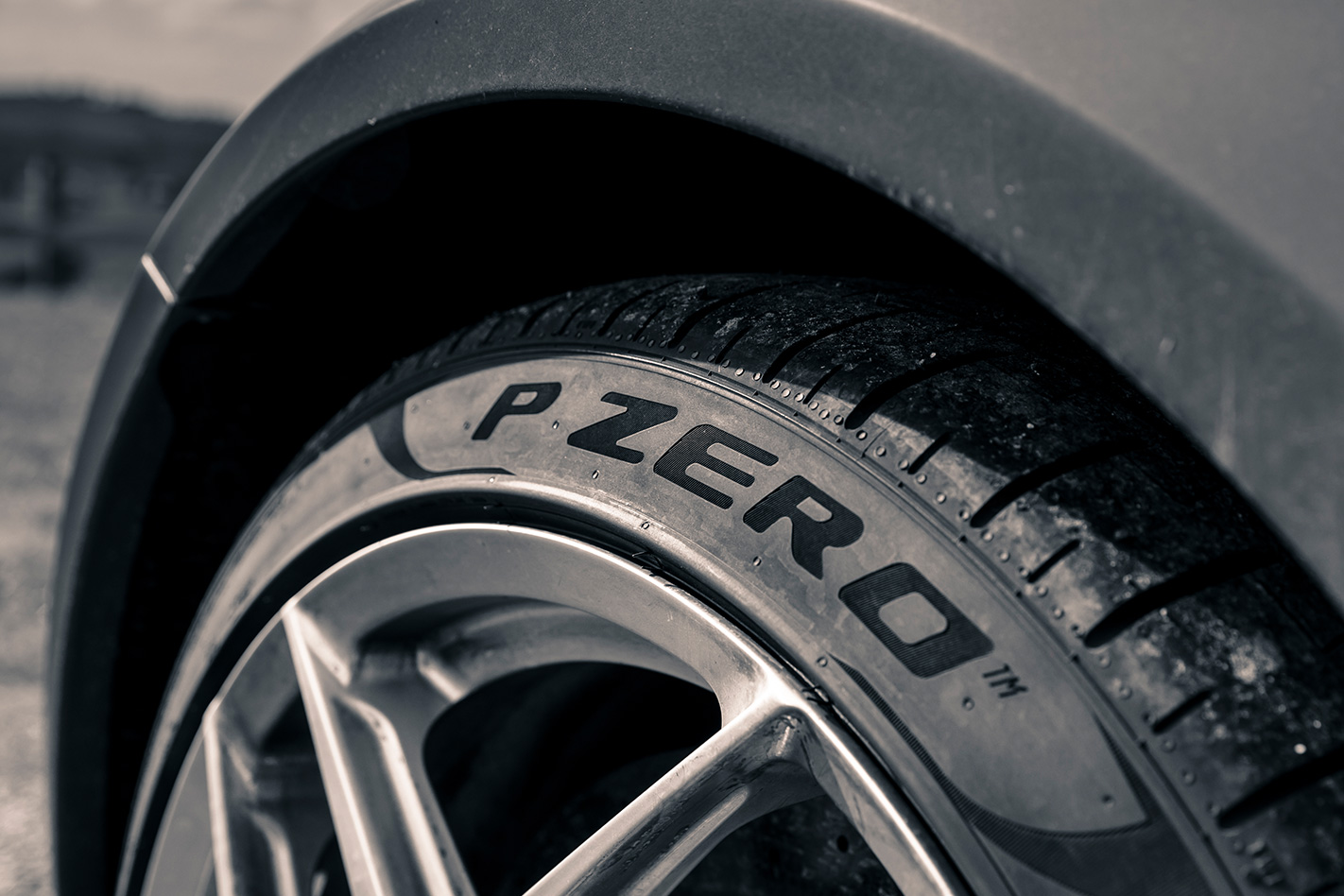
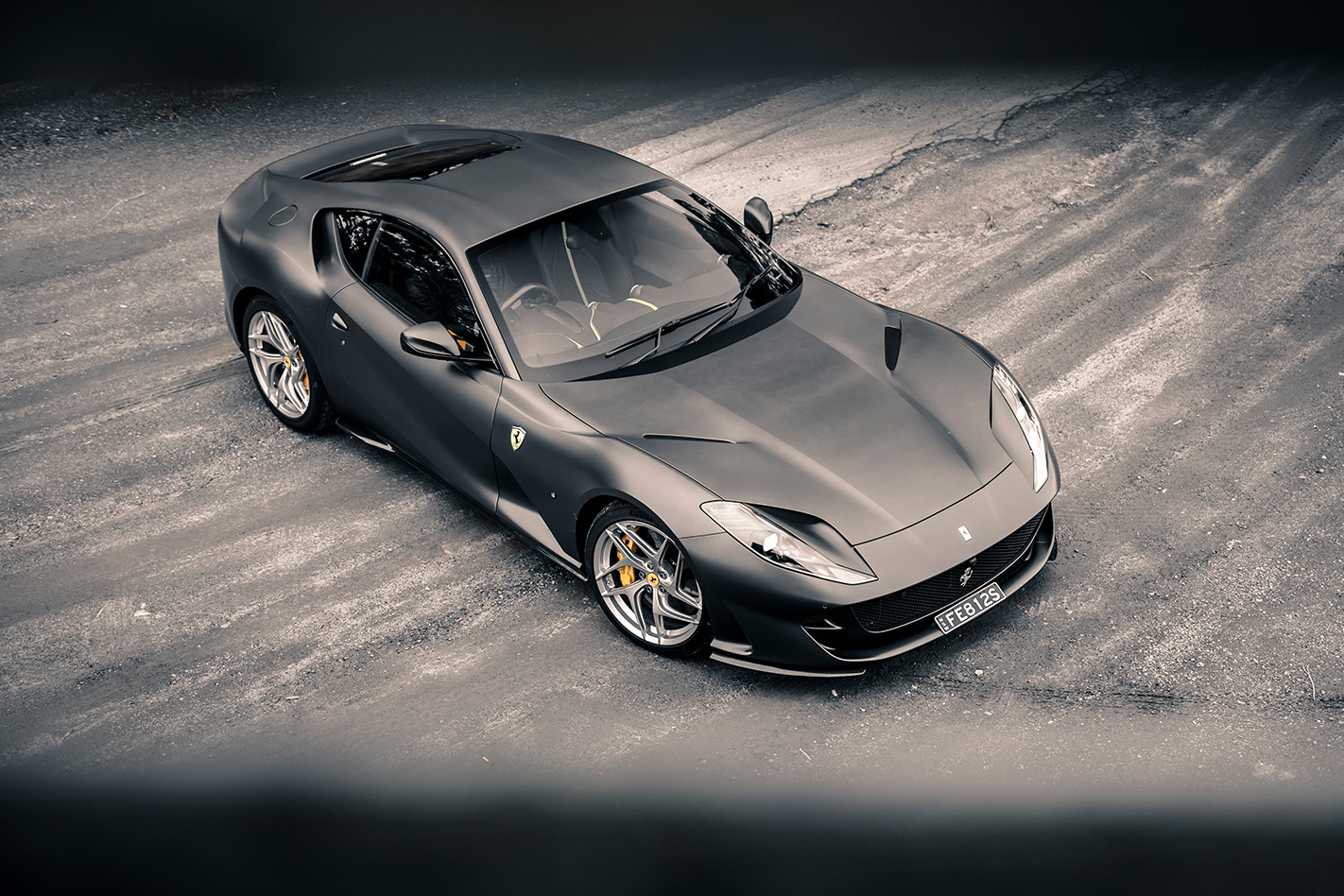
THE soft pre-dawn light has gone. The dew-ridden fields are a memory, darkness expanding as we plunge further into the forest. Now the strongest illumination comes from the shift lights; red, then a bluey purple as the V12 screams towards 8900rpm. It should be glorious, though it isn’t. Wet patches lurk in the shadows, leaf litter causes the Pirellis to shudder, and there are broken branches, smashed from the overnight storm, that jut into our lane, ready to gouge the 812’s flanks. Telling myself to relax only sees me grip the carbon-clad wheel harder as I grapple with the decision: lift and coast to the bottom or press on, revel in the speed and performance, and try to forget that this matte-grey missile from Maranello costs $800,000. I sit straighter, draw a breath, and make the call.
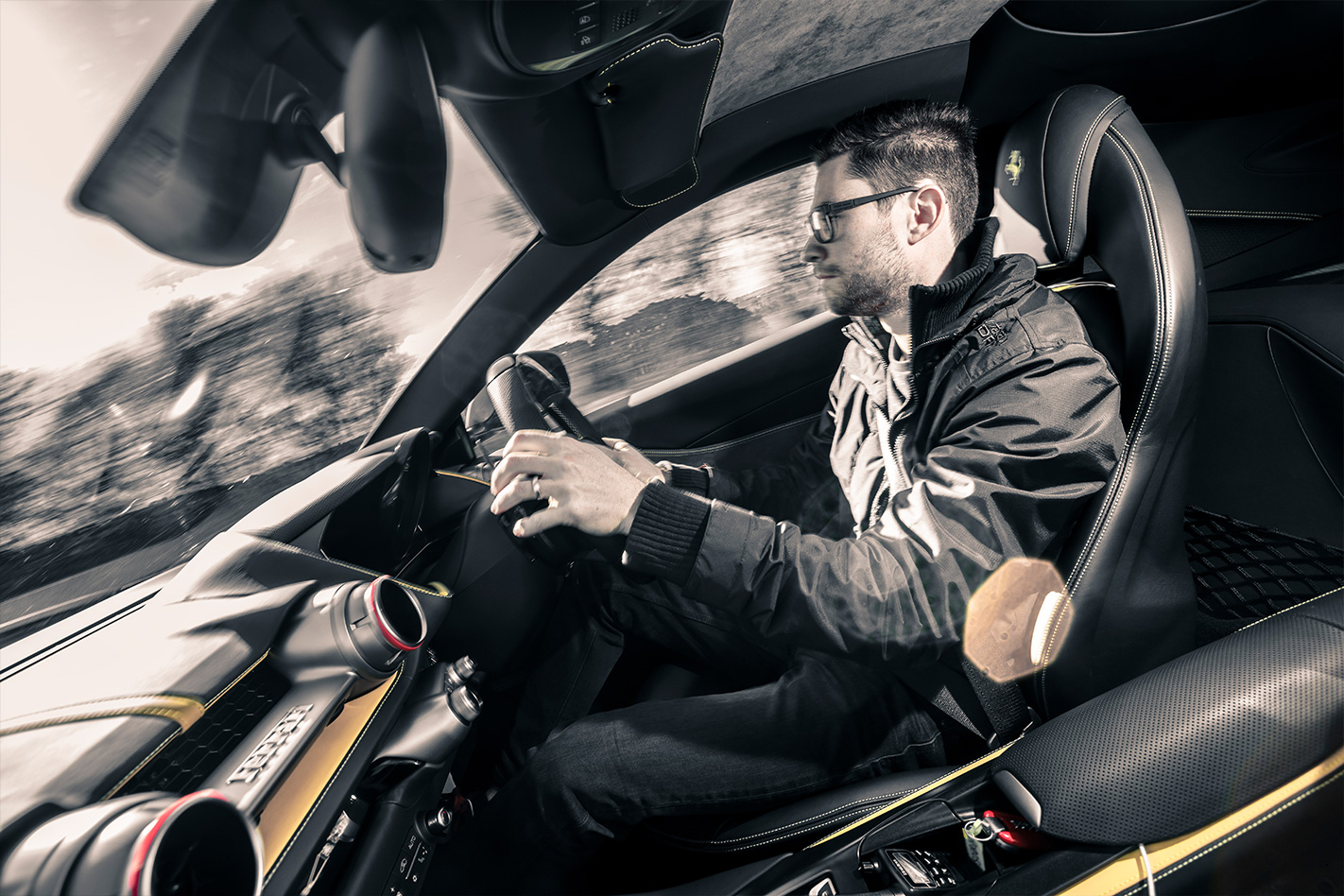
We have such a machine.
Our day starts before sunrise, plumes of vapour streaming from the quad exhausts as we begin the transit stage to Thomson Dam. I’d been hoping for an easy familiarisation phase; the kind to bring my sleep-addled, un-caffeinated brain up to speed, and to calm any lingering nerves.
I got the opposite. The drive through the wet forest to the dam wall is manic, edgy and important. It delivered the first hint that all is not what it seems with the 812. Given its GT form factor, I’d been expecting ferocious speed, but also a layer of refinement and comfort suited to belting across continents. In those initial moments, though, it felt more focused than a 488. The ride is taut and busy, and all of the controls are hyper alert, telegraphing the notion that this is a car that doesn’t quite gel with the whole ‘relaxed cruiser’ thing. Instead it’s constantly egging you on; urging you to delve deeper into the throttle to experience the fury that lies in wait.
So, with the long sliver of road that stretches across the top of Thomson Dam enticingly empty, I do.
What follows is shocking in its ferocity. In second gear and with no turbos to spool, the 812 seems to explode, the revs racing from 4000rpm to 7000rpm in an instant before I grab third in reflex to quell the squirming of the cold rear Pirellis.
The normal human response to such a rapid change in velocity is to open your mouth and shout four letter words, yet for some reason my brain is stuck on one thought: there’s another 2000rpm to go…
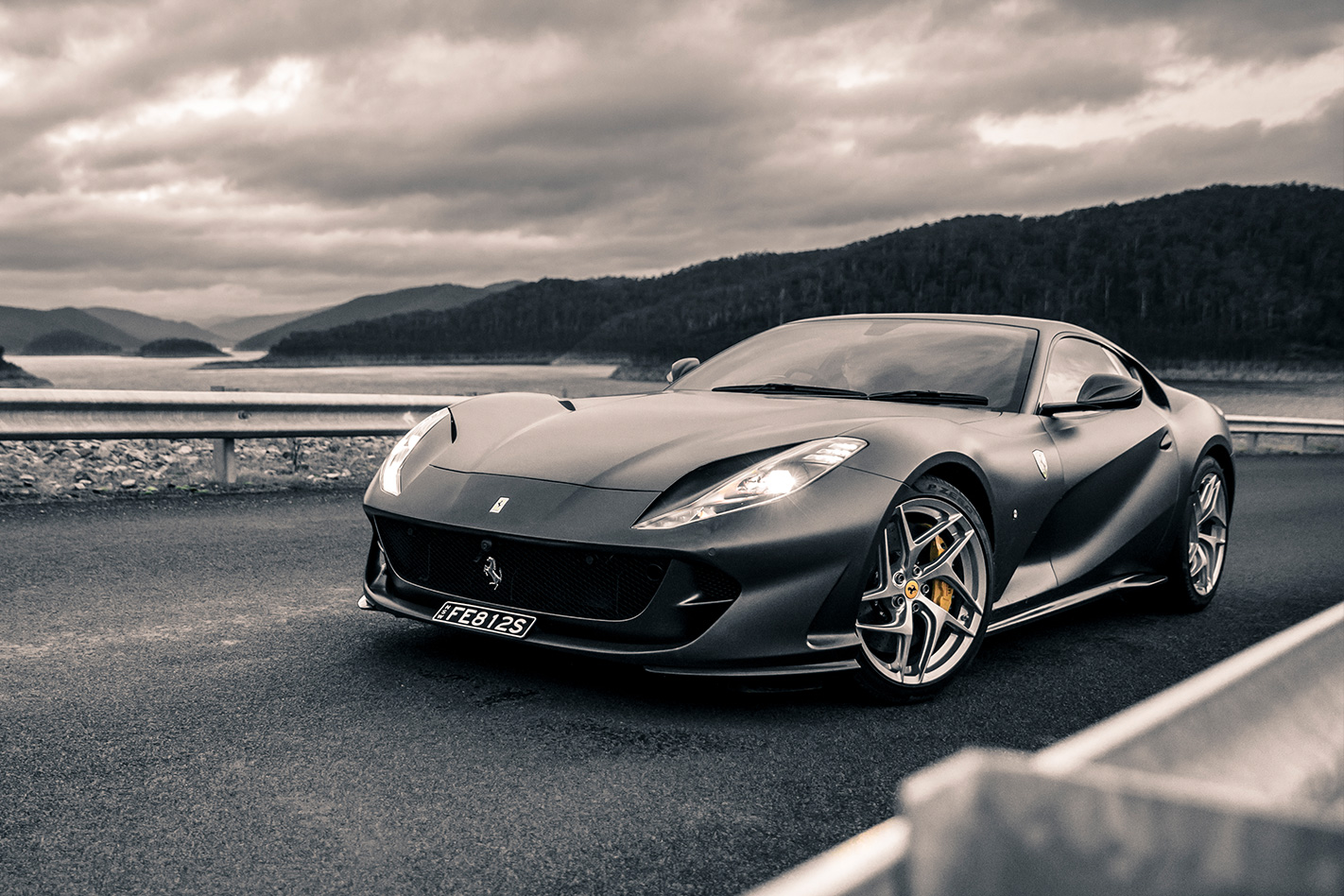
With the car parked up so photographer Jacobs can make use of the dawn light, I take stock of our surroundings. As locations go, Thompson Dam is a doozy. Desolate and monochrome, with a Soviet style watchtower that rises from concrete-coloured water, there’s a sense we’re the only humans for miles. That we’ve travelled to a destination where no one goes, despite the brilliant driving road to get here. The 812 gives pause for thought, too. It’s not what I expected, this Ferrari. It’s complex and intriguing, with a highly strung personality seemingly at odds with its GT positioning.
Racing back up the hill towards the small settlement of Rawson only muddies the waters further. With some appreciation of the performance on tap, I flick the manettino from Race to CT Off. It’s a move akin to loosening Dr Lector’s mask. On the damp, apex-rich run to the top, CT Off mode allows small slides on corner exit, which feel nicely controllable thanks to the deftly calibrated electronic systems, though driving quickly on a greasy surface verges on sensory overload.
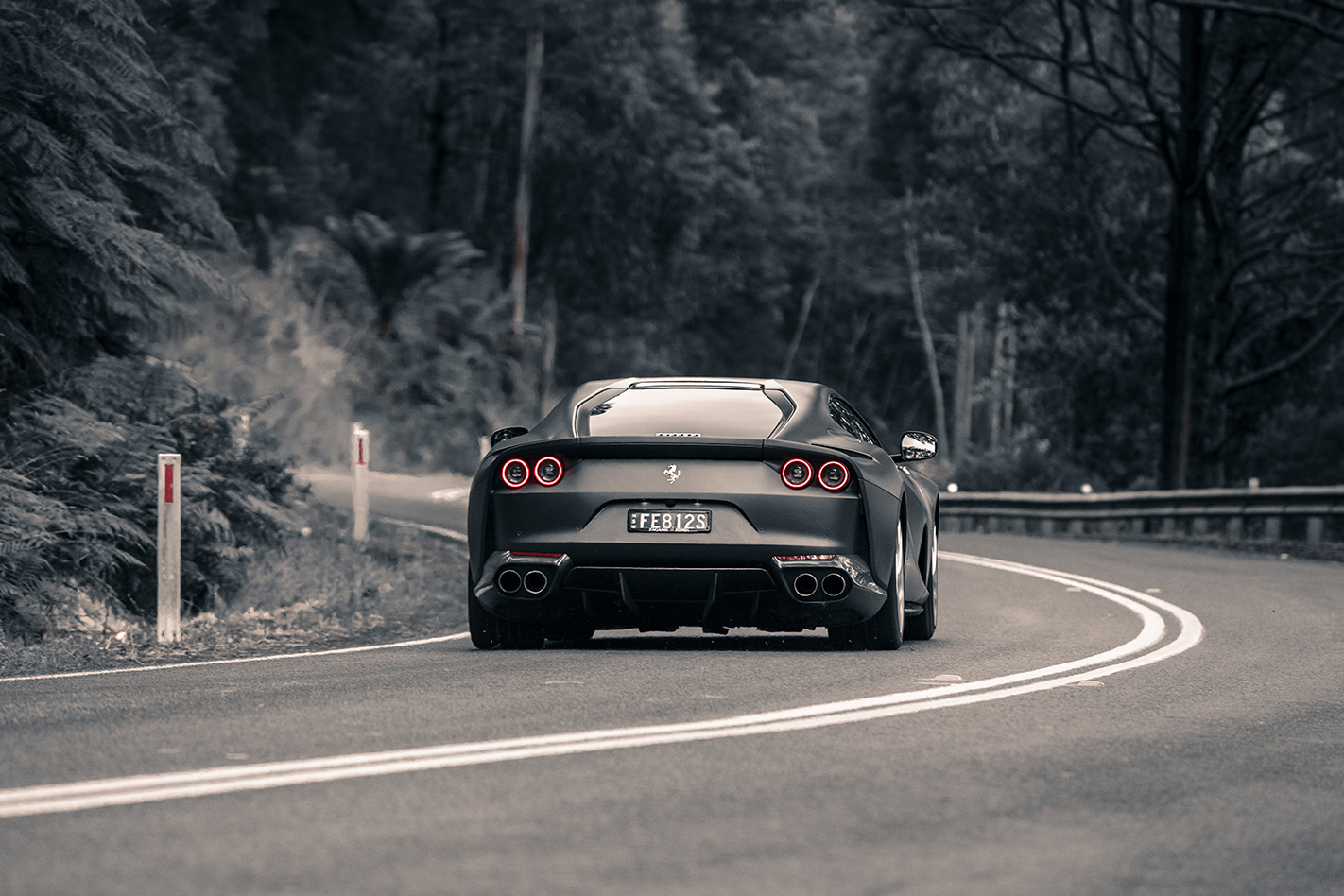
So sharp is the steering (2.0 turns lock-to-lock, though it feels quicker), and so immediate are the brake and throttle, that it’s easy to be clumsy with your inputs. And because everything happens so quickly, it’s equally easy to feel a step behind the car. Combine that with the V12’s ability to fry your nerve endings every time you dare to venture into its throttle travel, and the overriding experience is one of simply clinging on. It’s intoxicating in much the same way I imagine playing Russian Roulette must be, with only slightly less dire consequences should it all go wrong.
Mercifully the stretch from Rawson to Trafalgar offers the chance to calm things down. Hairpins give way to open sweepers, the road surface remains shiny and slick, though improved sight lines and a tempered speed free up some headspace to better consider the 812’s touring ability.
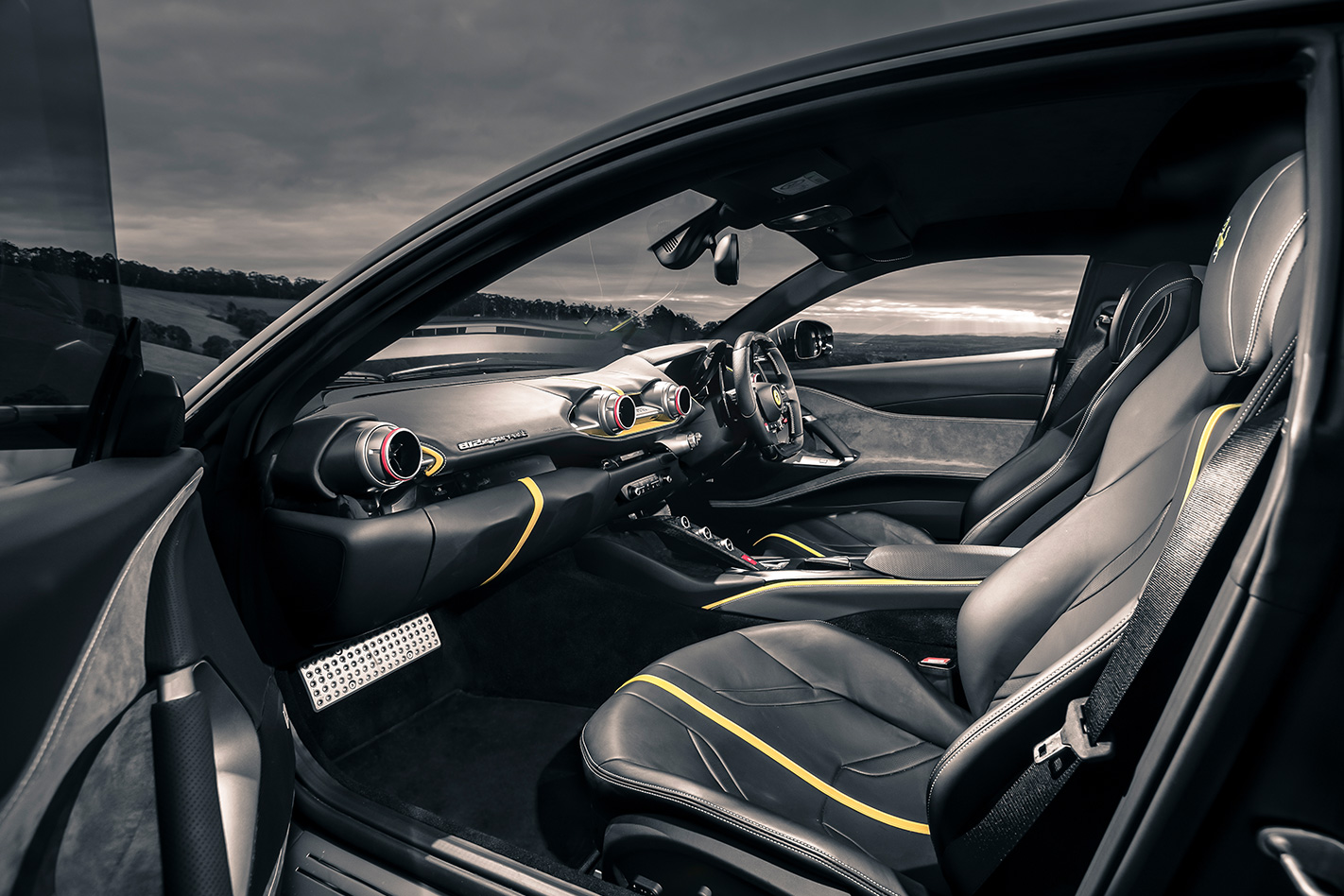
It’d be wrong to call it stiff, especially when you deploy the suspension’s ‘bumpy road’ setting, yet on these gnarled rural backroads the 812’s underlying sense of urgency is never totally silenced. Small amplitude bumps niggle their way into the cabin and on choppier sections, you can be jostled in your seat. But what a cabin. Slathered in waxy leather with highlights of aluminium and carbon, it’s a feast for the eyes. Practical, too. Vision is excellent over a low dash cowl, the seats are comfortable and nicely bolstered, and there are plenty of places to put things, which is a fundamental that many exotics fail at spectacularly.
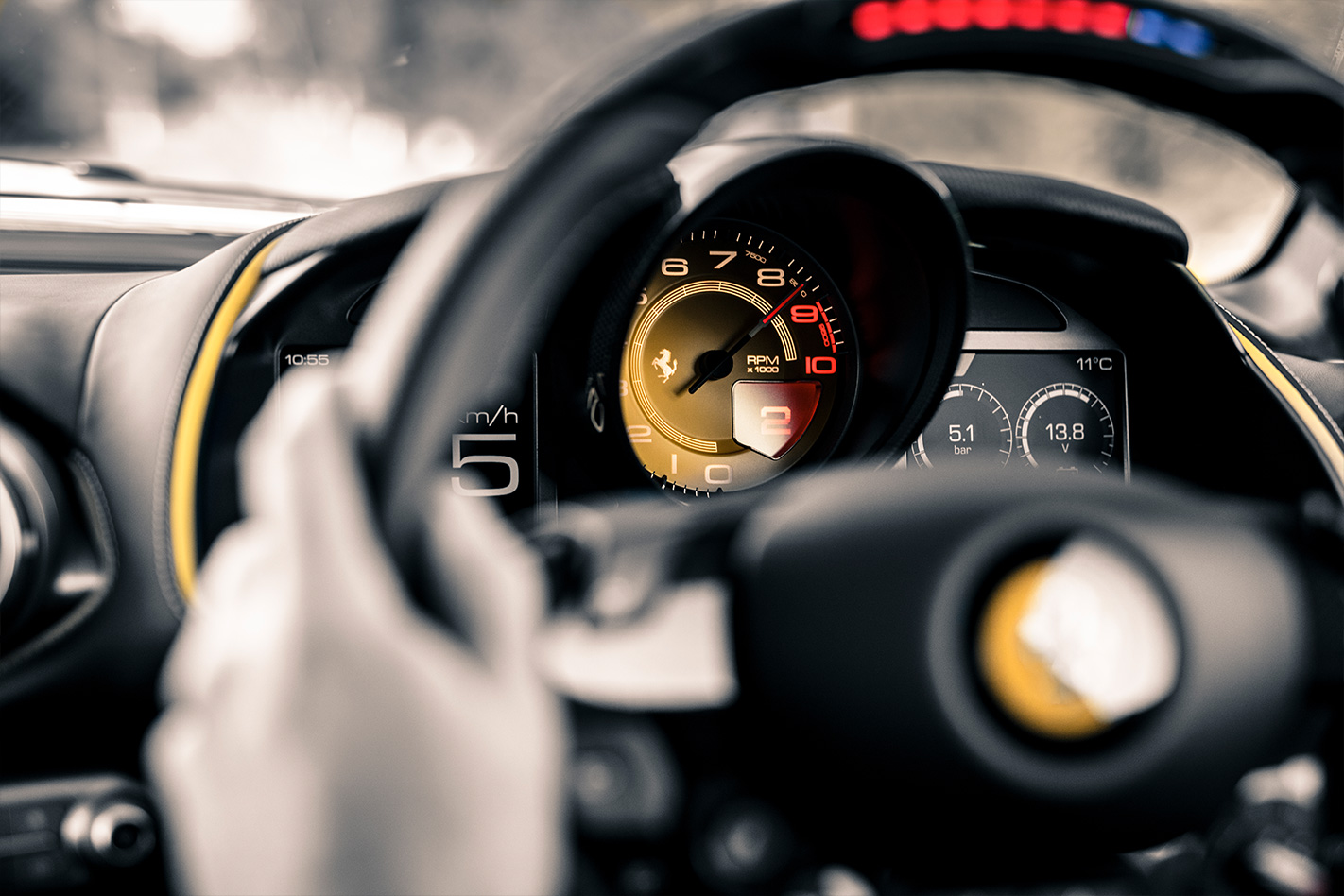
Spend more time in the cabin, however, and a few ergo glitches raise their heads. The functionality of the split screens either side of the tacho requires some acclimatisation, the rotary dials that control the screens feel plasticky and wobbly, and while this car’s yellow leather accents look great, the two that strake across the top of the instrument cluster reflect terribly on the windscreen and impede your vision. Pointing the 812’s nose onto the freeway on the other side of Moe sees it settle easily into a cruise, though it doesn’t take long for a sense of impatience to surface. Tyre noise is a constant companion and it seems a waste to lope along at 110km/h in a machine such as this. It wants to be let loose, to rip through its rev range, not turn over mindlessly at 2500rpm.
With the sun finally burning away the remnants of last night’s rain we turn left towards Thorpdale and I make the conscious decision to try and understand the electronic wizardy infused into the 812’s chassis. There’s a lot to take in. Along with Ferrari’s clever Side Slip Control system, the on-board brain is constantly juggling the electronically variable differential, traction control and stability systems. The biggest compliment I can pay them is that on the road, and with Sport and Race modes engaged, you barely notice their intervention, so seamless is their calibration.
Less natural is the four-wheel steering. First seen on the F12tdf, Ferrari says it’s been recalibrated for a less-nervous feel, though I can’t help but think that says more about the edgy tdf than it does the 812.
Coupled with the ultra-quick steering, hard cornering is an exercise in restraint, recalibration and trust.
So eager is the nose to turn and so unwavering the grip from the front axle that you don’t pilot an 812 with flamboyant inputs. You guide it with your wrists. Understeer is a non-issue, even at vaguely ridiculous speeds, yet there’s a moment in the initial turn-in phase that can feel alien as the 4WS pivots behind your shoulder and the weight settles on the outside rear. It’s over in a microsecond, but it’s a sensation that contributes to an overarching sense of distrust. I realise I’ve been second guessing the 812’s motives and worse still, waiting for it to bite. Perhaps greater confidence is what’s needed.
If any stretch of road is going to unlock the 812’s magic, it’s the run from Loch to Kongwak. It’s a Wheels favourite: a plunging and busy 32km stretch that, crucially, has little traffic bar the odd farm ute and hustling milk truck. Time to swallow my fear, drown out the consequences, and go for it.
Rarely have speed and assertiveness so profoundly transformed an experience. Make the mental leap, wind back the electronic nannies, and the 812 coalesces in a light bulb moment. Suddenly the cadence of the controls, the freakish traction and agility of the chassis make sense as you whip through turns one after the other, your wrists gently rocking from side to side, your brain scrambling to process the sensory overload bursting through the windscreen.
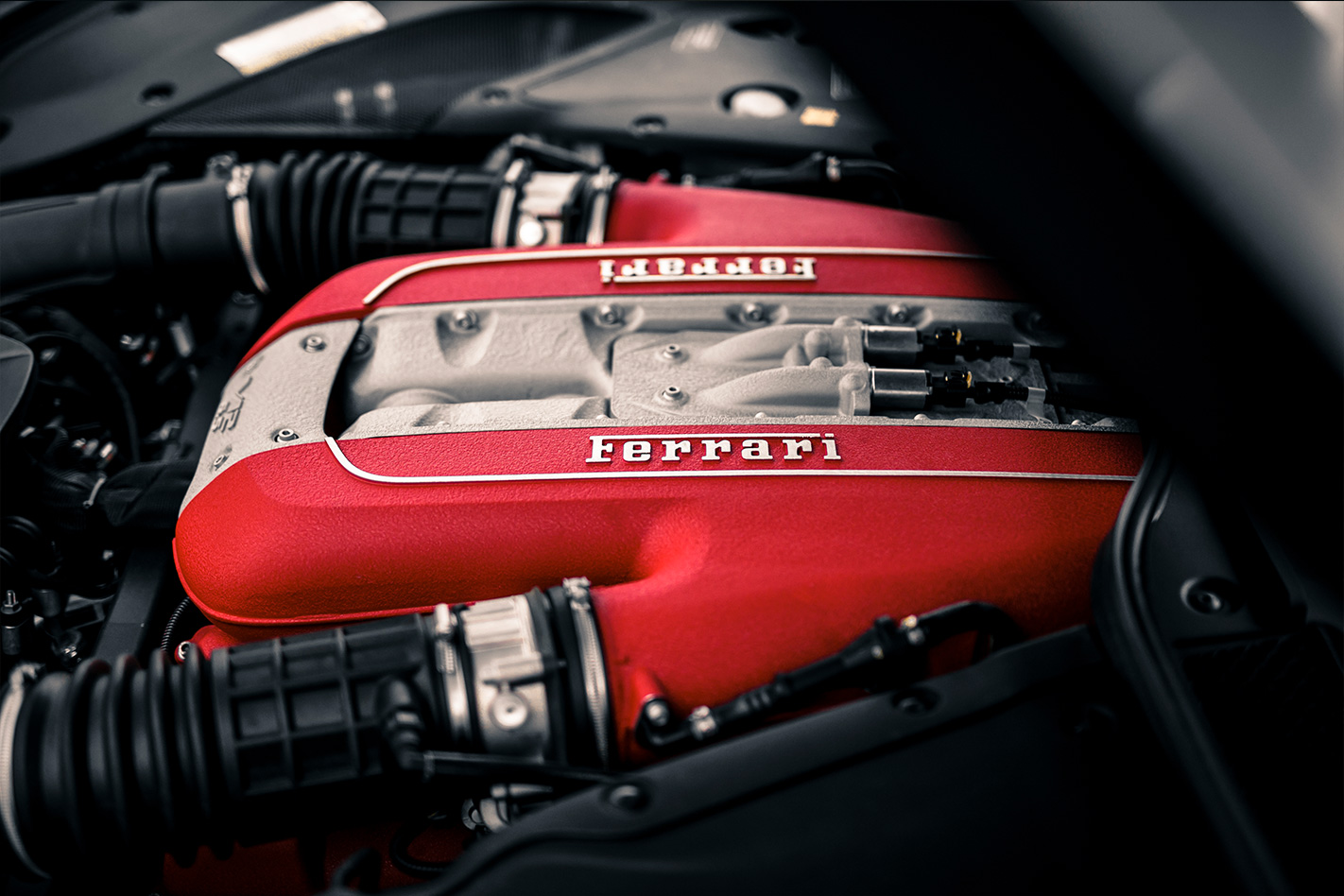
It’s a rush, an endorphin high made all the more exciting by the sheer brutality and ferocity of it all as you learn to trust the grip and plunge into turns faster and faster. If it’s mighty here I can’t imagine what an 812 would be like on the open, snaking hill climbs of Oman or Jordan, or any place you can see six corners ahead. It’s the straights, however, that are most intoxicating. It’s no surprise that the V12 is a masterpiece; it’s an art Ferrari has been perfecting for 70 years. What’s difficult to convey is just how savage this 6.5-litre unit is. The changes compared with F12 are dramatic (see sidebar) and combined with shorter gearing and even quicker shifts from the seven-speed dual-clutch, winding the big unit out through second, third and fourth feels totally gratuitous.
It’s exhilarating. Mind-altering. And confusing.
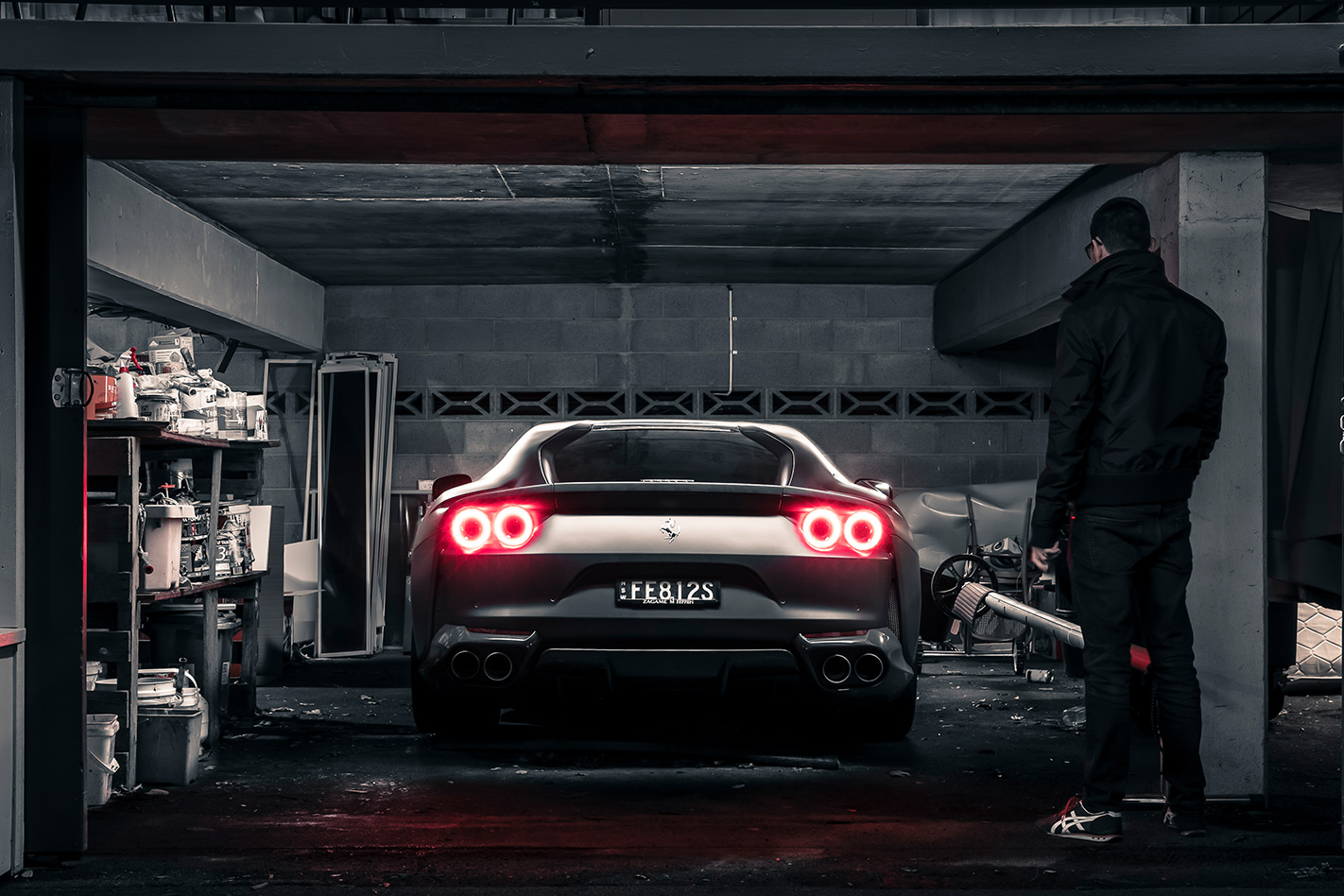
With the mayhem wound back and our final destination at Lang Lang in sight, I grapple with the puzzling notion that the 812 might be too fast for the road. That its magic lies in a drawer so out of reach in normal, everyday driving, that you have to take unthinkable risks to enjoy it. It’s a preoccupying conundrum well suited to our end point. The boat ramp at Lang Land is a murky, wind-tortured place peppered with forlorn caravans. Like Thomson Dam it feels deserted; as though all the colour has been sucked from the world as I sit inside the 812 and ponder its complexity. I don’t love it as much as I thought I would. Instead I’m left wanting more. Where other very fast cars are instantly gratifying and easier to understand, I feel I’ve barely begun to fathom the 812’s allure. It’s a challenge. A front-engined, naturally aspirated rocket ship that will only get better the further, and harder, you drive it. Providing you’re willing to take the risk.
- Introduction: A Champion’s welcome
- Update 1: Times are changing
- Update 2: Civic Virtues
- Update 3: Track tryst
- Update 4: The Road Warrior
- Update 5: Conclusion
Introduction: A Champion’s welcome
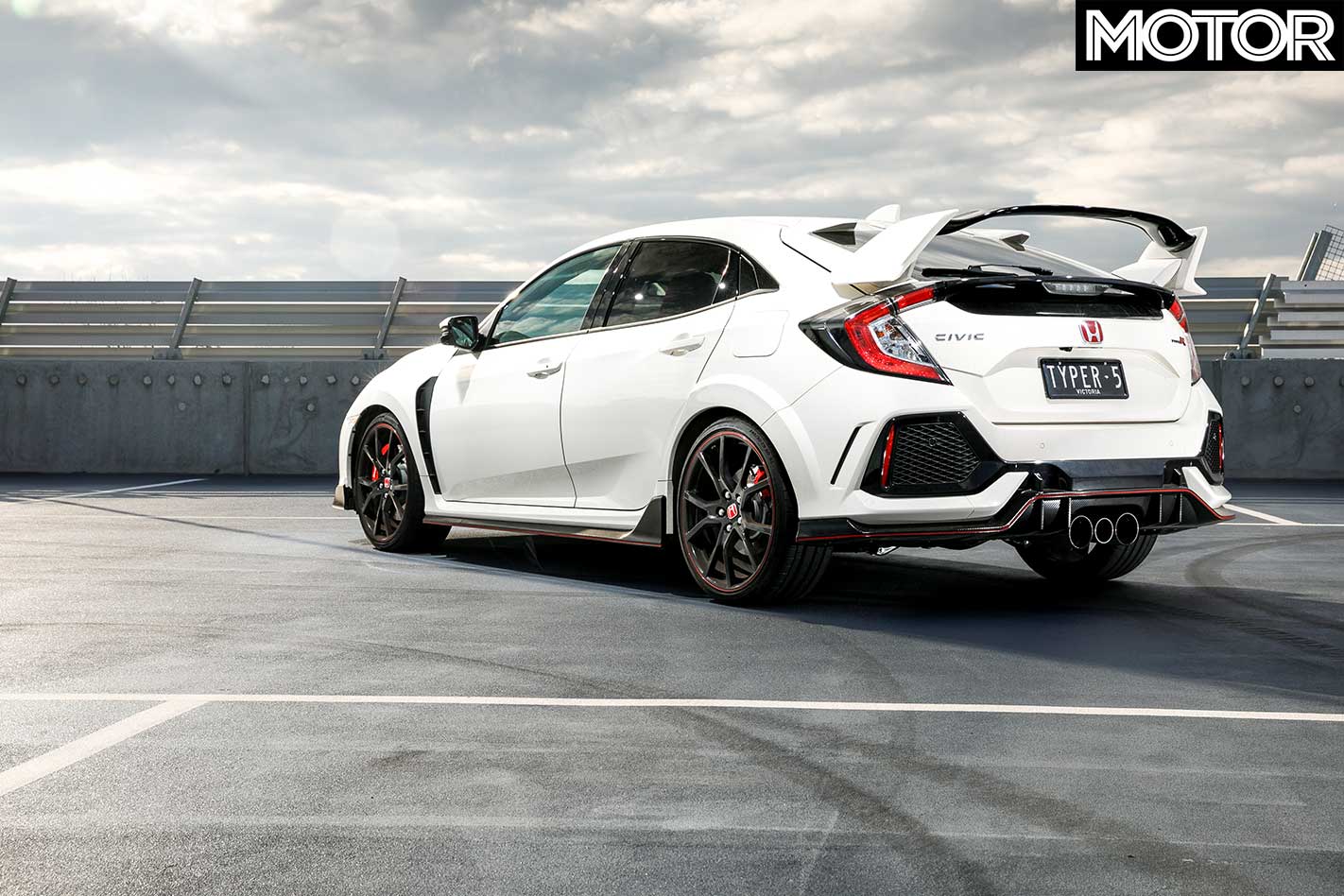
OUR DOUBLE Performance Car of the Year and Bang For Your Bucks champion has found its way into the MOTOR garage for the next six issues.
During this time, we will establish whether or not the phenomenal driving experience the Honda Civic Type R offers, can be reconciled with some other, shall we say less than salubrious facets. In particular, a very busily styled, very unpopular exterior, and an interior that’s also a bit hit and miss.
But for me personally, I will be trying to open my mind to the idea of owning a Honda at all. I’m not a Honda guy; my favourite all-time Honda is the S2000, a car that sits out on its own in Honda’s performance car history.
A screaming, north-south atmo four in the front sending power via a blissful six-speed manual and limited slip differential to the rear wheels – nothing like it has worn a Honda badge since. As for other Honda performance royalty, I appreciate the original NSX but don’t lust after one, same for the DC2 Integra Type R and EK Civic Type R.
I only mention all this because I know a lot of readers feel the same way. And so here I am, self-professed non-Honda person, with the keys to a front-drive hot hatch with a big, fat, red Honda badge on the front of it.
Don’t get me wrong, I’m very, very happy about this. That’s largely because when it comes to driving very fast, it’s hard to talk about the Civic Type R without sounding like you’re an exaggerating lunatic. But there are true things about this car and the way it drives. The controls are a total delight to use, at any speed, and some of the best feeling of any new performance model. The handling, helped by the independent rear end and spot-on adaptive dampers, is sublime.
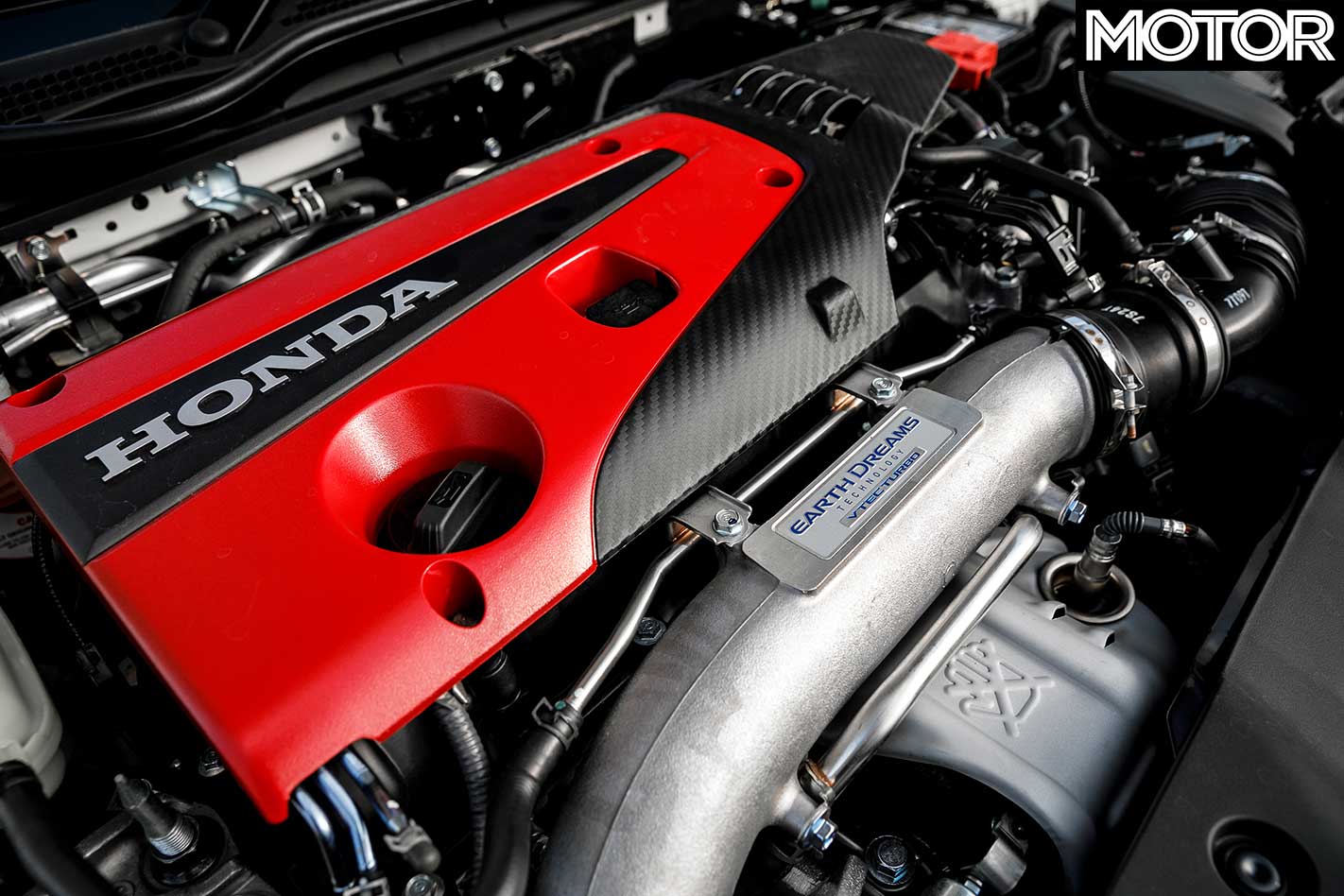
The turbocharged 2.0-litre engine is punchy, reasonably responsive and strong, with an exhilarating, frenetic buzz about its upper revs. A Torsen limited slip differential is fairly effective at getting the not insignificant 228kW/400Nm to the ground, with minimal torque steer. And while it’ll get smoked by, say, a Ford Focus RS with its launch control and all-wheel drive to 100km/h, the smart money will see that at the end of 400m, the Type R is going faster.
It’s also a lot faster mid-corner. In fact, we struggle to think of another modern performance car, anywhere, that does so much with such relatively modest rubber, the Type R extracting every last ounce of purchase from its 245/30 ZR20 Continental SportContact 6 tyres. The speed you can carry into corners in the Type R is eye-opening.
This partly explains its blistering 7:43.8sec Nürburgring Nordschleife laptime, the fastest of any front-drive car ever, and one which knocks off a whole generation of legendary machines. Lamborghini Gallardo Superleggera, 996 Porsche 911 GT3 RS, E46 BMW M3 CSL – all the hero cars of MOTOR yesteryear – the Civic Type R would outpace around the ’Ring. Gives you confused feelings, doesn’t it?
Of course, despite that staggeringly talented chassis, giant-killing laptime potential and delightful controls, perfection eludes the Type R. In just one week of driving it, I have outwardly shouted profanities at its horribly unintuitive, almost deliberately difficult infotainment and trip computer interfaces.
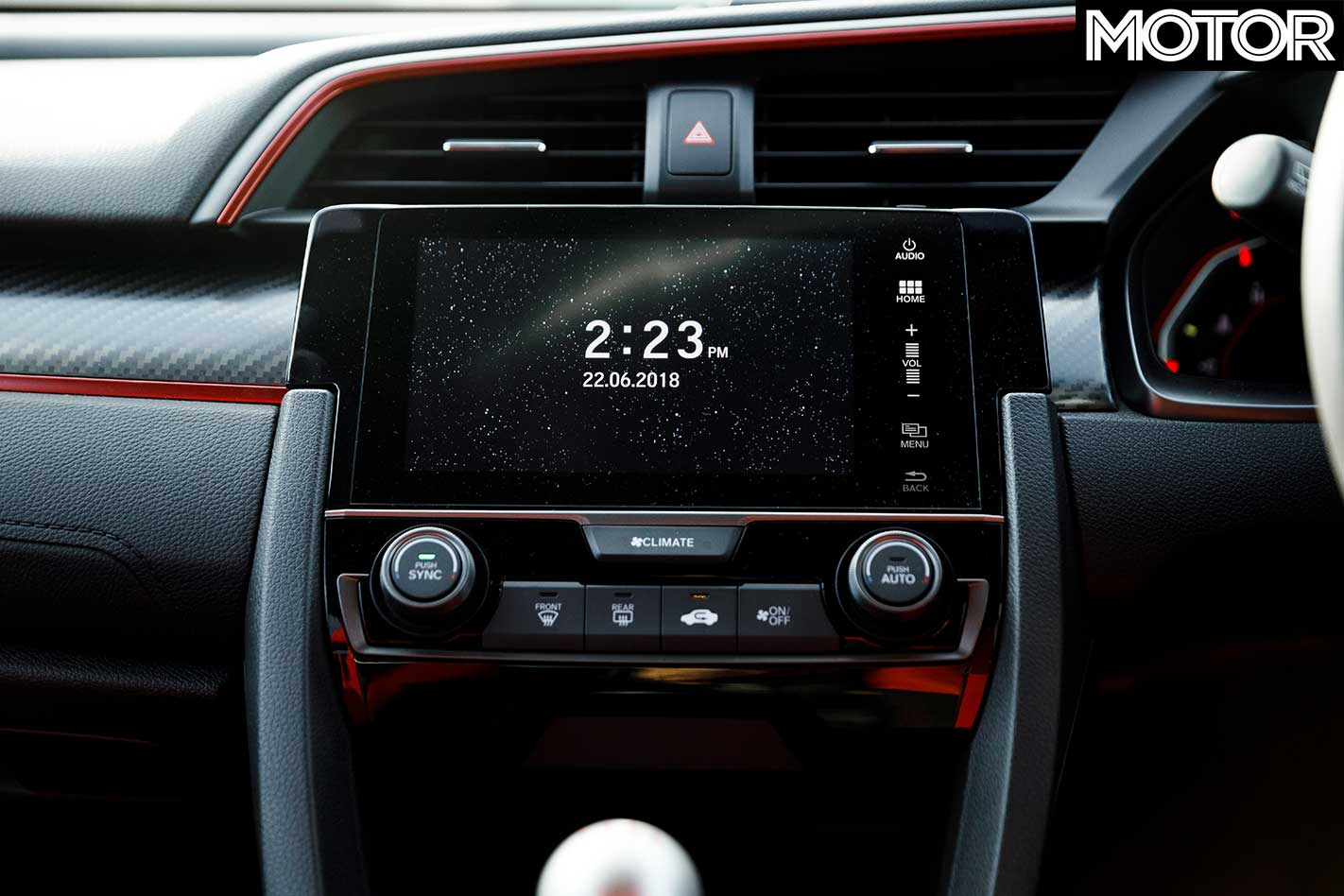
I strongly resent that, for controlling the audio volume, there is a weird, tactile-less touchpad thing on the infotainment screen. The volume knob did not need reinvention. Nor did hiding some of the most common HVAC controls in a sub-menu of the centrescreen. I can only hope that with time, these are things I’ll get used to.
While I’m moaning about this otherwise awesome car, I need to address the fluoro pink elephant quivering behind the lampshade in the corner of the room.
Normally at MOTOR, we don’t rate a car’s styling; we rate how it drives, take the most flattering photos possible of it and leave how it looks up to you. But as this is a long-term test and the Type R’s styling has proven such a conversation starter, I feel I can give my opinion.
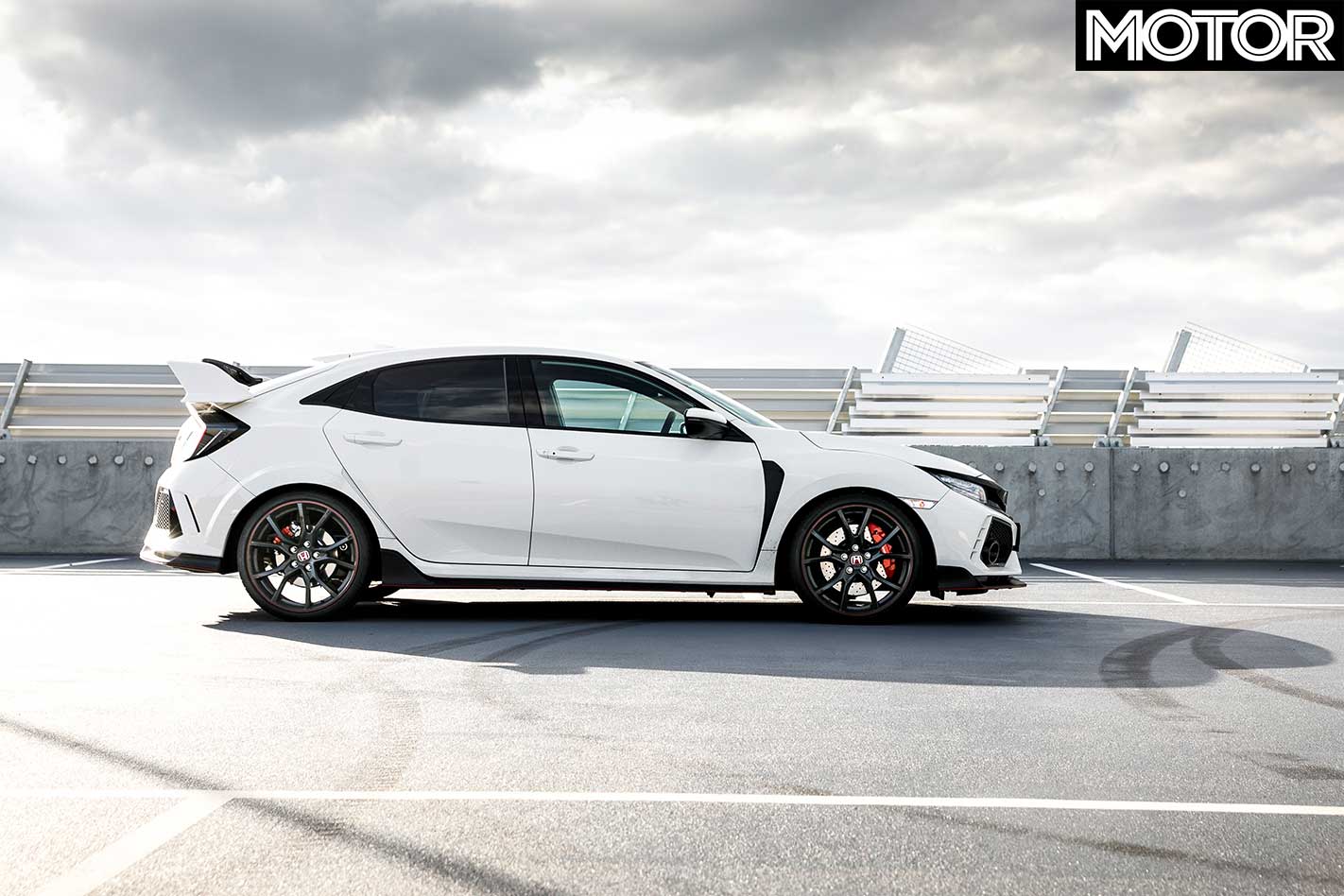
I’m still making up my mind. I think it looks tough from very specific angles, but stray beyond them and it can look very overstyled or just plain wrong. Sometimes at a glance it looks like a Pokemon on all fours, about to attack; at others, like its cheeks are all squashed up in an open-face helmet.
We’ll explore the Type R’s styling more in a future update, but I do think it has some redeeming details. I quite like the NACA duct on the bonnet. I don’t even mind the rear wing.
Over the next six months, we’ll see whether the Type R’s most off-putting attributes can be tolerated for the epic drive on offer. And if an openly non-Honda guy can fall in love with one very talented ugly duckling.
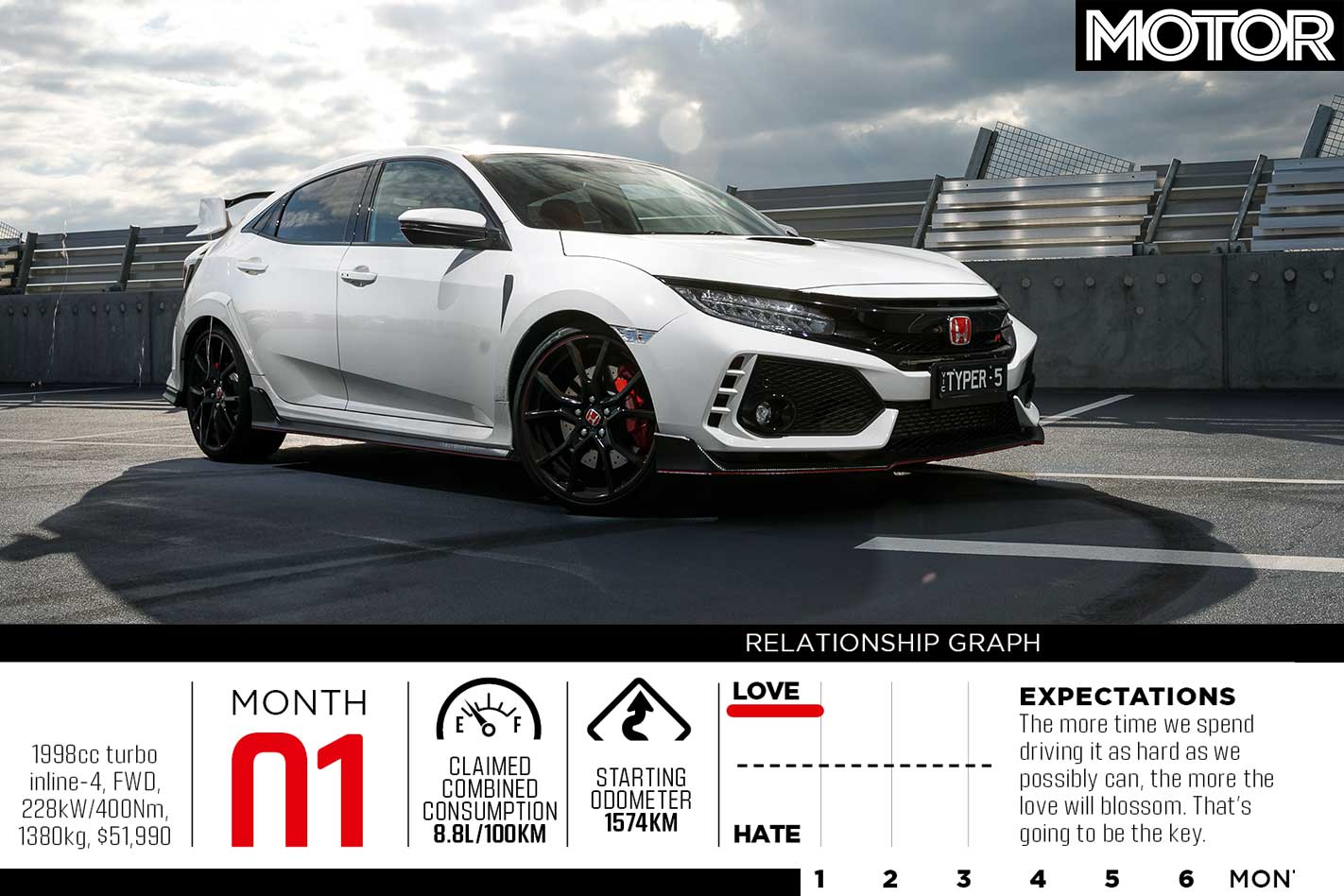
2018 Honda Civic Type R Pros & Cons
Three things we’re excited for: 1 – Driving it on track 2 – Driving it on road 3 – Driving it, full stop
Three things we’re nervous for: 1 – Looking at it 2 – Being seen in it 3 – Giving it back
Update 1: Times are changing
Putting the Type R’s lap times into perspective
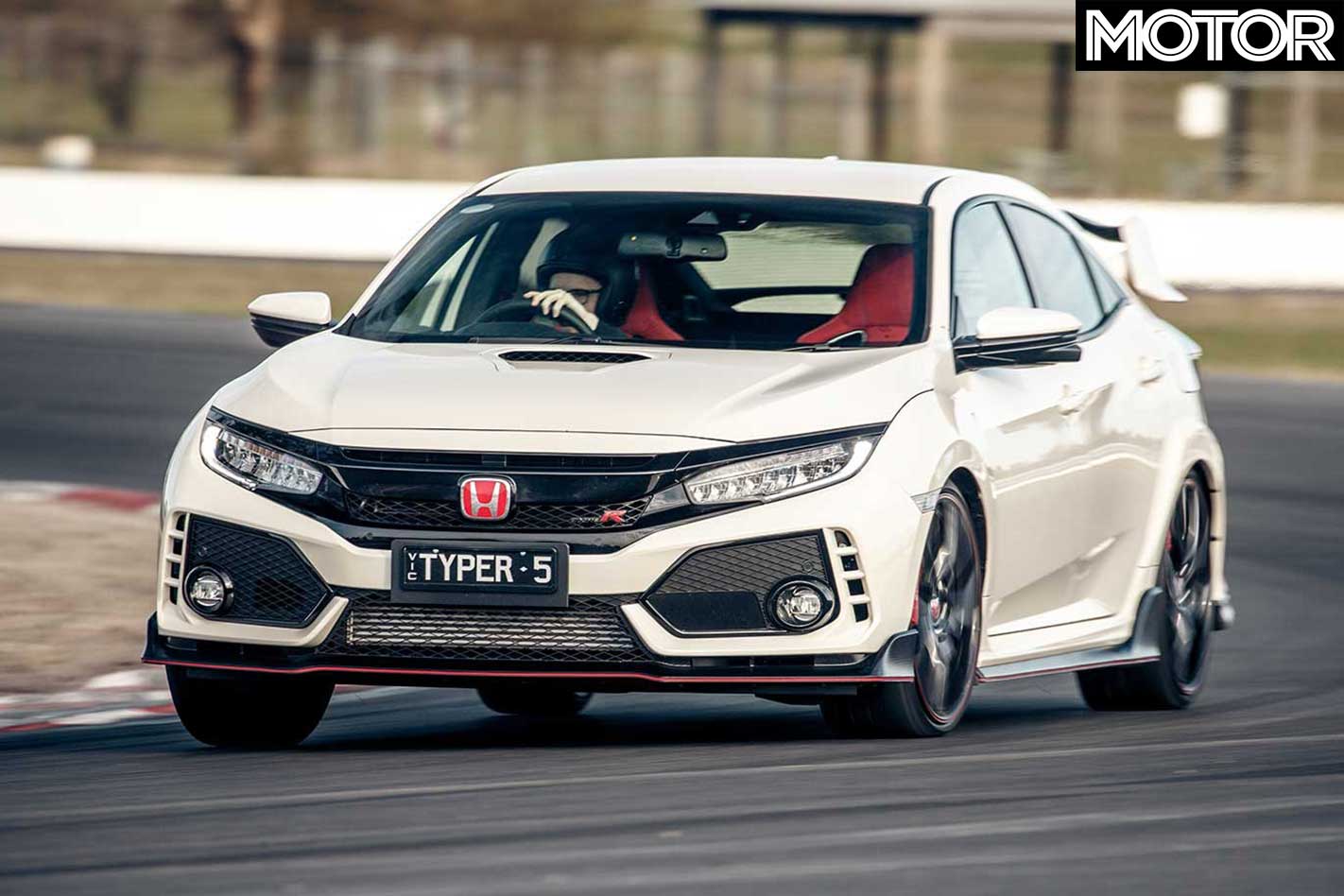
The Honda Civic Type R is as fast as it looks. With its steroidal wheel arches, fat stance, mess of ducts and vents and that shamelessly huge rear wing, it makes a statement of its ability – a true one.
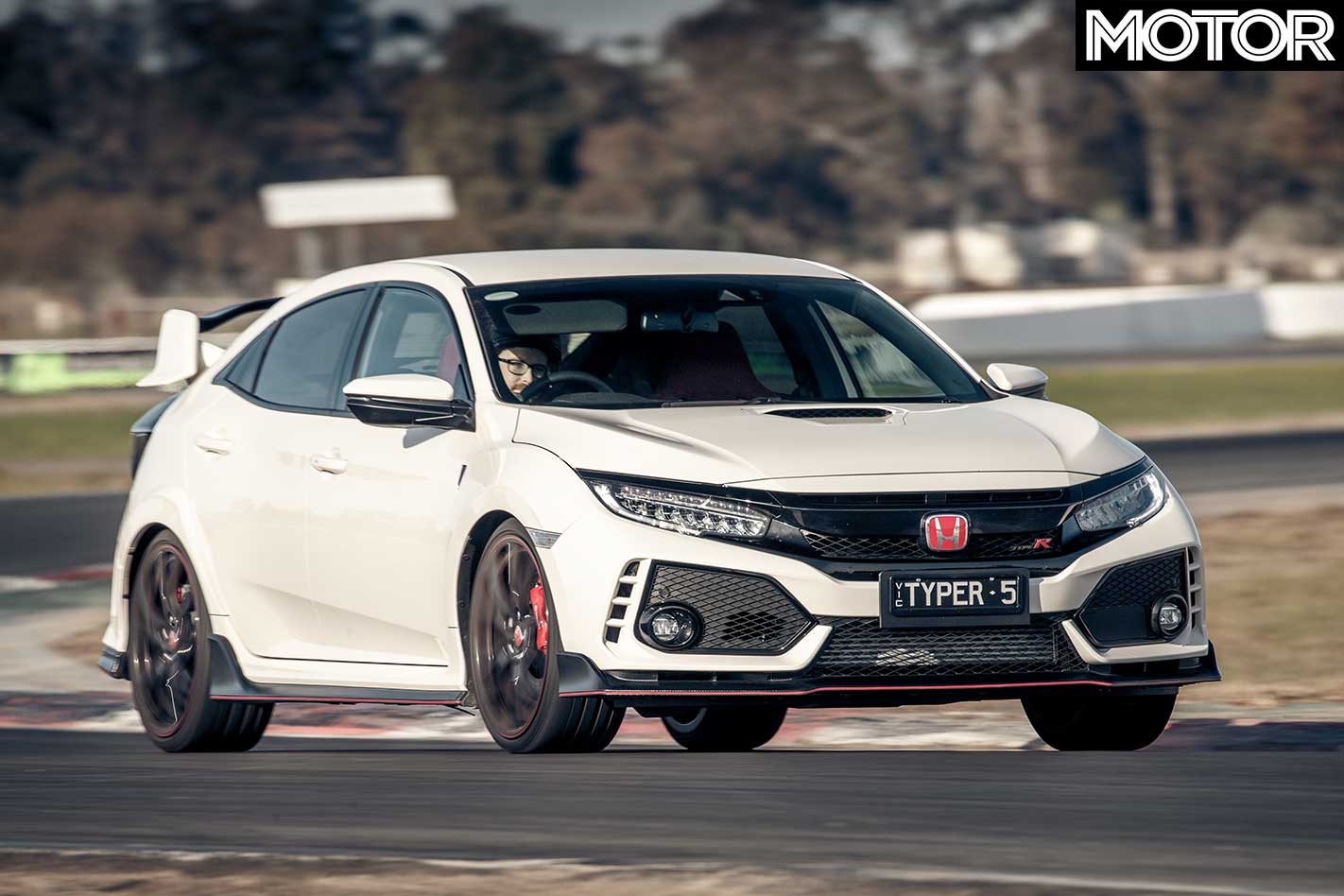
Yet again, we were reminded of its blistering speed at Winton Motor Raceway, the scene of two of the Type R’s recent glories, those being partly where it earned its 2018 MOTOR Performance Car of the Year title but more recently, where it beat all-comers at 2018 Bang For Your Bucks.
This time, the Type R was on workhorse duty, supporting other shoots we had at Winton that day. But, as ever, we weren’t going to miss an opportunity for a few quick laps around the track in this fantastic car.
Full disclosure, this is not a full-blown track test update – that will come later. We wanted instead to dive into the MOTOR vault to really put into perspective how quick this car is.
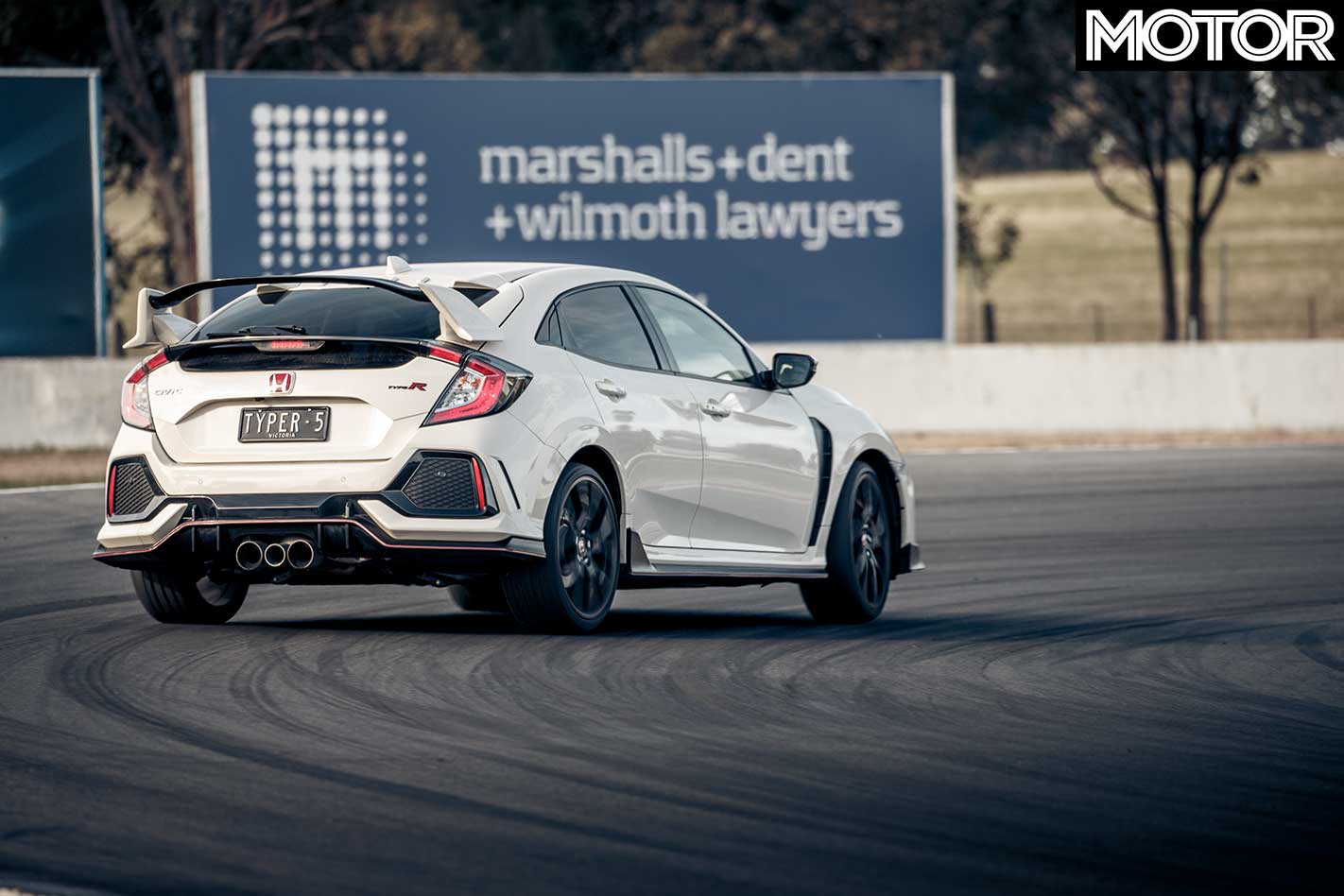
For a start, its 1:35.9sec lap around Winton, in the hands of our tame racing driver Warren Luff, is interestingly the same time, to the tenth, as the Ford Focus RS Limited Edition. That’s despite its higher outputs, excellent all-wheel drive system and, critically, Michelin Pilot Sport Cup 2 tyres.
To try to explain that solely by the 200kg weight difference would undersell the Type R’s abilities. The mid-corner grip it extracts from its 245/30 ZR20 Continental SportContact 6 tyres is incredible, and we salivate at the thought of trying this car on Michelin Cup 2 rubber, which is what it was wearing for its front-drive Nürburgring record lap. Perhaps we’ll get a chance in the coming months.
By our calculations, based on some credible data, the Type R could dip below the 1:34sec mark with the trick Cup 2 tyres. Even sub-1:35 would be staggeringly fast for a front-drive car.
To give some perspective, at Performance Car of the Year 2007 the 997 Porsche 911 GT3 did a 1:34.2sec lap, Luffy driving. True, if you put modern tyres on it, it would doubtless wipe seconds off that time, not to mention Winton’s been resurfaced since then, yet on period-correct rubber, and the Type R on Cup 2s, it’s possible the Honda hot hatch would be faster.
It’s also curious to consider the times the E-Series HSV Maloo set at PCOTY that year. In 2007 this was a thumping 6.0-litre V8-powered ute and its 0-400m time was 13.85sec – about the same as a Civic Type R.
Not to embarrass the big, old Maloo, which then and now made no claim at being a scintillating lap time machine, but the Civic Type R would make mincemeat of it around Winton, the Maloo’s lap time 1:42.06sec.
In fact it would take less than 15 laps for the Type R to catch it, perhaps fewer as the Maloo’s brakes would have given up long before then. (It’s also probable that in 10 years we’ll be laughing at how slow the Type R looks against the latest Janome autonomous pod. But forget that, this is now, and for $52K the Type R is seriously quick.)
As for our two months so far in the Type R away from the circuit, we are loving it, which may not surprise given we just gave it our biggest accolades one apiece. But us liking it was never guaranteed and it’s not all been smooth sailing. We keep closing our eyes and hoping a volume knob would magically appear on the stereo so we don’t have to keep madly tapping the infotainment screen.
The Type R is, oddly, a four-seat car. In Australia, if you imagine a Type R-driving deso on a night out, this is as likely to place a loose projectile of a human into the back seat, with a clear passage to the windscreen, as it is to force a rethink of the transport plan.
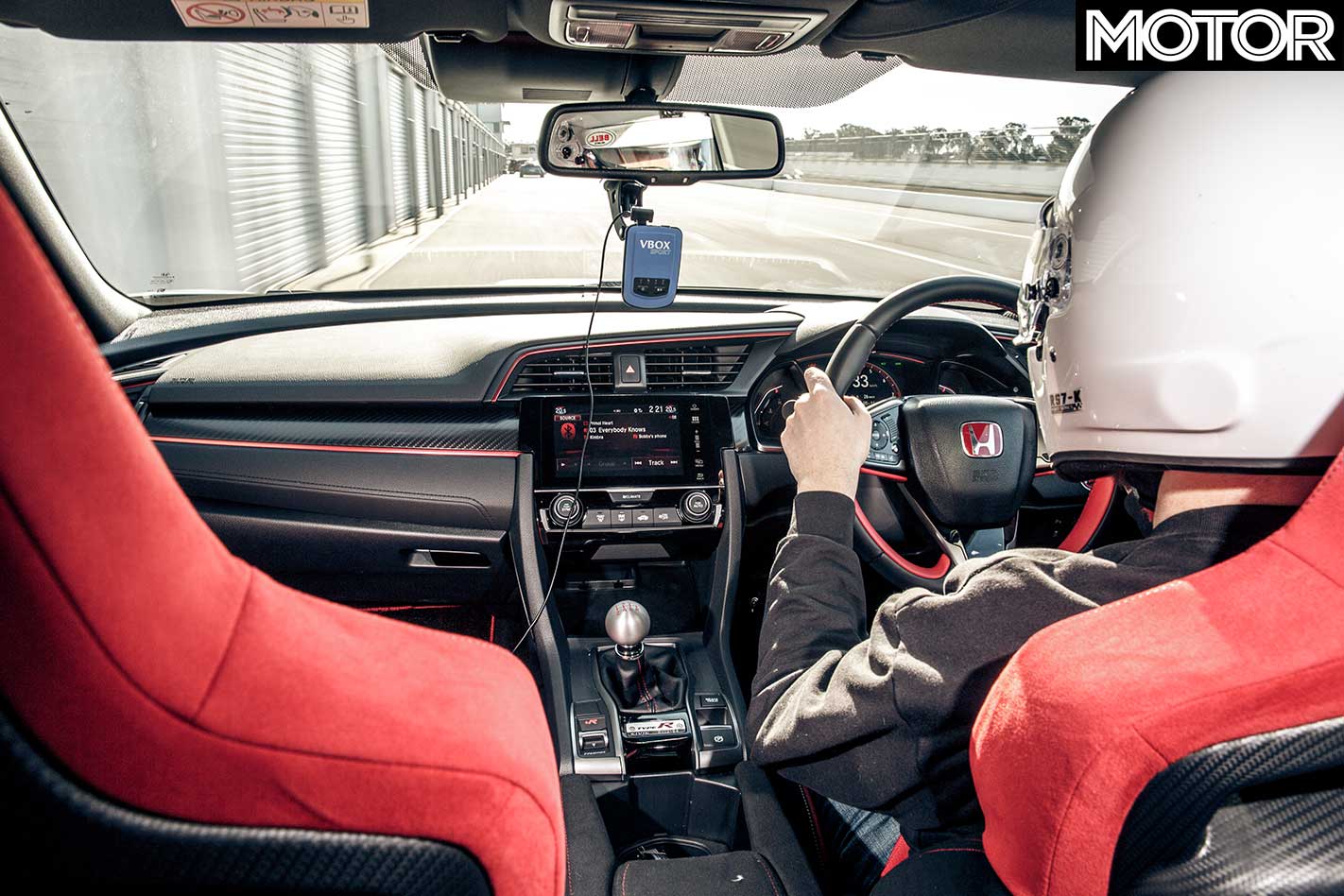
It irritates us that you can’t combine Comfort dampers and Sport engine. In Comfort mode, the engine has had a few too many sakes, meaning when gaps in traffic open, you gun for them like Will Smith gunned for the exit of the alien mothership in Independence Day. Except unlike Big Willy, sometimes you don’t quite make it.
There are more gripes, but we will save them for future updates for fear of running out of things to complain about. Seriously. Next month, though, we talk styling – hold on tight.
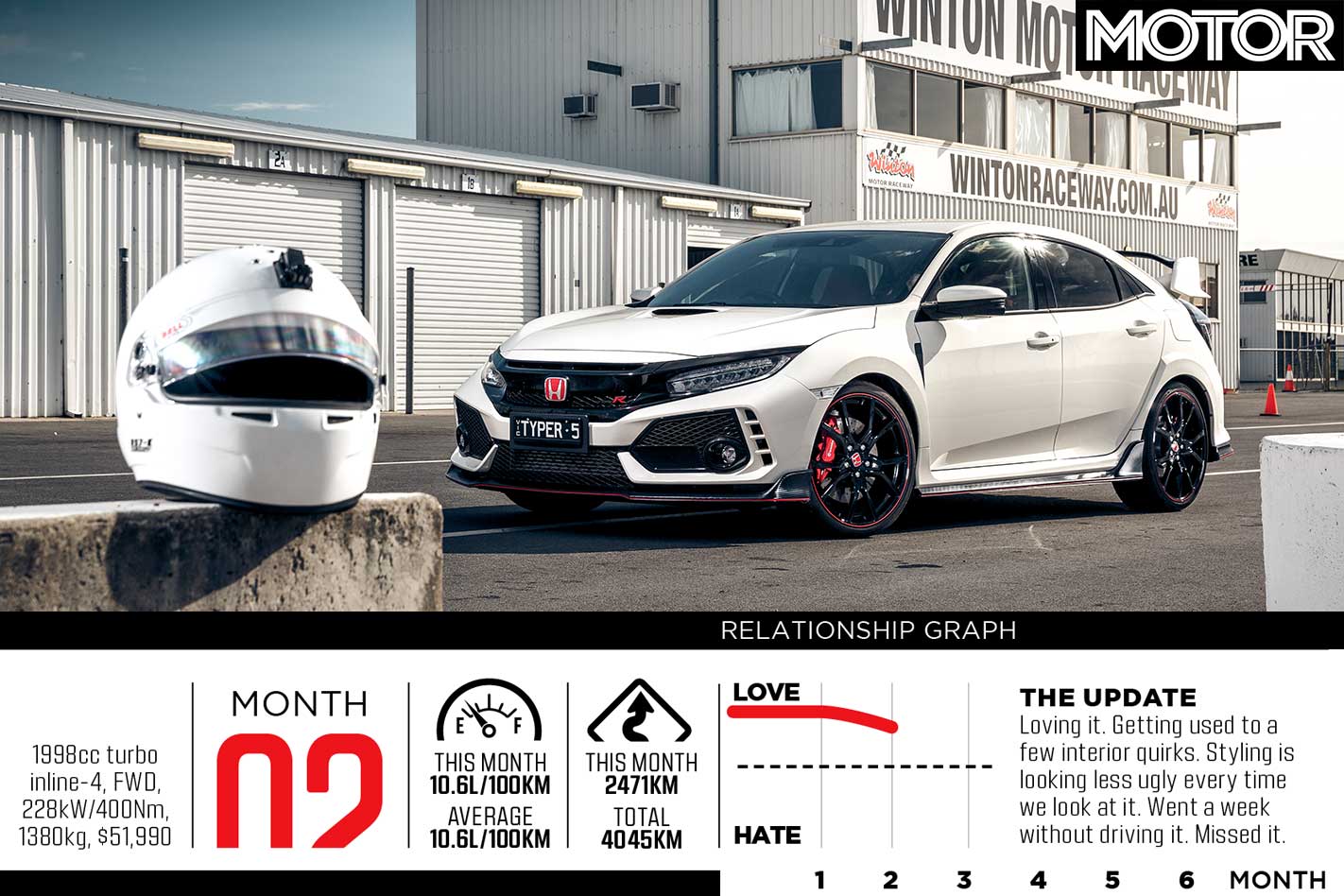
2018 Honda Civic Type R Pros & Cons
Three things we’re falling for: 1 – It’s just a little joy 2 – Rides really well 3 – Keyless entry
Three things we’re not fond of: 1 – Average stereo 2 – Can be a bit ‘tinny’ 3 – No seat heaters…
Update 2: Civic Virtues
Three months in, what we’re loving – & loathing
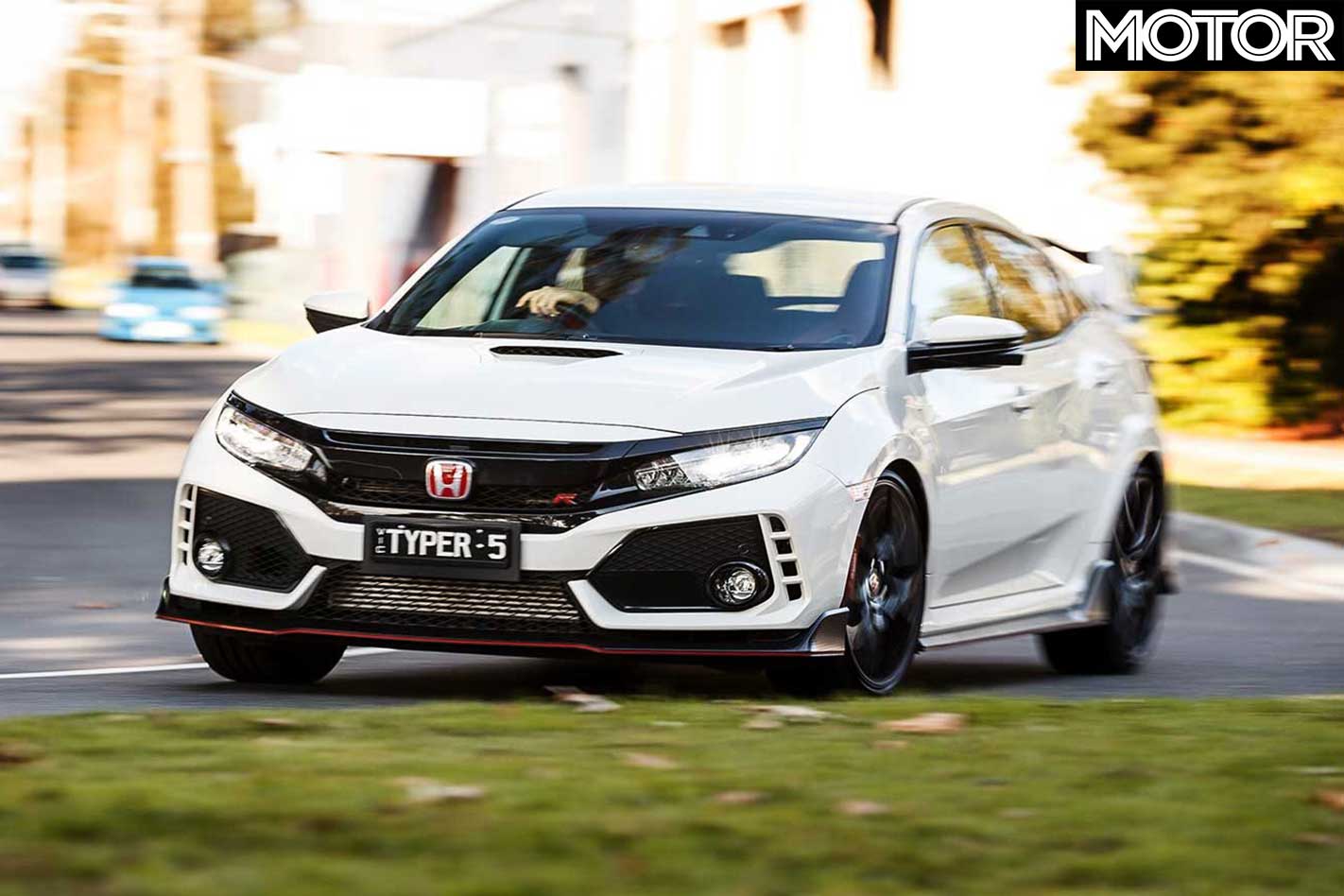
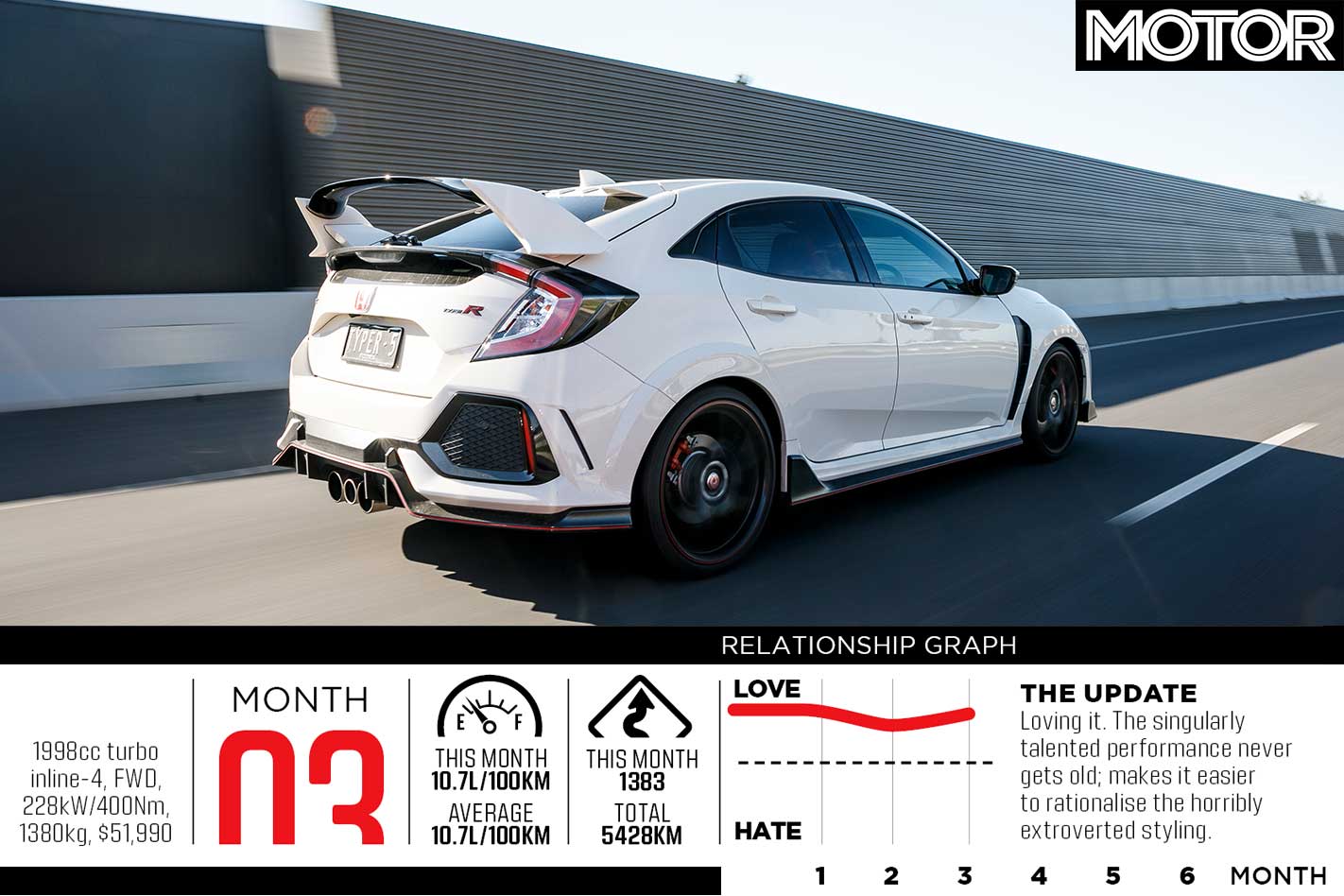
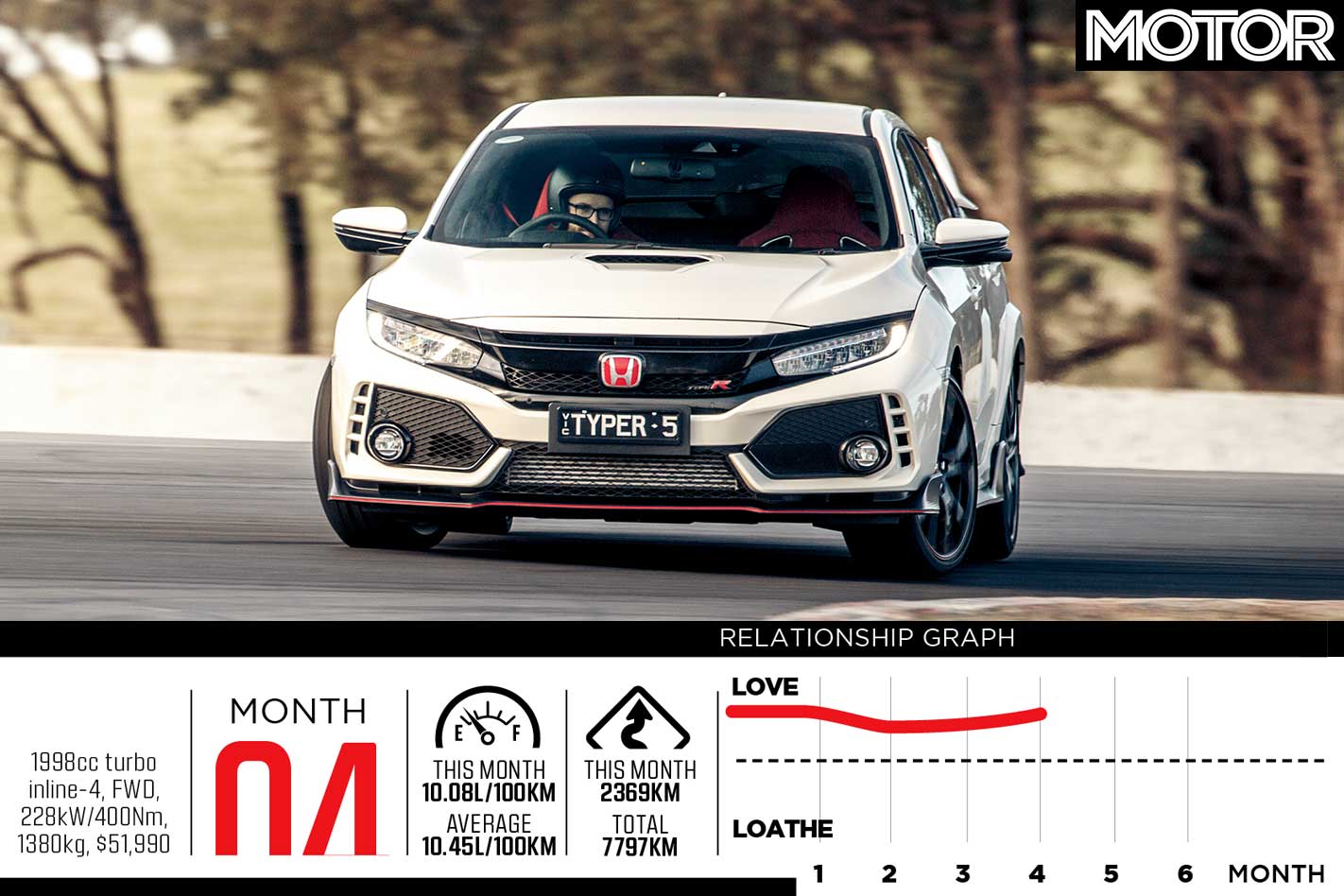
YOU’VE READ that the Honda Civic Type R drives brilliantly, but what is it like to do 5000km in one? Let us regale you in the things beguiling and bugging. Broadly speaking, it’s a case of so far, so good – to the point that, despite personally being neither a Honda nor a hot hatch person, I would easily buy one. Seriously.
The bulk of kilometres have been urban and no complaints there, as the Type R rides very nicely with its adaptive dampers in Comfort mode, somewhat of an achievement with 20-inch wheels and 30-profile tyres.
The manual gearshift is a joy; in fact, it’s so forgiving and enjoyable to use, clutch included, not even in the heaviest of congestion have we longed for an auto. Part of that has to do with the rev-matching software (which can be turned off), also matching revs up gears for spooky smooth changes.
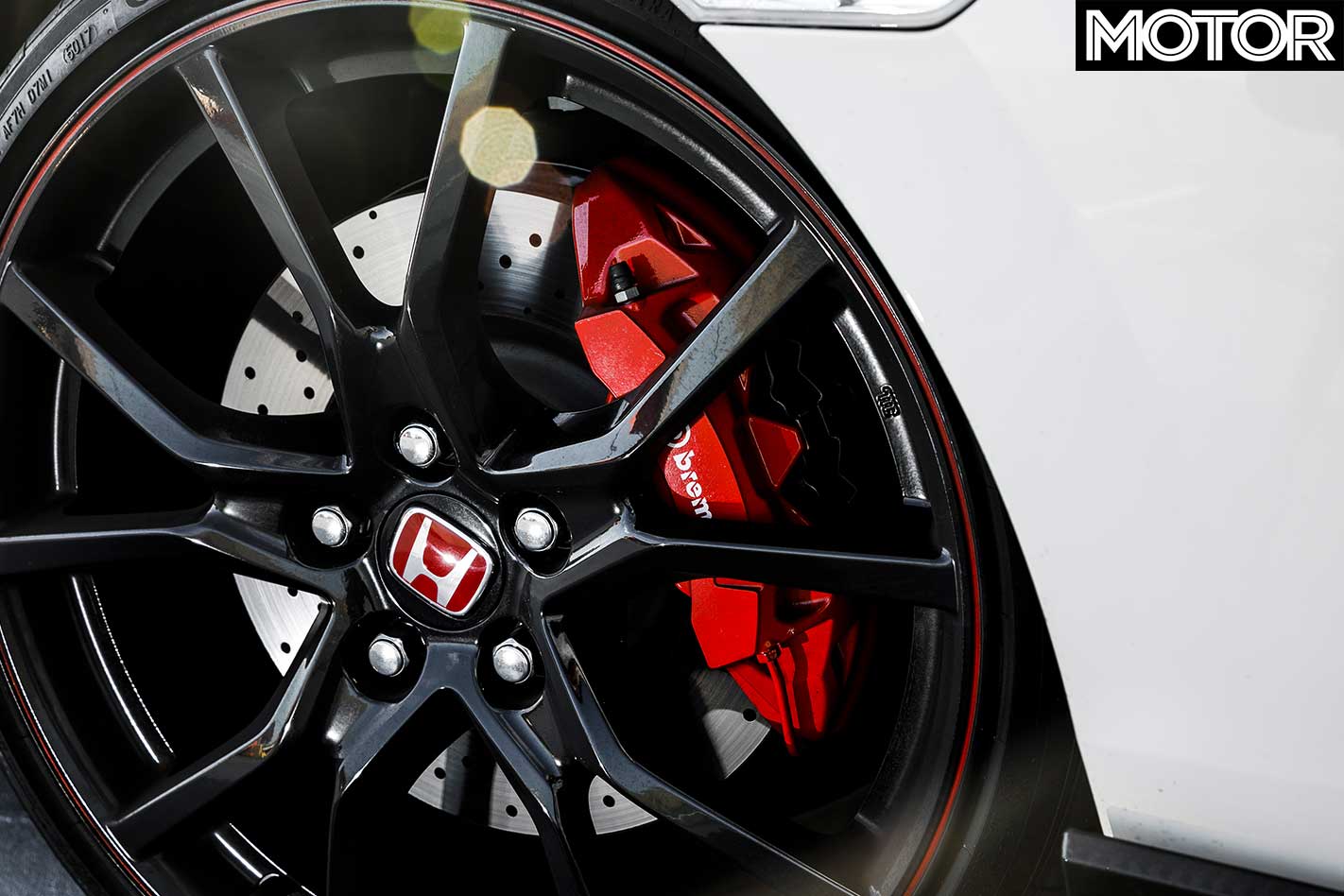
It’s with the gearbox we encounter the first of our gripes; on a couple of occasions we’ve encountered an odd crunch with a quick gear change, even when warm, as if the synchros are tired (which surely is not the case). It’s an experience reported by other owners.
While the Type R accelerates like a startled possum and we enjoy the flexible, turbocharged mid-range torque, we have found occasion to miss not having all-wheel drive: in the rain. Know those traffic lights they have on Melbourne freeway on-ramps? An all-wheel drive Mercedes A250 Sport made us look silly, for crying out aloud. And in the wet, sometimes it’s as much the (quite ugly) axle tramp holding you back as wheelspin itself.
The Type R certainly doesn’t sound anything like the way it looks. Where a Ford Focus RS or even Hyundai i30 N can be a bit fun and rorty even off idle, at lower rpms the Type R’s engine note is snoozy, actually like some sort of electrical appliance. There are no exhaust crackles or pops here, no matter the rpm or engine mode. It’s certainly one of the more behaved-sounding hot hatches.
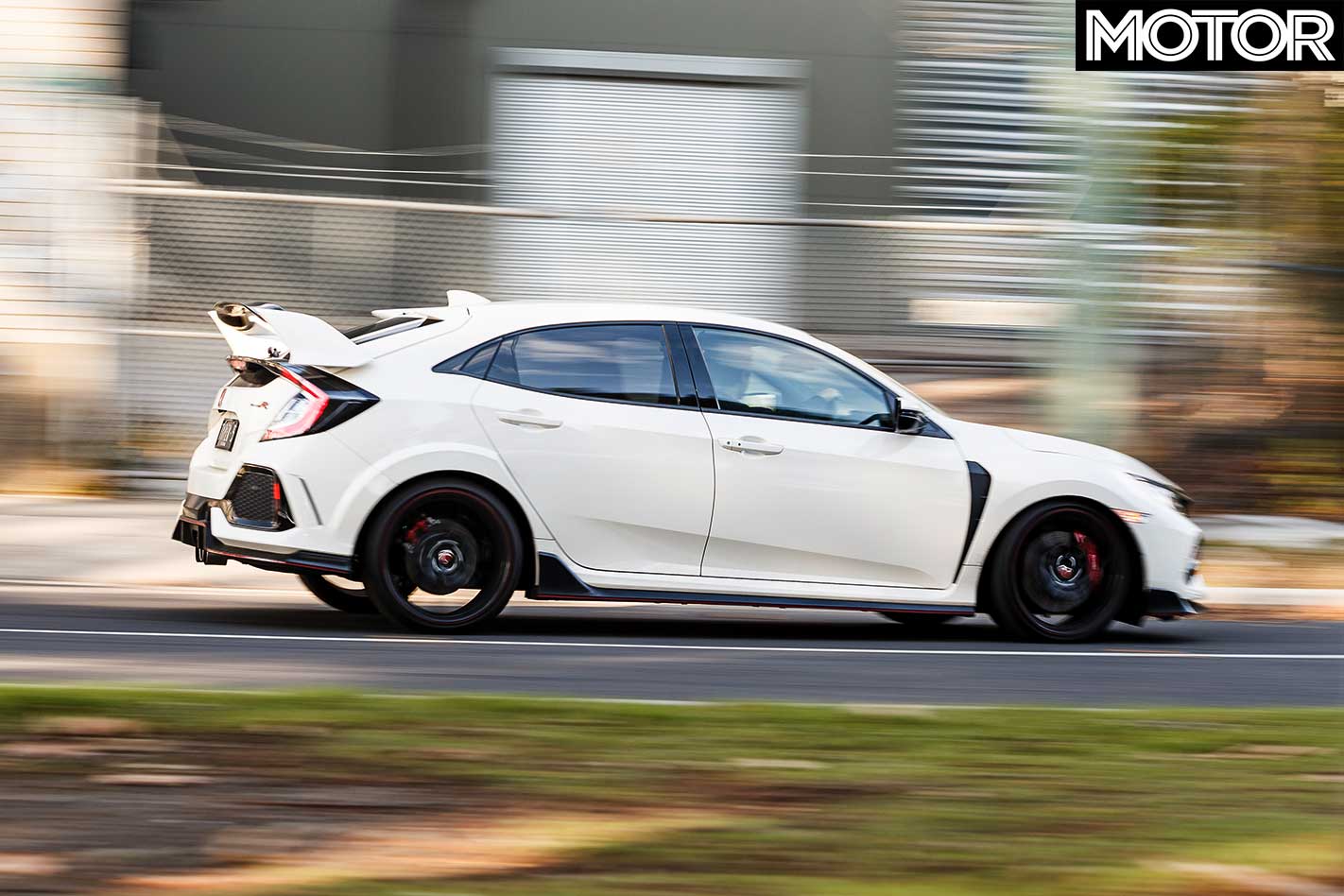
Fortunately it somewhat redeems in the upper revs, a frenetic noise with more than a trace of the delicious old atmo VTEC DNA, the whole car excitedly fizzing with rpms like the engine mounts are solid.
In the interior, while the four-seat thing has caught us out once, the Type R makes up for it in the practicality stakes as the rear seats fold down to create an enormous extended boot.
This month it was also interesting to jump into a lesser Civic RS model and discover you can adjust the volume by lightly swiping your thumb up a touch-sensitive, friction-less pad on the steering wheel.
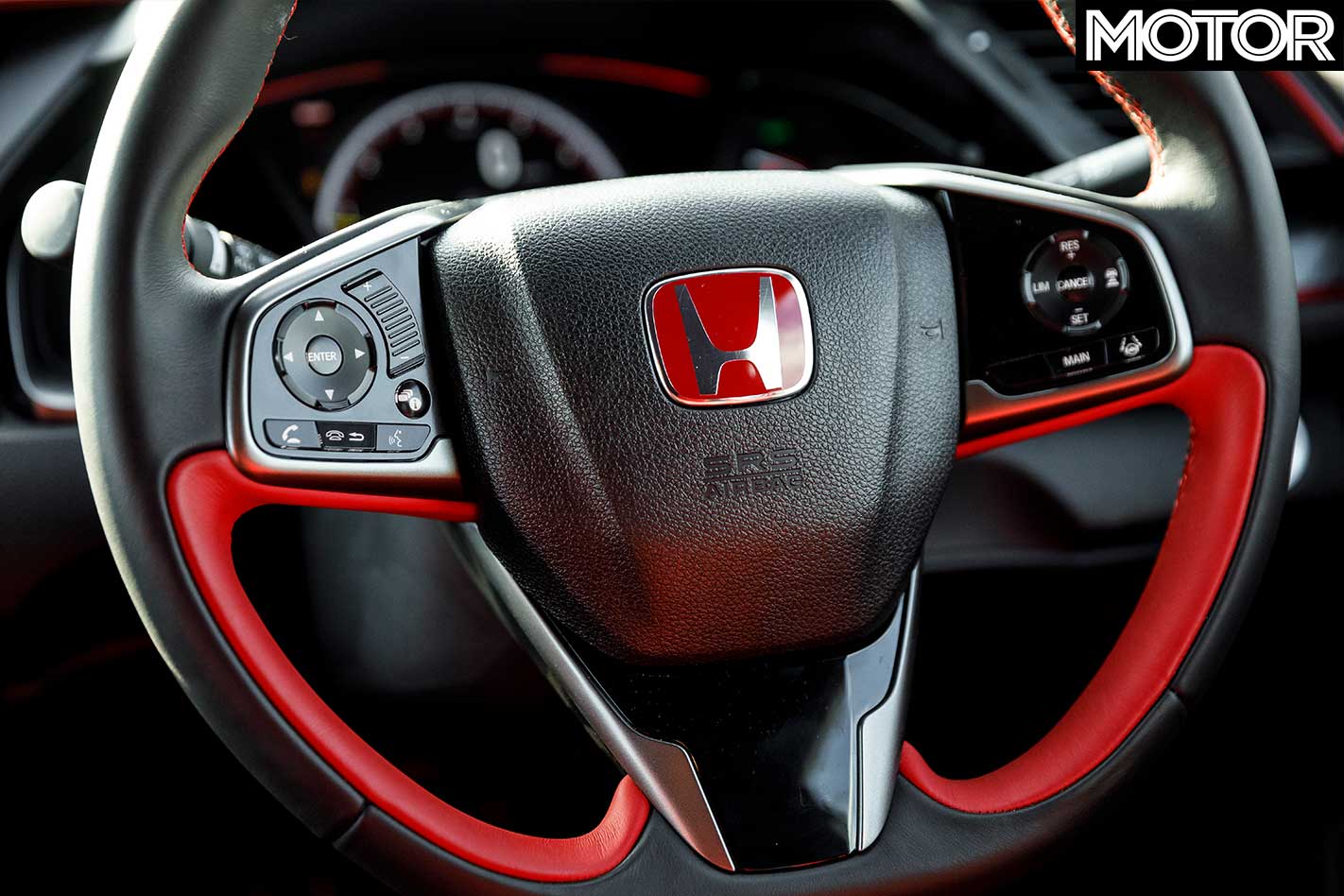
This same pad is on the Type R’s steering wheel, but apparently Honda turned it off after some owners accidentally, in an instant, swiped the volume to maximum while driving (quite a fun scenario to imagine). We wish that decision was left to new owners who aren’t oafs – the sensitive thumbpad is actually not a bad volume knob alternative – however there is no such option in the menu.
Other thoughts – the stereo is nothing special. Sometimes it sounds tinny, other times it sounds good, other times it’s like there is too much treble – it’s proving tricky to get the settings right. Audiophiles keen on a Type R, beware.
We have horribly mixed feelings on the exterior styling. We’re not sure if it’s growing on us or if we’re simply getting used to it. From some angles we find ourselves thinking, that looks great! From others, you want to look away… especially the rear bar.
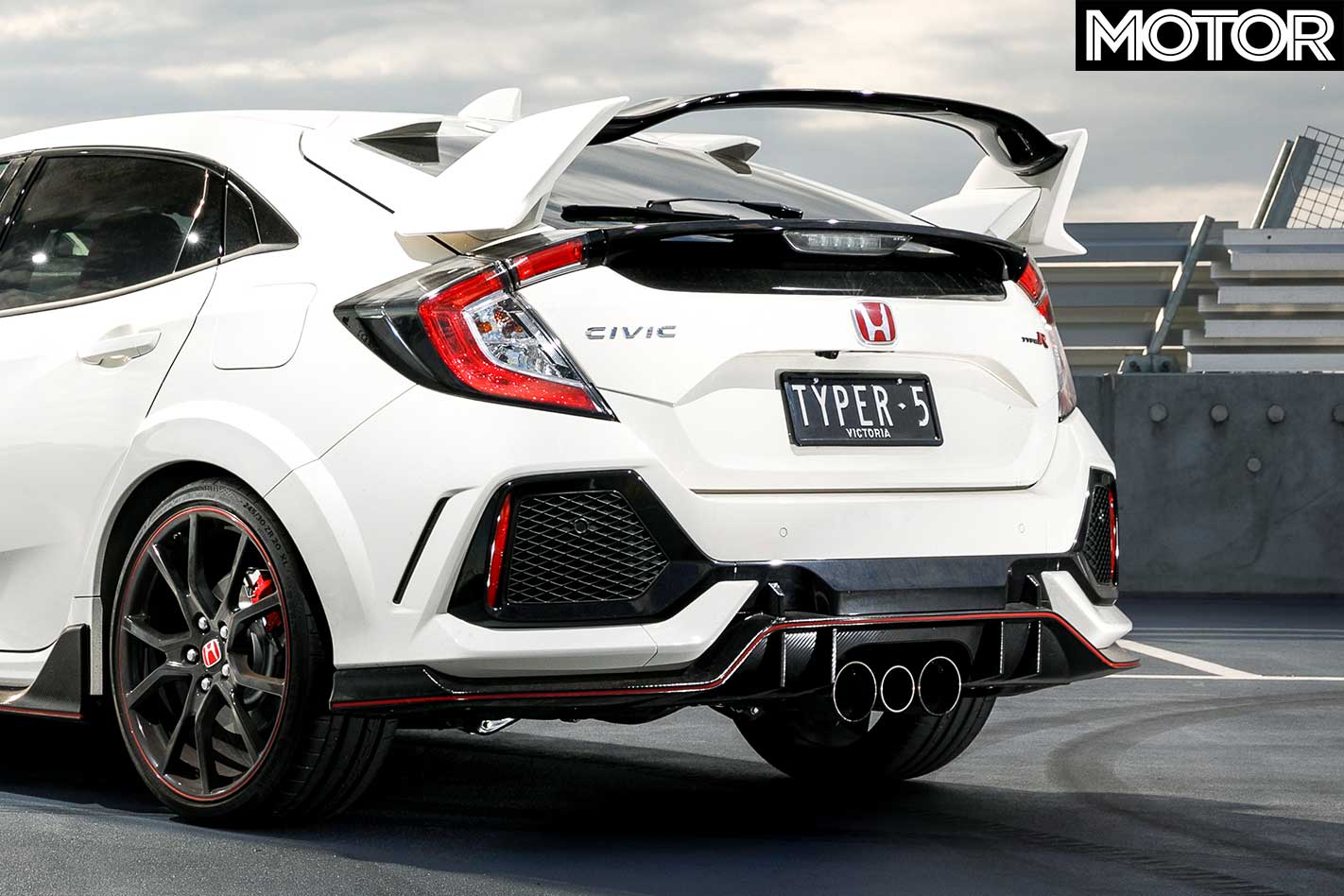
That the car is so good, doubtless makes it look better. Enzo Ferrari said, “racecars are neither beautiful nor ugly. They become beautiful when they win”. Perhaps there’s some truth in this in the case of the superbly engineered Type R.
As ever, for those for whom no level of brilliance can improve the styling, the aftermarket is only too ready to help with styling bits. There’s a simpler, more open front centre grille with red Honda badge.
The central element of the rear wing can be replaced with a carbon-fibre item. You can even buy specially shaped panels that go on the lower trailing edge of the rear doors, which fill out the otherwise inelegantly scalloped rear arches. All these five per cent improvements add up.
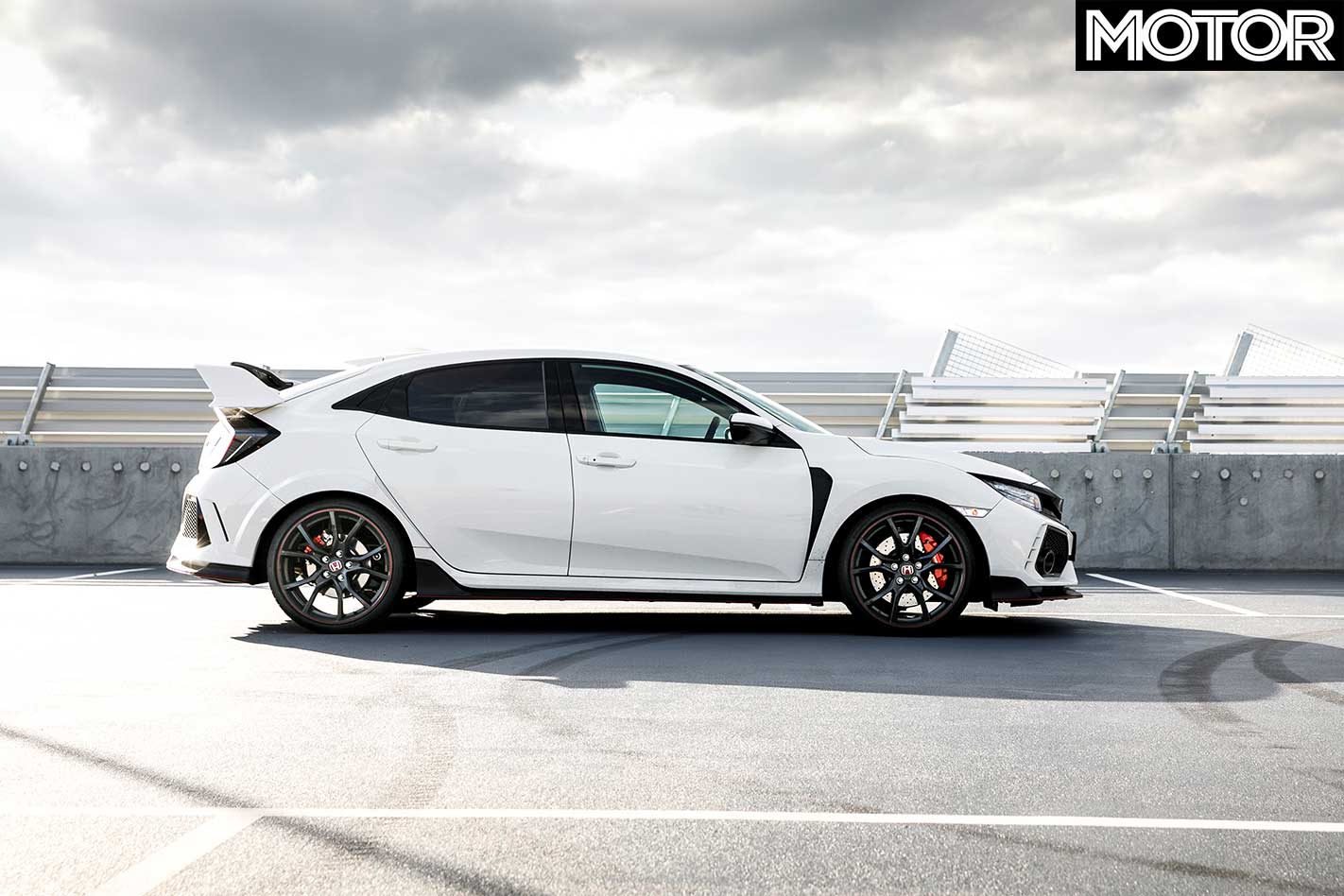
The next level again is fitting aftermarket, lower offset wheels, perhaps with some lowering springs – a look that really improves the Type R (and a strategy I’m a fan of), but in the case of this Honda hot hatch, I’d be torn as you don’t really buy one for anything other than its Porsche-like handling, which I’d be too scared to stuff up. If looks matter more to you than handling, buy something else.
We know the Type R is a bit epic on a circuit. Next month, we see how it holds up to a proper day at the track.
2018 Honda Civic Type R Pros & Cons
Three things we’re falling for: 1 – Driving position 2 – Ride quality 3 – Driving it… full stop
Three things we’re not fond of: 1 – Axle tramp in wet 2 – Road/tyre noise 3 – Turning circle
Update 3: Track tryst
Superb track outing ultimately cut short
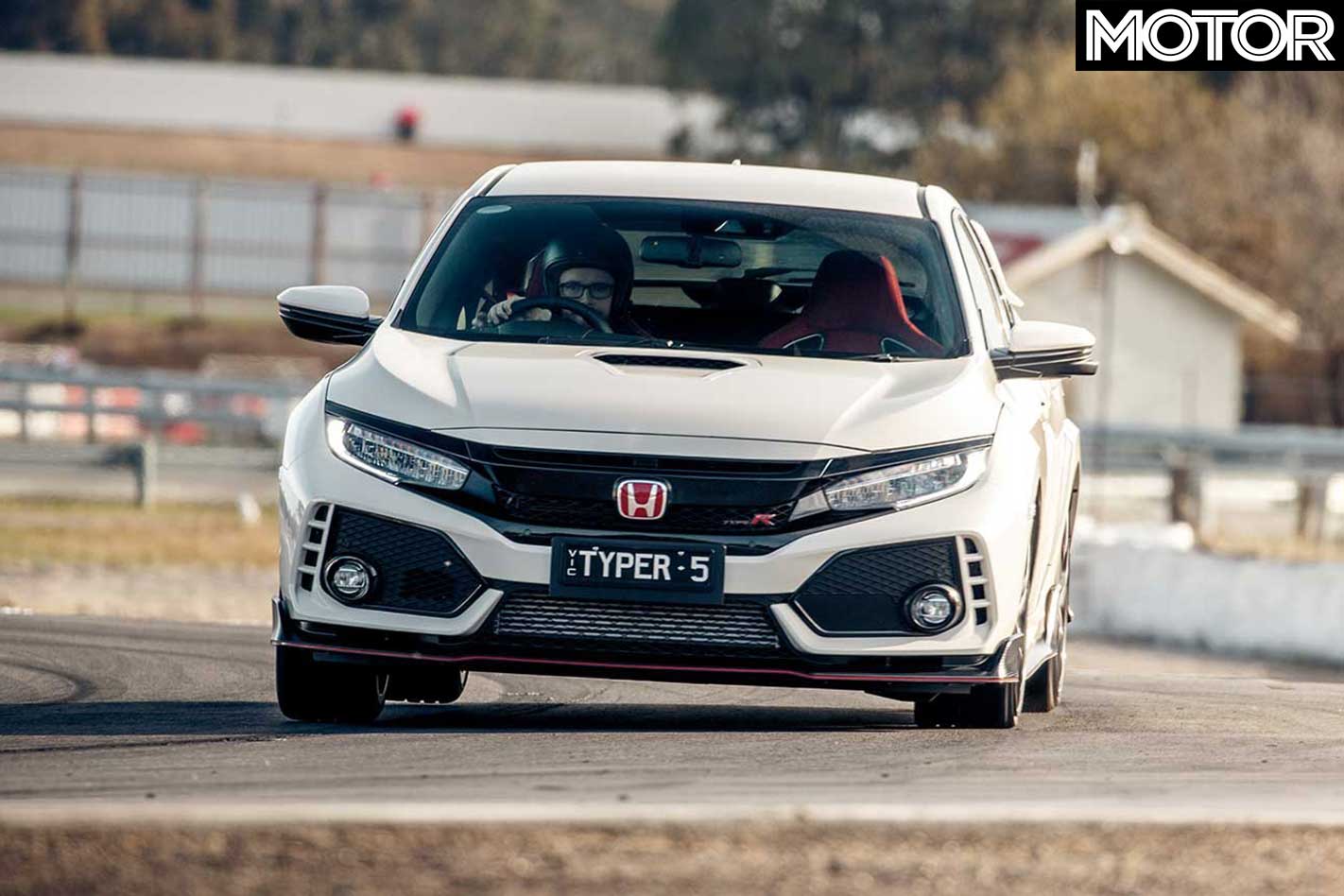
Curiously, in the USA the Honda Civic Type R has a cult following for – no kidding – how it looks. Immediately after taking delivery, many owners fit lower, stiffer springs along with more aggressive wheels. Granted, this has a fairly transformative effect on the car’s looks, yet messes with the handling of possibly the most accomplished front-drive performance car ever made.
We think we’ll stick with the way it looks if it means the handling is untouched. This month, we were reminded of the Type R’s chassis brilliance yet again as we subjected our Championship White long-termer to a proper hard outing at the track. Sandown Raceway, in fact (and despite the Winton photos) with Evolve Driving.
Able to focus on the Type R over multiple sessions, we gained a deeper understanding of its not-insignificant talent. For a start, it’s very easy to get comfortable in the Type R – it takes very little time to work your way up to its limits. From there, you are struck by its lovely controls, tenacious lateral grip, improbably good traction and frenetic acceleration, 206km/h reached at the end of the back straight.
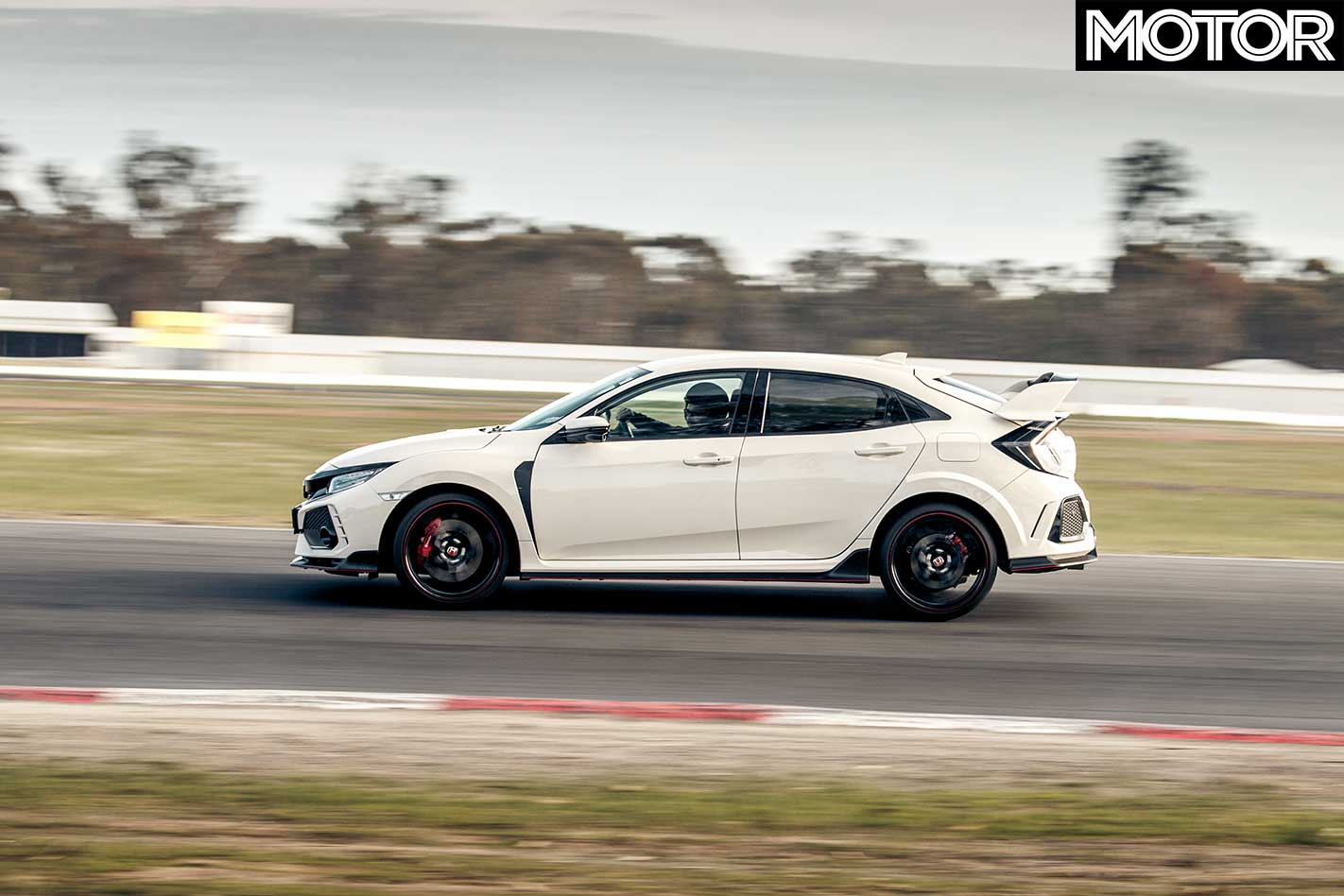
But also, you notice it has the stability of a car with a longer wheelbase – probably owing to the independent rear end – yet you can still hustle it through tight corners like a smaller vehicle, no doubt thanks to the fact it weighs a relatively lithe 1380kg.
The weight, or lack of, subtly enhances almost every aspect of the Type R experience on track. There is no patience required of the tyres and brakes like in a heavier car.
The Type R, too, is superbly poised, a slight default understeer easily tweaked the other way on the brakes into corners, where you find yourself asking more and more of the outside front tyre – and it obliging – balancing an obedient rear end on the brakes.
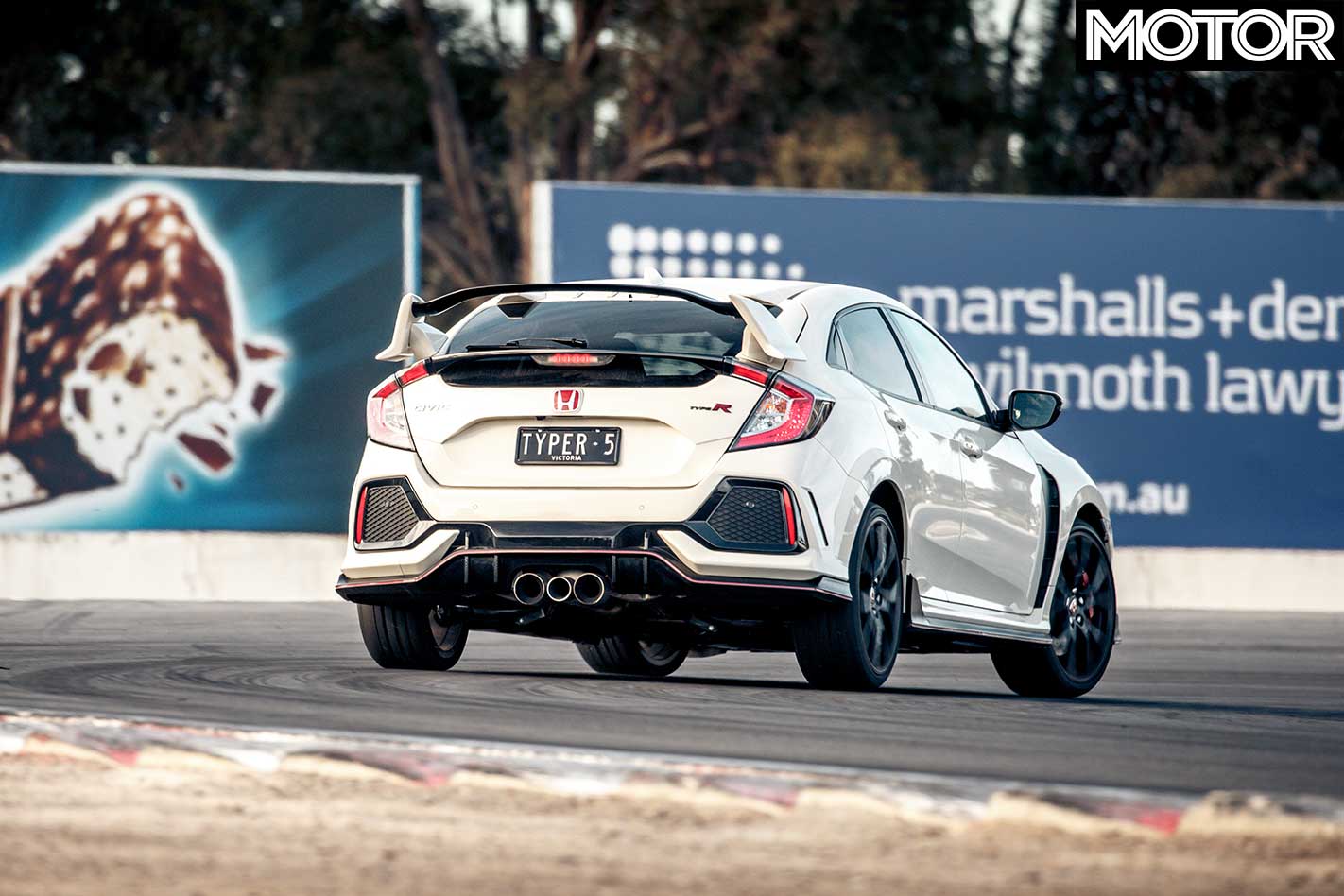
And boy does it work its outside-front hard at Sandown. Erm, sorry Honda, you might want to order a new set of Continentals for the car. And for those who own a Type R and intend to track it, we suggest replacing the SportContact 6s with more track-focused rubber like a Michelin Pilot Sport Cup 2, the tyre Honda used for its Nürburgring front-drive record.
The excellent Contis, while remaining the pick for road use, need to be carefully monitored and nursed during a track day and ideally rotated between sessions. Their addictive lateral grip and feel, combined with relative on-track fragility, is exactly the test of self-restraint you go to a track day to get away from. And so there was very little tyre nursing on our part, and no rotation, the outside front tyre lasting three 20-minute sessions before we had to park the car.
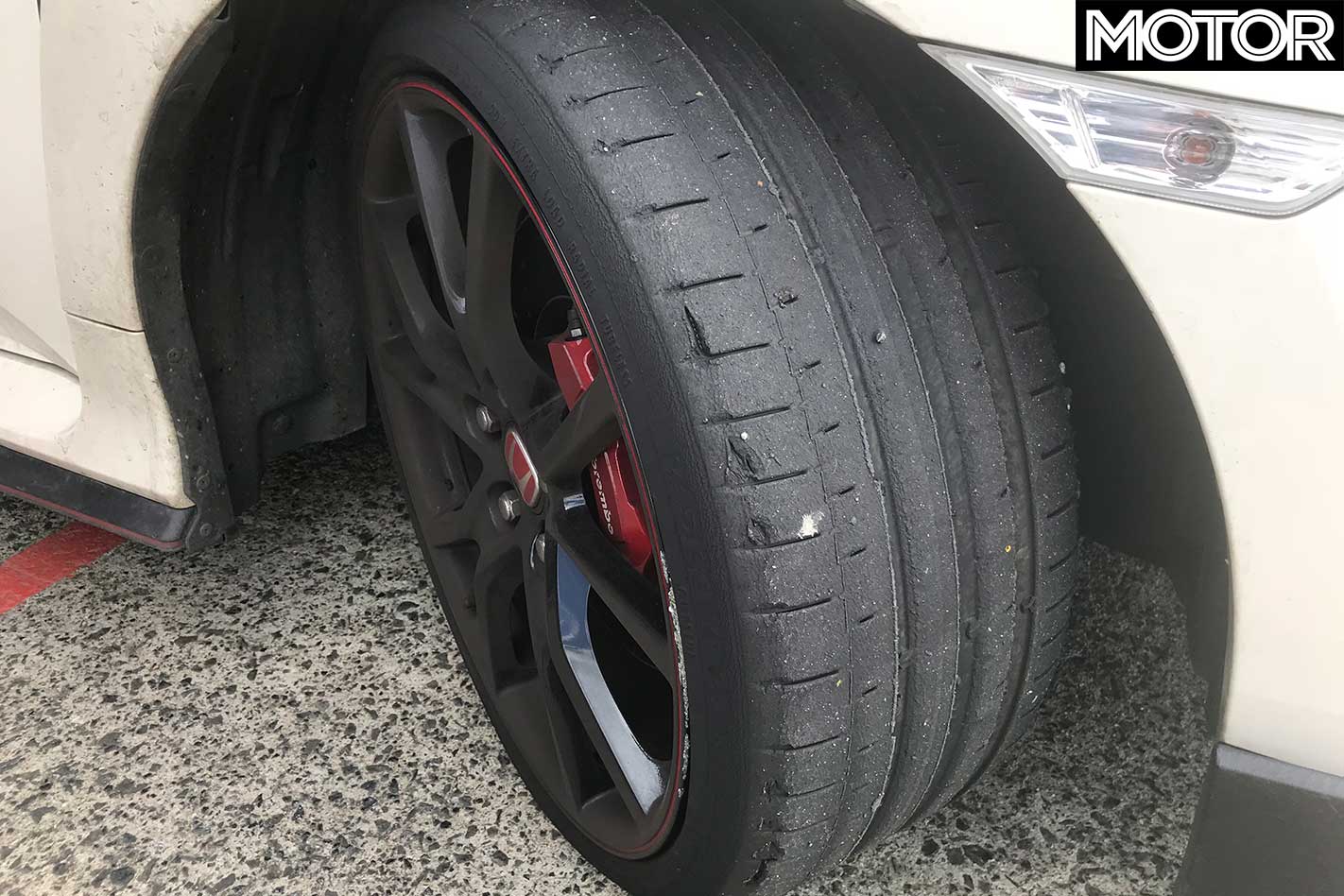
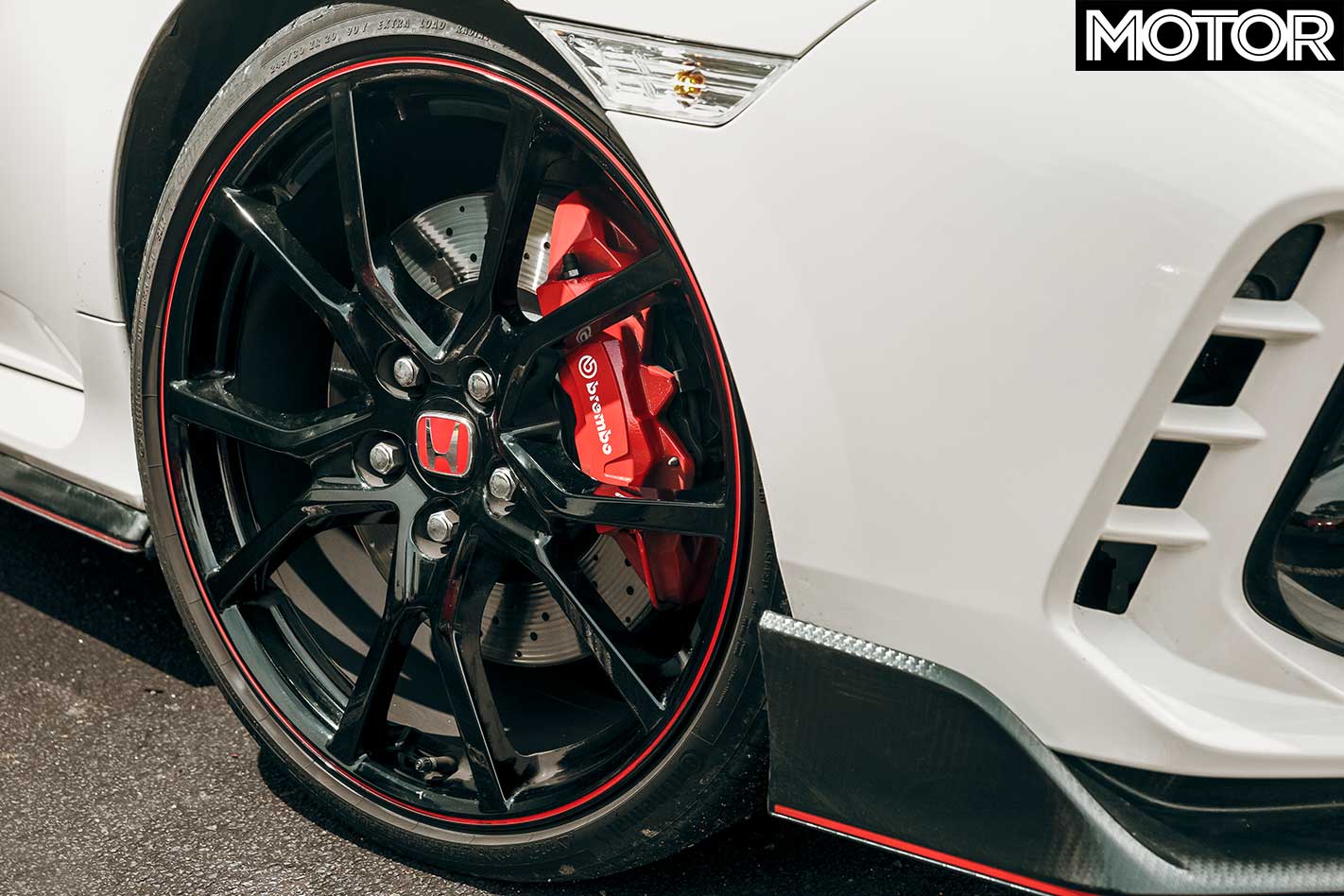
The Brembo brakes fared much better, withstanding more consecutive hard laps than a normal merciful owner might subject them to. The pedal was always there and always worked, although towards the end of their very heavy workout the stock pads and rotors started to wilt. Later, back on the road, unfortunately they very much felt like they had spent time on a track.
We would suggest fitting aftermarket pads and rotors if you intend to track your R. Also, keep off the curbs on the stock wheels. It seems that the 30-profile tyres distort enough at the ragged edge that if you let the car run out onto an exit curb, you can scratch a rim. Which will make you feel very guilty and sad, take it from us…
When you aren’t worrying about the tyres or stressing about giving the brakes a hangover, on track the Type R is a gratifying, sensational drive. There is something deeply special about its handling we’ve only experienced in a few cars many times its price. You and the car easily become one organism; rarely do you feel to be cajoling it.
It’s fun in a how-fast-and-how-good-is-this-thing kind of way – rather than surprise-here’s-some-oversteer. But if you want oversteer, it will happily do that as well if you know how to ask.
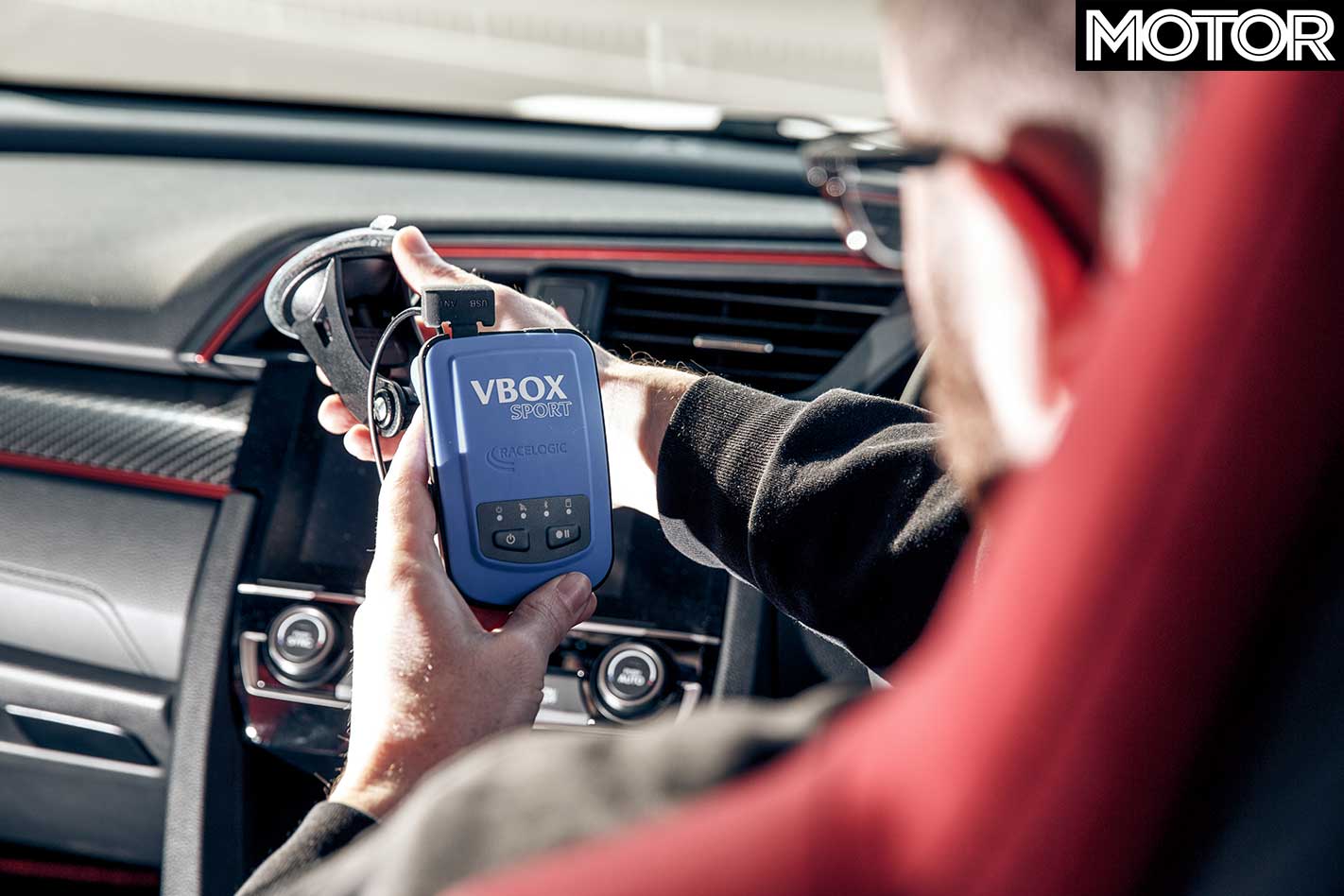
The Type R did a 1:26.4 at Sandown in the hands of this amateur, a 1:24.9 possible by combining best sectors according to our VBOX timing gear. Undoubtedly it would go faster again with more bravery or a race driver.
2018 Honda Civic Type R Pros & Cons
Three things we’re falling for: 1 – Revelatory handling 2 – Lightweight feel 3 – Seats, brakes
Three things we’re not fond of: 1 – Nursing the tyres 2 – Hungover brakes 3 – Bit of turbo lag
Update 4: The Road Warrior
Road tripping to Perisher in Honda’s hottest hatch
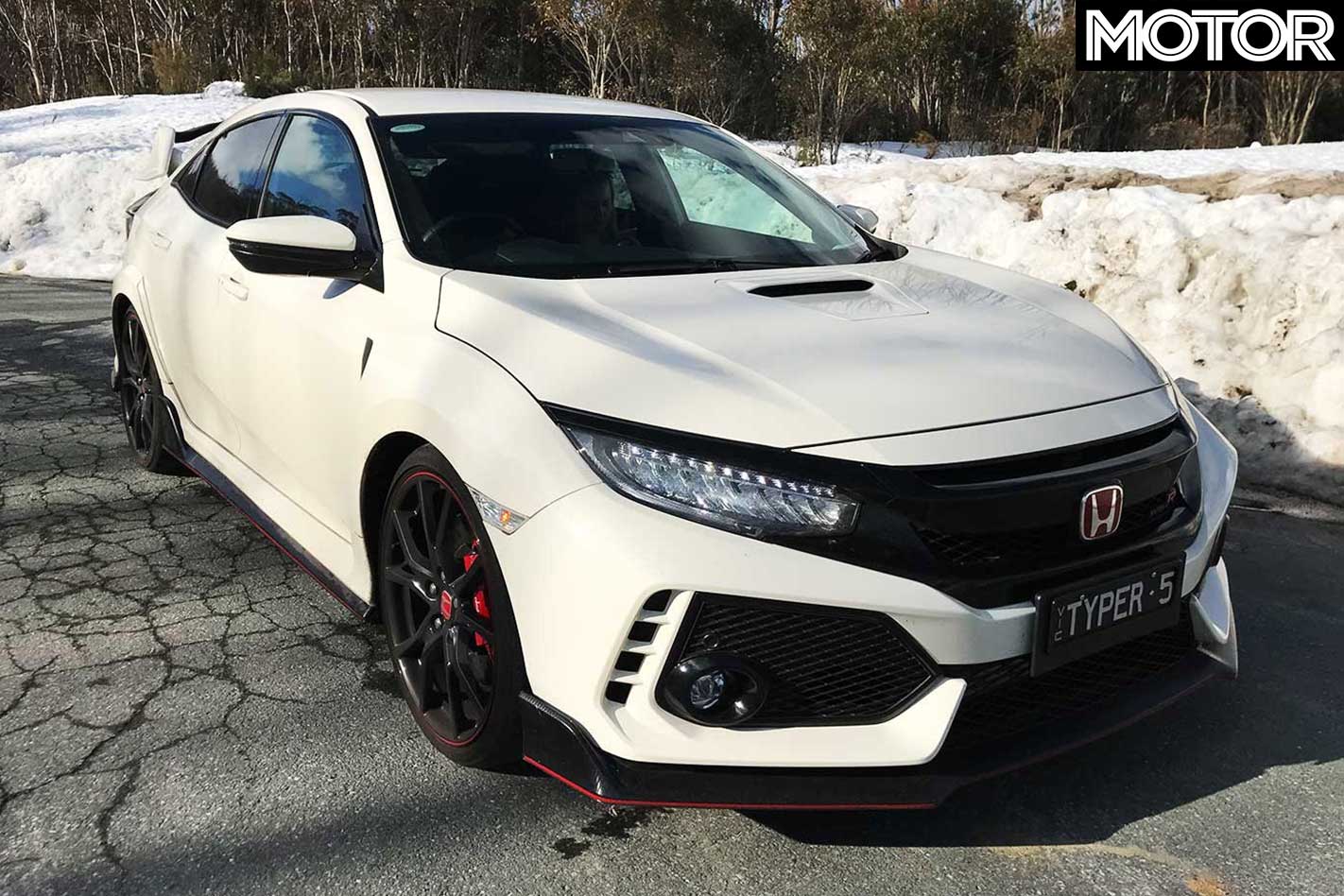
The Very Long Drive (VLD) is a bit of an Australian thing. Every so often, an opportunity comes up to drive some four-figure distance, one that would cause the eyeballs to pop from the head of any European. But you take said opportunity, because there is something soothing, cathartic and quietly soul-satisfying about the boredom of a long drive in Australia.
This month, we put our Honda Civic Type R to this very test with a VLD from Melbourne to Jindabyne, NSW, and the Perisher ski slopes. Six hundred kilometres doesn’t sound very far until you consider that a great deal of that is on twisty roads with a relatively low average speed. In theory.
The Hume Highway out of Melbourne was our first opportunity to get to know the long-distance cruising capabilities of our bewinged snow-white hot hatch. And the big, fat ticks come rolling in.
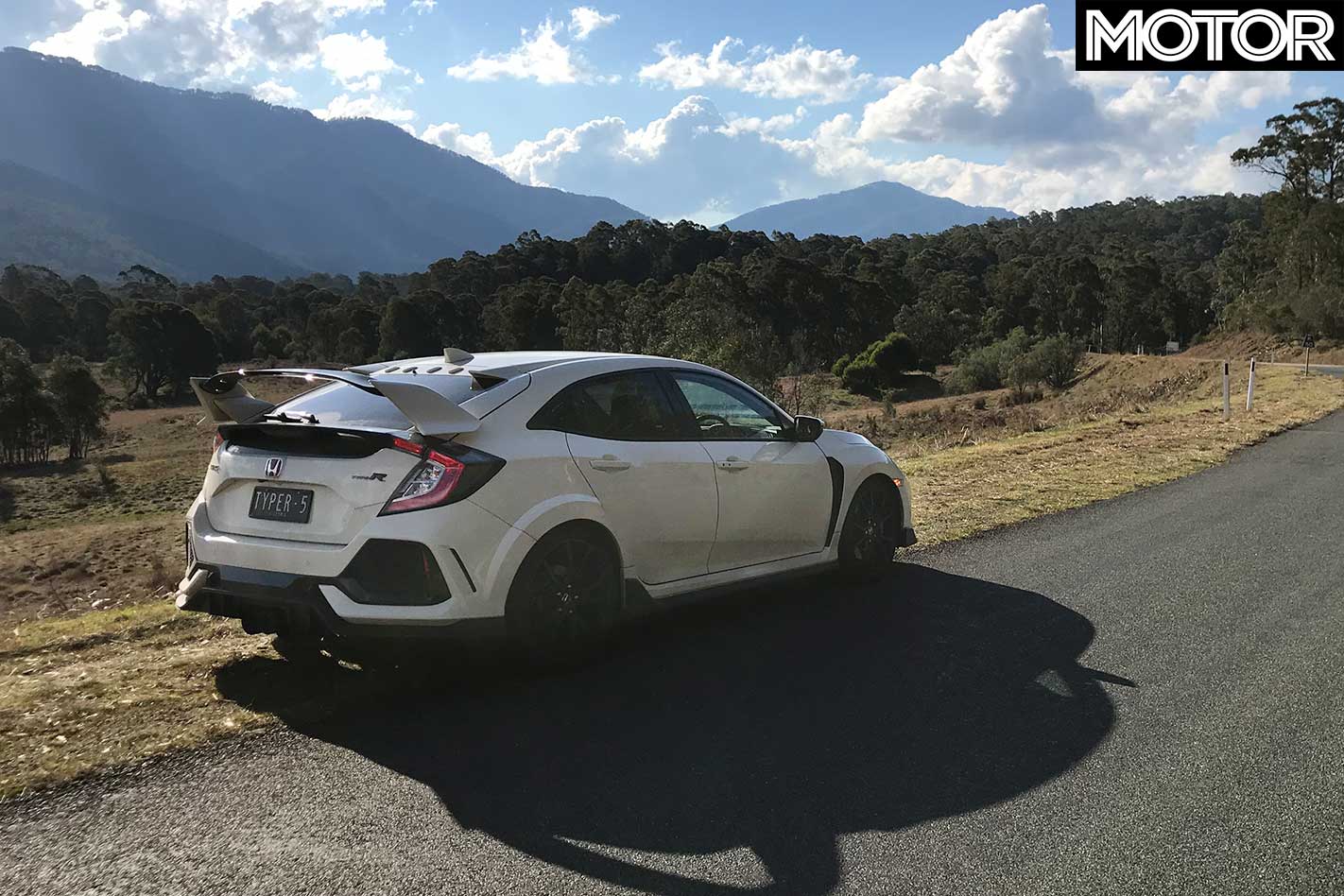
There’s the ride for a start, which we’ve banged on about multiple times, remarkably compliant and supple for 30-profile tyres and truly more comfortable than many dedicated, new luxury cars. Mercedes-Benz Magic Body Control? Erm, a Civic Type R might actually be more comfortable. No joke.
This is great for the Type R’s ability to get its occupants a great distance and out the other end feeling relatively fresh. Which would be the case, if it wasn’t so noisy.
Okay, so the Type R doesn’t roar like an old 747 at 38,000 feet, but a lot of tyre noise gets into the cabin on a coarse-ish chip freeway. Sometimes, at 110km/h, it’s necessary to raise one’s voice ever so slightly in conversation. As unpopular a thing it is to say, another 25kg of very strategically placed sound deadening could be worth the weight penalty.
Very interestingly, the Type R has the ability to drive itself down the motorway if you so wish. Clever radar cruise control with so-called Lane Keep Assist System controls speed relative to other cars, but also picks up lane markings to steer the Type R without input, surprisingly effectively.
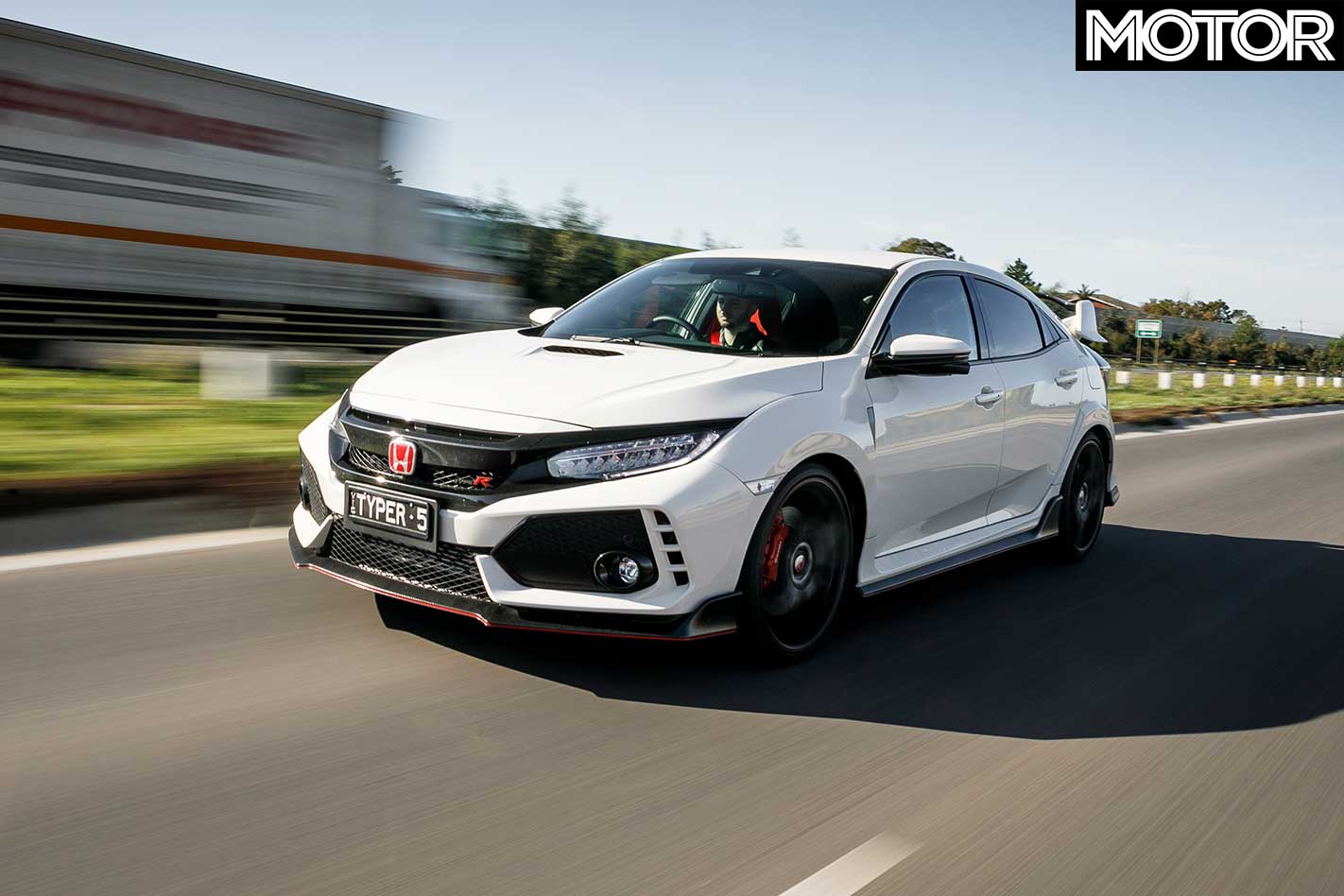
On a straight dual carriageway with gentle curves, bumps and dappled light, the LKAS system “drove” the Type R for 10 minutes without us touching any control – including the steering wheel – and could have gone for longer. Impressive, yet its utility, other than letting you take lids off water bottles with both hands, is not entirely clear.
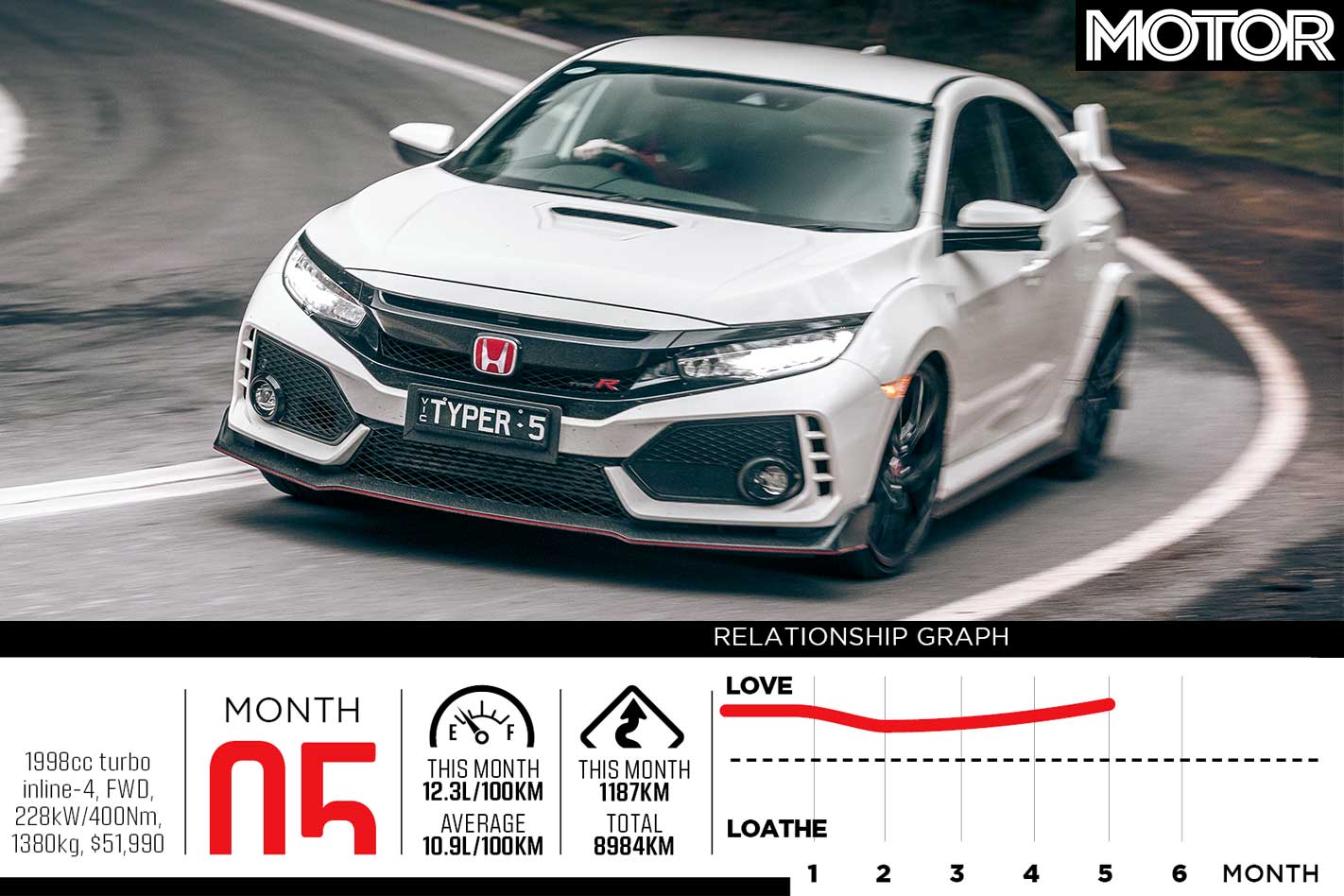
Meanwhile in the fuel stakes, the best range we saw after a fill of the 47-litre tank was 461km and our best highway economy was 7.6L/100km. Helpfully, the Type R will take 91-95RON fuel if push comes to shove. Which it did, as we arrived in Corryong, the last real fuel opportunity until Jindabyne a couple of hours later.
What we couldn’t be helped with was chains, which you must carry in your non-AWD vehicle during the ski season. A lady who rented snow chains in Khancoban, NSW, took one look at the 245/30 ZR20 wheels and tyres and wished us luck. As it was nearing the end of the ski season and on the warmer side, and with a favourable weather forecast, we pressed on.
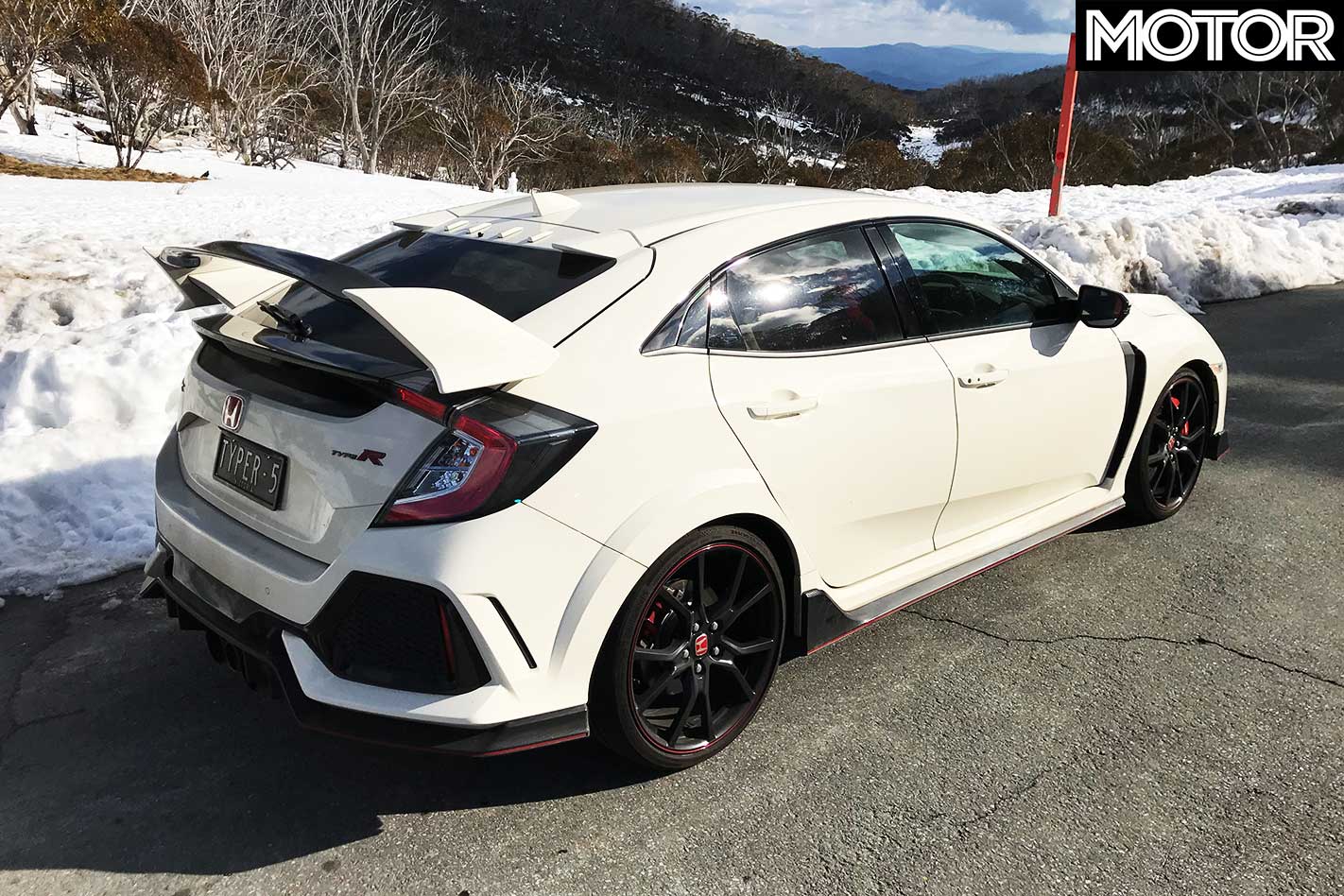
Between Khancoban and Thredbo lies approximately 75km of fantastically scenic roads, winding through a rocky gorge before plunging up and down through thick forests, opening back up for glimpses of an Aussie alpine landscape tempting you to pull over for a photo, before spitting you out into a winter wonderland nearing Thredbo.
On the dry bits, with surprisingly light traffic, we were reminded yet again of the Type R’s lovely, addictive, easy handling and the way it relishes being driven up a twisty road. It is a hugely fun and satisfying car on a mountain road. And extremely quick, too.
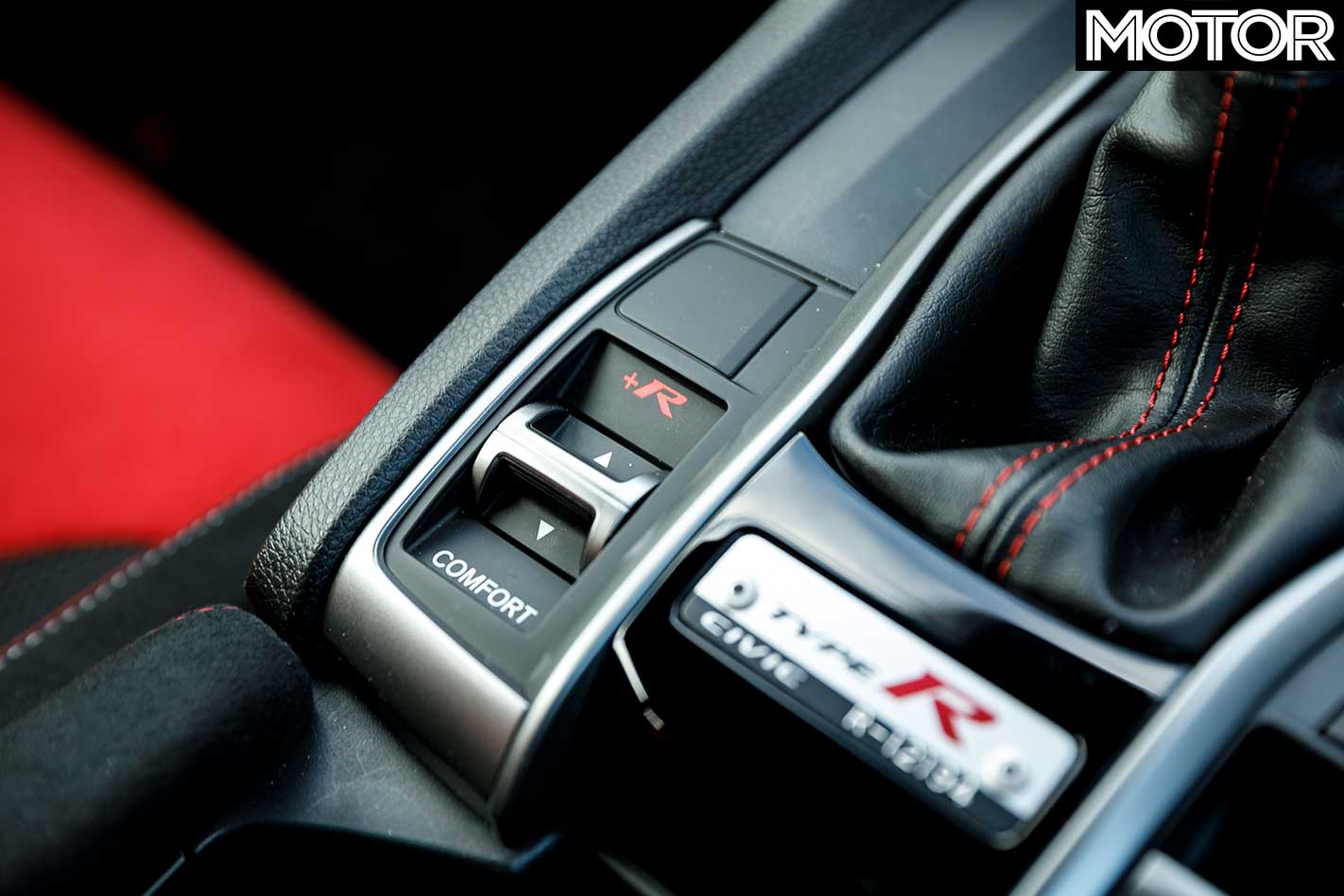
Yet it was here we rued an annoyance, that being you have to stop and apply the handbrake, and dig around the infotainment menu, to switch the rev match on and off. There’s a blank button right next to the manual gearchange – why not make this the rev-match on/off button?
As the temperature plunged near Thredbo and snow blanketed the landscape, we were glad for the Type R’s feedback and communicative controls as we anxiously drove over what could have been icy patches. We wouldn’t have wanted any other tyre but the Continental SportContact6, either, for these conditions, with their proven wet-weather ability.
Having enjoyed Perisher for a few days we headed back to Melbourne. And perhaps enjoyed the Type R’s turbocharged performance a little bit too much, almost running out of fuel – or so it seemed, with “8km to empty” there was still 4-5 litres in the tank. Still, you wouldn’t want any inaccuracy around the other way.
There was also a scare as we hit a monster pot-hole, the passenger front wheel thudding like a shock was going to pop through the bonnet. In the USA many owners have buckled the 20-inch rims in pot-holes and have had to make warranty claims. Also, there is no spare tyre.
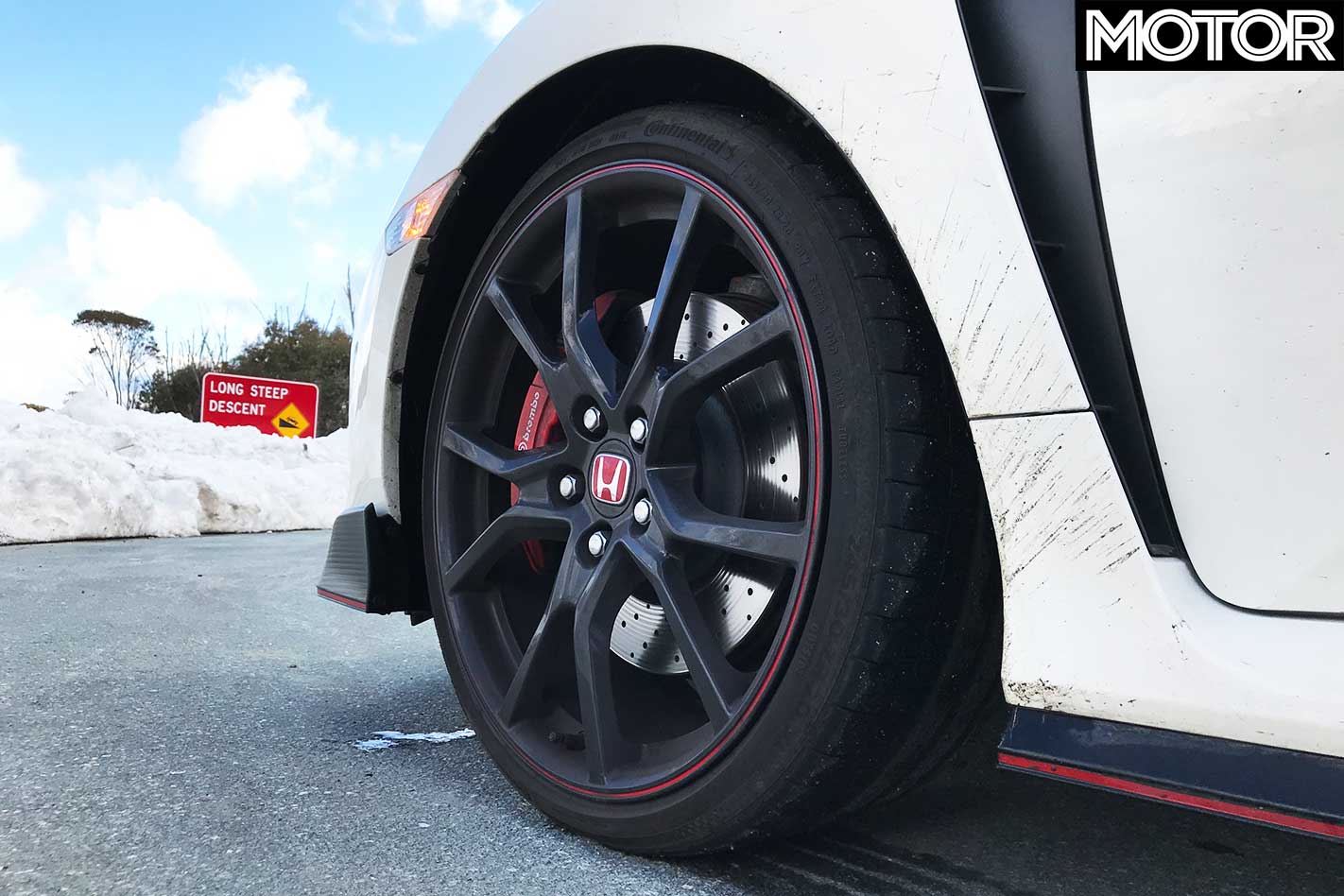
If I owned the Type R, I’d be curious to know what it would be like on 245/35R19s for the improvement again in ride, but also for styling. And I’d buy five.
Next month the Type R goes back and for this, we are genuinely sad. Time has helped to distil our thoughts on this car. Those being, quite simply, it’s a magic car to drive if you can get over the boy-racer styling and what is a bit of a plain and slightly cheap interior with a fiddly infotainment system. The Type R is also a bit dull to drive at low speeds. As for its VLD ability, the Type R has us tempted for the VFLD.
2018 Honda Civic Type R Pros & Cons
Three things we’re falling for: 1 – Amazing ride 2 – Sensational seats 3 – Practicality
Three things we’re not fond of: 1 – Freeway tyre noise 2 – Busy styling 3 – The infotainment
Update 5: Conclusion
As we farewell TYPER-5, we wonder if we’d buy one
Generally at MOTOR, we get a test car for a week and have to help some poor punter – ie, yourself – try to decide whether or not to park one in the driveway for at least a couple of years. This is not easy. But this is also why we run a long-term test.
At the end of a long-term test, you’re looking for a feeling: whether a quiet relief to no longer have to write about a car. Or a solemness at parting ways.
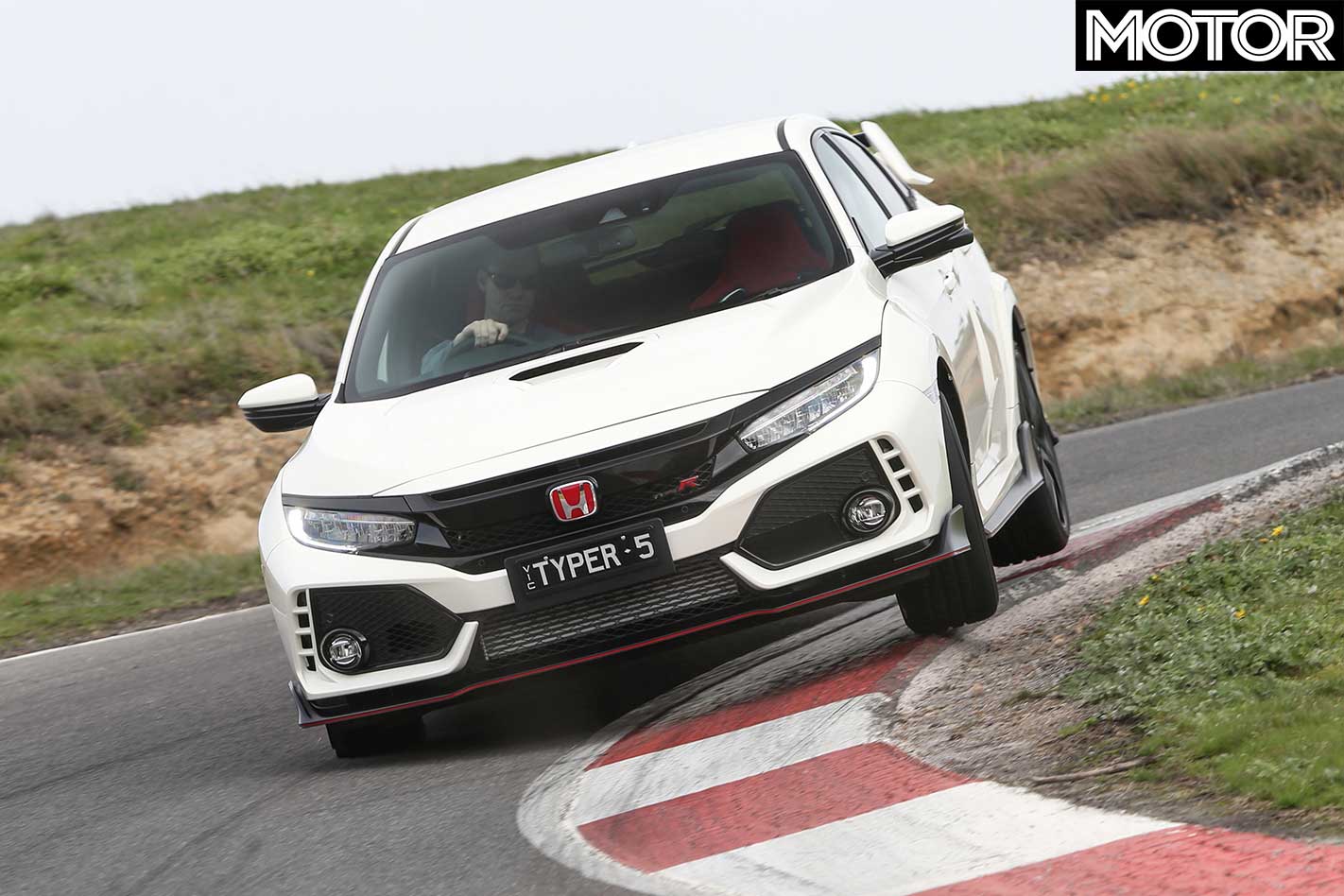
For me, in the case of the Type R, there was genuine glumness to be giving it back to Honda. (Even if it was with our apologies for the ‘accelerated tyre and brake wear’ – yikes.)
Our six-part tenure with TYPER-5 basically started like this: yes, it drives brilliantly, it just won Performance Car of the Year – but what kind of journey are we embarking on with regards to the styling? The very first time I laid eyes on the UK-built FK8 Type R in the metal was at the Paris Motor Show where it sat in a menacing satin black finish. I thought I could very clearly imagine the exact kind of person who would be attracted to it, and that kind of person was exactly who I wasn’t.
As someone who helps call the artistic shots at MOTOR, I then had to puzzle over countless photos and angles as the Type R made its way into the magazine. And I’m not sure there is another car with a broader spectrum of ‘good’ and ‘bad’ angles as the Type R.
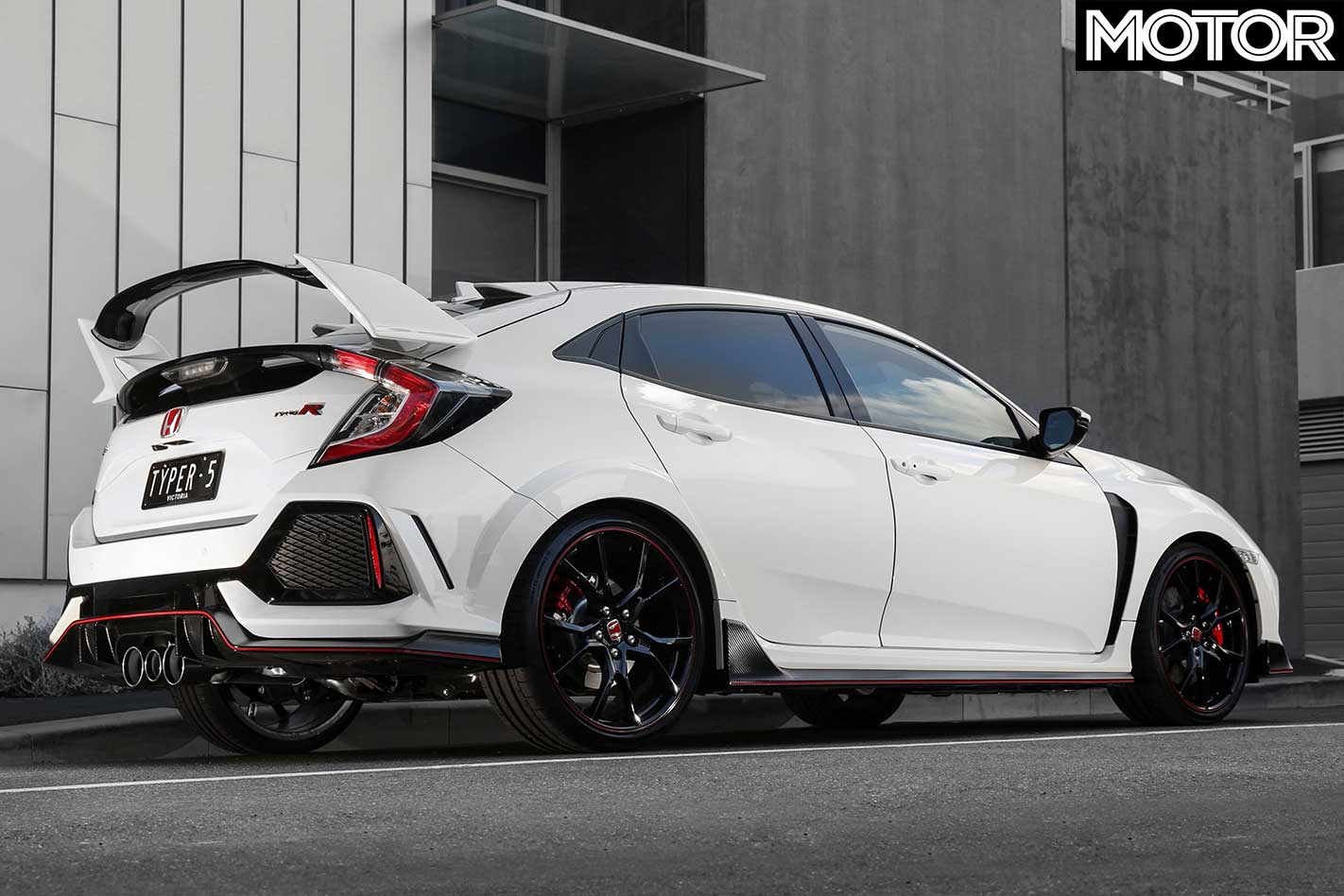
In the metal, initially my brain tried to blank out how it looked as I walked towards it, as you don’t have to look at the car once you’re in the driver’s seat. This strategy only works for so long during a long-term test.
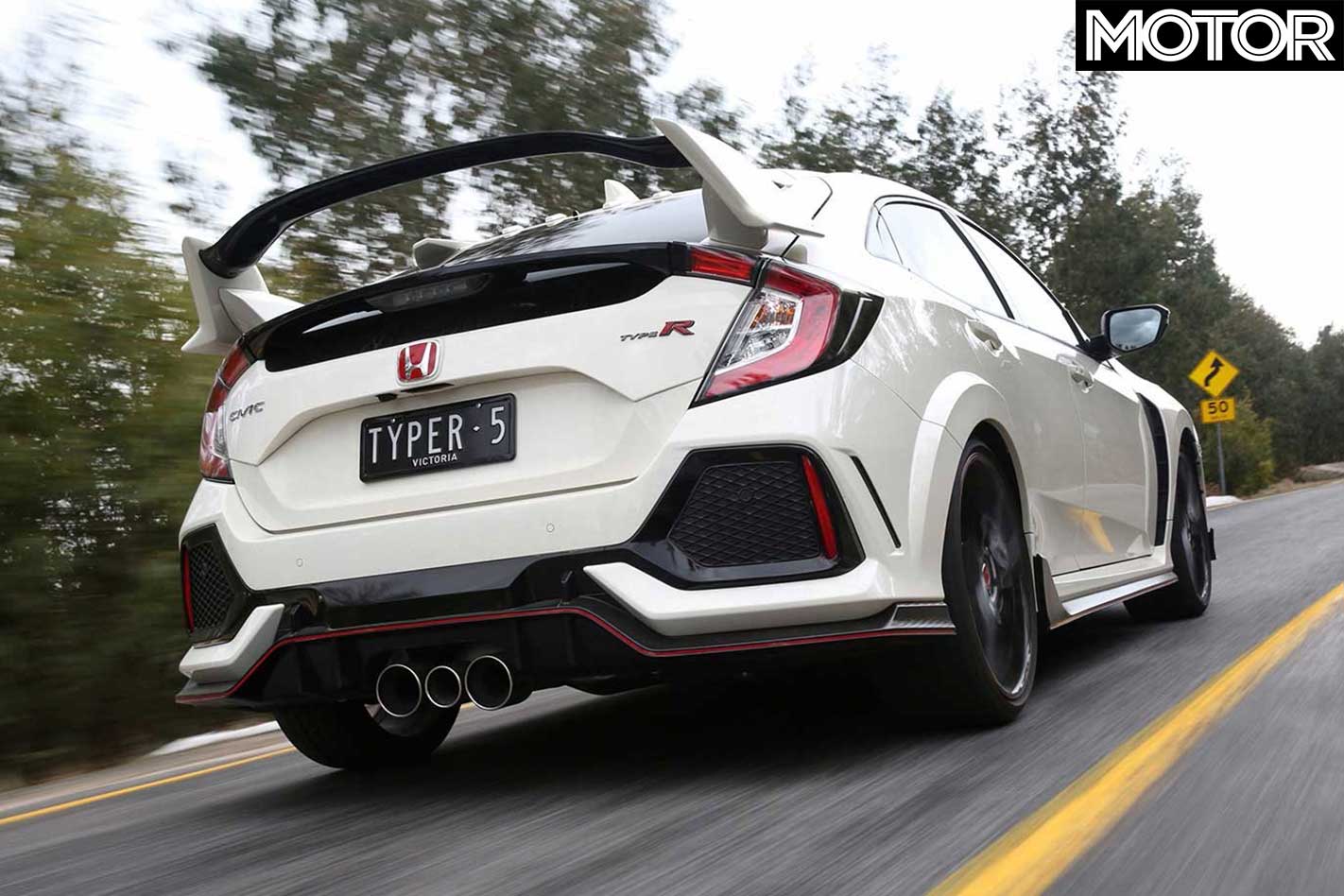
Having now looked at the car at length, I have concluded that (a) white is its worst colour (red looks to ‘own’ the shouty styling while black helps to hide it); and (b) its most unflattering angle generally has to do with the rear end, the rear bar protruding outwards as your eye follows it lower, like a plastic chin, and generally it is just one giant eyesore of fake-vented plastic. The aero teeth on the leading edge of the rear window don’t help; nor the hunched rake of the roofline itself.
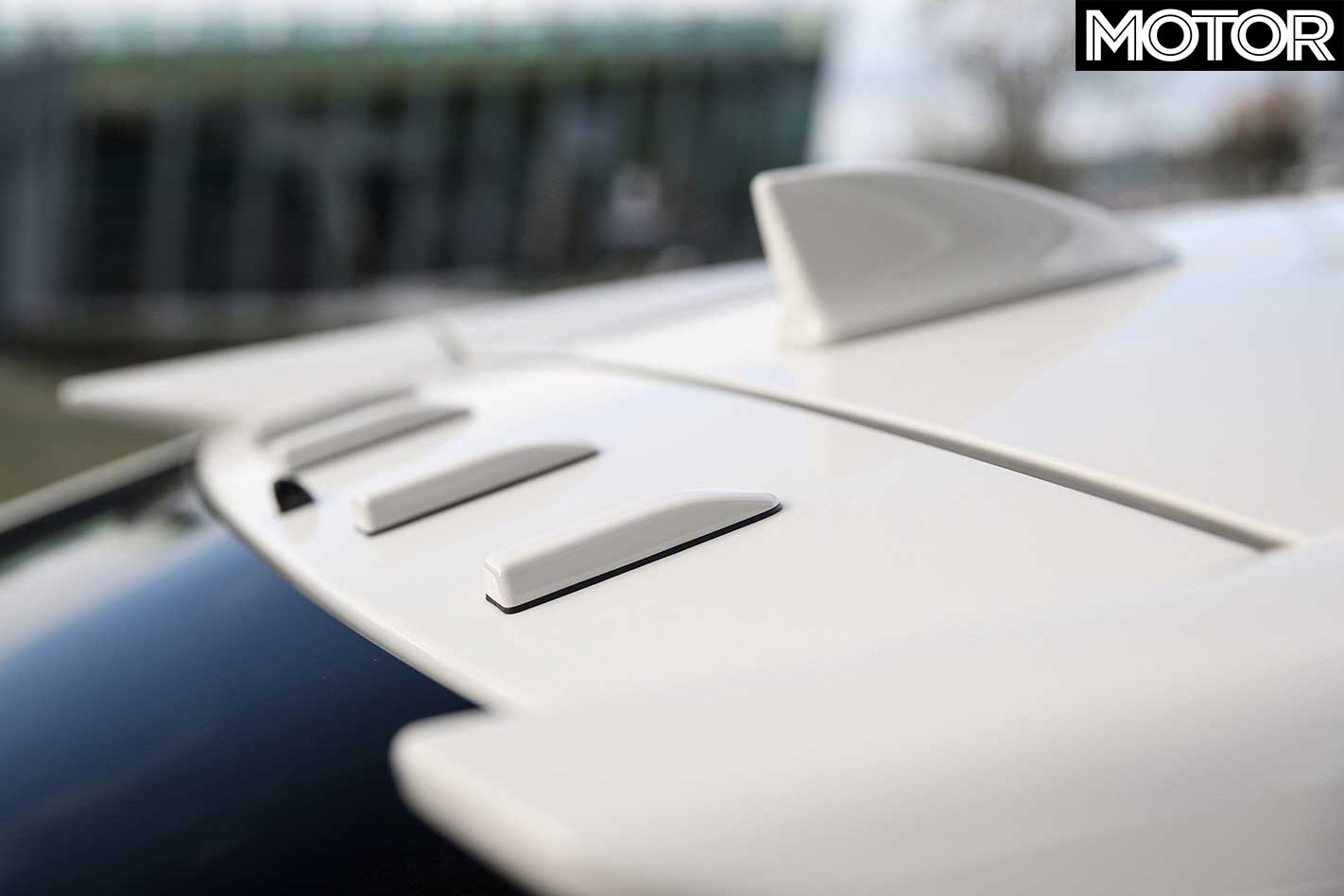
I only bang on about the styling because it’s the thing that would make me most hesitate about buying the car. Yes, I have never shared with MOTOR readers my love for old, ugly cars, however, I also like an attractive car – who doesn’t? Particularly if it’s new.
It’s just as well the Type R drives as good as it does. No, seriously, it’s actually a revelation. Your first surprise is the fantastic, almost big-rear-drive-car-like driving position; then you are simply delighted by how easy the controls are, from gearshift to clutch and brake. The ride is extraordinarily good – it shames supposed high-end luxury cars. And that’s no exaggeration.
Punt the Type R hard and you find a joyfully well-balanced, precise gadget that is seriously quick up a twisty road. The SportContact6 tyres offer enormous grip and those dampers incredible suppleness. The turbocharged four-pot engine is revvy and flexible, and power-down is a real highlight despite the front-drive layout.
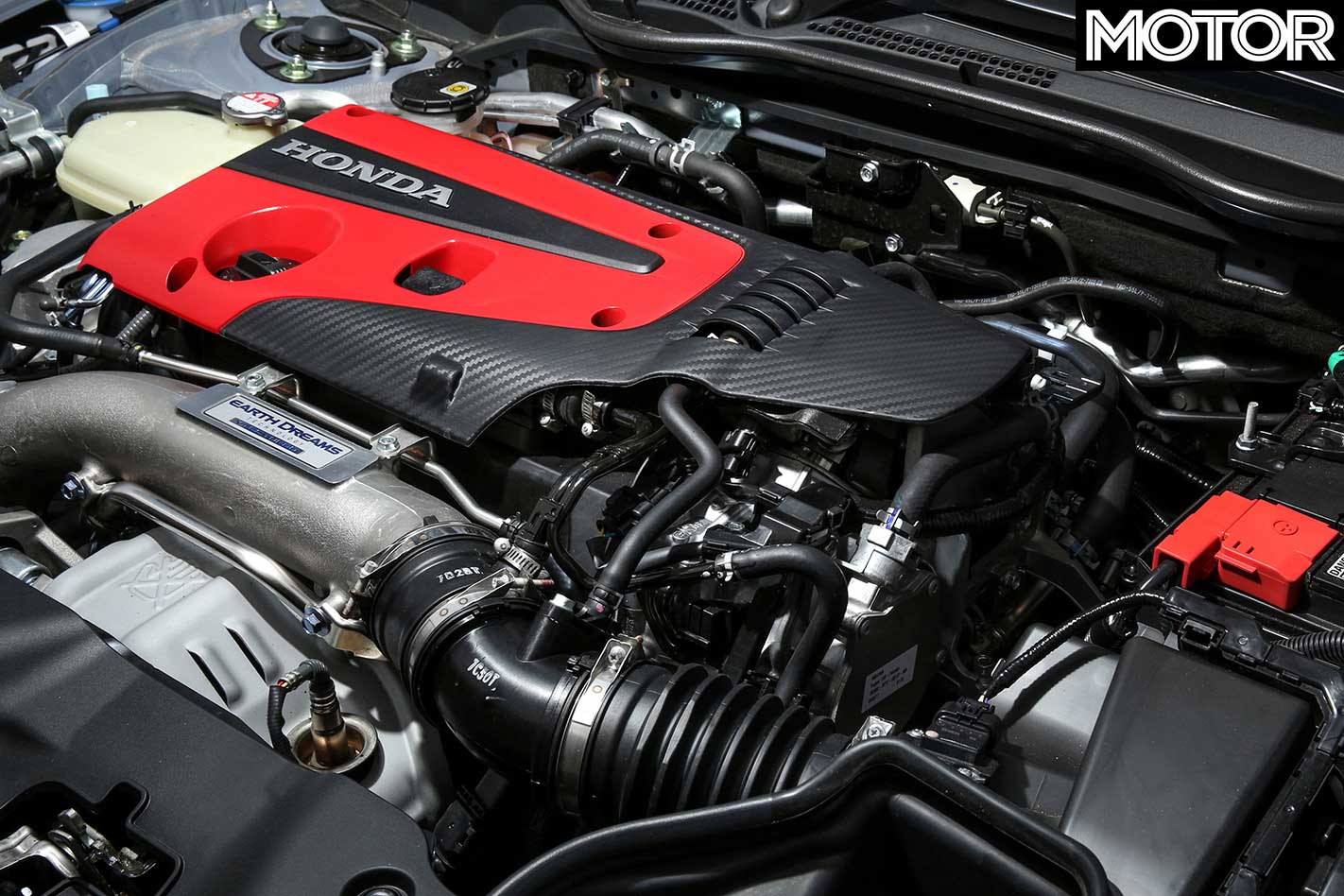
In fact, it’s the front-drive layout that’s to thank, in part, for a beautiful light-weight feeling to the Type R’s handling you just don’t get in heavier all-wheel drive machines. That, and the fact it has a proper independent rear end and clever front suspension.
Aside from needing a bit of a sensible approach at the racetrack – the stock Continentals are not cut-out for hardcore track use; and track-spec pads are probably a smart buy – the Type R is addictive, fun and satisfying around a circuit. And quick.
Can the amazing driving feel make up for the styling? For me, yes. I’d have mine in red. With tinted windows. And perhaps I’d fit smaller 19- or even 18-inch wheels to further hone the styling to my tastes – and open myself up to cheaper tyres and possibly an even nicer ride – as many owners have.
I’d consider an aftermarket exhaust as compared to, say, a popping and banging, rorty Hyundai i30 N, the Type R sounds very polite at low speeds.
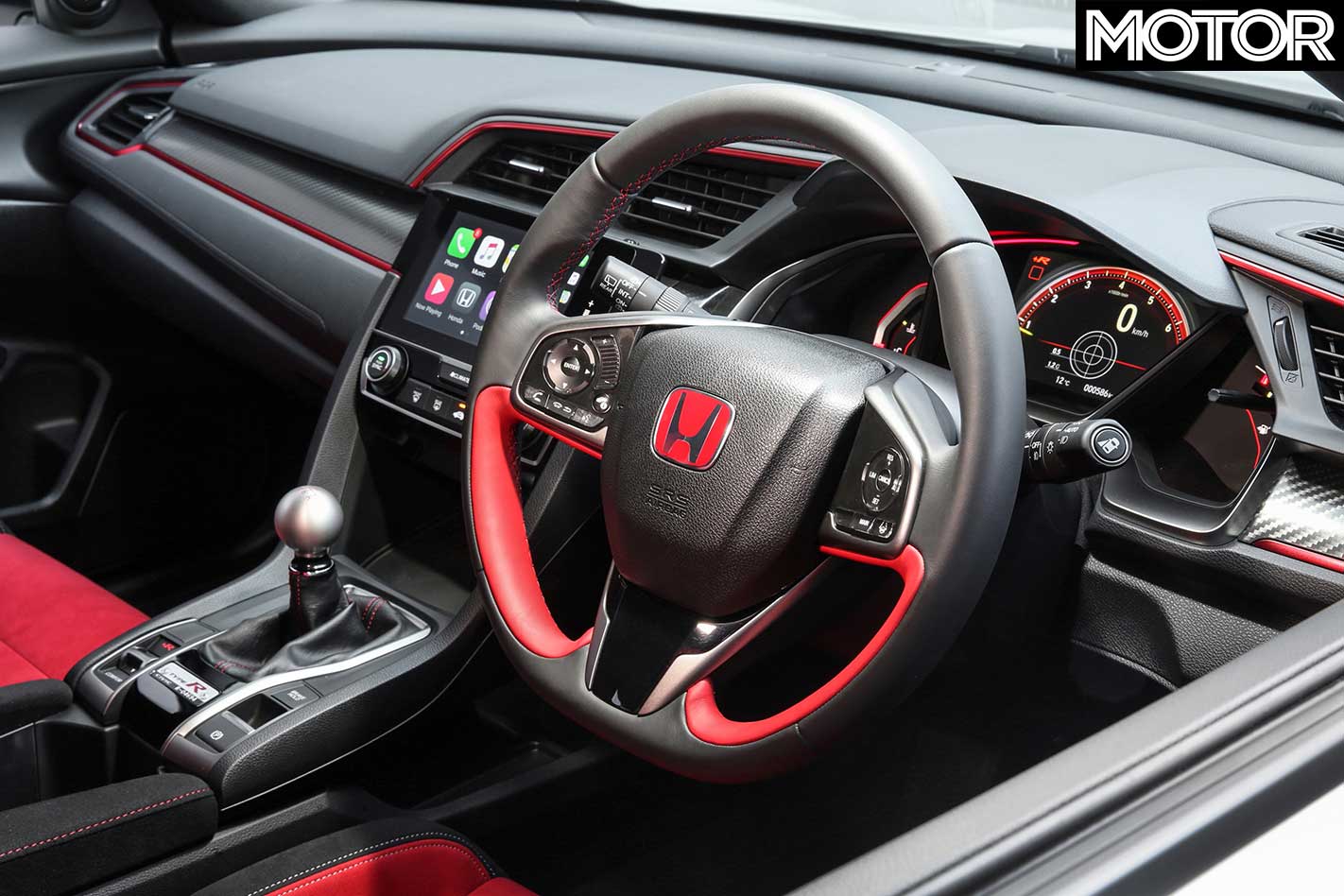
A bigger issue, I find, is the interior. It would be fine if you’re coming from a 2010 Ford Focus ST. If you’d just sold your Mk7 VW Golf GTI – or, heaven help you, Audi S3 – for a Type R, brace yourself for a $22K VTi drabness that makes itself more obvious over time.
As for the infotainment system, if you’re not in the habit of using Apple CarPlay or Android Auto, you will be. Audiophiles, too, will do well to see the stock 160W speakers as items ripe for replacing. Fortunately the cabin redeems itself somewhat with highlights like the utterly brilliant seats and cool digital instrument cluster.
Are we sad to see the back of the Type R? Very much so. And this time not because of the way it looks.
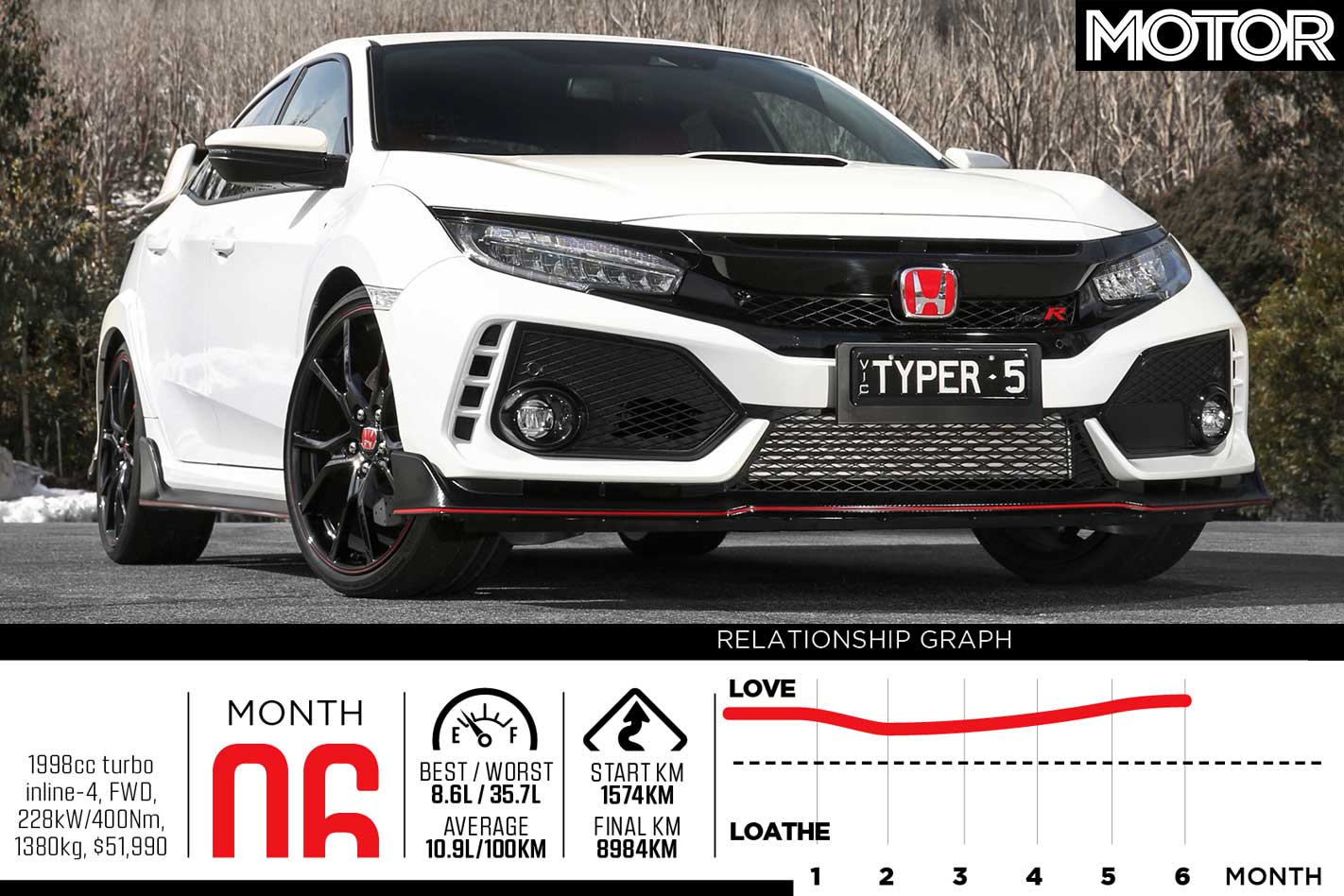
2018 Honda Civic Type R Pros & Cons
Three things we fell for: 1 – Porsche-like handling 2 – Lovely revvy engine 3 – Sublime controls
Three things we did not fall for: 1 – Econobox interior 2 – Busy styling 3 – Tyre wear
If it ain’t broke… We all know the saying. Hence revisions to the Audi R8 supercar are minimal. Few mechanical changes have occurred beyond a mild reskin inspired, Audi says, by its GT3 customer racing car, which easily rolls down the very same production line as regular R8 road cars.
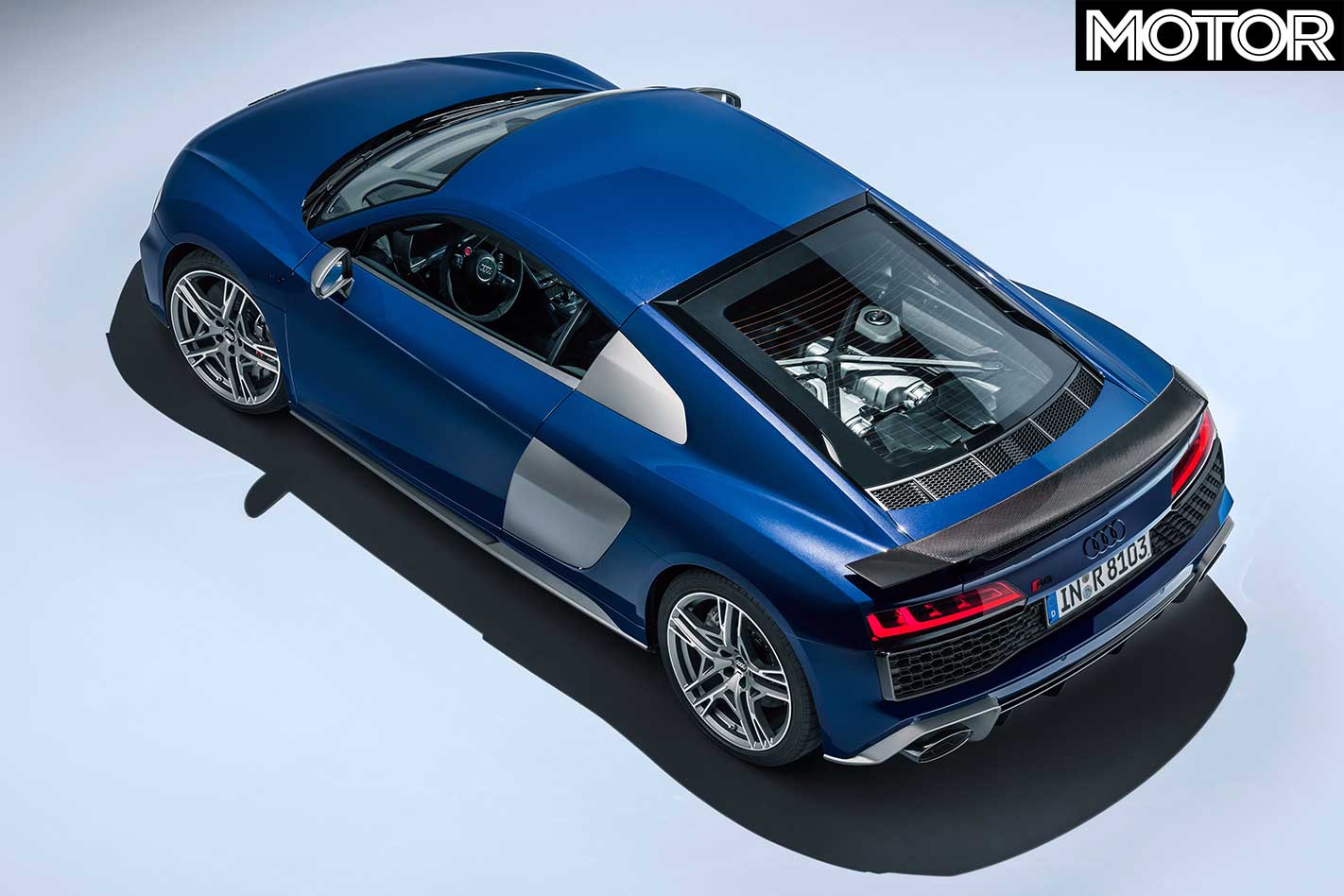
Visually, then, for the road car there has been a de-chroming of the grille surround at the front, because “chrome and motorsport don’t go together”, according to Audi designers – and they should know. The front end gets some more angular treatment, including a new splitter whose profile continues onto the car’s sides, where painted black it reduces the visual height of the body.
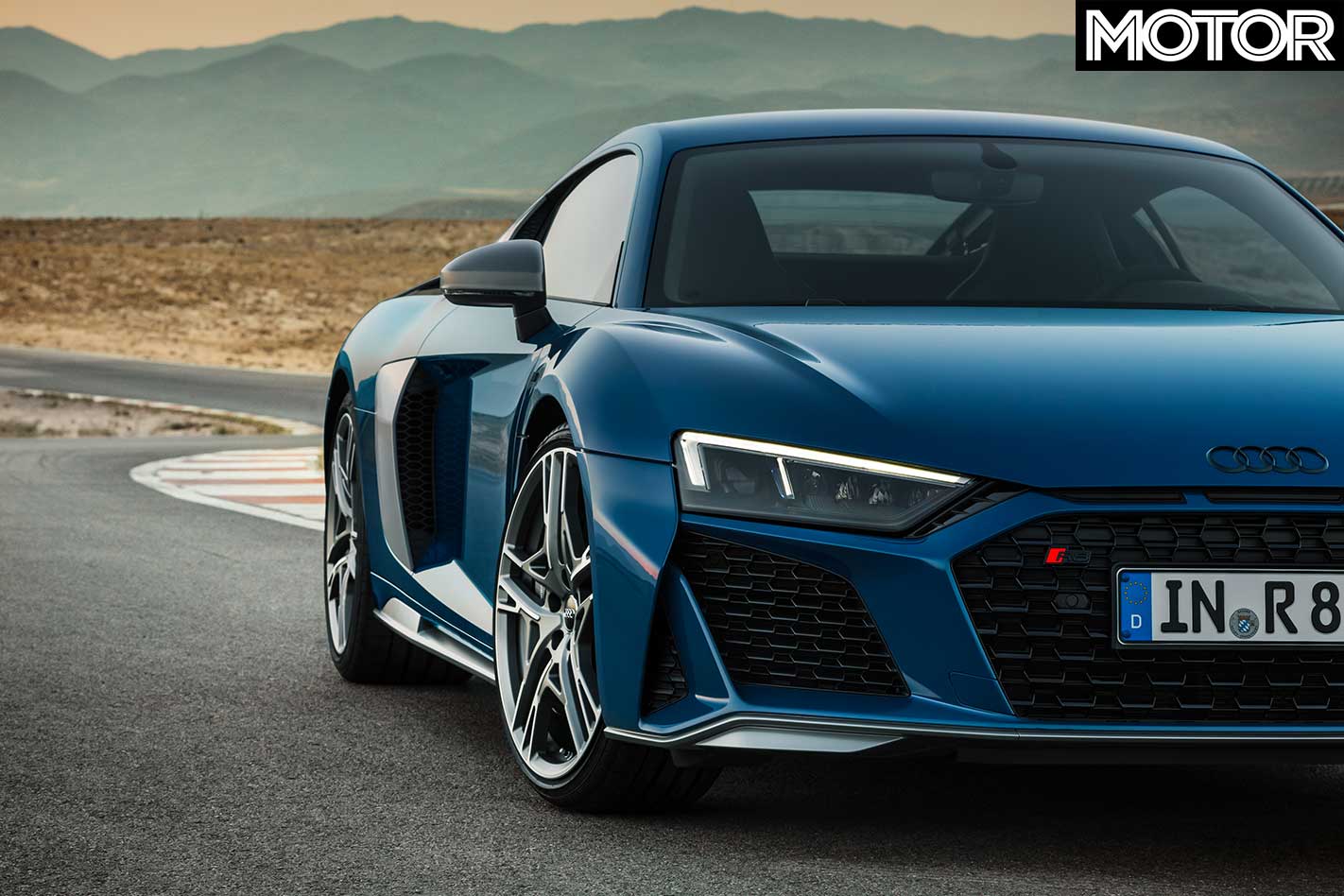
It extends from there to the rear where it melds into a big old diffuser. That, like the oval tailpipes and a wide rear grille for removing heat from the engine bay, are all reminiscent of the racecar. Which is all very cool.
The R8 continues with the same 5.2-litre V10 engine, rear-biased four-wheel drive system and with a dual-clutch automatic gearbox as standard. Not many changes here, though there is a power hike for this facelift, raising peak output by 22kW to 419kW (on the standard R8), or by 7kW to 456kW (for the Performance model, tested here, previously called the Plus version). It should arrive in the second half of 2019 with a modest price hike.
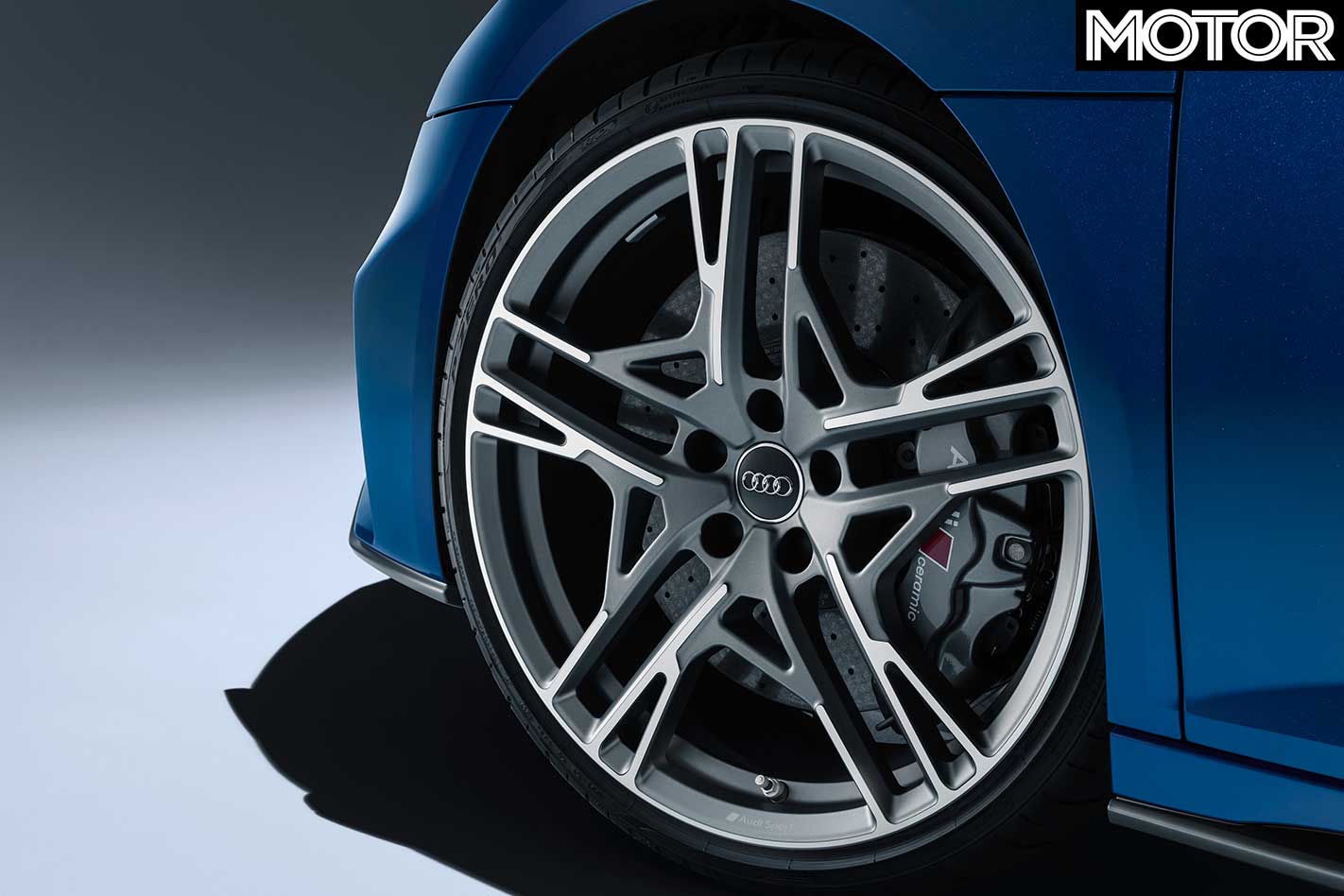
Audi claims dynamic differences too, but they’re limited. And, on our brief track-only acquaintance, they were as hard to spot as any power increase was. The front anti-roll bar is now a composite/alloy mash-up instead of a steel item, thus reducing unsprung weight.
The steering is meant to be more accurate and responsive, too. However, the springs and dampers remain the same and I suspect just as much change comes via the option of sticky Michelin Pilot Sport Cup 2 tyres as any other mechanical alteration.
And that’s just fine. The V10 retains its position as one of the world’s greatest modern production engines and the chassis is pleasingly controlled, with a great willingness to rotate under a trailed brake, and the ability to steer it on the throttle on the way out of a corner. There are lighter cars in this class, owing to the Audi’s large engine and its AWD system, but thanks to the adjustability it still feels pretty agile. Audi brakes are rarely the strongest and these are a touch tricky to modulate on circuit, too.
The steering is medium-weighted, and pleasingly responsive and accurate. I’m not convinced it has the last word in feel like, say, a McLaren 570S, nor does the car turn so responsively, but it has more adjustability, and makes a much better noise. It also feels more exotic than a Porsche 911 Turbo S and is less of a hot-rod than the AMG GT R.
It’s hard to say precisely how recommendable the R8 is without a longer test on the road as well. However, one of the things that has made the R8 so appealing over the years is how smooth and rewarding it is as a road car; and it’s hard to conceive too much has changed there, given the relative paucity of the chassis changes.
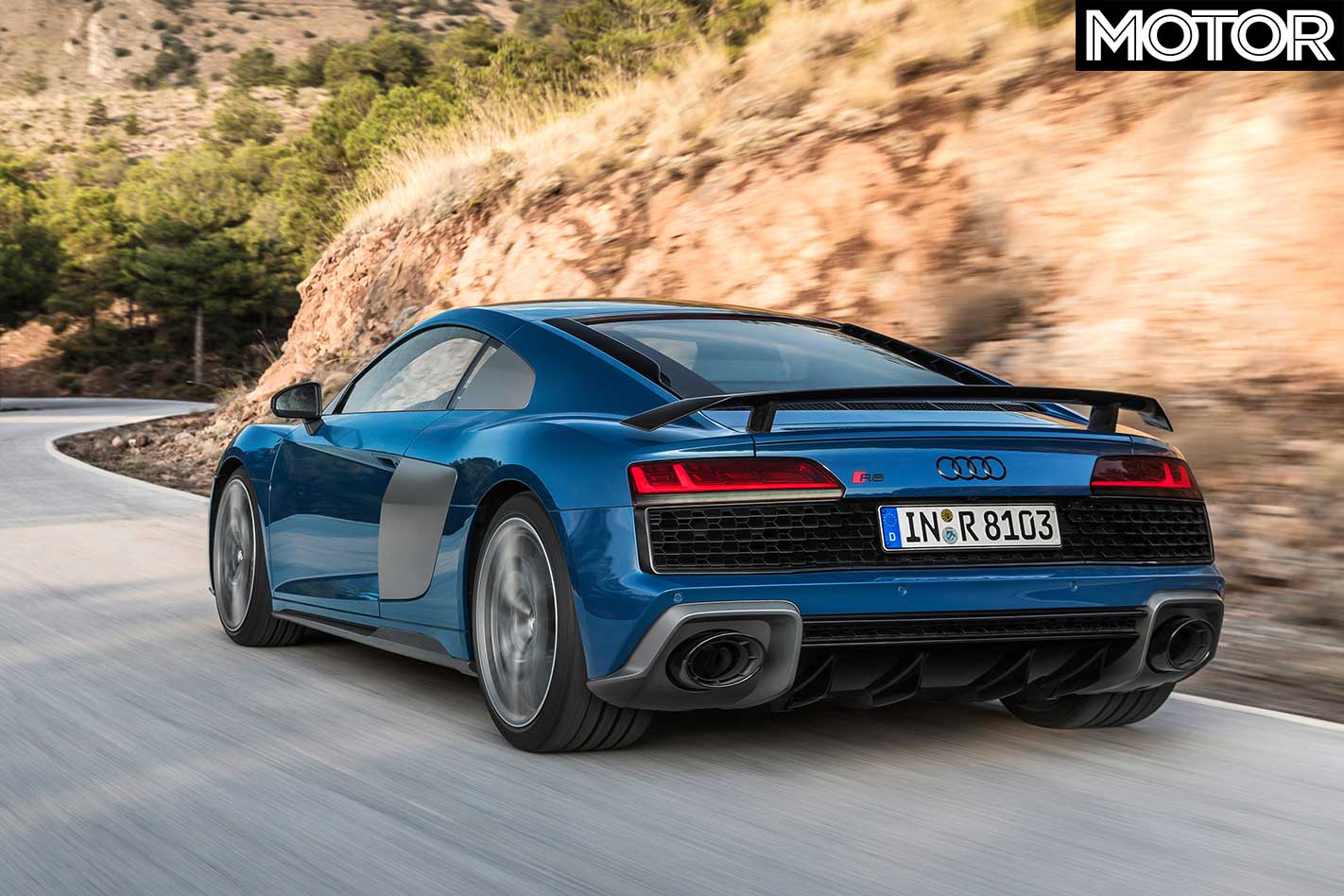
Its interior is striking and yet, being an Audi, easy to live with. Given there’s much to enjoy about the V10 and the driving experience whether you’re on a hot lap or not, the R8 should remain as compelling a proposition as ever.
It occupies a nice spot in its class, being a satisfyingly easy car to get along with yet with a livewire engine when you ask something of it. It melds usability and glamour into a pleasing compromise better than most.
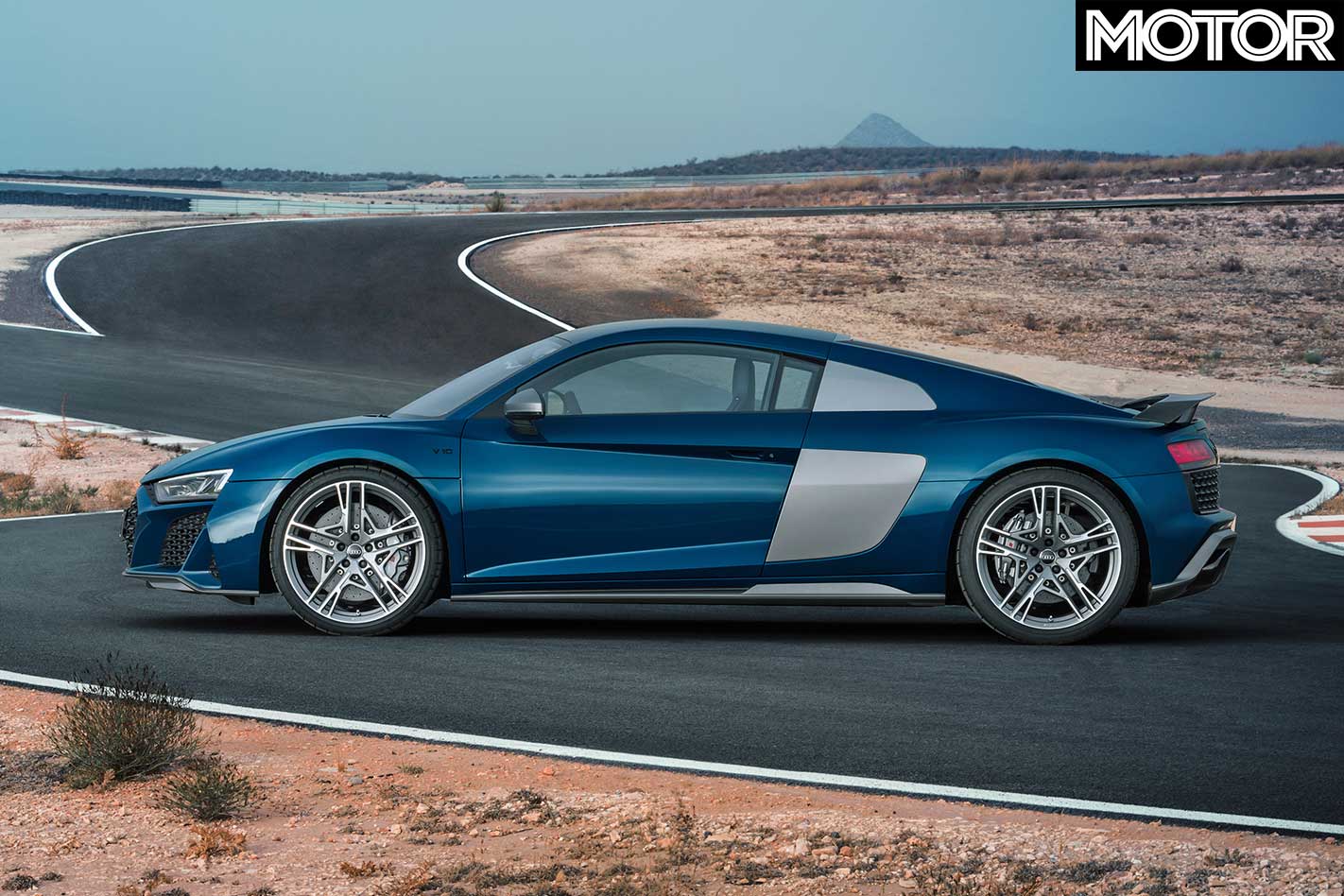
2019 AUDI R8 PERFORMANCE SPECS: Engine: 5204cc V10, DOHC, 40v Power: 456kW @ 8000-8250rpm Torque: 580Nm @ 6500rpm Weight: 1635kg 0-100km/h: 3.1sec (claimed) Price: $395,000 (est)
Like: Visceral V10-powered driving experience remains; refinement; everyday supercar Dislike: It’s a wide car; facelift could be more extensive; brakes; need a longer drive
Rating: 4.5 out of 5 stars
WITH the exception of that time I was on my way to an air-cooled Vee Dub festival in Cornwall and a group of bikini-clad girls started distributing lollies to the endless tailback of cars, and that time a hot-air balloon made a bad landing on the A303 and side-swiped a Saab 900, traffic jams have never been exciting.
And yet, here I am, sitting in a queue of motionless cars, about to add a third occasion to that list. The relative silence around my little convertible is resoundingly obliterated by a swarm of lurid 1980s motorcycles. The battalion of possessed Bosozoku bikes scythe their way through the traffic, free-flow exhausts piercing my eardrums, a trail of dazzling lights and fluro airbrushed livery tracing through the traffic like a hallucination.
On a week-day, these representatives of bizarre youth sub-culture are probably riding the JR Line train, faces buried in smartphones like millions of other Japanese commuters, but today – Sunday – they are expressing themselves in the most unforgettable and unapologetic way.
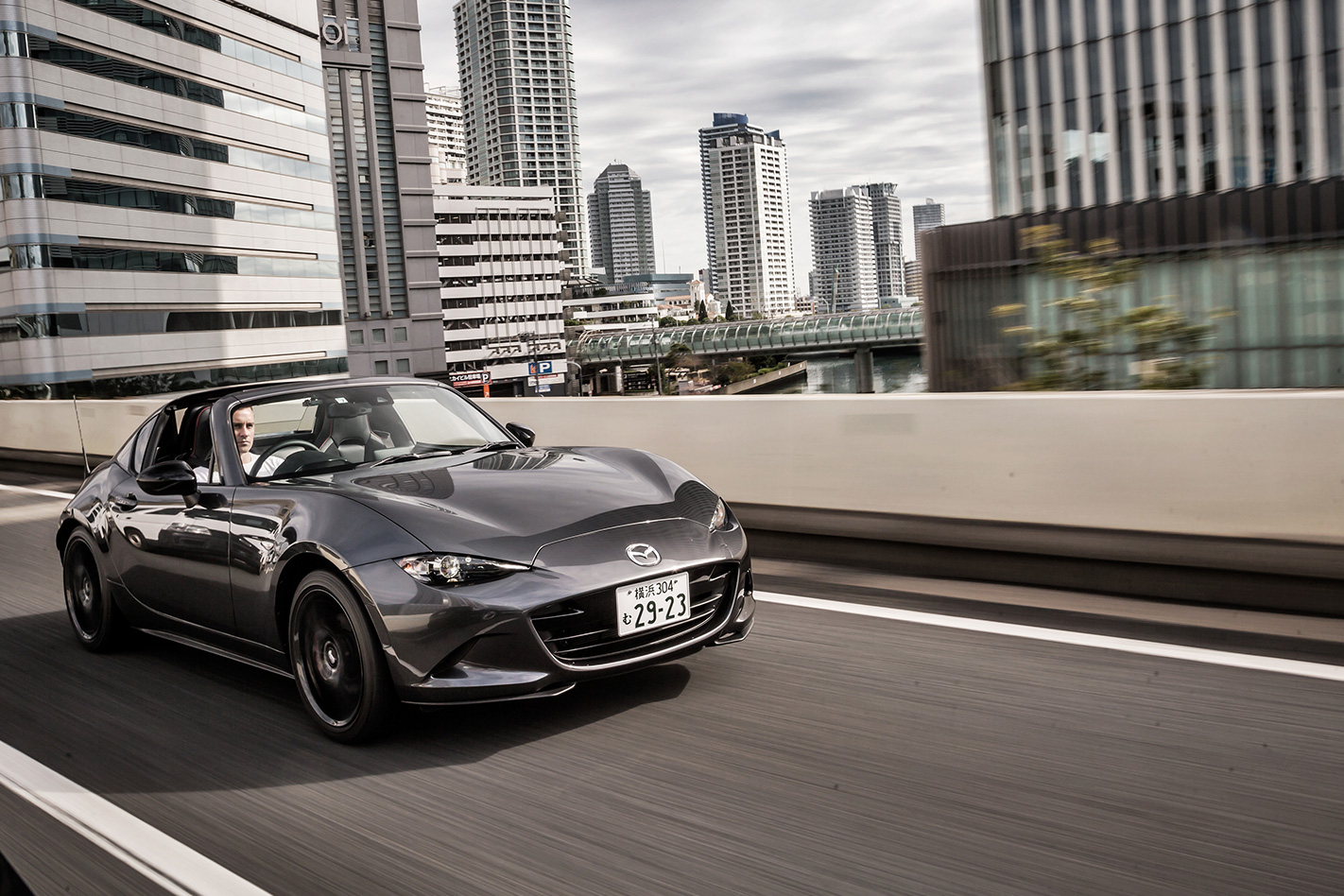
The way someone behaves in their own environment often serves as a direct portal to their inner character, and provides a unique glimpse into what makes them, well, them. That’s exactly why, only a short time before these psychedelic bikers assaulted my senses, I was standing holding the keys to a 2019 Mazda MX-5 somewhere in Tokyo’s southern industrial districts.
Attributing the success and recognition of the bantam sportscar solely to the recipe of lightweight construction, front-engined, rear-wheel-drive layout is unfairly simplistic. Mazda’s engineering accolades have been extensively examined and documented, and there’s little to discover retracing those elements. Instead, I’m hoping some time in the updated MX-5 RF at its home ground will help me unravel exactly what it is about the little two-seater’s personality that has helped pave a 30-year path to universal acclaim, including three Wheels Car of the Year wins.
IT’S A journey that starts on a sultry early morning in the capital and will end, all going to plan, in the shadow of Mt Fuji, the country’s most iconic geological landmark, where I’ll celebrate the 40th anniversary of the MX-5’s older sibling, the RX-7. But before that, I have some Japanese culture to absorb. And I’m not talking about karaoke bars and hot cans of coffee from vending machines. I’m seeking the unexpected side of Japan that surprises and amazes me without exception each time I visit this fascinating country.
As the psychedelic bikers dissipate and the gridlock clears, the freeway to Tokyo’s west begins to unclog and the distant mountains roll closer, prompting my first detour into hopefully more interesting byways. Until now, the predominant traffic has been almost exclusively small and Japanese, but as the road climbs and the turns tighten, a Porsche 911 GT3 RS blasts past. A few seconds elapse and it’s followed by a McLaren 650S in hot pursuit.
I think I’m heading into a driving enthusiasts’ mecca. But instead of an addictive black ribbon stretched out indefinitely, the road terminates at the Daikanzan Observatory. You might come here for views of the incredible and impossibly placed Mt Fuji or to catch a spectacular sunset, but this afternoon the carpark is rammed with a dizzyingly diverse spread of cool cars.
A pair of KTM X-Bows – one standard, the other barely road legal – a fleet of Caterhams, all the key European players, a squadron of NB MX-5s; they’re all here. The owner of one particularly savage-looking belly-dragger takes great pride in showing me the expensive Lithuanian short-shifter, but I’m distracted by his car’s ridiculously fat haunches and racing rubber that barely clears the arches. More rare bikes turn up followed by more exotic supercars and the carpark dollar value skyrockets.
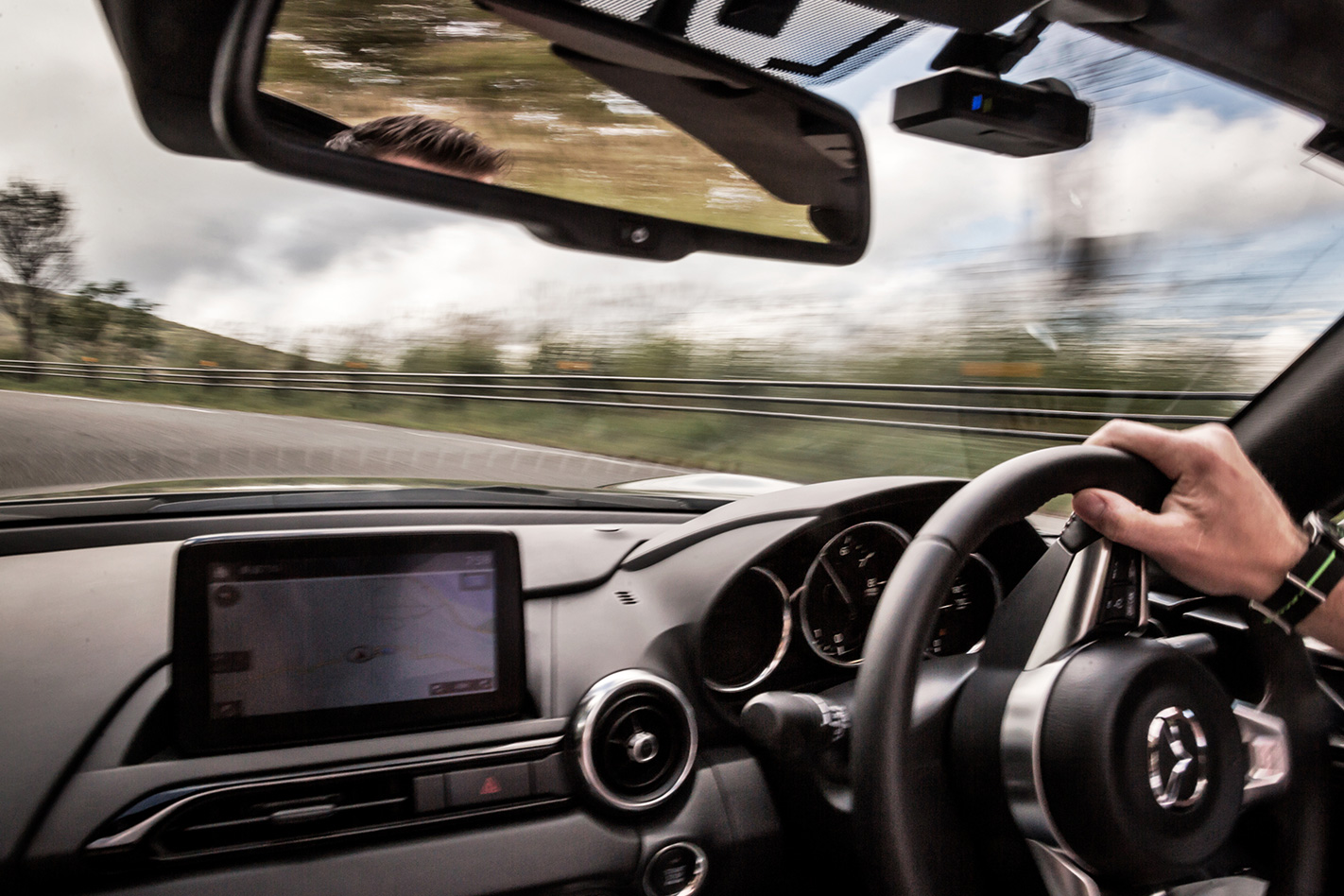
The Porsche, McLaren and all the other delicious hardware did not head here exclusively for the drive. They came here to be among their own – petrolheads united by a love of performance and cool metal. Fuji pokes out from above the clouds, dwarfing everything, but there’s no time to gawp – the cars are dissipating and I follow their lead.
More freeway miles provide another neat analogy for this country. The efficiency of fast, well-maintained roads is constantly punctuated by toll booths, representing the nation’s passion for bureaucracy. But the monotony is at last severed by another detour, this time via a 10km privately operated toll road that hacks through the verdant Japanese countryside like a pissed woodworm, tiptoeing along a ridgeline and following the western shore of Lake Ashi. With views of an even closer Fuji ahead and vistas diving down to the lake to the east, it really is as good as it sounds.
Satellite images suggest the Hakone and Ashinoko Skyline roads will offer the kind of remote mountain blast sportscar fanatics fantasise about. But on arrival, hopes are dashed by the discovery that a blanket 40km/h speed limit, from start to finish, hobbles this otherwise perfect road. However, it becomes apparent that the majority of users blatantly ignore the signs and hey, I’m not one to mess with local customs.
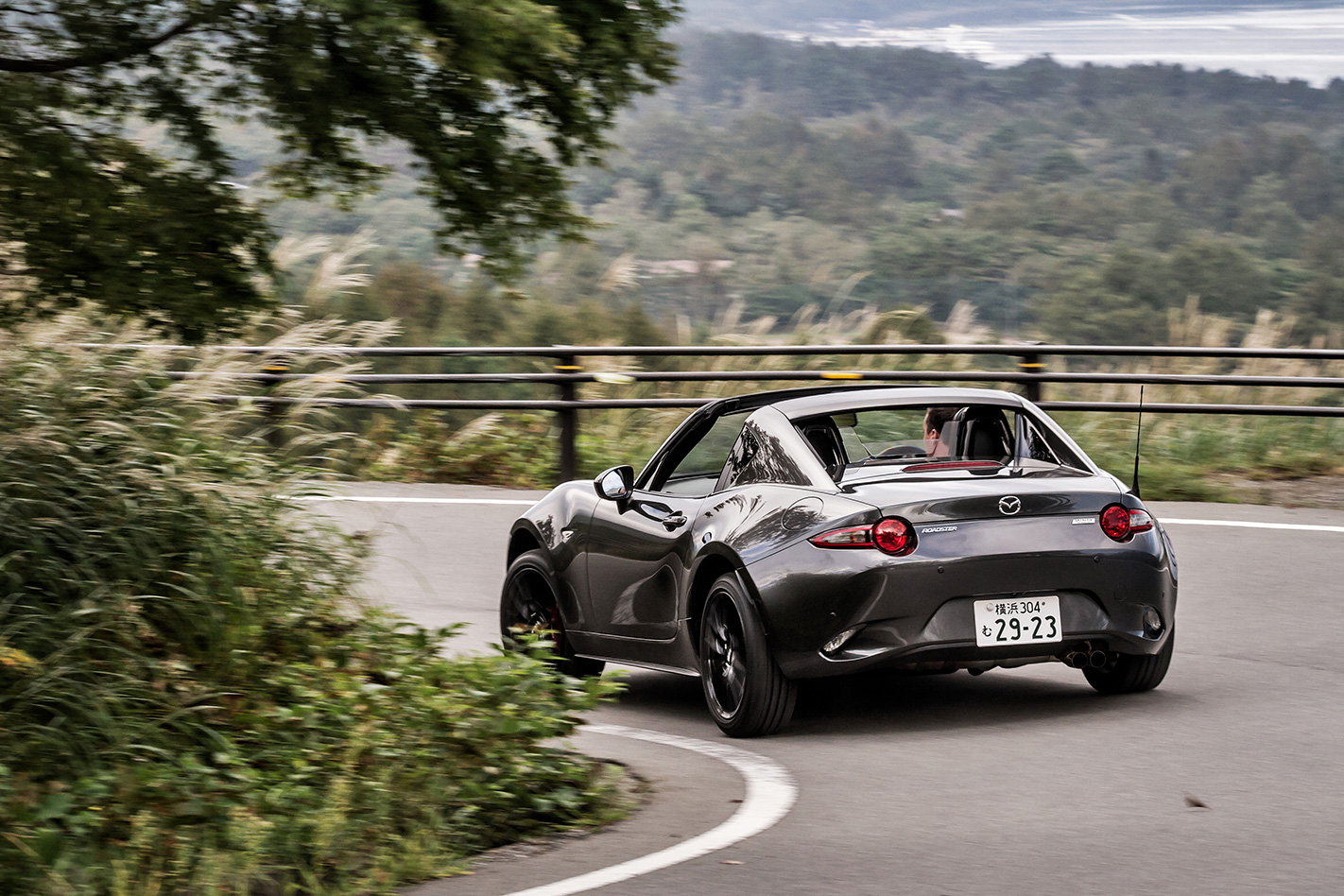
It’s only now, with an irresistible mélange of turns laid out before me, that I get a proper chance to appreciate the changes Mazda implemented for the updated ND.
A few boxy kei cars are quickly despatched and I’m already grinning at the new rev limit that nudges 8000rpm. There’s a more urgent exhaust note that announces the extensive internal mechanical improvements and a strength in the top end of the rev range that wasn’t present in the less highly strung 2.0-litre four.
For the 2018 update, Mazda gave the engine a romantically old-school power-up, with shorter skirt pistons, lighter conrods, modified crank, larger valves, revised camshaft profiles, new injectors and a redesigned inlet manifold. It’s refreshing in an era of chip-tuning.
Where you might have previously banged the selector over another notch early, the enhanced 2.0-litre urges you to tickle the redline in every gear. The extra spice in the top end also helps offset the extra weight of my RF over the soft-top.
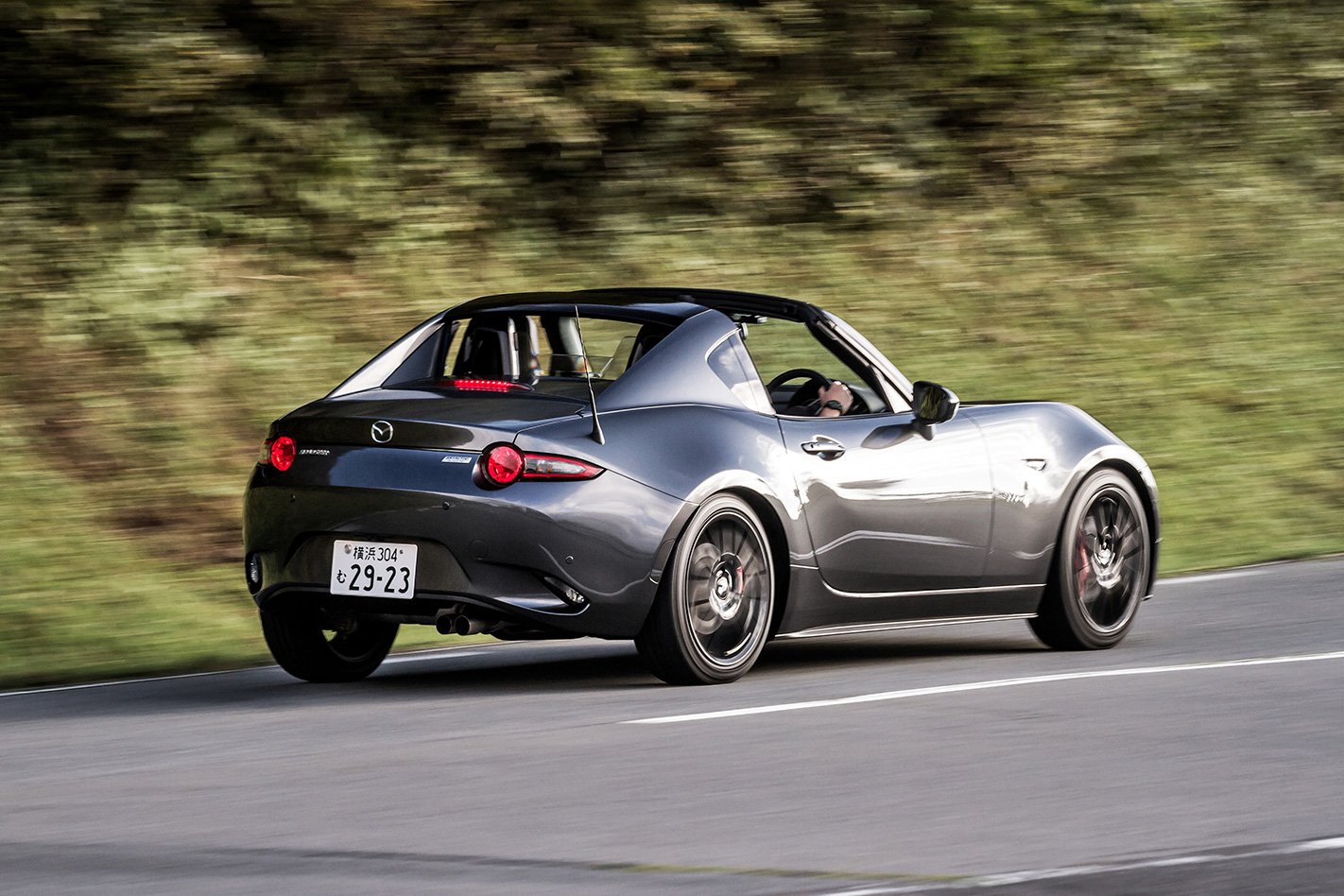
There’s no doubt the previous version was a great unit for the MX-5, but while that engine felt like it had been borrowed from another more pedestrian model, the 2018 2.0-litre feels as though it was designed specifically for a lightweight sportscar.
The first autumnal freshness creeps into the damp air as the sun slides behind Fuji, and I descend the mountain to our digs for the evening, but the roof stays open.
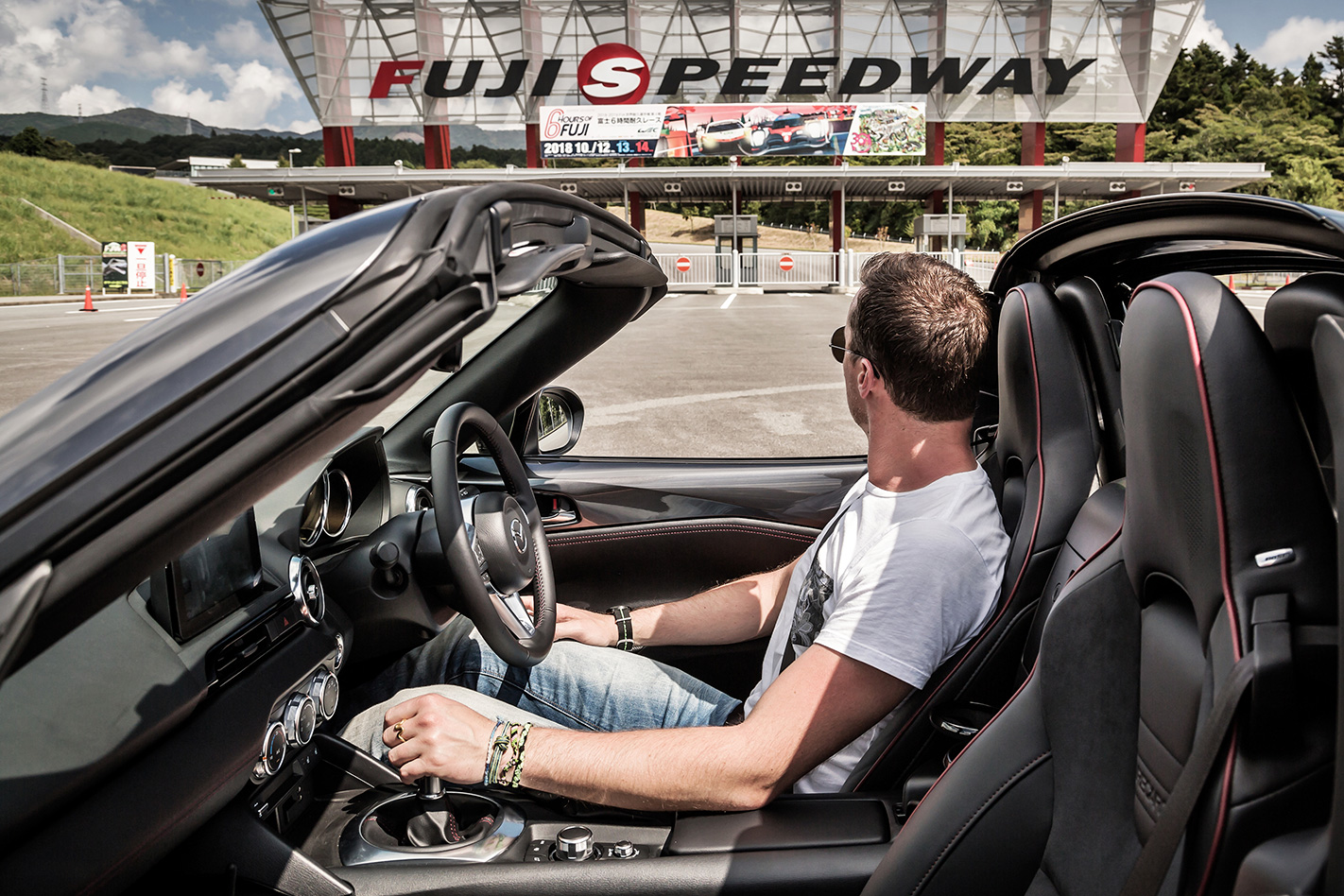
I’M WOKEN the next day by the unmistakable sound of a rotary engine cold-idling in the hotel basement carpark. Its bark is a war horn summoning others to the nearby circuit nestled beneath the mountain, but before I join them I have one last chance to stretch the MX-5’s legs.
The Mikuni Pass cleaves a path from Lake Yamanaka over Mt Mikuni and ends, conveniently next to my destination – the Fuji Speedway. Tearing myself from the futon’s embrace will allow me a couple of hours before the crowds gather. And I’ll be glad I did.
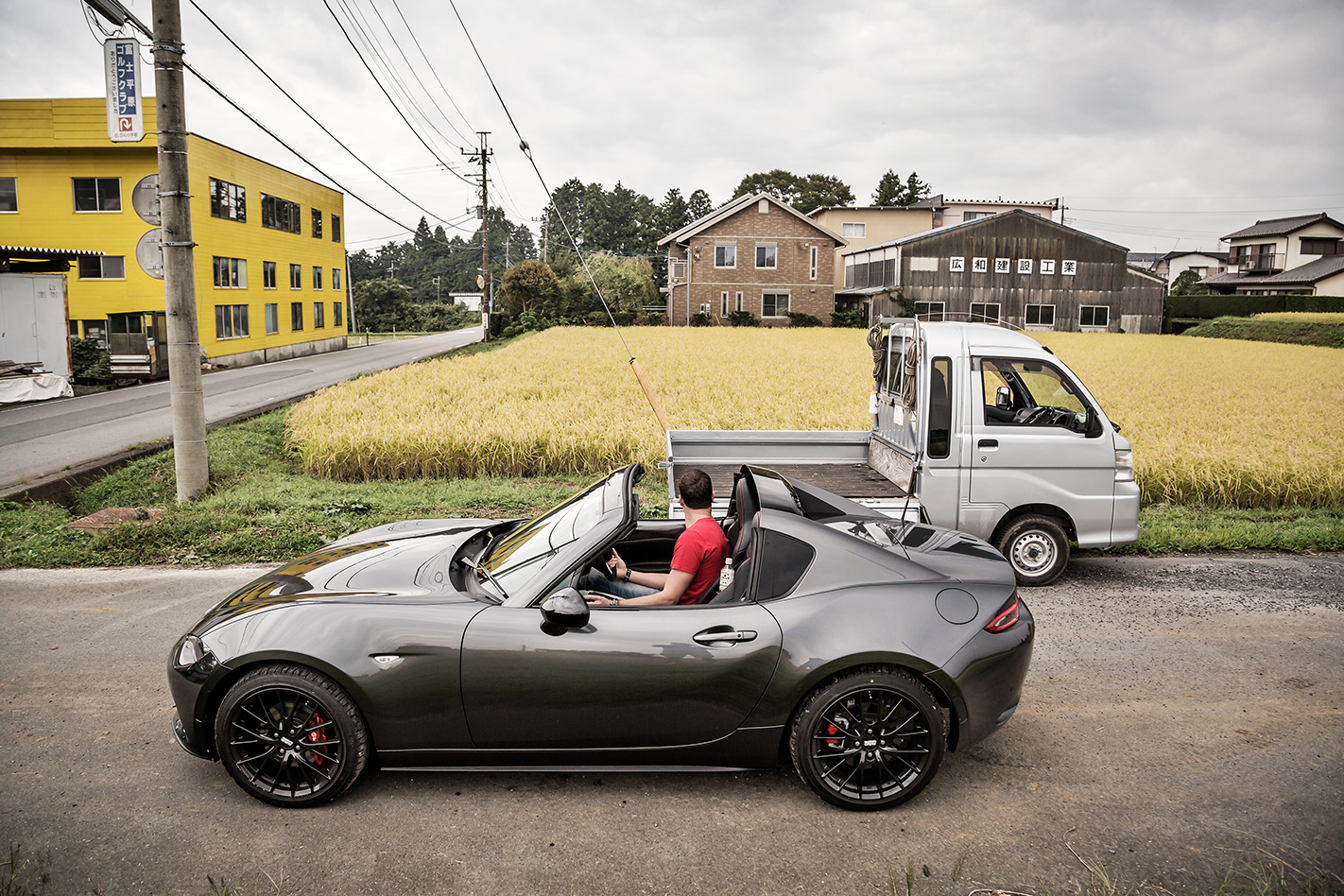
The roads are deserted and the pass beckons irresistibly into the clouds, offering a flowing series of bends that look as though they have been designed for the MX-5. Slingshot corners eject the little sportscar with a flair of tail-slide and the new rev limit requires only second and occasionally third to maintain brisk progress.
The MX-5 chassis engineers could have easily tuned the ND to be Bonneville flat through corners, but I respect the decision to opt for a softer calibration and, happily, there are no suspension revisions for the 2019 update. Rather than a stiffly suspended chassis that gives you little chat right up to the moment you’re about to spear into a tree arse-first, the Mazda leans into a corner and talks you through technical sections like its hands are on yours. Perfect for roads like these where feedback is everything and mistakes are embarrassing at best.
Retracing my steps for several passes over the mountain, the Mazda allows me to build up to its limits of adhesion confidently and not blindly up to the limits of my ability.
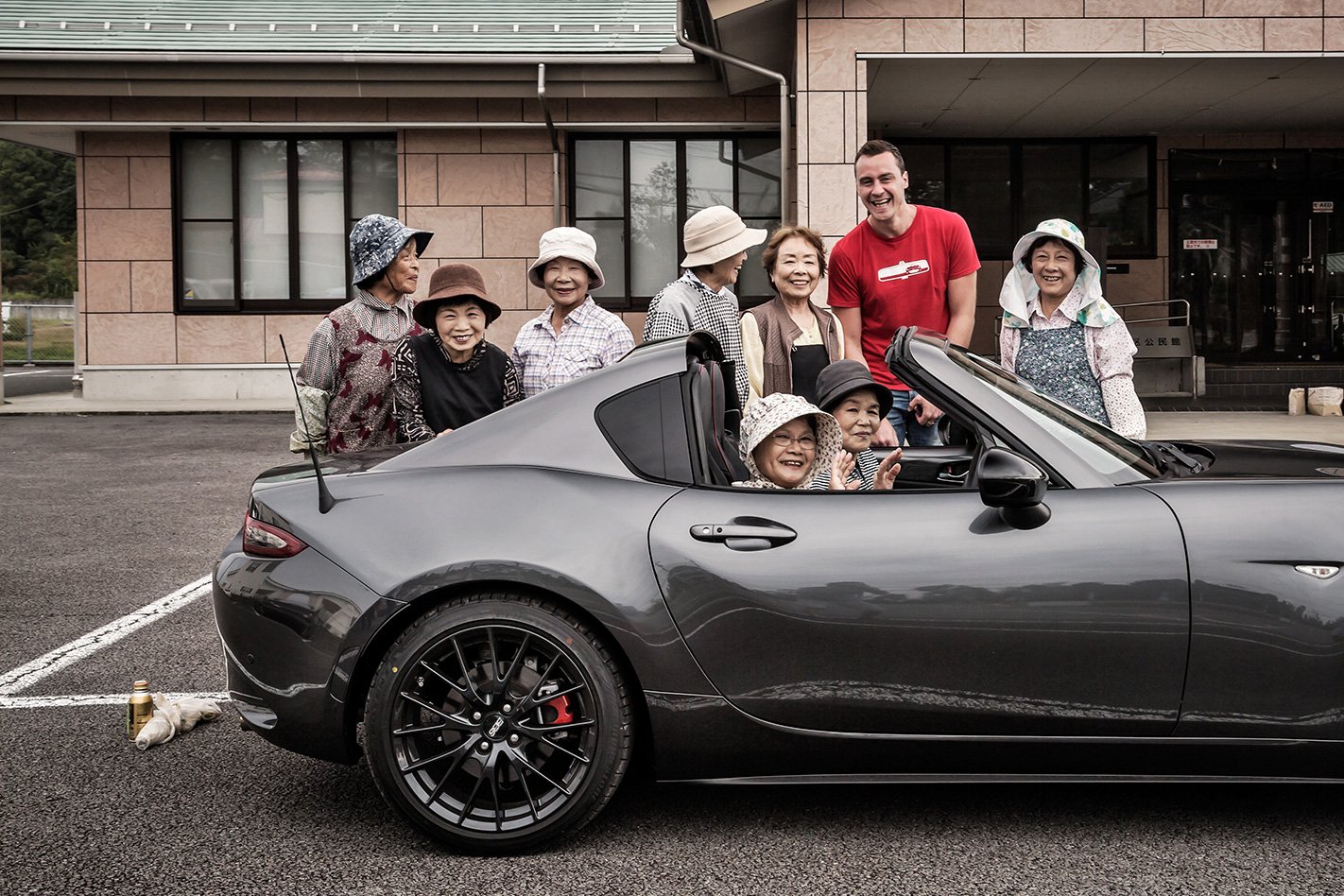
That’s a little typical Japanese friendliness coming through right there. The roads are starting to clog with hot metal. Probably best then that my journey in the best MX-5 to date has drawn to a close as planned at the gates of the Fuji Speedway, but there’s time for one more chapter in this tale of Mazda magic.
Japan is a nation of fascinatingly complex paradoxes.From Monday morning to Friday evening, its population obediently shuffles back and forth from home to work in a river of white shirts and face masks, never once questioning the rules that govern society. Yes, the ancient guiding principles of the Japanese work ethic are slowly changing in a nation that’s torn between tradition and modernisation but, more often than not, company employees will remain pinned to their desks until their manager has left the office, regardless of the hour and workload.
Put simply, it’s a country that places immeasurable importance on core virtues: respect, politeness, honour, and trust. But as soon as the time card is punched, something else is added: the enjoyment of life itself.
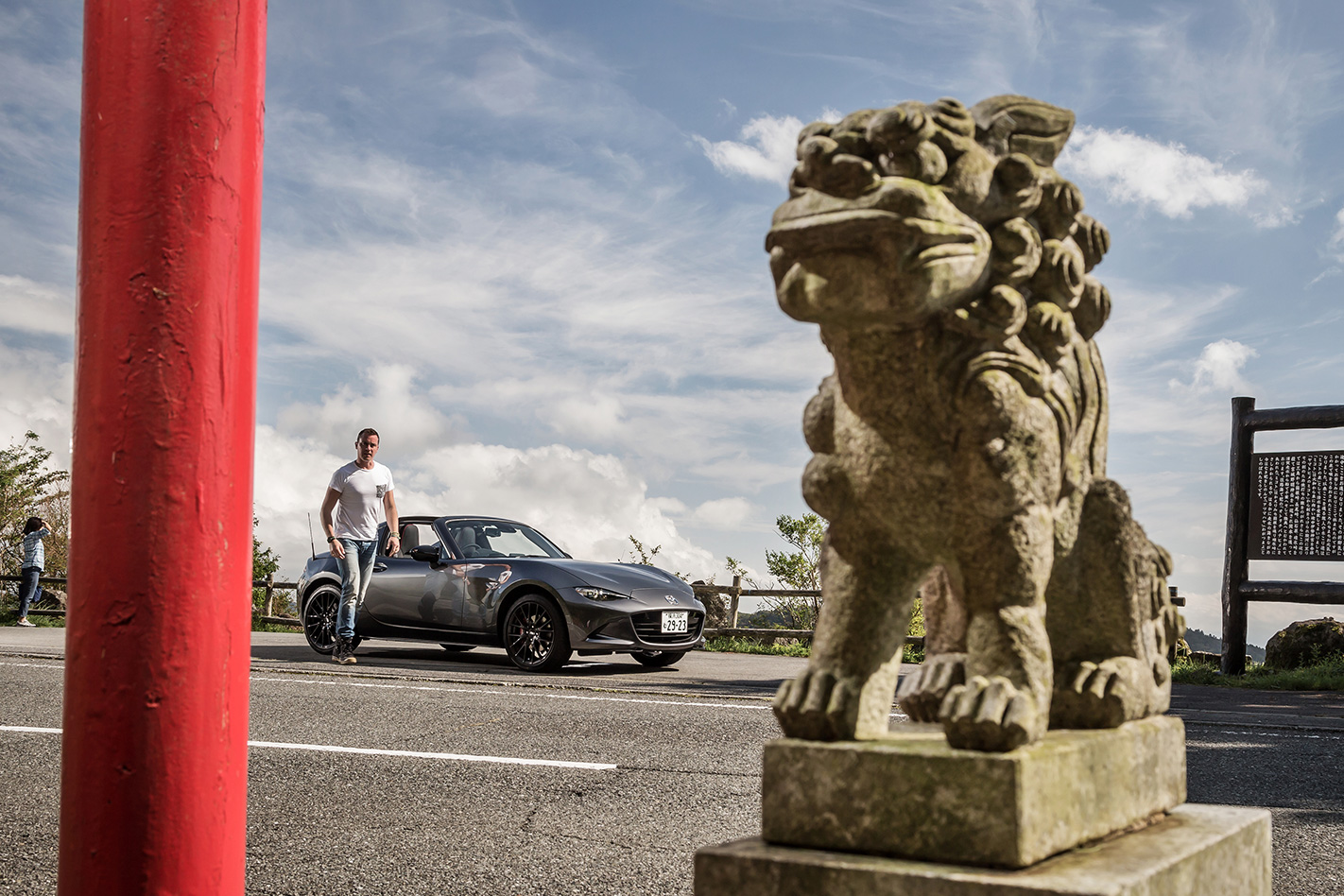
And it’s only as I’m once again riding public transport on a Friday night through endless Tokyo suburbs that I finally understand, not just my road companion of the last few days, but each generation of the MX-5 spanning 30 years.
The little Mazda roadster is the automotive embodiment of Japanese principles – an accessible pricetag and unbreakable reliability are the MX-5’s staunch work ethic, but when the weekend comes around, boy, does it know how to have fun. Sure, the MX-5’s formulaic recipe, which borrows all of the attributes of old English sportscars (without the steaming radiator and worn trunnions) is certainly part of its phenomenal success, but trying to understand this driver’s car icon by looking at oily bits alone is misguided. A car that so beautifully balances affordable, stoic dependability with joyous, simplistic enjoyment could only ever be a product of Japan’s dazzling culture.
Is that Ford Mondeo or BMW 3 Series in your driveway looking a bit tired after three years of slogging to work and back? Do those many scratches on the paintwork and scuffed alloy wheels get you down every time you walk up to your car, compounded by the stained upholstery and outdated entertainment system inside?
We’ve got just the thing to help you upgrade to a new car with everything 2019 has to offer in the worlds of connectivity, autonomy and efficiency. And even better, you’ll get a new car smell to go with your new company car pride and joy!
There are a lot of exciting new cars coming to Australia in 2019, and navigating the crowd can be daunting. Fear not! We’ve done the hard work for you and cut 10 of the top new executive sleds from the herd for you to choose from. Unfortunately we can’t help you through the options list, or choose a paint colour, but don’t worry, that’s the fun part!
Audi Q3
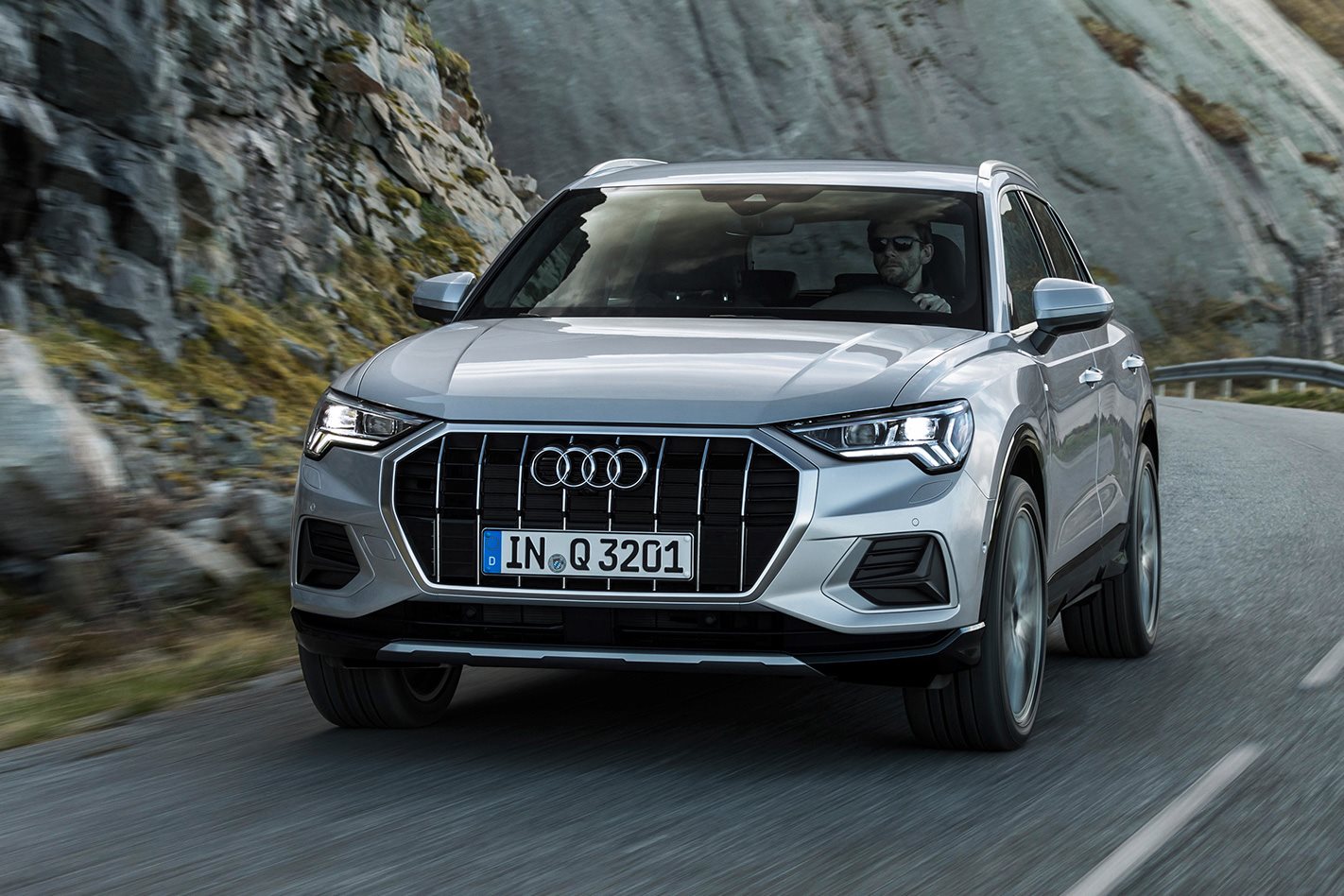
Significance: Audi’s original small SUV gains a mature new look and more equipment to separate it from the similarly sized Q2.
Price range: $45,000-$85,000 (estimated)
Rivals: BMW X2, Jaguar E-Pace, Mercedes-Benz GLA, Volvo XC40
Due date: June 2019
Read now: Audi Q3 unveiled
The all-new 2019 Audi Q3 compact SUV features bold design cues taken from its bigger sibling, the Q5, to give it a more mature and attractive appearance than its predecessor. The new Q3 should also be more family-friendly and practical than before, and will benefit from a raft of infotainment, connectivity and driver assist upgrades.
BMW 3 series
Significance: The latest iteration of BMW’s mainstay mid-size sedan brings dramatic improvements both inside and out
Price: $60,000-$120,000
Rivals: Mercedes-Benz C-Class, Audi A4
Due: September 2019
The all-new BMW 3 Series will be built on top of a brand new platform, and will yield a new version of both the M3 and the M4 performance twins, which may just sneak in before Santa comes at the end of next year. Expect them both to retain a six-cylinder layout. First up, though, will be the 330i which will have M Sport kit as standard with an M Sport brake system, and the option of a limited slip rear diff.
Mazda 3
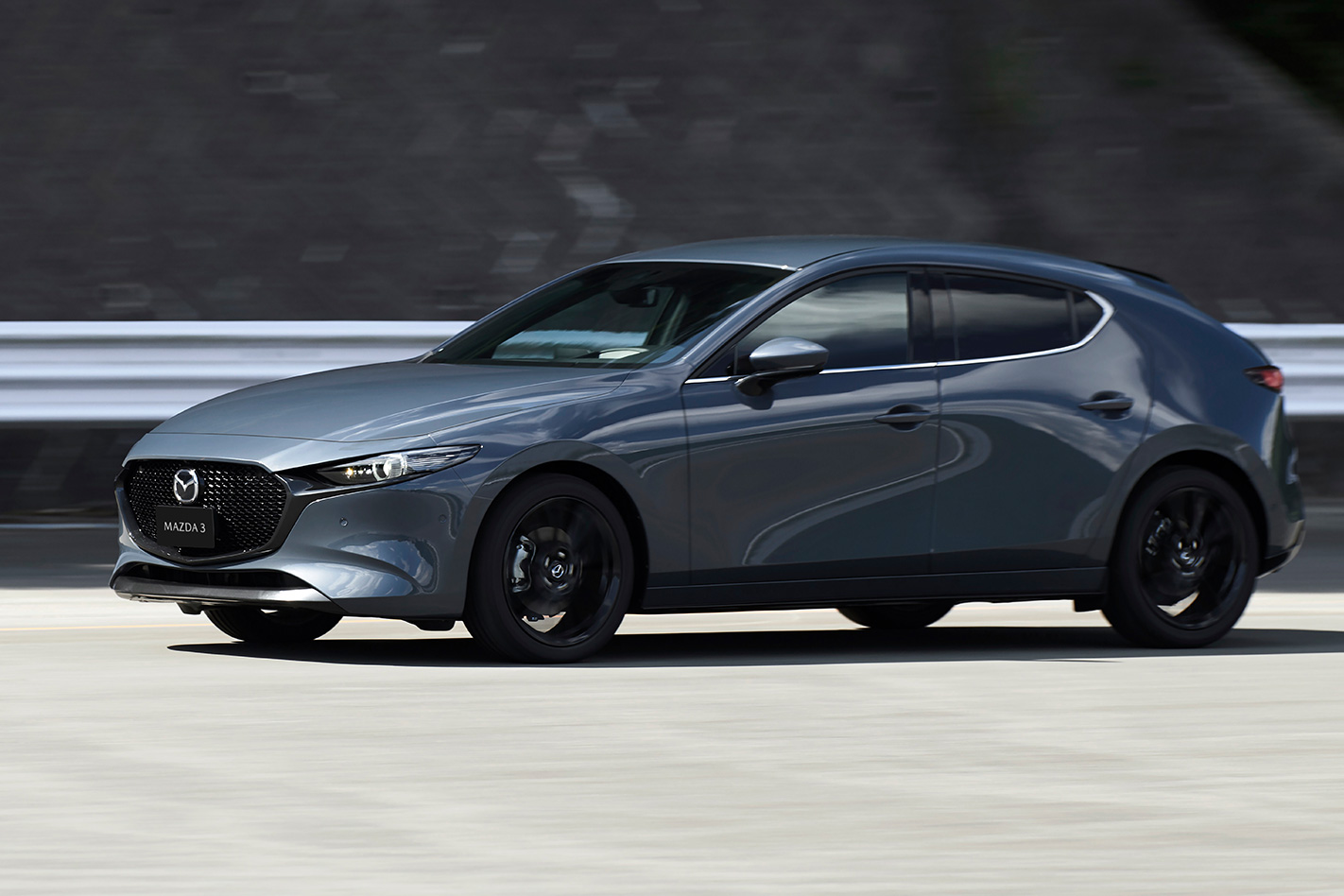
Significance: Mazda’s evergreen and much-loved all-rounder returns in its fourth generation
Price: $22,000 (estimate)
Rivals: Toyota Corolla, Hyundai i30, Kia Cerato, Volkswagen Golf
Due: June (approx.)
In the middle of the year Mazda Australia will change over its popular Mazda 3 range with an all-new generation hatch and sedan, and while local details such as range structure and pricing are still far from ironed out, the design of the new Mazda 3 shows that Mazda’s mainstay small car is set to be a real looker. The hatch and sedan will be quite visually distinct from the B-pillar rearward – certainly more so than the current generation – and the local powertrain line-up is likely to include Mazda’s innovative and ultra-efficient SkyActiv-X supercharged compression-ignition engine.
Mitsubishi Triton
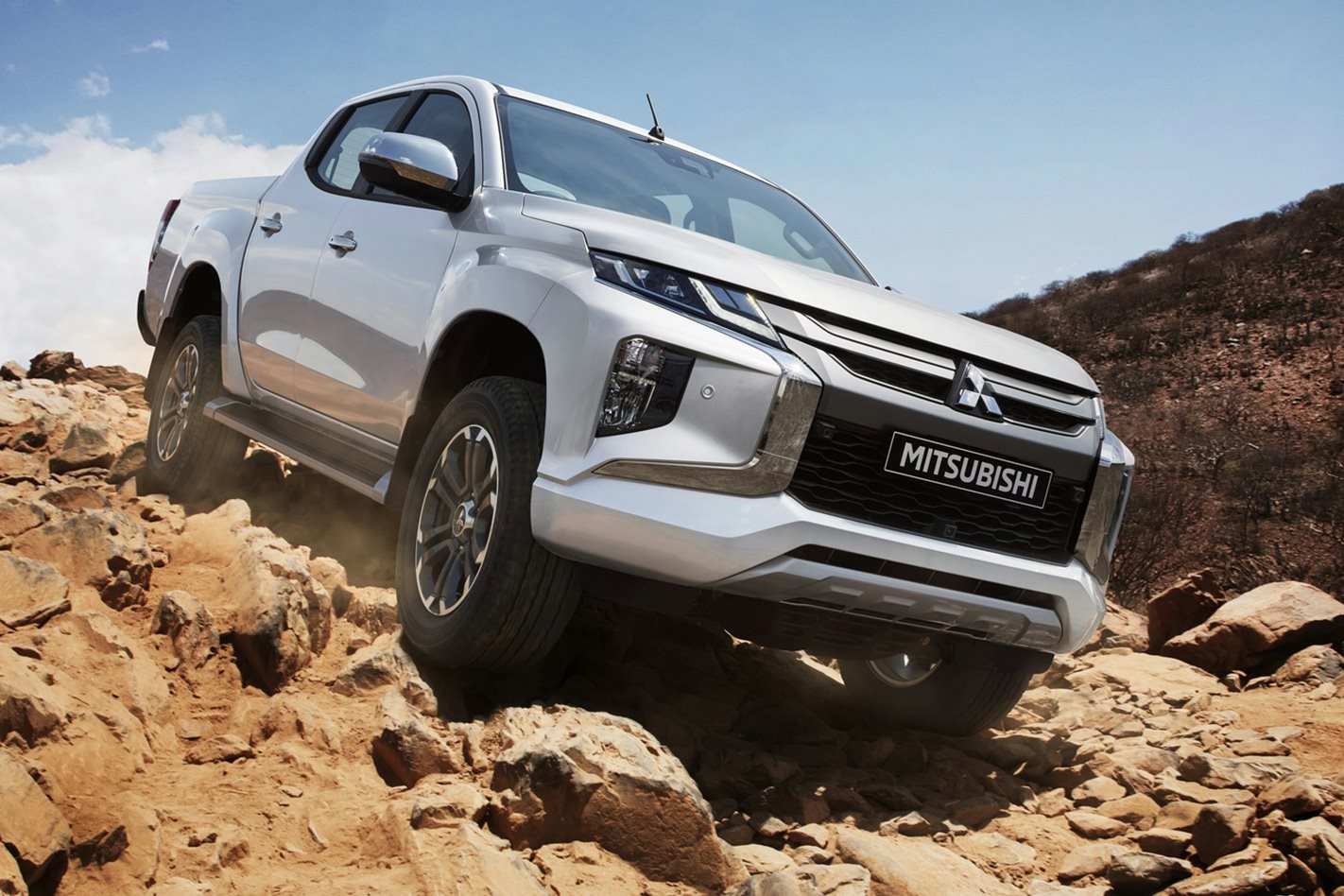
Significance: A major update and facelift of the popular dual-cab ute.
Price range: $25,000 to $50,000 (estimated) Rivals: Toyota Hilux, Nissan Navara, Isuzu D-Max, Ford Ranger, Holden Colorado, Mazda BT-50 Due date: January
One of the most popular dual-cab utes, the Mitsubishi Triton has undergone a significant facelift making it even more family friendly than before, with more than 2400 changes from its predecessor including new sheet metal, updated six-speed auto, more cabin equipment and safety tech. A new flagship is also expected at a later date bringing a tough truck rival to the Ford Ranger Wildtrak and HSV Sportscat.
Peugeot 508
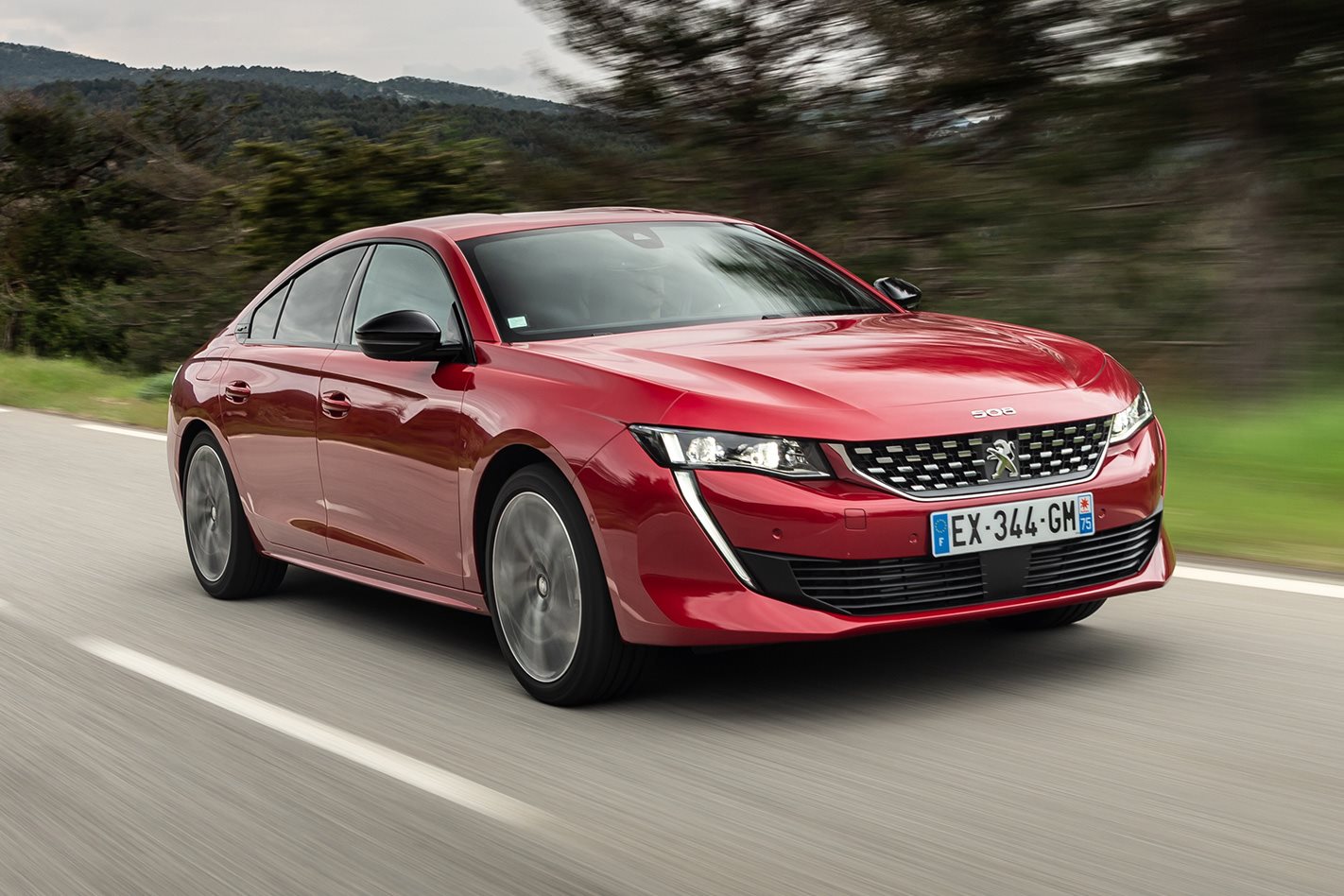
Significance: Ooh la la! Who knew a midsize sedan could look this good?
Price range: $40K+
Rivals: Volkswagen Passat, Toyota Camry, Mazda 6
Due Date: June 2019
After a couple of generations of extraordinarily soporific 508s, Peugeot has shaken off whatever ailment afflicted its design department and released a stunning mid-size pair in the form of the 2019 Peugeot 508 sedan and wagon.
Strong visual links with the Peugeot 3008 and 5008 are in evidence both inside and out (a very good thing), and the new 508 looks modern, dignified and flaunts a far more premium aura than most would expect of the French brand. Lightweight engineering also promises more than a skerrick of dynamic aptitude as well. Translation: it’ll drive like a dream when it gets here in in the middle of the year.
Range Rover Evoque
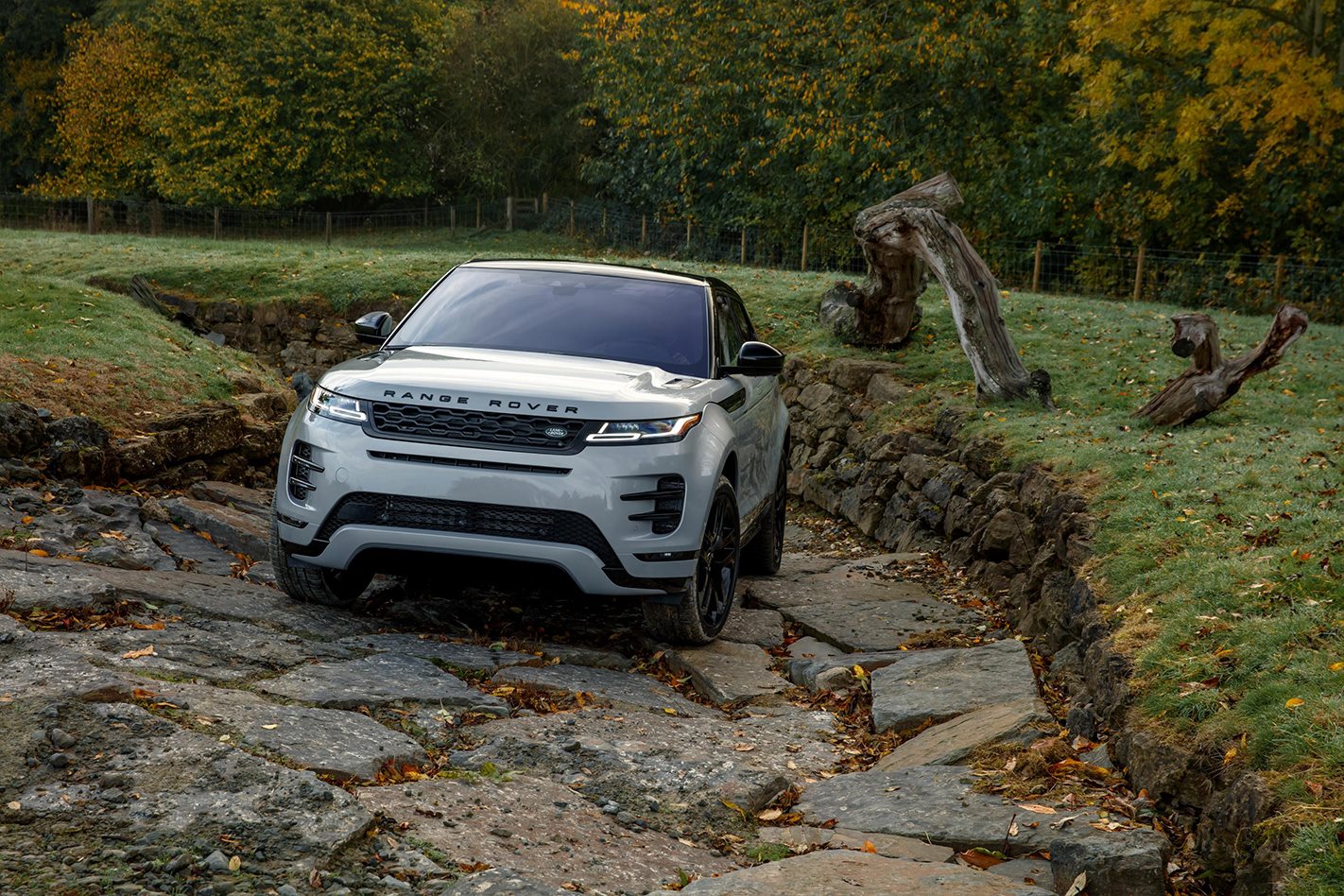
Significance: The baby Range Rover will mature to reflect its bigger siblings while offering more interior space
Price range: $64,000 – $105,000 (estimated)
Due date: May 2019
Rivals: BMW X4, Jaguar F-Pace, Mercedes-Benz GLC, Porsche Macan
Land Rover Australia is yet to detail the full 2019 Evoque line-up, but has confirmed that three diesel four-cylinder engines and three turbo petrols will be available with 48-volt mild hybrid technology. It’s 10mm wider and has a 20mm longer wheelbase to provide more leg and elbow room, with boot space also increasing, by 10 percent, to 591 litres. The roof is 11mm lower though, resulting in a sportier coupe aesthetic resembling the Velar.
Toyota RAV4
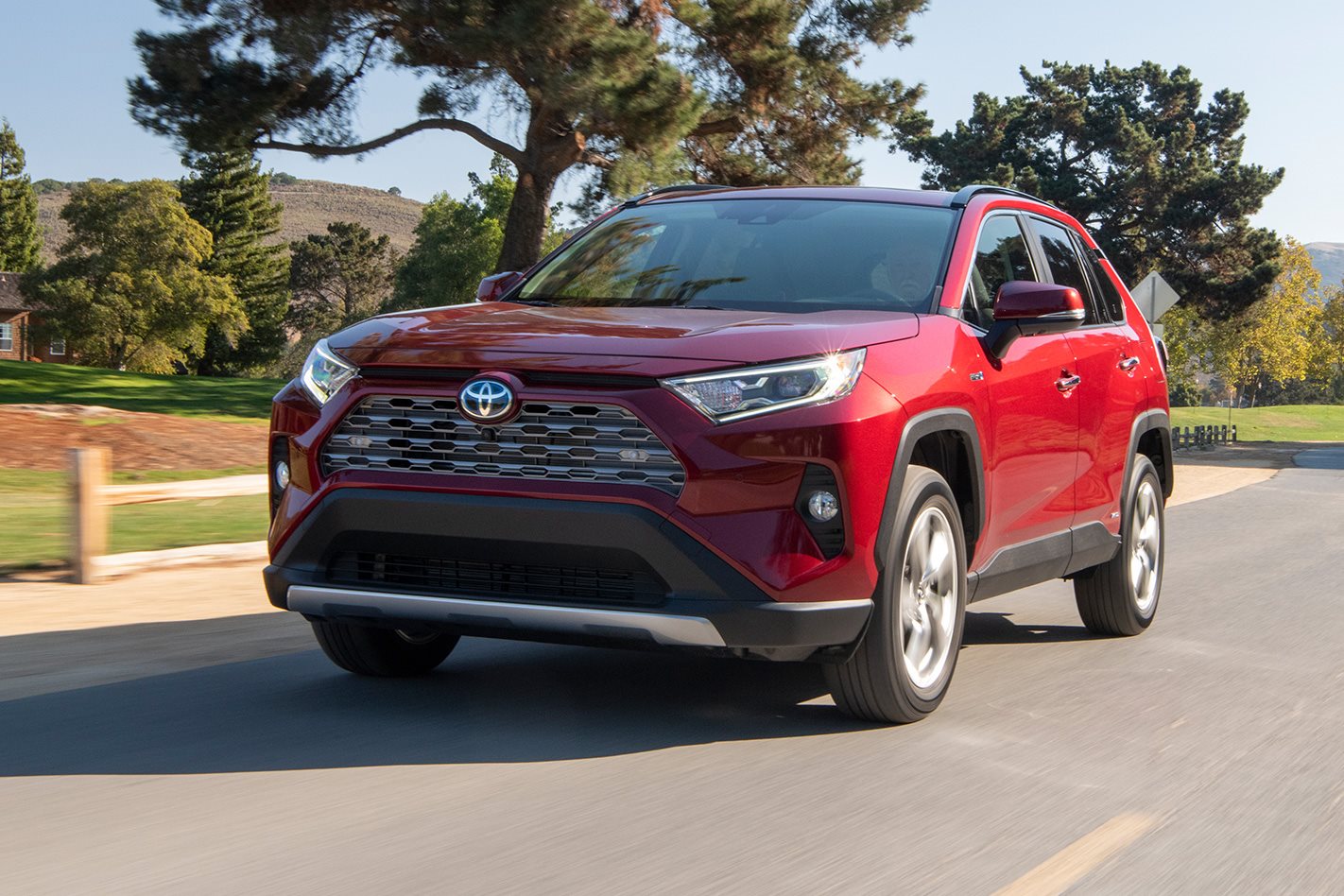
Significance: Toyota’s mainstay medium SUV has been totally redesigned and offers more comfort and technology than ever before
Price range: $30,000 – $55,000 (estimated)
Due date: April 2019
Rivals: Mazda CX-5, Subaru Forester, Jeep Cherokee
One of the most significant new cars for 2019, the all-new Toyota RAV4 promises to shake up the highly competitive medium SUV market by setting new benchmarks in terms of standard features and modern powertrains, including a petrol/electric hybrid. It will have the option of torque-vectoring AWD and multi-terrain drive modes to help it grip, and spawn a more off-road focused version called the ‘RAV4 Adventure’. The new RAV4’s bigger exterior dimensions will result in significantly more interior space and comfort, while the interior design will be more upscale than the current model.
Shy and retiring? Hardly. It’s an interesting diversion from the norm for Porsche; this iteration of the Turbo has real presence, reeks of intent… it’s got balls, basically. From the tarmac-hugging front valance, extendable split rear wing and the tricky-dicky LED parking lamps to its swollen flanks and gaping vents, subtle the 997/911 Turbo is not.
This review was originally published in MOTOR’s July 2006 issue
The Turbo’s never been supposed to look like Stuttgart’s gun for hire. That sort of hard bastard-meets-junkyard dog vibe is left to the likes of the GT3 and the GT2. Subtle, restrained styling with design nuances that only the knowledgeable will catch has been the hallmark of the 911 for the more discerning. It’s a model that appeals to the top end of Porsche’s customer barometer.
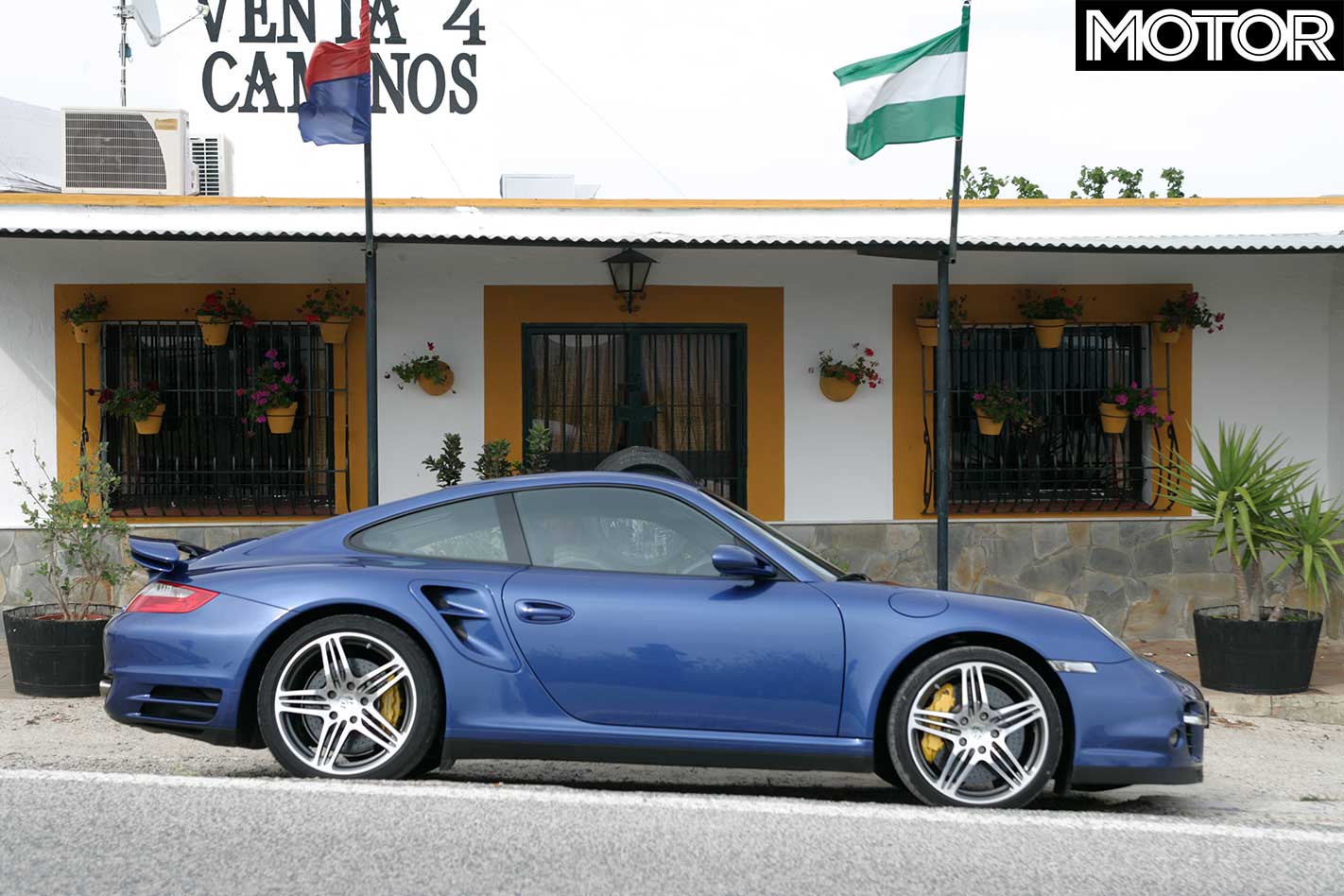
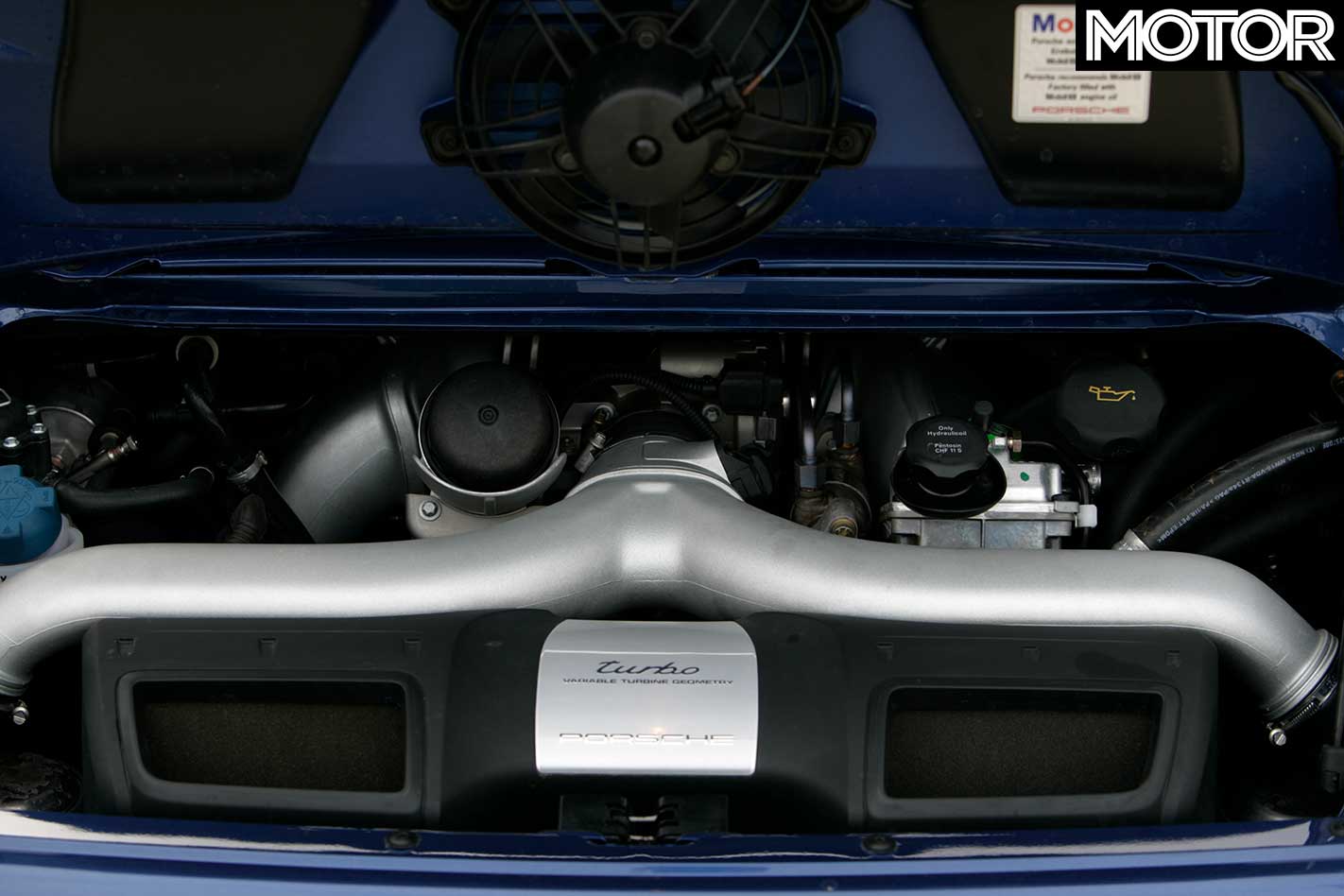
Based on the Carrera 4’s bodyshell, the Turbo’s life force is its venerable 3.6-litre flat six. Starting life in the 993, the engine’s roots can be traced back to the GT1, and it still powers Porsche’s current crop of Carrera Cup race cars.
It’s not the engine that’s of most interest, though – it’s the pair of very clever turbochargers that lurk deep in the tail of the beast. Positioned on the exhaust side of the turbo is a turbine wheel that’s fitted with guide blades that adjust according to the volume of exhaust gas flow.
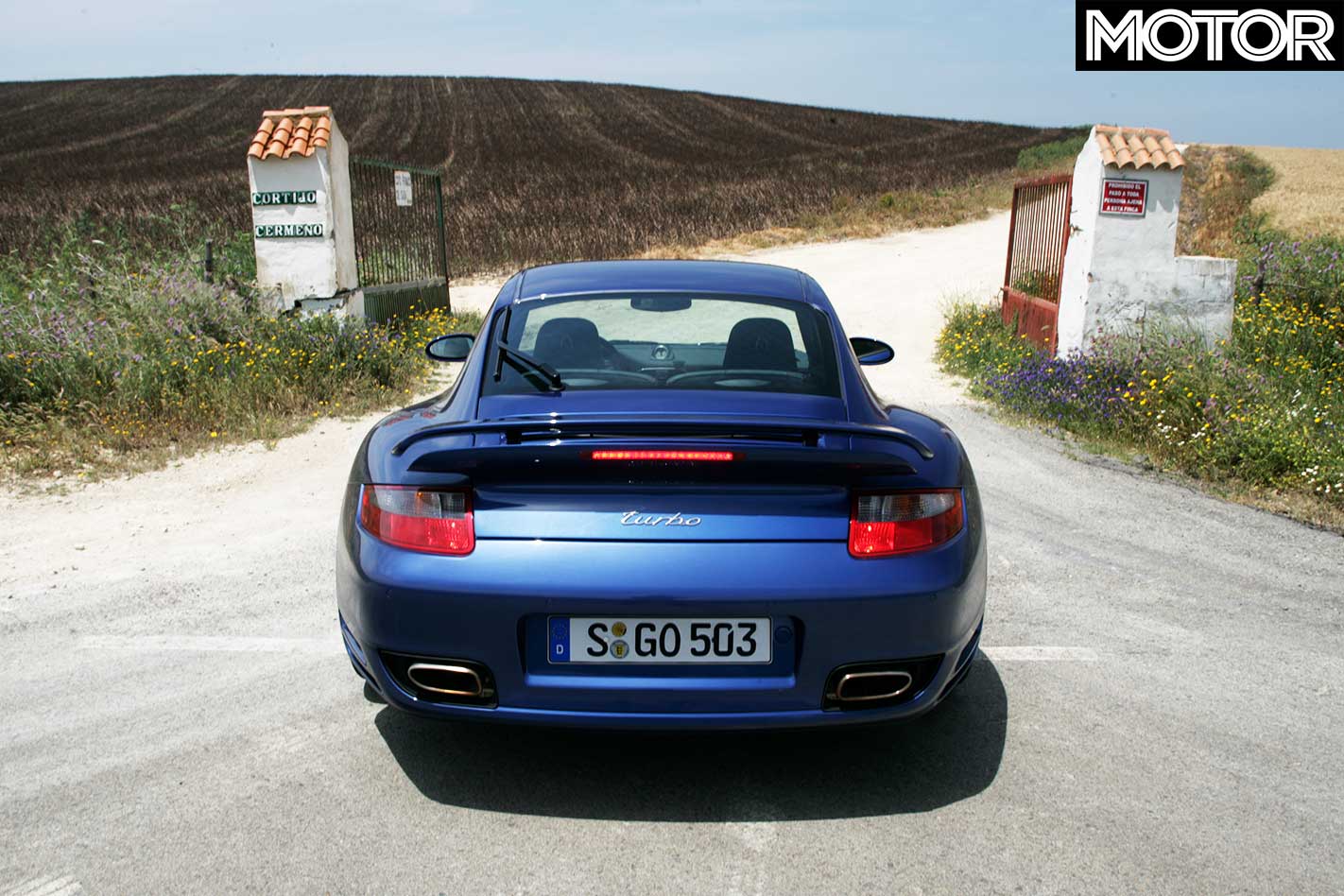
What’s in it for us? Turbocharging is about compromises. A bigger turbine with a larger air flow capacity makes great top-end power, but doesn’t work well at lower engine speeds; say hello to our old friend lag. A smaller diameter huffer overcomes this trait, but gives away big power.
Variable turbine geometry essentially provides the best of both worlds, with the blades – which can react in as little as 100 milliseconds – restricting the gas flow at low engine speeds to build boost more quickly, and opening up when gas velocities increase with revs.
It’s not new technology, but Porsche has managed to solve the system’s biggest bugbear in petrol engines, heat, by making the vanes from an ‘aerospace material’ that they weren’t really keen to talk about. The turbo’s bearing houses are both water- and oil-coiled, too, with heat exchangers mounted forward of the front wheels.
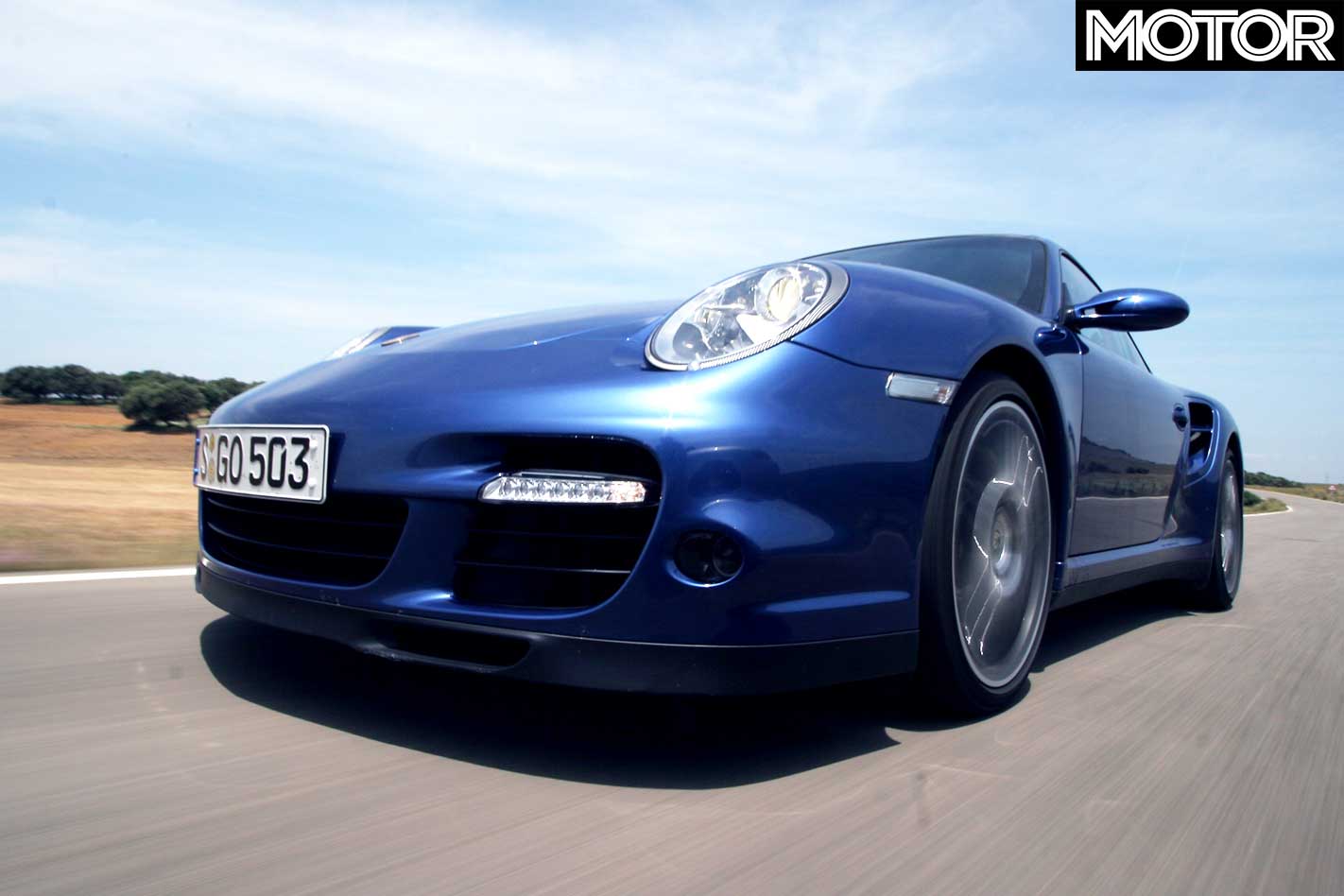
Built on the same eight-bearing alloy block as the previous model Turbo, compression’s been lowered a nick to 9.0:1, while the company’s VarioCam Plus system is responsible for regulating the stuff that goes bang. Controlling both valve lift and opening durations, it’s given the engine a bit more flexibility, particularly in the upper rev range.
There’s a new intake manifold that’s saved three kilos, there’s a dry sump lubrication setup – powered by no less than nine pumps pushing 11 litres of Mobil One around the system – with the oil tank mounted on the front of the engine for better weight distribution.
So what’s the end result of all this gobbledegook? How does 353kW at 6000rpm, or nearly 500 horsepower, grab you? The really impressive number, though, is the torque figure; all 620Nm of it, coming on strong at about 2000rpm and peaking at 5000rpm. And if you opt for the Sport Chrono Pack, there’s a little something extra for those playing along at home.
Punch the Sport button and you’re entitled to Overboost, a function of engine management that gives you an additional 0.2 BAR of huff and puff at full noise on top of the 1.0 BAR you already have, equating to another 60Nm for a period of up to ten seconds. Just what you’ve always wanted, right? A 500 horsepower car with a go-faster button.
Backing the mighty motor is a beefed-up version of the 996 Turbo’s transmission. Triple-cone syncromesh on the first two gears complements double-cone syncros through the rest of the range, while carbon facings on gears three through six reduce shift effort through the ’box. The throw is shorter, the ’box is sweeter, and the clutch is easy to actuate, if a little dull; blame hydraulic boosting for that.
There’s a Tiptronic version, too. All right, that’s enough down the back! Here’s the scary part, though; the Tip S ’box helps the Turbo to a claimed 0-100km/h time of 3.7 seconds. The manual car will ‘only’ do it in 3.9 seconds. It just ain’t right… it’s a significantly different proposition to the standard Tip, though, with vastly improved shift times – especially with the Sport button depressed – and a positive, predictable manual-esque operation.
The buttons are no more intuitive to use than normal, however, and inadvertently shifting up a gear when turning the wheel past 45 degrees by bumping the trigger with a thumb happened more than once. Through a middling quick left, it’s not fun.
Obviously, all this grunt is no good if you’re off in the weeds at every corner. The Turbo’s all-wheel-drive chassis has its roots in that most polarising of Porsches, the Cayenne, pinching its trick electromagnetically-actuated multi-plate clutch setup.
Both PTM (Porsche Traction Management) and PASM (Porsche Active Shock Management) decide between themselves about the best way to deal with any particular situation they find themselves in, and instruct the clutch accordingly. It’ll act faster than the driver, in most cases, to retrieve a sticky situation.
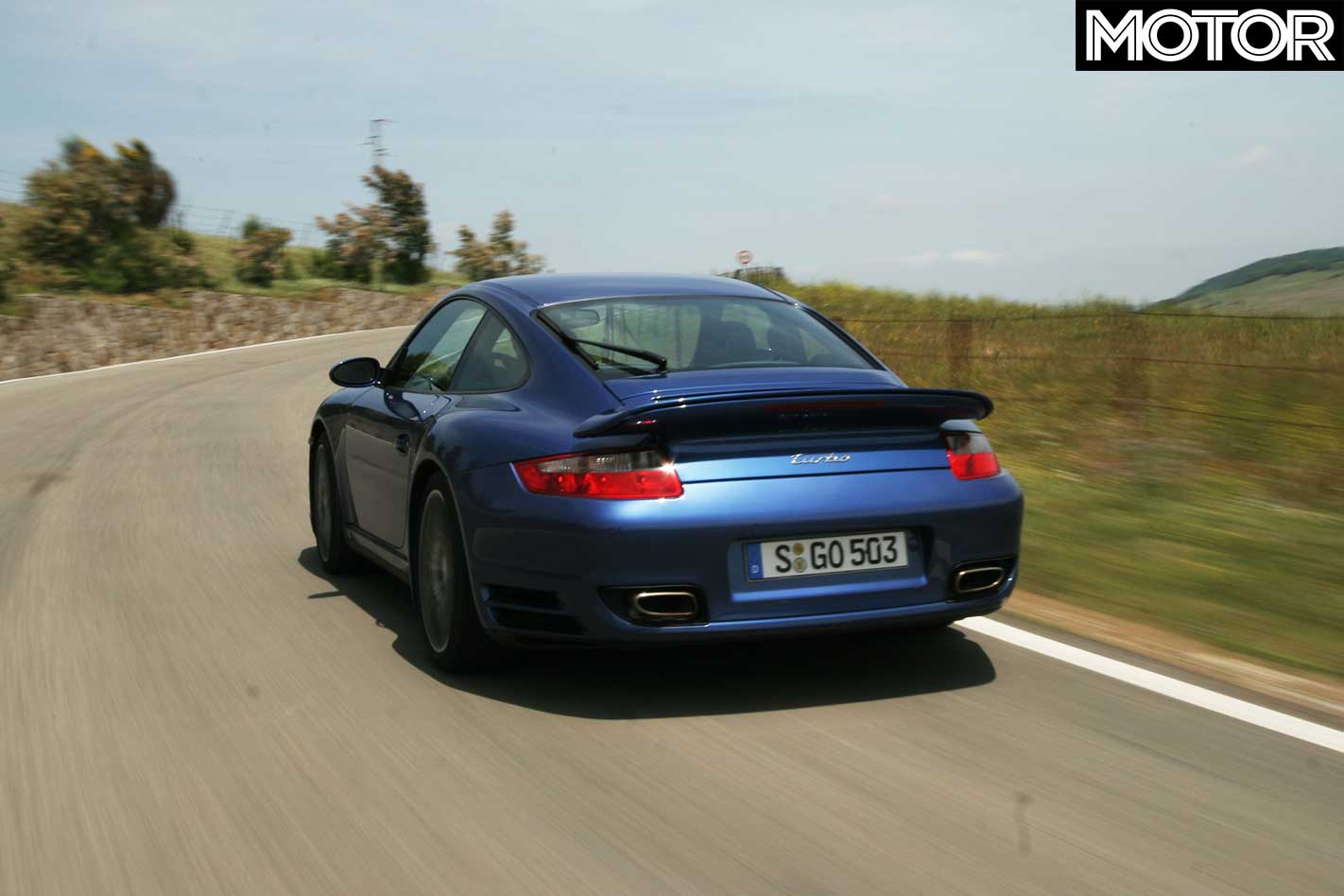
It’s all about forward motion, and the 1585kg 997 Turbo – five kilograms lighter than the 996 Turbo, despite the inclusion of more electronic trickery, more safety and larger wheels – is a grand champion of the art.
The sheer quantity of urge at all times in every gear is at times almost overwhelming, with gaol-baiting speeds only a throttle-push away. You’d like to catch your breath, but you can’t, and it takes a deliberate effort to slow things down before it gets out of hand.
Rocket up to the corner, brake hard, turn in smoothly, lean on the taut chassis and prodigious mechanical grip and warp time out the other end. You can feel the torque feeding to the 305mm wide rears as PTC does its impressive best to keep the fronts in line.
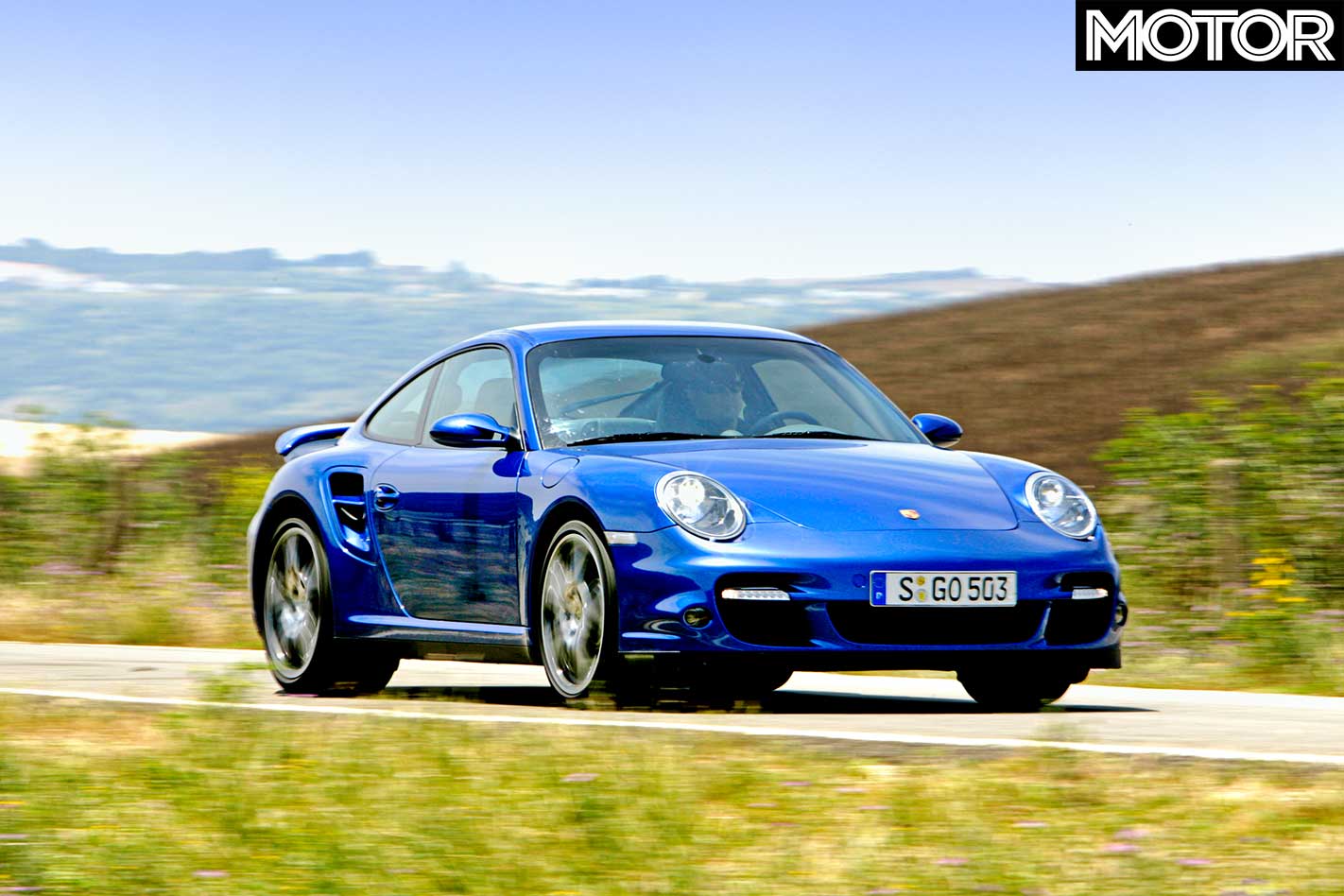
There is, surprisingly perhaps, noticeable turbo lag under about 3000rpm, but it’s not hard to keep the boxer in the right powerband. Almost criminal not to, really. And the Turbo backs up the talk with a 7:49 lap of the Nürburgring in the hands of Walter Röhrl.
The unmodified C4-based bodyshell is impressively robust, especially when you take the car’s light kerb weight into account, something achieved partly through the use of very clever aluminium-framed doors that eliminate all but five components in their construction. There’s also an aluminium bonnet and bootlid.
The chassis is minutely adjustable via wheel or footwell work, though as with all 911s it’s best to keep in mind where the engine actually is, as good a job as the chassis tune does to make you forget about it.
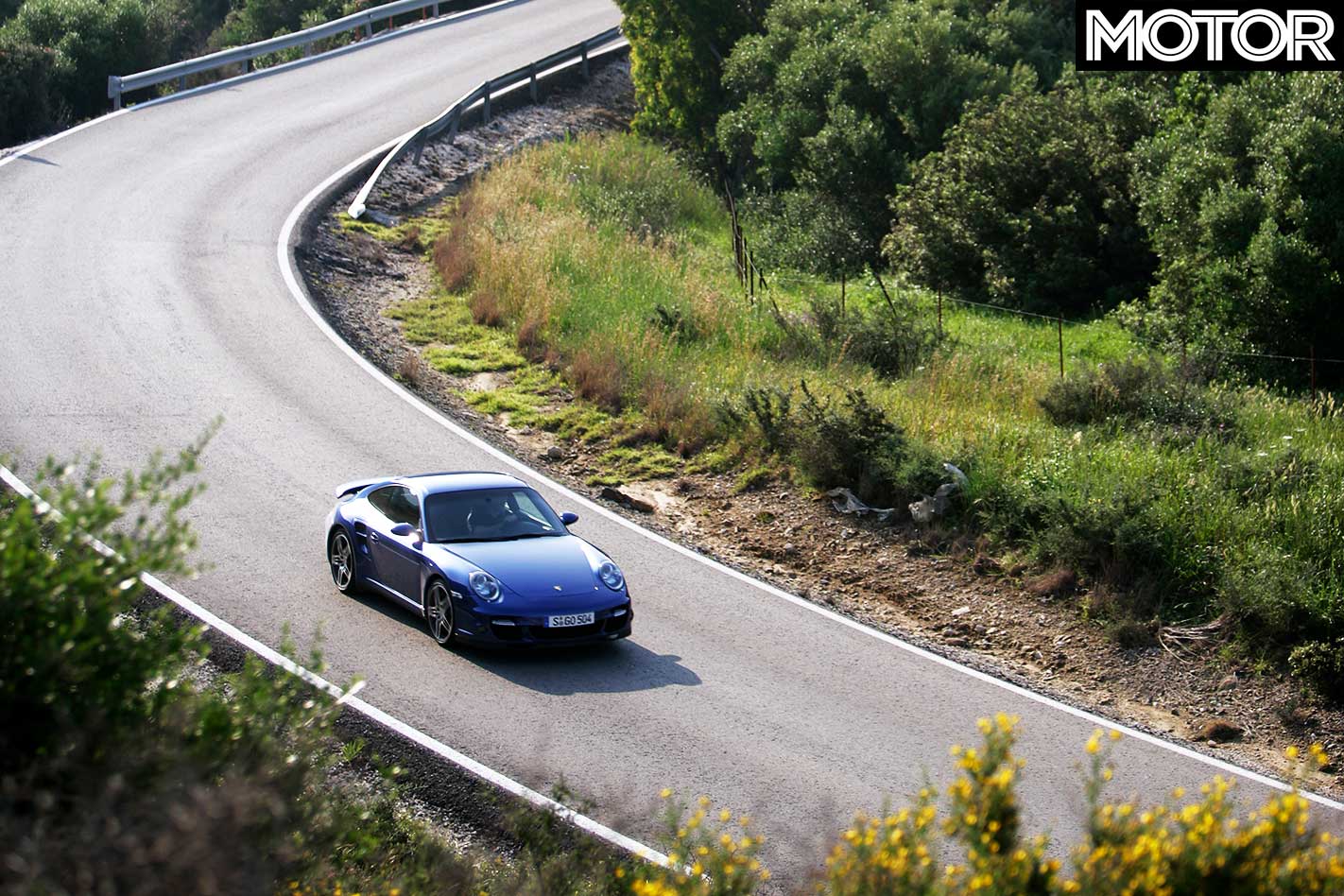
Front-wheel travel occasionally feels inadequate as the wheels patter across a pockmarked piece of tarmac, and it’s relatively easy to experience understeer in the first part of a corner, especially if you’re too eager to take another hit of that intoxicating avalanche of torque.
The steering takes a little time to figure out, too. Relaxing your grip on the medium-thickness wheel rim and letting it whisper to you through your fingertips is the key. It doesn’t chatter excitedly at you like a Carrera, but the slightly calmer, more subtle messages are just as clear and concise.
Mid-corner grip is bloody impressive, the bespoke Michelin Sports a willing accomplice. A long fly-by-wire throttle throw and stupendous (if noisy) PCCD brakes get on well together, too, though the slightly wooden clutch feel is an anomaly.
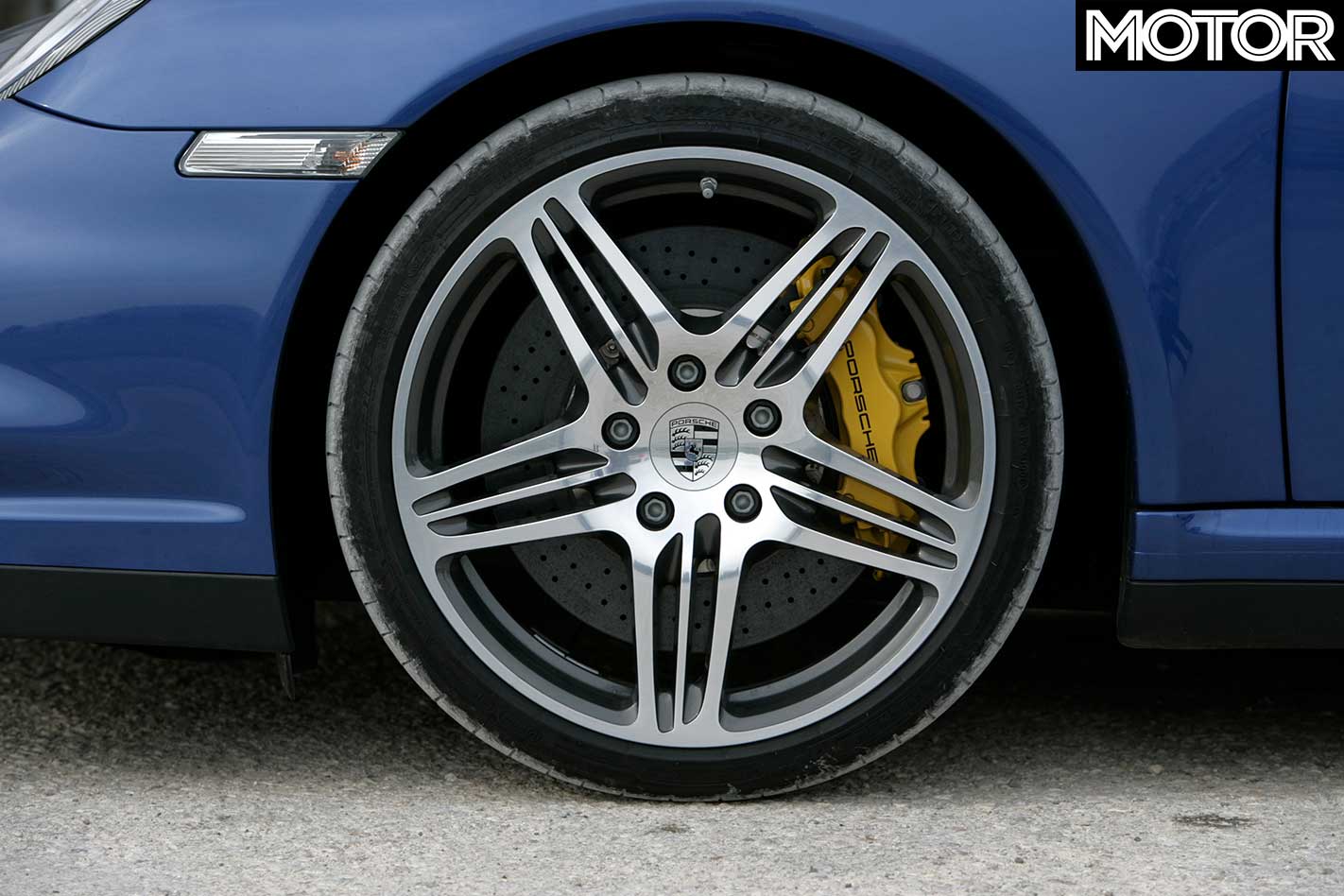
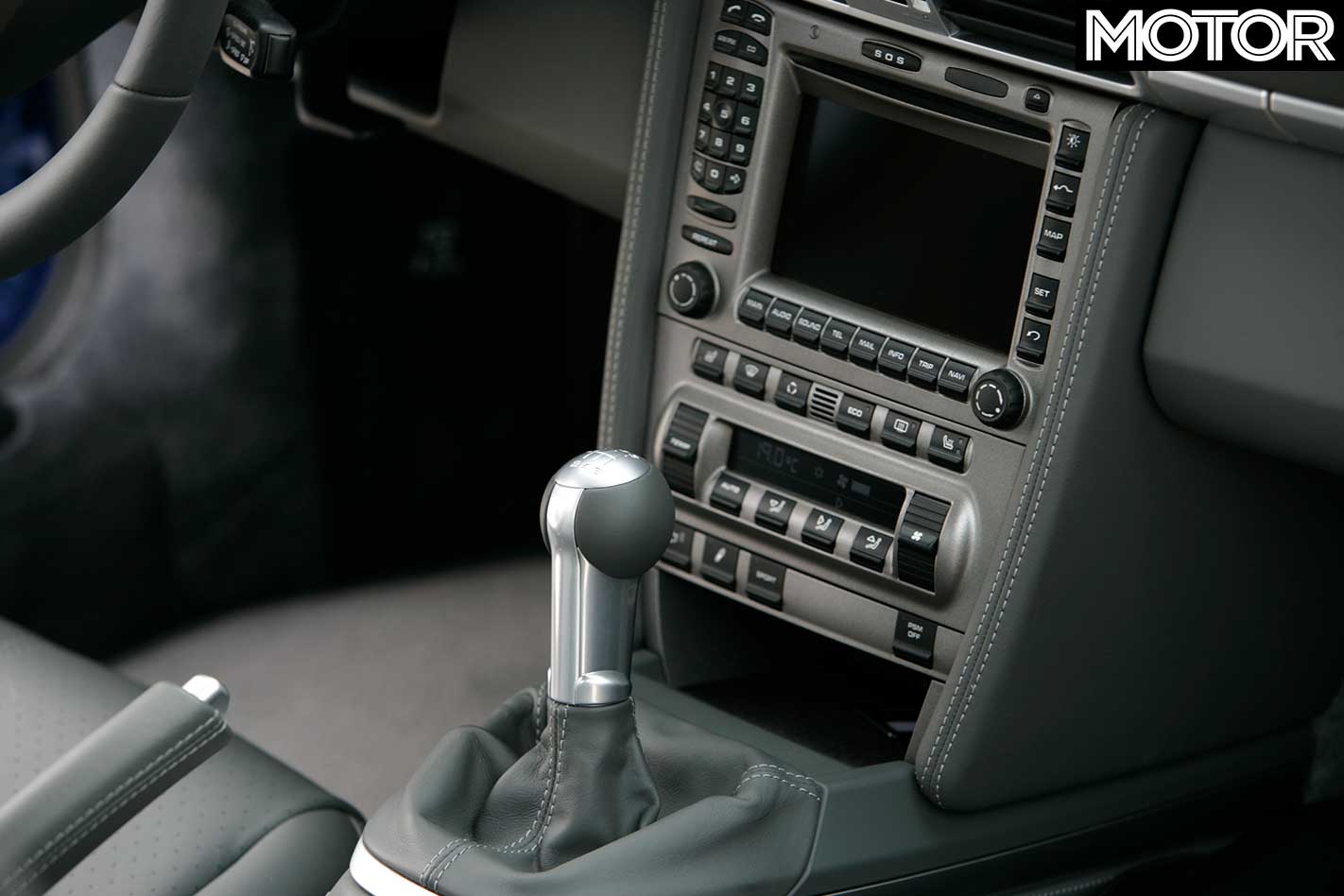
While design is similar, the Turbo’s interior is quite different to the standard 997. The driving position has been set lower thanks to new hardback seats, there’s a Turbo-only gear lever, the pedals have been moved further forward in the footwell and a bar graph boost gauge-display built into the centre dial. Its firm ride doesn’t detract from this car’s cruising capabilities, though as with all 911s, it’s a strictly adults-only experience.
The Turbo is a deeply, richly, incredibly accomplished engineering wet dream. For outright cross-country pace, there’s little that can keep it in sight. Like the 911 GT3…
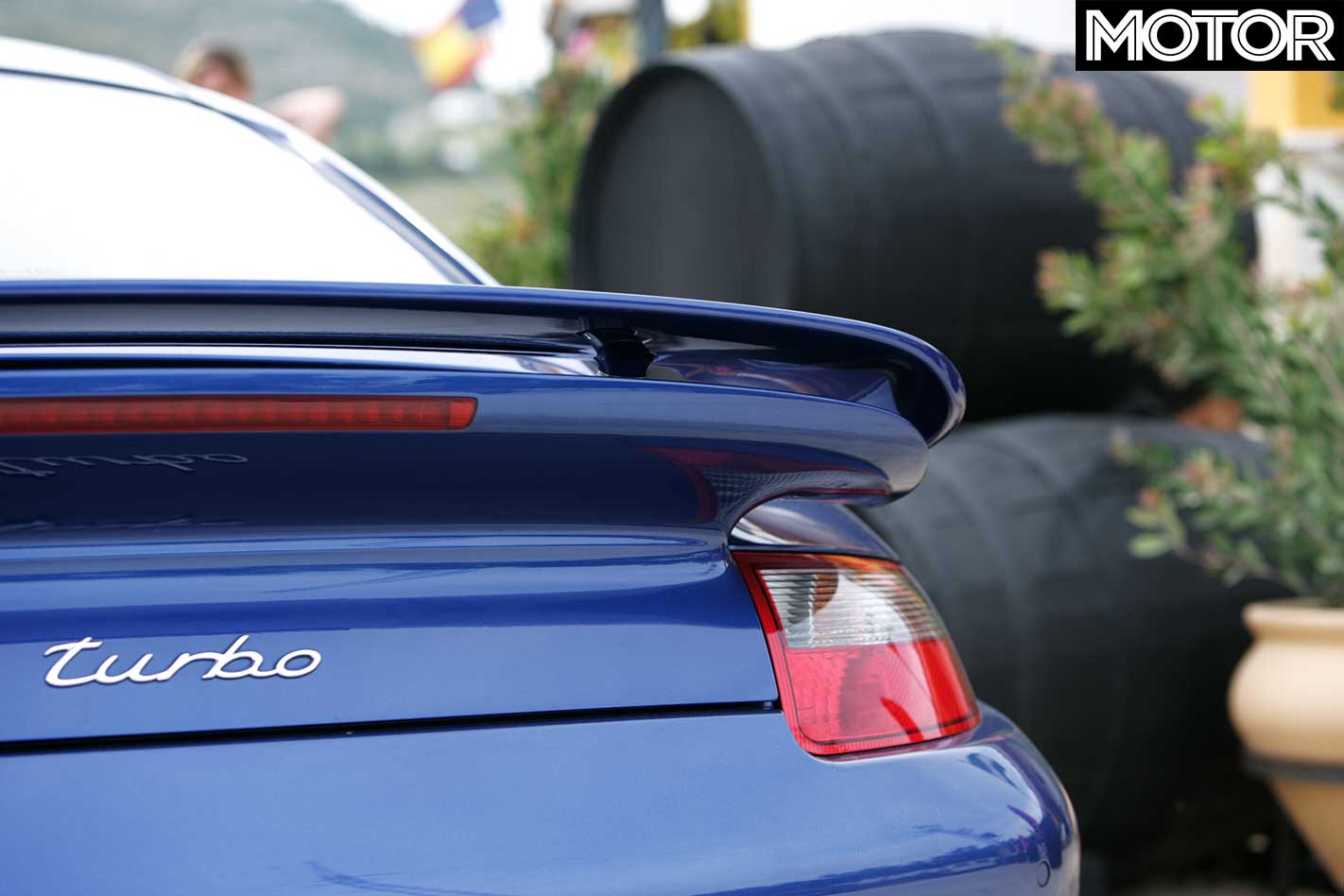
FAST FACTS 2006 Porsche 911 Turbo
BODY: 2-door coupe DRIVE: all-wheel ENGINE: 3600cc DOHC 24-valve, intercooled and twin turbocharged flat-six BORE/STROKE: 100.0mm x 76.4mm POWER: 353kW @ 6000rpm TORQUE: 620Nm @ 1950-5000rpm WEIGHT: 1585kg POWER-TO-WEIGHT: 223kW/tonne TRANSMISSION: six-speed manual SUSPENSION: MacPherson struts, coil springs, anti-roll bar (f); multi-link, coil springs, anti-roll bar (r) BRAKES: 350mm ventilated & drilled discs, six-piston calipers (f); 350mm ventilated & drilled discs, four-piston calipers (r) WHEELS: 19 x 8.5-inch (f); 19 x 11.0-inch (r), alloy TYRES: Michelin Pilot Sport; 235/35 ZR19 (f); 305/30 ZR19 (r) PRICE: $327,000
Want more Porsche?
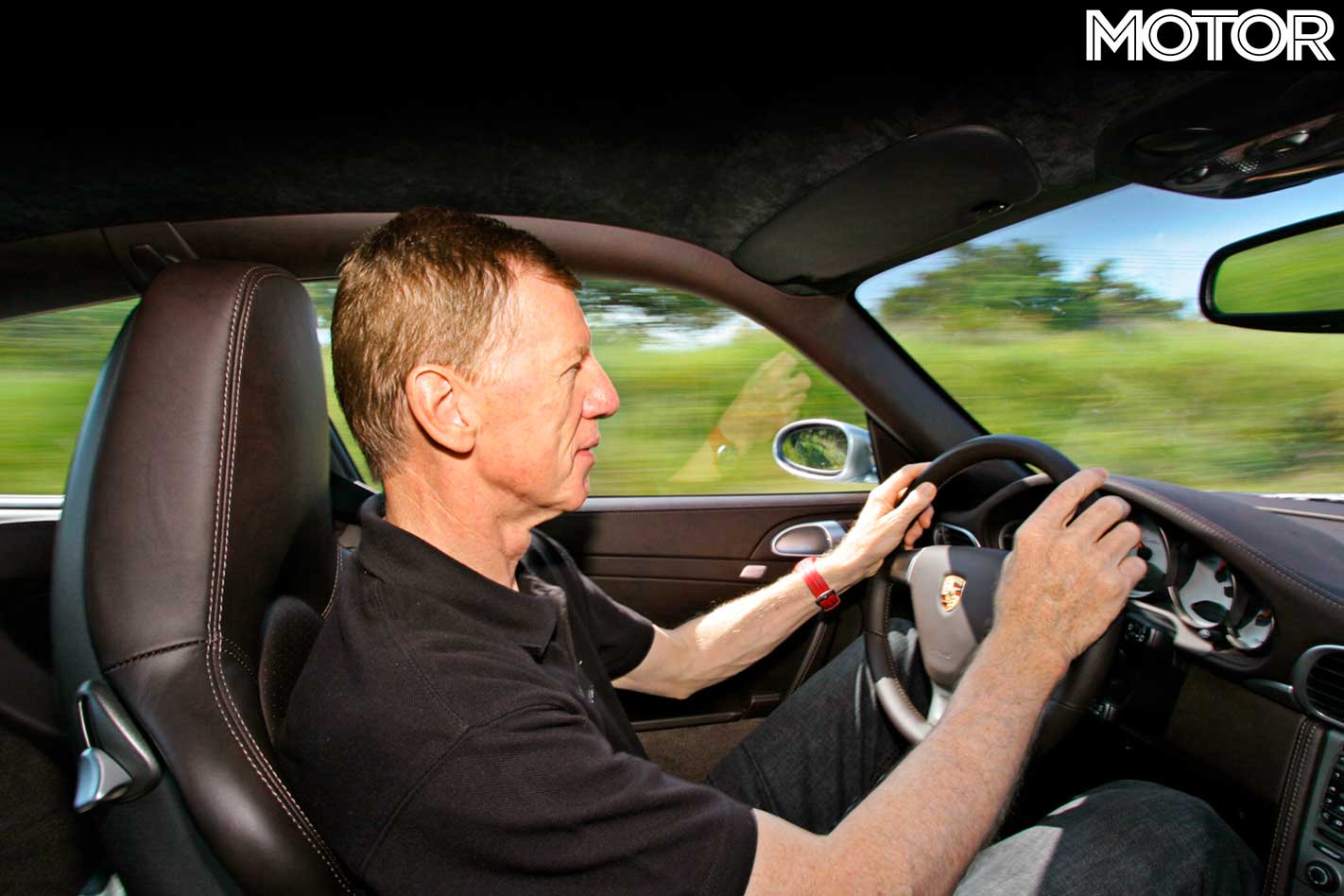
Up for a challenge? Like your Turbo a bit tougher? There’s a few options to be hand on the spec sheet, but the one that caught our eye was a mechanical diff locker – available only with the manual gearbox, of course.
This hairy-chested mod gives 22 percent wheel lock under load and 27 percent off the noise, and the PSM’s auto brake diff will also intervene just that little bit later. You can also spec your Turbo with Sports tyres, a (value) cost option and, of course, you’ll pay around $25,000 to tick the PCCB (carbon brakes) box, too.
Your track-day Turbo is ready, sir.
Mr Porsche Man
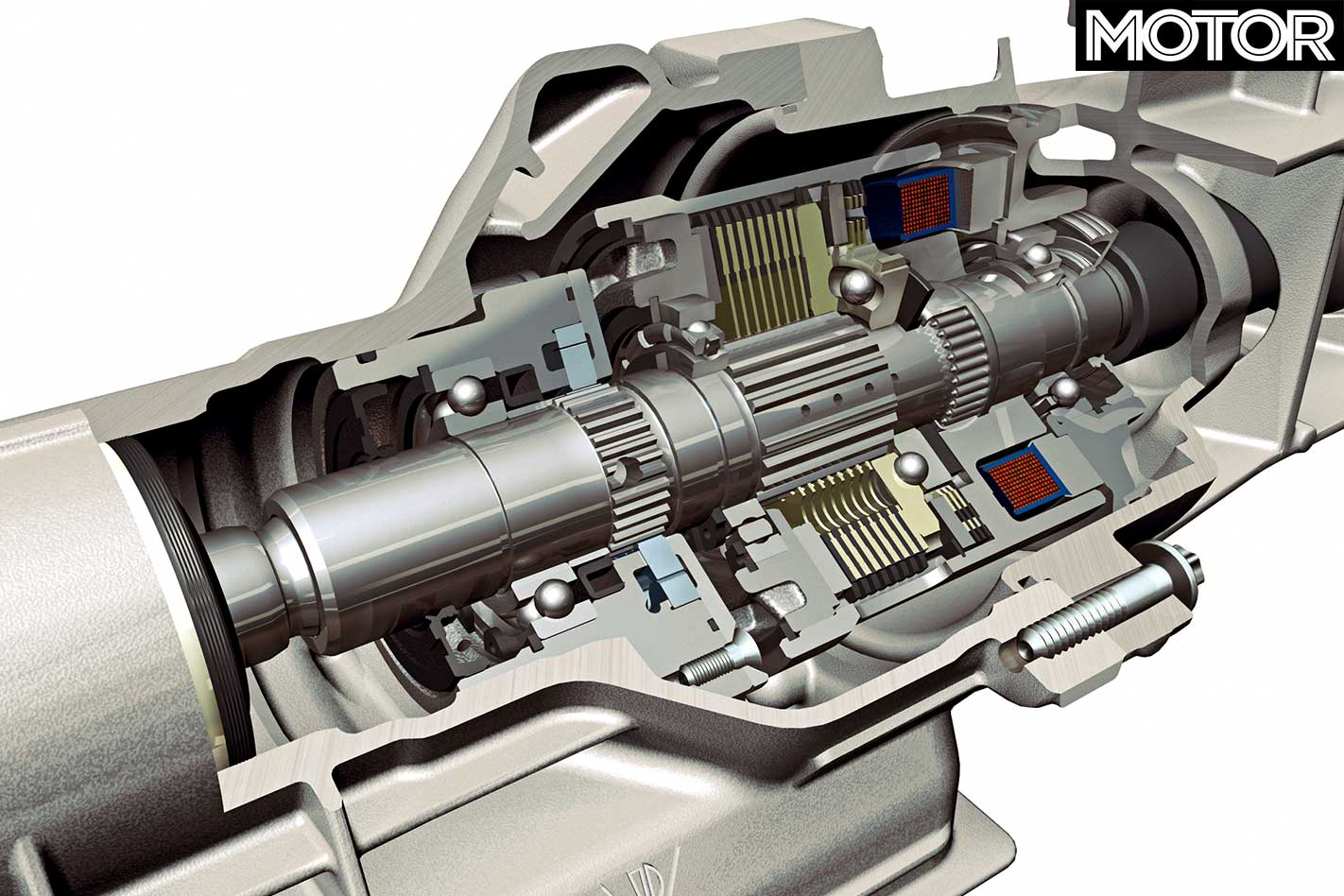
“I have done this drive over 4400 times in the last few weeks,” sings out Porsche’s own Buzz Aldrin, former factory rally ace and current lead tester for Porsche, Walter Röhrl, “and I cannot tire of this car. It is so easy to drive fast.”
No duh, buckwheat, I think grimly, surreptitiously cinching my lap/sash belt a little tighter as the 59-year-old ace simply rockets over the top of a long blind right crest at about 190km/h, the insides ripping crumbling tarmac from the edge of this short, closed run with such ferocity that it’s pockmarking the 997 Turbo’s lower sill plastics.
We’re on a hot lap of a southern Spanish backroad, and Röhrl has taken more than 400 journos and hangers-on for a run along this narrow strip of rutted blacktop. Touching speeds in excess of 220km/h, it’s a faith-affirming blast in the depth of Porsche’s talents that this car can put up with this level of treatment for three weeks straight…
In present company, the humble hot hatch feels somewhat out of place. It’s the only front-driven car here, and it’s the least likely to be recognised on the streets as a performance car. But it is a performer, and one that boasts broad appeal.
Hot hatches brought performance to the masses without the need to sacrifice convenience and, depending on who you ask, GTi is hot hatch Adam… or Eve. The Golf GTI is the other.
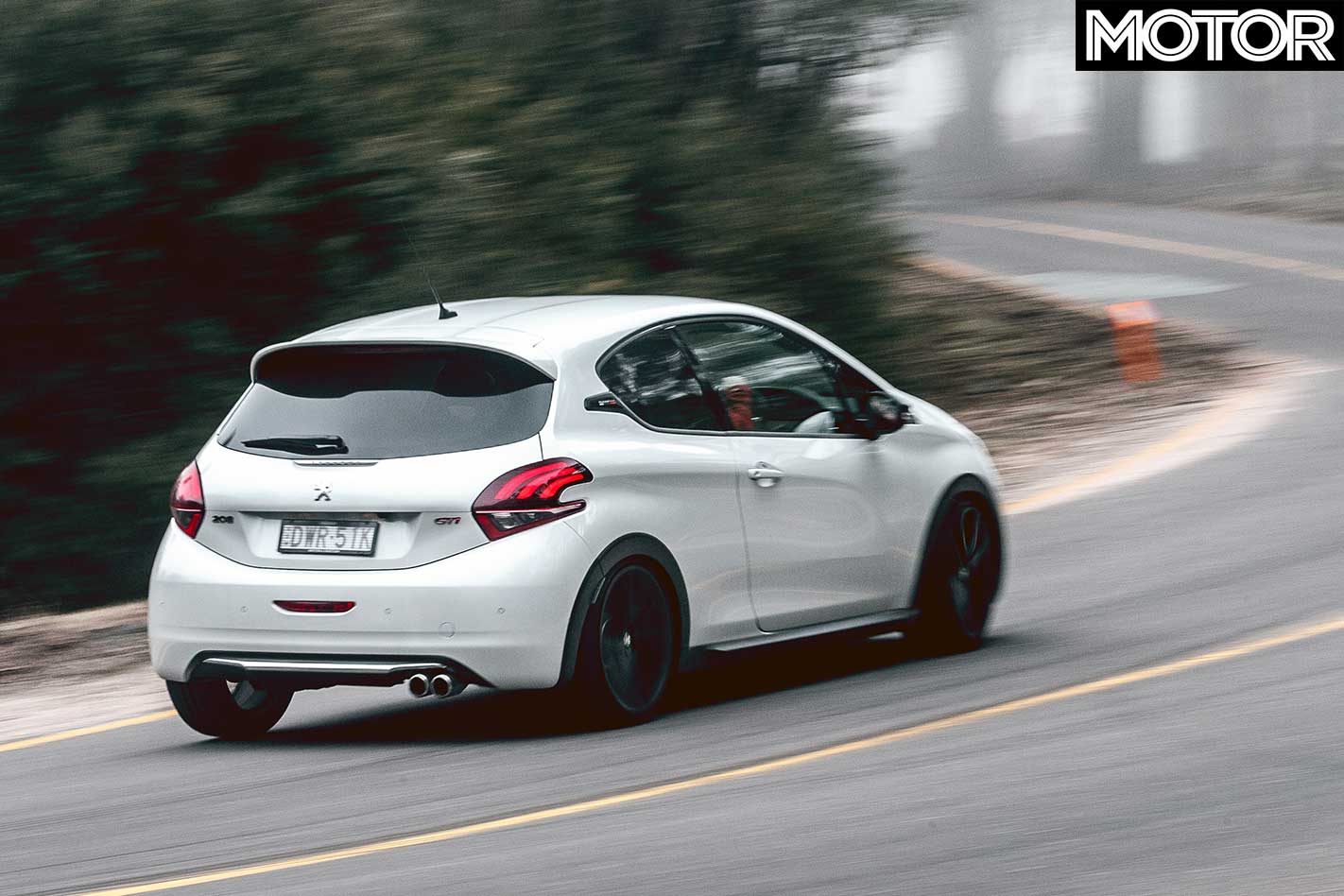
The 208 GTi we’ve got here attempts to be the pinnacle of hot hatch characteristics, with a collection of additions by Peugeot Sport in a little weapon disguised as a city car. The Edition Definitive boasts a bespoke suspension setup, along with a few equipment tweaks, and a set of Michelin’s grippy Pilot Super Sports to transform the car into a more focused steer.
At this point you may be asking, why not use a Civic Type R or Focus RS for this feature, something a little more hardcore? Aside from the aforementioned GTi heritage, the 208 itself is more closely characteristic of a classic hot hatch. The two-door, front-drive layout and design of the car is true to tradition, plus it’s lighter than most alternatives.
Its diminutive size, weight at 1160kg, and rather muscular 153kW/300Nm outputs were a strong base for Peugeot Sport to work with, but the addition of a Torsen limited-slip differential, wider tracks, and stiffer damping aim to make the car handle like a top performer, too. If you’ve bought an Edition Definitive as a daily drive, you’ve made a horrible mistake.
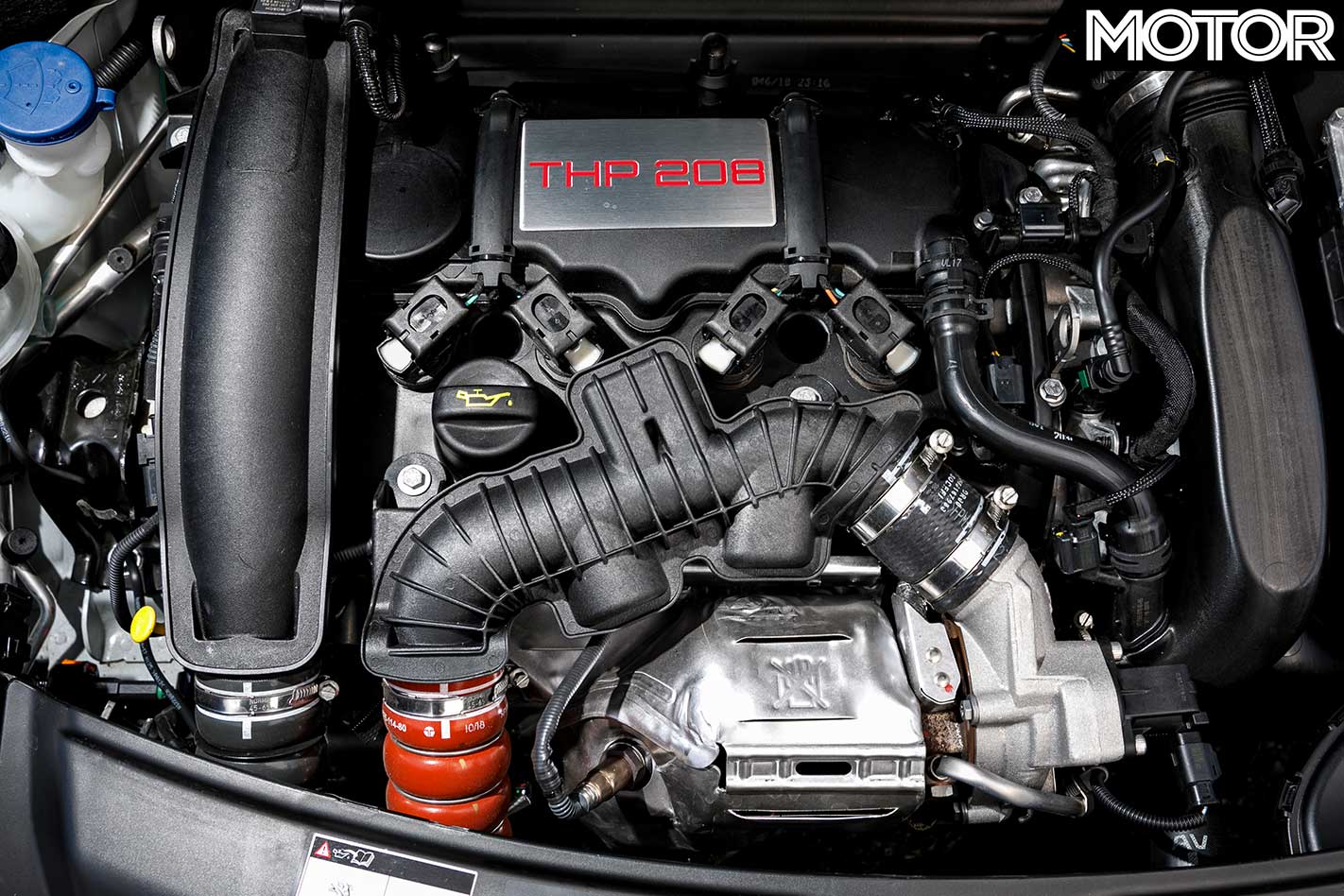
If you do what we’ve done and head for the hills, you’ll find Peugeot’s go-fast division has built a car to paint smiles across the faces of discerning hot hatch fans. A short wheelbase and sticky rubber, plus the LSD all add up to a tendency towards the lift-off oversteer French hatches are so well-known for. The dynamics of the GTi are still grounded in hot hatch expectations, but with the capability of a car built in 2018.
The powerplant, for example, doesn’t make a big deal of its forced induction. You know it’s there, but its linear nature mimics an older atmo engine in some ways, and doesn’t let the exhaust crack or pop on the overrun. In fact, the induction is the loudest aural aspect at high revs. A little more old-school ‘rort’ wouldn’t hurt, but it’s not necessary.
The shift feel, pedal action, and steering are relatively light, meaning you’re not working hard to achieve the inputs necessary to drive fast. But because of the nature of Australian roads and the stiffness of the chassis setup, you need to keep on top of it to drive it well.
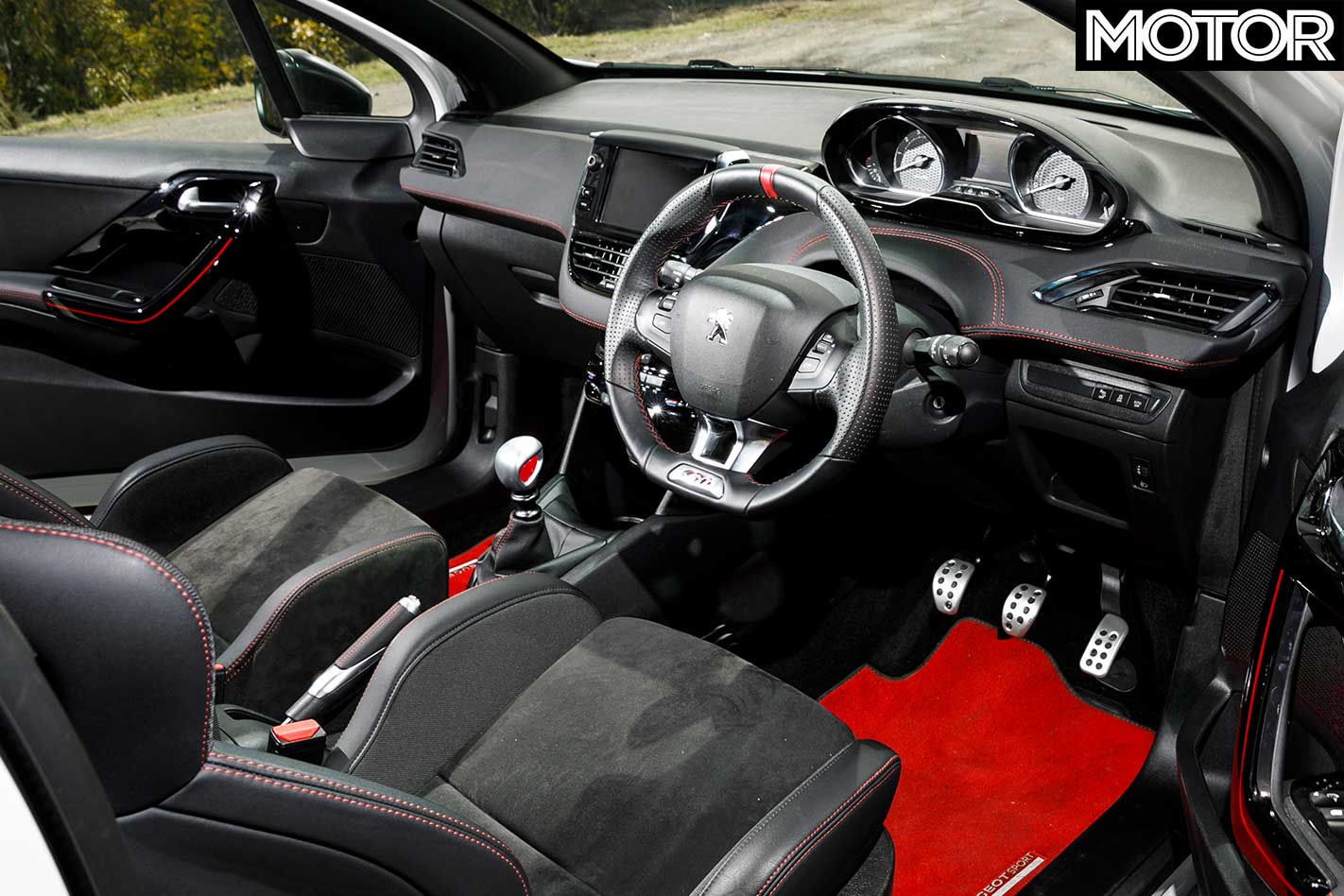
Smooth roads make this easiest, where the tyres and differential are able to put down 153kW effectively, but harsh bumps can send the GTi hunting for the edge of the lane.
Once you’ve become used to its movements and learnt what to expect, manipulating the small wheelbase becomes rather fun. Keeping inputs smooth enough to avoid unsettling the balance mid-corner, the brakes become an effective tool to rotate the car and lean into the corner a little harder. The French hot hatch pedigree emerges in moments of weight shift-induced oversteer such as this.
It’s a riot, and driven right will provide some of the best front-driven fun you’ll have. There are no sport mode buttons, no adaptive dampers, and very few creature comforts. This car was built for people who want to drive it properly rather than use it as an outdoor appliance.
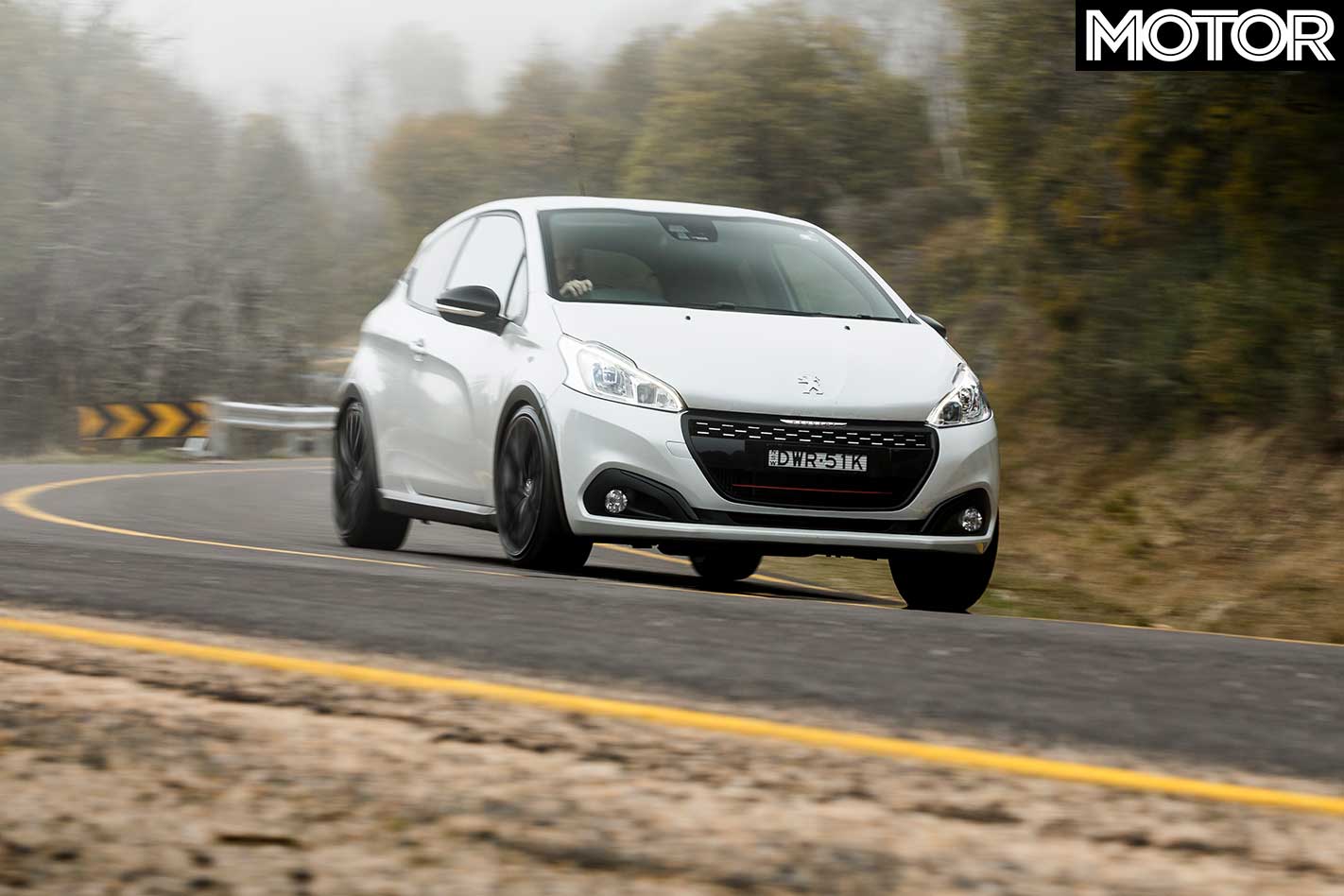
Chasing a cautious GT3 Touring on twisty roads, the GTi was able to keep up in the short, sharp bends. It was surprising and had this scribbler smiling like a lunatic for most of the time, and laughing when he wasn’t too busy concentrating.
Of course, as soon as the road opened up a little, the Porsche essentially walked away, but the fact a hatchback can make you feel like a Porsche-hunting hero more than earns the Edition Definitive a place amongst its peers here.
FAST FACTS 2018 Peugeot 208 GTi Edition Definitive
BODY: 3-door, 5-seat hatch DRIVE: front-wheel ENGINE: 1598cc inline-4, DOHC, 16v, turbo BORE/STROKE: 77.0mm x 85.8mm COMPRESSION: 8.6:1 POWER: 153kW @ 5800rpm TORQUE: 300Nm @ 1700rpm WEIGHT: 1160kg POWER-TO-WEIGHT: 152kW/tonne TRANSMISSION: 6-speed manual SUSPENSION: struts, coil springs, anti-roll bar (f); torsion beam, coil springs, anti-roll bar (r) L/W/h: 3973/2004/1400mm WHEELBASE: 2538mm TRACKS: 1498/1494mm (f/r) STEERING: electrically assisted rack-and-pinion BRAKES: 323mm ventilated discs, 4-piston calipers (f/r) WHEELS: 18.0 x 7.5-inch (f/r) TYRES: Michelin Pilot Super Sport; 205/40 ZR18 (f/r) PRICE: $33,990
PROS: LSD is magic on smooth roads; playful nature CONS: Ride is too harsh to daily; ergonomic quirks RATING: 4 out of 5 stars
When it comes to prescribed footwear for competitive driving events, there’s usually a minimum requirement… and something with shoelaces is almost always a good start. When it comes to the two Australian crews competing in Volkswagen’s Spirit of Amarok world finals in Nelspruit, South Africa, though… not so much.
“I always drive in ’em… not changing now!” laughs Lachlan (Lok to his mates) Tombs, a lanky energy industry tech from Armidale in NSW, proudly showing off his regulation single-plug rubber thongs. Here with his dad Phillip, Lok won his shot at Spirit glory at the Werebee proving ground in Victoria, winning, as Phil puts it, “a once in a lifetime” ticket through to the finals of the competition.
Australia’s other Amarok hopefuls are cousins from Melbourne, Jeremy (Jez) and Brad Newman, who came through a sudden death shootout in torrential rain to book their seat. And while boardshorts and single-pluggers may have replaced Nomex and balaclavas, the cousins took pains to bring the bush to… well, the other bush, sporting a splendid ensemble of RM Williams and Akubras to the event’s first day in Nelspruit, a small centre about 350km from Johannesburg, and not far from the famed Kruger National Park.
The Aussies are just two of 20 teams from ten countries who have similarly earned their stripes for the final by besting a field of local hopefuls. In the case of larger territories like Germany, four national events were needed to whittle down to the top two crews.
The chatter of different languages adds to the event’s mystique, but the challenge is the same for everyone – to stamp their names and countries on the perpetual Spirit of Amarok trophy.
The whole shebang is the brainchild of Sarel van der Merwe, South Africa’s equivalent to Peter Brock. He’s won the South African rally championship 11 times, competed at Dakar and in NASCAR, and was once touted as a Formula One hopeful. His tall, lanky frame prevented that dream from becoming a reality, but as one of South Africa’s most credentialed motorsport figures, Sarel’s word is law around here.
The finals are a long, challenging affair. There are more than 40 stages over the four days, with each day offering up a set of technical and a set of speed stages. The terrain is bone dry and blown out, with the technical sections dropping drivers into steep, off-camber washouts lined with shiny-slick tree roots and large, loose rocks.
The climbs are equally washed out, sharp and steep, and the perils – long, slender PVC conduit poles that cost teams precious seconds if struck – are numerous. The speed sections are less difficult, but over-exuberance will see poles tumbling into the undergrowth.
The terrain is bone dry and blown out, with the technical sections dropping drivers into steep, off-camber washouts lined with shiny-slick tree roots and large, loose rocks
The poles are placed devilishly close together by Sarel’s team, too, and it’s the sheer proximity of the poles to the wing mirrors of the Amarok that catches out Team Tombs – blessed/cursed with car number one – on the first technical test. Lok – an experienced 4x4er who owns his own Amarok – is able to smile through gritted teeth about it soon enough, and he actually uses the rough start to his advantage.
“It actually took the edge off my nerves, to be honest,” he says. “I thought ‘bugger it, it’s only upwards from here’.”
The Newman boys, who also have a lot of 4×4 seat time, have challenges of their own, with a queasy Jez needing to sit out a handful of tests in the afternoon. The speed tests are right up Brad’s alley, though, posting fastest times against some surprised locals… and one terrified marshal, who pinged Brad for ‘driving over his abilities’. I guess ‘long-jumping an Amarok’ isn’t in the rule book…
“Hey, I won the stage,” he shrugs. “I couldn’t have been too far over my ability.”
The same can’t be said for one of the Russian teams, who stepped over said abilities and right through a barbed wire fence at quite some speed, earning themselves an instant dismissal from the event.
Day two dawns clear and cool, and it’s a better day for Team Australia. Speeds are up – “we were absolutely HOOKING,” says a wide-eyed Jez – and Australia climbs to third overall behind hosts South Africa and Botswana.
“That was a much better day,” says Lok’s dad Phil. “Even though Lachy and I argued about how to do the reverse blindfold test (literally, the driver is blindfolded and the co-driver directs via radio), we actually nailed it. We worked out the Amarok’s Sports mode and figured out when to lock the rear diff, and it really did a good job.”
The Tombs did well enough to climb from seventh overall to third, earning themselves to Most Improved Award for the day.
The final day dawns wet and dreary, with tired crews slipping and sliding across the clay-based stages as the long week winds down. Again, there’s no real change in the overall order, though a tidier day for the cousins brings them into the top five overall. Lok and Phil, meanwhile, have done enough to stand in on the podium.
And while the South Africans may have ultimately claimed home ground advantage, the Australians came home second overall on combined scores, which is an absolutely brilliant effort. The podium presentations are cheerful and rowdy, bonds of friendship formed over ribbons of dry dirt, fields of shorn grass and four days of fierce but fun competition between off-roaders from around the world.
Some would stay on and take in more of South Africa, while others scrambled for flights home. All would leave with indelible memories of warm hospitality, a land like few others on the planet and the experience of driving the Amarok in ways both amazing and unexpected.
Subaru has announced that it will give all new car buyers a five-year/unlimited kilometre warranty from January 1, 2019, joining the likes of Volkswagen, Hyundai, Mazda, Holden and Ford. Tesla (eight years/160,000km) and Kia (seven years/unlimited km) still offer the longest new car warranties, though.
The change, which applies only to cars sold from January 1, 2019, also applies to Subaru’s fixed price servicing regimen, which also extends to five years.
However, it’s worth noting that Subaru – thanks in part to its use of the relatively unusual flat-four cylinder layout, which requires a more disciplined approach to engine oil changes – stipulates service intervals of six months or 12,5000km, versus the generally more cost-effective 12-month intervals for the majority of its competitors.
The Japanese company is one of the last to switch to a longer warranty period, with Nissan and Toyota, as well as premium European brands like Mercedes-Benz, Audi and BMW, still holding onto three-year warranty offers.
“This latest move to five year warranty and Capped Price Servicing offers yet more peace-of-mind for our customers, who are among the most loyal in the Australian automotive industry,” said Subaru Australia managing director Colin Christie in a statement.
Previously, Subaru offered an additional two years on top of its standard three-year warranty period as a promotional tool at various times in 2017 and 2018.
Handpresso Auto, $235
If you don’t have a problem with the idea of driving around with a cylinder of boiling water pressurised to 16 bar sitting in your cup holder, then the Handpresso Auto could be for you. The hand-held unit spells the end of crappy servo coffee in paper cups and allows you to pump out fresh espresso shots anywhere there is a 12-volt power socket. handpresso.com
Notablerides Post-it notes, $12.50
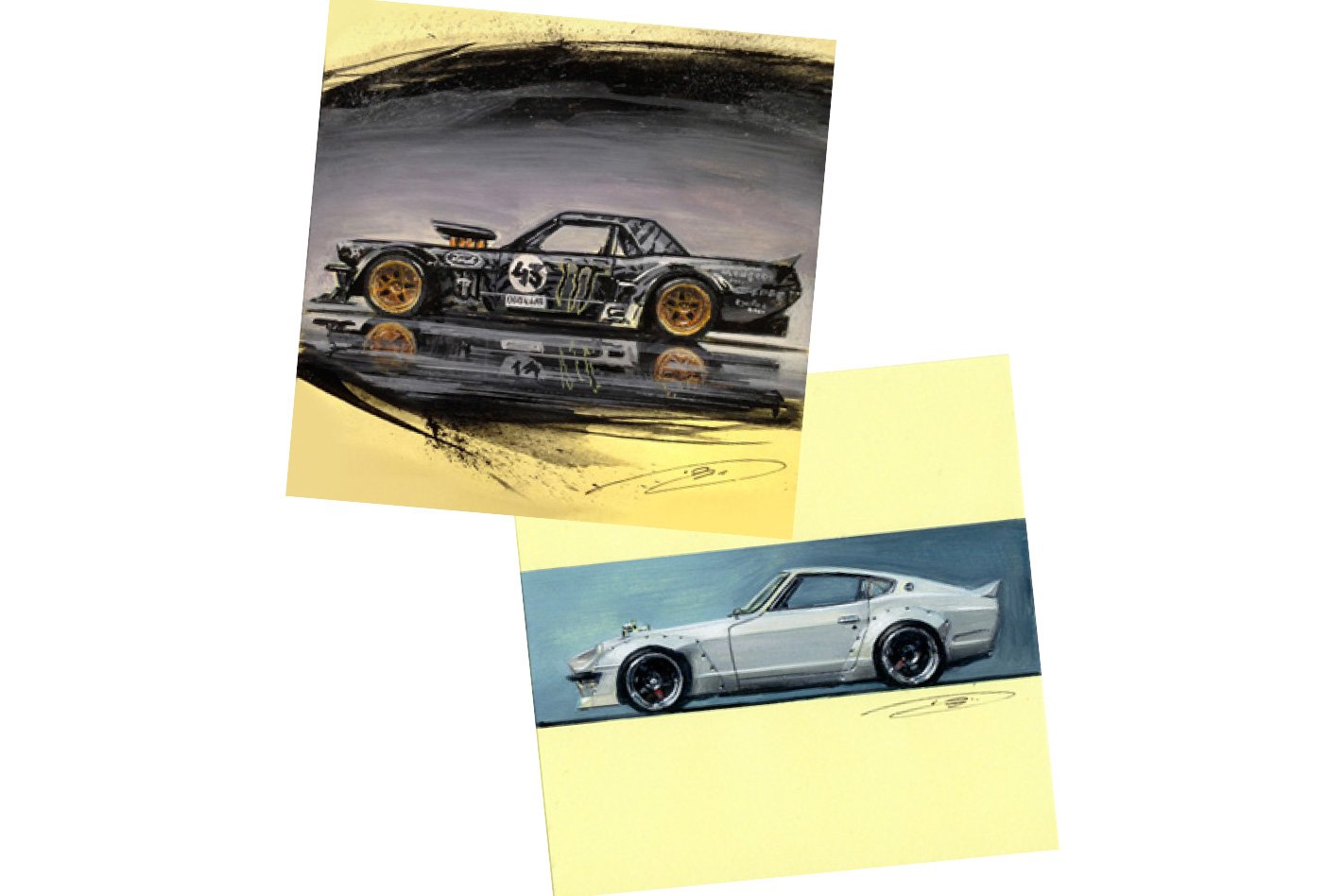
Fine automotive art is not limited to oil on canvas as proven by these must-have sticky notes. The beautiful work of Doug Breuninger is miniaturised and immortalised on the unorthodox medium of bespoke Post-it notes, with the portraits of nearly 200 cars painstakingly crafted, then reproduced in high quality 3×3-inch prints. Hey, it’s less crazy than BMW putting art on cars… notablerides.com
Amalgam models 1:4 scale Bugatti Chiron engine, $11,800
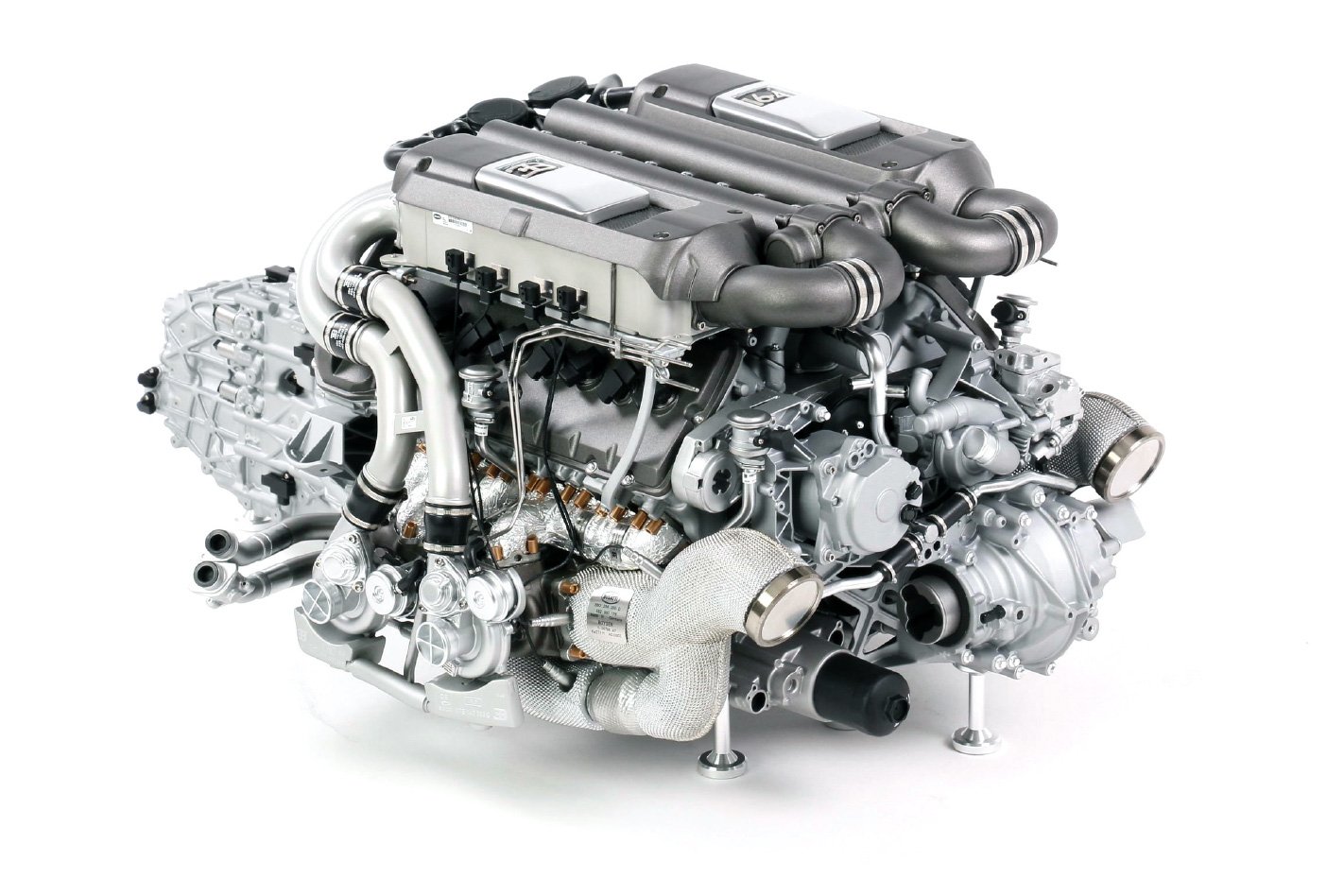
We’ve all been there. You spend $3m on one of the world’s most hyperbolic hypercars only to realise you can’t appreciate one of its greatest visual assets – the engine. But if you have a disposable income equalling the GDP of some African countries, then you probably won’t think twice about buying one of these. The amazing Bugatti Chiron engine and gearbox 1:4 scale model from Amalgam is impressive, and its detail is so extraordinary that it’s probably easier to build the real thing. amalgamcollection.com
Sony PlayStation 4 Gran Turismo Sport edition, $549
As if there wasn’t enough to get excited about Gran Turismo Sport – the latest instalment of Polyphony Digital’s celebrated racing simulator – Sony has created a special commemorative PlayStation 4 console to match. Not only do you get a unique GT-logoed console and matching silver controller, but the package includes the ‘Day 1’ edition of the game, which brings a number of in-game privileges, among them 250,000 of credits, or plenty to buy a sports exhaust for your virtual ride and start dominating the Clubman Cup. playstation.com/en-au/
Watches
TW Steel Volante VS21 (45mm), $299
Dutch watch firm TW Steel is barely a decade old but it behaves like one of the famous Swiss brands, sponsoring and making special editions for everything from F1 teams to Red Bull Holden Racing and Mick Doohan. Its watches are often big and brash, but the new Volante range is more subtle and good-looking. The watches are available in a choice of sizes, although the smaller 45mm case is still pretty big. The quality is impressive for the price – the case is made of the same 316L steel as a Rolex, and there’s a high-quality Japanese Miyota movement inside. twsteel.com
Swatch Sistem 51, $200
Swatch’s Sistem 51 completely rethought the traditional automatic movement when it was launched in 2014, just as the original plastic quartz Swatch rethought (and saved) the Swiss watch industry in the ’80s. The Sistem 51 simplifies the movement to 51 parts, and once fully-wound by the movement of your wrist it will keep ticking unworn for 90 hours, or twice as long as a typical automatic. Swatch also rethought the price: typically you’d pay at least five times this much for a Swiss auto. Every watch nerd wanted a Sistem 51 when they came out, but initially they were only available in Switzerland. Soon they were changing hands for a premium. Now, they’re readily available in a range of designs, but this early one remains our favourite. In cream with a black dial, it reminds us of a Porsche 959’s cabin. swatch.com
Pulsar PQ2055X1, $250
Pulsar is part of the Seiko group and follows the same principles: maximum quality at a sensible price. Awareness among Aussie petrolheads will have been raised by Pulsar’s three years as the official watch partner of Supercars, and of course there’s a special edition chronograph to match, with the big red ‘S’ on the dial. But if Supercars aren’t your thing, or you just want something more subtle, have a look at this snappily named model. Its deep, oval case is a retro tribute to 1970s Omegas, yet inside there’s a modern digital module with a world timer function. pulsarwatches.com.au
