
A one-off rear-wheel drive 2018 Lamborghini Huracán given to Pope Francis has sold for €809,375 (AUD$1,282,000) at RM Sotheby’s recent Monte Carlo auction.
The Huracán, which is painted in a white and gold ‘Vatican City’ livery, was gifted to the pope by Lamborghini.
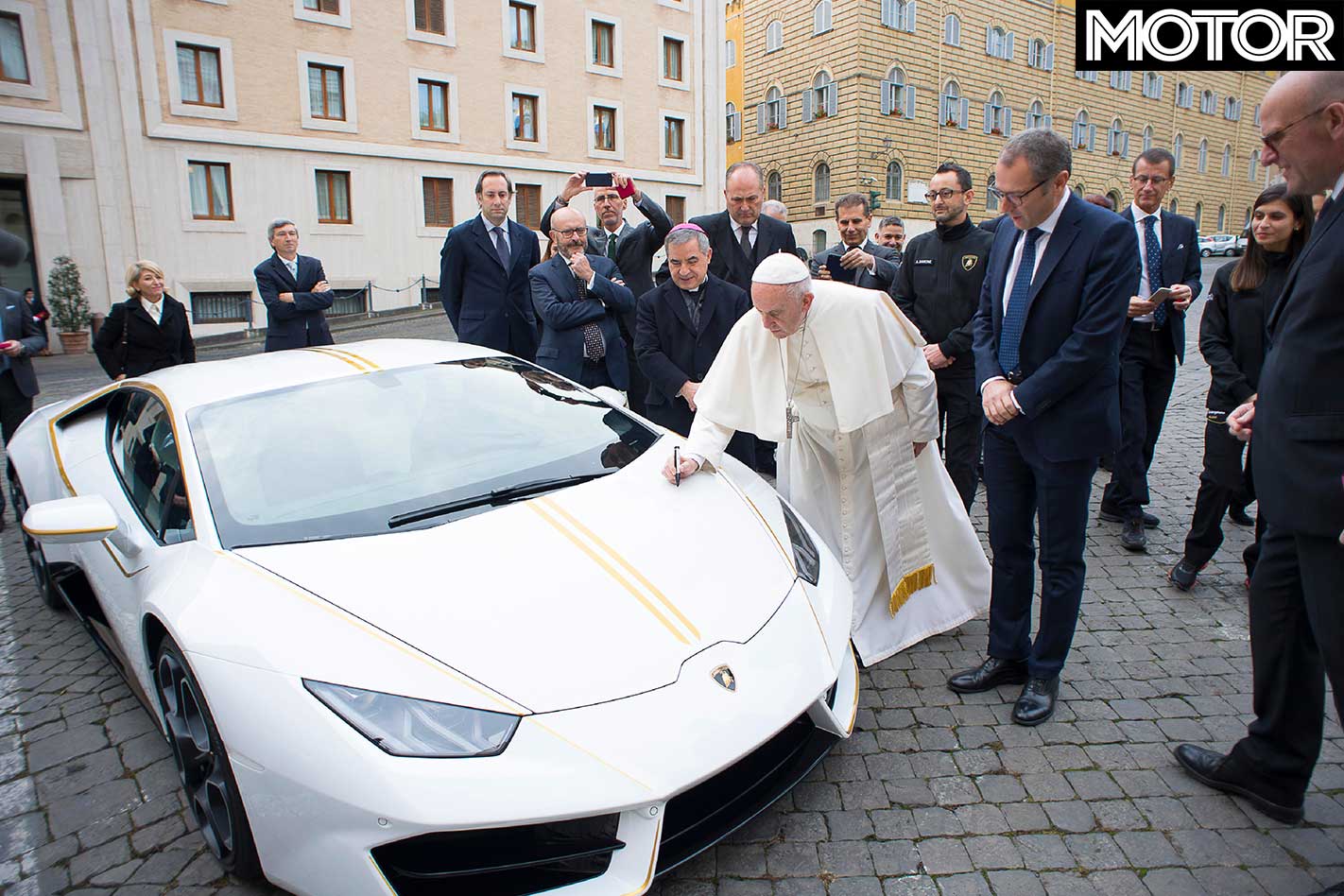
Unfortunately the Pope isn’t such a rev-head, so he handed it over for the auction, with the Lambo’s profits going to a selection of charities.
The total from the entire auction, however, was upwards of €23.3 million (AUD$37 million). Helping out plenty was a 1966 Ferrari 275 GTB Scaglietti, which picked up AUD$3,396,920.
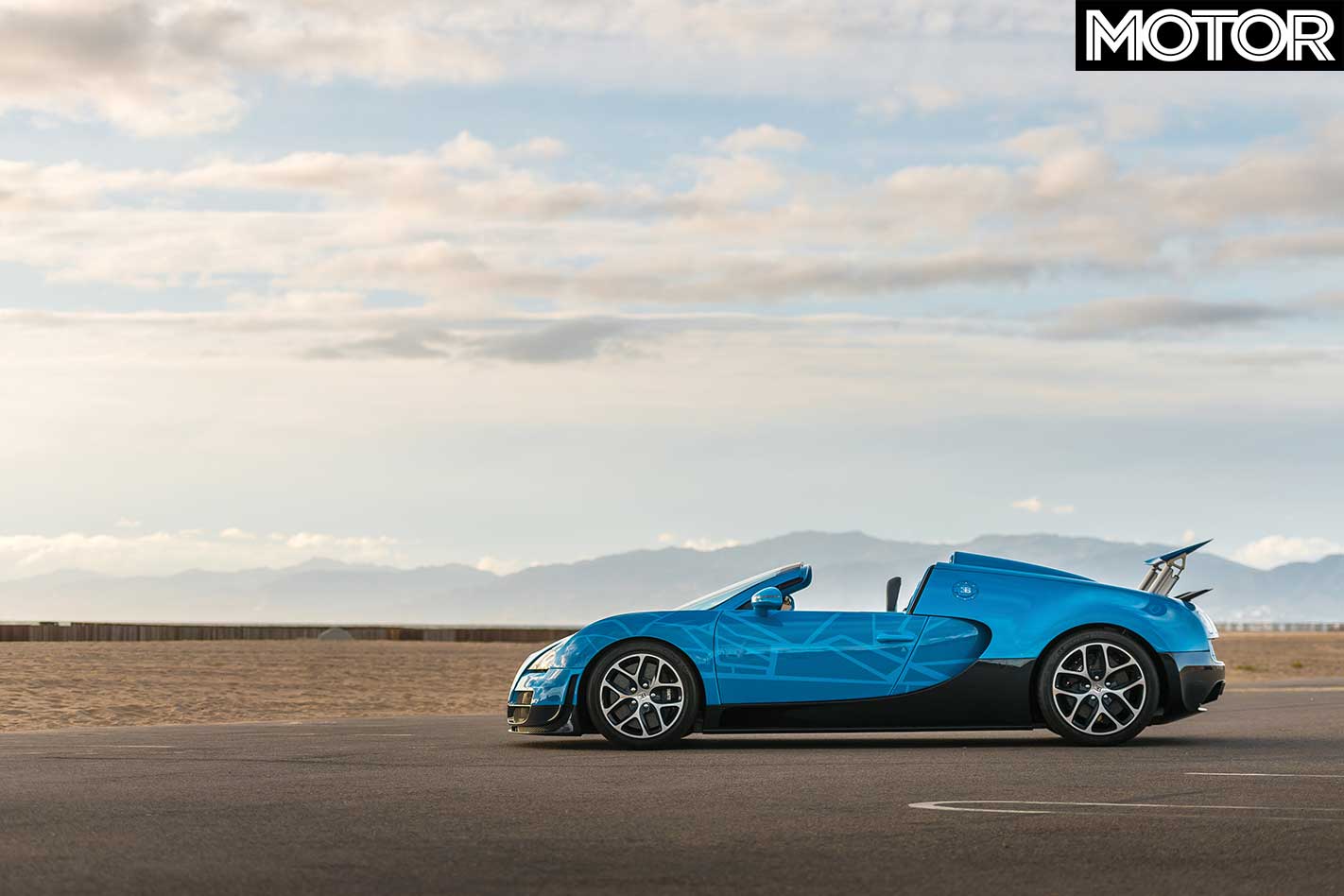
Second to that, a 2015 Bugatti Veyron 16.4 Grand Sport Vitesse sold for $2,731,000 with only 840km on the clock.
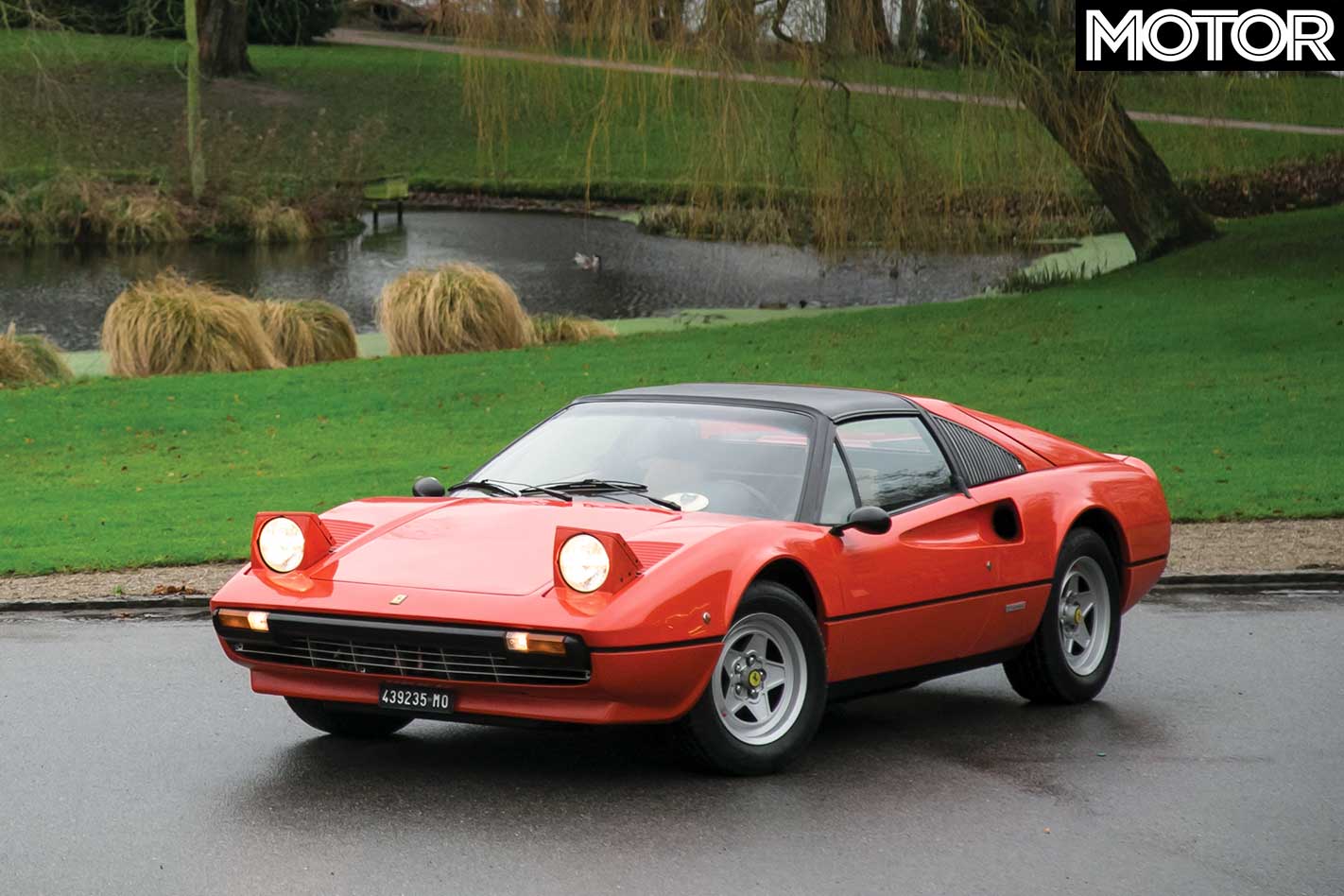
Another special car which crossed the block was the personal Ferrari 308 GTS of Ferrari F1 driver Gilles Villeneuve, the second 308 GTS ever built, and on owned by Villeneuve up until his death in 1982.
It was the car featured on the official 308 GTS factory brochure, and has just 36,600km showing. It sold for $427,600.
Also sold at auction were a handful of cars we’d happily welcome into our own garages (not that the others aren’t also incredible cars).
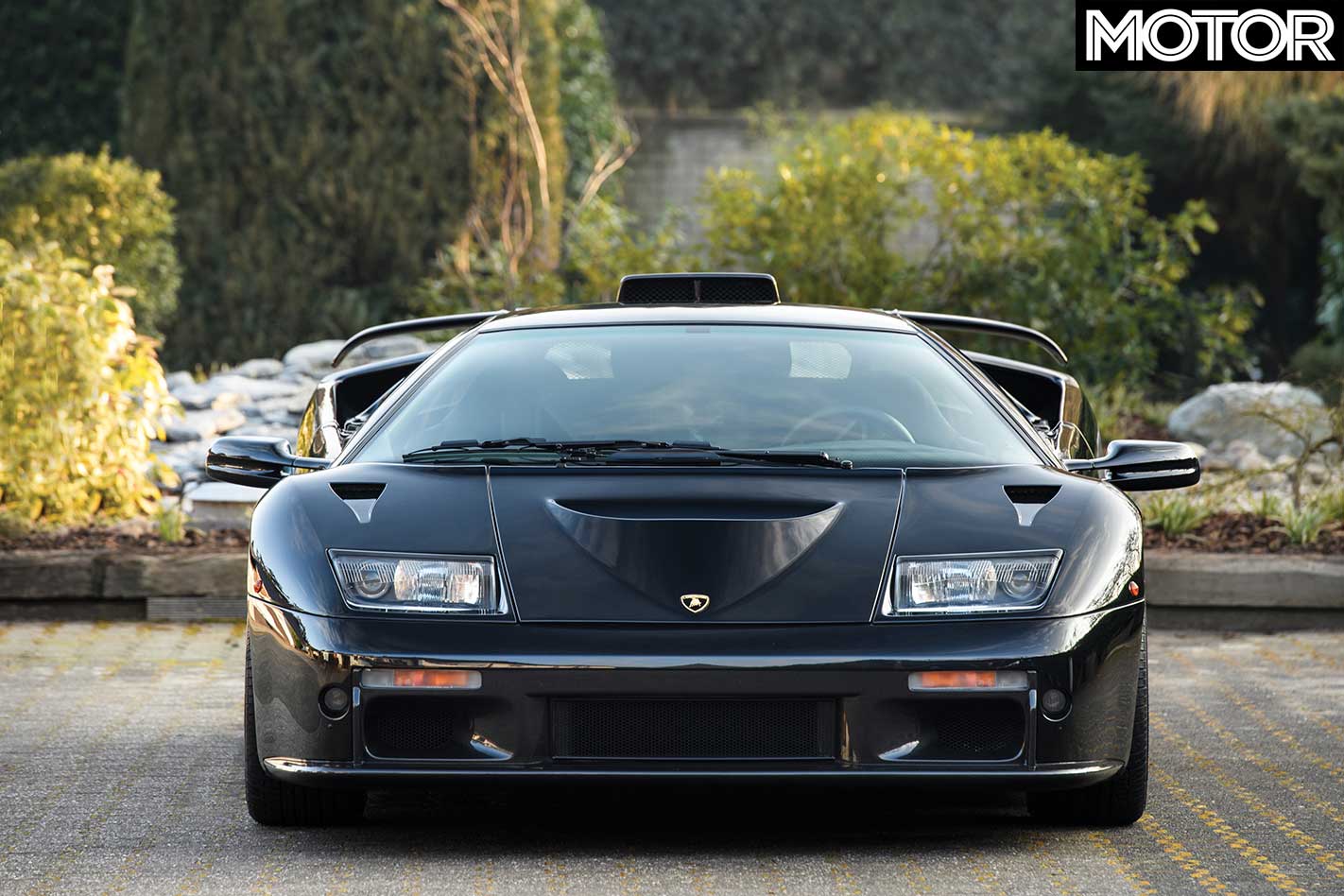
A ’99 Lamborghini Diablo GT sold for an impressive $1,293,000 in near-new condition, having travelled only 276km in the last two decades. It’s one of only 80, but it deserves to be driven regardless.
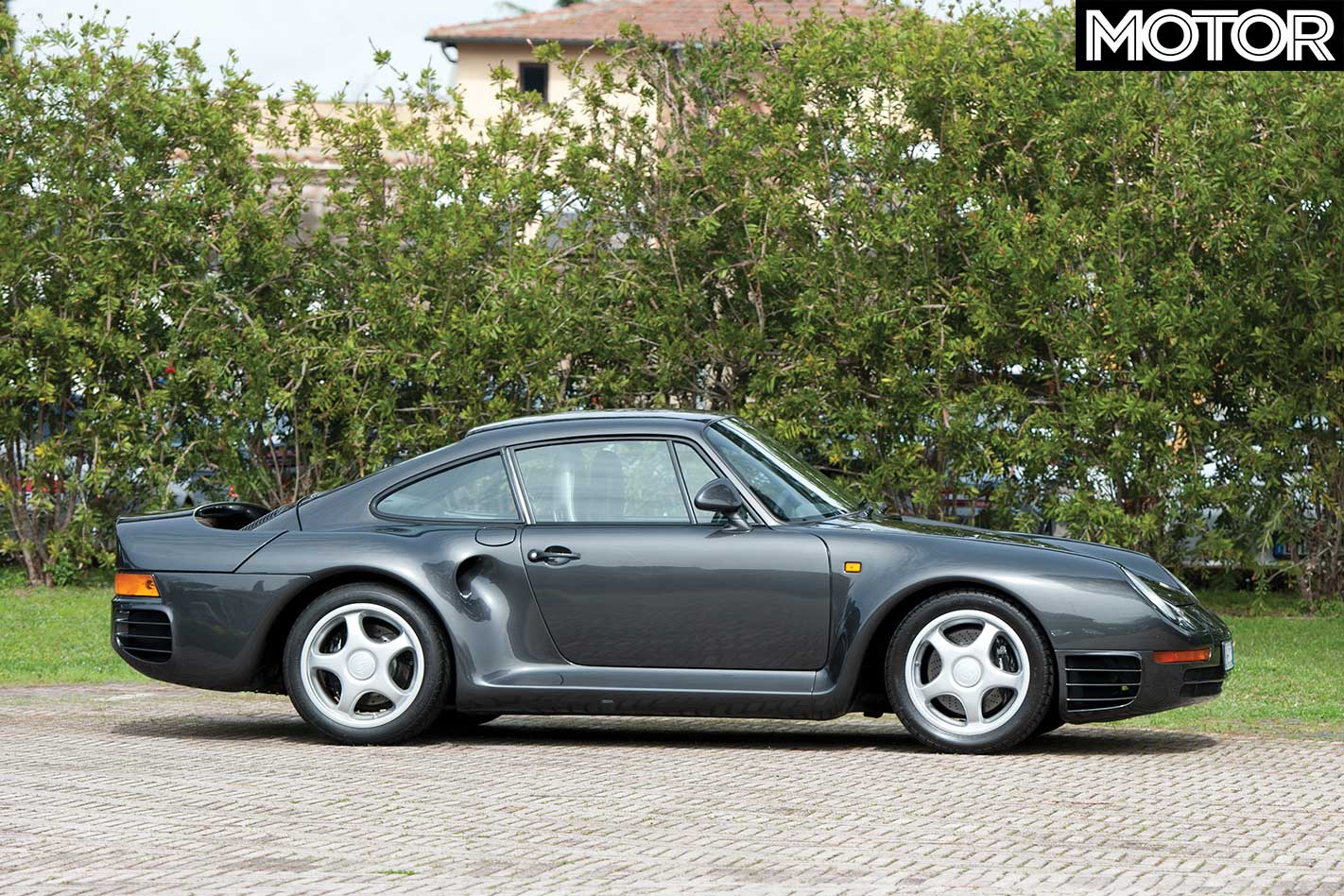
A 1987 Porsche 959 picked up a similar $1,329,400, though it’s actually covered 49,000km and, hopefully, made for some enjoyable drives.
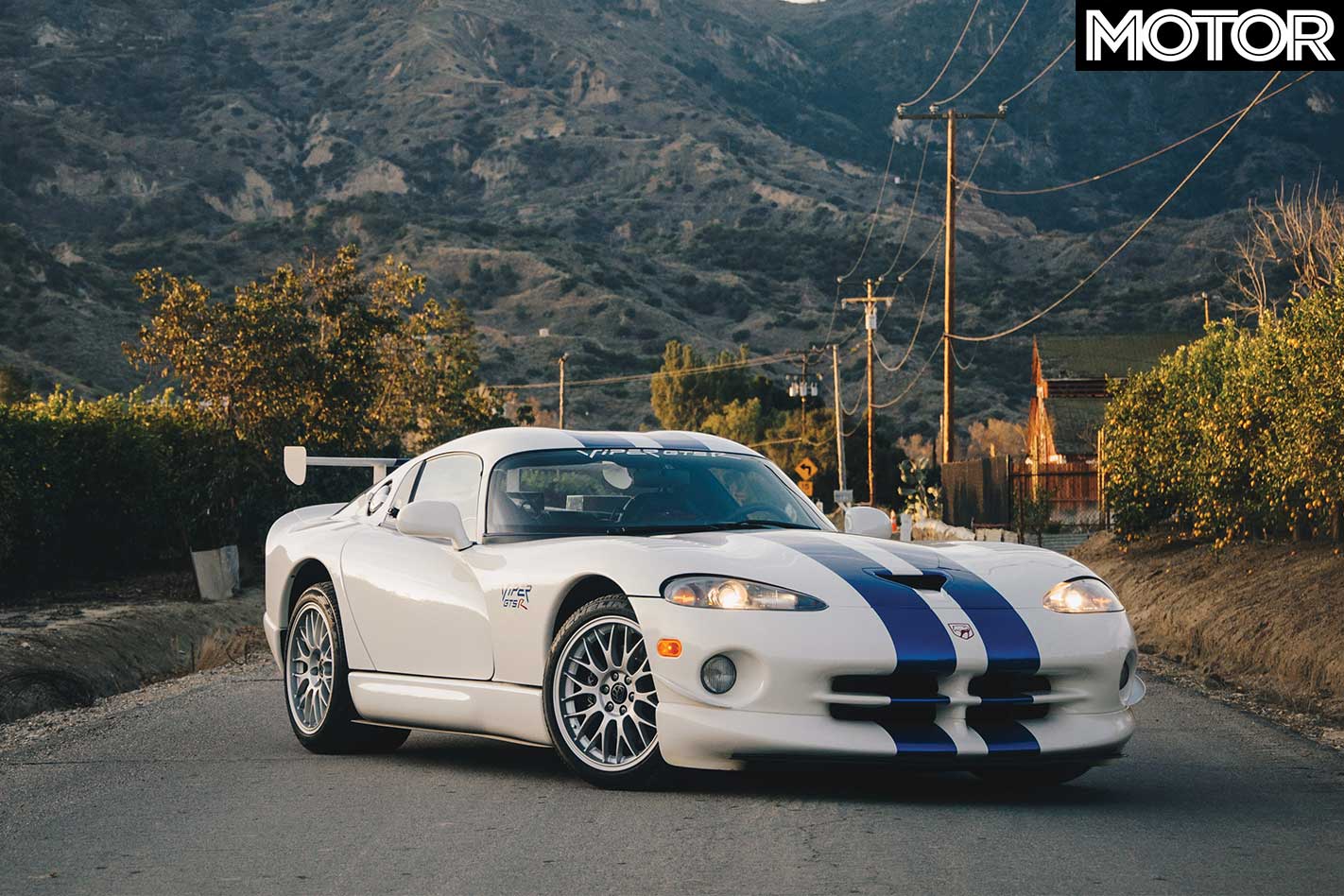
A ’98 Dodge Viper GT2 with fewer than 7240km on the odo crossed the block for $149,686. Only 100 were built to homologate the Le Mans-winning Viper GTS-R.
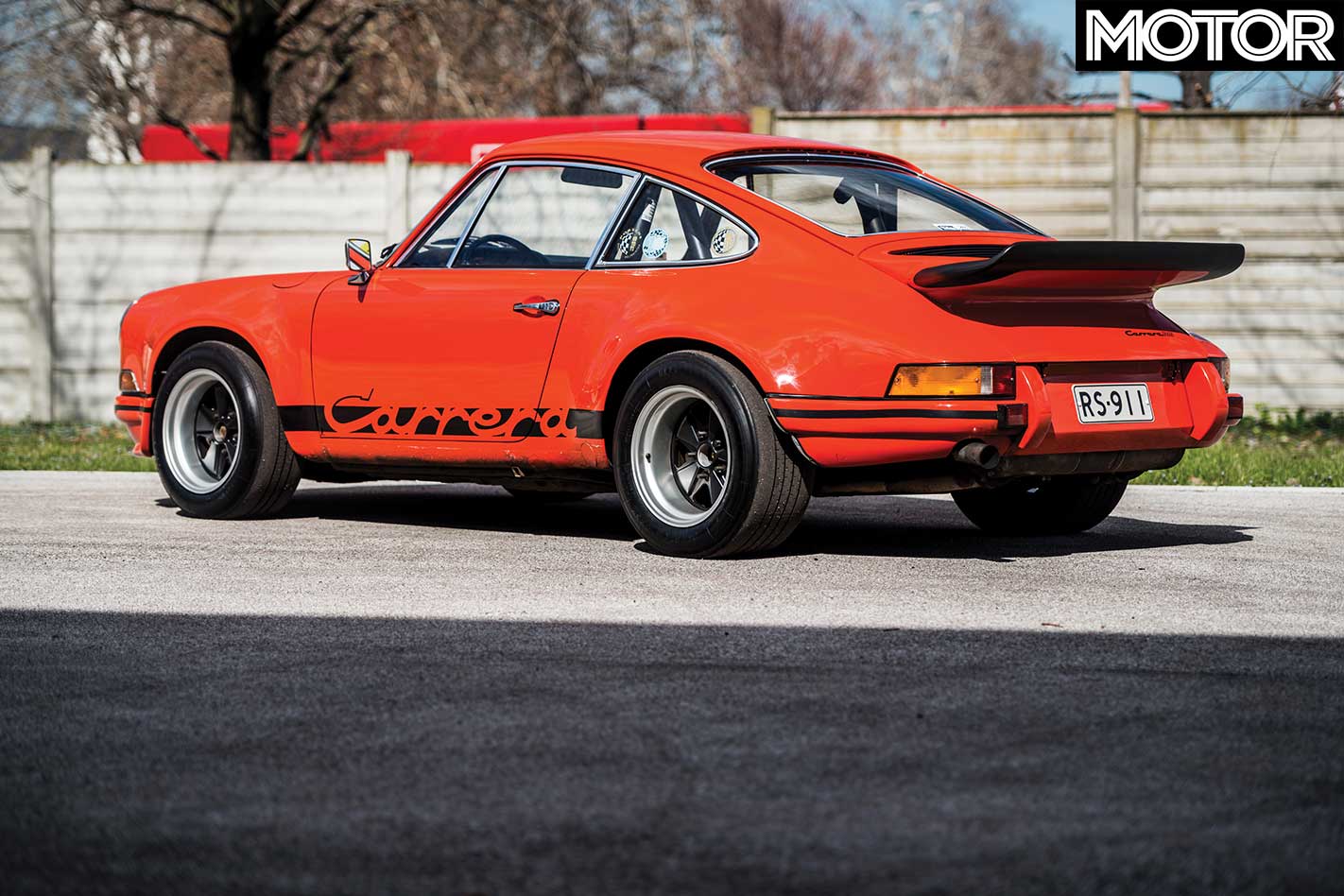
Back up in the price range, a ‘73 Carrera RS 2.7 took our interest if not for the car itself, for the massive $1,972,300 it sold for. Sotheby’s says it’s one of only two with ‘ST’ wheel arches and the only ’73 2.7 to feature the 1974 RS 3.0’s wing from the factory.
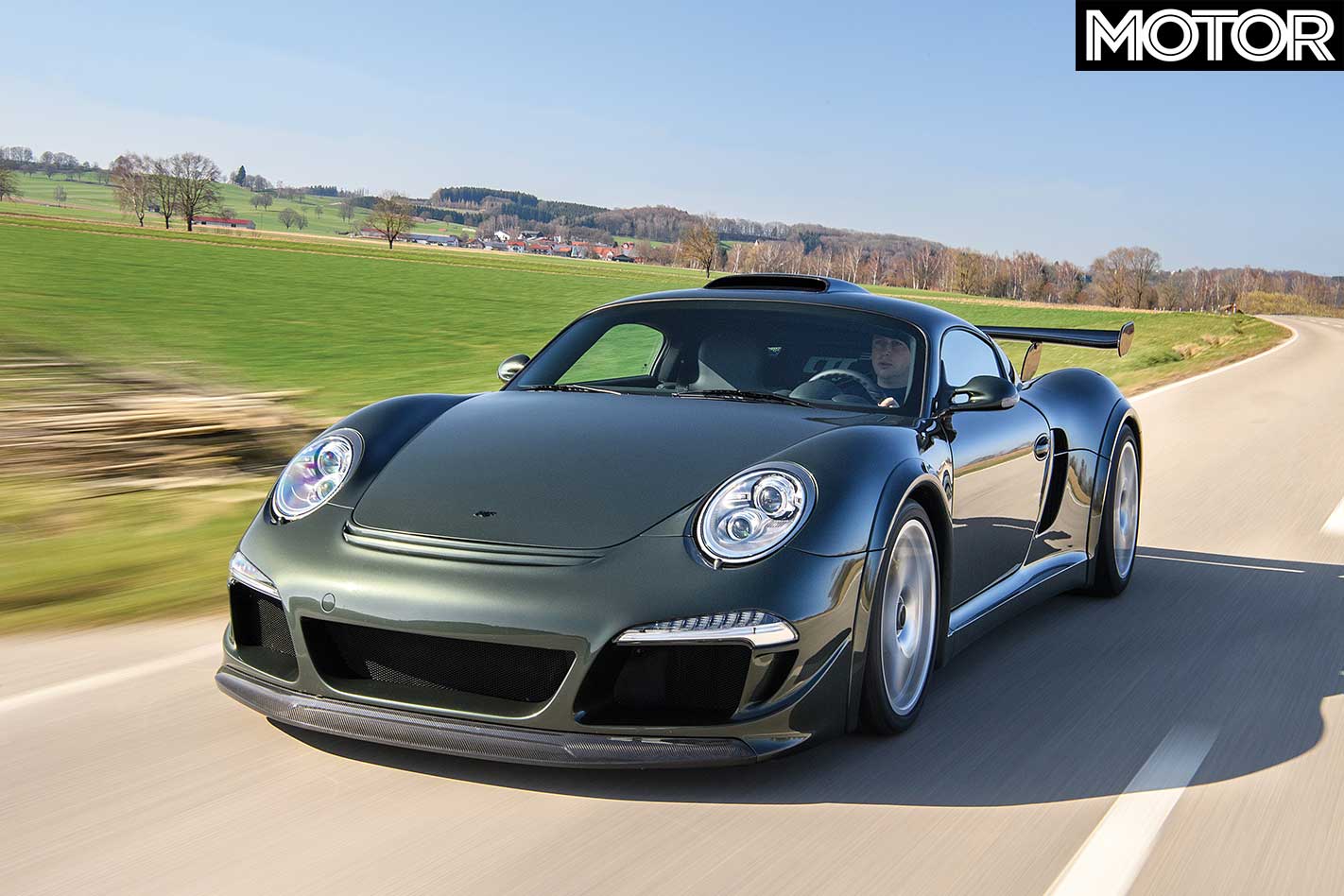
If these don’t strike you as good picks, how about $1,758,000 for the 2018 RUF CTR3 Clubsport which was displayed at Geneva this year?
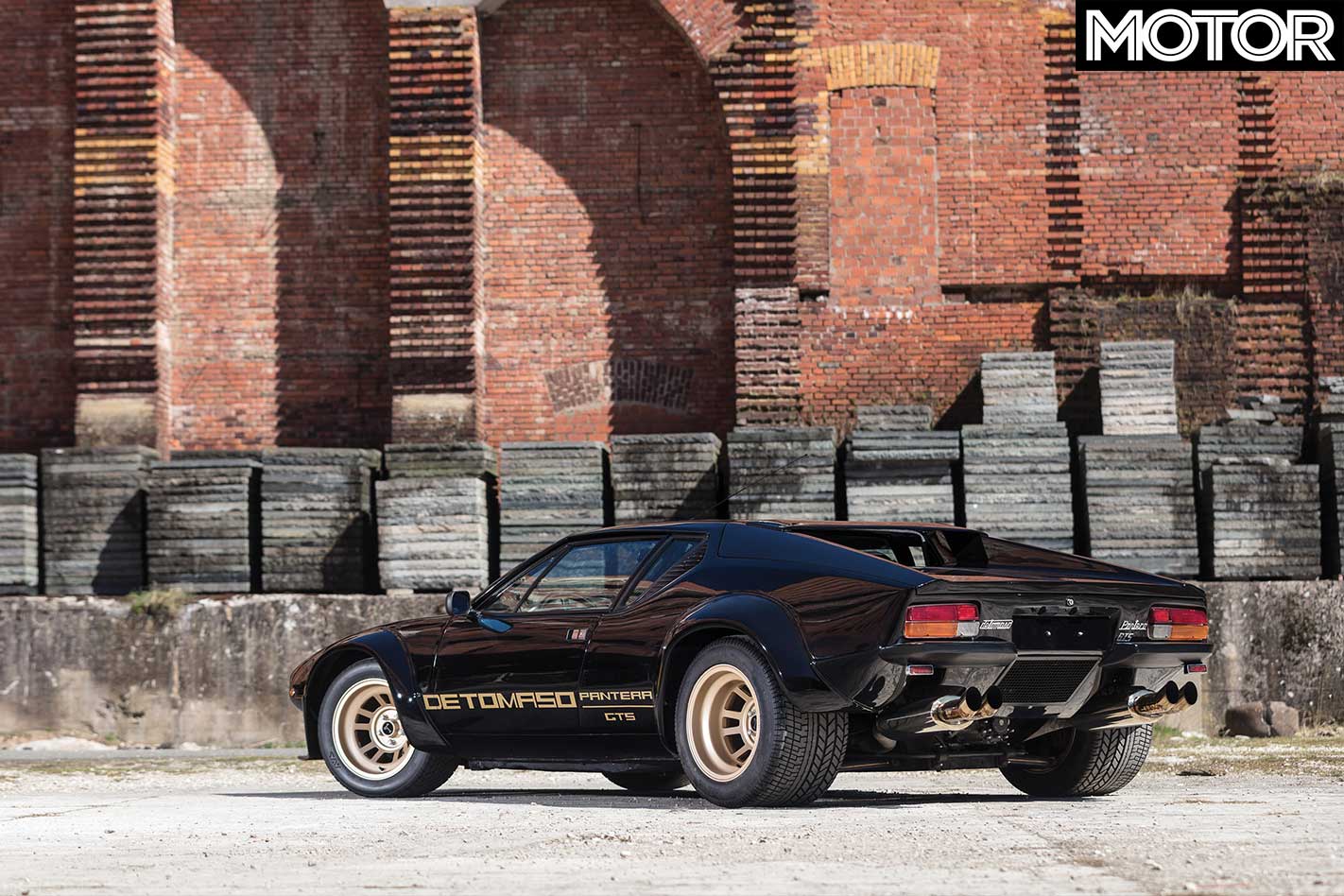
A DeTomaso Pantera GT5 was also at the auction, fetching $219,053.
What do you do when the keys to Land Rover’s new Discovery is plopped on your desk on a Friday afternoon? Plot a 600-kilometre off-road adventure for the weekend, of course.
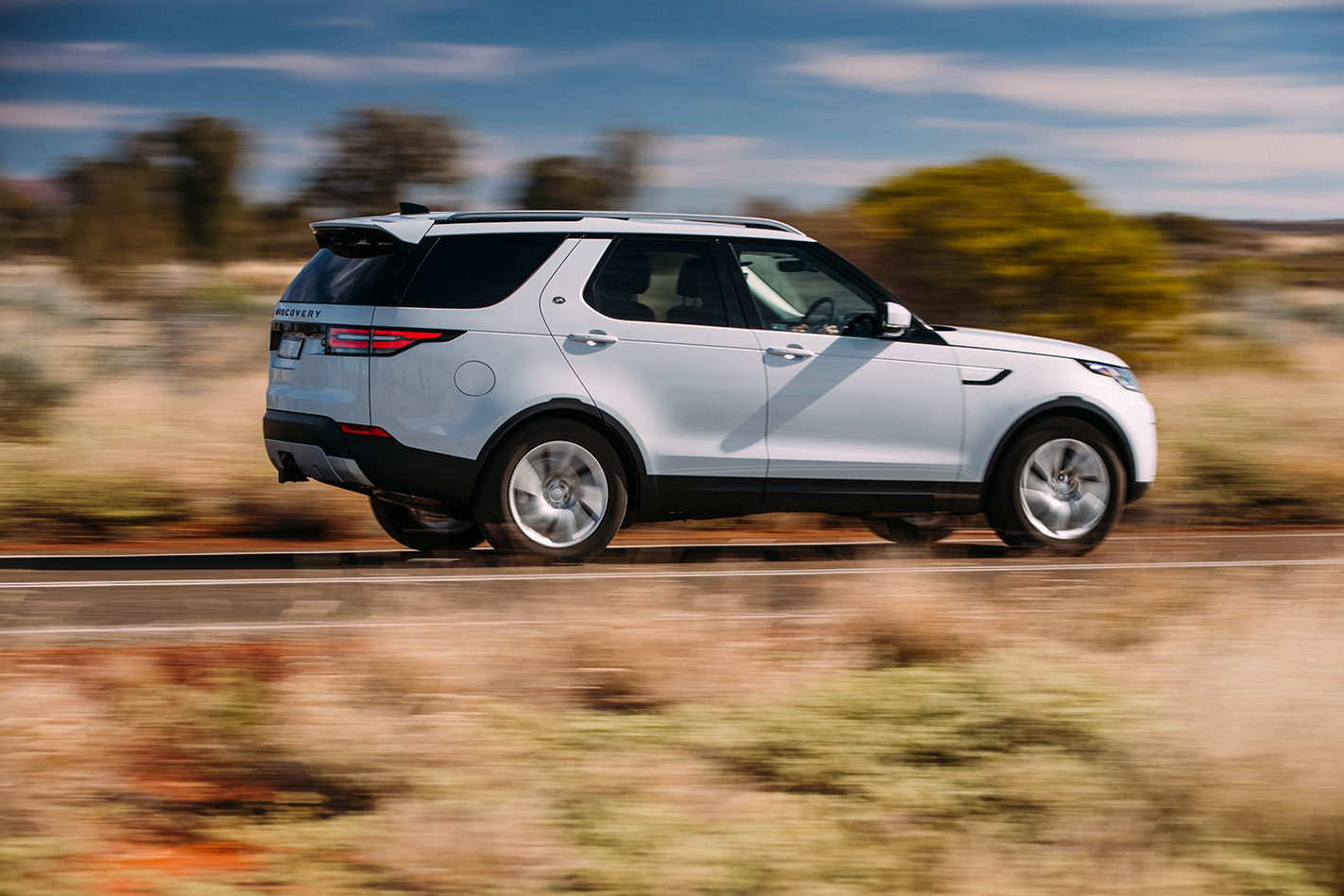
Land Rover has marketed itself on the off-road capabilities of its luxury SUVs for decades, thanks to the durability of icons such as the Defender. But does the brand image hold up today, with their cars now kitted to the gills with technology and more often spotted on a school run then a bush adventure? I was determined to find out.
The plan was simple, as time was limited. In just a single day I hoped to take the Discovery out to Mt Buller and Craigs Hut, and tackle the off-road tracks of the Victorian High Country. My route would include several long hours of highway transit, but the majority of the time would be spent on dirt, not tarmac – trying to avoid groomed routes as much as possible.
Before we get too distracted with the findings of my adventure, first a little bit about the Discovery –the SD4 SE was our selection for the trek.
The SD4 is available in four different model grades (S, SE, HSE, and HSE Luxury), offering escalating levels of luxury, ranging from $69,990 for the entry level spec all the way to $107,350 for the flagship.
Regardless of which spec you choose, all SD4 Discoverys have the same powertrain – a 2.0-litre twin-turbo diesel four-cylinder, which sends power to all four wheels via an eight-speed gearbox.
Power is a stout 177kW and 500Nm, which is needed as the Disco tips the scales at 2184kg. It’ll do 0-100km/h in 8.3 seconds, and has a claimed combined fuel efficiency of 6.4L/100km.
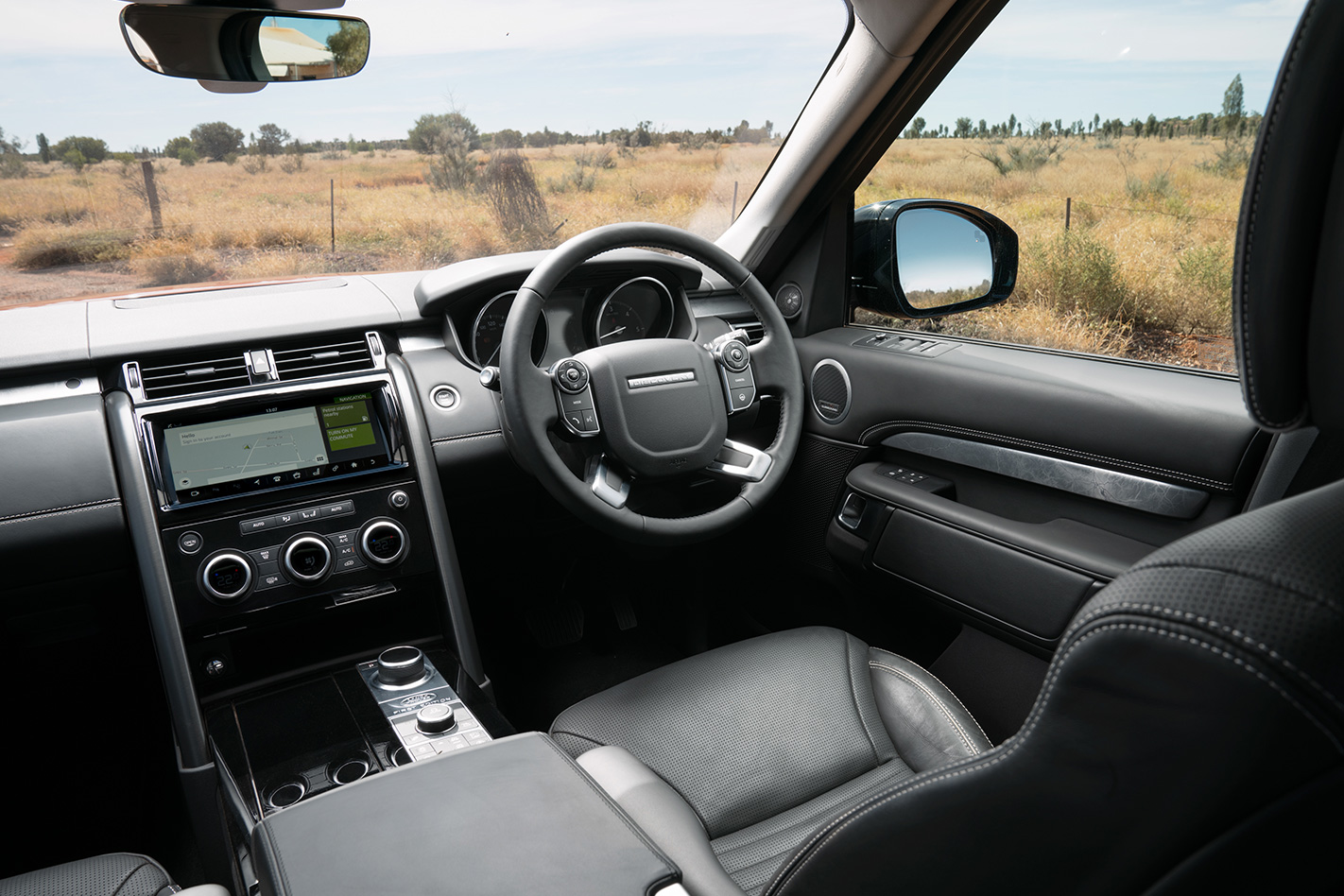
All bar the lowest S models receive adjustable air-suspension, and a dual-range setting in the gearbox for driving in rough terrain at low speeds.
Our SE variant, which wears a sticker price of $83,450 was fitted with ample options, including a $3200 Capability Plus Pack which adds an active rear locking differential, terrain response 2, and All Terrain Progress Control, for a final as tested price of $122,530.
Every Discovery is fitted with hill descent control, and Terrain Response as standard, the latter of which optimise traction control, throttle response, suspension and diff locks, in unison, for different conditions on-road and off.
The different terrain settings can be selected manually at the turn of a dial, or you can let the onboard computers do the work, changing on the fly. I went with the latter, and let the car take care of the decision making.
With the infotainment screen displaying vital information I was able to watch as diffs were locked – both partially and fully – suspension was compressed, and low-range gears were selected seamlessly as the terrain demanded.
The system took any stress or uncertainty out of the venture, giving me the confidence to tackle a number of daunting climbs knowing the computer would be smarter than my mortal brain and pick the correct settings.
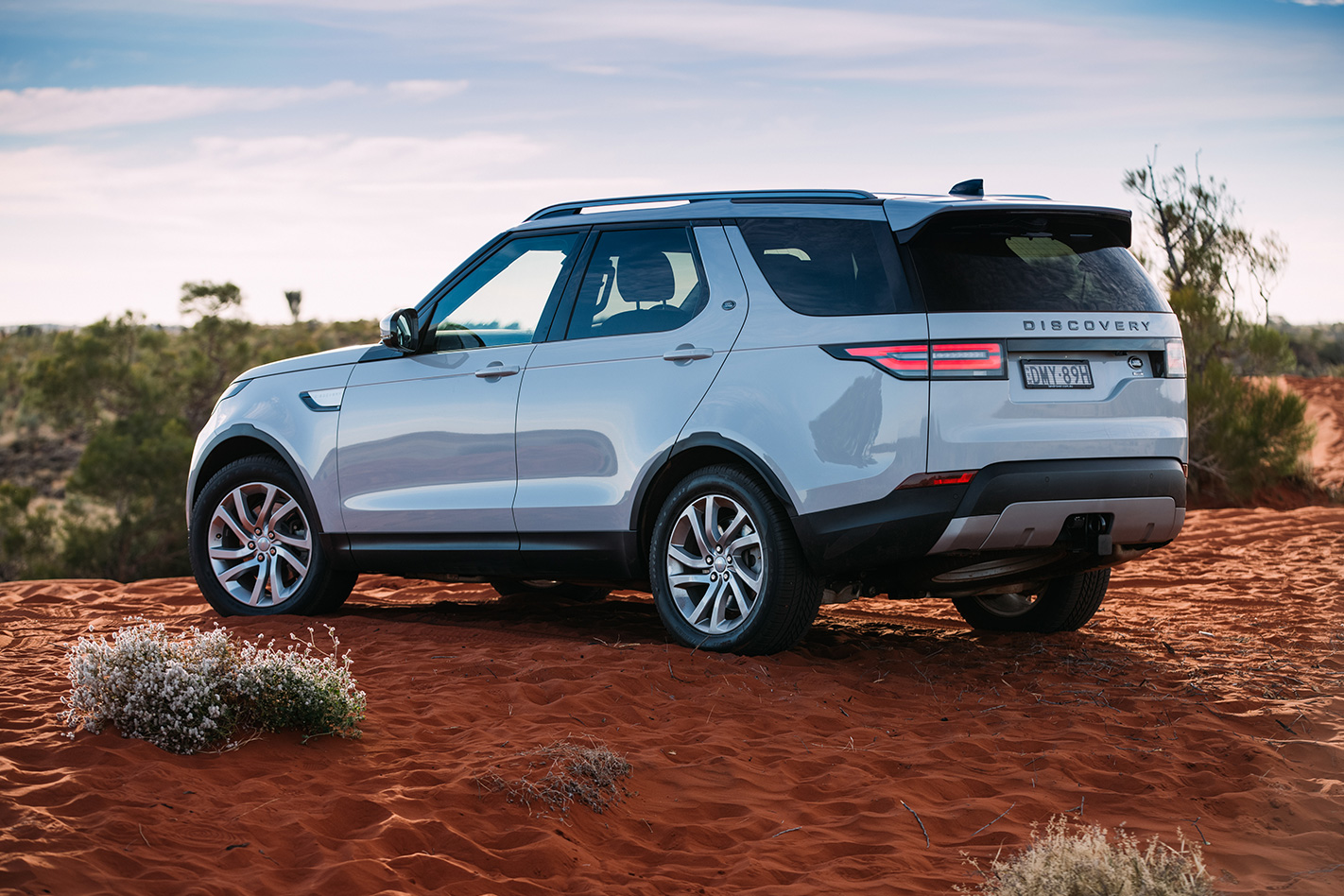
Another of the Discovery’s party tricks is its air-suspension, which is able to lower and raise the car’s ride height to an impressive degree.
Aired-out when parked, the Discovery has a tough, low stance, which makes entering and exiting the cabin a breeze. But point the nose off-road, press a button in the centre console, and the car lifts up to provide the maximum ground clearance of 283mm.
The full off-road ride height can be maintained at speeds up to 85km/h, after which the system will automatically lower for highway driving.
Navigating tight and tricky terrain was made easy thanks to a bevy of cameras fitted to the Discovery’s exterior which can be selected through the 10-inch infotainment screen.
The Discovery has a claimed wading depth of 900mm, but a distinct lack of river crossings meant this wasn’t put to the test during our jaunt.
During the transit stages, the Land Rover was a consummate cruiser, with heated (and ventilated) power-adjustable seats keeping the front occupants warm, and air suspension providing a plush ride. Though there was some tyre roar which penetrated the cabin from the all-terrain rubber.
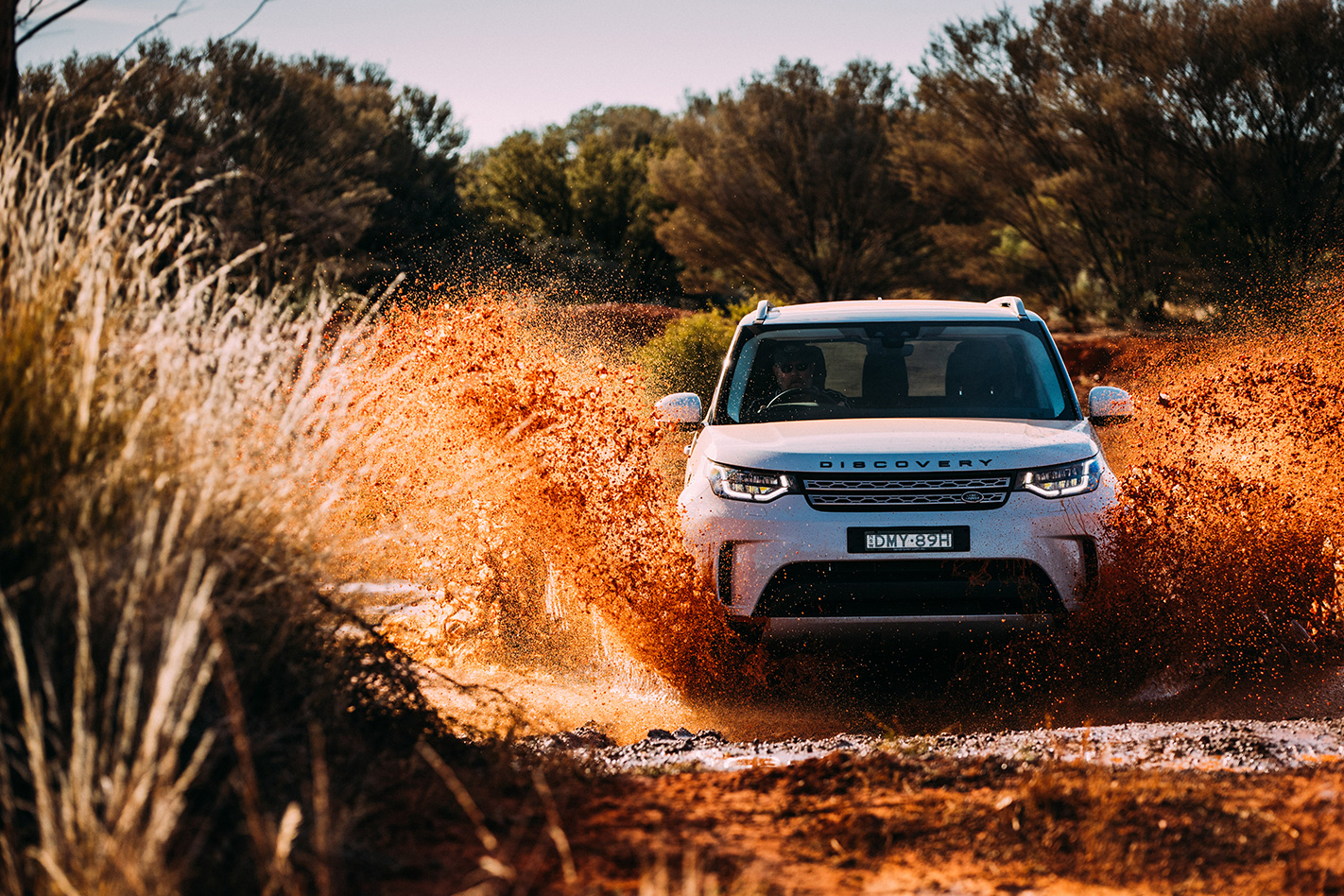
The cabin is an easy place to spend long periods of time, with nine USB ports littered throughout, along with six 12-volt power outlets providing plenty of juice for a family’s worth of electronic devices.
Where the Discovery fell short was infotainment, with our test car’s Bluetooth system refusing to connect with either an Android device or iPhone, and a touchscreen which was laggy and unresponsive to prods of the finger.
It should be noted that the Discovery doesn’t share the car-like dynamics of other large SUVs, due to its more off-road focus. Even with the suspension set to its sportiest setting, the Discovery pitched heavily in corners – but you’re not exactly buying one of these to carve mountain roads, are you?.
In its intended duties, consuming vast highway miles and dominating the road less travelled, the Discovery was a pleasure.
Land Rover Discovery SD4 prices:
- SD4 S: $69,990
- SD4 SE: $83,450
- SD4 HSE: $93,550
- SD4 HSE Luxury: $107,350
“NISSAN Intelligent Mobility.” With that awkward mish-mash of words, Nissan has signed off its commitment to the Supercars series beyond the end of this year, slamming the door shut on half a decade of active participation in Australian motorsport.
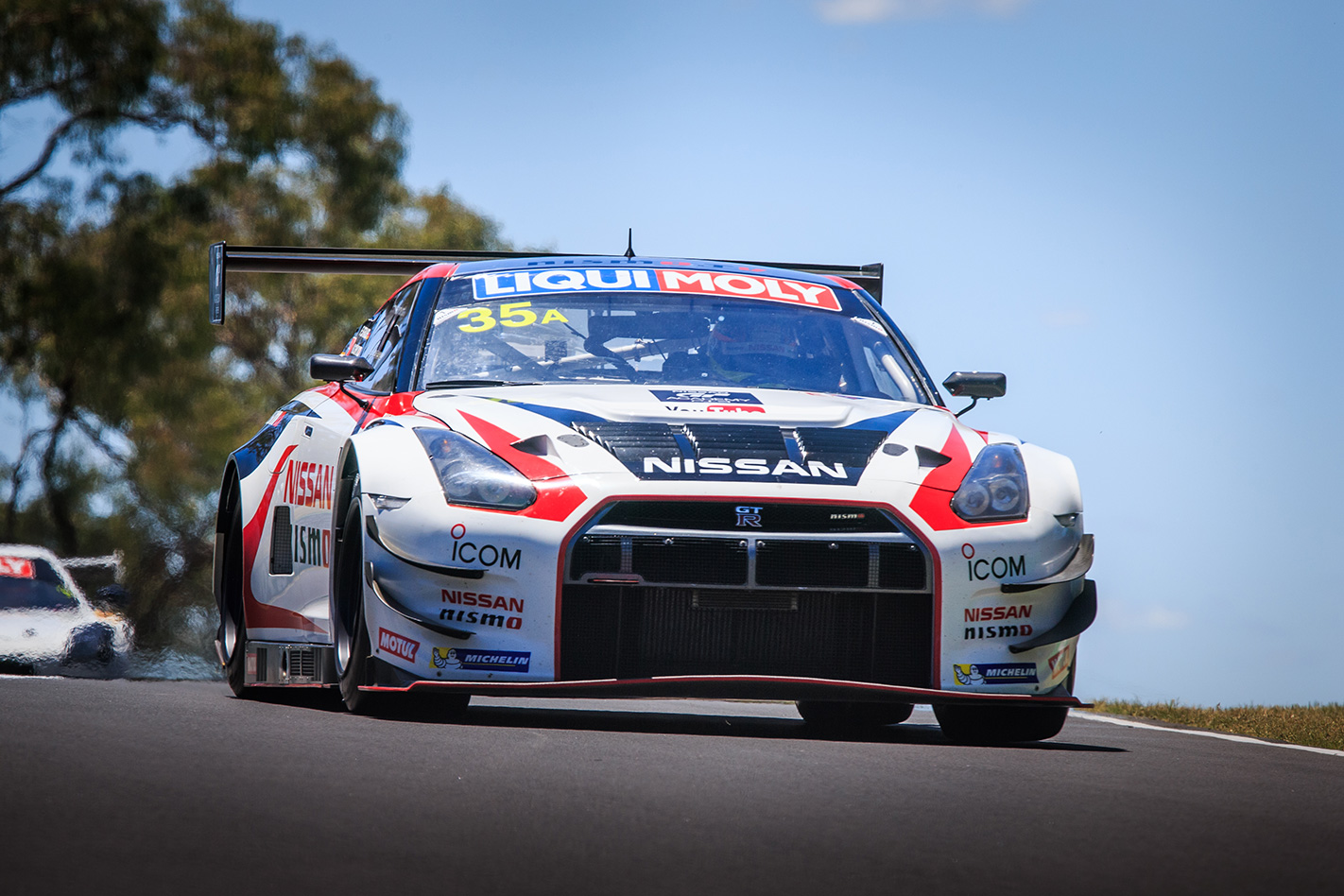
In doing so, it is yet to open another one, with the fate of a pair of “assets” – two Nissan GT-R Nismo GT3 race cars that have not turned a wheel in anger since the 2017 Bathurst 12 Hour – hanging in the balance.
“Strategies have changed, and our focus has shifted to other priorities, in particular EVs, SUVs and Nissan Intelligent Mobility,” Nissan Australia managing director Stephen Lester said today while announcing the withdrawal of factory support from the end of this year.
The writing was on the wall. Nissan had only ever claimed two podiums in five years of banging doors with Fords, Holdens and, for a while, Mercedes-Benzes and Volvos. Despite the lack of on-track returns, Lester is adamant the exposure paid dividends.
“We took a long time to come to this decision, and here we’re obviously sitting part-way through the season,” Lester said. “It wasn’t an easy decision to come to, the reality was that since my arrival we’ve taken stock of the market and what the core priorities of the business would be, what the opportunities would look like going forward, and together as an executive team we’ve made the decision,” he said.
“We’ve taken the position from our standpoint of direction of the brand going forward. We see much stronger alignment and tie around Nissan Intelligent Mobility, our future in the EV space as well as SUVs … and that portfolio being much more represented by other activities at this moment in time.”
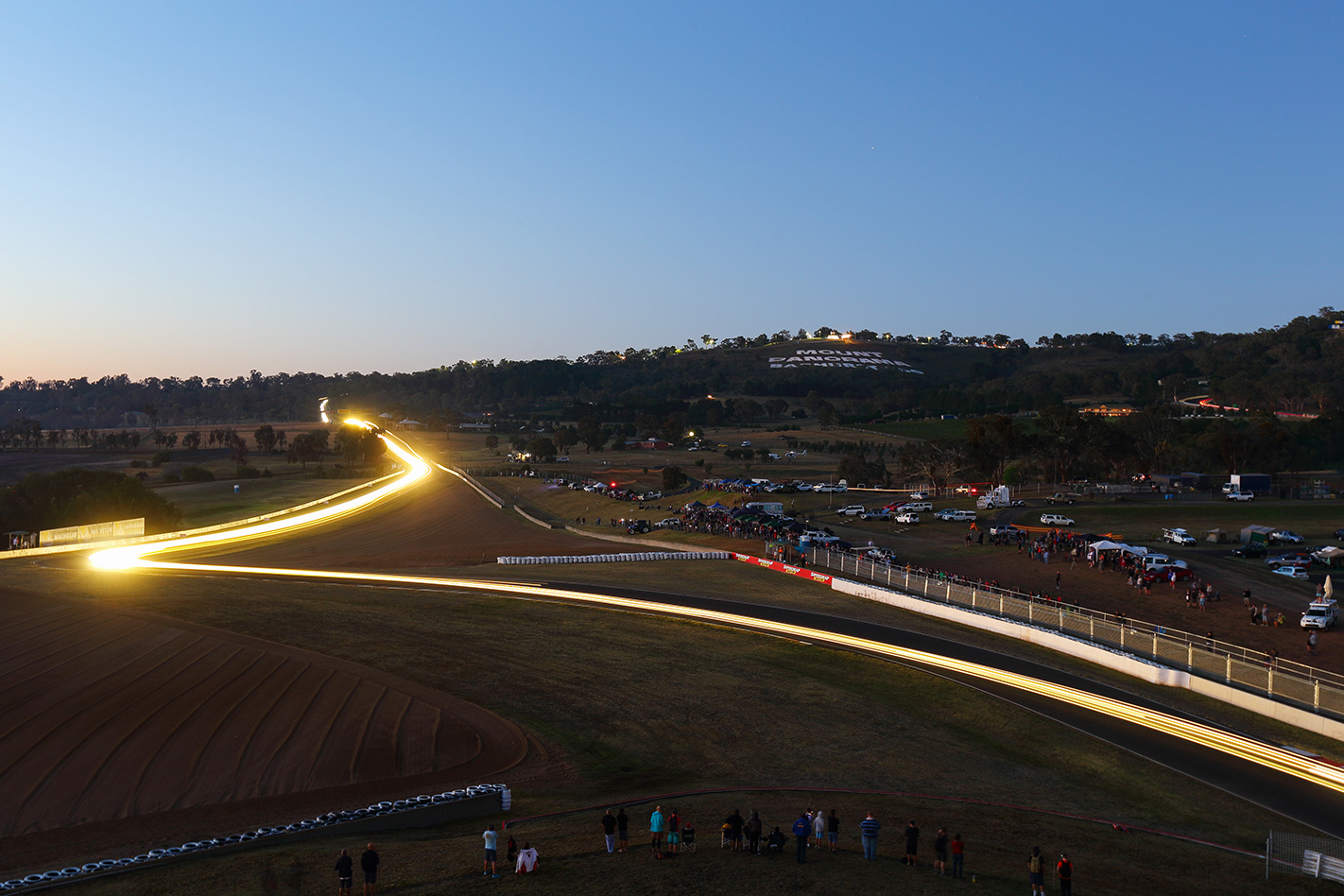
The message is clear, then, that Supercars isn’t core to what Nissan has to do to sell cars in Australia. In 2013, when it re-entered the paddock for the first time since the early 1990s, it finished the year sixth on the top-selling brands leaderboard behind Toyota, Ford and Holden, Hyundai and Mazda. In April this year, it fell to 10th, outsold by brands it once crushed, including Volkswagen, Subaru, Kia and Mitsubishi. Its Intelligent Mobility mantra is all about its future products, flagged via an already two-year-old strategy to make its products cleaner, safer and easier to use, not brawling, mechanical V8s.
Nissan’s global motorsport intentions are very different. Via its performance sub-brand, Nismo, the carmaker has signed up to the Formula E electric open-wheeler series, following in the wake of a stream of manufacturers attracted to the future-looking, fixed-cost sport including Audi, BMW, Jaguar, Mercedes-Benz and Porsche.
“Today’s announcement ends hope that Nissan would bring its iconic GT-R to the category as part of Supercars’ Gen2 platform, which welcomes two-door cars,” Supercars said in a statement acknowledging Nissan’s plans.
As optimistic as Supercars can spin today’s disappointing news, fielding the GT-R was never an option. Beyond the Altima, which wore its Supercars suit – and its sales ambitions – awkwardly, there were never any formal talks around Godzilla ever making a return to Aussie motorsport’s top tier. Period. “No, there was not,” Lester simply replied when asked if there ever was. “I don’t see the alignment of the GT-R to the Supercars series.”
The Supercars field will face more change in the wake of Nissan’s departure. Ford is back funding a team after three years in the wilderness, saddling up its motorsport future with the Mustang. Holden, meanwhile, has committed to support its ZB Commodore’s efforts at least until the end of 2019.
Kelly Racing has announced it will campaign the Altima in next year’s championship with Nissan’s blessing, although Lester hinted that the question of whether the cars would wear a Nissan badge on the front was still to be decided. It’s also unclear how many of the soon to be Altima-not-Nissans will line up on the grid.
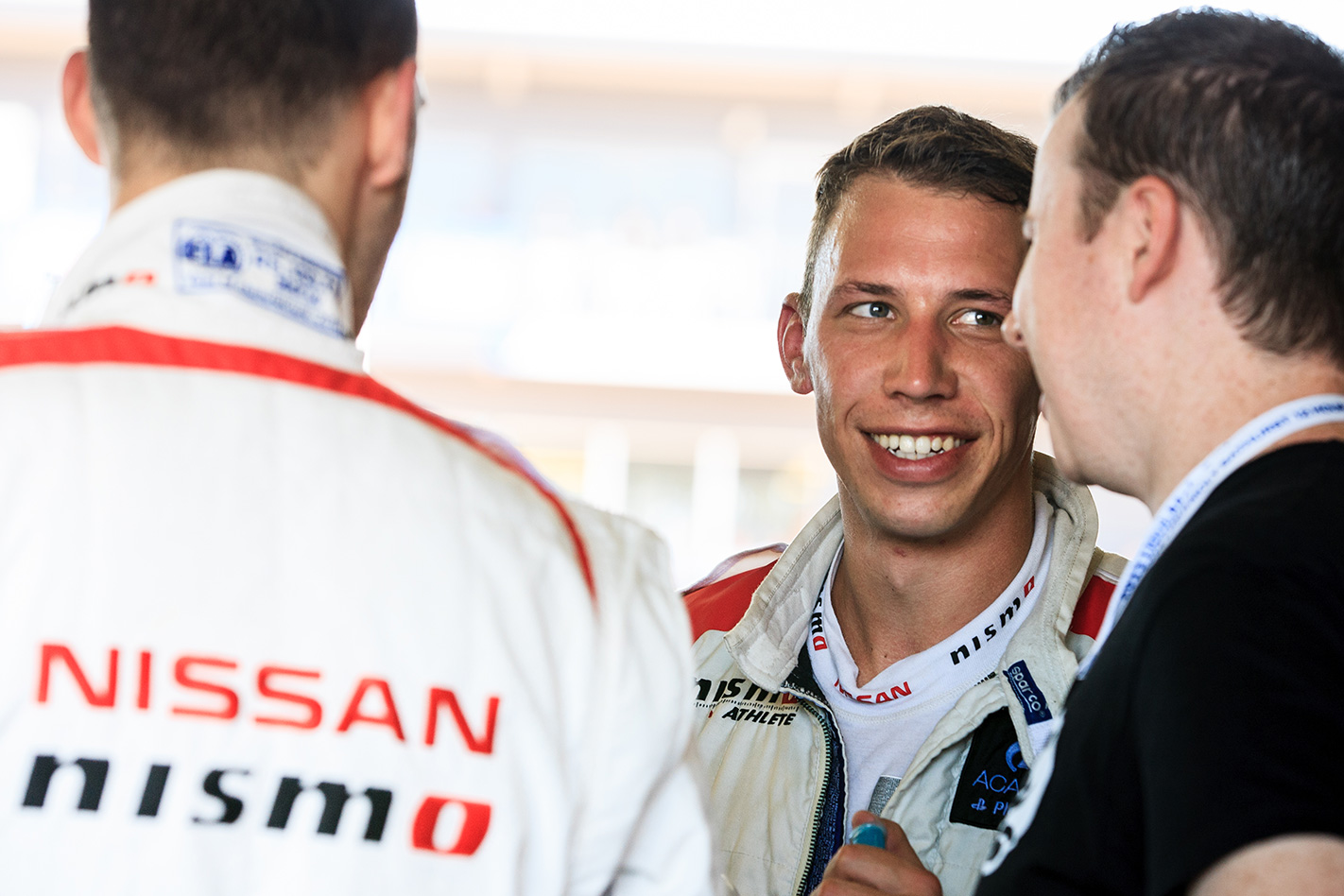
“It’s business as usual for us in 2019 as we continue to race the Altima next year,” Nissan Motorsport team owner Todd Kelly said in a statement. “We’re extremely proud of the work we’ve achieved in designing the Altima race car and a road car based engine for competition in this category.
“This announcement won’t slow our development as we continue to push further up the grid.”
The team’s next phase, beyond that, would be “an exciting one”, Kelly said.
According to Lester, today’s announcement wasn’t about the money. “We have a different strategic direction for the company that at this point doesn’t involve Supercars Series. It does not mean that we don’t see value in racing, we need to take a step back in our approach towards motorsport and look at how we can make that best fit within our future objectives.
“It’s [Supercars] definitely not a financial resource point; again it strictly comes back to our direction, corporately, and where we see the company going over the next few years in our midterm plan.”
Whether that plan includes a return to the Mountain for the 2019 Bathurst 12 Hour is yet to be decided. According to Lester, the deadline for that decision is also looming.
Nissan is withdrawing from touring car racing in Australia. Again. Nissan Motorsport’s Australian operation has today announced that it will be retiring its Altima-based race cars and exiting the paddock, meaning Japan’s second-largest automaker will once again be absent from the country’s top-tier tin-top racing format.
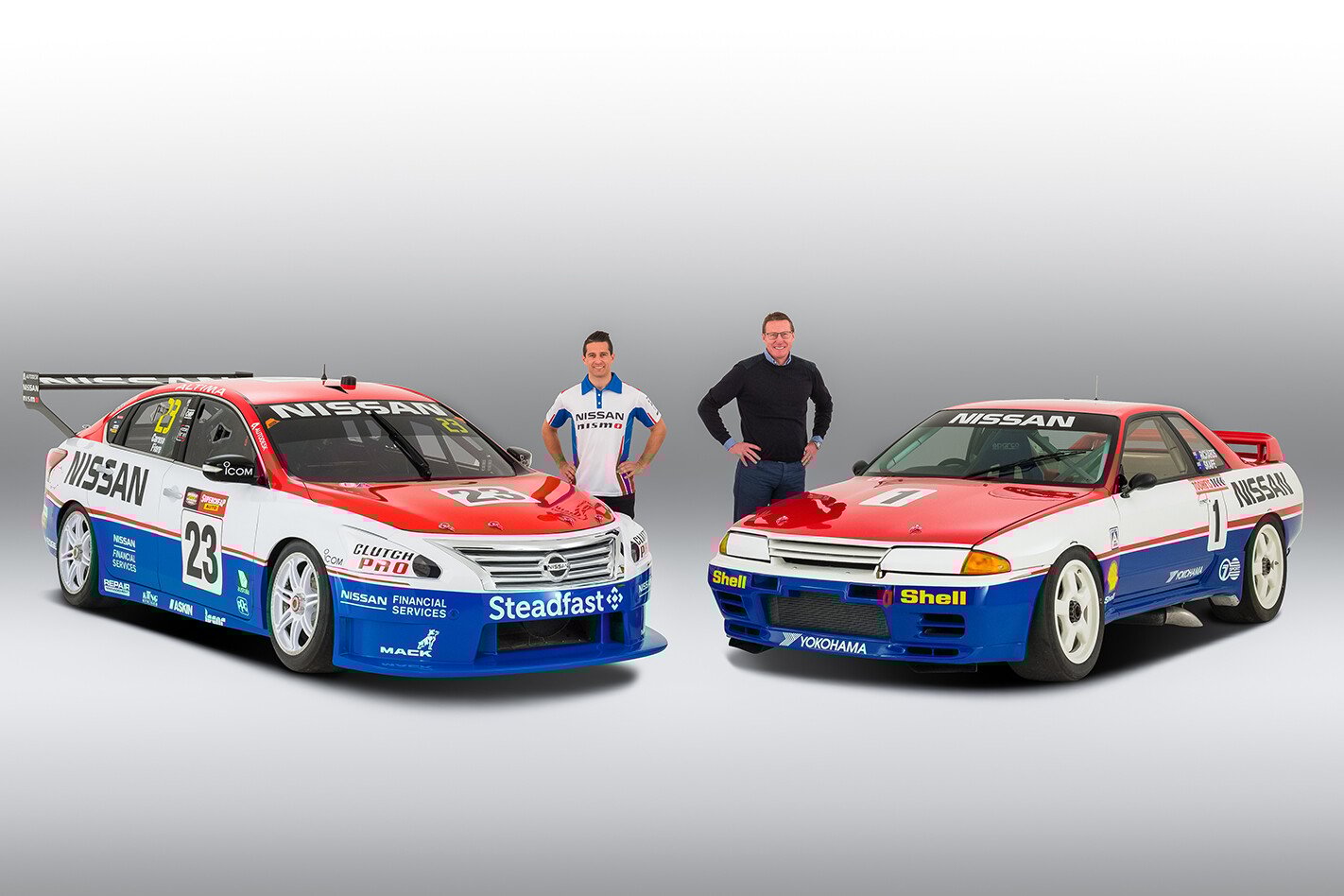
The brand has a rich history of touring car racing that stretches well past the Altima era, with a bevy of its production cars campaigned under various teams over the past three and a half decades. Some are more famous than others (a certain red Skyline GT-R comes to mind), but here’s our list of the most notable Nissan touring cars from years gone by.
Nissan 910 Bluebird
A multi-disciplined racer with talent on both dirt rally stages and tarmac circuits, George Fury first campaigned Datsun 1600s and Stanzas in rally before making the switch to the Australian Touring Car Championship at the wheel of a turbocharged 910 Bluebird.
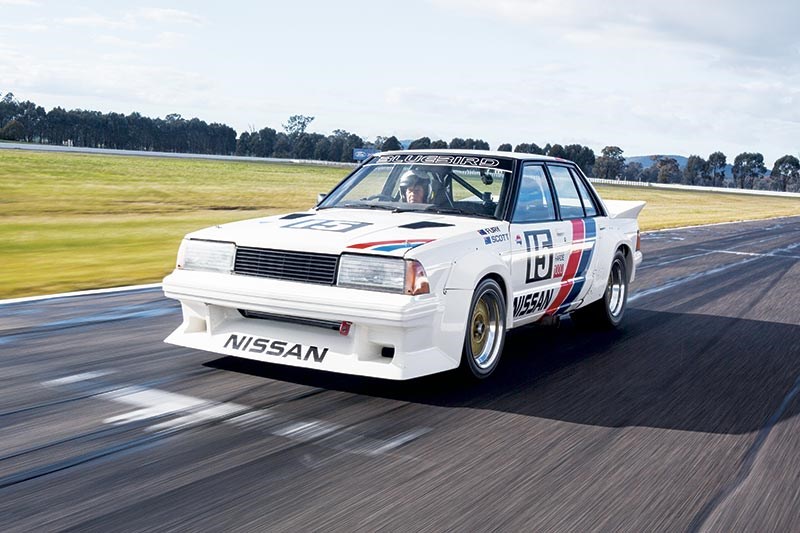
While domestic Bluebirds, assembled in Clayton, Victoria, were carburetted, naturally aspirated and riding on live axle rear suspension, Fury’s Nissan-funded race car was powered by a turbocharged and fuel-injected 1.8-litre inline four and was equipped with a fully independent rear end. It was also famous for being steered by Fury to a sub-2m14s lap time during qualifying at the 1984 Mt Panorama race – the fastest-ever lap by a Group C car at Bathurst, and a record that would stand for six years.
Nissan DR30 Skyline
With the demise of Group C and the adoption of Group A as the new touring car format, Nissan’s local motorsport presence shifted from the by-then antiquated Bluebird to the DR30 Skyline in the 1986 Australian Touring Car Championship. With Group A rules mandating cars that more closely resembled their production counterparts, the Skyline would provide a more ‘honest’ representation of Nissan’s road car technology than the heavily modified Bluebird.
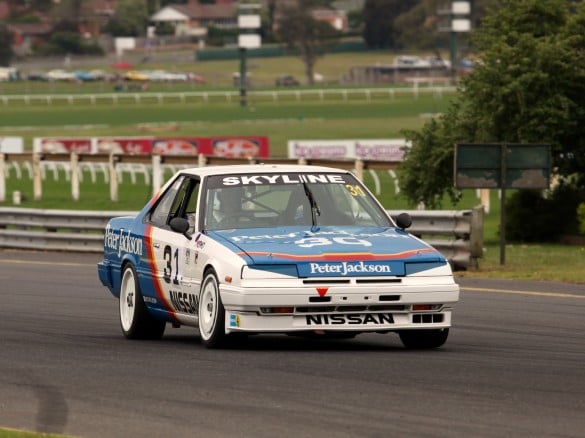
Campaigned under Peter Jackson colours and again driven by George Fury (with another car shared by Glenn Seton and Gary Scott), the Skyline was powered by a 2.0-litre FJ20 turbo inline four and proved more successful on track than the Bluebird, winning Nissan the manufacturer’s championship in 1986.
Nissan HR31 Skyline GTS-R
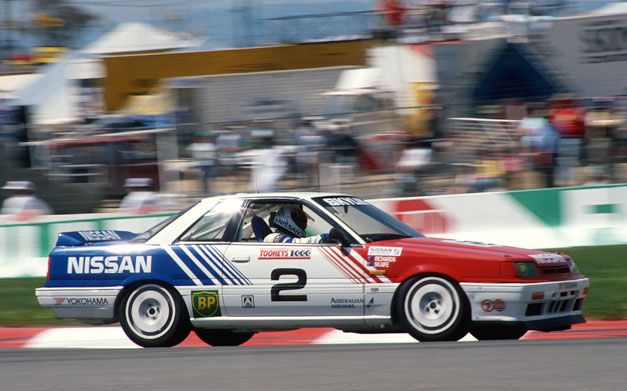
Though its silhouette looked familiar, the R31-generation Skyline was a clean-slate design that boasted a number of advancements over the DR30 it replaced. Key among them was the move to the howling RB20 inline six which boasted up to 321kW and more sophisticated suspension hardware underneath, though like the DR30 before it, it was based on a bodystyle that wasn’t offered in Australia – local Nissan dealships only offered the R31 Skyline in either sedan or wagon.
Jim Richards and Mark Skaife also joined Nissan’s motorsport efforts behind the wheel of the Skyline GTS-R, with Richards winning the 1990 Australian Touring Car Championship after driving the GTS-R for six of eight rounds. Both drivers would, however, become more famously associated with Skyline of a different type…
Nissan BNR32 Skyline GT-R
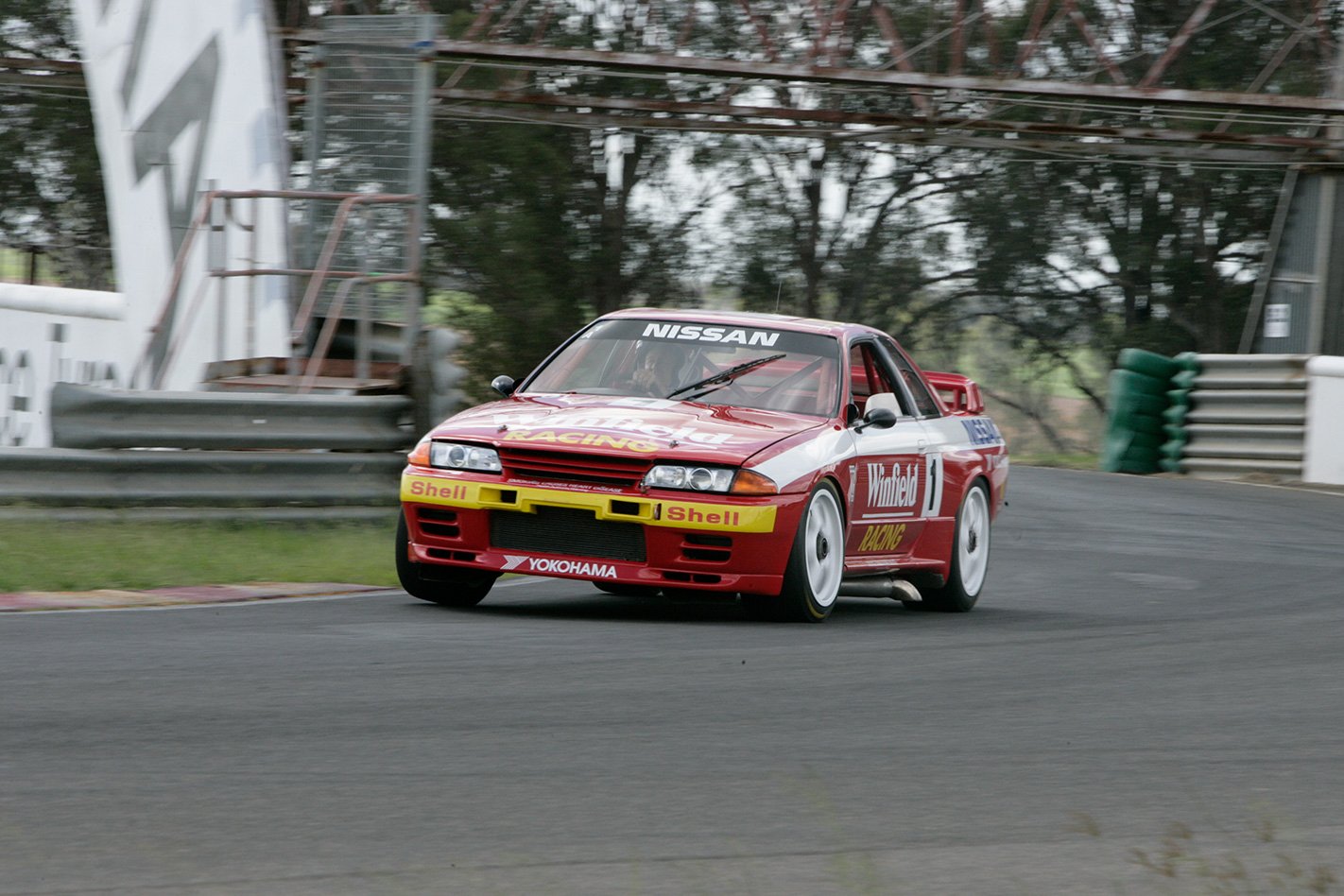
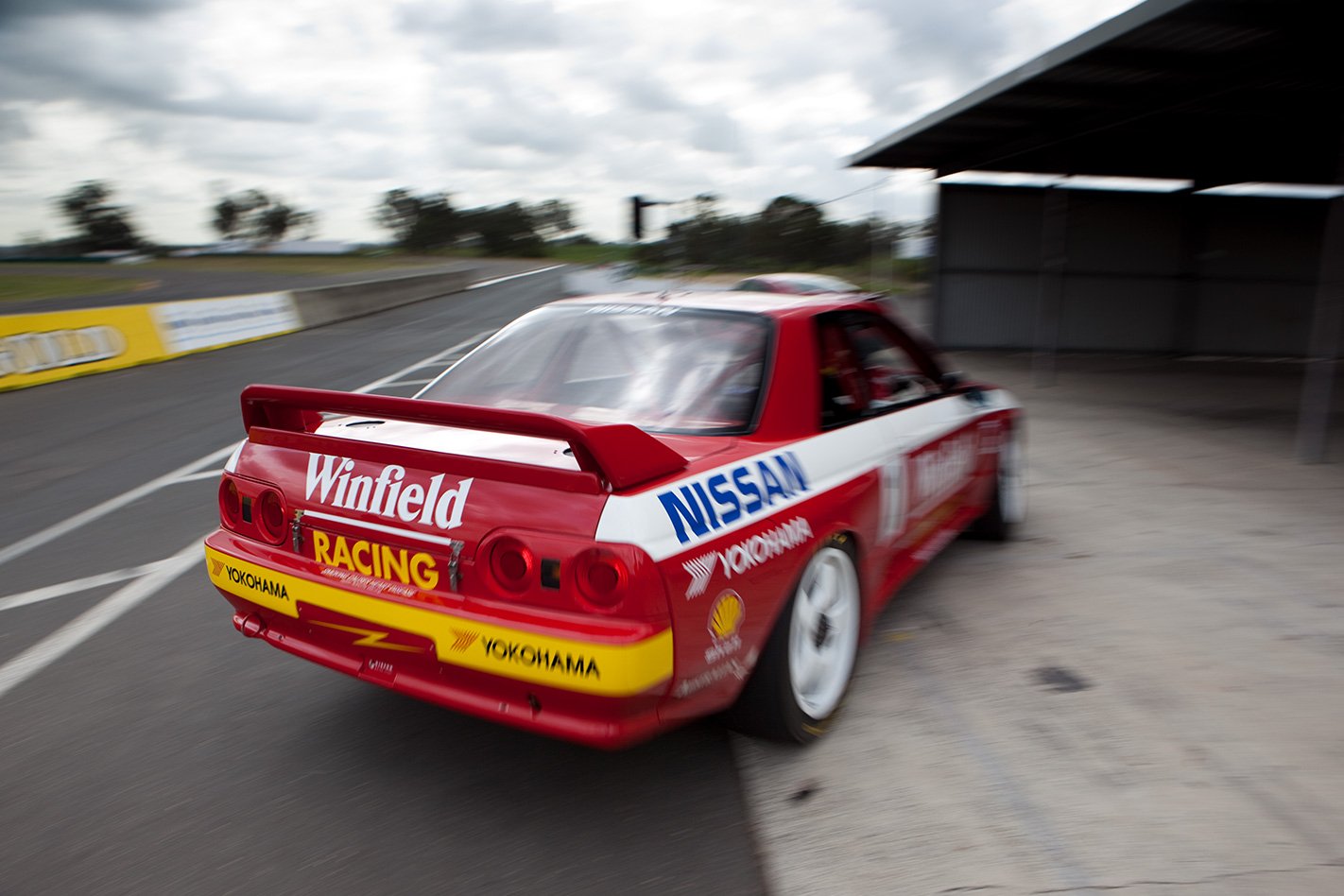
The mighty Godzilla. Bristling with cutting-edge electronics, four-wheel drive and a stupendously powerful twin-turbocharged 2.6-litre RB26 inline six, the 429kW Skyline GT-R was a dragon-slayer of a car. In the hands of Richards and Skaife, it kicked plenty of arses. Of 27 Group A races, the GT-R scored 16 victories and ended the dominance of Dick Johnson’s Ford Sierras.
But its sheer speed would be its undoing. Success brought sanctions, with the car’s minimum weight being increased and boost pressures reduced to close the gap between Nissan’s twin-turbo beast and the rest of the field. In 1993, Group A regulations were dumped altogether in favour of a 5.0-litre V8 format that played into the hands of Holden and Ford, but nobody else. Nissan’s GT-R was effectively given the cold shoulder.
Nissan Altima V8
If you can’t beat ‘em, join ‘em. That’s the mentality that spawned the Altima V8 Supercar in 2013. Nissan’s ho-hum Altima midsize sedan was never a sporty choice, but it provided a four-door bodyshell that actually lined up neatly with the dimensions mandated by the new Car Of The Future rulebook. It didn’t even require much in the way of massaging, unlike the Falcons and Commodores on the grid that required subtle nips and tucks to their sheetmetal.
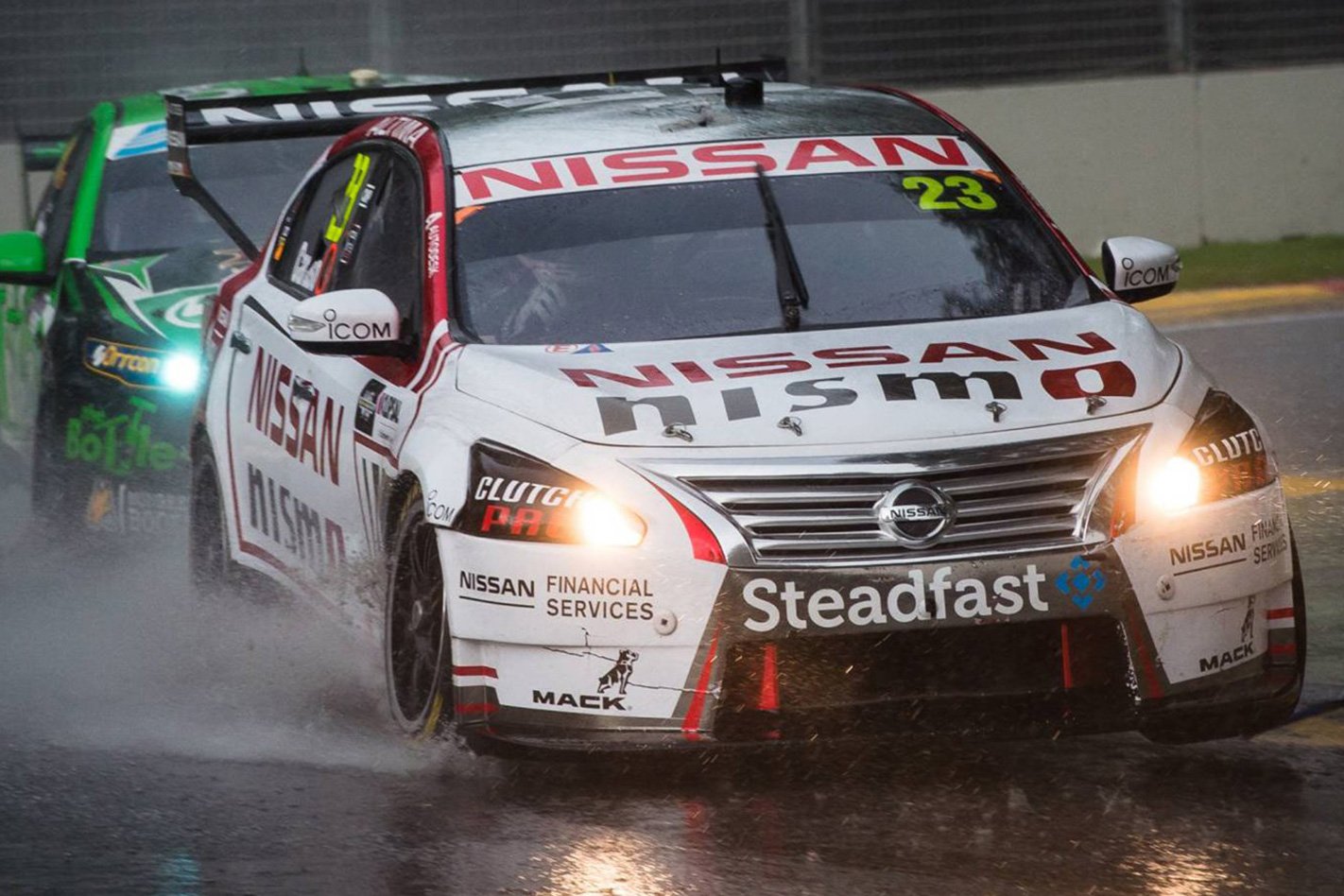
Aussie touring cars ceased being relevant to their road-going counterparts since the demise of Group A, but the Altima nevertheless made use of Nissan’s parts bin to become race-ready. The hulking Y62 Patrol’s all-aluminium 5.6-litre V8 was adapted for racing duty with bespoke heads (still DOHC) and a reduction in displacement to 5.0 litres.
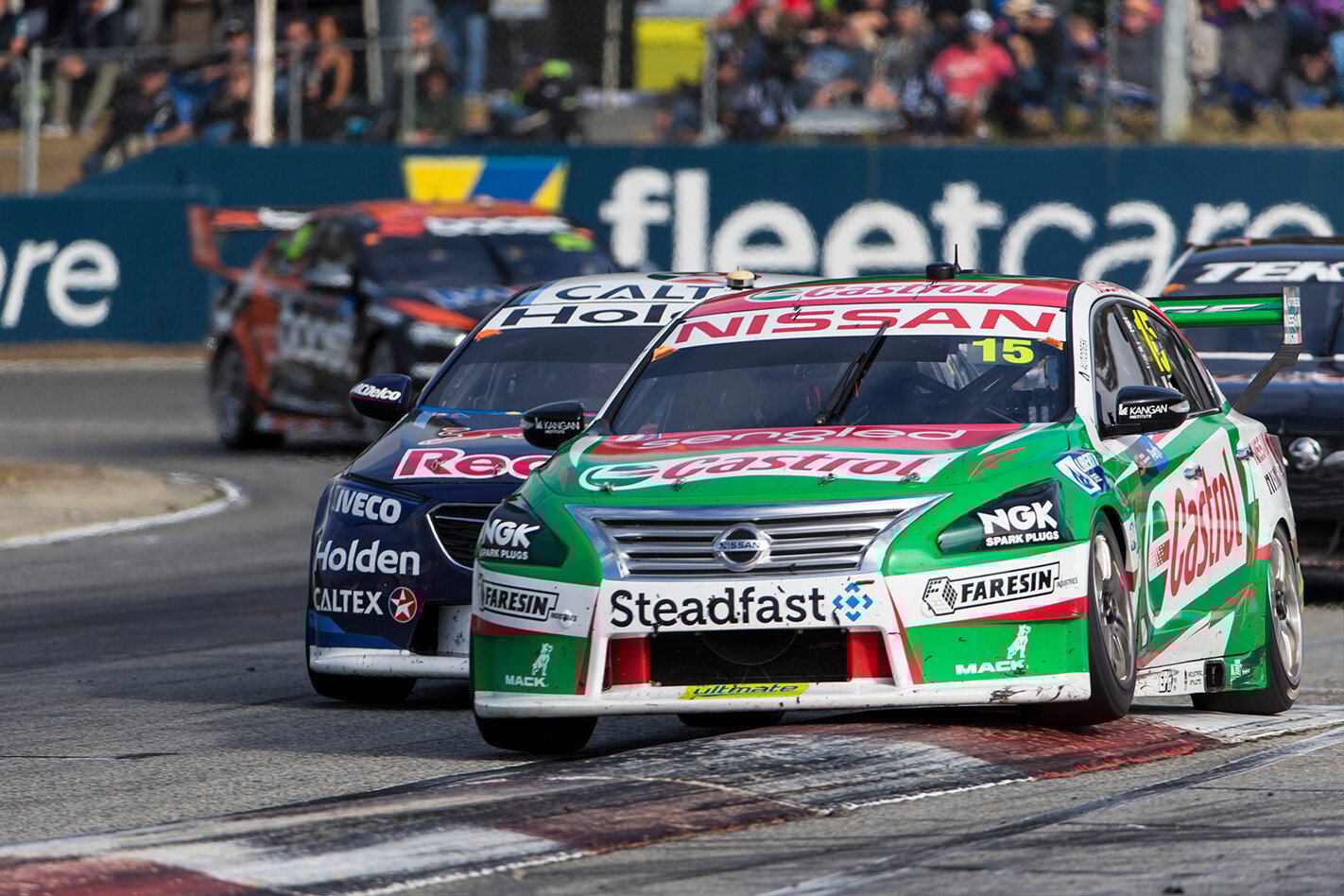
Built by Kelly Racing in Victoria, the Altimas were not especially successful as race cars – no doubt a factor in Nissan’s decision to end its Supercars program. Is this the end for Nissan’s Australian racing story or is it simply on hiatus once again?
THERE are two new foreigners in our midst. The first is the Holden Commodore, which now speaks with a German accent rather than ‘Strine. Similarly, the Aussie-accented Toyota Camry now talks with a distinctly Japanese accent.
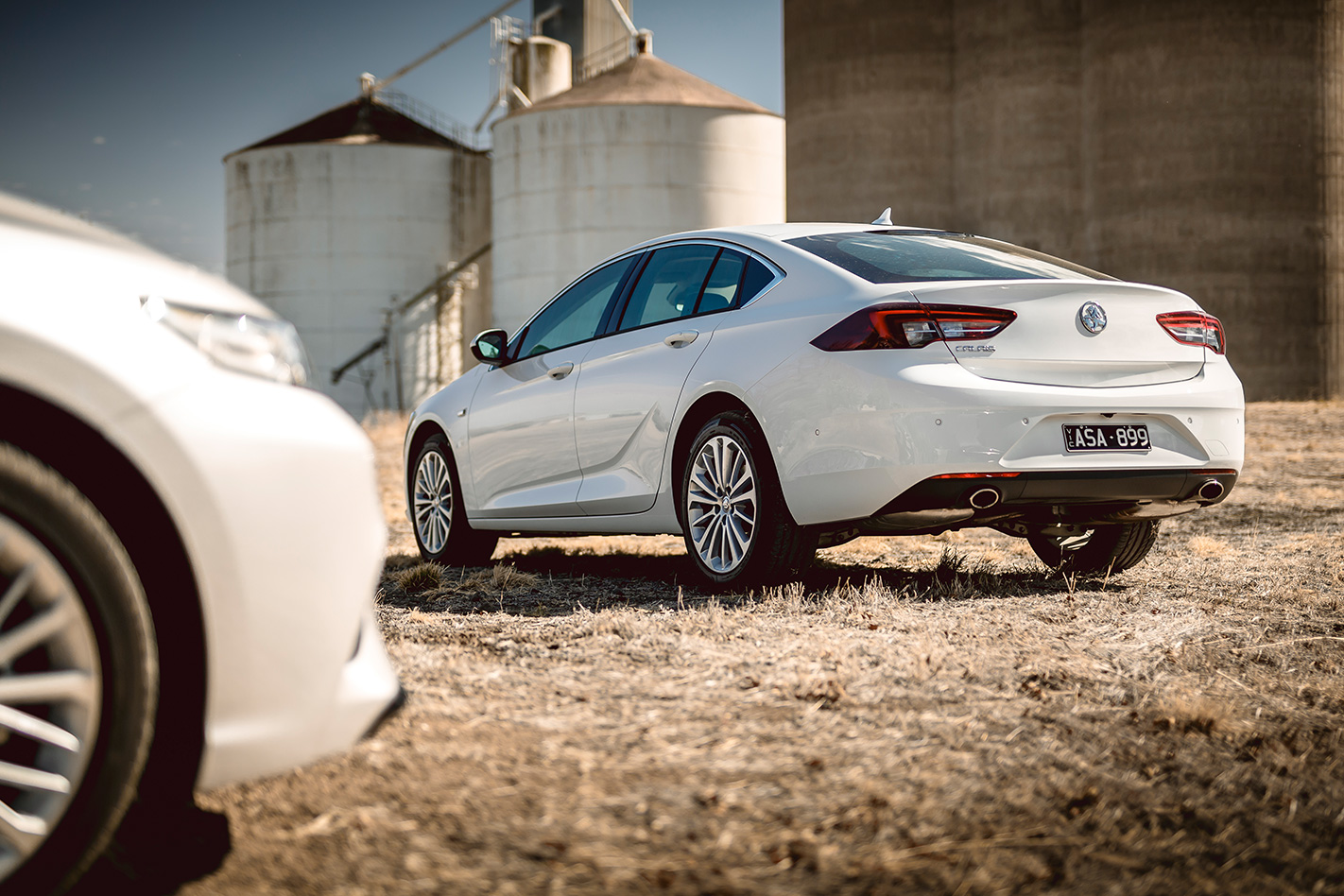
The loss of Australian car-making means all bets are off when making comparisons between the Commodore, and what’s always been a large car trying to fit inside a smaller one’s shadow, the Camry. In this head-to-head, we look at the high-end Holden Commodore Calais and pitch it against what appears to be the closest Camry competitor on paper, the Hybrid SL. At $40,990 each, there’s not a cent in change between them, and the similarities don’t end there.
PRICE AND EQUIPMENT
In Toyota’s eyes, we shouldn’t even be comparing these two. The Camry falls into the midsize car segment, and the Commodore the large car segment. On paper, though, the Camry is 9mm longer, 23mm narrower, 10mm lower and has a 4mm less-stretched wheelbase than the Commodore – in other words, they’re similarly proportioned.
Both cars send their mojo to the front wheels, but very differently. The Commodore uses a turbocharged 2.0-litre four-cylinder engine and a nine-speed automatic transmission; the Camry a 2.5-litre four-cylinder engine, electric motor, a nickel metal hydride battery and a CVT. Then there’s the physical format; the Calais is a sharp looking, coupe-profiled five-door hatchback, and the Camry a traditional sedan but one that sits lower and longer than the generation it displaces. Make your own mind up which works best.
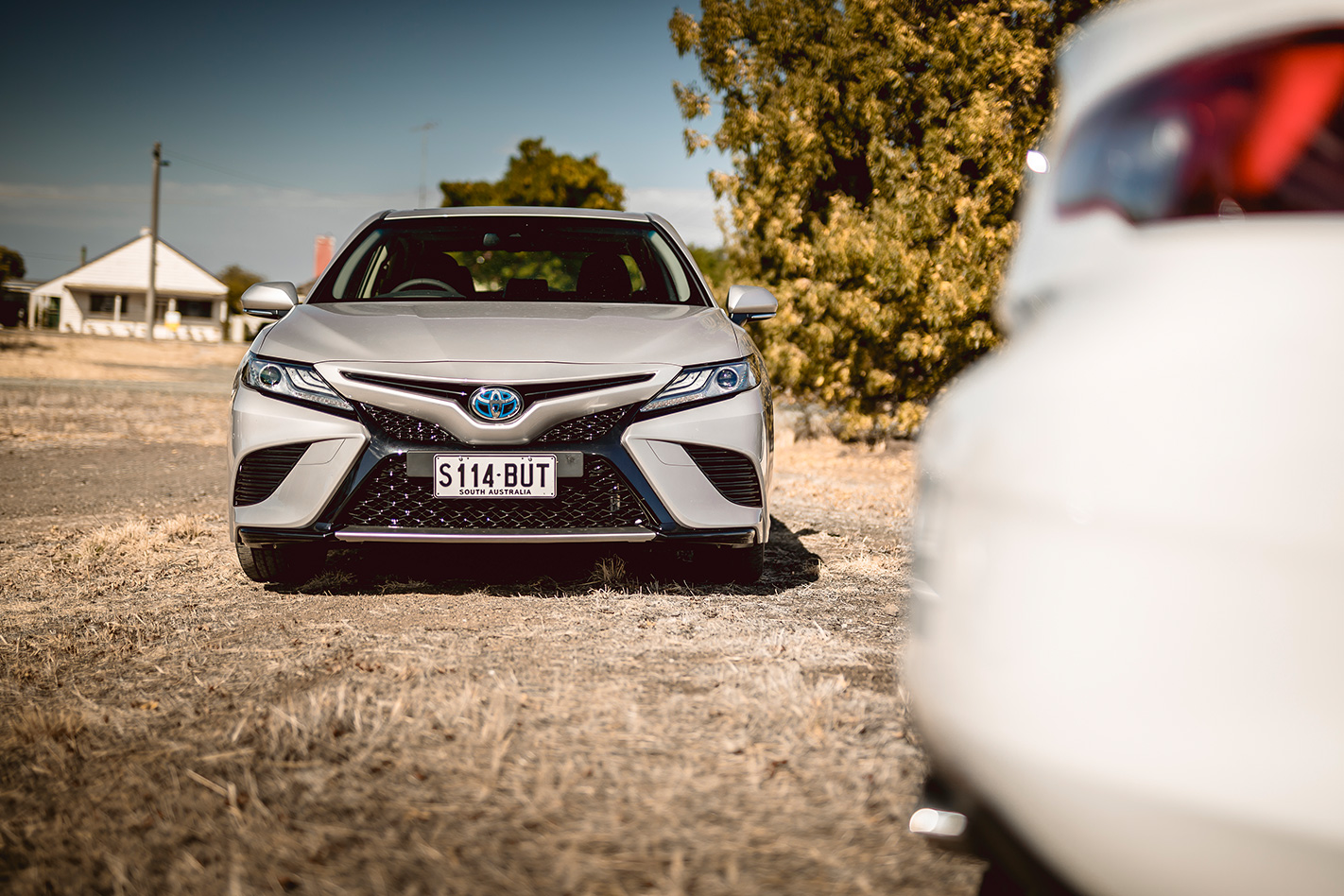
Both are also well equipped, with 18-inch alloys (and a space-saver spare), keyless entry and start, leather trim, dual-zone climate control, dusk-sensing lights and rain-sensing wipers, front and rear parking sensors linked to the reversing camera and a warning system that will stop you backing out into oncoming traffic, digital radio, wireless phone charging, daytime running lights, blind spot monitors and lane-keeping assist systems.
From here, the cars diverge. The Commodore has an electric-adjustable driver’s seat with lumbar support, as does the Camry, but the Holden’s front-seat passenger needs to adjust the seat manually. The Camry’s front row is all-electric, and includes memory settings for the driver. In the Calais the seats are heated; in the Camry they’re cooled with no heating.
Both cars also have automatic emergency braking, but the job they do is very different. The Camry’s system works at both high and low speeds, while the Commodore’s is only for low speeds (and only gives a warning at higher speeds). The Camry will also brake for pedestrians, where the Commodore won’t, but uses an active bonnet that pops up to reduce injury. The Commodore’s active cruise control system includes a speed limiter, and it will also monitor the driver for telltale signs of fatigue.
Both also have voice control systems for simple functions, but the Commodore’s is much easier to use, recognising more natural language. The Camry trumps the Commodore with puddle lamps, a subtle boot lip spoiler and a sunroof.
Calais: 15/20 Camry: 16/20
INTERIOR AND CONNECTIVITY
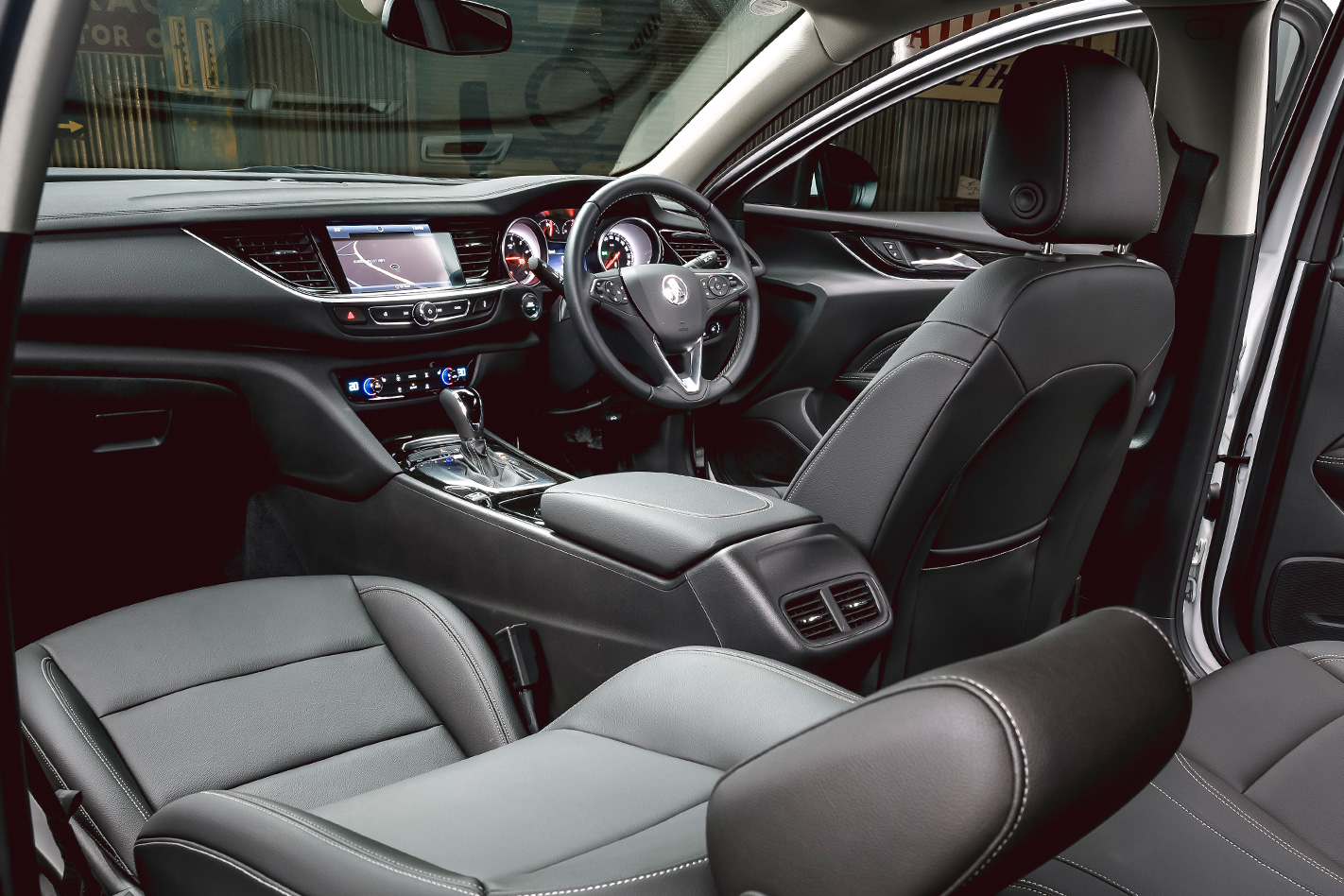
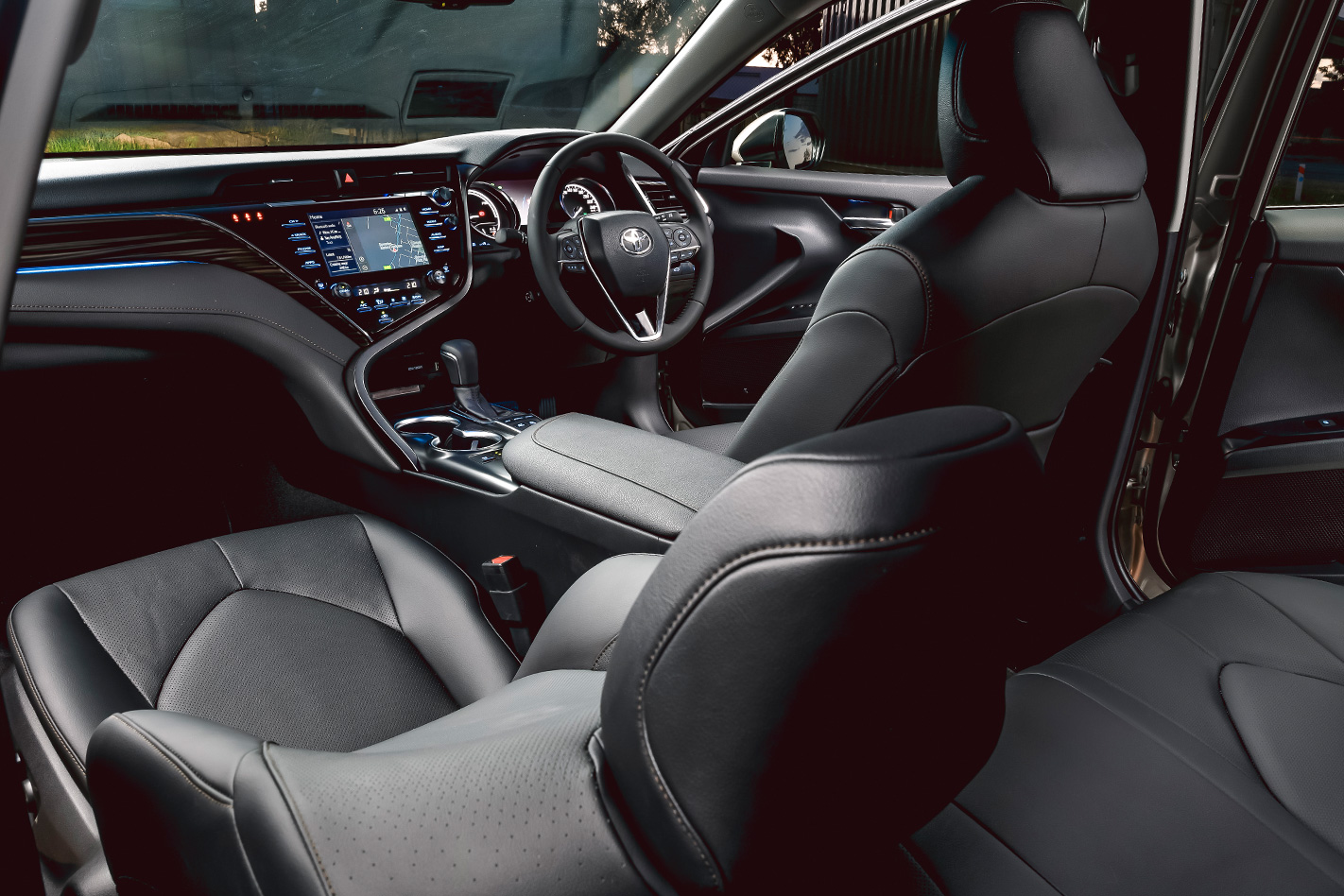
The front-drive packaging of both cars yields plenty of interior space. You sit low in both of them; the Commodore via a very tall beltline, and the Camry by virtue of its shift to the Toyota New Global Architecture.
Controls are well laid-out in both cars, with the Camry finally ditching its stalk-operated cruise control system for a steering wheel-mounted one. It’s only half the job that Toyota needed to do, though; the foot-operated parking brake is yet to make the move to an electric one. The instruments are dark and smack of wannabe-premium in the Holden, and Lexus-like in the Camry.
The front seats in the Calais are supremely supportive but firm and narrow, and offer great long-haul comfort, while in the Camry they are wide, soft, contrast stitched and comfortable enough for a long-haul trip even if they lack a little under-thigh support. Jump in the rear, and both cars have two USB recharging ports and air vents with adjustable flow, although the Commodore’s wider use of hard plastic trim, and the sweeping coupe profile that eats into headroom combine to make things seem a bit like the cheap seats. Forward vision past the front seats is much better in the Calais via thin-wasted seatbacks and the fact you sit more outbound in the Camry.
You can feel more of what the car’s suspension is doing through the Calais’ less-padded rear seats, and although there’s slightly more road noise accompanying it, it’s still at a level that’s more than acceptable. Life in the rear seats, though, is slightly better in the back of the Camry, which offers less chance of clashing elbows via the more outboard seating position, better lateral support via more scalloped seatbacks, and a slightly wider door opening to make entry and exit a bit easier.
The big difference, though, is the boot. The Commodore shifts to a liftback with a shallow, long space that will have you climbing in to retrieve the last of the spilled groceries; the Camry has a traditional boot and all the benefit of depth that the Commodore lacks.
The Commodore’s multimedia system supports both Android Auto and Apple CarPlay. The Toyota will support limited smartphone functions. Both cars use a head-up display, with the Camry’s bigger, clearer and with a wider range of information than the one sitting before the driver in the Calais.
Calais: 15/20 Camry: 15/20
RIDE AND HANDLING
Both the Calais and the Camry have undergone significant generational change. Let’s start with the Camry.
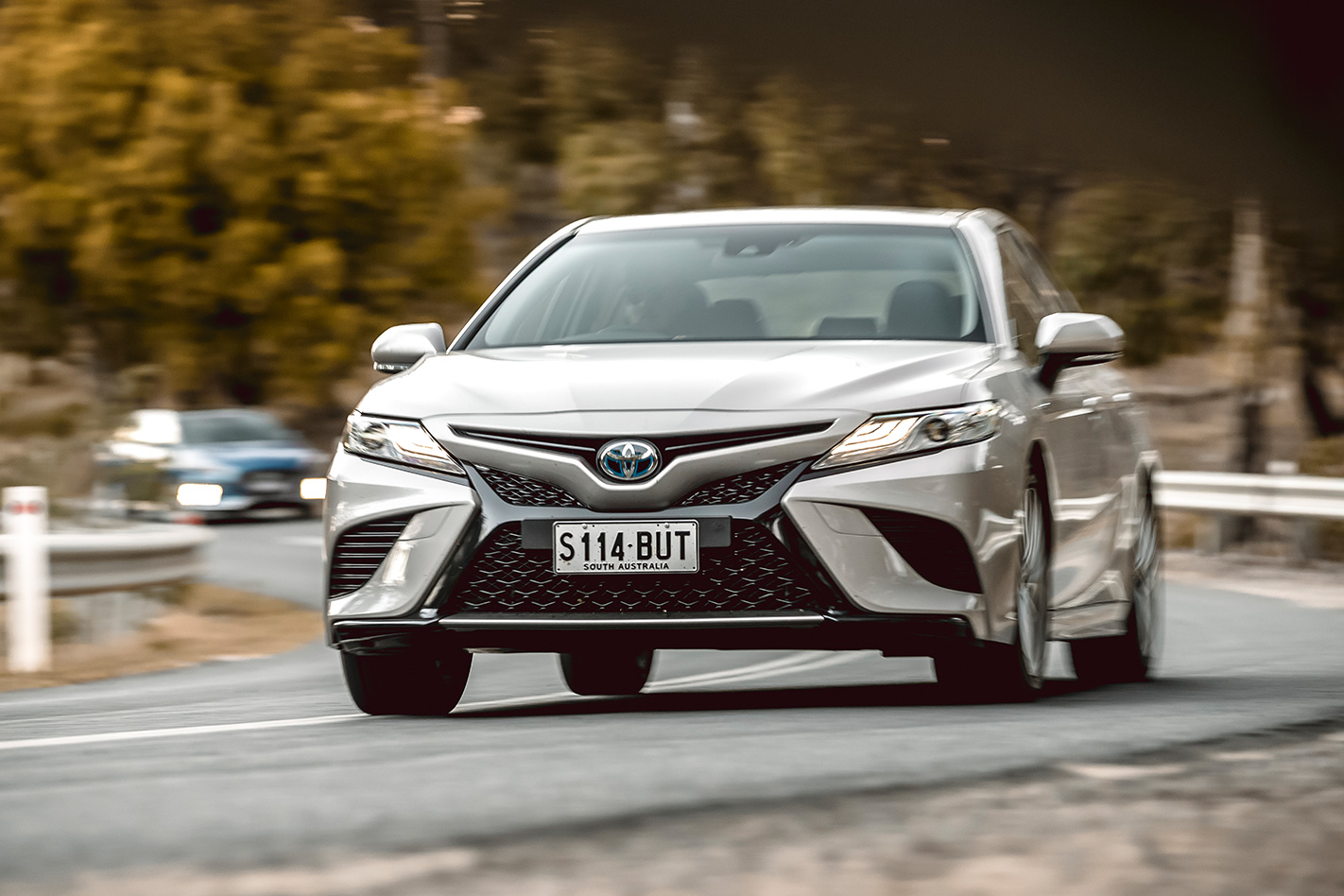
As mentioned earlier, this generation of the Camry adopts the Toyota New Global Architecture, a modular platform that already sits under products as diverse as the Prius hatch, C-HR small SUV and the upcoming 12th-generation Toyota Corolla that’s due on sale here in August. One of the key features of the TNGA architecture is what it does to its products’ dynamics – both the drivetrain and the passengers who sit inside the lower, stronger body sit significantly closer to the ground, lowering the centre of gravity.
That translates to the road, where Toyota seems to have built the best-driving iteration of the Camry in the last two decades. The Camry Hybrid’s MacPherson front/multilink rear end offers a controlled and comfortable, well damped ride – something that’s been a little alien to Camrys of the past. The only negative is a tendency for the rear to wallow around slightly as the suspension settles after bigger bumps.
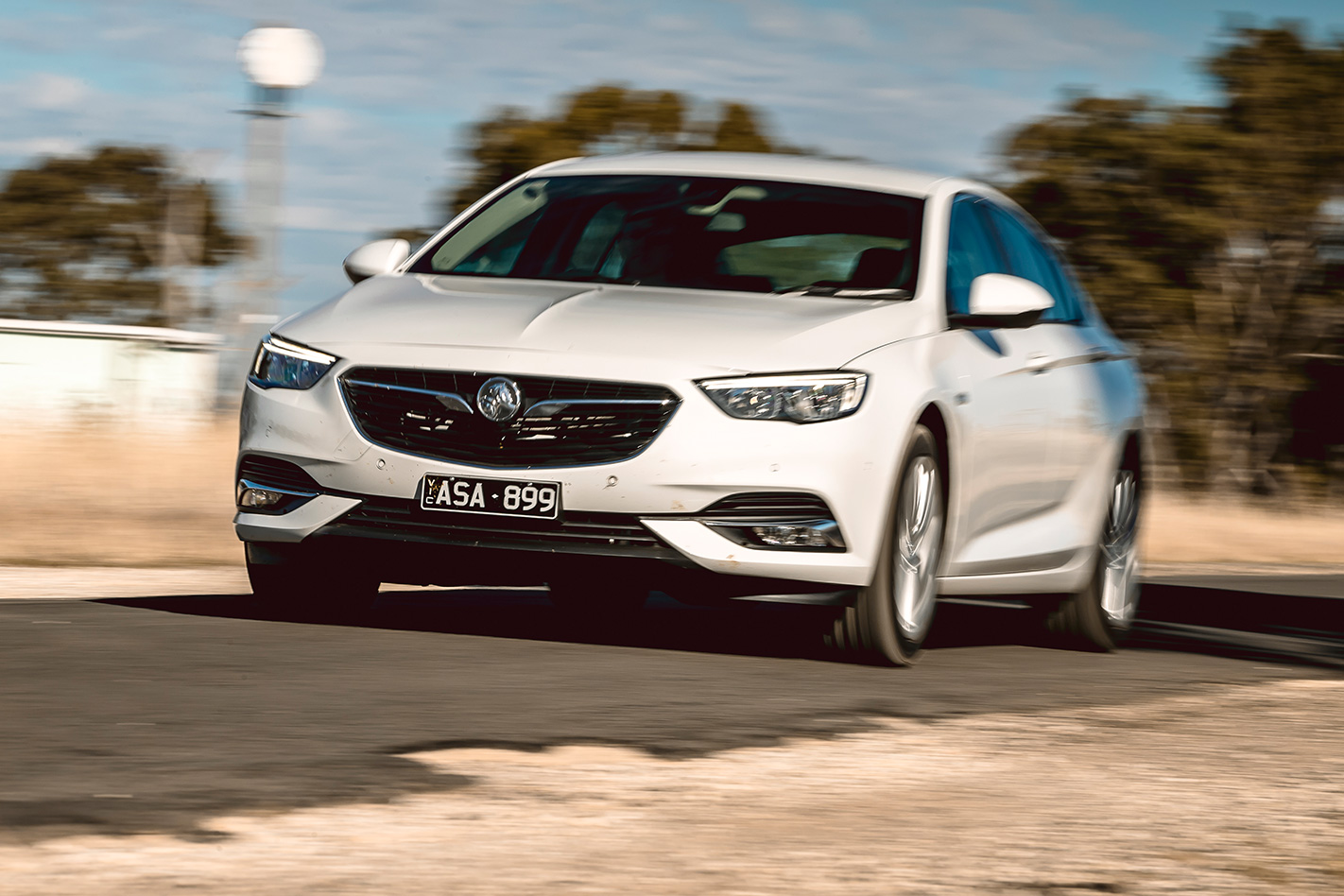
In contrast, Holden’s rear-drive Zeta platform is relegated to history as the Commodore jumps across to the tried-and-tested front-drive Epsilon II architecture that was introduced to the GM world in 2008 and also sits under cars including the Chevrolet Cruze and the former Holden Malibu. The Opel Insignia-based ZB Commodore has had extensive local tuning to paint it in the colours of the Aussie flag as much as possible, given the big shoes it has to fill.
The Commodore, based on the second generation of the German-designed and built Opel Insignia, uses a similar MacPherson/multilink combination to provide a much more focused and taut, almost Teutonic level of stiffness to the ride; it feels more like the almost hard-edged suspension tune you’d expect from a more driver-focused car.
Calais: 15/20 Camry: 16/20
PERFORMANCE AND ECONOMY
There’s no throbbing, thumping 6.2-litre V8 option at the heart of the Holden Commodore Calais any more. Instead, the fully imported versions we get use a normally aspirated petrol V6, or petrol and diesel turbo 2.0-litre four-pots. For this comparison, we’re focusing on the 2.0-litre petrol Calais that produces 191kW and 350Nm. Is it fair, then, to compare the Commodore with not just a Camry, but a hybrid-engined one? On paper, the Toyota Camry Hybrid SL will produce only 160kW, but a much more meaty serve of torque from its petrol-electric 2.5-litre four-cylinder drivetrain (the engine makes 131kW/221Nm and the electric motor 88kW/202Nm, all at very different revs).
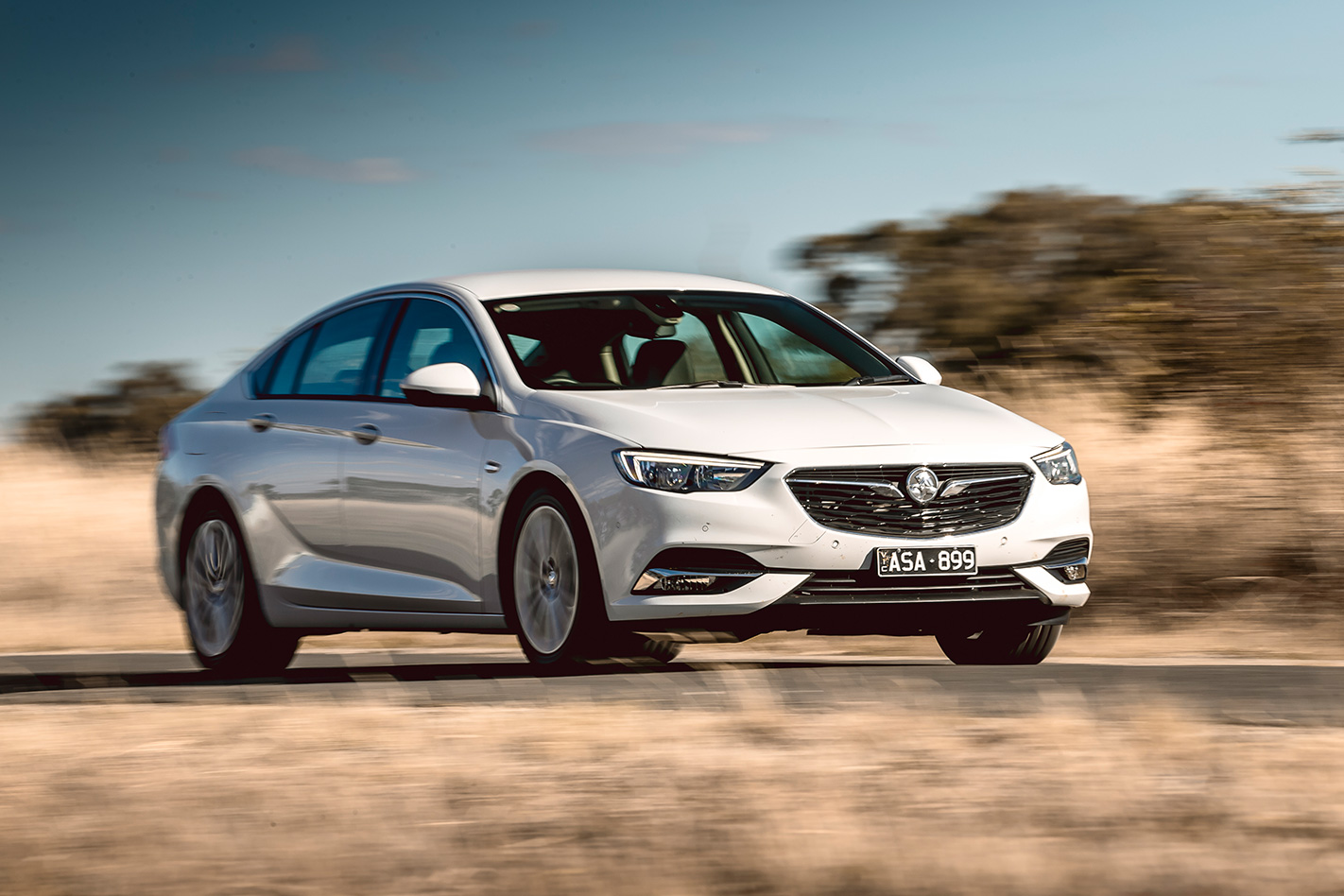
A straight-line sprint will set them apart. On test, the Calais will make the jump from 0-100km/h in 6.5 seconds and the Camry 8.3 seconds. Rolling acceleration, the ability to pick up pace while moving, is an interesting comparison: 4.0sec for the Calais from 80-120km/h versus 5.3sec for the Camry. The Camry Hybrid, with its fuel-efficient Atkinson cycle-tuned engine, is not that quick off the line, then, and builds pace much more slowly the Calais.
Despite the Camry’s lack of straight-line oomph, both cars build speed well, the Commodore comfortably via its nine-speed auto and the Camry a little awkwardly via its electrically assisted CVT. The steering wheel-mounted paddle shifters in the Camry with their six preset ratios go a way to masking the dullness of the CVT and introducing an engine note that’s almost rousing, although you’ll still feel that belt-drive lag when jumping back on the throttle after braking heavily, or the unpleasant drone from a standing start.
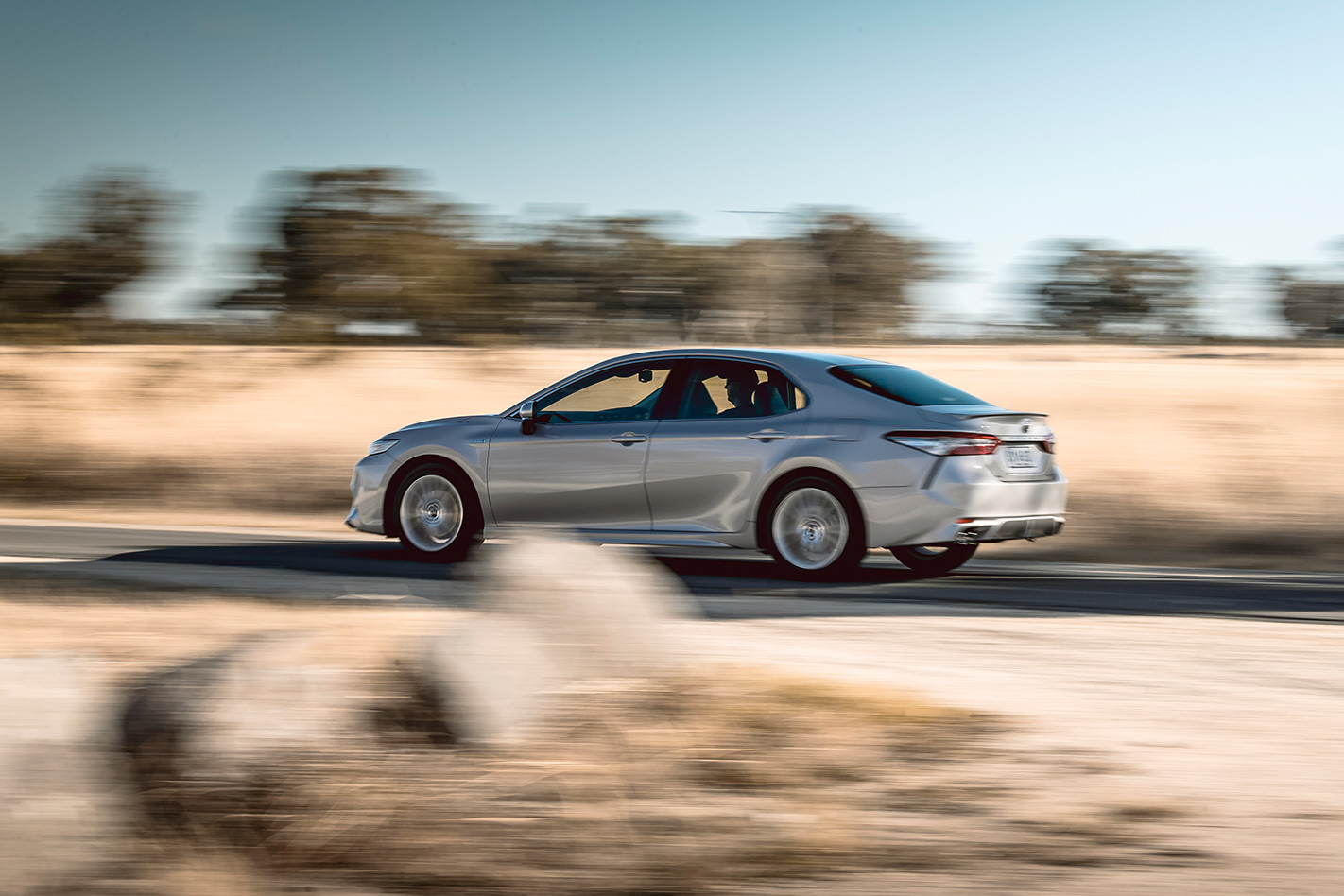
Where the Camry crushes the Commodore, though, is in the chase for fuel economy. For the Holden it’s officially 7.6L/100km against a real-world test showing 11.6L/100km, while for the Toyota it was 4.5L/100km versus an on-the-road 7.5L/100km.
Calais: 16/20 Camry: 16/20
WARRANTY AND SERVICING Holden is currently offering the Commodore with a seven-year warranty as it finds the new large car’s showroom appeal lagging that of the model it replaces, and ups the ante to lure buyers. The standard Holden warranty runs to just three years and 100,000 kilometres, making it one of the least attractive in the new-car market.
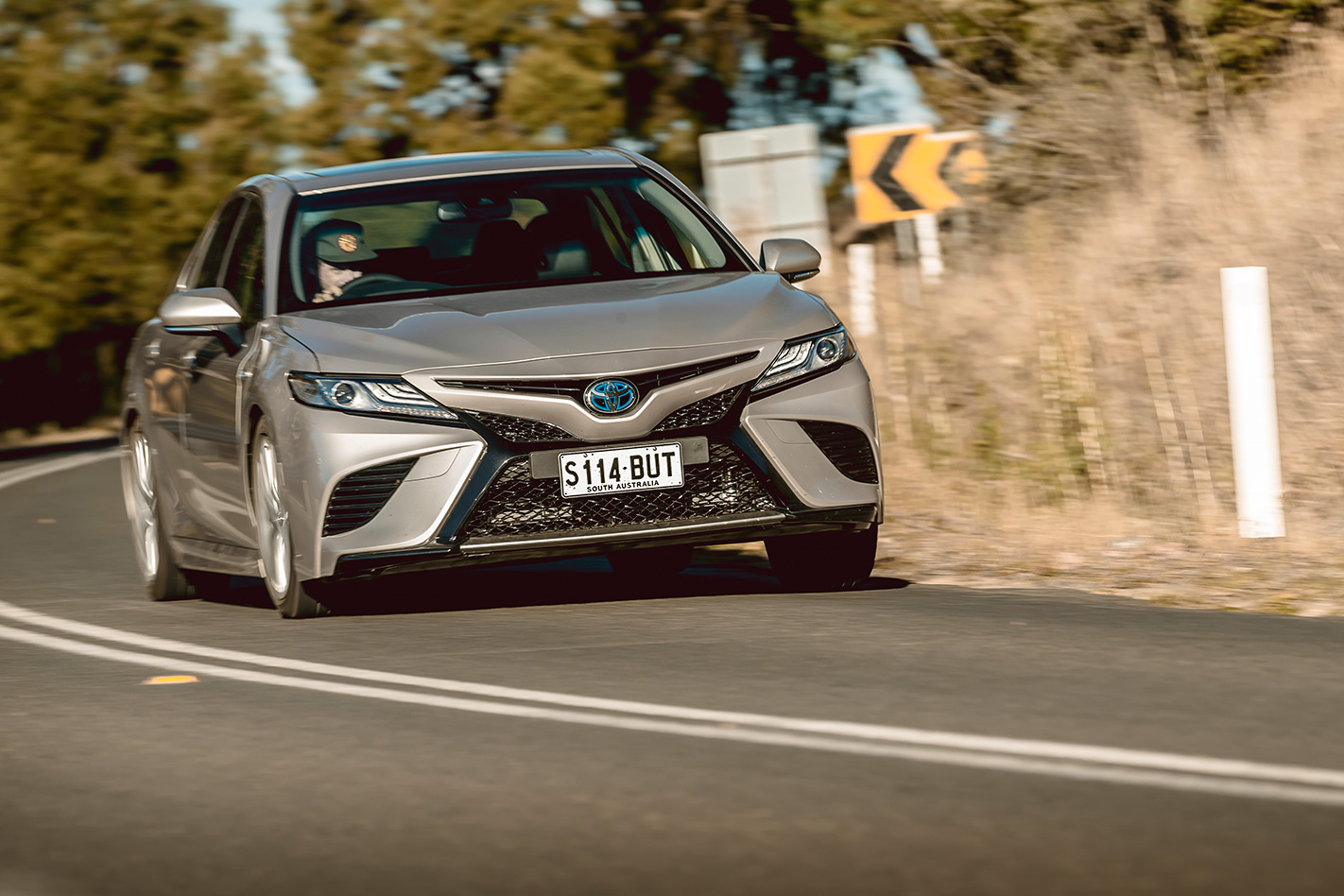
Likewise, Toyota caps its warranty at three years and 100,000 kilometres. This compares with a best-in-the-business seven years and unlimited kilometres that some car makers now offer.
The Commodore will have you booking it in for a service each year, or 12,000km. Early services range up to $300 before jumping higher after three years.
In contrast, the Camry will require a service every 15,000km or 12 months. It is capped at $195 for the first five years, although Toyota warns it could cost as high as $414 if every service item needs replacing.
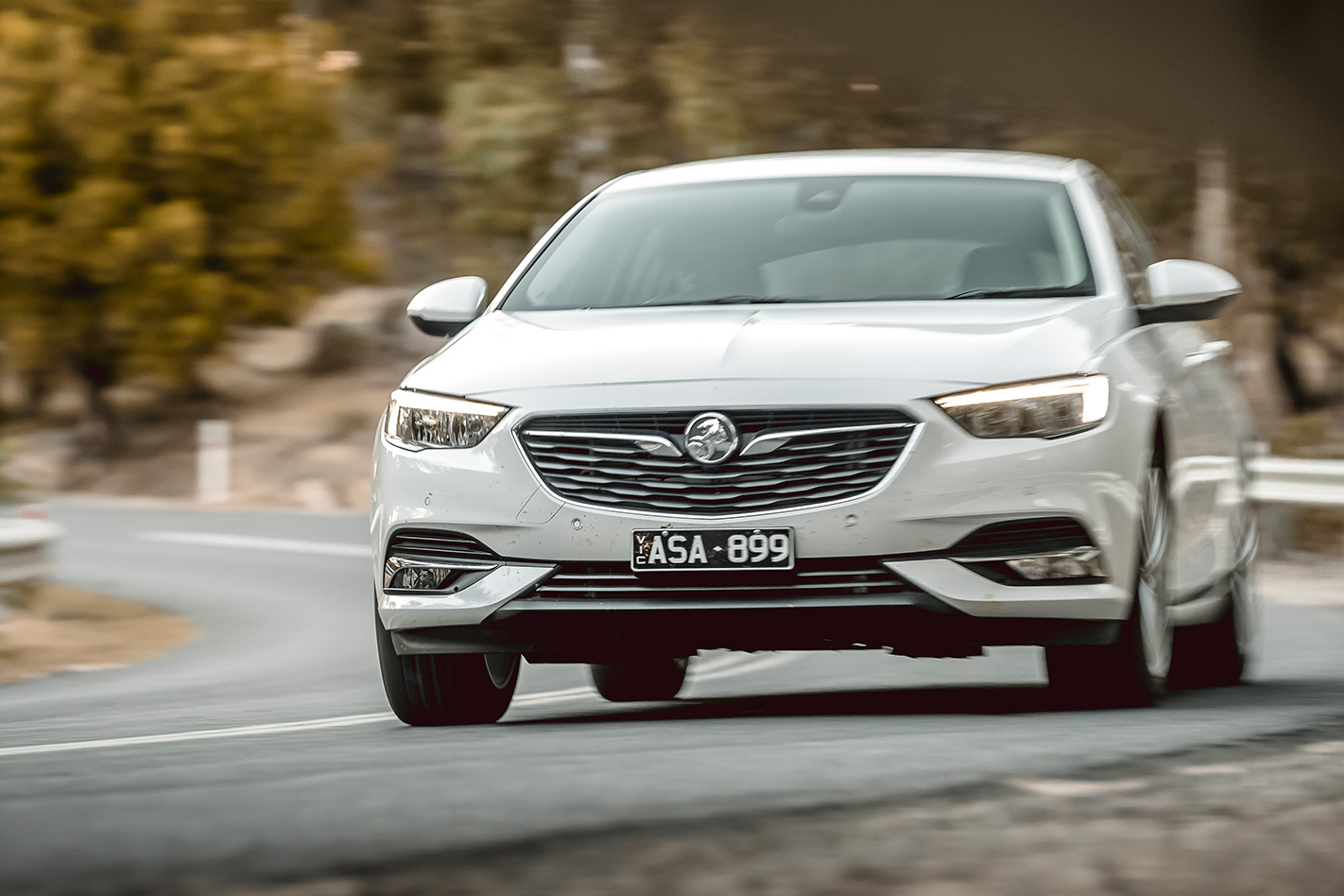
Calais: 14/20 Camry: 15/20
VERDICT
A Commodore might beat a Camry in a straight line, but a Camry can beat a Commodore in a straight-up comparison. Bet you didn’t see that one coming. The Camry edges over the line with a product that feels more worthy of a Lexus badge than the Toyota insignia, while the Commodore doesn’t really quite present itself as the complete package, lacking quality for its interior and its touring-spec ride and handling. Compared with the Holden, the Toyota just edges ahead as a compelling package of performance, economy and value. But by the narrowest of narrow margins.
Calais: 15/20 Camry: 16/20
DOES anybody even remember that the Focus ST still exists? Ford’s forgotten hot hatch has languished under the extravagant side skirts of its extroverted RS sibling for ages, so frankly, little was expected from a series that struggled to see off the previous-gen Golf GTI back in the day.
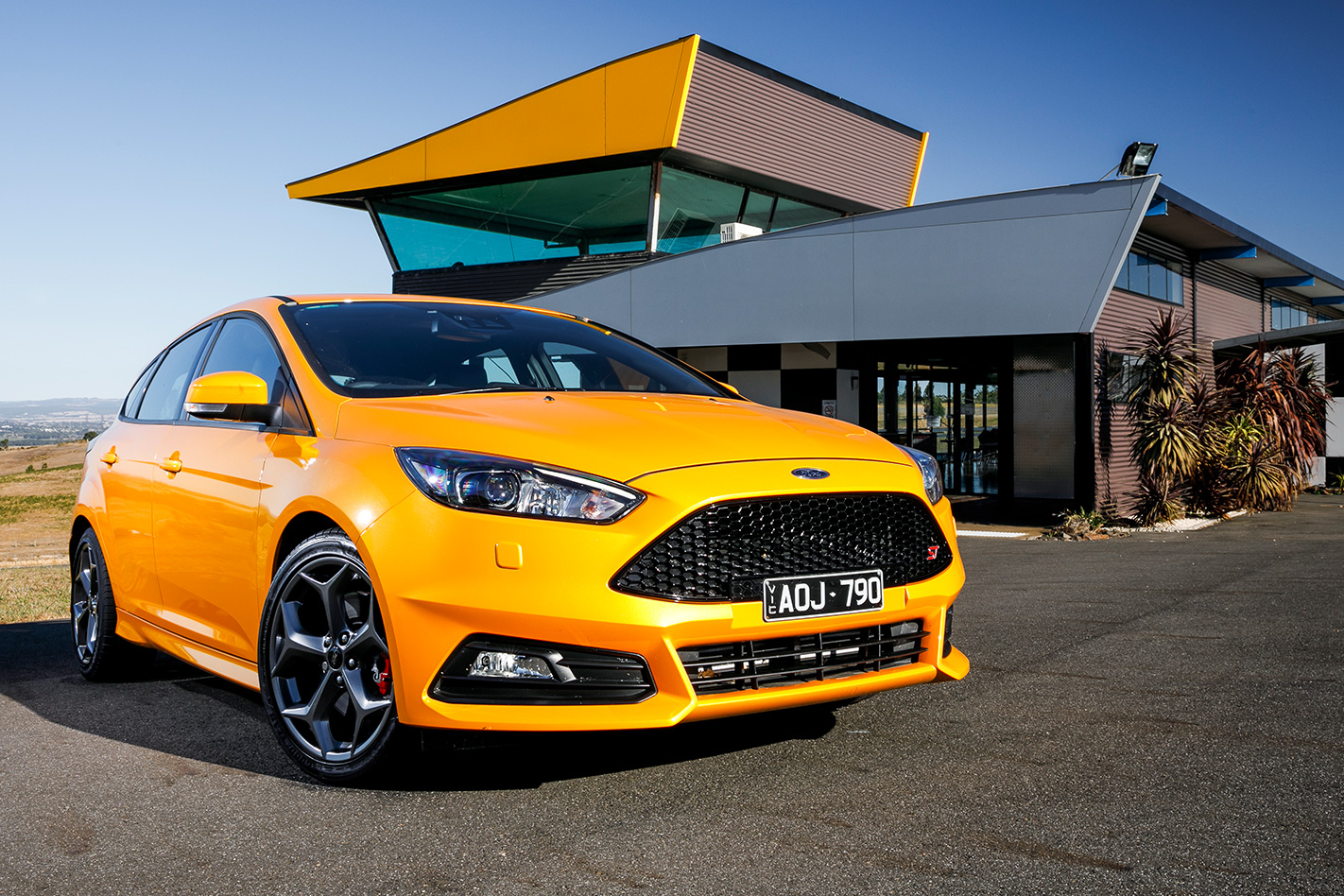
And who could blame sudden-onset amnesia? ‘ST’ (for Sport Technologies) might work for Fiesta but it’s meaningless in a Focus. The styling now seems heavy handed inside and out, AEB is a $2000 option, and the rear-seat package – while spacious – has all the charm of Tigerair, with roughly finished door pulls and no centre armrest, air vents or cupholders.
Knee-smashing dash ends, dour monotone plastics, rattly trim (from the Starship Enterprise lurking at the top of the windscreen), and auxiliary gauges that appear stuck-on with wood adhesive scream ‘don’t go further’. But at least the 2014 LZ facelift did banish the dashboard’s confusing button fest and Sputnik-era tiny screen for a more expansive multimedia set-up that works a treat.
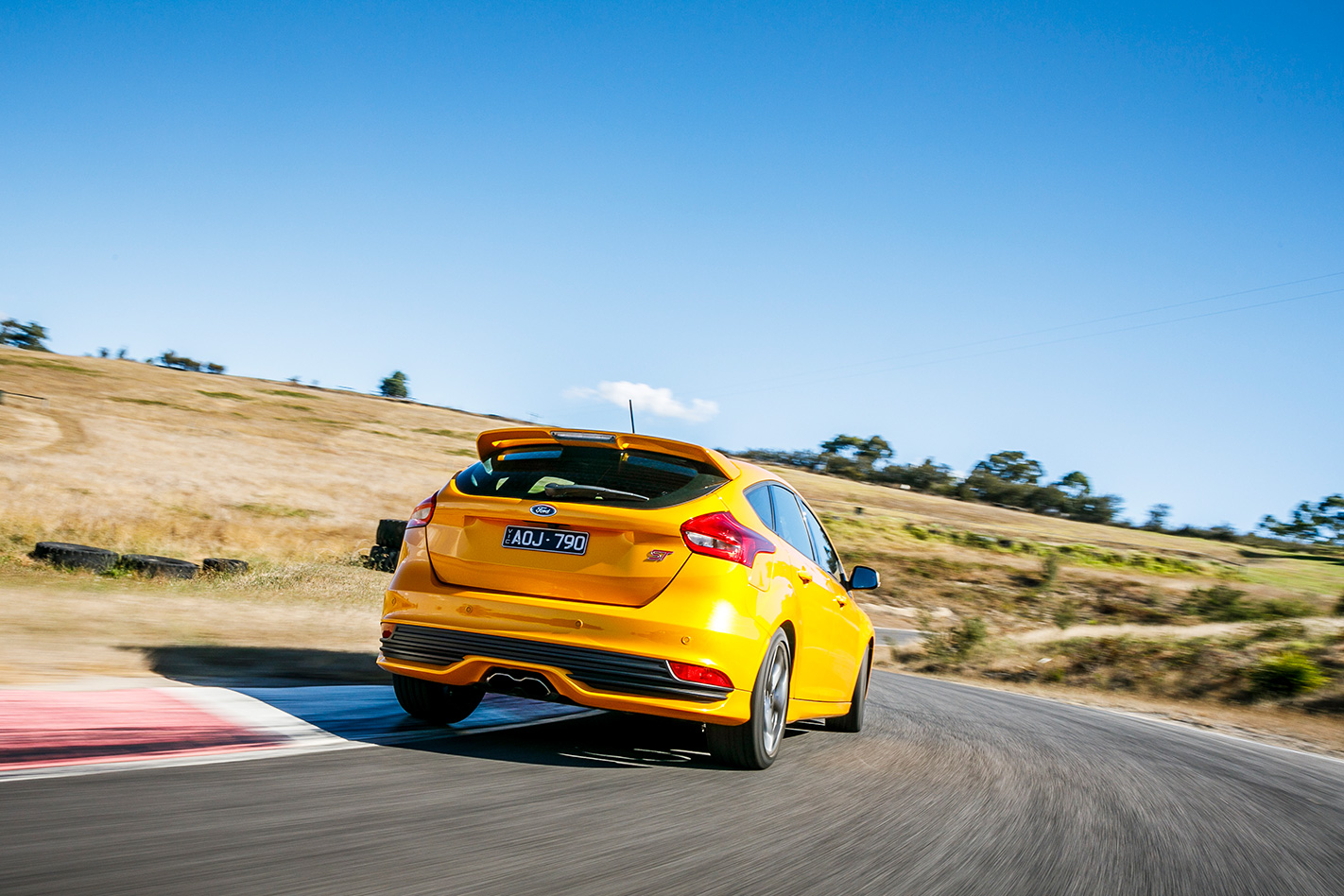
Equipment levels are generous, the Recaro front buckets are mounted low and offer brilliant support, the driving position is excellent, the steering wheel amiably chunky and the Focus’s handbrake is of the classic lever variety. Yes!
The last four items loudly telegraph the German-built ST’s intent because, on the move, it rises above any notion of being the lardy, hard-drinking, torque-steering lout that its G-Star leisurewear-like bodykit and dated alloys might suggest.
Although the throaty 184kW/340Nm 2.0-litre turbo boasts a decent amount of low-rev response (backed by a brief 360Nm overboost function as well as a fitting exhaust baritone), there just isn’t the instantaneous punch available for the hefty Ford to keep up with this group’s faster hatches, though you’ll have fun trying because the pleasantly positive gearshift loves hard work and the ratios are perfectly suited to the engine’s power band.

What really makes the ST special though is its delicious steering, which oozes tactility and feedback to an almost sensuous degree after experiencing the BMW’s bland helm. Like all great hot hatches, it draws you through tight turns, relaying what’s going on below but also filtering out the bad stuff, as fluidly as possible.
The Focus’s chassis feels tuned for fast, faithful and linear roadholding every time, even with its howling Goodyear 235/40R18 rubber. With traction control off, they even manage to put the available power down cleanly – on dry roads, at least, if not on a challenging racetrack. There’s also an underlying suppleness to the way the chassis deals with surface irregularities, making the Ford a pleasure to belt along at speed.
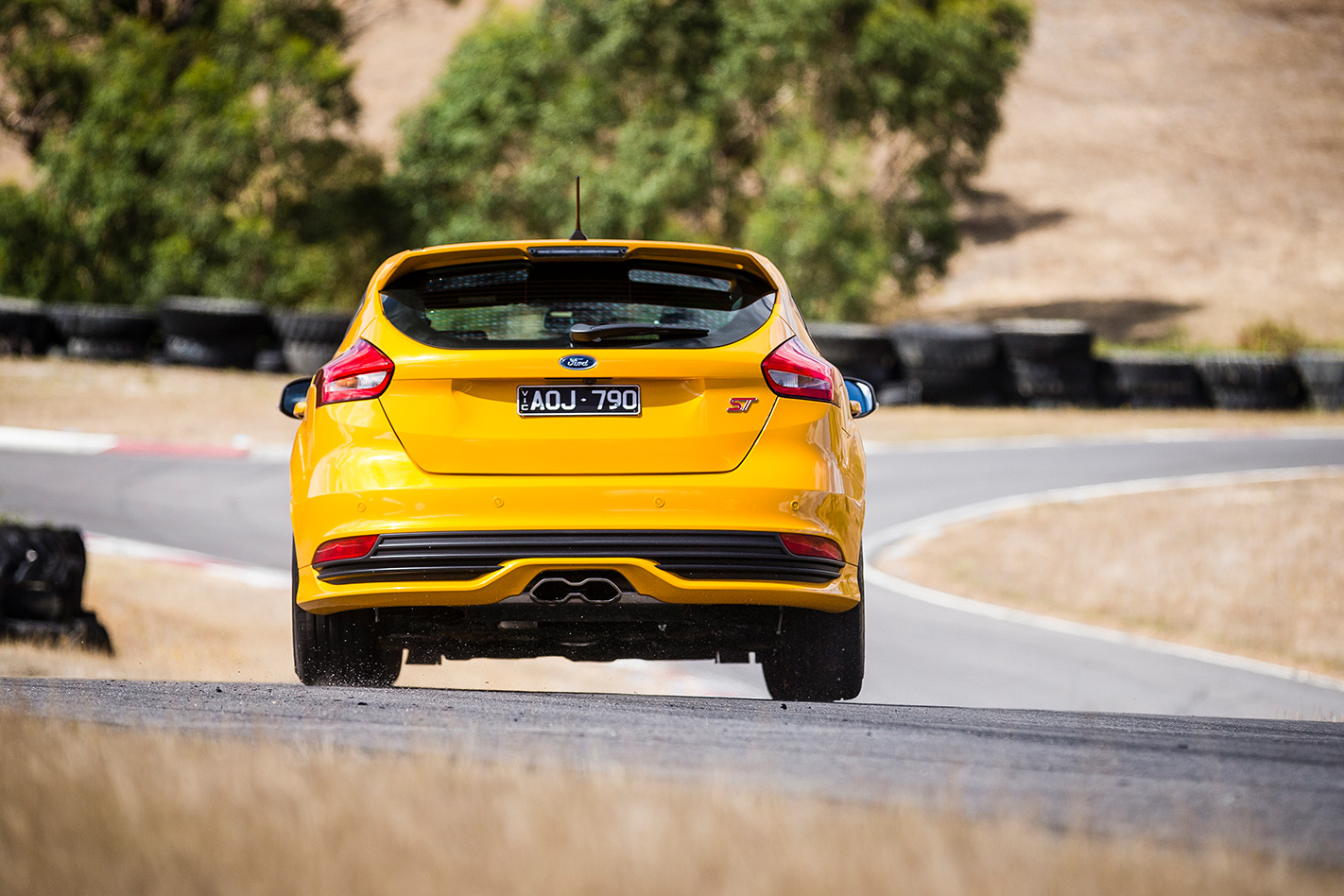
At the circuit, Renato felt the ST was crying out for an LSD, as it squanders power in unnecessary wheelspin, though he also acknowledged how fluent the handling is through less constricted corners.
“Because you’ve always got that power at the front end you can let it float and really drive it hard and tow the rear back in,” he said. “It did the same thing on every corner for every lap, which is really good.”
The more time you spend with it, the more you realise how remarkably confidence-inspiring the Focus ST is. Mechanically, it’s so sweetly balanced. Torque steer is contained, ride comfort is more than acceptable, and the overall dynamic refinement contradicts the loudness of the design inside and out.
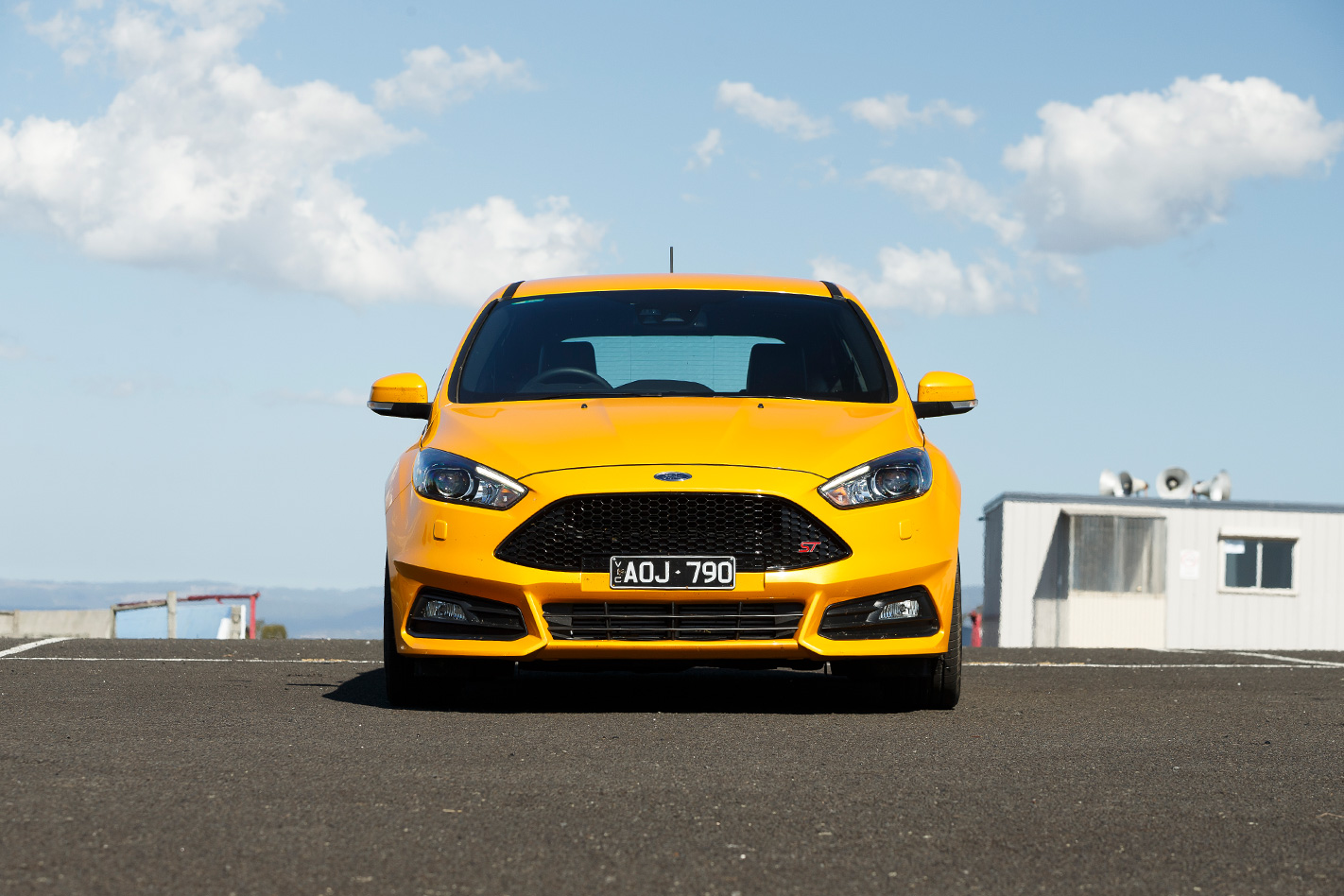
Even at the twilight of the outgoing Focus ST’s life, hot hatch fans would do well to remember this likeable, cultured punk once again.
Ford Focus ST LAP TIME: 1:07.5sec SCORE: 7.5/10
Engine: 1999cc 4cyl dohc, 16v, turbo Power: 184kW @ 5500rpm Torque: 340Nm @ 4500rpm Transmission: 6-speed manual Weight: 1437kg Tyres: Goodyear Eagle F1 235/40R18 95Y Fuel consumption: 15.3L/100km (tested) Power to weight: 128kW per tonne 0-100km/h: 6.5sec (claimed) Price: $38,990
Hot Hatch Megatest Contenders
12th, Score 6/10: Mini Cooper S JCW
11th, Score 6.5/10: BMW 125i
10th, Score 6.5/10: Subaru WRX Premium
9th, Score 7/10: Subaru WRX STI
8th, Score 7/10: Skoda Octavia RS245
7th, Score: 7.5/10: Ford Focus ST
6th, Score: 7.5/10: Renault Clio RS220 Trophy
5th, Score: 8/10: Volkswagen Golf GTI Original
4th, Score: 8.5/10: Volkswagen Golf R Grid
3rd, Score: 8.5/10: Peugeot 308 GTi 270
2nd, Score: 9/10: Honda Civic Type R
Winner, Score: 9/10: Hyundai i30 N
NISSAN, the first manufacturer to have committed to the futureproofed format of the Supercars series, has announced today it will officially quit the sport at the end of this year after just six seasons.
“Nissan has decided to exit the Supercars Championship in order to concentrate on the interests and needs of our current and future customers,” Nissan Australia managing director Stephen Lester said in a brief statement released late this morning.
“We have obviously been talking to the Kellys [Kelly Racing] for some time and making the announcement now suits both parties,” Lester said.
“I’d like to thank Todd and Rick Kelly, Michael Caruso, Simona de Silvestro and everyone at Nissan Motorsport for all of their hard work in the time that Nissan Australia has been involved in Supercars.”
He also thanked Nissan’s motorsport fans, and said the team would “continue to work hard to achieve the best possible results over the course of the season.”
Nissan’s Supercars campaign kicked off after it jumped on board with Kelly Racing in 2013, driven by sweeping changes planned for the Supercars series that would open the sport to a mix of body styles and engines that diverged widely from its longstanding four-door, bent-eight formula.
The team expanded from two to four cars after buying the racing entitlements certificate – a license to go racing in the Supercars championship – from Larry Perkins. It claimed its first victory at Winton that same year, sparking hope the new era of Supercars would become more than just a two-way contest between traditional rivals Ford and Holden.
The shock announcement comes on the back of mounting speculation that Nissan Motorsport would not renew its latest two-year Supercars contract, which is due to be re-drafted at the end of this season. It also comes after the four factory-backed cars, based on the Nissan Altima that is no longer on sale, failed to snare a single Supercars podium, or top 10 points, in 2017.
The current deal was inked by former Nissan Australia managing director Richard Emery, who was pushed out the door late last year. His replacement, the former head of Infiniti Canada, Stephen Lester, is believed to be less interested in committing to motorsport.
The move also comes after a seismic shakeup of Nissan’s Australian showroom, which along with the Altima has also led to the brand dumping the Micra, Pulsar and Maxima passenger cars to concentrate its efforts on its Navara trade ute and growing range of SUVs.
The only traditional Nissan-badged passenger cars still on sale are the 370Z and GT-R coupes, with the second-generation Leaf battery-electric hatchback expected to join the range later this year. If Nissan was to commit to Supercars beyond 2018, it would have to build a car around one of these platforms, the most logical being the GT-R given its halo status.
Nissan has already campaigned the GT-R in Australia, fielding the Nismo GT3 in the Bathurst 12 Hour, a race it won in 2015. However, the Nissan Australia and Nissan Motorsport-backed cars sat out this year’s Bathurst 12 Hour, with the carmaker keeping its options open when asked about re-entering the contest in 2019.
While the announcement that the Brabham BT62 will be built in Australia has made us a car-building nation once again, it’s not like it’s the first time a sports car will have been built here.
We’ve had countless performance variants of the Holden Commodore and Ford Falcon roll off production lines, sometime wearing different three-lettered badges.
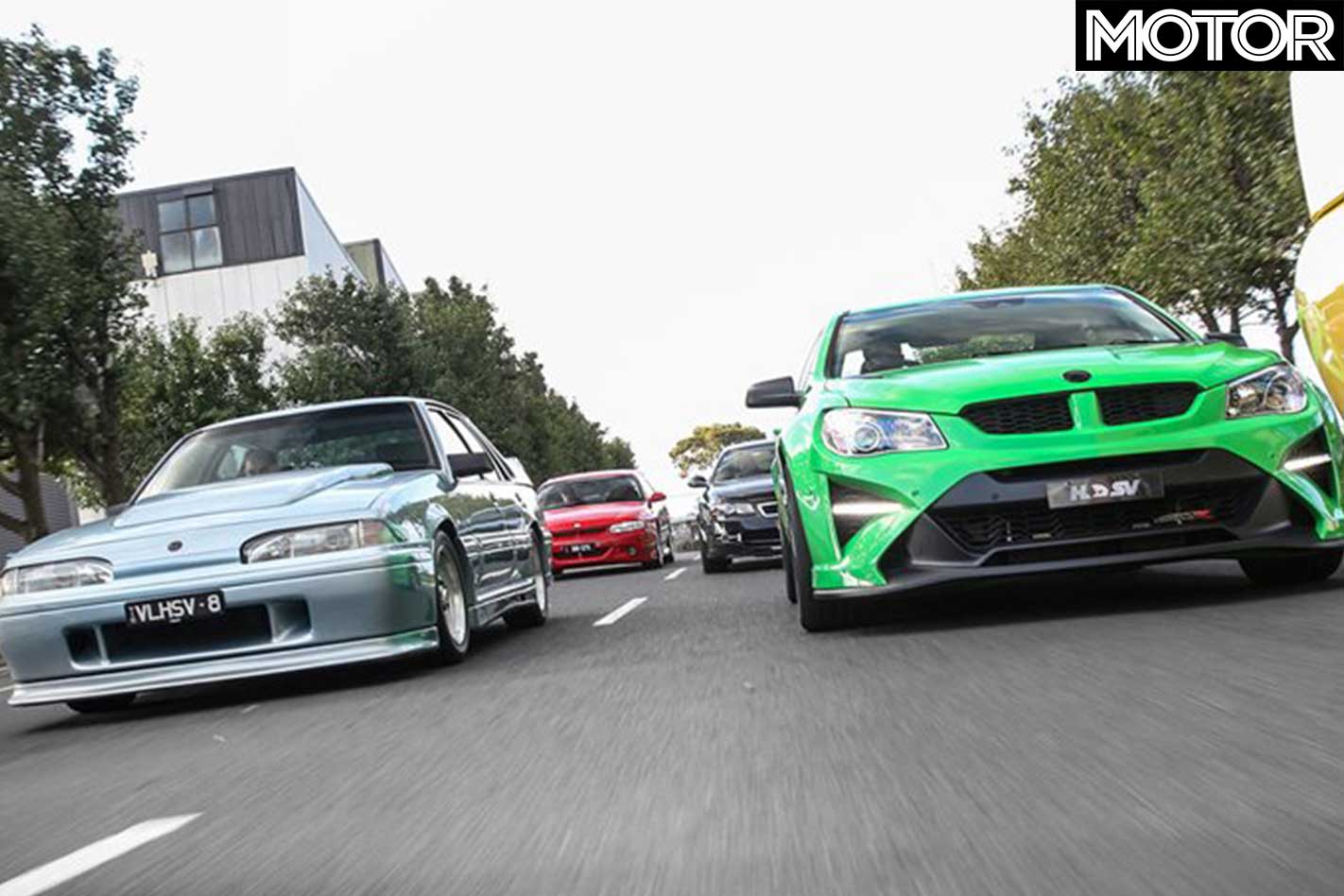
But that’s not what we mean by sports cars in this case.
We’re talking about the weird and not-always-so-pretty world of low-volume (if any volume at all) cars dreamt up by Australians just trying to create the next Ferrari-or-Lotus-killer.
We’re talking about cars like these:
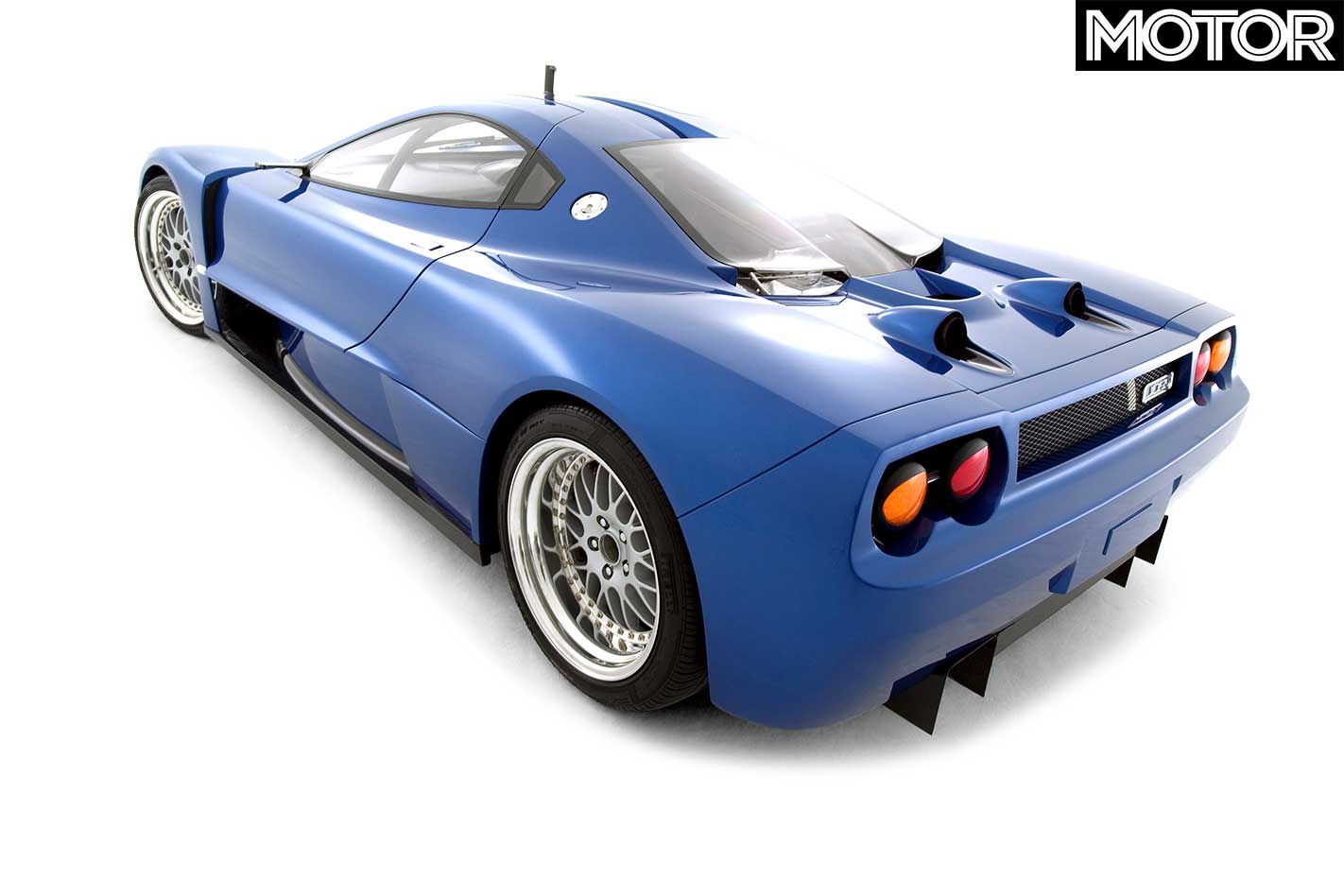
Joss JT1 (Prototype)
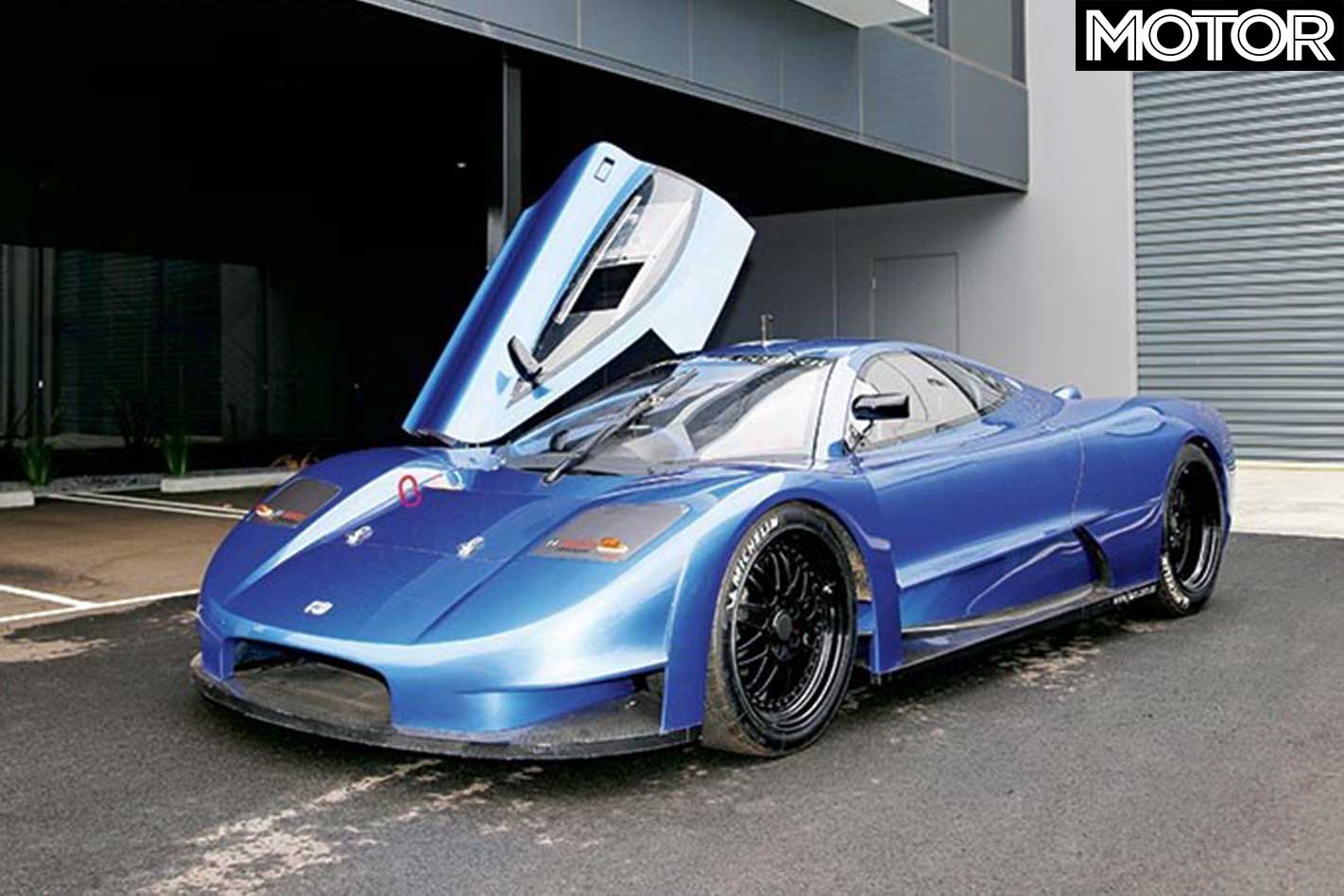
Or, there’s the off-chance it could be because you, like many of us, had hoped his dream of building a production supercar in Australia had come to fruition.
The Joss Developments JT1 is, alas, a car that has still not been able to roam the streets in packs, roaring a naturally aspirated, 6.8-litre V8 roar across the tarmac.
Bolwell Nagari (1970-1974)
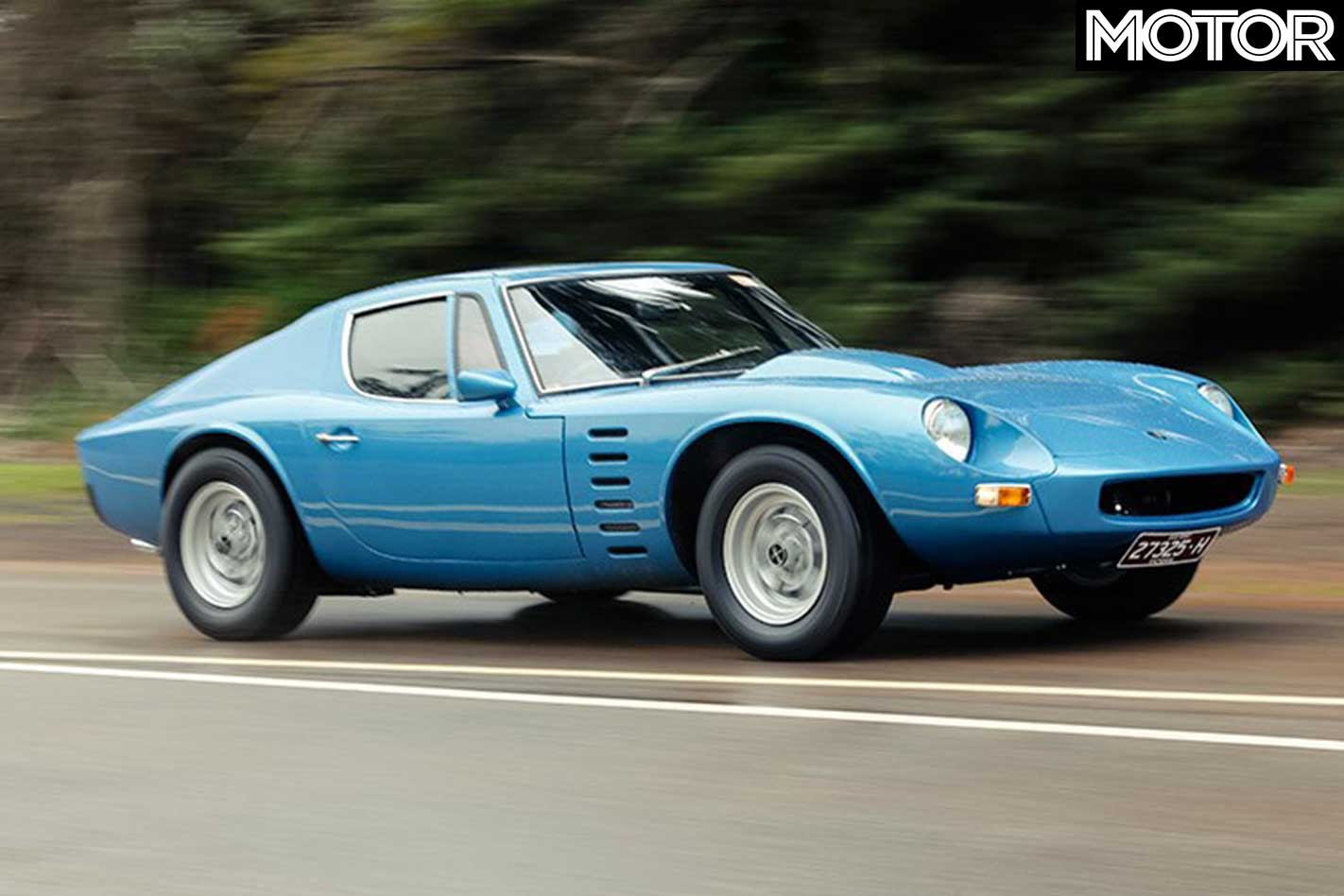
A car that did become a reality, the Bolwell Nagari is still considered one of Australia’s great motoring achievements.
A 5.0-litre V8 (Windsor or Cleveland, depending on the year) and fibreglass body meant power-to-weight was an advantage, and the things reportedly hold together quite well even today.
New Bolwell Nagari 500 announced!
Our friends at Unique Cars put one Dave Morley in the driver’s seat of one relatively recently, and Morley was pleasantly surprised.
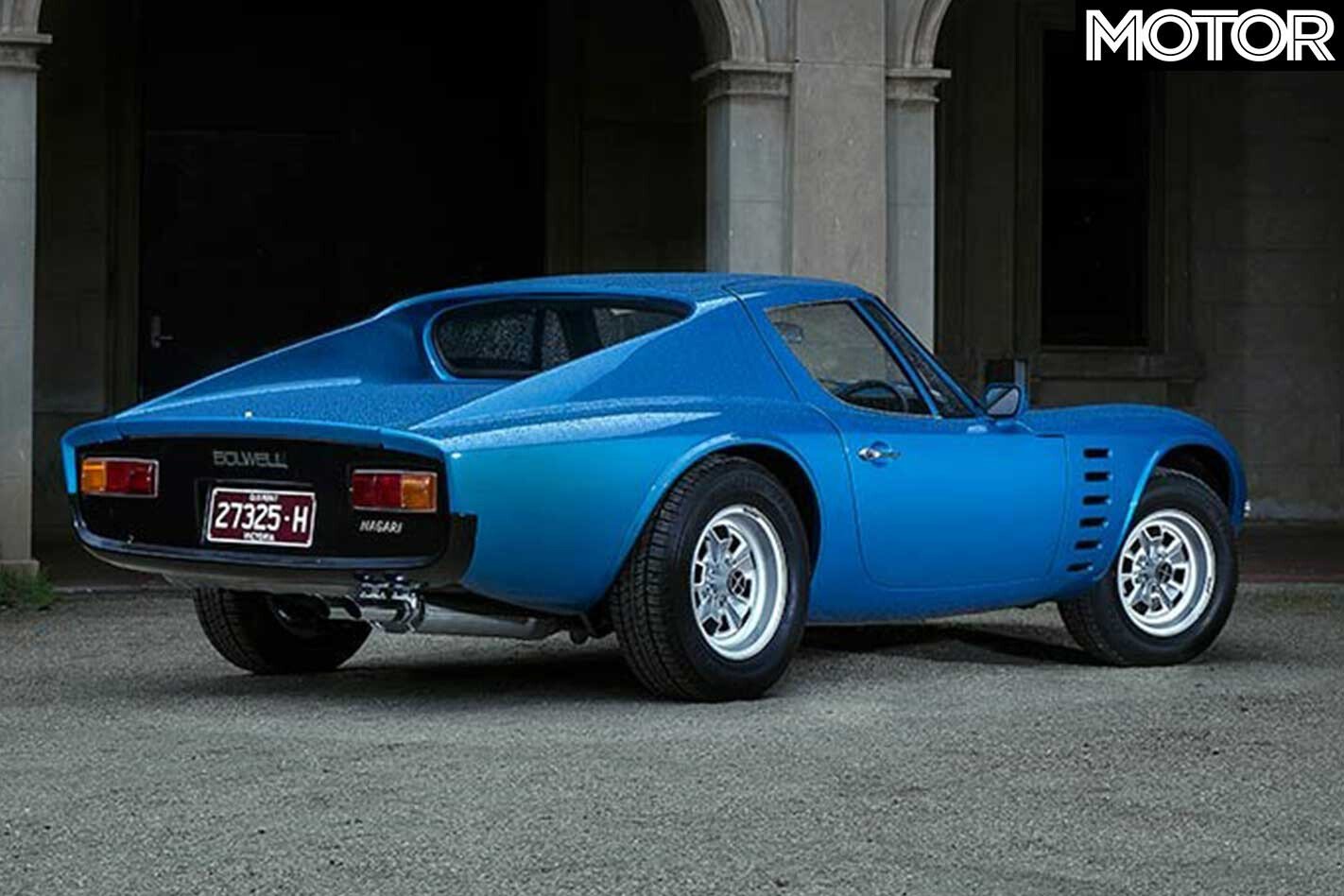
“It’s kind of the Australian Corvette,” he said of it.
“You can see where they were going with it… it looks like a Le Mans racer from some angles.”
Once production ended due to tightening regulations and a low production scale, Bolwell’s car building fell away… until relatively recently.
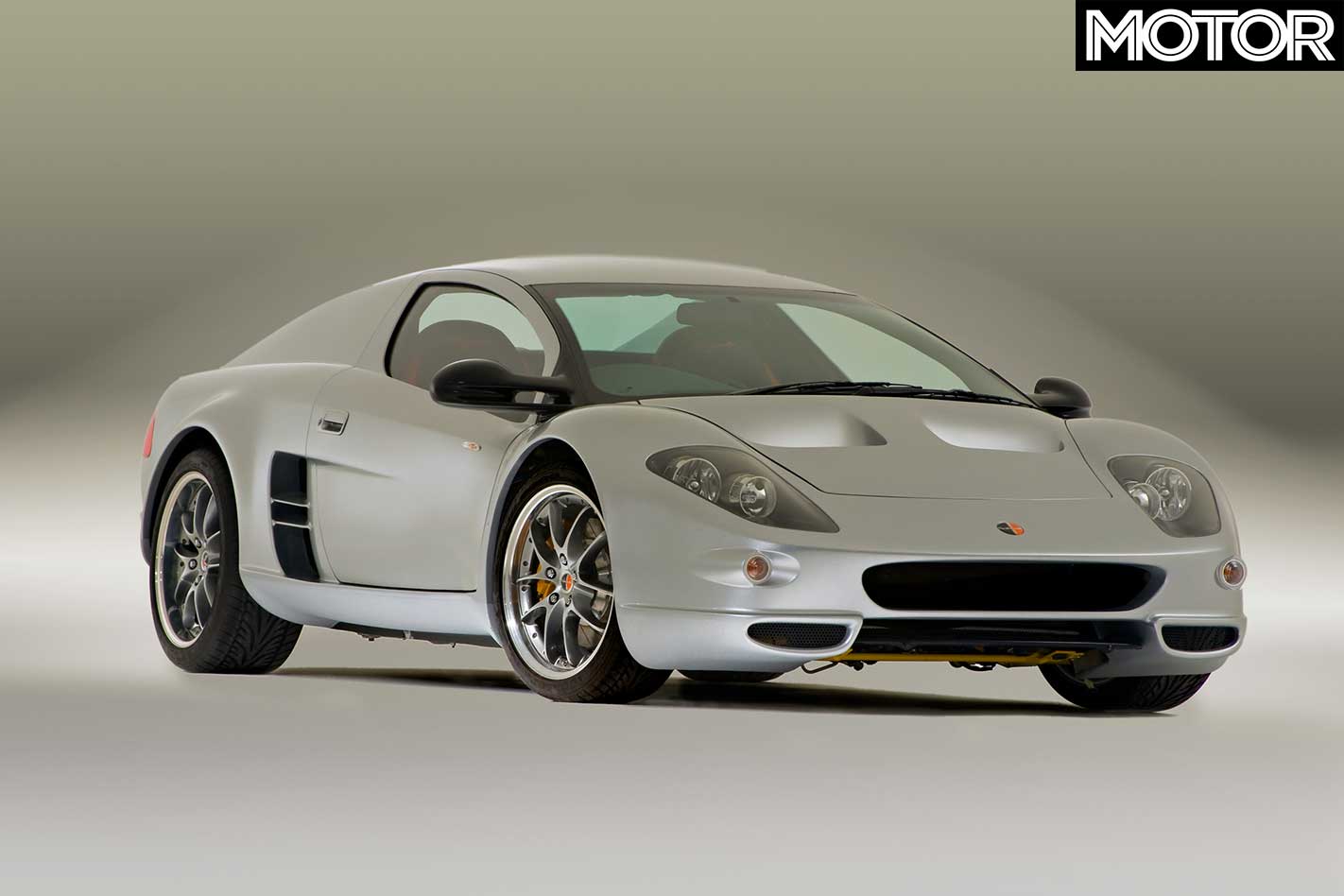
In the mid-2000s a mix-and-match of car parts with a mid-mounted 3.5-litre Toyota V6 became the new Nagari. It was not as pretty, prolific, or as fondly remembered.
Elfin MS8 Streamliner (2005-???)
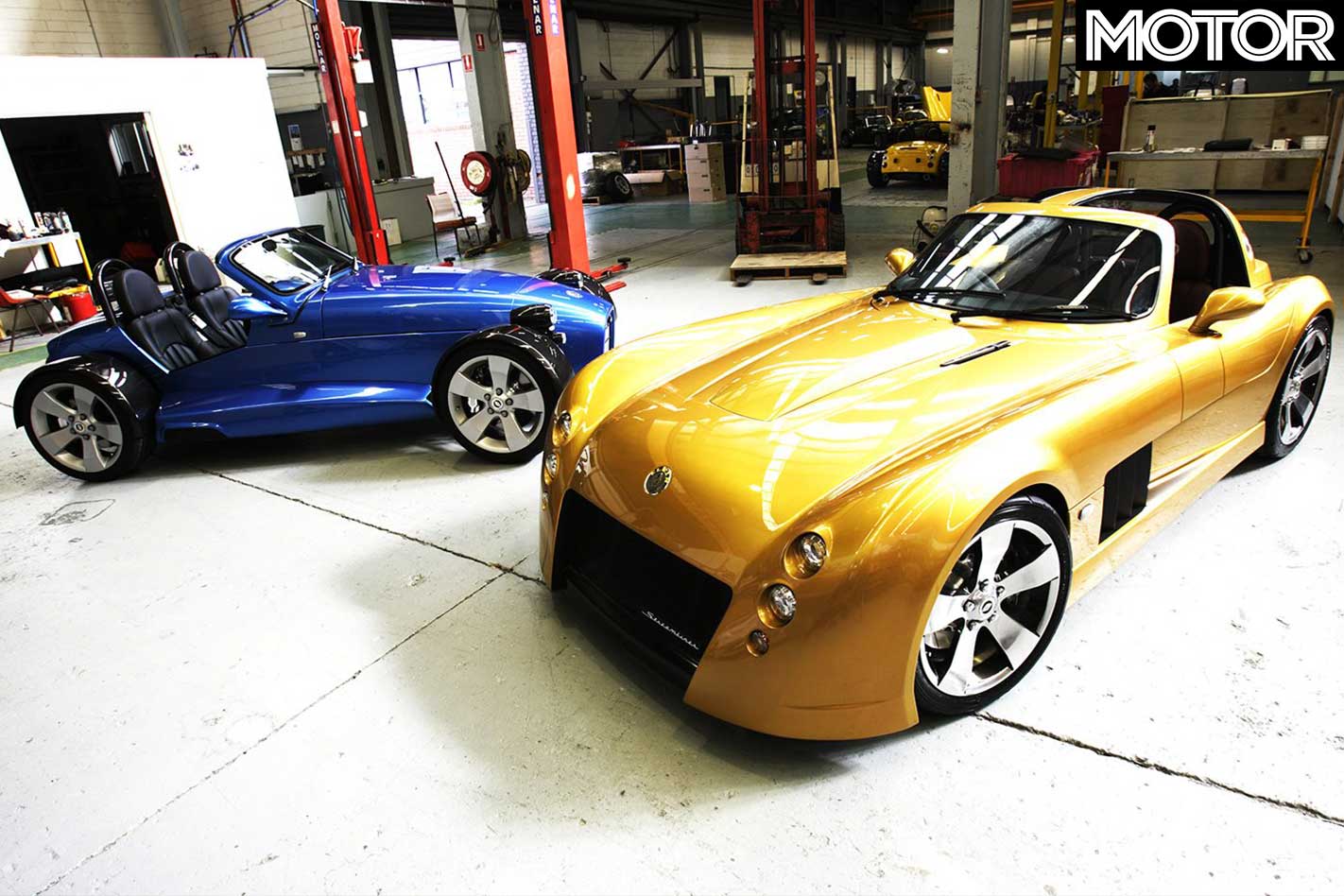
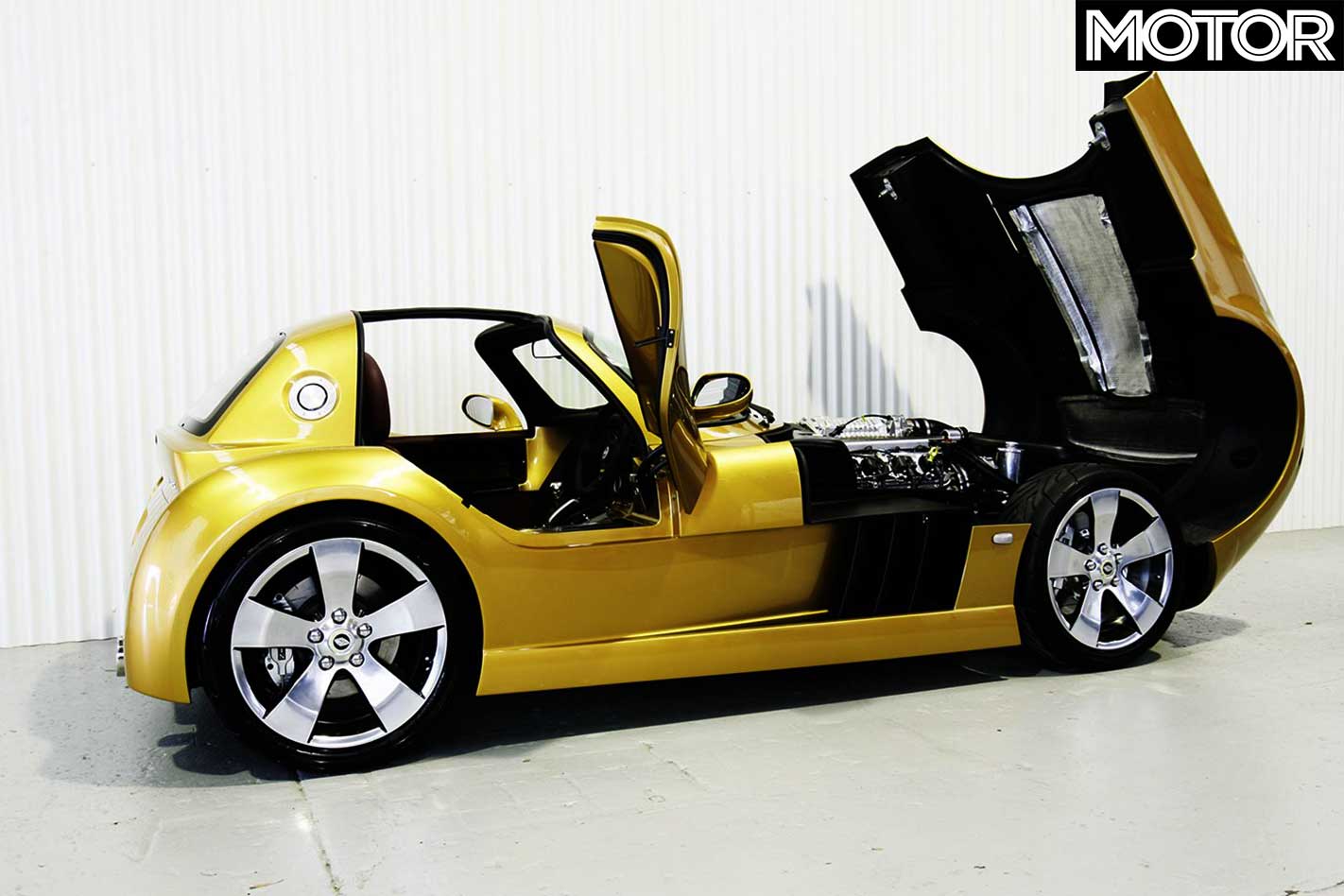
Now owned by Walkinshaw, Elfin hasn’t pumped out a car for a few years despite technically being still active.
Giocattolo Group-B (1988-1990)
In the 1980s, IT entrepreneur Paul Halstead wanted to build a supercar. He was the owner of The Toy Shop, an exotic car importer in Sydney, but he wanted a car that was his.
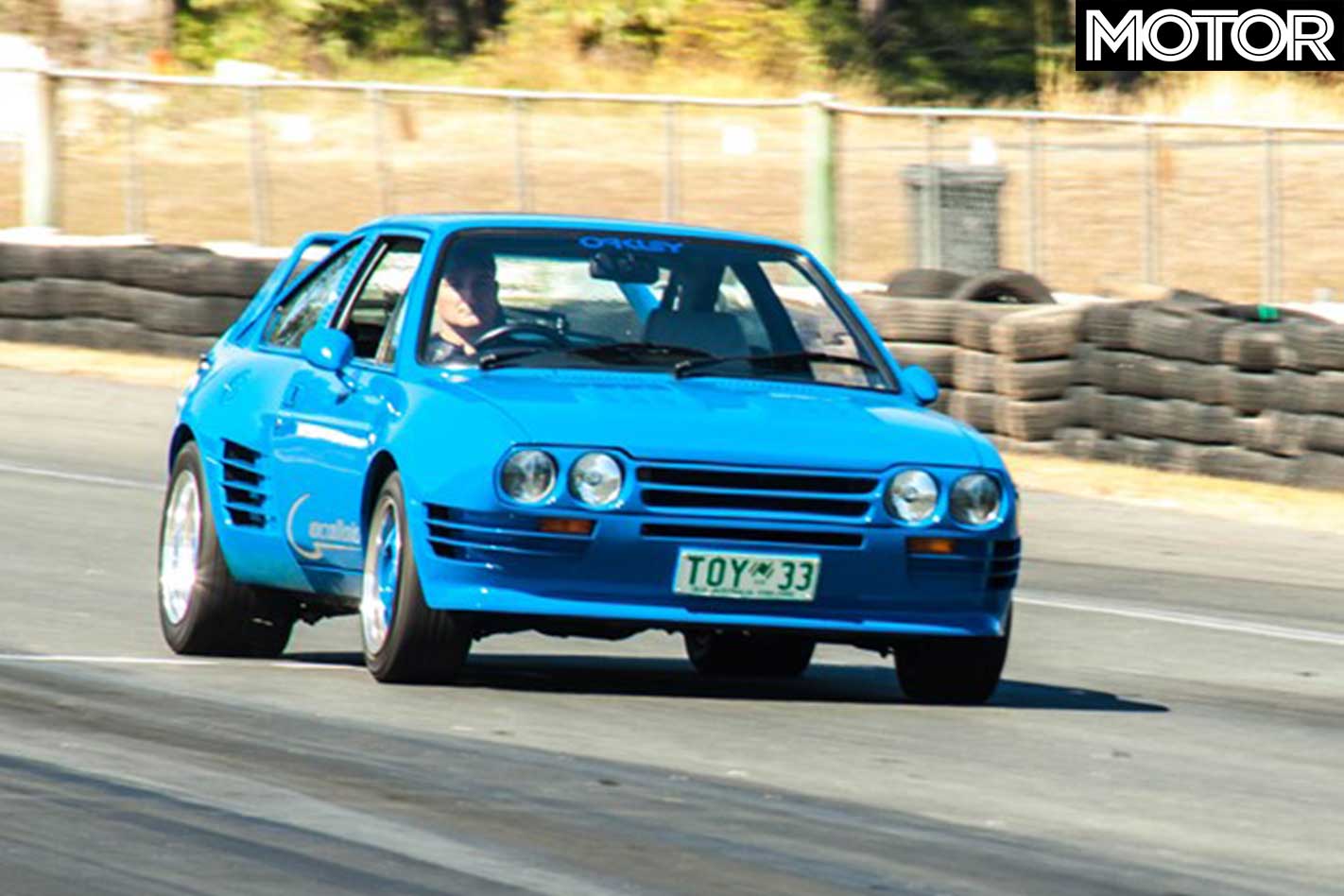
Luckily, for Halstead at least, Alfa Romeo had recently failed to build a Group B car in time to see it compete, Group B had well and truly died by this point.
Imported Alfasud Sprints and Alfa’s 2.5-litre V6 provided the basis for the Giocattolo, which was apparently good for a little more than 220kW, with a kerb weight of just below 1100kg.
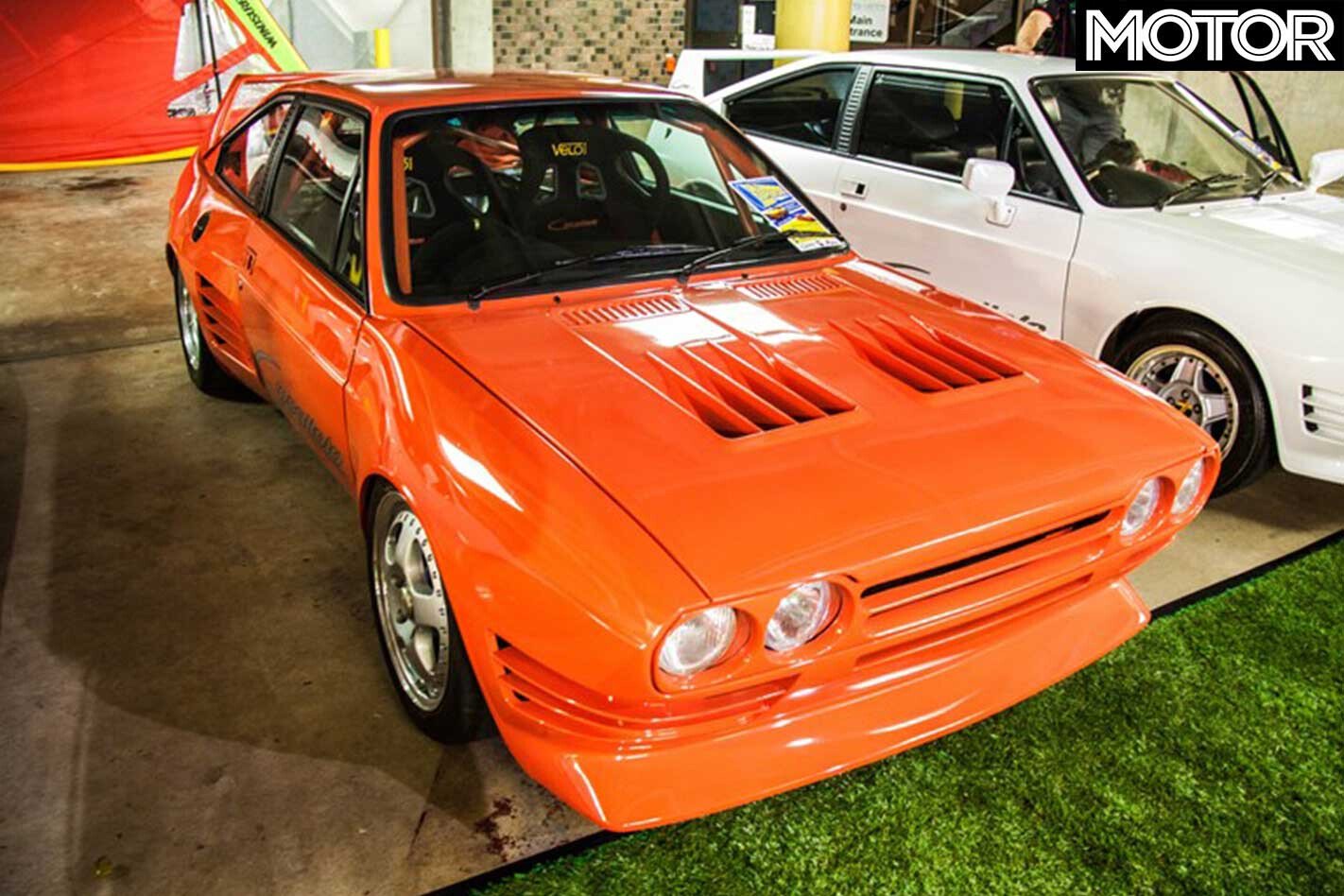
But the V6 proved difficult, so a 5.0-litre V8 from Walkinshaw (HSV) became the new powerplant.
“It wasn’t the most cost-effective way of doing things,” Halstead reflects, “What was meant to be an affordable V6 sports car quickly became an expensive V8 one.”
Around 15 were reportedly built, though where they all are is anyone’s guess.
Skelta G-Force S/C
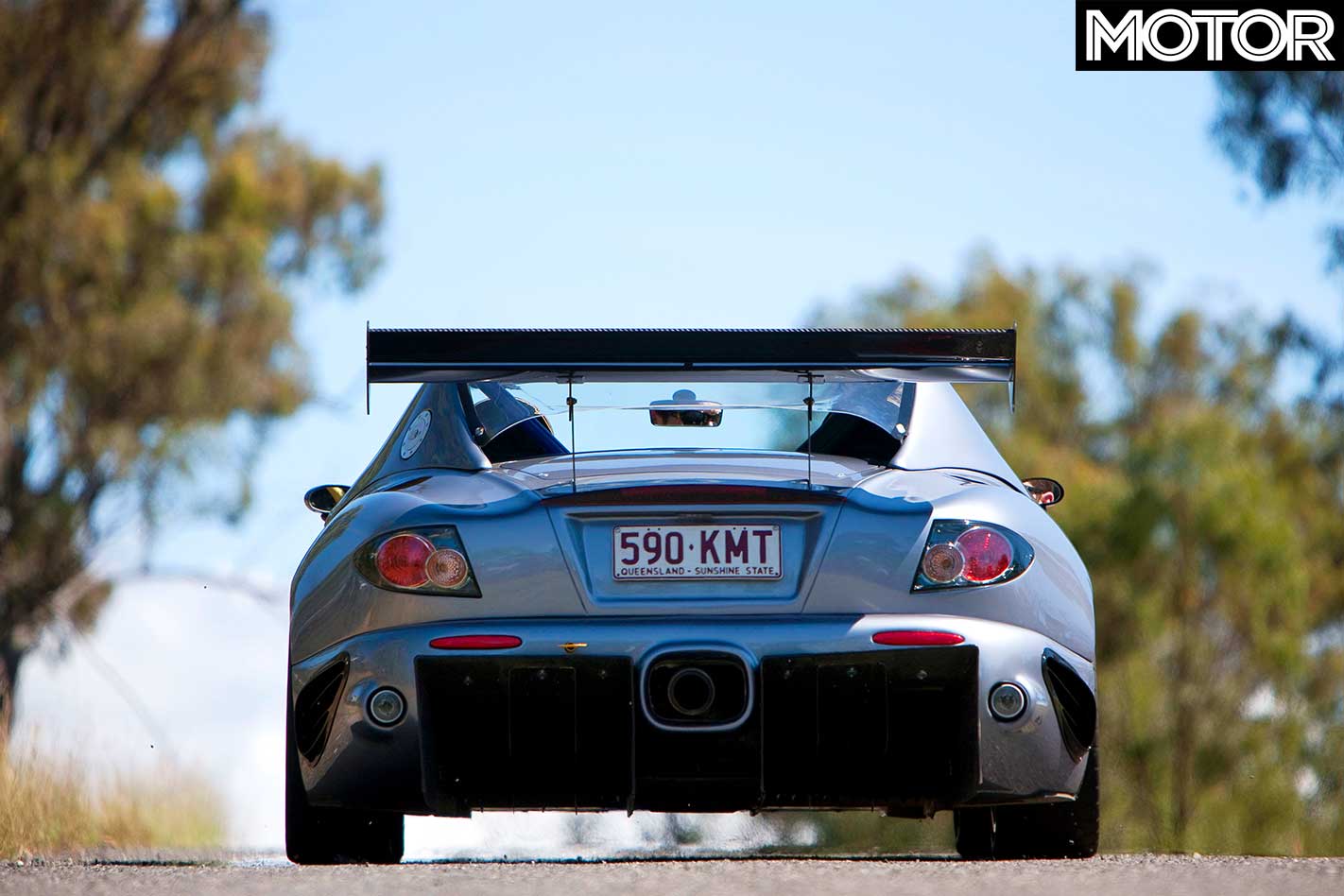
ADR-compliant and registerable on the road, the Skelta G-Force S/C (supercharged) was built on a TIG-welded 25.4mm chrome-moly steel chassis with running gear nicked from a Honda S2000.
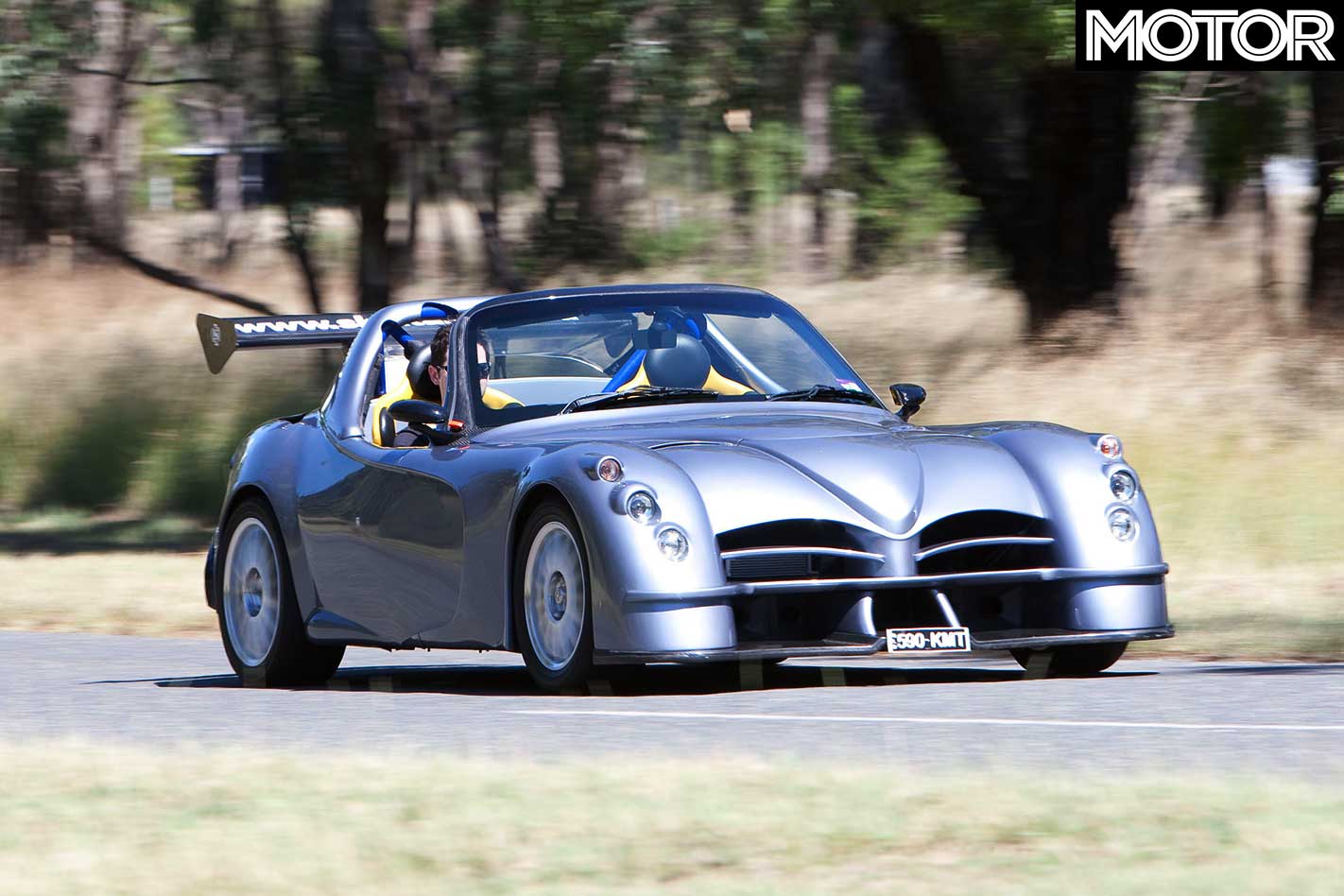
In addition to that, it cost a dizzying $160,000. Dizzying given it was mostly unproven. And had no heater.
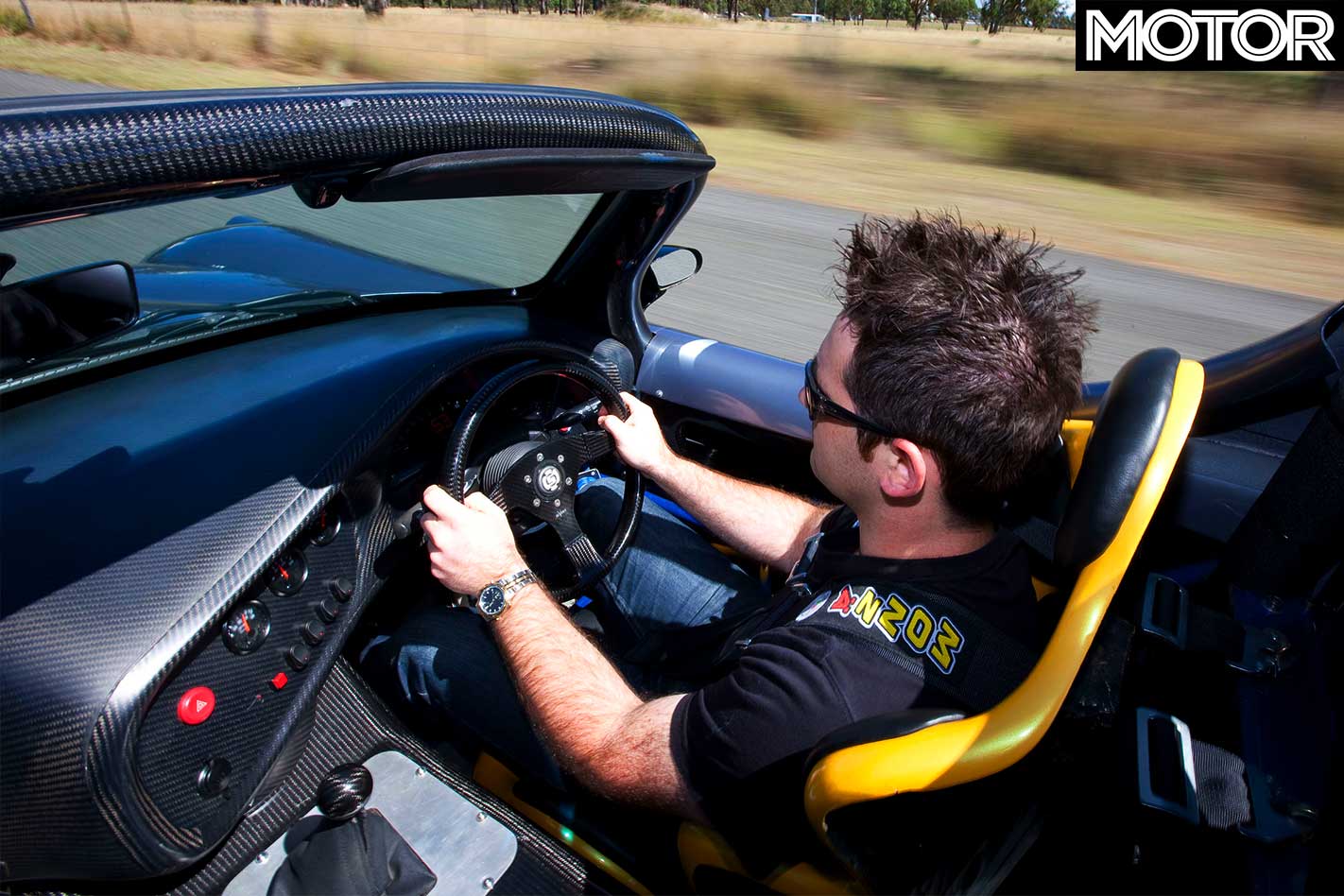
But we drove it in 2009 nonetheless, and actually quite enjoyed it. Shaun Cleary, our man on the ground back then, said the balance and grip was “phenomenal.”
“To win Targa Tasmania would give me a great deal of self-satisfaction,” he said.
“Really, the last guy to have tasted international success in his own car was Sir Jack Brabham. We’re certainly not claiming the same level of success, but Sir Jack’s definitely been an inspiration.”
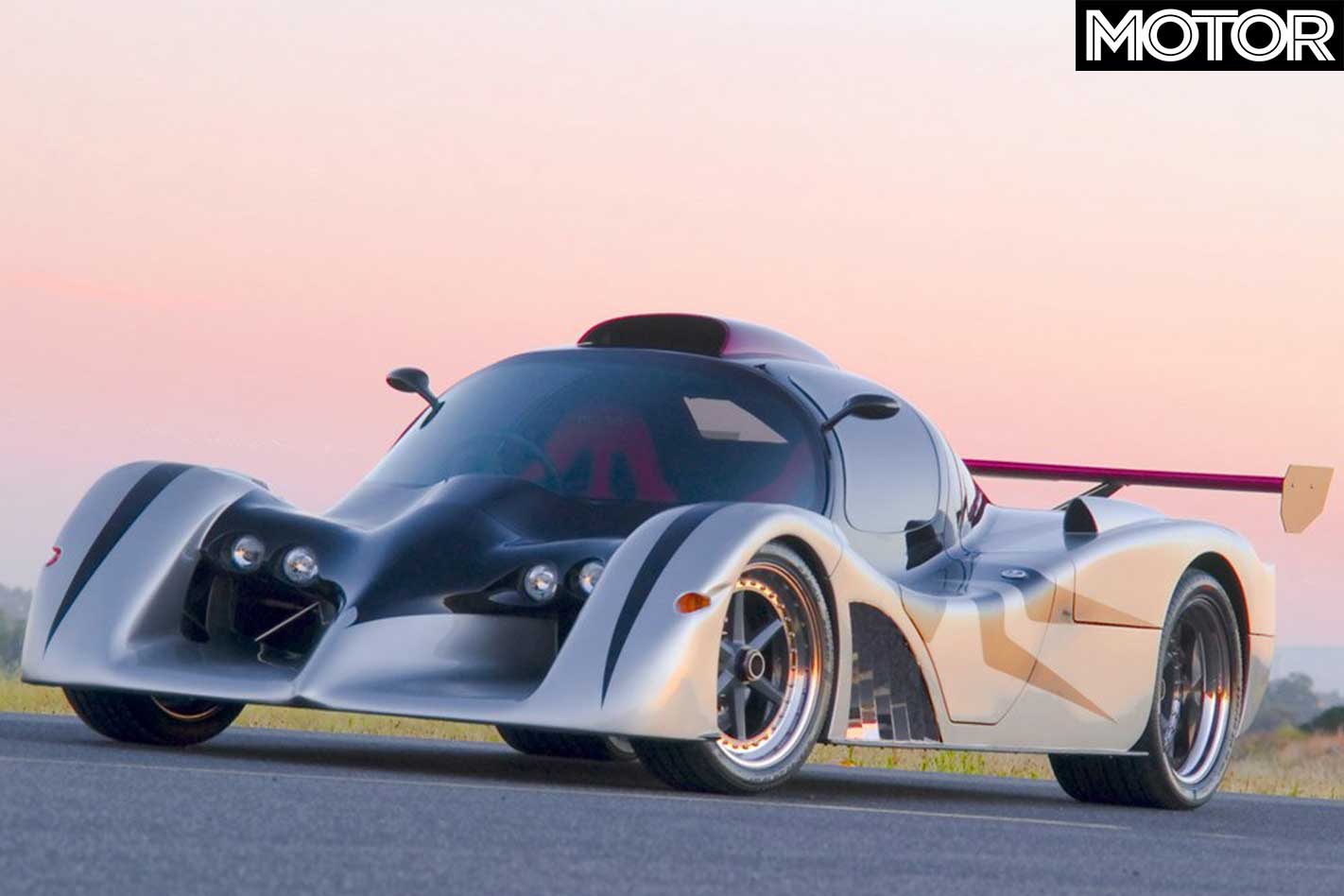
2006 Redback Spyder
We were told it would have a top speed of 320km/h and hit 100km/h in about three seconds.
The TV series Beyond Tomorrow very briefly covered the Redback which meant we did get to see it in limited action, but don’t expect a technical dive of the thing.
2001 AJF1 Fusion
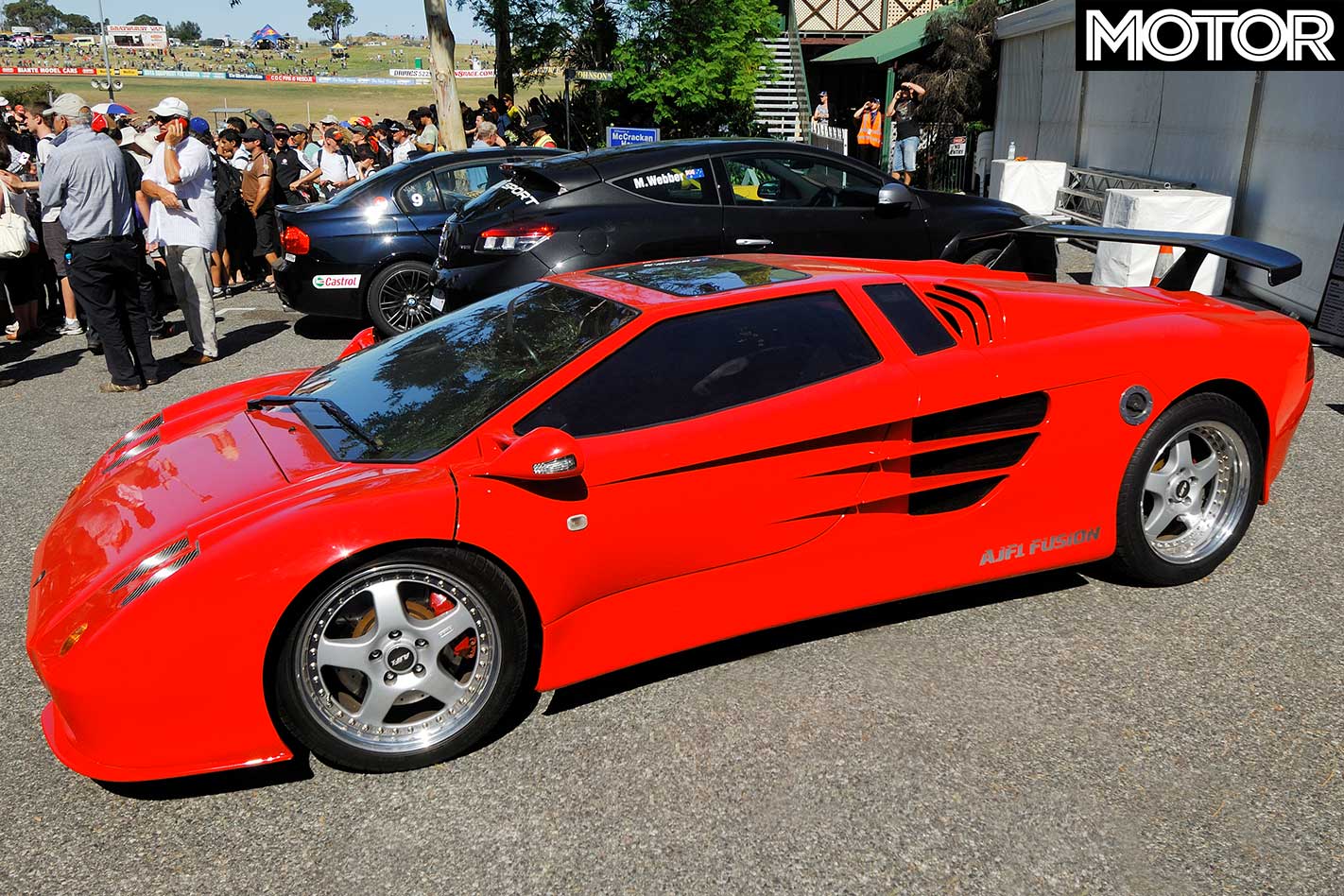
“Just about every other bloody country has got its own supercar, and I thought there’s no reason why we can’t have a home-grown one,” he told MOTOR in 2011.
“I think a vehicle has to have four things: it has to have looks, performance, finish, and price. We believe now that we’re getting there.”
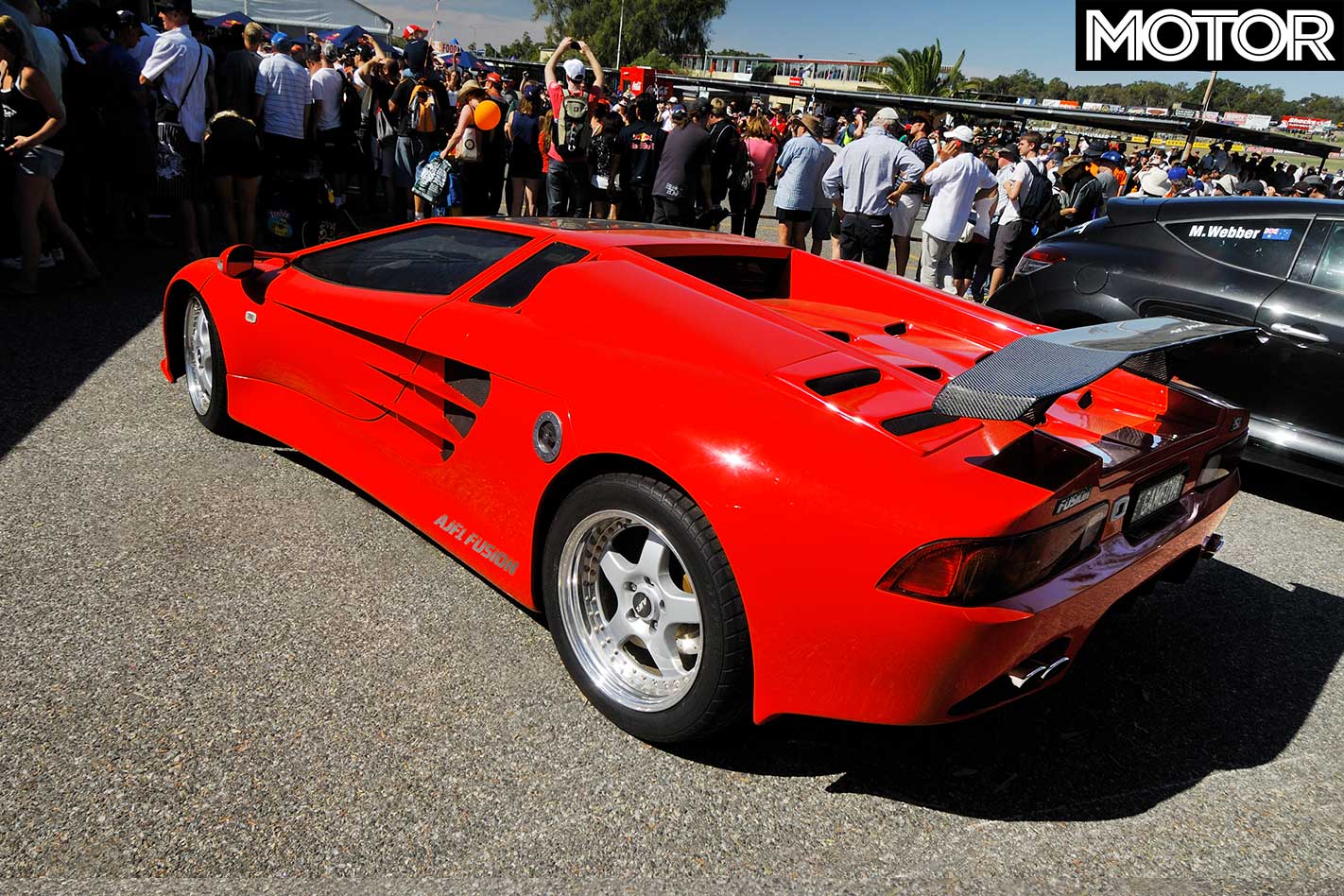
We’ll leave it up to you as to whether it had the looks.
Spartan-V
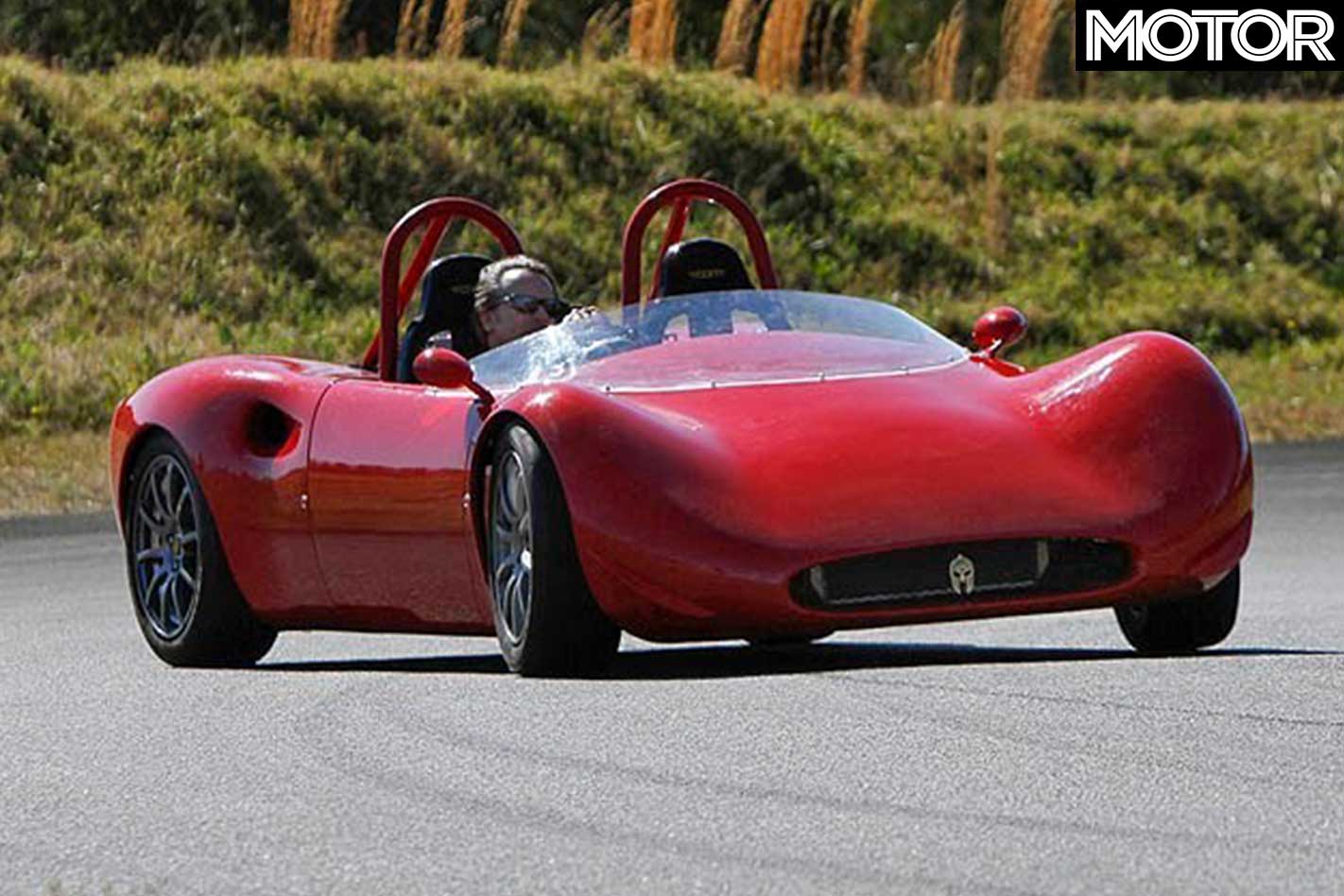
Its name comes from its approach to features – in that there are few.
“Carbon-fibre body panels with quick-release fasteners, fully-adjustable Ohlins racing shocks, and exposed suspension components reinforce the aggressive form and function of the product,” the description on Spartan’s still-active website states.
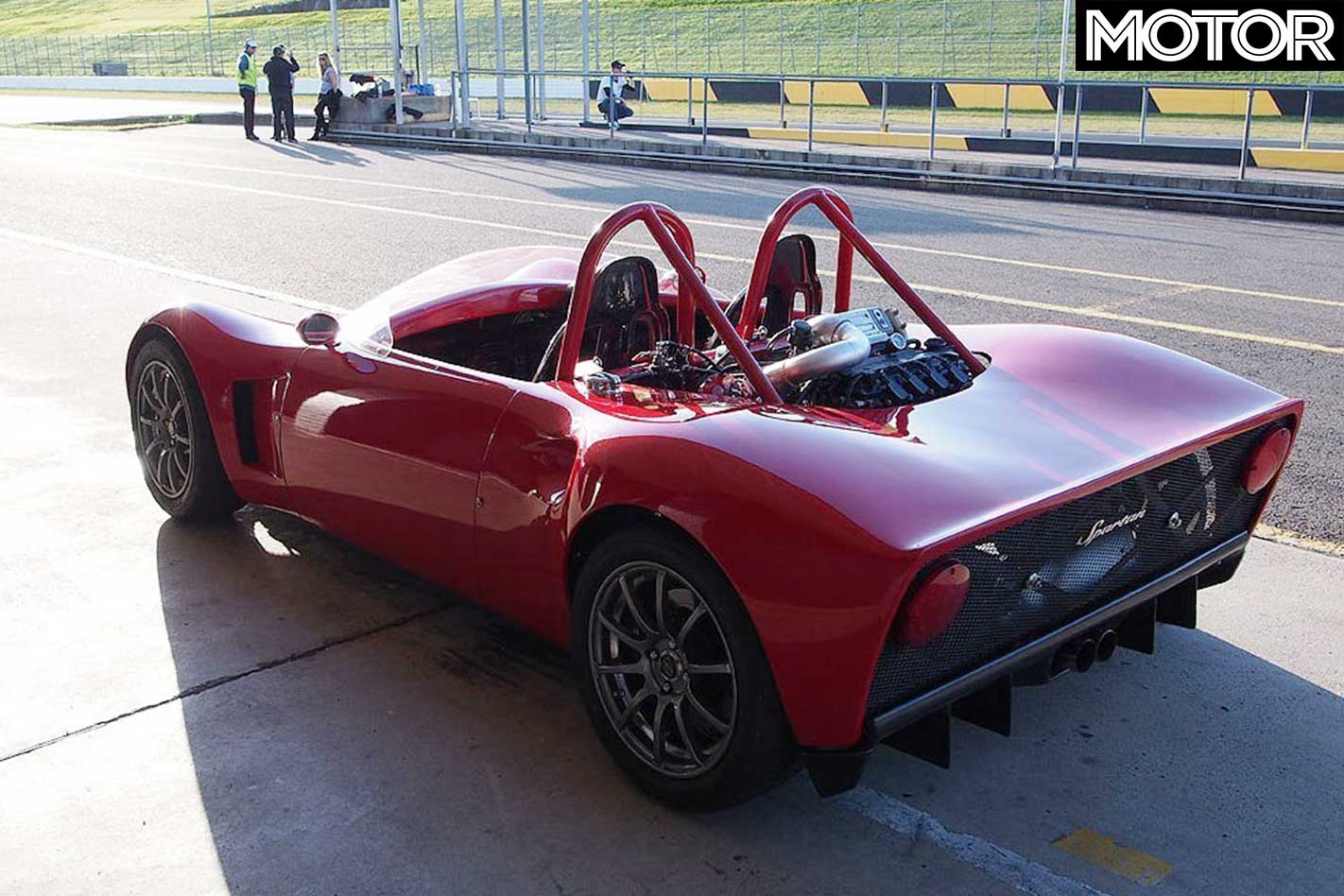
If the Spartans did go into battle with the real production run number from this car, however, it would have been a very quick battle indeed.
Quantum GP700
A 522kW/654Nm ‘Ariel Atom-style’ club car built in a Melbourne shed with 751kW-per-tonne is about as Australian as it gets. David vs Goliath.
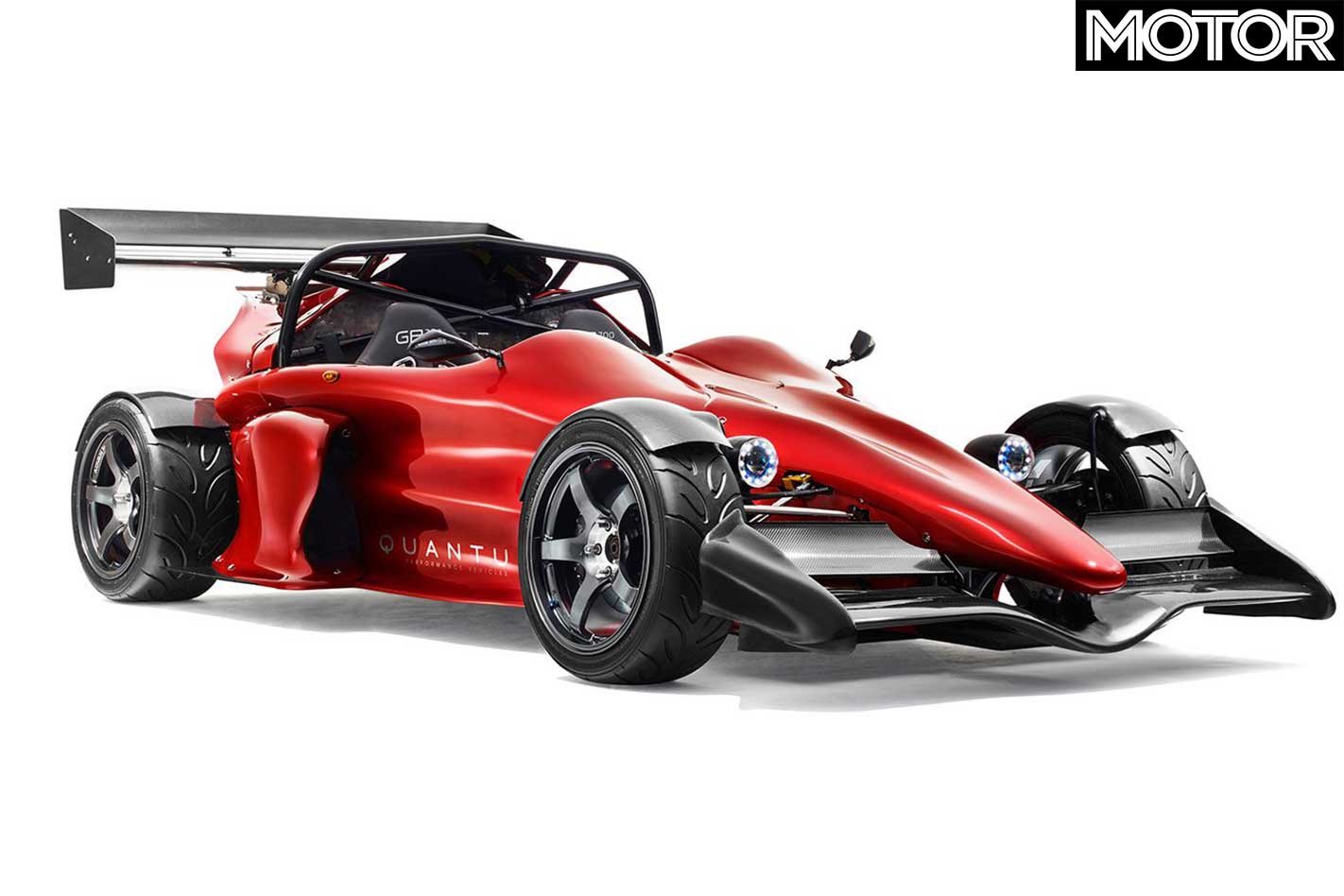
But he was very realistic about people’s expectations of the car. Especially given its asking price was nudging the million last we heard.
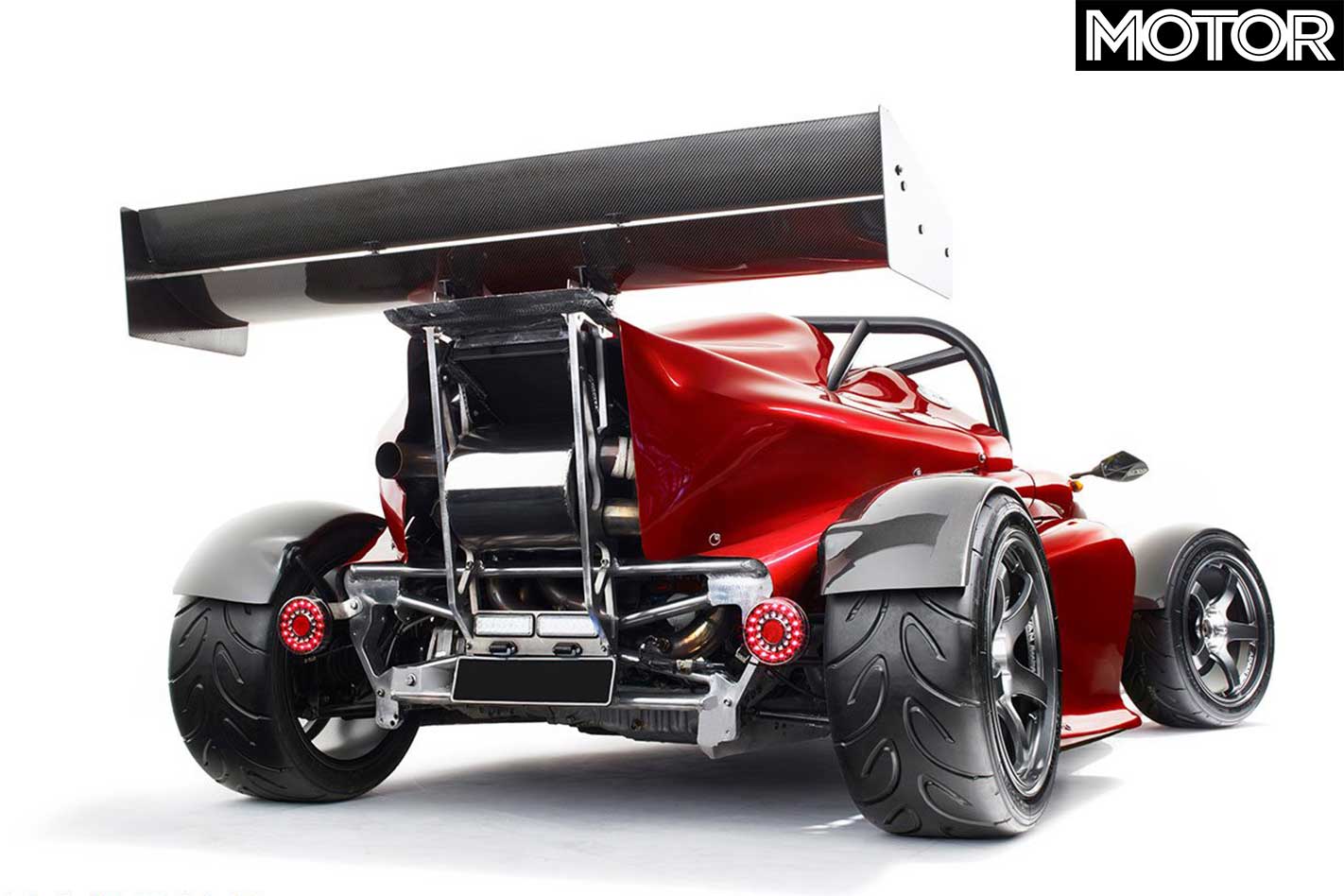
“We can’t really be compared to an FXX; we’re not Ferrari, and we’re not claiming our car is the same as one of theirs,” David told MOTOR.
A couple of years ago, he invited us to have a closer look, and we were thoroughly impressed.
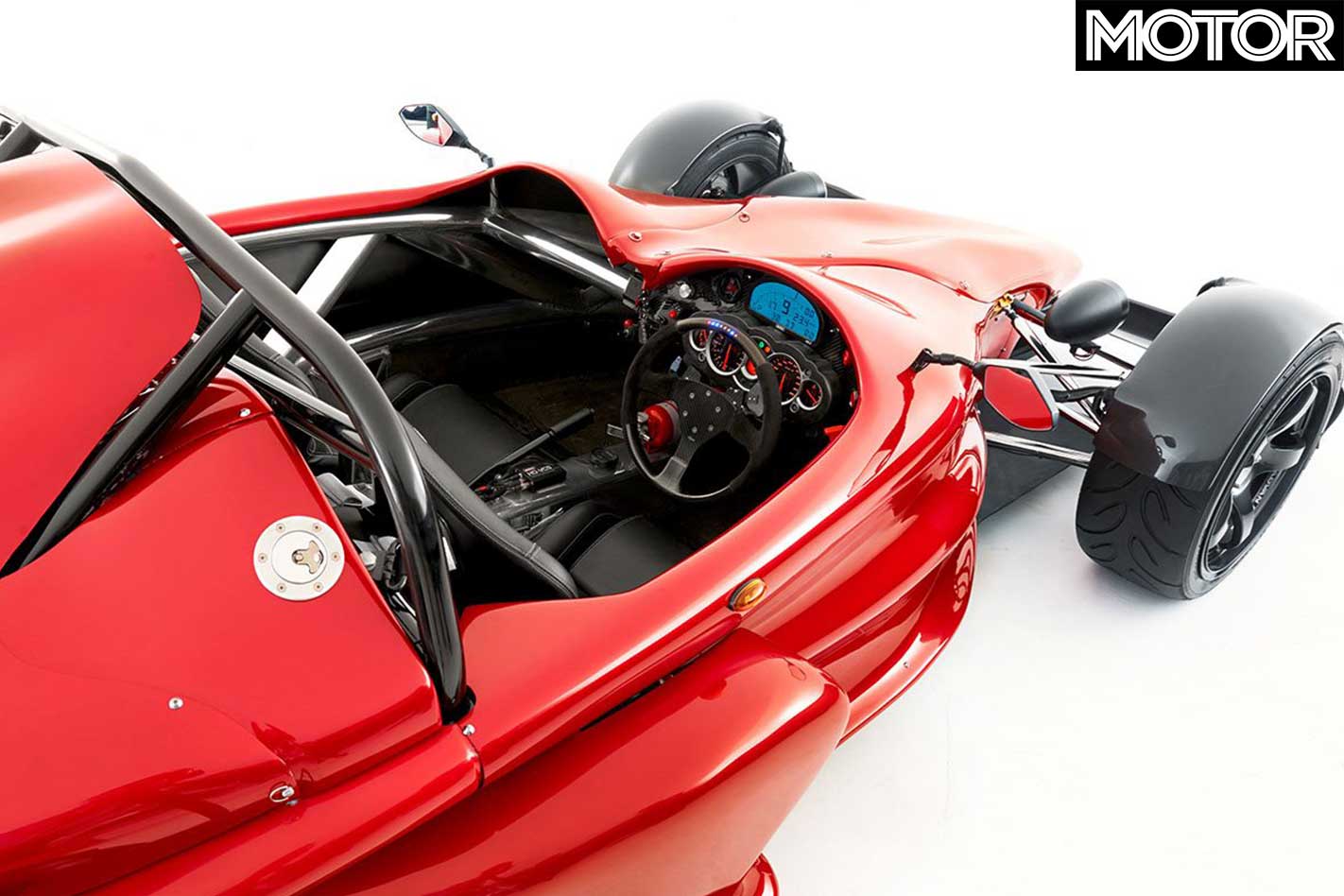
We haven’t heard much since, but it seems you can now buy a ride in the GP700 through Adrenalin.com.au.
NOTE: Thanks to MOTOR’s sister-publication Unique Cars for letting us dig through the UC archives.
For two generations, the Skoda Octavia RS has been the Golf GTI you have when family duties and/or large pets and load-lugging demands conspire to take over your life. Be it a liftback sedan or deeply alluring wagon, the quirkily handsome RS blends quality, practicality, affordability and puntability like few other machines.
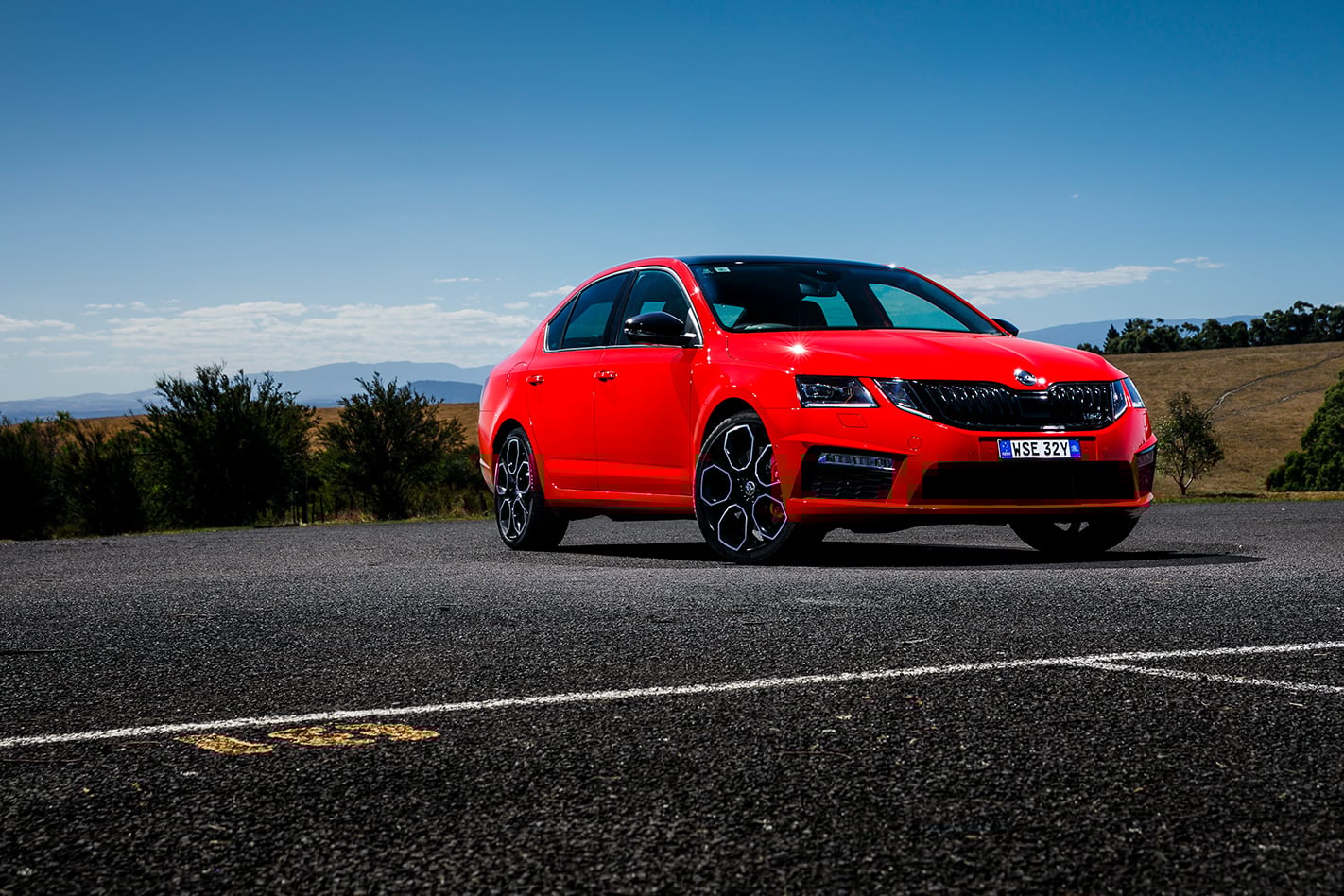
But how does a pumped-up brood hauler fare under the scrutiny and intensity of a 12-car sporting fest? Better than you’d probably expect, certainly from a performance perspective, though perhaps without the athletic edginess that Skoda’s ‘RS245’ moniker and ‘wicked’ marketing speak might imply.
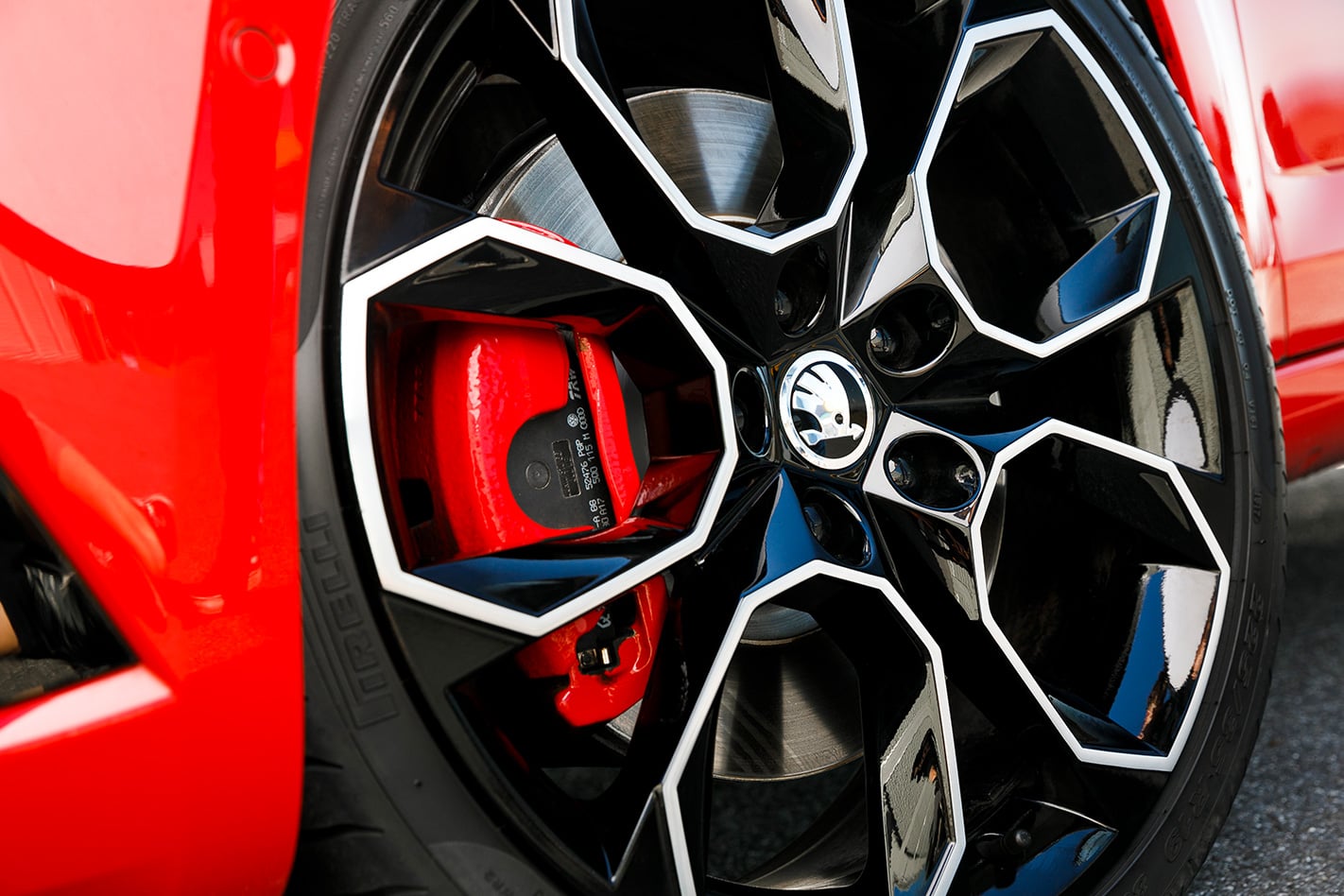
With 180kW/370Nm at its disposal (11kW/20Nm more than a stock RS) and an electronic limited-slip front diff dealing with output distribution, there’s the basis of a terrific Q-car here. Only the RS245’s Porsche-inspired 19s (wrapped in pricey 225/35R19 Pirelli P Zero rubber) betray this Octavia’s latent performance potential, though even with that footprint, the hot Skoda doesn’t quite manage to put into practice what its on-paper spec promises.
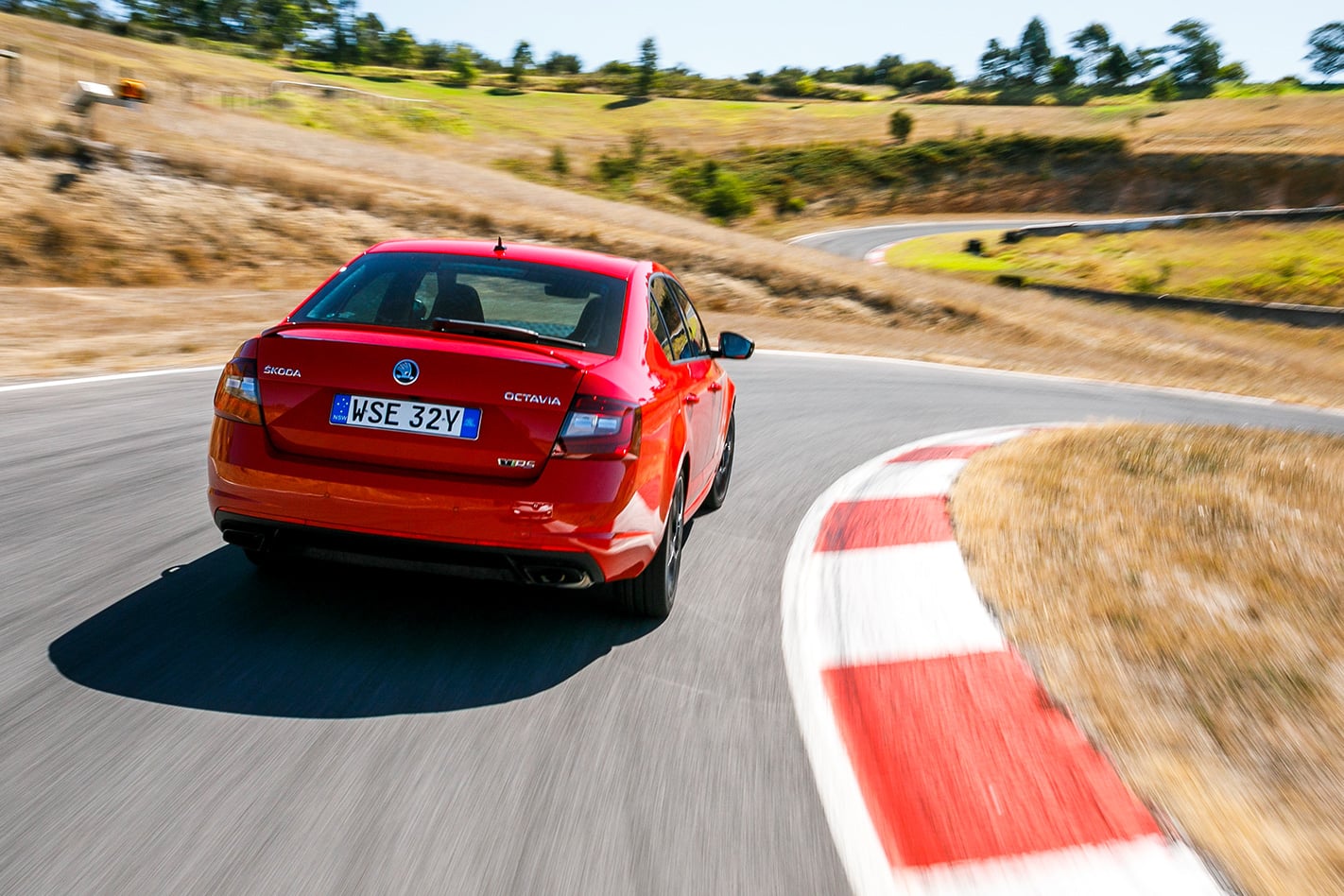
Our hired gun Renato Loberto thought as much when electronic intervention impeded the RS245’s wallop over Haunted Hills’ mountainous circuit, throwing the ESC into a fritz. Yet its inherent goodness still shone through – “down the back straight and up the hill, it was [nearly as quick] as the Type R; really fast, great braking, really good chassis,” noted our pro.
On the road, the Octavia RS245 ultimately proves better than initial brisk driving suggests, once you push beyond a layer of relative disinterest (curiously, in contrast to the agility the RS245 conveys at urban speeds). As long as you resist the desire to be brutal with it – guiding it onto its outside rear tyre and allowing its weight to settle – then the Skoda feels poised and determined.
There’s a satisfying handler lurking beneath the Skoda’s dapper dress sense (and beyond the howl of its Pirellis), though the steering lacks intimacy around straight ahead and never feels as immediate as 2.1 turns lock-to-lock might suggest.
Traversing a challenging mid-corner hit on our test loop (tackled deep into three figures), the Octavia RS245 showed what it’s really capable of. Even in Sport mode – the firmest of three settings – the Skoda’s damping and body control absorbed the disruptive ridge with effortless efficiency, though at other times, the Skoda’s ride treads an unremarkable middle ground, regardless of suspension mode.
Even loading it up with four adults fails to smooth out the rough edges of a lumpy road, compounding the impression that the RS245’s suspension doesn’t match the standard set by Volkswagen’s A-grade hatches. And the axle tramp that blights the front-drive Superb so badly is still in evidence here, albeit less severe.
That’s no surprise given the strength of the Octavia RS245’s engine. With a guttural growl at low revs and mountains of easily surfable torque, the Skoda is a relaxing car to drive quickly. And if you do start to have a go, it’s an easy car to thrill with its deceptive rapidity. This Czech chariot is fast.
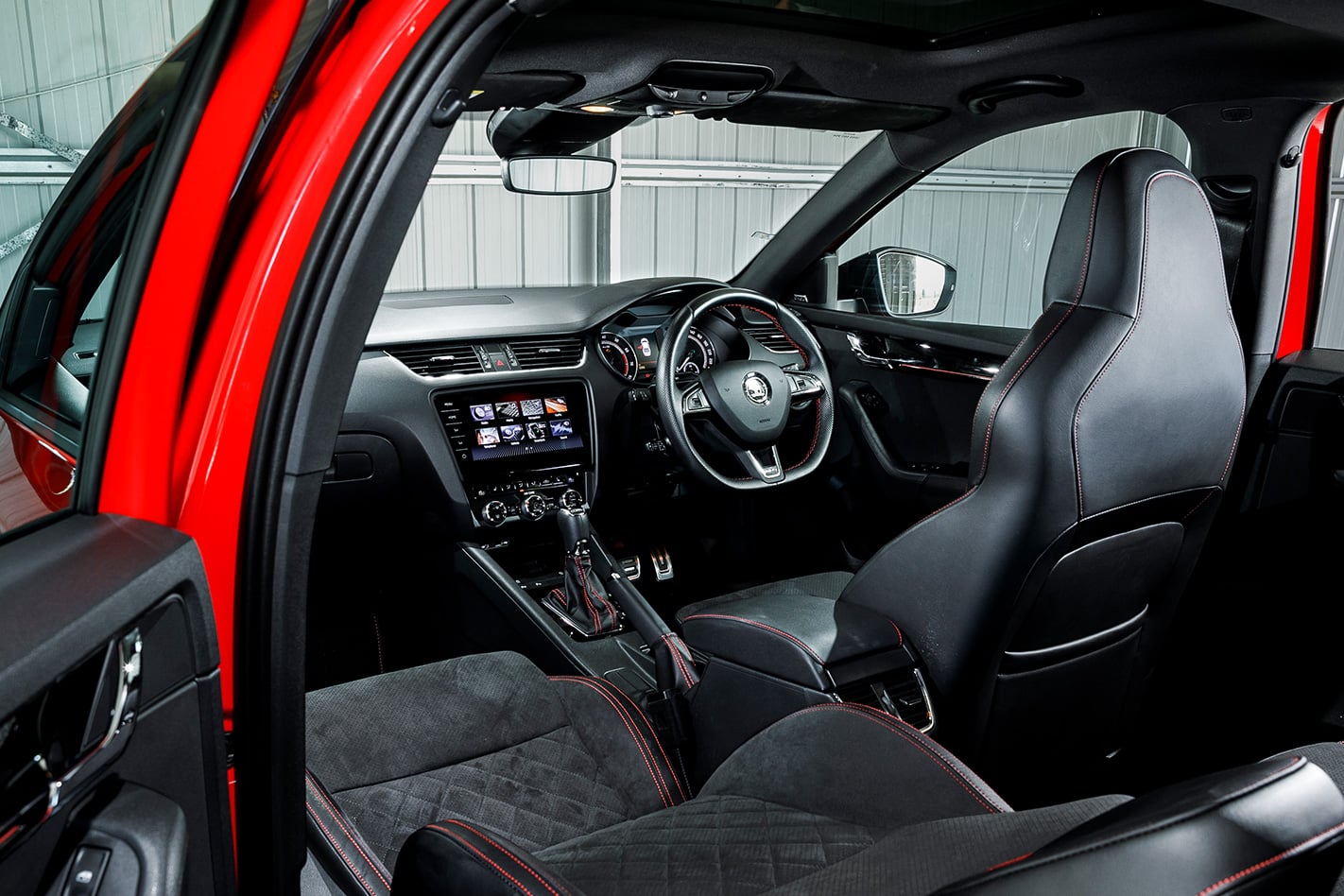
The Octavia RS245 is a better car than its genetically related big brother, the Superb Sportline. A lower and far more suitable driving position (on excellent Alcantara-clad highback seats), much better rear-seat packaging, less frumpy design – particularly around the hip area – and a more cohesive feel say this is the car Skoda spent time and money developing.
Space, warranty and individuality; it’s a compelling combination. The most complete Skoda may not be as sinful as ‘RS245’ says it should be, but as all-rounders go, this Octavia shines.
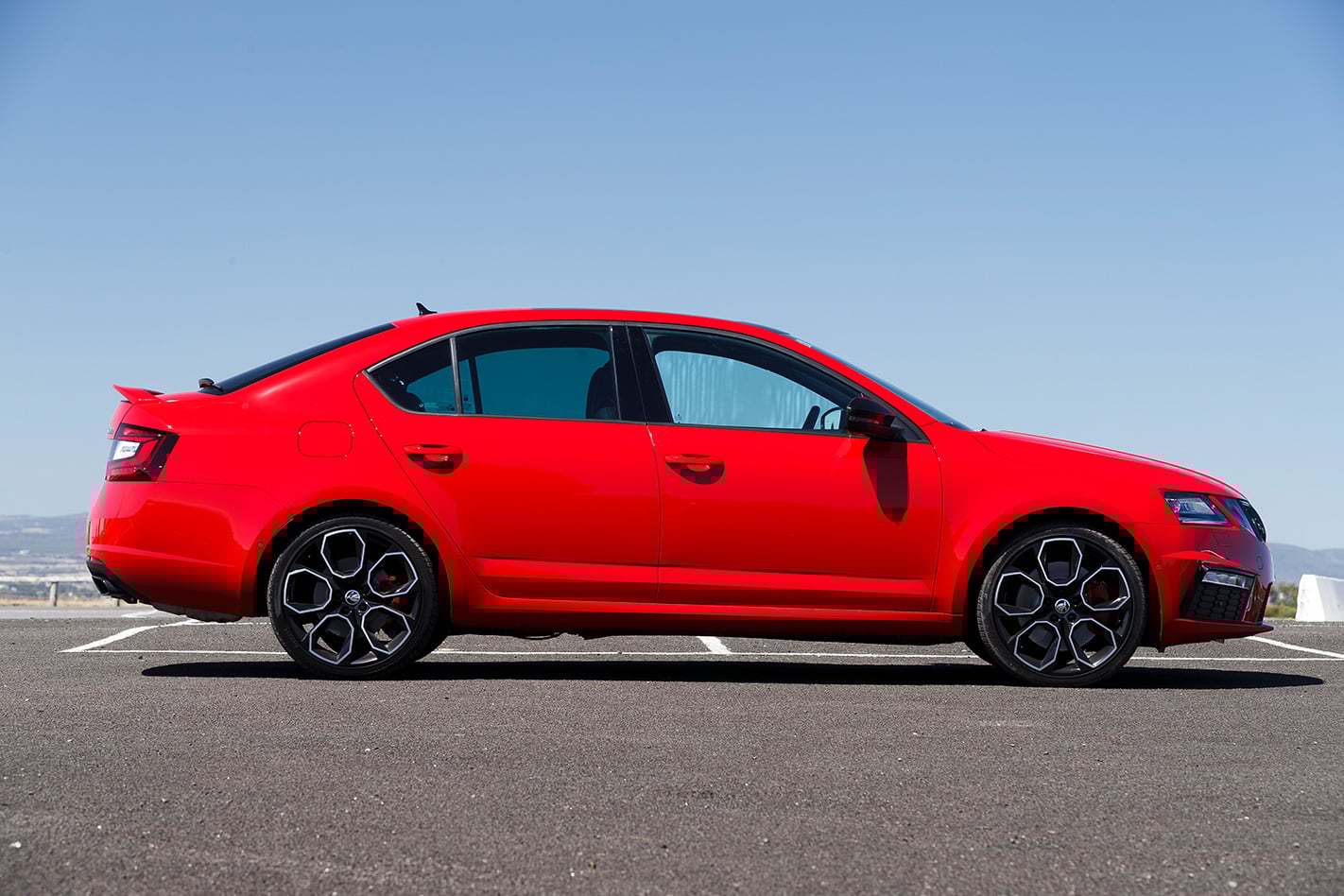
Skoda Octavia RS245 LAP TIME: 1:07.5sec SCORE: 7/10
Engine: 1984cc 4cyl, dohc, 16v, turbo Power: 180kW @ 5000-6700rpm Torque: 370Nm @ 1600-4300rpm Transmission: 7-speed dual-clutch Weight: 1391kg Tyres: Pirelli P Zero 225/35R19 88Y Fuel consumption: 13.6L/100km (tested) Power to weight: 129kW per tonne 0-100km/h: 6.6sec (claimed) Price: 45,890
Hot Hatch Megatest Contenders
12th, Score 6/10: Mini Cooper S JCW
11th, Score 6.5/10: BMW 125i
10th, Score 6.5/10: Subaru WRX Premium
9th, Score 7/10: Subaru WRX STI
8th, Score 7/10: Skoda Octavia RS245
7th, Score: 7.5/10: Ford Focus ST
6th, Score: 7.5/10: Renault Clio RS220 Trophy
5th, Score: 8/10: Volkswagen Golf GTI Original
4th, Score: 8.5/10: Volkswagen Golf R Grid
3rd, Score: 8.5/10: Peugeot 308 GTi 270
2nd, Score: 9/10: Honda Civic Type R
Winner, Score: 9/10: Hyundai i30 N
The Skoda Karoq, the Czech brand’s latest entry into the booming midsize SUV segment, will wear a $29,990 price tag when it goes on sale in July.
That pricing will make the Karoq only slightly more expensive than entry-level versions of rivals including the Holden Equinox, the Kia Sportage, the segment-leading Mazda CX-5, the Mitsubishi ASX and the Nissan X-Trail.
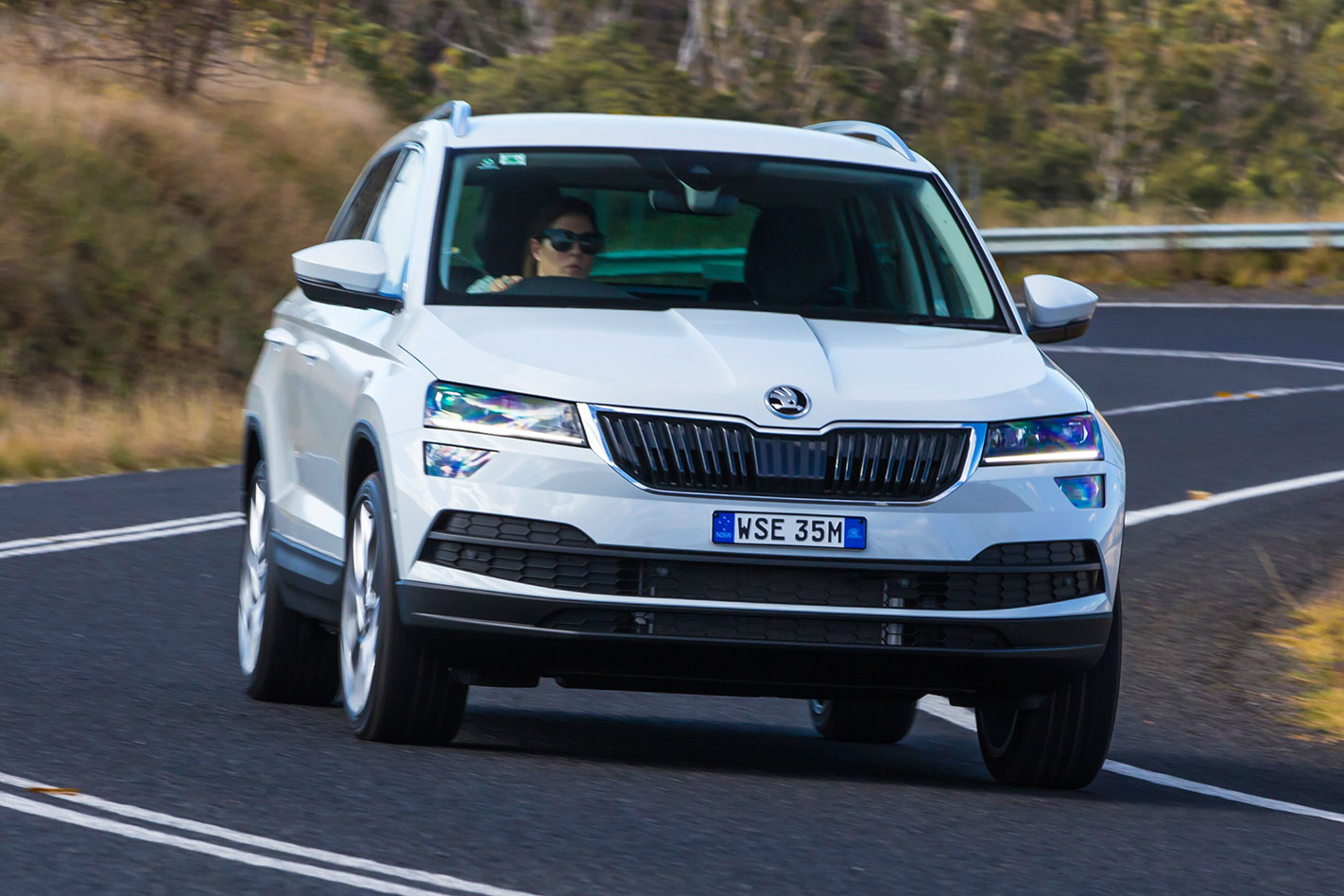
Skoda announced the Karoq would be initially launched in Australia with a turbocharged 1.5-litre four-cylinder engine producing a class-competitive 110kW and 250Nm, with the peak torque available across a useful range of revs. Fuel use is an impressive 5.7L/100km for the manual version, or 5.8L/100km for the automatic, with cylinder deactivation – the ability to shut down cylinders and run like a much smaller engine – helping to produce the low figures. The engine’s performance is stately rather than quick, completing the 0-100km/h sprint in a leisurely 8.4 seconds for the manual version, or 8.6 seconds for the auto.
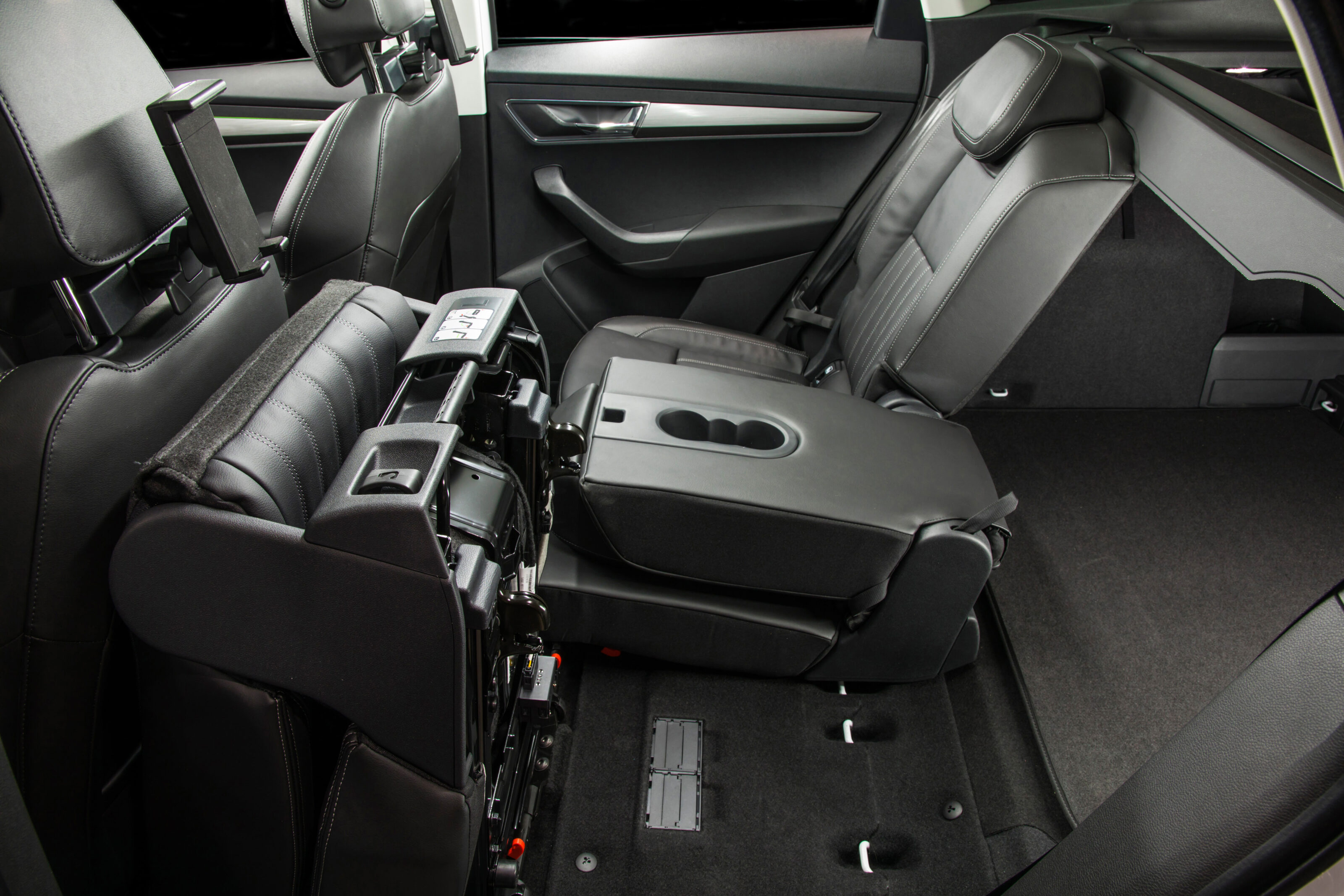
Standard equipment on the Karoq includes 17-inch alloy wheels, adaptive cruise control with automatic emergency braking, keyless entry, an eight-speaker audio system, a reversing camera with parking sensors and an automated braking function that will stop you from reversing into obstacles, height-adjust front seats with lumbar support, dual-zone climate control air conditioning, auto headlights and rain-sensing wipers, tinted rear windows, fog lights, a double-sided mat for the boot floor, and a pair of tablet holders.
Three packs are also available, including the $3600 Premium (adaptive LED headlights, leather trim, 18-inch alloys, front parking sensors, electric tailgate and steel pedal covers), the $3200 Tech (a sensor that opens the tailgate at a sweep of a foot under the rear bumper, semi-automated parking, wireless smartphone charging, digital radio, and personalised settings activated via separate keys), and a $1700 Travel pack (blind spot monitor, lane keeping monitor, an alarm that stops you backing out into oncoming traffic, electric driver’s seat with memory, folding and dimming wing mirrors with puddle lamps, and heated front seats).
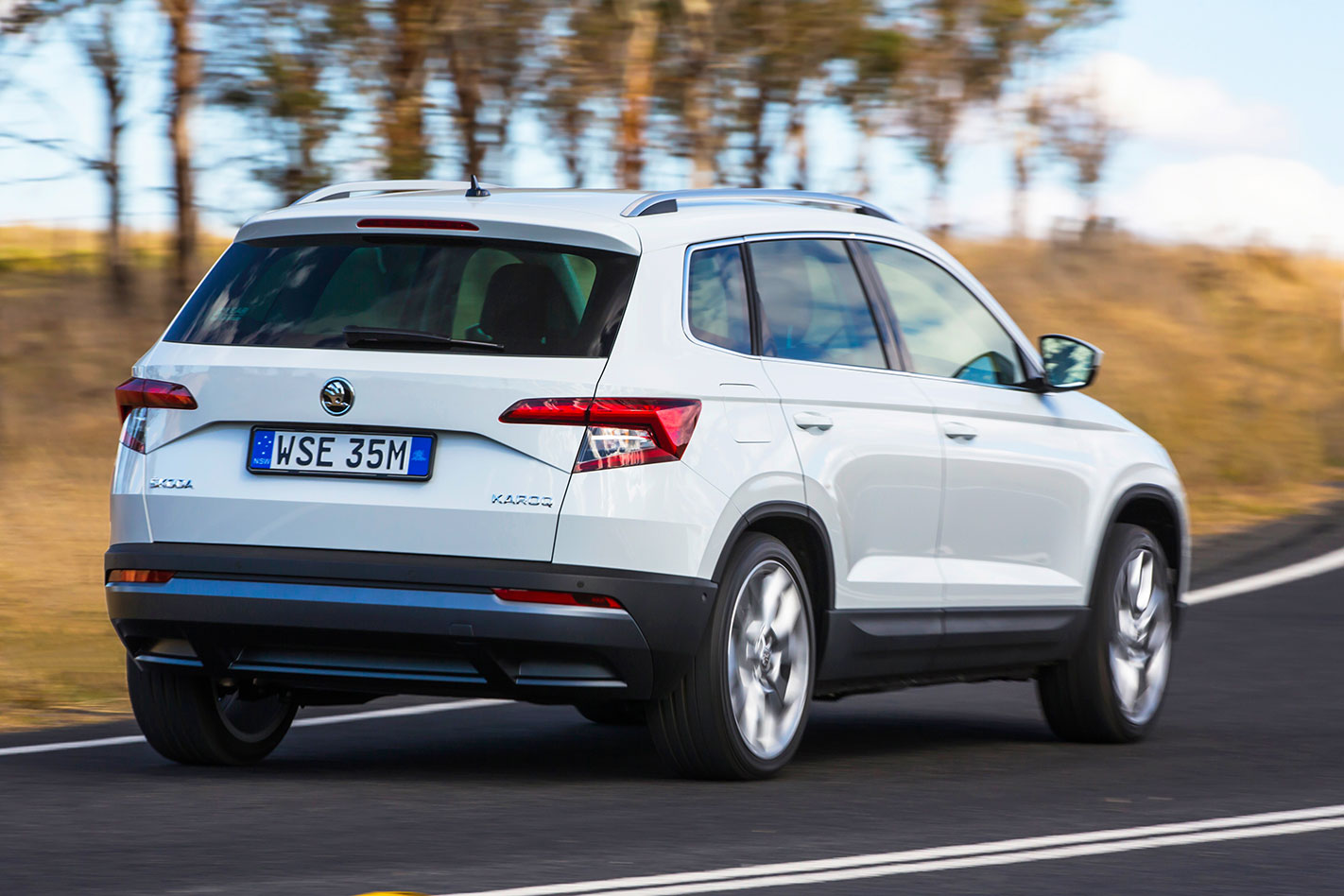
Other options include a $1900 sunroof, $700 pearlescent or metallic paint, and $700 19-inch alloy wheels.
Skoda said it planned to add a more powerful all-wheel-drive version of the Karoq to its showroom next year.That version is expected top adopt a 140kW 2.0-litre engine, and could even adopt adaptive chassis control to provide an improved experience for more enthusiastic drivers.
The 2018 Skoda Karoq officially goes on sale on July 2.
2018 SKODA KAROQ PRICING
- 1.5 TSI (6-sp man)$29,990
- 1.5 TSI (7-sp auto)$32,290
