
We live in a sunburnt country, which neatly sums up why convertibles aren’t the smartest mode of transport during an Aussie summer.
Germany loves them, as does the UK, but then rarely, if ever, do these countries experience the 39.5°C currently displayed on the R8 Spyder’s instrument panel. As such, its roof, and that of the Mercedes-AMG GT Roadster, will be staying firmly up, for now at least, lest photographer Jacobs and I discover what it feels like to be a sausage at Bunnings on a typical weekend.
The Audi R8 is on its way out for good
Drop-tops aren’t MOTOR’s traditional fare. Serious drivers would always choose a coupe, as conventional wisdom suggests the vanity project of removing a car’s roof – and let’s face it, convertibles are all about vanity – does nothing but ruin its performance by adding weight and reducing rigidity to the detriment of acceleration, cornering, braking and ride.
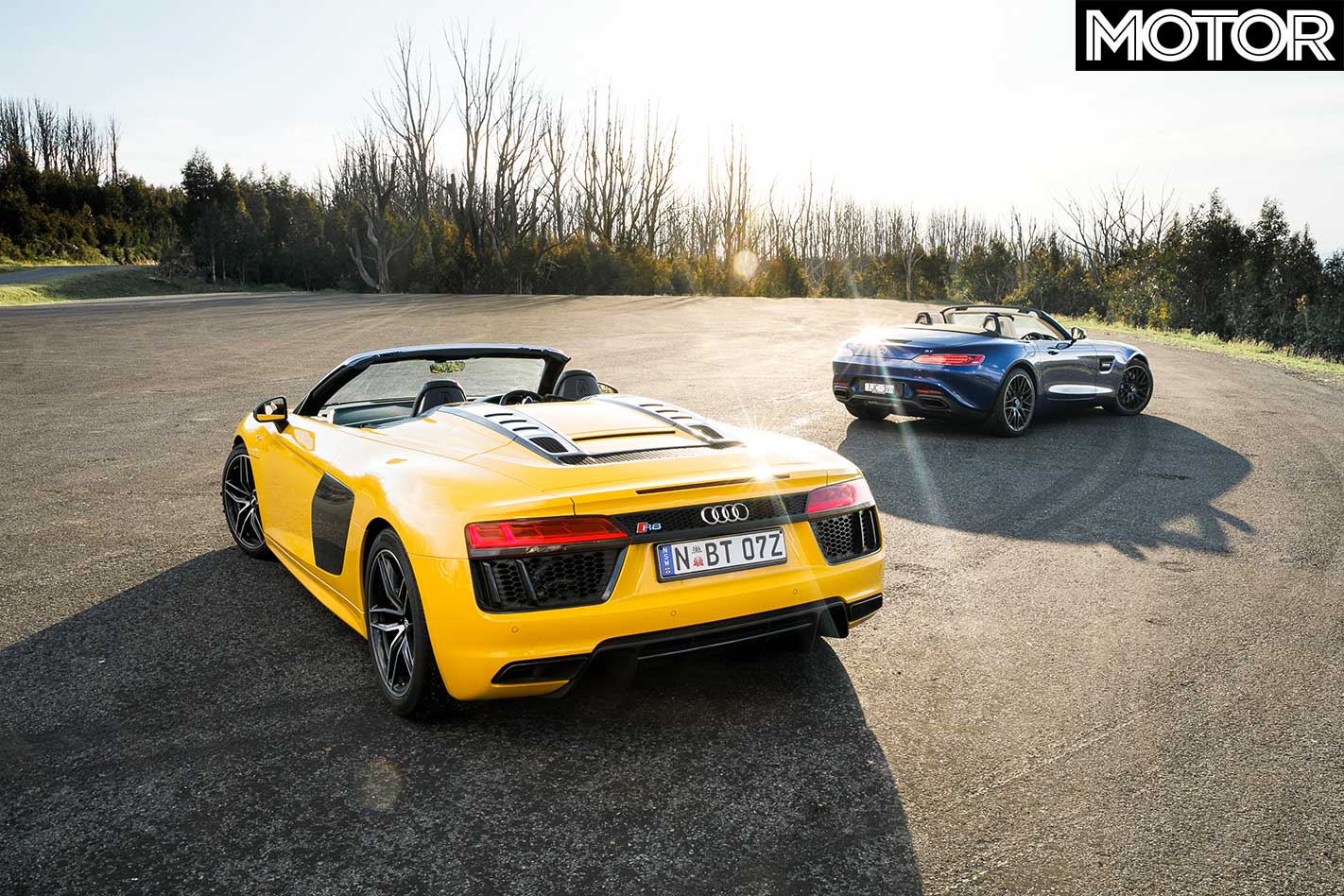
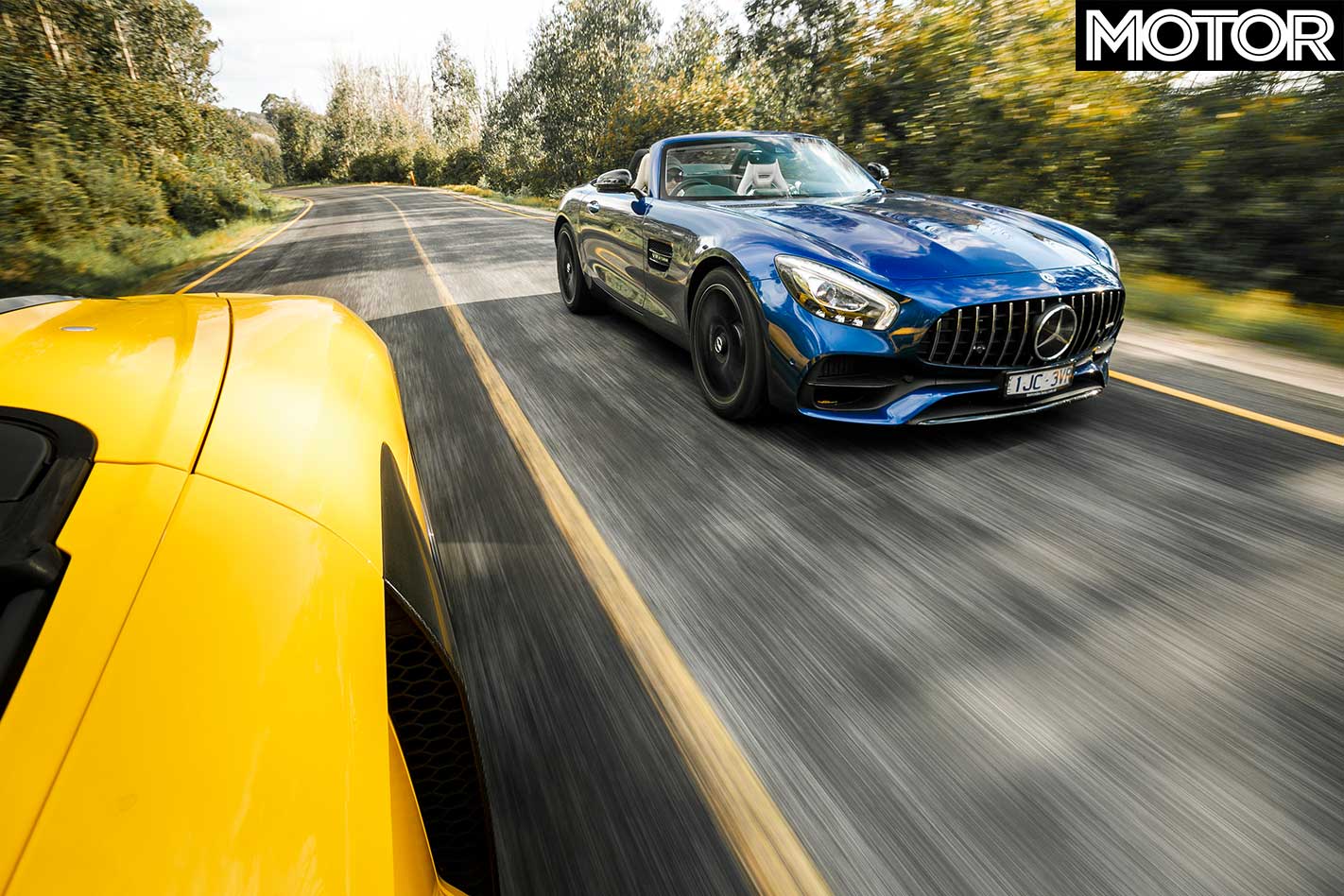
The R8 V10 Spyder and AMG GT Roadster might have been conceived with similar aims, but their respective executions couldn’t be more different.
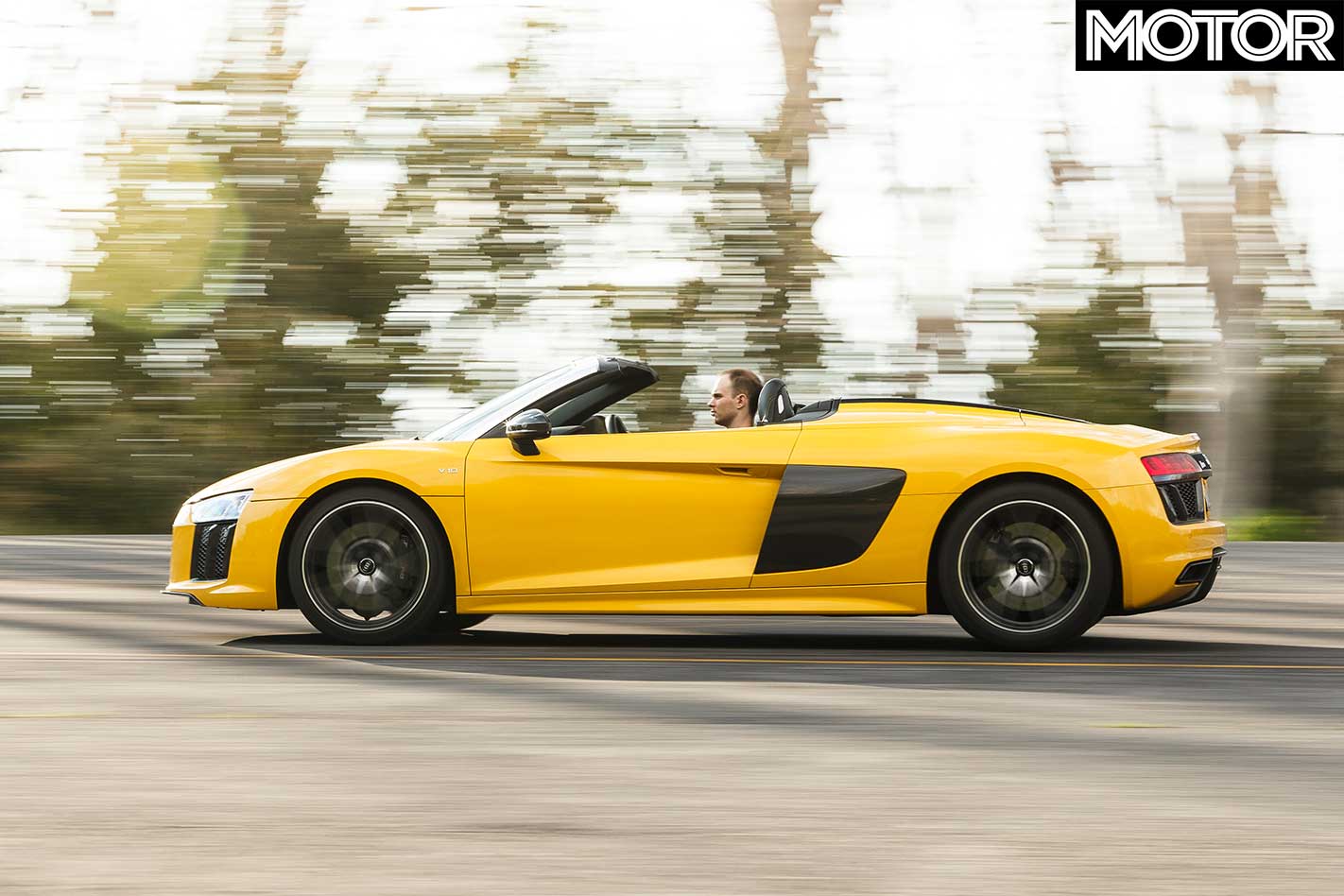
The Audi has the cab-forward silhouette and powerboat-like flat rear deck only a mid-engined layout can provide, and it’s powered by a glorious naturally aspirated 5.2-litre V10 driving all four wheels through a seven-speed dual-clutch gearbox.
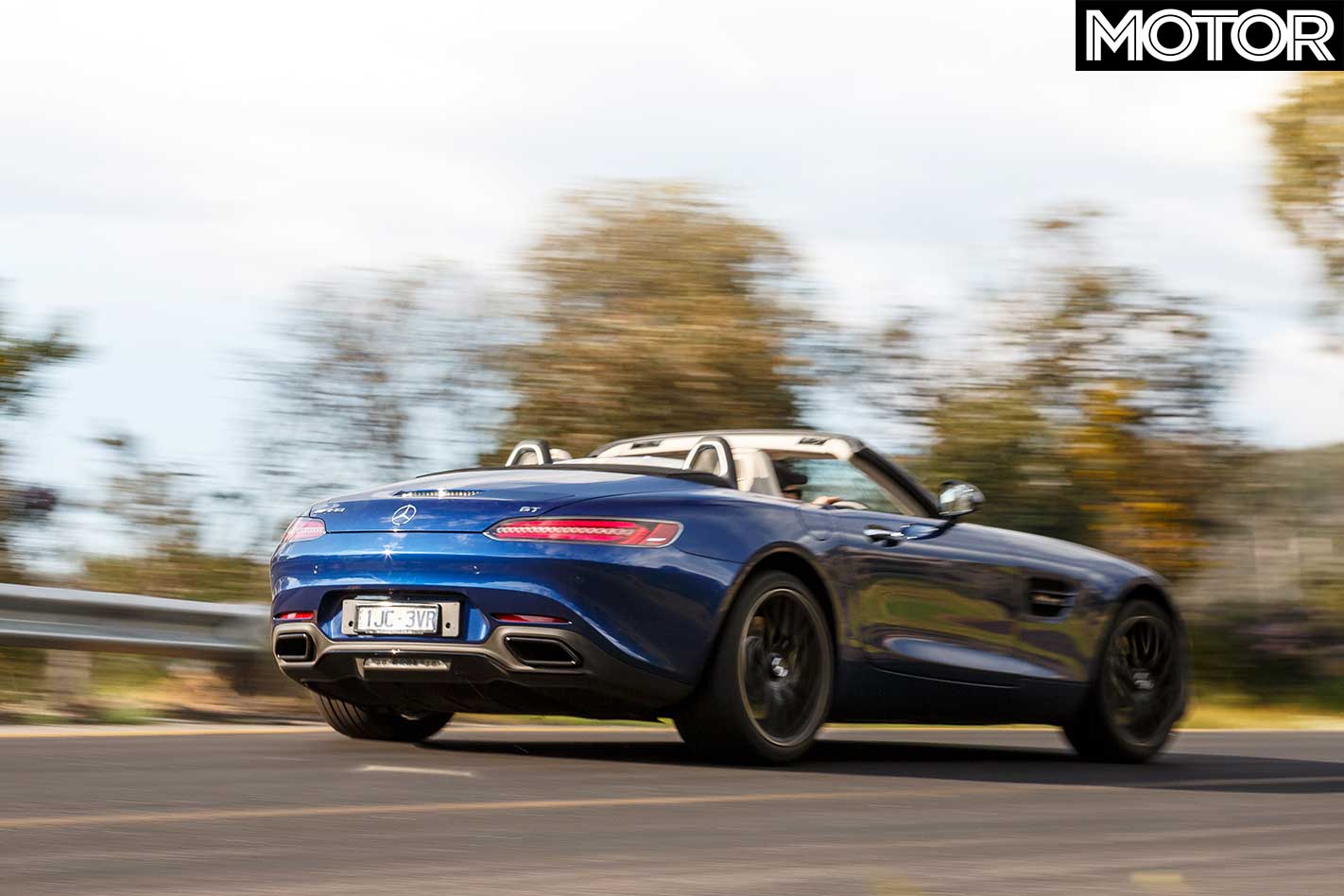
The Mercedes is also essentially mid-engined, but locating its 4.0-litre twin-turbo V8 entirely behind the front axle pushes the driver back over the rear wheels for classic sports GT proportions. Drive goes to the rear wheels only via a seven-speed dual-clutch transaxle; gearbox configuration being one of the few similarities between the two cars.
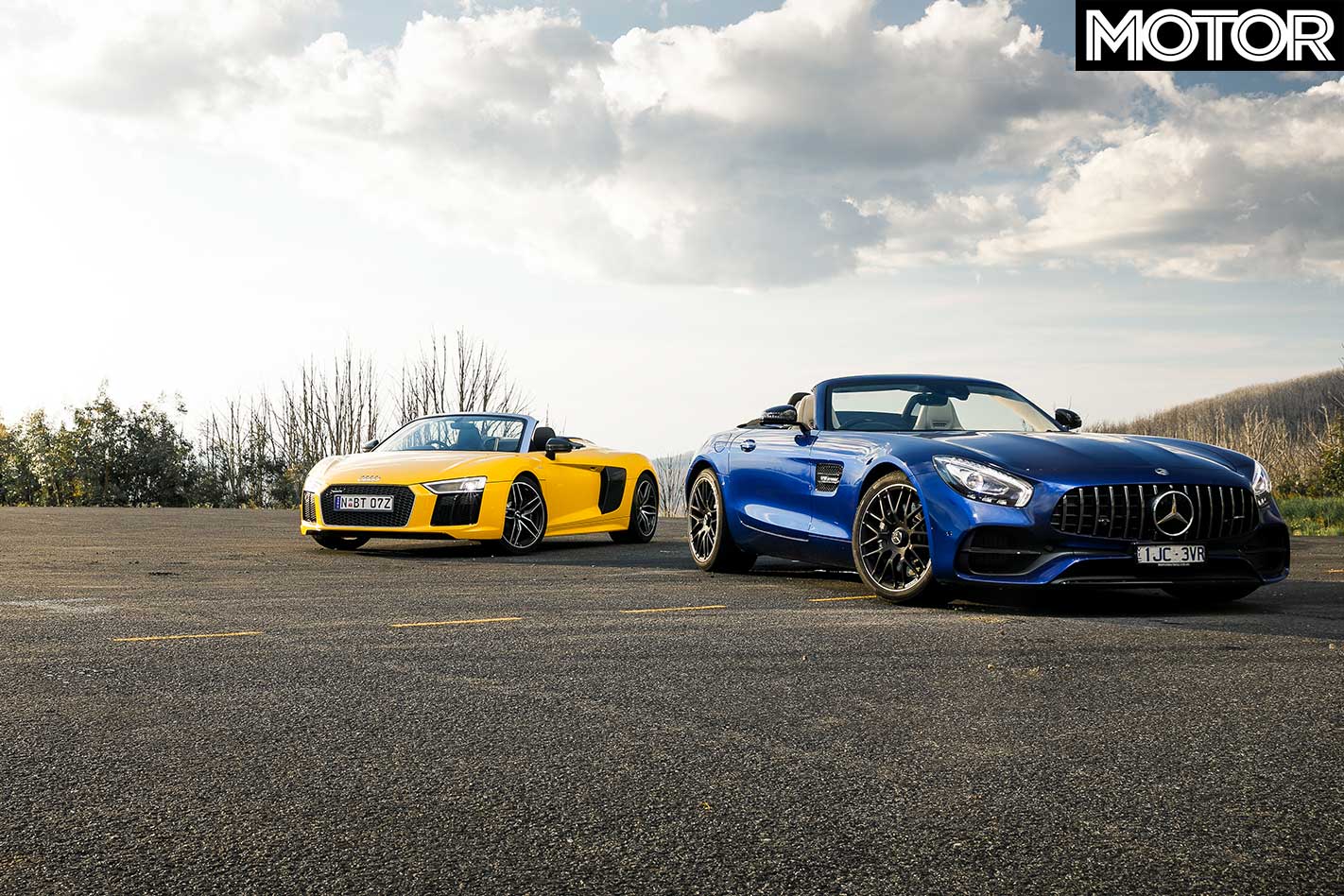
Both these cars represent the entry-level models in their respective ranges, as ridiculous as that notion is at this price point. We’re beginning to enter “if you have to ask…” territory here, but for reference the Audi starts at $388,500, while the Mercedes begins at $283,711.
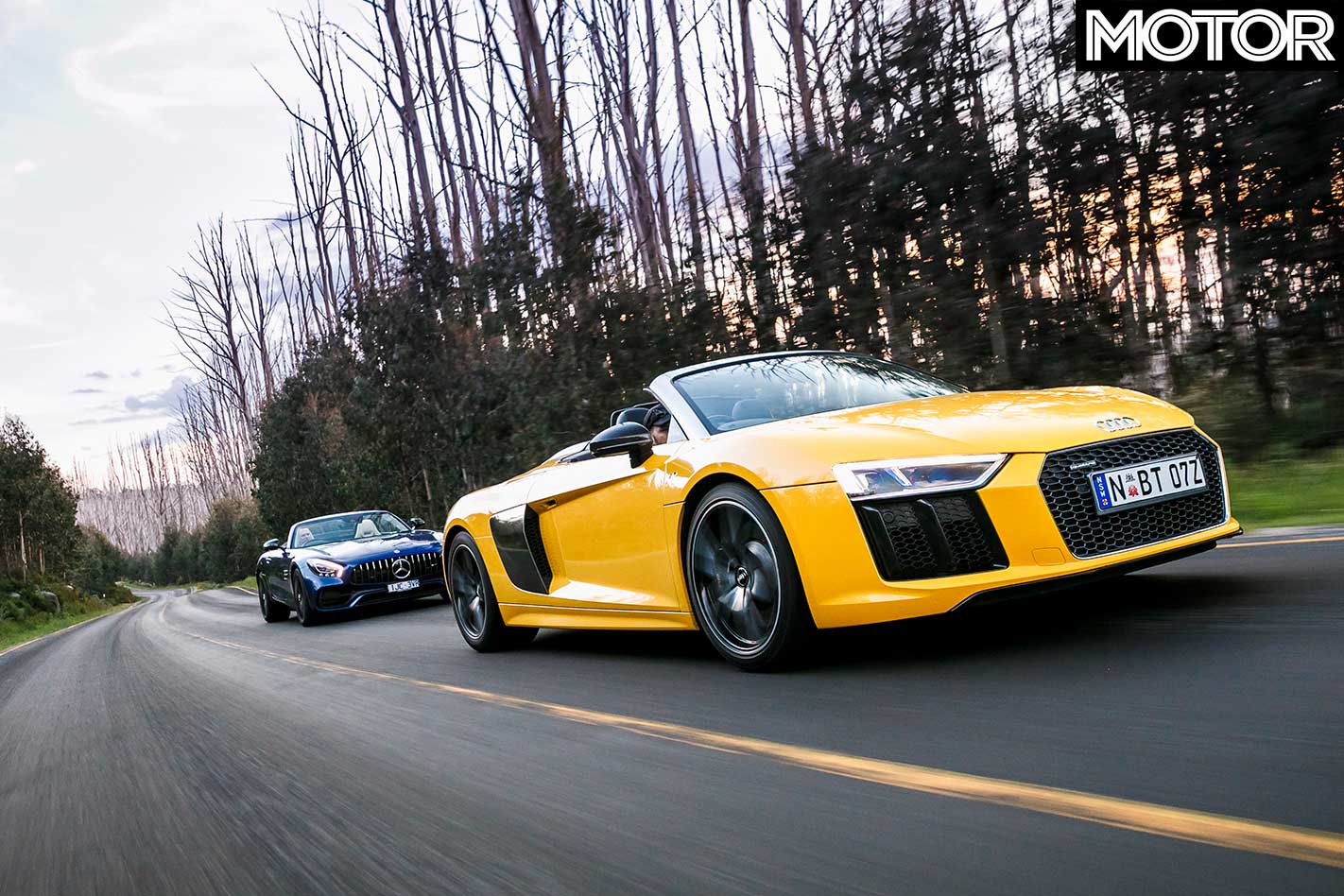
If you’re wondering why we didn’t use the $338,711 GT C Roadster, which has more power and choice chassis bits from the hardcore GT R, the answer is we tried, but a customer wanted to drive the GT C we had booked so Mercedes kindly organised a GT Roadster at short notice to take its place.
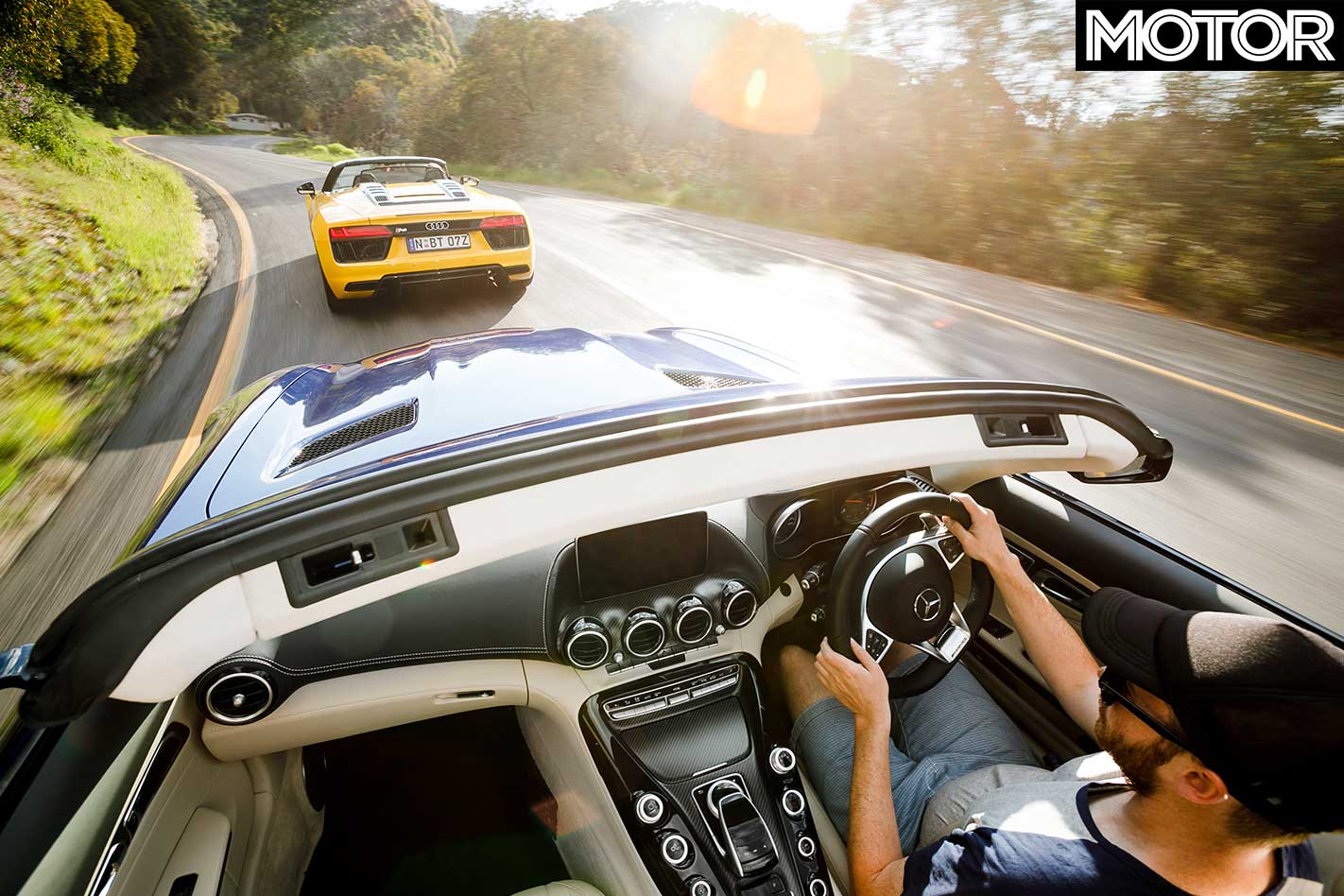
Personally, that suits me just fine, as to my eyes the colour combo on this particular example is just about perfect, the blue-over-black exterior contrasting beautifully with the light beige interior. It’ll be tricky to keep clean, but it makes the cabin look and feel special enough to forget the annoyingly placed gear selector (at the very rear of the centre console), unintuitive infotainment system and very firm AMG Performance seats, which thankfully are optional.
The digital instruments are clear and improve vision by deleting the need for a central screen, but navigating them seems to divert more attention away from the road than the traditional dash-mounted solution. Perhaps we just need more familiarity.
Another win for the ‘regular’ R8 V10 over its more expensive sibling is the fitment of adaptive dampers. The Plus’s passive setup relishes relaying every road imperfection, but locked in Comfort the Spyder displays surprising compliance for something so focused.
Its credentials as an everyday supercar are enhanced further by the slickness of its dual-clutch ’box, which shuffles through its seven ratios unobtrusively to keep the V10 to a muted hum. Vision is a challenge with the roof up, but otherwise the R8 is no more difficult to drive than a TT.
The lack of suspension adjustability also hurts the GT Roadster when you start to delve into its performance reserves. A lack of control becomes evident the harder you push, the rear-end wandering under heavy braking and also struggling to soak up mid-corner bumps, a trait inherited from the SLS, the platform of which provided the basis for the AMG GT.
From a driver’s perspective, the Ride Control adaptive suspension is $3250 well spent. It’s also questionable as to whether this base Roadster has benefited from the steering and suspension upgrades applied to the facelifted Coupes as it retains the super-sharp off-centre steering response of the original GTs.
Now some context: this all happens towards the outer end of the dynamic envelope, where few Roadster owners are likely to venture.
It also sounds ridiculous in the best possible sense, its brutal bent-eight bark accompanied by so many cracks, pops and bangs it’s like being on the frontline of the Battle of the Bulge.
The dual-clutch responds better than the equivalent seven-speed MCT found in the C63 et al, though still does its best work left in Sport Plus as manual requests aren’t always answered as promptly as you might like.
In contrast, the Audi’s similar seven-speed dual-clutch responds almost telepathically, the gearchange completed virtually before the paddle reaches its end stop, and it’s connected to one of the finest road car engines there’s ever been.
Maximum torque of 540Nm at 6500rpm suggests a peaky power curve, but despite having to haul a lardy 1720kg – 80kg more than the R8 Coupe and 125kg more than the AMG – the atmo V10 never feels short of urge.
Back-to-back with the more powerful Plus you may miss the extra 53kW of top-end fireworks, but in isolation the Spyder feels outrageously quick, as you’d expect from a car with a claimed 0-100km/h time of 3.6sec. Perhaps its greatest trick, however, is when you’re cruising through a series of bends, using a fraction of the engine’s potential, only to glance down and realise you’re traveling at an alarming velocity.
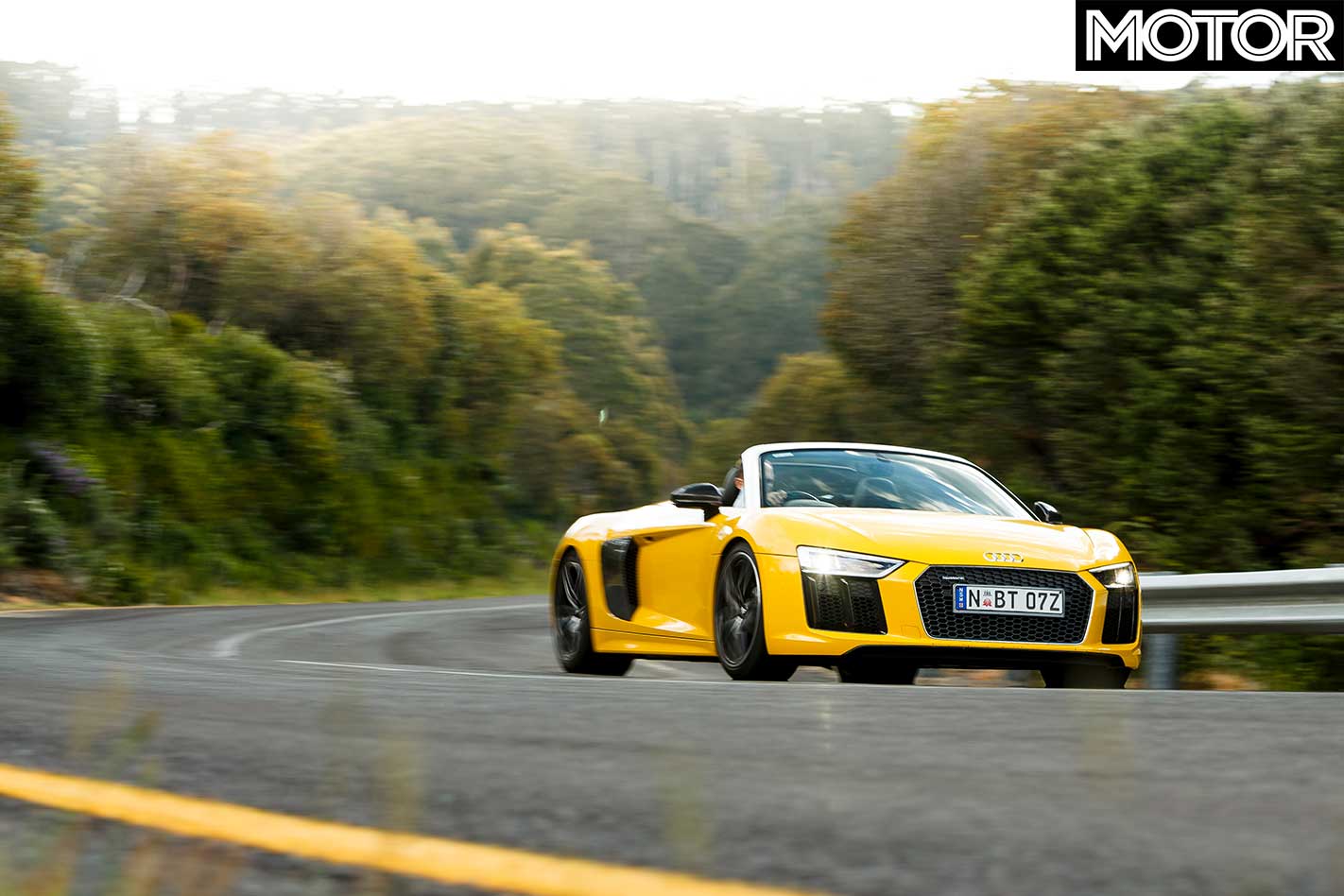
The key to having fun in the Audi is to drive through the understeer and have faith in the all-wheel drive system. Do so and the R8 shuffles torque to the rear, allowing it to exit corners with the oversteer angle determined by the driver’s right foot.
ESP Sport is happy to allow such shenanigans, though the R8 is friendly enough that the electronic guardian angel isn’t a necessity. With this door unlocked the Audi becomes awesomely enjoyable, the driver able to constantly shift the balance between front and rear slip.
It’s perhaps not the most shocking verdict that the $100K-dearer supercar is the pick of the two on a challenging road, though just how good the R8 drop-top is comes as a surprise. In answer to our original question, though, what both prove is that deleting the roof needn’t come at the expense of driving enjoyment.
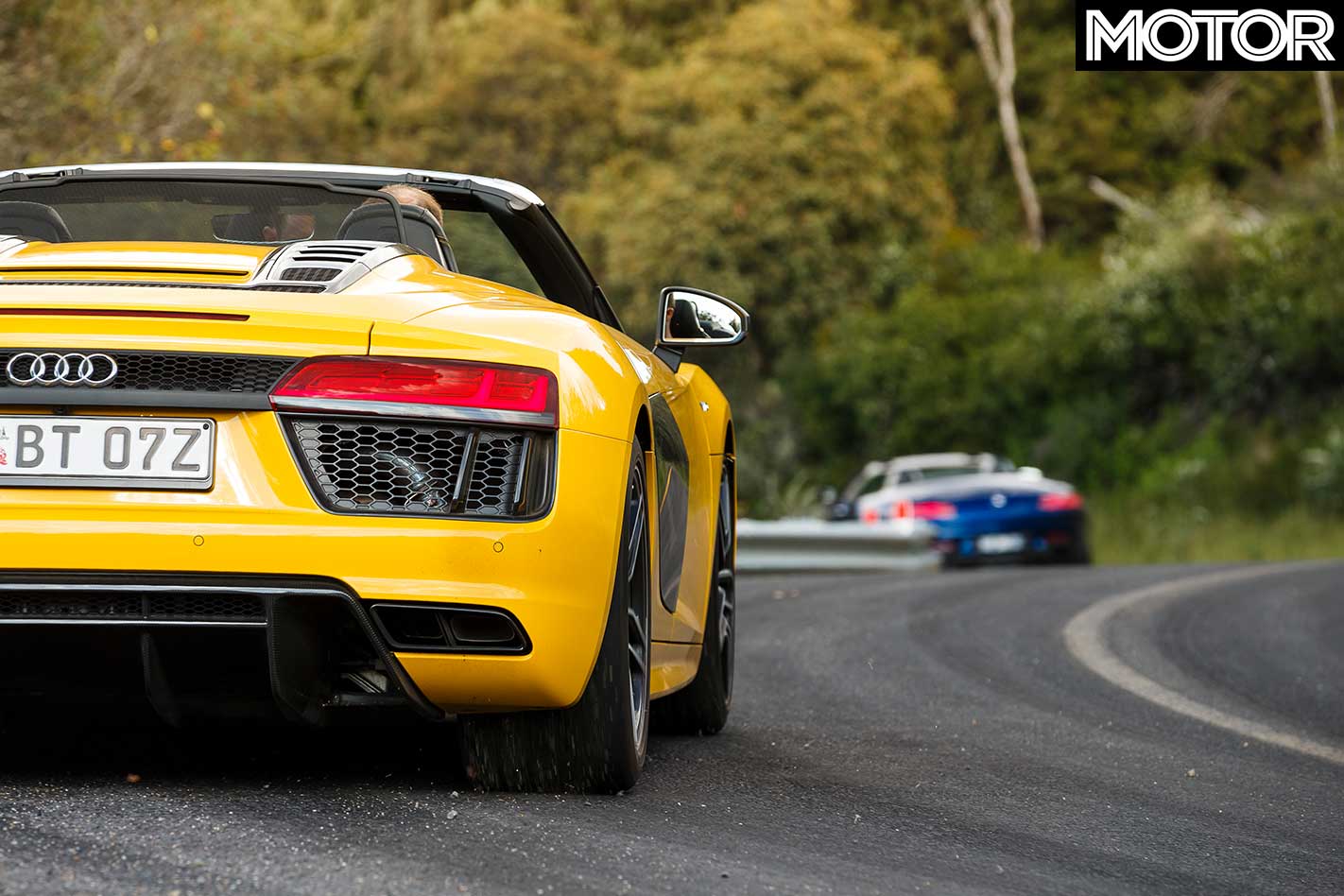
That said, the base Roadster isn’t the convertible AMG GT we’d buy. The price jump to the $338,711 GT C Roadster is significant, but the adaptive dampers, all-wheel steering, wider tracks and revised suspension settings are likely to make it money well spent, not to mention the extra 60kW/50Nm from the uprated twin-turbo V8. Just make sure it’s in this colour combo.
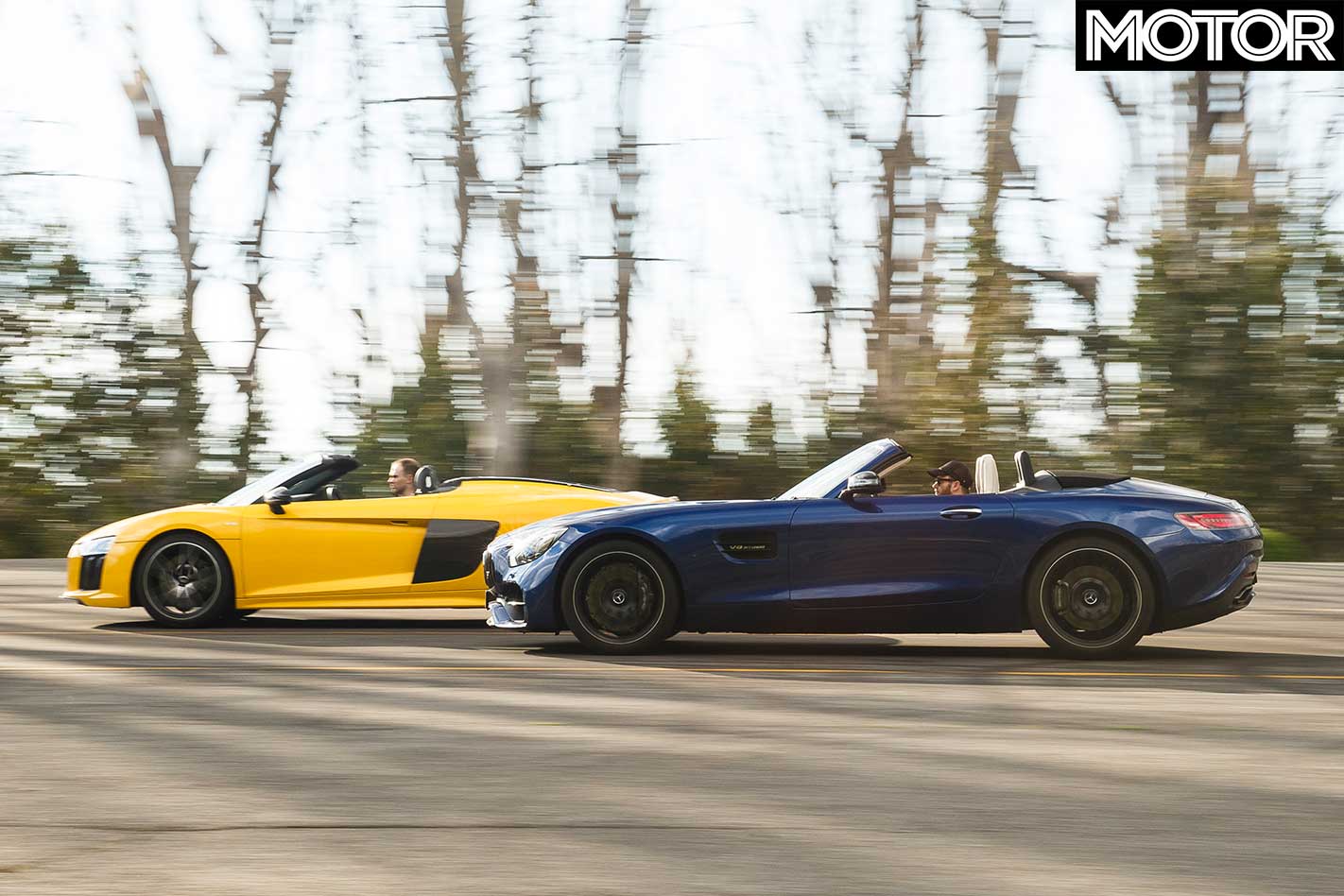
It rights virtually all the Coupe’s ills by being more comfortable when driven slowly, yet more adjustable on the ragged edge. The interior could use a little more pizzazz given the $400K price tag, but with one idle-to-redline blast of that V10 you won’t care how sunburnt you are.
Consider your Order
Audi R8 V10 Spyder
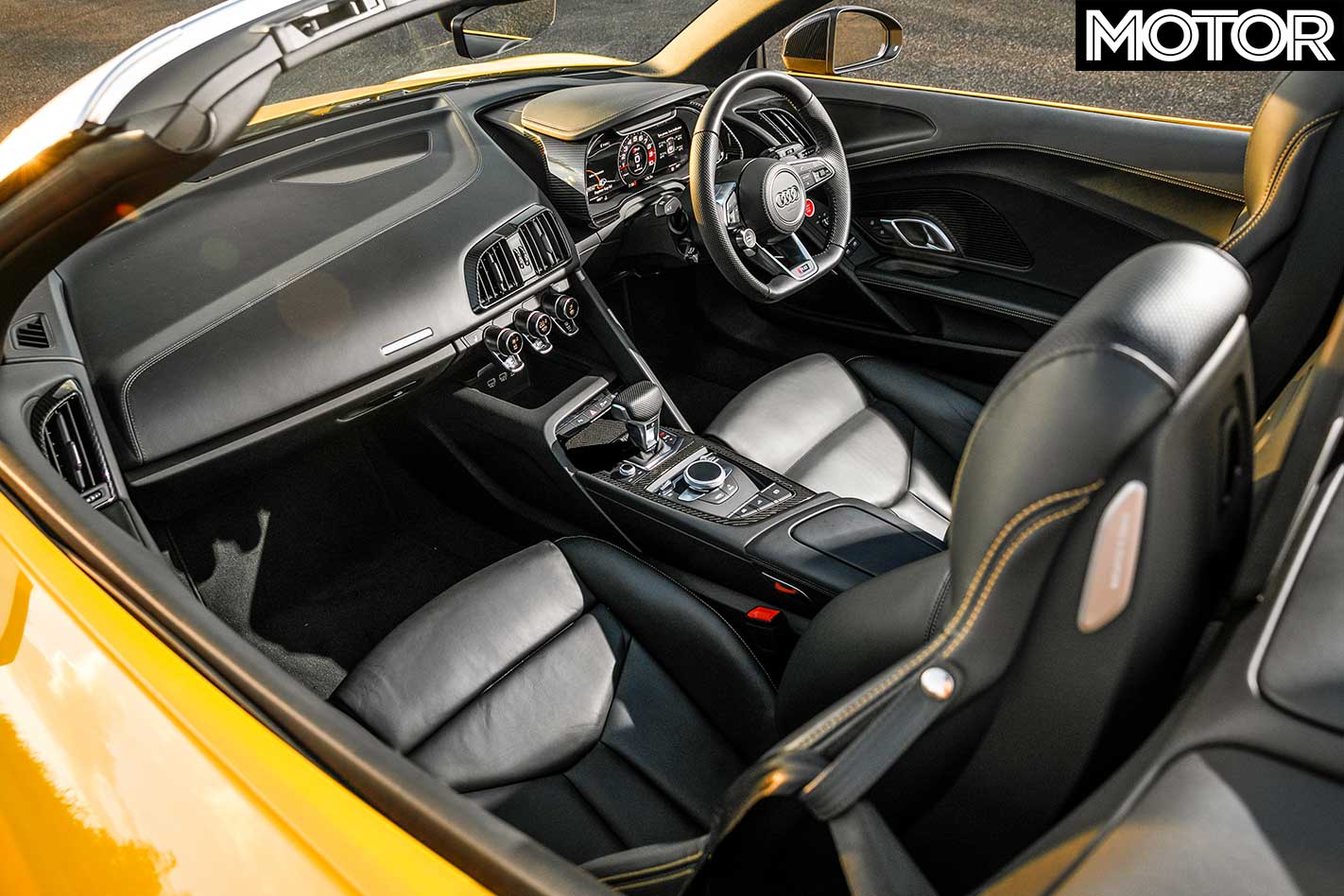
2 – R8 V10 Plus Spyder isn’t available in Oz, but don’t be disappointed, as this base car feels every bit as special.
3 – Interior can be jazzed up with diamond-quilted leather and different colours to lift the mood.
4 – There’s plenty of scope for customisation with 10 colours, six wheel choices and different side-blade material.
5 – If the Audi R8 Spyder’s a little demure, the mechanically similar Lamborghini Huracan Spyder is worth a look.
Mercedes-AMG GT Roadster
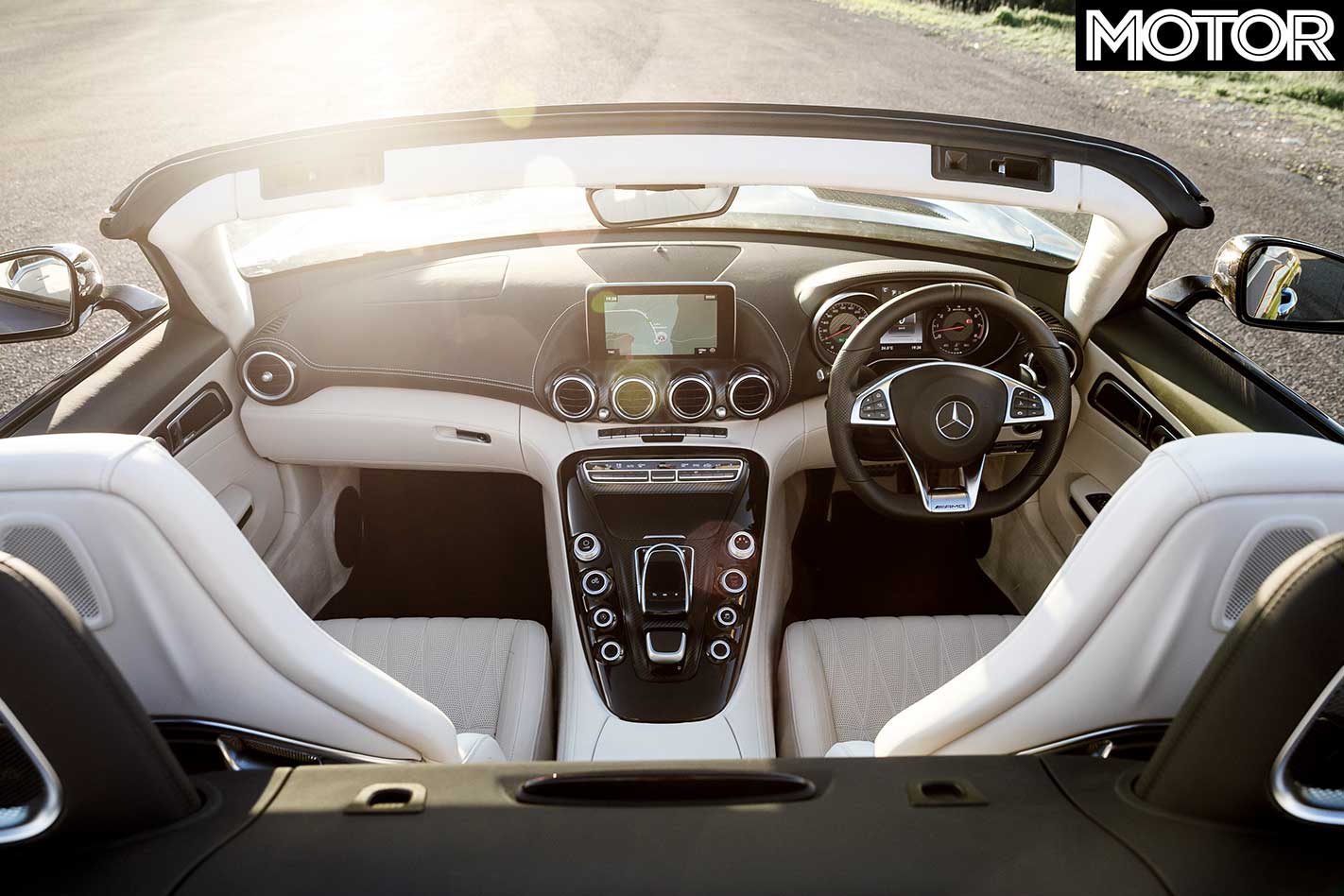
2 – Drive a GT C – it’s $50K more expensive but gets plenty of extra mechanical bits to justify the expense.
3 – Choose your options wisely: beige Nappa leather is good ($9900), but AMG performance seats are very hard.
4 – Externally, the staggered wheels (19s front, 20s rear) really help the GT’s stance –$4000 well spent.
5 – Like the recipe but have kids? Check out the C63 S Cabriolet. It’s not as sharp but even more powerful.
Fast Facts
| u00a0 | 2018u00a0Audi R8 V10 Spyder | 2018 Mercedes-AMG GT Roadster |
| BODY | 2-door, 2-seat convertible | 2-door, 2-seat convertible |
| DRIVE | all-wheel | rear-wheel |
| ENGINE | 5204cc V10, DOHC, 40v | 3982cc V8, DOHC, 32v, twin-turbo |
| COMPRESSION | 12.5:1 | 10.5:1 |
| POWER | 397kW @ 7800rpm | 350kW @ 6000rpm |
| TORQUE | 540Nm @ 6500rpm | 630Nm @ 1700-5000rpm |
| WEIGHT | 1720kg | 1595kg |
| POWER/WEIGHT | 231kW/tonne | 219kW/tonne |
| TRANSMISSION | 7-speed dual-clutch | 7-speed dual-clutch |
| SUSPENSION | double-wishbone, adaptive dampers, anti-roll bar (f/r) | double-wishbone, coil springs, anti-roll bar (f/r) |
| L/W/H | 4426/1940/1244mm | 4544/1939/1259mm |
| WHEELBASE | 2650mm | 2630mm |
| TRACKS | 1638/1599mm (f/r) | 1684/1599mm (f/r) |
| STEERING | electrically-assisted rack-and-pinion | electrically-assisted rack-and-pinion |
| BRAKES (f) | 365mm ventilated/drilled discs, 8-piston calipers | 360mm vented/drilled discs, 6-piston calipers |
| BRAKES (r) | 356mm ventilated/drilled discs, 4-piston calipers | 360mm vented/drilled discs, 4-piston calipers |
| WHEELS | 19.0 x 8.5-inch (f); 19 x 11.0-inch (r) | 19.0 x 9.0-inch (f); 20 x 11.0-inch (r) |
| TYRES | Continental SportContact 6; 245/35 ZR19 (f); 295/35 ZR19 (r) | Continental ContiSportContact 5P; 255/35 ZR19 (f); 295/30 ZR20 (r)u00a0 |
| PRICE | $388,500 ($430,211 as-tested) | $283,711 ($314,361 as-tested) |
| PROS | Incredible drivetrain; playful handling | Thunderous engine; great looks |
| CONS | Sombre interior; heavy | Compromised chassis; ergonomics |
| RATING | 4.5 out of 5 stars | 3.5 out of 5 stars |
THERE were flashes of Turkey 2010 as Red Bull drivers Daniel Ricciardo and Max Verstappen crashed out of the Azerbaijan Grand Prix in spectacular fashion.
It was Lewis Hamilton who stood atop the podium at the end of the race, which ended in a manic fashion, with Sebastian Vettel and Valtteri Bottas both throwing away what seemed like certain victory.
Vettel had controlled the race for the majority of the race after starting from pole, with the Mercedes-AMG duo of Bottas and Hamilton behind.
Behind the leading trio Verstapen and Ricciardo engaged in a lengthy and tense battle, swapping places and rubbing wheels on a number of occasions.
Ricciardo seemingly had more pace in hand over his teammate, but the Dutch driver was stubborn in his defensive tactics.
The Red Bull duo’s race-long stoush came to a spectacular end shortly after their first and only pits stops in the closing stages.
Ricciardo had a run on his teammate, making the most of the 2.2-kilometre Baku front straight.
With the gap between the pair diminishing rapidly heading towards the first corner, Verstappen guarded the inside line with jealousy.
Ricciardo darted to the right, Verstappen covered.
Ricciardo moved back to the left, Verstappen covered again.
Two defensive manoeuvres in the braking zone rarely ends well.
What resulted was smoke, flying carbonfibre, and two broken cars stranded in the run-off as Ricciardo slammed into Verstappen.
Team boss Christian Horner was ropeable, shaking with rage as he stormed to the team garage to accost his two drivers. The post-race debrief is sure to be eventful.
While the pair’s collision surely had Australian race fans leaping from their couches, it also brought the 2018 Azerbaijan Grand Prix to life.
Mercedes-AMG seemed to have made a tactical masterstroke by running Bottas long in his opening stint, with the Finnish driver leap-frogging Vettel under the safety car, Hamilton was third, with Kimi Raikkonen fourth.
Romain Grosjean then crashed under the safety car, extending the final yellow flag period.
The Haas F1 driver slammed his car into the street circuit’s unforgiving concrete walls while trying to warm his tyres.
The Frenchman quickly jumped on the team radio to point the finger at Sauber’s Marcus Erricson as the cause of the shunt, but TV cameras showed Grosjean only has himself to blame.
At the restart Vettel lunged under the leading Mercedes but locked his tyres and found himself in fourth heading towards turn two.
Then it was Bottas’s turn to have his chance at victory snatched away. The Finnish driver ran over a piece of metal debris, suffering a near-instant tyre delamination.
Hamilton, who had languished in second and third most of the race, now held the lead with three laps remaining.
Raikkonen would finish second at the chequered flag, despite being involved in a clash which ended Esteban Ocon’s race on the first lap.
Force India’s Sergio Perez was the final podium finisher after dispatching Vettel in the final two laps.
Charles Leclerc and Carlos Sainz were the unsung heroes of the race, finishing sixth and fifth respectively.
Leclerc’s finish is the first points for a Monte Carlo-born driver since the Monaco Grand Prix in 1950 – the second grand prix in F1 history.
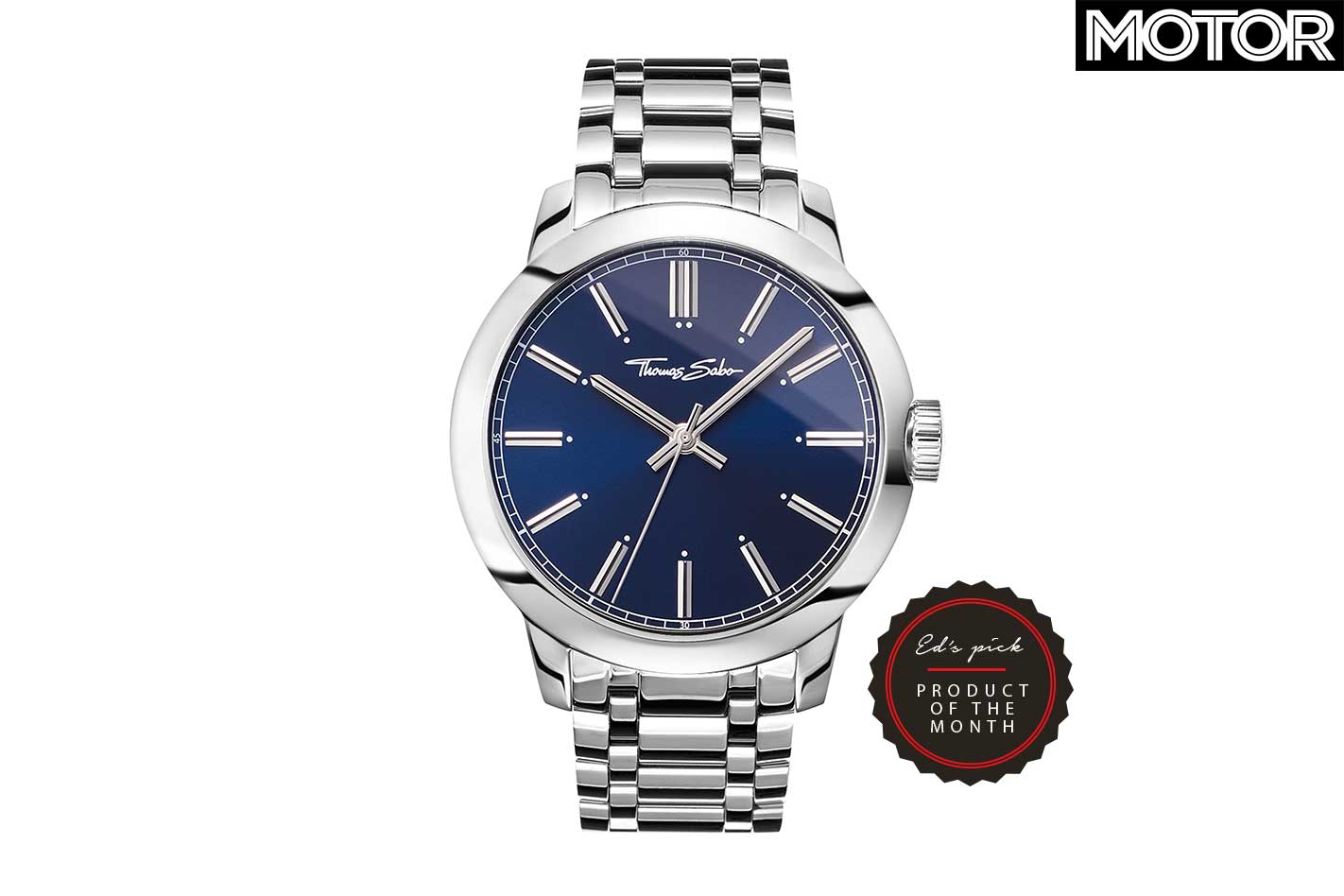
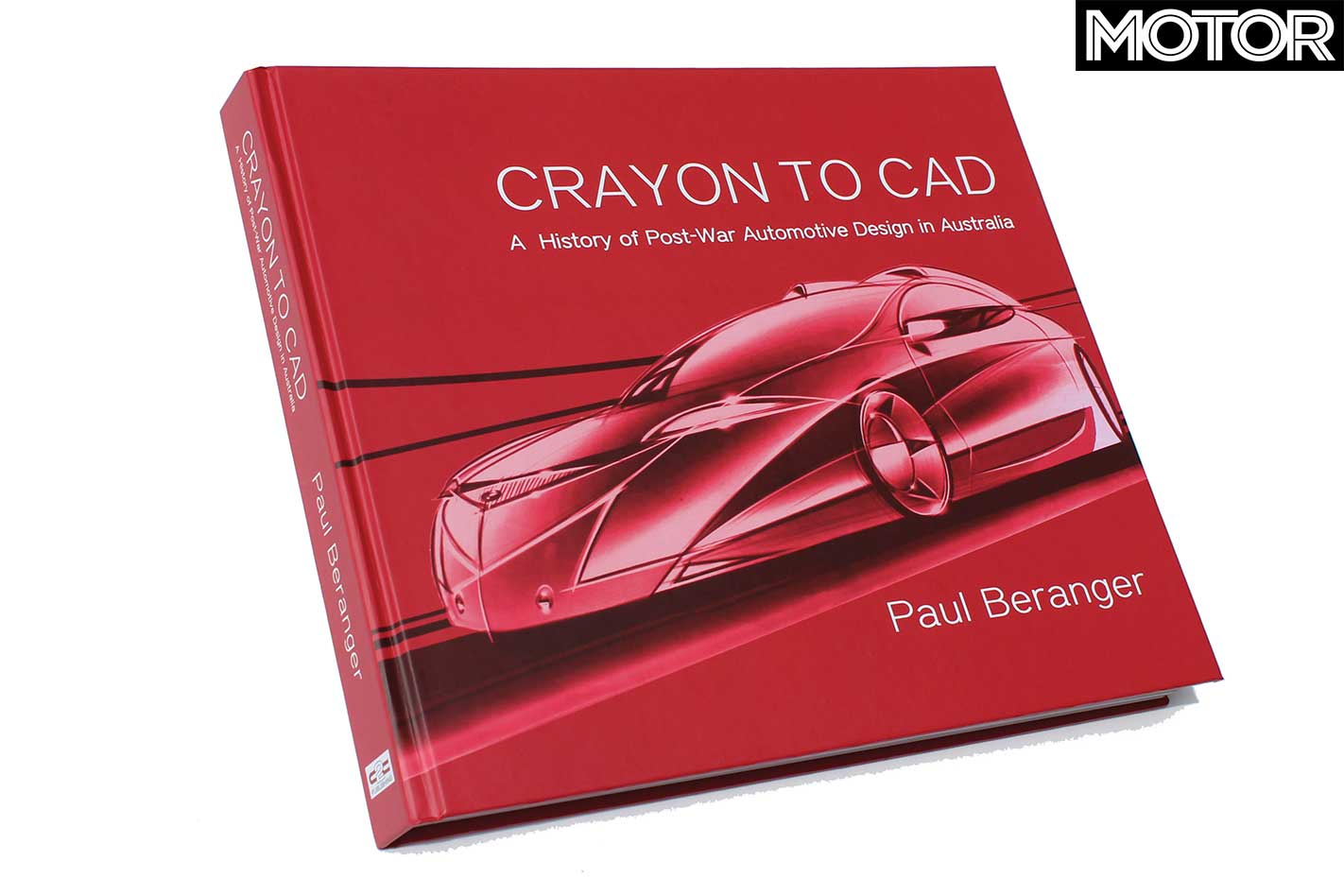
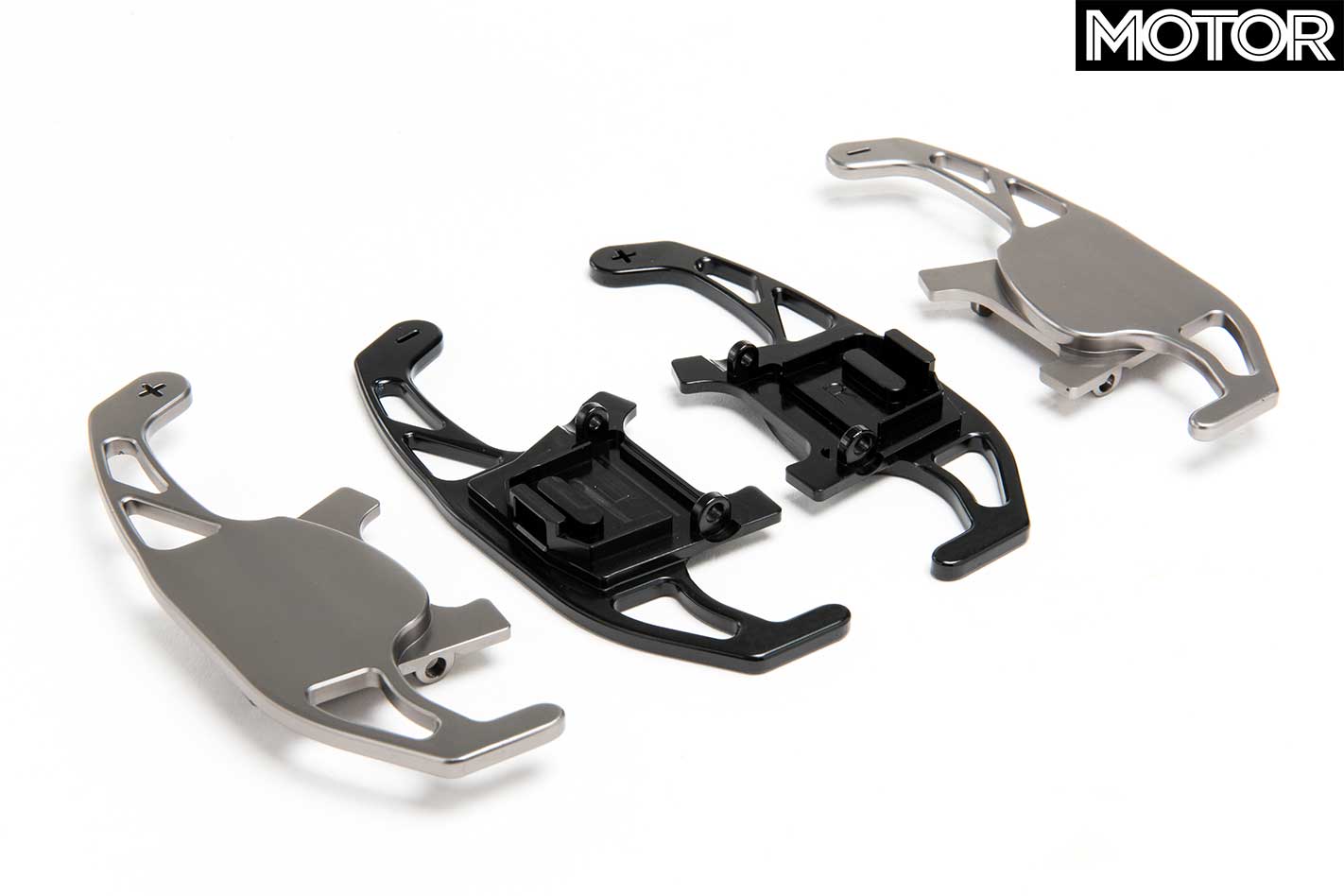
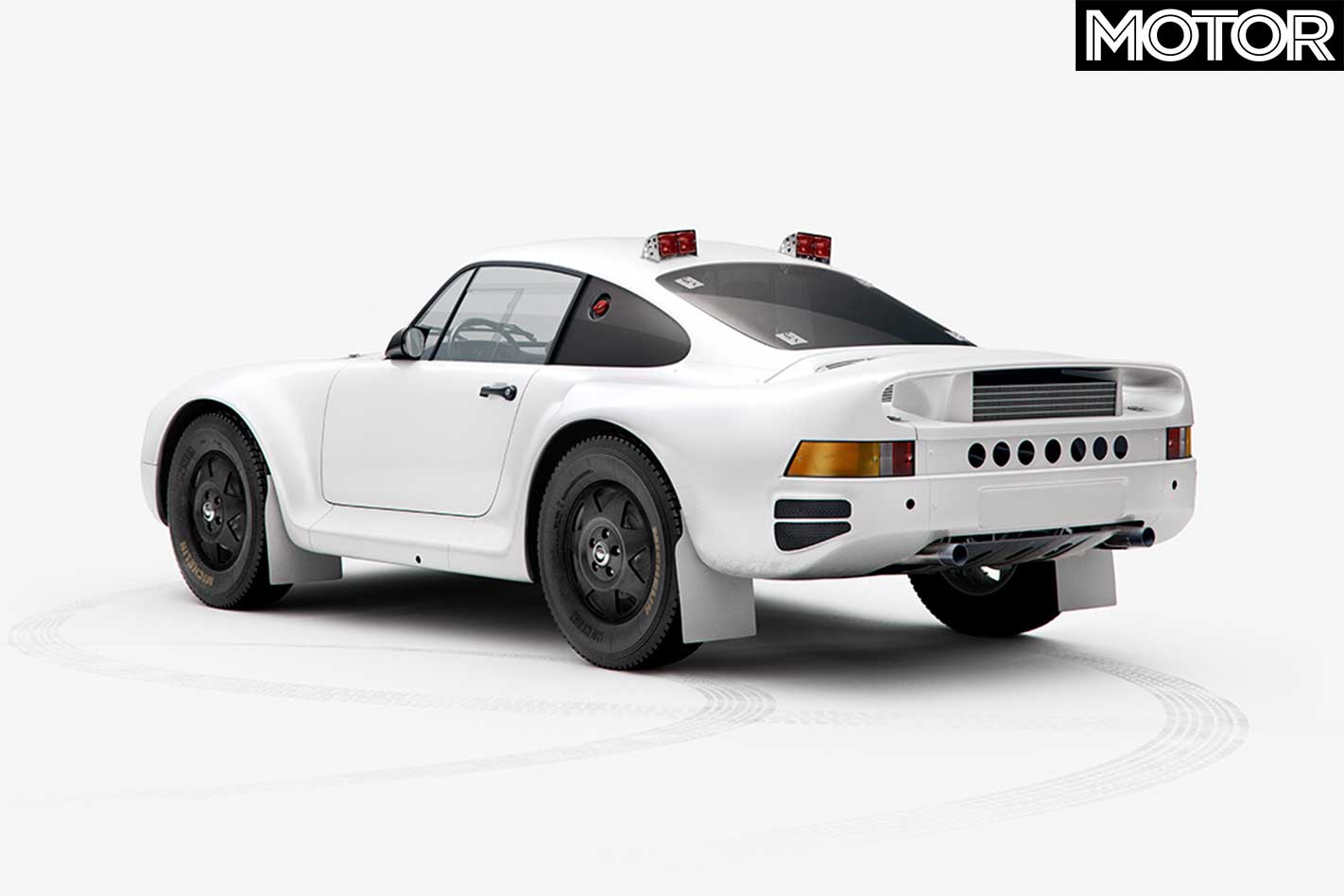
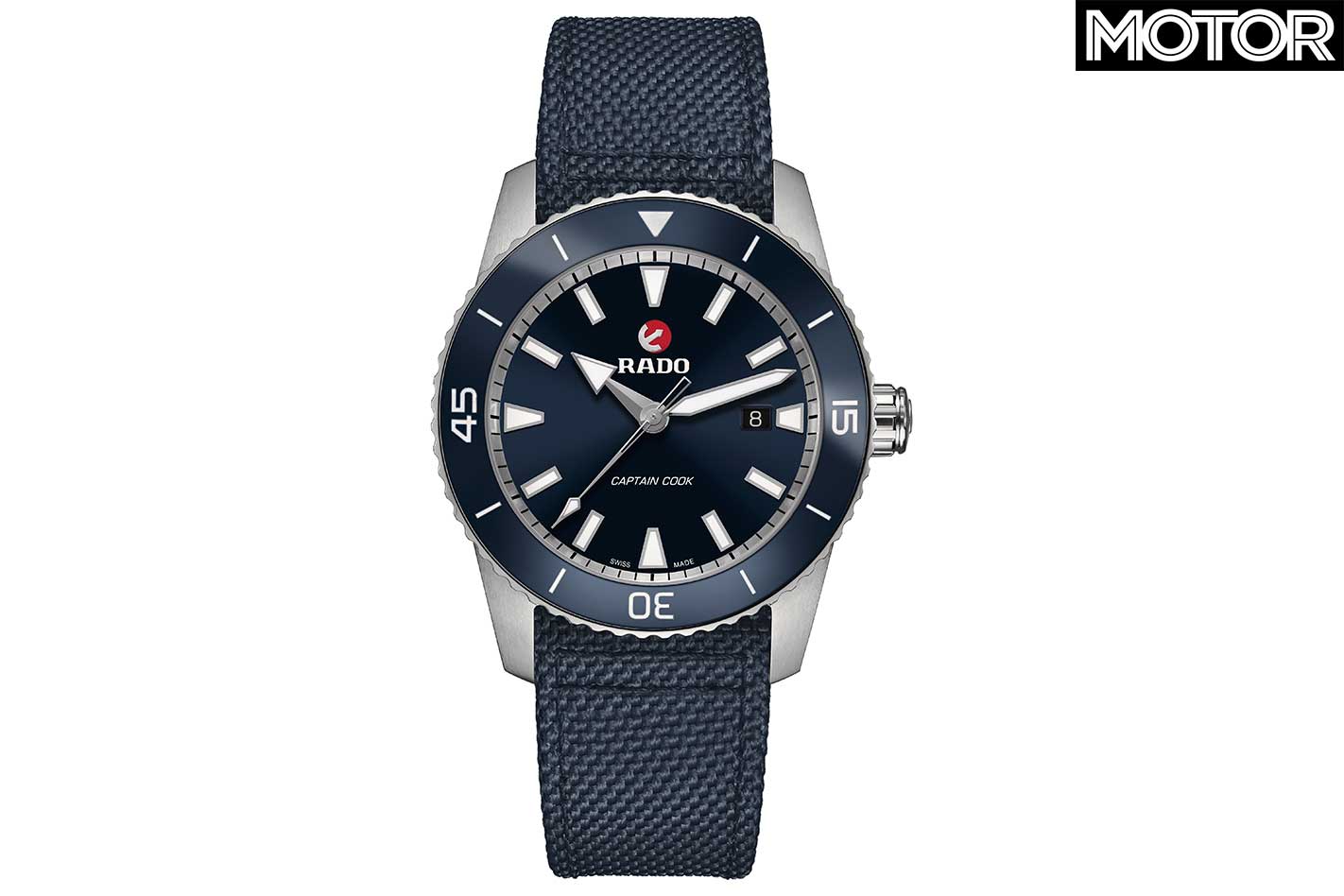
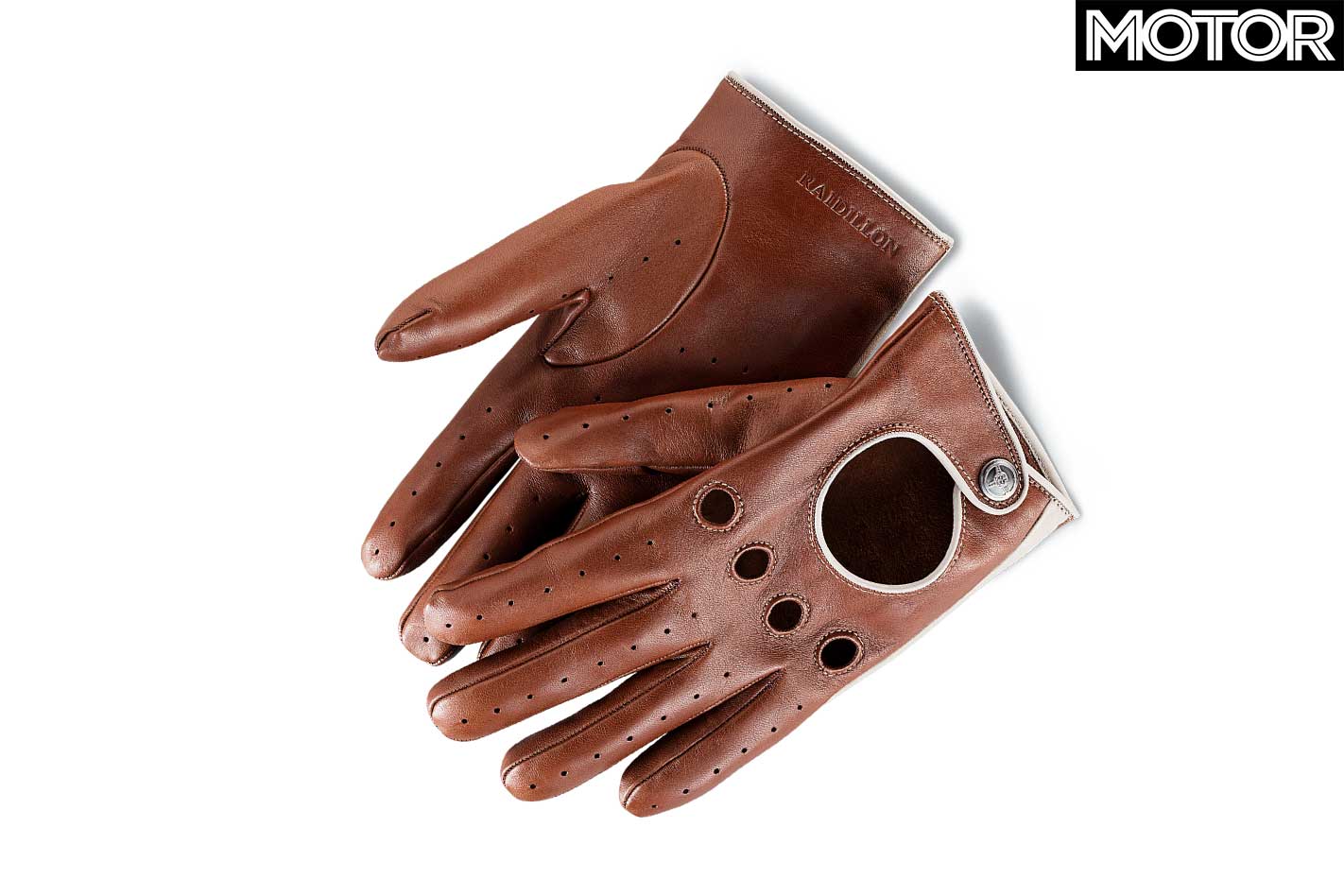
Beautiful posters, sharp timepieces, and even fine machined paddles for your dual-clutch shifters highlight the style that is available in this month’s Cool Kit.
1 – PRODUCT OF THE MONTH: Thomas Sabo Watch ($549 from thomassabo.com) It looks cool, but with a name like Rebel at Heart, this stainless steel timepiece better live up to its reputation. The minimalist design and deep-blue sunray dial back up the bold claim.
CHINESE carmakers have embraced the future in their own wild, wacky way in Beijing, rolling out a suite of concept vehicles potentially one day destined for the world’s largest new-car market – right on their doorsteps.
The ideas ranged from flagship limousines to city-smart commuter cars designed for Chinese, and not world, tastes. And as always, there’s always something a little quirky in the mix.
Here’s our pick of the 2018 Beijing Motor Show; the cars we’re likely to never see, the ones we might, and the ones that shouldn’t have been there at all.
BEIJING AUTO BJ80 6×6
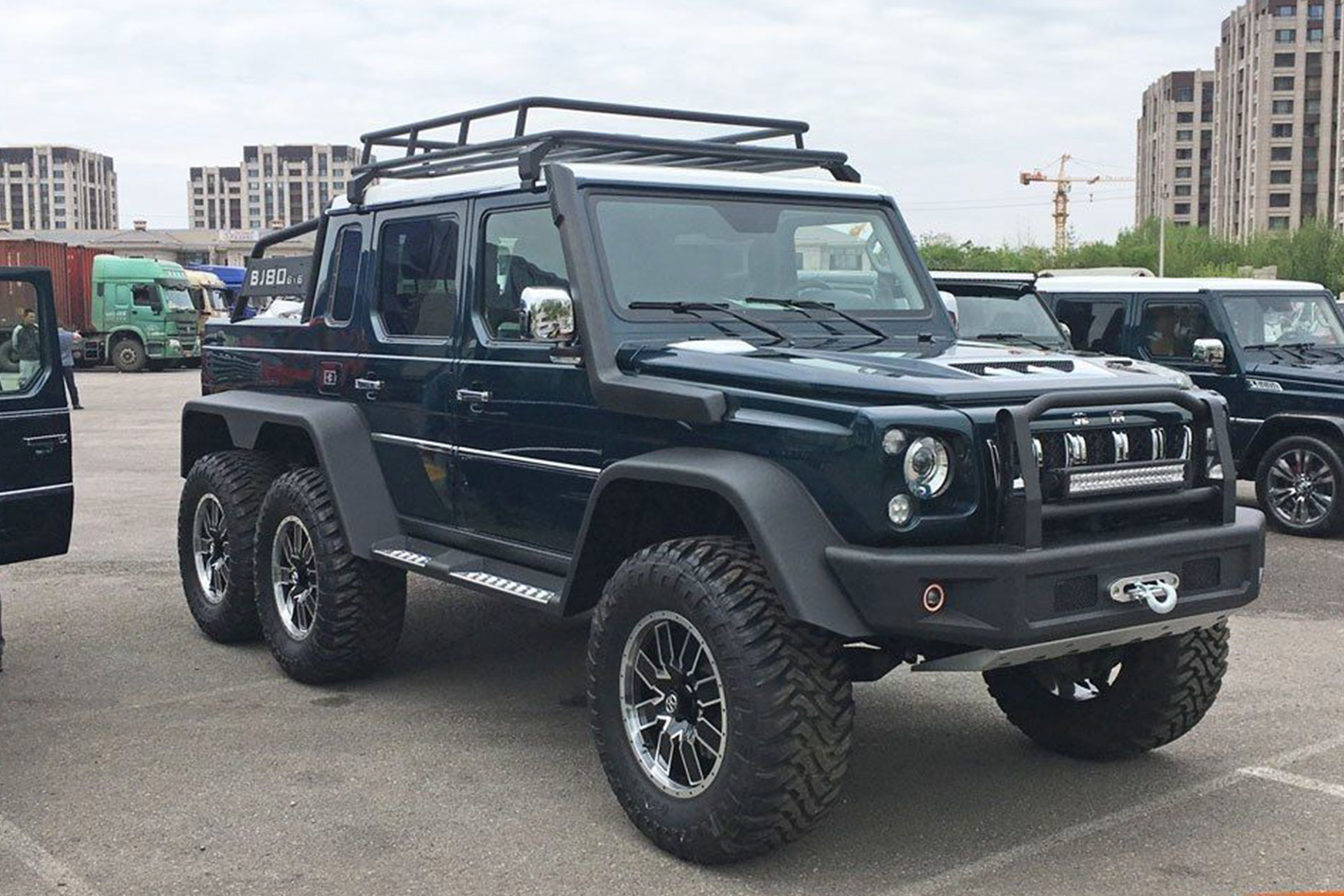
Beijing Auto bought the rights to build the Saab 2.0-litre and 2.3-litre turbo engines off GM following the Swedish brand’s painfully drawn-out collapse. This monster is believed to use the bigger 190kW-odd donk, mounted transversely and sending its economical dollop of performance to all six wheels.
BYD E-SEED
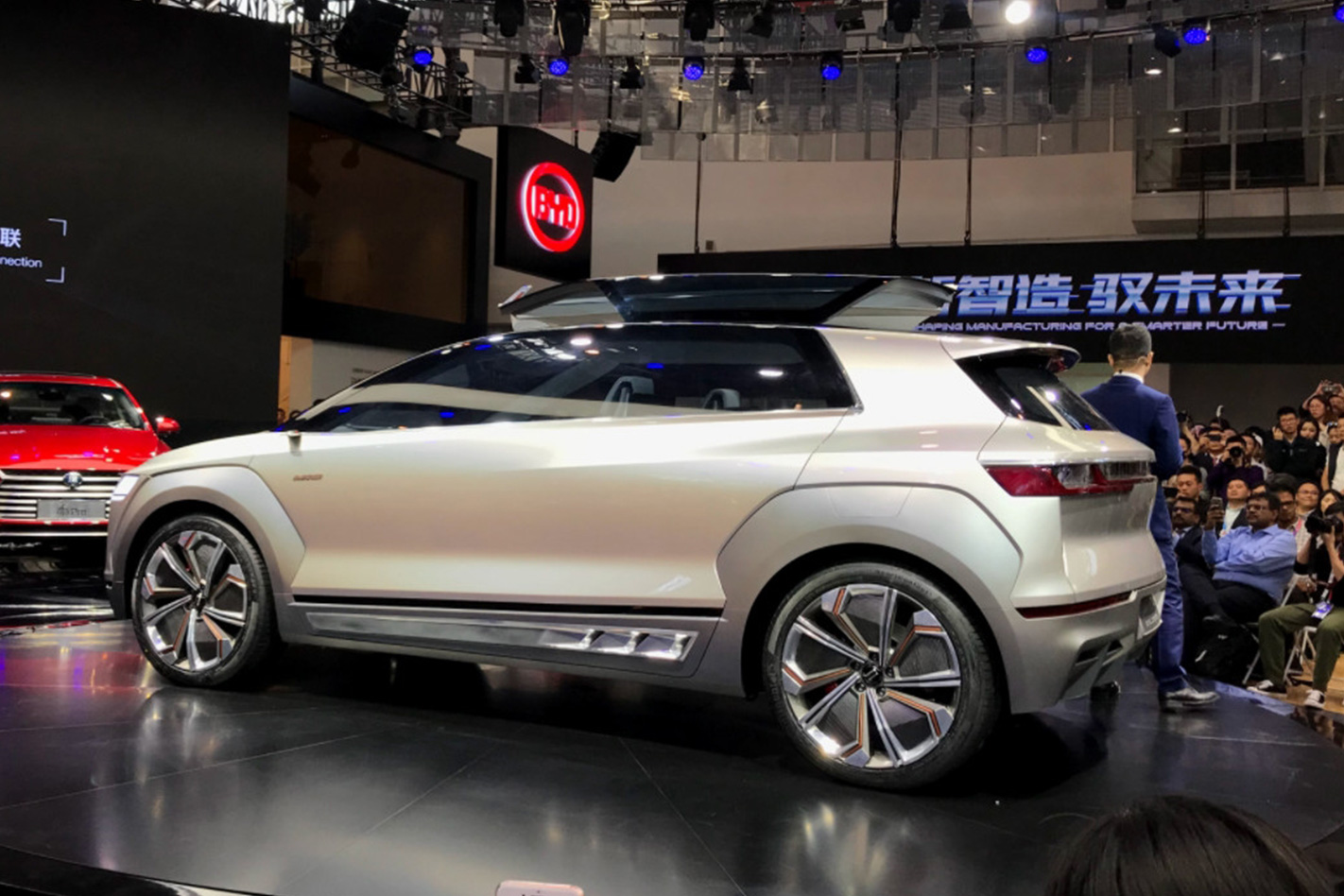
BYD announced that it would open up its DiLink platform to the world’s developers to work on – a claimed groundbreaking move for the automotive industry.
HONGQUI E-JING GT CONCEPT
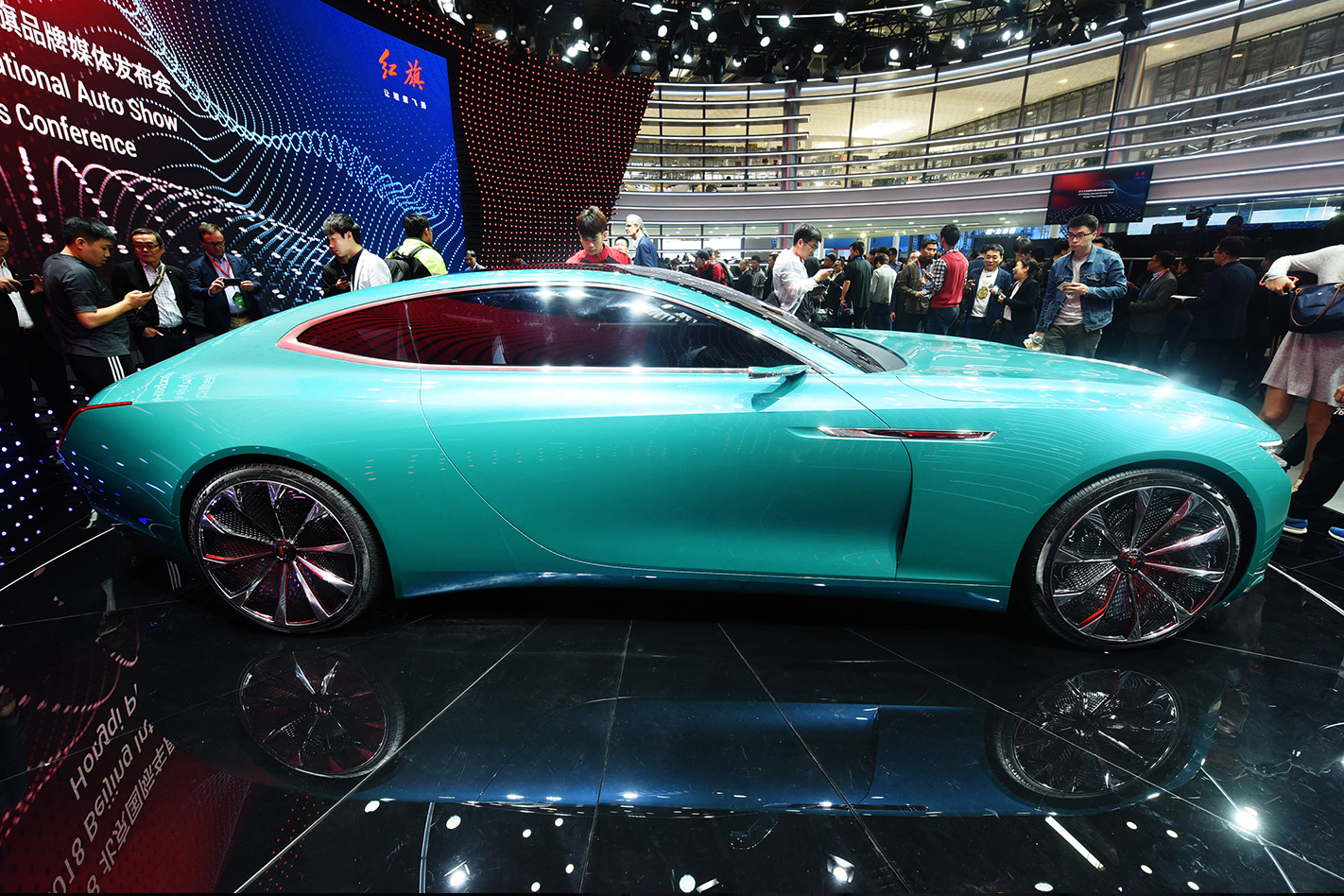
No details exist on what powers the E-Jing GT, but the lack of a grille on the slab-nosed Rolls-Royce front (bookended in a sweeping Bentley-esque rear) hints at electric power rather than traditional fossil fuels. We should add the Hongqui bears absolutely no resemblance to the Vision Mercedes-Maybach 6. At all.
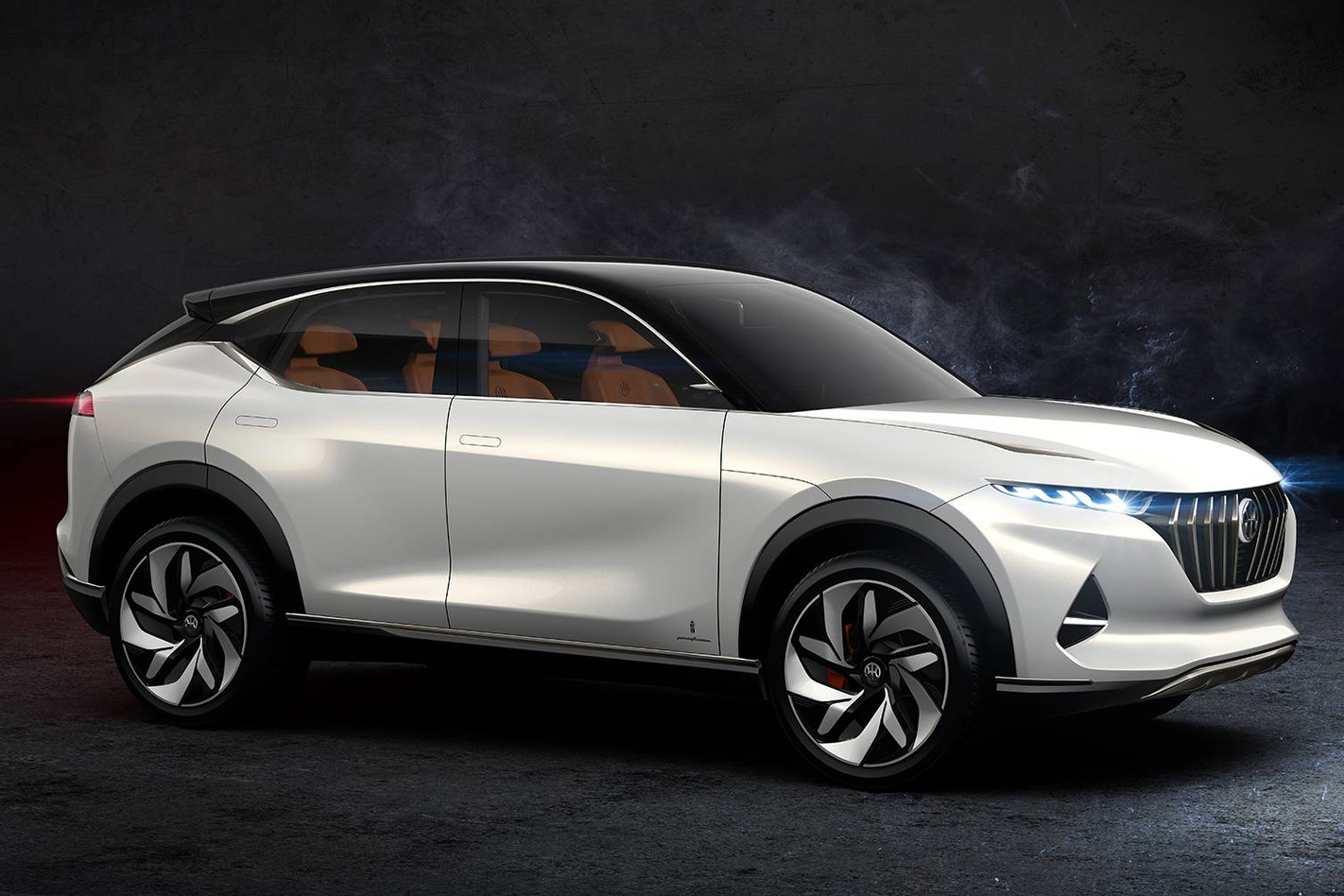
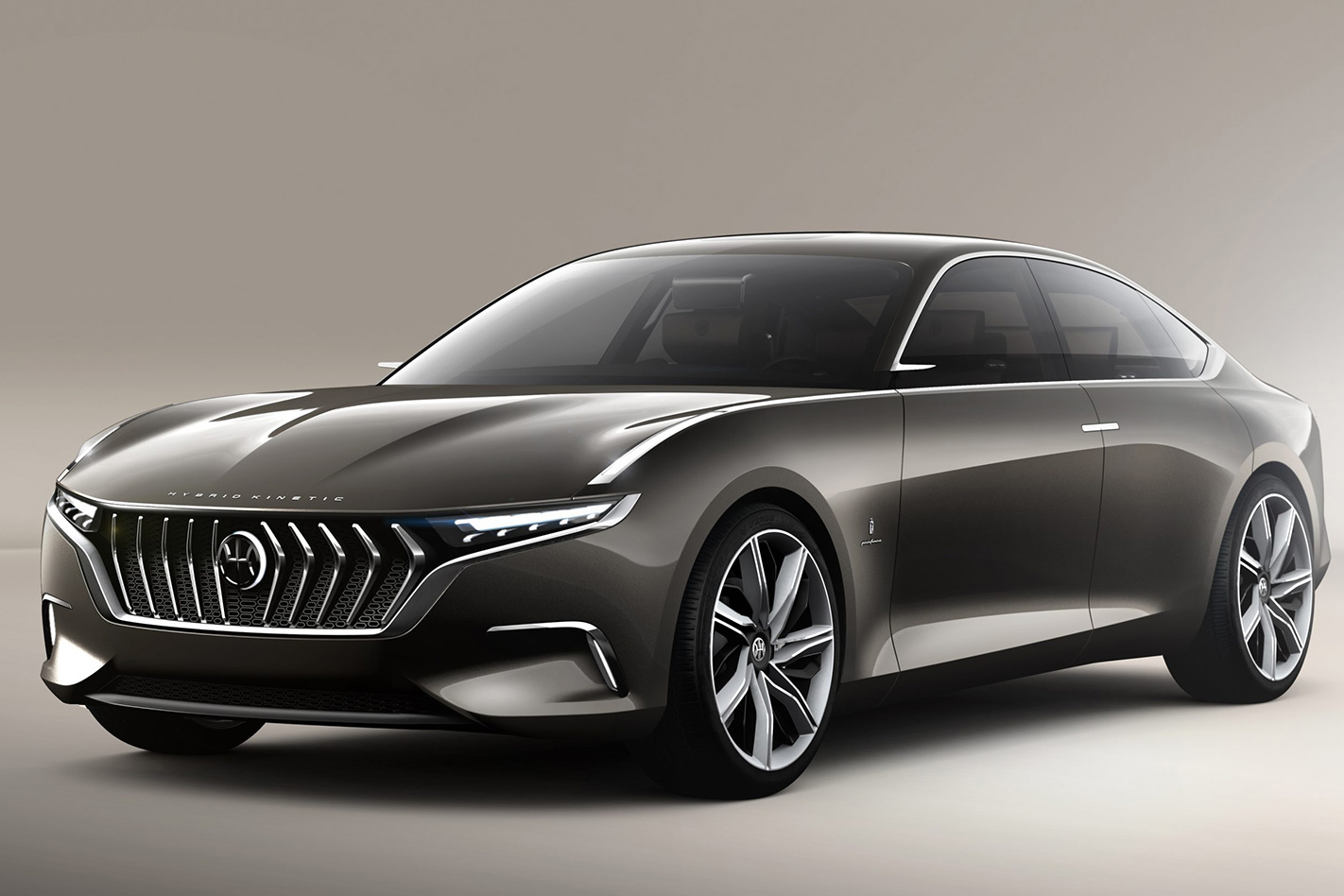
HYBRID KINETIC GROUP K350, H500
JETOUR X70
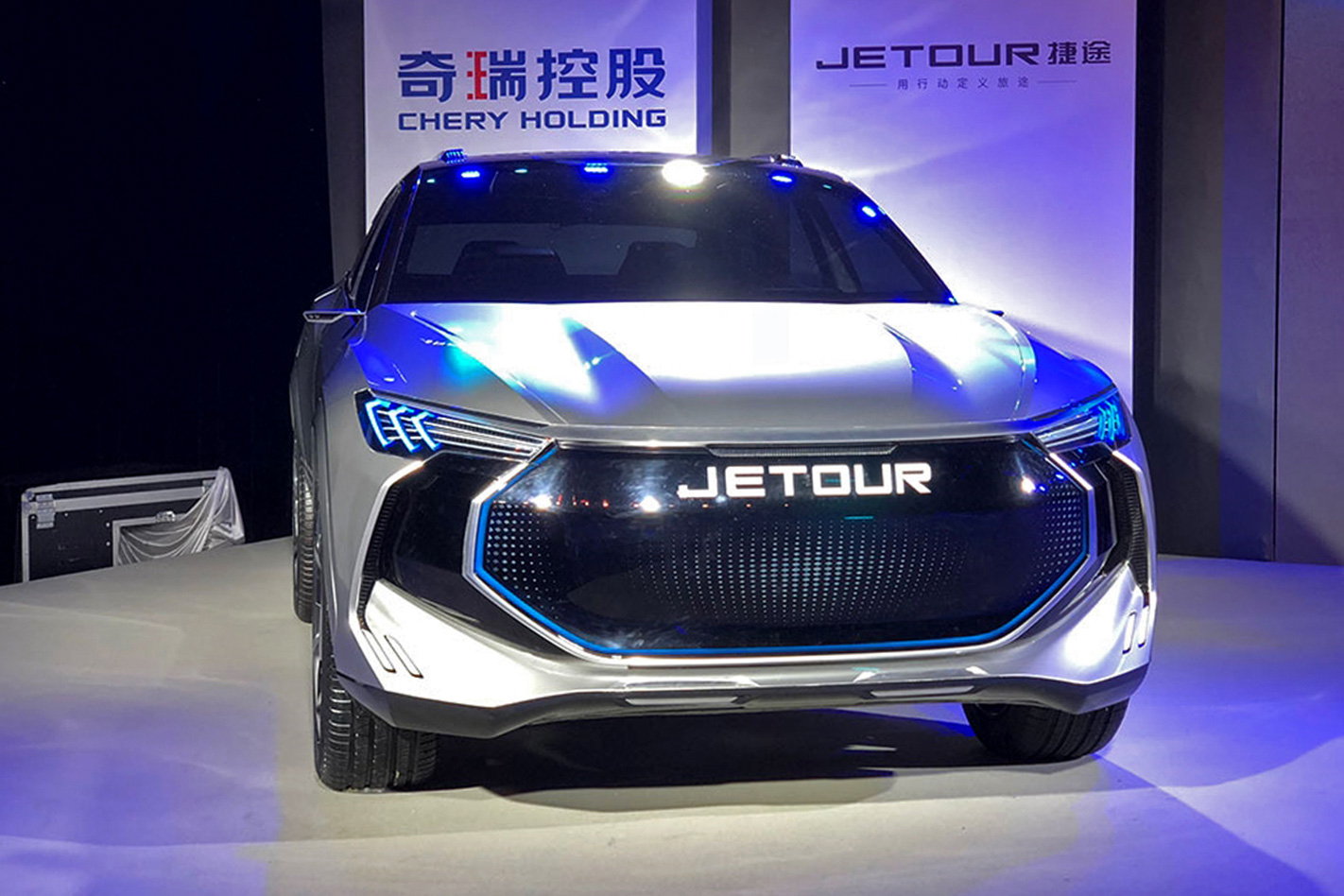
Details are sparse, but there’s a claimed 500km range and down the rear, the tail-lights are shaped like lightning bolts. Lightning bolts! What’s not to like?
MG X-MOTION CONCEPT
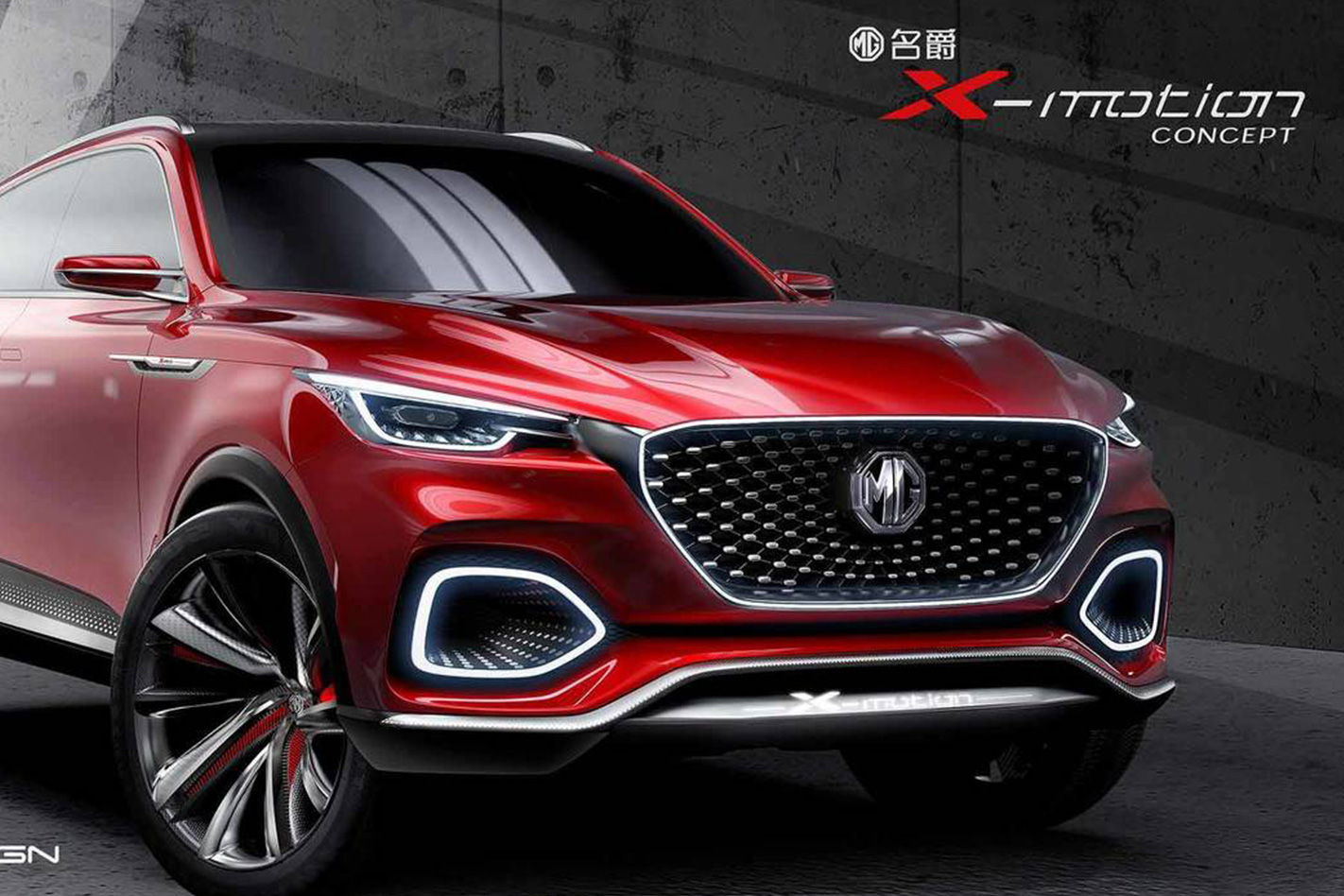
MG has a habit of launching and proving cars in its domestic market before rolling them out to overseas markets. The brand still has a big design and development presence in UK, so we can guess a right-hook version could one day make its way here.
SITECH DEV1
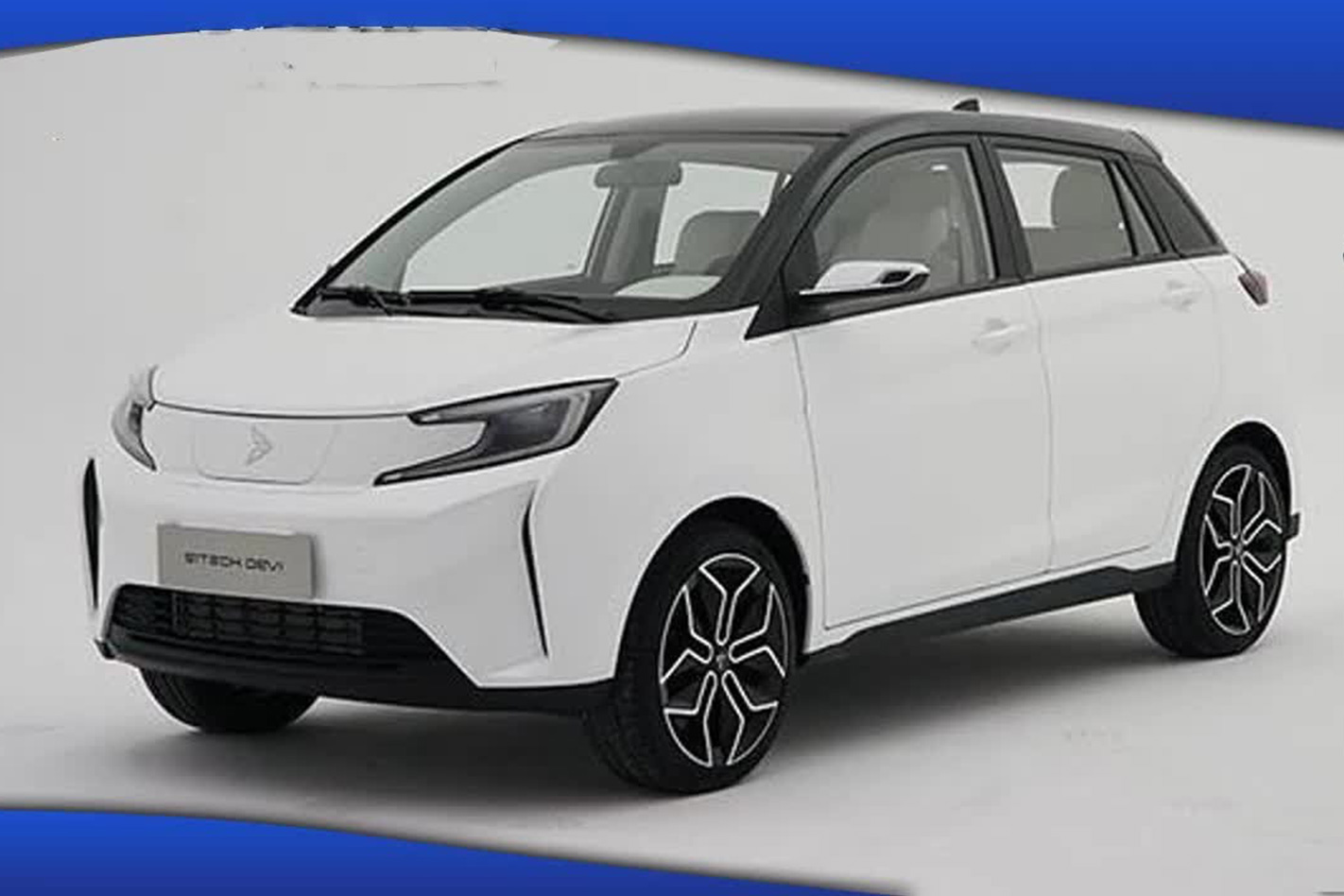
Looking remarkably like an iMiEV, its 55kW/170Nm DEV1 production car is a low-cost solution for crowded cities. It’ll run for around 150km before needing a powerpoint.
WEY X
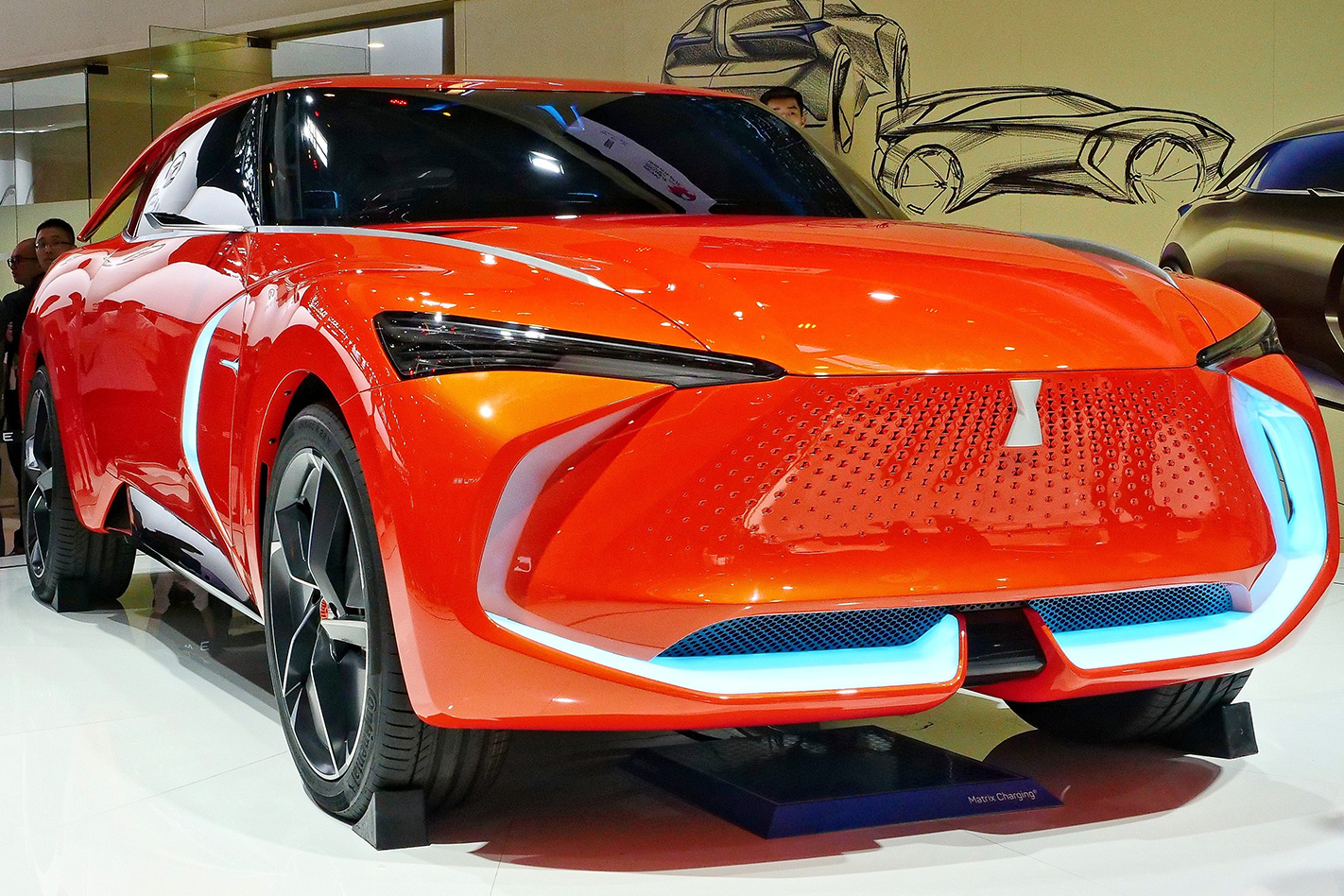
Its party trick is being able to recognise your face as you walk up to it, and then set the seat and radio station to the ones you like.
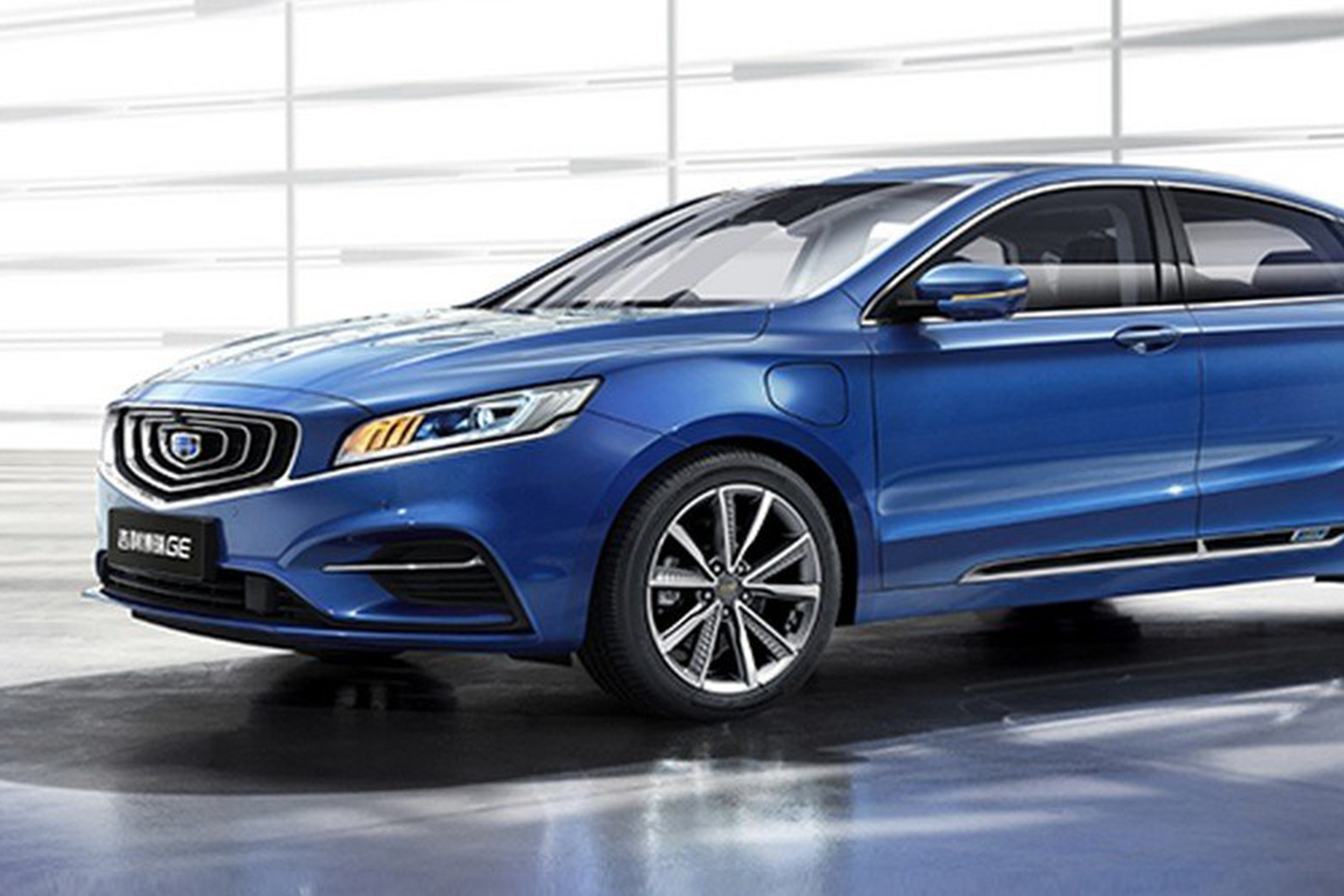
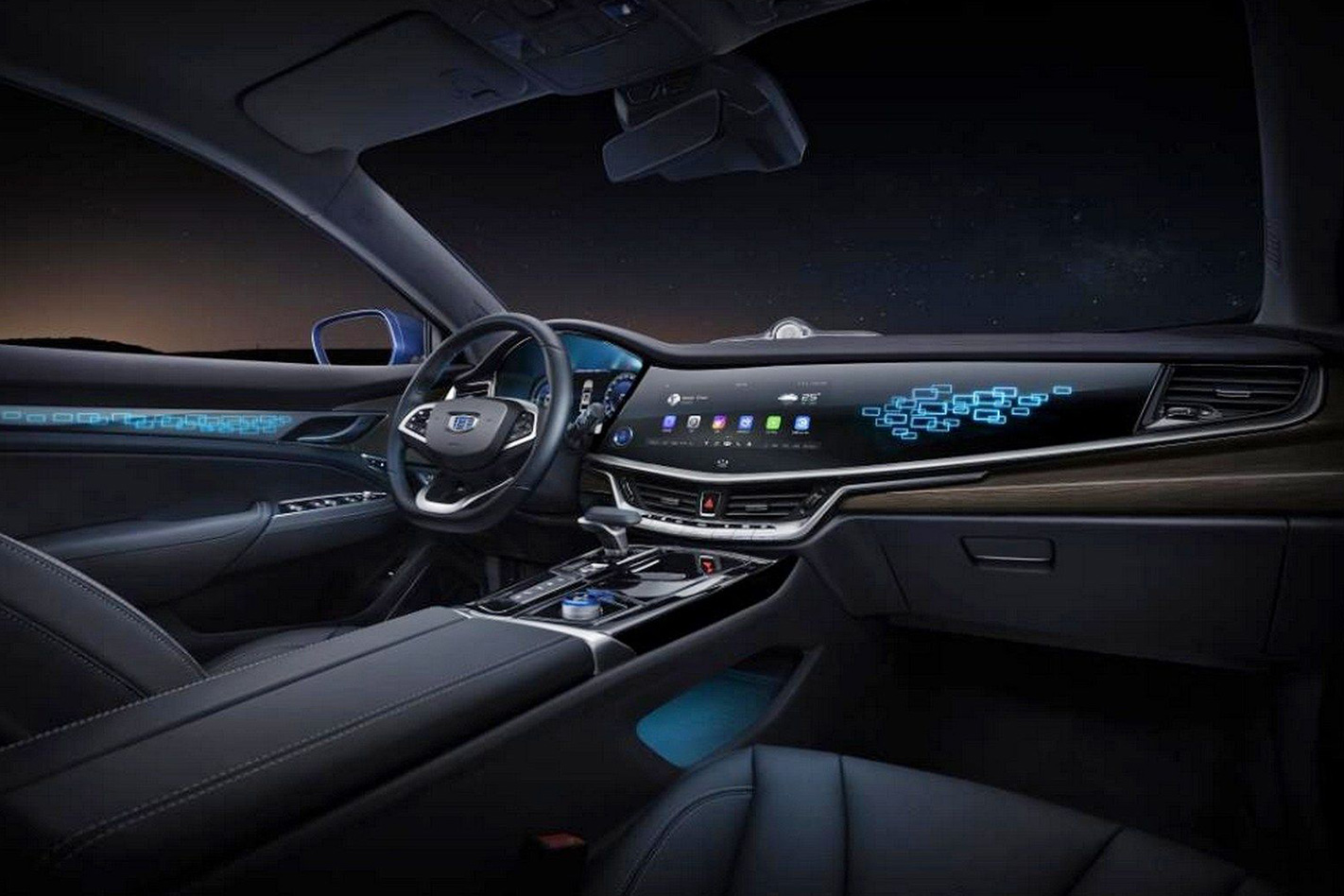
ZEHJIONG-GEELY BORUI GE
WHAT IS IT?
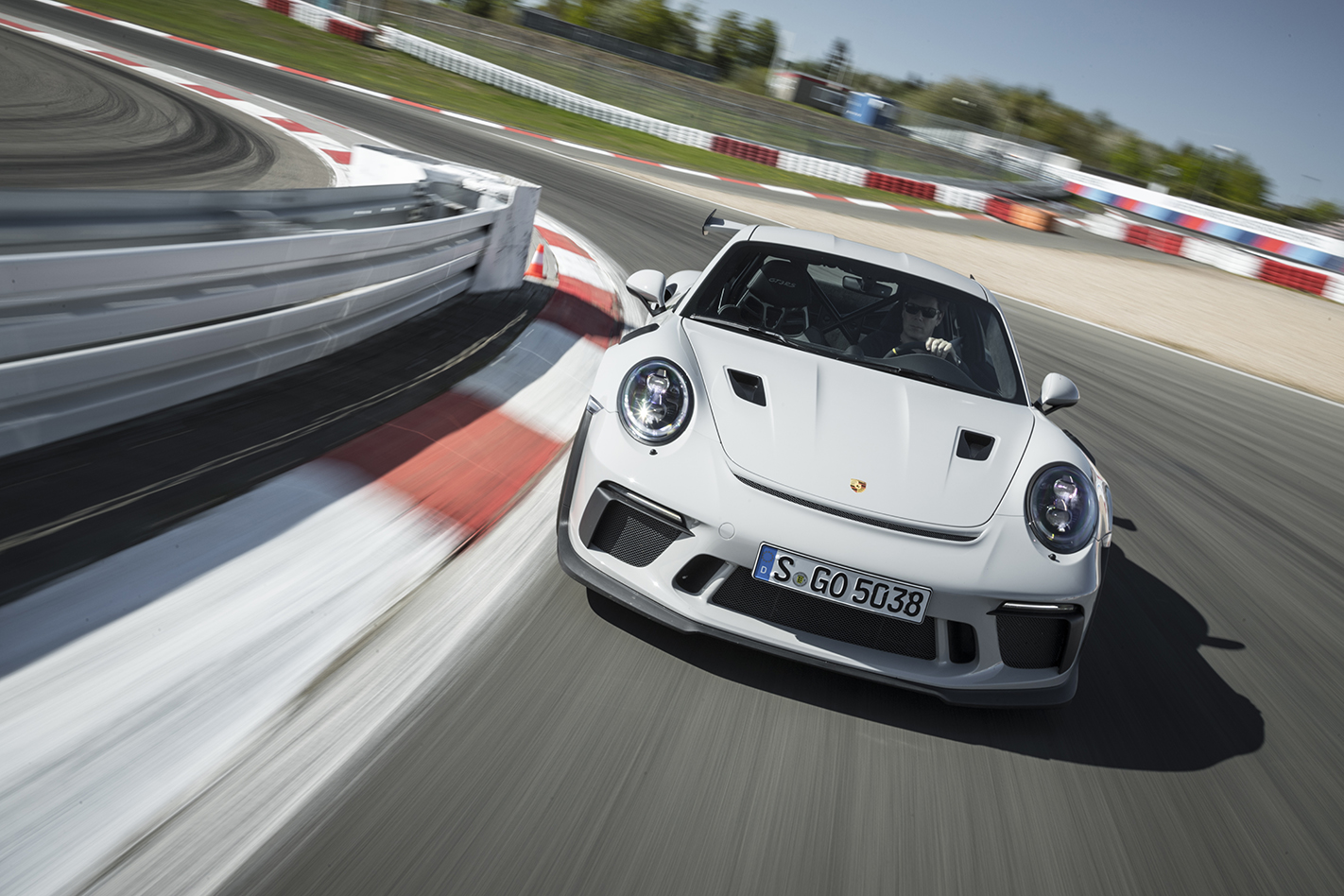
The ultimate incarnation of the naturally-aspirated Porsche 911. The circuit-oriented GT3 RS marks the last hurrah for the 991-generation of the 911.
WHY WE’RE TESTING IT
When Porsche asks if you’d like to drive their new 911 GT3 RS at the Nurburgring, it’s unlikely you’re going to say no. Okay, so it was the GP circuit rather than the Nordschleife, but we’re not complaining.
MAIN RIVALS
High-end track specials like the Ferrari 488 Pista and the Lamborghini Huracan Performante might also make a compelling claim on your dollar.
THE WHEELS VERDICT
The GT3 RS has long represented Porsche at its very best. Shorn of the compromises imposed on its humbler road cars, the RennSport cars showcased Weissach’s competition savvy in a road legal package, perfect for soaking up trackday punishment. This latest 991.2 generation car is an evolutionary version of that which preceded it, but the incremental changes have added up to a major improvement. If you’ve ever wondered what it’s like to drive a GT3 Cup racer, you’re going to get a pretty good idea of it in the spectacularly capable GT3 RS. It’s a masterpiece.
PLUS: Rabid engine; transmission; chassis; brakes; electronic control systems; clever aero MINUS: Availability not straightforward; extras ramp the price up sharply; no manual option
THE WHEELS REVIEW
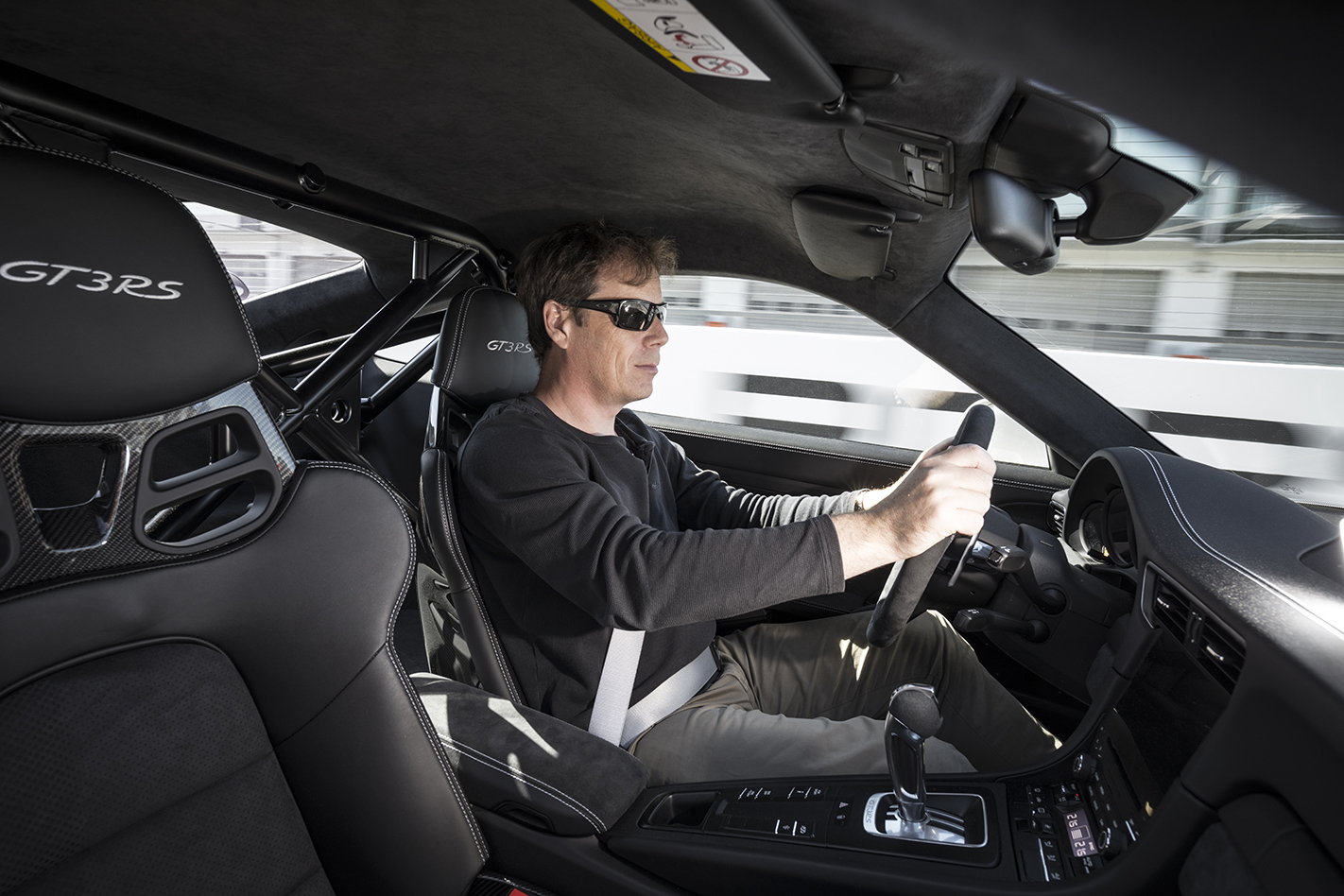
I’M REALLY not sure where to go with this one. To give you the full breakdown on what Porsche has done to improve the latest 911 GT3 RS requires a cool head, a slightly nerdy affinity for historical detail and the analytical focus of an engineer. The trouble is, I’ve just been poured out of the car after a series of laps of the Nurburgring’s GP circuit, a sweaty, gibbering wreck. This 383kW berserker will do that to you. Time for a sit down and a few minutes to decompress.
The car claimed a 284kW parity with the GT3 for expedient homologation reasons, but Preuninger later admitted that no car left Weissach with less than 298kw (400hp). This was followed in 2006 by the 309kW 997 GT3 RS, also powered by a 3.6-litre engine. That 997.1 version was updated to 3.8-litre, 336kW 997.2 guise in 2009, with the engine being further increased in 2011 for the sublime 373kW 911 GT3 RS 4.0, that car marking the last hurrah for the 997 generation and the final bow for the iconic Mezger engine.
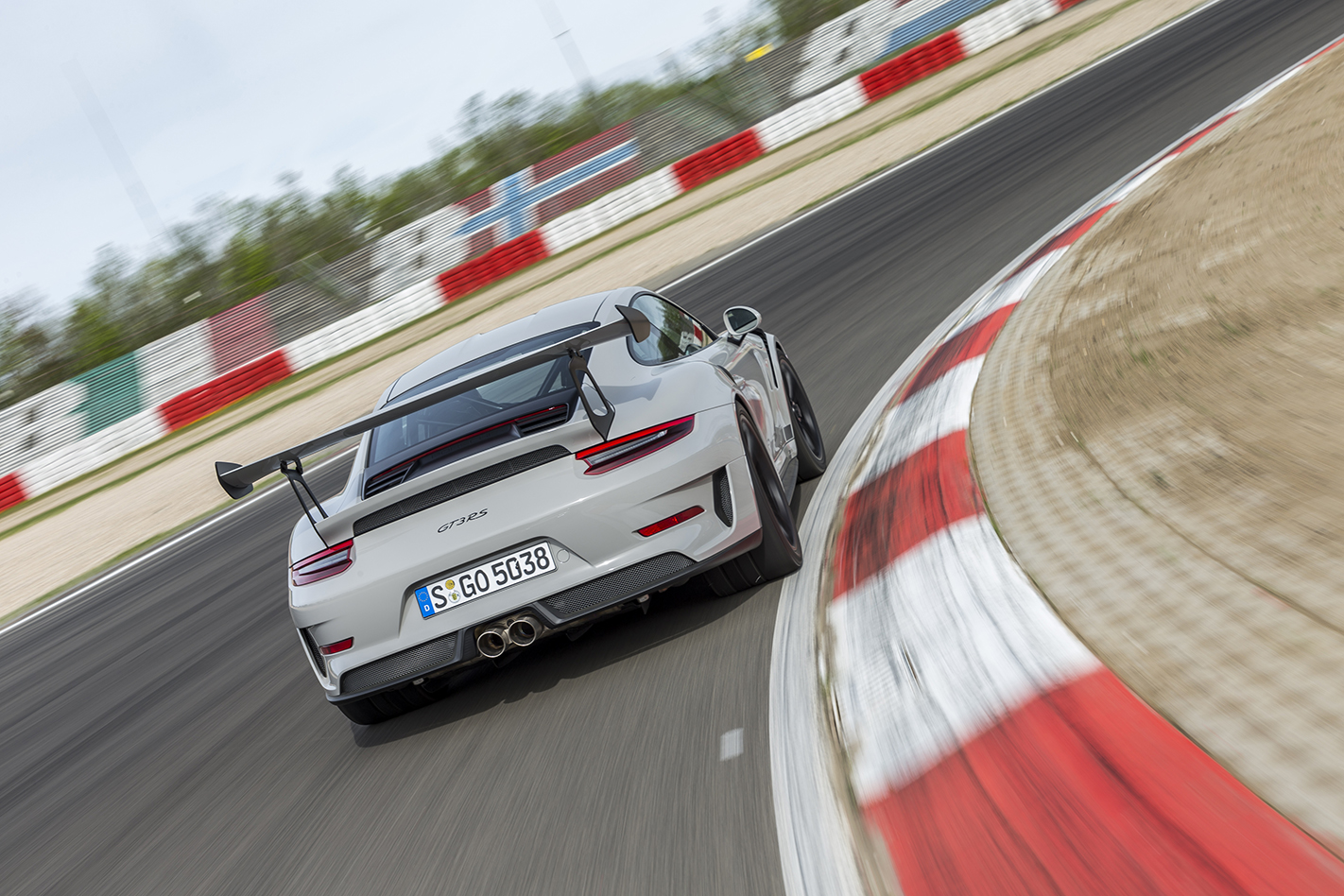
None of which explains the fact that in the 12 years between the introduction of the 996 GT3 RS and the 991 version, the Nurburgring lap times improved by 26 seconds. Yet this car carves a massive 24 second chunk off its predecessor’s lap of the Green Hell, recording a faintly gobsmacking 6min 56.4sec mark.
Granted, you probably don’t have the skills of Porsche factory driver Kevin Estre so therefore this might seem a bit academic. I know I don’t have anything like that sort of pedalling talent, but knowing there’s the capability beneath you is somehow reassuring.
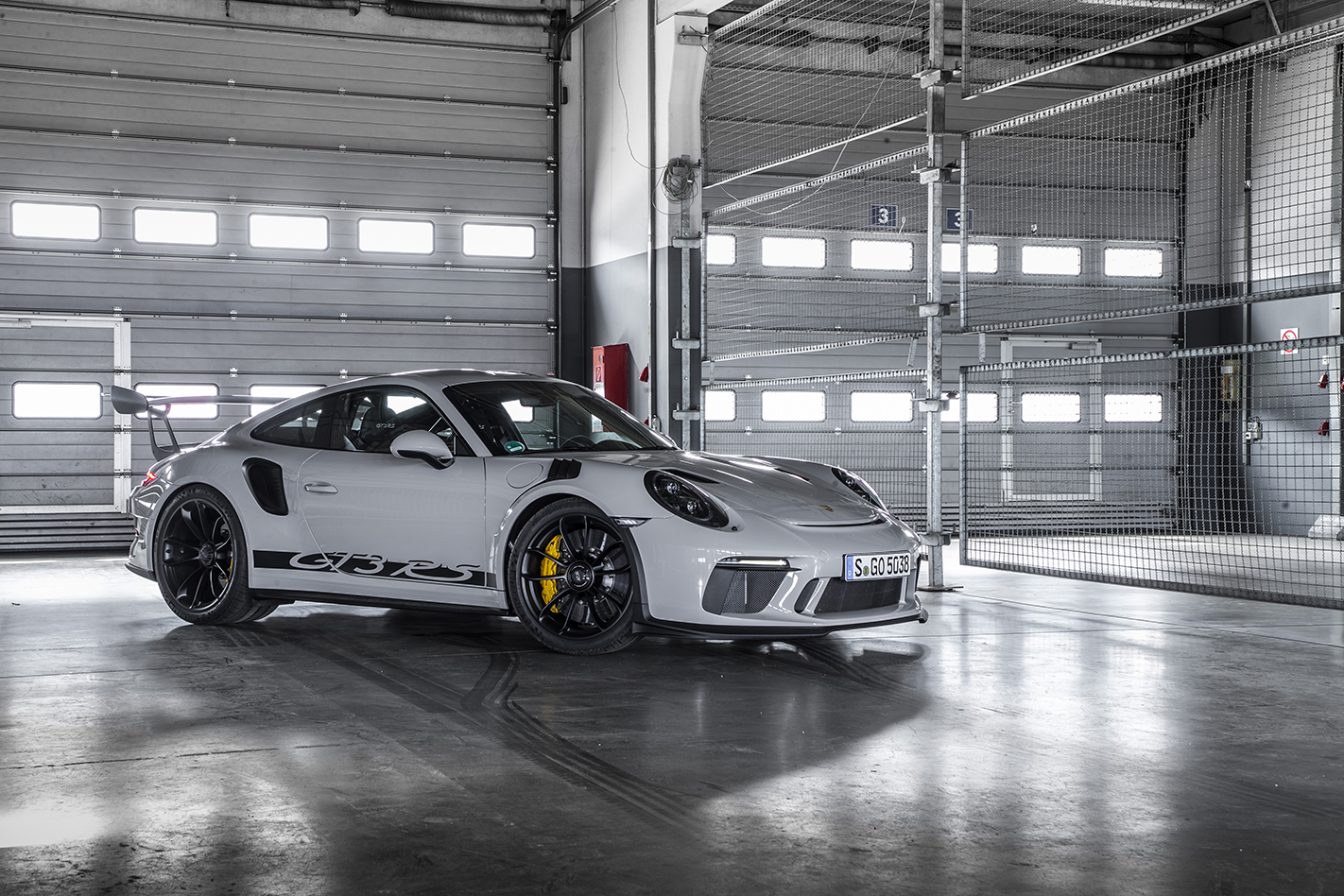
What you do notice is the immediacy of the car’s front end, the way it translates steering effort into lateral grip at the front tyres. That old GT3 RS trait of easing the front end into a corner to feel out its purchase and then having accomplished that, set to work managing the rear grip post-apex is a thing of the past. This 991.2 feels all of a piece, with far sharper turn-in and superior ultimate grip allowing you to pick up the throttle earlier and harder.
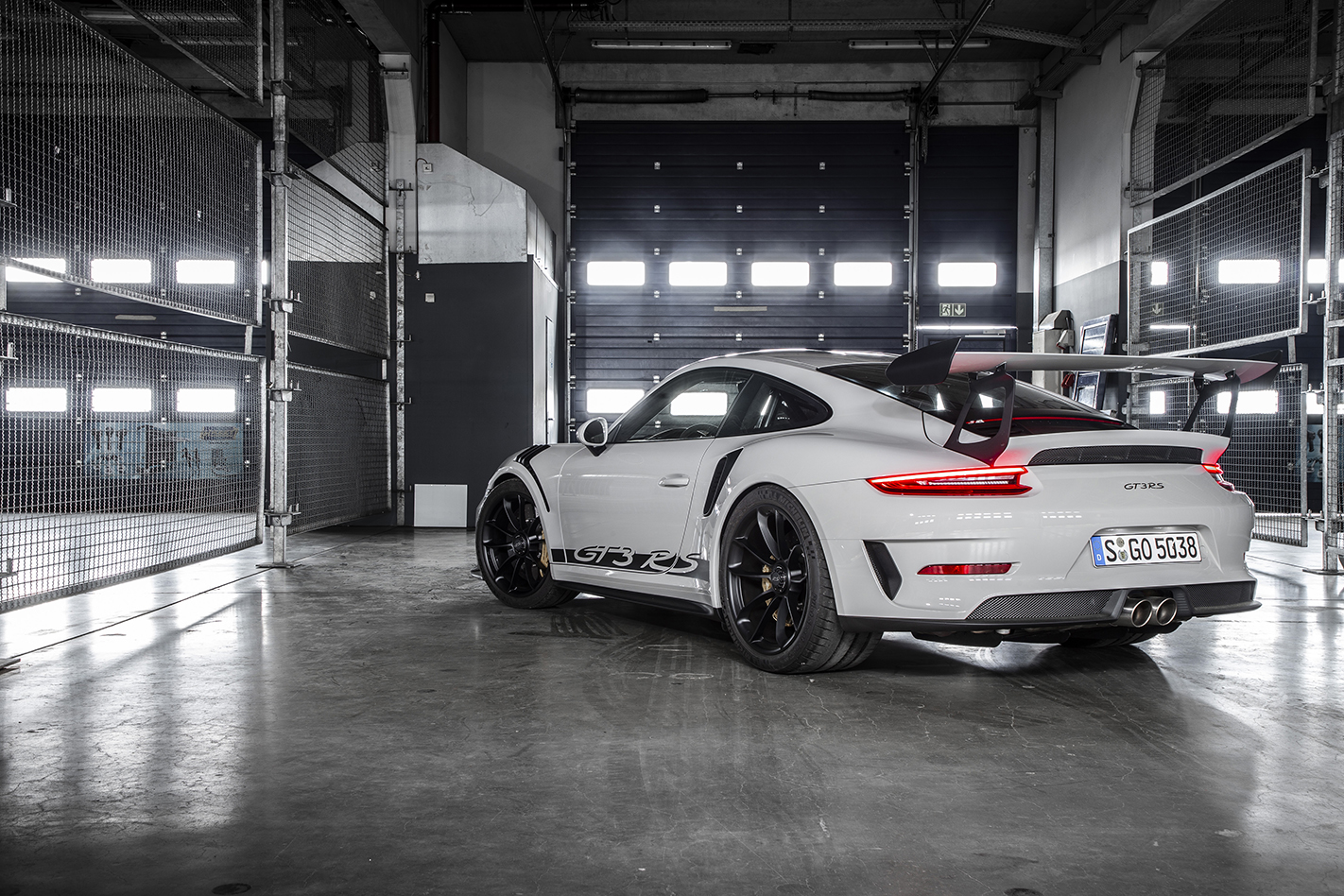
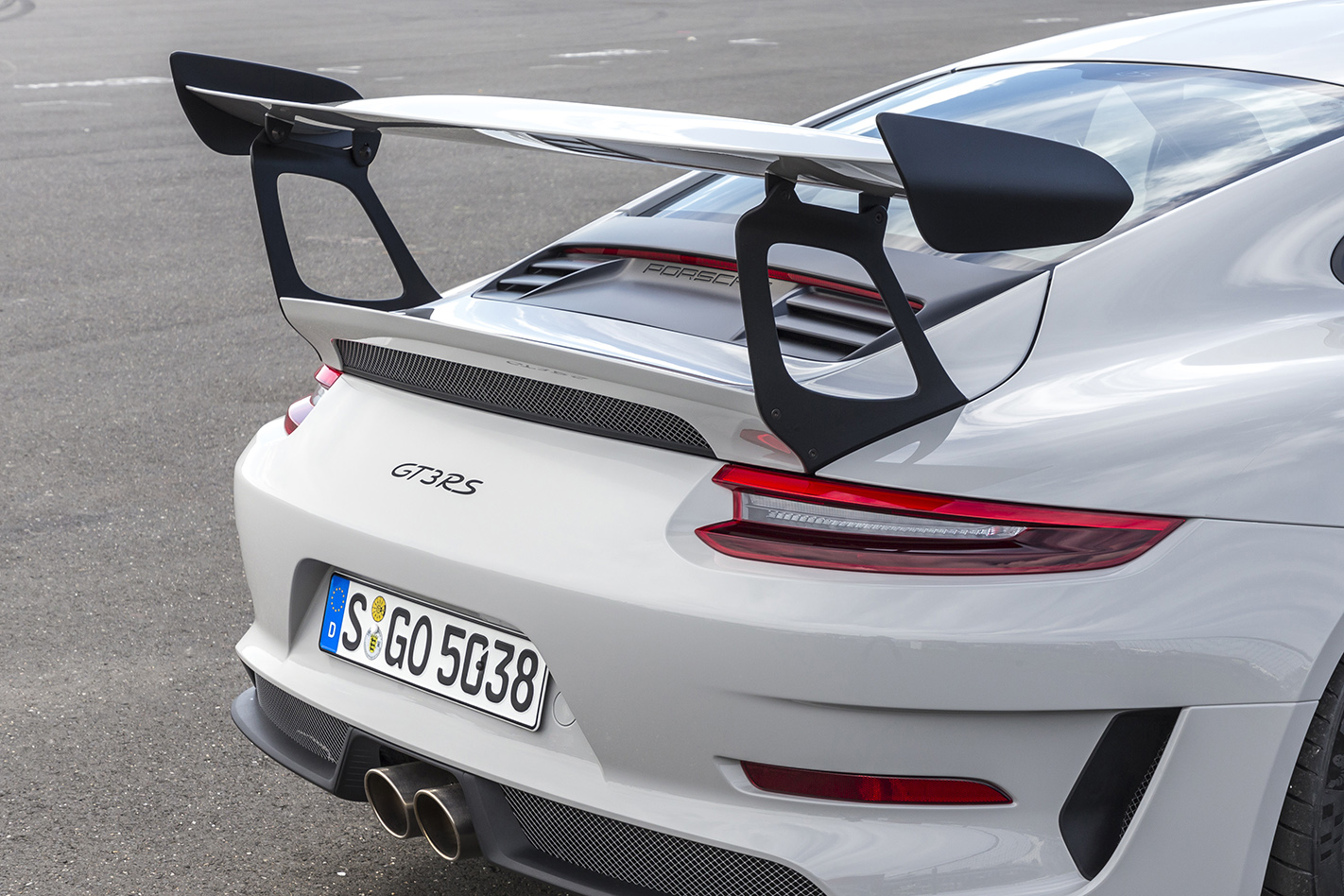
Crank the manually-adjustable rear wing to its most aggressive setting and the 991.2 delivers 40 percent more downforce than its predecessor. That’s a massive step change in high-speed grip and a lot of work has also been devoted to making the car stable and aerodynamically effective during high-speed braking.
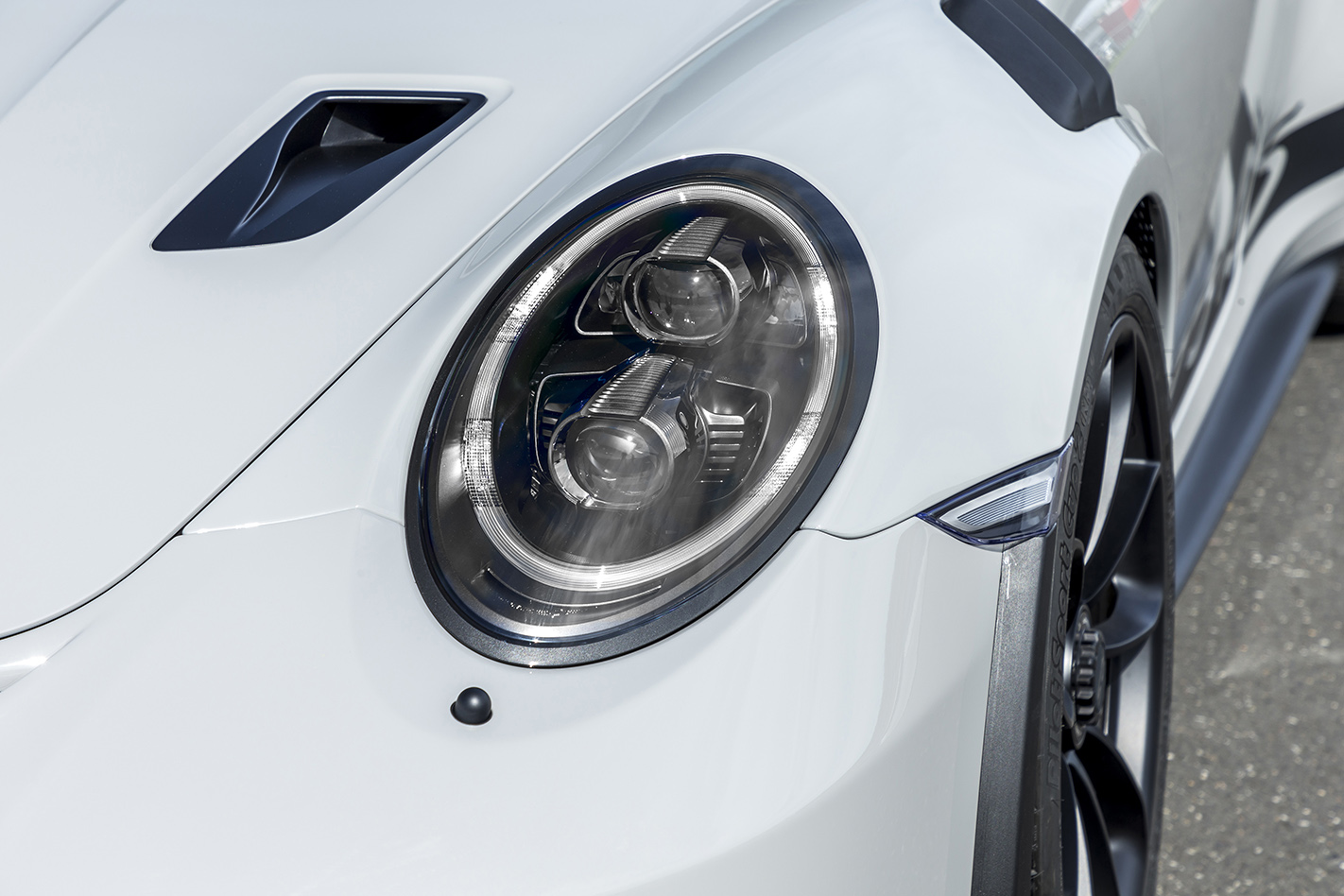
Brake cooling is handled by those NACA ducts punched into the bonnet, which create tumbling air vortices that draw fast-moving air into the scoops, overcoming a problem of early recessed scoop designs where they could only draw in relatively slow-moving boundary layer air.
The integrated rear spoiler does most of the aerodynamic donkey work at the back, kicking inefficient vortices way behind the car, while the rear wing can be adjusted through four steps of -1, +1, +3 and +5. The underbody diffusers help reduce body pitch at speed, improving stability under braking.
As you’d expect, all of the electronic systems that control the four-wheel steering, the stability control, transmission logic and the torque vectoring have been recalibrated and optimised to accommodate the additional effects of the improved aero package.
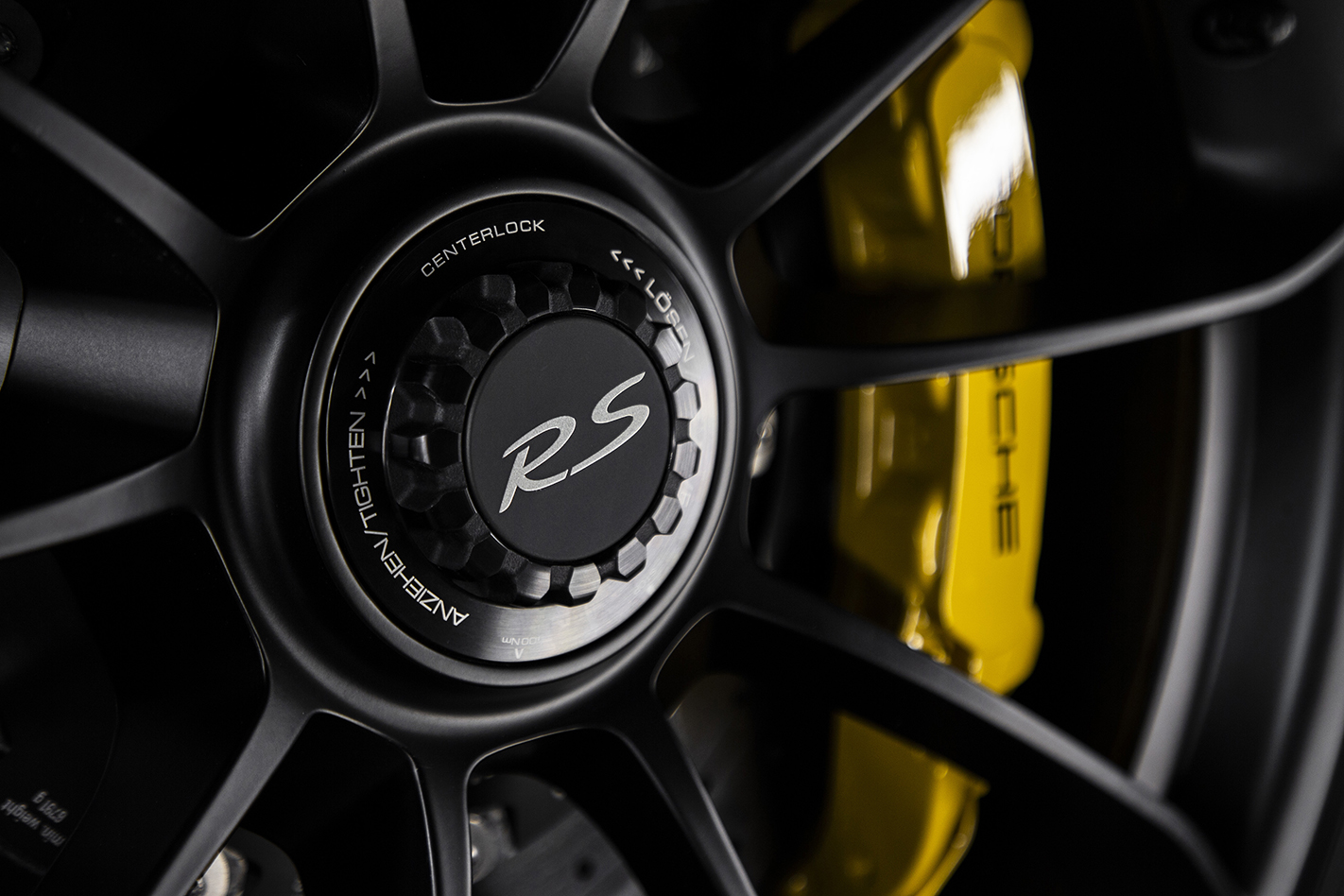
In case you really wanted to pare weight out of the car, the optional $34,390 Weissach pack saves 16.5kg and swaps the magnesium roof panel for a carbon fibre reinforced plastic (CFRP) item, while the bonnet is also CFRP, as are the front and rear anti-roll bars and coupling rods. Rear wing and mirror shells and six-point racing harnesses are also included, but the forged magnesium alloy wheels (which save another 11.5kg) are an extra expense and are only available from February 2019.
Throw another $7600 Porsche’s way and they’ll take further weight out of it by swapping out the no-cost option steel roll cage for a titanium item. Or you could tack $21,590 to the bill and get the car with Porsche Carbon Composite Brakes, which are 50 percent lighter than their steel equivalents.
In July, an even grippier Michelin Pilot Sport Cup R tyre will be made available as an option. As you might well have figured out by now, there probably won’t be any Aussie GT3 RS cars leaving the Porsche dealers at the flat $416,500 price before on-roads.
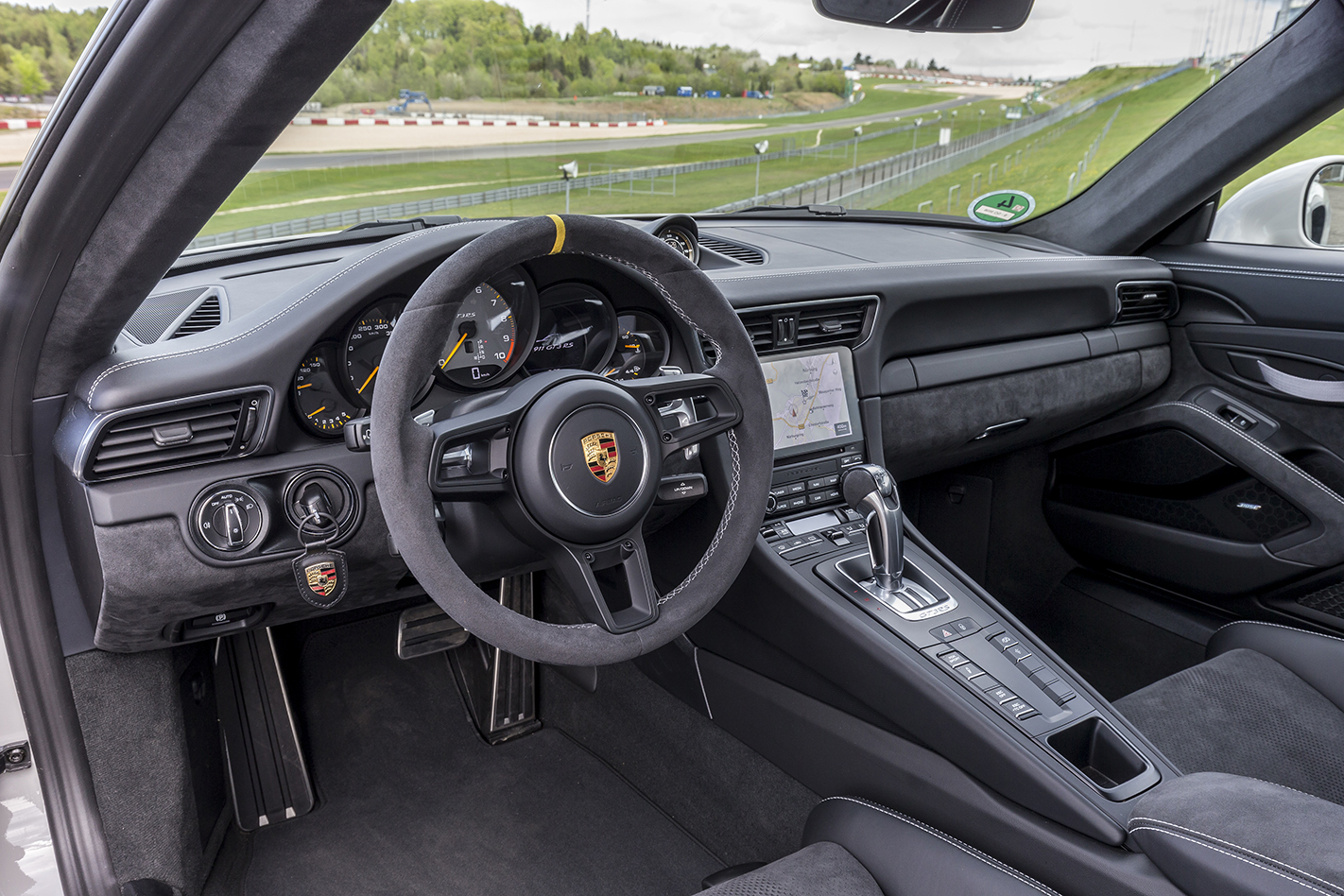
Production will continue for another 12 months before this generation car is superseded by a new model and the local importers are keen to land additional allocation, but it’s by no means guaranteed.
Yes, it’s an evolutionary model but, as we’ve seen, evolution sometimes takes rapid leaps forward. It’s the product of incremental gains or, as Andreas Preuninger says, “11,000 parts made to feel like one.” If you’re one of the lucky few to get a slot, you’ll have landed possibly the finest sports car for sale at any price.
SPECS
Model: Porsche 911 GT3 RS (991.2) Engine: 3996cc flat 6, dohc, 24v Max power: 383kW @ 8250rpm Max torque: 470Nm @ 6000rpm Transmission: 7-speed dual-clutch Weight: 1430kg 0-100km/h: 3.2 sec Economy: 12.8L/100km Price: $416,500 On sale: Now, first deliveries Q4 2018
The 2018 Porsche 911 GT3 RS takes the sublime 991.2 GT3 and injects it with a bit of mongrel to create one of the most exciting road cars on sale today.
After driving the 991.2 GT3 we thought naturally aspirated Porsche engines couldn’t get any more responsive or muscular, but that’s exactly what they’ve done with the RS.
We thought the PDK couldn’t possibly get any quicker, but it’s even more instant in the RS and with a crisp aggressiveness we’ve not felt from a PDK before.
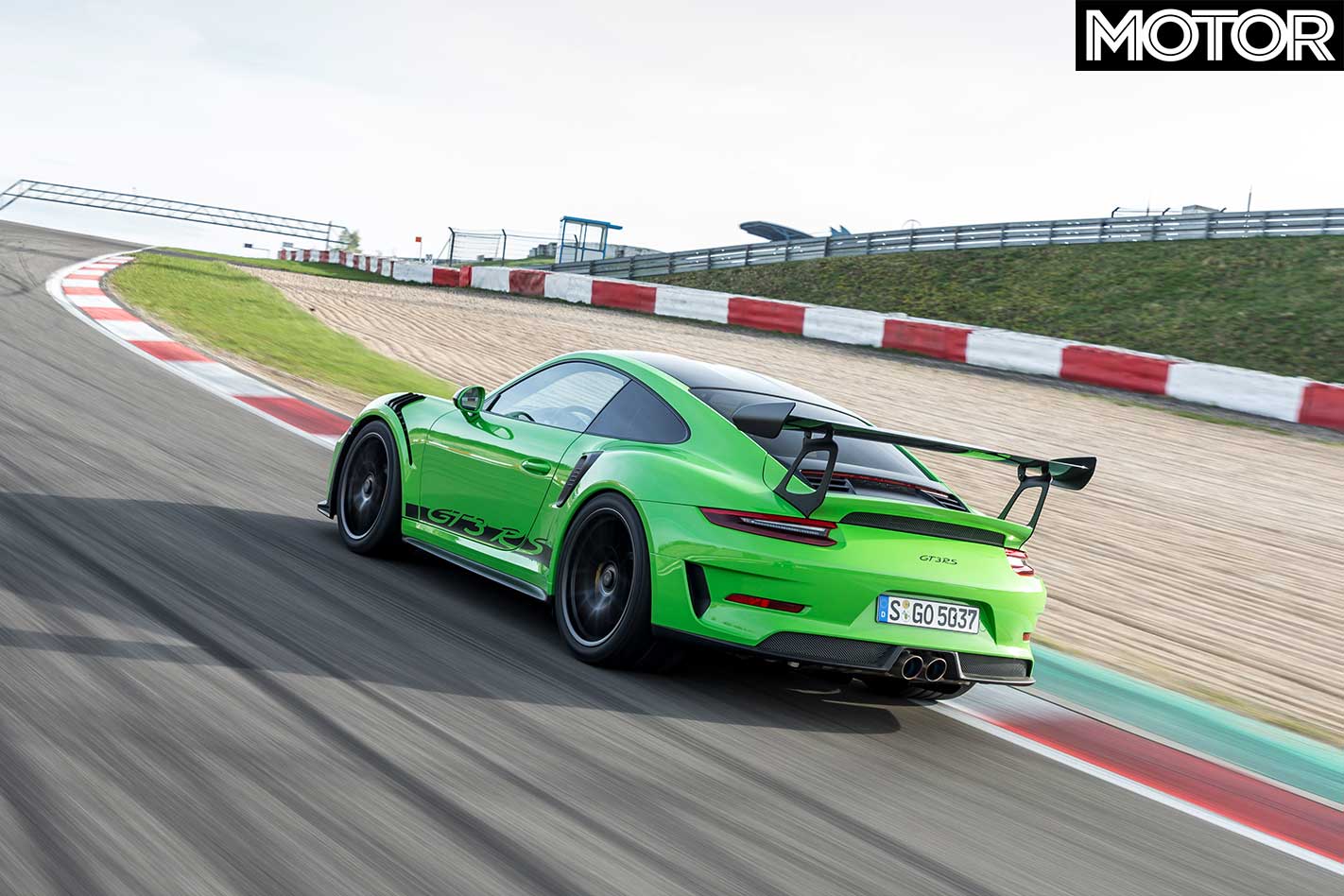
And we thought there was no way the GT3 could get more precise, agile or stable, and then we drove the 991.2 GT3 RS.
The RS is the GT3, perhaps unsurprisingly, wound to eleven, with ostentatious styling — including that rear wing — more power, more downforce, more feel and more noise.
Let’s start with the styling. In the flesh, the new GT3 RS is an uppercut to the eyeballs particularly in the new bright Lizard Green hero colour and contrasting carbon-fibre of the optional Weissach Pack, wearing enormous staggered 20-inch front and 21-inch wheels barely hiding humungous 410mm front and 390mm rear optional Porsche Carbon Ceramic Brake rotors.
There are ducts and gills and a protruding front lip, titanium exhaust tips, and did we mention the rear wing?
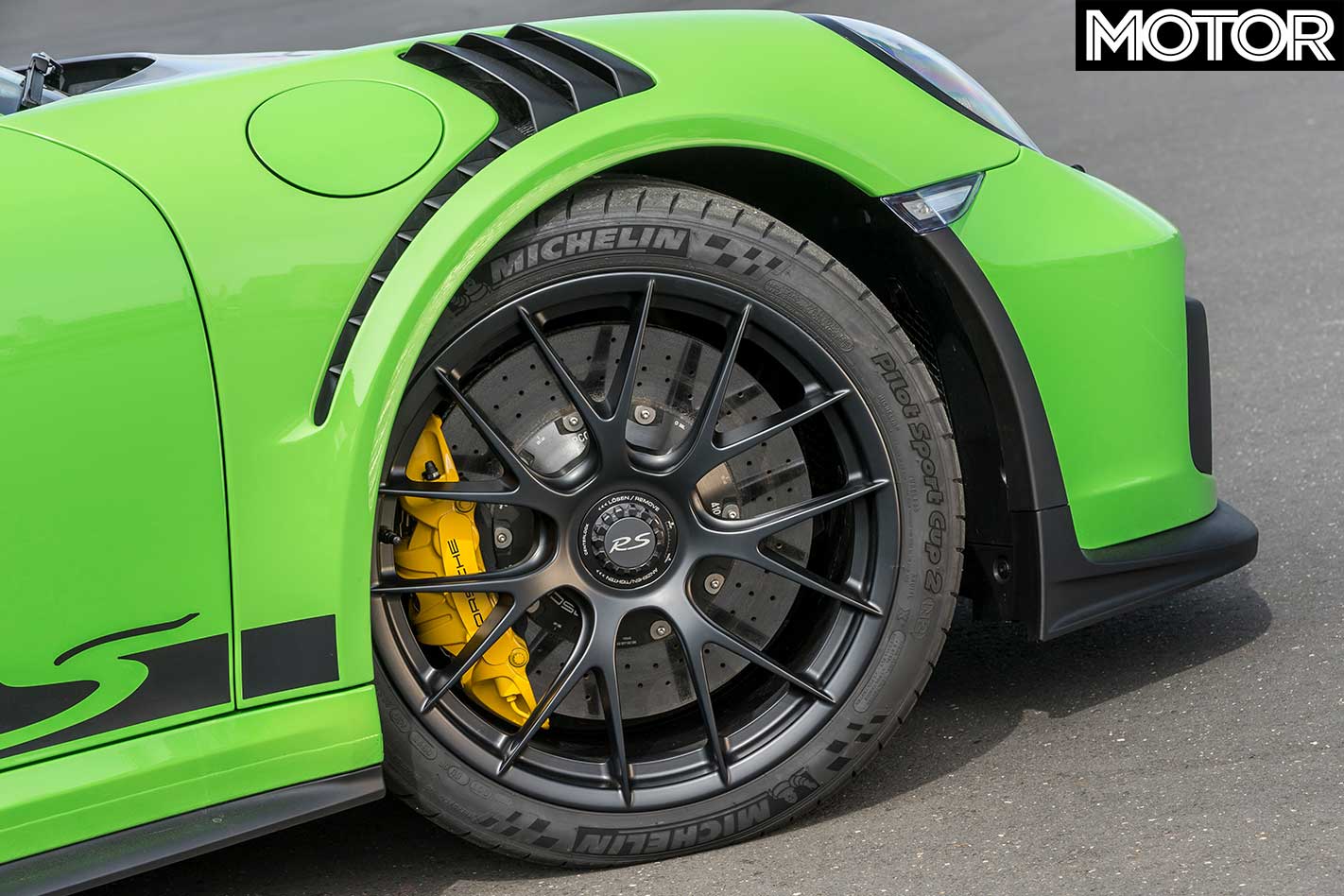
Downforce is the big ticket item with this new car; the 991.2 GT3 RS has more downforce than any production Porsche ever made. More than the GT2 RS which is held back by its prodigal cooling requirements and even more than the fabled 918 Spyder supercar. Yikes.
With both the front diffuser and rear wing adjustable, in its most aggressive setting there is a whopping 586kg of downforce at the GT3 RS’s drag-reduced 307km/h top speed, split 30 per cent front and 70 per cent rear. It’s an absurd amount for a road car and more than twice as much as the 991.2 GT3, itself a car that made a big deal out of its increased downforce.
A Carrera Cup car has only 14 per cent more downforce than a 991.2 GT3 RS.
And it’s with the Cup car the GT3 RS shares its engine, almost identically so excluding the airbox and exhaust system. The Cup car also does away with the new-for-991.2-GT3 variable intake which ensures maximum inlet air-flow no matter the engine speed.
That can be as high as 9000rpm. With a new dry sump system incorporating seven scavenge pumps, and a fixed valvetrain replacing the previous 991 3.8-litre’s hydraulic tappets, the GT3 RS’s 4.0-litre unit is bulletproof.
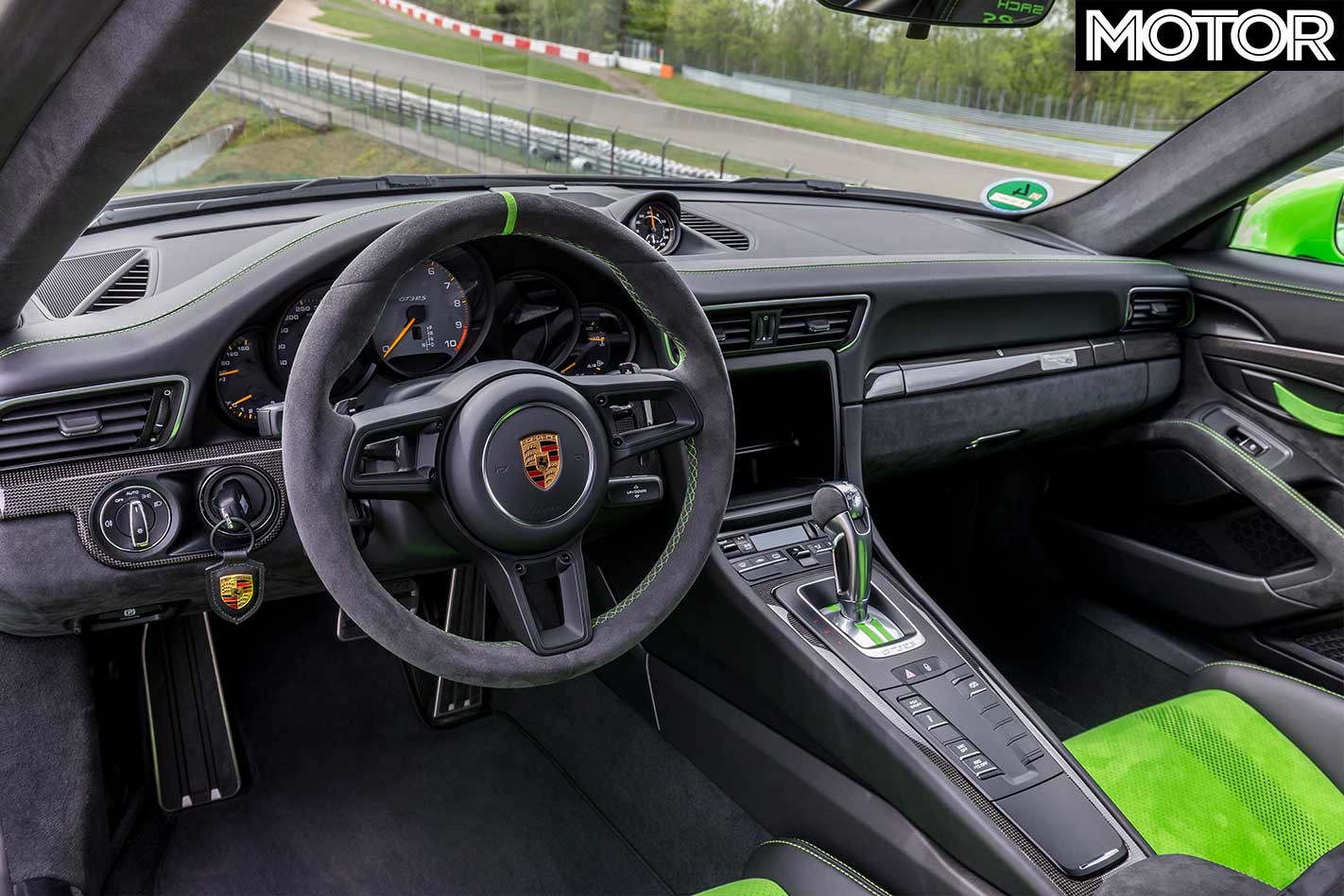
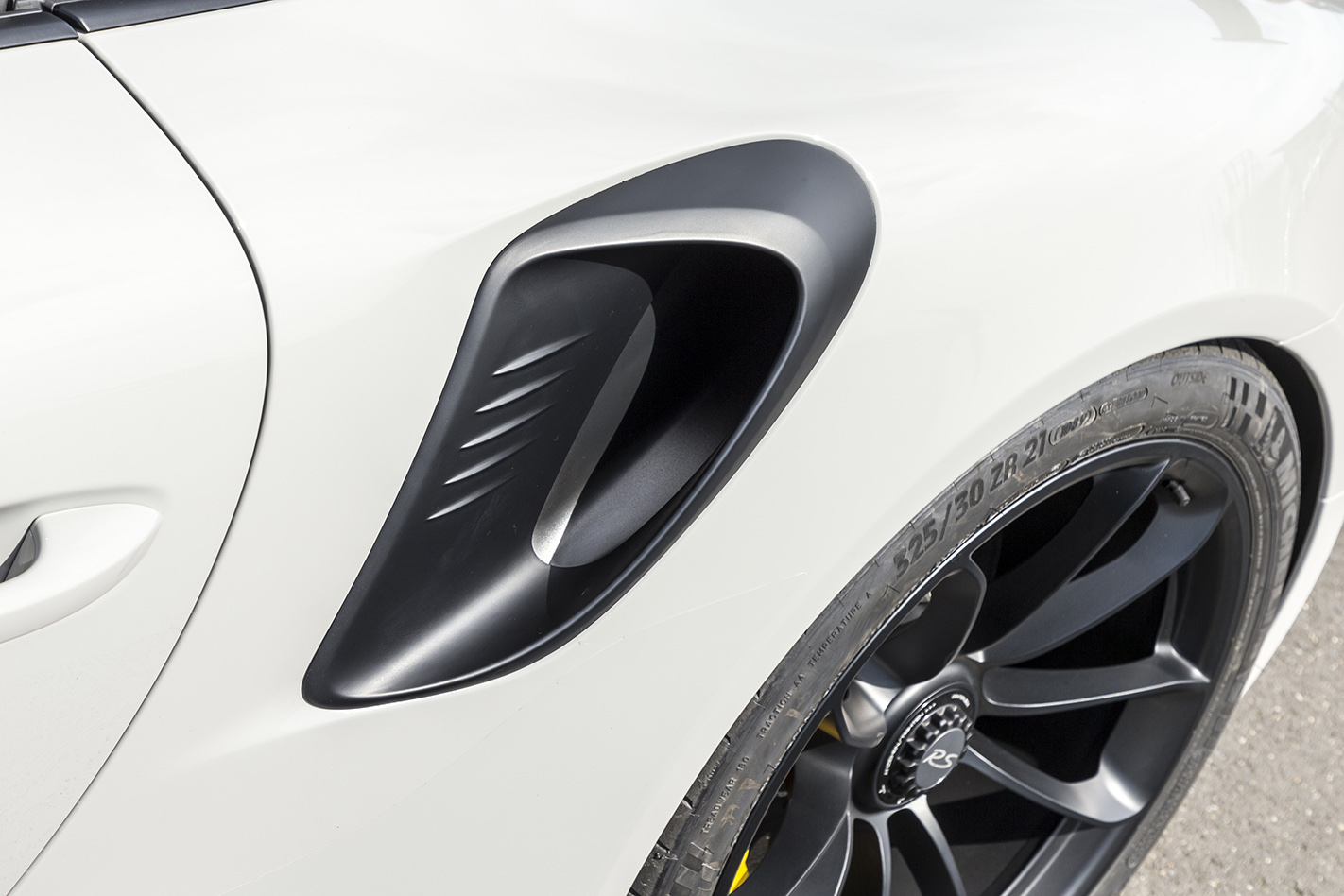
With 383kW and 470Nm it is also the most powerful naturally aspirated production series engine in Porsche’s history. To extract the extra 15kW and 10Nm from the 991.2 GT3, Porsche needed only fit the Turbo widebody to the RS — as has become tradition — and used its side intakes to create a ram air effect. The variable cam timing software is also tweaked and presto, more power.
Every person on earth, man, woman, young, old, must experience the 9000rpm roaring might of the new 4.0-litre horizontally opposed flat-six GT3 engine at some point in their life. It’s a dreamy experience, the rev-hungry engine combining with a 13.3:1 compression ratio to produce unbelievable grunt and response. This is a sensational engine that utterly dominates the car and whose sound is truly unmistakeable from a Carrera Cup car, in note and volume. It’s really loud.
Though we only got eight laps around the Nurburgring Grand Prix circuit in the new GT3 RS, it was worth flying halfway across the world for them as we staggered from the car mumbling messes, lost for words, shaking slightly and facing a comedown that would rival the most potent narcotics.
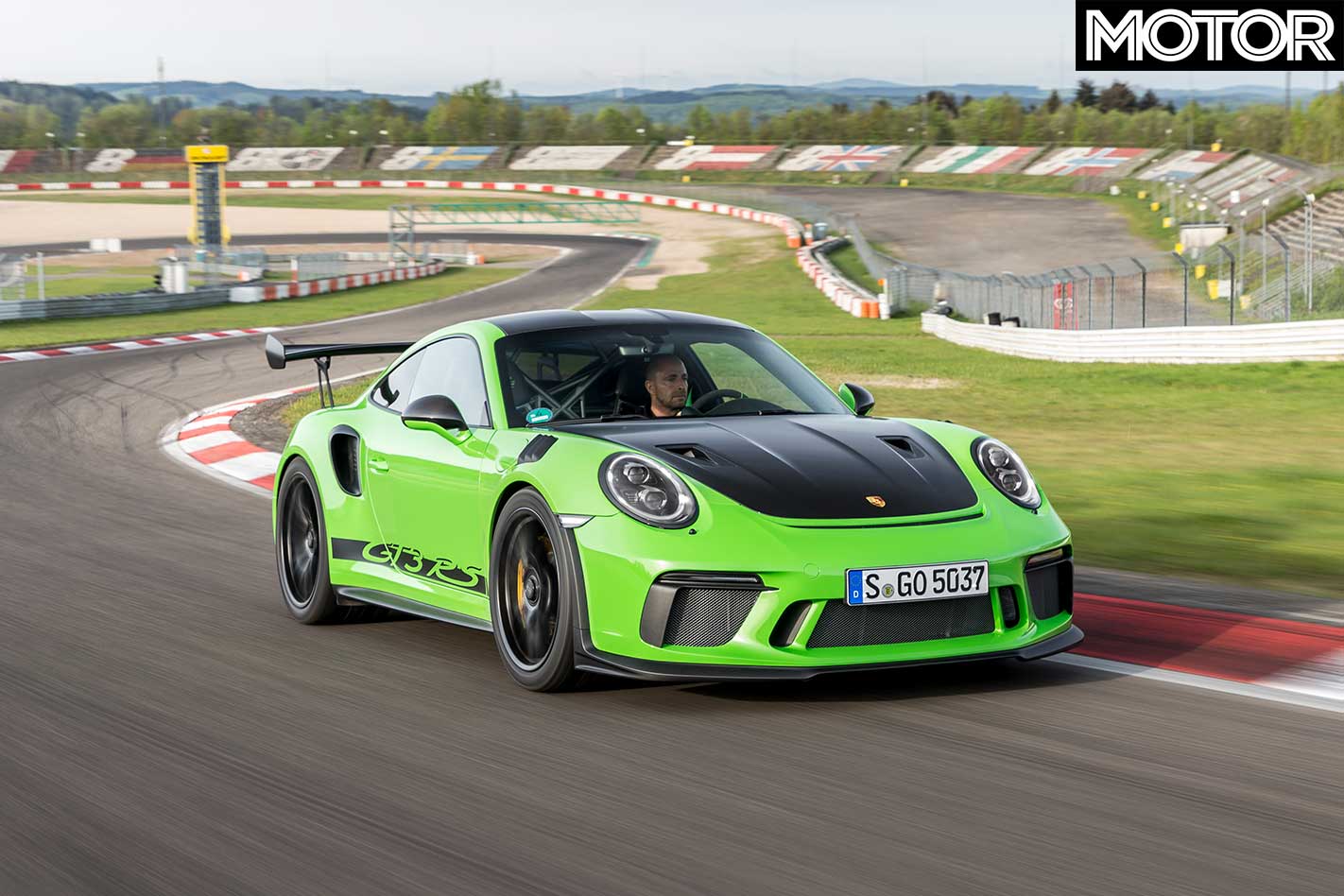
On a circuit, the new GT3 RS is totally spellbinding — and face-bending. Power? Immense. Traction? Prodigious, thanks to the rear-engine layout and huge 325mm-wide rear Cup 2 tyres.
The noise? Pornographic. Then there’s the engine’s responsiveness, low-down flexibility and torque we’ve not felt in a naturally aspirated engine before, the front end’s precision and the perfectly judged weighting of every control.
Aside from the slight extra power, shift speeds from the PDK are at another level, and we didn’t think there was another level after driving the 991.2 GT3. Upshifts are instant and a little bit angry. Downshifts are scary fast, letting you grab lower gears in brutally quick succession. It’s a brilliant transmission.
A revised all-wheel steering calibration brings a new apex-greedy eagerness to the entire GT3 RS chassis. As you tip into a corner, less steering lock is required than you first think as the car rotates quicker than you’re expecting.
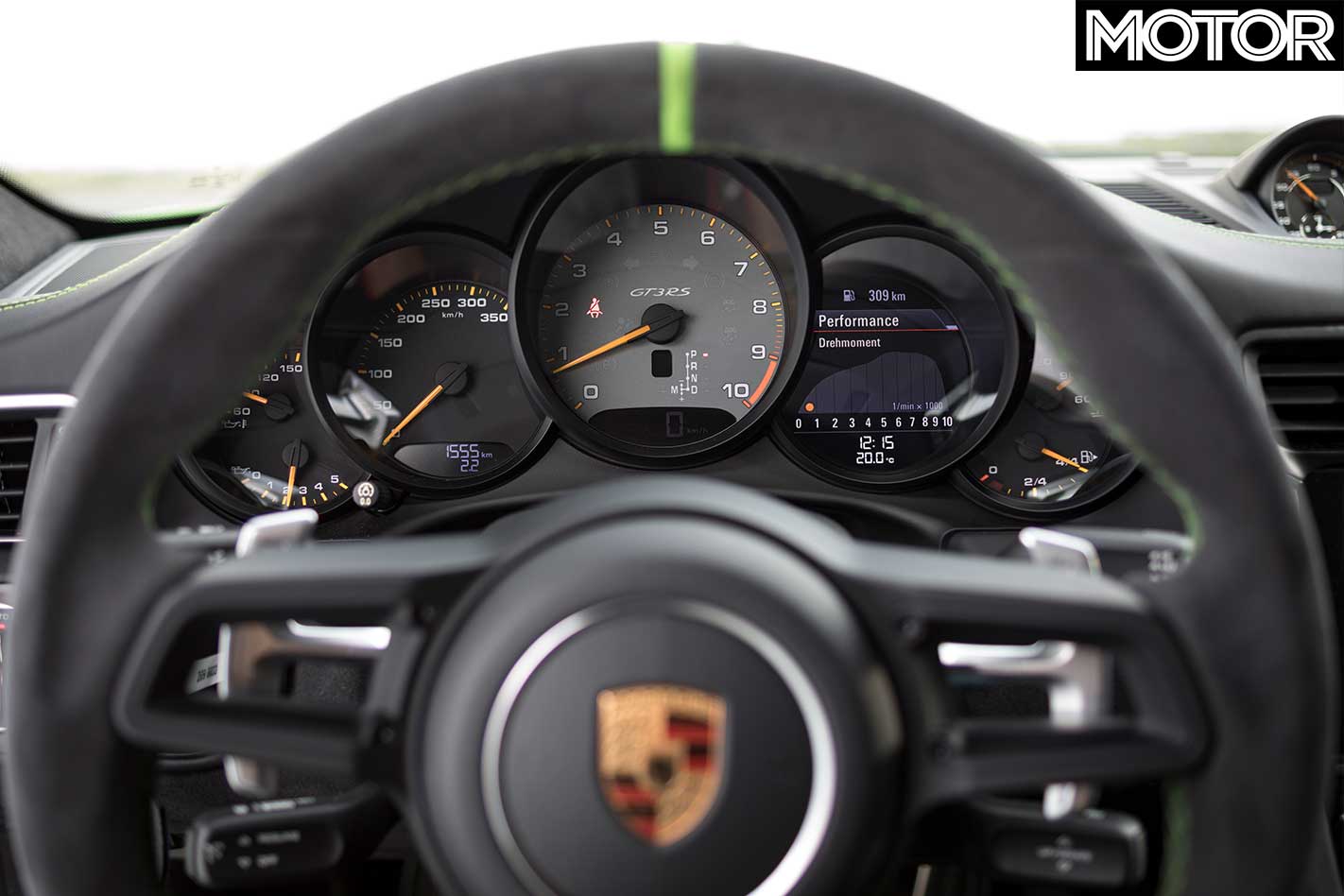
But the real magic begins as you carry more and more speed into tight corners, asking more of the front-end mid corner and expecting understeer or oversteer, but instead the car responding and rotating even more in a way that feels spooky, or like you have 20 per cent more grip than what you actually have, making for an incredible sensation.
There’s a lot of grip, too. Interestingly, Porsche is planning to offer another tyre for the GT3 RS, an even-stickier Michelin Pilot Sport Cup R taking grip to another level beyond the Cup 2. Road legal, and probably diabolical in the wet, we can’t wait to drive on it, although it’s not confirmed yet for Australia.
Possibly the most irrelevant part of the new GT3 RS for the road is the aero, but its performance is very real on the track. It’s not until you’re well beyond 150km/h that a surprising stability emerges as the towering rear wing does its thing.
One corner on the Nurburgring GP circuit, a fast right-hander more a corner than a kink, has you thinking “lift” in the psychotically fast GT3 RS, but it’s possible to take it flat thanks to the downforce on offer, if you are brave enough. You’ll be rewarded with one of the most exciting feelings in driving this side of a fourth-gear power-slide.
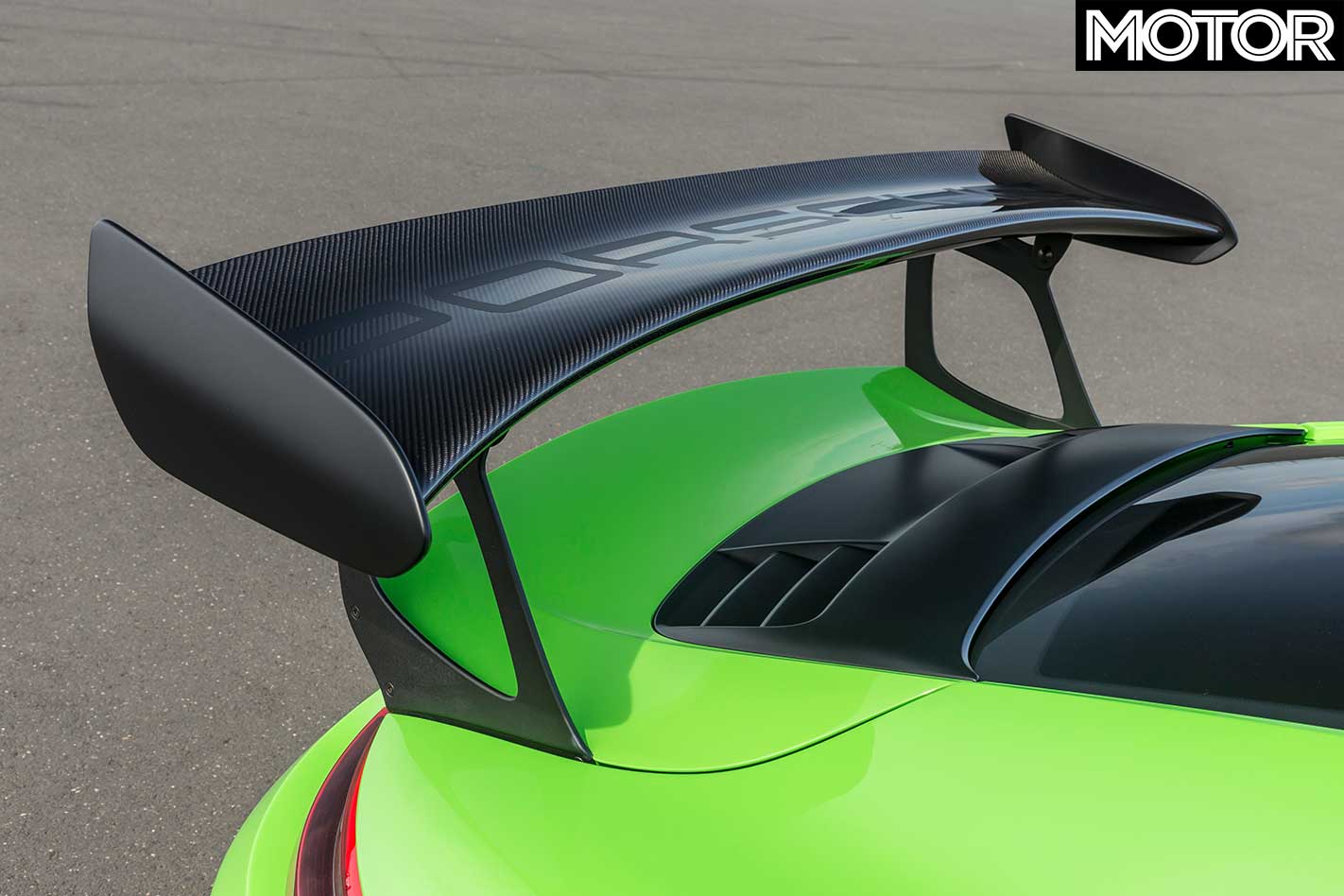
As with all 991 911s, the GT3 RS is superbly balanced particularly for a rear-engined car, responding to your inputs with a sensitivity that takes you by surprise at first. It likes deft and measured inputs. Driving a GT3 RS is relatively easy to about seven or eight tenths but extracting more beyond that is an exponentially more difficult challenge, but a fun one. This is a fun car.
It’s also very difficult to fault. We didn’t drive it on the road so for all we know, those enormous 325-section rear tyres roar with noise on motorways; and perhaps the firmer spring rates in the GT3 RS have done all sorts of unspeakable things to the ride comfort. But we doubt it.
Perhaps if you were going to wonder one thing about the GT3 RS it would be — like all other 991 911s — what other planet it might be on if it weighed 1300kg. But that is pure pointless fantasy.
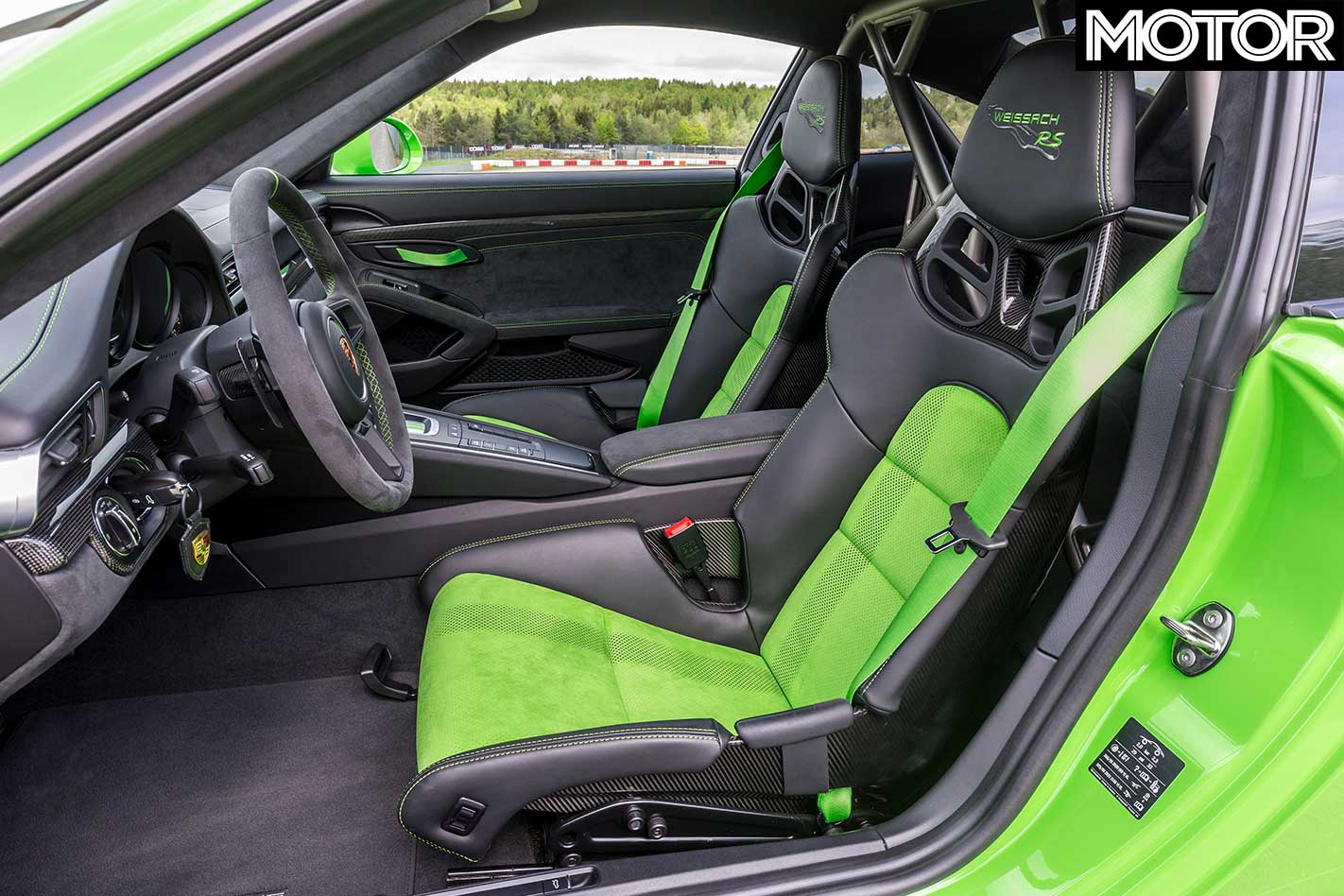
At 1430kg, one of the big differences between RS and GT3 is Porsche’s obvious efforts to reduce weight as much as possible. While there’s a part-titanium exhaust as standard (with gorgeous discoloured tips), a magnesium roof and a new type of lightweight glass for the rear window and rear side windows (a polycarbonate alternative that is more rigid and scratch-resistant), the GT3 RS still weighs about as much as the old one.
Rich, crazy people will option the diet-obsessed Weissach Package. At $41,990 it cuts another 28kg from the RS’s curb weight thanks mostly to forged magnesium wheels (-11.5 valuable unsprung kilograms) which are identical to the standard 20/21-inch rims save for a stamp; but also carbon-fibre swaybars and drop-links (-5.3kg) and a titanium cage replacing the steel item of the no-cost-option Clubsport Package (-9.6kg). Get the optional $21,590 Porsche Carbon Ceramic Brake package and it’s possible the GT3 RS’s weight will dip below 1400kg.
We’ve listed the other Weissach weight-saving items below.
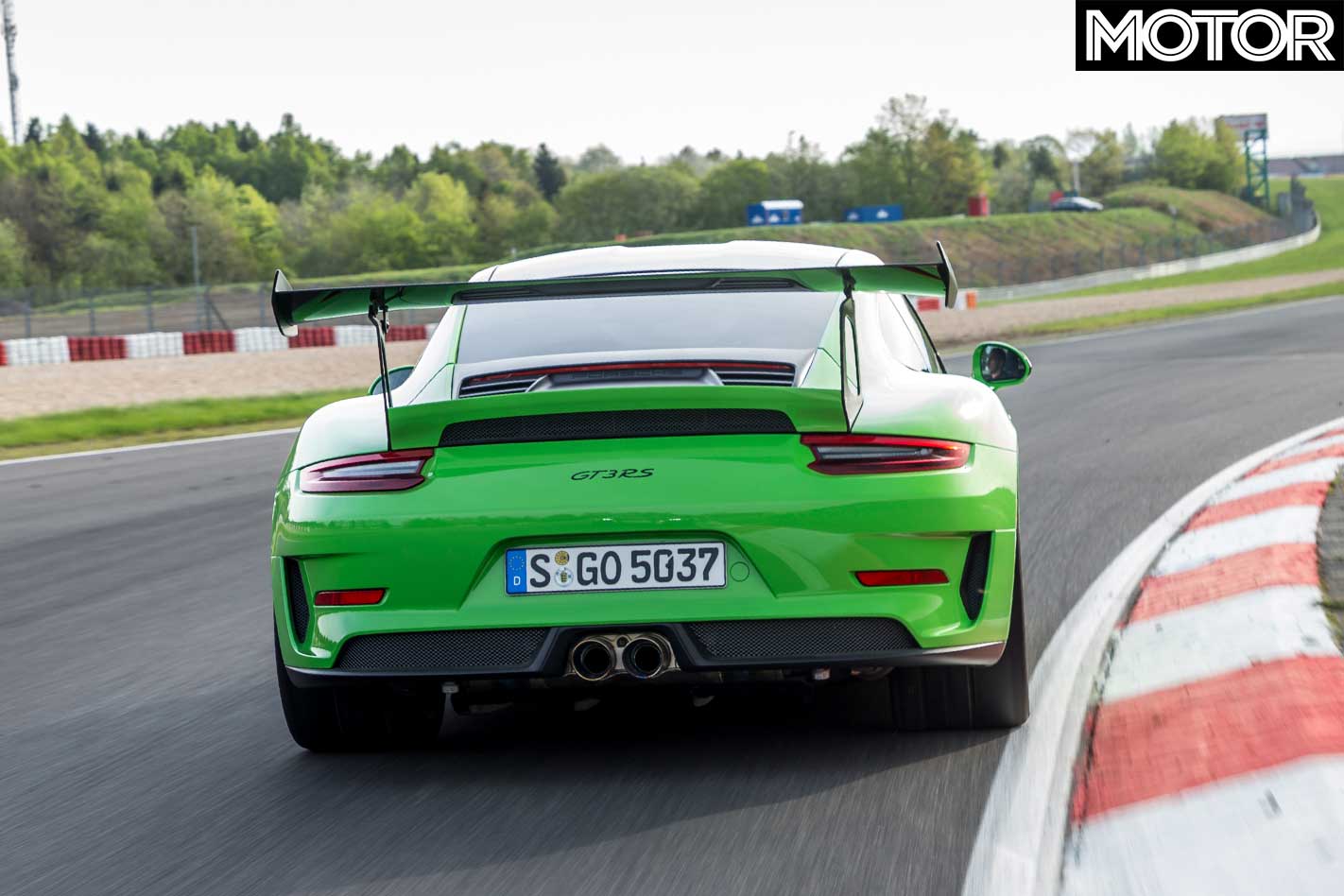
We should probably mention how fast the new GT3 RS is on paper, as well. Perhaps you heard that it casually dipped below the seven-minute mark at the Nordschleife the other week with a how-is-that-even-possible 6:56.4 laptime. That’s just quicker than a 918 Spyder (6:57sec). And somehow 24 seconds faster than the 991 GT3 RS and that was hardly a car you’d describe as sluggish, although the 991.2’s time was set on the new Michelin Cup R tyres, which probably says a lot.
Meanwhile, heading further into the zone of exponentially diminishing returns, the 0-100km/h time is now 3.2sec with launch control, 0.1sec quicker than the 991 GT3 RS.
But you don’t need to check the on-paper figures to know that this is a seriously fast car. In fact, driving it on a racetrack, you need to actively remind yourself that you’re in a road car. The GT3 RS will presumably work in freezing temperatures of the snow to the searing heat of the desert. It will idle away in a traffic jam for hours if need be; it will likely last for hundreds of thousands of kilometres.You can’t say all this about a Carrera Cup car, and yet the new GT3 RS does a mighty good impression of one. And that kind of says it all.
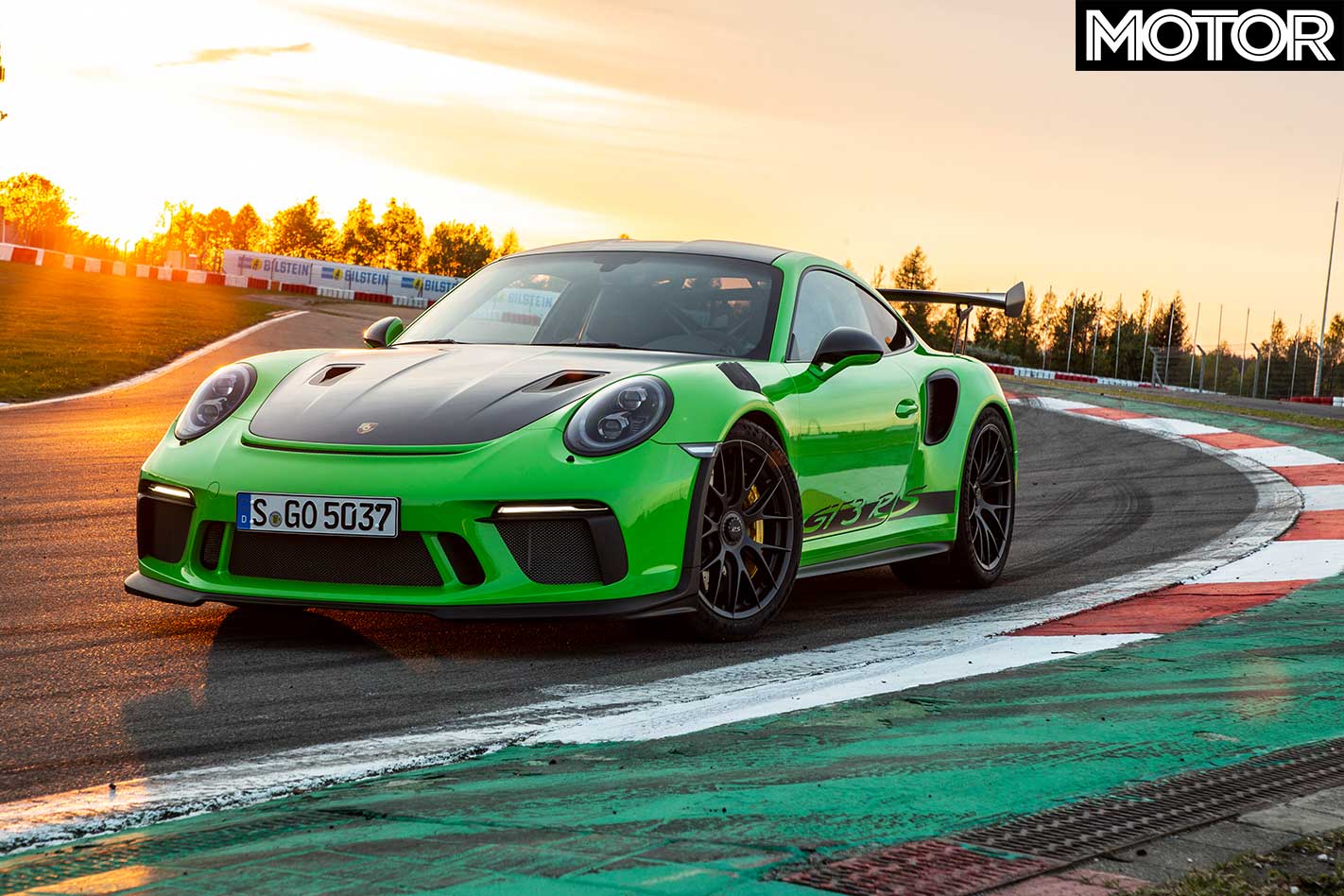
Engine: 3996cc horizontally opposed six-cylinder, DOHC, 24v Power: 383kW @ 8250rpm Torque: 470Nm @ 6000rpm Transmission: 7-speed twin-clutch automatic, electronically locking differential Weight: 1430kg 0-100km/h: 3.2sec (claimed) 0-200km/h: 10.6sec (claimed) Top speed: 312km/h (claimed) Price: $416,500 Rating: 5 out of 5 Stars
2018 Porsche 991.2 911 GT3 RS Australian options Porsche Carbon Ceramic Brakes — $21,590 Sport Chrono — $1190 Weissach Package including forged magnesium wheels — $34,390 Weissach Package including forged magnesium wheels, with titanium roll cage — $41,990 Reversing camera — $1690 Front lift kit — (standard) Clubsport package — (no-cost option)
*Pricing correct as of April 2018.
Weissach Package 28kg weight savings Forged magnesium wheels — 11.5kg Carbon-fibre swaybars and droplinks — 5.3kg Titanium rollcage —9.6kg Side mirror shells in unpainted carbon-fibre — 300g Rear wing in unpainted carbon-fibre — 800g CFRP roof — 500g CFRP shift paddles — 200g Lightweight carpet with cutouts — 200g
5 other facts we didn’t mention
1. The bonnet NACA ducts are new and feed fresh air to the front brakes to aid cooling. Removing brake ducts from the front bar (which was the set-up for 991) allowed the aerodynamicists to optimise the front diffusor for more downforce.
2. The 991.2 GT3 RS spent hundreds upon hundreds of hours in Porsche’s new high-tech wind-tunnel in Flacht. There are two front downforce settings, adjusted by adding or removing a blanking panel. The rear wing has three settings ranging from 280kg to 350kg at top speed. In max attack downforce mode, top speed is reduced from 312km/h to 307km/h.
3. There are around 11,000 parts on the new GT3 RS.
4. There are new GT3 RS-specific calibrations for the PDK, all-wheel steering, torque vectoring electronically locking rear differential, ABS, PASM adaptive dampers and PSM electronic stability program.
5. While the RS retains the GT3’s active engine mounts — which firm to improve response on the track and soften for comfort on the road — all suspension joints are solidly mounted. Ride height, camber and anti-roll bars are all adjustable.
Everyone laughs at reports of credulous goons who blindly follow directions from their GPS and drive into lakes or train tunnels. But I recently found there’s an even worse fate that can befall the hapless GPS acolyte.
I was driving in the US when the Google-powered GPS on my Android phone directed me off the freeway onto a rutted side road that was probably last repaved back when the Atari 2600 was the pinnacle of technology. Blithely, perhaps idiotically, I followed, figuring it was some sort of Palo Alto-approved shortcut.
About two klicks down the side road, I spy a Ram 2500 coming towards me. No problem – the road was easily wide enough for us to pass, even for a modern Ram pickup, which is only marginally smaller than a department store – except that about 50 metres out, the guy swerved across the road onto a collision course with me. Deliberately swerved – this wasn’t the idle lane-drift of an alfalfa farmer playing Candy Crush on his steering wheel, this was the hungry lunge of a crazed redneck who has watched Death Proof too many times.
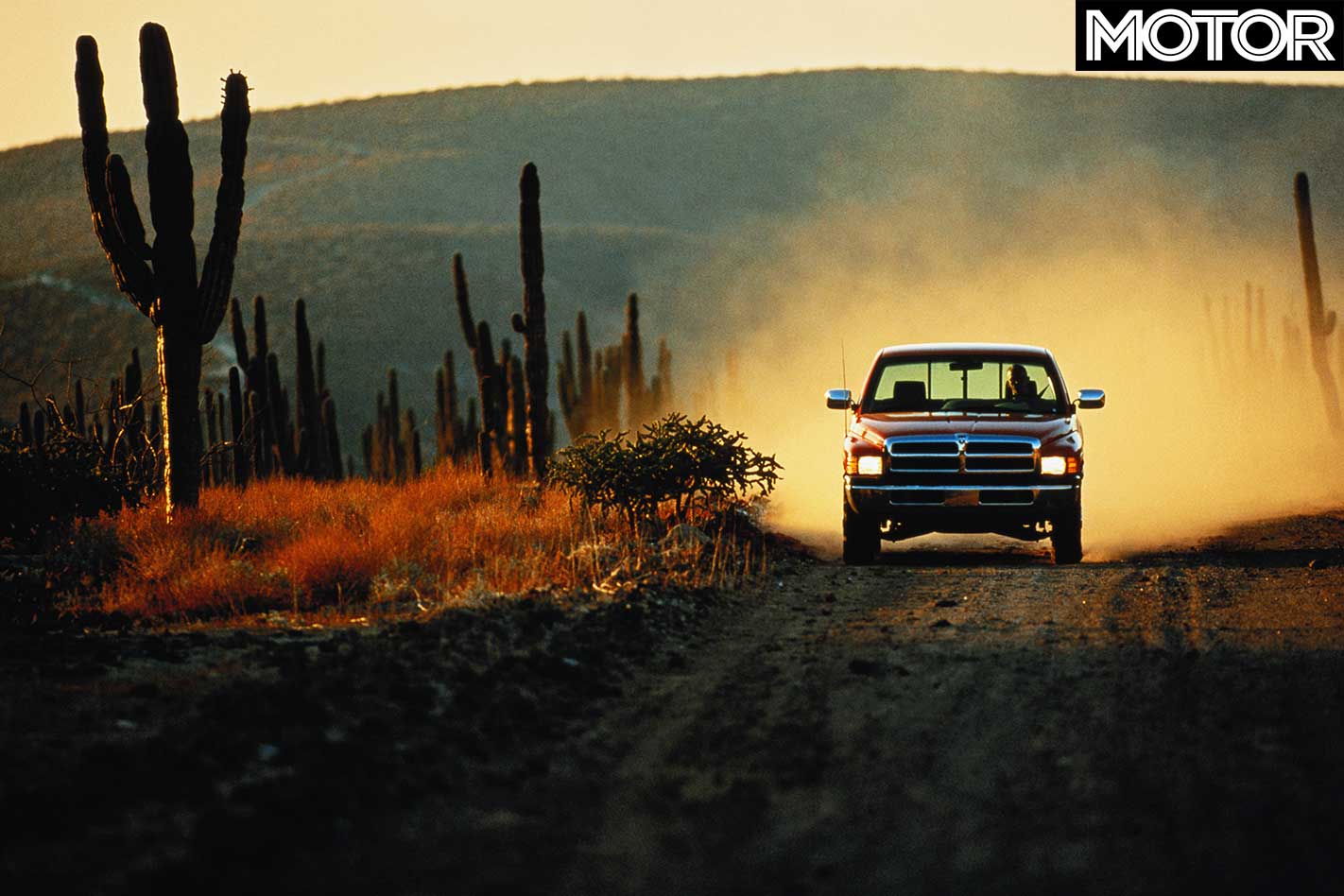
My pulse rate went from resting 60s to a jackrabbiting frenzy, as if I’d just spotted an In-N-Out restaurant without a queue. And I barely had time to shout something a bit blue when I saw in the rear view: the Redneck Kamikaze Killer was trying to pull a three-point turn. Now, the dirt shoulder was plenty roomy enough to swerve my little Ford on, or even raise quarter horses, but it was a bit tight for the Myers-sized Ram.
A man made of sterner stuff – or who has watched Deliverance fewer times – than I, might have stopped and confronted the ruffian, and schooled him in the finer points of what we simple city folk like to call “not murdering people”. Not me. I floored it, and with Google as my co-pilot… almost drove down a dead-end dirt track.
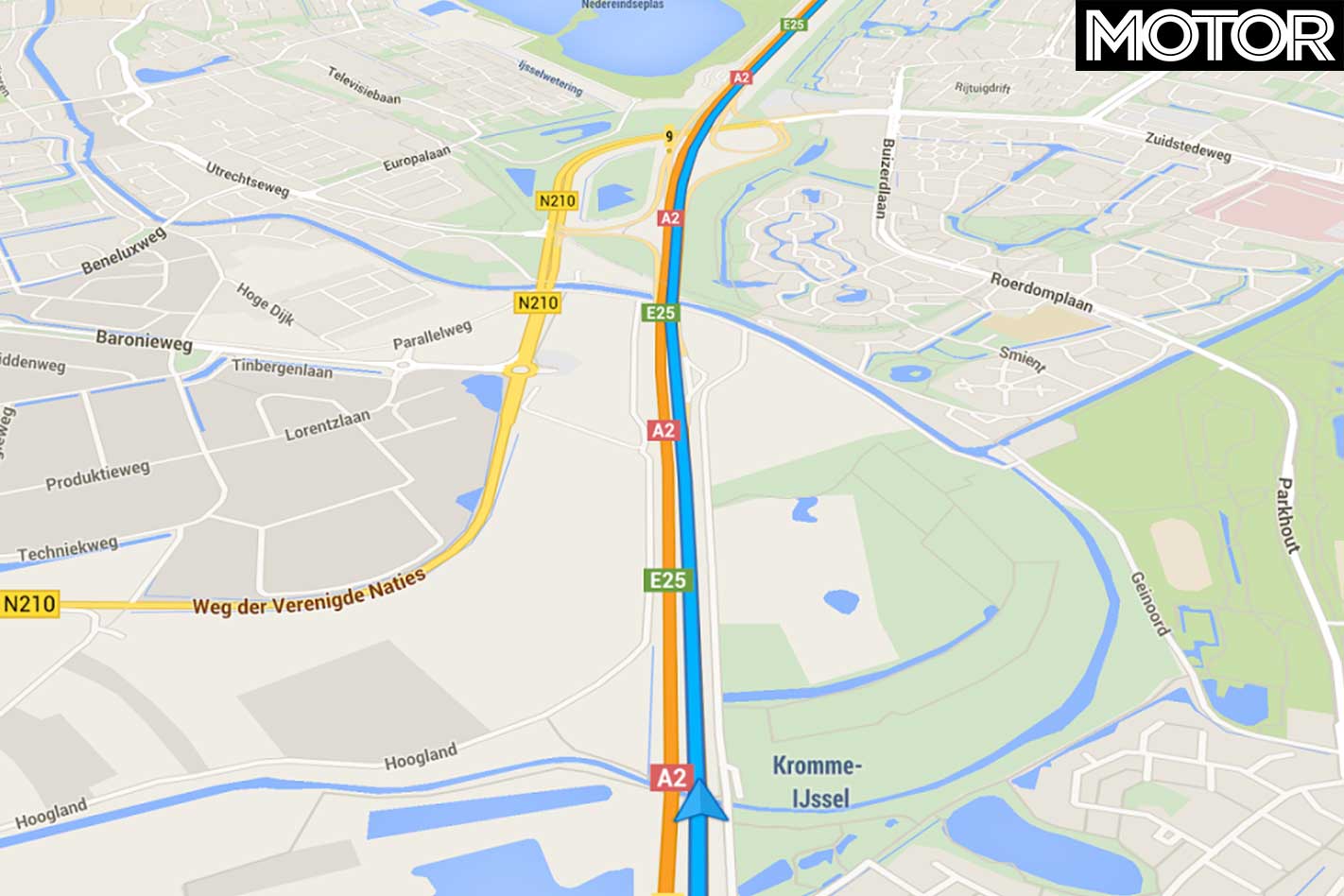
If I had followed the Google directions, and stoppered myself in a dead-end road – or if the dead-end hadn’t been sign-posted – then the Psycho Pickup Ripper would have had time to complete his seven-point turn, and I’d currently be fertilising someone’s alfalfa, or possibly chained up and wearing a ball-gag in some backwoods tractor shed.
Now, just for the record, I was driving from southern California to Yuma, Arizona. That’s the same Arizona where Uber has been operating self-driving semi-trailers on the road for the past few months. A self-driving vehicle is only as good as the map it’s following, and I’m here to tell you – barely – that the maps are still not all the way there.
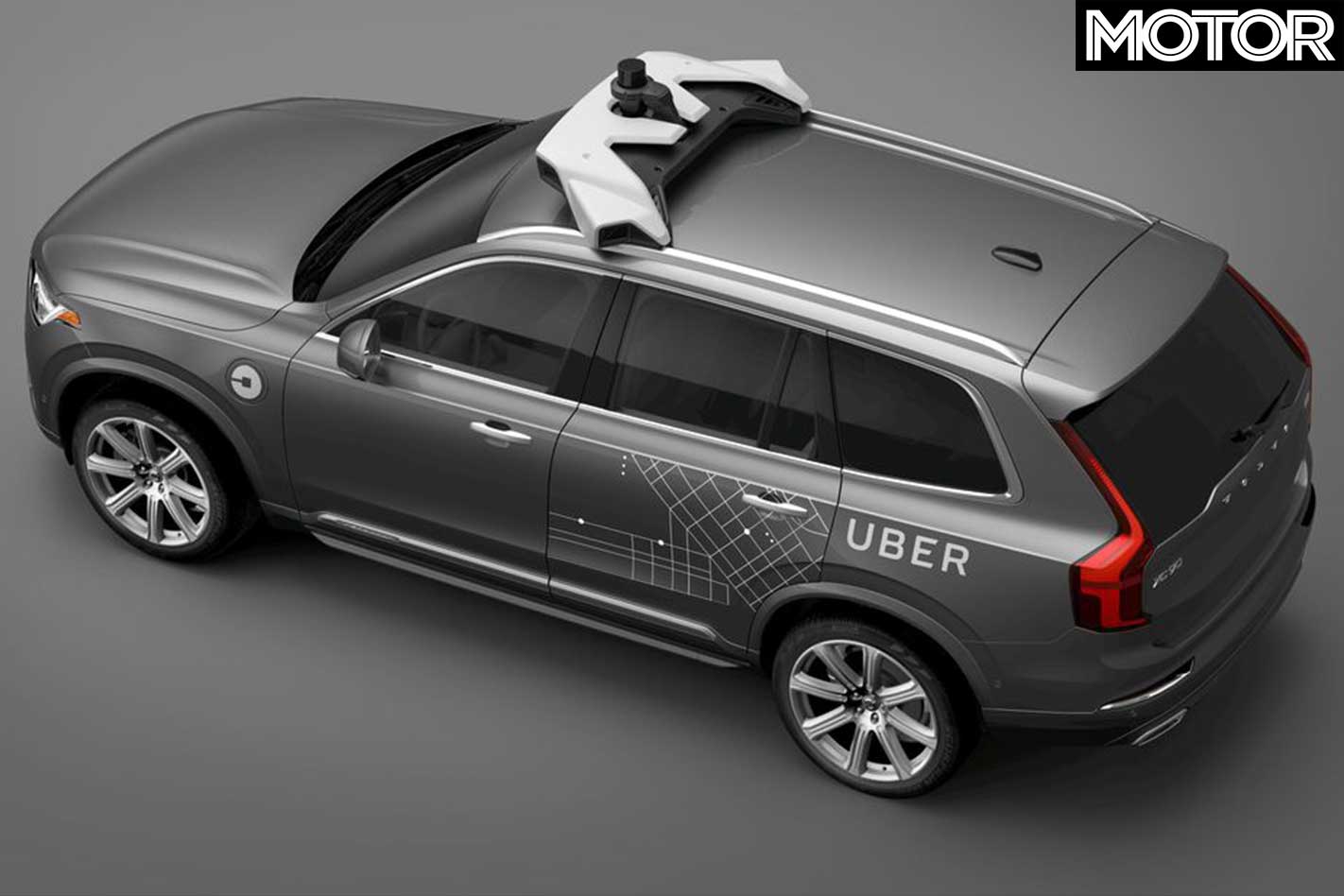
So if you’re driving in the rural south-west someday, and you have to choose between being stalked by self-driving semis or getting off the freeway into the hunting grounds of a crazed yokel high from smoking GMO alfalfa, you’ll get how I feel: we should have just stuck with paper maps and the Atari 2600.
Our monthly picks of the most awesome automotive-related gear we found in April…
De Rosa SK Pininfarina Luxury , $17,711

911 loveRS, $155

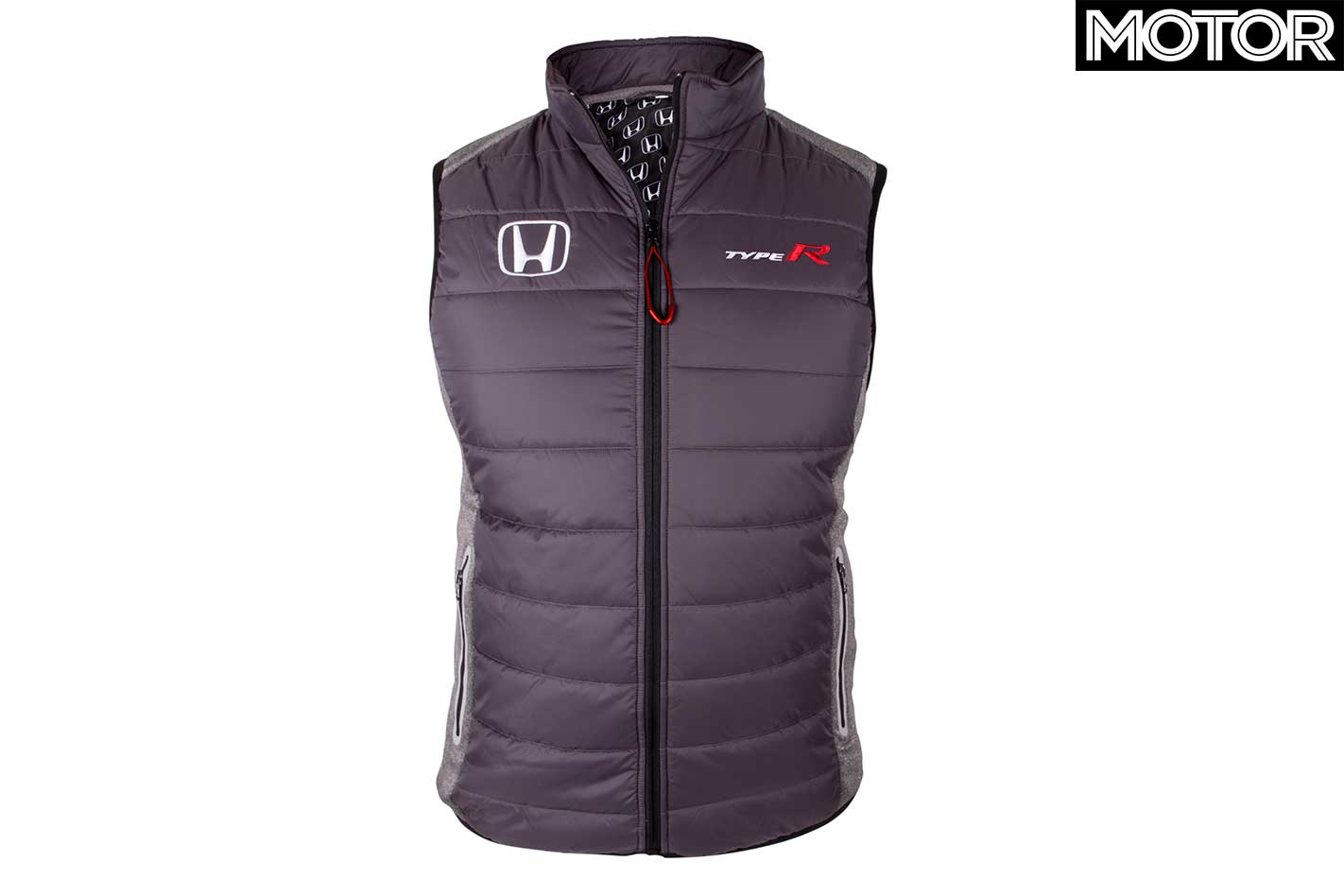
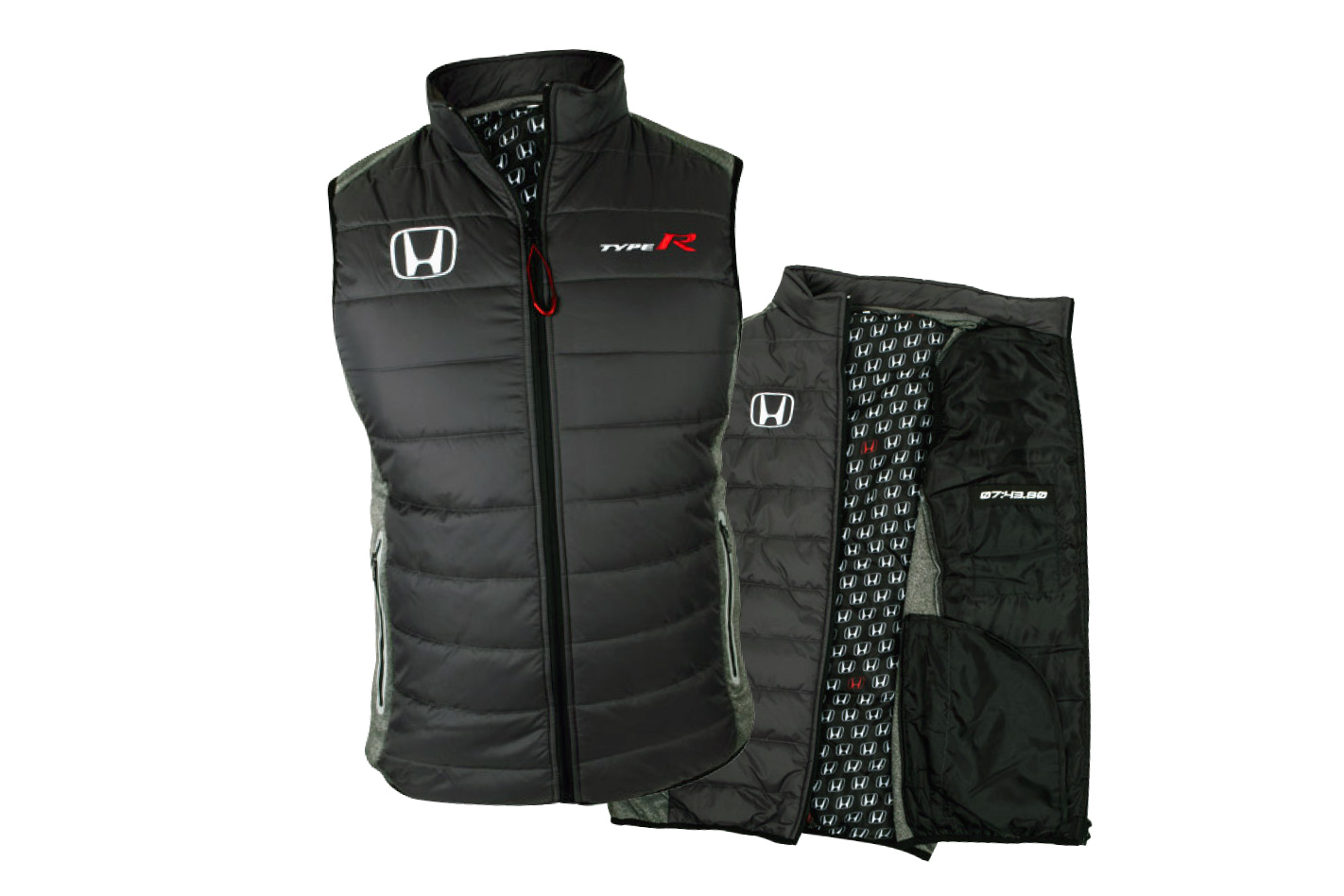
Honda Type R vest, $93.50
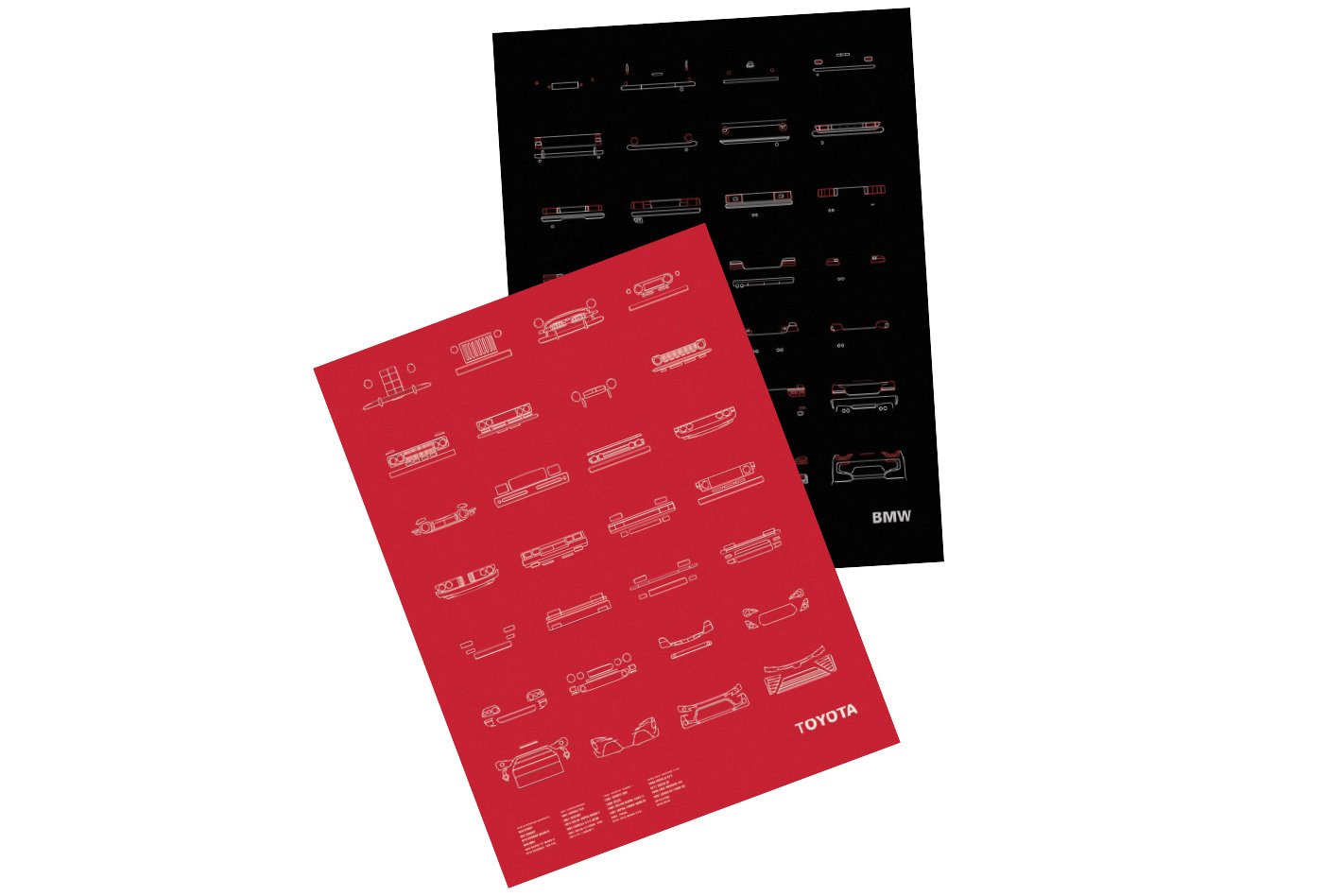
Nomo Auto Icon prints, $38.10
Watches
Bremont Endurance Limited Edition, $8150

Timex Marlin, $260

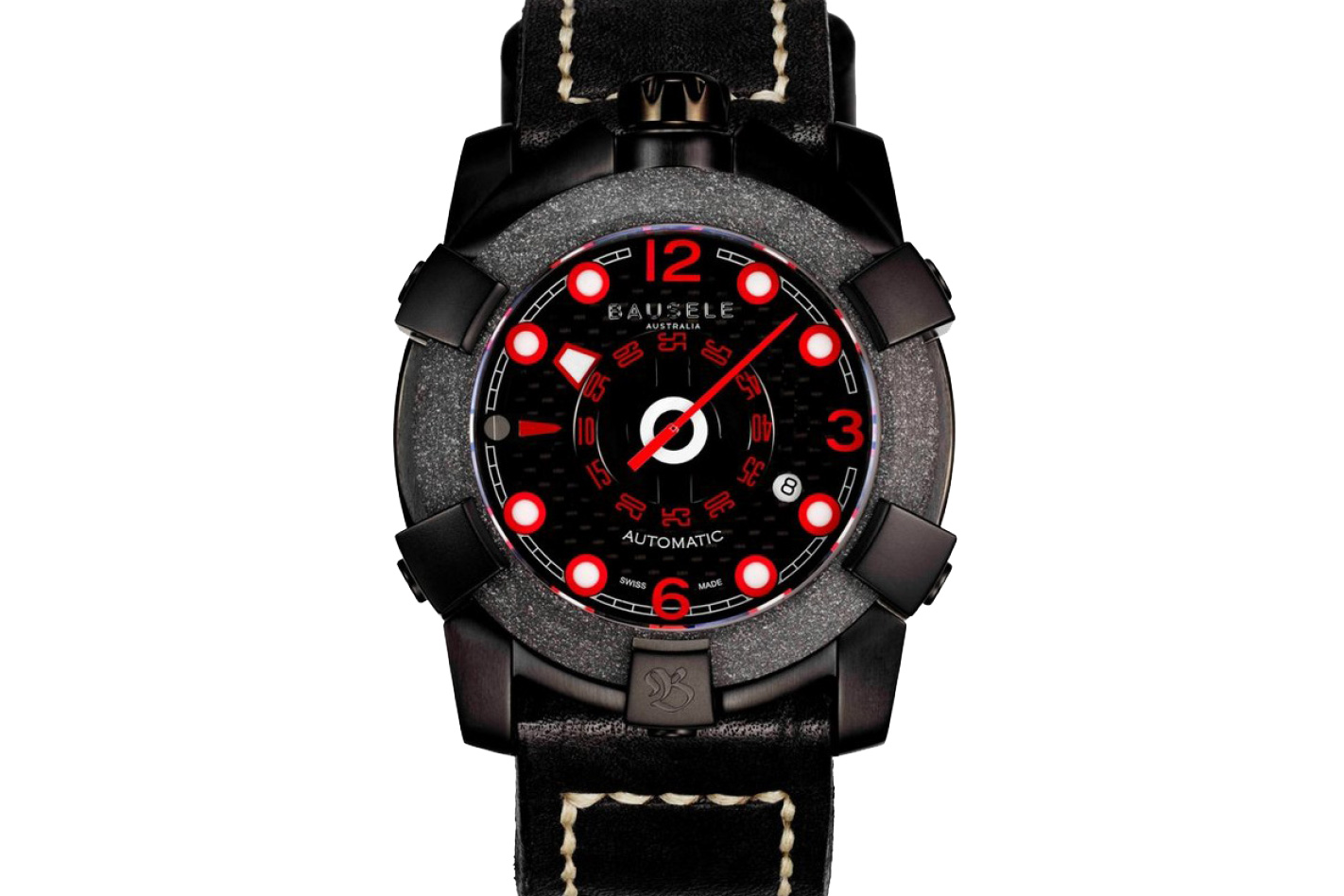
Bausele Terra Australis Red Back, $4850
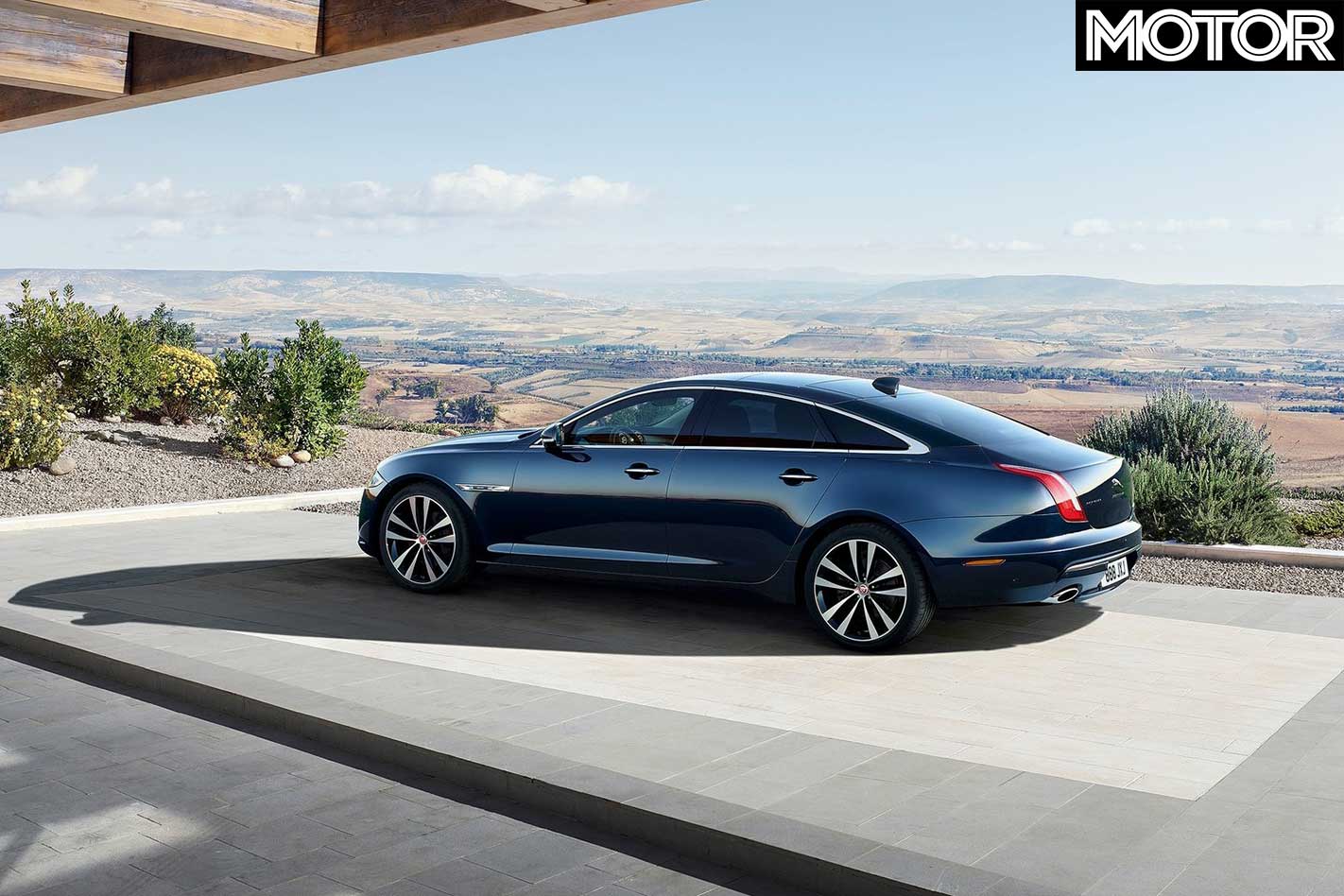
Jaguar has announced a celebratory XJ model – the XJ50 – to mark 50 years of the XJ badge.
It’ll come with a supercharged 3.0-litre engine, either petrol or diesel, but the petrol is our pick for character.
Ultimately, we’d have loved to see the XJR575’s supercharged V8 as the feature presentation. Not really in the spirit of subtlety though, is it?
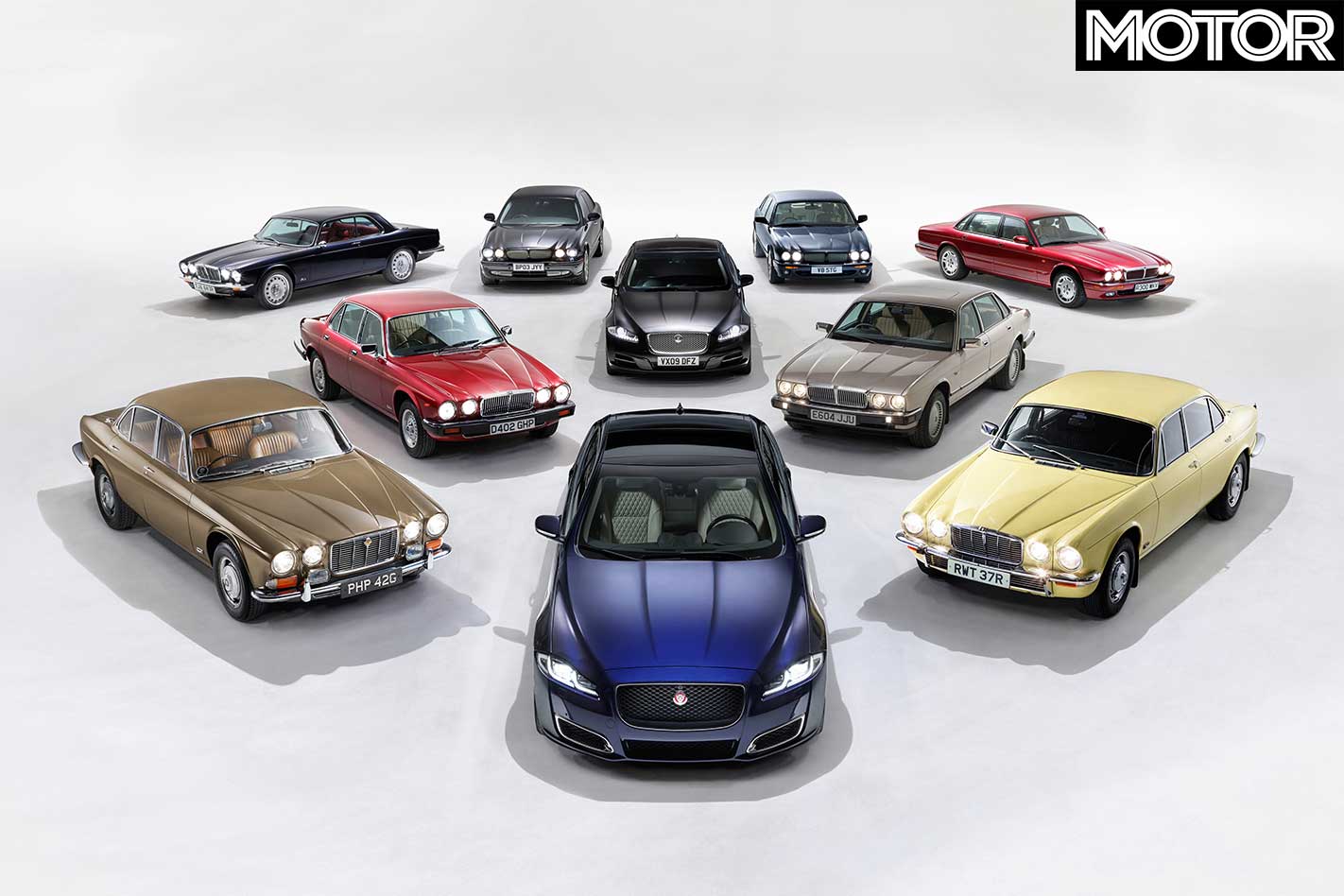
Fuji White, Santorini Black, Loire Blue and Rosello Red are the four colours available.
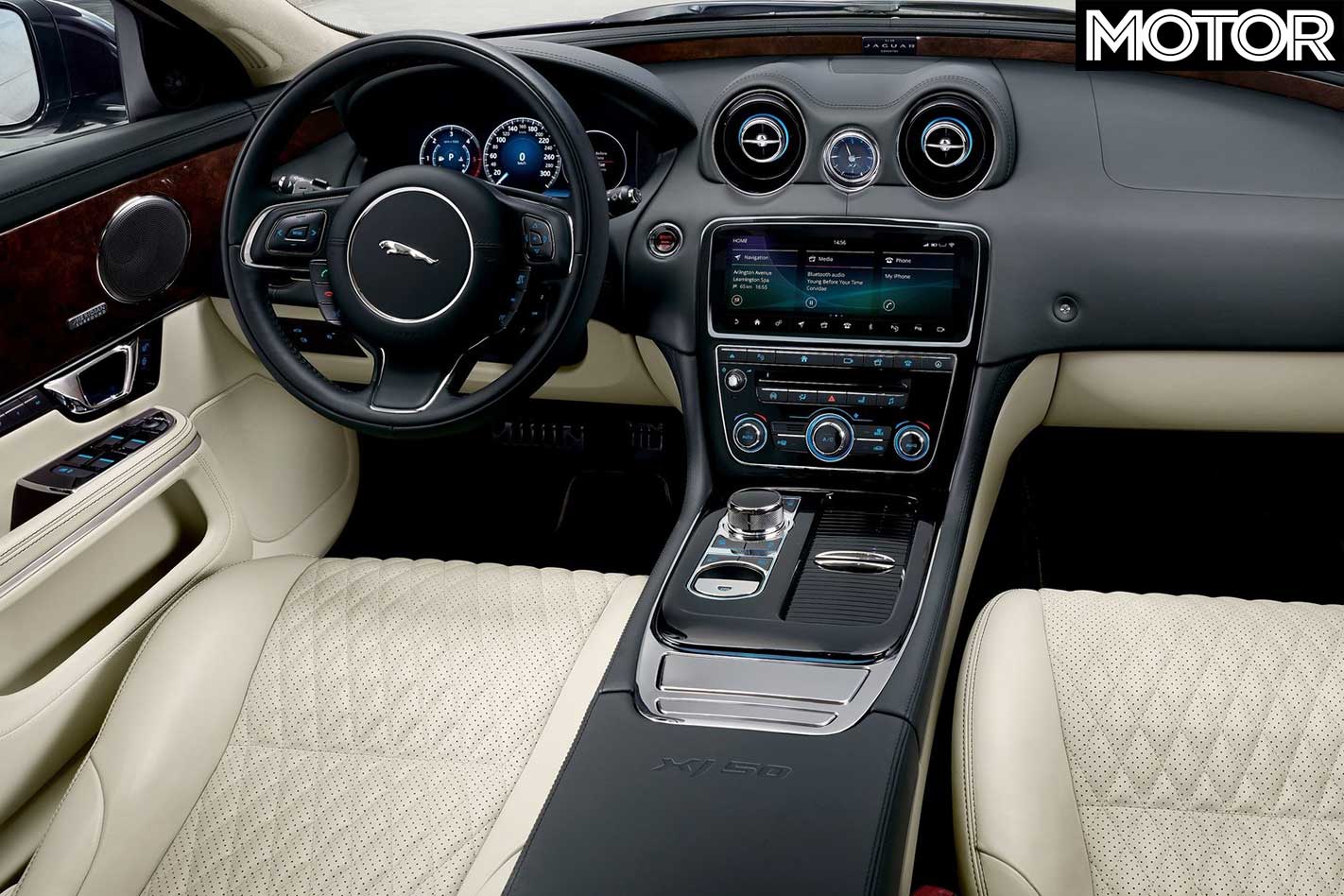
Inside, grain-wood and diamond-quilted seats with embossed Jaguar ‘leapers’ on the headrests ensure the car feels special, while illuminated treadplates give the game away upon embarking.
“Spanning half a century, the Jaguar XJ remains true to its heritage with a wonderful balance of beautiful design, intelligent performance and indulgent luxury that ensures it stands out from the crowd.
“This is a car worth celebrating and the XJ50 pays homage to a giant within the Jaguar brand that we believe is one of the world’s most stylish sporting saloons.”
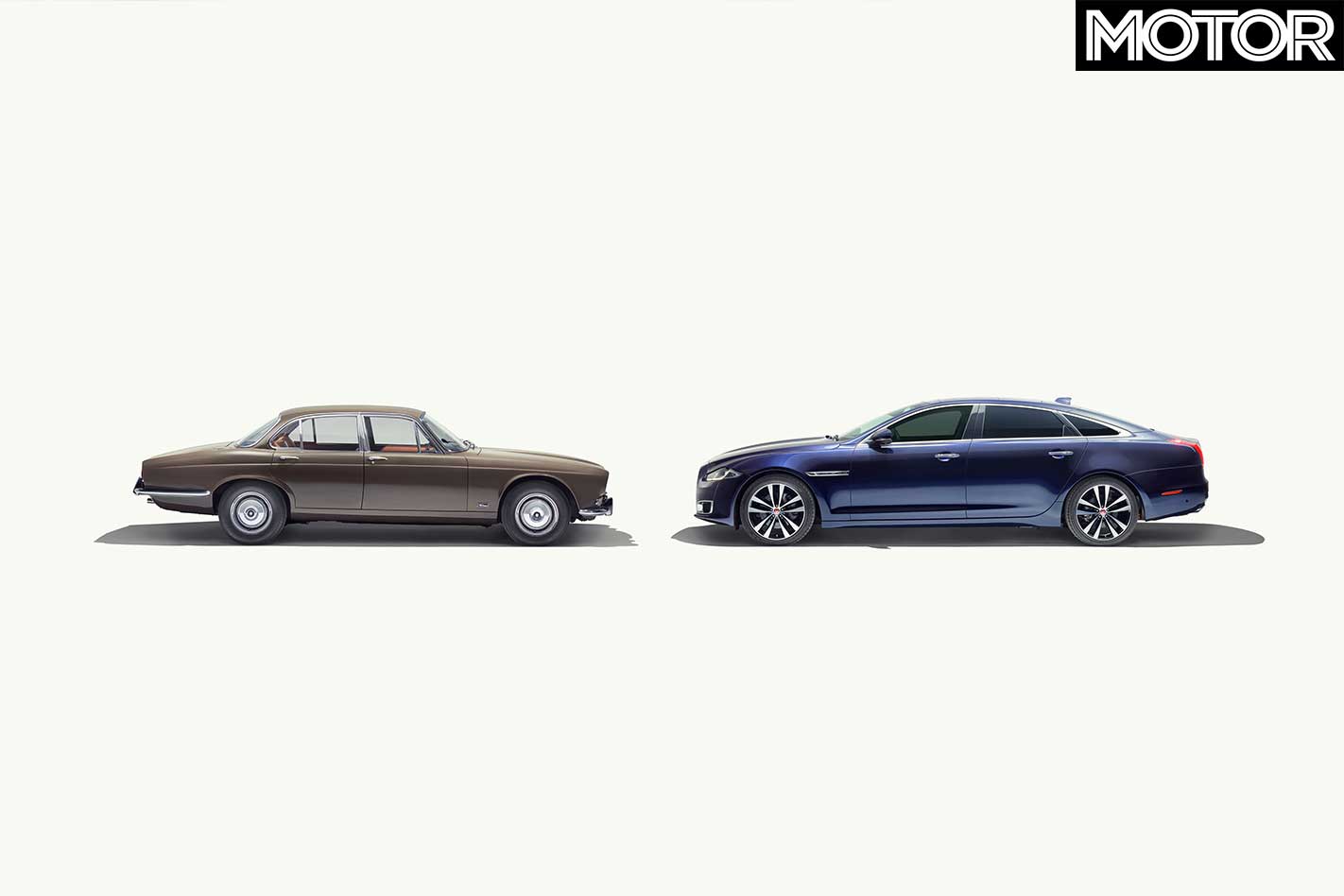
Given the recent downsizing of Jaguar’s engine range in some markets (the loss of the 280kW supercharged V6 from the XE and XF ranges), it’s unlikely that’ll ever happen again.
The new XJ50, however, will be available with the ‘charged 3.0-litre sixer in Australia, good for 250kW. Pricing is yet to be announced, but it’ll be available for order next month.
IN AN attempt to remain relevant in a booming dual-cab market, Mazda Australia went to its bosses in Japan with plans to upgrade the front-end of its ageing BT-50 workhorse.
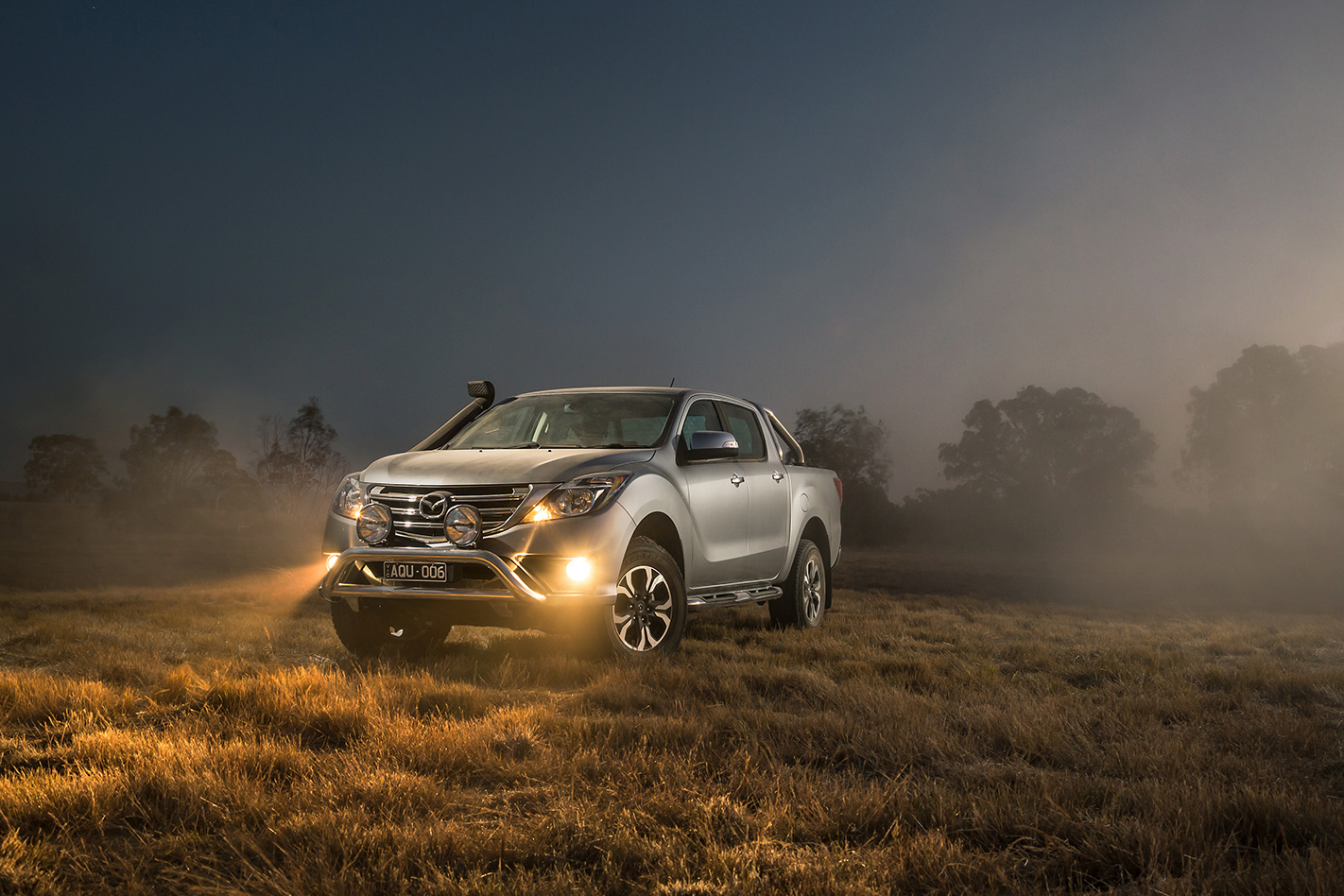
Japan HQ ticked off the idea and provided Mazda Australia with the technical requirements the new BT-50 must meet, and Mazda Australia went to work redesigning the outgoing model’s front fascia, with the intention of adding sharper style lines and crisp corners for a more rowdy look.
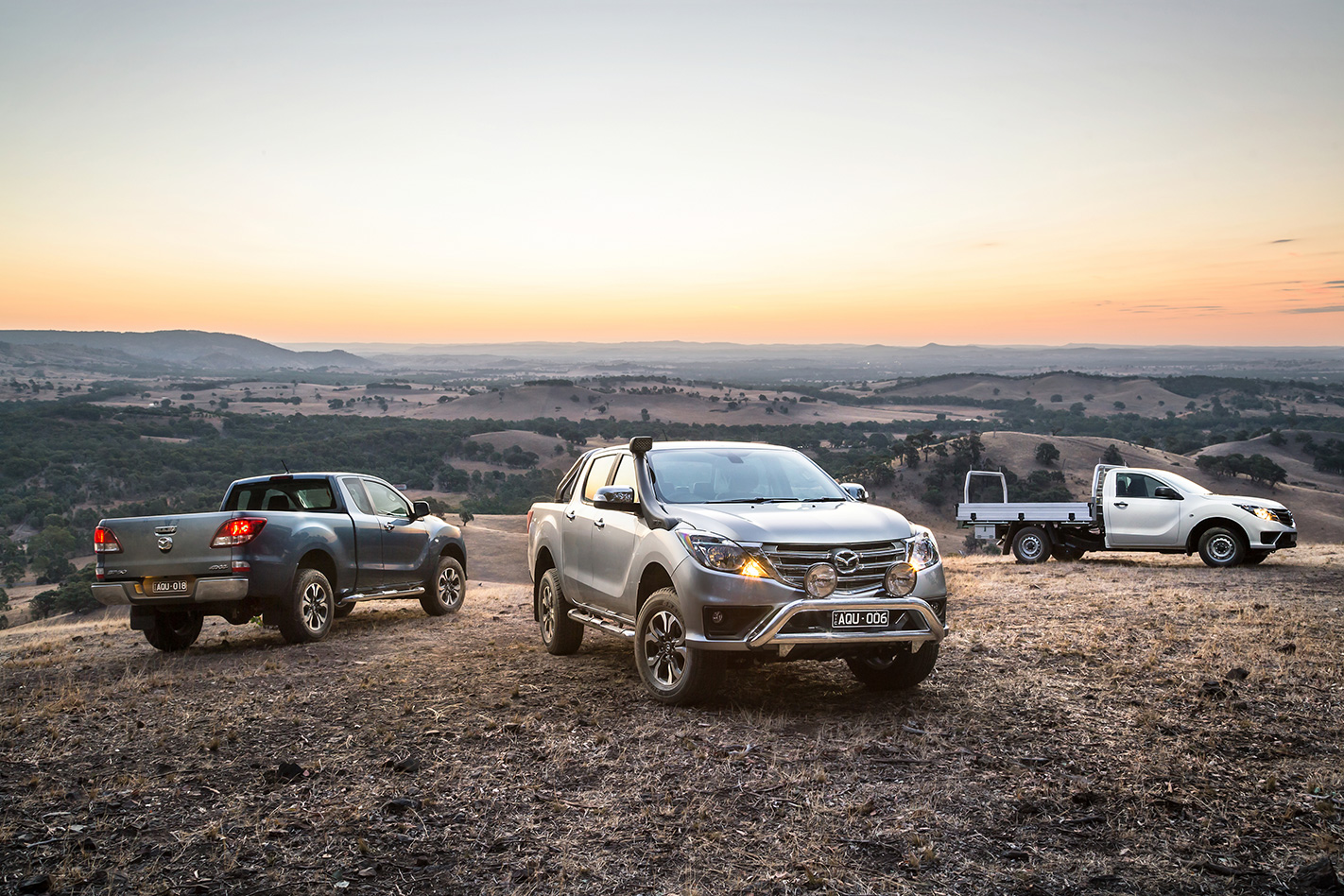
To this end, the grille and bumper were redesigned to catch up to market expectations of what a dual-cab ute should look like in Australia: aggressive, strong and with a wide stance. Spearheaded by Doak, the new-look BT-50 was designed locally, exclusively for the Australian market.
What’s new? The upswept lines of the previous model are no more, with the implementation of horizontal lines more befitting of a tough ute.
New squared-off edges also give the ute more of an on- and off-road presence. Straight lines feature prominently in the newly designed fog-light surrounds and trapezoidal lower section.
The new design loses 0.3 of a degree in approach angle – hardly noticeable, according to Mazda – but it remains a market leader; in fact, at its launch, Mazda claimed improved cooling performance courtesy of the newly designed grille.
The new bumper is made in Thailand, with Mazda fitting the parts – and recycling outgoing units – locally, before the new-look BT-50 is sent to dealerships. Local fitment is made easy as the new bumper utilises the same wiring, clips and brackets of the outgoing unit. This also means fitting an OE-spec bullbar is as just as easy to the new model as it is to the outgoing model. (Mazda is yet to confirm whether owners of older models can update to the new bumper design.) A lot of the proportions – including the position of the Mazda badge and the fog lights – remain unchanged from the previous model, so the full suite of safety technologies is unhindered.

The range-topping GT now comes kitted out with polished alloys, a chrome sports bar, a tub liner, remote tailgate locking, a 12V smart auxiliary socket and a light in the tub. New accessories – a black nudge bar, polished nudge bar, a black retractable tonneau cover, 12V single smart socket and trailer brake away harness – are now available across the range.
With the Ford Ranger and Toyota Hilux dominating the 4×4 sales charts – the 2018 March VFACTS report lists Ford Ranger (9457 year-to-date sales) and Toyota Hilux (9361) well clear of the next-best, Mitsubishi’s Triton (5737) and the BT-50 (2175) – something needed to happen to zap the BT-50 back to life. And with its lucrative pricing, the front-end upgrade may be the venom needed to shoot the BT-50 up sales charts.
