While the local launch calendar is looking busy throughout 2018, it’s a little quieter on the trade ute and one-tonner front, with many of the brands that compete in the market already updating or replacing models in recent years.
With typically long life-cycles, it is unlikely we will see much activity from the relatively fresh line up of pick-ups and off-road utes, but there is a handful to watch out for.
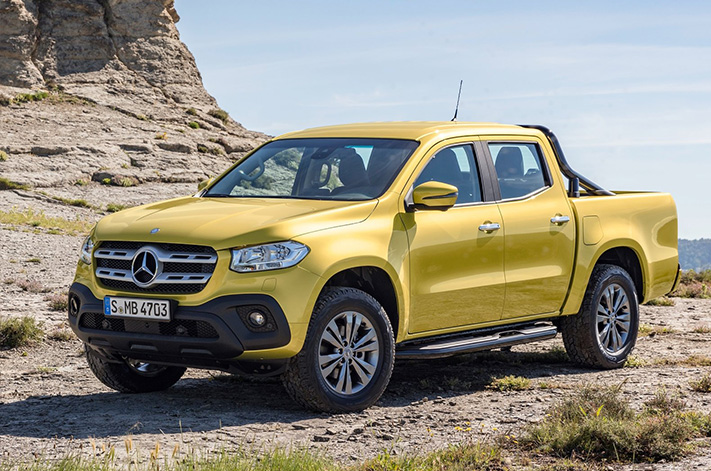
Mercedes-Benz X-Class
Perhaps the biggest news for one-tonners in 2018 will be the arrival of an all new option from Mercedes-Benz due in April, which will be the three-pointed star’s first entrant in the highly popular segment.
The initial arrivals will include a four-cylinder diesel engine to go head to head with many of the existing rivals, including the Nissan Navara with which the X-Class shares mechanicals. A powerful V6 diesel will arrive later to give the Volkswagen Amarok a headache.
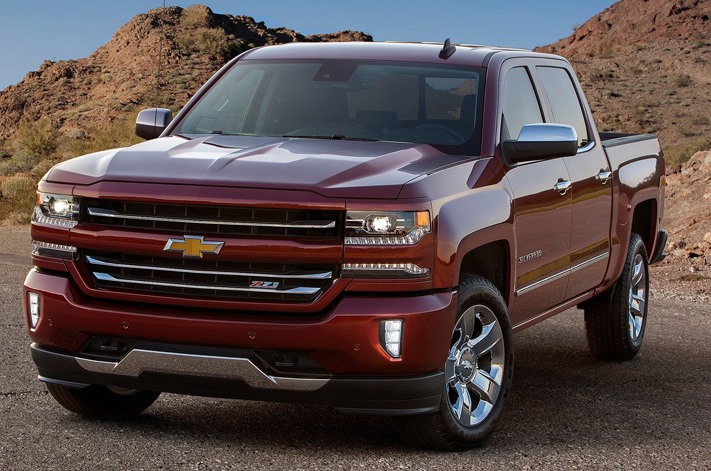
Chevrolet Silverado
Need something big? Really big? You’ll have to fork out a hefty chunk of your savings for an example of General Motors’ monster and pricing is still to be confirmed but the Chevy Silverado will be coming in limited numbers at some point next year.
As part of the new agreement between HSV that will also convert Camaro sportscars, the specialist Holden manufacturer will also be turning its spanners to Silverado conversions, with a comprehensive makeover that puts the steering wheel on the right-hand side of the car.
Ford Ranger Raptor
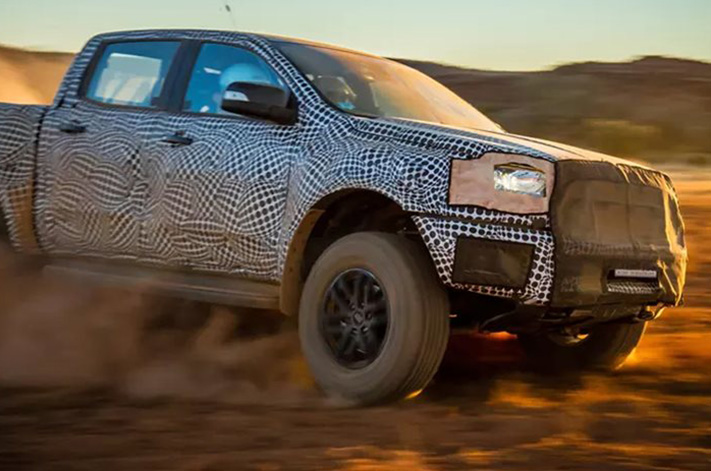
The Blue Oval is already doing a roaring trade of Ranger utes with the high-riding model tussling with Toyota’s Hilux for the title of Australia’s favourite car, but from the middle of next year it will have a new weapon in the fight.
Few details have been revealed but we do know the Ranger Raptor will be positioned as the new flagship above the Wildtrak and is likely to bring even tougher looks, more power, extra off-road kit and a heftier price. Expect a sticker circa $80,000.
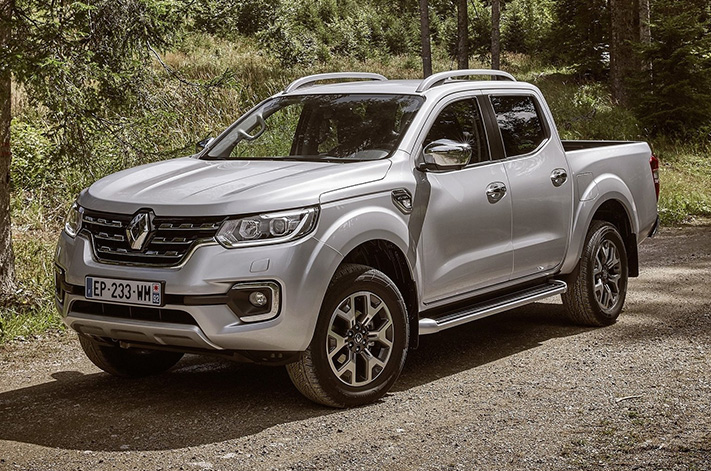
Renault Alaskan
It’s not quite time to get excited about Renault’s contender in the quad-cab ute market, but it is likely the French option will be arriving in 2018 if confirmed.
Where the mechanically similar Nissan Navara would continue to look after the more utilitarian and workhorse end of the market, the Renault would avoid stepping on its toes by offering a more premium-spec offering at the more luxurious end.
It can be a dark and confusing place, the future. One full of uncertainty, unknowns and if you’re a petrolhead, a source of considerable apprehension, providing you’ve taken the time to properly consider what our roads and cars could look like in 10, 20 or 30 years’ time.
If you haven’t, do it now. I’ll wait.
Do you feel it?
That twinge of worry, that pinch of concern deep in your gut, the slow realisation that if you’re one of the diminishing few that care about cars and driving, our future is bleak.
Feeling this way is justifiable when you consider the facts. Righteous, environmentally conscious governments the world over are judiciously banning internal combustion.
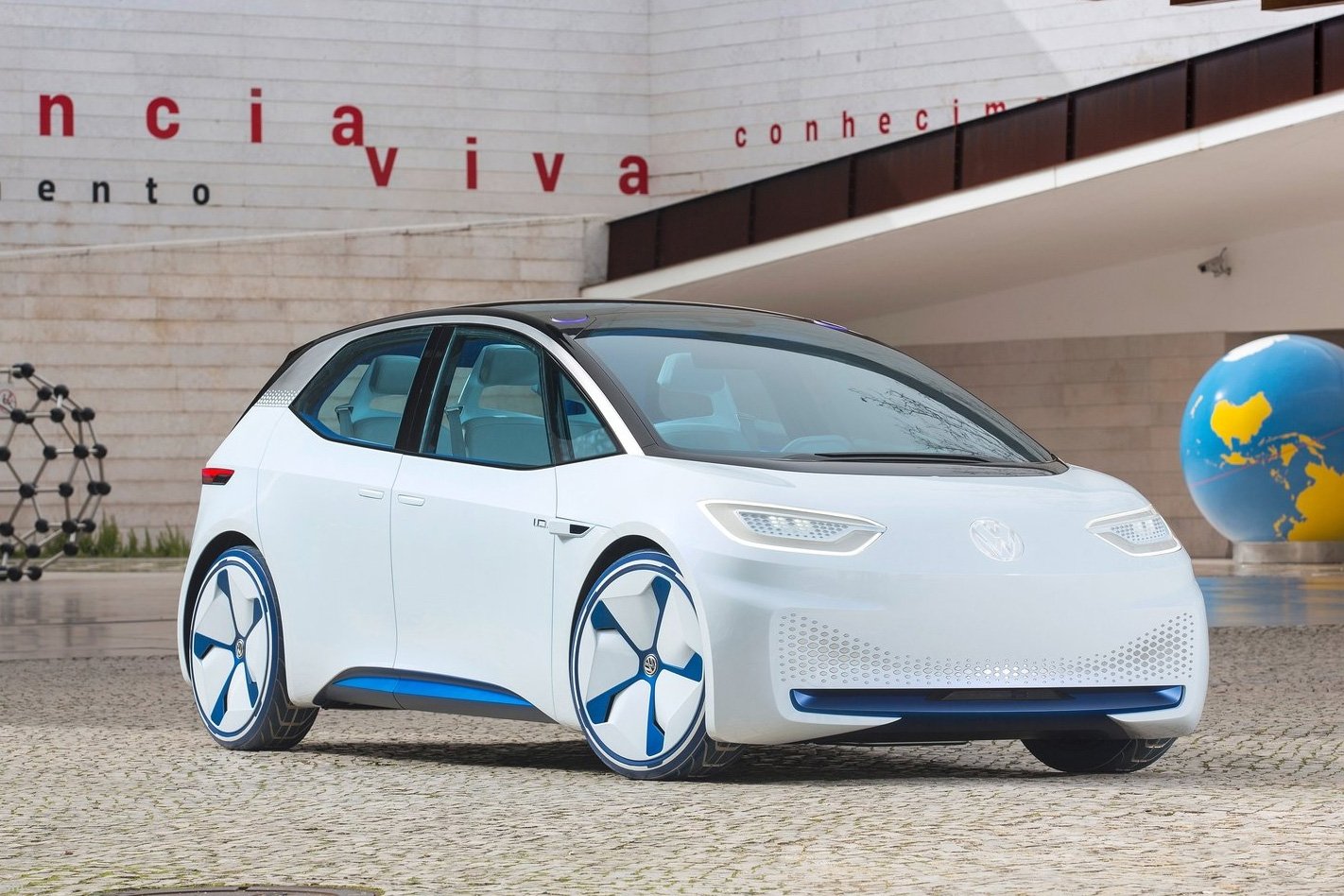
It mightn’t have the drama or violence of a mutiny, but whether you realise it or not, we’re in the midst of a transport revolution.
It’s enough to have you considering a career as a swivel-eyed doomsayer, but don’t start fashioning your ‘The end is nigh!’ sandwich-board just yet.
Quiz the men and women making the decisions about future performance car products and their faces fill not with despair, but excitement and possibility.
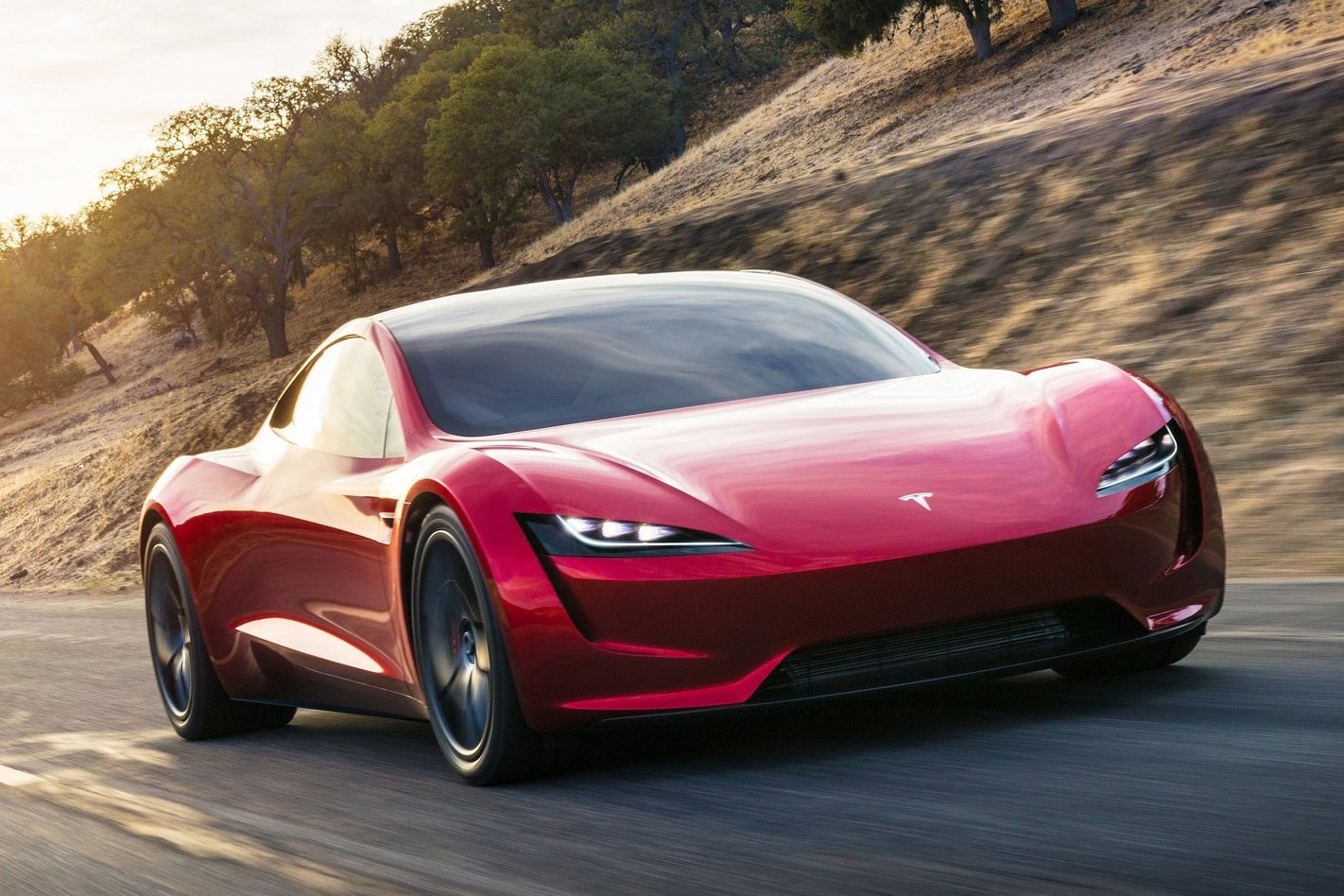
AMG’s fuel-gargling, tyre-hating Tobias Moers is a prime example, as is Frank Walliser. He’s the VC of Porsche’s GT division and charged with implementing the vision of his boss, Andreas Preuninger, another petrolhead, turbo sceptic and the man responsible for ‘purist cars’ like the 911 R.
Frank’s vision of the future is one where hybrids boom, combustion-only performance cars carve their own fiercely protected niche and where electrification reigns supreme.
Ask about the possibility of an electric 911 and he doesn’t blink.
“I think it’s not so far away that we will see the first full electric sportscar,” he grins.
“It will challenge the idea of the sportscar, yes, but an electric car does not mean it has to be autonomous and all these things. You can make an electric car feel like a proper sportscar, why not? You have more options with weight and power and we don’t have to give up the connection to the road, the grip feeling, the proper handling.”
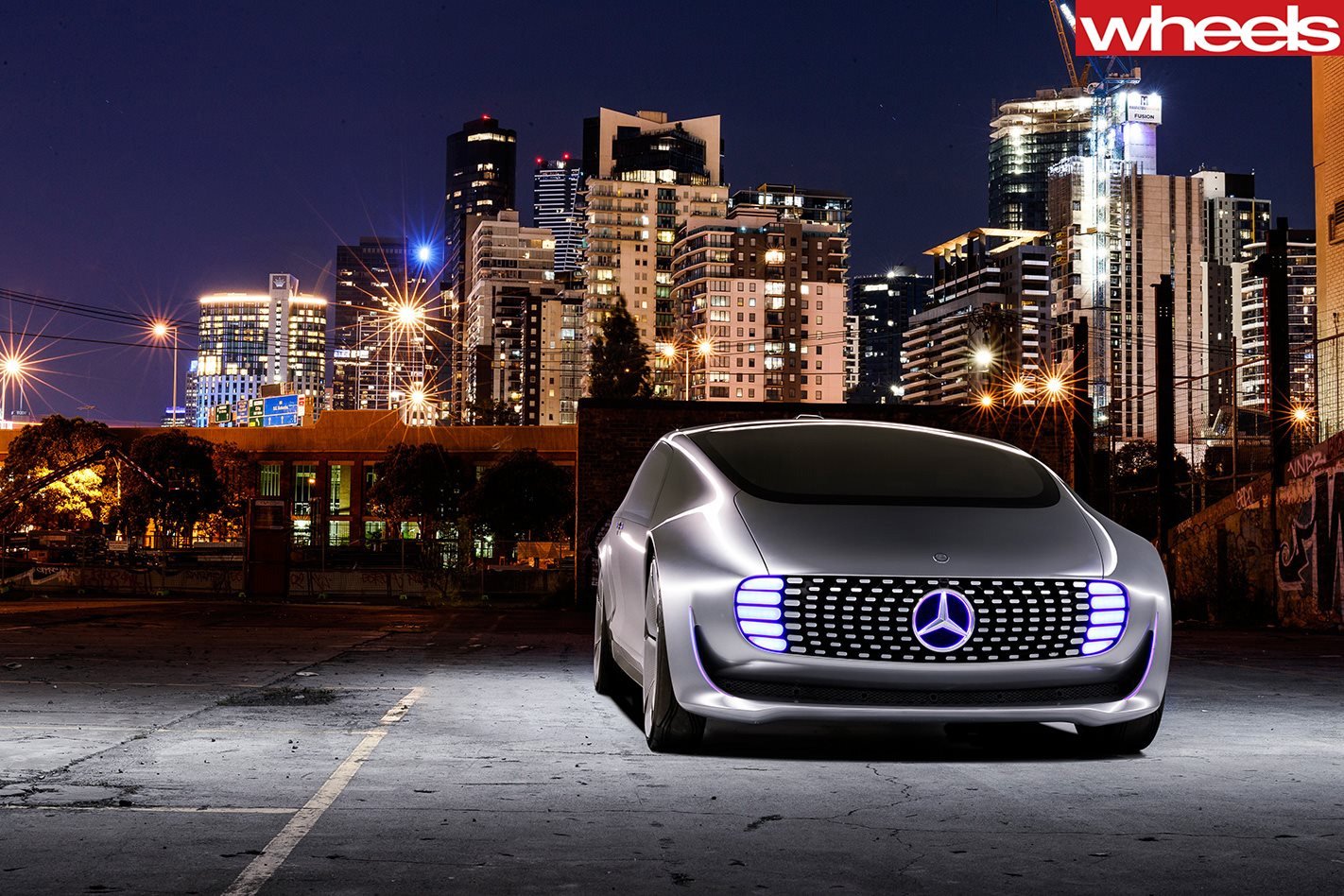
“I’m not worried or nervous at all,” he says.
“I believe we’ll still have internal combustion for a very long time, especially in motorsport … but I truly believe electric cars will be exciting.”
It pays not to underestimate the challenge. Not only do car companies need to nail the timing and build product that doesn’t alienate existing customers, but more crucially, they need to excite and engage a younger generation more interested in the latest iPhone than a new Porsche or AMG.
Just how they plan to do that is at the core of our yearbook magazine. It’s our first Future Issue; designed to cut through the noise and the marketing hype about the change we’ll soon face and clarify what’s realistic and what isn’t.
It’s a multifaceted topic and the core message is this: if you care about driving, don’t panic.
Change can be good.
EACH month, Wheels invites its readers to submit their feedback to the magazine. We also scrape our social media channels for the best feedback; you know, the stuff that takes a story forward, raises an interesting point, or even just piques our interest.
Like clockwork, each month we trawl through the mire to find the one shining example that stands tall from the crowd. The one letter that makes us take pause and think, looking nonchalantly into the air, and then say, ‘yeah, that’s the one’. The Letter of the Month.
But for every monthly winner, there’s the monthly almost-theres; the ones that caused our fingers to hover over the mouse before we cut-and-pasted the one letter to rule them all to the hero spot in Inbox.
This is their story, too.
JANUARY
Late in 2016, Wheels published a tribute to the ‘70s-era Lelouche film Rendezvous. In a modern-day twist, writer Stahly retraced the infamous route through Paris in a Mercedes-AMG S63 L, a distant cousin of the Mercedes-Benz 450 SEL 6.9. That’s all the prompting reader Geoff Butterworth needed to regale us with memories of the time he owned one of the 6.9-litre monsters. It was a bit of a love-hate relationship, we should note, but it left us impressed at the stories it generated – and the depth of his pockets. Ouch.
Our late-2016 deep dive into the first fully imported Commodore sparked mixed results. Some readers liked it – here’s looking at you, Richard Chester, Anonymous Bob and Cliff Morham spring to mind – while others … let’s just say they were less than impressed.
Also less impressed was Steve Nagy, firing in feedback on our story on the reveal of the car that would become our first imported Camry in four decades. He wanted to know if the new sedan would include a coathook for his cardigan, and room for lawn bowler’s bowls. “Anyway, I’d better get off this fandangled Facebook,” he wrote. “Beryl is calling me for tea.” Snap.
FEBRUARY
This was our bumper edition Wheels Car of the Year issue. Instead of Inbox, we gave you 196 pages of extended coverage. And news that the HSV GTSR W1 was coming.
MARCH
Wheels voted, and you responded. The Mazda CX-9 was named the 2017 Wheels Car of the Year, and once more it split readers. Some, such as Glenn Stewart, Allan Janmee and Peter Stokes were all behind the decision – only the second time a high-riding SUV has earned the award. Darren Prior, on the other hand, was more humbling.
Allan Mills steered us to Tasmania’s other missing tiger, a V8-engined Strike Me Pink LJ Torana GTR prototype fettled by GM-H Experimental Engineering. Yeah, we’ll catch it one day.
And John Szabo gave us the first sign of how readers were reacting to the Kia Stinger, a front-engined, rear-drive sports sedan that could potentially fill the Falcon/Commodore void. “This stylish interpretation of how a rear driver should look elevates Kia to new heights,” he writes. The Kia Stinger is one of the cars fighting for 2018 Wheels Car of the Year glory, so we’ll soon know how right he is.
APRIL
We have no idea what prompted Brett Pember to write in about the 1970s supercar scare, but write in he did. With a feast of 250-400kW cars now available for Aussie car enthusiasts to snack on, where, he asked, had all the naysayers protesting the “bullets on wheels” mentality of Aussie car makers gone?
Ian Duncan held us to pause, our triple-shot espresso coffee cups halfway to our mouths, with his recount of a holiday in Europe. He drove 4000 kays at speeds that in Australia would have him locked away with hardened crims while his car was torn apart, and then wondered why we could not do the same here.
And then there was Sean Byrne. Oh Sean. He’d seen a story on wheelsmag.com.au about Porsche developing a Mark Webber track mode for its future vehicles. “Will Porsche do a Mark Webber flight mode,” he quipped, recalling that time True Grit’s Merc inverted on the Mulsanne Straight at Le Mans – not the last time Webber would be airborne in a race car either, we should add. He carries his bat proudly back to the pavilion.
MAY
Our previous month’s story on the Chevrolet Camaro taking longer to arrive in Australia than respect for Donald Trump had David Aralette venting his spleen. “Do the brains at GM really think that delivering a Chevrolet Camaro in 2021 – four to five years away, with project delays – is seriously a winning strategy?” he asked. We now have the answer: Walkinshaw will convert the current car to RHD and flog it here from next year.
Our first ever foray into the world of cashed-up tradies had a mixed reaction. Look online, and our mega crew-cab comparo rated its virtual socks off. While the digital community relished it, readers, it seems, hated it. John Samuels, Michael Mageros and Michael van Kempen all gave us a bullet for even looking at the “steaming piles of automotive excrement”. Yeah, thanks for that vision.
But everything the trade ute haters dished up couldn’t be matched by Rod Davies, who clearly doesn’t like the hunched-over, angled looks of the Toyota C-HR. “We’ve been trying to keep those cane toads out of Western Australia,” he sprayed.
JUNE
Wes Ripper is clearly an Aussie muscle fan. We know this because he took time to give everyone a spray for not appreciating the HSV GTSR W1 for what it is; a mighty fine example of locally made products that “have character and are fun to drive and listen to”. “Well done, HSV, on having the balls to produce such a weapon,” he wrote. His sentiment was mirrored by Michael Raymont, who lamented a future with a “useless, soulless, bland SUV that the boring masses drive”.
Our story on wheelsmag.com.au about BMW dumping dual-clutch gearboxes for torque converter autos saw readers come out on both sides of the three-pedal camp. In the red corner, Colin Suttle said he would never buy another manual again. And in the blue corner, Chaise Delia said it’s not always about what tech is fastest, he’ll stick with the fun of a manual. Don’t think we’ve quite settled that argument yet.
And news that the next-gen Mercedes-AMG A45 was squaring up to have more than 300kW was prompting Richard Chester to ask where we draw the performance line. “Elon Musk has a lot to answer for,” he mused.
JULY
The start to the second half of the year was dominated by Stephen Corby’s special investigation looking at the rising road toll. Graeme Horsnell nailed it: “If [newly licensed drivers] are not trained to think about the knowledge, skills and suitable attitudes towards surviving every road trip, then they cannot be expected to instantly turn the situation around when they start driving.” Reason, though, appears stacked against us.
Scott Muir had a shot at us for describing SUV buyers as “misguided” and “soccer mums”. He rationalised that if we applied the same critical thinking Wheels applied to SUVs and culled the cars everyone wanted rather than needed, we’d be living in a pretty boring world – one devoid of Astons, Ferraris and Lamborghinis and the like. He makes a point.
Bev Hall had us all worried. Hardened crims, she mused, could step in front of cars with automatic emergency braking, halting them in their tracks. They could then be robbed with ease. Well, as long as the sharp-eyed crim could recognise a car with AEB.
AUGUST
James Canning had us reaching for the tissue box with his nostalgic account of why the locally made large sedans would be missed once they were gone forever. “While latte-sipping inner-city types have long ago abandoned the Aussie large car for hybrids and small-capacity turbo Euros, and the ‘suburban family’ has ditched large sedans in favour of SUVs, nothing is more comfy and at home on a rural road than a Commodore or Falcon,” he wrote. Oh no, there’s something in my eye.
Stephen Trenowden asked where all the modern-day styling classics had gone; a dig at the bland styling resulting from the chase for fuel economy via aerodynamics.
And Ian Gibson came out in praise of the Subaru Forester, the surprise winner of a Wheels mid-size SUV mega-test. “Far too many vehicles these days have an unacceptably harsh low-speed ride, and this is a deal breaker for me,” he said.
SEPTEMBER
This month’s winner was down to a game. Reader Dean Richardson, and his sons Xavier and Callum, used Showroom to divine a dollars-for-thrills shortlist by scoring individual cars on performance. Alongside the KTM X-Bow? A Suzuki Ignis. “We own two Suzuki Swifts, so it was a big grin for the Ignis,” he said.
Editor Inwood’s column the month before suggesting Australia hates the car enthusiast elicited a big “yes!” from nice-car driver Alex Coslovich. “Just last week a driver gesticulated at me, suggesting that I was a wanker because I dared to find a gap in traffic as I merged from an on-ramp,” he huffed. “Would I have received the same response if I was in an old Corolla?”
OCTOBER
Peter Moore weighed in on what he thought was the loss of in-car comfort as designers and engineers chased other priorities, namely handling and aerodynamics. As an example of what worked for him, he held up early Peugeots and Citroens as offering a “sumptuous ride”. “Where have all the comfortable cars gone?” he inquired.
Mark Cooper touched on a topic that will require further investigation; why we don’t have uniform car compliance rules. “Every time I move interstate my cars are at the mercy of dodgy compliance rules,” he sprayed. “While my car is hauled over the coals for its window tint, driving by is some piece of crap with no indicators and smoke billowing out the back, but at least it’s registered, hey?”
NOVEMBER
This edition of Wheels came out shortly after Holden and Toyota closed their doors on decades of Aussie manufacturing. We dedicated Inbox to the readers who wrote in describing what their Holden Commodore meant to them. Pride of place went to Damien Smith and his story of the 1979 VB SL/E 308 he co-owns.
Lisa Edwards lamented the loss of her HDT VK SS Brock Commodore, sold only because she was having her fourth baby and needed a bigger car.
DECEMBER
A month on, and we were still mourning the loss of Australia’s automotive manufacturing industry. “Friday, October 20, 2017 marked a very sad day in Australian history as the last ever Australian-made cars came off the production line,” wrote Vic Mazzone. Australia would never be the same again, he said.
Brian Colton was all het up over the tachometer. “Only a few years ago they were found only in exalted sports cars and grand tourers; now they are in the cheapest Suzuki and Hyundai models,” he wrote. Same goes for spoilers.
YEARBOOK
Yep, just like last year, Wheels is producing a yearbook. This year’s version is dedicated entirely to the future of the car, giving hints as to what automotive advances we can expect before too long.
That’s on sale now, so if you want to see what other Wheels readers think this month, head down to your local newsagents or supermarket and grab a copy. Even better, there’s still time to visit MagShop online and buy yourself the present every car enthusiast really wants; a 12-month subscription to what is possibly the best motoring magazine in the world.
That, or you could chance your arm like everyone else featured here and write in to Wheels for your chance to win a 12-month subscription. Your mileage, as they say, may vary.
Welcome to the MOTOR Awards for 2017, where we recognise the best and worst or the year.
In this instalment we give out three awards – Saddest Farewell, Most Disappointing, and Best innovation.
SADDEST FAREWELL: Holden Commodore
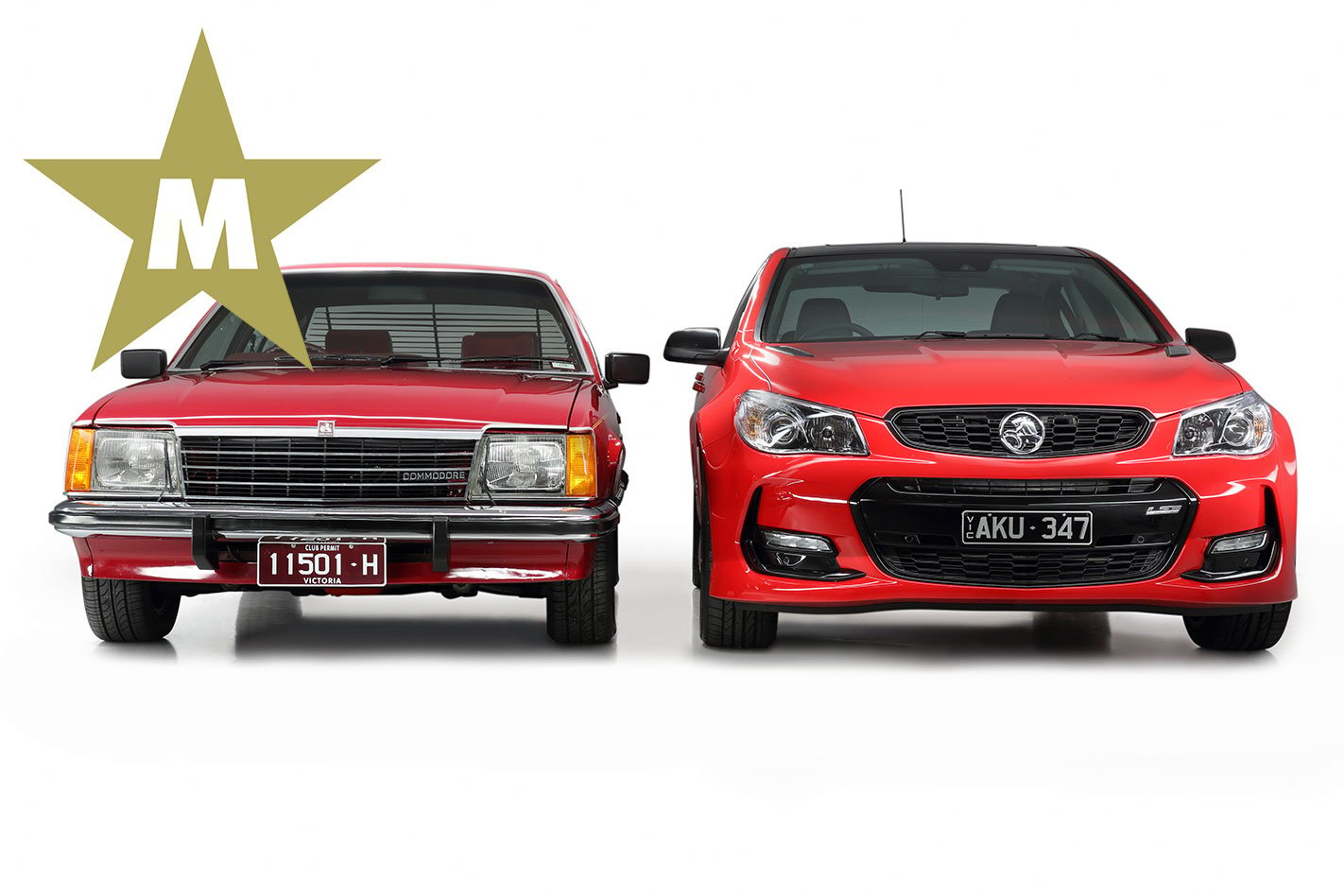
Here’s a quick recap. Old engines in the VB, a dud four-cylinder in the VC and VH, an ageing body and chassis dynamics in the VL, a bloated body and poor quality in the VN, a V-car platform that was dating rapidly in the 2000s, while even the mostly excellent VE lacked braking and auto transmission finesse. This VF swansong, to paraphrase a prime minister from way back, brought home the bacon.
There is no single weak link with the VF Series II Commodore SS-V Redline. Perhaps, to be picky, cabin quality still remains below that of similarly sized German rivals. But tell ’em the price, son, then look to the enormous back seat with one of the best benches around.
Anyway, the Zeta platform delivered damping finesse in the places that mattered, and that’s not in the dashboard structure. The VF’s ability to shrink around its driver, with an unwavering front-end trailed by a rear that subtly edges into oversteer while always remaining planted, is a Commodore hallmark developed to near-perfection here.
The sharp and consistent steering, firm Brembo braking, fabulous Competition ESC, roaring 6.2-litre V8 engine backed by an ear-tingling exhaust, and smart auto (in Sport) were not merely support acts, but part of such an enriching whole that you can only hope that a bit of the magic filters to its successor, which will be tweaked by the same guys and girls who did this one.
Several punters – and misguided media – who would never give the Holden a chance because of its working-class roots, are now swooning over the admittedly decent Kia Stinger. Go figure. But maybe, in this Instagrammed, instant-gratification world, faux is the word of the year. Anything to attract likes and followers, I guess.
The Commodore SS-V Redline may, in some ways – size, cylinder count – be typecast from another era, but the irony is the VF Series II still provides greater depth of ability and sophistication than some big-name imports. Thankfully there’s enough on the used-car market for many to keep the dream alive – for now.
But either way, we’ll miss ya, big guy.
MOST DISSAPOINTING: Subaru Levorg
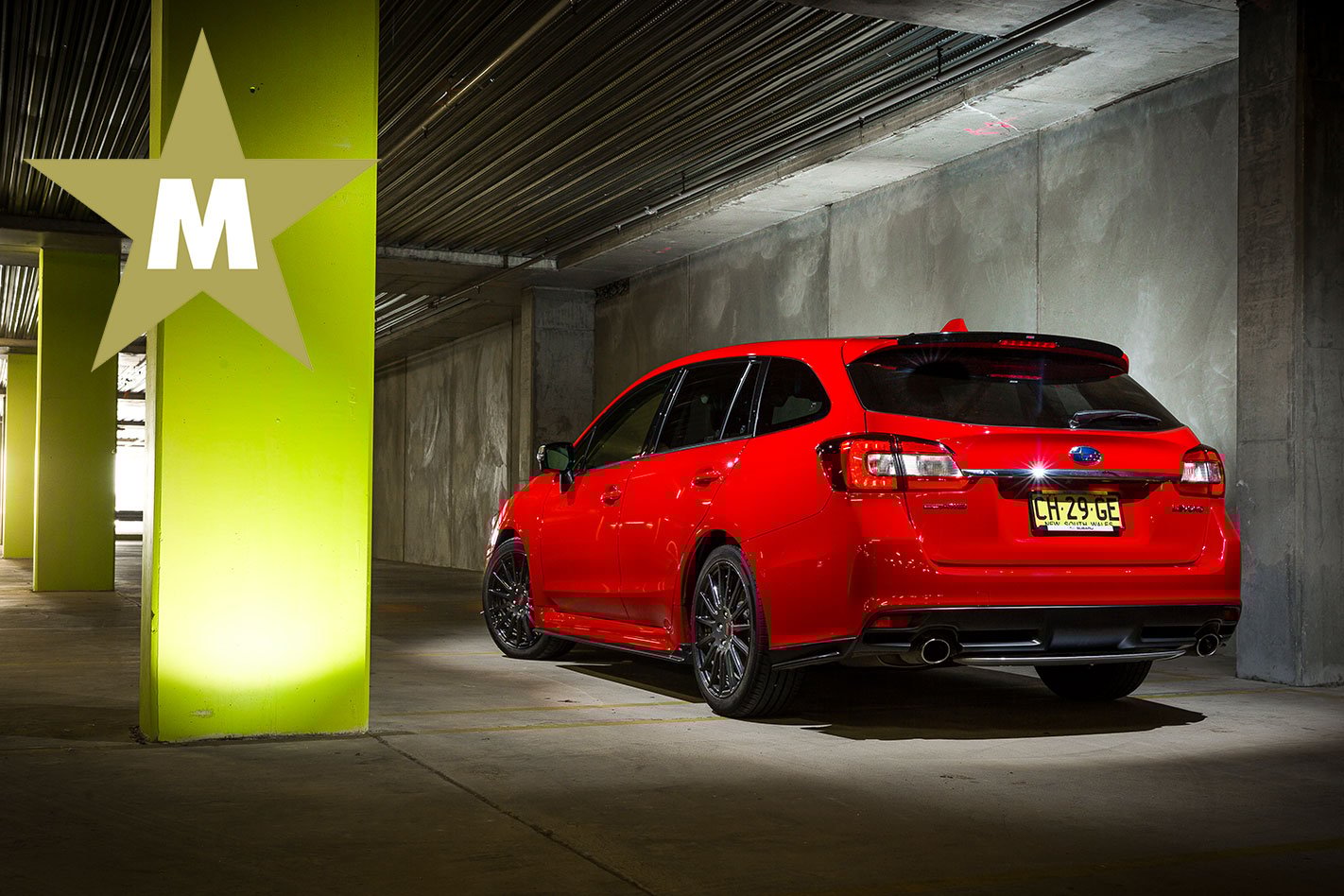
Buoyed by memories of the old Impreza hatch, the Levorg concept really got us excited.
The CVT-only thing was a bit of a bummer, but a practical family car with 197kW/350Nm, an all-wheel drive chassis and decent looks (in GT S B-Spec guise at least) seemed to have plenty going for it.
Then we drove it and experienced the woeful body control, elastic, feel-free steering and whining, unenthusiastic engine.
Subaru claims it’s fixed it with the updated model range; we’ll find out next month.
BEST INNOVATION: Lamborghini Huracán Performante’s ALA aero
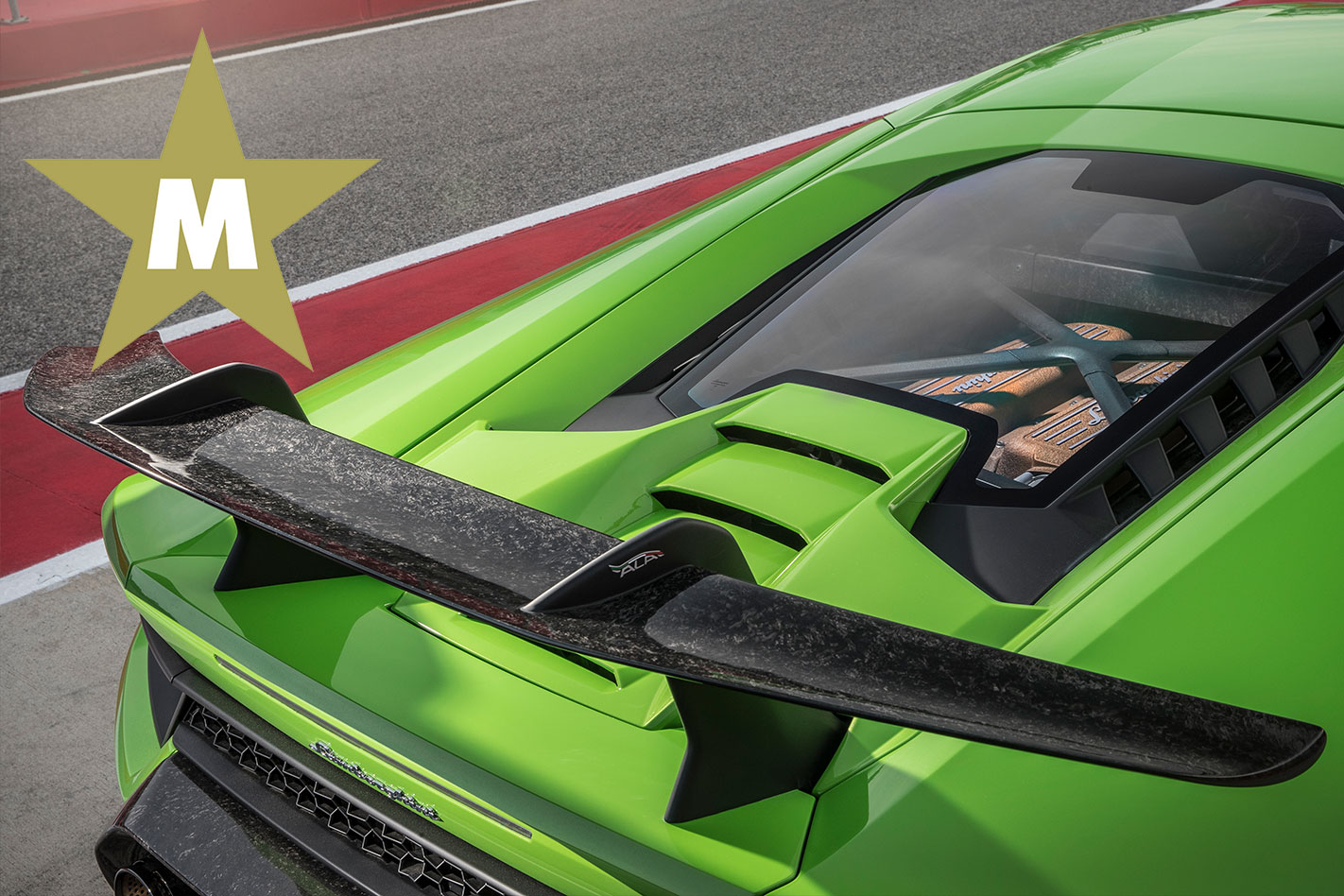
A quartet of flaps operated by a trio of electric motors are key to the crazy cornering capabilities of the Lamborghini Huracan Performante and its stunning 6min52sec Nurburgring lap time.
Downforce is increased by 750 per cent, yet with little to no drag penalty thanks to the flaps opening and closing as the situation dictates.
Expect to see more applications of the technology – from Lamborghini and others – soon.
CRASHES. They are an intrinsic part of motorsport, and while any fan never truly wants to see them, you simply can’t deny their appeal, and are unable to take your eyes off the wreck when it happens.
Thanks to the relentless forward march of racing safety technology, drivers are safer than ever, and serious injury and serious injury has become rarer in motorsport.
There have been some absolute rattlers from this year’s motorsport season, so we’ve decided to collate the best into one list to indulge all your metal-crunching desires.
NASCAR – Brickyard 500
This isn’t the biggest shunt of the year for the Good-ol’ Boys of NASCAR, that crown will inevitably always go to ‘The Big One’ from either Talladega or Daytona. What makes this particular crash so gnarly is the angle it was captured from, with Stewart-Haas driver Kurt Busch wearing a helmet-cam before being wiped out by his out-of-control teammate.
It’s a shocking example of the speed and violence of crashes, particularly in NASCAR. Busch had little to no time to react, and suffered the consequences.
IndyCar – Indianapolis 500
This year’s Indianapolis 500 was one of the fastest in history, with race-winner Takuma Sato clocking a fastest lap average speed of 364km/h. At that kind of velocity, when things go wrong, it’s sure to be spectacular.
That’s unfortunately what happened to Brisbane-born Kiwi Scott Dixon on lap 53 of 200. The 2008 Indy 500 winner made contact with Jay Howard, launching his Chevrolet IndyCar into the air over the top of Helio Castroneves, and careening toward a catch-fence.
Dixon’s crash is the fastest on this list, with the car splitting in half, sending debris flying. Thankfully he was able to walk away without a single injury.
Supercars – Tasmania SuperSprint
A wet track, bunched-up field, and sun glare are a recipe for disaster – and that’s exactly what happened when the Supercar championship when it visited Tasmania earlier this year.
Watch as the majority of the field gets caught out, with some teams losing both their cars in the carnage.
Supercars – Sandown 500
While the Tasmanian pile-up was probably the most expensive shunt of the year in Supercar’s, this crash involving Todd Hazelwood and Jonathon Webb from Sandown is the most spectacular.
Heading into the fastest part of the track, Webb tags the rear of Hazelwood’s car, pitching him backwards into the barriers, and a violent, body-shredding rollover.
Hazelwood managed to walk away without injury, and was in his Super2 race car battling back on track only a short time later.
Toyota 86 Series – Newcastle
Street circuits are ground zero for nasty multi-car crashes. With car-killing concrete barriers lining the circuit, one wrong move can end your day. However, in the process, the wall will also bounce you back into the path of oncoming traffic.
That’s exactly what happened in the Toyota 86 Series when it visited Newcastle in November, with a number of cars spearing into a stricken vehicle. We hope Toyota packed plenty of spares.
GT3 Championship – Macau
Macau is one of the tightest and trickiest racing circuits in the world, so when things go wrong, they do so spectacularly.
That’s what happened in the FIA World GT Cup qualifying race earlier this year, when all but five cars in the field were caught up in a nasty concertina effect pile-up.
Formula 1 – Singapore Grand Prix
If you’re a Ferrari fan, you may want to look away for this one. Sebastian Vettel, Kimi Raikkonen, and Max Verstappen came together with messy results at the start of the Singapore Grand Prix, with all three crashing out.
The shunt had major implications for the championship, with Lewis Hamilton cruising to a comfortable victory.
V8 Utes – Gold Coast
Say hello to possibly the most Australian crash of the year. While it doesn’t match some others on this list in terms of bent metal, the audio well and truly makes up for it. Want to know what some drivers are thinking under the helmet when it all goes wrong? Watch this.
Be warned, there is some strong language, so you may want to cover the ears of any young ones or sensitive types in the vicinity.
Rally Raid – Dakar
Dakar. It’s the longest, most brutal event of the motorsport season. Held in January each year it pushes man and machine to the limit, and sometimes beyond.
Watch as a small mistake from veteran driver Carlos Sainz results in a wild crash and a very bent Peugeot.
Australia experienced a sports car renaissance in 2017, with strong sales and the arrival of instant motoring legends including the Mercedes-Benz AMG GT, Lexus LC500, Porsche 911 GTS, Audi TT RS, the Lamborghini Huracan Performante, and the McLaren 720S.
It’ll be more of the same in 2018, with a diverse range of highly anticipated sports cars, most of which are drawing on already legendary names.
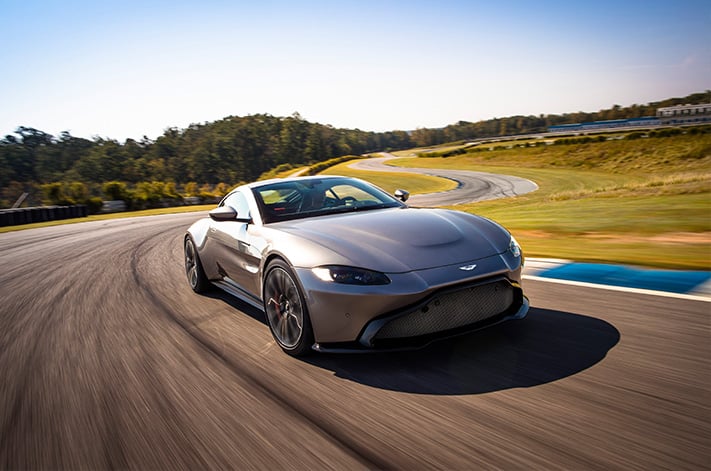
Aston Martin Vantage
The new-generation Aston Martin Vantage brings a significant evolution in styling and cues from both the unhinged Vulcan track star and even the manic Valkyrie. Powered by a hand-built Mercedes-AMG 4.0-litre V8 it packs a 375kW punch thanks to twin turbos and a tune unique to Aston.
The new version sprints to 0-100km/h in 3.6 seconds and will hit a top-speed of 314km/h, making it faster than the outgoing V8 and V12 models, despite the latter producing considerably more power.
It’s unclear when the new Vantage will arrive here, but when it does don’t expect much change from $300,000.
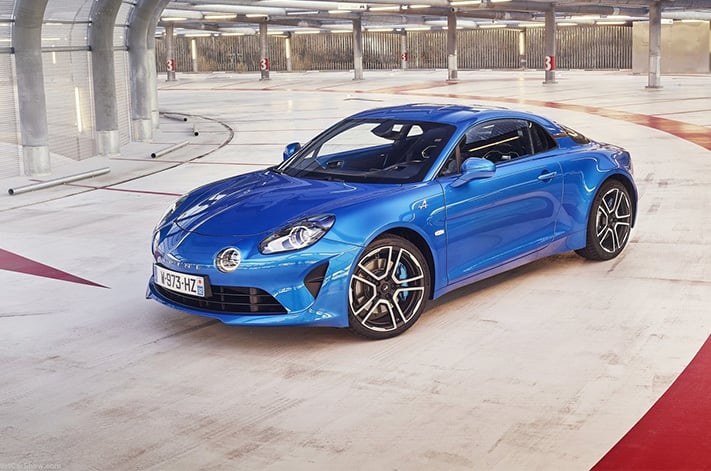
Alpine A110
Renault’s performance sub-brand Alpine is back with a bang with its Alpine 110, that’s heavily based on the Vision Concept that wowed crowds at the 2016 Geneva Motor Show. It’s styled in homage to the original 1960s-era A110.
Power comes from Renault’s new 185kW/320Nm1.8-litre four-cylinder turbo petrol engine, mounted transversely behind the seats and sending power to the rear wheels via a seven-speed dual-clutch automatic. Those outputs are lower than the 205kW/390Nm Megane RS, which uses the same engine in a different state of tune, but the power deficiency will be offset by the Alpine’s lighter weight.
Expect the Alpine A110 to arrive in the second half of 2018.
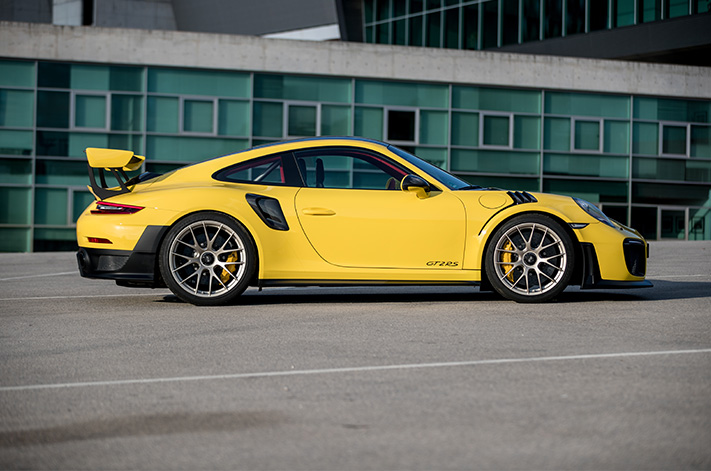
Porsche 911 GT2 RS
Previous generations of Porsche’s GT2 RS were infamously known as the Widowmaker. Its fourth incarnation is the most powerful road-going 911 ever built. Power comes from the 911 Turbo S’s 3.8-litre twin-turbo six that’s been further tuned to produce a monstrous 515kW/750Nm, sent solely to the rear wheels.
Even by Porsche 911 standards, the GT2 RS’s performance is best described as wild and its ferocious acceleration – which Porsche claims pushes it from 0-100km/h in 2.8sec – commands respect.
The Porsche 911 GT2 RS will arrive here early in 2018 priced from $645,700.
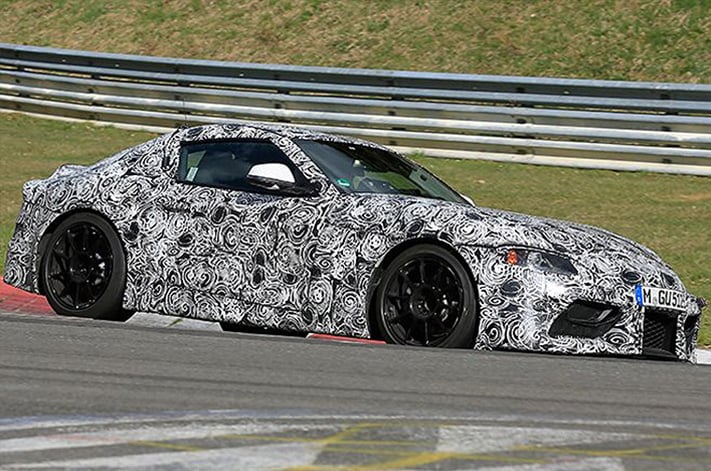
Toyota Supra
At the more affordable end of the sports-car spectrum, the Toyota Supra is due here next year, however its launch continues to be delayed. Not much is known about the fifth-generation Supra, apart from the fact it will use a turbocharged petrol engine, and chassis sourced from BMW as part of a co-development with the German-brand’s Z5 roadster. It’s also likely to come with an optional plug-in hybrid version with motors and associated electrics supplied by Toyota.
From what we’ve seen from heavily camouflaged spy shots, the Supra takes some styling cues from the 2014 Toyota FT-1 concept, though the front end appears to trace back to the last-generation, JZA80 Supra from 2002.
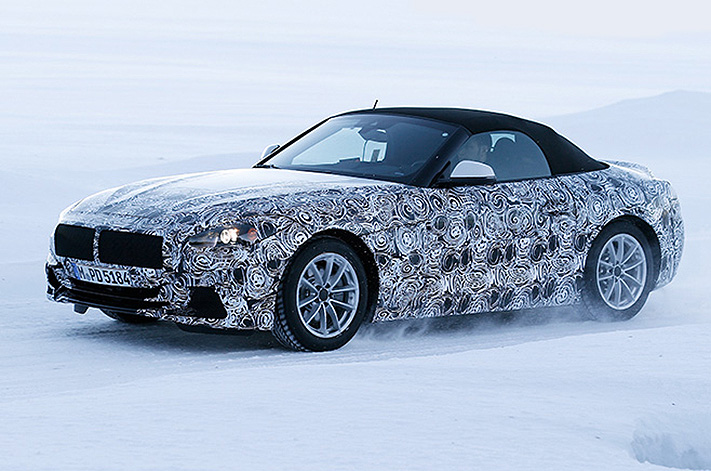
BMW Z5
As mentioned above, the BMW Z5 is being developed in conjunction with the new Toyota Supra. While it shares underpinnings and powertrains with the Supra, expect a very different look, not least because the Supra will come exclusively in coupe form, the Z5 will be a roadster.
Unlike its Z4 predecessor, the Z5 will be pure sports car rather than a look-at-me special and is likely to ditch the retractable hardtop for a fabric roof to save weight and lower the centre of gravity.
The BMW Z5 is expected to be launched early in 2018 with initial sales to start in the Northern spring, though we’re not likely to see it here until later in the year.
Welcome to the MOTOR Awards for 2017, where we recognise the best and worst or the year.
Below are our picks for Best Looking, Hardest Charger, and Biggest Surprise.
BEST LOOKING: Ford GT
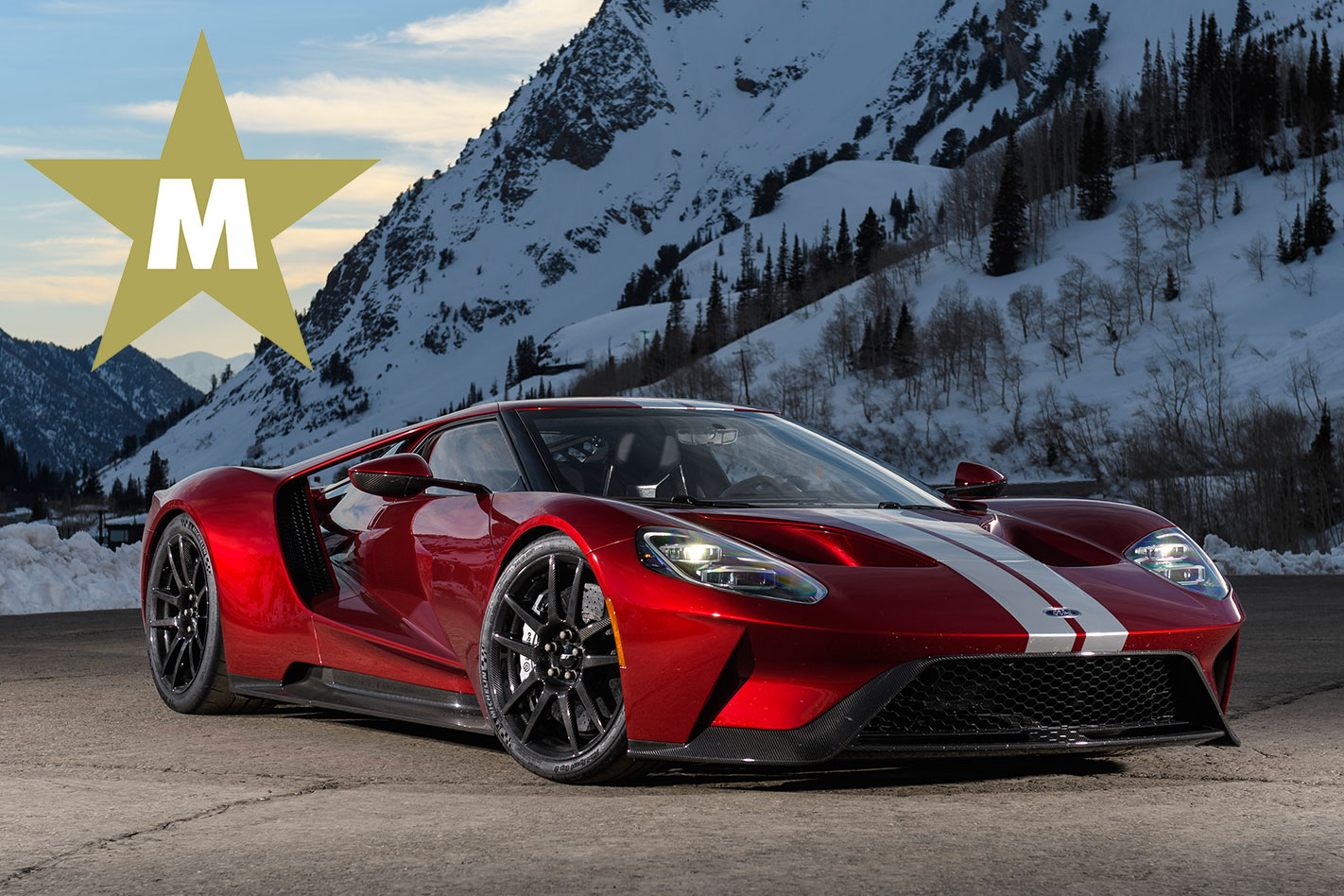
The short list? Lexus’s LC500 scores a mention since it will always look like it’s en-route to a motor show. Then there’s the Alfa Romeo Giulia, a sharp, sculpted, and stylish Euro sedan. Mazda’s MX-5 RF looks like a shrunken F-Type, which is a definite positive, and Aston Martin’s DB11 continues the model’s tradition of oozing cool and opulence.
But the Ford GT has blown them all out of the design studio. Thanks to its focus on uncompromising performance it looks like nothing else. Take those flying buttresses, which prove Ford chased aerodynamic efficiency doggedly when designing the GT.
The interior seats are fixed into position, with adjustable pedals helping to accommodate different-sized humans instead, and the 3.5-litre twin-turbo V6 behind them was chosen because it’s the smallest engine possible that could meet power targets.
This meant Ford could shrink wrap the bodywork around the cabin and drivetrain into a teardrop shape. LMP1 racecar engineers will tell you this is the most efficient way to scythe through the air. And like the cars in the World Endurance Championship’s top category, the GT’s rear wheels live outside the cabin.
Designers then seized the opportunity to place the engine’s intercoolers in front of the rear wheels without upsetting the gaping air channel down its flanks. And herein lies the dual purpose of those buttresses.
They bridge the charged air from the intercoolers into the engine bay, but also connect the bodywork from the rear haunches to the roof, so that the car looks cohesive from the rear three-quarter. Oh, and they also produce downforce.
However, they’re not the only design elements multi-tasking. Those circular rear tail lights are a nod to the original, but peek closer and you’ll see they’re filled with vents that exhaust air that’s passed through the radiators. Meanwhile, that wraparound windscreen, dual exhaust, and leading edge on the nose are cues inspired by the Ferrari-crushing GT40.
As cool as these details are, you only need to step back to appreciate the GT as a whole. It’s achingly beautiful in how its aggressive lines hide in its ground-hugging silhouette. Ford’s also nailed its proportions by using minimal overhang, and its body crouches behind its wheels, which look huge despite being a relatively common 20-inch size.
Yet, with so much happening, you can’t single out a detail that shouldn’t be there. To think it was designed in top-secret, by designers and engineers during overtime, baffles the mind. Such is the level of thought seeping from the Ford GT’s sexy carbon fibre and aluminium skin, we’ve called it the best-looking rig of 2017. Don’t agree? You know our email address.
HARDEST CHARGER: Koenigsegg Agera RS
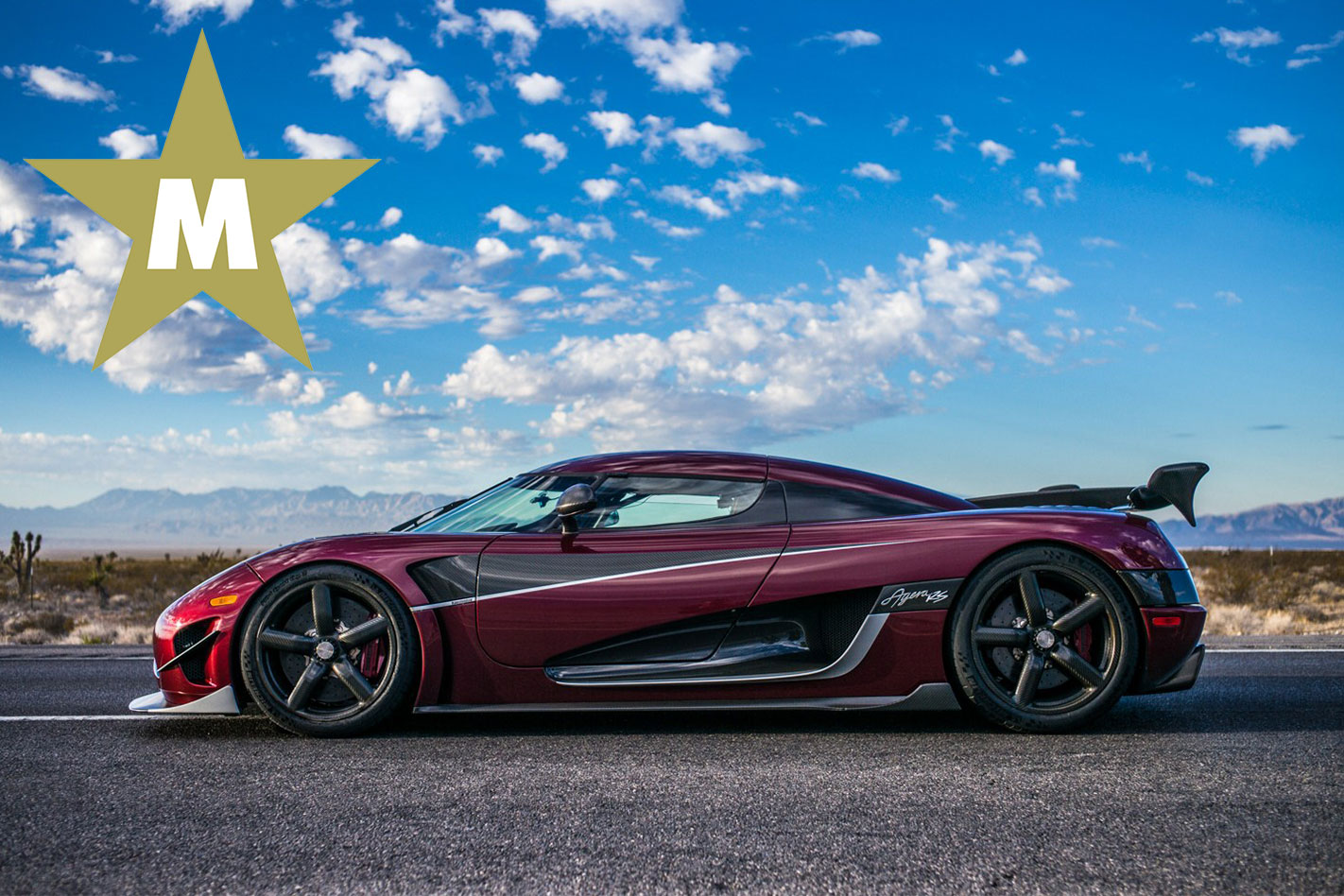
It began by blowing away the Bugatti Chiron’s 0-400-0km/h record on a less than ideal surface, but it turns out this was just a warm-up.
On a closed road in Nevada, Koenigsegg not only shattered its own 0-400-0km/h record (down to just 33.29sec, almost 9sec quicker than the Bugatti), but also topped out 457.49km/h, in the process setting a new production car speed record with its two-way average of 444.66km/h.
And it achieved all this with a US customer car, who simply wanted to see how fast it really was.
BIGGEST SURPRISE: Jeep Grand Cherokee Trackhawk
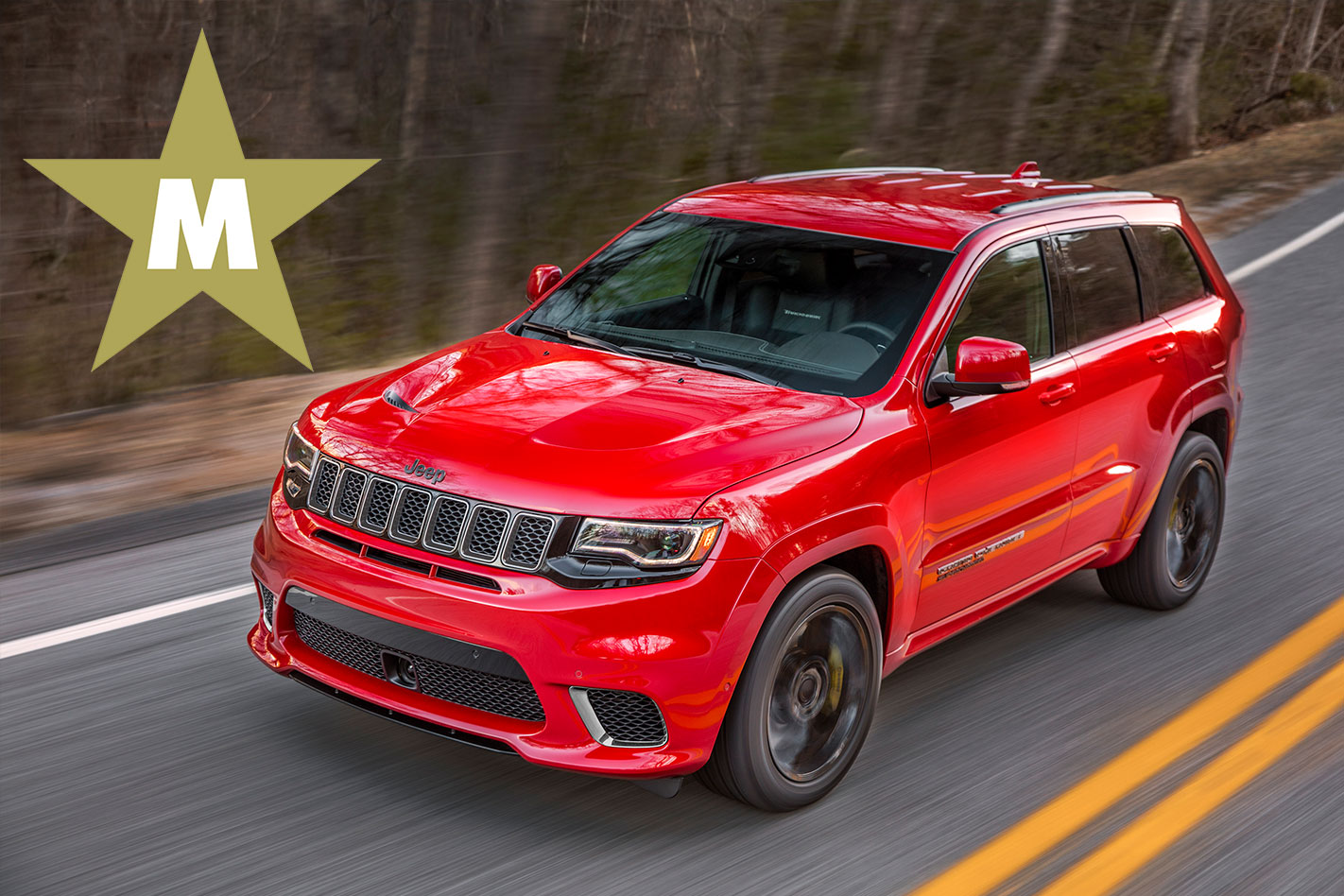
The regular Grand Cherokee SRT is good fun, but not exactly the sharpest of handlers; it certainly doesn’t strike you as a car that would necessarily be improved by a supercharger and an extra 183kW/250Nm.
But not only does the Trackhawk work, it works well.
Sure, it’s massive money for a Jeep (estimated $140K) and at almost 2.5 tonnes it’s no ballerina, however, it looks tough, sounds like Armageddon and can hit 100km/h in 3.7sec, which will be more than enough for most people.
We’ve had some fun this year, but there are a few standout moments that we think are worthy of a retrospective celebration.
From celebrating decades of heritage, being the first to break the year’s biggest stories, to driving some of the wildest tuner cars around, here are our favourite features in no particular order.
1. Goodbye to the Aussie Commodore – November 2017
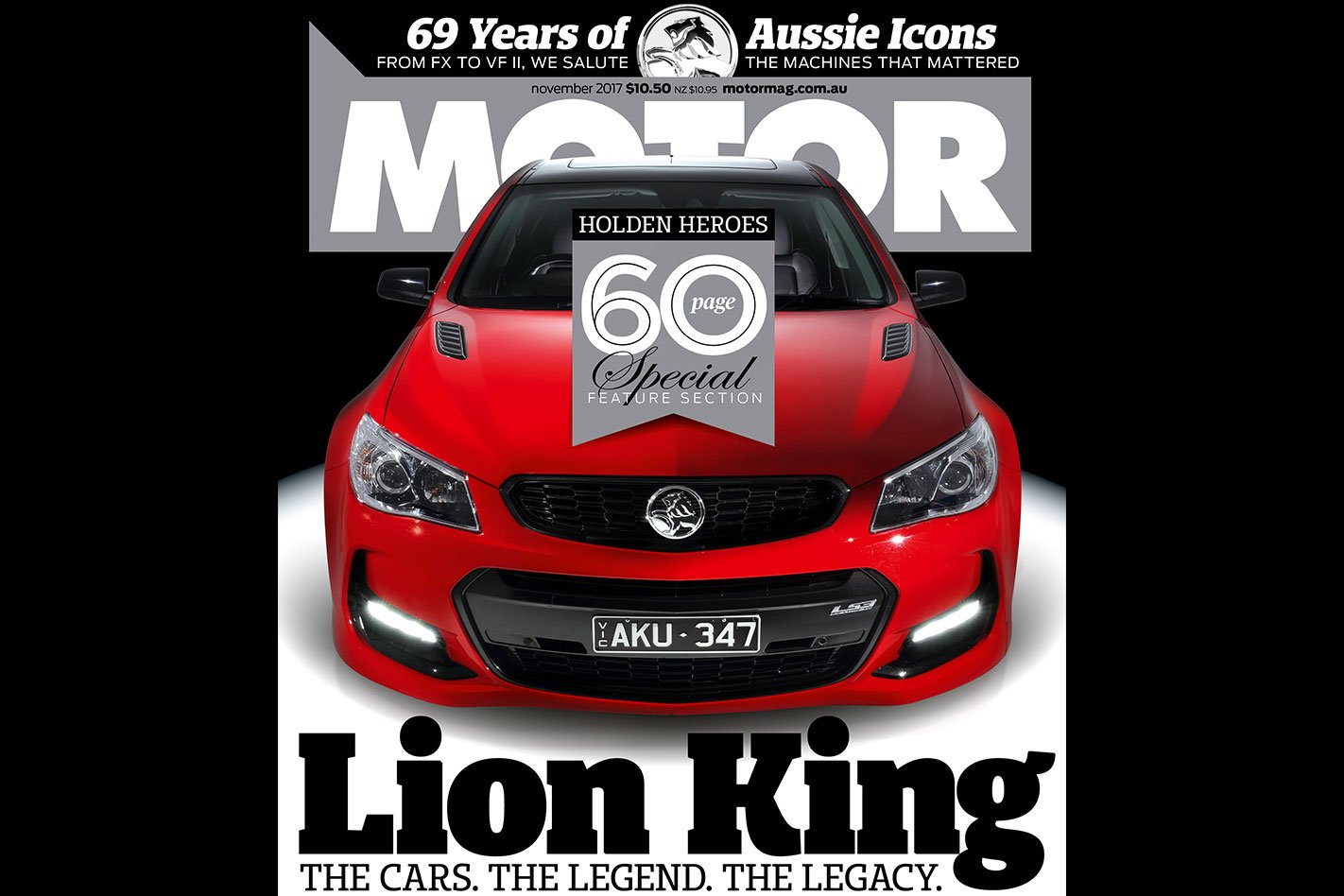
While we were at it, we took them for a cruise, let the owners have their say, and waved off 39 years of heritage.
2. The Camaro is coming – October 2017
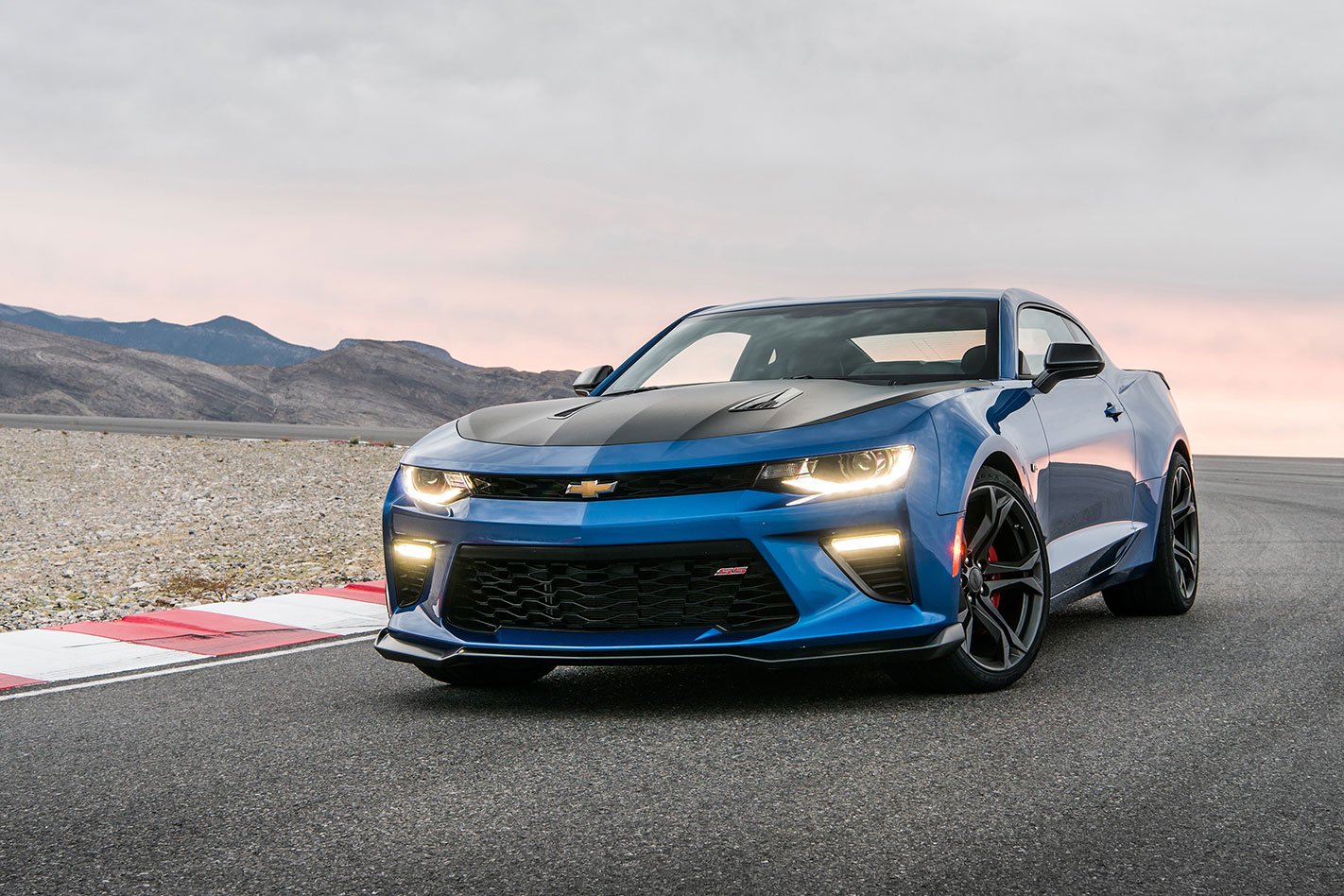
Though HSV didn’t confirm it until December, we were the first to know thanks to our resourceful contacts.
3. CSV built a mad Pony – August 2017
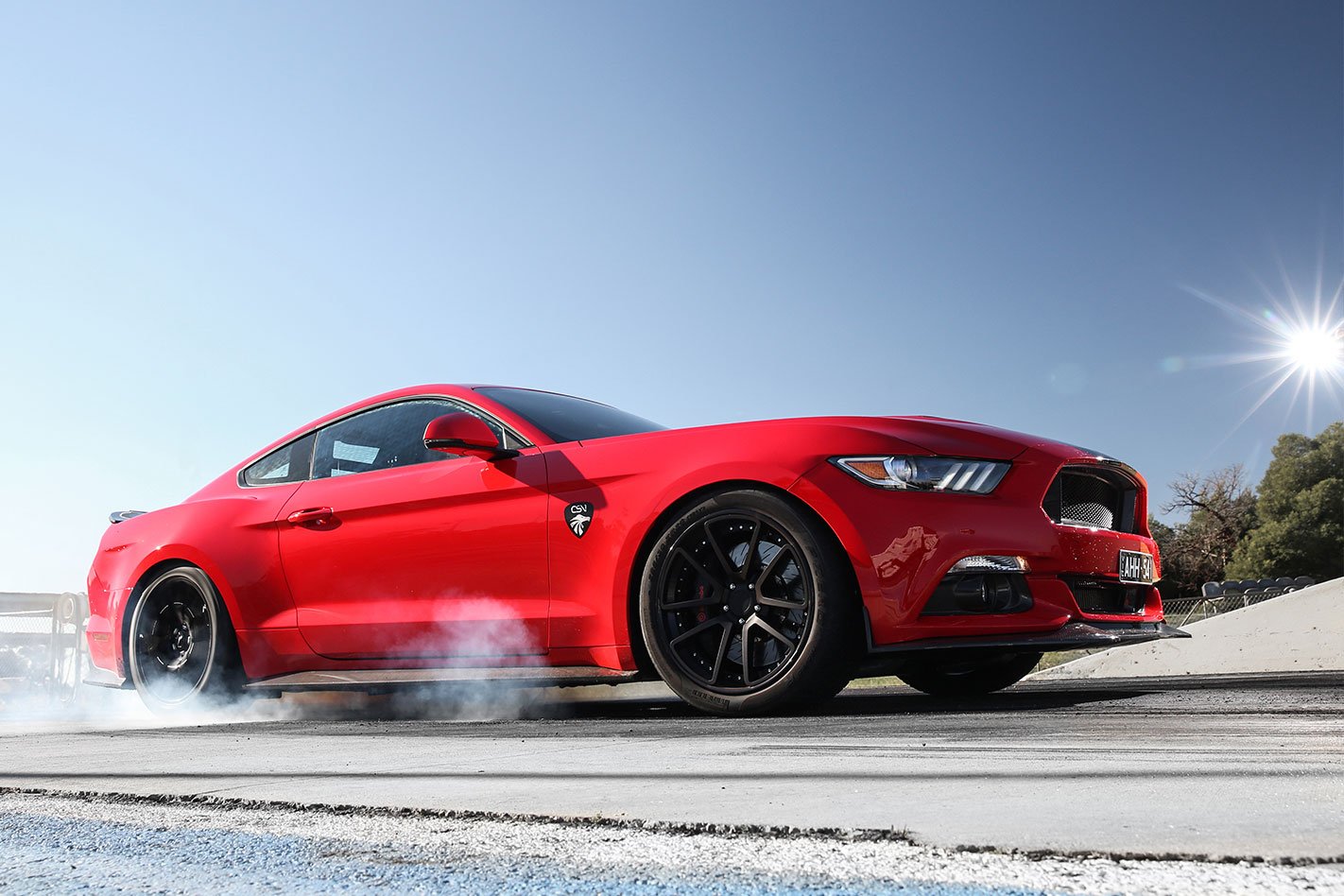
Corsa Special Vehicles getting its hands on the Mustang was also a precursor to our first Hot Tuner Mustang Shootout.
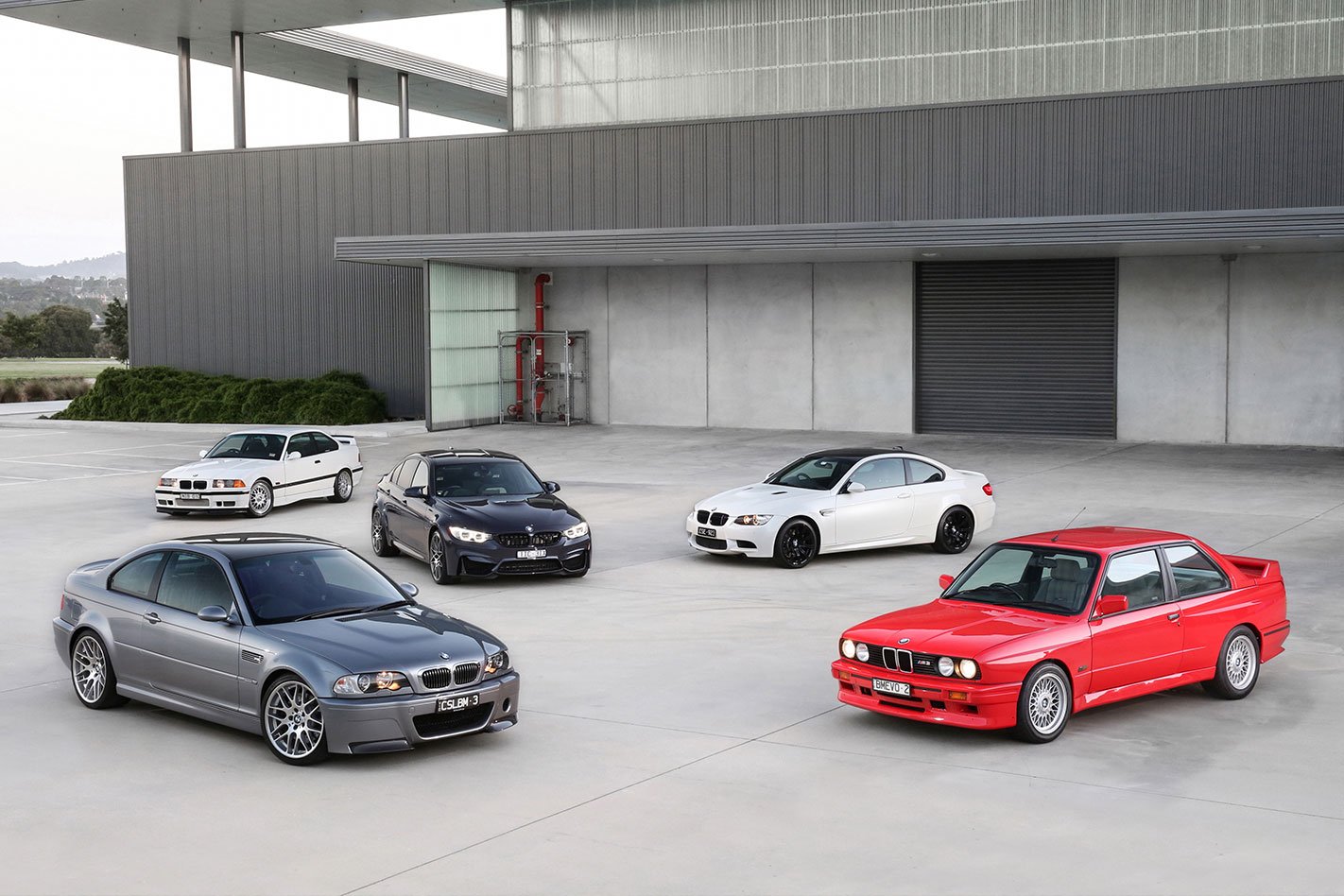
4. 30 years of the BMW M3 – June 2017
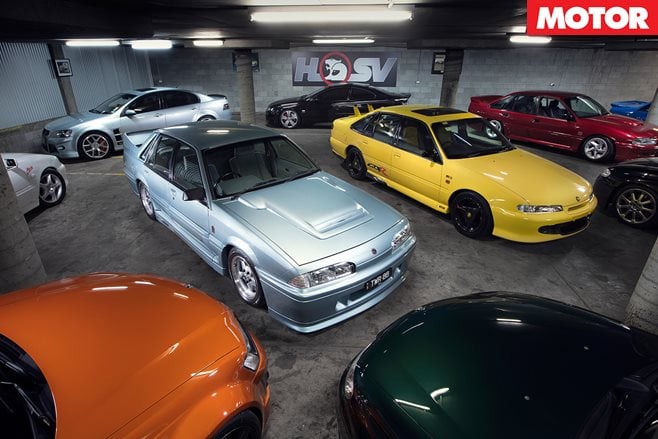
5. Australia’s best HSV collection – July 2017
6. Our first encounter with the W1 – March 2017
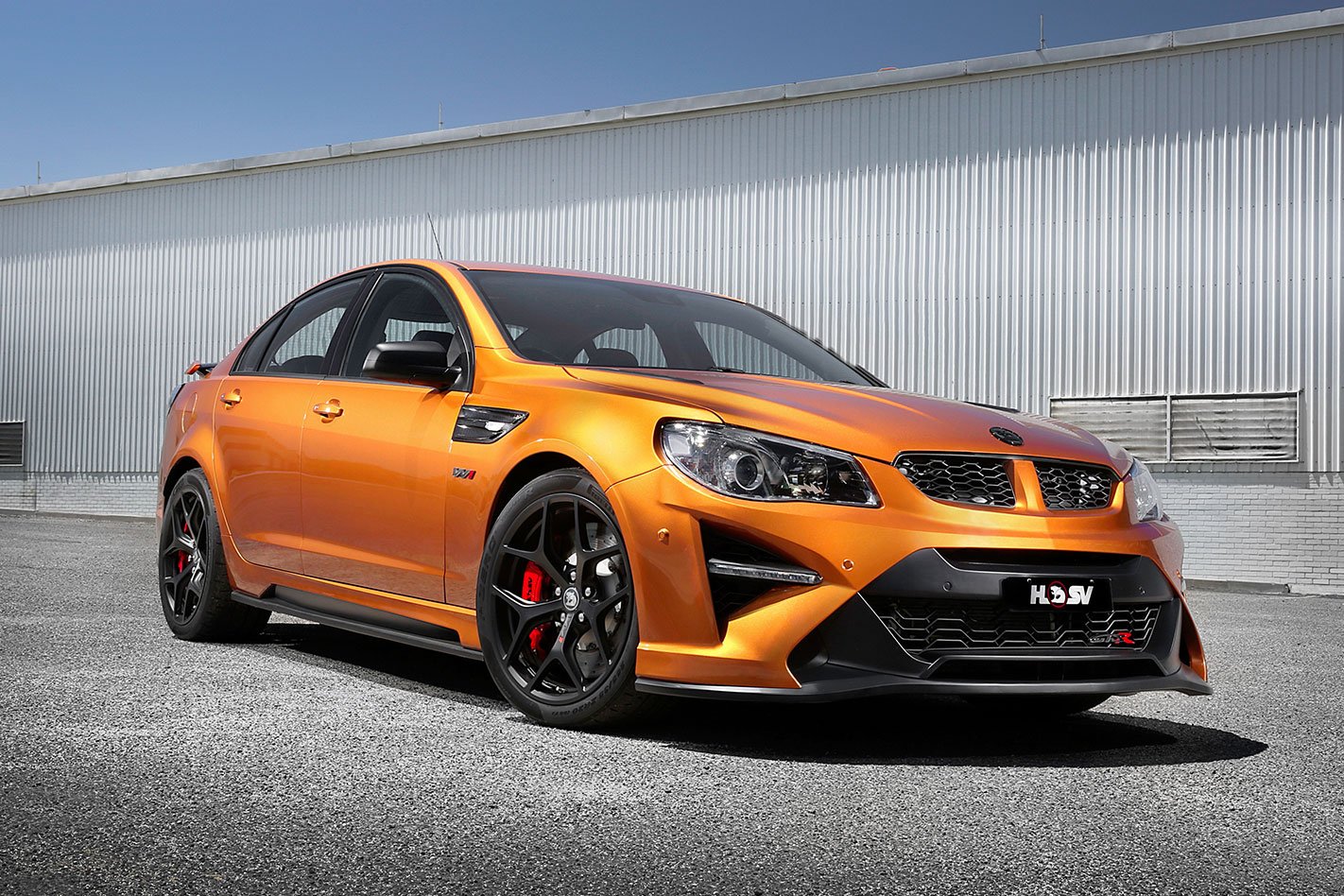
Or was the W1 the national treasure? Skyrocketing prices would suggest so…
7. Toyota’s new Supra – July 2017
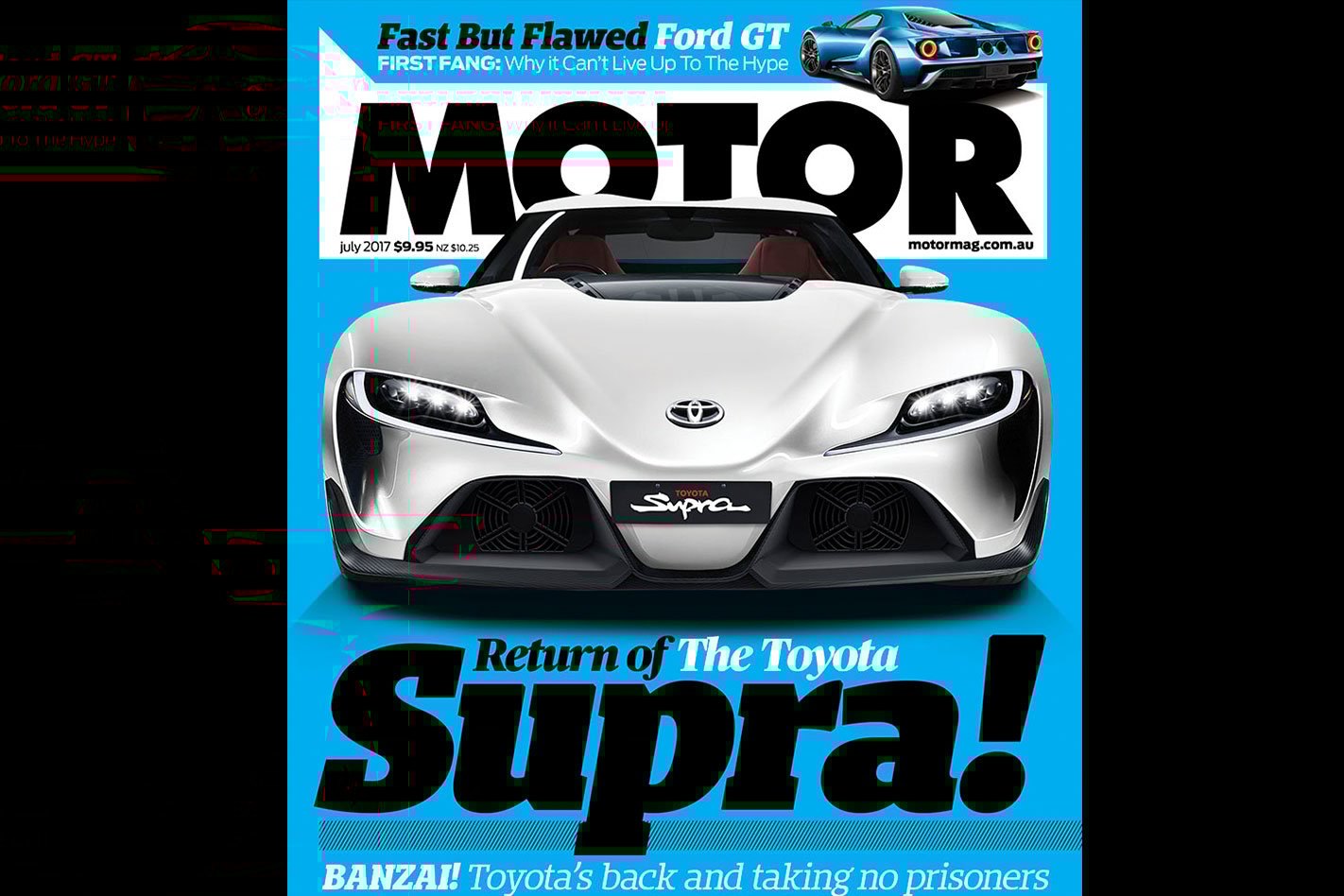
We even put it on the cover of our July issue, we were so sure of it.
8. Flyin’ Miata’s V8 monster MX-5 – June 2017
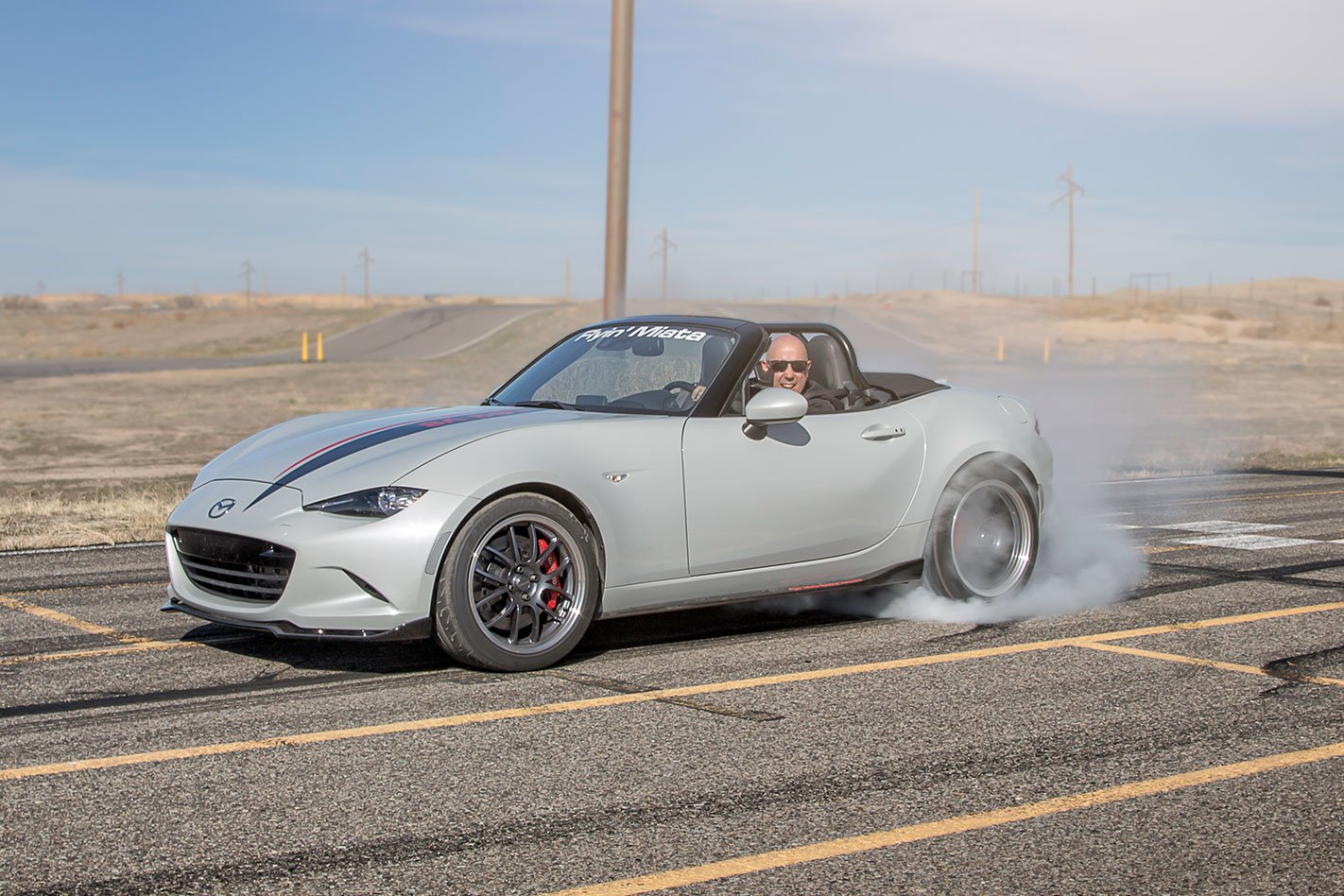
You get the Flyin’ Miata Habu.
9. How to build a Bugatti Chiron – July 2017
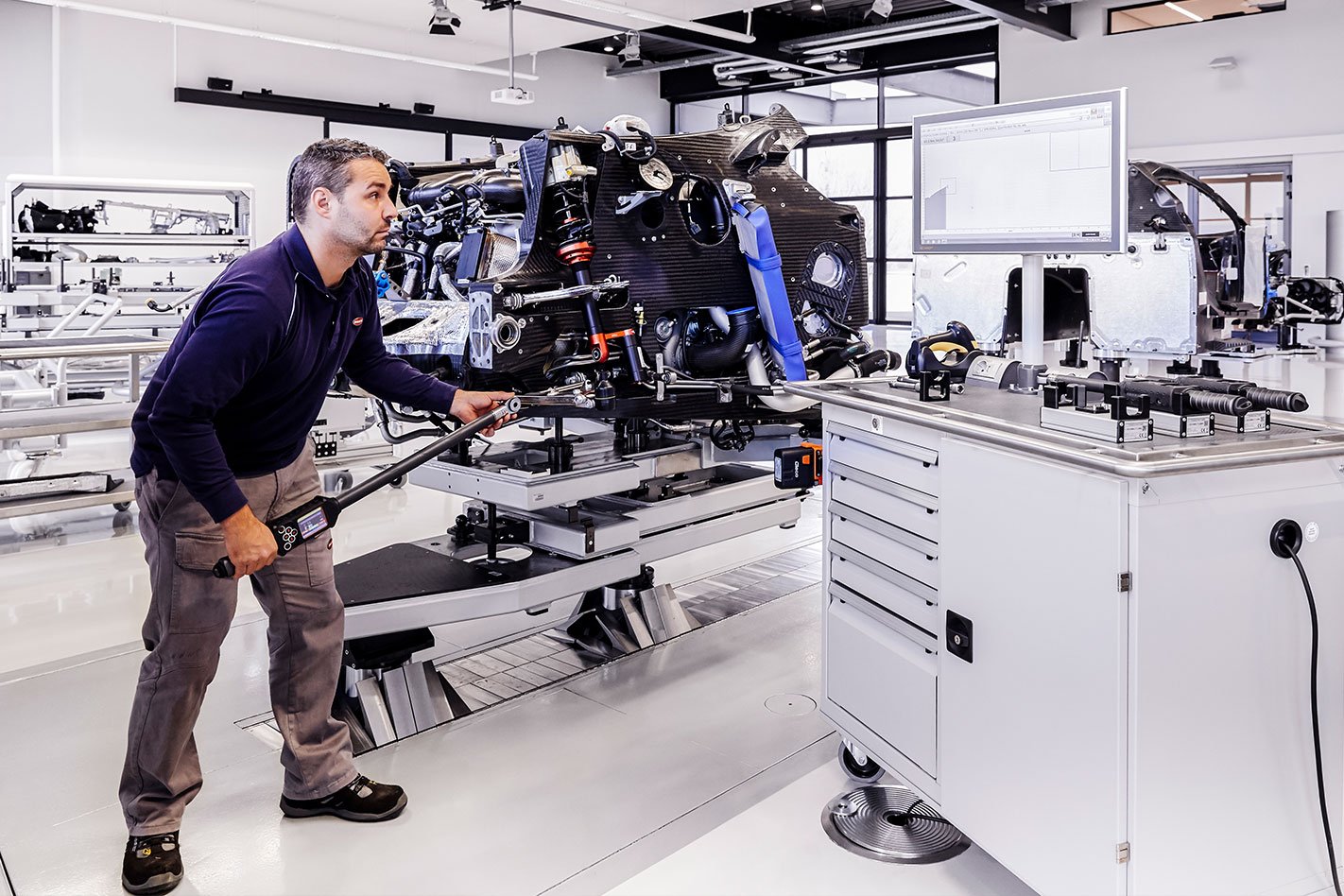
And we mean everything.
10. Chatting with Skaifey – November 2017

It’s fascinating stuff if you’re a fan of Aussie cars or Aussie racing.
Next year is already shaping up to be a big year with lots of shiny new metal rolling out over the next 12 months in all market segments. Here’s a taste of some of the new models that might interest you if you have a family to transport.
SUVs are still king in Australia and if you want something with a little more ground clearance for tackling the urban jungle, have a read of our SUV preview, but here’s a look at some of the passenger cars you can expect in 2018.
Mazda6
A heavily facelifted Mazda6 was revealed at the LA show this year with the fresh-faced version arriving in Australian showrooms about July, but the big news is under the sedans bonnet.
Out goes the naturally aspirated petrol engine for higher-spec GT and Atenza in favour of a new 2.5-litre turbo unit which promises to bring more performance and efficiency to the popular model.
170kW and 420Nm is a good card to play against other strong performers in the mid-sized sedan market including the Toyota Camry and Ford Mondeo, but the existing 2.5-litre engine will still be available for the rest of the range, along with a diesel.

Audi RS4
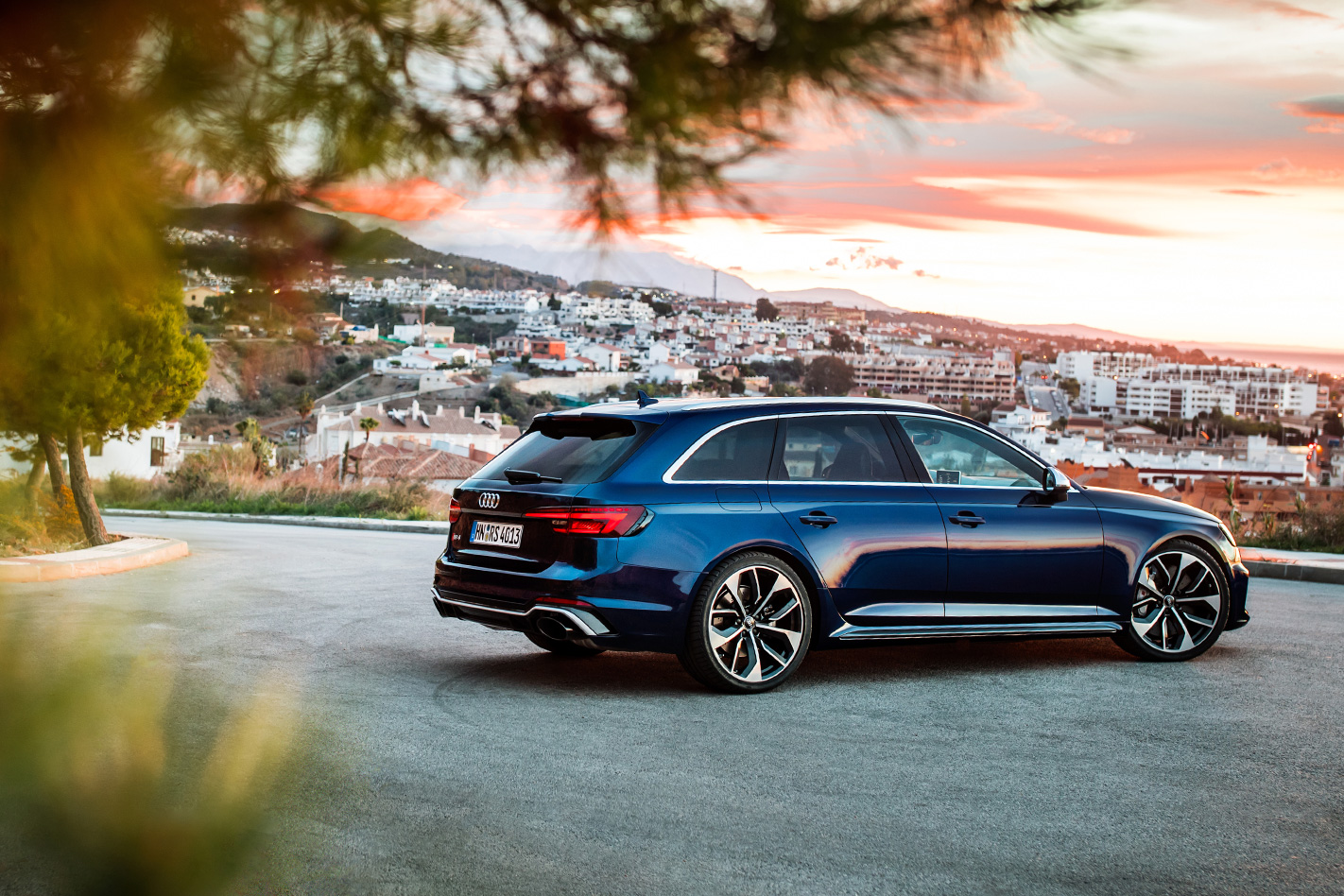
If you need to get your family or a boot load of gear somewhere in a hurry, perhaps Audi can tempt you with an example of its new RS4 Avant hyper wagon.
With a twin-turbo 2.9-litre V6 sending a hearty 331kW and 600Nm of torque to all four wheels and versatile wagon packaging, there are few ways of covering ground as rapidly.
When it lands in April, the fourth-generation RS4 will command a similar price to the V8 version it replaces at about $155,000.
Audi A7
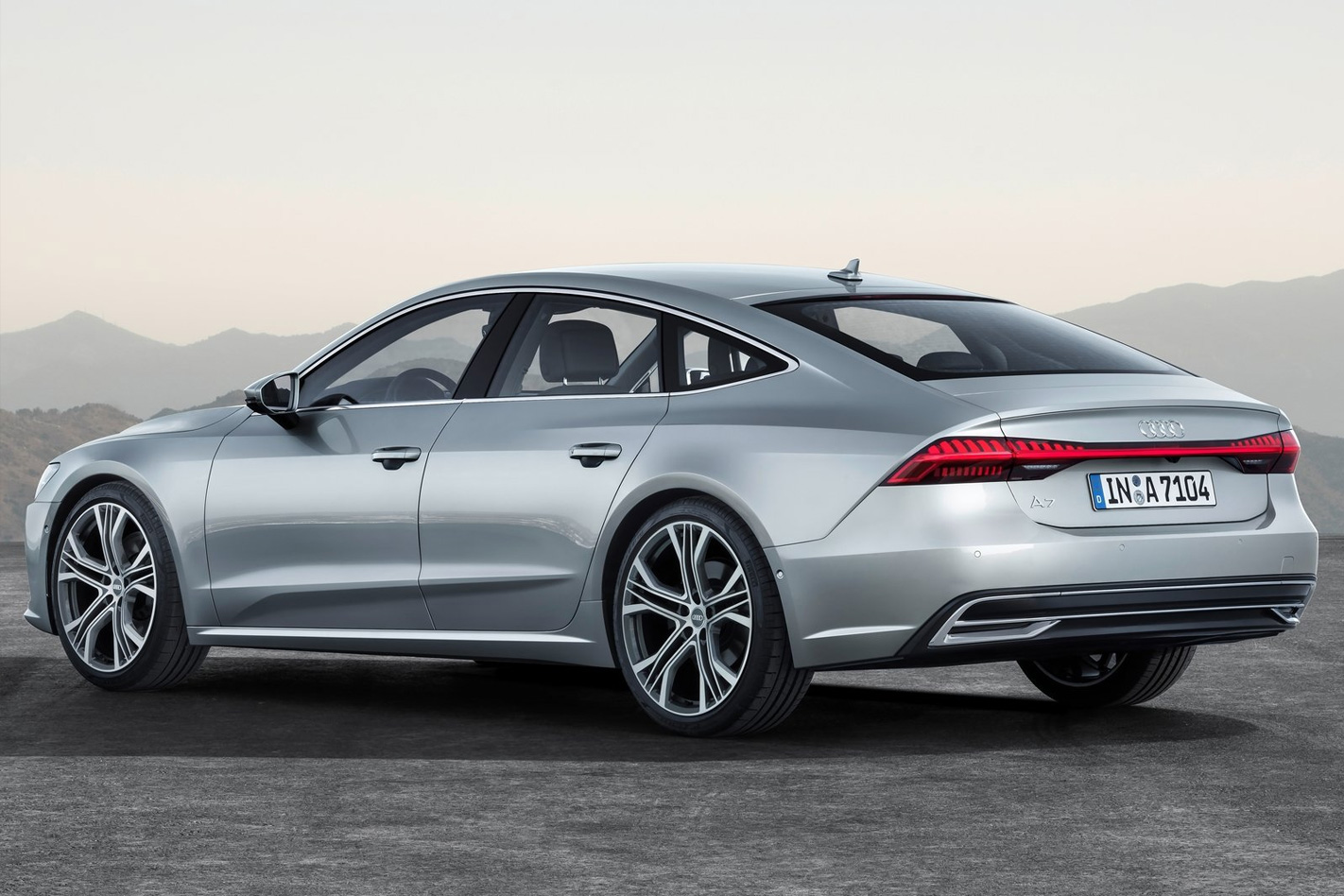
The Ingolstadt brand will also deliver a second family friendly model in 2018 with the second generation A7 arriving about the middle of the year.
While the company already offers a broad range of sedans and wagons, the A7 slots into a niche segment for owners who want the practicality of four doors and sedan comfort, but a look that is more coupe.
The initial line up will bring a selection of six-cylinder turbo petrol and diesel engines, but they are likely to be followed by more potent S7 and RS7 variants at a point later in the A7 lifecycle.
Mercedes CLS
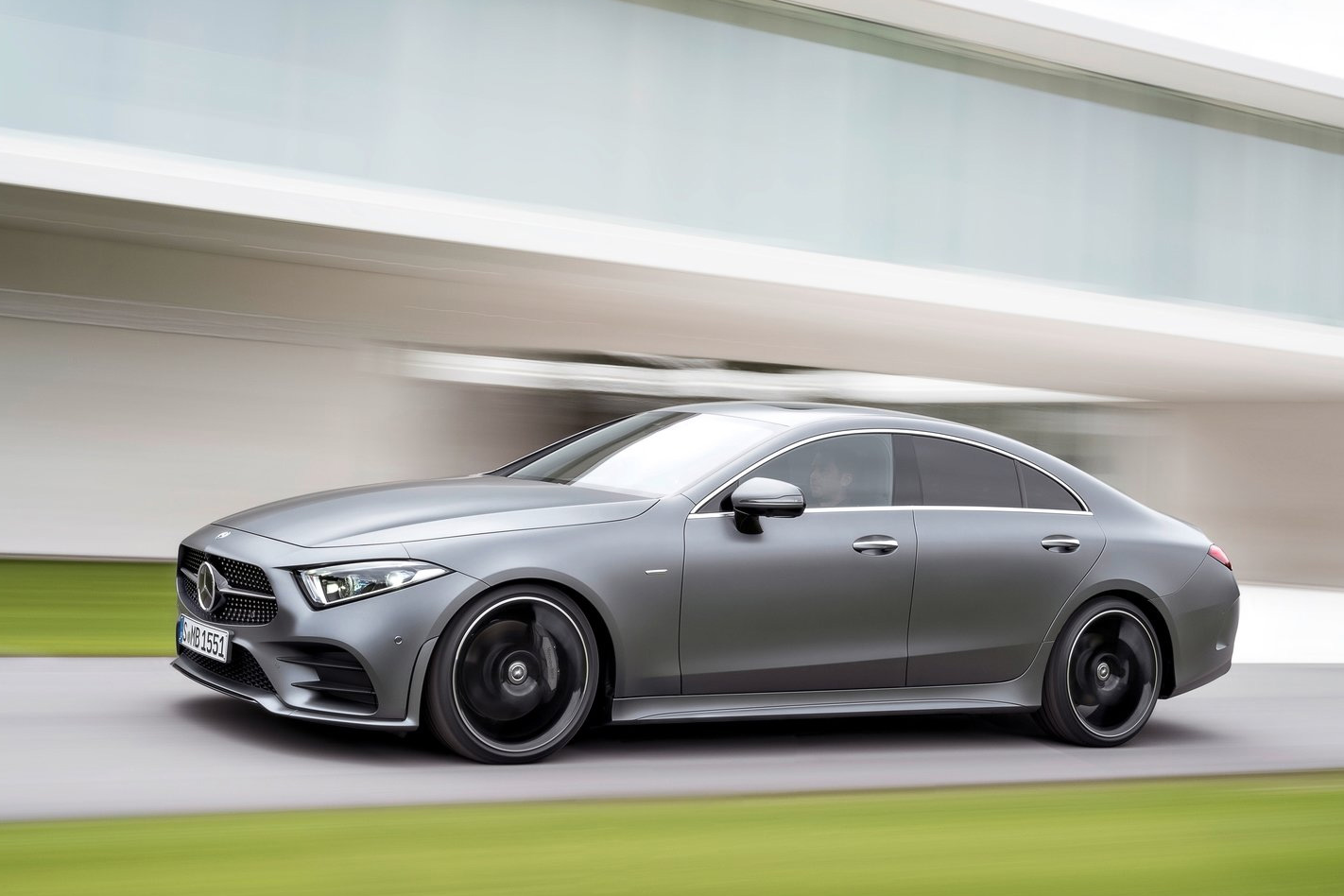
Bumping gloves with Audi in the large coupe profiled sedan market, Mercedes will weigh in with its interpretation of the niche segment in the second quarter of the year.
For the new version, Mercedes’ designers adopted a more minimalist approach with many of the complicated lines and creases of the outgoing version smoothed away for a simpler look.
The next-gen CLS will also introduce the company’s new in-line six-cylinder engine, which is a return to the layout after years of V6 engines. The fresh six-pot will boost power and efficiency with a 48-volt electrical sub-system that will run an electric supercharger.
Holden Commodore
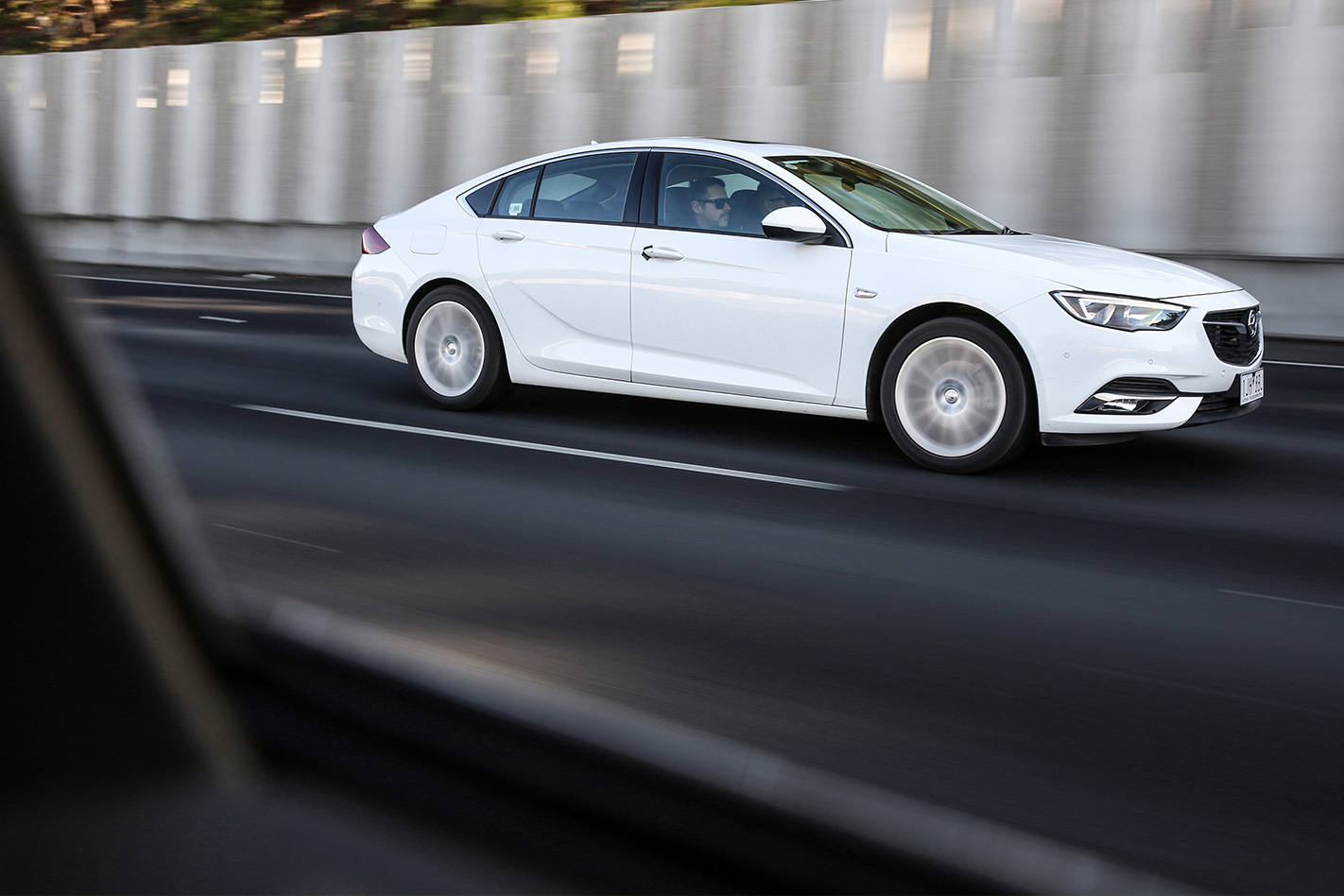
Perhaps the family car that will be most hotly anticipated in 2018 will be the new Holden Commodore.
When the ZB Commo touches down in February it will cost about $1800 less than the radically different version it replaces but it still remains to be seen how the Australian public will receive the first imported Commodore in the company’s history.
No V8 will be offered and nor will a rear-drive version, but Holden is planning to capture performance car enthusiasts with V6 turbo power and all-wheel drive for some variants.
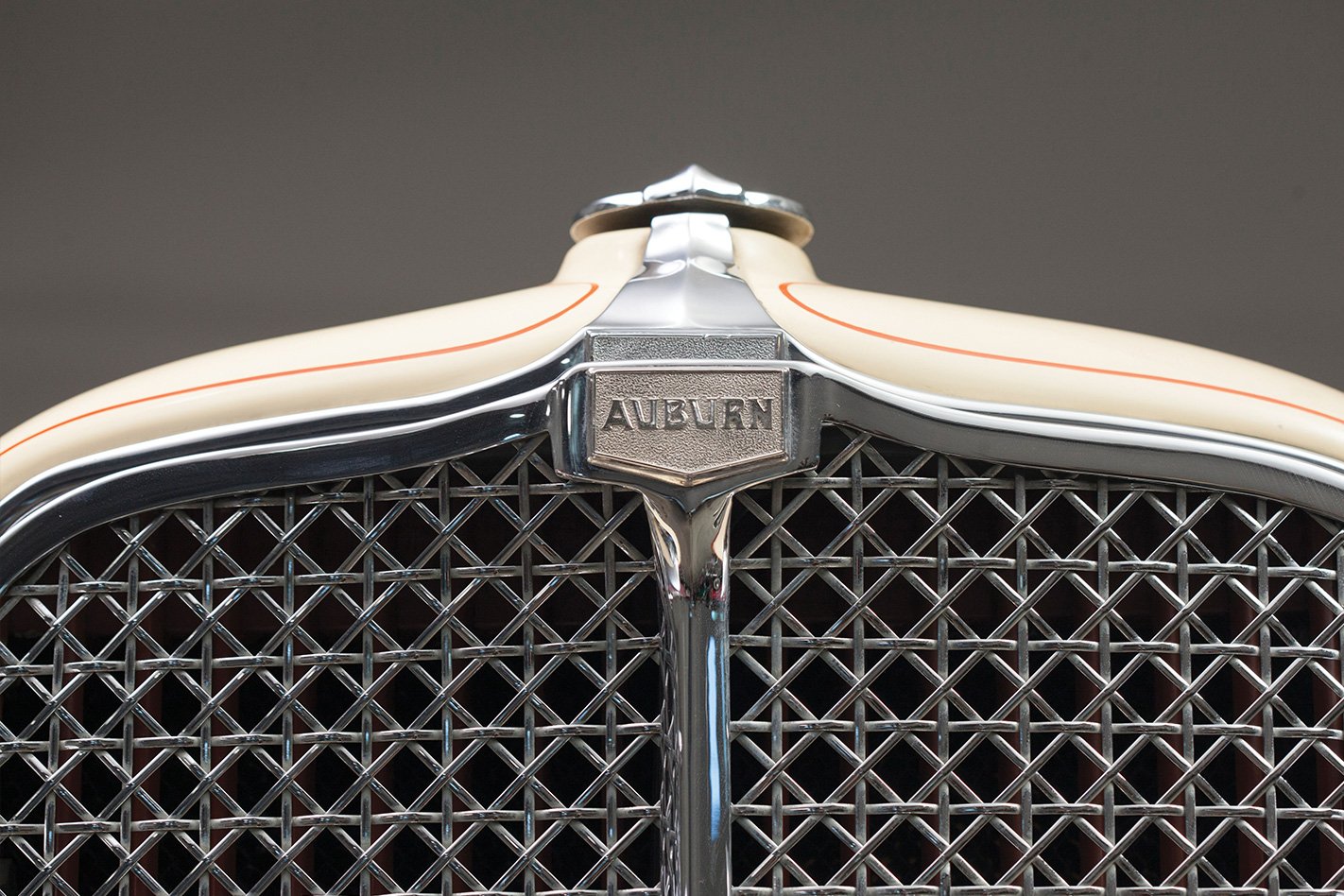
THE Auburn Automobile Company was one of a number of early American carmakers that pre-dated World War 1, and stumbled back to life post-war.
Its cars, typically with four- and later six-cylinder engines, were reasonably innovative, but the magic ingredient arrived in 1924 when former racer and master salesman Errett Lobban Cord was approached to help turn the company around.
This Cord did in spectacular fashion, using new paint and nickel-plated trim to help 23-skidoo the company’s 700 unsold cars. In 1926 he took over Auburn and in the same year added Duesenberg. The latter acquisition brought young designer Gordon Buehrig, whose flair was soon evident in such as the Duesenberg Model J and the front-wheel- drive Cord L-29. Buehrig was joined in 1928 by fellow stylist Alan Leamy.
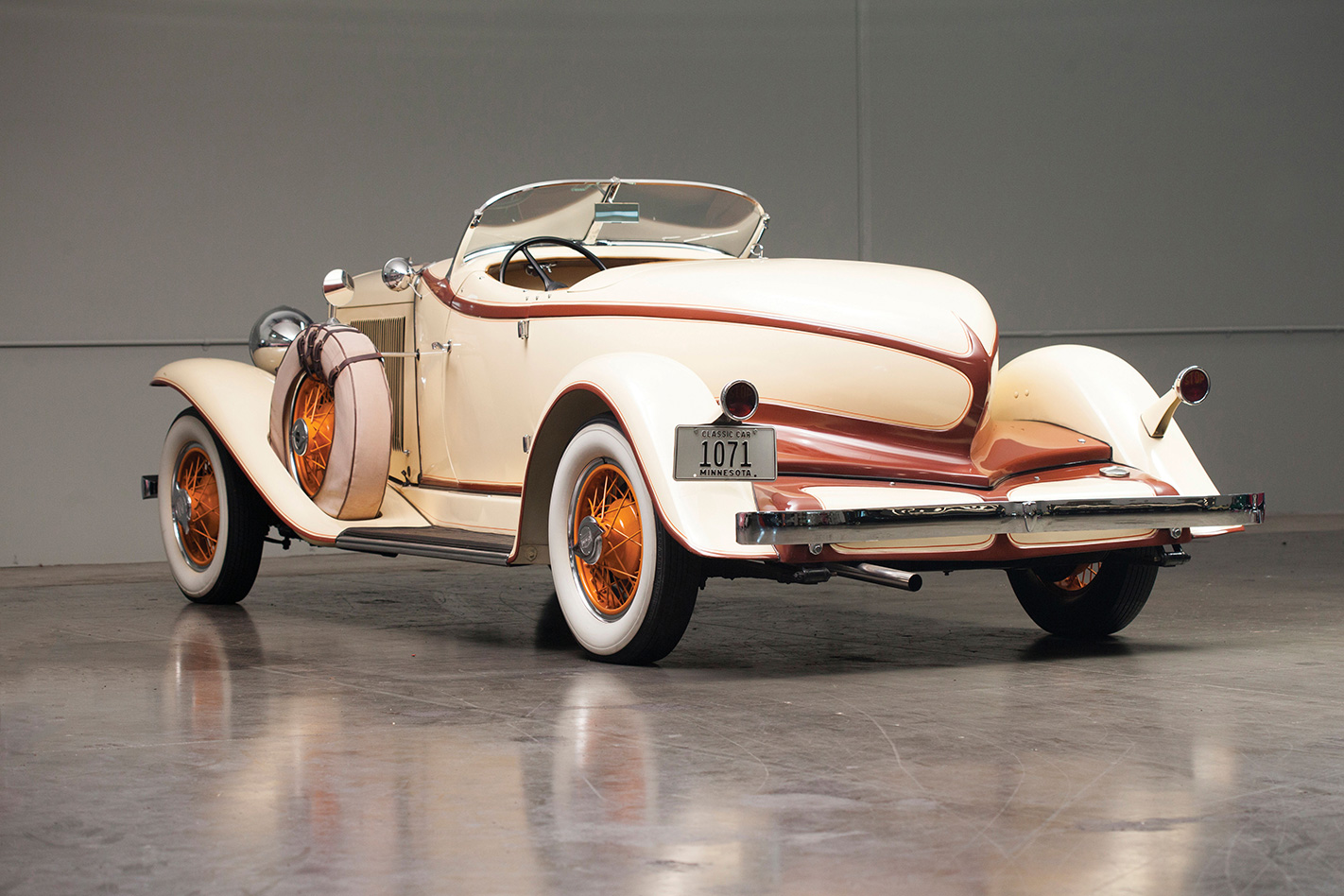
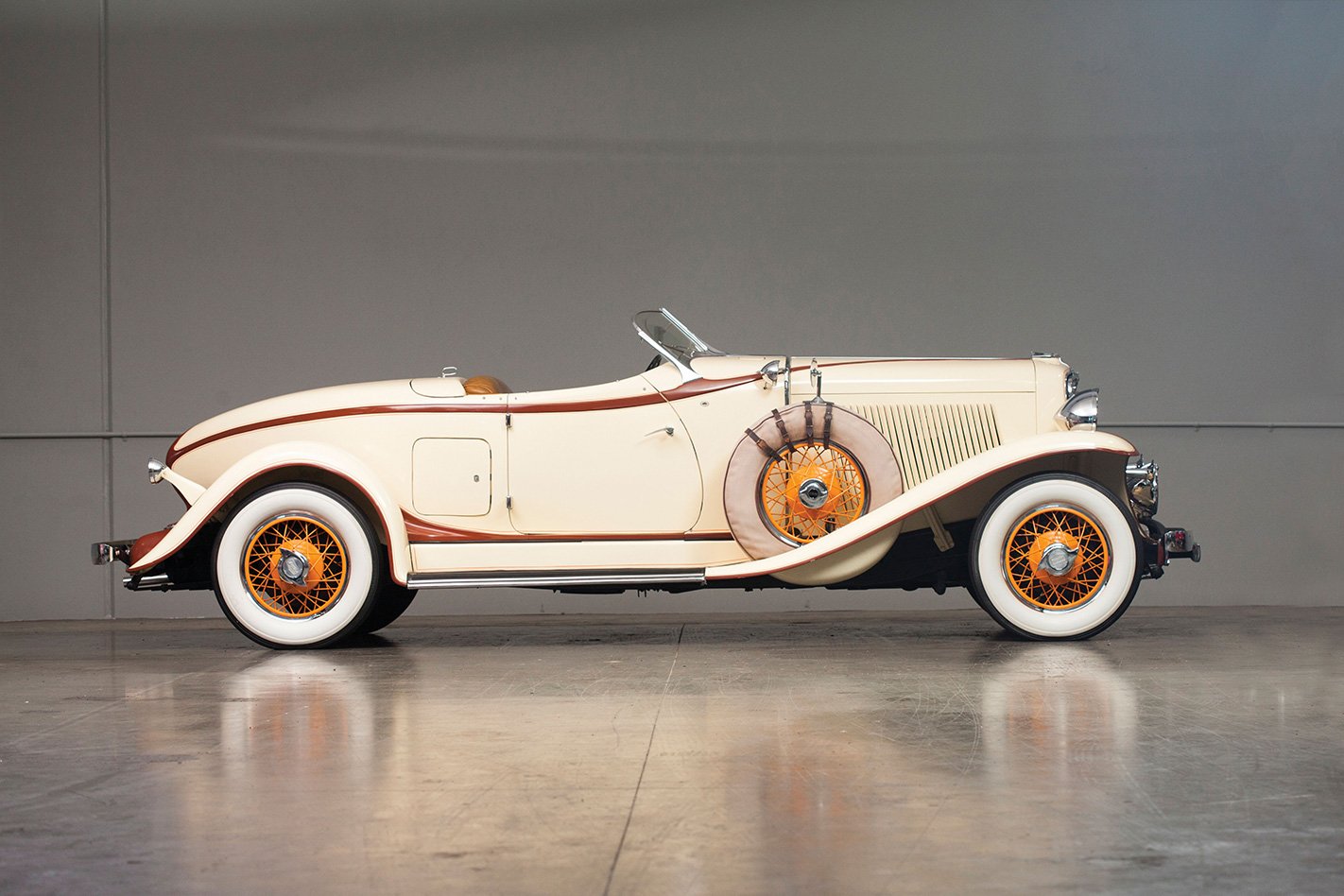
In 1928 the design boys were unleashed on a second, sporty model line. The Auburn Speedster had a strikingly rakish profile for the time, with its flowing mudguards, laid-back V-windscreen and dramatically tapering boat-tail body. Over the next two years, a variety of power outputs from the straight-eight engine were offered.
In 1931 came an all-new Auburn Speedster. On a new, stronger chassis (partly derived from the flagship Cord L-29u2019s) fitted with an 8-98 engine, the all-new, Leamy-penned body was low and elegant. However, confronting the reality of the Great Depression, the Speedsteru2019s hydraulic braking had reverted to mechanical and trim levels were somewhat reined in.With its sleek lines and sharp pricing, the Auburn Speedster 8-98 was a sales sensation, helping to propel Auburn’s total production volume (including sedans, coupes, cabriolets and speedsters) to a record 36,148 cars in 1931, in a car market that had more than halved since 1929.
Playing the ’base
While earlier Speedsters were offered on both 3175mm and 3302mm wheelbases, the new-for-’31 sat uniquely on a 3226mm wheelbase. The chassis featured an X-shaped reinforcement beneath the floor. The beam front and solid rear axles used semi-elliptic leaf springs and Lovejoy hydraulic dampers. Unusual 17-inch wheels (rivals typically had 19s)z allowed a lower, 1727mm overall height.
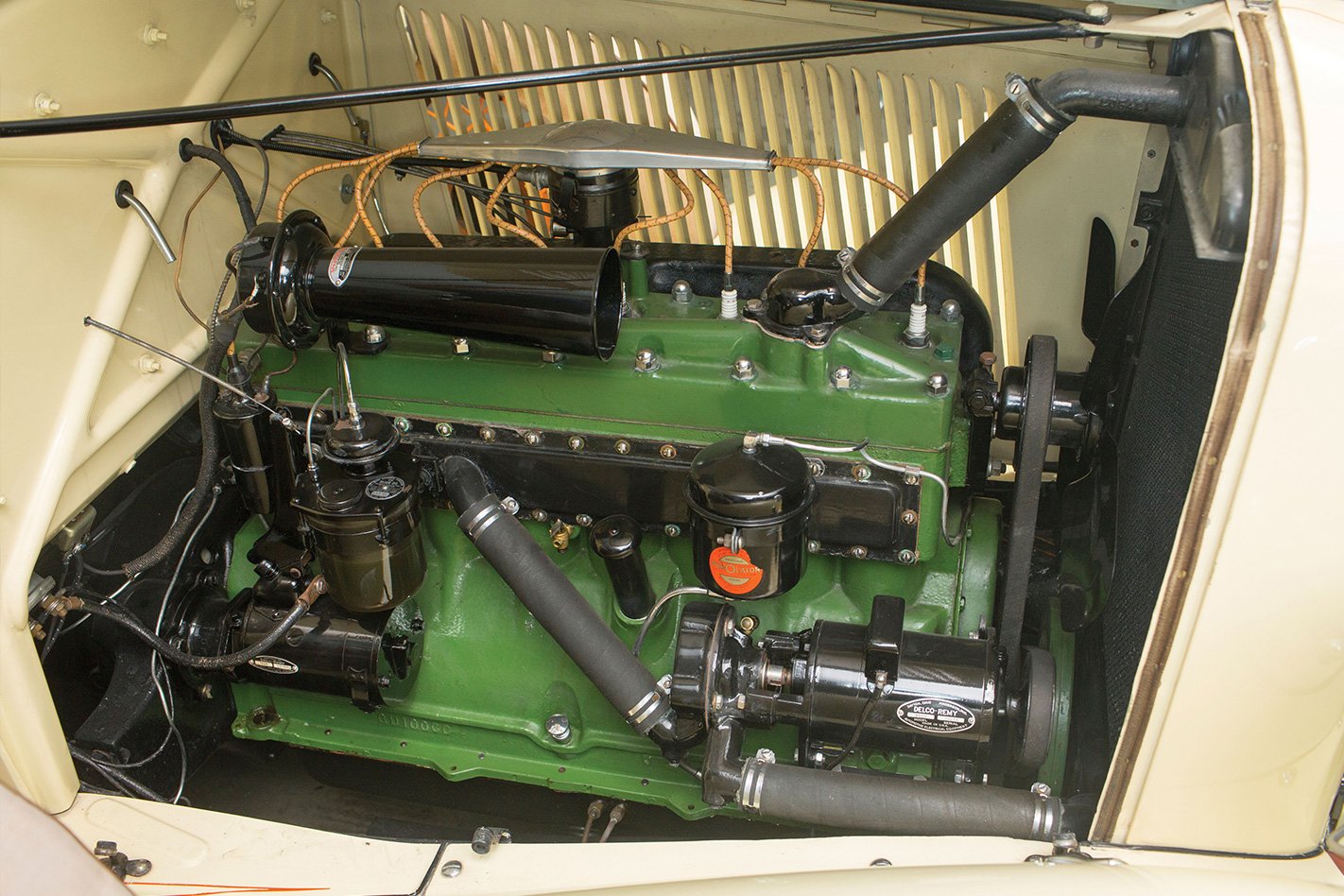
The 4392cc, straight-eight Lycoming featured an alloy head and side valves operated via pushrods, and with cast iron inlet and exhaust manifolds. It was fed by a single Shebler TX carburettor and produced 72kW at 3400rpm. Drive was via a three-speed floor-shift manual with then-fashionable ‘free wheeling’ feature (revived decades later in various German makes’ ‘sailing’ mode).
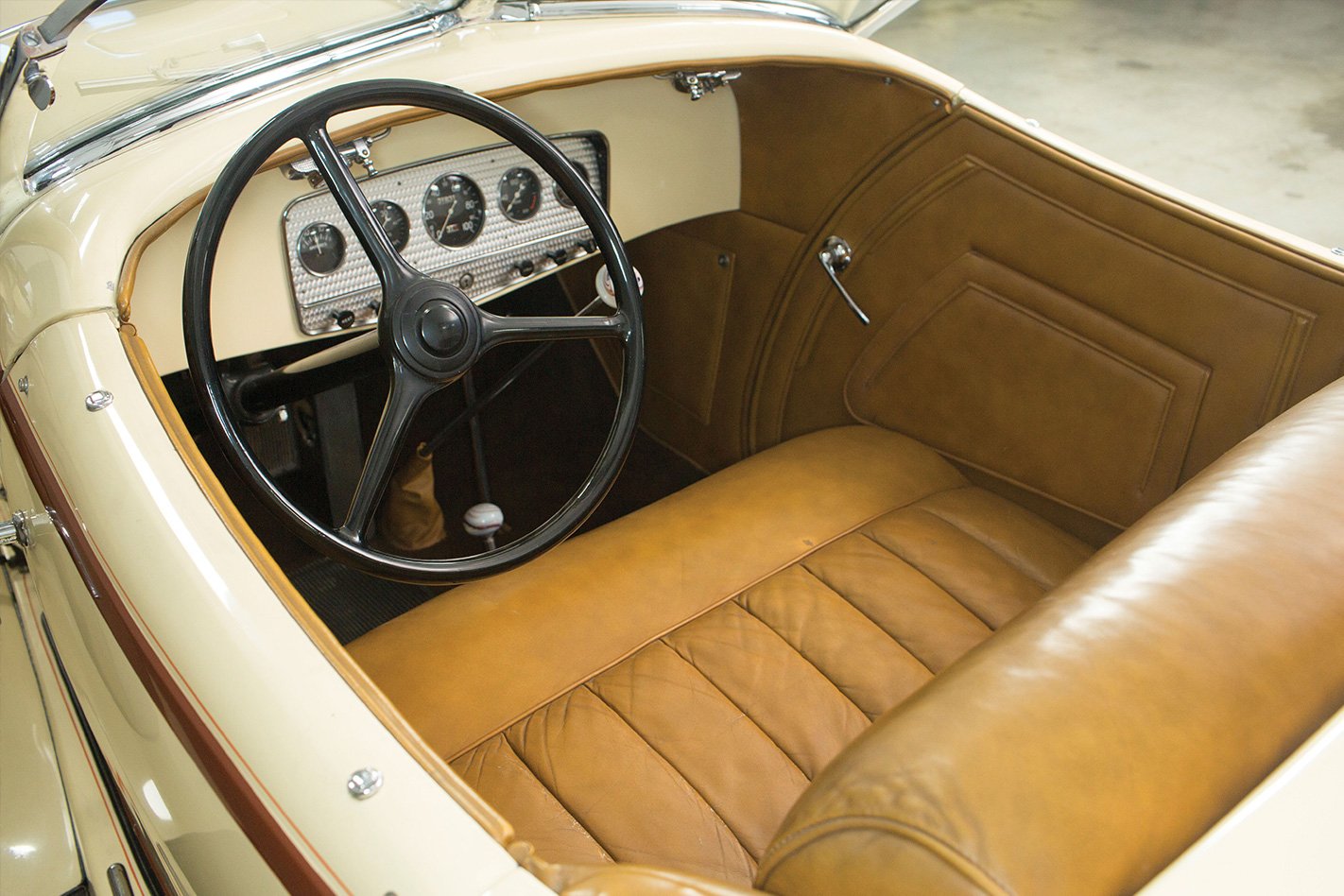
The Speedster was all about style, at the expense of practicality. Despite an overall length touching five metres, the two-seater made virtually no concession for luggage other than a side-loading compartment for a golf bag. The interior was accessed via rear-hinged doors and featured a central instrument cluster. While tasteful, the inside of the new 1931 model necessarily reflected the tough economic times.