
FORMULA One is often caught airing its dirty linen in a very unseemly public fashion, the latest example being the tensions over engine reliability and the tit-for-tat statements played out in pit lane between Renault and one of the teams it supplies power units to, Scuderia Toro Rosso.
The supplier-customer relationship between Renault and Toro Rosso has frayed noticeably recent times in the wake of the Red Bull B-team bearing the brunt of a series of failures in recent races, with Pierre Gasly and Brendon Hartley taking grid penalties for yesterday’s race in Brazil.
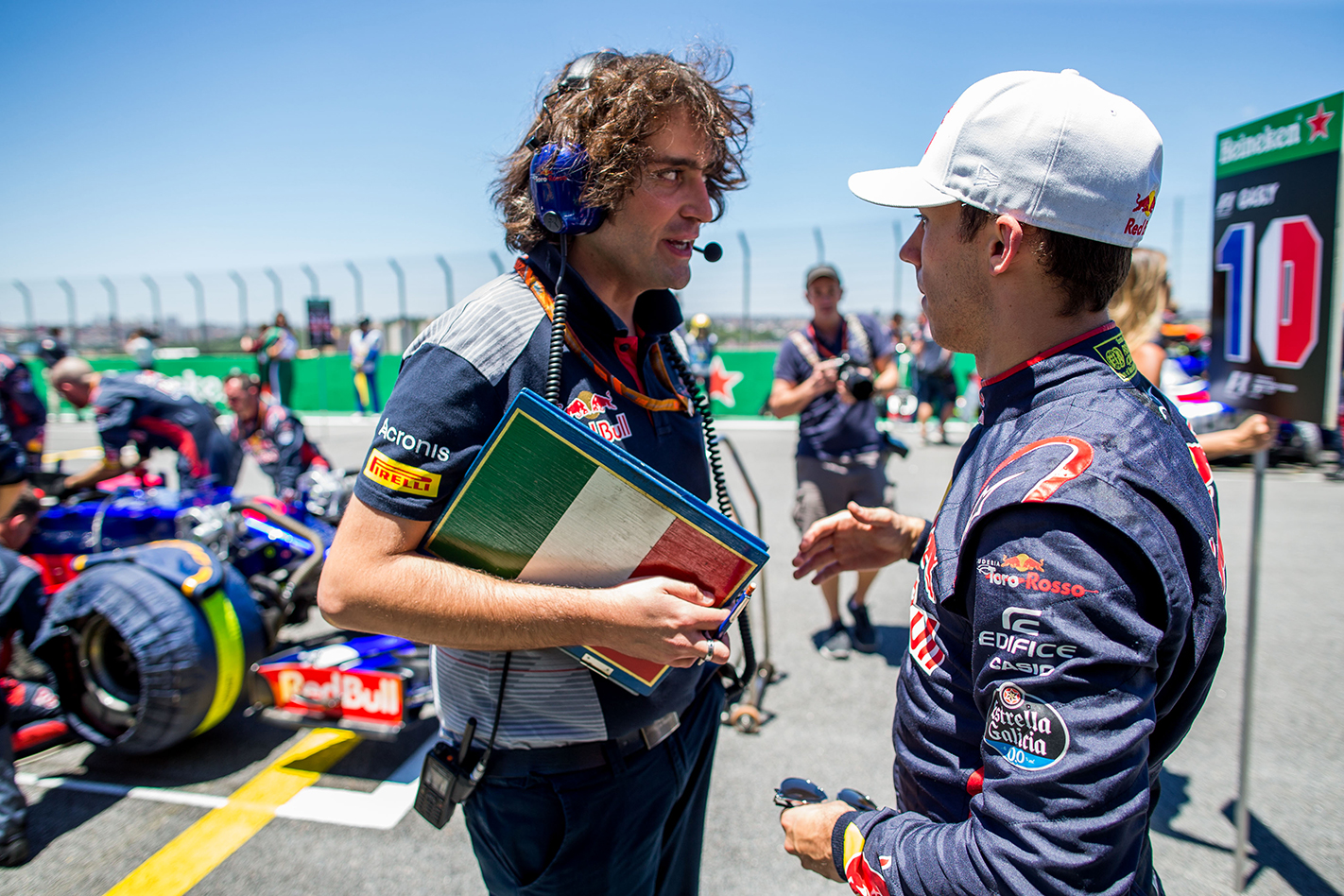
“There are never coincidences in this sport,” Abiteboul added.
Toro Rosso returned serve on Saturday with a very unambiguous statement slamming Renault’s suggestion that the reliability problems were about how the team operated its engines.
In part, it read: We would like to clarify that all the MGU-H and shaft failures Toro Rosso has recently suffered are not associated with how the team is operating or with how the PU is integrated in the chassis. Nothing has been changed or altered in this installation during the 2017 season, other than cooling improvements mid-season. Since the summer break Toro Rosso has suffered continuous power unit-related failures, and the resulting grid penalties has cost the team points and relative positions in the constructors’ championship. One of the primary reasons for the issues we are seeing is the lack of new power unit parts available. In Toro Rosso’s case the team is constantly having to change parts from one PU to another during the weekend and, on many occasions, is forced to run old specification assemblies. The last race in Mexico saw only two [Renault-engined] cars out of six finish the race, highlighting the poor reliability. We mustn’t forget that they [Renault] are fighting with Toro Rosso for a better position in the constructors’ championship, as suggested by Mr Abiteboul the situation may not be a coincidence, but it is certainly not due to STR’s car.
Toro Rosso team boss Franz Tost was unapologetic. “The statement was a reaction to Cyril’s interview yesterday where he blamed the team for the power unit failures, which is absolutely wrong,” Tost told Sky Sports F1. “What for should I apologise? For all the damages we have? [He’s upset], I’m as well upset, we’re both upset.”
With the row threatening to escalate into open hostility, Red Bull motorsport adviser Helmut Marko slipped into the unusual role of diplomat, releasing a statement: Over the last 10 years, many successful, we have been through every emotion with our current engine supplier. As usual at the end of another long season, emotions are running high but it is a valued relationship and will remain so. There has never been any question that we have not been treated fairly and equitably by our engine suppliers. And that is still true today.”
The very public verballing does nothing to sink a long-held idea that F1 likes to stir up off-track controversy to distract punters from the reality of humdrum racing.
A DARING pass on pole man Valtteri Bottas at the first corner of the 2017 Brazilian Grand Prix set up Ferrari’s Sebastian Vettel first victory since he claimed the Hungarian race back in July, before the winter break.
But with the world championship already lost to Lewis Hamilton, the triumph at Interlagos doesn’t really count for much.
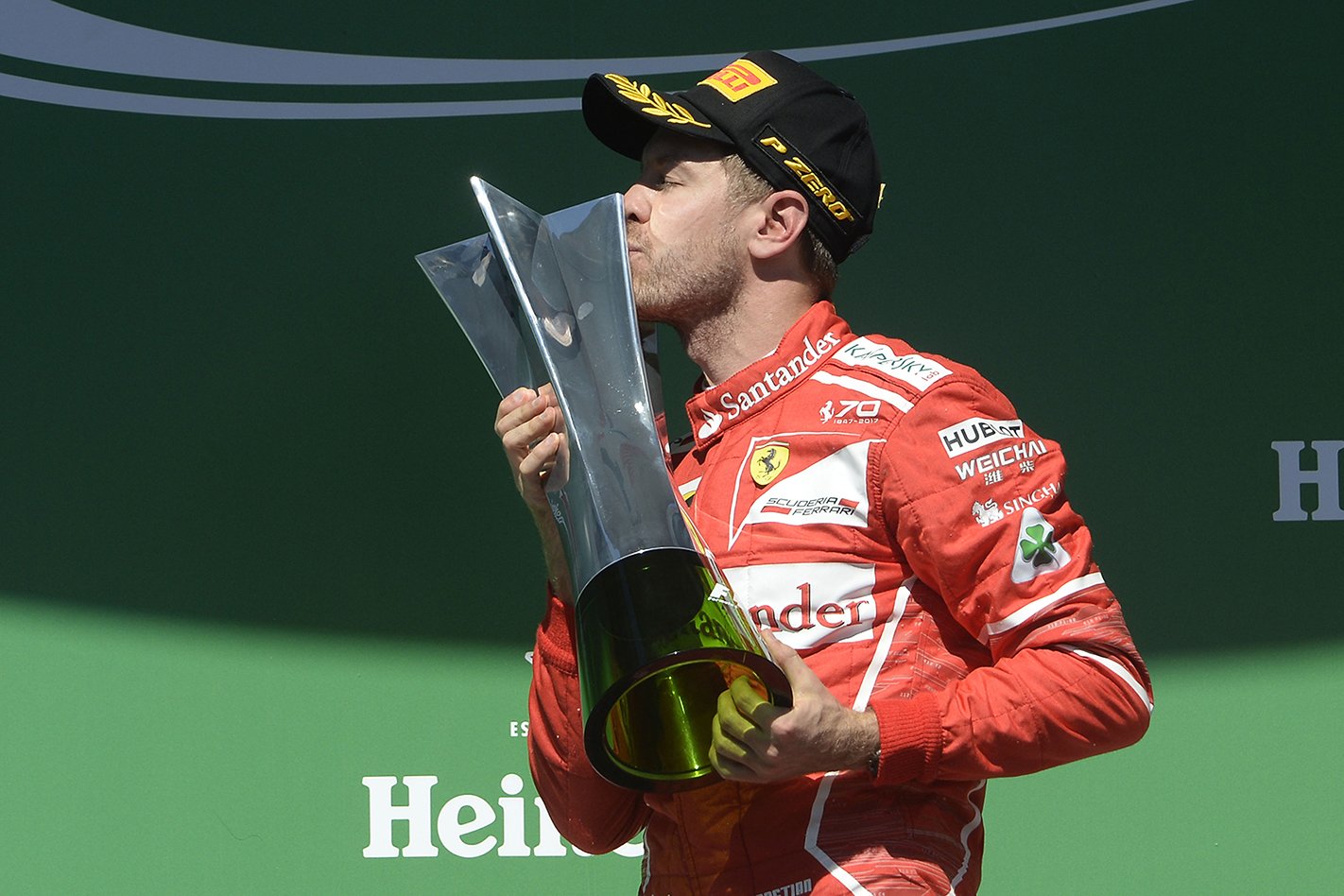
Hamilton even led the race briefly before stopping for fresh rubber. He finished just 0.8 seconds adrift of third-placed Ferrari driver Kimi Raikkonen.
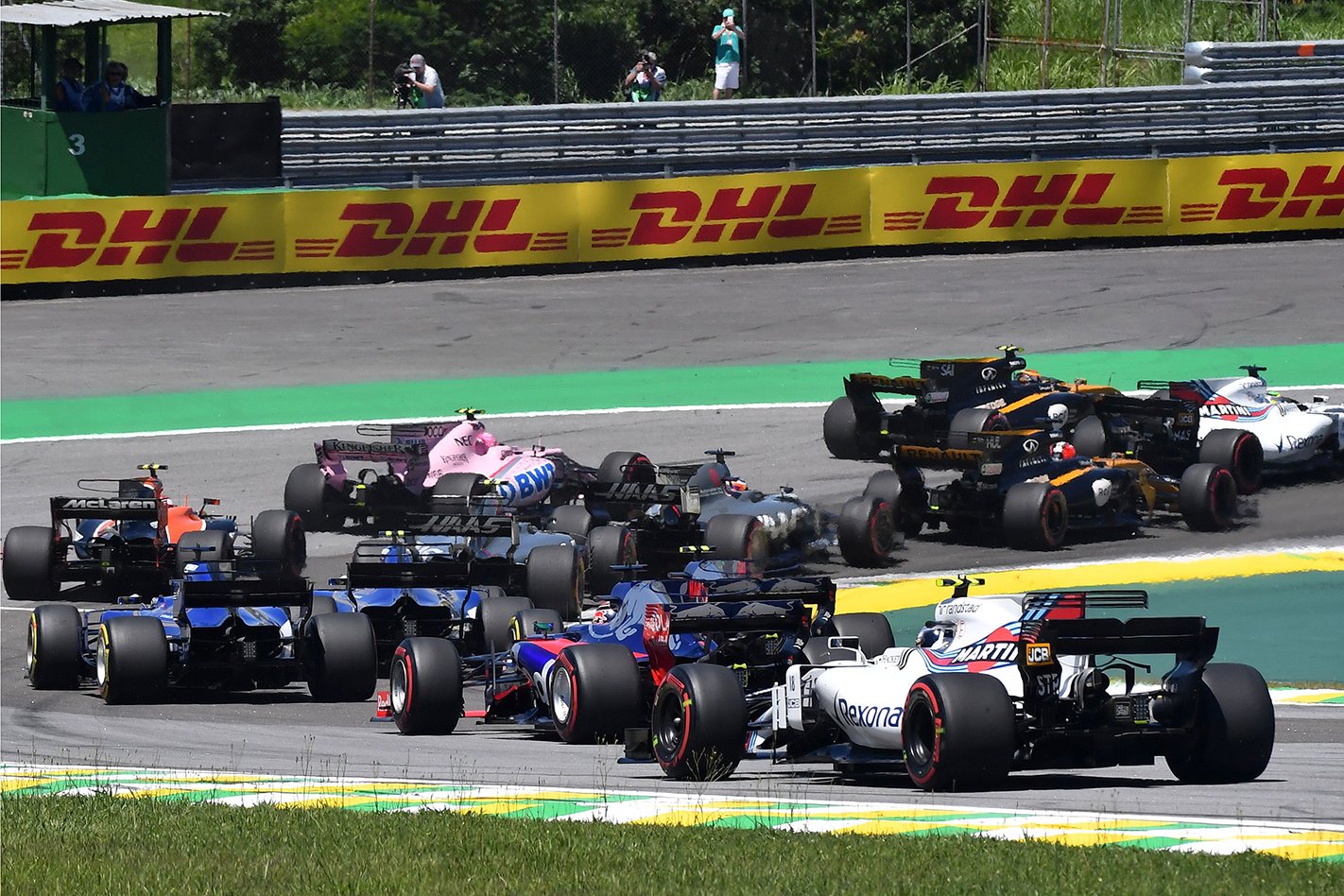
There was a mad scramble at the second turn when Daniel Ricciardo, Stoffel Vandoorne and Kevin Magnussen were involved got together and changed a few fortunes. Hamilton advanced six places in a matter of moments while Ricciardo was forced to pit for tyres. Haas Ferrari’s Magnussen was blamed for the incident after he slammed into the McLaren Honda of Vandoorne, who in turn thumped into the side of Ricciardo’s Red Bull.
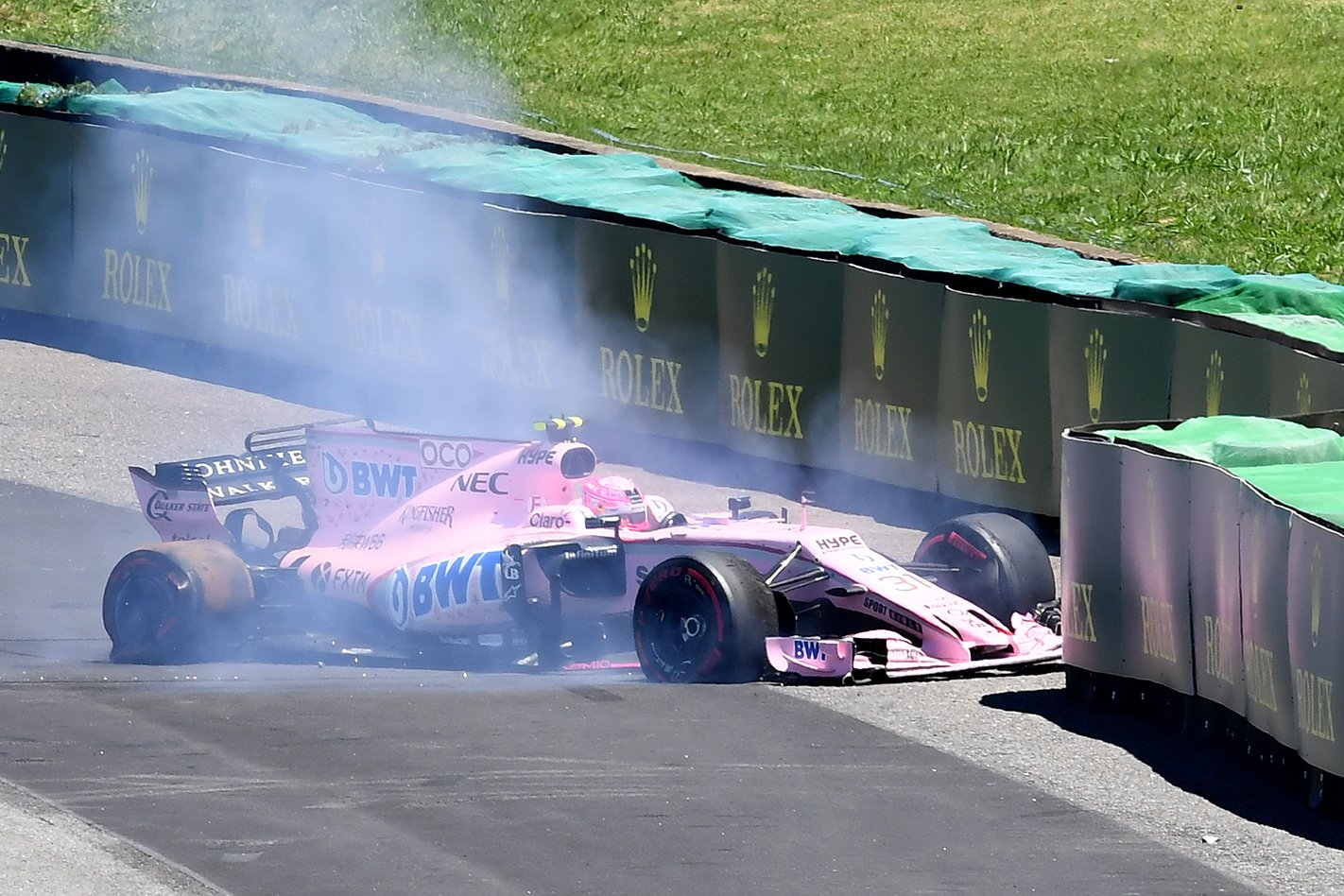
So after less than a lap of racing, Vandoorne, Magnussen and Ocon were all forced to retire. It was the first time in Ocon’s 27-race Formula One career that he hadn’t made it to the end of a grand prix.
With Vettel in control from Bottas, Raikkonen and Red Bull’s Max Verstappen, most of the entertainment came courtesy of the adventurous overtaking by Hamilton and Ricciardo.
After taking his new rubber, Hamilton banged in a succession of fastest laps and with 14 laps to the finish sailed up to the tail of Verstappen’s Red Bull. The Dutchman was powerless to stop Hamilton, on fast supersoft tyres, from taking fourth.
There was also a power deficiency. On Saturday, Verstappen revealed that his half-second gap to the Mercs was all lost on the Interlagos straight.
Vettel’s victory has all but sealed the German second place in the drivers’ standings, moving him 22 points ahead of Bottas.
“I had a chance to squeeze down the inside of Valtteri at the start and I think I surprised him a bit,” said Vettel. “I am really happy for everyone at the team. It has been a tough couple of weeks, but it is nice to have both cars up here on the podium.”
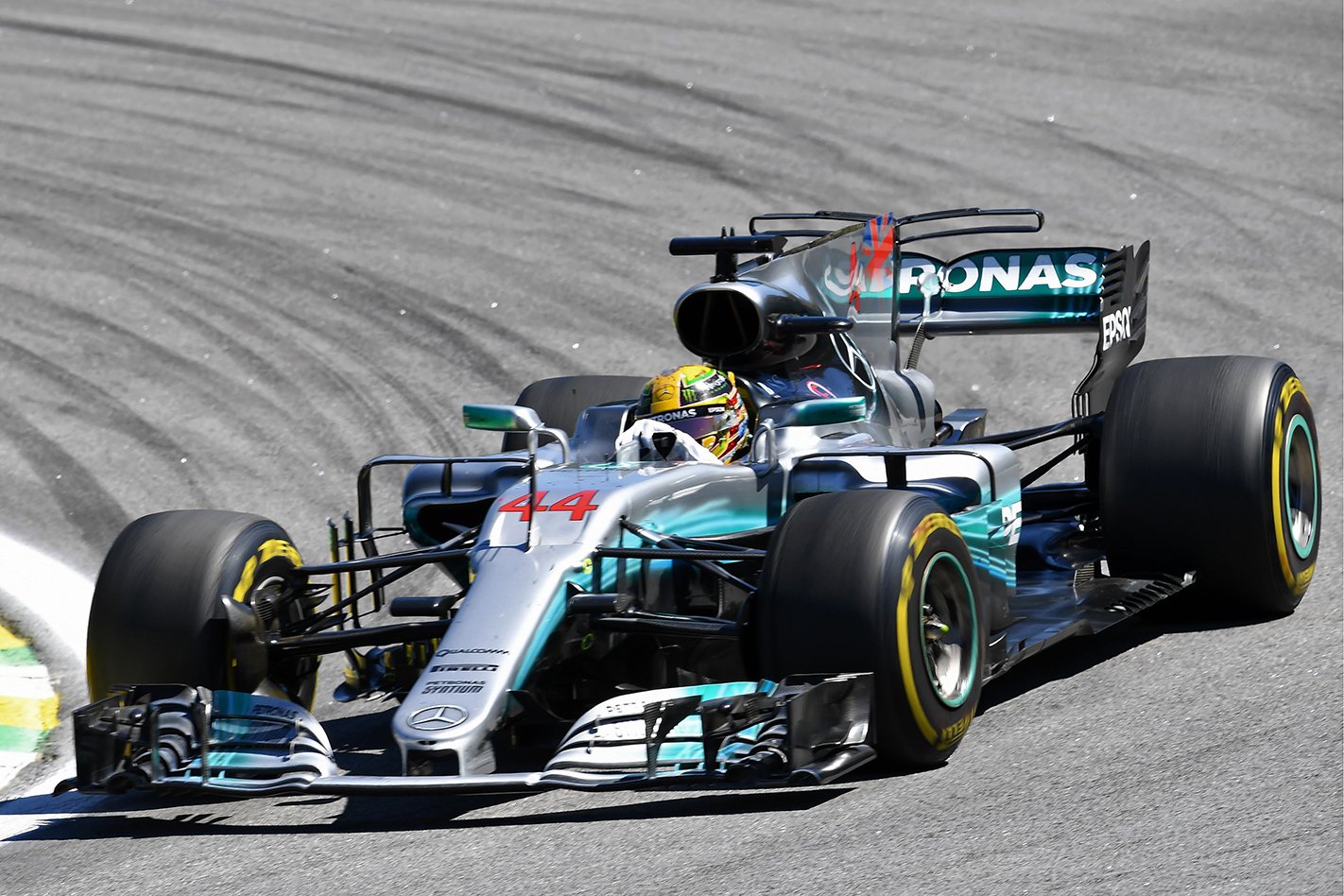
Verstappen revealed after that his second and final pit stop was precautionary– and to chase the fastest lap. “I didn’t want to drive the last 10 or 15 laps with difficult tyres and at the end of the day I wasn’t going to lose a position, so we decided to make a second pit stop. From there on the race was gone but I pushed for the fastest lap. I didn’t get it in Mexico, so I’m really pleased to take it here.”
Ricciardo’s strong drive back from the back handed him sixth place ahead of an emotional Massa, in his final home GP, with Alonso eighth for McLaren.
“The start was not ideal,” said Ricciardo. “It was quite tight and I saw a space on the outside so I tried to get as much room as I could but I knew there were two cars on the inside so there was always a risk they would have contact and then come into me. I think that’s what happened, but I don’t regret trying. The start is an opportunity to make up a big chunk of positions and as I was nearly at the back I had to try something. Fortunately the car didn’t suffer any damage.
“We just changed the tyres and then I could get on with the race and make some good overtakes, and it was a good race. Every time I was catching a car I passed it as soon as I could and there were some good fights. In the end, a comfortable sixth. It was nice to see the chequered flag and I felt I got the maximum out of it today.”
Marquez takes MotoGP title in drama-filled Spanish Grand Prix
Surely Honda’s Marc Marquez couldn’t lose the 2017 MotoGP world championship at the final hurdle? With a 21-point advantage going into the decider at Valencia, all he needed to do – even if Ducati rival Andrea Dovizioso took victory – was finish in the top 11.
Yes, motorcycle racing is volatile and unpredictable. And yes, daredevil Marquez is a rider who always pushes his limits.
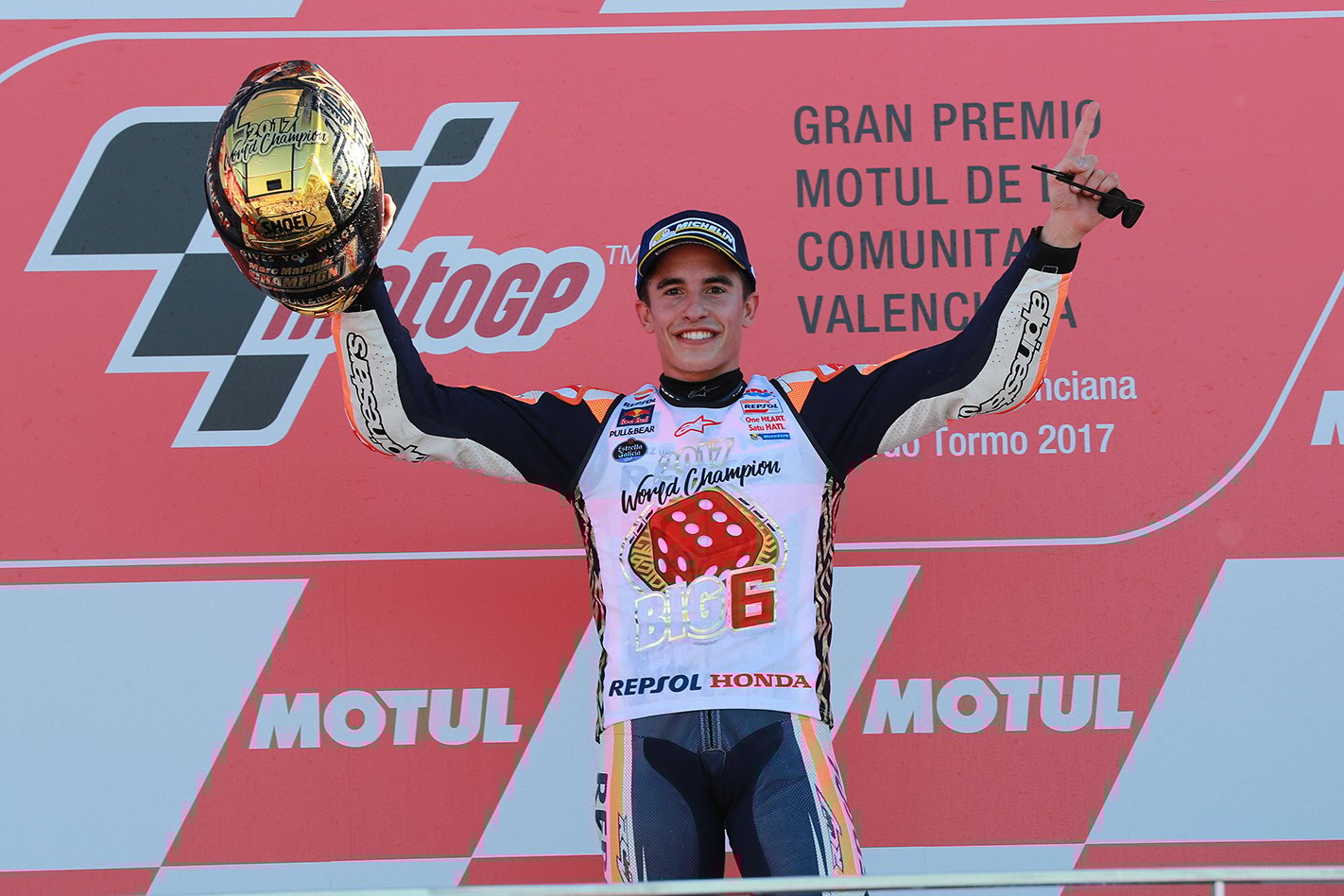
Marquez started the decider brilliantly on Saturday, taking final (and eighth) pole position of the season and extending his career pole count to 73 (45 in MotoGP).
Dovizioso, on the other hand, struggled; he was just ninth fastest and looking for miracles.
Still Marquez could be forgiven a few nerves seeing he would share the front row with a couple of brutally hard chargers – rookie sensation Johann Zardo aboard his Tech 3 Yamaha and Suzuki’s self-titled The Maniac, Andrea Ianonne.
Marquez made a great start from pole, leading into turn one, while his Repsol Honda teammate Dani Pedrosa pounced into the tail-gunner role to follow him though.
Keen to win his first MotoGP race, Zarco went to second on lap two, with Ducati pair Jorge Lorenzo and Dovizioso in close company.
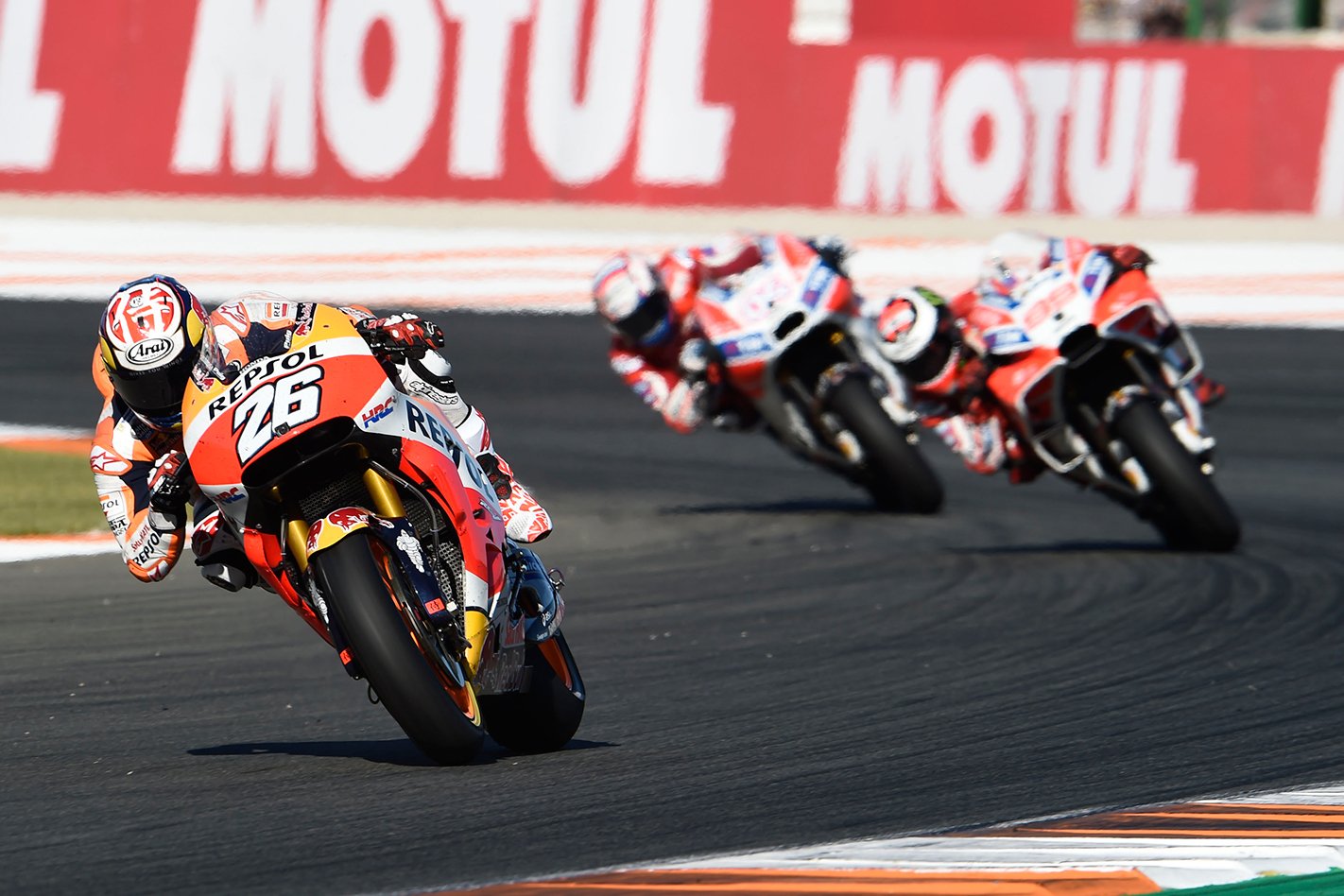
The laps ran down with Doviziso mired in fifth behind Lorenzo and powerless to take the win he needed.
Lorenzo was in no mind to allow his teammate through, even after he was sent the coded instruction “Suggested Mapping 8” after 13 laps with a further prompt shown on a pit board.
A controlled, measured Marquez is a beast we don’t see very often. And on lap 20, Marquez suddenly ignored his own counsel and took the lead from Zarco on lap 20. The defiant Frenchman immediately charged back to the front.
But Marquez appeared to be thinking that he wanted to win the title and the race. He slipped past Zarco on the straight but alarmingly overcooked his entry into Turn One. He almost decked the Honda, making one of his legendary miraculous saves to push the bike upright with his left elbow but running wide through the gravel.
Powering through the sandtrap, Marquez rejoined in fifth behind Zarco, Pedrosa, Lorenzo and Dovizioso.
Almost immediately Lorenzo then crashed out, handing Dovizioso third place. But the shocks kept coming; Dovi then went wide a few corners later and Ducati’s chances of a first MotoGP championship since Casey Stoner won in 2008 ended in the gravel.
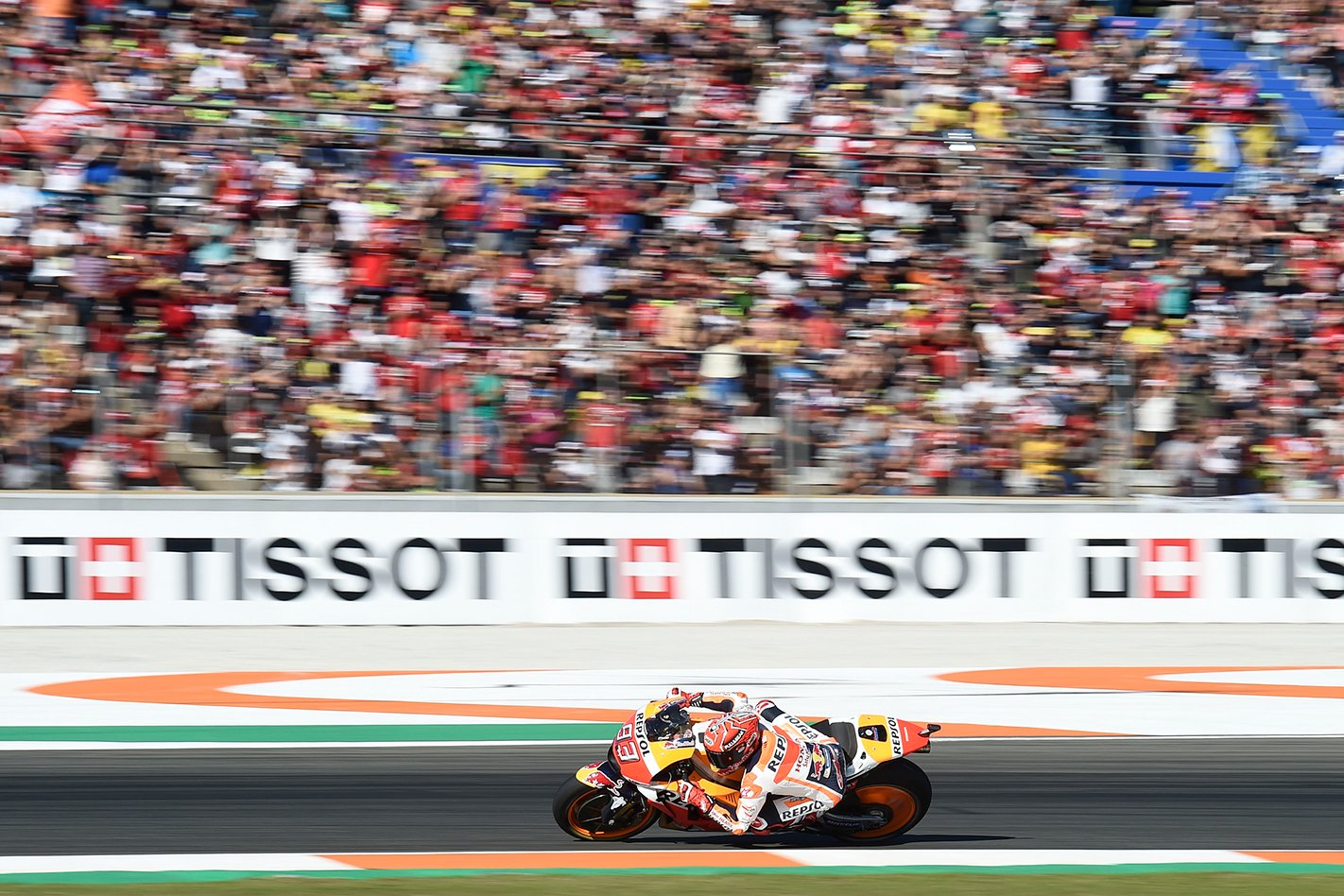
After his massive heart-stopper, Marquez was happy to ride home in third, his sixth world title (across all classes) in the bag.
The 24-year old is the youngest rider to win four premier-class world championships.
“Today the race was incredibly tense and exciting — a bit ‘Marquez style,” said the champion. “ I made a mistake, but I also made my best save of the year. From that moment on, I just tried to finish the race in a good position. I’m sorry that Andrea didn’t finish the race, as he deserved to do so. He had an incredible season and I would have liked to have him on the podium with me today.
“The key to the year has been our mentality. In our world it’s very important to remain positive and motivated during the difficult moments. Some things happened to us at the beginning of the season but when we found the way to sort things out, everything went better.”
It’s anyone’s guess how many titles he may finish with.
Alex Rins took a career-best fourth for Suzuki, while Valentino Rossi was fifth on the best of the works Yamahas, but a long way back from independent Yamaha rider Zarco.
Front-row starter Iannone slipped to sixth at the finish, ahead of satellite Honda duo Jack Miller (Marc VDS) and Cal Crutchlow (LCR Honda).
It was Miller’s his last ride for Marc VDS Honda before switching to Pramac Ducati.
It has been a remarkable season across all three MotoGP classes with some of the most exciting racing on years, and spectacularly worthy champions in each class – Marquez, Franco Morbidelli (Moto2) and Joan Mir (Moto3). Roll on season 2018. Qatar next March 18 can’t arrive fast enough.
Close dominates Targa High Country
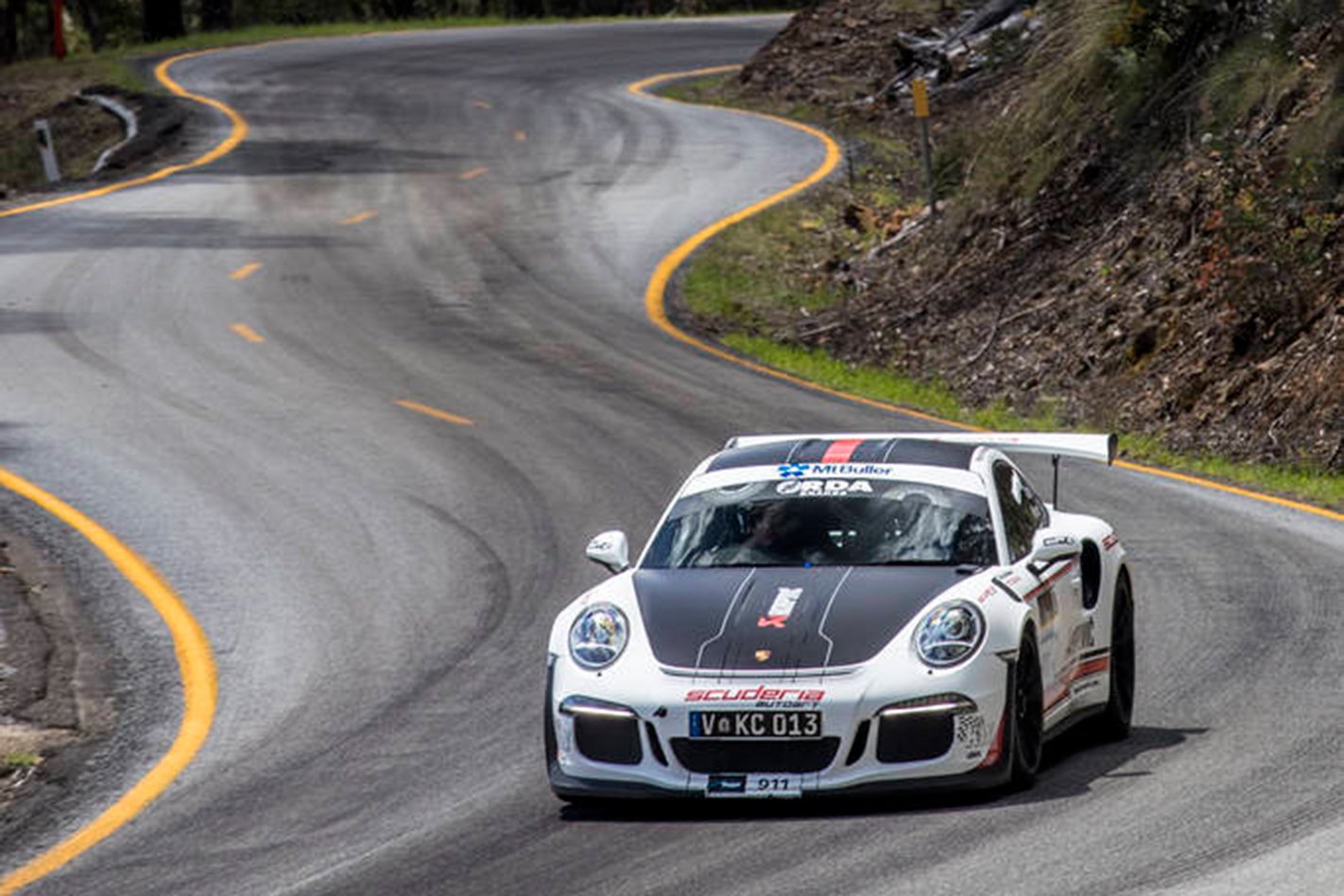
Driving a 2017 Porsche GT3 RS, Matt Close has taken a clear victory in the Targa High Country round of the Australian Targa Series, a three-day tarmac event held in the mountains in north-east Victoria.
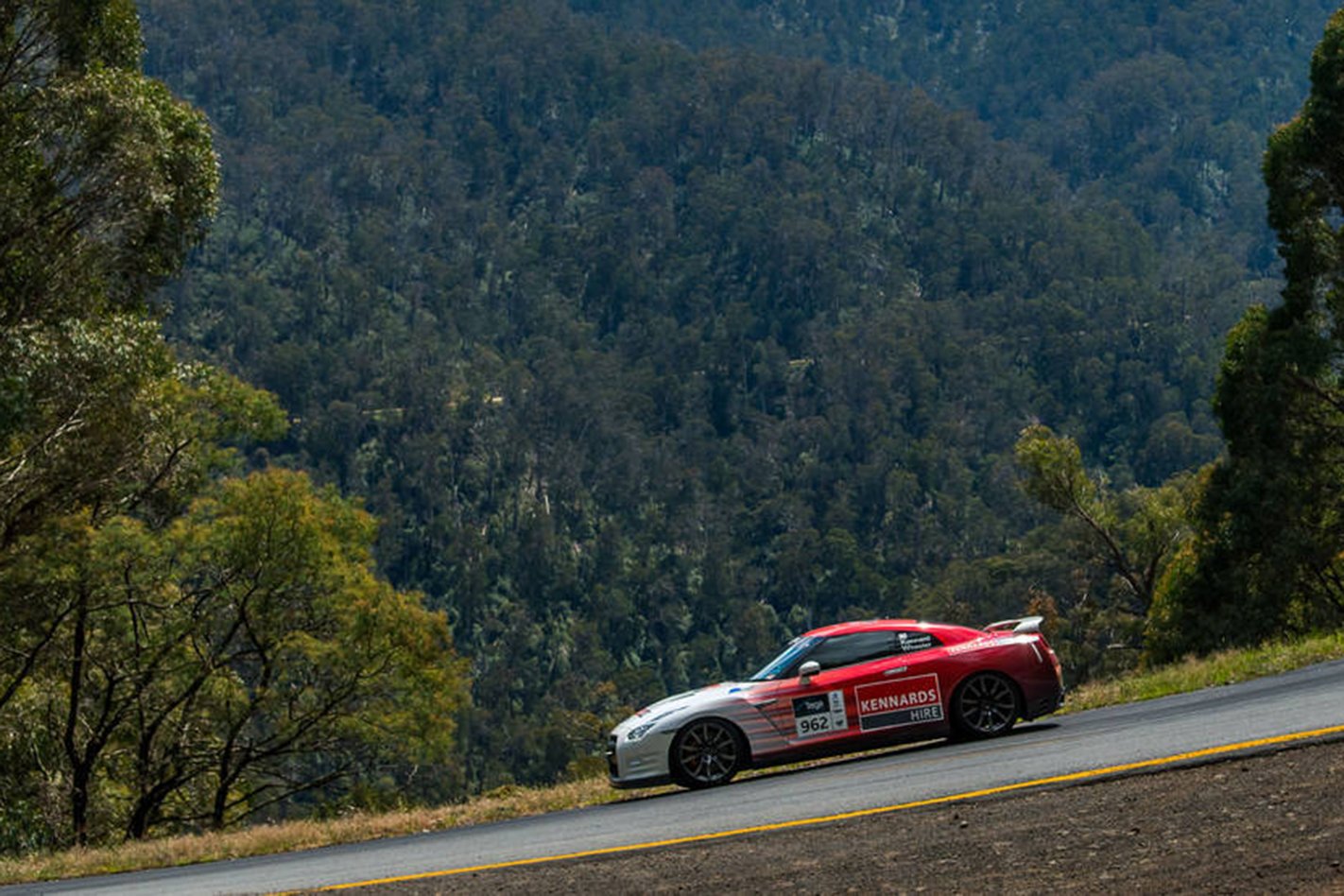
The defending High Country winners Close and co-driver Cameron Reeves set up the win with a stunning opening day romp when they won all six stages to open up an advantage of more than a minute over Angus Kennard and Ian Wheeler in a 2015 Nissan GT-R.
Tasmanian Peter Nunn and Keith Johnstone in a Porsche GTS were then elevated to second place, though more than six minutes behind the dominant Close.
The final podium place was taken out by Ben Calder and Steve Glenney in a Mitsubishi Lancer, after Craig Dean dropped out of contention on the final day with a flat tyre on his Ford Mustang.
“It’s great to get back to back wins,” Close said. “We had a great final day, although we drove pretty safely and made sure we kept everything under control.
“We were hopeful of trying to set a new stage record up Mt Buller, but the road and tyre conditions weren’t as good as they were on Friday, so we just made sure we got to the end.
“Now we’ll focus our efforts on getting ready for Targa Tasmania next year, and trying to win that one as well.”
TELL ME ABOUT THIS CAR
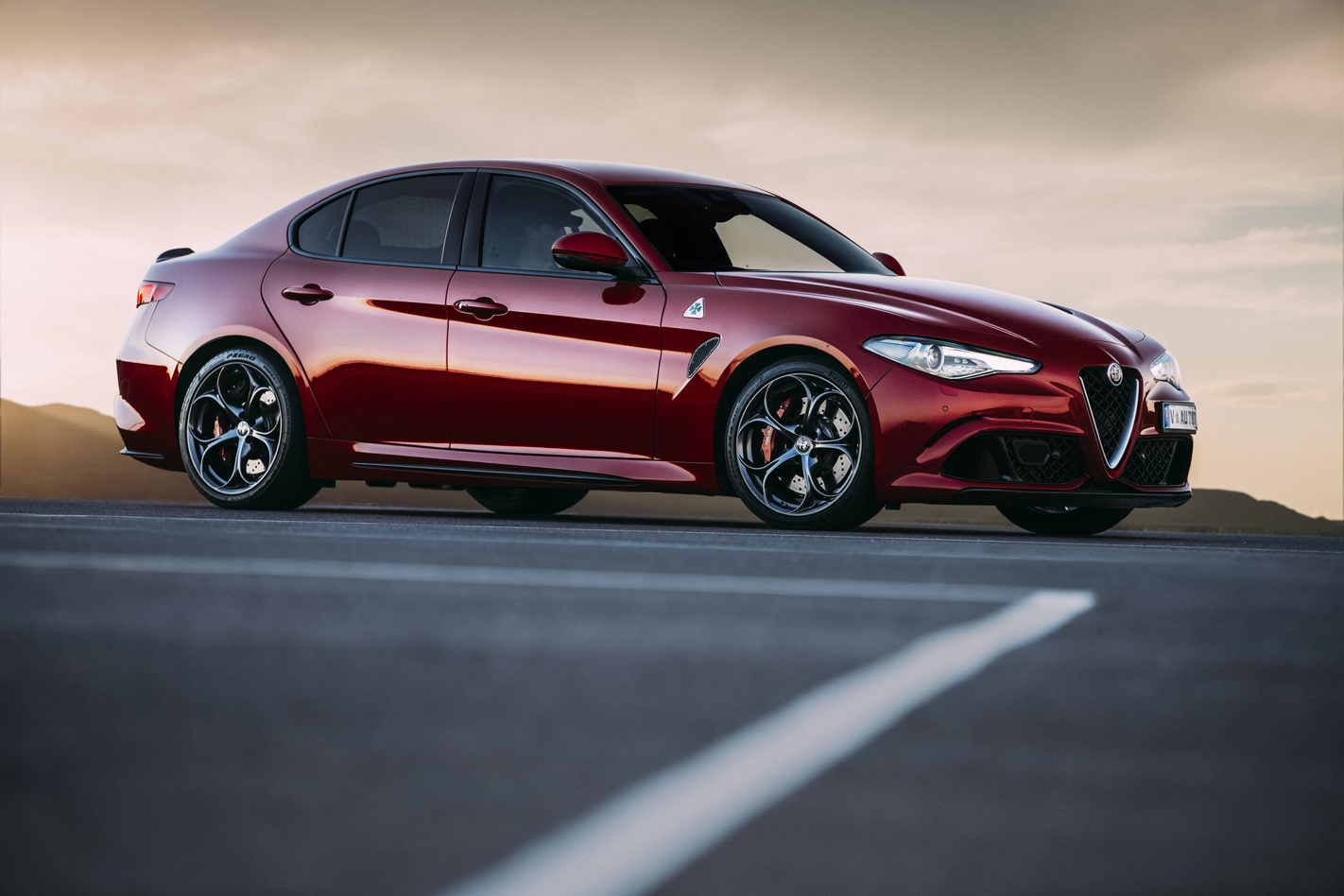
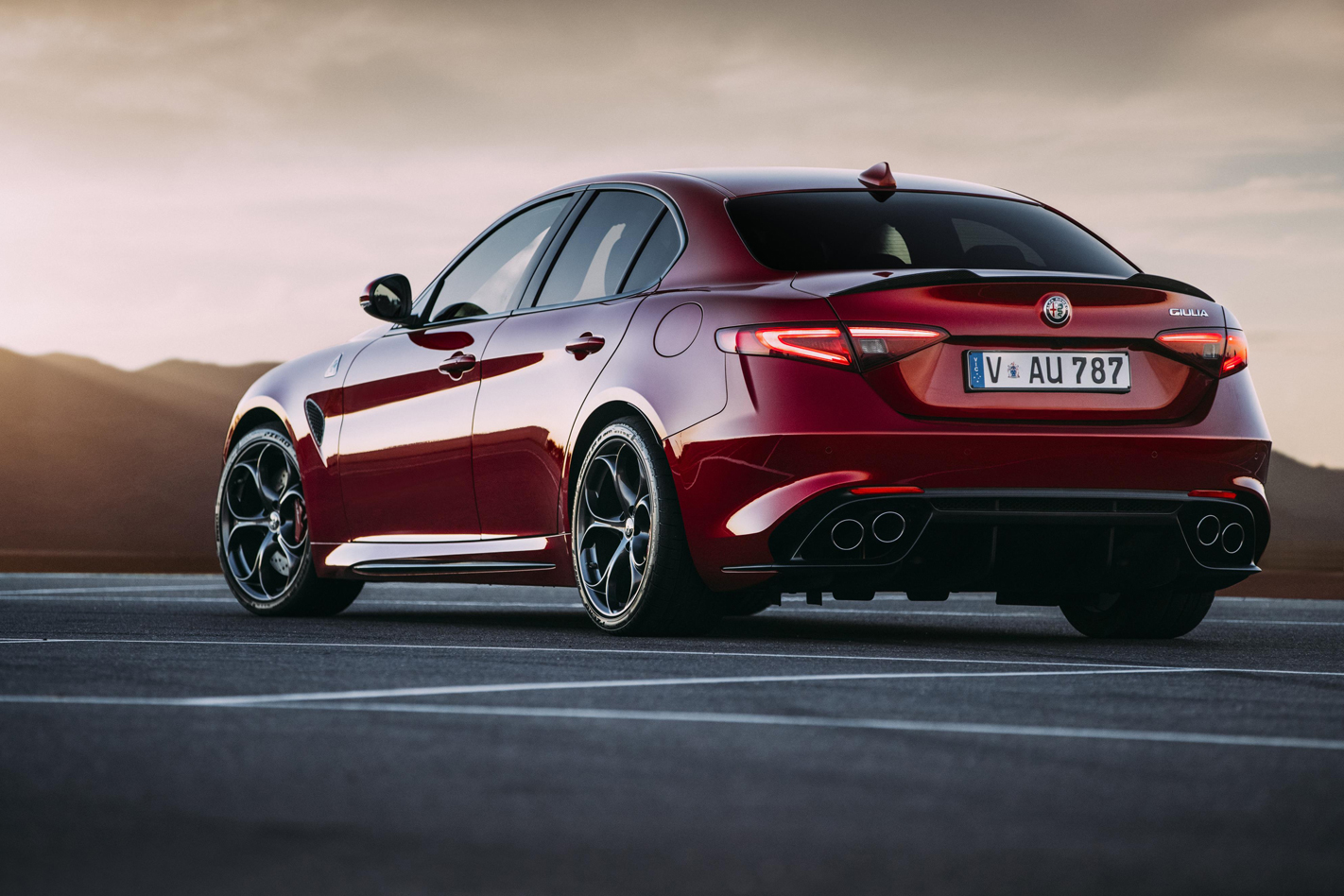
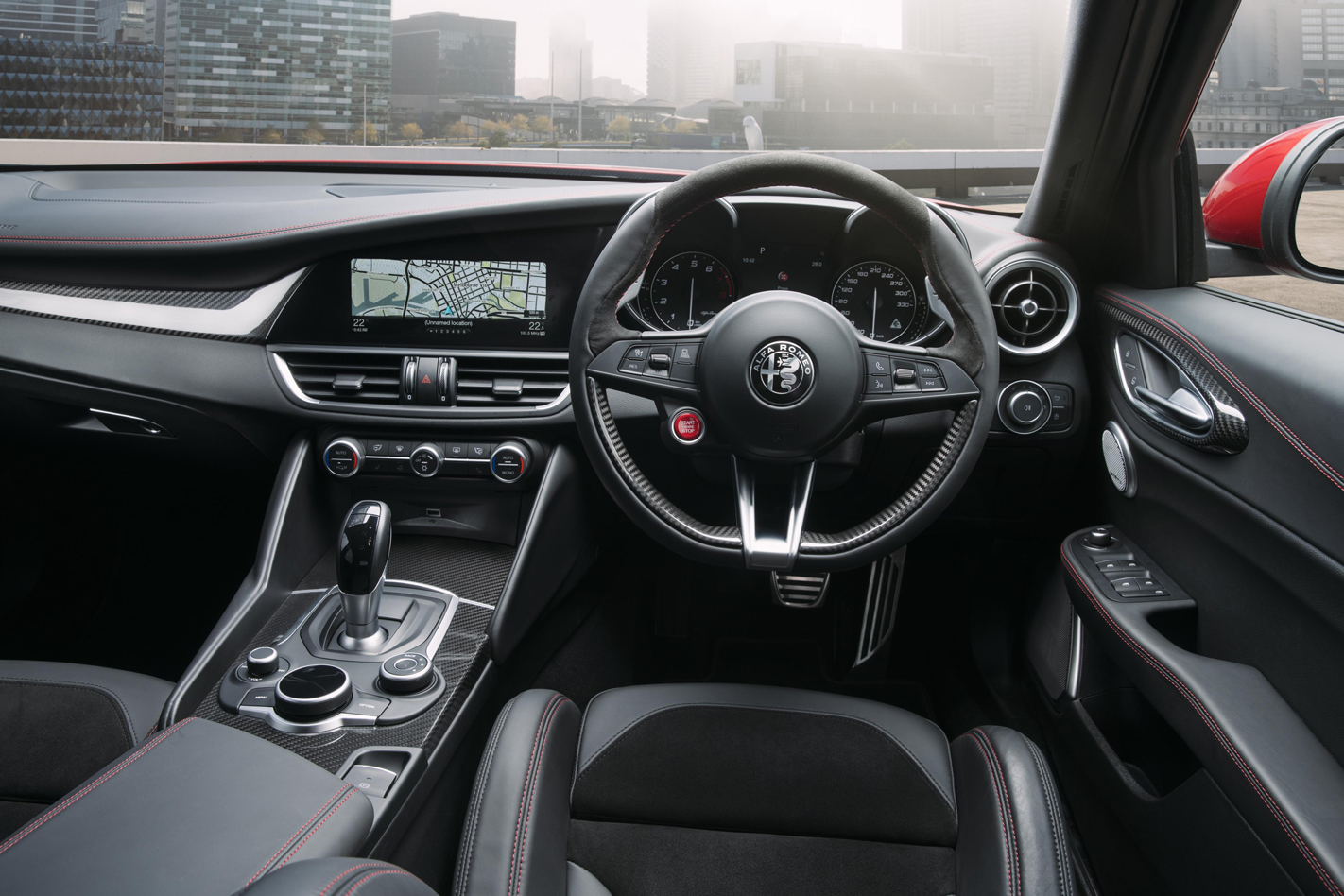
Sitting at the top of Alfa Romeo’s Giulia range is the Quadrifoglio, or QV for short. It’s a fast, Italian, four-door sportscar that produces 375kW and 600Nm costs $143,900.
STRENGTHS
- Drivetrain: Alfa Romeo poached technicians from Ferrari and used them to develop the QV’s 2.9-litre twin-turbo V6 engine. There are ties between it and Ferrari’s triumphant twin-turbo V8, and it feels suitably exotic in the way it delivers power. It’s an absolute rocketship and it sounds good, too. An eight-speed automatic gearbox is the only transmission available in Australia.
- Dynamics: Once you adapt to the QV’s ultra-fast steering, there’s an extremely well-engineered chassis ready to be exploited. The QV is great to drive quickly and will stand up to track day use.
- Styling: Every Giulia is gorgeous to look at, and the flagship QV is especially attractive. Its handsome proportions and elegant lines are enhanced with aggressive, sporty additions like a deep rear diffuser and carbonfibre accents. The engine start/stop button is attached to the steering wheel for yet another touch of Ferrari.
- Comfort: The QV is better at keeping its occupants comfortable than most of the QV’s rivals. It has a sophisticated adaptive damper setup that successfully softens off the ride to make it capable of daily driving. The QV also has excellent front seats.
WEAKNESSES
- Space: Room in the back is a little limited inside the Giulia when compared to some rivals, and the QV’s rear bench seat only accomodates two people. There is no middle rear seatbelt.
- Brakes: Alfa uses a brake-by-wire system for the Giulia, which means a computer electronically controls the brakes based on pedal input, rather than connecting the pedal directly to the calipers. That means the pedal feel isn’t as natural or progressive as expected, and at low speed it is difficult to use the QV’s brakes smoothly.
- Build: Some of the QV’s minor controls and switchgear feels a little cheap. Our test car had a few other small blemishes in the overall build quality, including trim that wasn’t correctly installed and a bonnet latch that wouldn’t open. Not all QVs will be the same, but it is something to look at closely if buying one.
ANY RIVALS I SHOULD CONSIDER?
The QV is up against a strong set of competitors including the formidable BMW M3 and Mercedes-AMG C63 from Germany. However, the Alfa does things slightly differently and is definitely worth a look if either of those other cars are on your shortlist. It’s Italian individuality makes it a highly attractive alternative to the norm.
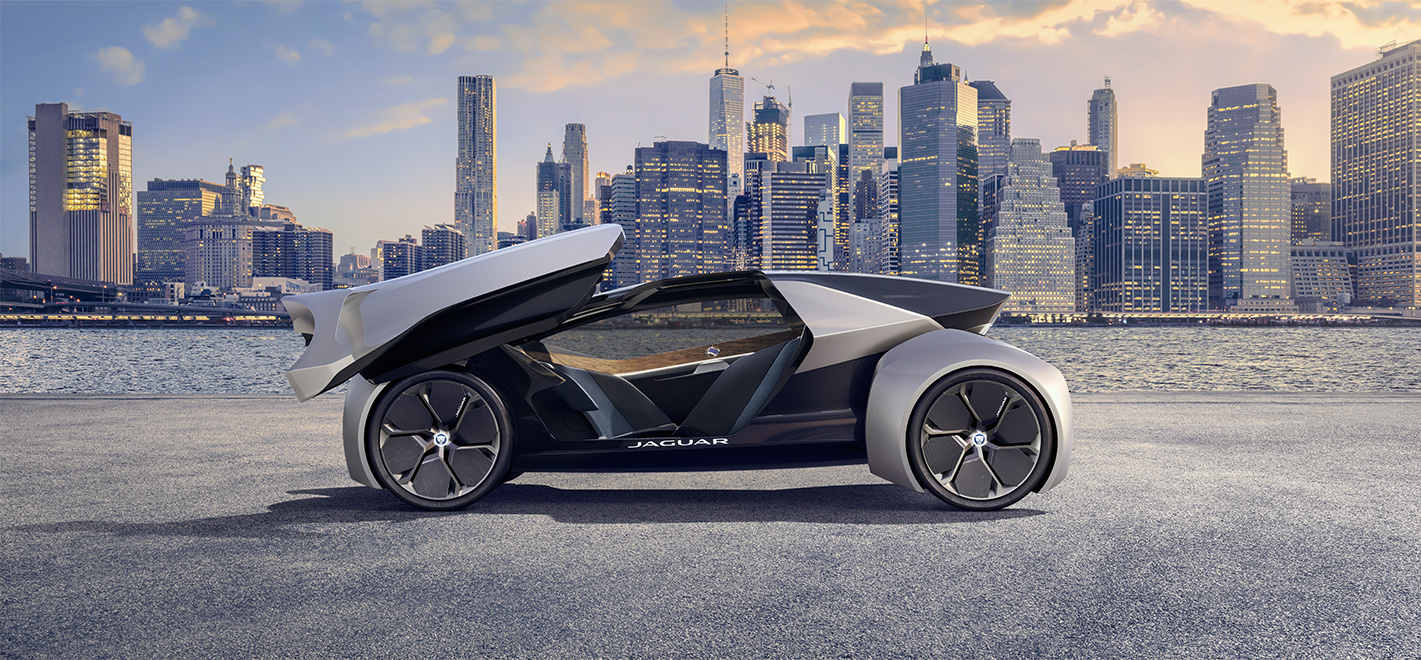
IF YOU’RE going to show a car that doesn’t exist and won’t exist, it makes no sense to actually build a physical model of the thing.
That was Jaguar’s logic when previewing its glimpse into the shape of motoring in 2040. The Jaguar Future-Type virtual representation is, as Ian Callum, Jaguar’s director of design explains, “part of our vision for how a luxury car brand could continue to be desirable in a more digital and autonomous age.”
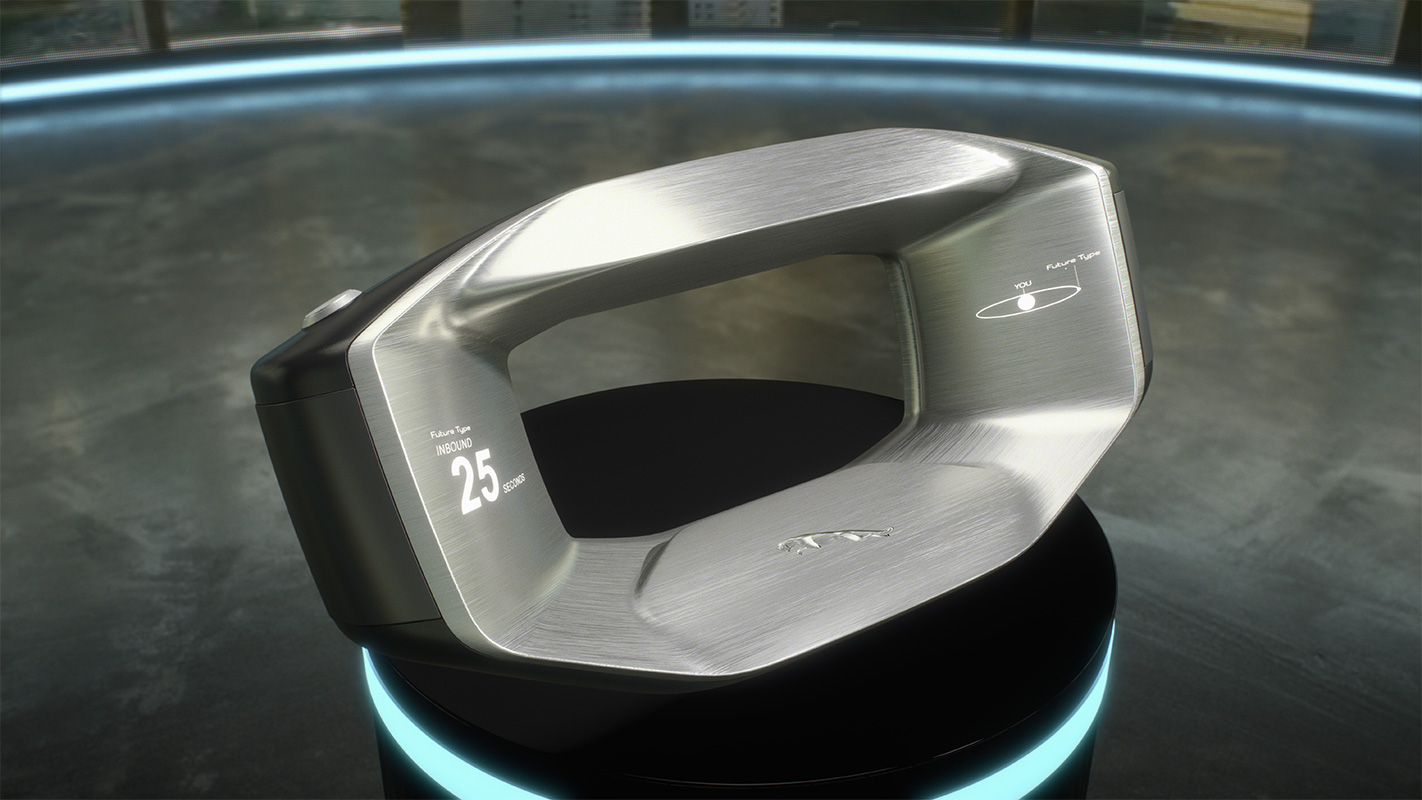
While we’ve been inundated with autonomous, electric concepts of late, many of which focus on a lounge-like experience, the Future-Type is one of the few that includes a steering wheel. The Sayer wheel, named after Malcolm Sayer, designer of the Jaguar E-Type, is the way in which Jaguar proposes you’d connect to online services.
The wheel is a reassuring touch. Like most autonomous vehicles, the Future-Type has been designed to cut the driver out of the loop for tedious tasks such as commuting, but for the occasions when a driver wants to actually drive, the concept remains, at heart, a Jaguar.
“Whether it’s the exhilarating way they drive, the way they sound, the iconic design or the connection drivers feel with the road, customers tell us that their Jaguar makes them feel special.
“With the Future-Type we’ve been investigating how we can keep this emotional connection in a future world where people may choose not to own a car, or when a Jaguar is an autonomous, on-demand vehicle,” said Callum.
Pure EV While CEO Dr Ralf Speth has committed the group to electrification of all models by 2020, that move will largely be brought about by the proliferation of hybrid drivetrains.
The 2018 Jaguar I-Pace will be JLR’s first full electric production vehicle and it’s already spawned a support race series to Formula E.
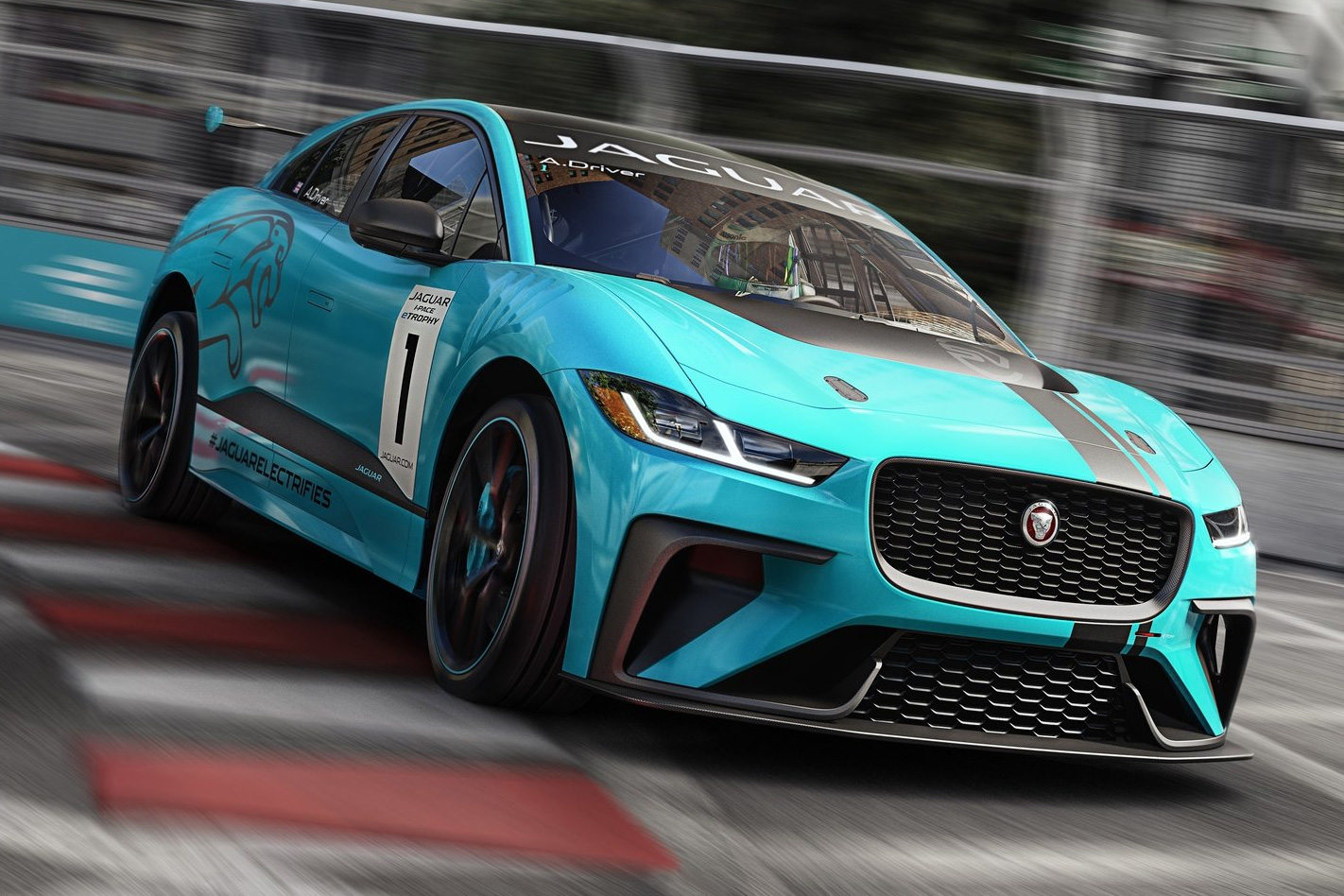
Callum did concede that a lot of time may need to pass before some fans of the marque would accept a pure EV like the I-Pace as being a true Jaguar. “Sometimes it just takes time for people to take it on board, but the values are strong enough to run through [to an EV].”
The truth of urban autonomy:
JLR’s push to autonomy has a rather more prosaic basis in reality. At present, the company is trialling driverless tech in the real world.
Autonomous Urban Drive can enable a vehicle to operate without a driver through a city, obeying traffic lights as well as negotiating T-junctions and roundabouts.
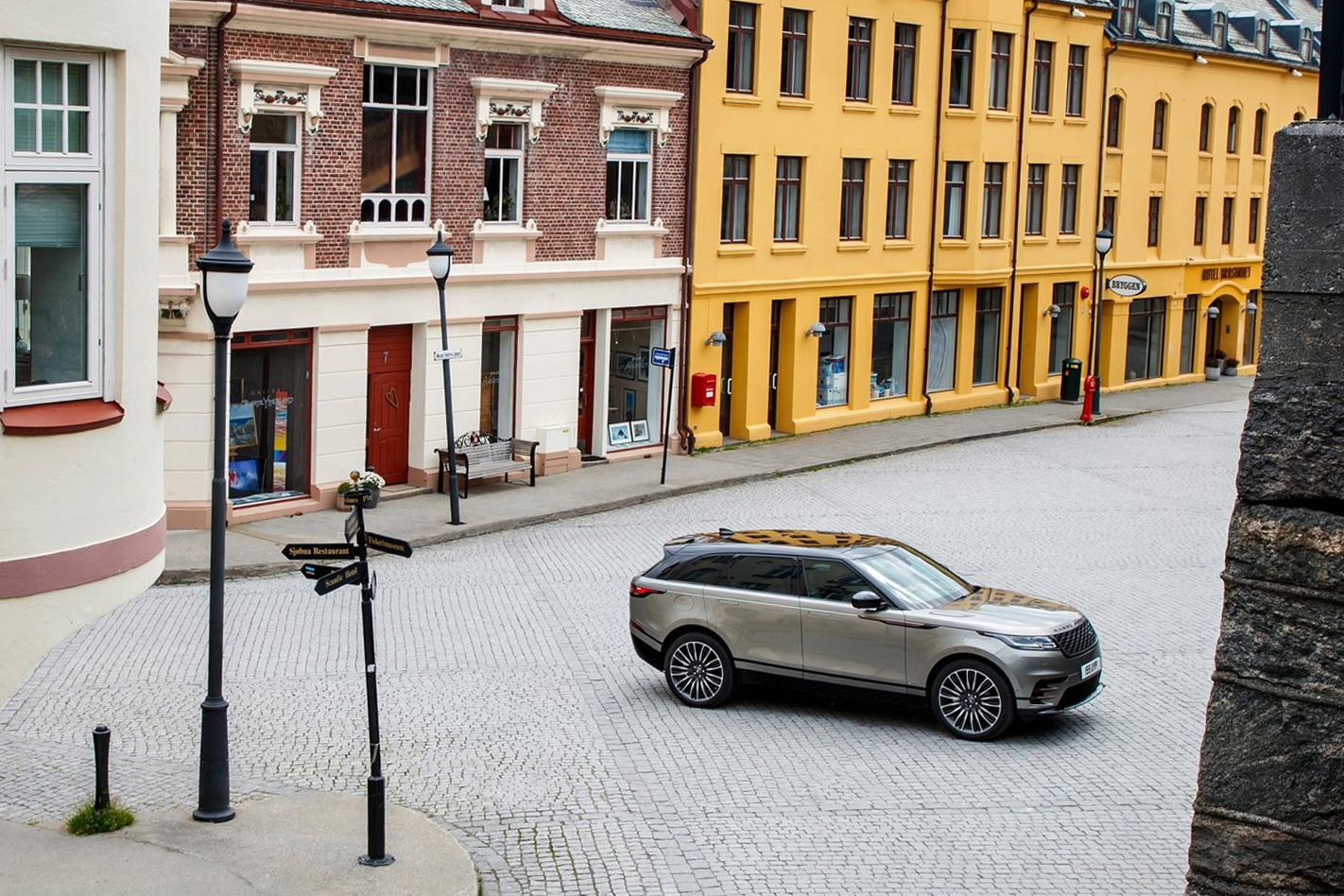
The current Range Rover Velar also introduces the Blade system. This so-called ‘digital butler’ introduces the basis of connected tech for autonomy, and allows you to interact with the car from a smartphone.
Consistency is the hobgoblin of little minds, said Emerson (then, the next day, probably said, “No it isn’t”), but it’s the cornerstone of both good parenting, and good custard.
And usually I would care more about custard than parenting, but having recently moved into new digs, I’ve had a crash course in inconsistency from the bad, no-good, really terrible parents next door, and their awful screaming kid. These parents can’t stick with anything: “Time for a bath. No, you’re definitely having a bath.
Okay you don’t have to have a bath.” So the kid learns that nothing is really final, and tantrums get you whatever you want, and so grows into a spoiled turd, unless someone arranges a terrible “accident” on a day when I have a convenient alibi. And that’s the same reason why ordinary car buyers are, by and large, spoilt brats.
Not all of those cars were born equal, but all of them were waist-high sex machines. Consistency. Good dad! Then Sergio Marchionne took a break from alphabetising his sweater collection to take over Ferrari, and now they are designing an SUV, to please the brats throwing tanties over in the Lamborghini Urus aisle.
A Ferrari SUV. It’s madness… “But I want one! I want one! I want one!” “Okay, okay, I give in.” Bad dad! Bad dad! Remember that old BMW ad with the rabbit with the big front legs, that said ‘This is why we don’t do front wheel drive’?
Then they started making front-wheel drive cars, and assuring us that they were still ultimate driving machines. In this case they may mean ultimate as final, as in after driving the 2 Series Active Tourer you may become so disillusioned that you give up and never drive anywhere ever again and barricade yourself inside your house until you’re crushed by a falling stack of old newspapers and jars of urine.
Consistency creates respect. Tesla just makes electric cars. (Admittedly, not very quickly.) It’s not “electric is the future” on Mondays and Tuesdays, and then touting a V8 on Wednesday. When they say it’s bath time, you know it’s bath time, and that’s final. No point throwing a tantrum.

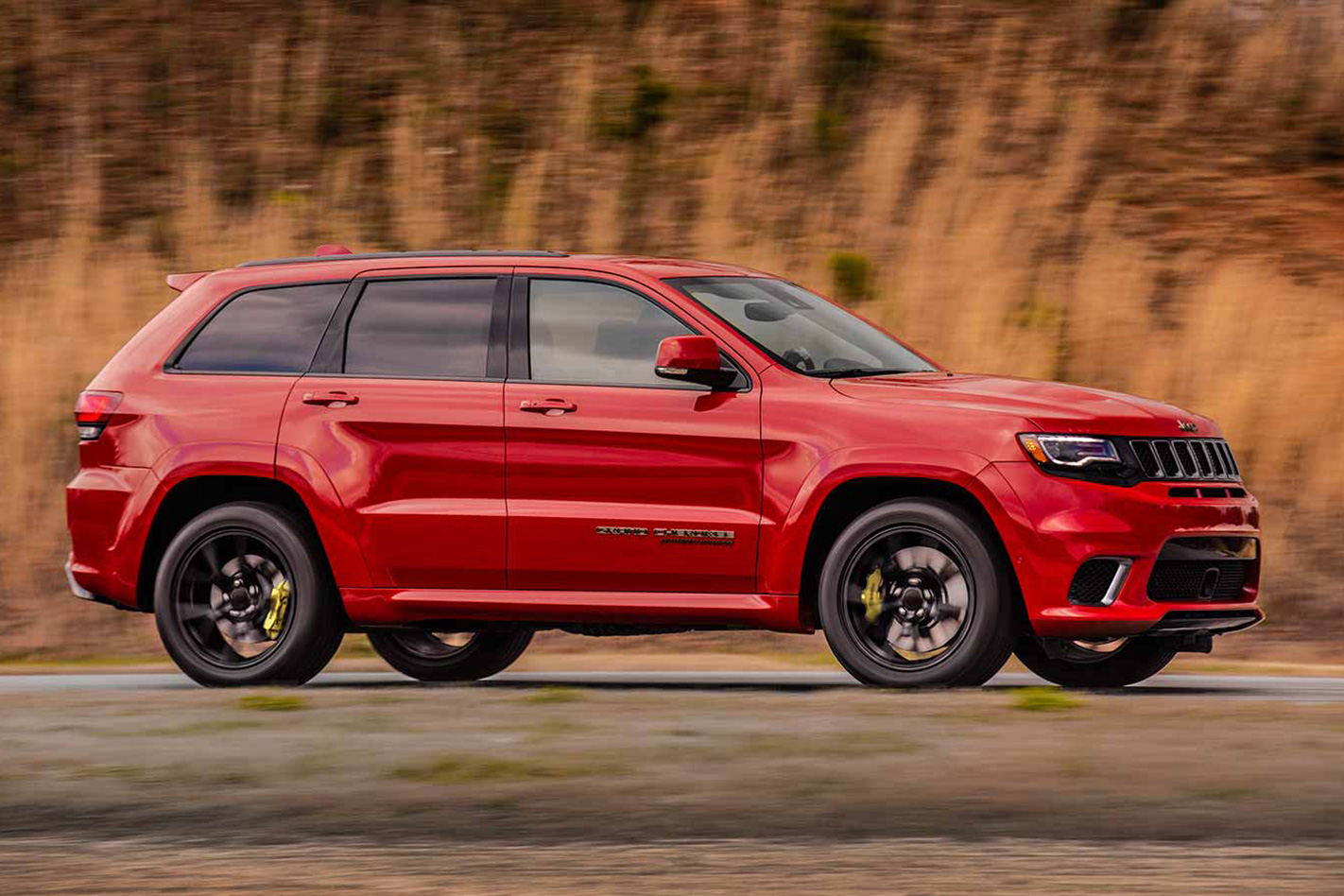
“We want off-roaders that can lap the Nurburgring in three minutes!” cry the have-it-all kids, wiping away tears with their private school ties. Remember, Land Rover produces the RR Sport SVR, while Jeep unleashes the frankly bonkers Grand Cherokee Trackhawk, which can tow an apartment building and could probably jump Snake River Canyon in second gear.
All of which is sort of awesome, even if it really makes no sense; but then those same punters fall on the floor, kicking their heels and sniffling, “But it uses so much fuel! Wah!” And Gaydon and Toledo are left dangling like the Bad Dad on Christmas morning, whose brats have slammed the bedroom door because their new PlayStation is black instead of silver.
Be a good dad, Sergio Marchionne. Say no to the SUV brats. Tell them if they don’t quiet down, you’ll turn this car company right around and nobody will get treats. And no, not even lumpy custard.
Someone recently accused me of being a Lewis Hamilton fan. I was bewildered.
I’m not even that big of an Formula 1 fan at the moment, though I’ve no problem with periods of dominance by one or two teams.
This person had reached their conclusion because of my Twitter handle, @MichaelStahl44.
I explained that 44 was the number on the Ford Falcon XR6 GT Production car I raced in 1997, sharing in a class victory at the Bathurst three-hour enduro. That makes me a rookie Bathurst winner with a 100 percent success rate.
So the 44 has nothing to do with Lewis Hamilton; rather, that I’m a big fan of Michael Stahl.
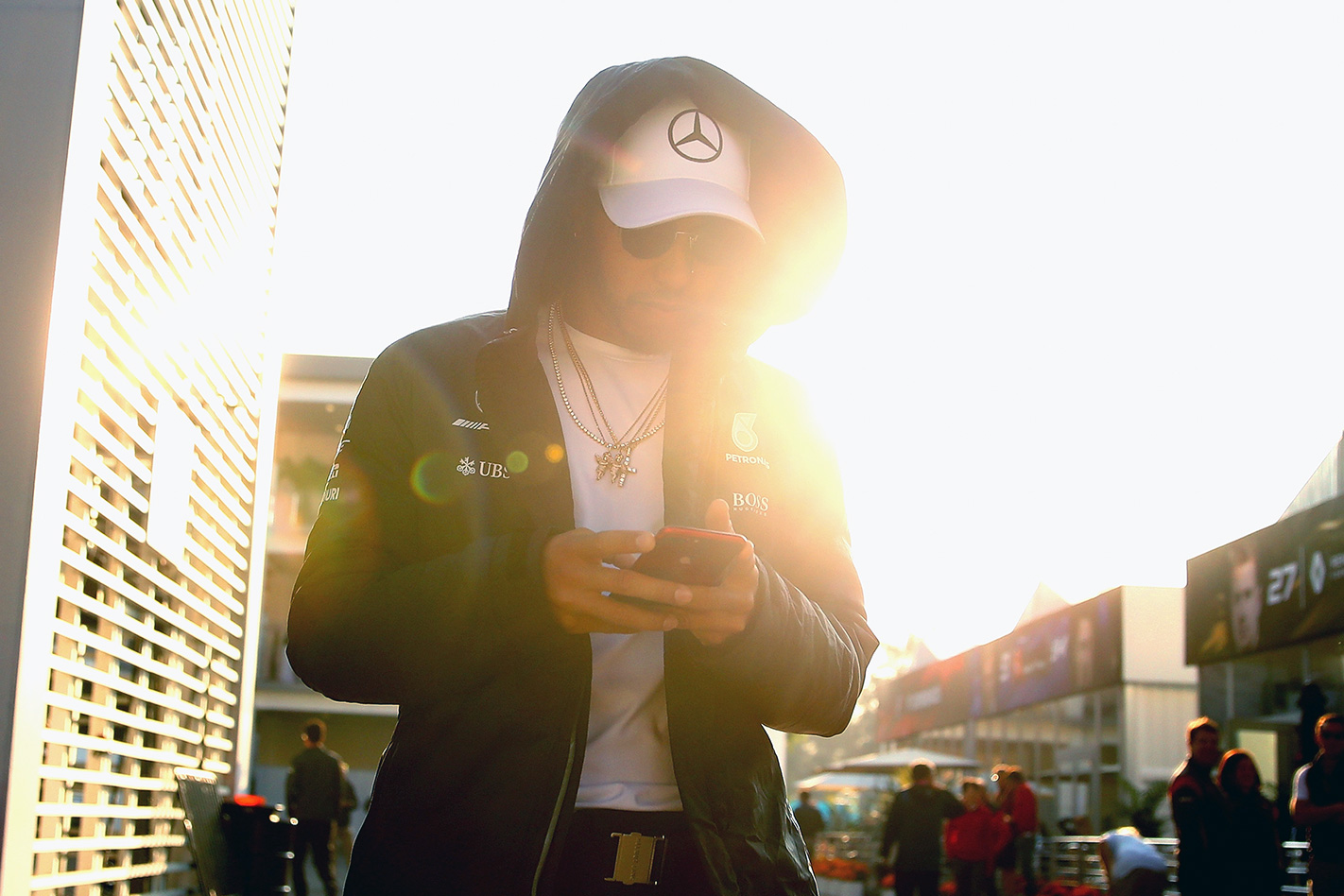
Later that day, a group of maybe 20 journos sat down with Hamilton. Most asked about the challenging season he’d had, this being just after the Baku debacle.
But Hamilton also talked about his passion for cars and motorcycles (he has about 15 classic and supercars, but when at home in Monaco and LA he rides motorcycles more often than he drives).
He spoke confidently about his design creativity – he specced his own Challenger bizjet, right up to the custom beacons on the top – and wants to design his own limited-production car.
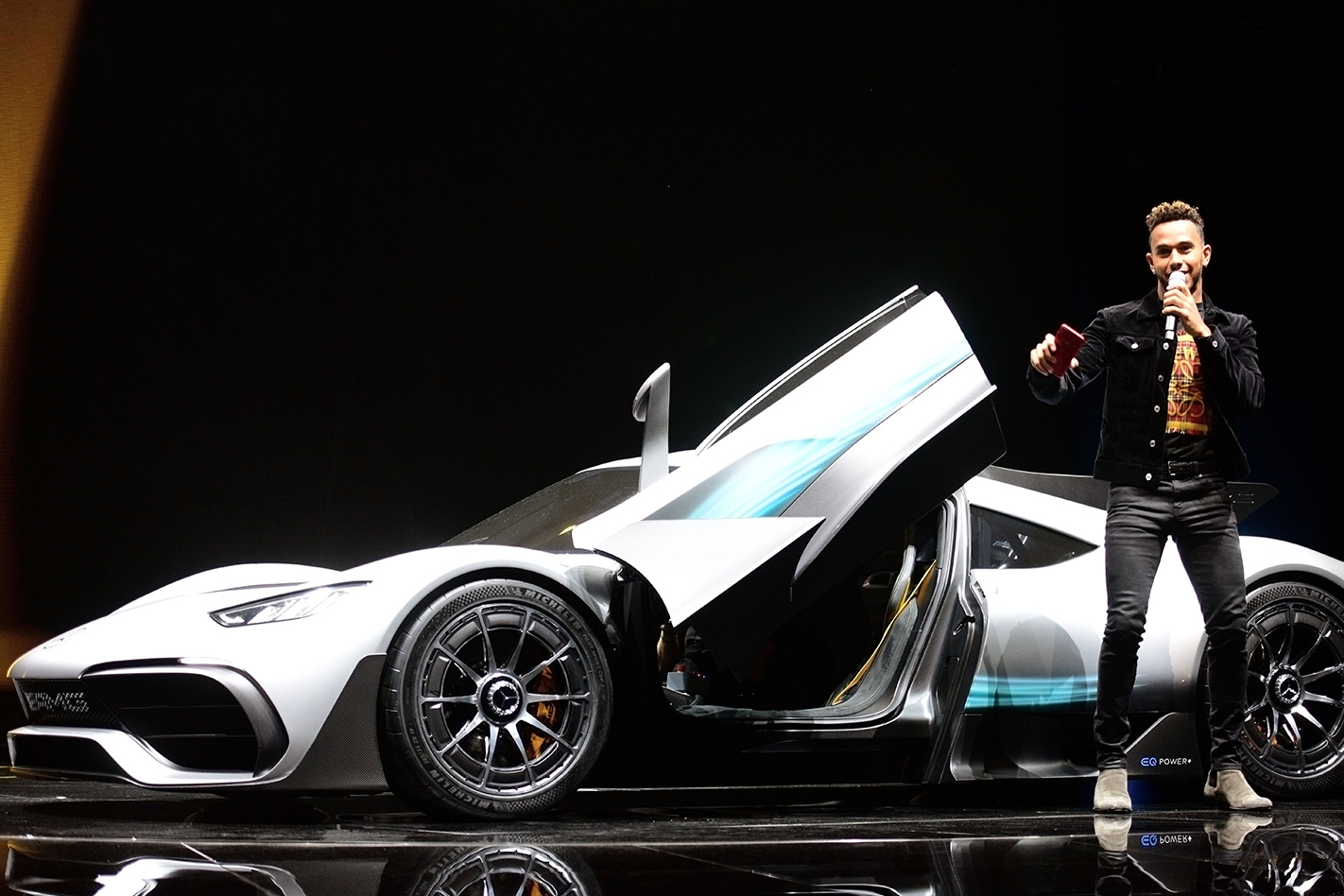
“One of my favourite cars when I was younger was the Lamborghini Diablo. His dad turned up in one, one weekend – it was so sick! And me and my dad had a Cinquecento rental car – it was so crap! Nico arrived in that, but I won the race…”
Hamilton has a self-confidence that might come across as arrogance. Like when I asked him if he, like Fernando Alonso, has any interest in racing at Le Mans or the Indy 500.
“No. Formula One is the pinnacle. I’m sure I could go and race any series I want, but I currently don’t have any desires to do any others … I’d love to ride a MotoGP, but by the time I’m able to do it, it’d be too late. Once I stop racing I can go and have as much fun as I want.”
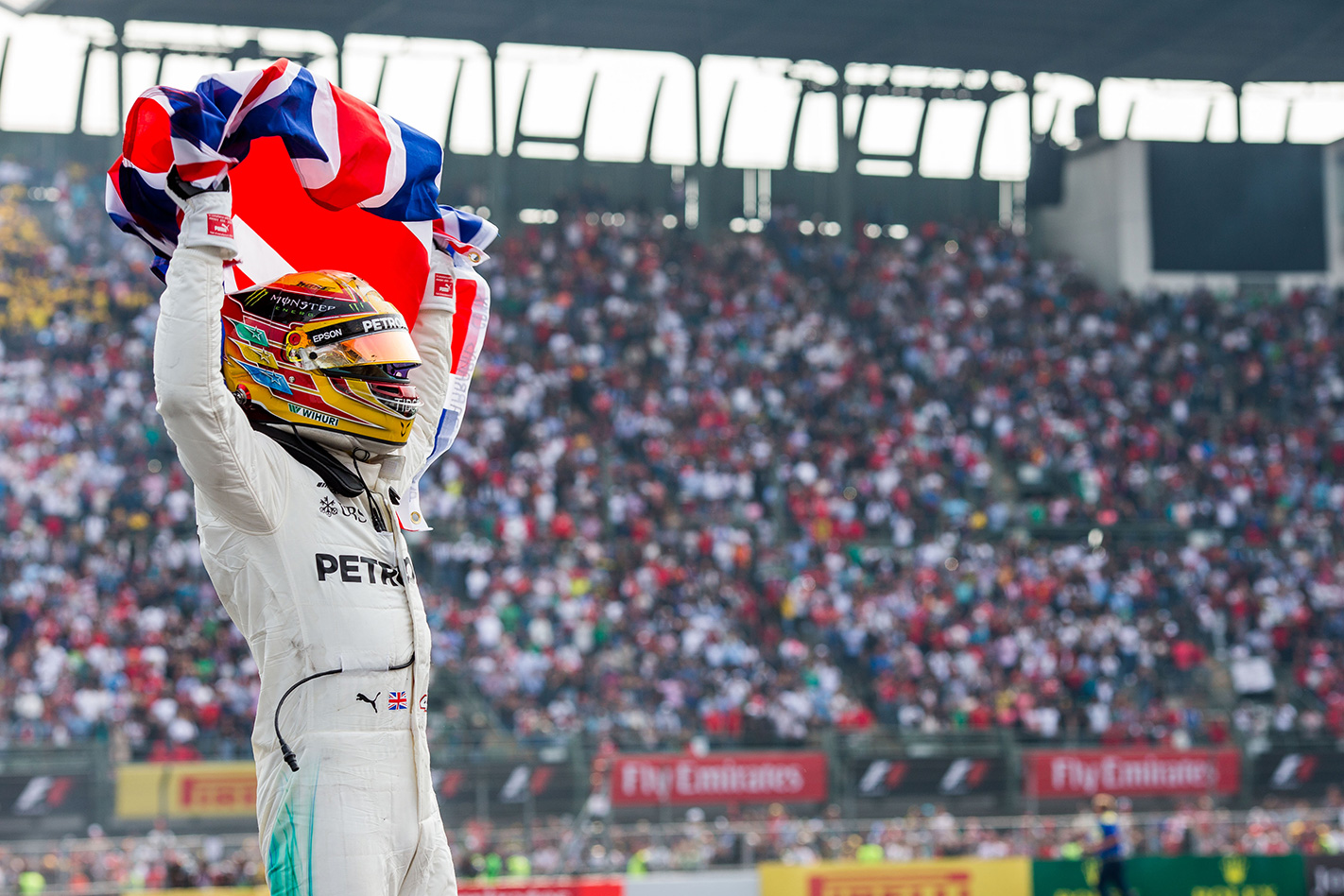
“I loved the mid-to-late 1980s cars … Stick-shift, I love the manuals. I also really like the V12s. They’re my favourite engine … Also, Senna was racing in that era…”
Would Hamilton have beaten him?
“Who knows? If you asked any driver, he’d say for sure he would have … I would have done everything to have beaten him.
Although, when I first got on the track and Schumacher was ahead of me, I wasn’t even thinking of passing him. It was just like, ‘That’s friggin’ Michael Schumacher ahead of me! I’ve been watching him on TV, winning all these championships… That’s pretty friggin’ awesome!’”
If there ever was someone whose name less suited their invention, it’s Roger Bacon.
MOTOR’s Geek Speak?
Born in 1926 in Cleveland, Ohio, the man named after cured pork also invented the wondrous structural material that’s among the lightest and strongest ever invented by man. And like other great scientific advances in the 20th century, his discovery in 1958 was a surprise.
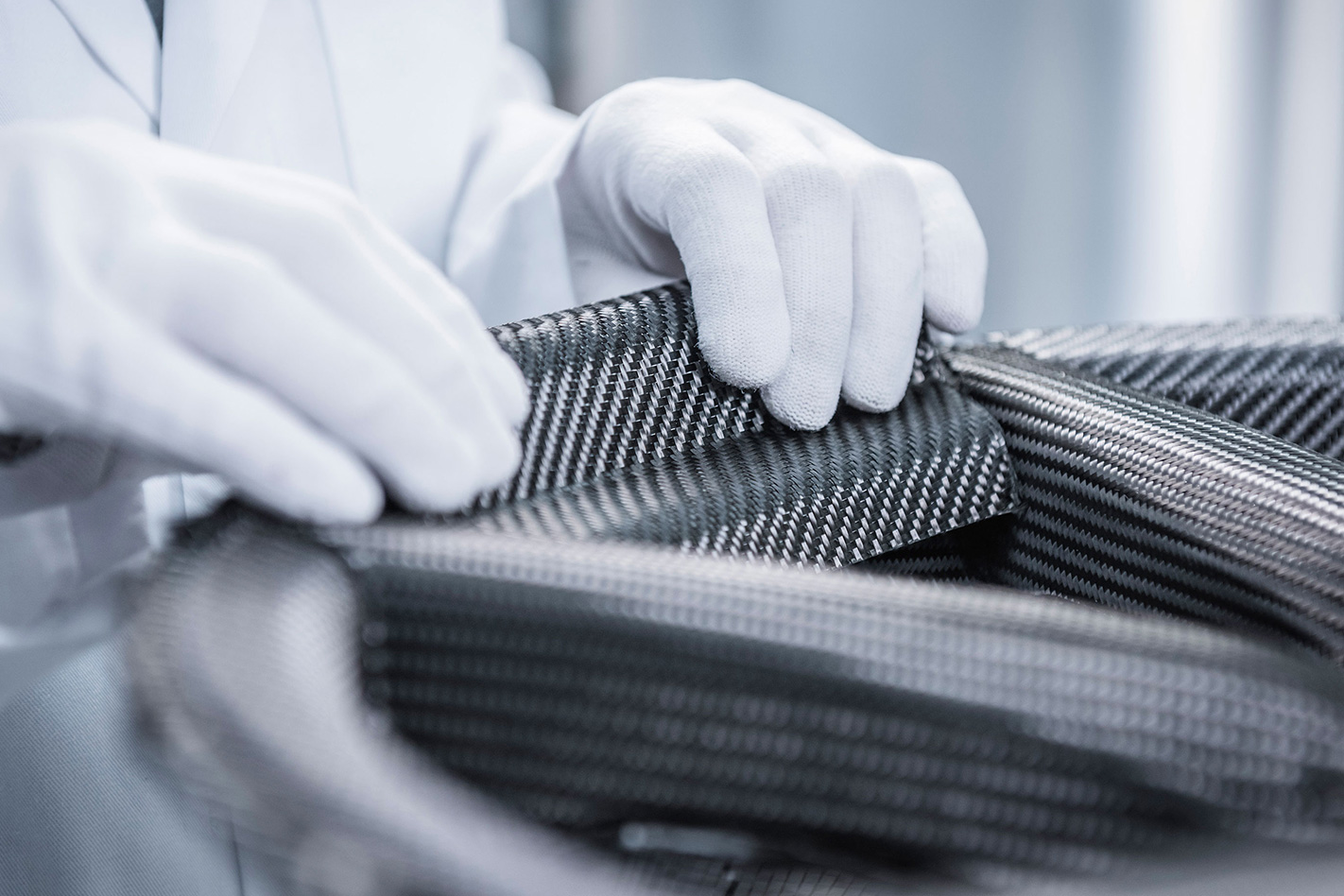
The genesis then, for carbon fibre. But one which, at the time, Bacon estimated would cost US$22 million per kilogram to make. With such high investment required, first applications either had wings or were rocket propelled. But around the early 1980s, manufacturing processes started to make leaps forward.
Why carbon fibre might struggle to gain traction at the boardroom level is the fact it’s an expensive structural component. Use it purposefully in small amounts, like suspension arms where it’s not visible, and the marketing department can’t sell it very easily. Nor would an average driver feel it.
Use it for the body or chassis, where it’s both seen and felt, and costs quickly start to climb. However, it’s starting to get a roll on with wheels. As the bigger-is-better trend gains pace, makers are being forced to use it to unlock new performance gains.
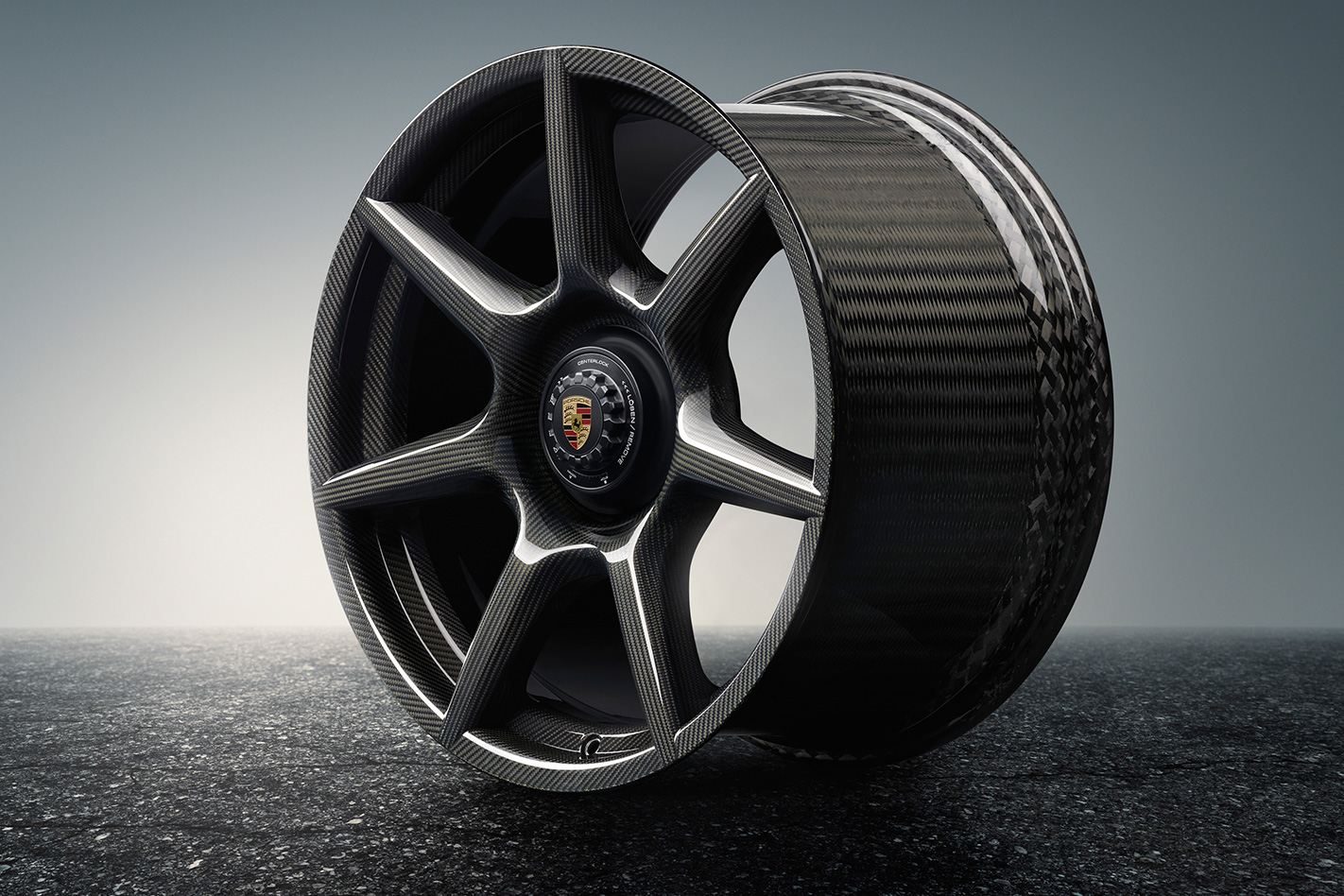
That’s handling, ride, braking, acceleration, and weight improved with one modification. The unique look is also a marketing dream, too. For Porsche engineers, who work on the largest wheels and tyres in the biz, it must be a godsend.
And while Koenigsegg and Ford both offered OE carbon wheels before Porsche, Stuttgart differentiates itself with its manufacturing method. Which, for the 911 Turbo Exclusive Series, and as you can see, is pretty space-age.
Crunch Time – The Performance Difference
Theorising is all well and good at the pub, but let’s talk about the real difference carbon-fibre wheels make in practice.
We haven’t had the chance to test any of these carbon-fibre OEM cars, yet, however, Car And Driver has. The publication put a Ford Mustang GT350, which has aluminium wheels but the same 392kW V8, against a GT350R which comes equipped with carbon-fibre wheels.
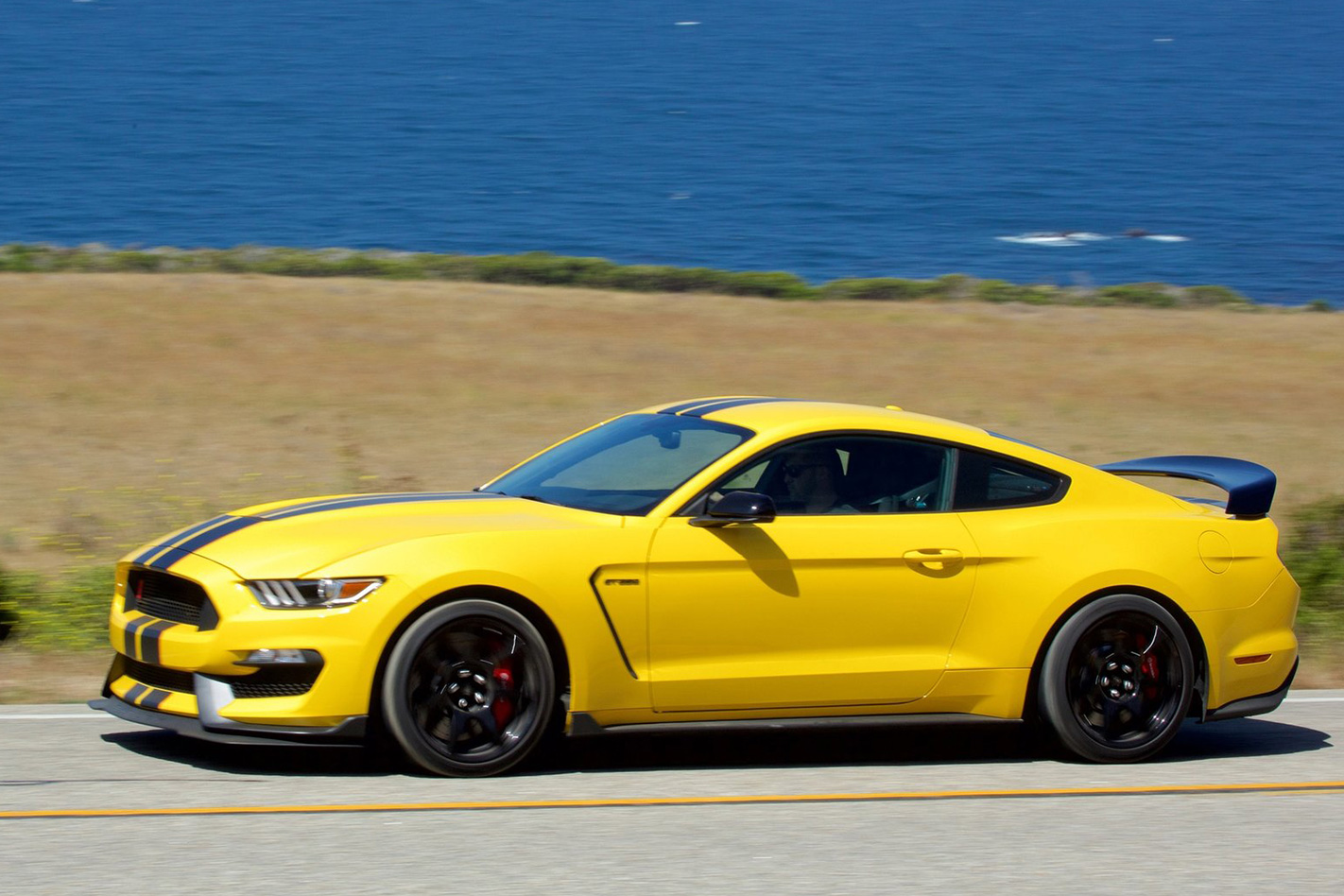
Meanwhile, coast down from 97km/h was cut by 48m to 1458. Of course, there’s a less quantifiable difference felt by the driver in carbon-fibre wheel equipped cars. However, Ford Performance engineers say they measured a lighter steering effort and more absorbent ride quality on the GT350R.
Just about proving there’s not much these wheels can’t do.
GIANT WEAVER
How they’re made
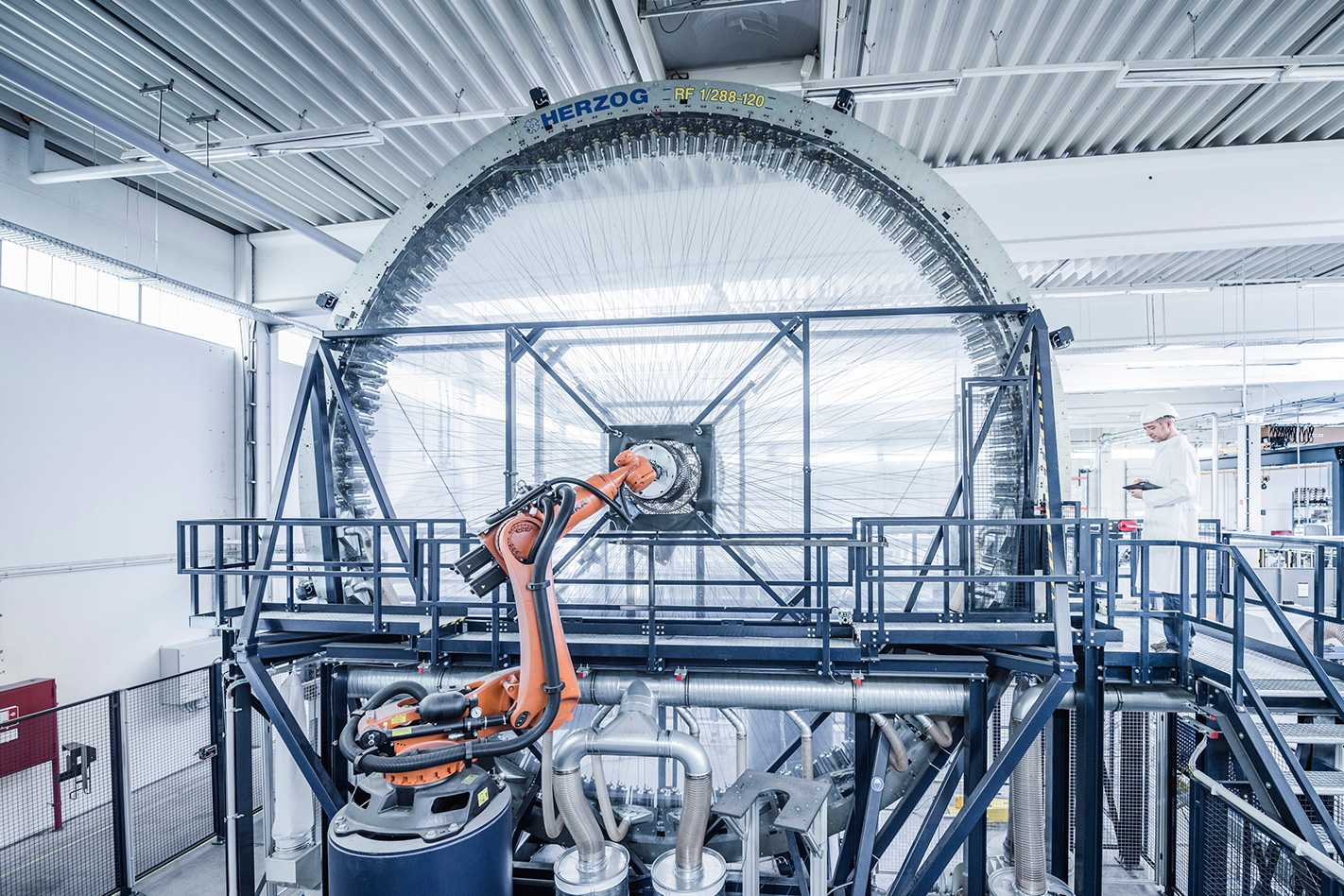
1. WHAT A YARN Porsche uses carbon-fibre braiding which involves fibres taken from multiple yarns on a radial wheel that are then intermingled in a prescribed pattern over a mandrel. For Porsche, this forms the wheel drum, which is mated to a wheel centre assembly made of pre-cut carbon-fibre fabric.
2. FASTER, STRONGER The preform wheel is then pumped with resin and baked at high temperature. Once cool, a lacquer is applied for finish and heat resistance. The end result are wheels 20 per cent lighter and stiffer. Don’t forget, these are 20-inch tall wheels, 11 inches wide. On-limit handling improves as stiffer wheels resist camber deflection under high loads.
3. NOT THE ONLY ONE Braided wheels boast excellent rigidity and durability thanks to a more consistent production process. For comparison, Koenigsegg’s and Ford’s GT350R wheel are 40 per cent lighter, however, it’s unknown how much stiffer they are than a regular aluminium wheel. The Swedish hypercar maker uses a pre-preg method while Ford’s supplier remains tight-lipped about its patented process.
4. LESS IS MORE Porsche might be telling porkies about its braider wheel being the largest in the world, however, such complex technology does ask for huge investment – the wheels are a circa-$20K option. The upside is braiders can adjust yarn numbers, angles, speed, tension, and fibre type to meet a wider range of requirements and purposes. It’s also a lot more efficient, needing only 18km of fibre compared to the 25,484km needed for Ford’s wheels (which are made in Geelong, Victoria, incidentally).
If you had told me a decade ago that two of the cars i’d be most intrigued about in 2017 would come from Korea, I’d have patted you on the shoulder and gently told you to finish eating your kimchi.
Anyone who drove an original Kia Sportage or an X3 Excel is likely to have shared the sentiment, especially owners of the latter that had their front-suspension assemblies collapse.
And yet, 10 years later, here we are: not only have two Korean cars graced the cover of Wheels in the space of three issues, but our July edition featuring the Hyundai i30 N has been one of our most popular magazines this year.
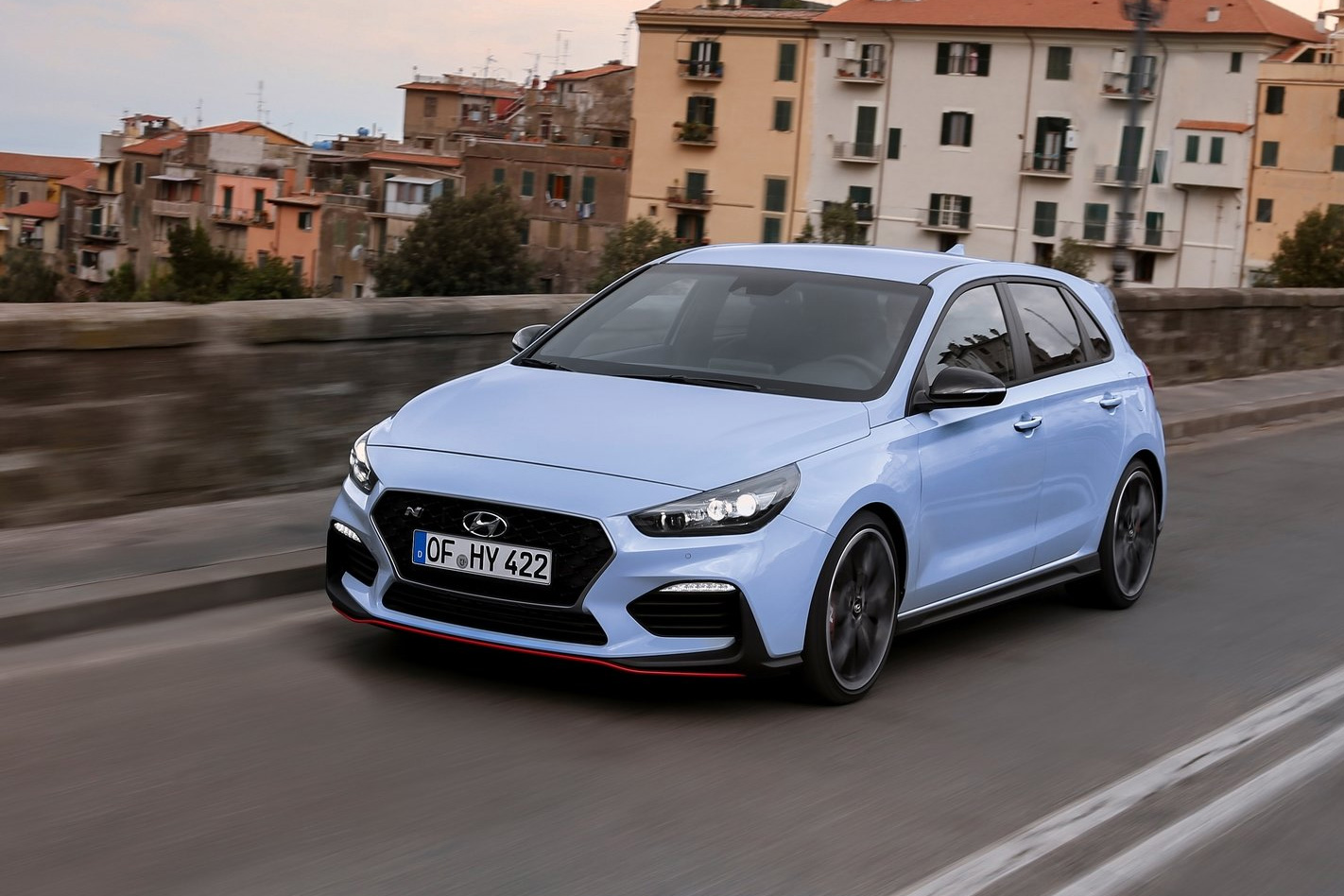
Of course the transformation from brands driven solely by value into well-engineered sales juggernauts (Hyundai is, YTD, ranked #3 for market share in Australia; Kia is #8) has been a long time coming. The hiring of design guru Peter Schreyer and former BMW M boss Albert Biermann are well-reported strokes of genius, and then there’s the sheer scale of Korea’s workforce.
Visit the Namyang proving ground outside of Seoul and you’ll discover a mini city built to support a 20,000 strong workforce. Australia’s local chassis tuners play a key role too, with both engineering teams committed to delivering set-ups that satisfy Aussie drivers and can go toe-to-toe with the best dynamic offerings from Europe.
Such has been the rate of local progress that former Wheels editor Stephen Corby, a man known for his scathing car assessment and penchant for all things European, recently bought a Hyundai with his own money.
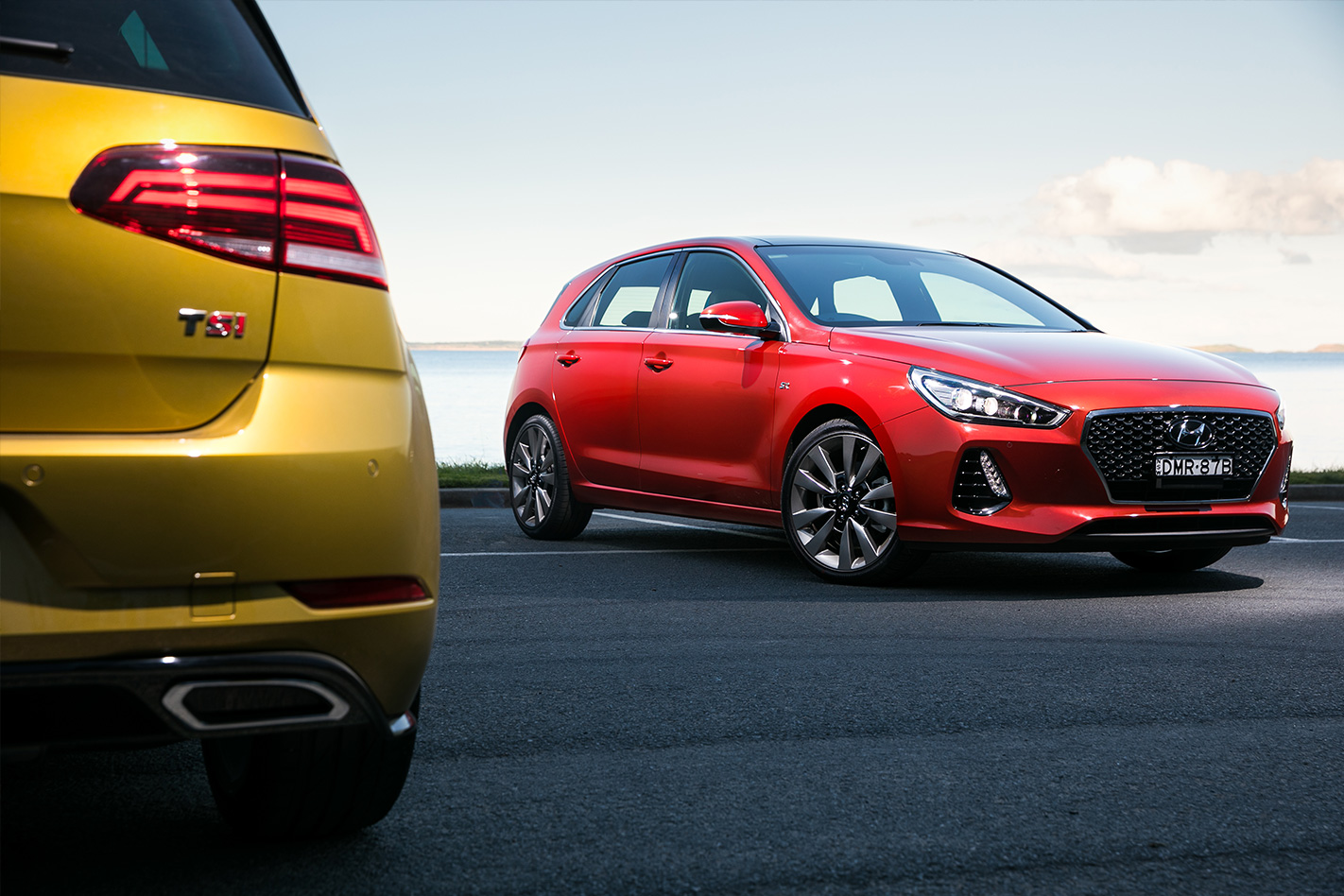
All of this bodes well for the i30 N and Stinger, and our initial tastes of both show there’s substance to match the hype.
That doesn’t mean there won’t be challenges when they hit Aussie roads later this year. Pricing the i30 N below its rivals from VW, Honda, and Ford is an obvious strategy for Hyundai to convert keen interest into sales, but the Stinger’s task is harder.
Commodore comparisons are inevitable and no matter how good its V6 or rear-drive balance is, I struggle to see how the Stinger can match the emotional appeal of a V8. That may change when I drive it.
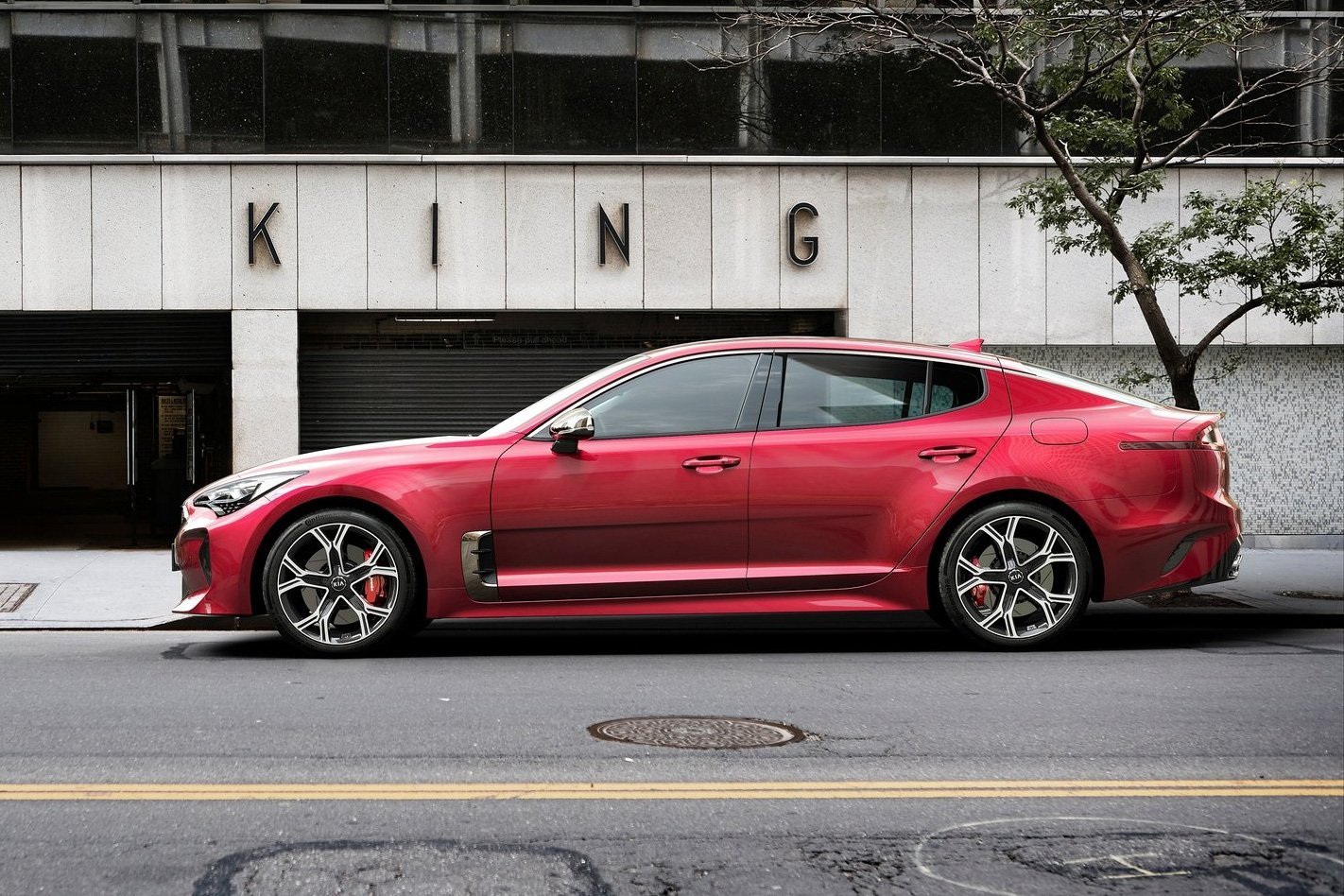
As performance-oriented variants, they’ve caught the attention of an entirely new fan base for both brands. An enthusiast market that, until now, has scoffed at the idea that a car wearing a Korean badge can be exciting.
Intrigued yet?
Inexplicably, BMW’s M140i hatch doesn’t sell amazingly well.
It does okay, but not as well as a practical five-door hatch packing rear-wheel drive and a 250kW/500Nm 3.0-litre turbocharged six probably deserves to. It’s a cracking car. BMW has recently cut its price to just $59,990 in an attempt to lure buyers, but perhaps that’s the wrong approach?
Perhaps what it needs to do is make it much more expensive and a lot angrier. After all, its M-ified two-door sibling, the M2, is flying out of showrooms, BMW Australia having to beg for more local allocation twice since its April 2016 launch.
Giving the 1 Series the M treatment would not only make it a more able competitor for the likes of the Audi RS3 and Mercedes-AMG A45, but it would provide a fitting farewell for the rear-drive hot hatch, as the next-generation 1 Series is expected to adopt front-wheel drive. Boo.
A certain 1970s supercar means the M1 badge is off limits, but the 1M name has some capital in Australia, with the 100 previous-gen, manual-only coupes quickly selling out.
Here’s how we’d do it
More power! Rather than retrofit the tuned-up N55 from the M2, it would be easier to merely extract an extra 22kW from the new B58. Such a small power bump might seem insufficient when the M140i musters 250kW/500Nm, but it doesn’t seem to be hurting the M2.
Even more power! For those who do want more, there’s no reason why BMW couldn’t follow the example set by the forthcoming M2 Competition and install the detuned S55 twin-turbo 3.0-litre six from the M3/M4 for a tyre-tearing 300kW/520Nm. Gearboxes in both models would be a choice of seven-speed dual-clutch or six-speed manual.
Ground work While power outputs are similar, the performance differential between regular BMWs and M-cars is night and day. At BFYB 2016, the M2 Pure was 4.5sec faster around Winton than the M135i. This is thanks to wider tracks, bigger brakes and an extra 20mm of Michelin rubber at each corner. While the 1M’s all-wheel drive rivals would have an advantage off the line, in terms of lap speed it would be no contest.
Spec-tacular Just as with the M2, a back-to-basics, manual-only Pure would open the range with the standard car adding adaptive dampers, the dual-clutch gearbox and extra kit such as premium audio, keyless entry and go and electric seats.
Filling the gaps With the M2 Pure’s recent price bump to $93,300, it allows room for the 1M Pure to slot in at $90,900 and the standard 1M to slightly undercut the M2 at $97,900. Topping the range would be the $107,900 1M Competition; massive money for a three-door but the fastest rear-driver with a hatch this side of an AMG C63 S Estate.
FEW car engineers will have been drawn to the profession by the prospect of creating super-fast SUVs.
The idea of a performance off-roader was as oxymoronic as military intelligence.
When the Porsche Cayenne Turbo was introduced, it was a freakish outlier, the sole occupant of its segment and kept warm only by the heat of the critical flaming it was subjected to.
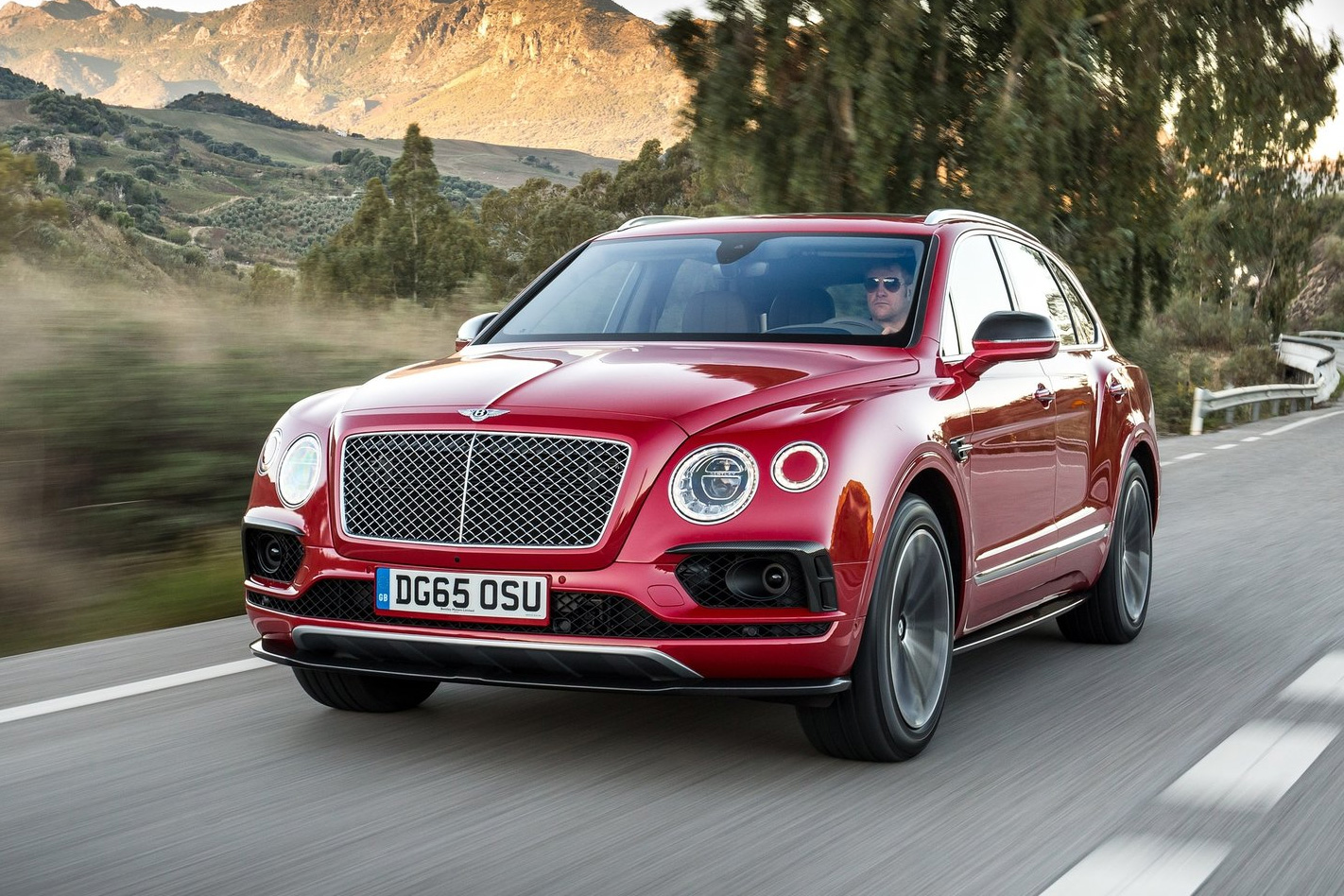
Now it looks demure and modest next to cars like the Bentley Bentayga and forthcoming Lamborghini Urus.
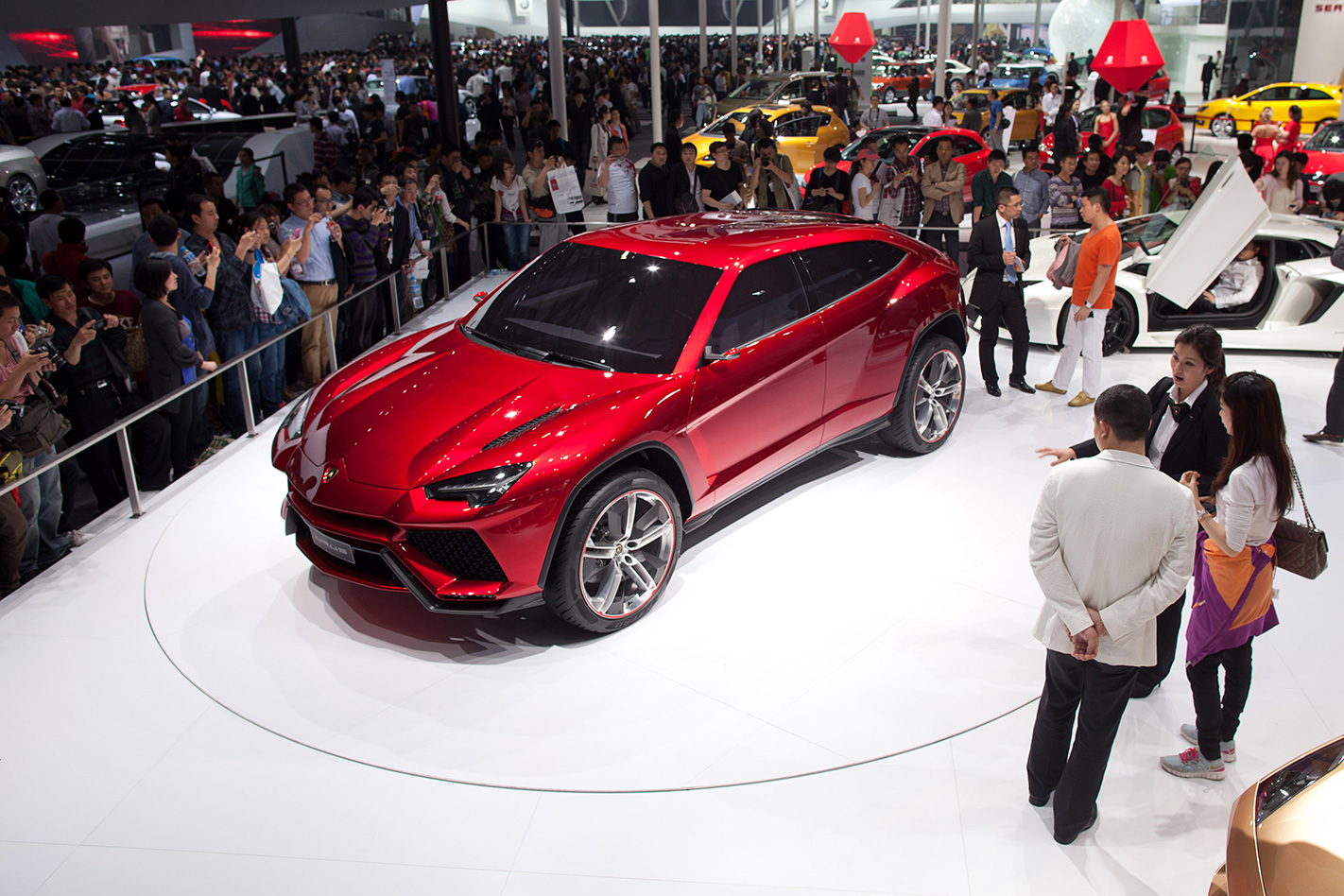
But the number of ballistic off-roaders coming over the next few years is also proof of the industry’s need to make hay quickly. Because the sun isn’t going to be shining on this part of the market for very long.
Indeed, the high-performance SUV could be effectively extinct within just a few years, potentially the first victim of increasingly stringent economy standards being introduced around the world.
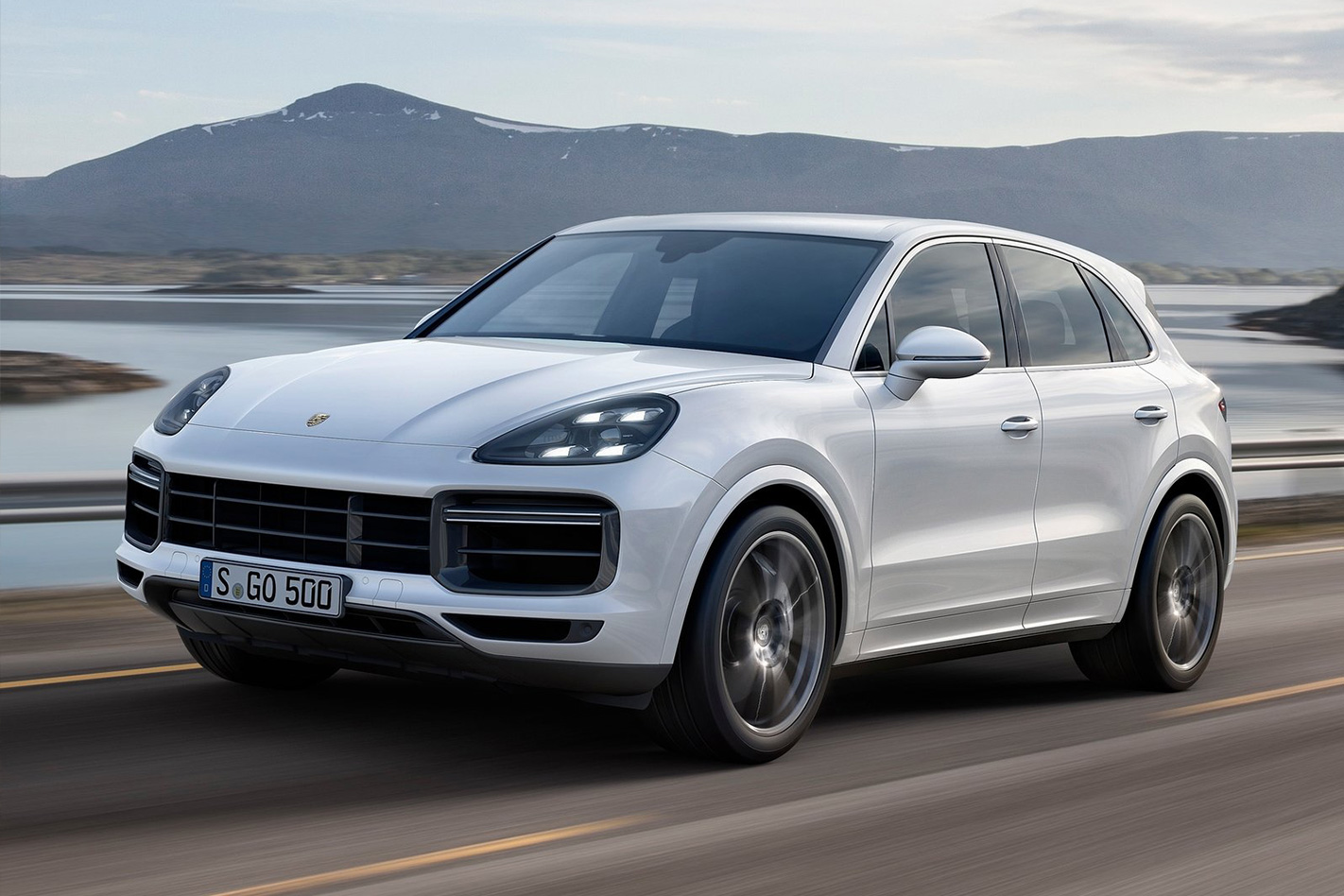
That’s not going to be possible in most major markets for much longer. The dilemma is neatly summed up by Albert Biermann, a man who knows more about making mega-SUVs than almost anyone else.
His former role was head of engineering for BMW’s M Division, the twin-turbocharged X5M and X6M developed under his watch. Having moved to head up performance engineering for Hyundai, you’d expect something similar to be on the model play for the upmarket Genesis brand that falls into his orbit. But it’s not; categorically so.
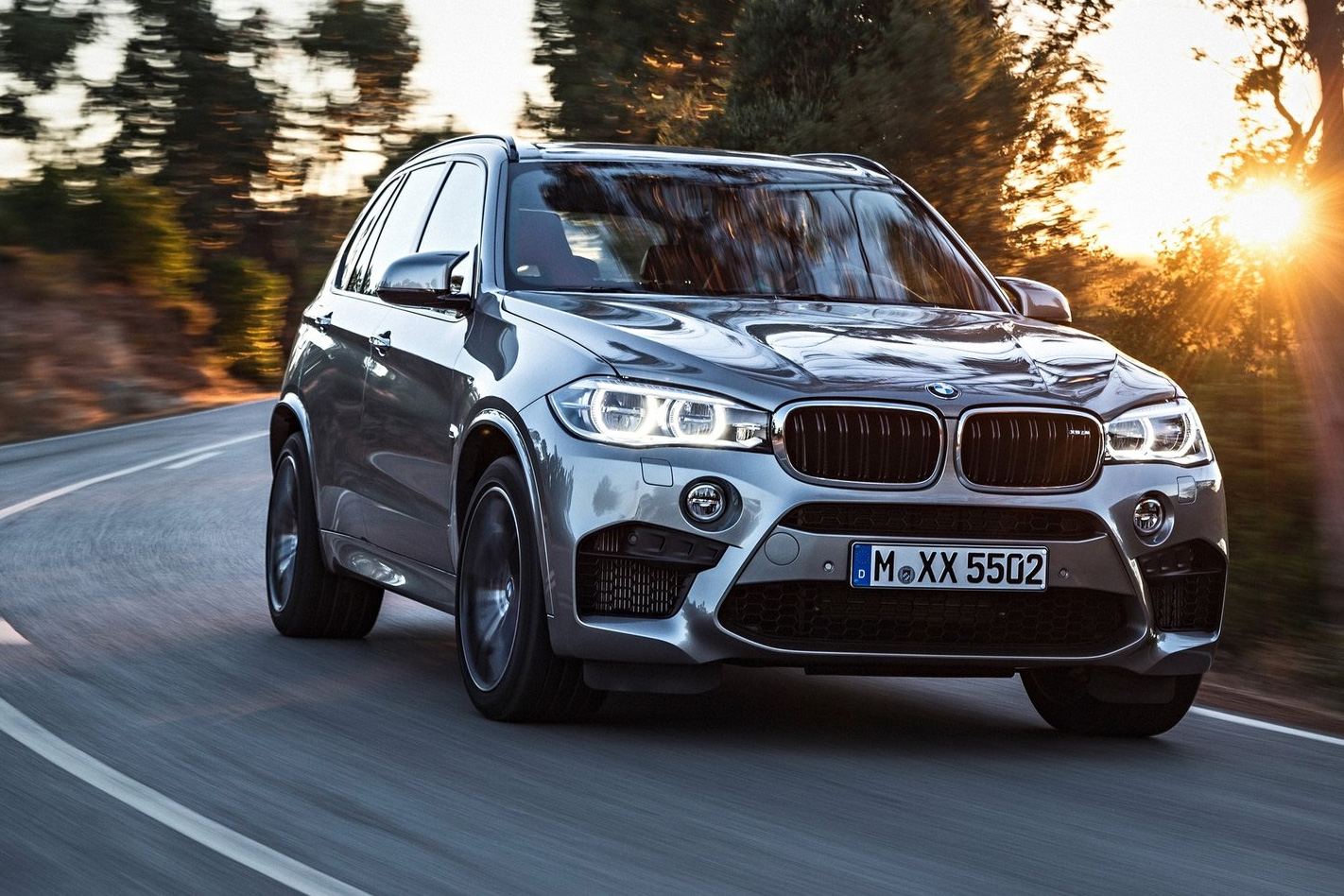
Luxury SUVs aren’t going to die, of course; demand is projected to stay high for the foreseeable future. But these ridiculously fast performance versions look set to catch a perfect storm.
All are already fighting serious flab issues – the W12-powered Bentayga weighs more than two Mazda CX-3s – and the realistic way to meet emissions targets will be by adding the extra mass, and indeed cost, of hybrid assistance. That’s likely to make chasing benchmarks as pointless as the Nurburgring SUV record (see below).
So less choice and more big brother, yet it’s hard not to see this as being ultimately a good thing, an evolution-speeding meteorite that will save the car industry from this blind alley it seems to have been chasing.
Let engineers concentrate on making the sort of cars that should go faster, go faster.
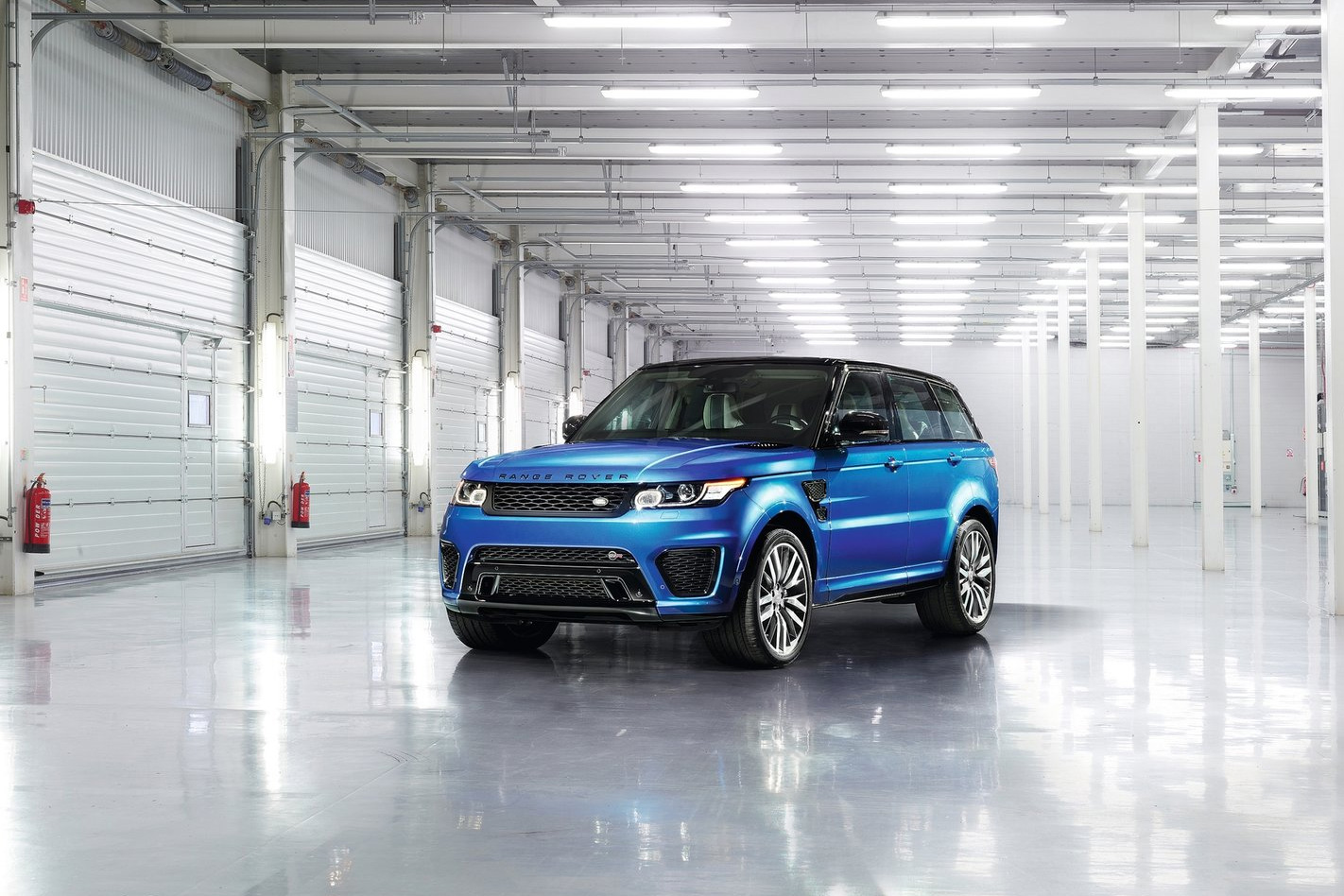
There’s no better illustration of the determination of SUV makers to engage in pointless wang-waving than the recent attempts to claim the fastest time around the Nordschliefe.
Things kicked off last year when Land Rover sent out the Range Rover SVR and recorded what would be a benchmark-setting time of 8:14, as fast as a Porsche 911 GT3.
Yet between Land Rover setting the time and publicising it, Porsche swept in to steal its thunder, the Cayenne Turbo S posting a 7:58. It’s one record we hope stands forever.
