
The Bend Motorsport Park will host a points-paying round of the Supercars during its 2018 calendar, which was officially revealed today.
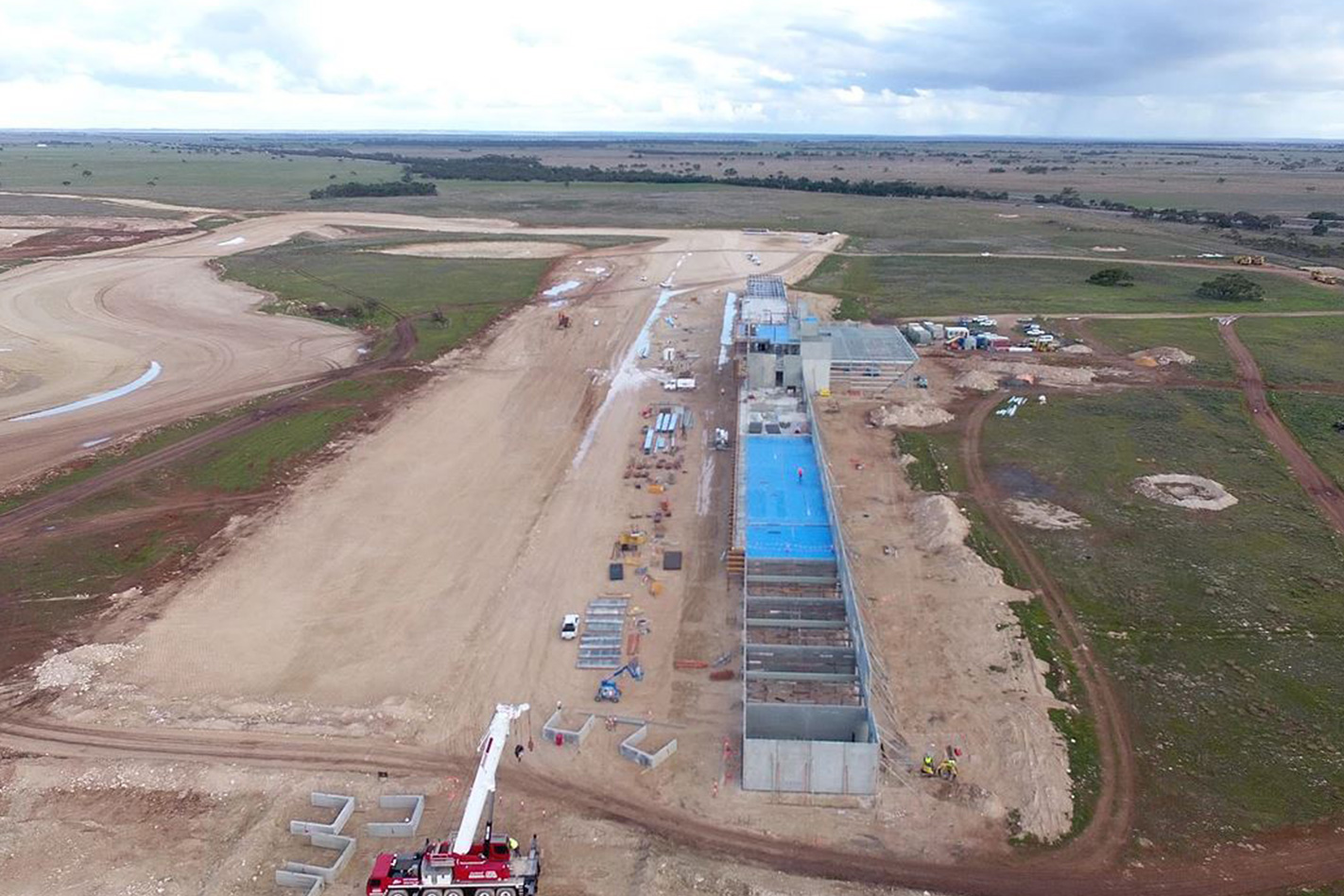
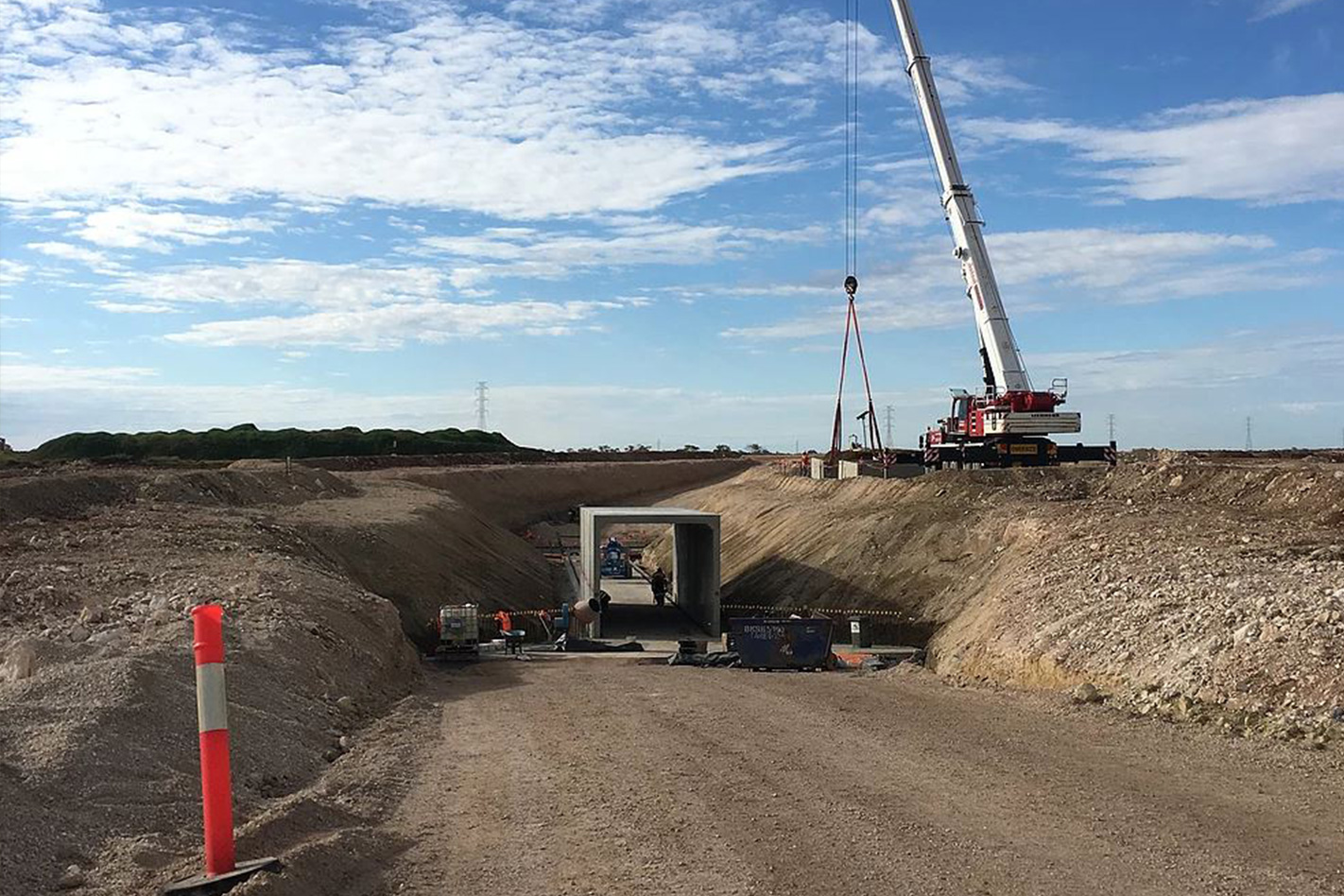
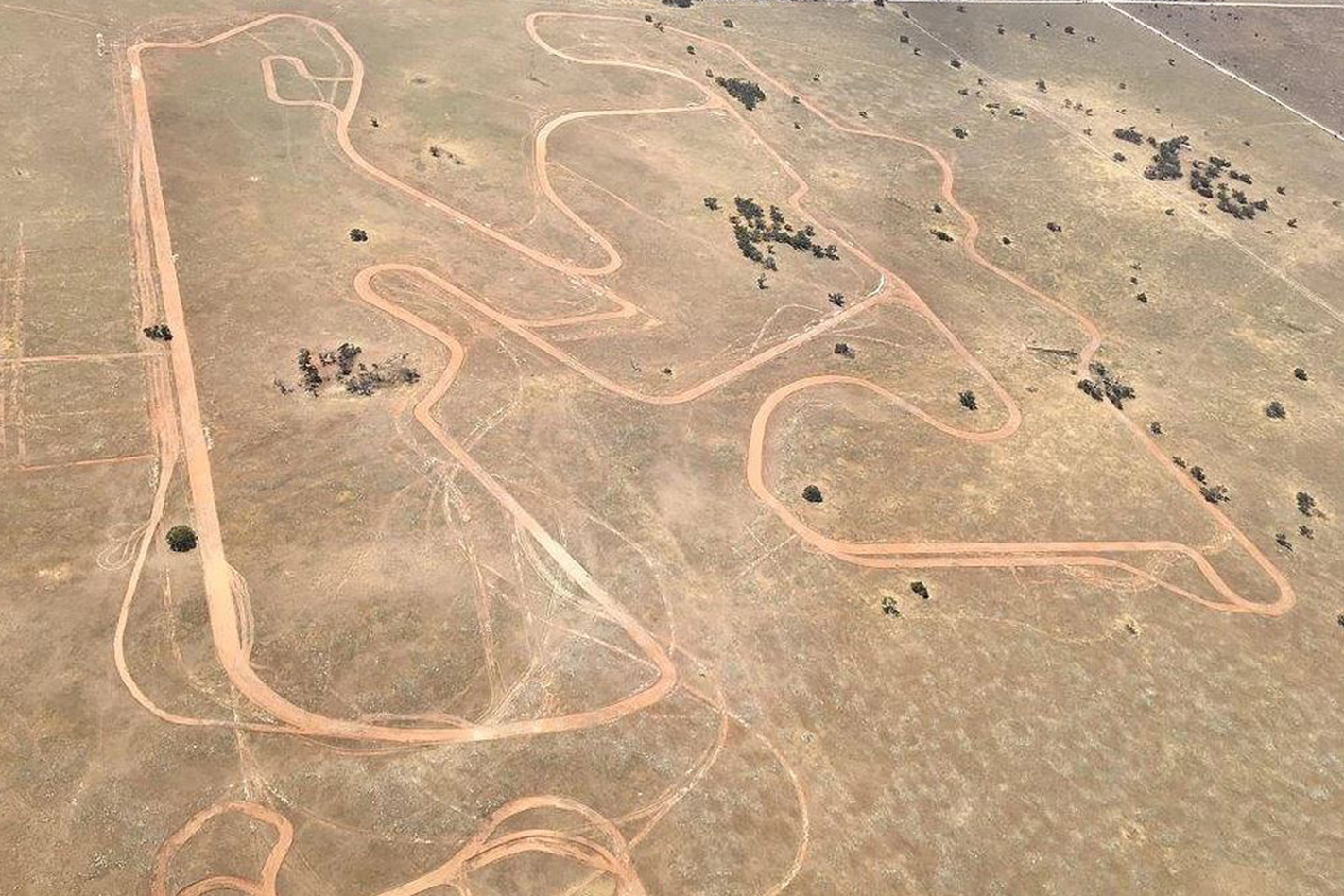
The motorsport precinct at Tailem Bend is currently under construction, but is due for completion by early 2018, well in advance of the August 24-26 dates that have been set.
Speaking to MOTOR during the park’s development, development manager at The Bend Paul Trengove said the main track will be ready by January at its current rate.
Knowing that Supercars would want to keep the two SA-based rounds separate, Trengrove said it would likely be late in the calendar.
It has now been revealed that the Bend SuperSprint will take place after the Sydney SuperSprint, but before the Sandown 500.
Supercars CEO James Warburton told Supercars that the two changes will help keep the Supercars season flowing.
“We have added two new feature events in the Australian Grand Prix and Tailem Bend while improving our continuity and momentum through the season,” Warburton said.
“Tailem Bend will be a premier motor racing circuit in Australasia and one we are delighted to be making our debut at in August as part of an initial a four-year deal.”
The first round of 2018 kicks off not far from Tailem at the Adelaide 500 on March 1.
AWAY from the bright lights of Toyota’s product presentation hall, around the corner from its impressive glass-fronted national headquarters and in a small conference room on the ground floor of the southern region office, Toyota Australia’s top brass are assembling to front motoring media and break the company’s recent silence.
Since the Japanese car maker announced it would cease manufacturing on Australian soil nearly four years ago, precious little extra information has been shared outside Toyota’s walls, and the company has remained tight-lipped until today – less than a week out from the actual day when the stop switch will be thrown at its Altona plant, October 3, 2017.
Toyota Australia’s outgoing president David Buttner leads the proceedings flanked by chairman Max Yasuda and sales and marketing executive director Tony Cramb, both of whom will also leave the Toyota fold by the end of the year.
Buttner opens with a serious tone as he explains the company’s target of preparing and retraining each employee to maximise their chances of reemployment, and remains austere as he lays out the plan to relocate the company’s Sydney headquarters into the Melbourne site.
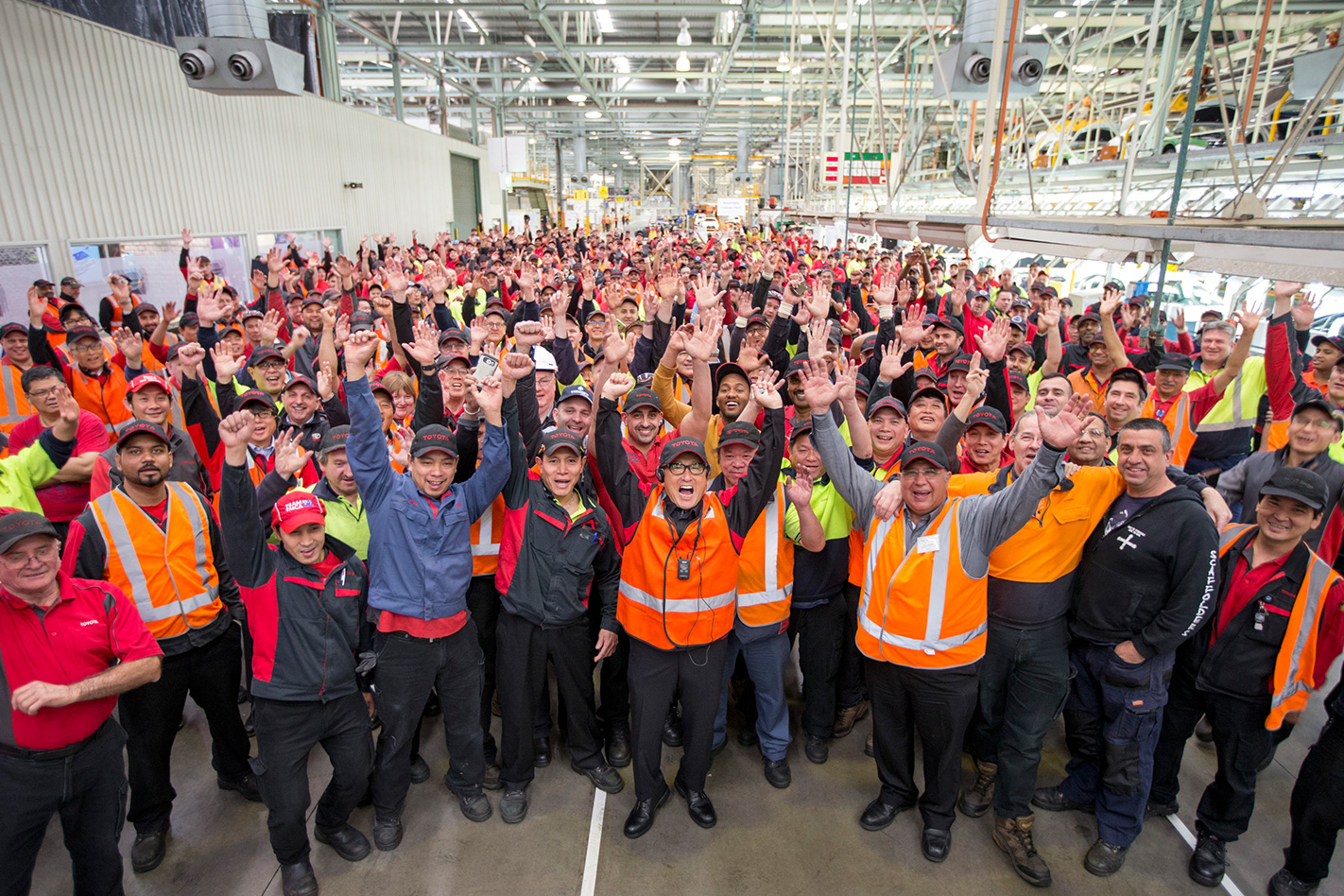
There is no doubt that Toyota has pumped huge resources into mitigating the hardship felt by its parting employees, but the lack of communication will have also avoided some tough questions.
But as the conversation moves to the future Buttner’s mood lightens.
Perhaps he is confident that Toyota will indeed continue to dominate the Australian new car market and that the future really is a bright one after local production finishes, or perhaps he is feeling a weight lifted from his shoulders after 41 years in a tumultuous automotive industry. No one really knows what the future holds for the Big T as a full-line importer.
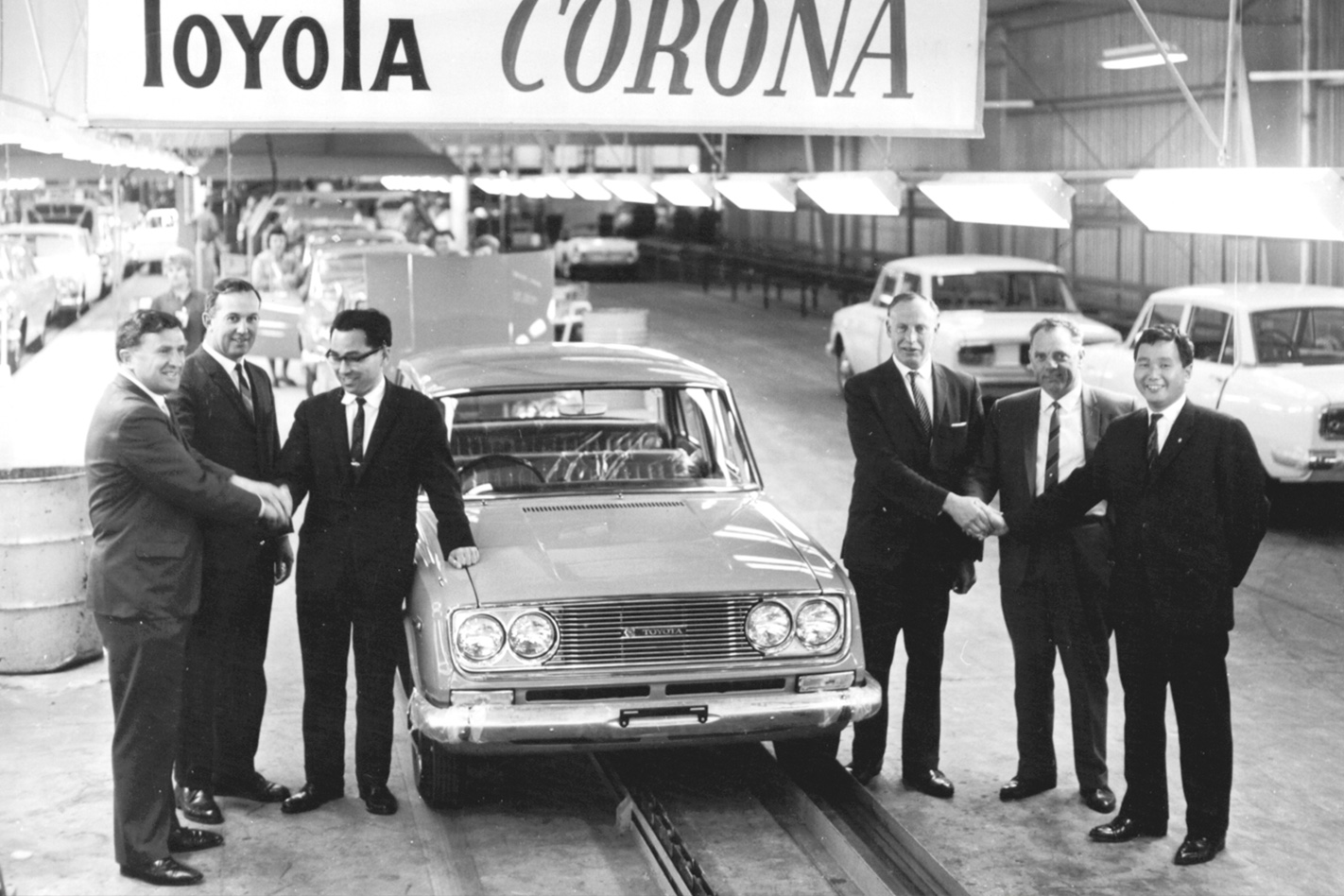
The 2600 employees that went to work for the final time in Altona this week would no doubt agree with Buttner’s sentiment, but struggle to believe that closing the factory after 54 years of Australian manufacturing was indeed the better way.
More than 30 minutes have passed and president Yasuda has so far remained silent, hands folded, nodding occasionally in agreement with his colleagues, but when asked how he felt about snuffing the lights at Altona for good, he leans forward and engages the room.
“On the day of the announcement it was a sad day,” he said. “It was a very, very difficult decision to end manufacturing but it’s done. Right after the announcement, I thought to myself, we have four more years to run the business and make a good transition for our people.
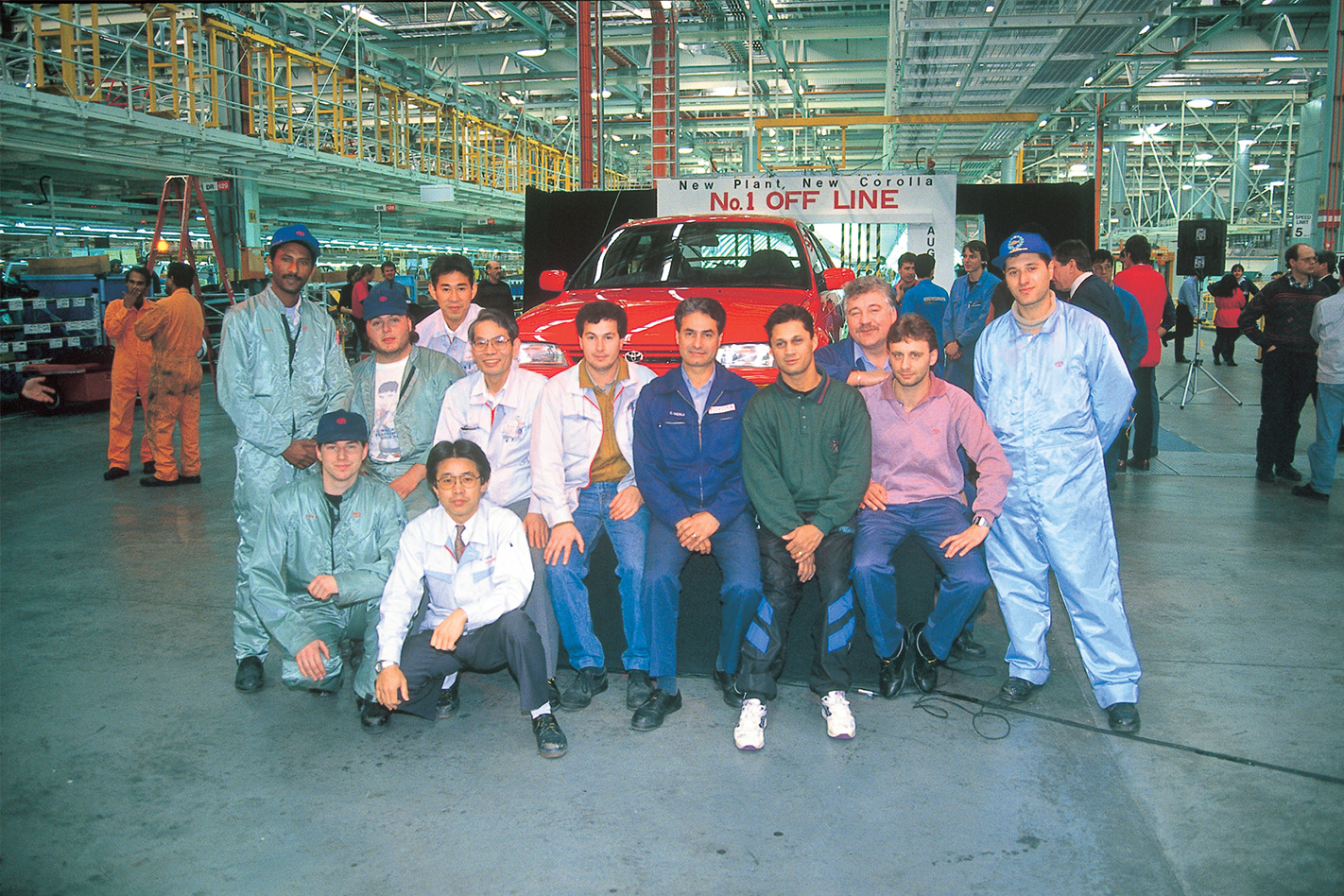
“On the day, the 3rd of October, this is going to be quite an emotional day for all of us.”
Australia will forever have a special tie to Toyota and was the first country outside of Japan to assemble Toyotas for its own market, but Yasuda explains that the local factory now had another world first.
“Once Toyota is in, there’s no word of pulling out. That’s a fundamental concept of Toyota. This was the first time we made this decision to pull out on such a big scale.”
“In that sense, this is unique and one thing that we discussed with TMC when we made the decision was ‘let’s review how it happened and why we had to make these kind of decisions and make sure this never happens again in the future’.
“We have so many factories around the world which are struggling, but learning from what happened in Australia we want to make sure it will never happen again. The basic concept of never pulling out is still there.”
Matthew Callachor completes the Toyota panel of four and remains the most resolute throughout the one hour briefing. It’s Callachor that will guide Toyota Australia through perhaps its most challenging years yet when he takes over from Buttner at the end of the year.

No doubt the factors and variables that lead to Toyota closing its facility in Melbourne’s West will be digested over many years to come. Some cite the cost of local manufacturing, others blame the profit margins in a model that struggled to compete against Australia’s demand for SUVs, and there is no doubt that just one car maker was insufficient to support the supplier network after Ford and Holden pulled out.
What happens after lights-out at Toyota’s Australian factory?
Whatever the reasons, Cramb confirmed that high-level decisions had led to the factory shut down, and the company’s culture – a critical component of pride in any Japanese company – was ultimately to blame.
“It’s deeply, deeply cultural and a sign of failure of management. That’s the way we look at it ourselves. We failed the society, we failed the community and we failed our people”.
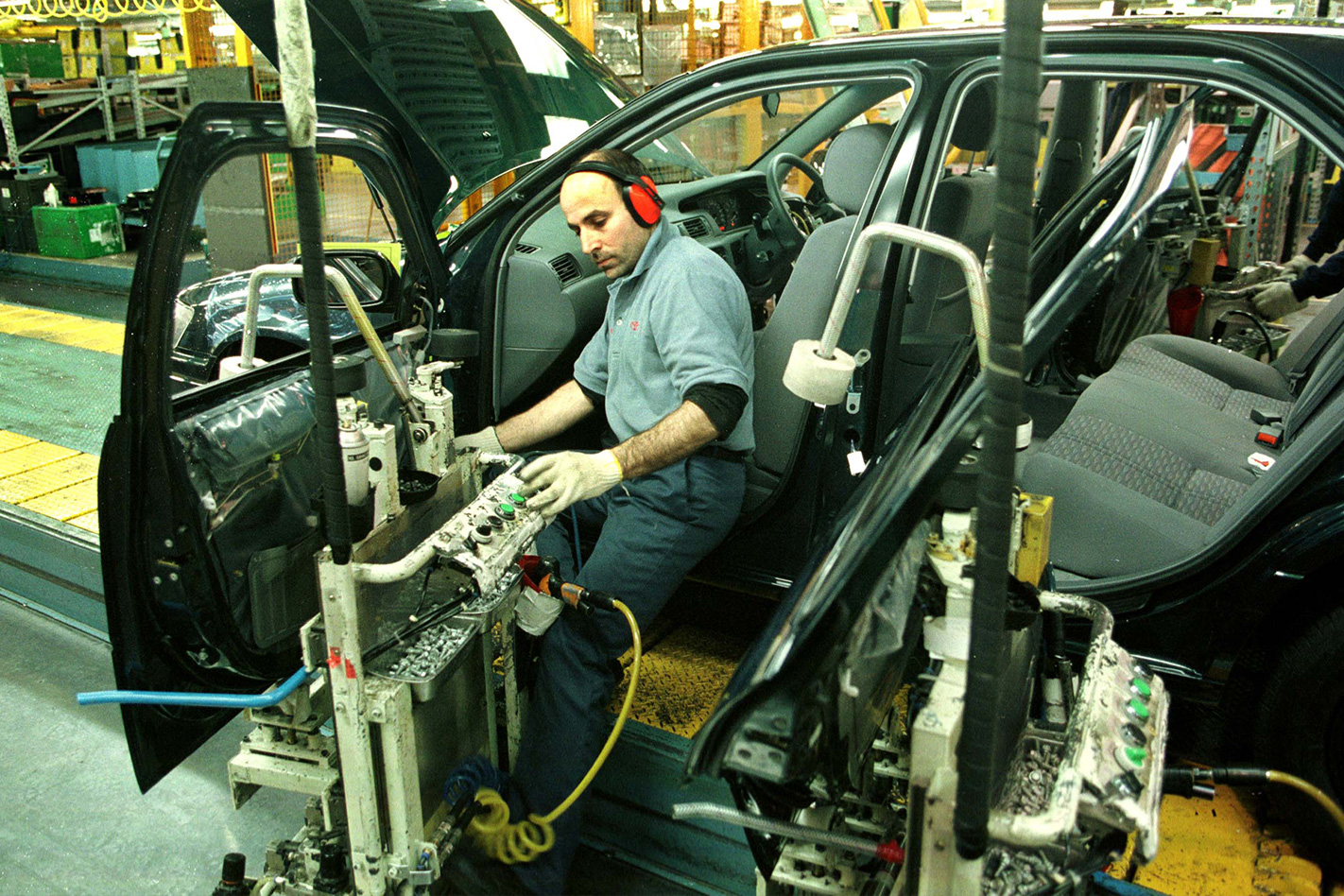
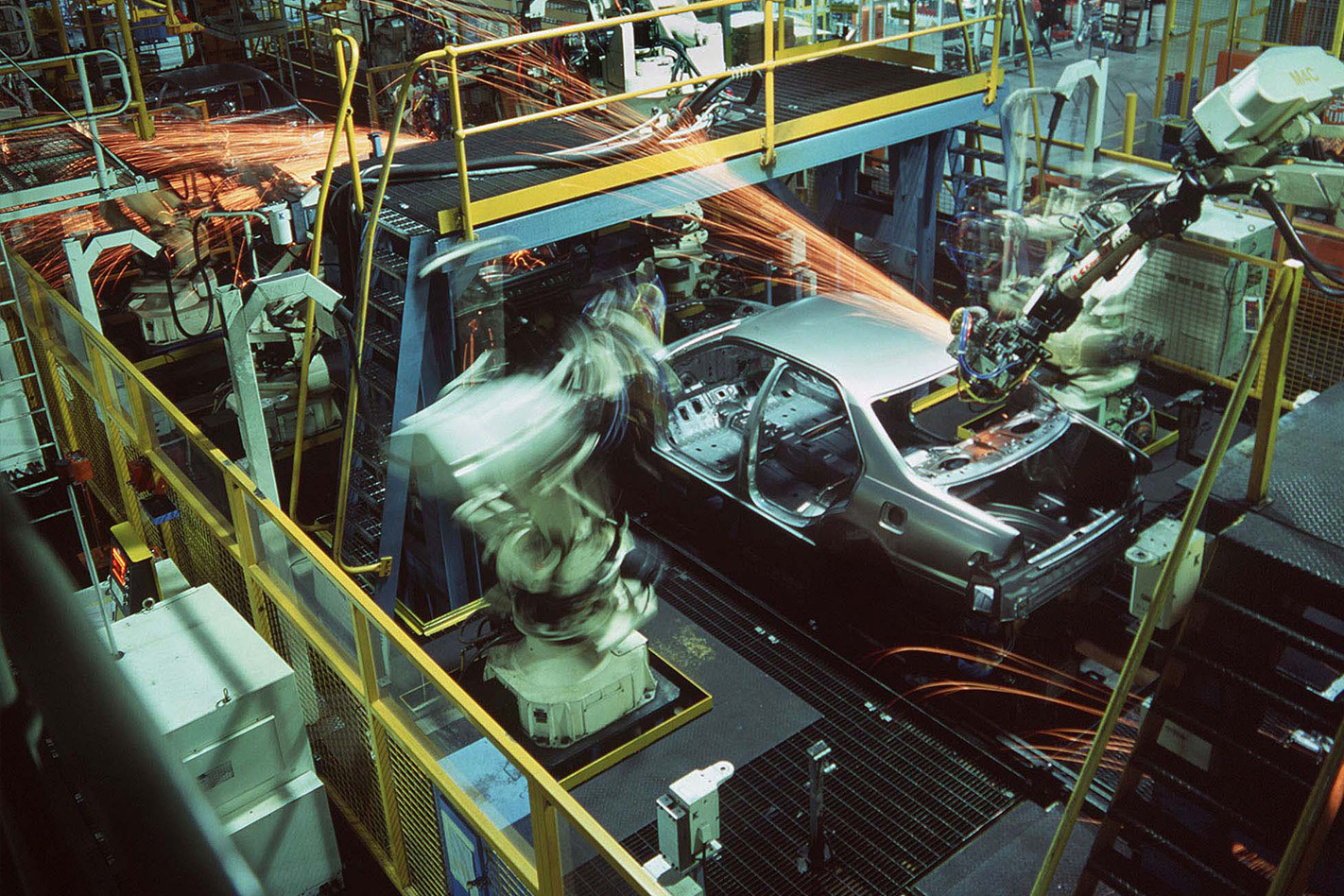
The end of local car manufacturing and the reality that the Australian automotive industry has permanently changed will forever be embodied by an Australian car with a Japanese name, and as the dust begins to settle on the robots that once built cars with the same stoicism as their human counterparts, the realisation that we are losing something great is only just starting to dawn for many.
What stands out?
The Renault Clio is a slick looking little hatchback with French flair inside. It offers two lively turbo petrol engines, rides and handles with comfort and polish, is easy to park, and is covered by a five-year warranty.
What might bug me?
Operating the cruise control. It uses fiddly buttons that are placed out of the way on the centre console, rather than on or near the steering wheel as they are in most cars.Trying to fit a 600ml drink container or large takeaway coffee cup in the tiny cupholders.Parking and low-speed driving with the auto transmission: the dual clutch auto gearbox in the more expensive Clios is great once you’re moving, but it won’t feel as smooth and easy in stop-start conditions as a conventional or CVT auto.Driving at less than 80km/h on the space-saver spare tyre, until you can fix your full-sized flat.Paying more for fuel: Renault recommends premium unleaded for both Clio engines.
What body styles are there?
Five-door hatchback only.This review covers the Renault Clio. There are also Renault Sport versions of the Clio, designated the Clio RS, which have more power and are more driver-focused. These are examined in a separate review.The Renault Clio drives its front wheels, and is classed as a light car, lower priced.
What features does every Clio have?
Air-conditioning, and cruise control with a speed limiter. A digital speedometer (which makes it easy to monitor your speed precisely at a glance).A sound system with AM/FM and digital radio, auxiliary and USB inputs, Bluetooth connectivity for phone calls and audio streaming, and at least four speakers, controllable from a 7.0-inch colour touchscreen.Leather wrap on the steering wheel. Heated and power-adjustable exterior mirrors.A reversing camera, and rear parking sensors.Headlights that switch themselves on when it gets dark, and windscreen wipers that operate automatically when it rains.A proximity key-card, which you can leave in a pocket or bag while unlocking and starting the car.Hill-start assist, which operates the brakes automatically to make uphill starts easier.A space-saver spare wheel and tyre.Four airbags. Anti-lock brakes, and electronic stability control – which can help you control a skidding car. (For the placement of airbags, and more on Clio safety features, please open the Safety section below.)Every Renault Clio carries a five-year, unlimited kilometre warranty.
Which engine uses least fuel, and why wouldn’t I choose it?
The 0.9-litre, three-cylinder, turbo petrol available (only) in the least costly Clio – the Clio Life – uses least fuel on the official test, consuming a mere 4.8 litres/100km (city and country combined). This engine, which Renault calls the TCe90, is willing and has enough low-speed urge to make city driving easy. It also has an off-beat exhaust note that you may find entertaining.One reason you might not choose it is that you would prefer an automatic gearbox. The TCe90 engine comes only with the Clio Life Manual.Another is that you plan to take your Clio on long trips into the countryside, and would enjoy the easier overtaking and more relaxed highway cruising provided by the engine in the Clio Life auto and every other Clio, a 1.2-litre, four cylinder, turbo petrol called the TCe120.The TCe120 musters about 35 per cent more urge than the TCe90, while consuming about 15 per cent more fuel on the test – 5.6 litres/100km.In the real world you can expect a Clio auto to average about 7.5 litres/100km – a few per cent more than, say, a Mazda2 or Honda Jazz.The manual gearbox in the Clio Life is a five-speeder. All other Clios are six-speed, dual-clutch, automatics.A dual-clutch auto operates much like a manual gearbox with robotic control. It will save fuel and will shift very swiftly and smoothly on the highway, but generally it won’t feel as fluid and elastic as a conventional auto in stop-start driving.The Clio Life manual (only) cuts fuel use in the city with a stop-start system, which shuts down the engine when you stop and restarts it when you take your foot off the brake pedal to drive away.Renault recommends premium unleaded petrol for all Clios.Power outputs and all other specifications for each Renault Clio can be reached from the Cars covered carousel near the top of this review.
What key features do I get if I spend more?
The least costly Clio is the manual-gearbox Life, which comes with the three-cylinder TCe90 engine. It has cloth seat trim, manually controlled air-conditioning, 16-inch steel wheels, and the features in any Clio.Spend some more and you can have a Clio Life auto, which gets you the more powerful, four-cylinder, TCe120 engine and dual-clutch gearbox.Paying more for a Clio Zen brings you the TCe120 engine and auto gearbox as standard, and adds satellite navigation, two more speakers for the sound system, and very bright and long-lived LED headlights. Wheels are the same size, but in nicer looking aluminium alloy. And front parking sensors augment those at the rear.Spending more again on a Clio Intens gets you climate-control air-conditioning (which maintains a set temperature), and seats trimmed in velvet and fake leather. The touchscreen supports enhanced smartphone connectivity via Renault R-Link. Wheels are an inch bigger at 17 inches, and are wrapped in slightly wider, lower profile, tyres that add some grip. The sound system is branded Arkamys, and you can let the car guide itself into a parking space.For the same outlay as the Clio Intens you could have instead a Clio GT-Line, which has bare-metal control pedals and a sportier aesthetic inside and out. (Unlike the superseded Clio GT, the suspension tune is the same as on the other Clios).Optional on the Zen, Intens and GT-Line is a glass roof ($1000 extra). Optional on the Intens and GT-Line is a Bose-branded sound system with boosted bass ($500). And if you want real leather seat trim, you can have it on a GT-Line – with heating up front (for an extra $1500).
Does any upgrade have a down side?
The three-cylinder TCe90 engine in the manual-gearbox Life has a lovely, warbly, off-beat sound. The more powerful TCe120 four-cylinder sounds good too, but its note is not as distinctive or characterful.Standard colours are white and ivory. Other colours cost about $550 extra.
How comfortable is the Clio?
The Clio feels like a solid little car. Doors shut with a substantial thud, and the front seats are firmly padded. A chunky leather-trimmed steering wheel with pronounced thumb grip areas can be adjusted for reach and height.Soft-touch plastics on the dash top and door trims add to the impression of good quality.Most minor controls, such as those for the air-conditioning, are sparingly marked but straightforward to use and have a nice feel. There are fingertip controls for the audio system on a block that sprouts from the right of the steering column. While their position is unusual, using them is intuitive.The elliptical-ringed digital speedo placed centrally on the instrument panel between the tachometer and fuel gauge is unusual but effective and clear. Splashes of chrome, gloss black or coloured plastic trim liven up the cabin.Seat trims are grippy and feel hard-wearing. The front seats, though firm, are comfortable for long drives. And they support you even when you’re cornering enthusiastically. You can adjust the driver’s seat in all Clios for height, and the steering wheel for height and reach.Ride comfort is excellent in the Clio – a real strength of the model. The suspension has a nice absorbent feel. The Clio is also among the quietest of light cars to ride in.
What about safety in a Renault Clio?
Stability control, four airbags, and seatbelt warning lights for front and rear occupants contribute to a good safety package, and the Clio did well in independent crash tests.Safety was further enhanced from May 2017 with the introduction of additional standard safety features including auto-on headlamps, daytime running lights, automatic windscreen wipers, reversing camera and rear parking sensors (front parking sensors are also included with the GT Line).However, autonomous emergency braking is still not offered in any Clio, and, while the airbags protect front-seat occupants from frontal and side impacts, there are no curtain airbags to protect rear-seat passengers from side impacts.The Australasian New Car Assessment Program (ANCAP) awarded the Clio its maximum five stars for safety. It received a perfect score in the pole and side impact tests, only losing points in the frontal offset test. (The Clio was tested in 2013 before side-curtain airbags became a prerequisite for a five-star rating.)
I like driving – will I enjoy this car?
The Clio’s character and quirks make it a more interesting proposition than the average light hatch. It exudes Gallic charm, and it is an inherently fun, and subtly sporty, car to drive.Perhaps the first sign the Clio is a bit different from the average little car will be its card key. A Renault trademark, the key, which is the size and shape of a credit card but thicker, slots into the dash (or you can leave it in your pocket).The handling of the Clio is agile and enthusiastic, and the electrically assisted power steering gives you a reassuring sense of connection with the road.The ride comfort and refinement adds to the pleasure, because you can tackle bumpy corners in the knowledge that the Clio will stick surely and won’t rattle your teeth loose.The manual gearbox available in the least costly Clio Life is a delight to snick through the gears. The dual-clutch auto in all other versions can be slow to engage and move away from a standstill, and if you prod it by pressing the accelerator pedal sharply you might provoke a jerky take-off. However, the auto is usually quick to change gears once you’re moving.The three-cylinder engine is willing and full of character, but the more-powerful four-cylinder is superior on the highway, or for enthusiastic driving.
How is life in the rear seats?
There is plenty of leg room in the back of the Clio – it has a longer wheelbase than most other light cars, which allows extra space to stretch out. Headroom is good, too.Rear occupants are treated to the same excellent ride quality and refinement experienced by front occupants. The ride is supple and the Clio does a great job of shutting out tyre noise.The Clio’s seat base provides good under-thigh support and the backrest gives good side support.The upswept bottom of the rear windows makes it a bit darker in the back of the Clio than in some alternatives, and it’s also a bit more difficult for small children to see out. (The other side of this is that there’s more metal to protect rear occupants in a side collision).Front and rear powered windows are now standard across the Clio range.
How is it for carrying stuff?
The Clio has plenty of room in the boot for a car of its size. It can swallow 300 litres of stuff, which is more than most light hatch alternatives – although not as much as the Peugeot 208 and Honda Jazz.The Jazz has superior luggage flexibility among hatches of this size, with its versatile Magic folding rear seat. Other light cars are similar to the Clio, which has 60-40 split-folding rear seatbacks. With the rear seats folded, the Clio can take 1146 litres of luggage.
Where does Renault make the Clio?
The Renault Clio is made in Turkey.
What might I miss that similar cars have?
Perhaps autonomous emergency braking. Such systems detect obstacles in front of the car – typically a slower vehicle – and will apply the brakes automatically if you do not react to a warning. The Mazda2 and Toyota Yaris are among light cars offering this.If you’re looking for a little car with van-like qualities, you might appreciate the generous cargo space and versatility of the Honda Jazz, which has a highly configurable folding rear seat.Among other cars worth considering are the Volkswagen Polo, Peugeot 208 and Ford Fiesta.And if you want more power and a sharper focus on the driver, perhaps look at a Clio Renaultsport (these are covered in a separate review), Fiesta ST or Polo GTI.
I like this car, but I can’t choose which version. Can you help?
We like the Clio Life Manual 0.9L. You get the charming three-cylinder engine with a manual gearbox, which is more fun than the auto and avoids the around-town dual-clutch driveability stumbles.The Zen gets a few nice extras compared to the Life, for about $2000 more.
Are there plans to update the Clio soon?
The current, fourth-generation Renault Clio arrived in September 2013.A facelifted version arrived in May 2017 with a fresh look, and additional standard equipment such as smart-key entry, auto-on headlights, and auto wipers. The former Authentique, Expression and Dynamique trim levels were renamed Life, Zen, and Intens. The Clio GT-Line replaced the Clio GT, retaining the GT’s sportier look but not its sportier suspension.The fifth-generation Clio is expected in 2019 with interior and exterior styling based on the Renault Megane. It is likely to feature automatic emergency braking, and an optional mild-hybrid powertrain.
PULL on the blue singlet and wrap on a black armband: the last Falcon ute remaining in Ford’s showrooms nationwide has been sold.
This month’s VFACTS sales data records a single Ford Falcon ute sale, compared with three for the Falcon sedan that finished production in October last year, and 31 Ford Territory SUVs, showing the remaining Aussie-made Ford stocks are vanishingly few. The last sale of the trade-friendly, snub-nosed workhorse comes 15 months after the ute officially ended production in June 2016.
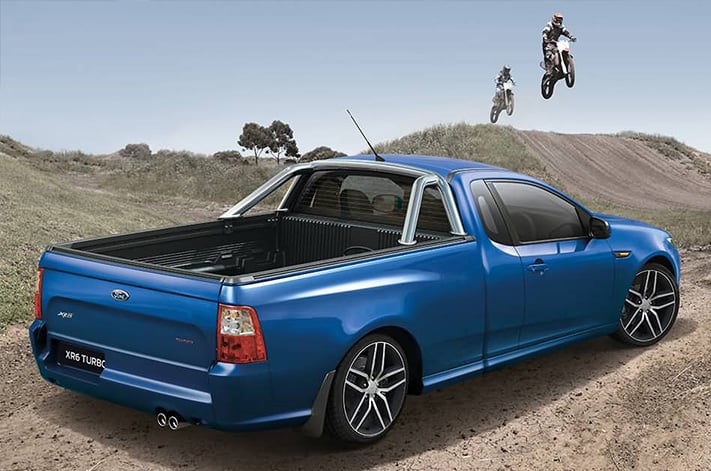
It’s not known how much the buyer paid for the last Aussie ute on sale, although it’s expected they didn’t hand over the $61,000 that Sunbury Ford dealer John Bradbury shelled out for the last Winter White XR6 Turbo ute off the Broadmeadows production line, bought at a special fundraising auction almost 12 months ago.
The FGX ute could have been one of the three versions released as part of a final update to the range in late 2014. The badge it wears could be anything from an entry-level XL powered by a 195kW 4.0-litre straight six and choice of six-speed manual gearbox or automatic transmission, to a performance-honed XR6 or even a 270kW XR6 Turbo. It could have had the tub on the back, or even been a cab-chassis ready to have an aluminium tray bolted on.
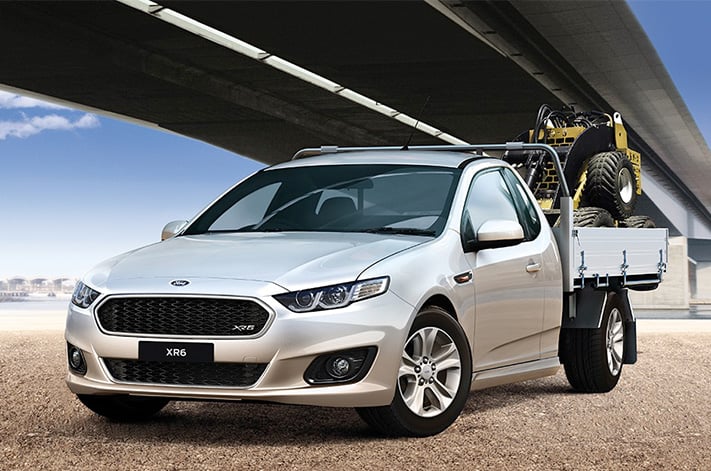
The ute is one of 467,690 spanning seven generations since the body shape was introduced to the XK Falcon in February 1961 – with a certain symmetry, both of these utes were built at Broadmeadows.
On the 40th anniversary of the 1977 1-2 victory by Allan Moffat and Colin Bond, Prodrive has decked out Mark Winterbottom’s number 5 car with the livery from that legendary XC.
Ditching the Bottle-O’s green livery, the car now sports a mostly white covering with the iconic red and blue stripes down the sides and across the bonnet.
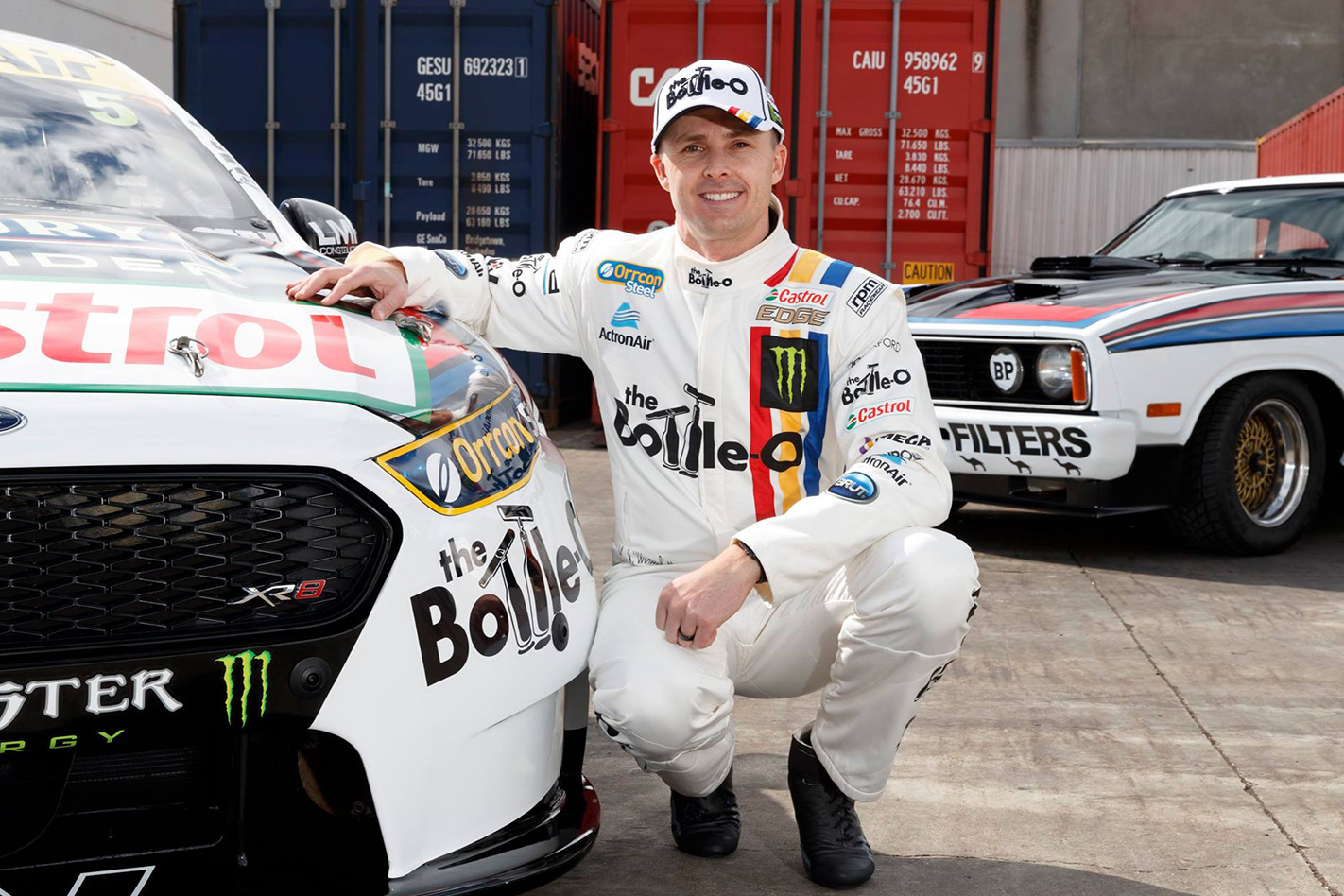
At the reveal, the FG-X Falcon Supercar was displayed next to a replica of the XC Moffat drove in ’77.
Winterbottom told Supercars that he’s looking forward to doing the livery justice, but that it adds a little extra pressure to perform well on the day.
“That moment in 1977 was iconic, we all know it, and to run not only the colours but have Allan’s blessing and support behind it is pretty cool,” he said.
“That means the most. He’s a legend to both Dean and myself so to have his support is really special.
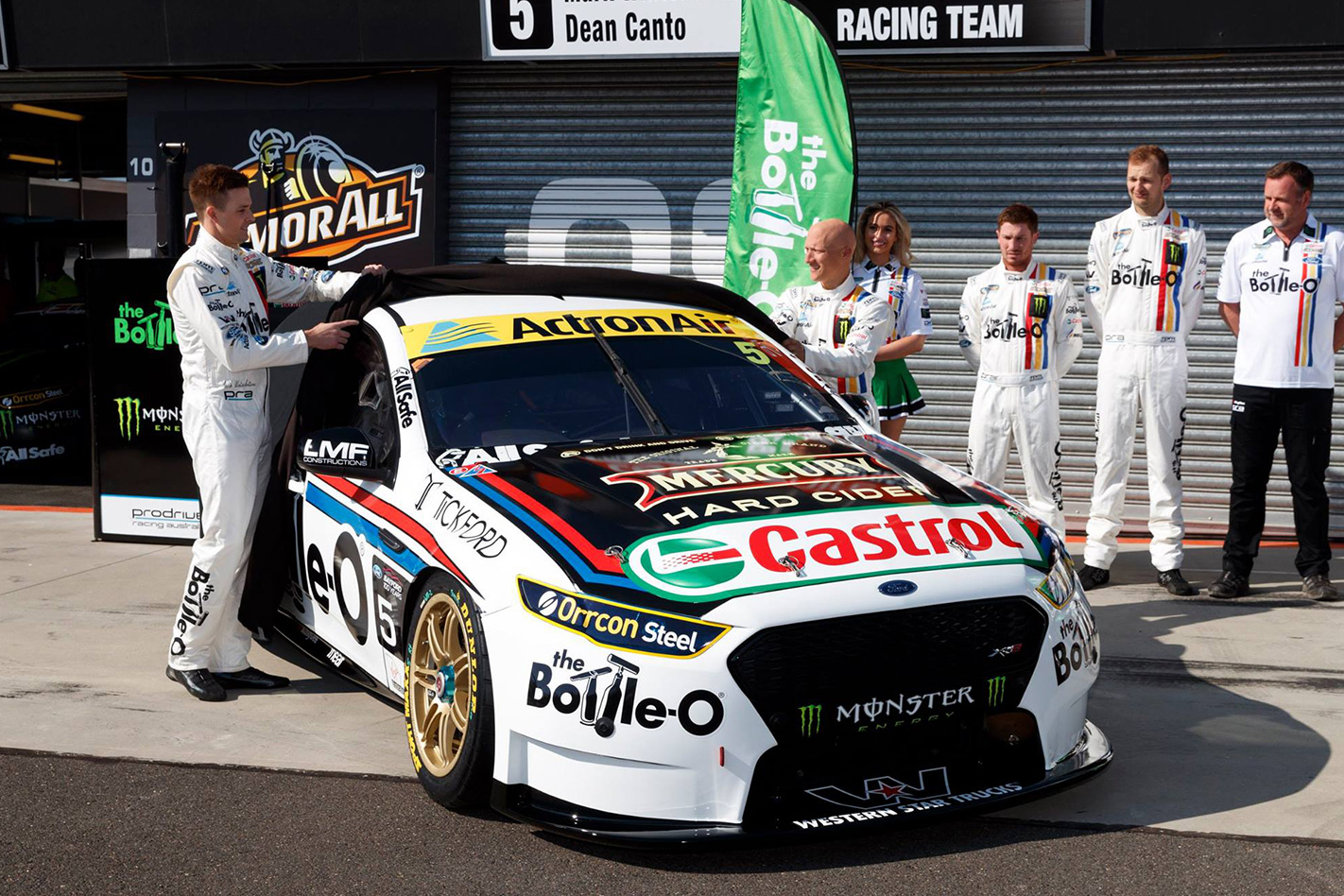
“We feel the pressure to live up to the colours and the history. It’s a great feeling, but it does add a bit more pressure to perform.”
Prodrive currently sits third on the Supercars leaderboard behind DJR Team Penske in first and Holden Racing Team in second.
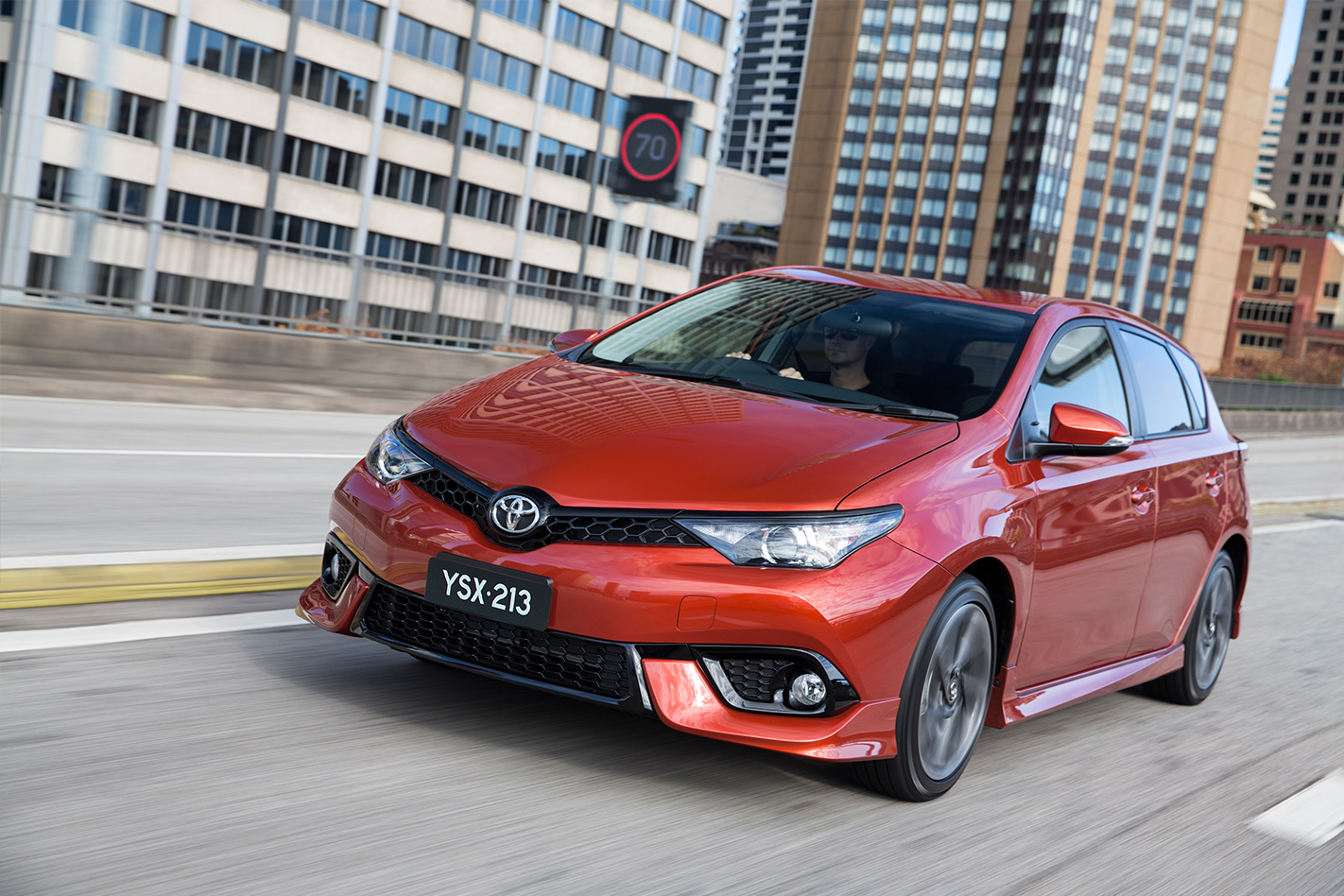
THE Toyota Corolla may have been the best-selling passenger car in September, sales figures for the month show, but it was the trade ute war that sparked the most interest for the month.
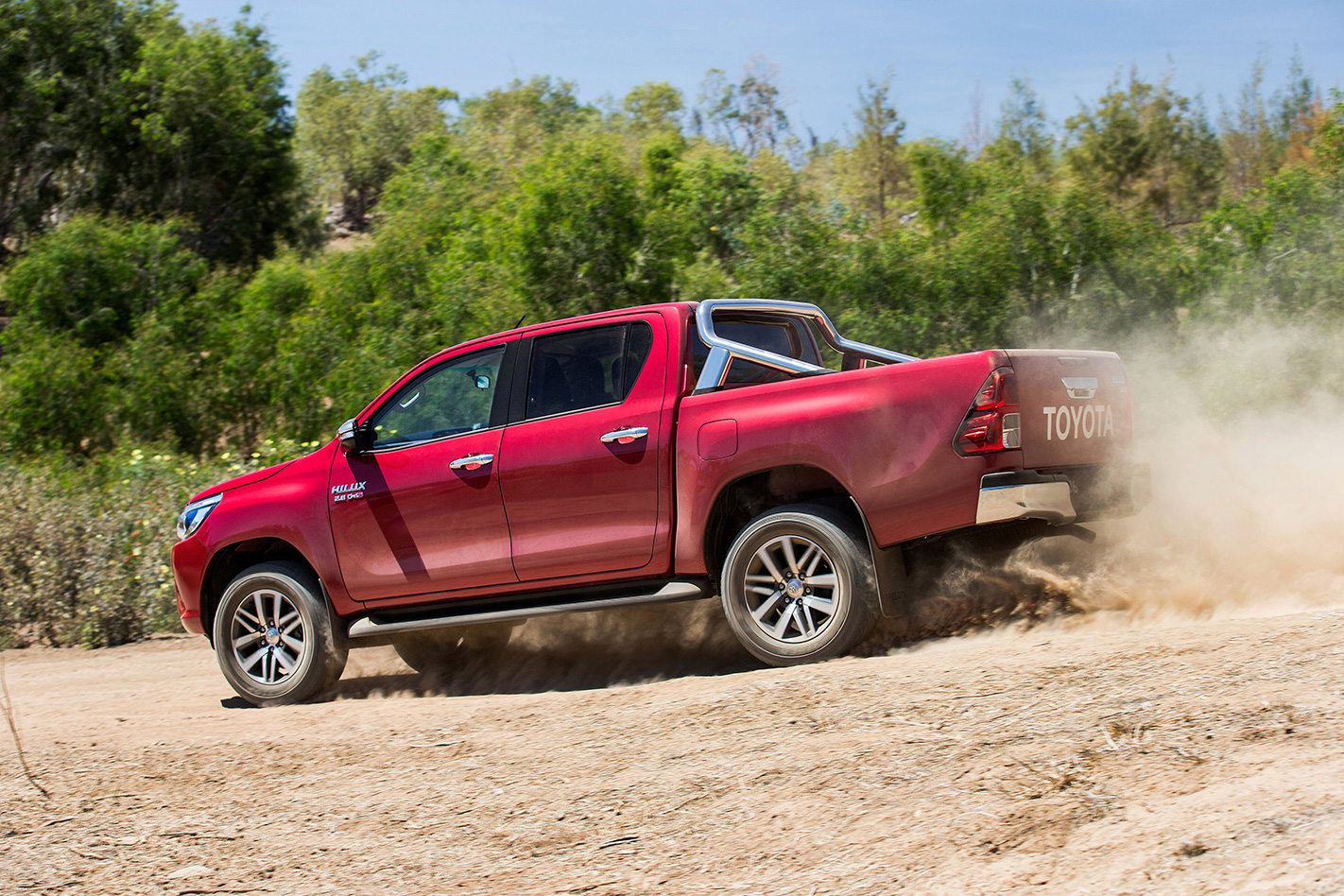
Official VFACTS data for September, released today, shows the Ford Ranger outsold the Toyota Hilux to become the most popular vehicle sold in Australia during the month.
The Ranger, which will soon add a high-performance Raptor-badged variant to the more cooking varieties, outsold the Hilux 4318 to 3822, with the Corolla on 3055 placing third on the monthly sales chart. The Ranger easily outsold the Hilux when just 4×4 variants come into the equation, 3769 to 2907, with Toyota’s more workmanlike 4×2 models outselling the Ranger.
Rounding out the top five passenger cars, sitting underneath the Corolla, were the Mazda 3 (2776), the Holden Commodore in its last full month of local production (2547), the Hyundai i30 (2300), the Toyota Camry that ended local production this week (2251).
The figures show Australia’s car market was softer in September, falling 2.4 percent compared with the same month last year to 100,200 sales, as private buyers kept their money folded. The divide between SUV and passenger cars narrowed to fewer than 1000 sales for the month, although SUVs still dominate.
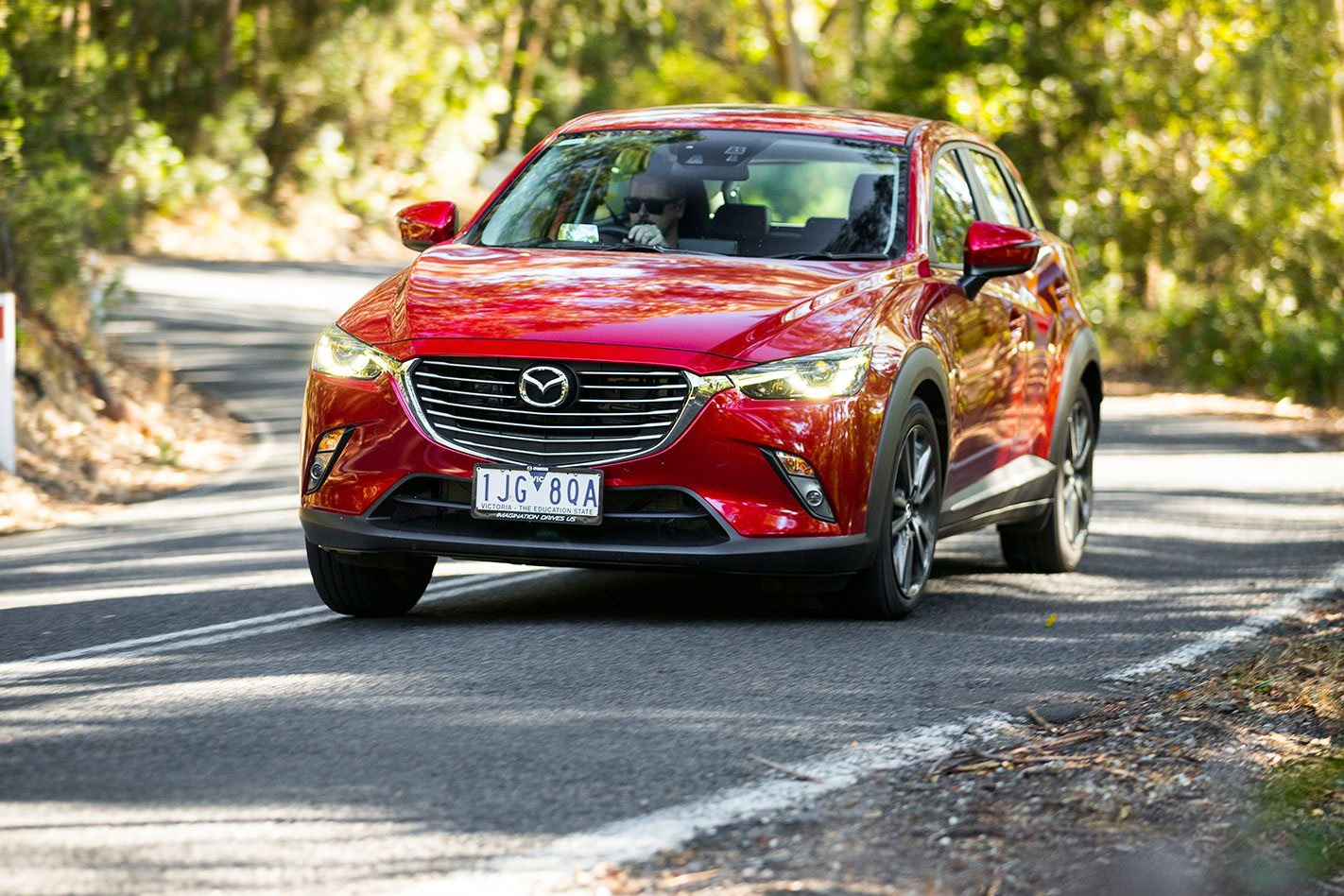
In the battle for SUV supremacy, the Mitsubishi Outlander (2021) placed second behind the Tucson. Rounding out the top five in this segment were the Mazda CX-5 (1910) followed by the smaller Mazda CX-3 (1762), the ageing Mitsubishi ASX (1526), and the Toyota RAV4 (1452) in what appears to be an unexpected slip in form for the usually stronger-performing mid-size SUV.
Toyota remains the top-selling brand in 2017, ending September with 17,337 sales to give it a 17.3 percent share of the market for the month, but down on the 18.3 percent average over the course of the year. Mazda (10,328 sales for a 10.3 percent share) has once again stayed ahead of Hyundai (8130, 8.1 percent), while traditional rivals Ford (6845) and Holden (6882) came within 37 units of each other for the month as the Ranger’s showroom performance quadrupled that of the Colorado (1039).
Those looking at the numbers with grim expressions include Merc rivals Audi (1790) and BMW (1906), both down sharply on the results for September last year. Nissan (4002) is also struggling, falling to 11th spot on the sales chart sales as everything in the showroom but the Navara ute and the facelifted 370Z sports car underperformed.
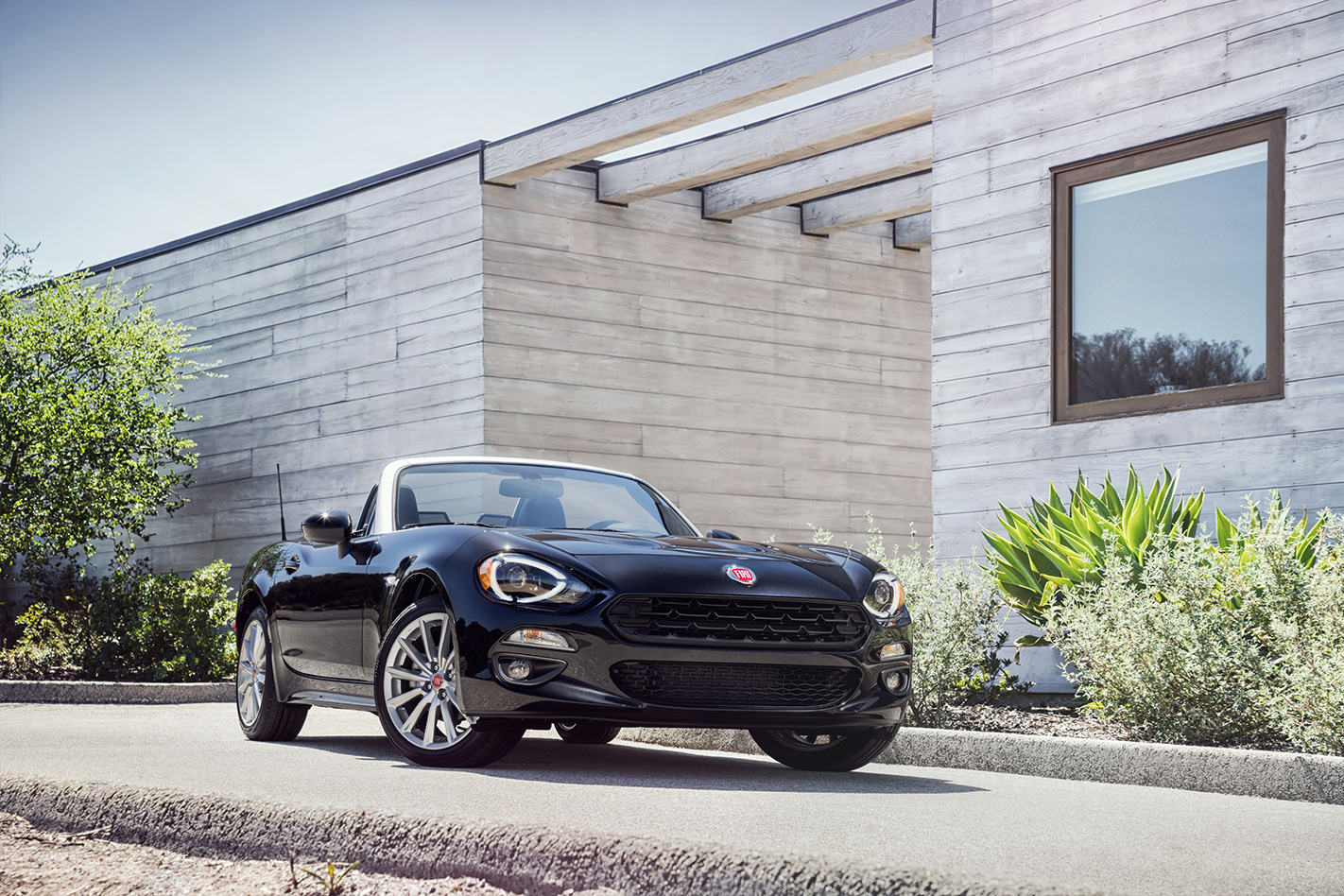
Like your sports cars? September was a cracking month for the cashed-up likes of Aston Martin (11 sales), the Mercedes-AMG GT (17) and the Audi R8 (11). Step back to the more affordable models, and in a month alone, Fiat sold 25 Abarth 124 Spiders, Ford still managed 659 Mustangs and the usually slow-selling Subaru BRZ (86) almost matches the Toyota 86 (90) in showroom appeal.
RANK MODEL SALES (Sep 17) SALES (Sep 16)
1. Toyota Corolla 3055 3423 2. Mazda3 2776 3491 3. Holden Commodore 2547 2366 4. Hyundai i30 2300 2741 5. Toyota Camry 2251 2008 6. Hyundai Tucson 2220 2209 7. Mitsubishi Outlander 2021 1119 8. Mazda CX-5 1910 2662 9. Hyundai Accent 1763 2189 10. Mazda CX-3 1762 1878
*Source: VFACTS
TOP 10 BRANDS FOR SEPTEMBER
RANK BRAND SALES (Sep 17) SALES (Sep 16)
1. Toyota 17,377 16,716 2. Mazda 10,328 12,009 3. Hyundai 8130 9319 4. Mitsubishi 7065 6701 5. Holden 6882 8564 6. Ford 6845 7280 7. Volkswagen 4901 4380 8. Kia 4662 3687 9. Subaru 4641 4050 10. Honda 4393 3783
The Volkswagen Amarok V6 ticks plenty of boxes against its main rivals, but its 3000kg towing capacity has lagged behind the Ford Ranger and Nissan Navara’s 3500kg and the Toyota Hilux SR5’s 3200kg ratings – until now.
The 2018 Amarok V6 will match the Ranger and Navara thanks to engineering changes to the big ute’s structure, without having to increase performance from its grunty 165kW/550Nm turbocharged diesel engine.
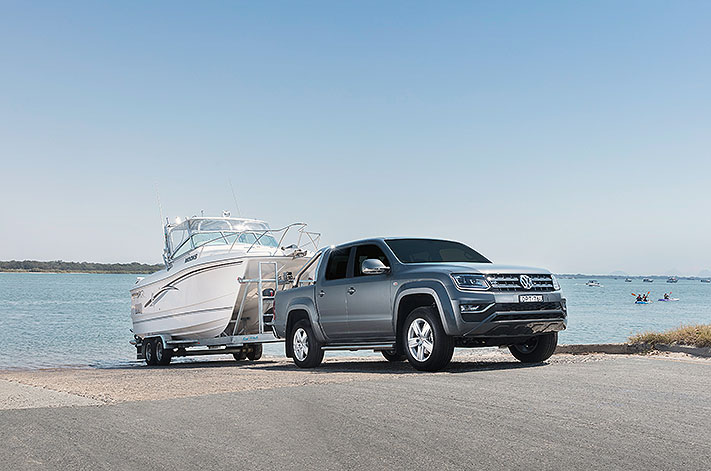
The upgrade also sees the Amarok match the towing capacity of the highly-anticipated Mercedes-Benz X-Class ute (itself derived from the Navara) that’s due in the first half of 2018.
This update has been driven by the Australian Volkswagen Commercial Vehicles team, whose marketing manager, Nick Reid, said will make it even better for work and play.
“We know that Amarok buyers use their vehicle for work and play. The ability to tow a caravan or a boat is at the very heart of the Amarok, and we’re glad that we’re able to offer this enhancement to our customers, and their weekends,” Reid said.
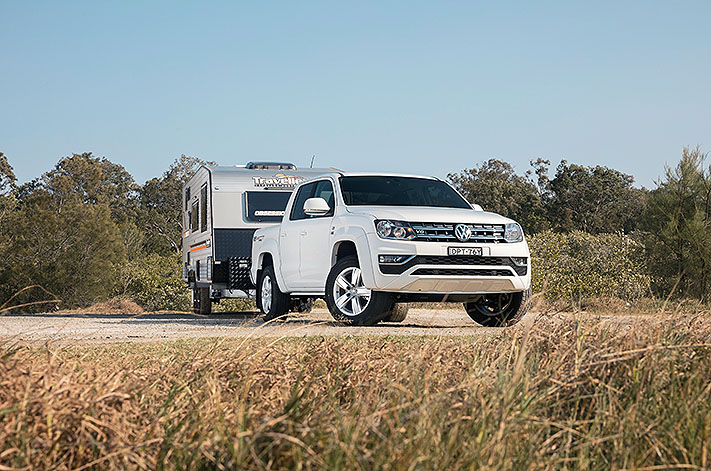
Until the X-Class arrives, the Amarok V6 remains the most powerful of the 4×4 dual cab utes. The 3.0-litre powerplant, which is coupled to an eight-speed automatic transmission, has proven popular since being introduced alongside the 2.0-litre four-cylinder turbo diesel late last year. Last month three quarters of all Amaroks purchased were V6 models.
The uprated towing capacity will be available on all Model Year 2018 Amarok V6 models, which are now available for order at Volkswagen dealers.
Despite the towing boost, pricing will remain unchanged across the Amarok range.
2018 Volkswagen Amarok V6 pricing
Volkswagen Amarok TDI550 Sportline – $55,490
Volkswagen Amarok TDI550 Highline – $59,990
Volkswagen Amarok TDI550 Ultimate – $67,990
IS FORD starting to give up on traditional passenger cars? The US car maker has overnight revealed plans to divert billions of dollars of investment away from cars, and instead spend it on SUVs and trucks.
The company’s investor briefing said it would start “allocating capital where Ford can win the future”.
“This starts with the company reallocating $US7 billion ($A8.9 billion) of capital from cars to SUVs and trucks, including the Ford Ranger and EcoSport in North America and the all-new Bronco globally,” it said.

“Further, Ford is reducing internal combustion engine capital expenditures by one-third and redeploying that capital into electrification – on top of the previously announced $4.5 billion investment.”
So more trucks such as the Ford Ranger, potentially a Bronco (nee Everest) for Australia from 2020, the possibility of a Chinese-made Focus, and a very uncertain future for the Fiesta here, despite an all-new model launching in left-hand drive form overseas.
Ford Australia was asked for comment.
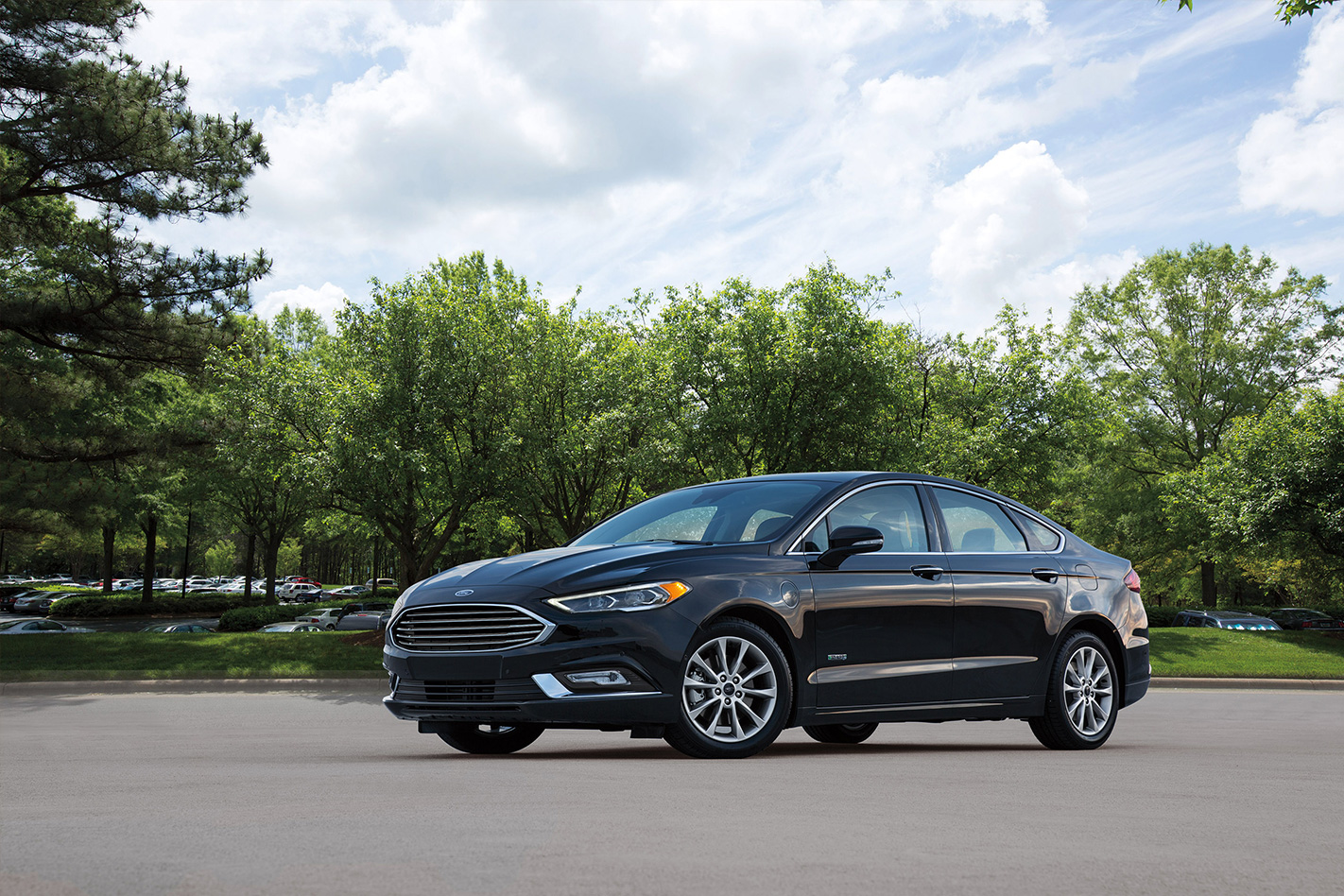
The car maker said it would introduce three other vehicles to its SUV and truck lines, including a battery-powered SUV. However, it also flagged the potential to retire some of its badges, saying fewer nameplates in the showroom would help it reduce costs.
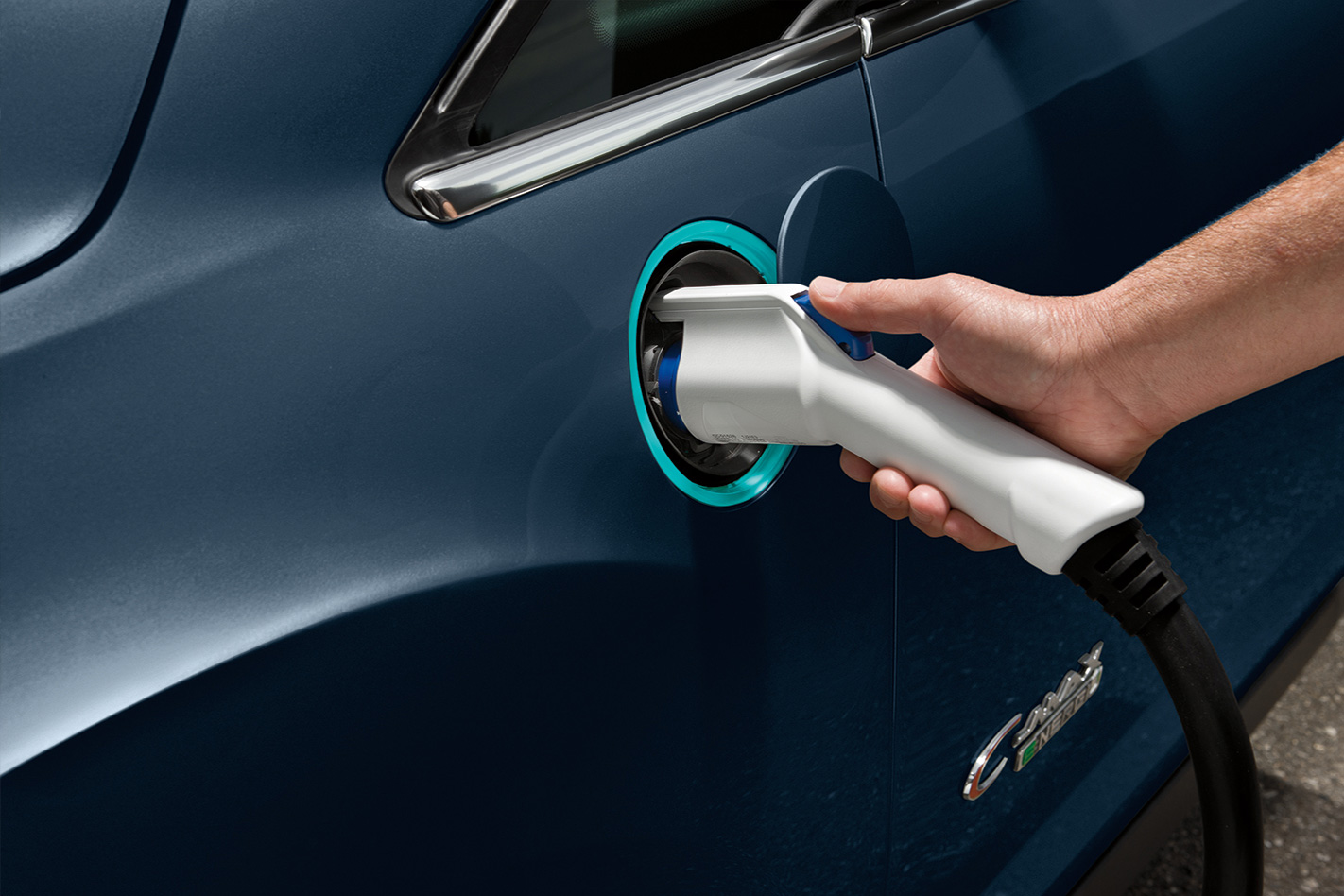
The sweeping changes include a renewed focus on electric vehicles, with research and development budget being pulled from money previously set aside for internal combustion engines being tipped into electrons. As part of this strategy, Ford said it would be “moving people and goods”, suggesting it would also move its fleet of commercial vehicles across to the new platform.
As well, “top hat” time to market, the time it takes Ford to fit an old vehicle platform with a new skin, is expected to fall by 20 percent, meaning faster turnarounds. These engineering tweaks are expected to save the car maker $4 billion by 2022.
IF YOU were unaware that there is a Guinness world record for ‘fastest towed speed on skis’ then you’re not alone, but that hasn’t stopped Jaguar making a successful attempt at the title using an XF Sportbrake and a champion on snow.
The British car maker is fond of a publicity stunt and has previously driven a Jaguar XF across the River Thames, completed a full 360-degree vertical loop in an F-Pace and a barrel roll in its more recent E-Pace, but the latest spectacle involved staying firmly on the ground.
For the attempt, Jaguar took the most powerful all-wheel drive version of its new XF Sportbrake wagon to its winter testing facility in Sweden along with British Olympic ski champion Graham Bell.
While most owners’ towing activities would be limited to trailers, a caravan and perhaps the odd boat at freeway speeds, Jaguar pushed the envelope somewhat. Bell ended up registering 188km/h, smashing the previous record of 113km/h.
Jaguar says the assault on the record was made possible by the Sportbrake’s all-wheel drive traction and adaptive, self-levelling suspension, coupled to a 280kW/450Nm supercharged 3.0-litre V6.
“The XF Sportbrake’s superb traction, handling and high speed stability made it the perfect choice for this speed record attempt,” said Jeremy Hicks, managing director of Jaguar Land Rover.
“We’re extremely proud to have supported Graham in this incredible world-beating achievement. It’s this kind of trail-blazing activity that really tests our cars to their limits.”
The XF Sportbrake arrives in Australia next month and will be available in four variants priced from $90,400, but the all-paw version that made the stunt possible is yet to be confirmed for the Australian market.
In late 2016, McLaren revealed to the world that it was working on a new three-seated car to be the spiritual successor to the McLaren F1.
The ‘Hyper-GT’ car, codenamed McLaren BP23, will be the most powerful road-going McLaren ever produced, so it’ll need to outgun the 673kW McLaren P1.
McLaren’s first images of the test mule, built from a 720S, reveal that the central seating position is just like that of a McLaren F1, with the driver positioned forwards with two passengers behind and to the sides.
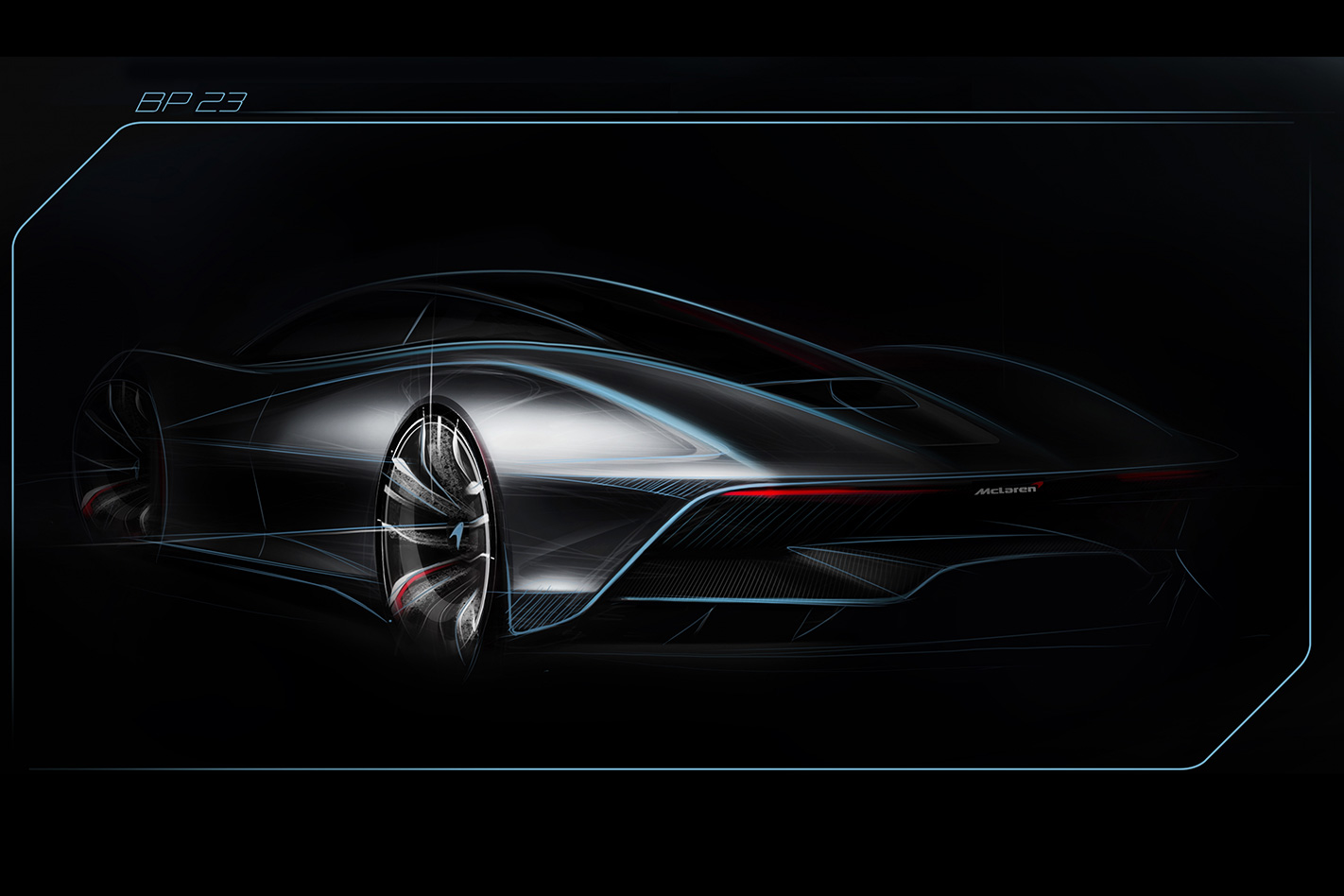
When it was first revealed, McLaren Auto CEO Mike Flewitt said the car won’t quite be the same as the F1 in terms of what it’s like to be in or drive.
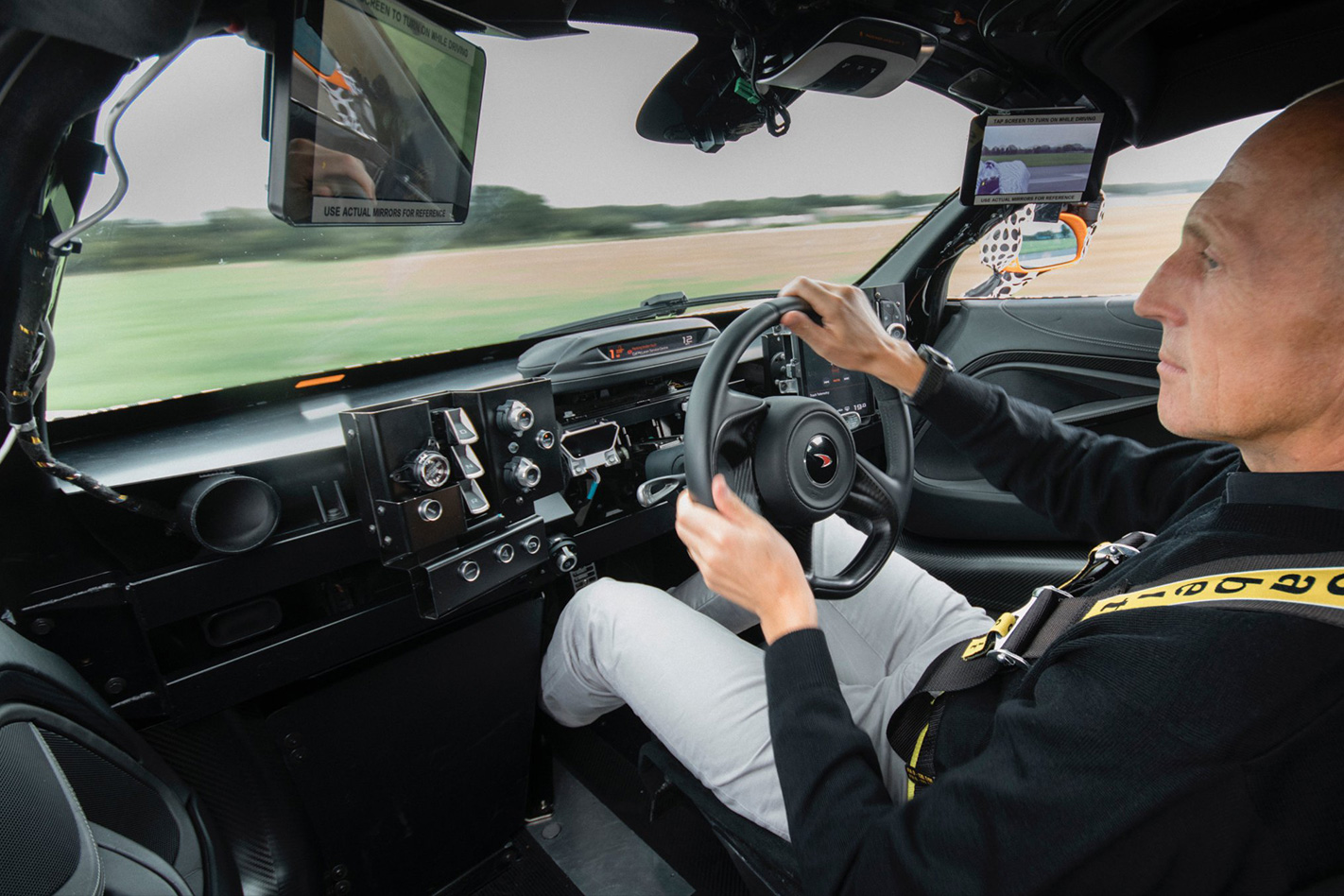
“We are calling BP23 a ‘Hyper-GT’ because it’s a car designed for longer journeys, but with the high levels of performance and driver engagement expected of any McLaren.
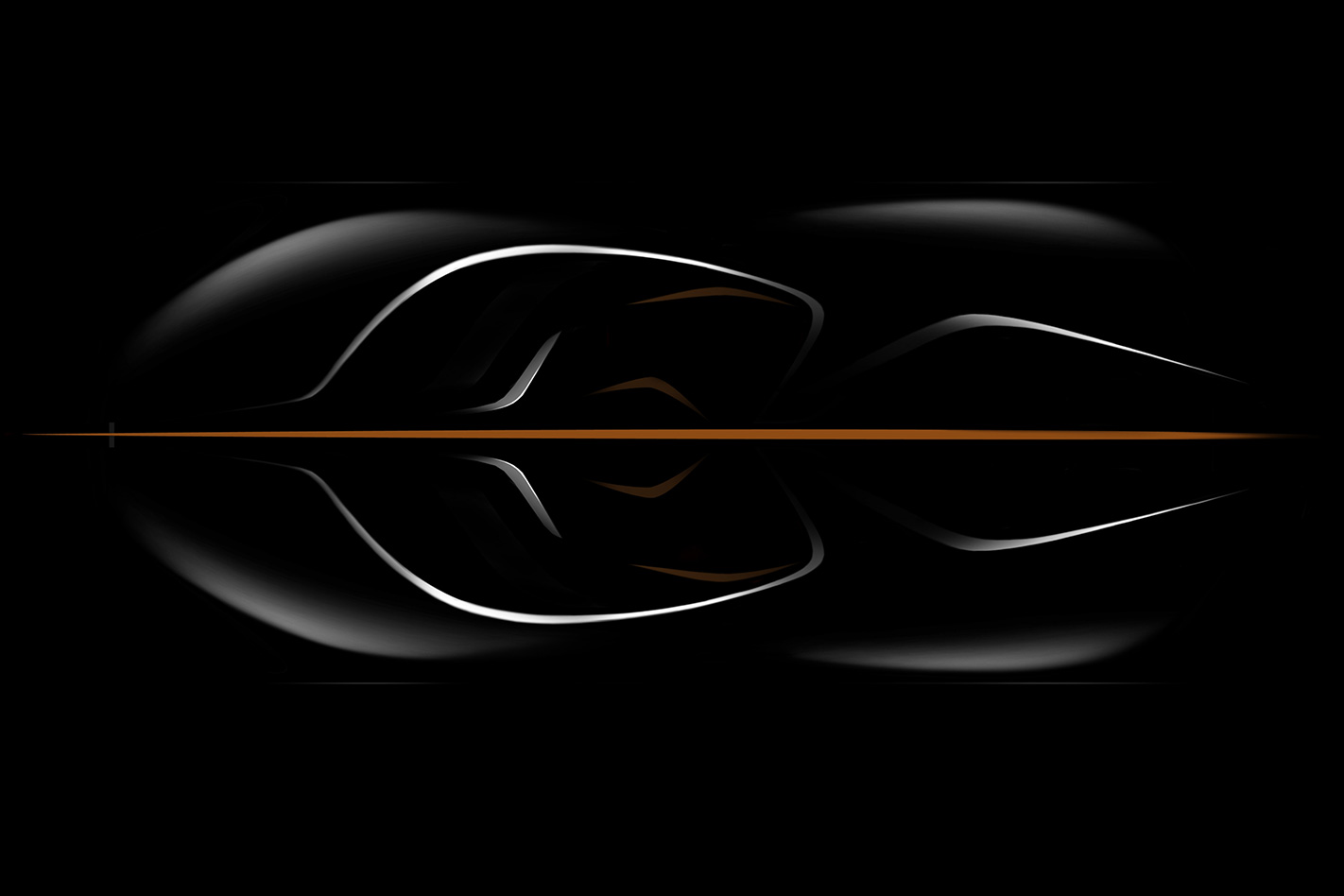
Of the 106 units to be built – all already sold before it was even made public – the first are expected to be delivered in 2019. The unit count will match the 106 examples of McLaren F1s produced.
