
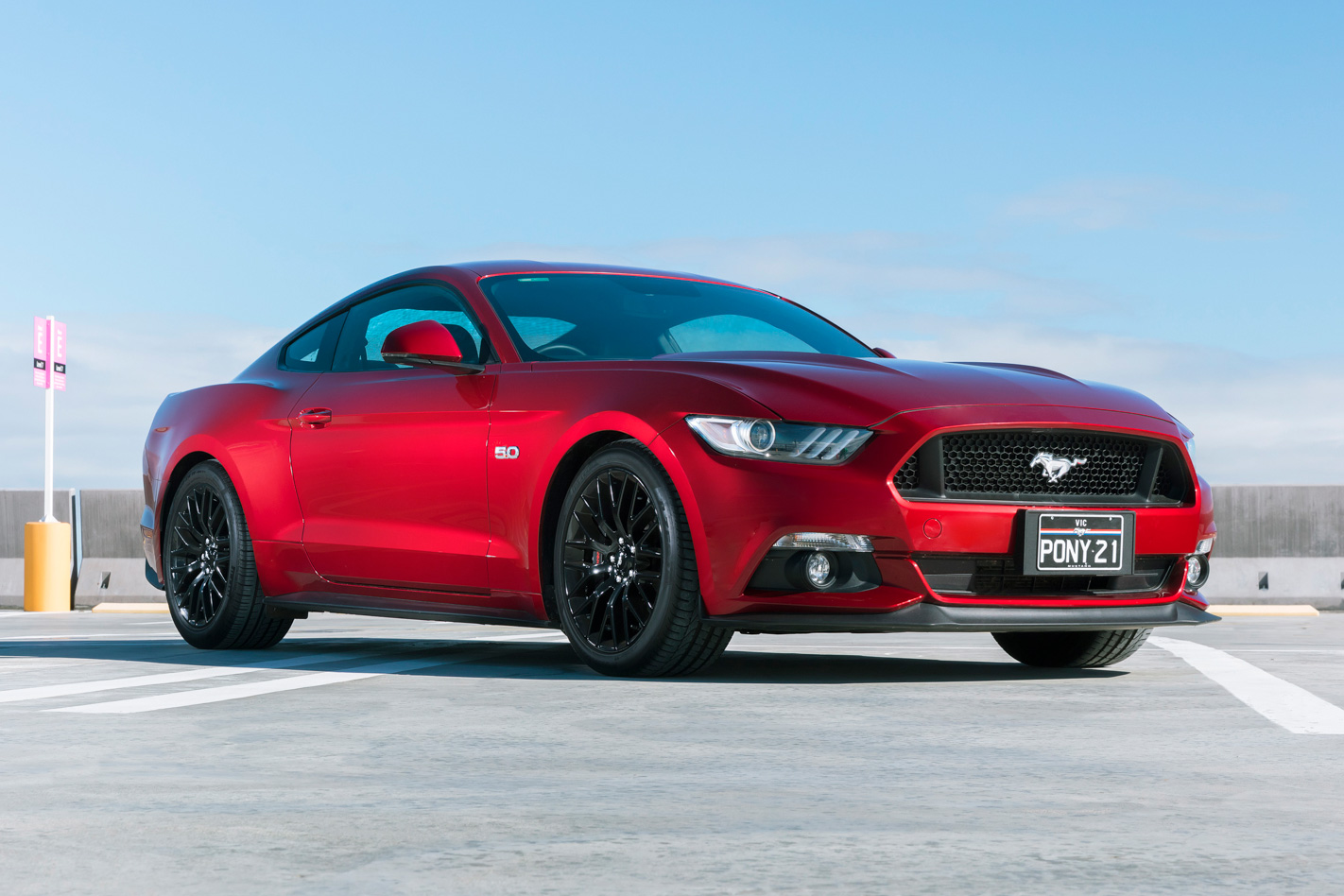
Ford Mustang – 5967
The unprecedented demand for the pony car goes on and a dusting of Ford Performance tuning options will likely buoy its popularity through to a facelifted version due in 2018.
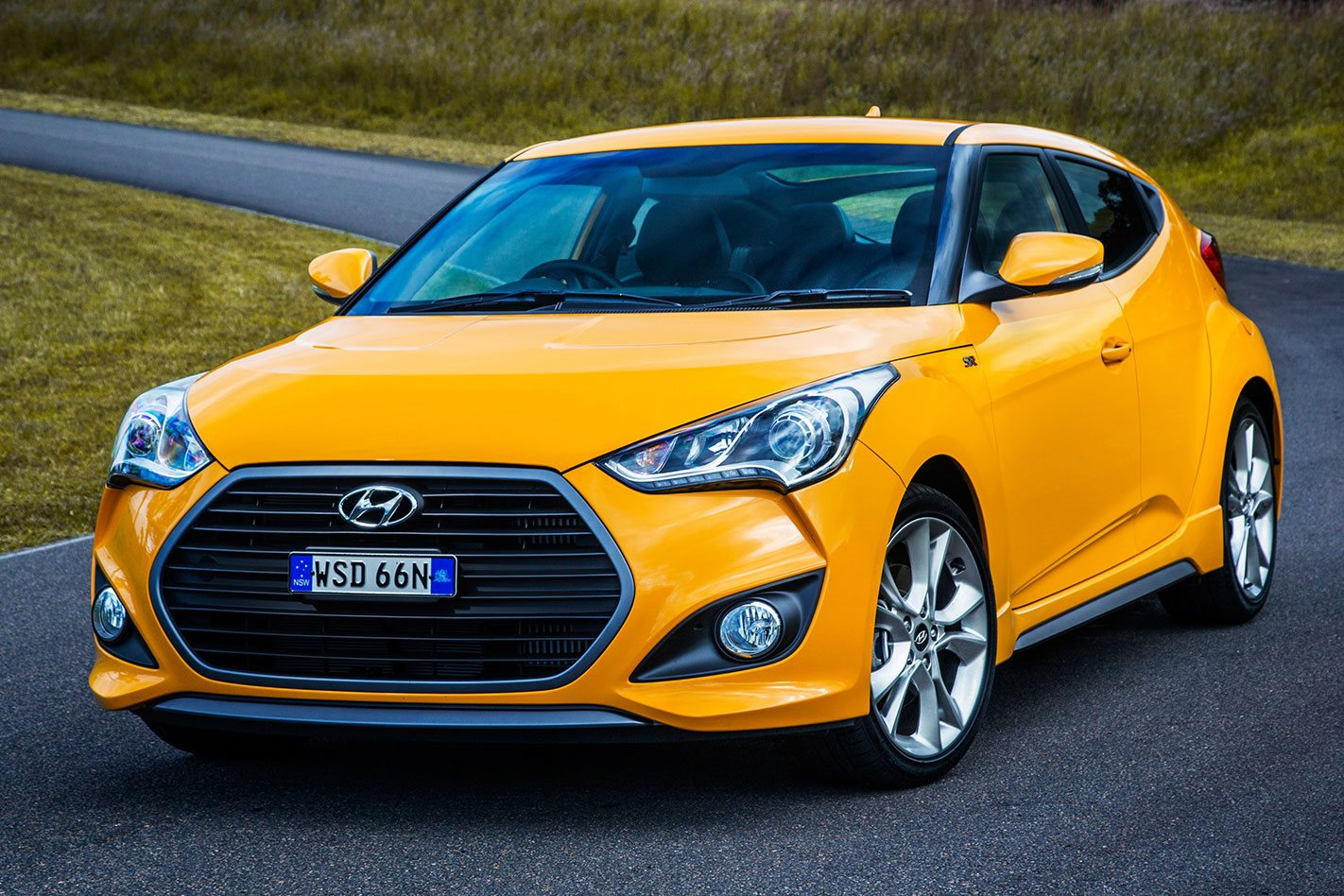
Hyundai Veloster – 1359
It might lack monstrous power, but Australians still love the Veloster. A vast majority are sold in automatic form, and its unusual styling and everyday usability keep customers coming.
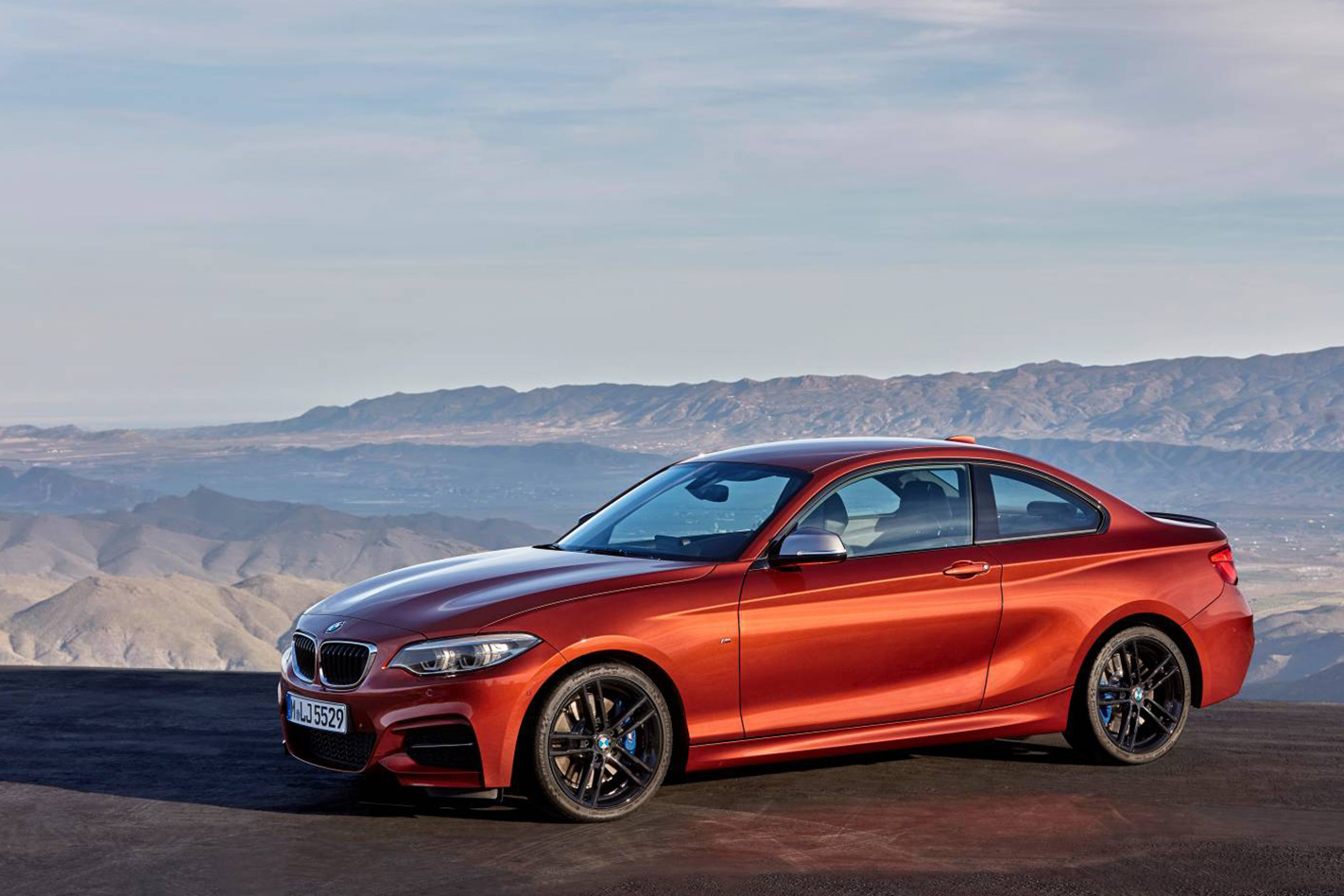
BMW 2 Series – 1125
Once a brand for the more well-heeled driving enthusiast, BMW coupe ownership is now more attainable thanks to the 2 Series range. Even the entry 220i, as a coupe or convertible, is swift and engaging.
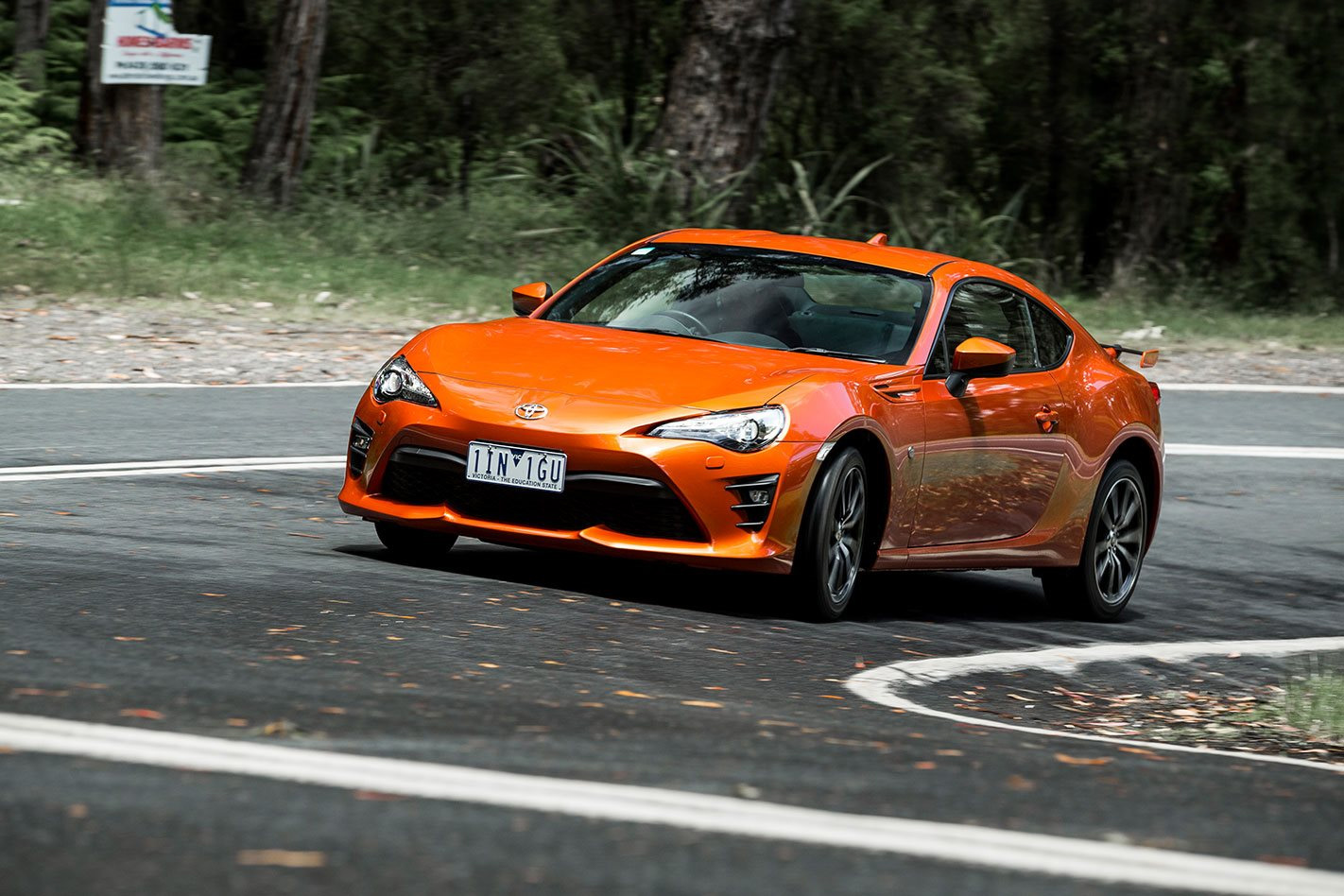
Toyota 86 – 1118
It might have launched way back in 2012, but the combination of a sharp price and a ridiculously fun chassis still attracts keen drivers. Some may still insist it needs more poke, but that hasn’t stopped demand.
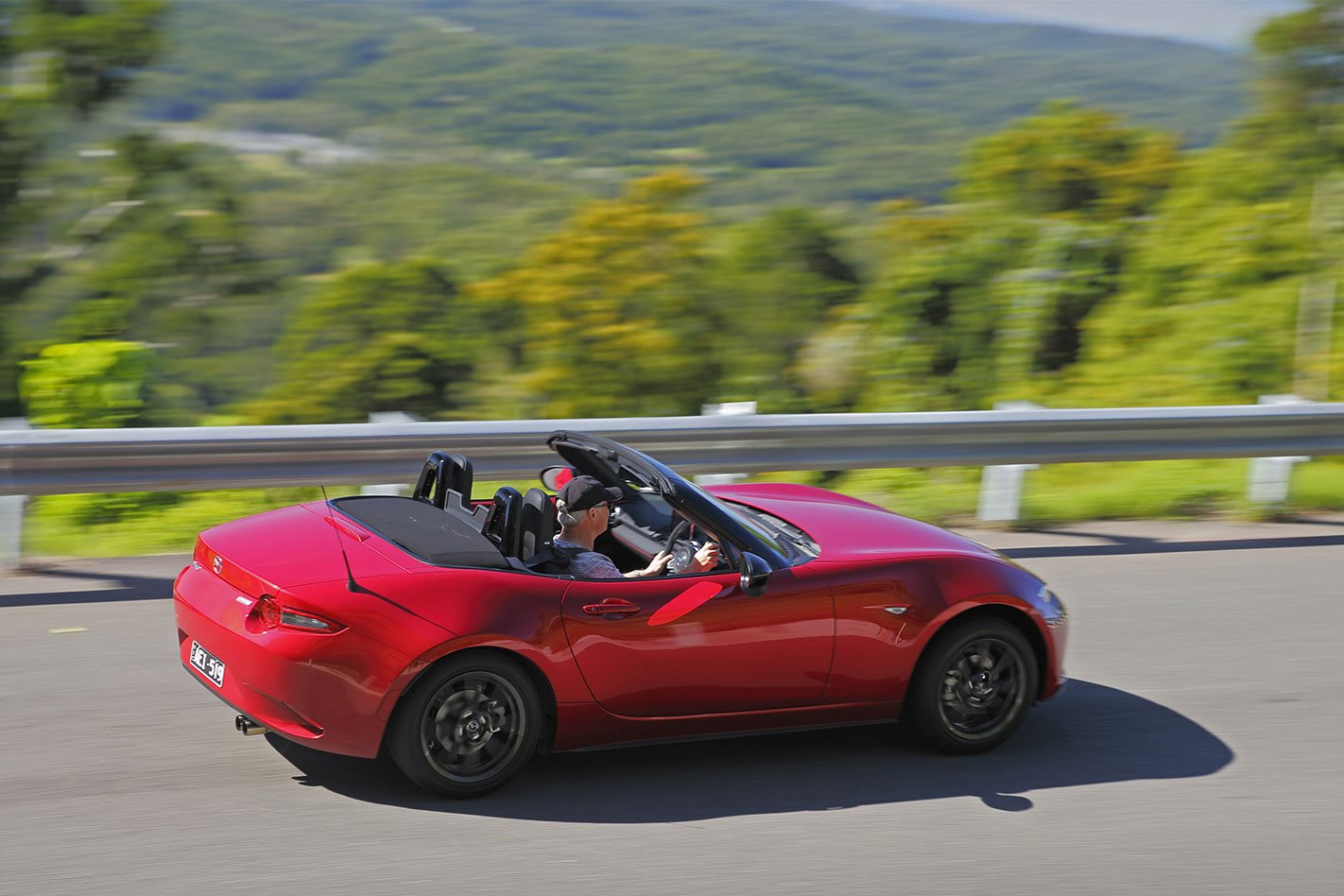
Mazda MX-5 – 951
Sales for Mazda’s iconic two-seater may have dropped off since its 2015 launch, but it still ranks fifth in its class. Tin-topped RF has boosted interest, and expect special edition variants to follow.
*Source: VFACTS data January through July 2017
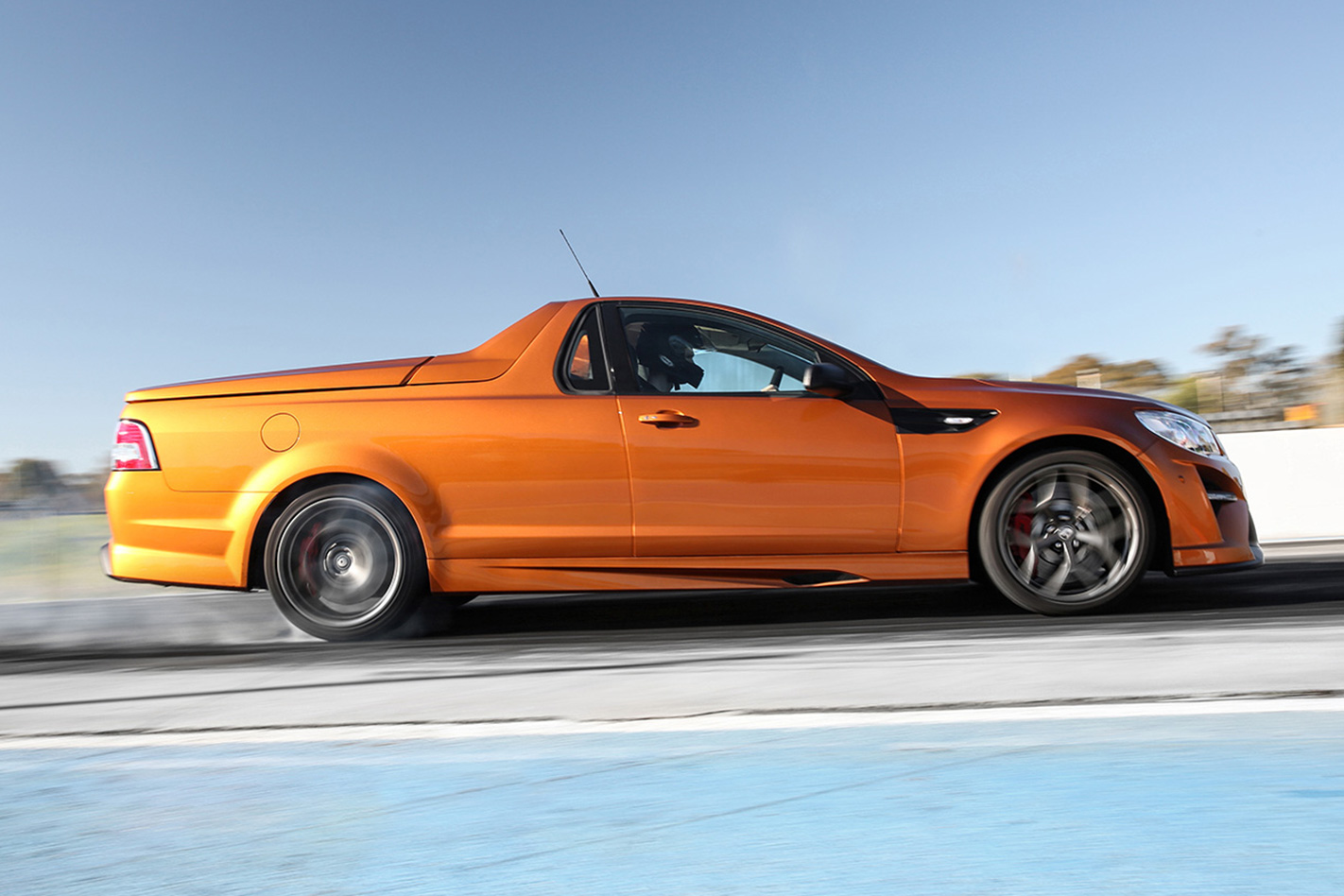
A botched acceleration run is usually a cause for frustration rather than celebration and the first attempt in the HSV GTSR Maloo is a stinker.
It leaves the line reasonably well but a late upshift has the 6.2-litre supercharged V8 clattering into the rev limiter in its automatic’s first gear, precious tenths being wasted in the process. So why the optimism?
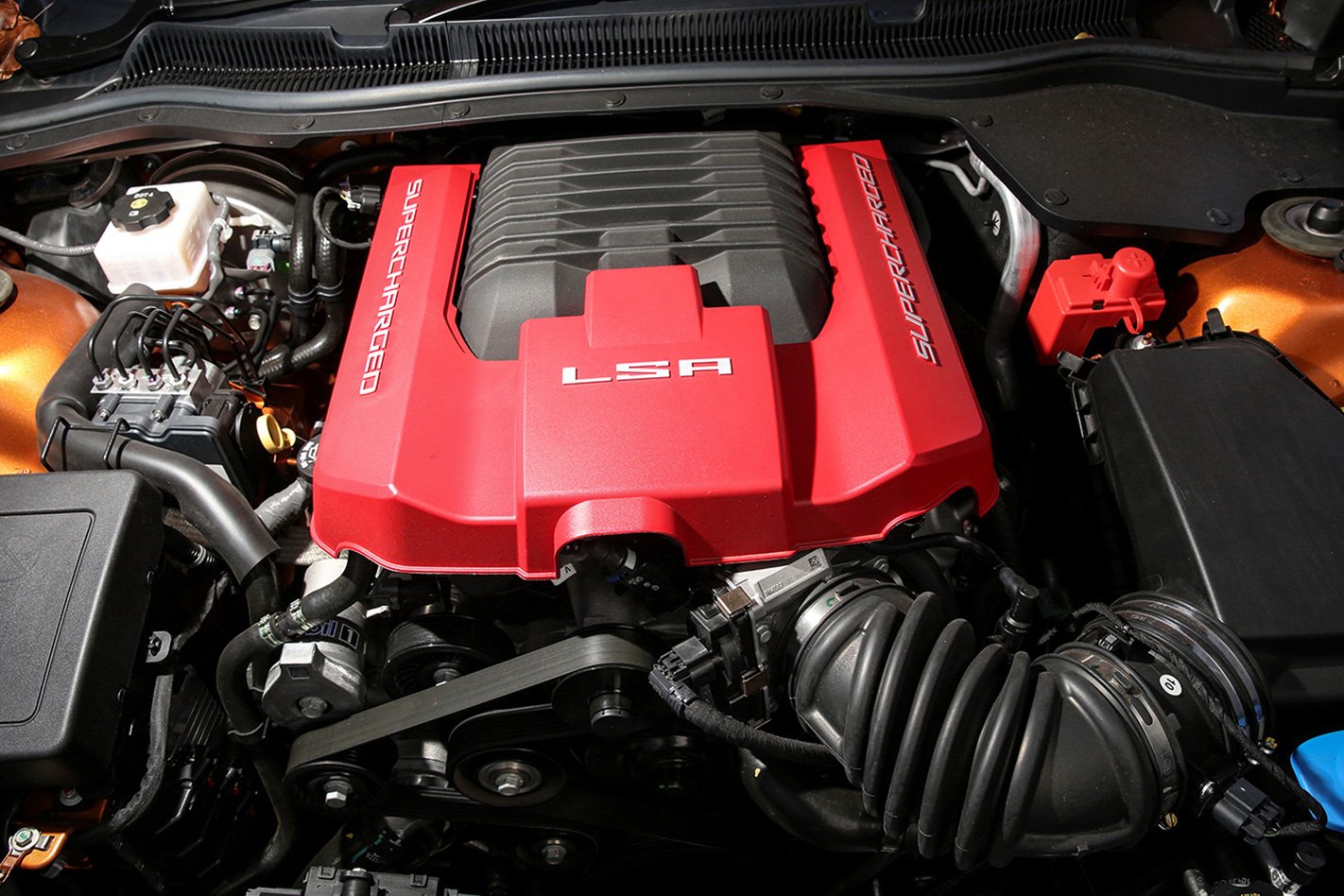
Despite the mistake, the Driftbox flashes up 0-100km/h in 4.6sec and a 12.6sec quarter mile, not a million miles away from the best numbers we’ve extracted from LSA-powered HSVs. The second run is clean, the Maloo putting the majority of its 435kW/740Nm to the ground quickly and efficiently.
As any drag racer knows getting off the line cleanly is key – you’ll know in the first 20 metres whether it’s going to be quick or not – so a hint of wheelspin on the third run lets a tenth disappear. One more try, as with each burnout the rear Continentals are getting that little bit more worn and each run is nudging pressures up.
Stall the engine against the brakes slightly – any more than about 1500rpm results in wheelspin – and feed the throttle in as quickly as possible. The rear tyres hook up and from there it’s simply a matter of timing each upshift correctly – not as easy as it sounds thanks to the lack of a redline on the tachometer.
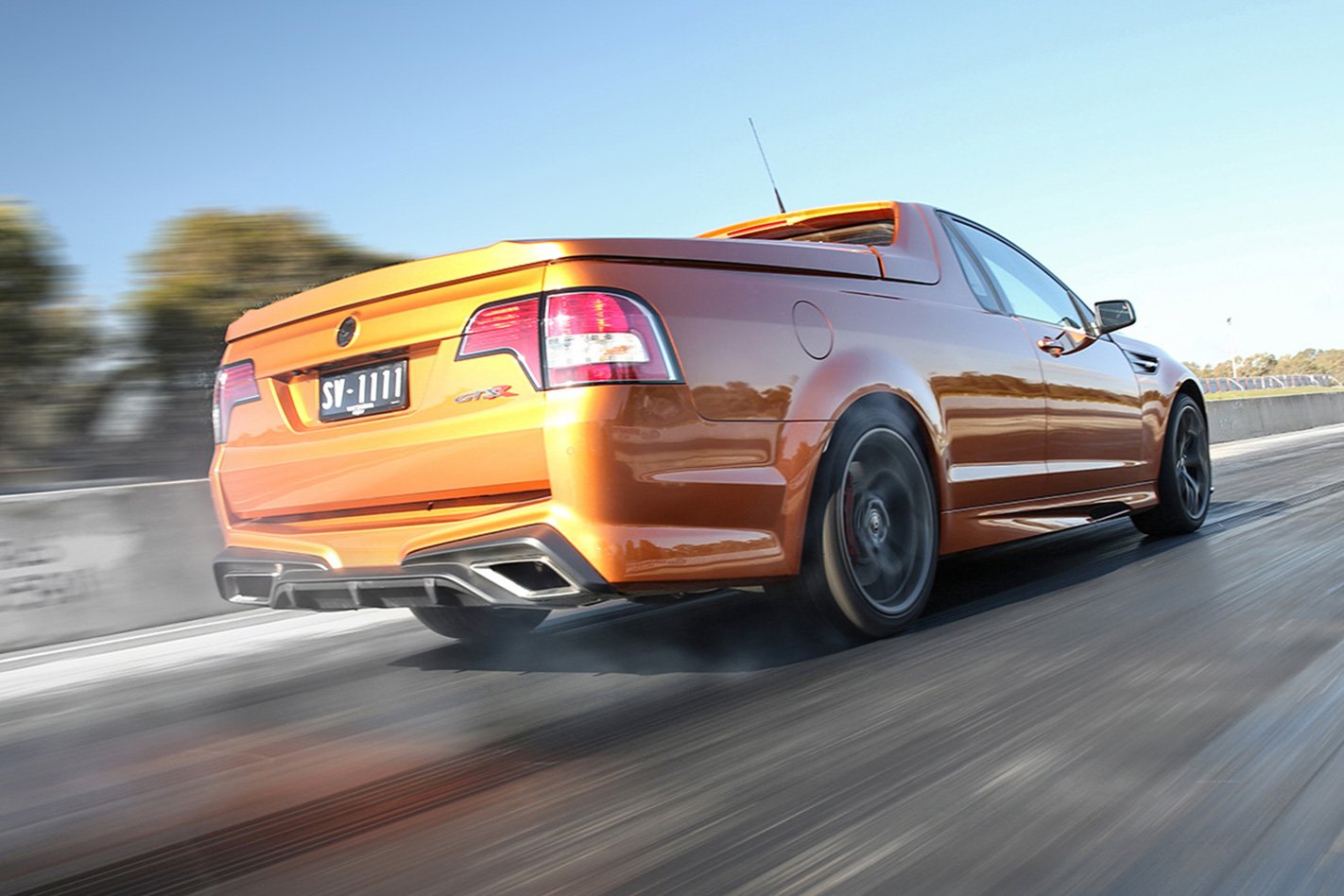
For many, this pace, in addition to the GTSR Maloo’s collectability as the last of its kind, will be enough to justify the purchasing decision. The good news is there’s more to the GTSR package, with one seemingly insignificant modification having a surprisingly large effect on the driving experience.
This is significant as the last time HSV went down this road, with the GTS Maloo of 2014, it missed the mark. On paper, the GTS Maloo merely packed the sedan’s well-proven mechanical package – bar the Magnetic Ride Control adaptive dampers, which aren’t compatible with the ute’s long-wheelbase platform – into a two-door trayback bodyshell, however, something went missing in translation.
A conversation with Trevor Barallon, HSV’s Engineering Program Manager, following ourtest drive explains why the GTSR is more than the sum of its parts. “The offset’s different on the front wheels,” explains Barallon.
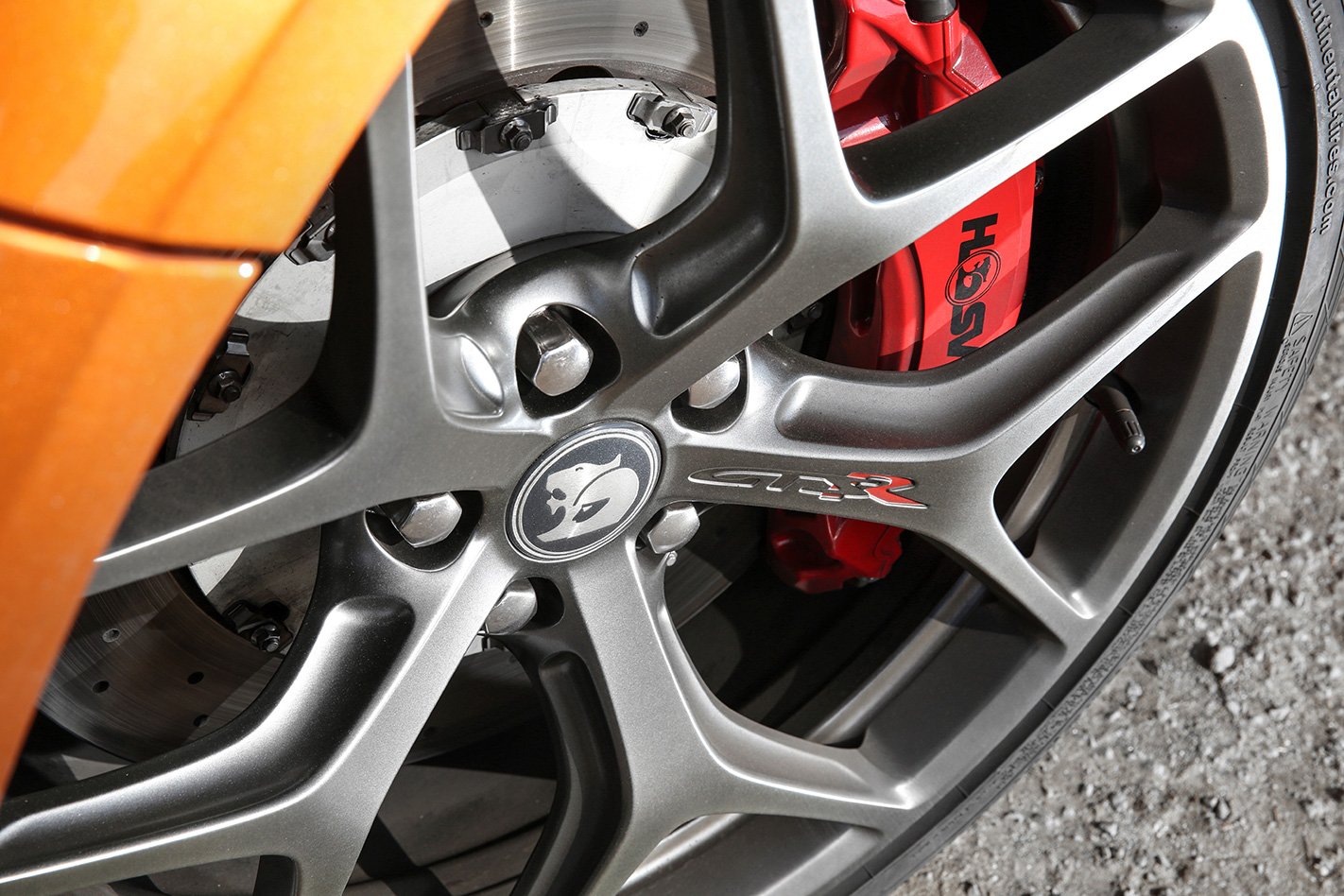
“We’ve got a wider track by 6mm so we’ve reduced the offset from 36 to 33mm on the front wheels and we’ve gone to a wider rim – same tyre, wider rim.” While the GTSR Maloo continues with Continental ContiSportContact 5Ps measuring 255/35 ZR20 front and 275/35 ZR20 rear, wheel widths are now a half-inch wider at both ends (20 x 9.0-inch front; 20 x 10.0-inch rear).
The chassis engineers tried a number of different offsets and I’m told there’s this optimal spot where you’ll get the feeling of completely linear steering response; the wheels we had on before, without the change in offset, had almost a bit of a dead feel and then it’s linear.
”At a stroke HSV has eradicated one of the few criticisms we’ve had with its recent range, the slight dead spot in the first few degrees of steering lock. In contrast, the GTSR Maloo offers response and communication from the moment the wheel is nudged off-centre, making it easier to read grip levels at the front end.
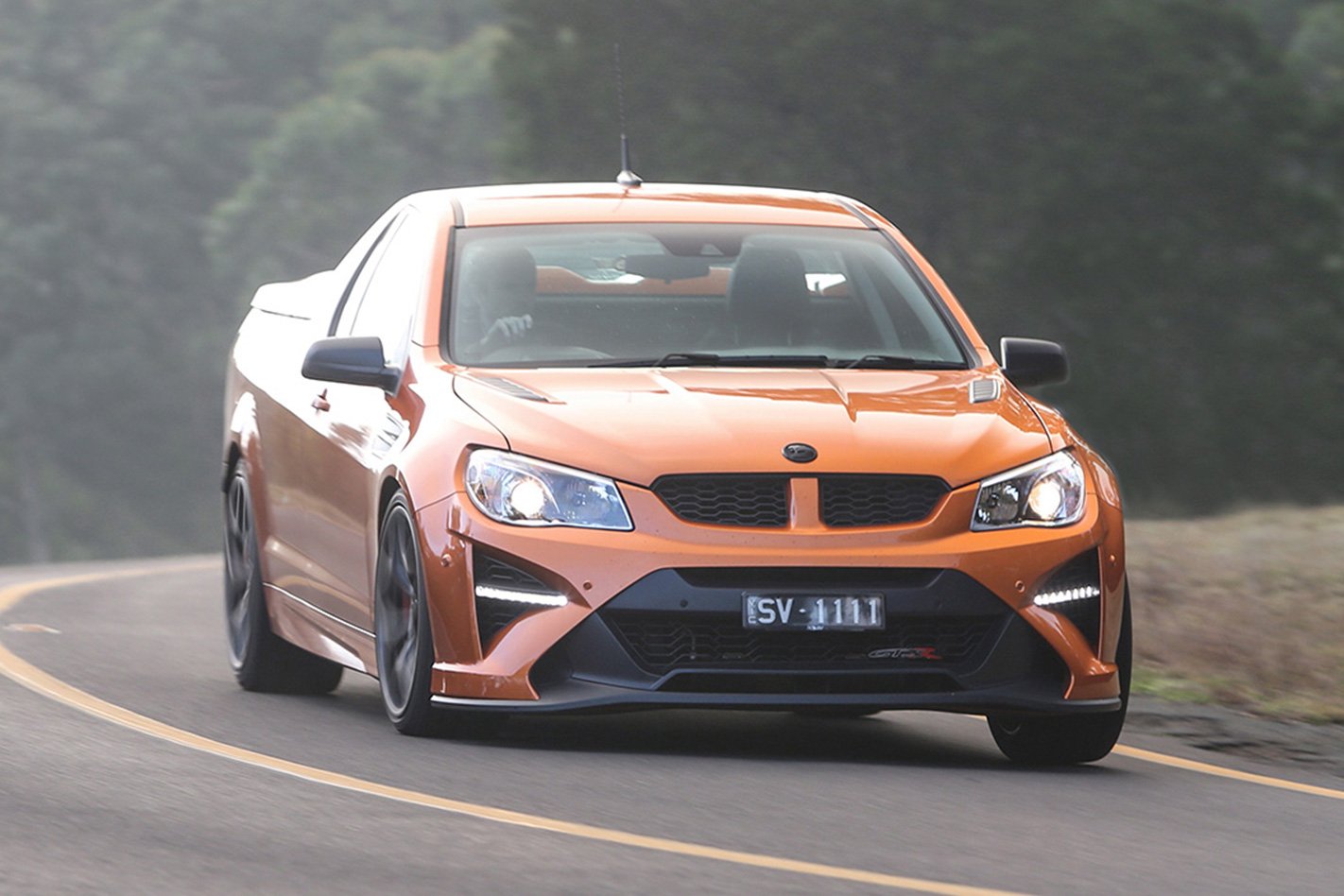
As ever, the Continentals disappear at an alarming rate in the dry, but offer staggering grip in the wet, while the driver has the choice of letting HSV’s brilliantly calibrated ESP system mop up their excesses or forgoing the electronics and choosing your oversteer angle with your right foot.
Such antics should be kept to the track, of course, yet the GTSR Maloo is even more at home in such a taxing environment thanks to its monster new front stoppers. The GTS already has some of the best brakes around, however, the GTSR sheds speed even more effectively thanks to new 410mm front rotors, which fit beneath the 20-inch rims thanks to a new Monobloc six-piston caliper design.
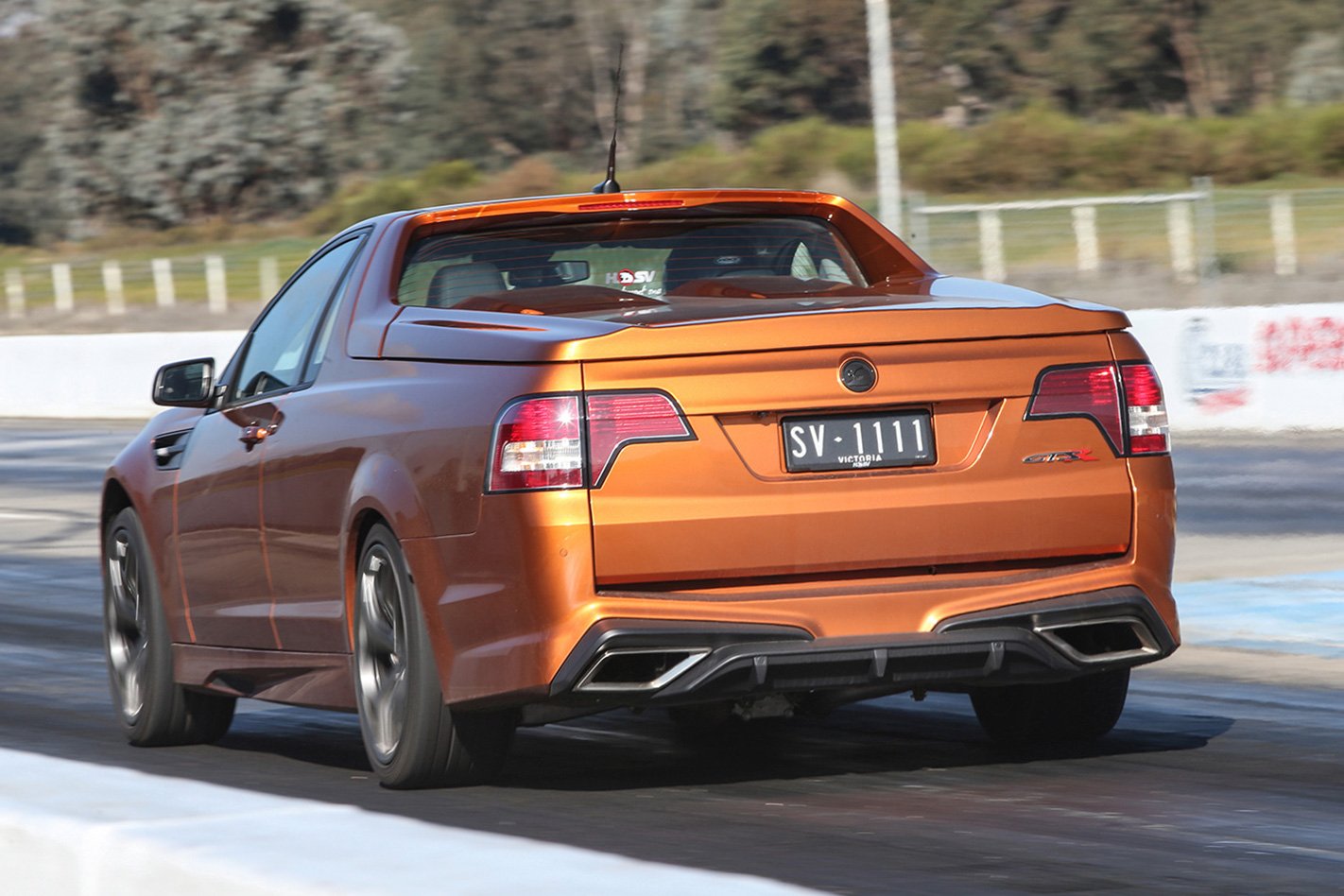
Before driving the GTSR it was easy to dismiss the new face and 5kW over the GTS as merely something to write about in the brochure, but HSV should be commended for continuing to refine what was already an excellent package. It even feels to ride better than a Maloo R8 LSA, though HSV claims the suspension settings are identical.
While the differences might be subtle, they are worthwhile, which is just as well given the GTSR Maloo starts at $96,990, or $99,490 when equipped with the six-speed automatic.
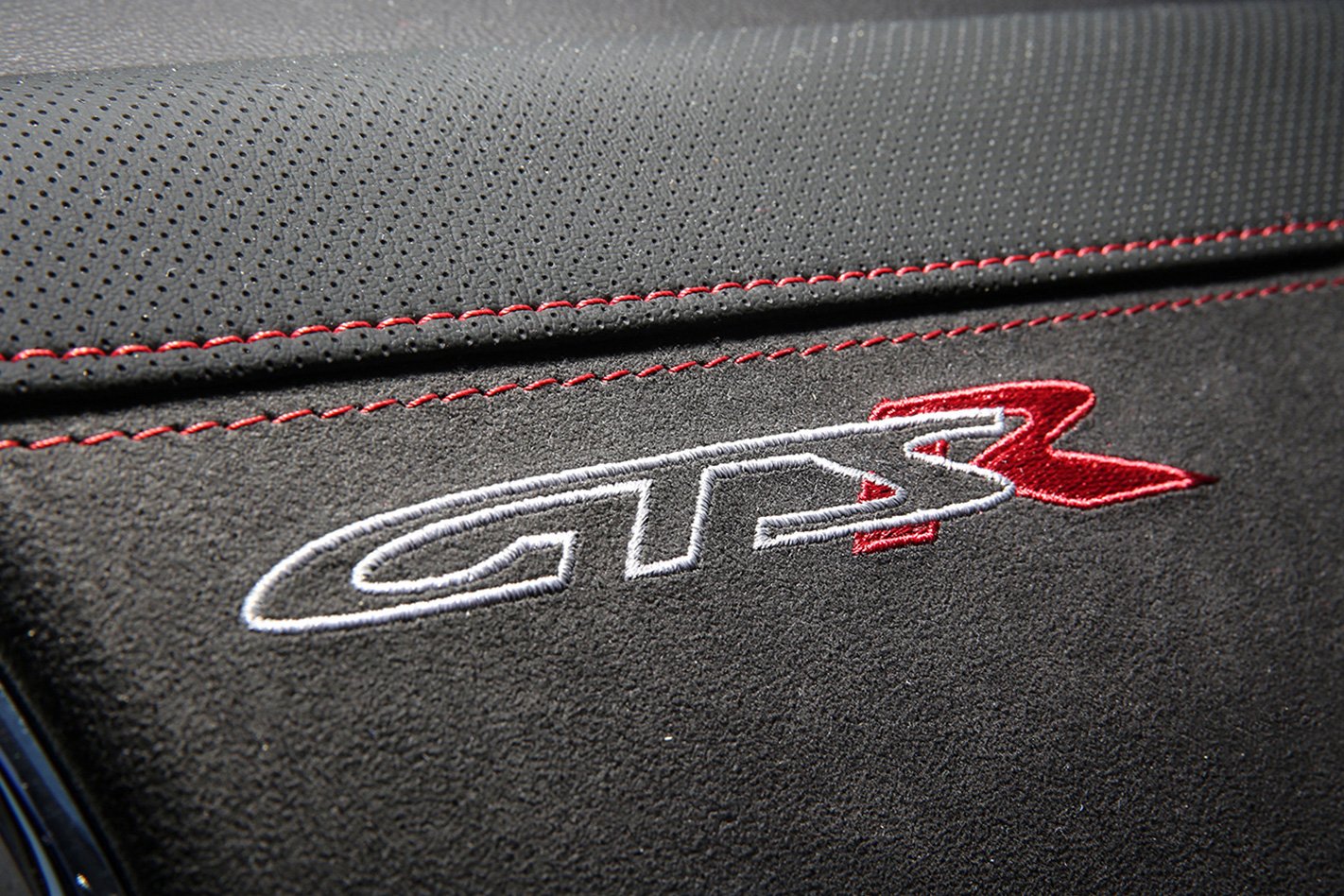
Unfortunately, we must finish as we started, with celebration mixed with frustration. As with the Holden products on which they’re based, HSV’s offerings have never been better, which makes it all more the galling that by the time you read this, it will be a mere matter of weeks before production ends.
An inevitable outcome, perhaps, but unfortunate nonetheless. Those who’ve ordered one of HSV’s final models take solace in the fact they’ve bought the best of the breed, while enthusiasts in general can be encouraged by HSV saying its five departments – interior, exterior, powertrain, chassis and electrical – are all currently busy on exciting future product.
What that product is, we don’t yet know, but HSV’s recent engineering CV, typified by cars like the GTSR Maloo, offers reason for cautious optimism indeed.
TRACK TIMES 0-100km/h: 4.14 0-400m: 12.19sec @ 189.17km/h 80-120km/h: 2.5sec 100-0km/h: 34.1m
SPEED IN GEARS 1st: 63km/h @ 6250rpm 2nd: 108km/h @ 6250rpm 3rd: 167km/h @ 6250rpm 4th: 222km/h @ 6250rpm 5th: 250km/h @ 5200rpm* 6th: 250km/h @ 4100rpm* As tested by MOTOR: Heathcote Raceway, 11.23am, 12 degr.ees, dry. Driver: Scott Newman. *Manufacturer’s claim
4.5 stars out of 5 Likes: Crazy performance; impressive handling Dislikes: Why must all good things come to an end?
2017 HSV GTSR Maloo specs: Body: 2 doors, 2-seat ute Drive: rear-wheel Engine: 6162cc V8, OHV, 16v, supercharger Bore/stroke: 103.1 x 92.0mm Compression: 9.1:1 Power: 435kW @ 6150rpm Torque: 740Nm @ 3850rpm Power/weight: 238kW/tonne Transmission: 6-speed automatic Weight: 1825kg Suspension: struts, coil springs, anti-roll bar (f) multi-links, coil springs (r) L/W/H: 5181/1899/1481mm Wheelbase: 3009mm Tracks: 1616/1590mm (f/r) Steering: Electronically assisted rack-and-pinion Brakes (F): 420mm ventilated discs, 6-piston calipers Brakes (R): 372mm ventilated discs, 4-piston calipers Wheels: 20.0 x 9.0-inch (f); 20.0 x 10.0-inch (r) Tyre sizes: 255/35 R20 (f); 275/35 R20 (r) Tyre: ContiSportContact 5P Price: $99,490
McLaren likes to call the 570S Spider its most attainable open-top – which is true, because it’s the only Spider currently available here.
Is it attainable in a broader, inclusive sense? Not quite. Starting at $435,750, the Spider is as exclusive as shale mining rights and our left-hand drive test car came with the optional sports exhaust, 10-spoke forged wheels and a substantial smattering of carbon-fibre body parts.
However, the coupe version of the 570S is almost the complete supercar and arguably only second to the God-like 720S in the firm’s ever-expanding canon. As that car forms almost the entire basis for the Spider, much is expected of McLaren’s latest model – in performance and sales figures.
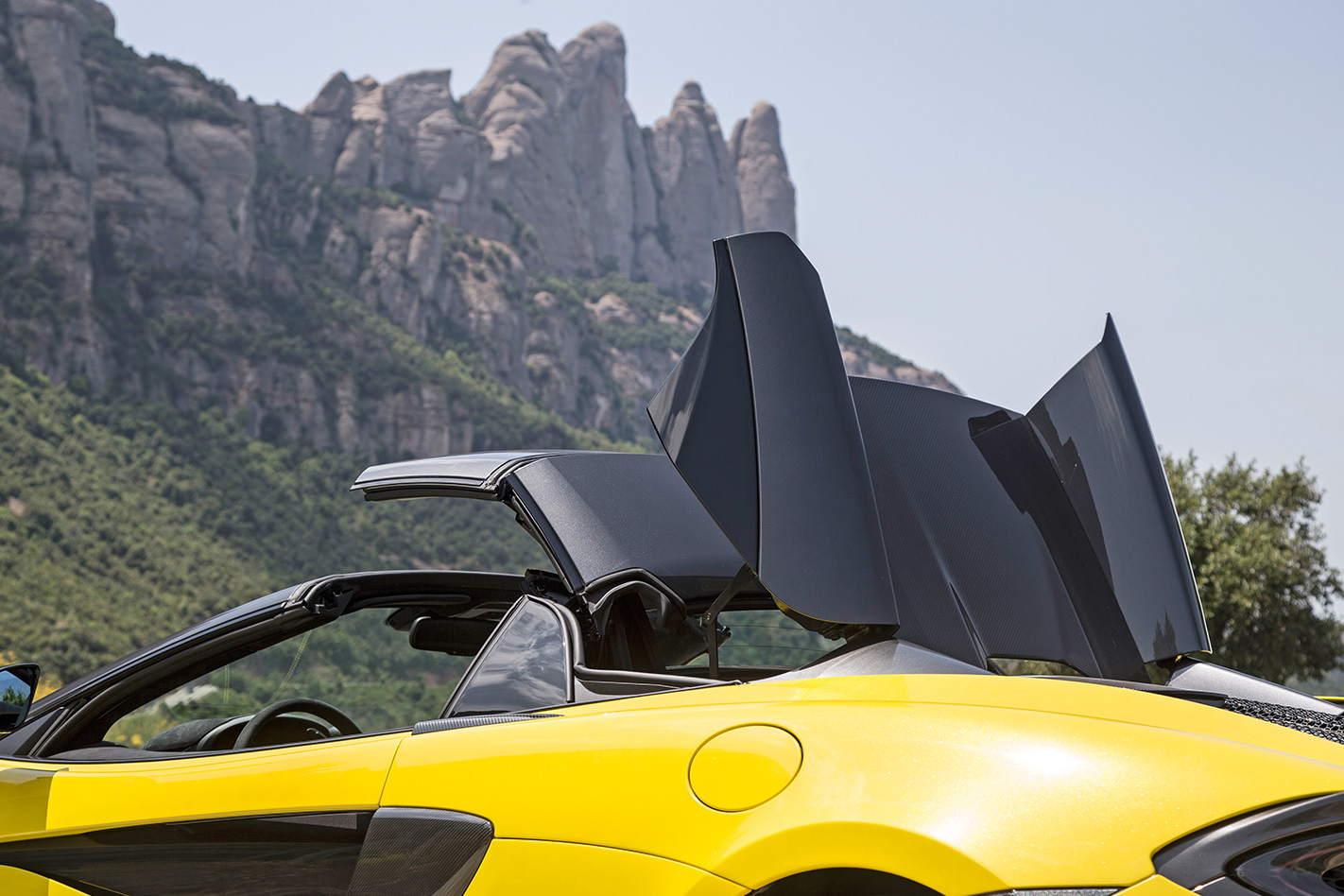
The chief difference, then, is a 46kg increase in kerb weight; the drawback of having the coupe’s composite roof panels pack themselves neatly away in 15 seconds. That the penalty is modest compared with most rivals is a familiar virtue of the MonoCell: like the 12C Spider before it, no additional buttressing is required because the 570S is not dependant on its roof for torsional rigidity.
Consequently, the Spider is no less stiff than the coupe. It’s practically no slower, either. McLaren reports a deficiency of 0.1sec from 0-200km/h – and, unless you have the roof down, the drop-top will ultimately clock the same 328km/h top speed.
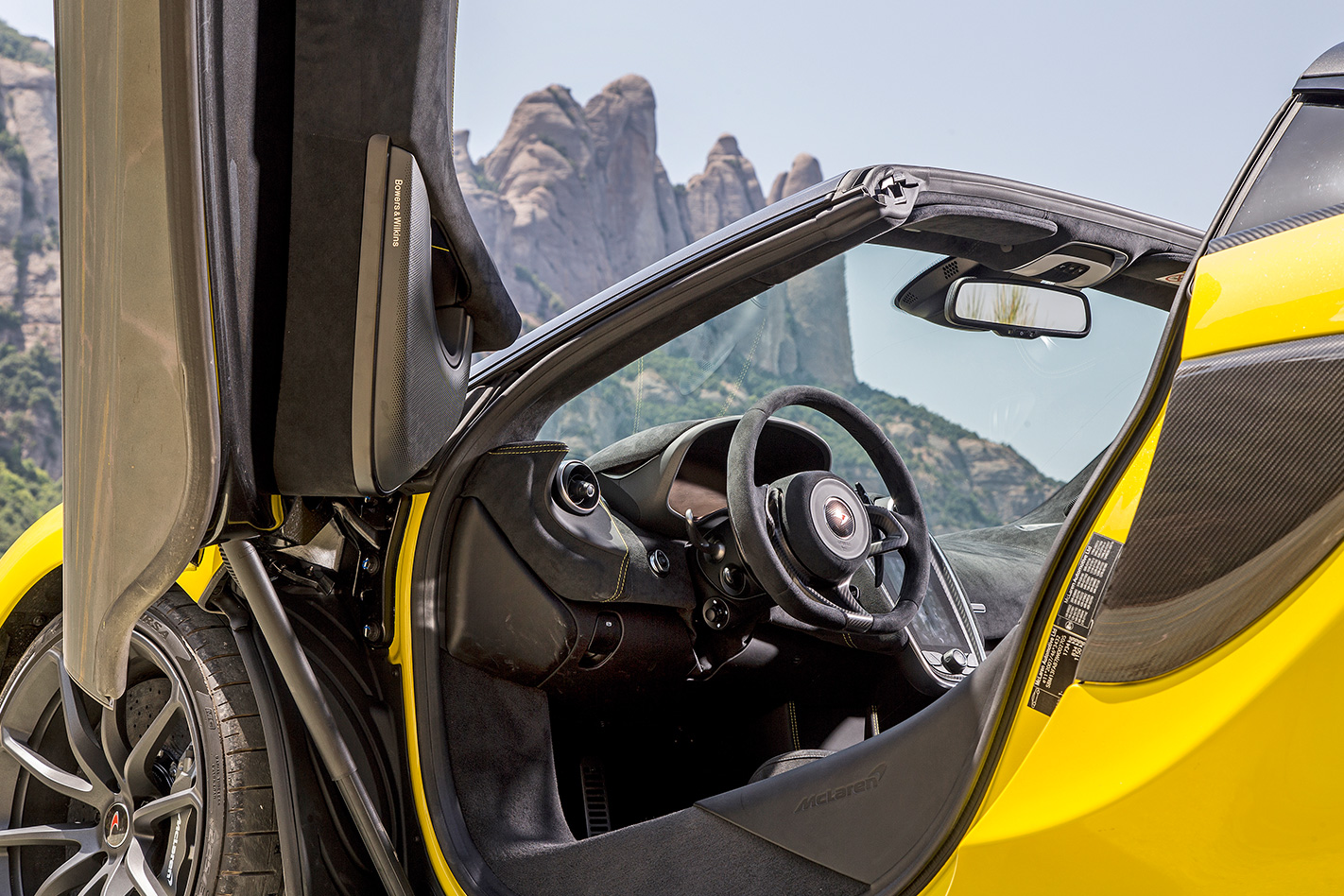
This means that the 570S’s swaggering prettiness carries over intact. As does the slight palaver of getting into one. The sills are slimmer on MonoCell II cars, but you tend to fall in the driver’s seat like a sandbag shoved over a sea wall.
The hardship won’t stop there if you’ve opted for McLaren’s notoriously unforgiving Carbon Fibre Racing Seats, which come equipped with virtually no lumbar support. The new two-part roof functions blamelessly, and will do so up to 40km/h.
Roof up, McLaren has provided the option of raising or lowering the small rear glass screen, which acts as a wind deflector once topless. There’s even space for luggage under the tonneau cover. Roof down you can feel a stiff breeze; it’s not chronic, but nor is it serene.
But the Spider inevitably moves the sound closer to your ear lobes and, while its guttural brand of industriousness has an enormous and savage presence, it doesn’t induce you to drive permanently under the influence like a Ferrari 488 or Audi R8 would.
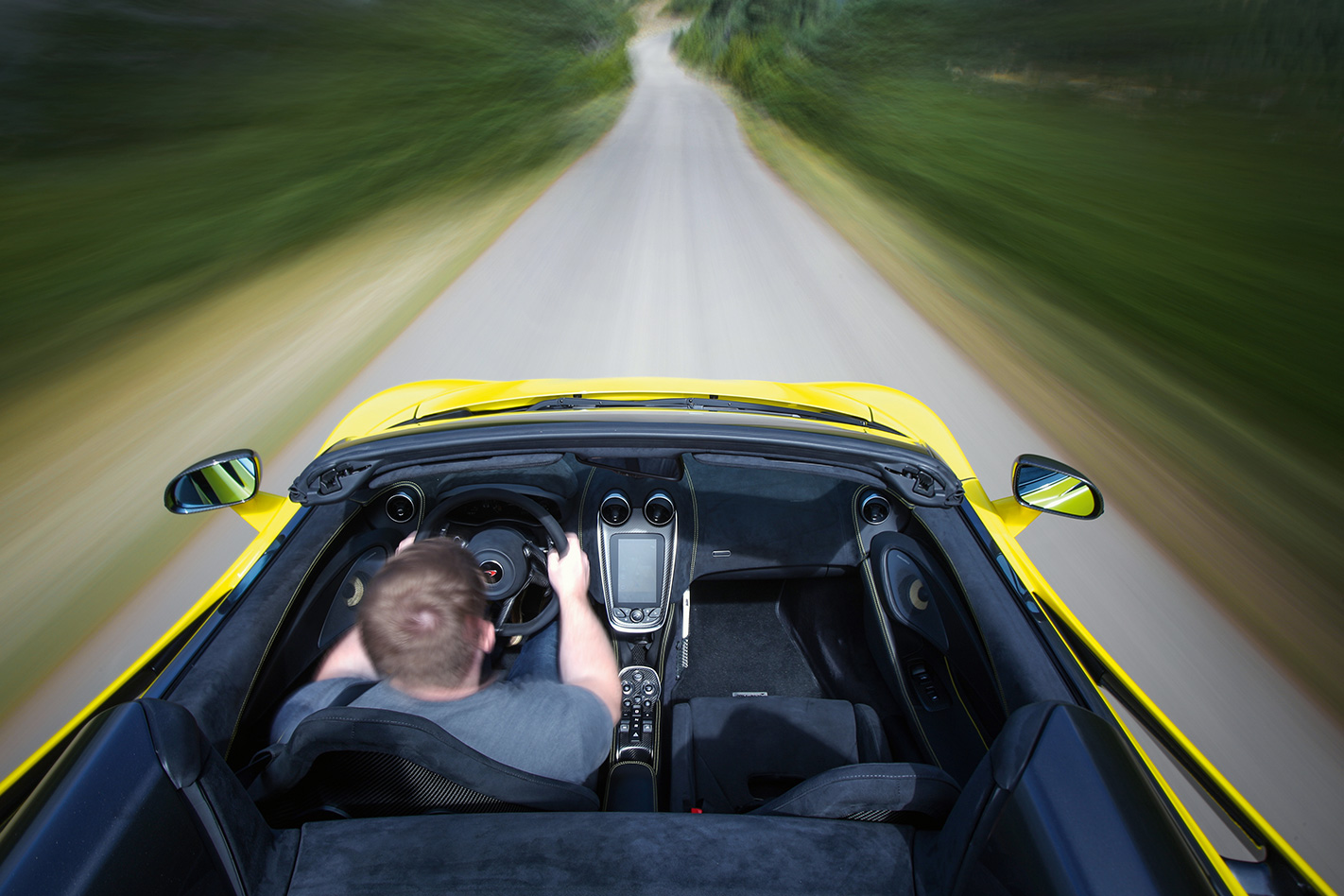
However, the complaints thin when accessing the Spider’s potential. It’s spleen-worryingly fast in a way that manages to feel tractable, progressive, massive and yet not in any way outsized for the rear-drive chassis it is attached to.
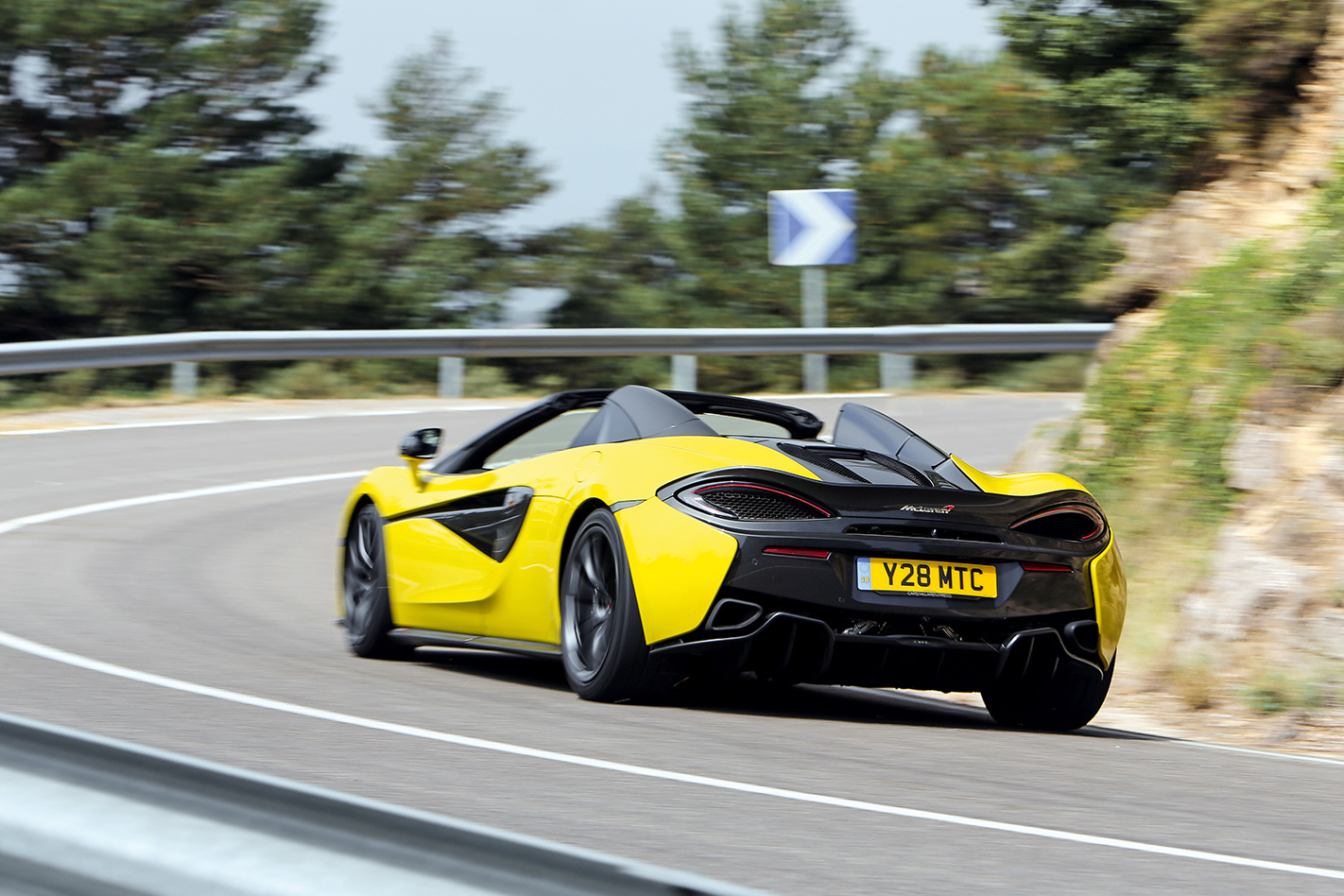
True, overt playfulness is arguably in short supply on the road, and there is no mistaking McLaren’s brake-steer tech when it cuts in, but with the adaptive handling set to ‘Normal’ and the powertrain to ‘Sport’ driving a 570S on a challenging road still ranks as one of industry’s greatest privileges.
Power, pliancy, lightness, mechanical rigour and technological prowess collude nowhere more gratifyingly. However, there are elements that grate. The V8’s engine note, a middling gripe in the coupe, is brought to the fore by closer contact. It’s not bad, yet nor is it a reason to seek out or spend time in the car – and that’s a demerit given the price and competition.
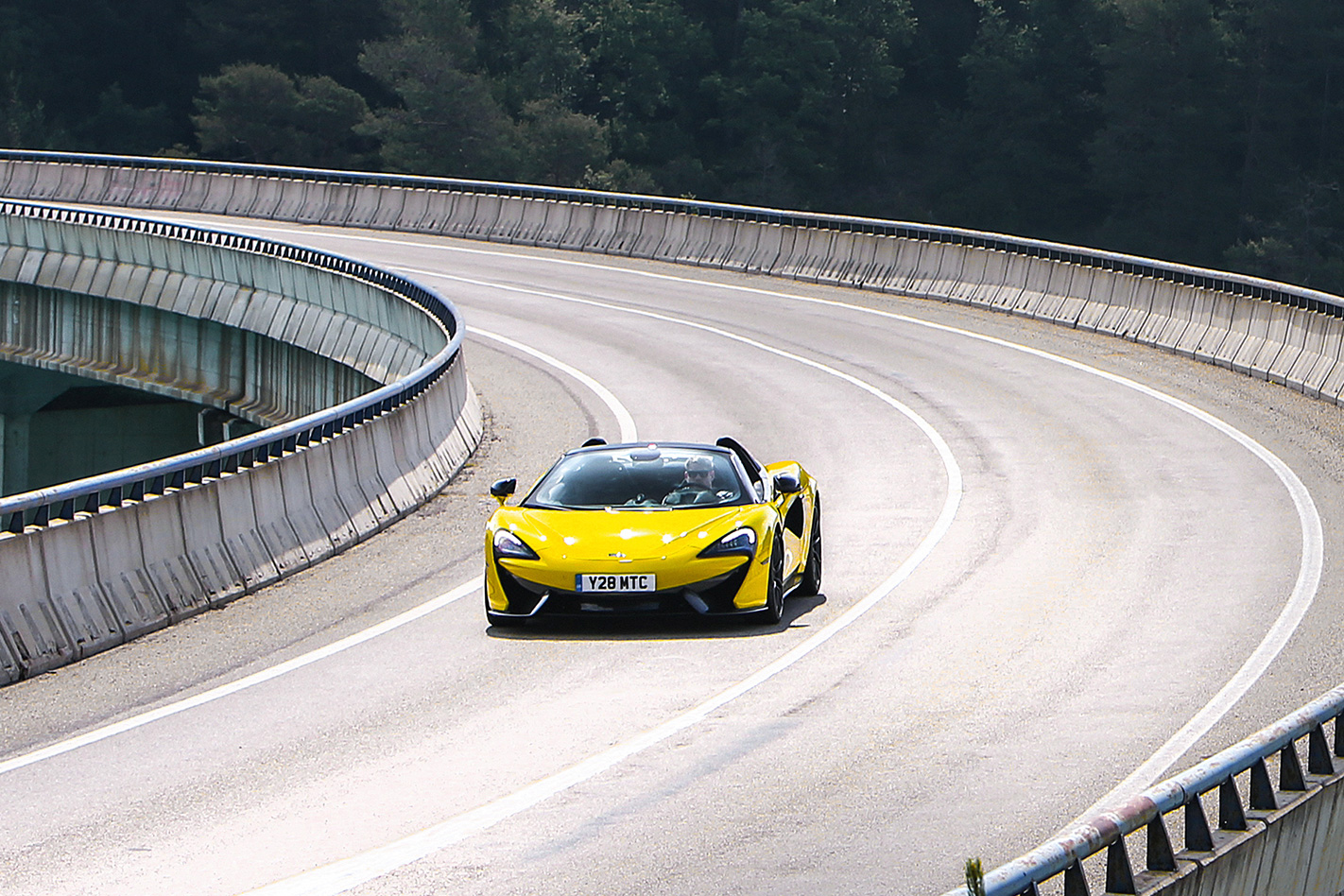
Yet, more often than not such thoughts are nullified by the 570S’s extraordinary driveability, its suppleness and its uncanny talent for keeping your continued enjoyment on an apparently endless feedback loop.
4.5 stars out of 5 Likes: Dynamics retained despite slight weight increase; stupidly rapid Dislikes: Still not the most aurally pleasing
2017 McLaren 570S Spider specs: Engine: 3799cc V8, DOHC, 32v, twin turbo Power: 419kW @ 7500rpm Torque: 600Nm @ 3500rpm Weight: 1359kg 0-100km/h: 3.2sec (claimed) Price: $435,750
FOR THE most part, Nurburgring lap times are meaningless for car buyers, unless you enjoy rattling off headline numbers at the pub to impress your mates.
The ability to set a scorching lap around The Green Hell at the hands (and feet) of a gun driver isn’t going to mean your commute will get any shorter.
However, they are a fun way to measure car performance, and to a number of drivers, the proliferation of track days has turned that into an important metric.
Unfortunately not every Nurburgring lap record holder is available in Australia (Nio NextEV EP9 or McLaren P1 LM anyone?), but here are the ones that are.
Porsche GT2 RS – Lap time: 6:47.3 Price: $645,700
The most powerful 911 in Porsche’s history became the undisputed King of the ‘Ring when the reborn Widowmaker was shown to have completed a 6:47.3 lap.
That makes it the fastest rear-drive production car to lap the Nurburgring, and fastest overall if you discount the McLaren P1 LM and Nio EP9, which are produced in extremely limited numbers.
Powered by a 515kW, 750Nm twin-turbo rear-mounted 3.8-litre flat six, the GT2 RS is even quicker around the Nordschliefe than the Porsche 918 Spyder.
The 991.2 GT2 RS is coming to Australia with a starting price of $645,700, but that’s not factoring in ticked option boxes or the as-yet unpriced Weissach lightweight package.
If Porsche has already approved your purchase of the GT2 RS, you’re in luck. If not, it’s unlikely you’ll be able to buy one until they inevitably arrive on the second hand market with a considerable mark-up.
Regardless of the small numbers, or eye-watering on-road price (even the Chrono package will be optional on the GT2 RS), it’s eligible for this list, and will be quicker than anything else on our roads.
Lamborghini Huracan Performante – Lap time: 6:52.01 Price: $483,866
It may be based on the ‘baby’ Lamborghini, but the Huracan Performante is the quickest thing you can buy from the fellas in Sant’Agata Bolognese.
Its 6:53.01 lap time meant it was the fastest production car to lap the Nurburgring for a brief period of time. It’s important to note that the production record is different to the road-legal record.
Despite being bested by the GT2 RS outright, the Performante remains the fastest four-wheel-drive production car around the Nordschleife.
Want one? You probably won’t be able to walk into a Lamborghini dealer to get your hands on one, but if you are one of the lucky few who has their name on the list, it’ll cost you at least $483,866.
Deliveries have already started, so the track-trained Bull may well be taking to Australian streets near you right now.
Alfa Romeo Giulia Quadrifoglio – Laptime: 7:32.00 Price: $143,900
Here at Wheels HQ, we love Alfa Romeo’s sports sedan and its on-road capabilities (it even conquered the Mercedes-AMG C63 and BMW M3 Competition in our comparison earlier this year).
But it turns out the twin-turbo V6 Italian is also a bit of a weapon on the track, claiming the four-door production car record at the Nurburgring.
The Porsche Panamera Turbo previously held the record with a 7:38 lap, beating a Giulia QV with a manual gearbox. But the Italians weren’t having a bar of that, and returned with the eight-speed automatic Giulia, and set a 7:32 flat to reclaim the title.
Holden SS-V Redline Ute – Laptime: 8:19.47 Price: $52,690
Back in 2013 Holden sent a VF SS-V Redline Ute and test driver Rob Trubiani to the Nurburgring to set a record for the fastest commercial or utility vehicle to lap the Green Hell.
The thing was, at the time of planning no such record had been set. With the aim being an 8:30s circuit, the Holden team cut 35 laps over a week, and eventually shaved 11 seconds off the target time.
The car was completely stock, bar some extra negative camber on the front wheels, but Holden claims that is still within the production tolerances.
Honda Civic Type R – Laptime: 7:43.80 Price: $50,990
The front-wheel-drive record at the Nurburgring is nearly as hotly contested as the outright record, with brands spending big money to outdo each other.
The current front-drive record holder is the new Honda Civic Type R, which is launching in Australia in the coming weeks.
Its 7:43.8 lap time cut just over 5 seconds off the time set by a Volkswagen Golf GTI Clubsport S, but the order could change again once the new Megane RS has a crack.
AUSTRALIA entered 1988 with its metaphorical pockets turned out and empty. Interest rates were soaring and the Aussie dollar was bouncing down below US$0.70 as the economy started to hit the brakes.
Car makers, too, were struggling with their own set of problems. Vehicle import quotas, once used to protect the local industry were falling, as were the tariffs put in place to protect local parts suppliers. A proposal framed a year earlier meant the tariff on new cars was slated to fall 2.5 percent a year from its current 40 per cent to bottom out at 35 per cent by 1992. If you think that tariff was high, you’re right; car making remains the most heavily taxpayer-supported industry, estimated to be around $1.6 billion, or $4000 a car.
The 1988 mid-term review of the Button Plan, shaped to rein in a bloated, inefficient industry, was the framework under which the car makers – Holden, Ford, Mitsubishi and Nissan – would need to evolve under until its expiry in 1992, decided things weren’t moving fast enough for the Government’s liking, and recommended the industry reforms be accelerated. In the same year, Holden and Toyota united to form the United Australian Automotive Industries, with the badge swapping sparked by the union eventually extending to the Corolla/Nova, Camry/Apollo and the Commodore/Lexcen tie-ins.
Other Frankenstein-like models included the Nissan Patrol-based Ford Maverick, the Ford Falcon ute-based Nissan ute, and the Nissan Pintara/Ford Corsair.
In the late 1980s, about 400,000 new cars were being registered each year, about 300,000 of them Aussie-made. Exports, meanwhile, numbered around 2000 in 1988, or 0.6 percent of annual production. Despite the strong numbers, Australia had gained the reputation as having one of the world’s oldest car parks – the average age of our vehicles was an ancient 17 years, despite falling new-car prices. Oversupply wasn’t a problem, as Australia’s manufacturing plants were estimated to be operating only at 50 percent capacity, and many were being crippled by strikes and other industrial action stemming from their heavily unionised workforces.
About 2000 dealerships were spread around the country, employing about 60,000 staff; industry estimates pegged the number of people employed in the automotive industry at about 250,000.
In 1989, the Australian automotive industry built 364,000 vehicles worth almost $6 billion. We were still a relative minnow in the export game – only 5000 locally made models sent to other right-hand-drive markets mark the year’s efforts, and we were making more foreign earnings from complete knock-down kits and parts. That would change in 1990 with Ford kick-starting exports of the Ford Capri to the US, with the number of cars steaming out of ports estimated to climb to 35,000 units.
Models produced at the time included the Mitsubishi Colt and Magna, Toyota Corolla/Holden Nova, Nissan Pintara/Nissan Skyline/Ford Corsair, Nissan Pulsar/Holden Astra, Toyota Camry/Holden Apollo, Ford Laser and Capri, the Holden Commodore/Toyota Lexcen, and the Ford Falcon/Fairlane/LTD.
The Industry Commission launched an inquiry in 1990 looking into the government’s assistance programs, and how they could be tweaked to provide the most benefit to new-car buyers. Wide-sweeping tariff cuts were recommended, causing panic in the industry, but the commission’s report released in 1991 did say the industry was starting to wean itself off the taxpayer’s purse.
Inflation, and the talk of even deeper tariff reforms, continued to gallop along in 1991, forcing Holden to take a serious look at its ability to keep producing four-cylinder engines for export. Costs were estimated to rise by about $50 per car a year, severely capping the growth potential of the business against cheaper Asian rivals. And the first rumbles that the government were taking a serious look at the Industry Commission’s recommendations surfaced, with plans to cut tariffs to 15 percent by the year 2000.
Then, by 1992, after 20 years of building cars here and with the Button Plan’s reckoning that the Australian industry could only support a big three industrial car makers ringing in its ears, it had all become too much for Nissan. Struggling with a rising yen soaring even higher against a weak Aussie dollar, and with a string of mounting annual losses, the car maker pulled the pin, its Pintara and Skyline becoming something of Aussie orphans even as its broken race car crushed the field at the rain-soaked and bastard-packed Bathurst.
IF YOU’VE been patiently counting down the days until Alfa Romeo reveals a new front-engined, rear-driven two-door sports car – the kind of vehicle that used to be the Italian marque’s bread and butter – salvation is in sight.
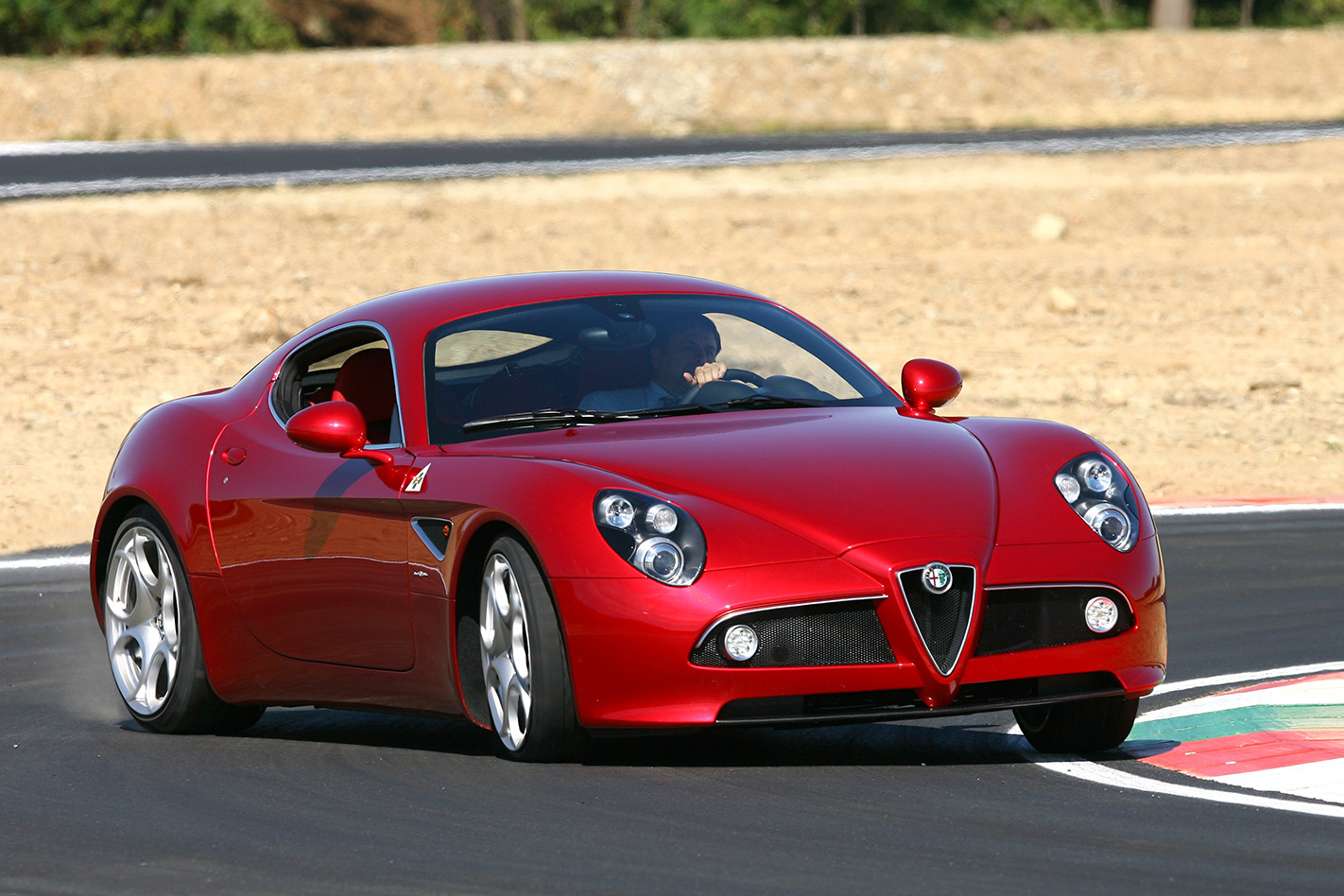
In amongst the six as-yet-unannounced models on Alfa Romeo’s product roadmap, there’s one slot for a vehicle defined simply as “specialty”. That’s the same category occupied by the current carbon-tubbed, mid-engined 4C coupe and 4C Spider, but Alfa’s upcoming sports car isn’t expected to follow the 4C’s template.
Instead, signs point towards a return to the traditional Alfa values of an engine up front, the driven wheels at the back and two doors in the middle. The most likely outcome is a coupe version of the excellent Giulia.
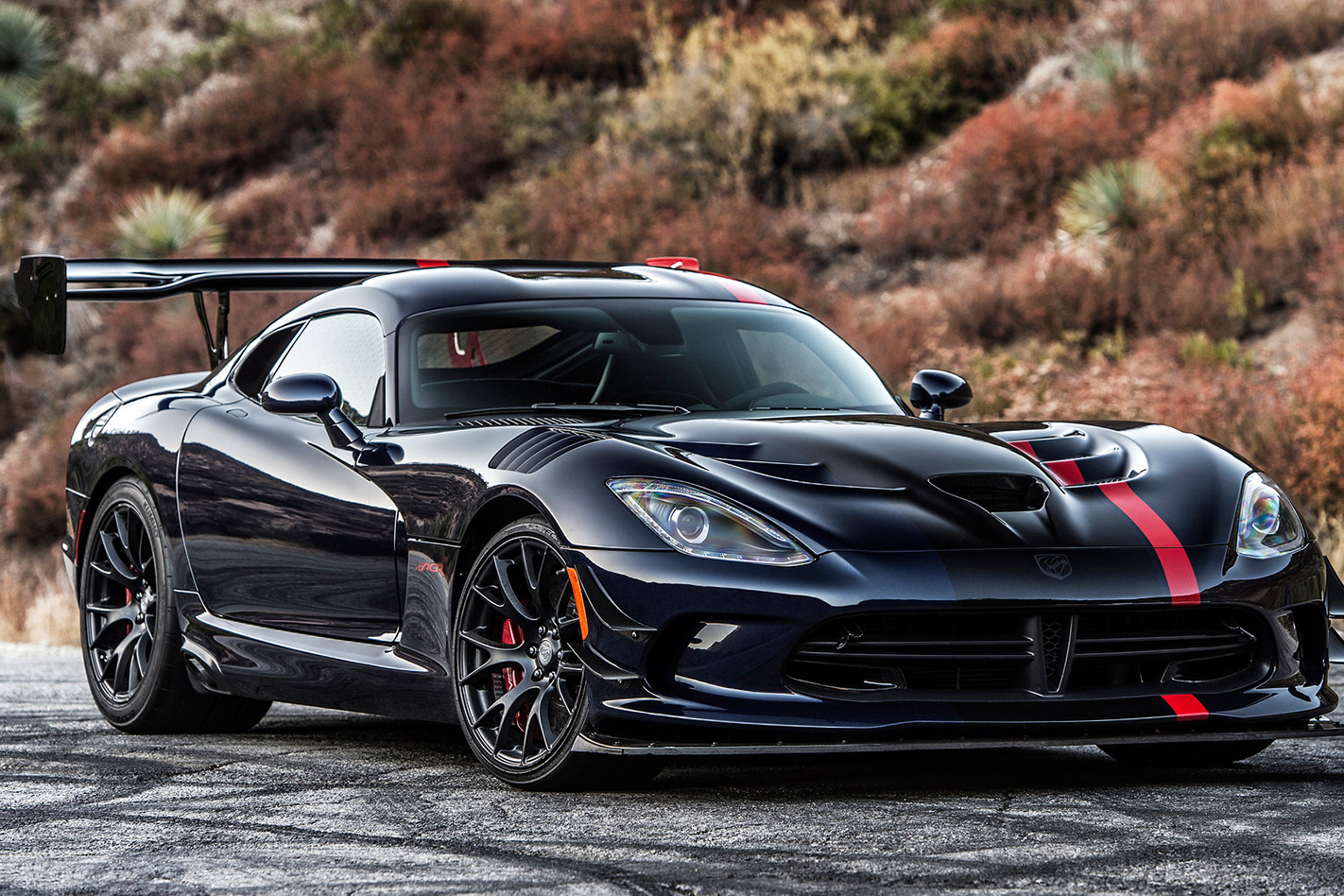
And if there’s anyone on the planet that knows how to design a sexy RWD two-door coupe, it’s the guy who designed the final-generation Viper: Alfa Romeo’s head of design Scott Krugger.
“I think the Giorgio platform, being something that’s extremely performance-based, the potential of what we can do with this platform is proven with Giulia Quadrifoglio,” Krugger told Wheels.
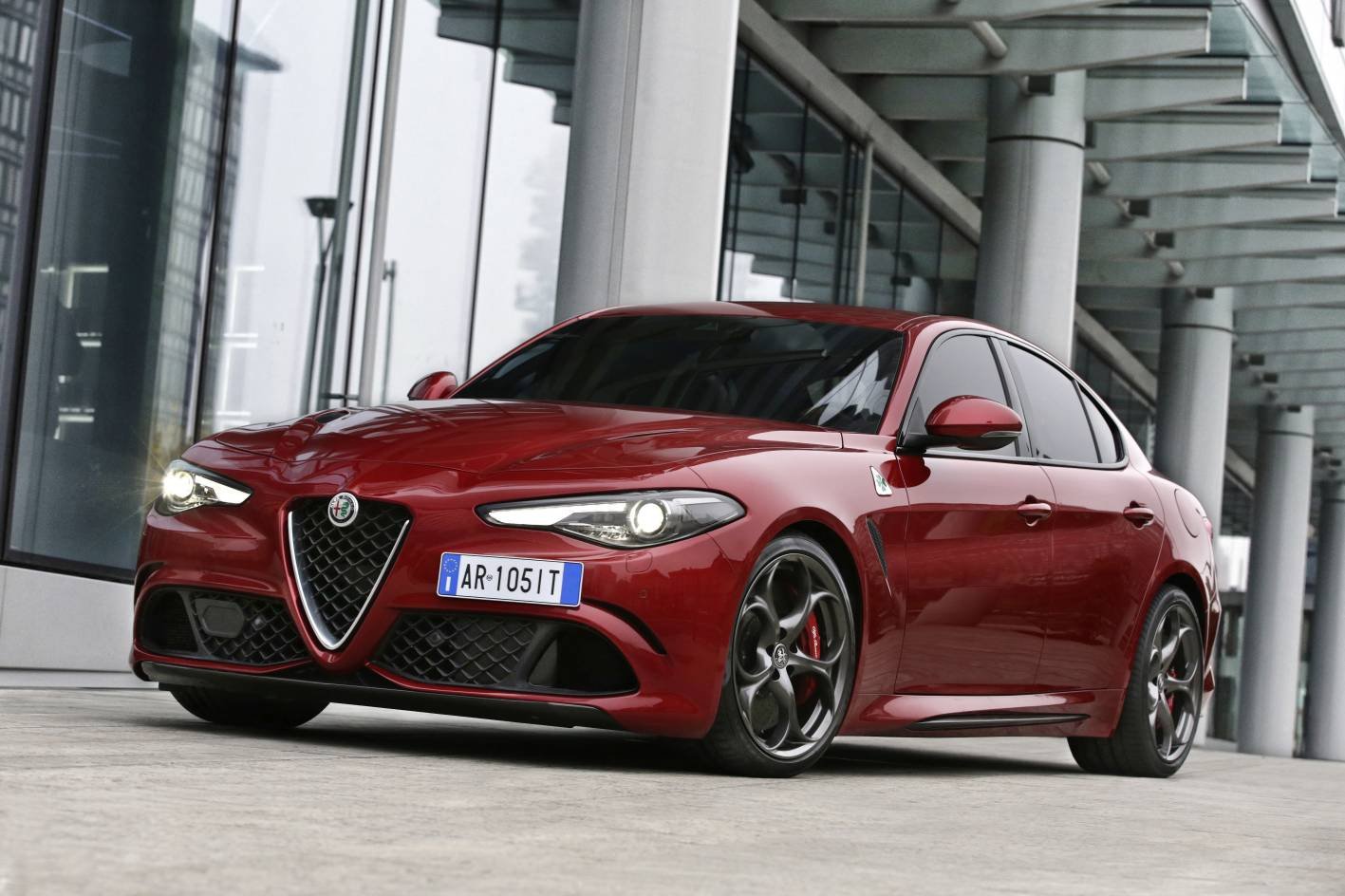
There’s more opportunity for sales volume with the former, but a low-slung sports car with a selfish two-seat configuration is familiar territory for Krugger.
Asked if his experience with designing the Viper – one of the most aggressive-looking American sports cars of modern times – was a key factor in his appointment as Alfa Romeo’s top design man, Krugger said he wasn’t sure.
“I never really asked that question as to ‘why me’,” he said.
“I’ve asked it to myself, but the experience that I have in terms of developing vehicles, I like to bring wherever it’s needed, for whatever vehicle type is needed.”
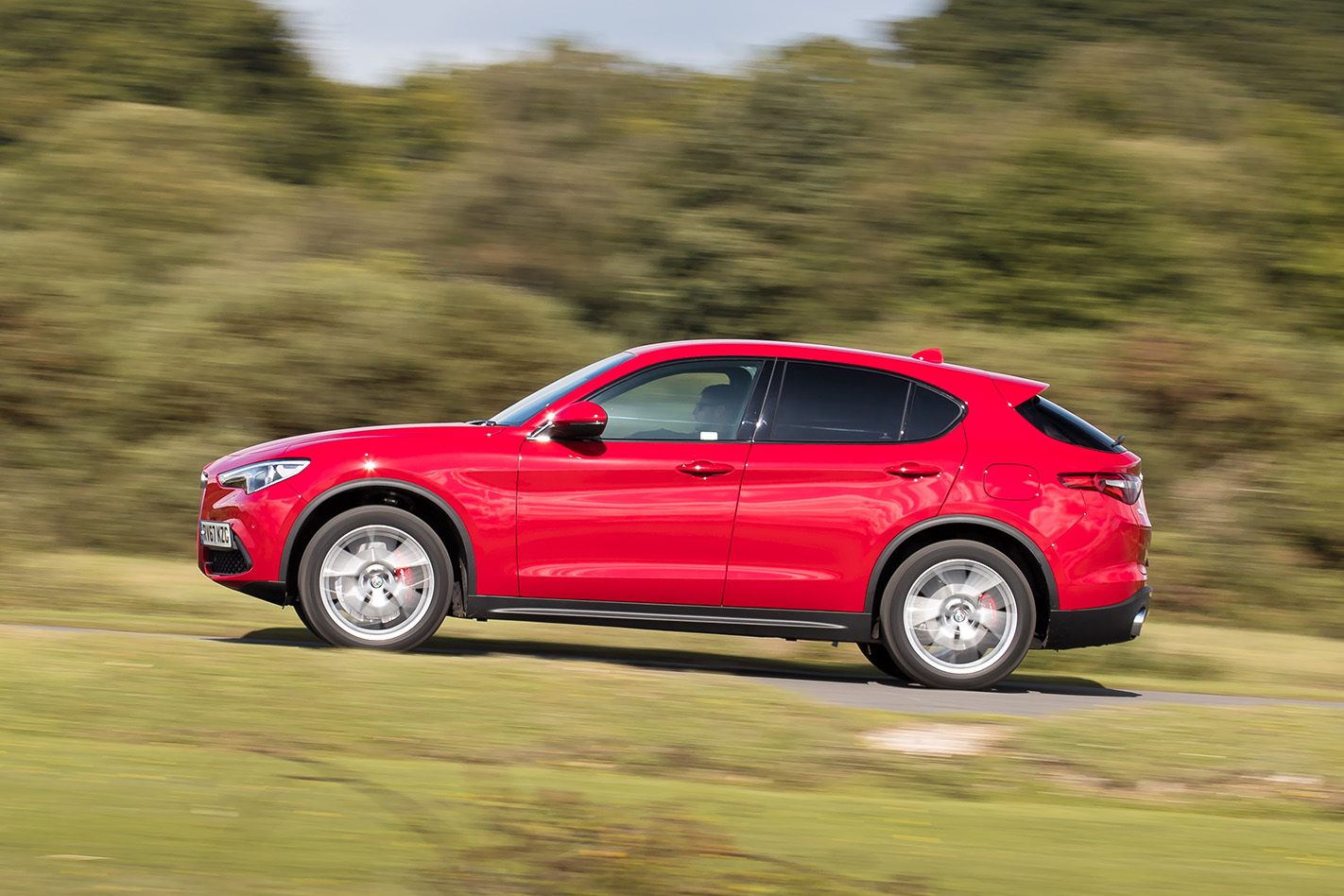
“From a personal standpoint, it’s just exciting. For me right now I’m just doing my part to maintain [Alfa Romeo’s] historical value.
“As for the future, time will tell and we’ll see where we go next!” Krugger said with a wry smile.
A sports car (or perhaps two) isn’t the only thing looming on Alfa Romeo’s horizon, however.
Volume-selling models like the Giulia and Stelvio will be augmented by a large X5-sized SUV and a 5 Series/E-Class sized large sedan over the next few years. All are expected to utilise the flexible Giorgio platform, and debut ahead of Alfa Romeo’s next gen sports coupe.
A small car is also planned as a replacement for the ageing Giulietta, but is not expected to surface until just before the end of the decade. Whether the Giorgio platform can scale down small enough to suit a C-segment hatch or sedan remains to be seen, and there’s also the possibility Alfa may elect to replace it with a more fashionable compact SUV.
The original Volkswagen Golf GTI was a legend – a front-drive go-kart that became an icon for Euro kids who wanted a sports car, but couldn’t afford one.
This was first published in MOTOR’s March 2009 issue.
But let’s not forget the French are past masters of the hot-hatch genre, too. While the GTI eventually lost its teen spirit and became an aspirational lifestyle choice for the iPhone brigade, Renault persisted with the basic formula, resulting in its latest contender for a paper crown – the Renaultsport Twingo 133.
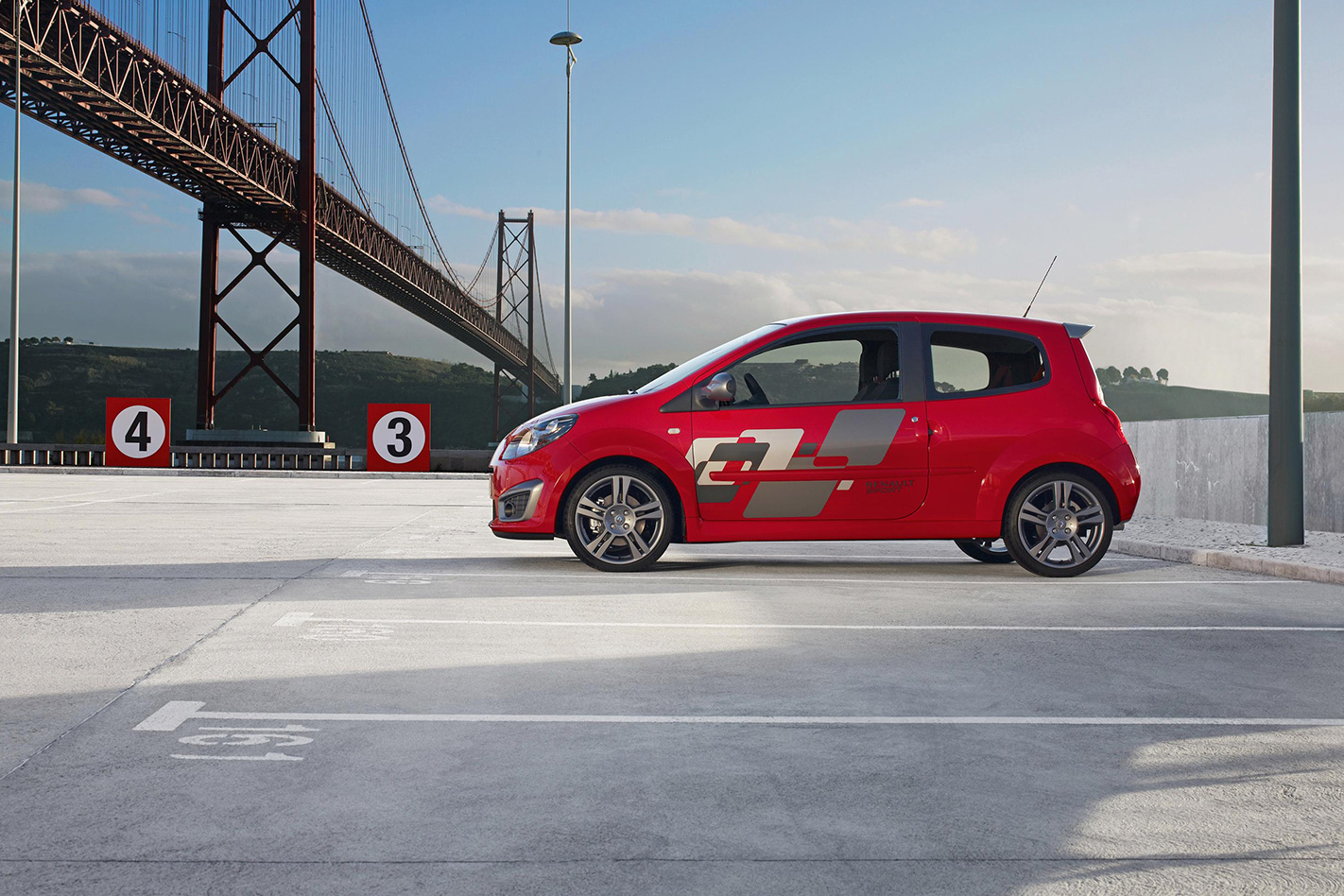
Right now, this is just about the only fun car much of the population can afford, and soon it might be the most fun we’re allowed to have. The hot-hatch isn’t just for the kids anymore. Get ready for a neccessity-born renaissance.
As its 1.6-litre engine screams its intent, and as its chassis skips through bends, teetering on the verge of lift-off oversteer, the Renaultsport Twingo proves that may not be a bad thing. Feisty hot-hatches deliver fun for all ages and this is one of the purest around – complete with fully switchable ESP and the deletion of emergency brake assist to allow for total driver control.
A mangled version of Twist, Swing and Tango, the Twingo started its lowly life as a cheaper version of the mass-market Clio – Euro white goods for those without the luxury of choice. And this Renaultsport version could be considered a bad joke, as it offers just 98kW (which is 133ps, hence the name) from a naturally aspirated 1.6, and may struggle to out-power an asthmatic’s cough.
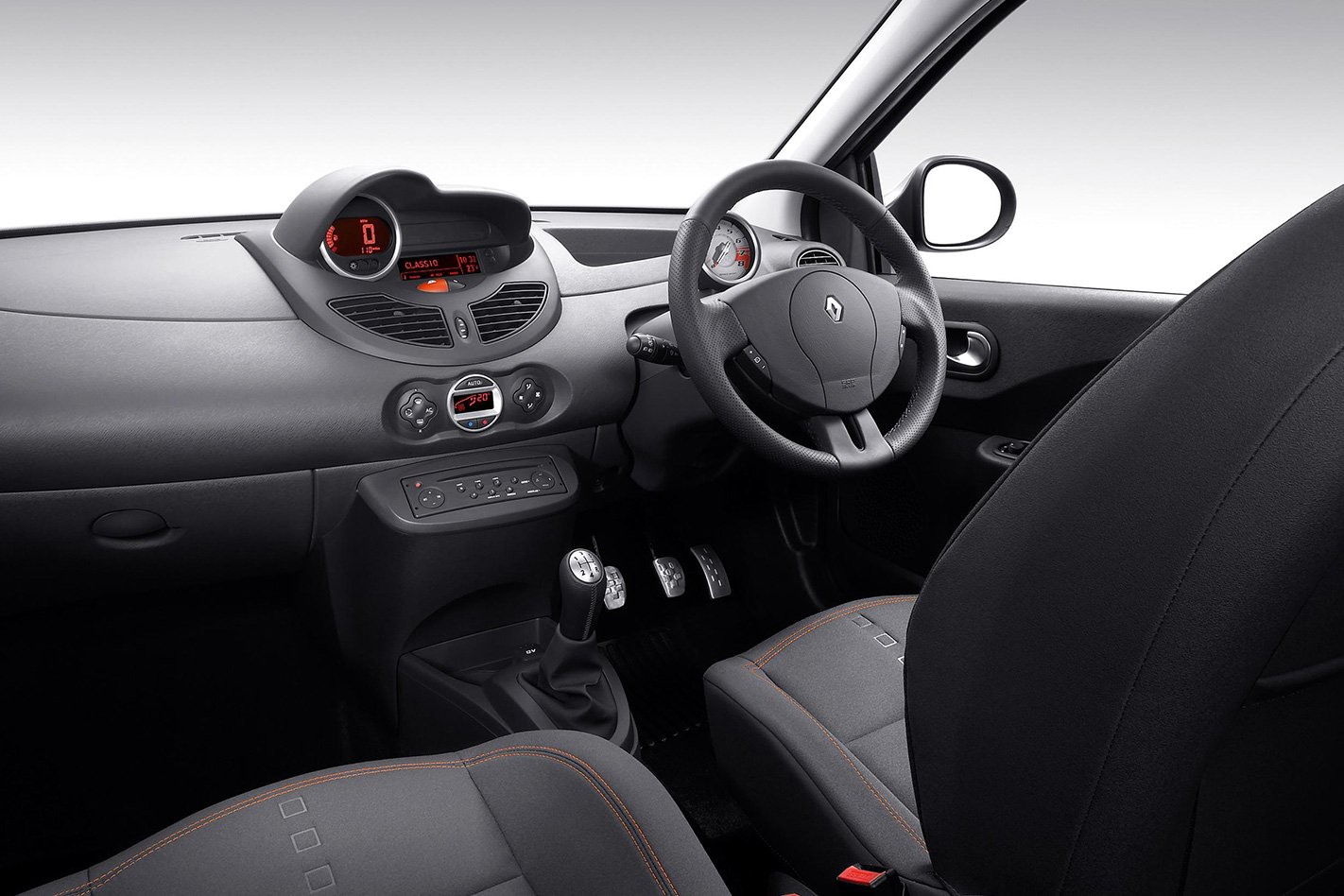
They might be plasticky, and the overall effect about as intimidating as a fluffy pillow, but they suit it to a tee. Inside, there’s orange-stitched sports seats, a pod-mounted tacho, orange LCD displays from an ’80s video game, and you can even specify pedal covers with Pause, Stop and Play.
It isn’t as cool as the Fiat – the edges are too rough for that – but it’s certainly trying. Despite its modest 98kW, the Twingo will hit 100km/h in 8.7sec and can top 201km/h given enough clear road. But it does it in such a riotous, raucous fashion that these low speeds become part of the fun.
It’s one of those cars that employs all of its power, all of the time, although what this does for real-world fuel economy is a fact best brushed under the carpet. Storming off the line in first gear with the wheels scrambling for grip and the engine screaming, the Twingo feels as fast as cars twice as quick, costing twice as much.
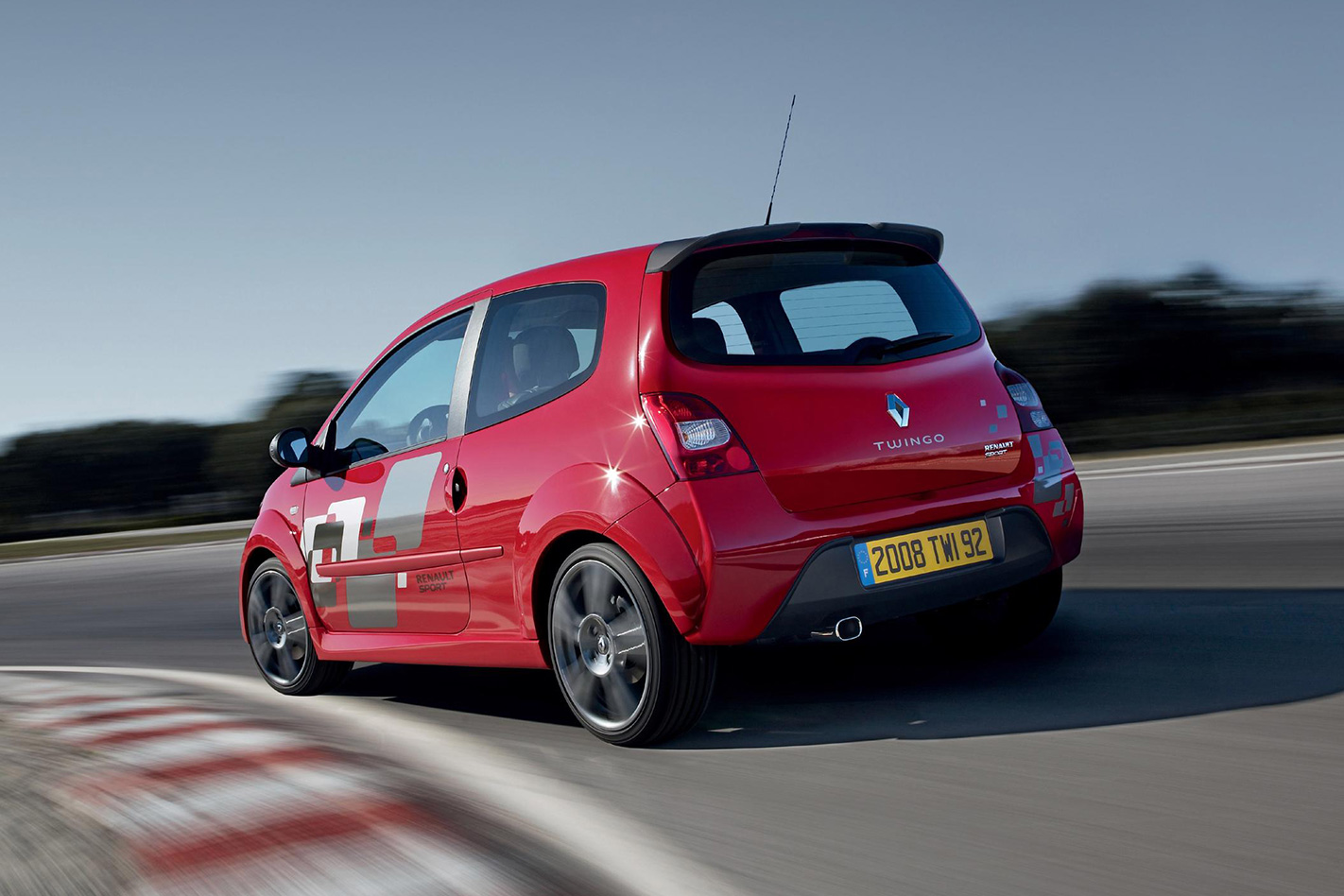
That, combined with an aggressive suspension set-up, is what makes the Renaultsport Twingo dynamic magic. The springs and dampers are 30-percent stiffer than a Twingo GT’s and drop the ride height by 10mm. The front and rear tracks are 59mm and 60mm wider, the front wishbones are aluminium and there’s a thicker rear anti-roll bar.
There’s an even more hardcore Cup set-up, too, that is 10-percent stiffer again, drops the ride height a further 4mm and wears anthracite 17s with 195/40R17 rubber. This is the front-drive go-kart of yesteryear. Throw it into a bend and the understeer dialled-in to most new cars as a safety net is barely detectable.
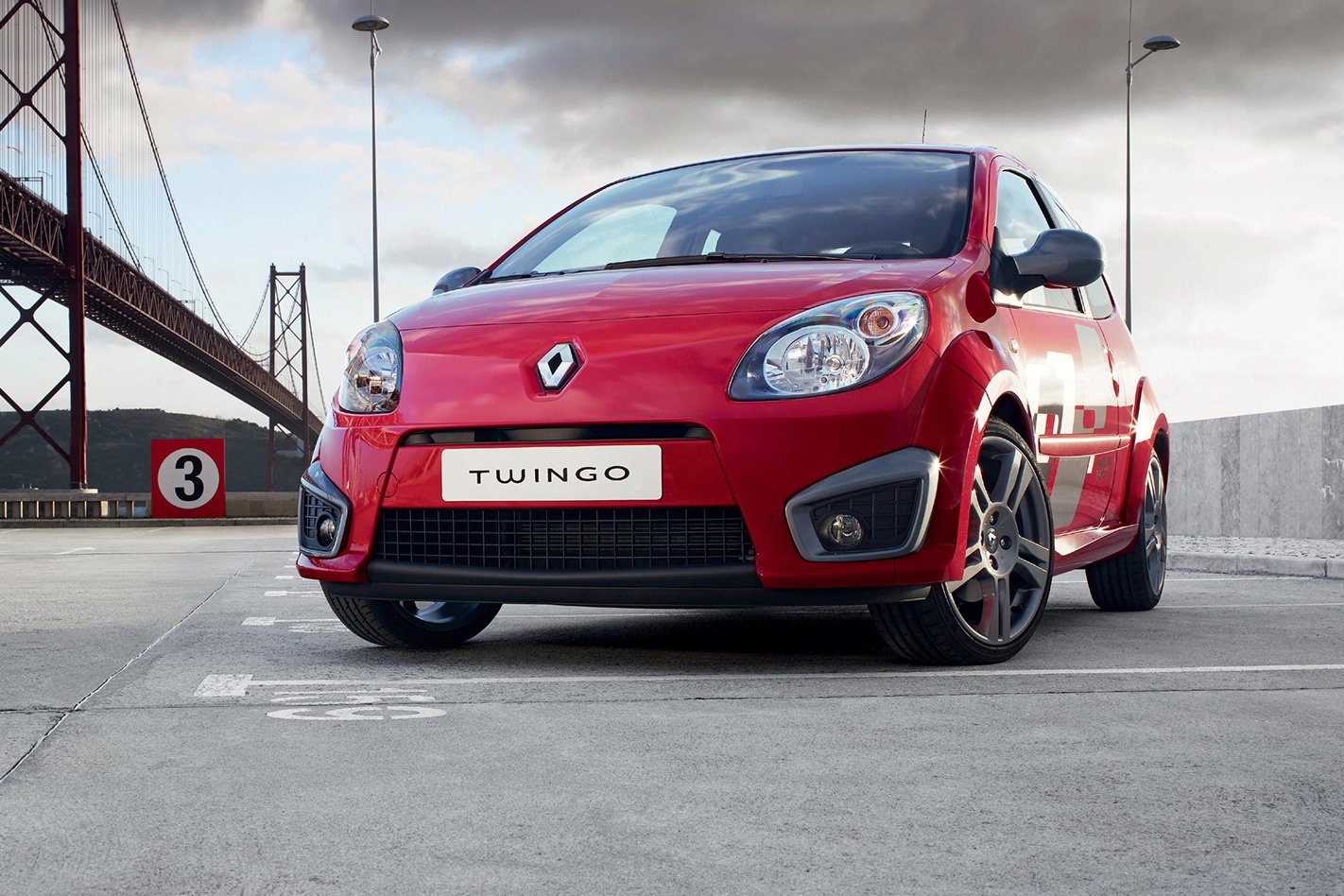
It’s a fantastic drive and it always puts a smile on your face, which is a rare quality at any price. Unfortunately, Renault told us the uncompromising Twingo 133 won’t be coming to Oz. But we can’t help thinking that’s an opportunity missed. Mini-rivalling dynamics and Euro chic for an affordable price?
Makes sense to us.
2009 RenaultSport Twingo 133 Specs: Engine: 1598cc 4cyl, DOHC, 16V Power: 98kW @ 6750rpm Torque: 160Nm @ 4400rpm Weight: 1049kg Top Speed: 201km/h (claimed) 0-100km/h: 8.7sec (claimed) Price: $25,000 (estimated)
Lexus has officially launched its next-generation LS 500 which will arrive in Australia in April 2018.
Built on the all-new GA-L platform, Lexus’s flagship sedan is powered by a choice of an all-new 3.5-litre twin turbo V6 engine or new Multi Stage Hybrid System, in Sports Luxury or F Sport (above) specifications.
Lexus’ Mercedes-Benz S-Class rival is longer, wider and lower than the model it replaces. Its 3125mm wheelbase boasts a 158mm stretch compared to the existing normal-wheelbase model, and 33mm over the long-wheelbase model.
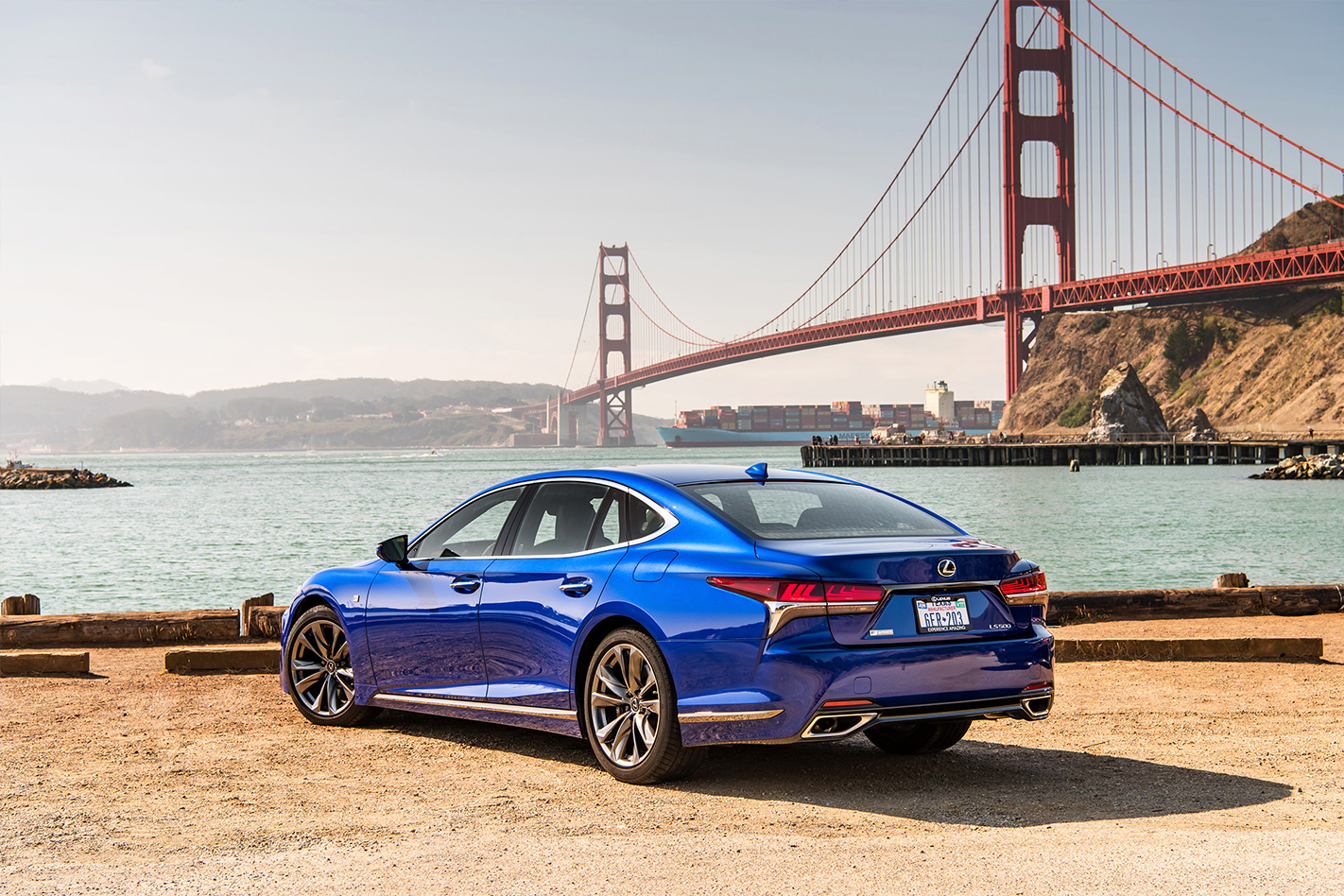
The spacious cabin features appointments and aesthetics inspired by Japanese culture, such as the subtle interior ambient lighting and ‘floating armrests’.
Infotainment hardware includes the latest version of Lexus’ Remote Touch Interface, designed to mimic smartphone operation and support handwritten input, a 12.3-inch wide navigation display and 600mm colour head-up display (HUD) that projects driver information on the windscreen.
The rear seats can be fitted with extendible ottomans to capitalise on the LS’ exceptional legroom, and also incorporate both heating and massage functions. In the Sport Luxury model, the seat behind the front passenger can recline up to 48 degrees and the base tipped forward up to 24 degrees to assist with exiting the vehicle.
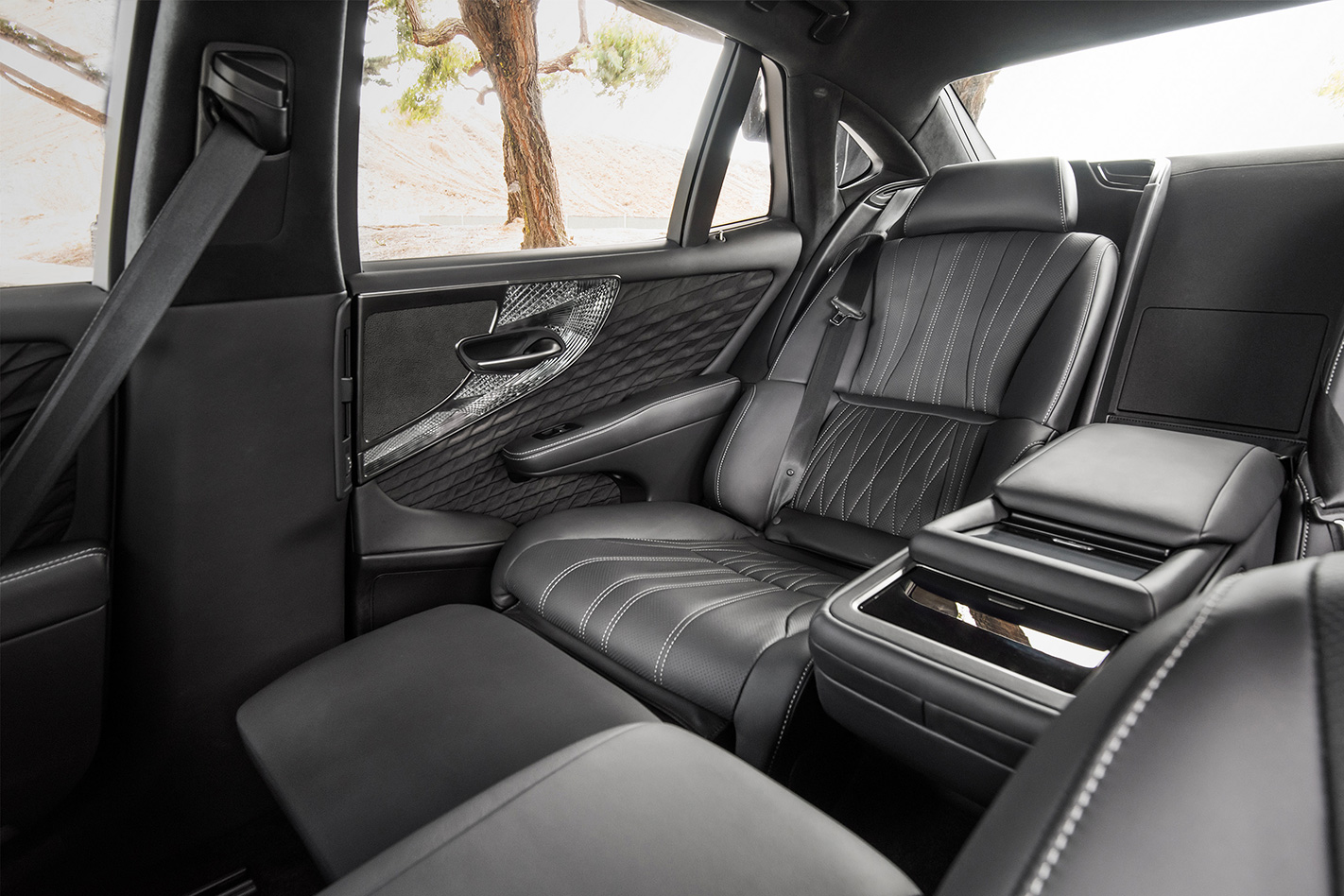
Interior comfort is enhanced by new sound suppression with Active Noise Control system that works like noise cancelling headphones to reduce engine noise and other sound.
These speakers also pump out your favourite music via a Mark Levinson premium surround sound system, which will come standard on all Australian-delivered LS vehicles.
Four interior colour schemes will be available in the Sports Luxury models, plus three for the F Sport. There will also be seven interior trim choices, including the exclusive Naguri-style aluminium for the F Sport.
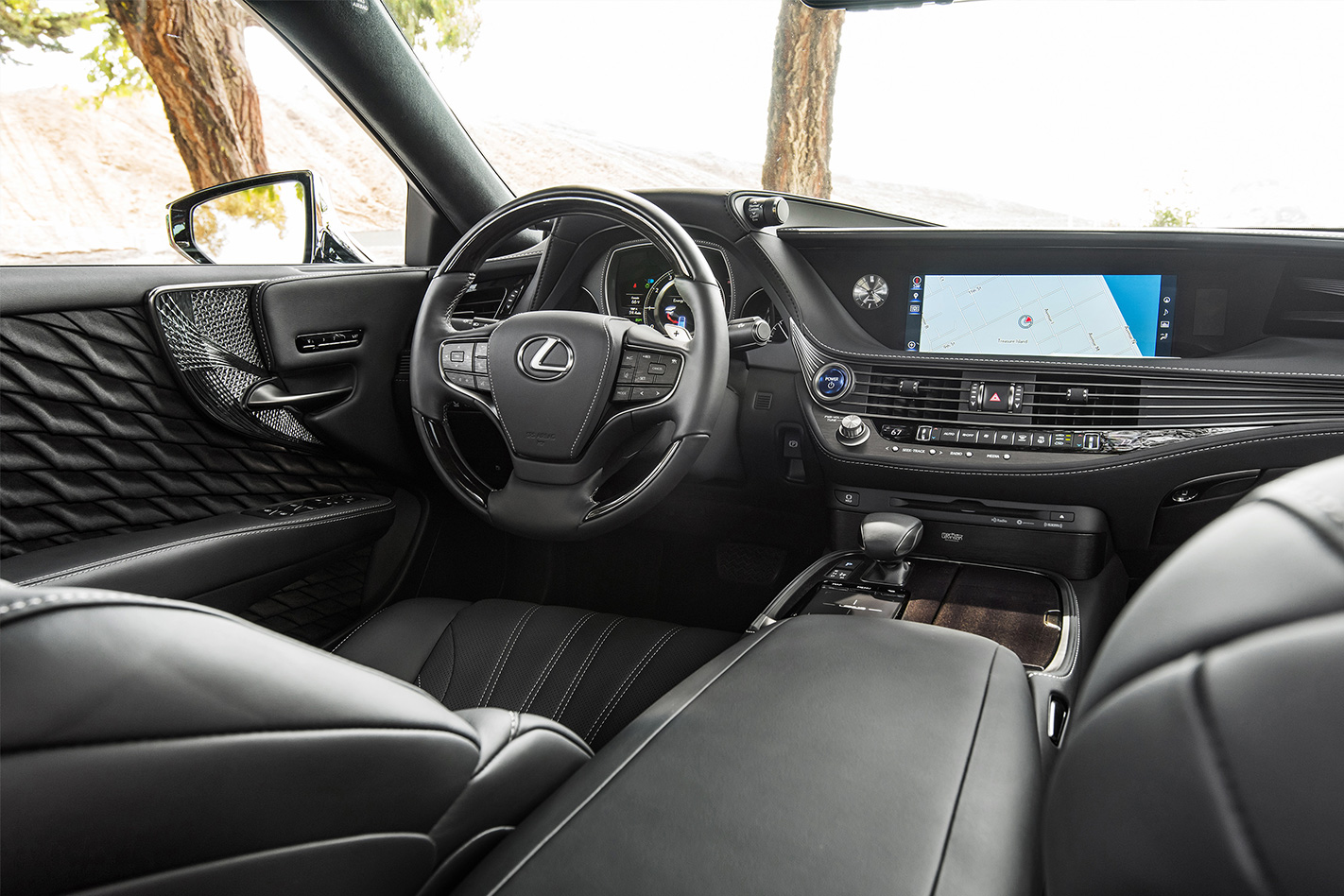
Passenger comfort aside, the 2018 Lexus LS is also very much designed with the driver in mind.
The powerful twin-turbo V6 pumps out 310kW and 600Nm of torque, easily eclipsing the output of the 285kW/493Nm of outgoing car’s 4.6-litre V8.
The LS also shares the Lexus LC 500’s 10-speed automatic transmission, which anticipates the driver’s input by monitoring acceleration, braking and lateral-g forces to ensure the car is always in an appropriate gear.
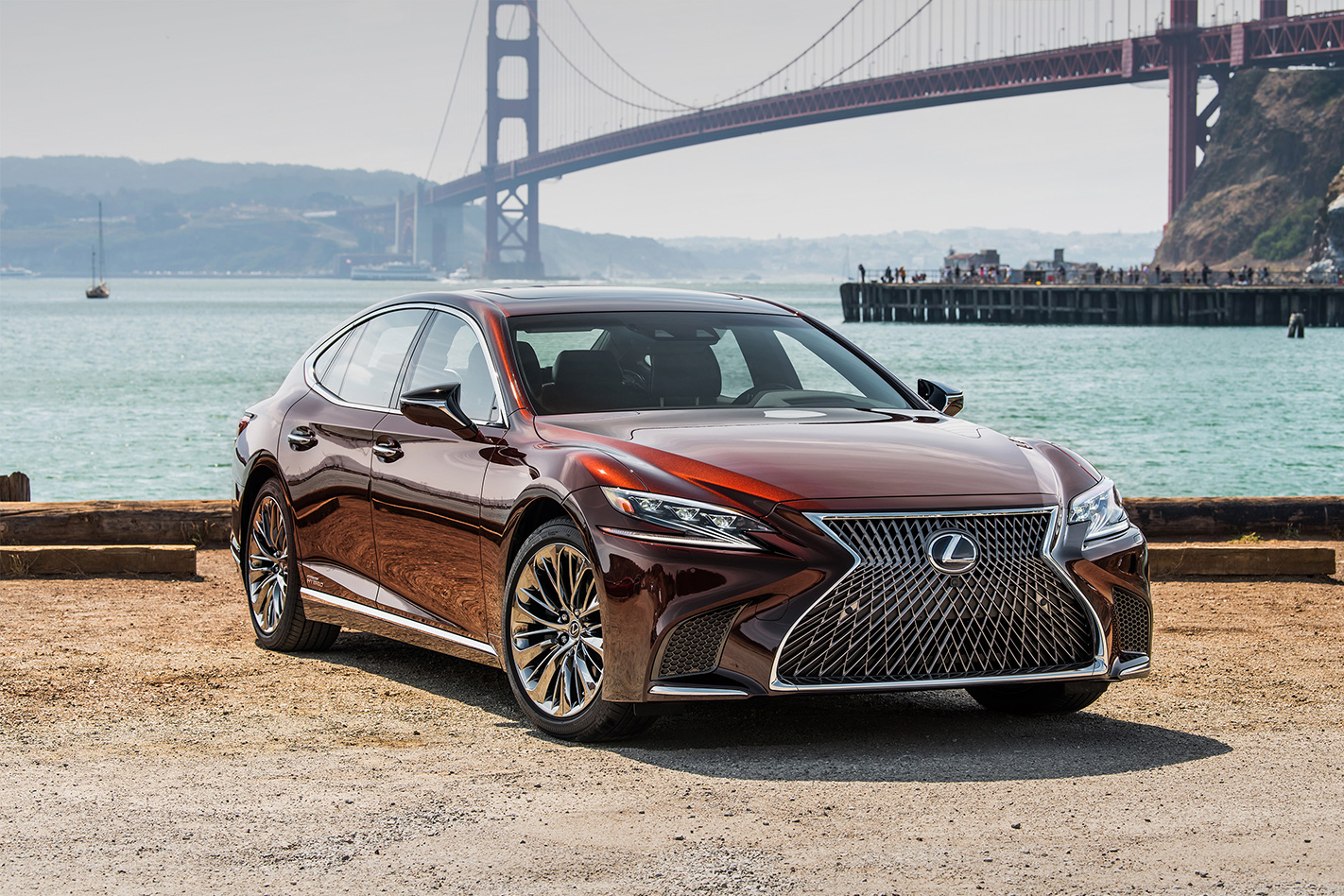
Lexus says it has tuned the powertrain to deliver instant acceleration, with the V6 powertrain able to propel the big luxury sedan from 0 to 100km/h in 5.0 seconds.
Meanwhile, the hybrid powerplant, which debuted in the LC 500h coupe, combines a naturally aspirated version of the 3.5-litre V6 petrol engine with two electric motor/generators and a lightweight lithium-ion battery.
It allows for more electric assistance at lower vehicle speeds and enables the LS 500h to operate on batteries alone at speeds up to 140km/h. However, while many luxury rivals are rolling out plug-in hybrids across their ranges, Lexus’ flagship hybrid won’t have the ability to top up its battery from a power point.
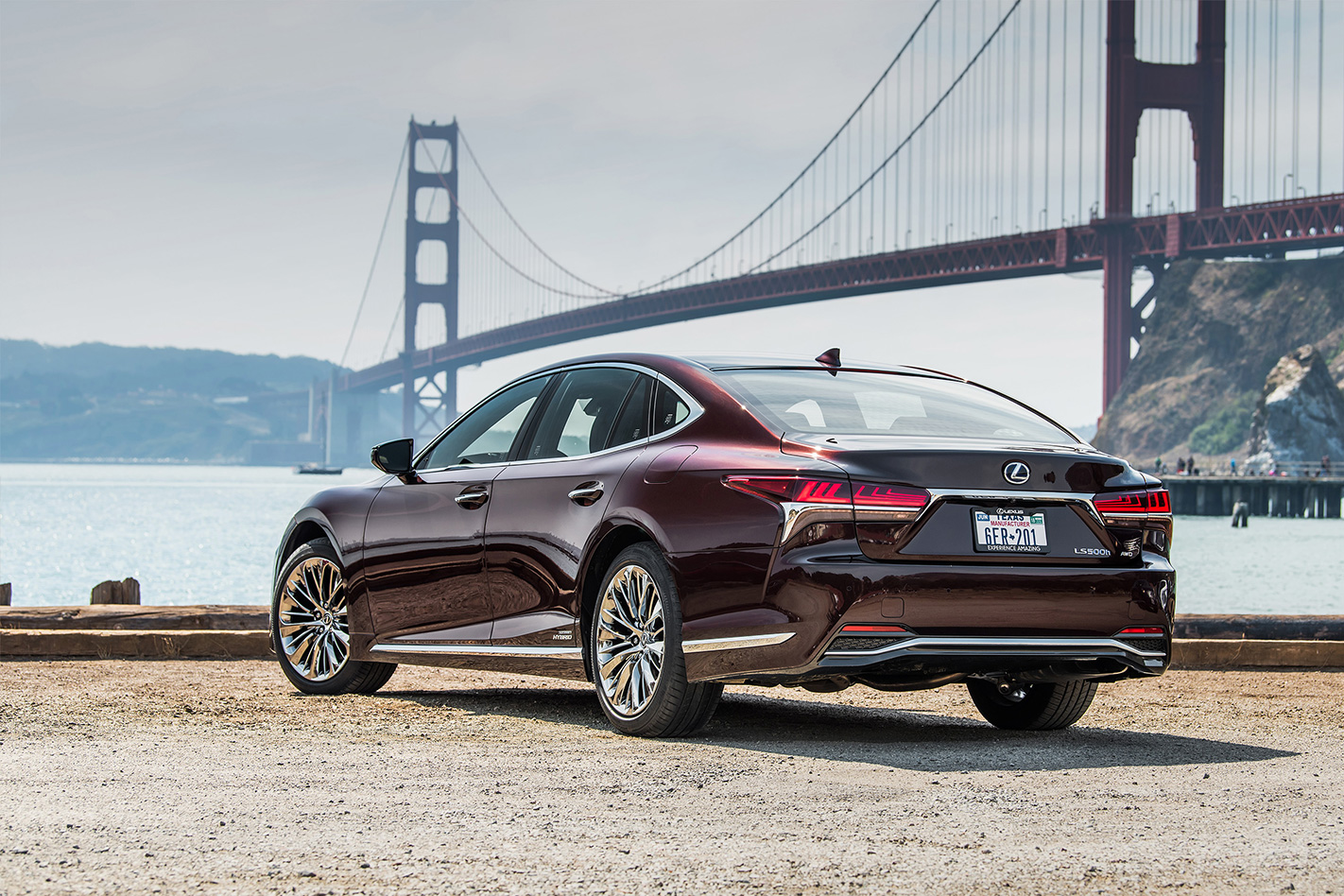
Air suspension and a more torsionally rigid bodyshell also help the new LS deliver on Lexus’ claim that its new flagship sedan will be the best-handling, most comfortable and quietest LS to date. This will particularly be the case in the F Sport models, which will feature an enhanced chassis tune for greater driving dynamics without compromising comfort on the 20-inch alloy wheels.
All versions of the LS are equipped as standard with Lexus Safety System+ featuring active safety features that can help the driver avoid or mitigate a collision, including Pre-Collision System (PCS) (designed to detect vehicles and pedestrians), adaptive cruise control, lane-keep assist, lane departure warning, sway warning function, and adaptive high-beam system, rear-cross traffic alert.
Australian Lexus LS pricing will be revealed closer to its April arrival.
Gosford Car Museum will hold an exotic vehicle auction on Saturday October 28, with a Mercedes-Benz McLaren SLR, Porsche Carrera GT and 959, Lamborghini Miura, Jaguar XJR-15 and Phase III Falcon GTHO all set to fall under the hammer in the 70-vehicle sell-off.
The exotic and classic car museum, which collector Tony Denny opened on the New South Wales’ Central Coast in 2016, describes the multi-million-dollar sell off of several cars as “essential [to] make room for the exciting new collections waiting in the wings.”
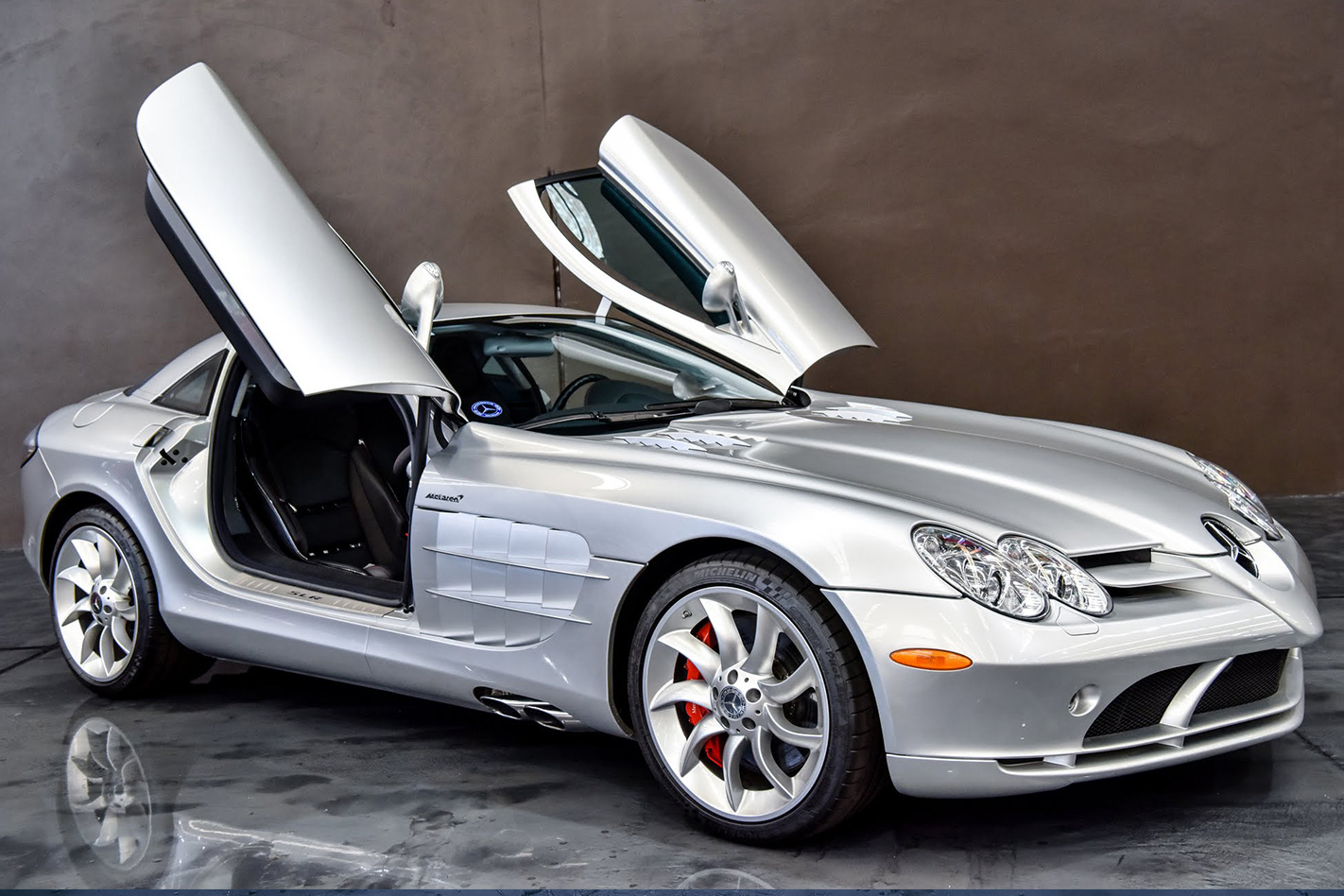
Headlining the vehicles ready for bidding is a 2006 Mercedes-Benz McLaren SLR. Imported from New Zealand in 2015, the 5.5-litre supercharged V8 exotic has just 11,000km showing on its odometer, and is marketed as one of fewer than 1500 produced from 2003 until 2010.
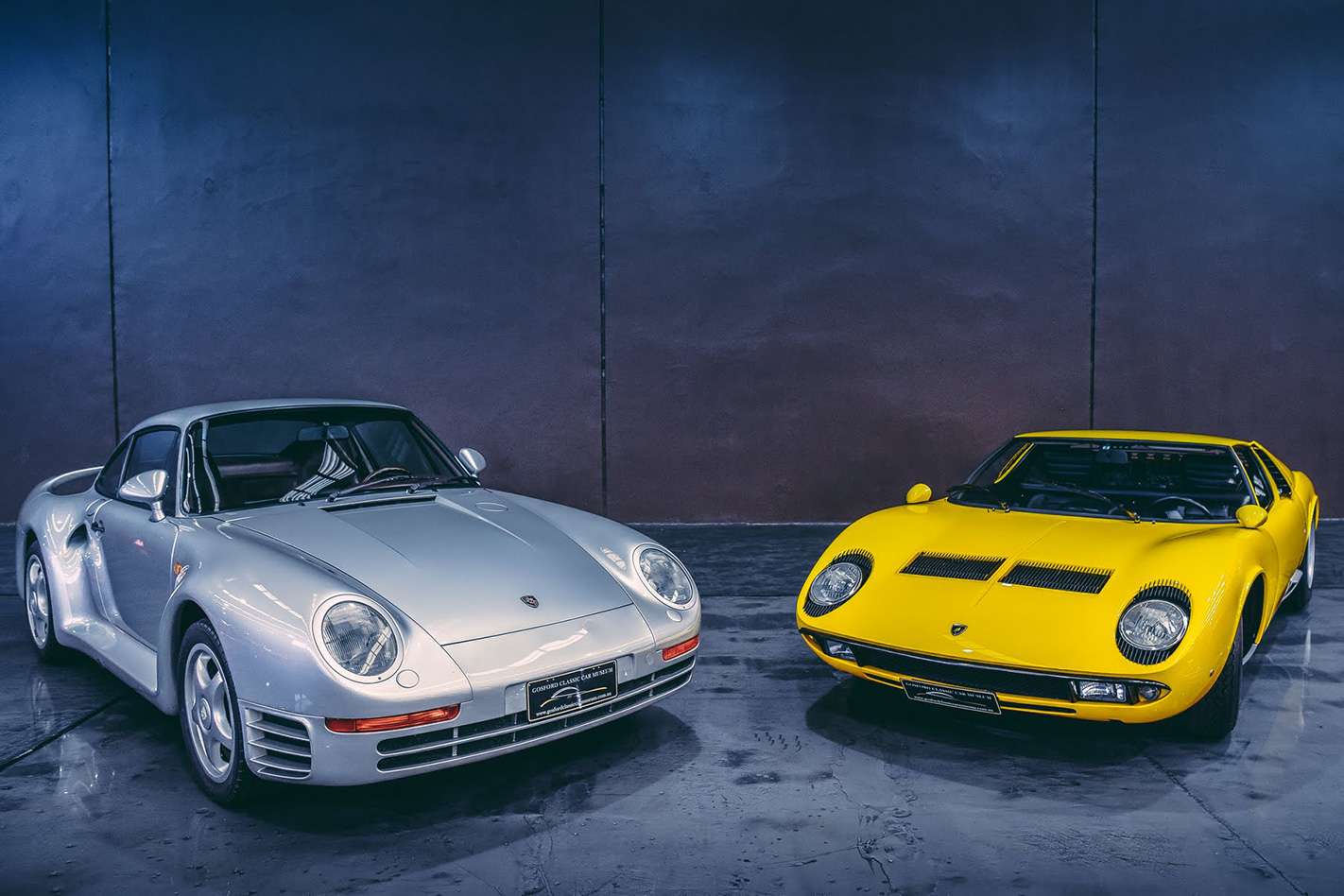
From the same company but a previous era, a 1988 Porsche 959 Komfort has had its 2.8-litre twin-turbocharged flat six-cylinder engine firing for 21,157km – and hopefully at least once to the aluminium-bodied, all-wheel drive pioneer’s 319km/h top speed. New, it was the quickest production car in the world.
One year into the 1990s and the Jaguar XJR-15 brainchild of Tom Walkinshaw Racing will be one of the rarest cars offered at the auction, with 53 units of the first-ever carbonfibre- and kevlar-built production car made between 1990 and 1992. Available only in navy blue, the vehicle was imported to Australia from the UK five years ago, with 438 miles showing.
And from decades prior, a 1968 Lamborghini Miura in “concourse” condition – after two owners in France it was in the 1990s sent to Japan for ground-up restoration – was just one of the 474 P400 Miura made from 1966 to 1968, complete with a 3.9-litre V12 engine.
From the same 1971 Bathurst event, but a genuine racecar, comes a 1971 Chrysler Valiant VH Charger driven 118 laps by Graeme Ritter and Brian Reed and which finished 16th in its class. Complete with original engine/chassis numbers and livery, it was one of 316 E38s.
Other Aussie metal includes a 1954 Holden FJ ute, 1961 Holden EK Special Sedan, 1969 Falcon XT GT, 1973 Leyland P76 V8, 1978 Falcon XC Cobra and 1978 Holden Caprice.
From Blighty comes a gorgeous 1966 Aston Martin DB6 Vantage, a Jaguar E-Type from the same year and a 1970 Ford Lotus Cortina among others.
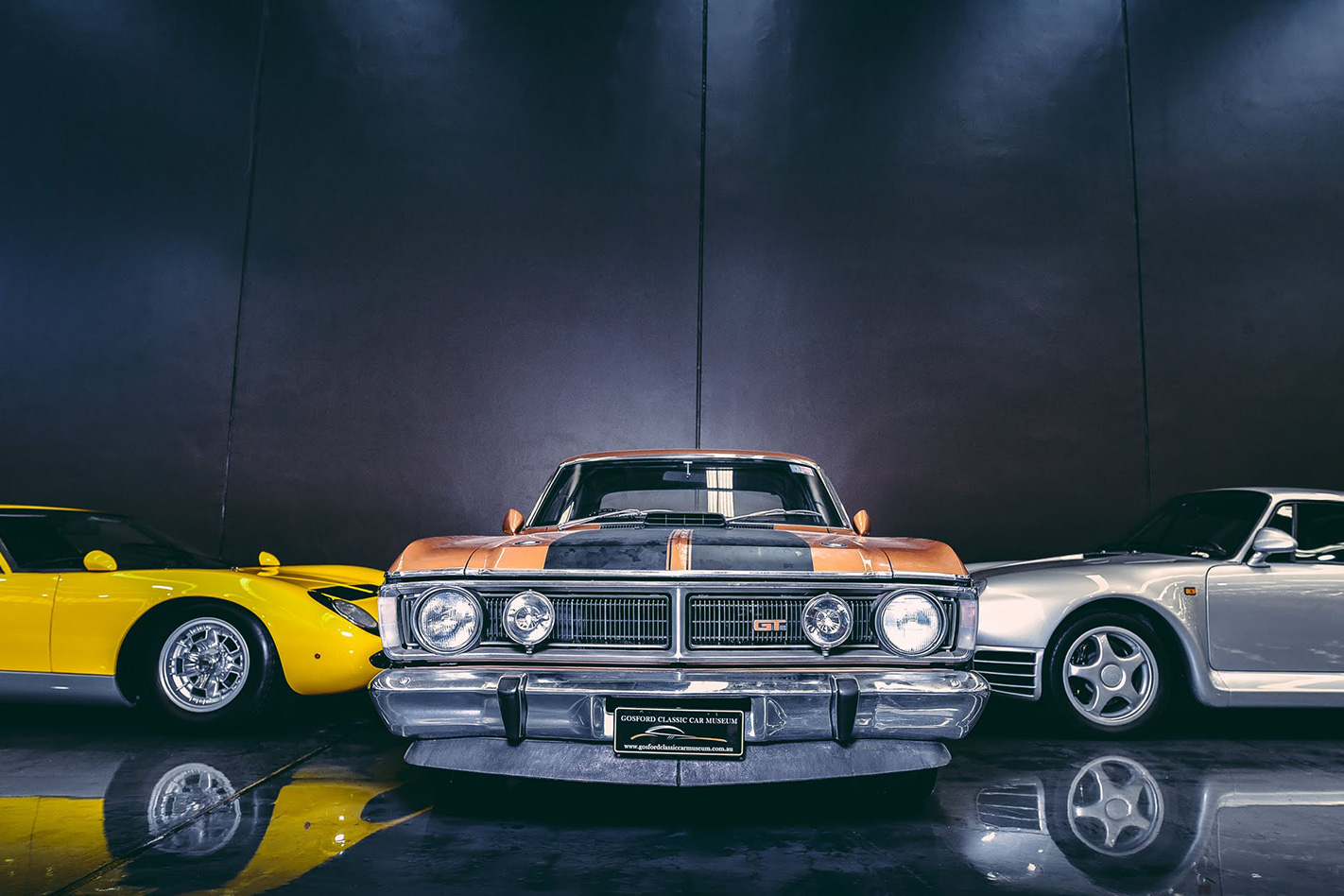
From Japan there is also a mint 1981 Datsun 280ZX and 1970 Mazda Cosmos available, while a 1990 Formula Vee racer will also be auctioned off for the charity NSW Kids In Need.
Gosford Car Museum will host what will become one of Australia’s most expensive vehicle auctions on Saturday October 28, with the event run by Pickles Auctions. General admission tickets will be available for $25 and around 1500 people are expected to attend – although online bidding will also be available via a Pickles Live smartphone app.
The full list of vehicles available is at classiccars.pickles.com.au
Holden Special Vehicles already make the greatest muscle car Australia has ever seen.
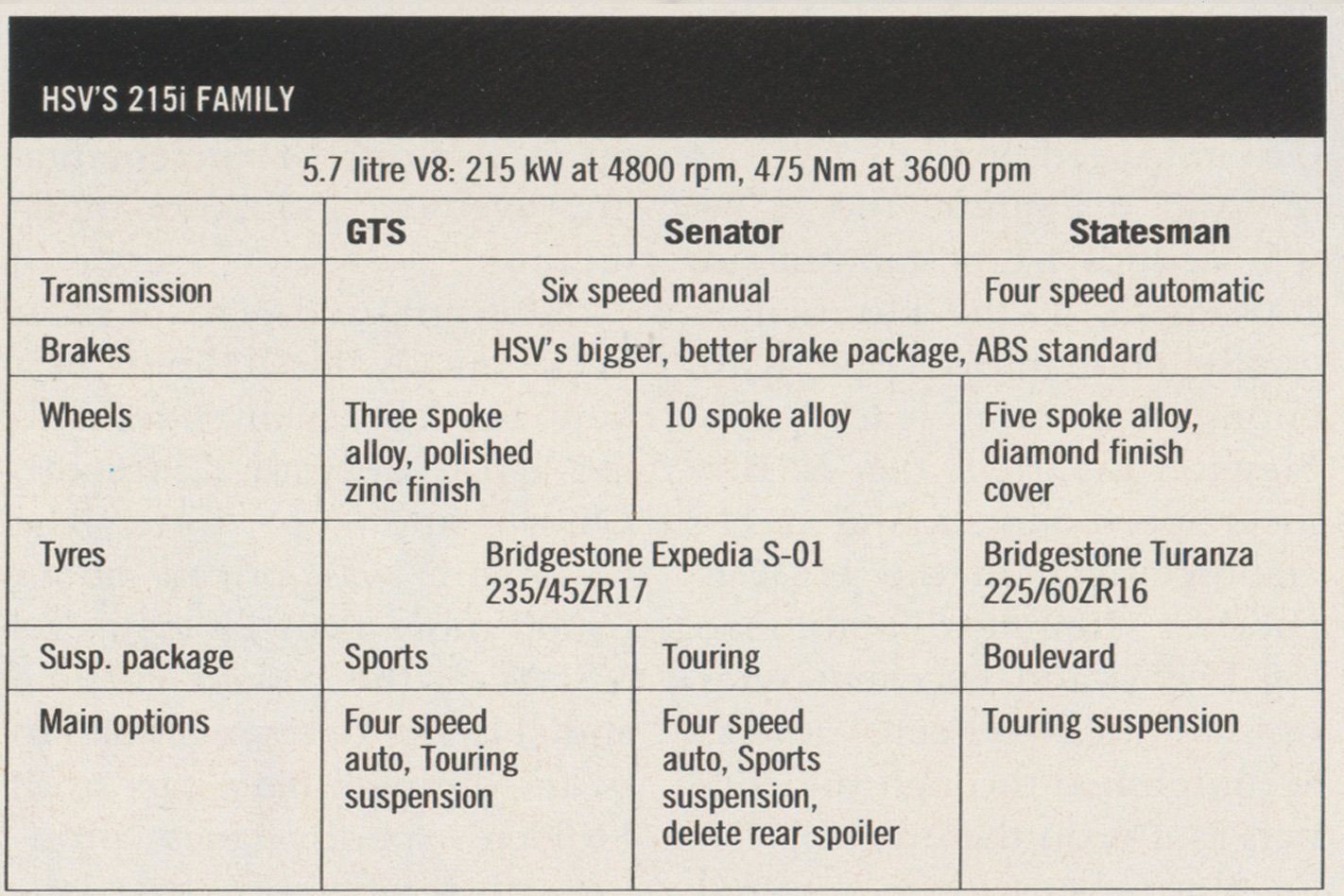
With their 215 kW 5.7 litre V8s, HSV’s VR Commodore-based GTS and Senator 215i models are without doubt the best high performance production cars ever made here.
They’re fast; nothing past or present beats the genuine, laser-measured 246 km/h we’ve seen from a GTS with the mighty V8 spinning close to its 5500 rpm redline in the fifth of its six gears as it bellowed round the top lane of Holden’s Lang Lang Proving Ground speed bowl.
And it’s quick, too. Like 6.3 seconds from standstill to 100 km/h. If the bitumen is grippy enough to cope with enough of the car’s 475 Newton monsters, that is. But sheer speed and surging acceleration aren’t all the HSV is good at. Equipped with nice big brakes and excellent tyres on 17 inch wheels, it’s as accomplished through the corners as it is on the dragstrip.
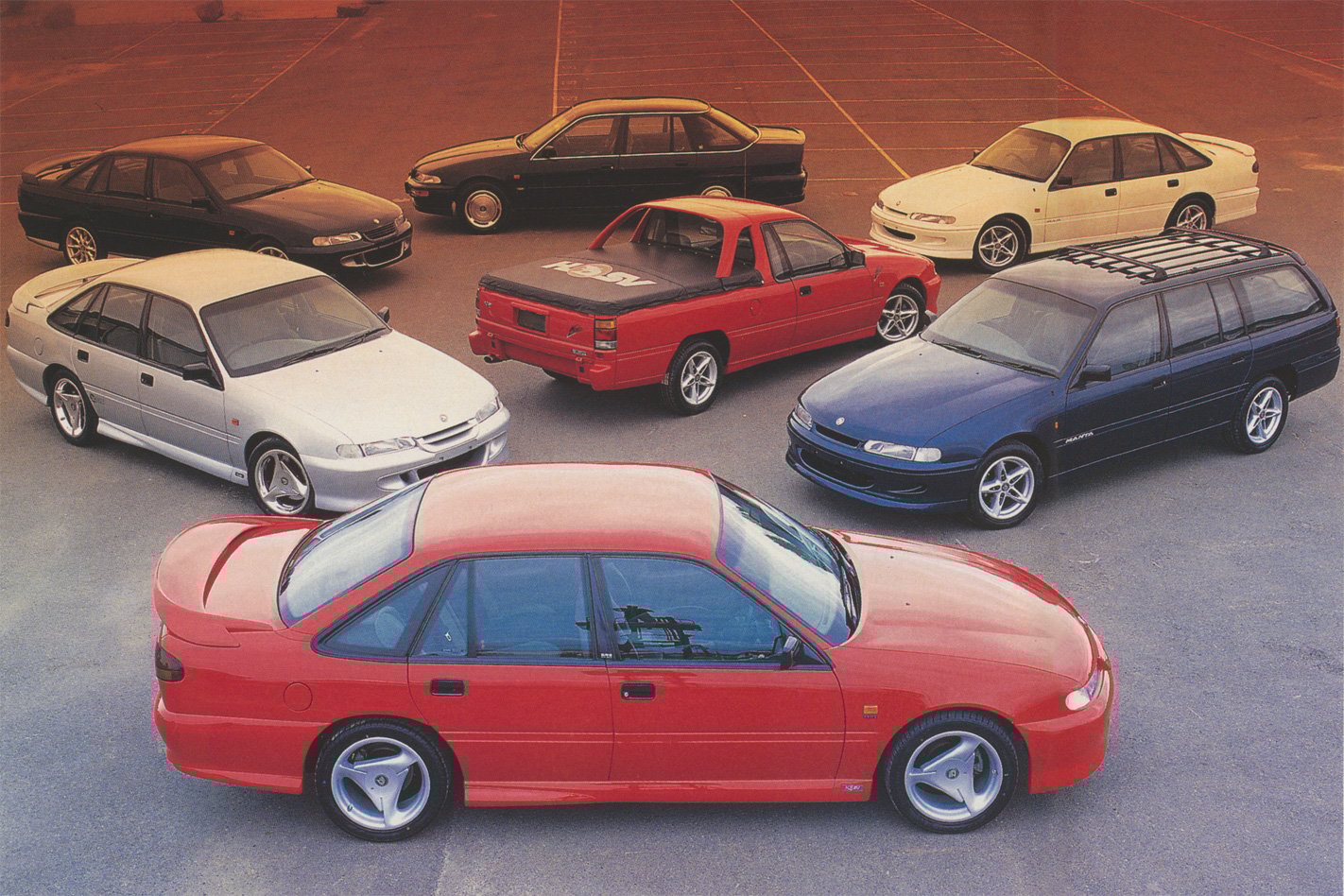
Including, of course, the 185 kW 5.0 litre models which are the company’s biggest sellers. So HSV’s VS-based line-up is a story of incremental improvement and minor modification.
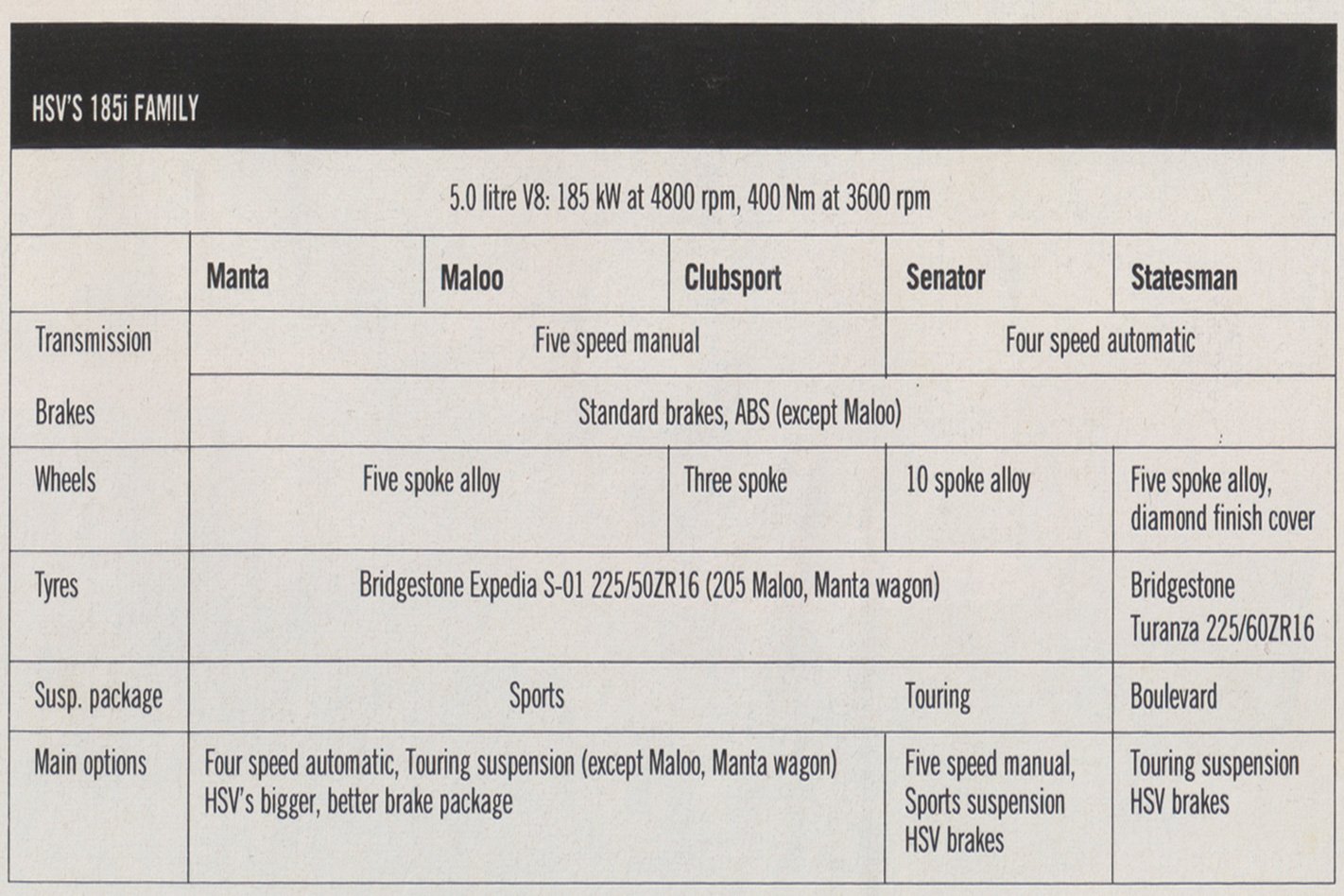
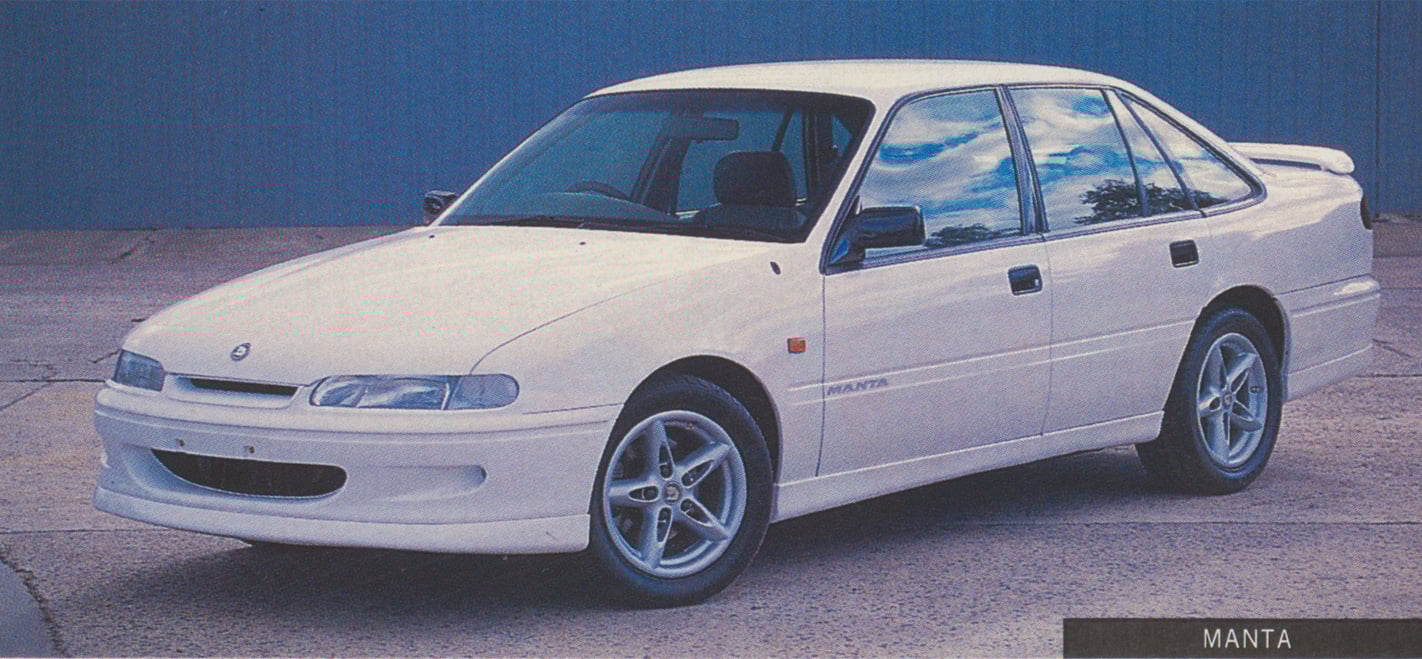
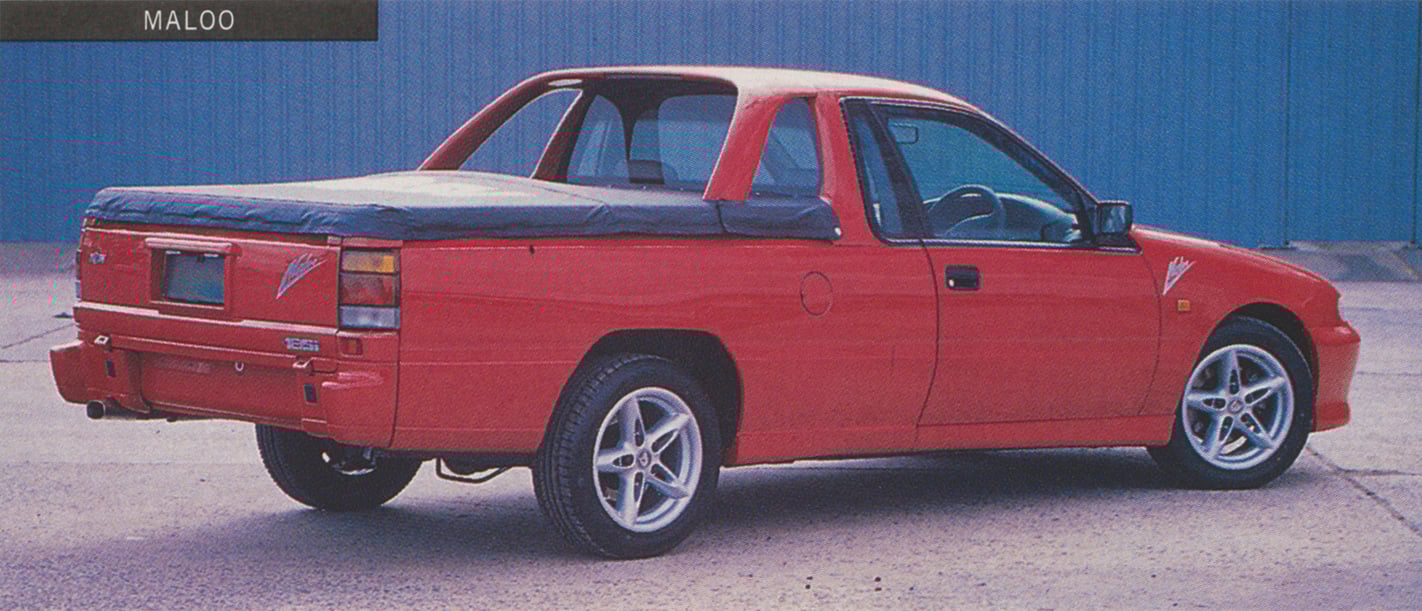
Manta, as it’s named, mates HSV’s bread and butter 185 engine with a standard five speed manual or optional four speed auto in both sedan and wagon bodies. Minus the usual HSV exterior additions and equipped with new 16 inch five spoke alloy wheels, Manta will be priced at about $5000 more than Holden’s SS V8 and a similar amount less than HSV’s Clubsport.
In fact, so fur as engines and ancilliaries are concerned, there’s only one new component worthy of mention. The 185 engined VS models get a new exhaust system, one which reduces decibels.
The newer exhaust of the 5.7litre was left alone. “On the low restriction thingo with the twin converters … there’s no change,” he says. “It’s just straight carryover.”
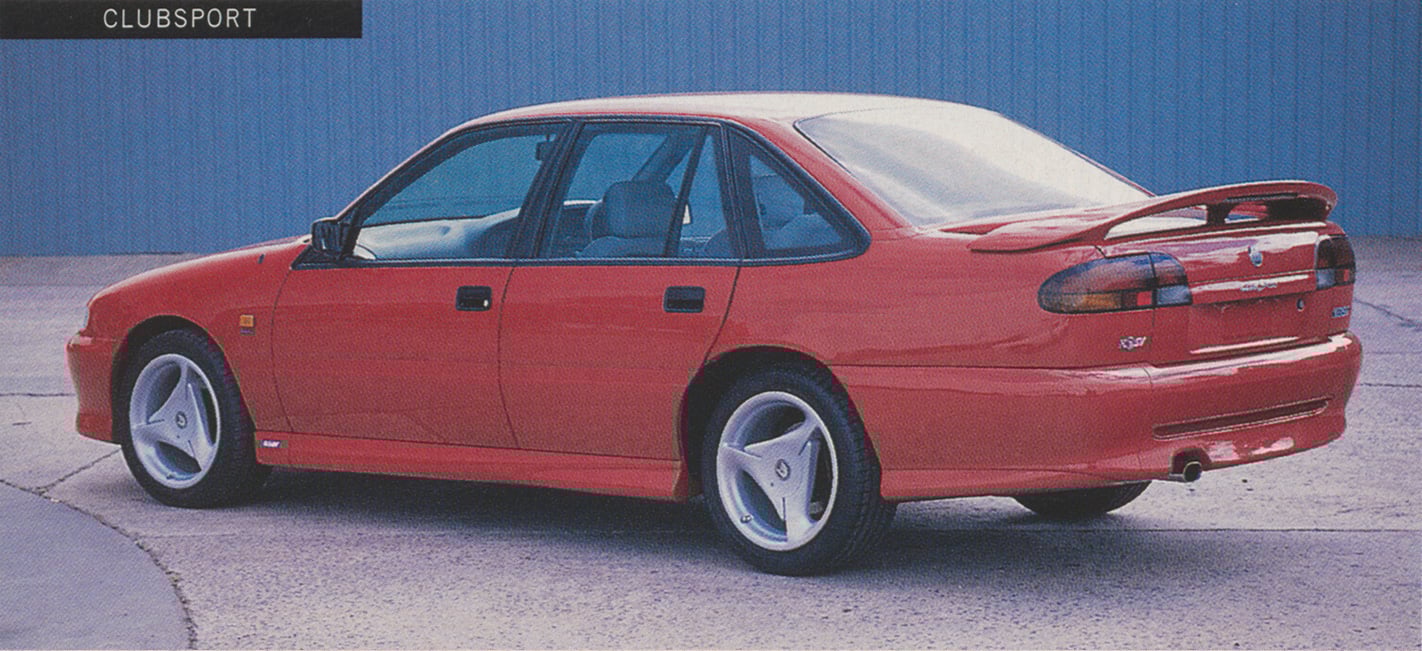
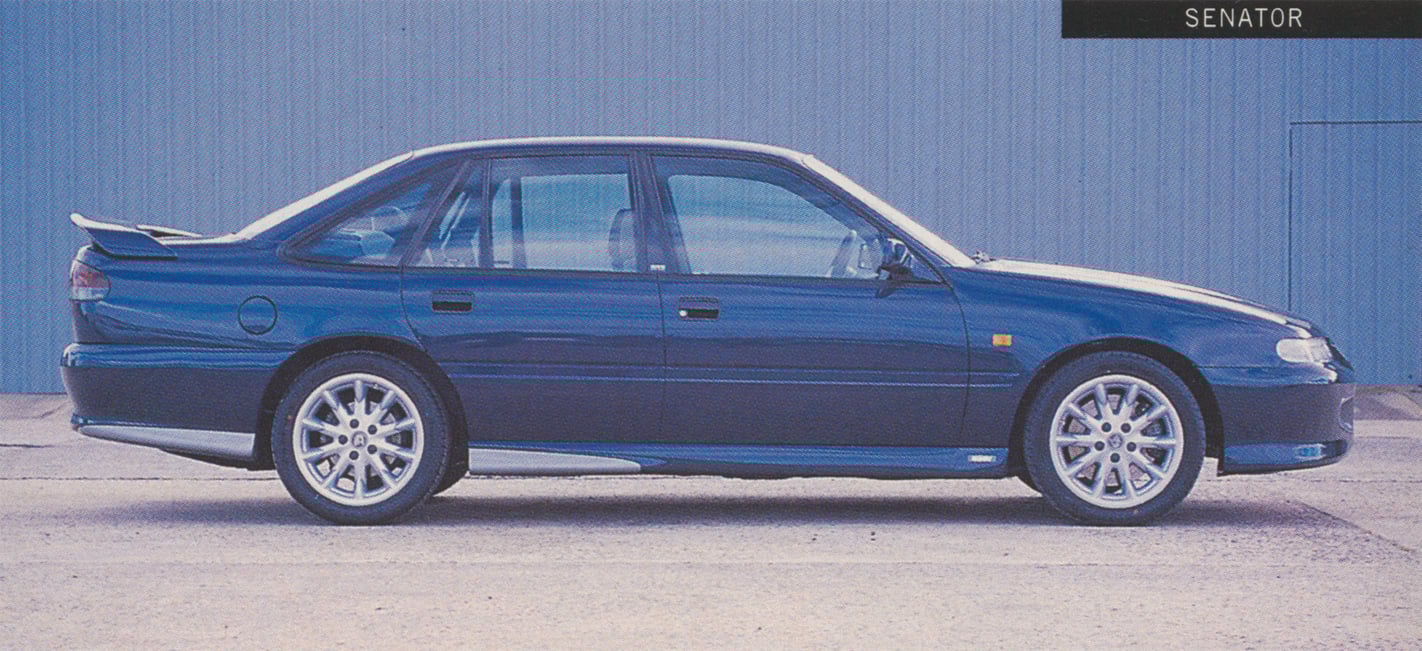
“On the Sport suspension, which is Clubsport and GTS, and the Touring suspension, which is Senator standard, we have revised it in the form of sway bars and shock and strut coding for improved ride,” he says.
“I’m getting more and more remote, if you like, from the day-to-day engineering of the product,” he adds, “and I’ve always had a bit of a bias towards soft springs and large diameter sway bars. There’s a counter argument against this.
“We’ve gone back from 28 to 27 on the front. We’ve gone back from 18 to 1 7 on the rear. The springs are actually the same rates as the standard springs, but shorter. On the bump side of the shock coding they’re stiffened up, so there’s more control.
“Left to my own devices I wouldn’t have done this, but the guys have gone this way and I can’t argue with it.”
And a brand new Boulevard suspension set-up has been developed for the slow-moving HSV Statesman models. While it’s not so firm as the Touring calibration of the short wheelbase cars, it’s still a well controlled and precise handling package. The Touring suspension fitted to previous HSV Satesman-based models remains an option.
The choice of Sport and Touring set-ups, where they aren’t standard, is also offered on all the other HSV models. So it’s possible to specify a Touring suspension GTS or a Sports suspension Senator. The only exceptions are the live rear axle vehicles, Manta wagon and Maloo ute, which come in Sports specification.
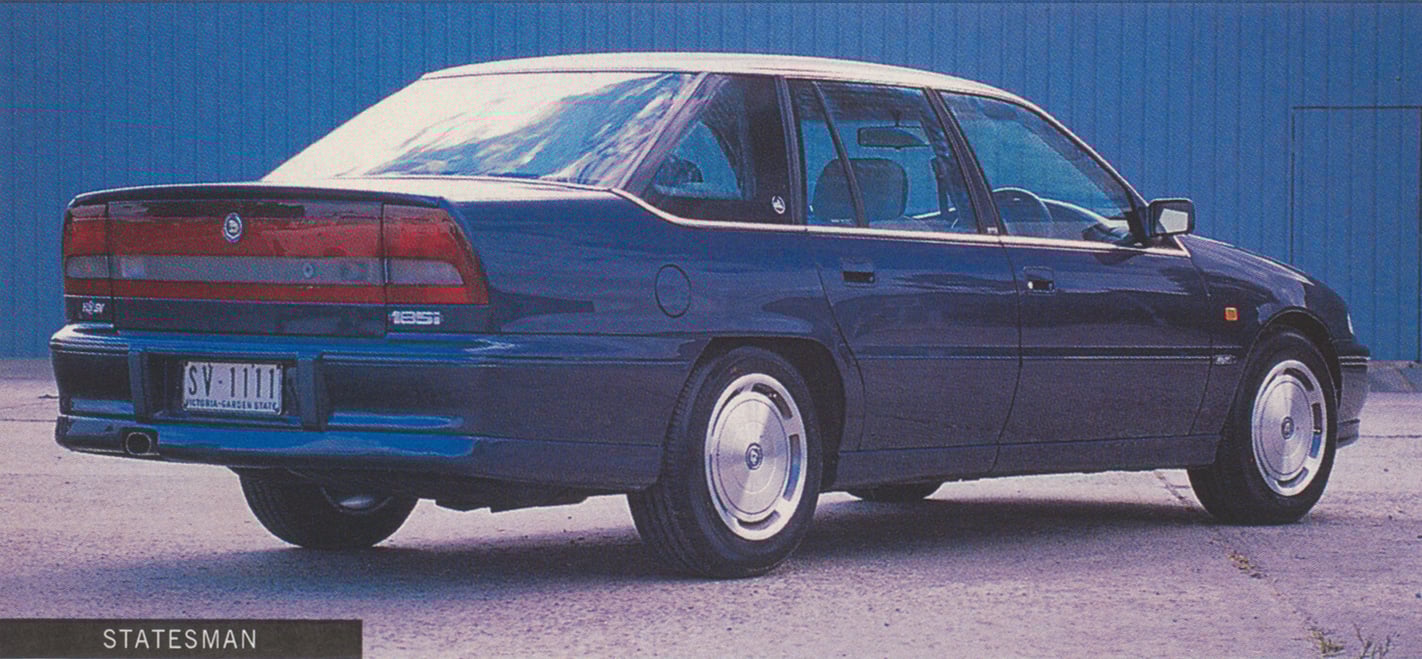
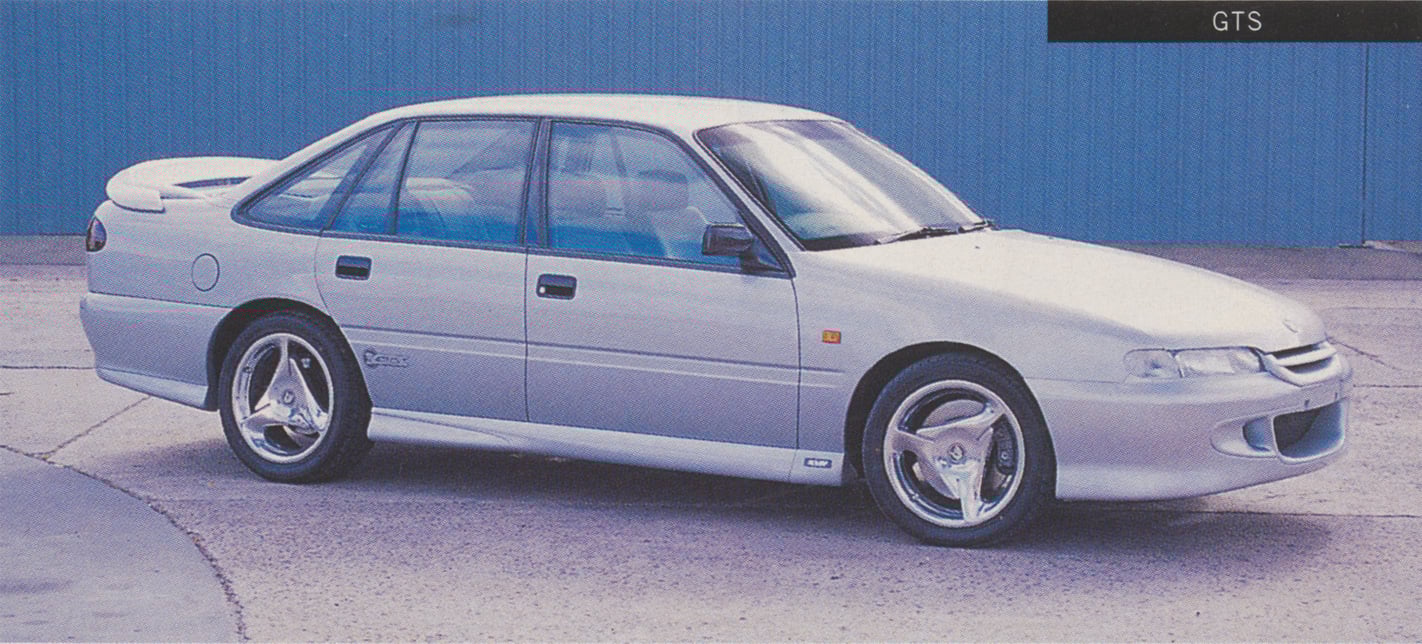
The Bridgestones are mounted on two new wheels, both designed by Ian Callum, the man responsible for HSV’s VR body kit. There’s a dramatic three spoker, flat silver finished for Clubsport and mirror polished zinc for the GTS. Senator gets a classically good looking 10 spoker.
Driver’s side airbags, previously fitted only in Senator, have proliferated. “On VR we’ve had the sports steering wheel as standard on Clubsport and GTS and we’ve had driver’s side airbag with the leather trim on Senator,” says Mcinerney.
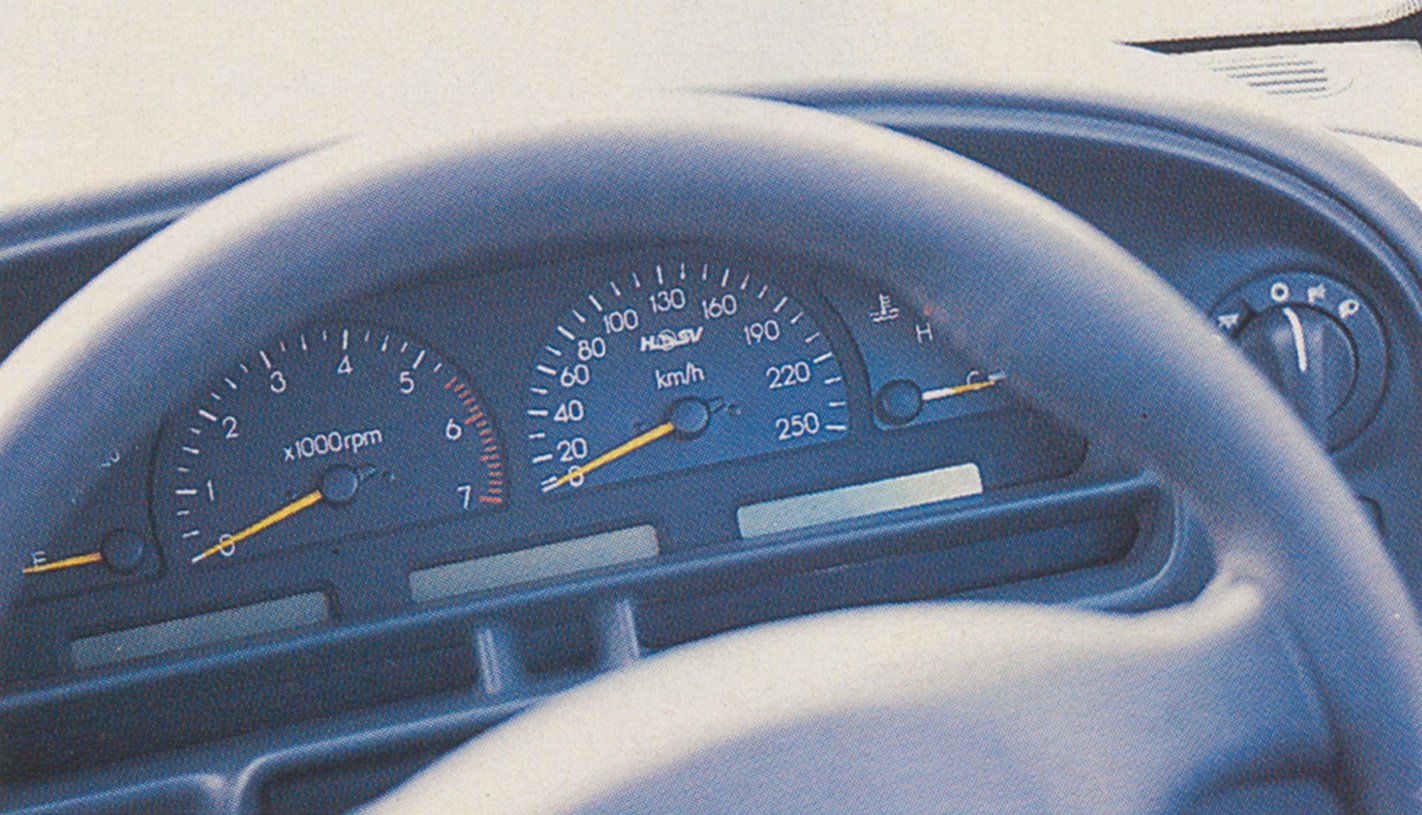
Manta also misses out on the new 250 km/h speedometer which is peculiar to HSV’s cars. “Originally we were going to do it on the 215 cars only,” says McInerney, “and then we thought: ‘No, hang it, we’ll put it across everything’. It’s quite an expensive thing to swap instruments.” Presumably less expensive is fitting the new, quieter carpet assembly developed for the VS Calais in the Senator.
Finally, a fire extinguisher is included in every model, though not in response to owners’ feedback. McInerney is at pains to point out HSV’s cars aren’t particularly prone to catching fire.
Maybe it’s simply subtle reinforcement of the idea that HSV’s products are hot…
