
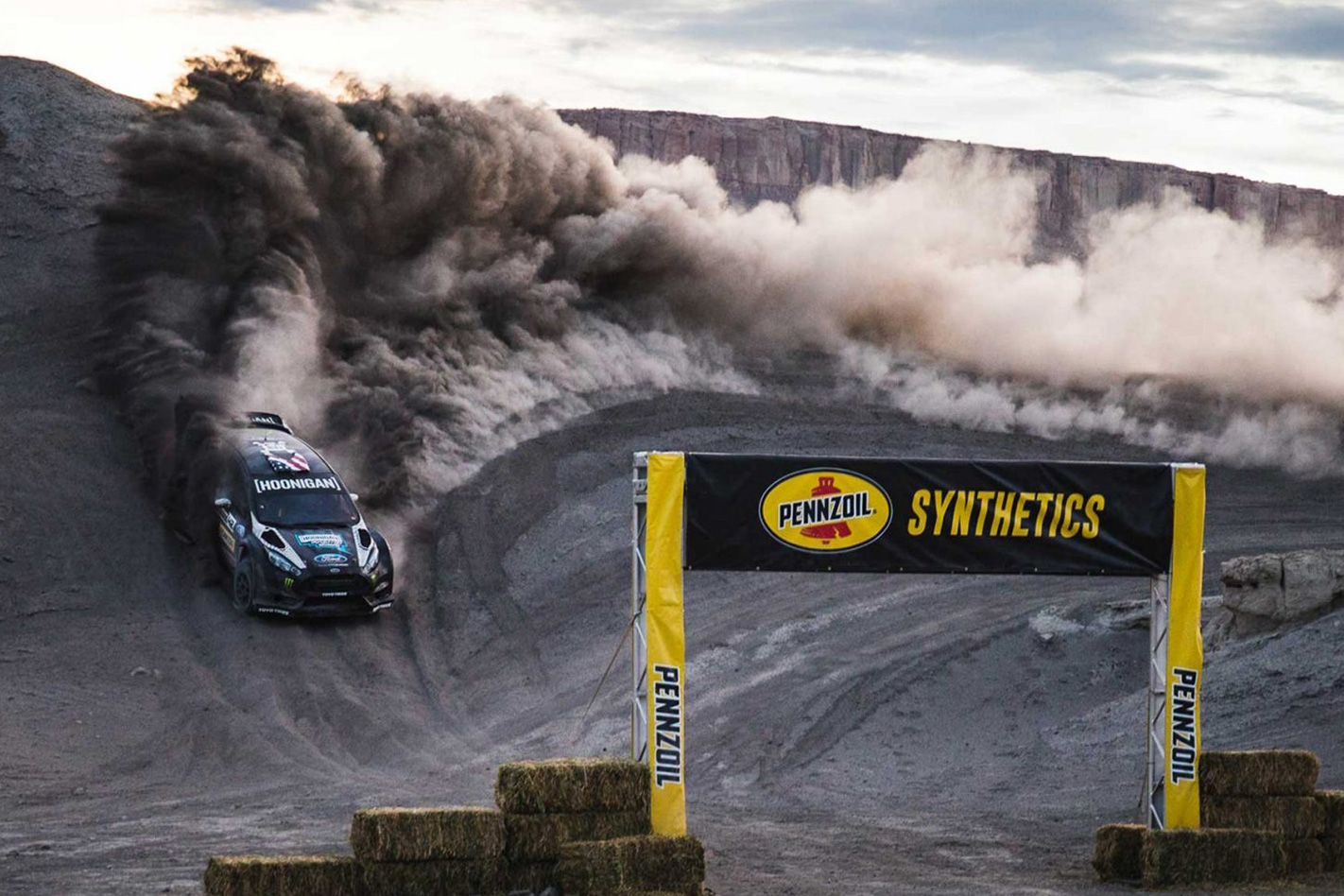
Ken Block is quite probably the world’s most famous gymkhana driver.
That’s not to say he’s the best, though a point could be made for that. Still, considering how famous he is, have you ever seen him tackle a completely off-road gymkhana?
If not, you have now – and it’s called Terrakhana.
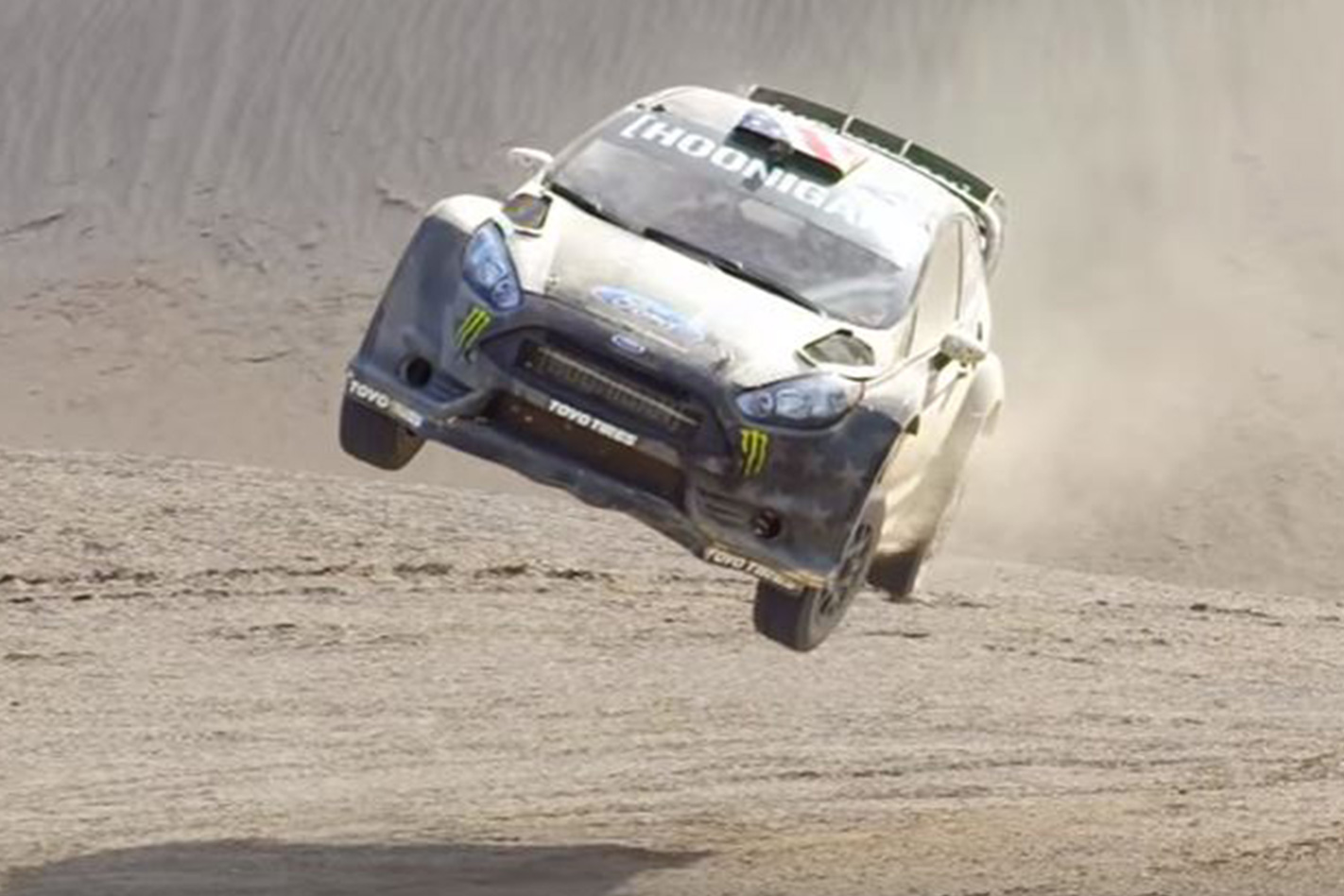
The 450kW Fiesta was airborne on several occasions, though the sand didn’t provide as soft a landing as you might think. But a loose front bumper never stopped Block.
The Garrett turbocharged 2.0-litre four has a fair bit more kick than most Fiestas, and Hoonigan Racing says it’s capable of 0-100km/h in under 2 seconds.
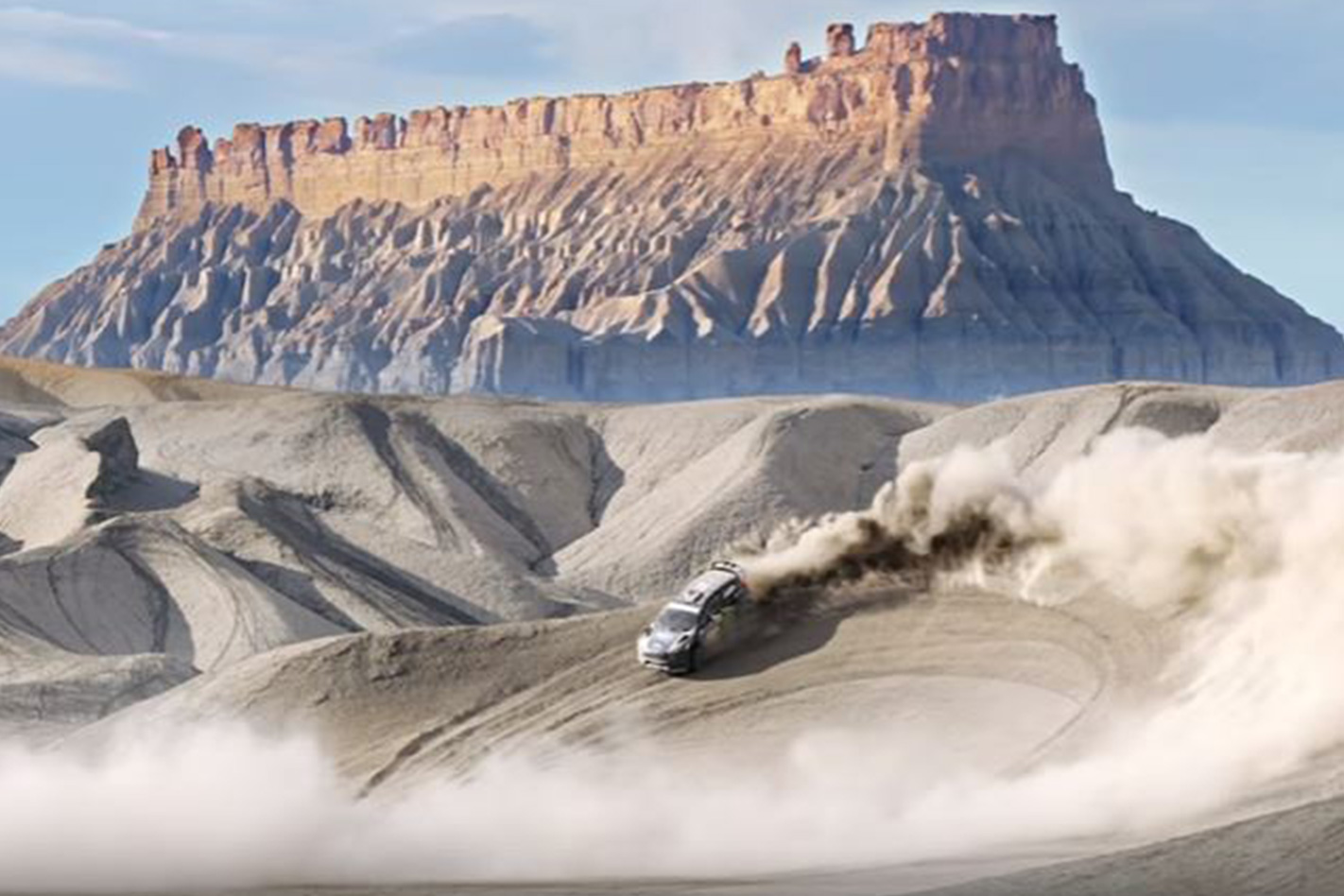
Though not one of his ‘official’ Gymhkhana series, the almost five-minute long thrash around the desert features some of the most visually pleasing shots we’ve seen.
Or maybe that’s just the rally fans among us.
The massive dust-storm at 2:30 is also pretty intense.
Of course, it is a sponsored video, so at the end Block pulls into a Pennzoil tent and has a look at some printed charts a man in a Pennzoil shirt shows him and points to.
We aren’t sure what the printout would even be.
However, we can forgive Pennzoil after the Dodge videos they’ve been bringing us…
After months of teasing, Volkswagen has finally taken the covers off its all-new T-Roc compact SUV.
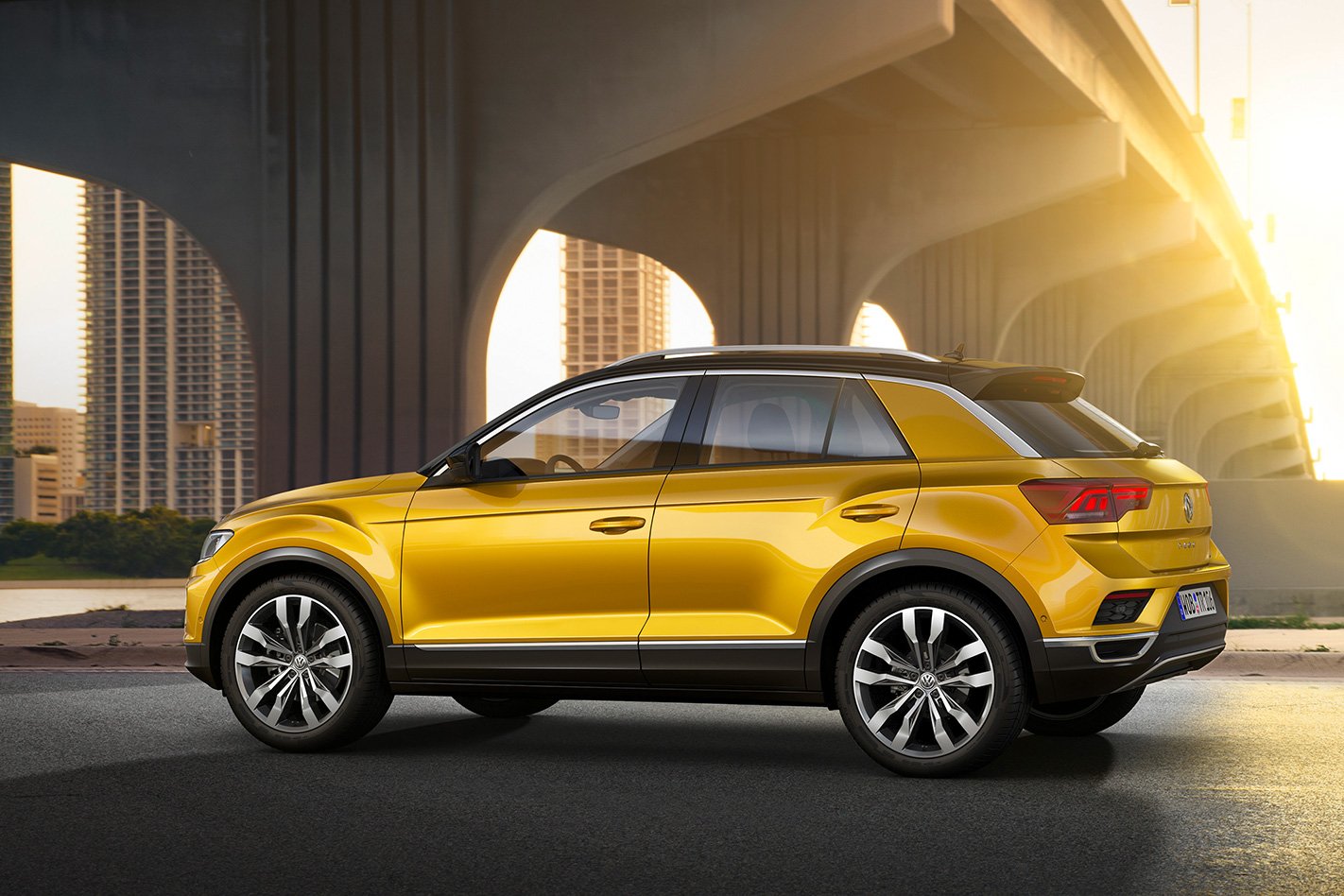
Built on the MBQ platform that also underpins the Golf, Tiguan and Audi Q2, the compact crossover combines SUV practicality with dynamic hatchback styling, says its maker.
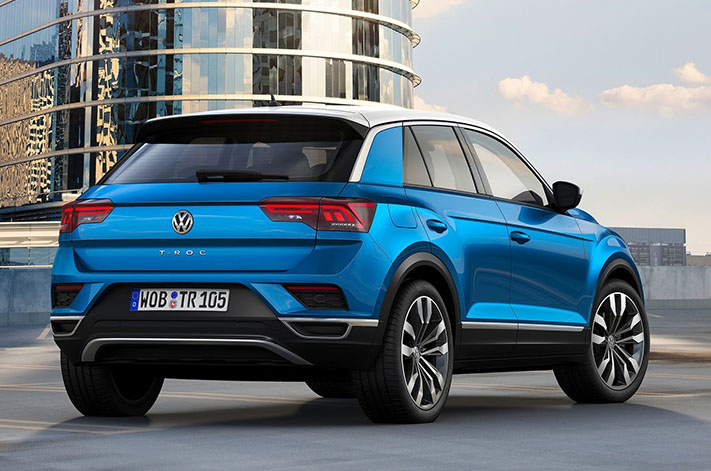
Previous sketches and teased images framed it as a funky high-riding hatch, but the official images released today show more conservative lines more akin to a fastback Tiguan.
It’s smaller though, with a 4234mm length and 2603mm wheelbase, which equates to 252mm and 78mm smaller than the Tiguan’s respective measurements. It’s also 20mm shorter (1819mm) and 75mm narrower (1819mm).
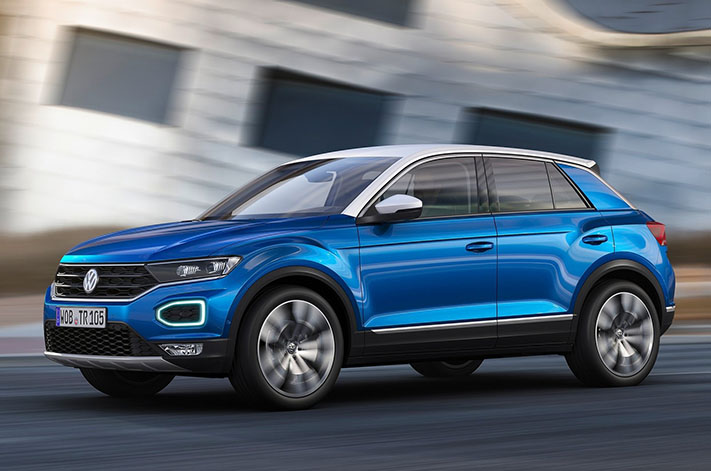
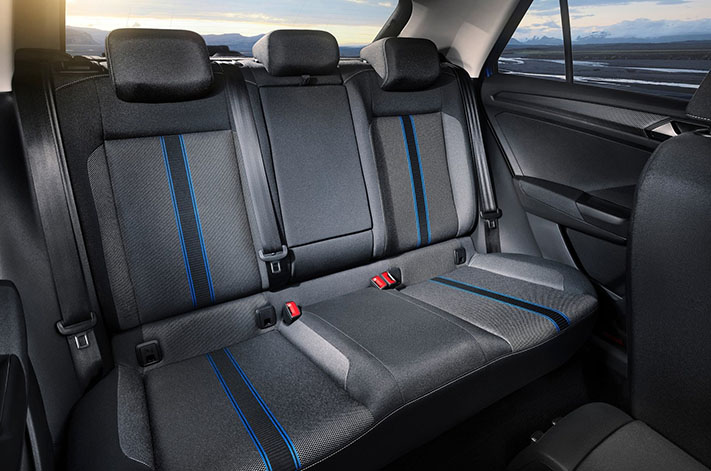
Much of the length reduction was achieved with short overhangs that give it a wide athletic stance without compromising interior space, meaning it’s still a roomy five seater with a 445-litre boot.
The Volkswagen T-Roc will come in three equipment lines with a base model and two upper-spec ‘Style’ and ‘Sport’ variants that will be similarly equipped but presented accordingly.
The entry-level T-Roc will offer a host of standard features including City Emergency Braking and Pedestrian Monitoring, the Automatic Post-Collision Braking System and the lane keep assist. Also expect an 8.0-inch infotainment system screen, LED tail light cluster, LED daytime running lights (DRLs) in the bumper and 16-inch wheels ‘Yorkville’ alloy wheels.
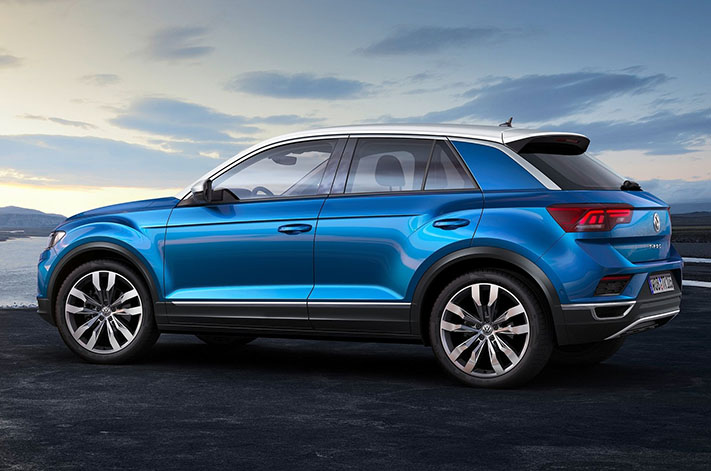
LED headlights with ring-shaped DRLs and fog lamps will be available as options.
The T-Roc Style and Sport build on the base version with significantly different configurations, with the Style gaining:
- Ambient lighting (white)
- Connectivity package
- Roof in contrasting colour (four colour variants) including A-pillars and exterior mirror housings
- Trim strips on instrument panel and door trim panels available in a choice of four colours
- Chrome exhaust trim
- Comfort seats
- 17-inch ‘Mayfield’ alloy wheels
- Driver Alert System
- Silver front and rear stone guards
- Smoked rear lights
- Tinted rear windows
- Aluminium pedals
- Ambient lighting (red)
- Red brake calipers
- Chrome exhaust system trim panels
- Sport comfort seats
- 17-inch ‘Kulmbach’ alloy wheels
- Fog lights
- Silver front and rear stone guards
- Black roof lining
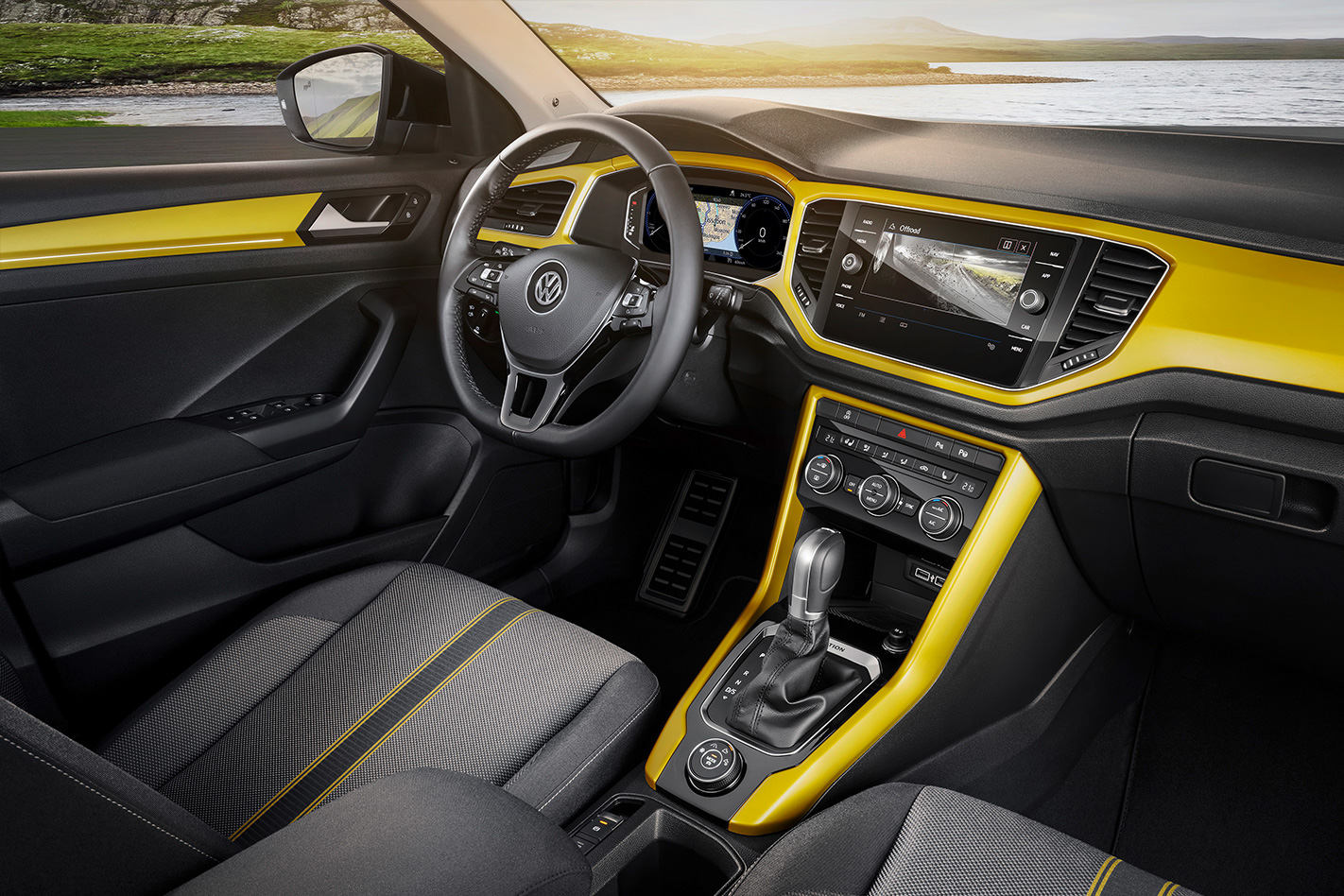
There will be a range of interior trims across the range providing an opportunity to add personal touches. The base version will come with a standard black dashboard fascia, but the T-Roc Sport will be available with a ‘Caribou Grey’ dash with matching door accents and centre console trim, with four options in the Style including ‘Black Oak Brown’, ‘Ravenna Blue’, ‘Energetic Orange Metallic’ and ‘Curcuma Yellow Metallic’.
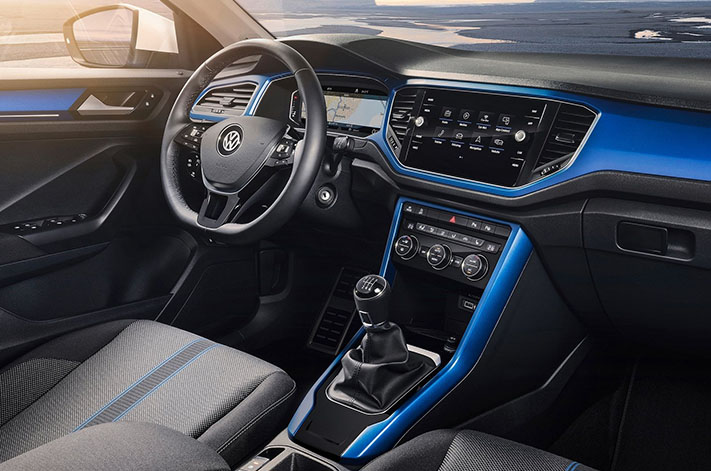
Infotainment systems range from the 8.0-inch layout to the optional Active Info Display, which includes an 11.7-inch touchscreen and fully digital instrument panel as found optionally in the Golf and Tiguan.
As expected the T-Roc will be on offer with a selection of three TSI turbo petrol and three TDI turbo diesel engines in Europe ranging from 86kW to 142kW. Front-wheel drive and a manual gearbox is standard with the smaller engines but a seven-speed dual clutch auto is optional. The range-topping 190TSI/TDI engines will be offered with 4Motion all-wheel drive with Street, Snow, Offroad and Offroad Individual driving modes.
VW says the T-Roc will be priced around €20,000 ($A30,000) when it goes on sale in Europe in November, which makes sense if it’s to be priced between Golf and Tiguan and against the likes of the Mazda CX-3 and Toyota C-HR when it goes on sale here next year.
Before then it will be shown to the public for the first time at next month’s 2017 Frankfurt Motor Show.
STINGER SPECIAL
Read our exclusive track test of Kia’s Commodore-baiting Stinger, and a behind-the-scenes look at the engineering that made it possible.
Plus: Holden’s hot all-paw SS replacement; Lamborghini’s Stefano Domenicali on the performance brand’s four-door future and the 2017 Wheels Tyre Test comes to grips with nine well-rounded rivals.
ALSO INSIDE THIS EDITION
- First drives of the Mercedes-Benz S-Class, Holden’s Captiva-switching Equinox, Audi Q5 and RS3 sedan, Renault Megane GT wagon
- Wheels Car of the Year: Early contenders form a neat queue
- The rise, rise, and rise, of the Korean car
- Takata airbag recall and why you should act now
- Holden’s German link and the Aussie war heroes who made it possible
- Little differences: Is the Volkswagen Golf 7.5 still our hatchback benchmark?
- Electrifying performance: Porsche’s second-gen Panamera hybrid
- Garage: Mini Countryman, Subaru Impreza in; Toyota Prius, BMW X1, Holden Astra and Mazda CX-9.
Audi is preparing to rebadge its model range to reflect power output rather than engine displacement.
Model names will remain the same, so the A4, SQ7, etc, will still be around.
But rather than have the engine’s displacement in the vehicles extended badging (take the Q7 3.0 TDI, for example), models will now be classed by output, with designations ranging from 30 to 70.
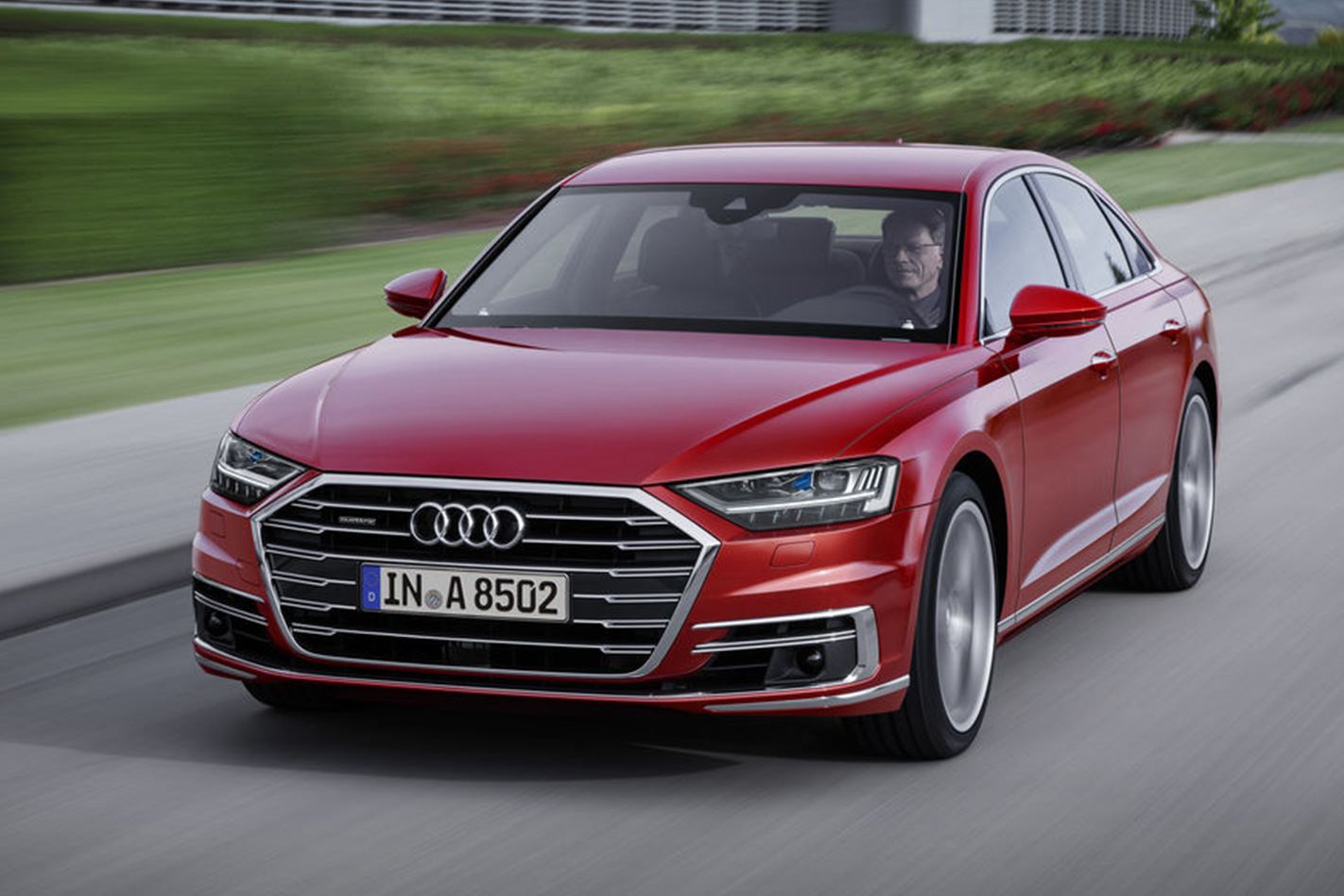
There appears to be no mathematical reason for these badges, but Audi board member for sales Dr. Dietmar Voggenreiter claims it will help customers recognise vehicles when engine size no longer reflects a vehicle’s power output – especially for hybrid vehicles in Audi’s e-tron range.
“As alternative drive technologies become increasingly relevant, engine displacement as a performance attribute is becoming less important to our customers.
“The clarity and logic of structuring the designations according to power output makes it possible to distinguish between the various performance levels.”
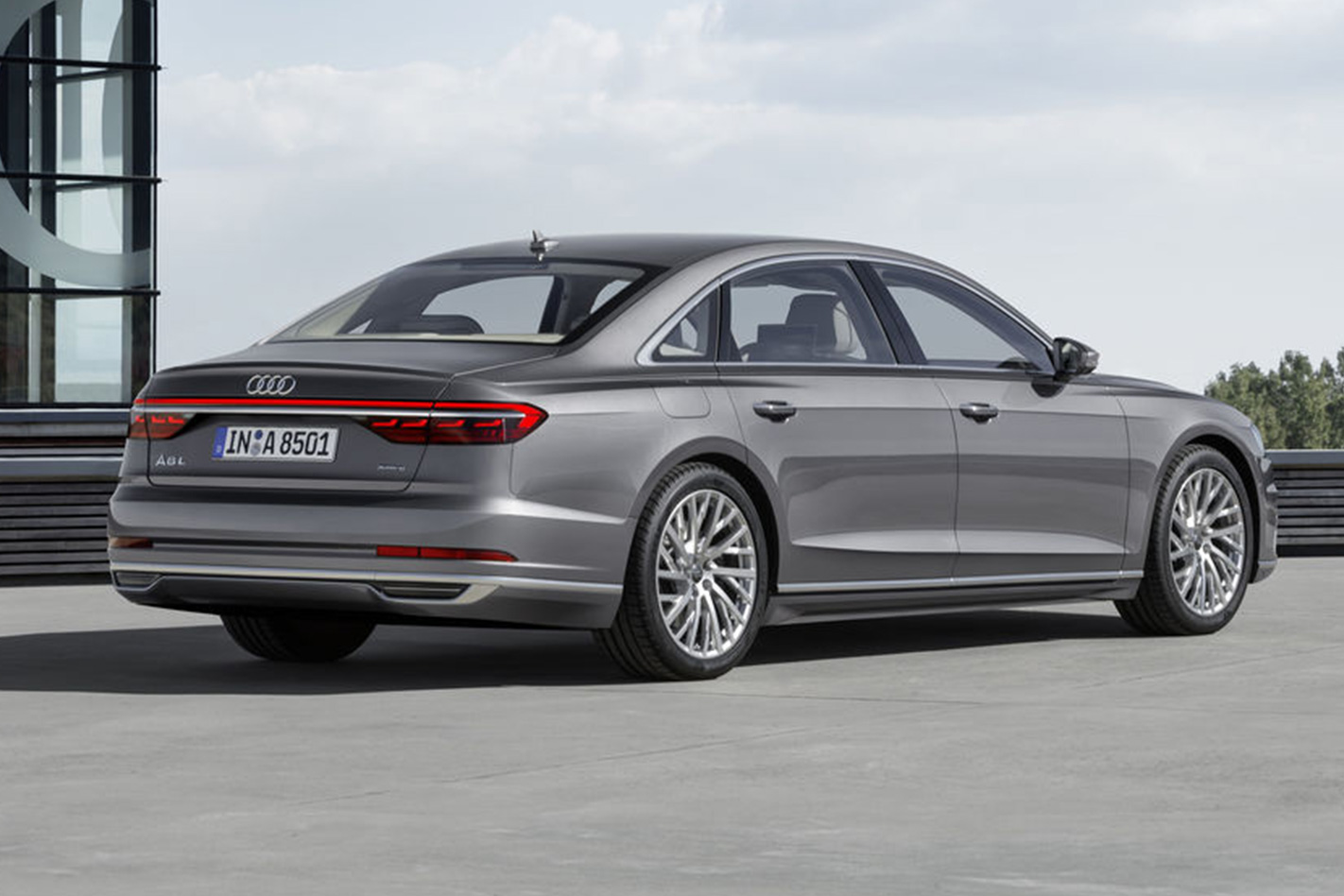
– 30 for models with between 81 and 96kW
– 35 for models with between 110 and 120kW
– 40 for models with between 125 and 150kW
– 45 for models with between 169 and 185kW
– 50 for models with between 210 and 230kW
– 60 for models with between 320 and 340kW
– 70 for models with more than 400kW
The new Audi A8 will be the first to see the new system introduced, with the 210kW 3.0 TDI becoming the A8 50 TDI, and the 250kW 3.0 TFSI becoming the A8 55 TFSI.
Audi adds that performance vehicles at the top of its range will retain the badging they already have, so the S and RS models and the Audi R8 will remain the same.
Suzuki will replace its long-serving Jimny compact off-roader in 2019 with an all-new model, and leaked images from an internal briefing have given us a surprise sneak peek at what it will look like.
If these images are indeed of the final product, then we can expect Suzuki’s pint-sized 4×4 to morph into a brawnier, retro-inspired version of itself.
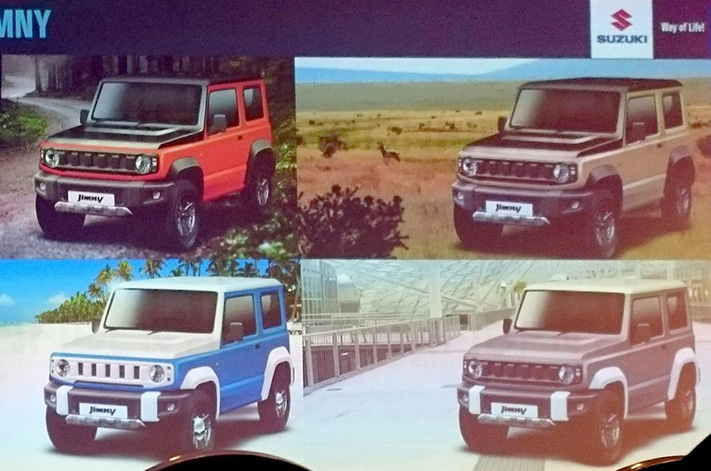
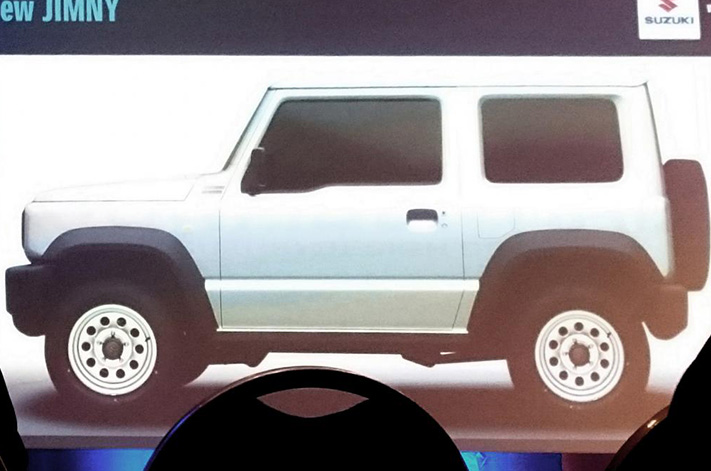
The new Jimny’s exterior design will trade curves for straight lines on virtually every panel, bringing the nameplate back to its boxy beginnings. The resemblance between the new Jimny and the second-generation SJ-series Jimny that debuted in 1981 is uncanny, with classic cues like the clamshell bonnet, prominent rain channels, and arrow-straight character lines being clear visual links with the older car.
And from certain angles, there are links to other cars as well. Viewed from the rear three-quarters, the new Jimny apes the Mercedes-Benz G-Class. From the front, that blacked-out and very upright grille resembles the Jeep Renegade.
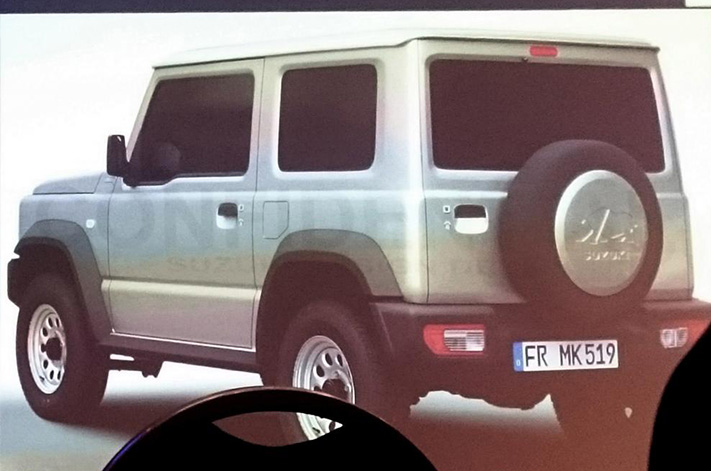
Compared to the softer-edged current-generation car, whose styling was penned in the mid-1990s and is well and truly dated, the new-generation Jimny’s slab-sided, quasi-military look should appeal to image-conscious buyers who don’t want something as large or expensive as, say, an actual G-Wagen.
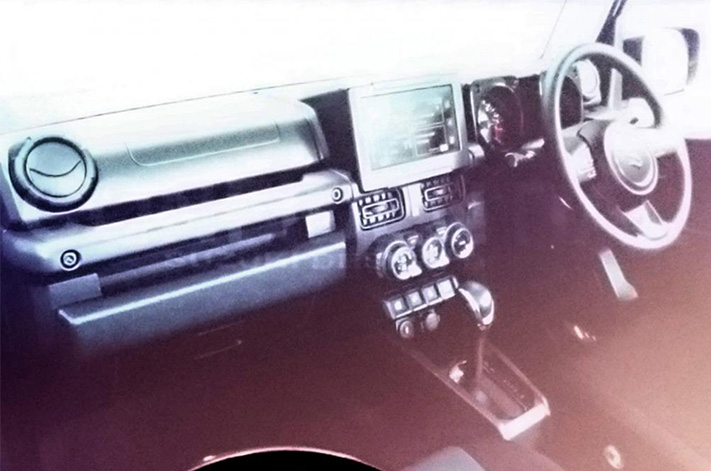
On the inside the makeover has been just as thorough. Like all of Suzuki’s latest new cars, the Jimny’s cabin will feature a prominent touchscreen infotainment display atop its centre stack, but the rectangular instrument binnacle, passenger-side grab handle, and upright dashboard are all retro throwbacks to the SJ Jimny.
What isn’t clear at this early stage is what will power the new Jimny. Depending on market, the Jimny could come with Suzuki’s 82kW/160Nm 1.0-litre Boosterjet turbo, or a larger naturally-aspirated petrol four-cylinder. A 660cc turbocharged inline-three would likely serve in a Japan-only kei-class version of the Jimny, while European customers may be offered a diesel option.
We can, however, glimpse the Jimny’s undercarriage, and what we see suggests the new car won’t deviate from the current car’s twin live-axle setup. The lower links of a four-link front suspension are clearly visible, as is a solid axle at the rear. Good news for keen off-roaders on a strict budget.
The current-generation Jimny launched globally in 1998, making it one of the oldest cars currently on sale in Australia. By the time the 2019 Jimny arrives in Australia, it will be replacing a car that will have notched up an astonishing 21 years in showrooms – well over triple the usual lifetime of a car.
Expect more concrete details to emerge as the new Jimny’s 2019 arrival date draws nearer.
Volkswagen has officially unveiled the T-Roc, its new SUV model designed to sit below the mid-size Tiguan.
The T-Roc is the fourth SUV from VW, joining the existing Tiguan and Touareg models, as well as the US-only Atlas/Teramont.
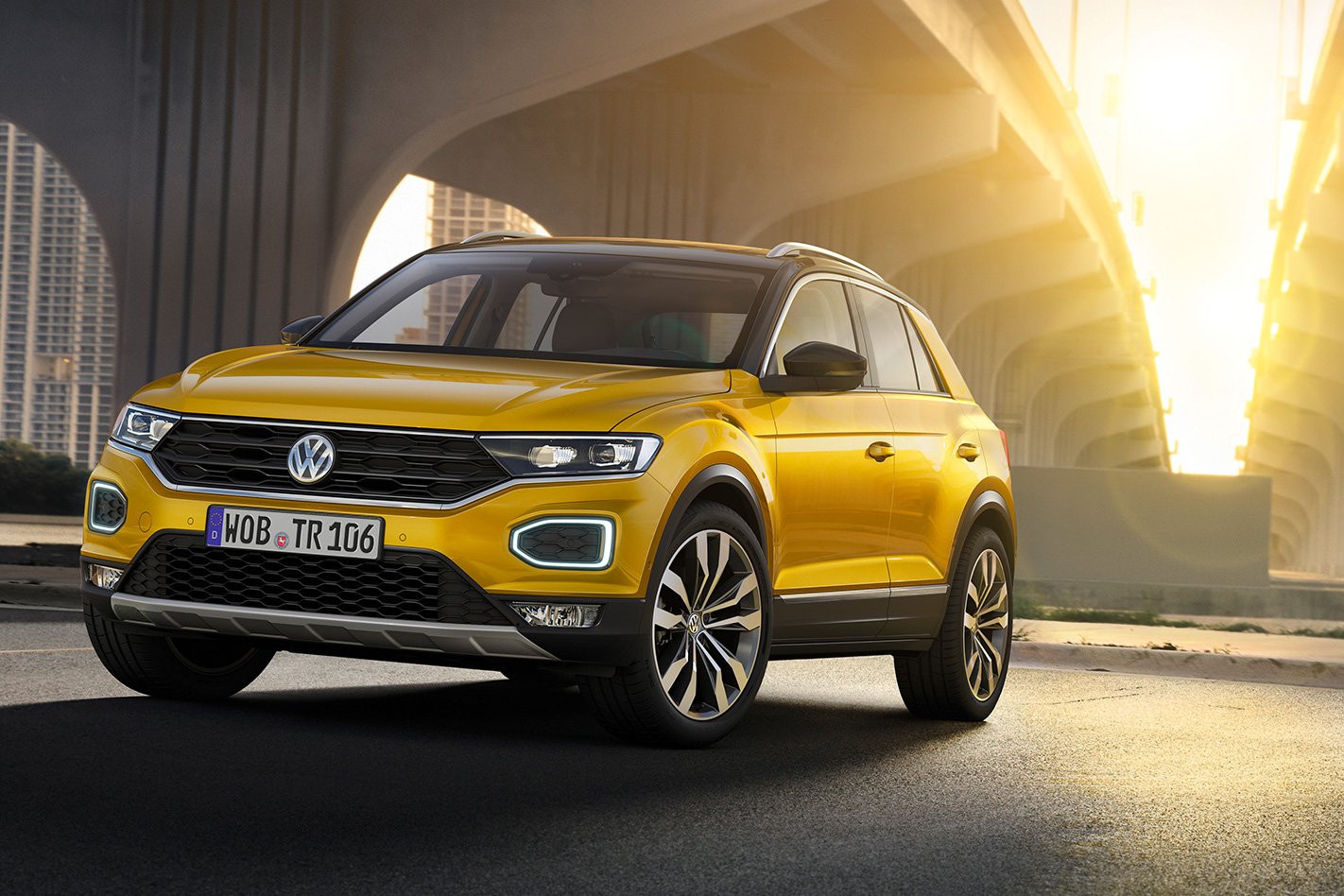
Like the Tiguan, the T-Roc will have a selection of three petrol and three diesel turbo engine options. VW states both front-wheel-drive and all-wheel-drive drivetrains will be on offer, along with manual transmissions or a seven-speed DSG automatic. It’s likely the T-Roc’s drivetrain options will mirror those offered by the Tiguan and Golf hatchback.
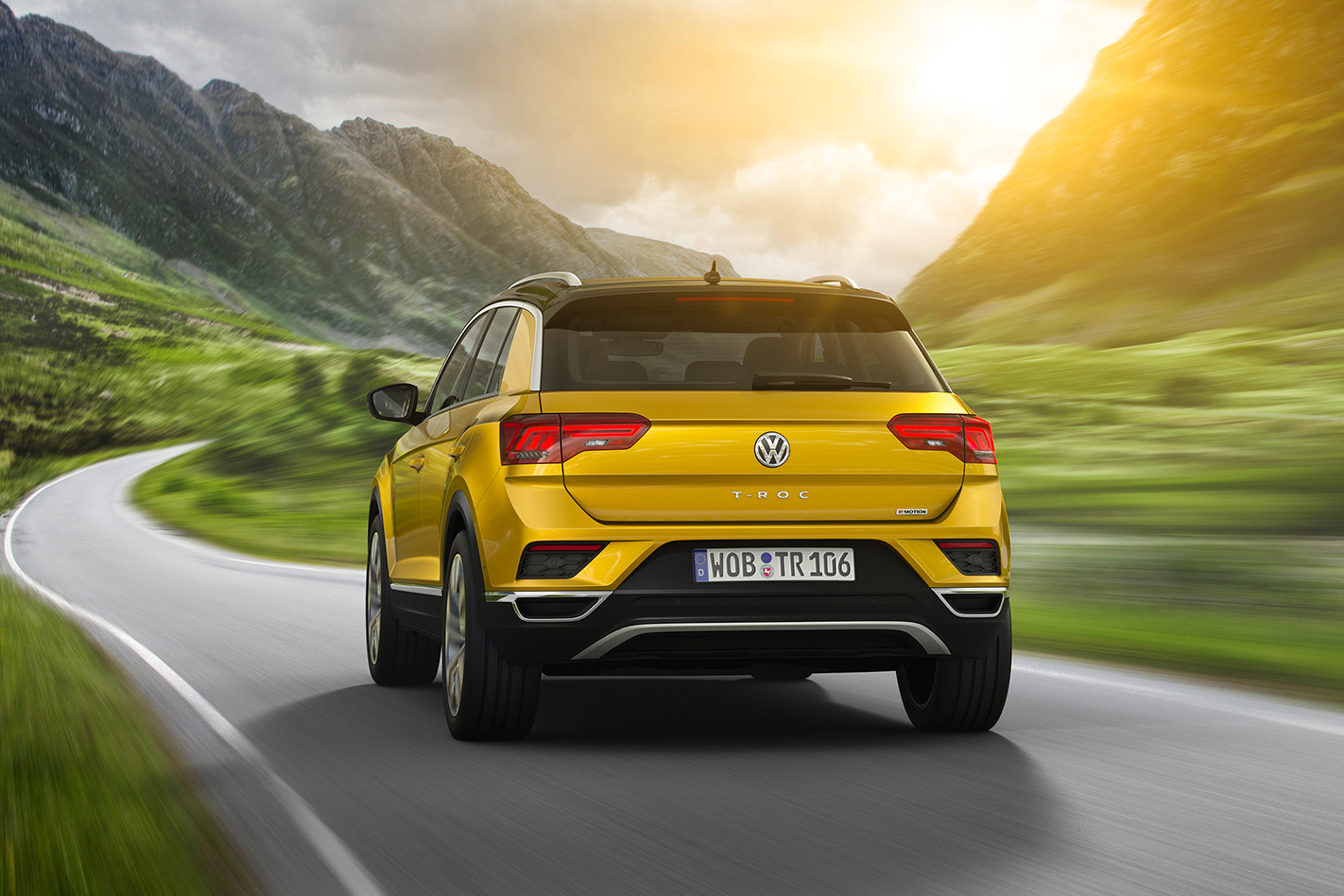
VW touts the cars infotainment abilities, with a new digital interactive cockpit, and a system called Volkswagen Car Net, which opens the possibility to “use a wide spectrum of online services and apps”.
Volkswagen to introduce five all-new SUVs by 2018
Luggage capacity in the T-Roc is a stout 445 litres, but fold down the 60/40 split rear seats, and this expands to 1290 litres.
Active safety features such as city brake, pedestrian monitoring, lane keep, and lane assist will all be standard on the base model T-Roc. It is likely VW will offer additional safety enhancements as part of an options package.
Pricing for Australia is yet to be confirmed, although the global release states “the T-Roc will take its place in the €20,000-class segment (German market)”. The T-Roc will launch in Europe in November this year.
“The T-Roc sets a new benchmark in the booming SUV segment. With its functionality, dynamic handling and technology, the T-Roc embodies all good Volkswagen qualities. It marks a milestone in our SUV offensive,” Dr Herbert Diess, Chairman of the Volkswagen Brand Board of Management, said.
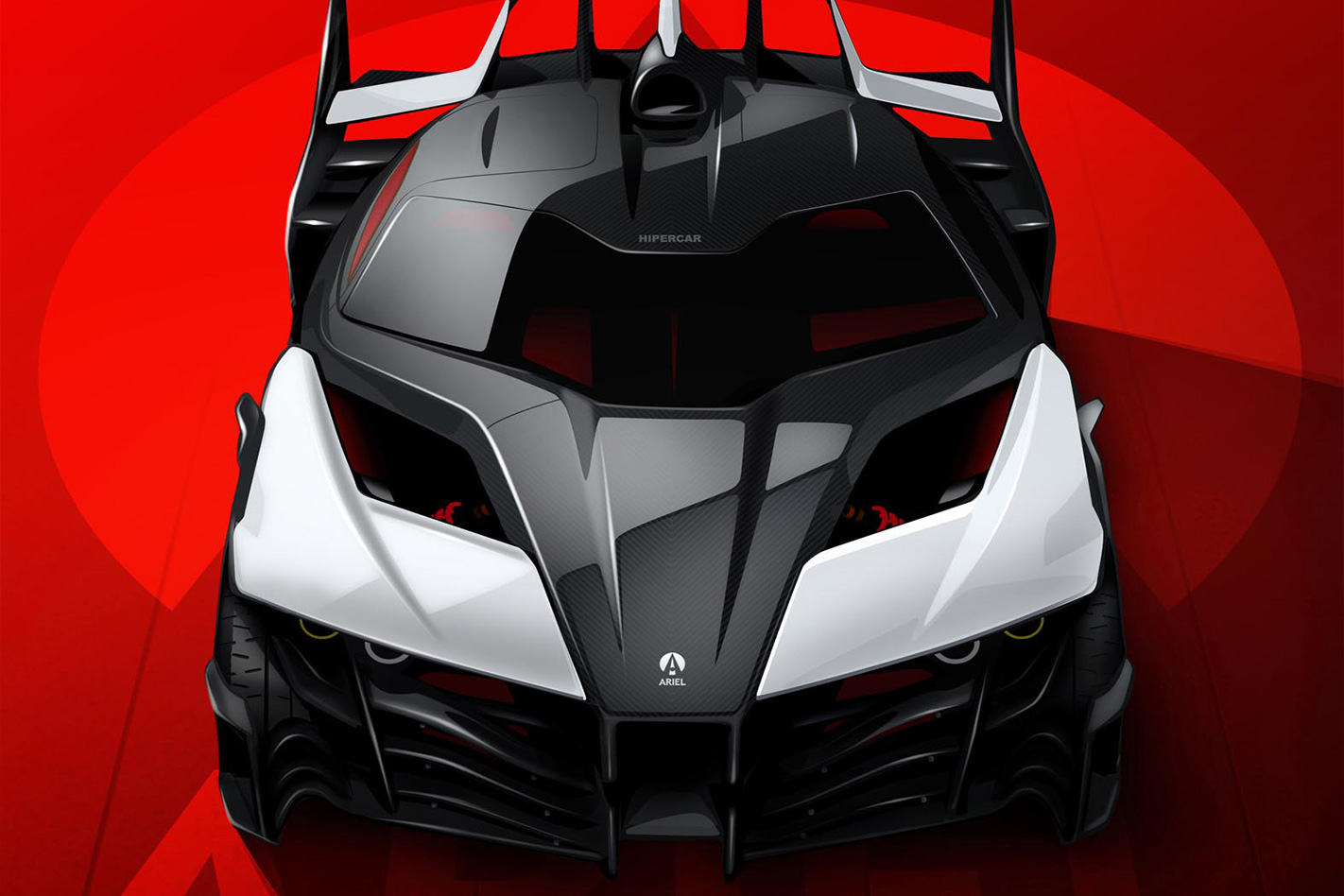
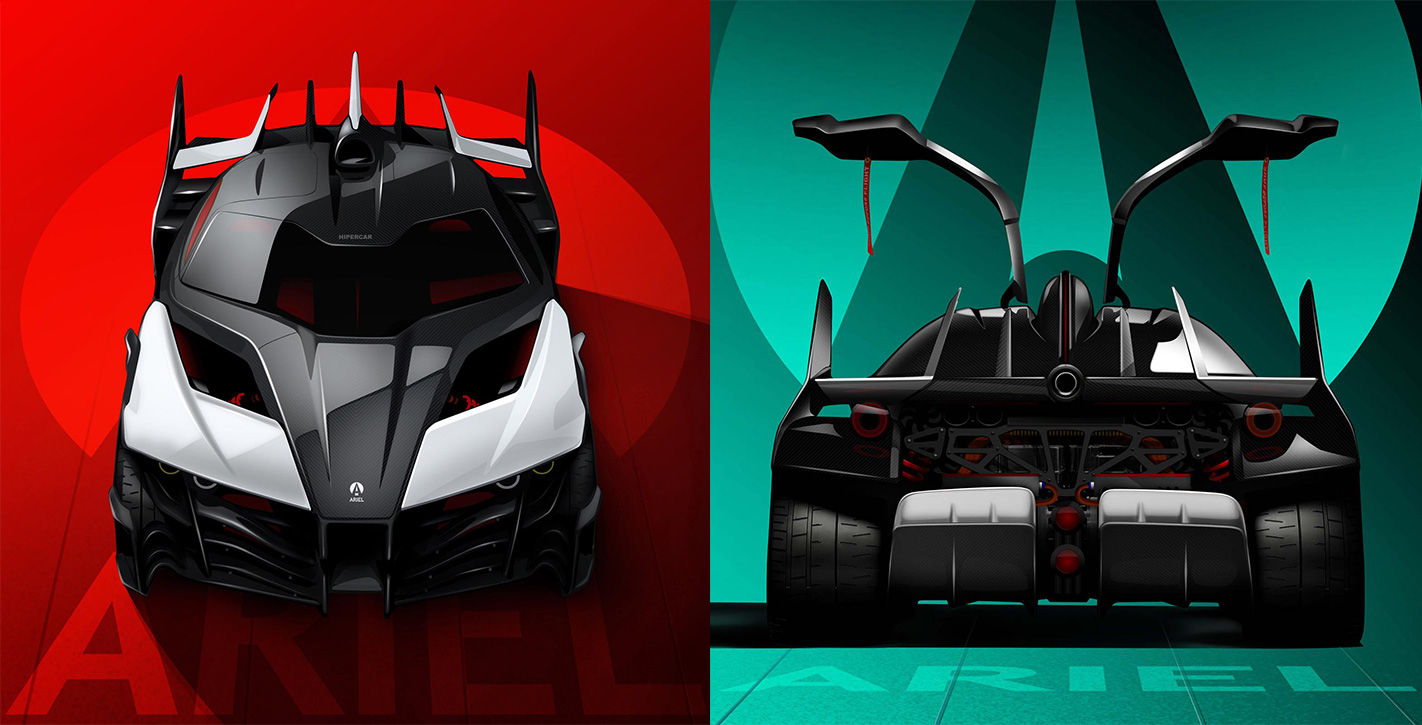
No, it’s not a typo. Ariel is building a ‘Hipercar’.
That’s not actually going to be the model name when it is officially released, but the pre-production name does have meaning.
It stands for High Performance Carbon Reduction, and that’s because this little beast is going to be electric.
So, 0-100km/h in only 2.4 seconds sounds about right, then. Or, to really drive the point home, 0-241km/h is claimed to take just 7.8 seconds.
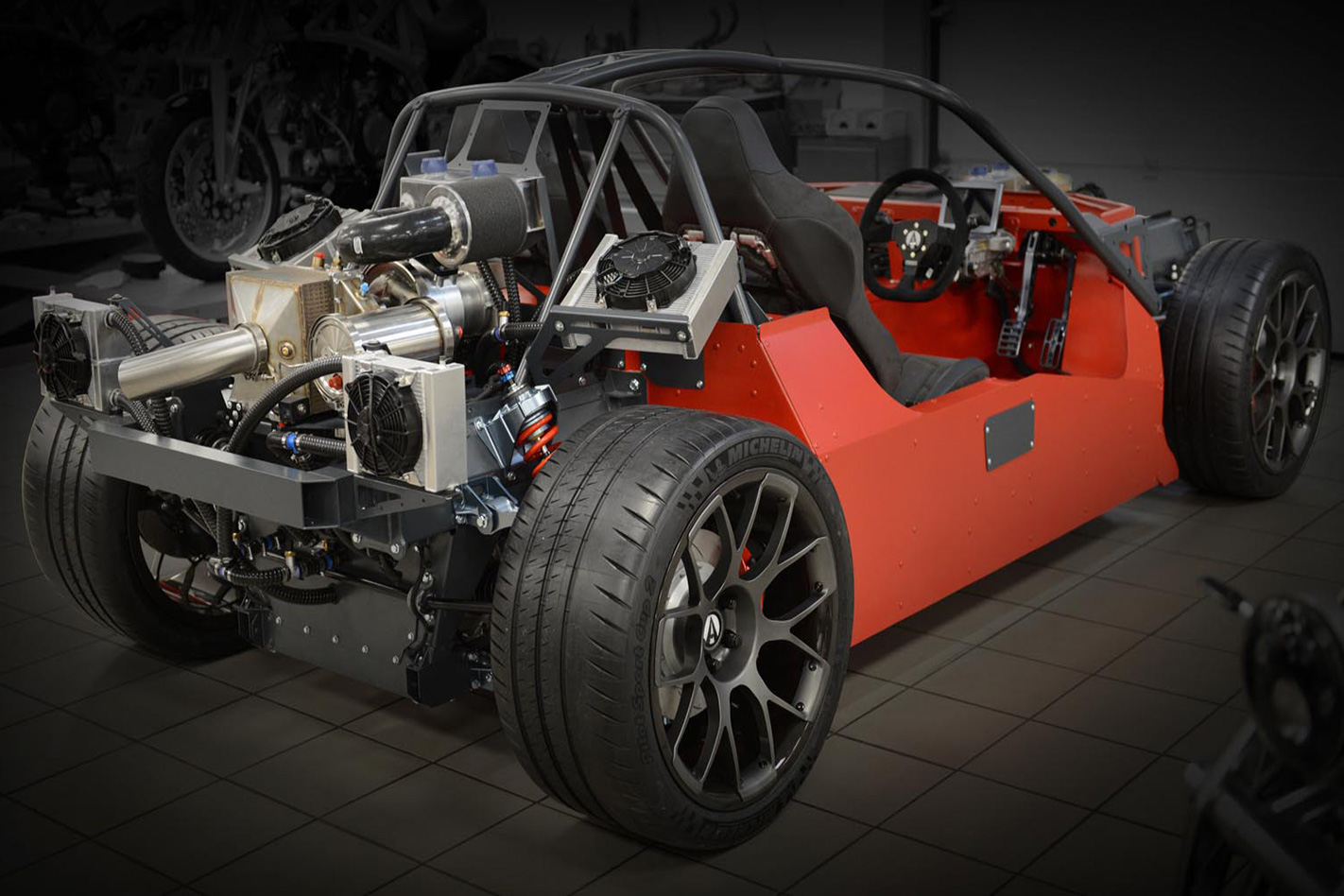
It’ll also be available in two or all-wheel-drive, with each wheel being driven by a 220kW/450Nm electric motor.
“Like other Ariels we want Hipercar to represent excellent value for money for the remarkable performance on offer,” Ariel founder Simon Saunders says.
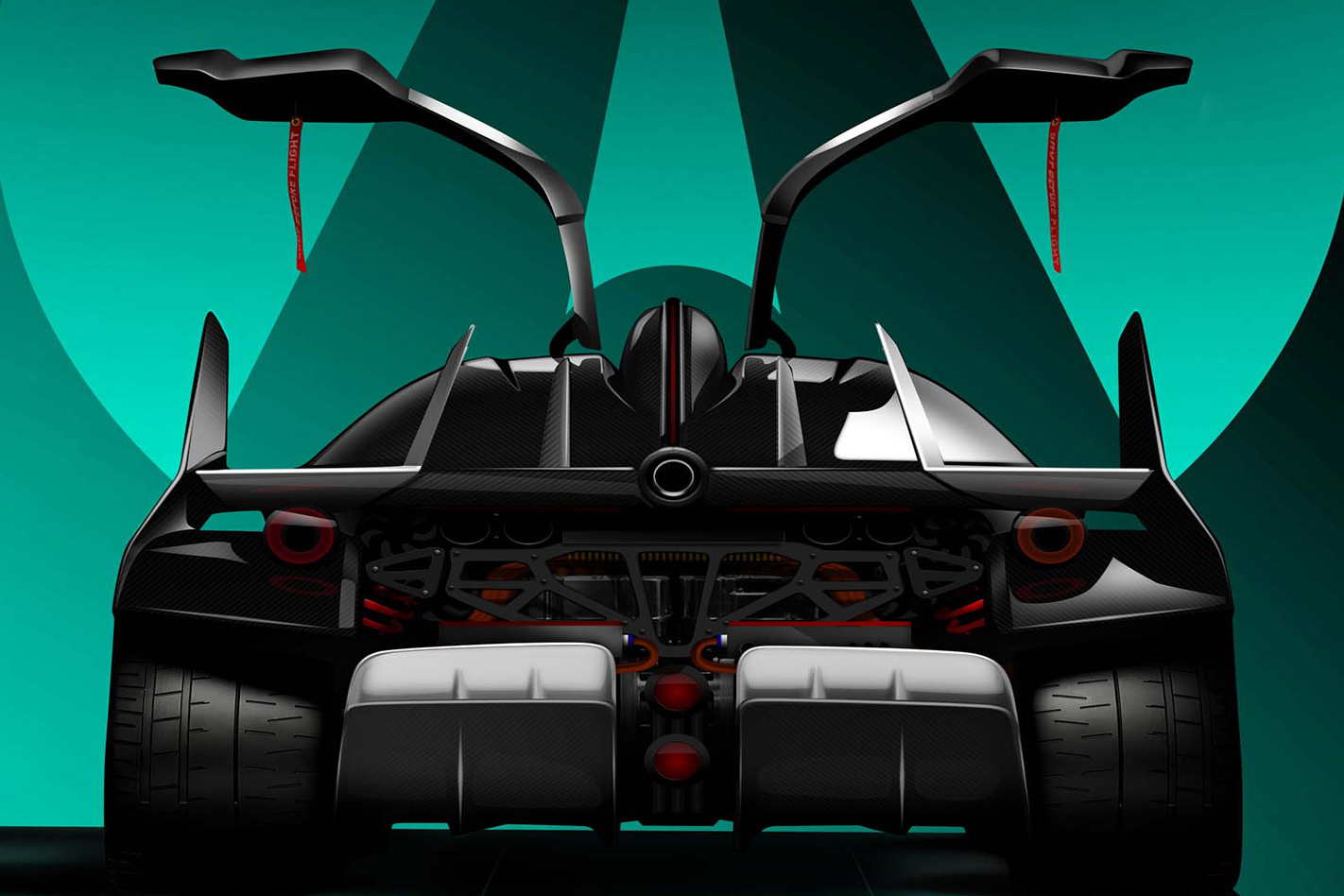
“This is the first true electric supercar that will cross continents, drive to town and lap a race track.”
It’s slated to be ready for production in 2020 alongside Ariel’s other creations, the Atom, Nomad, and Ace.
Ariel Hipercar Specs: Engine: 2 or 4 electric motors Power: 220kW per motor Torque: 450Nm per motor 0-100km/h: 2.4s (claimed, AWD) Price: TBC, but “expensive”
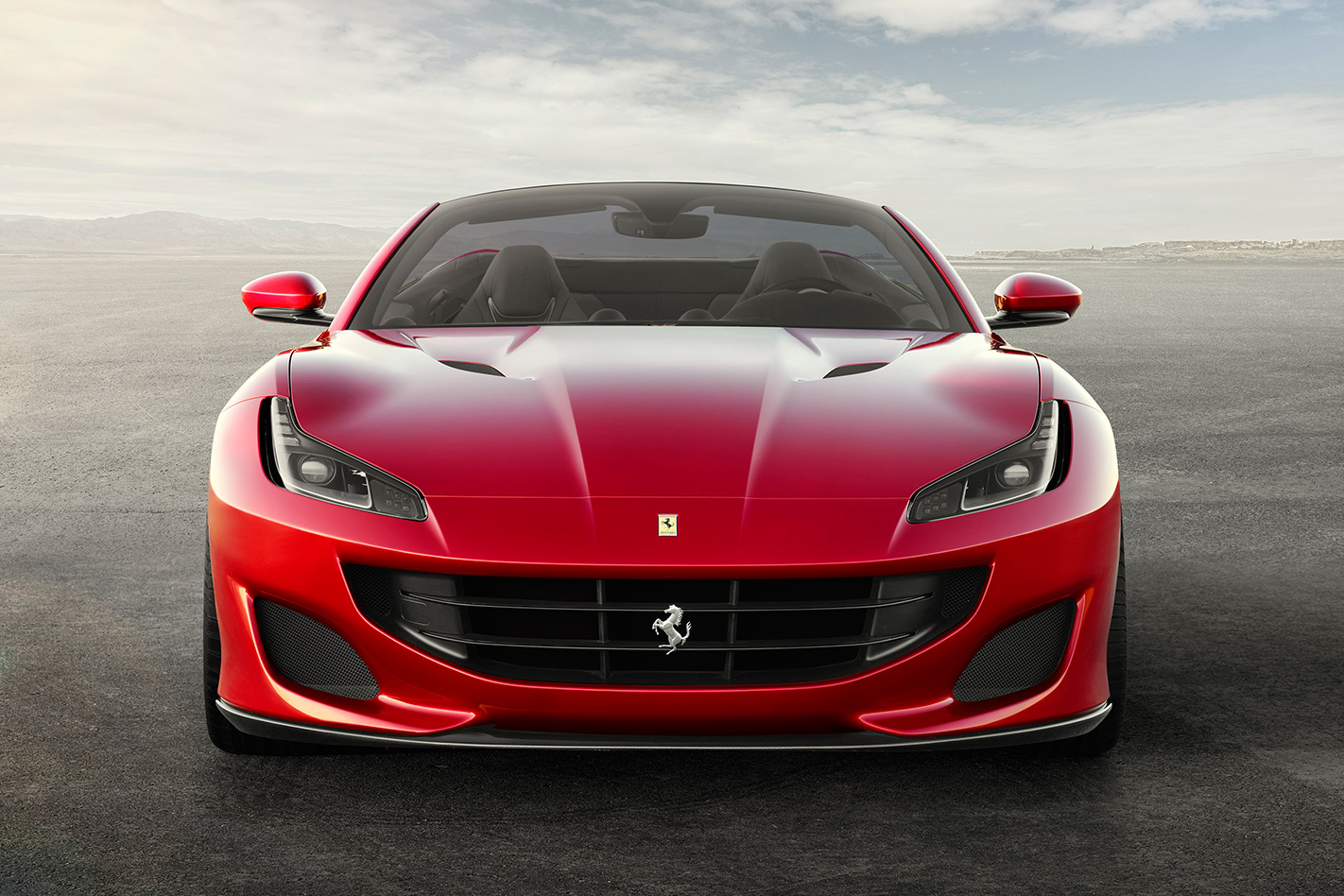
FERRARI has confirmed that a new front-engined V8 turbo convertible dubbed the Portofino will take the baton from the California T as the prancing horse’s entry-level, and most affordable, model.
The bristling new rear-drive hard-top cabriolet will make its public debut at the Frankfurt motor show next month, revealing a stunning new interpretation of the classic sportscar recipe, which packs 441kW and accelerates from zero to 100km/h in just 3.5 seconds.
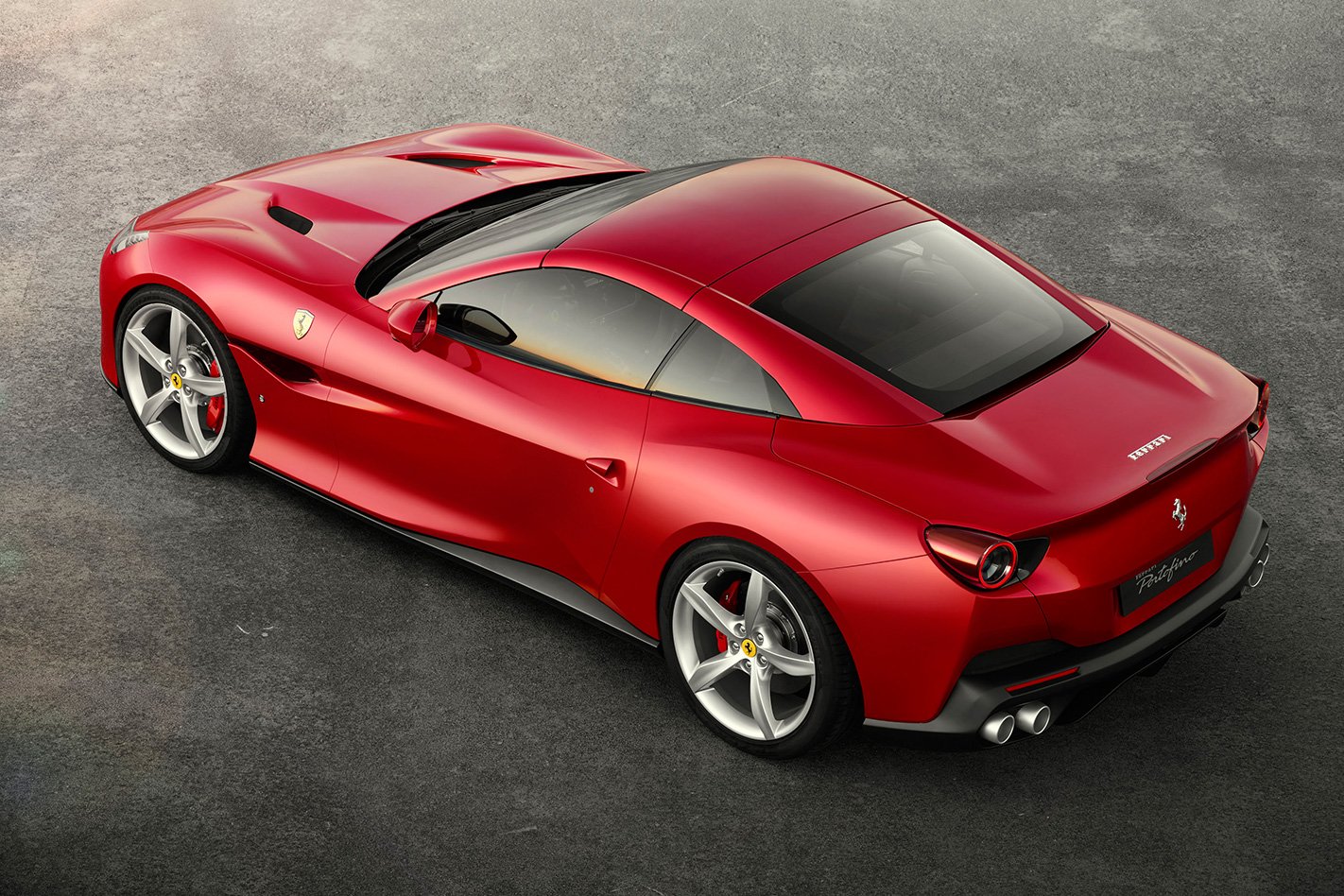
Ferrari has not revealed the weight of the new beast, but says its latest manufacturing techniques have stripped weight from the body and chassis components while increasing torsional rigidity for improved dynamics.
A dusting of the car maker’s advanced electronics have enhanced the weight reduction benefits for Ferrari’s most accessible model, including the first application of electric power steering and electronically controlled differential with F1-Trac.

The power boost over the California T was possible with a number of engine mods, including a one-piece cast exhaust manifold, stronger and lighter conrods, revised induction system, and an engine management remap. The all-important soundtrack has also been rewritten, says Ferrari.
Despite the tune-up, the Portofino’s donk can’t quite match the 493kW power output of the 488’s powerplant, which it is also closely related to, although torque is identical at 760Nm.
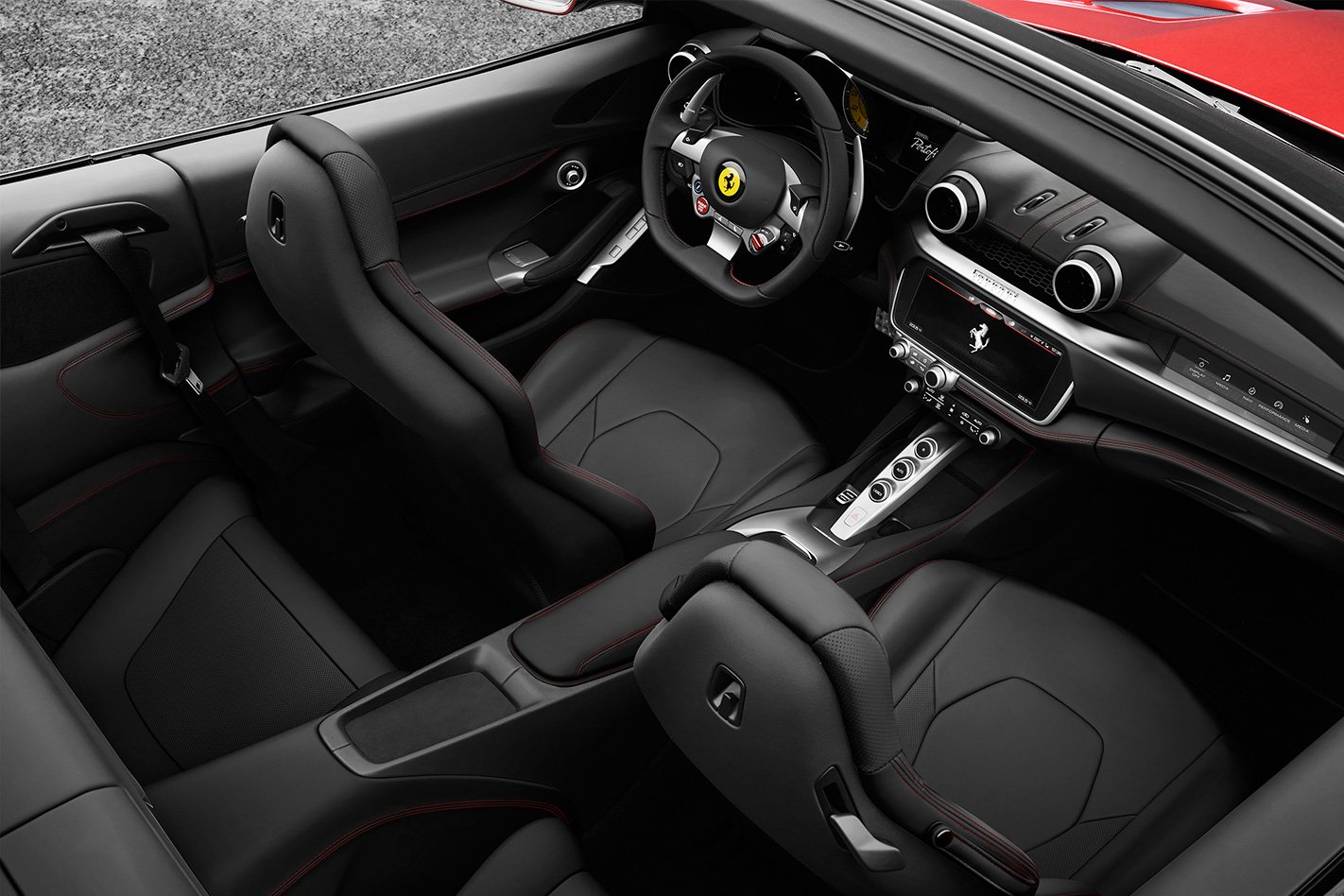
A maximum speed in excess of 320km/h has been made possible by paying careful attention to aerodynamics, thanks to a close collaboration between design and engineering teams. Its wide grille provides air for the hard-working V8, while hidden vents beside each full LED headlight lead to exits on each flank.
The result is a Ferrari as fast and dynamic as is expected from the iconic Italian brand with a look that takes its most affordable model in to new aesthetic territory. While some say its California predecessor may have gone a bit soft on styling, there’s no doubt the new Portofino is going to pull quite a crowd at Frankfurt.

The Prancing Horse’s newest addition to the line-up, the Ferrari Portofino, is the replacement for the outgoing Ferrari California T.
It’s named after an Italian town that’s particularly popular with tourists, and so its launch colour – that glorious red – is named ‘Rosso Portofino’.
Underneath the sleek red metal is Ferrari’s turbocharged V8, which is now putting out 441kW. That makes it 29kW more powerful than in the California T.
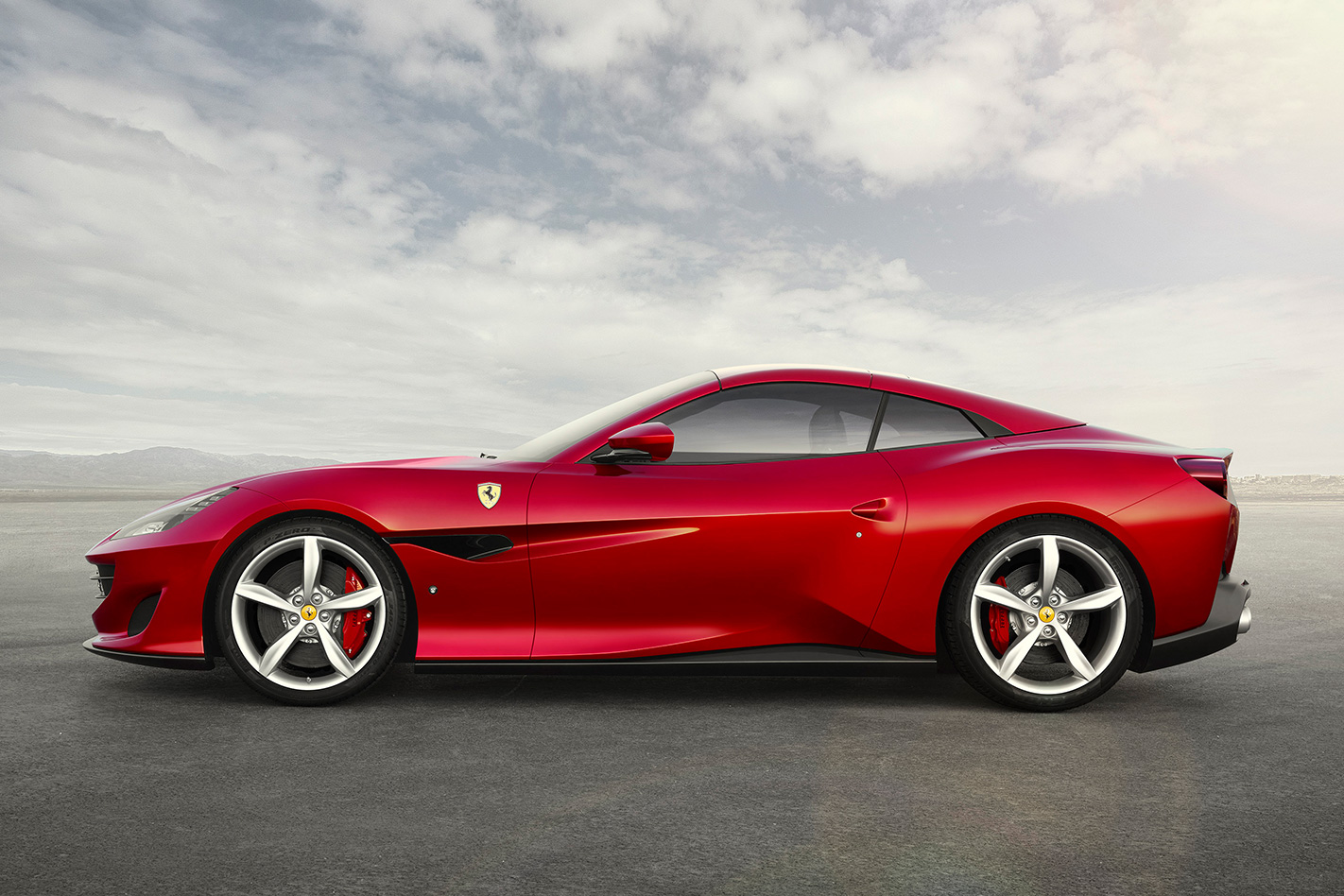
Ferrari also says the Portofino scores a significant weight reduction from the California, which weighed 1730kg, though hasn’t given a figure for the new car’s weight. In addition, the Portofino is said to have increased torsional rigidity over its predecessor.
All of this means the Portofino has a claimed 0-100km/h sprint of 3.5 seconds, which is only one-tenth faster than the claim for the California.
It might be worth pointing out that peak torque is only available from 5250rpm in the Portofino, where it was available from 4750 in the California.
“The new one-piece-cast exhaust header reduces losses, an important factor in ensuring Ferrari’s characteristic throttle response with zero turbo lag.
“These improvements, combined with the Variable Boost Management which adjusts torque delivery to suit the gear selected, enable the Ferrari Portofino to offer even higher levels of acceleration in all gears and lower fuel consumption compared to the outgoing model.”
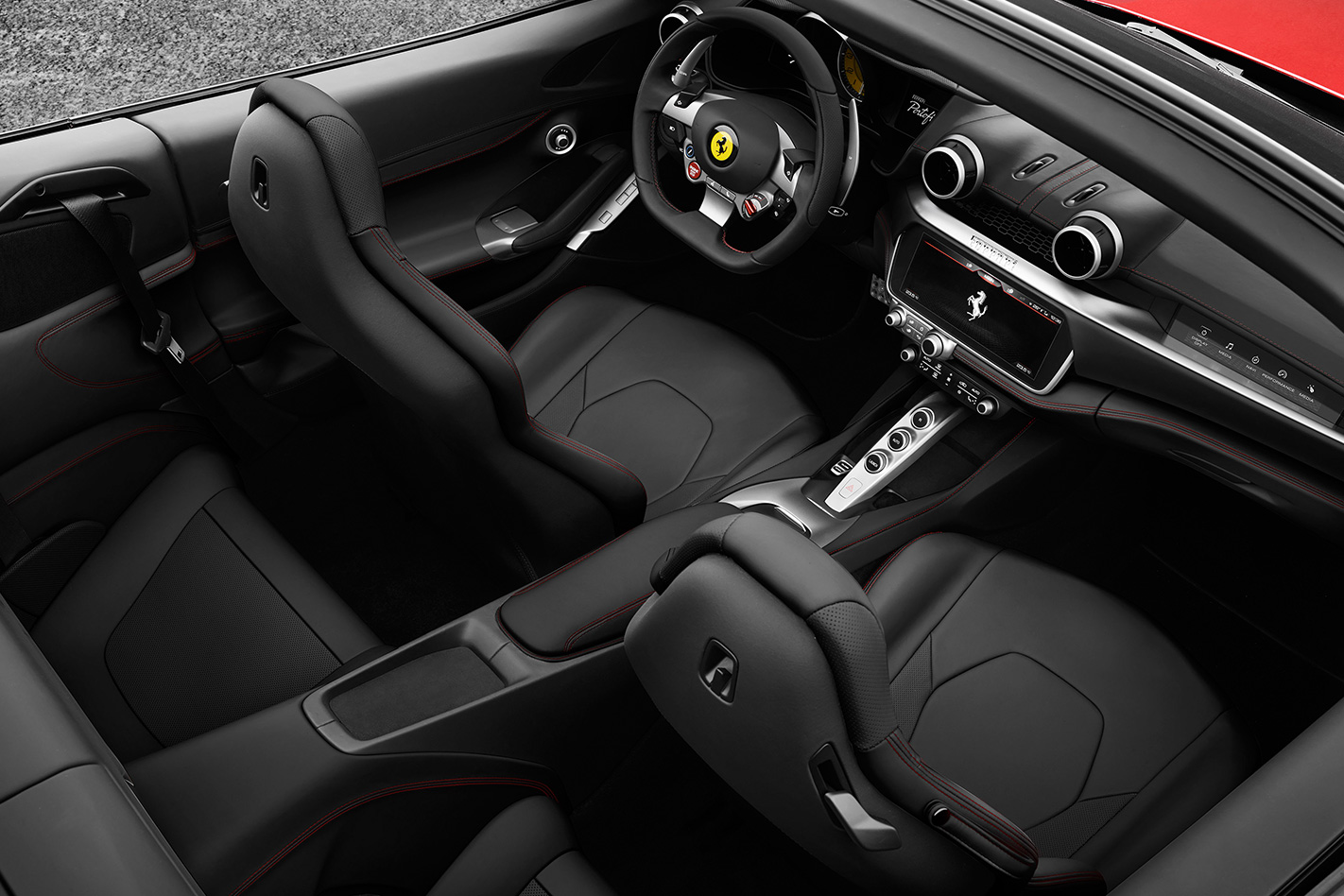
Its damping system has also been improved to “help reduce roll while simultaneously improving absorption of road surface unevenness,” Ferrari says.
And on the topic of comfort, a four-seater would be useless if the rear passengers had no legroom. 18-way adjustable seat help make sure rear passengers won’t be sitting cross-legged.
Ferrari will debut the Portofino at the Frankfurt International Motor Show in September.
Ferrari Portofino Specs: Engine: 3855cc turbocharged V8 Power: 441kW @ 7500rpm Torque: 760Nm @ 5250rpm Weight: TBC (claimed less than 1730kg) 0-100km/h: 3.5s (claimed)
PLENTY of seriously fast metal gets announced every month, and we here at Wheels report on it religiously.
But we aren’t quite sure how to react to this one, other than with slack-jawed awe and bewilderment.
British scaffolding manufacturer Ariel has revealed plans to build a four-wheel-drive, electrically-driven, 880kW, jet-engined hypercar, according to UK publication Autocar,.
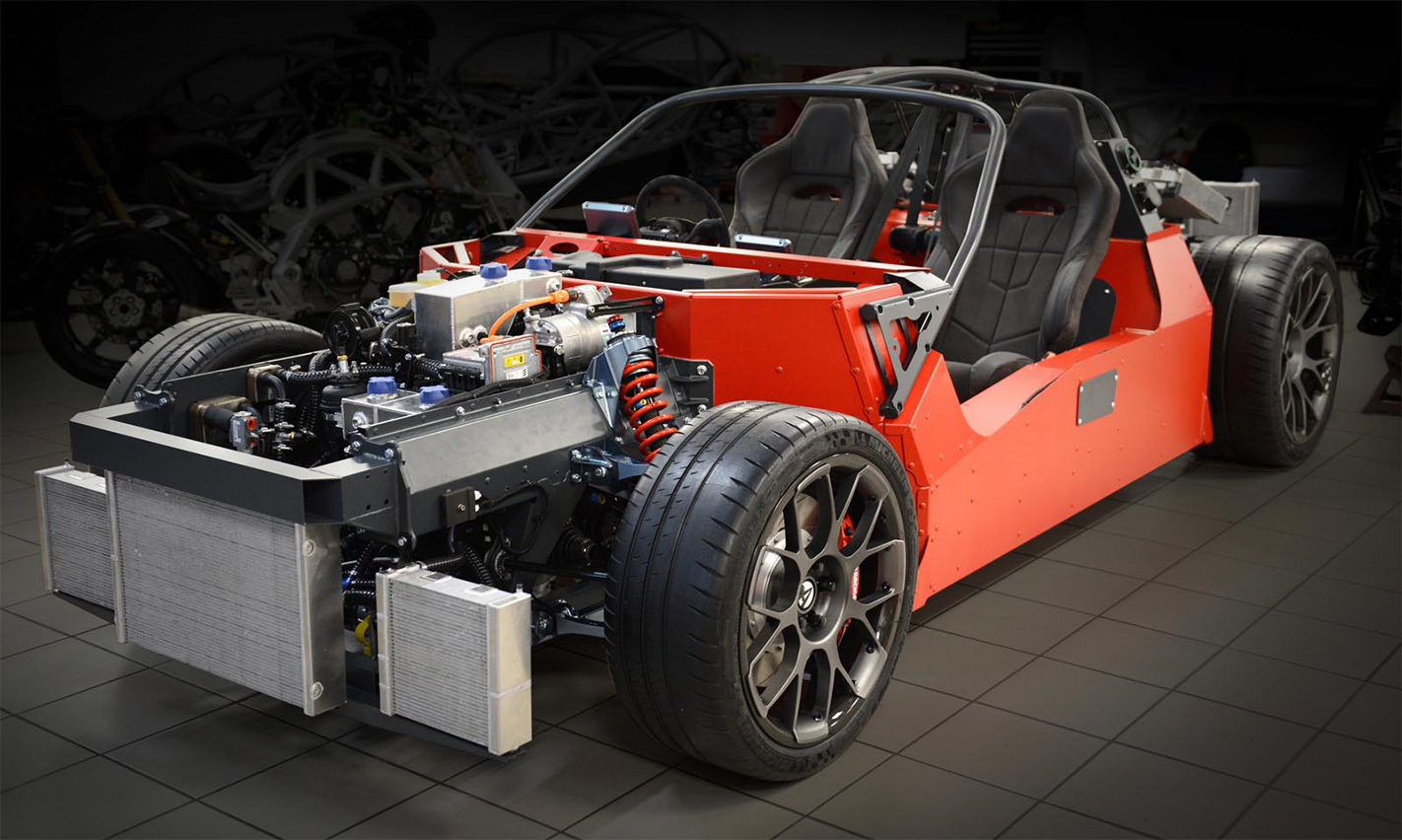
Ariel says the basis of the car will be an aluminium monocoque chassis with carbonfibre body panels, for a weight figure in the 1600kg ballpark.
Power will be delivered by a quartet of electric motors – one for each corner – packing 220kW apiece and supplied power by a 42kWh liquid-cooled battery.
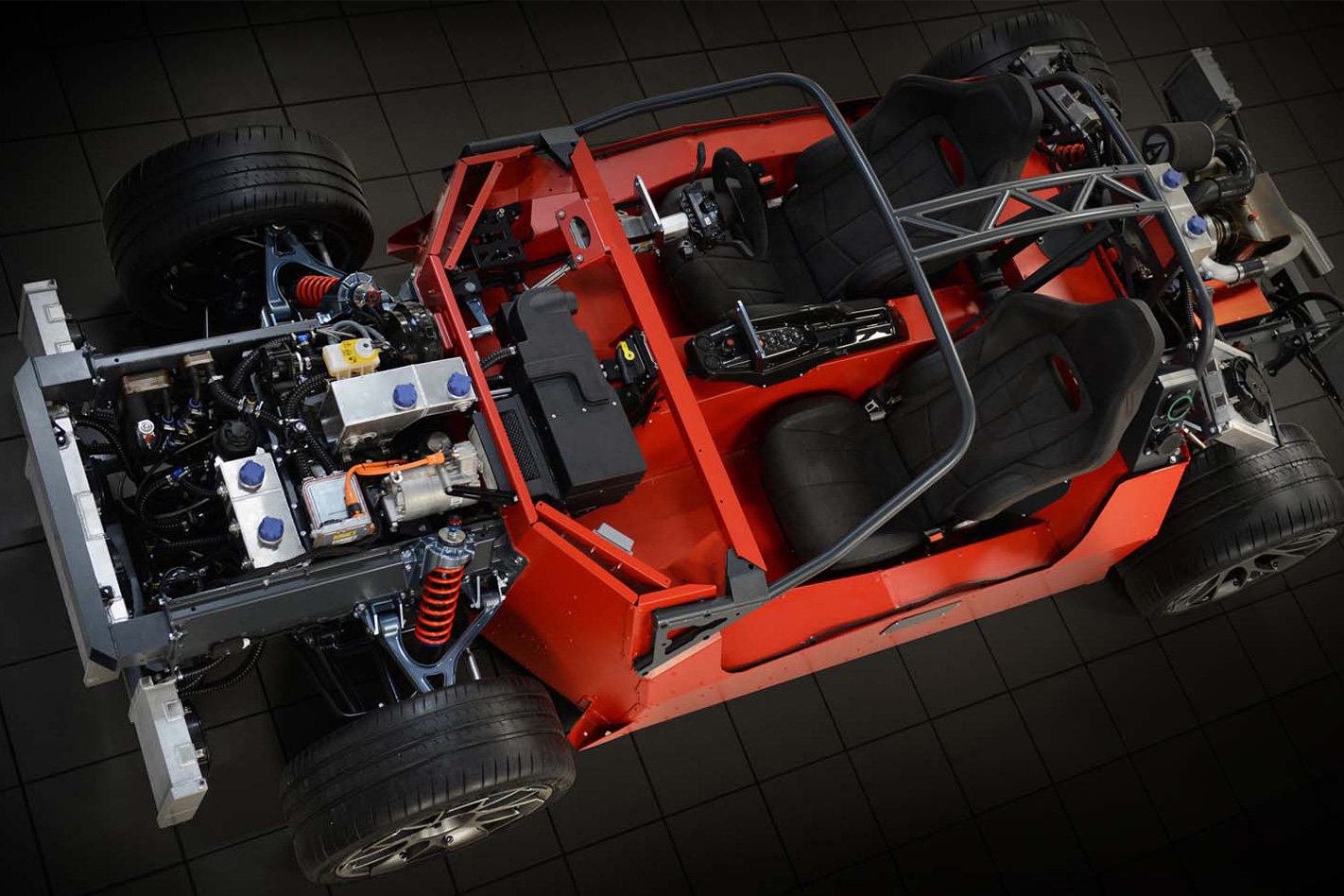
Flat-out and with a full charge, Ariel expects the P40 to be good for 15 minutes of track action, before requiring a 50 minute fast-charge.
Ariel’s claimed performance figures are this. 880kW, 1800Nm, 0-97km/h in 2.4scs, 0-240km/h in 7.8secs, and a restricted top speed of 257km/h.
Ariel is receiving a £2 million (A$3.25 million) grant from the UK government for the project.
“We love the Ariels we make now, but we know we have to embrace new technology. If we don’t, in 20 years we’ll be making antiques, and we could even be legislated out of existence.”
It’s likely something this crazy will have limited production numbers, so if you are interested, make yourself heard quickly. But don’t get your hopes up for a local release – legislative hurdles have kept Ariel out of Australia for years.
