
UPDATE, February 2023: New-gen C43 driven in Australia
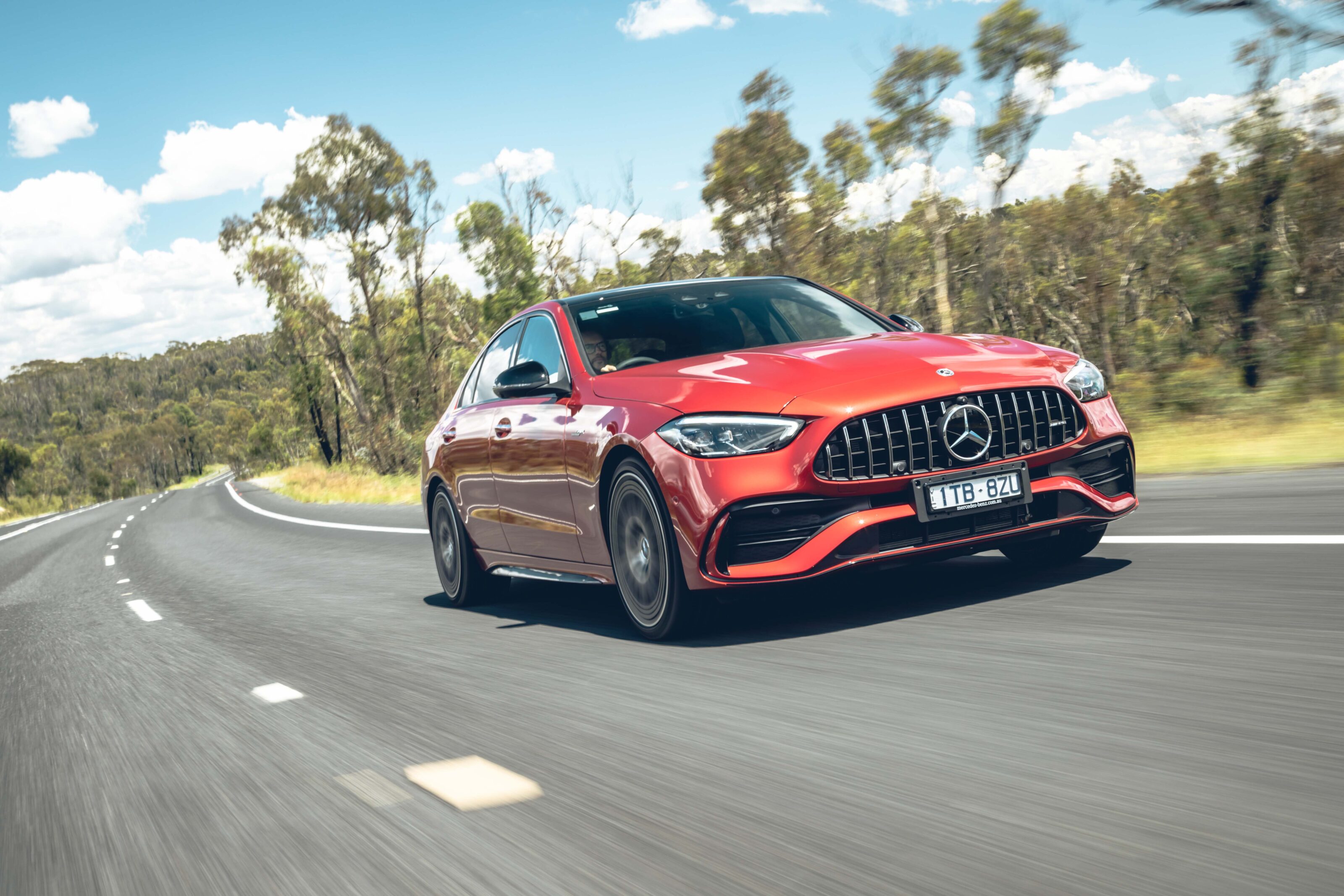
The new-generation AMG C43 is now on sale in Australia, and we’ve driven it. Get the full story at the link below.
Story continues…
- Introduction: Lesser the Better?
- Update 1: Still the Real Deal
- Update 2: Inside Story
- Update 3: Grand Touring
- Update 4: Big Brother
- Update 5: Conclusion
Introduction: Lesser the Better?
It pays to keep an open mind, but not so open that your brain falls out.
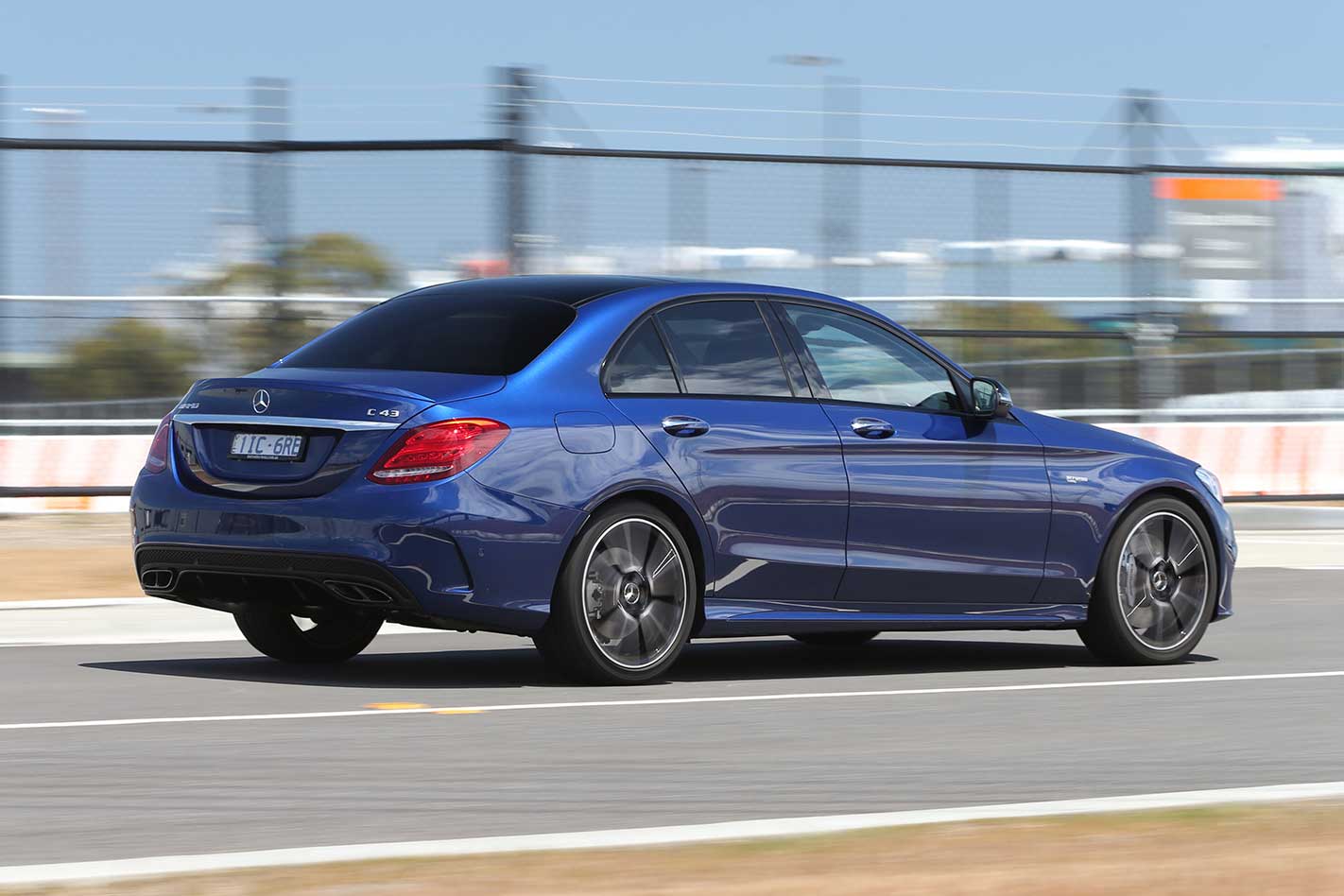
And so it was with a gentle skepticism we learned of Mercedes-AMG’s new C43 – the all-wheel drive, 270kW twin-turbo V6 baby brother (AMG would tell you) of the mega V8 C63.
Yet not too many moons ago this upstart sibling was called a C450 AMG Sport. In a recent upgrade to its auto transmission, from seven to nine speeds, Mercedes also thought it’d upgrade the name. Hmm.
Of course, it’s not uncommon for car manufacturers to try to get as much value out of their performance brands as possible. Car Company A cooks up something with a bit of spice, attaches the badges of its go-fast division and then adjusts the price accordingly – only for punters to find it’s the motoring equivalent of a korma when they were hoping for a blistering vindaloo.
We’re not suggesting these are Mercedes’ shenanigans with its new line of 43-badged AMG products (there’s also an E43, SLC43, GLE43 and GLC43 – phew!). It’s just that, prior to driving the C43 we desperately hoped it had the go-fast ability as promised by the badges.
Because if it did, a ‘baby V6 C63’ – for $50K less – would be a mighty attractive offer and enough to make BMW and Audi squirm with the 340i and S4, particularly given the strength of the AMG brand in Oz.
So… is the C43 a proper AMG, or a tepid pretender with an identity crisis? We’ve got six months to find out.
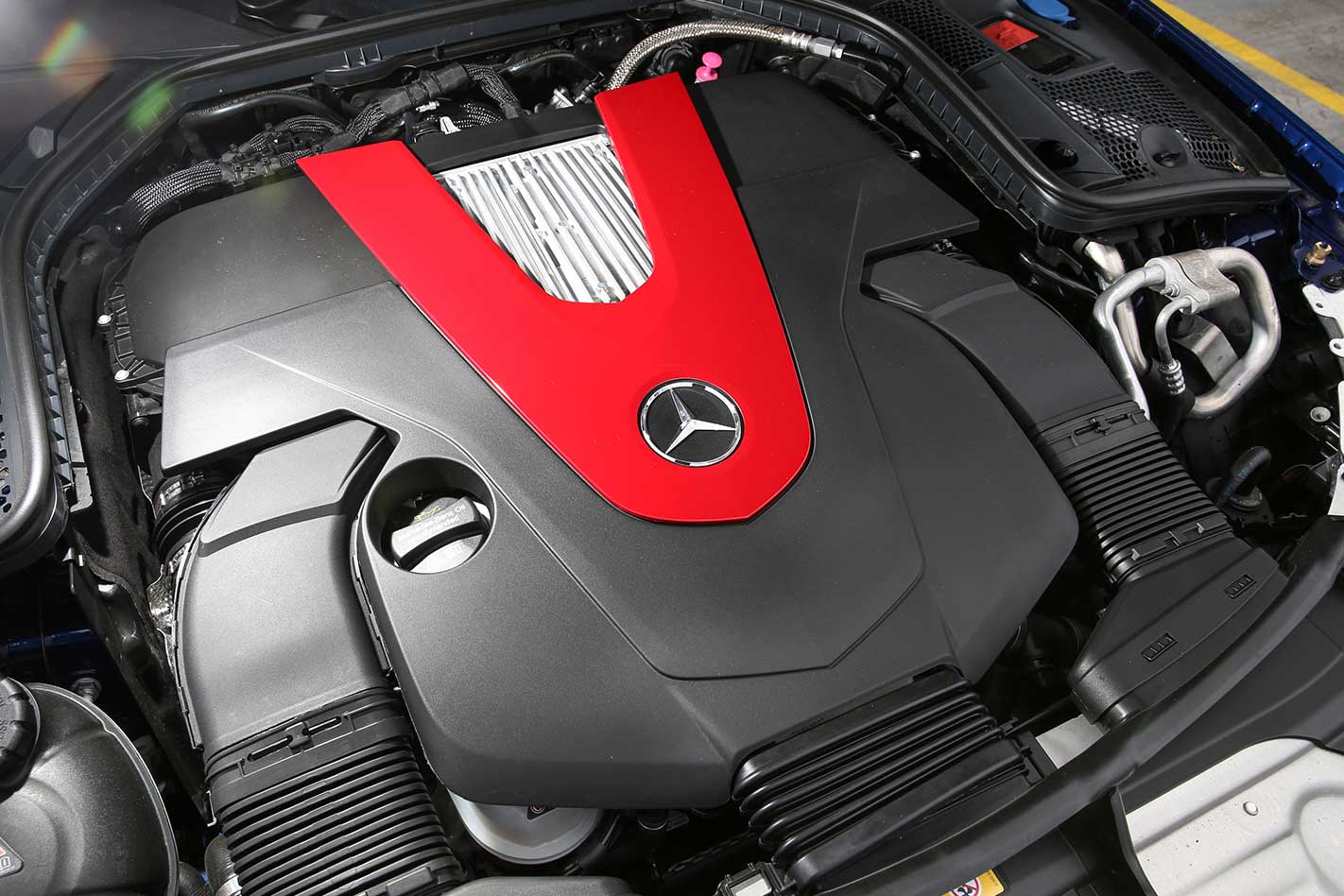
A glance over the specs certainly gets one nodding. With 270kW and 520Nm from its 3.0-litre ‘biturbo’ V6, the C43’s outputs almost identically match those of last decade’s C55 AMG (back when a Benz badge actually related to engine capacity).
At $101,900 the sedan is the cheapest of the C43 quartet, the Estate $104,400, Coupe $105,615 and Cabrio $119,900. All come loaded to the hilt with standard equipment.
On paper, though, one thing especially jumps out and that’s the ‘4MATIC’ all-wheel drive. The C43 sedan comes with a permanent 33/67 front-to-rear split. No doubt helpful in hitting that 4.7sec claimed 0-100km/h time, but there’s something about this particular all-wheel drive system that, from the outset, and in an AMG sports sedan, feels a bit too sensible. If rear-drive was deemed suitable for the 375kW Merc C63, why not the 270kW C43?
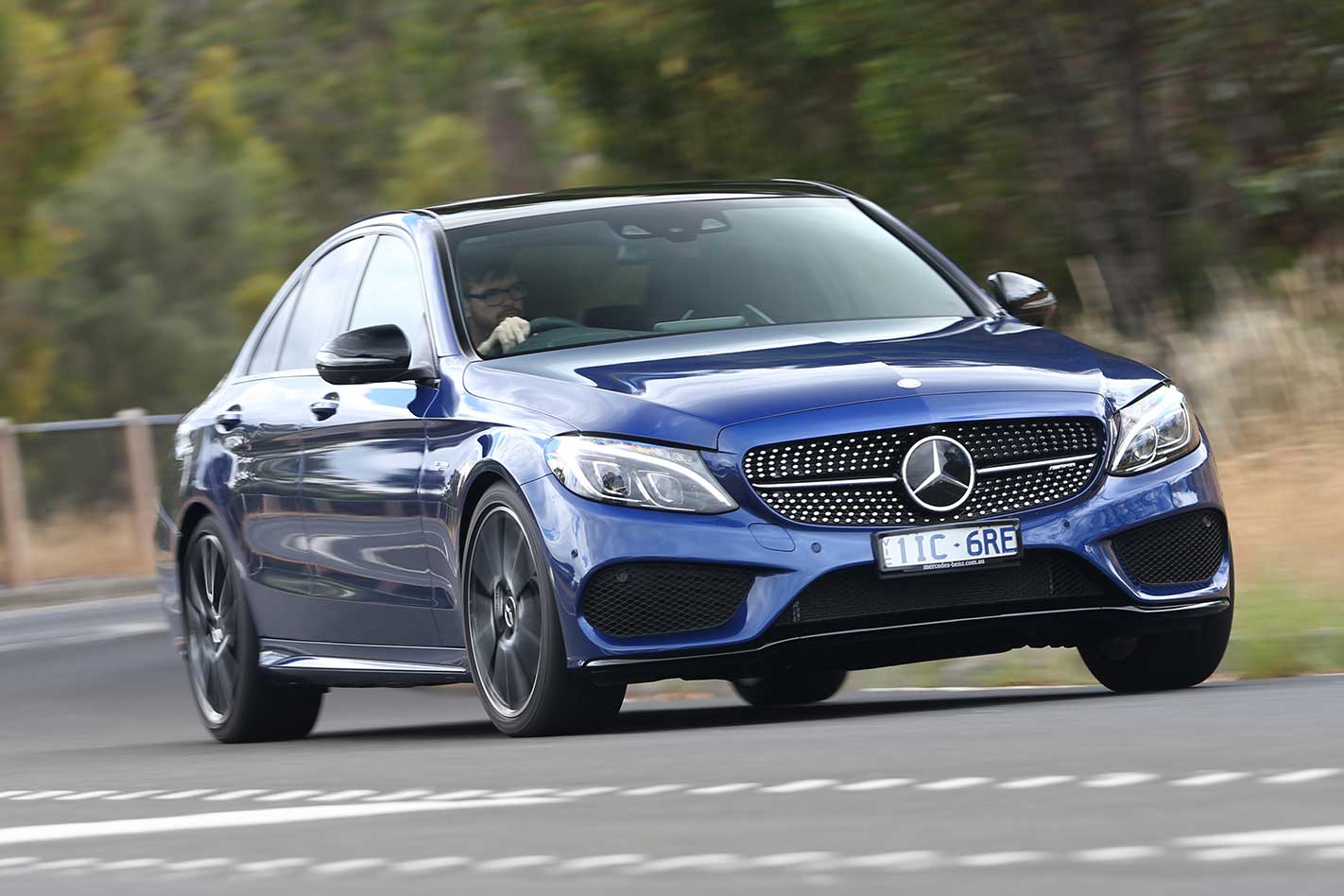
Though its 0-100km/h time wouldn’t be as impressive, imagining the C43 with rear-drive and a limited slip diff almost doubles the amount of salivation. Of course, many customers will appreciate the security of all-wheel drive, and many might even be attracted by it, but it seems to us all-wheel drive in an AMG sedan should be some desperate last resort for when the rear bags simply can’t take any more, a la E63 S.
Yes, there’s a rear bias – on paper – but how does it translate to the real world? We will find out next month, where we start to get a proper taste of the C43. Please may it burn our mouths off.
MONTH ONE
Claimed combined consumption: 8.2L/100km Starting kilometres: 1055km Duration: 6 months
Liked: Plenty of AMG-ness going on Disliked: Metal interior trims scalding in summer Favourite moment: Opening the taps for the first time. Jesus, it’s loud.
Update 1: Still the Real Deal
The C43 is fast, loud, and deserves its AMG badge
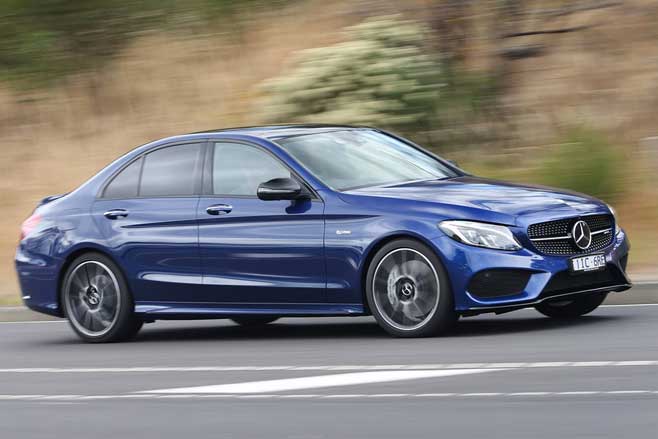
This month we’ve been getting to know our new Mercedes-AMG C43 long-termer and there’s one question we’re very eager to answer: is this thing a ‘real’ AMG or should Mercedes have stuck to calling it a C450 AMG Sport?
For readers not familiar, not too long ago this car was called exactly that – a C450 AMG Sport, suggesting that from the get-go the company thought it might be just a little bit too soft for the exclusive three-character AMG nomenclature. But in a recent update – where the only change was the fitment of a new, nine-speed auto – Mercedes also upgraded the badges. Which made us suspicious.
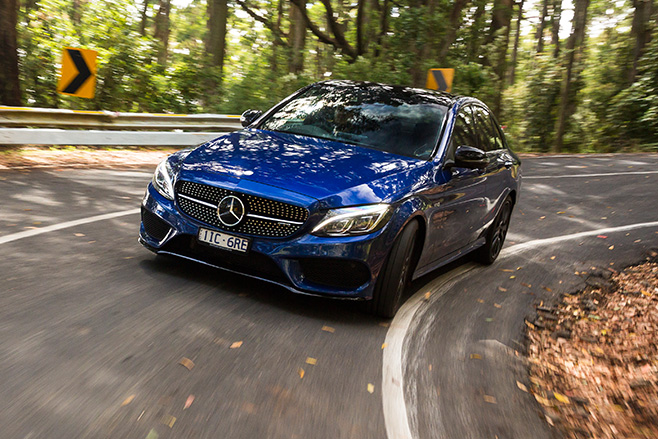
And now, having spent a few thousand kilometres in AMG’s new baby, we can confirm they got the name wrong – in calling it a C450 to begin with. Yep, we are relieved to say, the 270kW twin-turbo 3.0-litre V6 C43 deserves to sit below the C63 as an AMG product. Although anybody thinking this is a C63 Junior would be mistaken. Though obviously based on the same chassis and platform, from a performance perspective, these are two very different cars.
The C43 has fundamentally an entirely unique personality to the C63. Whereas its $155,615 V8 big brother has a burbly, menacing hot-rod exhaust note; and in trying to put 375kW through two rear wheels is just an unhinged kind of car; the C43 almost channels some A45 AMG in the way it goes about its business.
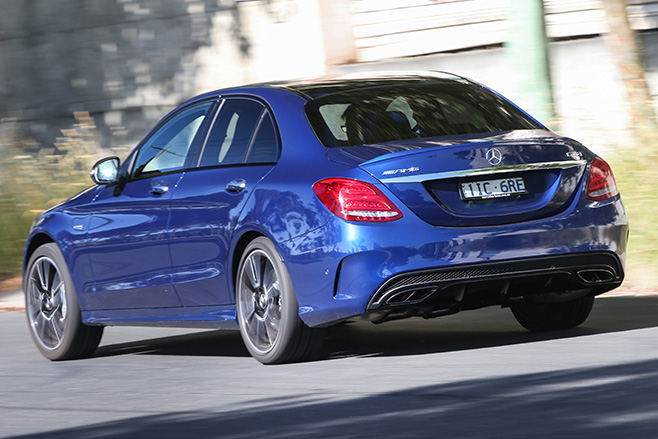
With four-wheel drive the C43 is a much more secure-handling car than the C63 without any of the latter’s wheel-spinning histrionics. You plant it in the C43 and it just converts your command to forward momentum without fuss or blinking ESP lights.
We will get a Mercedes-AMG C63 and compare them at some point but the C43 also feels to have a much more conservative chassis tune. This is a car whose front tyres let go much sooner than the rears. And unlike the C63, in which you can neutralise understeer in obvious ways, it takes more technique to get the best out of the C43. (There’ll be a track update at some point in which we’ll drill down into the C43’s handling personality.)
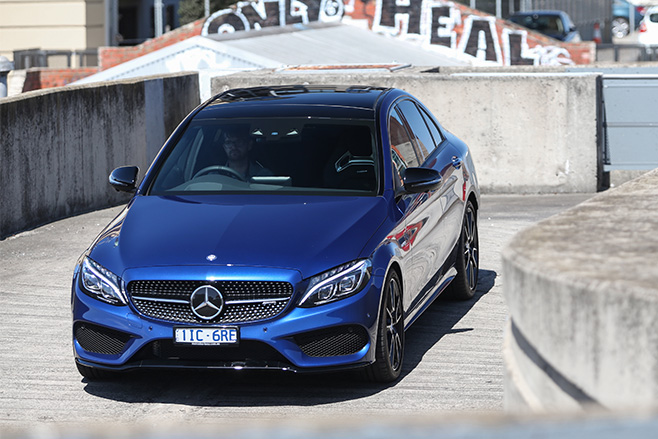
The C43’s ride is also very interesting. It’s sporty, cat’s eyes thumping into the cabin like the car is full of rose-joints, even in Comfort mode. But fundamentally the C43’s suspension errs on the softer side, almost too much so, to the point it’s wanting for some body control over big, long bumps. The result is a sometimes springy, bouncy ride at highway speeds where the body takes more than one movement to settle. Interestingly the ride is almost better in Sport Plus where the firmed-up dampers keep the C43’s body movements more in check.
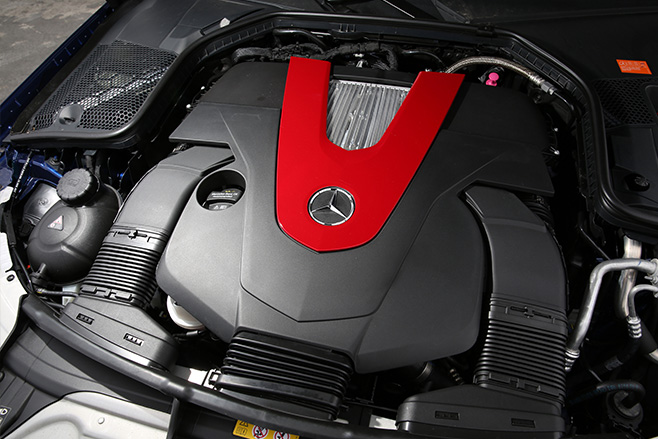
But there are two things that hit home to us that the C43 is a deserving AMG and that’s its speed and noise. Our car has the optional $4990 Performance Package which gets you the ‘Dinamica’ microsuede steering wheel as seen in the C63; the C63’s snug Performance front seats and the Performance exhaust. This $5K, we suspect, really puts the AMG into the C43. It’s properly loud, with an aggressive and addictive crack on its swift upshifts and a V6 howl not unlike a Jaguar F-Type. The noise alone is causing the C43 to win hearts in the MOTOR office.
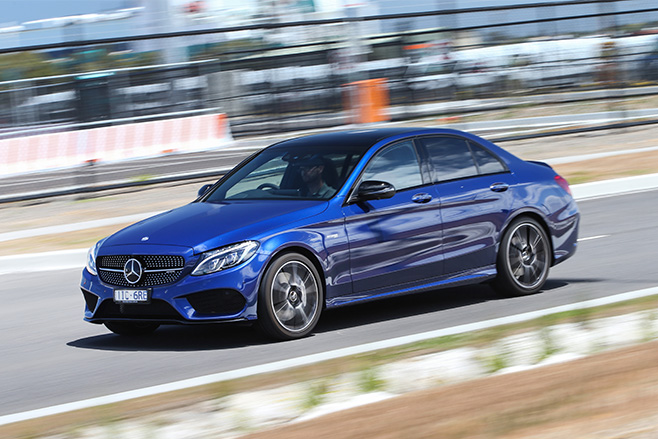
And the speed. This car is FAST, surprisingly so. Merc claims 0-100km/h in 4.9 fuss-free all-wheel drive seconds, and we don’t doubt it. So it’s so far, so good with the C43. It might be more straight-laced than the C63 but there’s no denying they’re blood relatives. What a relief.
MONTH TWO
Fuel this month: 8.04L/100km Average: 8.04L/100km Distance this month: 1155km Total: 2160km
Liked: Plenty of AMG-ness going on Disliked: Metal interior trims scalding in summer Favourite moment: Opening the taps for the first time. Jesus, it’s loud.
Update 2: Inside Story
We’re quite fond of the C43’s interior
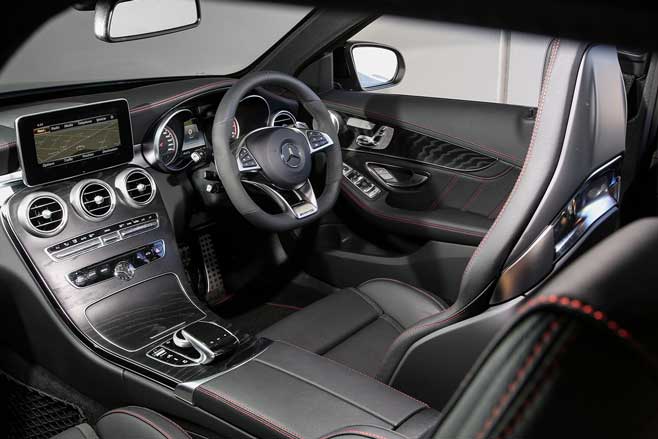
Column inches are always bulging with driving impressions at MOTOR to the point that often we don’t get to talk interiors enough.
And it’s important: a car could drive like it was built in the factories of heaven but if being in it was like sitting on a pallet in an Iraqi prison, you probably wouldn’t be so keen for that blissful driving road to go on forever.
Much was made of the new W205 Mercedes C-Class interior when it launched and let’s be frank straight up, it’s a lovely place to sit. Three months in to our C43 long-termer, we genuinely look forward to jumping in for any drive no matter how long. A near perfect seating position is achievable, for this 173cm scribe at least, and the electrically-adjustable Performance seats – pinched from the C63, and part of a $4990 optional Performance Package – look great, are terrifically supportive and comfortable.
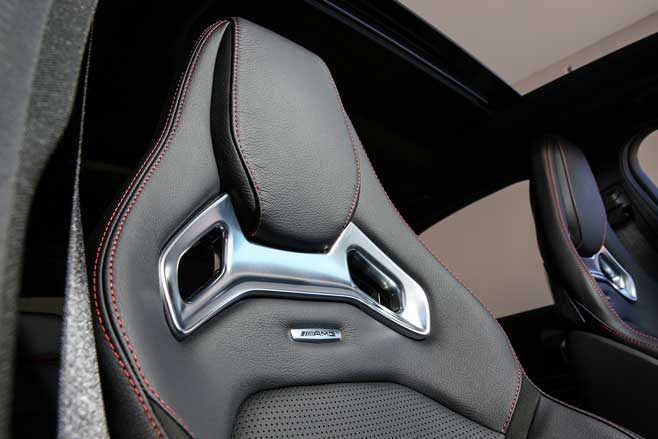
With these seats and the microsuede on the steering wheel you could be sitting in a C63. And if part of the reason you’re keen to lay down $106,890 (as-tested) is for a quality, luxo-feeling interior, you’ll be very happy with the C43.
Having now spent more than 4000km in 1IC-6RE, the relationship is truly deepening and we want things to go further. It’s charming other testers in the office. And we’re not only ‘getting’ the whole concept of a snorting, turbo V6 all-wheel drive C-Class with AMG badges, but warming to it.
But it’s not all been fairyfloss and kittens. We must take issue with Merc’s infotainment system, COMAND. We’ve gone through all its menus, tried to learn its shortcuts and have given ourselves time to get used to it. The verdict is in: it’s far more complicated to use than it needs to be.
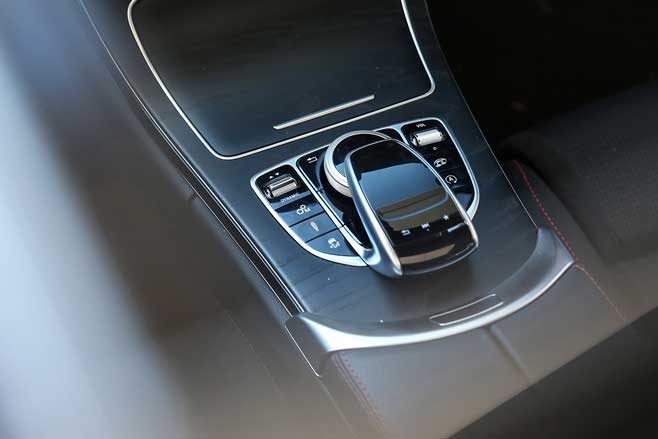
It’s not quite right that a sense of relief washes over us whenever we get into the C43 and notice everything is already sorted. Radio is already on the right station? Thank god. Phone already connected? Phew. And we’ve never been more grateful for a good voice control system – the COMAND’s is top-notch – as entering addresses is a breeze and means we don’t have to manually enter it into the system. And subsequently commit homicide.
To get the best out of the COMAND system it feels like you’d need to sit down with a Mercedes person and have them spend a morning training you on its use, which says something about its intuitiveness. And even then, we don’t think it would be superior to the systems of its German rivals.
Next, the cruise control: excellent at maintaining speed up and down hills. Can’t turn the radar bit off? A little annoying. Fortunately you CAN turn off the feature where the car “drives” itself down the road. The semi-autonomous “Steer Control” will, with the cruise control on, steer the car down the freeway with no hands – until it starts chiming at you to put them back on.
Great for removing lids off drink bottles when you’re doing the long-haul solo, but we’ve no clue what else people would use it for, particularly as it can get confused easily if the lane markings themselves go awry.
But, again, there’s an off switch for this. And the infotainment system? It lets the interior team down a bit, as everything else – material quality, fit and finish, roominess, aesthetics – is more or less fantastic.
The clunky COMAND is far from deal breaking and you can learn to get along with it. You’ll need to, as the C43’s interior is a place you’ll be wanting to spend time.
INNER WORKINGS
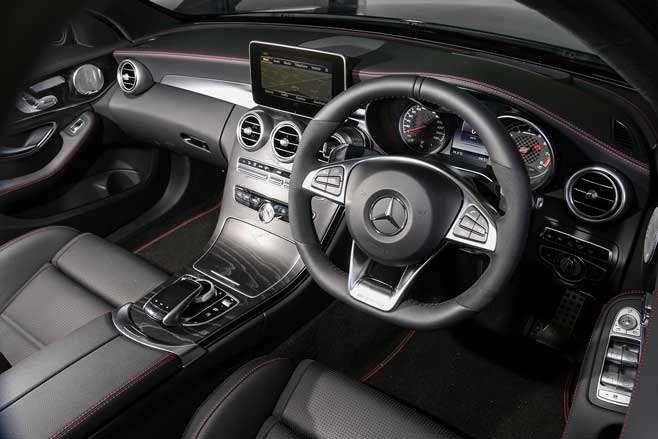
1. IN STEREO The standard Burmester system certainly looks cool (the speaker covers) and we’d describe it as ‘not the best we’ve heard, but good’. We’re not audio reviewers but our sense is, to most ears it will be more than satisfactory.
2. SCREEN PLAY Classy iPad-esque screen not touch responsive, and doesn’t fold away, but display does switch off.
3. HEADS-UP! Heads-up display shows speed and navi info. There’s also an AMG mode with quasi-shift lights and gear position.
4. ON P-R-N-D As it does for most models now, Merc shuns a centre console transmission lever for this simple, space-creating if somewhat emotionless selector stalk on the steering column.
5. NICE WHEEL Dinamica (Merc’s version of Alcantara) covers the main touchy bits of the optional Performance wheel. It’s lovely, if at times a little slippery, and worth keeping in mind how it’s going to wear. We recently saw a GLA45 Edition One, a few years old now, and the Dinamica wheel was surprisingly worn. Perhaps AMG should take a tip from Audi, who flip the microsuede/leather arrangement which is almost nicer to hold and might wear better.
MONTH THREE
Fuel this month: 9.2L/100km Average: 8.6L/100km Distance this month: 1965km Total: 4123km
Liked: Sitting in it, for any amount of time Disliked: Weird rattle in sunroof over cat’s eyes – what’s with that? Favourite moment: Seeing 850km distance-to-empty after a fill
Update 3: Grand Touring
Yes, you’d drive the C43 for driving’s sake
If you buy a sporty car, you want to know that, when the craving to go on a long drive down a very twisty road strikes, your chosen wheels will satisfy the urge.
Of course, the challenge is often buying a car that’s going to give us this fix, but one that we can drive on a daily basis while maintaining sanity.
With our Mercedes-AMG C43 long termer we’ve basically established that it’s a great companion for the daily grind. A nicely appointed interior with loads of genuinely helpful technologies, a decent ride, generous standard equipment and fantastic seats, all make it a joy to use on a daily basis.
But there are plenty of cars out there like this. The real skill lies in making these cars docile and cruisey when you want them to be, but then growing horns when the road turns twisty.
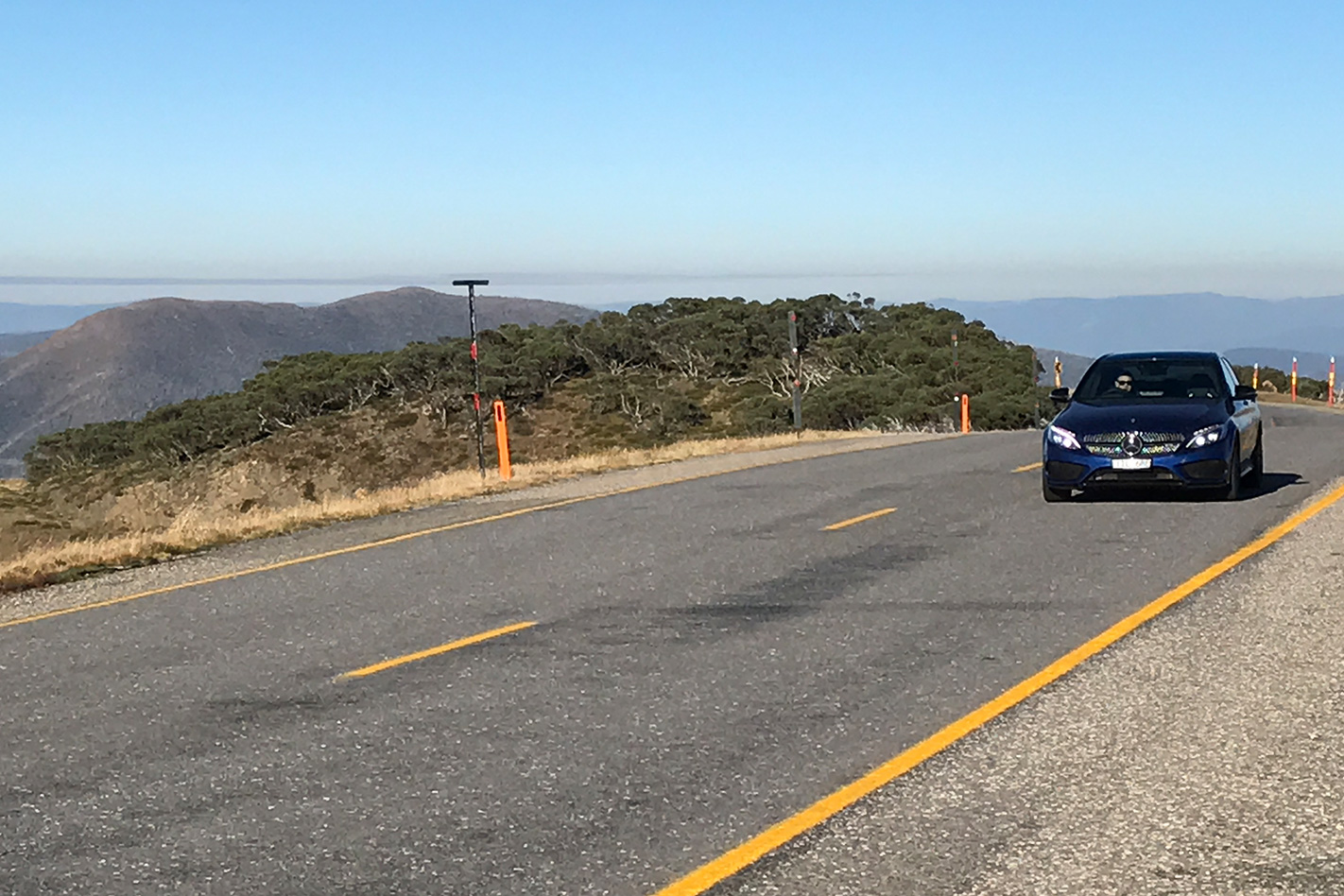
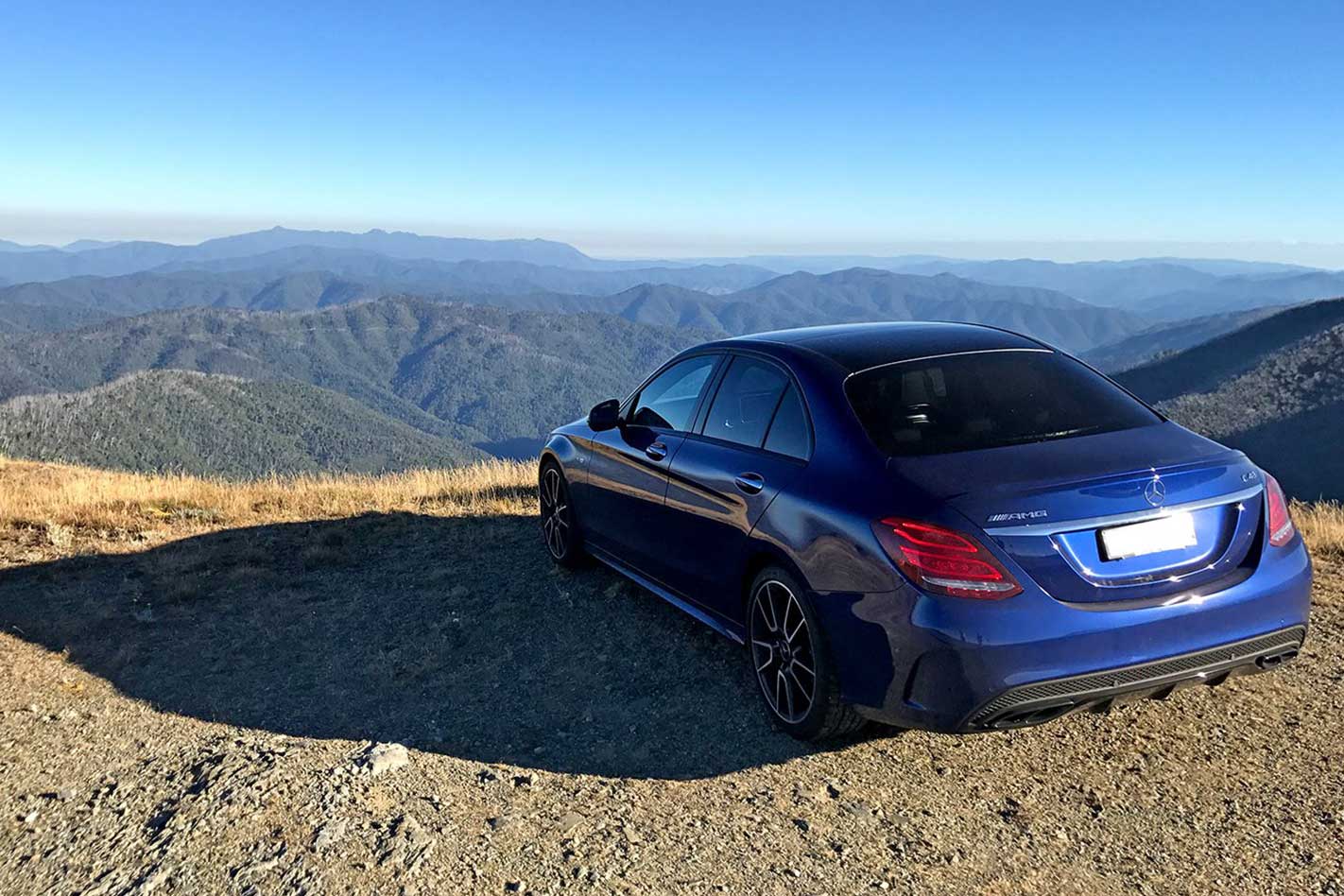
Checking the weather having not really crossed our mind like it might in a rear-drive car, we make our way from Melbourne 325km to Bright, a trip that isn’t the slightest bit onerous in the comfortable C43. Bright is a great town, a hub for hikers and mountain bikers in the warmer months with surprisingly good pubs, bars, burger joints and cafes. There’s decent accommodation, and a BP with Ultimate.
Leaving early the next morning as the sun rises, with blue-tinted mountains through the windscreen, the road becomes tight and twisty as you start going up in altitude. And it’s here I feel like I’ve made a mistake.
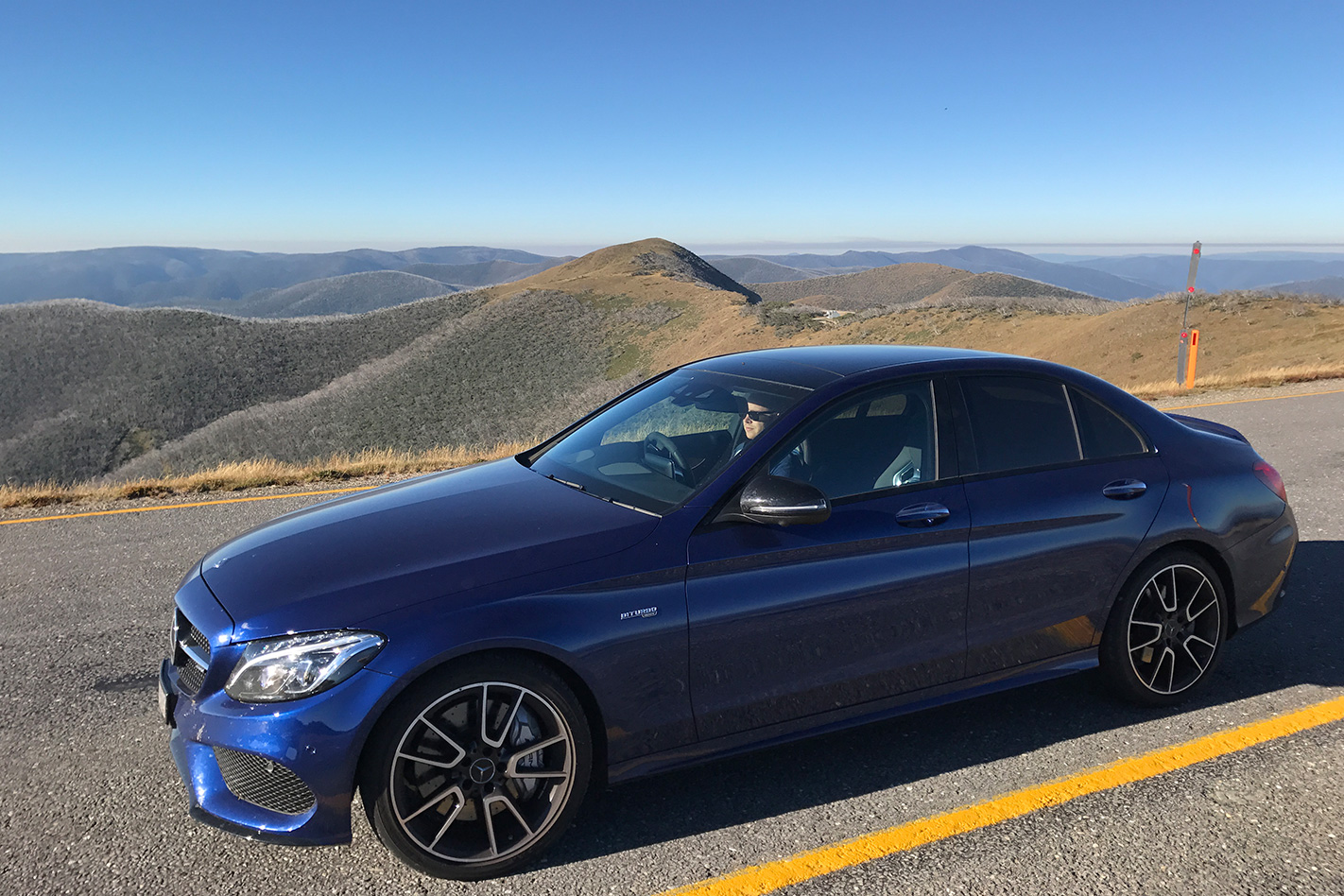
Perhaps it’s too early, perhaps I’m a long way from the driving ‘groove’, but the C43 is more frustrating than fun, owing mostly to second and third feeling more like cousins than siblings, odd in a car with a nine-speed auto. But it means second’s not there when you go to intuitively select it under brakes, so you can over-slow the car and get an engine revving too high; or end up lower in the revs in third than you’d like as you go to punch out of the corner.
The electronics also seem to cut the power slightly (and frustratingly) if you get on the gas early and aggressively – exactly what you thought you could do in an all-wheel drive car.
Fortunately the 270kW twin-turbo V6 C43 goes hard and sounds great with a hilarious crack on upshifts and crackles on the overrun. The brakes feel awesome, the steering is pointy and communicative and the seats nice and supportive.
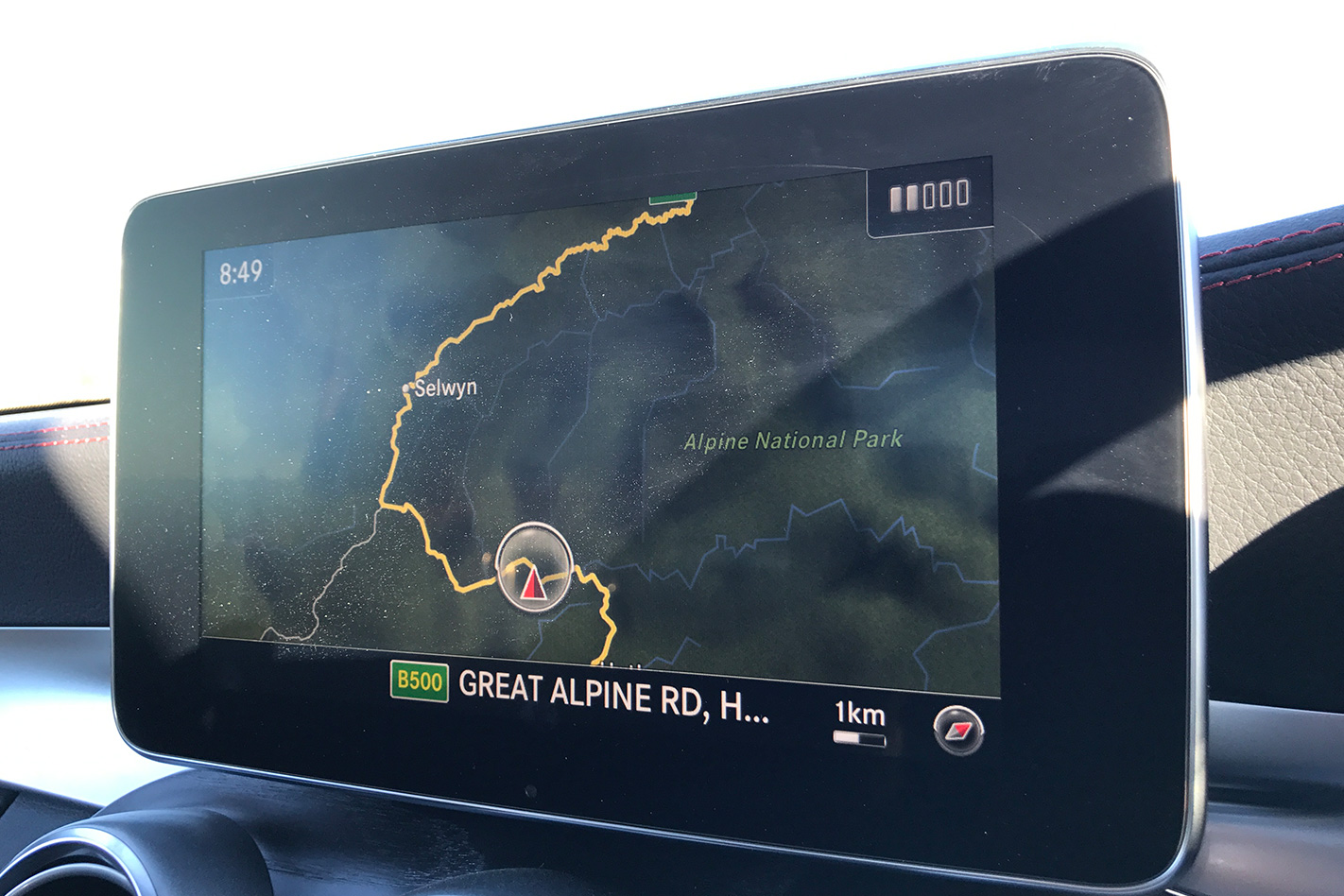
By god, the C43 is fast for what it is – and super competent. A conservative understeer-biased chassis tune invites you to stay on the brakes right into the corner, just to make sure the rear end is awake, and turns the drive from dull to thrilling. We get out at the end stunned at what the C43 can do – and immensely satisfied. There’s even a temptation to return to Melbourne back the way we came. Which – credit to the C43 – says it all, really.
MONTH FOUR
Fuel this month: 12.1L/100km Average: 9.8L/100km Distance this month: 2038km Total: 6161km
Liked: Grunt, snug seats, noise, front end, awesome brakes Disliked: Understeer bias; too-short second gear; 19.8L/100km if you’re up it Favourite moment: Tambo River stretch of the Great Alpine Road
Update 4: Big Brother
Same bodystyle, yet two strikingly different performance cars
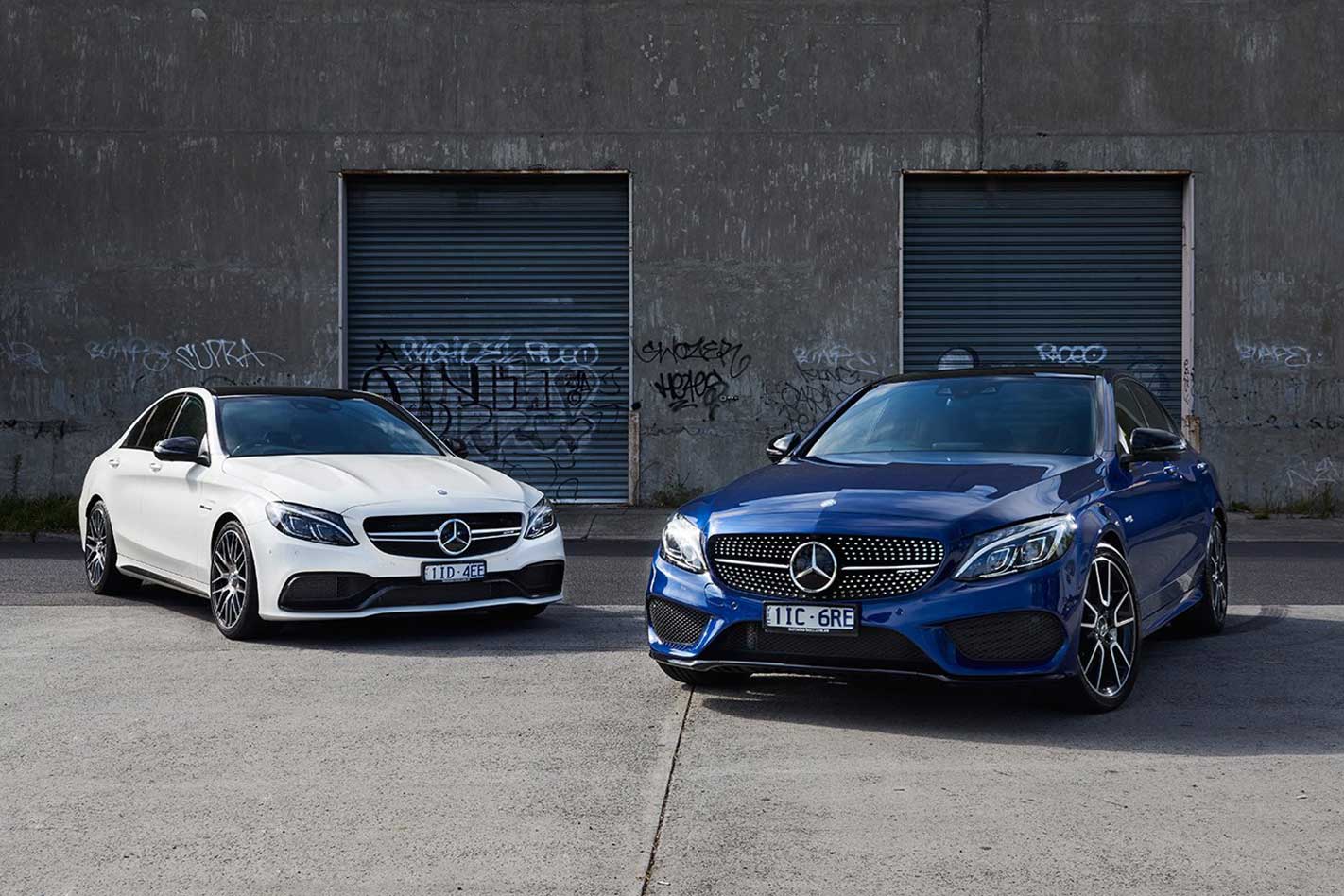
The Mercedes-AMG C43 does not exist, as you might think, in the long shadow of its brilliant bigger brother, the thundering C63. In fact, both are remarkably different performance cars for the same bodystyle, with neither approach being objectively the ‘best’.
Of course, while they look alike, both our long-term C43 test car, and the AMG C63 S we’ve snatched for this quick experiment, are very different. The C63 S, coming in at $155,615, is rear-drive, has a thumping 4.0-litre twin-turbo V8 (that feels 6.0 litres), belts out 375kW/700Nm and is good for 0-100km/h in a claimed 4.0sec.
The C43, with the Performance Package as fitted to our long-termer (which gets you a louder exhaust and the seats and steering wheel out of the C63), is an almost unbelievable $48,725 cheaper. So for the price of a C63, with no options, you could buy a C43 and a VW Golf GTI Performance… and have a year’s worth of fuel money leftover for one of them.
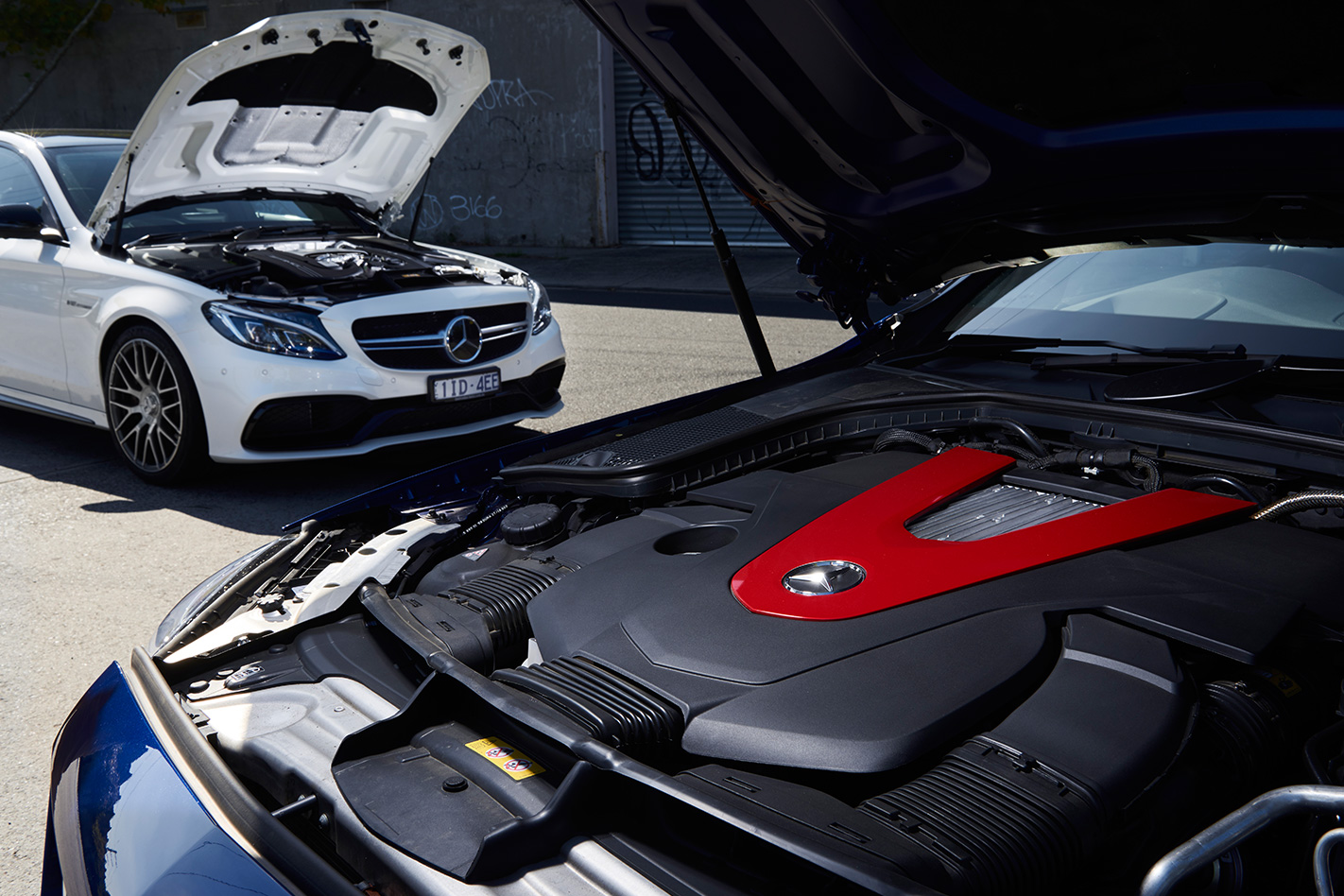
Plonk someone in either car and the only clues they’ll have that they’re in a C63 are the two subtle bonnet ridges, some extra AMG interior badges and a redline of 7000rpm instead of 6500. But that’s it.
Of course, push the starter button and the jig is up if it wasn’t already, the C63 idling with a satisfying, fast-paced and recognisable V8 burble.
It feels only subtly different around town, the ride a little tighter (the C43’s vertical body movements can be quite exaggerated) and the brakes requiring a fraction less effort.
It’s when you go to use the power that the C63 reveals itself to be a very different car to the C43. First 90-degree corner, in the wet, half throttle and you’ll be triggering the C63’s electronics. In the wet it wants to oversteer… everywhere.
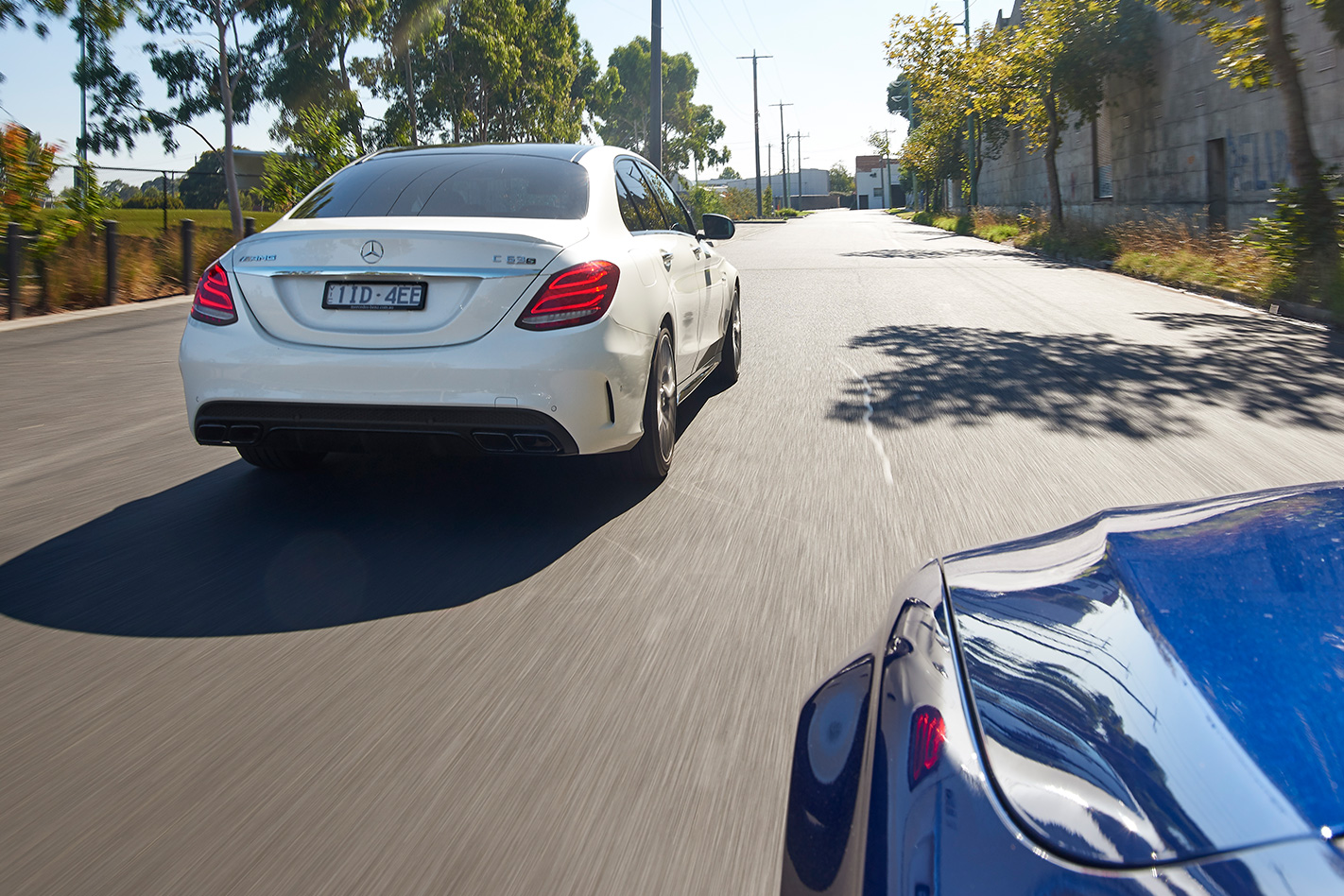
While the electronics very much tame the C63 when fully on, this is still a somewhat unhinged car. Even experienced drivers need to keep their wits about them in the wet, and yet how often do you see people driving these things who you’d be surprised to see at a track day?
By comparison the C43 is a doddle in damp conditions. Its permanent all-wheel drive lets you stomp the throttle as hard as you want in any situation. No wheelspin here – it just matter-of-factly puts its power to the ground. In a wet drag race, the C43 would smoke a C63, to 100 at least.
And up a damp, tight and twisty road, with equal drivers, the C43 would pull away as the C63 struggled to put its power down.
But we know who would be having more fun. Depending on how comfortable you are with a rear-drive car with far more power than it really needs, the C63 is a total laugh. Sport ESP mode allows a surprising amount of slip, that awesome V8 spiking revs with wheelspin and titillating the bits of your brain only a V8 can. (Well, mine anyway.)
Call us uncultured philistines, but it makes us wonder if the C43 would have been better with just rear-drive and a limited slip diff. We suspect so, but then it’s a not really the same car. It’s like saying a chicken burger would be better with a beef patty.
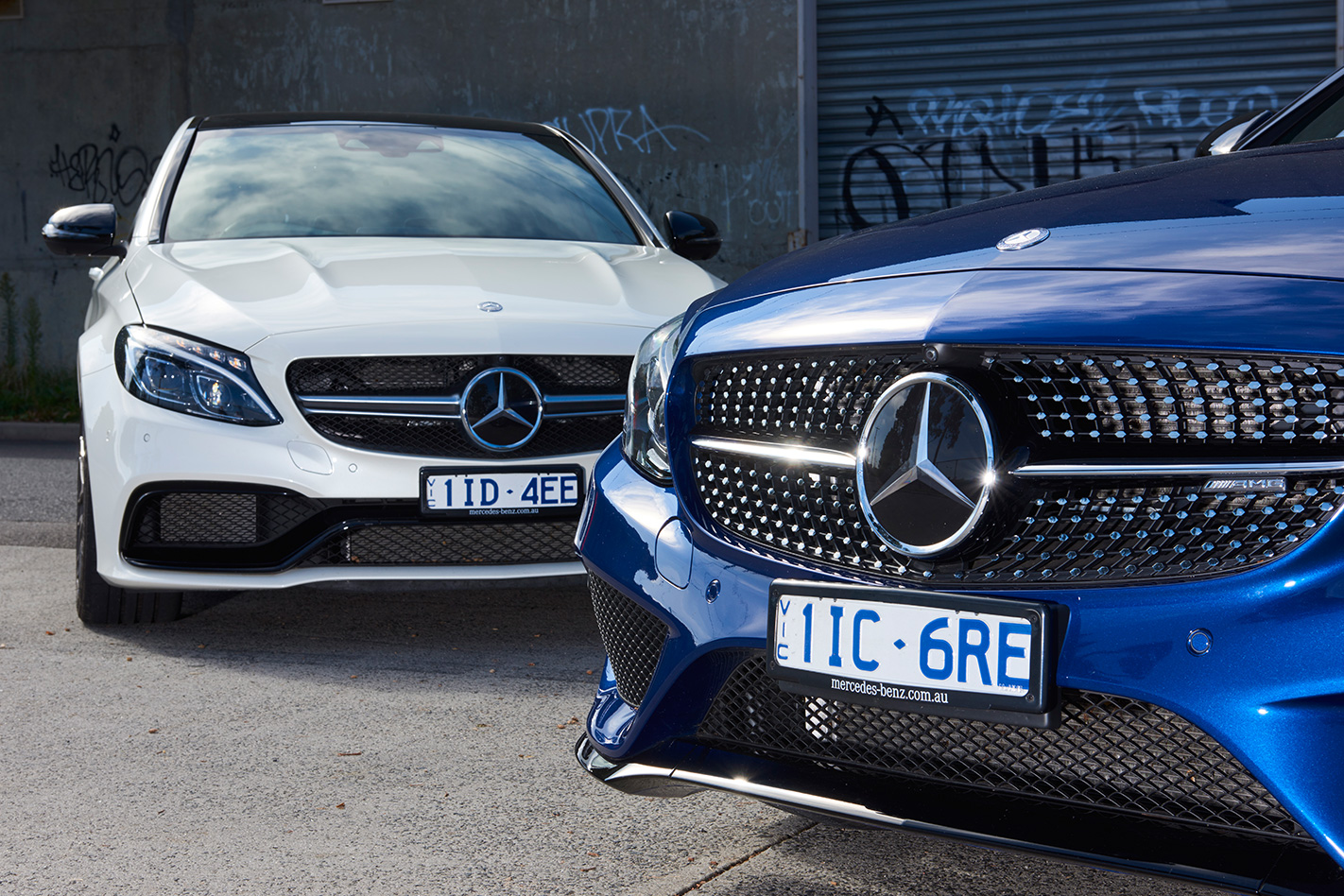
But fuss-free all-wheel drive system aside, the C43 entertains in different ways. With the optional exhaust, it is hilariously loud on upshifts and downshifts. It’s a good-sounding V6. Its handling is precise and satisfying, the rear still able to be ‘excited’ using the brakes on turn-in. And it’s still mighty fast.
In the dry, the C63 would smoke a C43 in every instance except maybe the first 10 metres, and it’s subjectively more fun. But both cars approach the idea of going fast in surprisingly different ways – the operative word being different, as both ways are effective, engaging and neither is ‘right’.
Update 5: Conclusion
A fond farewell to our C43….
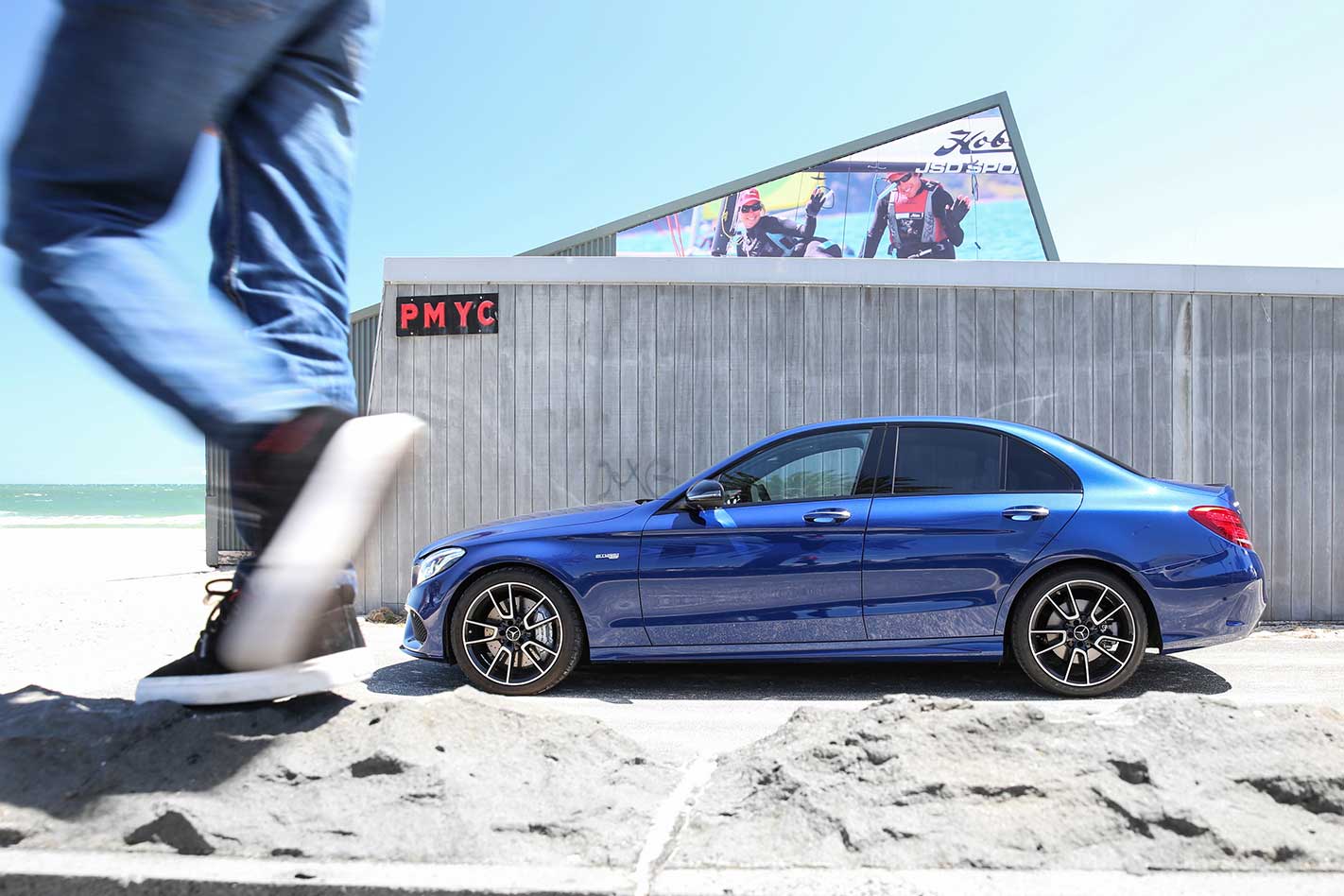
THE C43 is deserving of a Mercedes-AMG badge, but in the same way an A45 is – rather than a C63.
While it has a boy-racer exhaust note, tightly-hugging sports seats and lashings of Dinamica microsuede, the C43 is the accountant who rides around on a Harley-Davidson on the weekend, complete with studded leather jacket and matte-black open-face helmet.
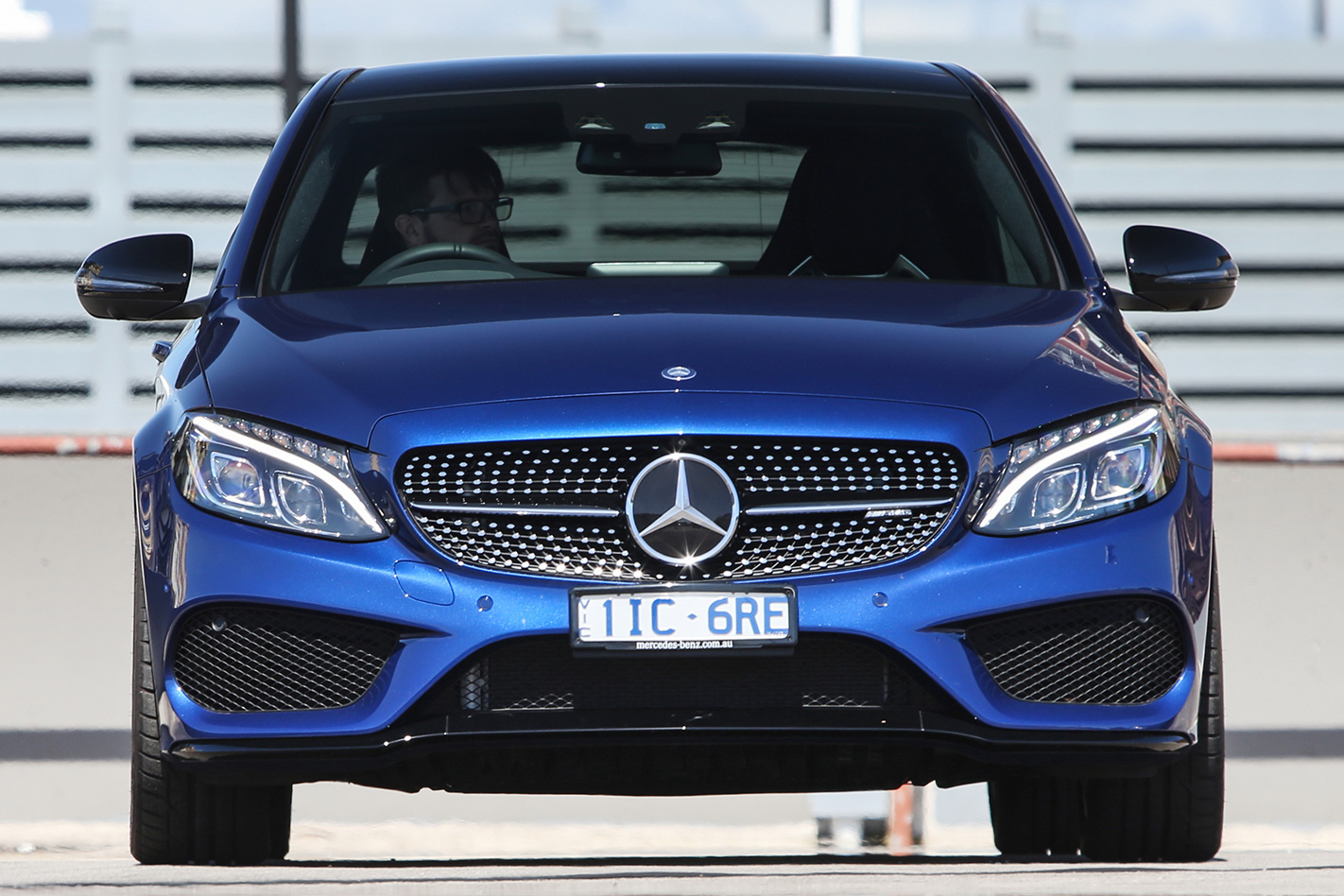
Back at Month One, we wondered why a 270kW C43 had all-wheel drive, where a 375kW C63 was deemed okay with merely rear-wheel drive. With a 33/67 front-rear torque split, we hoped the C43 would offer the wet weather security of all-wheel drive, but still with that satisfying rear-drive feeling when you wanted it.
It turns out its basic 4MATIC all-wheel drive system is more a safety than performance feature, one that would greatly benefit from a rear limited-slip differential.
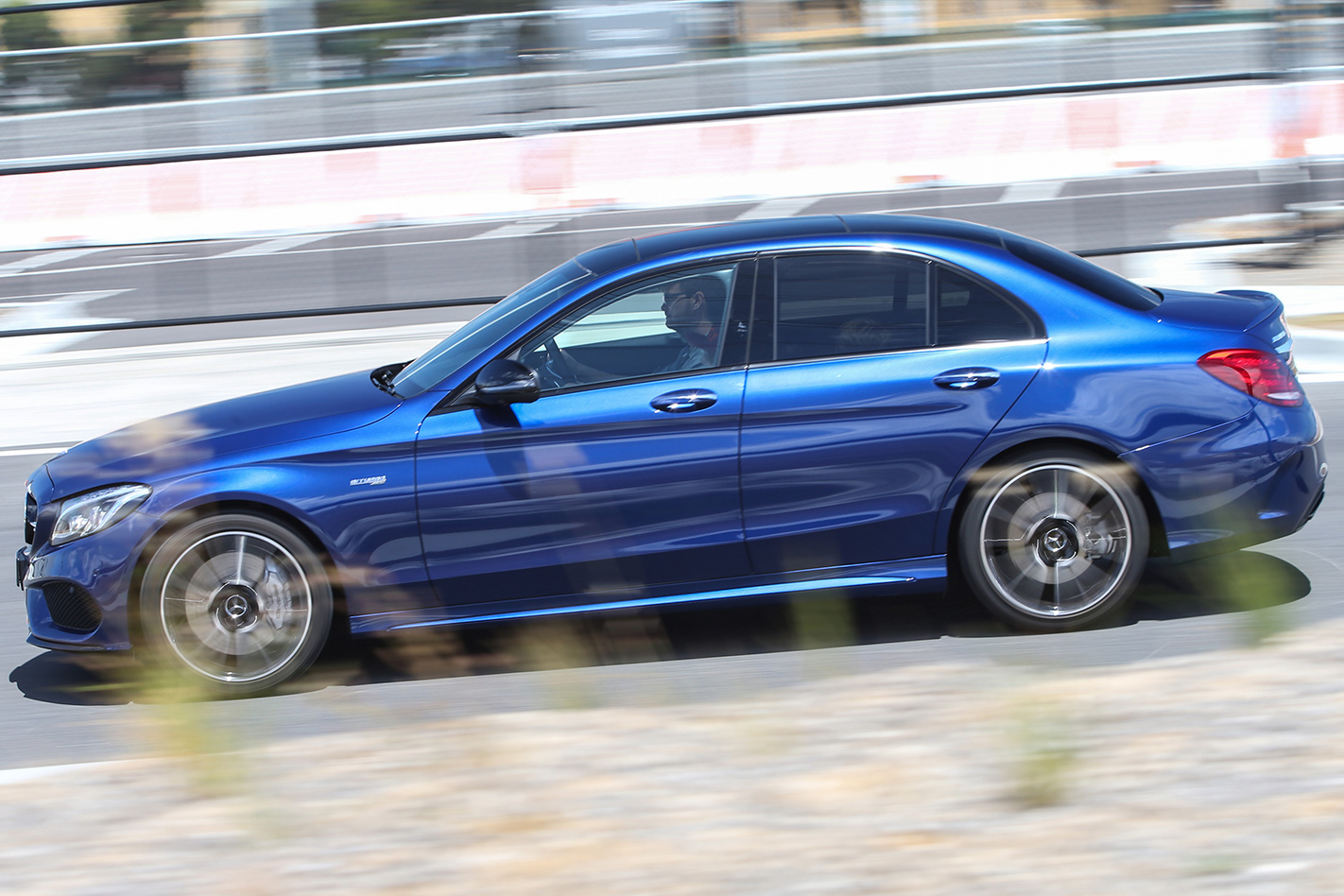
Interestingly, you’d think the C43 would love the really tight, slower corners, where that all-wheel drive traction can come to the fore, but it doesn’t, the electronics trimming power frustratingly as you attempt to pick up the throttle early and aggressively.
Mercedes-AMG Project One hypercar details
In the tight stuff, this might be a better car with the electronics all off. We don’t know. It’s in the third and fourth gear corners – where you’re not taking advantage of the all-wheel drive system whatsoever – that the C43 comes alive.
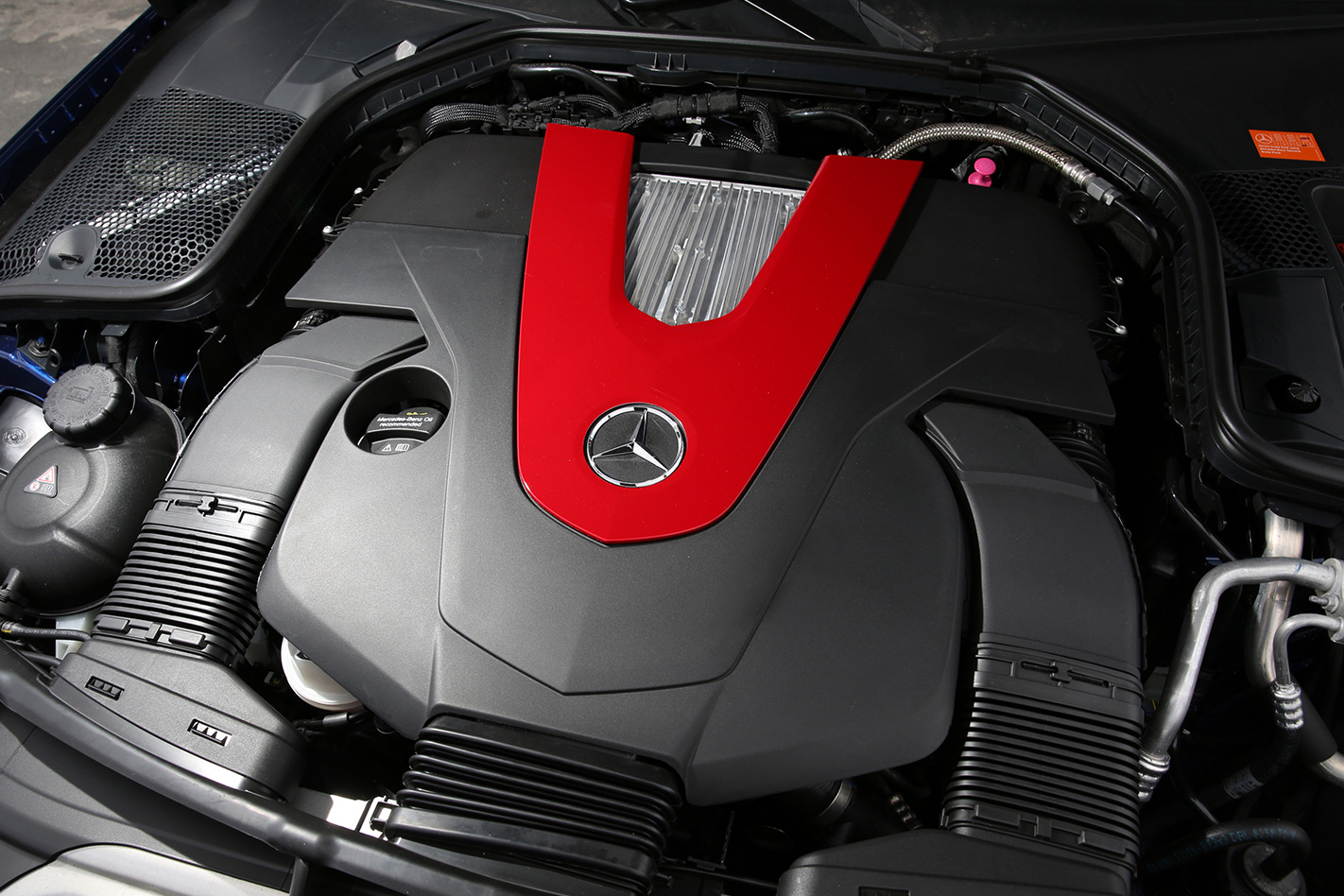
The C43 then becomes a very satisfying car to drive fast. In fact, it’s easy to get completely carried away having a decent punt in this car, only to find wooden brakes days later and evidence of your weekend ‘activities’ showing all over the shoulders of the front tyres.
This, also, is a car you could lose your licence in. The C43 is a very comfortable daily driver but amongst those slaving away at MOTOR HQ, the jury is out on the suspension tune.
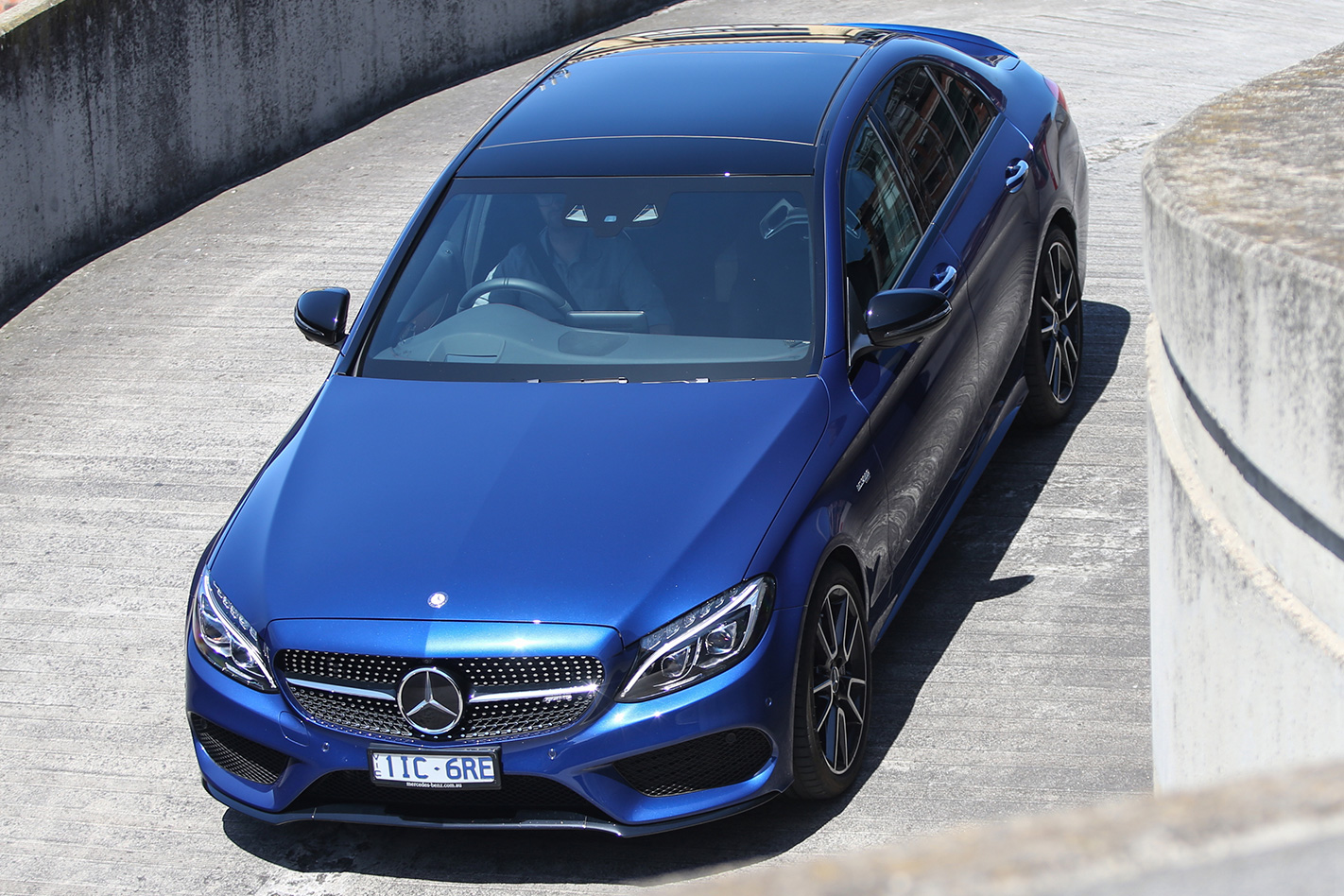
While it’s far from rock hard – in fact, it’s quite supple – cat’s eyes bizarrely thud, harshly, into the interior, as do joins in the road.
The body can also feel oddly floaty over big bumps at 100km/h. “You could get seasick in this thing,” remarked a more wimpy member of MOTOR staff. (Me? Yeah, ride-wise, it’s no Bentley, but I could put up with it no problems.)
Some staffers also complain the C43 lacks refinement. Should you get one? If you don’t care for that rear-drive feeling, and actually quite like the idea of traction and security as well as power, you’ll like the C43.
We’ve loved living with it – its nice interior, near-perfect driving position, many helpful electronic aids and fantastic-feeling major controls.
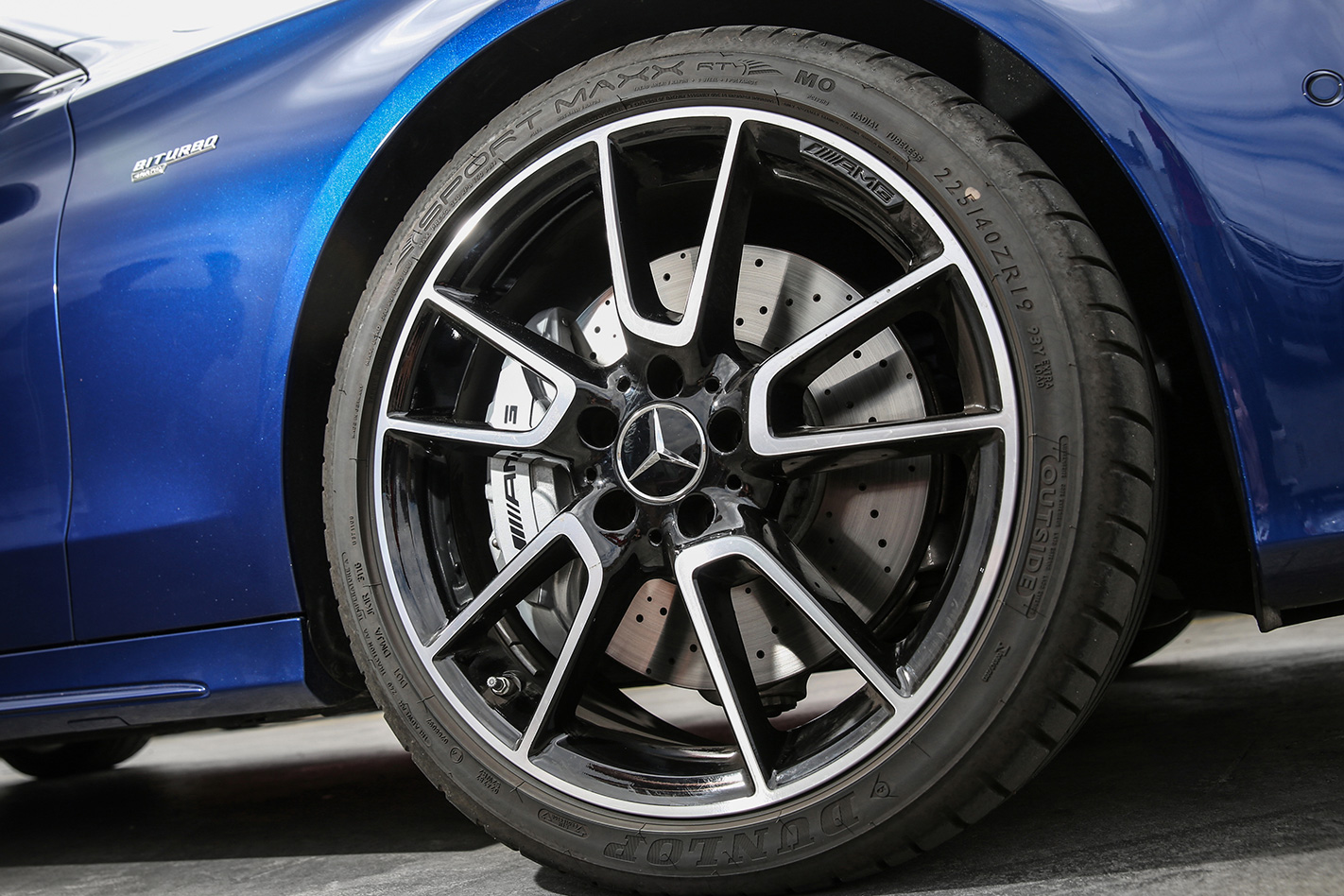
Without it, the car loses about 50 per cent of its personality. So, the C43 is not a twin-turbo V6 C63 – but neither is it some soft slow-poke with undeserving AMG badges. It’s its own thing, a new flavour on the AMG menu.
One we’d order again.
Liked: the noise; don’t underestimate how fast it is Disliked: all-wheel drive system, way too sensible
AUSTRALIA’S most popular new vehicles are poised to line up against each other on track in a new SuperUtes racing category which kicks off next year.
Six different ute platforms have been confirmed as eligible and homologated for the opening season, including the Ford Ranger, Toyota Hilux, Mitsubishi Triton, Mazda BT-50, Holden Colorado and Isuzu D-Max.
Series organisers revealed the first two race-ready utes, a Ranger and Triton, at an event in Townsville yesterday. The initial vehicles have been built by championship-winning Supercars team boss Ross Stone.

“These SuperUtes not only look stunning but are a purpose-built race car which will be amazing to drive, is market relevant, affordable and with the highest safety levels. This will be a fantastic Series to compete in and for spectators to watch,” said Supercars managing director Matt Braid.
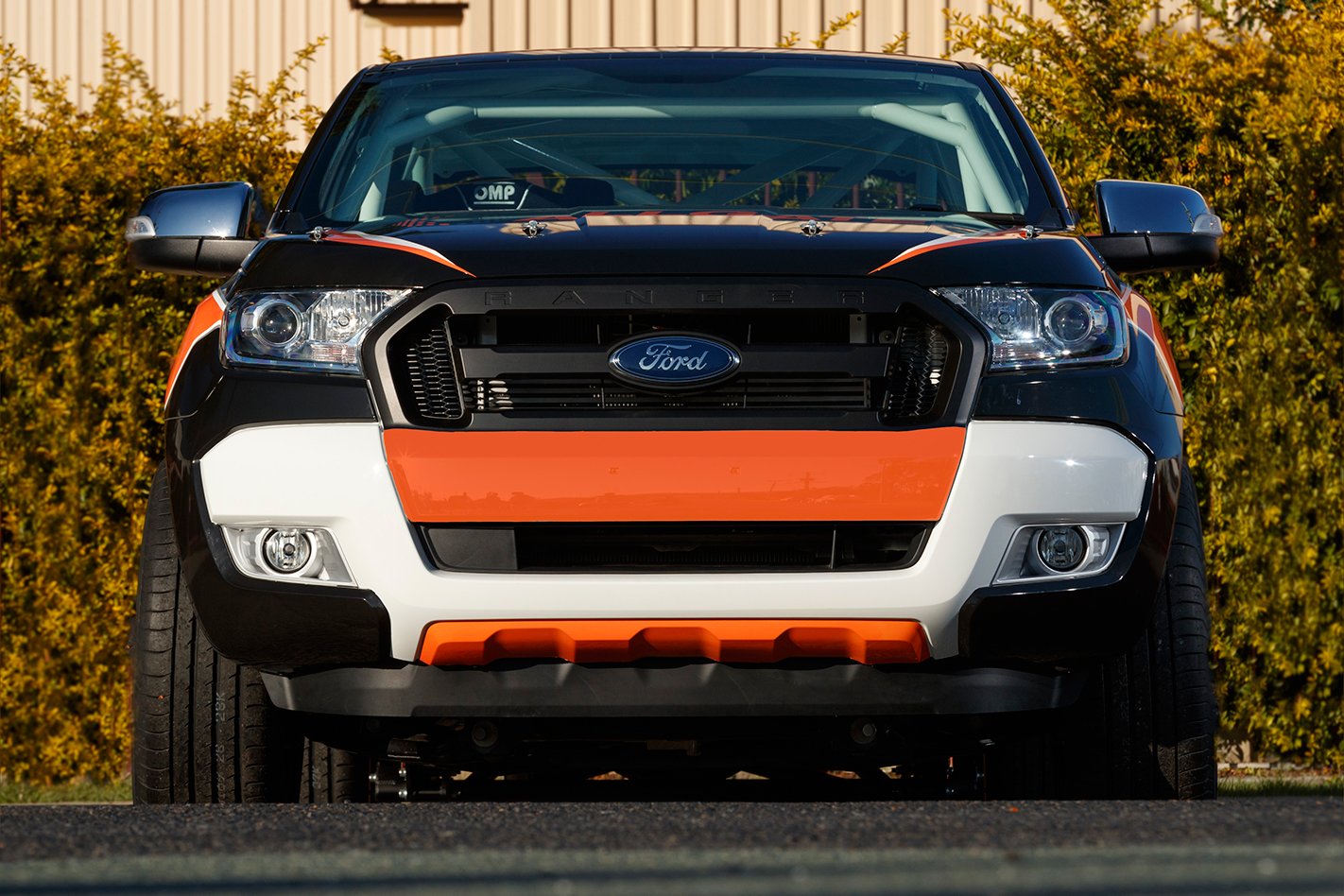
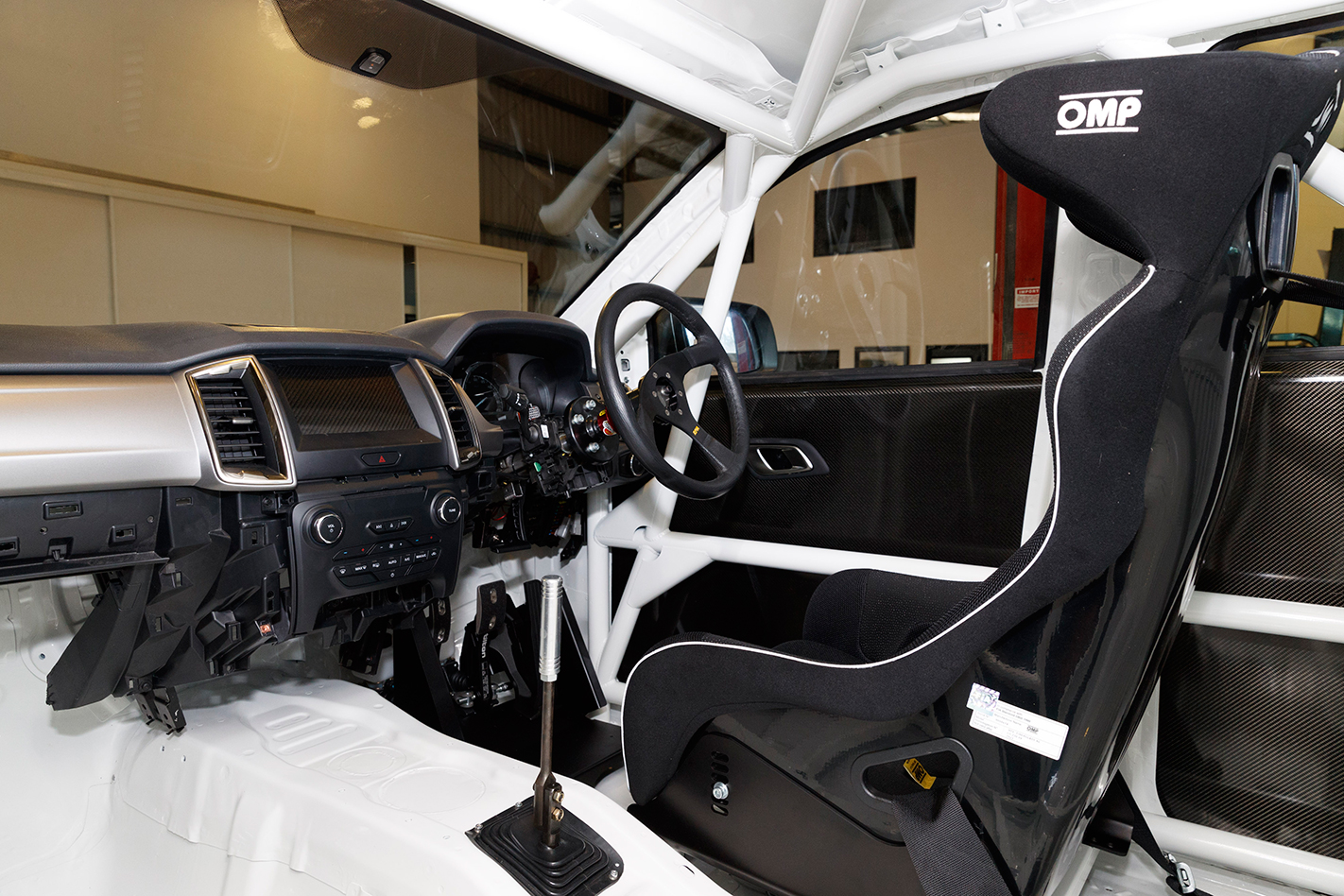
SuperUtes mandates a control roll cage, gearbox, 20-inch wheels and tyres, MoTeC engine management, Brembo brakes, Tilton pedal box and SupaShock suspension, as well as a common rear axle assembly with a Detroit Locker differential.

Ross Stone will run a team using Ford Rangers, while Siders Racing Team is signed on and will campaign Mitsubishi Tritons.
SuperUtes replaces the V8 Ute Racing Series, which features only utes based on the Ford Falcon and Holden Commodore – neither of which will be in production next year.
Toyota Australia has signed as the lead sponsor for the Australian round of 2017’s WRC, held in Coffs Harbour NSW.
The decision was made due to the return of Toyota to the competition this year, the first time Toyota has competed as a team in WRC since 2000.
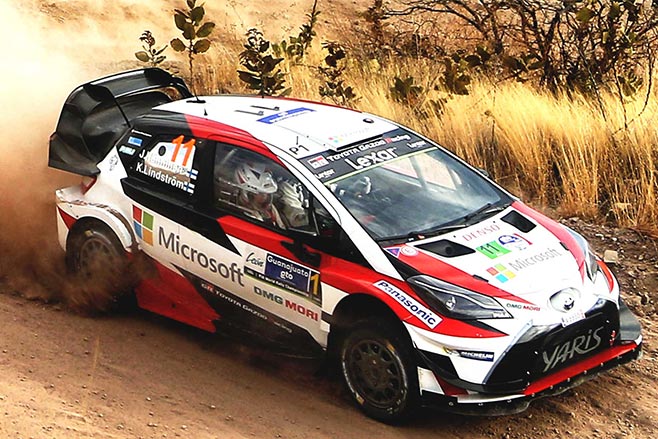
Jari-Matti Latvala did however, steer one to victory in this year’s Rally Sweden.
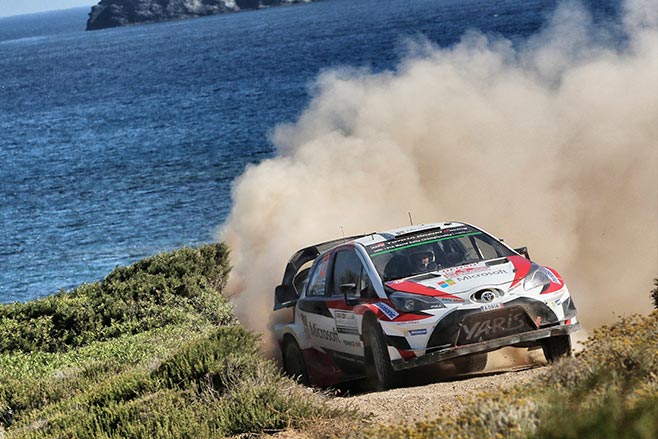
“As Rally Australia in 2017 celebrates its 25th year as a WRC event, it’s wonderful to welcome a partner with its own great rally history. Toyota’s name is synonymous with the sport, especially here in Australia,” Rainsford says.
OPINION: Is the WRC on the right track?
“And while the Toyota Gazoo Racing world rally team will be drawing fans to spectate on the special stages in November, Toyota’s range of road vehicles also will be in action, serving our event in many demanding official roles.”
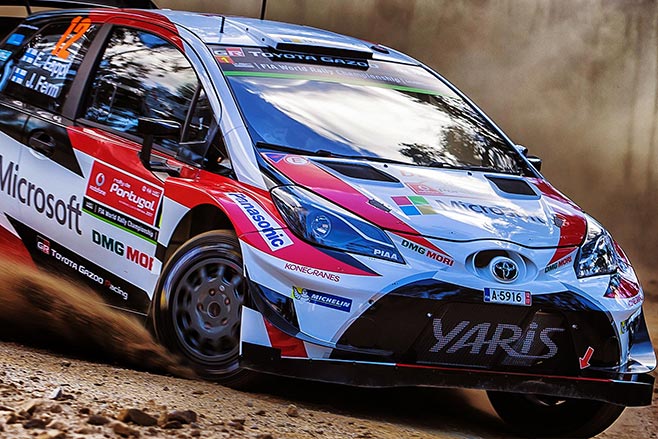
“Toyota’s commitment to rallying comes from the very top with our global president Akio Toyoda firmly believing that overcoming the extreme challenges of motorsport is vital in our quest to build ever-better cars,” Cramb says.
Narrow escape for Hyundai WRC driver
“There is a strong bond between Toyota and rallying going back to the 1970s with four WRC drivers’ and three WRC manufacturers’ titles at the global level.”
This year will be the sixth that Rally Australia is held in the Coffs Harbour region.
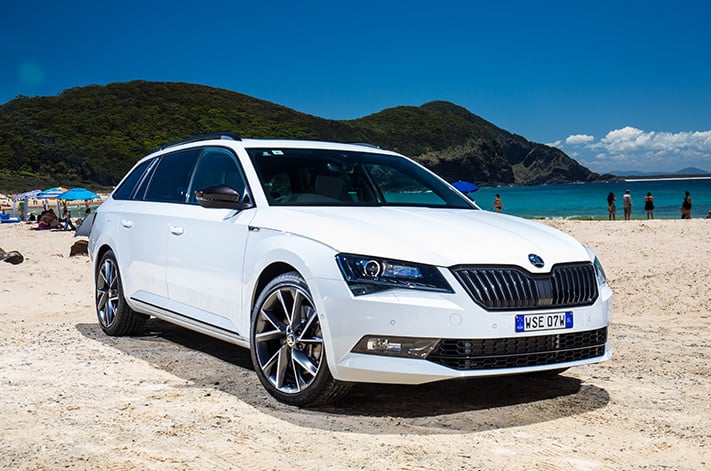
Skoda has upgraded the standard equipment list of its Superb sedan and wagon range.
From September, all Superb variants will now come with 9.2-inch infotainment screen (up from 8-inches) and advanced driver assist functions including blind spot detection, lane assist, rear-cross traffic alert, slow-speed cruise control and Emergency Assist which stops the car and flashes the hazard lights if it senses the driver is unresponsive.
The changes sees the Superb’s price of entry rise by $700 to $40,690 for the 162TSI sedan, but Skoda points out the extra kit is worth $2700 – offering a $2000 net increase in value-for-money.
Meanwhile, the range topping Superb Sportline gains $7510 worth of new features which pushes its manufacturer’s list price up $4800 to $56,790 and $58,490 for the sedan and wagon respectively.
These include adaptive chassis control, foot-swipe boot opener, premium Canton sound system, automatic park assist, power-adjusted passenger seats and heated rear seats.
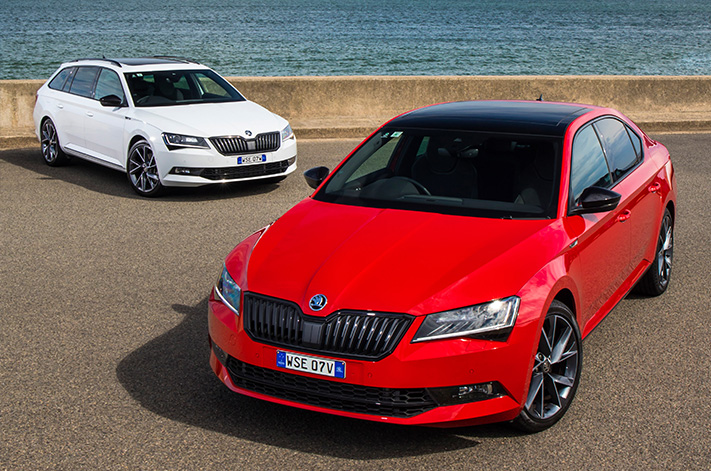
The Sportline also has a new colour option called Dragon Skin – a distinctive gold metallic – which attracts a $1700 premium.
All Superbs come with Skoda’s five-year unlimited kilometre warranty.
2017 Skoda Superb pricing
- 162TSI sedan – $40,690
- 162TSI wagon – $42,390
- 140TDI sedan – $44,690
- 140TDI wagon – $46,390
- 206TSI 4×4 sedan – $51,790
- 206TSI 4×4 wagon – $53,490
- Sportline sedan – $56,790
- Sportline wagon – $58,490
Available options
- Metallic paint – $700
- Pearl effect paint – $700
- Select paint (Dragon Skin) – $1700
- Sedan sunroof – $1700
- Wagon panoramic sunroof – $1900
Lighting. Cyclones. Avalanches. Bulls. Wild Horses. Sense a theme here? Mercedes-Benz’s latest promo video for its X-Class dual-cab ute is full of “force of nature” visual metaphors, and it also gives us our first fleeting glimpse of the workhorse itself ahead of its July 18 reveal.
Its appearance is a brief one, but there’s enough on show to give us some clues about what to expect.
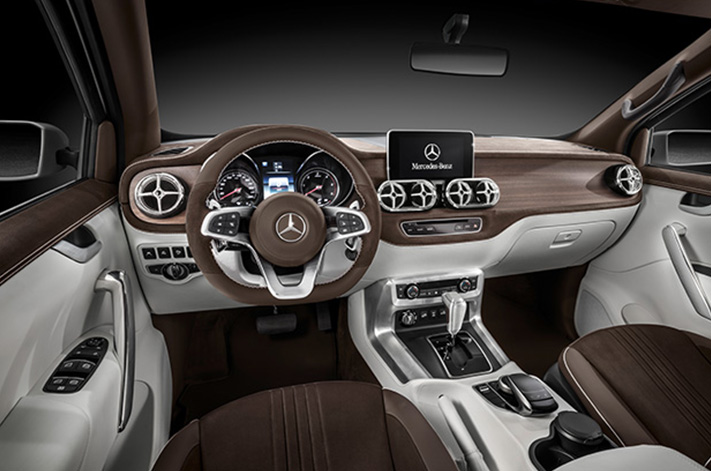
Though the new X-Class is confirmed to be based on the D23 Nissan Navara’s chassis and will share at least one of its engines (a 2.3-litre twin-turbo diesel four), this teaser shows the production model will bear a close resemblance to the X-Class concept that debuted in October last year.
Key differences to the Navara include unique door skins with lower creases that mimic Mercedes’ current design language , subtly squared-off wheel arches instead of the Nissan’s rounder fenders, distinctive LED tail lamps and, of course, Benz’s three-pointed star flanked by distinctive LED headlamp housings.
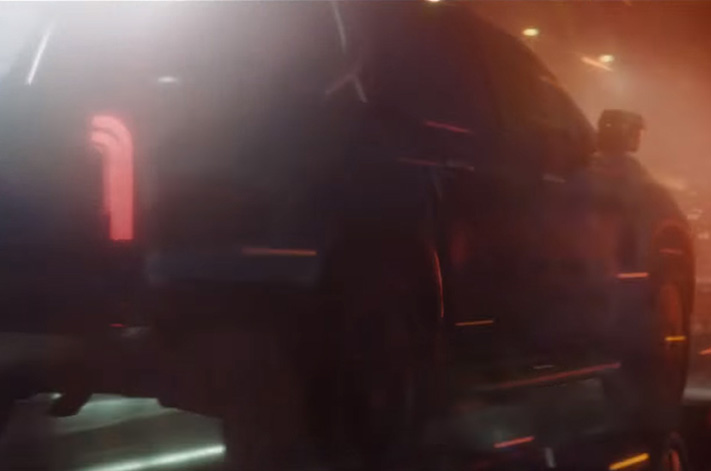
From most angles, it shouldn’t resemble a Nissan at all – only the door apertures, roof and perhaps tailgate will be the only clues of the X-Class’ Japanese DNA.
One thing we can’t see is the interior. Unlike the Renault Alaskan, which also shares its bones – but also much of its sheetmetal – with the Nissan Navara, the X-Class will have an entirely unique cabin. Given how faithful the exterior appears to be to the concept, the interior should be fairly close as well.
We’ll have the full run-down on Benz’s first mass-market dual-cab ute following its global unveiling on the 18th.
NISMO has been making fire-breathing road cars out of ordinary Nissans for more than three decades – not that you’d know.
Until now, the low-volume monsters built by Nismo – whose Omori Factory HQ is located just 4km from Nissan’s global headquarters in Yokohama – have been confined within Japanese borders.
From the HR31 Skyline GTS-R homologation special – a road-going counterpart to the car that established the Skyline name in Group A racing at Bathurst – through to the ultra-rare R34 Skyline GT-R Z-Tune, all were strictly for Japanese domestic consumption only.
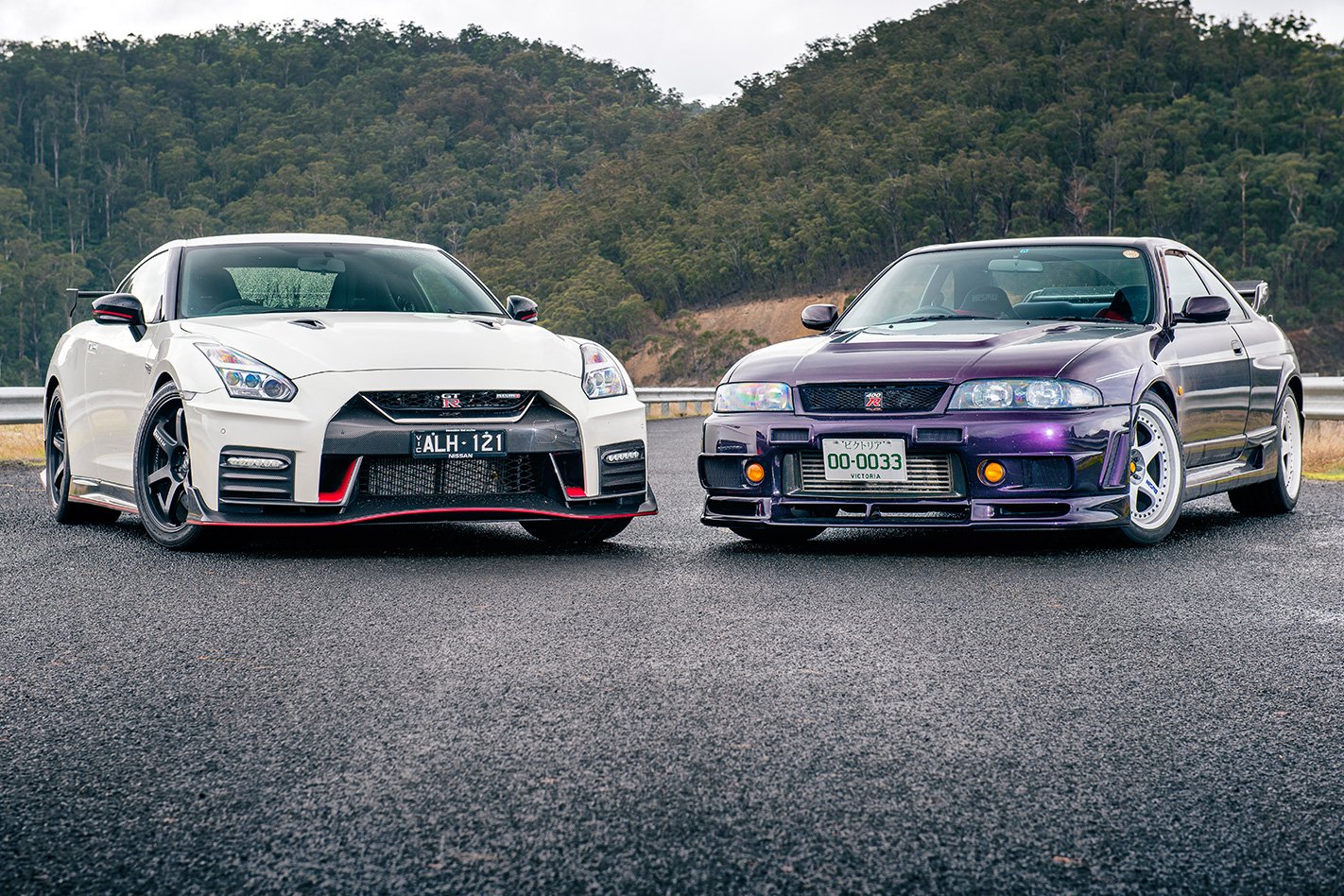
We’ve already driven the GT-R Nismo in anger around Bathurst at its local launch, but as a bit of an experiment we’ve taken it away from the racetrack and lined it up against one of its ancestors – the Nismo 400R.
Beyond simply getting a taste for what Nismo’s mid-nineties GT-R flagship is like to drive 20 years after its debut, this is also a chance to see whether the Nismo’s present day GT-R hero inherits any DNA from its granddad.
SO WHAT’S A 400R ANYWAY?
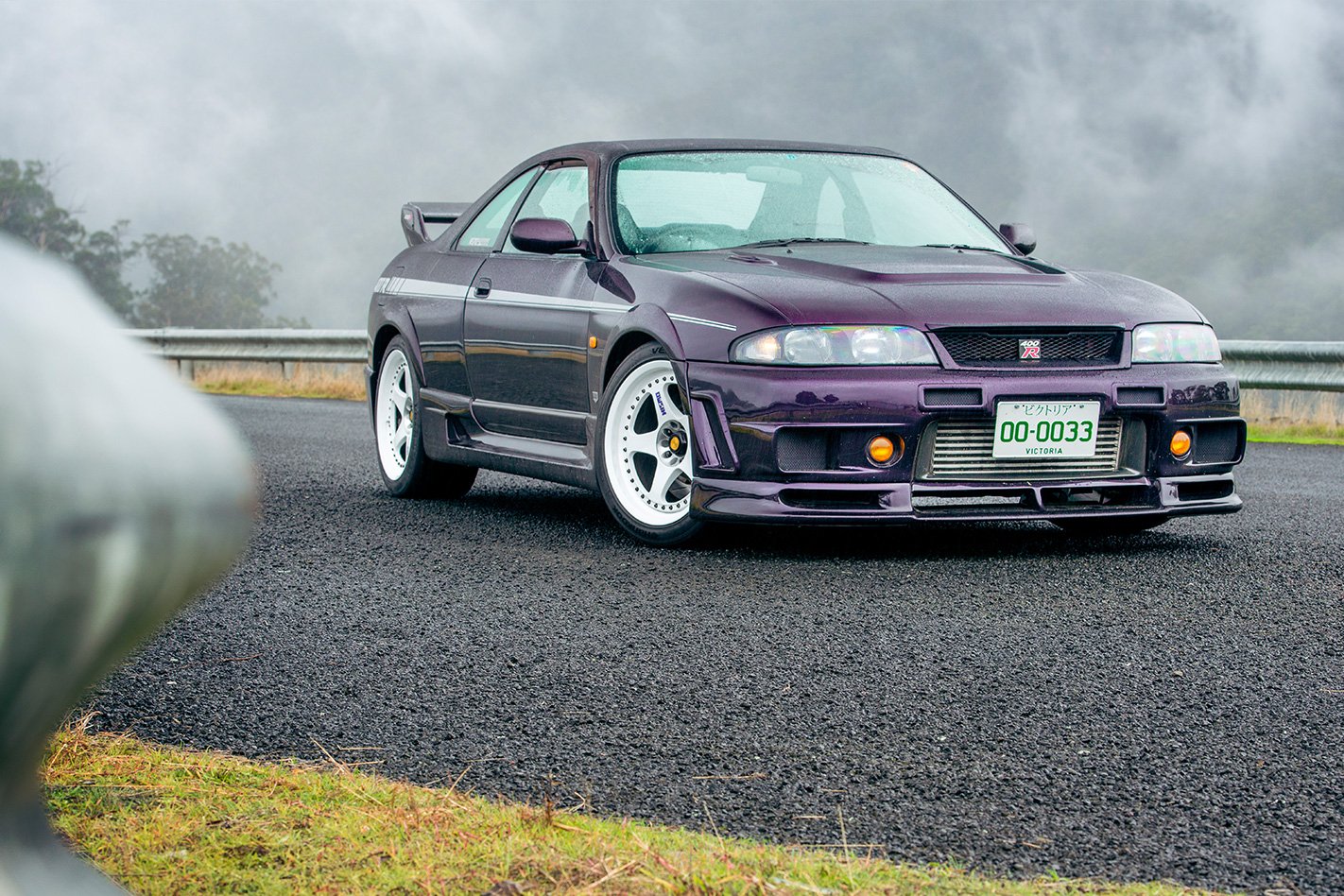
Based on the R33 Skyline GT-R of the mid-1990s and built to celebrate Nissan’s involvement in Le Mans racing, the Nismo 400R is more than just a sticker-pack special with new wheels and a tune. Rather, the 400R was a factory-sanctioned tuner car, designed to go toe-to-toe with European exotica of the period.
Kinda like the present-day GT-R Nismo, then.
Both are numbers that still command respect, and in 1997 they put the 400R on the same lofty level as the 993 Porsche 911 Turbo. The zero-to-hundred claim was 4.0-seconds and top speed was an autobahn-worthy 300km/h. Nismo used the 400R’s engine, dubbed RBX-GT2, in competition – and it was a winner.
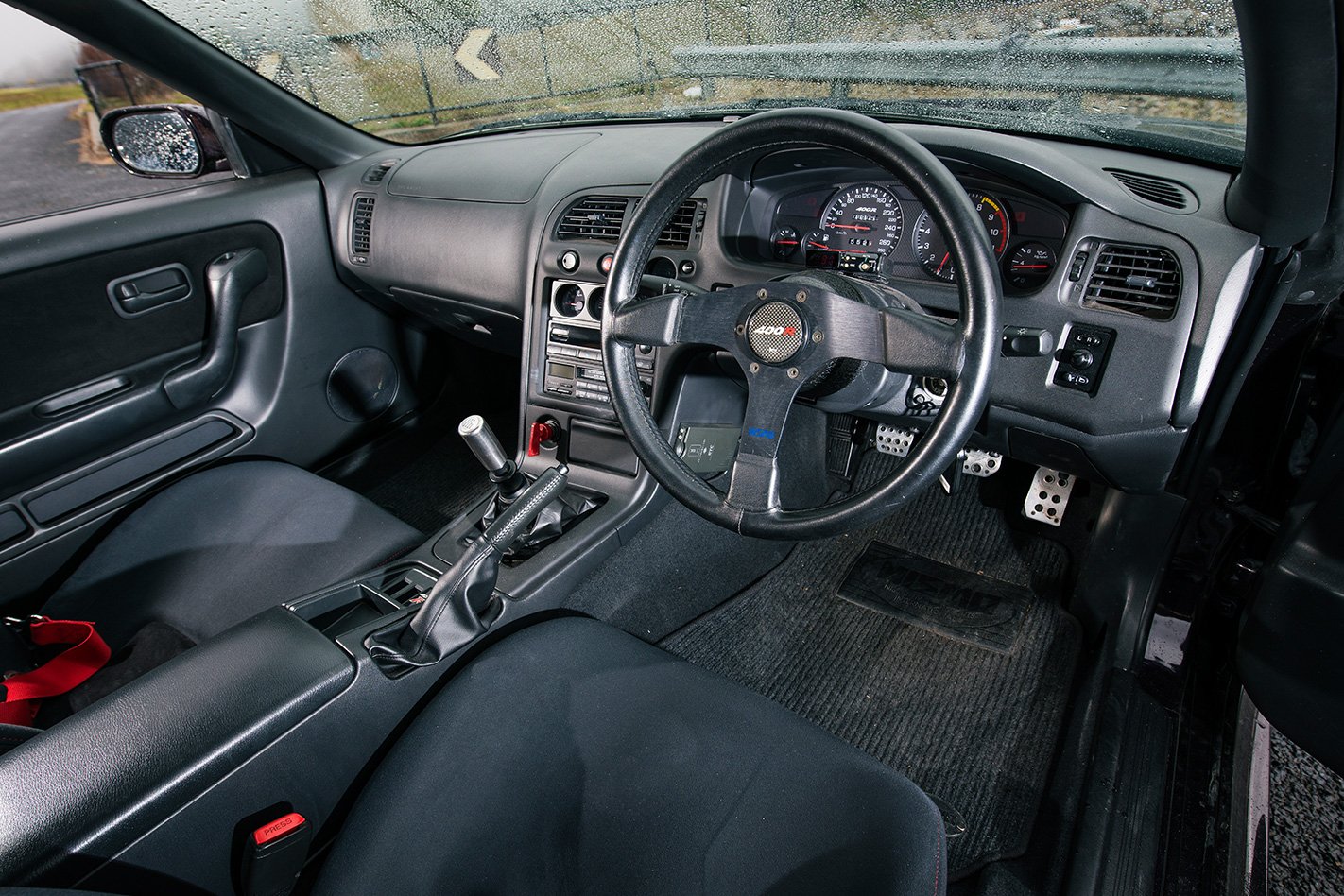
Settling behind the 400R’s airbag-less Nismo steering wheel is easy, and there’s a lack of drama to its interior – most of the cabin furniture is shared with vanilla-spec R33 GT-Rs, with Nismo instead electing to invest its dollars in mechanical upgrades. That said, there’s a unique instrument panel, alloy pedals and Nismo-branded gauges and seats to differentiate the 400R. Refreshingly unmolested, even the factory-issue cassette deck remains in this car.
WET N’ WILD
Constant drizzle on the day of our test reigned in any hope we had of exploring the limits of our 1-of-44 special edition, and out of respect to the 400R’s owner we weren’t tempted to put that deep purple bodywork in peril. Even so, it didn’t take much speed to appreciate the 400R’s strong grip, capable chassis and muscular powertrain.
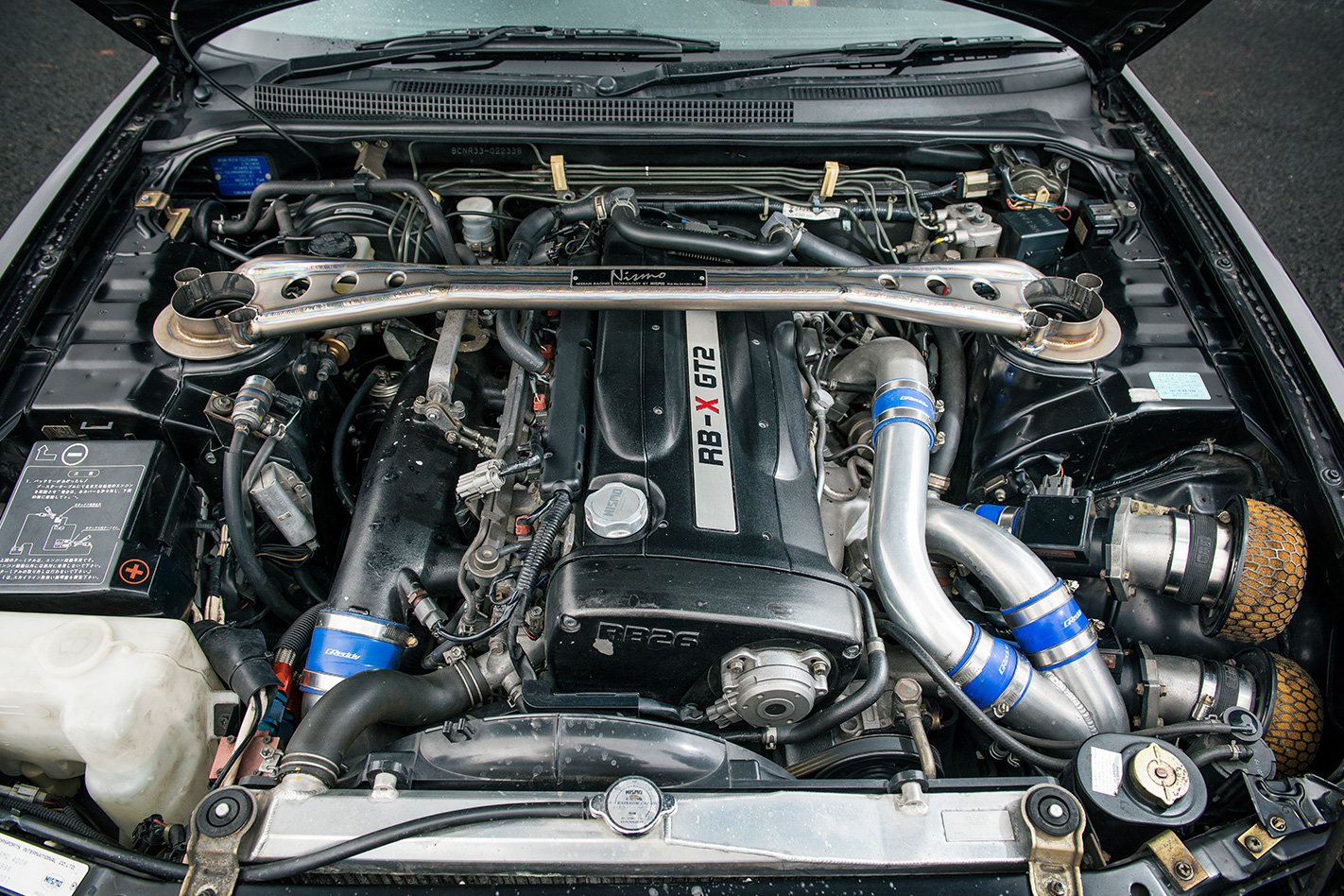
Straight sixes have a reputation for smoothness, and the 400R’s engine is an exceptionally delightful example of inline engineering. It spins to a huge 8000rpm without any hint of slowing down, and the natural inclination is to short-shift around 7000rpm, rowing through a unique-to-Nismo six-speed manual with a better ratio spread than the standard R33 GT-R’s five-speed.
Bursting with mid-range torque that arrives from just above 3000rpm, this engine boasts more character than the twin-turbo 3.0 inline six of the BMW M4 – and it sounds better too.
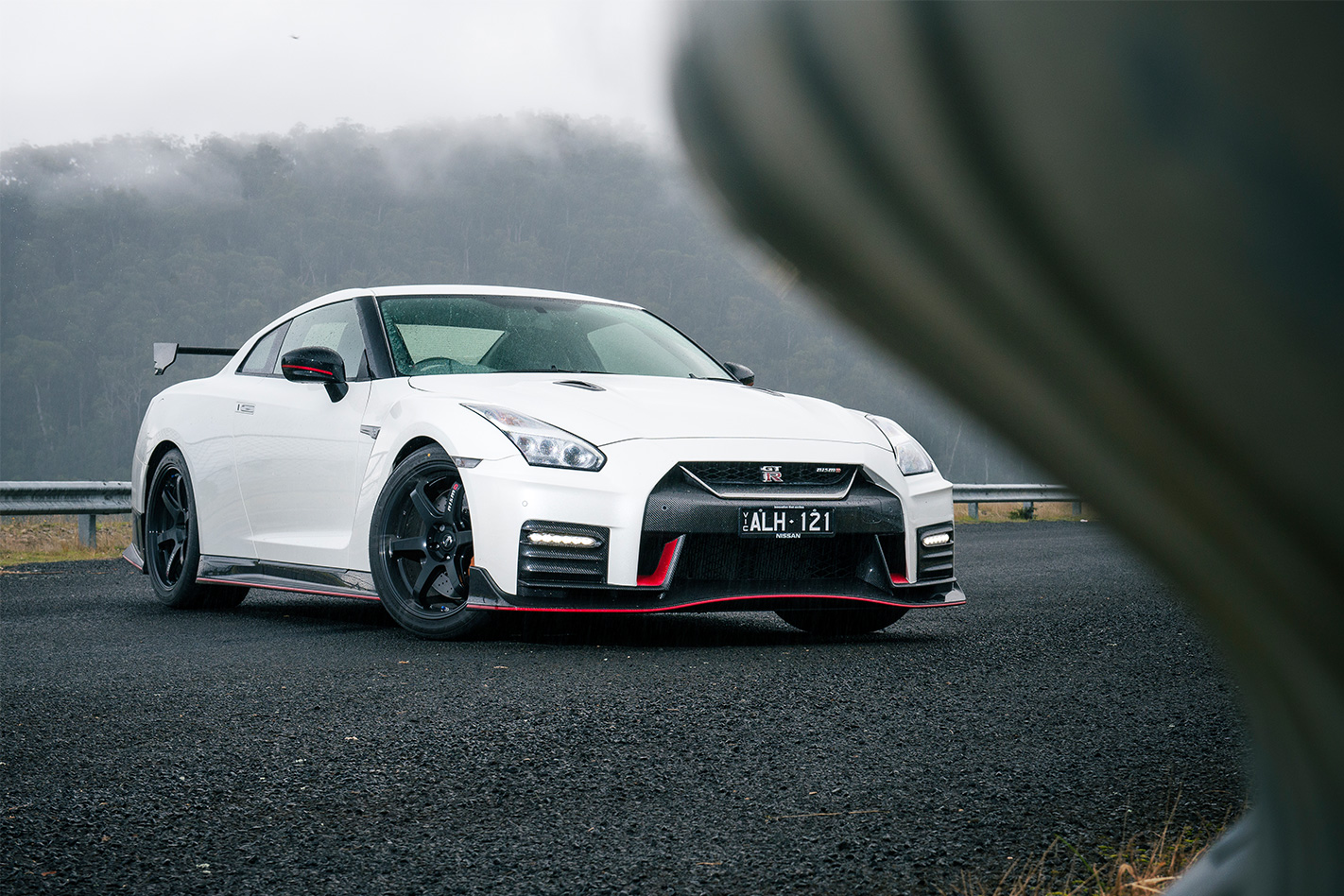
Sound is another 400R positive. The present-day GT-R Nismo may roar like an A380 when at full spool, but the 400R emits a happier harmony from its single tailpipe, punctuated by plentiful sneezing and whistling from twin recirculation valves on every gear change and throttle-lift.
It’s a powertrain of theatrics, but it’s surprising just how approachable it is. It may have been the most prodigious Nismo road car of the 1990s, but for a hardened coupe with a race-grade engine it’s amazingly street-friendly. Once your left foot gels with the tricky all-or-nothing engagement of the twin-plate clutch, it can be as docile as you want it to be.
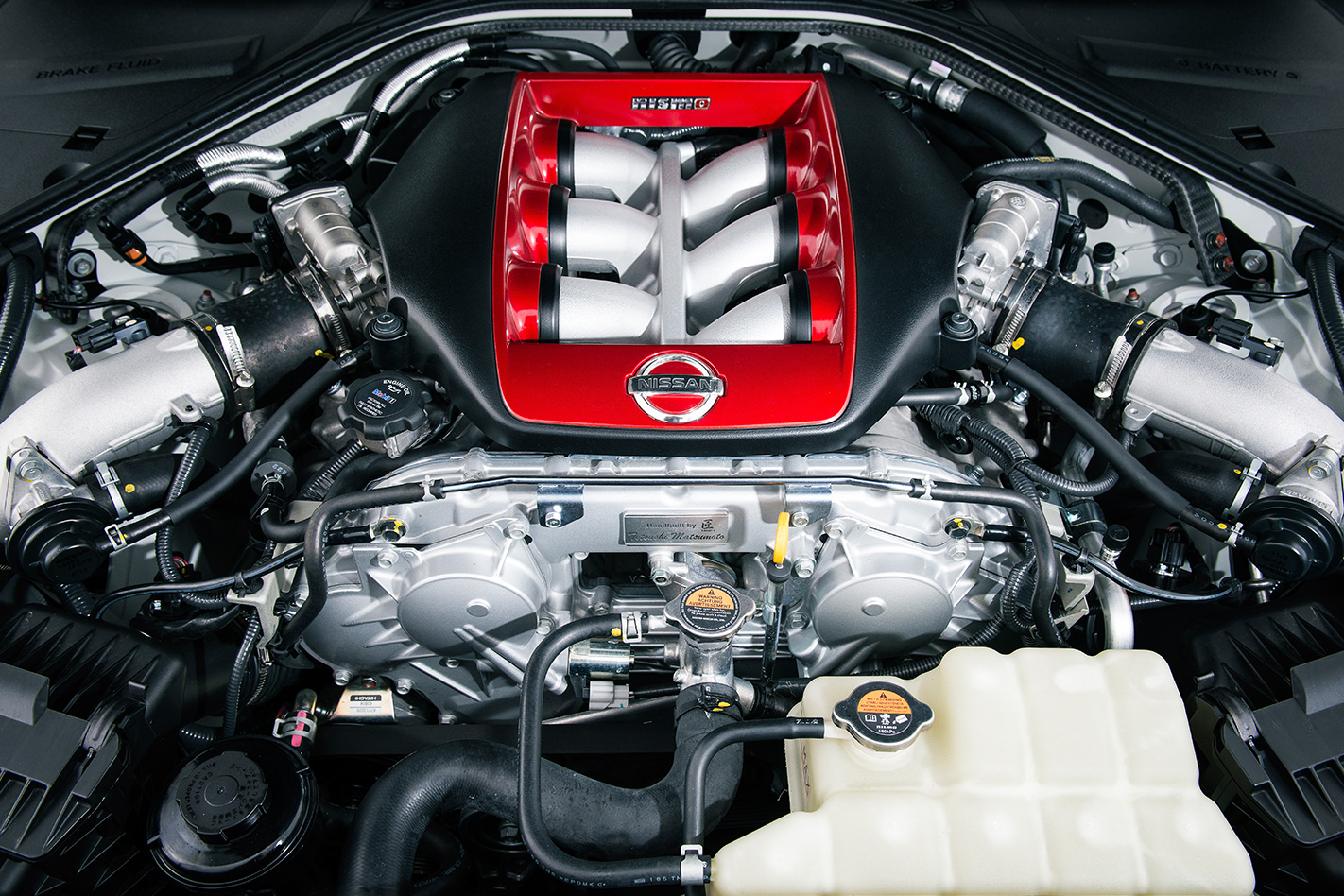
The 400R’s tiller, though far more relaxed, loads up nicely as lock is wound on and is remarkably direct and accurate around dead-centre. The front wheels don’t hunt out contours like the R35’s do, and it’s agile and alert all the same – not bad for a big coupe with a heavy cast-iron six hanging over the front axle.
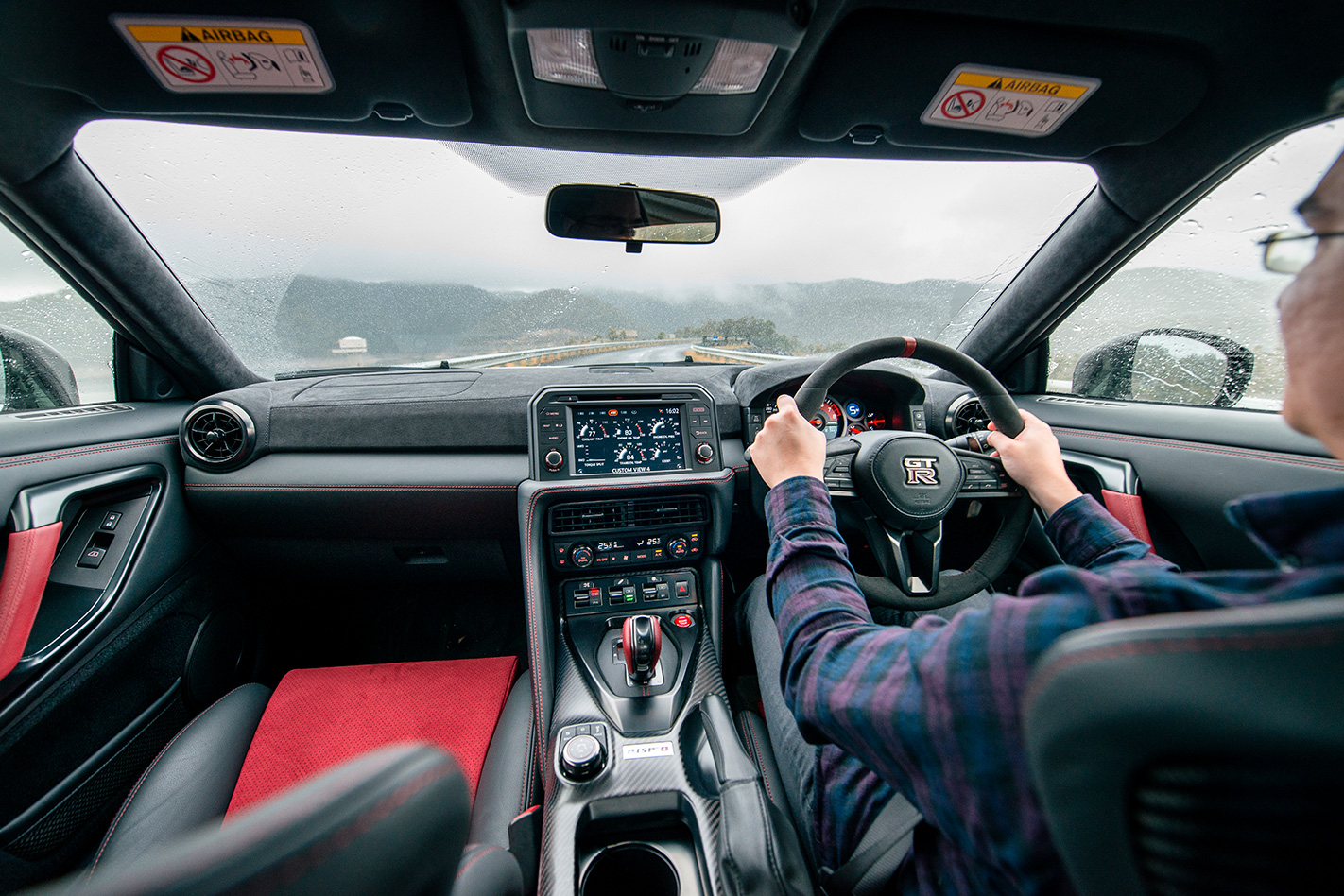
Aiding the 400R’s chassis is some advanced-for-the-time technology like clever LSDs and rear-biased AWD. Bilstein dampers and stiffer spring rates than the standard R33 GT-R provide excellent body control, and in certain situations it’s even more comfortable than its modern-day successor.
Low-speed damping (the part of the damping curve that deals with long undulating bumps) is cranked way up and the result is a planted – and firm – ride, but high-speed damping (which comes into play over bigger hits) is far more compliant. Couple that with its more relaxed steering, and the 400R makes a better grand-tourer than the GT-R Nismo.
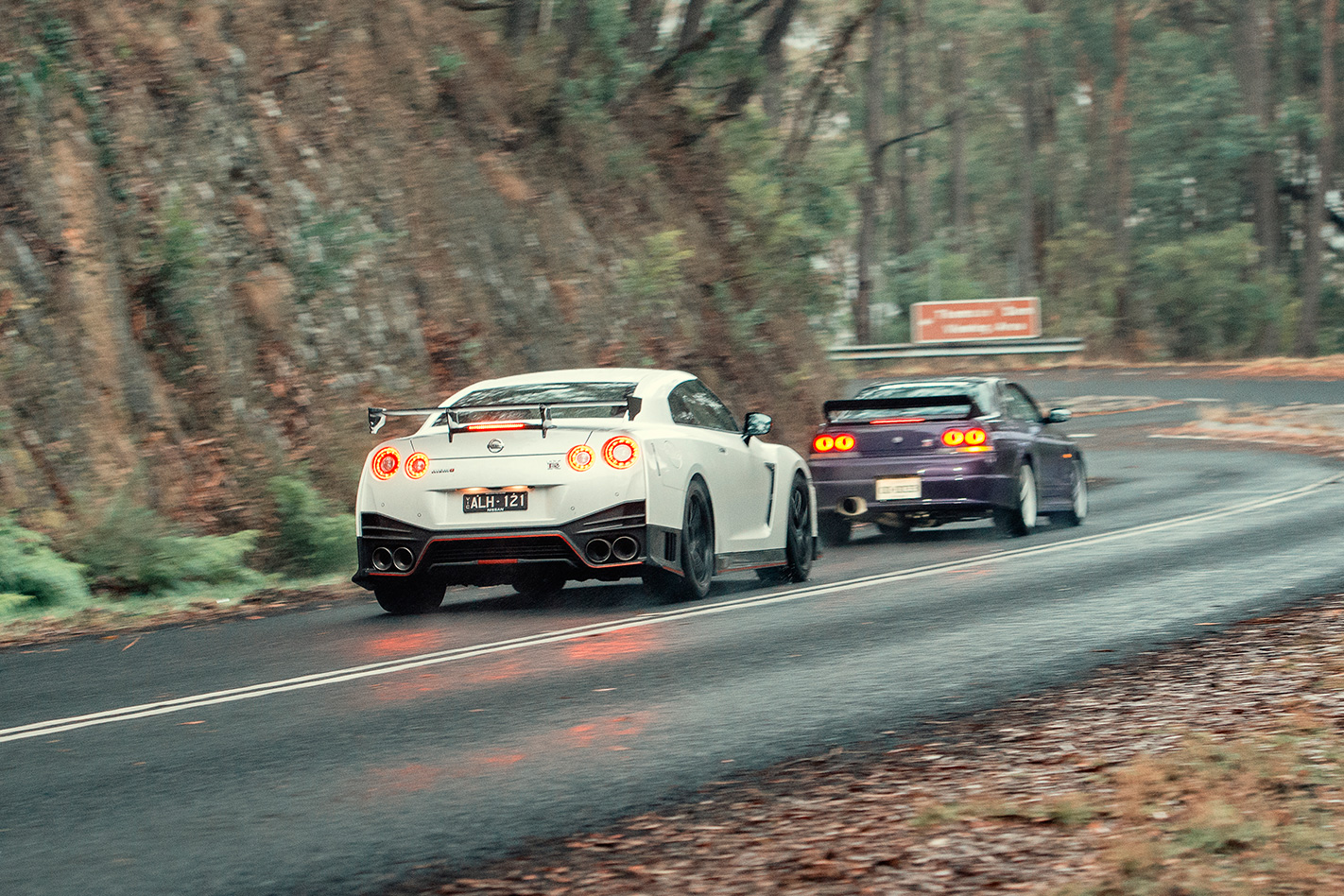
Yet astonishingly it’s the more modern Nismo that’s the least civil. Road noise is deafening at highway speed, the ride is coccyx-fracturingly firm and the hyperactive steering requires constant attention.
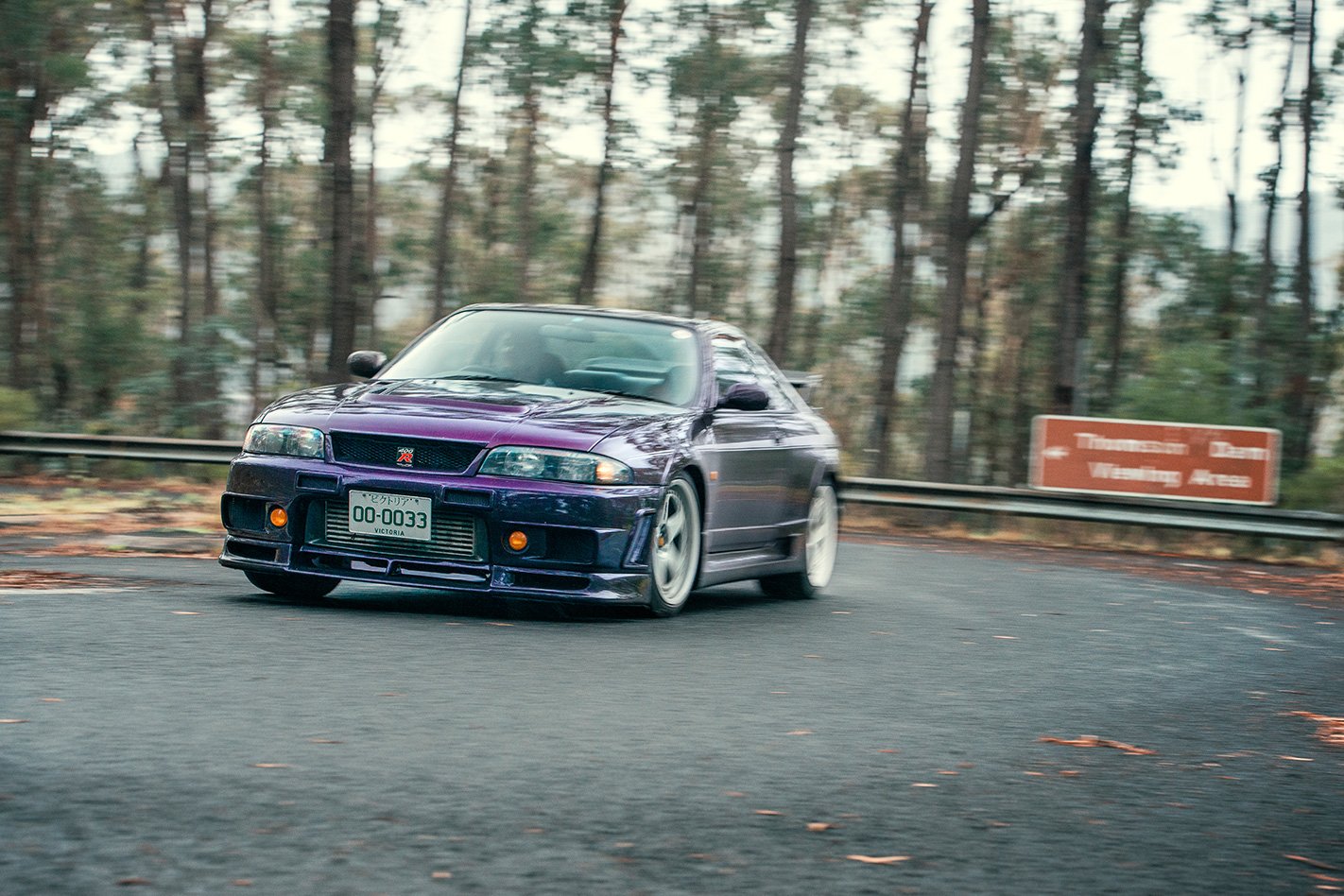
“They don’t make them like they used to” – we’ve all heard that one before, but in the case of these two Nismos, separated as they are by two decades of technological development, that old cliché is proven wrong – kinda.
The 400R may be a little more bespoke, but its modern-day reincarnation still channels some of that 90s rawness, that animalistic nature of a boost-heavy six-pot turned all the way past 11 and harnessed by the cleverest chassis tech available. To drive they are wildly different beasts, but they are aligned in spirit.
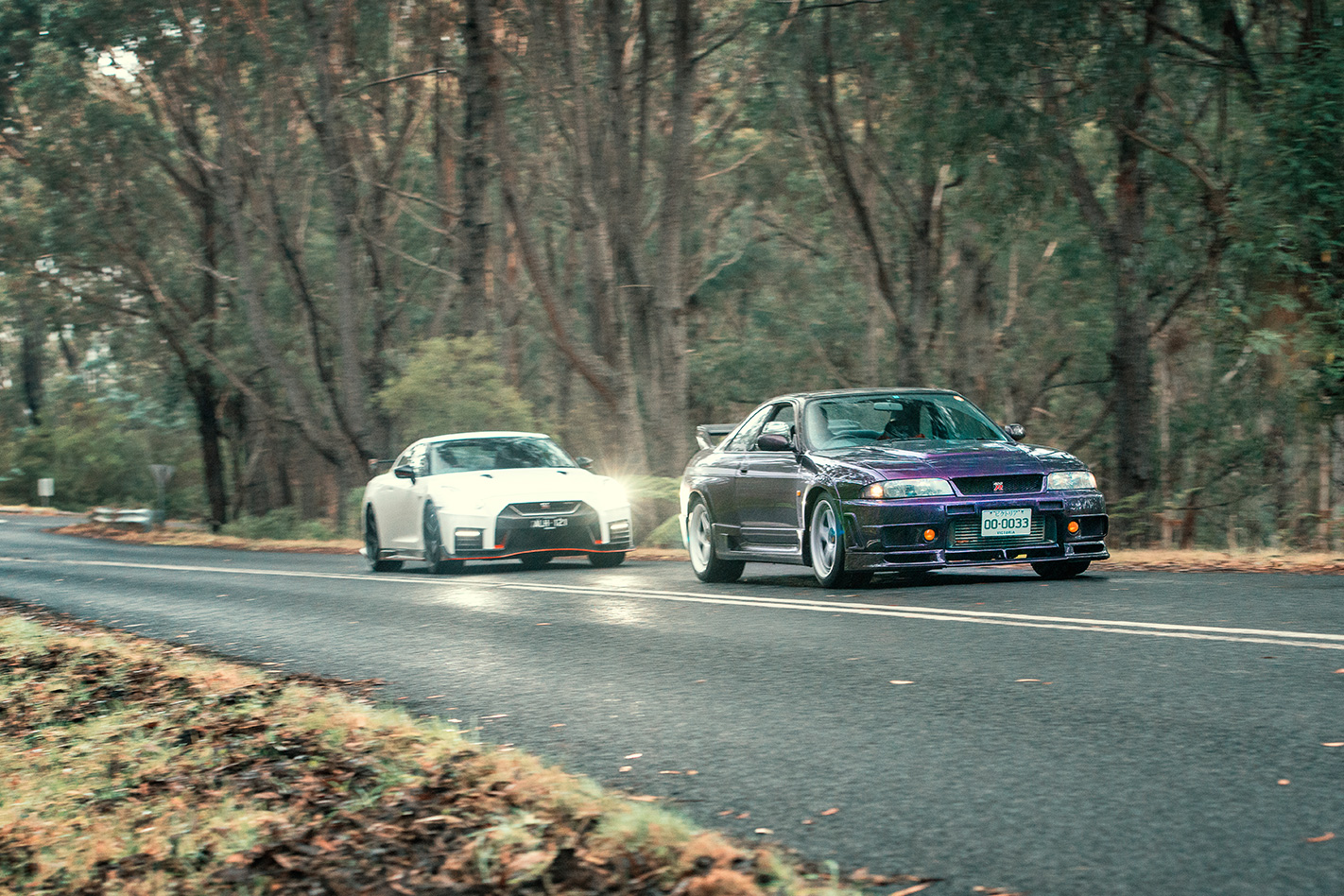
Probably. In an era where even supercars are friendly enough to drive to the shops, the mega-hardcore GT-R Nismo stands out for its unapologetic roughness and single-minded pursuit of speed.
And just like the 400R before it, it perfectly encapsulates precisely what the Nismo brand is all about.
A special thanks to V-Spec Performance for providing their Nismo 400R for our use.
Australia will be among the first markets globally to launch the new Renault Megane RS, with the five-door-only fourth-generation hot hatch powering to our shores by early 2018.
But the news is also less promising for the Porsche Cayman-rivalling Alpine A110 coupe.
There was a 15-month delay for regular versions of the fourth-generation Megane as other markets were given preference for the new small car, however Renault Australia managing director Justin Hocevar has revealed that our shores will be first in line for Megane RS.
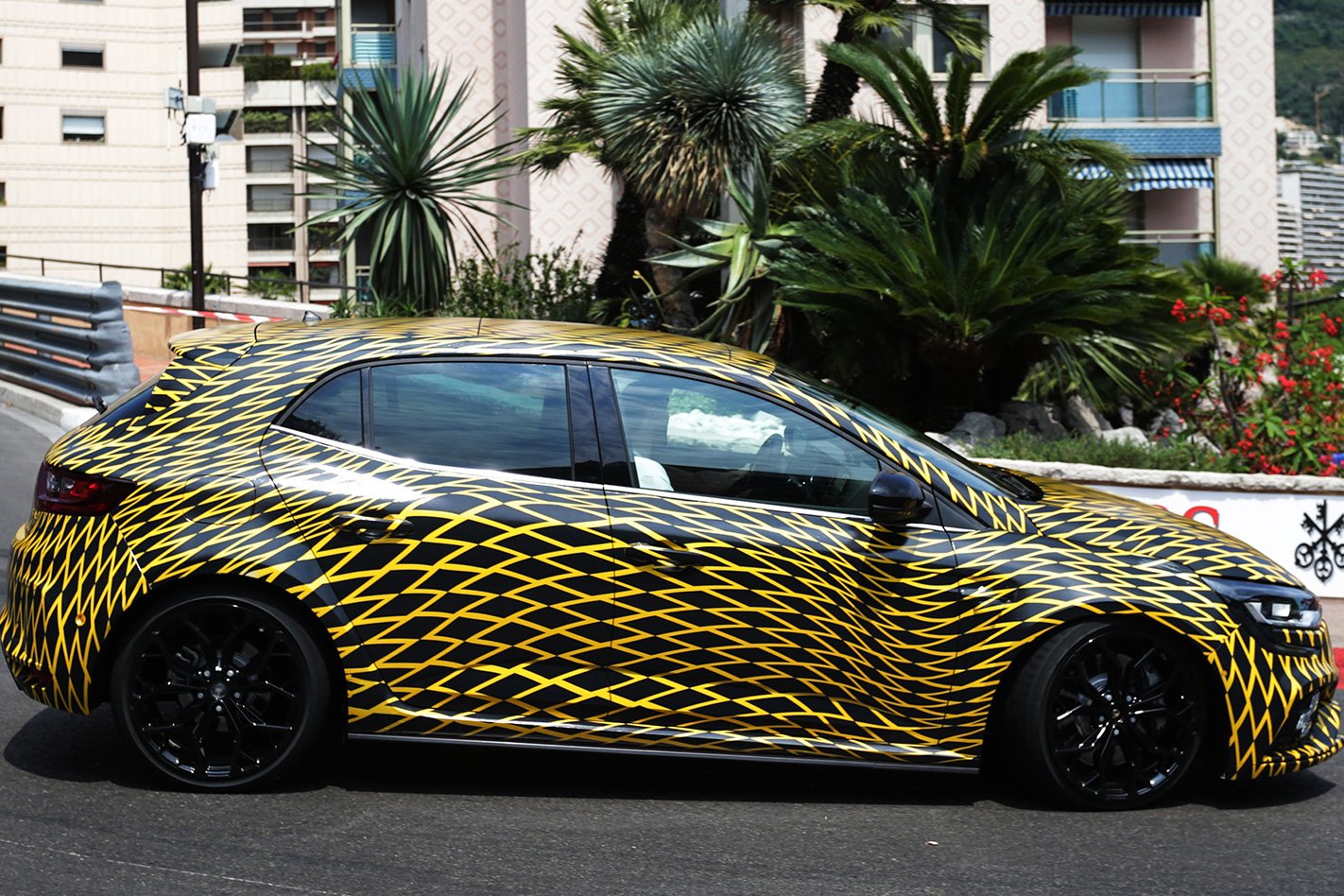
“Australians won’t have to wait any longer than any other market. The only wait is the time it takes to send one out on the road. Shipping times are about four weeks, so as soon as they start being built … it will be about four weeks after that.”
Hocevar said that the new Megane RS – which has so far been teased but will be officially revealed at September’s Frankfurt motor show – will definitely launch in Australia in the first half of 2018. Asked what month we could expect it, he replied: “It’s too early to say.”
But he did explain that Renault Sport prioritised the local market given its Down Under success; where sub-brand Alpine unfortunately hasn’t.
“Australia is an important market for Renault Sport globally [and] on previous-generation Megane we were, for a couple of years, the second-largest market after the domestic market,” he said of the hot hatchback’s past sales performance.
“So, we’re well known and loved by them and equally we love them back.”

“Obviously they have been looking at their global roll-out strategy [but] there’s been no official announcement of it being available for Australia yet,” Hocevar told MOTOR.
Where Renault Sport has only revealed that the Megane RS will come with five doors, manual or dual-clutch auto transmissions for the first time, and four-wheel steering that debuted on the Megane GT, Alpine A110 specifications have been revealed and global markets have already started receiving the Alfa Romeo 4C and Porsche 4C rival.
“I won’t deny we’ve constantly put our hand up for it [and] we’ve put our business case forward,” Hocevar confessed.
Megane RS Trophy-R claims Albert Park lap record
“We wait eagerly to see if and when that eventuates for us. We simply have to wait for head office to grant approval for Alpine for Australia.”
A target price of above $60,000 and below $90,000 was initially set for the Alpine A110 in Australia, as the 1080kg and 4.5-second 0-100km/h 1.8-litre turbo four coupe was pitched as a grade above a 4C but below a Cayman.
But apparently a lot has changed since the boss of Alpine made that comment to Australian media at September 2014’s Paris motor show.
There was a time when keeping kids happy, refreshed and entertained during a road trip meant giving them a pack of chips and encouraging them to play ‘I Spy’ or to sing along to the radio. And if they got too unruly all you had to do was warn “shush, police” whenever you spotted a cop car.
But kids have their limits and even as car interiors improve and infotainment systems became more advanced they can still become bored and irritable leading to inevitable rear-seat conflict.
Here’s a list of items and ideas to keep the little darlings occupied to ensure mobile family bliss on the next family road trip for when the usual family road trip games wear thin.
Own devices
While parents are concerned about how much screen-time their kids are exposed to, there’s no denying smartphones and tablets make long journeys more bearable. Unlike in-car DVD players, personal devices allow each child to be in control of their own entertainment meaning no fights over whether or not to watch Cars or Frozen.
Keep them charged
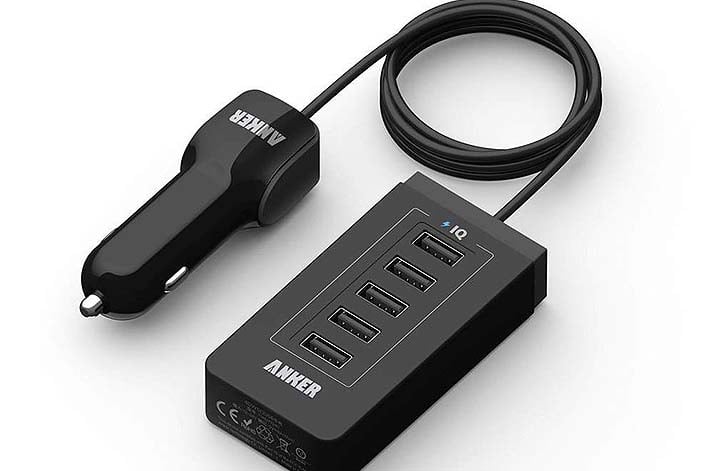
The last thing you need is for the batteries of those hand-held devices to run out. A charging cable is an absolute necessity but a single charger can be the source of many a backseat fight once battery levels are in the red. Use an adapter with multiple USB or power sockets that can branch out to power more than one device at a time.
Offline fun
Let the kids know that internet coverage isn’t guaranteed and ensure their devices have apps installed that don’t need online access, such as games, learning tools as well as music, videos and books. There are plenty of great apps for all ages including Sago Mini Road Trip (age 3+), Drawing Pad (4+), This is my car – Mechanics for kids (6+), Minecraft Pocket Edition (8+) and Monument Valley (12+).
And to encourage kids to look out the window every once in a while, perhaps make up a photo treasure hunt where they need to take pictures featuring a list of items you’re likely to see on the trip, such as cows, trains, water towers etc.
Avoid noise pollution
For the sake of everyone’s sanity make sure each passenger has their own headphones or ear buds.
Toys
Have a stash of toys and books for younger children near you and hand them out over time. Once they get bored with one give them another to keep them occupied a little longer. Avoid toys or games with small pieces as you’ll be stopping every few kilometres to find them between seats. Make sure you have spare batteries for any toys that require them, though avoid toys that generate sound.
Water
Put pop-top water bottles in all the cupholders. Avoid sugary drinks as they could make the kids hyperactive, followed by thirst later on.
Food
Apart from satisfying children’s inevitable hunger, food is a great way to keep them occupied and soak up some time. Distribute the food gradually rather than giving it to them all at once. Select healthy snacks that are easy to consume on the move.

Avoid spillage
If you give them food that requires a plate or bowl, invest a snack bowl with different compartments or a Gyrobowl that stays level – even if flipped over – to avoid a mess. Whatever you do though, don’t tell them it’s spill proof as they’ll see that as a challenge.

Tray table
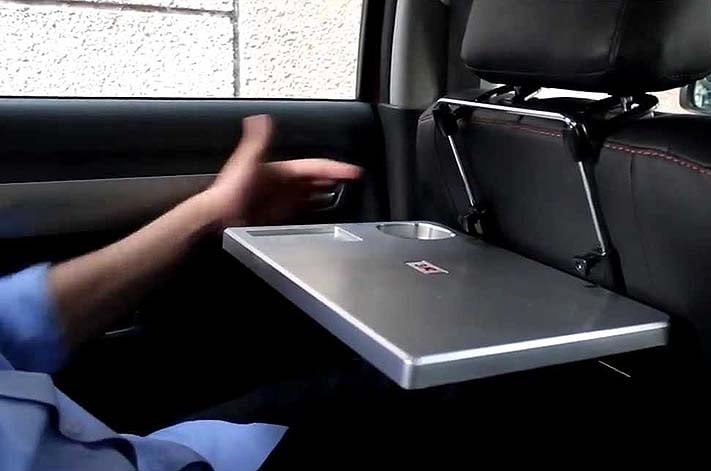
One way for them to eat and play in an orderly fashion is to install a portable tray table that attaches to the front seats below the headrest. They’re also good for supporting heavier devices such as tablets and laptops, which will keep them at eye-level and improve their posture when they’re watching videos or playing games.
Rubbish
Have rubbish bags handy so they dispose of wrappers and boxes straight away. Try lining the door bins with a plastic shopping bag or get a little bin that attaches to the door, map pockets or back of the centre console. Have some wipes and hand sanitiser stowed away too.

Sleep
Bring pillows and blankets to encourage kids to sleep should they start feeling bored or tired. Give each child their own blanket, as one across the back seat will probably result in a noisy tug-o-war.
Sick bags
Kids can get car sick so bring some sick bags which you can get at chemists – plastic bags with a cup-like opening are good for avoiding spillage.
If you’re worried about if they’re feeling sick, don’t simply ask how they feel as they’ll either be fine or close to death. Instead, ask how they feel from one to 10, with one being great and 10 about to be sick. Monitor them from there.
Here are more tips to prevent car sickness.

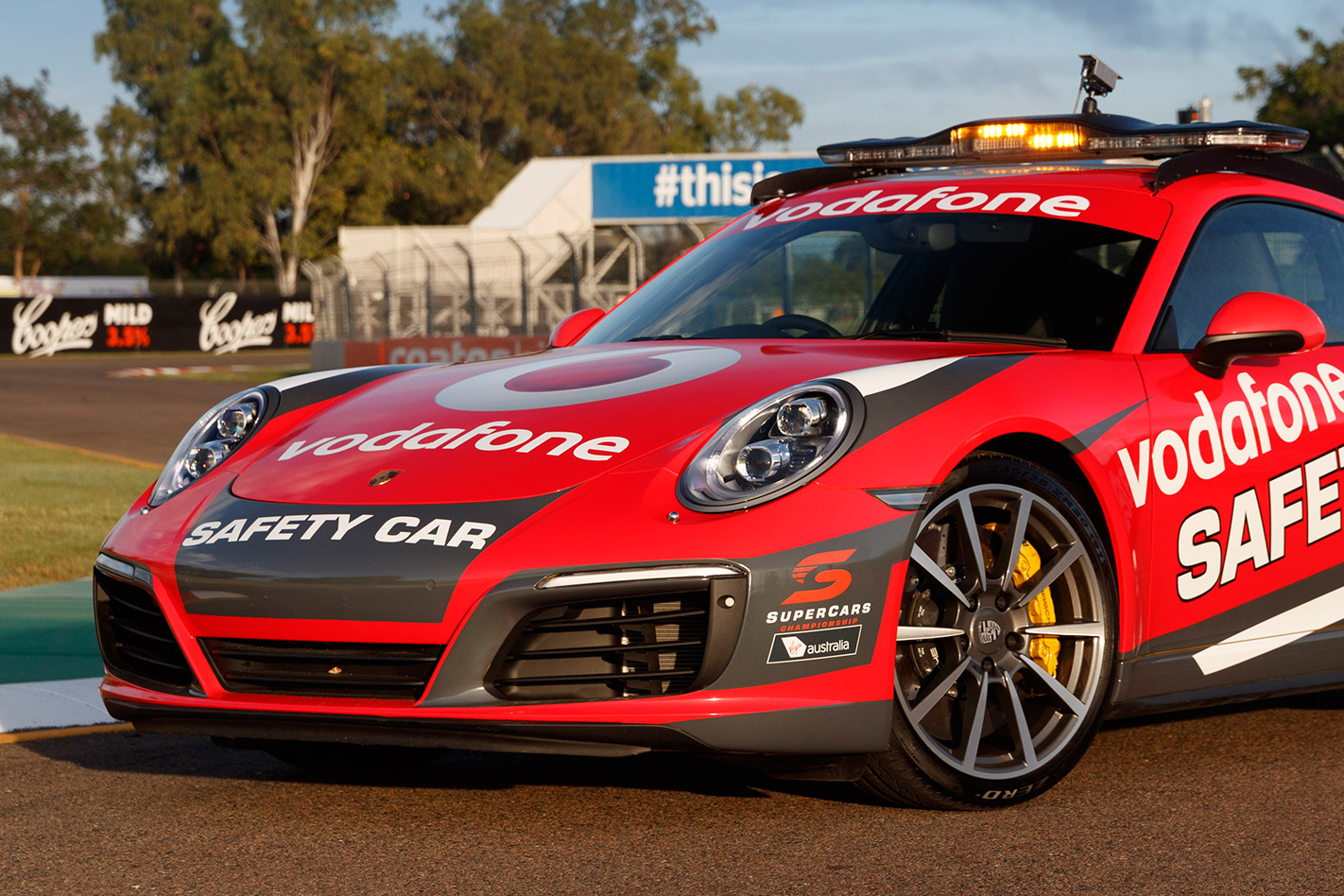
Replacing the Cayenne S safety car for the rest of this year’s Supercars championship is the Porsche 911 Carrera 4S.
The all-wheel-drive Stuttgart ex-pat will begin its run of duties this weekend at the Townsville 400, where practice is already underway.

With the 7-speed Porsche dual-clutch (PDK) and launch control, the Carrera 4S’s 0-100km/h dash takes a claimed 3.8 seconds, which Porsche says should be good for a “rapid exit of pit lane”.
The all-wheel drive system and adaptive Porsche ‘Active Suspension Management’ chassis in the Carrera includes rear-axle steering which comes from the 911 Turbo (and the GT3), which Porsche adds “provides a greater spread between fast paced sporty circuit and relaxed long-distance driving”.
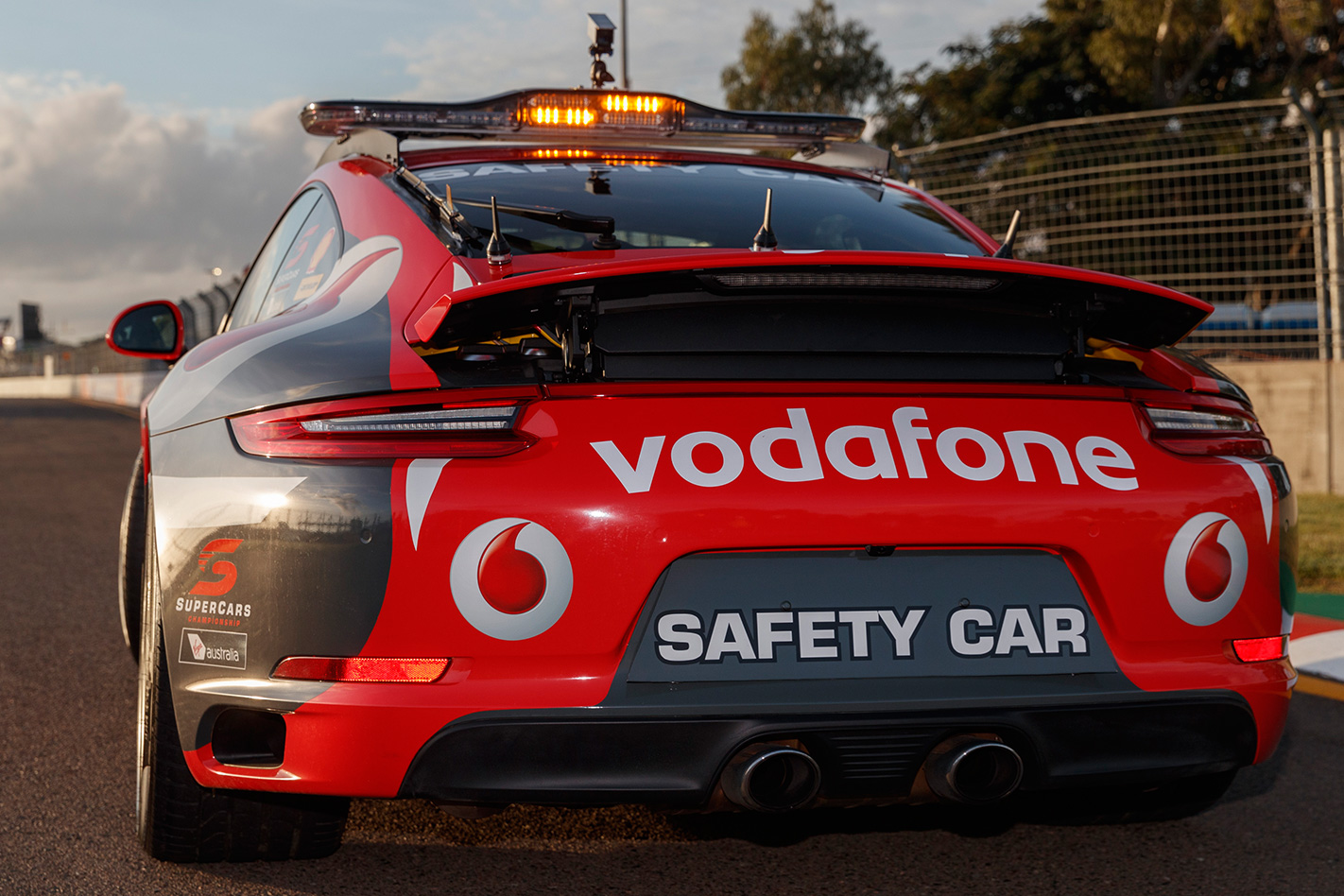
Porsche Australia director of PR and motorsport Paul Ellis says the 911 will be a perfect fit for Supercars, as the brand has long run side-by-side with the championship.
Opinion: What next for V8 Supercars
“We’re thrilled to supply the impressive all-wheel drive 911 Carrera 4S Coupe to Supercars for the remainder of the 2017 season,” says Ellis.
Supercars get F1 livery makeovers
“The newest generation 911 Carrera 4S is a brilliant example of Porsche engineering and will be more than up to the task of performing its role as the Supercars safety car for the remainder of this season.”
Qualifying at the Townsville 400 starts early Saturday afternoon, before Race 13 at 4pm and a repeat of that on Sunday, with the Top 10 Shootout taking place before Race 14.
VOLVO‘S Chinese-owned parent company Geely yesterday announced it will phase out vehicles powered only by internal combustion engines, with every model launched after 2019 to be all-electric or hybrid.
Models launched before that date powered by combustion engines only and still current at that time will continue to be available with their turbocharged petrol and diesel engines.
Newer models such as the S90 and XC60 are built on the Scalable Product Architecture (SPA) and Compact Modular Architecture (CMA) platforms, which can accommodate future hybrid and all-electric powertrains.
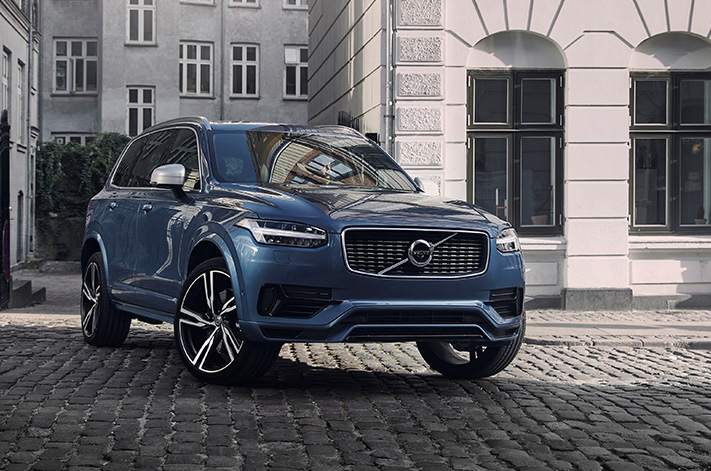
At the other end of the scale, five fully electric Volvos will be launched between 2019 and 2021, including a high performance Polestar performance model.
It’s a brave move not just for commercial reasons but because it commits Volvo to quickly adopt a wide range of new powertrains, with the T8 Twin Engine hybrid the only electrified system in use so far.
Volvo has received global praise for sticking its neck out, however it is simply the first carmaker to publically make such a commitment. All European carmakers face new EU7 emission laws from 2020 that will limit average new-car CO2 emissions at 95g/km, making combustion-only model ranges untenable.
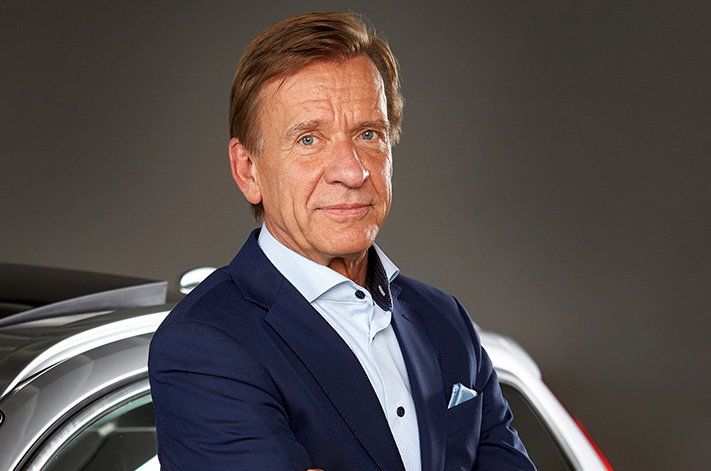
“People increasingly demand electrified cars and we want to respond to our customers’ current and future needs. You can now pick and choose whichever electrified Volvo you wish.
“Volvo Cars has stated that it plans to have sold a total of 1 million electrified cars by 2025. When we said it we meant it. This is how we are going to do it.”
What Samuelsson didn’t explain was if the new electrified powertrains will continue to attract a price premium that could make new Volvo models more expensive than they are now.
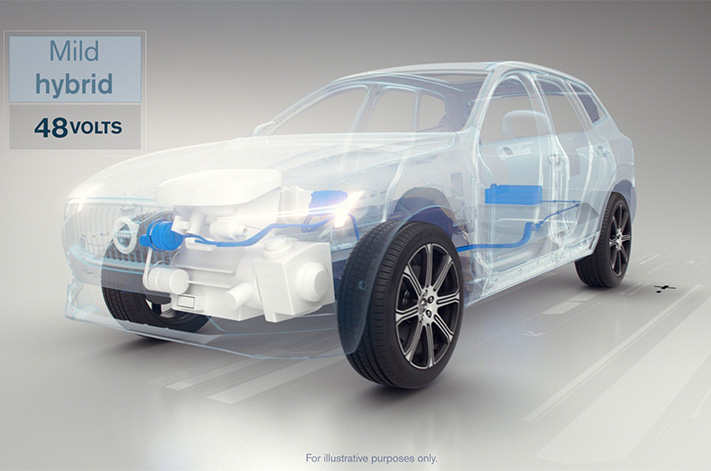
Volvo Australia spokesman Greg Bosnich told Wheels prices for such technologies is falling due to technical advances, however incentives are still needed for broad-based uptake of electric and hybrid vehicles here.
“The break-even between internal combustion engines and plug-in hybrids will take some time and plug-in hybrids will remain a premium option for the near future.”
“Our view is that the direction towards personal transport, based on renewable resources would be accelerated if the governments, both state and federal, supported it. This might not necessarily be direct subsidies, rather a removal of the current imposts on the purchase of electrified motor vehicles.”
Volvo’s decision follows last month’s announcement that Volvo Cars will turn Polestar into a new separately-branded electrified global high performance car company.
