
The Volkswagen Group stands as arguably the greatest exponent of platform-sharing in the automotive business. In an era when the development costs of a new vehicle platform or drivetrain can run to hundreds of millions, the notion of sharing drivetrains and platforms across multiple models makes obvious business sense.
While it might be common knowledge to the learned Wheels reader, not every consumer would know, or care, that the Audi beside them at the lights carries the same beating mechanical heart and underpinnings as the VW they’re driving, or the Skoda they’re eyeing in their mirror. We could add Seat to that list, too, if they were sold here.
The latest addition to our fleet, the Skoda Superb Wagon, is one example of the plentiful fruit that springs from this highly evolved strategy, built as it is on VW’s Modular Transverse Matrix (MQB) platform.
Like most modern automotive platforms, the MQB is designed for ultimate flexibility, meaning it can be delivered with stretched or shortened wheelbases, with tracks that can be widened or narrowed, and of course with myriad versions of what the designers call ‘top hats’, or bodystyles. In the case of the Superb, this equates to a liftback sedan and a generously proportioned wagon, both of which sit on a wheelbase that’s been stretched to a sizeable 2841mm.
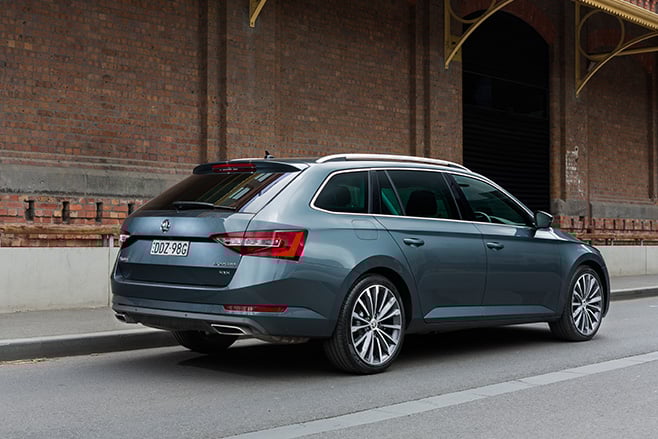
This places the Superb at the larger end of the medium-to-large sedan/wagon category, meaning it could be considered an alternative to a Mazda 6 or a Holden Commodore, and you could just as easily include the Peugeot 508, Kia Optima, Ford Mondeo and Hyundai Sonata to the list.
And let’s not forget VW’s own Passat, even if the parent company is understandably keen to play down that comparison. The Skoda certainly has more space and sufficiently different powertrain options to be a genuinely differentiated product offering, but there’s no denying the two cars are close first cousins.
The B8-series Passat launched here in October 2015 to critical acclaim for both its dynamic and its packaging, and the Superb builds impressively on these traits. In particular, it’s bigger in practically every dimension than the Volkswagen Passat wagon, which is obviously of interest to families like mine who value boot and interior space.
Here the Superb ticks plenty of boxes, its generous wheelbase ensuring a voluminous boot and terrific legroom in the rear, where in the first weeks of ownership we’ve become accustomed to seeing the long-limbed teenage elder of the Bulmer sisters sprawled out in the limousine-like pews.
But there’s more to the Superb than just generous proportions and handsome styling. Under its bonnet lurks the same 206kW/350Nm turbo-petrol four that motivates the Golf R hot hatch. In combination with this range-topping version’s Haldex all-wheel-drive system, 19-inch wheels and quick-shifting six-speed dual-clutch transmission, the Superb is a real traffic-light sleeper.
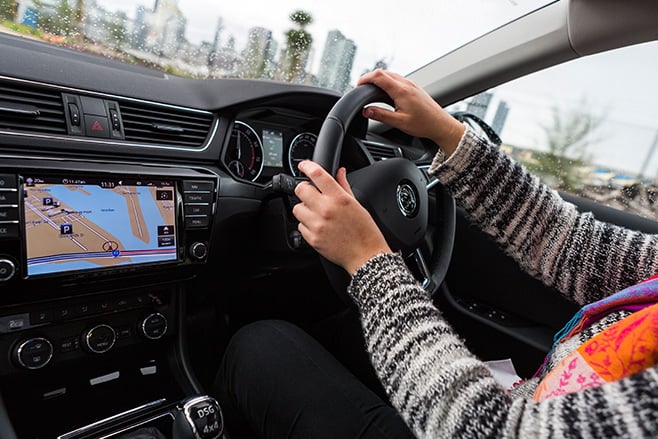
The 4×4 wagon’s 1600kg mass makes it the heaviest model in the Superb range, adding 110kg over the front-drive 162TSI wagon, which in turn means that even the potent Golf R powerplant feels, initially, a little soft. But pull back on the transmission lever to select Sport and the engine instantly bristles with enthusiasm, the sweet-revving boosted four-pot delivering a deliciously fruity exhaust note and the odd pop and crackle on the over-run. It might seem decidedly out of place in what is otherwise an utterly sensible family wagon, but it’s deliciously good fun.
Add to this the vast cabin and boot space and the Superb shapes as a legitimate rival for not only SUVs but more dynamically adept wagons like the Commodore.
We’re looking forward to learning more about life with this decidedly different 4×4 wagon offering in the coming months.
HISTORIC NAMEPLATES
Despite being back in the market in Australia since 2007 and now selling almost 5000 cars a year, Skoda remains something of a curiosity to many Australians. But the brand’s roots run right back to 1905 in its native Czechoslovakia while the Superb nameplate first adorned the flanks of the 5.5m-long Skoda 640 Superb way back in 1934. The current Superb traces its lineage back to 2001 when Skoda reintroduced the model to sit above its compact Octavia and small Fabia.
PICKING PACKS
Our Metal Grey wagon is in the guise favoured by most car-buying punters, according to VW-Skoda PR man Paul Pottinger. This means we have metallic paint ($700), Tech Pack ($3400), Comfort Pack ($1500) and a panoramic sunroof ($1900), taking the price from $52,690 to a still tidy $60,190. Pottinger says the Tech and Comfort packs are the two most preferred options, the former bringing the undoubted benefits of adaptive dampers, which instantly switch the Superb’s ride comfort and dynamics from pillowy comfort to sporting firmness.
This article was originally published in Wheels magazine December 2016.
Here’s a flash. Motorsport doesn’t just revolve around Formula One.
So let’s embrace diversity in the form of other sometimes more dramatic, more entertaining forms of motorsport…
Dakar
As usual, a new calendar year roars into life with the magical scenery and unholy challenge of the two-week-long off-road Dakar Rally, held for the past eight years in South America.
Heavy rain in the first week and then searing temperatures in the second half made ’16 Dakar a genuinely mad and inhumane 9200km torture test. Through it all rode (and navigated) Toby Price, the brilliant, resilient New South Welshman continuing the KTM dominance to become the first Australian winner of the Dakar. His was an even more remarkable victory given he was a Dakar rookie the previous year. Price is our new folk hero.
In the car division, rally aces Sébastien Loeb and Mikko Hirvonen made their debuts in rally-raid competition, driving for Peugeot and Mini respectively. Loeb in particular, enjoyed glory moments, but ultimately Dakar proved tricky for both.
After his Peugeot team-mates Loeb and Carlos Sainz had their dramas during the second week, superstar Stephane Peterhansel clinched his 12th Dakar Rally victory (six on a bike; six in the car division) and Peugeot’s first since 1990 with a measured drive to the finish.
IndyCar
Yes, perhaps the Indianapolis 500 has lost some of its historical must-see magnetism, but it still pulls a massive race-day crowd and can uncork an abundance of drama and spectacular action.
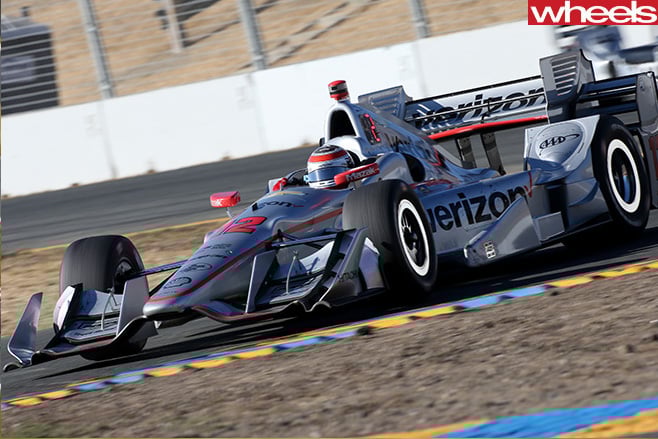
Aussie Will Power again challenged for the IndyCar championship but a gearbox issue in the decider in Sonoma sealed his fate. Power potentially lost a swag of points when forced to withdraw from the season opener for medical reasons. He had earlier taken pole position.
The Queenslander fought his way back into title contention but fell short again. It was the fourth time he was runner-up in the series.
The steadiest driver across the season was Simon Pagenaud who collected his maiden IndyCar Series crown with a champion’s drive from pole to the top of the podium in the finale.
World Endurance Championship
Late in 2016, the World Endurance Championship was rocked with the late announcement that star team Audi was exiting at the end of the season to redirect its euros towards billions in legal fees and compensation arising from the VW Group’s emissions scandal.
Audi hasn’t the only high-profile retiree from the WEC. Ending his auspicious career too was Mark Webber, 40 and out.
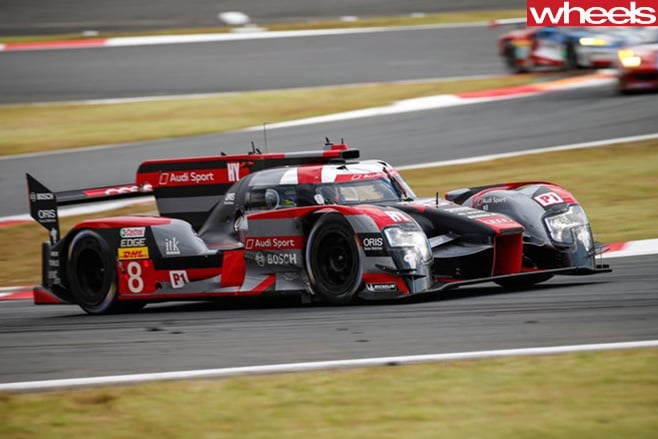
Webber has retired at the top, still competitive and with a WEC driver’s crown (2015) in his wardrobe. Various ambassadorial roles and a TV career beckon.
Bathurst 12 Hour
Locally, the Bathurst 12 Hour for (mainly) GT3 cars continues to attract quality entries and growing attention from sports car followers here and abroad. Free-to-air television coverage on Seven plays a big role.
Winners in 2016 were Shane van Gisbergen, Alvaro Parente, and Jonathan Webb sharing a McLaren 650S GT3.
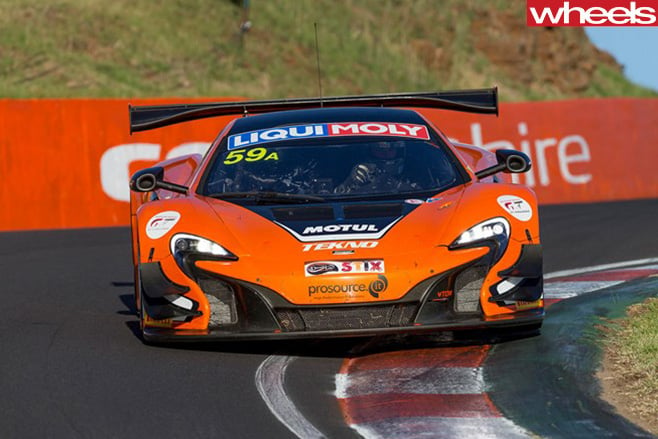
A sub-2m lap next year can’t be ruled out…
World Rally Championship
The World Rally Championship ended emotionally with dominant team Volkswagen earlier pre-empting its departure (for the same reasons as Audi leaving the WEC).
And like Audi, the VW squad went out on a tearful high, snaring the constructors’, drivers’ and co-drivers titles as well as going one-two in the final round, Rally Australia, Andreas Mikkelsen leading home Sebastien Ogier.
Favoured for the 13-event 2017 WRC after taking second to VW in 2016 is Hyundai, winner of two rounds in the recently-completed season.
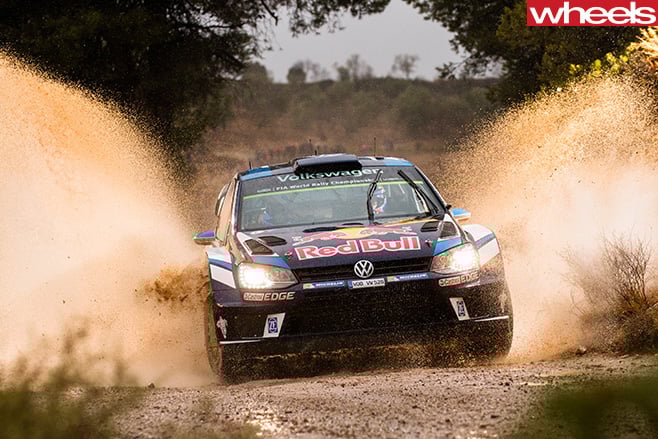
Kiwi Hayden Paddon claimed an impressive maiden WRC win in Rally Argentina in 2016, with further podiums in Sweden and Poland. Paddon, always a threat on his favoured gravel surface, is working hard on improving his consistency on snow and tarmac.
Hyundai’s third driver Dani Sordo fractured a vertebrae in a testing crash in July and missed the Finland round, bouncing back to score podiums but no wins.
Australian Rally Championship
Locally, history was rewritten when Subaru’s Molly Taylor (co-driven by Bill Hayes) became the first female to win the Australian Rally Championship, clinching the title with a last-gasp effort in the decider, Rally Australia.
Open-wheel
Australian Formula 4 continued to struggle in 2016, with small grids turning out despite fervent CAMS support. Credit though to teenager Will Brown who took out the series and then also claimed the inaugural Toyota 86 one-make race series. A seven-round calendar has been confirmed for the 2017 CAMS J Australian Formula 4 Championship.
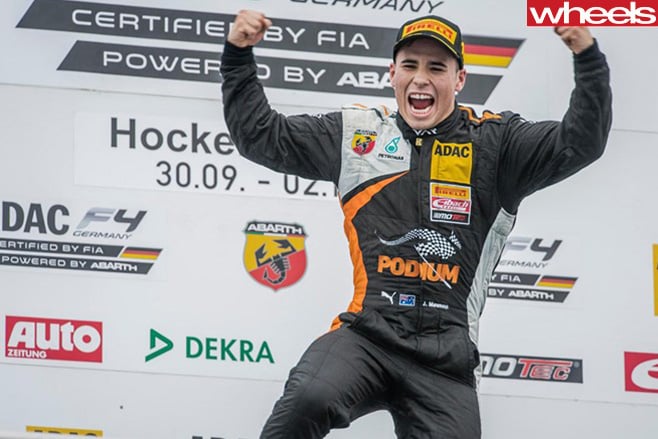
Overseas, Australian goer Joey Mawson starred in the hard-fought 2016 German F4 Championship, defeating Mick Schumacher to take the title. Mawson is planning to graduate to European F3 in 2017.
MotoGP
MotoGP continues to provide the level of unpredictability and excitement rarely approached by four-wheeled motor sport.
The champion for 2016 was Marc Marquez, who during the campaign kept his usual win-it or bin-it approach under some limited control, to regain the title he lost to Yamaha’s Jorge Lorenzo in 2015.
A more mature Marquez rebounded stunningly in 2016. Controlled, poised and focussing on the long game, the Spaniard grabbed the title at the home of Honda at Motegi.
It was a tumultuous championship in which nine riders tasted victory, one being Aussie Jack Miller who won his first MotoGP race, in the rain at Assen.
POWER SUIT! Behind the wheel of Mercedes-AMG’s 450kW supercar-baiting E63; 2018 Holden Commodore revealed; Toyota’s sharp lookin’ small SUV; how HSV will reinvent itself; and flawed autonomous braking tech exposed.
ALSO INSIDE THIS EDITION:
- 2017 Wheels Car of the Year contenders
- Seven-seat Skoda Kodiaq driven
- Mazda baits Commodore … with a V6
- We drive a $10m car and don’t bin it!
- Mark Webber’s emotional enduro farewell
- Konichiwa, Mazda MX-5 RF
- 14-strong small car megatest
- Jeep’s go-anywhere Grand Cherokee goes… somewhere
- Car brands ranked for the right stuff
Some of Australia’s best-selling small cars – and a few that want a bigger slice of the small-car pie – are due for significant upgrades in 2017. Here’s WhichCar’s pick of them.
The French brand’s latest-generation city car is unlikely to set the sales charts ablaze but it will certainly be one of the more interesting propositions if confirmed for Australia. Styling – particularly the ‘Airbump’ side protection panels – is inspired by Citroen’s quirky Cactus hatch. A leaf is also taken out of the Mini book on customisation, with 36 different roof/body colour combinations possible. The Facebook generation will also appreciate an HD camera that can record journey photos and video for social media posts.
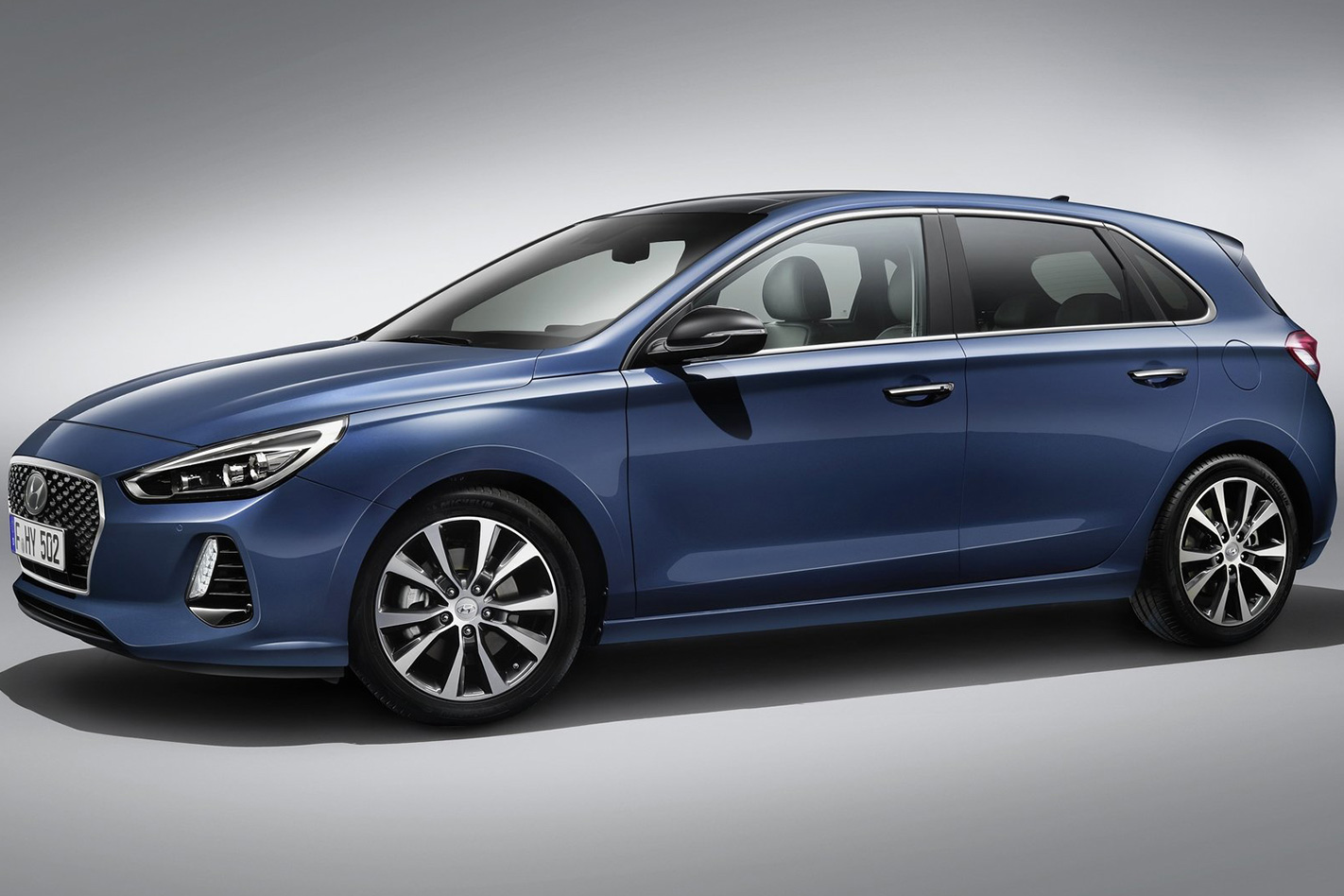
The car that has done more than any other to change perceptions of the Hyundai brand moves onto generation number three in April. There’s a further maturing of the Euro-style five-door’s styling, with a more upmarket interior – complete with prominent infotainment display – to match. Hyundai is promising more responsive handling from a car that is 30mm longer than before but lighter and stiffer. Regular i30s locally will take the current SR trim grade’s unassisted 2.0-litre four-cylinder, while the new SR will switch to a 1.6-litre turbo four borrowed from the Hyundai Tucson SUV and Veloster hatch.
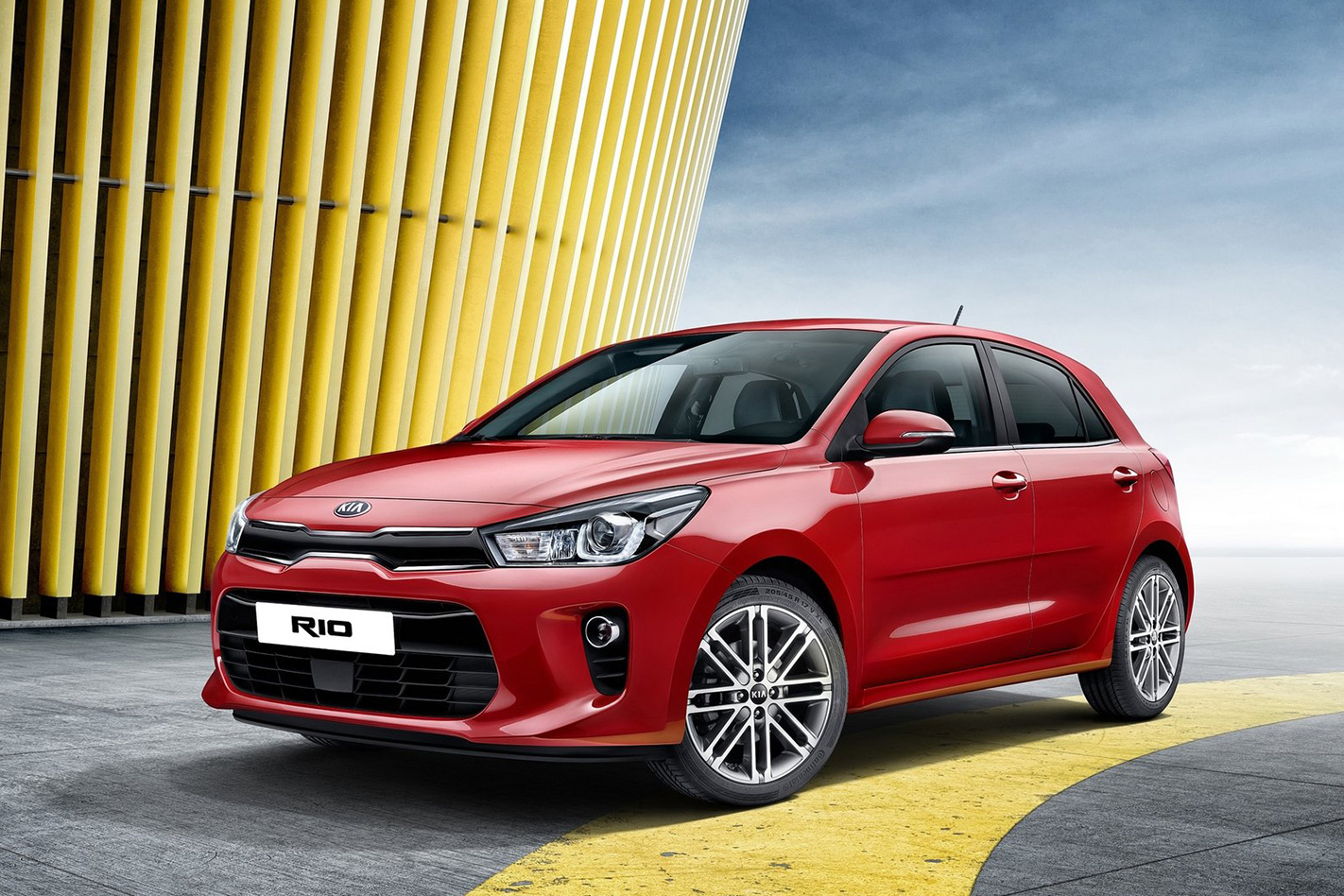
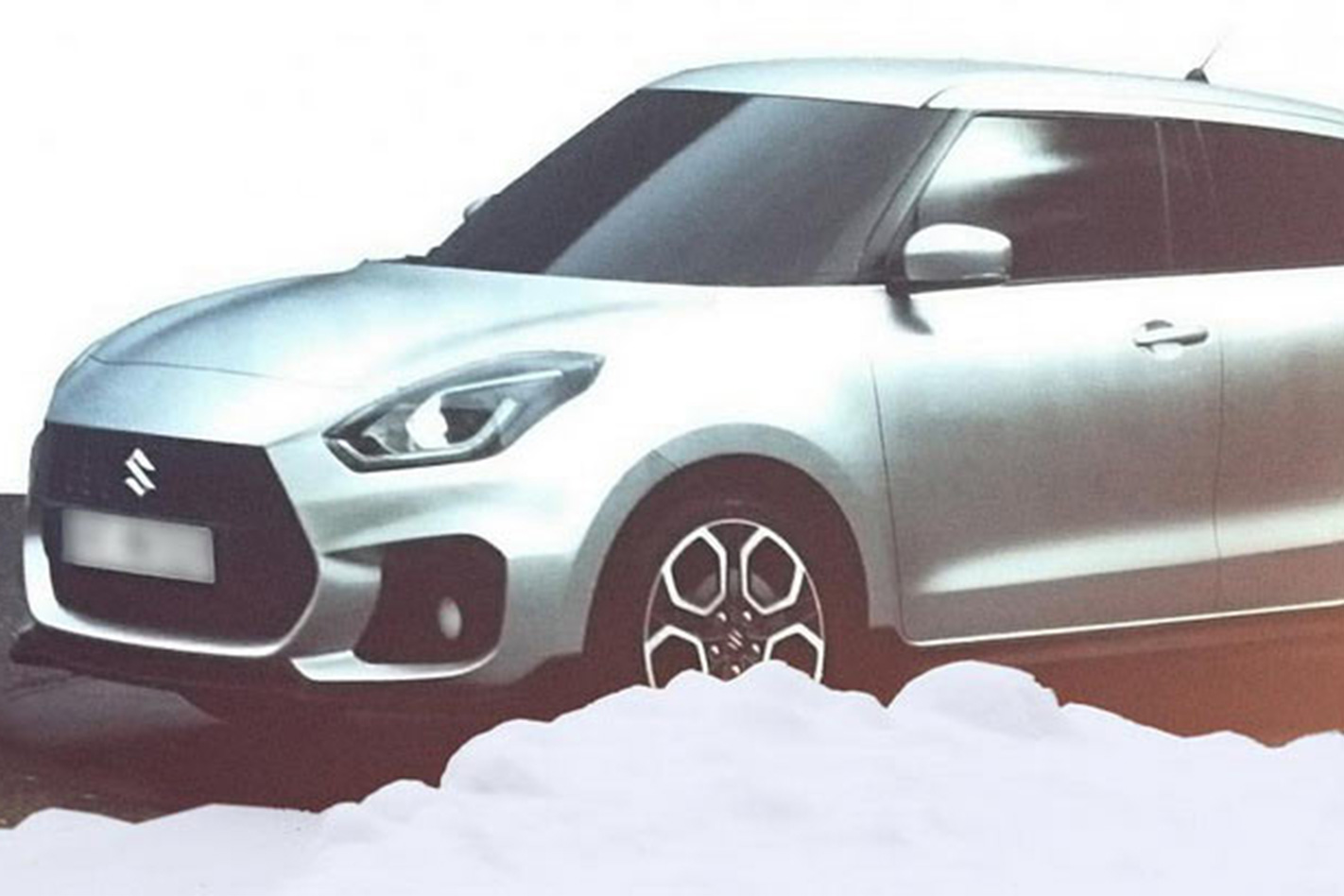
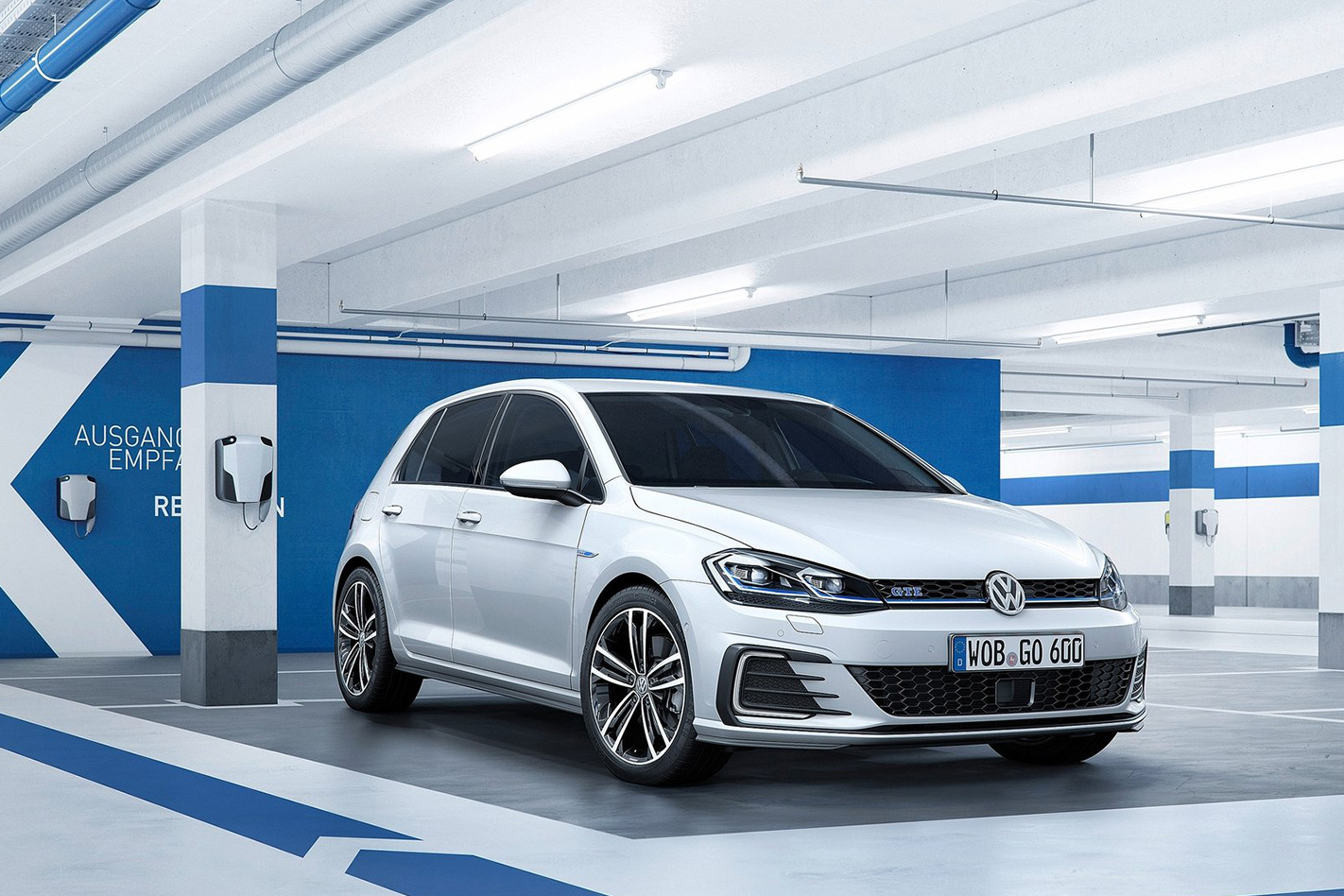
2017 Top 5 Small Cars
| Citroen C3 | $ TBC |
| Hyundai i30 | $21,450+ |
| Kia Rio | $15,990+ |
| Suzuki Swift | $15,990+ |
| Volkswagen Golf | $22,840+ |
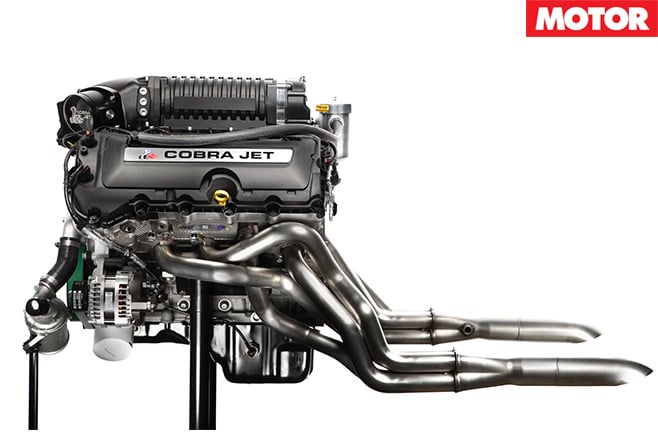
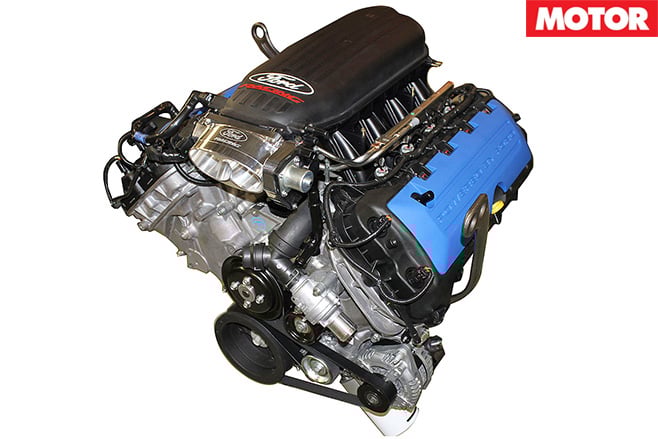
Thinking of building the baddest no-budget road-registered Ford Mustang around? You could go Big Boy supercharger or ‘just’ get a new crate engine. Here are three solid options.
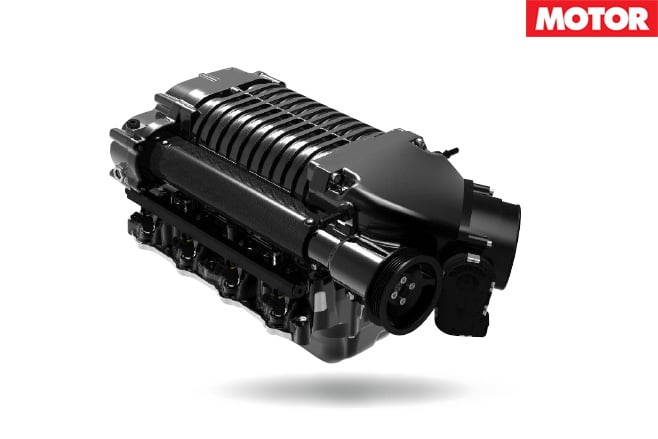
In the way of throttle and brakes, Infiniti has shown us steering can also be operated by wire.
How does it work? The theory is Infiniti’s ‘Direct Adaptive Steering’ removes the mechanical link between driver and front axle, replacing it with an elaborate ‘virtual’ union.
The system feeds steering wheel inputs via a ‘steering force sensor’ to Control Modules, which then send a signal to a pair of motors driving a conventional-type rack and pinion assembly.
Interestingly, the design integrates a conventional steering shaft as well, though under normal driving conditions a bespoke clutch mechanism disconnects the steering wheel from the rack.
Should the Control Modules sense an issue, or the car need to be moved with the engine off, the clutch engages, forming the normal mechanical steering path.
Convoluted? You bet. Infiniti, however, spruiks ‘interesting’ benefits of steer-by-wire. Firstly, it claims steering action is more “direct” and responds quicker to driver input as it removes the “mechanical loss” of a steering shaft.
Secondly, it completely isolates the steering wheel from the unwanted shock, from road imperfections such as potholes, otherwise transmitted in conventional steering. And a by-product, for good or bad, is Infiniti’s design removes all vibration normally experienced, full stop.
Thirdly, its system allows a wider variety of steering “feel” (its description, not ours) and counterweight calibrations so, essentially, the steering character is customisable and can be programmed/assigned/saved to the vehicle’s settings.

But a major point of contention with digitised steering, one that no doubt creates skeptics and enrages purists, is it simulates traditional feel and feedback attributes. And the wider critical verdict of Infiniti’s system is, despite 10 years in development, Direct Adaptive Steering falls short of providing natural traits drivers are accustomed to via purely mechanical (electrically or hydraulically assisted) means.
However, one theoretical benefit of a steer-by-wire system is it could work in tandem with electronic stability control systems to correct the trajectory of the car independent of driver steering input. Adding the ability to override the driver and steer around a problem, perhaps to dramatic degrees.
The Infiniti Q50 currently integrates Active Lane Control in with its steer-by-wire system claiming it’s the most sophisticated lane-keeping tech out there because it doesn’t rely on ESP intervention. It’ll also compensate for crosswinds and road camber changes while ALC is activated, removing the need to add steering correction to the car.
Will it catch on? Time will reveal whether the system sparks.
DOUBLE TIME The system’s rack-and-pinion operation is controlled by a pair of small electric motors, one at each end of the rack mounted at 90 degrees. The use of two motors provides an extra fail-safe, costs less, and also allows the engine to be mounted lower.
CENTRE COMMAND Looking like regular external hard drives for your desktop PC, the three Control Modules are essentially the brains of the system, and receive inputs from the SFS (to the right) to then talk to the two motors on the steering rack. Having three modules allows operation to continue should one fail.
MODAL INSTINCTS In some Infiniti Q50 variants, by using the centre stack touchscreen to access Drive Mode Selector, a driver can choose four preset modes – from sport-focused heavy to leisurely lightweight – plus one personalised mode to tailor the steering’s characteristics.
USE THE FORCE The steering wheel itself is mechanically linked to a Steering Force Sensor. The SFS serves two functions. On one hand, it mainly affects and varies the resistance to simulate feedback, and on the other sends input data to the Control Modules.
CLUTCHING SAFETY In the middle of the conventional steering shaft is a clutch, normally disengaged to let the steer-by-wire system do its thing. It engages to create a solid mechanical link should the electronics fail.
As 2016 unfolded, it became ever more clear that electric vehicles are coming, and that their arrival spells the end of oil as undisputed king of automotive energy sources. But internal combustion will live on even as EVs proliferate. This will be creeping change, not a cataclysmic conflict.
“You need to be able to think two thoughts at the same time,” says Ståle Frydenlund, communications advisor to the Norwegian EV Association. This relatively small outfit played an active role in making Norway a leader in EV adoption. Its influence is now spreading beyond this small Nordic nation’s borders.
What Frydenlund means is obvious when you look at what his homeland is doing. Plug-ins have around a 20 percent share and rising of the new-vehicle market in Norway thanks to the government’s pro-EV policies, even though the Norwegian economy is heavily reliant on North Sea oil and gas production.
“The oil and gas industry will keep going in Norway for many years,” Frydenlund predicts. “Norwegian politicians say it’s not an alternative to let other countries do the oil producing. But, even so, CO² emissions have to come down, and that’s what we’re trying to influence.”
The car industry is beginning to see it the same way. “Everybody knows that we have to go towards emissions-free driving,” Daimler chief Dieter Zetsche told Australian journalists in April. The problem, he noted, is that current customer demand is stronger for AMGs than EVs.
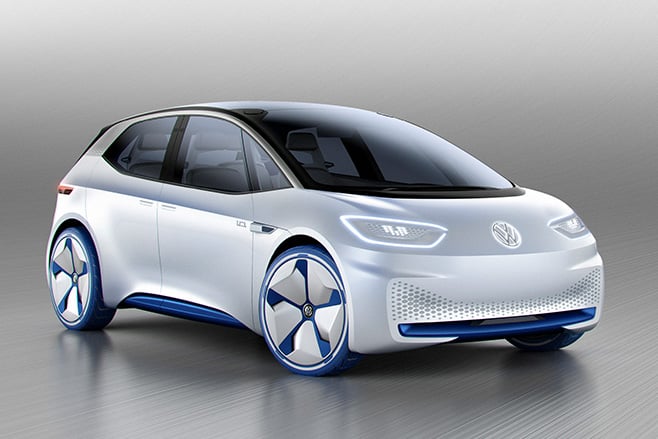
By late September, at the Paris motor show, Zetsche was announcing that Mercedes-Benz plans to produce an entire family of EVs, beginning with an SUV in 2019. There eventually will be “at least seven” EVs wearing the three-pointed star, another senior exec revealed. Also at Paris, Mercedes-AMG boss Tobias Moers confirmed the company would produce an F1-based, petrol-burning hybrid hypercar for the road. The world’s oldest carmaker obviously has room in its headquarters for two thoughts at the same time.
Volkswagen also chose the Paris show to reveal that it, too, intends to make EVs part of its mainstream line-up. Earlier in 2016, the company’s chief executive, Herbert Diess, had led his board on an EV fact-finding mission to Norway.
The Paris announcements by Mercedes and VW capped a year full of EV action. GM launched a relatively affordable small hatchback with a driving range to challenge a costly Tesla Model S. To prove the point, Opel drove an Ampera-e, the European version of North America’s Chevrolet Bolt, from London to Paris for the motor show. Tesla began production of its second mainstream model, the Model X SUV, and revealed its first truly mass-market car, the Model 3. Hyundai began production of its Ioniq EV. Renault and Nissan launched updated versions of the Zoe and Leaf EVs with extra range from improved batteries. BMW did likewise with the BMW i3.
Australia lags most of the rest of the advanced world when it comes to EVs. Even so, it’s probably time to start clearing some mental space for the day when this begins to change.
THE HARD CELL
Improved batteries are the key to EVs gaining widespread acceptance, and they’re coming. According to analysis by the International Energy Agency, battery prices have fallen significantly since 2008, at the same time as energy density has risen. What this means is cheaper batteries that can drive an EV further. And Samsung, one of the biggest suppliers of EV batteries, is already promising another big step up in energy density with a new cell it will soon begin producing.
Running Australia’s oldest stunt team is still a major attraction.
It’s been a part of our culture for half a century, a staple at motor shows, agricultural shows and major sporting events. In its various guises, the Isuzu Team D-Max precision driving team – formerly, for 31 years, the Holden Precision Driving Team – is a yumpin’, slidin’, two-wheeling automotive institution.
All of which might also describe its limelight-shunning ringmaster, Wayne Boatwright.
Australia’s favourite stunt team celebrated its 50th anniversary this year, sort of. In 1966, the Canadian Hell Drivers paid a visit to Fishermans Bend, performing a bunch of synchronised driving stunts in new EK Holdens. This prompted Brisbane teenager Lloyd Robertson, who’d been developing an amateur stunt team with some mates, to approach local Holden dealers about forming a team to showcase the new HK Monaro.
The Holden Precision Driving Team developed rapidly, performing ever more challenging tricks within centimetres of each other. The shows enjoyed a huge following in rural areas, and whenever the country came to town, such as to the Sydney Royal Easter Show.
Robertson retired in 2006 and two years later Boatwright and business partner Scott Anderson took it on. In the mid-1970s, barely into his teens, Boatwright was a star on the Sydney minibike racing scene. When a local police chief formed a minibike demonstration team using Honda XR-75s, Boatwright was its lead rider. “Yeah”, he laughs today, “I guess I’ve come full circle.”
He moved from top-level motocross and dirt circuit to karting, then Formula Fords, winning the NSW championship three times in the early 1990s. Racing a production Subaru WRX led to Boatwright and Anderson initiating the Toyo Drift Australia Series in 2005 and the subsequent CAMS-sanctioned Australian Drifting Championship.
Purchasing the precision driving business at the end of 2008, Boatwright secured Toyota as title sponsor (the ‘Hilux Heroes’), switching to Isuzu Ute in 2013. The team’s core stable of seven drivers include Jack Monkhouse, an established rally and drift driver, and precision team veterans Dave Shannon (who joined 35 years ago) and Paul Goodwin (20 years).
“We recruit by invitation only,” Boatwright says. “They obviously need to be accomplished drivers, often from a rally background because they’re familiar with the varying surfaces. But we have had some notable circuit racers.”
How busy are they? “Isuzu Utes Team D-Max does 25-30 shows a year. That ranges from capital city to small country agricultural shows, camping and caravan shows, 4WD shows to major motorsport events like the V8 Supercars at Homebush.” As well as the precision driving display, passenger rides on two wheels are increasingly popular.
A couple of years back, Boatwright introduced the Iron Summit, a portable, 100 percent incline billed as the steepest 4WD ramp in the world. “We’d had people asking us to do shows, but unless they had a major arena, we had to say no. So we developed the Isuzu Ute Iron Summit, which we can run in a space 35m by 8m.”
The team ends its weekends with some strange leftovers. “I could show you truckloads of tyres with one sidewall worn out – and the stickers still on the treads…”
Shunning stunts
Wayne Boatwright is at the wheel of Australia’s legendary precision driving team; not so often at the wheel of an Isuzu Ute stunt car. “I manage relationships, take bookings… The last time I tried driving on two wheels was about three years ago. I finally made a reasonable go of it. But I certainly wouldn’t give me a job in the show.”
1. “Mate, that’s not a Falcon!”
Photographer: Ellen Dewar Issue: April 2016
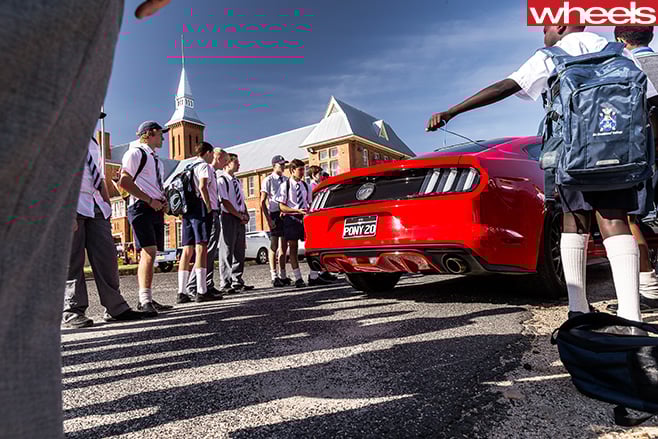
Staff Photographer Ellen Dewar captures perfectly the enthusiasm of young schoolboys staring in wonderment at the new Ford Mustang in this shot. As car enthusiasts, we can all relate to this moment, staring at a hot new sports car, wishing one day to find it in our own garage. We were all these kids at some point in our lives.
Photographer: Chris Benny Issue: August 2016
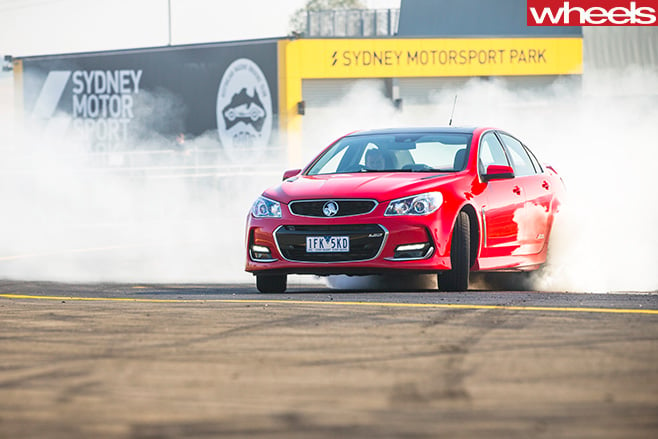
When Mark Skaife and Russell Ingall were brought together for one final Commodore vs Falcon track battle, one thing was guaranteed: plenty of tyre smoke. Chris Benny captured this moment of V8 Supercar legend Mark Skaife ripping a stonking burnout in the SS-V Redline. It’s an event replicated on backstreets around the country, but there is something special in seeing a motorsport star let their inner bogan loose and shred some treads.
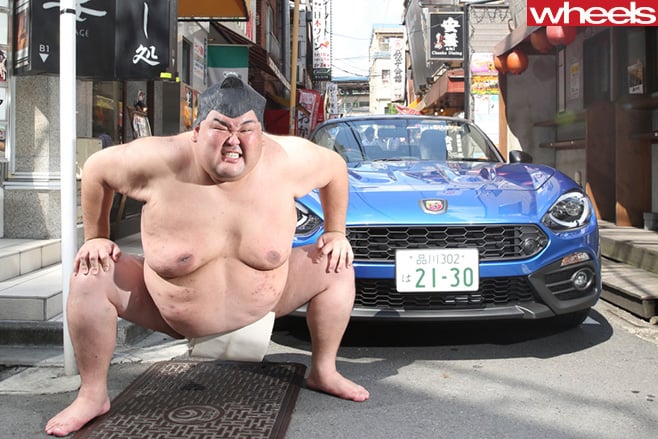
Photographer: Cristian Brunelli Issue: November 2016
The request to Fiat was not a simple one, we wanted to shoehorn a full-size sumo wrestler into one of their new Fiat 124 Abarth Spiders. But they came to the party and helped organise an ex-pro sumo for the shoot, so it was up to Alex Inwood to give the man a drive and up to snapper Christian Brunelli to capture the magic. Thankfully, the subject was up for some fun, gladly posing for imposing shots in front of the little sports car. Just imagine this bloke as your passenger! Our man Inwood doesn’t have to – he’s experienced it for realsies.
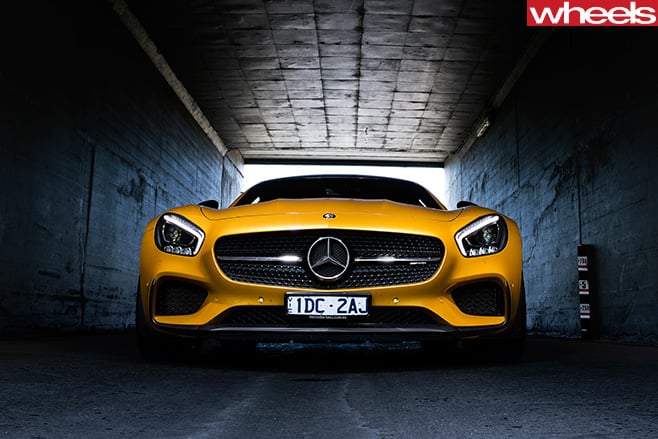
Photographer: Nathan Duff Issue: February 2016
This shot from our Car of the Year issue captures the imposing snout of the Mercedes-AMG GT perfectly. Backlit in a pedestrian tunnel, the AMG strikes a daunting image to match its fearsome bark and performance.
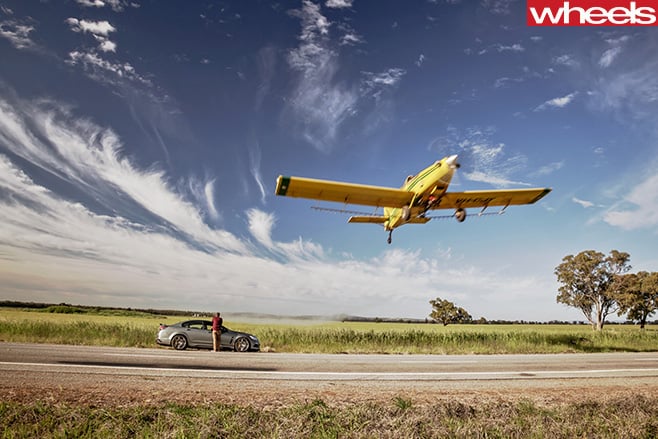
Photographer: Thomas Wielecki Issue: December 2016
This is one of those images that you just could not plan for, captured during a roadtrip to Bathurst from Melbourne in HSV’s Clubsport R8 Track Edition. Early in the morning, photographer Thomas Wielecki and I spotted a low-flying crop duster. The accelerator was planted as we attempted to catch up to the plane for some unique shots. We were lucky enough to be witness to a dozen low-flying passes, the pilot playing up for Wielecki’s camera. The result, well, a picture tells a thousand words…
Photographer: Thomas Wielecki Issue: Jun 2016
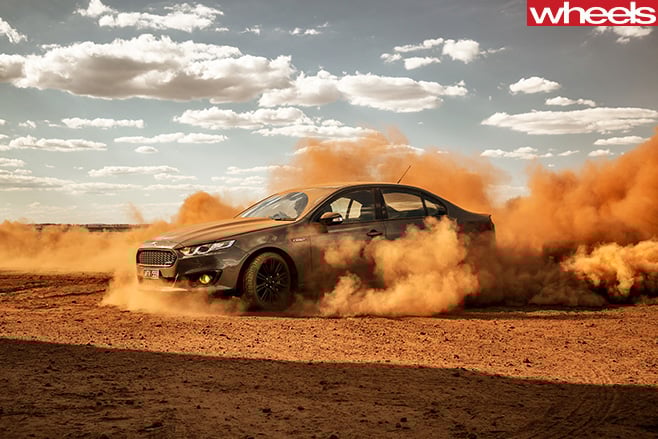
Another Wielecki shot, this time capturing Nathan Ponchard cutting donuts in the Ford Falcon XR8 Sprint. It is typical Australiana, with a supercharged V8 Falcon doing circle work in the red desert soil. Suffice to say Ponch had his work cut out for him washing the car before handing it back to Ford, but the payoff was an image that couldn’t be any more Australian if we wanted it to.
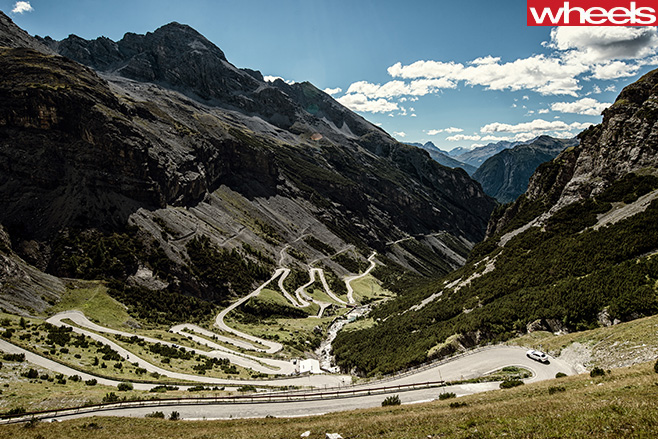
Photographer: Tom Salt Issue: Summer Edition
The Stelvio Pass is regarded by many as the greatest piece of bitumen on earth. This shot by Tom Salt exemplifies why this is. Somewhere amidst that spaghetti line of twisting asphalt is John Carey having a really difficult day at work in an Alfa Romeo Guilia QV. What a struggle.
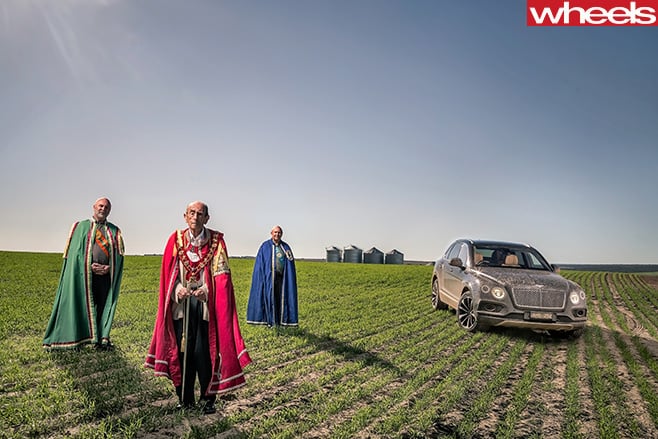
Photographer: Thomas Wielecki Issue: September 2016
What better car to visit Australia’s very own royalty, than the Bentley Bentayga. Stephen Corby and Thomas Wielecki were the lucky sods to go bush bashing in the $400,000 Bentley SUV, to visit the Hutt River principality. This regal shot was the result.
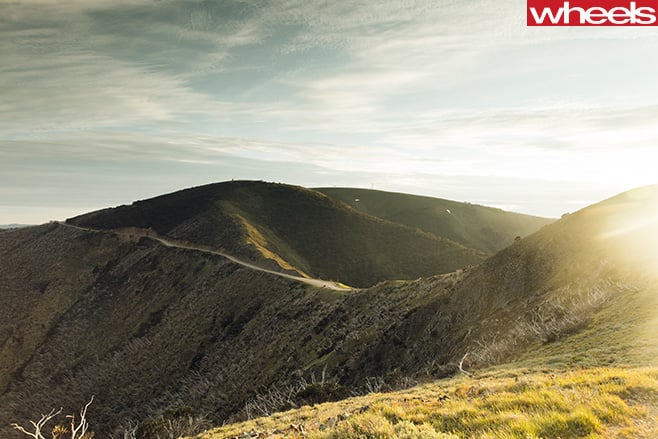
9. “Welcome to Nirvana”
Photographer: Nathan Duff Issue: March 2016
Sometimes, the best automotive shot barely has a car visible at all. This rule is best demonstrated by Nathan Duff with his shot from the March 2016 issue. The glorious sight of the mountain ridgeline shows us a glimpse at motoring nirvana. Squint really hard, and you may be able to spot the Mazda MX-5 and Toyota 86 hidden within the shot.
10. “To infinity, and beyond”
Photographer: Mark Bramley Issue: January 2016
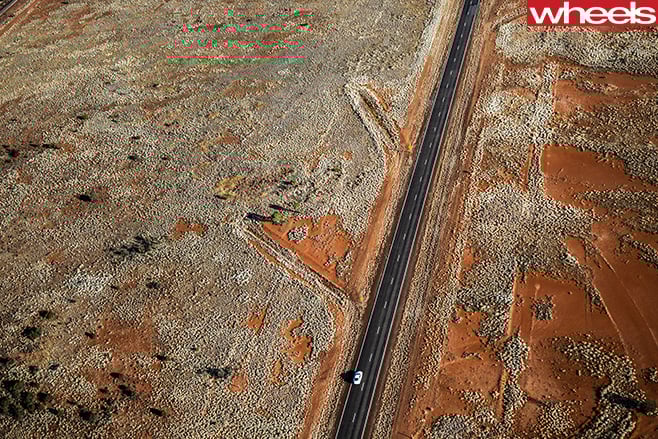
How do you shoot a Bentley Continental Speed GT travelling at maximum velocity on the Stuart Highway in the Northen Territory? From a Helicopter. Of course. Mark Bramley gives us a glimpse of the space required to Vmax a car, shooting John Bowe with the British brawler’s accelerator pinned firmly against the firewall in this fantastic aerial shot.
THERE’S plenty of action ahead in one of the fastest growing parts of Australia’s new-car segment in a year that SUV sales are expected to overtake those of passenger cars for the first time. Here are five of WhichCar’s top cars to watch.
TOYOTA C-HR Not satisfied with the fact it already sells more SUVs than any other brand in Australia, Toyota will enter the baby SUV segment in February with the C-HR. The sharp-looking model will take on rivals such as the Mazda CX-3 and Honda HR-V. One confirmed engine is a new 1.2-litre turbocharged four-cylinder with 85kW, though it’s the 185Nm of torque available between 1500 and 4000rpm that promises flexible performance. There will be two trim grades, though even the entry version will feature as standard adaptive cruise control, lane departure warning, auto high beam, reverse camera, and autonomous emergency braking. A starting price in the low-$20,000 bracket is likely.
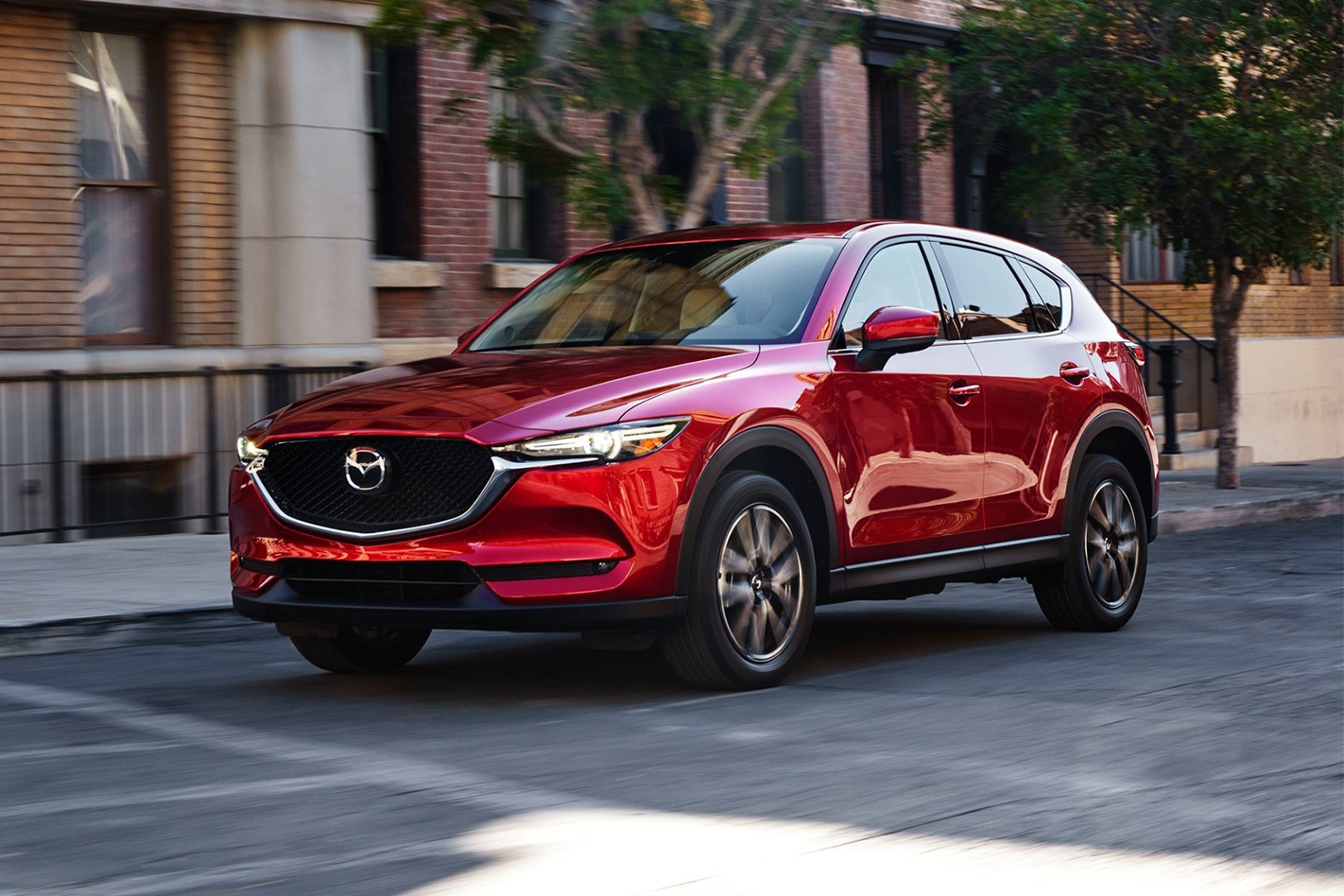
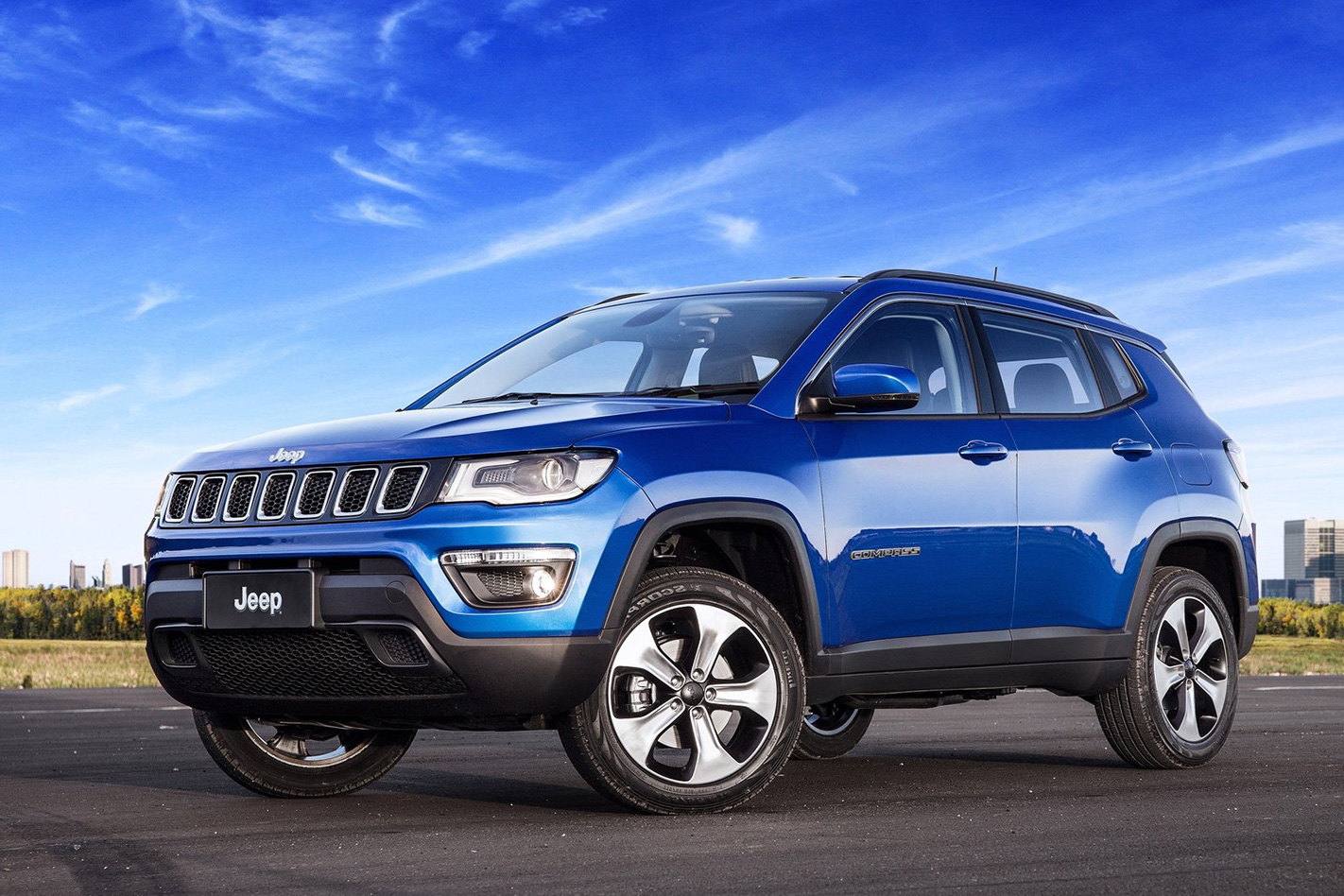
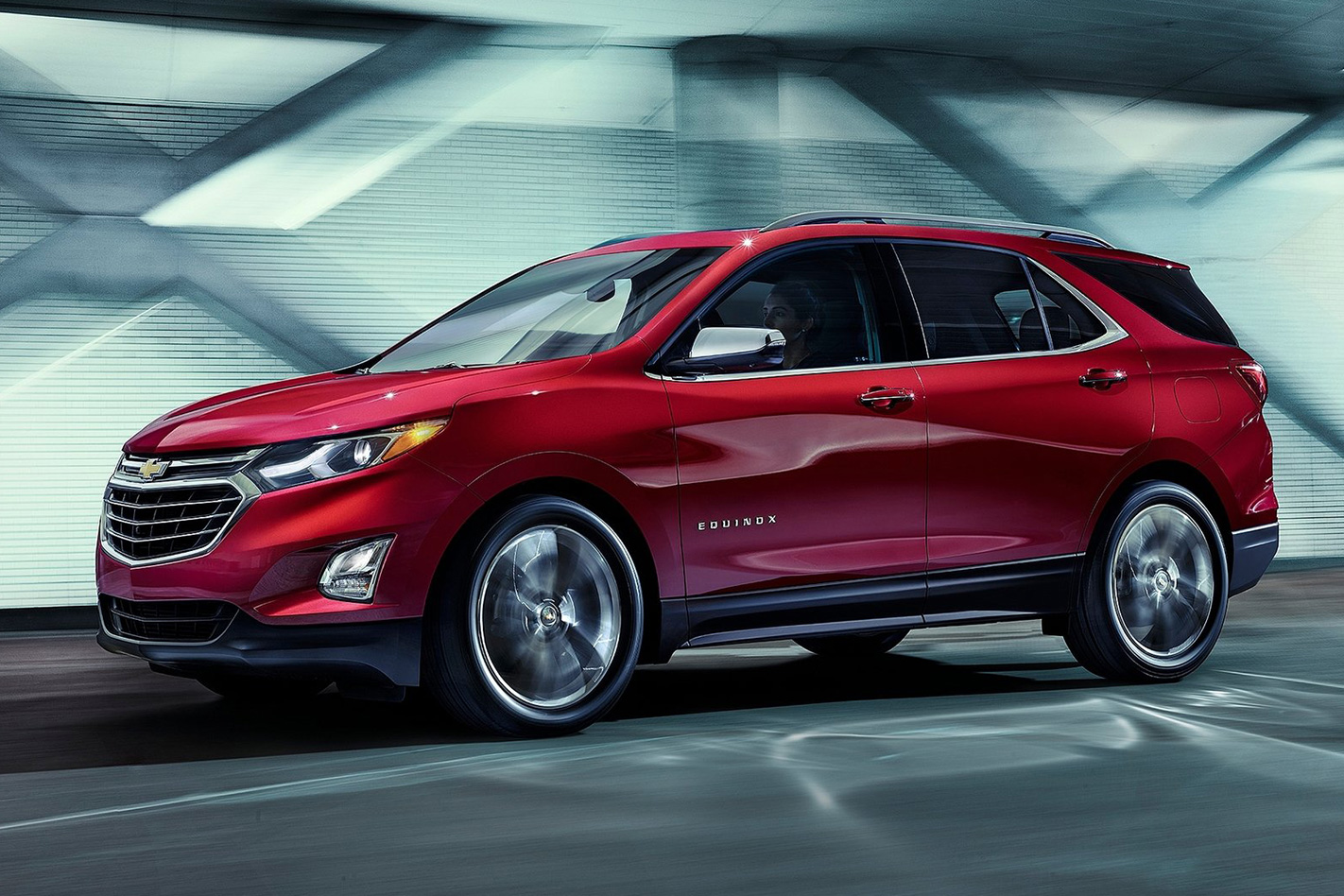

2017 Top 5 SUVs
| Toyota C-HR | $ TBC |
| Mazda CX-5 | $27,190+ |
| Jeep Compass | $27,000+ |
| Holden Equinox | $ TBC |
| Skoda Kodiaq | $ TBC |
