
Meet the newest addition to the DS line-up, the 4. It sits between the 3 and the 7, and will also take the small French company in a new direction.
The new 4 aims to appeal to two sets of buyers looking for something different from their usual fancy compact hatchback (think BMW 1-series) or vaguely sporty crossover (like the X2 and a fast-growing group of rivals).
It comes in two main versions, the regular DS 4 and the DS 4 Cross, which uses roof bars and a few design tricks to make it look like it’s beefier and taller, even though it isn’t.
They’re both available with a wide choice of interior and exterior finishes, and there’s also a trim package called Performance Line that DS regards as a separate third version.
Under the skin, there are components shared with many other hatchbacks and crossovers from what was the PSA group, but is now the even bigger Stellantis alliance – which is what the newly merged Fiat Chrysler Automobiles (FCA) and Peugeot Société Anonyme (PSA) supergroup has been named.
For those that don’t know, DS is a luxury brand that used to be a sub-brand of Citroen. Kind of like what Lexus is to Toyota.
DS, as ever, is majoring on comfort, style, technology and a civilised ownership experience, rather than worrying about its dynamic similarity to the Citroën C5 Aircross and Peugeot 5008.
So is this the replacement for something?
Not really. The previous DS 4 and DS 4 Crossback, both long discontinued, were essentially tarted-up Citroën C4s. This new 4 is a much more distinctive car with more upmarket ambitions.
It also signals a newly confident look from a brand that has struggled to establish a clear identity.
It will form part of a DS line-up that will eventually stretch to six models. The 3 and 7 are both familiar, the China-focused 9 saloon will go on sale in Europe later this year, and two more DSs have yet to be unveiled.
Precise specification for the 4 has not yet been confirmed, but it’s not the DS way to offer a basic entry-level version. Prices, we’re told, will be competitive against premium German rivals like Audi, BMW and Mercedes-Benz.
What are the coolest bits?
Look inside for the special sauce. It’s by far the cleanest, least retro and most successful cabin design of any modern-era DS.
Conceptually, it has ‘comfort’ areas – seats, armrests – that are soft and uncluttered, and ‘control’ areas – screens, buttons etc – that, impressively, are very nearly as uncluttered.
This hasn’t been achieved by scrapping all the switches and burying everything in touchscreen sub-menus.
Rather, it’s about intelligently grouping the controls, and making some good calls on what must be a physical control and what can be left to voice, gesture or touch.
So the side air vents are positioned on the doors – not on the dash – next to the window controls, and the central vents are barely visible, so neatly are they merged with their controls in a central blade.
The stubby gearlever (transmission on all versions is by eight-speed auto) sits next to a lower screen that controls some functions, while the higher, bigger central screen can be personalised to prioritise the functions that are most important to you.
There’s an advanced head-up display that DS says is not quite augmented reality, but which nonetheless superimposes important information on the road ahead, moving diagonally with the driver’s gaze.
Night vision is also available, as is sound-reducing acoustic glass – one of many features more often associated with larger, more expensive cars.
The seats are an entirely new design, featuring a shell-inspired outer, with comfort rather than sportiness very much the aim.
The DS 7’s Active Scan suspension system will also be offered, and the 4 debuts a next-generation driver assistance package that combines adaptive cruise control with lane-positioning assistance and the ability to stop and start itself in traffic. It also has long-range blind-spot monitoring and radar at all four corners.
It’s hard to tell how big it is…
Direct comparisons are tricky, because the DS 4 is wide but short and not particularly tall, and it rides on 19-inch or 20-inch alloys, adding to the muscular look. Its dimensions are very close to the Mercedes-Benz GLA, except it’s not as tall.
The regular DS 4 has a black roof, while the Cross version has a body-colour roof but gains roof bars and some extra black low down, especially at the back.
This gives the illusion that the Cross rides higher, but the tape measure says otherwise. They’re equally roomy inside.
The third version, Performance Line, majors on black trim, some of it carbon fibre, but the only mechanical difference is an optional advanced traction control system that has modes for sand, snow and ice, as well as Hill Descent Control.
Like many current and future Stellantis products, it uses the EMP2 platform, but the DS 4 has many modifications to allow its unique long-bonnet, sloping-roof, big-wheel silhouette, and to permit bespoke steering and suspension components.
The air-con unit is also more compact than in other EMP2s. Weight has been trimmed by the use of more composite materials and bond-welding.
There’s some design cleverness going on with the grille and rear LED lights, which look more curved than they actually are. The front lights are all-new, featuring bold new vertical double LED strips and thinner directional matrix LED headlights.
And it’s electric?
Ah, no. DS is very proud of its two Formula E championships, but like the 7 – rather than the 3 – the choice is combustion engine or plug-in hybrid.
The PHEV is a turbocharged petrol four-cylinder plus a single e-motor, with a combined output of 166kW driving the front wheels. Petrols with 95kW, 133kW and 166kW are also on the cards, as is a 99kW diesel.
So what about Australia?
Never say never, especially now that the Stellantis shingle hangs out the front of the PSA building. But given that Citroen and Peugeot are imported privately into Australia by Inchcape – and in moderate numbers at that – it’s unlikely that we’ll see DS return to our shores after its unsuccessful stint in 2016.
A quick call to Inchcape certainly underlined that, with a firm ‘no comment’ offered to our line of inquiry.
It’s a shame, but it’s a brand that is one step too niche for even the eclectic tastes of Aussie buyers.
What do we think?
If everything DS has promised comes to pass, then the DS 4 will be a calm, comfortable, compact family vehicle, where the passengers are taken as seriously as the driver.
The approach seems closer to Volvo’s than to the German premium manufacturers, and DS has gone to a lot of trouble to bring some extra flair and charm of its own.
This story first appeared on carmagazine.co.uk
Mercedes-Benz has introduced model year updates to its Vito and Valente van ranges with more safety, subtle design tweaks and more user-friendly infotainment. The model ranges have also been simplified, and prices have risen across the board.
The Vito range is separated into three variants based on engine size. The Vito 111 CDI begins at $42,900 (up $3820), the 116 CDI replaces the previous 114 CDI and starts at $53,900 and the range-topping 119 CDI starts at $62,150 (up $8010 over the previous 119 CDI).
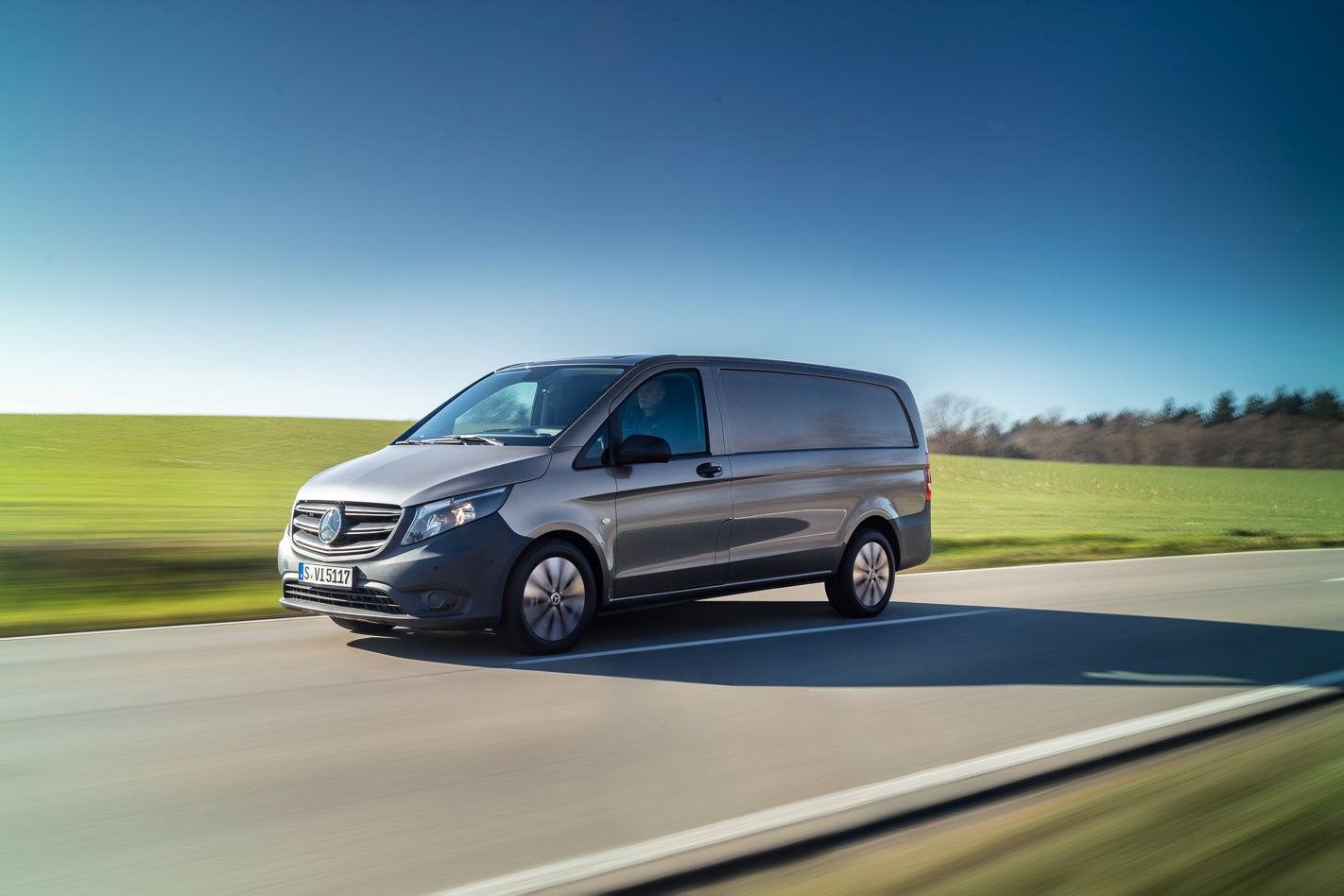
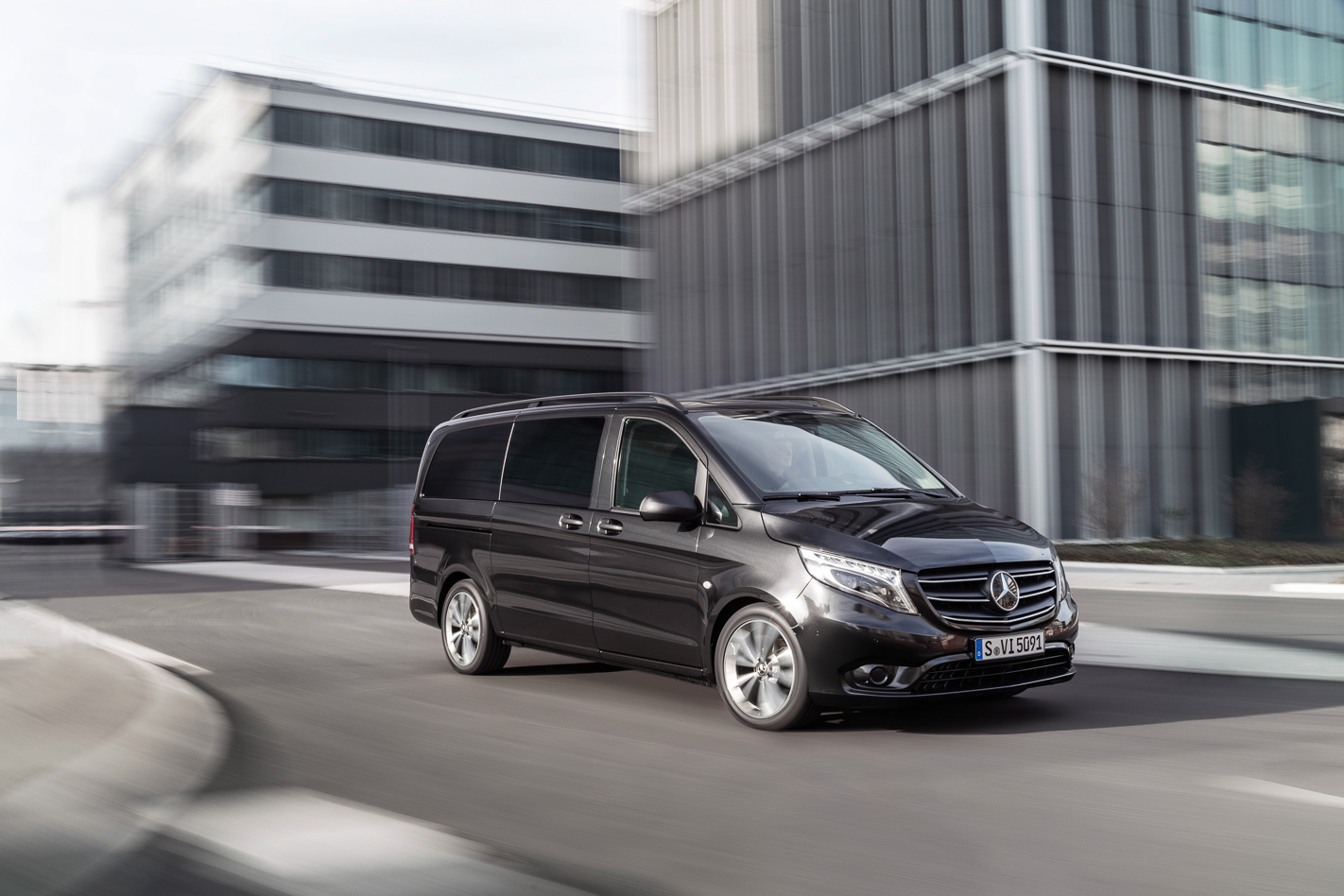
The Valente (people mover) now costs $65,800, which is $4950 higher than MY2020.
The Vito/Valente vans compete against the Renault Trafic, Mitsubishi Express, Hyundai iLoad, Ford Transit, Toyota HiAce and Volkswagen Transporter, though prices are generally more expensive than its rivals. While prices have risen with the MY2021 update, the new Vito range does have additional equipment to potentially justify the increase.
The Vito is the smallest van Mercedes-Benz offers – along with its Valente people moving counterpart – and both score updated looks via a new chrome front grille (on all variants bar the entry-level 111 CDI), new 7.0-inch infotainment screen with Apple CarPlay/Android Auto connectivity, higher-definition reversing camera, sporty ‘turbine’ air vents along with updated ‘Caluma’ fabric upholstery and piano black trim on all vans but the entry-level 111 CDI.
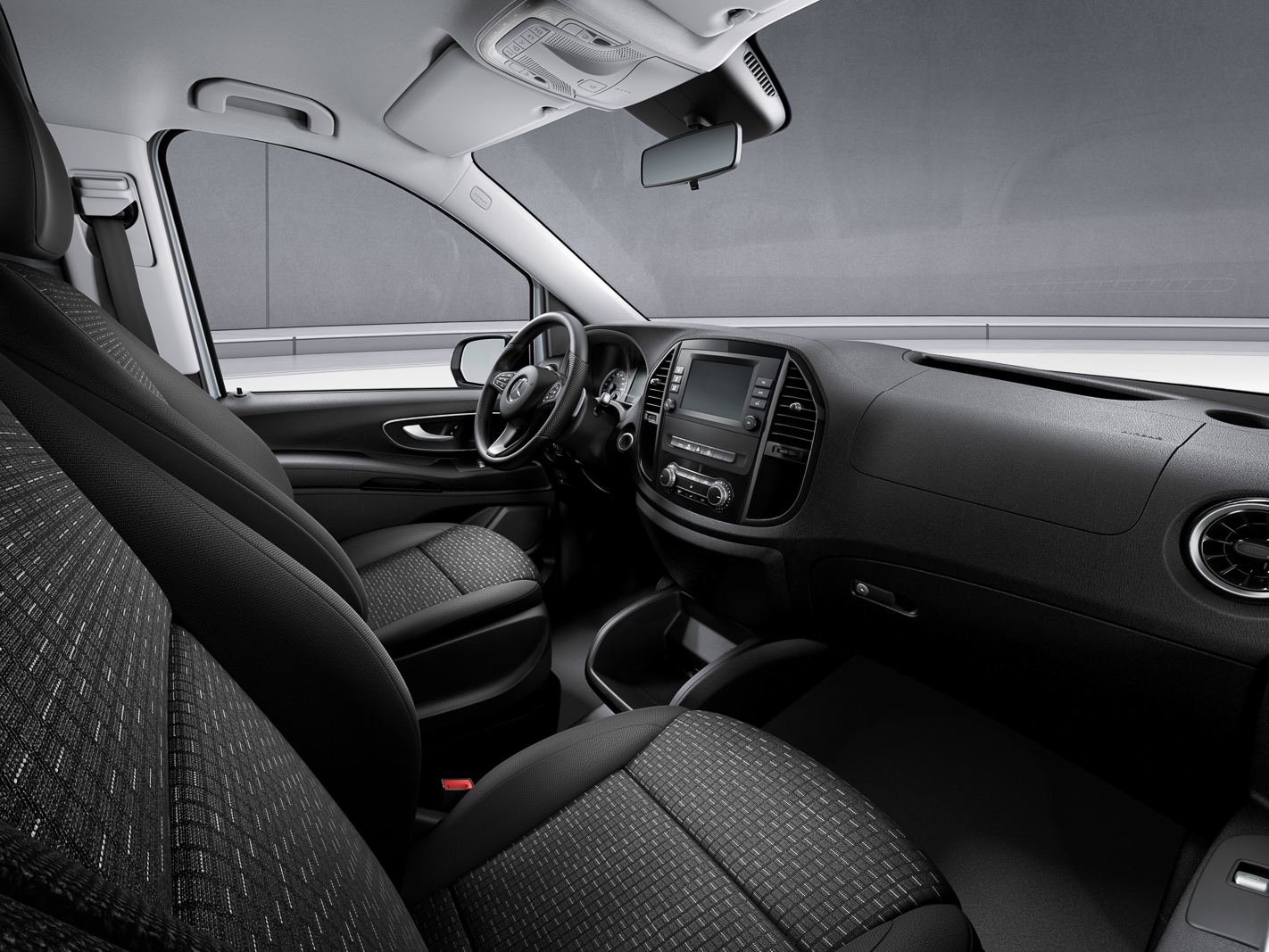
The vans’ safety has also been boosted, though much of it remains an extra-cost option.
The 119 CDI short-wheelbase has been dropped and is now only available in medium and long wheelbases. It also benefits from intelligent LED headlights that can spread high-beam light automatically to suit conditions and adaptive cruise control. The latter is a $1500 option for the rest of the Vito range.
Autonomous emergency braking with pedestrian detection is standard across the entire range.
A digital rear-view mirror that aids rear vision can be optioned for $900.
Standard safety now includes lane-keep assist and blind-spot monitoring, which joins Crosswind Assist and Attention Assist.
Three turbocharged diesel drivetrains power the updated Vito/Valente range. The entry-level 111 CDI gets an 84kW/270Nm 1.6-litre turbodiesel engine which drives the front wheels via a six-speed manual transmission. Vito 116 CDI and Valente are powered by a 120kW/380Nm 2.1-litre turbodiesel which drives the rear wheels via a seven-speed automatic. The range-topping 119 CDI features the same 2.1-litre turbodiesel but with higher 140kW/440Nm outputs.
u00a0 | Vito 111 CDI Panel Van | Vito 116 CDI Panel Van | Vito 119 CDI Panel Van | Vito 116 CDIu00a0 Crew Cab | Vito 119 CDIu00a0 Crew Cab | Valente |
Body | SWB/LWB | MWB/LWB | MWB/LWB | MWB/LWB | MWB/LWB | MWB |
Drive | FWD | RWD | RWD | RWD | RWD | RWD |
No. of cylindersu00a0 | 4 | 4 | 4 | 4 | 4 | 4 |
Displacement (cm) | 1598 | 2143 | 2143 | 2143 | 2143 | 2143 |
Rated output (kW) | 84 | 120 | 140 | 120 | 140 | 120 |
Rated torque (Nm) | 270 | 380 | 440 | 380 | 440 | 380 |
Transmission | 6-spd manual | 7G-TRONIC | 7G-TRONIC | 7G-TRONIC | 7G-TRONIC | 7G-TRONIC |
Permissible gross weight (Kg) | 3050 | 3050 | 3050 | 3050 | 3050 | 3100 |
Payload (Kg) | 1260/1198 | 1095/1060 | 1062/1027 | 862/837 | 829/804 | 752 |
Towing capacity (braked/unbraked) (Kg) | 2000/750 | 2500/750 | 2500/750 | 2500/750 | 2500/750 | 2500/750 |
Cargo Volumeu00a0 | 5.5/6.6 | 6.0/6.6 | 6.0/6.6 | 3.6/4/1 | 3.6/4/1 | n/a |
Number of Seats | 2/3 optional | 2/3 optional | 2/3 optional | 5/6 optional | 5/6 optional | 8 |
MRLP Incl. GST | $42,900/$45,100 | $53,900/$56,100 | $62,150/$64,350 | $58,300/$60,500 | $66,550/$68,750 | $65,800 |
A range of new paint colours and wheel designs round out the changes to the 2021 Mercedes-Benz van range.
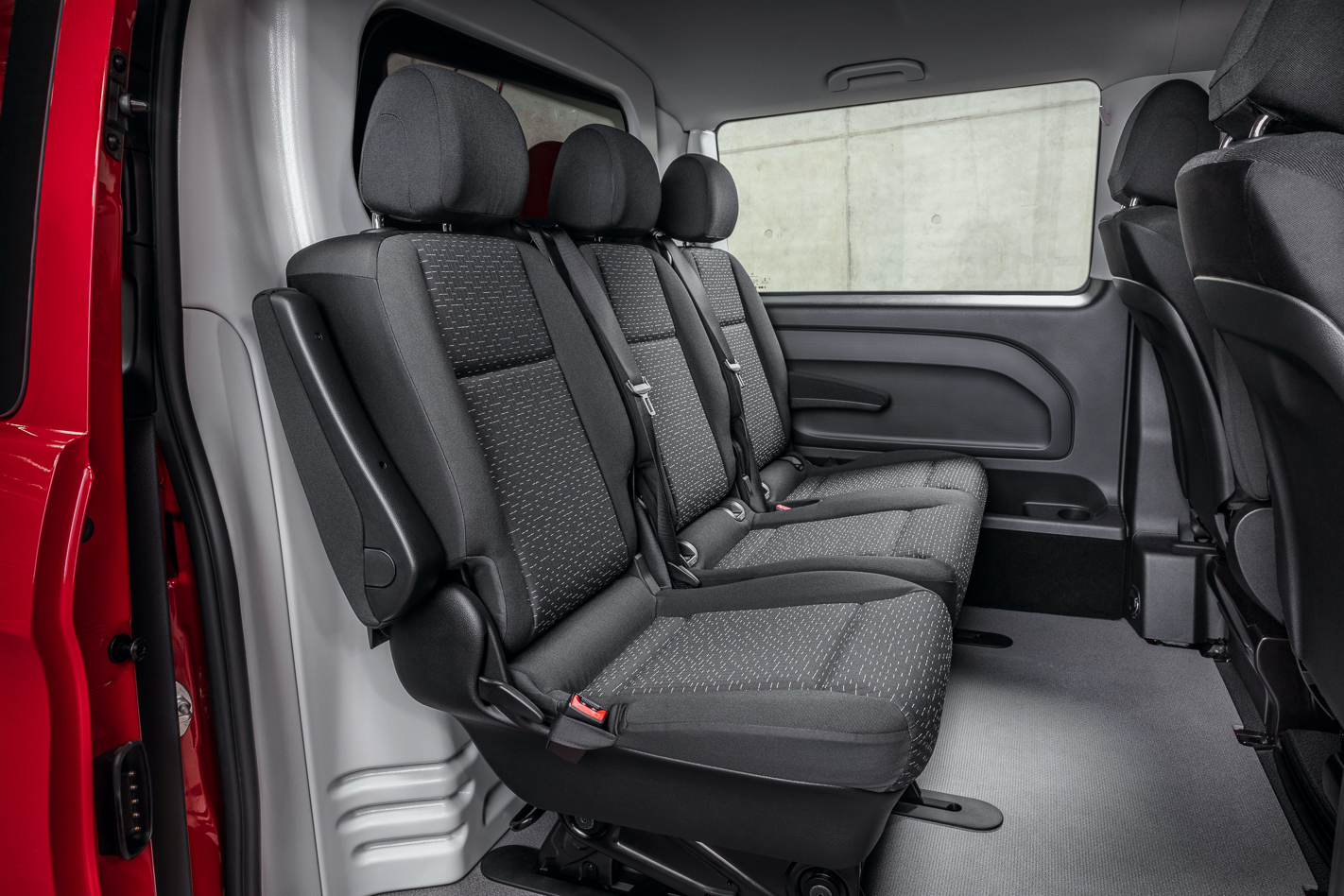
“The versatility of Vito really sets it apart,” said Dianne Tarr, managing director of Mercedes-Benz vans.
“In Australia, examples of its use include an RACV home and roadside assist vehicle, an Australian Post delivery van, an Optus technical service vehicle and as a trusted tool for many smaller business operations like florists or even mobile fitness instructors.
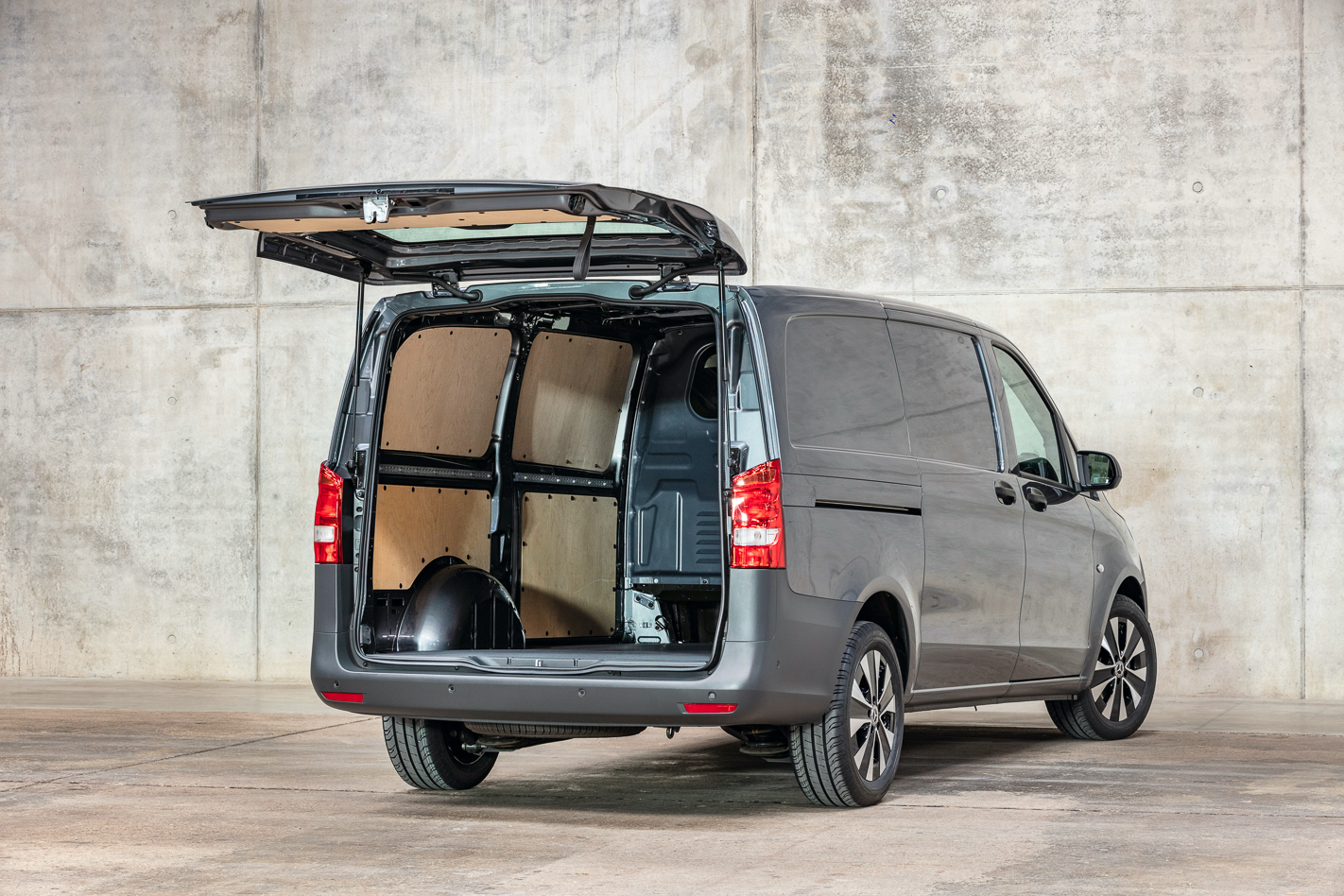
“It is a genuine trade specialist and fleet all-rounder for a wide range of different customers.”
The new 2021 Mercedes-Benz Vito and Valente are both on sale now.
2021 Mercedes-Benz van pricing
- Vito 111 CDI SWB – $42,900
- Vito 111 CDI LWB – $45,100
- Vito 116 CDI MWB – $53,900
- Vito 116 CDI LWB – $56,100
- Vito 119 CDI MWB – $62,150
- Vito 119 CDI LWB – $64,350
- Vito 116 CDI Crew Cab MWB – $58,300
- Vito 116 CDI Crew Cab LWB – $60,500
- Vito 119 CDI Crew Cab MWB – $66,550
- Vito 119 CDI Crew Cab LWB – $68,750
- Valente 116 CDI MWB – $65,800
All prices listed in this story do not include on-road costs.
What is the 2020 Kia Sorento GT-Line?
For a while there, I was getting worried about Kia. While it occasionally hit the mark with clever cars with decent specs, the brand sometimes trod on its own toes when it came to rolling out the right car for the times – and it’s been in the market for a while now.
The fourth-generation Kia Sorento SUV, I’m pleased to report, has laid those fears to rest.
The five-door, seven-seat large SUV has hit the mark straight out of the box with a combination of contemporary styling, well-balanced spec sheets and excellent road manners.
Price and value
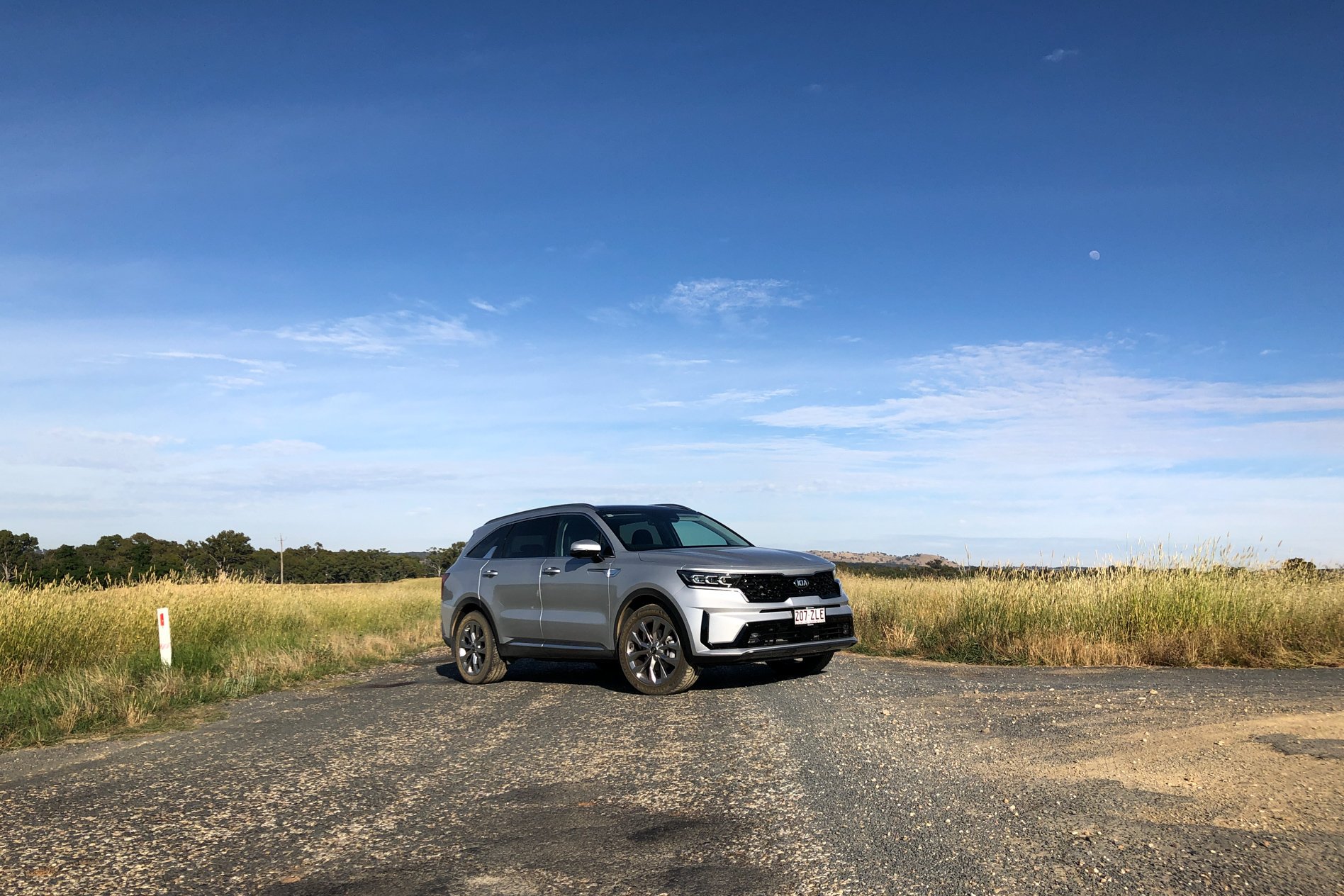
Sitting at the top of a four-strong variant lineup, the GT-Line comes in both diesel and petrol versions. The one in the pics is, in fact, one of the first 13 to arrive in Australia, unceremoniously plucked from a boat and rushed to Wheels magazine’s 2021 Car Of The Year event.
Equipped with a 3.5-litre naturally aspirated V6 petrol engine and an eight-speed gearbox that sends drive to just the front wheels, the GT-Line comes in at $60,070 before on-road costs.
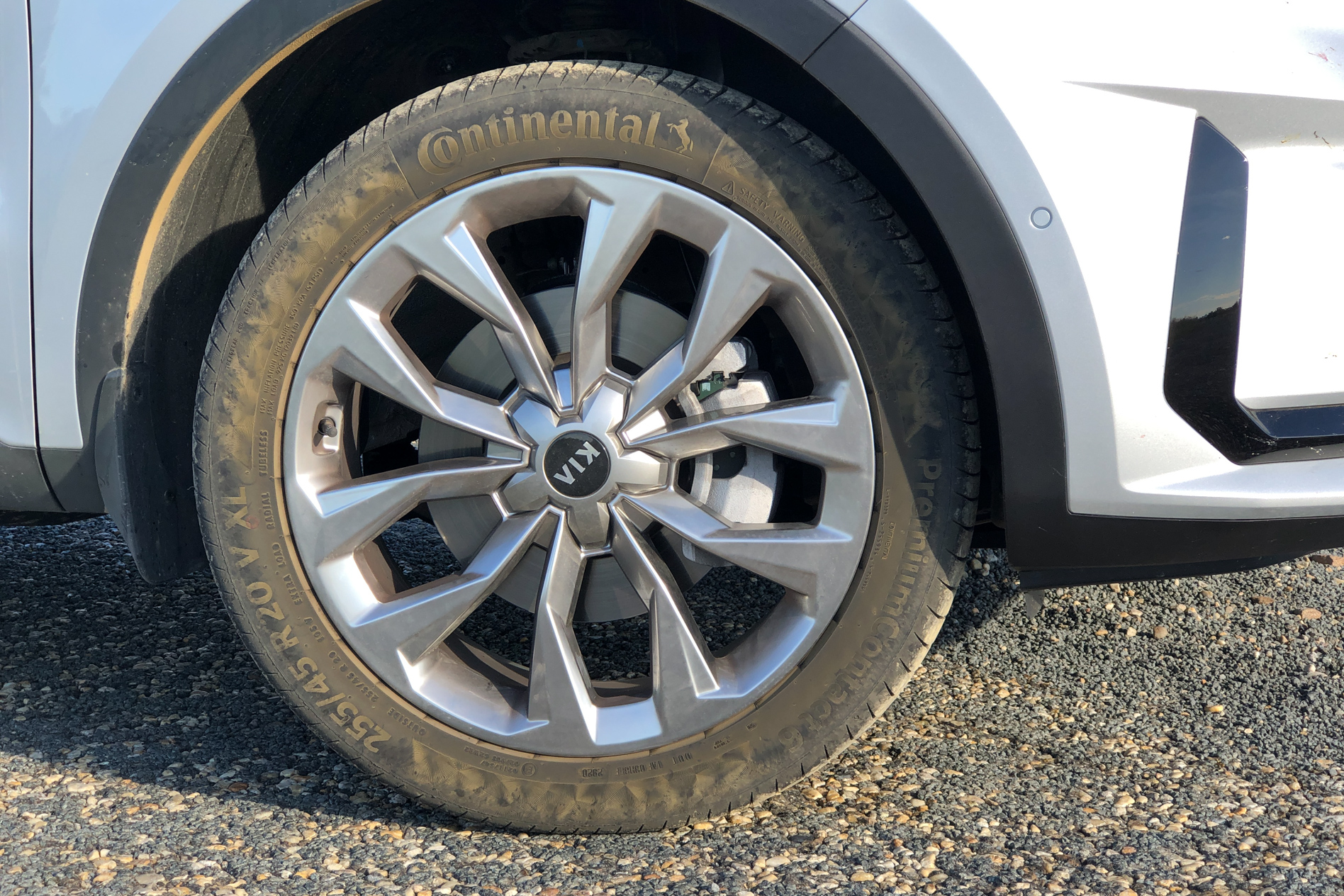
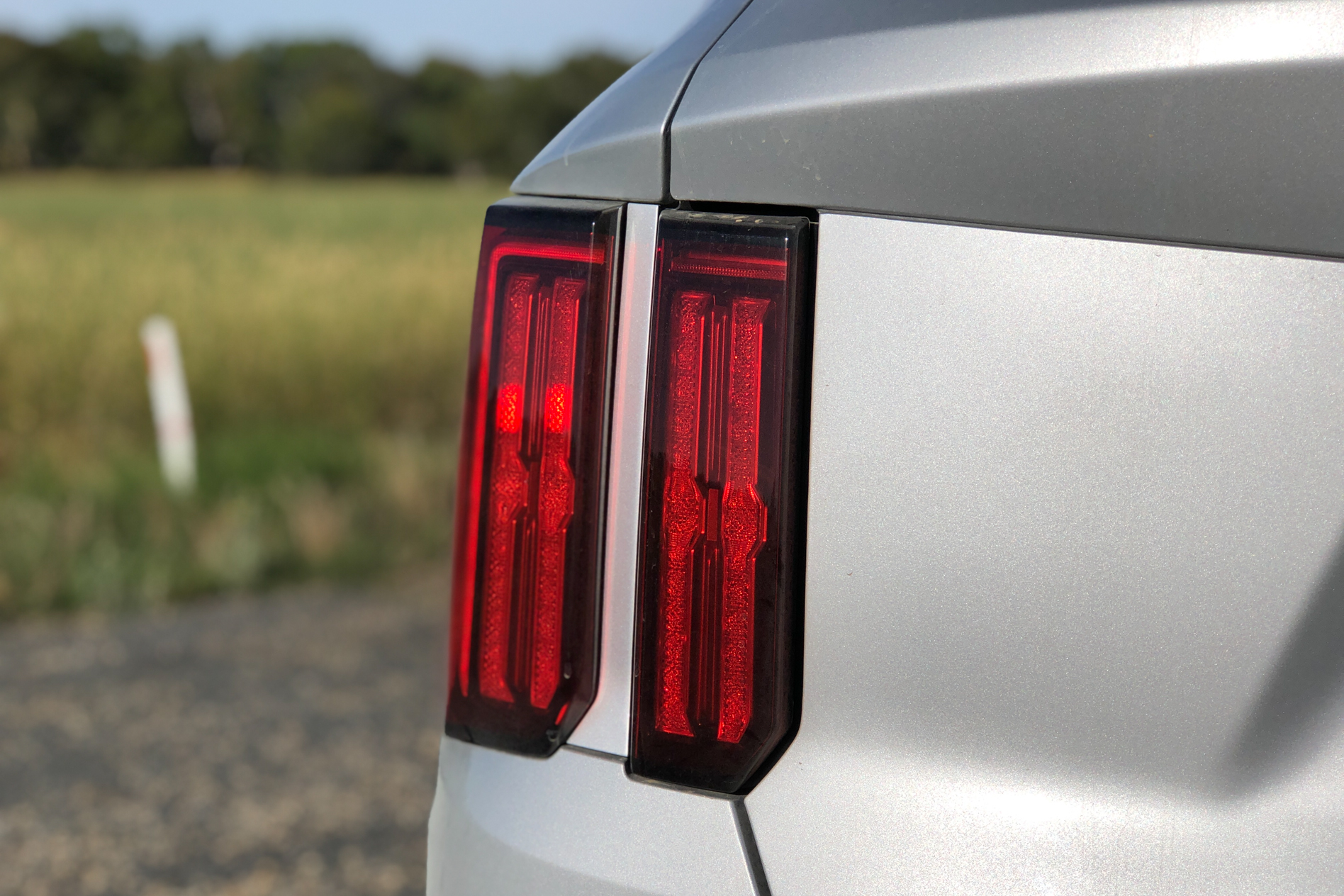
That seems like a big number, but trust me… you get a lot for your money. Those big 20-inch rims and Continental tyres kick things off, while LED headlight and taillight clusters also feature.
A powered tailgate offers access to the rear of the Sorento, with triple-zone air-conditioning extending to the rearmost seats.
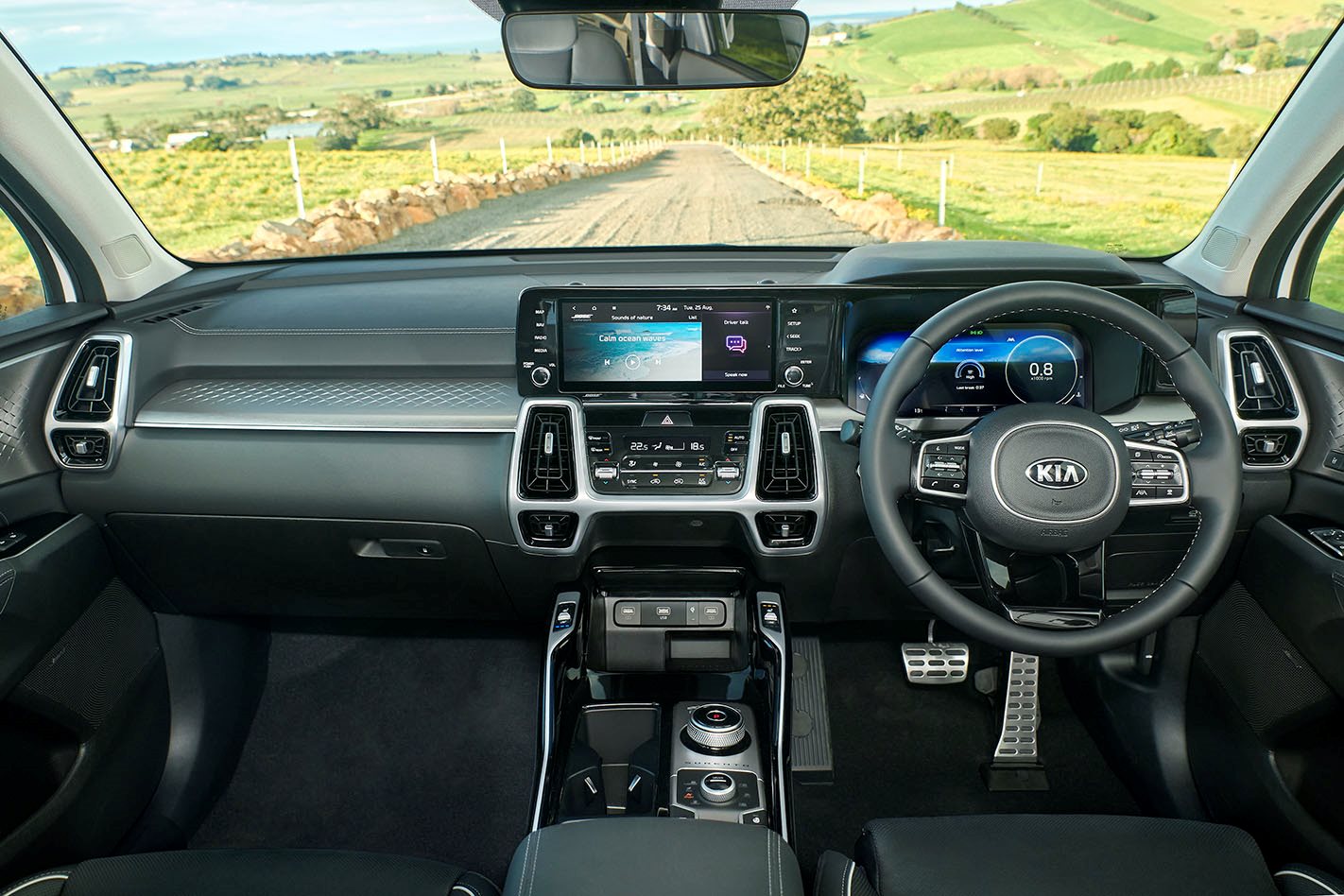
Up front, the driver looks at a high-definition digital dashboard and multimedia screen while gripping a leather-wrapped steering wheel. Quilted leather trim is used throughout, while the t-bar automatic is banished for a rotary dial to digitally control the gearbox.
There are at least ten ways to plug in and charge USB-powered devices, including USB ports in the sides of the front seats.
A microphone system that allows speech to carry to the rear of the Sorento is accessed through the 12.3-inch screen, which also runs Apple CarPlay and Android Auto as well as AM, FM and DAB+ radio.
Both front seats are heated, cooled and powered, while the outboard second-row seats are heated. Those second-row seats can be moved fore and aft and reclined, while passengers can control the level of climate required.
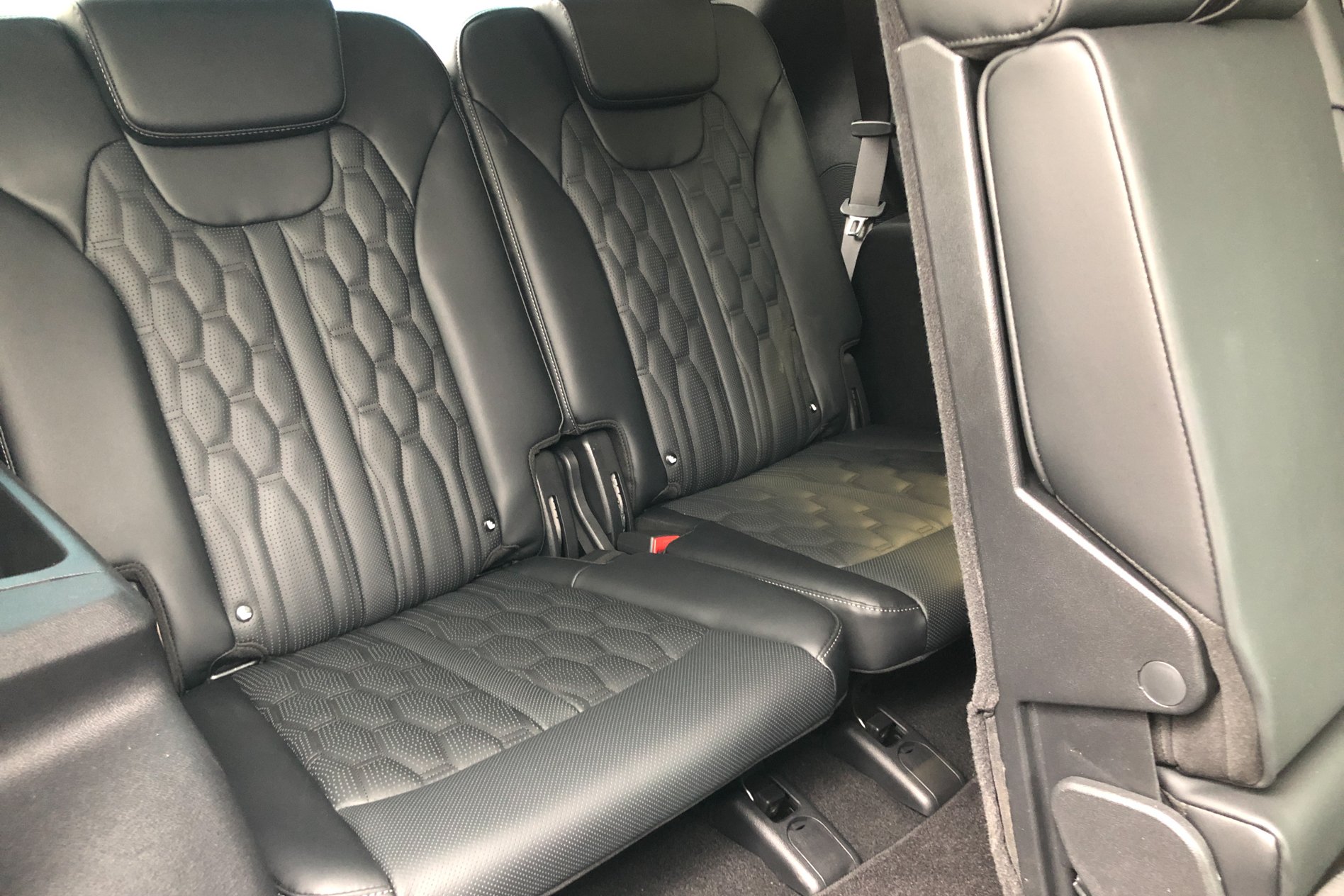
Even the third row doesn’t miss out, sporting its own fan controls, movable vents, cupholders and USB ports.
The cargo area offers more charging opportunities via a 12v charging socket, while a floor panel neatly houses a cargo blind and a small wet tub.
Living with the Kia Sorento GT-Line V6 petrol
I covered more than 2000km in a week with the Sorento GT-Line, and it proved to be a dependable, competent and well-equipped family SUV.
The driving position is almost spot-on, thanks to a compact and comfortable steering wheel, a broad yet supportive seat and ample soft zones for elbows and knees.
After a particularly long stint, I found myself wishing for a slightly more padded seat base, but that’s a nitpick.
Second-row passengers are wonderfully cossetted, too, and you’ll hear no complaints from the kids back there.
Comfortable seats with reclining backrests are complemented by a broad pull-down armrest, while the bench itself can be slid fore and aft by 45mm to accentuate either cargo or personal space.
That third row of seats stashed behind, as well, is useful not just for tiny tackers, but their sub-teen siblings. As usual, it’s an awkward dance to access them, but once ensconced, they’ll be happy enough with sufficient chargers, bottle holders and vents.
Up front, the digital dash is complemented by a heads-up display, which makes the digital renders of the analogue dials pretty much redundant.
The touchscreen is a bit of a stretch to reach but offers a crystal clear view.
A 360-degree camera system works at parking speeds in both forward and reverse gear, too, which is damn handy; the Sorento is a pretty big car at 4.8m in length.
Being the top-spec GT-Line means it has Kia’s keyfob-operated remote parking feature, too… but here’s the thing. Once you’ve played with that feature once or twice, I guarantee you’ll never use it again.
It needs to be activated before you exit the car, for a start, which for me kind of defeats the purpose.
Carrying stuff? Space is increased over the previous generation Sorento, from 605 litres to 821 litres with the third row of seats folded down. With the third row in use, available cargo space is still up 32 per cent to 187 litres; more than enough to stow a brace of shopping, a small pram stashed vertically or a couple of suitcases.
If you want to tow something, you’re able to drag 2000kg of braked trailer behind the Sorento with a 200kg load on the towball, or 750kg of unbraked trailer.
For a big, powerful SUV, this is a surprisingly low number. Our guess is that the full-size spare wheel, which hangs under the rear bumper, hinders the fitment of a sufficiently strong crossbar setup that can handle more load.
Engine, transmission and drivetrain
This version of the Sorento is powered by an updated version of Kia’s naturally aspirated 3.5-litre V6 petrol engine, sending 220kW and 332Nm to the front wheels only via a traditional eight-speed torque-sensing automatic.
There is no all-wheel-drive option for the petrol-powered Sorento, which is a bit of a shame as there’s sufficient oomph underfoot to chirp the front tyres, especially in loose or damp conditions.
Of course, with stability control and the like, there’s little chance of things going awry.
If you need a bit more control over gearing on slippery surfaces, you can also override the gear shifter with the paddles behind the wheel, but the petrol-powered GT-Line lacks the terrain mode selection ability of the all-wheel-drive diesel version.
Driving the Kia Sorento GT-Line V6 petrol
After a solid 2000km in the Sorento GT-Line, I’ve got nothing but praise for Kia’s new big SUV. By every measure, it’s easy to drive, easy to live with… and it doesn’t hurt that it’s easy on the eye, as well.
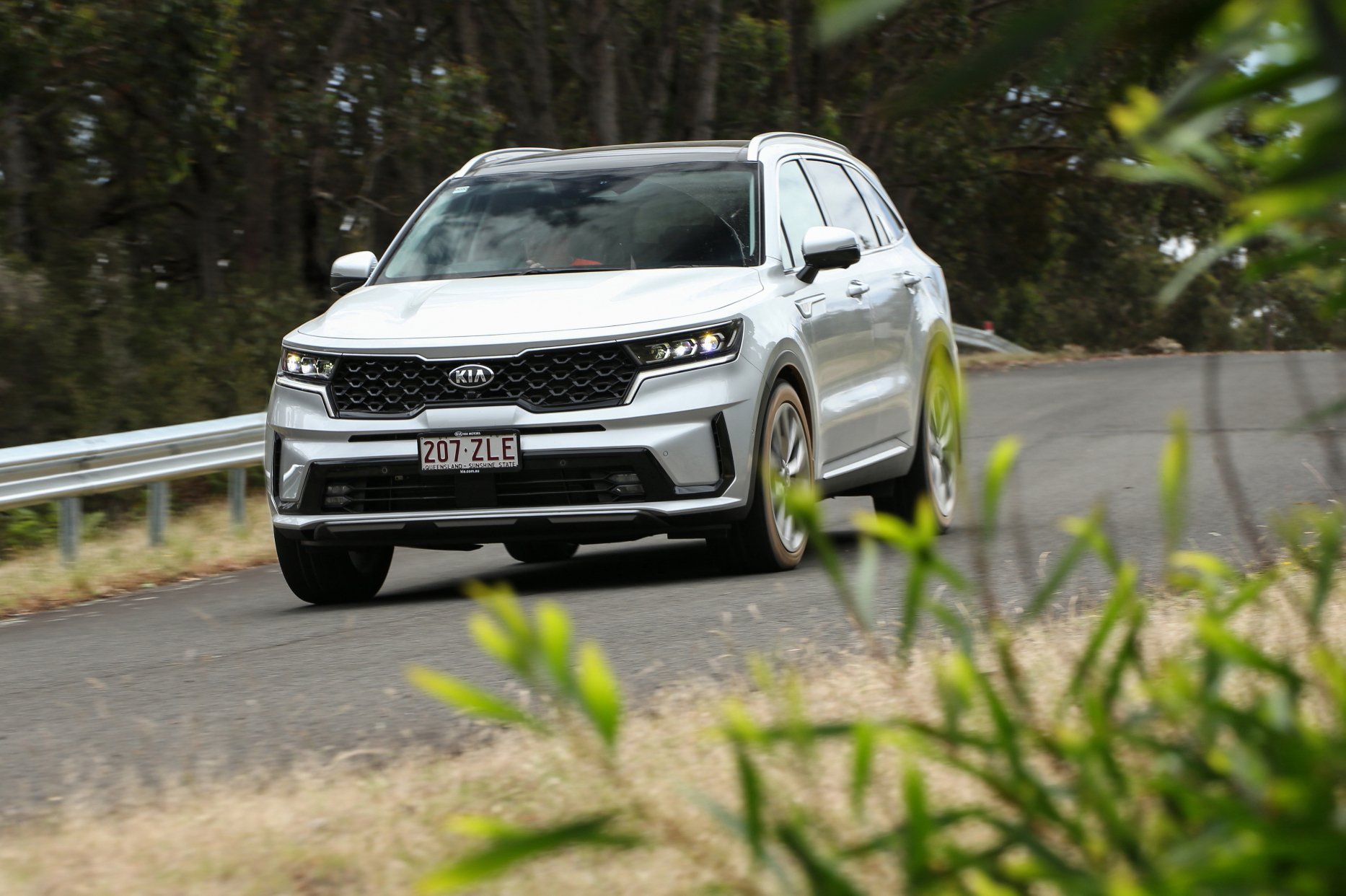
At $60k plus, of course, it needs to be all those things, but there really isn’t an area where the Sorento lets itself down.
The locally-tuned suspension rides the line between comfort and body control just so, even with the addition of the large 20-inch rims, while body-roll control is spot-on, even through long, sweeping turns.
Noise intrusion is minimal, visibility is excellent and the equipment offered onboard makes for an easy journey.
The fact that the large multimedia screen isn’t able to spread Apple CarPlay across its width feels a bit silly, if I’m picking at small things, but that’s a firmware upgrade away from being sorted out.
As well, the LED headlights are strong and bright, and the adaptive headlight system works very well.
Safety for the Kia Sorento GT-Line
Safety-wise, Kia’s latest advanced driver assist systems (ADAS) provides the latest autonomous emergency braking technology with pedestrian, cyclist and vehicle detection. It can also spot oncoming traffic when making a turn at a junction.
It is available with blind-spot monitoring, surround-view parking display, intelligent speed limit assist, smart cruise control with Stop & Go, navigation-based smart-cruise control that can adjust your speed based on speed limits, lane-keeping assist, and driver attention warning.
However, its curtain airbags don’t extend all the way to the third row, which is a real oversight.
And while its turbo-diesel siblings have been awarded a full five-star ANCAP rating thanks to a similar score achieved under European testing, the petrol-powered Sorento isn’t rated at all because it’s not available over there.
How much does it cost to run the Kia Sorento GT-Line V6 petrol?
With a claimed combined fuel economy figure of 9.7L/100km, the Sorento’s 67-litre tank will allow for a range of around 670km from a single fill and will cost around $85 to fill.
Over my extended test, the real-world fuel economy number came in at 10.8L/100km, which is pretty close to its ambit claim.
Seven years of roadside assistance and capped-price service complement Kia’s seven-year/unlimited-kilometre warranty.
Fixed-priced servicing over the warranty period will set you back around $3600, or about $520 a year.
Verdict – the 2020 Kia Sorento GT-Line V6 petrol
As a large, comfortable and refined family SUV, the good-looking Sorento marks itself up in a number of key areas. It’s quiet, it’s settled and it has all the stuff that a modern family could ever want.
It does, however, let itself down a little in the safety stakes with the two-row-only curtain airbags, while another 500kg of braked towing capacity would be welcome.
The petrol-powered version is thirstier and lacks AWD, which may push buyers towards its diesel-drinking sibling.
Rating 3.5/5
What you will like
Handsome, stacked with kit, great to drive
What you won’t
Thirsty, two-row-only curtain airbags
What is the Porsche 992 Turbo S?
It’s a downright scary thought: that you can be at a standstill in a Porsche 992 Turbo S, and in little more than 8 seconds be travelling at 200km/h.
But then again, otherworldly performance has always been at the heart of the 911 Turbo’s appeal, ever since the original 930 of 1976.
Amidst the 991.2’s almost range-wide switch to turbocharged forced induction, there was a fear that the Turbo badge would lose its edge and its distinction.
By all accounts, the previous-gen 911 Turbo S laid those fears to rest, and the new 992 Turbo S moves the goalposts along considerably, if not exactly rewriting the rulebook.
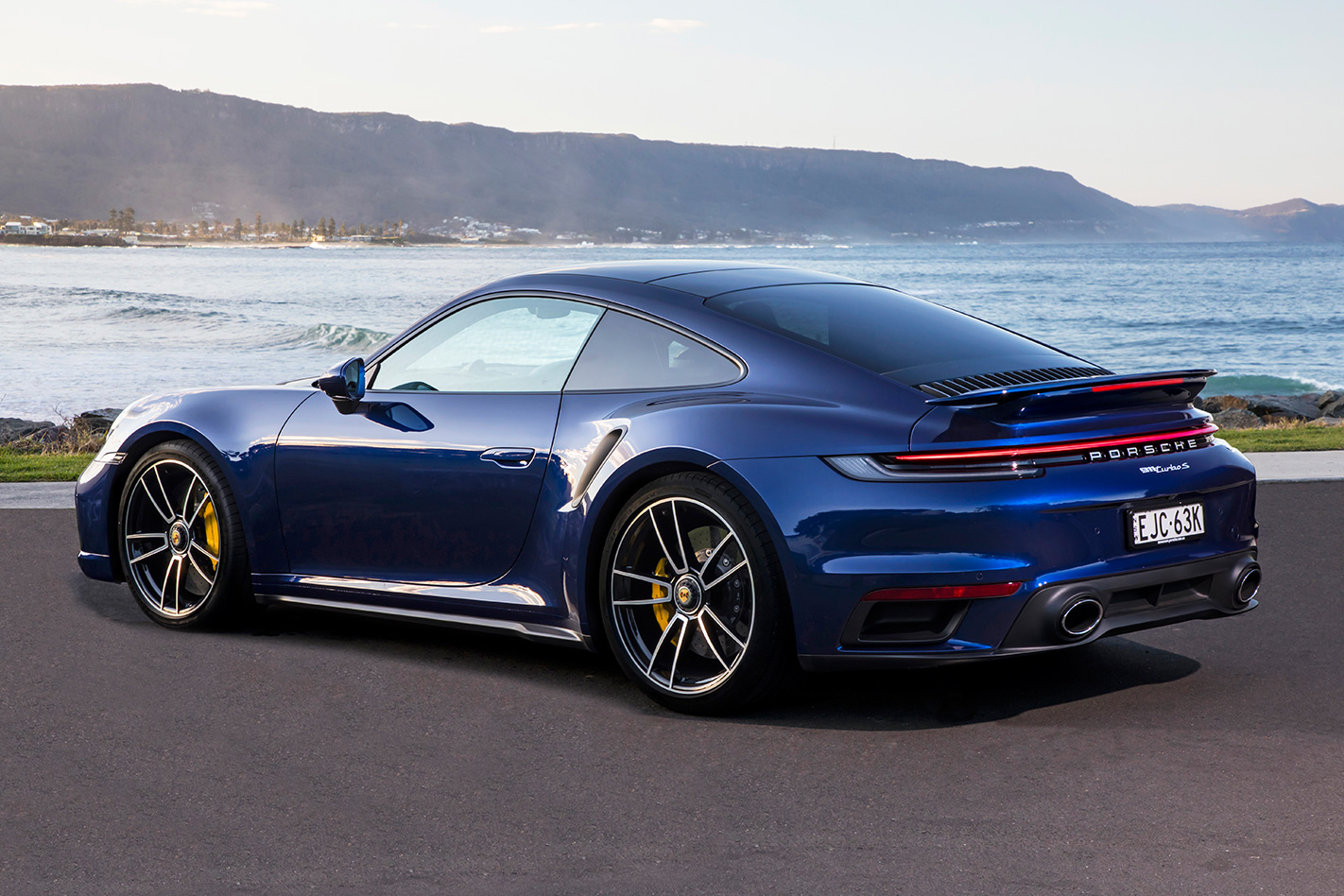
Price and value
Costing $473,900, the Porsche 992 Turbo S’ pricetag is equally as stratospheric as its performance figures.
In true 911 fashion, it’s a case of evolution not revolution. There’s more power, more aero, more tech, and more… well, everything.
Including the price which has increased by $17,700 from the preceding 991.2 generation.
At a glance you should certainly notice more mass; this is the widest 911 ever produced, with huge sculpted hips housing a further 45mm of track up front and a further 20mm out back. Beneath that sit a set of staggered 20/21” wheels shod in grippy 255-section and 315-section Goodyear Eagle F1 low-profile tyres. Faster rear-wheel steering gives the sizeable 992 welcome levels of agility, and standard 420mm ten-piston carbon-ceramic brakes (390mm four-piston rear) make light work of pulling up all 1640kg of Stuttgart’s finest.
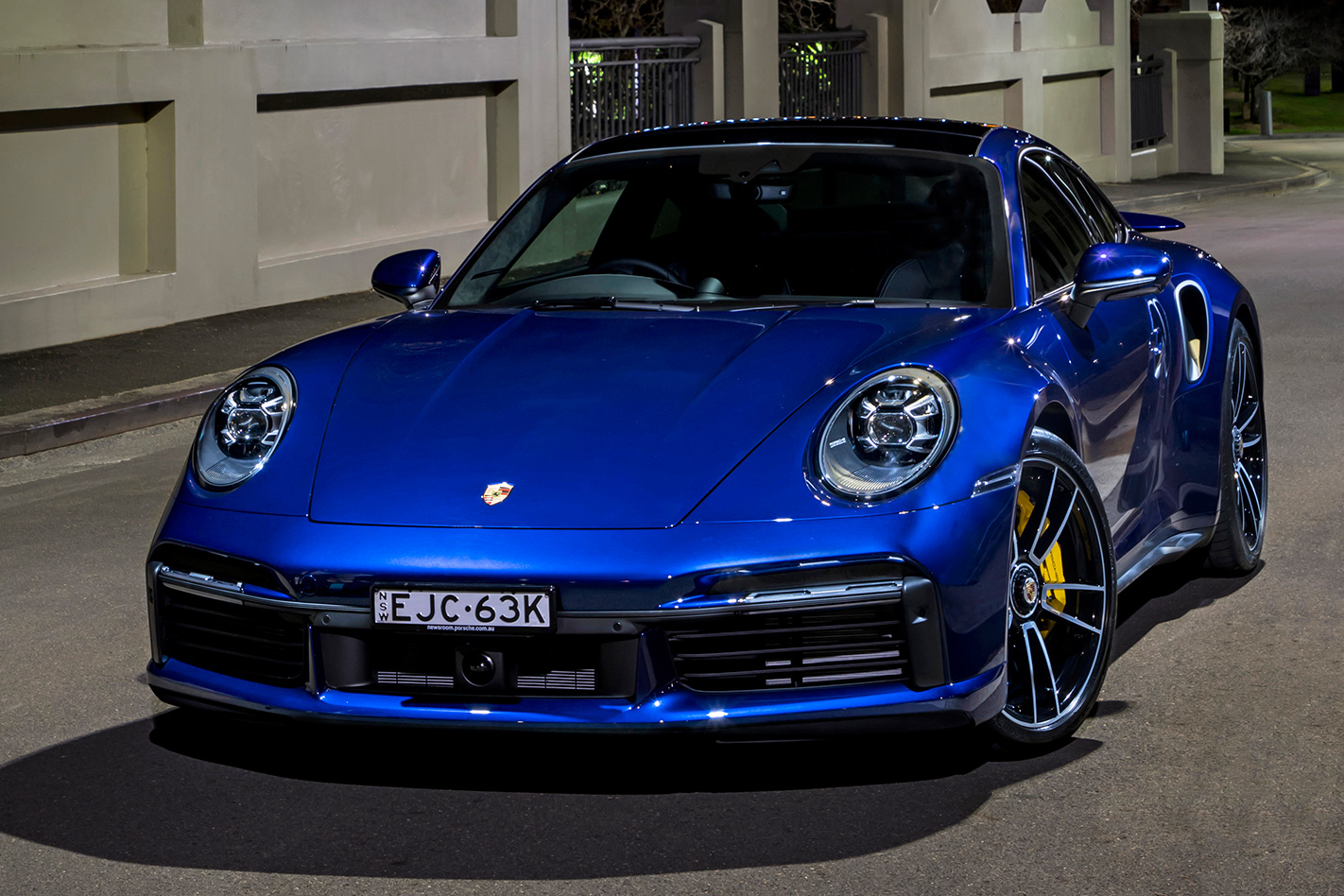
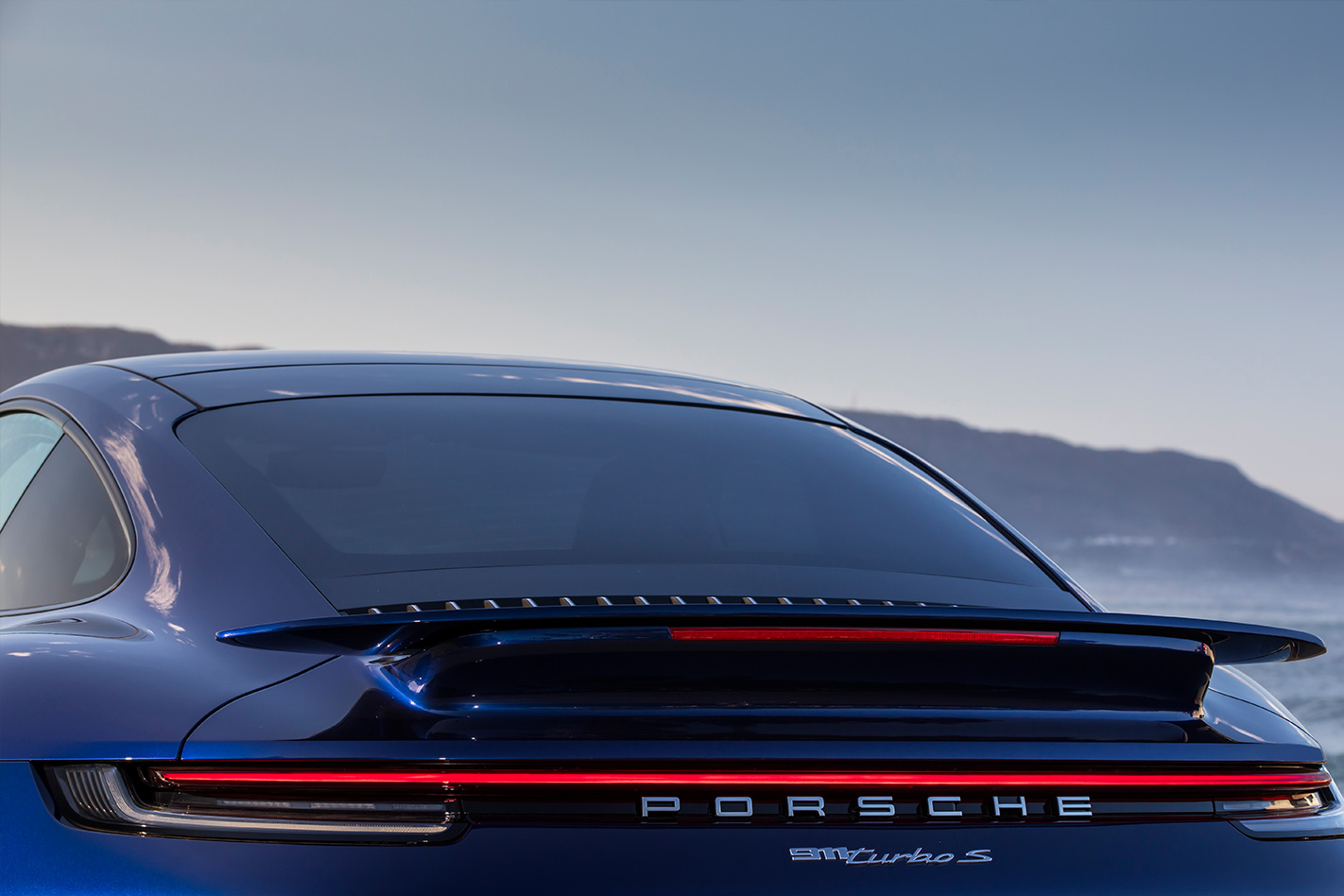
The front and rear end house the various elements that make up Porsche’s Active Aerodynamic (PAA) package: aero flaps and adaptive spoiler up front, and the active rear wing, all of which add up to a 15 per cent increase in downforce at maximum attack settings.
LED matrix headlights frame the front end while that new full-width light bar at the rear makes for one hell of a light signature at night.
For all its wizardry, the Turbo S package comes together brilliantly. In the styling alone, it’s a properly pretty car, far more so than the outgoing and busy 991.2 Turbo.
And the same level of nuanced evolution rings true throughout the rest of the package. The 992’s basic 3.0-litre engine gains bigger turbos, as well as bigger cylinder bores (by 11mm), yielding an enlarged 3.8lt displacement. A redesigned charge air system now features a larger intercooler and twice as many air intakes, while a new exhaust system, electric wastegate and injectors combine for a whopping 478kW and 800Nm of torque. That’s 51kW and 50Nm on top of its predecessor. Behind the new engine sits the Turbo’s signature continuously variable four-wheel-drive system and the latest iteration of Porsche’s eight-speed PDK ‘box.
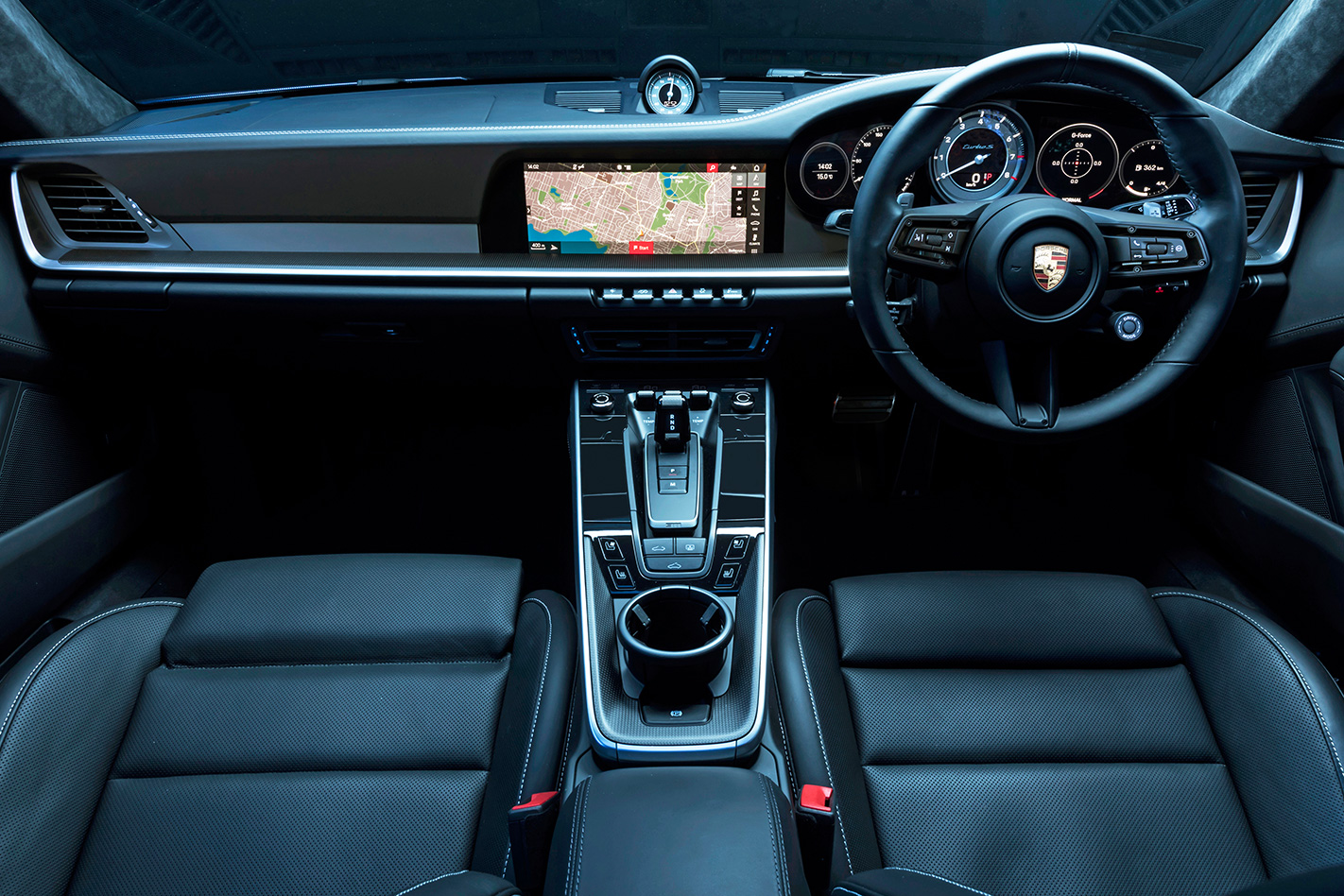
The 992’s interior is a vastly improved space and, while it doesn’t appear radically different from the 991.2, does do a good job at dating the old one with better ergonomics and a far tidier layout of buttons and switchgear on the centre console.
Certain advanced driver assists are relegated to costly options (such as adaptive cruise control), while other features – like lane keep assist or lane departure warnings – are unavailable all together (something you might expect in a car nearing $500,000).
Other than certain packaging quirks however, it’s a hard car to fault, and a hard car to match. Short of Porsche’s impending GT3, and unavoidable future RS-branded variants, this is the fastest and most complete 911 of the pack.
How does the Porsche 992 Turbo S drive?
As with any 911 Turbo, one expects the performance to be out of this world. And it is. Our independent testing bested Porsche’s 0-100km/h factory claim and pegged the Turbo S clocking triple digits in a ballistic 2.6 seconds. 0-200km/h happens a full second quicker than in the old 991.2 iteration, a car you’d never position as being a bit lazy off the mark.
And while its straight-line performance is undoubtedly its main party trick, that is by no means its only dimension.
On a tight country mountain road, the Turbo S benefits from its simply massive footprint and, with physically more rubber on the road, displays an inherent confidence and composure even amidst off camber bumps and juts in the road.
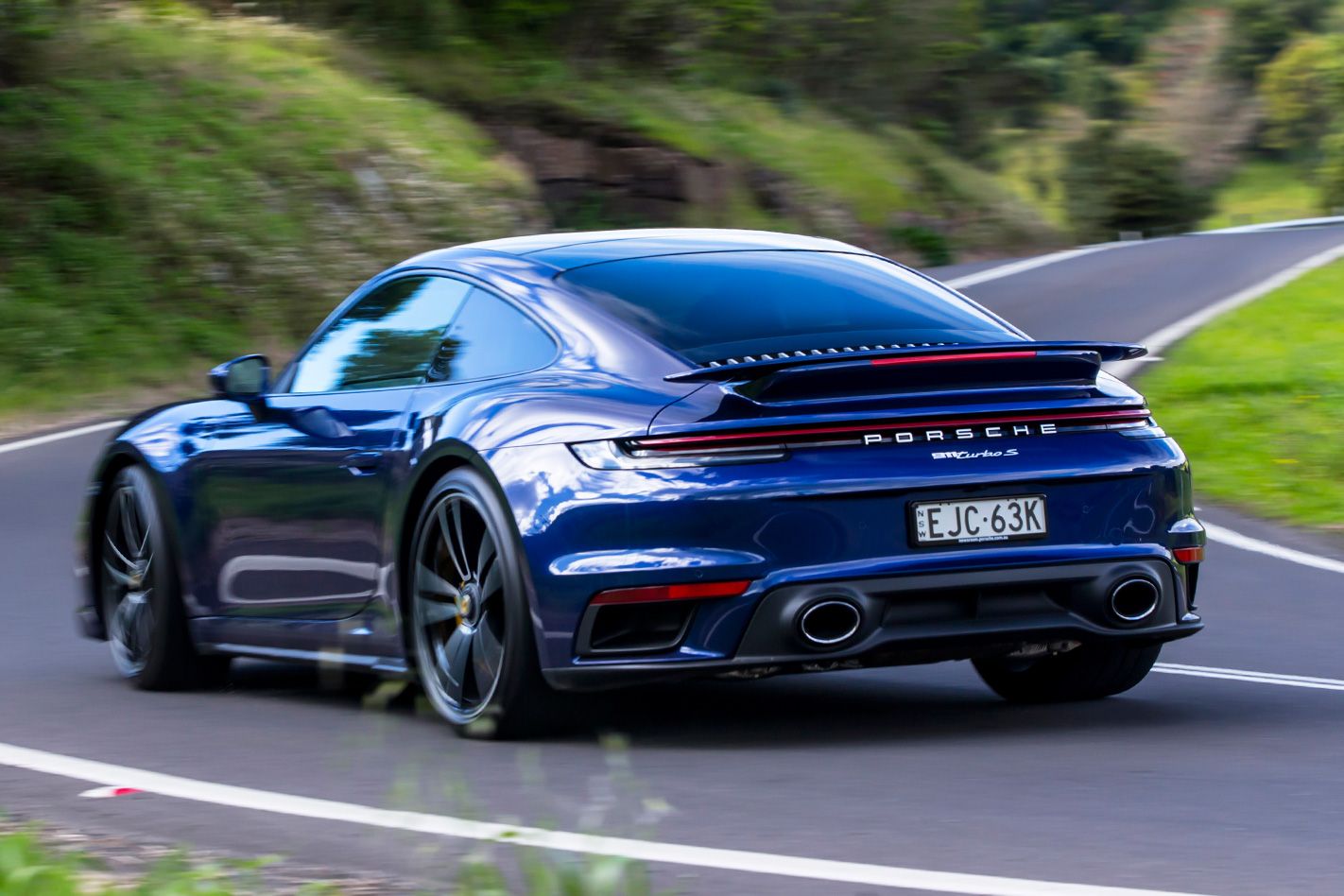
Primary ride is firm, although perfectly liveable while the secondary ride irons out an unsealed road surface far better than anything this fast should.
Sport and Sport+ modes have a tangible effect on the car’s demeanour: shift points, throttle response, damping and, of course, exhaust note all sharpen with a mere twist of the steering wheel-mounted rotary dial.
Its immense mechanical grip encourages you to get on the power earlier and earlier out of corners as you rapidly learn the car’s mindbending ability. There’s an extremely high ceiling to the Turbo S and extracting ten-tenths from its abilities is likely beyond most drivers and certainly beyond the rules of our roads.
Such is the Turbo S’ deeply impressive breadth of talent: brain-busting performance aside, you’d be perfectly happy using one as a grand tourer or, in latter-day Turbo tradition, a daily driver.
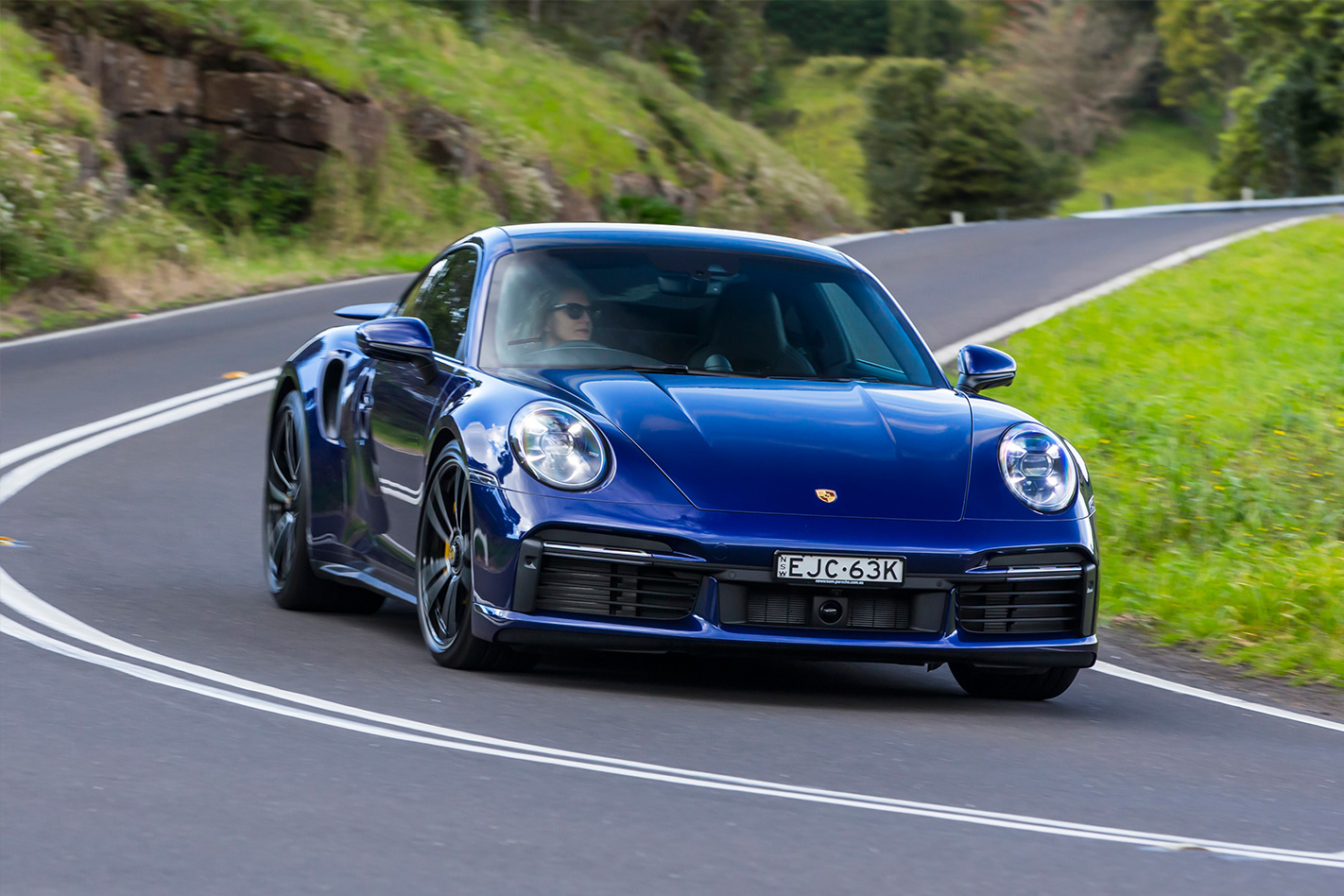
Verdict
While the Turbo S promises (and delivers) more everything, this is painfully apparent in one area: its price. At a whopping $473,900, the current flagship 911 battles the law of diminishing returns.
Does an extra 140-odd kW and a second off your 0-100km/h warrant more than a $200,000 premium over the already capable 992 Carrera S?
All we know is that if that’s your predicament, it’s a nice problem to have. And if you do end up in a 992 Turbo S, you sure as hell won’t be disappointed.
Rating: 4.0/5
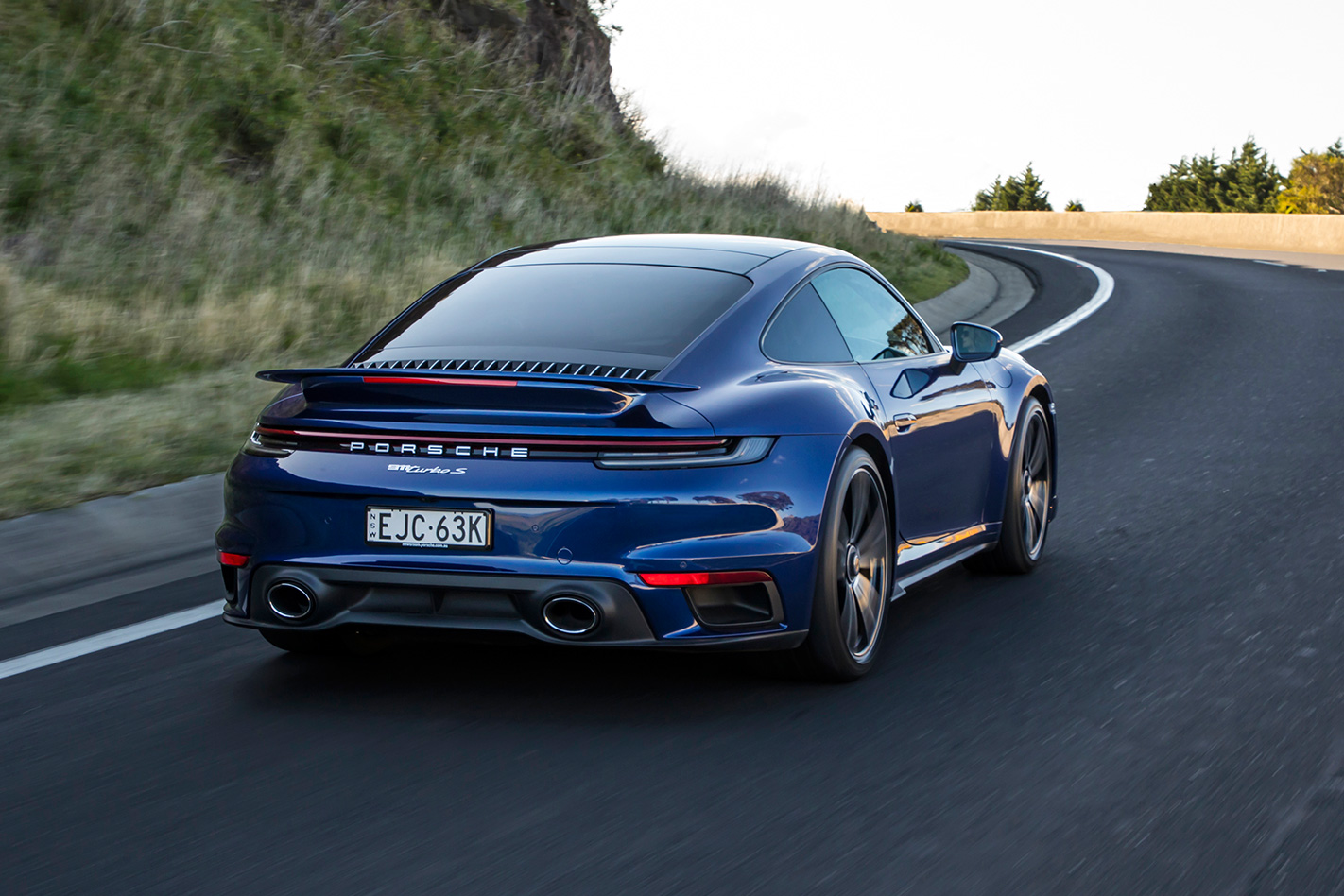
Like: Breadth of talent; otherworldly performance; Dislike: High premium; size; many advanced assists either options or unavailable
Engine:3745cc flat-6cyl, DOHC, 24v, TT Power:478kW @ 7000rpm Torque:800Nm @ 2500-4000rpm 0-100km/h: 2.6sec (tested) Weight: 1640kg Price:$473,900
Australia’s new car market continues to bounce back after opening the year with positive sales growth, according to the Federal Chamber of Automotive Industries’ latest VFACTS data.
Despite growing fears about microchip shortages restricting global car supply, Australia sold 79,666 cars in January, compared to 71,131 last year, continuing a trend where overall car sales have grown year-on-year since October 2020.
Toyota took out the top spot in January’s new car sales, selling 16,819 vehicles that accounted for a 21.1 per cent share of the market.
Mazda came in second, selling 8508 vehicles to claim a 10.7 per cent share.
Hyundai, meanwhile, landed in third, selling 5951 to earn its 7.5 per cent share, followed by Kia in fourth (5500/6.9 per cent), Mitsubishi fifth (5179/6.5%), Ford sixth (5099/6.4 per cent) and Nissan seventh (3756/4.7 per cent).
Rounding out the bottom three in the top 10 are Subaru in the eighth spot, selling 3223 vehicles (up 4.0 per cent), trailed by Volkswagen and Mercedes-Benz.
Interestingly, the biggest improvement in year-on-year sales in the top 10 brands was Subaru, with January’s figures representing a 43.2 per cent increase on last year.
The second biggest improvement year on year among the top 10 came from Mercedes Benz, who increased sales 31.5 per cent, while Mazda managed a 27.1 per cent jump compared to last year.
Volkswagen, meanwhile, was the only brand in the top 10 which managed to sell fewer cars than last year, registering a 16.1 per cent loss in overall sales.
Toyota’s Hilux took out the honours as the best-selling nameplate over January, with the 3913 figure representing a massive 31.8 per cent increase on last year’s sales.
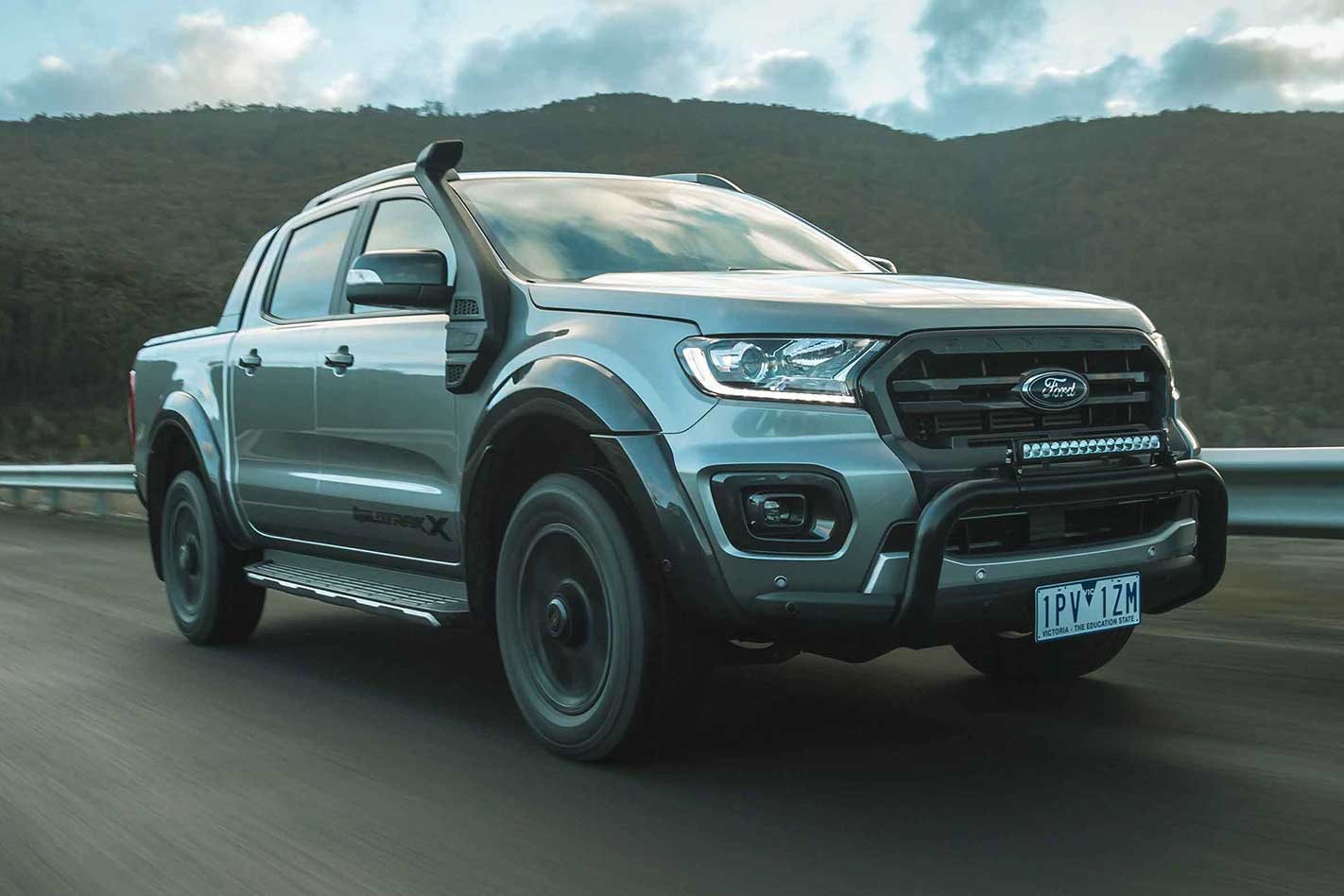
Meanwhile, the Ford Ranger was the second most popular model, selling 3120, ahead of the third-placed Toyota Rav4 which racked up 3066 sales.
It was yet again another Toyota in fourth after the evergreen LandCruiser logged 2388 sales across both 200 and 70, while the Mazda CX-5 took out fifth place with 2081 sales.
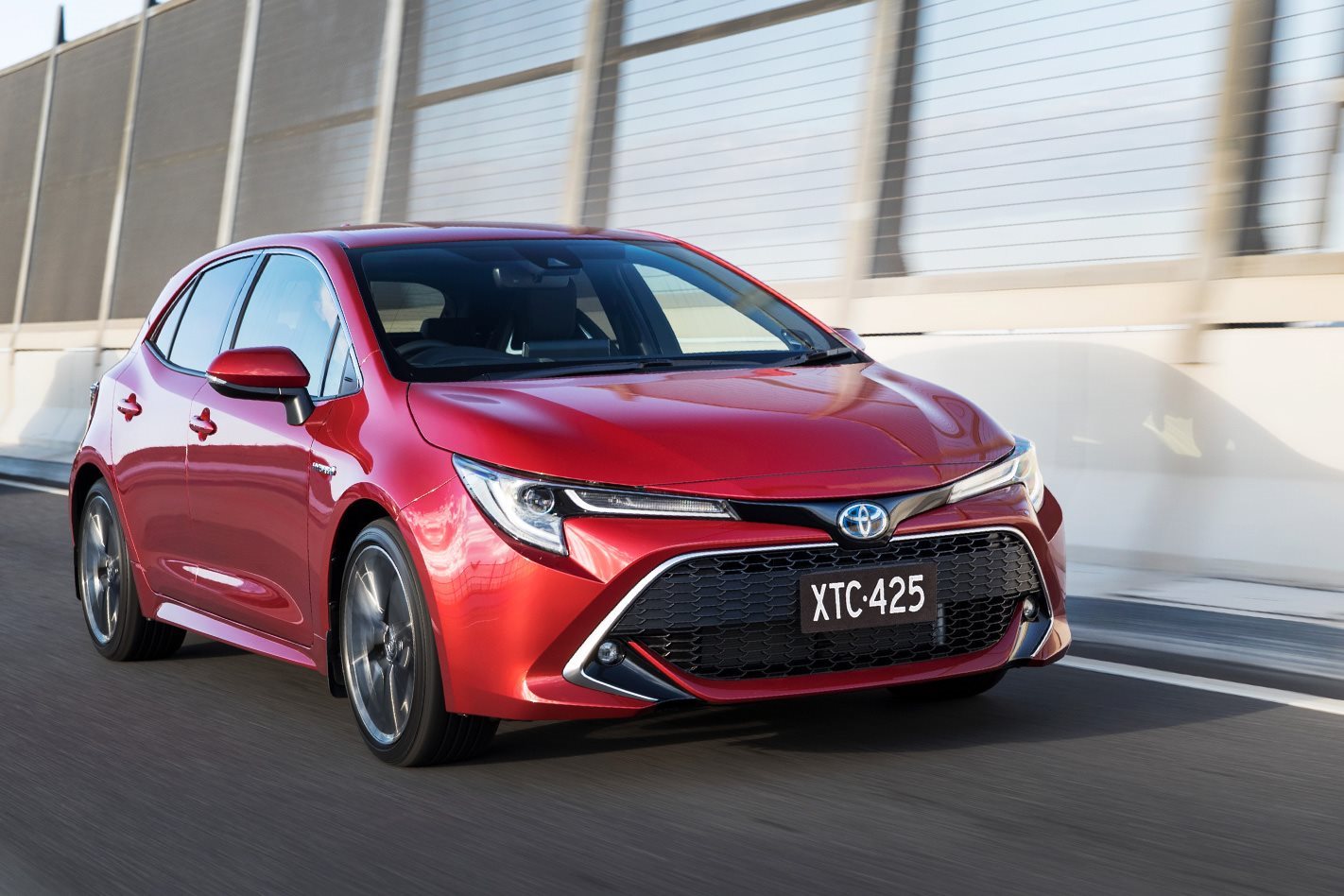
Toyota’s final model in the top 10 was the Corolla, which landed in sixth after achieving 2062 sales in January.
It’s followed by the recently updated Hyundai i30 which sold 1952 units to take seventh, while the Mitsubishi Triton posted 1908 sales in eighth, followed by the Isuzu D-Max in ninth (1822) and the Nissan X-Trail (1593) in tenth.
Mover and shakers
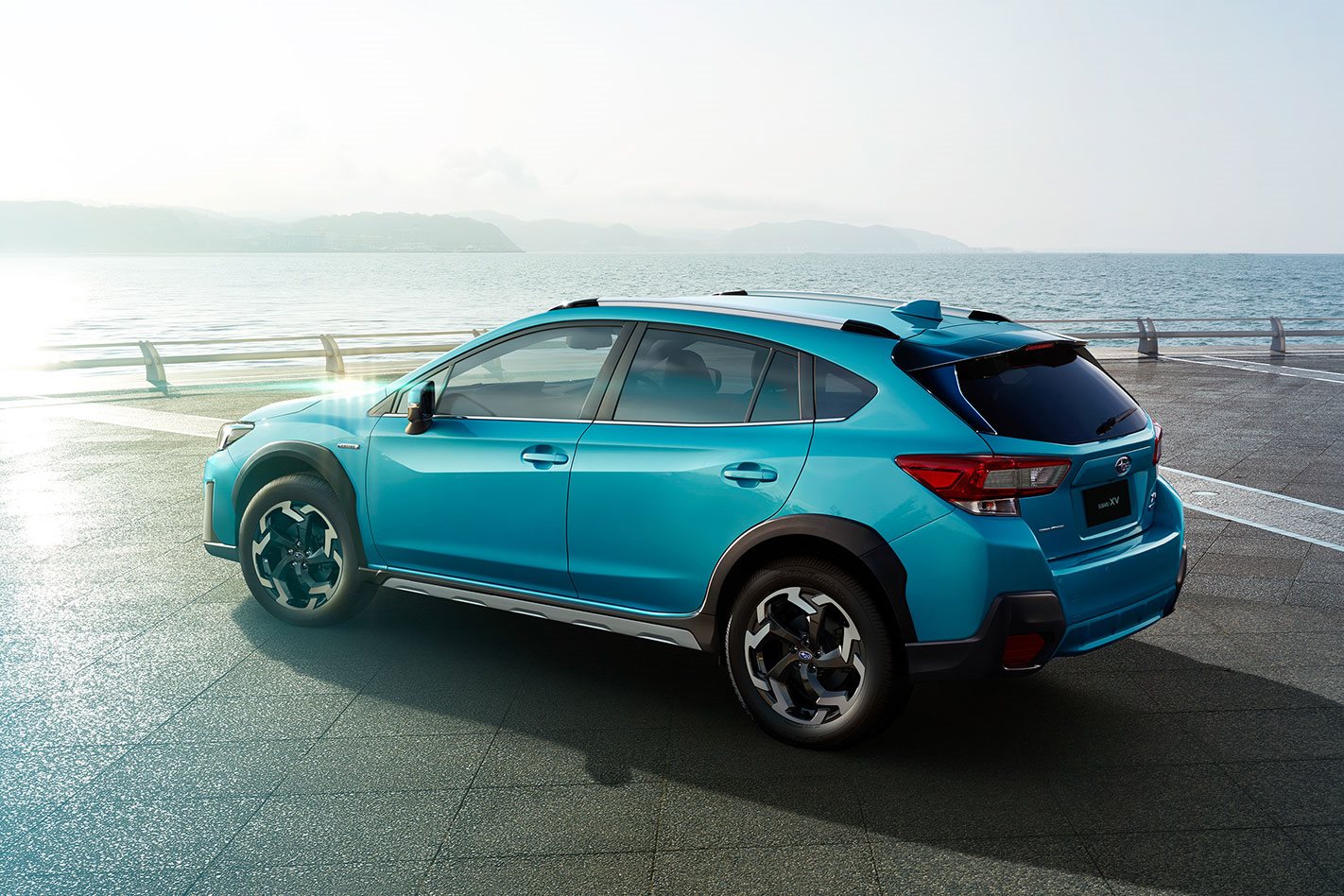
Although a Subaru wasn’t represented in the top 10 selling cars this January, it has experienced a range of outstanding performances across its model range.
The Liberty, for instance, experienced a 289.4 per cent increase on last year’s monthly result after selling 183 cars, while the Forester registered a 52.1 per cent after selling 1231 cars, helping explain how the brand made it to eighth this month.
MG sales are up even more.
The SAIC-owned brand posted 2408 sales in January 2021, representing a 162 per cent increase over January 2020.
Its entry-level MG3 small hatch posted a 73 per cent improvement to sell almost twice as many units as Toyota’s new but dearer Yaris.
The small ZS SUV – which includes the ZS, ZS T and ZS EV – came within a whisker of knocking the dominant Mitsubishi ASX off the top spot in the segment, too, with more than 1200 sales posted.
In commercial land, Isuzu’s D-Max 4×4 model also showed a surge in popularity, selling 1416 this January compared to 473 last year.
The Wheels February 2021 issue is here, which means it’s time to pop down to the newsagent or servo. But first, here’s your peek between the pages.
If you’re looking for the fresh magazine on shelves in newsagents, servos, or supermarkets, the image of the Corvette ZR1 at the top of this page also graces the cover.
If you subscribe, you often get a cleaner (i.e, fewer words) version of the magazine cover because you’ve already bought it, we don’t need to tell you what’s inside!
You also save a wad of cash (depending on how long your subscription is set to last).
SUBSCRIBE to Wheels Magazine and save!
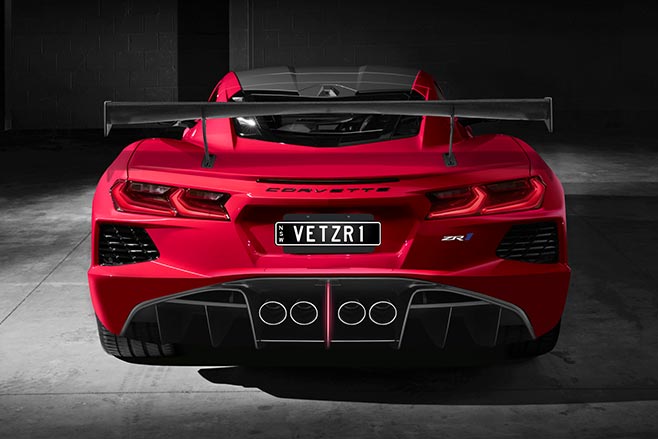
Chev’s 746kw Vette!
We get the word on the Chevrolet Corvette ZR1 from our man in the US, former Wheels editor Angus MacKenzie. But will GM’s Ferrari fryer ever make it to Australia?
Hottest cars of 2021
We count down the hottest and most important incomers. Here’s hoping these 31 cars put 2020 firmly in the rear view mirror.
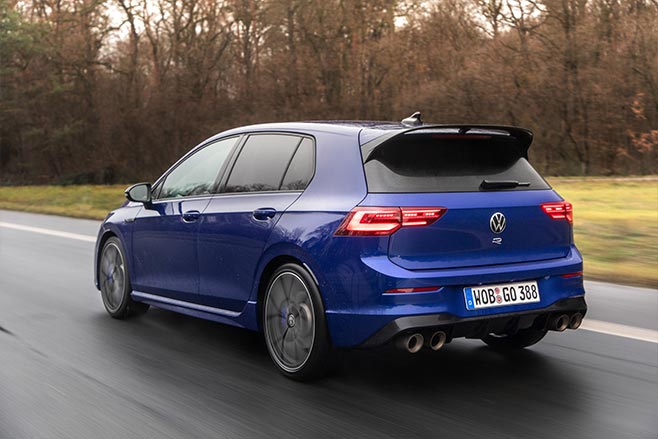
Golf R driven!
We find our way into the driver’s seat of Wolfsburg’s new hot hatch, via Euro correspondent Greg Kable. More rear bias and power has us keener than ever for the Mk8 to land locally.
John Harvey
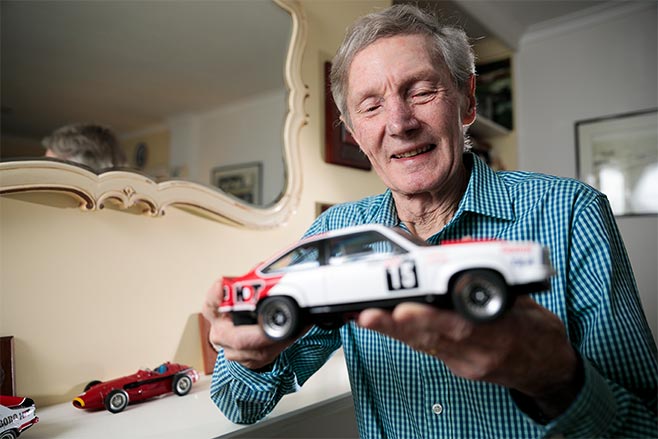
We farewell Holden icon and motorsport legend John Harvey, whose rich life came to an end in December 2020.
COTY preview
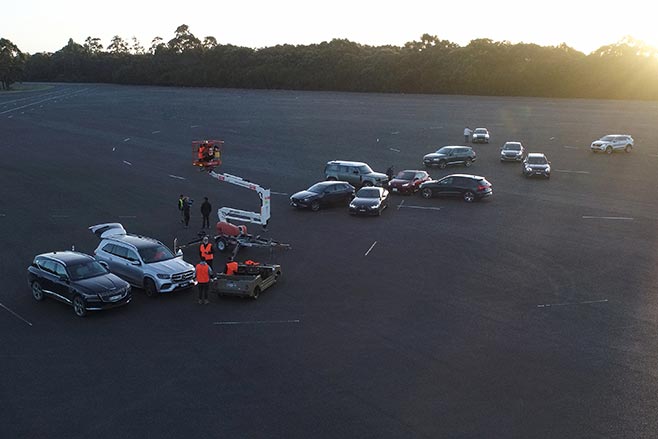
What can you expect from Car of the Year next month? Our COVID-affected event corralled a smaller field, but still found a worthy winner.
Super cheap autos
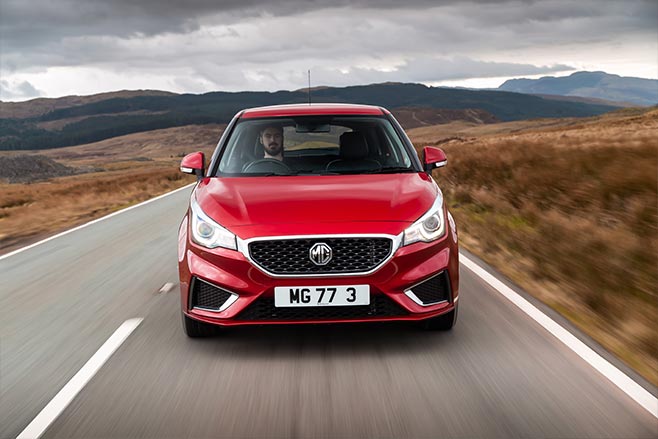
Is there real value in the rise of budget offerings from Chinese brands like MG, GWM, and LDV? We put them under the Wheels microscope to work it out.
And plenty more!
Columns, Retro and Modern Classic features, first drives, comparison features, and plenty more awaits you in the Feb 2021 issue of Wheels!
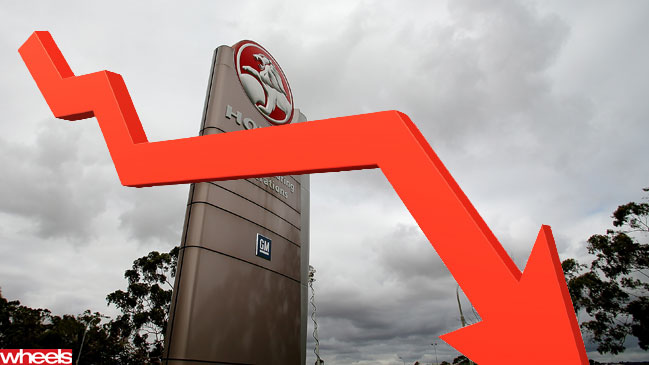
Mark January 2021 down in your diary as the month that the Lion officially stopped roaring in Australia.
New Holden car sales have dried up, with the brand officially recording zero new sales for January 2020.
It’s the first time in Holden’s 73-year history that it’s not sold a single car in a given month, marking another sombre milestone as the former Australian company fades further into obscurity.
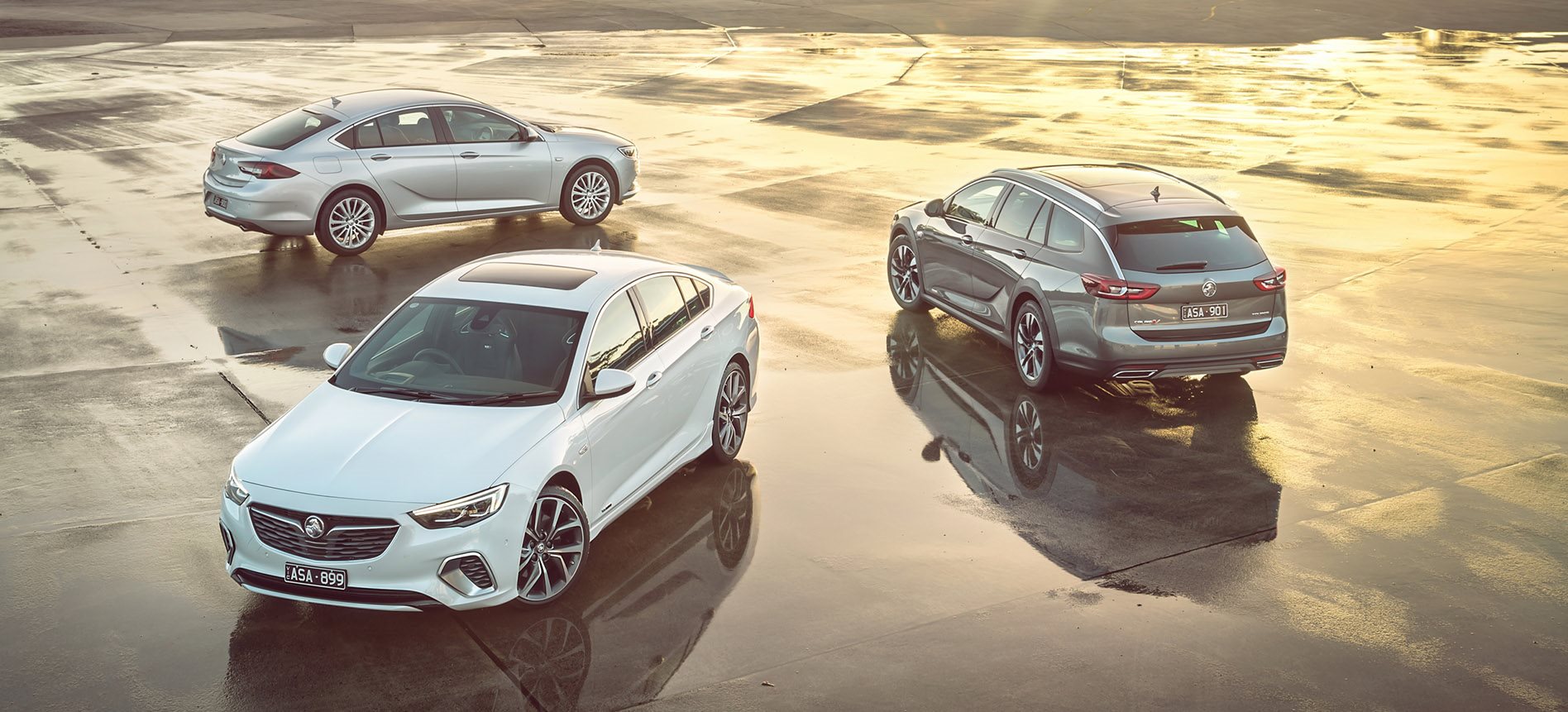
January’s non-result comes after December 2020 in which Holden sold 28 vehicles overall.
While you might think that things could ‘perk up’ next month for Holden as dealers try to offload the last trickle of stock, its zero-streak will continue from here as General Motors marked December 31, 2020 as the brand’s last day.
GM-backed sales incentives ceased on New Year’s Eve 2020, which meant that any existing cars held on Holden lots will have been morphed into low-kilometre demo or used vehicles.
Holden dealerships are also becoming fewer and further between, with their lots slowly accommodating more and more rival brands’ cars as dealer principals change tack.

In stark comparison, the affordable prices and growing presence of Chinese car brands in Australia are proving too tempting for Australians to resist, as their stocks continue to rise in the national sales race.
GWM – formerly Great Wall Motors – had its best month ever in January, recording 769 sales and a 136 per cent increase over January 2020.
The Chinese carmaker has crept into Australia’s top 20 brands for the first time off the back of its GWM Ute launch, which sold 277 examples in its first month on sale.
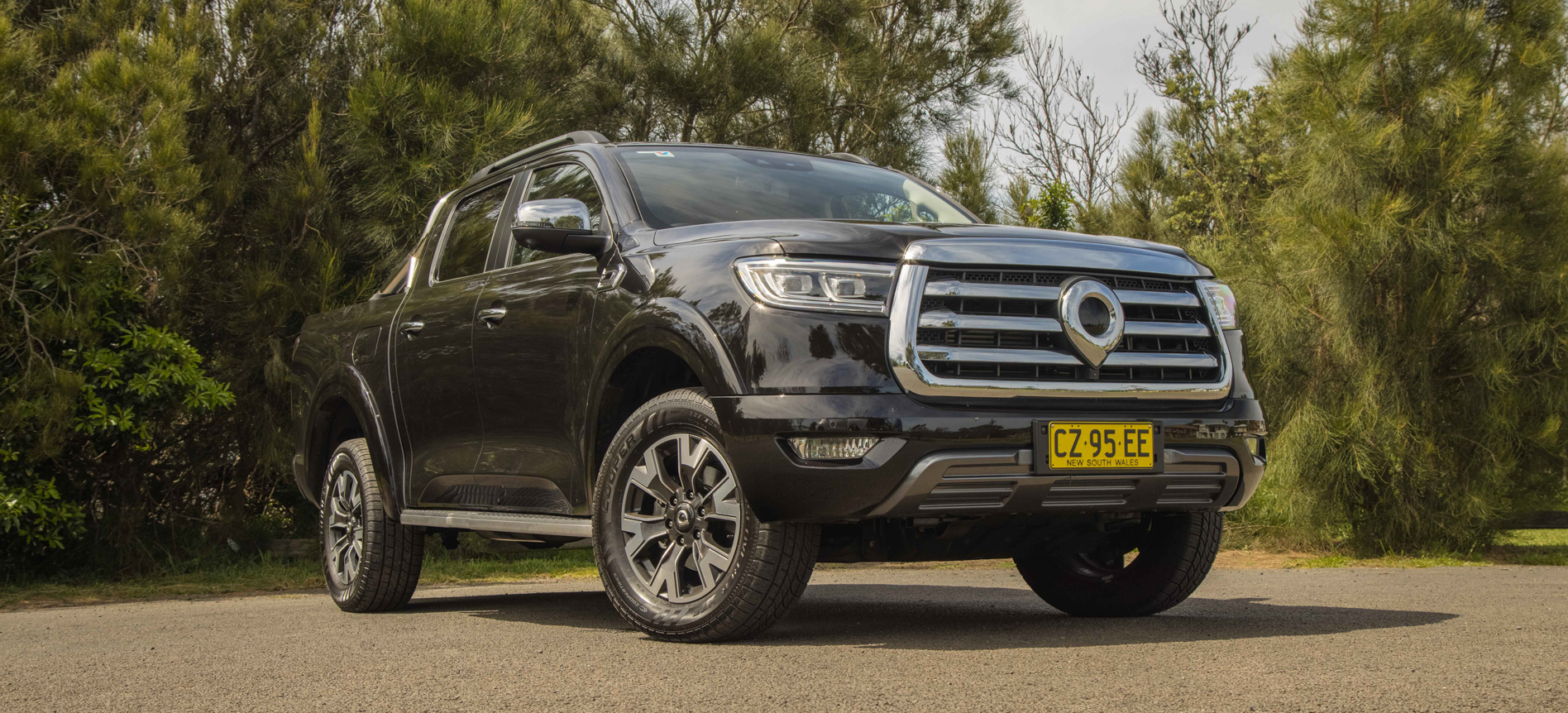
The conglomerate also includes passenger car subsidiary Haval, which saw improved results for the Haval H2 (257 sales), Haval H6 (110 sales) and Haval H9 ( 33 sales) SUVs.
Meanwhile, MG sales are up even more.
The SAIC-owned brand posted 2408 sales in January 2021, representing a 162 per cent increase over January 2020.
Its entry-level MG3 small hatch posted a 73 per cent improvement to sell almost twice as many units as Toyota’s new but dearer Yaris.
The small ZS SUV came within a whisker of knocking the dominant Mitsubishi ASX off the top spot in the segment, too, with more than 1200 sales posted.
Collectively, China is now the fourth-largest source of new vehicles sales in Australia, following a 156 per cent sales increase year-on-year compared to January 2020.
It still trails Japan, Korea and Thailand.
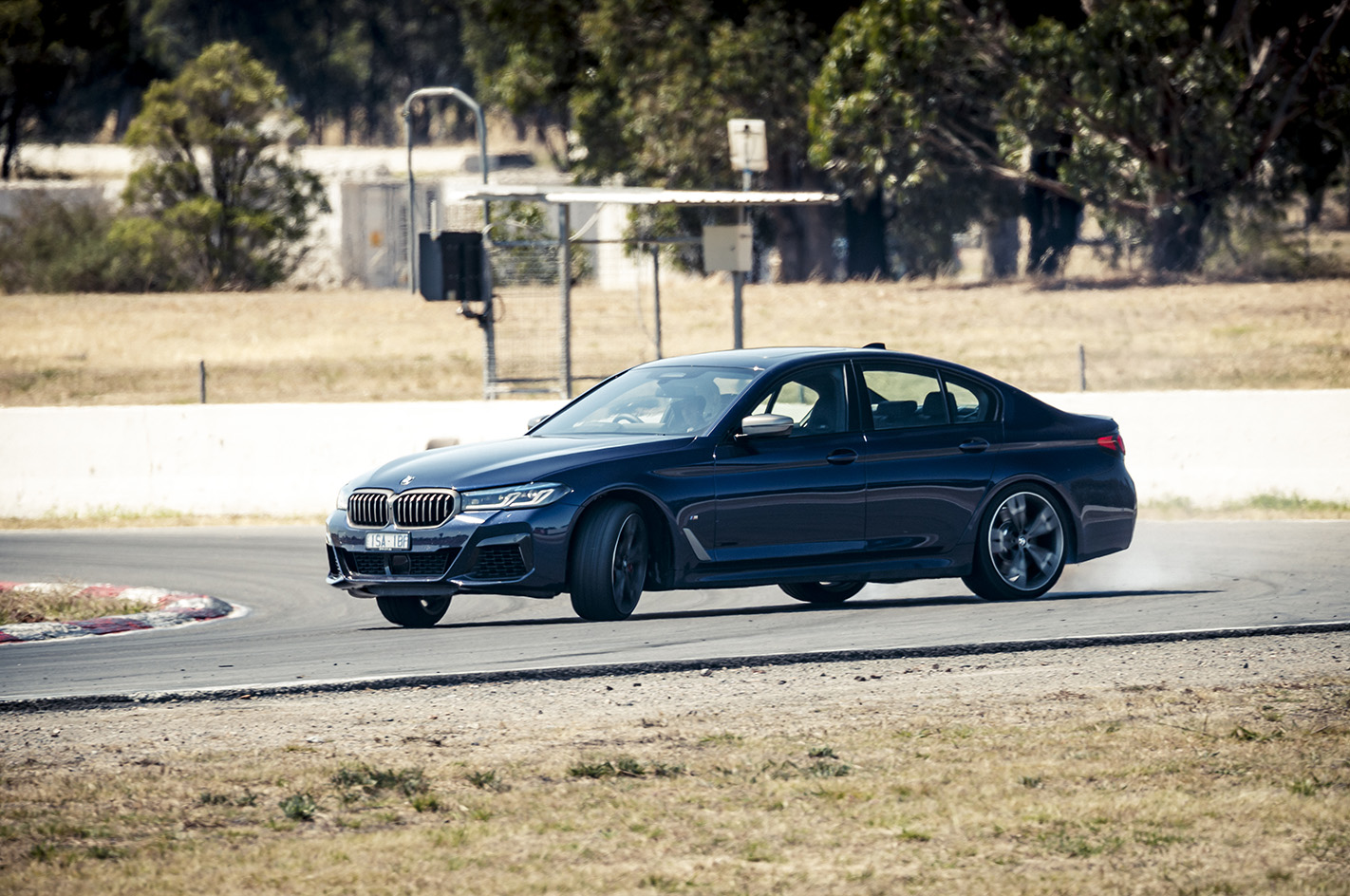
The BMW M550i is a surprise package in many ways. While it lacks the brawn and prestige of a ‘proper’ M car, it proved to be a worthy addition to the 2021 MOTOR Performance Car of the Year field throughout testing.
Priced at $152,900, the M550i is a cut-price alternative to the full-fat M5, but its MOTOR Shootout lap showed that you aren’t sacrificing much in terms of outright performance by saving your coin.
After two laps in hot conditions, the best time for the M550i around Winton Raceway was a stout 1:35.4.
While the BMW’s time wasn’t enough to dethrone the Audi R8 from the top of the MOTOR Shootout leader board, it puts the Audi RS6’s nose out of shape by eight-tenths of a second.
Sure, neither the RS6 or M550i are purpose-built track scalpels, but the fact that the Bavarian sedan is nearly a second quicker than Ingolstadt’s champion hauler is a boon for the BMW.
The 4.4-litre twin-turbo V8 is a powerhouse that turns this visually unassuming executive sedan into a rapid sports-car harassing sleeper.
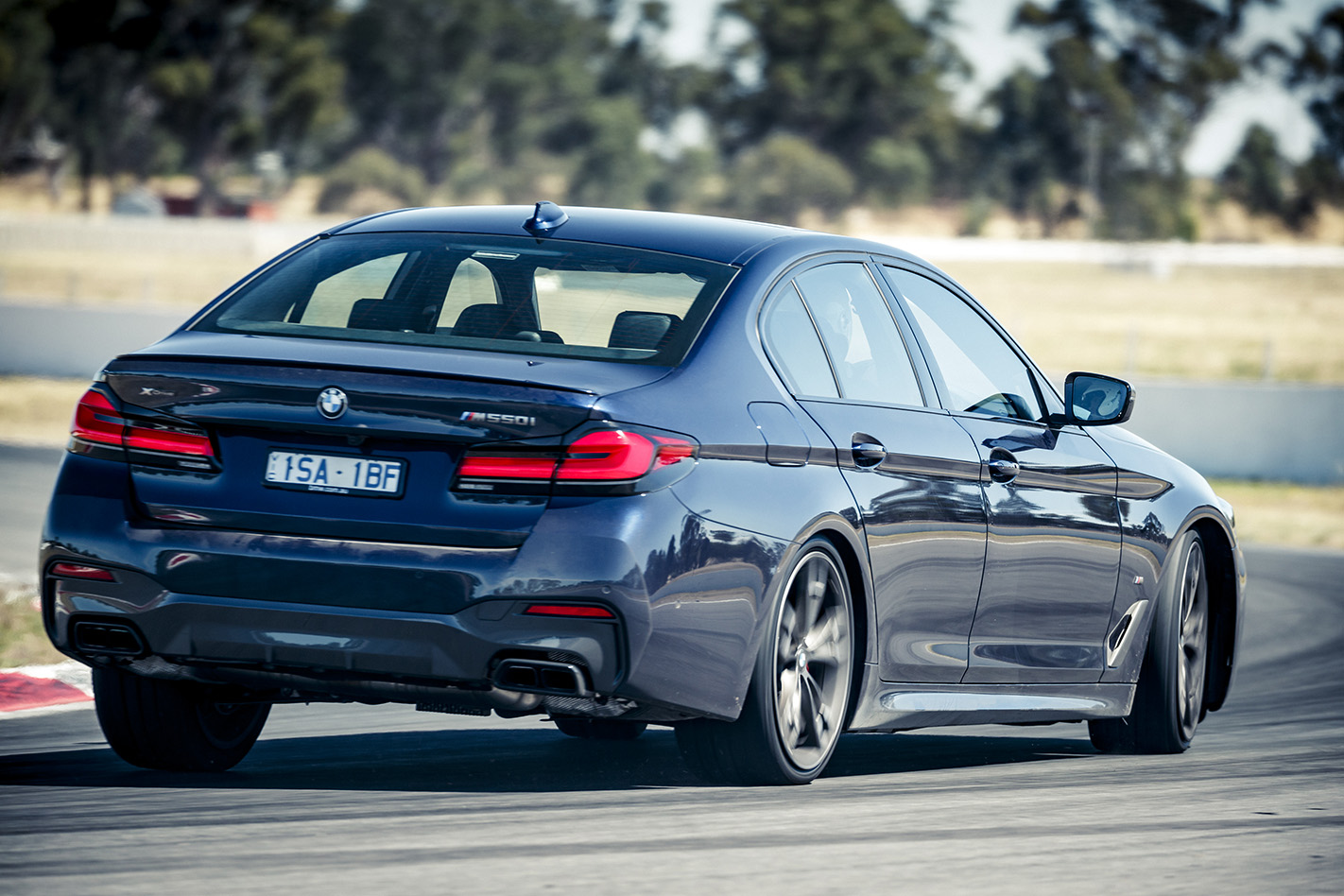
The M550i packs 390kW between 5500-6000rpm, but it’s the meaty 750Nm available from 1800rpm until 4600rpm that really gets the four-door hustling.
Add to that prodigious grip from the Bridgestone Potenza S007 tyres and this 1810kg saloon had our ace driver Karl Reindler thoroughly surprised.
“Sharp!” exclaimed Reindler just a couple of turns into his two-lap run in the M550i.
“[It’s] a real surprise package, it was so good on corner entry and braking stability to the apex,” he explained after extracting himself from the hot seat.
“Off the corner, it just washed out a little bit at times, but honestly it is so good to the apex you can keep the car turning and just plant your foot down and it just launches off the corner.
“This thing does everything right.”
It’s not just direct rivals like the RS6 that needs to be worried about the BMW’s lap time either. A 1:35.4 is seriously quick around Winton, and the rest of the PCOTY field have a tough benchmark to beat.
We will be revealing a new MOTOR Shootout lap each week, so make sure to check back to see how the punch Ford Fiesta ST performs on February 11.
Until then, you can see how the M550i compared to others on the MOTOR Shootout leaderboard here.
While the dual-cab ute is big business in Australia, the ‘bakkie’ (South African slang for pick-up) plays a crucial part in South Africa’s economy as a whole.
Ford is expanding its South African operations by investing A$1.3 billion into the Silverton manufacturing plant, which will produce the next-generation Ford Ranger and related Volkswagen Amarok from 2022.
The investment is aimed at improving the factory’s environmental impact, as well as expanding its production capacity to service more than 100 Ford markets across the globe.
To do that, the plant’s workforce will grow by 1200, bringing Ford’s South African workforce to 5500 employees.
Ford’s investment will also see an extra 10,000 jobs added across the local supplier network.
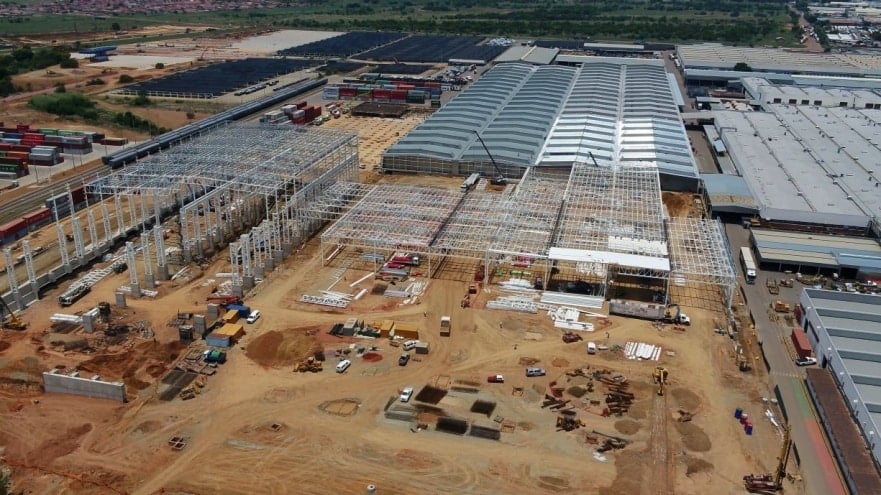
Factory upgrades include a new body shop with robotic technology, a new stamping plant, paint shop enhancements and new on-site training centres.
As part of the investment, the factory upgrades are said to cost A$900 million.
Both the body shop and stamping plant will be located on-site for the first time, allowing the Silverton plant to produce all the major sheet metal components for the new Ranger itself.
Ford’s investment will also see the Silverton factory become one of its first to reach ‘Island Mode’ status, becoming entirely energy self-sufficient and carbon neutral by 2024.
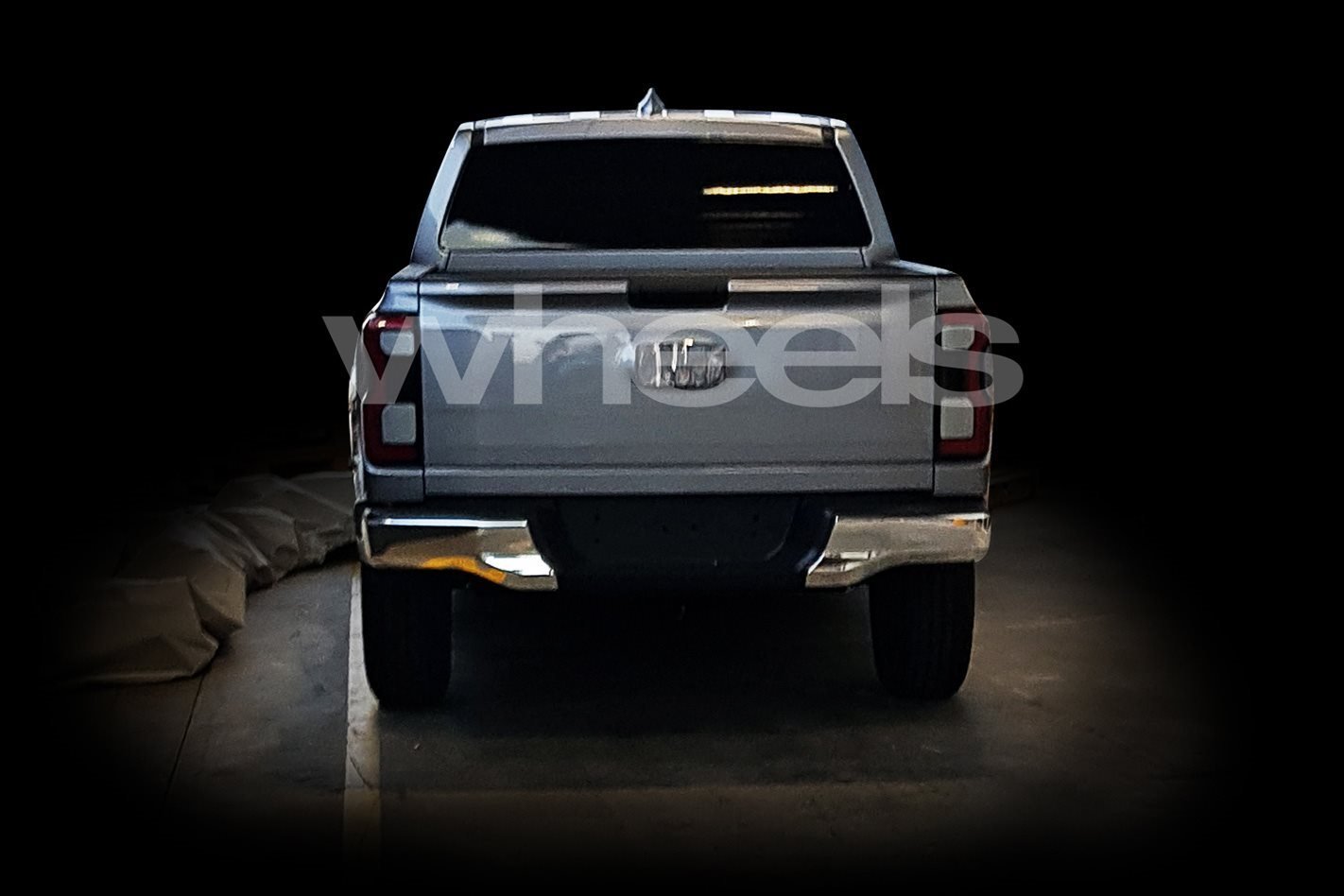
The Ford Ranger utility vehicle has quickly grown to become one of Ford’s most important products worldwide.
Not only does it represent Ford’s largest investment into South Africa, but it’s also one of the largest investments into South Africa full-stop.
At full production capacity, Ford’s Silverton factory will output 200,000 vehicles annually, generating revenues in excess of 1.1 per cent of South Africa’s total gross domestic product by itself.
“The Ranger is one of our highest-volume, most successful global vehicles. This investment will equip our team with the tools and facilities to deliver the best Ford Ranger ever, in higher numbers and with superior quality,” said Dianne Craig, president of Ford’s International Markets Group.
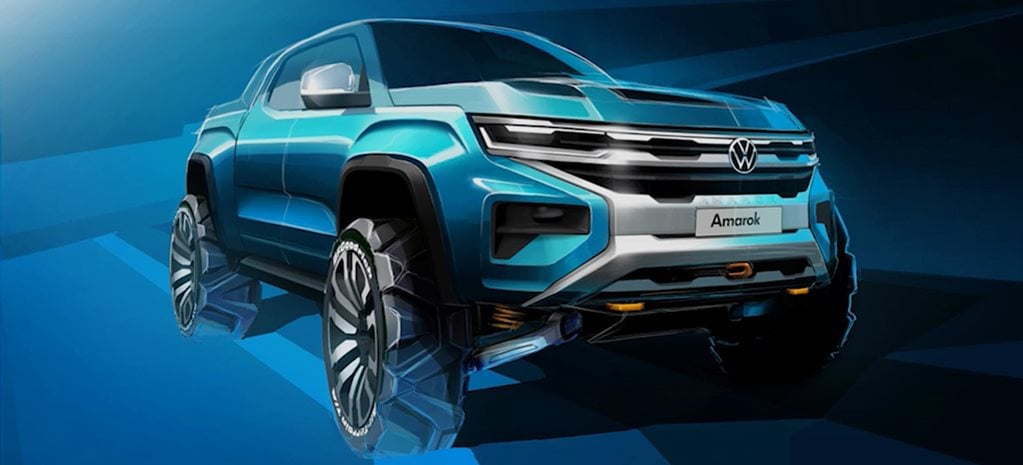
While the Ford plant’s focus will be on its own Ranger, the factory will also manufacture the next-generation Volkswagen Amarok.
Ford says the Silverton manufacturing plant will export vehicles to over 100 global markets, though Australia will not be one of those.
A spokesperson for Ford Australia told WhichCar that our local Ranger supply will continue from the Ford Thailand Manufacturing plant in Rayong, Thailand.
Along with its Everest sibling, the Ranger currently comprises more than 70 per cent of Ford’s model mix here in Australia.
If you think engineering a car is just about steel, seat springs and cylinders, think again… Ford Australia’s legion of engineers is set to roll Google products out into Blue Oval products into 180 markets around the globe.
Ford has also signed a deal to use Google Cloud as its preferred cloud provider to leverage Google’s world-class expertise in data, artificial intelligence (AI), and machine learning (ML).
As part of the six-year partnership, Ford claims that millions of future products at all price points will be powered by Android from 2023, via a new collaborative group known as Team Upshift.
The idea behind the move is to ensure that Ford’s cars are as updatable as a customer’s mobile phone, says Melbourne-based Ford Engineering Director Con Papadomanolakis.
“This new partnership will give our customers digital experiences in their vehicles that they already have on their phones as the platform will continually update products and services wirelessly over time,” he said.
“As a customer, your experience up until now is that your vehicle tech gradually becomes obsolete, but with this partnership, new apps will provide a constantly improving and ever-more-personalised ownership experience.”
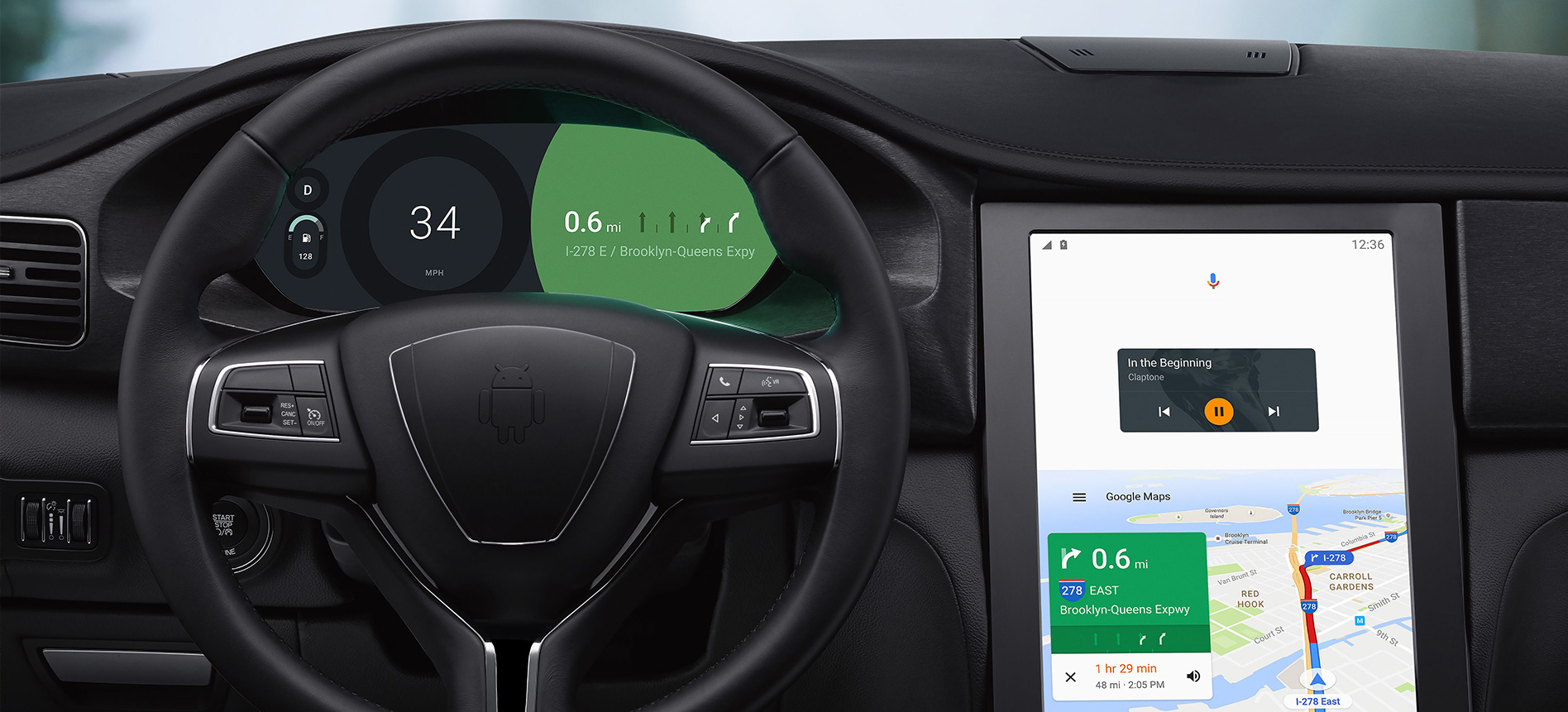
Google has been talking about this level of integration for some time
Some of the tech to be worked into new-generation cars will incorporate Google Assistant (“Hey Google!” in other words), Google Maps integration, and Google Play for music, podcasts and the like.
The deal will also see Ford incorporate Android operating firmware into its cars, which can be used to develop Ford-specific apps with third parties.
Ford’s large Australian-based engineering team will be responsible for integrating the technology in the vehicles it develops for 180 markets and millions of consumers around the world, according to the company.
“Our 2500-strong team in Australia engineer world-class global vehicles, and connectivity is an ever-growing part of that development,” said Papadomanolakis.
“We expect this partnership to accelerate our Australian team’s abilities so that we can become world leaders in the auto-tech space, and to have that kind of skill in Australia is incredibly valuable not just for Ford but for Australia overall.”
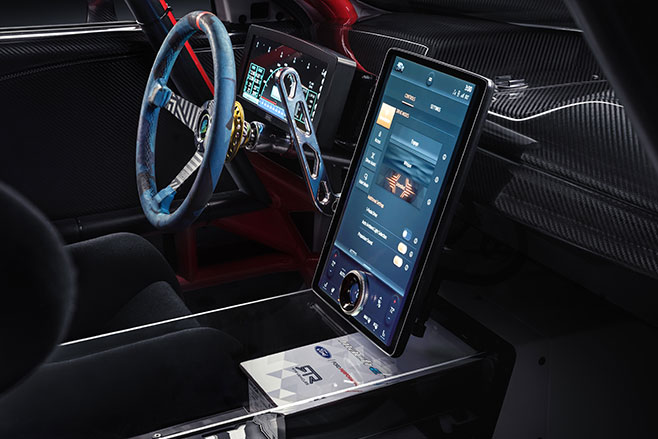
Interior from Ford’s Mach-E 1400
Ford’s luxury arm Lincoln will be the first to benefit from the tech, which will begin its roll-out in 2023.
