
Of all the Huracán variants, our pick would be the Tecnica, offering the purity of the most powerful atmo V10 paired with rear-wheel drive, delivering great steering and buckets of handling adjustability. You still needed to be on your game though, as you would with any car with a foursquare footprint, huge tyres and an engine in the middle. From a technical perspective, the Huracán Tecnica had been left behind by the likes of Ferrari, but it delivered such fun you probably won’t care.
Wait, what? The Huracán is dead? Well, not officially. But you can’t order one anymore.
Sant’Agata stopped taking orders for new cars way back in May, and is concentrating on fulfilling the existing order bank of Tecnica, STO and Sterrato models – the last of which will be built in July. So if you want a new Huracán, that train has sailed, my friend.
The Huracán achieved something that wasn’t always a strong point of Lamborghini. It got better and better with each passing year. It’d be easy to dismiss that as just dewy-eyed nostalgia – the creeping realisation that when this atmo V10 is gone, nothing of its ilk will be built again.

1
Yes, there is an element of only realising what you’ve got when it’s (nearly) gone, but there’s more to it than that.
The first Huracán LP 610-4 models that arrived in 2014 had the presence and, with 449kW to call upon, no little performance, but there was an element missing. Ferocity.
The Huracán had been benchmarked against Ferrari’s 419kW 458 Italia, a car that shared its natural aspiration and broadly similar performance.
But by the time the baby Lamborghini came to market, Ferrari had a bigger stick waiting in the wings in the form of the 493kW 488 GTB, a car that was faster, lighter and possessed of a considerably higher tuning ceiling than the Huracán. Within a year of launch, Lamborghini was playing catch up.

1
Its initial response was to not play Ferrari’s game. It launched the lighter, sweeter and less powerful rear-drive LP580-2, which was the first of its smart moves.
Suddenly the Lamborghini could be positioned as the purist’s choice against the turbocharged missile from Maranello. It then aced the 488 with the rather lovely LP640-4 Performante – all 471kW of it.
Ferrari countered with the 488 Pista, and then the F8 Tributo, which used the 530kW guts of the Pista to completely spike the guns of the 2019 Huracán LP640-4 EVO. But it was the final trio of Huracáns that showed Lamborghini at its very best.

1
Between them, the ballistic STO trackday special, the greatest-hits-collection LP640-2 Tecnica and the bonkers LP610-4 Sterrato rally-raid replica sent the Huracán out with the sort of flourish that merits a standing ovation for Stefan Winkelmann and his team. It’s like a nascent MBA case study into how to successfully breathe new life into ageing product.
By the time the final Huracán is delivered to its customer, the model line will have been in production for a decade.
In that time Ferrari has been through four cars as rivals. Yet we’ve seen glimpses of the next-gen Lambo, set to be powered by a hybridised 4.0-litre V8.

1
The Huracan’s biggest sales year was officially 2022, but that’s likely to be eclipsed by 2023’s figures.
In all, over 20,000 cars were sold across its lifespan, easily eclipsing the 14,022 figure of its Gallardo predecessor, notwithstanding long factory shutdowns due to the Covid pandemic. What’s more, it’ll leave a big hole in the range, as its successor is unlikely to arrive before 2026.
A Lamborghini deserves a V12. But the Huracán proved that a perfect 10 wasn’t a bad substitute.
Test notes
Improving the breed
Lamborghini didn’t always have a stellar reputation for sympathetic model development.
Look at the Countach, which turned from a svelte masterpiece to Vegas-era Elvis in its final days. Audi changed that, with the Diablo transforming into a better car, as did the Gallardo and Murcielago.
The Huracán did likewise, Sant’Agata listening to feedback and implementing well-judged quality, styling and dynamics upgrades.
Polestar, the all-electric spin-off of Volvo, will triple its Australian range this year with the arrival of the large Polestar 3 SUV and Polestar 4 fastback SUV.
Compared to many brands, that won’t seem like a huge launch schedule, but with only one model in market right now – the popular Polestar 2 small sedan – 2024 will be an important year for the brand’s Australian growth.
Part of it should have happened sooner, however. The 3 was unveiled in October 2022, with pricing confirmed in February, but delays detailed later in May mean the 3 now won’t arrive until the middle of 2024 – nearly two years since its big reveal in Amsterdam.
The more recently unveiled Polestar 4 is on track, at least, for the previously promised third-quarter debut.
Here’s more about those two models, along with the Chinese-owned Polestar brand’s other upcoming offerings.
JUMP AHEAD
2024
Beyond
Polestar 2
No changes here. The Polestar 2 was given a significant update in 2023, and that’ll likely carry on for the next couple of years.
You can read about the updated model – priced from $67,400 – at the link below, including more standard tech, a longer driving range, a fresh face and rear-wheel drive.
Polestar 3
This one could be a gamechanger for Polestar, with the 3 set to enter as a more advanced, more premium and more spacious big brother to the small Polestar 2.
Australian pricing was revealed in February 2023, kicking off from $132,900 before on-road costs. That could change by the time the 3 launches in mid 2024, but we expect most details to remain as they were last year.
Get all Australian pricing and equipment details here, and visit our Polestar 3 page to see how it compares with key rivals in the premium EV segment. And watch our walkaround video above! ?
Polestar 4
The Polestar 4 ‘coupe SUV’ was unveiled in April 2023, with prices surfacing earlier than intended in December.
When it launches sometime in the third quarter with an entry price of $81,500, the Polestar 4 will join the list of rivals trying to beat Tesla’s upcoming Model Y facelift.
Get all the Polestar 4 pricing details here, and find more at our Polestar 4 page below.
Polestar 5
Following the Polestar 3 and 4 will be the brand’s new performance flagship – the four-door 5 sedan, or ‘grand tourer’.
Think of the Polestar 5 as a rival to the Tesla Model S Plaid, Audi e-tron GT and Porsche Taycan.
Underneath is a bonded aluminium platform bespoke to the 5, and the brand is anticipating outputs of 650kW and 900Nm sent to all four wheels.
Polestar is targeting an Australian release in early 2025 for the four-door 5. Pricing is yet to be confirmed, but it’s safe to guess high-end variants will push beyond the $200K barrier locally.
Polestar 6
Concept becomes reality – and we’ll get a piece of the action, albeit in two years’ time. And a lucky few have secured theirs already!
The Polestar 6 roadster is set to become a reality, with the Swedish firm revealing tonight its O2 concept will launch as a production car from 2026.
Build slots were made available to customers last year, and the first 500 spaces were spoken for quickly. Since then, Polestar has offered no word on when a next round of slots will open.
? Watch our video tour above and get all the news on the Polestar 6 at our page below.
The storied Bavarian marque is about to set off on a product offensive driven by ‘Neue Klasse’ electric vehicles, but combustion engines won’t be left behind.
Headlined by the forthcoming i3 and iX3 all-electric models that will debut new electric architecture with augmented reality cockpits, efficient batteries and powerful motors, BMW and its M division have a very exciting future ahead of them.
Unlike some companies, BMW hasn’t set an end date for combustion engines, though by 2030 it is hoping to reduce CO2 emissions by 50 per cent (compared to 2019) and make vehicles more recyclable; the M division reckons half of its sales will be electrified by 2027.
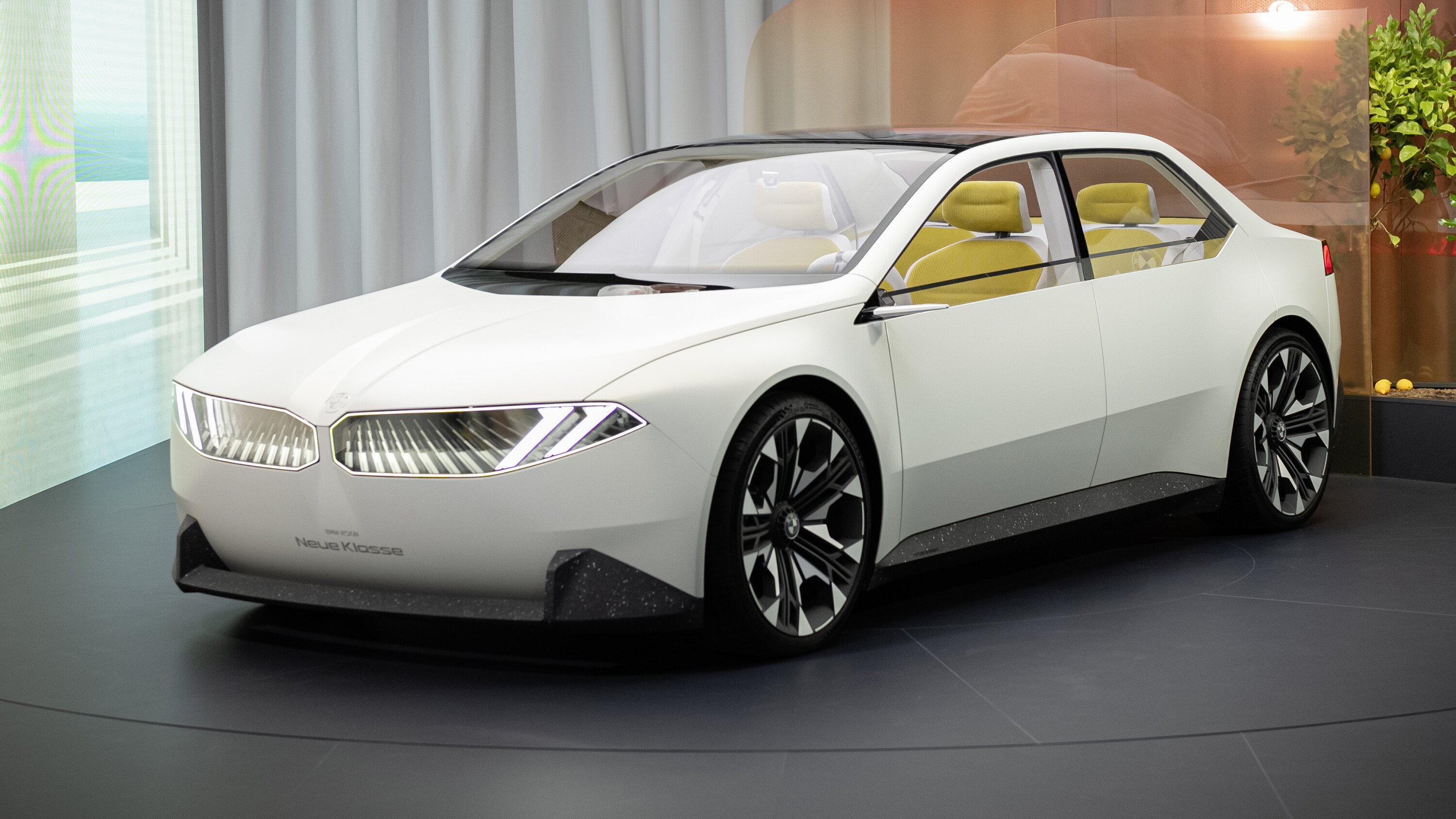
2
BMW’s model naming is a tad confusing at the moment.
With most of the brand’s second-gen EVs sharing platforms with combustion cars, the electric X3 is known as the iX3, and the China-market 3 Series EV is the i3, which is not related to the 2013 i3 hatch.
Over the next five years, BMW will streamline its model names while moving electric vehicles to its bespoke ground-up Neue Klasse platform for BEVs. Combustion-engined cars will live on with updates to existing underpinnings and powertrains.
With so much coming down the pipeline across a wide range of segments, we’ve distilled important BMW’s future models into one article, so read on to find out what your next Bimmer might look like.
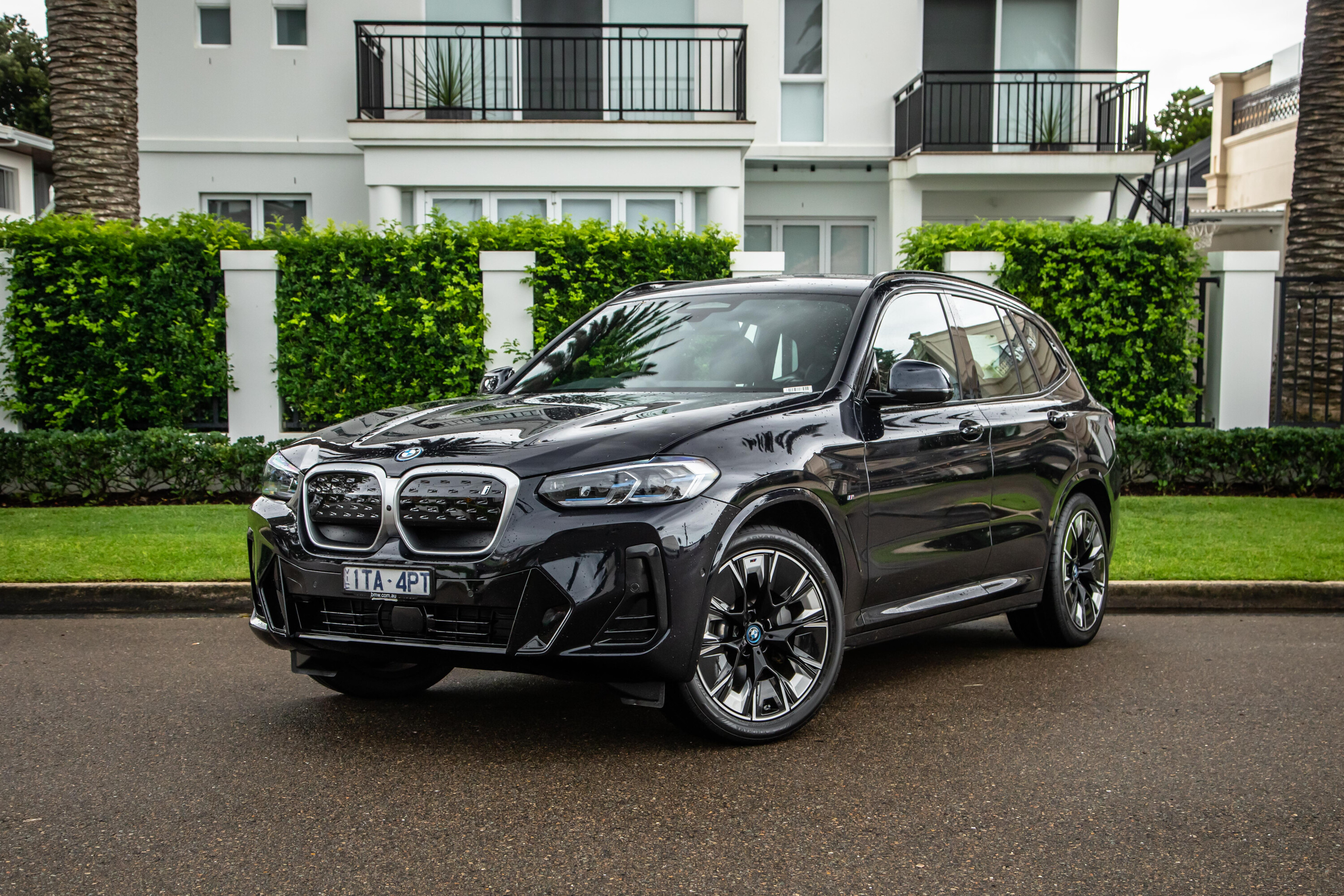
1
JUMP AHEAD
- 1 Series (F70)
- 3 Series and i3 (G50/NA0)
- iX3 and X3 (NA5/G45)
- M3 (G80 and future G84)
- M5 and M5 Touring (G90/G99)
- M EVs and ‘hand of god’
1 Series (F70)
With the current gen ‘F40’ available since 2019, the ‘F70’ due next year won’t be an entirely new generation.
It’s expected to carry over its UKL2 platform and basic engines with some fairly major styling revisions outside, and fresh technology within – likely similar to the X1’s airy cabin layout.
The F70 codename was revealed accidentally in an online M Performance parts catalogue earlier this year. The new 1 Series will probably be the first combustion BMW to drop ‘i’ from the end of petrol-engined variants; instead of the 118i it will be just 118. – the next step in differentiating ICE from EV models.
The 1 Series is expected to stay in production into the next decade, and in 2028 or 2029 a smaller Neue Klasse-based vehicle probably known as the i1 will arrive as the marque’s EV entry point.
3 Series and i3 (G50/NA0)
BMW’s most iconic nameplate looks set to live on another generation as a combustion / plug-in hybrid vehicle alongside the all-new Neue Klasse-based i3 sedan.
Documents leaked by BMW insiders suggest the next-gen 3 Series – chassis code G50 – will arrive with updated versions of BMW’s existing power plants, including petrol plug-in hybrids. There’s also likely to be another combustion M3 this decade.
But the bigger news is the all-electric i3 that’s expected to arrive in 2027 based on BMW’s brand-new ‘Neue Klasse’ architecture – and it will take a similar form to the eponymous concept revealed at September’s IAA mobility show in Munich.
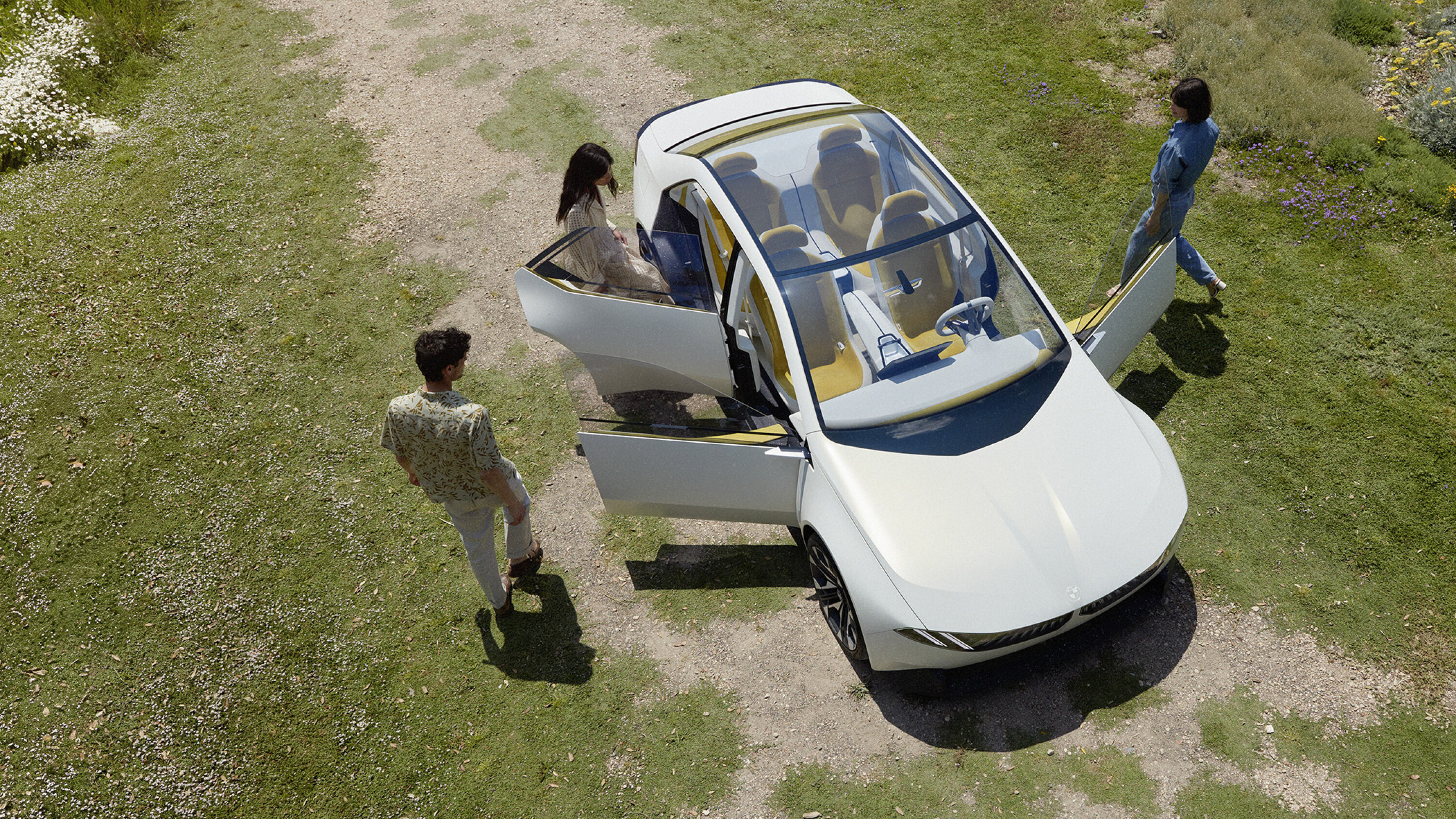
1
With an interior that’s airy and fresh featuring an augmented reality head-up display and crisp exterior designs that show off a new design direction inspired by models of the past, the new i3 will take BMW into its next era – hence the name ‘New Class’.
The concept runs deeper than batteries with up to 1000km range and new cabin direction. Underneath, the steel-alloy compound matrix is designed with easy recycling and repairability in mind in a nod to sustainability.
Expect multiple variants with different driving ranges, with rear-wheel drive on lower-end models and trick all-wheel drive with twin motors on top-end xDrive grades.
iX3 and X3
The X3 medium SUV will beat the 3 Series to the punch, due for refresh in 2024 in combustion guise to become the G45.
Like the 3 series, expect the X3 to continue with its CLAR underpinnings and existing four- and six-cylinder engines in revised form. Styling looks to be inspired by the smaller X1, with similar tail and headlight shapes and patterns. Inside, expect a similar treatment with a spacious and airy interior backed up by BMW’s latest iDrive system.
Following the G45, BMW is expected to debut the production version of its Neue Klasse platform beneath the iX3 ‘NA5’ – a sign of the SUV-dominant times. It’ll launch in Europe in early-mid 2026, with other markets to follow.
More connectivity, a spacious design, recyclable materials and sustainable production of the body and batteries will underpin BMW’s second foray into an electric medium SUV. We’d anticipate driving range over 500km and price of more than $120K locally.
M3 (G80 and G84)
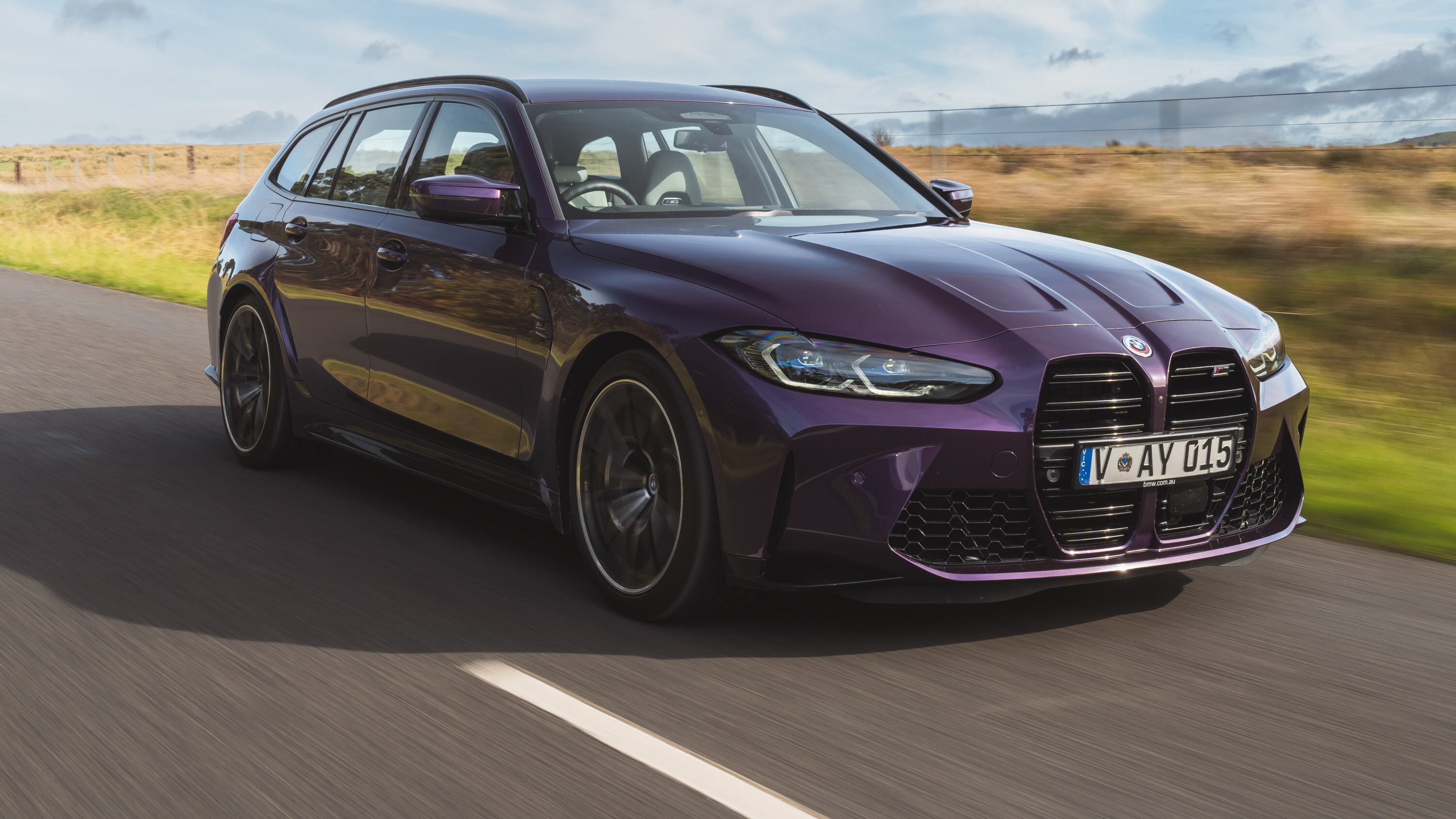
The M3 CS is confirmed for launch next year and there will be a Touring version, too. Both get a bit more grunt (up 30kW, now 405kW), stickier tyres, and sharper chassis.
However, we’re excited about the next generation of combustion-powered M3, probably arriving in 2027. Unnamed sources close to BMW indicate the current G80 and G81 M3s will get a heavy overhaul in around 2027, though not one significant enough to change their chassis codes drastically. Expect them to be known as the G84, or similar.
It may be a plug-in hybrid (and will use some form of electrification, such as mild-hybrid, at the least), but crucially the ‘S58’ 3.0-litre twin-turbo inline-six in the current vehicle has been developed with Euro 7 emissions standards in mind.
M Boss Frank van Meel told WhichCar that “the market is booming for six-cylinder inline engines,” adding that the layout is “probably going to be around for quite a while.” That’s good news for BMW M fans, then.
M5 and M5 Touring (G90 and G99)
These are the next M cars to launch, and the M5 Touring will be the first outing for the long-roofed 5 Series. It will become the third M5 wagon made by BMW and could become the first sold (officially) in Australia.
Powering the G90 and G99 will be a V8 petrol engine with a plug-in hybrid system – though it won’t be a rinse and repeat of the XM’s powertrain according to Autocar [↗]. Instead, the G90 will probably use a version of the F90’s ‘S63’ twin-turbo V8 powertrain and a large 19.4kWh lithium-ion battery.
With two extra cylinders than what AMG’s E63 rival will be packing, the BMW Bahnstormer is expected to develop around 590kW at all four wheels; full details are expected in 2024.
M electric vehicles with ‘hand of god’
There’s a lot of chatter about BMW’s future M products, with the brand trademarking ‘iM3’ within Europe in November 2023.
However, executives then denied that the M3 would ever go electric. Instead, expect an M version of the i3 sedan (with coupe and touring models possible) to be sold beside the combustion-powered M3 – though this could be a red herring in itself.
What we do know, is what the M division is targeting for its electric products, and that it hasn’t ruled out engaging tech such as the Hyundai Ioniq 5 N’s simulated sound and gearshift features for its products.
1
M has rightly said that it’s more about how the grunt is deployed to the wheels, rather than the total amount
As for targets, vehicles in testing can produce over 1000kW without too much trouble, the issue comes with cooling. After deploying so much grunt, the car needs time to reset – tuning the power back to a reasonable 745kW makes for longer running and more stable battery temperatures. And, to be fair, 745 kilowatts sounds like plenty for the road.
M has rightly said that it’s more about how the grunt is deployed to the wheels, rather than the total amount. It’s therefore combined powertrain and driving dynamics software into a single system, known as the ‘Heart of Joy’ that will work alongside the ‘Hand of God’ power control unit.
In plain English, we can expect the M Division’s electric cars to have the same brutish excitement and slideability as the current crop of combustion-engined models. Following the first electric M car, likely a 3 Series-sized model, we can expect an M version of the new X3 as well.
MORE
Everything BMW
The Subaru BRZ is officially the best-selling sports car in Australia, ending the Ford Mustang’s seven-year reign as No.1.
Subaru’s coupe registered 1573 units in total to put it on pole position in the 2023 sales race, with Ford’s famous pony car in second place with 1475 registrations.
Mustang sales ran out of gas in the last few months of 2023, with stock depleted ahead of the new, seven-generation model’s arrival in 2024. After the BRZ overtook it in November for year-to-date sales, it left the Mustang unable to respond.
While Mustang sales dropped 22 percent year on year, BRZ sales grew 35 percent.
BMW’s 2 Series grabbed the bronze medal with 1164 sales last year, up 74 percent and just 20 units ahead of the BRZ’s twin, the Toyota GR86.
For two other notable models in the Sports Cars Under $80K VFACTS category, there were 653 registrations for the Mazda MX-5 and 449 sales for the Nissan Z.
BMW’s larger sporty coupe (and convertible), the 4 Series, took honours in the Sports Cars Over $80K – pipping the Mercedes-Benz C-Class Coupe/Convertible by 858 units to 808.
In the Over $200K ‘Supercar’ category, the Porsche 911 reigned supreme again with 558 sales – albeit with the icon’s market share slipping from 47 to 41 percent.
Story to here: 5th December 2023
The Subaru BRZ is set to be crowned Australia’s best-selling sports car for the first time after overtaking the Ford Mustang in annual sales.
Ford’s famous ‘pony’ car has been unrivalled in the segment since the sixth-generation version had its first full year on sale in 2016.
With Mustang stocks virtually depleted with a new-generation model (pictured below) due in the second quarter of 2024, the BRZ overtook the Ford coupe/cabriolet in November.
Just nine Mustangs were registered last month compared with 117 units of the BRZ, moving the Subaru ahead in the year-to-date race by 1494 to 1470 sales.
Ford says there’s “literally just a handful” of outgoing Mustangs left in Australia, suggesting the BRZ can’t be caught with just December remaining.
BMW’s 2 Series is highly unlikely to catch the BRZ, trailing the BRZ and Mustang with 1066 sales so far in 2023.
Toyota’s twin to the BRZ, the GR 86, is the fourth most popular sports car with 1053 sales between January and November.
The 86 has traditionally outsold the BRZ since the nameplates were launched in 2012 and it was Australia’s best-selling sports car between 2013 and 2015, before the arrival of the Mustang.
The BRZ outsold the 86 in 2022 – the year both models were released in second-generation guise – though the Subaru launched several months earlier.
In 2024 the BRZ range will add a new ‘tS’ (tuned by STI) variant.
The Australian new car market posted its best yearly result ever in 2023, as supply caught up with demand in a record-breaking second half.
According to official new-car sales results from the Federal Chamber of Automobile Industries (FCAI), 98,544 vehicles were registered in December for a cumulative total of 1,216,780 vehicles in 2023 – beating the previous annual record of 1,189,166 cars in 2017.
Top-selling brand Toyota sold 19,281 vehicles in December, followed by Ford (9826) and Mazda (6765) in second and third place.
The Ford Ranger took first place with 7767 units – an all-time monthly sales record for the nameplate – providing the ammunition to end the Toyota HiLux’s seven-year run as Australia’s top-selling vehicle.
In 2023, 63,356 examples of the Ford Ranger were sold in Australia, compared to 61,111 Toyota HiLuxes.
New South Wales registered the most vehicles with 28,675 sales, ahead of Victoria and Queensland with 27,508 and 21,188 sales, respectively.
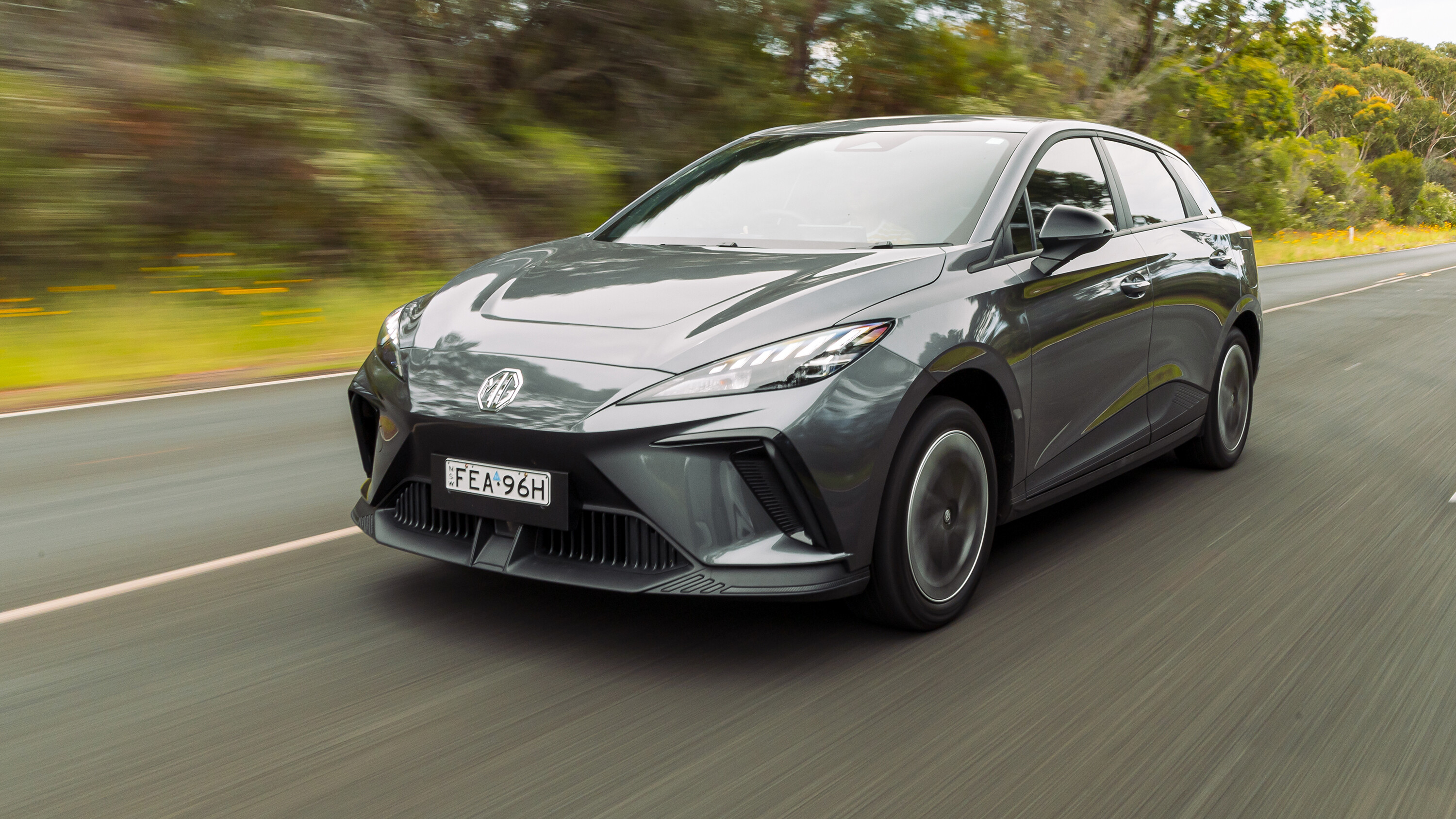
1
Western Australia (9850), South Australia (7135), Tasmania (2105), the ACT (1340), and the Northern Territory (743) followed.
The Federal Chamber of Automotive Industries said the record-breaking environment reflected the competitive nature of Australia’s new-car market.
“This extraordinary result is a testament to the adaptability and resilience of both industry players and consumers alike. Despite the supply chain disruptions faced in recent times, consumers now have greater access to a broad range of choices, fostering increased accessibility in the market,” said FCAI chief executive Tony Weber.
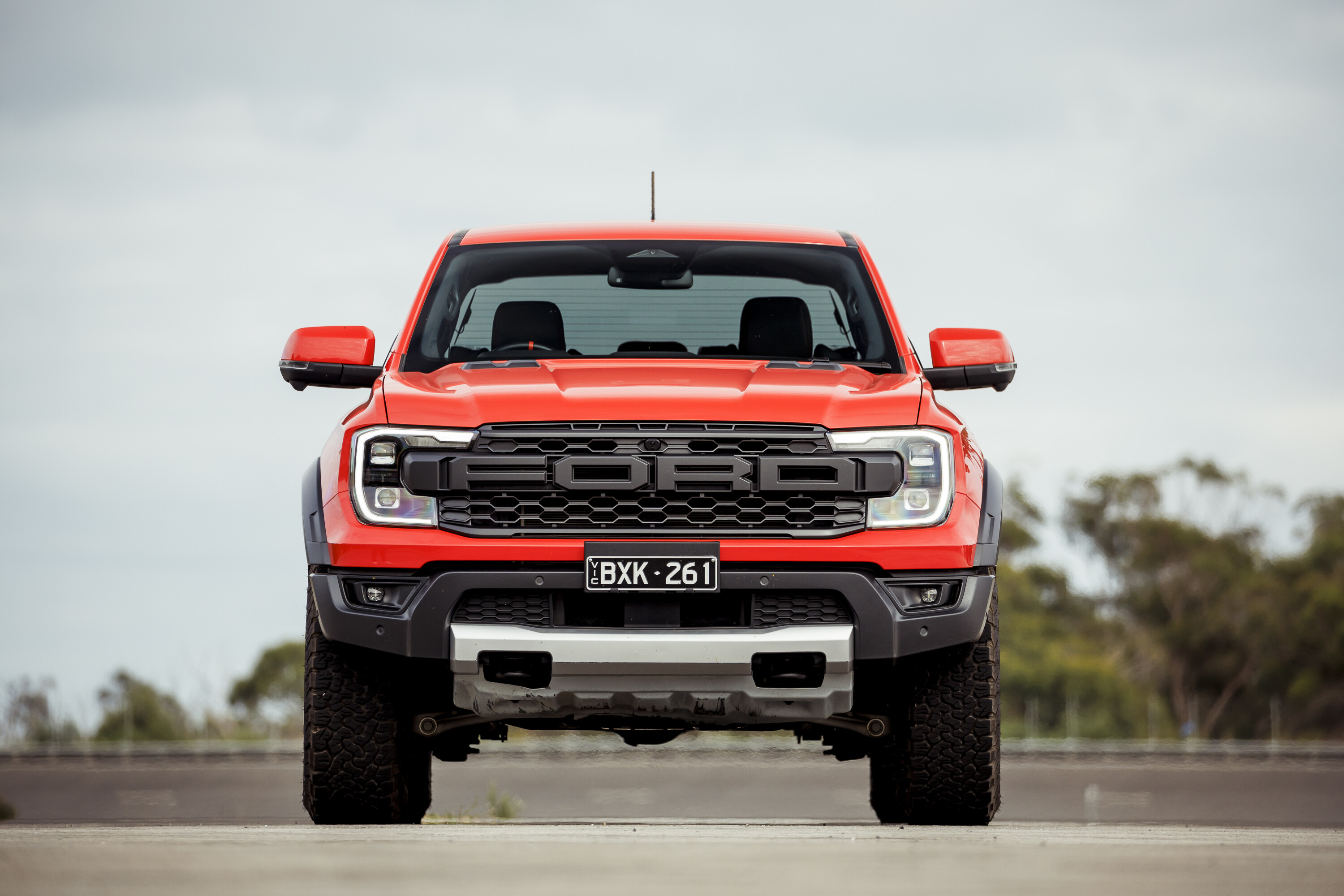
1
“This is a tremendously exciting time for the industry. Consumers have a wide choice of vehicles available to meet their work, recreation and family needs that come equipped with the latest advancements in engine technology, safety features and advanced driving, navigation and entertainment aids.
“As we celebrate this historic achievement, we recognise that the automotive sector will face challenges in the coming months. Cost-of-living pressures and increased interest rates will impact the market, and we anticipate a challenging 2024.”
The FCAI said it is is “optimistic” that the Federal Government will introduce its promised Fuel Efficiency Standard in 2024 to assist in reducing emissions.
However, it warned that the standard needs to maintain “availability and affordability of products across all market segments” in order for it to be successful.
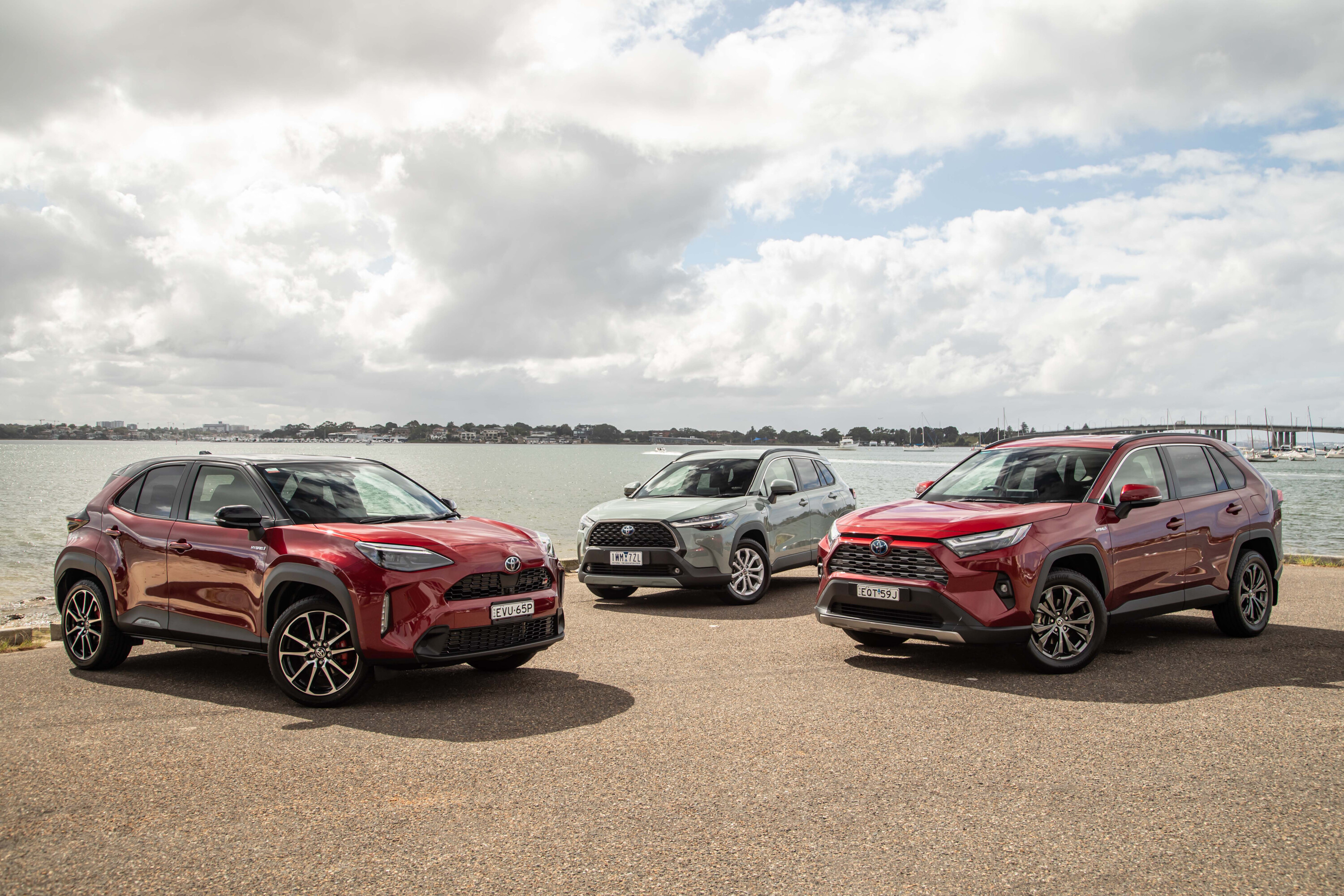
1
“For more than a decade, the FCAI has been encouraging Governments to introduce a Fuel Efficiency Standard. Now we have the process underway it’s critical that the Federal government takes time the to get it right. That is essential for environmental outcomes and for consumers,” said Mr Weber.
“The FCAI will continue its work with governments and other industry stakeholders during 2024 to manage a broad range of issues ranging from emissions standards, environmental impacts, logistics and supply chains, taxation, vehicle safety, data use and recharging infrastructure.”
JUMP AHEAD
- Top 10 models
- Top 10 brands
- Sales by segment
- Sales by fuel type
- Sales by country of origin
- Sales in charts
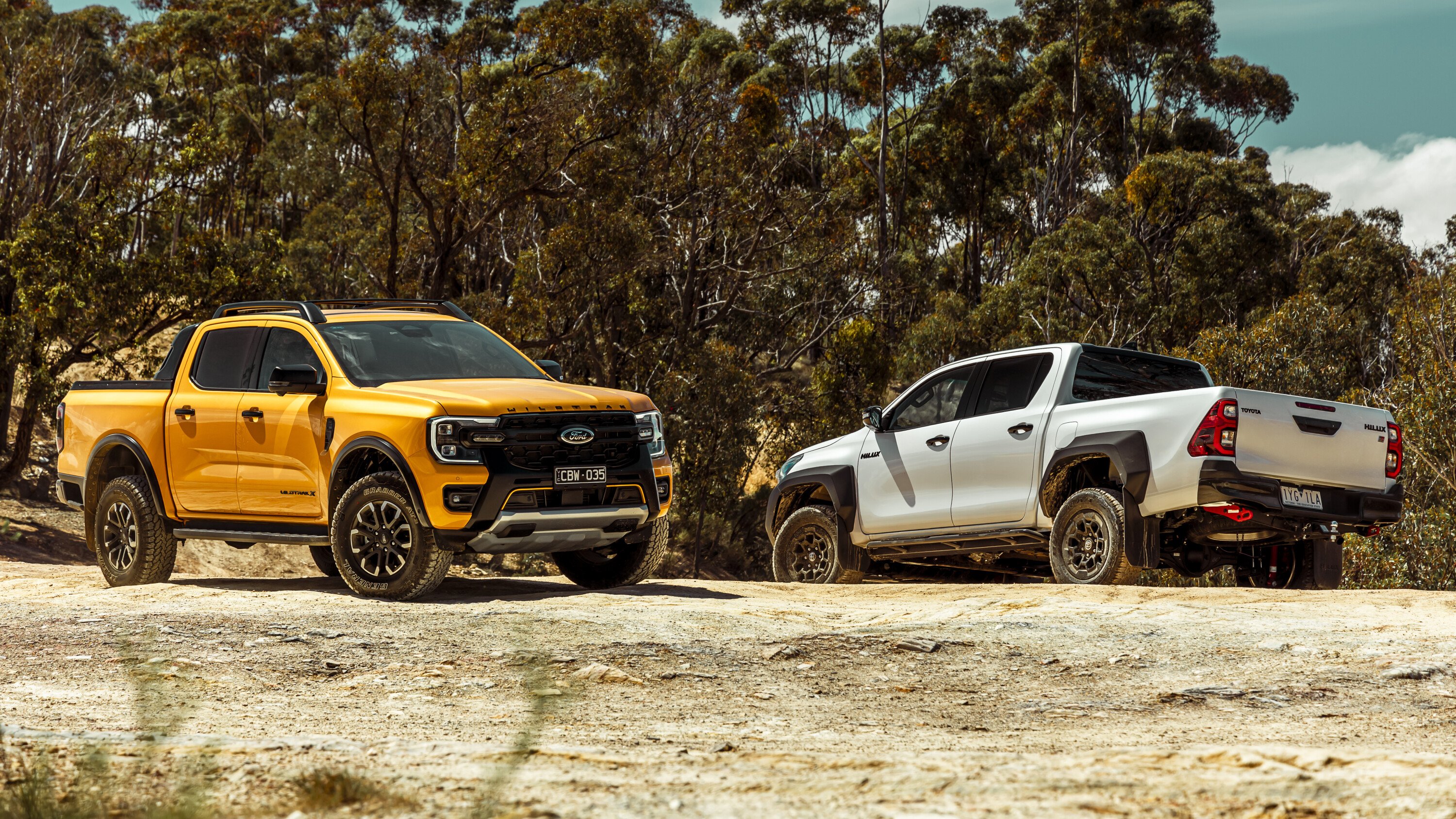
1
? Australia’s top 10 cars for December 2023
Ups and downs ⬆️ + ⬇️
The neck-and-neck race between the Ford Ranger and Toyota HiLux dominated headlines in 2023, with a strong lead for the Ford in December enabling it to become the nation’s top-selling vehicle.
In first place, the Ranger recorded 7767 sales – up 67% from December 2022 – with the Toyota HiLux following with 5143 units, up 20% from last year.
The Isuzu D-Max took third with 2833 sales followed by the soon-to-be-replaced Toyota LandCruiser Prado in fourth place (2475).
The RAV4 placed fifth (2192), followed by the Corolla (1888), Mitsubishi Outlander (1882), and Kia Sportage (1546)
1
? Australia’s top 10 car brands for December 2023
Ups and downs ? + ?
Toyota recorded 19,281 sales (▲ from 19,281 in December 2022). In 2023, the Japanese brand sold 215,240 vehicles (down 7% from 2022), representing 17.7% of the market.
Ford finished second with 9826 sales (▲ from 6165) due to strong Ranger and Everest demand, while Mazda trailed behind in third place with 6765 sales (▼ from 8500).
Kia, in fourth, recorded 5583 sales in December (▼ from 5630), while Mitsubishi placed fifth with 5134 sales (▲ from 4927).
Hyundai followed in sixth with 4887 sales (▲ from 4434), while Isuzu Ute placed seventh with 3987 sales (▲ from 2505) and GWM-Haval, in eighth, recorded 3862 sales (▲ from 3295)
MG placed ninth with 3834 sales (▼ from 5194), and Subaru, in tenth, sold 3623 vehicles (▼ from 4071).
1
1

1
1
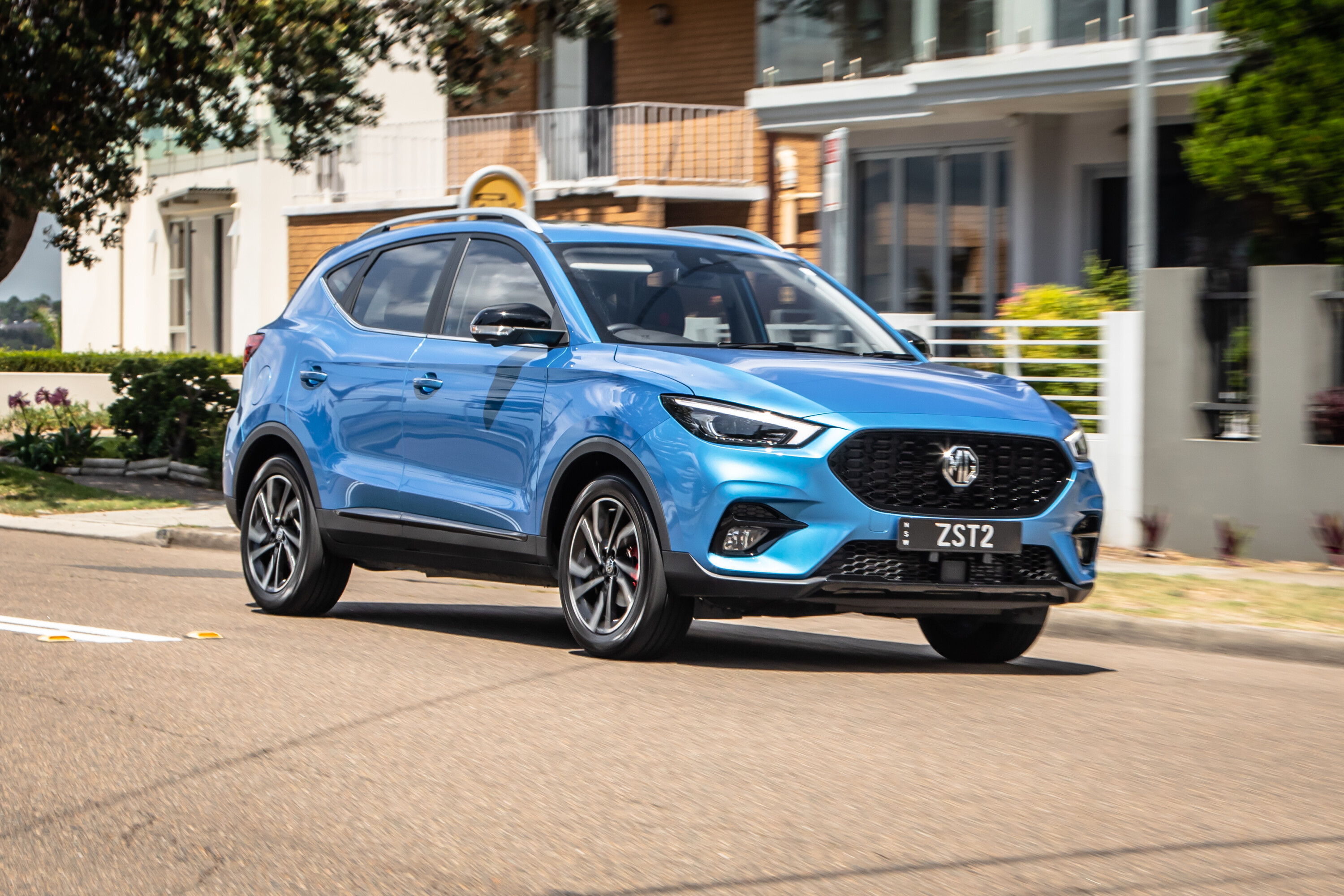
1
In charts ?
December 2023 – Top 20 models
December 2023 – Top 10 brands
December 2023 – Overall segment sales
December 2023 – Category sales
December 2023 – Sales map
December 2023 – Buyer type
December 2023 – Ranger vs HiLux sales race
December 2023 – sales race
MORE
All VFACTS stories
The Ford Ranger has become Australia’s best-selling vehicle after ending the Toyota HiLux’s seven-year run as number-one.
Ford’s ute trailed its arch-rival by just 379 units by the end of November and a massive 7767 registrations in December ensured it comfortably overtook the HiLux, which had 5143 registrations last month.
Ranger sales totalled 63,356 for 2023 versus 61,111 for the HiLux, making the ute the first Ford sales champion in Australia since the Falcon in 1995.
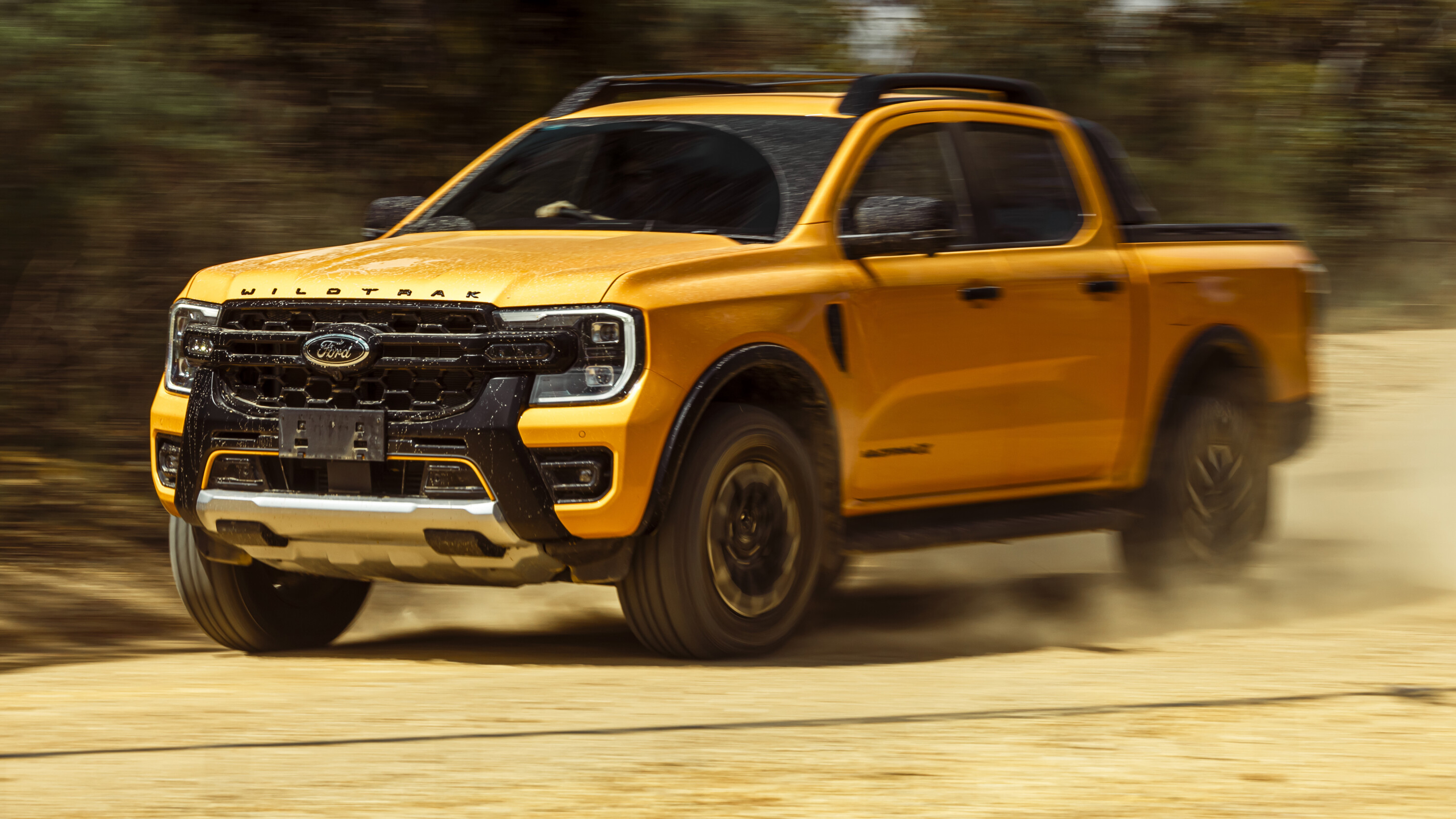
1
4×4 versions of the Ranger proved to be its trump card. While it trailed the HiLux in 4×2 sales by more than 7000 units (5095 v 12,116), its 4WD models nearly outscored the equivalent HiLux models by nearly 10,000 units (58,261 v 48,995).
Successive record months for the Ranger helped, with December’s tally beating November’s 6301 units by nearly 1500.
Ranger sales grew exactly by a third (33%) year on year. In contrast, the HiLux’s annual sales slipped by five per cent compared with 2022.
“There are so many people who play a role in the success of a vehicle,” said Ford Australia president and CEO Andrew Birkic.
“For Ranger, that’s our team of designers, engineers and everyone at Ford who pours their passion into making the vehicle what it is, our dealers who are passionate about serving their customers and communities, and ultimately our Ranger customers whose passion for their vehicle is what gets us up in the morning.
1
“This number one spot is thanks to the combined passion of all these people. Without any one of them, Ranger wouldn’t be where it is today.”
The Ranger’s success came in a record year for Australia new-car sales, which surpassed 1.2 million units for the first time thanks to supply starting to catch up with demand after major chip shortages.
The locally designed and developed Ranger did have the advantage of being the much newer vehicle, having launched in the second half of 2022 in latest-generation form.
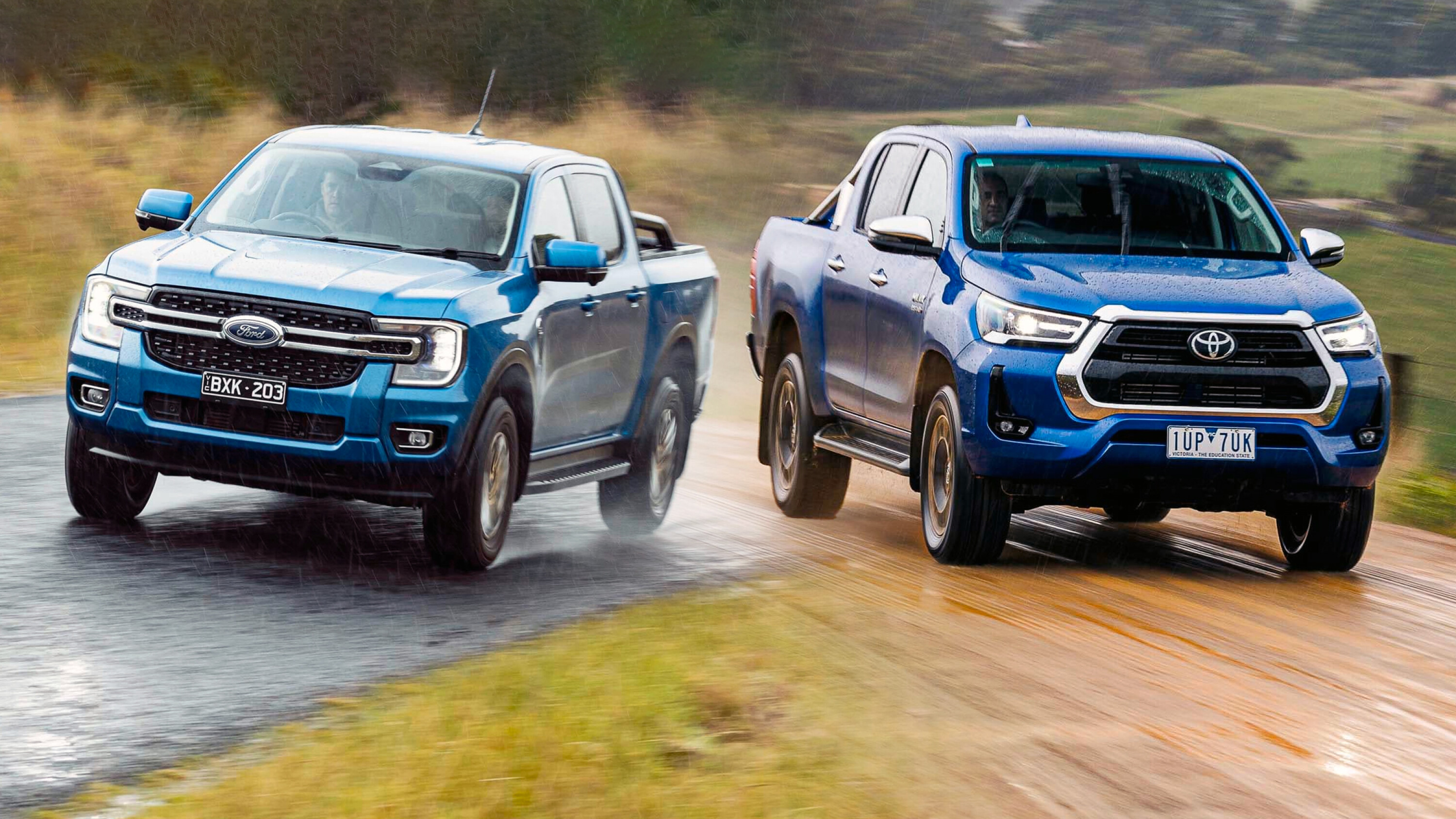
1
The current HiLux has been around since 2015, albeit with significant updates over the years, including new variants such as the GR Sport (pictured above), with a new-generation HiLux not expected until 2025.
The HiLux became the first commercial vehicle to be the nation’s favourite car in 2016. The Ranger has been the sales bridesmaid since 2017, and ran the HiLux close in 2021 before being thrashed in 2022.
“Ranger is an excellent vehicle and Ford is a strong competitor. There’s no doubt in the world that we would have liked to have made it eight years in a row as the number one vehicle, but it wasn’t to be and we never take anything for granted in the most competitive market in the world,” said Toyota Australia’s sales and marketing boss Sean Hanley.
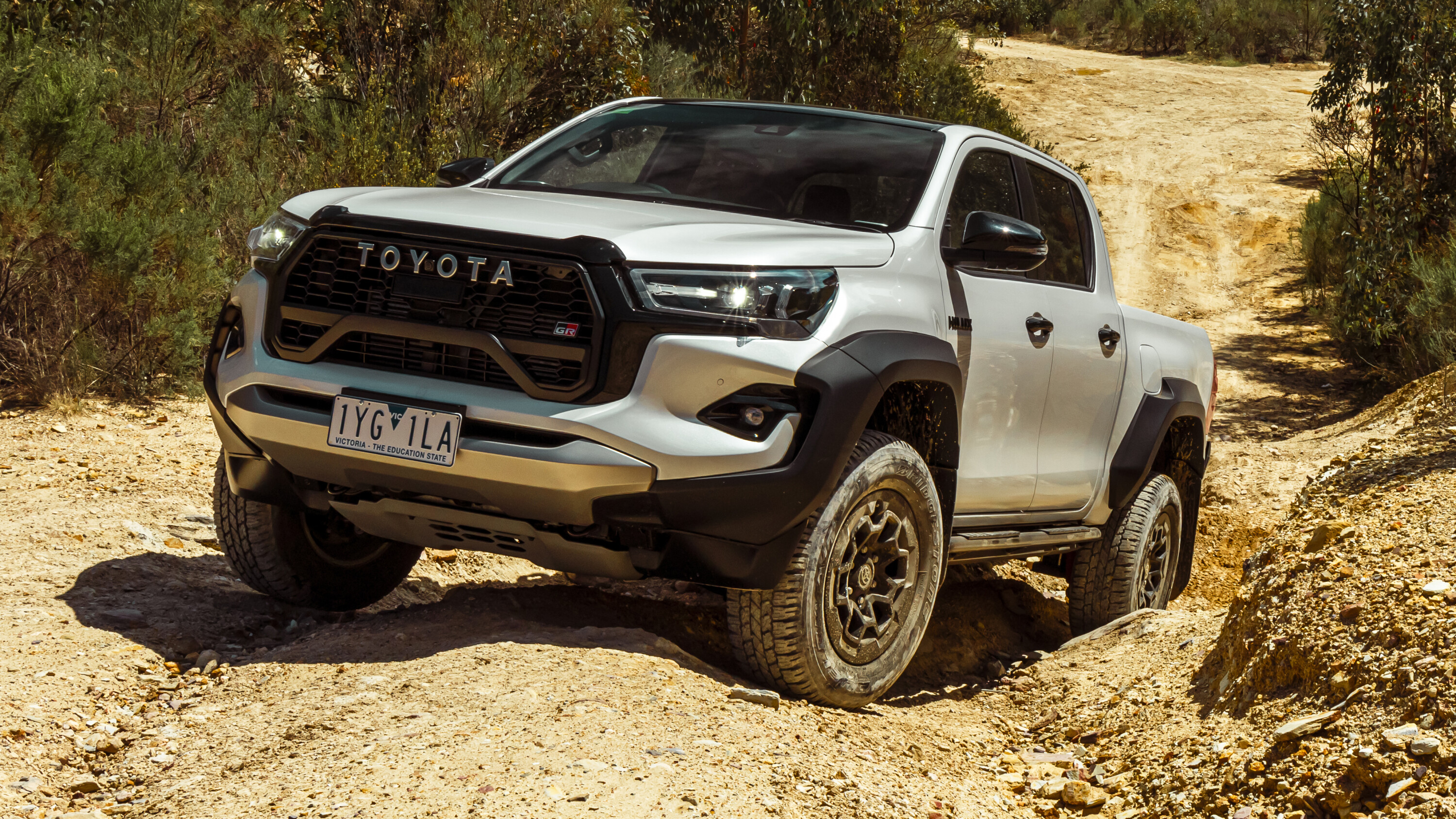
1
“On behalf of Toyota, I extend our congratulations to Ford and their dealers on a great result.”
Hanley also pointed out that while the Ranger is Australia’s top-selling vehicle overall, the HiLux still leads in certain parts of the nation.
“It’s now been the top seller in the Northern Territory for the past 23 years, in Queensland for 17 years straight, in Western Australia, 16 years in a row and in South Australia, each of the past three years – quite incredible when you look at that vehicle and its lifecycle timing,” he said.
“These figures highlight the unbreakable connection Australians have with HiLux. It’s quite incredible and we do wish to extend our thanks to the very loyal HiLux customers for their commitment to our brand and ongoing loyalty.”
BYD has overtaken Tesla in electric vehicle sales for the first time in a quarter, closing the gap to the world’s leading EV producer.
China’s BYD – for Build Your Dreams – registered 526,000 battery electric vehicle (BEV) sales in the last three months of 2023, pushing it clear of Tesla’s 484,500 units for the same period.
The majority of BYD’s sales remain in China where it is the number one car maker, though its exports grew by 334 percent in 2023 – to 242,765 units, spread across 70 countries including Australia.
1
BYD sold more than three million vehicles globally last year, though almost half of that total – 1.4 million – comprises plug-in hybrid vehicles.
With about 1.6 million BEV sales, it wasn’t enough to ursurp Tesla, which registered 1.84m sales in 2023 to maintain its status as the global king of EV sales.
That fell short of the 2m figure Tesla CEO Elon Musk had suggested was possible in late 2022.
1
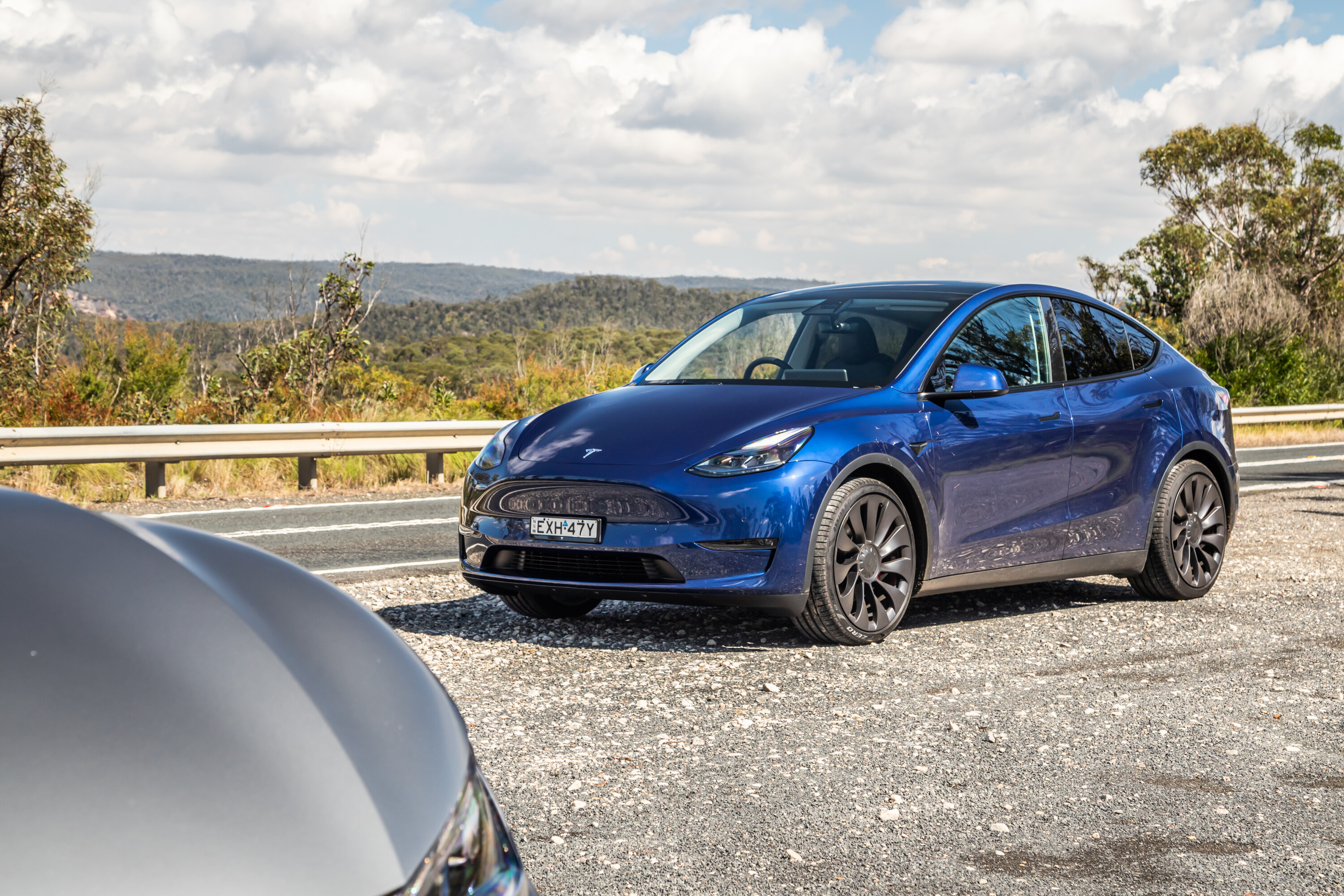
Tesla had kept pricing low for its two primary offerings, the Model 3 sedan and Model Y SUV (pictured above) – and was especially active with incentives in the US ahead of an end for federal tax credits for EVs.
BYD’s aggressive international growth push could hit a hurdle in Europe, where the European Commission has initiated an anti-subsidy investigation into Chinese imports.
BYD has emerged as Tesla’s biggest rival in Australia, though sales were still about a quarter of the US brand’s total up to November 2023.
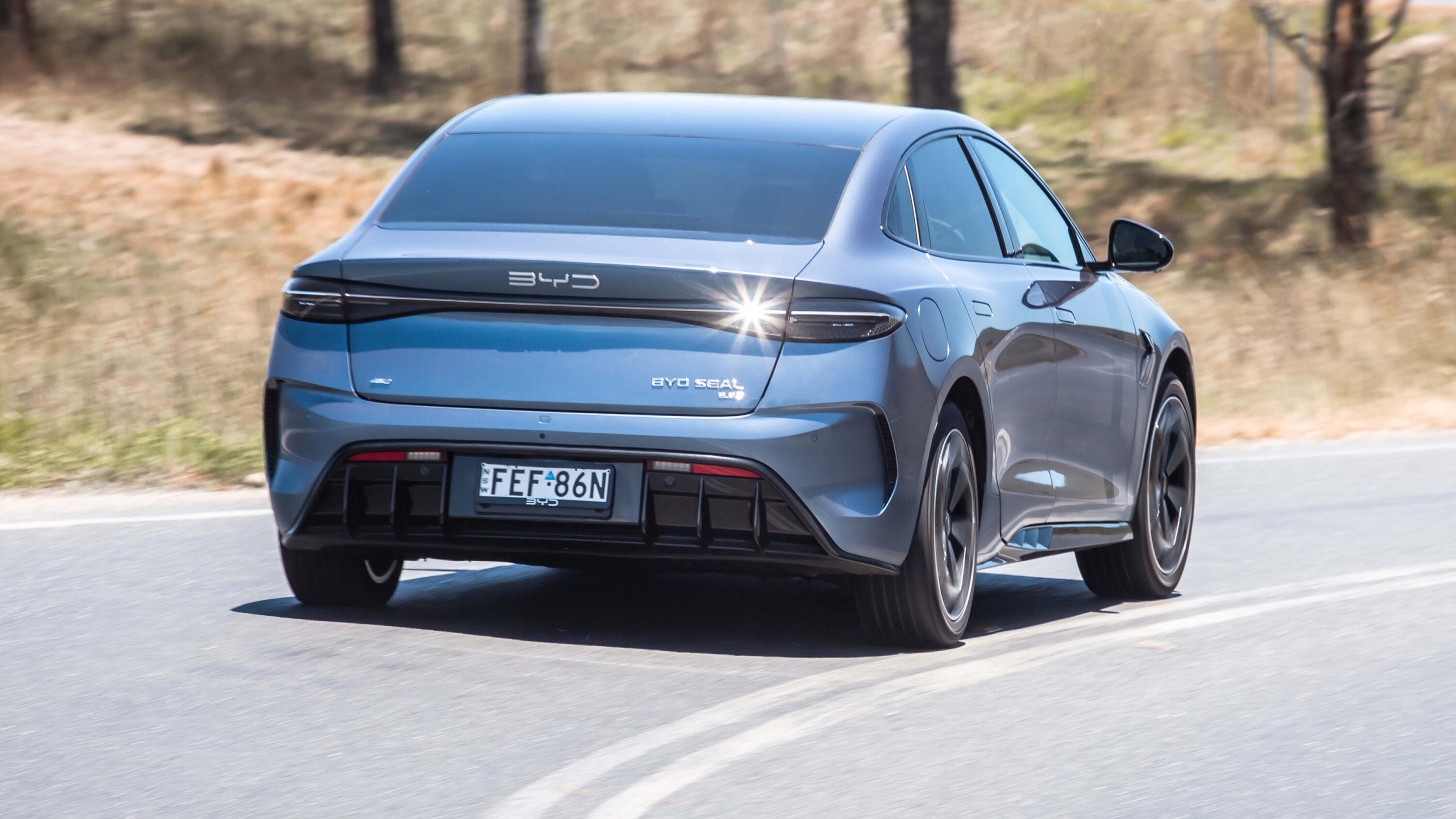
The BYD Seal sedan – a cheaper direct rival to the Model 3 – was only released right at the end of 2023, joining the Atto 3 SUV and Dolphin hatch.
MORE
Everything BYD
MORE
Everything Tesla
September 13: PHEV joins range as final member of Sorento family
January 25: New-look Sorento driven in Australia
January 4: 2024 Kia Sorento pricing announced
The facelifted 2024 Kia Sorento large SUV has launched in Australia.
Snapshot
- 2024 Kia Sorento pricing and features: Full Australian details
- Mid-life update sees facelifted design, plus more tech and standard equipment
- Price rises of up to $3580, PHEV now caps range at $84K
Available in the same four grades – S, Sport, Sport+, and GT-Line – pricing for the updated Sorento has increased by up to $3580, with additional standard equipment and a more premium cabin design to offset the price hike.
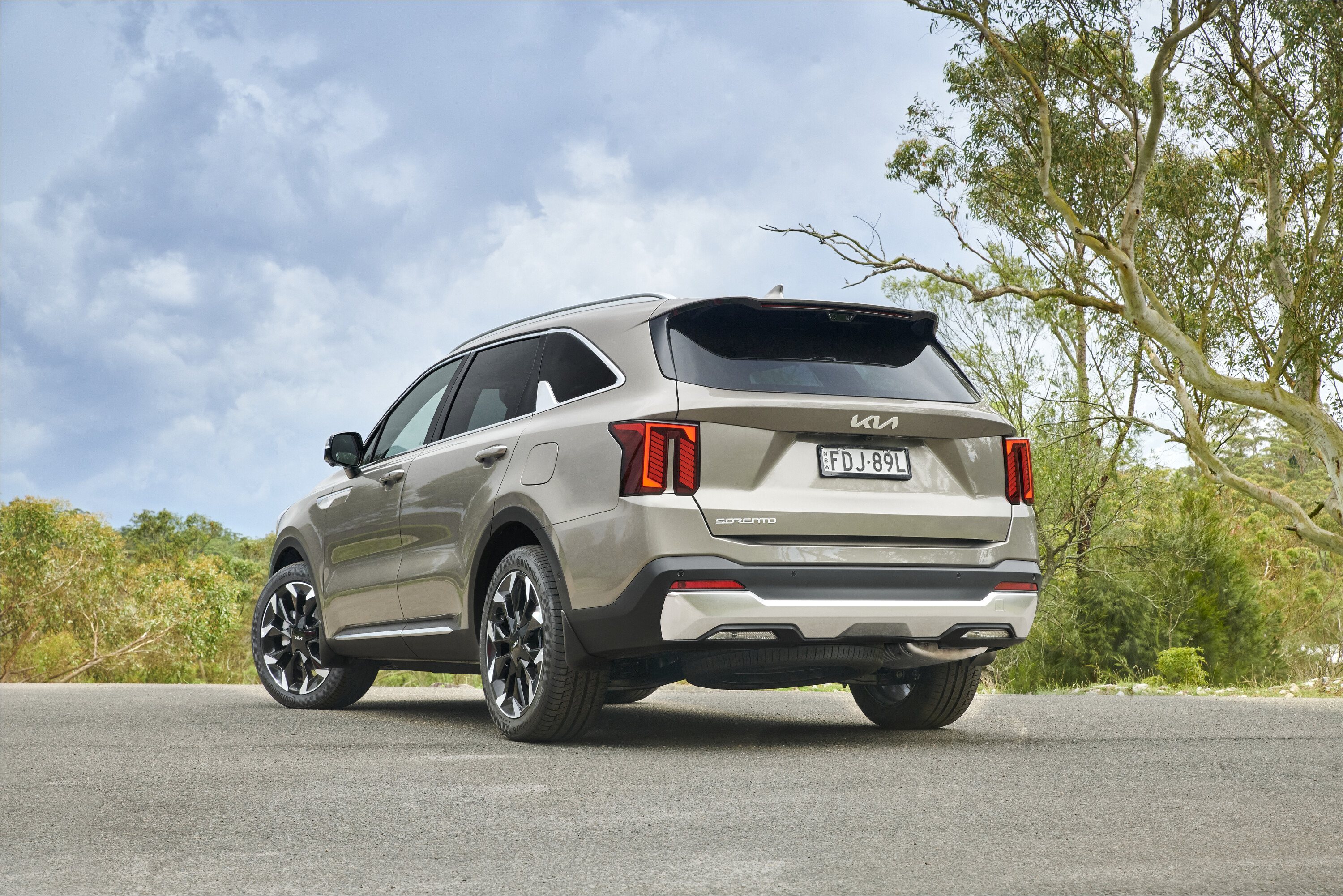
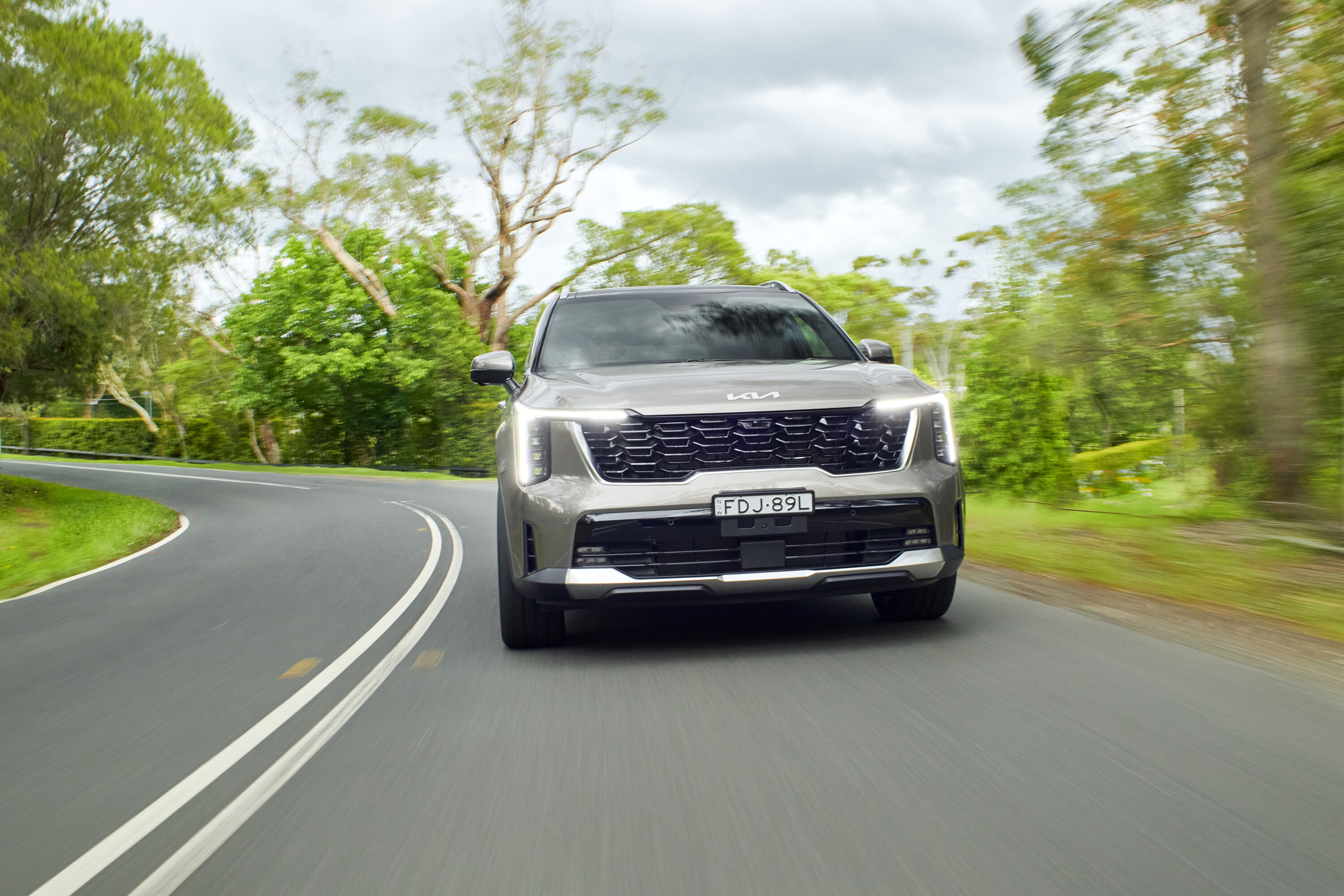
The latest Sorento features a new front design inspired by the larger EV9 and Telluride models with redesigned vertical headlights, a revised grille, a new lower rear bumper, updated tail-lights, and ‘signature star map’ daytime running lamps.
Two new exterior colours, cityscape grey and volcanic sand brown, are now available in Australia.
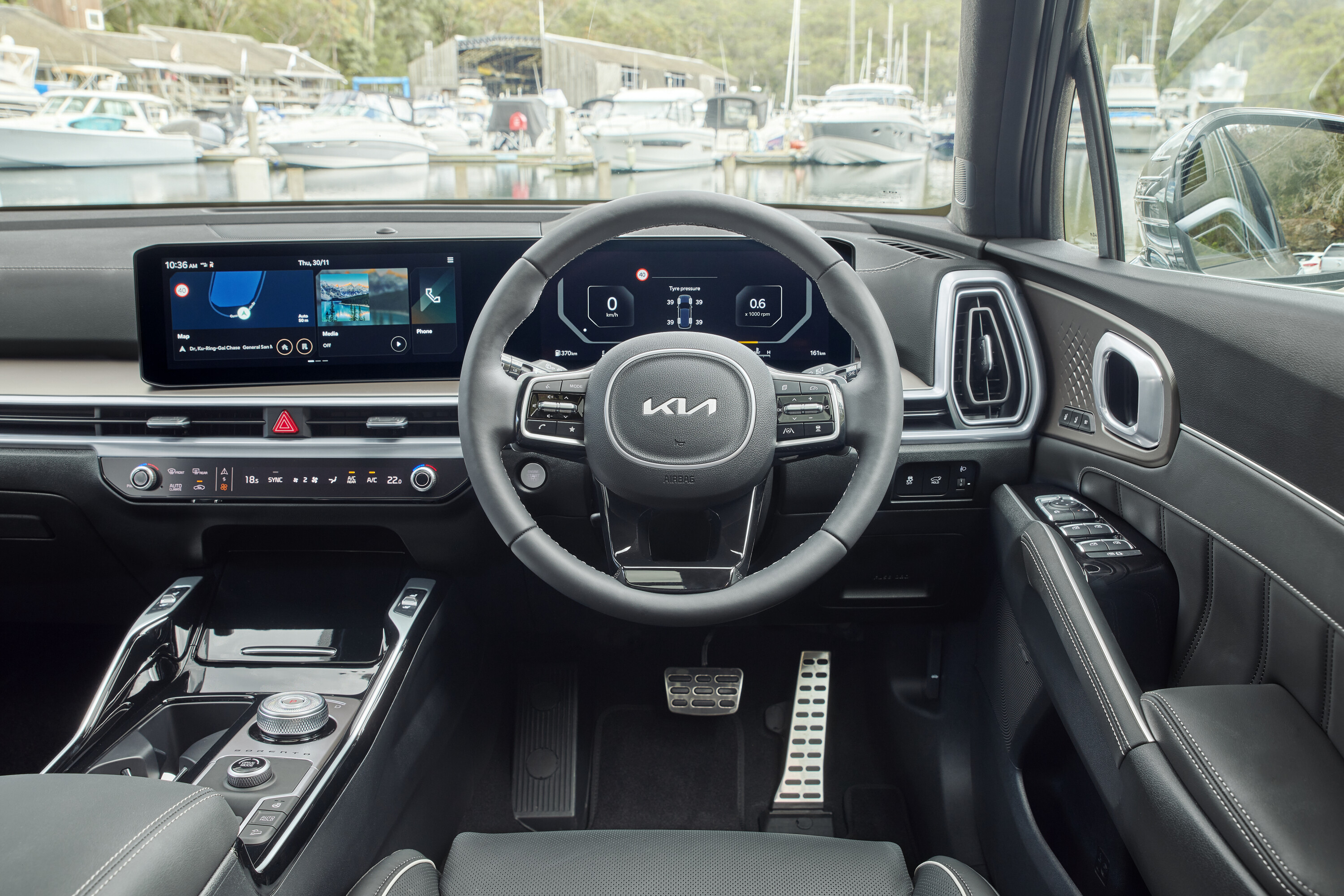
Changes inside the car are more extensive, with a curved, single-piece ‘panoramic’ display for the infotainment system and digital instrument cluster, replacing the current hooded cluster.
The infotainment system runs the Hyundai-Kia Group’s latest CCNC software, which adds wireless Apple CarPlay and Android Auto and over-the-air software updates for all variants.
1
Kia Connect connected-car technology is now available in the Sorento in Australia, and unlike base versions of the Seltos and Niro, it is available on the Sorento S without built-in satellite navigation.
Kia has redesigned the Sorento’s dashboard to accommodate the curved display unit, with slimmer, horizontal air-conditioning vents and a touch panel for the climate and audio controls, borrowed from Sportage and EV6.
The Sorento S now features a larger 12.3-inch CCNC curved infotainment system, a shift-by-wire gear selector, paddle shifters, front USB-C ports, a 4.2-inch instrument cluster display with digitised speed/tachometer, and keyless entry with push-button start.
1
Sport variants and above add Highway Driving Assist lane-centring to keep the vehicle within its lane when travelling on motorways and freeways, including when driving through a curve.
The GT-Line comes with LED projector-beam matrix headlights, a digital rear-view mirror, side parking sensors, a more advanced safe exit assist system, black suede headlining, and new 20-inch alloy wheels over last year’s model.
The 2024 Kia Sorento is available in petrol V6 FWD and four-cylinder diesel AWD form as pure-combustion versions, with two hybrid variants in the form of a conventional petrol-electric and a petrol-electric plug-in hybrid.
UPDATE, January 5: Australian timing confirmed for facelifted Kia Sorento hybrids
“HEV and PHEV variants will be arriving during the first half of 2024, with specification details and pricing announced in due course,” said Kia Australia, confirming the electrified variants will remain limited to the top-of-the-range GT-Line.
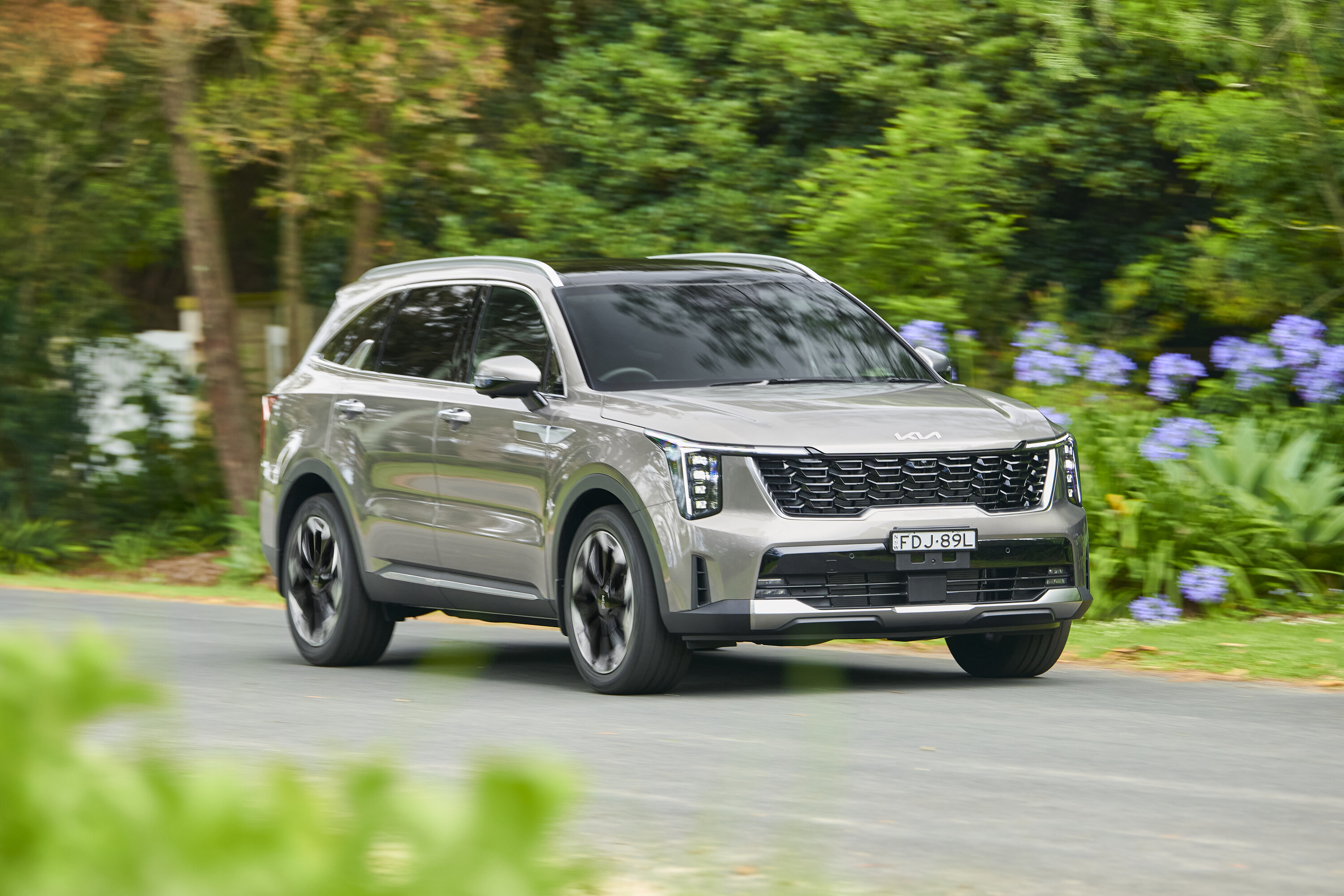
1
JUMP AHEAD
- 2024 Kia Sorento pricing
- 2024 Kia Sorento features
- 2024 Kia Sorento colours
- Engine, drivetrain, and fuel economy
- Safety
- Dimensions
- Warranty and servicing
- Availability
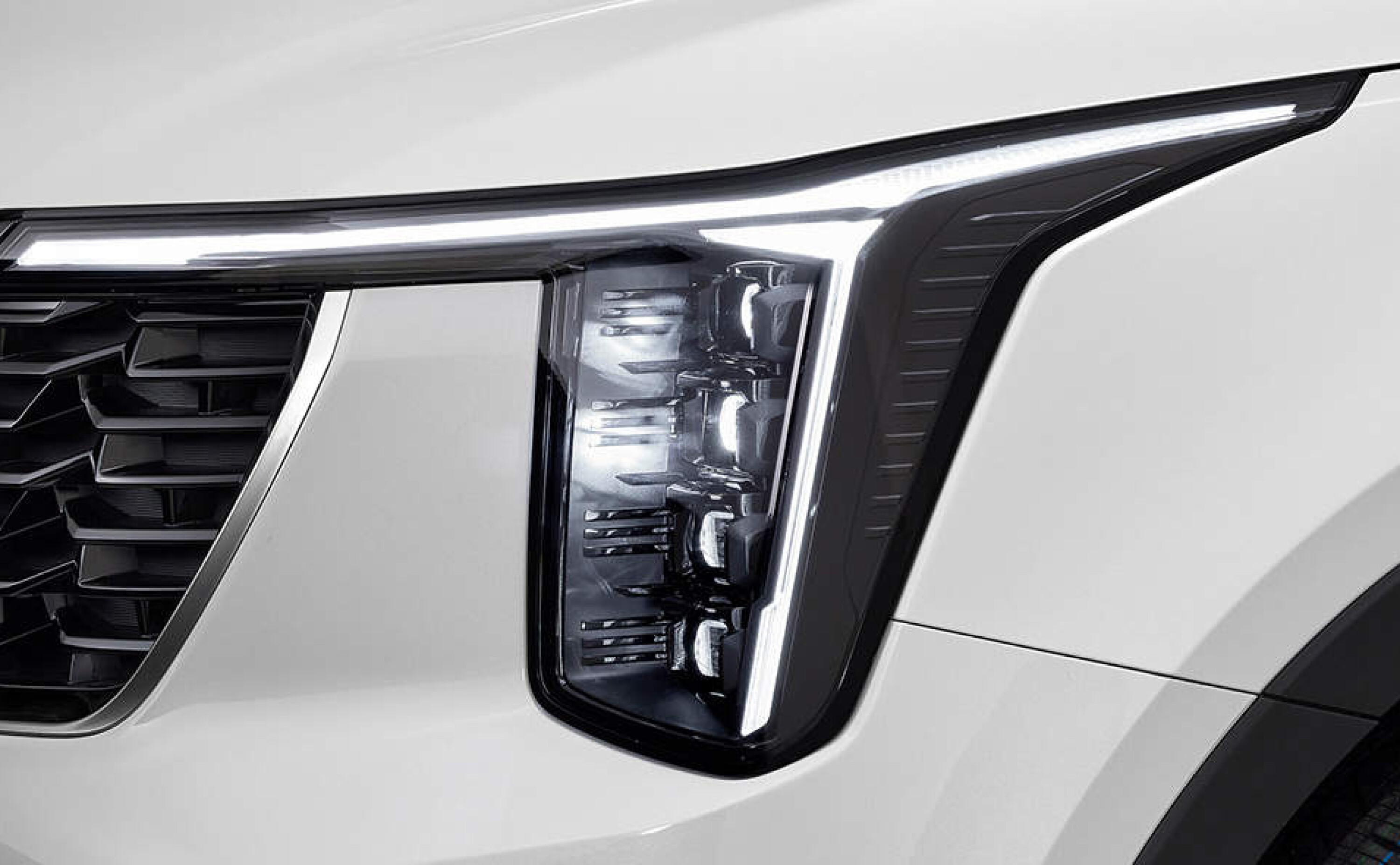
1
2024 Kia Sorento pricing
Prices exclude on-road costs.
1
2024 Kia Sorento features
| 2024 Kia Sorento S features | |
|---|---|
| 12.3-inch CCNC curved infotainment system (new) | 17-inch alloy wheels |
| Kia Connect service (new) | Wireless or wired Apple CarPlay and Android Auto |
| Over-the-air software updates (new) | DAB+ digital radio |
| Built-in voice recognition (new) | Manual air conditioning |
| Seven-speaker audio system (up from six) | Front and rear parking sensors |
| Shift-by-wire gear selector (new) | LED reflector-beam headlights and LED daytime running lights |
| Front USB-C ports (new) | Black cloth upholstery |
| 4.2-inch instrument cluster display with digitised speed/tachometer (new) | Six-way manual driveru2019s seat |
| Keyless entry and push-button start (new) | One-touch flat-folding second-row seats |
| Body-coloured door handles with satin accents (new) | Auto-folding side mirrors |
| Paddle shifters (new) | Full-size alloy spare wheel |
| Tyre pressure monitoring (new) | |
2024 Kia Sorento Sport features
| In addition to S | |
|---|---|
| Highway driving assist (new) | Third-row fan control and air vents |
| 18-inch alloy wheels | Auto-dimming rear-view mirror |
| Connected satellite navigation | Rear privacy glass |
| Dual-zone climate control | Sliding front passenger sunvisor |
| 10-way power-adjustable driveru2019s seat with two-way lumbar support | |
2024 Kia Sorento Sport+ features
| In addition to Sport | |
|---|---|
| 19-inch alloy wheels | Heated door mirrors |
| Second- and third-row USB ports (now USB-C) | Hands-free electric tailgate |
| 12-speaker Bose audio system | Gloss-black centre console trim |
| Black leather upholstery | Rear privacy glass |
| Heated front seats | Illuminated front exterior door handles |
| Heated steering wheel | Aero-blade front wipers |
| LED tail-lights | Auto up/down for all windows |
| Built-in second-row sunshade blind | Alloy door scruff panels |
2024 Kia Sorento GT-Line features
| In addition to Sport+ | |
|---|---|
| LED projector-beam matrix headlights (new) | Electronic child safety lock |
| Digital rear-view mirror (new) | 14-way power-adjustable driveru2019s seat with four-way lumbar support, cushion extension, and two-position memory |
| Side parking sensors (new) | 10-way power-adjustable passenger seatu00a0 |
| Safe exit assist (new) | Ventilated front seats |
| Black suede headlining (new) | Heated outer second-row seats |
| 20-inch alloy wheels (new design) | Opening panoramic sunroof |
| 12.3-inch full-digital instrument cluster | Alloy sports pedals |
| Black quilted Nappa leather upholstery | Remote smart parking assist |
| Colour head-up display | In-car passenger intercom |
| 64-colour configurable interior ambient lighting | Side mirrors with auto-dipping on reverse function |
| 360-degree camera system | LED overhead cabin lighting |
| Reverse autonomous emergency braking | Luggage net |
| Blind-spot view monitor | |
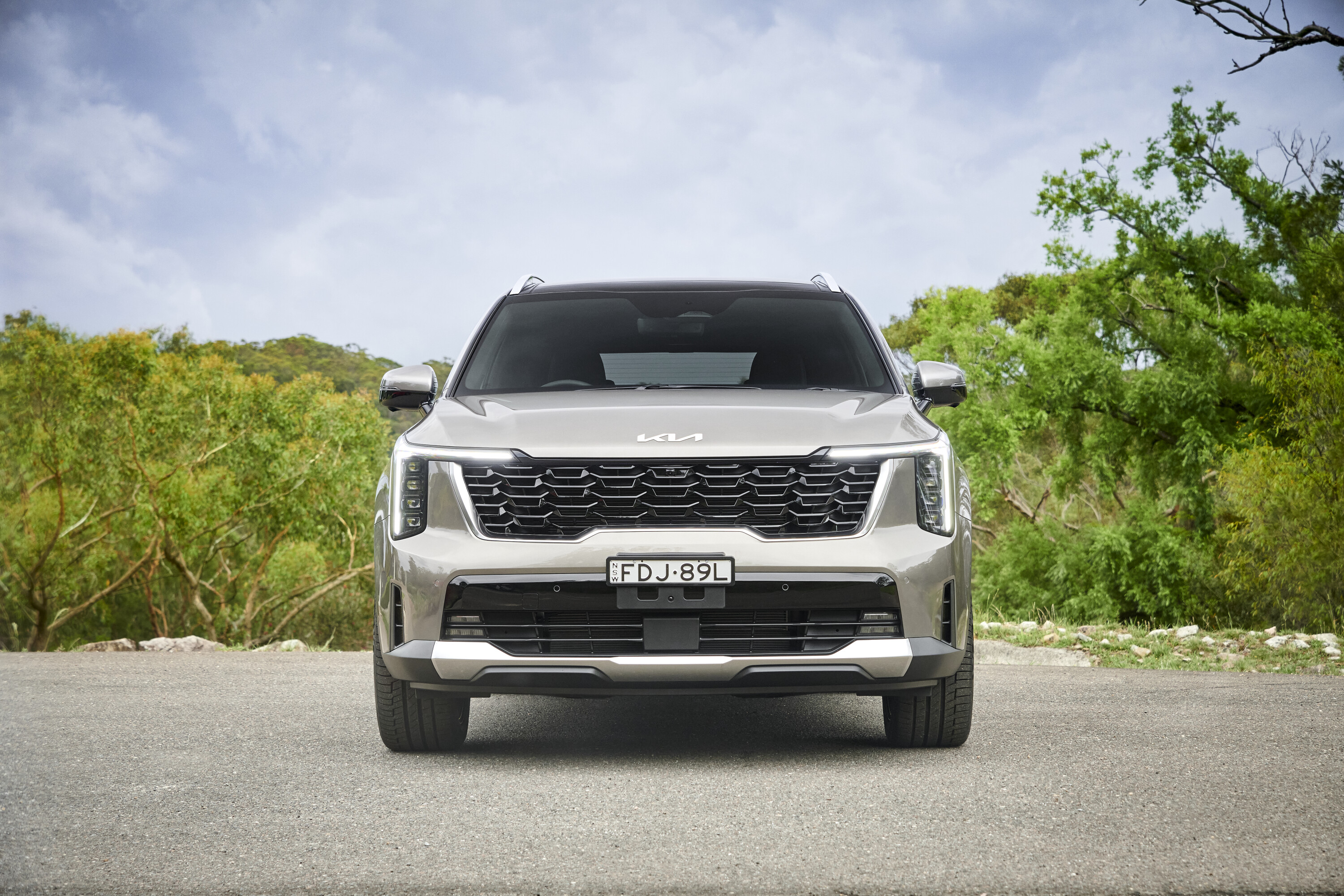
1
2024 Kia Sorento colours
| Clear white | Snow white pearl |
| Aurora black pearl | Steel grey |
| Silky silver | Gravity blue |
| Mineral blue | Volcanic sand brown (new) |
| Cityscape green (new) | |
| * Metallic paint, $695 |
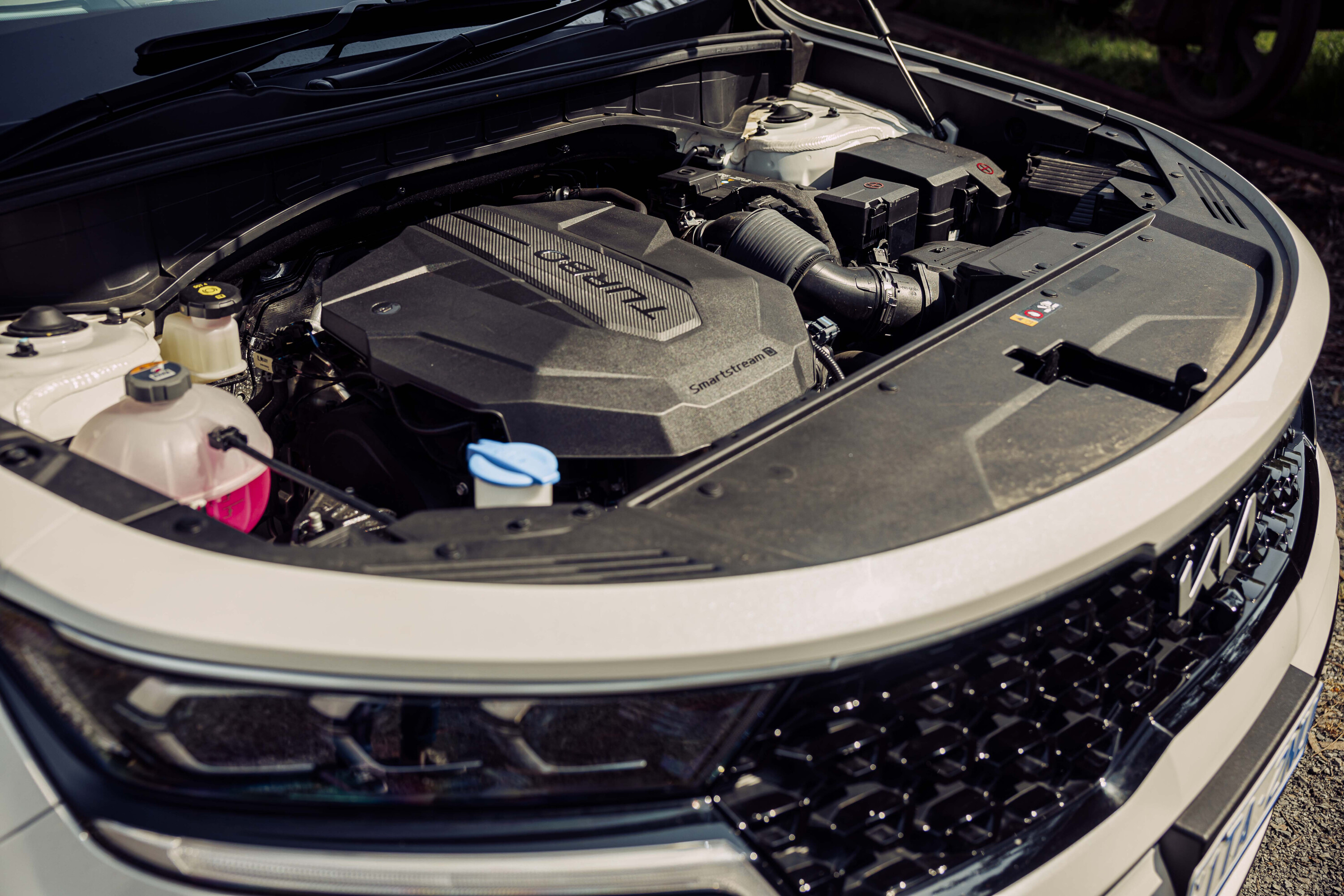
1
Engine, drivetrain, and fuel economy
Each grade comes with a choice of two powertrains: the 200kW/332Nm 3.5-litre V6 petrol with front-wheel-drive and the 148kW/440Nm 2.2-litre four-cylinder diesel with all-wheel-drive.
The petrol V6 is matched to an eight-speed torque-converter automatic transmission, while the diesel features an eight-speed dual-clutch automatic.
Meanwhile, hybrid and plug-in hybrid powertrains linked to a 1.6-litre petrol turbo engine have now joined the range, with outputs of 169kW/350Nm for the regular hybrid, and 195kW/350 for the PHEV
The Kia Sorento AWD diesel and FWD petrol are rated to tow 2000kg braked with a 200kg maximum tow ball weight.
1
Safety
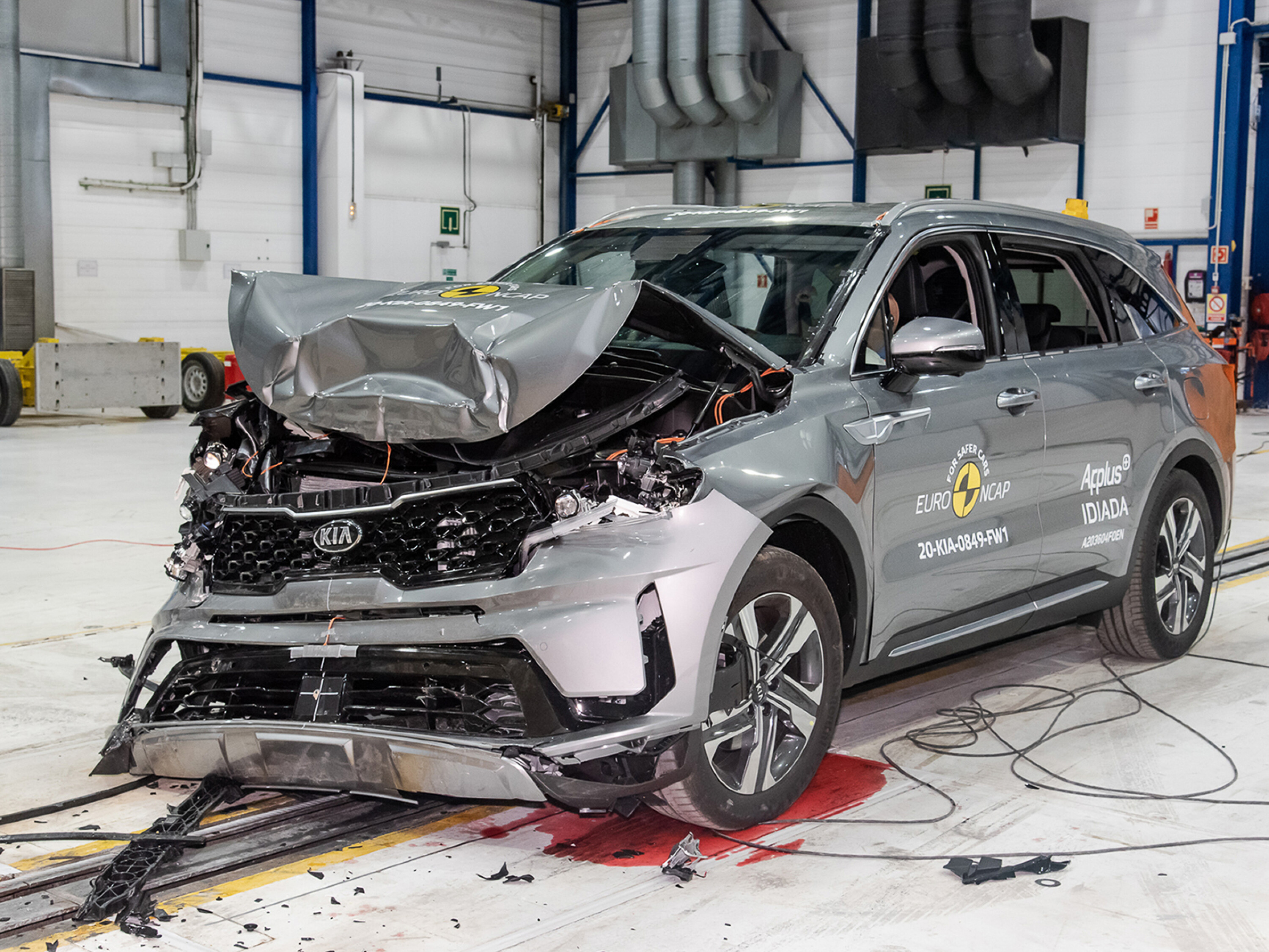
The Kia Sorento scored a maximum five stars under ANCAP safety testing in 2020. This rating applies to all variants and all powertrains.
It scored 82 per cent for adult occupant protection, 85 per cent for child occupant protection, 63 per cent for vulnerable road-user protection score, and 89 per cent for safety assist.
The Sorento is fitted with seven airbags, including a centre airbag that sits between two front occupants. Its curtain airbags extend to the second row but do not provide full coverage to third-row passengers.
| 2024 Kia Sorento active safety features | |
|---|---|
| Autonomous emergency braking (vehicle, pedestrian, cyclist, junction-turning) | Intelligent speed limit assist |
| Lane-keep assist | Safe exit warning |
| Lane departure alert | Driver attention alert |
| Blind-spot warning with braking | High-beam assist |
| Rear cross-traffic alert with braking | Adaptive cruise control |
| Multi-collision braking | Rear occupant alert |
Low-speed reverse AEB, a 360-degree camera, a blind-spot view monitor, and a more-advanced side exit assist are limited to the range-topping GT-Line.
1
Dimensions
The Kia Sorento measures 4815 millimetres long, 1900mm wide and 1700mm tall, with a 2815mm wheelbase.
2024 Kia Sorento boot space
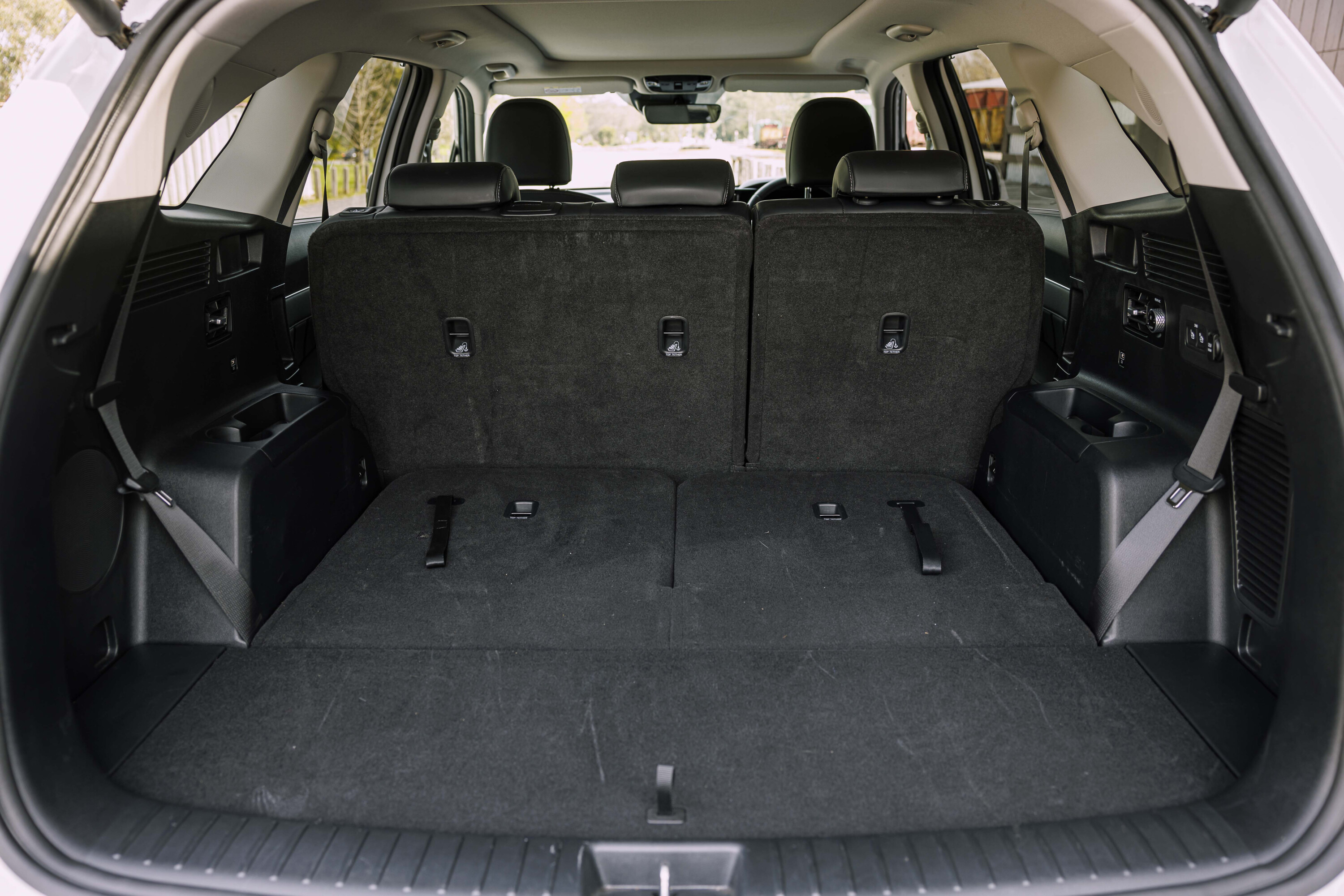
The Kia Sorento has a 179-litre boot with all seven seats in place, rising to 608 litres with five seats up and 1996L with both the third and second rows folded.
1
Warranty and servicing
The Kia Sorento is covered by a seven-year/unlimited-kilometre warranty.
Service costs and schedules differ depending on the powertrain you choose, but all are covered by seven years of capped-price servicing.
The turbo-diesel and petrol V6 Sorentos require servicing every 12 months/15,000km.
Availability
The 2024 Kia Sorento is available now.
MORE
Everything Kia
If you’ve been reading our extensive New Cars of 2024 coverage, you’ll know Australian showrooms are about to be inundated yet again with tonnes of fresh metal.
But as we get excited about all the new vehicles heading our way, it’s also time to shed a tear for models that were given the chop, or phased-out, in 2023.
Victims included Tesla’s breakthrough model, the Model S, the last pure-combustion Lamborghini, Kia’s brand-image-lifting Stinger sports sedan, an Audi design icon, and a couple of highly popular Mazda family SUVs.
We’ve focused on entire make-models rather than specific variants – such as the Hyundai Kona N and Kia Picanto GT that have also headed to the automotive graveyard. We’ve also exluded outgoing generational models that will be replaced – such as the sixth-generation Ford Mustang.
Here’s our quick guide to the fallen. Or, for those who want to read more, click on the links to our regular Wheels Driven To Extinction series articles that cover many of the vehicle departures in more detail.
Audi TT
It was the sensational-looking mid-1990s concept car that became production reality in the late ’90s – with that Bauerhaus-inspired, domed original shape arguably never bettered in successive generations. While it could never hold a candle to the Porsche Cayman, the TT still always had style as part of its persuasive appeal. In late 2023, an aptly named Final Edition went on sale as the last hurrah for an automotive icon.
Ferrari F8 Tributo
In English, you might call this the V8 Tribute – the last of the line for Maranello’s legendary eight-cylinder lineage. The Tributo borrowed the turbocharged V8 from the 488 Pista for a racy 530kW and a claimed 0-100km/h time of under three seconds (though it still didn’t sound as epic as the normally aspirated V8 in the earlier 458). The next chapter is started by the 296 GTB and its electrified V6.
Ferrari Portofino M
M for Modificata heralded a more focused version of Ferrari’s 2018-launched convertible that replaced the California T. Boosting power of the twin-turbo V8 from 441kW to 456kW for a quoted 0-100km/h run of 3.45 seconds – or less than 10 seconds to reach 200km/h. The drop-top Ferrari option is now the Roma Spider, arriving in the first half of 2024 with a half-mil-plus price tag that carries a $110K premium over the Roma coupe already on sale.
Ford Escape
A slow-seller yet it was still a surprise when Ford Australia announced it was exiting our market’s biggest vehicle segment. Offered in FWD and AWD petrol forms, as well as a flagship plug-in hybrid, the Escape struggled against dominant rivals that included the Toyota RAV4, Mazda CX-5, and Subaru Forester. It was a mixed bag, with one of the better interiors seen lately from Ford of Europe, yet also surprised with dynamics that, in a rarity for the company, weren’t fully resolved.
Kia Rio
The Rio city car had been a staple of Kia dealerships for more than two decades, since mid 2000. But with a new-generation model to be produced in left-hand drive only, it ends the Rio’s long run in Australia. That leaves the Picanto as buyers’ affordable-Kia option in Australia, or a budget stretch to the Cerato small car.
Jeep Cherokee
Australians prefer their Cherokees to be Grand, though the smaller, midsized Jeep SUV was at least offered at its best in the latter, KL model – if requiring modifications to a glitchy nine-speed auto and later a facelift to correct a polarising front-end design. A successor has yet to be annoucned.
Kia Stinger
Never estimate how much good this sporty sedan did for the Korean brand’s image, which arrived with serendipitous timing – just as the homegrown Falcon and Commodore were heading for the exit. If not perfect in the ride-and-handling department, it was still a convincing cut-price alternative to an Audi S5 Sportback or BMW 4 Series Gran Coupe, and the V6 version was respectably and enjoyably quick.
Lamborghini Huracan
The last of the V10-powered Huracans – a model that’s been around a decade since it replaced the Gallardo – was given a send off with variants that included the off-road-centric Sterrato. Orders for the last pure-combustion Lamborghini stopped being taken in mid 2023, with the Huracan’s replacement due to be revealed later this year.
Mazda CX-8
Stock will still be available in the first quarter of 2024, but beyond that the CX-8 is essentially no more. Introduced in 2018, the seven-seater that could be viewed as a long-wheelbase CX-5 proved to be popular in Australia – priced below the larger CX-9 (see next model). Its replacement will be the yet-to-be-revealed CX-80, though pricing isn’t expected to be as affordable.
Mazda CX-9
The CX-9 was noticeably bigger than the CX-8 and presented as the more premium seven-seater (or six-seater) in other ways including powertrain. It particularly impressed in second-generation form, when it was acclaimed the 2017 Wheels Car of the Year. Its effective replacement is already here – the CX-90 that has taken the luxury up another notch (along with prices).
Mazda MX-30
This quirky electric or hybrid compact SUV had much to like about it yet there were also comprises – such as the EV model’s relatively short range. Outsold comprehensively by Mazda’s CX-30 small SUV, the MX-30’s lifespan ended up being limited to just two years, having launched only in 2021.
Mercedes-Benz CLS
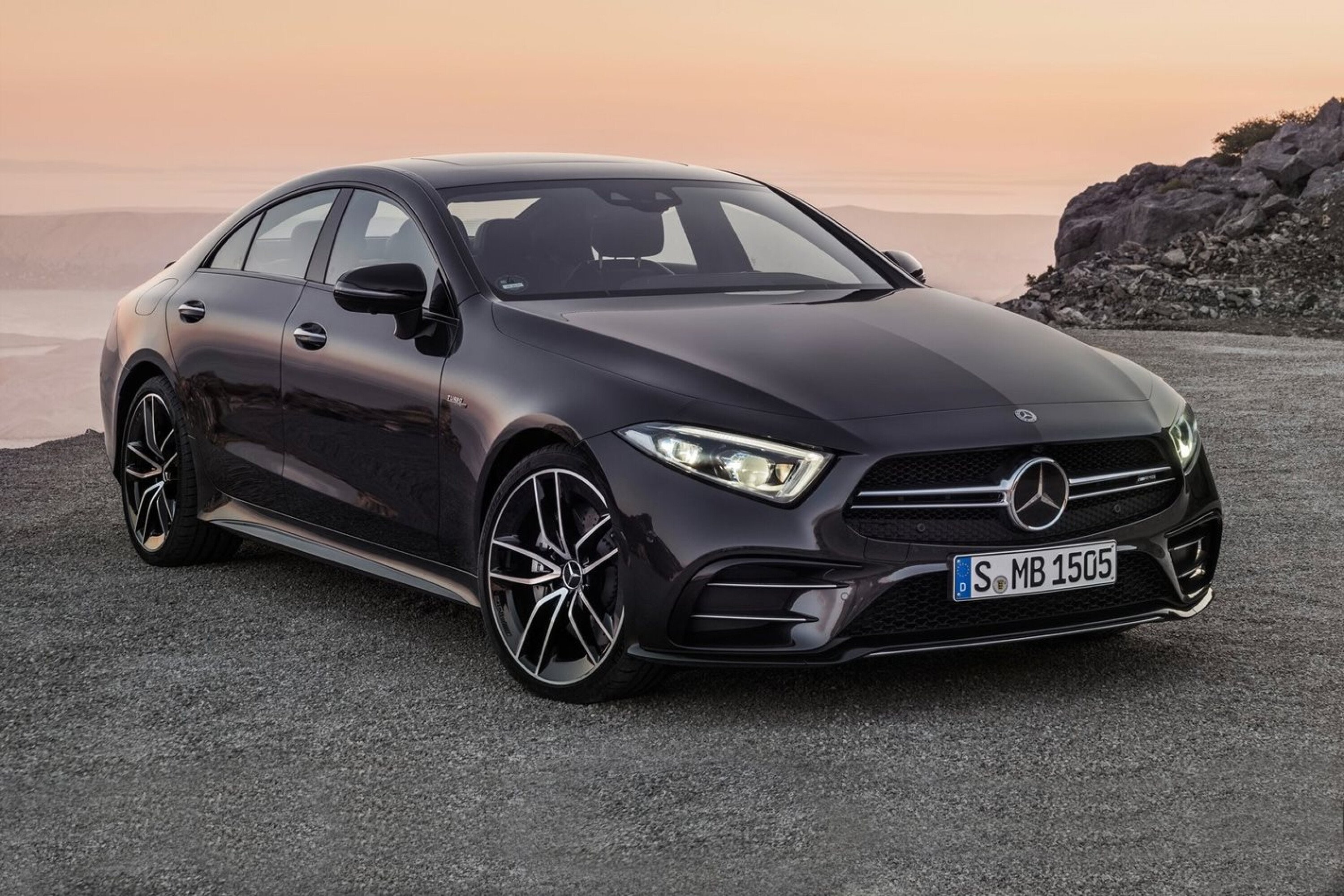
The droopily styled, frameless-doored CLS certainly turned more heads than the regular E-Class it was based on when it launched in 2004 – and it started the whole four-door-coupe trend (which has since moved into the SUV world). But after three generations, just the CLS53 AMG was offered in 2023 locally before production ended its showroom involvement full stop. There is an electric spiritual successor, however, in the form of the EQE.
1
Renault Megane RS
A slight exception to our ‘no variants’ approach as the RS was the only Megane offered in Australia in recent times – and the successor is a different beast: the Megane E-Tech is an electric SUV. While production of the Megane RS has stopped, we’re told there is some dealer stock left – so be quick if you want to own one of the last petrol-powered hot-hatches.
Tesla Model S & X
The Roadster first brought Tesla to the world’s attention but it was the Model S large sedan that put the electric car maker on the world map. It remains on sale in many left-hand-drive markets, including a latest, ultra-rapid variant called the Plaid, though right-hand-drive production stopped in 2023 – and that mean ta-ta to Australia, along with the X large SUV.
All the new SUVs Australian buyers should check out in 2024
If it’s exclusively an SUV you’re after, the list below doesn’t even represent the entire onslaught headed our way – but they’re the SUVs we reckon Australian buyers should be keeping a close eye on before making any decisions this year.
Here’s what’s due in the year ahead…
What’s arriving in 2024?
If you’ve been living under a rock, you can catch up with our massive, regularly updated New Car Calendar to keep track of everything coming in.
1
JUMP AHEAD
- Audi Q4 E-Tron
- Audi Q6 E-Tron
- Ford Puma EV
- GWM Tank 500
- Hyundai Ioniq 5 N
- Hyundai Ioniq 7
- Hyundai Santa Fe
- Hyundai Tucson & Kia Sportage hybrids
- Jeep Avenger
- Kia EV5
- Lexus GX
- Mazda CX-80
- Nissan Ariya
- Nissan Patrol
- Polestar 3
- Skoda Enyaq
- Skoda Kodiaq
- Toyota BZ4x
- Toyota LandCruiser Prado
- Volkswagen ID.4 and ID.5
- Volkswagen Tiguan
- Volvo EX90
1
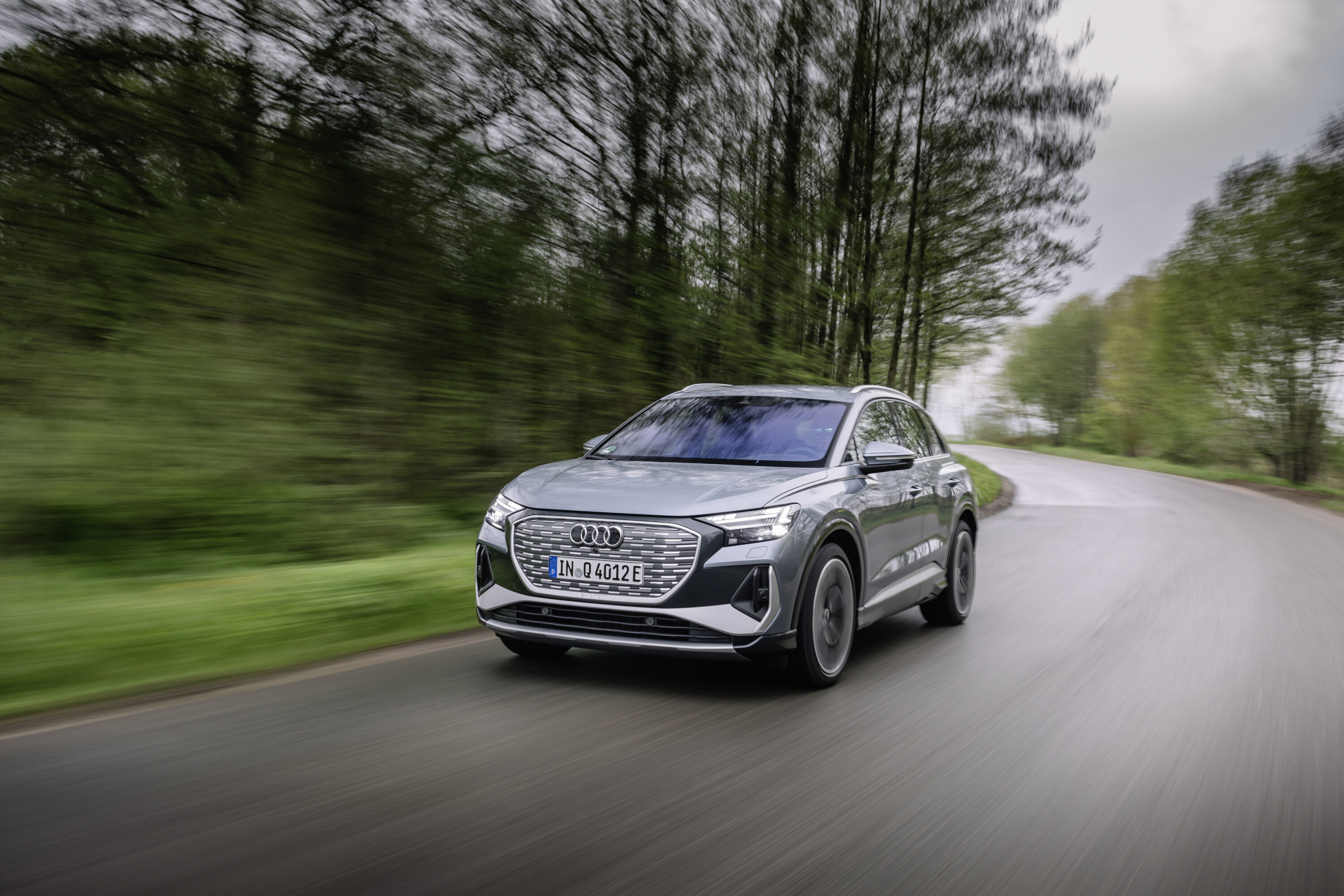
Audi Q4 E-Tron
The Audi Q4 E-Tron mid-size electric SUV is due in Australia in 2024 with a mid-life refresh.
Audi hopes to secure stronger volumes of the Q4 E-Tron in both Sportback and wagon body styles than the trickle of Q8 E-Trons (neé E-Tron SUV) that have arrived locally.
The Q4 E-Tron range, consisting of four models, kicks off at $88,300 for the 45 grade (available in Sportback or wagon body styles) featuring a 77kWh battery, a single 210kW electric motor, a power tailgate, and LED headlights.
The flagship Q4 E-Tron Sportback 55, priced at $109,500 before on-road costs, boasts twin motors with a 250kW total system output, S Line exterior styling, matrix LED headlights, and other additional features.
It competes with the BMW iX3 and Mercedes-Benz EQC, as well as high-end variants of the Tesla Model Y and related Volkswagen ID.4/ID.5.
1
Audi Q6 E-Tron
| Due | Later in 2024, or 2025 |
|---|---|
| Price | From $120,000 (estimated) |
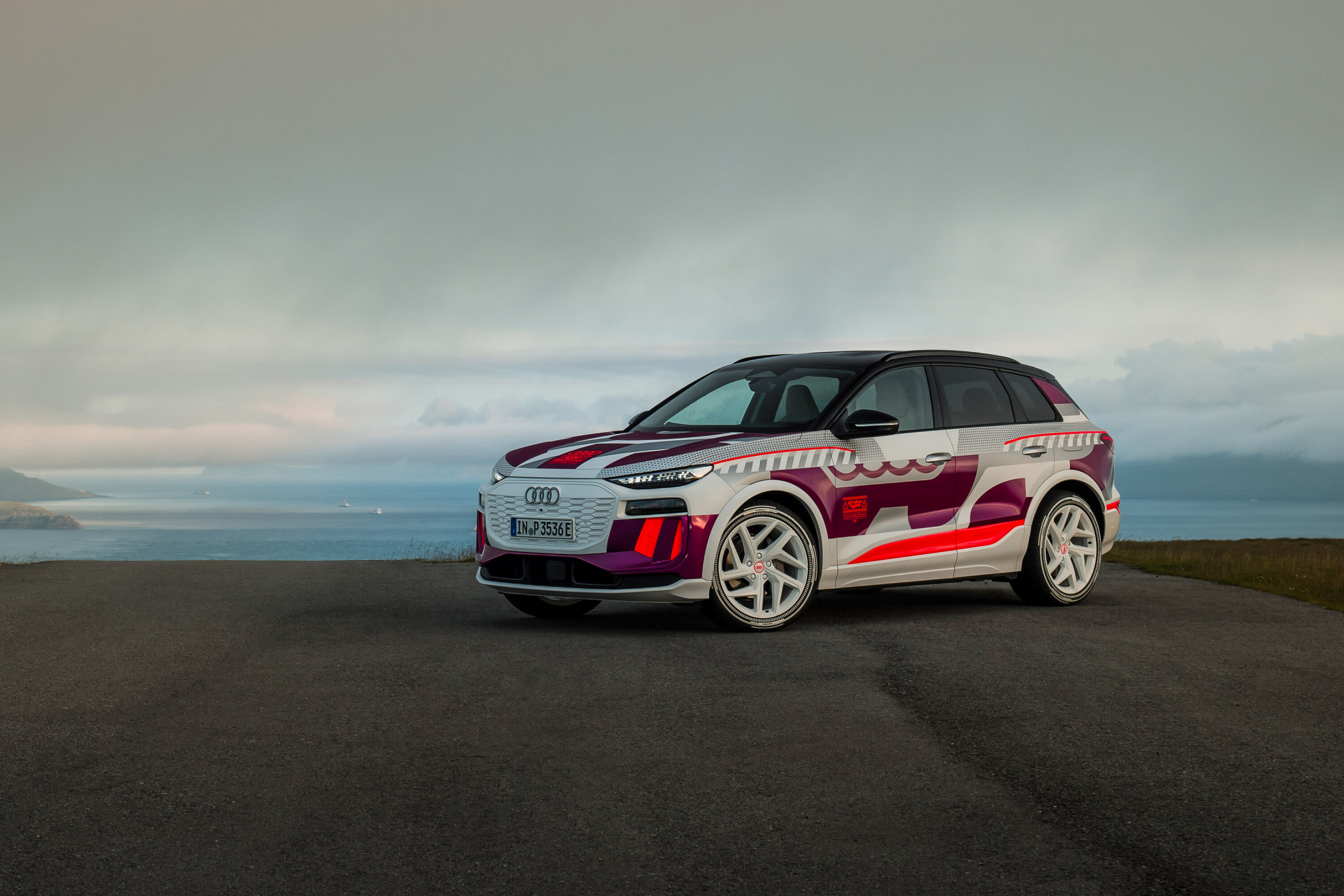
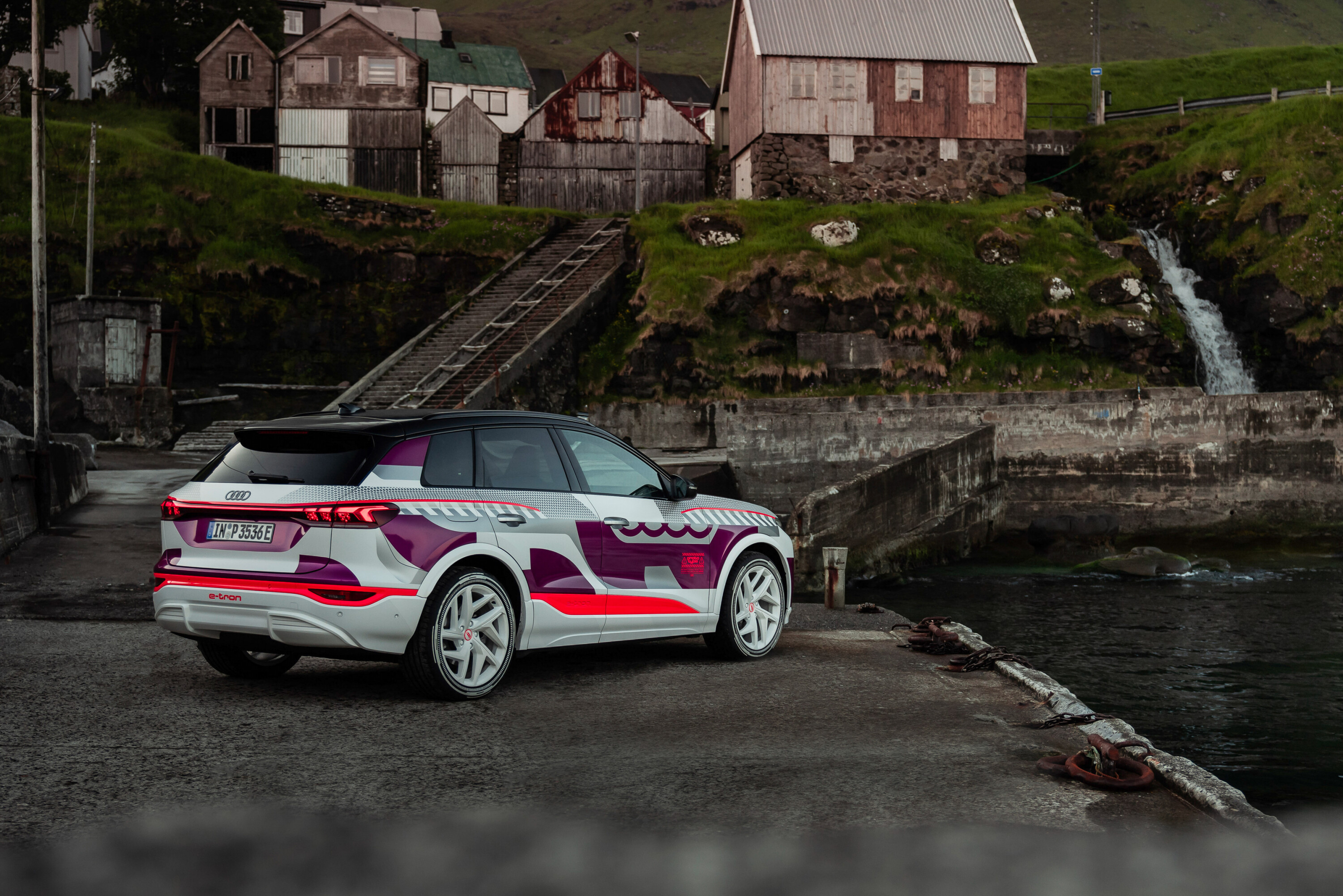
Audi’s all-electric mid-size SUV rival to the Tesla Model Y and BMW iX3 is due next year.
Underpinned by the Volkswagen Group’s ground-up Premium Platform Electric (PPE), shared with the forthcoming Porsche Macan EV, the Q6 E-Tron rides on an identical 2928mm wheelbase to the existing Q8 E-Tron.
Audi has confirmed it will be available in rear-wheel and all-wheel drive configurations, with the Q6 E-Tron 55 accelerating from 0-100km/h in around six seconds, while the high-performance S flagship cuts it to 4.5 seconds.
9
Inside, the Q6 E-Tron will debut a new look for Audi, with an all-new 14.5-inch central touchscreen with 11.9-inch driver instruments, joined by a curved panel running its new ‘E3 electronics architecture’.
A separate 10.9-inch front passenger display is optional to control audio, view videos and more – but includes a privacy layer to prevent distracting the driver.
MORE
Everything Audi
1
Ford Puma EV
| Due | Late 2024 |
|---|---|
| Price | From $55,000 (estimated) |
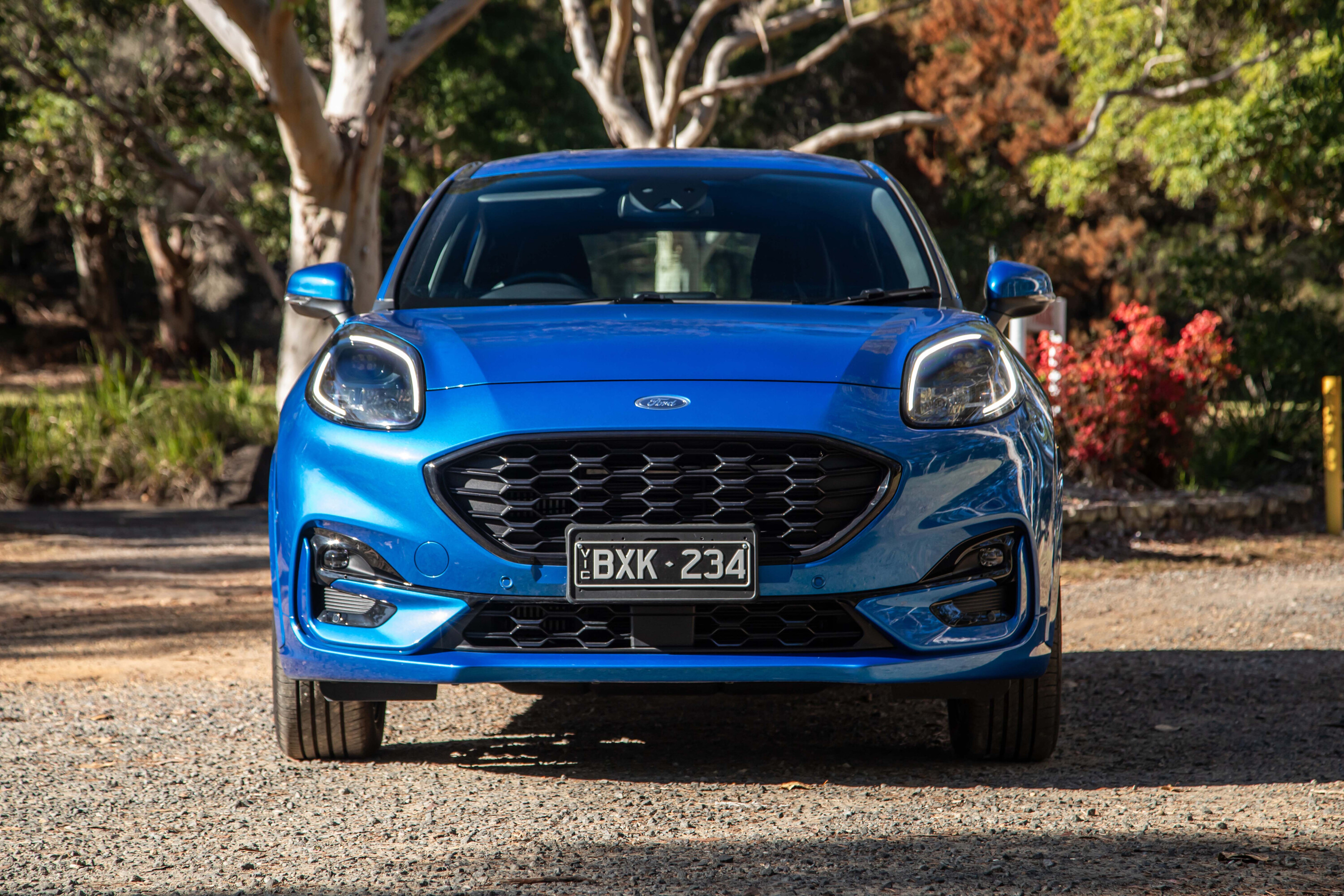
Ford Australia has confirmed the Puma will form the basis for its fourth electric vehicle in Australia.
Due to follow the E-Transit, Mustang Mach E and E-Transit Custom EVs later in 2024, the Puma EV hasn’t even debuted in Europe yet – but we know it’ll be underpinned by an evolved version of the Ford’s existing Global-B architecture.
It’s believed the light crossover is being produced in tandem with Europe’s forthcoming small Ford Transit Courier van. Battery and powertrain details will be made public closer to its reveal.
MORE
Everything Ford
1
GWM Tank 500
| Due | 2024 |
|---|---|
| Price | From $71,000 drive-away (estimated) |
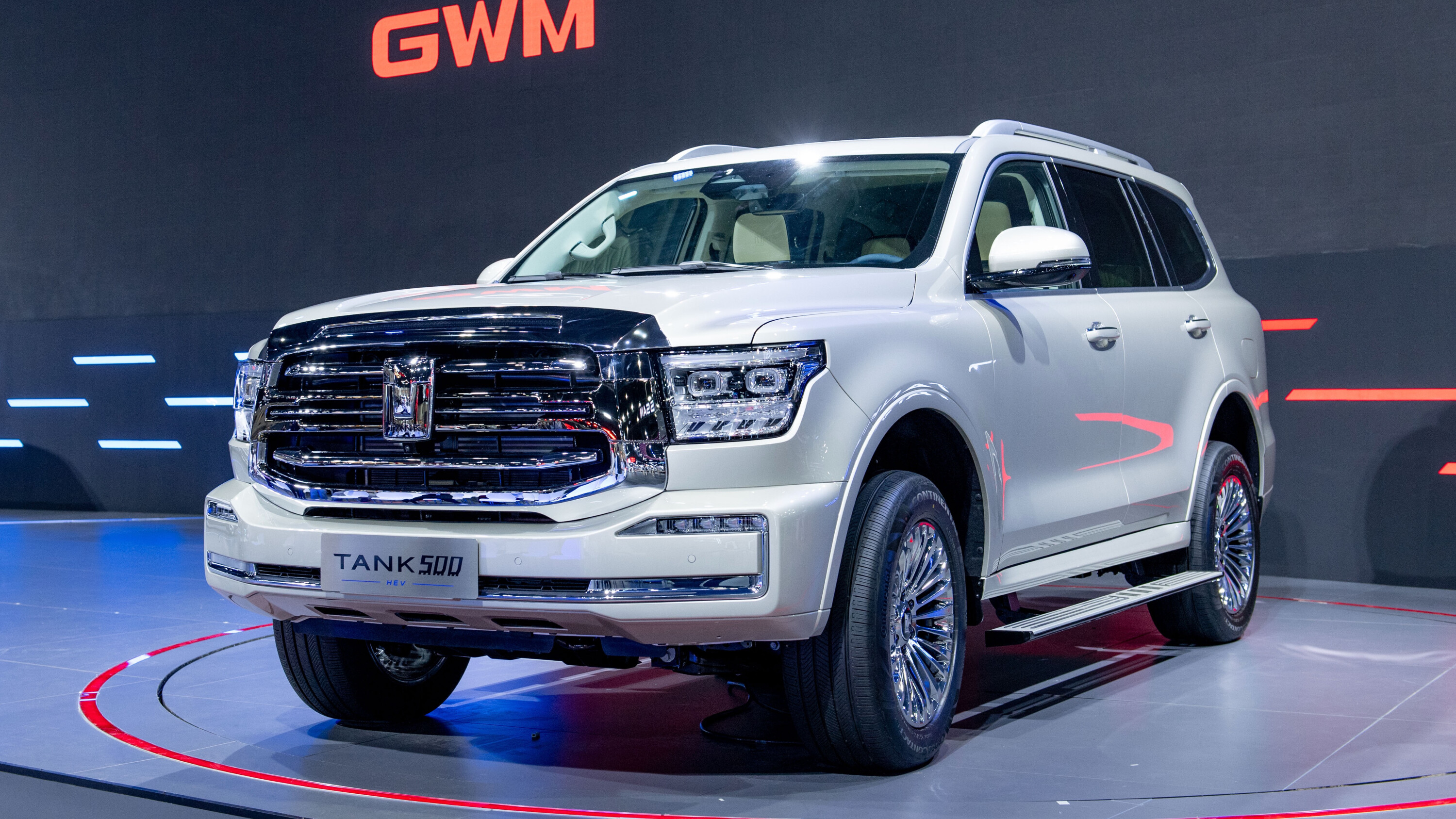
Like GWM’s electric-focused Ora, Tank is another sub-brand from the Chinese giant.
As the name may imply, it’s focused on rugged SUVs and launched here with the Tank 300 mid-size off-roader in 2023.
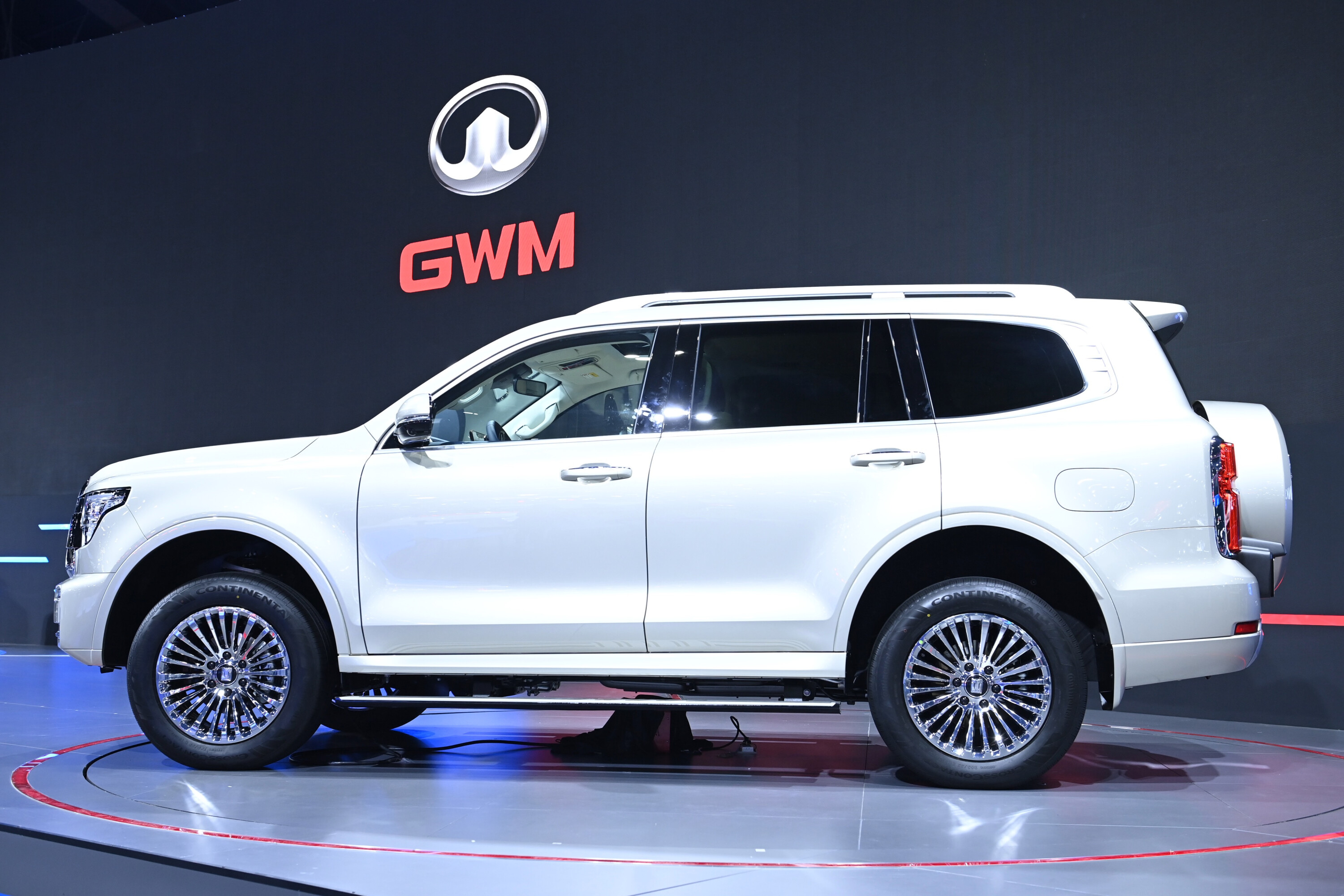
Another model is on the cards for Australia: The larger, more distinguished Tank 500.
3
The Tank 500 looks to fill the LandCruiser and Prado-sized gaps in GWM’s growing portfolio, with variants ranging in specification and luxury, with converted pricing suggesting between $71k and $84k.
All are powered by a 3.0-litre turbocharged V6 petrol engine complemented by a 48-volt mild-hybrid system for a 260kW and 500Nm total system output. Entry-level variants of the Tank 500 overseas gain access to the Tank 300’s smaller 2.0-litre turbo-four, but Australian-spec 500s will likely only be sold with the hybrid V6.
MORE
Everything GWM
7
Hyundai Ioniq 5 N
| Due | Q1 2024 |
|---|---|
| Price | From $111,000 before on-road costs |
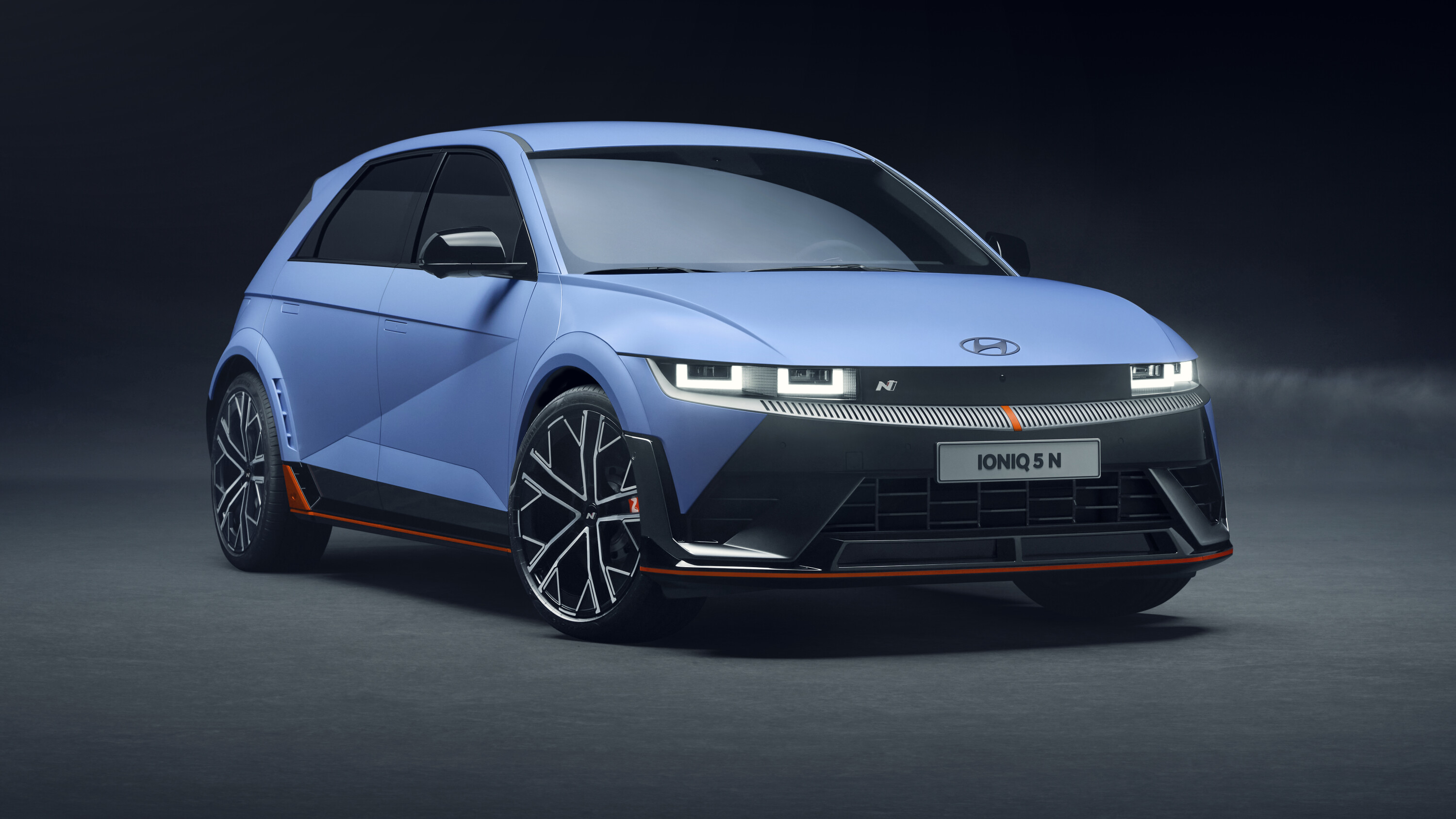
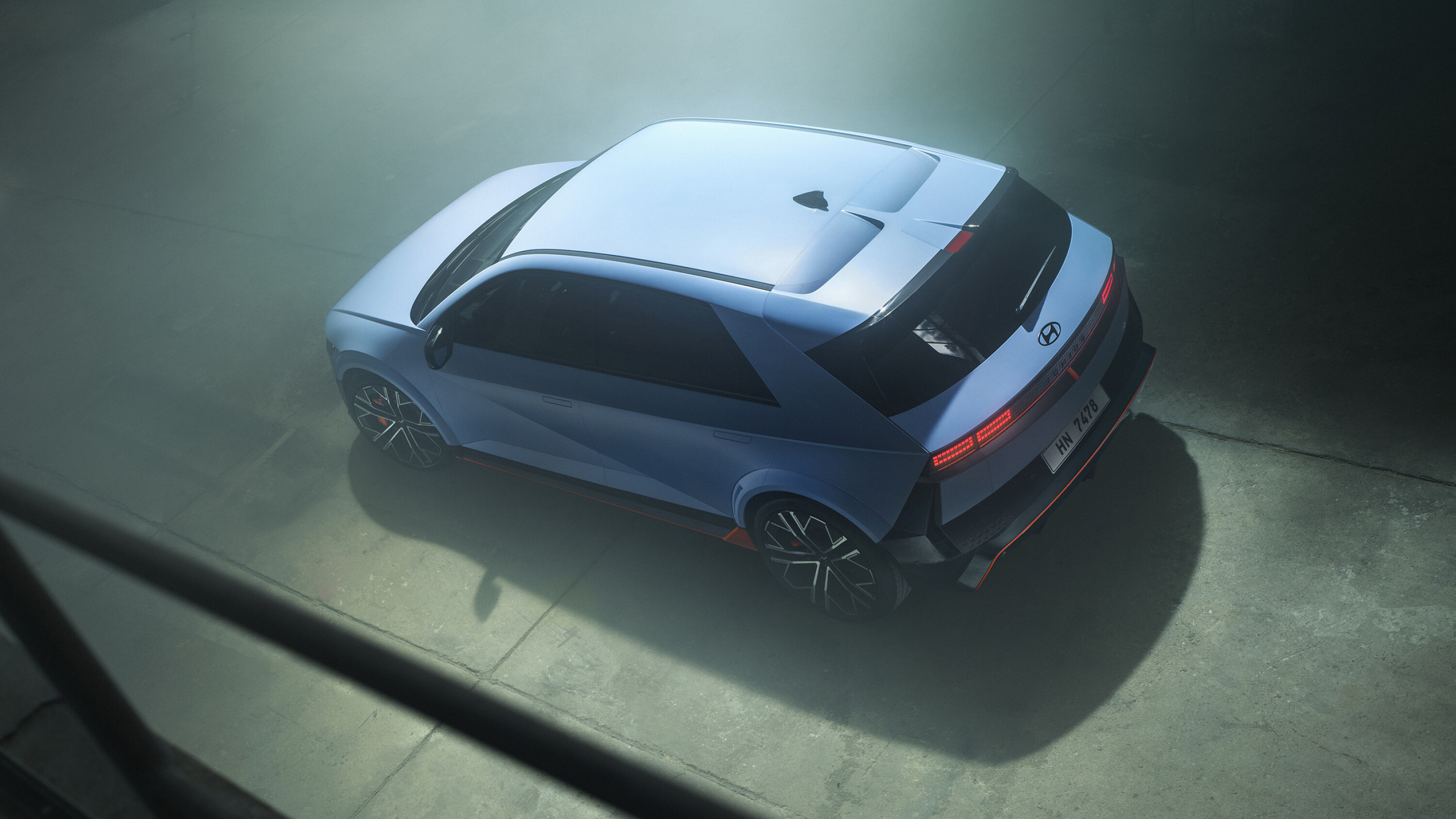
Stiffer, faster, more powerful and engineered to feel like an old-school, petrol-powered performance car: these are the headlines for the first-ever EV produced by Hyundai N.
The Hyundai Ioniq 5 N packs 478kW and can rocket from 0-100km/h in 3.4 seconds – putting it in the same league as a Porsche Taycan 4S for power and performance.
7
The electric powerhouse is due in early 2024 and will cost $111,000 before on-road costs.
That pricing makes the Ioniq 5 N around $11,000 more expensive than the similarly powerful, but less track-focused Kia EV6 GT – and a whopping $170,000 less than a Porsche Taycan Turbo, which offers similar performance and was benchmarked by Hyundai during the N’s development.
Hyundai is also keen to note that unlike the first year of sales for the regular Ioniq 5, orders for the N model “will remain open for the foreseeable future”. The brand will no longer pause sales on any Ioniq 5 variant, including the N.
1
Hyundai Ioniq 7
| Due | Late 2024 |
|---|---|
| Price | From $100,000 before on-road costs (estimated) |
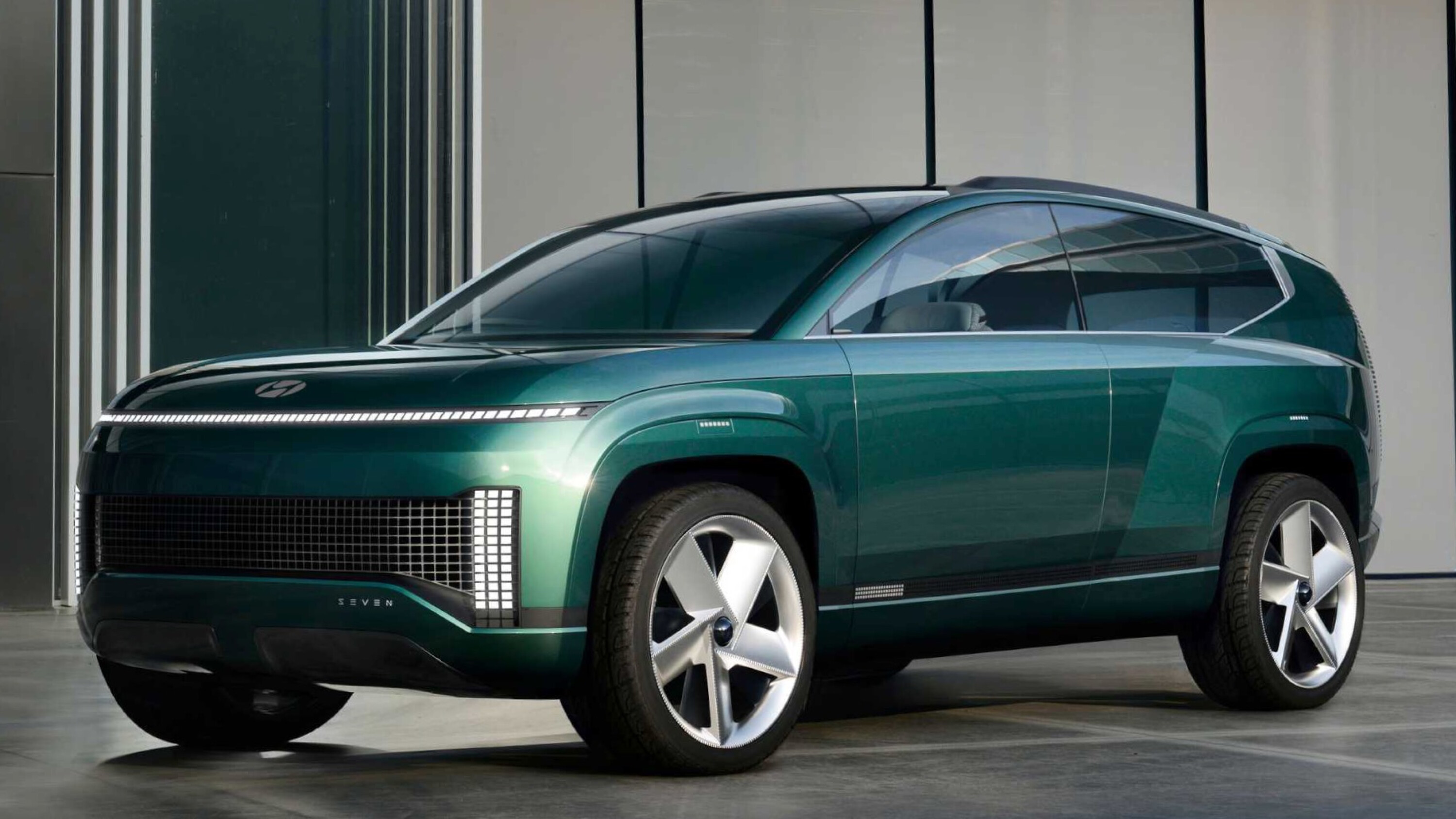
The Hyundai Ioniq 7 is an upper-large electric SUV twin to the Kia EV9.
While the EV9 is due in Australia imminently, the Ioniq 7 is still in development, with a local arrival expected later in 2024.
The seven-seater was previewed by Hyundai’s Seven concept in 2021, and is likely to share powertrains, batteries and a capacious wheelbase with the EV9.
1
Hyundai Santa Fe
| Due | H1 2024 |
|---|---|
| Price | From $55,000 before on-road costs (estimated) |
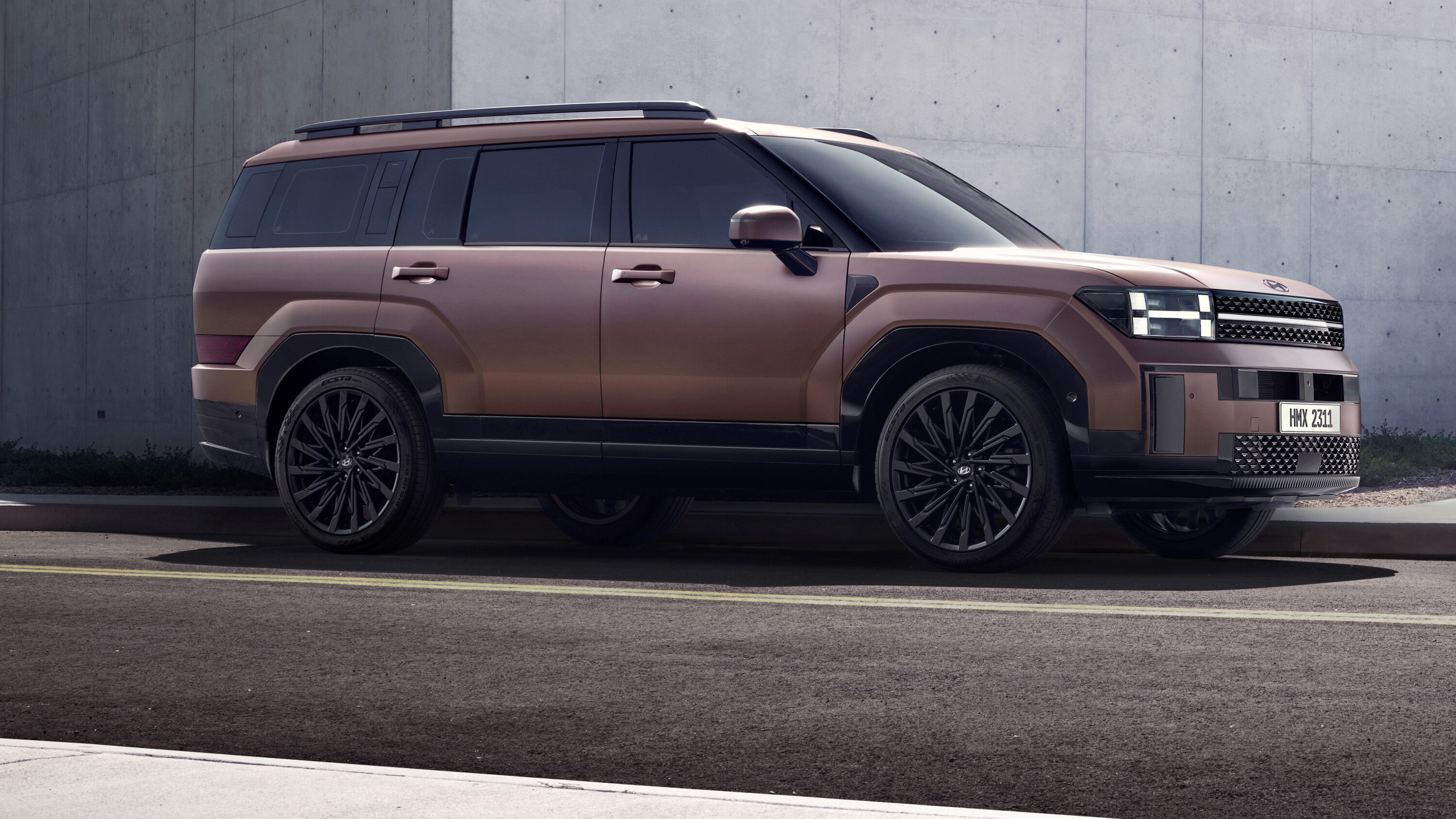
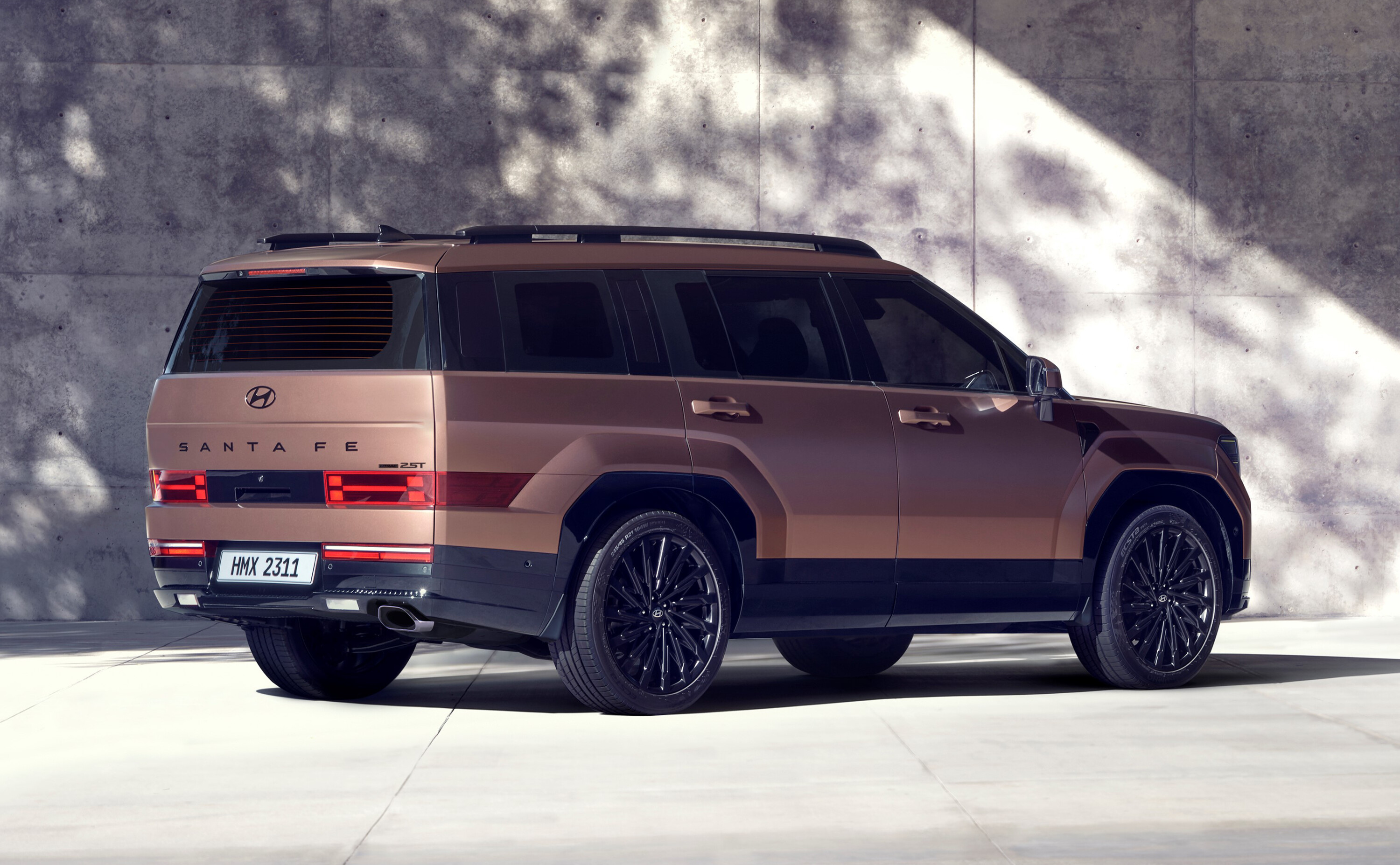
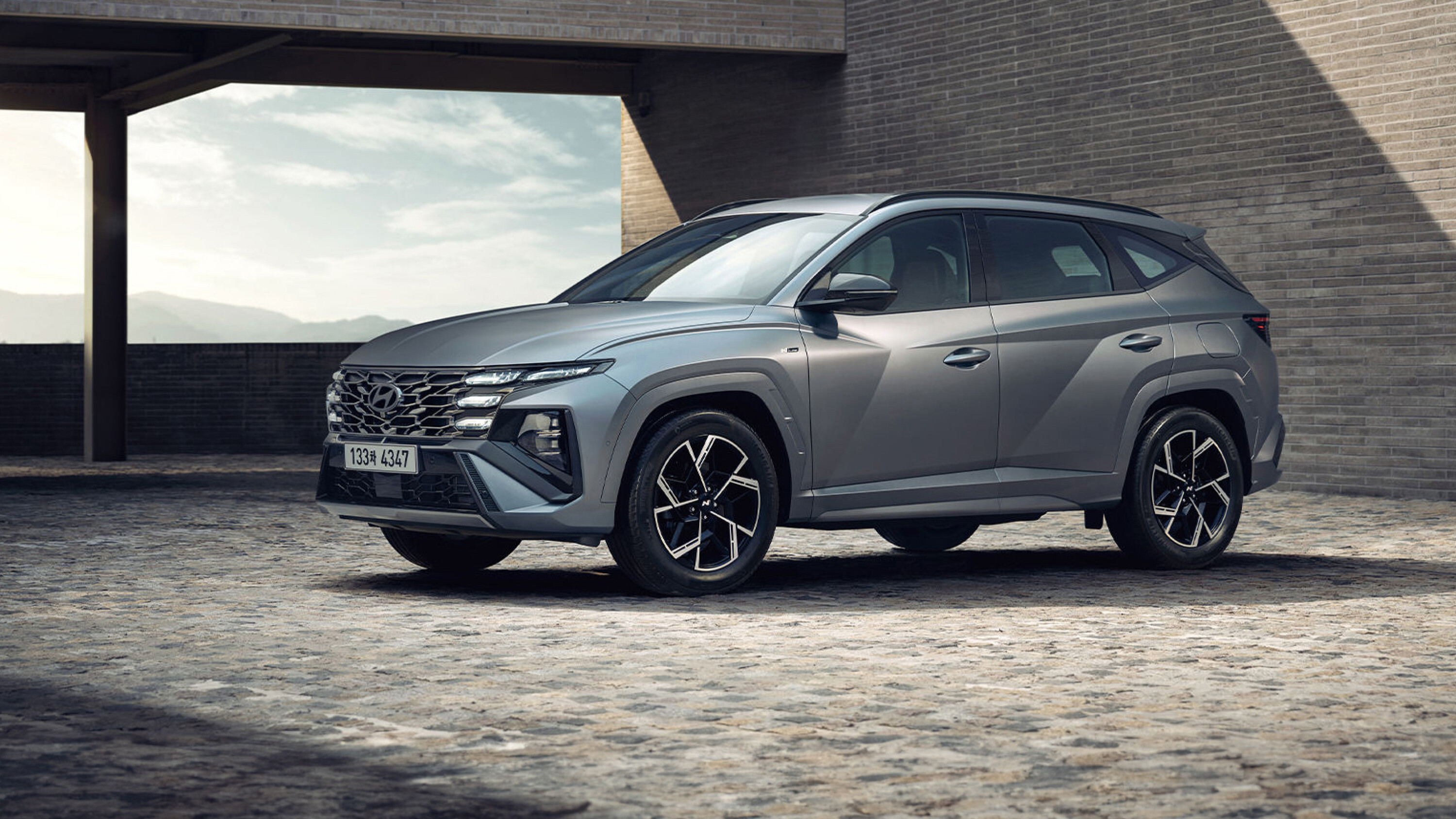
Bigger and bolder was the clear design theme for the fourth-gen Hyundai Santa Fe.
Due in Australia in the first half of 2024, the all-new Santa Fe retains familiar underpinnings from the outgoing model – but receives a boxy new look/
1
The 1.6-litre turbo-petrol hybrid will be fitted at launch in Australia, while a 2.5-litre turbo-petrol is expected to follow later. The 2.2-litre diesel won’t carry over, with the new model a petrol-only affair globally.
With increased dimensions, Hyundai has focused on maximising interior space, claiming best-in-class third-row legroom. It has a radical new dashboard with twin 12.3-inch curved screens similar to that seen in the latest Sonata and Kona.
1
Hyundai Tucson & Kia Sportage hybrids
| Due | Q1 2024 (Sportage), H1 2024 (Tucson) |
|---|---|
| Price | From $45,000 (estimated) |
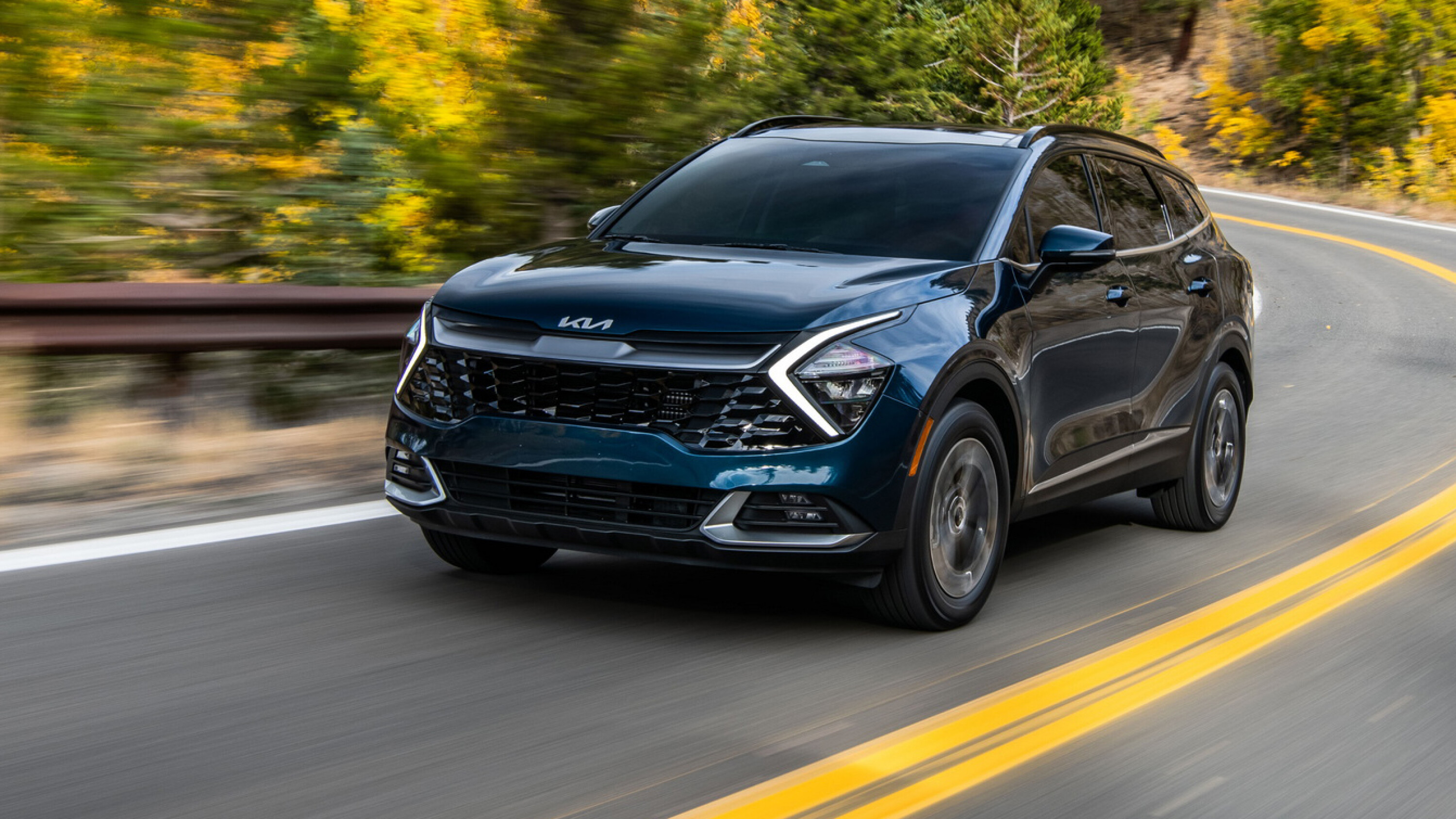
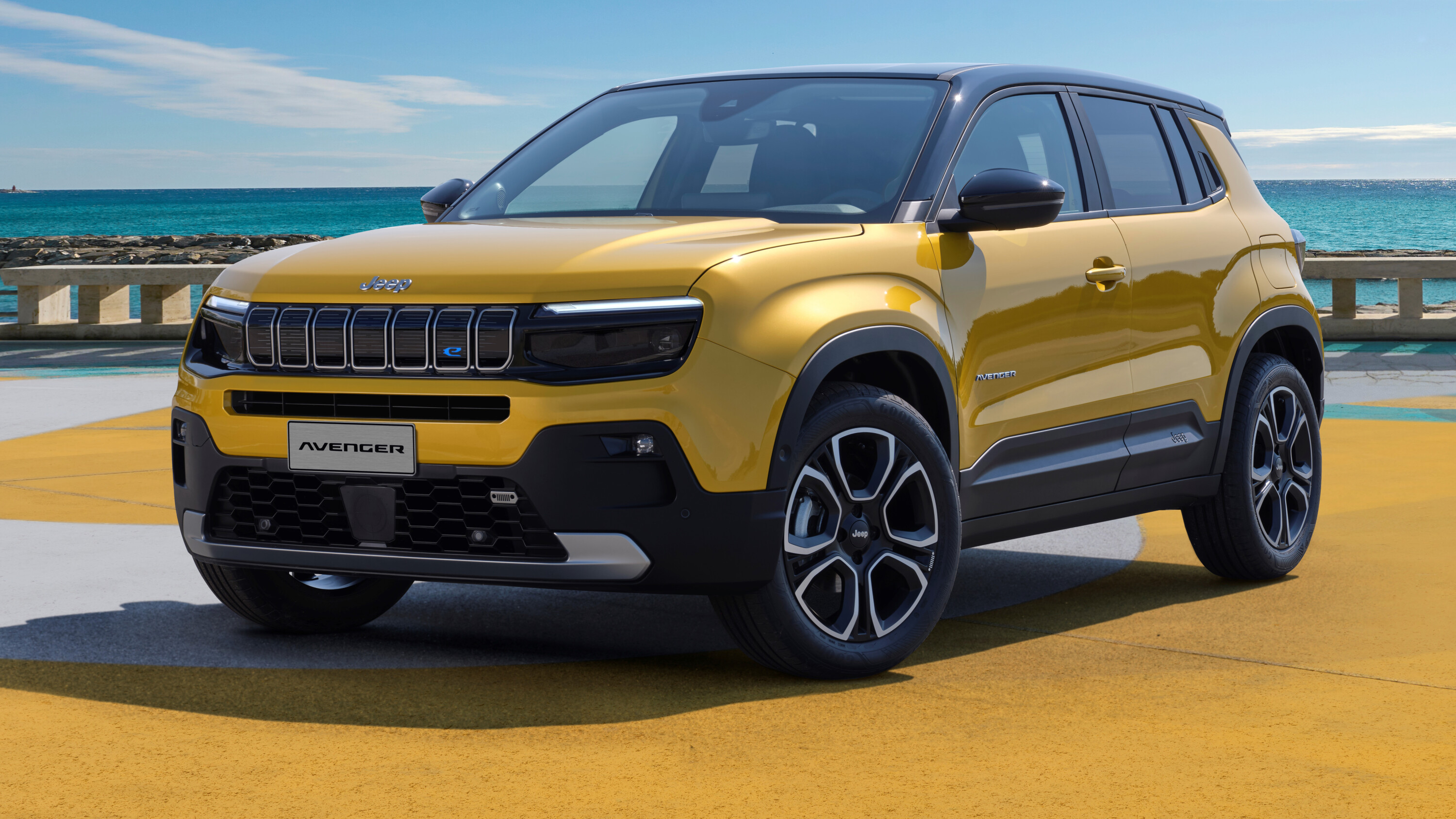
The absence of petrol-electric powertrains has left the Hyundai Tucson and Kia Sportage disadvantaged in Australia, where the Toyota RAV4 dominates with its hybrid-heavy line-up.
That’ll change in the first months of 2024. Both Hyundai and Kia have confirmed hybrid versions of the Tucson and Sportage are en route to Australia, sharing the same 1.6-litre turbo-petrol engine from the larger Santa Fe and Sorento.
At least two variants are expected for both vehicles, likely centred around existing mid- and top-spec grades and priced above or around the flagship diesel AWD models.
1
1
Jeep Avenger
| Due | H2 2024 |
|---|---|
| Price | From $55,000 before on-road costs (estimated) |
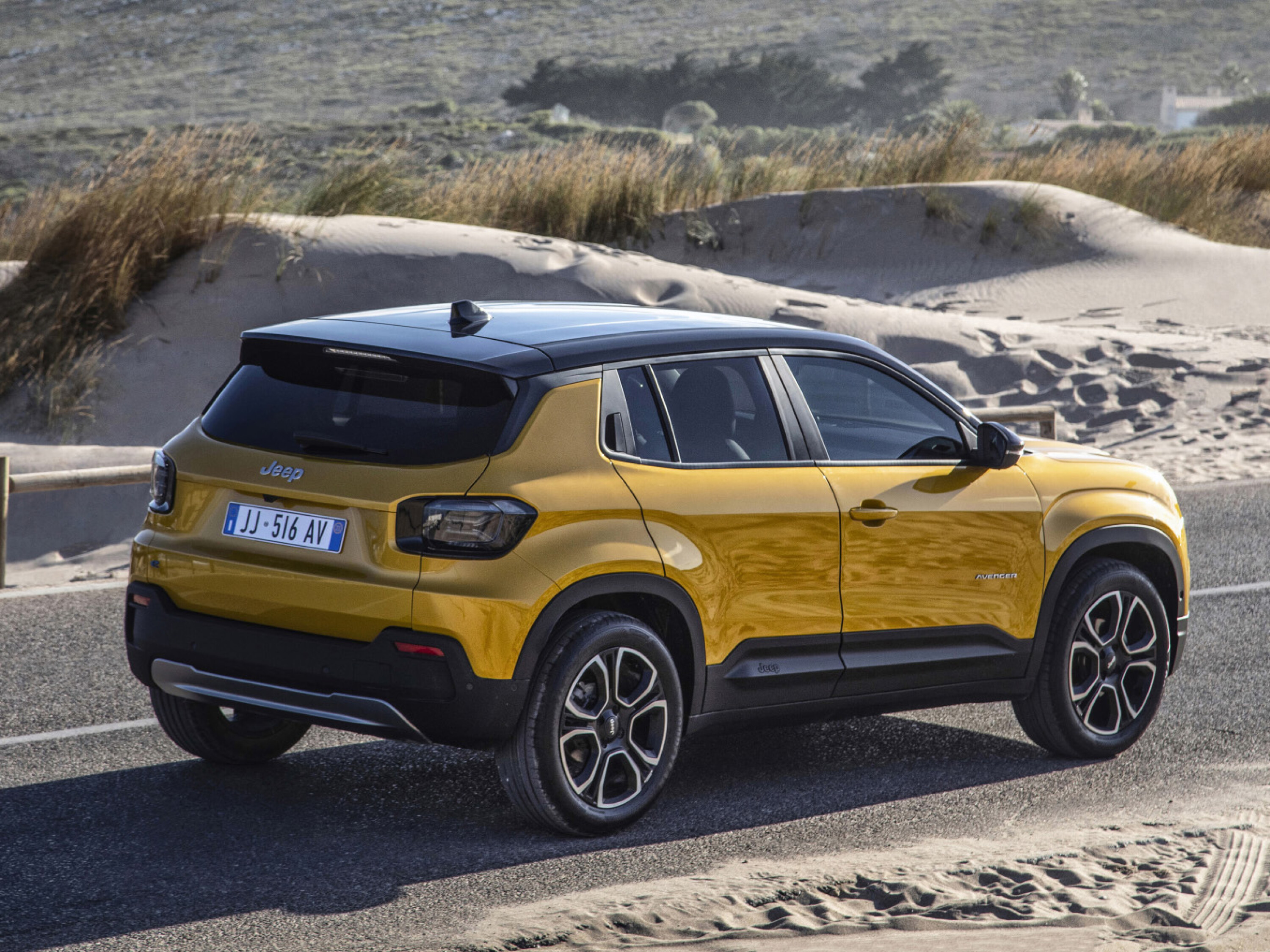
The Jeep Avenger compact SUV will arrive locally in 2024 as the brand’s first EV.
Due in the second half of the year, the Avenger will rival the Hyundai Kona Electric, Volvo EX30, and Renault Megane E-Tech, with pricing likely to start at no less than $55,000 plus on-road costs.
It is related mechanically to the Peugeot E-2008 and the Fiat 600e, with a claimed range of up to 400 kilometres on the combined WLTP test cycle.
6
While it is exclusively front-wheel drive and not designed for off-roading, Jeep’s first pure EV offers 200mm of ground clearance, a skid plate and the requisite plastic body cladding.
Local pricing and features details will be announced closer to its launch.
MORE
Everything Jeep
1
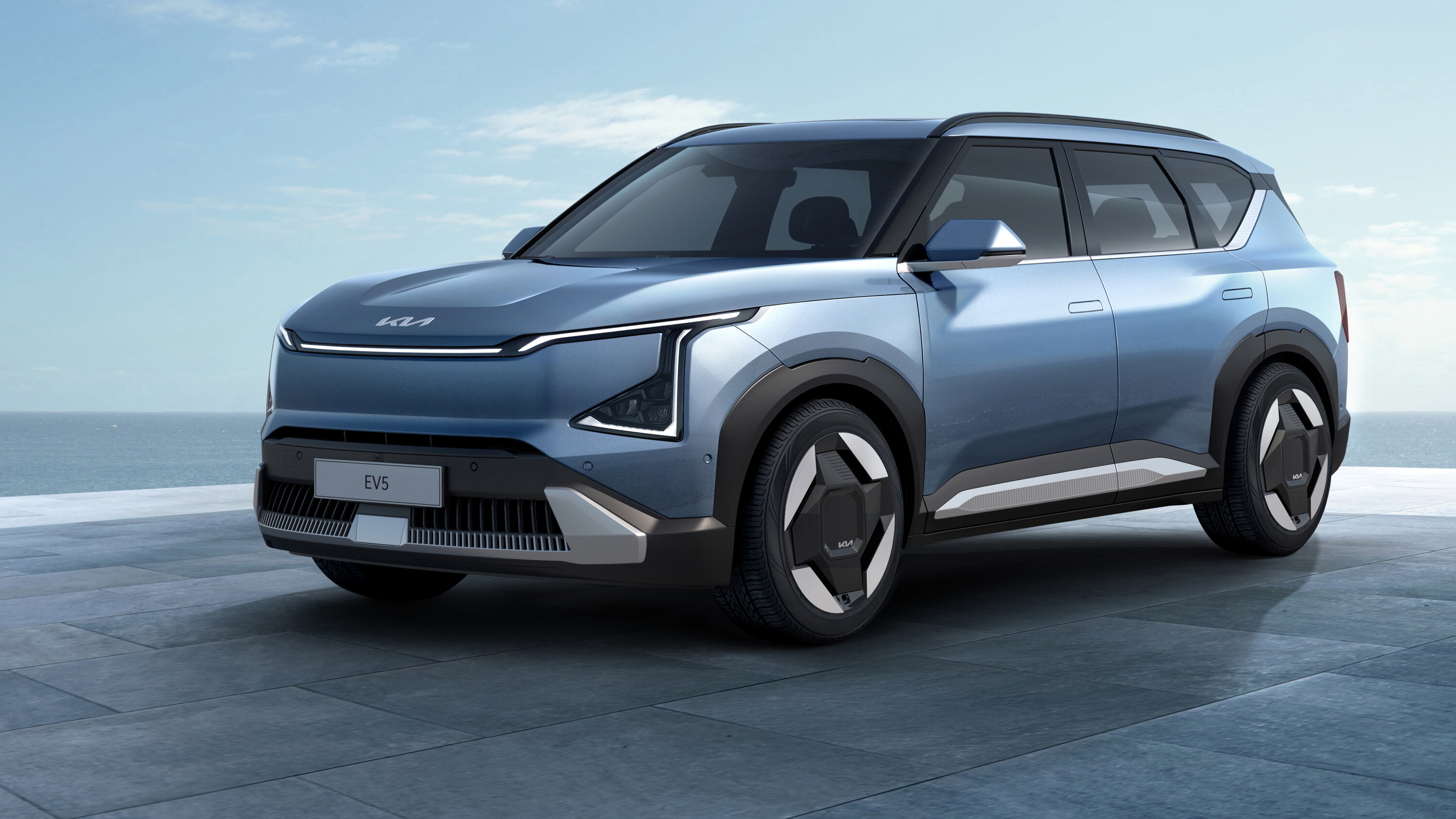
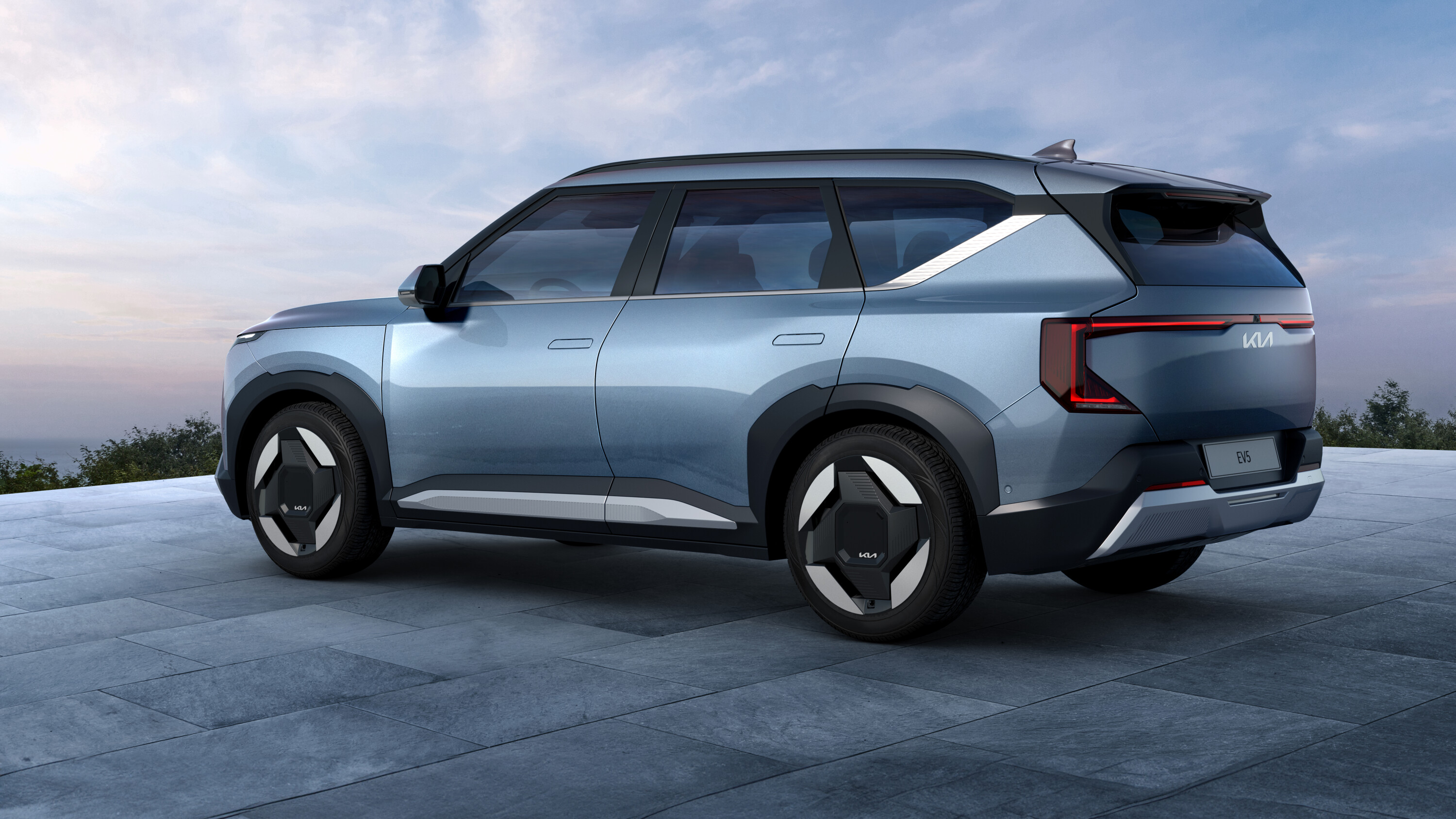
Kia EV5
The Kia EV5 mid-size SUV is due in Australia in 2024 to tackle the popular Tesla Model Y.
The first Chinese-built Kia will also face the Volkswagen ID.4, Skoda Enyaq, Ford Mustang Mach-E and Hyundai Ioniq 5 in the hotly-contested segment.
1
Three powertrain configurations are offered: a 64kWh standard range with a front-mounted 160kW motor, an 88kWh long range model with the same motor, and a 230kW all-wheel-drive version.
The initial models will be followed by a high-performance EV5 GT, likely developing nearly 400kW from two motors.
MORE
Everything Kia
1
Lexus GX
| Due | H1 2024 |
|---|---|
| Price | From $115,000 before on-road costs (estimated) |
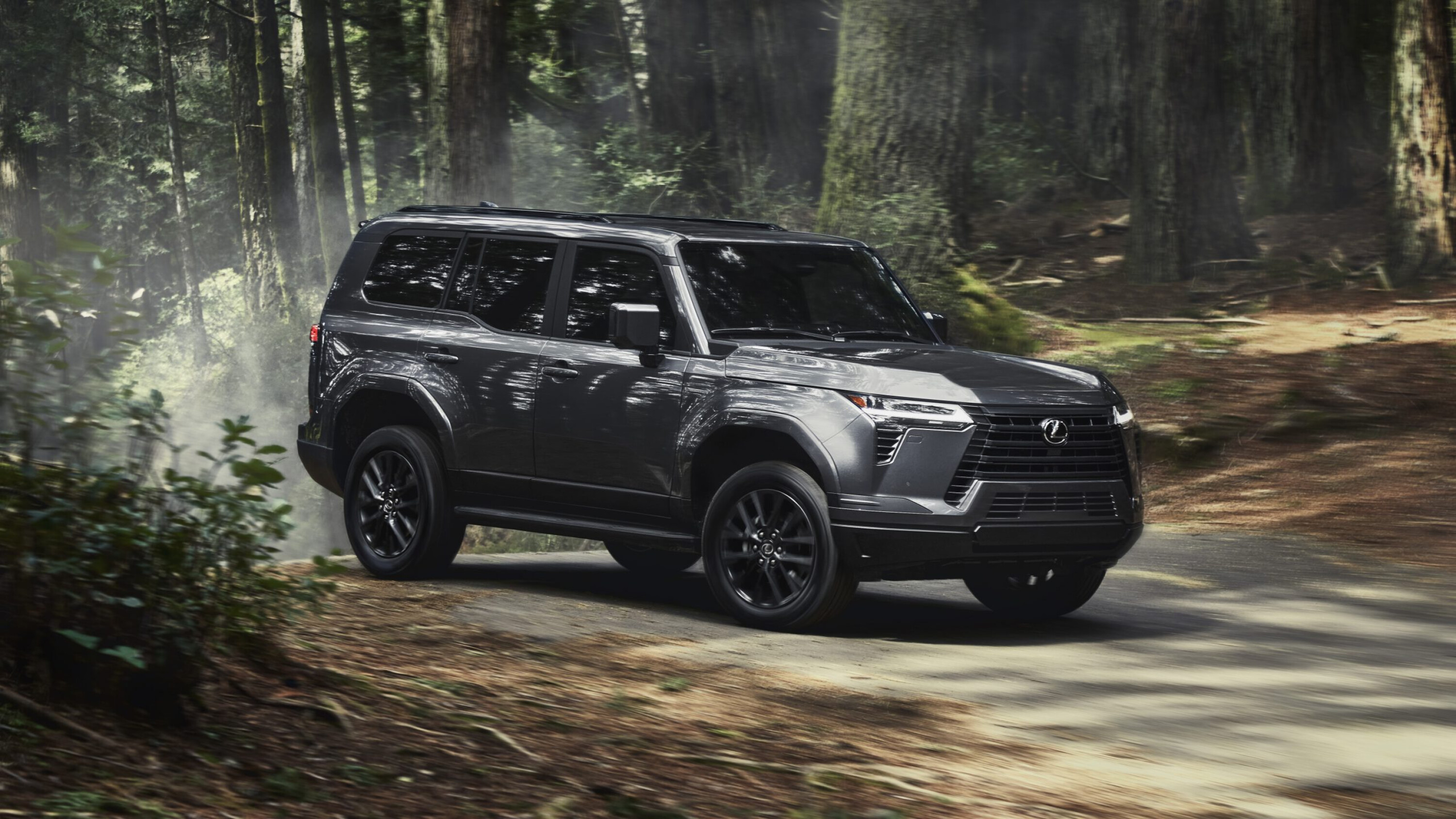
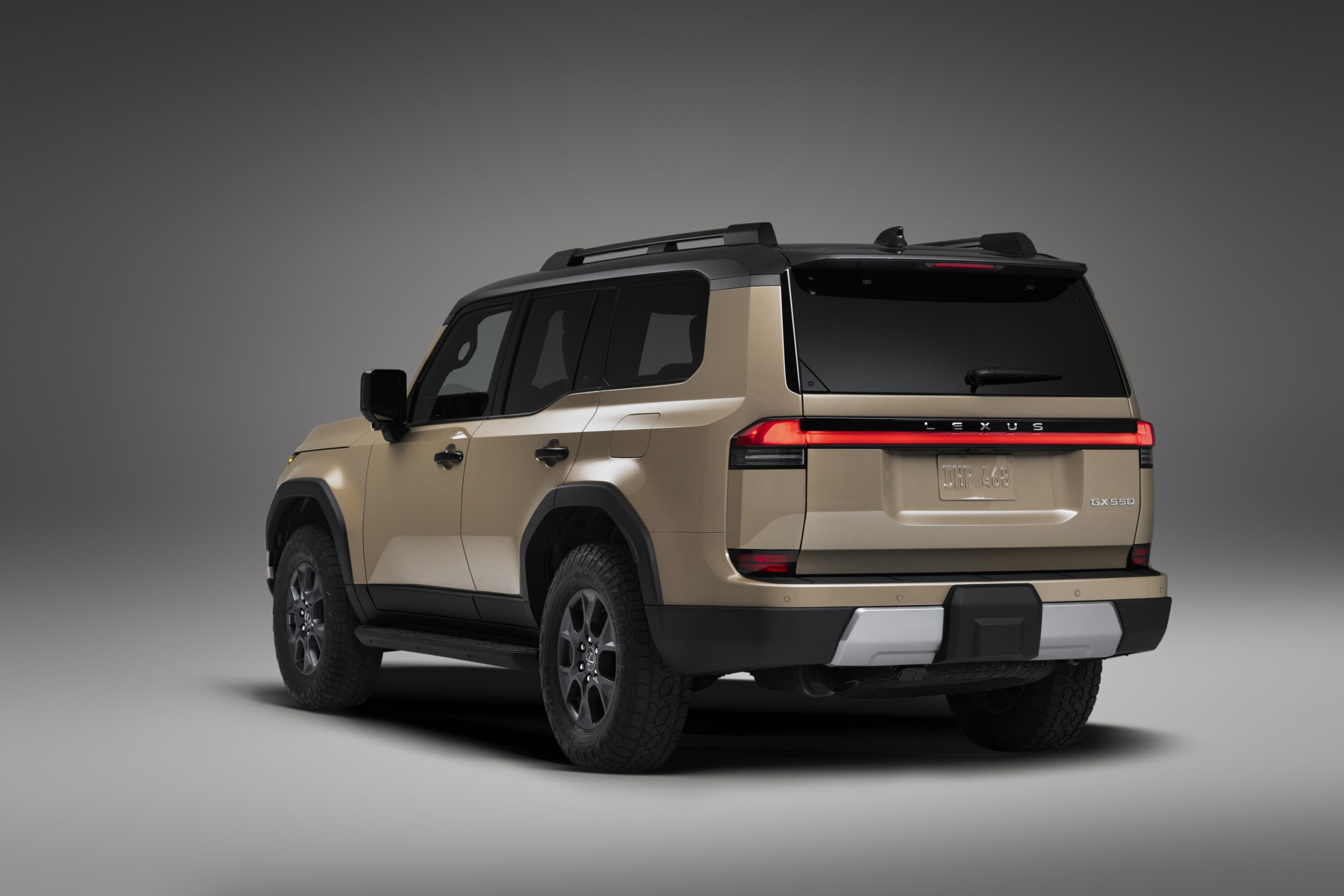
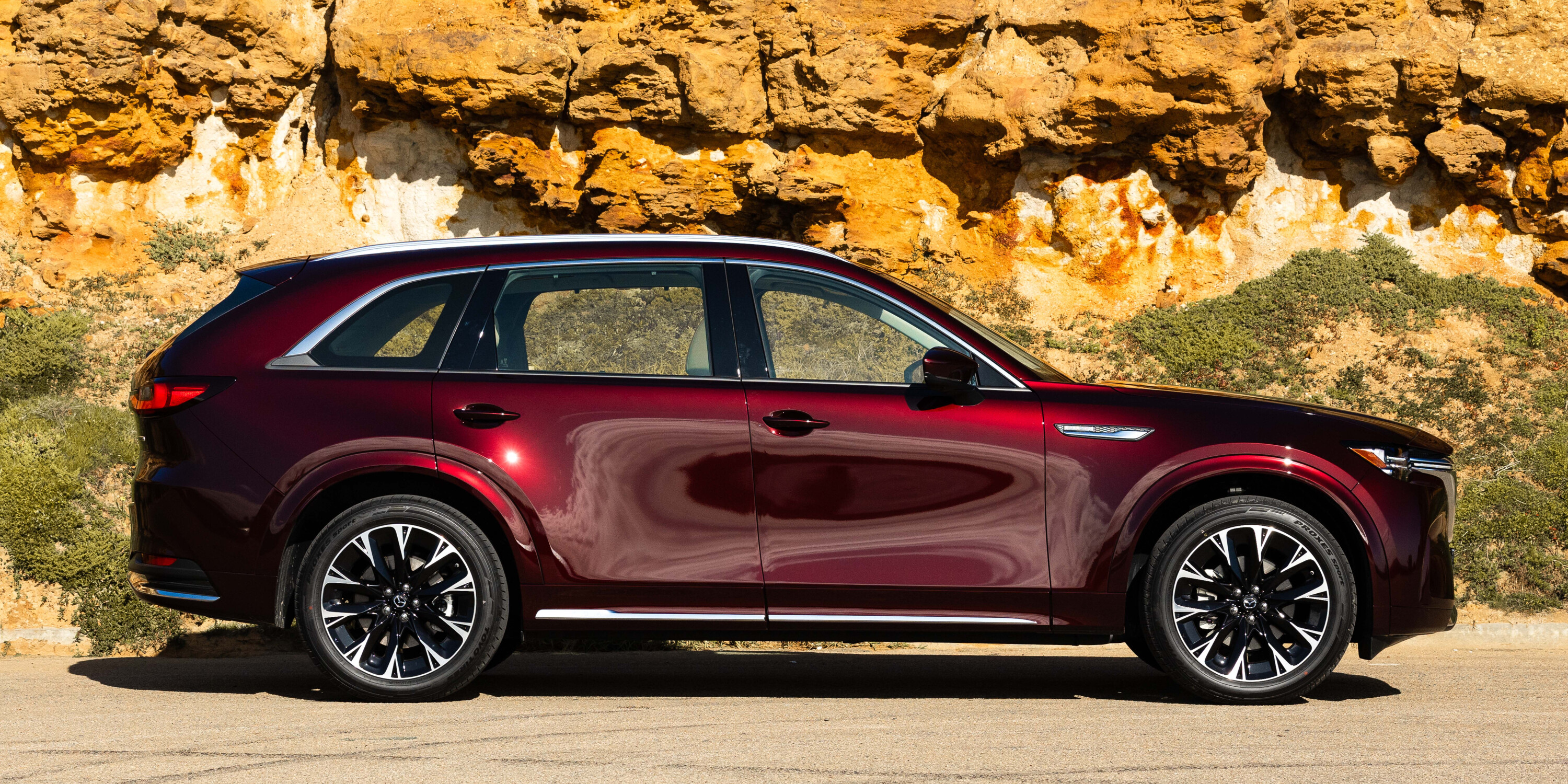
Lexus has confirmed the latest GX off-roader – based on the all-new Toyota Prado – will launch in Australia, after a 21-year absence from local showrooms.
It is the first all-new GX in 14 years, with the vehicle heavily related to the forthcoming 2024 Toyota Prado due in Australia at a similar time.
Lexus Australia has confirmed the GX will be “initially” offered with a 3.5-litre twin-turbo petrol V6 – likely with a price tag slotting between the $86,000 RX and $150,000 LX.
11
A 2.4-litre turbo-petrol hybrid is expected in Australia later, while it is currently unclear if the GX will offer a diesel option.
Highlights include full-time all-wheel drive with a low-range transfer case, an off-road-focused Overtrail variant, and a modern look inside and out with a 14-inch infotainment system and 12.3-inch digital instrument cluster.
MORE
Everything Lexus
1
Mazda CX-80
| Due | H1 2024 |
|---|---|
| Price | From $65,000 before on-road costs (estimated) |
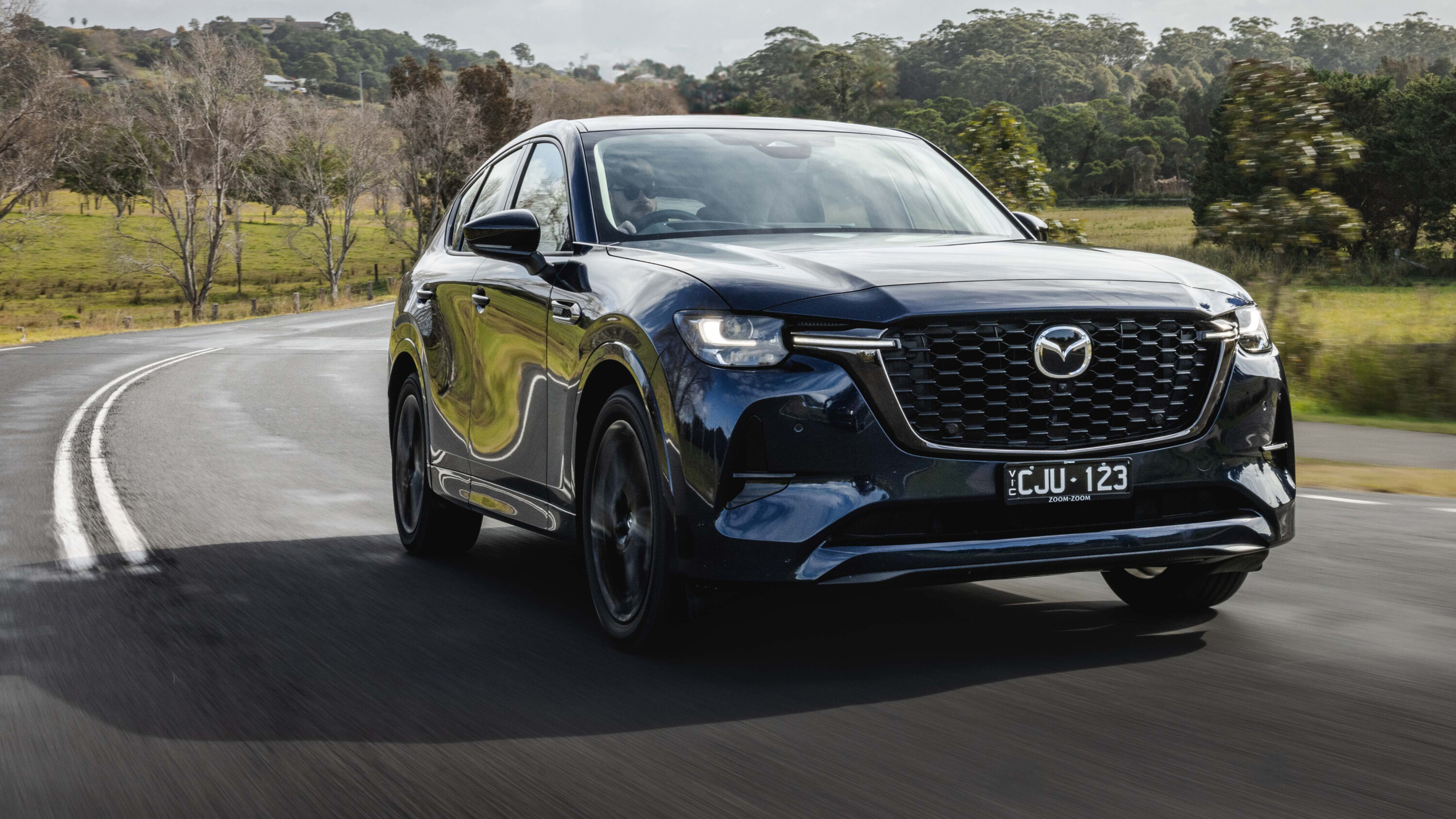
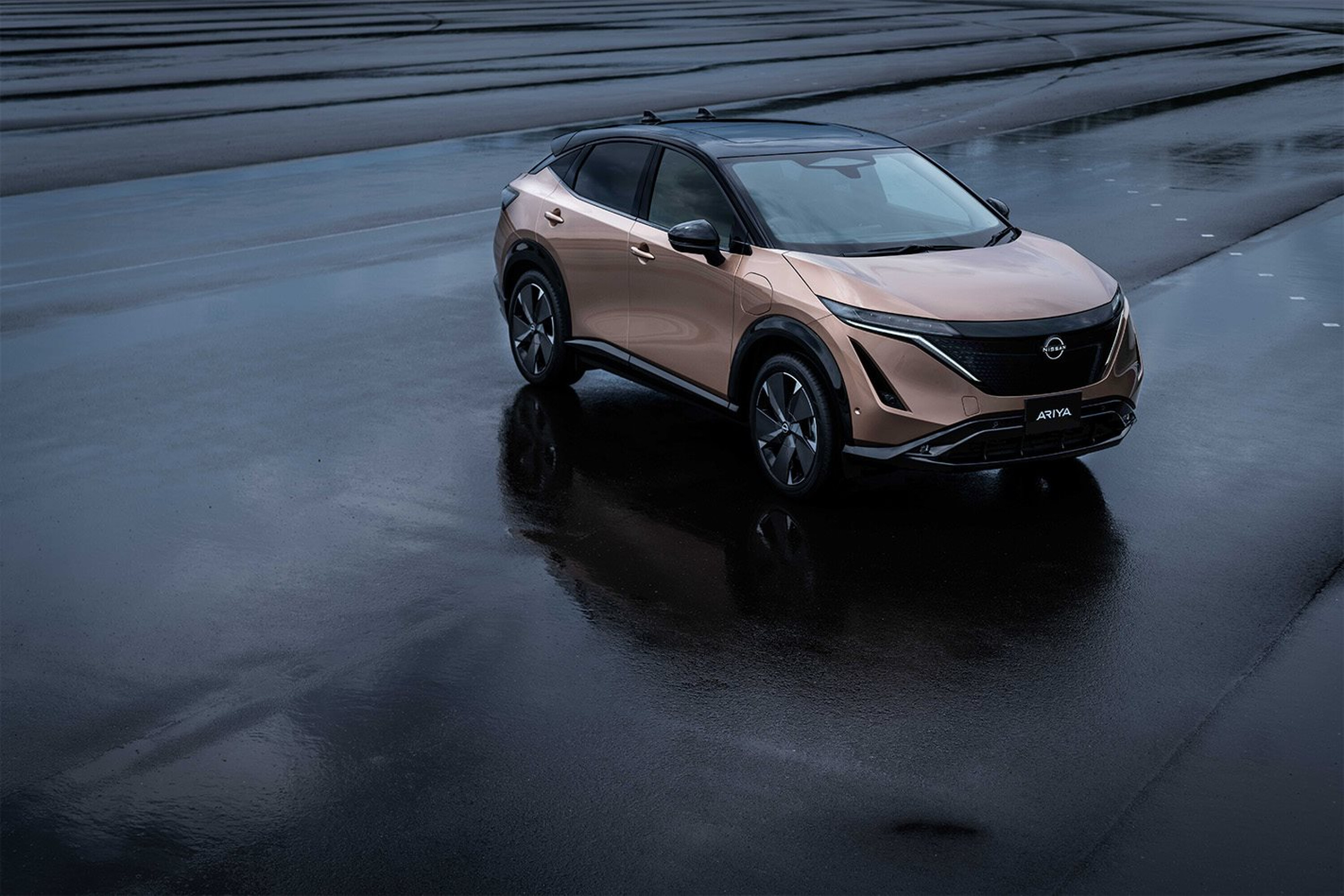
The seven-seat CX-80 will be the third ‘Mazda premium’ SUV offered in Australia when it arrives in 2024.
As an extended-wheelbase, three-row version of the CX-60, expect plenty of familiarity – in a larger package.
The CX-60’s powertrains are likely: A plug-in hybrid 241kW/500Nm 2.5-litre, and 3.3-litre inline-six petrol and diesel powerplants teamed with a rear-biased AWD system.
1
The turbocharged 3.3-litre petrol straight-six engine features 48-volt mild-hybrid technology making 209kW/450Nm, while the turbo-diesel engine with the same 3.3-litre displacement produces 187kW and 550Nm.
Multiple trim levels and six- or seven-seat options will likely be offered in Australia with prices starting around $65,000 and topping out near or above $100,000 for the flagship plug-in hybrid.
MORE
Everything Mazda
2
Nissan Ariya
| Due | H2 2024 |
|---|---|
| Price | From $70,000 before on-road costs (estimated) |
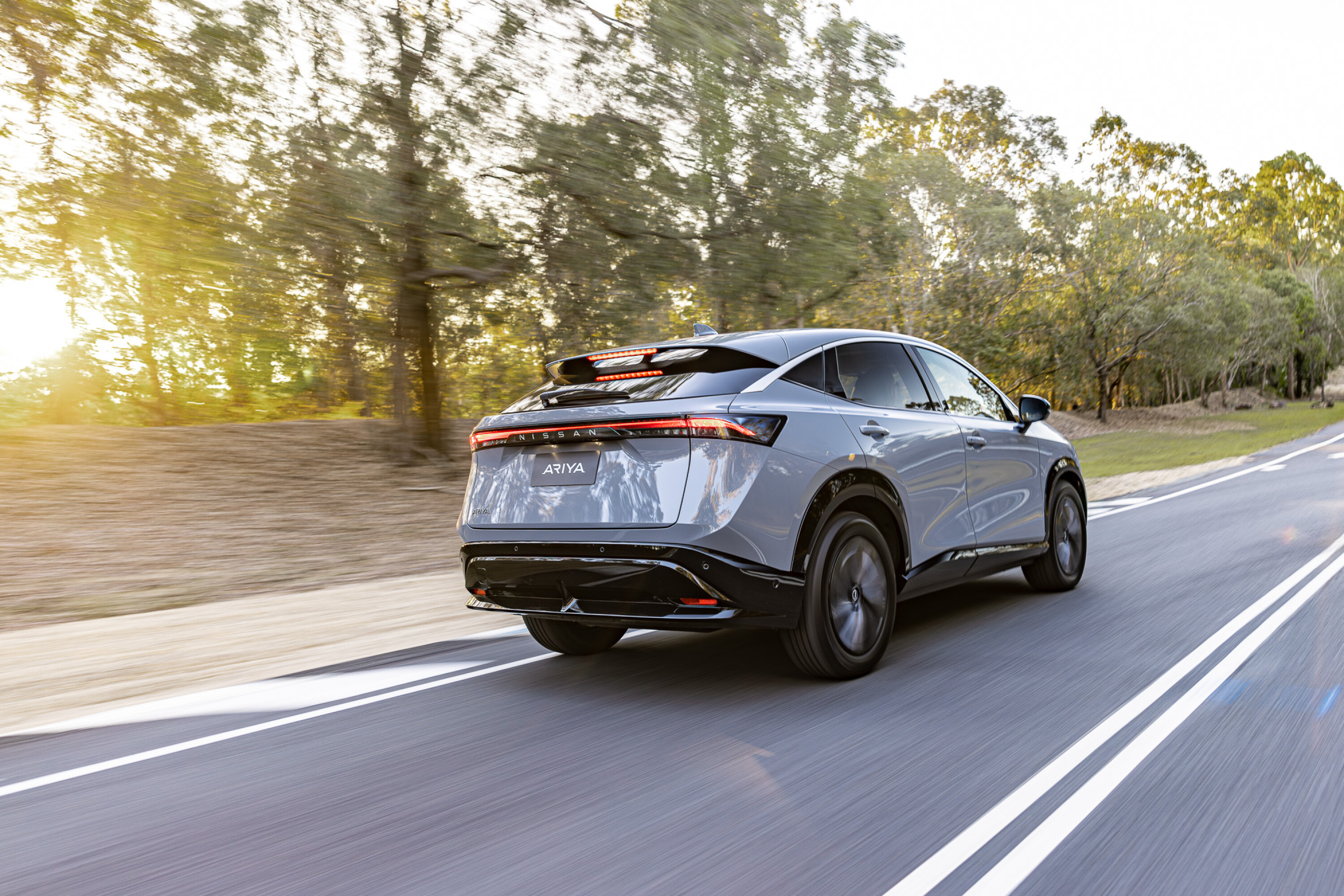
Nissan Australia’s vital all-electric SUV is no closer to Australia, with the Tesla Model Y rival expected later in 2024 – if not 2025.
The Nissan Ariya midsize electric SUV was confirmed for our market back in 2021, but last year, the brand said its launch is held up by demand and Australia’s relaxed fuel efficiency regulations.
11
Globally, the Ariya offers a choice of front- or all-wheel drive and two different battery sizes, resulting in four different power outputs, ranging from 160kW to 290kW.
The top-rung Ariya E-Force Performance hits 100km/h in just over five seconds, while the most efficient will nudge 500km of range on a full charge.
1
Nissan Patrol
| Due | Late 2024 onwards |
|---|---|
| Price | From $100,000 before on-road costs (estimated) |
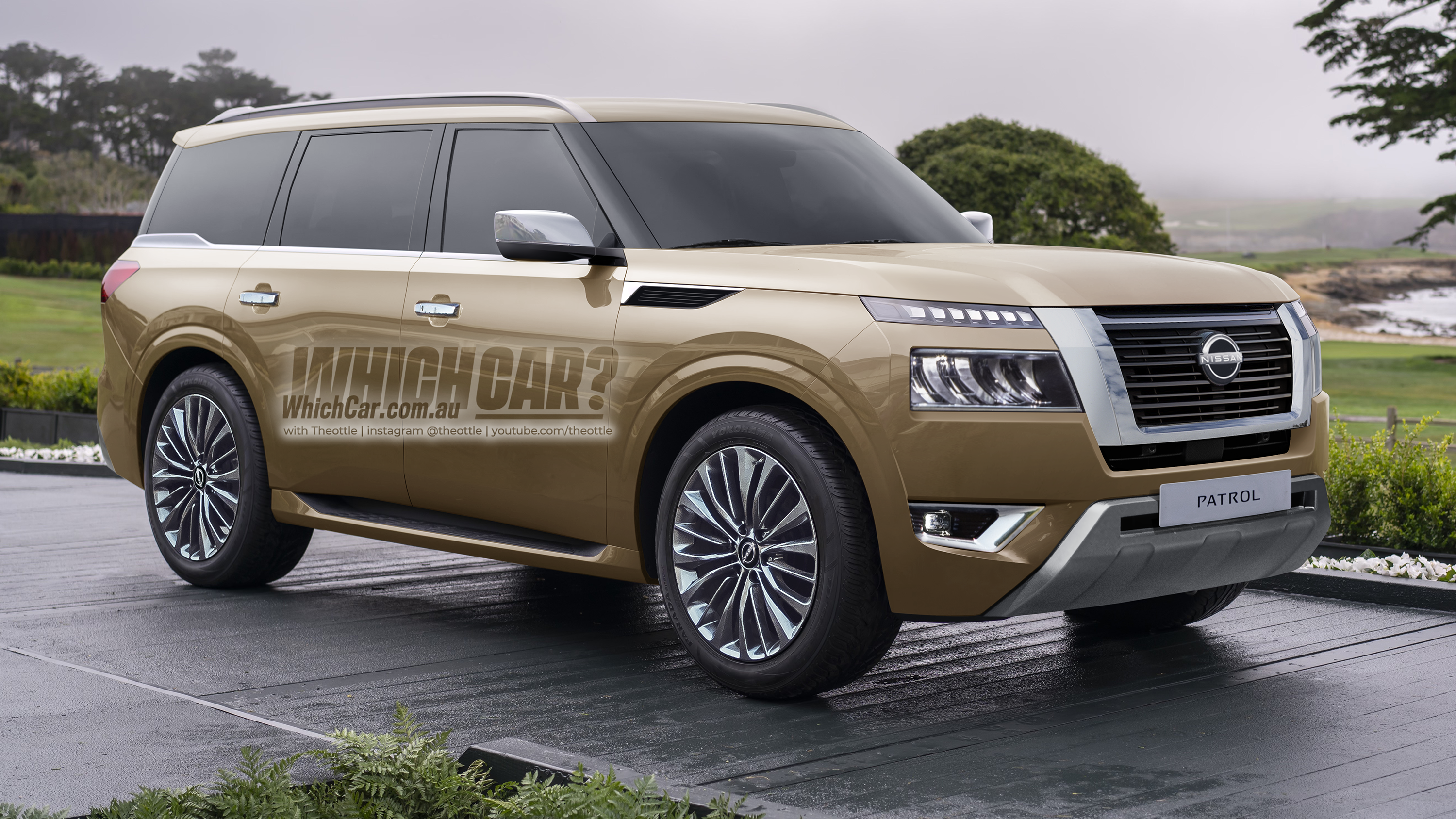
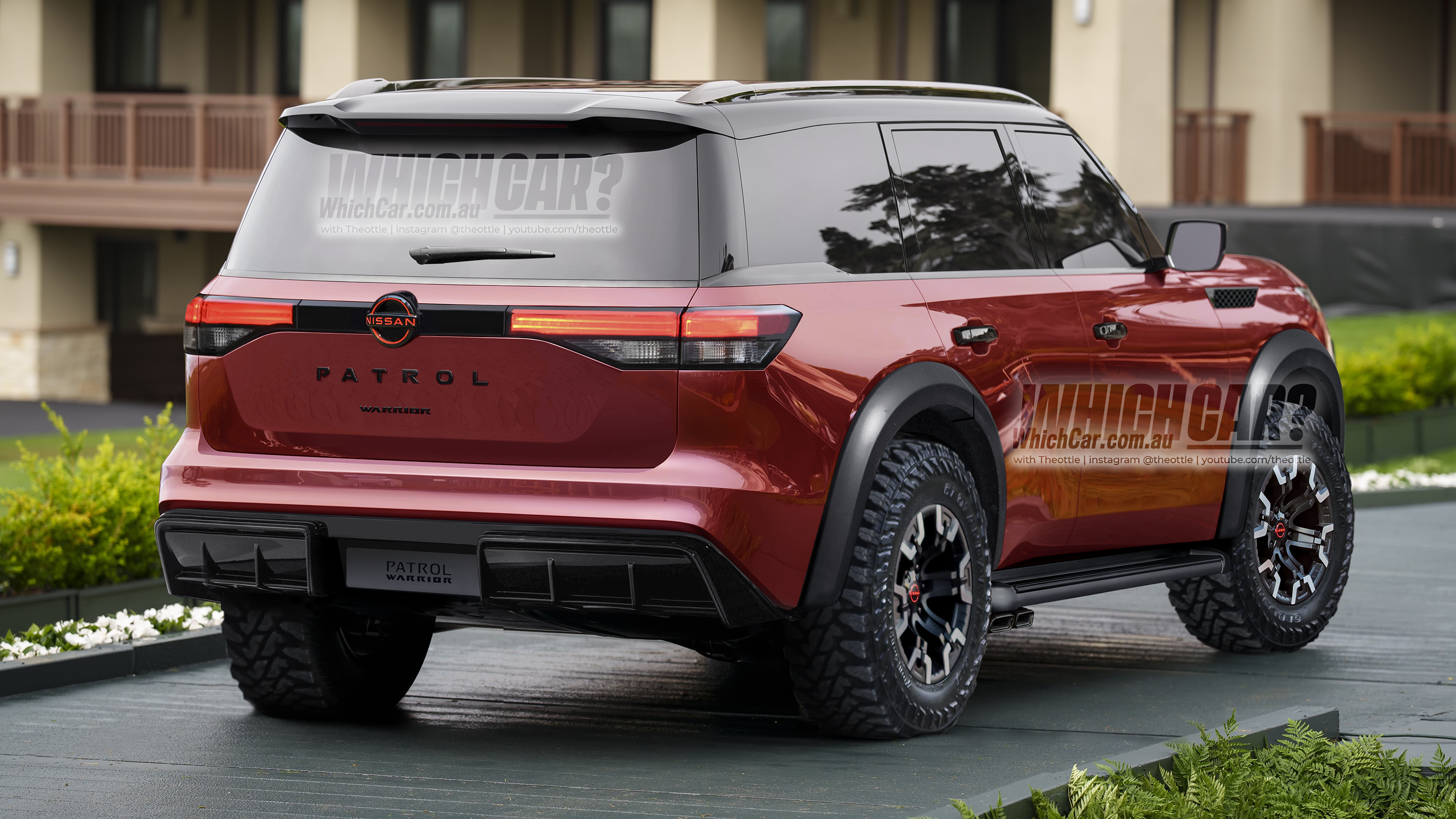
The next-generation ‘Y63’ 2025 Nissan Patrol off-roader is expected to debut next year with a downsized twin-turbo petrol V6.
Previewed by the upscale Infiniti QX80 Monograph, the production Patrol will likely resemble the concept with minor tweaks such as more conventional door frames, side mirrors, and smaller alloy wheels.
A production-ready Patrol prototype shown to US dealers was described as “Range Rover-like” with a more-rugged appearance, including new headlights and tail-lights, and an “all-new”, modernised interior.
1
It is reported the 2025 Nissan Patrol will swap its naturally aspirated V8 for a downsized 316kW twin-turbo petrol V6 matched to a nine-speed automatic transmission.
The new Patrol, which could adopt the ‘Y63’ codename, will also sport larger screens, updated active safety features, and additional features above the current model launched in 2010.
Local timing is unclear, but it could arrive here at the tail-end of 2024 given the Patrol’s significance in our market.
MORE
Everything Nissan
1
Polestar 3
| Due | Mid-2024 |
|---|---|
| Price | From $132,900 before on-road costs |
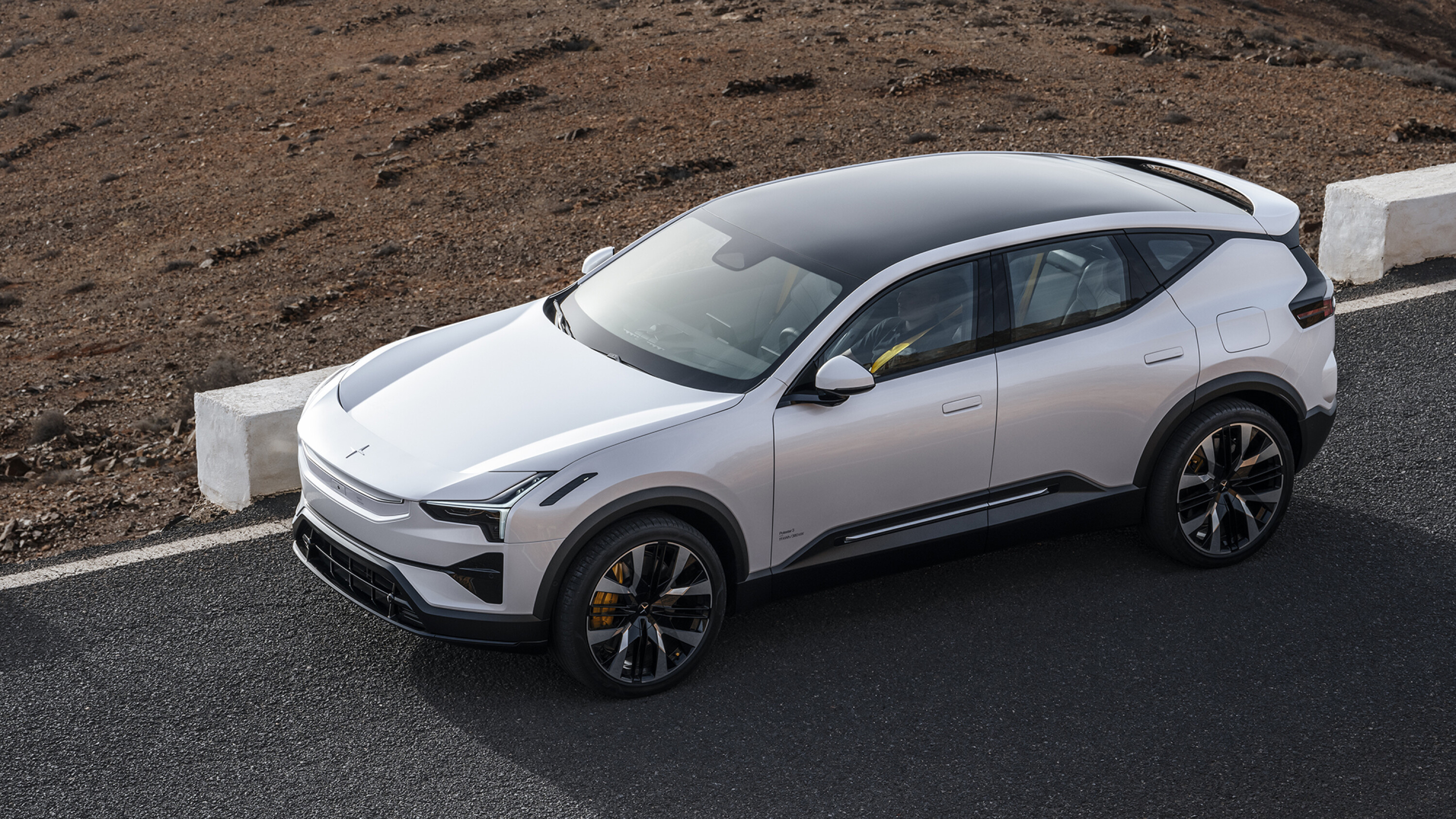
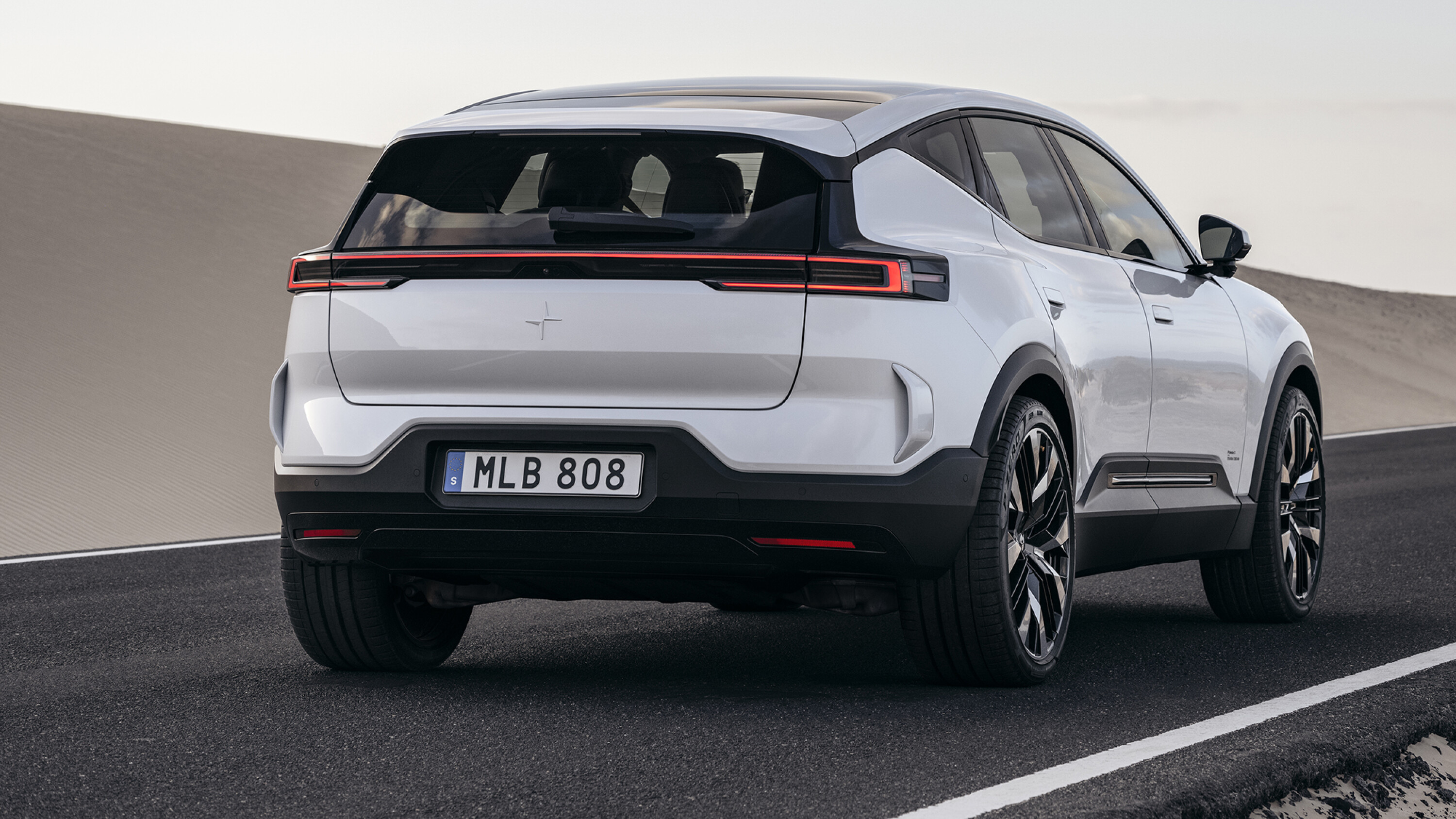
This is the stablemate and platform sibling to the forthcoming Volvo EX90, but with a greater emphasis on five-seater style as opposed to seven-seater utility.
The Polestar 3 is a crossover SUV with a sculpted design, aiming to compete with Audi Q8 E-Tron, BMW iX, Mercedes-Benz EQS SUV and Porsche Taycan Cross.
12
Available in two variants in Australia, the 360kW/840Nm Launch Edition long-range and 380kW/910Nm Performance Option, both with a 600-kilometre WLTP range.
The ride quality is expected to be absorbent, with dual-chamber air suspension and adaptive damper set-up. Available locally by mid-2024, it is priced from $132,900 before on-road costs.
MORE
Everything Polestar
1
Skoda Enyaq
| Due | July 2024 |
|---|---|
| Price | From $80,000 before on-road costs (estimated) |
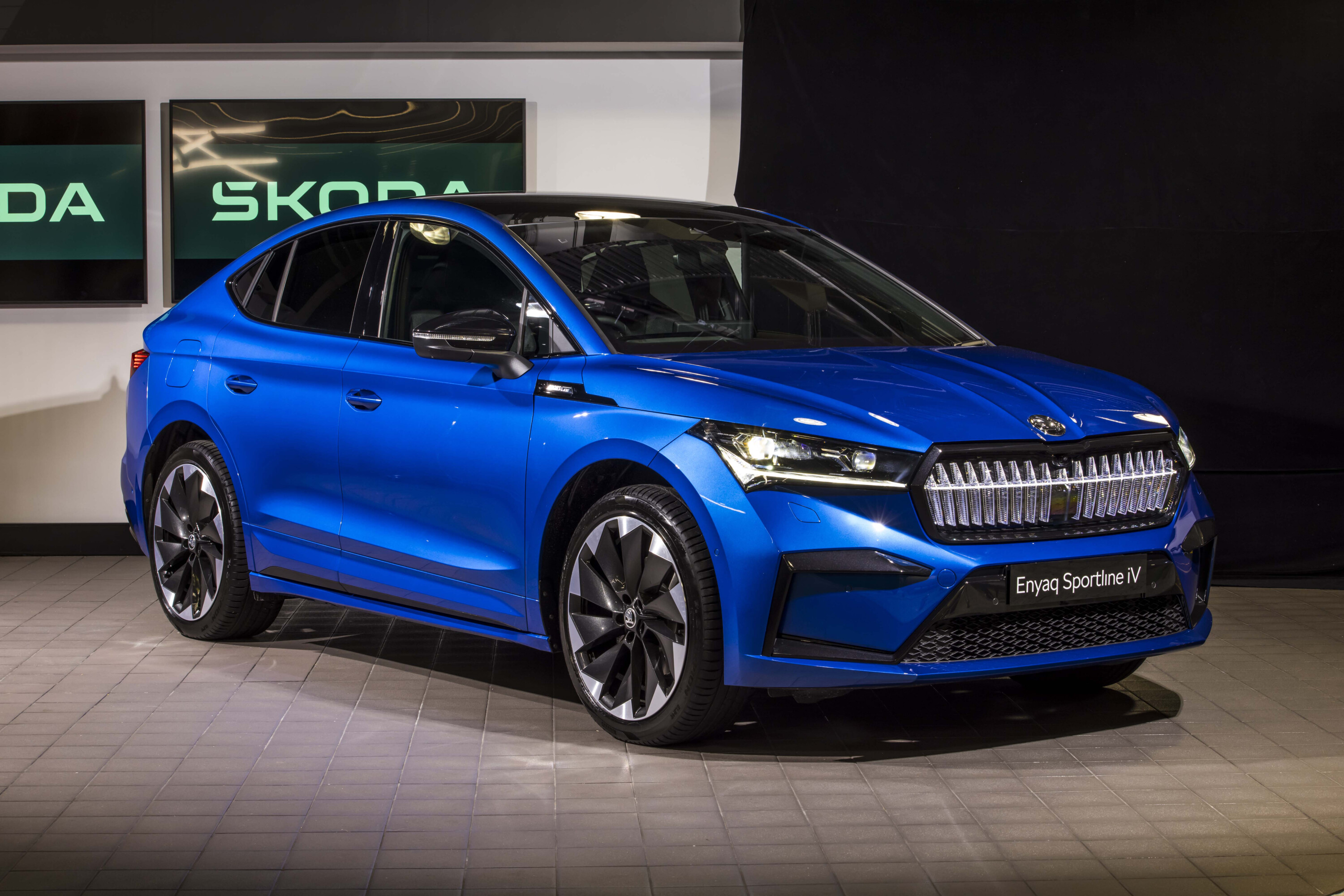
Skoda Australia has confirmed the brand’s first battery-electric vehicle, the Enyaq, will arrive here, in updated form, in July 2024 – just behind the related Volkswagen ID.4 and ID.5.
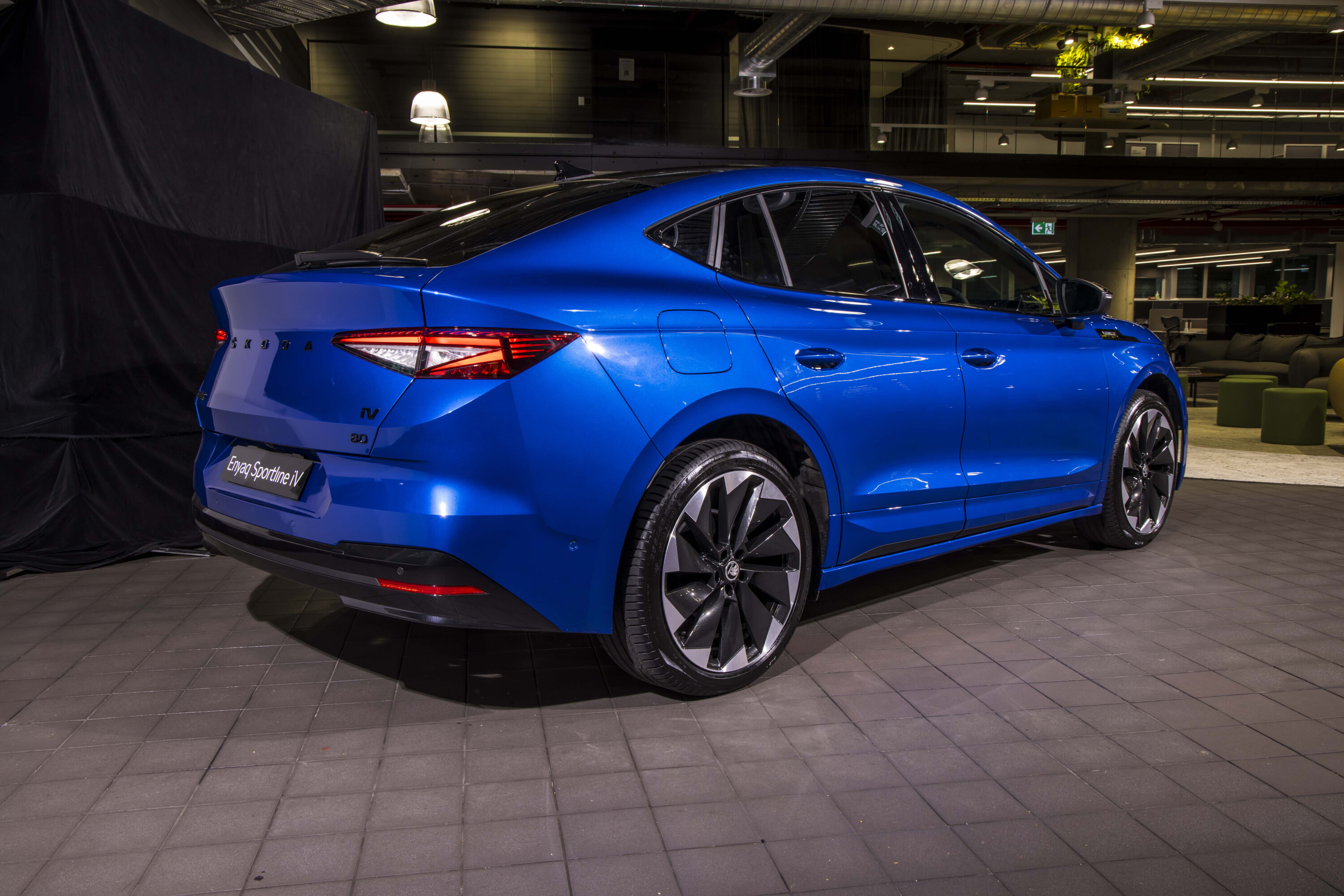
The local line-up will feature wagon and coupe bodies and be offered in at least two variants: A long-range rear-drive Sportline and the sportier AWD RS. A ‘Laurin & Klement’ luxury version is also expected to be offered as a range-topping launch edition.
The car we’ll be getting has been treated to a recently-unveiled mid-life update, with a new ‘Enyaq 85’ base model with new motors providing 210kW and a 576km driving range (Coupe, WLTP).
7
Headlining the Australian range will be the 250kW RS capable of a 5.5-second 0-100km/h sprint time.
Skoda expects the more aerodynamic Enyaq coupe (with a drag coefficient of just 0.234) to be the most popular body style once it goes on sale in Australia.
1
Skoda Kodiaq
| Due | Late 2024 |
|---|---|
| Price | From $55,000 before on-road costs (estimated) |
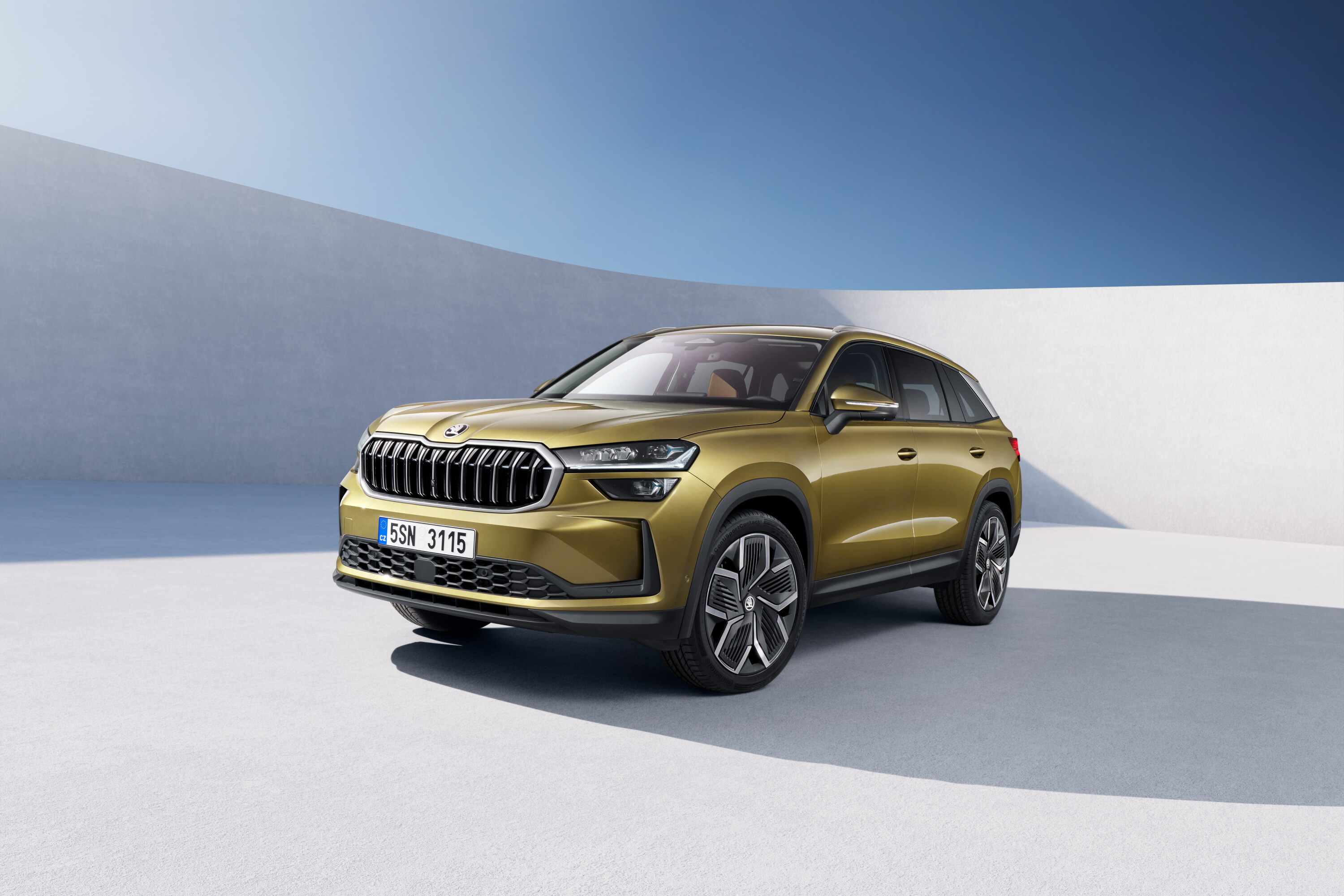
The second-generation Skoda Kodiaq retains similar MQB underpinnings, but adopts a refreshed look and plenty of new tech.
Bigger and sleeker than the version that came before it, the new Kodiaq will drop into Australia late in 2024 with a single variant from launch, a 150kW petrol-powered AWD seven-seater.
8
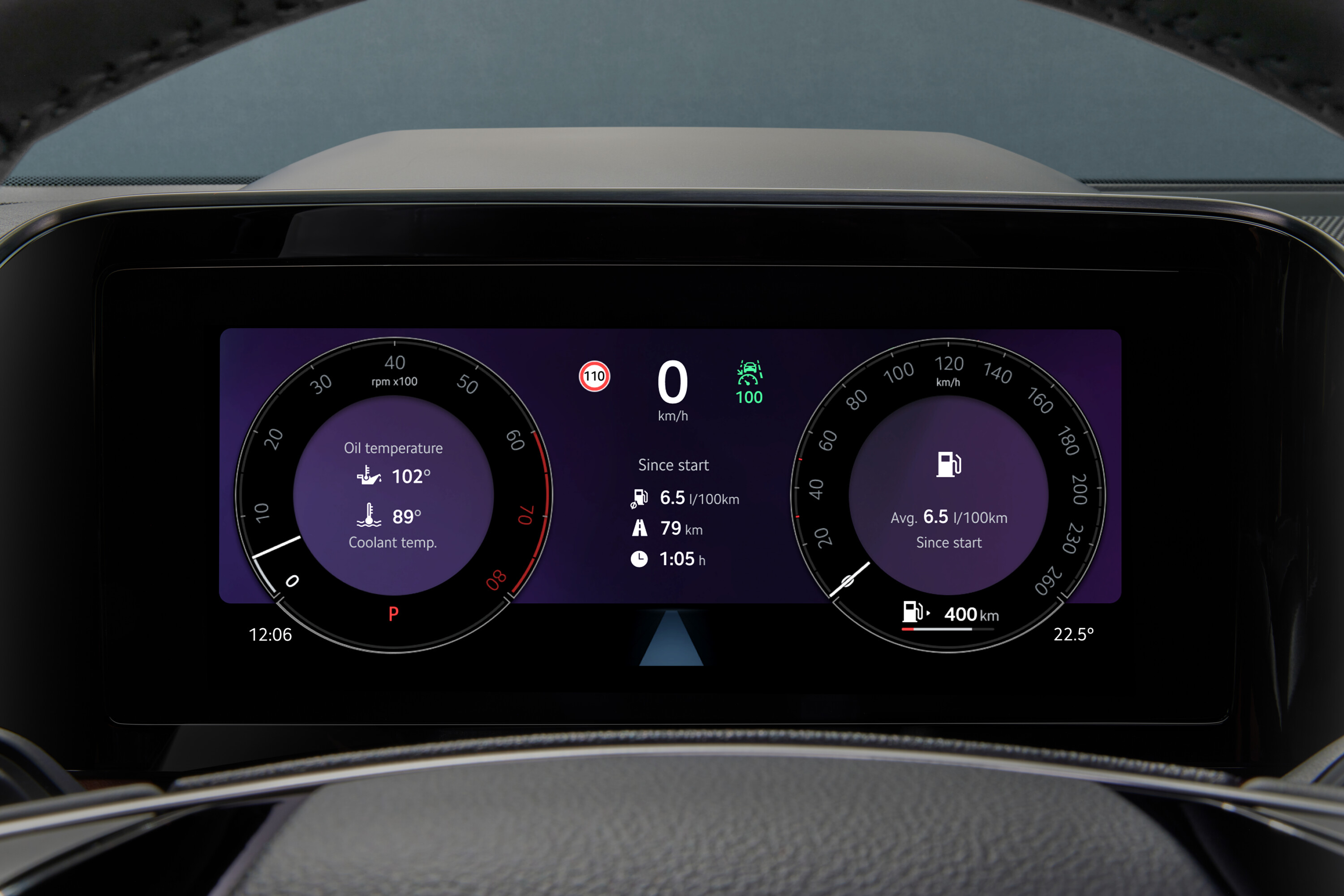
This variant will rely on the Volkswagen Group’s ubiquitous EA888 2.0-litre turbocharged four-cylinder petrol engine, mated to a seven-speed dual-clutch transmission.
Skoda Australia says it will focus on this single variant at launch and will “evaluate further opportunities” to add to the range. This could include the 1.5-litre petrol-electric plug-in hybrid, a first for the Czech brand.
MORE
Everything Skoda
1
Toyota BZ4x
| Due | February 2024 |
|---|---|
| Price | From $70,000 before on-road costs (estimated) |
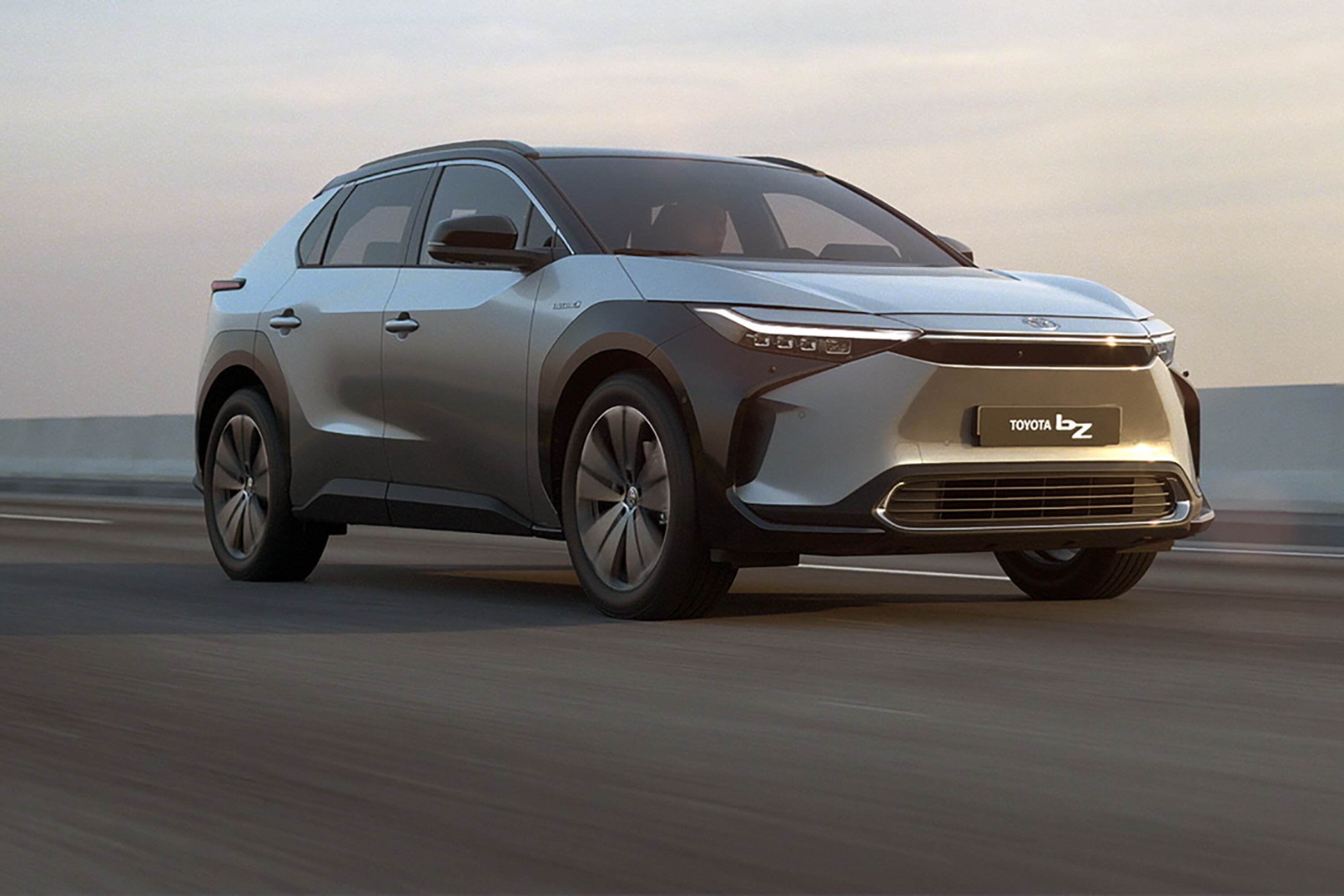
When Subaru and Toyota got together for the first time, the result was one of our favourite cars of the last decade, the COTY-winning BRZ/86 twins.
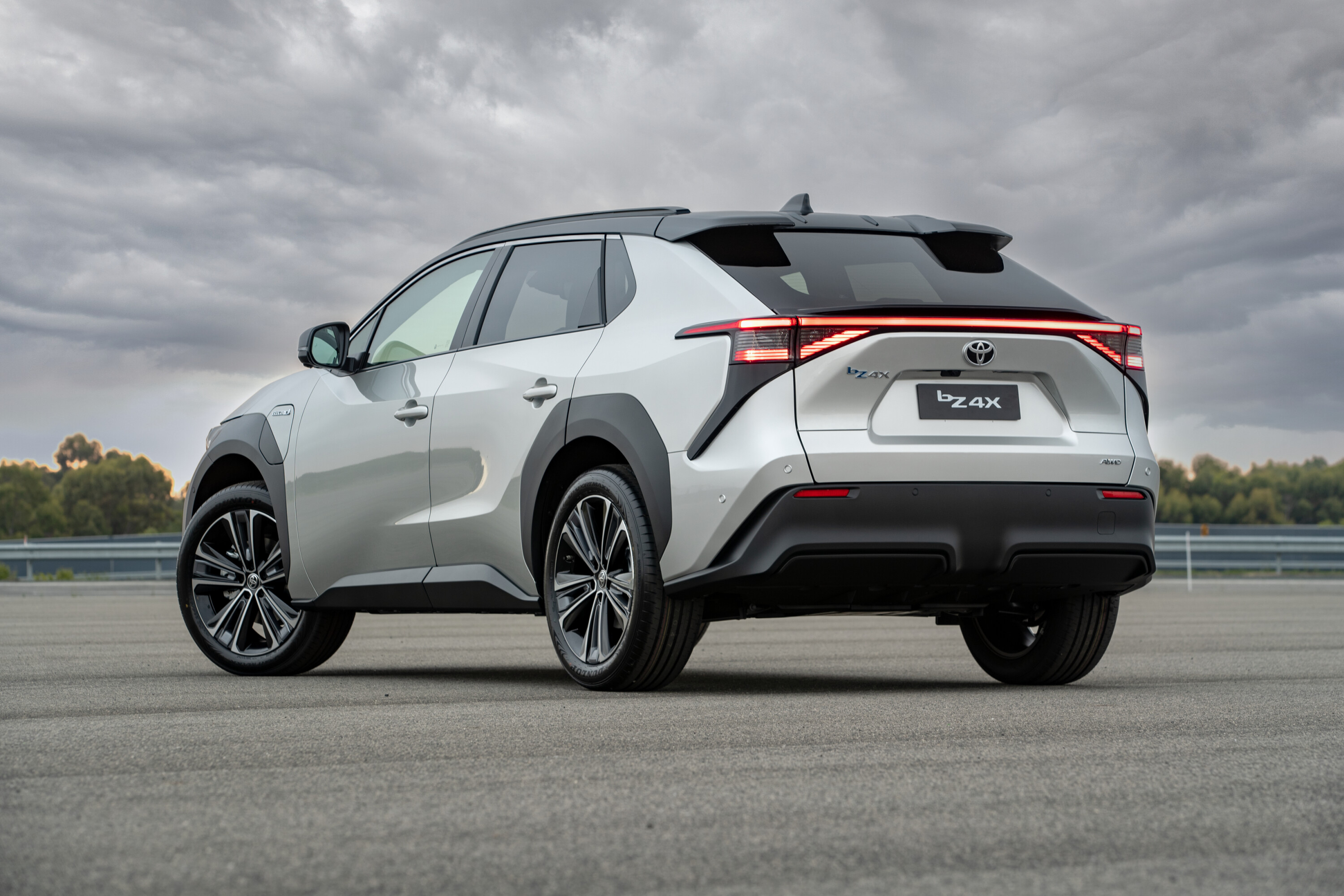
Based on the same E-TNGA underpinnings, the Japanese brands have collaborated to develop the Toyota BZ4x and Subaru Solterra mid-size SUVs.
The Solterra is due in Australia imminently, while Toyota is waiting for a mild update unveiled recently in Japan, with first examples due here in February 2024 – pending further delays.
9
A front-drive variant will offer a 150kW/337Nm peak output, while all-wheel drive variants have 160kW.
Charging is capped at 6.6kW on AC chargers or 150kW at DC public infrastructure. The BZ4x, with 211 millimetres of ground clearance, also offers Subaru’s ‘X-Mode’ off-road drive mode.
Toyota will need to provide a tempting spec starting at between $65,000 and $75,000 to compete with the popular Tesla Model Y and other mid-size electric SUVs, like the Kia EV6, Hyundai Ioniq 5 and Ford Mustang Mach-E.
1
Toyota Prado
| Due | Mid-2024 |
|---|---|
| Price | From $75,000 before on-road costs (estimated) |
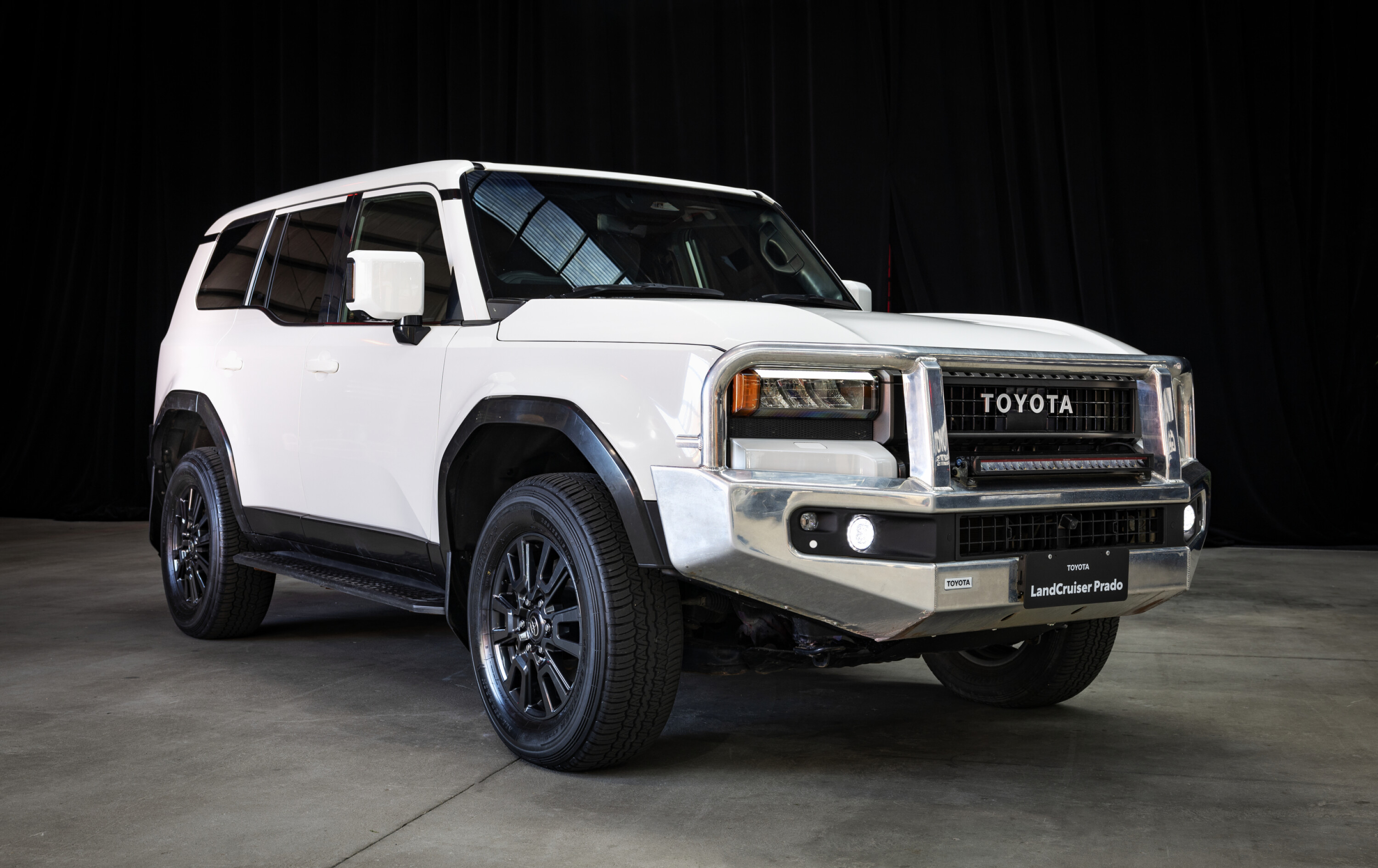
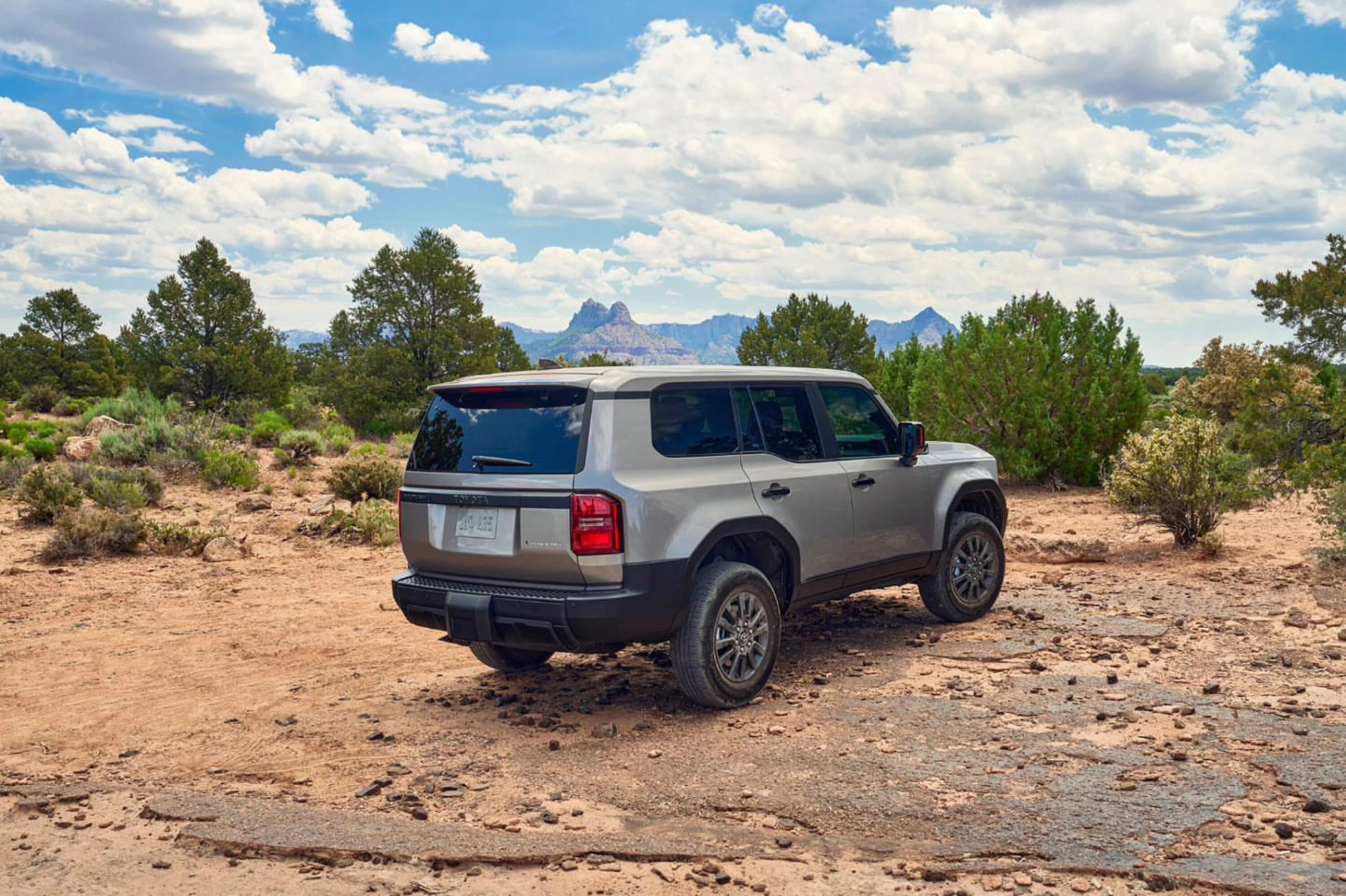
The first all-new Toyota LandCruiser Prado in 14 years has debuted with hybrid power, a bigger body, more tech, and an uprated towing capacity.
The latest ‘250 Series’ Prado is related to the new Lexus GX due in Australia next year, and closer than ever to the full-size LandCruiser 300 Series with an identical wheelbase.
A 48-volt mild-hybrid version of the current four-cylinder diesel will be offered in Australia with an identical 150kW and 500Nm.
4
It will be matched to a new eight-speed torque-converter automatic, full-time four-wheel-drive, and a starter motor-generator for “improved actual fuel economy” and a “quiet engine startup and smooth initial take-off”.
Under the skin, the Prado rides on Toyota’s latest TNGA-F body-on-frame platform shared with the LandCruiser 300, Lexus GX and LX, and the Tacoma and Tundra utes.
Get up to speed on the new Prado
The stories below will give you a guide to everything we learned about the new Prado when it was unveiled. All fresh stories published since then will be found on our Toyota Prado model page here.
2024 Toyota Prado coverage
- 2024 TOYOTA PRADO REVEALED
- Spec battle: New Prado v LandCruiser 300 Series
- Spec battle: New Prado v ‘old’ Prado
- Spec battle: New Prado v new Lexus GX
- Spec battle: New Prado v Fortuner
- Spec battle: New Prado v Ford Everest
- 2024 Toyota Prado: Everything we know
- What is the towing capacity of the new Prado?
- New Prado: What YOU think so far!
- BONUS: New 70 Series facelift revealed
- A 2025 Prado ute? Yes please!
- ALL PRADO NEWS & REVIEWS
- 2024 TOYOTA PRADO REVEALED
- Spec battle: New Prado v LandCruiser 300 Series
- Spec battle: New Prado v ‘old’ Prado
- Spec battle: New Prado v new Lexus GX
- Spec battle: New Prado v Fortuner
- Spec battle: New Prado v Ford Everest
- 2024 Toyota Prado: Everything we know
- What is the towing capacity of the new Prado?
- New Prado: What YOU think so far!
- BONUS: New 70 Series facelift revealed
- A 2025 Prado ute? Yes please!
- ALL PRADO NEWS & REVIEWS
MORE
Everything Toyota
1
Volkswagen ID.4 & ID.5
| Due | Mid-2024 |
|---|---|
| Price | From $65,000 before on-road costs (estimated) |
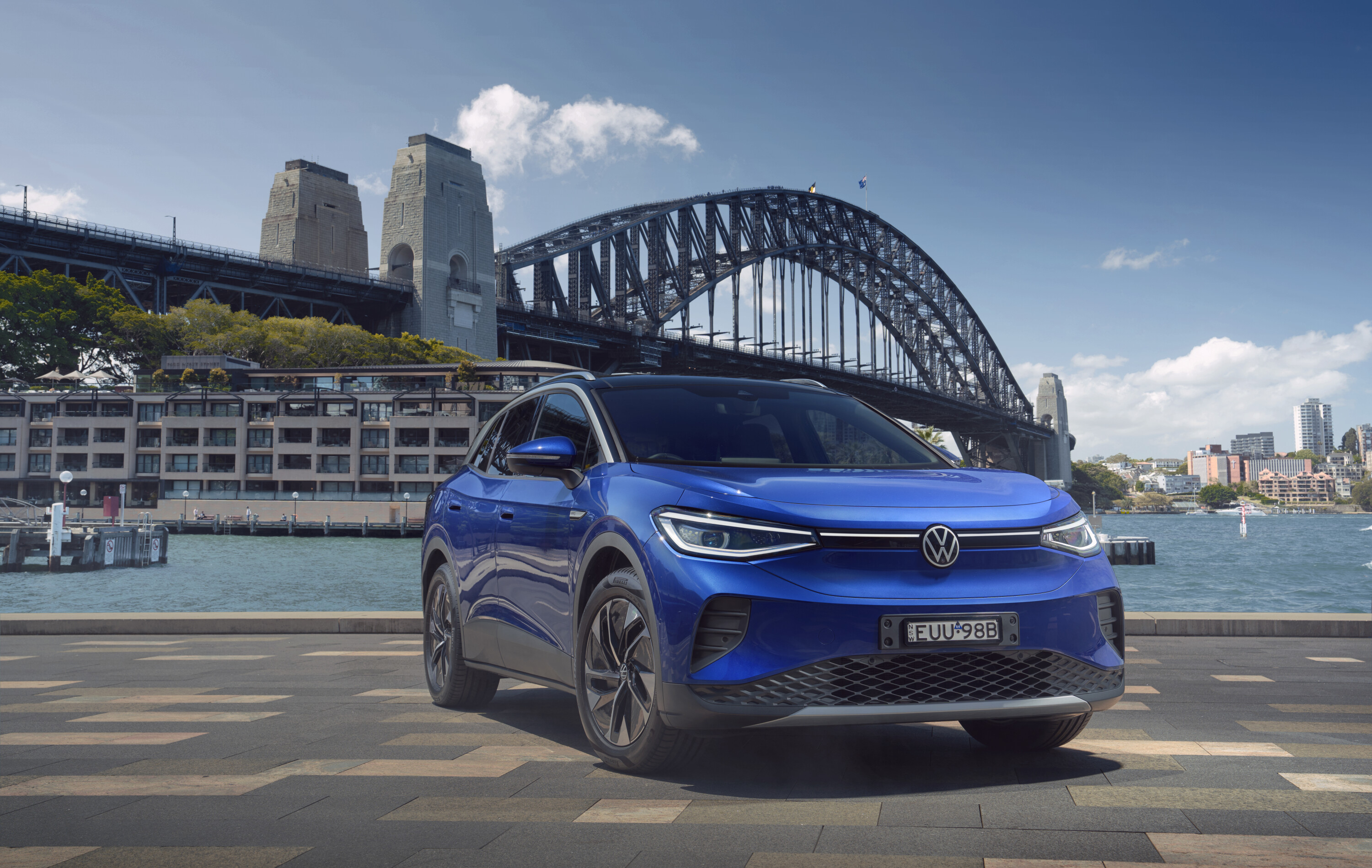
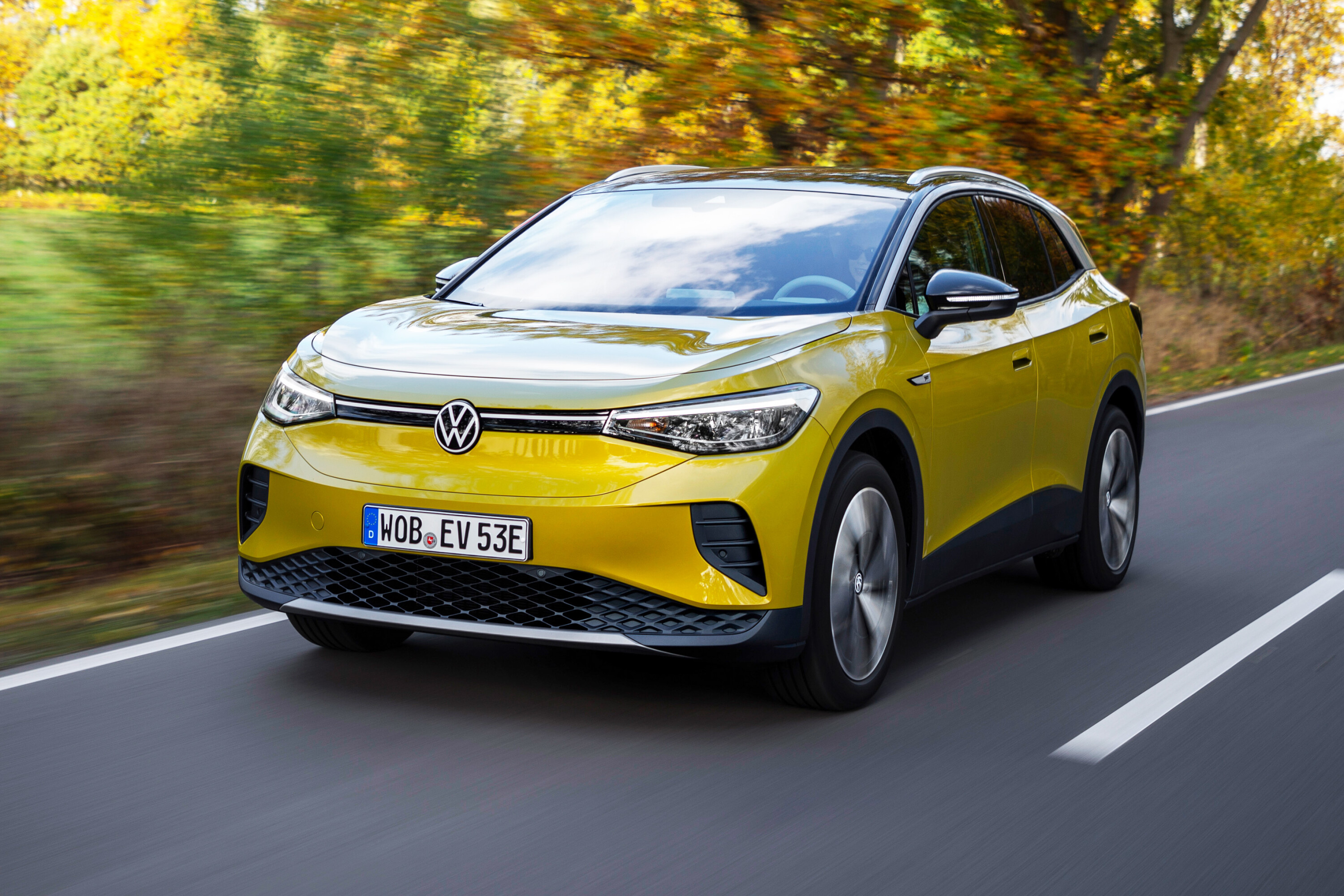
VW’s electric ID.4 and ID.5 are set to lead the brand’s local strategy, rivalling the Tesla Model Y, Kia EV6, Hyundai Ioniq 5 and Ford Mustang Mach-E.
At around 4.6 metres long, the ID.4 and ID.5 are bang on the class standard for a mid-size SUV.
VW’s approach here is to offer this fully electric model with up to 512km of EV range, the coupe-style ID.5 model as a sportier alternative, and the updated and re-bodied Tiguan as a petrol-powered option for those who aren’t ready for EV life just yet.
7
It offers a decent 543 litres of cargo capacity, and Australian examples are expected to come with a big touchscreen media system, three-zone climate control, LED lighting and big alloy wheels.
VW Australia is likely to offer a choice of a single-motor rear-wheel drive version with 210kW/545Nm, while a sportier ID.5 GTX model with all-wheel drive and 250kW is also expected.
1
Volkswagen Tiguan
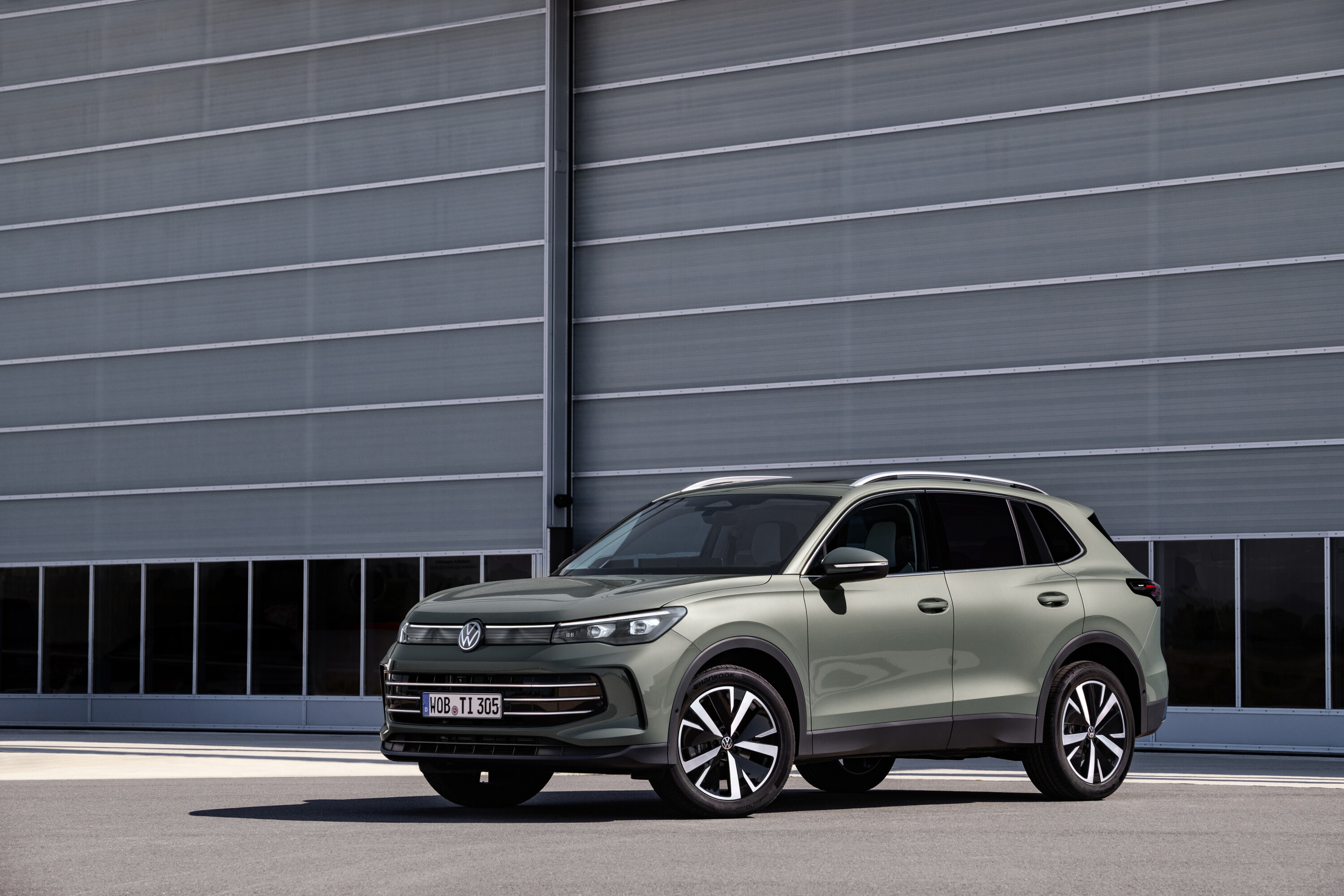
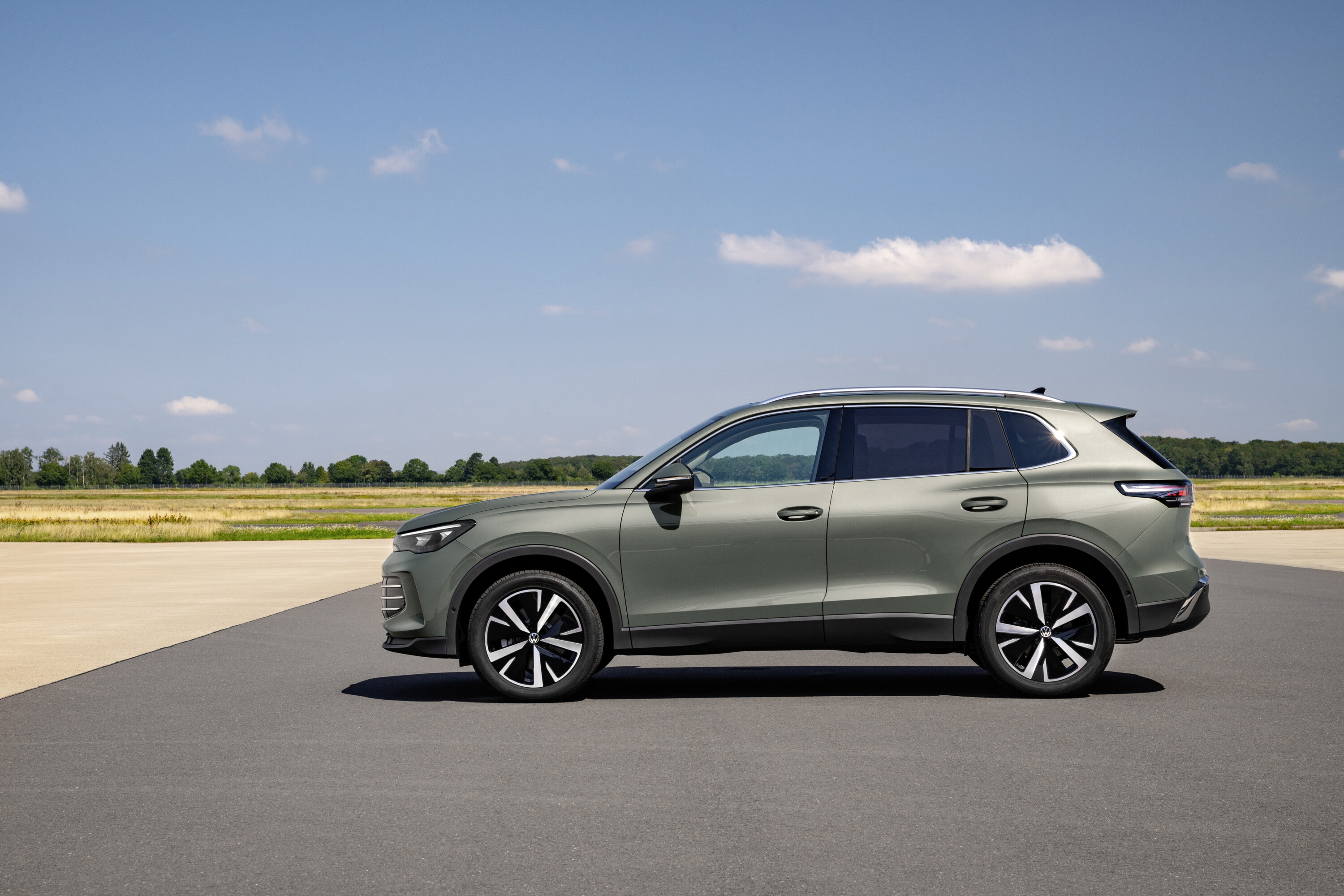
The third-generation VW Tiguan mid-size petrol-powered SUV will arrive late in 2024 or early in 2025.
Inside, it offers a bigger cabin, more boot space and a rethought dashboard design, while there’s a more rounded-edge exterior design.
9
A plug-in hybrid powertrain is offered in Europe and other markets, but Australia will stick with a couple of traditional turbo-petrol engines.
You won’t see a new-gen Tiguan Allspace, with that seven-seater to be replaced by a new model – the Tayron expected in 2025 – when the current model finishes its run.
1
Volvo EX90
| Due | Late 2024 |
|---|---|
| Price | From $130,000 before on-road costs (estimated) |
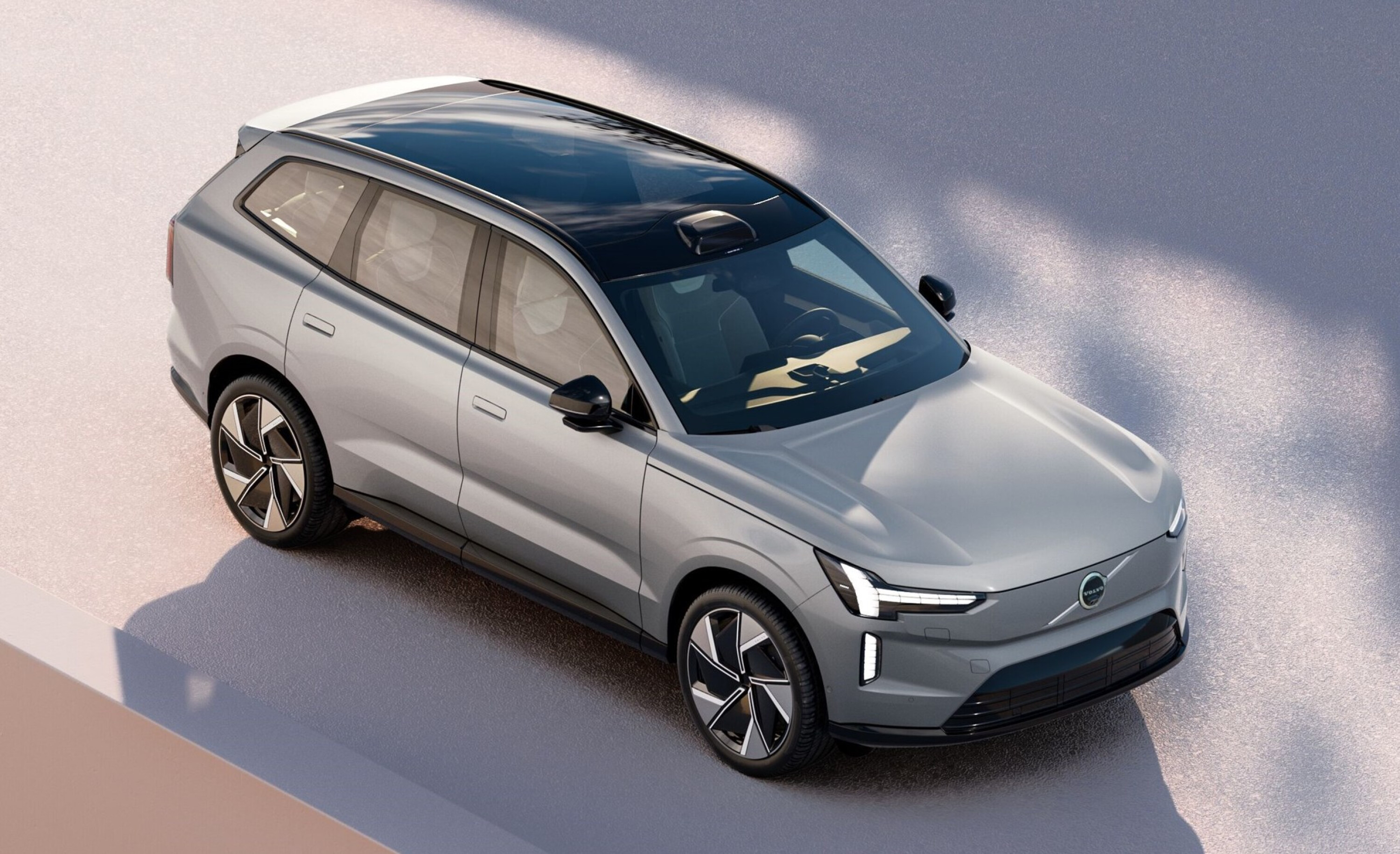
The first electric flagship for Volvo carries some big expectations.
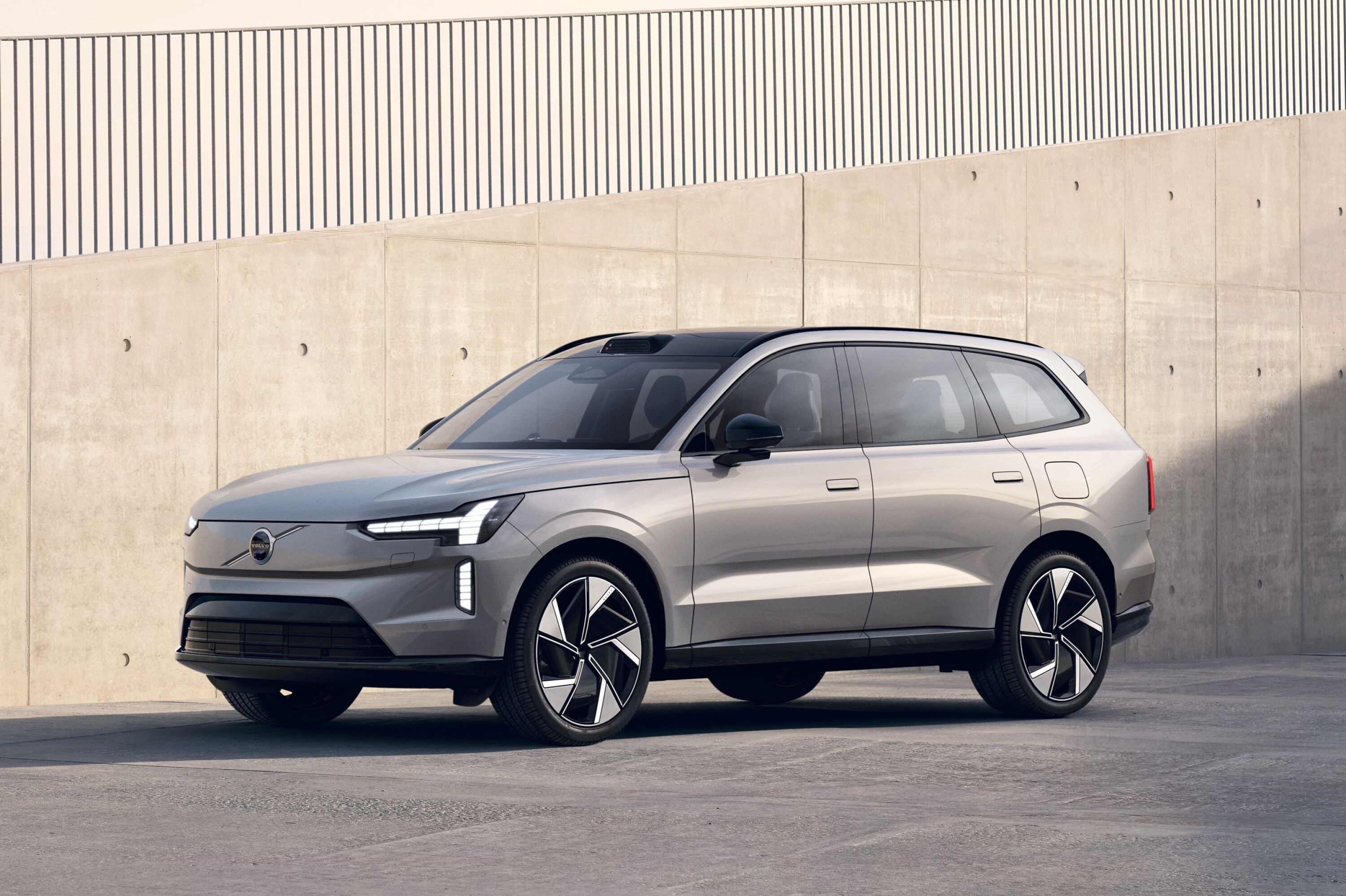
The Volvo EX90 is due in Australia in 2024 as a zero-emissions alternative to the XC90 large SUV.
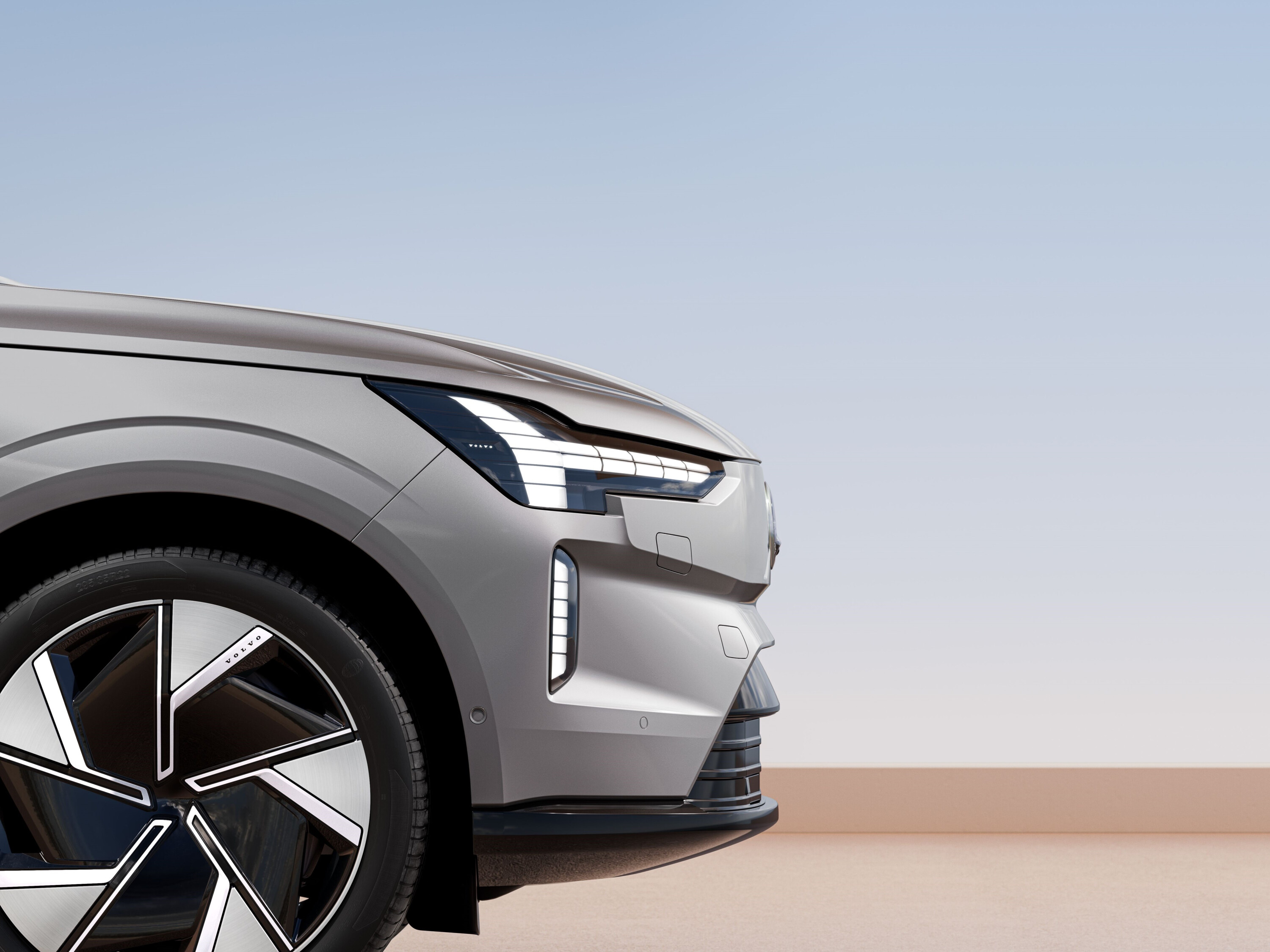
The EX90 has a rear-biased dual-motor set-up, a 111kWh battery, and a WLTP range of around 600km. It also offers bi-directional charging for external devices or energy back into homes.
10
The safety features include LiDAR (light detection and ranging) as a standard feature and a SAE Level 3 driver-assist system.
The car will monitor the driver using cameras and scan the cabin to avoid accidental lock-ins. The interior has premium materials and an elegant design, with a 15-inch central display running VolvoCars.OS, which offers faster upgrades via over-the-air updates.
MORE
Everything Volvo
MORE
SUV Buyers Guide
