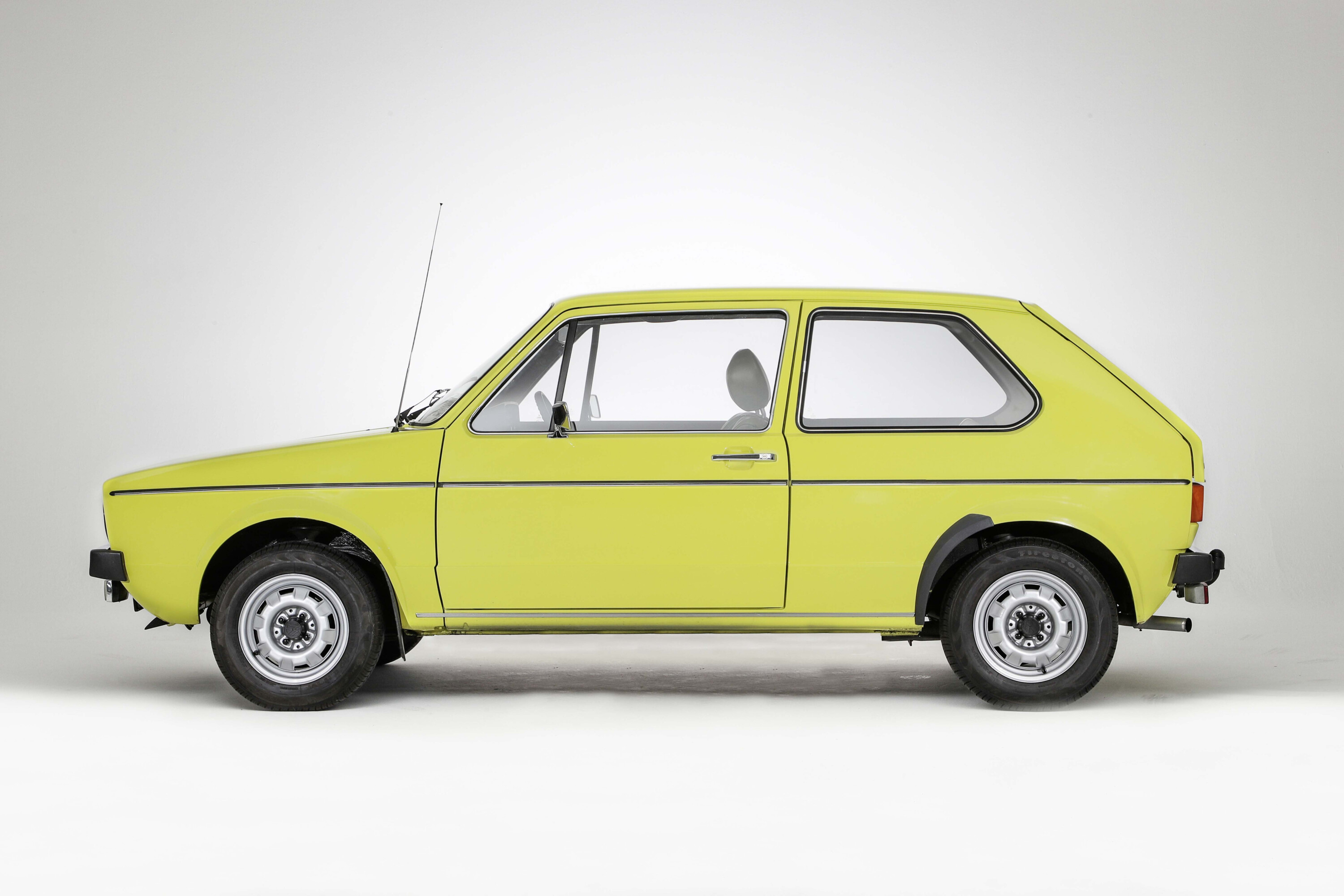
Fifty years ago this month, production began on the Volkswagen Golf, with sales starting in May.
Few who worked on development project EA337 would ever grasp the scope of its success, but everybody who was involved realised what was at stake: the very survival of Volkswagen as a corporate entity.
In effect, Volkswagen was caught in the eye of the perfect storm – the cumulative effect of a series of disconnected events had brought the company to its knees. Opel and Ford had halved Volkswagen’s domestic market share with newer, more appealing products.
1
The company’s sales had tanked in the US due firstly to safety concerns and then the effects of the ‘Nixon shock’, when the US government ended convertibility of the dollar to gold, causing the Deutsche Mark to ride by 40 percent against the greenback in 1971.
The answer had been hiding in plain sight for a long time. The Beetle’s best days were behind it but who could take on the design work for its predecessor?
When Kurt Lotz, Director General of VW, attended the 1969 Turin Show as a guest of Italian importer Gerhard Gumpert, the two executives compiled a list of their six favourite cars from the event. Four were styled by the same man – Giorgetto Giugiaro.
1
His clean planes and adaptable three- and five-door hatchback silhouette would go on to become his career’s defining work, following closely on the release of the 1973 Passat and Scirocco models.
This list is by no means a list of the most important Golfs ever to be built. It’s a celebration of the ones we love the most. Ask a motoring journalist what car you should buy and you may well get a short and standard answer. “Just buy a Golf.”
That advice still stands half a century and 37 million units later.
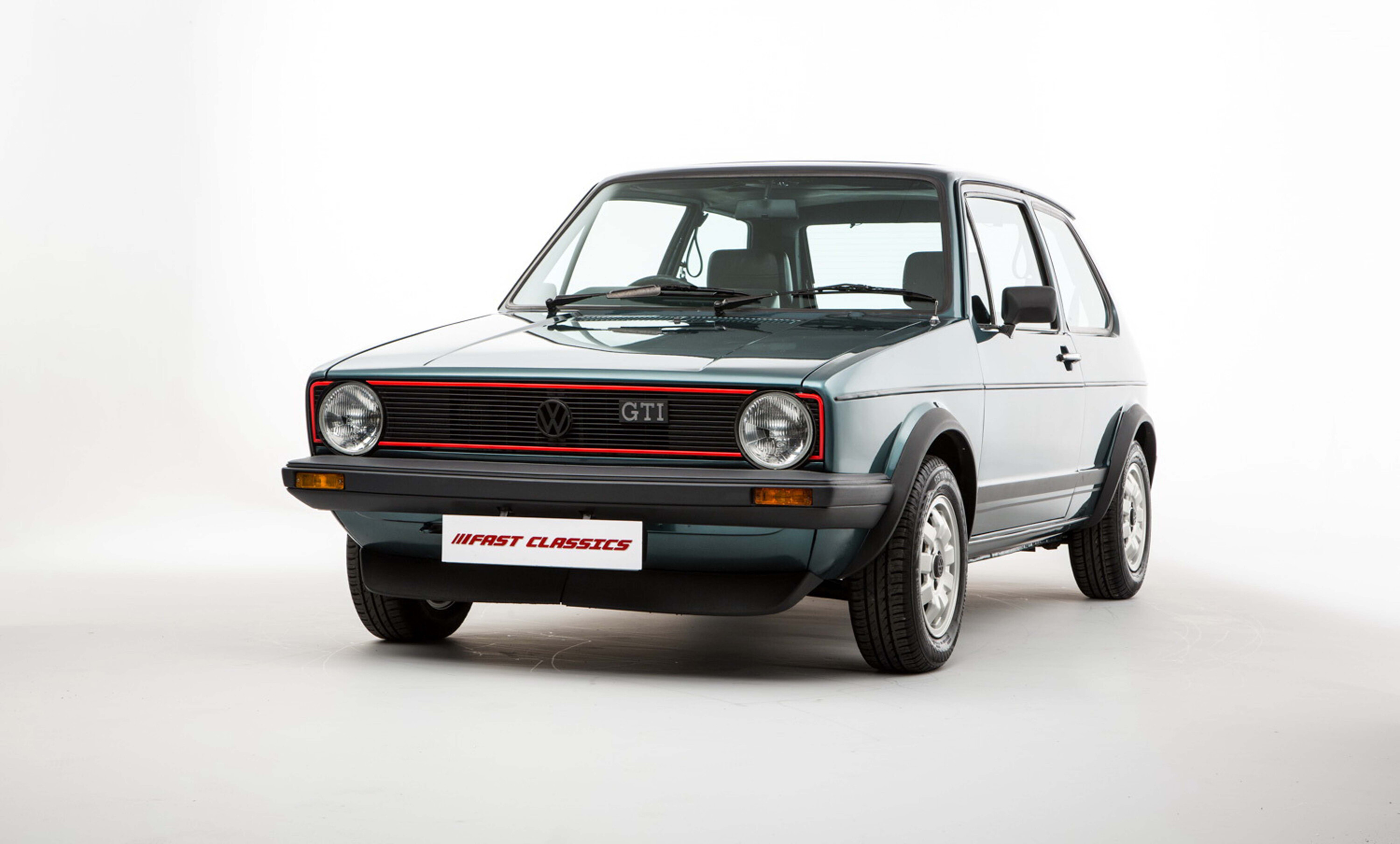
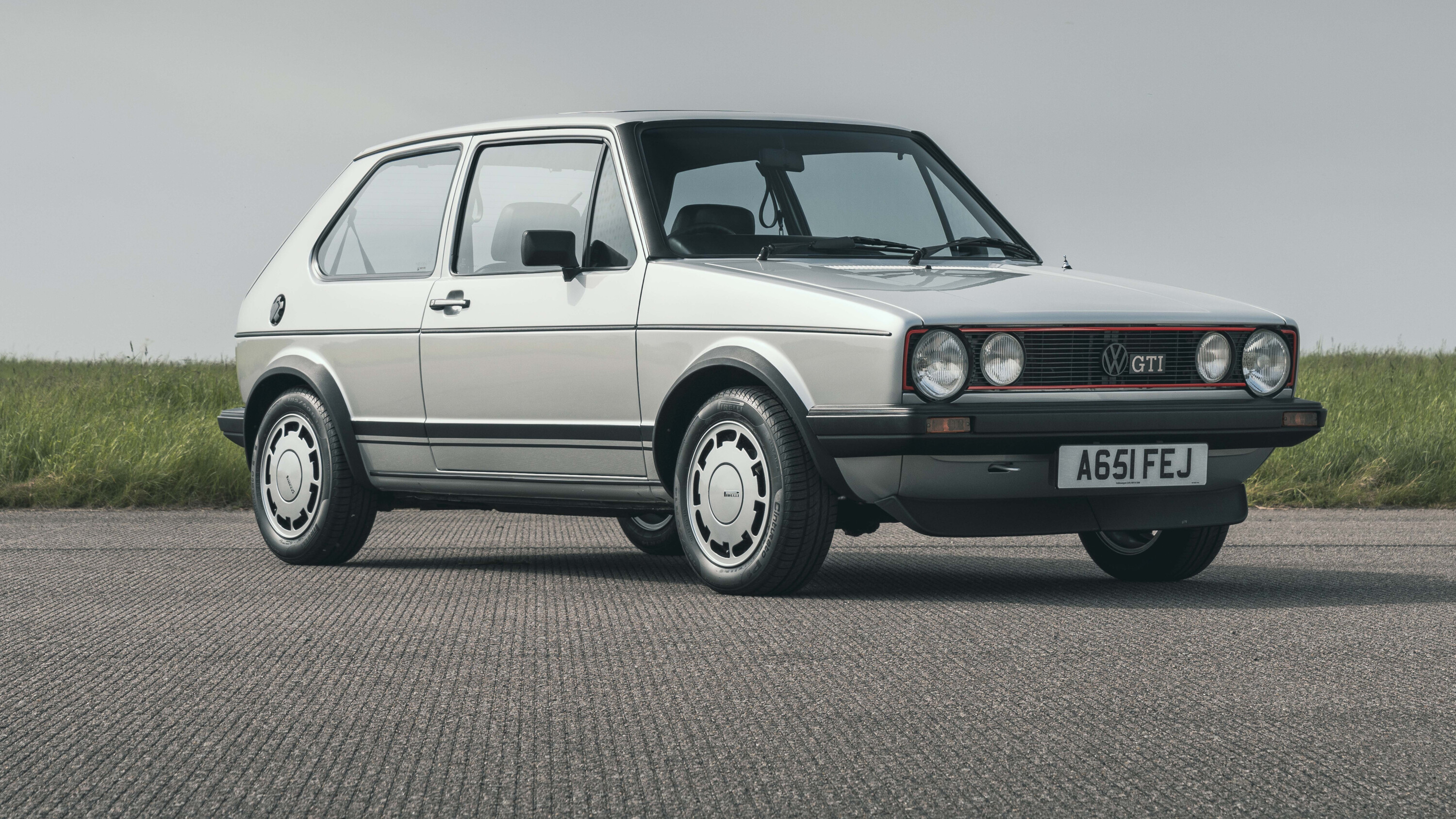
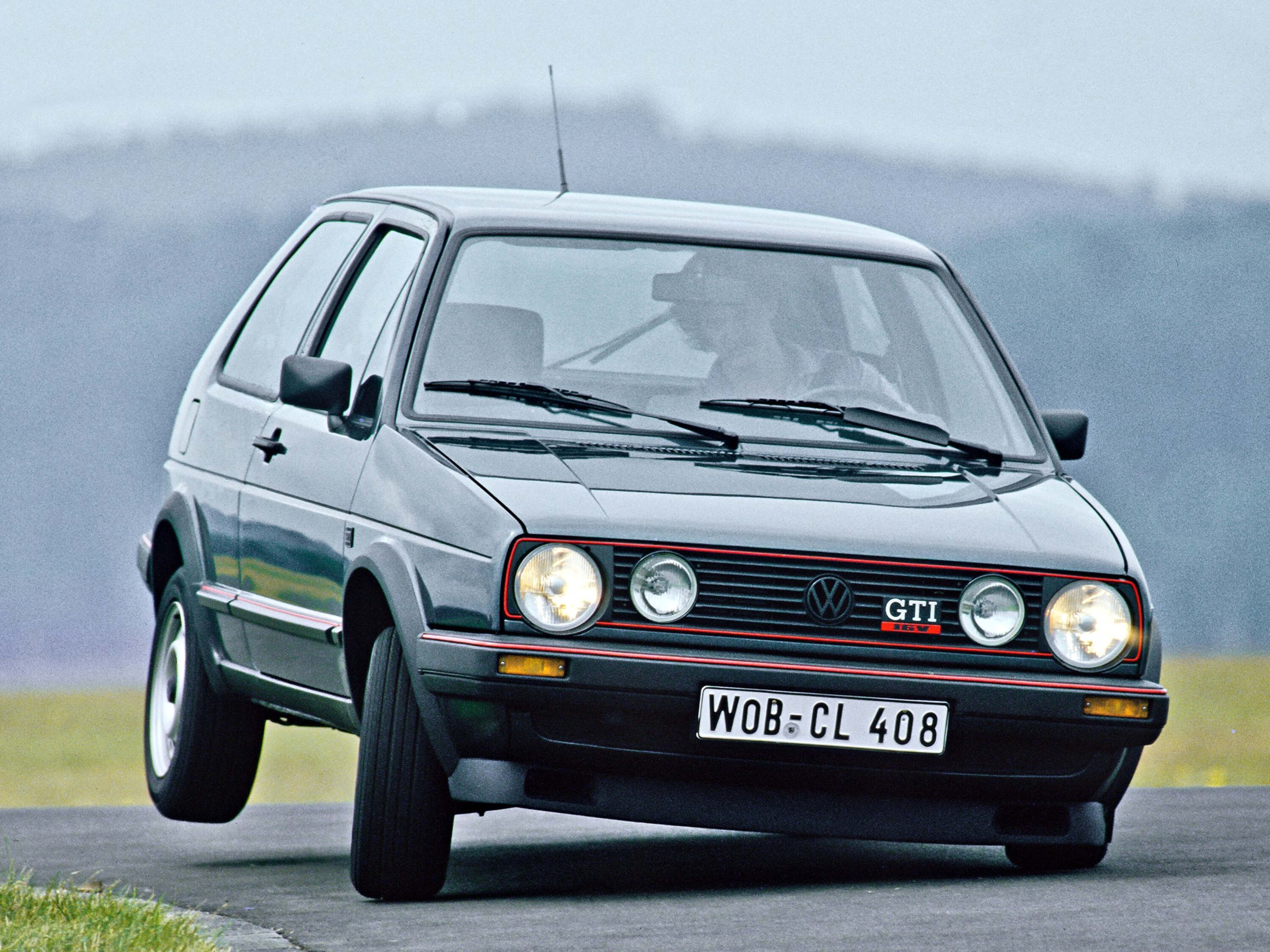
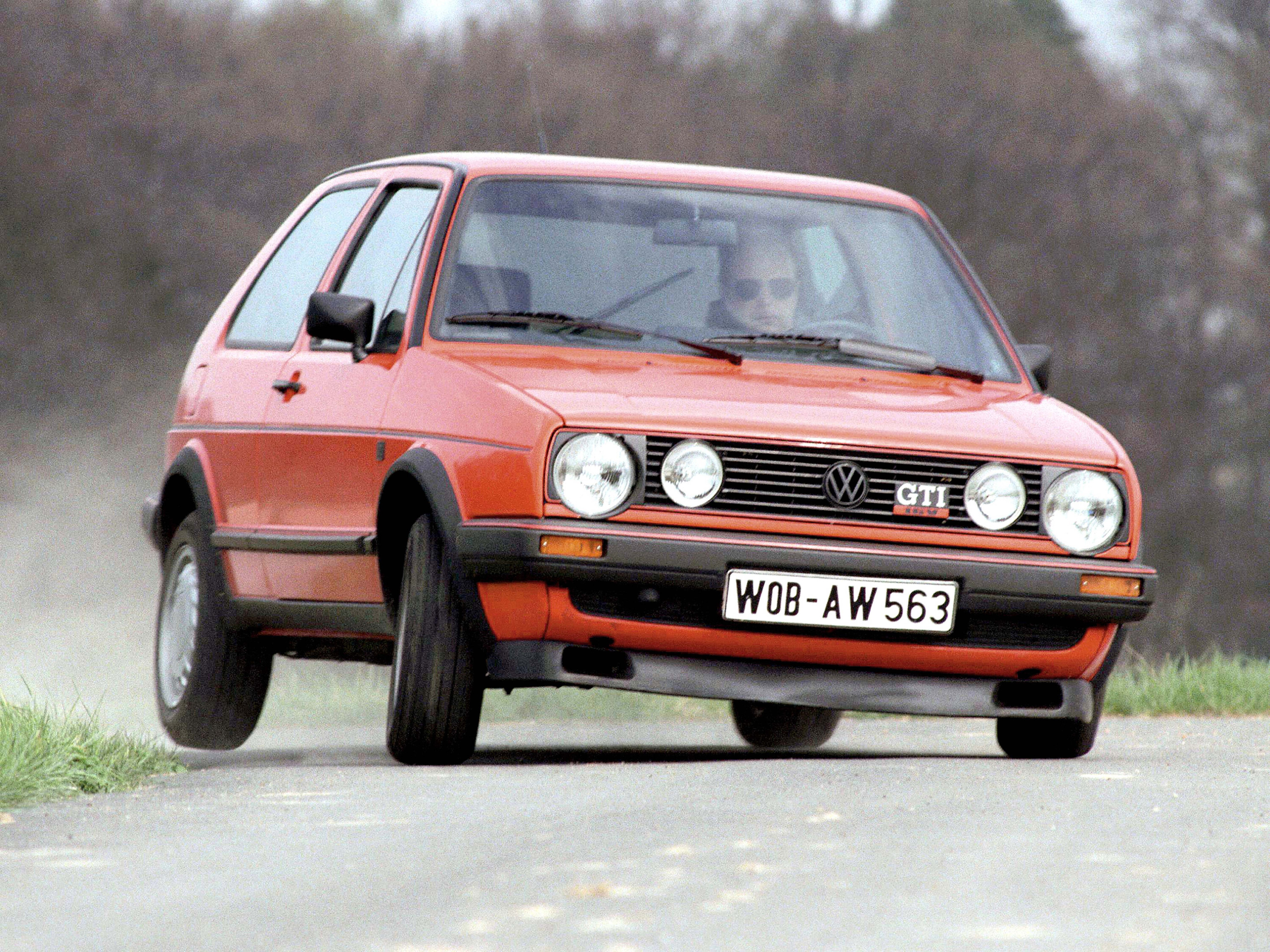
Want to start an argument in the Wheels office? Simply ask what was the first hot hatch, step away and watch the mayhem ensue. Granted, that’s a piece of trollery par excellence, but there wouldn’t be any nailing their colours to a mast marked Golf GTI.
Yet it’s likely that the original pocket-rocket Golf would nail every vote for the car that popularised the genre. This was a car that Wolfsburg had doubts whether it would sell its production quota of 5000 cars. By the time the last Mk1 rolled off the lines, it was joining more than 460,000 others with exultant owners.
1
The GTI program was not a politically easy decision for Volkswagen to force through. Just two years previously, the company had become the target of a whole heap of opprobrium for launching the go-faster Beetle 1303 S.
Unveiling a hot (37kW!) Beetle in the teeth of the 1973 oil crisis even saw Volkswagen denounced in the German parliament, so perhaps it’s understandable that the limited-run Golf GTI was a very tentative toe back into that particular water.
While 82kW might seem hilariously quaint in an era of 300kW hatches, it had just 845kg to punt up the road, and its formula of doughty Golf reliability, a measure of practicality, a certain discretion and no small serving of fun ensured that the GTI would spawn a whole host of successors. Some would better it in terms of dynamics but none could ever come close to its legacy.
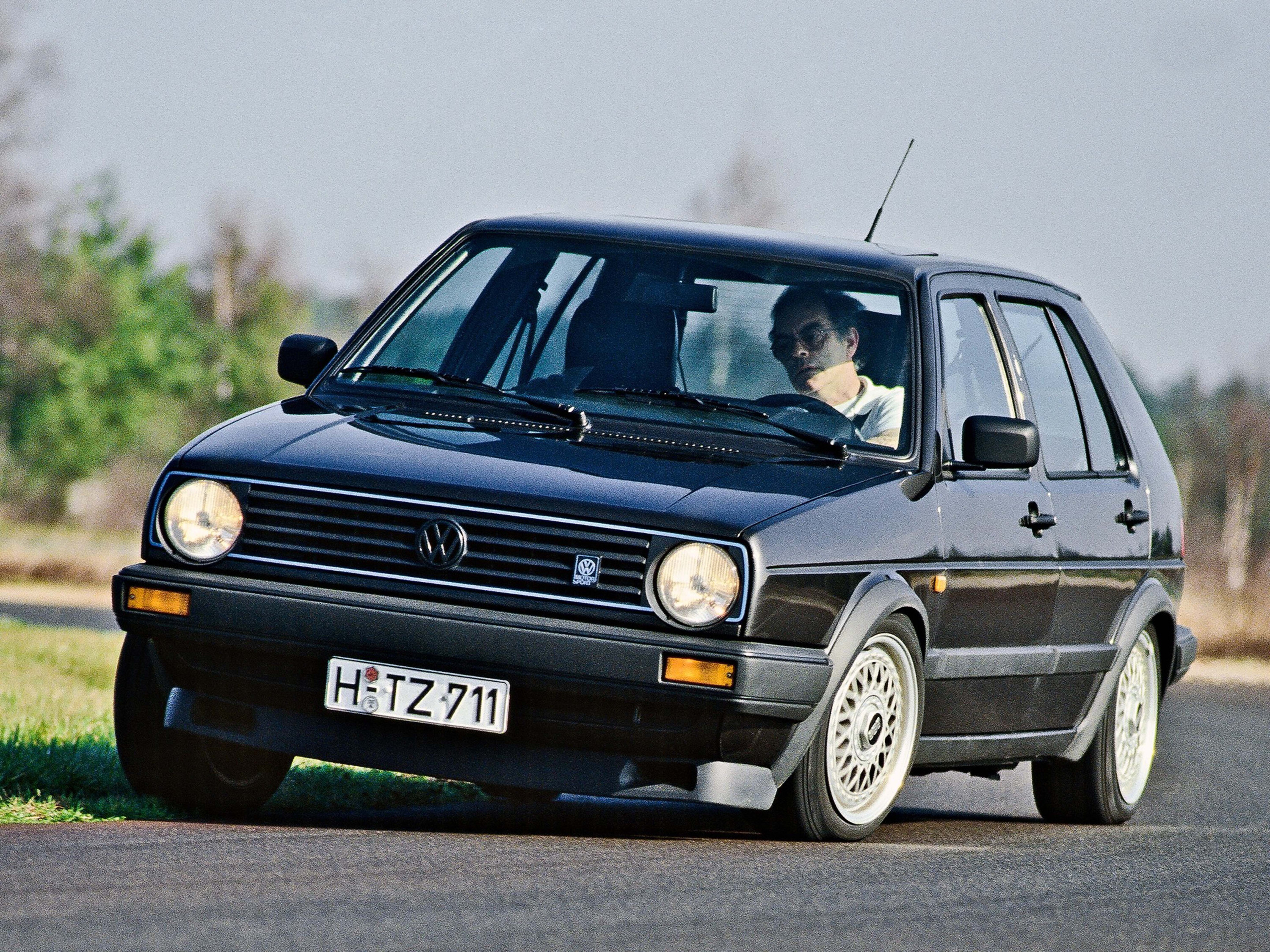
There are sleeper cars and then there’s the Mk2 Golf Limited. You’ll be forgiven if you’re not familiar with this one because only 71 were ever built and, as far as we’re aware, none of these left-hookers ever made their way Down Under. We’re missing out.
The bones of the car, assembled by the VW Motorsport division, are phenomenal. While the box-arched Rallye looked like the homologation hero car of the Mk2 range, the low-key Limited trounced it. It used the 1.8-litre block with the G60 supercharger and made 157kW (versus the Rallye’s 119kW) courtesy of the multi-valve head from the Golf GTI 16V.
This offered the forced induction low-end of the G60 models with the musical top notes of the 16V cars. This power was routed via the all-wheel-drive Golf Syncro hardware for ultimate grip off the line. Zero to 100km/h came up in a whisker over six seconds.
1
This, in many regards, is the template for every Golf R that followed.
The exterior was deliberately downplayed. A single-headlamp grille was outlined by a subtle blue trim detail rather than red, with a simpler chin spoiler devoid of foglamps.
True spotters would identify the marginally wider 15-inch BBS RM wheels and the plastic arch extensions that were required to accommodate them.
The cabin featured luxury touches like leather trim, heated seats, central locking and electric windows, while anti-lock brakes were also standard fit. The price today? Let’s just call 100,000 Euros an opening point of negotiation.
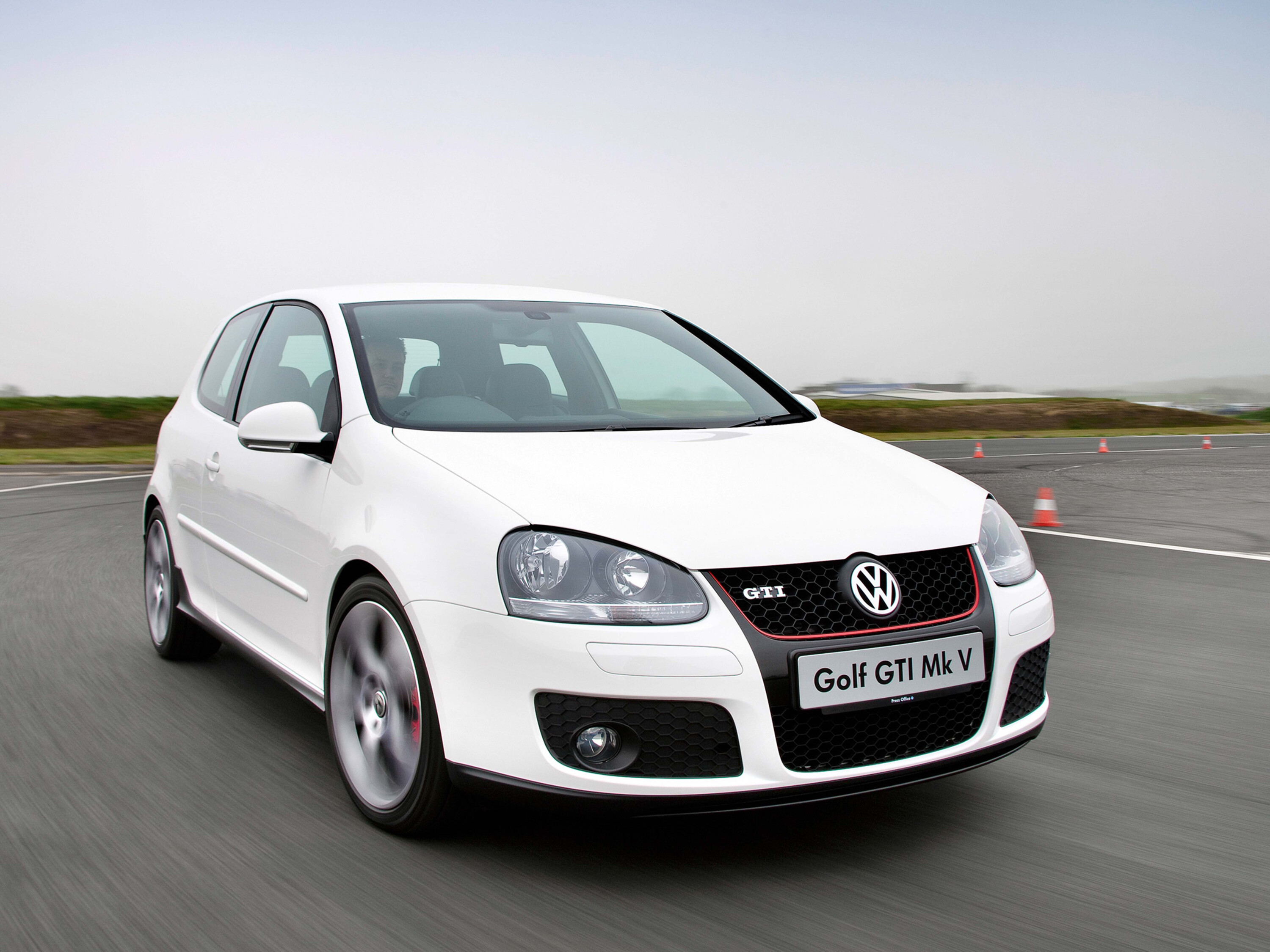
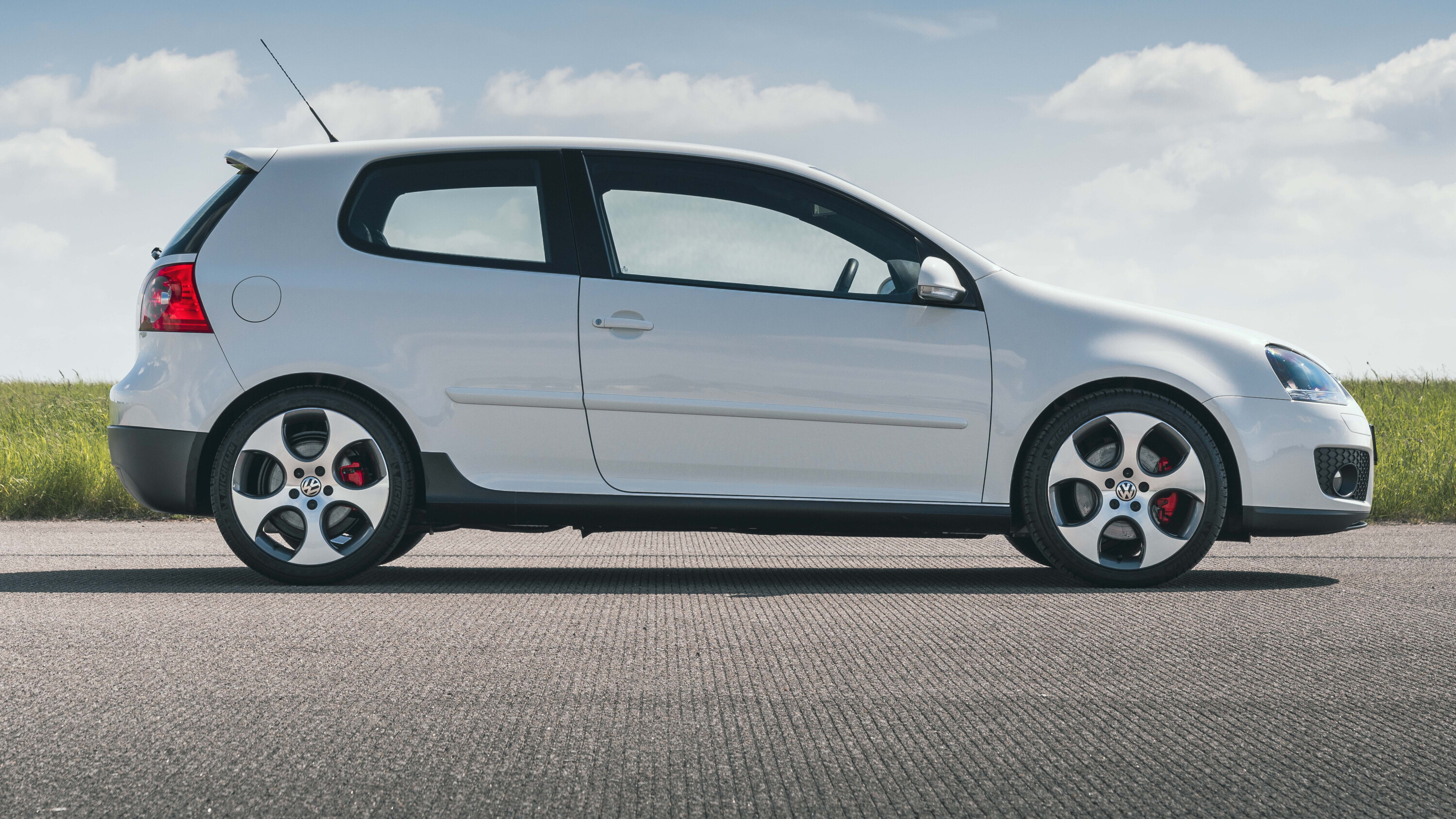
It’s often under-appreciated quite what a run of duds the Mk5 GTI finally ended. There wasn’t a great Mk3 or Mk4 GTI model, which was a yawning span of 12 years of mediocrity.
Towards the tail end of that period, it was generally accepted that the GTI had grown old and succumbed to the worst sort of middle-aged spread. Fiercer, hungrier rivals had emerged around the turn of the century, which included cars like the Audi S3 and the Honda Integra Type R.
1
Even the wholly awful Peugeot 206 GTi was a sharper steer than the flabby Mk4 GTI. Meanwhile, the all-wheel-drive Impreza WRX had created its own sub-niche.
The Golf GTI Mk5 was a stunning riposte. It retained the Golf’s feeling of solidity but backed that up with sparkling dynamics. Why? Volkswagen had driven the first-generation Ford Focus, looked at its clever control-blade rear suspension and realised there was more to this chassis engineering lark than it had previously acknowledged. So it poached them wholesale for the Golf V development.
File this one under forbidden fruit. Well, to us anyway. When the Mk2 Golf GTI lobbed Down Under back in December 1989, the 16V had already been on the market in Europe for three years. Running on leaded fuel, it made 102kW at 6100rpm and 168Nm at 4600.
Unfortunately, Volkswagen had no interest in bringing a catalysed Golf GTI in right-hand-drive form to Australia and, as a result, our GTI was the humbler eight-valve which, when catalysed, made a feeble 77kW. The result? An 11.8-second 0-100km/h ability wasn’t getting anyone that excited.
1
Compare that to the 7.9-second GTI 16V that we were denied which, all things considered, might be one of the most endearing ‘mainstream’ GTI variants ever built.
Gone was the spongy brake pedal of the Mk1, along with the original’s somewhat brittle ride. The 16V’s 185/60VR14 rubber was deemed pretty purposeful back then, as were the 239mm discs up front and 179mm rotors aft.
Below 3000rpm, though, the 16V felt as if it was suffering a red wine hangover, and it was only when you’d dialled 5000rpm onto the rev counter that it started paying back.
The gearing was such that you needed to wring it out in each gear in order not to fall into a torque hole on upshifts. Experienced 16V drivers would even hold the throttle in for an instant while upshifting in order to keep the revs high as they negotiated the long-throw manual shift. No, it wasn’t perfect, but it was exhilarating to keep on song.
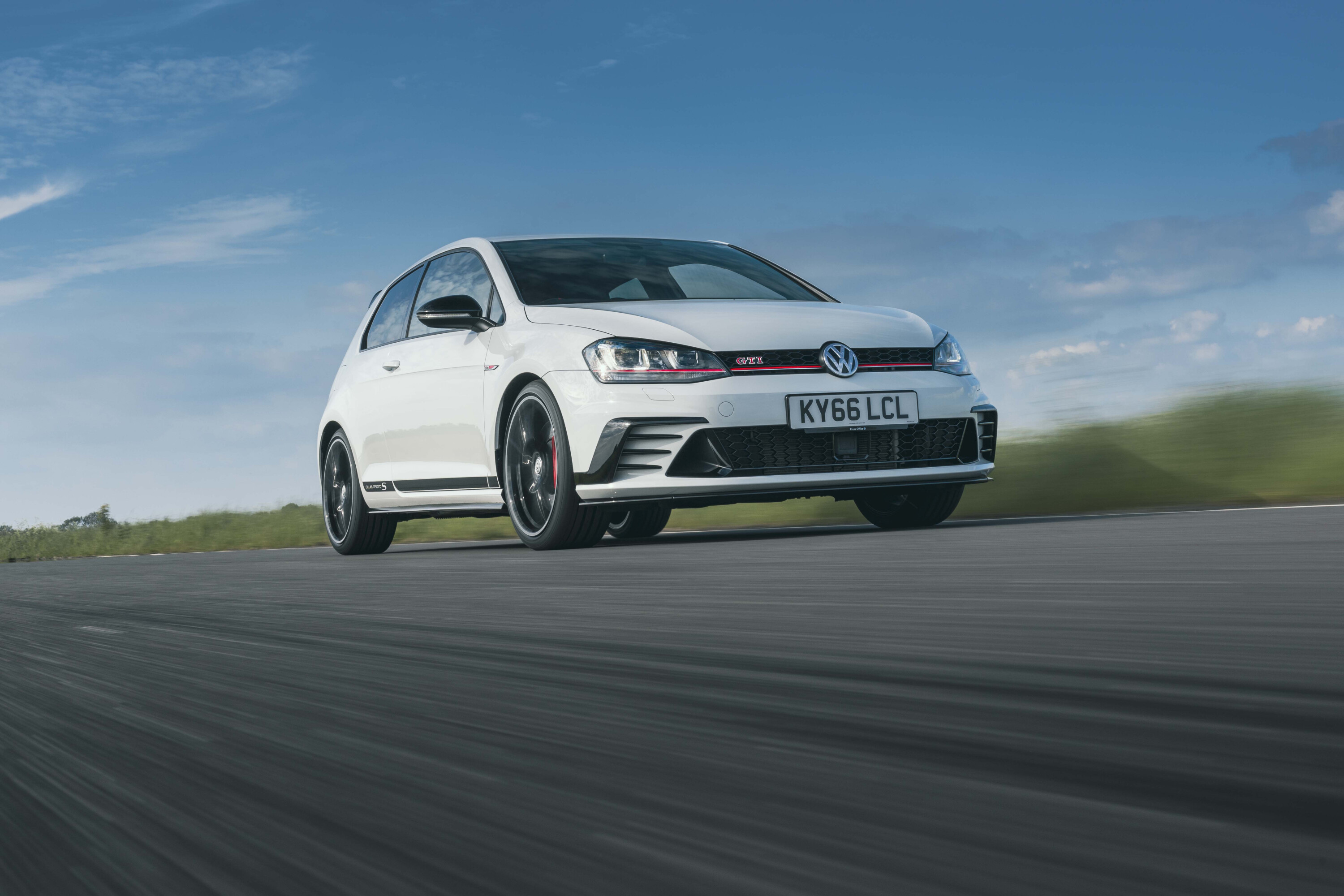
Is this the 911 GT3 of Golf GTIs? It’s the pared-back, track-oriented screamer of the family, and there are still a good constituency who believe Generation 7.5 to represent peak Golf. We’d perhaps take issue with that view, but we have no contention with the 228kW Clubsport S, the most powerful and focused production GTI ever.
Any car that can lap the Nordschleife in a blistering 7 minutes 47 seconds deserves to be taken seriously. After all, that’s on par with monsters like the Porsche 997 GT3 RS, Lamborghini Murcielago and BMW M3 GTS.
A 400-vehicle production run meant that the two-seat Clubsport S would always be oversubscribed and, sure enough, the entire allocation was sold out long before deliveries began.
1
It’s still powered by the venerable EA888 2.0-litre and still sends drive exclusively to the front treads via a six-speed manual ’box and an electronically controlled limited-slip differential.
Yep, you read that right. Manual only. Granted, if it did have a dual clutch it would record a time even quicker than 5.8 seconds to 100km/h, but it seems that the engineers were willing to trade a little straight-line bragging rights for the agility that a 20kg weight saving would afford.
Buyers got bespoke dampers, revised front knuckles, lightweight aluminium subframes and less toe angle versus the standard Clubsport. While we didn’t get that car, we did get the 213kW Golf GTI TCR in the Mk7.5, which was an underrated gem. And we’re still waiting for a really angry GTI version of the Mk8.5.
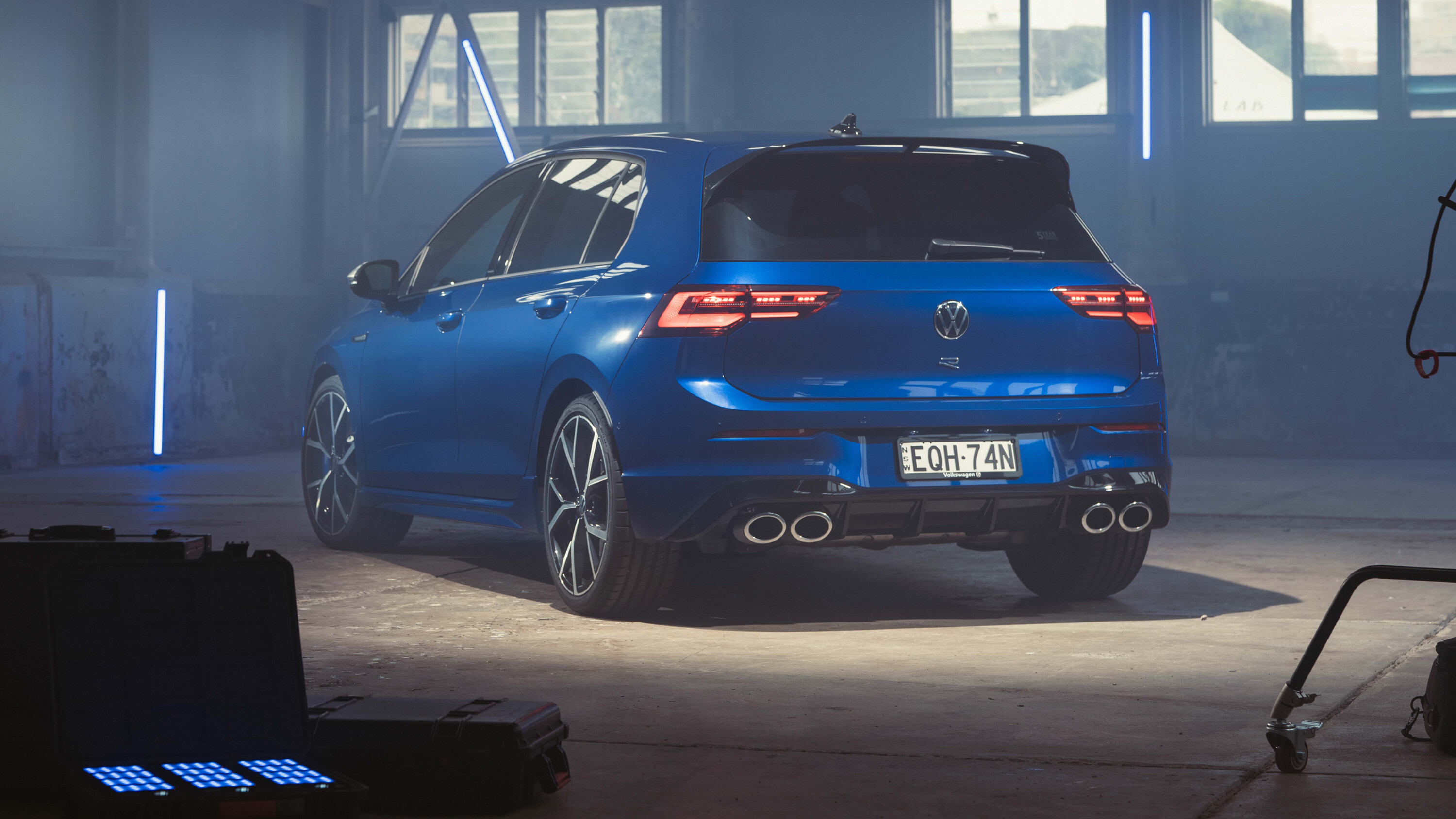
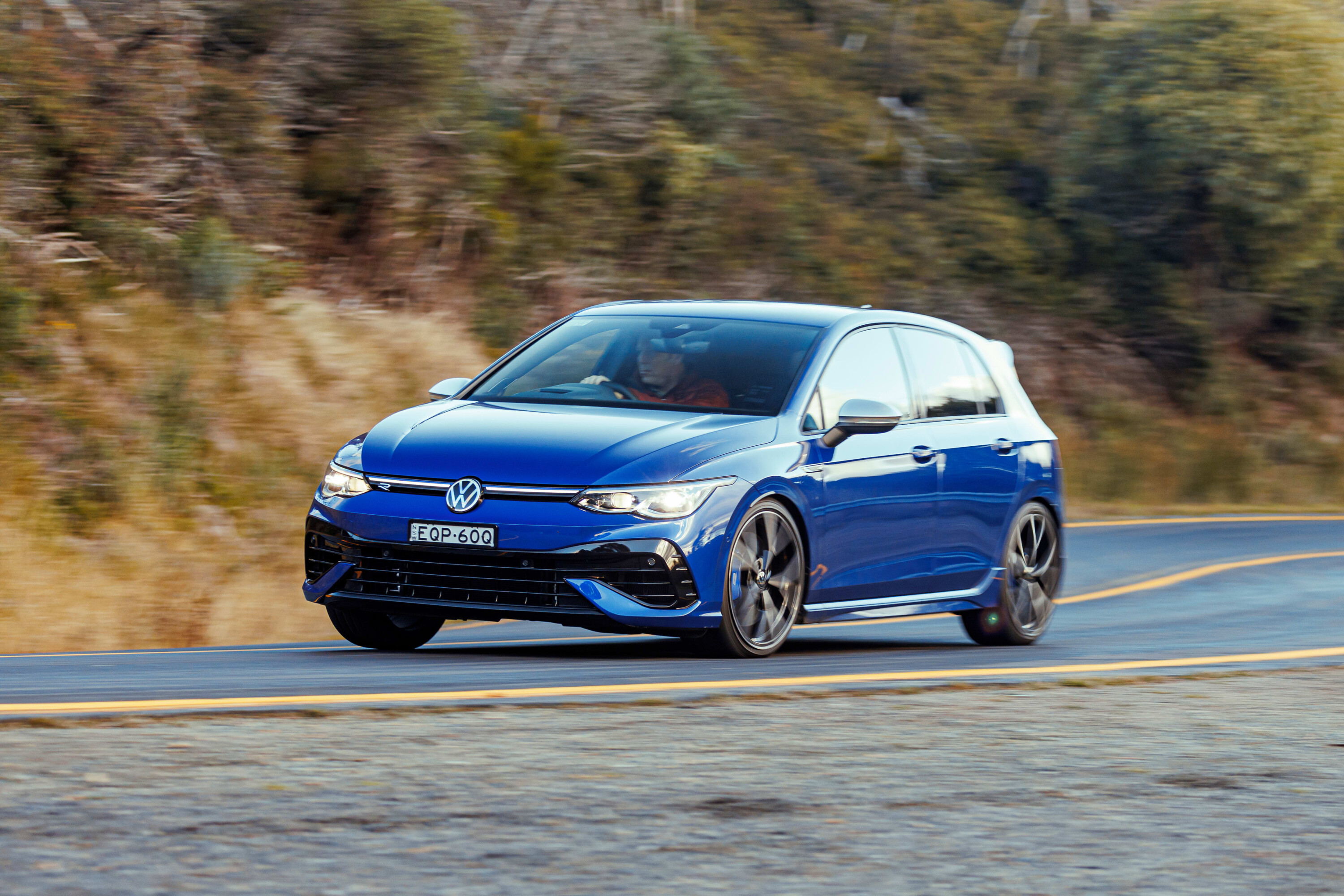
Could the Mk8 Golf R be the most underrated performance Golf in history? Let’s address the elephant in the room. The infotainment interface does leave a bit to be desired. But let’s keep things in context.
This is a brilliant driver’s car and moaning about haptic controls or non-illuminated air-con buttons is, in the greater scheme of things, about as churlish as getting a ticket to the FIFA World Cup Final and claiming that the awkward packaging of your half-time pie ruined the whole experience.
With Mk8, Volkswagen introduced a level of playfulness and mischief to the formula – ingredients the quick and precise Golf R had previously been accused of lacking.
1
That’s largely down to the inclusion of its brilliant torque-splitting differentials, but also courtesy of sophisticated damping with a Nürburgring setting that caters for the bumps and imperfections of Aussie roads really well.
With 235kW at its disposal and huge grip allowing it to rocket off the line to hit 100km/h in 4.7 seconds, the Mk8 Golf R is properly quick. It can even switch itself into a rear-biased mode and overspeed the rear axle for smoky drifts.
Purists may still prefer the GTI and bemoan the fact that Mk8 Golf R was never offered with a three-pedal variant, but keep your eye on this one as a future used performance bargain.
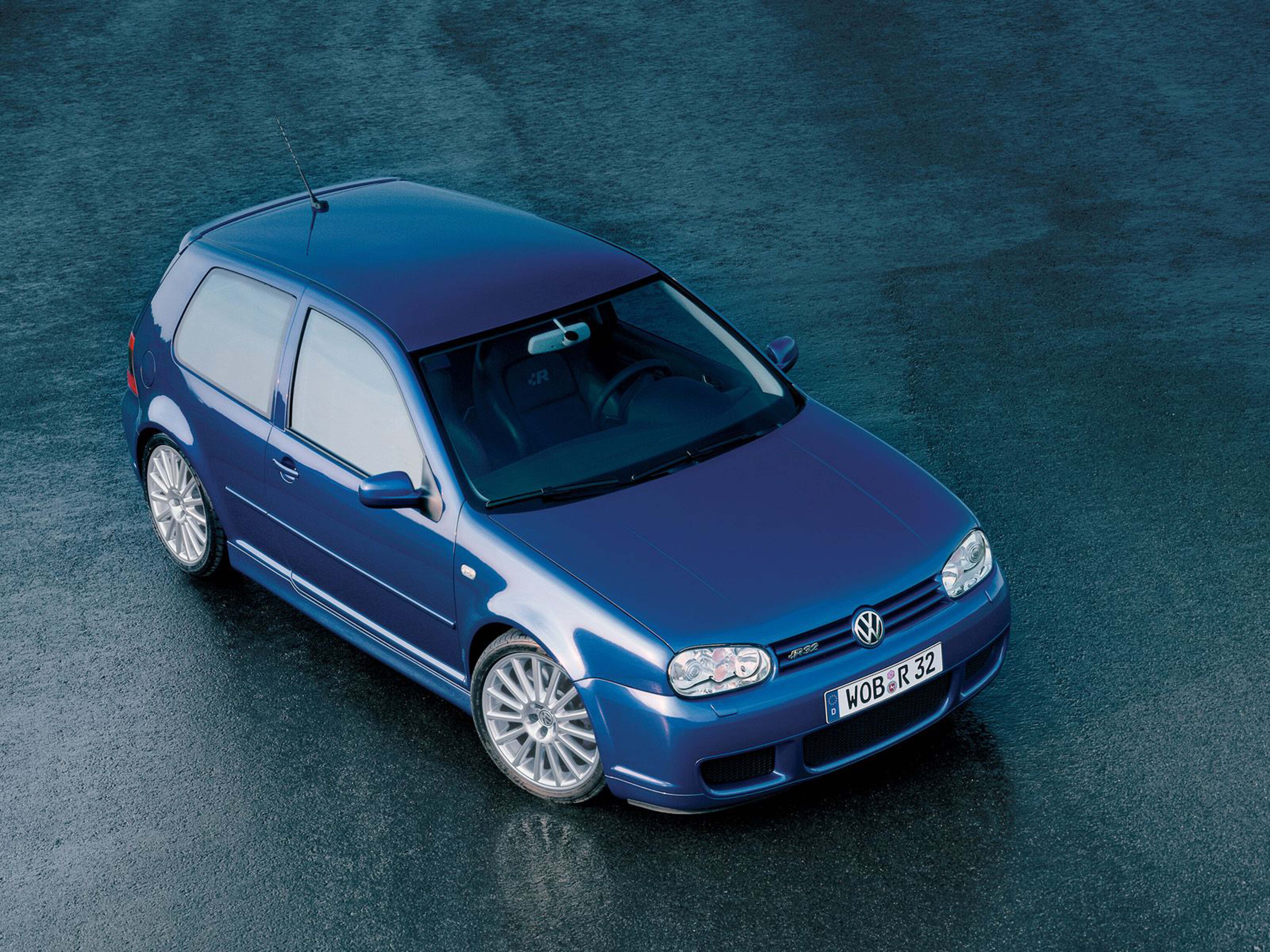
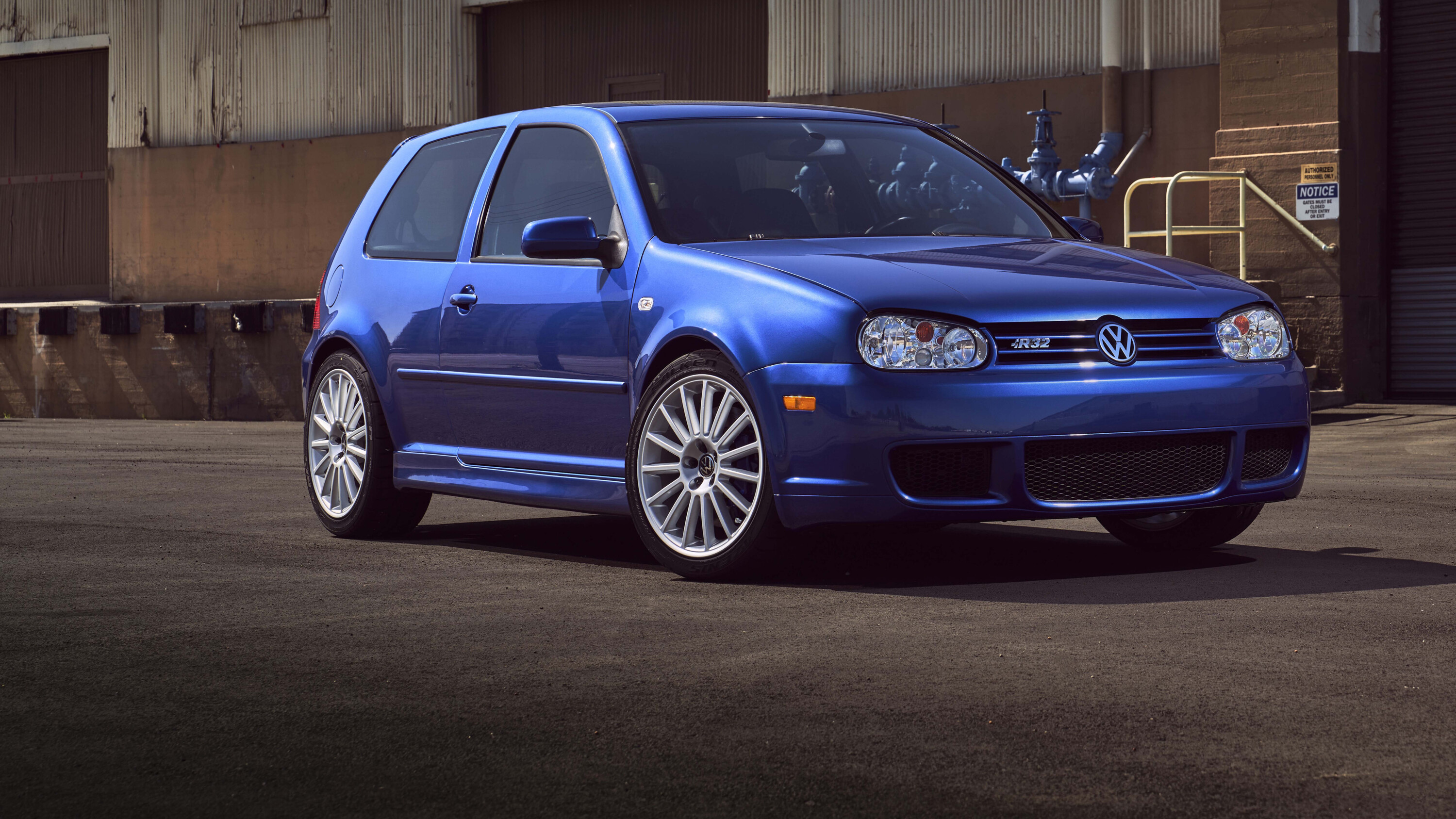
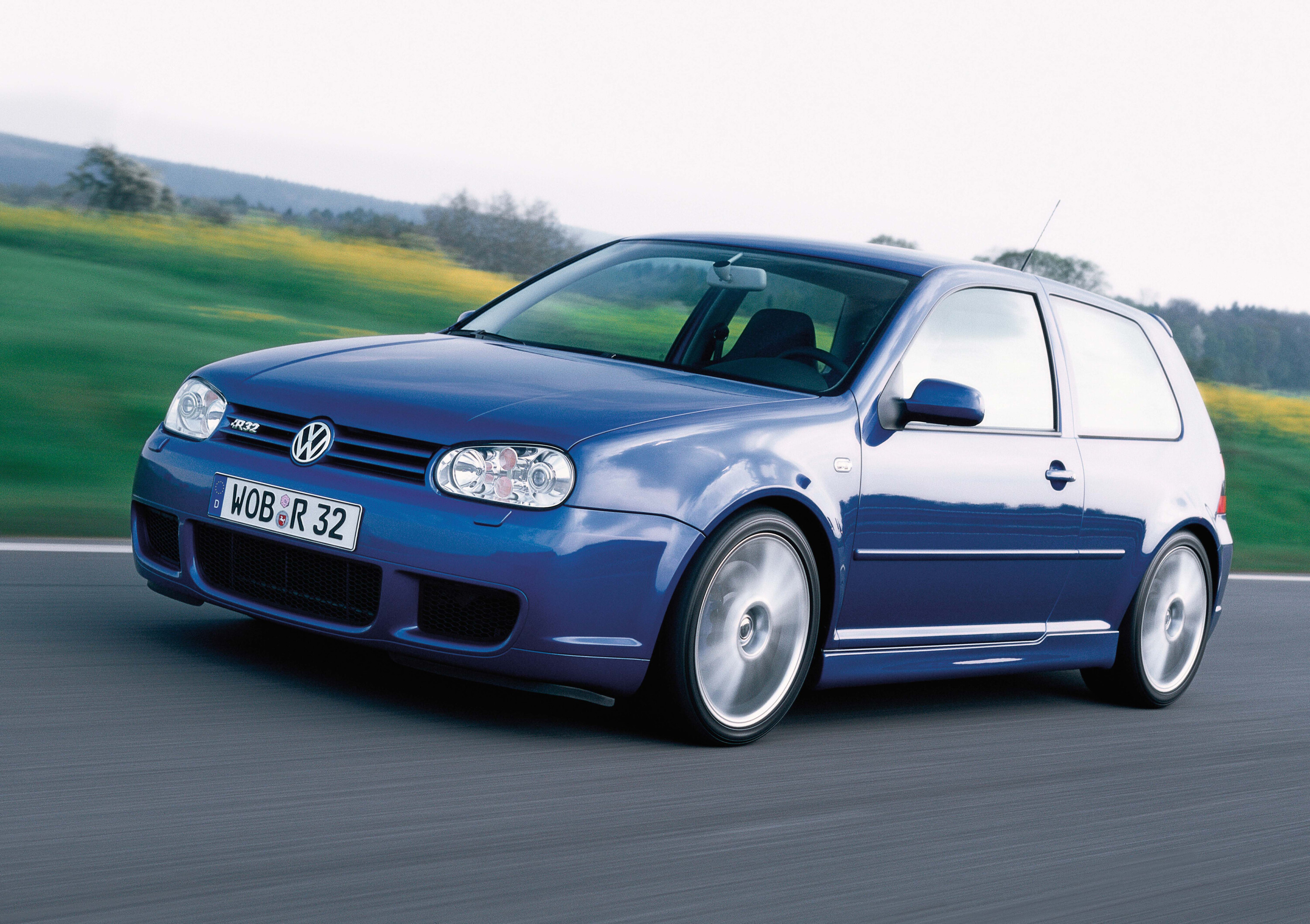
The flameproof suit is on. The Mk4? That fat slug? What’s that doing in a list of the greatest Golfs? Bear with me on this one.
It’s all about the bigger picture. Taken in isolation, most would identify the Mk4 R32 isn’t a great sports car. It’s too heavy, the naysayers would claim. They’d point to the fact that the Haldex all-wheel-drive system has its limitations, and there was no shortage of sharper, cheaper rivals about.
Still, Peter Robinson went to drive one in September 2002 and claimed that it “delivered on the promise of real substance as the fastest and most powerful Golf ever”. Well, after the lacklustre Mk3, surely anything vaguely competent would have seemed a revelation.
1
By today’s standards, 1477kg doesn’t seem particularly lardy at all. It’s less than some current versions of the GTI.
What’s more, the 3.2-litre VR6 engine and all-wheel drive delivered genuine all-weather pace, with a huge 320Nm dollop of torque ladled on at just 2800rpm. Remember, this is all without the benefit of any forced induction.
Couched in those terms, the Mk4 R32 is far from the clogger that many would paint it to be. Sure, with that much weight in the nose, it’ll succumb to gentle understeer.
But back out when that happens and the hilariously casual ESC system allows the nose to tuck and the rear end to edge out by a few degrees. It’s fun, the VR6 engine has a stack of character and the styling has aged surprisingly well. Without the R32, there’d have been no template for the Golf R.
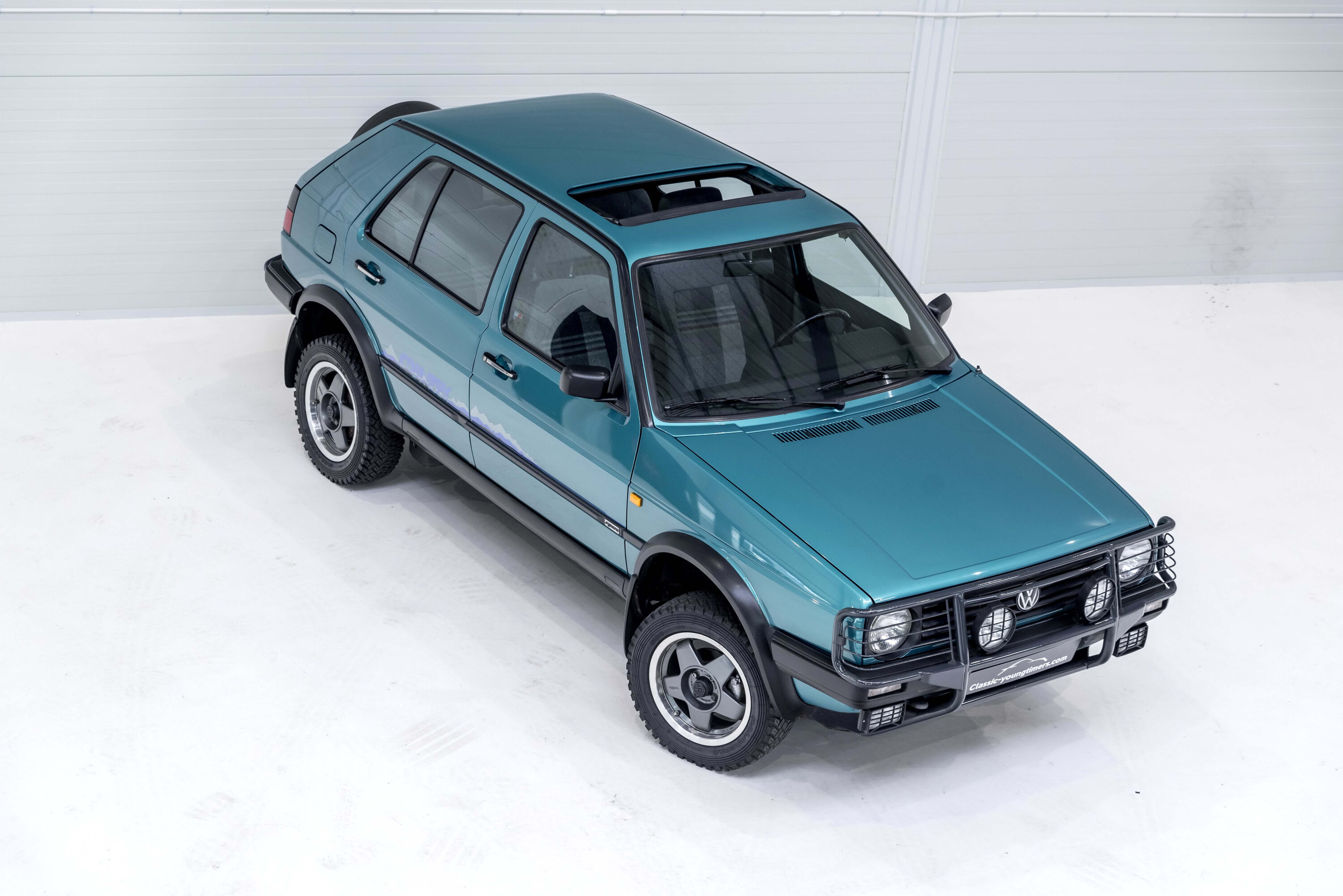
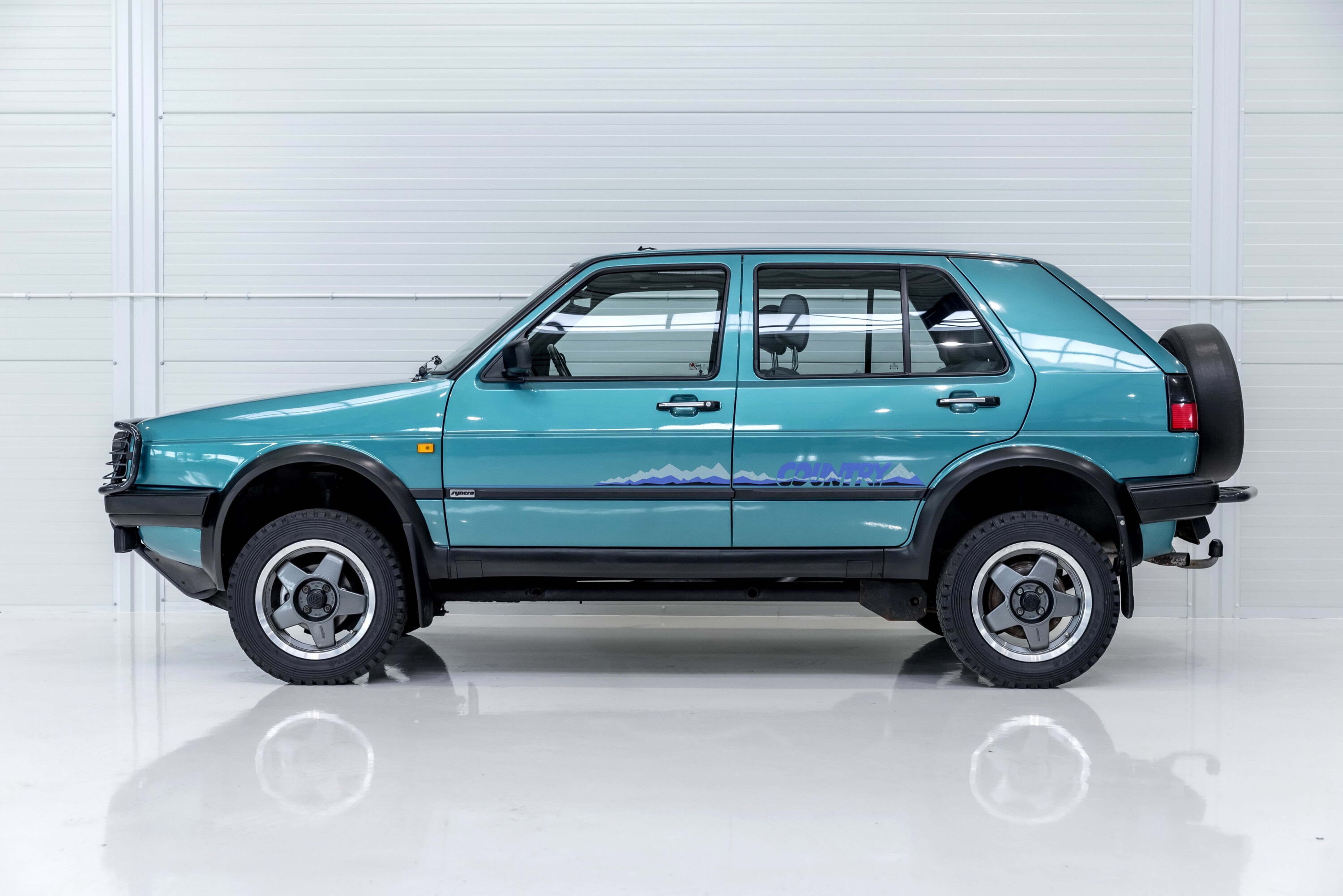
Yep, another Mk2 Golf that’s not a Rallye. The Country was something altogether cooler. Long before we had Dakars or Sterratos, here was a Golf GTI made to go off road. It debuted at the 1989 Geneva Show as the Montana concept, and an avalanche of demand followed.
The Country wasn’t a straightforward proposition to build. Five-door Golf CL Syncro bodies were trucked to the Steyr-Daimler-Puch plant in Graz, Austria, whereupon a total of 438 unique parts turned them into Country variants.
This included the headlamp protectors, sump guard, chrome bull bars, an externally mounted spare wheel, raised suspension offering 210mm of ground clearance, and a tubular lower subframe with accompanying plating for vulnerable items like driveshafts.
1
It even got a swing-away wheel carrier on the tailgate.
Between 1990 and 1991, a not insignificant 7735 vehicles rolled out of Graz. Most were powered by the standard 1.8-litre eight-valve engine from the Golf GTI, but there were 50 Wolfsburg Editions which featured the 16-valve unit, which were all earmarked for lucky Volkswagen executives.
While it lacked the low range required to tackle really gnarly terrain (but did have a lower-ratio final drive than the GTI), the Golf Country was popular with those who lived in the snowier parts of Europe. They’re sought after as used buys now, with a number being exported to the US from 2015 when the 25-year restriction had expired.
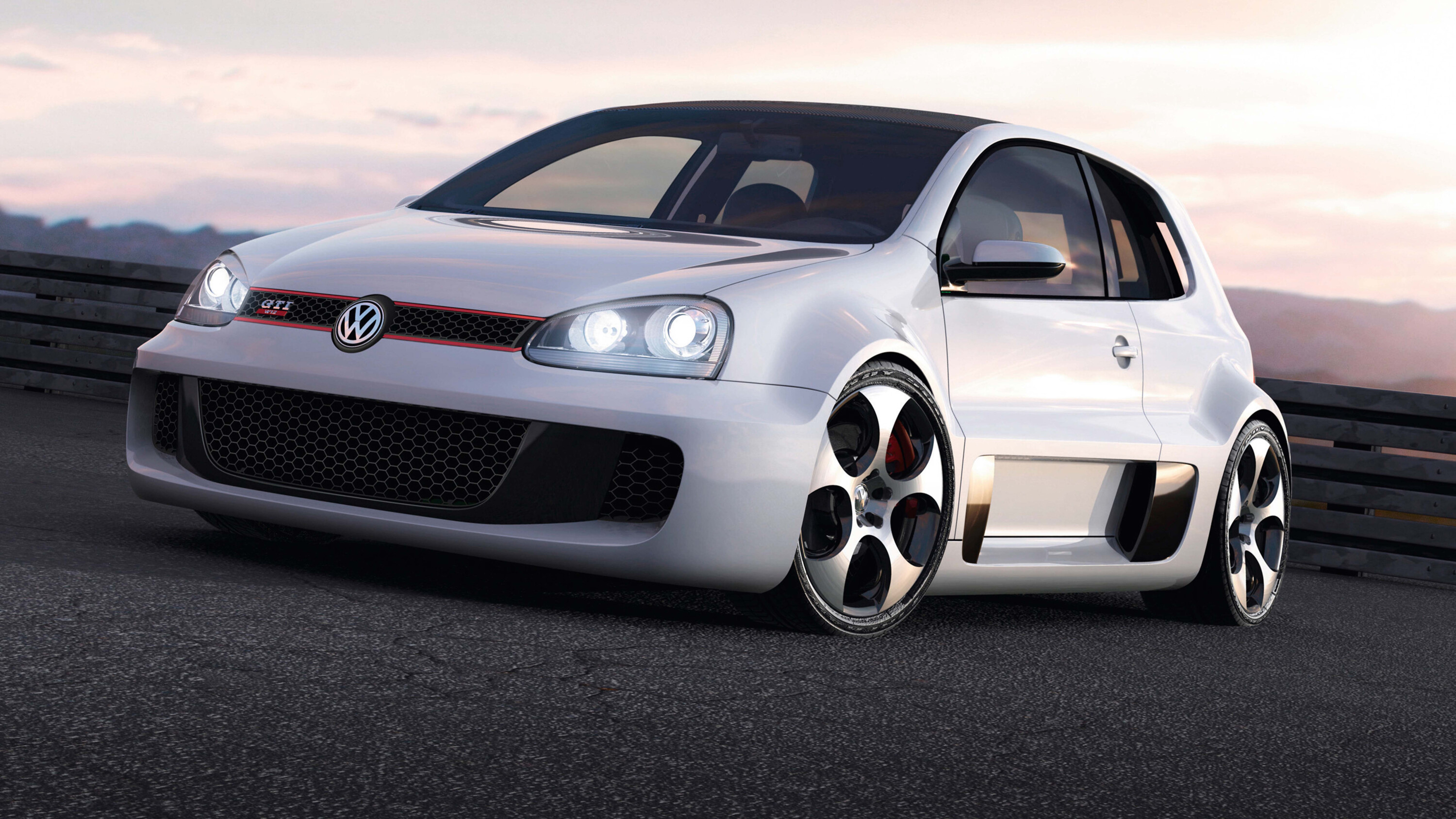
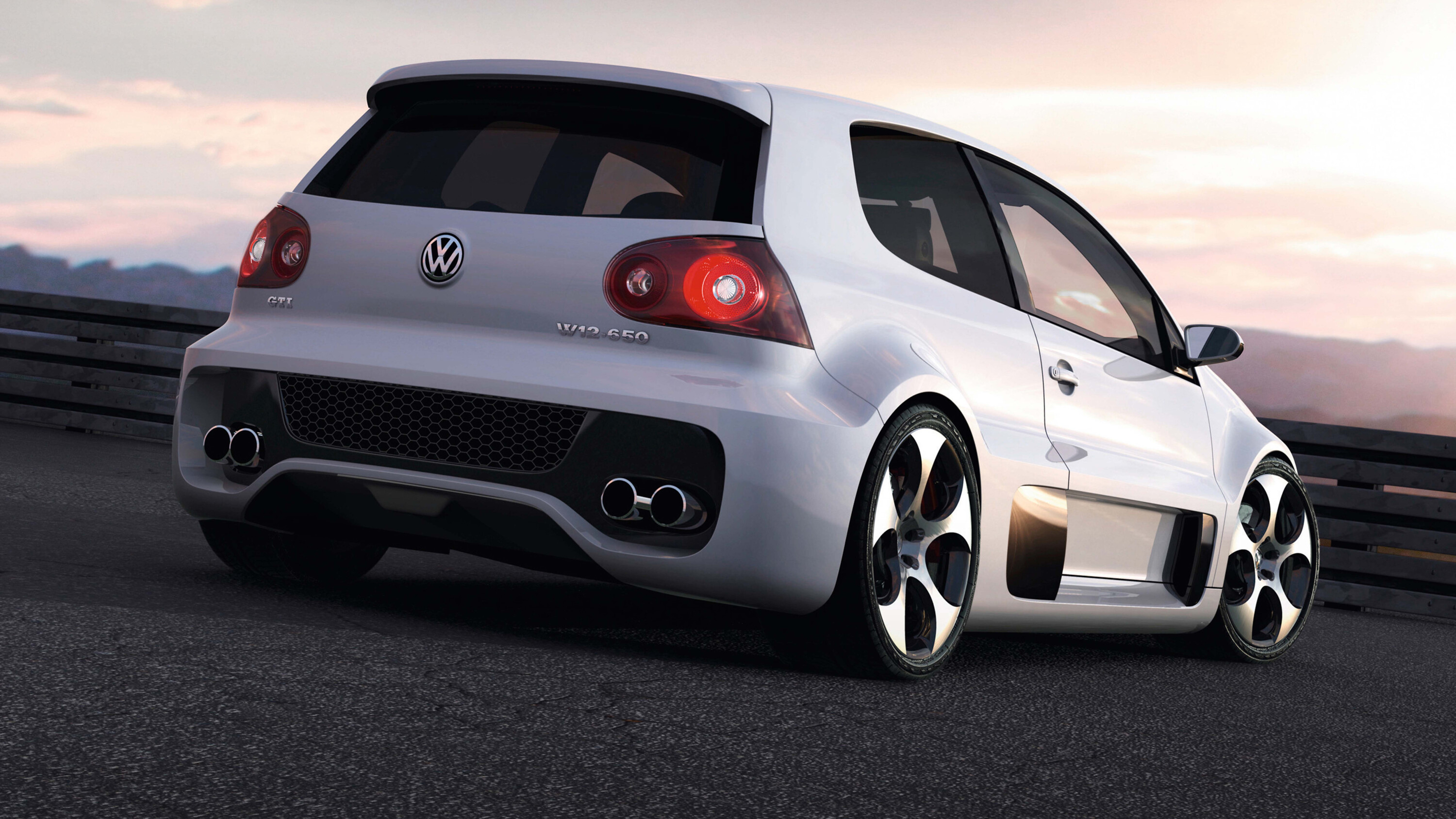
“Your scientists were so preoccupied with whether or not they could that they didn’t stop to think if they should.” The famous line from Jurassic Park resonates when it comes to the 2007 Mk5 Golf W12-650.
Yes, you could source a Bentley Continental GT engine, attach it to a VW Phaeton Tiptronic auto gearbox, fit Audi RS4 front brakes, Lamborghini Gallardo rear brakes and axle, and mount it all on a Golf platform, but was it wise? It was a true Frankenstein’s parts-bin monster, but we adore the fact that it appeared at all.
Built as a crowd pleaser for the annual GTI festival in Wörthersee, Austria, the W12-650’s exterior design work came courtesy of Marc Lichte and is a surprisingly cohesive riot of gaping grilles, squat stance, carbon roof, flying C-pillars and aggressive vents on its flanks. In order to accommodate the monster 12-cylinder engine, another 160mm of width was grafted in.
1
At the time it was unveiled, it was hoped that customer demand could even see it productionised. Sadly, this 477kW/750Nm uber-Golf never got any further than the one-off demonstrator stage.
By all accounts it was a bit of a handful to drive through corners, which is perhaps not surprising. A full development program would probably have ironed out its dynamic vices. We’ll never know. Both it and the Wörthersee Festival are, sadly, mere memories.
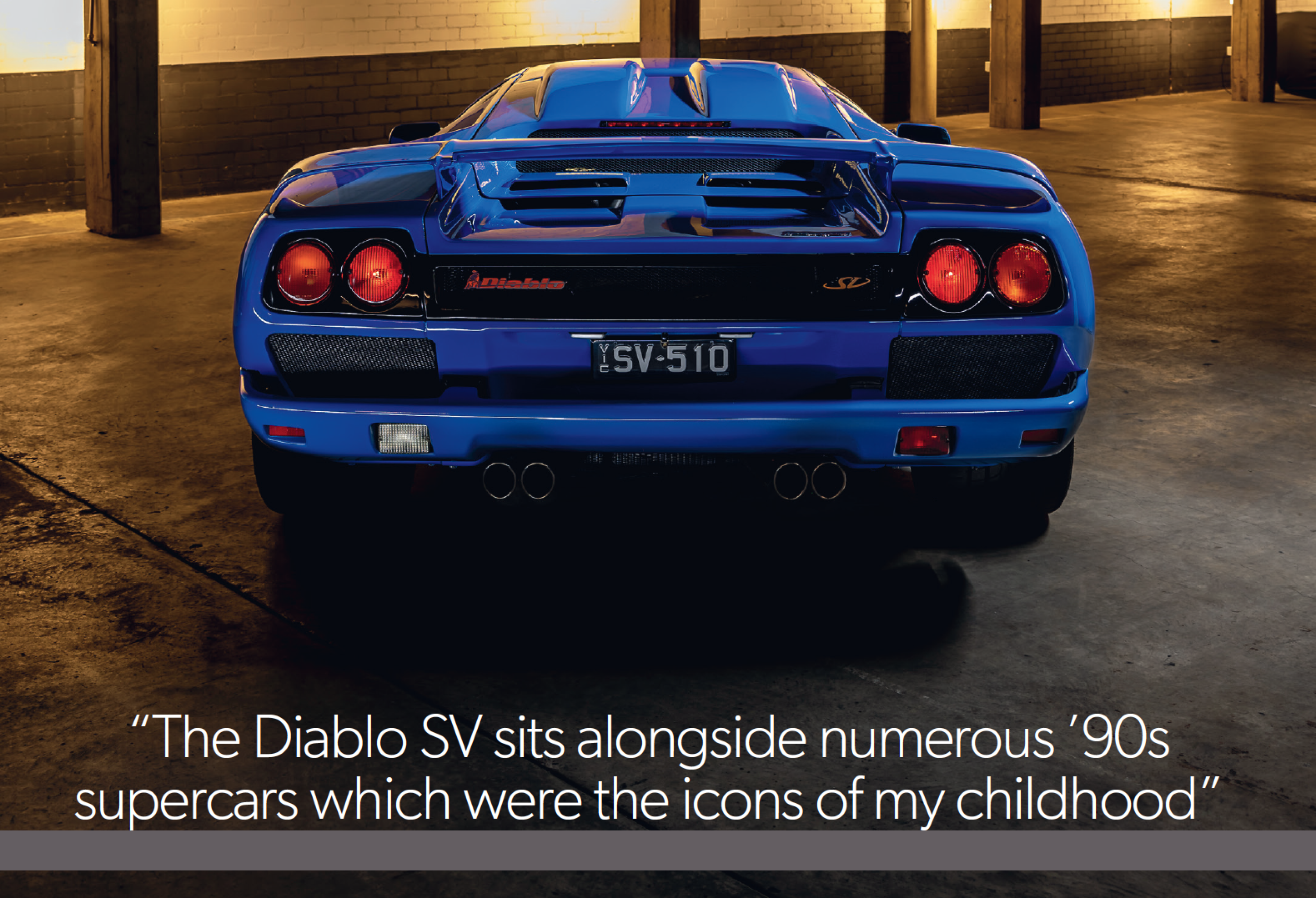
I just wanted to thank Andy Enright and the Wheels crew for the article about the Lamborghini Diablo SV for the January 2024 issue.
I was born in 1993 and now I’m 30 years old but Need For Speed, Gran Turismo and Test Drive games were a really big part of my childhood, and shaped my subsequent love of cars. All I can say is thank you for the nostalgia trip.
The Lamborghini Diablo SV sits alongside numerous ‘90s supercars which were the icons of my childhood.
1
When reading the article, all I can be reminded of was the beautiful soundtrack of NFS 3 and NFS High Stakes.
I really hope for more ‘90s icons. Any chance of Wheels magazine ever touching upon the homologation specials of the ‘90s, in particular regarding the GT1 class? I know it’s hard to source rare unicorns like the Porsche 911 GT1 and the Mercedes Benz CLK GTR.
Still, it would be a great time to look back at a time where car manufacturers went mad in trying to find loopholes in motorsport.
?️ Bilal Baydar, via email
ud83dudede Editor Andy
? Editor Andy
Thank you for the kind words, Bilal.We’d love to feature the Porsche 911 GT1 and Mercedes-Benz CLK GTR. Henry Catchpole wrote a fantastic story on these two, as well as the McLaren F1, in the July ’21 issue of MOTOR. Wheels subs have access to this via the digital archive.
1
Low voltage batt-ery?
You’re confident car companies won’t go broke (Editor’s Letter – Jan ‘24), though it has happened before.
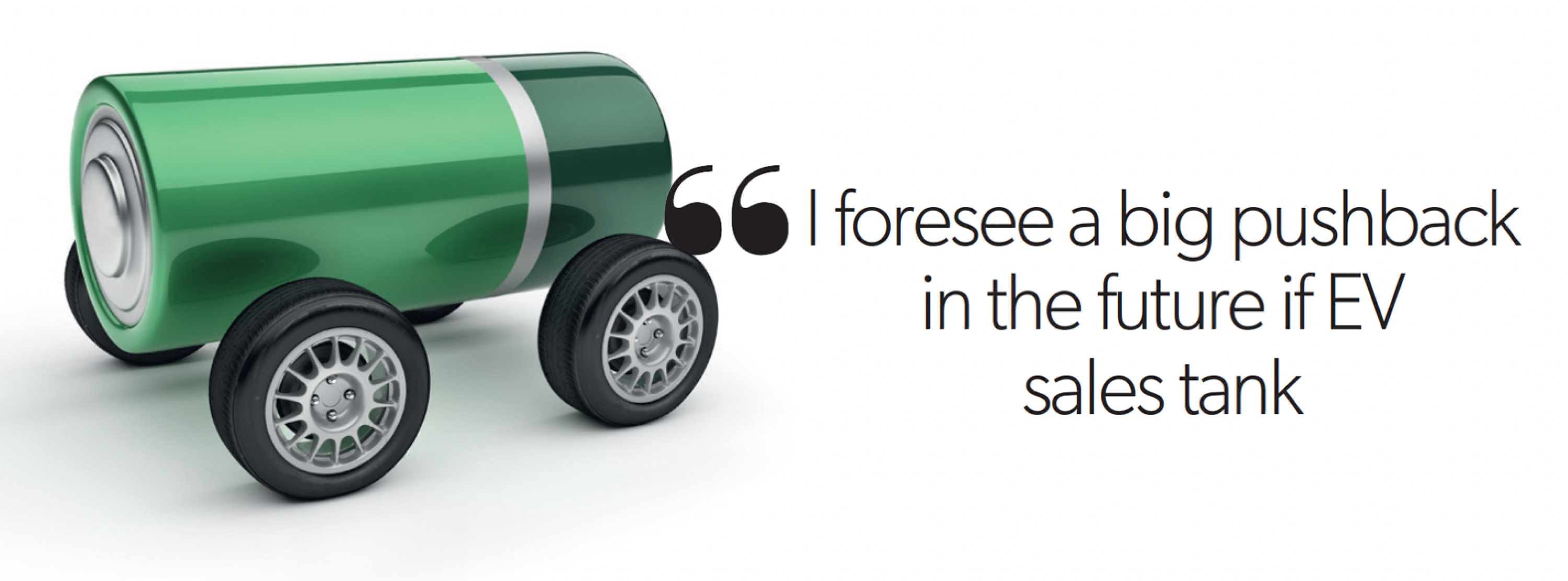
I agree collectively they won’t ultimately allow that to happen, but foresee a BIG pushback in the future if EV sales tank. Millions of recalls by Tesla, Toyota, etc… maybe also a canary in the mix?
Recent Sydney to Melbourne ICE versus EV comparisons have highlighted major EV weaknesses in terms of cost, travel time and frustration. A particular weakness of EVs, it seems, is highway/distance cruising versus battery charging? Welcome to Australia…
So I’m definitely with you ICE collectables. I just wish I was 20 years younger to take full advantage. I also agree on the Mustang ‘Dark Horse’, a sure winner for those with $125K to lay down.
?️ Gordon Batt, via email
1
This resonates
Innocently working my way through the January edition when I arrived at Shana Zlotin’s update on the Genesis GV70.
Quietly hiding in the text was an outbreak of dirty talkin’ – Helmholtz resonance – in Wheels! I almost went all warm and tingly. Keep up the fine work. Sneak in some more without warning.
?️ Ian Cutler, Eleebana, NSW
ud83dudede Editor Andy
? Editor Andy
Don’t get her started on Ffowcs-Williams and Hawkings equations. She’ll talk your ear off.
Rims and range
For all those of us keenly looking at an EV option, I was very intrigued with the recent review of the Hyundai Kona EV and specifically the sentence: “The 99kW Standard Range lists a WLTP-certified driving range of 370 kilometres, while the 150kW Extended Range list 505km with the 17-inch wheels and 444km for the 19s”.
Could you explain why the driving range drops (as much as 12%) with larger wheels and is this the same consequence for all EV cars?
?️ Robert Ius, Haberfield, NSW
ud83dudede Editor Andy
? Editor Andy
The simple answer? Bigger, heavier wheels take more energy to move. The EPA range rating for a Model 3 Long Range on 18s is 518km versus 489km on 19s and 481km on 20s.
1
Raising the roof
In the recent coverage in the EV buyers guide, I read multiple references to the possibility for charging for free with rooftop solar.
This is a bit of a misconception (and is not limited to operation of electric vehicles). Anyone with rooftop solar will likely have selected a plan with the highest feed-in tariff they can achieve, and by using, rather than exporting, solar energy you are sacrificing (therefore effectively paying) this rate.
My FIT is currently 14c/kWh and my general usage is 38c/kWh, so while using solar, where possible, is undoubtedly the preferable way to go about things, the real cost saving to me would be 63%, not 100%. Something for potential buyers to keep in mind if trying to balance the sums of going electric – using solar isn’t actually free.
?️ Vaughan Moutrie, Wattle Grove, NSW
1
Stalk to the hand
Are you guys staking out my house? The reason I ask is because I’d narrowed my new-car list down to a shortlist of four.
Then I read John Law’s sports car review of the exact four cars I’d settled on. While I’d agree with most of his judgments, I totted up my own scoresheet and the M2 came top, then ‘Vette, with the Lotus and Supra tying for joint third.
So I’m buying the Lotus (Emira). Who said buying a sports car was ever in any way objective?
?️ Kane Stevens, Kiama, NSW
The Wheels question to you
Brabham Automotive’s gone phut. Will you miss it?
For sure
I was at Bathurst to hear the BT62 set the record and it’ll live with me forever. This was a proper car designed by serious people and it’s a shame that the financial plug has been pulled on it… Phil Taylor, via Facebook
Yeah, nah
It was nice for a while for Australia to build a genuine supercar, but monetising these things is where the magic happens. Otherwise you’re just one of hundreds putting a Ford V8 in a spaceframe chassis. Zzzz. C. Cameron, via Facebook
Want to have your say? Keep it tight (no more than 200 words) and include your suburb if via email: [email protected]. You can also chime in on Facebook & Instagram.
When it comes to classic cars, time is a distinctly mutable concept. Let me explain.
There are some cars whereby the passing of time has a burnishing effect. It polishes away the rough edges, leaving a perception of something jewel-like and precious.
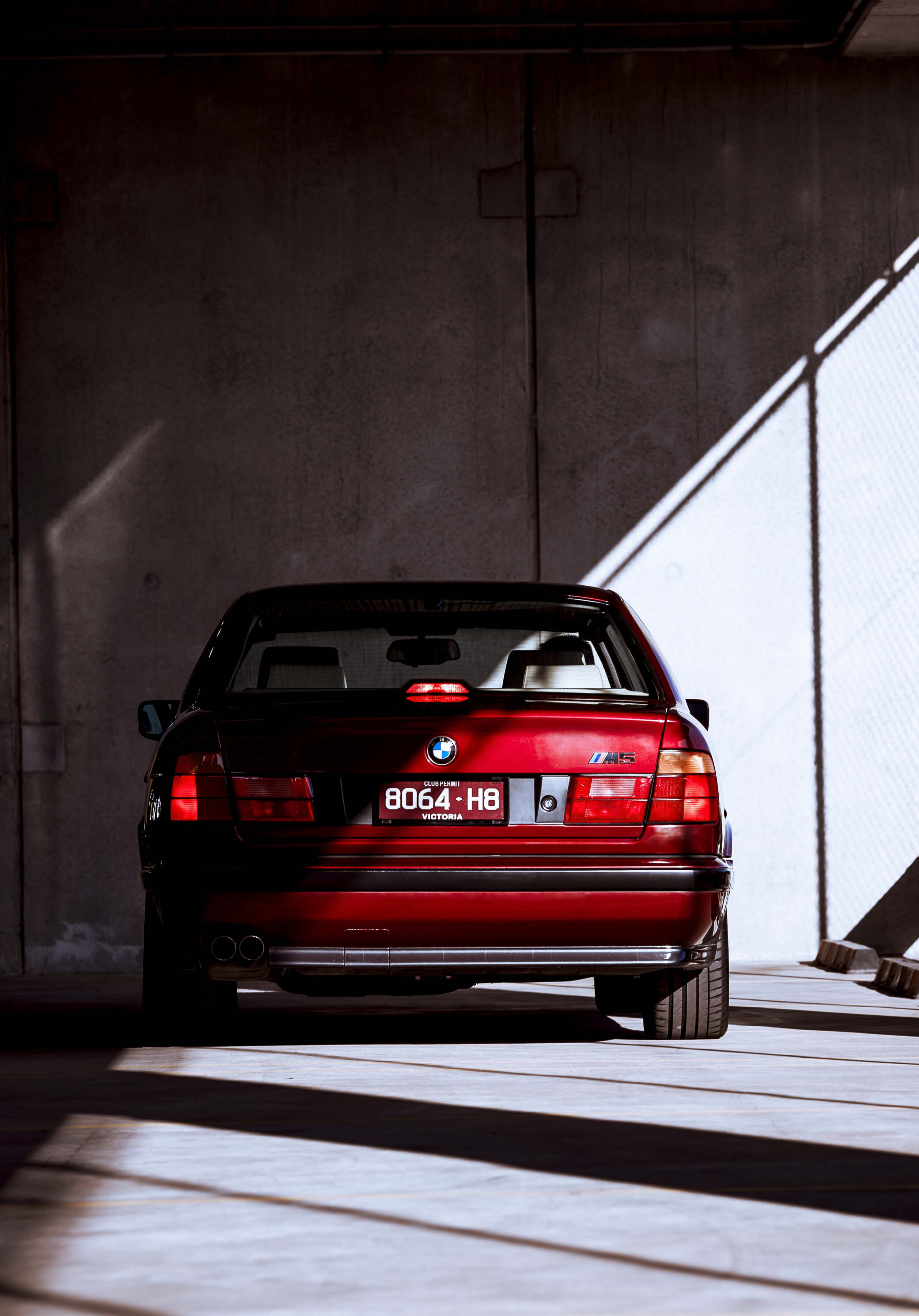
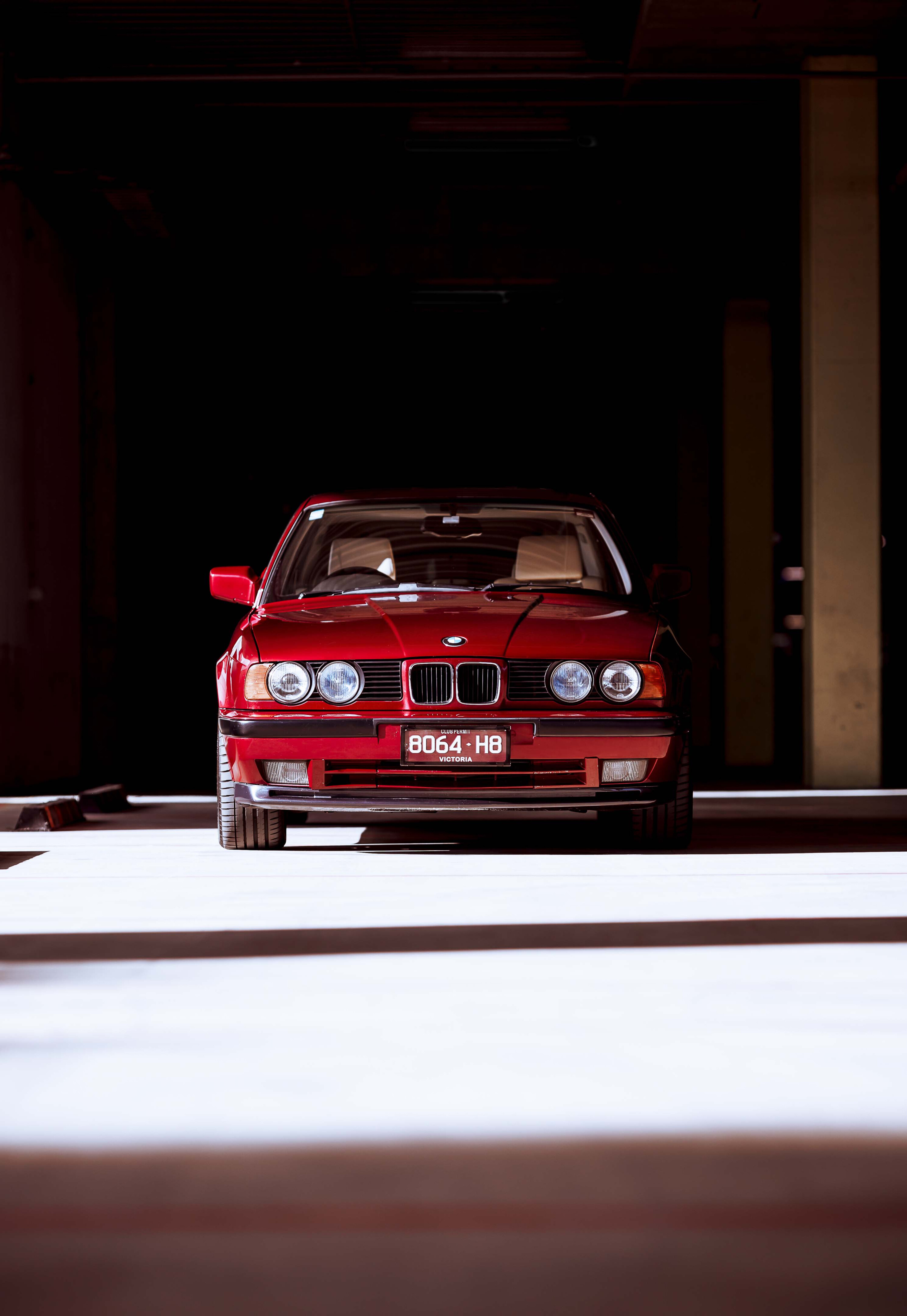
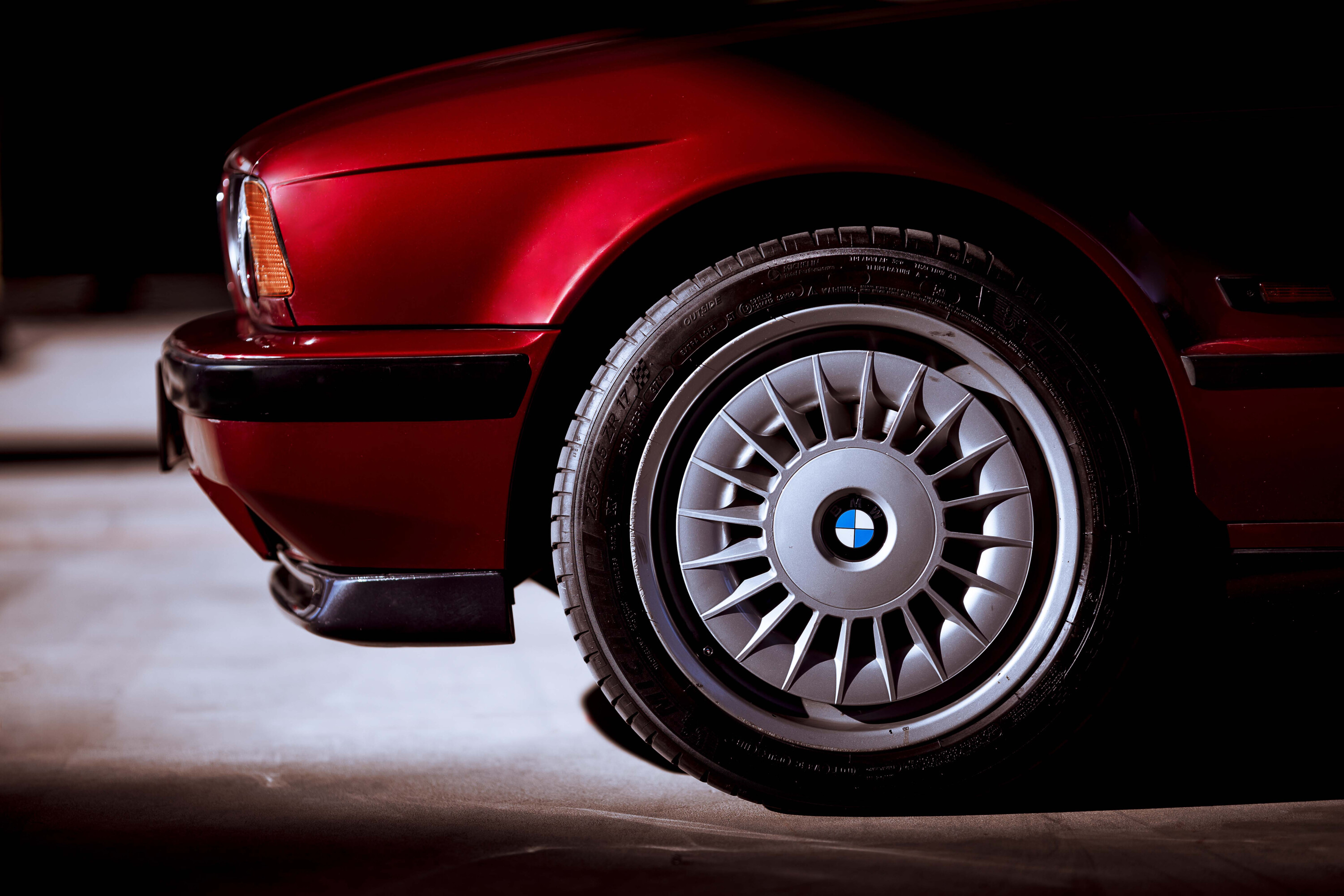
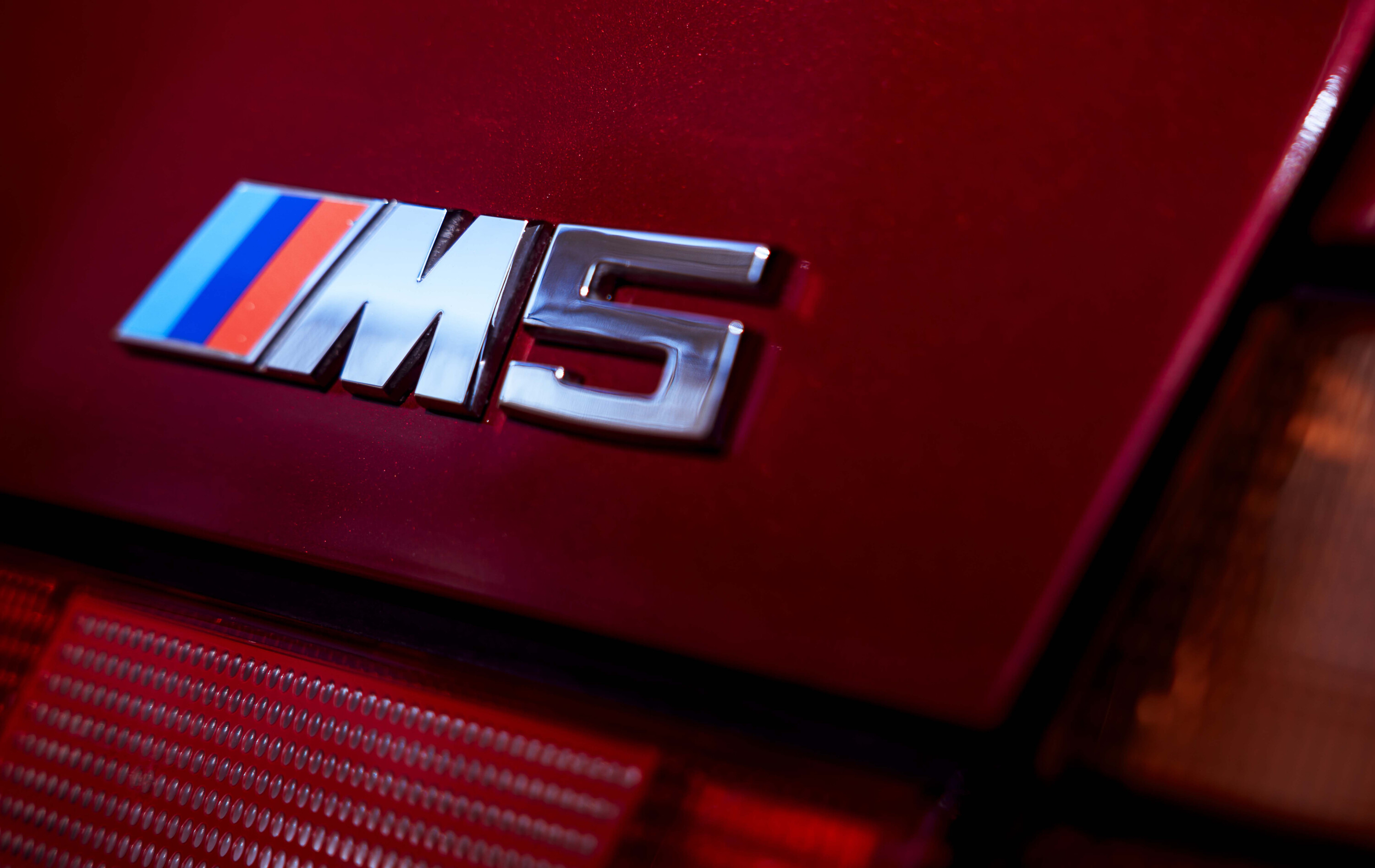
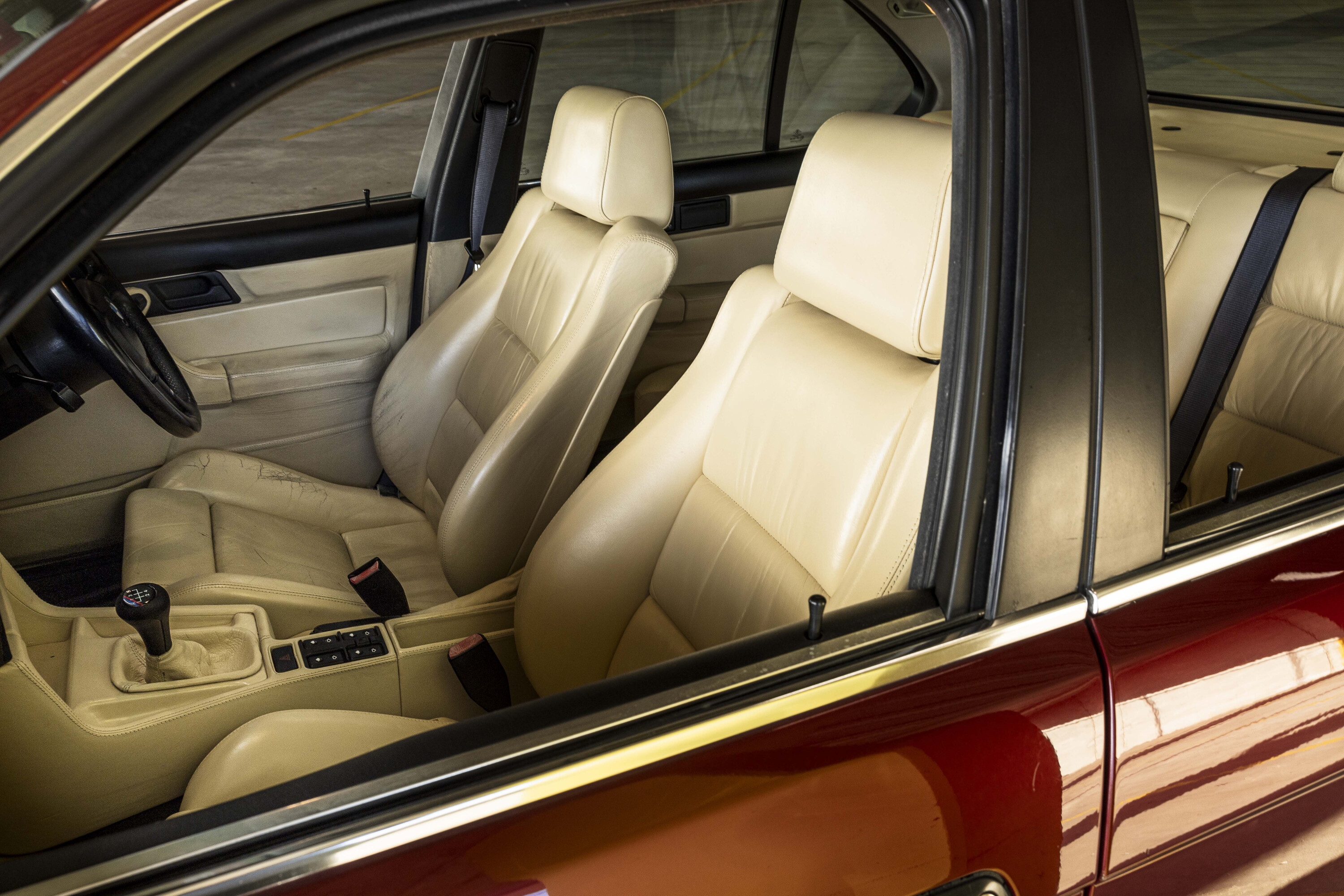
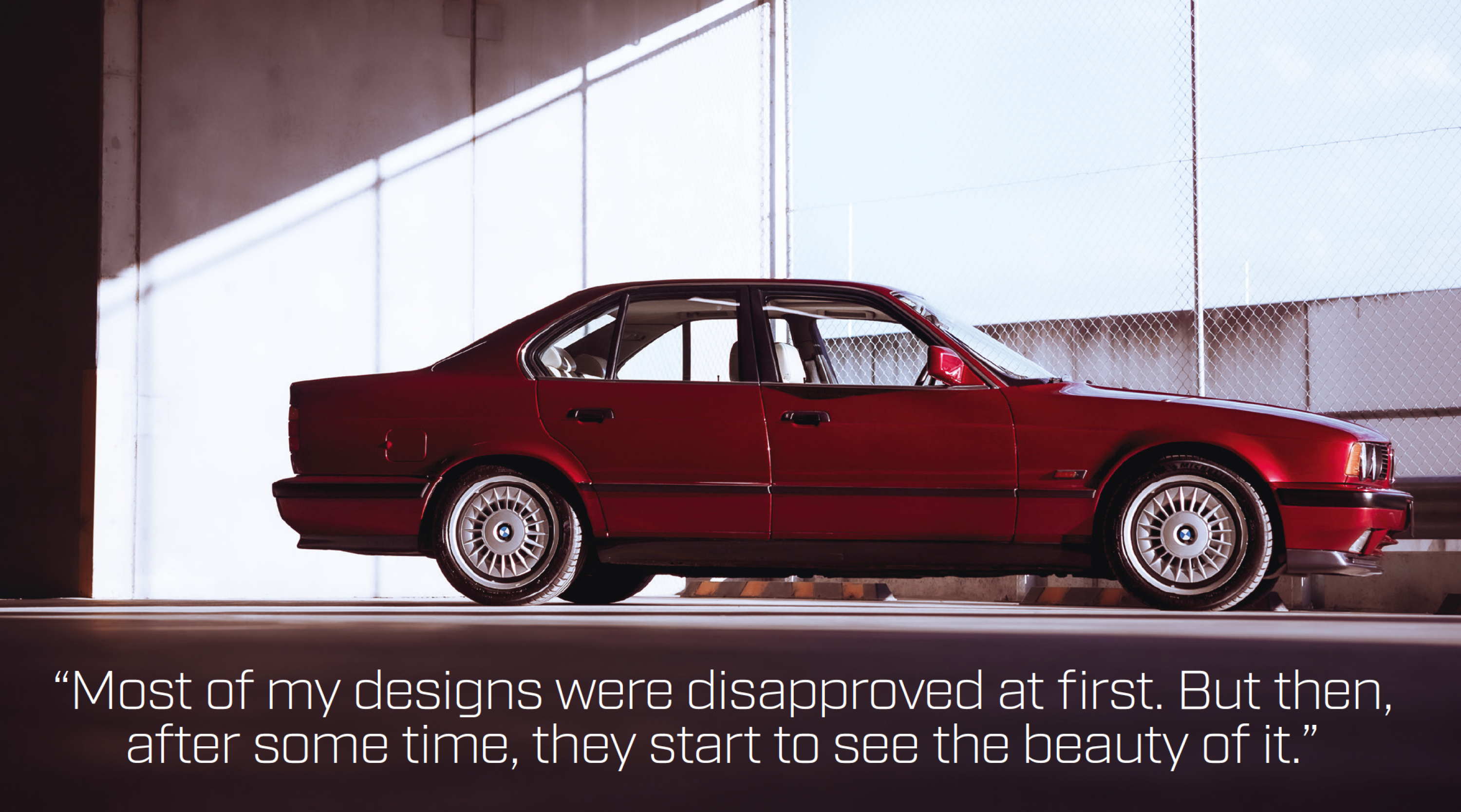
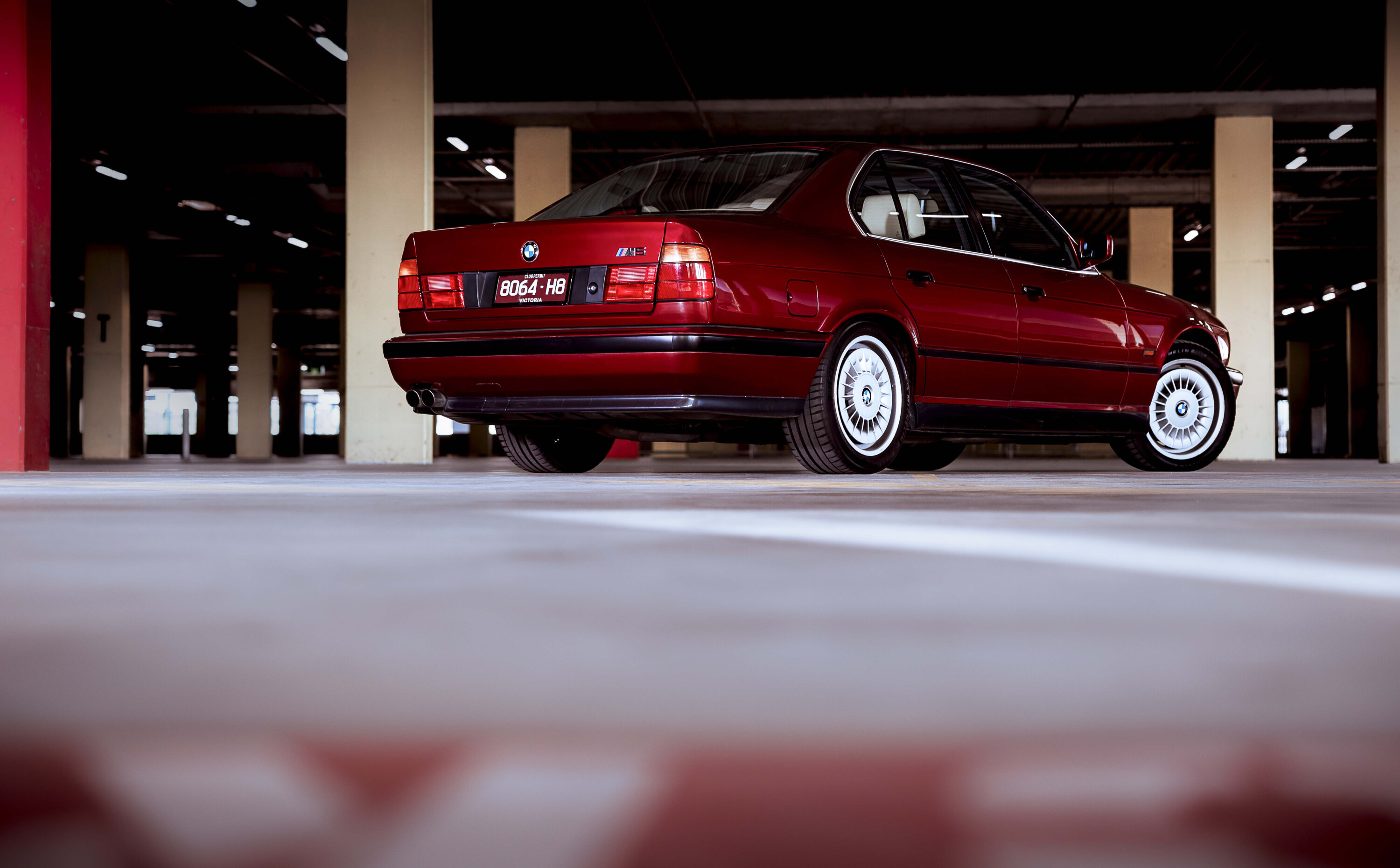
The opposite also happens. We can all name those cars that have suffered at the hands of time – rendered haggard and obsolete. The magic happens when classics transform from timeworn to treasured. BMW’s E34 M5 is currently enjoying this marvellous metamorphosis.
1
In truth, the E34 has never been the most storied M5 generation, falling between the founder appeal of the E28 and the extremity of the V8 E39 – the last of the line with a manual gearbox.
In many regards, the E34 was a transitional M car. It was the last to be handbuilt in Garching – on Daimlerstrasse, by way of irony – and when production eventually ended in 1995, it wasn’t replaced for another three years. Bizarrely, the E34 is the only M5 that was ever replaced by an M3.
The E36 M3 sedan was introduced in late 1994 to fill the three-year void before the E39 M5 was launched in 1998.
1
In truth, the E34 M5 always had a task ahead of it. After all, the E28 body that came before it wasn’t exactly the freshest face on the block, itself a Claus Luthe makeover of Paul Bracq’s E12, which first appeared in 1972.
Luthe was the man tasked with overseeing the development of the E34, the first all-new 5 Series in 15 years. His brief was to mirror the family look of the E32 7 Series, and the initial sketches were the work of Ercole Spada – the mercurial Italian who was previously chief of design at Zagato.
Spada’s time at BMW was punctuated by disagreements with Luthe. As he noted in the book ‘Spada. The long story of a short tail’ by Bart Lenaerts: “Most of my designs were disapproved of at first. But then, after some time, they start to see the beauty of it. And years later they are big fans.”
1
The project work on the E34 required a fundamentally different method of design to that which Spada had grown up with in the 1960s.
“It was completely different. We had a real design studio, we had more time, more possibilities, and the biggest change for me was that we had a wind tunnel to test our aerodynamic choices.”
Indeed, aero work was a big priority for this body. Audi had shown with the 1982 C3 100 that a low drag factor had become a way of keeping score, of enumerating the skill of your exterior design team.
1
When Ercoli left BMW in 1983 with the E34 project still requiring finalisation, Luthe drafted in Audi man J. Mays to work up the detailing in a career break from Ingolstadt, where he subsequently returned to pen the C4 100.
Unlike many BMW models where the mainstream versions are announced some years before an M variant arrives to reignite interest, the M5 was an integral part of the initial E34 5 Series line-up, sitting in the 1988 cohort alongside the 520i, 525i, 530i and 535i petrol variants, and the 524td diesel.
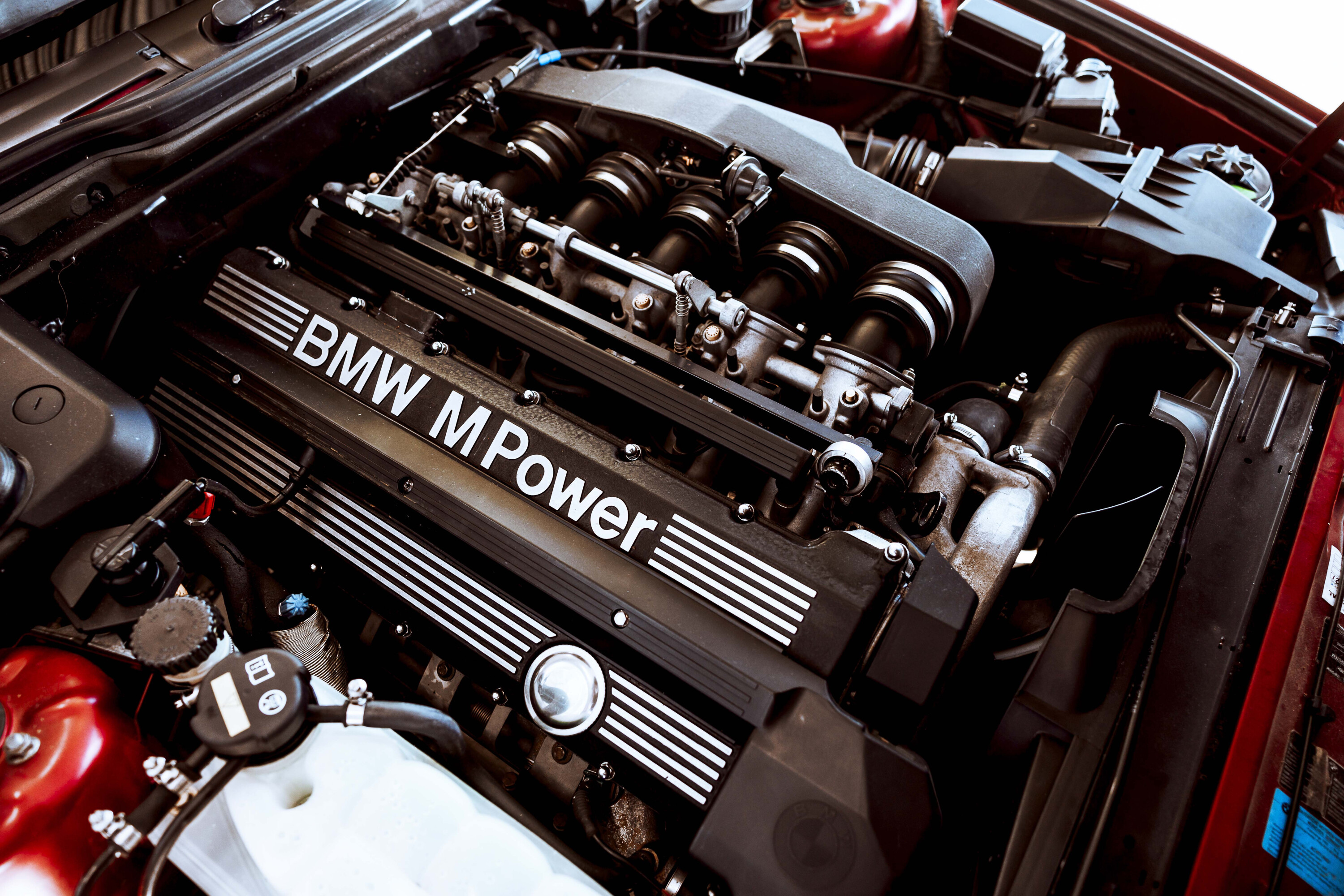
Power came courtesy of the 3535cc ‘S38B36’ powerplant, often referred to as a 3.6-litre, more correctly termed a 3.5. This was a bored and stroked version of the E28 M5’s S38B35 unit (swept capacity 3453cc) – BMW naughtily dubbing the larger-capacity engine a 3.6 in order to create some sort of easily understood distinction.
1
Aside from the capacity increase, the engine also featured a new forged steel crank, revised camshafts, a higher compression ratio, a clever variable-length intake manifold, Bosch Motronic engine management, and equal-length stainless steel exhaust headers.
The result was a hearty 232kW at 6900rpm and 360Nm at 4750rpm. The weight was 1670kg, the drag coefficient a barely credible 0.32, and there was near neutral axle lift at top speed.
This was an engine the likes of which we’d never seen before. The variable intake runners were a novel solution to broadening the torque curve and resulted in a powerplant that generated better than 80 percent of peak torque at any engine speed over 2900rpm.
Zero to 100km/h was quoted at 6.3 seconds and the top speed was limited to 250km/h. Wheels verified this in a test at Lang Lang where the car accelerated smartly to 250.2km/h and remained there, solid as a rock, on the banked circuit.
1
It’s Phil Scott’s initial overseas drive, however, that clued us in to the fact that this could well be a new benchmark in the super-sedan sector.
“Below 3500 revs it had been quiet – docile even – and surprisingly tractable, pulling away cleanly in fifth from way down l-o-w-w,” Scott noted. “Beyond 4000, and all the way to the 7200rpm redline lies the motherlode – a broad, deep seam of weapons-grade torque.
Accessing it is as simple as flexing the right ankle. As the revs rise, so does a smooth surge of power. And with it, the aural accompaniment. At 4500 revs it is a sweet growl, at 6000 a delicious, mechanical aria. Big chested. Turbine-smooth.
1
Overlayed with a musical, harmonic edge that cannot be conveyed on paper. A Ferrari V12 sounds better, but not a whole lot better.”
When it arrived in Australia, we were intrigued to discover how the (then) $168,900 M5 would handle the $60,000 VN Commodore Group A.
One of only 60 cars earmarked for Australia, the M5 was clearly leveraging a technical advantage, its engine generating 64.5kW per litre – at the time the highest specific output of any normally-aspirated engine in the world. The Holden’s pushrod, two-valve-per-cylinder V8? A mere 43kW per litre.
1
It wasn’t so much the engine that handicapped the Group A SS – more the suspension.
That live rear axle was a throwback to Holden’s exploits at Mount Panorama and meant that the Australian car couldn’t level with the M5’s composure on typical Aussie B-roads. Technology had marched beyond the big-hearted Holden.
BMW could have rested on its laurels with the M5, but Garching had its hand forced. In 1989, it had discovered that Mercedes-Benz was delivering W124 E-Class bodies to Porsche’s Rössle-Bau skunkworks, the manufacturing facility previously idled after 959 production had come to a halt. Porsche was helping build the 500E – an autobahn stormer powered by a 240kW/480Nm all-aluminium M119 V8.
1
While it would pip the M5 by a mere 8kW, torque was a massive 120Nm higher. Small wonder the 500E was, for a while, the weapon of choice for off-duty F1 drivers of the day.
Never mind that the ridiculously complex build process of the 500E – a car with wheelarch flares so wide it couldn’t fit down Mercedes-Benz’s production line – meant that it cost 35 percent more than the M5.
The monster Merc was also geared to hit redline at its 250km/h limiter (whereas the M5 was not) and this short gearing not only meant catastrophic fuel economy, but acceleration that would leave the BMW trailing. It would hit 100km/h in 5.5 seconds compared to 6.3 for the M5.
1
Suddenly BMW’s previously all-conquering super-sedan was looking like the penultimate driving machine.
The response came in May of 1991, when BMW unveiled the S38B38 engine. In this application, the bore was increased to 94.6mm and the stroke lengthened to 90mm, raising the displacement to 3795cc.
The largest capacity six-cylinder engine of BMW’s modern era, this powerplant also received larger intake and exhaust valves, shorter conrods, bigger throttle bodies, higher compression, a dual-mass flywheel, redesigned intake and exhaust manifolds, and smarter Motronic software.
1
The result was 250kW – enough to better the 500E, even if the BMW’s 400Nm torque figure couldn’t level with the big capacity Benz. BMW also introduced a limited run (891 units) of left-hand-drive Touring wagons.
Beneath the updated M5, the old self-levelling suspension (SLS) system was replaced by the far more effective Electronic Damper Control (EDCIII+).
BMW also offered a Nürburgring Package, which comprised ZF Servotronic vehicle-speed-sensitive power steering, thicker rear anti-roll bars (19mm on sedans, 20mm on Tourings), wider 17×9-inch alloy wheels with 255/40ZR17 rear tyres, and a control switch for the Adaptive M Suspension, allowing the EDC shocks to be locked into their firmest position.
1
Other updates? Gone were the oddball ‘turbine’ vented magnesium wheel covers, known internally as M System I, replaced by the M System II or ‘throwing star’ covers.
Beneath both trims sat a forged, black, five-spoke 17-inch alloy wheel and therefore the aesthetic is interchangeable. Your mileage will vary on which looks best.
Even though the 3.8-litre M5 wasn’t officially imported to Australia, it didn’t stop the car making an impact locally. It appeared at the 1992 Bathurst 12 Hour, placing second overall and first in its class, piloted by former F1 champion Alan Jones, Ateco boss Neville Crichton, and BMW Touring car racer Tony Longhurst.
1
In May 1994, BMW also introduced the 18-inch M Parallel Spoke wheels which perhaps look a little too modern for the E34 shape.
The 1994 update also saw the introduction of the Getrag 420G six-speed manual transmission to replace the old five-speed. The Nürburgring package was discontinued with the introduction of the six-speed E34 M5, which assumed many of its features into standard trim.
With Mercedes killing off the 500E in 1995, BMW looked to have emerged victorious in the German battle for supremacy. The incoming W210 E-Class had the stop-gap 206kW E36 AMG as its performance flagship, as Affalterbach readied the formidable 260kW E55 AMG V8 – a car that wouldn’t see showrooms until 1998.
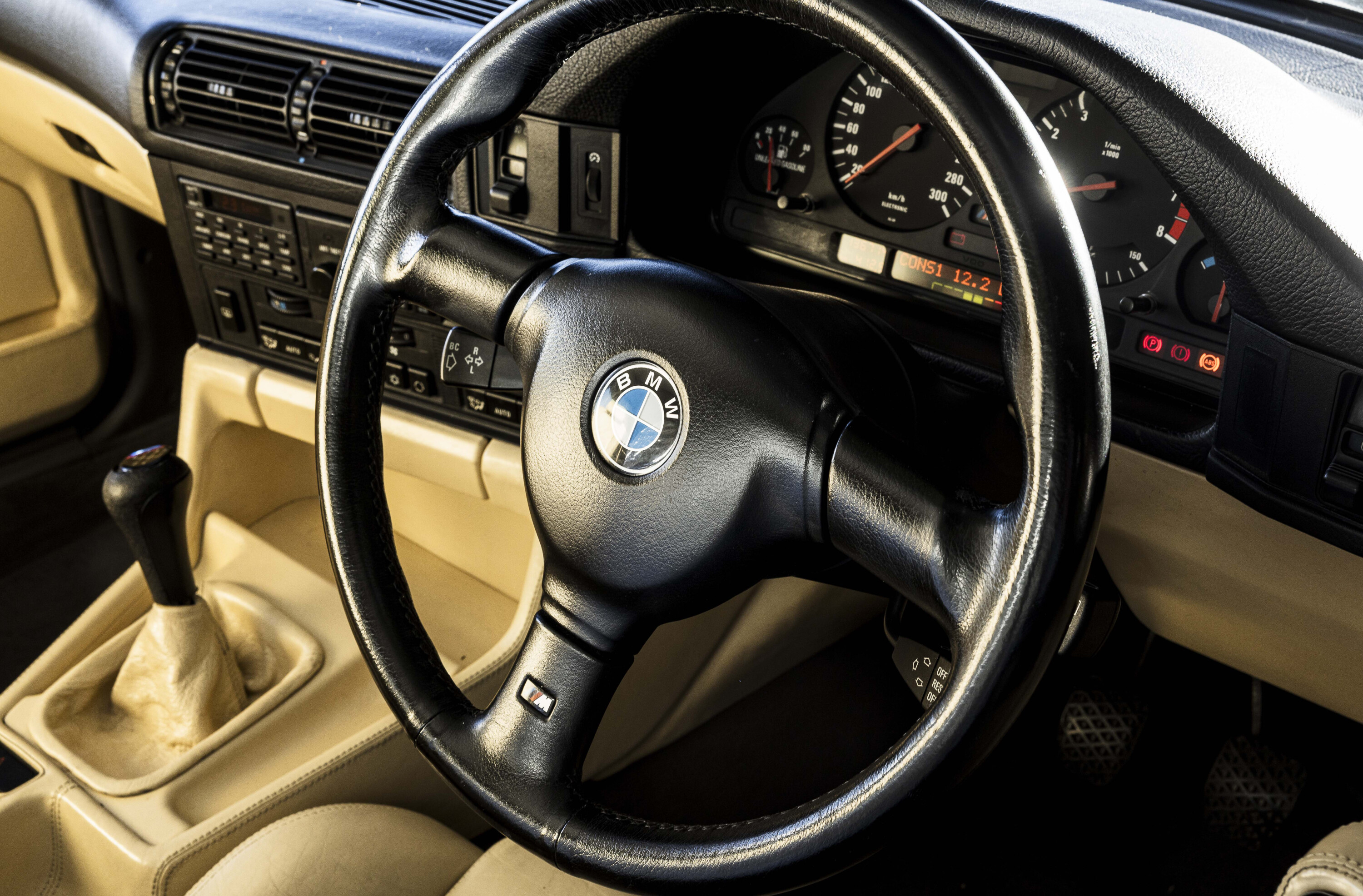
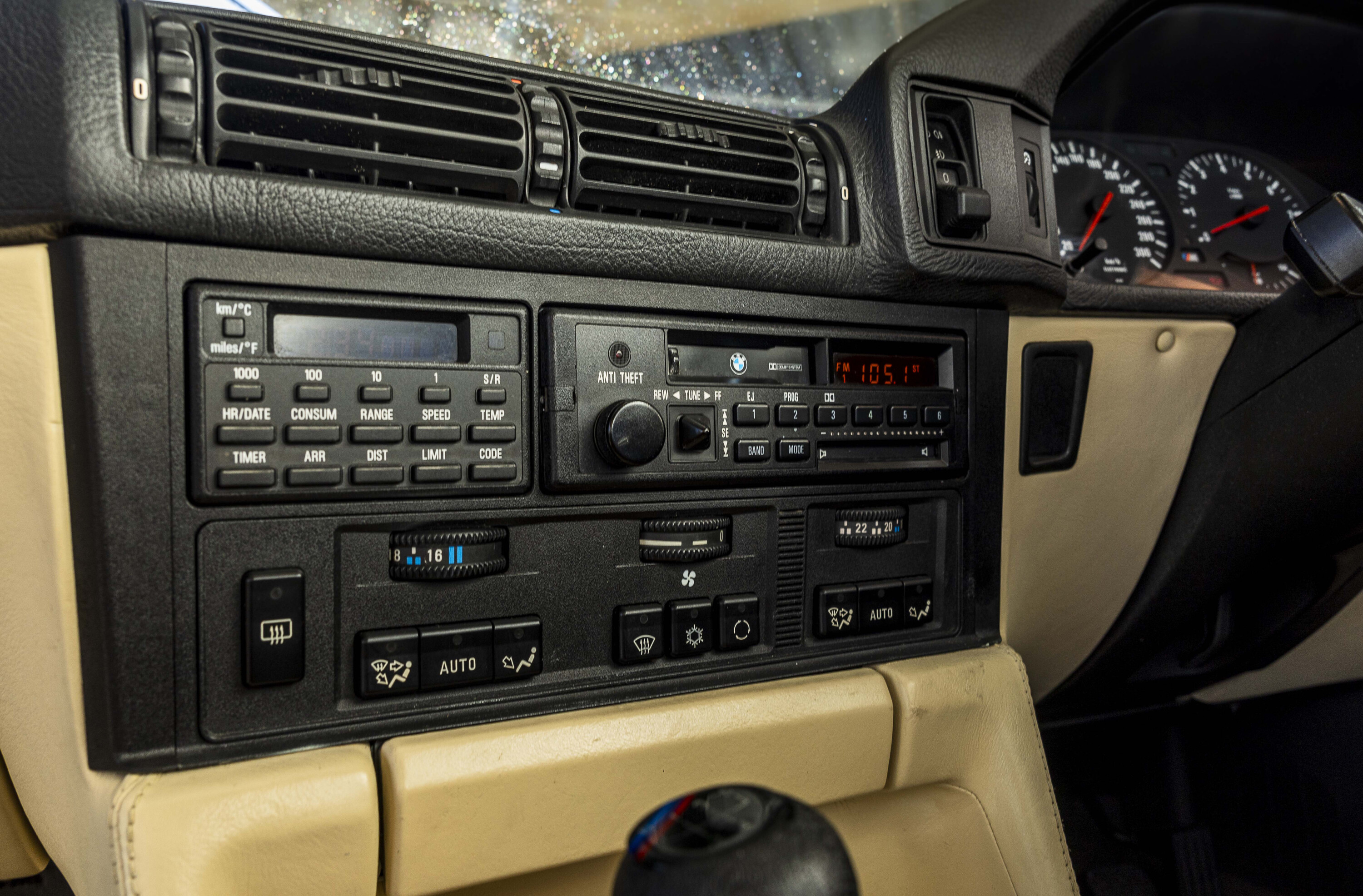
The final E34 M5 rolled from the Garching plant in August 1995; the last handbuilt M5, the last M5 before in-dash screens became a thing, the last M5 with a straight-six, the last M5 whose engine could trace its roots back to the M88 powerplant in the OG M1, and therefore the last M5 that has some claim on motorsports heritage.
1
Today, the E34 M5 seems almost dainty. It’s dwarfed by a current 3 Series sedan. Its tiny key with inbuilt torch to help you locate the keyhole in the dark seems impossibly quaint.
Yet the mechanical fundamentals are, for the most part, conceptually durable. Time has seen this car slide effortlessly from faded champ to modern classic. We knew what came next in the M5’s lineage. Some of it was great, some of it not so much. But time has also afforded us some perspective on where the E34 M5 sits in the canon of great M cars.
It’s right up there. Neglected for too long, this is one to track down. Only 12,200 were constructed across a seven-year period and I’d be prepared to wager that less than half that number survive to this day. Look after them. Time will reward you.
1
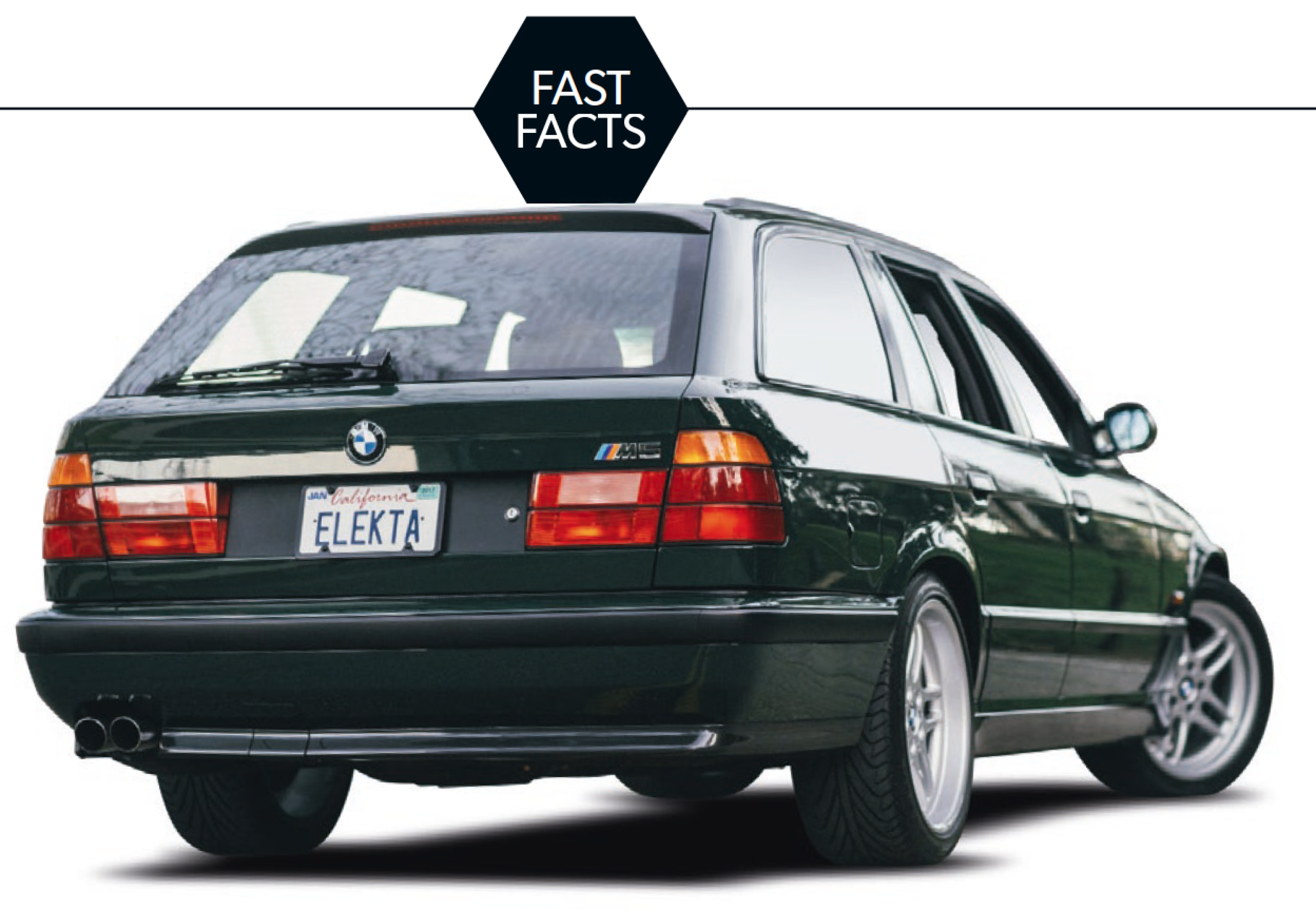
BMW only built 891 E34 M5 Tourings, of which a mere 209 featured the later 3.8-litre lump. If you want something genuinely exclusive, how about one of the 20 Elekta specials editions?
Commissioned by Italian dealers, 10 Elektas are Sterling Silver, the other 10 BRG. Nobody knows how many have survived, and they feature shadowline window trim, roof rails, dual power sunroofs, and headlight washers.
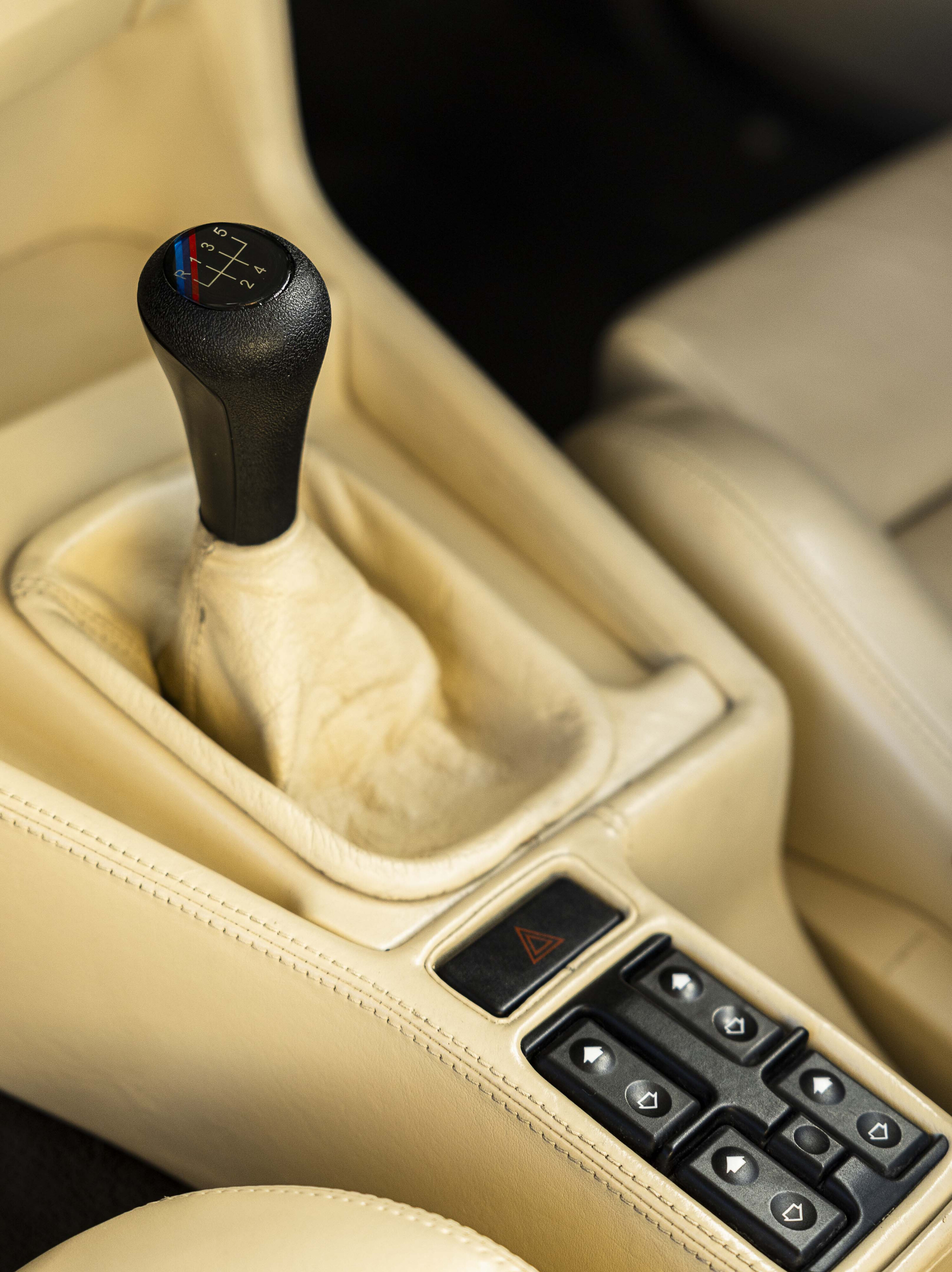
There’s a numbered gearknob that drives the six-speed ’box and standard LSD.
What constitutes a good or bad car is clearly a polarising conversation and something us enthusiasts can argue ad nauseam and indefinitely.
But an even more divisive subject (and I think more interesting) are those cars that don’t necessarily deserve the reputation they have, regardless of whether it’s positive or negative. In the spirit of wholesome car chats, here are my top three most underrated and overrated cars. Feel free to comment even though I’m afraid you’ll be wrong.
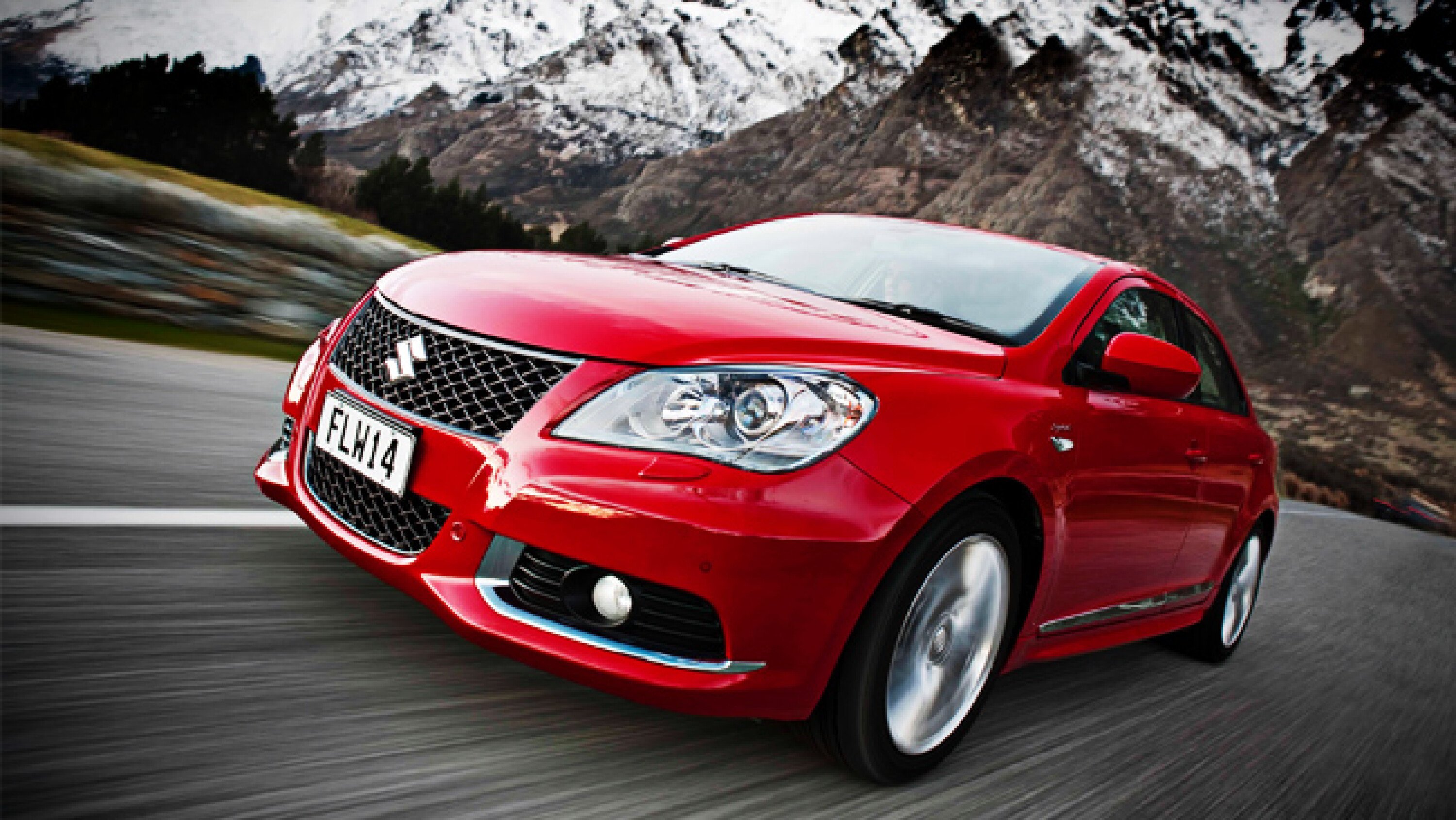
I remember the first time I drove the Suzuki Kizashi because it’s one of those handful of cars that can be driven absolutely flat out, absolutely everywhere without any fear of spearing off the road or getting irretrievably out of shape. Underpowered, you might incorrectly surmise.
1
The Kizashi had a decent 2.4-litre engine but a beautiful chassis that was capable of handling a lot more power. I yearned for a Sport or Turbo version but alas it was not to be, its fate sealed by an esoteric diminutive sedan status and unsustainable sales.
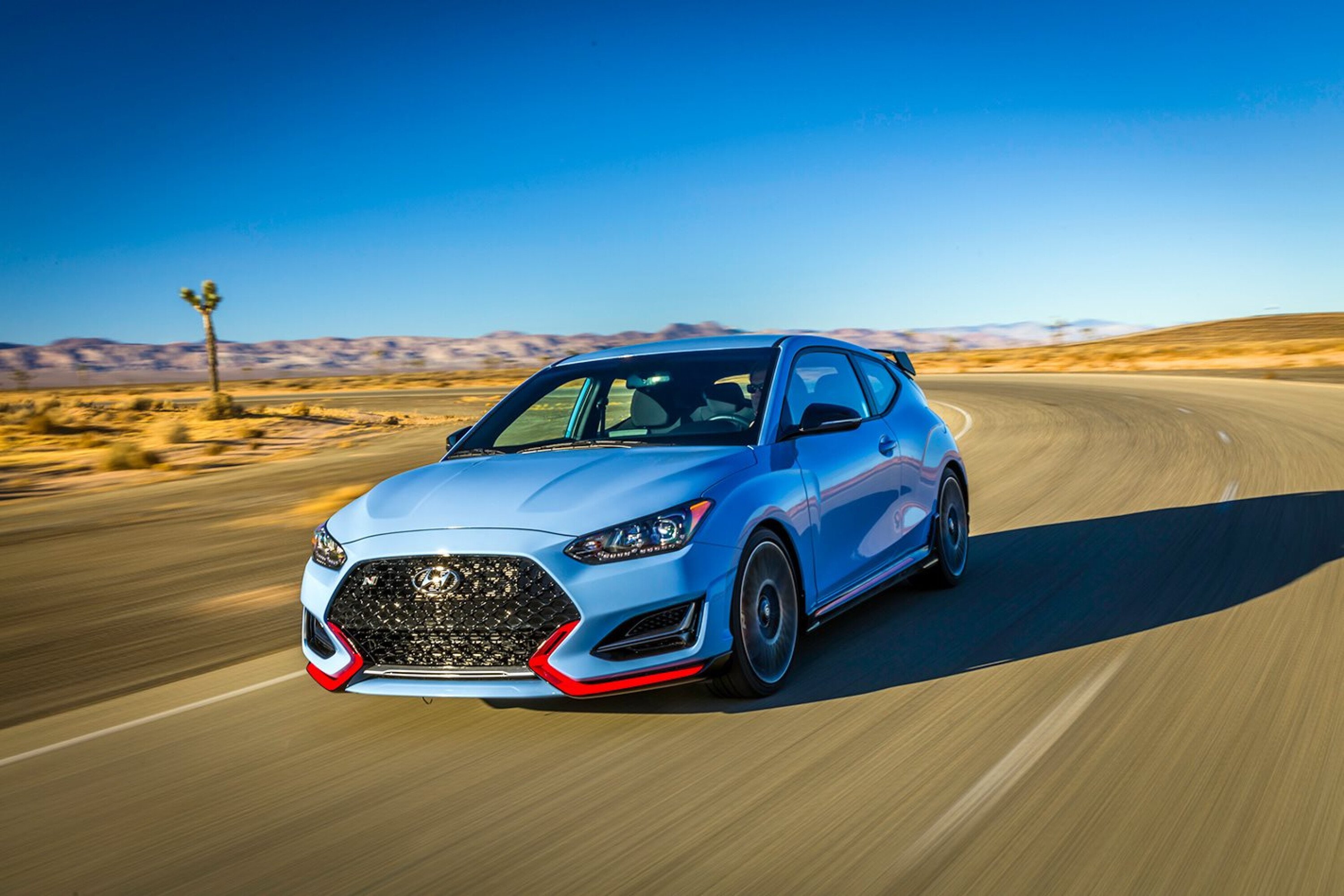
The Hyundai Veloster was a similar case in its first generation, that was until it got a far more potent 1.6-litre turbo in the second generation and the performance to match its lovely chassis. It also grew up in styling with handsome looks and, say what you will, the oddball three-plus-one doors were cool and sort of practical.
With all eyes on its i30 N sibling at about the same time, and the Veloster N we never got, the Veloster Turbo failed to earn the recognition it deserved as a genuinely talented and appealing hot hatch. I might buy one.
1
Want something less performance focused? Given Australia’s obsession with large SUVs, I’m constantly amazed the Genesis GV80 doesn’t sell in droves.
Here is a premium family mover with a diesel straight six as sweet as any from Munich, luxury to concern a Bentayga and a price that is nowhere near either.
Yes, you might have a bit more trouble moving it on when the time comes, but arguing against buying the right car based on resale value has always felt like asking your extended family to pick your spouse rather than deciding on one yourself.
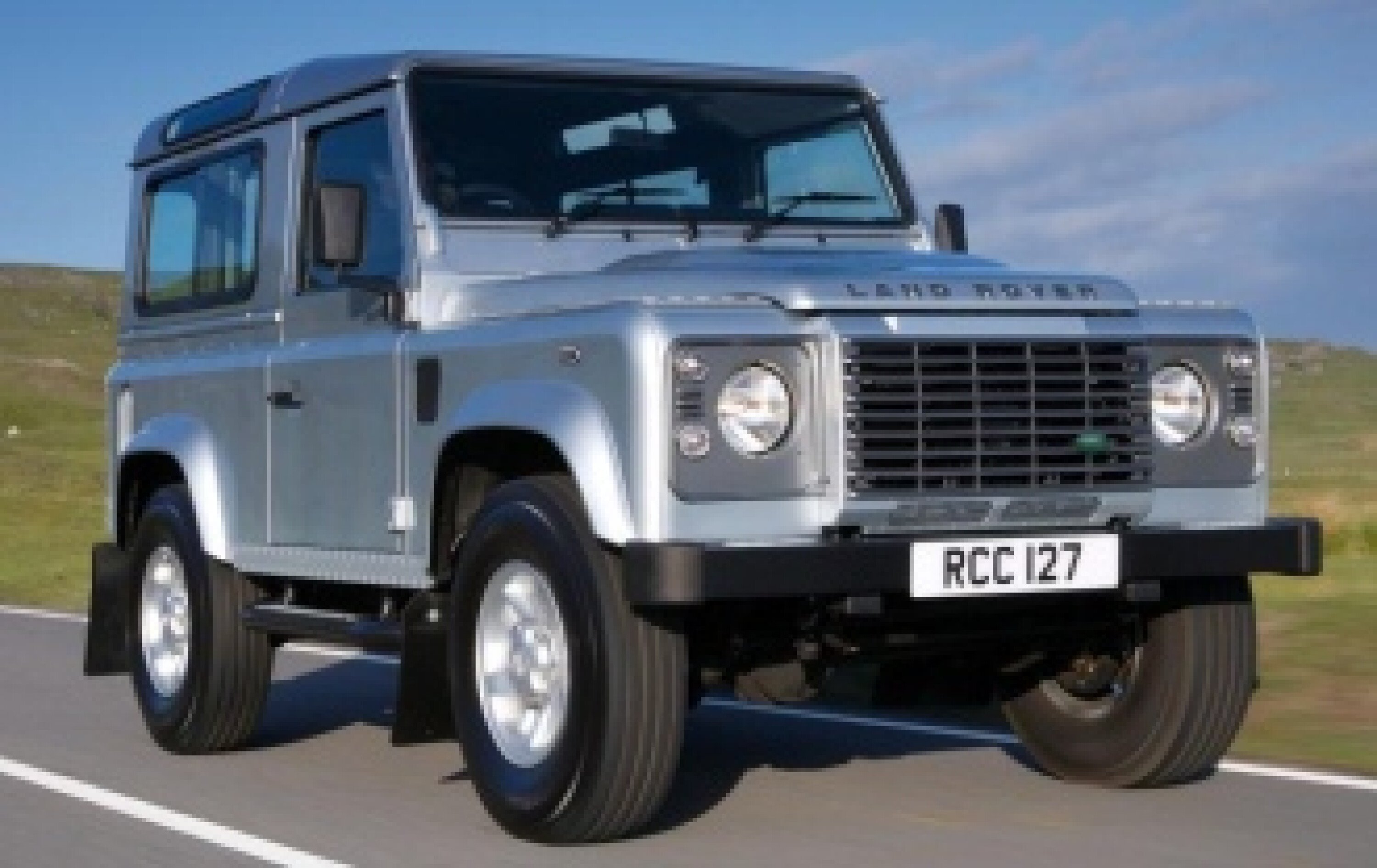
I could go on, but this wouldn’t be a balanced column without some nominees for models that have enjoyed prolonged popularity without necessarily deserving it, and no car better exemplifies this point than the original Land Rover Defender.
1
Before my fellow Somerset country-people come to lynch me like a cider hater, let me acknowledge the unrivalled off-road ability of the venerable Defender.
However, on-road, it was as pleasant to drive as a nail into ones eye, while it had the ergonomics of a bumper car. And let’s not even mention the maintenance required if you didn’t want a Defender to be as fickle as a pedigree racehorse.
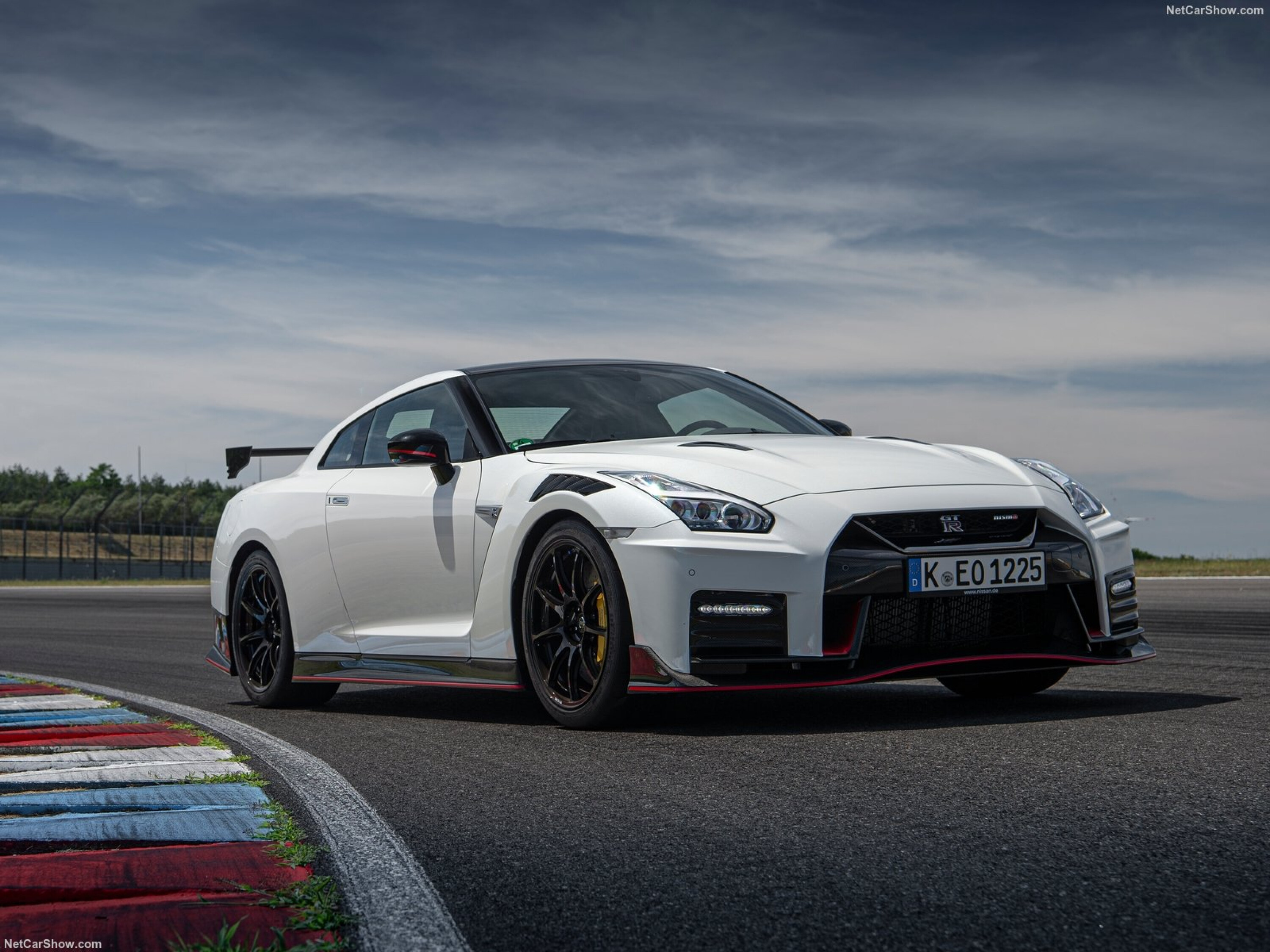
I’m preparing for even more flak for nominating the R35 Nissan GT-R as the second car that deserves less credit than it gets.
1
Let me start by saying for many years, I couldn’t cut a lap of Phillip Island in anything faster, but I felt like I didn’t deserve the time at all.
The GT-R is an 1800kg box of driver embarrassment mitigation devices and is capable spectacular performance regardless of the buffoon at the wheel and that’s exactly why it can’t be loved – only respected. It’s wall-to-wall technology where soul never goes, and a science experiment, not a passion project.
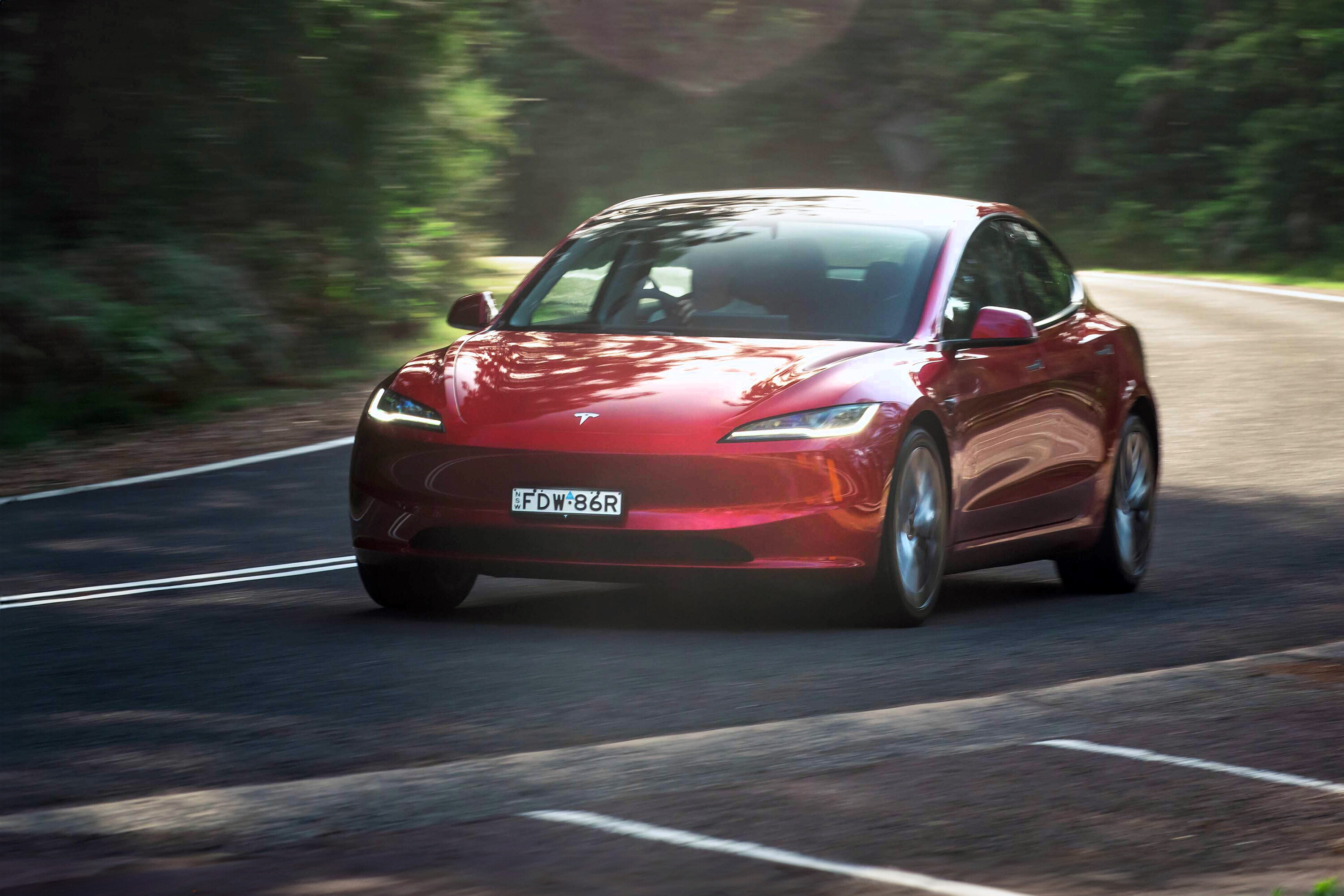
Oh, this last one. Dare I? The Tesla Model 3 is, objectively, one of the best cars I’ve ever driven but, subjectively, it’s as exciting as Eric Abetz. Sure, it’s fast, tech-packed and, in the electric car market, you can’t get a lot more for the cash, but I want to live with one as much as I want to live with Aileen Wuornos.
So let’s have yours. There are truly no deities in my house.
Lexus introduces Encore Elevate for existing owners
Similar to Encore Platinum but pay-to-play
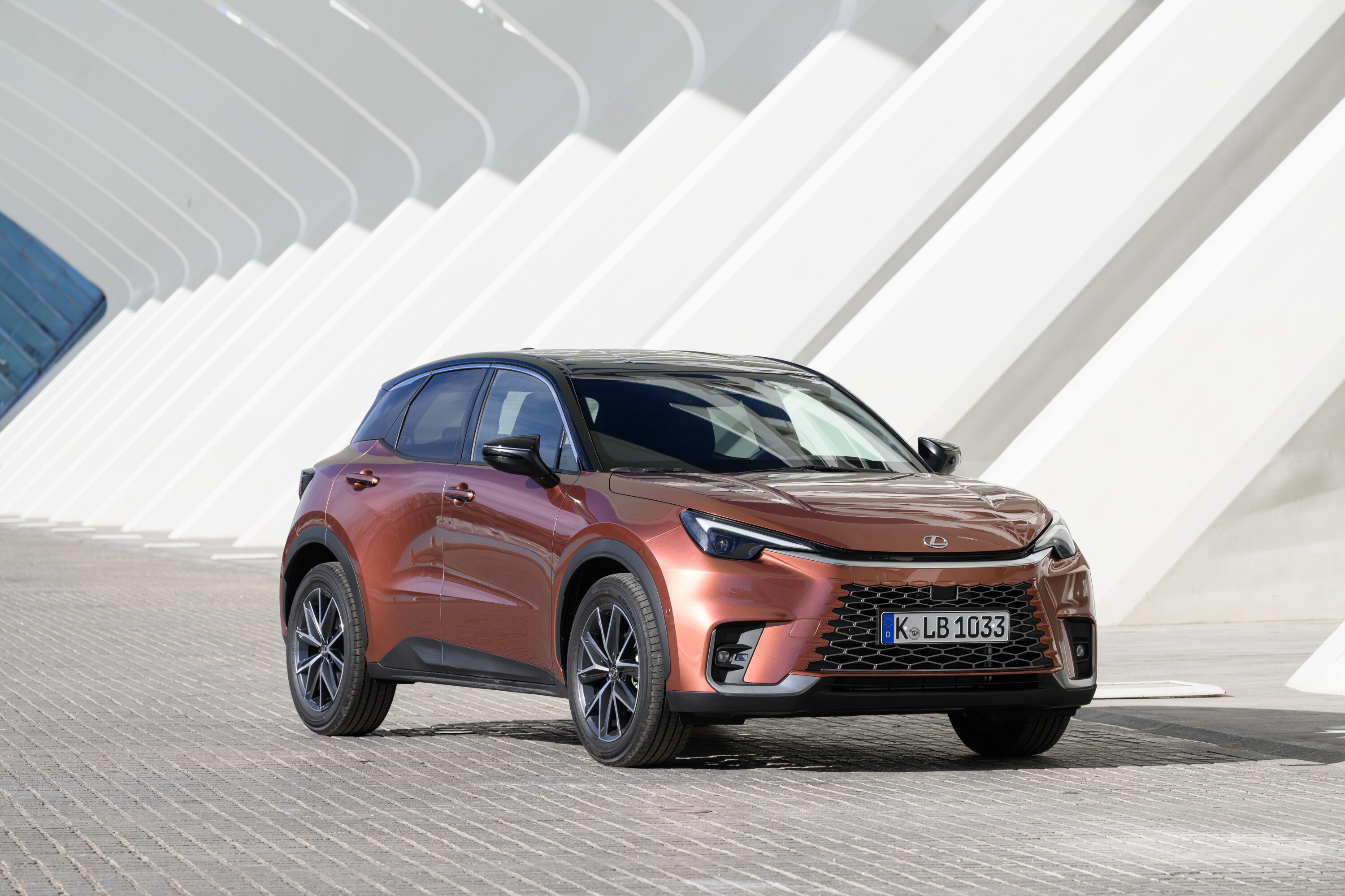
Full-service lease available for new LBX SUV
Lexus Australia has introduced two new ways for customers to spend time in more of its products without committing to new vehicle ownership.
Encore Elevate is the new arm of the brand’s Encore services and allows owners of any Lexus vehicle in Australia the option of paying $1899 per year to access benefits such as the use of L series vehicles twice a year, valet parking vouchers, and exclusive event invitations.
The other way in is targeted at younger buyers, with the brand offering a full-service lease option exclusively for the new LBX small SUV. Similar to Toyota’s option for the bZ4X electric vehicle though the LBX’s offering will be more flexible, with terms between one and five years.
1
What is Lexus Encore Elevate?
It’s similar to Encore Platinum, but available to owners of all Lexus vehicles.
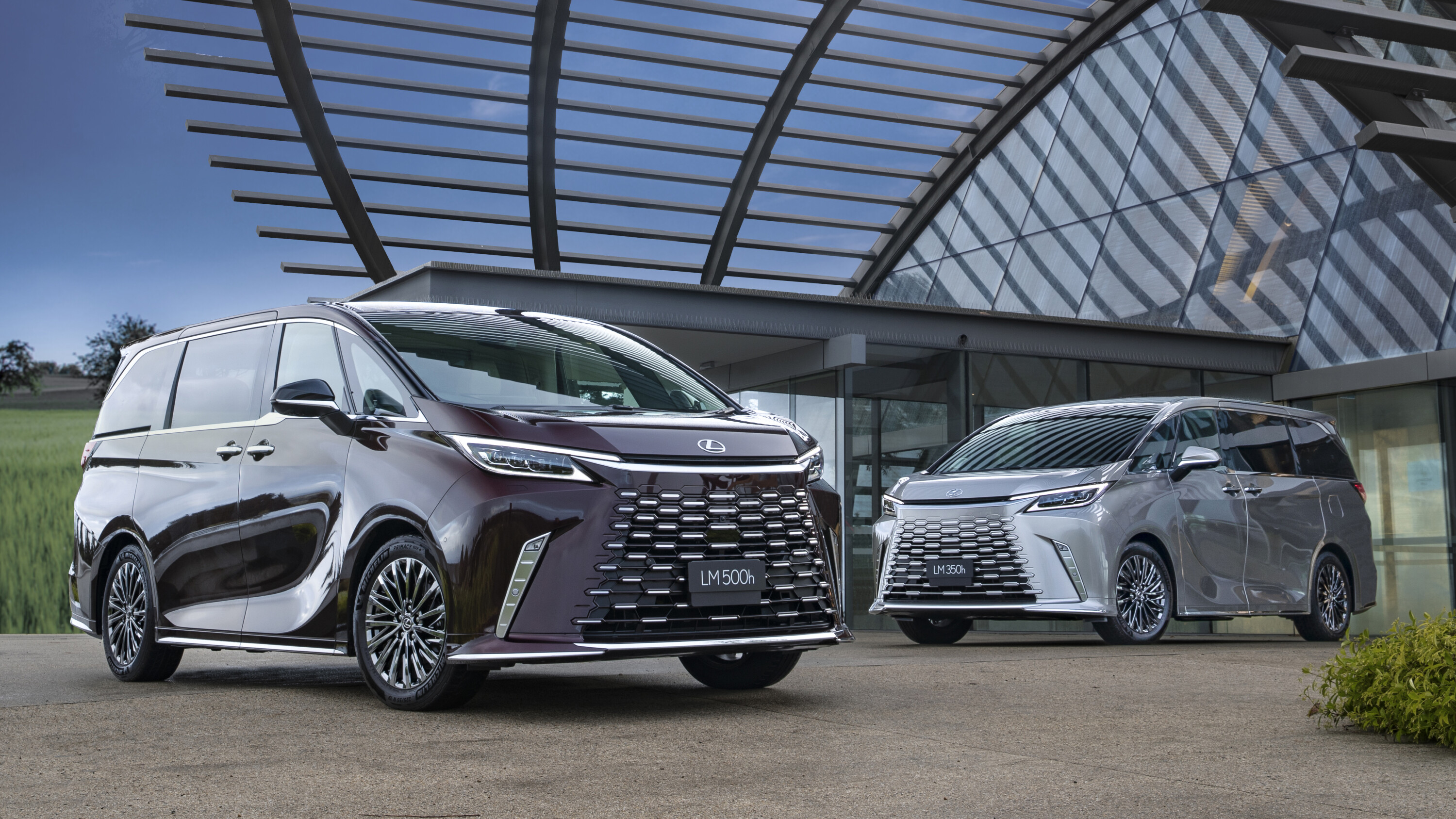
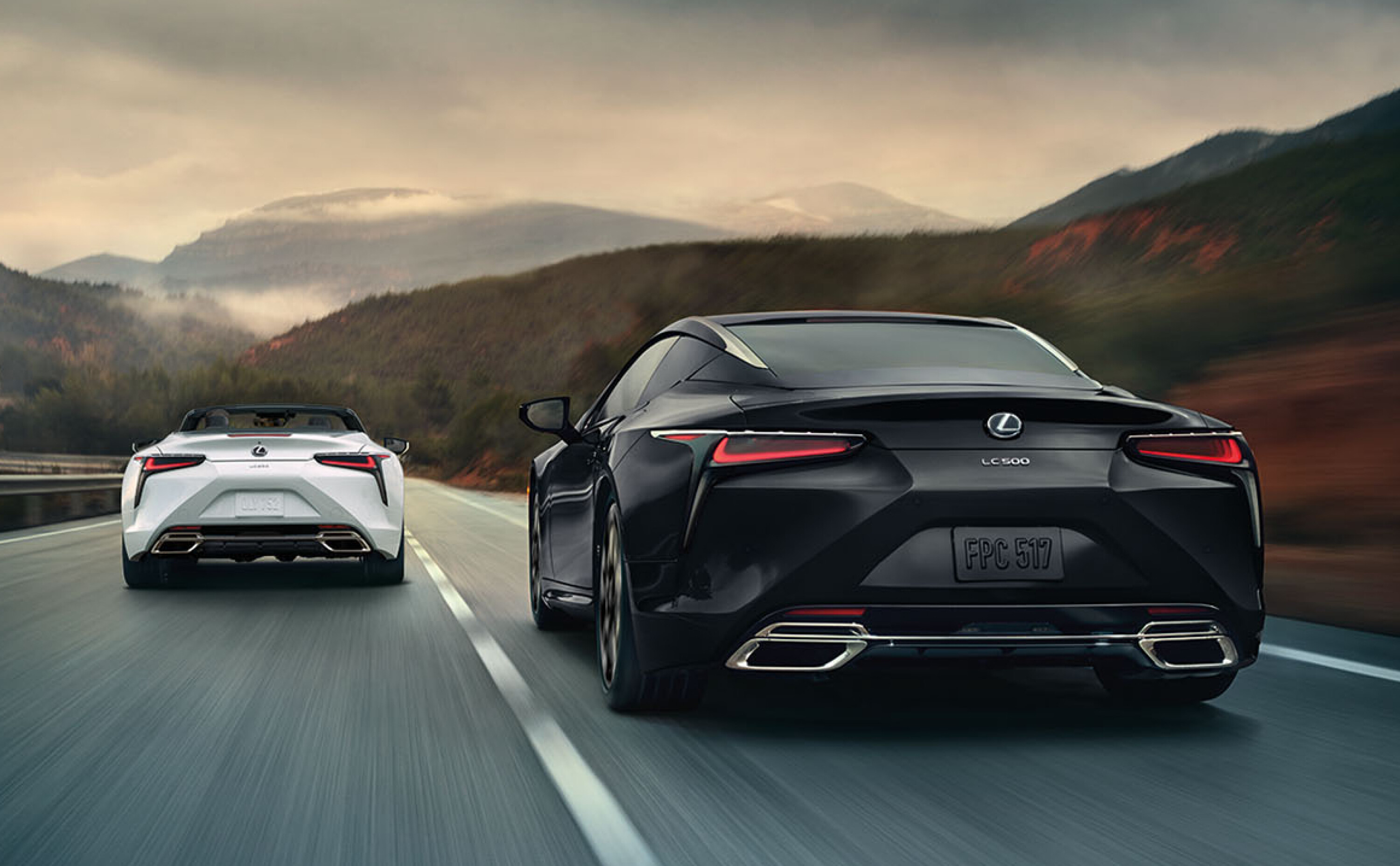
Platinum level remains exclusive to buyers of brand-new L flagship products (LS, LM, LC, LX) and is complimentary for three years.
Encore Elevate can be purchased by any owner of the circa 150,000 Lexuses in Australia providing it was sold new through a local dealer. You could be the first, second, third, fourth, or more owner and pay $1899 for the benefits detailed below.
Use of the Lexus on-demand fleet twice yearly for loans up to five days
Four valet parking vouchers at select shopping centre
Two airport lounge access vouchers valid at over 800 locations worldwide
Invitations to exclusive events
1
The Lexus on-demand fleet currently comprises more than 50 vehicles including various LC, LX, LM (varies by state).
Encore Elevate isn’t as comprehensive as Encore Platinum, which offers four yearly uses of the Lexus on-demand fleet with loan periods up to eight days, and eight valet parking vouchers.
Lexus Australia chief executive John Pappas told Wheels “The feedback we’ve been getting from [Encore Platinum] customers has been ‘how do I get more access to these ownership benefits that you’ve given me’”, which is where the idea evolved.
The next step is about “learning”, and “how customers perceive benefits” according to Mr Pappas who added: “In time, we want to tailor and personalise those experiences to our customers.”
“Because Lexus is all about amazing experiences. And it’s not about your car or your journey, it’s about your lifestyle as well… we’re not about a transaction, we’re about a life with Lexus”, added Mr Pappas.
1
What is a full-service lease and why does Lexus offer it?
Previously it’s predominantly been a choice between cash, personal finance, or novated lease options for new-car buyers however – like application subscriptions – the landscape is changing.
Lexus has chosen the LBX small SUV to launch its first full-service lease plan, where the customer pays a monthly fee for a period between 12 months to five years to cover the car, maintenance, registration, and insurance with a fuel card optional.
At the end of the lease the user can choose to hand the vehicle back, renew the lease, or look at another option all without owning the vehicle. The LBX Luxury starts at $47,550 before on-road costs, and Lexus is yet to detail full-service lease pricing (though it varies greatly depending on length of lease, kilometres driven, and other factors).
Mr Pappas emphasised that this option is not for everyone, and nor is it compulsory.
“We know that usership is a lot bigger now and it’s trending up. The whole flexibility of not having to buy a car and own it and all the rest of it – not having to go and pay for maintenance etc. – is a really strong trend coming.
“[With the LBX full-service lease], we’re trying to learn whether there’s appetite and what we can do in the space with a younger demographic coming through that doesn’t have to commit to the vehicle and the whole ownership of the vehicle, they just pay a monthly lease that’s fully looked after”, said Mr Pappas.
The LBX small SUV is the new hybrid-only entry point. The car will be available at dealers imminently and our road test will go live on Thursday 28 March.
A few F1 cars stand out as simply unbeatable in their time, and although it felt like the AMG era would never end, Red Bull has shown that all good things do.
For a stroll down memory lane, here are nine cars that were in the same position in their respective times, in no particular order.
This article, first published in 2016, has been updated.
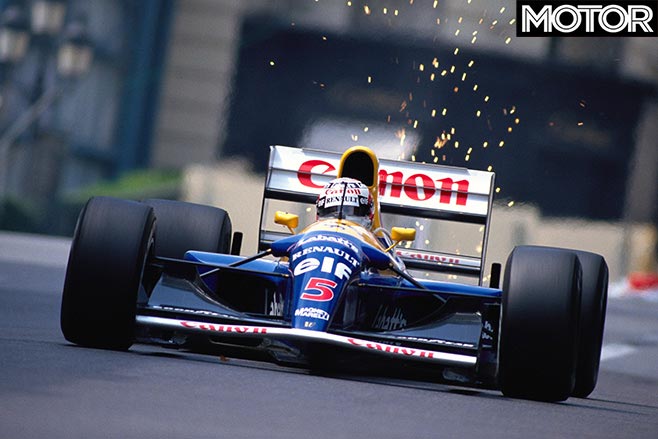
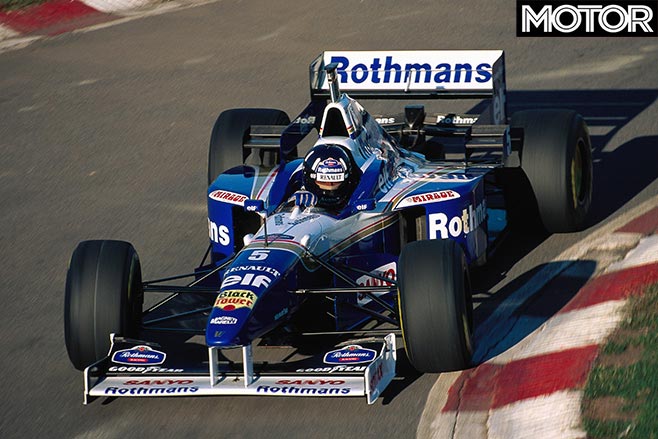
With ABS, traction control, computer-controlled active suspension, and a semi-automatic gearbox, even today the 3.5-litre V10 FW14B is one of the most advanced F1 cars ever, taking Nigel Mansell to his one and only F1 title.
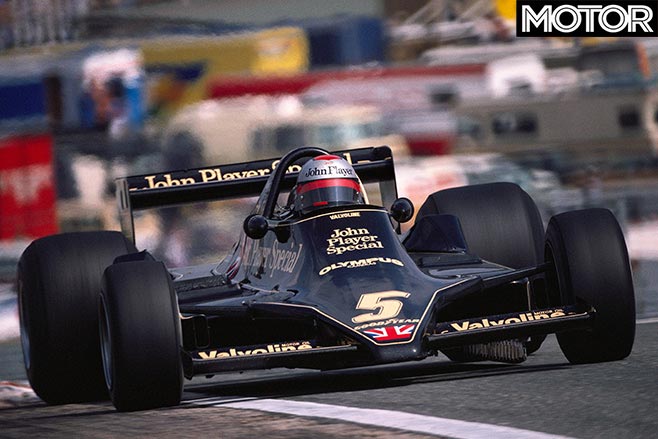
Powered by the legendary Ford DFV 3.0-litre V8, the Colin Chapman-designed Lotus 79 improved upon the pioneering “ground effects” of the Lotus 78 by perfecting them.
Mario Andretti won six of 11 races on his way to the 1978 world title.
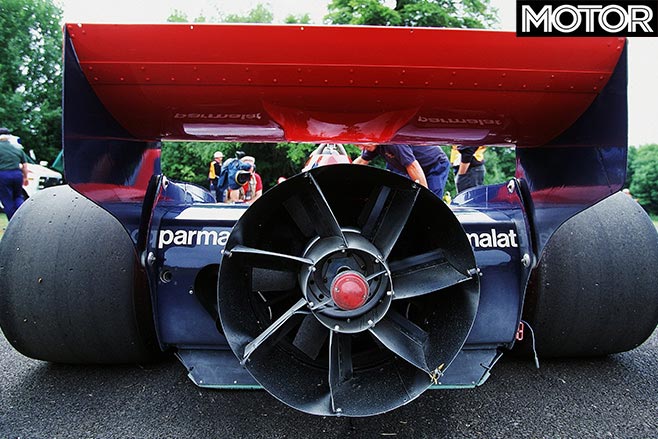
The BT46B totally dominated its one race in 1978 with Niki Lauda behind the wheel. Gordon Murray’s 3.0-litre flat-12 “fan car” literally sucked itself to the track.
Never illegal, team boss Bernie Ecclestone withdrew the car in a crafty political move.
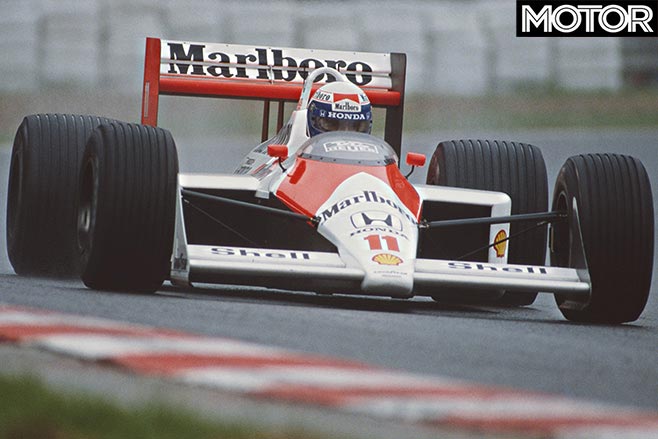
One of the most recognisable grand prix cars ever, the 1.5-litre turbo V6 MP4/4 was also the closest an F1 car has come to a perfect score, winning 15 of 16 races in 1988.
In MP4/4, Ayrton Senna edged out teammate Alain Prost to win his first title.
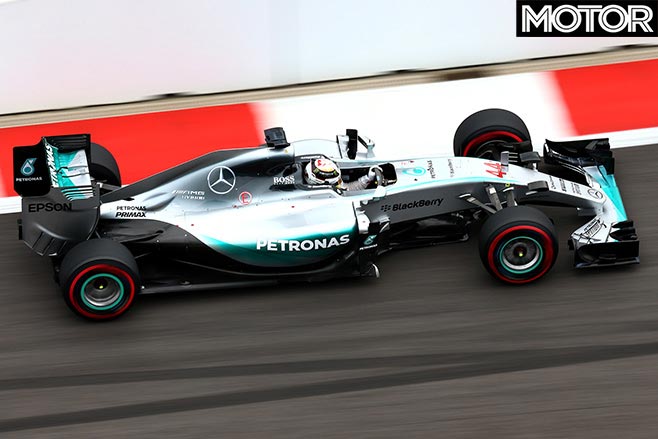
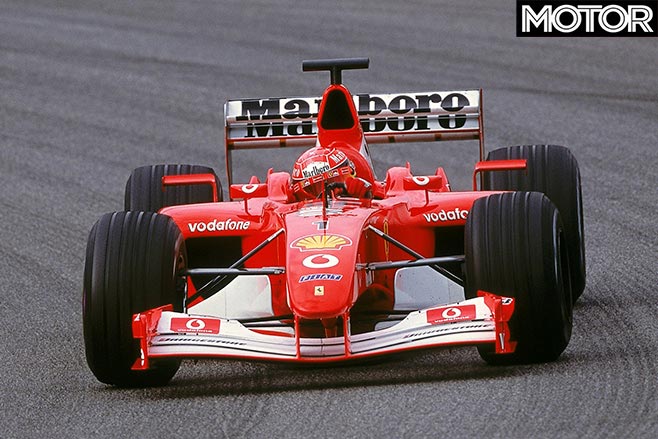
Winning 16 of 19 races in 2016, the 1.6-litre turbo V6 ‘F1 W06’ – between Hamilton and Rosberg – raked in 703 of all 817 available 2015 season points. A new record at the time.
Throughout the turbo hybrid era, Mercedes-AMG continued to dominate with the Hamilton/Bottas pairing right until a turbulent 2021, where Max Verstappen controversially pipped Lewis Hamilton on the last lap of the season’s final race in Abu Dhabi to secure the championship by just eight points.
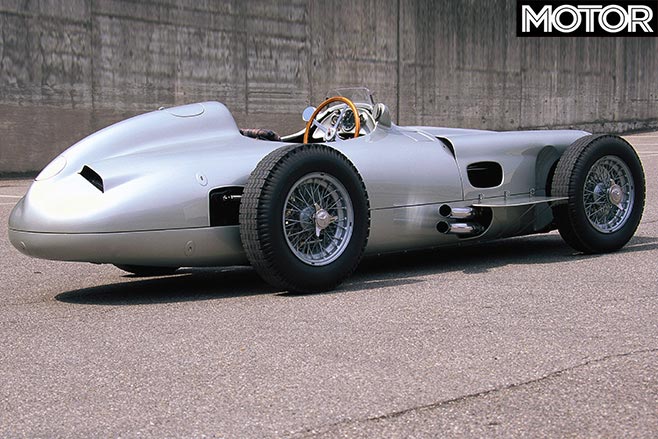
The Germans lost the war, but Mercedes used the same engine tech developed for the Messerschmitt Bf 109 fighter plane to storm the ’54 and ’55 F1 world championships, winning nine of 12 races and helping the legendary Juan Manuel Fangio to two titles.
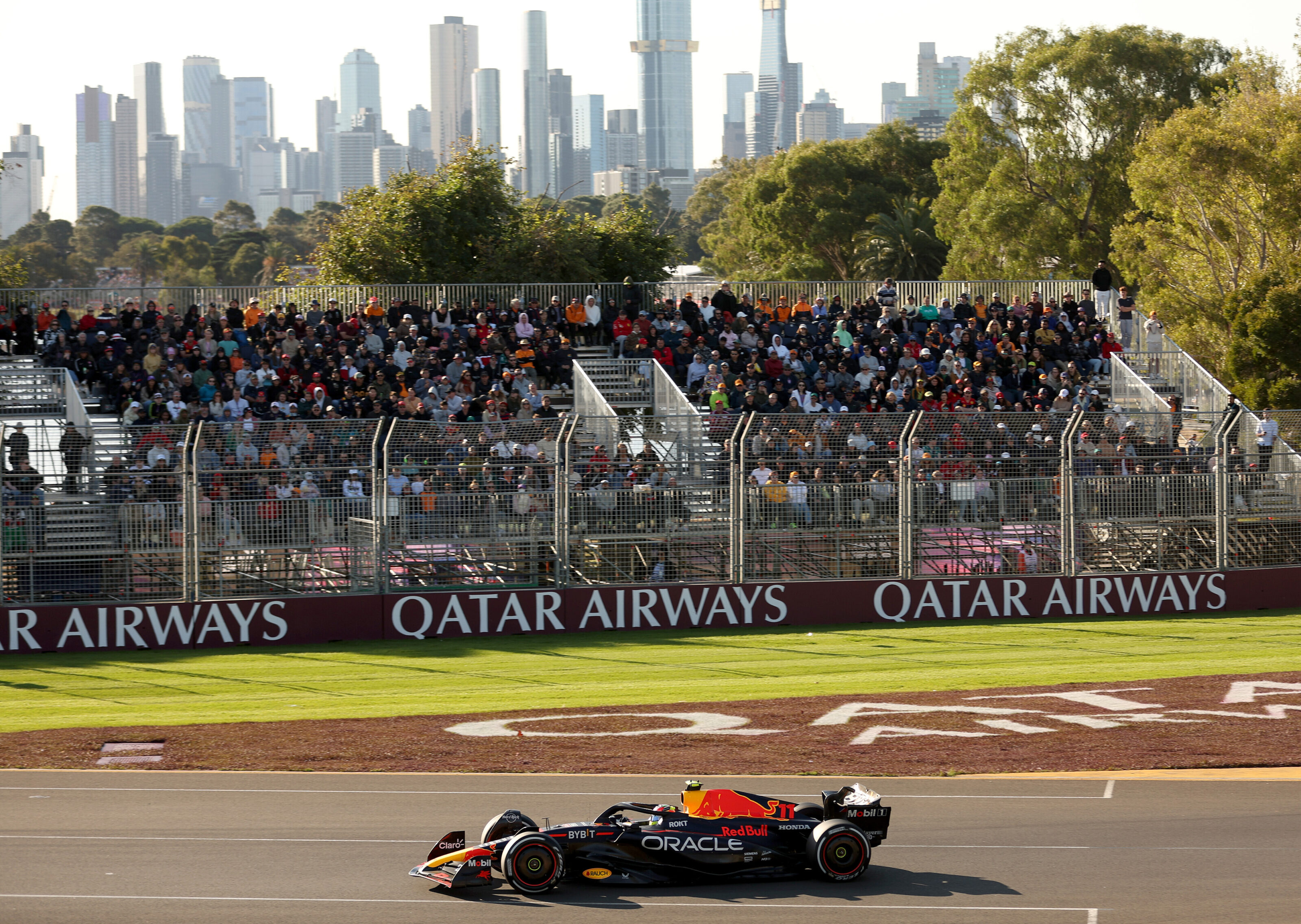
The Red Bull RB9 aced the last year of the V8 regulations at the hands of Sebastien Vettel; nearly a decade later it looks like the RB19 will ace the ‘ground-effect’ hybrid era.
With Max Verstappen and Sergio Perez behind the wheel, the RB18 won a staggering 17 races in 2022 – the first year of new regulations – and the ultra-efficient RB19 looks like it will cement Red Bull’s dominance this year.
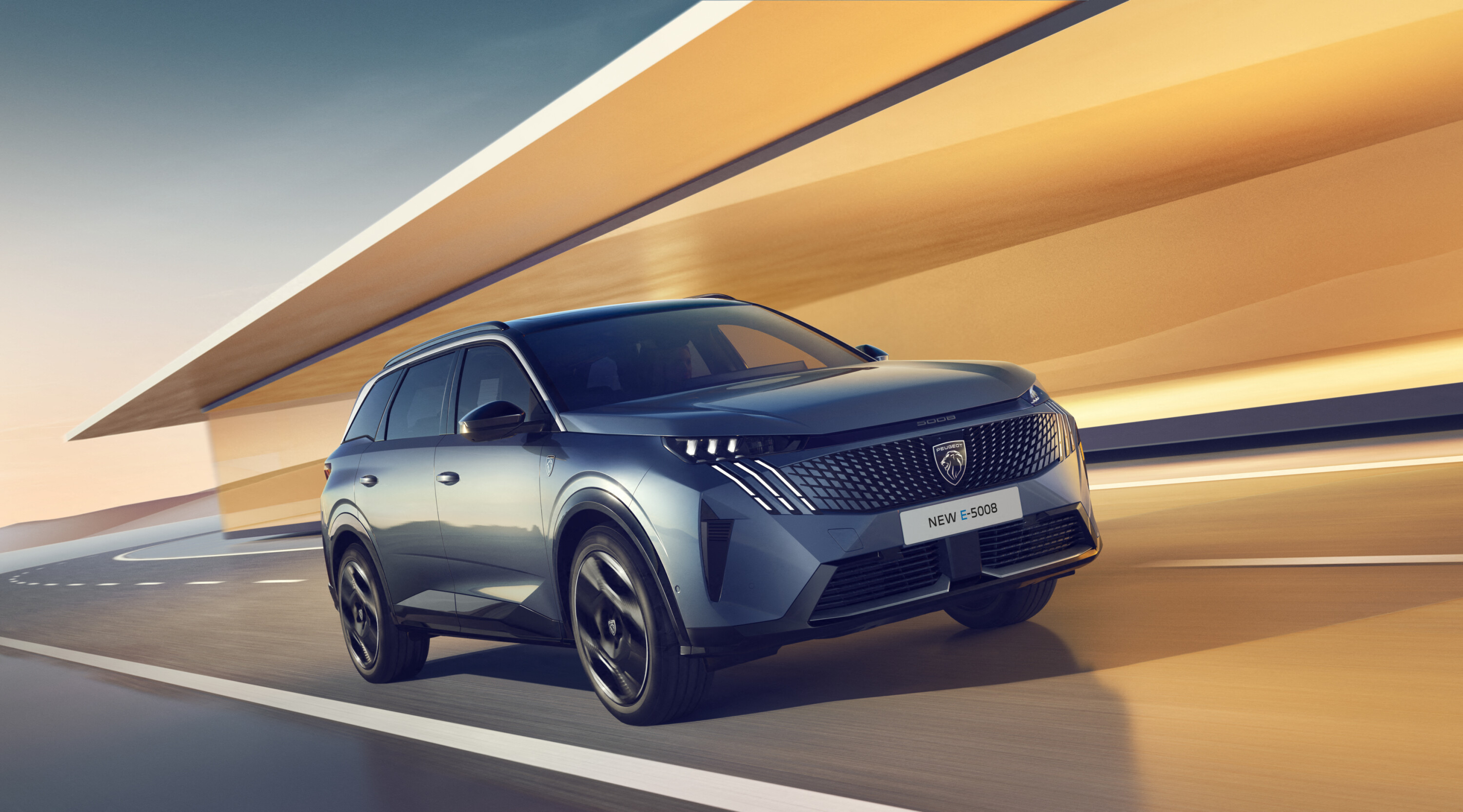
Peugeot has electrified the 5008 7-seater SUV, calling it the E-5008, with an Australian launch expected in 2025.
Snapshot
E-5008 to arrive in Australia in 2025
Various drivetrain options, with mild hybrid and plug in hybrid models to follow
Built around the Stellantis STLA Medium platform
When it arrives in Australia, the E-5008 will join the E-3008 due here later this year, and the existing E-2008 small electric SUV.
Built around the Stellantis STLA Medium platform, the E-5008 will launch in Europe with three powertrain options, opening with two single-motor models with 157kW/345Nm and 170kW/345Nm options.
Topping the range is a dual-motor all-wheel-drive variant that delivers 157kW/345Nm at the front, while the second motor provides an additional 80kW and 170Nm.
4
Batteries, driving range and charging
Entry level models in the E-5008 range will carry a 73kWh battery pack, with an estimated range of 500 km in front-wheel drive.
An optional 98kWh long-range battery for the front-wheel drive configuration claims an estimated driving range of 660km, and all-wheel drive models will get that same larger 98kWh battery pack but with an estimated range closer to the 500km FWD models.
4
Using a 400V electrical architecture, all E-5008 variants can fast charge up to 160kW using DC public chargers, allowing the big EV to recoup 100 km of range in 10 minutes and recharge from 20 to 80% in 30 minutes.
Owners can also charge at 11kW using the standard AC plug on three-phase power. A 22kW AC charger is optional.
Both batteries are lithium-ion with a nickel-manganese-cobalt chemistry. Each is guaranteed for eight years or 160,000km, for up to 70% of its original charging capacity.
Hybrids too
Two hybrid drivetrains will also feature: a 48V mild hybrid rated at 101kW, and a Plug-In Hybrid (PHEV) rated at 145kW with 80km electric driving range.
4
Interior
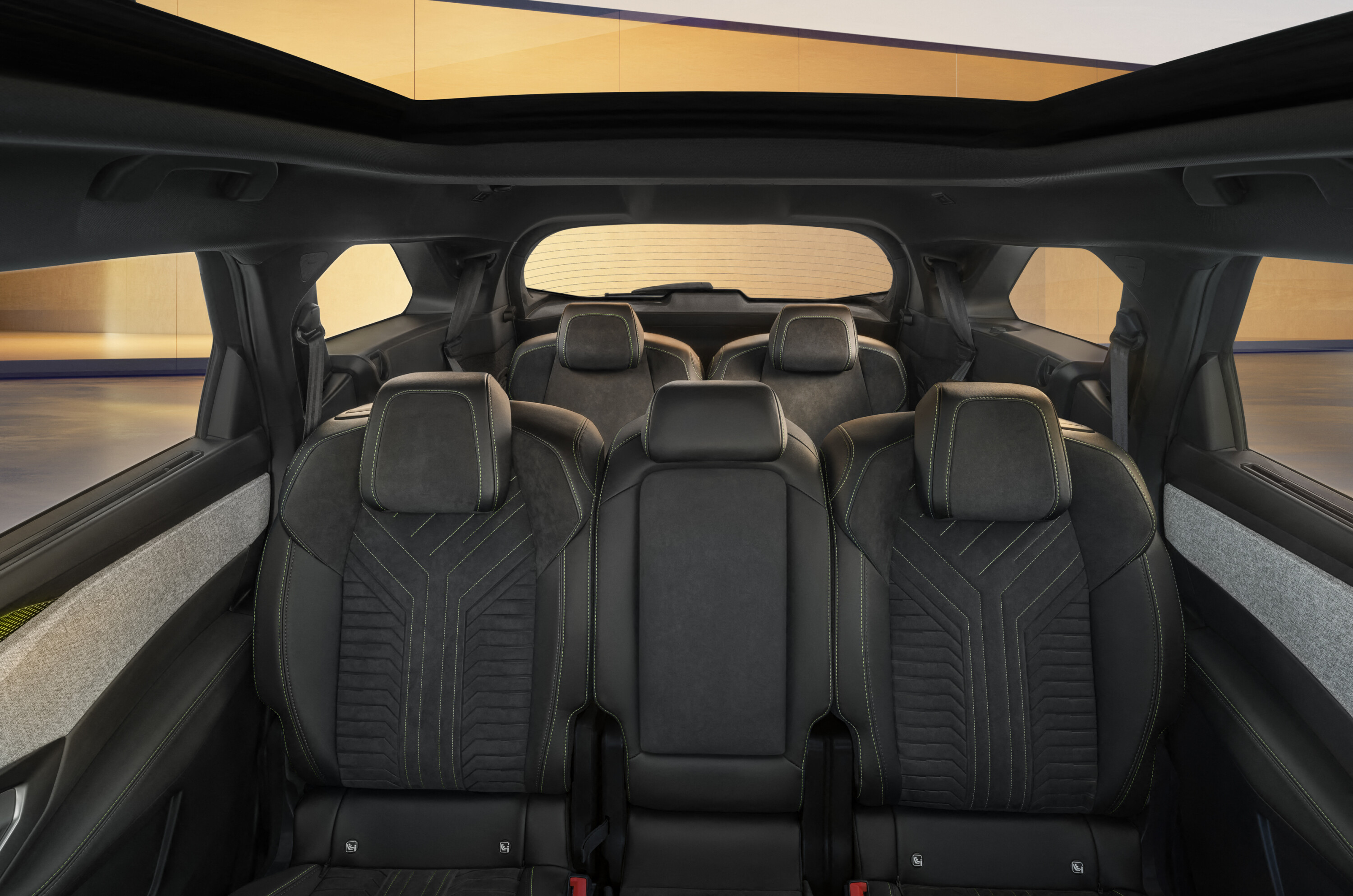
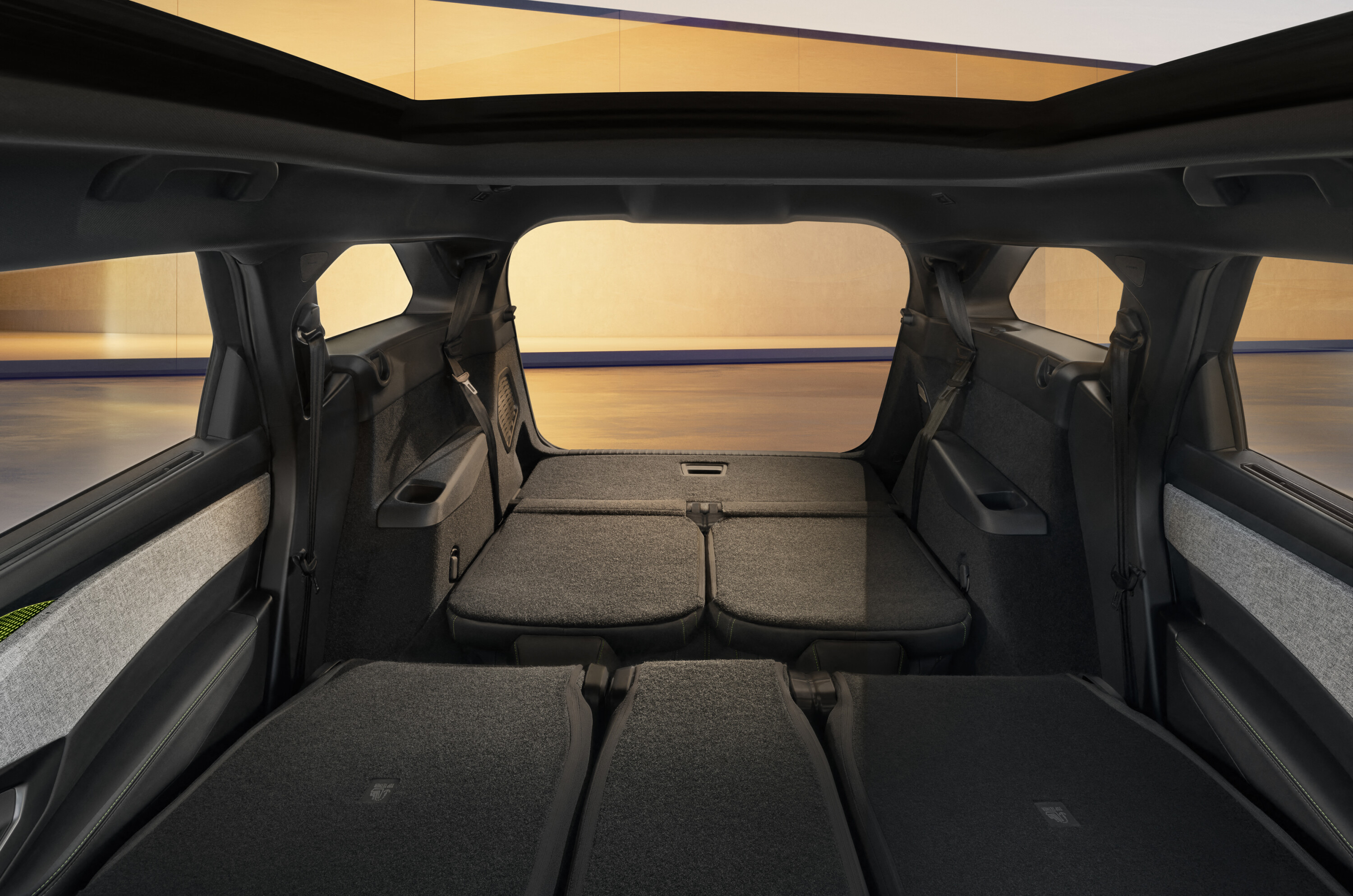
Inside the E-5008, there are seven seats, with the cargo space rated at 259L with the third row in use, 748L with the second row in use, and 1815L with the third and second row folded flat.
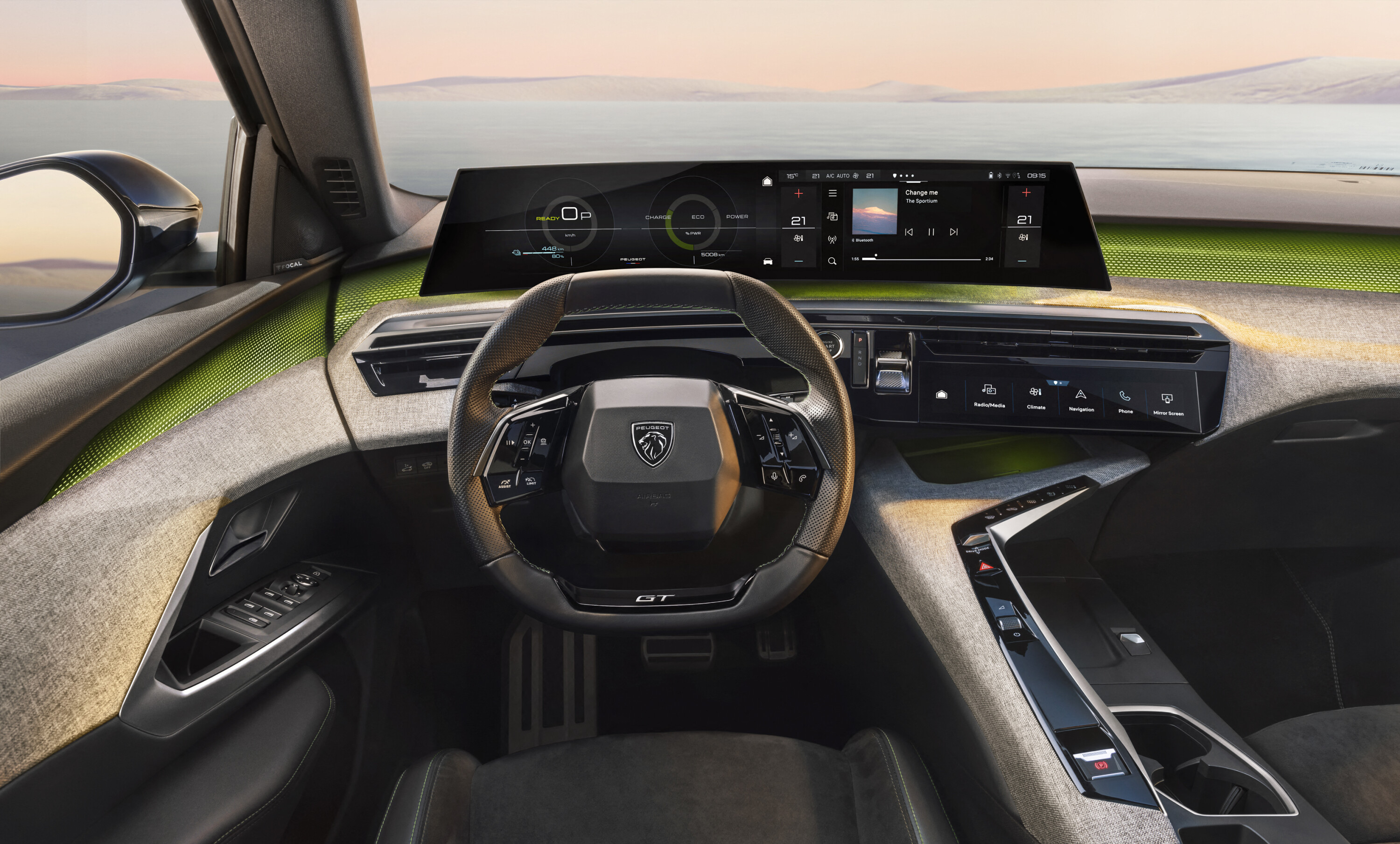
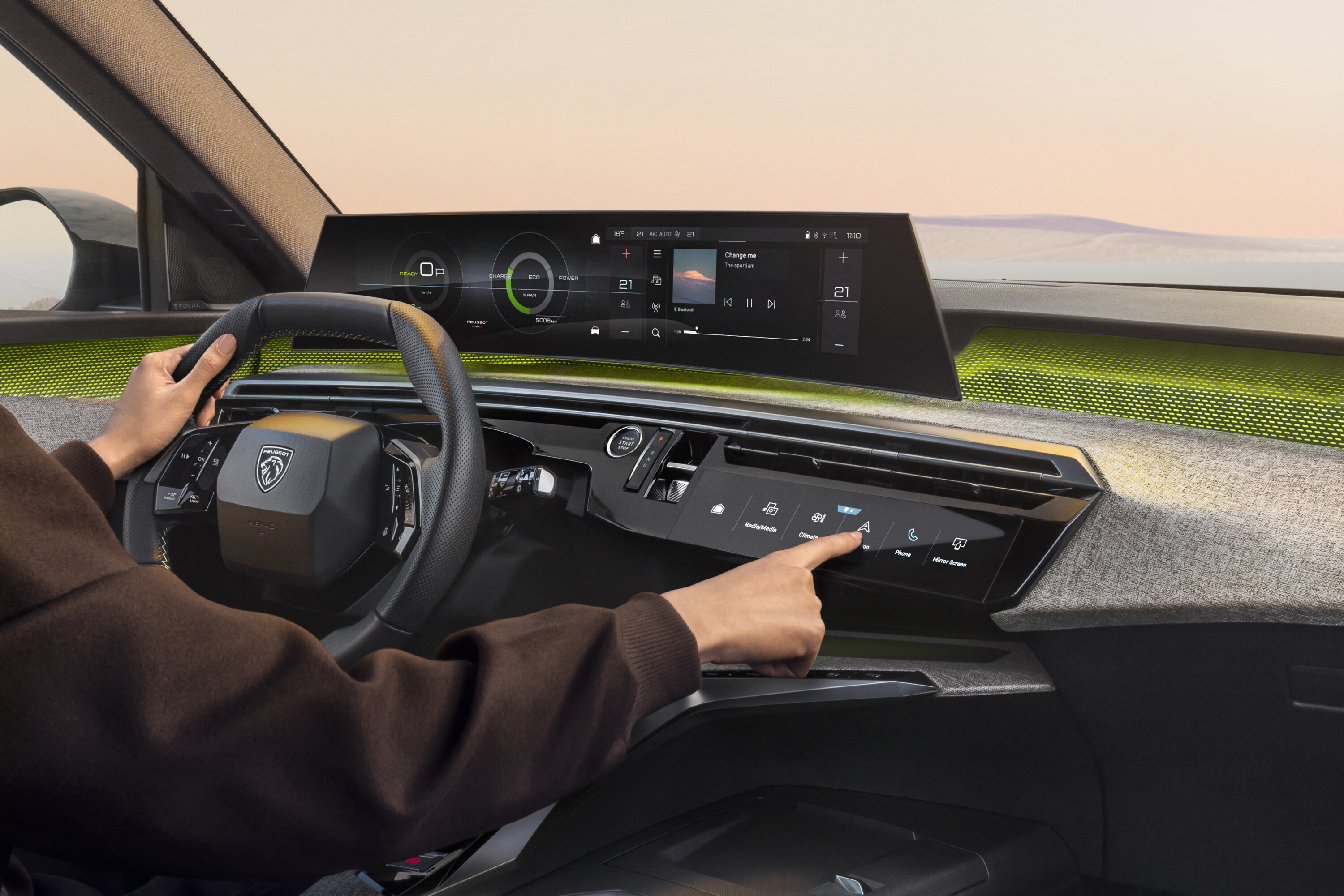
In the cockpit, a 21-inch i-Cockpit setup from the E-3008 is found, utilising a singular curved display to display instrumentation and infotainment. A row of ten “i-Toggle” switches are fitted along the dashboard, with the ability to be customised to the driver’s needs. Aluminium trim and customisable ambient LED lighting are fitted.
1
Laminated front windows are optional for soundproofing. The front seats are “leather-effect and fabric” on Allure models, and ventilated, massaging Alcantara seats are fitted to the GT model. Adaptive cruise control, semi-automatic lane change and speed recommendation are fitted as standard.
Peugeot says it uses more than 500kg of ‘green’ materials throughout the new 5008, including ‘green’ steel and aluminium making up 60% of the total mass of green materials. There’s also more than 30 polymer parts made of ‘green’ materials, along with ‘green’ plastic in the bumpers, deflectors, storage bins, and carpets.
Peugeot doesn’t offer any clear details in its announcement of what constitutes ‘green’ materials.
4
Dimensions
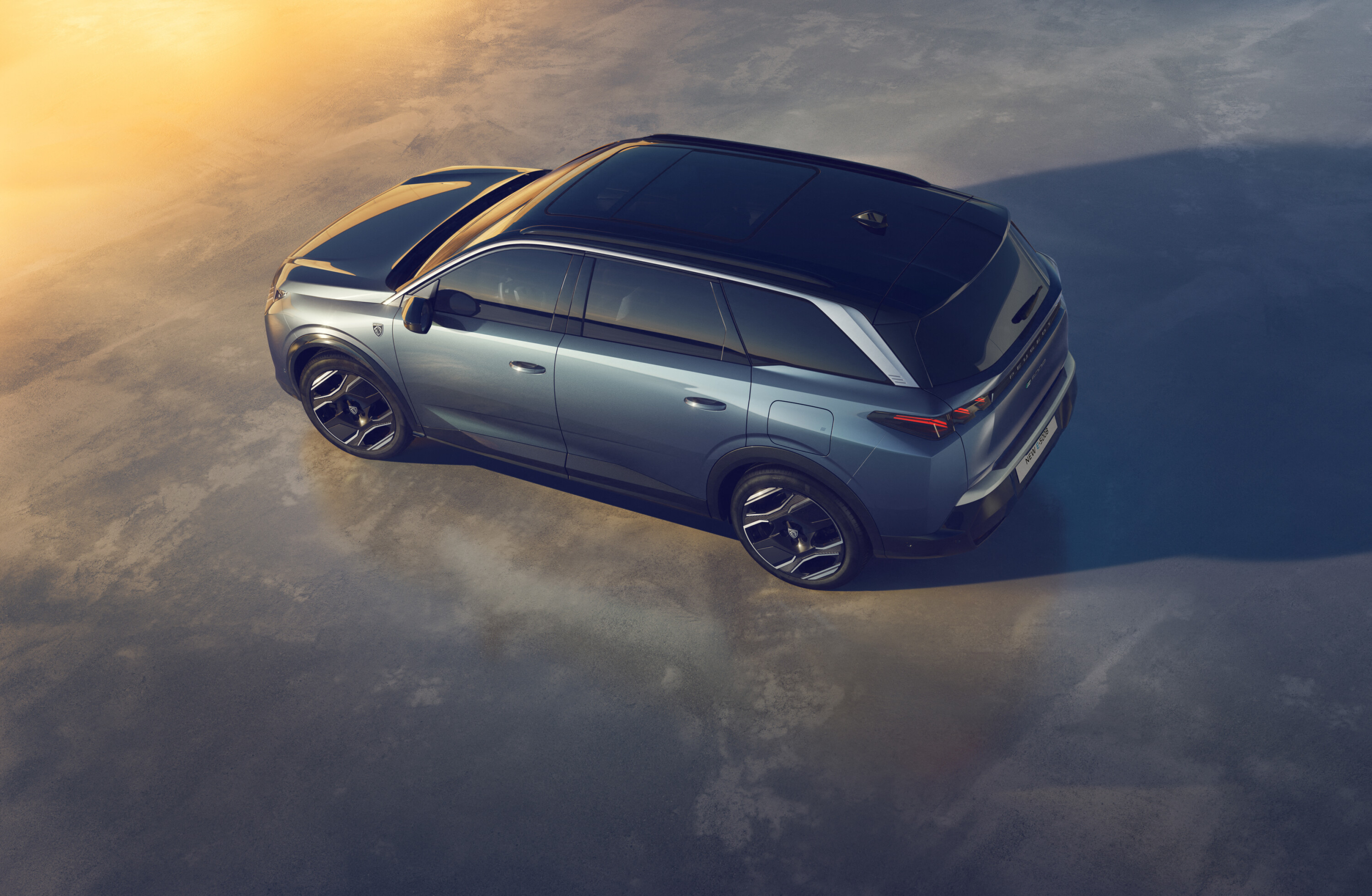
The E-5008 has an overall length of 4.79m, a width of 1.89m and a height of 1.69m.
Storage in the rear is fairly generous, with 259 litres available in seven-seat mode, expanding to 748 and 1815 litres with the third and second rows laid flat, respectively.
2
Six colours will be available: Obsession Blue, Ingaro Blue, Okenite White, Pearl Black, Artense Grey and Titanium Grey.
On the GT variant, two-tone paint with a gloss black roof is standard. 19-inch and 20-inch alloy wheels in a geometric design are available as options across the range.
When will Peugeot E-5008 go on sale in Australia?
The E-5008 is expected to arrive in Australia in 2025, with Peugeot to confirm pricing and exact launch details.
Combination of features unavailable on other C-Class models
1,000 to be sold worldwide
$202,800 (exc. on-road costs and dealer delivery)
The Mercedes-AMG C63 S E Performance F1 Editionwas announced back in October 2022, to go on sale in 2023. That didn’t happen, but Mercedes-AMG has just confirmed limited numbers will go on sale in Australia in 2024.
1
As its name suggests, the F1 Edition of the C63 features visual enhancements to emphasise links between the C63 and AMG’s Formula 1 operation.
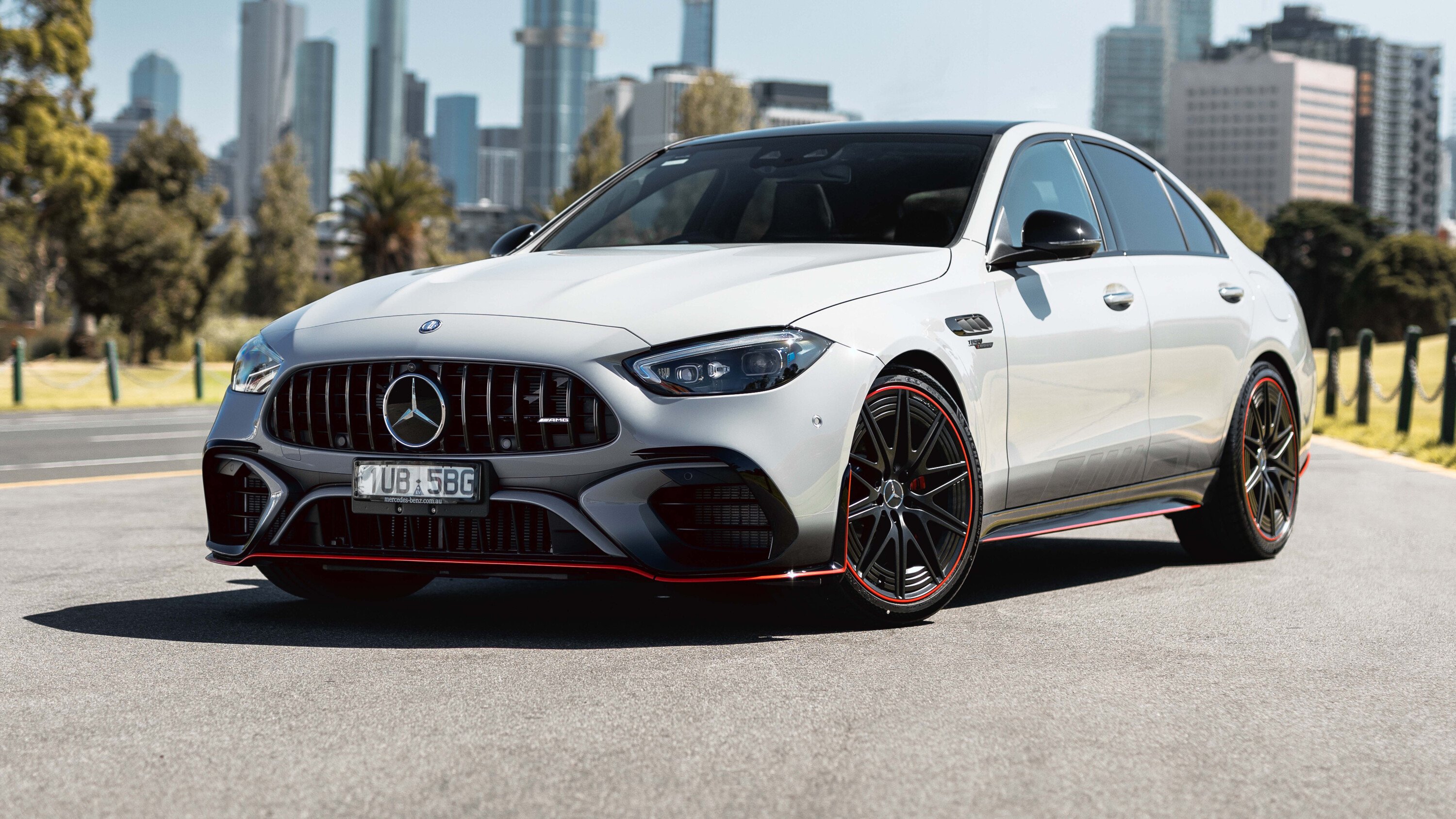
Changes to the Mercedes-AMG C 63 S E Performance F1 Edition over the ‘regular’ model are largely visual, selected to emphasise the race-bred technology of the C63 and links between Mercedes-AMG and F1.
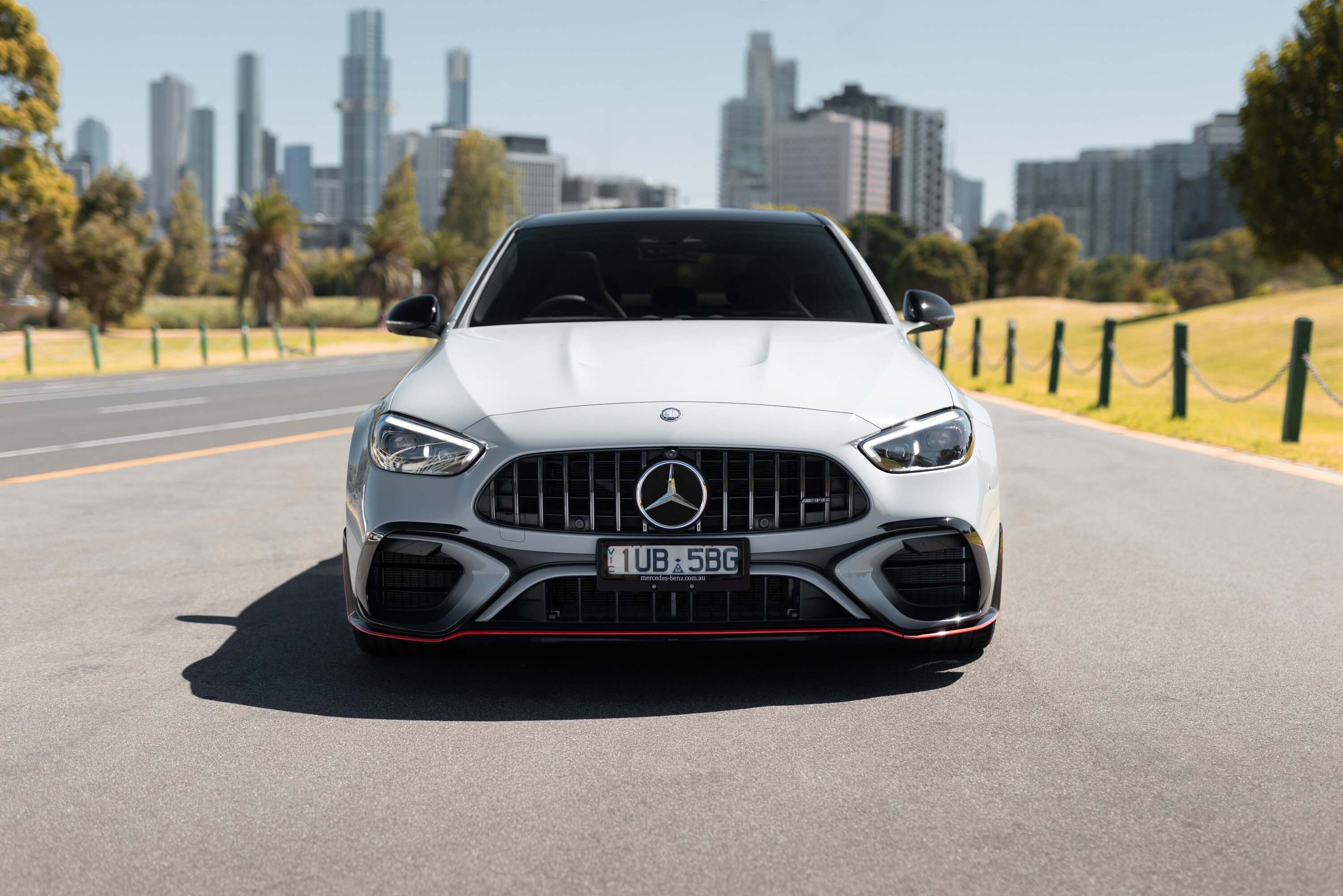
These exclusive features, not available on other C63s, include Manufaktur alpine grey paint, carbon fibre trim elements, F1 Edition badging, and red highlights including rim flanges to match the official 2022 F1 Medical Car (a Mercedes-AMG GT 63 S 4MATIC+).
1
F1 Edition exterior details:
Wind tunnel-developed aerodynamics Package
AMG foiling on the flanks with a subtle gradient from grey to black
Matte black 20-inch AMG light-alloy wheels with F1 Edition-exclusive red rim flange
AMG Night Package I: high-gloss black front splitter, front wings trim elements, mirror housings, window surrounds, and beltline and rear apron trim strips, and black chrome tailpipe trims
Red trim line encircling the vehicle
AMG Night Package II: dark chrome radiator grille element, typography in dark chrome on the front wings and rear.
The C63’s technologically advanced F1-inspired hybrid powertrain – the most powerful production four-cylinder engine in the world – remains unchanged.
The E Performance technology was developed “with inspiration from technology transferred directly from Formula 1″, according to Mercedes-AMG, with knowledge shared between the High Performance Powertrains engine shop of the Mercedes-AMG Petronas F1 team in Brixworth, UK, and Mercedes-AMG in Affalterbach, Germany.
The four-cylinder engine plus an electric motor mounted at the rear axle produce a class-leading 500kW and 1020Nm.
Red highlights contrasting on black give the C63 F1 Edition interior a racy feel (LHD model shown).
F1 Edition interior features:
AMG Performance front seats upholstered in Exclusive black Nappa leather, with red decorative topstitching, and embossed AMG emblems in the front head restraints
Front door sill trims with AMG lettering illuminated in red
F1 Edition-exclusive AMG carbon trim elements including a red thread
Exclusive F1 Edition badge
Red seatbelts
Specific AMG floor mats with red decorative topstitching and F1 logo
AMG Performance steering wheel: combination of Nappa leather and DINAMICA microfibre finished with red topstitching
1
Pricing
The Mercedes-AMG C 63 S E Performance F1 Edition package in Australia is priced from $187,900 before on-road costs – marking a $14,900 premium over the regular model.
Being one of only 16 people to have occupied the editor’s chair at Wheels magazine is an enormous privilege.
There’s not a day that goes by where I don’t remind myself of that fact. Yet there is one part of my job that fills me with dread. When I accepted the role, I asked to put my email address on subscriber renewal letters. If a subscriber was ever to stop subscribing, they could perhaps take a moment to drop me a note and let me know why.
These letters take three forms. Occasionally, somebody will let me know that a reader has passed away. Then there are those letters from obvious screwballs who think we’re pushing some sort of woke agenda because we had the audacity to mention tailpipe emissions.
1
The vast majority are more considered. Forgive me for paraphrasing but they usually go something like this.
“My name is Reg and I’m 77 years old. I drive a Holden Statesman and I also have an LX Torana SL and a Ford Focus ST. In the past I’ve owned an HT Monaro GTS (I wish I hadn’t let that go). While I still find Wheels well written and entertaining, I have to admit that the content no longer interests me.
“I’m never going to buy an SUV or an electric vehicle, and my Statesman will last me until I pop my clogs. Why you devote so much space in your magazine to electric cars when they account for seven percent of sales in Australia is beyond me. Thanks for all the great work down the years. I really loved Peter Robinson’s stuff. Yours, Reg.”
1
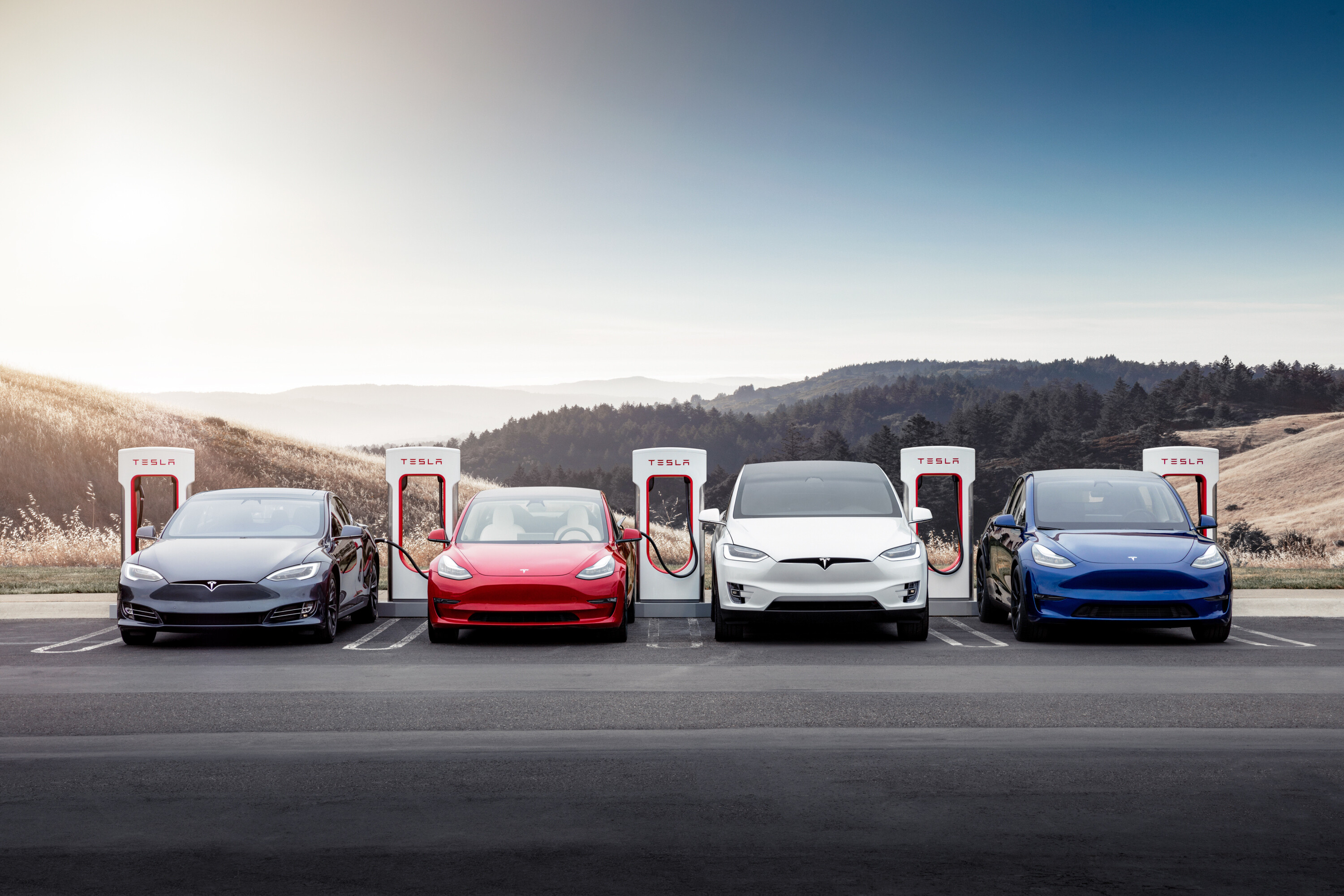
As an editor, I’m hardwired to hate losing readers. I’ll drive home and think of Reg chuckling to himself as he drives past Tesla owners queuing at a Supercharger.
I’ll be watching the box in the evening and I’ll start idly musing why a Holden man bought a Ford Focus. Was the Astra VXR that bad? These letters sit with me.
Wheels has always been a magazine that reports on the new car market. Until fairly recently, that has been a comparatively gentle meander. But the loss of local manufacturing, the rise of the SUV, the influx of new brands, and the push to electrification has made the last decade one of enormous and, in some cases, disorienting disruption.
1
Some will find this exciting while others will draw solace from the familiar.
More importantly, the make up of what’s in the product pipeline is changing, and fast. Yes, electric cars make up a small proportion of Australia’s car sales right now, but they comprise an enormous percentage of the contents of our new-car launch list.
1
Although some do their best to deny the facts, many large manufacturers have cut internal combustion engine research and development budgets enormously and, in some cases, to zero.
The car world is changing. I have every sympathy for readers like Reg who perhaps quite liked it the way it was. Current subscribers can bathe all they like in nostalgia with their complimentary online access to the entire Wheels archive dating back to 1953.
It’s an absolutely incredible resource and a document like no other, charting the unique and uniquely fascinating culture of Australian motoring across more than seven decades.
For the rest of you, all I ask is for you to be open-minded and retain your level of wonder because the next few years are going to be like nothing we’ve ever seen. As much as it’s a privilege to sit in charge of this storied magazine, it’s a greater one for me to witness the most exciting time to ever be a car enthusiast. Stick with us. After all, it’s said the curious mind never gets old.
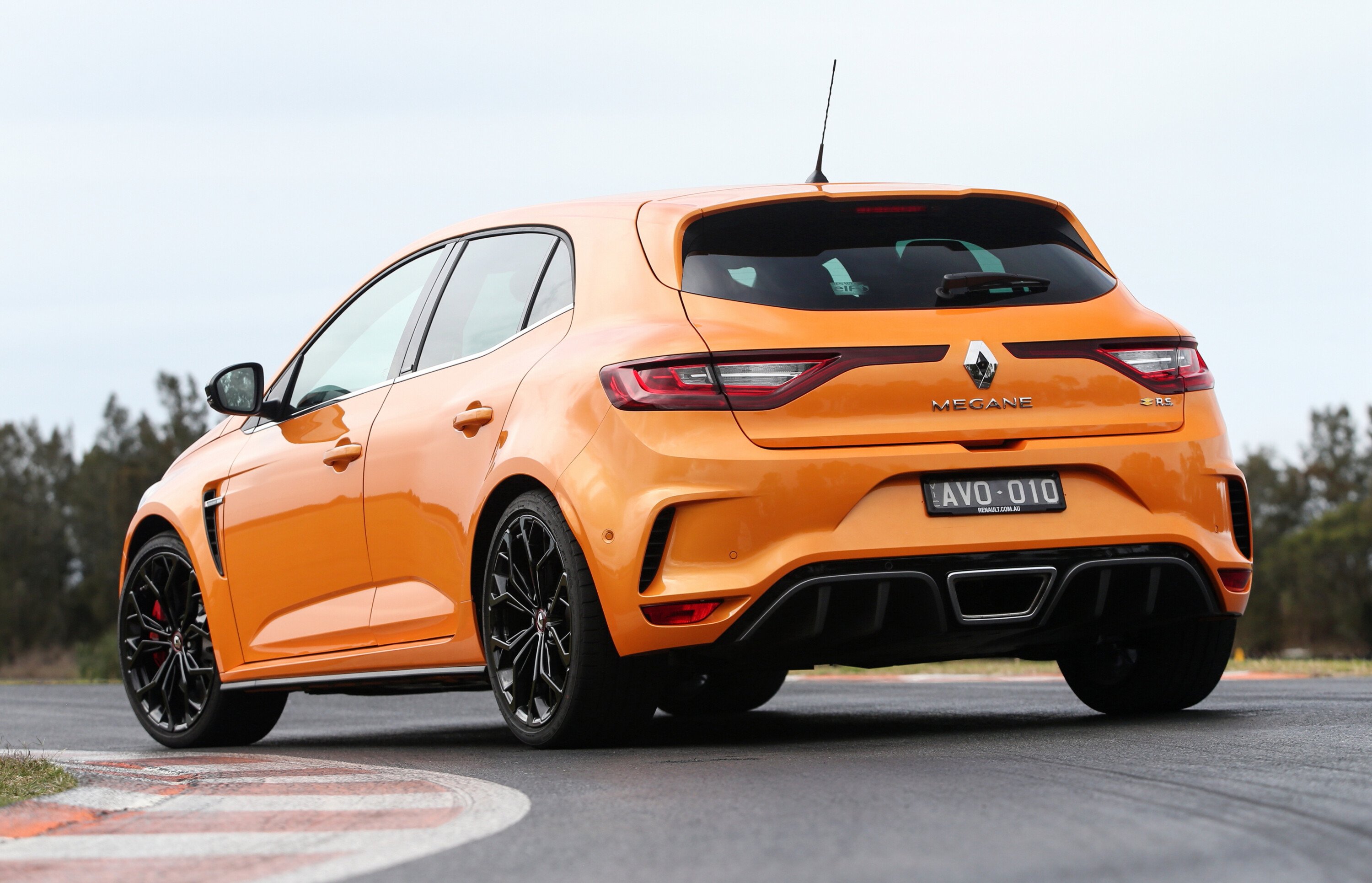
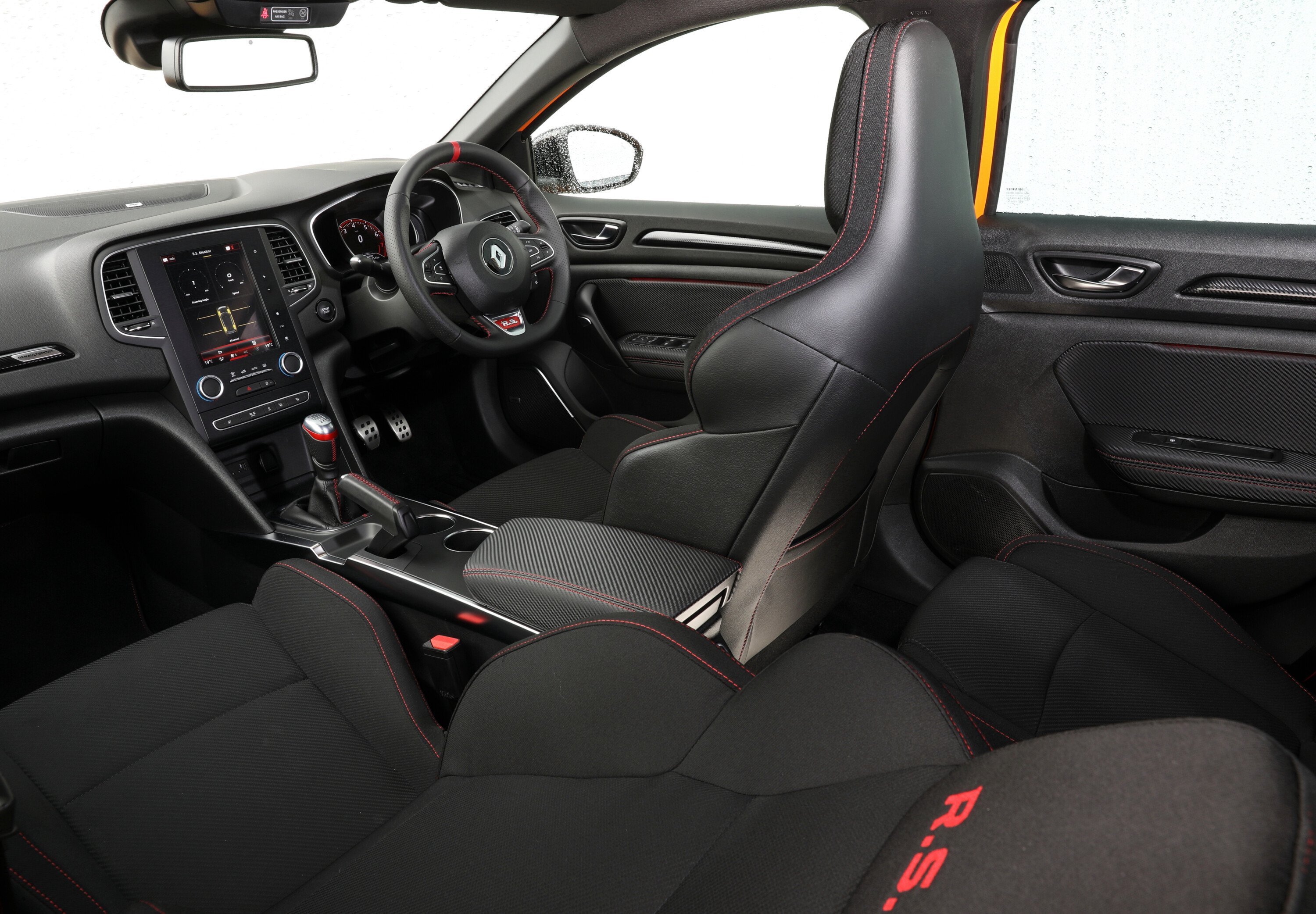
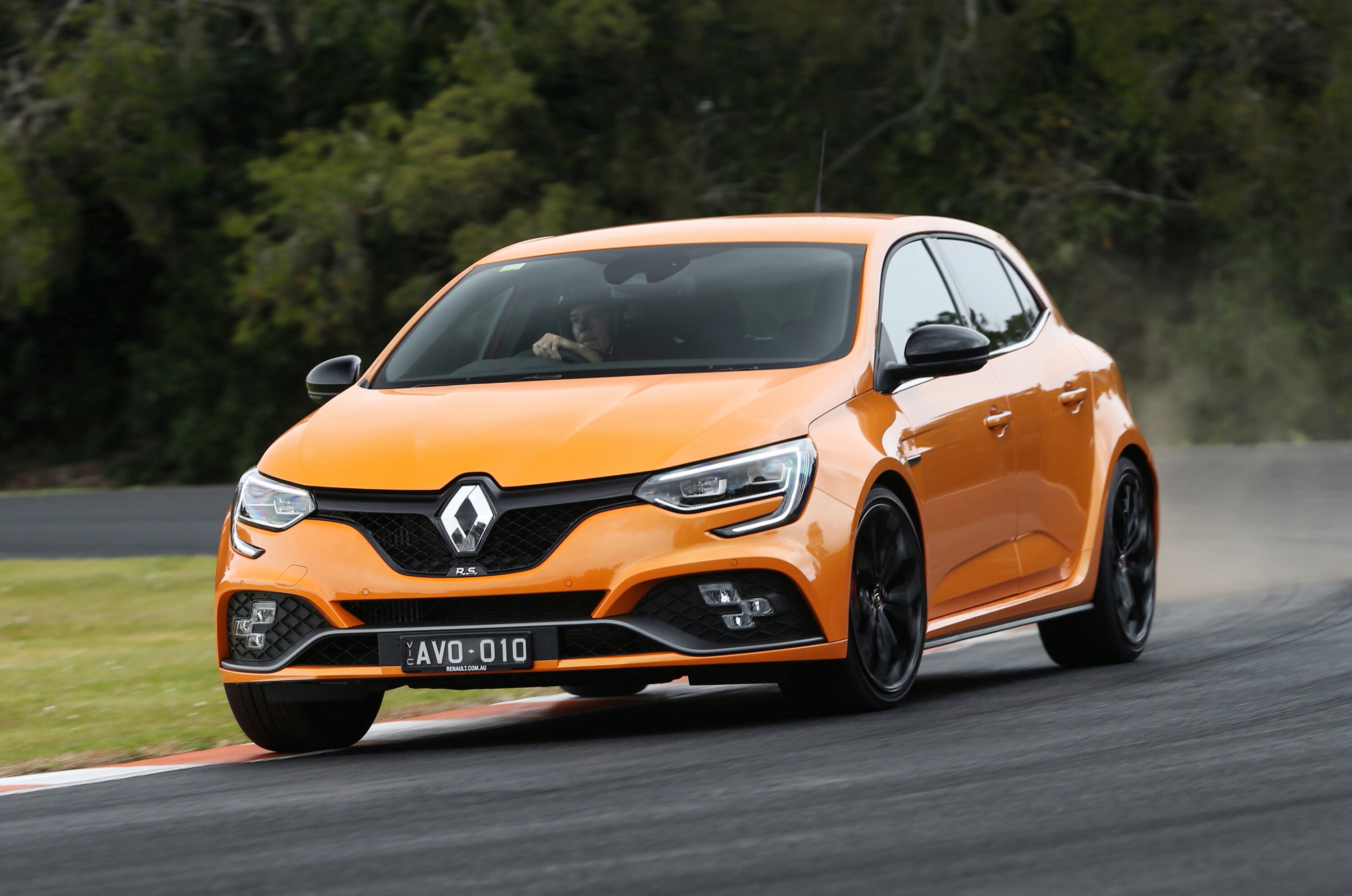
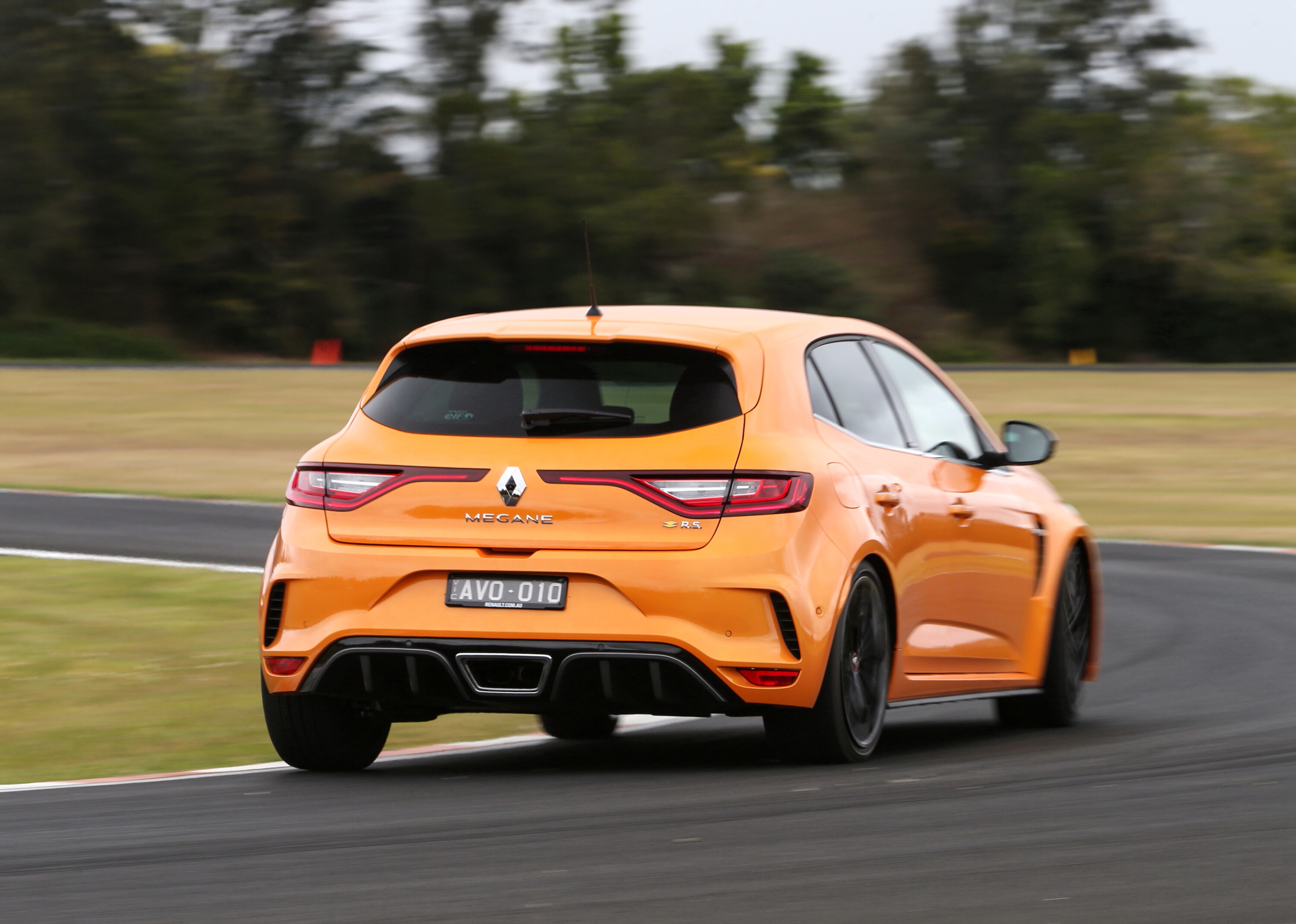
Does anything exemplify the demise of the hot hatch more gut-wrenchingly than the end of Renaultsport?
Yes, we knew that the writing was on the wall in 2021, when the technical assets were transferred to Alpine, but Alpine sold four cars in Australia in 2022 and drew a complete blank in 2023, so it’s understandable if Aussie hot hatch fans feel somewhat dudded.
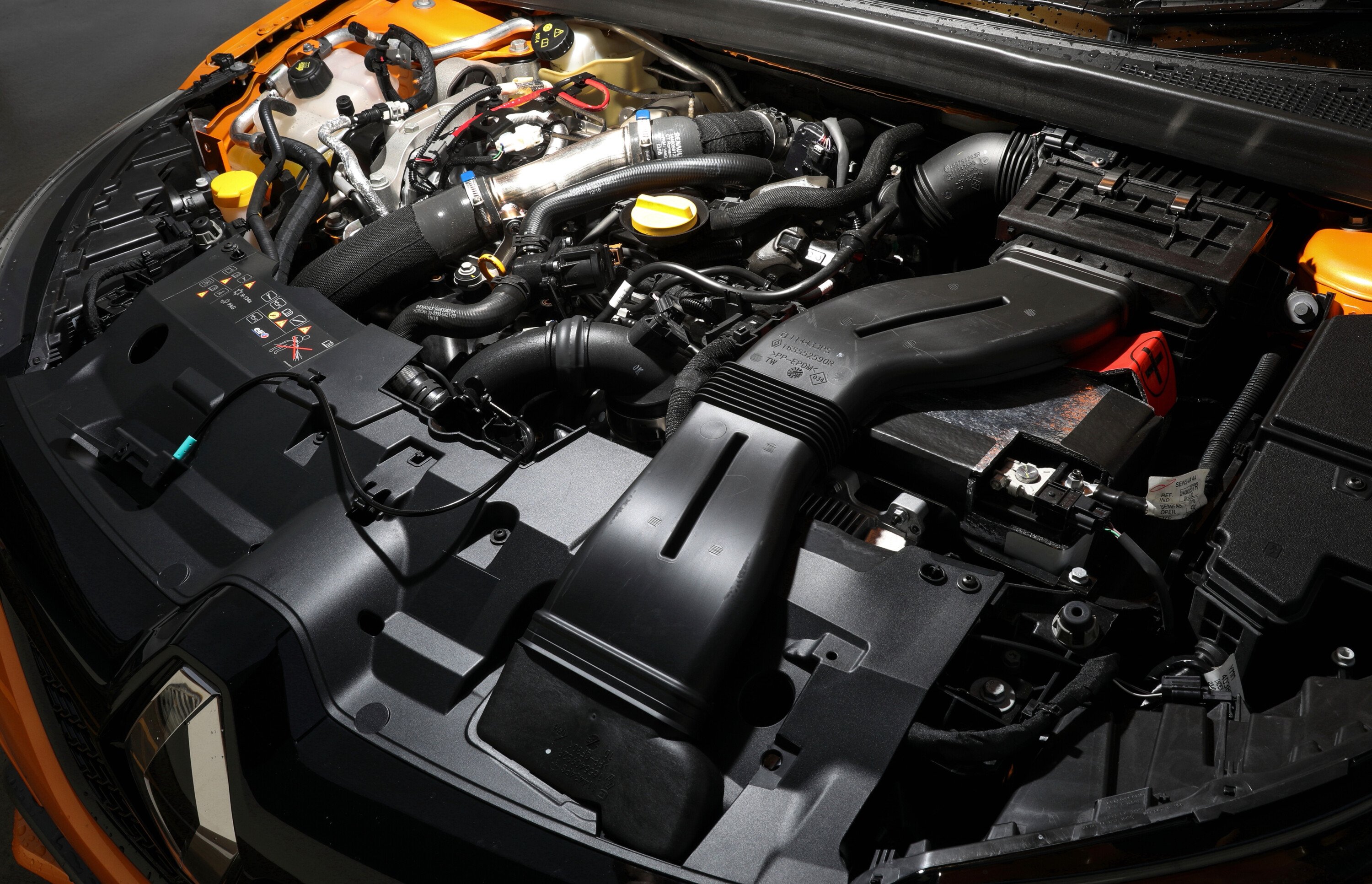
The last batch of RS-badged Méganes were built in March last year and all are now in Australia, with just a handful of ‘regular’ RS and end-of-the-line Ultime special editions left in dealers. Choose between manual or dual-clutch models and be quick. Once they’re gone, they’re gone. What’s more, any putative replacement won’t be anything alike. It won’t have pistons for a start.
1
In total, Australia received an allocation of 40 Ultime editions and these are likely to become collector’s items, despite packing no more power or torque than the regulation RS it’s based on.
The Mégane nameplate won’t completely die on these shores, but the baton has been taken up by the Mégane E-Tech electric crossover which, without labouring the point, isn’t quite the same thing.
As tasty as the prototype Alpine A290 Beta looks, it’ll be a while before this performance EV lands in Australian showrooms. ‘Maybe 2025’ is about as definite as Alpine is being right now, but the Mégane RS will be a tough act to follow for any electric Alpine.
1
There have been three generations of Mégane RS and all of them have been excellent.
It took a little while for the bustle-backed Mégane RS to find favour – the original RS 225 models showing promise, though it took the 2006 RS 230 Renault F1 Team R26 to really show what this chassis was capable of, building on the added focus of the Cup chassis with the all-important fitment of a limited-slip diff.
That expression reached its zenith with 2009’s track-focused R26.R – the closest thing we’d seen at that point to a true superhatch.
The successor body arrived in 2010 with the Mégane RS 250. We expected the coupe to have grown a bit softer with age, but it was just the old car only better. The 265 and 275 models were incremental improvements, with the final 275 Trophy-R being especially prized.
1
The third and last iteration of the Mégane RS debuted in 2017 and was initially offered in three flavours – 280 Sport, 280 Cup and 300 Trophy.
The Sport featured a torque vectoring by braking system up front, where the Cup got stiffer suspension and a Torsen LSD to more accurately address the tyres to the tarmac.
While the third generation never quite gained the cult following of the prior two iterations, it’s still a great steer. If you want one of the last great hot hatches, you know what to do.
1
What’s next?
Given how good the revived A110 has been, perhaps enthusiasts should give Alpine a fair go.
Renault boss Luca di Meo has talked of a product roll-out that will first see the Renault 5-based A290, followed by a small SUV in 2026, an electric A110 coupe developed in conjunction with Lotus in 2027, and a few brand-eroding SUVs thereafter to keep the bean-counters on side.
2
Two pedals or three?
I was fortunate enough to run a couple of long-term Mégane RS 280s for Wheels back in 2019.
The first was a Sport with the EDC transmission, the latter a Cup with the manual ’box. After some consideration, I felt that the best combination would have been the more supple Sport chassis and quick-shifting EDC transmission, but with the Torsen limited-slip diff of the Cup.