
As limited edition Porsche 911 Turbo S variants go, this one is pretty close to the top of the tree.
Why? Well, you might need about $14 million to buy it, because it’s only available when it’s paired with an Embraer Phenom 300E business jet. That $14 million is reportedly the average cost to buy one.
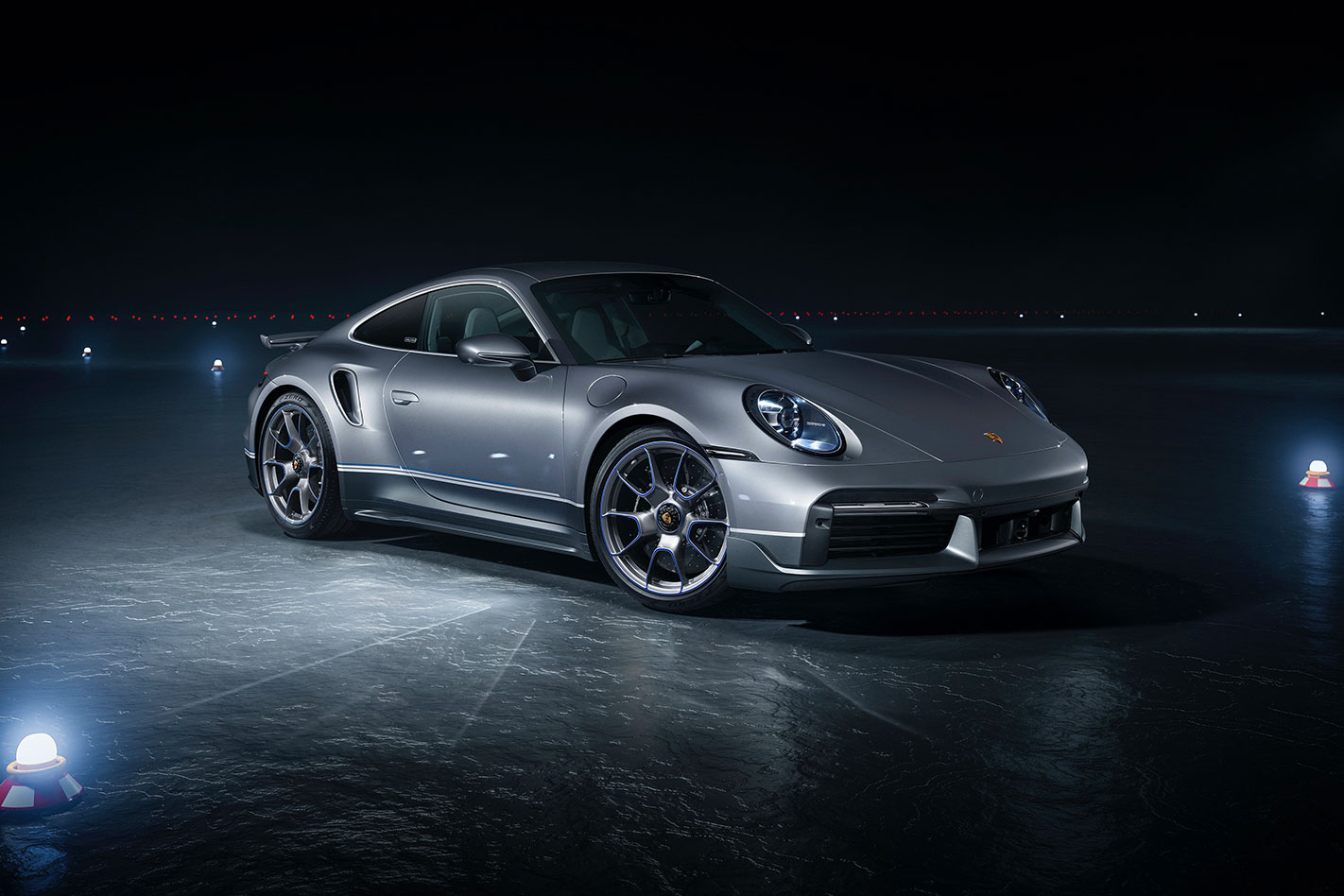
The Turbo S Duet, as Porsche calls it, comes from Stuttgart’s highly regarded Design and Exclusiv Manufaktur departments, and features highly customised features that complement the Brazilian-built executive plane.
Given the standard 911 Turbo S will run someone up $473,500 if they walked into a dealer – a fraction of the jet’s worth – you could say the overlap is stretched between the two.
But it’s not lost.
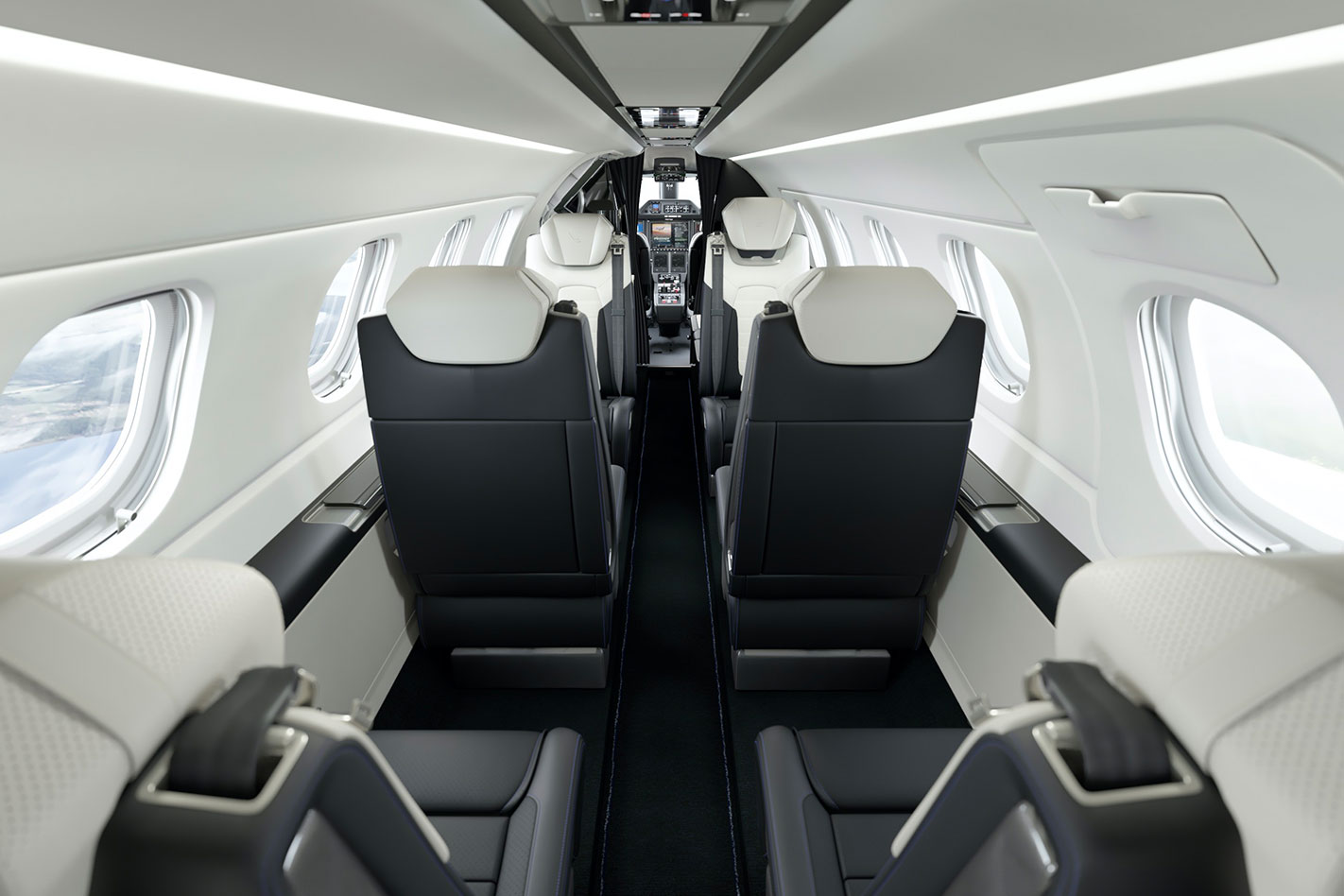
It’s also capable of reaching a 13.7km altitude and travelling 3724km in a single hop.
Porsche recently unleashed us in its new 911 Turbo S at Kingsford Smith International Airport, where it reached 300km/h in around 26.6 seconds – making it somewhat of a ground-bound jet itself.
But Porsche has worked hard to ensure the Turbo S matches the high flier on a higher level than just mere metaphor.
So, for the 10 available to mega-rich clientele customers, a two-tone paint job matched to the 300E jet comes in Platinum Silver Metallic gloss on top complementing a matt Jet Grey Metallic below.
Trim strips in Brilliant Chrome and Speed Blue split the hues, and Porsche says all paintwork is done by hand – just like on the Embraer.
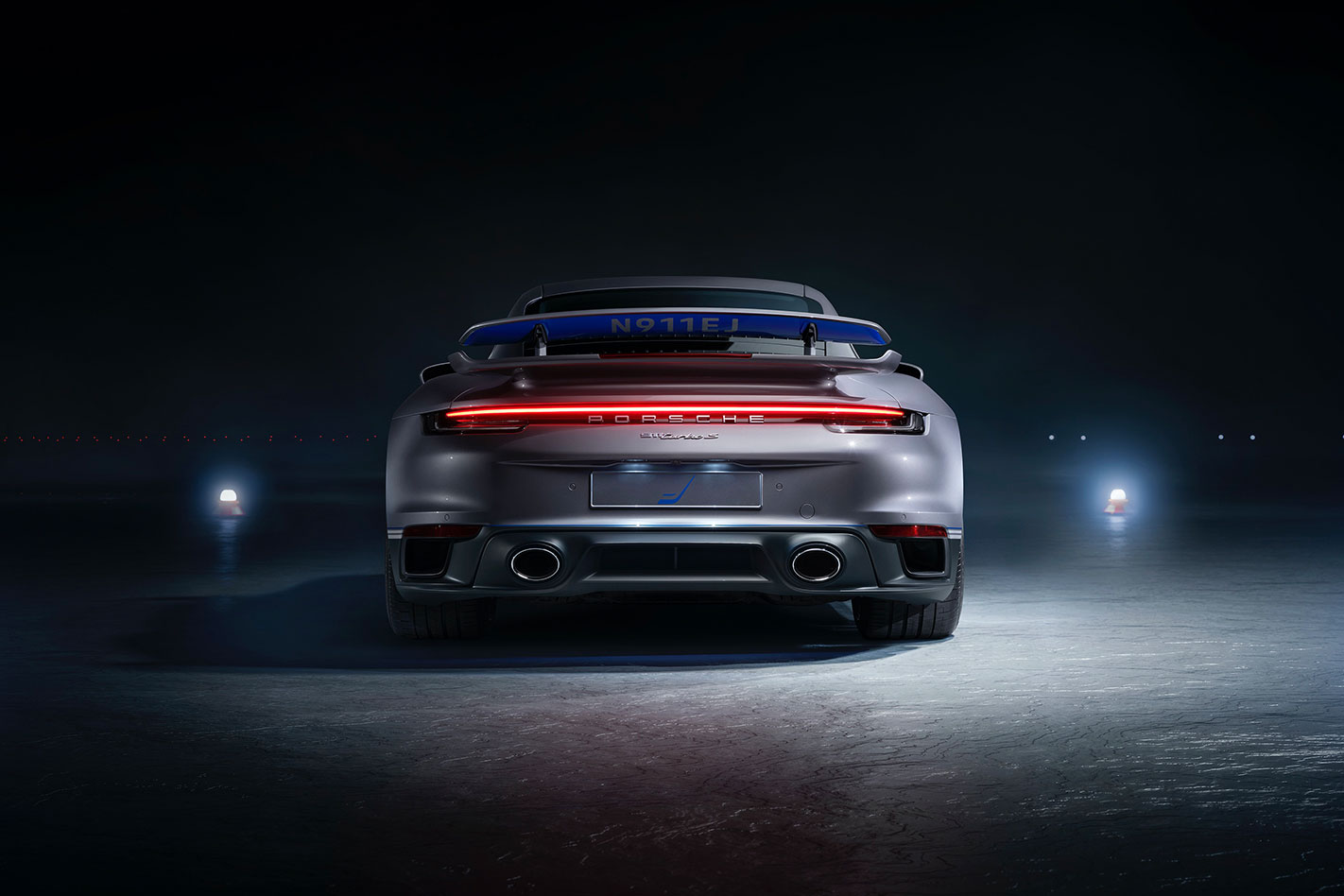
Meanwhile, the jet’s individual registration is painted on the underside of the Turbo S’s wing.
The Sport Chrono dial sitting plumb in the dash’s centre, like a jewel, now features a horizontal graphic like the jet’s own cabin gyroscope.
Now, where’s that damn chequebook…
- Quantum shift for one of world’s oldest carmarkers
- Hybrids and EVs from 2026
- Only one hybrid on sale at the moment
As part of Bentley’s ‘Beyond100’ online presentation, the marque detailed a future in which it will become carbon neutral by 2030, with further operations to be ‘climate positive’ thereafter.
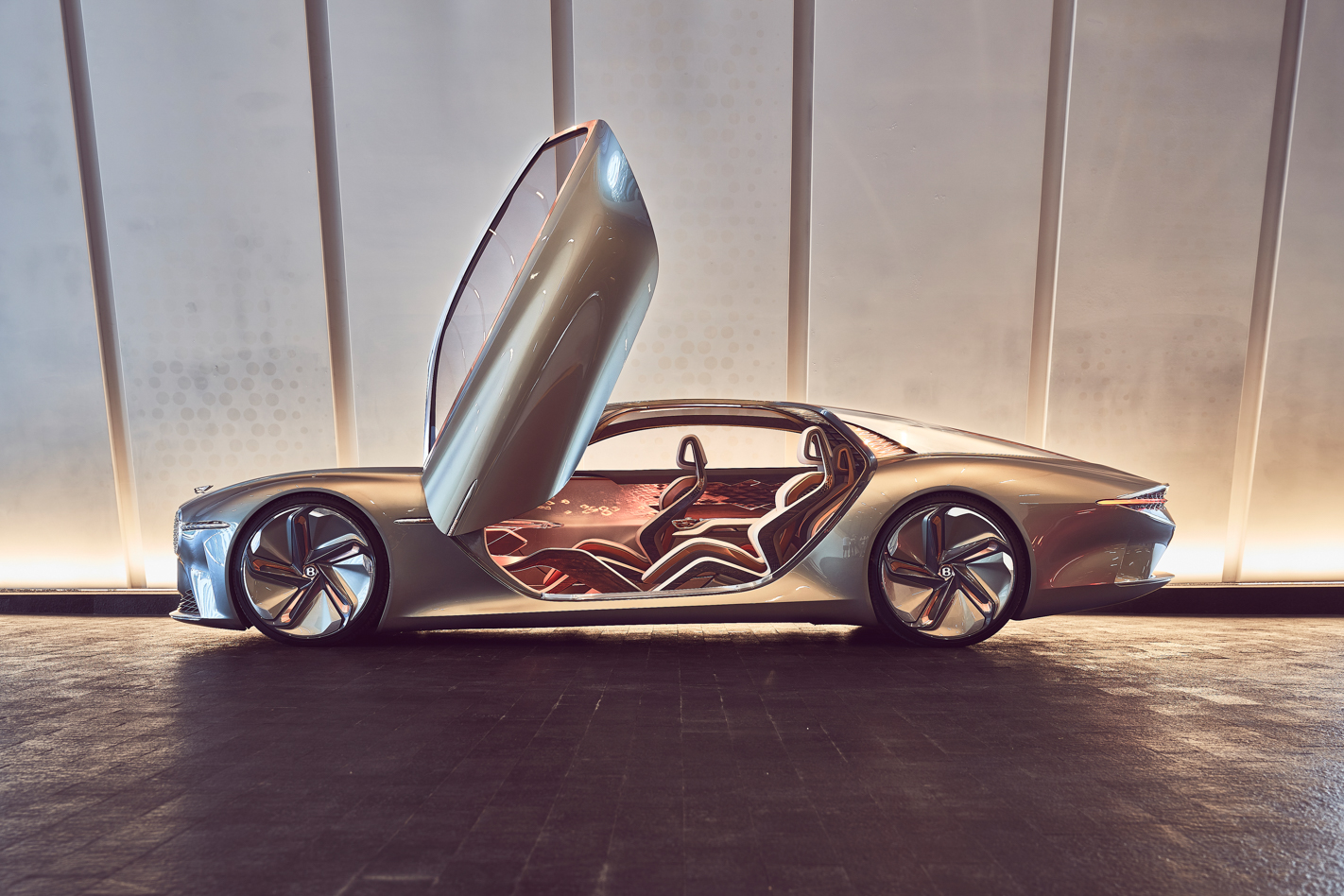
The announcement included a mid-step in 2026 which will see the demise of all non-electrified Bentleys. From then on, the only Bentley cars on sale will be electric or plug-in hybrids, with a view to offering only battery electric vehicles after 2030.
“Being at the forefront of progress is part of our DNA – the original Bentley boys were pioneers and leaders,” said Bentley chief executive Adrian Hallmark of the announcement.
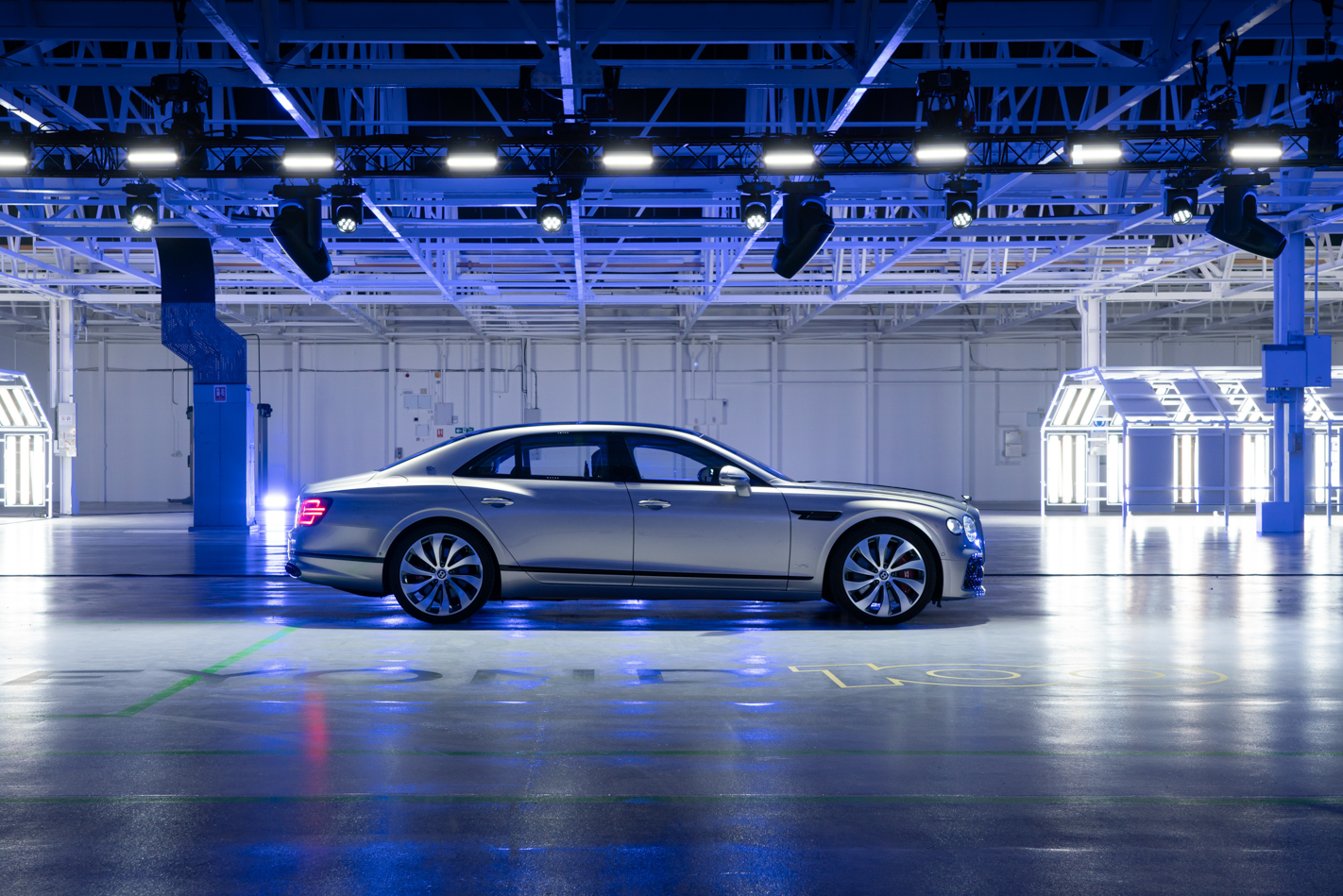
“Now, as we look Beyond100, we will continue to lead by reinventing the company and becoming the world’s benchmark luxury car business.”
Part of the planning brief detailed a few key releases for the near future. Bentley will introduce two new plug-in hybrid vehicles in 2021, mandates that each model in its range will have a plug-in hybrid variant by 2023 and its first full battery-electric model will come in 2025.
Bentley’s goal of becoming a “global leader in sustainable luxury mobility” doesn’t stop at its vehicles. The carmaker has also committed to reducing its factory’s environmental impact by 75 per cent by 2025 and will hold all of its suppliers to a sustainability audit by the end of 2020.
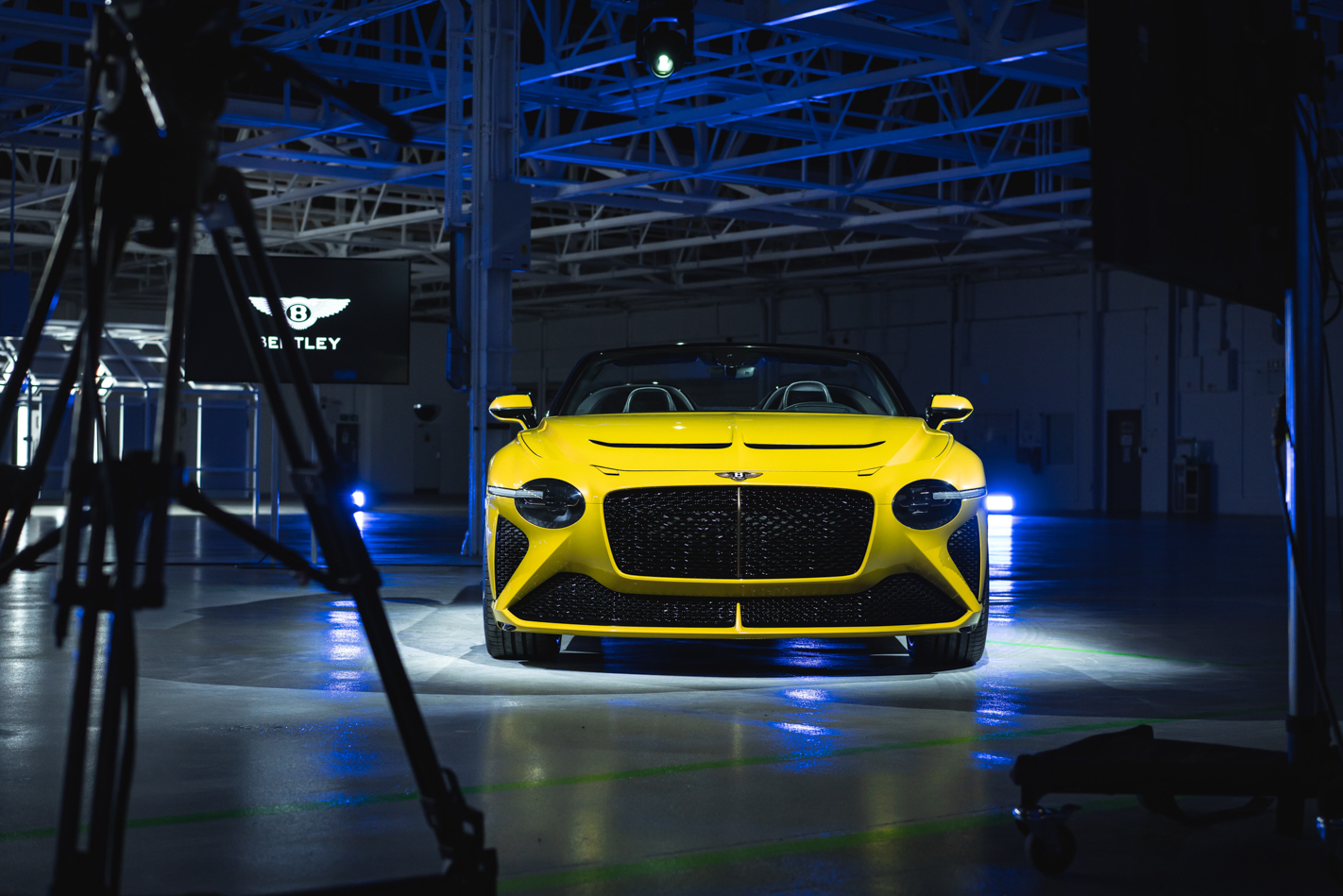
Furthermore, the brand is also being progressive in identifying its talent, nominating a goal of having a management mix of at least 30 per cent female by 2025.
There’s no doubt it’s a huge paradigm shift for a traditionally old-school manufacturer, but Bentley remains fully committed to parent company Volkswagen Group’s goal “of going beyond the two-degree target of the Paris Climate Agreement.”

It’s a big undertaking for one of the world’s largest producers of big W12 and V8 engines – especially considering the only plug-in hybrid offering it current sells is a single Bentayga variant.
- It’s a Taycan underneath
- Pre-production car driven, but 98 per cent there
- 440kW and 475kW in overboost
Is that a good thing? To find out, we’re driving the RS e-Tron GT in pre-production prototype form – hence the body camouflage, but this car is said to be 98 per cent representative of the incoming production car.
Pricing is TBC, but expect a $180,000 ballpark.
So it’s a Taycan underneath?
Basically yes. The RS e-Tron GT is based on the same J1 platform as the Porsche Taycan and not the modified MLB chassis under the e-tron SUV and Sportback.
It has the same 800v cabling that’s lighter and faster-charging and uses a battery with a net capacity of 83.7kWh (93kWh gross).
MORE Inside the Audi Q4 e-tron
There are two permanent magnet synchronous e-motors – a 175kW motor powers the front axle and is shared with the regular e-Tron GT, but the rear is larger and more powerful, at 335kW.
You don’t get three motors here, as you do on the e-Tron S SUV, but the RS e-Tron GT does get an elecTronically controlled rear limited-slip differential. The electric (natch) steering has a fixed ratio, but rear-wheel steering increases agility at lower speeds.
Just like the Taycan, there’s a two-speed transmission on the rear axle, and a focus on coasting rather than recuperation to extend battery range.
However, the Audi apparently uses its front e-motor a little more for reasons of efficiency, but can switch so rapidly to the rear (5x faster than mechanical all-wheel drive) that the effect on dynamic driving should be minimal. Expect more than 400km on the WLTP cycle.
Charge times will be equivalent to the Taycan, with a maximum DC charging capacity of 270kW, for a theoretical 100km of range in 5 minutes.
A 50kW DC charger boosts the battery from 5-80 per cent in around 1.5 hours, or an 11kW charger from 0-100 per cent in around nine hours. Straightforward as ever, no?
Arguably more important is that this is the most powerful RS ever, with 440kW (the same as the RS6, but 475kW with the short overboost function beats it) and 830Nm of torque.
It can sprint from 0-100km/h in under 3.5sec and reach 250km/h. All of which is just under the Porsche Taycan Turbo, and Audi has a similar focus on repeatability of that performance, even as the energy in the battery depletes.
What are the differences to the regular e-Tron GT?
There’s a much smaller difference than we normally find between standard production models like, say, an A4 TDI and an RS4, which Audi argues is because they’re already starting with a highly sporting and premium-priced platform in the e-Tron GT, not upgrading a more mainstream product into something suitably RS.
But there are no visual differences between the two bodies (though you can option a carbon fibre roof), and even the RS-spec 20-inch alloys can be specified on the e-Tron GT, which wears 19s as standard.
Inside, you do get RS-specific displays for the interior, and the fantastic sports seats are different too.
Mechanically, the RS rides on three-chamber air suspension as standard (optional on the standard car) but otherwise gets the same suspension links and hardware as its junior sibling.
It also gets brakes that reduce brake dust by 90 per cent as standard (an upgrade on the e-Tron GT) or optional carbon-ceramics, and crucially there’s the performance increase of 35kW.
What’s it like inside?
The driving position is incredibly low, especially so considering there’s a hunk of battery below your feet. The seats are also super-comfortable and supportive – our test car had the optional fabric upholstery.
The grip and tactility is nicely complemented by a relatively thin, flat-bottomed steering wheel wrapped in Alcantara. Nothing wrong with this driving position.
MORE Someone immediately crashed a Porsche Taycan
The rear seats three (just) but there’s just enough room for 185cm me to sit behind myself, and the roofline restricts headroom and encroaches on shoulder room next to the door.
Much of the dash and infotainment is familiar from the Audi A6, though it’s noticeable that the upper section of the centre console is angled towards the driver, and some of the A6’s capacitive buttons have been ditched for easier to prod buttons.
How does the RS e-Tron GT drive?
The generic name says it all – this car should excite like an RS, it’s of course an all-electric e-Tron model, but it also has a GT remit, meaning long-distance chops are high on the agenda too.
One engineer said the Porsche was ‘more about every last bit of lap time’, hence Dynamic mode is softer than a Taycan’s Sport, and there’s no Sport Plus equivalent.
The ride is plush (our test car rode on optional 21-inch alloys with Goodyear Eagle F1s), refinement impressive, the steering mid-weighted and precise, if perhaps not quite the incisive response of a Taycan immediately off-centre – nothing to complain about, but perhaps a nod to high-speed stability.
You can switch off the synthetic ‘engine’ sounds, but it’s a subtly rich note not unlike a smooth straight-six petrol and actually helps you mentally process speed.
This is mixed with the very real sounds of electric motors whirring, especially under deceleration – apparently this will be toned down on production cars. With less pronounced e-motor braking than many electric cars, the coasting effect feels familiar too.
Performance is very strong, and stomping the throttle from rest squeezes your passenger’s innards and forces you back in your seat. But equally – and obviously – it lacks the ferocious surge of more powerful Taycans. Plenty here for everything bar a YouTube head-to-head, basically.
Did you test on twisty roads?
Yep, we zig-zagged our way up and down mountain roads in Rhodes, the surface thinly coated with dirt after a previous day’s downpour.
The e-Tron’s keen steering combines with its low centre of gravity (it weighs around 2300kg though!) to change direction eagerly and feel suitably low and planted.
Grip levels are incredibly high, body motions quickly damped, and generally there’s a strong rear-biased flavour.
But two things: when the RS e-Tron GT does give up its hold on the tarmac, it tends to understeer without a great deal of finesse or progression, and such is the instant nature of the power delivery that it can be hard to judge how early you can get back on the throttle (and it is very early) and exploit the rear bias.
I found the Comfort setting preferable for this, simply because it wasn’t quite as light-switch as Dynamic.
But wind back the pace just a fraction and this RS is a quick, stable and agile way to cover ground like this. Even with the suspension in Dynamic, its most aggressive mode, there’s sufficient compliance, including over quite badly fractured sections, though a UK drive will be the acid test.
Braking performance not only betrays the excess of stopping power from optional carbon-ceramics, but also the sophistication of the transition between regeneration mode (when the discs and pads aren’t doing anything at all, and the e-motors are actually braking) and traditional discs and pads – the pedal is natural and feelsome, but so often is re-gen doing the stopping that the carbon-ceramic upgrade seems entirely unnecessary.
Verdict
The RS e-Tron GT is an impressive drive, with the generous refinement and performance to ease away long journeys, and a very capable chassis that can entertain a performance-minded driver, not to mention appeal to them at lower speeds with its design and technology.
But there’s very little differentiation from the regular e-Tron GT, and the drive ultimately misses the fizz that characterises the best RS models.
To my mind, the Audi RS e-Tron GT is more GT than it is RS.
Or, to use another badge, the first electric Audi RS drives like a very accomplished S.
Specs
| Price when new: | $180,000 (est) |
| On sale: | Late 2021 |
| Engine: | Twin permanently excited synchronous motors |
| Transmission: | Single-speed front axle, two-speed rear axle, all-wheel drive |
| Performance: | 0-100km/h – 3.5sec, 250km/h, 0g/km (from exhaust) |
| Weight / material: | 2300kg est/aluminium, steel |
| u00a0 |
This story first appeared on Car UK
When Genesis launched as a standalone brand in 2019, it vowed that it would break the dealership mould by taking its brand into the heart of Australia’s biggest cities, eschewing the traditional concrete forecourt for a boutique studio to attract a new age of buyers.
Now, though, the challenger luxury brand has changed tack, establishing a number of larger-format showrooms in key urban centres. Known as test drive centres, Genesis insists that they shouldn’t be considered ‘dealerships’.
However, Genesis Australia management is adamant that the fledgeling brand needs to break some eggs in order to stake a claim in a sector dominated by the likes of Audi, BMW, Mercedes-Benz and Lexus.
“It’s definitely not the wrong step, but we’re introducing the test drive centres to complement the studios,” said Connal Yan, the operations lead for Genesis, speaking at the launch of two new cars for the brand, the G80 saloon and GV80 SUV.
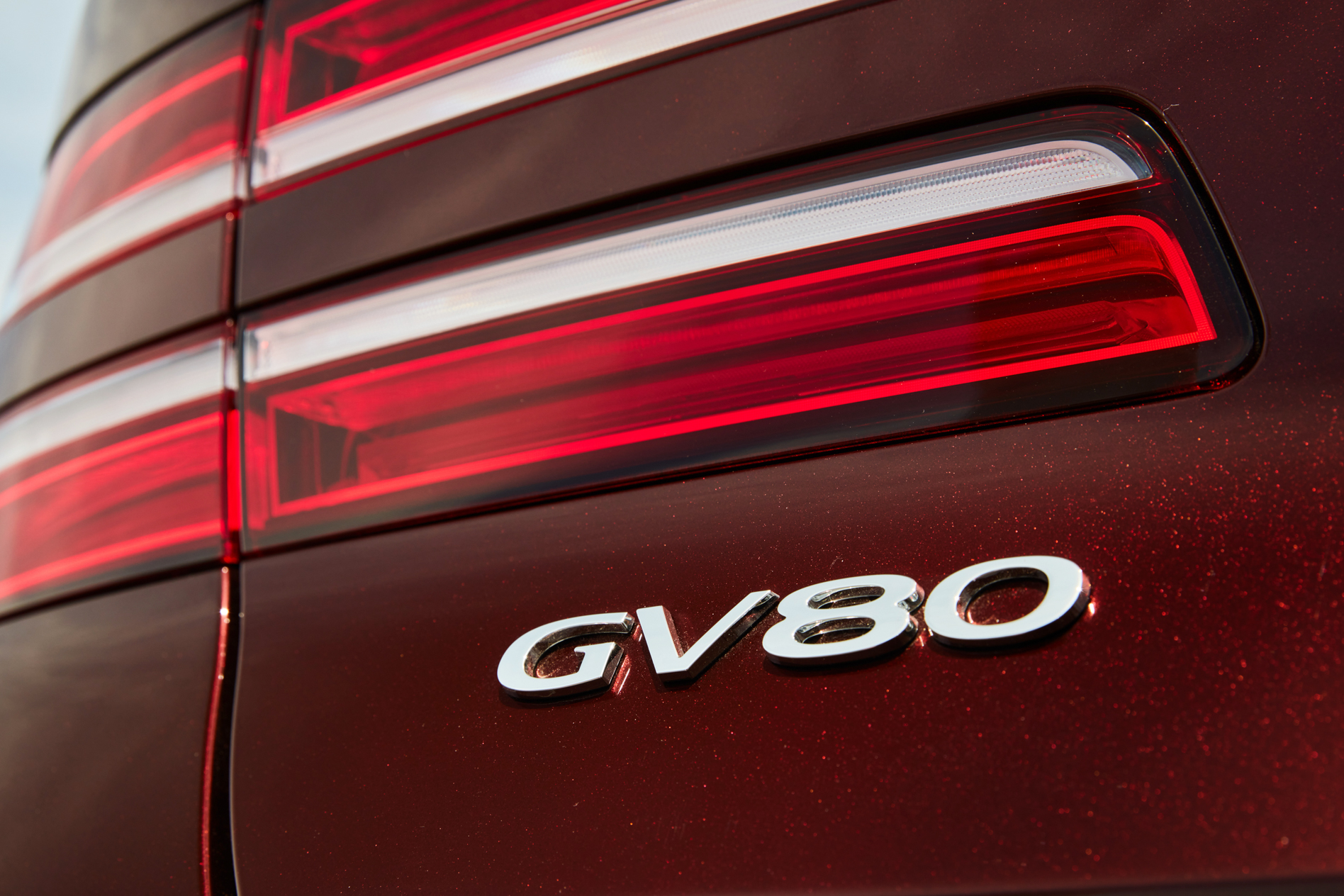
“Therefore, going forward we’re going to expand on the studios continuously, into Brisbane and Melbourne, but at the same time we needed more operations to bring convenience to customers, which is why we’ve introduced test drive centres.”
Yan suggested that Genesis has a licence to try and break the traditional dealership model cycle.
“We’re a very young brand, so we have the flexibility to try a lot of different things, and this is a good example of how we are doing something on top to complement the studio concept,” he said.
The showrooms will remain separate from locations currently occupied by parent brand Hyundai.
“It’s a very clear direction from head office that we will always be a standalone brand,” confirmed Yan.
While the view on boutique studio retail may have shifted slightly, the notion of a fixed price for all Genesis buyers has not, according to Stewart Parnaby, the national manager of marketing.
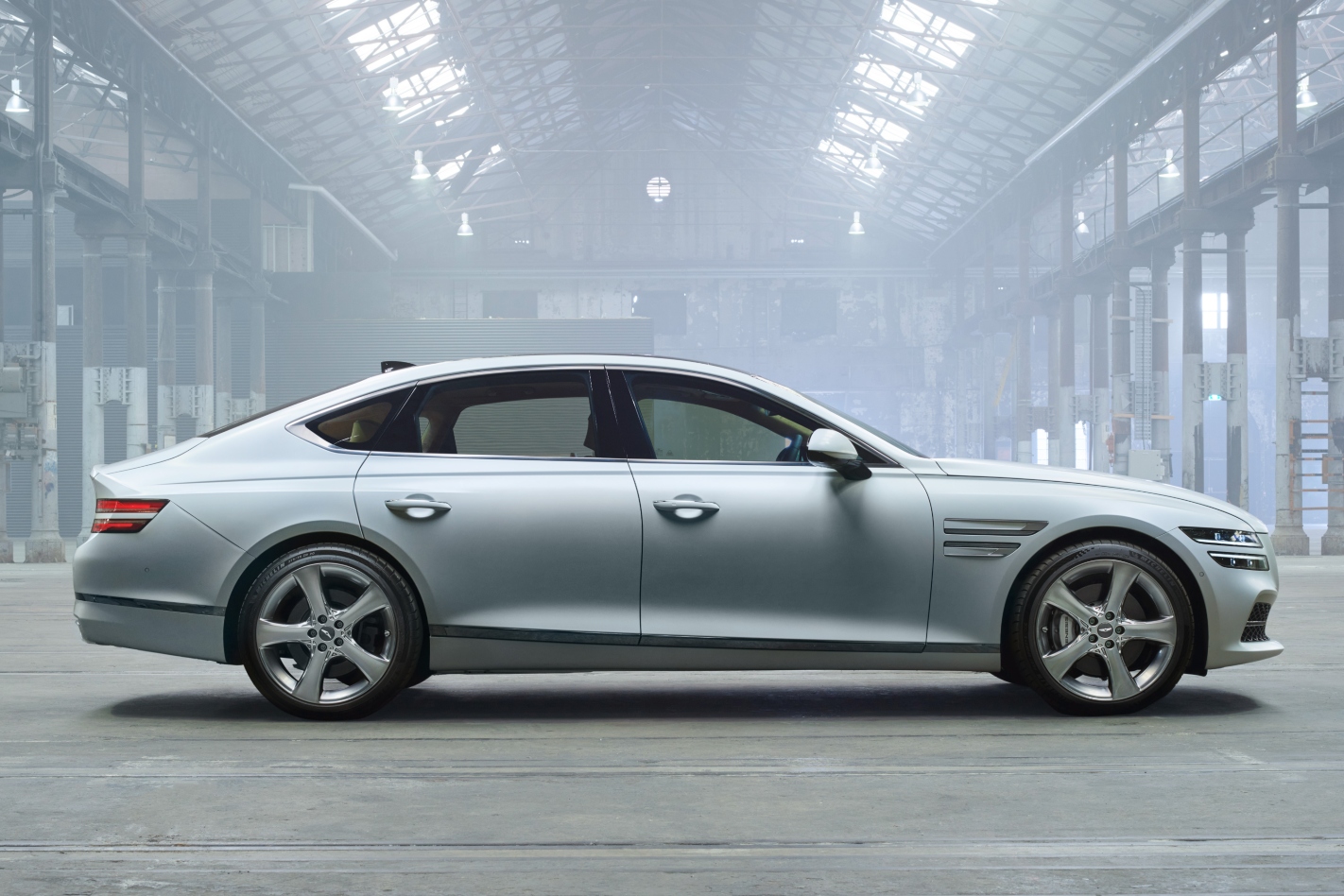
“Fixed pricing is an interesting challenge,” he said. “It comes from research that customers hate the negotiation process. So we said ‘that’s the price’. Doesn’t matter if you know the dealers, or you come in at the end of the month, everyone pays the same price because that’s what the car should be valued at.
“The perception of discount is something that has lived in the dealership for a really long time. We just want to be honest and transparent, so we’re just going to take that out.
“You should pay this much for this car, this is what it’s worth, this is what the ownership package on top is worth. Everyone then has the same starting point for their resale value… it’s fair.”
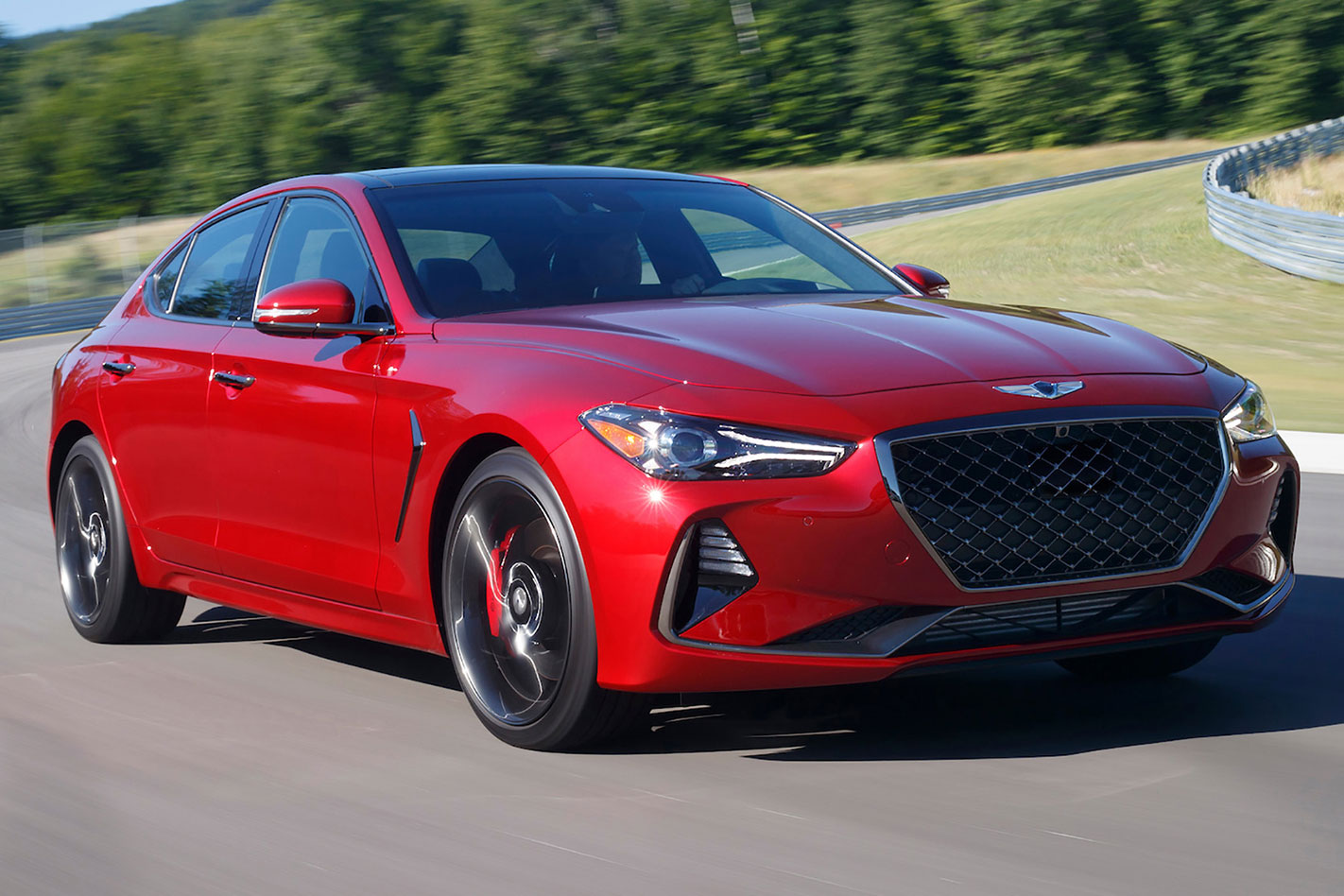
“If you ask us how we quantify market share, we’re looking at 10 per cent [of the luxury segment],” he said. “We want to be ambitious. And we still don’t have the full line up yet.
“But we are planning to touch 10 per cent market share. Obviously, when we have the product, we can get there faster.”
He also noted that the company had done its homework, looking at the good and the bad in terms of luxury brand challengers.
“Before we launched Genesis, we have already studied the market,” he said. “The brand is already in the United States, so we have already learned some lessons. Before we launched the Genesis brand in Australia, we have learnt a lot of things and we have analysed the customers.
“We don’t just want to sell product, we want to deliver an experience. It will just take some time, and we are not impatient on this.”
There’s a heap of overlap on price, and, with nine variants available, no shortage of choice.
In fact, the price span for Yaris Cross is so broad – $26,990 (+ORC) right through to $37,990 (+ORC) it treads all over the toes of the larger C-HR, and even steps into RAV-4 territory, where the cheapest hybrid (the GX 2.5 front-driver) is actually around $1000 less expensive than the range-topping Yaris Cross Urban AWD.
All three equipment grades of the new model – GX, GXL and Urban – are available with a choice of three powertrains (all using a 10-step CVT.)
The basic FWD layout is powered by the Yaris hatch’s 1.5-litre three-pot petrol making 88kW/145Nm, while the FWD hybrid uses the same 1.5 running in Atkinson Cycle to make 67kW/120Nm, teamed with a pair of motors that produce a maximum combined output of 85kW (with combined max torque not specified.)
Opting for the AWD hybrid powertrain sees a third electric motor driving the rear wheels, engaged only in slippery or off-tarmac conditions when traction demands it.
We didn’t drive the AWD version off-road, but according to Toyota, the system is capable of sending up to 60 percent of available torque to the rear end, which, by the way, is independently sprung, as opposed to the torsion beam fitted to the FWD models.
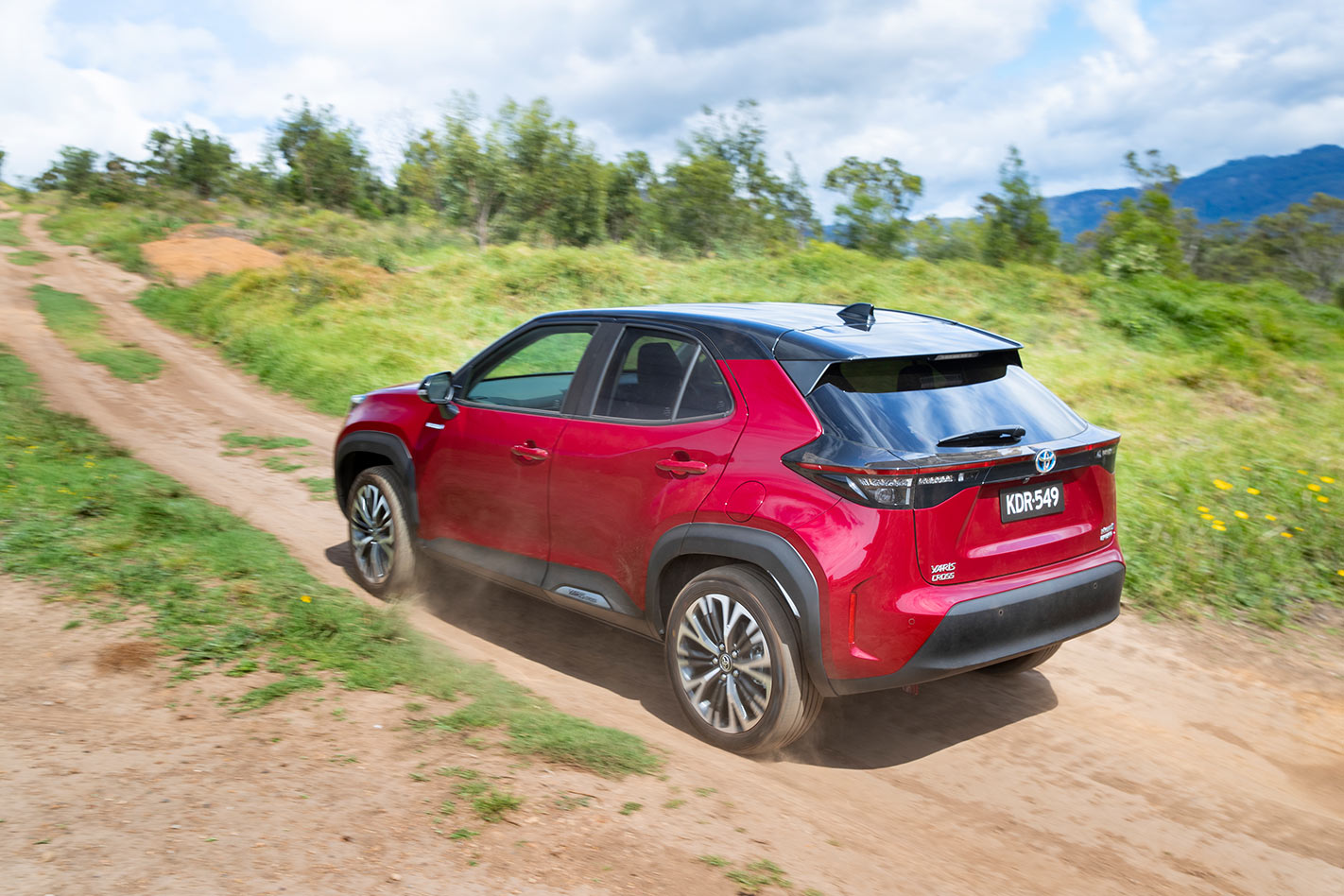
Curiously, the addition of the extra motor on the AWD version doesn’t actually boost the overall claimed power of 85kW.
What is does boost is the price tag, by a hefty $3000 over the FWD hybrid equivalent across the three specs levels.
Given that the step up to FWD hybrid over petrol-only is just $2000 in all three trim levels, we’d question the sense of AWD for most Aussie buyers.
How big is the Yaris Cross?
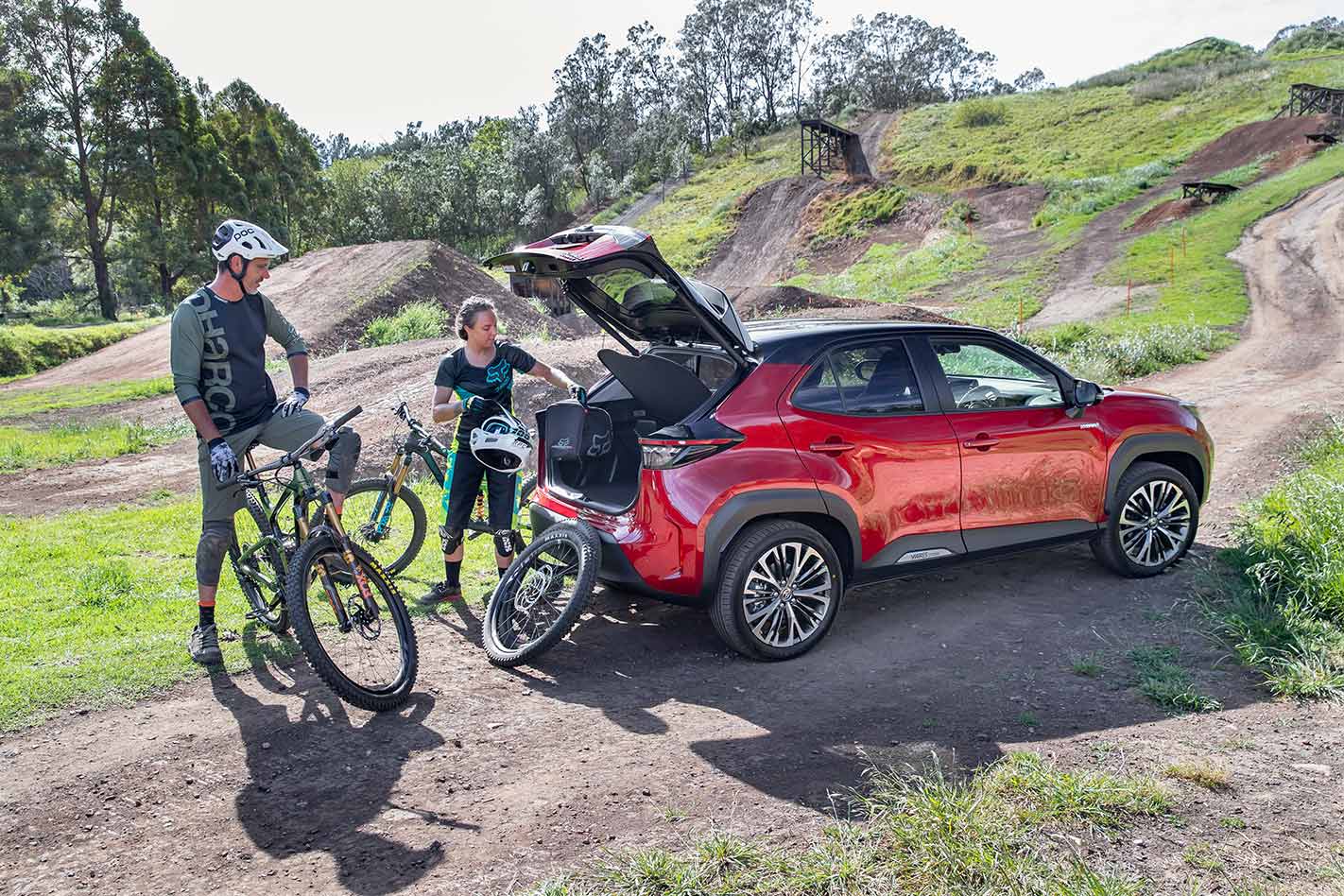
Size-wise, Yaris Cross is on a platform only 10mm longer (with 35/45mm wider tracks; f-r) than that of the Yaris hatch, but with its body measuring 4180mm long, 1765mm wide and 1590mm tall, it’s 240mm longer, 70mm wider and 85mm higher than the hatch, while providing just 20mm more ground clearance.
That overall length still puts it around 200mm shorter than the current Corolla hatch, but there’s just enough room in the back for a couple of six-footers if the front occupants don’t need full rearward travel of their seats.
And despite the sloping roofline, adults have enough headroom.
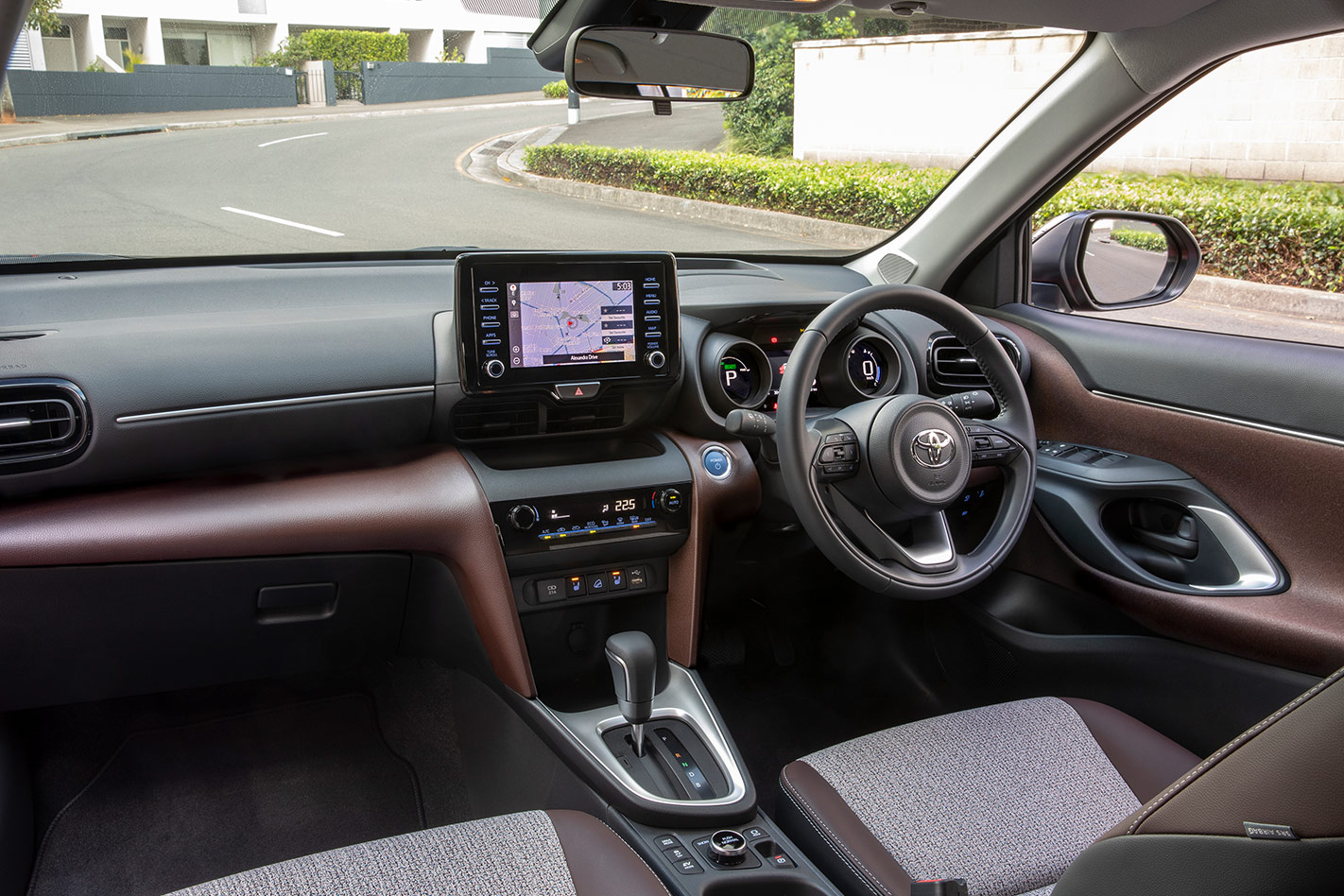
For the kids who’ll be the main occupants of the back of a Yaris Cross, there’s ample room, but even in the top-spec Urban, there’s a startling lack of amenity.
There are no USB ports, no air vents, not even grab handles. It’s gob-smacking, as is the lack of body-coloured paint for the engine bay and under-bonnet.
How does the Toyota Yaris Cross drive?
As for powertrain performance and general on-road driving experience, it mostly reflects the mixed bag we experienced in the Yaris hatch.
The engine’s commendably smooth for a triple, and actually has an engaging note under load. It’s also flexible enough without the hybrid system to get the job done in undemanding urban driving.
That’s the good bit. But the moment you ask it to up the ante, whether on the open road, or just trying crack on a bit in traffic, it’s a classic atmo that demands revs to produce torque, and here, revs equal volume.
It quickly gets tediously raucous when peddled with vigour, even if consumption remains low at around 5.5L/100km in the real world.
Jumping into the hybrid, it’s blindingly clear that this is $2000 well spent.
The extra torque of the motors means the petrol engine works way less hard, and the whole show is quieter, more responsive, and way more pleasant.
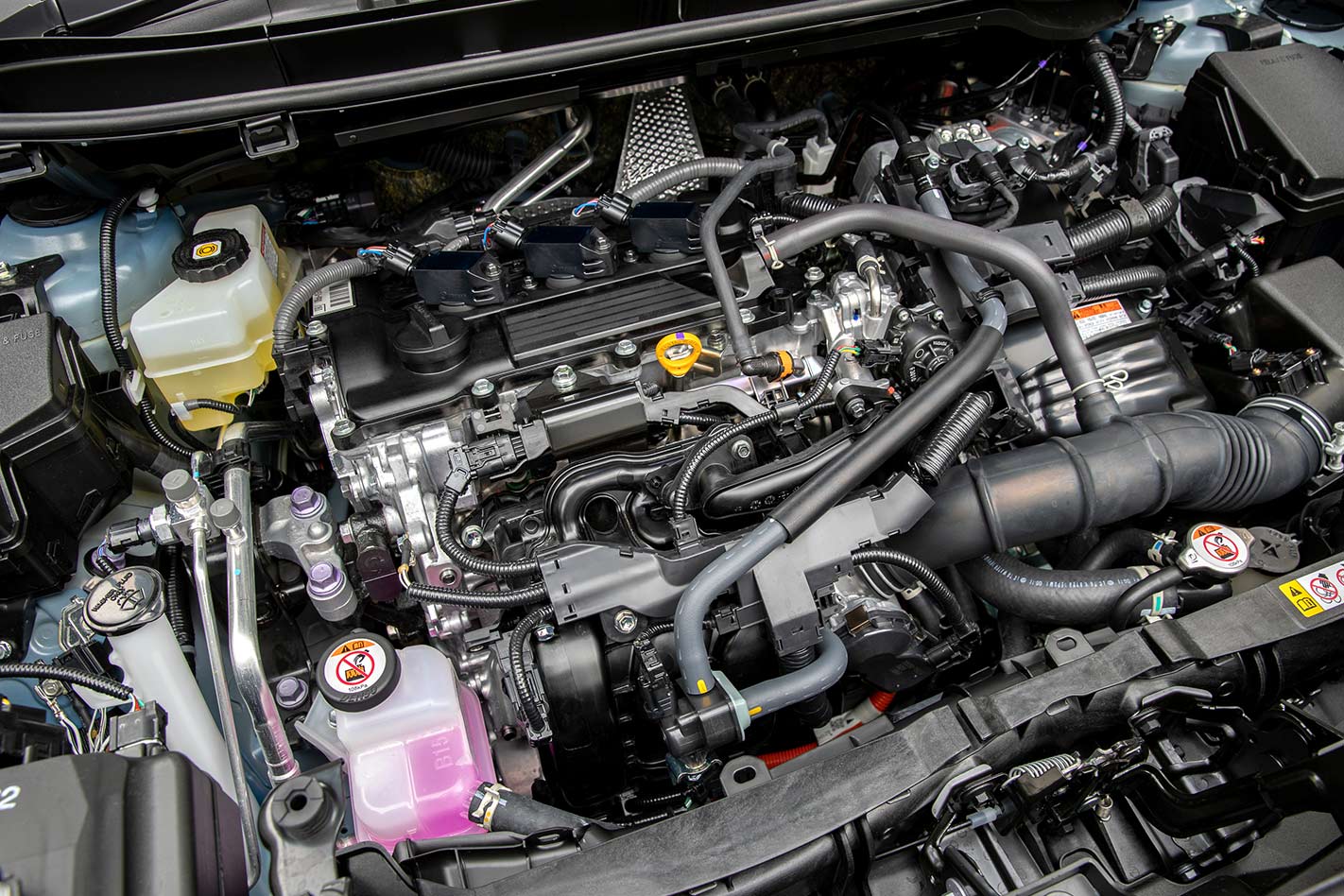
We didn’t get to try the GX and GXL on their 16-inch wheels; it’s likely they’re a bit more pliant than the Urban on 18s.
Overall body control and sense of planted predictability is excellent; much like the hatch.
Safety and equipment also largely mirrors the Yaris hatch, with all models fitted with Toyota’s full suite of safety tech, including twin centre seat-mounted airbags.
Along with the aforementioned 18s, Urban brings electric adjustment for the driver’s seat and heating for both front pews, as well as a powered tailgate with kick sensor.
Toyota Yaris Cross: our pick
For our money, we could live without those extras, and would definitely take a hard pass on the $3K AWD.
That makes FWD GXL hybrid, at $31,990, the pick of the line-up. But while it may be more fashionable, fact is it’s not as mature and complete as a Corolla…
Toyota Yaris Cross rivals
Mazda CX-3, Hyundai Venue, Ford Puma, VW T-Cross, Citroën C3 Aircross
Toyota Yaris Cross specs
| Model | Toyota Yaris Cross GXL 2WD hybrid |
|---|---|
| Engine | 1.5-litre three-cylinder |
| Electric Motor | single (front axle) |
| Battery | 0.8kWh lithium ion |
| Max power | 85kW @ 5500rpm (combined) |
| Max torque | 120Nm @ 3800-4800rpm (engine only) |
| Transmission | CVT automatic |
| Weight | 1265kg |
| 0-100km/h | 10.5sec (estimated) |
| Economy | 3.8L/100km |
| Price | $31,990 |
Dick Johnson Racing has confirmed that it will use Ford Coyote V8 power for its 2022 Supercars Mustang, as part of the incoming cost-cutting regulations mandated by the sport.
Team boss Ryan Story exclusively revealed the news to MOTOR during a discussion about the team’s plans, locking in the first engine for the sport’s new era.
“There’s still some workings on that but the plan is for the Ford to have a Ford engine and the GM to have a GM engine,” he said, “but if you look at it from a 10,000-foot view, the best engine to put in a Mustang is going to be Coyote.”
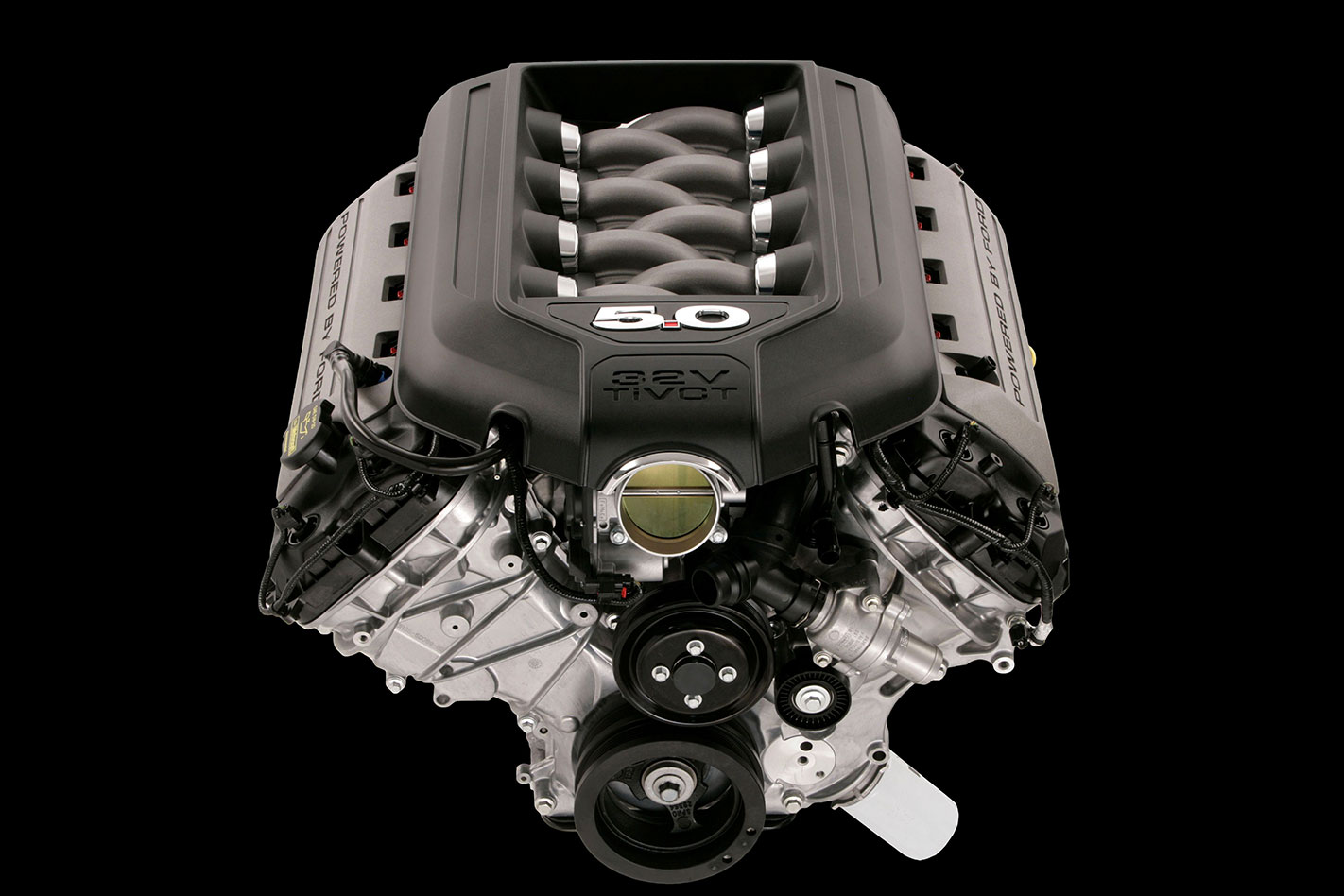
The current Ford Mustang uses a third-generation Coyote 5.0-litre V8 that relies on double overhead cams, plasma bore linings and direct injection.
“Yeah, look, it is,” he said. “Right now there are still some things yet to confirm in terms of the specifications and the rules around Gen3, but the plan as it stands at the moment is for the Mustangs to have a Coyote engine driving it.”
The Coyote offers the right synergy between the Supercars Mustang and its road-going version, he says, while development will be shared between DJR, Ford Performance, Supercars and Mostech Race Engines, who currently builds the team’s engines.
As for where the engine’s come from? “It’s basically an engine that we’ll put together based on the Coyote,” Story adds.
Supercars has locked in V8 power for what it calls its Gen3 regulations, with the engine’s double-overhead-cam technology helping the series meet a desire to cut costs by around 30-40 per cent per car.
Currently, a two-car team can spend upward of $500,000 in building, maintaining and developing engines each season.
“At the moment we currently life our engines [apply a time limit to their life] and we have, within the series rules, that the engines have to do 4000km before they can have a rebuild.
“So what the aim of the game is with an overhead cam engine, such as the Coyote is that in race trim we’ll be able to double that and maybe even extend it even further.”
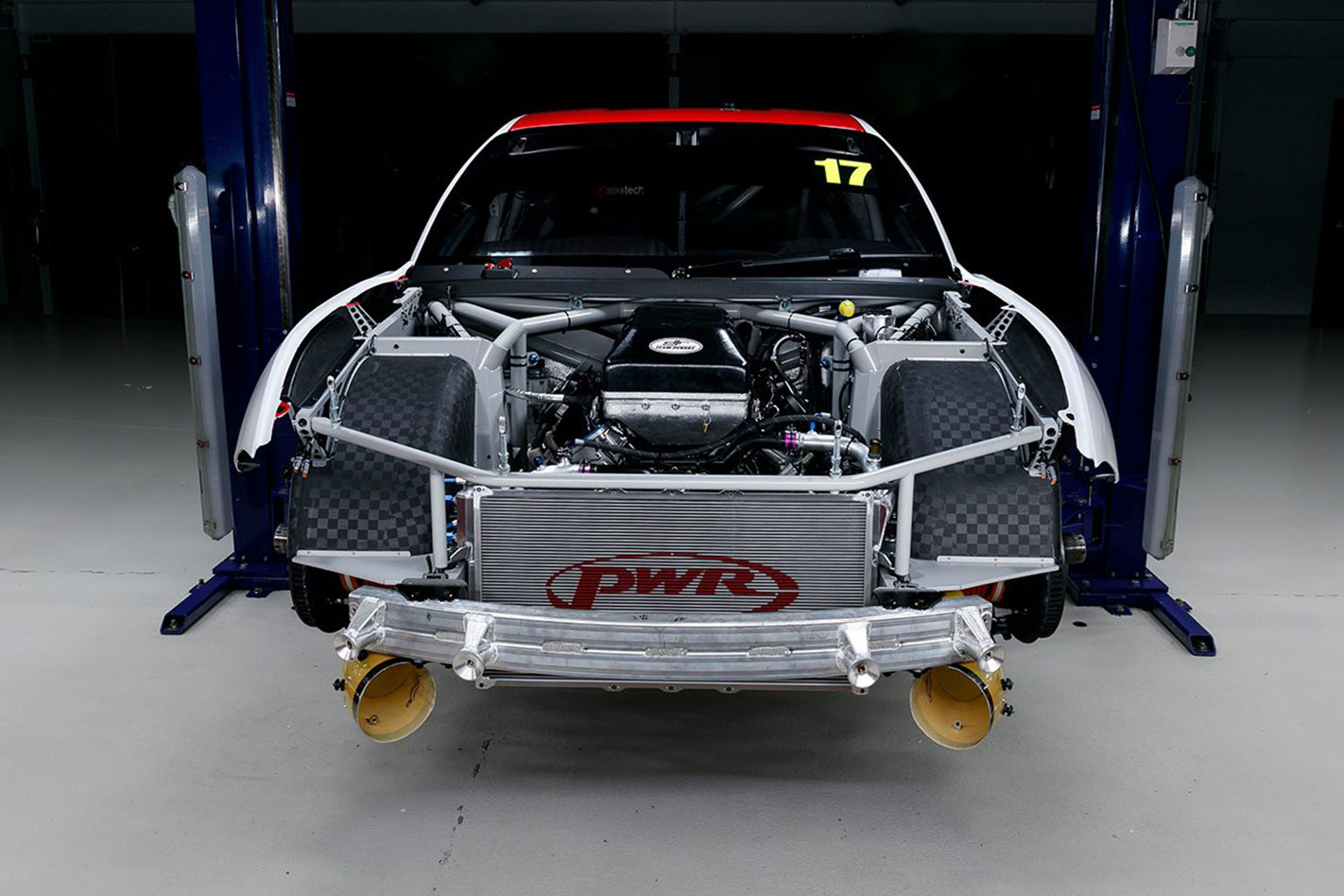
Supercar has provisionally released data figures listing power at 600hp, or around 447kW. That represents about a 10 per cent decrease and will most likely be policed with a cap that Story suggests DJR will meet with ease.
That doesn’t necessarily mean slower cars, however, with Gen3 specs outlining a 100kg drop in weight to maintain similar power-to-weight ratios.
DJR is one of the teams responsible for homologating the Ford Mustang for competition use, meaning it’s likely other Blue Oval teams will follow in using the Coyote-based V8 engine for 2022.
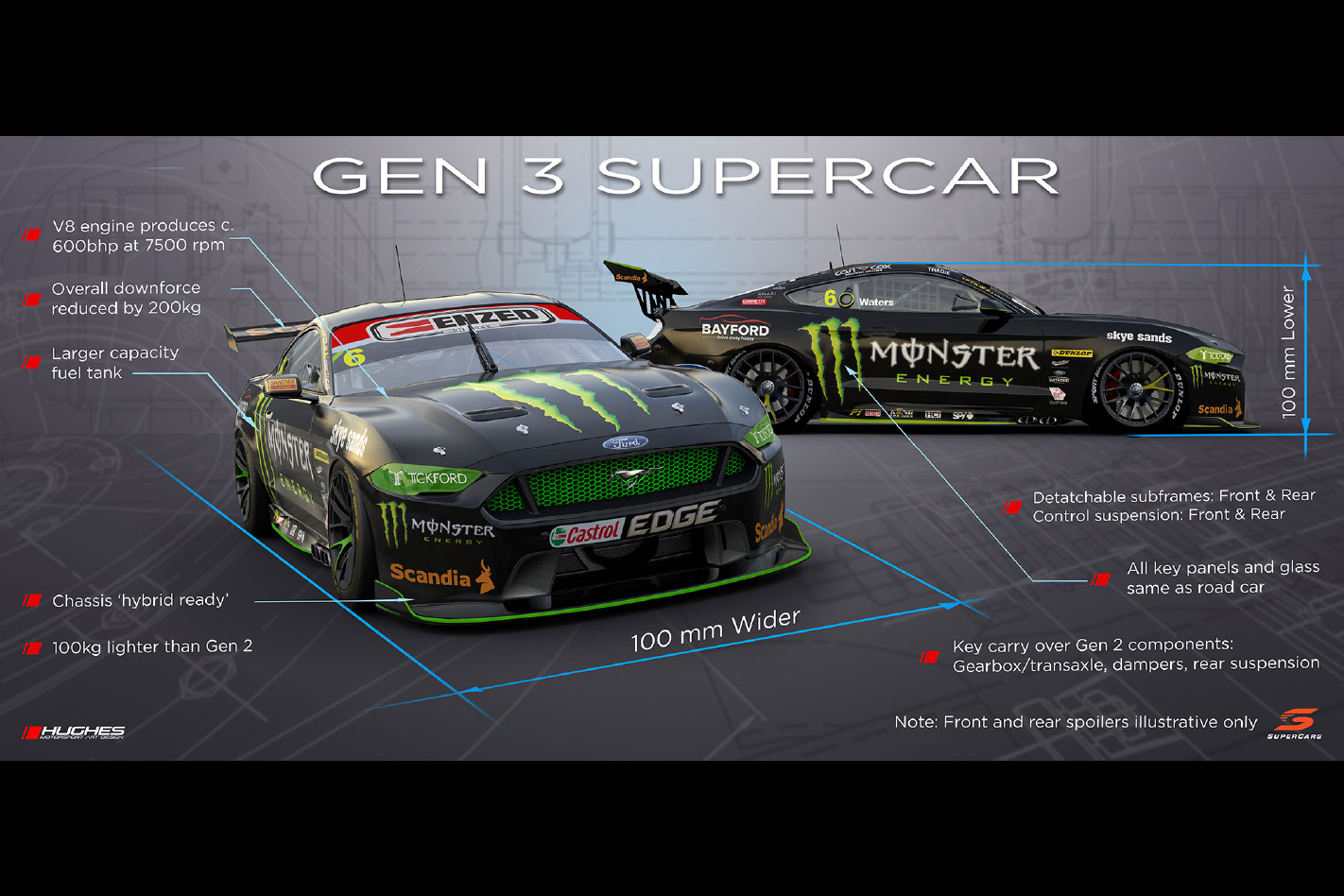
At the same time, Story confirmed that while Supercars have outlined cars are to hybrid-ready, they aren’t quite there yet.
“The cars now are hybrid-ready with the transmission [and] transaxle that we run. But going to a hybrid platform is expensive,” he says, “and something that we remain open to but it’s not part of any firm future planning.”
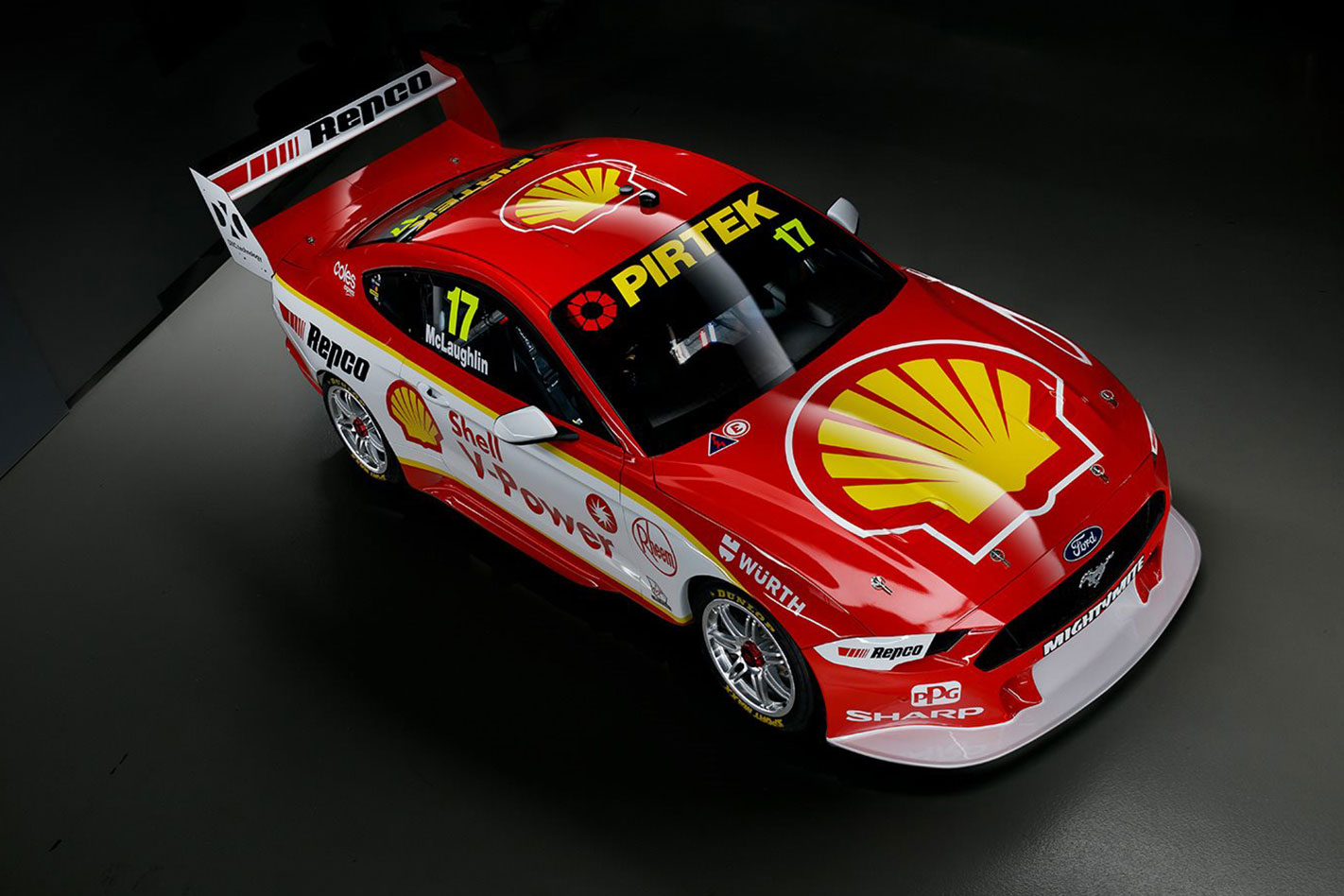
DJR’s confirmation on its engine now shifts focus in the paddock to teams like Triple Eight Race Engineering and its boss Roland Dane.
The motorsport maven has outlined his admiration for GT3 cars and the Mercedes-AMG’s 6.2-litre V8 race engine, with which his team has already notched up 20,500km.
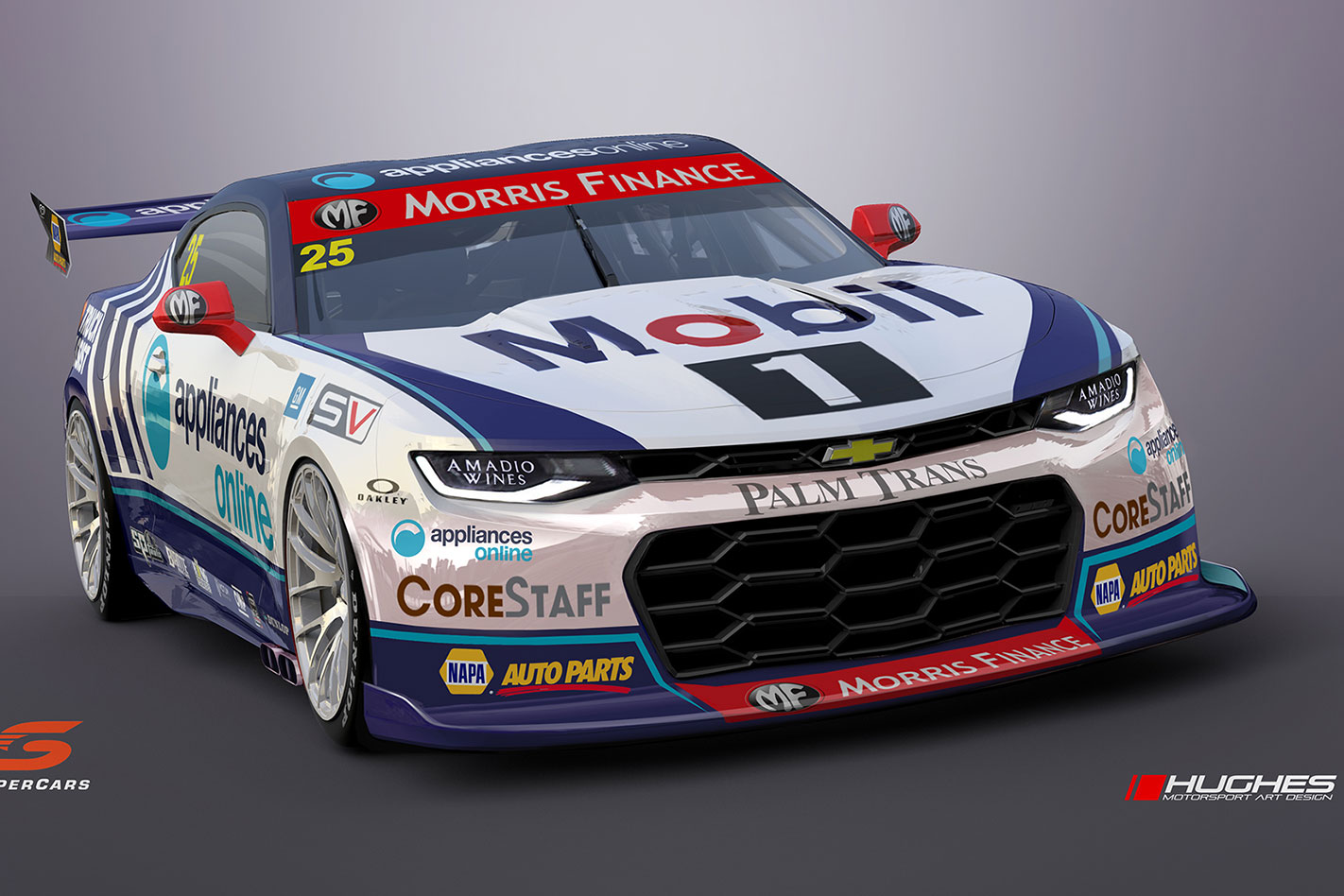
As for Supercars, he has not yet revealed what engine will power its Camaro racer, but he has stressed to Wheels magazine that DOHC tech is crucial to obtain needed increases in longevity.
Triple Eight is responsible for homologating the Camaro in time for the 2022 Supercars season, and judging from Story’s comments, it could also be working on a production-based engine design.
“If they are too easy to drive, they will lose an awful lot of their appeal,” he said.
NEXT MOTOR drives Herrod Performance’s Scott McLaughlin Edition Mustang
Australian fleet operators claim minimal Federal Government action, high purchase costs and limited choices are the leading reasons behind the slow adoption of EVs nationwide.
A survey of 177 local organisations representing industry and government controlling more than 66,500 vehicles revealed most have set targets to become carbon-neutral, but found that converting their fleet to achieve that goal a significant challenge.
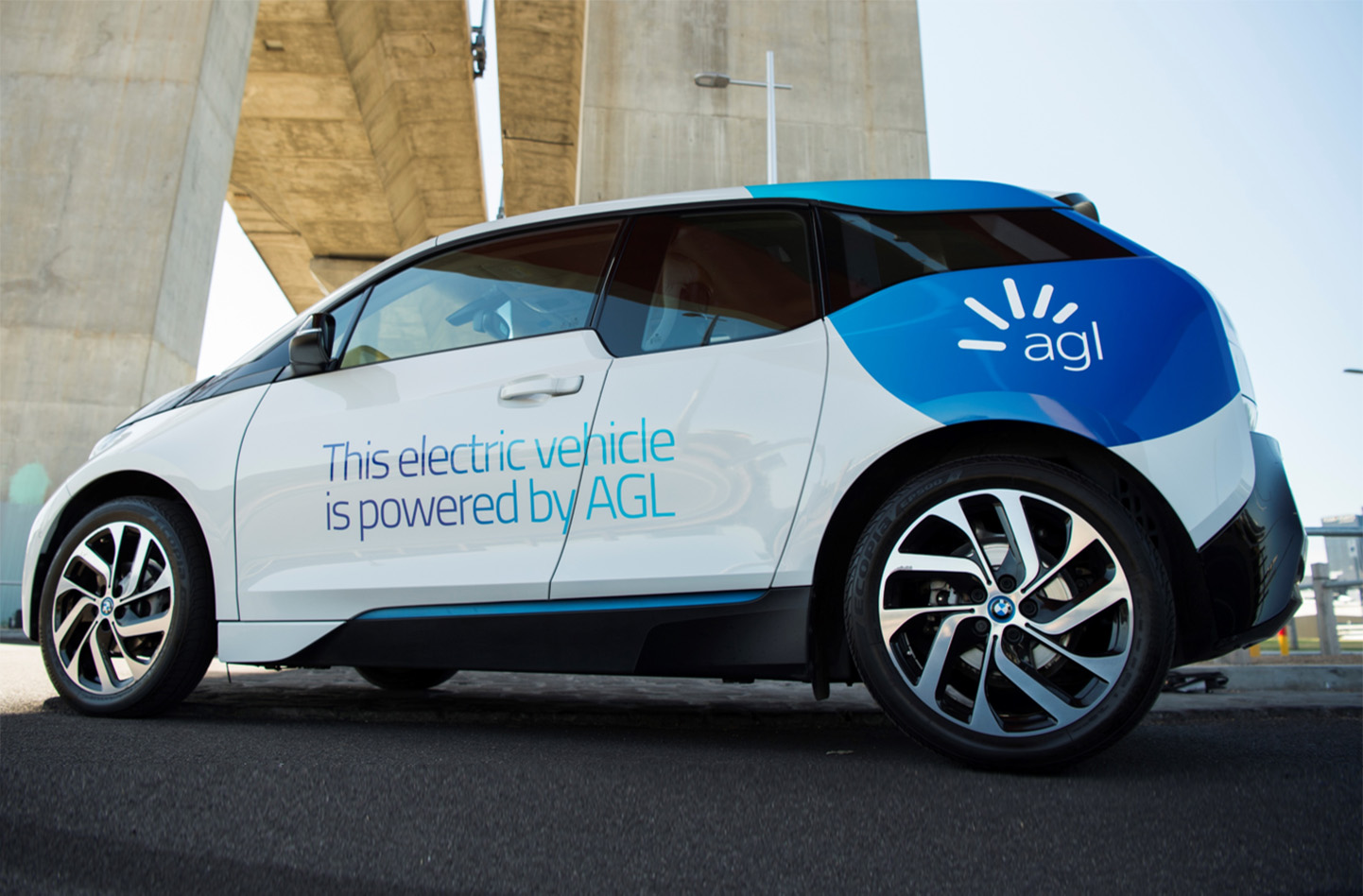
As a result, less than 30 percent of respondents were operating electric vehicles, according to the Australasian Fleet Management Association (AFMA) and the NSW Department of Planning, Industry and Environment (DPIE) survey.
Earlier this year the AFMA, DPIE and energy company AGL teamed up to take the pulse of fleet operators and better understand:
- Where they are in their EV journey?
- Any barriers and roadblocks they are encountering?
- What assistance they need to transition to zero-emission vehicles?
- Larger fleets are most likely to have reached a higher level of EV maturity
- There are significant challenges to fleets implementing EVs such as: – Vehicle purchase cost (60%) – Charging infrastructure costs (45%) – Limited choice of models (34%)
Across the board, fleet operators would like to see government play a role in supporting EV adoption with 45 percent of respondents calling for subsidised EV purchase costs. This was followed by calls for more public charging infrastructure (36%) and subsidised workplace charging infrastructure (31%) – just over a third (36%) said they had some level of charging infrastructure already in place.
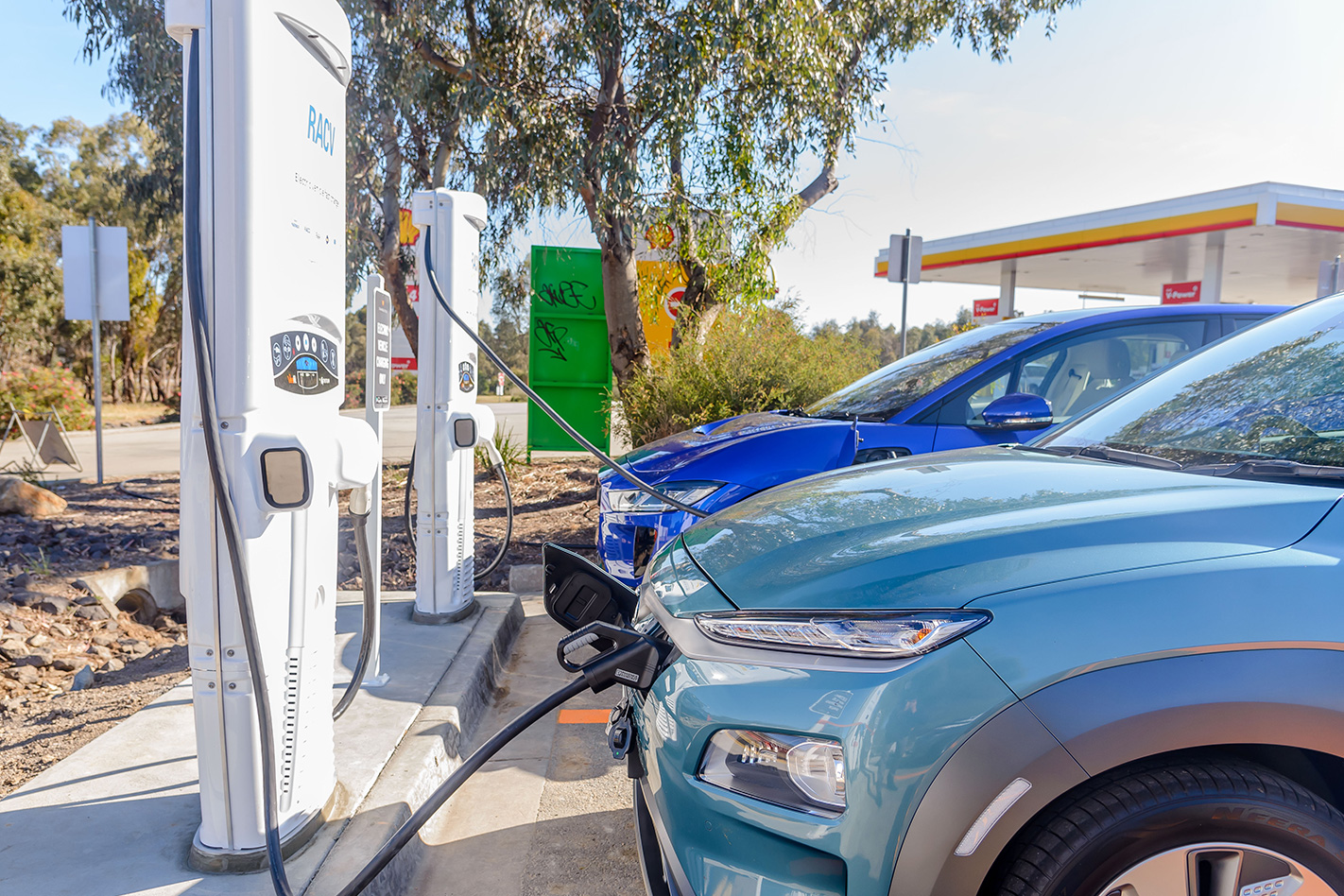
The survey also revealed how EVs in corporate and government fleets are mostly used; with 57 percent of electrified passenger cars, and 49 percent of electrified SUVs only on the road in metropolitan areas, while about 47 percent are home garaged.
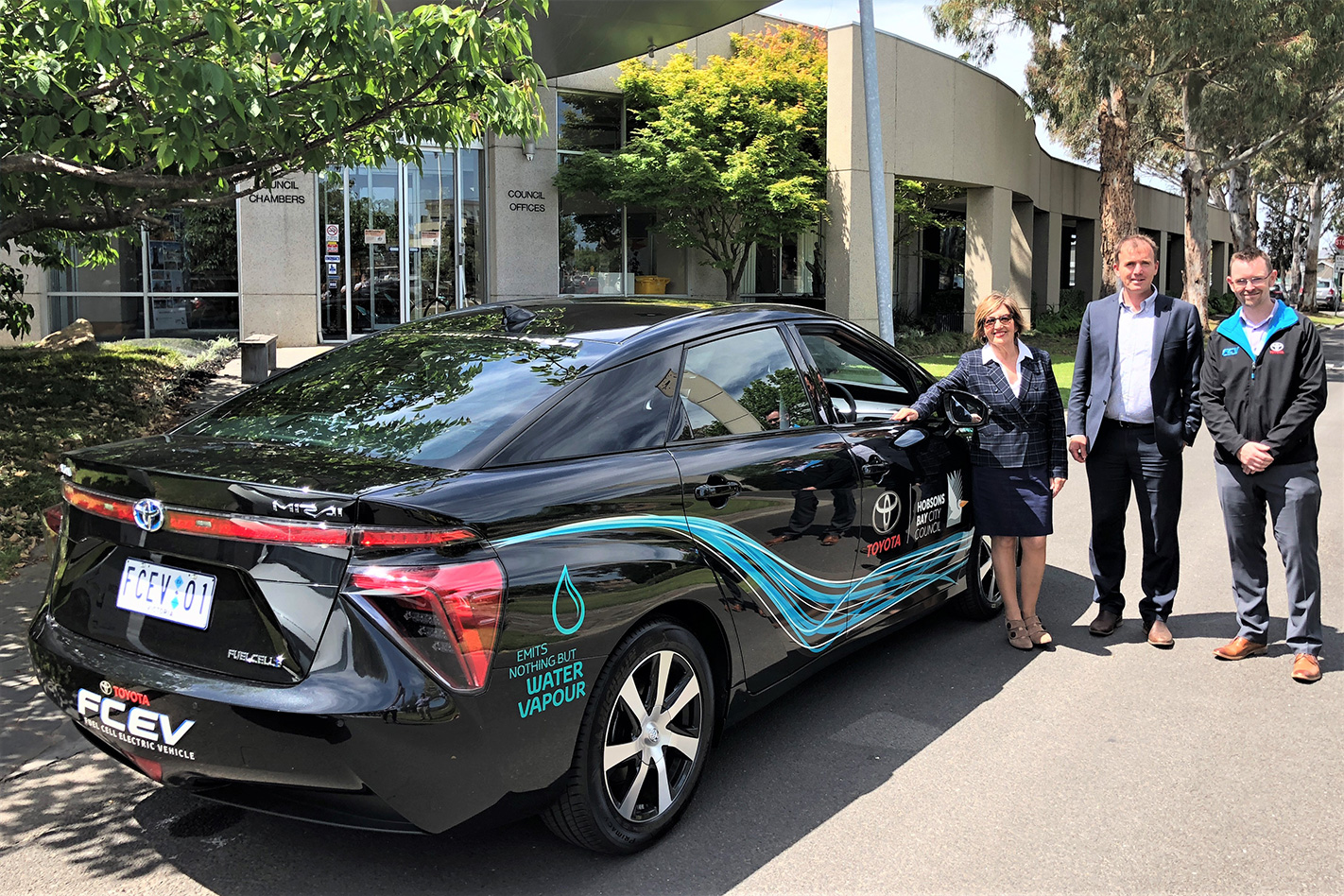
“The information and insights in this report are designed to inform and empower suppliers of products and services to Australian fleets, as well as policymakers at all levels of government,” said AFMA Executive Director Mace Hartley.
“While we see many private and public sector organisations choosing to ‘go green’ by reducing vehicle emissions, their underlying motivations can vary significantly”
Subaru has silenced skeptics that the BRZ sports car will be put out to pasture with an ‘all-new’ 2021 Subaru BRZ confirmed by the brand’s US arm, beating the coupe’s Toyota 86 sister to the punch.
Now, a teaser on Subaru’s global site has firmed up a launch date for the 2+2 two-door coupe, hinting that 18 November would be an interesting day to mark in the calendar.
A photo of an undisguised front end was also released (below), showing off what the headlights, bonnet and side mirrors will look like.
The front end certainly looks stronger than the current car’s softer, more stylised lines. We’d also suggest it may end up being fractionally larger than the outgoing car.
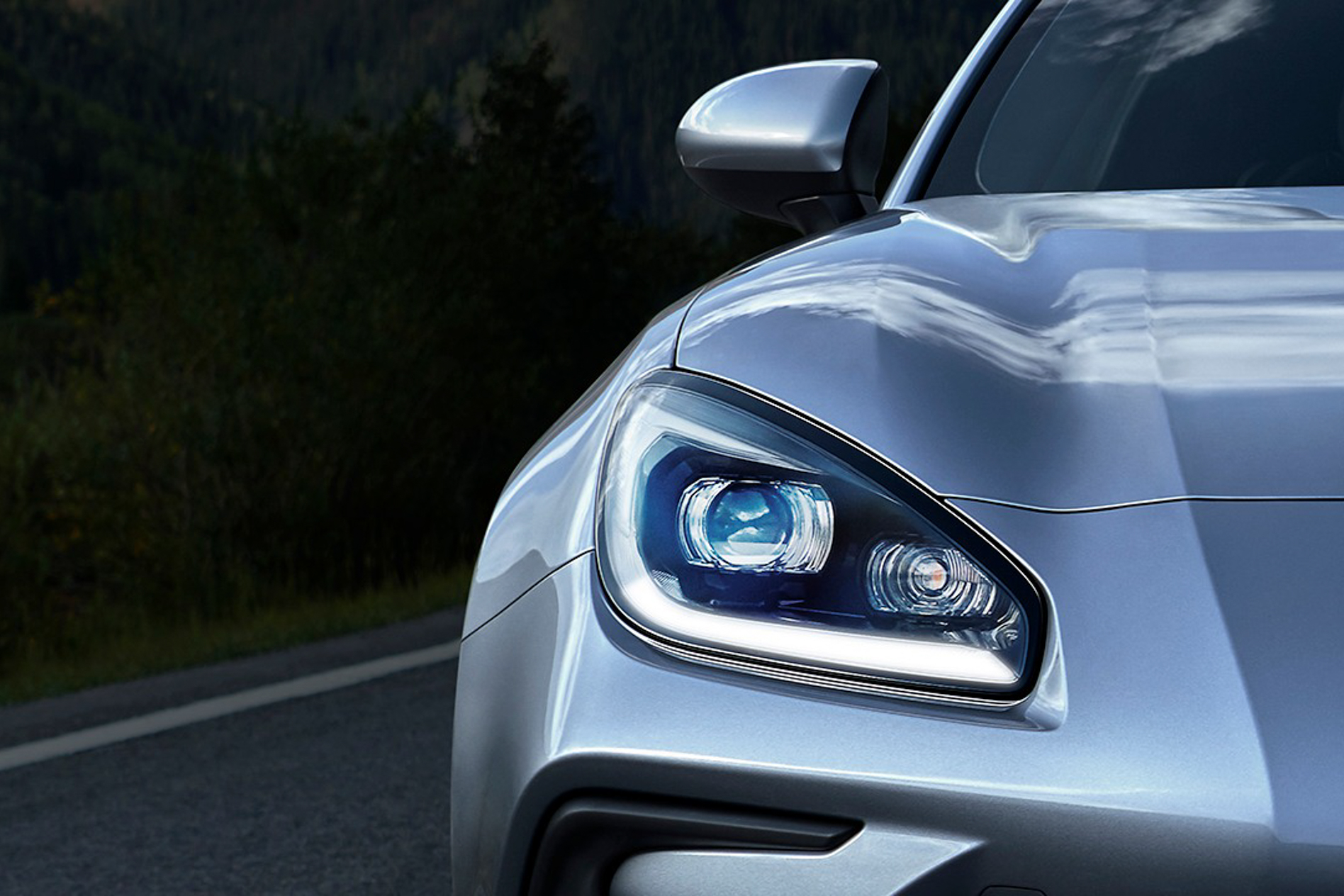
Compared to the current car (below), the design is more bluff and squared off, with strong feature lines under the smaller, DRL-equipped headlight clusters.
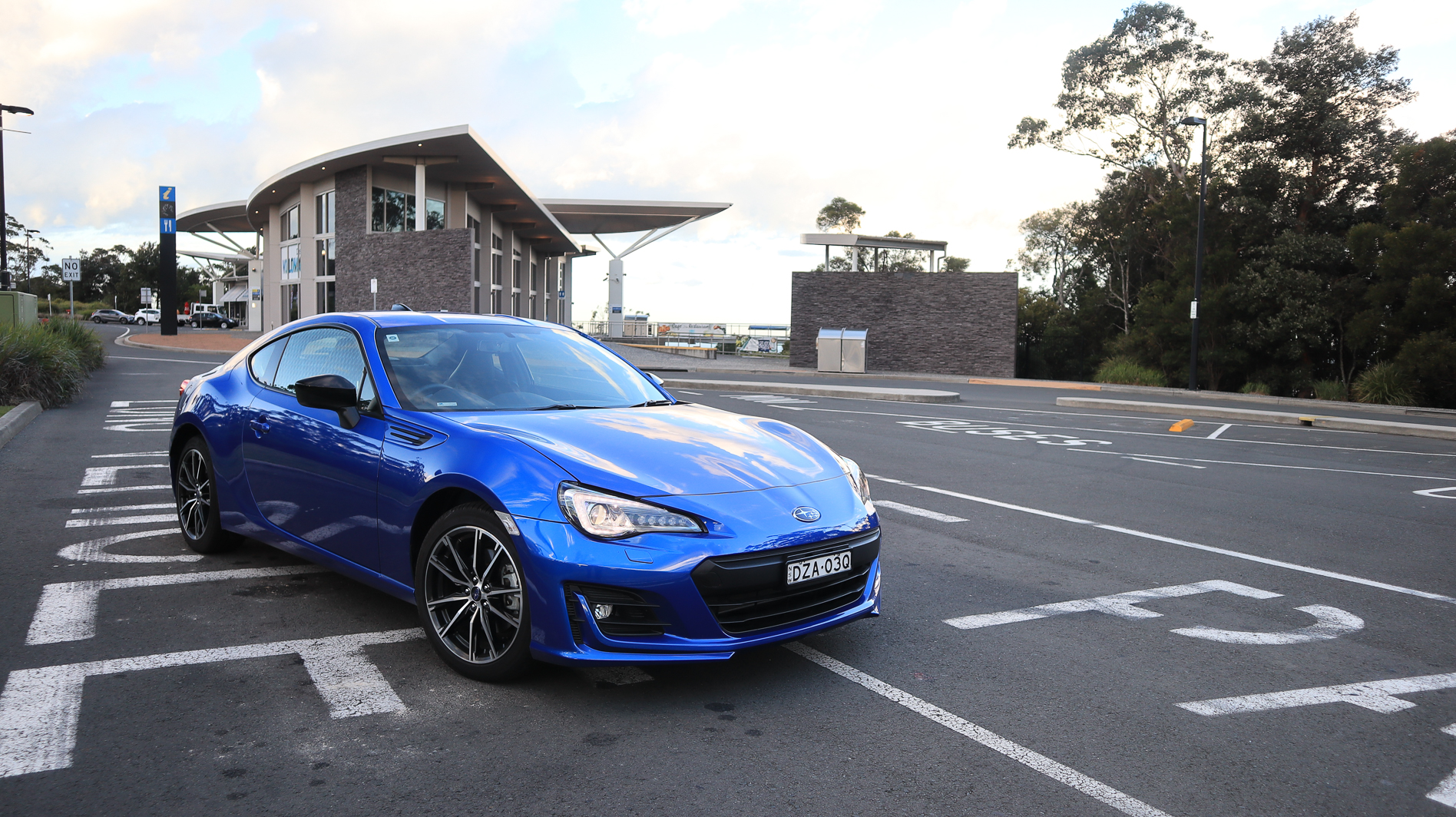
2019 Subaru BRZ Premium reviewed here
The initial announcement via a Subaru USA Instagram post revealed little detail, but the heavily camouflaged body appears to have gained a new vent aft of the front arches and rolls on familiar wheels.
“The all-new 2022 Subaru BRZ – world premiere coming this Fall,” the post’s caption reads.
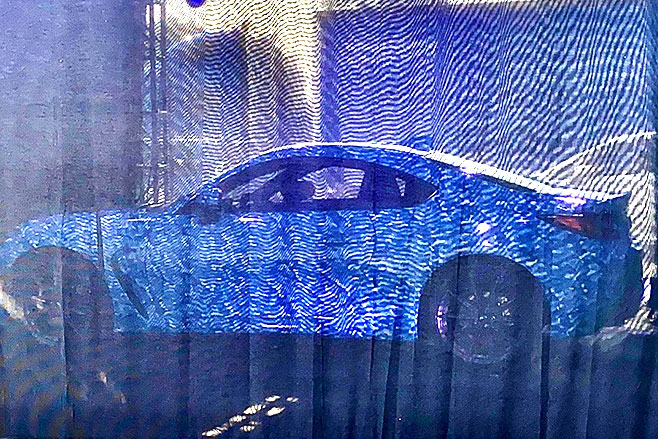
Instagram: @subarudwayne
Aside from the American tendency to give cars a model name up to a year in advance, this implies the global reveal is imminent, and a northern hemisphere autumn translates to spring in Australia.
Our contact at Subaru Australia suggests that the new Subaru BRZ will arrive in Australia in the third quarter of 2021, but couldn’t offer much more.
Thankfully, a couple of cheeky attendees to a Subiefest event in California have also provided another look at the car via photos taken at a rather silhouetted reveal of the full camouflaged car.
Some Lexus-style design elements, namely the taillights, are a reminder of Toyota’s involvement, though the running gear is still expected to be Subaru, while natural aspiration is thought to be another carry over from the current generation.
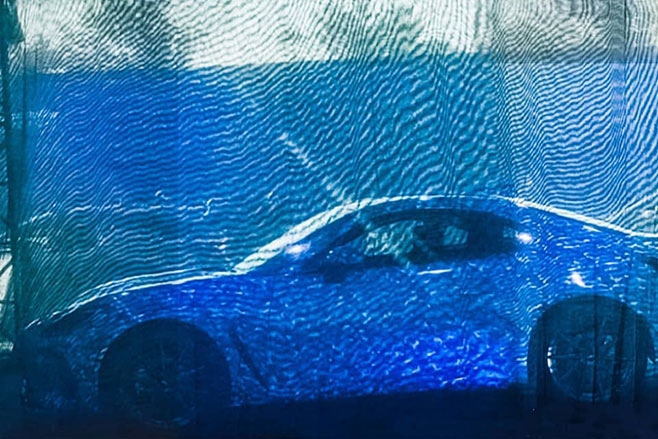
Instagram: @stinicktuned
The word from those who were present, such as Instagram user stinicktuned, is that the next BRZ (and therefore more than likely 86) will use a 2.4-litre NA boxer four (likely FA) with a small power bump over the original.
Quoted figures are 162kW and 240Nm, though we’ll wait to hear the details directly from the Japanese manufacturer before we call that confirmed.
WhichCar contacted Toyota Australia to find out if a similar announcement might be imminent for the BRZ’s twin, but no official statement was offered. Toyota has, however, recently revealed via MOTOR Magazine, that the next 86 is under development.
OUR local Holden dealership, near Wollongong in NSW, quietly removed its big Holden roadside plinth a few weeks back. My 13-year-old daughter actually sent me a blurred pic of the operation as her school bus trundled by, messaging ‘this is a bit sad!’
The main dealership building, however, still carried Holden’s name and its unerring, unbowed symbol, the lion (or more correctly, the lion and stone), on its façade – until today, that is.
The lion has been a central theme for Holden since 1948, morphing into the more familiar form we know today in 1994, and changing from red to silver in 2016.
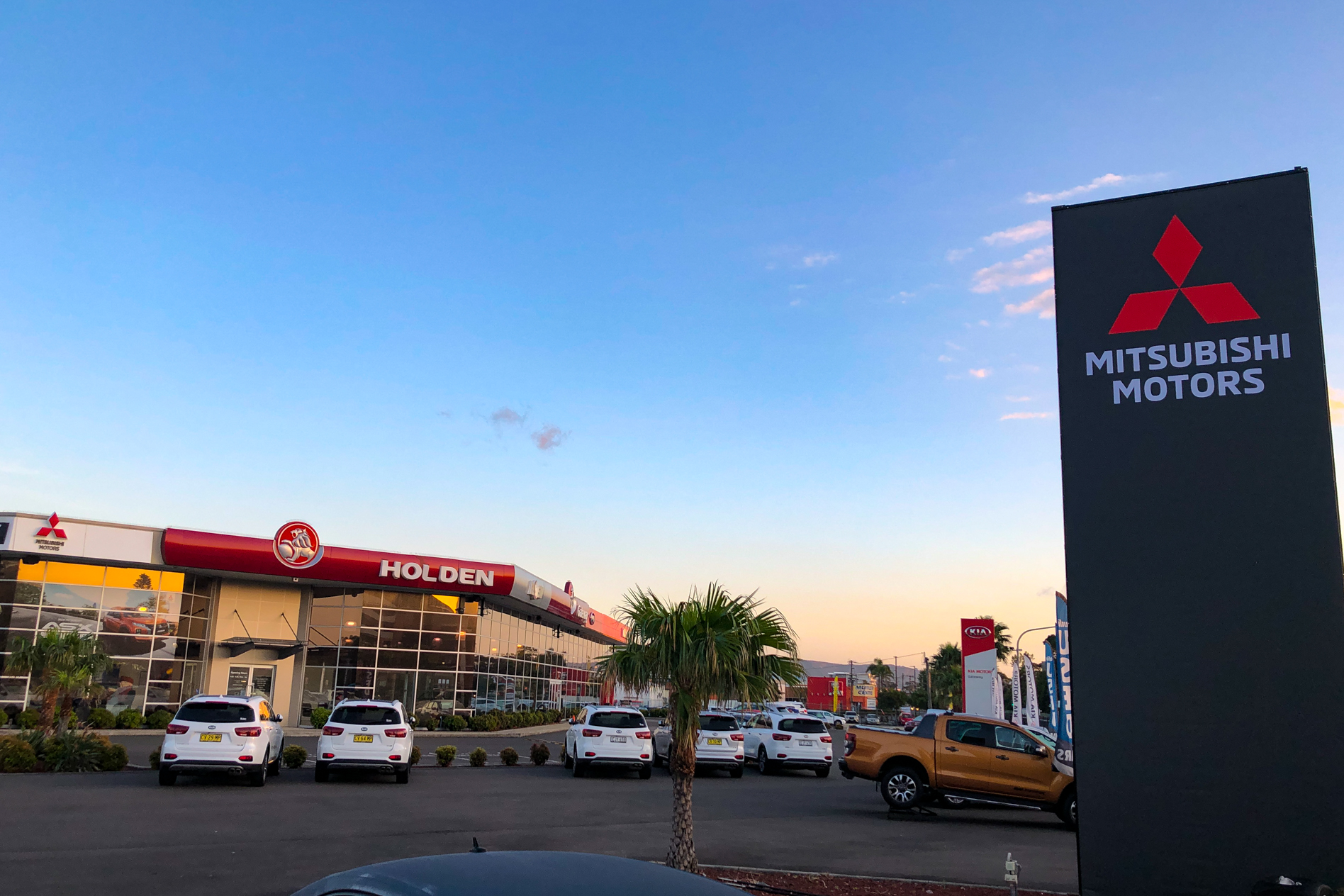
About half of the signage had already been removed before I got there, lying in a pile on the forecourt’s walkway. It wasn’t exactly intact, but it wasn’t totally destroyed, either.
A small team of tradies is stripping away more than 70 years of history with nothing more than a battery drill and a scissor lift.
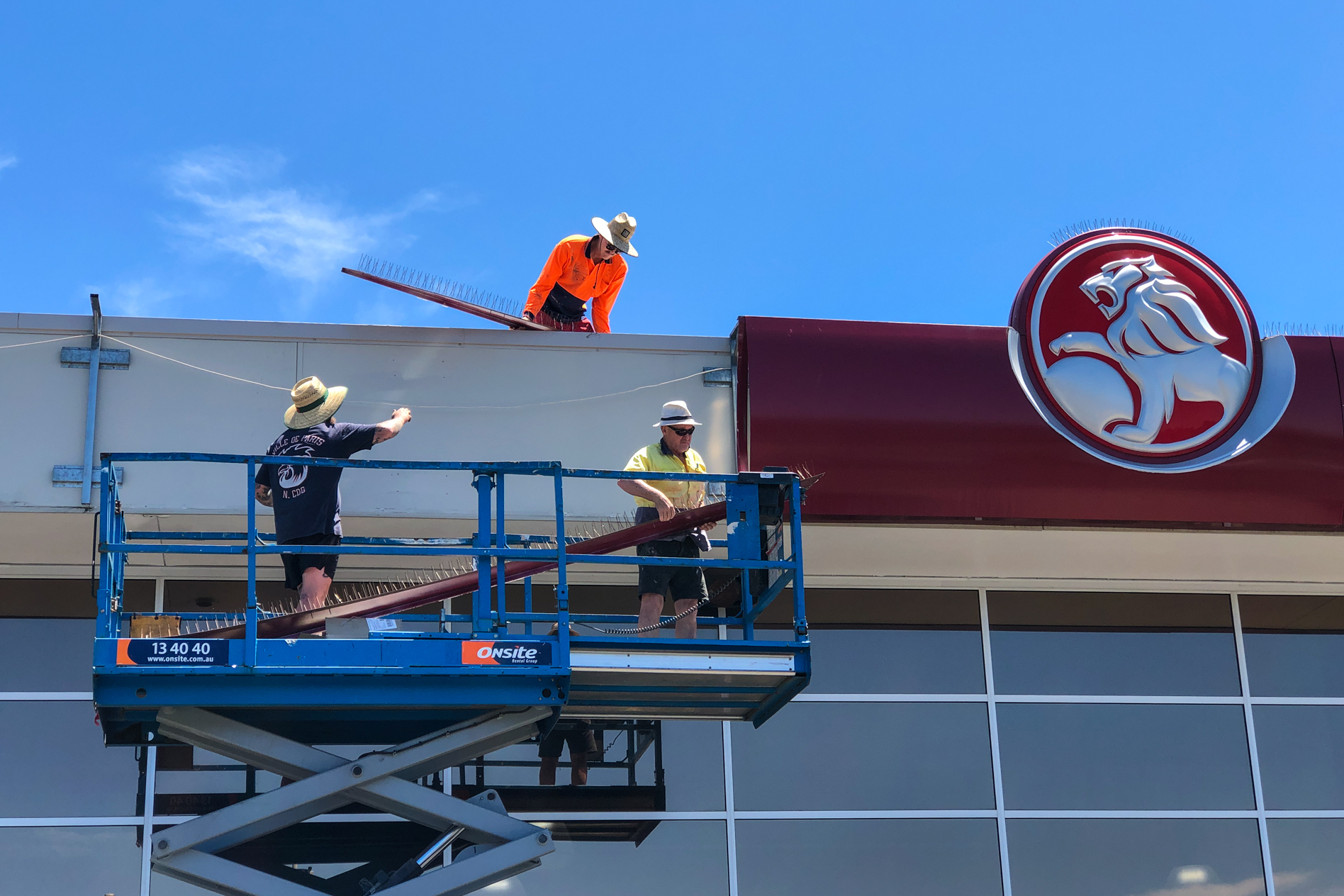
“Nah mate, sorry, you can’t have any,” says one, mistaking my greeting as a request to snaffle one of the signs.
I’m told by dealership staff that they’re all due to be “returned to Holden”.
I suspect they will be returned in much smaller parts than they currently exist in… if they are returned at all.
As the workers return to the job at hand, an older bloke dressed in a Triple Eight Racing shirt and smoking a roll-up stands on the sunny forecourt – now crowded with new Kias and Mitsubishis – watching intently.
“Australia died in 2017,” he says to me darkly, sidling up for a chat. “My friends and I got tee shirts that mark the date, complete with two bullet holes in ’em.”
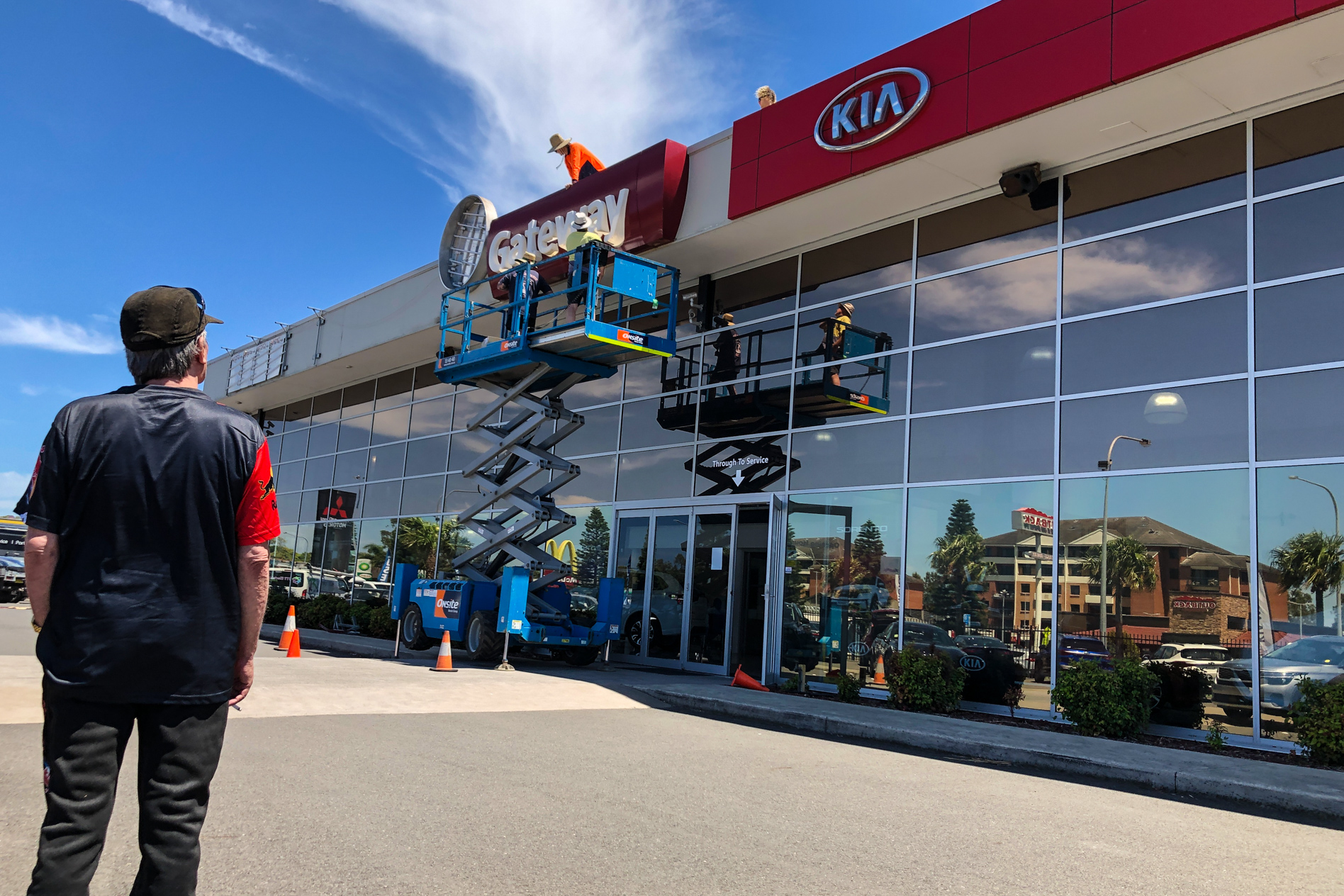
Turns out my new Commodore-owning friend used to work for Holden, building cars at its Pagewood plant, barely 10 kilometres from the centre of Sydney, until its closure in 1980.
It’s now a huge shopping centre, though some remnants are still visible to the trained eye.
“Some of the car parking is still there,” he says, “and there’s still the six huge trees where we used to sneak off for a cigarette.”
His memories of the closure on August 29 1980 aren’t exactly rose-tinted. “They screwed us while we worked there, so we screwed them on the last day,” he laughs. Only he didn’t say ‘screwed’.
“The management just left at the end of the day, and didn’t say a word.”
Records suggest that a large black cross with RIP carved into it was hung on the gates of the factory on that last day, while unions ran wildcat actions to prevent machinery from being transferred to other plants.
Interestingly, once management and unions nutted out a deal, the reduced workforce churned more cars with fewer problems in the plant’s last two years than it ever had previously.
Against a sunny sky, the workers are dissembling the signs in double-quick time, bringing each piece down in the scissor lift and spiriting them away.
No one in the dealership itself is particularly concerned by the occasion.
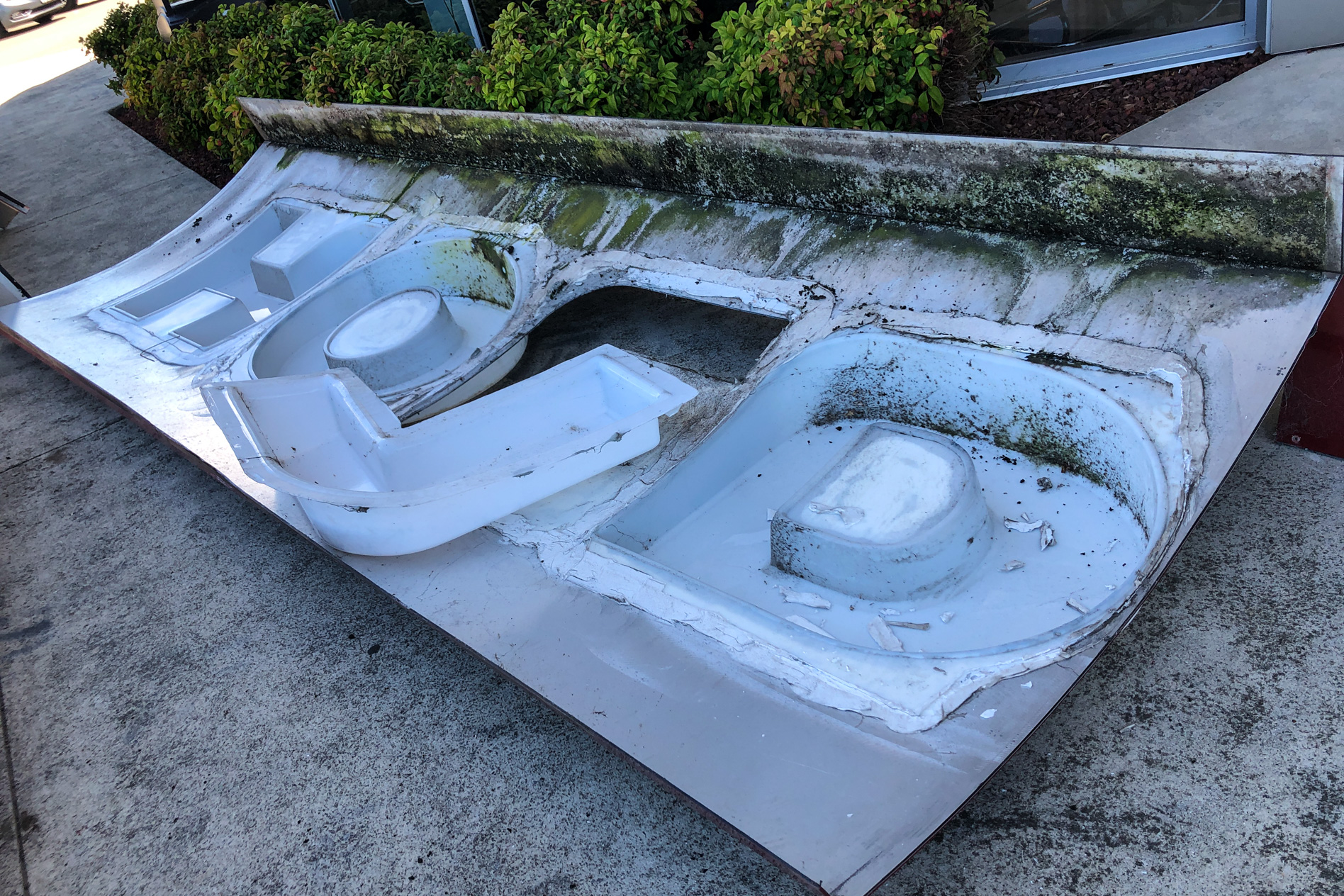
“We sold our last Holden months ago,” a salesperson shrugs. “Be good to have a few more Colorados – the discounts on those were huge.”
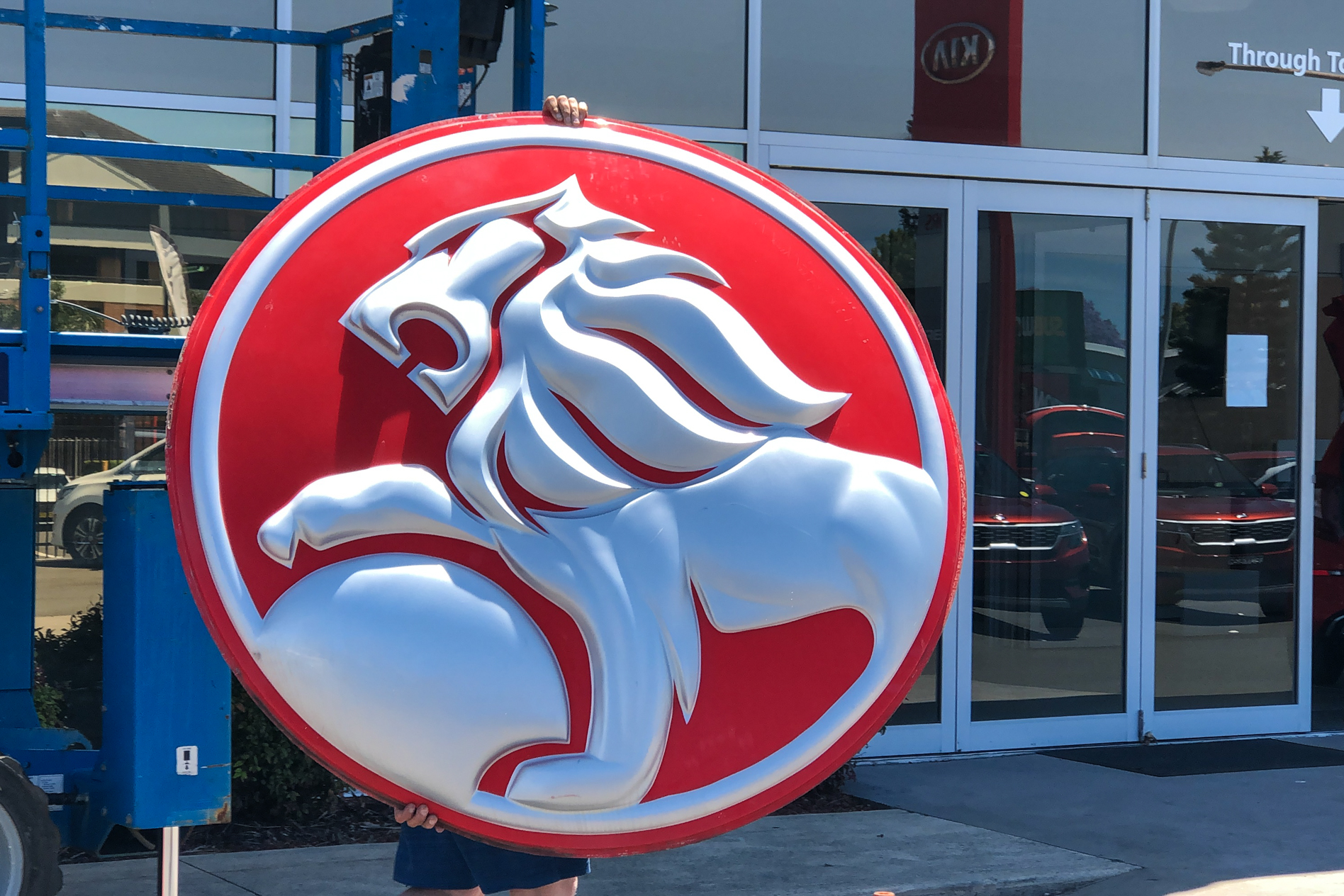
The last piece to come down from the dealership roof is the endearing symbol of the brand, the lion and stone rondel.
It’s matured and changed a little over the years, and the relatively recent reboot attempt of the Holden brand means that the sign itself is still vibrant and colourful – not at all like the last relic of an iconic Australian company that is quietly fading out of existence.
My new friend sighs almost imperceptibly as the big rondel, free of its mounts, is caught by the spring breeze, fluttering for a moment before being loaded into the scissor lift.
It’s as if it knows its fate is to be, at best, hung in a collector’s shed for the rest of its days, never to see sunlight again.
General Motors will still have a presence in Australia, but Holden is slipping away in front of our eyes. And it’s only the faithful that are marking its passing.
“Such a damn shame,” remarks my Holden friend as the scissor lift is packed away. “Such a waste.”
I can’t help but think he might be right.
Both the car-buying public and manufacturers are finding it difficult to connect with one another at the moment.
While we all still need each other, WhichCar has taken the initiative to set up this page here to share some of the deals that manufacturers are running.
This page will be continually updated in an effort to keep on top of current deals and promotions car makers are offering in Australia.
This page was updated Thursday 5 November 2020.
The prices shown in this story have been researched via manufacturer websites and were correct at the time of publication. This story offers no guarantee of price or ability to supply at an indicated price.
Alfa Romeo
Giulia
Alfa Romeo’s eye-catching Giulia isn’t selling as well as the company hopes, so it’s got a few specials on to hurry things along. The (MY19) Giulia Veloce is now $72,900 driveaway, down from $72,900 (before on-road costs).
Stelvio
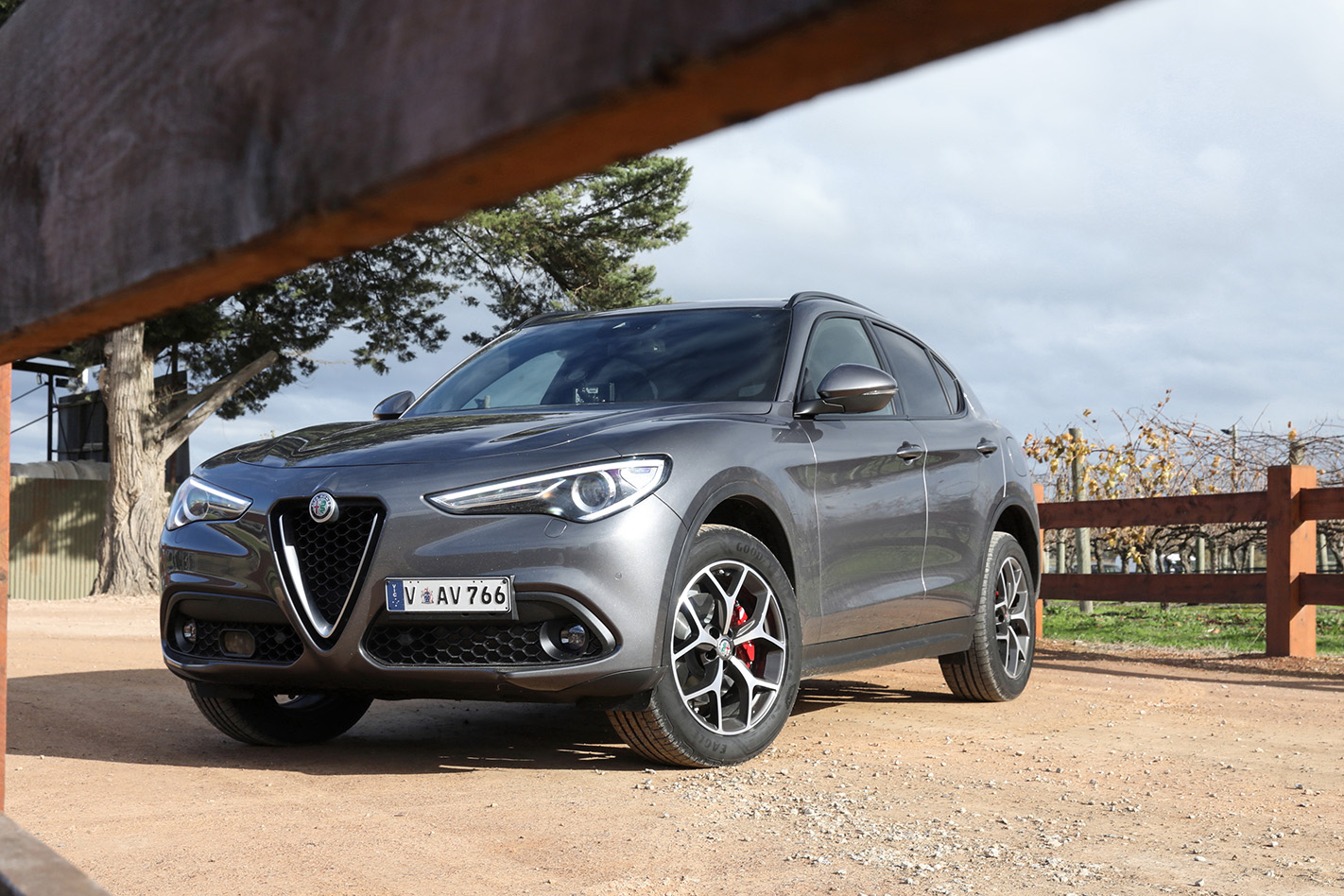
Demo versions of the diesel version of Alfa Romeo’s five-seat, five-door SUV is now priced from $49,900 driveaway. Granted, these models might be from a 2018 or 2019 model year but that’s a cracking deal nonetheless. The cool Veloce pack which brings sporty wheels and blackened trim pieces is $2000 extra.
Demo versions of the Stelvio Ti are now from $60,900 driveaway, down from $78,900 (before on-road costs)
Audi
Audi has created an online sales portal in which you can browse its current stock (at driveaway prices) nationwide.
Otherwise, nationwide, Audi is running a deal on its SUV models which includes free on-road costs (a significant saving already), a five-year warranty and free servicing for up to five years or 75,000kms – whichever comes first. Search for stock on Audi’s website.
BMW
X5
BMW is offering the X5 xDrive30d M Sport at $119,900 driveaway, instead of roughly $130,000 after on-road costs. Use that extra $10k+ to add in a few extra option packages, we reckon.
1 Series
The entry-point to the 1 Series range is on sale now for $49,900 driveaway, including M sport package as standard.
X1
X1 sDrive18i is discounted to the same $49,900 price, with further incentives like guaranteed value and scheduled servicing available if purchased on finance.
3 Series
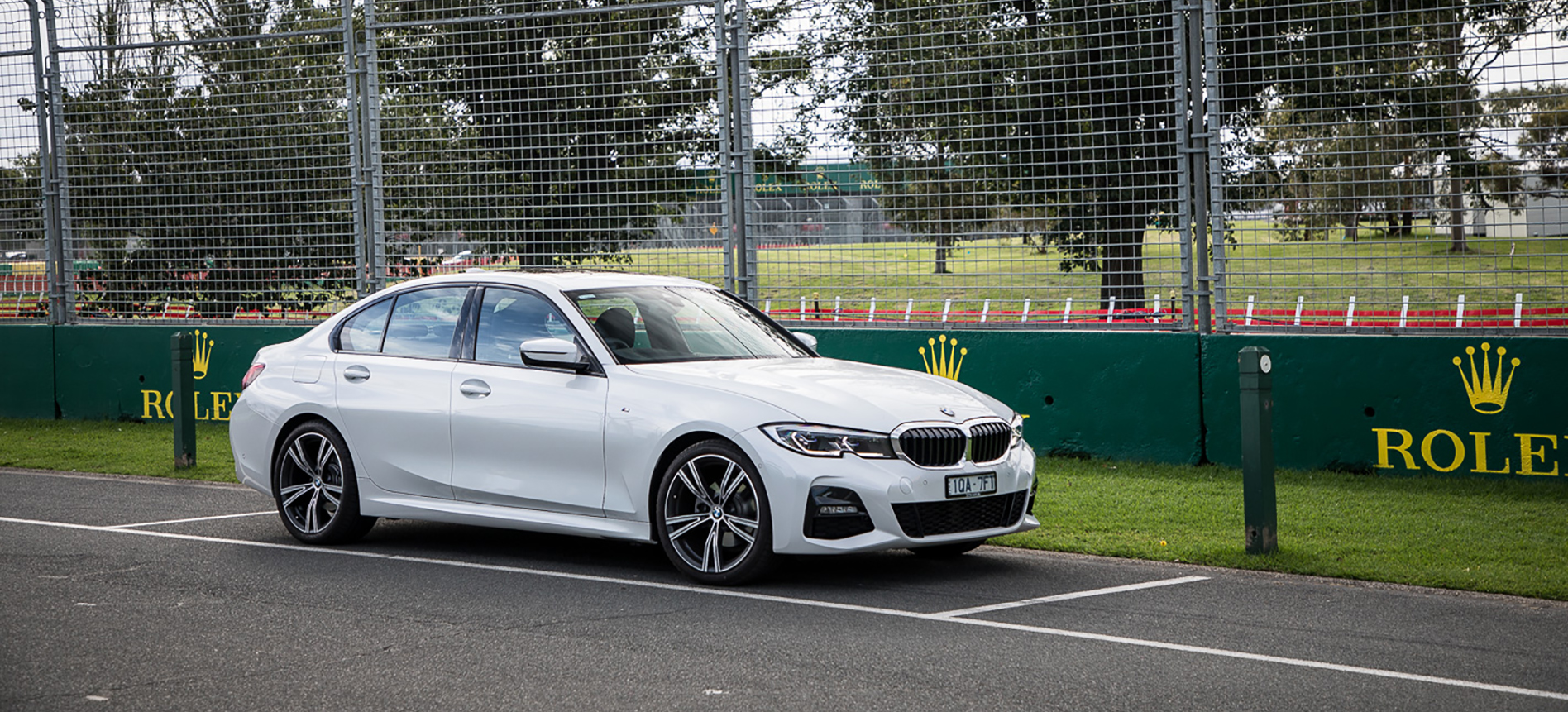
The entry-point to the much-loved 3 Series range, the 320i, is on sale for $72,900 driveaway. That’s a saving of at least a few thousand dollars, depending on your state. With a swathe of equipment as standard and a strong 2.0-litre engine why spend more?
X3
You can go SUV for a similar price as above, with the X3 sDrive20i currently discounted to $69,900 driveaway. Incentives are offered if purchased on finance.
Fiat
Abarth 595
In addition to a discounted driveaway price of $28,450 (ABARTH 595) and $33,450 (ABARTH 595 COMPETIZIONE), FCA Australia is offering a $500 bonus to existing customers.
500X
Fiat’s high-riding 500X Pop is now $29,950 driveaway, the Amalfi special edition is now $34,450 driveaway and you’ll even get $500 off if you’re a repeat Fiat customer.
Abarth 124 Spider
After months of discounting, Abarth has nothing in store for the 124 Spider this month.
Ford
Everest
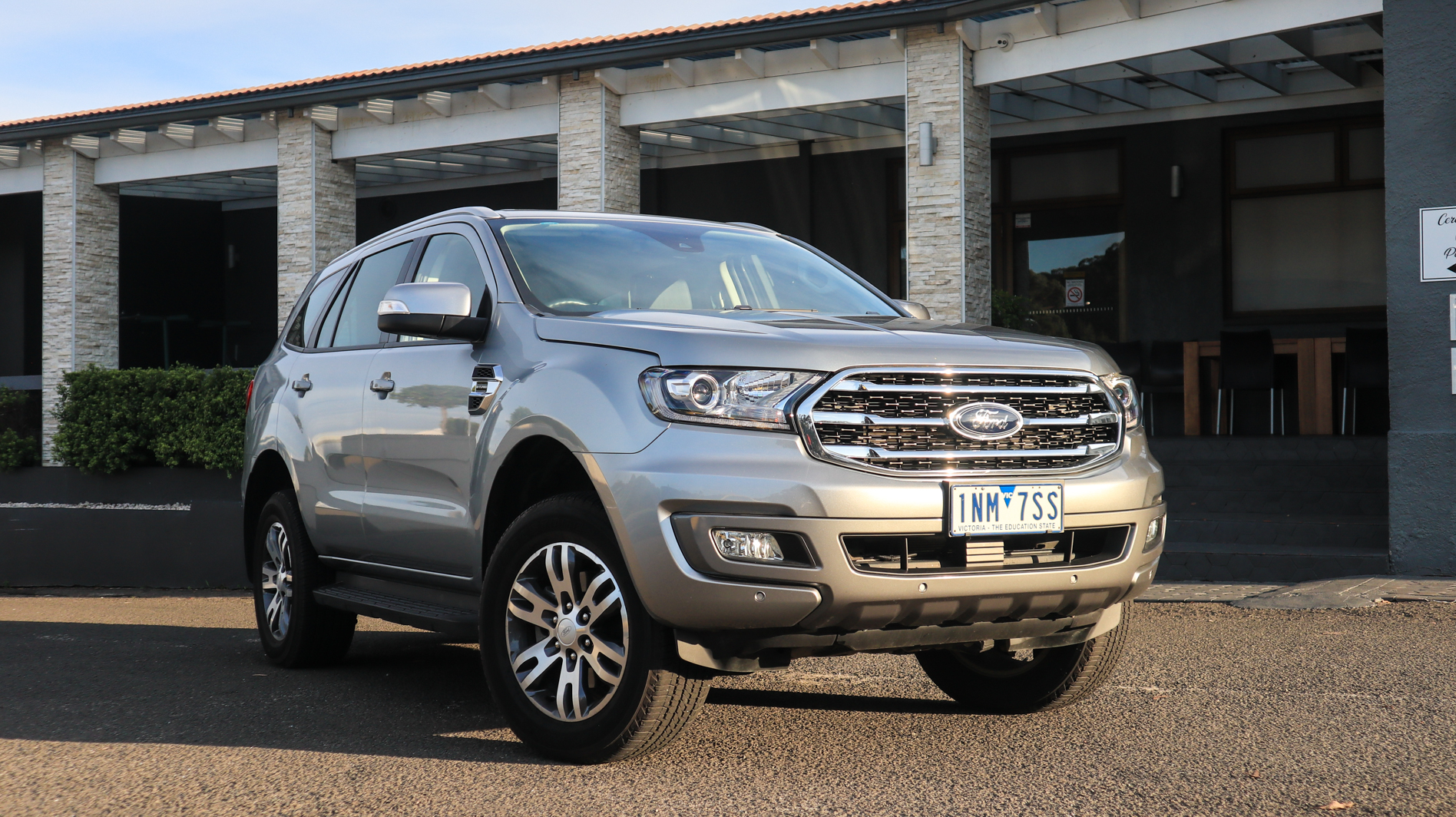
Ford’s seen fit to sell its off-road-ready Everest at a discounted price in four specifications. You can get the Everest Trend RWD for $55,990 driveaway, Everest Trend AWD for $61,990 driveaway or the black-out special edition MY2020.25 Everest Sport for $64,990. The Everest Titanium AWD bi-turbo diesel is also on sale for $71,990.
Endura
Ford’s newcomer to its SUV range, the family-focused Endura, is on sale in a number of guises. You can now get the FWD Endura Trend for $43,990, the FWD Endura ST-Line for $52,990 and the FWD Endura Titanium for $62,990. All prices driveaway.
Escape
Ford is running a series of driveaway prices on its brand-new Escape. The standard Escape is $36,490, the Escape ST-Line FWD is $38,990 driveaway and the Escape ST-Line AWD is $41,990 driveaway. It’s worth noting that Ford will give you a $500 bonus if you test-drive the car.
Puma
Ford’s baby SUV also gets driveaway pricing, $31,990 driveaway for the base car, $33,990 for the Puma ST-Line and $36,990 for the ST-Line V.
Ranger
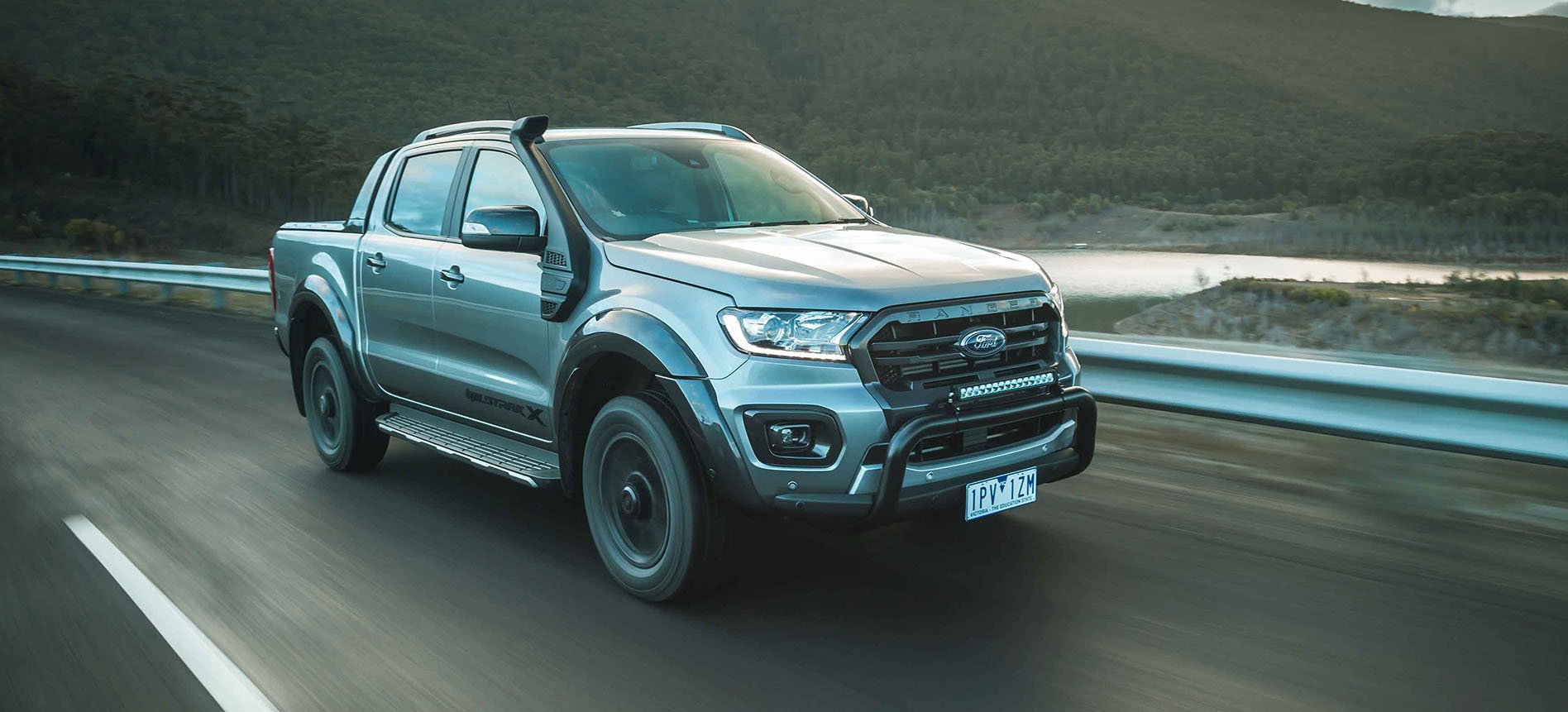
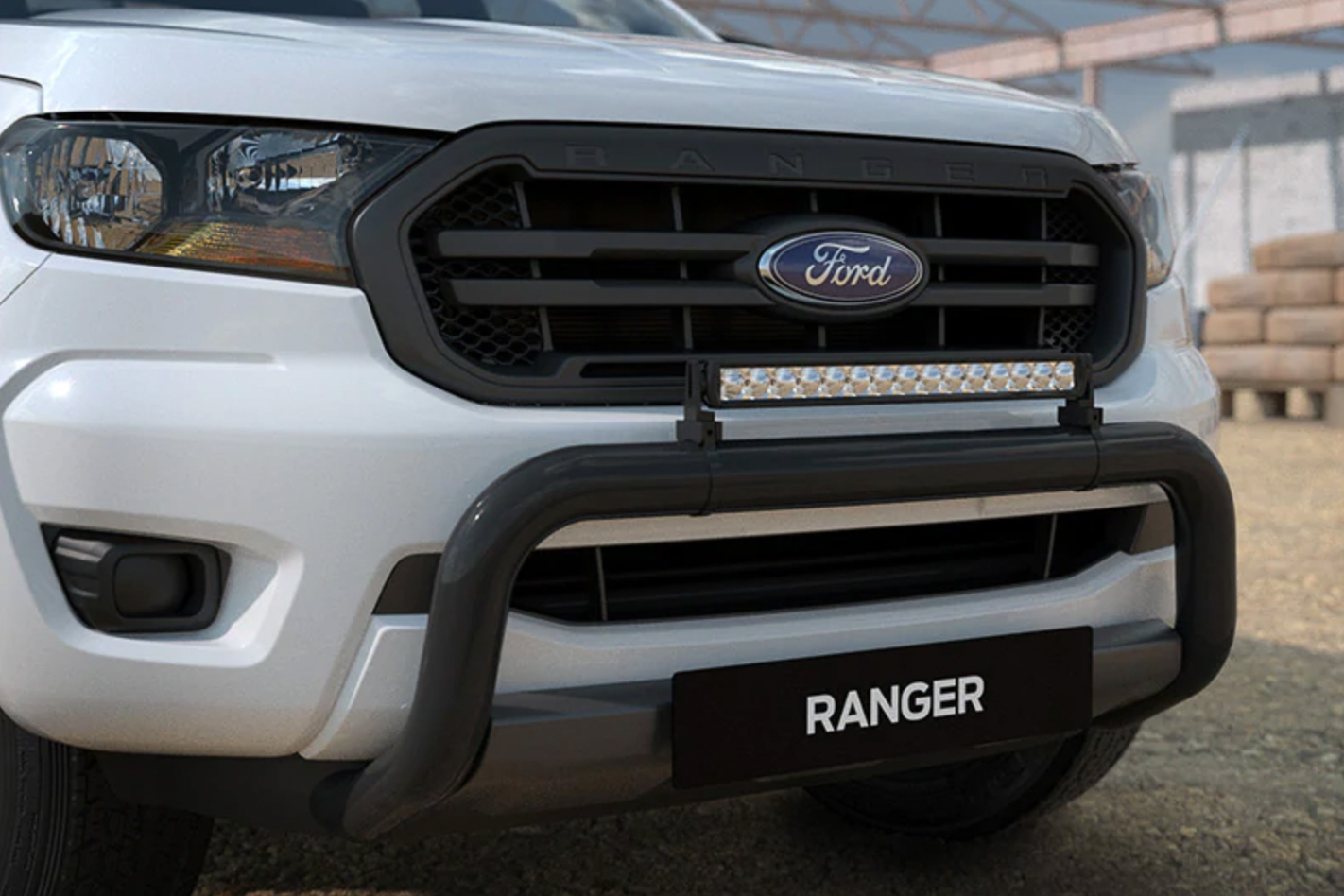
Ford has accelerated deals on Ranger this month, presenting a number of dual-cab ute models at a discounted rate. Most of them are all dual-cab versions and all are 4×4. Rangers like the XLS, Ranger Sport and Wildtrak are discounted to $46,490 driveaway, $49,490 driveaway and $65,490 driveaway, respectively.
Focus
Still a fantastic car to drive and packing loads of equipment, Ford is pushing a deal on its Focus small hatch that now sees it at $27,690 driveaway in Trend automatic guise, $30,690 driveaway in ST-Line spec and $31,690 driveaway in the rugged Focus Active specification.

Great Wall
Steed
A lot of ute for the money, even more so now that Great Wall is offering the Steed in dual-cab 4×2 Petrol form or the single-cab 4×2 diesel for just $19,990 driveaway.
Hyundai
Venue
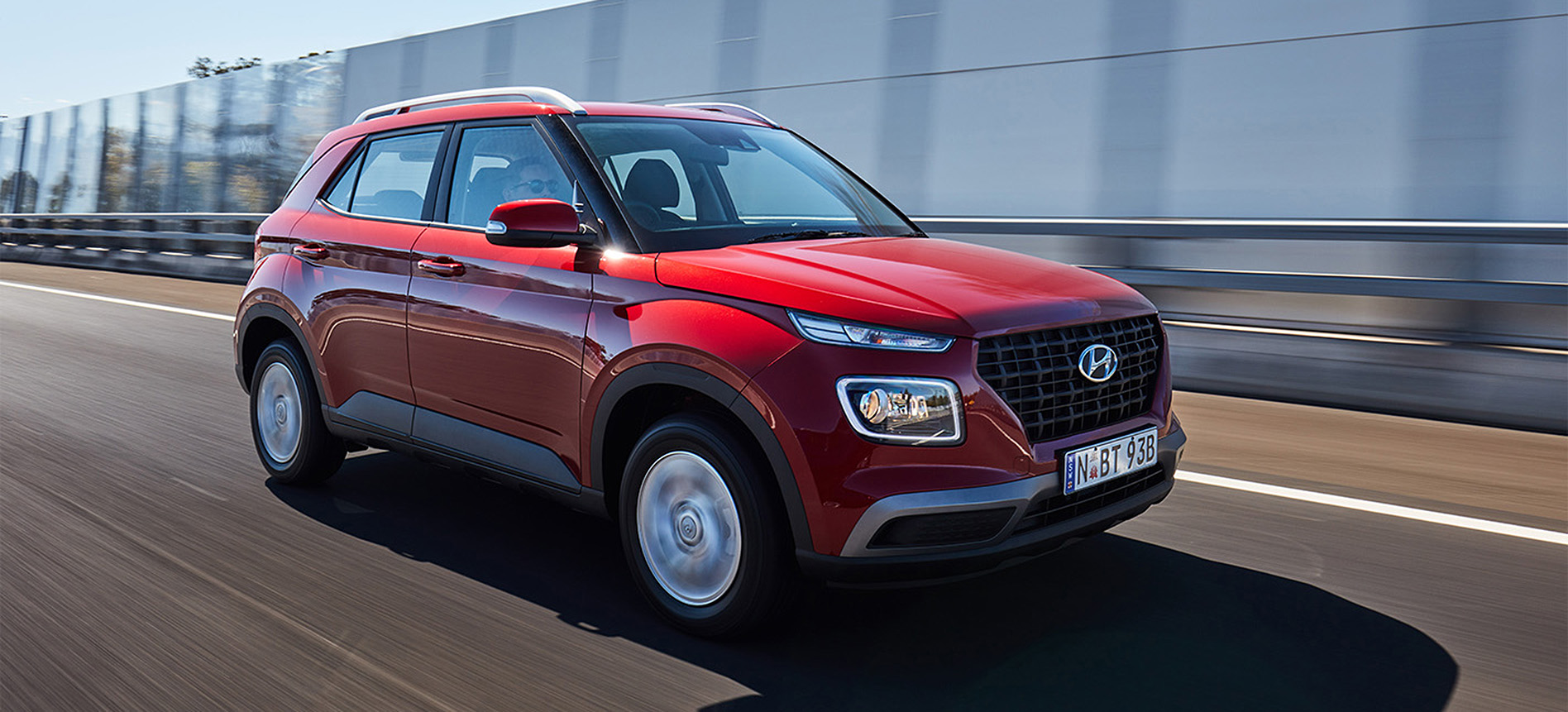
Hyundai’s smallest SUV packs a convincing package and is now on sale in various guises; Venue Go (from $22,690), Venue Active (from $24,700) and Venue Elite (from $29,240). All prices are driveaway, with manual gearbox cars being cheaper.
Kona
A step up in terms of size and spec, the Kona is now $26,490 driveaway for the automatic Go while bonus discounts of $750 are available for the rest of the range.
Tucson
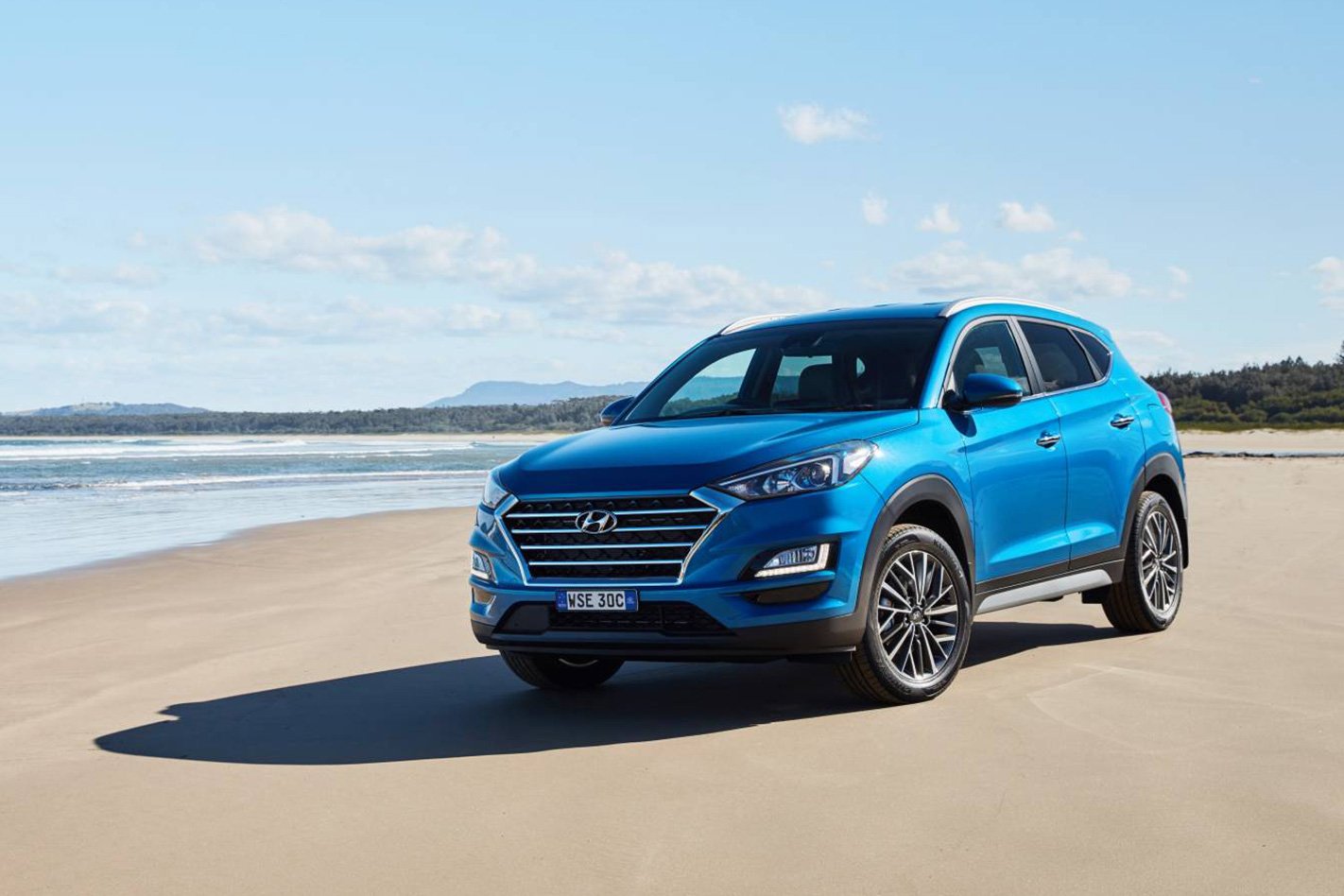
Current-gen mid-size SUV hero is winding down while its replacement is readying up, which is good news for buyers as prices are low across the range. Tucson Active starts from $29,990 driveaway and Tucson Active X starts from $32,990 driveaway.
Santa Fe
Spend $42,990 and you could be driving away in a 2WD petrol Santa Fe Active. Step up to the all-wheel drive version for $46,990 driveaway or get a $2500 bonus on Active X specification.
i30
There’s not much to dislike about an i30, with sales across the board there’s more reason to buy one now than ever. It’s now $23,990 for the i30 Go automatic, i30 Active is $25,990 in automatic trim and a base model i30 Go manual is $21,990. All prices driveaway, visit Hyundai’s website for more deals and information.
Elantra
Another car on its way out in favour of a new-generation is the Elantra which is now $21,190 for Elantra Go manual, $23,490 for Go auto and $26,490 for Active auto. Prices have remained low on this car for some time; find out how much stock they have and then bargain hard from there because its replacement is on sale now.
Isuzu
D-MAX
The D-Max’s hard-earned reputation is now more affordable, with some crew-cab and single-cab chassis models on offer. Look for discounts on the brand-new D-Max, which is already receiving driveaway offers.
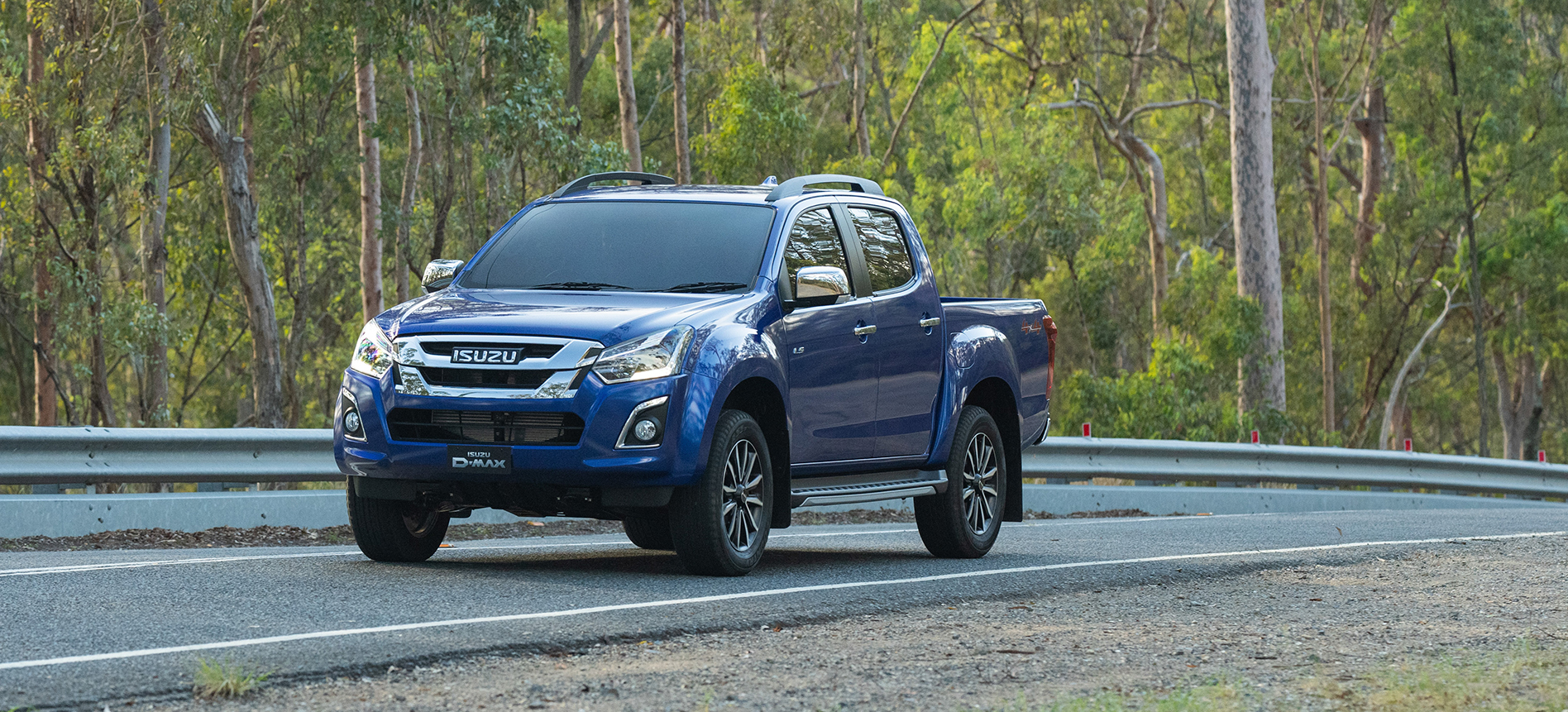
A D-Max 4×4 X-Terrain auto range-hero is now $58,990 driveaway and a 4×2 single cab SX auto is now $29,990 driveaway. Fewer offers on D-Max and MU-X this month than in months past.
MU-X
The D-Max’s seven-seater stablemate, a bunch of deals are available for the MU-X too. From the $40,990 driveaway MU-X 4X2 LS-M automatic to the $54,990 MU-X 4X4 LS-T auto, a number of discounted prices are available across the range. The next-generation model is well on its way, so bargain hard ahead of its arrival.
Jaguar
E-Pace – Jaguar is offering five year warranty on demonstrator vehicles across its range
F-Pace – Jaguar is offering five year warranty on demonstrator vehicles across its range
I-Pace – Jaguar is offering five year warranty on demonstrator vehicles across its range
F-Type – Jaguar is offering five year warranty on demonstrator vehicles across its range
XE – Jaguar is offering five year warranty on demonstrator vehicles across its range
XF – Jaguar is offering five year warranty on demonstrator vehicles across its range
Jeep
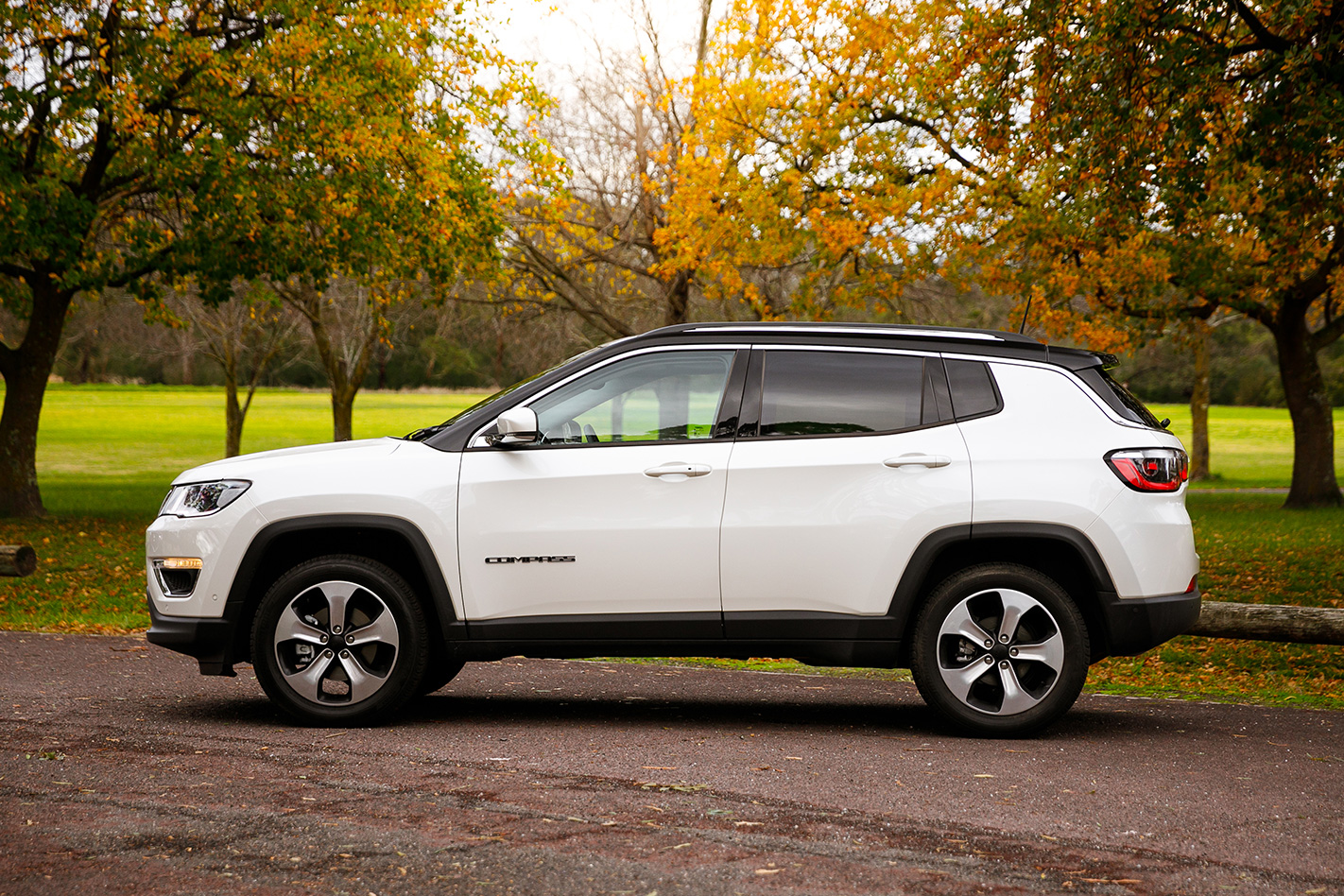
Compass
Kicking off a range of discounted Jeeps is the Compass Limited (with optional free diesel) which now costs $42,950 driveaway.
Cherokee
No discounts on Jeep Cherokee in August. Though, current Jeep owners are rewarded with $1000 off selected Jeeps, for their loyalty to the brand.
Kia
Kia has risen its driveaway deal pricing ever so slightly over the past month, roughly adding $500 to each of the models in its range.
Sorento
No driveaway deals on Sorento for this month, but Kia is offering a 2 per cent finance rate on the model.
Sportage
The Sportage is a great mid-size SUV for the money despite its age, the fact that the Sportage SX Petrol automatic is now $33,290 driveaway is icing on the cake. Further discounts across the range, check Kia’s website for more.
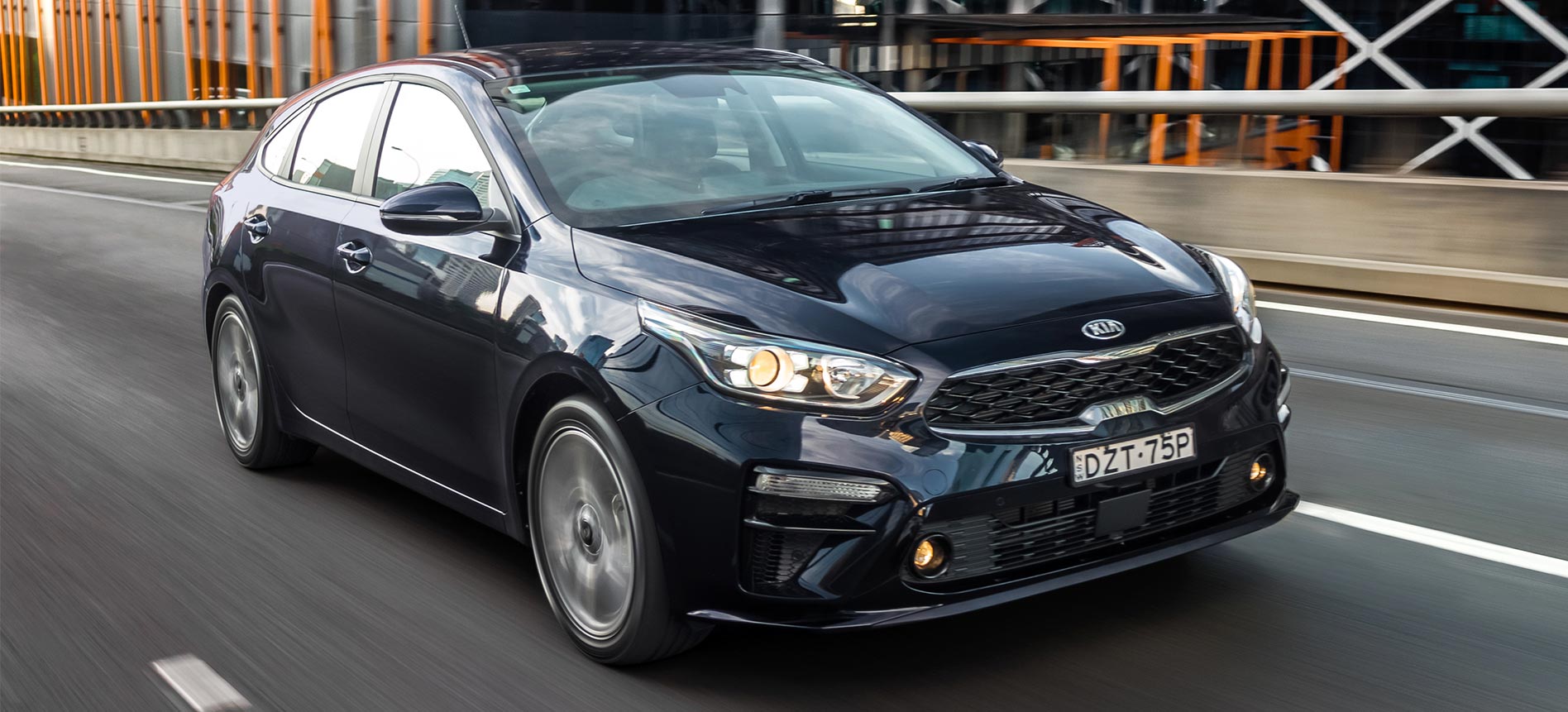
Cerato hatch and sedan
Both body styles are now available for $24,490 driveaway in Sport manual form.
Stinger
Finance deals are available across the range, so talk to your dealer to secure a better rate on Stinger.
Picanto
GT-Line manual now just $18,490 driveaway, there’s a reason the Picanto has survived so long in a shrinking market.
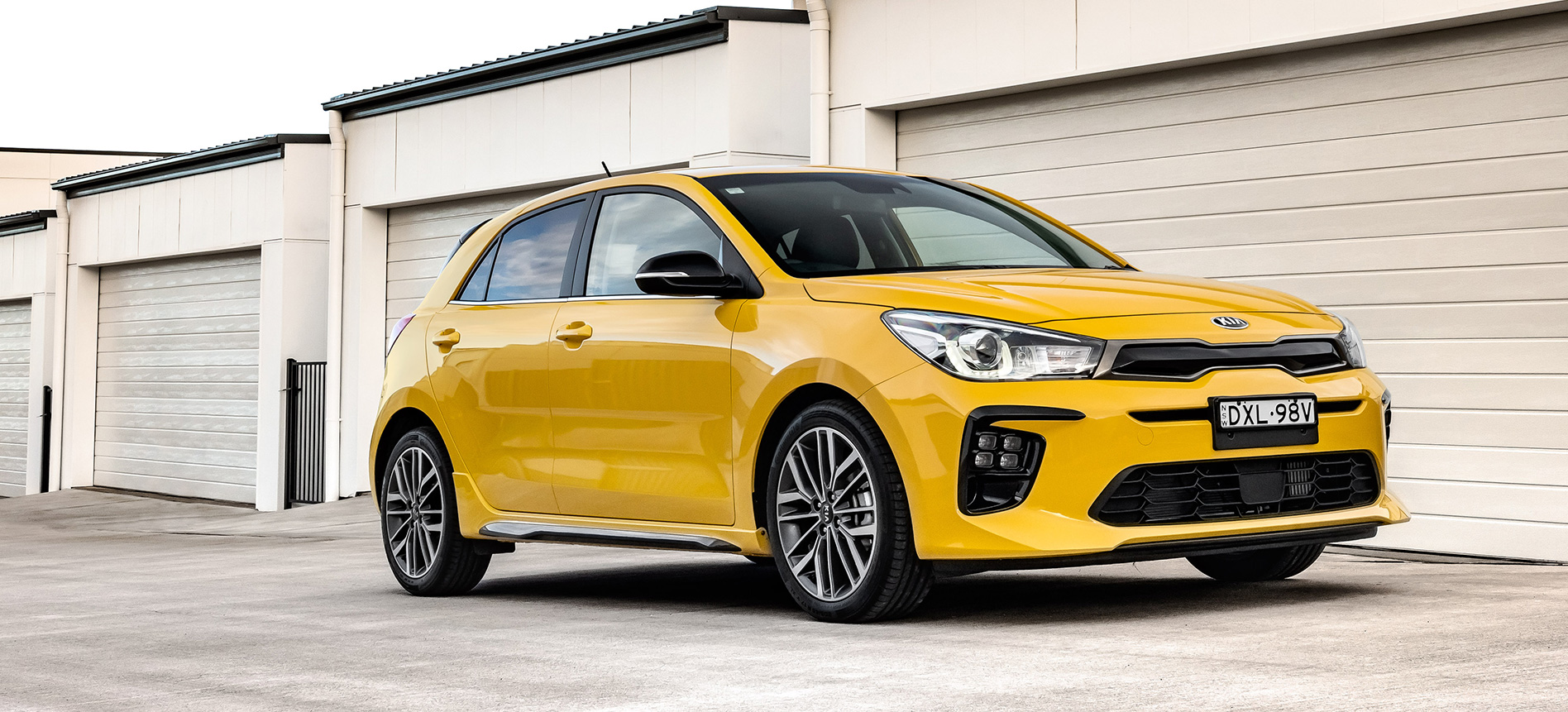
Rio
Kia’s old faithful is now just $21,490 driveaway for the Rio Sport manual.
Land Rover
Land Rover is offering five year warranty on demonstrator vehicles across its range.
Mazda
BT-50
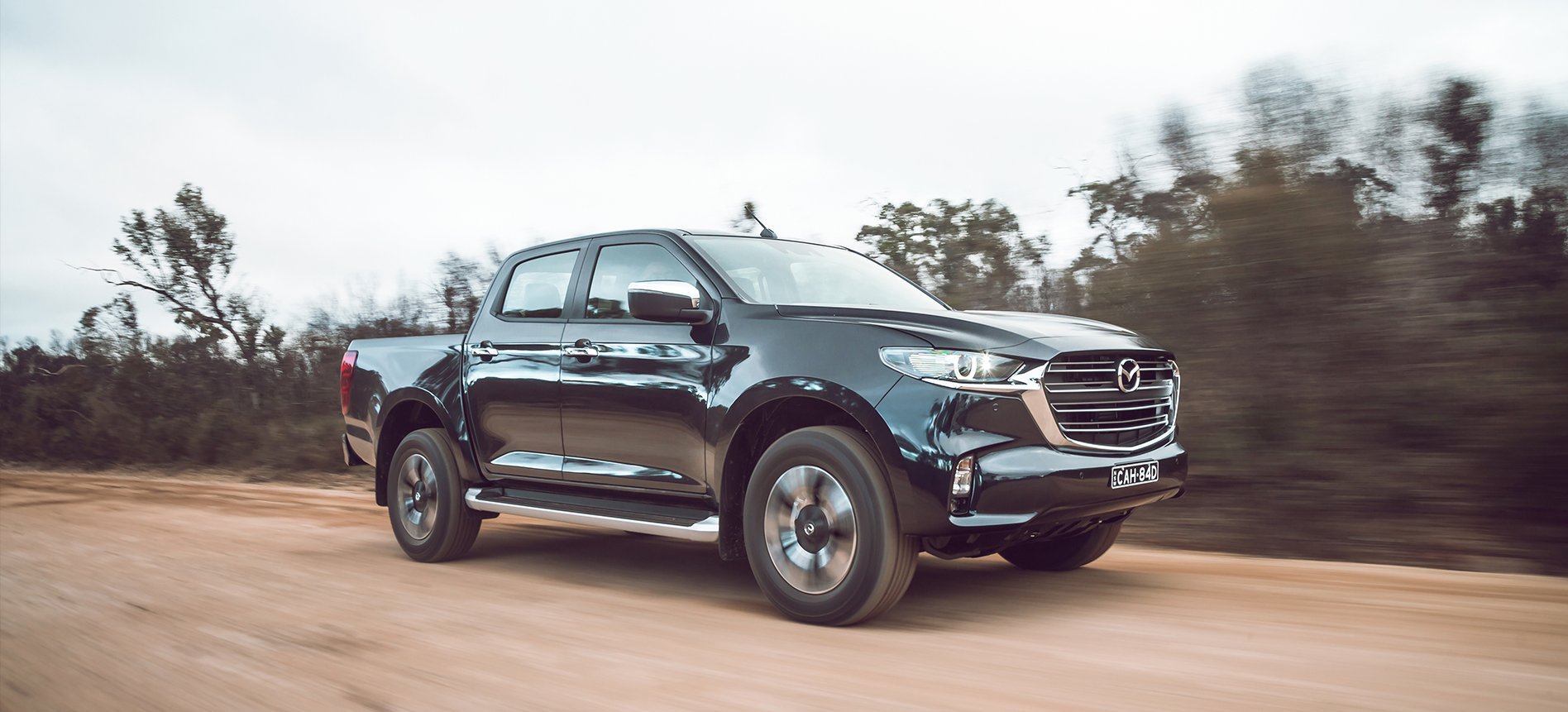
Mazda’s got a number of driveaway deals on the new BT-50, the BT-50 dual-cab 4×2 XT is $45,990 driveaway, the BT-50 4×4 dual-cab XT is $50,990 driveaway and the top-level BT-50 4×4 GT is $56,990 driveaway.
Mazda 2
The Mazda 2 looks good, feels nice inside, and is more fun to drive than most city cars. It’s now available at $21,990 driveaway for a Pure spec hatch, $25,490 for an Evolve hatch or a GT spec costs $26,990 driveaway in sedan or hatch body styles.
Mazda 6
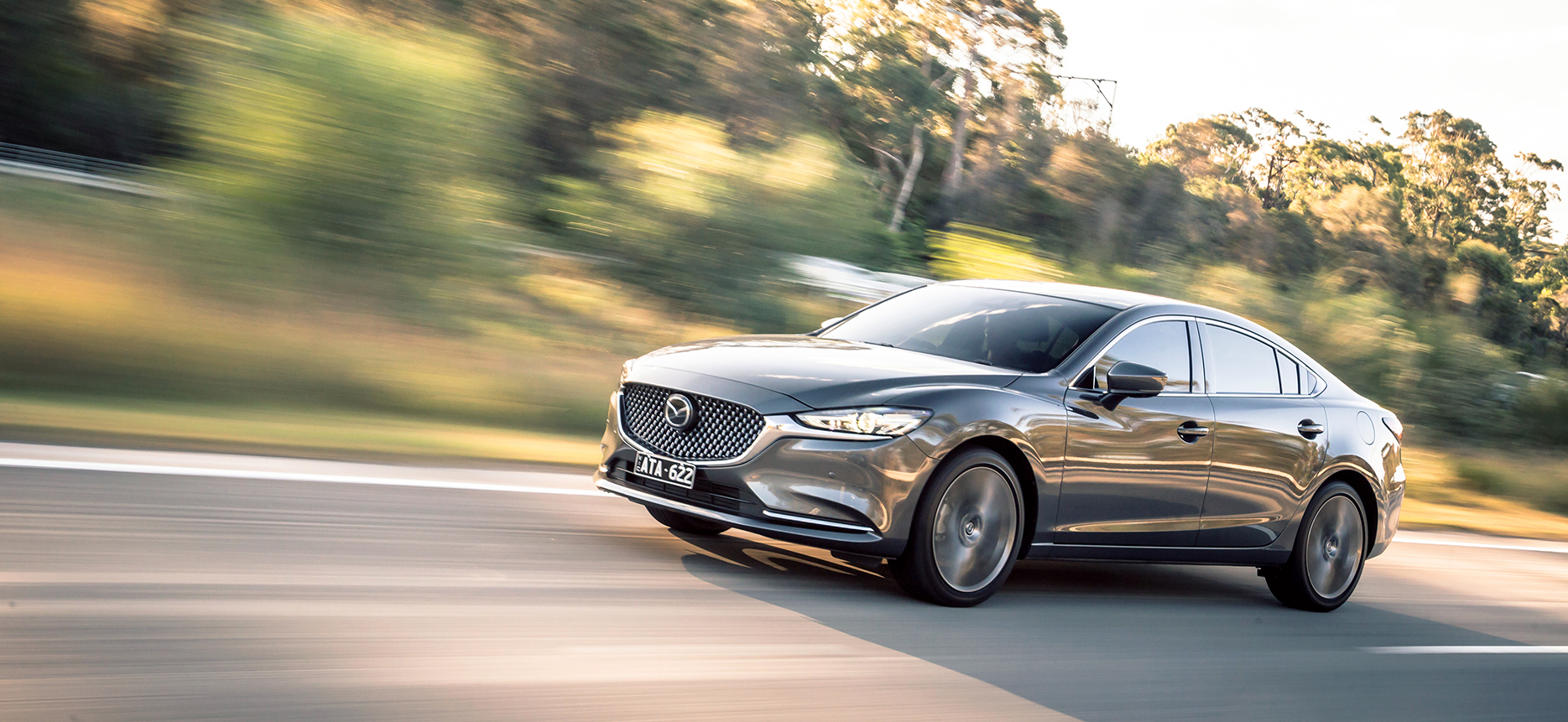
Just because the market is no longer interested in sedans doesn’t mean you can’t like them! That said, Mazda is unwilling to offer a discount on the Mazda 6 this month after a few months of lowered prices.
CX-3
Sharp pricing for a small SUV is crucial to keep market share these days, what with the segment gradually increasing in size throughout 2020. The CX-3 Neo Sport is $24,990 driveaway and the Maxx Sport is now $27,490 driveway.
CX-5
Segment hero CX-5 is on-sale in a number of guises. Front-wheel drive Maxx is now $32,990 driveway, all-wheel drive Touring automatic is now $43,740 driveway and range hero Akera AWD turbo petrol is now $54,240 driveway. Check the site for the full range of discounts.
CX-8 and CX-9
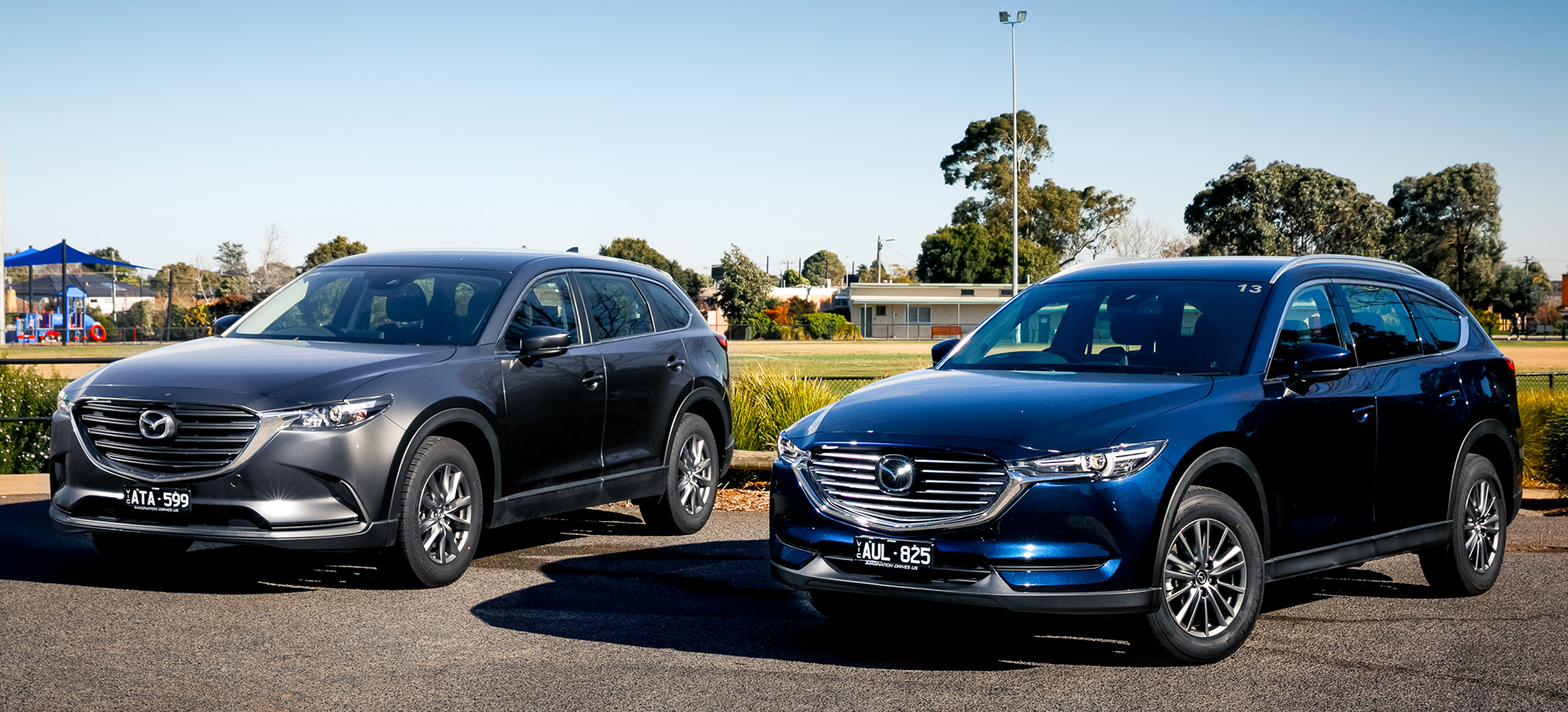
The entry-level CX-8 Sport is now $41,490 driveaway, while the AWD diesel version is $48,490 driveaway. Mazda’s marginally bigger CX-9 starts at $45,990 driveaway for a Sport variant, and rises to the GT spec which costs $61,990.
Mitsubishi
Triton
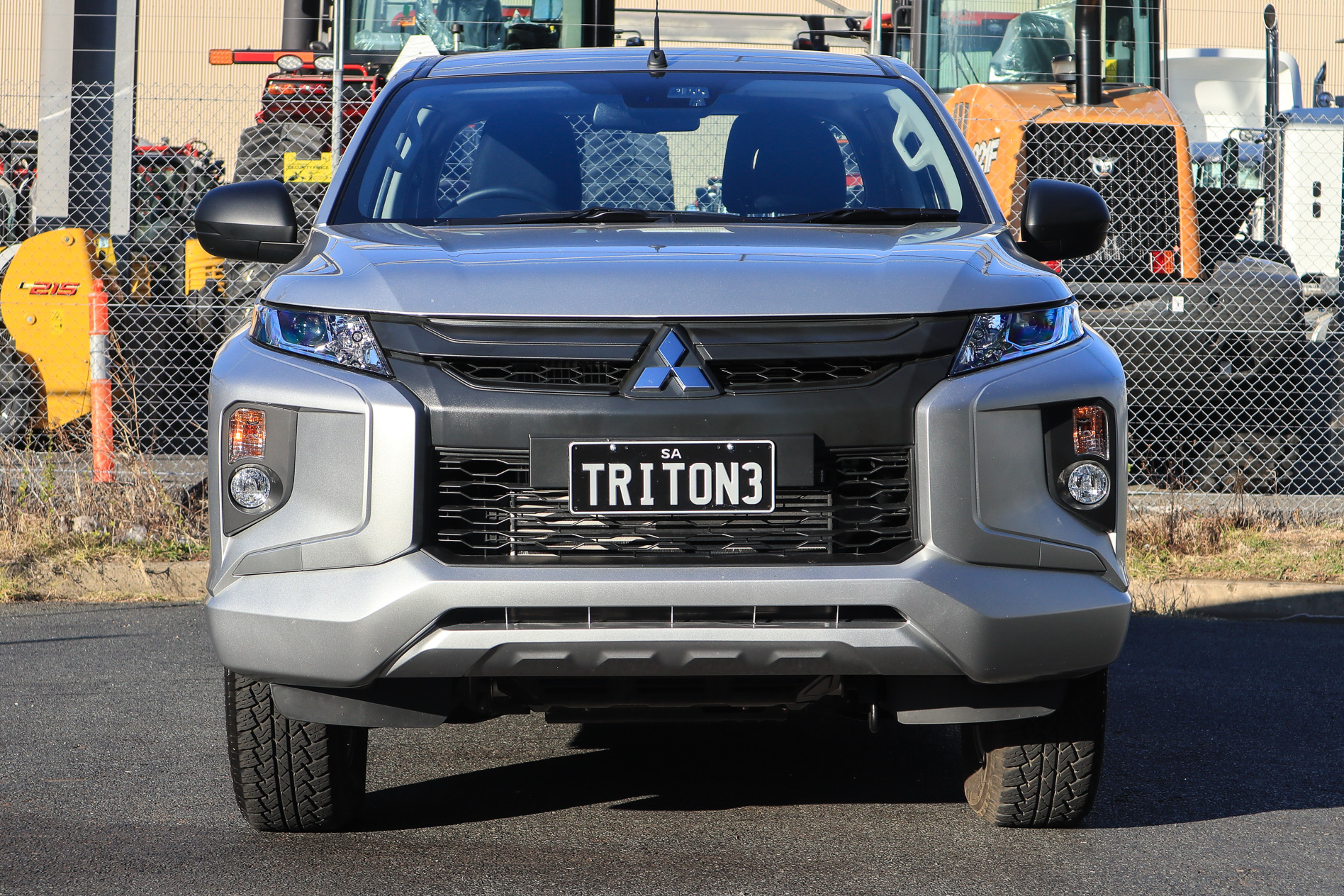
New-faced Triton is discounted, from the entry-level $36,990 4×4 GLX dual-cab manual to the big boy Triton GSR 4×4 dual-cab auto for $56,490.
Mirage
Mitsubishi no doubt frantically trying to offload pre-facelift Mirages before the new cars start rolling in, like the $16,490 driveaway ES automatic.
Pajero
Ridiculously old but no less capable, the Pajero is now $51,490 driveaway for the GLX, $58,490 driveaway for the GLS and $61,990 driveaway for a leather-equipped GLS.
Pajero Sport
Various deals available on the off-road capable Pajero Sport, starting out at $45,990 driveaway for the 4×4 GLS automatic five-seater right up to the Pajero Sport EXCEED 4×4 seven-seater for $59,990.
Outlander PHEV
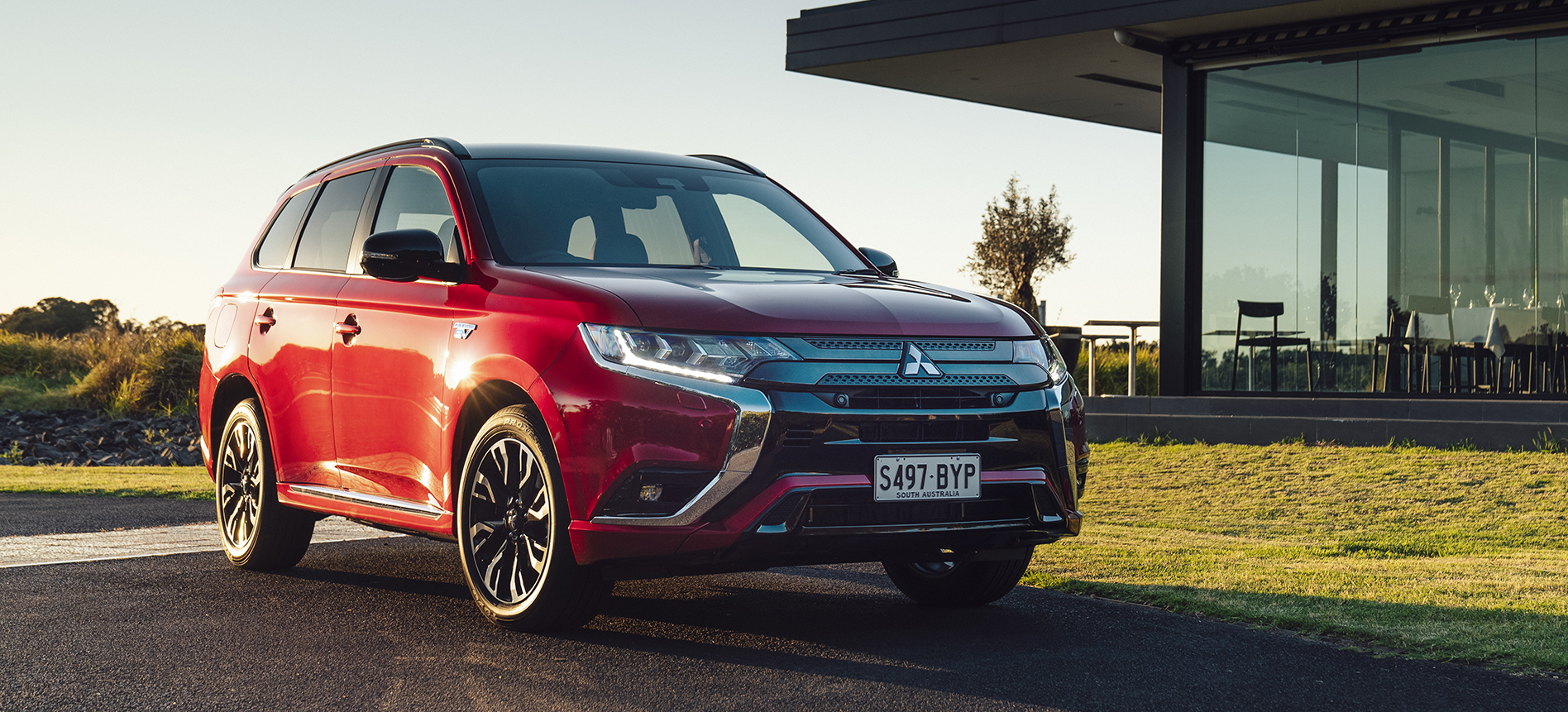
There’s great deals to be had on the MY21 Outlander PHEV. Outlander PHEV ES is $51990, Outlander PHEV GSR is $56,490 and Outlander PHEV ExCEED is $60,990. All prices are drivewaway.
Eclipse Cross
A quiet achiever of Mitsubishi’s, the Eclipse Cross is now starting at $29,990 driveaway for an ES 2WD auto but we’d opt for the more affordable ASX. That said, you could get a good deal on Eclipse Cross ahead of its successor’s arrival.
ASX
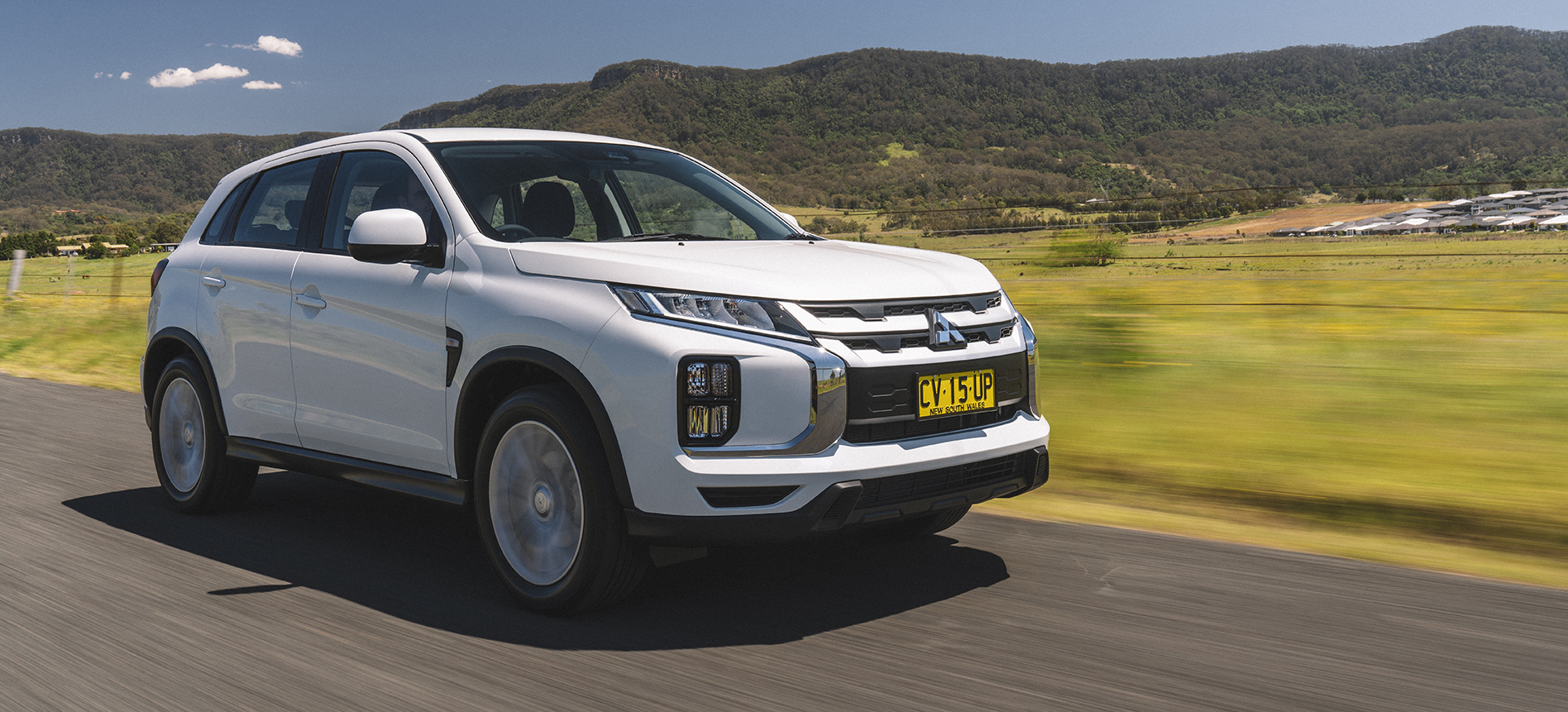
Recently refreshed ASX (below) now starts at $24,990 driveaway for an ES 2WD manual, moving up toward the ASX EXCEED for $36,490 driveway. Check the website for deals on the rest of the range.
Nissan
Navara
Nissan is headlining a month of deals with the Navara N-Trek Warrior which is $67,290 driveaway. Plenty more deals on Navara this month so head to the website to for further information.
Leaf
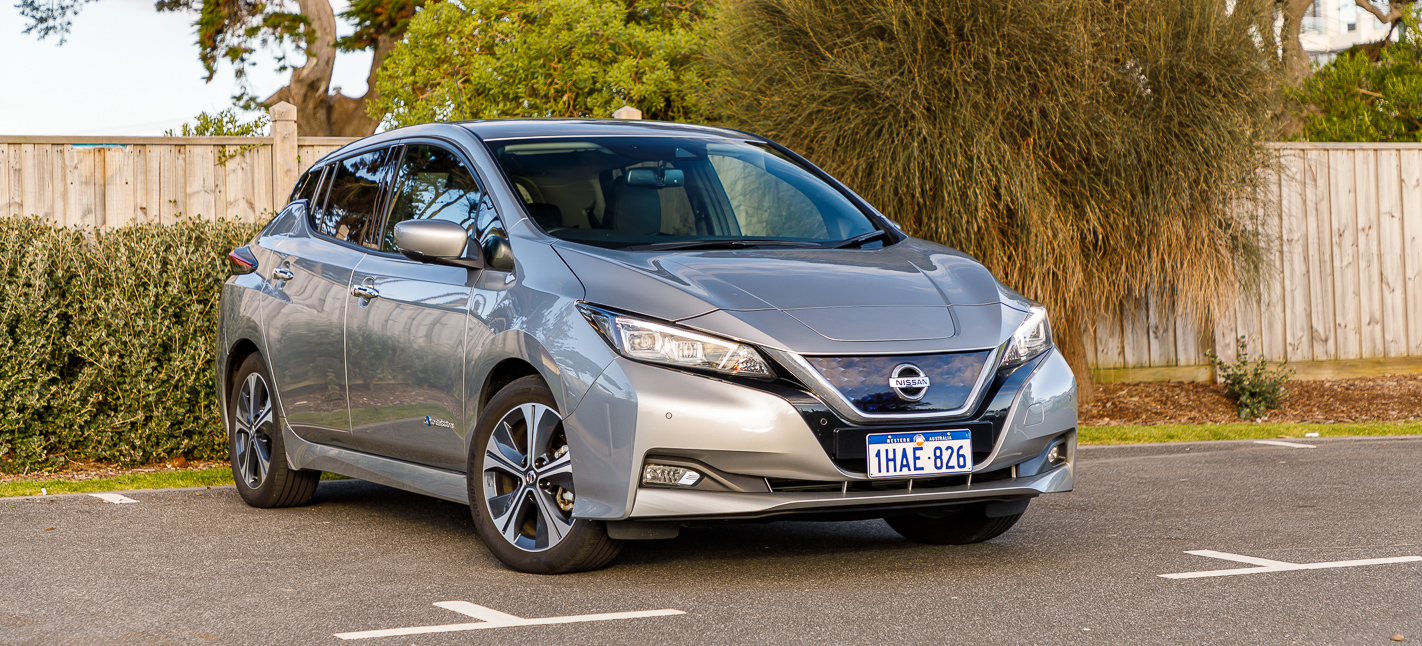
If there is one thing that could help EV reputations it’s a lower price. Thankfully Nissan is offering a 40kWh Leaf for $53,190 driveaway.
Qashqai
Grand sale on the Nissan Qashqai, now listed at $35,990 driveaway for a 2WD N-Sport trim or a $28,290 for 2WD manual ST on the lower end of the scale. Check the Nissan website for deals on more Qashqais.
370Z
Nissan is now selling the automatic 370Z sports car for $52,990 driveaway.
X-Trail
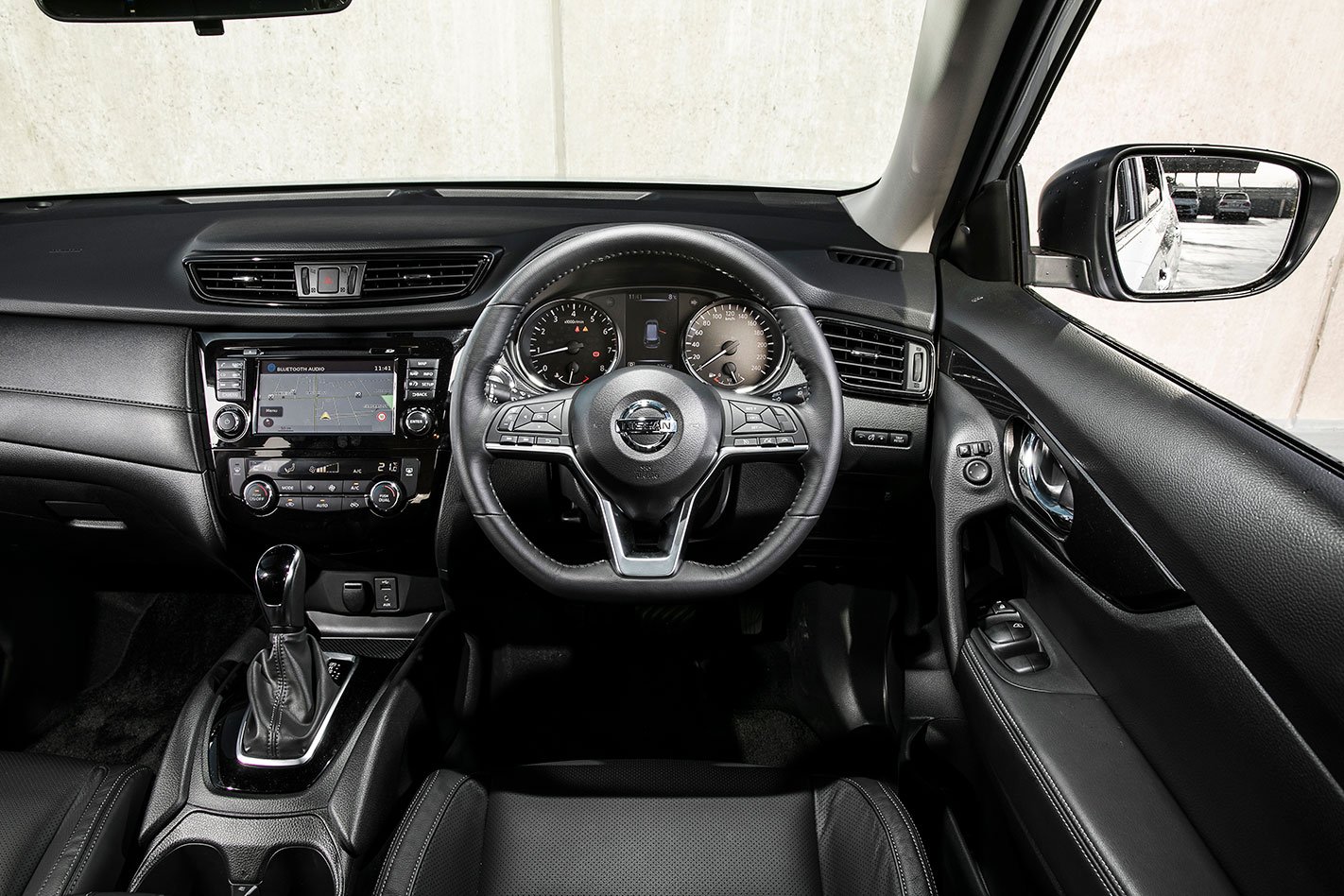
Nissan’s selling the ST-L 4WD X-Trail for $40,490 driveaway, the X-Trail 4WD Ti for $44,490 driveaway. Check the Nissan website for deals on more X-Trails, there’s plenty of savings to be had.
Juke
New model Jukes are being sold from $30,490 for a 2WD 1.0-litre auto ST right up to the Juke Ti for $39,490. Finance deals are also available on Juke.
Renault
Megane
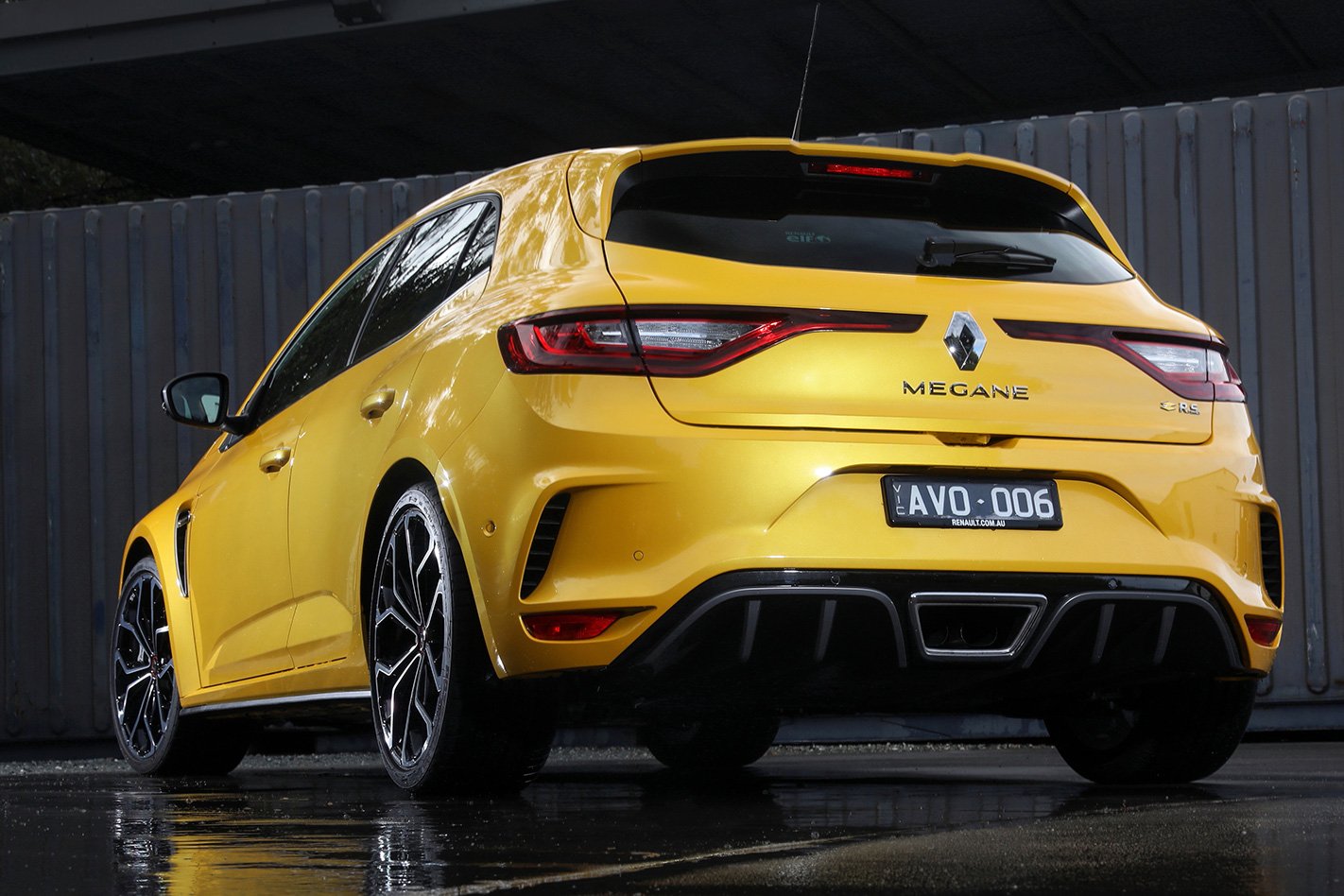
Nothing says hot hatch quite like a Megane RS, which is now selling for a discounted $51,990 driveaway for an auto Sport chassis or $53,990 driveaway for an auto Cup chassis.
Koleos
The flair-filled Koleos mid-size SUV is now selling for a $32,990 driveaway for a Koleos Life, $35,990 driveaway for Koleos Zen and $42,990 for Koleos Intens 2WD (upgrade to all-wheel drive for an extra $2000). Seven year warranty available on these discounts, too.
Kadjar
Renault is keenly pushing Kadjar discounts this month. Discounted Kadjar starts at $31,990 for the Kadjar Zen and topping off with the $36,990 for the Kadjar Intens. Normally we’d opt for the (very) slightly more expensive Koleos at each spec-point owing to its extra room, but these are some strong discounts so use your own judgement.
Trafic
The Renault Trafic van is available from $36,990 driveaway for the short wheelbase manual version, while the automatic line-up now starts from $43,990 driveaway.
Suzuki
Baleno
Suzuki is selling a number of its Balenos at a discounted rate, like the $16,990 Baleno GL manual (driveaway).
Swift
Small car favourite, Swift is on sale from $18,990 for a GL Navi auto (driveaway).
Vitara
Vitara is a genuinely nice driving car at a great price. Don’t blink on these deals; $27,990 driveaway for an auto or $31,990 for a turbocharged Vitara.
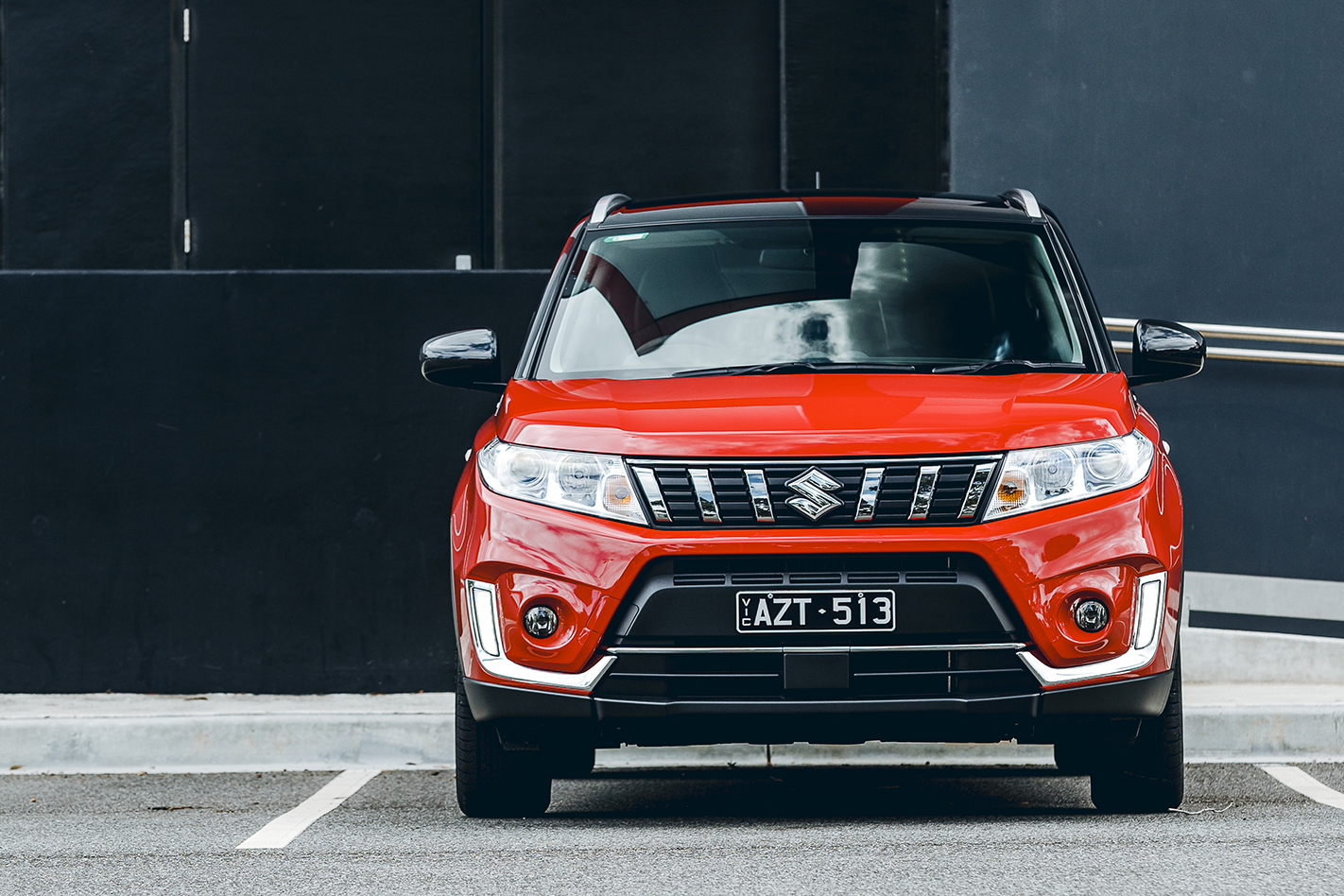
S-Cross
It mightn’t have the prettiest face in the game but there’s lots to love about the turbocharged engine found in the S-Cross, which now starts at $28,990 for an automatic.
Toyota
Hilux
There’s only a few discounts on the Hilux this month, most of them being finance deals. They must be selling too well! $1500 bonus offers on the brand-new SR 4×4 dual-cab, SR5 4×4 dual-cab and more. The previous-gen Hilux 4×2 Workmate cab-chassis is $27,990 driveaway.
Hiace
Toyota’s not offering any discounts for the Hiace this month.
Corolla
Toyota’s offering a special 3.9 percent finance rate on for the Corolla, check the Toyota website for more.
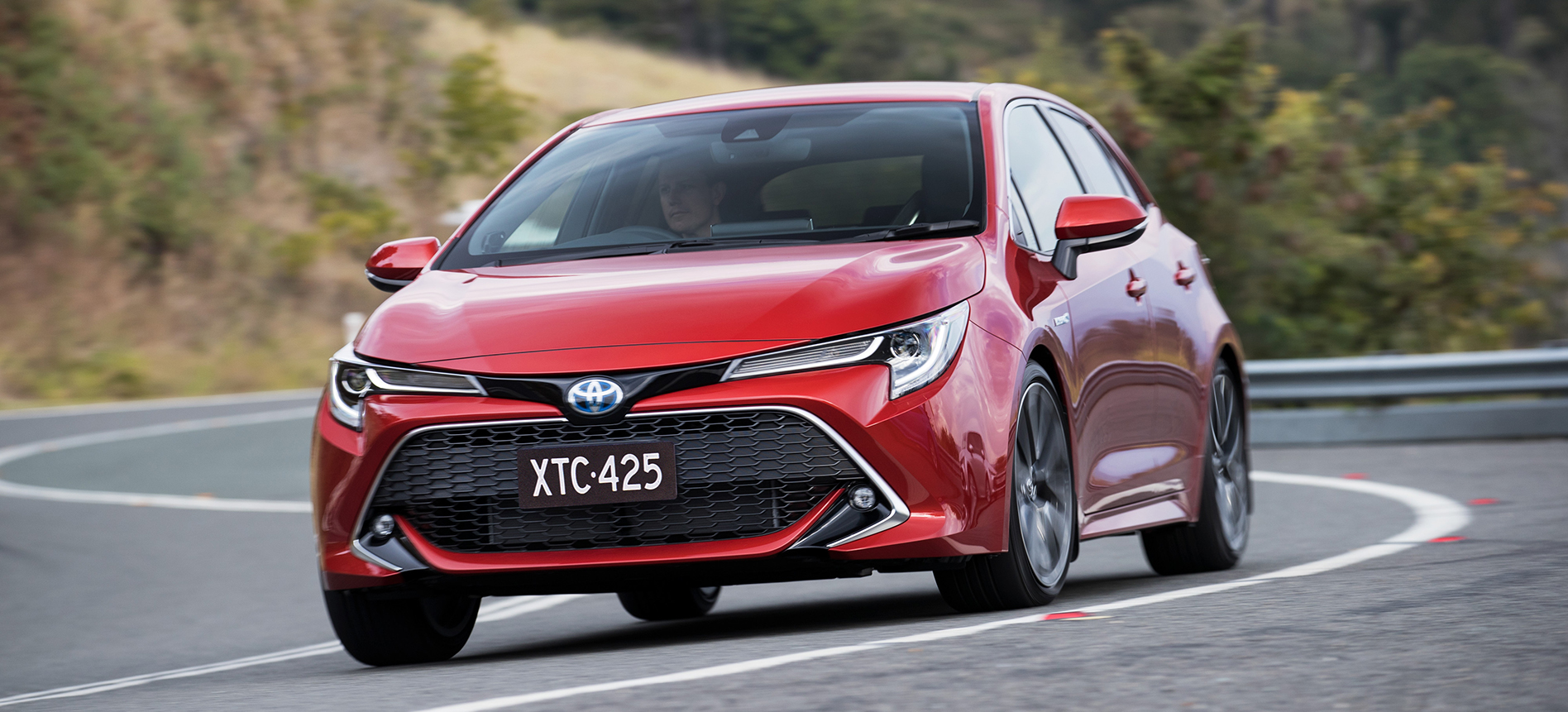
C-HR
No discounts on C-HR in September.
Kluger
There’s a few driveaway discounts on Kluger this month, $41,990 for the entry-level GX 2WD and up to $66,990 for the top-level Grande AWD.
Fortuner
No discounts on Fortuner this month.

Volkswagen
Polo
A base model VW Polo Trendline DSG is now $22,490 driveaway, and range topping 85TSI Style is now $27,490 driveaway. Check the website for more offers.
Golf
Golf gets all the attention with sales this month with discounting across the range – though discounting isn’t as substantial as last month. Golf 110TSI Trendline is now $29,725 driveaway, Golf Comfortline is now $33,598 driveaway and Golf GTI is $52,129 driveway.
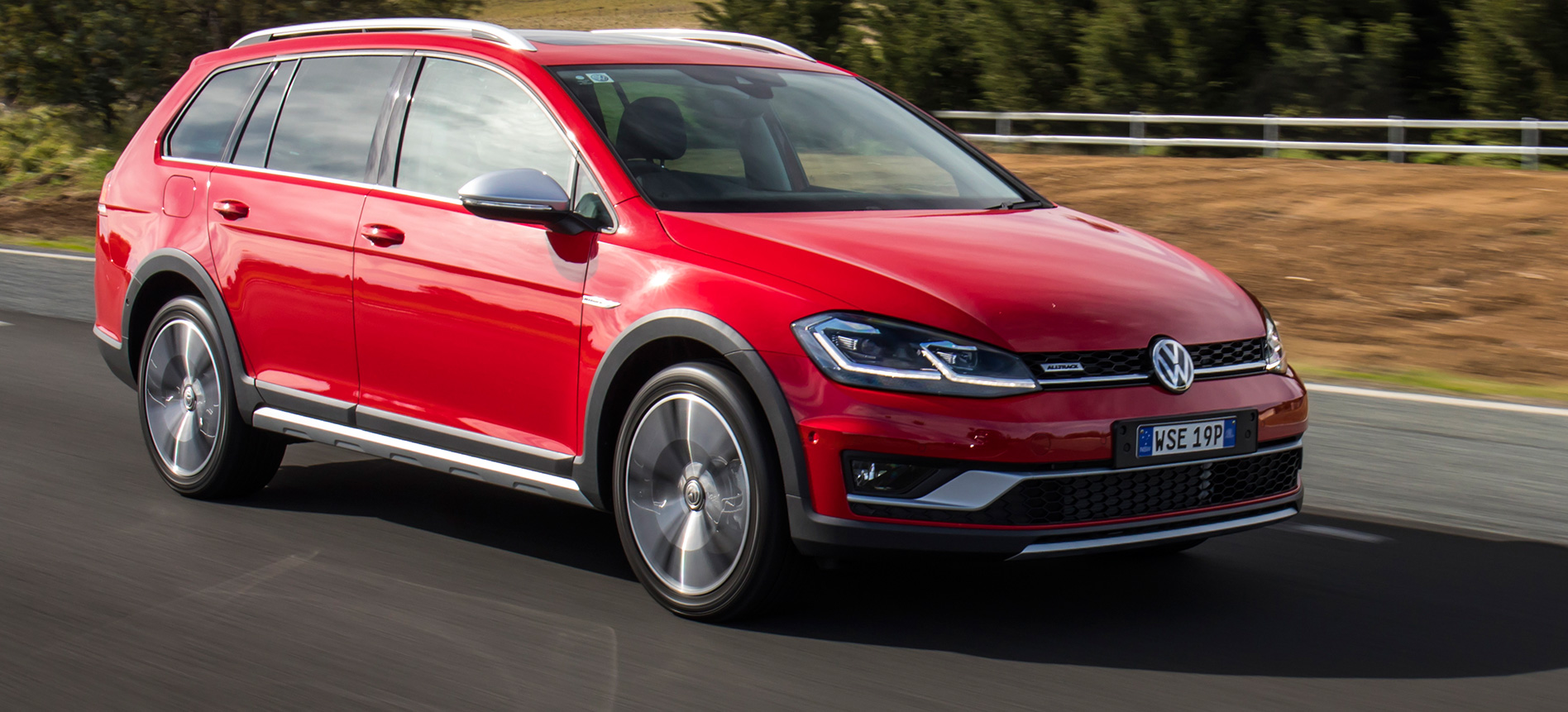
Passat
No discounts on Passat this month.
Tiguan
VW is moving on the Tiguan in 110TSI form this month, with a special $36,990 driveaway price. The remainder of the range is discounted as well, check the website for more.
Touareg
The Touareg 190TDI is about to be superseded by a 2021 range so bargain hard on top of a $90,697 (driveaway) base and $100,696 190TDI Adventure.
T-Cross
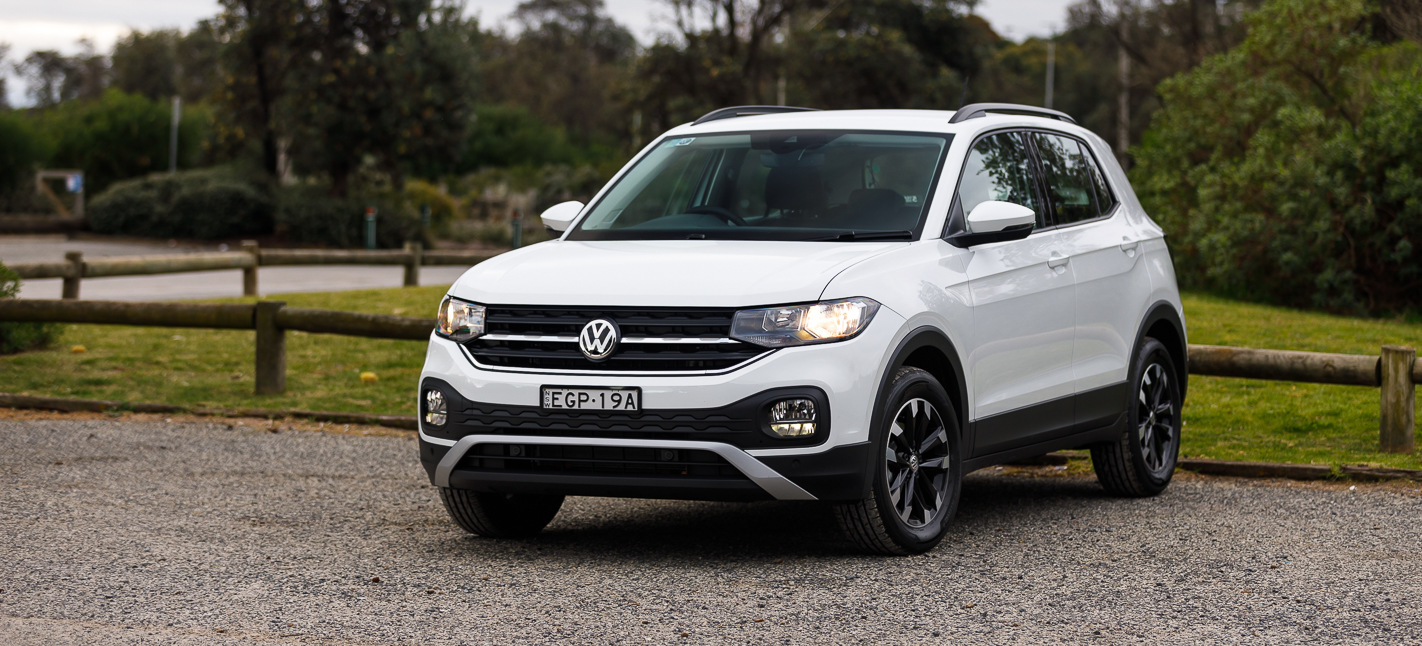
Volkswagen’s only just introduced it but the VW T-Cross now presents at $29,990 driveway for the base 85TSI Life and $32,990 for the up-spec Style.
Amarok
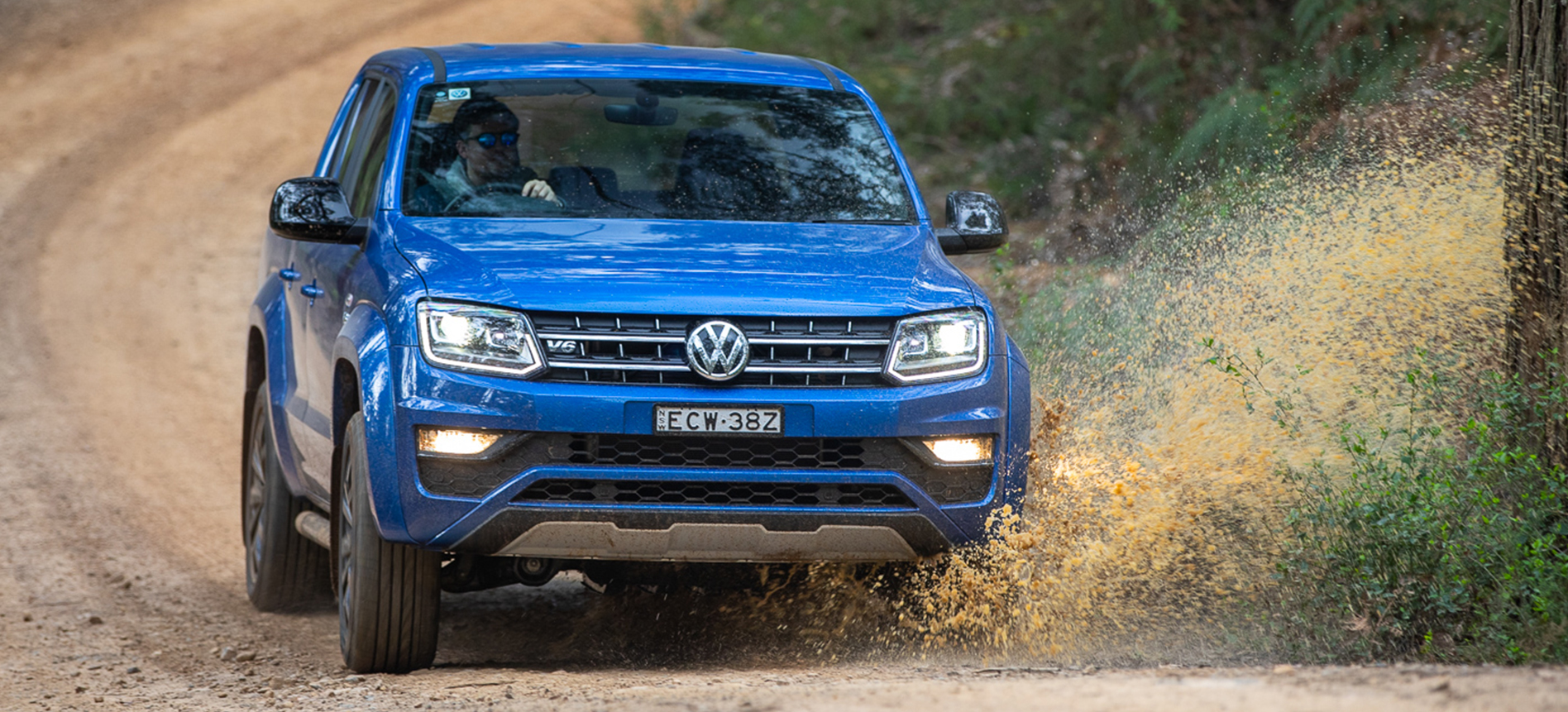
Amarok is getting a bit of attention this month with a $48,990 driveaway discount on the V6 Core Enduro manual and add $1000 for auto transmission. The V6 Highline 4×4 is also on sale for $60,990 driveaway which is great buying. Add $6000 for the Highline Black edition.
