
This is the future of McLaren, CEO Mike Flewitt says as he reveals the architecture that will underpin the next generation of electrified McLaren models.
Developed in McLaren’s new Composites Technology Centre (built in 2018), the new carbon fibre vehicle architecture has been designed specifically to accommodate the hybrid powertrains McLaren is set to roll out.
Flewitt says the development means that new McLarens will have “light-weighting and electrification [going] hand-in-hand to achieve better performance as well as more efficient vehicles.”
The first car to be based on this new tub platform is set to debut in 2021, with Mike Flewitt calling it, “every bit as revolutionary as the MonoCell chassis we introduced with the company’s first car, the 12C.”
“This new, ultra-lightweight carbon fibre chassis boasts greater structural integrity and higher levels of quality than ever before with our new MCTC facility quickly becoming recognised as a global centre of excellence in composite materials science and manufacturing.”
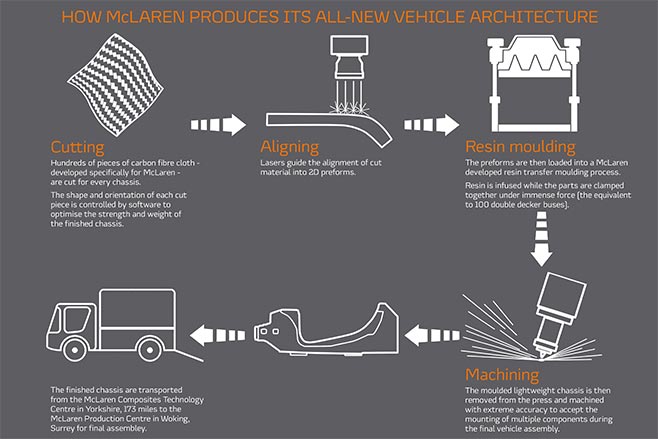
The architecture is claimed to be able to keep McLaren’s future hybrid models light, while also improving safety aspects thanks to a lack of mass and use of high-tech materials.
McLaren F1 boss Zak Brown’s car collection
“Our advanced expertise in light weight composites processes and manufacturing combined with our experience in cutting-edge battery technology and high-performance hybrid propulsion systems means we are ideally placed to deliver to customers levels of electrified high-performance motoring that until now have simply been unattainable,” Flewitt says.
The CEO has recently, upon the reveal of the McLaren 765LT, said that the Woking brand aims to keep its supercars amongst the lightest in the world. Hopefully this new platform allows its hybrid and electric future models to keep that true.
Get your free weekly MOTOR report!
The Toyota Hilux has always bumped around in an odd netherworld between bushy suburbia and the blue-collar universe.
Starting life as a simple, rugged tool for the hard-hat and Akubra brigades, along the way it’s morphed into one of the most popular passenger vehicles in Australia.
That dual identity brings with it a series of compromises that the Hilux’s original designers never really planned for.
The 2020 refresh of the eighth-generation Hilux, which launched in 2015, inches the needle over towards a passengers-first sentiment, presenting a more civil side to the Hilux without impacting its abilities on the construction site or back paddock.
Niceties like a digital speedometer and Apple CarPlay, and necessities like AEB and adaptive cruise control, are all part of the mix of this upgraded Hilux, along with powertrain tweaks and a light cosmetic makeover.
Make no mistake, though; the interior of the Hilux is still as tradie as it comes. Those hard plastics and durable surfaces are softened by stylised curves and radiused edges, while a new, larger 8.0-inch multimedia screen with smartphone mirroring and app access make it more commuter-friendly.
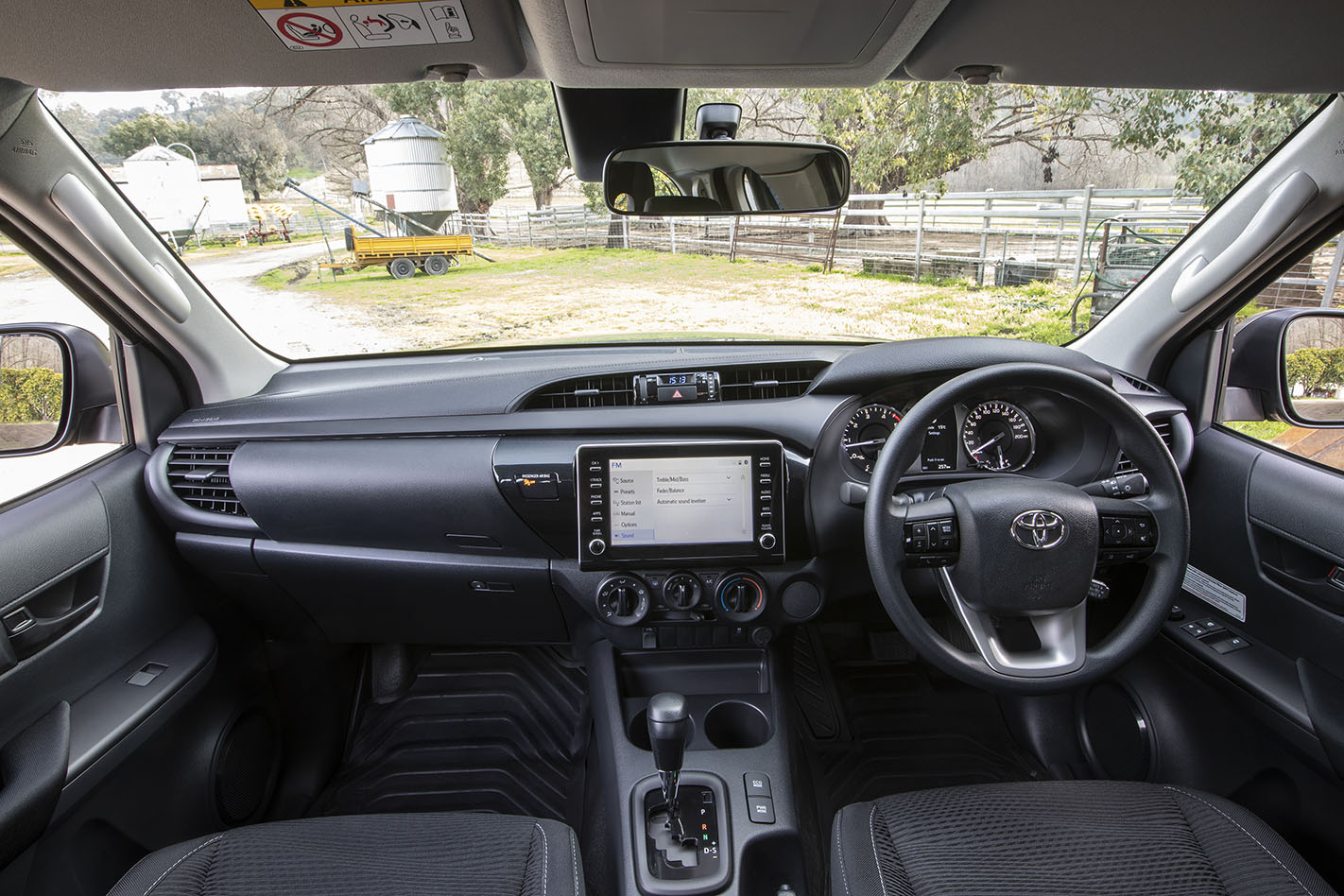
The screen can be used via touch, but every function can be accessed by a button or a knob.
Trademark Hilux touchstones are still present, including the dot matrix-style digital clock and the idle-up button to the right of the steering wheel, which nestles just above the diesel particulate filter regeneration button.
Added in 2018, it’s a reactive fitment to try and stem the tide of discomfiture with the DPF issues that have thus far plagued the eighth-gen ’Lux.
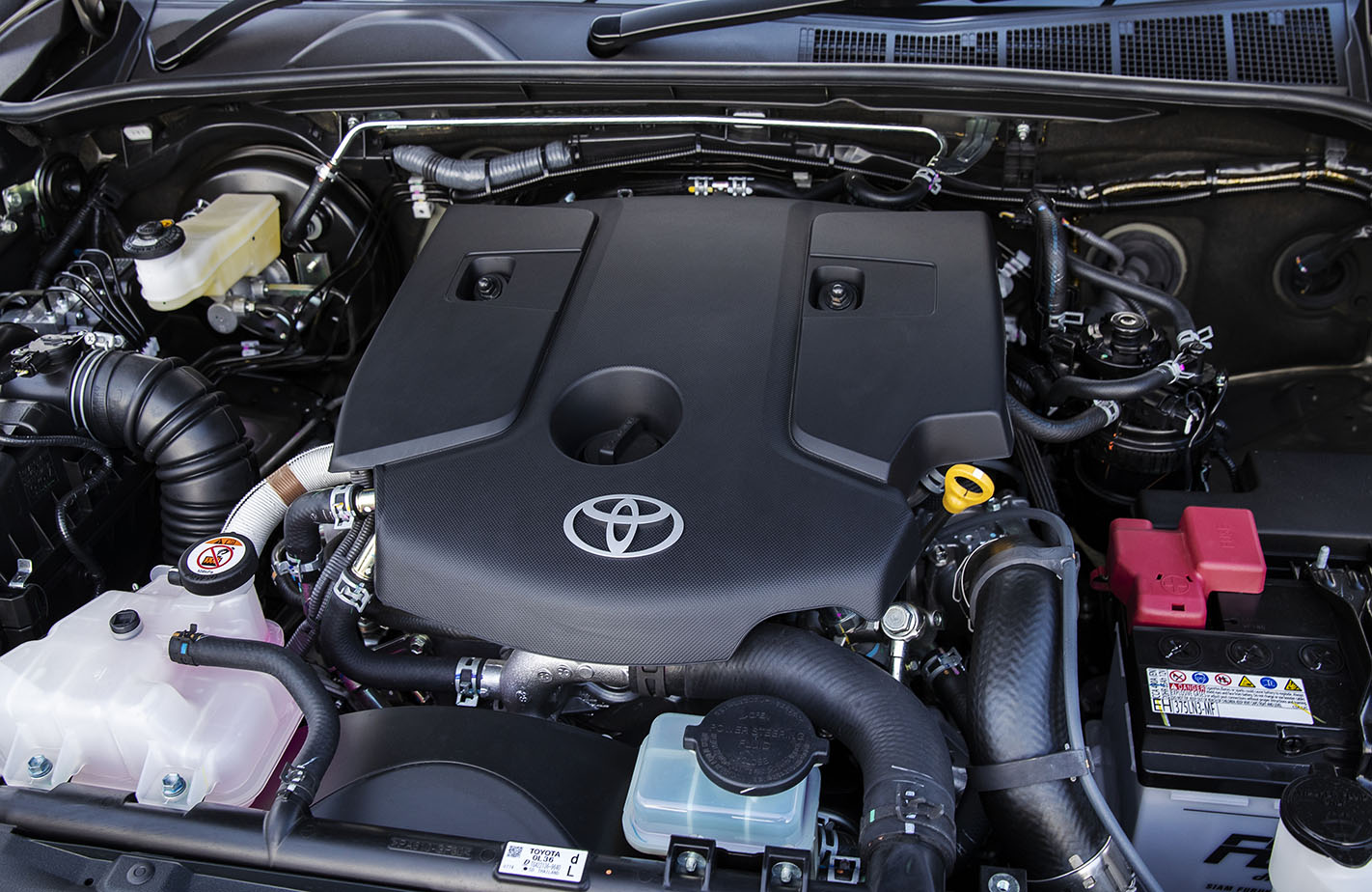
The Hilux’s 1GD-FTV 2.8-litre diesel turbo four has been made over, with a larger, ball-bearing-equipped turbocharger, a stiffer cylinder block, better exhaust gas management and improved cooling helping to boost outputs to 150kW (up 20kW) and 500Nm (up 50Nm) on the auto (though it’s still 420Nm for the manual).
It’s still a handful of killer wasps down on the Ford Ranger‘s 2.0-litre twin-turbo’s 157kW, but the torque is a match.
Another improvement; the updated six-speed auto can now handle 3500kg of trailer, up 400kg over the previous version. Toyota says it’s down to improved torque lock-up calibration.
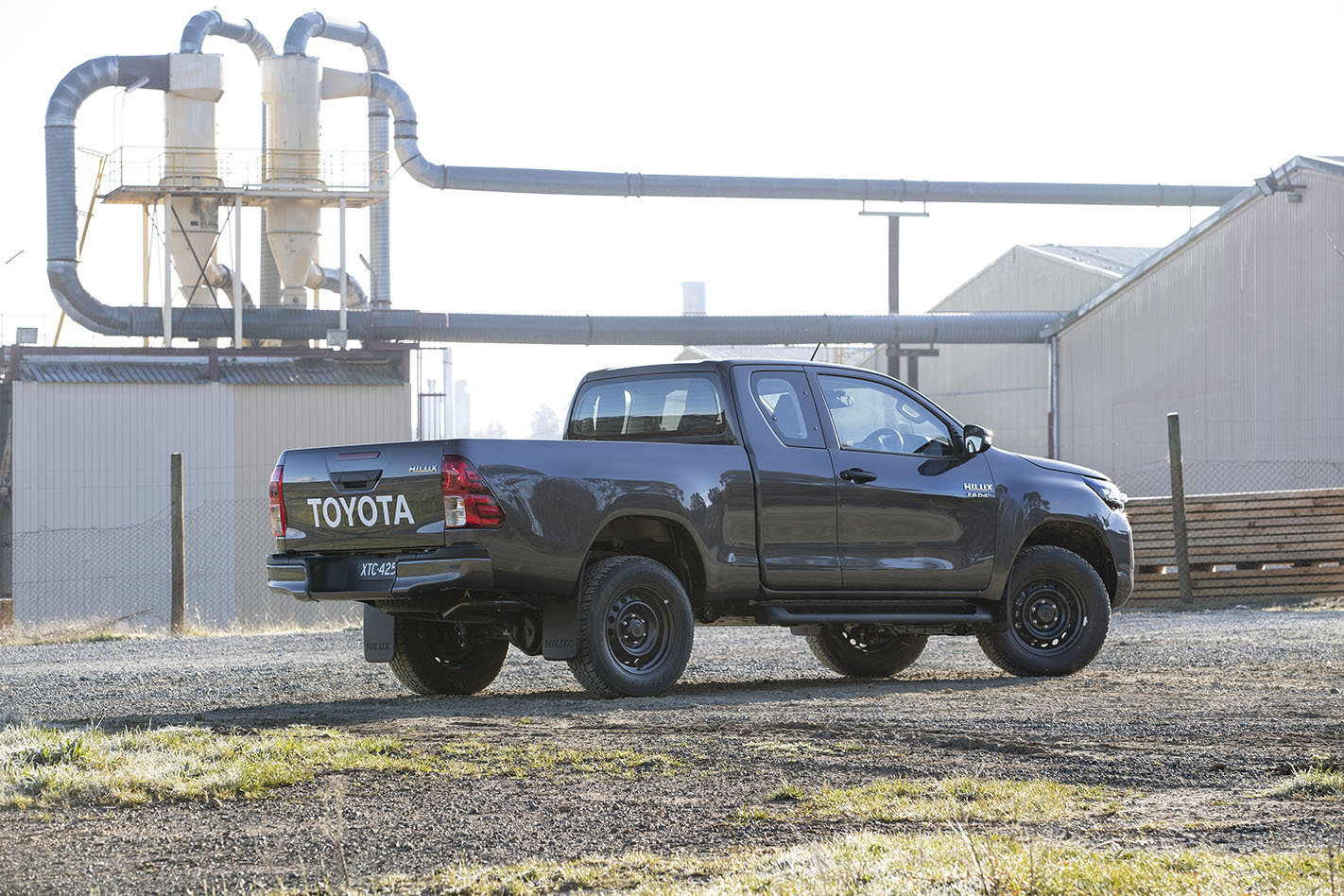
On the exterior, there’s a bigger one-piece grille and redesigned front bar, new internals for the headlights (still halogen at the lower end of the spec scale) and new LED taillights but little else in the way of sheetmetal changes.
A telescopic steering column and decently proportioned seats provide a familiar driver interface, and a digital speedo is a few years late but still a welcome addition.
The adaptive cruise control system is effective if conservative with distances, and can still be overridden to access old-school cruise if that’s your pleasure. The lane departure function is quite coarse albeit effective in its operation, too.
Has Toyota managed to improve the skittish unladen ride and handling for us city folk? The short answer is yes.
Revised lower-friction shocks combine with new front springs and longer rear leaves, revised bushings and new mounts between the cabin and the frame to bring the around-town ride quality closer to that of its competitors.
It’s still a utility and it still can pack a tonne in the back, so it will always be compromised, but Toyota has clearly spent a bit of time and money to improve the everyday liveability of the Hilux.
Its primary ride is now on a par with – and possibly nicer through the front end than – its most vaunted rival, the Ford Ranger. The rear end still exhibits a tendency to shudder, but the rear end feels much more refined and controlled at low speeds.
The harshness does return when road speeds rise, but it’s a marked improvement for the Hilux.
The steering system has also been tweaked, with a new variable-flow steering pump giving the Hilux lighter steering feel at lower speeds.
The revised 1GD engine feels more cohesive, mature and less industrial, too, with decent throttle mapping and a good relationship with the six gears.
A larger turbo, the stiffer block and revised internals all work together to give the engine more presence, with less right-foot work needed to keep things on the boil.
Toyota is cagey about how it has addressed the diesel particulate filter issues that have plagued the Hilux, but it says that both “software and hardware changes” have been made in an effort to solve the DPF blockage issues that can quickly kill the expensive filter.
We need more kilometres with the Hilux to see if it’s got the chutzpah to see off a brace of new and improved rivals, but at first blush, Toyota has certainly rounded off a few of the Hilux’s callouses.
THE RIVAL: FORD RANGER
An all-new version of the Ranger will hit us next year, so technically the Ford is an older nail than the Hilux. However, key tweaks for the 2020 year from the Blue Oval will keep the Japanese giant honest.
And it’s the little things on the Ranger, like a USB port behind the rear-view mirror for dashcams and remote-controlled roller shutters for high-spec versions, that will help keep the fight alive between two of Australia’s top-selling vehicles. Next year, however, will be very interesting…
Toyota HiLux 4×2 SR Hi-Rider extra-cab specs
Engine: 2,755cc, i4, 16v, turbo diesel
Max power: 150kW @ 3400rpm
Max torque: 500Nm @1600-2800rpm (auto), 420Nm @1400-3400rpm (manual)
Transmission: 6-speed auto
Weight: 1920kg
0-100km/h: not provided
Economy: 7.5L/100km
Price $44,210
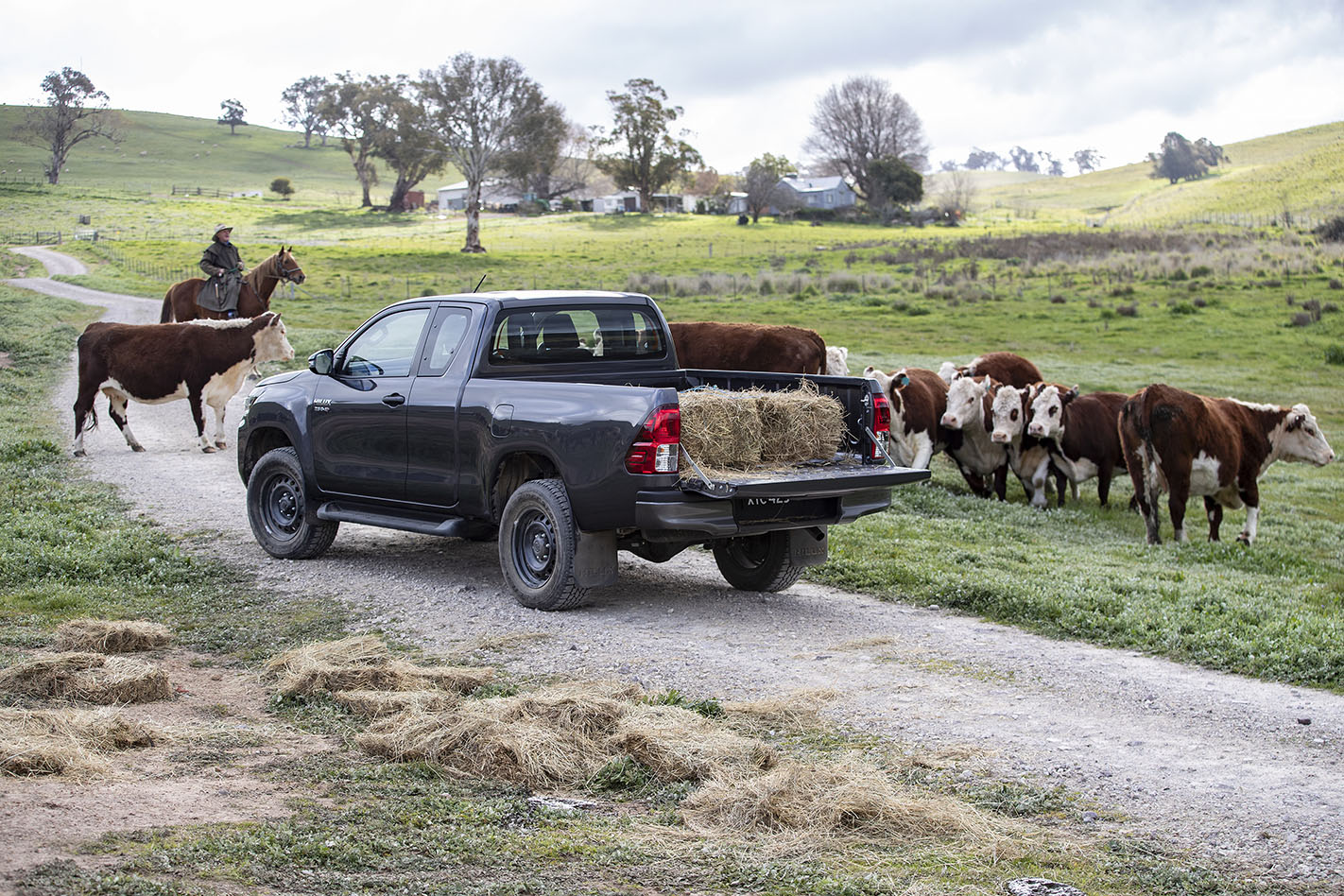
Frustrated at Australia’s rate of electric vehicle adoption, the EV council of Australia has introduced a ranking system to highlight the best and worst states for advancing the alternative energy cause.
Released this week as part of the State of EVs 2020 report, the new ranking system is the result of a detailed look at the various ways state and federal governments are preparing for and encouraging the adoption of electrified vehicles.
It found that although Australia still lags the rest of the developed world, consumer demand for full-electric cars and plug-in hybrids was building momentum along with stirring government support.

Each state was assessed on its zero or low-emissions policy in key areas including, sales or fleet targets, public charger investment, EV strategies, purchase and ownership incentives, public awareness initiatives, electric public transport, new building infrastructure and industry incentives.
STATES AND TERRITORIES RANKED FOR EV INTEREST
ACT – B
At the top of the pack, ACT has the honour of being Australia’s only state to be graded B by the EV Council’s new system.
According to the report, Canberra is doing more than any other state to encourage people into electric cars and keep them there:
- Zero Emissions Vehicle Action Plan and Climate Change Strategy culminating in 2021 and 2025 respectively
- Government EV fleet target – all government leased vehicles will be zero-emissions from 2021
- Transport Canberra bus fleet to be zero-emissions by 2040
- All new multi- and mixed-use developments must include chargers
- Implementing charging stations along major routes to and from Canberra
- 20 percent discount on EV registration and stamp duty exemption on first registration
- Zero-emissions vehicles permitted in transit lanes until 2023
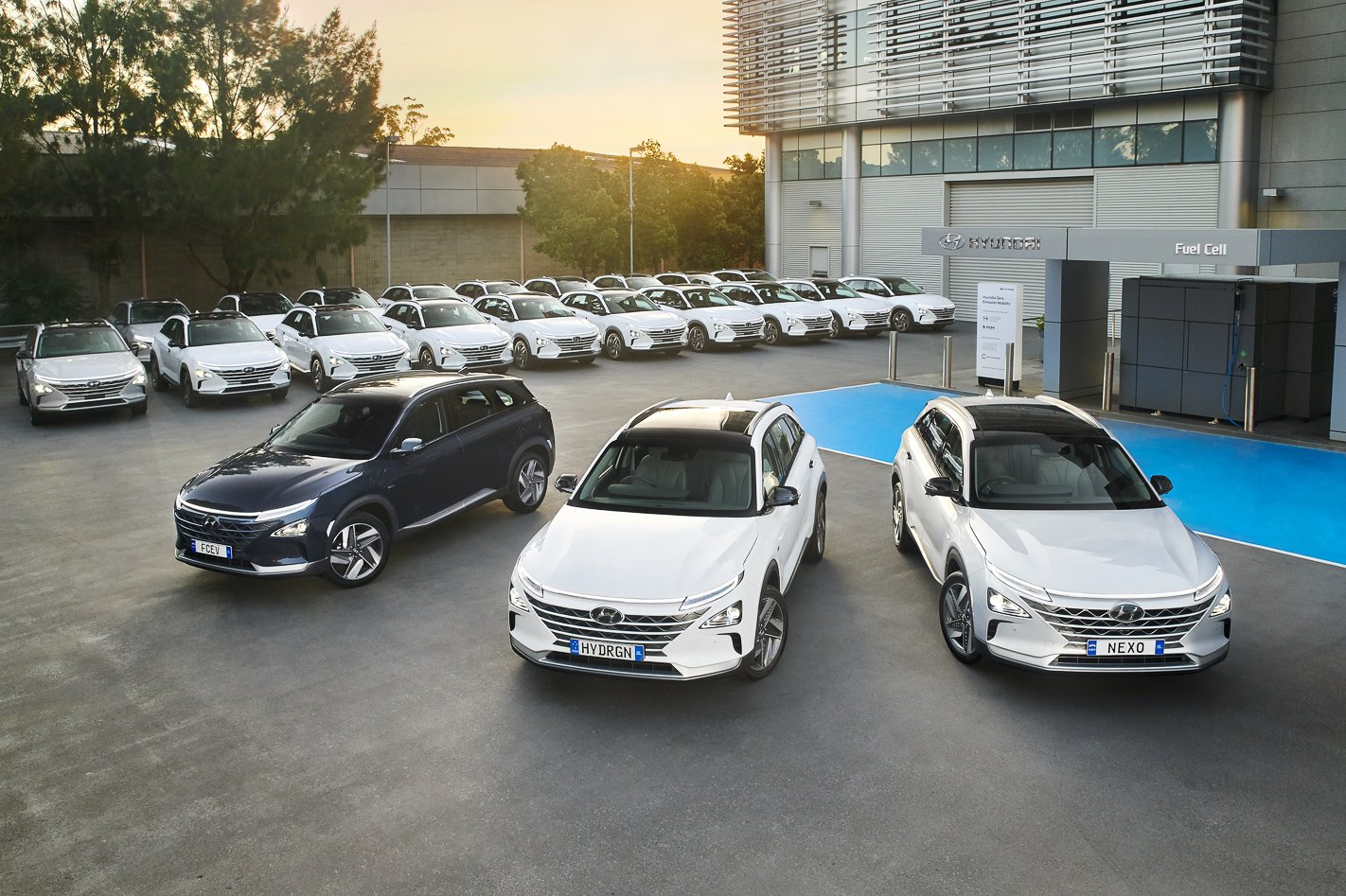
NSW – C
While it couldn’t quite match the nation’s capital, New South Wales is still above average in its EV and plug-in hybrid supporting policy and infrastructure.
Although we would mark it down a peg for its proposed ‘distance charge’ that was spotted last month. That said, it has made the most progress in the last 12 months.
- Net Zero Plan and Electric and Hybrid Vehicle Plan culminating 2020 and 2019 respectively
- Regional public fast charger investment of $3m, Sydney commuter carpark charger investment of $2m and more to come
- EV Infrastructure and Model Availability program will co-fund the addition of EVs to fleets
- At least 10 percent of government fleet vehicles to be fully electric by 2023, while 30 percent will be electric or hybrid
- Five electric bus trials in Sydney will eventually transition into all bus networks.
- 20 percent discount on low-emission vehicles
- Charge Together Fleets co-funding to develop total cost of ownership calculator
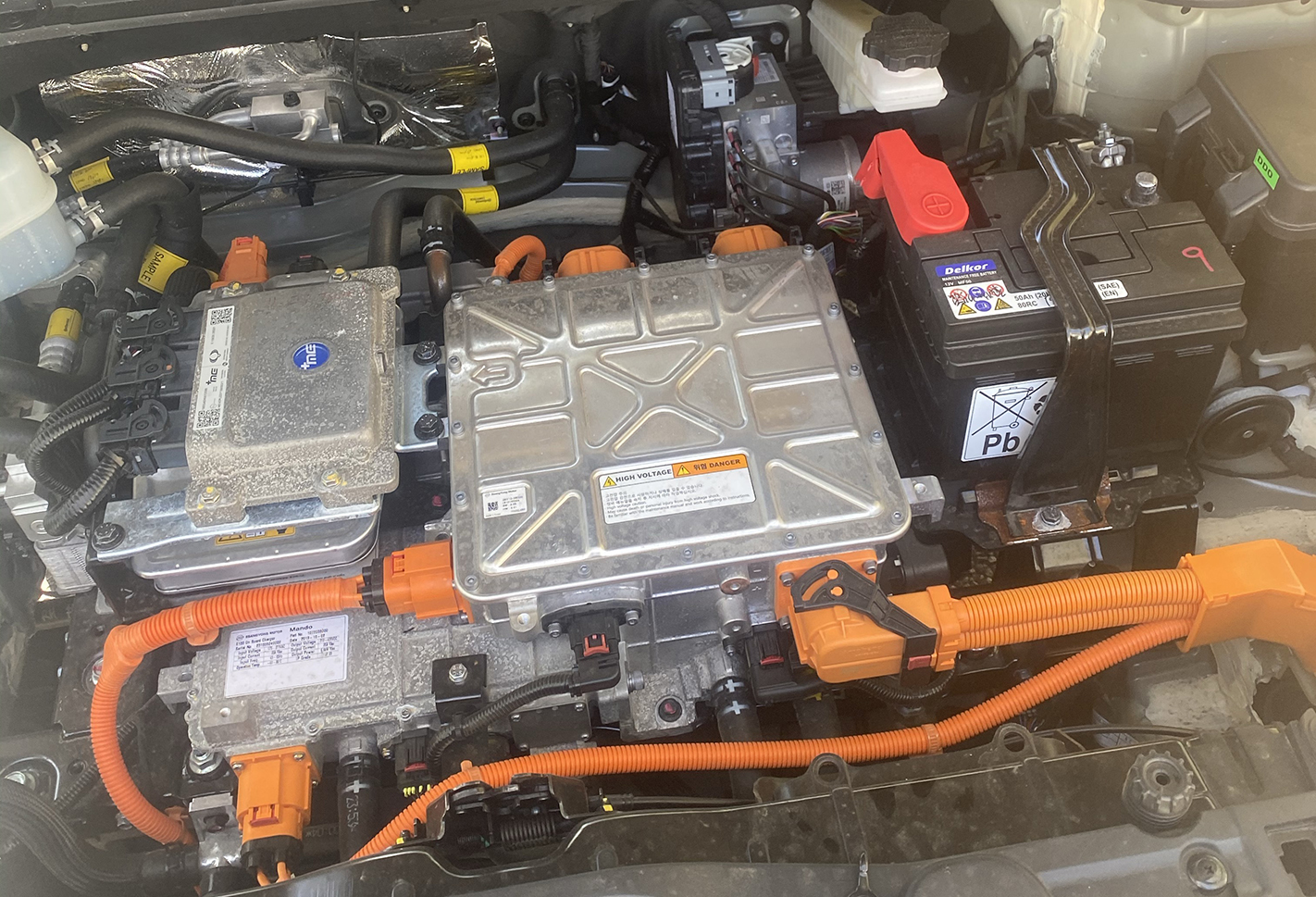
QLD – C
Ranking second equal with New South Wales, the Queensland government also scores a C for zero-emissions planning, thanks in part to policies that both encourage Queenslanders out of combustion-powered cars and into electric and hybrids:
- The Future is Electric EV Strategy
- Stage 1 and 2 Electric Super Highway funding (QESH)
- QFleet Electric Vehicle Transition Strategy will double the number of battery electric and plug-in hybrids in government fleet every year for four years
- Lowest registration fee and duty discount applied to full EVs
- Founded and operates the Queensland Electric Vehicle Committee
- $2.5m investment in Tritium charging infrastructure
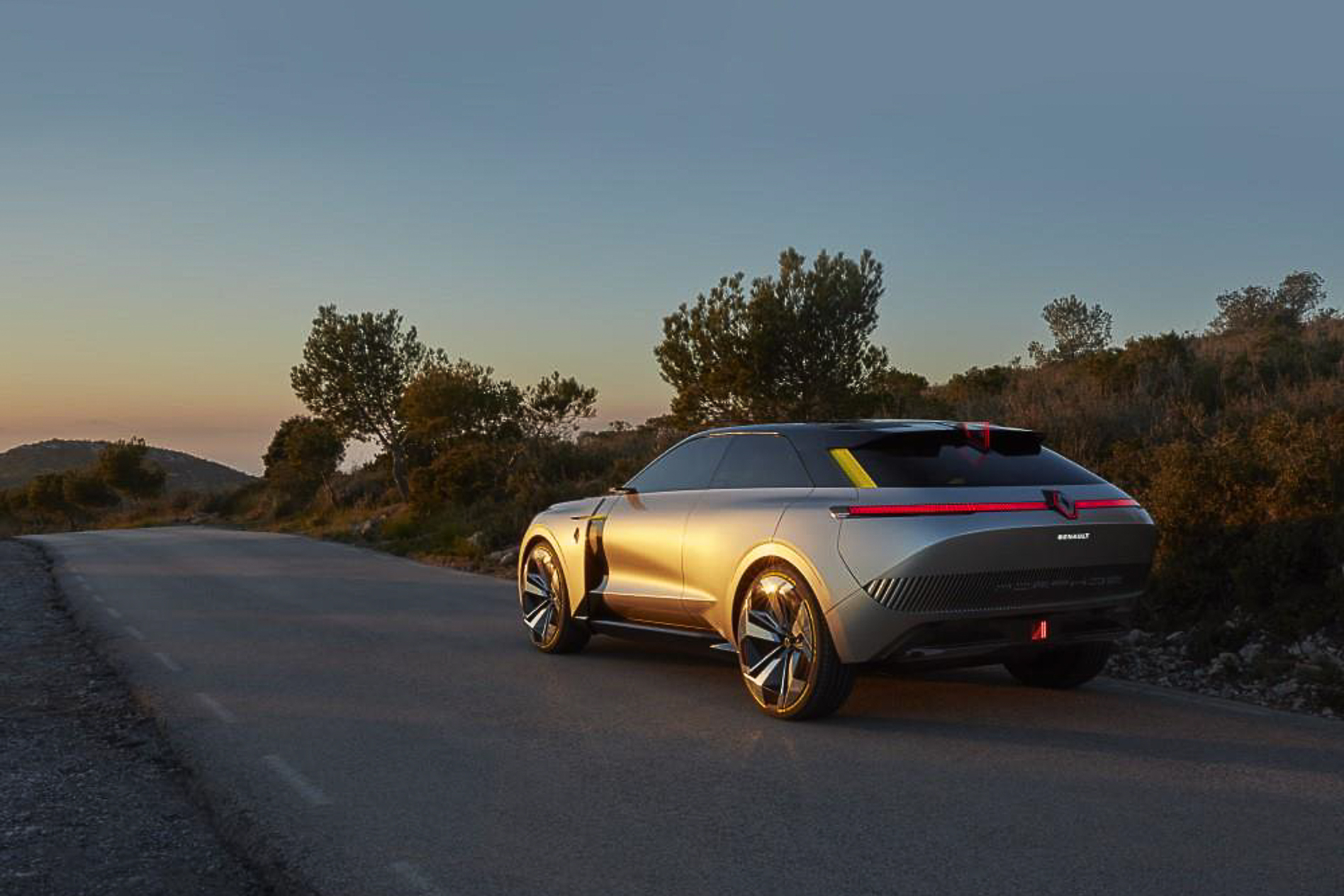
VIC – D
In the middle of the pack, three states were ranked D for their efforts paving the way for electric power.
Victoria was one such government, which earned recognition for its action which is not only encouraging EV ownership but creating jobs in the sector too:
- Zero Emissions Vehicle Roadmap
- Ultra-fast public chargers commissioned in seven locations about the state
- Electric bus trial due to conclude next year
- $100 registration fee discount for EV and hybrids and discounted duty on low-emissions vehicles
- Funding for SEA Electric truck manufacturing plant, creating 500 jobs
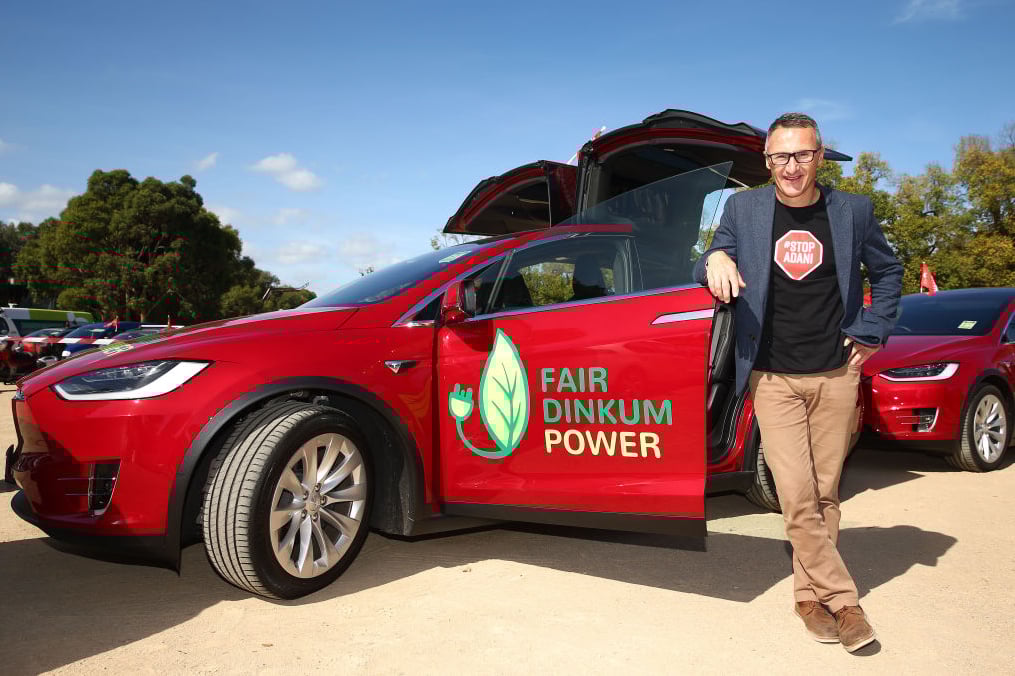
SA – D
While South Australia often leads the country in progressive technology such as autonomous driving legislation and research, it doesn’t rank as highly nationally in the eyes of the EV Council.
That said, it is doing enough to earn it a D:
- Strategic Regional Electric Vehicle Adoption Program
- Exceeded targets to achieve 30 percent of government fleet low-emissions vehicles by 2019 (currently more than half with 21 percent PHEV or EV).
- Charge Together Fleets co-funding to develop total cost of ownership calculator
- Co-funded development of two electric buses
- Co-funded public chargers including free charging periods
TASMANIA – D
Tasmania rounds out the trio of states to be ranked D for EV progressive thinking despite putting in the best effort for investment in public charging infrastructure.
- EV ChargeSmart Grants Program, which has raised more than $600,000 for fast charger installation
- A further $2.5m investment for fast charging infrastructure in destinations and workplaces
- Smart Fleets program to encourage the addition of EVs into local government fleets
- Electric Vehicle Working Group, which is coordinating the support of EVs
WA – F
Grabbing straight for the red pen, the EV Council has slapped two state governments with a fail grade, including Western Australia. The state has a new EV policy coming out this year so is expected to score far better in the 2021 results.
- Western Australian Electric Vehicles Working Group formed in 2018
- Signed an EV MoU to identify opportunities to collaborate, promote and accelerate the transition to zero-emissions
NT – F
Along with Western Australia, the Northern Territory also scored a disappointing F although, it too is expected to detail a new electric vehicle strategy in the coming 12 months, which will align the territory’s policies more closely with the better performing states.
Federal Government – F
Even more disappointingly, the entire federal government also languishes at the back and a ranking of F, although we feel some credit should be offered for the significant funding of clean hydrogen manufacturing announced earlier this year.
- National EV Strategy
- LCT threshold increased by more than $2000 to $77,565 for fuel-efficient vehicles
- Numerous EV projects funded through Australian Renewable Energy Agency
“The US and Europe have shown us what works, all Australian leaders have to do now is join the party. The ACT is commendably leading the way, but we really need the larger jurisdictions to follow if we want the benefits EVs can deliver like cleaner and quieter cities, lower carbon emissions, and national fuel security.
“Our report shows how much latent potential is just waiting to be unleashed in Australia. Australian drivers are ready to embrace electric vehicles and release the myriad benefits of that transition, but they’re still waiting to get a clear green light from government.”
The new ranking system is providing a clear indication of the hardest working states and territories when it comes to furthering the cause of EVs and low-emissions cars, without having to digest the data, and offers you an easy way to track the country’s progress.
And, perhaps next year, we will see our first state or territory get an A?
Navigating your way through the new-car world can be overwhelming. You’ve got a limited amount to spend and big dreams, but you can’t satisfy Champagne taste on a beer budget.
Luckily, there are plenty of options to choose from under $23k that are safe, P-Plate appropriate, fuel-efficient and fun to drive. Here are our top five picks for all the new drivers out there looking for a new car.
Mazda 2 Pure
Fun to drive, the Mazda 2 is one of the most popular options in the segment. It’s attractive, fuel-efficient and well-equipped too with autonomous emergency braking (AEB), and Apple CarPlay/Android Auto. It’s available as a hatchback or sedan which are identically priced. The downside is the hatchback is a little small, especially when it comes to boot space.
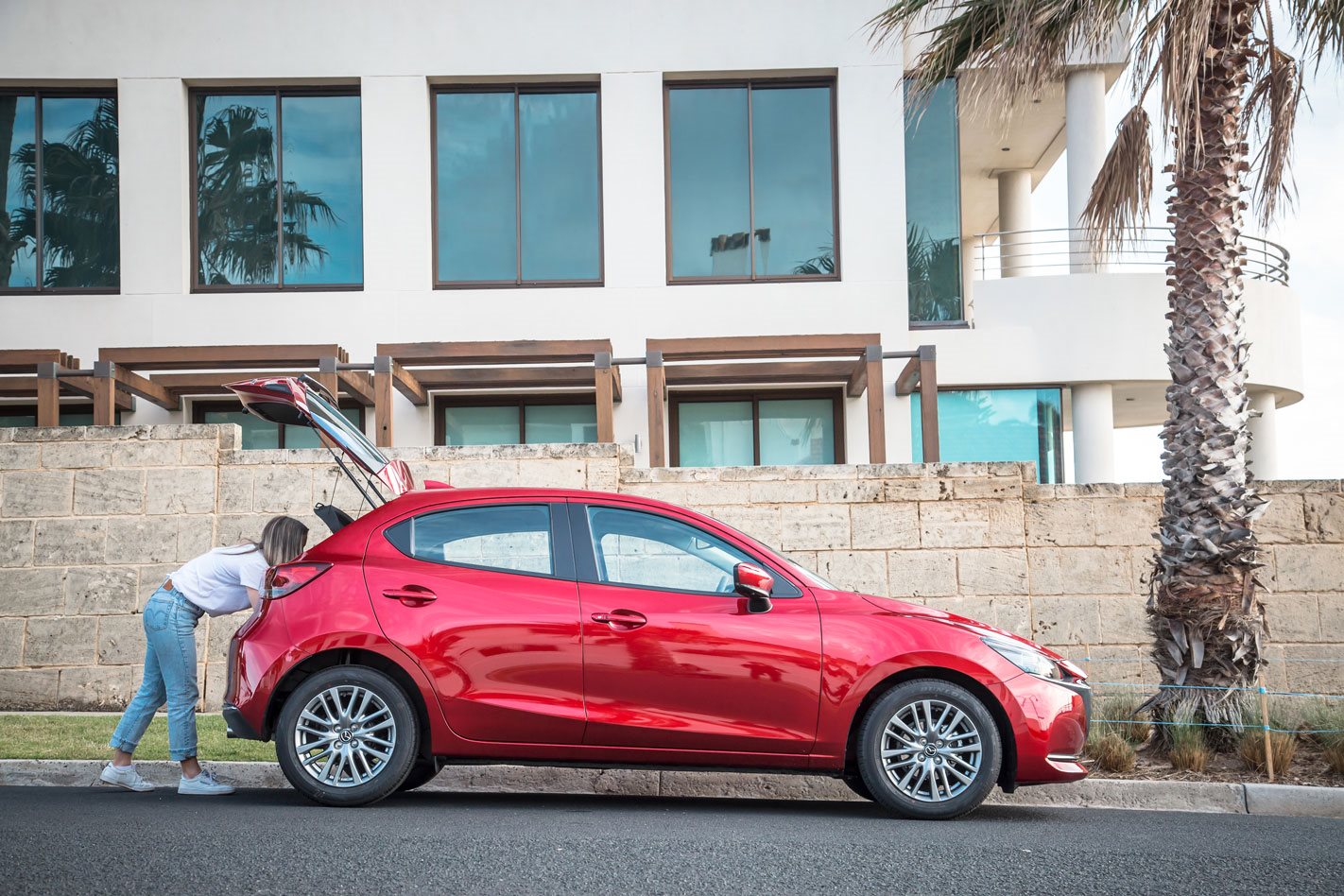
The manual version retails for less than $21,000 with the auto falling just under $23,000. If you’re a driving enthusiast, you won’t regret saving $2000 and opting for the manual, which feels quite sporty.
Price from: $20,990* Fuel consumption: 5.4L/100km* Pros: Fun to drive; easy on fuel; AEB standard Cons: Small hatchback boot space; higher entry price than the previous model
Volkswagen Polo 75TSI Trendline
The Volkswagen Polo’s punchy 1.0-litre three-cylinder engine and good handling make it one of the more enjoyable choices to drive in this group. It also comes with plenty of gear and safety equipment.
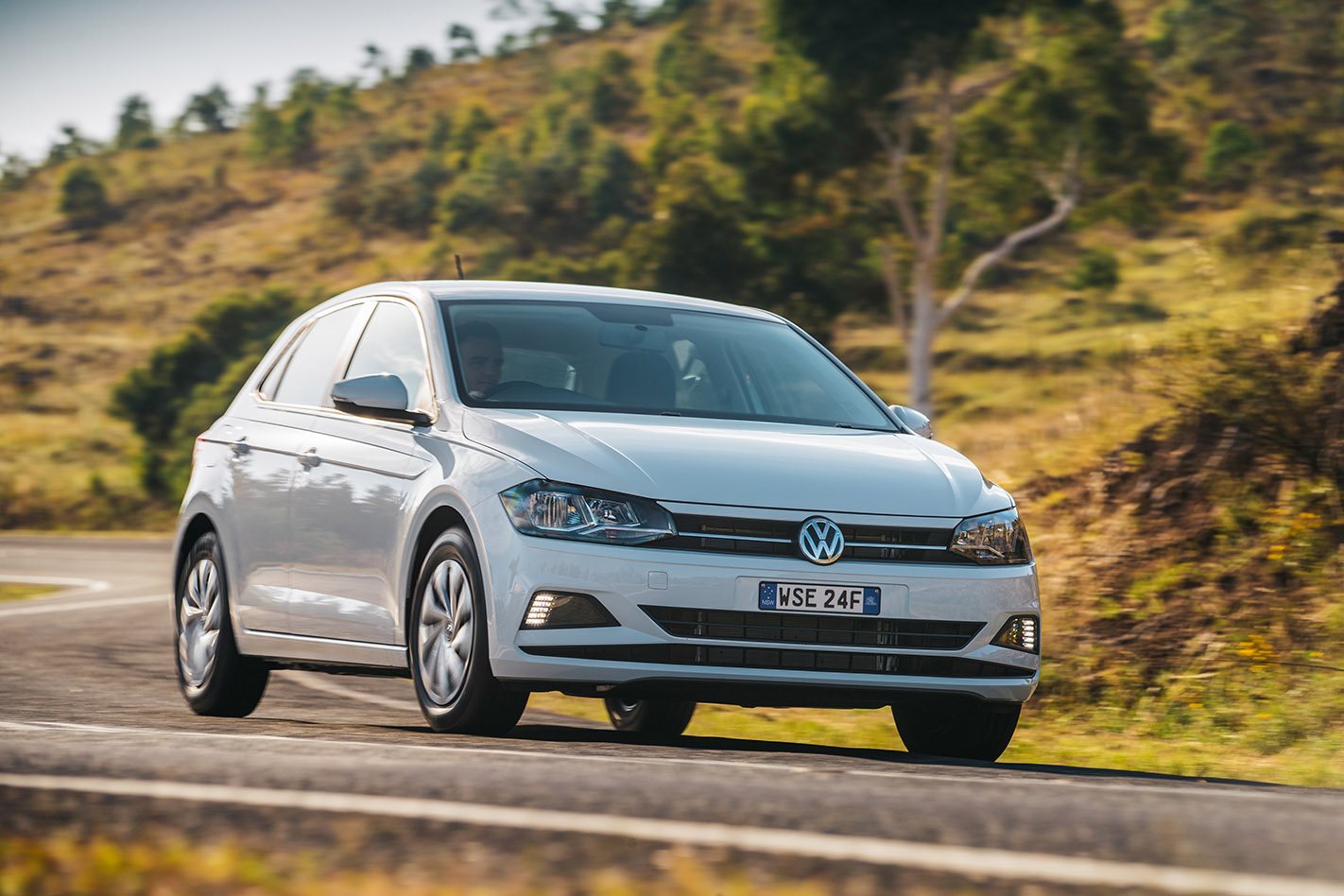
There are three versions under $23k including the manual and automatic 75TSI Trendline versions and the more powerful, well-equipped 85TSI Comfortline manual, which is our pick.
Price from: $19,290* Fuel consumption: 4.8L/100km* Pros: Punchy engines; great road-holding; AEB standard Cons: Conservative looks; limited paint options
Suzuki Swift GL Navigator
Suzuki’s popular Swift packs a lot of driver appeal into a short, lightweight hatchback, bringing a little fizz to your commute and country drives alike. All versions have good a infotainment system that includes Apple CarPlay/Android Auto.
The basic GL starts at less than $18,000 for the manual and you can upgrade to a CVT auto for just $1000. For another $1000 you can get the auto with the safety pack that adds autonomous emergency braking, adaptive cruise control and lane departure warning.
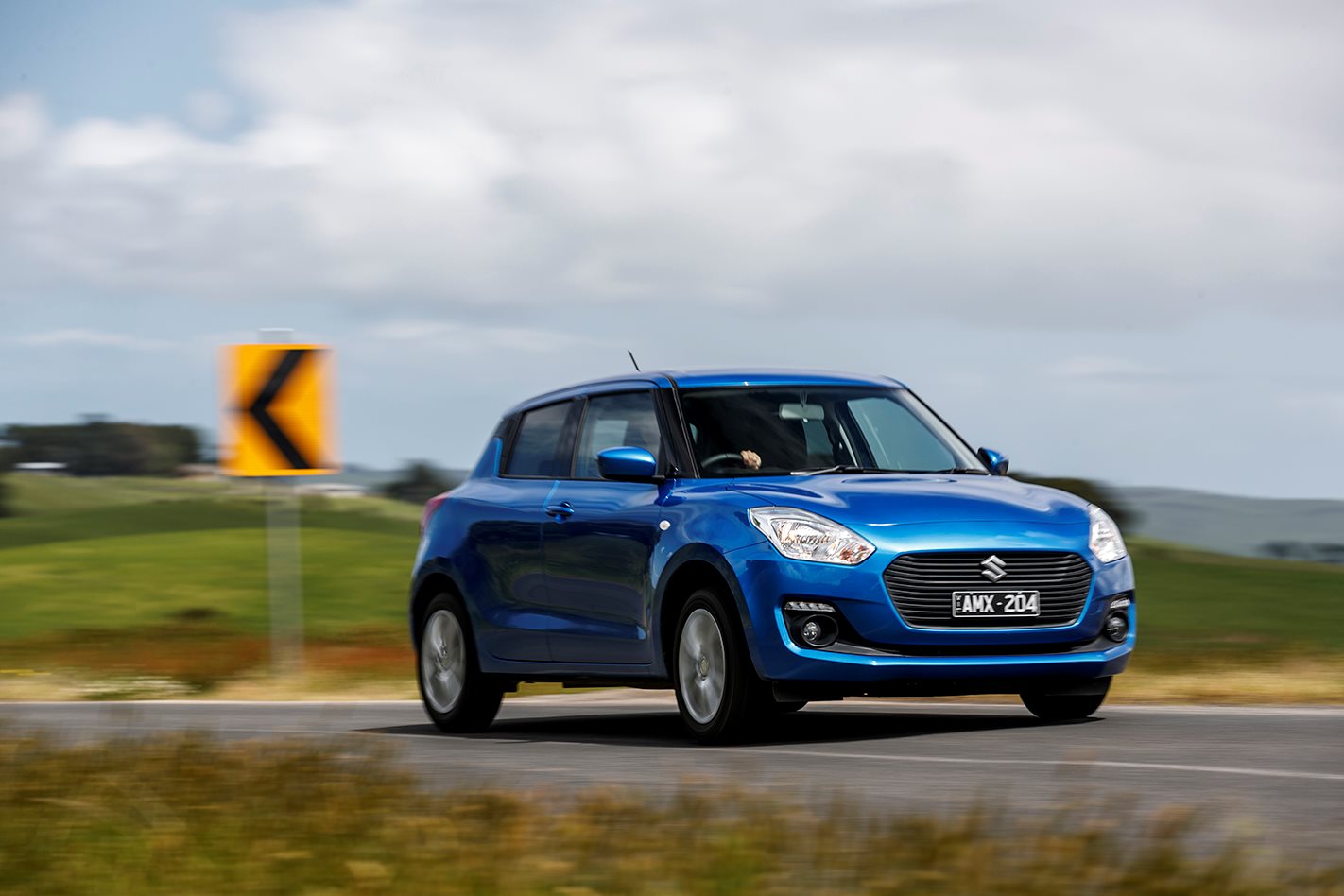
If you can scrounge up some extra coin, the Swift GLX Turbo with its punchy little three-cylinder turbo engine and six-speed automatic transmission retails for just under $23k and is a great little car. It comes with extras over the GL including climate control air-conditioning, LED headlights, reach-adjustable steering wheel, and smart-key entry.
Priced from: $17,990* Fuel consumption:4.6L/100km* Pros: Good to drive; infotainment package Cons: Hard interior plastics; road noise, no steering-wheel reach adjustment
Kia Cerato S
If you’re happy piloting a manual, the Cerato S offers plenty of car for less than $23,000 with standard features including an 8.0-inch infotainment screen with Apple CarPlay/Android Auto, Autonomous emergency braking and lane-keeping assist.
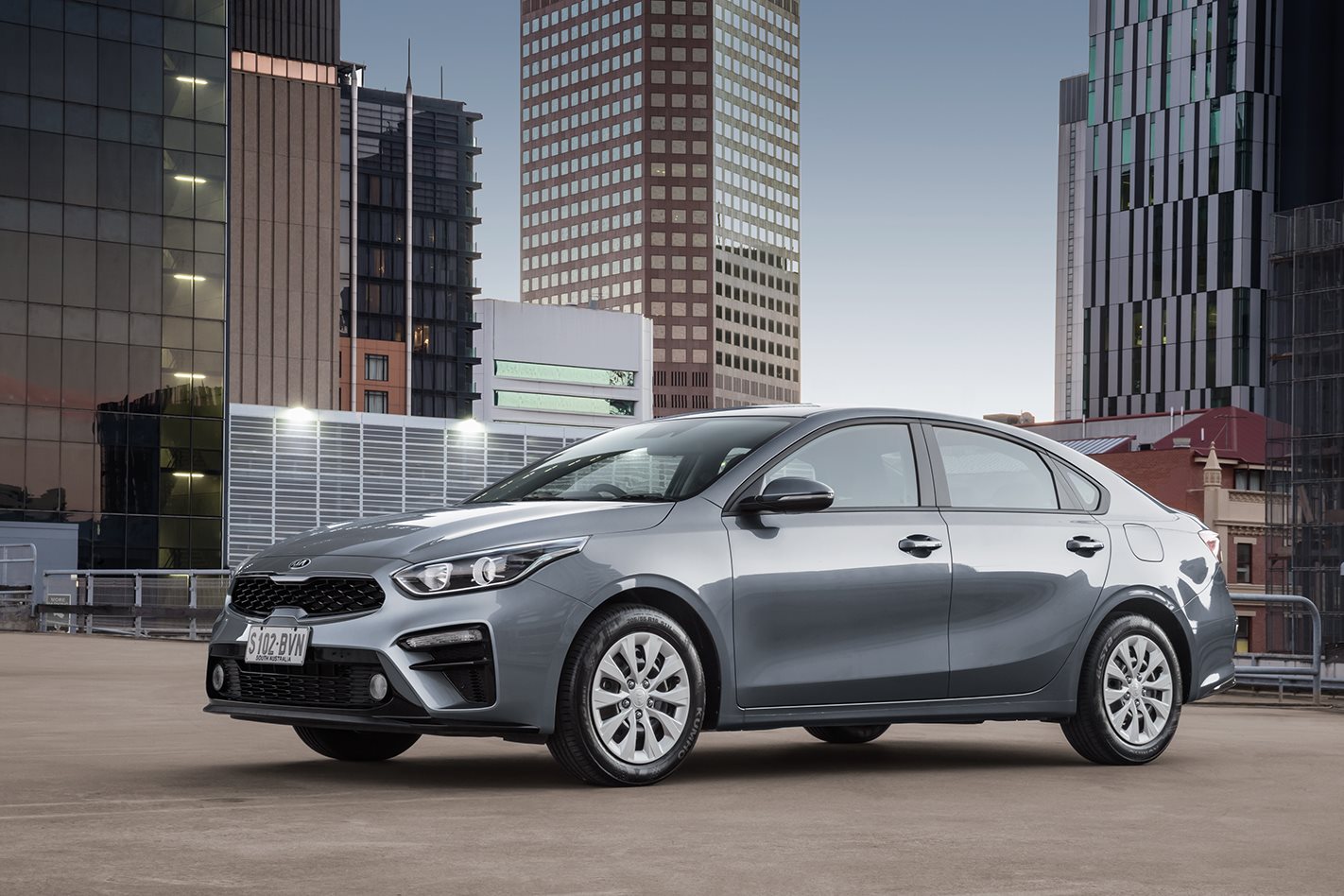
Like the Mazda 2, it is available in a hatchback and a handsome sedan version, both of which have roomy boot spaces. Then there’s that seven-year warranty that will almost see you through to middle age. The only downside is the dated engine that’s a little thirsty for a small car.
Price from: $21,490 Fuel consumption: 7.6L/100km Pros: Comfortable; pleasant to drive; auto-braking as standard Cons: Lacklustre engine; fuel consumption
Hyundai Venue Go
Hyundai’s smallest high-rider is technically an SUV but it feels very much like a hatchback. Still, the Venue is a great little well-equipped runabout that’s good for carrying things in its 355-litre boot space. The luggage compartment also has a two-stage floor which can be lowered to increase volume.
It has a 1.6-litre petrol engine in all variants, with a choice of six-speed manual and six-speed automatic gearboxes. The latter adds about $2000 to the price tag.
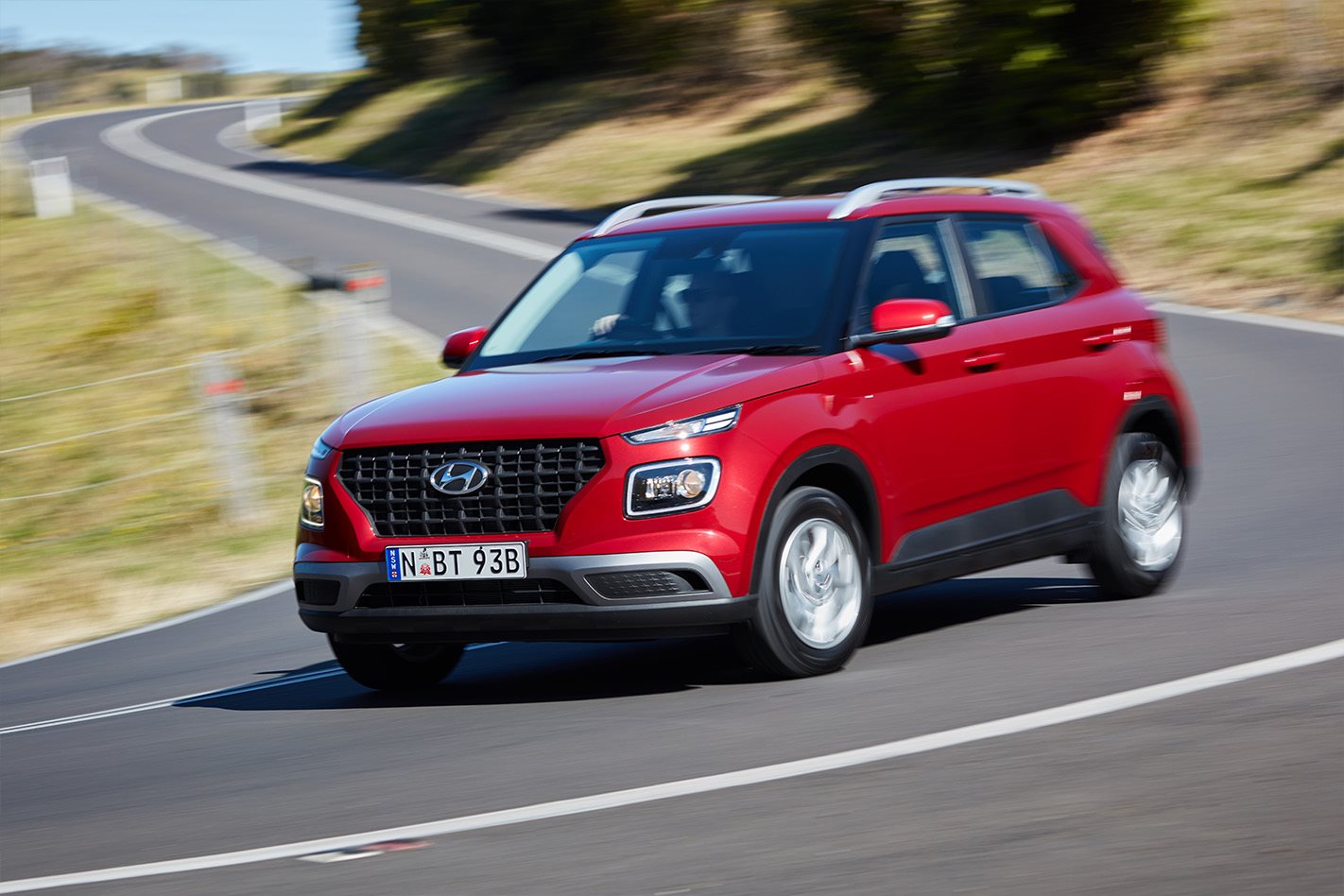
The base-spec Go has a good infotainment system with the now virtually obligatory Apple CarPlay/Android Auto, autonomous emergency braking and lane-keeping assist. If you’re happy with the six-speed manual you can up-spec to the Venue Active (pictured) for less than $22k, which brings a few more trim and comfort features.
Price from:$20,190 Fuel consumption:7.0L/100km Pros: Bold styling; refined ride, keen steering, boot space Cons: Lacklustre engine, cabin noise
*All specifications listed are based on manual transmissions. Prices and fuel figures will vary for automatics.
What stands out?
The Toyota HiLux offers a smooth diesel engine, carries big loads comfortably, and tows very well. You can get it with two-wheel drive or dual-range 4WD, and in 4WD trim it is very good off-road. The HiLux comes in a big variety of models, among them comfortable, family-friendly Double-Cabs. Toyota’s remote-area service is second to none and all versions are equipped with autonomous emergency braking.
What might bug me?
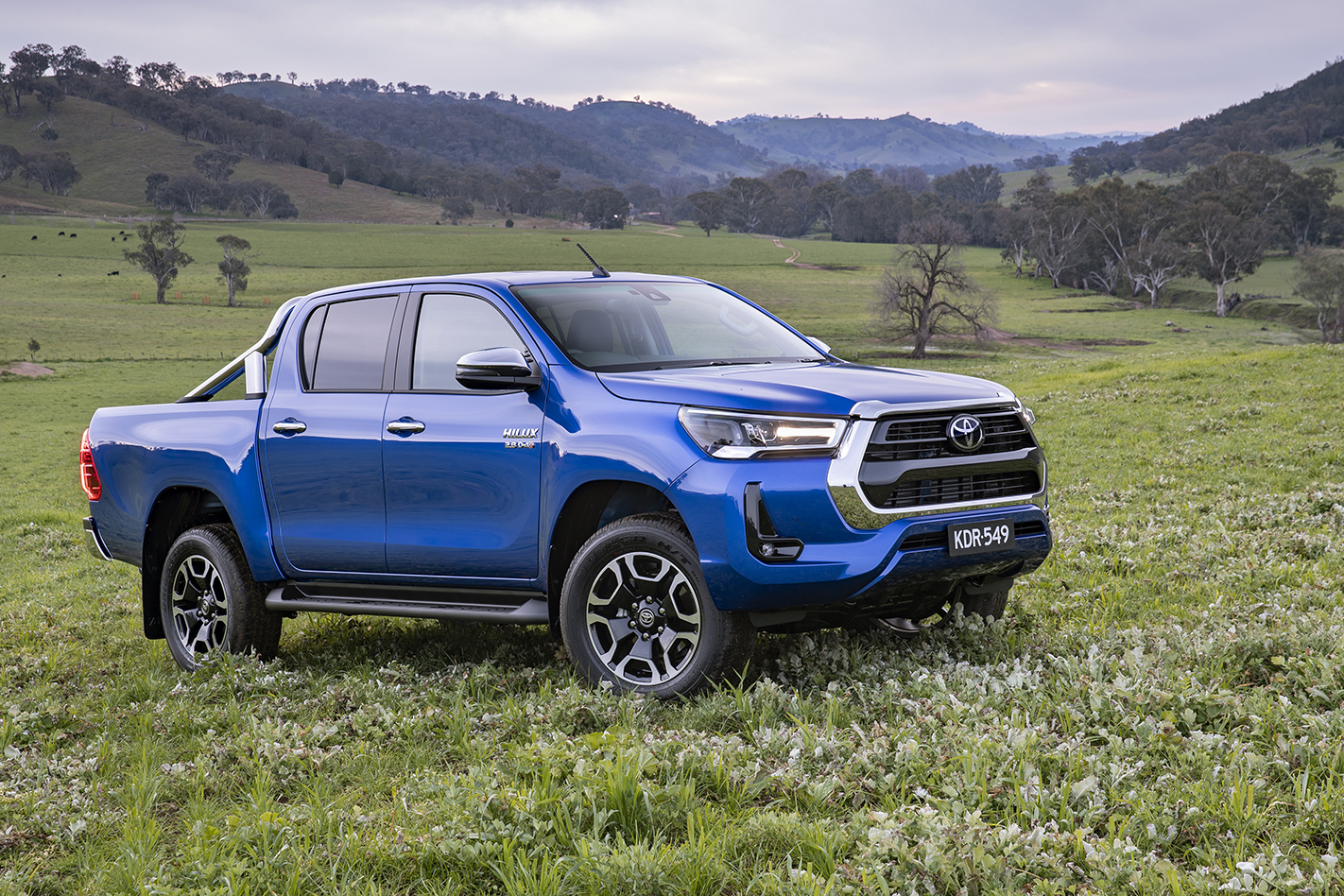
The workaday appearance of the popular HiLux SR. It comes with black steel wheels and looks like a working ute for a farmer or tradie – but it’s certainly not priced like one. Aluminium alloy wheels and satellite navigation are available as an extra-cost option.
What body styles are there?
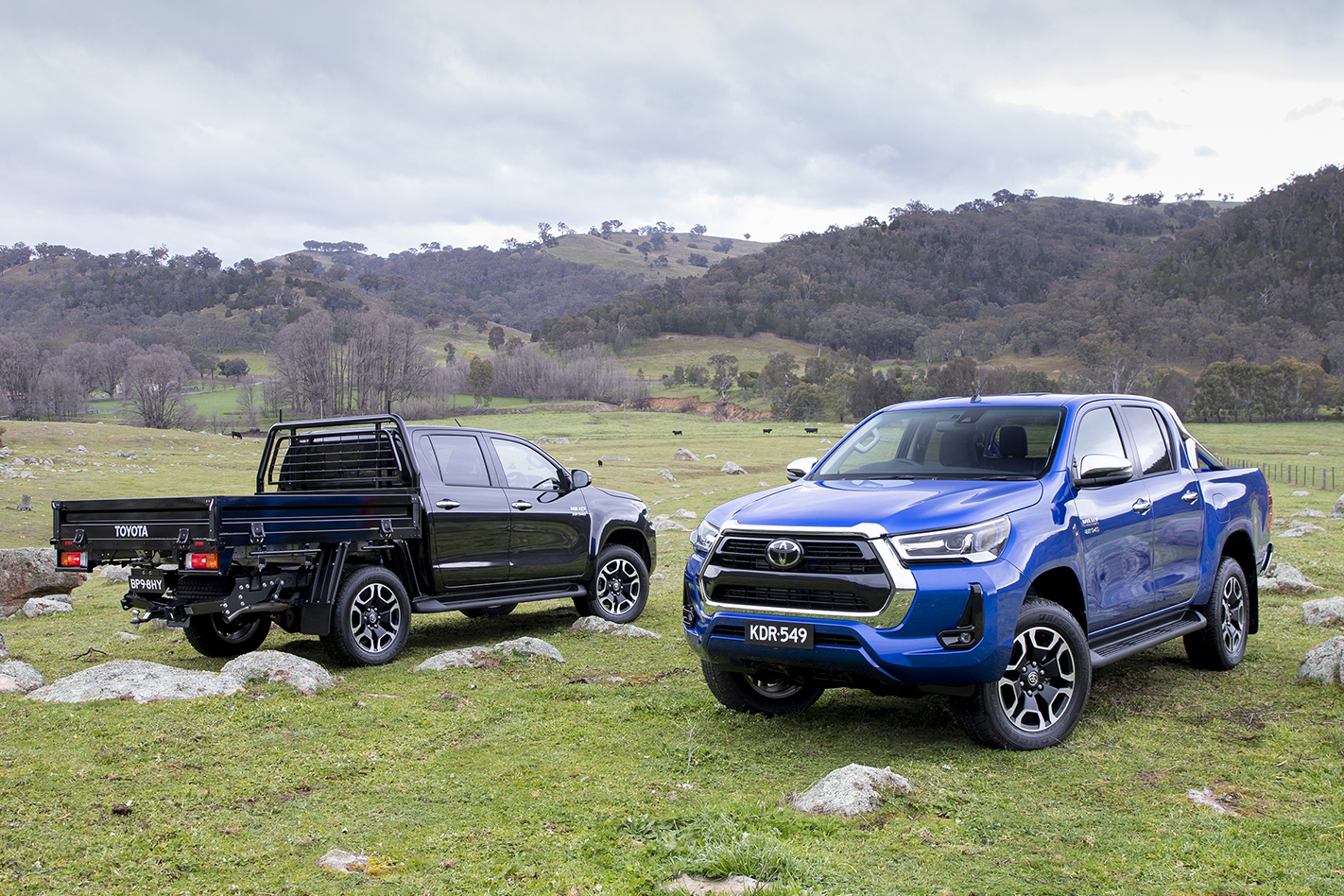
The HiLux comes in Single-Cab, Extra-Cab and Double-Cab variants, and as both a Pick-Up (with a factory tub at the back) and just a cab on a chassis.Getting a cab-chassis HiLux lets you fit the tray of your choice at the rear, including designs tailor-made for specific applications. Single-Cabs come only in this form. But you can have an Extra-Cab or Double-Cab as either a cab-chassis or a Pick-Up.
Single-Cabs seat two. The extended Extra-Cab models can seat four, adding two rear jump seats accessed via rear-hinged, rear-opening doors that open only when the front doors are open. Double-Cabs have a conventional four-door arrangement with seating for five.
The HiLux comes as a two-wheel drive vehicle (driving just the rear-wheels), or with dual-range gearing and part-time four-wheel drive. Dual-range gearing allows you to drive comfortably at very slow speeds off-road. Part-time 4WD allows you to drive all four wheels on slippery or soft surfaces off-road, but not on normal sealed roads.
The 2WD models come with standard ride height or as Hi-Rider versions that have the extra ground clearance and under-body protection of the four-wheel-drive models.The HiLux is classified as a Light Commercial Pick-Up/Cab-Chassis.
What features does every HiLux have?
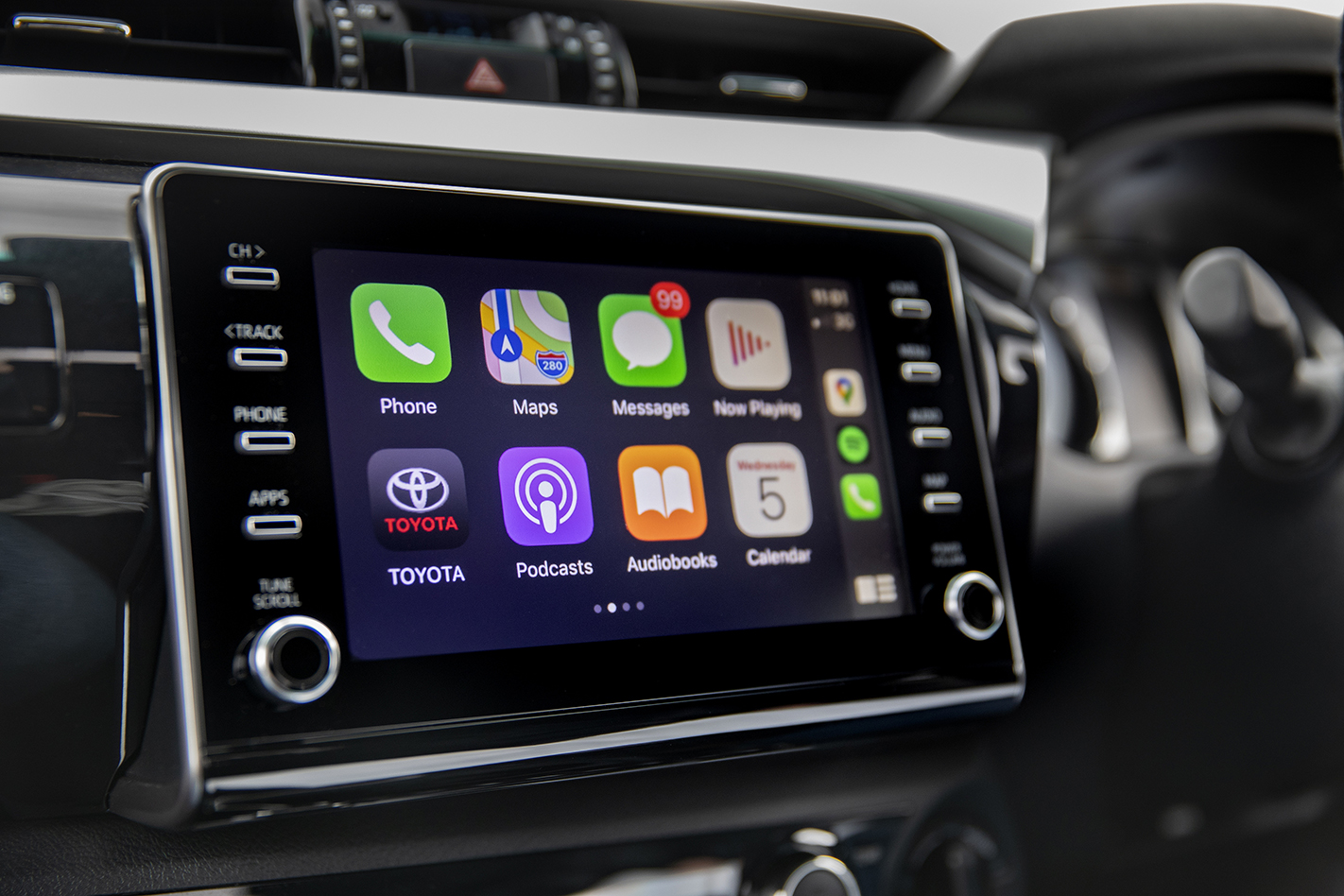
- Infotainment system with an 8.0-inch touchscreen, Apple CarPlay and Android Auto and myToyota app, and Bluetooth phone connectivity with voice recognition.
- Cruise control operated via a stalk on the steering column.
- A pre-collision safety system which includes forward collision alert, autonomous emergency braking, high-speed active cruise control, lane departure alert with steering assistance and road sign assist.
- All versions except the Workmate Cab-Chassis variants have a reversing camera, to help you see behind the vehicle when reversing. (On cab-chassis models, this is an accessory that you can fit with the tray.)
- Dusk-sensing headlights.
- Daytime running lights (DRLs).
- Air-conditioning.
- Nearly every HiLux has both tilt and reach adjustment for the steering wheel, which helps you find a comfortable driving position. (Only the 2WD single-cab working trucks don’t have this.)
- Seven airbags: two directly in front of the driver and front passenger; one alongside each front occupant to protect the upper body; a curtain airbag along each side to protect the heads of front and (where applicable) rear outside occupants; and an airbag in front of the driver’s knee to help prevent leg injuries.
- Electronic Stability Control, which can help the driver to control a skidding car. This is mandatory on new passenger cars but not light commercial vehicles like the HiLux.
- Trailer Sway Control, which helps stabilise the vehicle if a towed trailer is swaying from side to side.
- Electronic Traction Control, which helps the car maintain drive on slippery surfaces. This is especially helpful with the 4WD models in difficult going.
- All Hilux versions carry Toyota’s five-year, unlimited-kilometre warranty, and capped price servicing.
Which engine uses least fuel, and why wouldn’t I choose it?
The HiLux range features three engines; two four-cylinder diesel turbos and four-cylinder petrol.The diesel-powered HiLuxes are the most fuel efficient. There is a 2.4-litre four-cylinder for the Workmate work trucks and a more powerful 2.8-litre four-cylinder for the rest. The two diesels return similar fuel figures in official test conditions, but it’s likely the smaller 2.4 unit in the Workmates will be thriftier in real-world use.
The 2.8 diesel is the most widely available in a HiLux. On the official test (city and country combined) it consumes between 7.3 and 9.0 litres/100km, depending on body style, equipment level, driveline and gearbox. Manuals use less fuel than the autos.
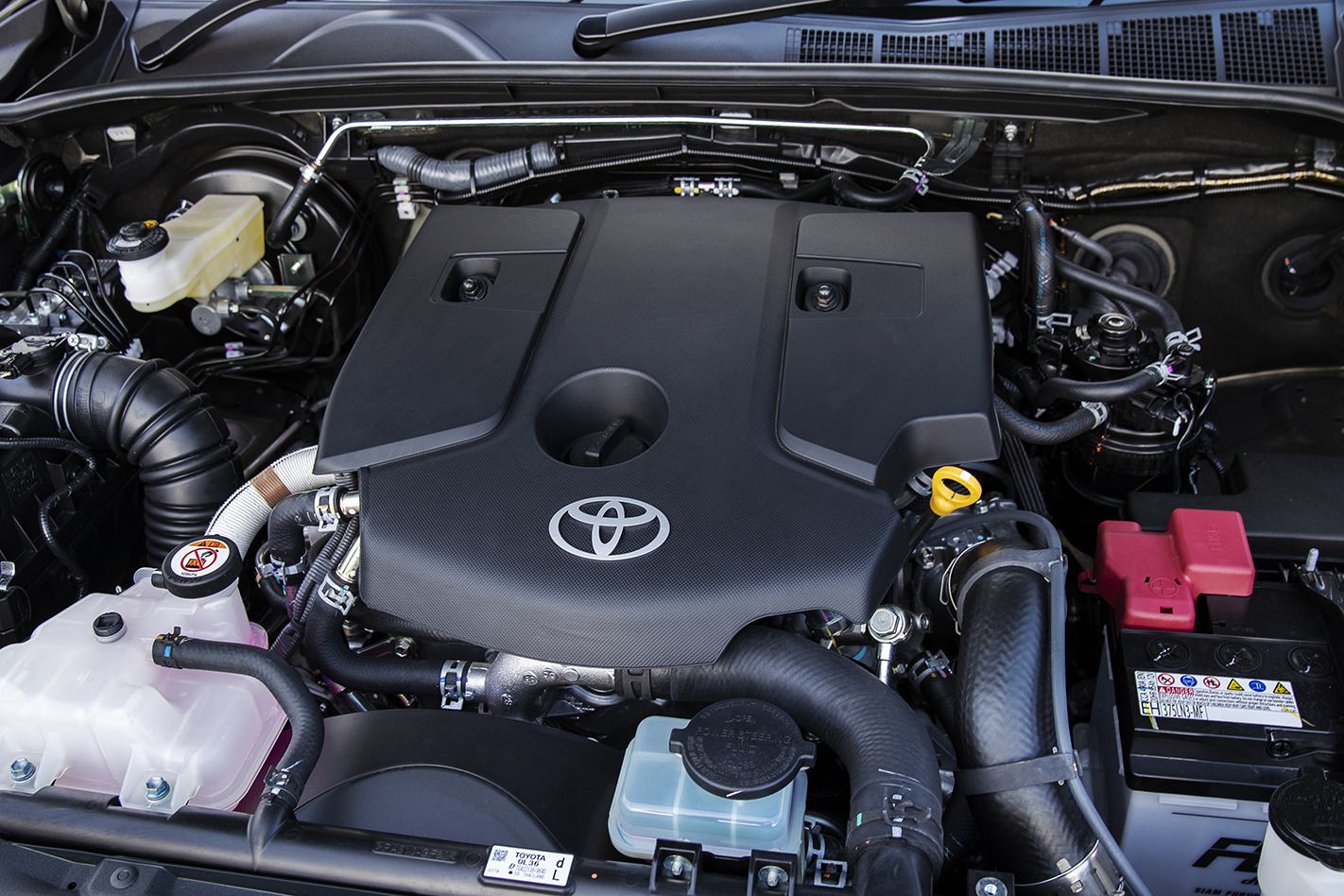
The same 2.8 diesel powers the Toyota Fortuner wagon, and a version of it also powers most Prado wagons. It’s a nice engine, if less powerful than the bigger diesels in some other utes though it did receive a power boost in the second half of 2020 that Toyota claims improves overtaking and towing ability.
The 2.7-litre four-cylinder petrol engine is reserved for 2WD Workmates and drinks a not-so frugal 11.1litres/100km.The auto gearboxes are all six-speed units. The bigger diesel also comes in six-speed manual form. Manual gearboxes on Workmates have either five or six speeds.
What key features do I get if I spend more?
The HiLux Workmate spec comes with 16-inch steel wheels for all 2WD versions except the Hi-Rider pickup, which has 17-inch steel as do the 4WD versions.
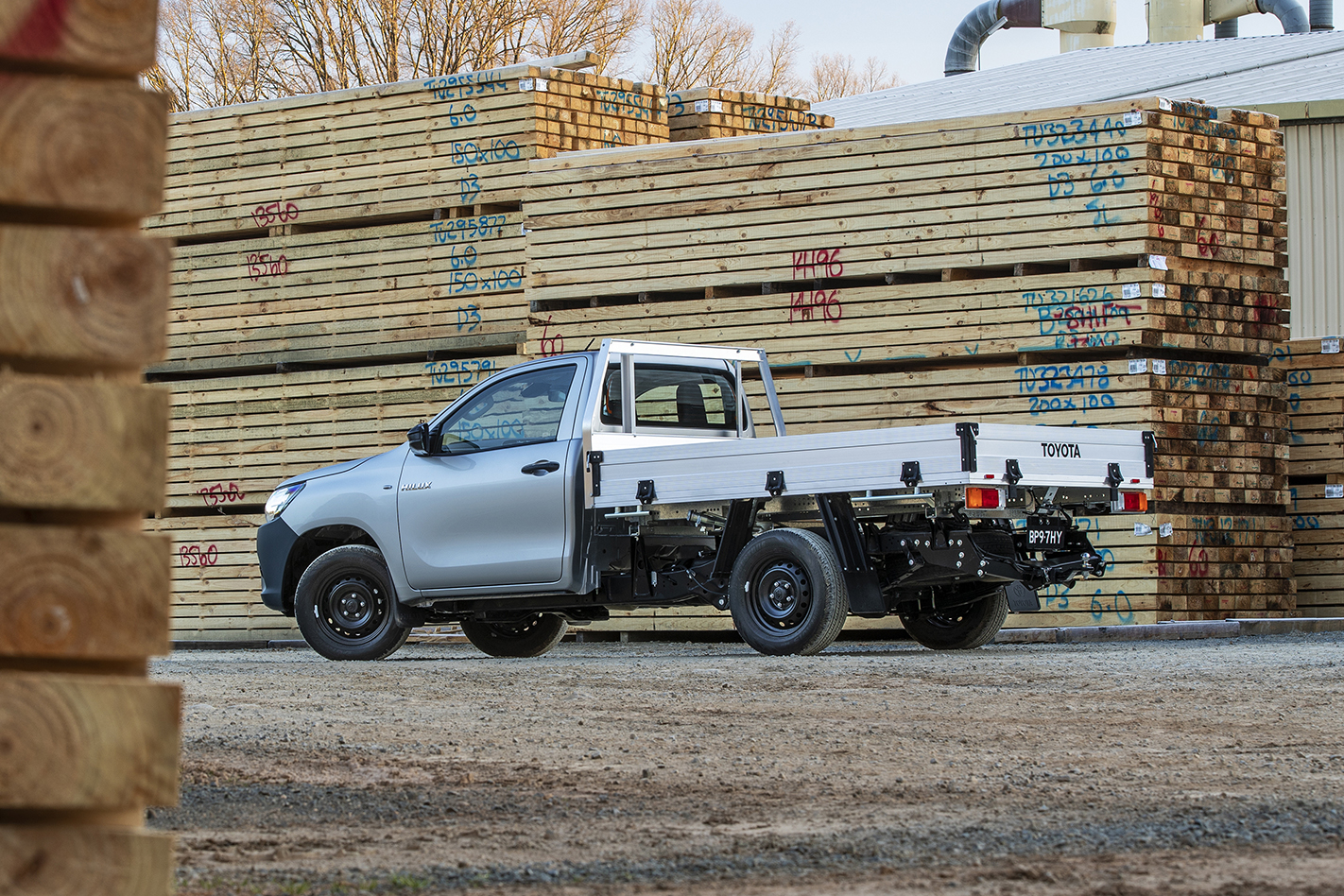
Spending more on a HiLux SR gains Sidesteps (which help you get in and out), a driver’s seat that can be adjusted for height, 17-inch alloy wheel and a sound systems in most SRs have a few more speakers, for a total of four in SR Extra Cabs and six in SR Double Cabs.
HiLux SRs with 4WD have a rear differential lock, which helps you maintain drive in difficult off-road conditions, and downhill assist control which automatically controls the brakes to maintain a constant slow speed when negotiating steep descents to allow the driver to concentrate on steering.
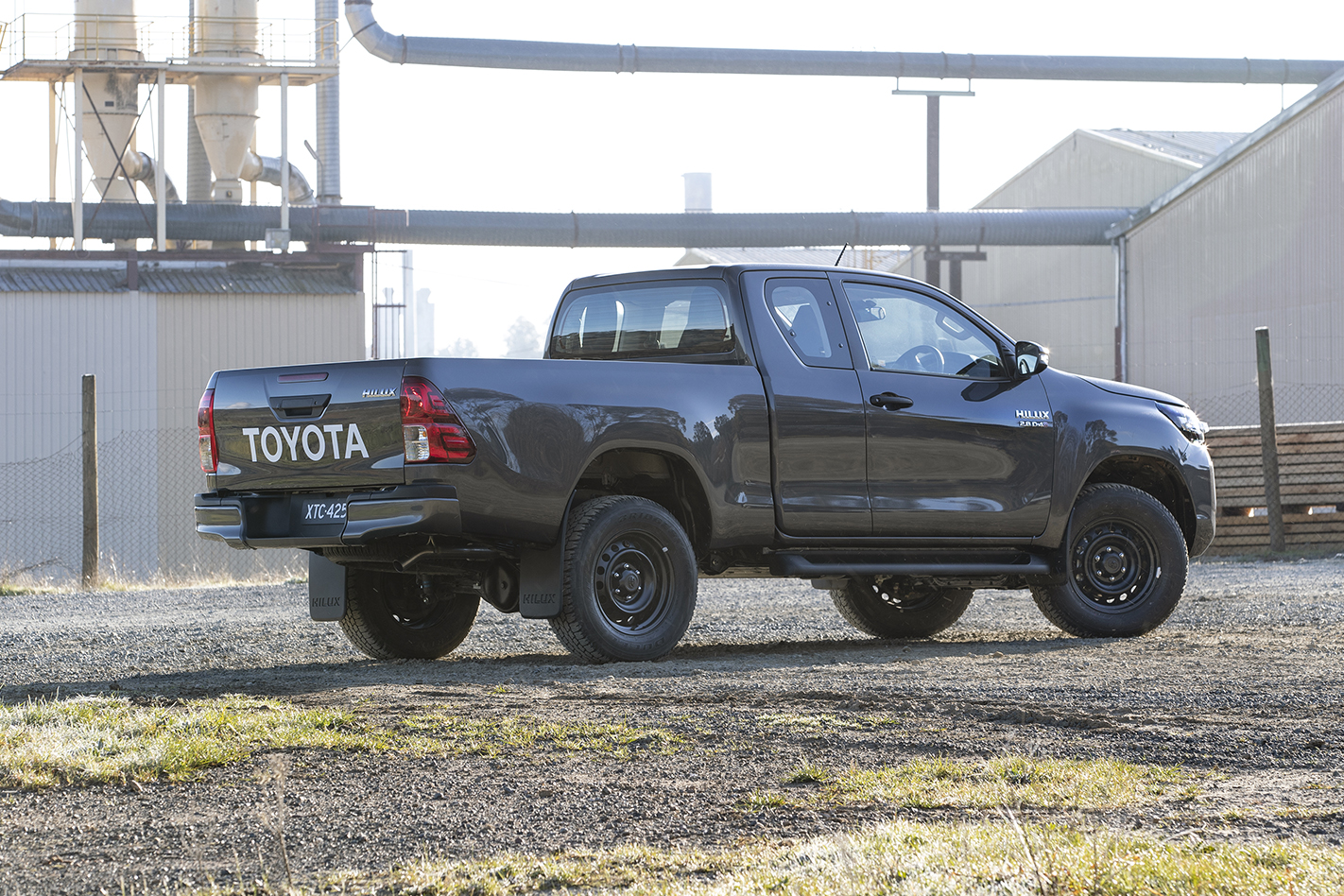
Satellite navigation and alloy wheels are available with SR Double Cabs as an extra-cost option.
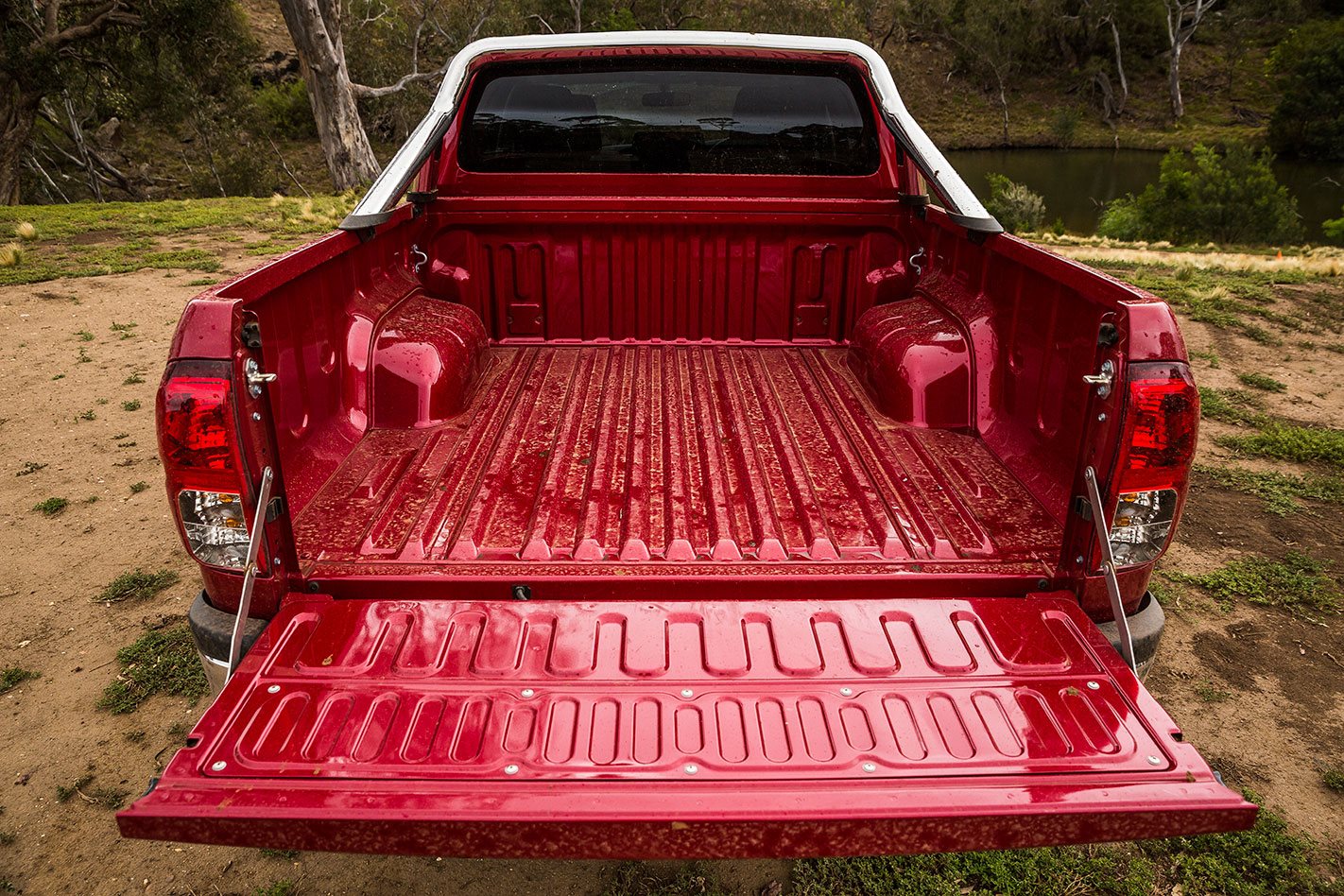
HiLux SR5s also look very flash, and different from Workmate and SR models, thanks to lashings of chrome in places such as the front grille, door handles and rear bumper. There is also a chromed sports bar behind the cabin. Tubs and tailgates on SR5s are smooth-sided, rather than carrying the external tie-down hooks and rails of the Workmates and SRs.
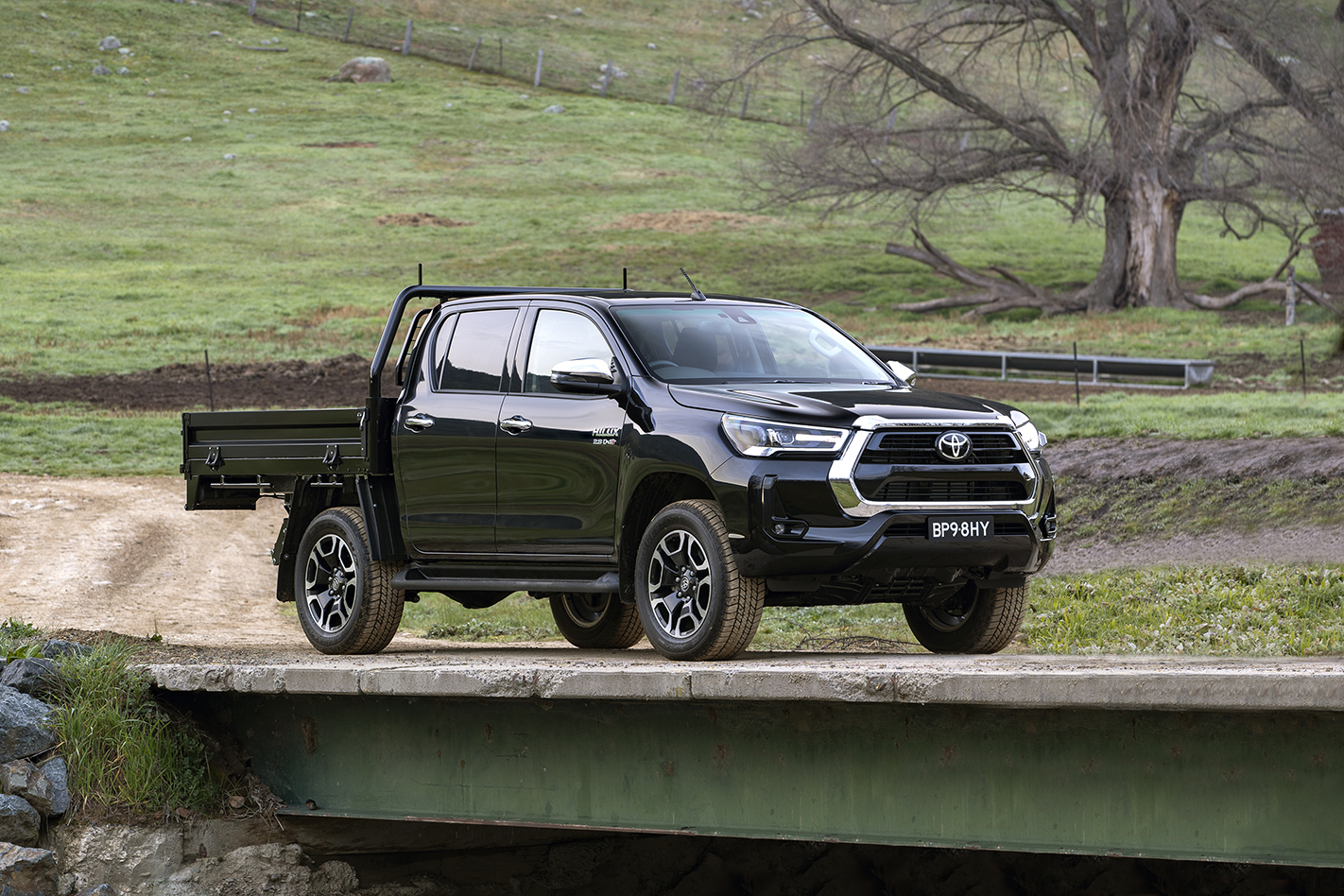
All SR5’s come with satellite navigation and the pick-up versions have front- and rear-parking sensors.
A premium interior with leather seat trim and a power-adjusted seat for the driver is available as an extra-cost option.
Does any upgrade have a down side?
The SR5’s rear tub is less useful for carrying big, tall and wide items than those on Workmates and SRs, because it does not have external tie-down points.
How comfortable is the HiLux?
The HiLux dashboard is more like a passenger car’s than a commercial vehicle’s, and even Workmate models get a tablet-like touchscreen. Workmates are still somewhat spartan with their vinyl floors, basic cloth seats and scanty features, and are a far cry from the SR5 4WD Dual Cab with its optional leather seats, carpets and more extensive feature set.
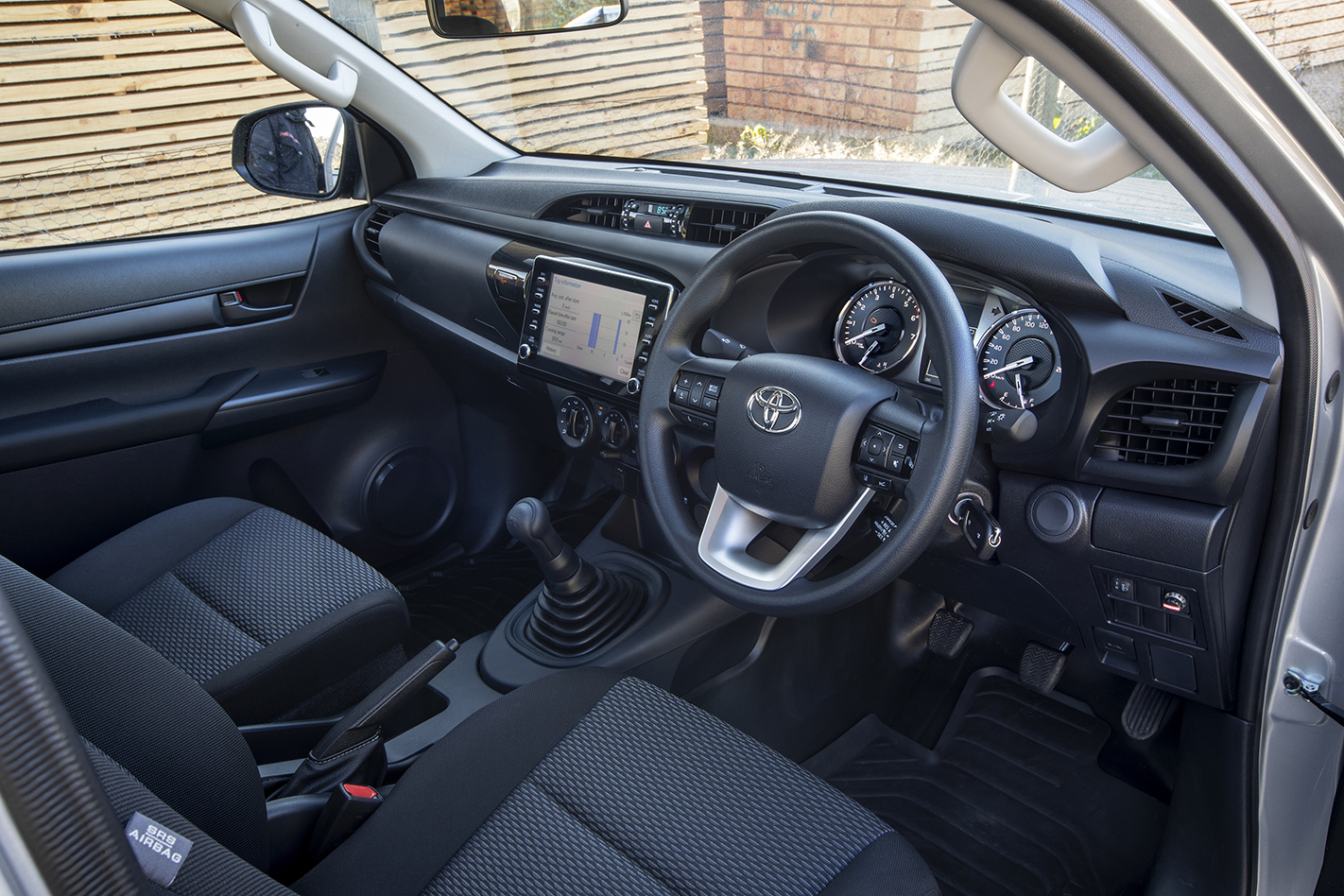
The SR, which sits between the Workmate and SR5 in terms of features and comfort, had its carpet flooring replaced with more durable vinyl in October 2017.
In typical Toyota fashion, all the buttons and controls are clearly labelled and easy to use.
The 2021 model now has knobs in lieu of buttons, which Toyota says are faster responding, more tactile and easier to use, particularly when driving over rough terrain.
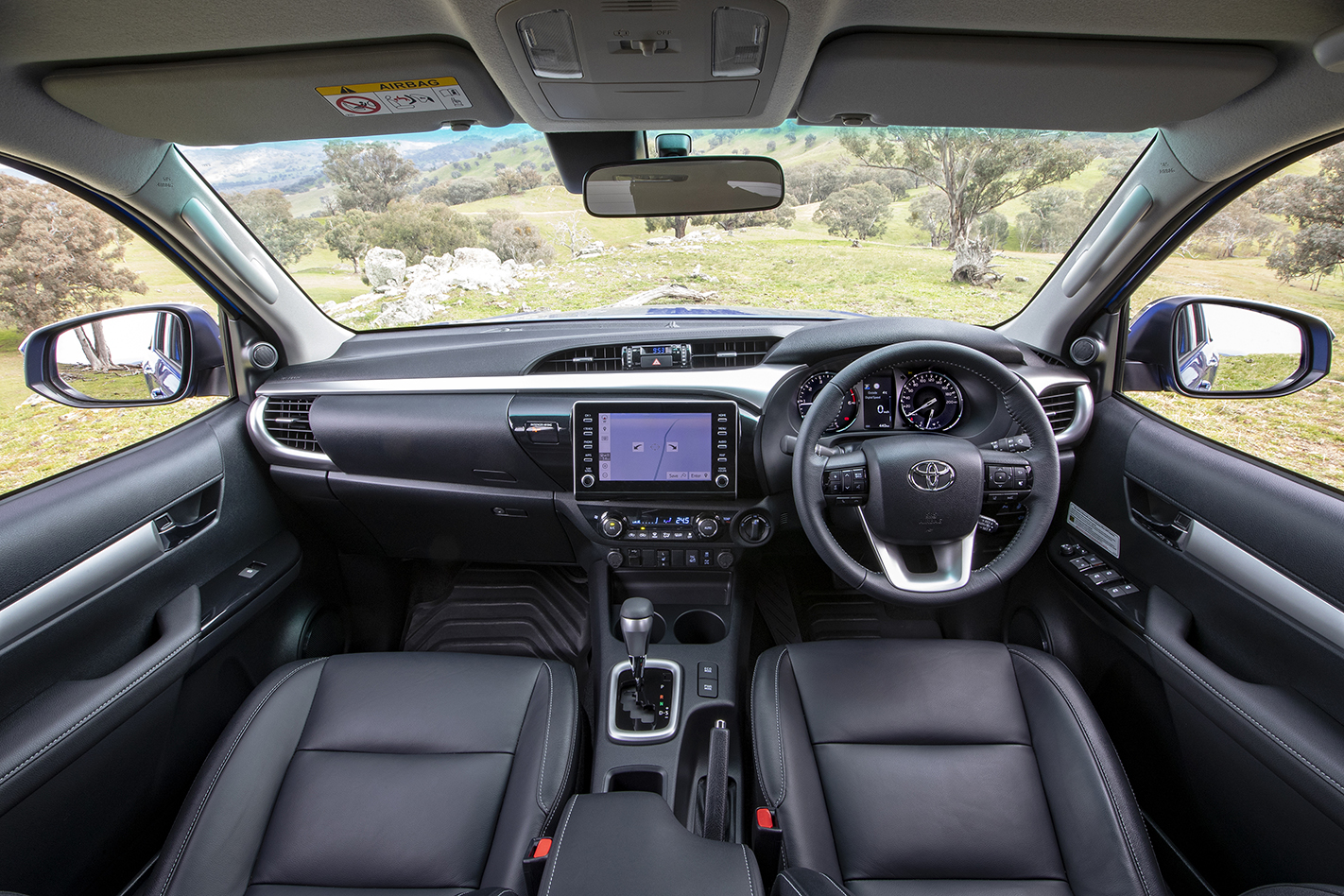
The tilt and reach steering wheel adjustment (on all but the 2WD single cabs) is an unusual and most welcome comfort feature in a ute.
Even with the previous models, the diesel engines and the V6 petrol are smooth and offer easy-to-use power. Both diesels are notably quiet by commercial-vehicle diesel standards. The automatic gearbox changes gear smoothly and unobtrusively – it is the best choice with the diesels and the only choice with the V6 petrol.
The 2021 facelift has resulted in retuning of spring rates, shock absorbers and suspension bushes as well as revised cabin mounts. These improvements are designed to deliver a more agile handling response and improving ride comfort, particularly when unladen on country roads and over speed humps.
What about safety in a Toyota HiLux?
With seven airbags, electronic stability control, trailer-sway control and a reversing camera, all HiLuxes have excellent safety. The good news is that even the less costly single-cab 2WDs don’t scrimp on safety compared with the more expensive models, missing out only on the SR5’s auto-levelling LED headlights.
In June 2019 Toyota introduced its Safety Sense driver assistance package to all Hilux versions, which includes a pre-collision safety system with day and night pedestrian detection and day cyclist detection. The system uses camera and radar sensors which detect a possible collision and reacts with visual and audible warnings, braking assistance or autonomous emergency braking if the driver fails to heed the warning.Safety sense also features high-speed active cruise control, lane departure alert with steering assistance, and road sign recognition that displays the current speed limit.The Australasian New Car Assessment Program (ANCAP) awarded current HiLux models five stars, its maximum safety score, in September 2015.
I like driving – will I enjoy this car?
There’s no escaping the fact that the HiLux is a ute and is not a sporty drive, so you’re more likely to enjoy it in 4WD guise, and as an off-road adventure machine in particular.
The SR5 4X4 Double Cab, in particular, feels quite nimble for a modern-day ute, due in part to the fact it’s now one of the smaller utes in most dimensions.
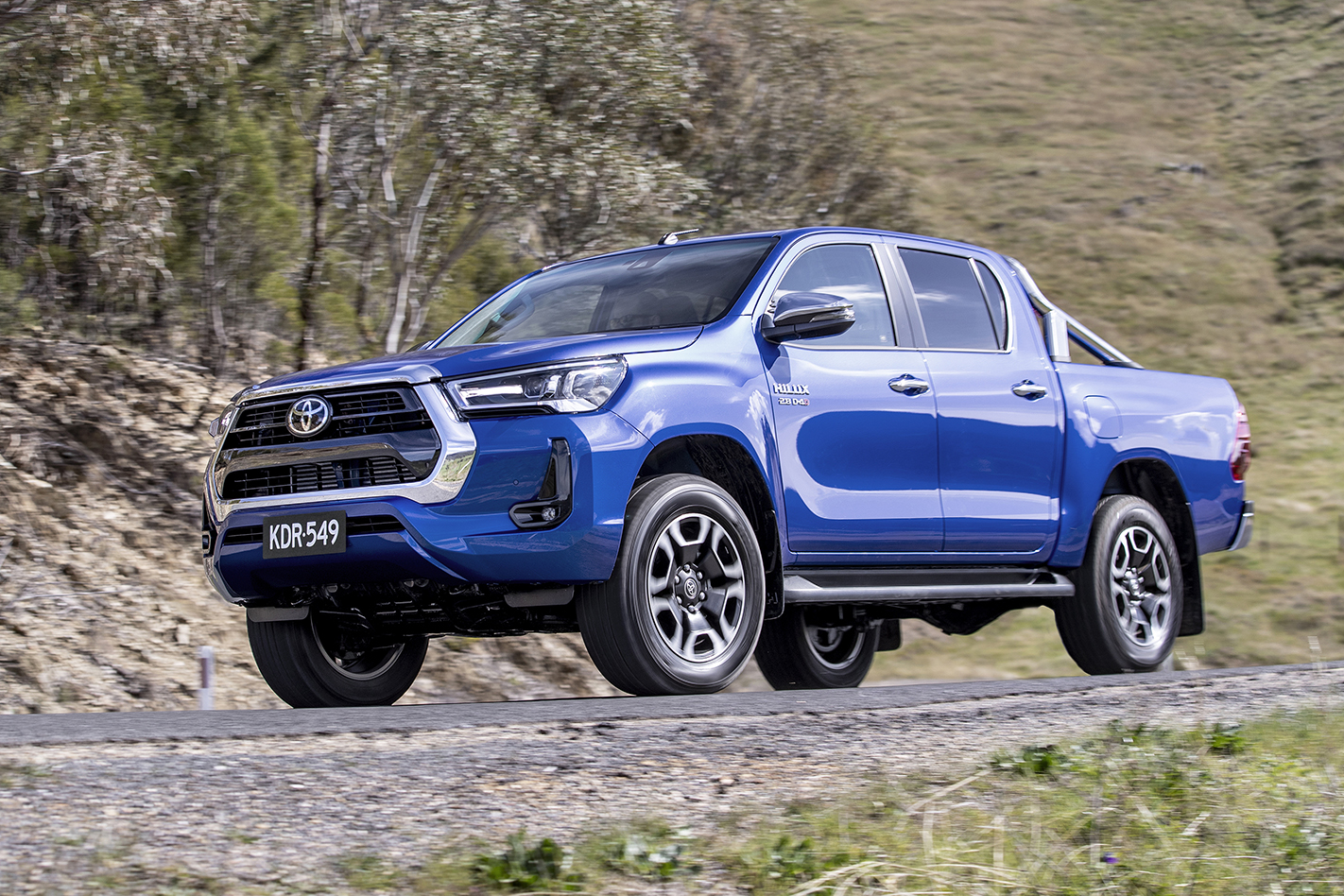
The HiLux has always been extremely capable off-road, thanks to its long-travel suspension, especially at the rear, and its very effective off-road-tuned electronic traction control.
For 2020, Toyota updated the HiLux’s suspension with softer rear springs and new shocks, as well as variable-feel steering, with an aim of making the HiLux more comfortable to drive on the road without a payload in the rear.
It backs that up with excellent under-body protection and – for additional peace of mind – Toyota’s industry-leading remote-area service.
How is life in the rear seats?
The Extra Cab’s two jump seats are good only for extremely short drives, even for kids.
The Double Cab rear seat isn’t as comfortable as those in as a mid-sized 4WD wagon such as Toyota’s own Prado, and isn’t as wide as seats in bigger utes such as Volkswagen Amarok, Ford Ranger or SsangYong Musso. But still it isn’t bad for two adults and a child, or three bigger children.
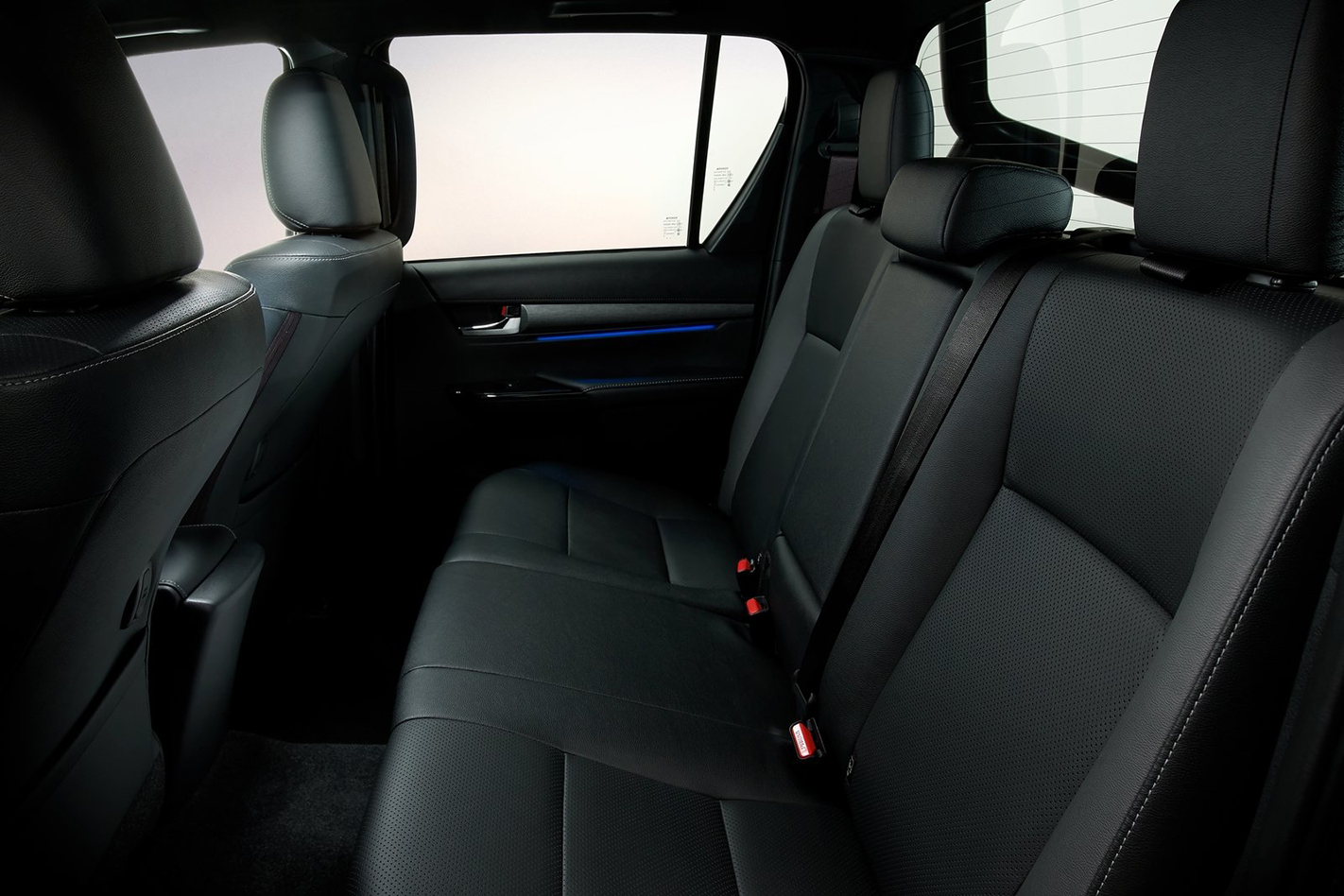
There are two ISOFIX child seat restraints in Double-Cabs. Four-wheel drive and Hi-Rider 2WD models are a good height for getting small children in and out.The SR5 4WD and 2WD Hi-Rider Double Cabs have rear air-conditioning vents.
How is it for carrying stuff, and for towing?
Excellent – it’s a ute. And the HiLux is also very good at towing.How much you can carry depends on which Hilux you get. Fewer seats in the cab means more length in the tray and more weight you can put there (because there’s less weight in the cab).
Legally, a HiLux is rated to carry less than many similar utes. Even so, the HiLux with the least capacity – the SR5 Double Cab four-wheel drive – can carry 740kg in the tray (37 bags of cement) and a driver and passenger, and still be legal. All other variants can carry more.
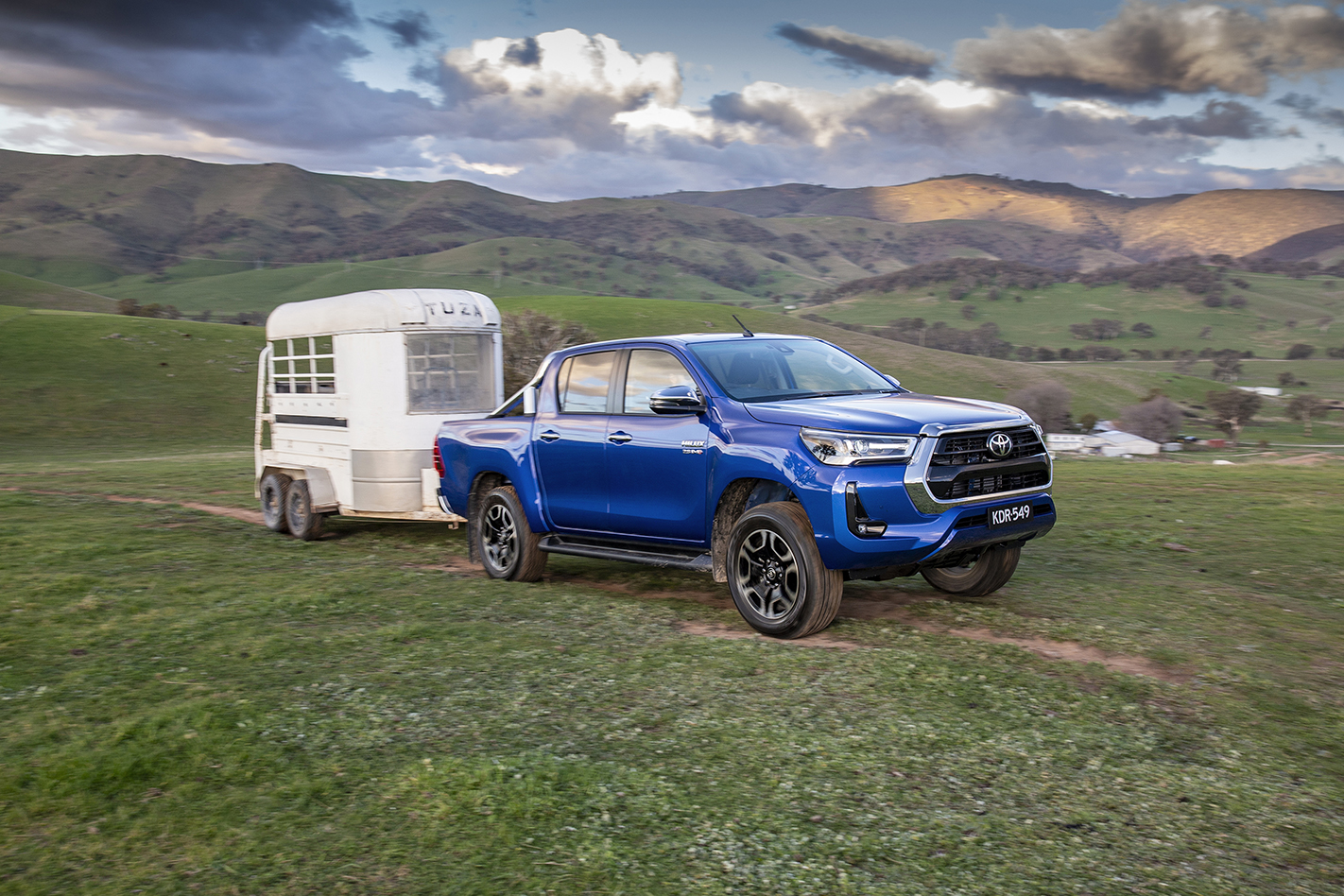
In practice, the HiLux tows this sort of load well and feels stable and composed on the road, thanks to its robust chassis. The 2.8 diesel is also up to the task. It is noticeably quieter under load than engines in other utes, even if some are more powerful and don’t feel steep hills as much.
In any ute, extreme care should be taken when carrying or towing big loads.
Where does Toyota make the HiLux?
All variants of the HiLux sold in Australia are built in Thailand.
What might I miss that similar cars have?
A four-wheel drive system that you can also use on sealed surfaces. Full-time 4WD comes with Volkswagen Amarok V6 automatics and the more expensive of the Mitsubishi Tritons, for example. It is easier to operate and potentially safer than the HiLux’s part-time 4WD system.A more powerful diesel: diesel versions of the Ford Ranger and Amarok offer more performance than the most powerful diesel HiLuxes.
The most expensive Amaroks and Rangers and SsangYong Mussos have heated front seats, while the top-spec Nissan Navara and Musso has those and a sunroof.Other utes you might consider include the Mazda BT-50 and the Isuzu D-Max.
Are there plans to update the HiLux soon?
This all-new, eighth-generation HiLux arrived in late 2015 and won’t be replaced until about 2025.Toyota withdrew the poor-selling V6 petrol engine models in October 2017 and added extra diesel variants including the SR+ and an automatic SR5 Hi-Rider Double Cab.

In April 2018 Toyota added three new variants to the HiLux range called the Rogue, Rugged and Rugged X that featured additional equipment and enhanced styling. All three were developed in Australia to better meet the demands of tough Aussie roads and tracks.In June 2019 Toyota introduced its Safety Sense driver assistance package to all Hilux versions, which includes a pre-collision safety system autonomous emergency braking, high-speed active cruise control, lane departure alert with steering assistance, and road sign recognition that displays the current speed limit.
At the same, the 2.4-litre diesel Workmate 4×2 single-cab cab-chassis and WorkMate double-cab were discontinued and replaced with WorkMate Hi-Rider versions featuring the same ride height and 2.8-litre diesel powertrains of the 4×4 Hilux models.
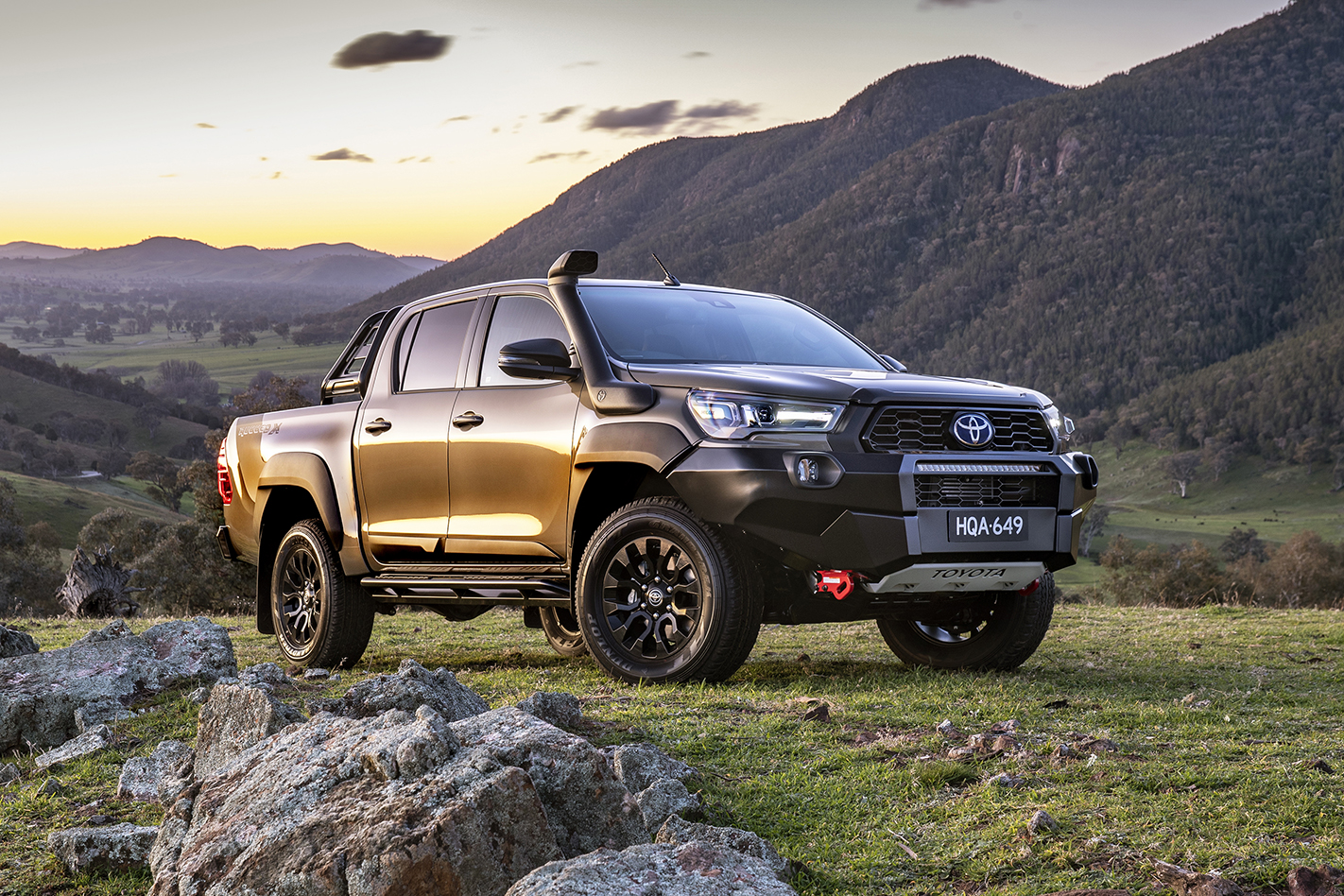
Another update arrived in August 2020 that brought a front-end facelift, power-boost to the 2.8-litre engine, revised suspension, 300kg increase in towing capacity to 3500kg and improved infotainment including a bigger 8.0-inch screen and Apple CarPlay/Android Auto. The SR+ and SR5+ deleted from the range but their extra available as extra-cost options. The Rugged, Rogue and Rugged X were also dropped, with updated versions of the Rogue and Rugged X due later in 2020.
I like this car, but I can’t choose which version. Can you help?
The SR5 diesel automatic 4WD Double Cab is the pick as a family vehicle for both day-to-day transport and weekend recreation, especially for those wanting off-road ability. If you want sharper looks you might like the SR5-based Rogue and Rugged X, the latter of which has a host of extra features for more off-road practicality.
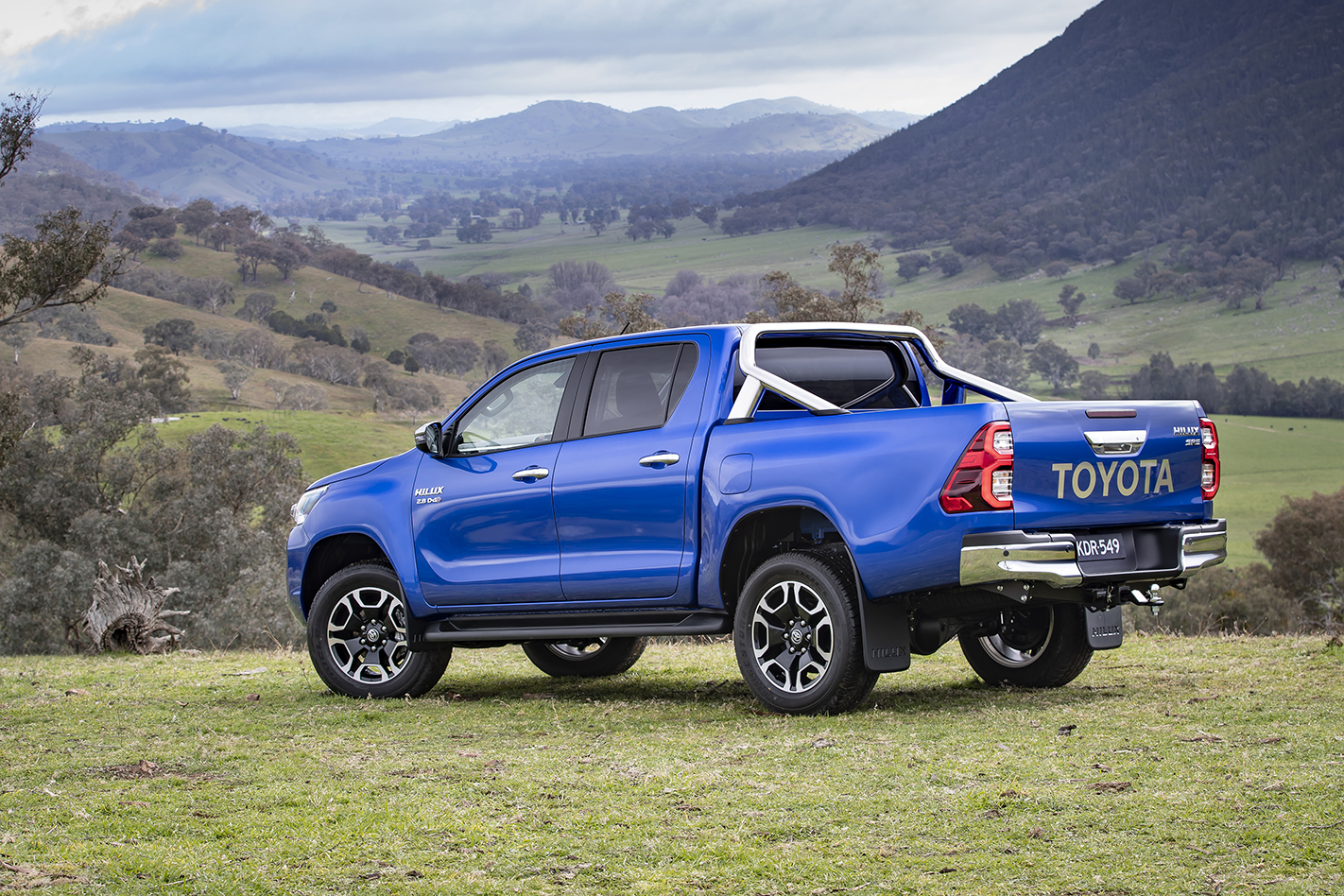
If you like the SR5’s rugged looks but are unlikely to negotiate anything rougher than dirt tracks you could opt for the more affordable 2WD Hi-Rider Double Cab versions.
However, given the HiLux comes in 31 variants that range from basic work vehicles up to well-equipped family utes, there should be a HiLux for everyone. No other manufacturer offers such a wide range in utes.
Welcome to MOTOR’s running tracker for prices of used Ford Falcon XR8s.
After a similar guide for the Commodore SS, we intend to run one for Falcon XR8s and XR6s (Turbo or otherwise), as well as Subaru’s ever-popular WRX and other models we deem of high enough interest to keep track of! Expect to see HSV and FPV versions of these guides soon, too.
This guide is a snapshot of the asking prices of cars advertised in the used market at time of publish, as well as keeping a future track of how prices shift. It is not a definitive value guide, as the market generally shifts with availability and trends altering prices.
If you have your own experiences or anecdotes regarding the shifting prices, feel free to add a comment at the end of the article. Feedback is even welcome if you think we’ve made an incorrect call, but remember to keep it polite!
Our Commodore SS guide can be found here, but read on for XR8 prices!
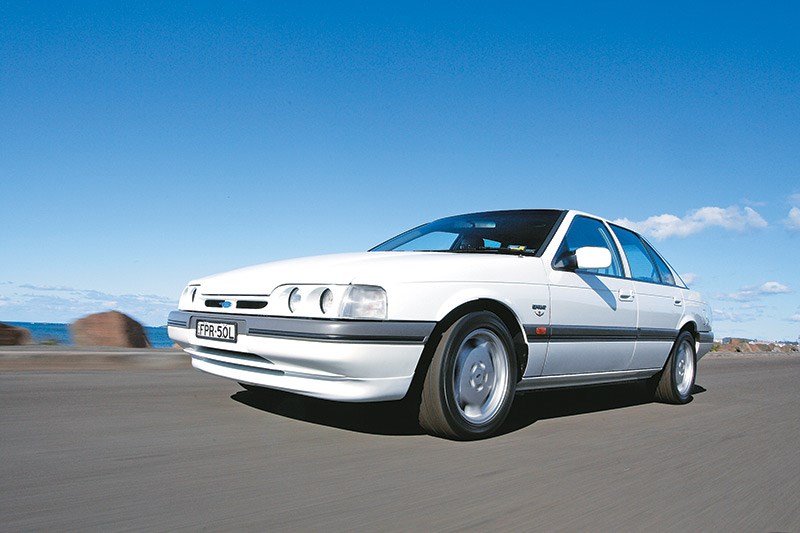
Ford Falcon EB XR8 prices
- $10-12k for a solid example with fewer than 250,000km
One car (asking $6300) we saw claimed to be in good condition but was missing a bumper, without reference to this in the ad description. Beware careless owners or the ‘it’s a classic car’ trick, as there are still tidy examples appearing for less than the $15,000 example we spotted.
Ford Falcon ED XR8 prices
- Approx $15k for a decently clean and original car with fewer than 250,000km
Ford Falcon EF XR8 prices
- $12-18k at the moment, though very good examples with approx. 100,000km asking more
Ford Falcon EL XR8 prices
- Right now, around $15k for a sub-250,000km example that’s in good condition
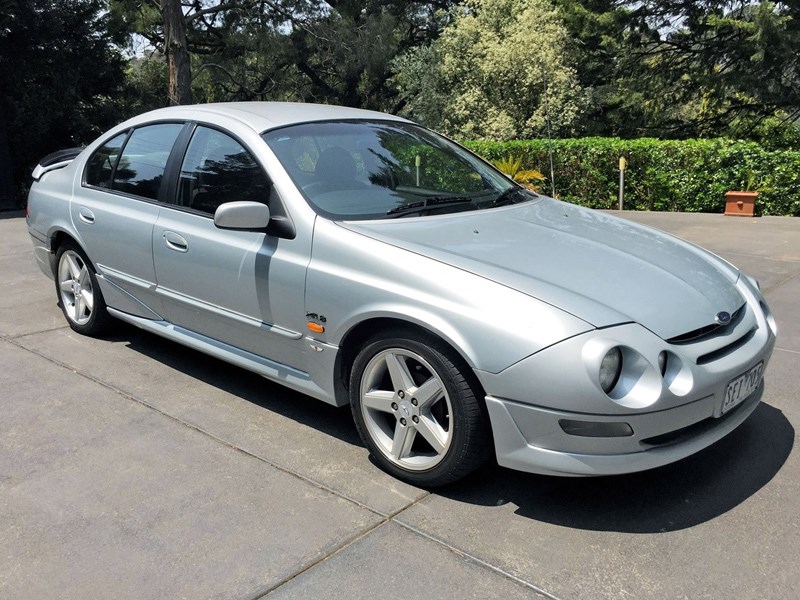
Ford Falcon AU XR8 prices
- In decent condition: AU XR8: around $10k / AUII: $10-15k / AUIII: $15k+
All we came across seemed to be in at least good condition, and even the pricier examples still had a fair few kilometres. It’s hard to say where prices will go right now, but we’ll keep an eye on them.
Ford Falcon BA XR8 prices
- $10-20k for a proper, roadworthy and clean example, dependant on km and originality
One example with just over 100,000km was asking $45k when we checked. There’s no need to spend that.
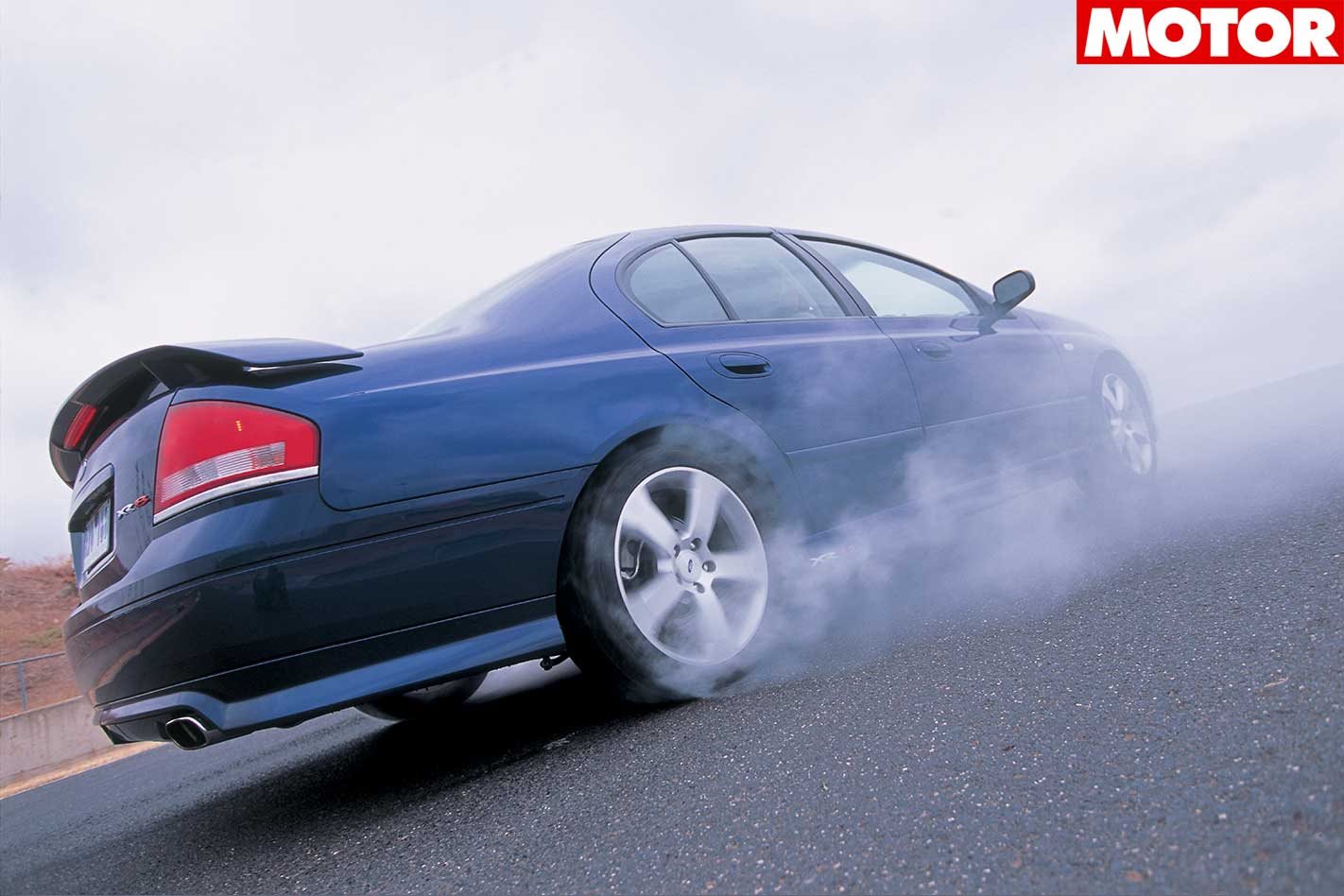
Ford Falcon BF XR8 prices
- $15-25k, plenty of options, be picky and aim for less than 100,000km
If you need to spend in the mid-teens, one of the more heavily used examples will still do you fine, but a little more money presents many more options, some of which are in great condition and asking less than rougher cars.
Ford Falcon FG XR8 prices
- $20-30k, similar range of options to BF
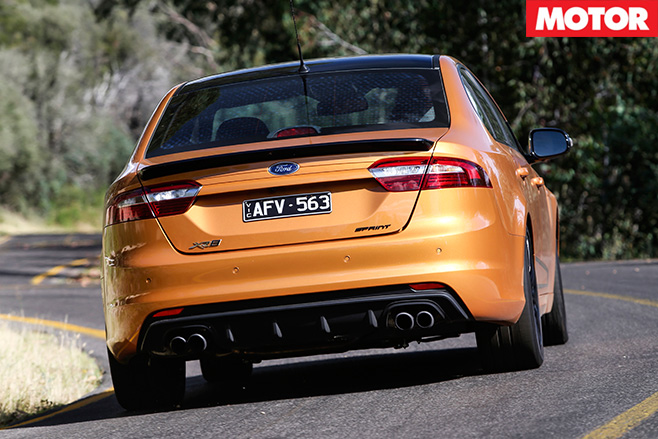
Ford Falcon FG-X XR8 prices
- $45-60k
Get your free weekly MOTOR report!
There’s a received wisdom that has long enveloped the Porsche 924. It was the rejected Audi project with a van engine, championed by Ernst Fuhrmann, the misguided Porsche CEO who tried to obliterate the 911. The 924 was the unloved Porsche; the vehicle that traded on, rather than embellished the badge and which put the engine at the wrong end of the car, cooled by the wrong medium. The truth? Well, there’s a lot wrong with that lazy summation.
In fact, Professor Fuhrmann was a pragmatist, and a very clever one at that. His 928 project was a canny hedge. A front-engined, rear-drive V8 GT car was a form factor that its largest market, the USA, would never be able to outlaw. Likewise, he was able to tease the 911 into a new and more profitable sector with the 930 Turbo flagship. And Fuhrmann knew better than most that the histories, as well as the familial DNA, of Volkswagen and Porsche were inextricably linked.

The 356 and the 914 models both owed much to Volkswagen, so the 924 was, to a certain extent, business as usual. A Porsche design, developed by Porsche for Volkswagen and then bought back at huge cost when Wolfsburg decided on a front-wheel drive future for its sports coupe, it was critical in shaping Porsche’s fortunes in the 1980s and helped sculpt a narrative pivotal in Porsche’s history. The 924 was an admission that the 911 alone could not float the boat. It needed some heavy lifting from more popular models. Where the 924 went, the 944, Cayenne and Macan followed.
It took Porsche 15 years, between 1973 and 1988, to shift 198,414 units of the 911. In just five years to 1981, the 924 sold 100,000 units. Its successor, the 944, added another 135,040 through to the end of 1988. Without the four-cylinder transaxle cars to give buyers a first step into Porsche ownership, that figure for the 911 would have been considerably lower, Porsche’s data showing that better than 35 percent of 924/944 buyers subsequently graduated to the rear-engined icon. Those who view the 924 as a failure miss the point. Without it there would be no 911.

Not everyone at Weissach bought into this philosophy. Porsche’s ex-head of R&D Helmuth Bott always saw the wisdom in retaining focus on the 911, ultimately developing the 959, in his eyes a ‘super 911’. Upon viewing the 924 GTR racing car he was reported to have sniffed, “If I wanted to make a Black Forest gateau, I wouldn’t start with a bucket of sand and a bucket of water.”
The standard 2.0-litre 924 was indeed spawned from proletarian ingredients and, with its drum rear brakes and emissions-crippled power output, was an expensive means to a limited end. Porsche began to rectify this in 1979 with a 125kW turbocharged variant that was faster, stronger, and more focused. From these roots came the unveiling at the 1979 Frankfurt motor show of the 924 Carrera and the 1980 production debut of the car we have here, the 924 Carrera GT, a homologation special that remains one of Porsche’s most intriguing cars of the ’80s.

By today’s standards, its 154kW doesn’t sound a whole hill of beans, but perspective is key. The Carrera GT’s 2.0-litre powerplant, boosted by a KKK 931 turbocharger, comfortably eclipsed the 140kW power figure of the contemporary 911 SC, with only the 220kW 911 Turbo 3.3 and the newly announced 221kW 928S sitting atop it in Porsche’s hierarchy. Its power-to-weight figure even bettered the later 944 Turbo; a serious car by any measure. What’s more, a combination of thermal efficiency, aerodynamics and gearing made it the most economical 924 of the lot.
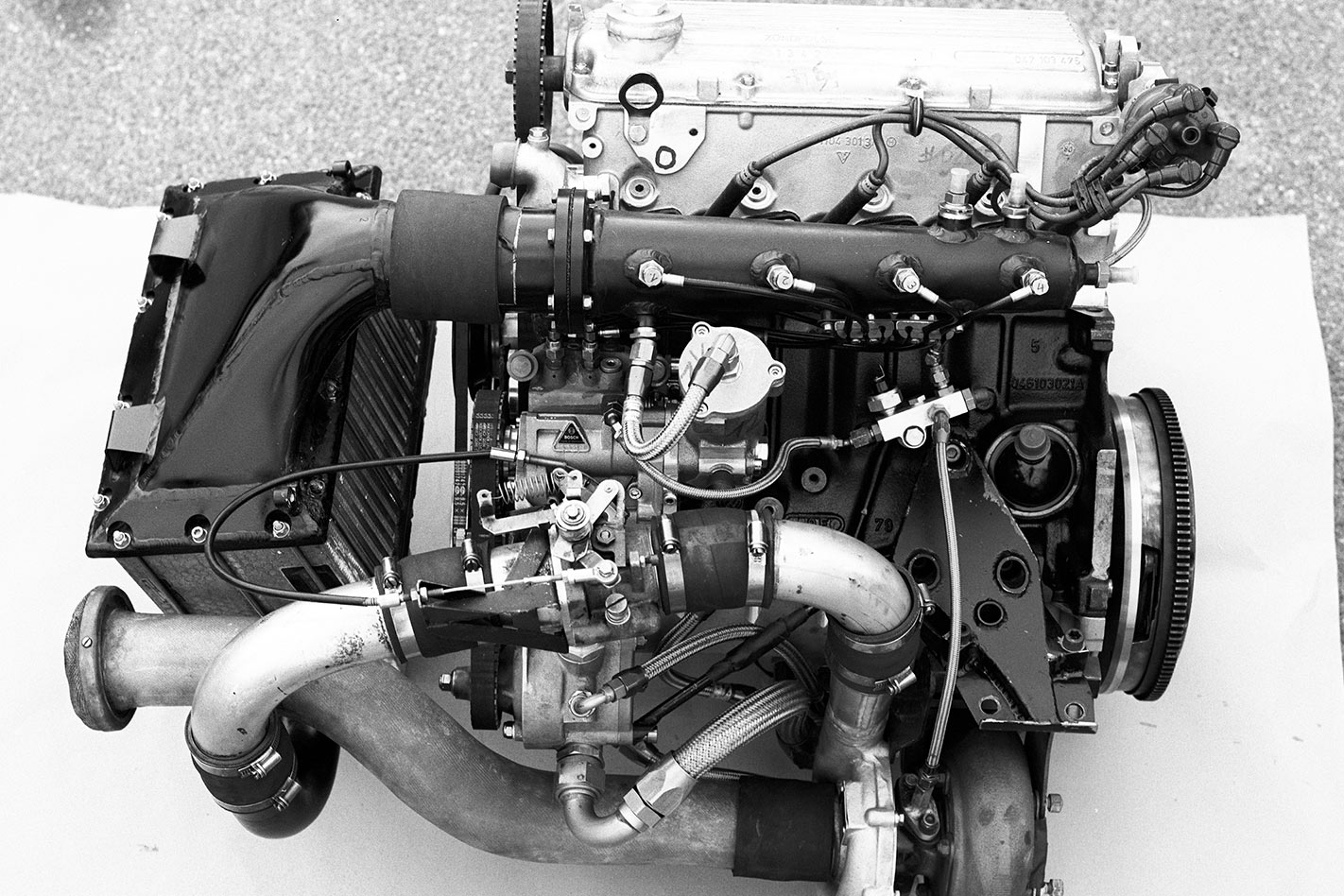
Aside from the lighter Kolbenschmidt pistons and the Langerer and Reich intercooler, the engine was broadly similar to that in the 924 Turbo. The 924 Carrera GT also saw a custom Siemens digital ignition-timing computer, a 911 clutch plate, beefier 911 synchromesh rings, Fuchs wheels from the 911 SC (front)and 911 Turbo (rear), while the brakes and the Koni front dampers are shared with the later 944. Porsche gave the left-hand-drive Carrera GT model designation 937 (the shorthand that is most frequently used for the car) with right-hand-drive cars dubbed 938, contrasting with the 924 Turbo’s model designation 931.
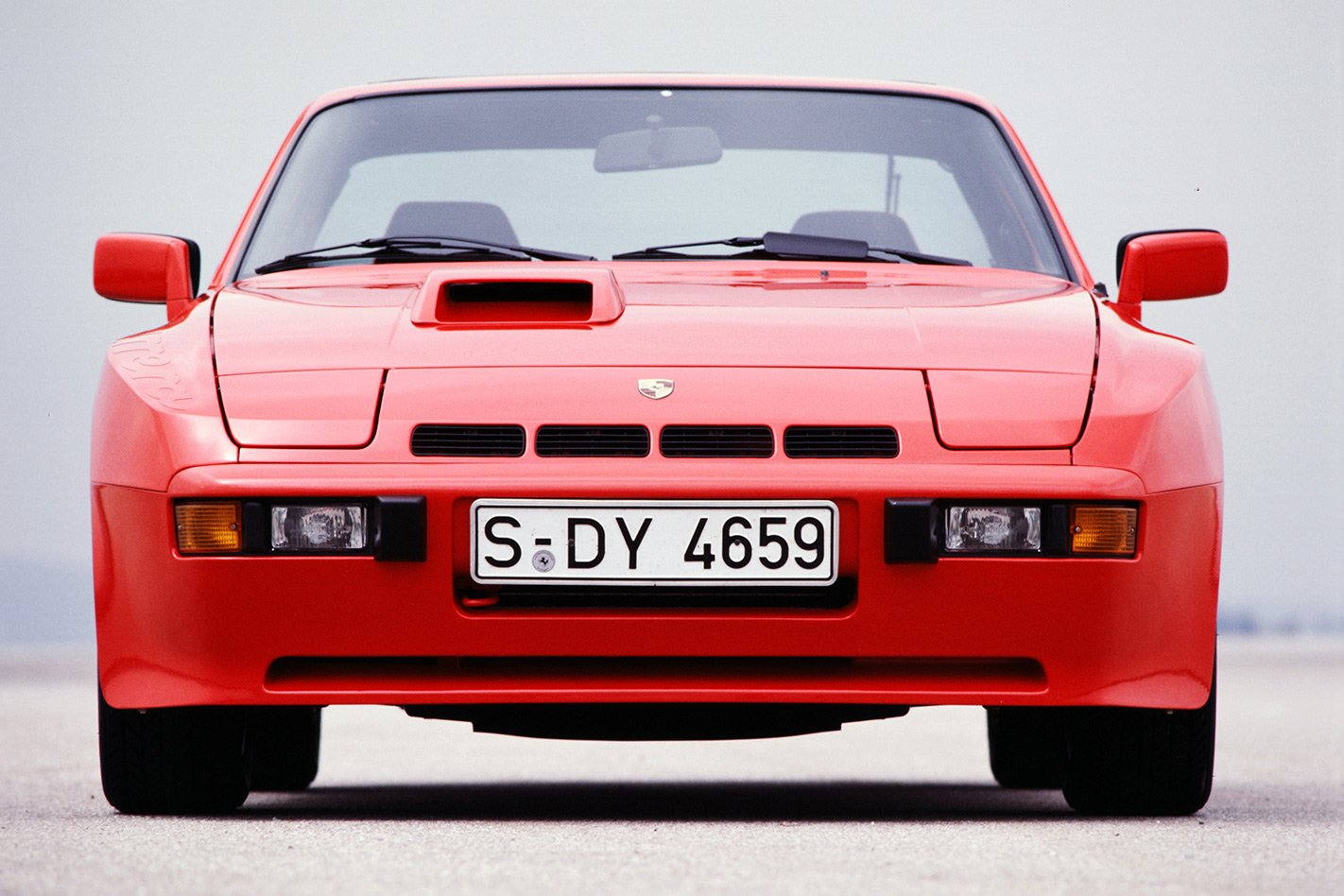
The wider polyurethane guards and aggressive hood scoop are the most obvious visual differentiators to the 924 Turbo, but the Carrera GT also rides lower. The front tyres are 215/60VR15 as standard, but most customers took the option of a 16-inch front wheel with 205/55VR16 boots. The rears, using spacers to help avoid the 924’s undershot track width, measure 225/50VR16. The dampers were either Porsche’s own, Koni or Bilstein B6 Sport units, the latter the most preferable replacement. Another desirable option was the limited-slip differential which, when paired with the bulletproof Getrag G31.013 dog-leg five-speed manual ’box, made for a seriously burly driveline.
The transaxle set-up introduced on the 924 wasn’t anything particularly novel. Look at grand prix cars of the 1930s and you’ll see a similar architecture of engine at the front and a solid tube running back to a transmission and differential at the back. Alfa Romeo featured such a set-up on its Alfetta, so Porsche examined the Milanese engineering but concluded that the floppy shift linkage and propshaft inertia which put stress on the synchromesh was a design compromise too far. Porsche kept the clutch attached to the engine’s flywheel, with power being sent rearwards by a slim 20mm steel bar, supported in an 85mm tube by four annular bearing races. This rigid structure resulted in zero driveline shunt and a near-optimal 49:51 weight distribution for the Carrera GT.
But weight distribution only gets you so far. Racer Tony Dron found the handling required finessing. “With weight at each end and little in the middle, it handled like a dumb-bell,” he said. “A couple of heavy bags of cement, placed in the middle of the car, widened the neutral band of handling hugely; it was much nicer to drive like that, and the lap times at Donington were unchanged because of the inertia of the added weight.”
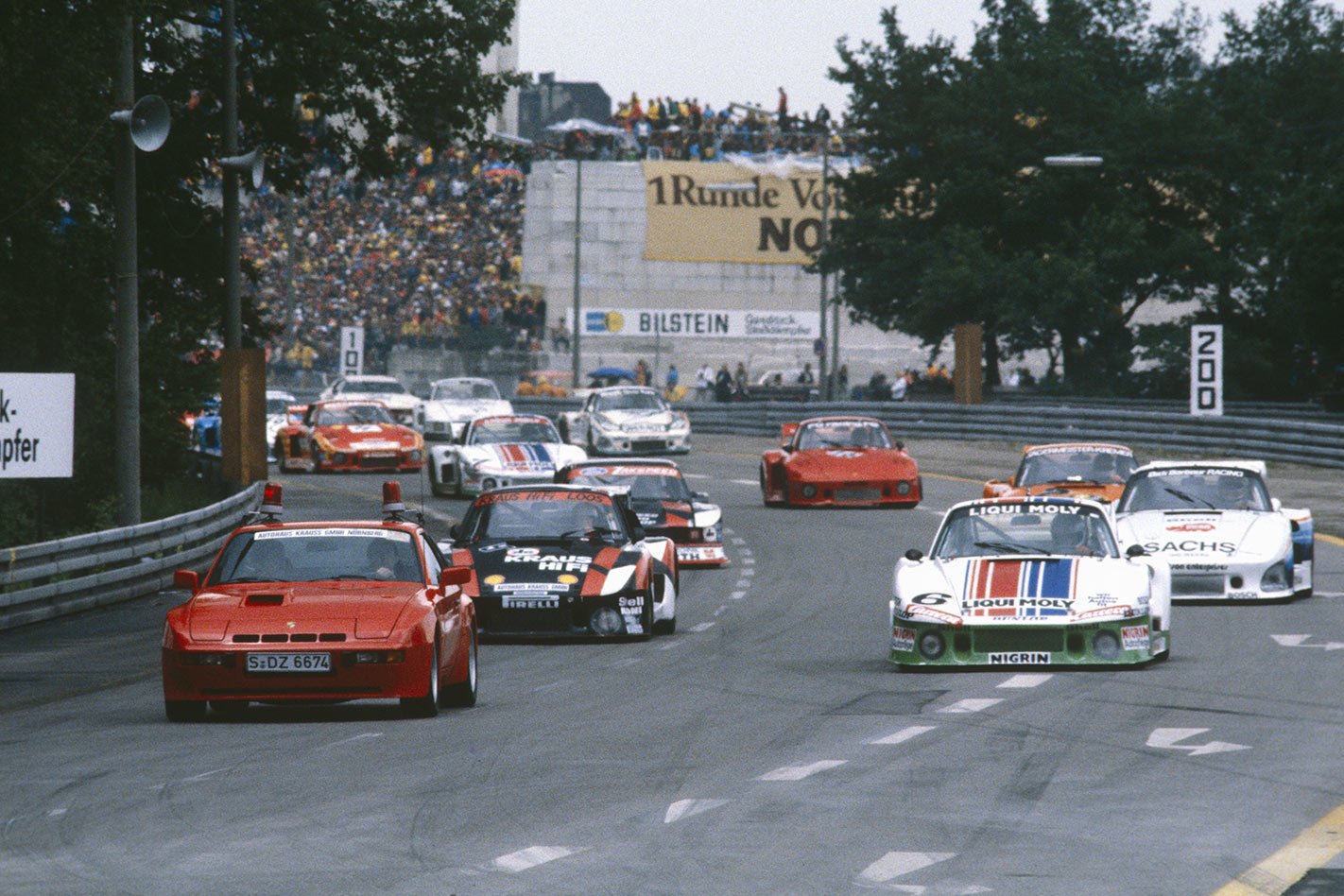
Competition was key to the credibility of the four-cylinder transaxle cars. The Carrera GT was built with the aim of producing the 400 units required to homologate it for Group 4 racing. Arriving between the 936 and 956 factory racing cars, here was a chance for Porsche to forge a different chapter and legitimise the forthcoming 944 model. A 924 Carrera GTR finished sixth at Le Mans in 1980 which, given it qualified 46th on a grid of 50 cars, was one heck of an achievement. Another Carrera GTR at La Sarthe that year was piloted by Peter Brock, Jim Richards and Colin Bond.
The famously prickly Fuhrmann, vindicated by the direction of the 924/944 development schedule, was elbowed into early retirement at the end of the year, Dr Ferry Porsche being the quiet authority keen to refocus development on the 911. He parachuted in the equally confrontational Peter Schutz in a bid to modernise the flagship. While the Carrera GT’s production run of 406 cars was rapidly over, its position at the head of the 924 hierarchy was replaced by the even rarer GTS, of which 59 were built, and the almost unicorn-like GTR, another homologation special which saw just 17 units leave the Zuffenhausen plant.
Identifying a genuine 924 Carrera GT is relatively easy if you know how to decipher the VIN plate, which should have the letters 93ZBN7 in it. Those numbers are key. Remember that 937 is the Porsche designation for the 924 Carrera GT. By contrast, a 924 Turbo (931) wearing a bodykit will have a ‘1’ after the ‘N’. After that designation, the GT chassis numbers run from 051 to 450. All 924 Carrera GTs will be either black, red or silver.

Other identifiers include thinner rear hatch glass, an 84-litre fuel tank, the intercooler on top of the engine, and those polyurethane wheelarch extensions. Replica panels are made from fibreglass and, unlike the originals, are rigid and won’t deform and rebound when pressed. If these have been replaced, or if other hard-to-source items such as the brake ducts, decals or the original hatch glass are missing, it’s probably a good idea to inspect the vehicle more thoroughly for accident damage.
It’s hard to find a car launched in the 1980s that didn’t end up in the clutches of the Wheels road-test team, but the 924 Carrera GT is one of the few. Only 75 were built in right-hand drive (of which 42 survive today) and of these, 15 were Australian complianced. As values and interest in the Carrera GT grew, many of those slipped back overseas. Today there are but a handful on these shores.
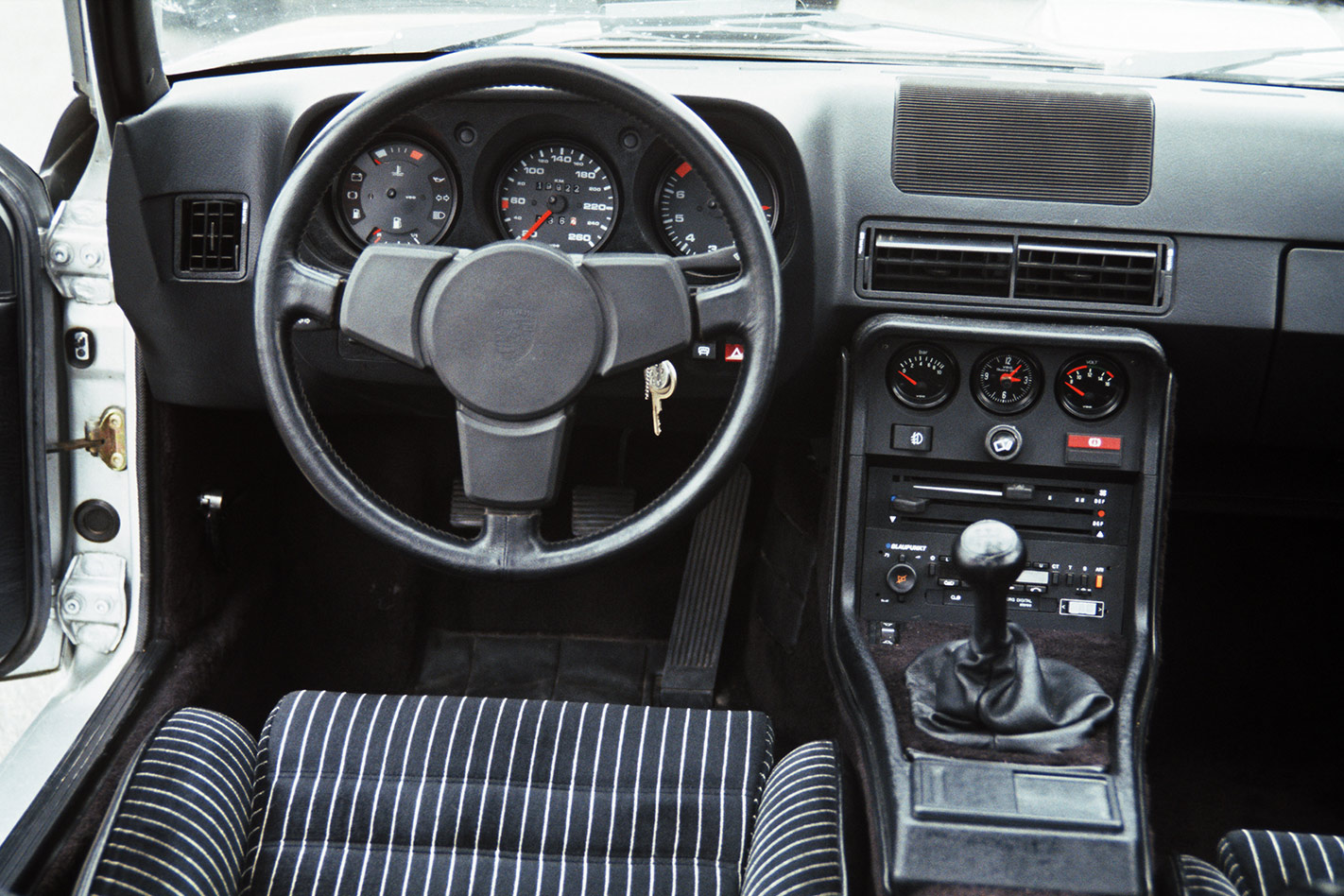
Aussie journalist Steve Cropley did test one for sister title Car magazine, back in 1981. “No more is the Porsche turbo a kind of Rhodes Scholar’s car, needing all the power of an awesome brain to ensure that it is kept always in the right gear and is taken to precisely the right engine speed to ensure a smooth flow of turbo power. The chassis is brilliantly developed and balanced,” he wrote. “The Carrera’s grip on the road, even at semi-suicidal speeds, is akin to that of a barnacle on the bottom of a trawler.”
What the Carrera GT demonstrated was that Porsche’s sporting lineage needn’t be exclusively air-cooled and rear-engined. Today the 911 accounts for around 10 percent of Porsche’s global vehicle sales and the company is working on a more affordable entry-level sports car. It could hardly have a better template for cost-effective success than the achingly desirable 924 Carrera GT.
24 HOURS OF LE MANS ON ONE SET OF TYRES
The#87 car of Doc and Jim Busby won its class at Le Mans in 1982 on one set of five BF Goodrich Comp T/A street tyres, the first to do so since the introduction of slicks. The treads were shaved by 50 percent, but it’s still a mighty achievement to cover 3727km at race pace on street rubber.
WHAT IS IT LIKE TO OWN? – RUSSELL STURZAKER, CROYDON, VIC
Of the 15 officially imported 924 Carrera GTs in Australia, Russell’s concours-winning car is the only black one.
“I had it for eight years, and tracked it all the time. I then sold it, but bought it back 15 years ago,” says Russell.
“I was never into the way 911s drove. I tried my dad’s 911E in the ’70s, spun it and nearly put it into the River Yarra.
“What I love about the 924 Carrera GT is that Porsche wanted to show that a front-engined, water-cooled car could be competitive. They walked around the spare parts bins and got all the bits they needed in order to compete at Le Mans.”

PORSCHE 924 CARRERA GT SPECS
Engine: 1984cc 4cyl, sohc, 8v, turbo
Max power: 154kW @ 6000rpm
Max torque: 275Nm @ 3500rpm
Transmission: 5-speed manual
Weight: 1180kg
0-100km/h: 6.9sec
Economy: 9.1L/100km
Price: $185,000 (estimated)
The good: Homologation credibility; aggro styling; appreciating values; fun to drive; solid transmission; significance in Porsche’s history
The bad: Rarity if you’re looking to buy; dip in values in the ’90s means some were neglected; turbocharger can be fragile; low-set steering wheel
It’s a WhichCar Weekly special episode! Scott pins down AFL star Charlie Dixon for a chat with the Port Adelaide Power leading goal kicker and unashamed car nut.
Charlie has not only owned some cool and desirable cars and drives them hard, he’s got a good eye for modifications and is pretty handy on the spanners too. Most of it was learnt through breaking things and Youtube, he says.
Scott finds out what’s been through the footy star’s garage over the years, what he’s tinkering away with in the shed right now, and even what he aspires to own one day.
More mental modified motors:
You can find WhichCar Weekly on all manner of podcast apps including iTunes and Podbean. Please rate, subscribe and leave a review.If you want yet more WhichCar action whether it be behind the scenes insights or the very latest from the automotive front line, follow the day-to-day happenings of the WhichCar team on Facebook, Twitter and Instagram.
And if you really want to get involved, send us a question or auto anecdote of your own. We endeavour to answer all your messages.
Listened to or watched the WhichCar weekly podcast? Help us out
- Leave a note in the comment section below
- Leave a review on Apple Podcasts/iTunes
- Subscribe to our podcast
Toyota has announced upgrades some of its key SUV models including the big selling RAV4 and LandCruiser Prado for the 2021 model year.
In the case of the RAV4, all the love has gone to the entry-level GX, which gains features found in the pricier GXL including smart keyless entry and ignition, leather-trimmed steering wheel, four additional USB ports and front and rear carpet mats.
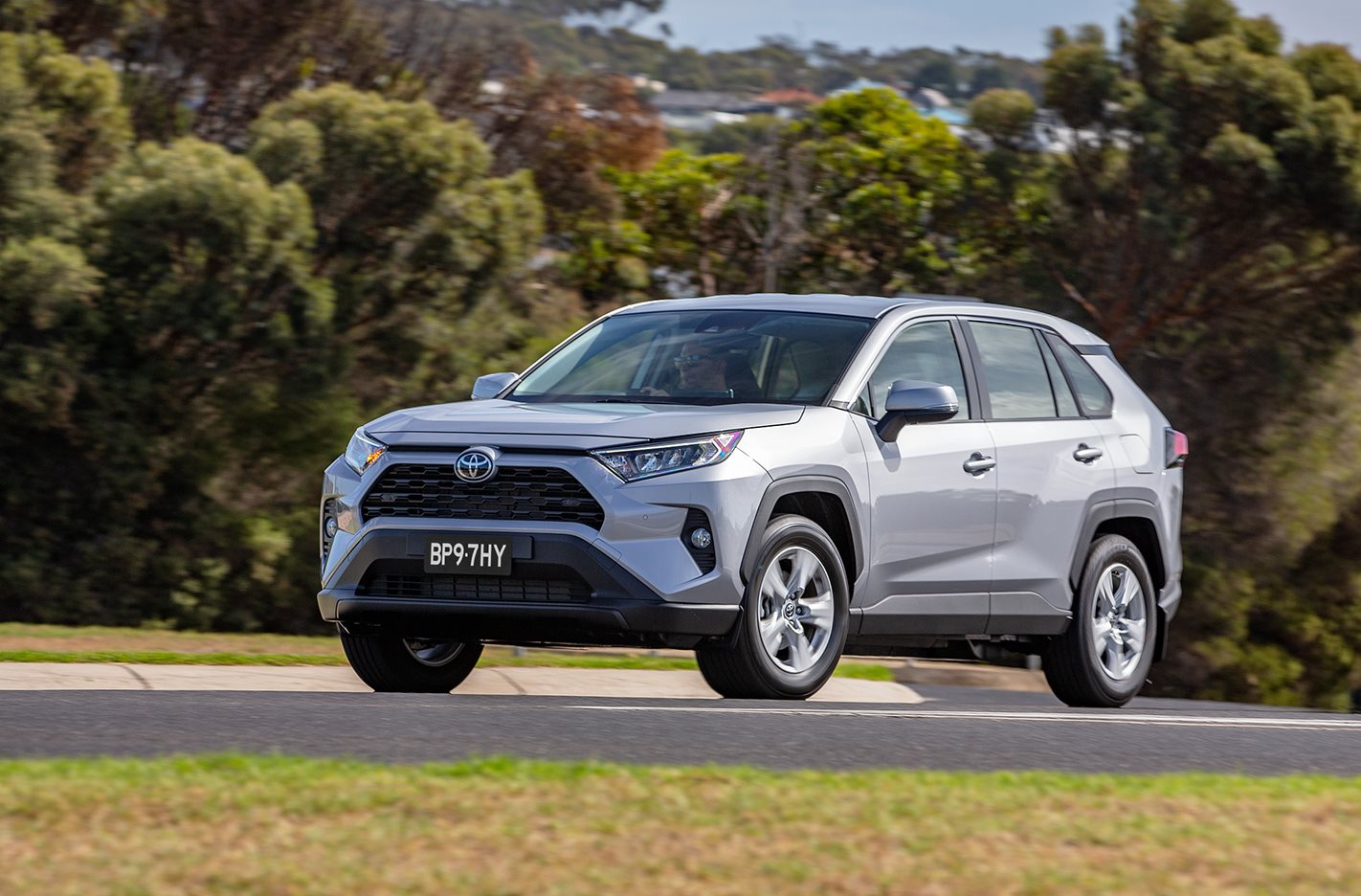
But there’s no such thing as a free lunch and the changes have resulted in a $450 price jump in the GX petrol versions and the $215 for GX 2WD and AWD hybrids.
All variants are subject to a small price increase with the rest of the RAV4 range increasing by $125 for 2021.
2021 Toyota C-HR update
As part of the range refresh, the C-HR small SUV gains some additional active safety features across the board including:
- Day and night pedestrian and cyclist protection added to the autonomous emergency braking (AEB) system.
- Intersection Turn Assistance, which detects oncoming cars when turning right and pedestrians when turning left or right
- Emergency Steering Assist, which maintains stability and helps prevent the vehicle swerving into another lane during an emergency steering manoeuvre.
- Lane centring assist.
- Road-sign assist.
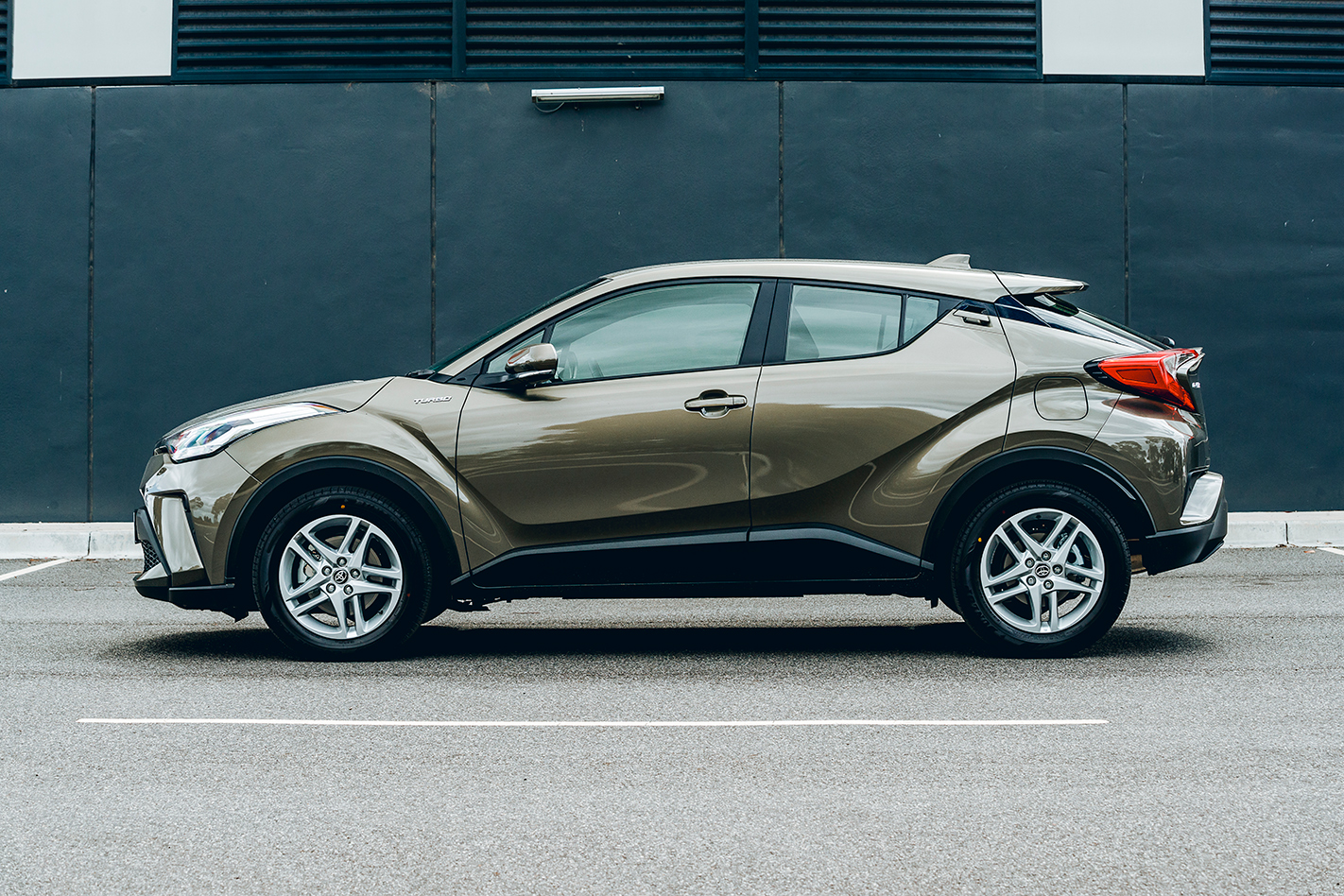
There’s a slight enhancement of the entry grade C-HR, which gains smart keyless entry and ignition and has been re-designated the C-HR GXL.
Pricing revisions also apply for the 2021 C-HR range with increases of $625 and $475 for the GXL and Koba versions respectively.
2020 Toyota LandCruiser Prado update
Toyota’s popular 4WD SUV undergoes the biggest changes for 2021, which include the deletion of the manual versions and the 2.8-litre turbo-diesel engine receiving the same power-boost as the 2021 HiLux and Fortuner.
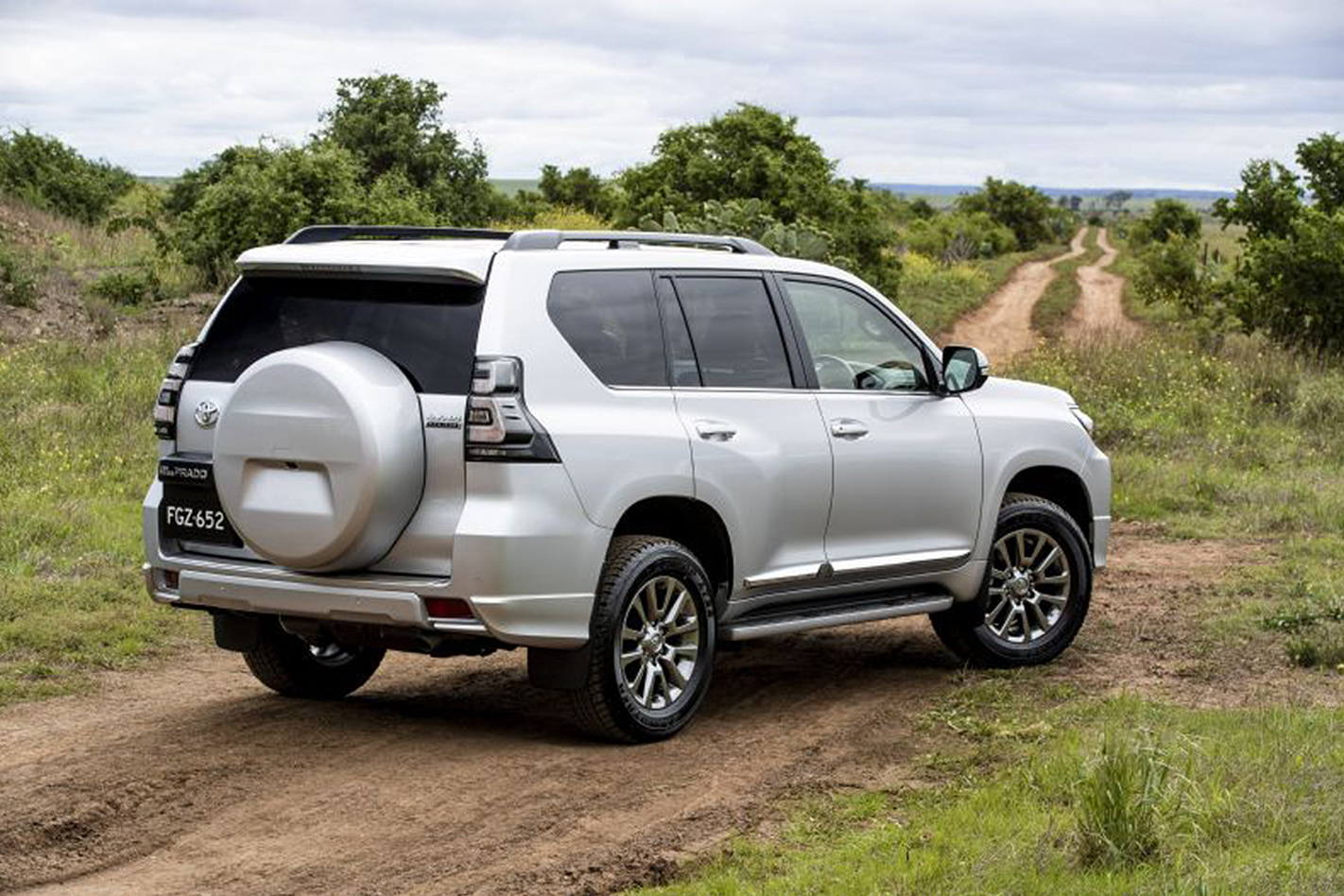
It also gains a new infotainment system with a larger 9.0-inch touchscreen, Apple CarPlay/Android Auto and MyToyota which adds third-party apps such as Waze, AccuWeather and Stitcher.
Other range-wide additions include day and night pedestrian and cyclist protection for the autonomous emergency braking (AEB) system, lane-keeping assist and road-sign assist.
The entry-level GX gains rain-sensing wipers, and rubber floor mats that will also be offered for the GXL; The VX and Kakadu get carpet floor mats.
At the top of the pack, the range-topping Kakadu also receives paddle shifters behind the steering wheel.
With the most significant update of the Toyota SUVs, the Prado price increase is correspondingly the largest.
Recommended retail pricing for the 2021 Prado is up $2850 across the range and the removal of the most affordable manual option means a jump in the entry-level price of around $4800.
2021 Toyota C-HR pricing
- C-HR GXL 2WD petrol – $30,915
- C-HR Koba 2WD petrol – $35,165
- C-HR Koba 2WD Hybrid – $37,665
- C-HR GXL AWD petrol – $32,915
- C-HR Koba AWD petrol – $37,165
- RAV4 GX petrol manual $32,695
- RAV4 GX petrol auto $34,695
- RAV4 GX hybrid $37,070
- RAV4 GXL petrol auto $37,415
- RAV4 GXL hybrid $39,915
- RAV4 Cruiser auto $40,915
- RAV4 Cruiser hybrid $43,415
- RAV4 Edge $48,915
- Prado GX $59,840
- Prado GXL $66,540
- Prado VX $76,380
- Prado Kakadu $87,030
Volkswagen’s ID.4 has entered series production, becoming the second model in the electric ID range after the ID.3 hatchback.
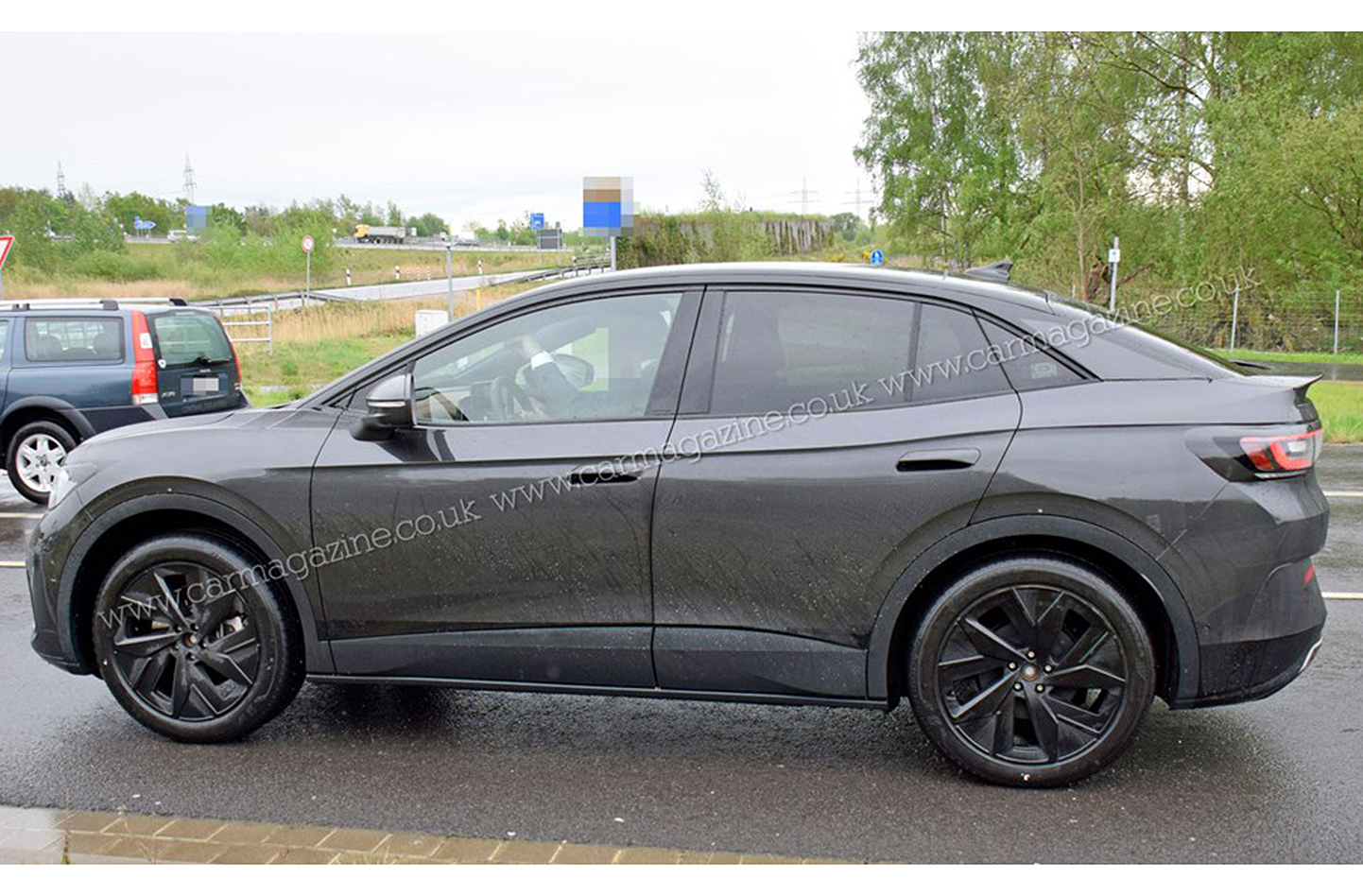
What will it look like?
Spy photographers have snapped the new Volkswagen ID.4 testing in its own skin without the sans-swirly paint job just a few months after its debut in the wake of the cancelled 2020 Geneva motor show.
Up front, there’s a familiar look to the ID.3 with slim lights that sweep into a light bar across a small grille, but it looks a little less futuristic. It looks more like a traditional SUV – probably a smart move that could ensure a lot of buyers are tempted when it does arrive.
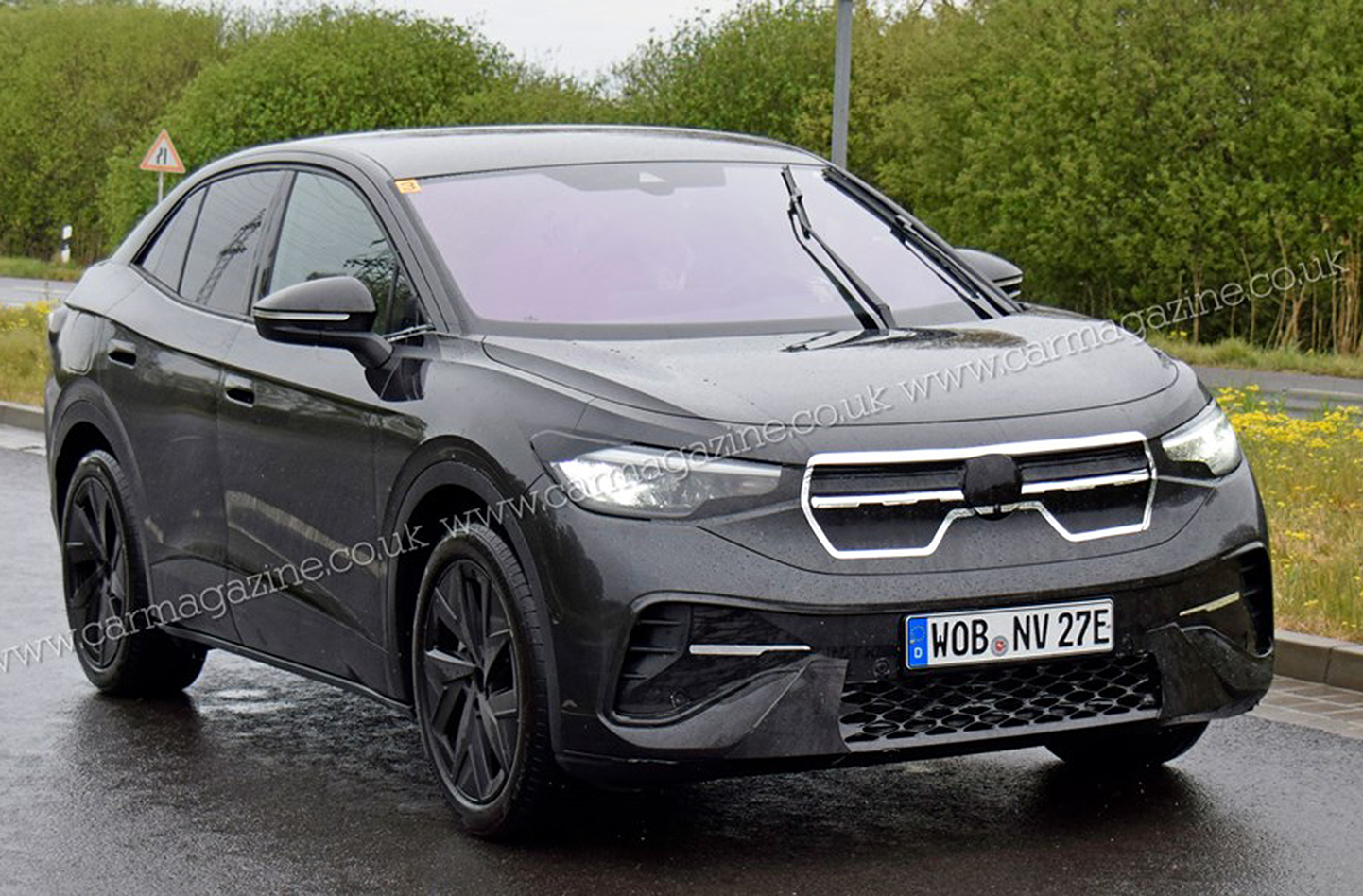
It’s due to launch in Europe later this year with rear-wheel drive, with an all-wheel-drive version joining the range later.
Inside, full digital displays are expected (but we haven’t seen inside yet) with what VW describes as “intuitive voice control” and touch surfaces to operate it all.
The ID.4 takes inspiration from the ID Crozz concept from 2017, so we can expect a range of battery options delivering a range of up to around 500km on a charge, with the ability to charge from 0-80 percent capacity in around 30 minutes via a rapid charger.
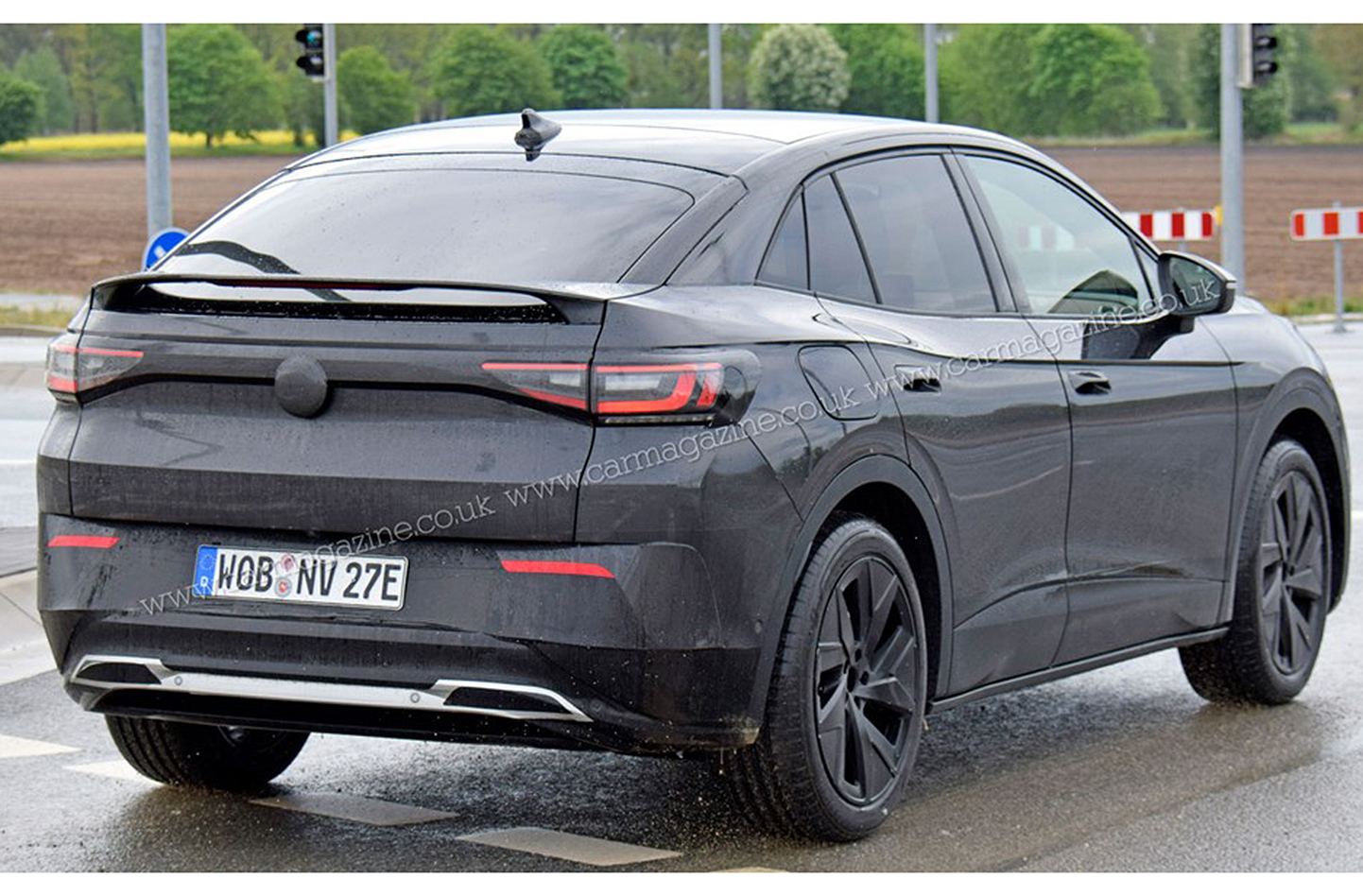
That should include Australia, with Volkswagen Australia managing director Michael Bartsch at the 2019 Frankfurt Motor Show in September that it will arrive in Australia in 2022 ahead of the ID3 hatchback, which is already on sale overseas.
A lot has changed around the world since; however, Volkswagen Australia is still very keen to have the electric SUV in its line-up.
“With the domination of the passenger vehicle market by SUVs, it’s our preference to launch the Australian EV range with an SUV,” Volkswagen Australia spokesman Paul Pottinger told WhichCar.
“Whichever debut model transpires, Volkswagen’s EV growing showroom will place the brand in pole position to dominate sales.”
This article was originally published on carmagazine.co.uk
