
- All Williams assets on the table
- Lender owns Canada’s second-largest food group
- Team ownership in the balance
The Williams F1 team has secured the loan from food magnate Michael Latifi – father of new Williams driver Nicholas – by offering not just its race HQ and racing entitlement rights, but also its entire fleet of history-making F1 cars.
In the midst of the shutdown of the 2020 F1 racing season, and after a brace of lean years on the track, Williams has struggled to stay viable in the fight against both bigger-budget teams like Mercedes-Benz and Ferrari, and against ‘buy-in’ operations like Haas, which chooses to purchase ready-made parts for its race cars, rather than make them from scratch.
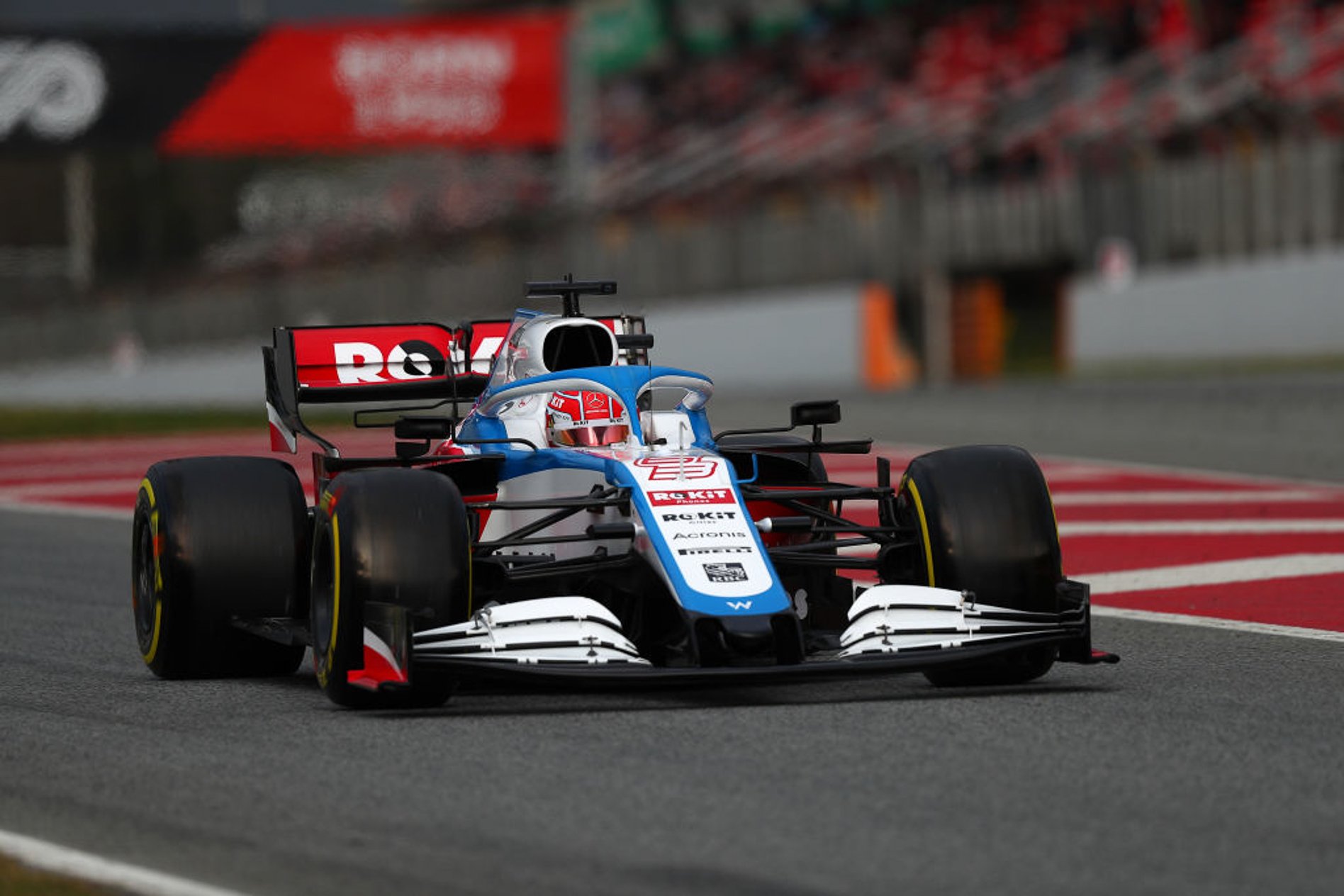
It’s this stubborn reluctance to compromise on its old-school garagista ideals that put Williams behind the eight-ball as the hybrid engine era rolled on, and as the team fell further down the grid, so its pool of sponsors – and their money – diminished.
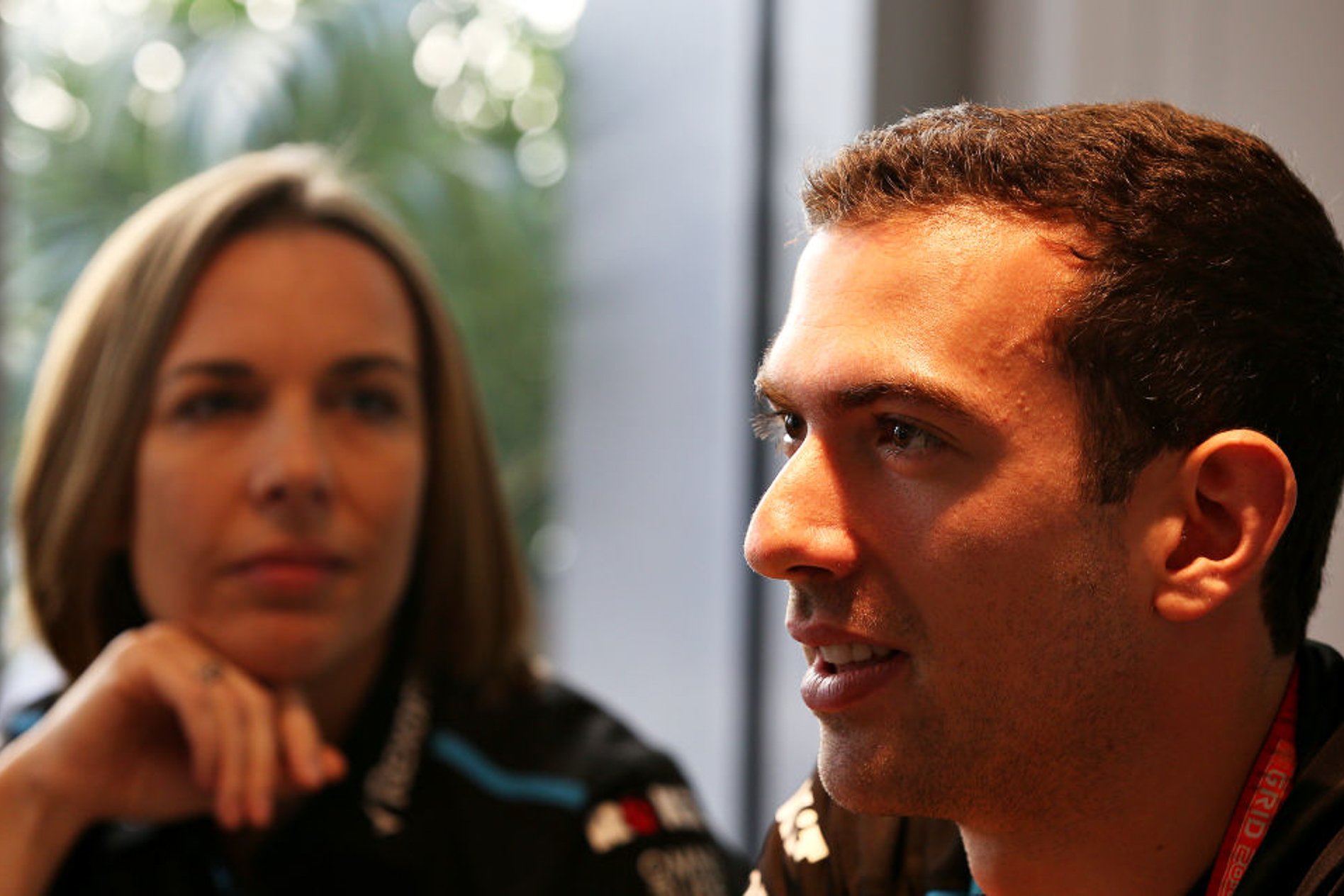
And with no racing thus far in 2020 and no other racing or road car projects to sustain its operations, Claire Williams (below with Nicholas Latifi), the team principal and the daughter of the team’s founder Frank, was forced to furlough staff and strip 20 per cent of driver and senior executive salaries.
The relatively modest amount will be mostly used to service other debt, but if the team defaults on the loan, Lafiti will take over the 43-year-old team lock, stock and barrel.
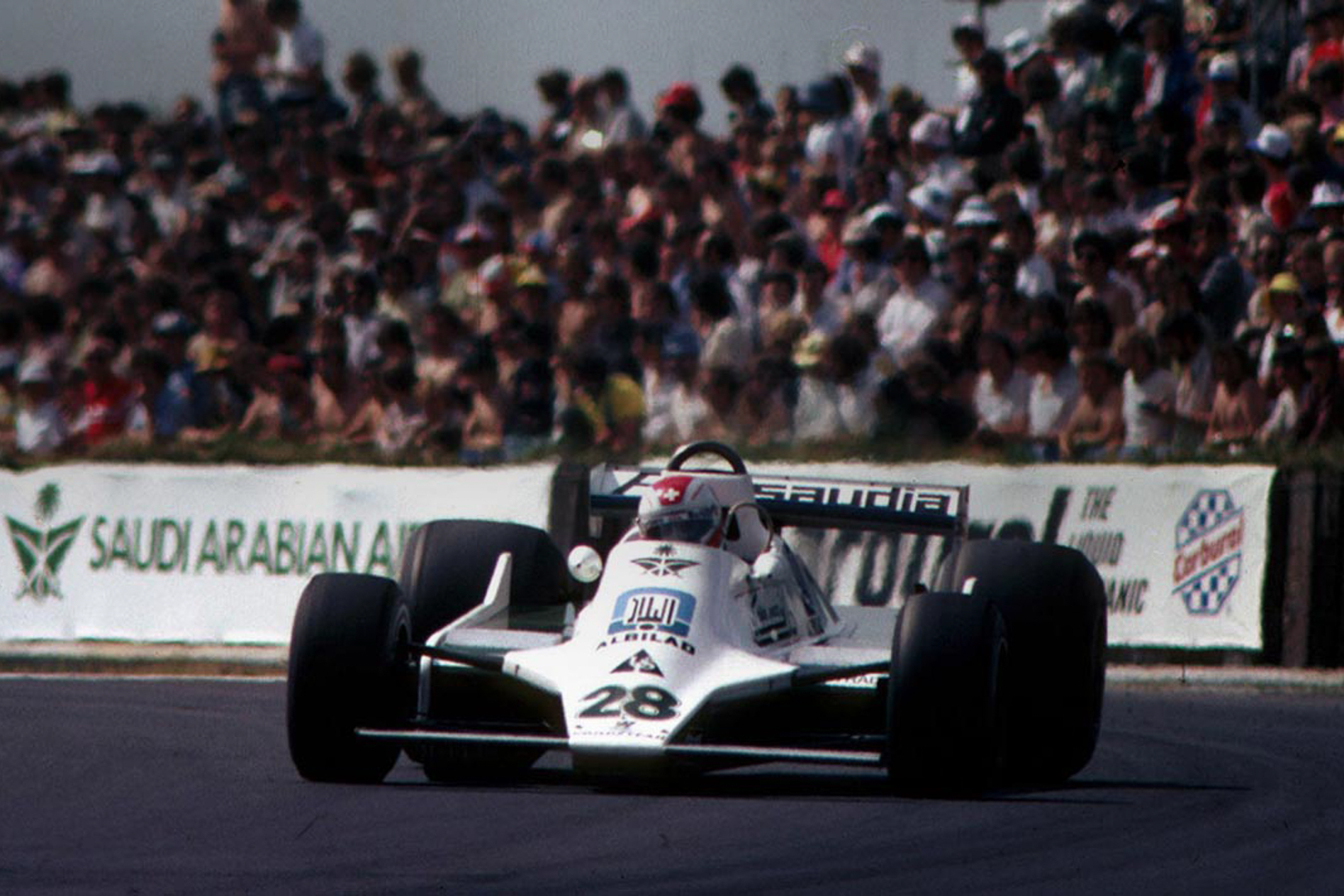
Paperwork sighted in the media outline the terms of the loan, which uses Williams’ extensive back-catalogue of classic F1 cars as collateral, including versions of title-winning machinery like the FW07B, used by Australian Alan Jones to win the team’s first driver’s and constructor’s championships (below) and the legendary FW14B of 1992.
The team’s headquarters and manufacturing facilities in Grove are also included.
Should the team fall into Latifi’s hands, he will join fellow Canadian business tycoon Lawrence Stroll in becoming a team owner.
Stroll purchased the Force India team from disgraced Indian businessman Vijay Mallya in 2018, renaming it Racing Point and placing son Lance into one of the team’s cars.
Leonardo da Vinci is the original Renaissance man, mastering a number of different fields and propelling all into a new era of thinking and innovation. Men like da Vinci don’t come around very often, not once in a decade, but perhaps once every century, if we are lucky.
When it comes to the art of making automobiles they are few and far between. Sure, there are designers who can pen lines worthy of wall space in the Louvre, and there are engineers capable of building technical marvels that bend physics to their will. But both attributes in the same person, that’s truly rare.
It could be argued that Horacio Pagani fits the description. His eponymous car company is able to entice customers from across the globe, each willing to pay millions (plural) of dollars for a car, not only because of its exquisite beauty and craftsmanship, but also mind-warping performance.
The Argentine entrepreneur was in Australia to meet a number of customers, and made time to sit down with Wheels for an exclusive chat.
Horacio speaks through an interpreter – the only English he utters is broken and simple. But despite the language barrier between us, listening to Horacio talk is like casting your eyes over one of his carbon-clad machines. There is an organic ebb and flow, words gently released from his lips with care and purpose, almost in hushed tones.
The passion to build was always embedded in Horacio as a child growing up in Argentina, but it wasn’t until he began reading the magazine Automundo, that his desire became focused on cars.
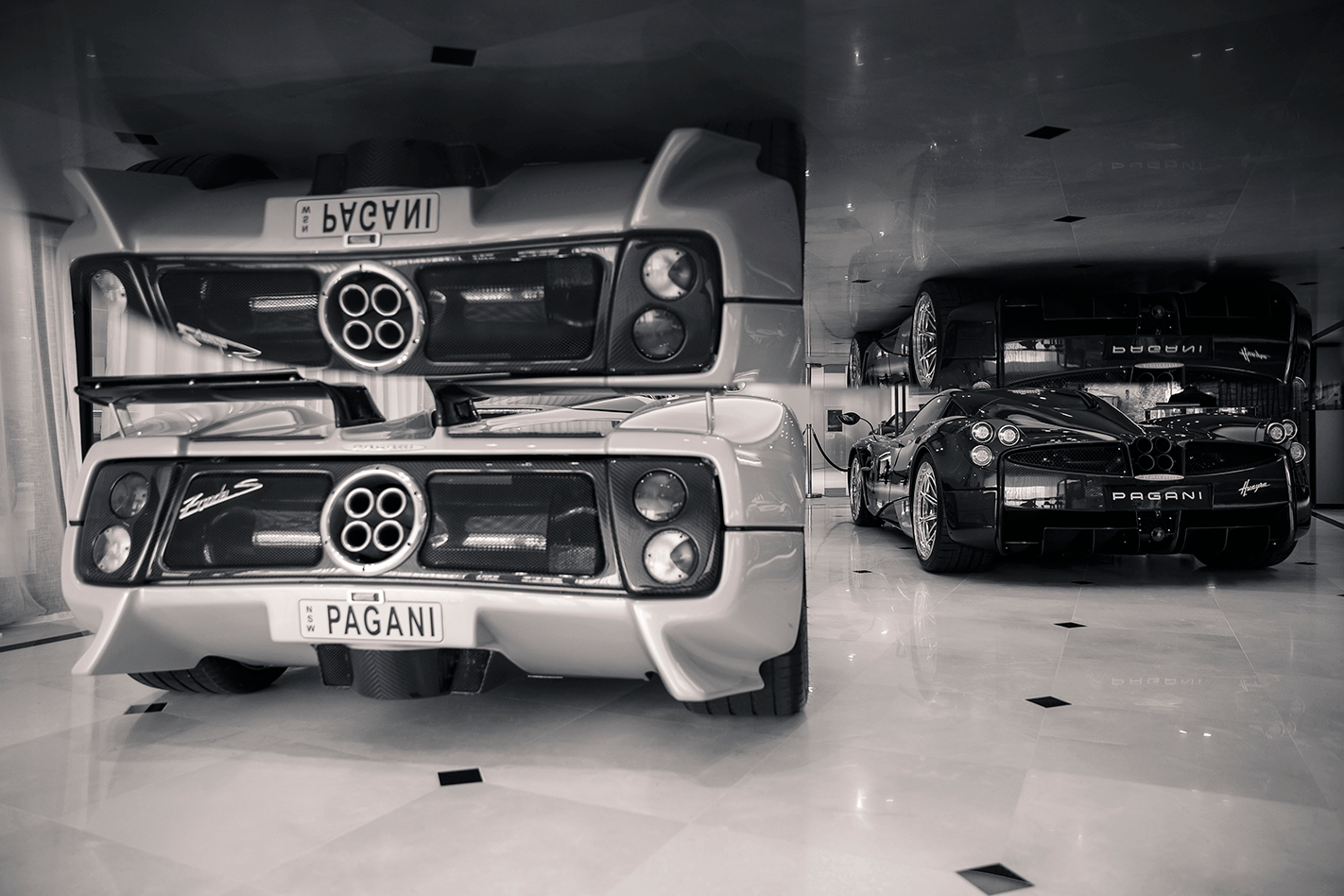
He began with balsa wood, turning childish sketches into small-scale creations, teaching himself along the way. From balsa wood toys that he formed in his bedroom, to carbonfibre masterworks, Horacio says his career has simply been a process of putting one foot in front of the other.
“Starting from the beginning, of course before going into the manufacturing of a full car, everything has been a consequence of the next step; the next step, until the final result,” he says.
“Even to just build a balsa wood model as a child I had to earn some money to buy all those raw materials, and then start to put them together.
“I was doing all sort of small jobs just to have some pocket money to spend here and there, and then start to create first these models and then from these models maybe earn some more money to make a prototype or a component. And then so and so and so.”
Looking back at Horacio’s career, it’d be easy to simply see the positives as he began a stratospheric rise through the industry. But reflecting on his achievements, the Argentinian says he has found success simply through turning his failings – or lessons, as he describes them – into positives.`
“Happiness, for me, is a combination of good moments and bad moments, like the day and the night,” he explains. “It’s not about just your goals. It’s about the process and how you get to the next point. It’s not just, okay, I want to make a million euro, I want to make 10 million euro, I want to make more money. Because if you set these goals so far away then you’re not really enjoying the process, you’re not enjoying the journey.
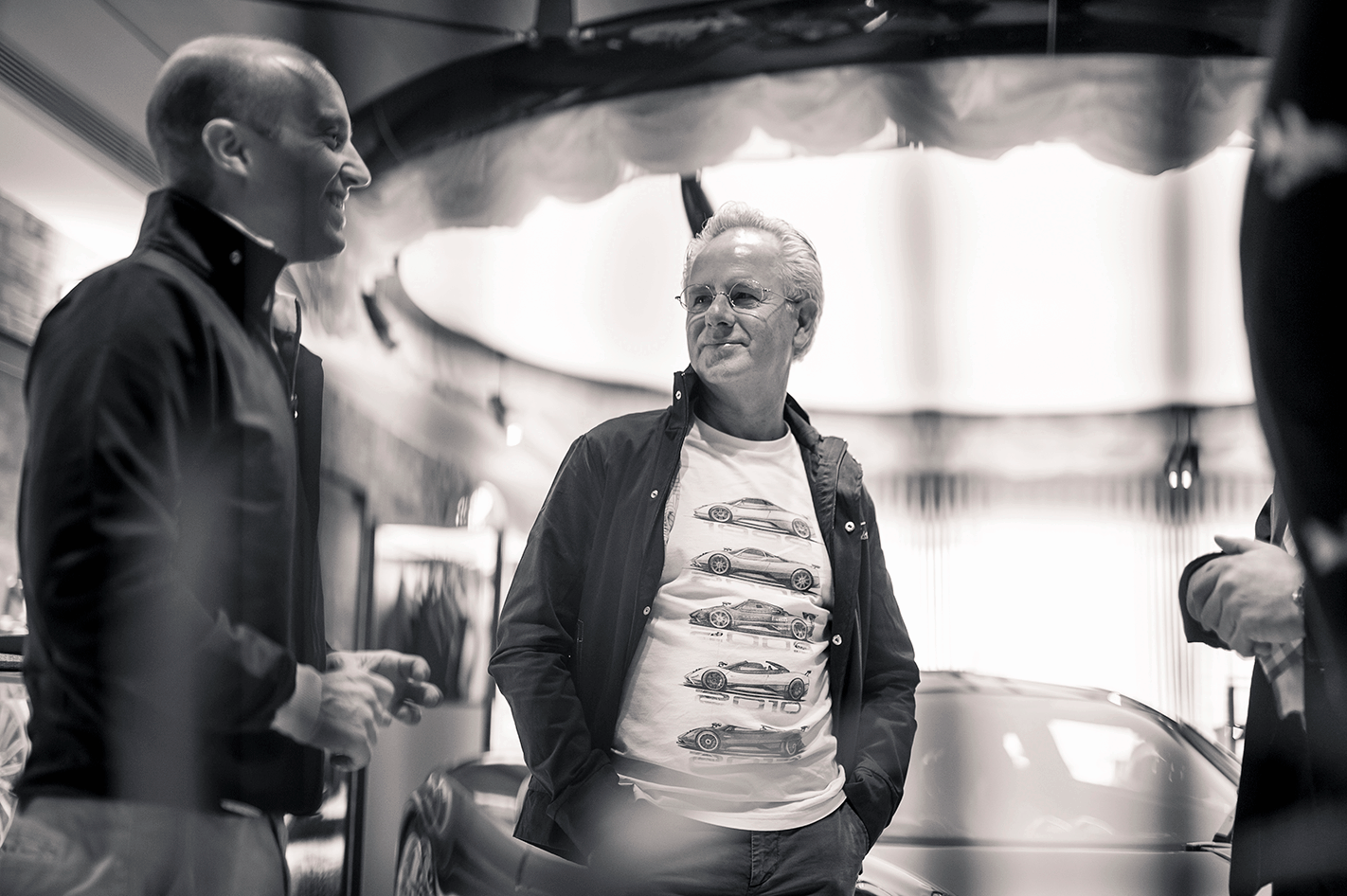
“Instead I have taught myself how to enjoy the journey. When you have a good day, which for me is a learning process, I don’t really see it as a negative situation. This kind of mentality would take you even beyond what you could expect when you are at the beginning of the journey.”
This idea speaks to Horacio’s inquisitive nature, where he constantly searches to gain new skills, learn and improve.
“I believe that having doubts, having to question what’s going to happen, is something that is in our daily lives,” he continues. “Today I have even more, not concerns but questions, about whether this is going to work. That’s because today things happen on a different scale and different size, different commitment for me. When you’re young, you have more time to adjust to fix your mistakes. You fall and then you rise again.”
If you wake early – and we mean really early – while in San Cesario sul Panaro, near Modena, Italy, where the Pagani factory is based, you might catch a glimpse of Horacio taking part in his morning routine. With his short stature and platinum blond hair, it’d be easy to miss, but every morning the 64-year-old ventures into the hills, walking in silent contemplation, a pair of German Shepherds at his heels.
“I like to wake up very early in the morning because the world is quiet, and there are a lot of ideas in the world that nobody is catching because everybody’s sleeping,” he explains.
It’s during these moments of serenity that Horacio is able to deconstruct and unpack the chaotic forces that pull on him as he runs his company, conjuring new ways to solve problems. One of his solutions was the creation of carbotanium. Sounding like something ripped from a sci-fi novel, it combines carbonfibre and titanium to create something that is lighter than metal, but stronger than the composite weave.
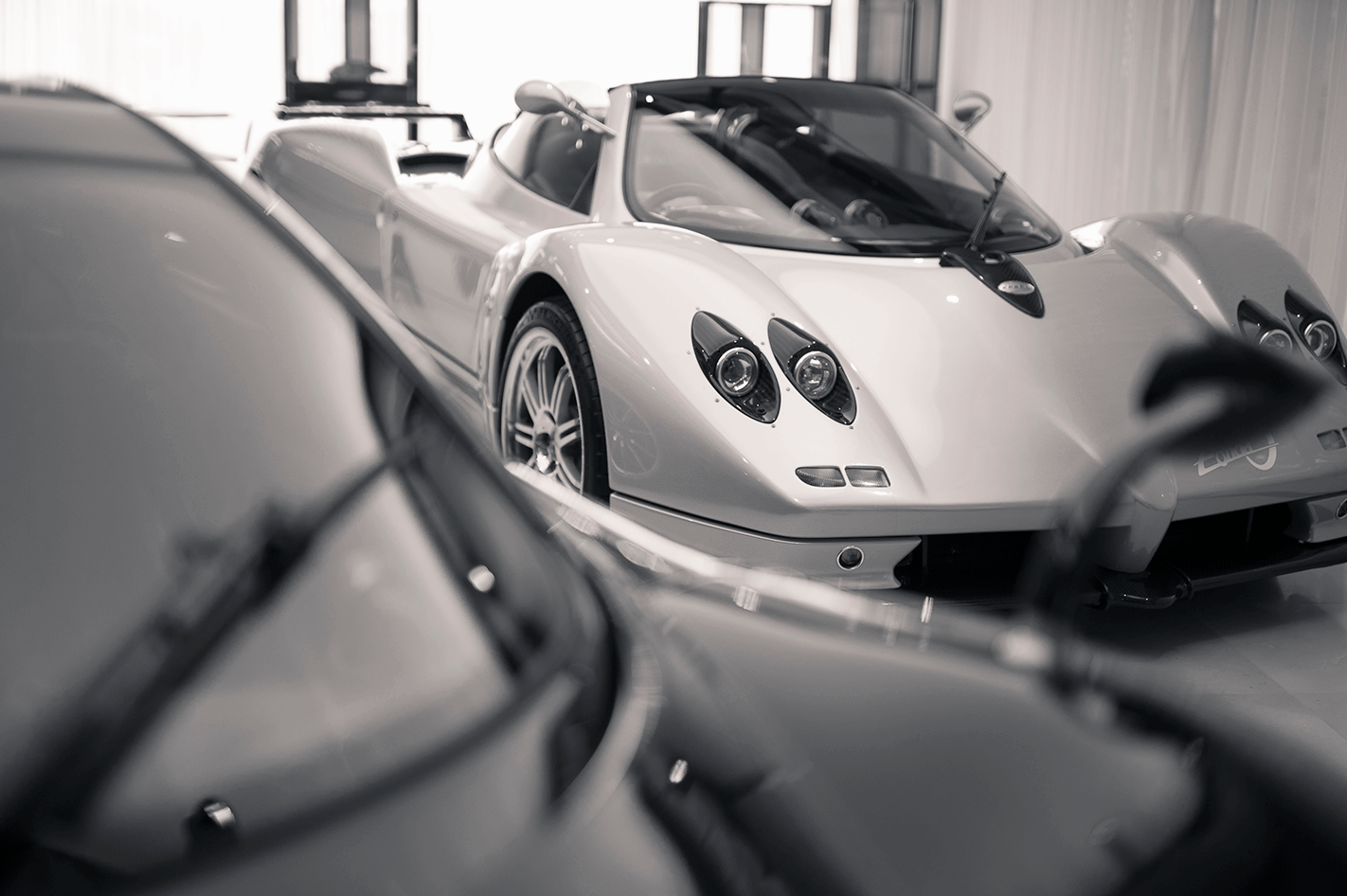
Horacio has long been at the forefront of cutting-edge technology. When working for Lamborghini, he saw the benefits of composite materials like carbonfibre long before it was mainstream. Frustratingly for Horacio, because arch rival Ferrari didn’t have an autoclave, Lamborghini saw no reason to invest in the technology.
This would prompt Horacio to put his own money on the line and purchase an autoclave, thus starting his own consultancy business called Modena Design, and paving the way for what became Pagani Automobili.
Compared to his native rivals in Italy, Ferrari and Lamborghini, Pagani is still in its infancy. But during a discussion with Lamborghini CEO Stefano Domenicali, Horacio was reminded that youth can be deceiving. For context, Horacio joined Lamborghini in 1983, when the Italian supercar manufacturer was celebrating its 20th anniversary – a milestone Pagani celebrated in 2019.
“So in the same time frame, if we compare the two companies, Lamborghini went bankrupt three times and had three different ownerships,” Horacio recalls.
“Mr Lamborghini came from a very wealthy family, and was a very, very successful entrepreneur with great financial resources. And then when he created the sport car company, of course, it’s always been very rough, the management and the life of this sport car division.
“I hadn’t thought about the comparison until Stefano brought it up, but this idea actually made a lot of sense, as I believe that as a self-taught engineer-designer I was able to create, starting 20 years ago, a company that has always been able to pay on the 10th day of every month both employees and suppliers and become very sustainable in terms of growth and goals.”
You can’t run a successful car company without having customers willing to buy your vehicles. Cornering and holding a piece of the market is the name of the game, but for Horacio, his view of customers has been fluid, changing drastically in the two decades since the original Zonda C12 made its debut at the ’99 Geneva motor show.
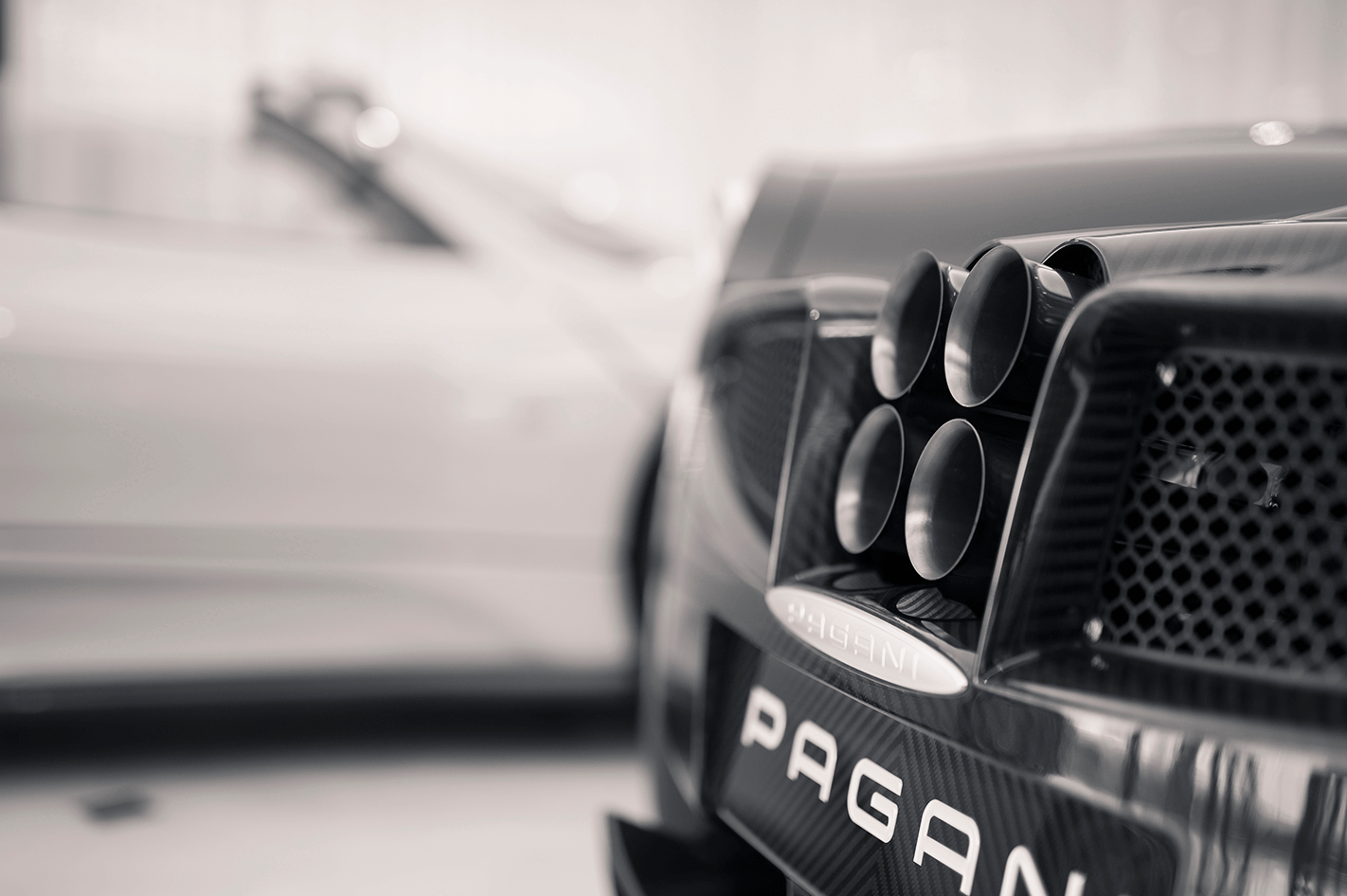
“Growing up, my father’s business was always the bakery, and when you run a bakery, the important thing is that your clients keep coming every day. I believe that this philosophy can be applied very well to what we’re doing at Pagani with cars. The clients have to keep coming back and be happy with the product,” he says.
“At the beginning, when I was designing the Zonda, the target client profile was probably that car collector in his early ’50s or even a little bit more, that was a little bit overweight so you need some extra centimetres so they could get in and out of the car.
“Coming toward our times, we know that the world economy has been booming thanks to a different kind of economy growing, with availability and resources also for the younger generation. The typical client from our beginning is probably a small percentage of what is our customer base today.”
Pagani has kept a loyal, if demographically diverse, customer base thanks to the company’s vision, which sells something grander, more artisan, than what the ‘traditional’ supercar manufacturers provide. To Horacio and his customers, a Pagani represents more than just a vehicle; it is an extension and display of their wealth and personality. It has an intangible soul.
Extending that image of the company are Pagani’s latest projects, which include luxury furniture and even a partnership with Airbus designing an ACJ319 aircraft.
It can be difficult to confine Horacio to a box. He is designer, engineer and car executive, all in one. While he acknowledges he has a foot in each camp, Horacio sees himself as a designer first, and engineer second.
“Not by education but through self-learning I have developed a lot of engineering skills. You naturally cross the border because when you develop knowledge about the physics and the science, you step into engineering,” he states.
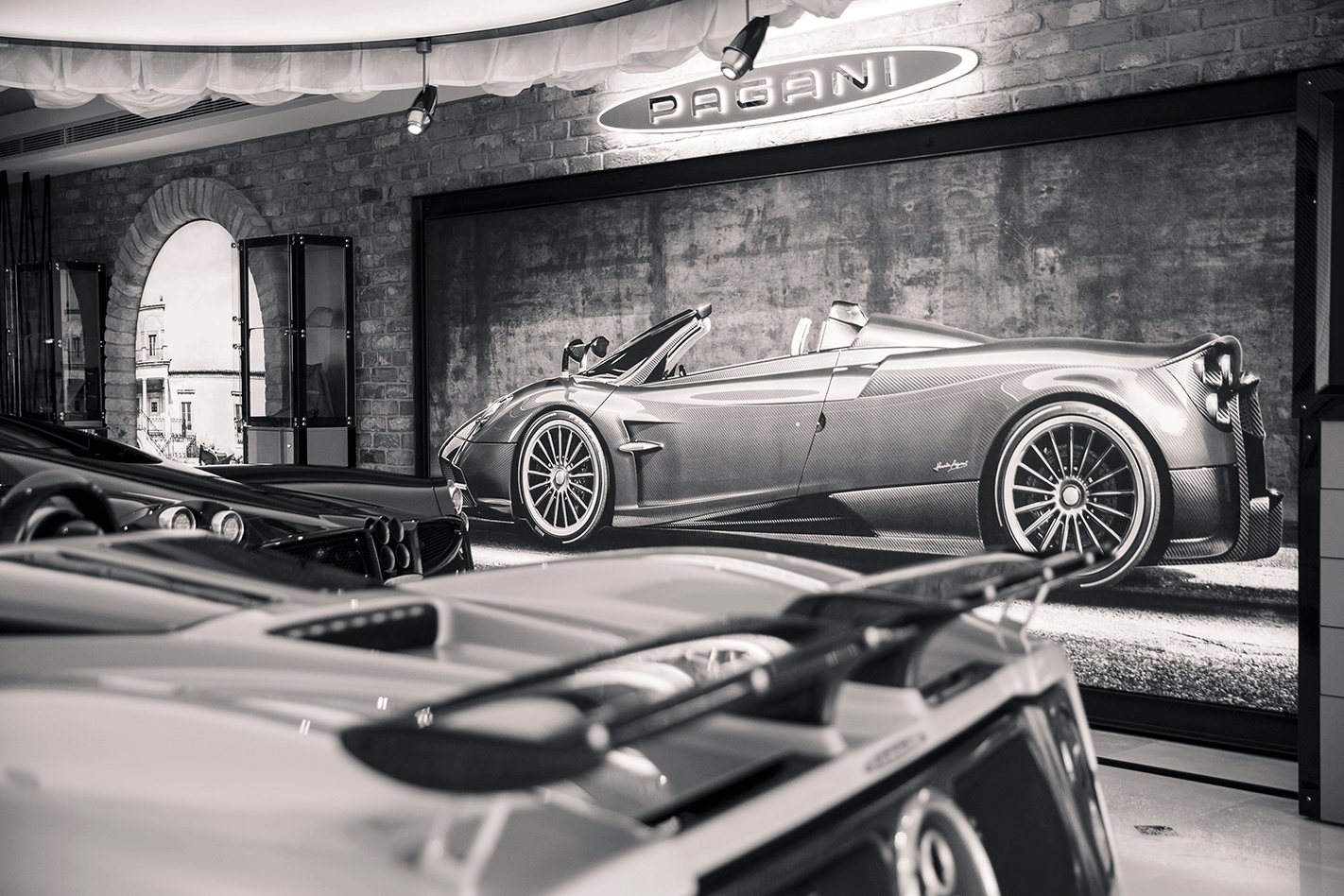
But away from the grandeur of his creations, the high-powered hypercars and ultra-luxurious jets, Horacio sees his greatest achievement as the Pagani family – his team of employees who share his passion and vision of excellence.
“I have been able to create a small company in Modena that employed local people, gave work to local suppliers, created a very sustainable business in the way that, as well as being a profitable company, those small earnings at the beginning are always being reinvested,” he says.
Where are they being reinvested? New technology, of course. Horacio wouldn’t disclose what Pagani has in the pipeline, but if it is anything like what has come in the 20 years so far, we imagine it’ll be akin to an automotive creation by da Vinci.
THE FOOT IN THE DOOR
Pagani – both the man and company – are inextricably linked to one of the greatest racing drivers in history, Juan Manuel Fangio. A fellow Argentinian, Fangio became friends with Pagani after the designer wrote a letter to his hero – with Fangio eventually giving the recommendation that would land Pagani a job in Italy. The pair’s friendship continued, with Fangio opening discussions with Mercedes-Benz that would allow Pagani’s supercars to utilise AMG V12 engines. The project, which would become the Zonda, was initially slated to be called the Fangio, in honour of the racing legend. However, following the death of the motorsport icon in 1995, Pagani changed the name out of respect for his friend’s family.
It’s been around for a while now but this is the first time WhichCar has been able to experience the BMW M135i.
For something different, we photographed it and have supplied a small review to go along with the pictures in the captioned gallery.
Click on the image at the top to go through a gallery review of the BMW M135i.
With every racing series on the planet on a superbug-fueled hiatus, resourceful racing junkies are turning to the internet to get their fix.
We’ve used and loved iRacing for over a decade now, and it’s the perfect solution for someone who wants to take their online racing to the next level after consoles.
The service provides a few cars and tracks for free as part of its annual subscription fee, but there’s a plethora of sweet metal that can also be added to your library.
We’ve grabbed five of our favourites for you to potentially add to your library, and we took the opportunity to go for a fast lap or two as well.
Nissan GTP ZX-T (1988)
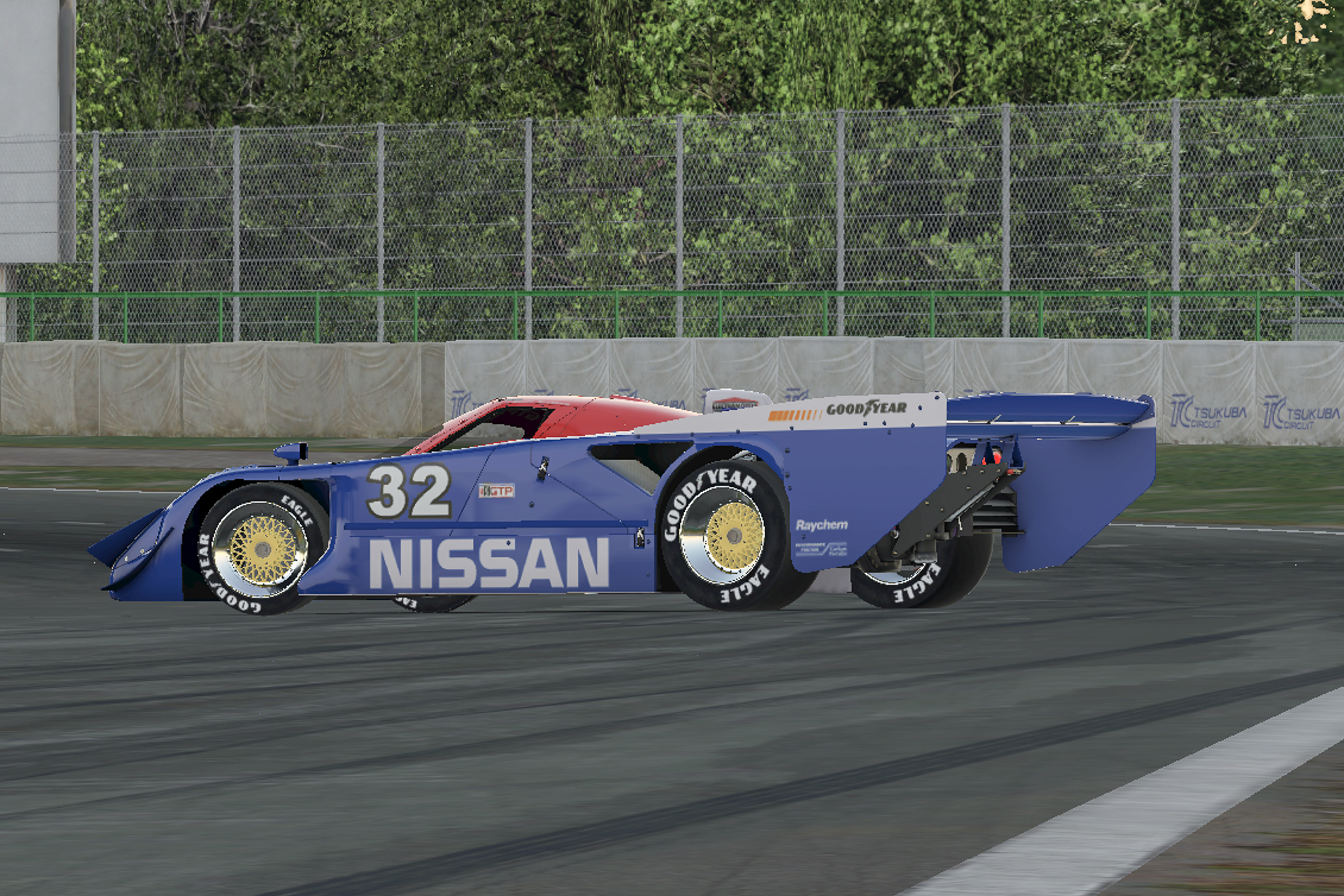
This IMSA monster dominated US tracks in the late 1980s, with Aussie Geoff Brabham claiming a championship aboard the 590kW, 950kg turbocharged sportscar that’s claimed to be able to do 0-100km/h in just 1.9sec.
This is a fearsome, fearsome animal, and you have to be brave and committed to get the best from it, but lean into its reserves and it rewards you with balance and poise at the limit. It’s not for the faint-hearted, though, and it will spit you into the fence if you’re too delicate and timid with your inputs.
The tiny and tiny Tskuba circuit isn’t the perfect match for the car, but it’s a fun challenge to crank on some downforce and see just how far under a minute you can lap the track in.
Williams-Toyota FW31 (2010)
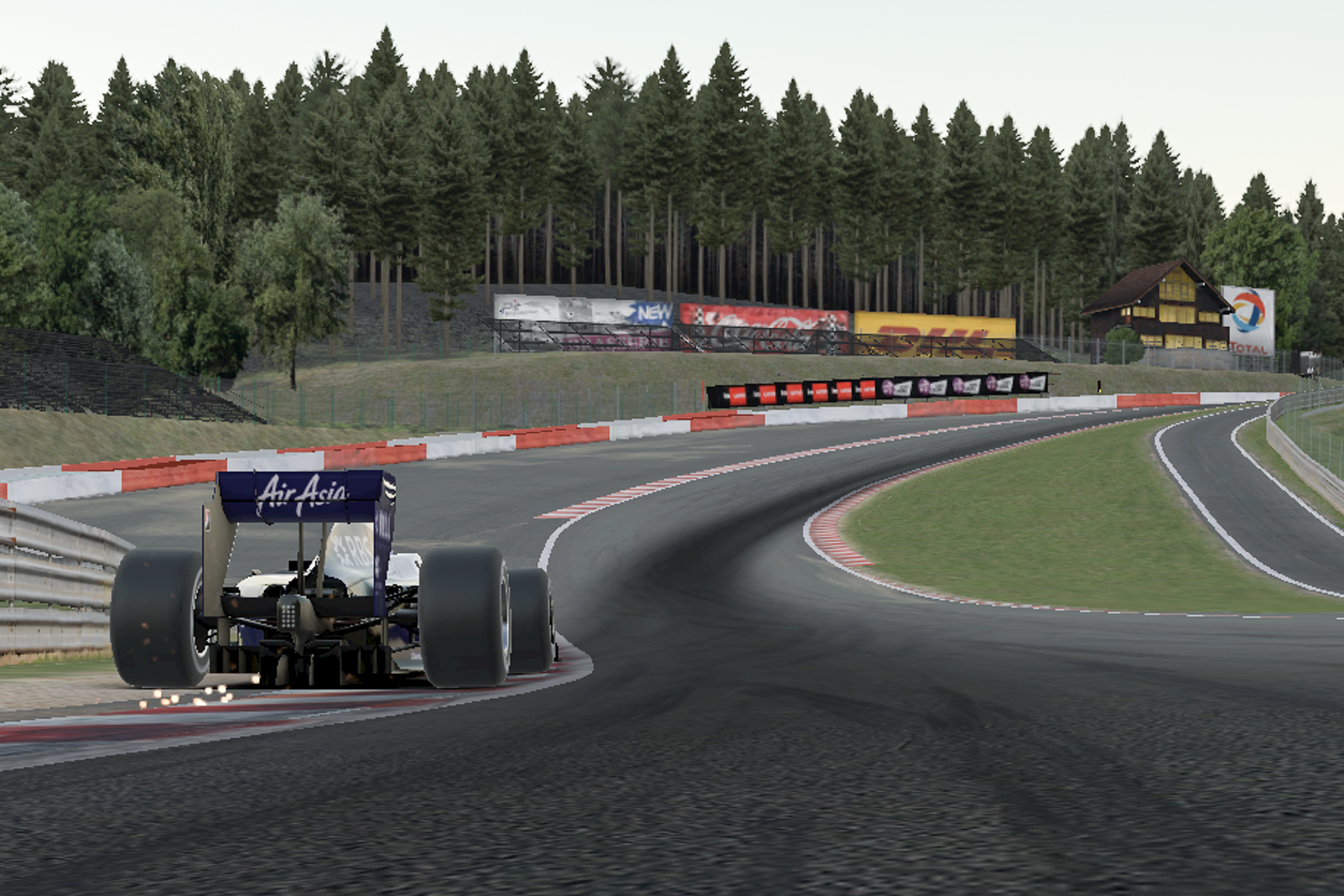
The first F1 car in the iRacing universe, the Williams takes the notion of sim racing and turns it up to 11. One of the last of the 2.4-litre V8s, the Toyota engine is good for 544kW – not bad when you’ve only got 605kg to push around.
The Williams is a delight to drive, with laser-like responses and an astonishing turn of pace… once your brain is up to speed. It seriously takes a couple of sessions to calibrate yourself with the demands of the car.
The legendary Spa-Francorchamps circuit is a perfect foil for the subsonic speeds and eye-watering grip of the FW31, as well.
Lotus 79 (1978)
Brands Hatch
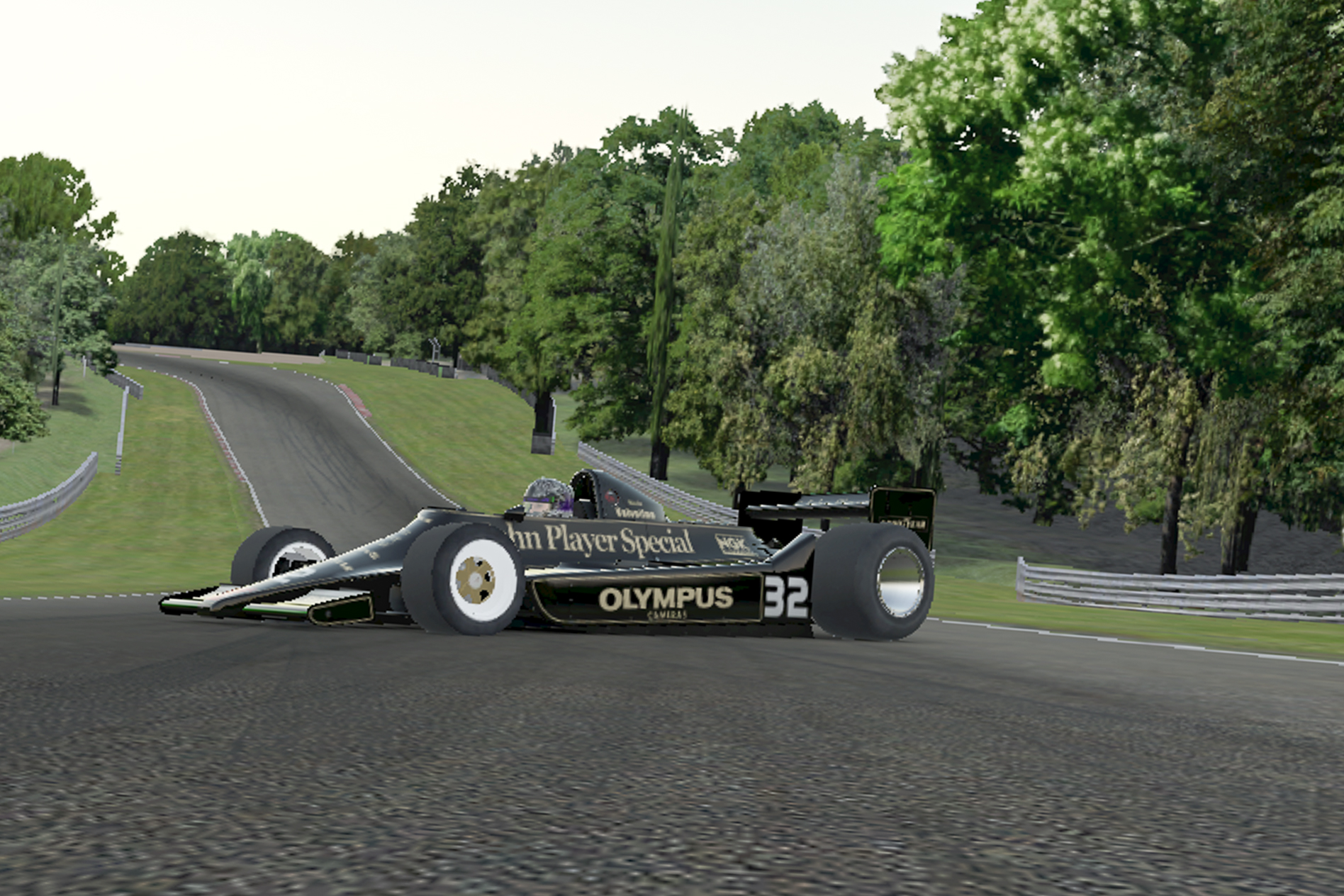
The winner of the 1978 F1 driver’s championship, Mario Andretti, will forever be linked with one of the most endearing formula cars of the last century. Resplendent in its JPS black-and-gold colours, the Lotus 79 combined sublime handling and cutting-edge aerodynamics with Ford-Cosworth’s untouchable DVF V8.
The Lotus is one of the surprises of the game – it’s tactile, easy to drive quickly and doesn’t punish the odd ham-fisted input. In the rights hands, it’s devastatingly quick.
Brands Hatch, too, is a huge part of F1 history, and the long, fast GP section of the circuit complements the 79 perfectly.
Ford Mustang Supercar (2019)
Oran Park
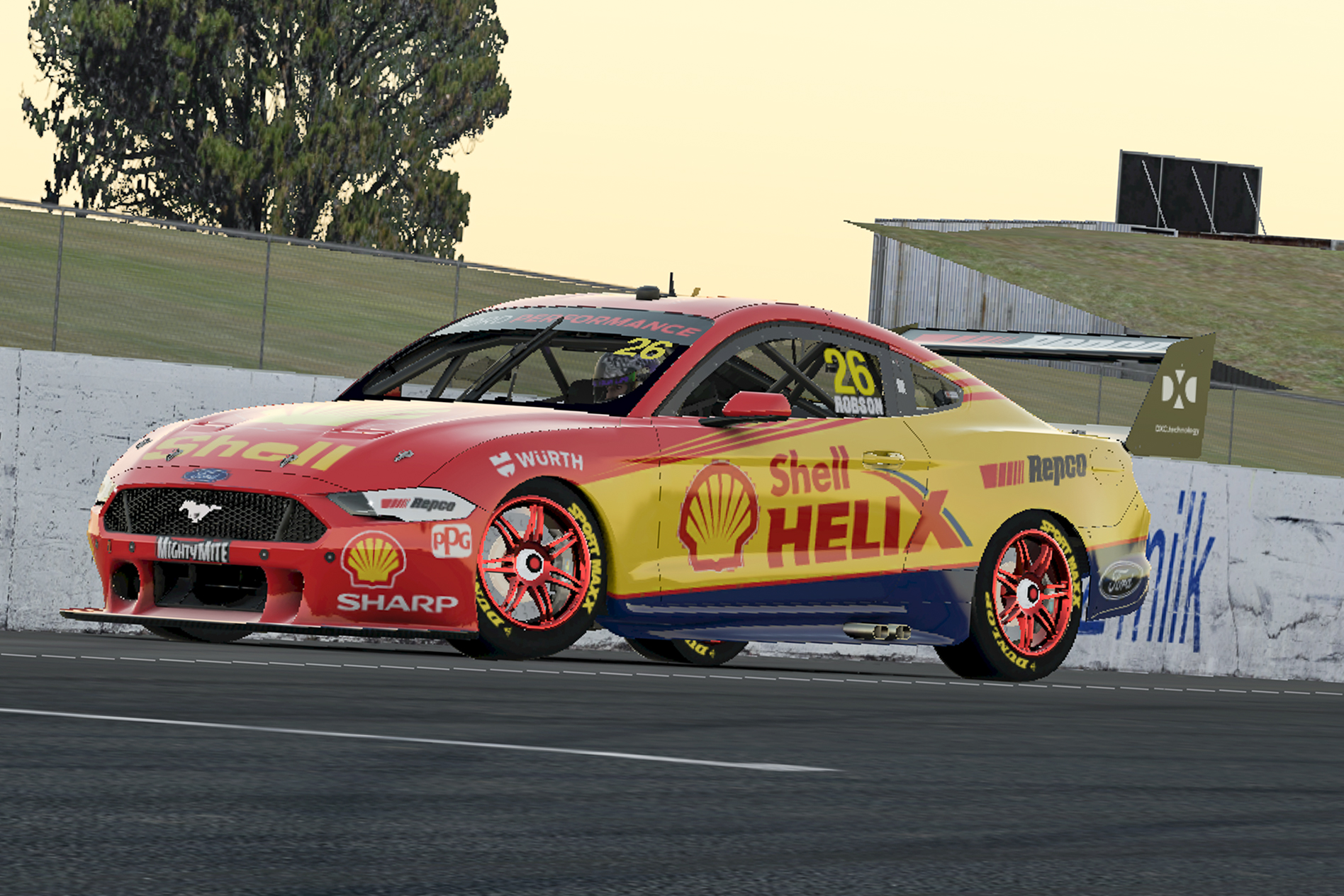
She isn’t pretty, but the Ford Mustang Supercar is fast. Out of the box, it won on debut and took the 2019 driver’s and team’s championships, and gave its drivers unprecedented run of victories over the course of the 2019 season.
In-game, the Supercar is one of the trickiest cars to drive, with a surfeit of grip to compensate for its power. A delicate touch and a firm hand are required to keep the Mustang pointed forward, not sideways.
Of course, the Mustang never got to race at the now-defunct Oran Park track – at least not for real. The Supercars championship will visit the track in 2021, though, as part of its eSeries events, and we can’t wait to see the ‘Stang do its stuff.
Porsche 718 Cayman GT4 Clubsport MR (2020)
Nurburgring Nordschleife
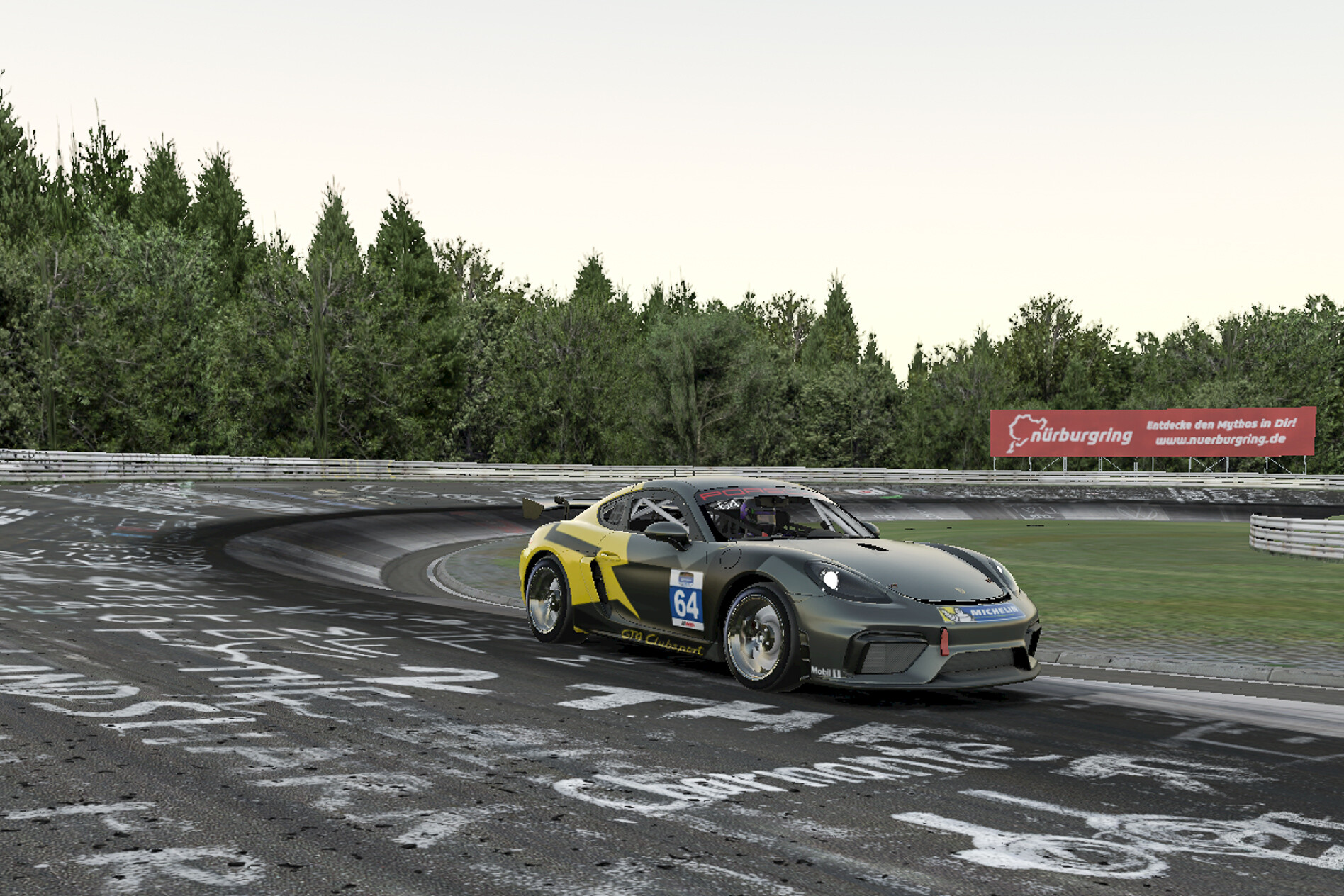
The latest edition to the iRacing world, the Cayman GT4 joins the ranks of rookie-suitable cars like the Mazda MX-5 and Kia Optima GX. It has reasonable power (312kW) blunted by a 1300kg mass, but with big brakes and slick tyres, the Cayman GT4 is not a car to take lightly.
Its midships balance, too, sets it apart from other rookie cars – thankfully, traction control and ABS can be dialled up or down as your experience and the track changes.
The fearsome Green Hell is also a recent addition to the service and once you master its 160 corners, you can then start adding speed.
Wielecki’s to blame. Crystal clear skies, chilled turbo-friendly air, some of New South Wales’s tastiest curves just over yonder. And the MOTOR crew are stuck in a power station boardroom, enduring an OH&S seminar. The shooter wants artsy pics of our front-dragging turbo armada in front of two concrete towers, straight out of The Simpsons.
This feature was originally published in MOTOR’s October 2006 issue
Fine, says visitor chaperone Julie. But you’ll need stack hats. And goggles. And flouro vests. And, oh, take this induction exam. No pass, no pics. Cars parked. fresh fuel and rubber, the only thing burning is our patience. It quickly goes as pear-shaped as a school kid’s playlunch.
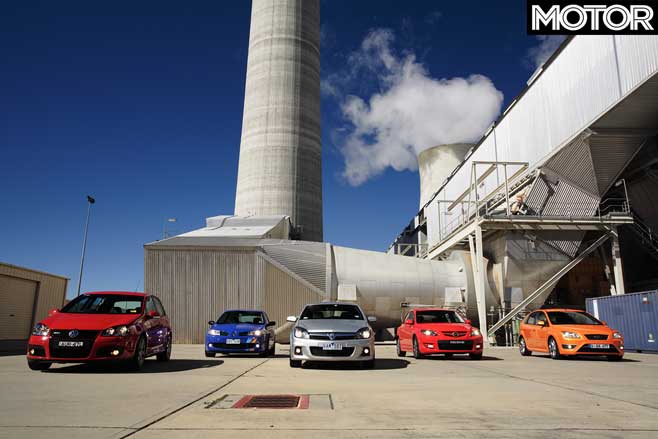
Cleary and I doodle on our questionnaires. Rohan daydreams, Wielecki experiments with blue-collar safety-gear fashion, and Colin and Ben nod off with mid-day siestas. But by some miracle, the village idiots are granted security passes. In full construction worker regalia, we make a hasty exit to the car park when someone – I won’t mention names, eh, Cleary? – busts into a campy disco strut, and we burst into an impromptu song. “It’s fun to stay at the Y…M…C…A!”
Then it hits me. Wielecki’s subconscious has tripped over an ideal metaphor for attitudes towards the modern hot hatch: enough grunt to power a city, but about as macho as the Village People.
And that would be wrong.
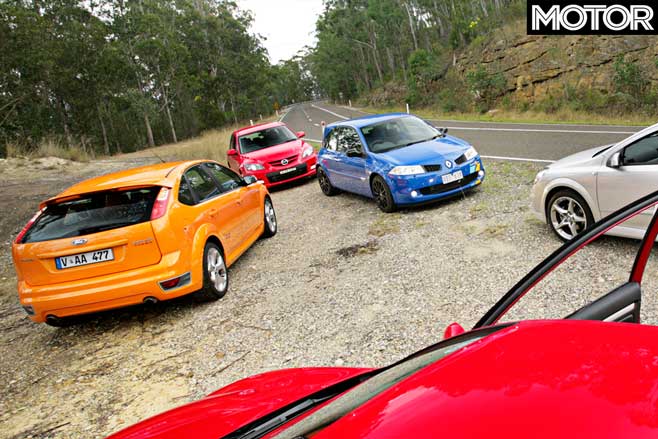
The turbo arse-dragger genre is three decades and a lightyear from its fledgling ‘70s roots. Cordia Turbo? Get over it. The pocket warheads present – Golf GTl, Mazda3 MPS, Focus XRS Turbo, Megane F1, and Astra SRi Turbo – have evolved beyond traditions of endless cogrowing, keeping gutless donks on the boil and manhandling featherweight gizmo-free tin boxes beyond meagre levels of grip. Dig around showrooms today and you might find a sub-$20k econobox offering such old-school joys. And each of the five here would maul it like a poodle thrown to pitbulls.
Today’s hot hatch benchmarks? Tractable, torquey, and flexible urge, spirited roadholding and heavyweight braking competence are pars for the twisty course. Punters want luxury, ride comfort, bells’n’whistles fruit, and active handling trickery, wrapped in hatchback dimensions. weight and sticker price. Understeer and torque-steer. that inherent wrong-wheel-drive foible? Get rid of it. or at least most of it. Impossible? That yardstick called Mk V Golf GTI proves otherwise.
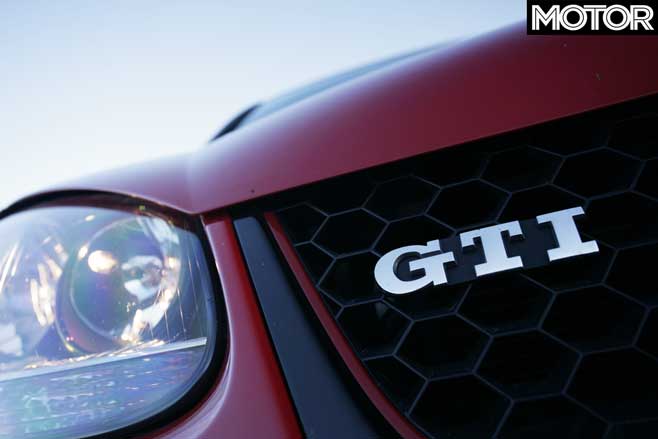
GTI plaudits have been shouted from the mountaintops, ad nauseam, but it’s worth reiterating the Euro PCOTY podium finishers be-all, end-all asset: it simply doesn’t do anything badly. The giant-killer favours depth of balance over devastating prowess in select criterion. The consummate all-rounder? No doubt. An exceptional value and intelligent motoring purchase? Absolutely. The hottest front-drive turbo hatch on the block? Well. maybe…
Cue Renault Sport Megane F1 and Mazda3 MPS, which have just moved into the neighbourhood, chests puffed out, and wielding sticks the size of goalposts.
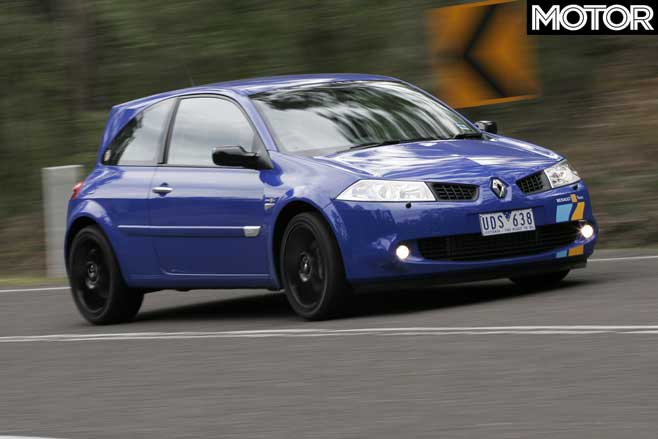
Their stats look formidable enough. The Frenchie‘s 2.0-Iitre turbo donk pumps out 165kW and 300Nm – 18kW and 20Nm over the GTI – and, at 1361kg, it‘s three kilos lighter. The limited 30-only F1 is also $300 lighter on the hip pocket than the (DSG-equipped) Golf’s $42,290 ask. It’s got flair, too: aggro stance, black rims, Brembo stoppers, a throaty note, and war livery pegging F1 as Renault’s racy performance spearhead. Its three-door ‘French mullet’ body is much sexier than the boxy five-door models, and oozes enough character and sublime menace to send GTI packing to Nanna’s driveway.
MPS’s classier maturity doesn’t seem to raise the pulse as high, but just look at those vital signs. Packing a staggering 190kW and 380Nm – a full 100 Newtons up on GTI – even its portly 1403kg heft doesn’t stop the Japanese Jock from caning the F1 and GTI on power-to-weight. “Our quickest model,” says Mazda, and after belting MX-5 and ‘6 MPS in East-West PCOTY, and level-pegging WRX for 4th, we believe it.
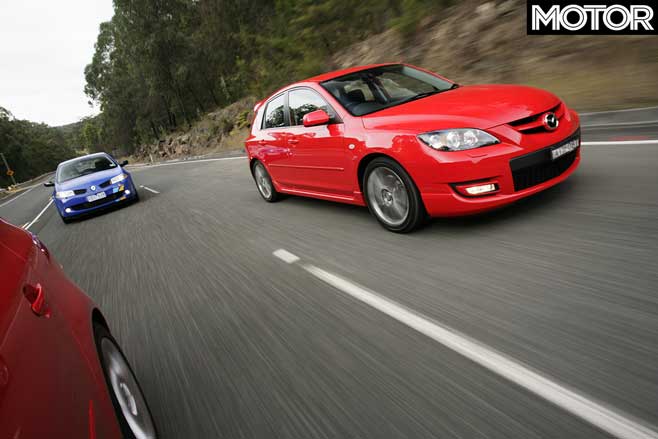
Against GTI, though, it’ll have to put bigger grunt down through 215mm hoops – the narrowest of the five – and channel energy in athletic ability at the first sniff of a comer. Our fruity-spec (optional) Sports Pack cops leather/Maztex fabric trim, Xenon headlights, glossy alloys and a 222W seven-speaker Bose stereo. At $43,690, it’s a little pricier than GTI, but not by much. Too bourgeois? At $39,990, the base model lineballs the manual GTI.
Keeping them honest is Focus XR5 Turbo. At 166kW and 320Nm, its Volvo-sourced 2.5-litre five-banger outgrunts everything bar the MPS, and yet it clocks in at a mere $35,990 in any colour you like other than look-at-me speedboat orange (an $1800 option).
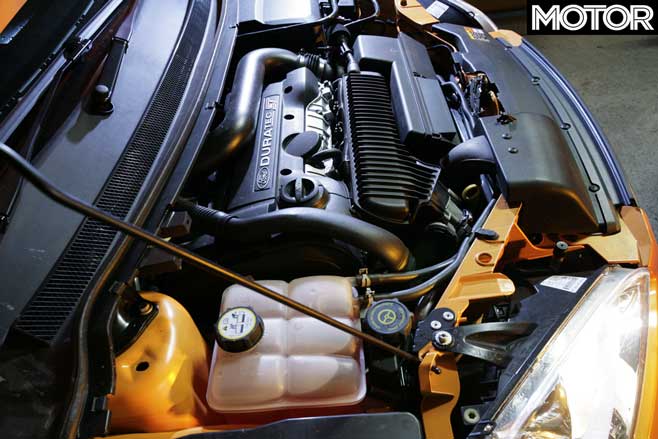
The biggest mill and heftiest weight (1442kg) makes XR5 the muscle hatch of the five – even the ignition timing was tweaked at idle phase to add exhaust note beef. And, despite its UK development, German engineering and Swedish donk, there’s something oh-so dinky-di about the feel and presentation. Refined and agile, the XR5 earned kudos a couple of issues ago by taking it up to HSV’s pricier VXR.
Why no VXR? Well, 12 months and one prototype does not maketh a showroom contender. Instead, the Astra SRi Turbo gets the GM guernsey. At a sharp $35,350 – a whopping $8340 cheaper than MPS – Astra’s the underdog. But it only has to be four-fifths as hot as the sharp-enders to post a serious bang-for-bucks challenge. Considering SRi matches GTI for outright power, and concedes just 18Nm of torque and 37kg of weight, it looks well in the running.
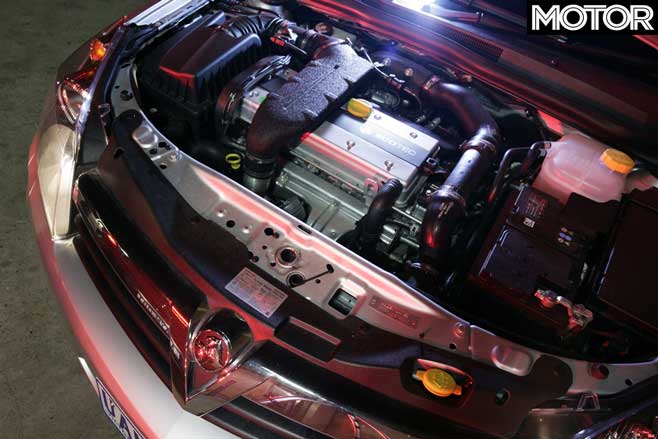
So let’s cut to the chase. Or. specifically, the Astra’s failure to sustain said chase. Two days, two vastly different road loops, a hundred corner varieties, five drivers to woo offered Astra every chance to shine. Somewhere. Somehow. But even before the Belgian-built hatch plunged its vague nose into the first curve, it was marking itself as the tail-gunner.
In isolation Astra shows promise, but in the company of these rivals, all glimmers of hope are extinguished. The four-banger‘s toey low-end tractability gives way to top-end lethargy. And that’s if you can manhandle the hellacious torquesteer through the chunky baseball bat tiller. The seats offer moderate comfort and support, but seem to be trimmed with the hide from a plastic cow. Crappy ‘edged’ switchgear? Poor rear vision? Flouncy shift action?
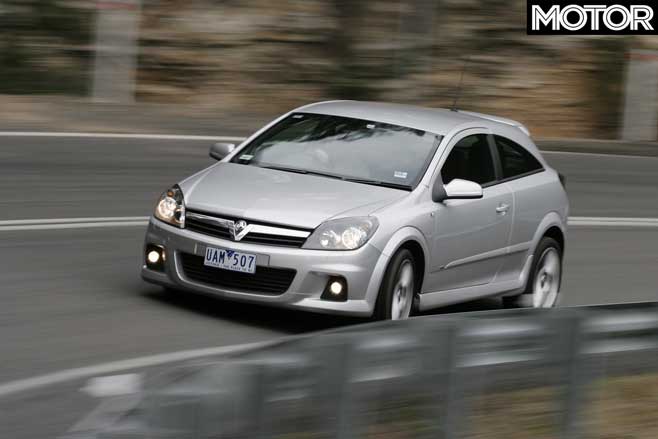
Redemption would come if a thoroughbred lurked within. Nope. Turn up the wick and the heaviest steerer is also the dullest pointer. Meagne front-end bite limits corner-entry attack, and when the nose starts to push like a lead torpedo it takes adventurous shoving to regaining trajectory. By then the others, including XR5, have bolted. Most defined at five-tenths, the SRi persistently underachieves.
XR5 is more promising. At a cruise, the Focus is all Jeckyl; as pliable and compliant as a grocery getter, with doughy low-rpm urge and slightly washy body control that requires tiller correction over fast sweeping undulations. Hauling its weight takes a windup from 80 clicks or so, but grab its scruff and XR5 taps its inner Hyde.
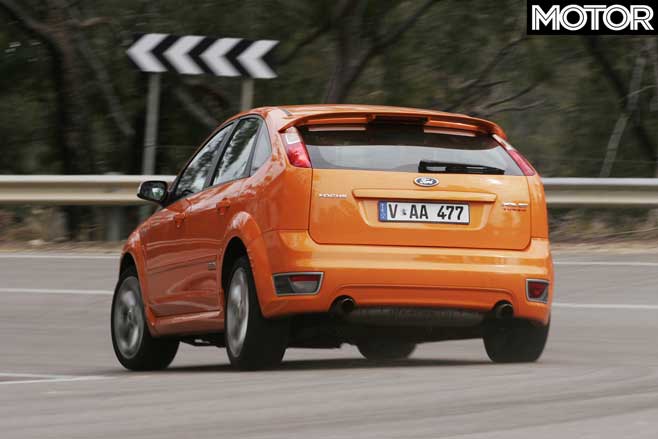
At four grand, the big-block 2.5 piles on a punchy slab of torque, the body control muscles flex and out comes a confident, light-on-its-feet demeanour. Push hard and it stays balanced, with a progressive grip breakaway and predictable control to rival the GTI. It’s a sheer bloody hoot. Still, it’s not overly planted nor sharp, failing to match Golf’s precision, or Megane’s front-end tenacity.
The F1 most desperately wants to be a go-kart, and lays on the boy-racer signals thick and, for the most part, convincingly. The taut chassis is fidgety and choppy, but decent damping means the chassis is more supple and composed over ruts and bumps than its stiff ride quality suggests. And, jeez, feel that grip. Its 235mm SportMaxxs provide the largest footprint of the bunch, and compared with XR5 you’d swear it’s on rails.
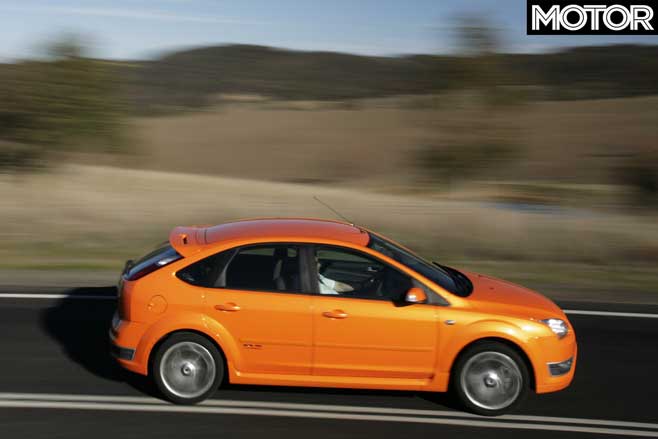
The mechanical grip advantage translates to spirited mid-corner speed, and there’s tonnes of bite for pinpoint nose placement. It’s just a pity the steering – the vastly improved Cup version that the F1 shares its underpinnings with – lacks detailed communication, and its variable resistance isn’t quite as speed-reliant as Renault’s boffins may claim.
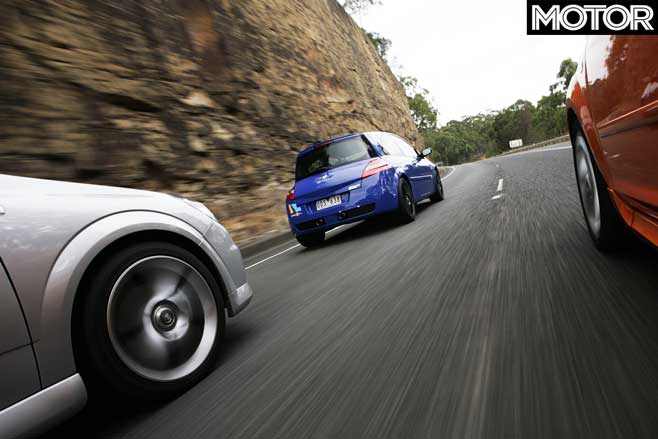
However, add robust power delivery from the sweet revvy turbo four and F1 demands discretion. Push the friendship and roadholding breaks away and fast, especially in the tight stuff where Megane feels nose-heavy. Too hot with corner entry speed and it’s all tragic understeer. Sink the boot in too hard on corner exit and the nose wants to wander, plough, or head anywhere else but the chosen line once the unloaded front hoop cries freedom. Not good.
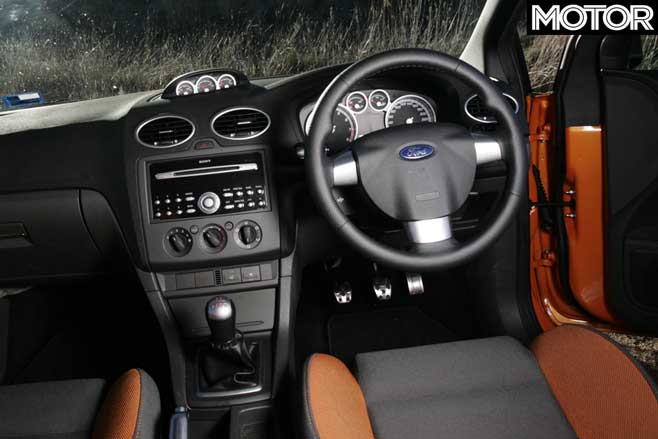
Neither is F1’s interior. Apparently, ADRs are to blame for the missing Recaro pews offered in Euro-spec F1s. The replacements offer decent support and comfort, but they appear to be trimmed by Baby-Co and are inferior in purpose to all bar the Astra’s.
XR5 does get pukka rib-hugging Recaros. But it’s not all rosy inside XR5, though. Plastics and finish tap into Falcon’s darkest side, the tiller is spongy, the seating is hunched. And I wonder if buyers receive a complimentary wetsuit after an eyeful of the extreme-sport orange fabric. XR5’s clutch is light underfoot. and shift quality is slightly doughy through the gates.
But, again, F1 loses out for driver interaction, with an overly sensitive brake pedal and vague gearbox that feels as positive as rowing a fork through cheese soufflé. On aggregates, it’d be easy to write off the F1 to a languishing fourth. That is until you unclip its leash and send it bolting along fast and flowing curves in search of German and Japanese blood.
Yes. MPS and GTI are the odd couple, but similarities extend beyond price. Parked. they’re the most austere of the group. Inside both are well-appointed, with solid build and a rich quality of tactile materials and finish levels you’d expect to pay $20k extra for.
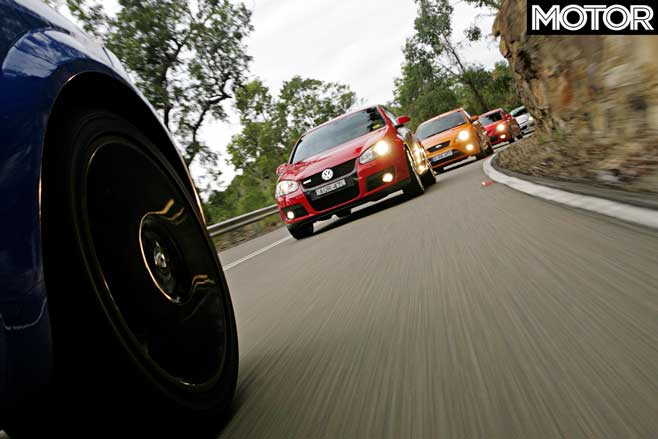
MPS pips Golf for driver positioning and alI-round ergonomics, its superb Recaro-wannabe pews slung low. GTI, though, has clearer vision, stylish teutonic presentation and to-die-for tiller with superb DSG paddles. But neither are perfect. MPS’s instrumentation looks stylish. but the speedo needle’s shallow arc to 100 clicks is annoying. Meanwhile, the Golf’s +/- shifter is arranged arse-backwards. So far, so even.
On the road. MPS and GTI are completely different animals. With its chipper turbo whistle, the Golf pulls strongly with a buzzy surge, the DSG pinching ratios with a buttery seamlessness. It’s impressive, and one of the smartest cog-swappers around, but left in D (for dumb) it’s easy to catch DSG snoozing if you trounce on the loud pedal mid-comer, resulting in a sudden torque dump once it mans the action stations.
The MPS’s armour chink is its clutch’s grabby take-up, requiring careful pedal metering to coerce smooth off-idle getaways. The steering’s weighty and positive, the ’box’s gates are gun-barrel tight, and the anchors bite with confidence. But the engine’s the eye-opener. Sink the boot and from two grand it’s an explosive rush of torque dynamite, complete with banshee howl of induction noise (or perhaps the sound of tread ripping from the tyres). Considering there’s 380 Newtons pumped through the fronts, MPS does an admirable job using some deft trickery to smother torquesteer down to a dull tiller tug.
Does MPS feel quick? Bloody oath it does. But whether MPS can effectively channel its extra grunt into pace and whether it’d be a better tool with, say, 20 less kilowatts and 50Nm less torque – is the key issue. The stopwatch suggests the package is on the money: MPS nails GTI to the standing ton by just over one second (6.61sec to 7.63sec) and nails 400 metres nine-10ths quicker (14.67sec to 15.45sec). Fine, but throw some curves into the equation?
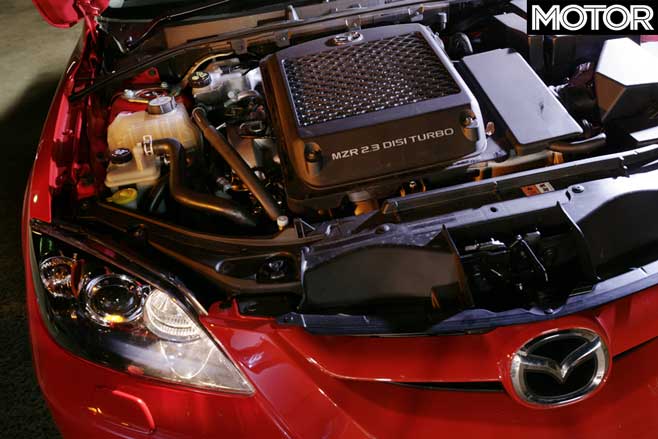
During their recent PCOTY tests, MPS dispatched Oran Park’s north circuit 1.7 seconds quicker (37.10sec to 38.84sec) than GTI. And that MPS weaves its fury on narrower tyres suggests its engine/chassis combo has reaI-world blacktop potential.
Throw it down a twisty pass and the GTl’s an exercise of consummate balance. Golf is most playful of the bunch. It moves around a bit, working the sidewalls of its 17s (the rest have 18s), but engagingly so, transferring its weight where grip and poise demands. It’s an understeerer, but what it lacks in F1-like bite it counters with stunningly incremental pin-point steering – the best of the bunch by far. So controllable, so predictable, GTI maximises its engine and chassis to full effect, without overkill.
It becomes really clear, very quickly. that MPS animalism requires more restraint when you’re up it. Thankfully its progressive throttle mapping and pedal throw allows easy metering of the turbomotor’s flexible, near inexhaustible Newtons. The six-speed’s ratios are sweetly spread, but its often more effective to grab 3rd or 4th and keep the tacho needle hovering around 3500rpm, and finesse the effortless tractability to milk sizzling road speed. Its mechanical LSD helps to limit wheelspin, but it could be tighter.
Even though it feels less lively at the front, MPS’s nose has good bite, cuts a confident line and is less punishing on its rubber than GTI. But that’s only half the story. With huge grunt and well-sorted nose throws, you can coerce a little torque-steer and allow those gentle tiller tugs to become useful communicators o! scrabbling traction and compromised acceleration – not unlike the way intimate tillers provide feedback of lost lateral grip – which helps throttle modulation. It’s an unusually effective technique. Get it right and MPS’s slingshot effect out of corners is exhilarating.
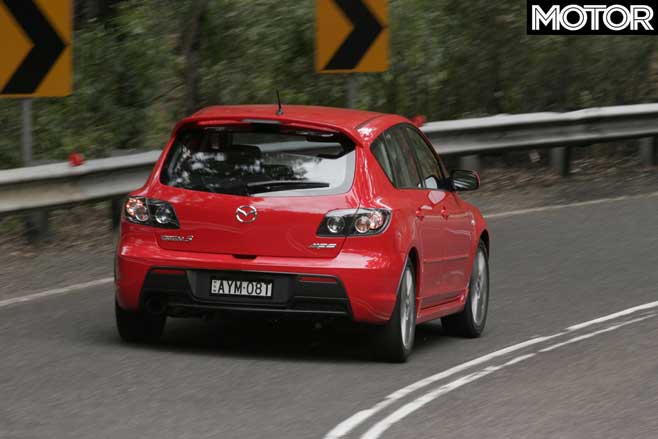
But it’s in the banzai corner-entry theatrics – trail-braking, IiIt-off oversteer – that sorts hot hatch mettle. And where Megane returns, waving Its boy racer stripes. Switch Its chassis smarts off, fire it into a bend under a trailing brake, and from Its flat stance, taut damping, and bitey rubber springs an edgy, dynamic competence. You can launch it in hard and deep and it leans on its nose firmly while hanging its tail out hard and fast, scrubbing speed off with its tyres, rally-style. It takes bravery, and tempered moderation applying those touchy Brembos.
And that’s also F1’s shortfall. At maximum attack, its demands on driver skill are higher,especially when trying to keep close company with the more user-friendly GTI and MPS. The Golf never wavers from its confidence-inspiring balance and poise. The Mazda, a sort of dynamic middle ground, is still more controllable, and also the most capable trail-braker of the lot. Au revoir, Megane.
With two such dynamically disparate rivals at such close quarters, deciding on the hottest hatch came down to a test of ultimate pace. One loop and two drivers, each swapping seats on back-to-back runs to eliminate driver skill from the equation. Japanese call it ‘touge’: nose-to-tail formation, with GTI leading and MPS trailing. Should the Golf pull away, it’d get the gong. Should MPS stick to GTl’s tail-pipes, each driver could gauge how much potential the Mazda kept in its reserves. The result was decisive: MPS was all over Golf like a rash.
GTI’s poise and undemanding nature means it often doesn’t feel as quick as it actually is. Such is its deception: Full noise is one thing. At merely a brisk seven-10ths, the GTI becomes a bit ho-hum, robbing it of ultimate fun factor. But as the most capable and satisfying punt for meagre driver skill, GTI retains its King All-Rounder crown. And is still, perhaps, the most pragmatic purchase. But it’s no longer the hottest hatch for all-out pace.
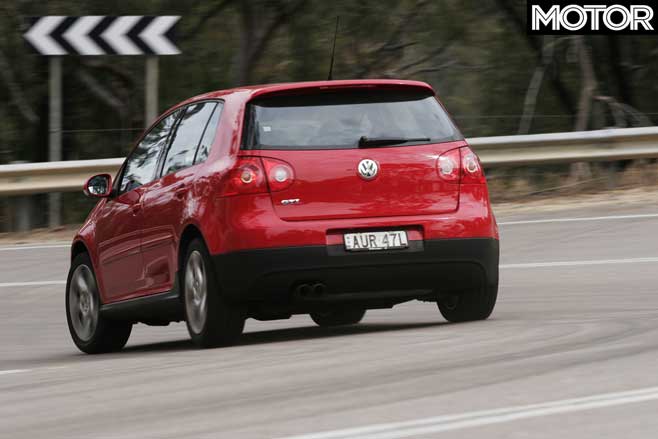
MPS is proved to be quicker, everywhere. For driver edification, MPS serves up lashings of fun factor anywhere above five-10ths. A worthy winner, if only by the tread of its skinny Bridgestone Potenzas.
Fast Facts
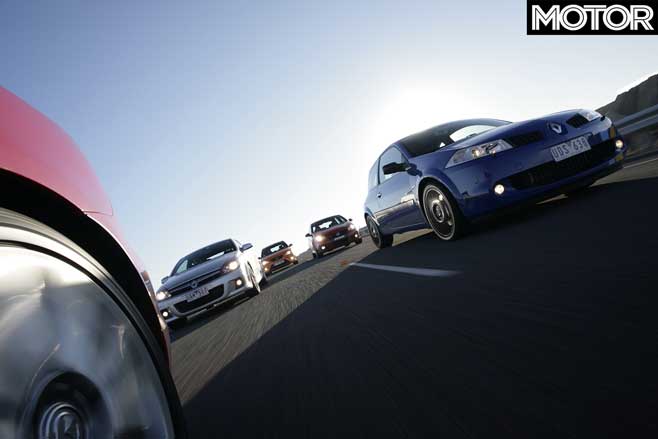
| u00a0 | Volkswagen Mk5 Golf GTI | Mazda3 MPS | Ford Focus XR5 | Renault Megane F1 | Holden Astra SRi |
| Body | 5-door hatch | 3-door hatch | |||
| Drive | front-wheel | ||||
| Engine | 2.0-litre, DOHC 16v, inline-4 turbo | 2.3-litre, DOHC 16v, inline-4 turbo | 2.5-litre, DOHC 20v, inline-5 turbo | 2.0-litre, DOHC 16v, inline-4 turbo | 2.0-litre, DOHC 16v, inline-4 turbo |
| Power | 147kW @ 5100rpm | 190kW @ 5000rpm | 166kW @ 6000rpm | 165kW @ 5500rpm | 147kW @ 5400rpm |
| Torque | 280Nm @ 1800rpm | 380Nm @ 3000rpm | 320Nm @ 1600rpm | 300Nm @ 3000rpm | 262Nm @ 4200rpm |
| Power/Weight | 110kW/tonne | 135kW/tonne | 115kW/tonne | 125kW/tonne | 105kW/tonne |
| Transmission | 6-speed dual-clutch | 6-speed manual | |||
| Weight | 1340kg | 1403kg | 1442kg | 1325kg | 1401kg |
| 0-100km/h | 7.36sec | 6.61sec | 7.50sec | 7.11sec | 7.50sec |
| 0-400m | 15.28sec @ 153.8km/h | 14.67sec @ 157.9km/h | 15.38sec @ 152.7km/h | 15.08sec @ 154.6km/h | 15.32sec @ 153.3km/h |
| Suspension (f) | MacPherson Strut | ||||
| Suspension (r) | Multi-linku00a0 | Control Blade multi-linku00a0 | u00a0H-style rear axle | u00a0Torsion beam, twin trailing arm | |
| Brakes (f) | u00a0312mm ventilated discs | 320mm ventilated discsu00a0 | 320mm ventilated discsu00a0u00a0 | u00a0312mm ventilated discs | u00a0308mmu00a0 ventilated discs |
| Brakes (r) | 286mm solid discsu00a0 | u00a0300mm ventilated discsu00a0 | 280mm solid discsu00a0u00a0 | u00a0300mm solid discsu00a0 | 264mm solid discs |
| Tyre Sizes | 225/45 R17 (f & r) | 215/45 R18 (f & r) | 225/40 R18 (f & r) | 235/40 R18 (f & r) | 225/40 R18 (f & r) |
| Tyres | u00a0Continental ContiSportContact2 | Bridgestone Potenza 050Au00a0 | Continental ContiSportContact2u00a0 | Michelin SP Sport Maxxu00a0 | Dunlop SP Sportu00a0 |
| Price | $39,990 ($42,290 as tested) | $39,990 ($43,690 as tested) | $35,990 ($37,790 as tested) | $41,990 | $34,990 ($35,350 as tested) |
Focus XR5’s Trick Steering
Sure, XR5’s uprated suspension – some 30 per cent firmer spring rates, retuned dampers, five per cent stiffer anti-roll bars – could be easily parts-binned from the aftermarket. But mega Focus (developed by the UK-based Ford TeamRS) has some nifty engineering tricks up its sleeve. Built using a stiffer shell, the XR5 uses a variable-ratio rack-and-pinion steering system that’s eight per cent faster than regular Focus models, and features a computer-controlled electric steering pump with three map settings – comfort, normal and sporty – which the driver can adjust from trip computer stalk.
Torque-Taming the Mazda3 MPS
For MPS, Mazda engineers went the hard yards to smother torque steer. Driveshafts angles and stiffness were matched, and a new torque-sensing mechanical LSD was developed which uses a 66:34 variable torque split. A torque management system was also introduced, which electronically alters both throttle valve position and the turbo’s wastegate valve to smooth out potential torque peaks in first gear, and operates in conjunction with a steering angle sensor when cornering hard in first and second gears.
Refined Renault
The lighter three-door F1 shares underpinnings with the five-door Cup, on which Renault introduced a rash of fixes to fix the wallowy Megane RS 225 in 2005. Damper, anti-roll bar and spring rates increased (25 per cent front, 77 rear), and Brembo stoppers with a larger master cylinder bore (25.4mm) were introduced, and the EBA was deleted to reduce its nasty ‘brick wall’ touchiness in the braking department. Cup and F1 also get a sleeved-tube steering column to transmit better tiller feel. Renault Sport and Dunlop jointly developed the silicon-based 235mm-wide SportMaxx rubber specifically for the Cup.
Acronyms that Work!
Blessed with exceptional natural balance and core engineering, the GTl’s prowess is largely down to conventional electronics smarts and their dodgy three-letter acronyms: ABS, EBD, ESP, and ASR, or Anti-Slip Regulation – in other words, torque reduction-type traction control. That said, it shines in the systems’ tunings, all of which seem performance-centric, and none of which are overly intrusive. GTI’s king gizmo is its DSG gearbox: two gear sets, two wet multi-plate clutches, and rapid-fire gear-changes all at three to four 100ths of a second.
What stands out?
The new-generation Honda CR-V is a roomy medium SUV with an easy-driving nature and a very family-friendly cabin. Power comes from a strong turbocharged engine, and the CR-V balances a comfortable ride with good handling. You can have five or seven seats, and auto braking is available.
You can also read our review of the CR-V that this car replaced.
What might bug me?
That your seven-seat Honda CR-V does not have autonomous emergency braking (AEB). Only two CR-Vs come with AEB, and they are the more expensive AWD versions – the five-seat (only) CR-V VTi-S and VTi-LX. On the others it is not available, even as an extra-cost option.Missing out on extra safety to protect your large family. You can’t get a seven-seater version with AWD traction or active safety features such as auto braking.
What body styles are there?
Five-door SUV-style wagon only, with seating for five or (in the VTi-L only) seven.Some Honda CR-Vs drive only their front wheels, while others drive all four wheels.All-wheel-drive CR-Vs drive just the front wheels most of the time (to save fuel), but extend power automatically to the rear wheels when that’s helpful, such as when accelerating from a standstill.The CR-V is classed as a medium SUV, lower priced.
What features do all Honda CR-Vs have?
A sound system with an AM/FM radio, USB and HDMI inputs, Bluetooth audio streaming, and eight speakers, controllable from a central touchscreen.Height and reach adjustment for the steering wheel, from which you can operate cruise control and multimedia features.Dual-zone climate control, which can supply ventilation to you and your front passenger at different temperatures, with dedicated vents for rear passengers.Proximity-key entry, which lets you unlock the car and drive away without removing the key from your bag or pocket.Wheels made from aluminium alloy (which don’t need pesky plastic trim), and a full-sized alloy spare. Tyre pressure monitors (which will give you early warning of a slow puncture).A reversing camera, with top, normal and wide views. Automatic transmission.Daytime running lights illuminated by extremely long-lived LEDs.Roof rails, which make it easier to fit rooftop luggage systems.A driver attention monitor, and Honda’s LaneWatch blind-spot camera.Trailer Stability Assist, which helps prevent an oscillation developing when you are towing.Six airbags. Stability control, which helps you avoid and control skids. (For the placement of airbags, and more on CR-V safety features, please open the Safety section below.)Every Honda CR-V comes with a five-year warranty, with no restriction on distance
Which engine uses least fuel, and why wouldn’t I choose it?
Every CR-V comes with the same engine, a turbocharged 1.5-litre petrol. On the official test, it consumes about 7.4 litres/100km (city and country cycles combined).This four-cylinder is a revised version of the engine in the more expensive versions of Honda’s Civic small hatch and sedan. In the CR-V it offers about 10 per cent more thrust under most driving conditions, thanks largely to a more effective turbo. That is plenty for relaxed open-road use.Notwithstanding the higher boost pressure, Honda says you can fuel the engine with regular unleaded.Every CR-V comes with a continuously variable transmission (CVT). Unlike conventional or dual-clutch automatics, which select from fixed gear ratios, a CVT can vary the gear ratio in tiny increments, so that the car feels more responsive more of the time. On more expensive CR-Vs, you can select from seven artificial ratio steps using paddles on the steering wheel.
What key features do I get if I spend more?
The least costly Honda CR-V is the CR-V Vi, which comes with fabric-covered seating for five, 5.0-inch touchscreen, 17-inch wheels, front-wheel drive, and the features common to all CR-Vs.Paying more for a CR-V can get you more convenience and comfort, and either all-wheel drive or seven seats.The CR-V VTi adds a larger 7.0-inch touchscreen and support for Apple CarPlay and Android Auto, which lets you view and operate some smartphone apps (including navigation, and voice control) from the touchscreen.A seven-seat version of the CR-V VTi, called the VTI-E is also available and as well as the extra row comes with leather-appointed seats, bigger 18-inch wheels, and third-row air-conditioning vents mounted in the ceiling.Coughing up for a CR-V VTi-S brings you a power-operated tailgate, which you can open and close from the key fob or from buttons on the car. Front and rear distance-sensors help you nuzzle into parking spots, and headlights switch themselves on when it’s getting dark. There is satellite navigation that does not depend on your phone. And the wheel size rises to 18 inches, for a sportier look.Spending an extra $3200 or so will get you a VTi-S with all-wheel drive that also brings also brings you Adaptive cruise control (with Low-speed follow) and a suite of sensor-based safety aids, under the label Honda Sensing.The Adaptive cruise control will automatically reduce your set cruising speed to follow a slower car in front, resuming when the way is clear. If the car in front comes to a halt, the system will stop you behind it – and if it takes off again, just tap the accelerator pedal and your CR-V will resume following. The sensor-based safety aids comprise auto-braking and three forms of lane-keeping help.Spending some more again will buy you more luxurious seven-seat CR-V, the front-wheel-drive VTi-L. In addition to the third seat row, the VTi-L comes with part-leather seat trim, heating for both front seats, and a driver’s seat that is power adjustable and can remember your adjustments (so that you can restore them quickly after a companion has driven the car). Your windscreen wipers work automatically when it rains.Like the VTi-E, the VTi-L miss out on the Honda Sending safety package, which is only available in AWD versions.The most expensive CR-V is the VTi-LX, which returns to five seats but restores all-wheel drive. It adds a radio that receives digital signals (for more stations and a better sound), and very bright and long-lived LED headlights that shine into corners when you turn the wheel.The VTi-LX also brings you the Honda Sensing package.
Does any upgrade have a down side?
Paying more for the pricier seven-seat CR-V, the VTi-L, means you can’t have all-wheel drive or the Honda Sensing safety package, with autonomous emergency braking that’s available in the slightly more affordable VTi-S AWD. The VTi-L also offers less cargo space than the other CR-Vs, and its middle-row seating is less comfortable, as is the case with the VTi-E over the five-seat VTi.Choosing the most expensive CR-V, the VTi-LX, for its auto emergency braking and other high-tech safety features, means you can’t have seven seats.The least costly CR-Vs, the Vi and VTi, are marginally the quietest to ride in on coarse-chip roads, because their 17-inch wheels use tyres with deeper and more cushioning sidewalls than the lower-profile 18-inch rubber on all other versions. Thankfully, the bigger wheels don’t seem to affect ride comfort much.
How comfortable is the Honda CR-V?
You can tell that the CR-V has been designed thoughtfully with family comfort in mind. Front seats are expansive enough for most adults, and from them you have a commanding view of the road ahead. The electronic instrument panel is clear and easily read in all light conditions, and all major controls fall easily to hand.The gear selector is mounted quite high, just below the dashboard, so that your left hand won’t need to move far from the steering wheel to manipulate it. The switch-operated parking brake means that, in contrast to the previous CR-V, there is no parking-brake pedal cluttering up the driver’s footwell.All CR-Vs have a colour touchscreen display for controlling entertainment and other cabin functions. Graphics are bright and clear, and response is swift to inputs from your fingertips. It’s not all digital though: after experimenting with virtual buttons on the new Civic, Honda has put a physical volume knob on the CR-V’s dashboard – a definite ergonomic plus.The pillars either side of the windscreen are very slim for a modern car, which makes it easy to see around them at intersections or when cornering on a winding road. The wing mirrors are mounted well forward, to minimise head movement when checking what’s behind you.The CR-V responds smoothly and progressively to the accelerator pedal, helped by the easy-going nature of the turbo engine and standard CVT auto transmission. Brake pedal feel is pleasingly firm.The steering is well weighted. Effort is low around dead centre but becomes heavier as you turn the wheel, contributing to the CR-V’s stable feel.
What about safety in a CR-V?
Every CR-V comes with anti-lock brakes, stability control, six airbags, seatbelt reminders for all seats, tyre-pressure monitoring, a reversing camera, LED daytime running lights, LaneWatch, and a driver attention monitor. The package prioritises your control of the car, protection in a crash, fatigue awareness on long trips, and the welfare of bystanders when you are manoeuvring at slow speeds.Autonomous emergency braking is available, but only on the more expensive all-wheel-drive CR-Vs, the five-seat VTi-S AWD and VTi-LX.The airbags are in the usual places. Front occupants each get an airbag in front, and another alongside at chest level. And front and rear occupants – including those in the third seat row – get side-impact protection from airbags extending down the cabin at head level.LaneWatch displays, on the central touchscreen, a view down the side of the car whenever you indicate to turn left, picking up cars and cyclists that might not show in your mirror.The driver attention monitor assesses your steering for signs you may be falling asleep at the wheel – and proposes you take a break.The VTi-S AWD and VTi-LX add Active cruise control, auto emergency braking, and three forms of lane-keeping help.Auto braking comes in the form of Honda’s Collision Mitigation Braking System. It looks ahead of you with radar and camera sensors, warns you of impending collisions, and applies the brakes automatically if it judges that necessary. It works at city and highway speeds, and you can switch it off. An integrated Collision warning can supply just the warning.The lane-keeping help comprises Lane departure warning, Lane keeping assist, and Road departure mitigation. All three use cameras to monitor highway road markings.The warning component sounds an alarm if you are about to leave your lane without indicating. Lane keeping assist nudges the steering to hold you near the centre of your lane – its aim is to take some effort out of freeway driving.Road departure mitigation aims to prevent your inadvertently leaving the road altogether (perhaps because you had gotten distracted). It recognises marked road borders, and can deploy auto-steering and selective braking to keep you on the tarmac.The Australasian New Car Assessment Program (ANCAP) awarded the CR-V its maximum Five-Star rating in July 2017.
I like driving – will I enjoy this car?
You will enjoy driving the CR-V, provided you understand it is a family wagon and not a sports car. The 1.5-litre turbo engine is a strong performer, and very capable of hauling the CR-V at highway speeds and up steep hills.This new generation CR-V has wider tyres than the outgoing car, and suspension tuned for sharper response to your steering. The steering is also more direct – 2.3 turns lock-to-lock compared with 3.1 turns – so that you don’t have to turn the wheel as far when guiding the car. The result is a more secure grip on the road and a more agile feel.Honda’s Agile Handling Assist helps here too: it gently brakes the inside wheels automatically when you are cornering hard, pulling the car into the turn more effectively.All-wheel drive CR-Vs have a grip advantage when you’re accelerating, but it’s only obvious if you’re attempting to drive in truly slippery conditions such as on a muddy trail or wet grass. On the road, they don’t feel quite as sprightly as front-drive CR-Vs due to their extra weight – roughly equivalent to a teenage passenger.While the all-wheel drive helps you handle loose or soft surfaces, the CR-V is not built for handling rough tracks or other difficult off-road conditions. Dedicated off-roaders have lower gearing, better-suited suspension, more ground clearance, and protection underneath. If you do venture off the beaten track, at least the CR-V carries a full-sized spare wheel to get you home safely should you puncture a tyre.
How is life in the rear seats?
Second row comfort varies depending on whether you’re in a five-seat CR-V or a seven-seater.The five-seater has plenty of rear leg room and headroom for the average adult, and more than enough space for three kids to sit across the bench. A pair of USB ports on the rear of the centre console allows rear passengers to keep phones and tablets charged up. Face-level ventilation outlets should keep them cool in summer as well.The seven-seat CR-Vs add a pair of retractable seats behind the second row, but the second row itself is also different. Able to slide forward and back, and to tumble forward to improve access to the third row, its seating area is flatter, firmer in its cushioning and less supportive than in the five-seater. It’s also placed higher, pushing passengers’ heads closer to the roof – an issue even for adults of average height.Passengers in the third row of the seven-seaters get their own fan controls and head-level air vents, as well as integrated cupholders. The knee and foot room available is best suited for children.With the middle row tumbled forward, access to the third row is at least easy – even for adults.The CR-V has provision for securing up to three baby capsules across the second-row seat. However, the top-tether anchorages for them are fixed to the cargo-area roof, just ahead of the tailgate opening. That means that when a child-seat is fitted, its top-tether bisects the space behind it where a third-row passenger would sit.
How is it for carrying stuff?
The CR-V excels as a cargo-lugger. Its tailgate opens wide (and on all but the least costly CR-V it is power-operated), and the lip to the cargo area is low. You can fold all the rear seats flat, using boot-mounted handles, making it a cinch to carry all kinds of outsize loads.The seven seater can’t carry quite as much as the five-seater because it has a higher floor in the boot.Cargo volume for the five-seater measures 522 litres with the rear seats in place, or 1084 litres with them lowered.The seven-seater has 472 litres with the middle row up and the third row down, and 967 litres with both rear rows down. (Put the third row up, and there’s only 150 litres of storage between it and the tailgate.)Sizable door bins in each door and a very deep, multi-configurable, centre-console box provide plenty of in-cabin storage for odds and ends. The centre console can even swallow a laptop computer.
Where is the Honda CR-V made?
The CR-V is manufactured in Thailand.
What might I miss that similar cars have?
Unless you have chosen an AWD CR-V, autonomous emergency braking. AEB is standard on all Nissan X-Trails, Toyota RAV4s, Volkswagen Tiguans and Mazda CX-5s, for example.Among many other mid-size SUVs worth considering are the Ford Escape, Holden Equinox, Hyundai Tucson, Kia Sportage, and Subaru Forester. The X-Trail and the Mitsubishi Outlander also offer seven-seat versions.
I like this car, but I can’t choose which version. Can you help?
The VTi-S 2WD is arguably worth its price premium over the Vi and VTi, for its satellite navigation, front and rear parking sensors, and powered tailgate. If you want auto-braking, and the long-journey safety-net of lane-keeping assistance, as well as all-wheel-drive traction, it’s worth shelling out about $3000 more for the VTi-S AWD.If you want seven seats, however, the leather-trimmed VTi-E is offers plenty of features for its lower price.
Are there plans to update the CR-V soon?
No. This fifth-generation CR-V arrived in July 2017, and so there is no reason to expect a significant revision in the near future.Honda added the Vi to bottom of the range in August 2018, which brought the starting price for the CR-V under $30,000.In January 2019 Honda Australia added a second, and more affordable, seven-seat CR-V called the VTi-E.Honda has said it is aiming to make autonomous emergency braking – initially available on the VTi-LX – standard on all CR-Vs, and got the ball rolling by adding the technology to the CR-V VTi-S AWD from January 2019.An update is expected in the middle of the 2020 which includes a facelift and redesigned centre console. A hybrid version will be available overseas, but it is unlikely to join the Australian range.
The combination of an oil price war and a massive reduction in transport usage due to social isolation measures has resulted in petrol prices dipping well into the 90-cent-per-litre region (and beyond) in capital cities.
And it looks like the discounts a far from over with pricing trends over March and the start of April suggesting further drops look highly likely over the coming weeks.
While the run-up to the Easter long weekend would ordinarily see fuel prices jump as motorists brim their tanks ahead of holiday road trips, the stay-at-home regimen forced by the COVID-19 pandemicmeans vacations have turned into staycations. With demand for fuel well down and no interruption to supply, prices have fallen across the board.
According to Fuel Price Australia, the current capital city averages for 91-octane unleaded are $1.07 per litre in Sydney, $1.14 in Melbourne, $1.05 in Brisbane, $1.09 in Perth, $1.08 in Adelaide, and $1.25 in Darwin and Canberra.
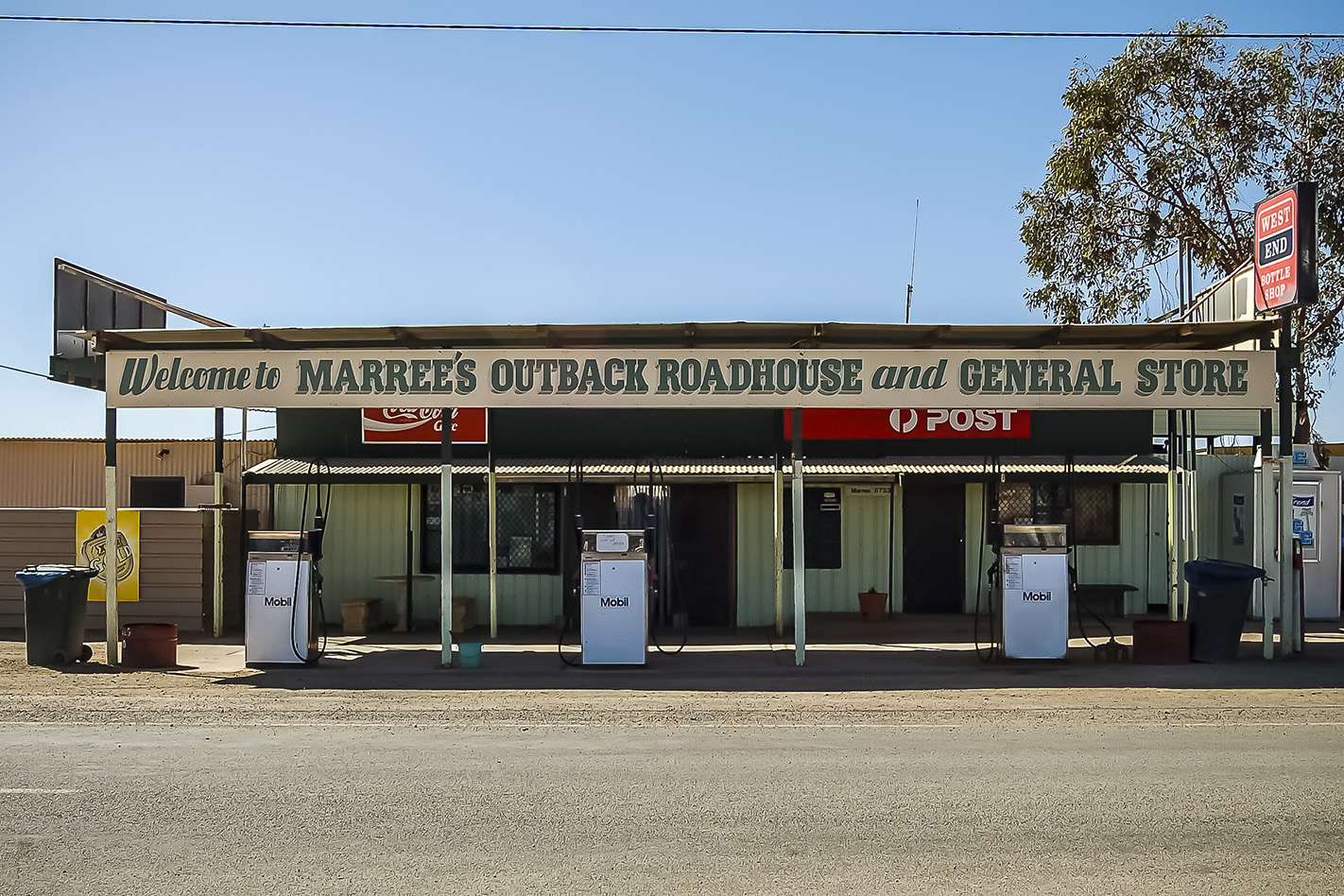
Regional areas are generally less effected by the discounting, with fuel prices in some remote areas still hovering around the $1.60-1.70 bracket – and some outliers even breaching $2.00 per litre – largely due to isolated retailers still selling stock of fuels purchased when the wholesale price was higher. As deliveries of new fuel arrive, regional areas should see prices fall as well, however there will remain some lag compared with metro areas.
The listed prices above are just averages and shopping around (from home) for the best bargains is advised. In Sydney today, the lowest observed price is a mere 79.6 cents per litre for 91RON unleaded, while the highest is a whopping 157.9c/L.
In Melbourne the cheapest 91RON is in the low 90-cent realm while Perth is seeing lows of around 85 cents per litre. Crucially, however, it appears there’s further drops ahead as drivers continue to keep their cars parked and the Russians and Saudis continue to flood the global oil market with dirt-cheap crude.
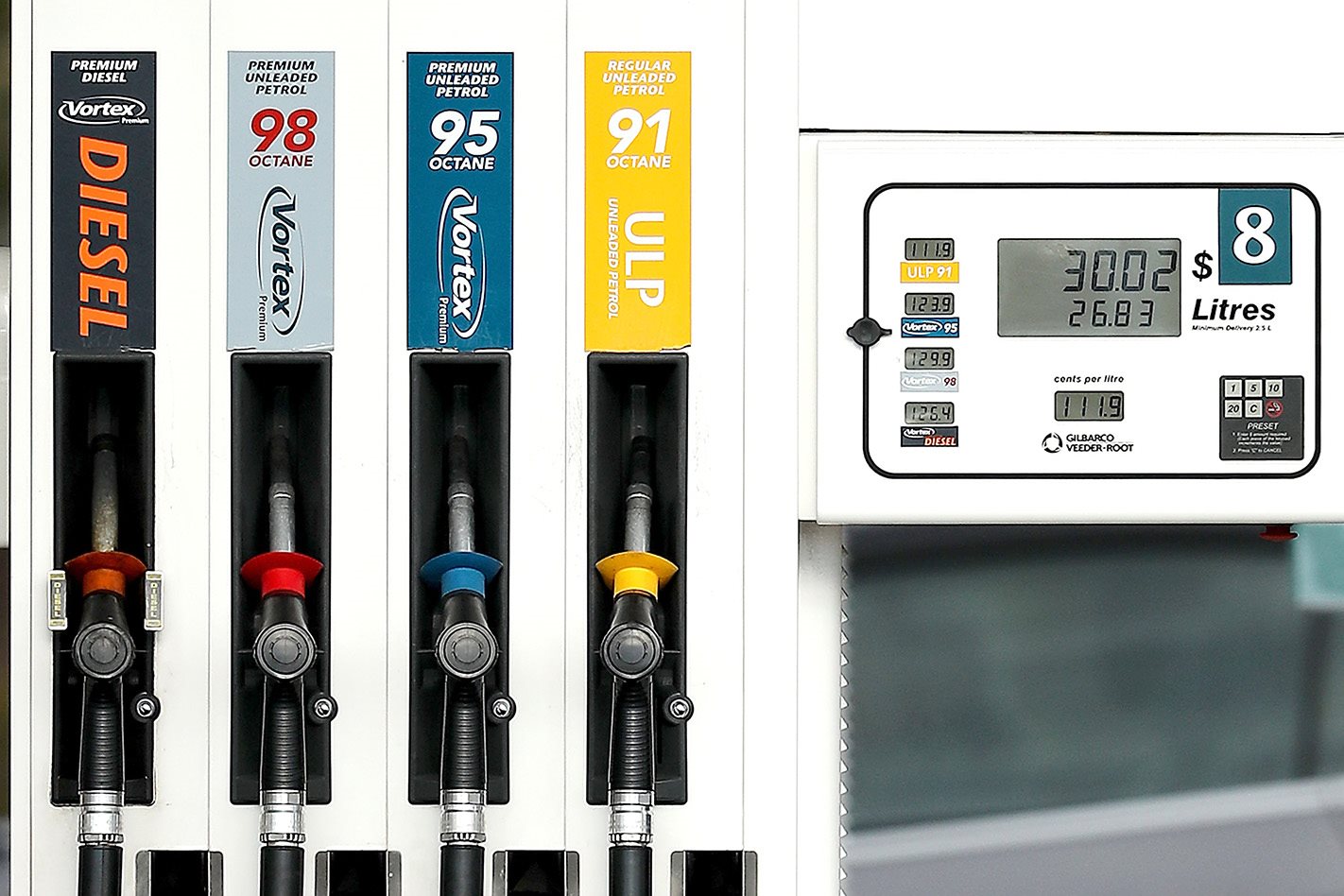
Diesel continues to be more expensive and has yet to punch through the dollar-per-litre barrier, but the national average is currently $1.25/L for regular diesel and is also expected to dip further.
The takeaway is this: unless you absolutely need to fill up your car, there may be greater savings if you put off a trip to the petrol station for as long as possible.
It seems cruel that we’re not able to take advantage of such cheap fuel and take the family for a road trip or just go on a destinationless cruise, but the upshot is that most Aussie families will relish not having fuel expenses as such a dominating part of their monthly budget. Take advantage of that while it lasts.
Each year, MOTOR runs an event called ‘Bang For Your Bucks’ (or BFYB for short), and it’s one of the best ways to decide how to get… er, the most bang for your buck.
But over the last decade, some of the competition’s winners have become renowned as genuinely excellent bargain driver’s cars, while some that didn’t find BFYB glory have come into their own as good ownership prospects.
Of course, any list like this will have an element of subjectivity to it, so if you think there’s anything that should’ve been included, hit us up in the comments at the end of the article!
Any Holden VF/VFII Commodore SS
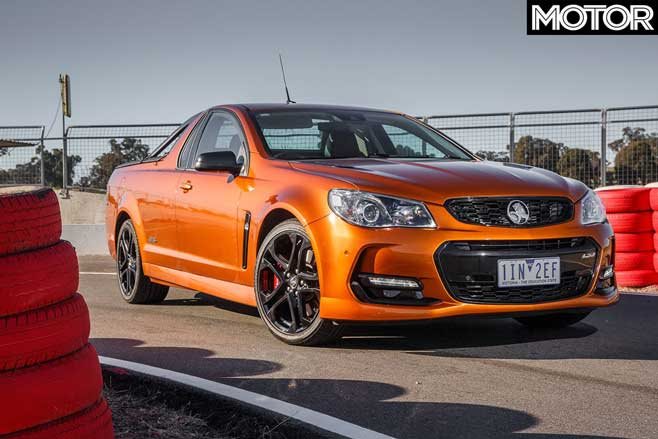
New: $44k (manual ute) to $64k (auto Motorsport Edition) Now: $20k (2014 models, high km) to $90k (Motorsport Editions, delivery km)
BFYB results: Standard SS ute took 1st place in $0-50k and SS-V Redline ute took 2nd place $50-100k in 2017. SS-V Redline sedan 2nd outright in 2016, while SS ute took 1st for $0-50k.
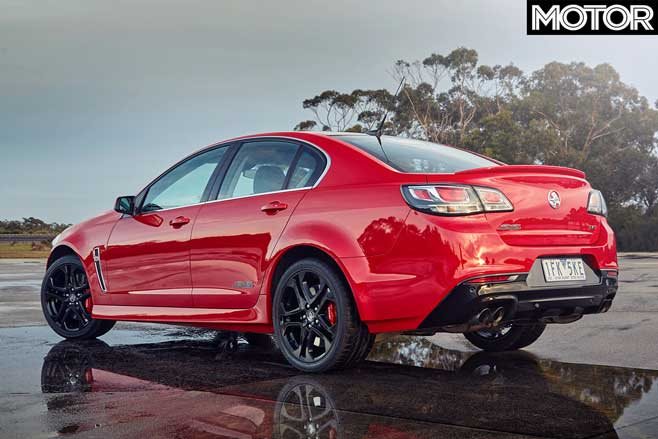
Why: The VF/VFII SS has become, on the used market at least, a bit of a ‘spend what you can’ sort of car. You can get one for not much, but access to that V8 (the 6.0-litre in the VF is great, but the VFII’s 6.2-litre LS3 is a beautiful thing) at any price is worth it. Spend bigger and get a well-looked after Redline if you can.
Ford Fiesta ST (2013–2018)
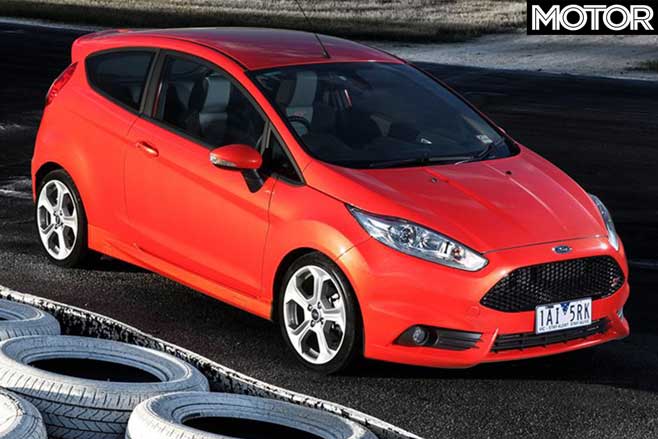
New: $27,500 (in 2017) Now: $14k to $25k
BFYB results: Outright winner in both 2014 and 2015. Returned in 2016 to take 5th in the $0-50K category.
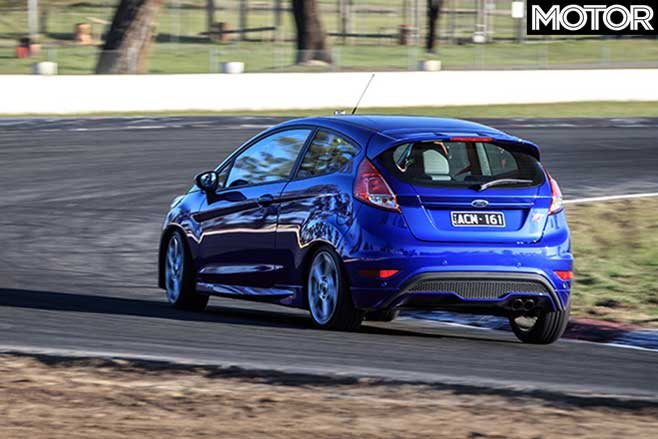
Why: Aside from its clear value advantage and its BFYB domination, the Fiesta ST is a car which MOTOR’s Dep Ed Scott Newman Swears by. Three doors, a punchy turbo four, a chassis ready to play, and for less than the price of some pretty pedestrian cars.
Toyota 86 or Subaru BRZ
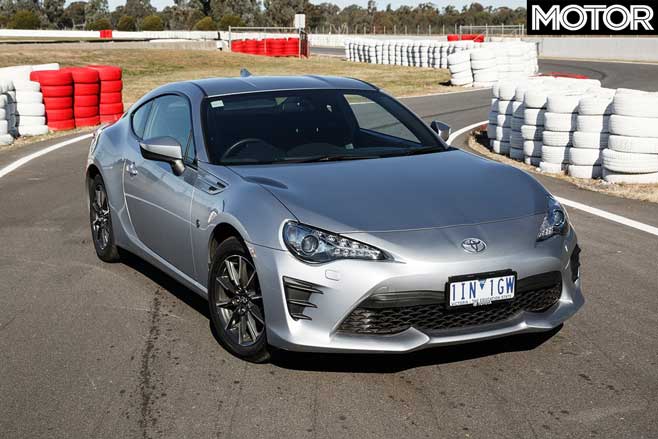
New: $31.5k (manual GT) to $39k (auto GTS) Used: $15K (early manual GTs) to 30K (near-new auto GTSs)
BFYB results: Took 5th in 2017; 14th in 2018 as a $39,400 GTS Performance Pack. Judges always rated it highly.
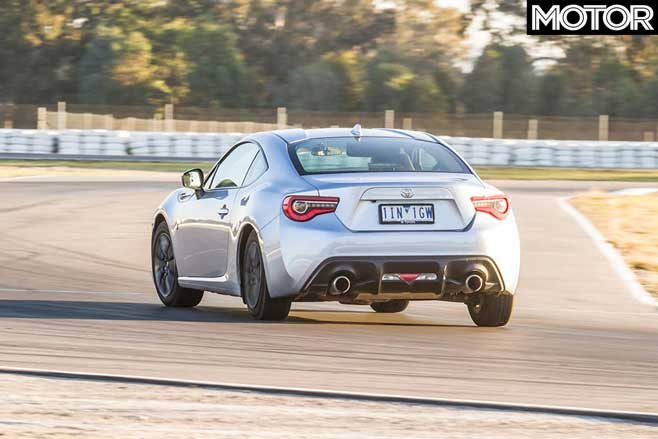
Why: Okay, so the BFYB numbers aren’t really in the 86’s favour, but that mostly comes down to the fact it’s just not that fast. What it is, however, is incredibly fun. So much that one judge gave it a podium vote both years it competed, and the others had it 4th or 5th.
It’s a car that has a significant place in every conversation about ‘fun’ cars here in the MOTOR office, and for good reason. Get yourself the basest, cheapest one you can (in good condition) and give it a couple of track mods with the money you’ve saved. Bargain blast.
Renault Clio IV RS
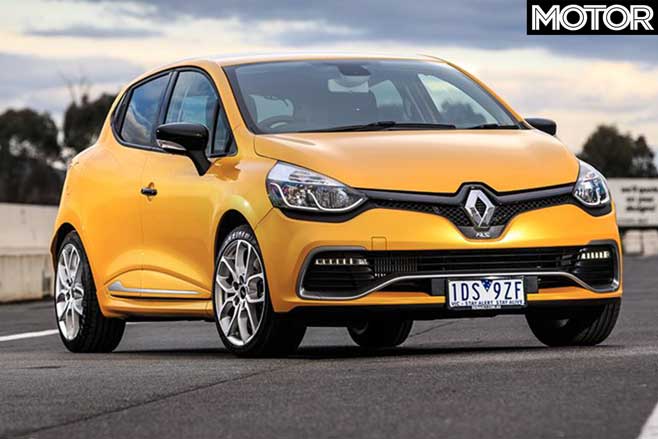
New: $29,290 (RS200, 2015); $39,990 (Trophy, 2016); $30,990 $32,490 (Cup, 2019) Used: $14K (Sport) to $24K (Trophy)
BFYB results: 1st place in $0-50K and 2nd overall in 2015 as RS200. 5th place in $0-50K as more expensive Trophy in 2016.
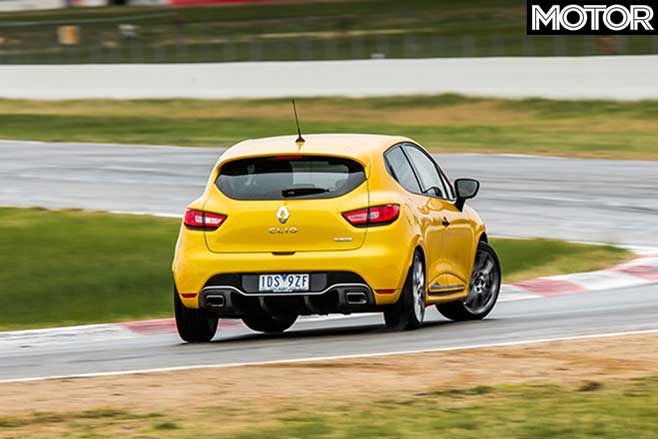
Why: The Renault Clio RS is not particularly expensive. The Renault Clio RS is relatively quick. The Renault Clio RS loves to have fun on a twisty road or on a track. Brutal BFYB algorithms like the Clio RS. We like the Clio RS.
Okay, we did originally say it was a tad pricey for the car you get (a small hatch with very basic features) but now that you can pick up a cheapie on the classifieds? Go for it.
Peugeot 208 GTi (2012-2018)
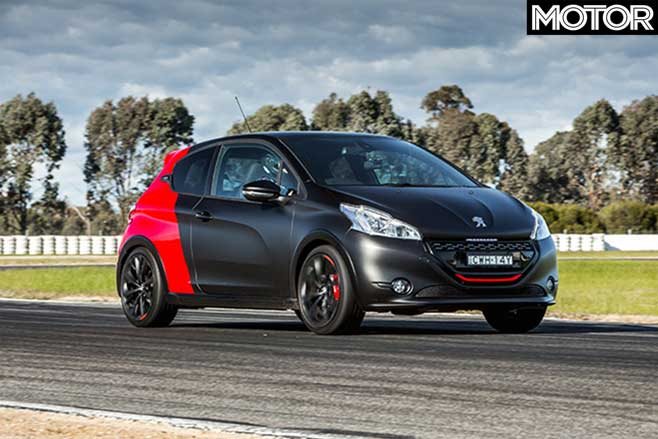
New: $29,990 (2015) or $35,990 (30th Anniversary, 2016) Now: $12-18K (standard) or $21,500 (30th Anniversary, one found)
BFYB results: 5th in $-0-50K category, 2015. 2nd place in $-0-50K category in 2016 as 30th Anniversary Edition.
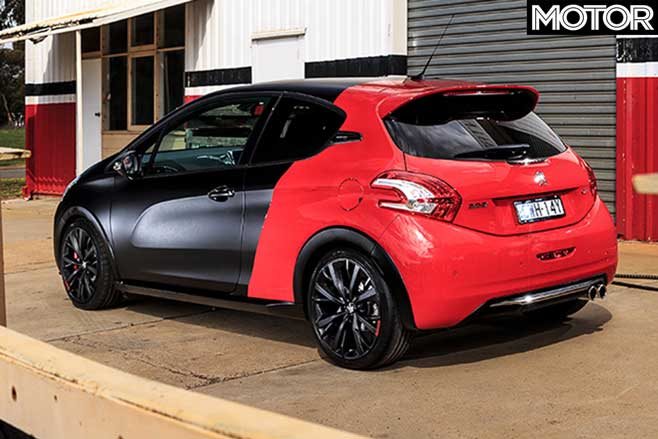
Why: Much like the Clio, the low-cost, high-fun 208 GTi provides a convenient little package to both live with and thrash on the weekend.
Now that the new price isn’t the only way to pick one up, bargains can be had – but if you can stretch to a 30th Ann. Edition, do it. The more recent ‘Edition Definitive’ also supplies the same upgrades but will set you back plenty more for being newer.
BMW M135i
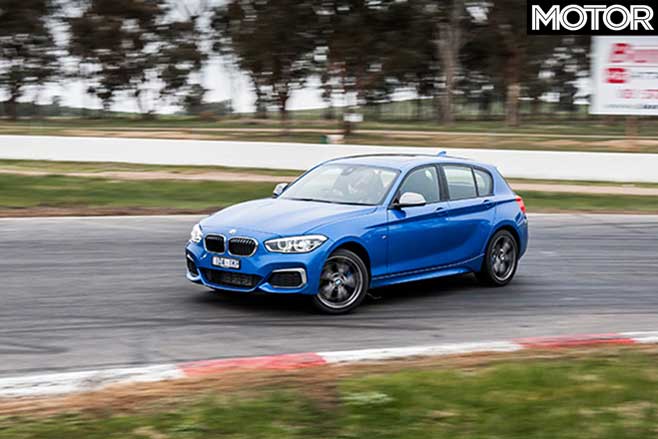
New: $62,900 (2016) Now: $24K to $40K
BFYB results: First place in $0-50K in 2015, 9th in that category in 2016.
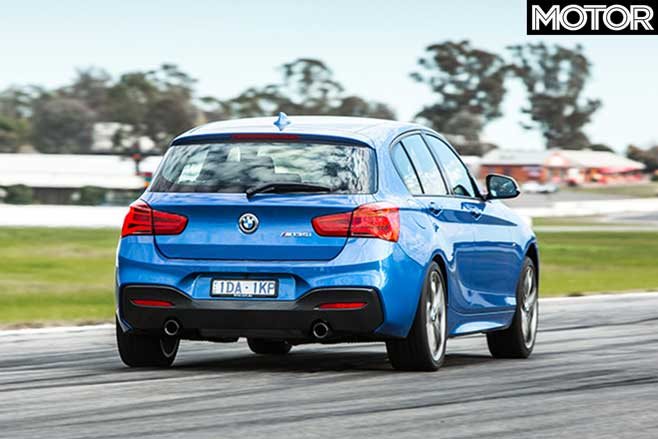
Why: Get yourself a hot hatch you can drift! Yep, while the AWD heroes like the A45 and Focus RS look to drift modes to help slide, BMW’s almost-M hot hatches let you do it with your steering wheel and your right foot regardless.
They’re not the best lookers, but the M135i and even the M140i can be had relatively inexpensively – they weren’t even particularly pricey when new!
Mazda ND MX-5
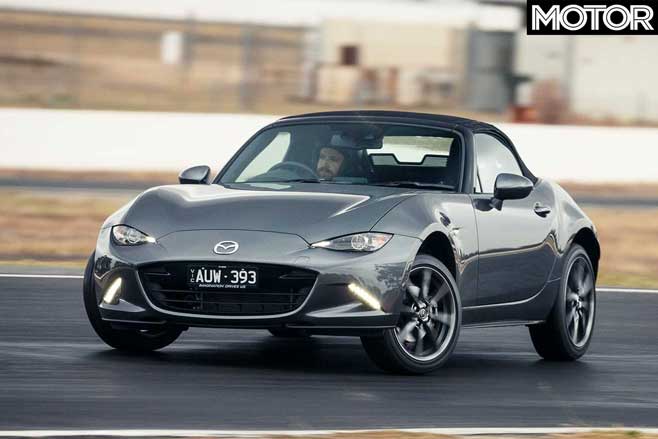
New: $35,890 (manual 1.5-litre) to $49,900 (auto RF GT) Used: $22K (sub-50,000km models from ~2015) to $42K (2018 RF Limited Edition)
BFYB results: 7th in $0-50K 2017, but 5th overall in 2019.
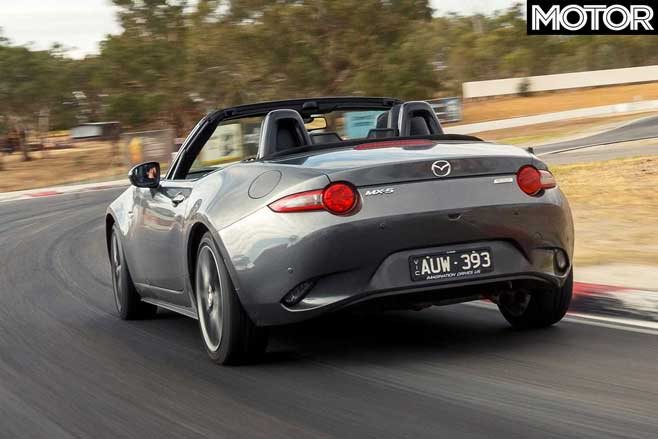
Why: The MX-5 has endured as one of the all-time great sports cars for the last 30 years, and the ND generation is true to the NA’s simplicity while managing to remain relevant in a modern market.
If you want unfiltered fun, this is up there with the Toyota 86. Though it’s not as sharp a handler (primarily due to softer suspension), it’s got a more linear engine and the option of dropping the top.
2016-18 Ford Mustang GT
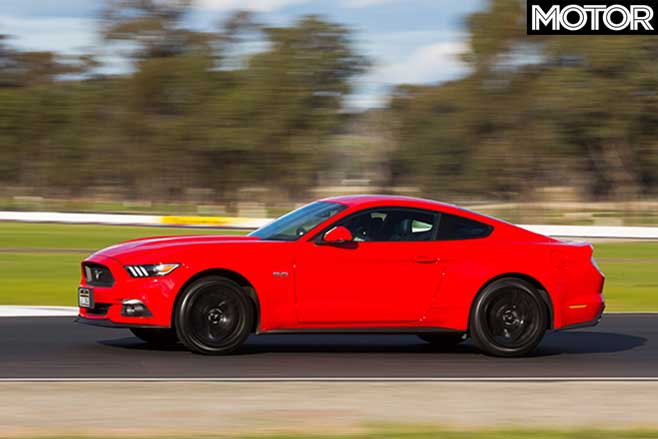
New: $57,490 (2016 manual) to $59,990 (2016 auto) Used: $35K to… however much you want, many have been tuned and modified
BFYB results: 8th in 2016, sub-$50K category.
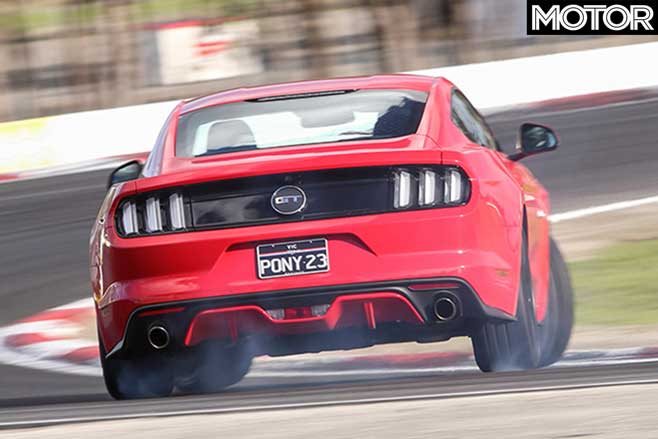
Why: Tonnes of people bought new Mustangs in the first years of its on-sale time in Australia, which means tonnes of people are also selling relatively new cars with low-cost and easy-to-find parts. The updated version also means chances of those who want an upgrade with the intention of ditching the old one.
High supply, low prices. You can pick up a decent condition Mustang and save a pretty penny, while still getting to enjoy everything its first owner coughed up the cash for.
Volkswagen Polo GTI (Mk5)
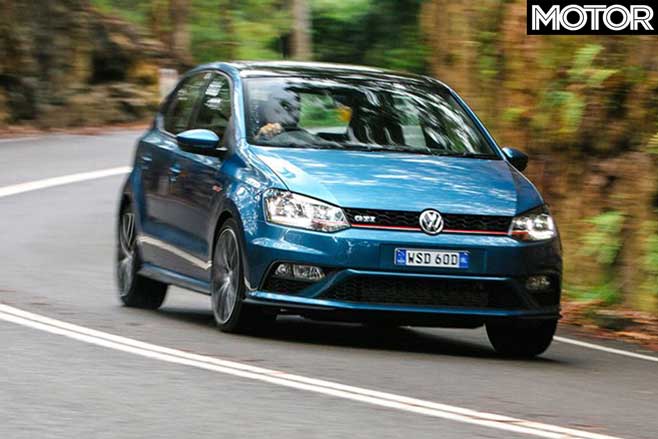
New: $27,490 (manual, 2017) to $29,990 (DSG, 2017) Now: $10K (early models, 100,000km+) to $24K (~2016, sub-50,000km)
BFYB results: 3rd $0-50K in 2015, outright winner in 2016, 2nd place $0-50K in 2017, 4th overall in 2019.
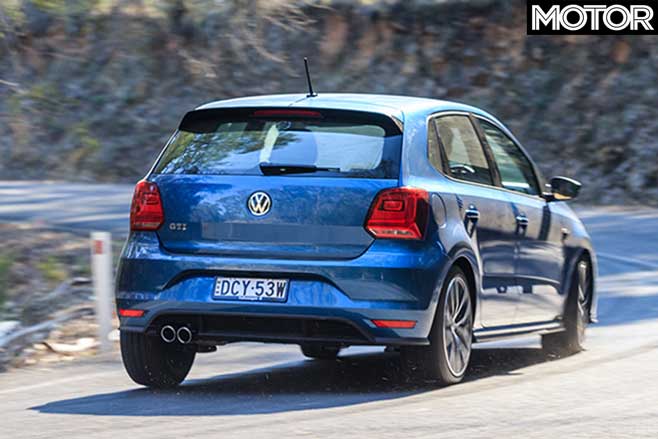
Why: The Polo has consistently proven it’s able to balance the line between very sensible and very fun for half a decade of BFYB attendance, bar one year. It’s almost always been on the podium, and now that you can pick up a well-loved car for just north of the $10K mark, it’s time to start considering one as a cheap weekender or track car. Just don’t let the maintenance bills bite – sometimes cheap cars ain’t cheap.
A team of high-speed drivers recently performed the highly illegal New York to Los Angeles ‘Cannonball Run’ in record time, beating the previous fastest time that was only set late last year. Unsurprisingly, it’s brought about a wave of serious backlash.
Cannonball veterans Alex Roy and Ed Bolian have verified the new record of 26 hours and 38 minutes according to Road & Track, while at the same time condemning the new record holders.
That’s because the new record was attempted earlier this month, amidst the global COVID-19 pandemic.
Shelter-in-place laws are in effect across much of the USA, meaning traffic on the country’s highways has lessened, while law enforcement has a different set of priorities.
While the new time beats the record set last year by more than 45 minutes, the team behind it remains a mystery.
What is known is they used a 2019 Audi A8 with a pair of large-volume marine fuel tanks ratcheted into the boot. Road & Track also reports that an unknown number of drivers – possibly four – were used for the run.
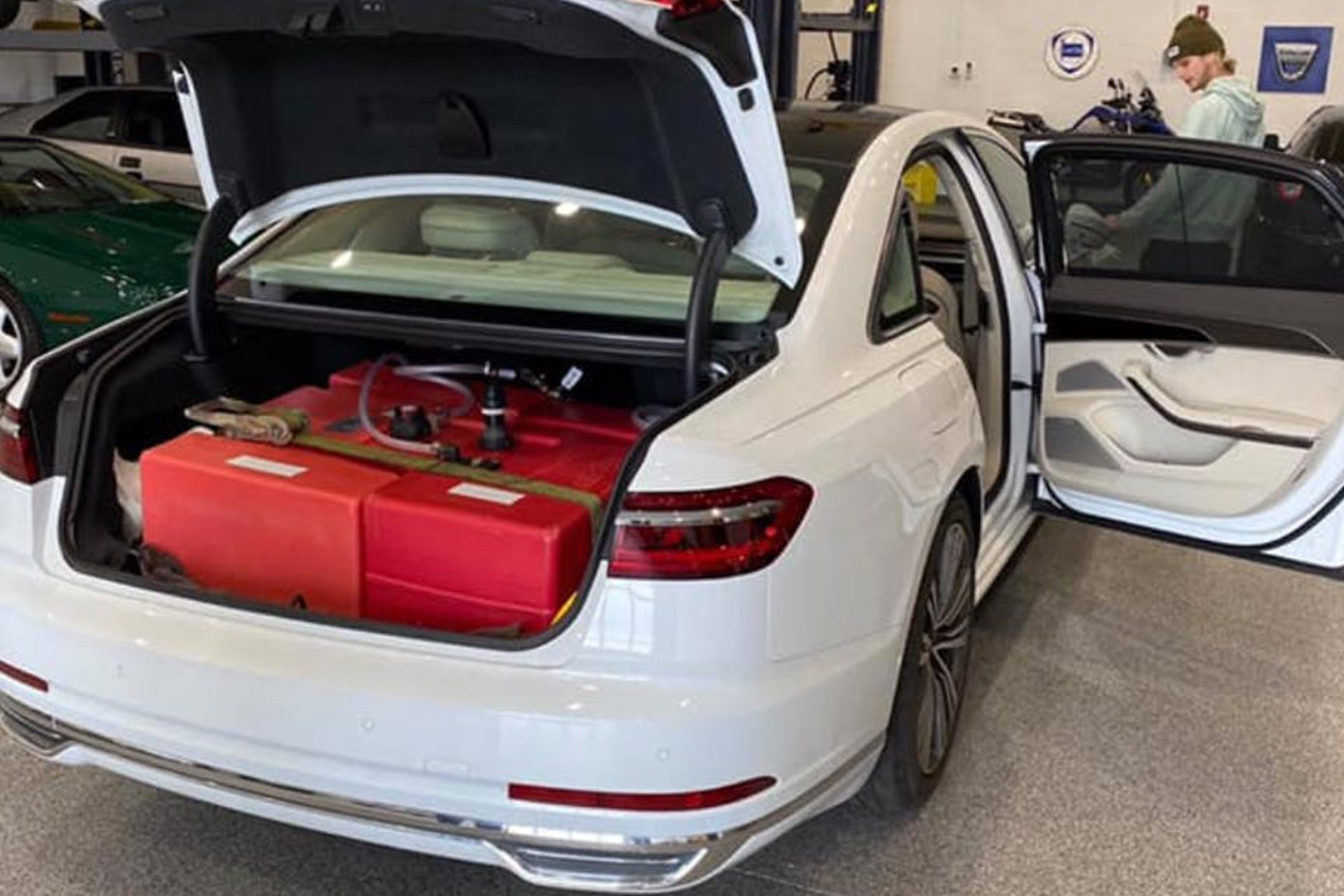
The route used for the 2020 run has not been confirmed; however, the new record holders started at the Red Ball Garage in New York City and finished at the Portofino Hotel & Marina in Redondo Beach, California, as is traditional for Cannonball Runs.
If the team used a similar route to 2019 record breakers Arne Toman and Doug Tabbutt, who traversed the 4546 kilometres across the US in a modified 2015 Mercedes-Benz E63 AMG, the average speed needed to achieve the new time would be frankly ridiculous.
Rough calculations would indicate that the Audi drivers were averaging 170km/h for the duration of the run. Remember, that is an average, and it’s highly likely the Audi’s cruising speed during the record run was well north of 200km/h.
Some Cannonball veterans have noted that this new Audi team were relatively unprepared compared to previous record runs – most notable is the lack of visible radar-jamming equipment from inside the A8.
If you want to get a sense of how far some people go with planning, you can read about the last highly-illegal run here.
Condemnation of the new record began flowing soon after it became public knowledge.
However, as former record-holder Bolian notes, there is a level of hypocrisy involved in criticism from fellow Cannonball Run competitors.
“Do I think this is the best use of time while the country is staying in during a pandemic?” he told R&T.
“Probably not, but for me to say it’s awful is like a cocaine dealer saying a heroin dealer is awful.”
As we all try to morph our lives into a rapidly changing world, racing in a virtual realm might be the best form of motorsport action we can get, at least for the next few months.
In response to widespread cancellation of races around the globe, many series have responded with live televised eRacing and simracing versions of the cancelled events, but are they hitting the mark?
MORE What is iRacing?
On today’s chat, the WCW panel regroups once again via video link to review some of the eRacing instalments that have attempted to satisfy the world’s motorsport fan’s appetite for racing, while circuits around the world remain eerily silent.
Welcomed back to the WCW fold, gaming guru Tony weighs in with his insight and knowledge on the contentious subject of eRacing, and we are joined by WhichCar editor Tim for his perspective as a petrol head who ordinarily prefers his racing in the real world.
MORE Supercar eRacing pits pros against punters
TCR, Formula 1, NASCAR and now Supercars have all made their forays into an online arena, but do the established pinnacles of real-world racing continue to dominate when the tables are turned into a virtual track? Tune in to find out.
You can find WhichCar Weekly on all manner of podcast apps including iTunes and Podbean. Please rate, subscribe and leave a review!
You can also follow the day-to-day happenings of the WhichCar team on Facebook, Twitter and Instagram @whichcar.
Listened to or watched the WhichCar weekly podcast? Help us out:
- Leave a note in the comment section below
- Leave a review on Apple Podcasts/iTunes
- Subscribe to our podcast
