
If you thought you were paying a lot for classic Nissan ‘Z’ cars, spare a thought for the buyer of this particularly rare 240Z.
The 1970 Nissan Fairlady Z432R, as it’s known in Japan, is the holy grail of the S30 generation of Zed. Okay, so calling it a ‘240’ is selling it short, especially since it’s essentially a Zed racecar with a GT-R engine.
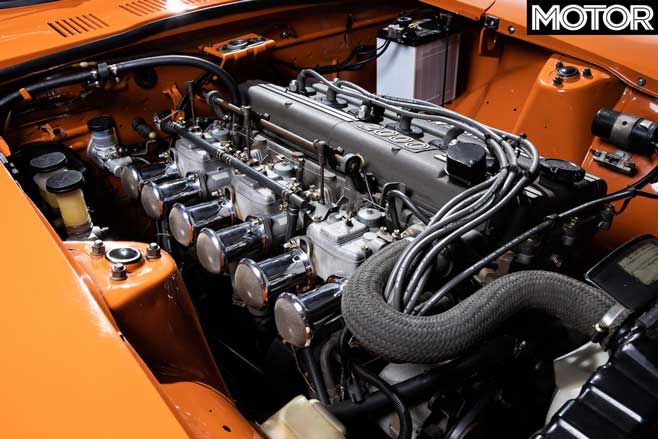
The S20 inline six-cylinder from the first-ever Nissan GT-R (known to many as ‘Hakosuka’) was the powerplant for a series of Fairlady Z 432s, of which 420 are believed to exist.
Rarer still are the few dozen (30-50, says seller BH Auctions) 432Rs, which featured thinner (and therefore lighter) body panels, a fibreglass reinforced plastic bonnet, acrylic side and rear windows, and a 100-litre fuel tank. The point of all this? The Fairlady Z432R was designed to race.
It adds up to a car that’s 100kg lighter than the ‘standard’ Z432, so around 940kg, but with a 118kW/177Nm six-pot driving the rears.
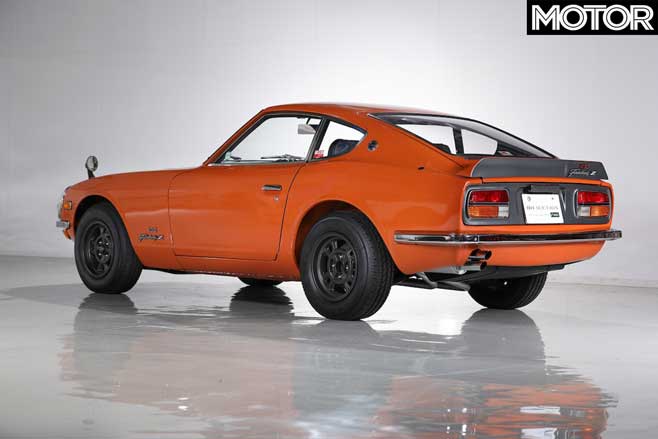
Thus, even with 98,040km on its odometer, this rare beast sold for ¥88,550,000, or AUD$1.17m.
Prior to this sale, the most expensive auctionfor a Nissan Zed car we could find was a Z432, sold through RM Sotheby’s in 2015 at Amelia Island for, at the time, just a smidge short of AUD$367K. Another sold at the same location two years later for about $247K.
Also going under the hammer at the BH auction was an (almost) equally pricey Toyota 2000GT, a Lancia 037 Stradale, and several rare and tidy various Porsche 911s.
You always want what you can’t have. Australia isn’t exactly lacking in performance car options but being the greedy type we want MORE!
Below are 10 performance cars that we think would find willing local buyers; no doubt there are plenty of others that meet your own personal criteria so let us know in the comments, which performance car you think should be available in Australia.
Cadillac V-Series

It’s not difficult to imagine buyers of traditional Australian sedans being wooed by Cadillac’s performance range. The mid-size CT4-V uses a 2.7-litre turbocharged four-cylinder producing 239kW/500Nm, linked to a 10-speed automatic with rear- or all-wheel drive. We’ll have the former, thanks, especially as it includes GM’s clever Magnetic Ride Control dampers.
Stepping up to the larger CT5-V grants access to a 3.0-litre twin-turbo V6 with 268kW/550Nm and, like its smaller brother, it scores Brembo brakes. Last, but certainly not least, the CT6 offers a monster 373kW/778Nm 4.2-litre twin-turbo V8. What’s more, even faster, more powerful versions of the CT4 and CT5 are yet to be revealed.
Daihatsu Copen GR Sport
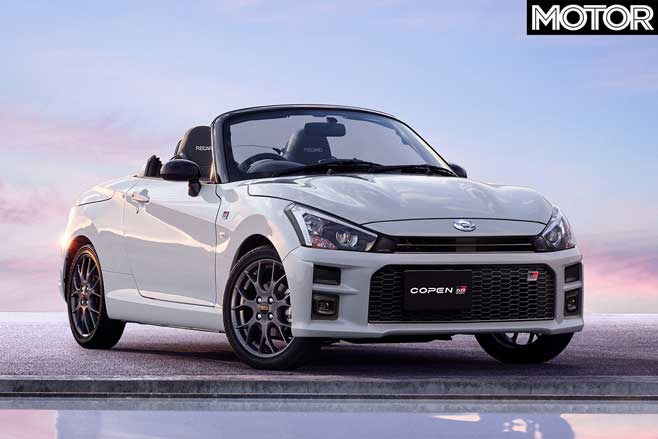
From one performance extreme to the other. The last time the Daihatsu Copen was offered in Australia it was a bit of a laughing stock, a cross between Noddy’s car and a clown shoe. The latest Copen is somewhat cooler, especially when decked out in a range of Gazoo Racing accessories.
With 47kW/92Nm from its tiny 660cc turbocharged three-cylinder, it really isn’t fast, but there’s a five-speed manual, limited-slip diff, sportier suspension and an 850kg kerb weight. Combine this with skinny 165mm tyres and you have something that could be driven flat-out everywhere, even with Australia’s speed limits!
Dodge Charger SRT Hellcat Widebody
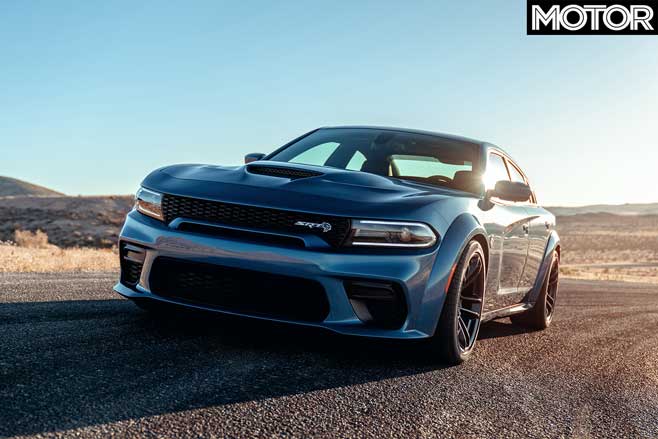
When it comes to Dodge’s performance range, the easy answer is just “Bring it all. Everything.” If we had to pick just one it would surely be the Dodge Charger SRT Hellcat Widebody, a 527kW lunatic with massively flared guards and attitude to burn, but we certainly wouldn’t say no to the 594kW Challenger SRT Hellcat Redeye.
Hell, we’d even be happy with the naturally-aspirated 362kW ‘Scat Pack’ Charger and Challenger models. Or for those looking to lug a family, there’s the 354kW/637Nm Dodge Durango SRT and its unique combination of its three-row seating and 12-second quarter mile potential.
Ford Edge/Explorer ST
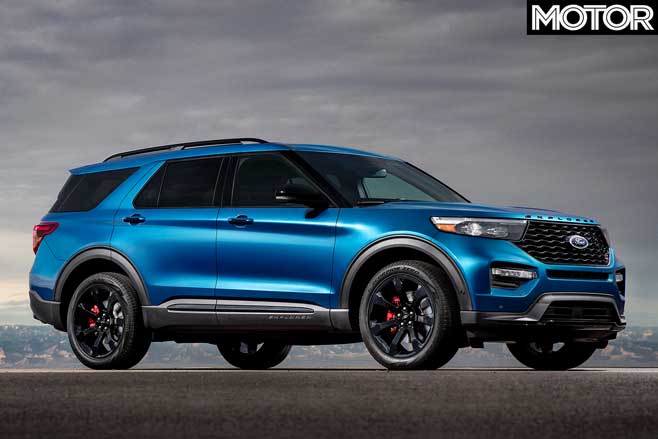
Sticking with the SUV theme, Ford has a number of steroid-fed high-riders that it’s unwilling or unable to offer Down Under. The Edge ST uses a 250kW/515Nm 2.7-litre twin-turbo V6 with an eight-speed automatic, performance brakes and sport suspension.
For those needing something a little larger, the Explorer ST revives a well-known badge in Australia but gives it sex appeal with a 298kW/560Nm 3.0-litre turbocharged V6 with a 10-speed automatic, as well as providing enough space for an entire soccer team.
Honda S660
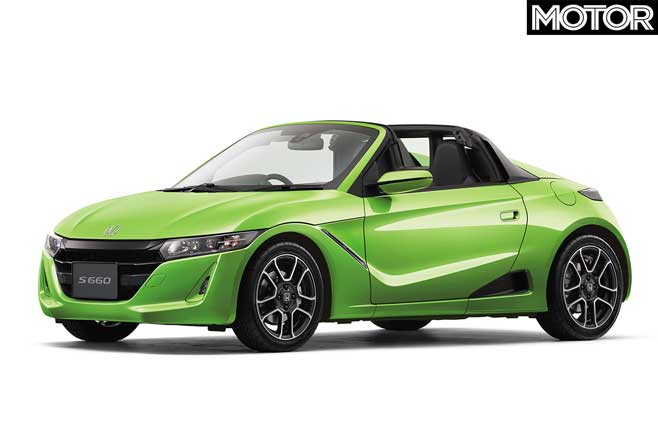
If you’re after something slightly smaller there’s the Honda S660. In fact, the 3395mm could virtually fit within the 3025mm wheelbase of the monster 5062mm-long Explorer ST. The S660 has been out a while but has just had a light refresh for 2020.
Like the Copen, it’s powered by a tiny 660cc turbo three-pot, but offers a bit more grunt with 47kW/104Nm and has six speeds in its manual gearbox instead of five. Unlike the Copen, the engine sits in the middle and powers the rear wheels, so it’s like a baby NSX! Kinda.
Jaguar F-Type V8
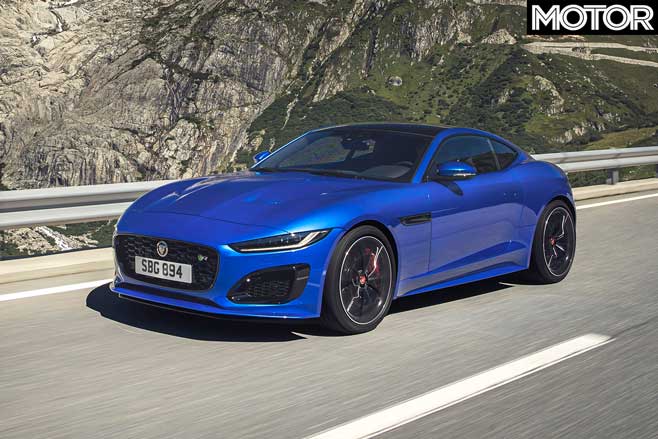
The updated Jaguar F-Type will be coming to Australia later in 2020, but not the variant we want most. The turbocharged four-cylinder and supercharged V6 will continue, while the flagship supercharged V8 scores a number of upgrades, but the new 331kW/580Nm rear-wheel drive supercharged variant is a non-starter.
This makes us very sad, as the original RWD F-Type R was one of our favourite cars, its biggest shortcoming the fact that it possibly had a little more power than it could really use, a problem this new variant solves!
Polestar 1

With only 1500 examples to be built, all in left-hand drive, it’s not difficult to understand why the Polestar 1 won’t be coming to Australian shores. But that doesn’t mean we can’t be sad about being denied one of the most beautiful (and interesting) cars of modern times.
The Polestar 1 is the ultimate expression of Volvo’s clean Scandinavian design language and when you add up its 2.0-litre turbocharged four-cylinder engine and trio of electric motors, you get 441kW/1000Nm. Then again, this high-tech, carbon-bodied rolling artwork costs as much as a Bentley Continental.
Shelby GT500
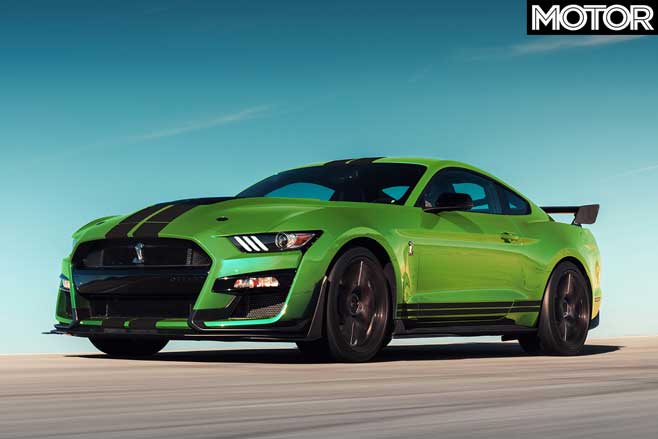
This is a no-brainer if ever there was one. If we were able to announce that the Shelby GT500 was coming to Australia the internet would melt, there would be parades in the street and ScoMo would probably declare a public holiday to commemorate it.
Sadly, it’s not the case, as no Shelby is engineered for right-hand drive. Boo. As such, the 567kW/847Nm GT500, as well as the track-focused GT350 models, remain off limits bar a handful of privately converted examples.
Subaru WRX STI S209
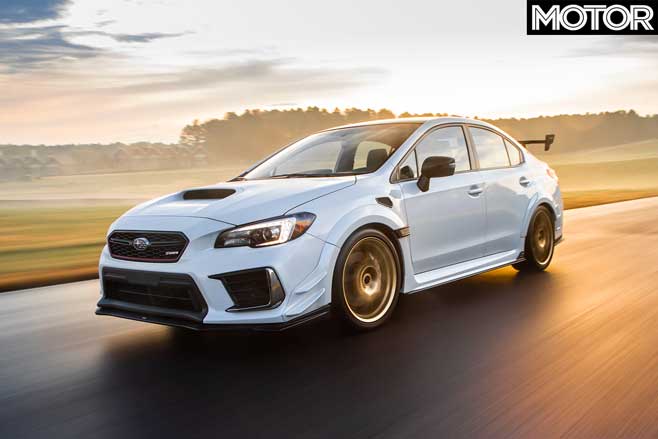
It’s fair to say the WRX STI isn’t quite the weapon it once was. One way to recapture that magic would be to introduce the hardcore S209, the first of these limited models to be made available outside Japan.
Just 209 will be offered to the US, but would it be that hard for Australia to snare a few, 22B-style, where five owners were forced to stump up the compliance costs in addition to purchasing the car? Sadly not, but it would be a fitting way to send the current-gen STI off with a bang.
VW Up GTI

Is the Up GTI a hot hatch? With just 85kW/200Nm, it’s definitely closer to warm than scalding, but with a six-speed manual and weighing just 995kg, we think you’d struggle to get out of the Up GTI without a big smile on your face.
The standard Up (which sadly departed Australia in 2014) was a fun, fizzy drive and adding 17-inch wheels, sports suspension and a healthy dose of tartan isn’t like to harm matters. It would be the perfect stopgap while we wait for the Mk8 Golf GTI.
Plenty of questions regarding the Toyota GR Yaris have already been answered.
We know it’s going to have a 200kW/370Nm 1.6-litre turbocharged three-cylinder engine, a clever new constantly variable all-wheel drive system, six-speed manual gearbox, weigh 1280kg and use big brakes.
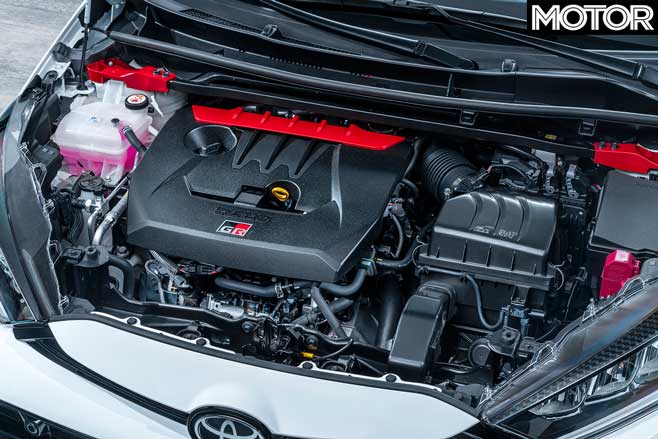
We even know how it drives thanks to an early taste of some late-stage prototypes on road and track in Portugal at the end of last year. The one big question that remains, though, is how much is it going to cost?
Toyota Australia refuses to give a hint as to its projected pricing, saying only it won’t be a limited edition car and that it understands that the pricing has to be attainable. To be honest, that statement creates as many questions as answers, but there is some clues that should put us in the ballpark.
The only market for which Toyota has announced GR Yaris pricing is its Japanese home market. The RZ costs ¥3,960,000 and the RZ High Performance ¥4,560,000, however these prices are inclusive of Japan’s 10 per cent Consumption Tax.
Sadly, Australia won’t receive the High Performance pack, with its Michelin tyres and Torsen limited-slip diffs, so by removing the consumption tax and converting the base RZ’s price at current exchange rates we get AUD$46,332.
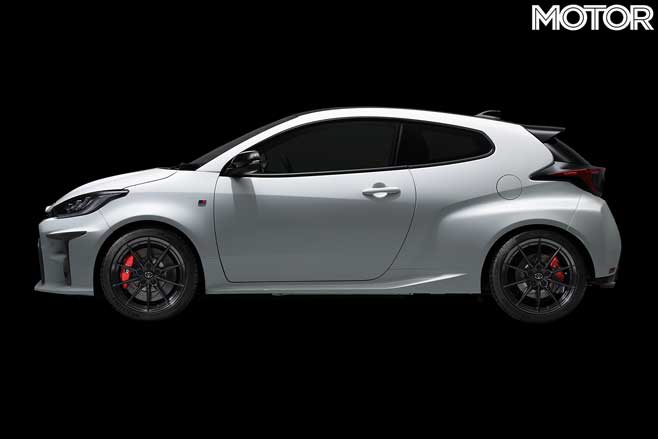
However, the current RZ pricing is for the special ‘First Edition’, which has various body elements painted in matte black. Not a huge addition, but presumably one that still commands a premium. As such, it seems the best-case scenario Australia can hope for is a GR Yaris starting price of about AUD$45,000.
Of course, Australia has its own consumption tax in the form of GST and adding that to the straight conversion figure of AUD$46,332 leaves us with a price tag of AUD$50,965.
Helpfully, there are a couple of cars that allow us to sense-check this straight conversion maths. A Toyota Supra RZ (the six-cylinder one) costs ¥6,900,000 in Japan (including consumption tax) which equates to AUD$89,700, smack bang in the middle of Australia’s $84,900 GT and $94,900 GTS pricing.
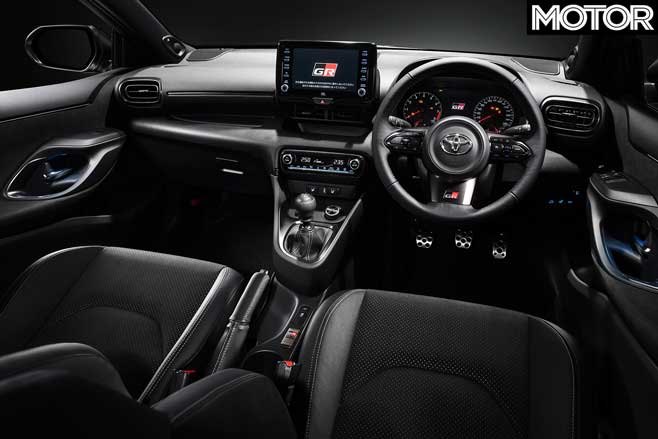
Australian 86s are even cheaper than their domestic counterparts. In its homeland the sports car starts at ¥2,623,320 (AUD$34,103) for the base G, rising to ¥2,981,880 (AUD$38,764) for the GT and ¥3,183,840 (AUD$41,490) for the range-topping GT Limited (all prices are manual).
In comparison, Aussie 86s starts at AUD$31,440 for the GT and AUD$36,640 for the GTS, figures which give us hope that the GR Yaris will edge closer to the $40,000 mark. We’ll find out for certain closer to its Q4 arrival, but in the meantime, a price tag in the $45,000-$50,000 region seems like the surest bet.
What stands out?
The Patrol Y62, to give it its full in-house code name, is very different from every Nissan Patrol that preceded it. This Patrol has a big V8 engine that gives it exceptional performance. As well, its unusual and technically advanced suspension combines on-road handling impressively with off road ability. The Patrol has a luxurious and very roomy cabin with at least seven seats, and a sophisticated dual-range four-wheel drive system.
What might bug me?
How much money you spend on petrol for your Patrol. That big V8 chews fuel at what can be an alarming rate. And Nissan recommends you run it on premium petrol, which costs more than regular. The extremely large fuel tank means you don’t have to refuel very often, but when you do fill it from near empty it’s a big hit: roughly $190 for premium petrol at $1.40 a litre. (While the engine gives its best on premium, it will run satisfactorily on regular petrol.)How hard you have to work to park the Patrol in car-parking stations or on narrow streets. The Patrol is big even by large 4WD standards.
What body styles are there?
Five-door SUV-style wagon only, with seating for up to eight in three rows. (The more expensive of the two Patrol variants, the TI-L, seats only seven.)The Patrol has an automatic 4WD system that engages drive to all four wheels if and when the road becomes slippery. If 4WD is not needed, the Patrol drives just the rear wheels. As an alternative for off-road use, you can engage 4WD permanently by turning a dial. To select low-range gearing, which makes it easier to drive very slowly off road, you stop and then turn the dial a second time.The Patrol is classified is an upper large SUV, lower priced.
What features do all versions have?
Proximity key entry and start, which means you can unlock the car and drive away without handling the key (provided you have it nearby in a pocket or bag). To start the engine, you push a button.Sidesteps, to help you get in and out of the car.A reversing camera, auto-dimming rear-view mirror, and powered door mirrors that automatically fold when you lock your Patrol.A suite of active safety features comprising Autonomous emergency braking, Active cruise control, Forward collision warning, Lane departure warning, Blind spot warning, and Rear-cross traffic alert. (For more on these systems, please consult the Safety section below.)Tilt and reach steering wheel adjustment. Bluetooth phone connectivity, and controls on the steering wheel for your phone and the sound system.An 8.0-inch touchscreen display, with satellite navigation. An audio system with an AM/FM radio, a CD and DVD player, Bluetooth audio streaming, a hard drive (for music storage), and USB and iPod ports.Three-zone climate control, so that the driver, front-seat passenger and rear passengers can individually set their desired cabin temperatures. A sunroof.Three rows of seats, all trimmed partly in leather. Eight-way powered adjustment for the front seats.LED headlights that switch on automatically when it gets dark, LED tail-lights, LED fog-lamps, and windscreen wipers that operate automatically when it rains.Shiny 18-inch alloy wheels, a full-size spare, and tyres with notably high sidewalls (tall sidewalls are less fashionable and sporty looking, but they are more suitable for off-road driving than the low-profile tyres commonly fitted to expensive 4WD vehicles). There is also a system that warns you if one or more of the tyres is losing air pressure.Front and rear parking sensors, to warn you of obstacles close to the car. An array of external cameras that provide different views, including a bird’s-eye view, around the car. You can scroll through which of these displays on the screen.A rear differential lock, which you can switch on from the driver’s seat to help the car go further off road. You can also optimise the 4WD system for Rock, Sand or Snow.Six airbags, and electronic stability control. (For the placement of airbags, and more on the Patrol’s safety, please open the Safety section below.)The Patrol comes with a three year, 100,000km warranty.
Which engine uses least fuel, and why wouldn’t I choose it?
There is only one engine available in a Patrol Y62, a very powerful and technically advanced petrol V8. It comes from a family of Nissan V8s that has been enormously successful in motorsport, particularly in events such as the Le Mans 24-Hour endurance race – where you need exceptional durability as well as large amounts of power.Unfortunately the Patrol is a very big and heavy vehicle, and so despite the sophistication of its engine a lot of fuel is used to get it moving and keep it moving. In the official government test it uses 14.4 litres/100km (city and country cycles combined), but in the real world the average consumption is more like 17 or 18 litres/100km. In stop-start city traffic, or in demanding 4WD conditions, it can drink more than 20 litres/100km.A seven-speed automatic is the only gearbox available.
What key features do I get if I spend more?
Step past the less costly Patrol, the Ti, and spend more for a Patrol Ti-L and you get a more premium looking front-end design.The steering wheel has powered rather than manual adjustment, and there are memory settings to store two people’s adjustments for the driver’s seat, steering wheel and exterior mirrors. The Ti-L also has a better sounding, Bose-branded, audio system with 13 rather than six speakers, and two 8-inch DVD screens in the rear of the cabin for watching movies or playing games. Storage in its centre console is chilled, for keeping drinks or food cool. The tailgate is power-operated, and there are lights that illuminate the ground under the doors to help you avoid stepping into a puddle or mud.The Nissan Patrol Ti-L also features Nissan’s Intelligent Rear View Mirror (I-RVM). This looks like a normal mirror, but, if the view through the rear window is obscured by passengers or cargo, you can flick a switch so it shows an LED video display providing an unobstructed view of the road behind while driving. The image comes via a high-definition camera mounted at the rear of the vehicle, which also filters out sun and headlight glare.
Does any upgrade have a down side?
In the more luxurious Patrol Ti-L, the third-row seats accommodate only two passengers, reducing overall seating capacity from eight people to seven.White and black are the only exterior colours that don’t attract an additional cost.
How comfortable is it?
It may be a long way up into the Patrol’s cabin but the sidesteps make entry easy even for short people or those not very agile. Once on board you’ll find a big cabin that is luxuriously appointed even in the less expensive Patrol Ti.From the driver’s seat the Patrol feels big, but the relatively high seating position and low window lines mean that vision out front and off to the sides is good. That helps when parking, often a challenge given the sheer size of the car.Once underway, the Patrol continues the luxury theme by making quiet, smooth and effortless progress with the lightest touch of the accelerator pedal. The seven-speed automatic changes gear smoothly, too.There’s very little road noise, and the ride is compliant and comfortable. On smooth roads the Patrol rides like a luxury limousine, and even on bumpy gravel and dirt roads it remains soothing inside and quiet.Such comfort from such a big and heavy vehicle typically goes with soft suspension that allows the body to lurch (or roll) outward as you enter a corner. The Patrol does very little of this, which makes it both pleasant and easy to drive.
What about safety?
The Patrol has six airbags: front airbags for the driver and front passenger; side airbags to protect the upper body of the driver and front passenger; and curtain airbags to protect the heads of outer passengers in all three rows of seats.The Patrol also has electronic stability control, which can help you bring a skidding car back under control. This is mandatory on all new cars.The standard tyre-pressure monitor is a very useful safety aid that can help prevent a leaking tyre from leading to a loss of vehicle control. Auto-on headlights improve visibility, and the Patrol’s automatic windscreen wipers help reduce fatigue.Both versions are equipped with the same active safety suite, comprising active cruise control, a forward-crash warning, and blind-spot, reversing, and lane-departure crash avoidance systems.Engage the radar-based active cruise control and the Patrol will maintain your set speed on the highway unless it encounters a slower vehicle, when it will follow at a pre-set distance – even braking automatically if necessary. When the road ahead clears, the Patrol will return to the speed you set. (In effect, when you engage the active cruise control you also engage highway speed autonomous braking.)Forward collision warning alerts you if there’s a risk of your crashing into a slower vehicle or other obstacle in front, by sounding an alarm and flashing a light on the dashboard. It operates above 15km/h, but will not automatically intervene by applying the brakes.The lane departure warning system alerts you if you have distractedly allowed the Patrol to wander or veer out of its lane. If you do not react to the warning, it will apply brakes automatically on one side in a way that helps steer the car back into line. This operates above 70km/h.The blind-spot system warns of other vehicles in your blind spots alongside to the rear, and it too can selectively apply the brakes to help avoid a collision, steering you away from the other car.Rear-cross traffic alert detects when a vehicle is approaching from either side as you reverse and warns you to prevent a collision with them.Rear vision and awareness is also enhanced in the Ti-L by Intelligent Rear View Mirror (I-RVM), which can switch from a normal mirror to LED video display to provide an unobstructed view of the road behind while driving, should the mirror be obstructed by rear passengers or cargo. The image comes via a camera mounted at the rear of the vehicle which also filters sun and headlight glare.The Australasian New Car Assessment Program (ANCAP) has not rated the Y62 Patrol.
I like driving – will I enjoy this car?
If you like driving, you’ll love the Patrol. The engine sounds like a V8 race car engine (think V8 Supercars), and brings performance that goes along with the sound. Among similar large 4WDs, the Patrol is comfortably the strongest performer. Overtaking is easy.The ample propulsion is enhanced by on-road handling that has no right to be as good as it, is given the Patrol’s weight and high-riding stance. Drive the Patrol as hard as you like into and through a corner and it hardy leans over at all. What holds it steady is its unusual hydraulic suspension system, which adds pressure almost instantly to whichever corners of the car need more support, and subtracts it from those that need less.The Patrol’s light steering also offers good feel, perhaps because the vehicle maintains such a flat stance when cornering. The big wagon steers steadily even on bumpy roads, its independent suspension giving you more stability than the solid-axle designs used on some similar vehicles, which in some conditions demand that you correct the car frequently.And there’s more good news. That same suspension system can do the same tricks when off-road, allowing each wheel to lift high over a bump or drop right down when there’s a deep hole. The tyres therefore follow the ground accurately, which helps the Patrol provide off-road ability comparable with that of other heavy-duty 4WDs.
How is life in the rear seats?
Very good. The Patrol’s second-row seat is wide enough to accommodate three adults in comfort, and there’s lots of leg and headroom for tall people. Second-row passengers also get a set of air-conditioning and heating controls.The third-row seats are unusually roomy as well, and can comfortably take big kids or small adults. The third row seats three people in a Ti, and two in a TI-L. The Patrol has two child-seat anchor points in the second row (both Isofix and top-tether) and one in the third row. Getting small children in and out of second-row seats is easy given the spacious cabin, but a little more difficult for the third row.
How is it for carrying stuff?
The Patrol is excellent for carrying stuff, thanks to its wide and tall body. Even with the three rows of seats deployed there’s room for several medium-sized bags behind the third row. With the third row folded flat, the luggage space is bigger and more useful than that of similar vehicles. With both second and third-row seats folded down the luggage space is huge, although spoiled somewhat as the second-row seats don’t fold entirely flat.The single tailgate opens vertically to give good access to the luggage space – you don’t have to lean over the lower part of a horizontally split tailgate. On the more expensive Patrol Ti-L, you can open and close the tailgate by pressing buttons located on the key-fob and in handy spots on the car.The Patrol is rated to tow 3500kg, which matches similar big 4WD wagons and the best of the 4WD dual-cab utes. It has plenty of power for towing very heavy loads.
Where is it made?
Nissan makes the Patrol in Japan.
What might I miss that similar cars have?
The critical thing you might miss in a Patrol is better fuel-efficiency from a diesel engine, as available in the Toyota LandCruiser 200 Series or Land Rover Discovery, for example.Standard on a Discovery is height-adjustable suspension, which allows you to lift up the car to traverse very rough ground (or lower it for low-roofed garages and public car parks).
I like this car, but I can’t choose which version. Can you help?
The Ti is the pick of the range, given that it is very well equipped and has all the essential mechanical and safety features of the Ti-L. While the Ti-L does bring additional luxury and convenience and safety features it is significantly more expensive.
Are there plans to update this model soon?
The Patrol Y62 arrived in Australia in 2011, a year after it was launched in the Middle East and elsewhere. It was new from the ground up, and completely different mechanically from previous vehicles bearing the Patrol name. In mid-2015 the former base model (with conventional suspension) was dropped, and Nissan cut prices of the remaining two models dramatically to their current levels.The Y62 received a mild facelift for the 2018 model year, which included a refreshed front end featuring a new bumper design with triangular fog light housings, and a new-look grille with horizontal bars. Redesigned 18-inch alloy wheels were another distinguishing feature from the previous model. Equipment upgrades were minor and included a more intuitive, touchscreen-controlled infotainment system and two USB charging points at the rear of the centre console.The more expensive Ti-L model also gained a ‘Intelligent Rear View Mirror” (I-RVM), a virtual aid that helps drivers “see” through the back rows and a full boot via a rear mounted camera. And the 7-0-inch entertainment screens mounted behind the front headrests were replaced with 8.0-inch units.The Patrol received another facelift in 2020 that gave the Ti a sporty front end design, while the Patrol Ti-L front bumper was given a more premium look. The Ti also recieved the same active safety features as the more expensive Ti-L.
RM Sotheby’s auctions are always a gold mine for oddballs and rare motors, so we’re picking out our highlights for its first auction of the year, Arizona. Let’s get straight into it! Note that prices have been converted to AUD.
2017 Ford GT
Now able to be sold with Ford’s blessing at auction (after its initial contract with buyers prevented sales within 24 months), this Ford GT is “believed to be the only 2017 example finished in gloss Riviera Blue” according to RM Sotheby’s.
It should thus be no surprise that despite being second-hand (with less than 4700km, mind you) and not quite a ‘classic’ yet, it could sell for up to $1.45 million.
1988 Chevrolet Callaway Corvette Twin Turbo Convertible
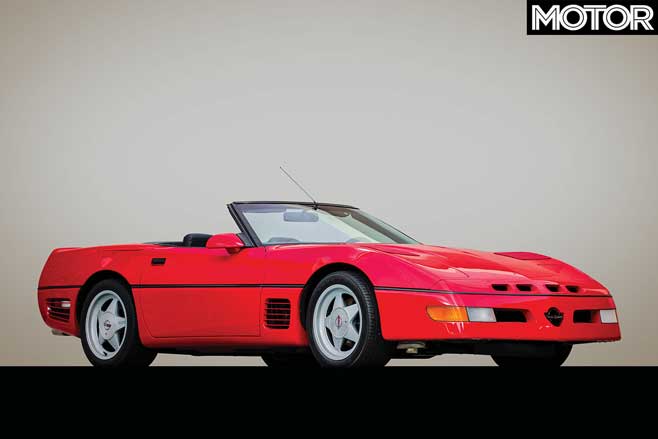
Only 125 of these were built in 1988, according to Sotheby’s and this one’s only had one owner.
With fewer than 17,000km on the odometer, the seemingly reasonable estimate for the auction lies between $108K and $145K.
Alternatively, if you want something similar, but much newer and cheaper, a 2010 Callaway ‘Vette Convertible is up for grabs with a higher-end estimate of $86,000.
1967 Shelby GT500
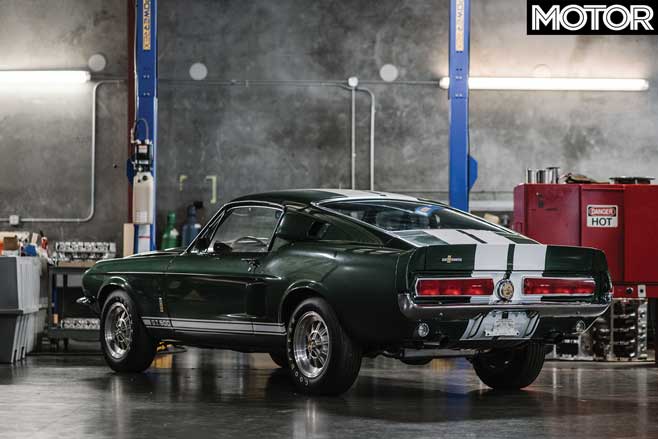
This car’s here not because it’s a one-off, or because Carroll Shelby one sneezed on it. It just looks awesome.
For a relatively meek $289K, according to the higher end of the auction estimate, someone’s going to drive home in a ’67 Shelby with a big block V8 under the hood pumping out what many believe is around 300kW, rather than the 265 claimed.
This one’s also been restored by someone in the know, Tony Conover of Performance Motors, according to RM Sotheby’s.
1989 Porsche 911 Turbo Flat Nose Cabriolet

Buyers who wanted 911s that looked a little more like Porsche’s 935 racer were able to commission what became rather rare ‘flat nose’ versions of the 930 911.
This black Turbo version is from the last year of production, and it’s expected to go for around $434K, but if you want one in red (with a few more kays, albeit) you can shell out around $253K for a 1987 model.
1991 Vector W8 Twin Turbo
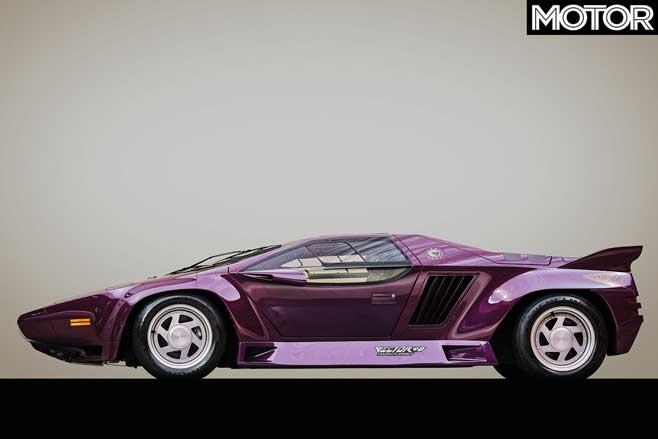
Only 17 of these are in existence, making up a fair few of the cars built by oddball brand Vector. Gerald Wiegert’s brainchild, in this example, is packing a 6.0-litre twin-turbo V8.
It looks like it belongs in an ‘80s film set in the future, despite the brand not really having a future of its own.
Cough up $652,000, according to the estimate’s top end, and it’ll likely be yours once the bidding’s done.
1992 Lancia Delta HF Integrale Evoluzione

With about 154kW and a kerb weight around 1300kg, the Delta HF Integrale is a bit sluggish by modern standards, but it’s now nearing three decades old.
Then, it was a little beast and its rally success was matched only by its somehow boxy-but-sleek (now retro and very cool) styling.
Yours for somewhere between $217,350 and $260,800, estimators reckon.
2005 Morgan Aero 8
One of the few remnants of ‘classical’ motoring still available to purchase new in the modern era, Morgan’s Aero is recognisable to those in the know – but largely a mystery to the general public.
This one’s an ‘8’, so under the bonnet lies a 4.4-litre V8 nicked from BMW, with 242 kW at its next owner’s disposal.
Its estimated hammer price is expected to sit between $181,100 and $217,350.
1999 Shelby Series 1 Prototype
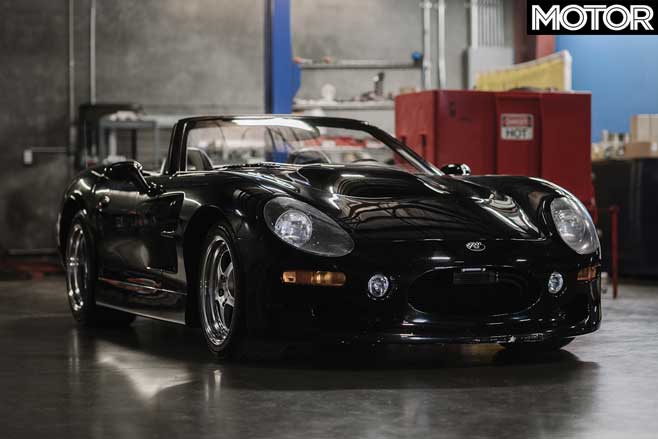
This from-scratch Shelby prototype featured very little from a pre-existing vehicle, unlike Shelby’s other models.
It runs on a V8 from an Oldsmobile Aurora, and has a six-speed manual from a C5 Corvette, but it’s primarily its own vehicle.
RM Sotheby’s quotes former Shelby American president Gary Patterson: “We used this car to test and validate various parts for production car use. In that time period, it was simply referred to as X-4.”
Essentially, it’s because of this car that production Series 1 models had features like additional latches on the rear decks to prevent them flying off at high speed. Patterson says he learnt that the hard way.
Auction estimate is $173,900 to $217,350.
1982 DeLorean DMC-12

This car should literally need no introduction.
Designed by Giorgetto Giugiaro, and running a Peugeot/Renault/Volvo developed V6, the DeLorean is often said to be fairly ordinary to drive despite its stunning looks.
This one, however, has been bestowed with a turbocharger by a previous owner. Expect it to sell for not much more than $72K, if that.
- Surprise Porsche seat for two-time B12 winner
- Bumped from Triple Eight Mercedes AMG program
- Joins 2019 defending race winners Bamber Motorsport
Lowndes, a seven-time Bathurst 1000 winner and a co-driver in the Triple Eight/Holden Red Bull Racing squad, was reportedly asked to step aside from a gig with his long-standing team, which will field a pair of new-generation Mercedes-AMG GT GT3 cars for the event.
It’s understood his seat in the #888 car will be filled by a factory Mercedes-AMG driver, along with Holden Red Bull Racing regulars Shane van Gisbergen and Jamie Whincup.
Lowndes will instead team up with New Zealand factory Porsche racer and former Le Mans winner Earl Bamber and former factory Audi driver, Begian-born Laurens Vanthoor, in a brand new Porsche 911 GT3 R.
Lowndes has won the 12-hour event twice driving Ferraris and has also raced a McLaren at the mountain and was part of Triple Eight’s team in 2019 driving an older-spec Mercedes (below).
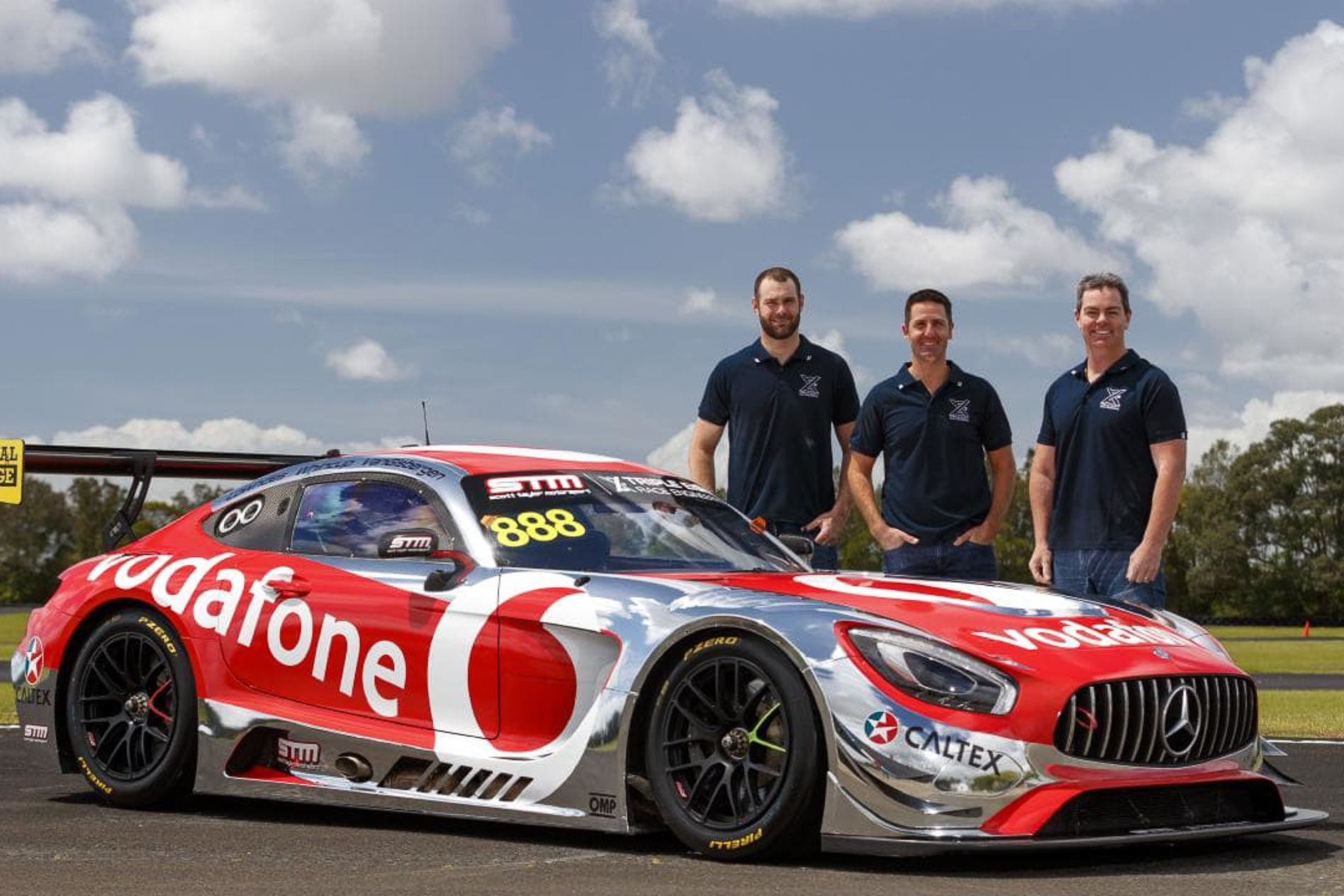
However, Triple Eight – who runs a GT3 program in Asia as a customer program – has entered two cars this year, with the #888 car running in the top-ranked Pro class and its 777 car contesting the Pro-Am category, where a non-full time racing driver is recruited to join two professional racers in a team.
The move will see Lowndes join long-time friend Bamber and one-time teammate Vanthoor in a car that has every chance of going back-to-back at the 12 Hour.
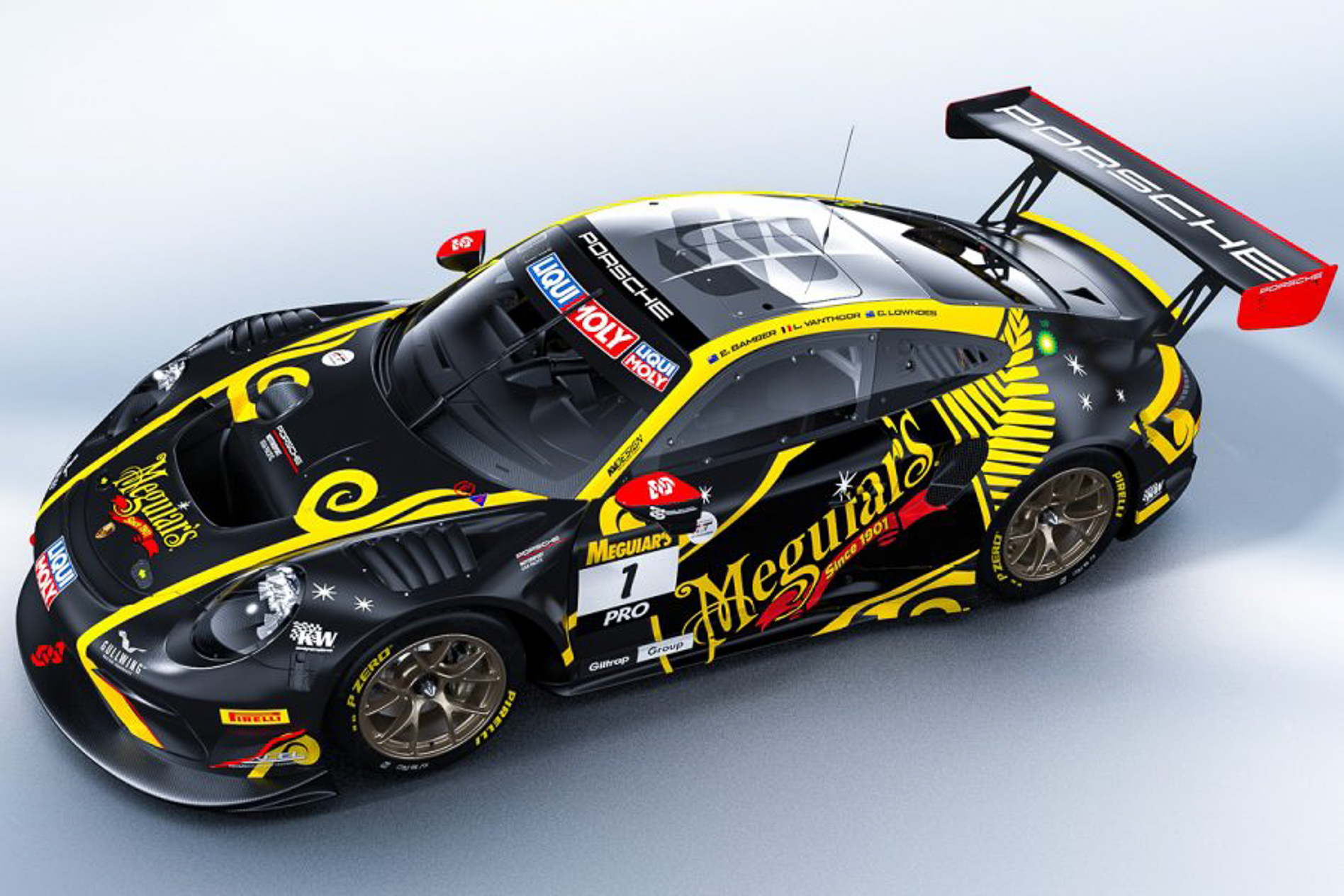
“I’m really excited to be joining the Porsche family for the Bathurst 12 Hour, teaming up with factory drivers Earl and Laurens,” Lowndes said in a statement.
“Earl Bamber Motorsport is the reigning race-winning team so it’s exciting to help them defend their title. Earl and I have been teammates in the past and get on extremely well, so with a Belgian in the mix, it should also be a bit of fun too.
“It’s my first time racing in a Porsche and the new evolution 911 GT3 R looks like a weapon, I can’t wait.”
“As a team we really very excited to go to the event,” added Bamber. “Obviously last year was amazing to win the race so to be able to return as defending champions for Porsche will be something special.
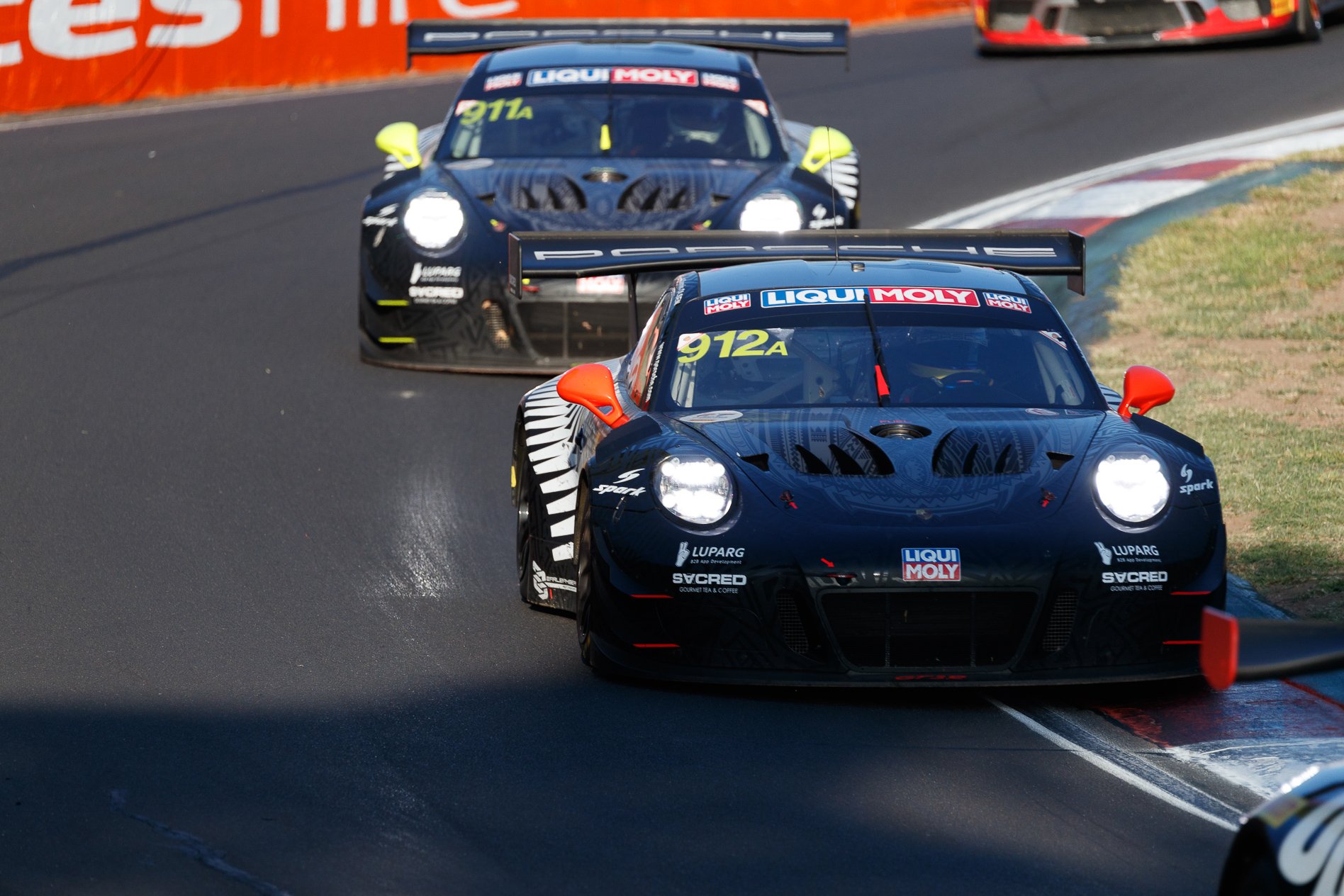
“As a driver, it will be awesome to team up with Laurens as we had a lot of success in America last year and follow each other all around the world racing.
“We are both really excited to have a legend in Craig Lowndes join the team and drive our car. He is the most successful Bathurst driver on the grid, so hopefully, he can bring us some of that Lowndesy magic during the Bathurst 12 Hour weekend.”
If you really want a ute with actual muscle and not just a sticker pack, there are still options for you within the current market. That’s, of course, if you can’t wait for the V8-powered Raptor. We expect the Mustang GT-powered Raptor will be endowed with roughly the same 339kW and 556Nm the Coyote engine produces in the ’Stang.
Attaining that grunt level, or a kilowatt count to rival the good old days of Holden and Ford V8-powered utes, means you’re going to have to look stateside. Both RAM and HSV (via Chevrolet) currently offer big-capacity bent eights, but they also come with sizeable bodies and heft to dull performance.
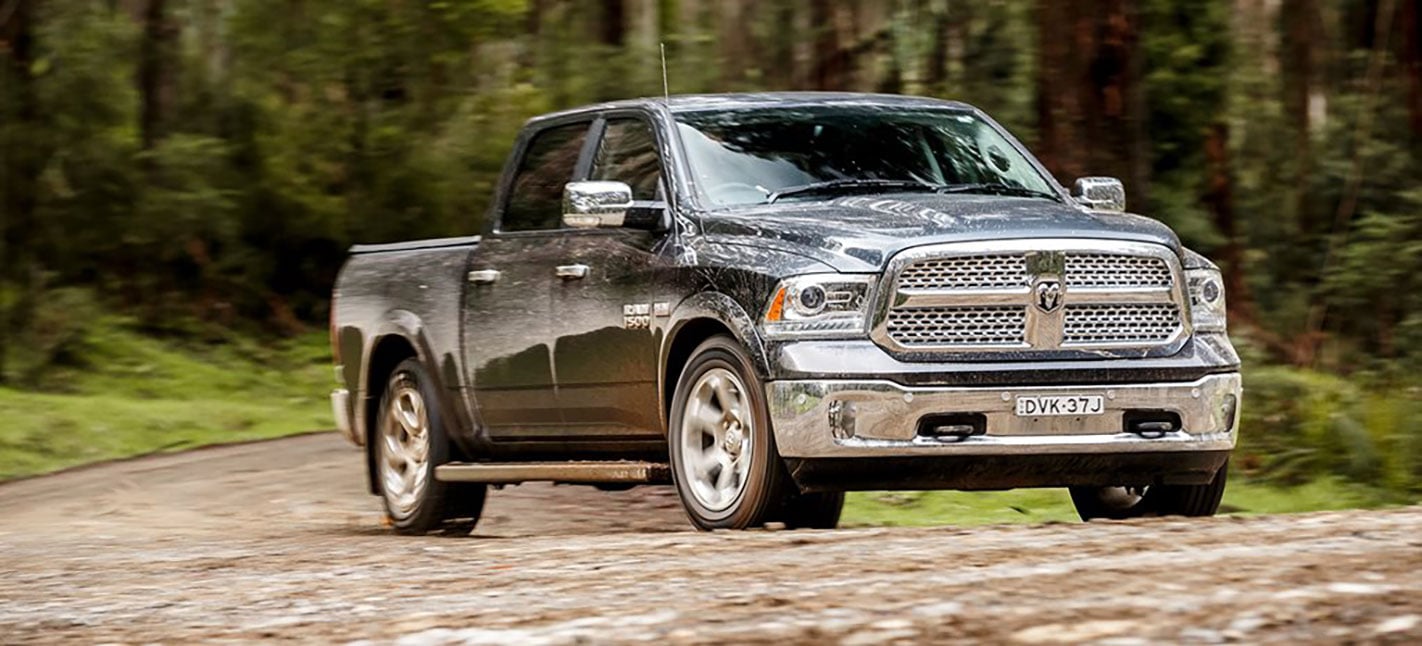
To get your naturally aspirated V8 fix, RAM offers a 5.6-litre unit in its 1500 model which produces 291kW and 556Nm. It’s tied to an eight-speed automatic and shifts the more than 2.5 tonne ‘truck’ with surprising pace.
The larger 2500 is fitted with the venerable Cummins 6.7-litre inline-six turbo diesel, which is an absolute torque monster at 1084Nm, while power is rated at a healthy 276kW. It uses a six-speed auto to handle the mammoth torque levels.
RAM sales have been going gangbusters in Australia. Given that the vehicles are converted to right-hand drive Down Under, selling an average of 239 RAMs a month is an impressive effort. The American-sourced offering sold 2860 units in 2019 – a 296.7 percent increase year-on-year compared with 2018.
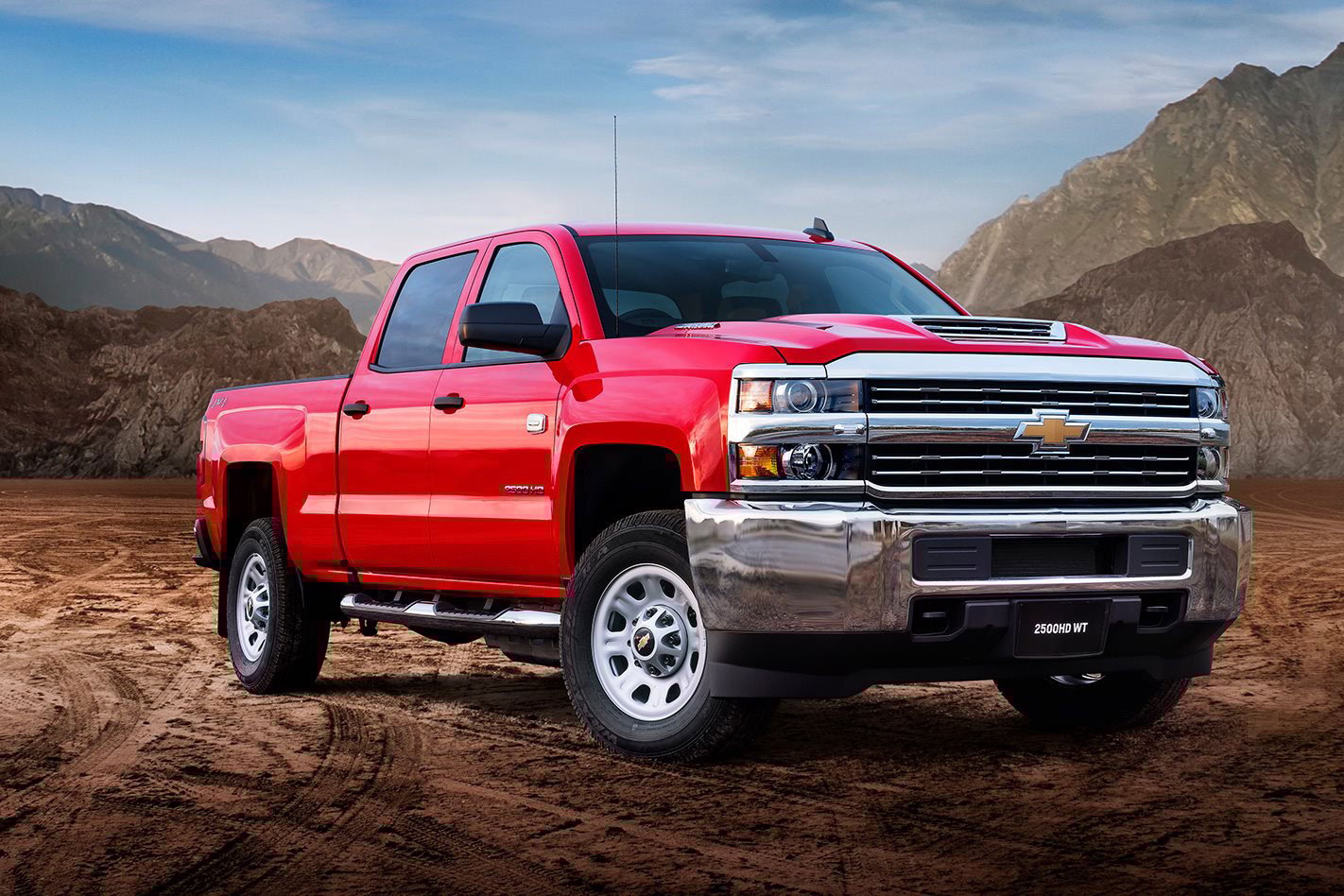
However, if you want V8 firepower and the ability to dwarf just about everything on the road, the Chevrolet Silverado has you covered with the 2500 and 3500 ranges. The Silverado line-up utilises a 6.6-litre turbo-diesel V8 with 332kW. Yet, it’s the 1234Nm of torque that means you’ll be able to tow a nation behind the more than 3.5-tonne American. Like the RAM, Silverados are imported from the US and converted in Melbourne (this time by HSV).
The main issue is that power and torque comes at a cost. To gain entry in the V8 club you’ll be facing a sticker price of almost $80,000 with the bulk of the options sitting around the $100,000 mark. Drop a few cylinders and more options become available.
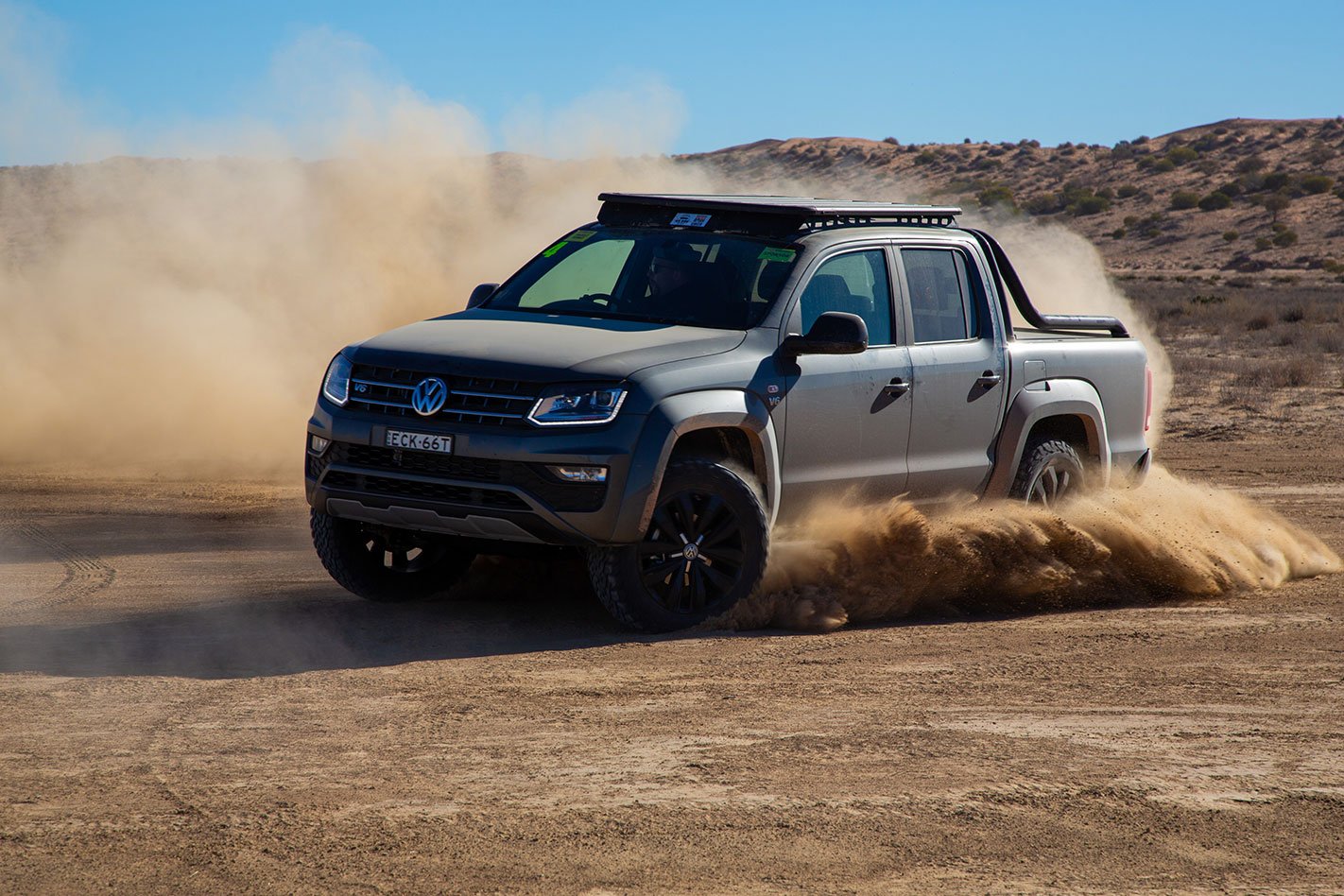
If you choose a more ‘conventional’ route, then Volkswagen’s Amarok Ultimate 580 is your dual cab of choice. As the name suggests, the 3.0-litre V6 turbo diesel offers 580Nm of torque – a figure that was bumped up by 30Nm when Mercedes-Benz released its 190kW/550Nm X-Class. The VeeDub produces the same 190kW, but offers up an eight-speed automatic against the Merc’s seven-speed unit.
Other than the 4.5-litre turbo-diesel V8 (151kW/430Nm) found in the Toyota LandCruiser 70 Series, you’re pretty much stuck with a five- (Ranger and BT-50) or a four-cylinder turbo diesel of varying capacities.
Would you buy one of these options, or are you hanging out for a V8-powered Ranger Raptor?
Here’s the top five most powerful ‘utes’ you can buy:
- Chevrolet Silverado – 332kW/1234Nm
- RAM 1500 – 291kW/556Nm
- RAM 2500 – 276kW/1084Nm
- Volkswagen Amarok Ultimate 580 – 190kW/580Nm
- Mercedes-Benz X350d Power – 190kW/550Nm
The first 2020 Ford Mustang Shelby GT500 has been delivered to its owner, the chairman and CEO of Barrett-Jackson auctions, who paid USD $1.1 million for the pleasure of owning this car.
That money went to charity – specifically to JDRF, which aims to find a cure for type 1 diabetes – but Craig Jackson had another reason to own VIN 001 on top of the philanthropy.
A 1968 Mustang Shelby prototype known as Green Hornet resides in Jackson’s collection, so when given the opportunity to choose the colour of GT500 numero uno, some colour matching was in order.
“This first production 2020 Mustang Shelby GT500 is a significant piece of American performance history,” says Jackson.
“The independent rear suspension, four-wheel disc brakes and electronic fuel injection engineered on this car were pioneered by Carroll Shelby over 50 years ago.
“He tested and developed these same experimental components on his 1968 EXP500 prototype, Green Hornet, but they were not standard in a GT500 until 2020.
“It’s an incredible honour for Carolyn and me to be entrusted with these important vehicles and to have supported efforts to find a cure for juvenile diabetes.”
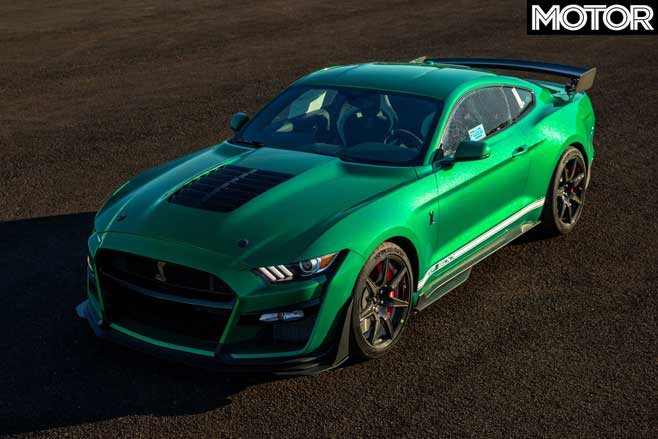
The GT500, Ford’s most powerful road-going car, is bestowed with a 567kW supercharged 5.2-litre V8, with 847Nm able to be managed by a 7-speed dual-clutch that’s able to shift in as little as 80 milliseconds.
Ford’s GT500 program engineer Ed Krenz called it the “most advanced Mustang ever,” a sentiment echoed by Steve Davis, president of Barrett-Jackson.
“Carroll Shelby’s racing technology and innovations, like those found on Little Red and Green Hornet, were far ahead of their time,” says Davis.
“These two incredibly unique vehicles led the way for some of the most important advancements in American performance and racing. The visionaries behind these advancements, like Carroll Shelby, not only impacted the cars of their generation, but have significantly influenced today’s performance vehicles.”
The Green Hornet and GT500 001 will be on display at the 2020 Barrett-Jackson Scottsdale auction, alongside a 1967 Shelby Mustang prototype called “Little Red.”
One of the year’s most surprising movie successes has just become one of the year’s most surprising Best Picture nominations.
Ford V Ferrari, which documents the battle between the two companies around the 1966 Le Mans 24 Hour race, has been nominated for four Oscars, including Best Picture, Best Film Editing, Best Sound Mixing and Best Sound Editing.
It joins a strong list of Best Picture contenders that includes the huge Netflix hit, The Irishman, the war epic 1917 as well as another car-centric biopic, Once Upon A Time… In Hollywood.
Could Ford V Ferrari go against the grain of car movies in Hollywood and take home the big prize?
The odds are, quite honestly, against it, especially when a lot of casual moviegoers equate ‘car movie’ with relative duds like Tom Cruise’s 1990 NASCAR pic Days of Thunder or arguably the worst car/racing/overall movie ever made, Sly Stallone’s colossal 2001 stinker, Driven.
Sly wasn’t smiling after the reviews came in…
But step back from the pure racing genre, and car-centric movies have actually done all right at the Oscars.
Driving Miss Daisy (the centrepiece being a Hudson Commodore and a series of Cadillacs) and Rain Man (starring a 1949 Buick Roadmaster) have both claimed Best Picture wins, while1985’s Back To The Future (starring a DeLorean) and 2006’s Little Miss Sunshine (1973 VW Kombi) have also struck gold at the Oscars.
More movie magic
- Hollywood’s most iconic movie cars
- Ten things wrong in Ford vs Ferrari
- The very best car films ever made
He was so angry that he then largely funded the cult classic Le Mans out of his own pocket… and lost millions.
James Garner passed away in 2014
Ford V Ferrari combines a brilliant tale of corporate largesse against a backdrop of the underdog, and while – as with the majority of racing flicks including Ron Howard’s Niki Lauda/James Hunt biopic Rush – the action is overly Hollywood in its execution, the story is compelling… and its 2019 box office success even more so.
And hey, if La La Land can win an Oscar… The awards are handed out on February 10 in Hollywood.
Car-centric films that have won Oscars
The Great Race (1965) – Best Sound Effects
Goldfinger (1964) – Best Sound Effects
Grand Prix (1966) – Best Sound, Best Sound Effects, Best Editing
Bullitt (1968) –Best Film Editing
It’s a Mad, Mad, Mad, Mad World (1963) – Best Sound Effects
Back To The Future (1985) – Best Sound Effects Editing
Rain Man (1988) – Best Original Screenplay, Best Supporting Actor, Best Director, Best Picture
Driving Miss Daisy (1989) – Best Picture, Best, Best Supporting Actress, Best Adapted Screenplay, Best Makeup
Thelma and Louise (1992) – Best Original Screenplay
Little Miss Sunshine (2006) – Best Original Screenplay, Best Supporting Actor
IT’S A TAXING ISSUE. How do you put a Hollywood megastar behind the wheel of an incredibly powerful car on a film set without blowing the entire production budget on insurance? That was just one of the problems that faced the producers of the Oscar-nominated Ford v Ferrari. Letting Christian Bale race wheel to wheel in a period racing car with drum brakes was never on the cards but the solution to this problem is, if anything, even madder.
Enter Robert Nagle’s ‘Biscuit Jr’. Nagle is an ex-racing driver who operates the rig, developed by Allan Padelford Camera Cars. The setup was created to generate realistic g-forces and a convincing impression of speed on camera. The car with Bale in it was placed on the rig, which has its own driver-control pod that can be set up in various positions out of frame.
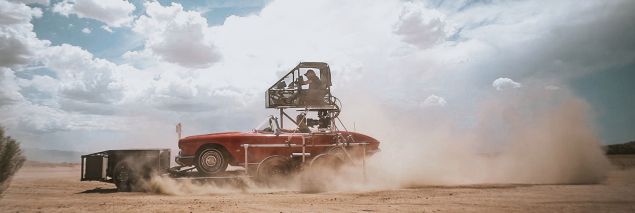
Power for Biscuit Jr, so-called because its predecessor was first used to film Seabiscuit, comes courtesy of a GM 32-valve Northstar V8 with 4-speed automatic transmission. Air suspension offers both ride quality and height adjustability and the pod where the rig’s driver sits can be demounted and positioned at the front, back or sides. Oh, and it’s front wheel drive.
Also used in Drive, Star Trek, The Book of Eli, Thor, Total Recall and The Hangover, the rig can even drift. “You can drive over 100 miles an hour with it, we can high-speed through traffic, we can slide it, we can spin it. It’s heavy. Not super responsive, but it handles extremely well. It’s very fast,” says Nagle. “It’s not like a sports car. It is heavy, but most people walk away quite amazed at how well it gets around,” he adds. Driving a 298kW front-drive platform from the rear takes a bit of getting used to though. “All the sensation and everything you feel is completely off from what you are used to. I acclimate to it pretty quickly because I have done it so much, but it’s definitely an odd sensation,” Nagle told Filmmaker magazine.
The deck height of the platform is 356mm, which presents about the only clue that the stunt car is actually sitting on a deck. That’s okay if you’re filming relatively high car like Ryan Gosling’s Ford Mustang in Driven but the GT40 hero car in Ford v Ferrari is famous for being just 40 inches high. Adding another 14 inches to its ride height raises the driving position by 35 percent. It would look wrong.
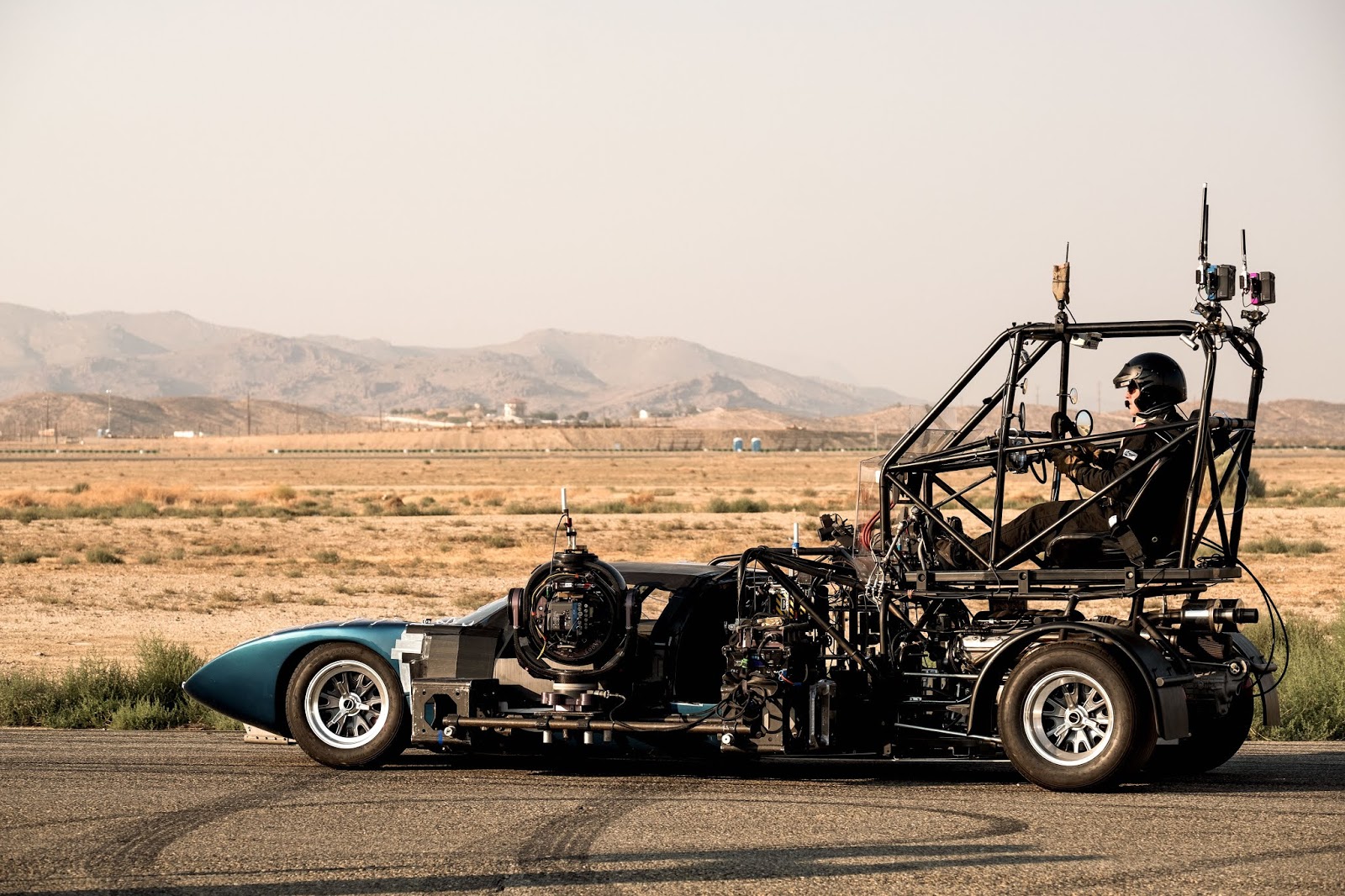
Therefore, Nagle used a different rig for those scenes where the ride height was apparent. “We had to modify different versions of that. In the most used version, we took the shell of a GT40 and the shell of a P3 Ferrari, and we mounted it in a manner that the rear wheels of the car were on the ground. Meaning you could be outside the vehicle and look at Christian in the GT40. Then there was another version which was kind of a modified pod car, and it was just the front half of the GT40. They allowed us to bring the other cars up alongside in the middle of the race and really get in the middle of the action, and I think that really helped sell that.”
The producers booked out California’s Agua Dulce airstrip for three months and recreated a section of Le Mans there. A road in rural Georgia was used for the Mulsanne Straight while the defunct Grand Prize of America circuit in Savannah Georgia (Google it, it’s now a public road) was also used to recreate some bends of La Sarthe.
Christian Bale and Matt Damon did do some of the lower speed driving, and Bale was instructed by race legend Bob Bondurant, who was a close friend of Ken Miles, the driver Bale portrays in the movie. Bondurant was able to talk Bale through Mile’s many tics and idiosyncrasies, as well as give Bale an insight into the demands of high-speed circuit driving. He was also part of the original Ford GT40 team. “Christian was hands-down the best actor I’ve ever trained to drive,” Nagle said. “He did an amazing, amazing job.”
All of the scenes in Ford v Ferrari where Miles comes screaming into the pits and jump out of the car, or jumps into the car merge into traffic that’s going 100, 150 miles an hour involve Bale at the wheel. “That’s Christian,” Nagle said. “You can’t fake that.”
