
New to Wheels Car of the Year?
Read the COTY 101.
Any keen student of the COTY form guide and back catalogue will know that Australia’s longest-running car award hasn’t exactly been a rich hunting ground for premium German manufacturers. Mercedes-Benz has managed to hoist the trophy just three times in 56 years, while Audi, BMW – and yes, Porsche – are yet to land a single victory between them.
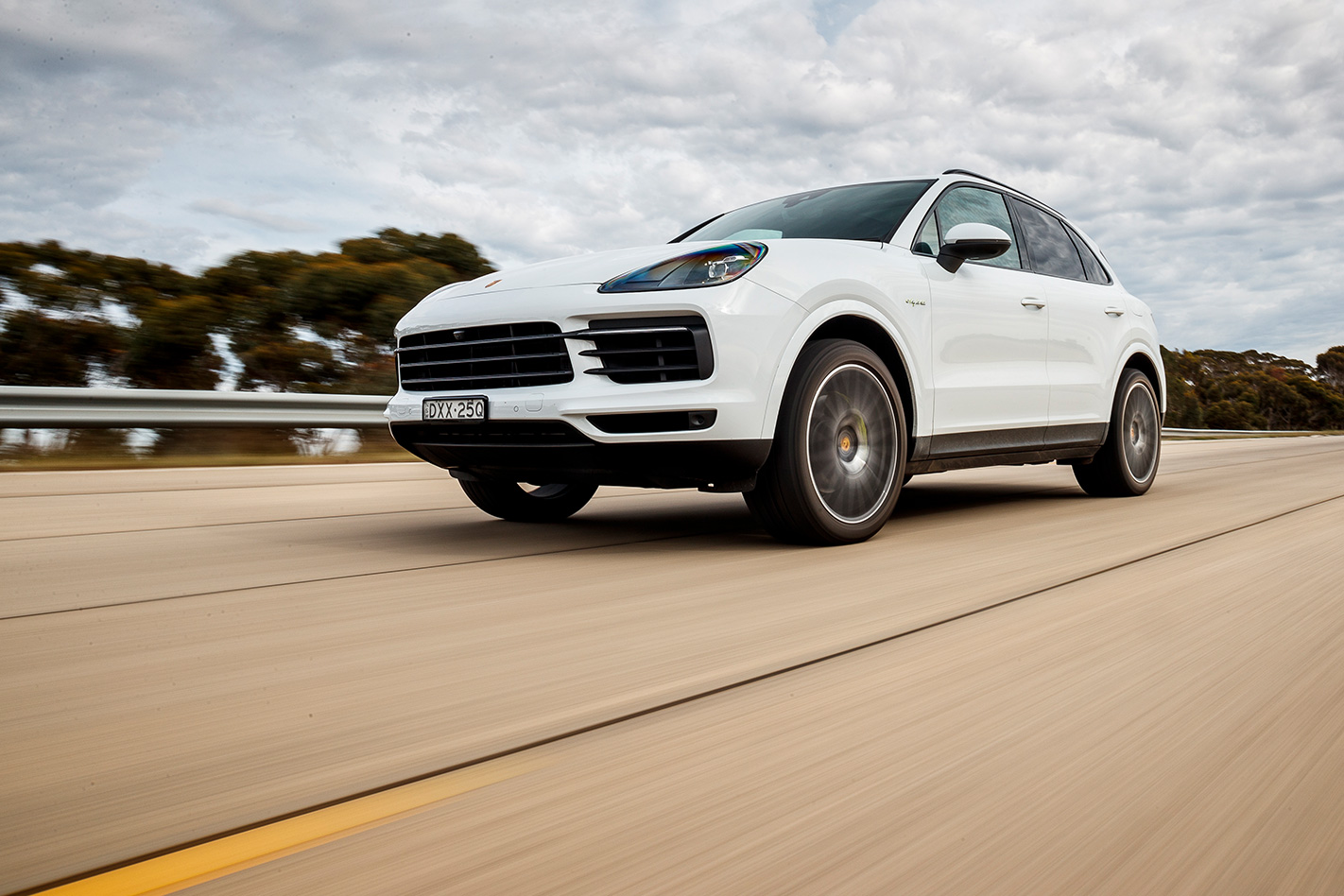
This year would see the celebrated Stuttgart marque roll up with what seemed like a solid shot – this all-new, third-gen Cayenne; a five-seat SUV delivering major tech advancements, useful weight saving thanks in part to its MLB-Evo platform (shared with the Audi Q7, VW Touareg, and Lamborghini Urus, among others) and plenty of sophistication and efficiency in the powertrain department.
Those latter virtues were best exemplified by the sole example we had on test at COTY – the E-Hybrid. This model, with its turbo-petrol V6 and plug-fed 100kW motor, would need to carry the other three absent variants (two turbo-petrol V6s and one turbo-petrol V8) on its shoulders if the model was to make it out of the proving ground.
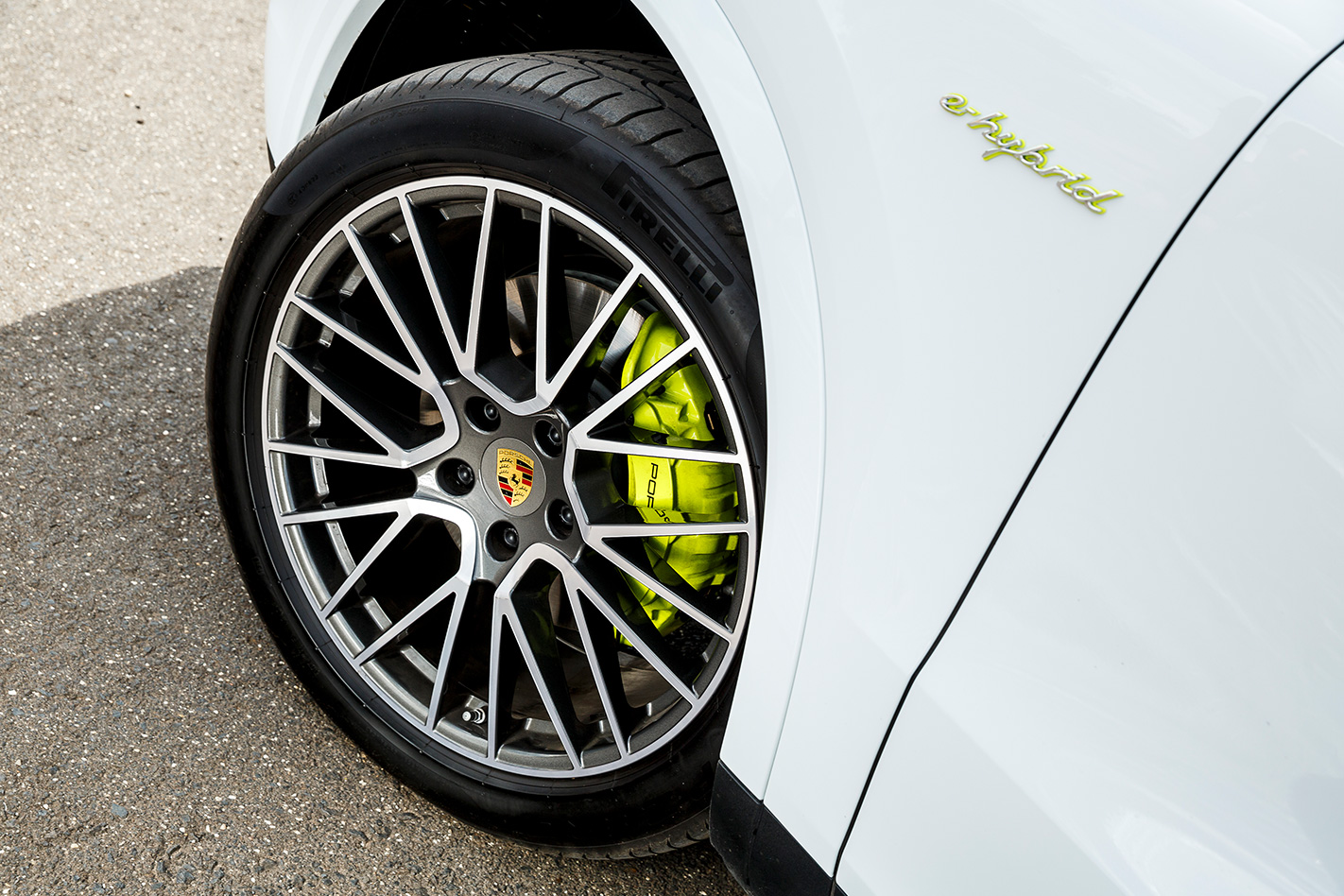
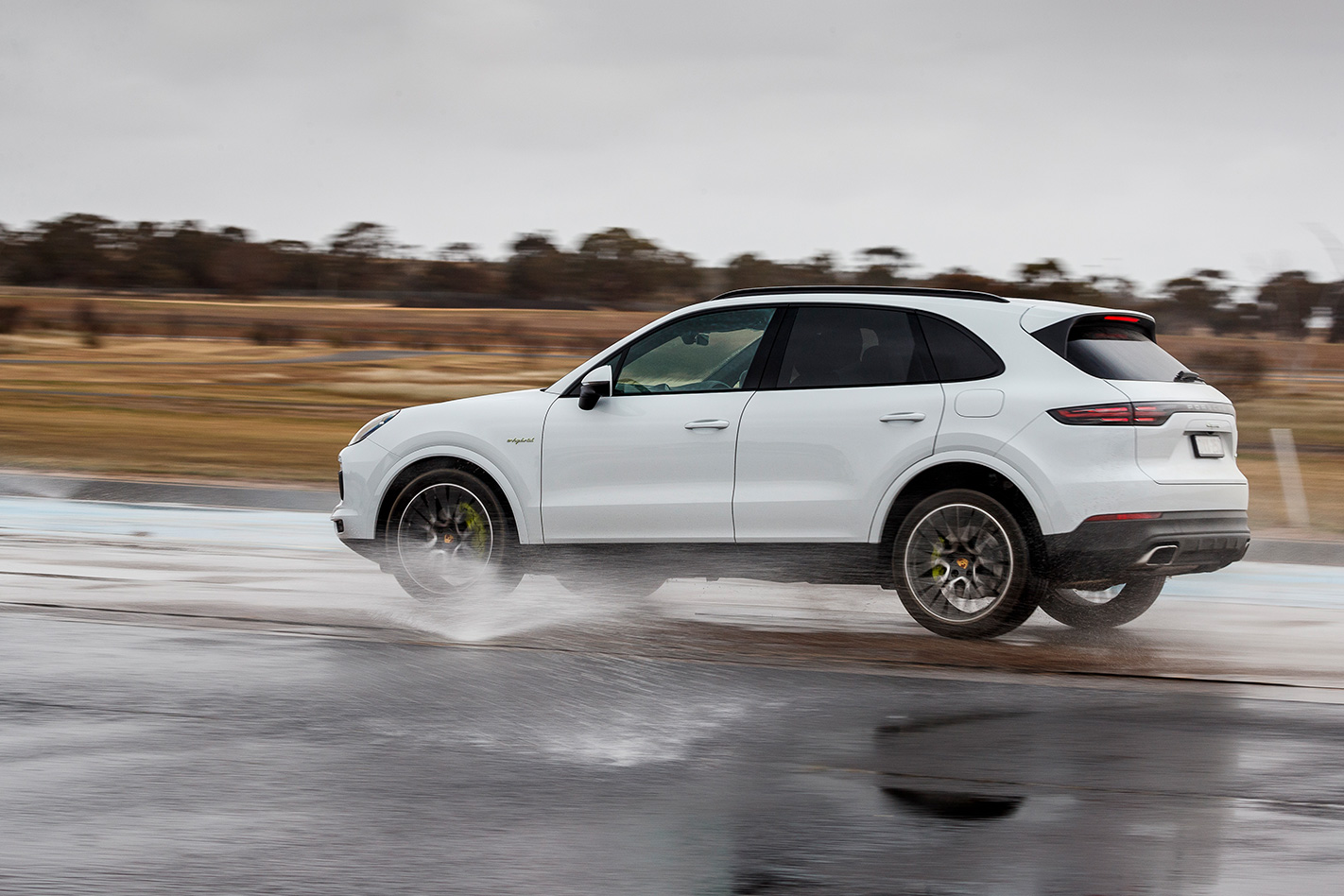
No question it came out punching. The judges were in broad agreement that this Cayenne finally delivered what was inherently promised by Porsche from the outset, in terms of dynamics and involvement. When hammered around the durability circuit, it displayed the sort of body control and composure that would have left rivals from Range Rover and even Mercedes-AMG looking like boats in a heavy swell. Further, it was also agreed that this model was a real Stuttgart army knife of SUVs in terms of functionality: around 50km of electric-only commuting range, room for a family of five and luggage for road trips, acceptable off-road aptitude, and, crucially, the ability to extract a “yee-hah!” from its driver via those Porsche traits. “The best EPAS in an SUV,” said Enright. Even Carey struggled to dislike it. “If all SUVs handled like this, the world would be a better place,” he noted cheerily.
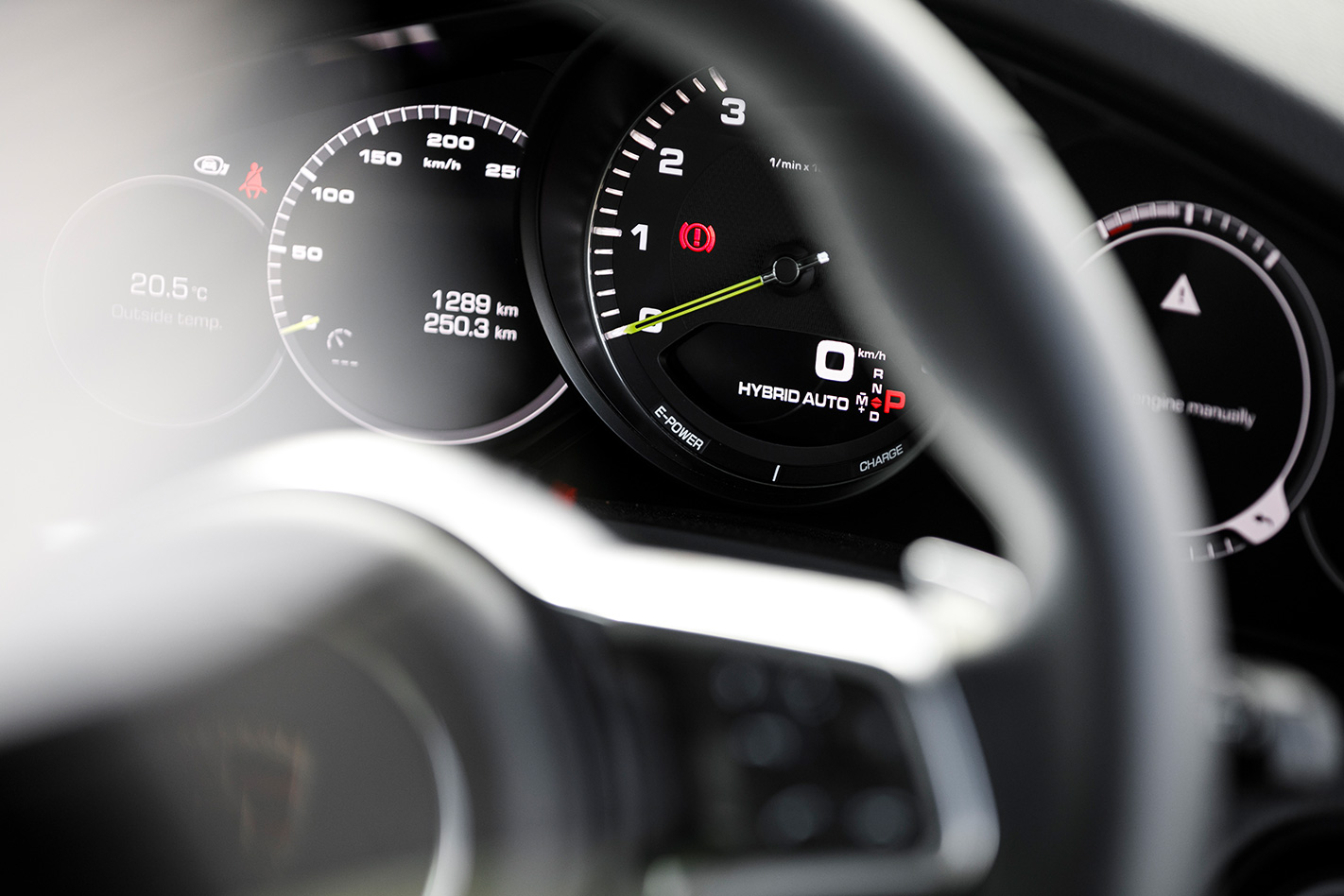
The E-Hybrid’s 0-100km/h figure of 5.0 seconds makes it second only to the range-topping Turbo in sprinting ability, despite the fact it’s the second-most ‘affordable’ in the line-up (at $135,600, it’s around $20K more expensive than the entry-level model.) Sure, $32K worth of options fitted to the test car attempted to derail the value equation, but it was unanimous that the level of standard equipment and the quality of the interior made the base figure seem reasonable in the context of this segment. The clarity of the instruments, resolution of the screens, useability of the technology and general cabin lushness all contributed to the consensus that this thing felt properly premium, and worth the coin.
But COTY is awarded to a range, not an individual model, and this is where the Cayenne’s quest began to falter. Not that there’s a dud among the four; simply that the value equation weakens as the $239,000 Turbo starts to flex its (admittedly damn impressive) muscle.
Up to 10 percent of the cost of a new car now comes from infotainment technology designed to enhance the user experience. The rapid advancement of these technologies can seem dizzying, but auto manufacturers are now applying research about our smartphone habits to new in-car tech in order to reduce the learning curve for users. Here are some of the pointy-end technologies coming our way.
GESTURE CONTROLS
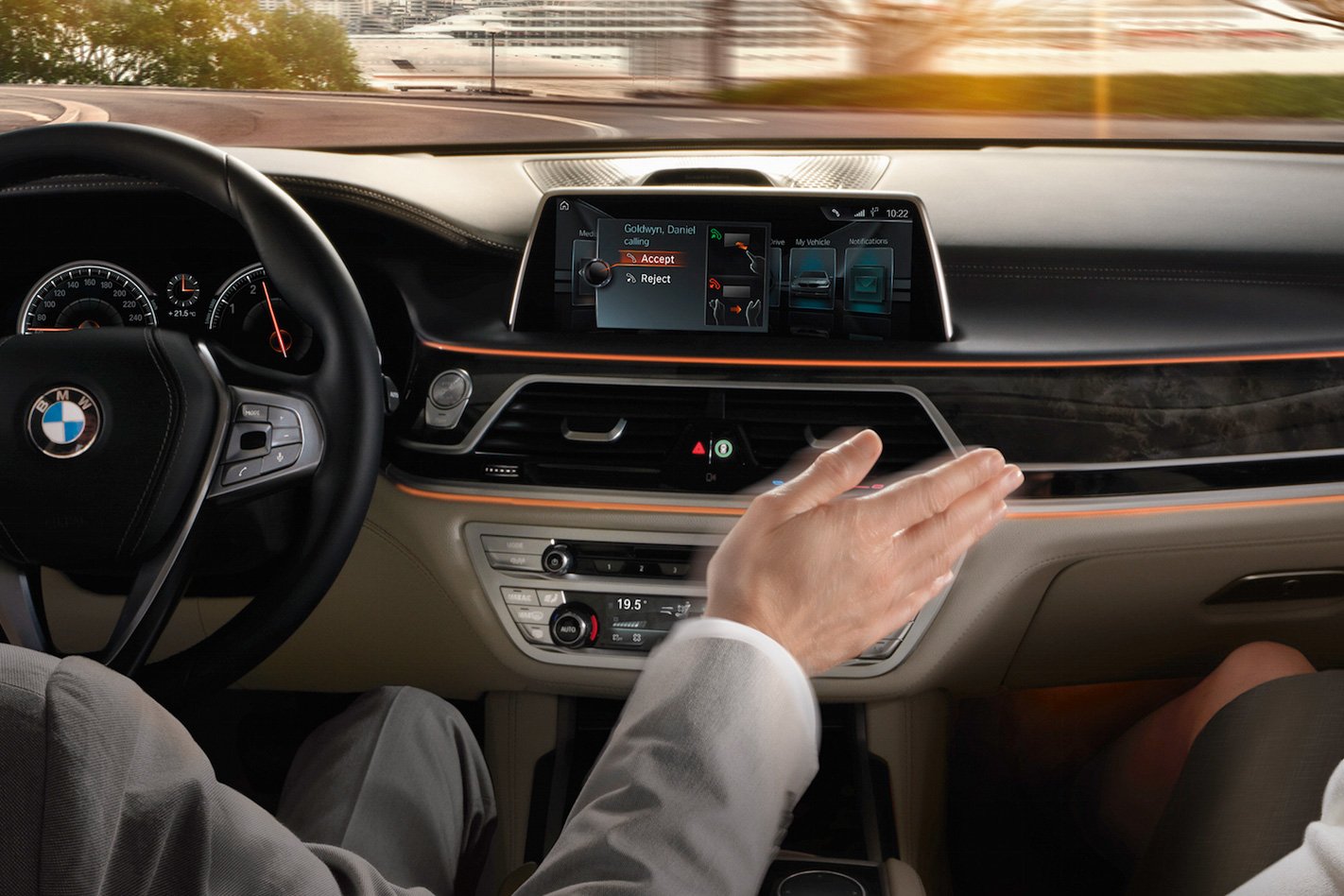
Think twice before flipping the bird to that driver who cut you off – your car could be watching. Gesture controls will bring a new level of meaning to your motions, in an effort to make the command interface as intuitive as possible and reduce driver distraction. BMW will have you point and twirl a finger to change volume, Jeep has prototyped eyeball mapping, while Google is attempting to patent (non-vulgar) driving gestures. It all suggests gesture controls are the future.
PINCH-TO-ZOOM MAPS
Haptic touchscreens are nothing new these days with a majority of screens in cars touch-enabled. However pinch-to-zoom controls are replacing static touchscreens, as car companies react to consumer frustration with non-responsive screen-jabbing while driving. The more normal it is to engage a screen while driving means the more familiar you are, thereby being less distracted from having your eyes on the road.
REMOTE CONTROL
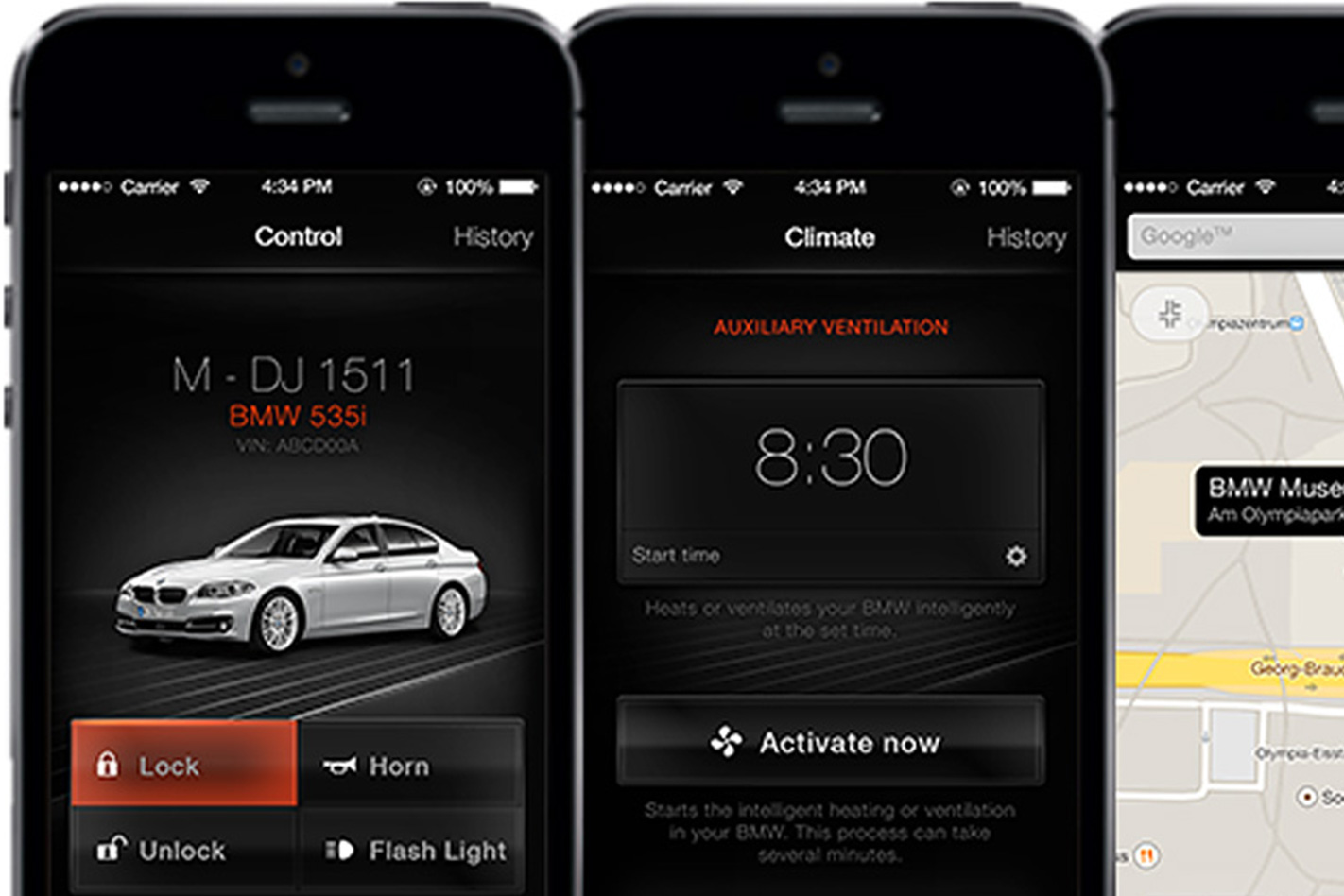
Car manufacturers are constantly looking to extend an owner’s relationship with their car, and the ability to play with its technology even when you’re not sitting in it is a big part of that. App-based remote controls can have functions like Curfew Control, to let you know when another driver has the car (parents of teens take note), as well as service functions that remind and assist you to service, park or charge your car.
DRIVER DISTRACTION ALERT
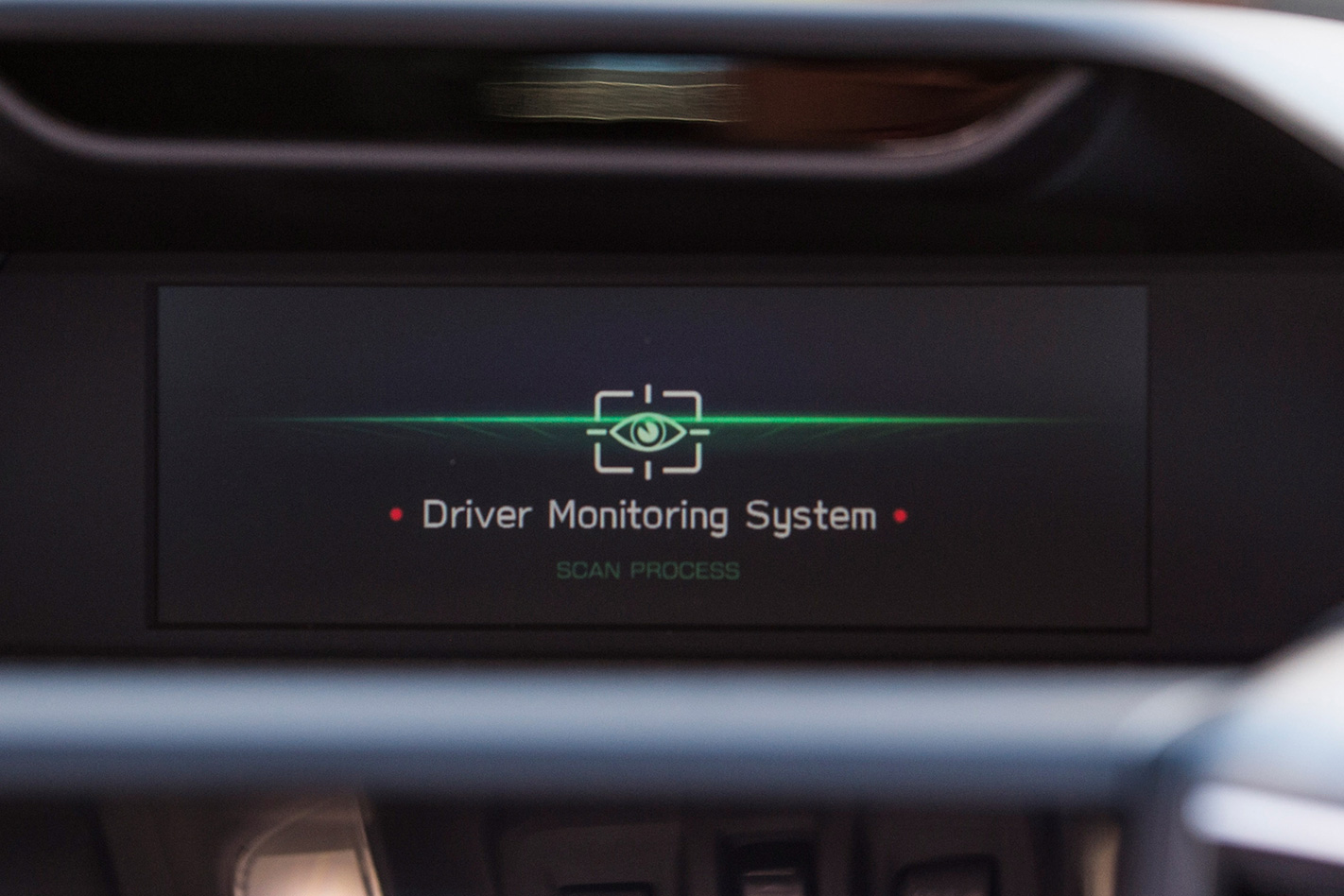
Some cars these days will even track your eyesight to detect what exactly you’re looking at. Subaru has developed in-car cameras that face toward the driver and will throw up a warning flash and beep if it detects that your eyes aren’t looking at the road. Very new-age technology that could potentially mean the difference between being involved in a crash or not.
APP-BASED MEDIA CONTROLS
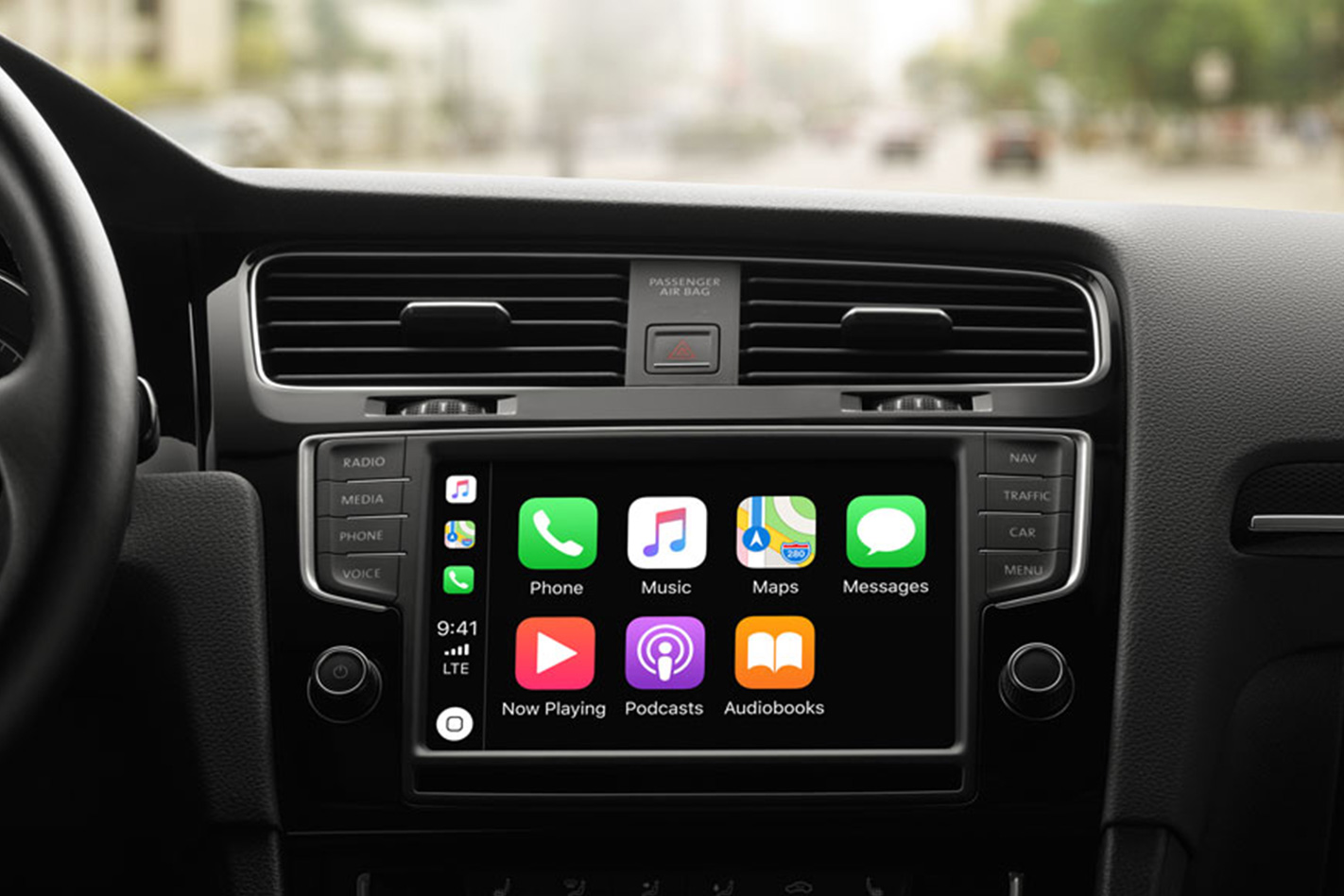
By now, a large portion of car makers are now involving tech companies like Apple and Google in their infotainment development. Many consumers place high value in having either Apple CarPlay or Android Auto capability thanks to its familiarity to using a phone. Audi are even teaming with Google to have the US-based tech company develop its entire infotainment system, rather than just having Apple CarPlay or Android Auto capability.
The premise started out simply enough but – like all good plans – it quickly grew into something a bit bigger than we’d all planned.
This is the 2019 WhichCar Auto Games, where we pitted a brace of the best compact SUVs on the market today against each other in a – let’s be honest – none-too-serious series of challenges designed to stretch the character acting skills of the WhichCar team more than anything else.
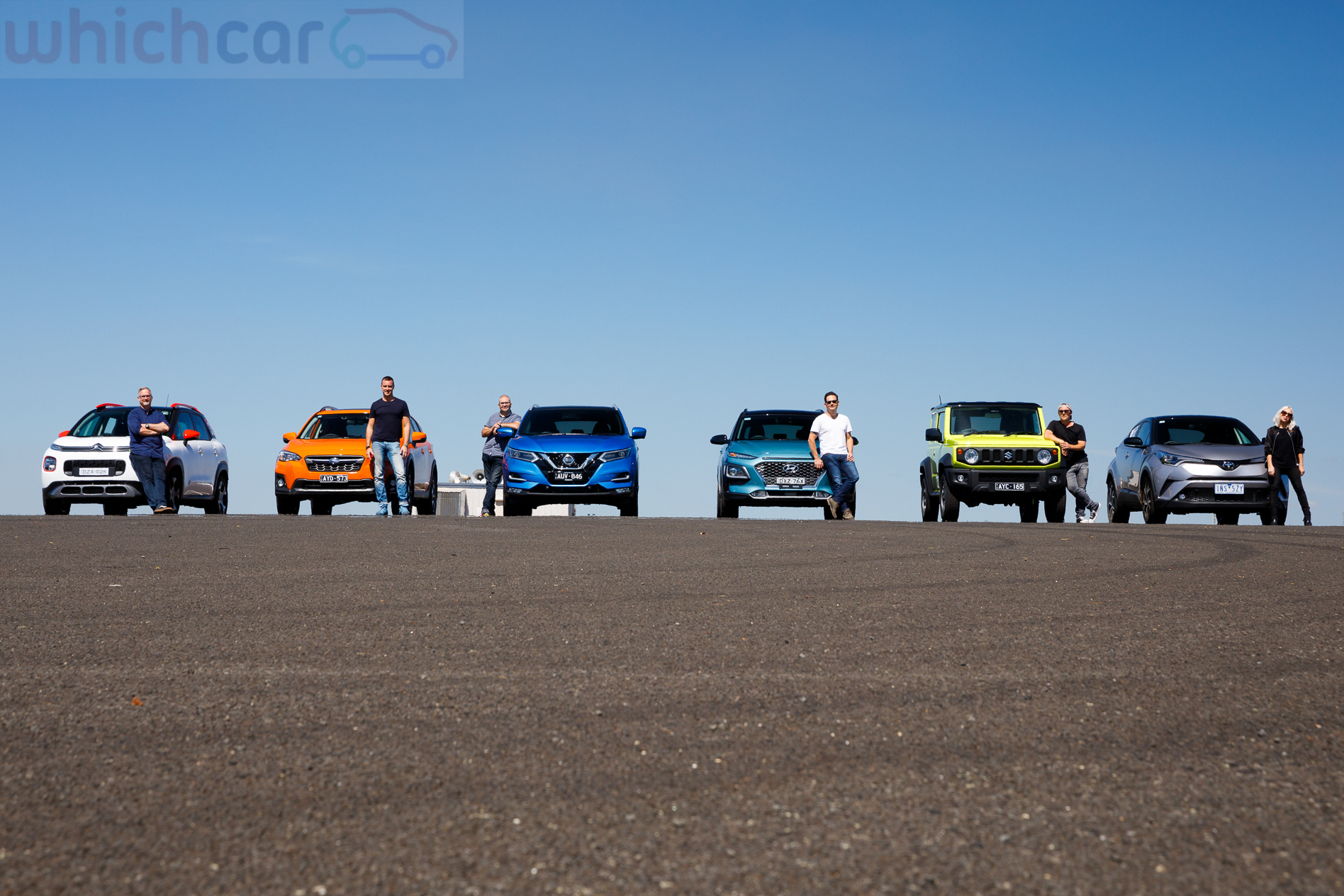
The call went out about a month in advance – bring forth a small SUV that you either know and love, or that you’ve driven and detested, and put it forth to the team for a popular vote.
The Suzuki Jimny was an early starter, championed by our resident Japanese car tragic Tony, while Noelle’s Toyota C-HR showed off her love of style that’s blended with a dose of reality.
Dan, meanwhile, sized up with the versatile Subaru XV in shy-and-retiring orange.
Glenn went straight for performance – I reckon he just looked up ‘small turbo AWD SUV’ on Google and the Hyundai Kona bobbed up first – while Dave opted for pragmatism wrapped in a stylish yet practical visage in the form of the Nissan Qashqai.
Me? I wanted a Citroen C3. Bit of a story behind that… the car had arrived in Australia some months ahead of the launch for dealer training and evaluation. “You can have one for the show,” said Citroen, “but you can’t put it on social media or anything.”
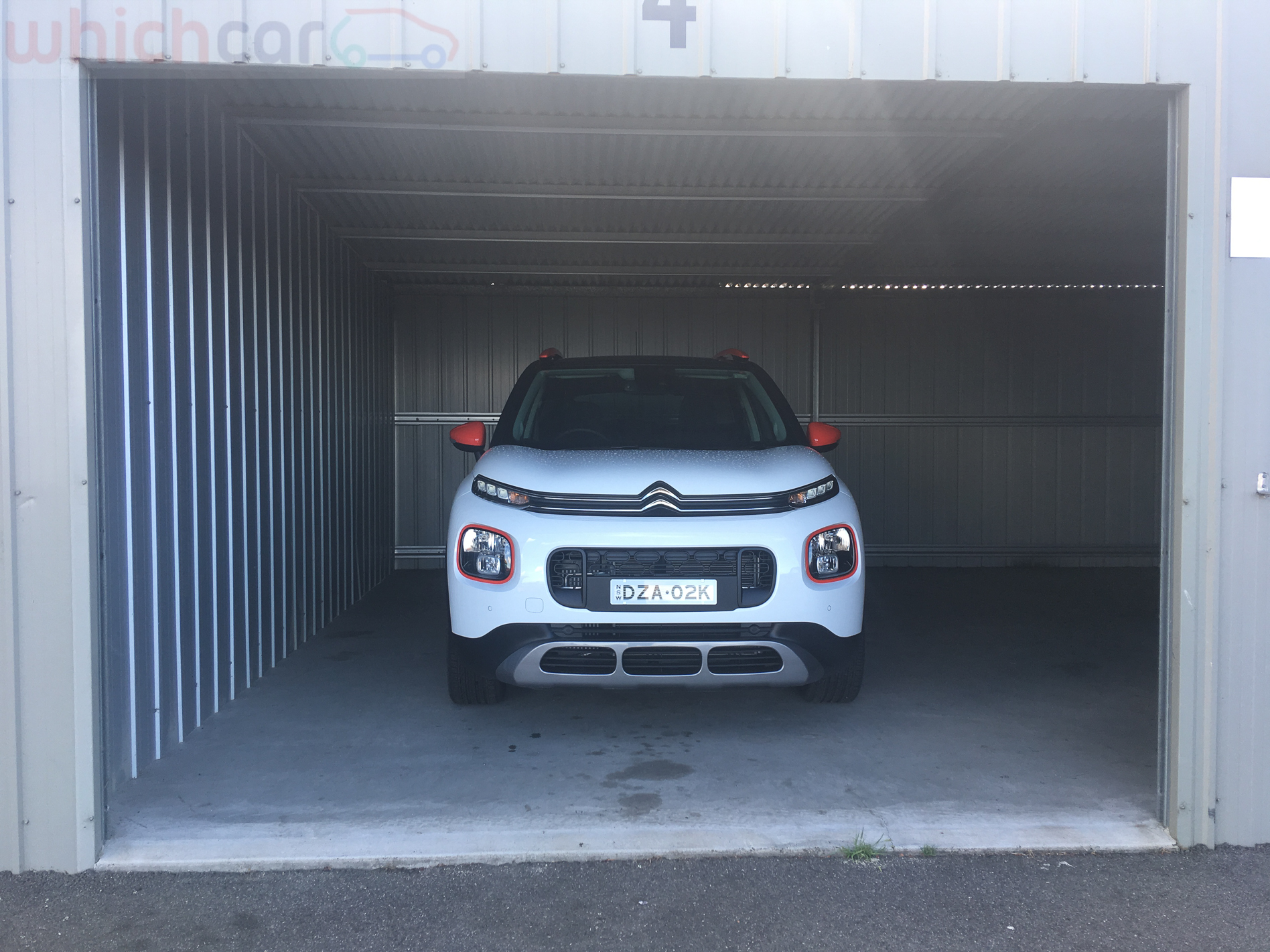
If you had been paying attention to our Insta feed, you may have seen bits of it pop up a couple of times…
Gathering six staff members, film crew and cars for three days meant the entire office camped out at various locations across Melbourne and Victoria, including the Werribee 4WD proving grounds and the Haunted Hills racetrack near Yallourn, for the duration, while still running a website and TV show. Plus one for remote working!

The shoot really stretched the video crew, too; we don’t have vanloads of gear and tonnes of people on WhichCar TV; it’s an all-in effort that, when you see the finished product, defies belief that we managed to pull it off.
You can watch the 2019 WhichCar Auto Games on TenPlay right now, along with the rest of our back catalogue of shows. We’ve also linked out to reviews of the cars that we tested throughout the story.
New to Wheels Car of the Year?
Read the COTY 101.
WHILE contestants like the Mazda CX-8, Holden Acadia and Hyundai Santa Fe are good enough to undergo our intensive COTY scrutiny, nailing the brief for a well-heeled, affordable seven-seater that appeals to a discerningly stylish crowd has eluded all. Truly, it is no easy feat.
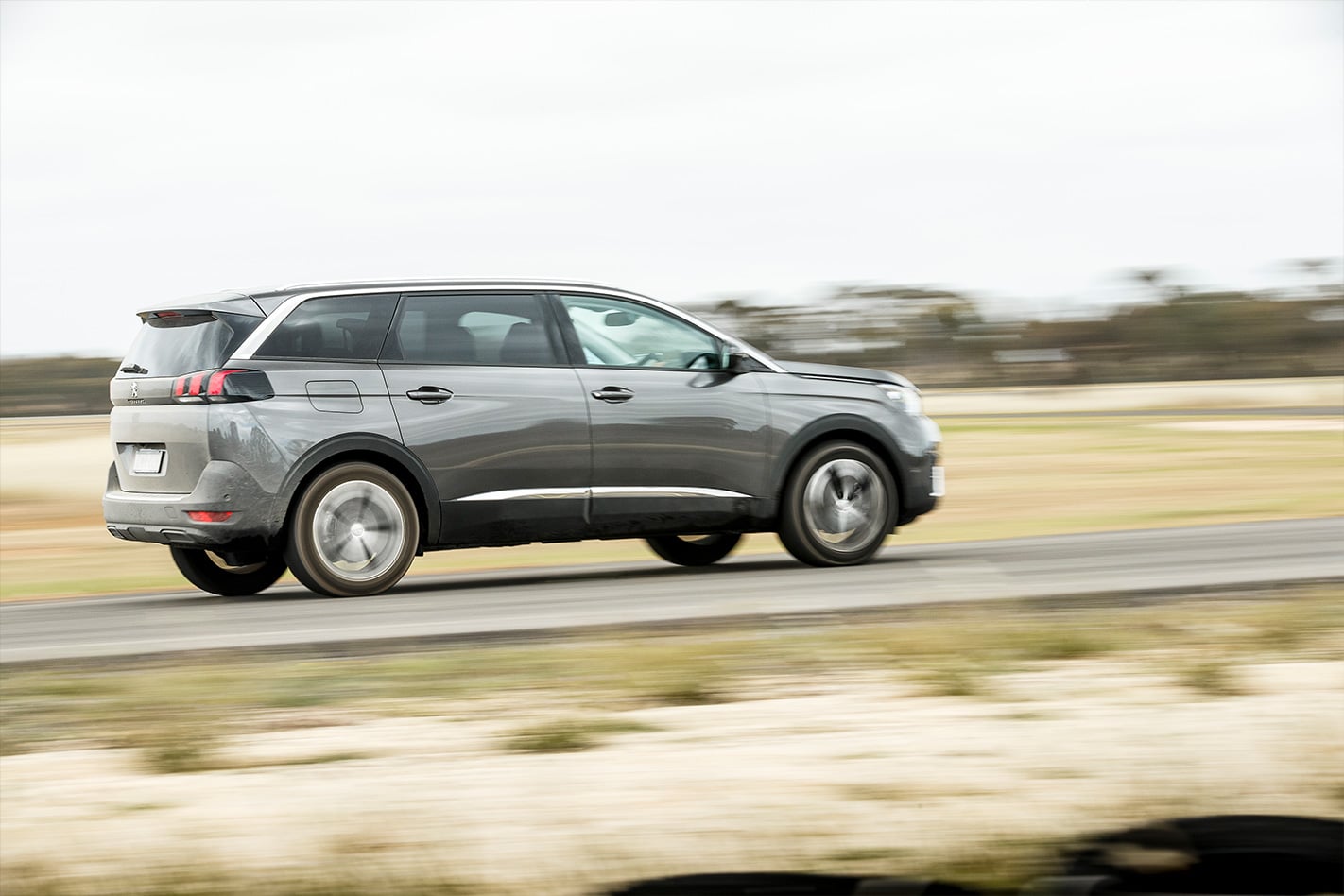
So, with its concept-car cabin, risk-taking material choices and striking exterior, the Peugeot 5008 deserves kudos for its impressive sartorial rebranding, shedding its snubby-nosed former self with sassy insouciance. Especially when considering the many uninspired rivals that the Sochaux bus competes against.
It should come as no surprise then, that where the Pug really shines is under the COTY function criteria. Particularly when it comes to its sheer lifestyle-friendliness and dashboard layout (although the polarising debate over the low-set Peugeot steering wheel still rages, four years on). The 5008’s Tetris-like seats are a highlight, with six out of the seven folding flat, a completely removable third row, and a second row on independent rails with three ISO-fix points.
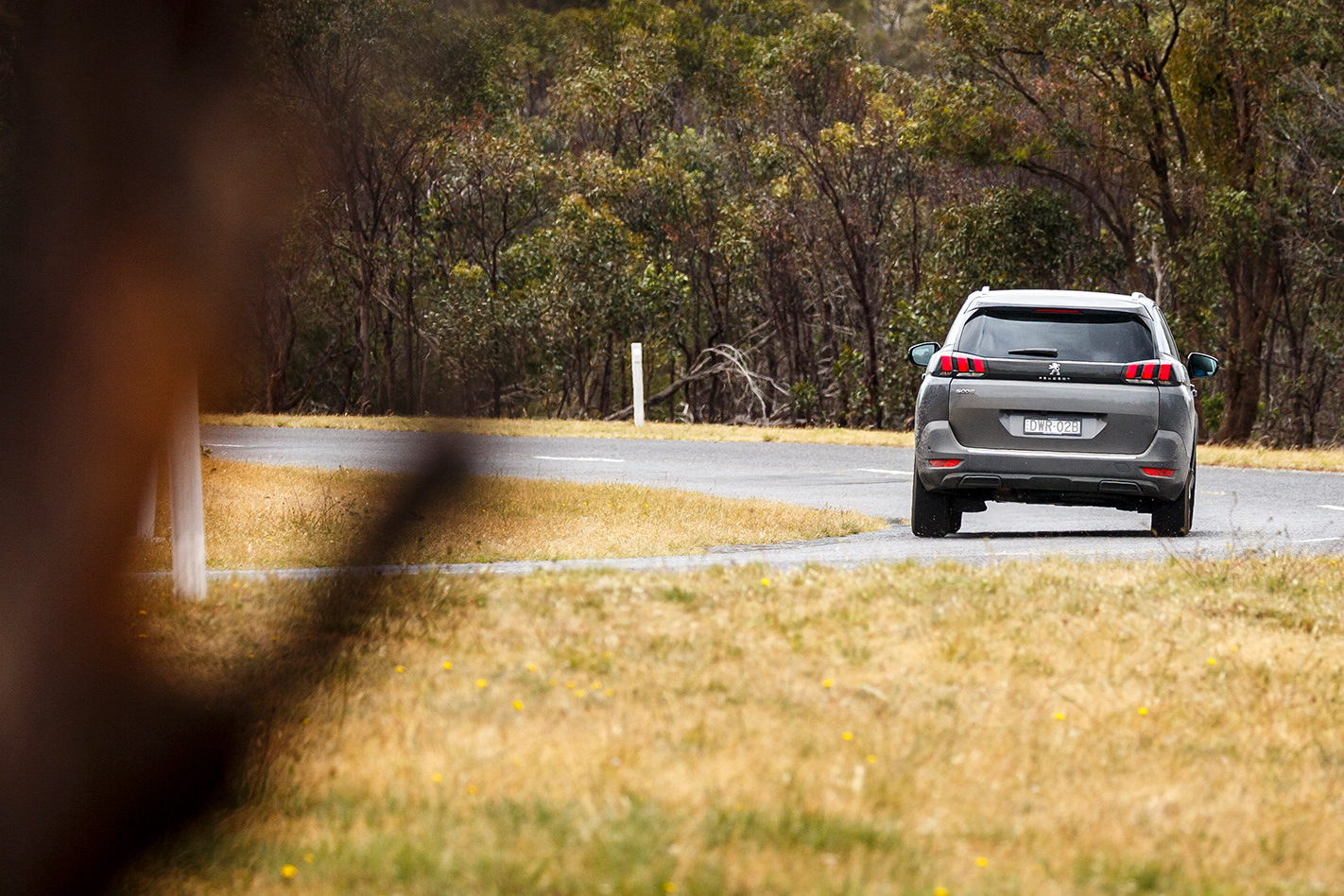
There were also nods in unison around the clever storage solutions, creature comforts, effortless electric tailgate and a comprehensive safety regime that includes all the advanced driver-assist systems Mum or Dad could hope for – including drowsiness alert, lane-keeping assist and speed-limit_recognition tech. Fling in a five-year, unlimited-kilometre warranty and it becomes blindingly obvious that the French are attempting yet another, smarter revolution.
The 5008 is the longest iteration of Peugeot’s lauded EMP2 lightweight architecture – a platform with a history of dilating pupils among COTY judges; first with the podium-finishing 308 in 2014, and again with last year’s closely related 3008 medium-sized SUV. And, like its smaller siblings, we all noted the 5008’s sharp, nimble handling, confident control and quiet, composed ride quality.
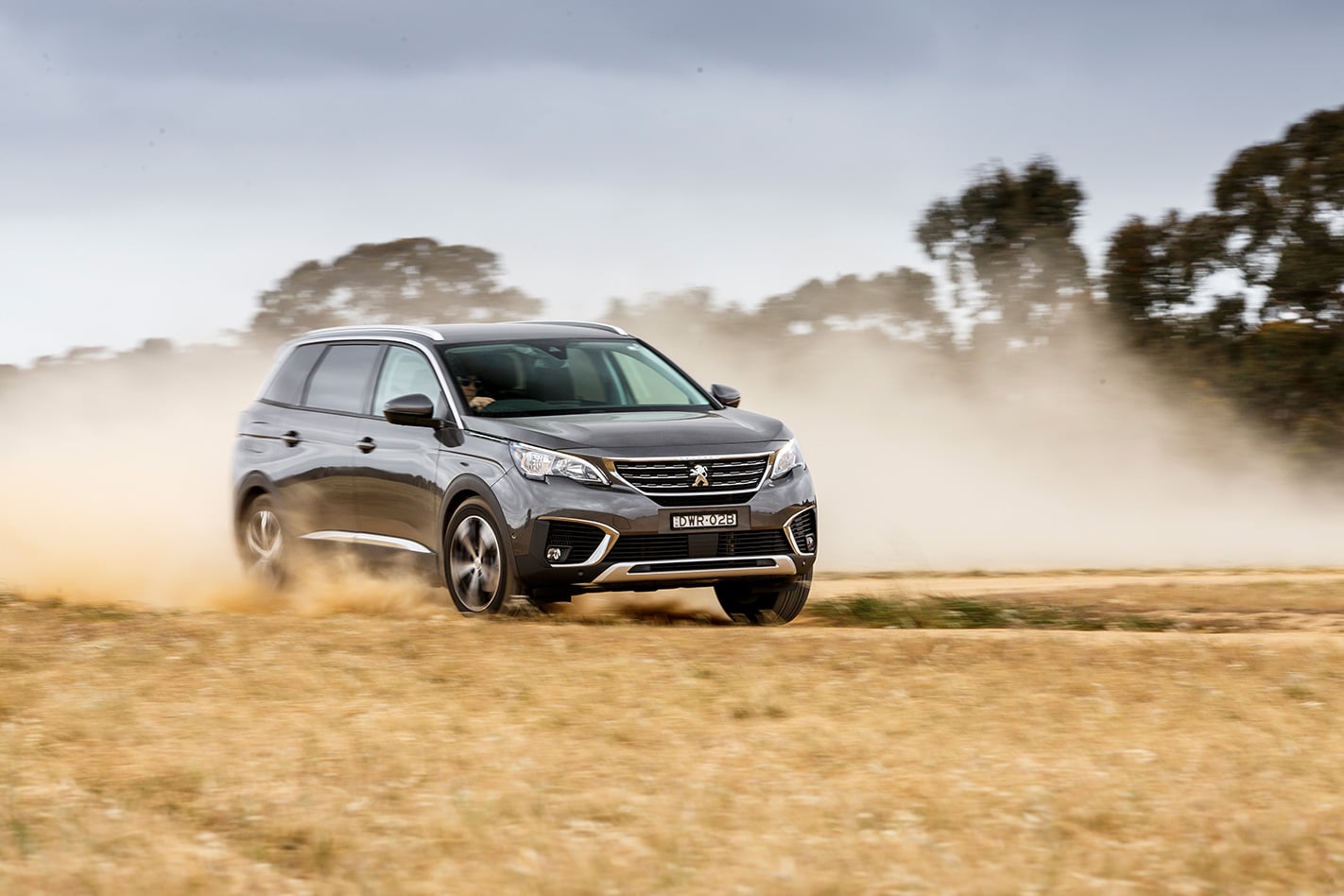
However, it is the willing but somewhat under-endowed 1.6-litre four-pot turbo petrol that had the panel scratching their heads. While it’s an engine that sparkles when plonked into Peugeot’s smaller models, it occasionally struggles in the bigger bodied 5008. When push came to shove around the You Yangs, the Pug felt somewhat tardy off the mark and struggled to summon the effortless overtaking oomph that only a larger-capacity powerplant can manage in this class of car. The diesel? Better, with stronger throttle response and far less fuel consumption. “[The] diesel is old-school in refinement, but this is an SUV that is lighter on its feet than most in its class,” noted Carey.
While we wait for AWD and hybrid models to arrive, ultimately, despite its segment-vexing sexiness and athletic moves, the 5008’s 1.6 turbo doesn’t quite have enough under its bonnet for the length and breadth of this land.
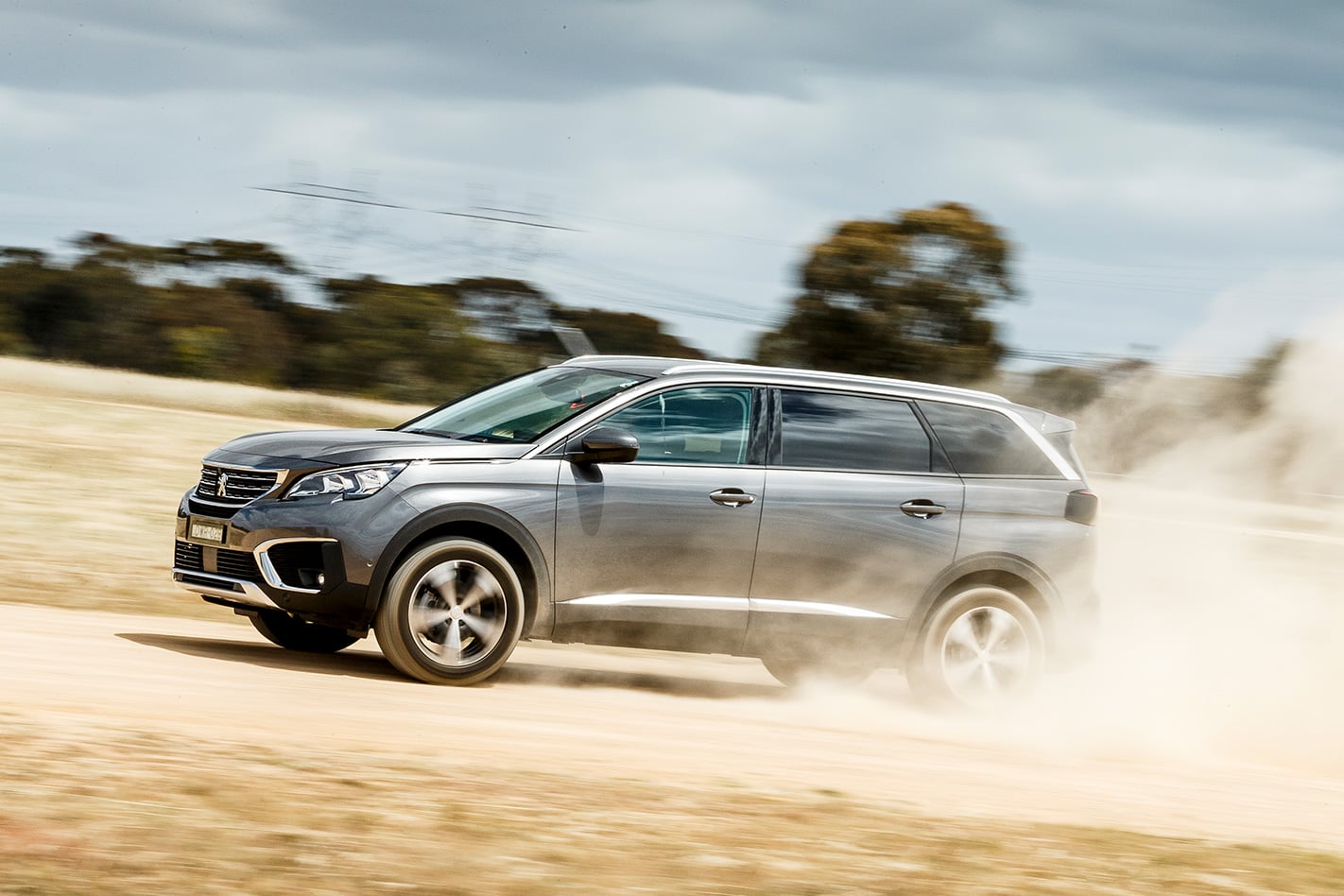
Still, the Peugeot does deserve the scrutiny of any seven-seat SUV buyer searching for good taste and dynamic grace to go with plenty of practicality and space.
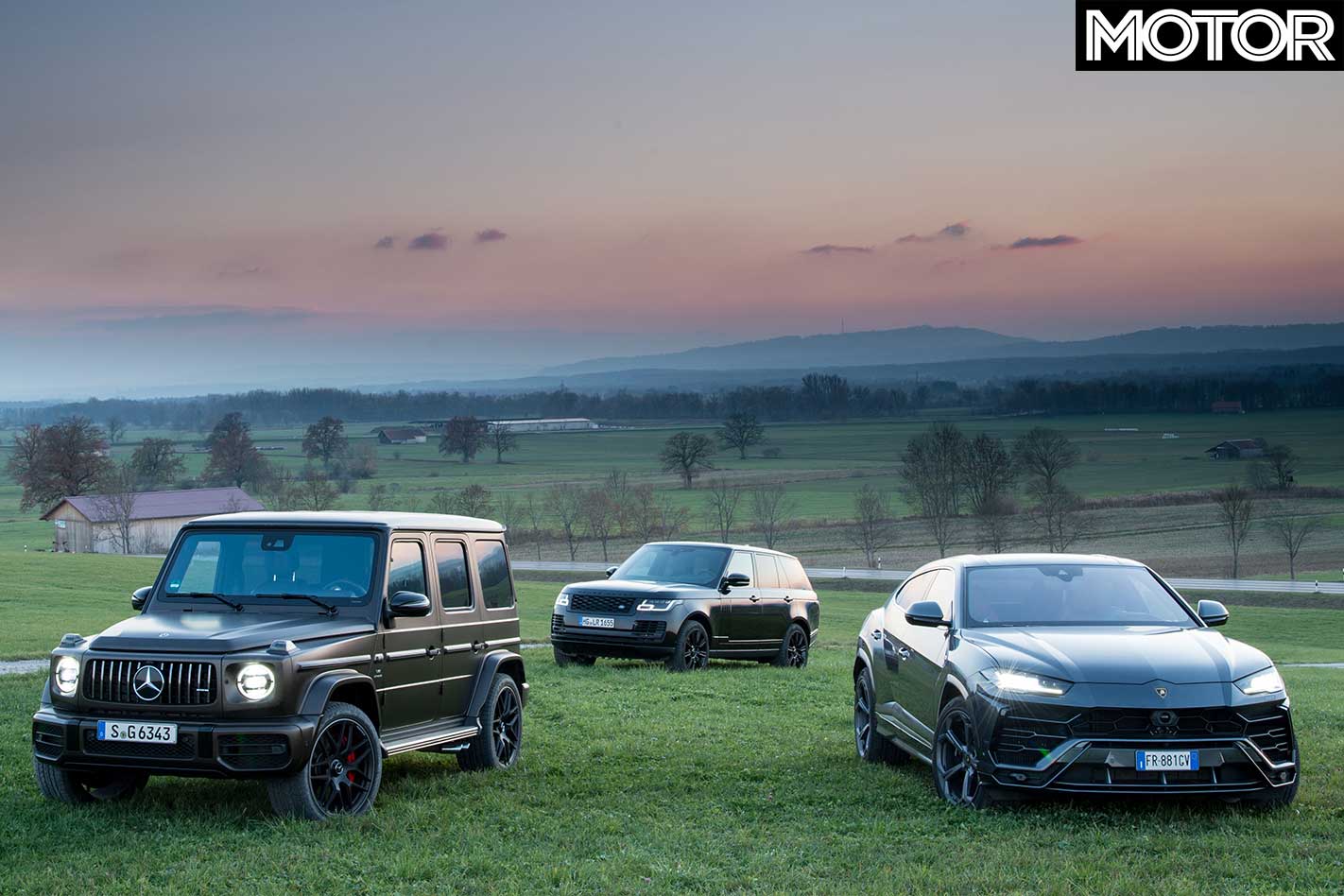
Status symbols don’t come much brasher or unique than these three performance SUVs. Each contender garners both looks of desire and disdain in seemingly equal measures. Bystanders either love them, or love to hate them – there’s no in-between. When it comes to cars, social acceptance is indeed a very fickle thing.
However, the new kid-carriers from Lamborghini and Mercedes-AMG, combined with a staid Brit in the Range Rover, are just as unique to each other as they are polarising to the public. We’re still getting our heads around the fact that Lamborghini is now offering an SUV – one sans natural aspiration nor a cylinder count more than eight.
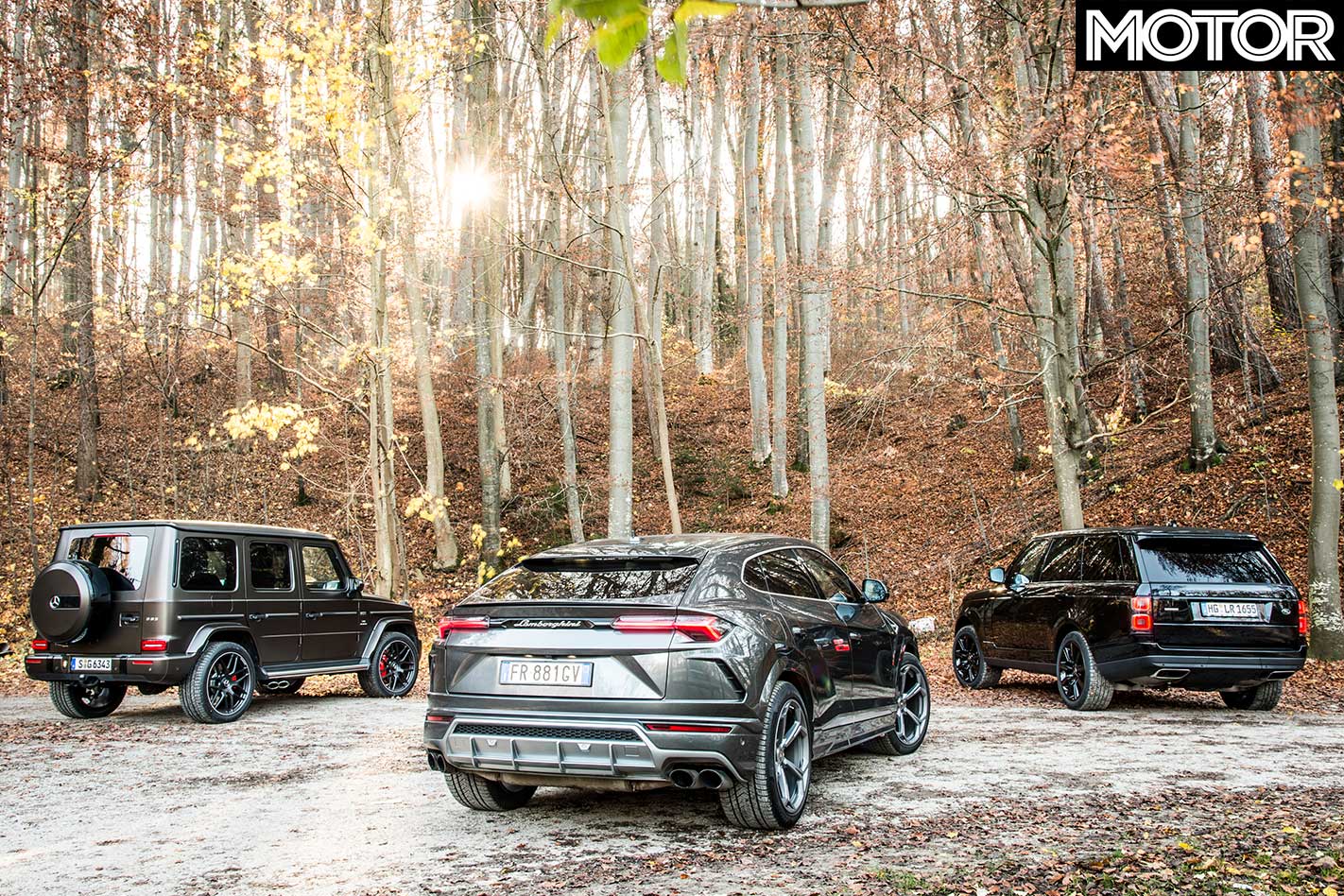
The G63 simply shouldn’t exist, but we’re oh-so glad it does. It’s hilarious and rapid in equal measures and, now with some tweaks, not so rudimentary on-road. The RR Autobiography might be down on outright performance on paper, but it adds a layer of luxury the others can’t quite match.
Despite intensifying emissions debates and stricter laws, these inefficient, over-powered high-end SUVs barrel down the road on their over-sized alloy and strictly road-biased tyres. However, there’s got to be a reason why the $400K-plus Urus is sold out through to early 2020, why the G63 AMG accounts for the majority of G-Class sales and why the Rangie has, for some 38 years, been the darling of city slickers and the landed gentry. It’s a high-stakes game of fascination, frivolity and failure. Just maybe there’s something to this fast-SUV caper after all.
Lamborghini, the traditional maker of crazy supercars, received flak for releasing a $390,000 SUV. Yet, it can reportedly lap the Nardo handling track in southern Italy in a time comparable to the Huracan.
And with a 4.0-litre twin-turbo V8, you can see why it isn’t hanging about. Still, 2200kg is a lot of top-heavy weight to manage. And despite all the idiosyncrasies, it’s impossible not to be smitten with the stylish Italo-German crossover and its butch, 306km/h five-door coupe silhouette.
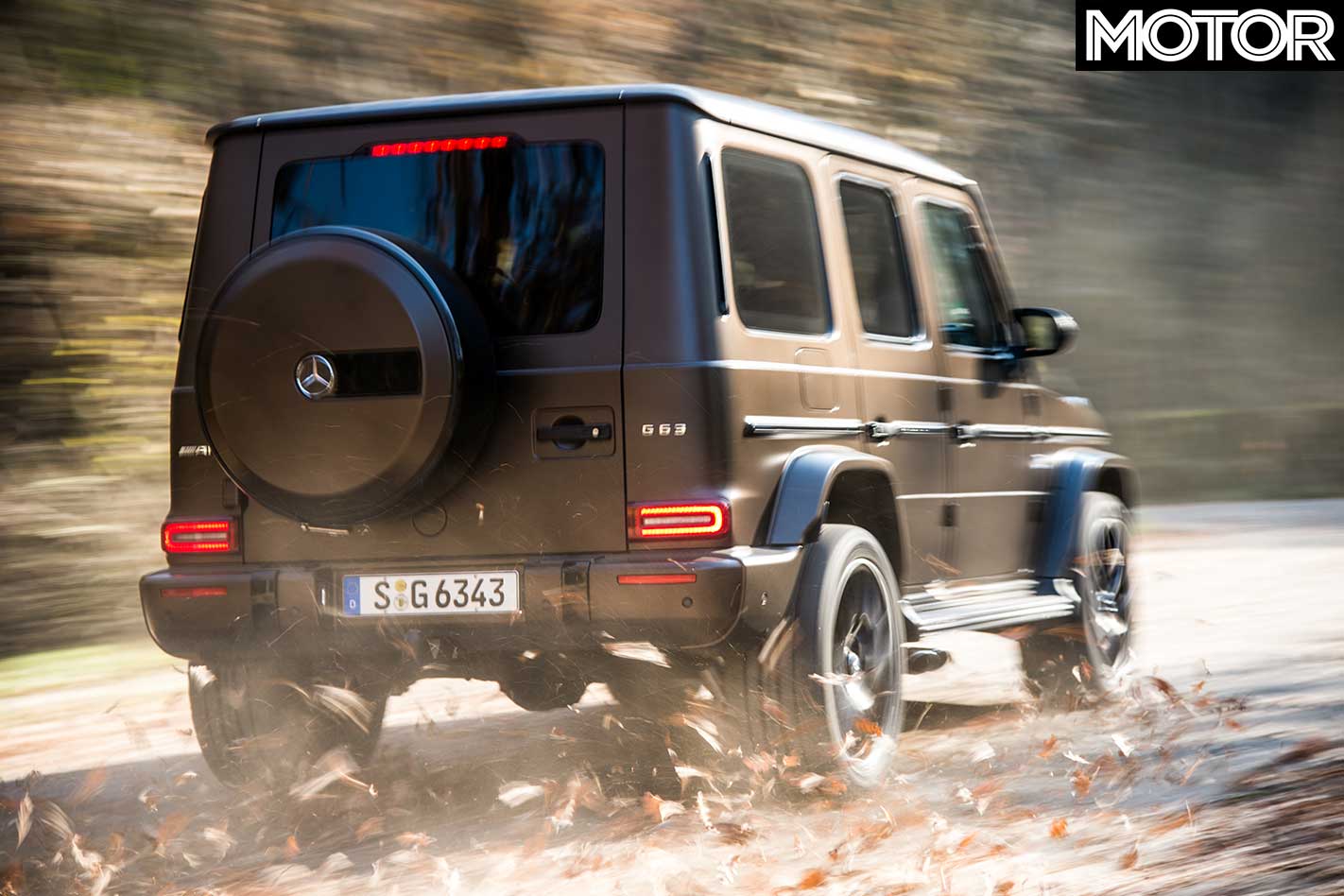
Even when stationary, the brand-new, yet oh-so-familiar $247k Merc looks as intimidating as ever – it’s an unmistakable boxy design. However, new LED headlights and revised styling bring the old-school-cool G63 into a modern context. Plus, with a hulking twin-turbo eight and proper off-road hardware underneath, it professes a dual-purpose persona the loudest. You’ll literally hear it from miles away.
It might be the oldest of this trio, but the $269k Rangie remains an example of understated luxe with sledgehammer performance. The V8 diesel is a good option, too, but the supercharged 5.0-litre bent eight makes all the right noises. If you want your RR’s forced induction to be the belt-driven type and not from exhaust gasses (BMW-sourced twin-turbo V8s are mooted in the future), then you better get in now.
All three V8 engines here come from standardised parts bins. However, they’ve been treated by bespoke engineering departments before being shipped to production. The 386kW/625Nm 5.0-litre supercharged V8 in the RR is, as mentioned, kind of a last-of-the-line effort before JLR starts purchasing engines from Germany.
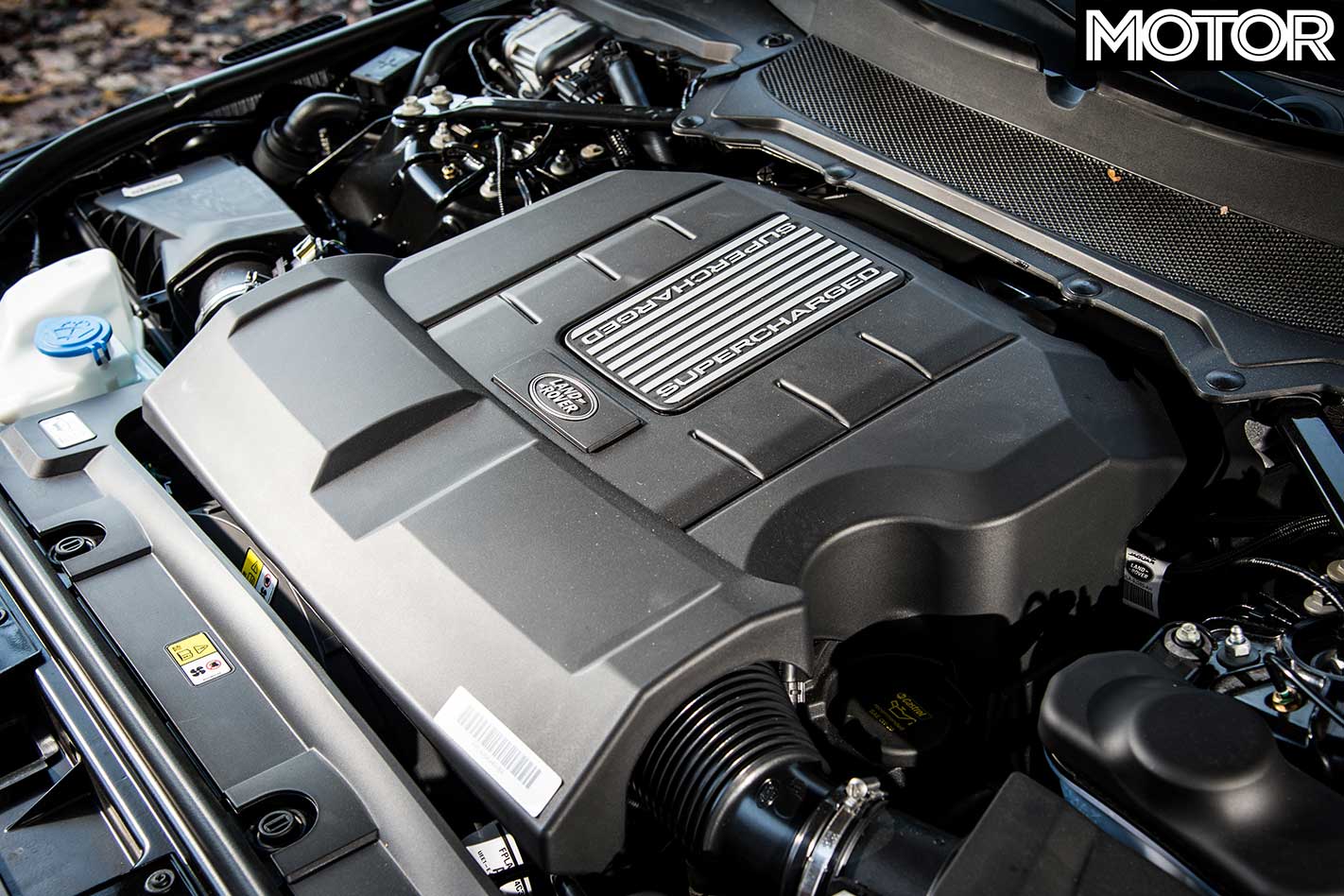
The 430kW/850Nm 4.0-litre twin-turbo V8 put together in Affalterbach is based on the one-displacement-fits-all unit also used in myriad other Benz products. The 478kW/850Nm twin-turbo V8 in the Urus is the highest specification of the VW Group’s 4.0-litre, which was developed by Porsche. Although it’s frustrating that Lamborghini didn’t opt for its atmo V10 or V12, both with glorious soundtracks.
Despite similar outputs and kerb weights, the three super SUVs are leagues apart in the way they perform. To put things into perspective, the Urus’s 305km/h top speed is just 14km/h slower than the base Huracan and its 0-100km/h time of 3.6sec is just 0.2sec slower.
At the other end of the scale, the Range Rover needs 5.4sec to get to 100km/h, but it will still crack on to 251km/h if required. The Merc is the heaviest here at 2485kg and the least slippery through the air (0.54Cd), but it blasts to 100km/h in 4.2sec and will reach 241km/h (with an optional driver’s pack).
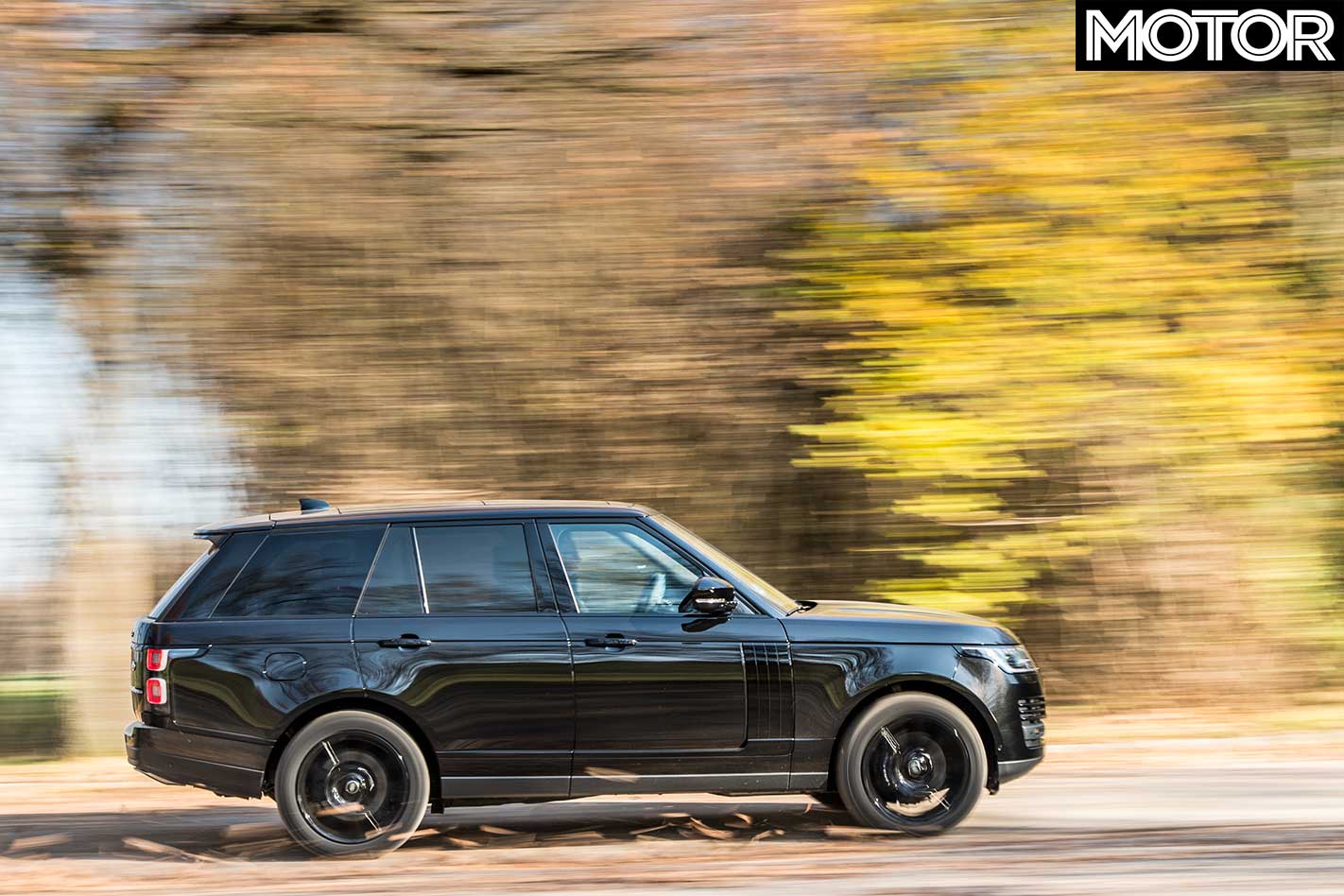
Walking up to the Urus it looks short, low and compact in this company. However, it’s actually 112mm longer than the Range Rover while eclipsing the AMG by 239mm. In combination with the longest wheelbase you’d expect a tangible packaging advantage.
The reality is different, though, with the Lambo’s 616-litre boot losing out to the 900-litre Range Rover, while comfortably outclassing the 454-litre G-Class. All three ‘bush-bashing’ models should offer more rear legroom than they do, but only the long wheelbase RR does – at a price.
Boasting classy seats and expensive materials, the Lambo’s cabin design attempts to fuse the practicality of a daily-driven SUV with the flair of a proper sports car. Evidence of this can be seen with the Huracan-style instrument graphics, an A8-inspired infotainment system and the usual caged starter button flanked by numerous drive modes.
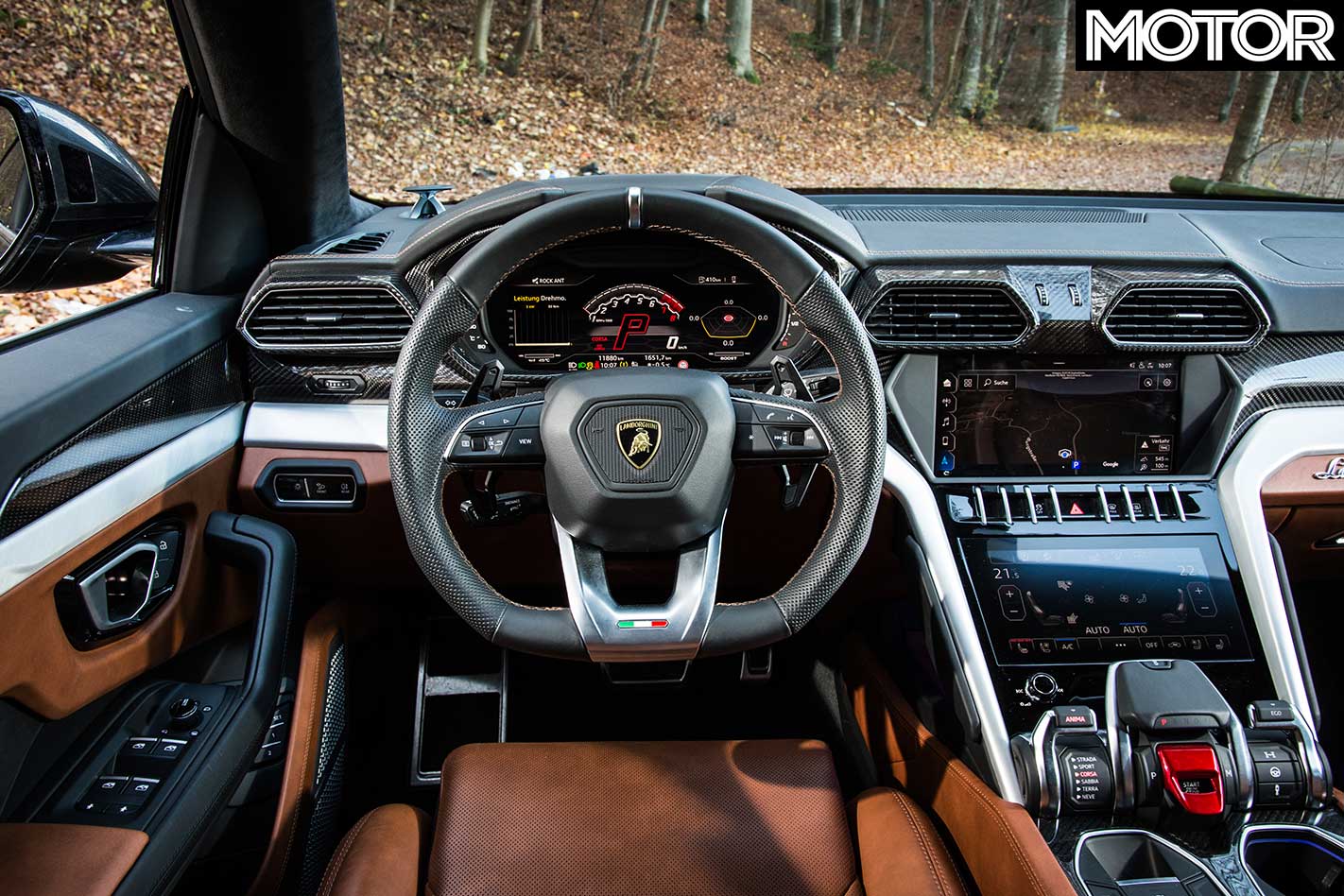
Due to the coupe-like roofline, the cabin does feel very hemmed-in and there’s a plethora of buttons and graphics-filled displays to look at. While the indulgence has been stepped up, it’s still an in-your-face design in keeping with two-door Lamborghinis. It’s certainly a match for the extroverted exterior.
Like every G-Wagen before it, the latest iteration needs to be mounted due to its raised ride height. Once inside, there’s a feeling of invincibility as the slab-sided doors cocoon you. The commanding driving position is complimented by captain’s chair visibility and an interior that’s taken notes from the S-Class and the new A-Class. Expensive surfaces clash masterfully with the cube-esque body. While the improved seats are a welcome addition, the lack of the latest MBUX infotainment is a clear sign that the G-Class is an odd mix of old and new.
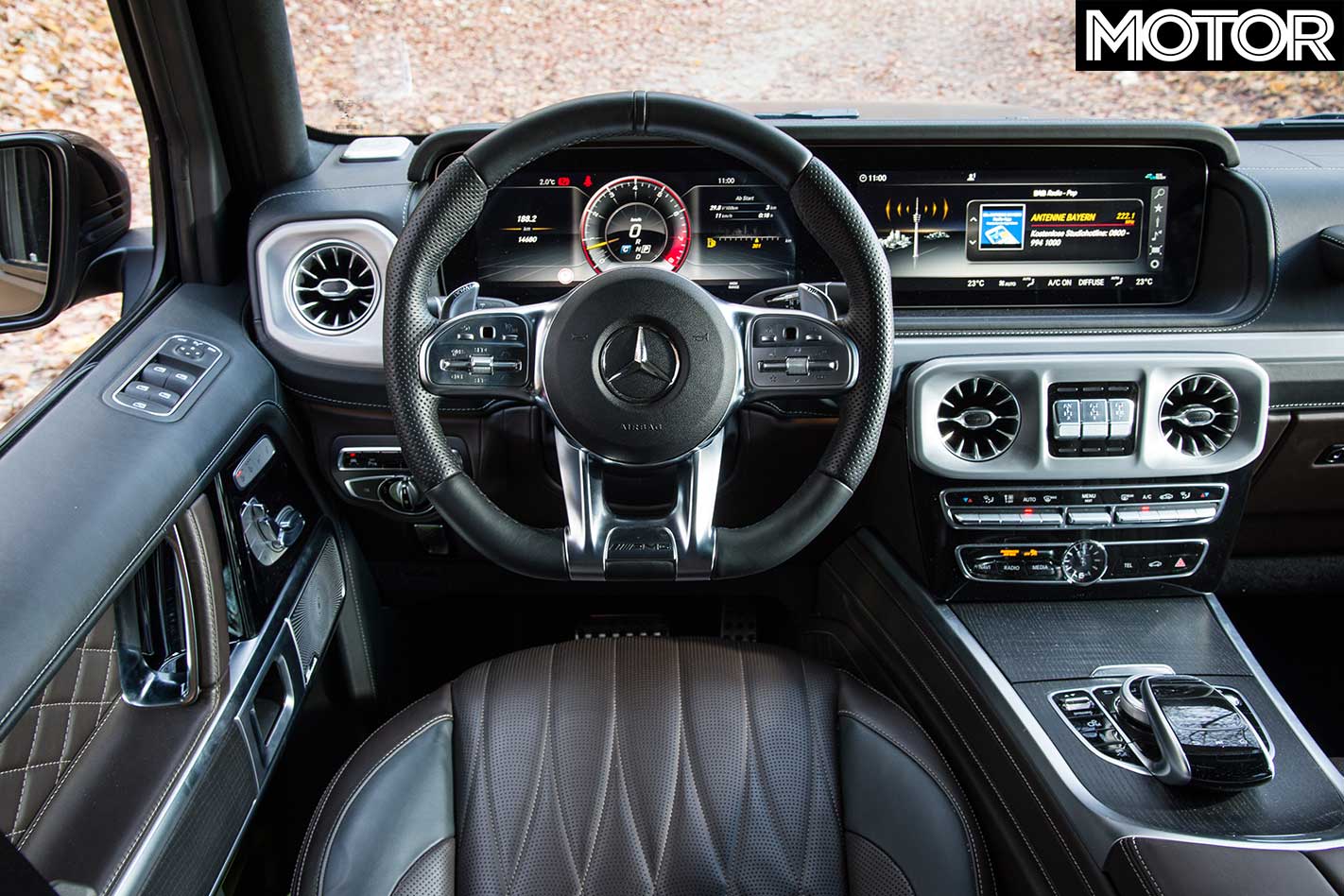
The four air vents mimic the oddball headlamp design, but the steering-wheel controls are numerous and messy, the inner door handles are awkward to operate and the list of standard driver assistance systems is too short for a new model. Welcome remnants from the past are the in-dash push buttons that lock the three diffs (the one in the middle is now of the variable-rate multi-plate clutch kind) and the world’s loudest central locking system.
After the facelift, the Range Rover is now ergonomically on par with the complex competition, it has picked up a few new assistance systems on the way, and the redesigned seats are more comfortable.
Like the Lamborghini, there’s a plethora of screens. The two central displays are touch-sensitive; the upper display can be customised to house your most-used functions, while the lower screen is predominately for climate controls and driving modes. The Autobiography’s company here also offer barnstorming opulence, but they can’t quite match the stately Brit – it truly is a sanctuary high above the level of many in terms of social hierarchy.
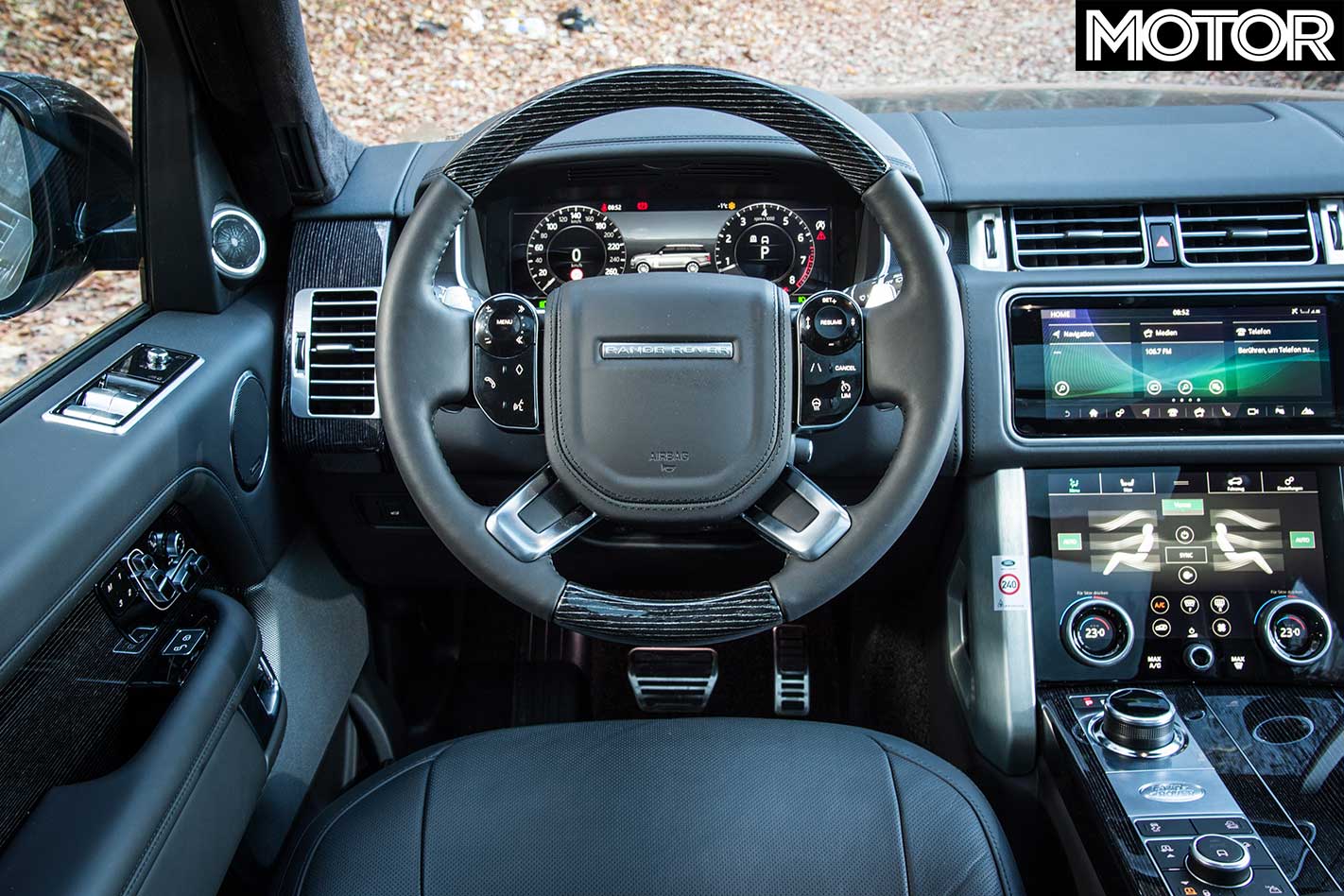
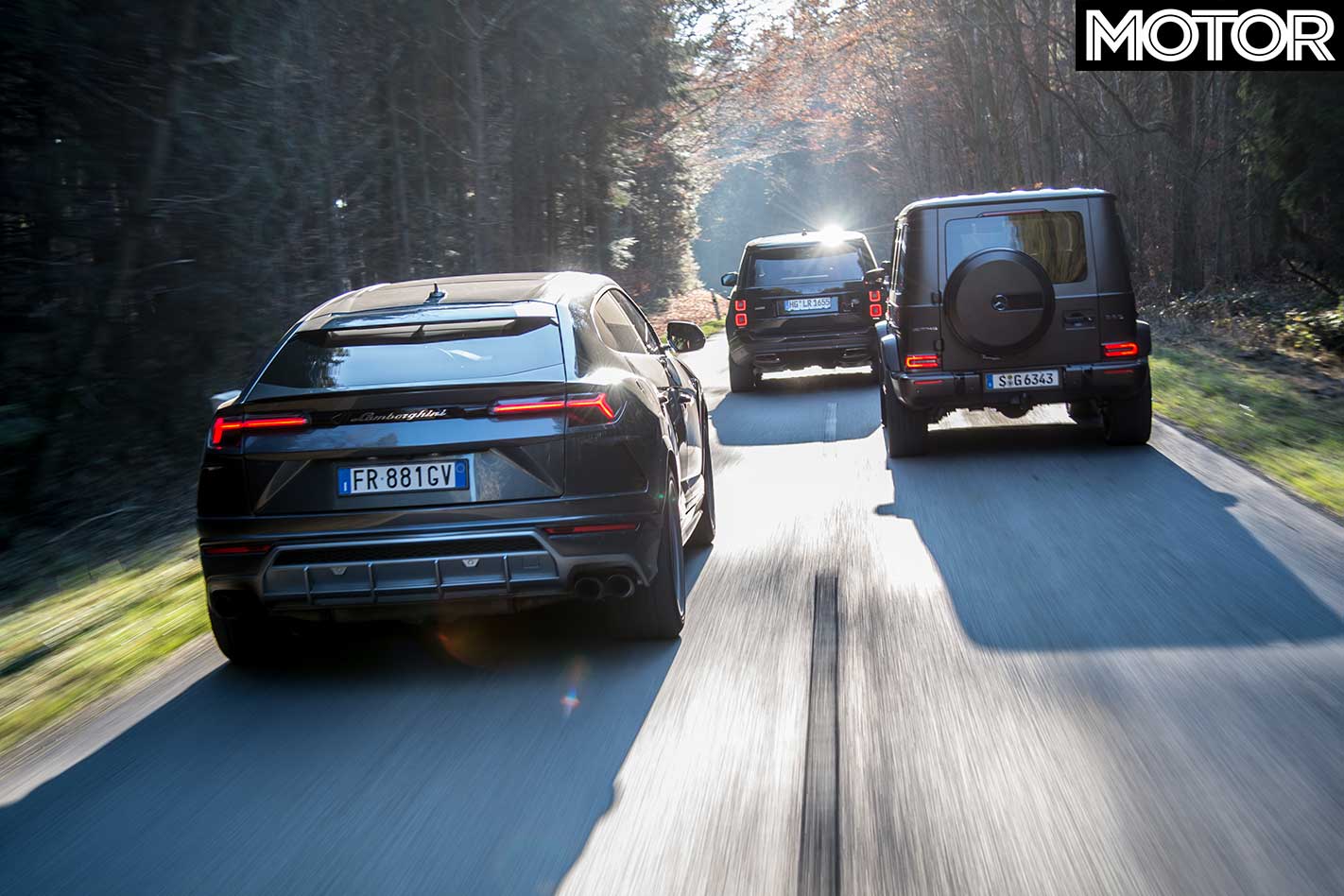
However, facts, figures and plush cabins aside, it’s how this group performs in terms of dynamics and driver involvement that needs exploring. Each SUV offers up character-defining moments, ones that help convey their differing personalities. Starting up the Mercedes-AMG G63 in the smaller hours of the morning makes a new enemy at every cough of the twin-tube side exhausts.
Like most AMGs, the downsizing and switch to turbocharging hasn’t hampered the aural theatre – sense of occasion is high, here. It’s matched by the unrelenting turn of speed shown by the Lambo. Pulling away at full speed from an unassuming Corvette at a set of traffic lights brings a wry smile to the faces of those in sight.
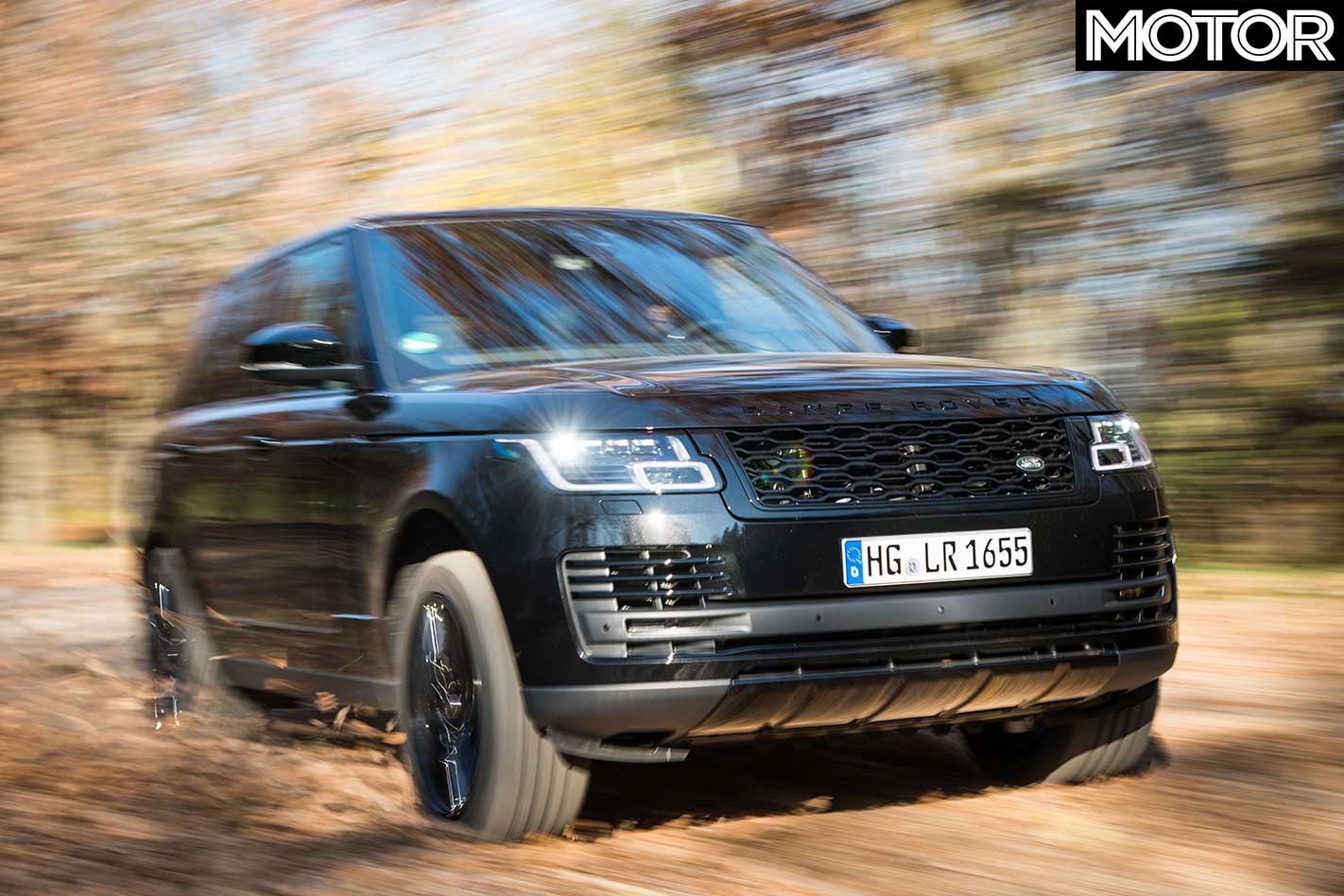
However, in contrast, driving anywhere in a shiny black Range Rover makes a comparatively subtle statement of prosperity and good taste. Knowing there’s effortless clout underfoot is pleasing.
When it comes down to it, the Urus and the Benz leave a lasting impression dynamically. The AMG defies the laws of physics. It never gives up and keeps besting itself at its own game. Up to 180km/h, the relentless forward thrust never ceases to amaze. Even at higher speeds, kickdown makes the nine-speed automatic shift two or three gears so you can thunder on without losing momentum.
There’s instant response from the hot-vee turbos and the monstrous 850Nm pulls you out of corners at sports car pace. And, like every AMG product, the meanest SUV to wear the three-pointed star spits and spats on idle, roars to the 7000rpm redline and pops and cracks on the overrun… all in an almost 2.5-tonne SUV.
People might discard the Range Rover as being unexciting, a character devoid of extremes and excess. In this context, it’s neither the one onlookers flock to nor the fastest by the clock. Instead, it simply does its job – and well.
The supercharged eight was never a lesson in efficiency and refinement, but the progressive torque delivery underlines the S in the SUV acronym. Its run to maximum revs is both calming and involving. Its company here can reel in the horizon faster, but in line with their busier facades, they feel hectic and more agitated. The Rangie lets them pull away because it must, more so than because it can.
Even the Urus aims to cater for all occasions, dedicating three of six driving modes to going off-road. With the air suspension set to its tallest position, the dampers in soft and ESP in Corsa, the Lamborghini is a surprising king of the gravel road.
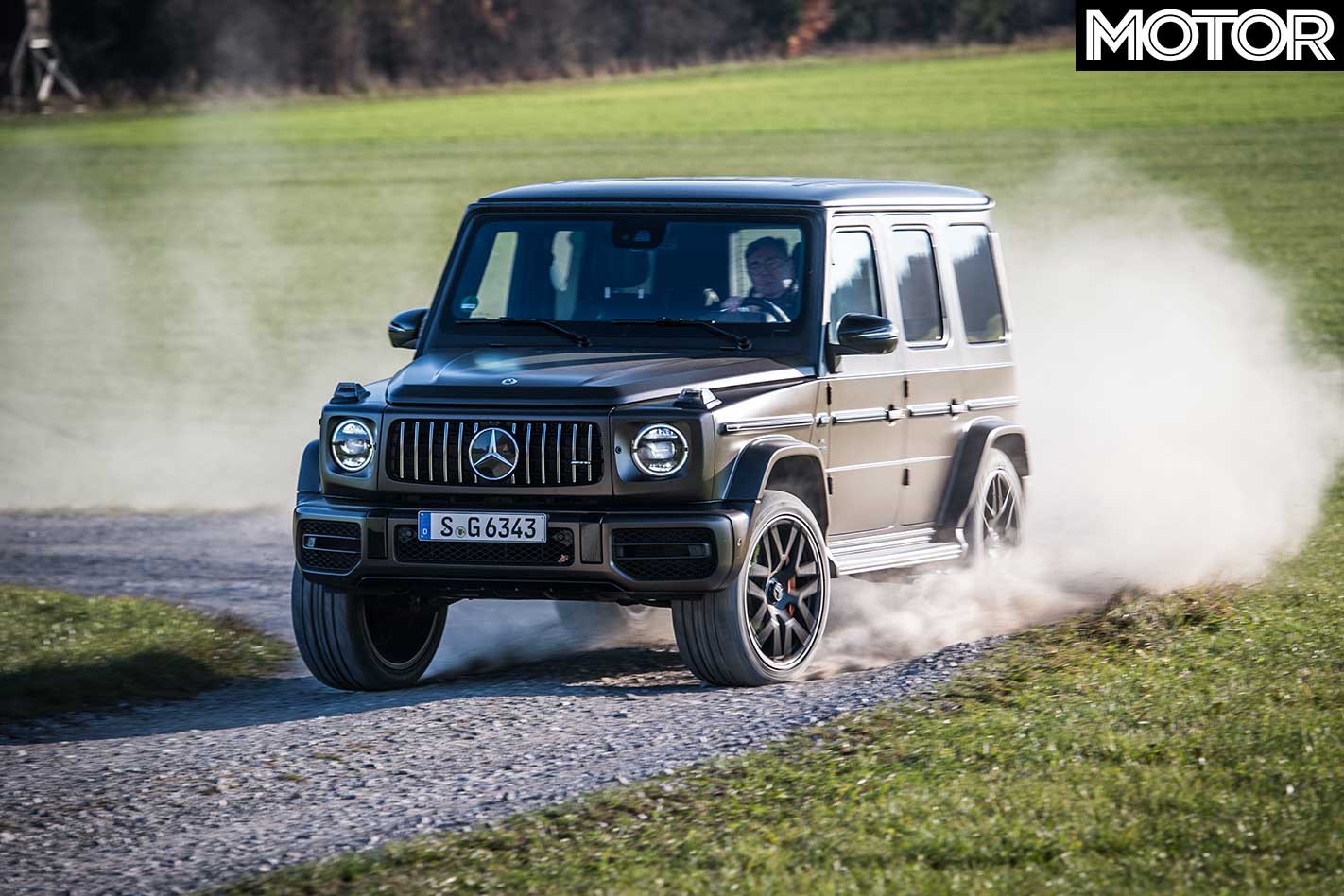
Lacking a height-adjustable chassis, the only terrain the G-Class dislikes is deep sand – so dunes are out of the question. Although it does have enormous spring travel and wheel articulation, a trick AWD system complete with a low-range transfer case and significant ground clearance, so the AMG isn’t shy when traversing the tough stuff.
The Range Rover has little to prove in terms of off-road credentials. The Autobiography is an expert in filtering, cushioning, isolating and distancing its users from the terrain it wafts over. It’s not one single talent that does the trick here as it’s more a blend of virtues and abilities. It has a cosseting balance of roll and ride, dive and yaw as well as stability and poise.
There’s an underlying flow that’s more concise and linear than ever. Just remember that it’s more Autobiography than SVR here, so don’t expect bolstering sway bars or lightning-fast steering responses.
We’ve established that the Urus is fast in a straight line, but in terms of handling, steering, braking and being fun to drive, it also scores massive points. It never ceases to surprise. Fitted with 440mm (front) and 370mm rear carbon-ceramic brake discs (hidden behind 22-inch wheels and soft rubber), the braking power is more than a match for the 2.2-tonne weight and epic speed – it’s like a jet engine in reverse.
It’s insane how late you can brake, with the grippy rubber biting into the tarmac. Even with the stoppers in full force, early turn-in is welcomed thanks to the ample grip. Yes, there is some understeer, but it’s nothing a momentary flick of the steering wheel or lift off the throttle can’t fix. Assisting from behind the scenes are torque vectoring, the subtle but effective rear-wheel steering and active sway-bars.
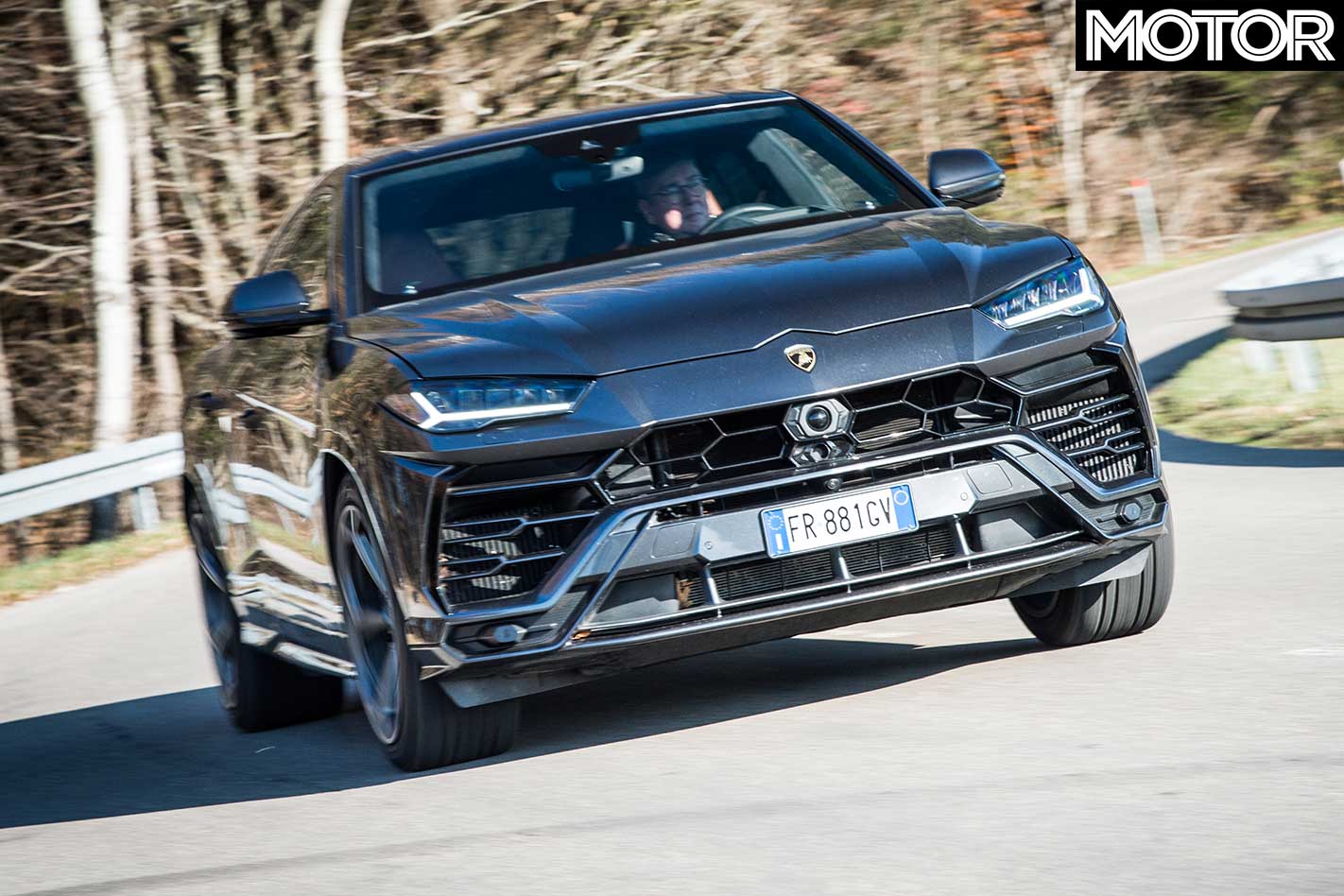
Insanity is also a term that comes to mind when piloting the ultimate G-Class. Originally conceived by order of several European armies as go-anywhere anti-Jeep, the latest iteration of the ladder-frame icon born in 1979 is the professed darling of the global nouveau riche.
The AMG puts on a show as soon as you give it some stick, squirming out of sight and out of earshot in no time at all. Launching from a standstill causes the nose to lift starkly and the directional stability depends on the quality of the surface underneath.
While the shoebox-like aerodynamics help to reduce the stopping distance at speed, there is no real remedy for the high centre of gravity. Even in Sport mode, the adaptive dampers can’t deliver inspiring road manners. The steering firms up during brisk changes of direction and the ride quality is okay, but far from brilliant, while the ESP light flashes as soon as you start putting the foot down.
Jump in the RR and a stark shift in mindset is required. There is, of course, plenty of grunt to play with and the cushy ride, mixed with impeccable levels of sound suppression, results in an exquisite driver environment.
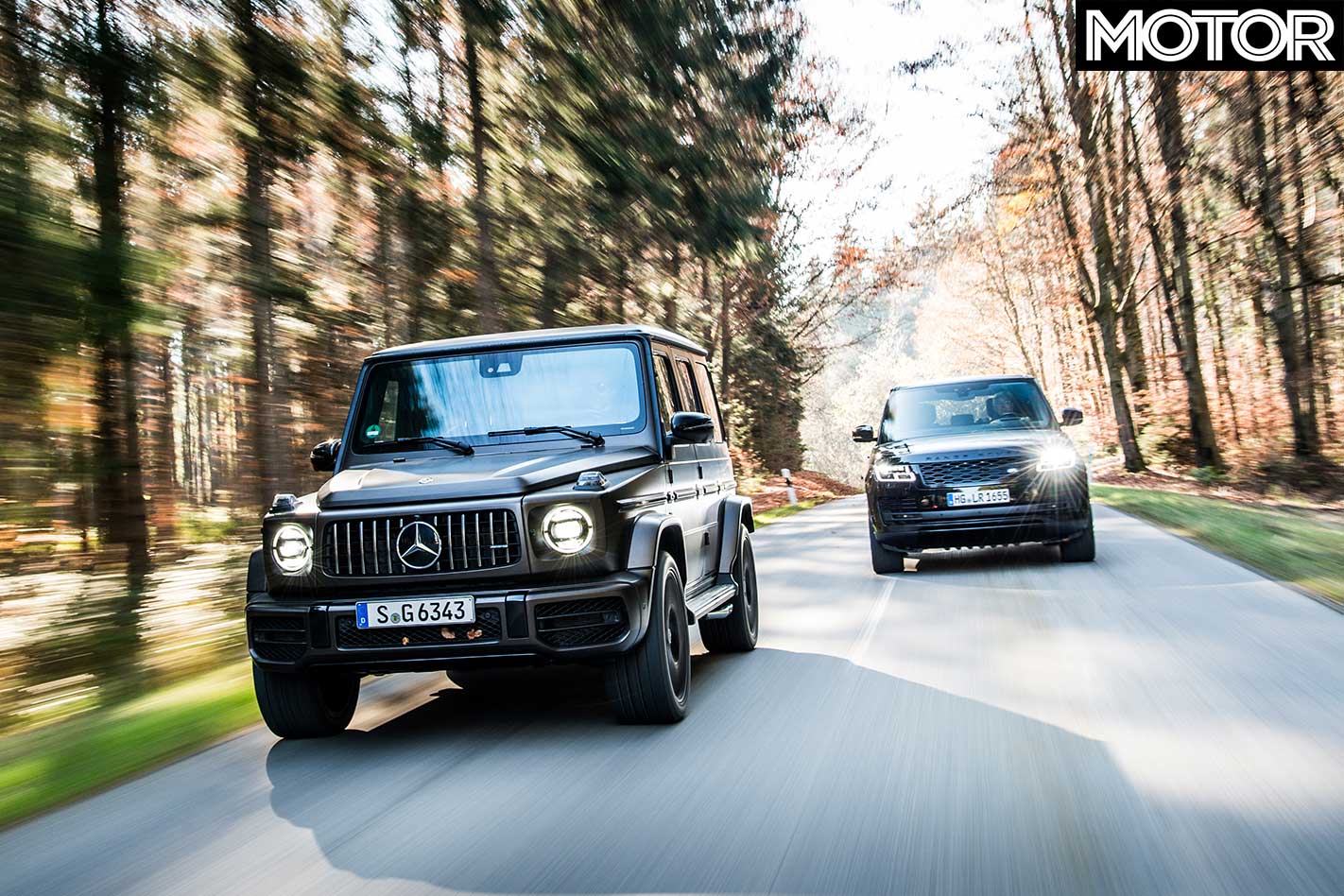
The Range Rover is without a doubt the luxury GT of the SUV guild, all the while being less ostentatious than a Bentley Bentayga or Rolls-Royce Cullinan, yet still having a tailored level of atmosphere and ambience. It invented the segment, and it still owns a good part of it. It really can do both town and country or short trips and long hauls. However, it has been around for a while – and it shows. Others brake better, steer with more precision, are less vague at the limit and are just more fun to drive.
Perspective always seems to colour judgement, but if you must have an SUV with the soul of a sports car, take the Lambo. If you’re after a head-turner with a retro look and contemporary engineering, then the G63 will be your cup of tea. However, the oldie but goodie from Solihull is the upper-crust, go-fast SUV to go for if you want the best all-rounder. Ultimately, it’s all about personal preference and there’s no true loser here because while all three’s reason for being might be tenuous and fickle, we’re still glad they exist.
Fast Facts
| u00a0 | Mercedes-AMG G63 | Range Rover Autobiography 5.0 SC | Lamborghini Urus |
| Body | 5-door, 5-seat SUV | 5-door, 4-seat SUV | |
| Drive | all-wheel | ||
| Engine | 3982cc V8, DOHC, 32v, twin-turbo | 5000cc V8, DOHC, 32v, supercharged | 3996cc V8, DOHC, 32v, twin-turbo |
| Bore x Stroke | 83.0 x 92.0mm | 92.5 x 93.0mm | 86.0 x 86.0mm |
| Compression | 10.5:1 | 9.5:1 | 9.7:1 |
| Power | 430kW @ 6000rpm | 386kW @ 6000rpm | 478kW @ 6000rpm |
| Torque | 850Nm @ 2500-3500rpm | 625Nm @ 2500rpm | 850Nm @ 2250-4500rpm |
| Power/Weight | 173kW/tonne | 158kW/tonne | 218kW/tonne |
| Transmission | 9-speed automatic | 8-speed automatic | |
| Weight | 2485kg | 2450kg | 2197kg |
| Suspension (f) | multi-links, adaptive dampers, anti-roll bar | double wishbones, adaptive dampers, air springs | multi-links, adaptive air suspension w/ electromechanical active roll stabilisation |
| Suspension (r) | multi-links, adaptive dampers, anti-roll bar | multi-links, adaptive dampers, air springs | multi-links, adaptive air suspension w/ electromechanical active roll stabilisation |
| L/W/h | 4873/1984/1966mm | 5000/2073/1869mm | 5112/2016/1638mm |
| Wheelbase | 2890mm | 2922mm | 3003mm |
| Tracks | 1654mm (f/r) | 1693mm (f); 1685mm (r) | 1695mm (f); 1710mm (r) |
| Steering | electrically assisted rack-and-pinion | ||
| Brakes (f) | 400mm ventilated discs, 6-piston calipers | 380mm ventilated discs, 6-piston calipers | 440mm carbon-ceramic discs, 10-piston calipers |
| Brakes (r) | 370mm ventilated discs, single-piston calipers | 365mm ventilated discs, single-piston calipers | 370mm carbon-ceramic discs, 6-piston calipers |
| Wheels | 22.0 x 10.0-inch (f/r) | 21.0 x 9.0-inch (f/r) | 22.0 x 10.0-inch (f); 22.0 x 10.5-inch (r) |
| Tyres | Goodyear Eagle F1; 295/40 R22 (f/r) | Continental CrossContact; 275/45 R21 (f/r) | Pirelli P Zero; 285/40 R22 (f); 325/35 R22 (r) |
| Price | $247,329 | $268,900 | $390,000 |
| Pros | Newfound on-road ability; epic straight-line pace; sound; cabin | Balances performance and luxury best; effortless pace; quiet cabin | Dynamic benchmark… for an SUV; aggressive styling; very fast; badge |
| Cons | Itu2019s still a 2.2-tonne shoebox dynamically; road manners | Lacks outright punch in this company; getting old; weight | Itu2019s not cheap; polarising styling; whereu2019s the atmo V10/V12? |
| Rating | 4 out of 5 stars | 4 out of 5 stars | 4 out of 5 stars |
New to Wheels Car of the Year?
Read the COTY 101.
WE all love a COTY dark horse. You know, those cars that you don’t expect much from yet shine like diamonds during the event. The Mercedes-Benz CLS is not one of them. Perhaps our expectations had been ratcheted up by an almost unbroken string of successes from the Stuttgarters, but the CLS got short shrift from the judging panel.
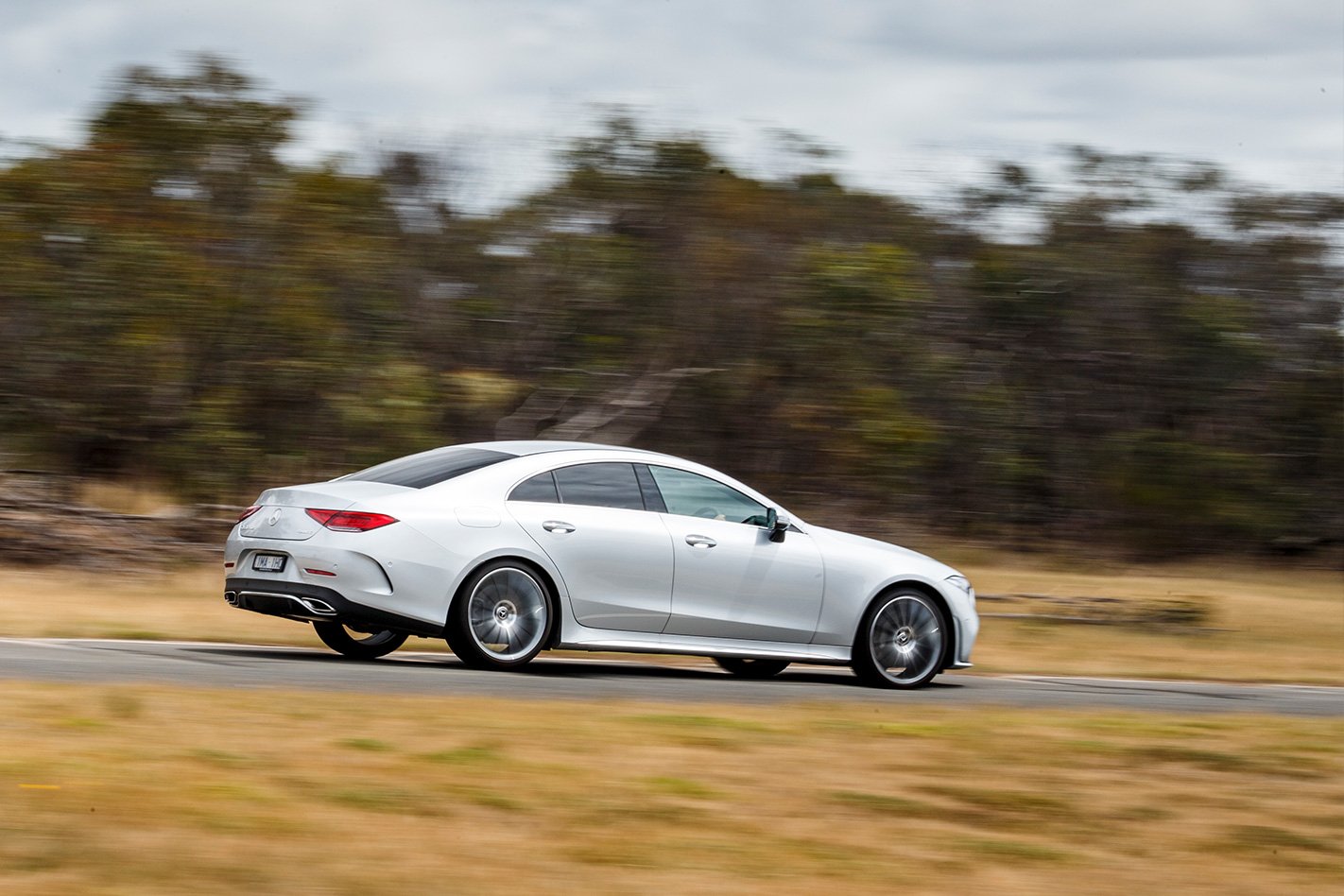
Perplexing, ride quality was the Benz’s bugbear. While it delivers plenty of variance, finding the sweet spot in the Air Body Control suspension settings proved elusive. In its softest mode, it was agreeably boaty and sybaritic, and that could well be the only mode much of the target market ever uses. Progressing in COTY subjects a vehicle to more searching scrutiny, though, and in its sportier modes it was, by common consent, the harshest vehicle in the entire field over the rumble strips on the You Yangs durability circuit.
Yep, more molar-mauling than the Alpine A110 or the Chevy Camaro. To come back from that, the CLS would have needed to redefine our handling expectations for this class. Unsurprisingly, it didn’t.
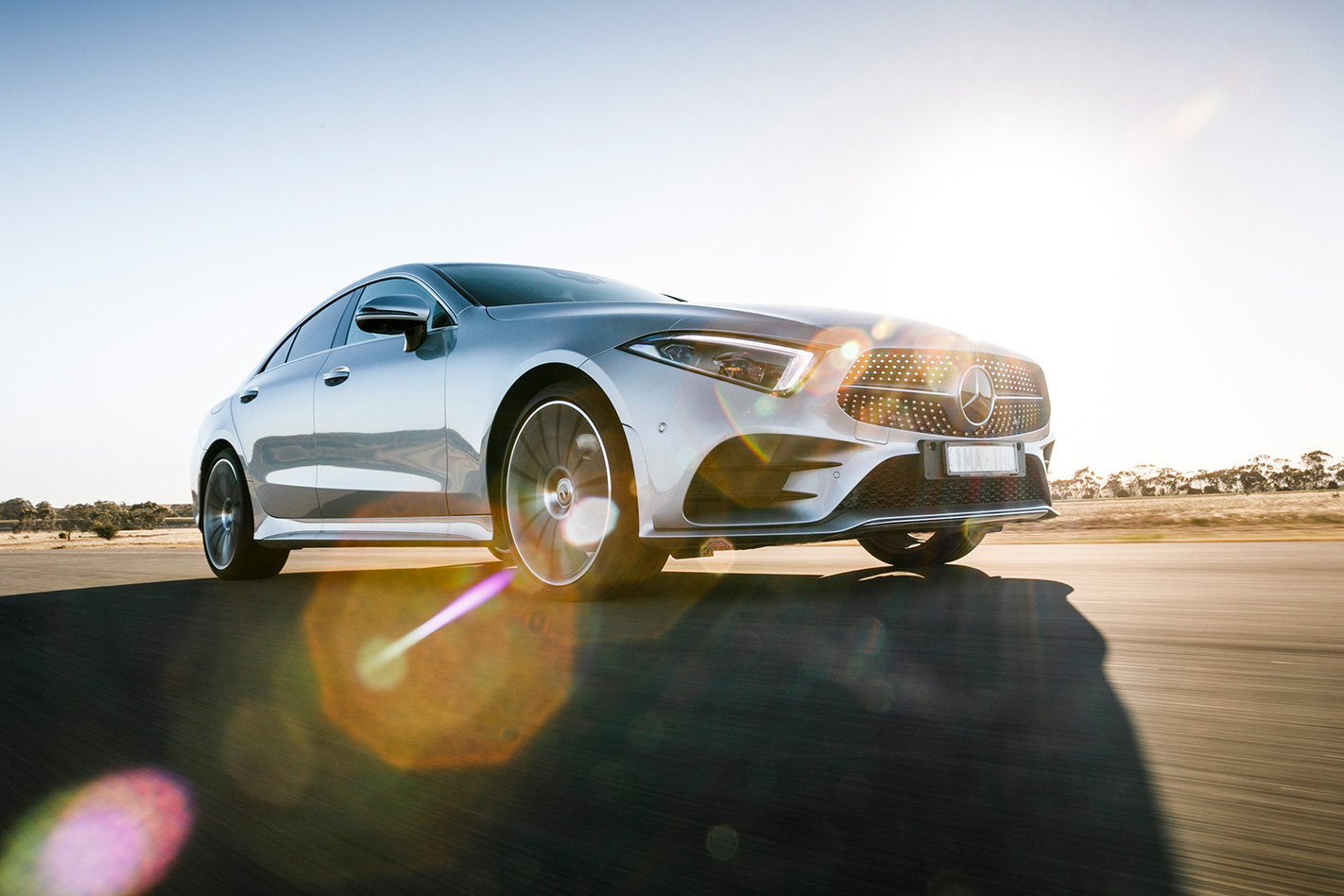
John Carey noticed a “weirdly wayward rear-end shimmy when pushed” while Ash Westerman described the ride as “agitated and crashy in Sport”. In short, it could do the easy things well but seemed to run out of answers when prodded from its admittedly delightful comfort zone.
There were no such complaints when it came to the M256 straight-six powerplant, backed up by an integrated starter-alternator, in effect making it a mild hybrid with 500Nm on hand from only 1600rpm. This engine was developed for its cost-effective modularity with inline fours, but it’s a delightful powerplant with guts, character and a glorious aria of a top end.
Each successive generation of CLS has become less brash in its styling, this latest car staying on the right side of soap-bar bland, despite the surgical removal of almost anything resembling a feature line or swage.
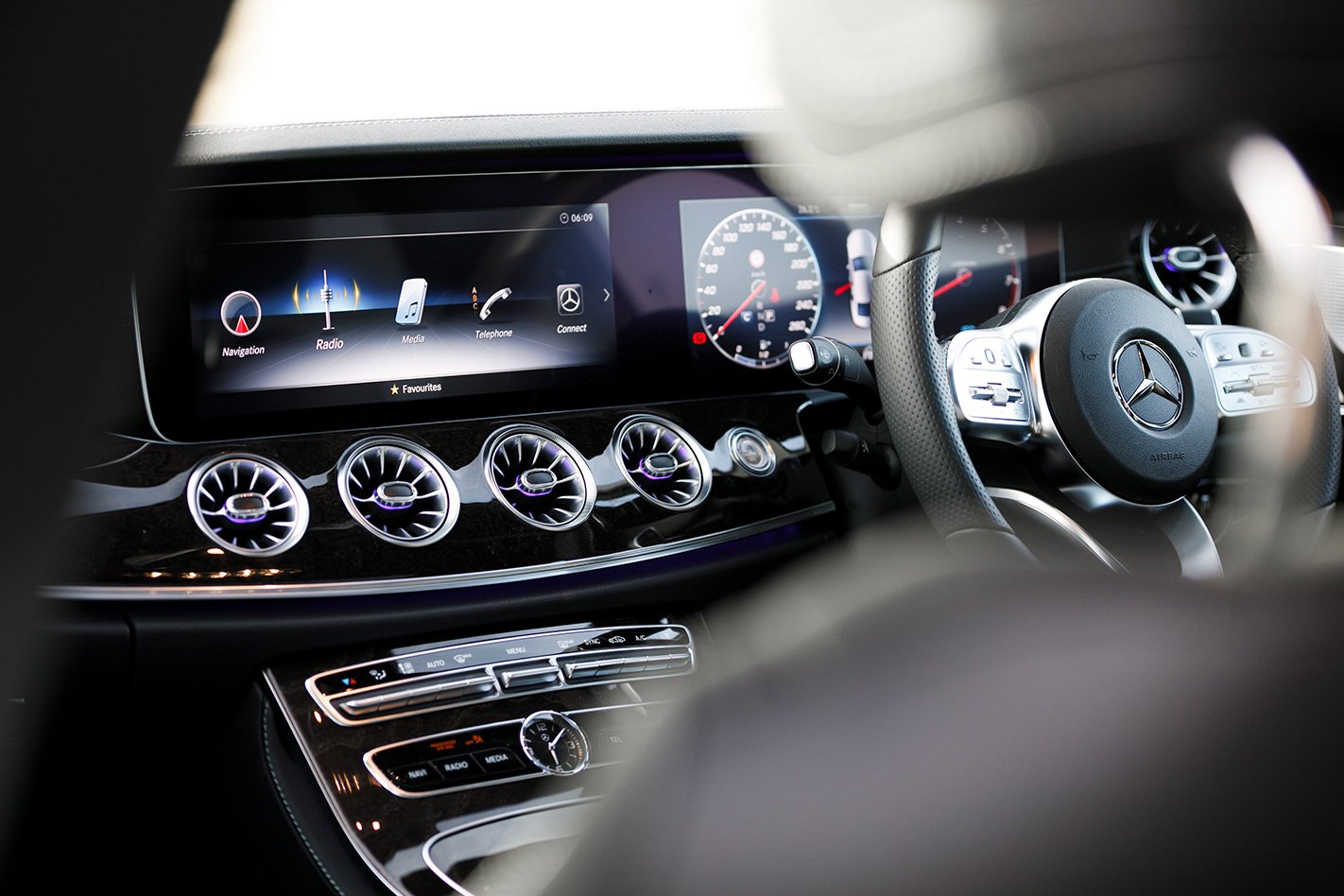
This studied elegance isn’t reflected inside the car, where its techno steampunk design direction affords plenty for the eye to alight upon. The integration between the two large LCD screens could have been a bit slicker, but aside from that it’s a visual treat. Noelle Faulkner noted that the seats weren’t designed for small people, with the bulky side bolsters impeding her ability to saw at the wheel. Byron Mathioudakis was no fan of the “silly, old-school gear shifter on the column,” claiming it betrayed the CLS’s demographic.
At $155,529, it’s reasonable to expect a lot from the CLS 450, but it’s not the all-rounder we’d hoped for. It’s still a better buy than the four-pot CLS 350, but were we spending our own money, an additional 15 percent outlay would land us in the CLS 53 AMG. This flagship model justifies itself on the basis of its extra equipment, even before its many dynamic advantages are considered.
2018 Mercedes-Benz CLS 450 performance review
Mercedes-Benz Australia will doubtless shift every CLS it can get its hands on, and view it as a success. It’s a tougher crowd at COTY, but it pays to respect the audience that really matters: the one that delivers the dollars.
Now that we’ve all juggled that unusual – but quite welcome! – set of public holidays around Easter and ANZAC Day, we’ve settled in for the long grind up to the Queen’s Birthday long weekend.
No rest for the wicked, though; despite the holiday periods, WhichCar.com.au has notched another tremendous month, again breaking through the 1.1m barrier for unique visitors for April.
The synergies across our variety of automotive brands continue to strengthen, and we’ve got more to come as well – stay tuned.
One of those brands continues apace, with WhichCar TV back on your tellies this Sunday at 3.30pm. You can watch all 14 episodes we’ve already done at Tenplay Catch-up TV.
We’re on New Zealand TV, too.
Our Melbourne team will also bring you the week’s biggest stories direct to your ears, hosted by WhichCar’s resident radio jock, Daniel Gardner and featuring a panel of commentators from Wheels, Motor and 4X4.
From the various news desks across the group, we’ve covered the various gaffs and goofs from our increasingly desperate politicians, who obviously aren’t getting the right briefing notes around electric cars.
At the other end of the green scale, one of the biggest stories of the last ten days has been the discovery of a HSV GTS-R in the United States, while closer to home, a lot of our social media fans had a bit to say about the ZB Commodore’s performance at Wheel’s Car of the Year judging.
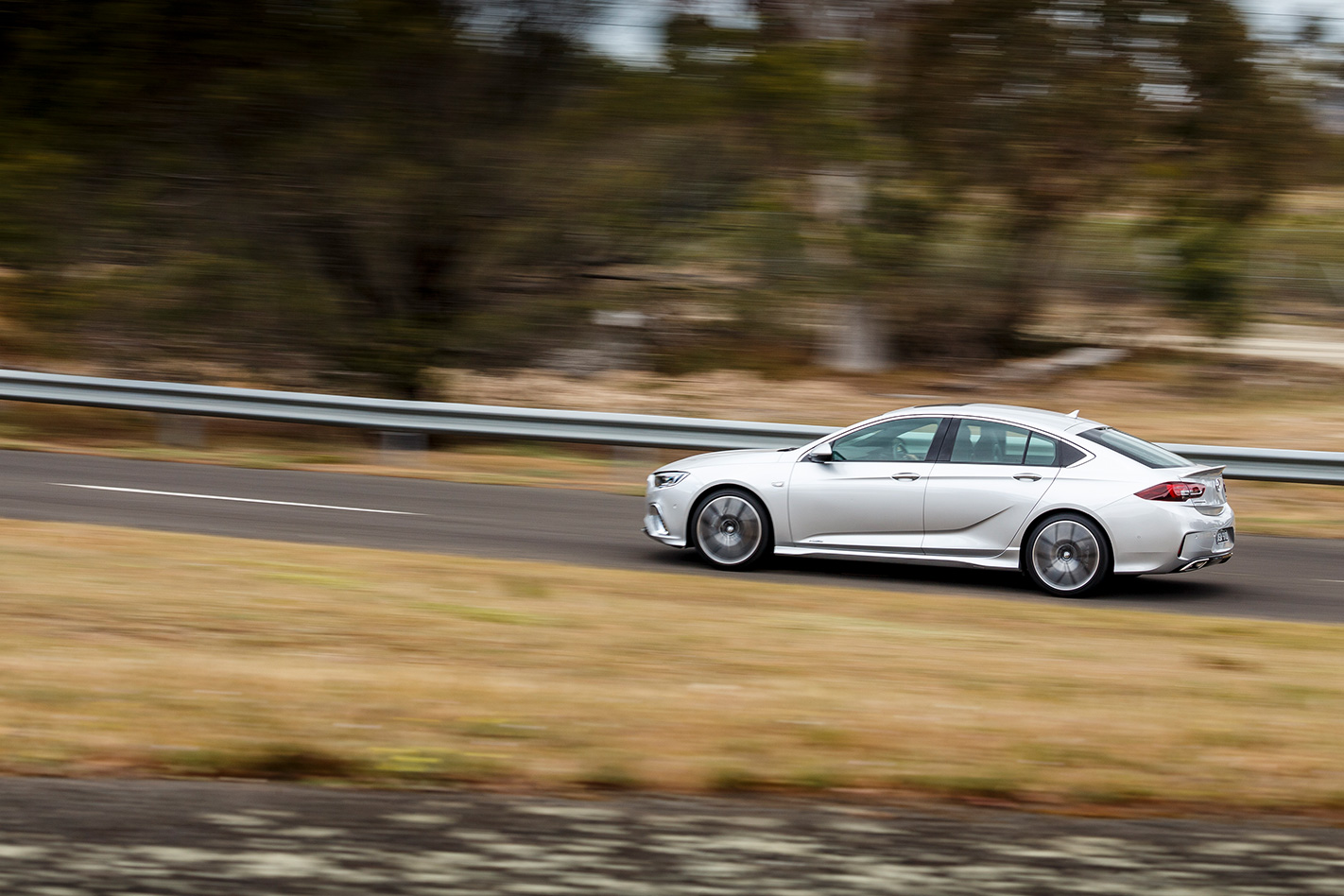
Commodore at COTY. Well, for a little while
Our mates at 4×4 Australia released the results of a comprehensive towing test with Australia’s best-selling dual-cab utes which also touched off a bit of a reaction.
Speaking of 4x4s, Mitsubishi confirmed that its stalwart Pajero would live on locally despite being axed in Japan and Europe, while Ford tuners revealed a worked-over Ford Ranger that can beat a Porsche to 100km/h. Handy if you’re late to grab offset angle brackets for the job site…

Settle down, it’s not coming here
In the performance world, Mercedes-Benz has pretty much admitted that the next C63 won’t be V8. Or rear-wheel-drive, for that matter.
In a good week for Ford tuners, a Queensland retiree has built himself a 620kW, carbon fibre-adorned Mustang, while on the race track, the fur is still flying around the Mustang Supercar’s rapid start to the 2019 season.
Jaguar Land Rover has been busy, too, revealing that it’s trialling a system that will reward drivers for reporting potholes and traffic snags will cyber-money that can be used to pay tolls and even buy the Better Half a roadside coffee.
It’s also taken more wrapping off the incoming Land Rover Defender 4×4, giving us the best view yet of this highly anticipated off-roader.
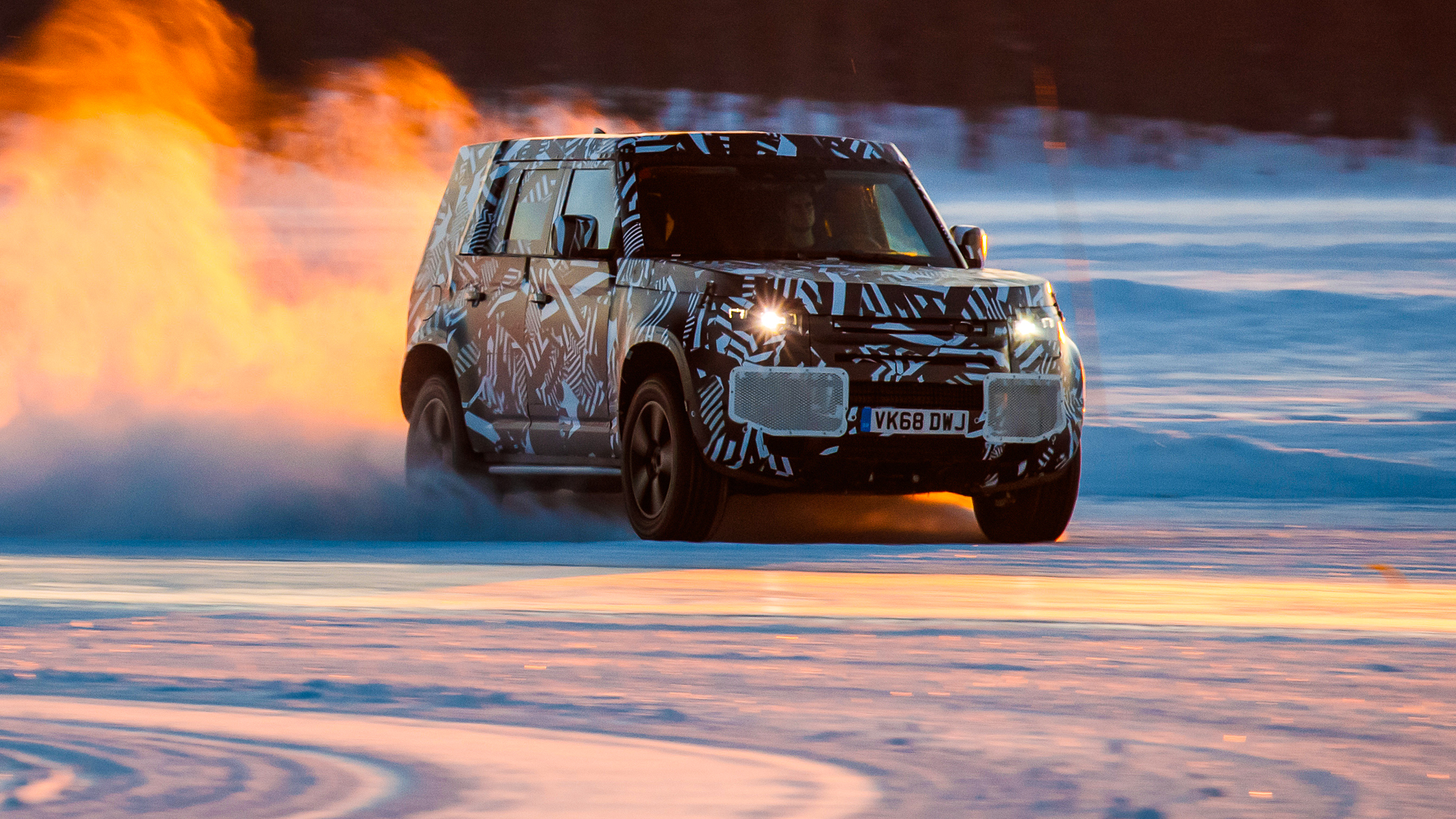
Camo is an optional extra
Travel-wise, we’ve rounded up five of the world’s wildest roads, and taken off for a long weekend down to South Australia via the road less travelled. There’s also an excellent piece that covers driving in Japan.
We’ve driven a load of cars, too, including the perky Kia Picanto GT, Audi’s mighty RS4 Avant, Jaguar’s updated XE and the Hyundai Kona EV, as well as our own fleet of machines that includes the Suzuki Jimny and Volkswagen Tiguan Allspace.
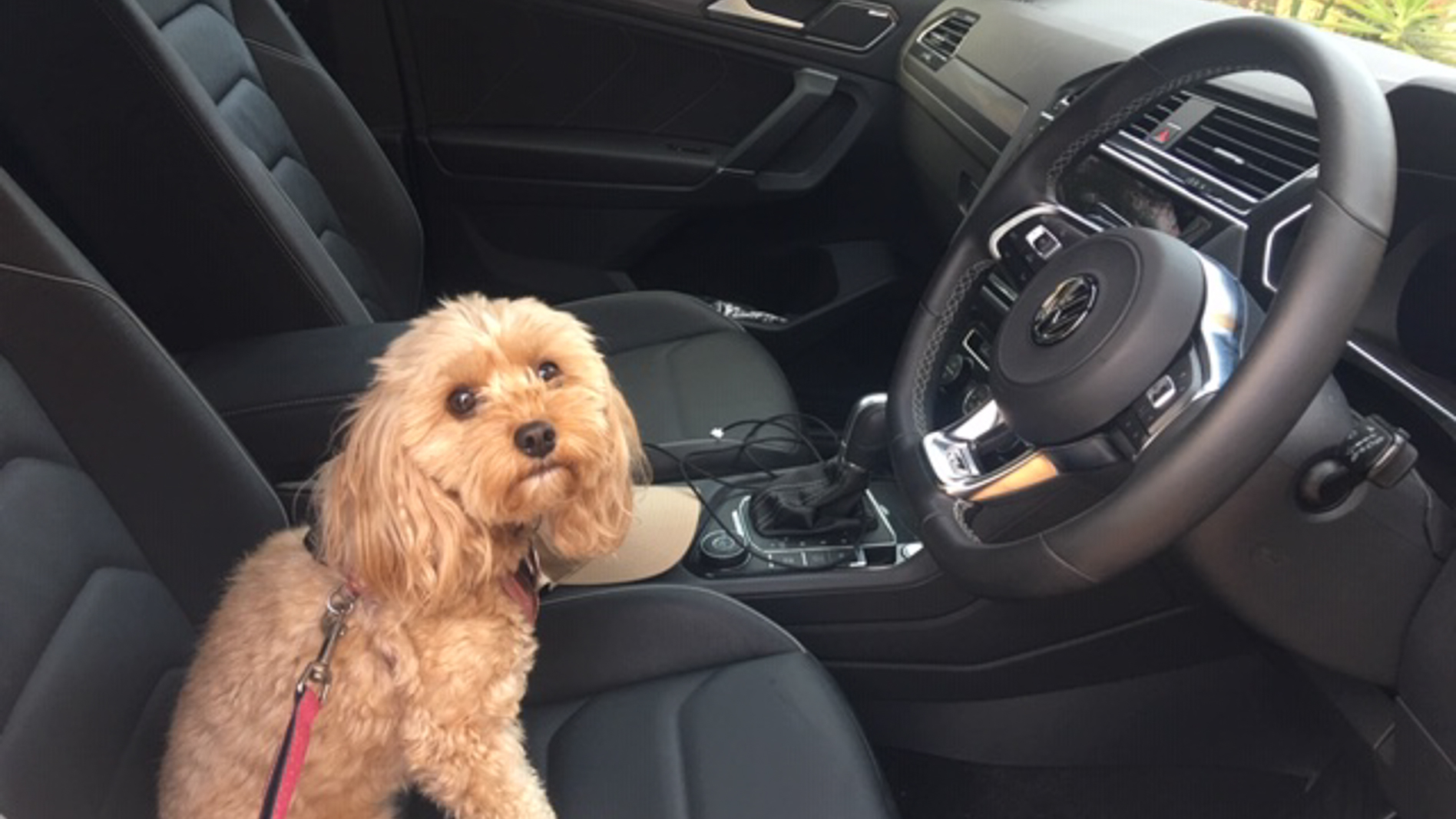
A cavoodle in an Allspace, yesterday
Proving that it’s not all about horsepower and flashy alloys, we’ve also covered new vans from Peugeot, compared boot sizes to see who’s doing it best, pulled apart a catalytic converter and talked about teaching kids to drive.
The biggest story of the week, though, is based on the humble roundabout… and how none of us are using them properly.
There are also reports on the new Renault Megane RS280, Isuzu’s updated ute and wagon range, a full review of the Mazda 3 line-up and much more.
UPDATE: Google has announced even more news surrounding its in-car infotainment systems
In recent years, many car purchases have come down to whether or not a new car has been fitted with Apple CarPlay or Android Auto.
So important has the technology become, in fact, that Mazda decided to offer retrofitting the service to older models.
However, the technology really only mirrors your phone. As well, it only works with a handful of CarPlay or Android Auto apps, like Spotify, Maps or Text Messaging.
Apple’s infamous “There’s an app for that” isn’t so true when you’re on a road trip wanting to know how you can find and book a hotel simply by voice command, or have your car tell you where the nearest café with decent Wifi and five-star coffee might be…
When you consider the technology that is available to us in our home, is that really where we should be when it comes to our cars? Google doesn’t think so.
Ahead of next week’s major annual developer conference, I/O 2019, Google has made the bold announcement that it will be opening up its Android Automotive systems to app developers.
This comes off the back of deals with Volvo, Fiat Chrysler and Audi to implement Google’s operating system into new cars.
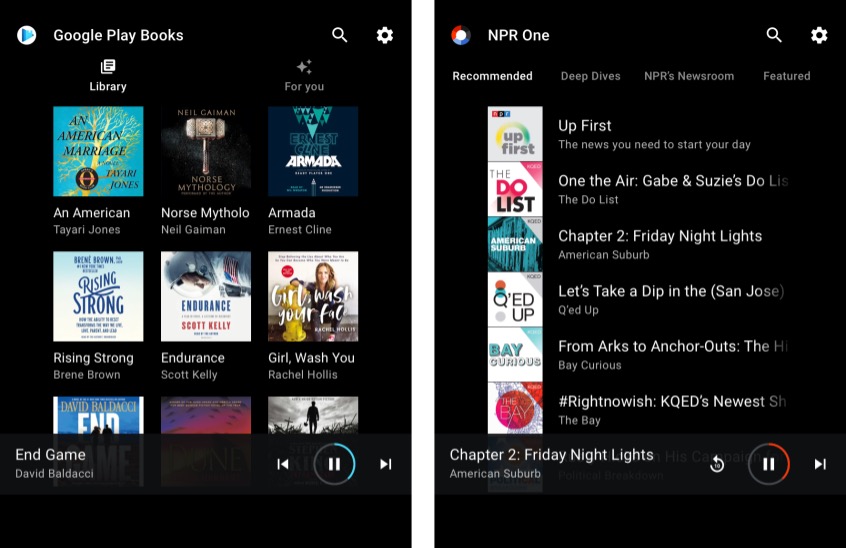
What is Android Automotive? Different from Android Auto in the sense that Android Automotive is run by the system in the car, not off your phone, Google Android Automotive system is a dashboard-centric tech using GooglePlay Apps, voice recognition and more.
It will also be able to control heating, ventilation and some other car controls, depending on the manufacturer. It was introduced in 2017 by Google as the next generation of in-car operating systems after the major tech company looked at Android Auto and thought, ‘well this is a bit lame now, isn’t it?’.
The most recent announcement of offering Android Automotive’s platform to developers will start with the usual media apps – podcasts, music, audiobooks, entertainment etc. But Google has hinted at plans to let developers also build apps for navigation and communication.
Of course, developers will have to adhere to new rules around distraction and security, but by opening up its systems, this means more creativity and more potential API integration and for us, more ways to simplify (or complicate!) our lives.
Google’s reasoning is that by the time this technology starts rolling out into cars, app developers will have designed plenty of “new entertainment experiences” for passengers and drivers.
So far, the first car that has been confirmed with Android Automotive is the Polestar 2 EV, which was revealed at Geneva Motor Show earlier this year.
In terms of the O/S wars, this could mean big things for Android adoption. More people might consider switching to Android, for example, and it could certainly inject more dollars into GooglePlay.
Apple, your move.
What do you think? Would you prefer an integrated system in your car over a phone-mirroring app? And, iPhone users, would it be enough to make you switch to an Android phone? Tell us in the comments below.
“THE BILL” must be discussed only in hushed voices around the water coolers of the Volkswagen Audi Group. And no, we don’t mean the popular British cop show, but something rather more unsavoury. And it’s paying this “bill” that is driving a level of homogenisation and efficiency-seeking within the VAG we’ve not seen between sister companies before.
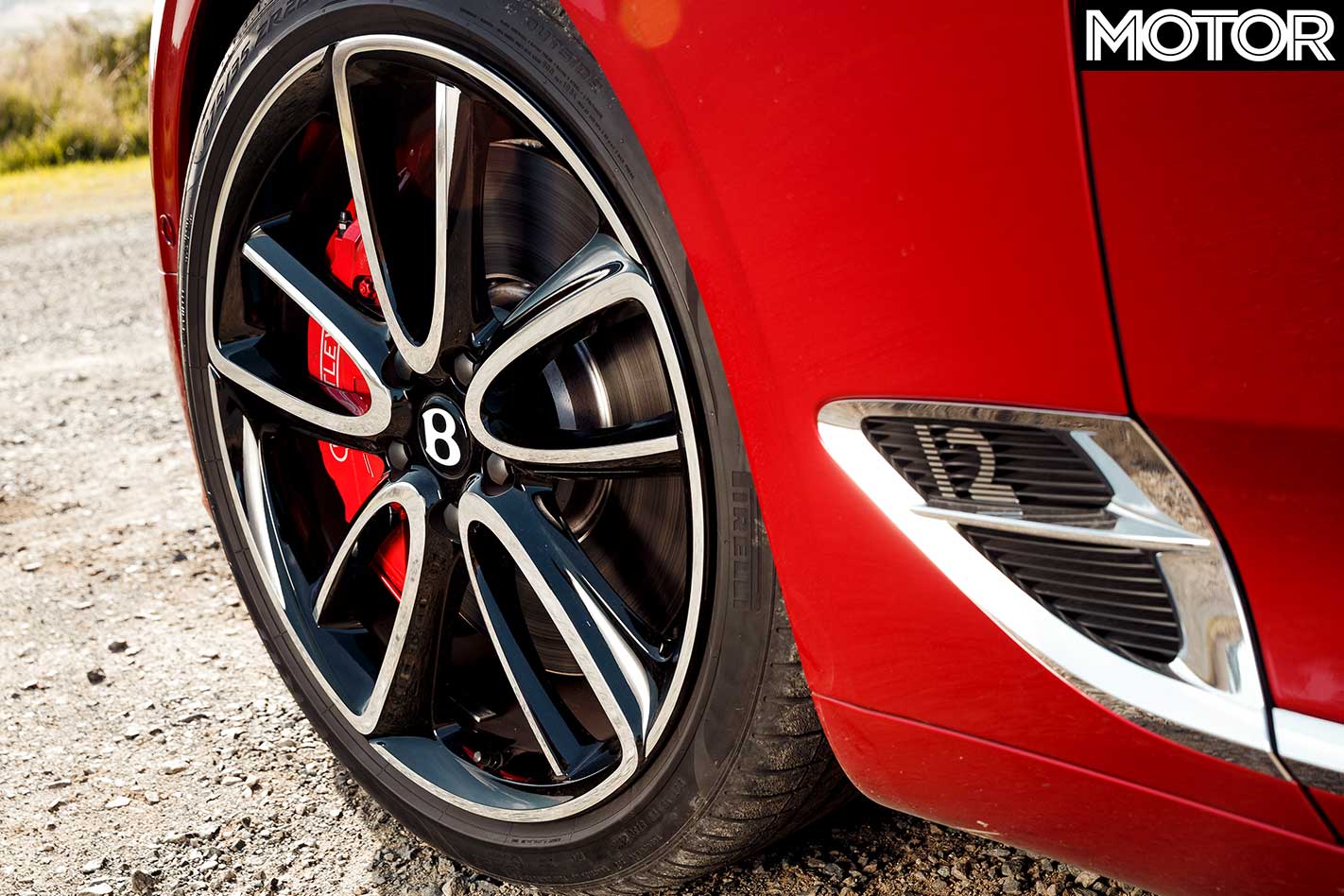
Take the new Bentley Continental GT, which has just arrived in Australia. A brand new generation of car replacing the best-selling previous model, it is, ostensibly, a Porsche Panamera underneath, built off the same ‘MSB’ platform. Obviously it’s shortened and made into a coupe. The body-in-white is even built alongside the Porsche at its Leipzig plant, before being shipped to Crewe in England for final assembly.
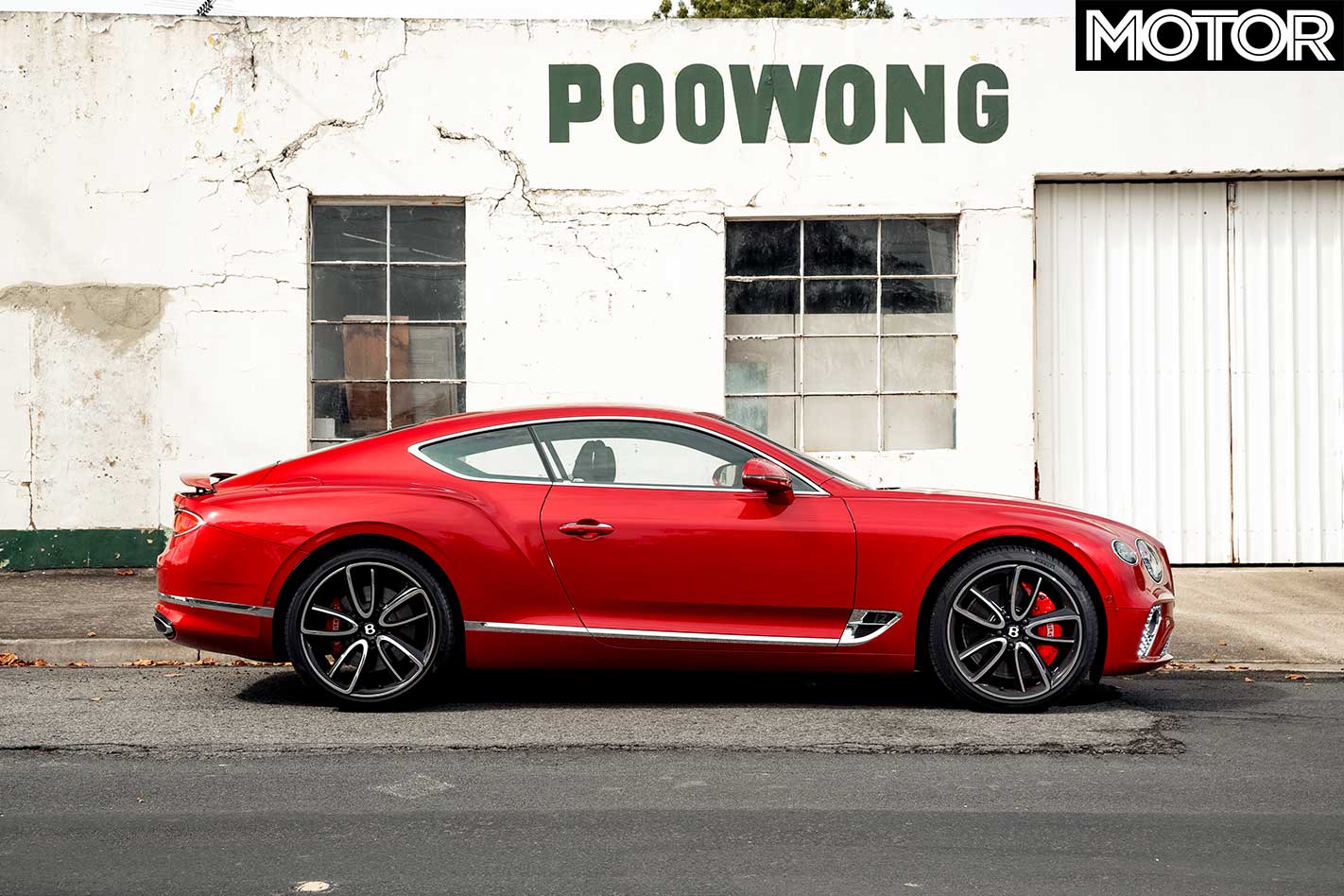
Fortunately, though, aside from some obvious Audi and other Porsche bits inside, that’s where the homogenisation ends for the big, boldly styled Bentley. In goes Crewe’s own 467kW/900Nm 6.0-litre twin-turbo W12, an engine the Brits are exporting back to the Germans, no less, for service in cars like the Audi A8 and VW Phaeton.
It’s connected up to an eight-speed doppelkupplung – sorry, twin-clutch – automatic and on-demand all-wheel drive system, ready to shift its almost unbelievable 2244kg heft to 100km/h in a bitumen-excavating 3.7 seconds. Meanwhile, also attempting to counteract the laws of physics, there is air suspension and a 48v active anti-roll bar system – all items that would share part numbers, we presume, with certain turbo Panamera models.
Not that this matters, really. At low speeds, where the Continental GT is going to spend the bulk of its time, this is a properly sublime car. Well insulated from road noise and with a wafty ride, it’s a joy to feel the deep-pile carpets or expensive, expansive leathers.
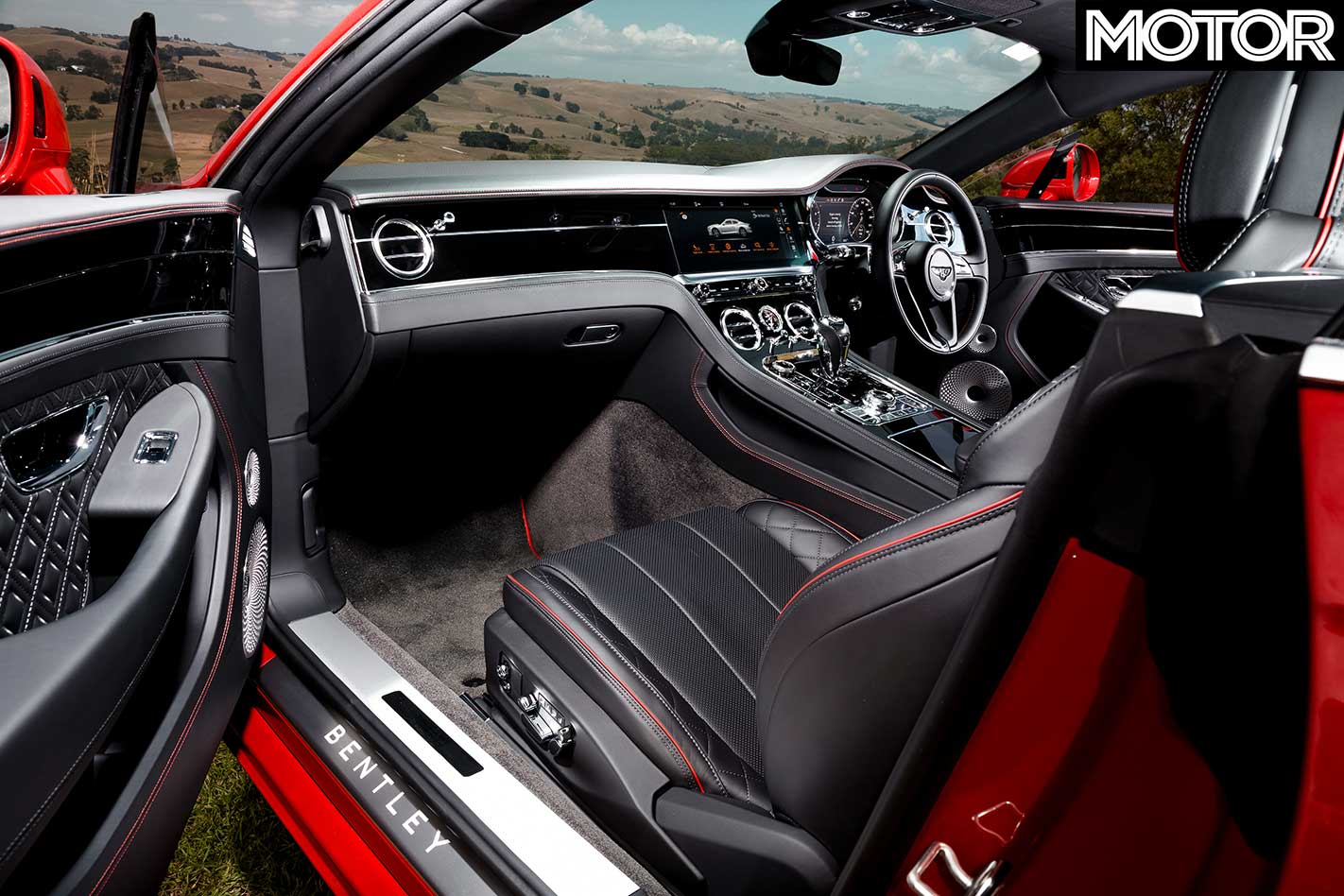
The interior doesn’t feel as special or as ‘tailor made’ as the old Continental GT – perhaps this is another way of saying the build quality has improved – but no customer is going to complain it’s a chore of a place to sit.
For all its effortless power and incredible performance hardware, driving fast and having a bit of a go feels like something the new Conti GT can do, but not something you really desire to do. While providing some serious acceleration, the W12 could be a V6 for all you could tell, noise-wise.
Hard cornering is nothing really enjoyable either, the big Bentley sitting oddly flat as its active anti-roll bars artificially delete most of the body roll. There is the feeling, as well, that you are giving the front tyres and huge front brakes (420mm discs, 10-piston calipers) a hell of a time, the balance of the car, with that huge engine, very much secure and safe understeer. All the while, it feels like myriad computer systems are at work underneath you trying to cajole 2244kg into feeling more like 1800kg, only half successfully.
Be in no doubt, the Conti GT is fast. But it also oddly goes to great lengths to hide exactly how quick you’re going – until you look down at the speedo and have a conniption.
This is a car you come away from respecting, even admiring, rather than lusting to drive for longer. It does depend on what kind of driving we’re talking, of course. If you’ve got a lot of miles to cover, the Continental GT is as comfortable, lush and luxurious a grand tourer as they come. And that’s what it does excellently – grand tour, city or country. If that’s the brief, the Continental GT meets it admirably.
Many previous Conti GT customers, who may live in Los Angeles for example, will find the new Conti GT exactly what they’re after – and the new interior tech especially welcome.
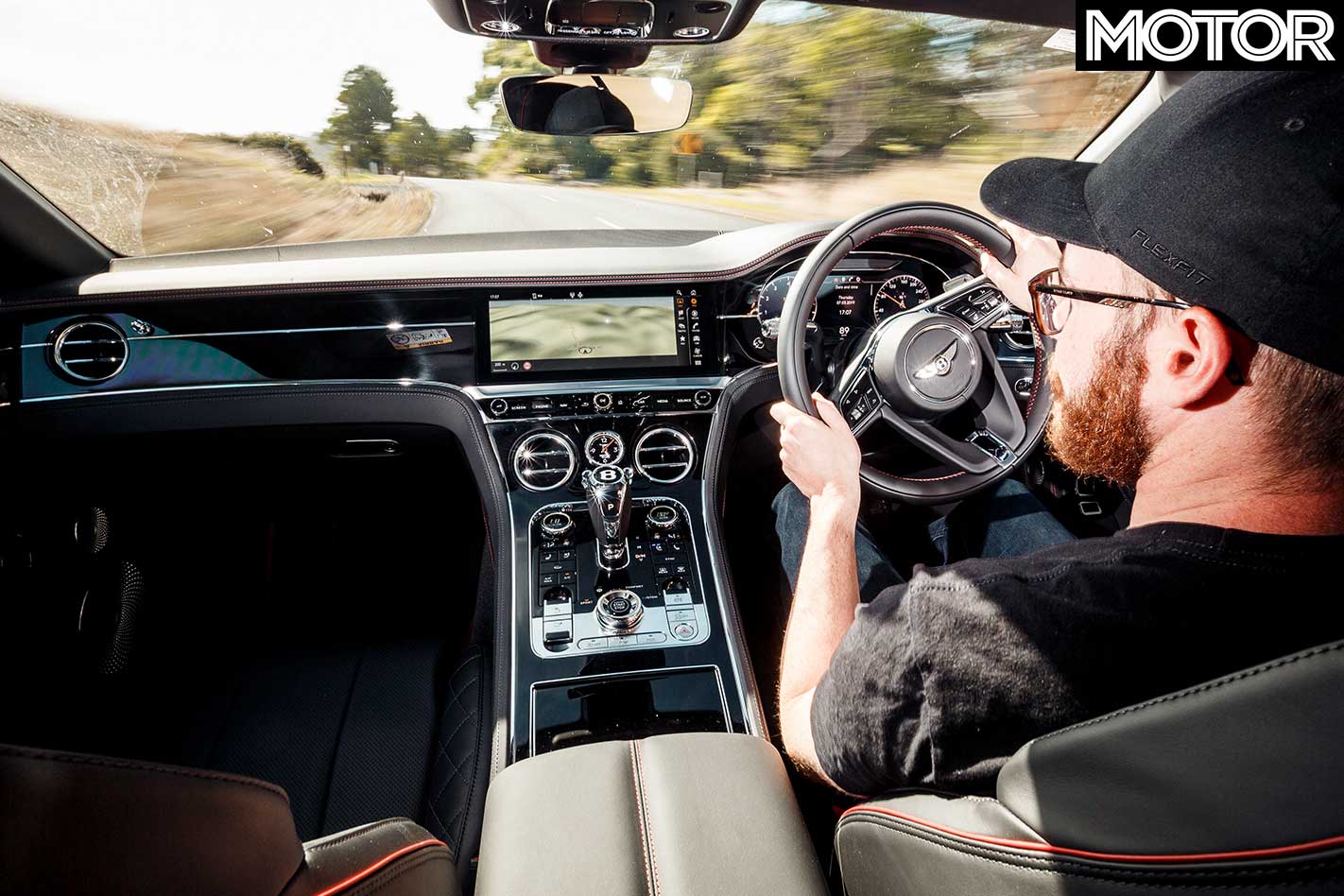
But those who know of the Bentley Boys, with visions of a Continental GT3 racer for the road – frankly, any MOTOR reader who likes to poke their car a bit no matter what it is – is best to wait for other models, like the twin-turbo 4.0-litre Continental GT V8. Or if you must have 12 cylinders, the incoming, as-yet-announced GT Speed sounds like a proper dish.
Still a while off for that one, there is no shortage of competitors after the patronage of those both impatient and brand agnostic, be that Aston Martin with its saucy rear-drive DB11 AMR, or even Benz with its brutish AMG S65 Coupe. Forgetting, of course, about the outlay, because unlike Bentley and its VAG overlords, bills aren’t really something the average Continental GT owner loses sleep over.
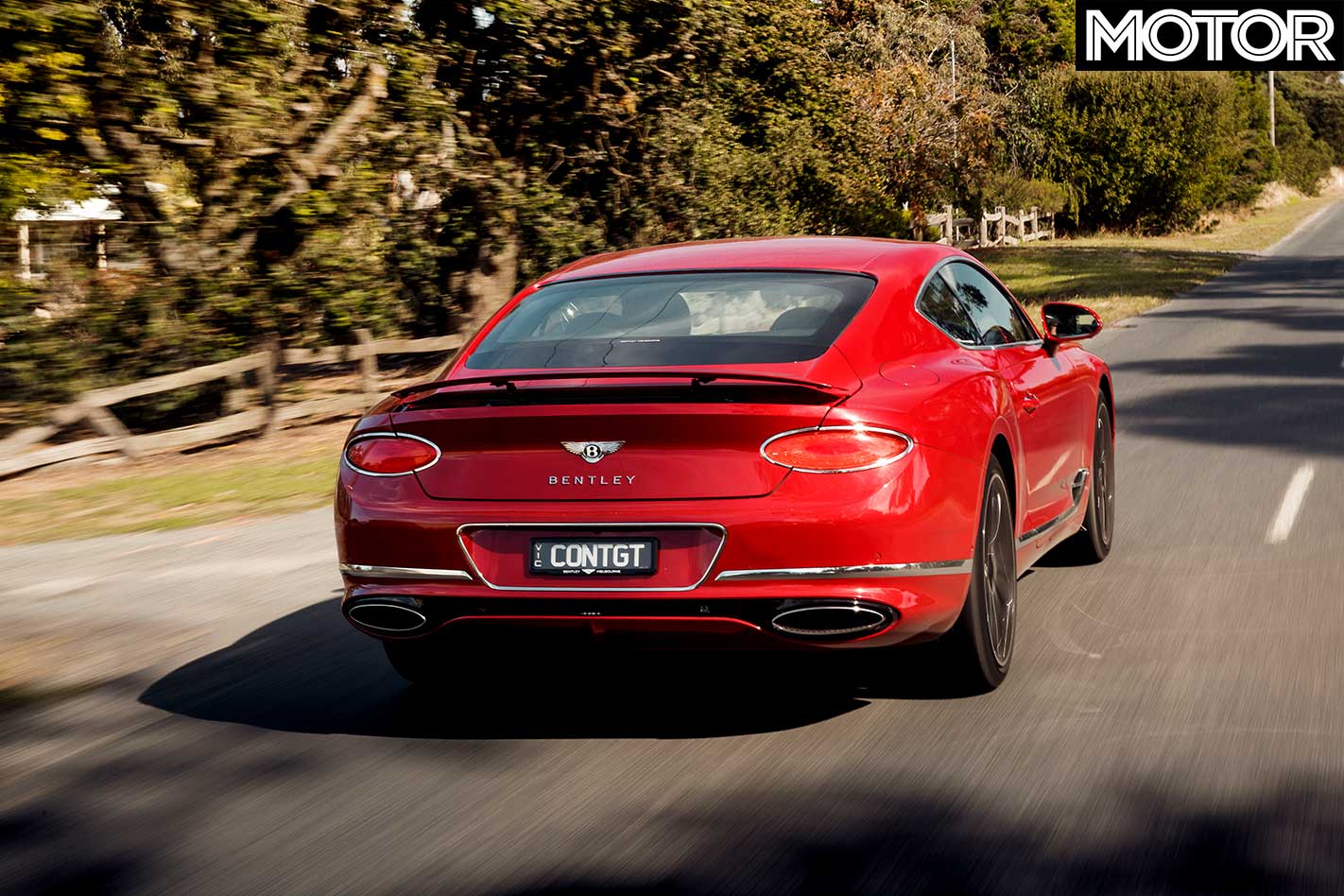
2019 BENTLEY CONTINENTAL GT SPECS Engine: 5950cc W12, DOHC, 48v, twin-turbo Power: 467kW @ 6000rpm Torque: 900Nm @ 1350-4500rpm Weight: 2244kg 0-100km/h: 3.7sec (claimed) Price: $422,600
Like: Luxo missile a dream daily driver; looks cool; lush interior; improved build quality Dislike: W12 sounds snoozy; handling good but not exactly ‘fun’; feels less special somehow
Rating: 4 out of 5 stars
New to Wheels Car of the Year?
Read the COTY 101.
Talk about covering all bases. Rather than dipping a toe into the electrified segment, Hyundai has gone all out with a three-pronged attack designed to simultaneously take on the Toyota Prius and Nissan Leaf in one, low-CO2 strike.
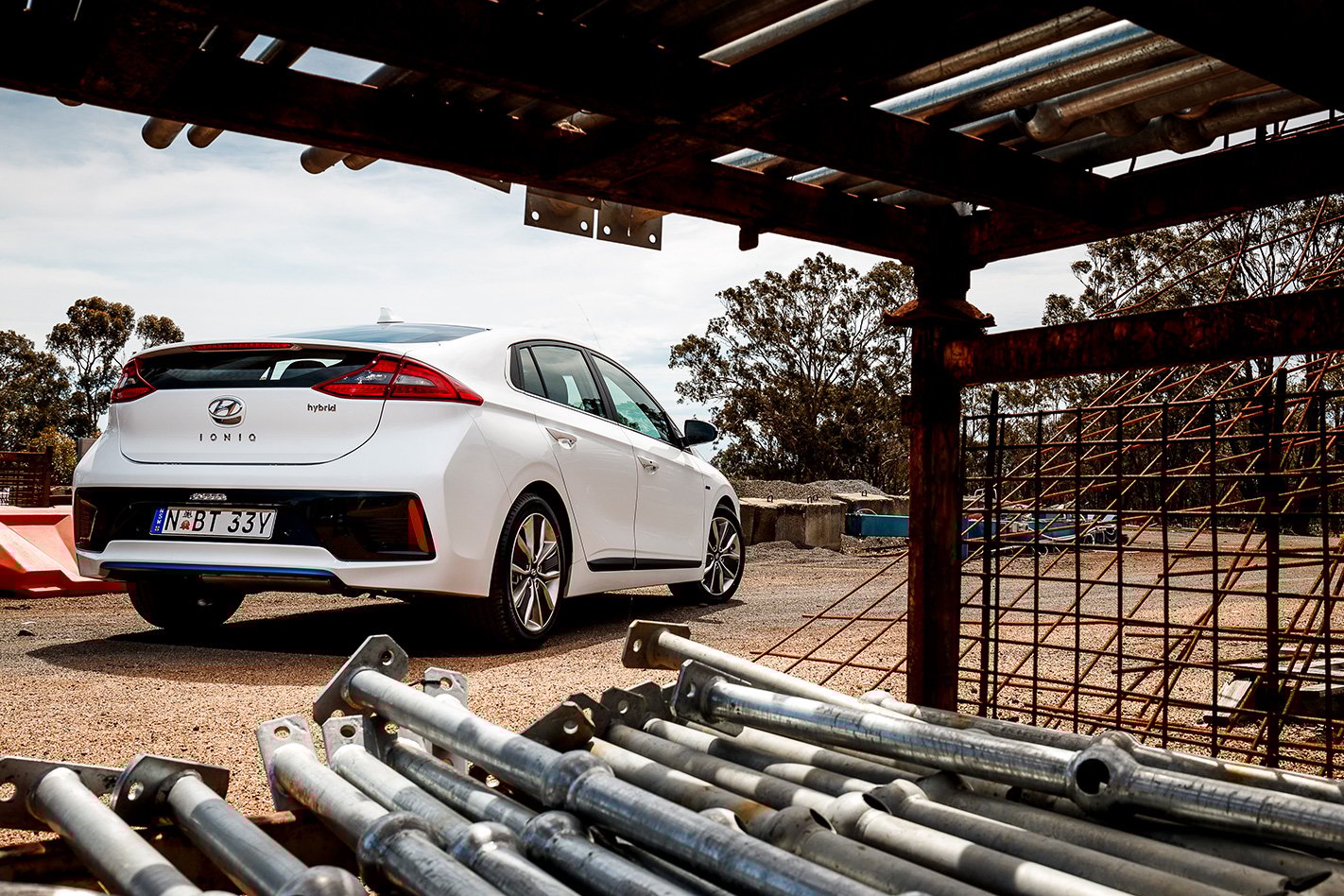
In its most basic form, the $32,990 Hybrid easily undercuts Prius on price, while pairing a 77kW 1.6-litre engine with a 32kW motor for modest performance and an official economy rating of 3.4L/100km.
Step up to the Plug-in Hybrid and it’s the same 1.6 combo, but with more electrons, courtesy of a larger 8.9kWh lithium-ion battery and 45kW motor. Up to 50km of all-electric range is on offer before unleaded is burned. However accelerating with any gusto sees the Plug-in rely on its petrol engine, which detracts from its tree-hugging appeal.
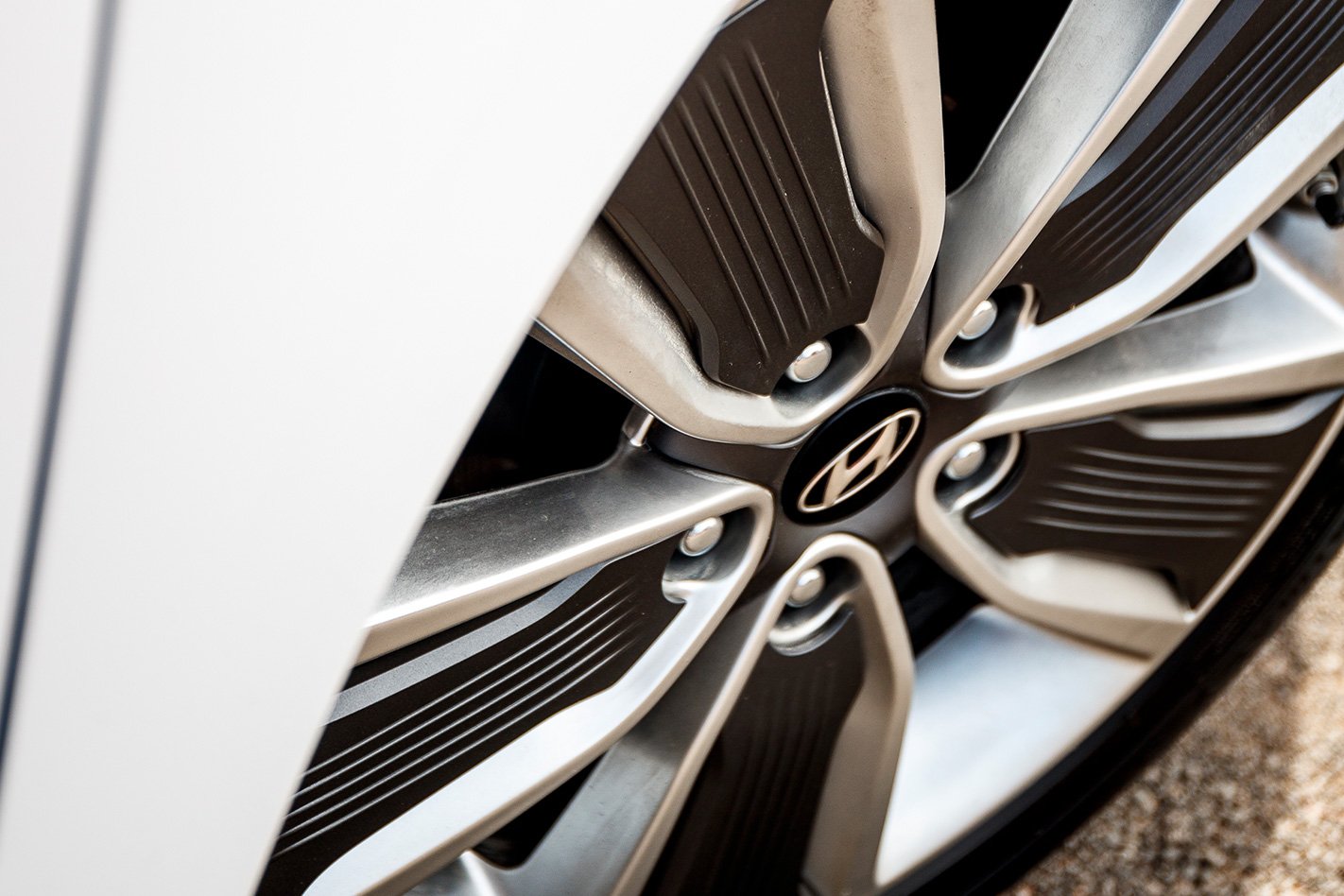
For those wanting the full clean-and-green flavour, the Ioniq Electric fits the bill, teaming a 28kWh battery with an 88kW electric motor to provide a near-instant 295Nm wallop. The claimed 280km range is acceptable, and functionality, such as the ability to adjust the level of regenerative braking via the paddle shifters, is well thought out.
Venture beyond the drivetrains and the Ioniq’s spark begins to fizzle. Dynamics are acceptable rather than engaging. Accurate steering allows a degree of adjustability, but mediocrity prevails over all. The 16-inch tyres on the Plug-in and Electric give up relatively early and road roar is a black mark in an otherwise quiet cabin.
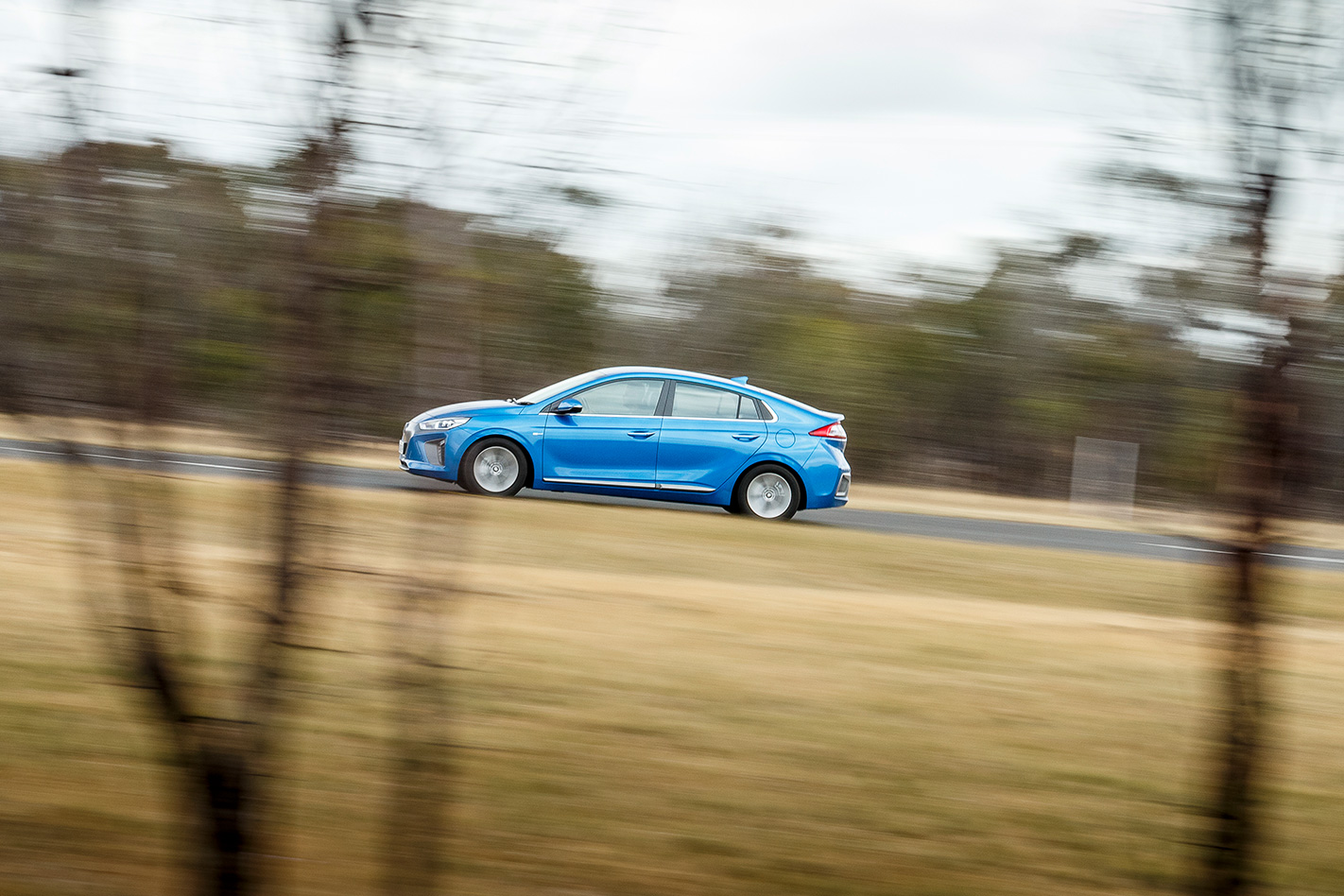
Judges were impressed with the Ioniq’s normality and the space and practicality offered by its swoopy (yet already dated) body. The fact that aluminium is used in its suspension components shows an effort to keep kilos to a minimum, all in a quest to further reduce your environmental footprint. The lack of an ICE makes the Electric Ioniq the lightest despite its generous equipment list, which includes AEB.
Delve deeper, though, and the first-round knockout bell rings, especially inside, where it’s more 1999 than 2019. The plastics are drab, all but the Electric have a foot-operated park brake, and the leather in Premium-spec cars (which are priced $4000-$5000 over the entry-level Elites) has an air of vinyl about it.
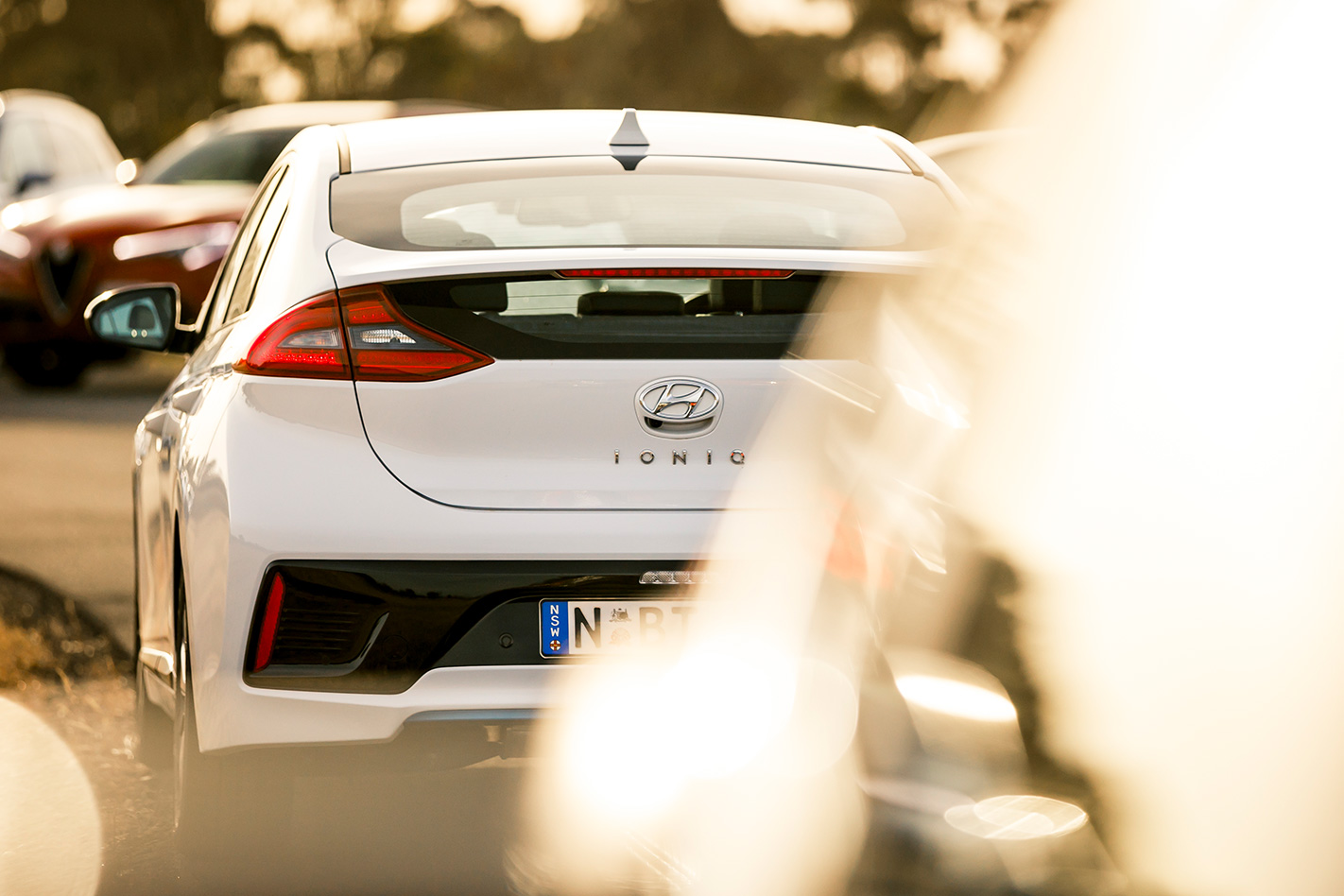
None of which detracts from the Ioniq’s CO2-reducing game. Had it arrived at the COTY party in 2016, when it was released in Korea, its round-two prospects would have been brighter. As it is, the many positives don’t make it COTY gold material in 2019, especially now the EV train is off and running.
