
Kia has unvieled its all-new Ceed, which provides us a glimpse of the next-generation Cerato hatch due to arrive later this year.
The all-new Kia Ceed five-door hatchback has been designed at the brand’s European design centre in Frankfurt, Germany. Inspired by the Stinger’s fastback styling, it will feature “innovative technologies and engines, and a mature and athletic new design”.
While we’re not likely to see much of that Euro tech in the closely related Korean-built Cerato, a Kia Australia spokesman told WhichCar that the two models will share plenty of design cues.
The Ceed hatch displays very similar lines to the all-new Cerato sedan revealed at last month’s Detroit Motor Show; including aggressive front-end styling, sleek window line and a bolder stance that’s accentuated on the hatch by a short rear overhang.
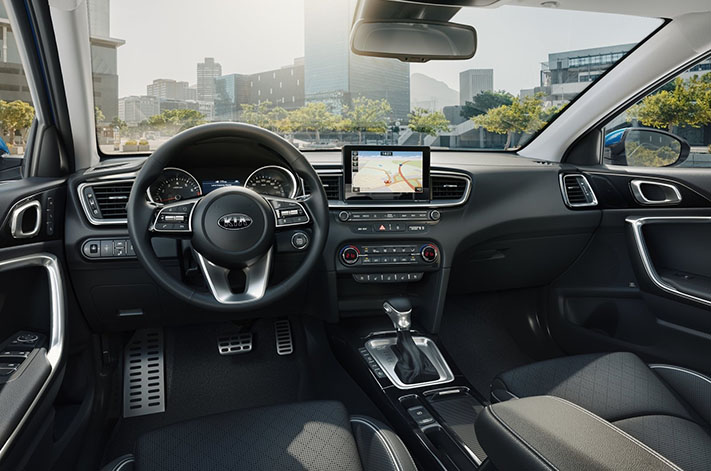
Using the Ceed and the Cerato sedan as a guide, the interior will also be overhauled with a more streamlined and clutter free dashboard based on the Rio’s, featuring a floating 8.0-inch infotainment touchscreen and a wireless charging pad in some grades.
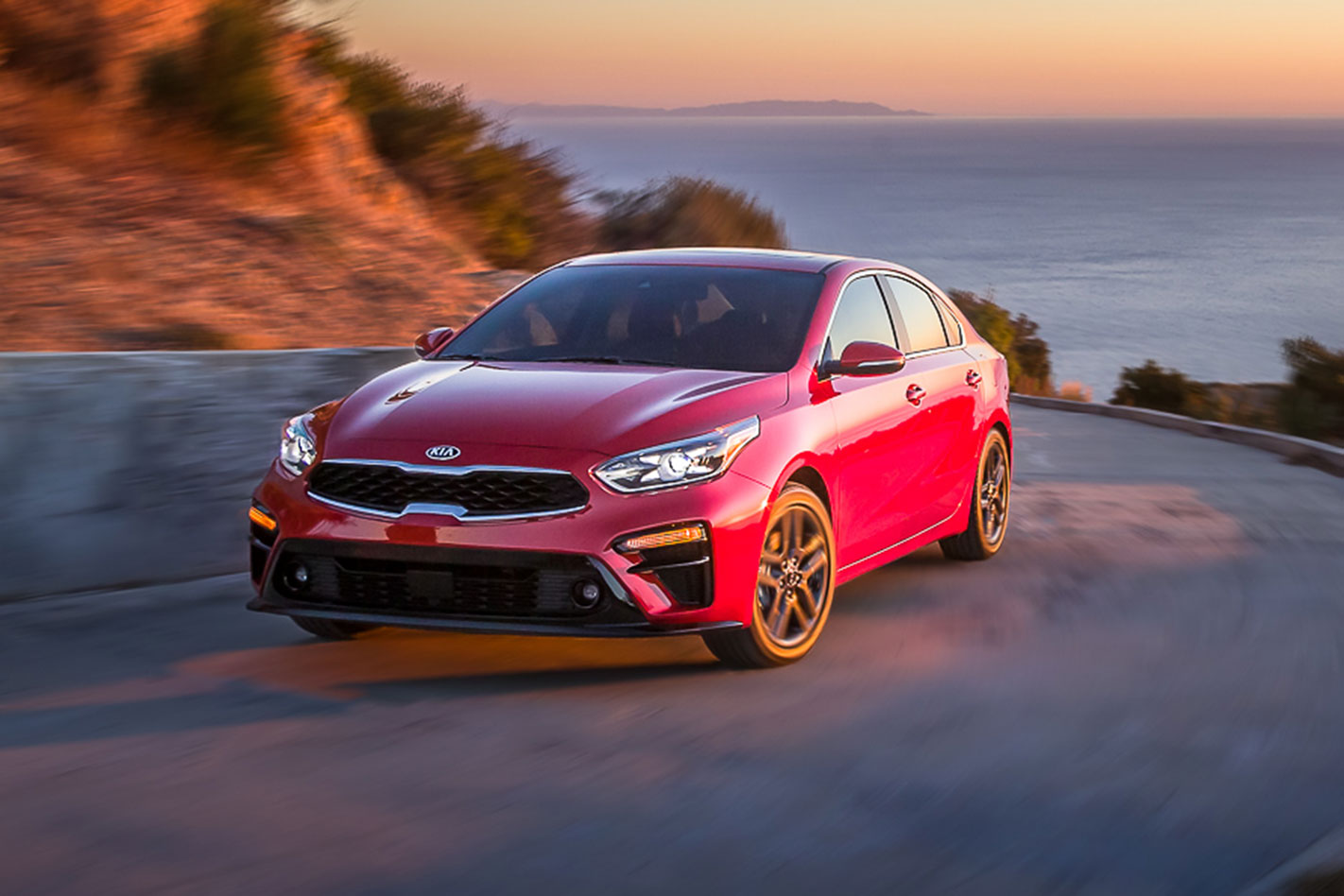
The US-market Cerato sedan (pictured above), called the Forte, also features advanced safety tech such as automatic emergency braking, lane-keep assist and active cruise control, which are bound to make their way to most of the Aussie Cerato range, if not as standard equipment.
Local details for the all-new Cerato will be revealed closer to launch, which is currently slated for the middle of this year for the sedan, and the fourth quarter for the hatchback.
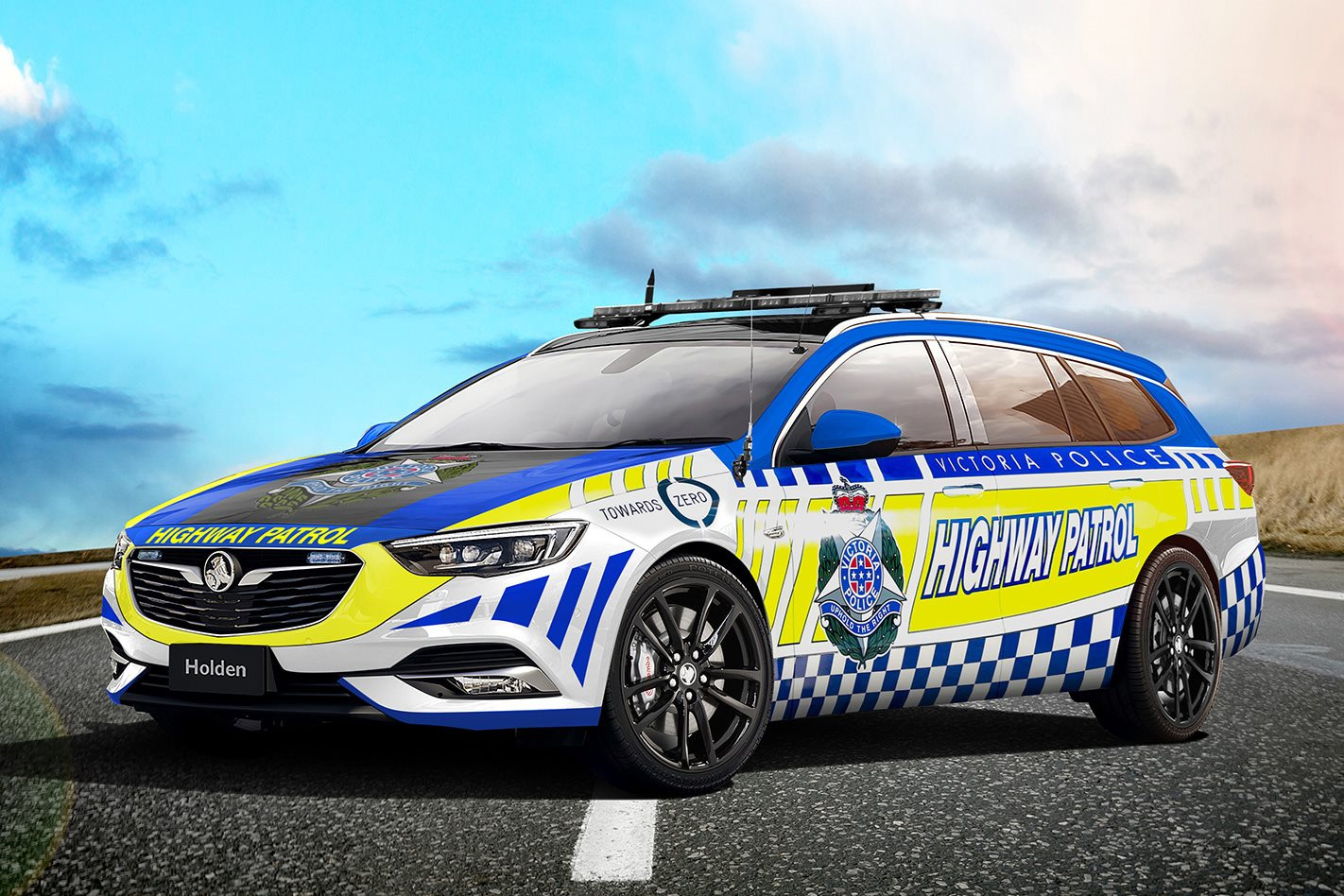
THE ZB Commodore looks set to join its Aussie-built predecessors in the constabulary, with Victoria Police tests highlighting superior handling and stability characteristics compared with the VF model.
Both the 2.0-litre petrol, and 3.6-litre V6 AWD Commodores have impressed at police car academy, with Vic Pol’s manager of transport, Frank Melilli, telling Wheels the AWD version in particular “holds the road better than anything Holden has ever produced”.
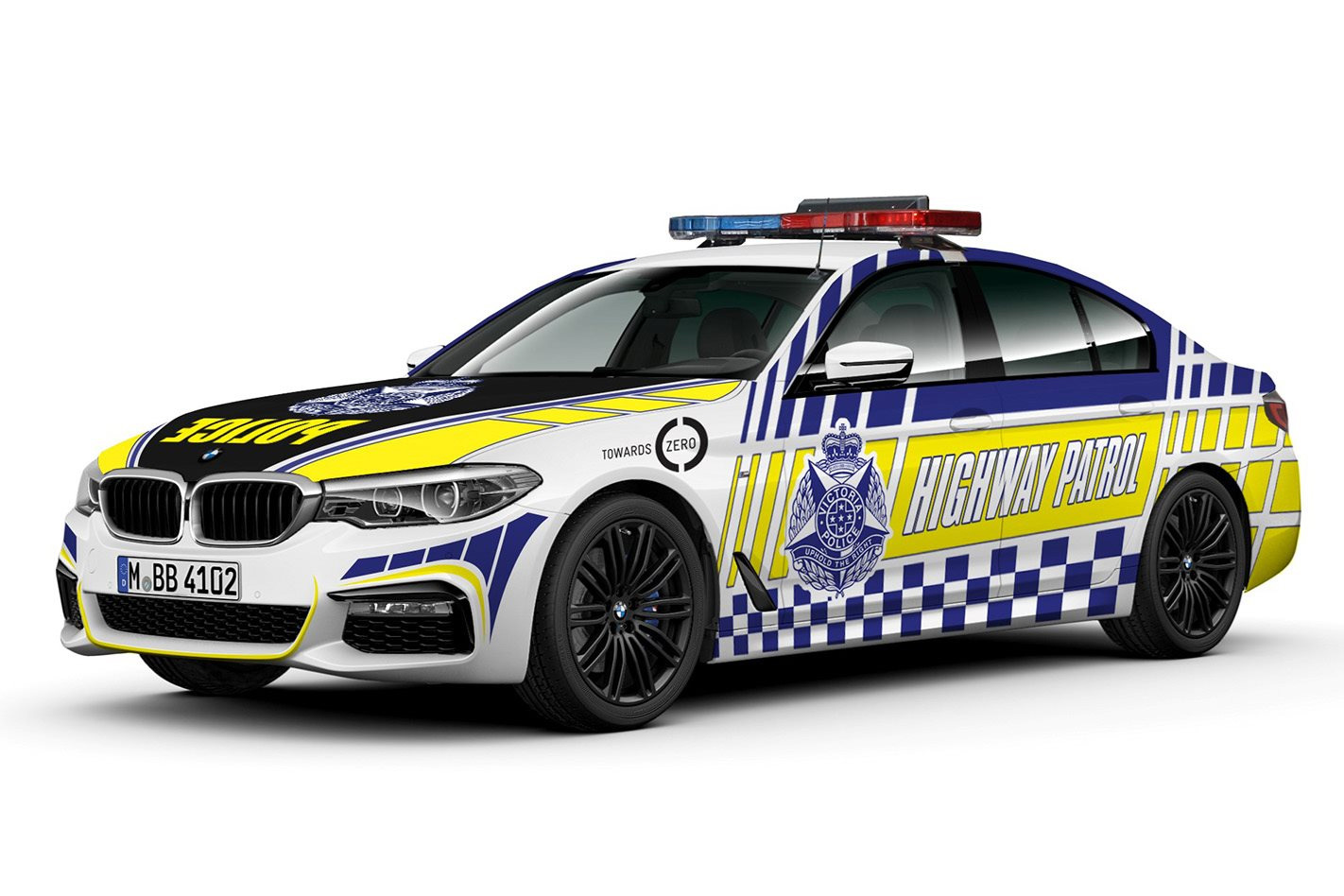
Melilli said while the full results aren’t yet in, he expects each powertrain, in sedan and Sportwagon guise, to achieve the ‘Gold’ unrestricted speed classification, which could make them suitable for highway patrol duties, alongside another new German-built recruit, the BMW 530d.
“They’ve done a great job in terms of improving the performance and handling of the car,” Melilli said.
The police performance and handling tests include putting the vehicle on a tilt table to measure the angle of roll the car can maintain before the wheels lift off the ground. This helps work out the vehicle’s centre of gravity, which in turn is used to calculate its stability, but not before it’s subjected to some vigorous driving through witches’ hats.
“They use all that data and drive the car through a double lane change manoeuvre,” Melilli explained. “They drive it as fast as they can, and the test stops at a speed when they consistently hit the witches’ hats. A couple of people do the driving and they compare measurements and use a formula to conclude that the car is gold, silver, bronze or white*.”
“We’re looking for vehicles that have acceleration in the same sort of fashion as the old SSs or the XR Falcons,” said Melilli. “We did testing yesterday, but there were some very, very strong winds so I don’t know if it’s fair to hold them to the speeds that we’ve come up with.”
The V6 AWD VXR has the best chance of passing muster with highway patrol, with an unofficial 0-100km/h time of 6.1 seconds, which is about a second slower than the VF SS Commodore auto.
Other vehicles under Vic Pol evaluation are the Hyundai Sonata and Volkswagen Passat, which are also under evaluation for general plod duties and have achieved a gold ranking.
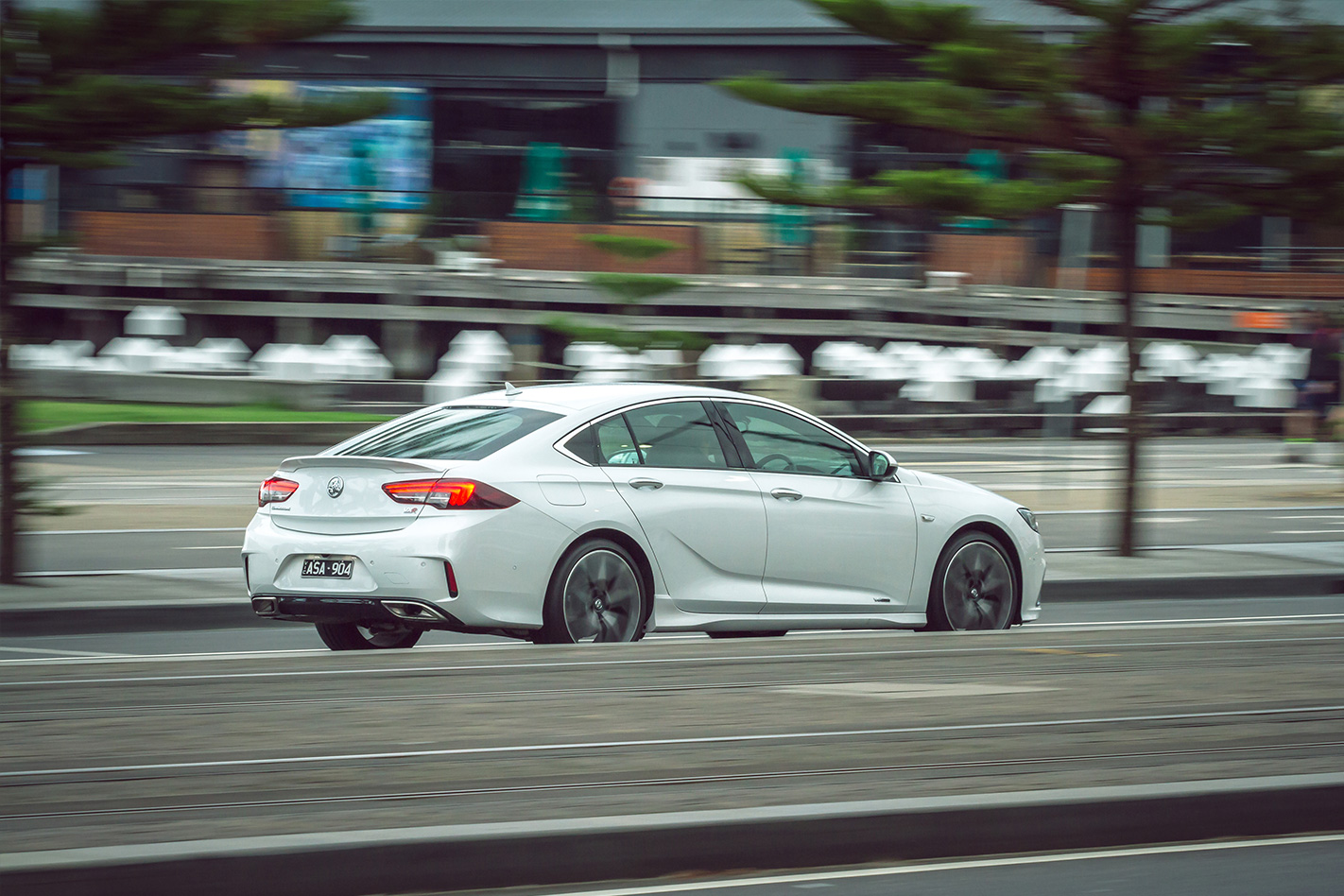
The Kia Stinger, which has been touted as a highway patrol contender, has yet to be officially tested as the Korean carmaker is yet to provide a factory-fitted police pack, which accommodates a dual battery system and wiring and apertures needed to install police lights and equipment.
* The Gold and Silver ratings are part of an ‘Approved Driver Authority’ rating that applies to police vehicles including motorbikes and is also used to measure police driver training levels. The scale has four levels, White, Bronze, Silver, Gold which relate to their maximum operational speeds.
Mazda Australia might have landed only a handful of MX-5 RF Limited Editions for sale but it confirmed this week more in the pipeline for its adored convertible.
The top-of-the-line variant has debuted in Australia fitted with BBS wheels, Bilstein suspension, Brembo brakes and Recaro seats. It also gets a locally installed Kuroi sports bodykit.
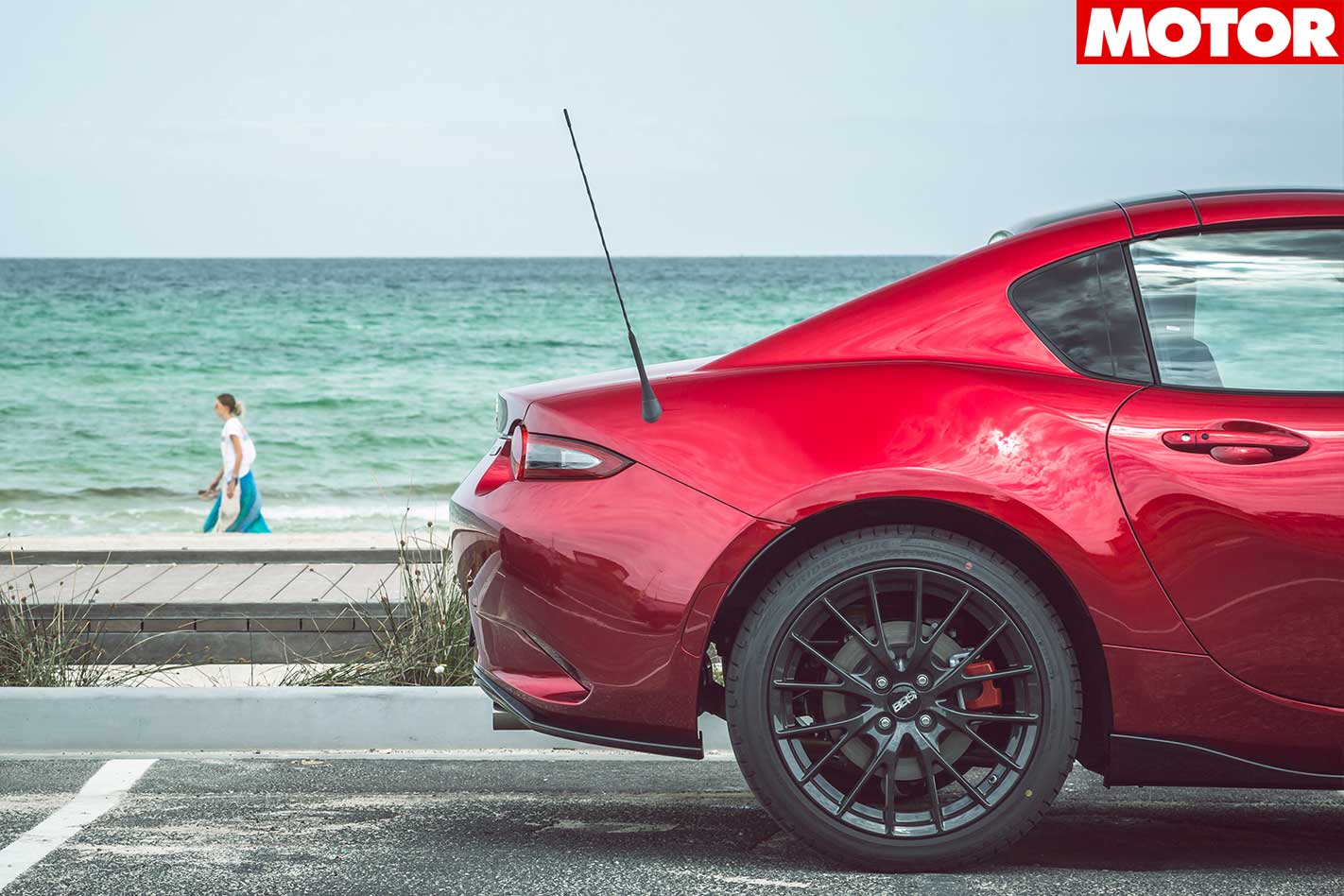
But Alastair Doak, the local arm’s head of marketing, confirmed this as the start of an “exciting” evolution of the model at the variant’s launch.
The first and most obvious question was whether the same parts might find their way to the soft-top roadster.
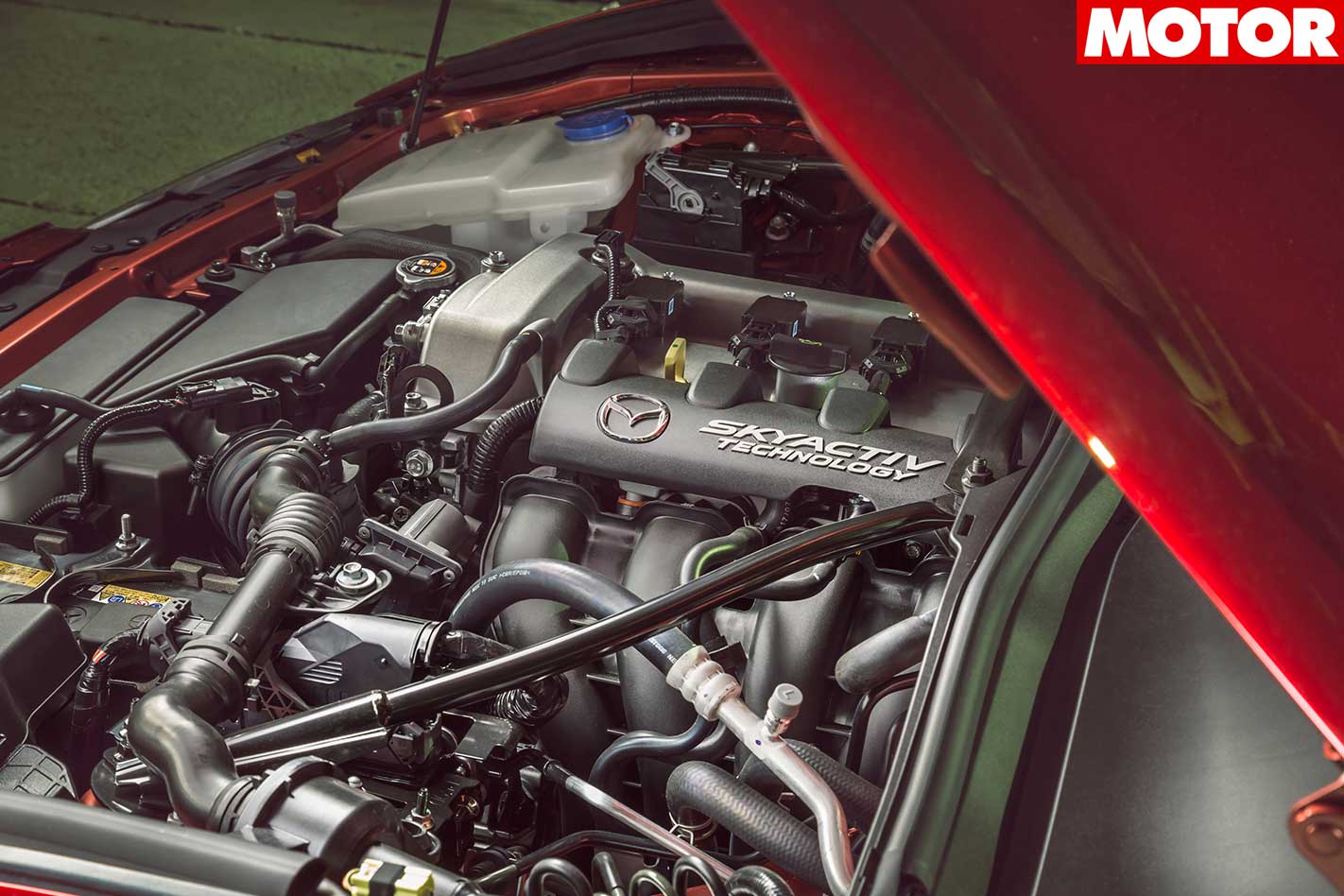
But he slipped further hints when speaking to MOTOR, saying there’s a “very solid plan for MX-5” that has Mazda Australia “pretty excited”.
“There will be an evolution of the car,” he said when asked what further factory upgrades like the Limited Editions are planned, “there has to be”.
Mazda Australia’s sales success means it punches well above its weight in the internal pecking order, owning one of the most comprehensive Mazda line-ups worldwide and a “big say” in product.
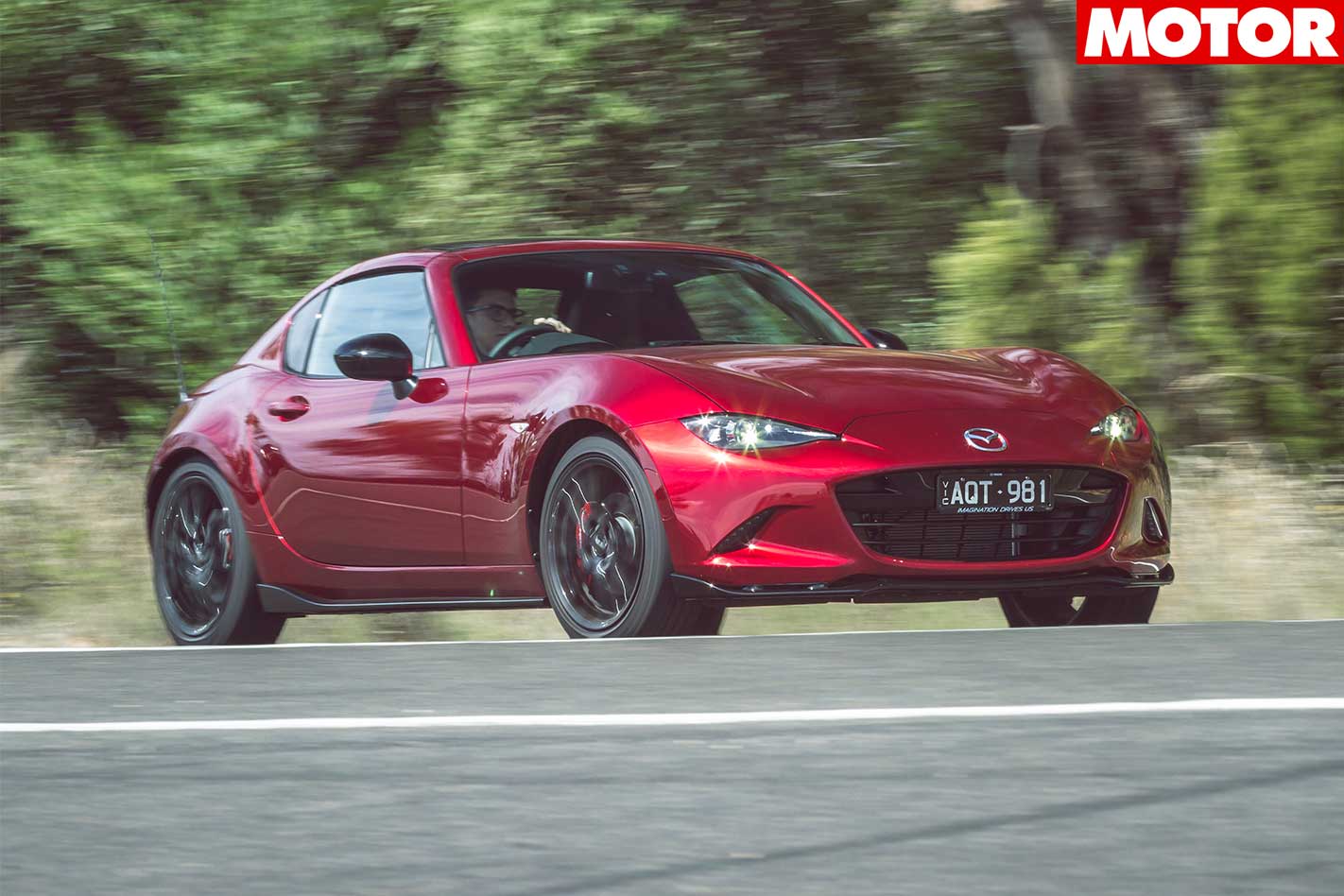
If the fourth MX-5’s timeline is anything like the previous generation, there would be seven years still ahead of this car.
If we were to speculate wildly, we’d recall the company’s flirt with forced induction, where Australia’s own turbocharged NB-series SP inspired Mazda’s SE variant in 2003 to go global.
Nobuhiro Yamamoto, the MX-5’s chief engineer, also did not rule out turbocharging when speaking to Australian press in 2015. And Mazda has since introduced a turbo 2.5-litre inline four in the CX-9.
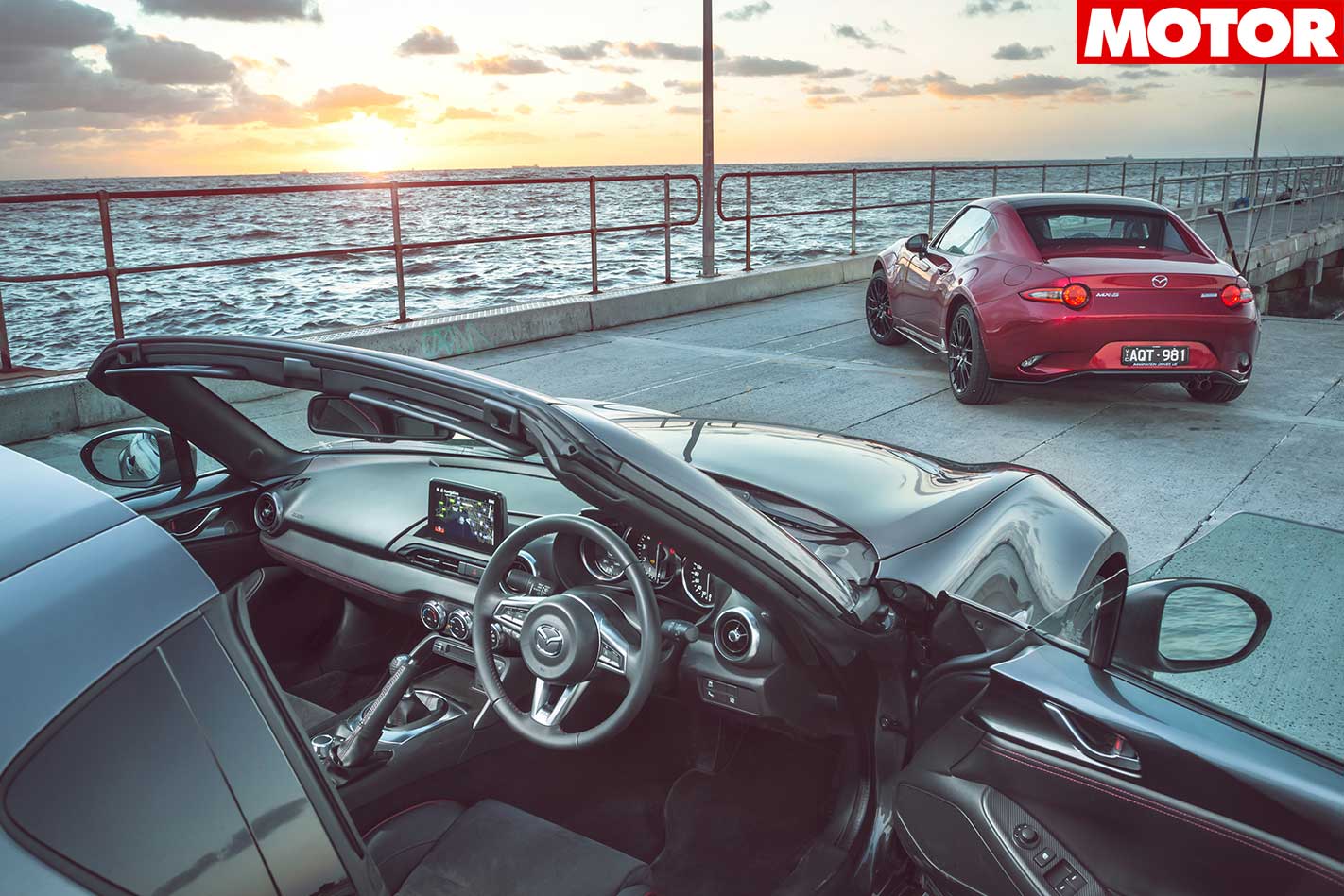
This all, of course, only involves the MX-5 in fantasy, and the reality is Fiat’s 124 Spider already stuffs a turbocharged engine, Bilstein shocks, Brembo brakes, into the MX-5.
But we’ll stay peeled to find exactly just how ‘exciting’ the MX-5’s future transpires to be.
In a couple of months, the current generation of Ford Focus RS will end its production run.
To commemorate both this event, and the 50-year anniversary of the Ford Escort nameplate in the UK, Ford of Britain has commissioned the last 50 Focus RS units to be bright orange Heritage Edition models.
Unfortunately for us Down Under, that’s the only place it’ll be available.
With a crazy 276kW and 510Nm thanks to a dealer-fitted FPM375 Mountune upgrade, the Focus RS Heritage Edition is a little more grunty than our local 257kW/470Nm Focus RS Limited Edition.
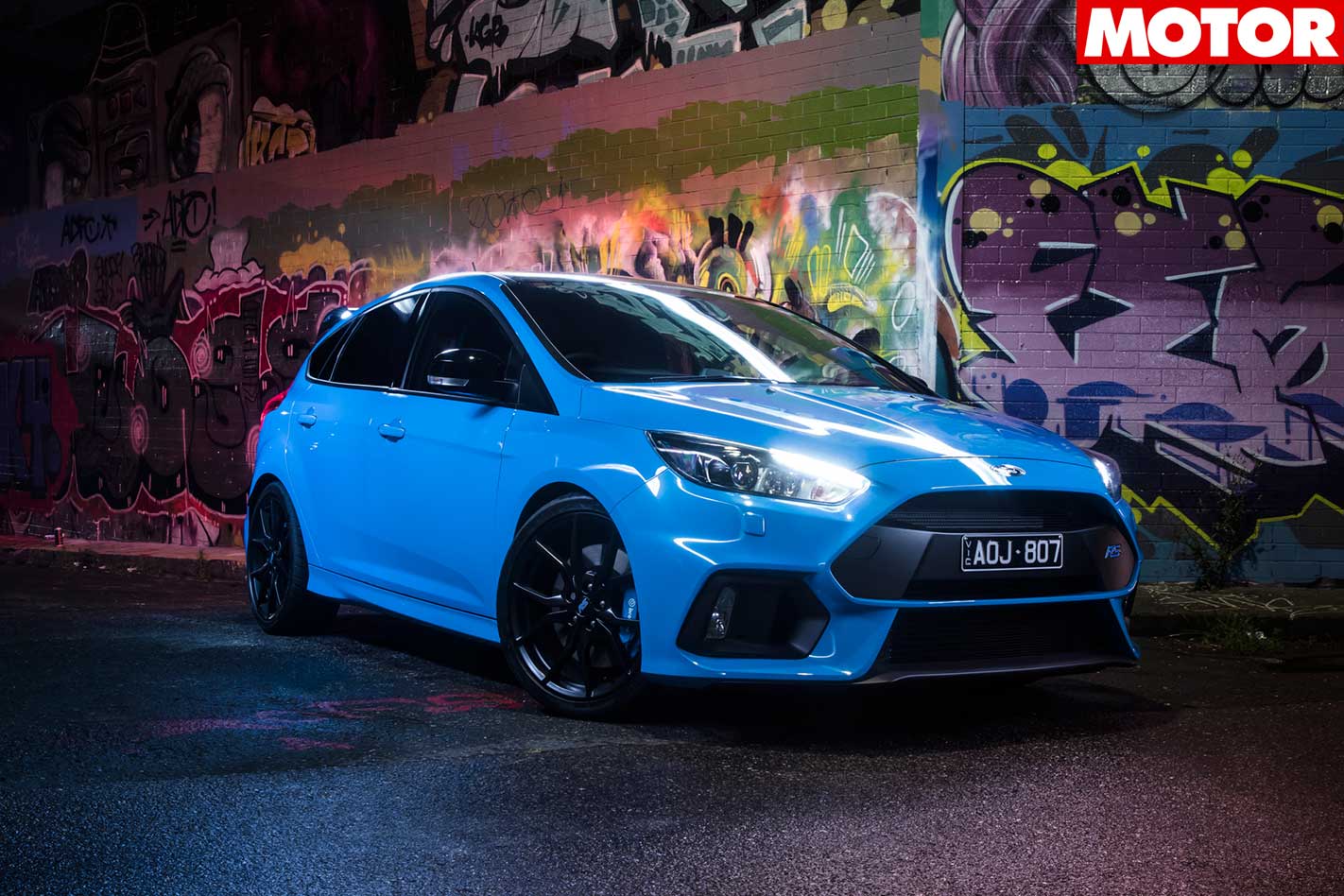
The most obvious difference from other Focus RS variants is the colour, called Deep Orange and available on these 50 cars only.
Ford of Britain chairman and managing director Andy Barratt says it’s significant that the last RS of the current generation Focus will be specifically for the UK.
“The RS brand is hugely important to Ford and is recognised across the globe, however it has a special place in the hearts of UK Ford fans.
“This latest model is the best RS we’ve ever produced, so it seems a fitting tribute as we approach its 50th anniversary.”
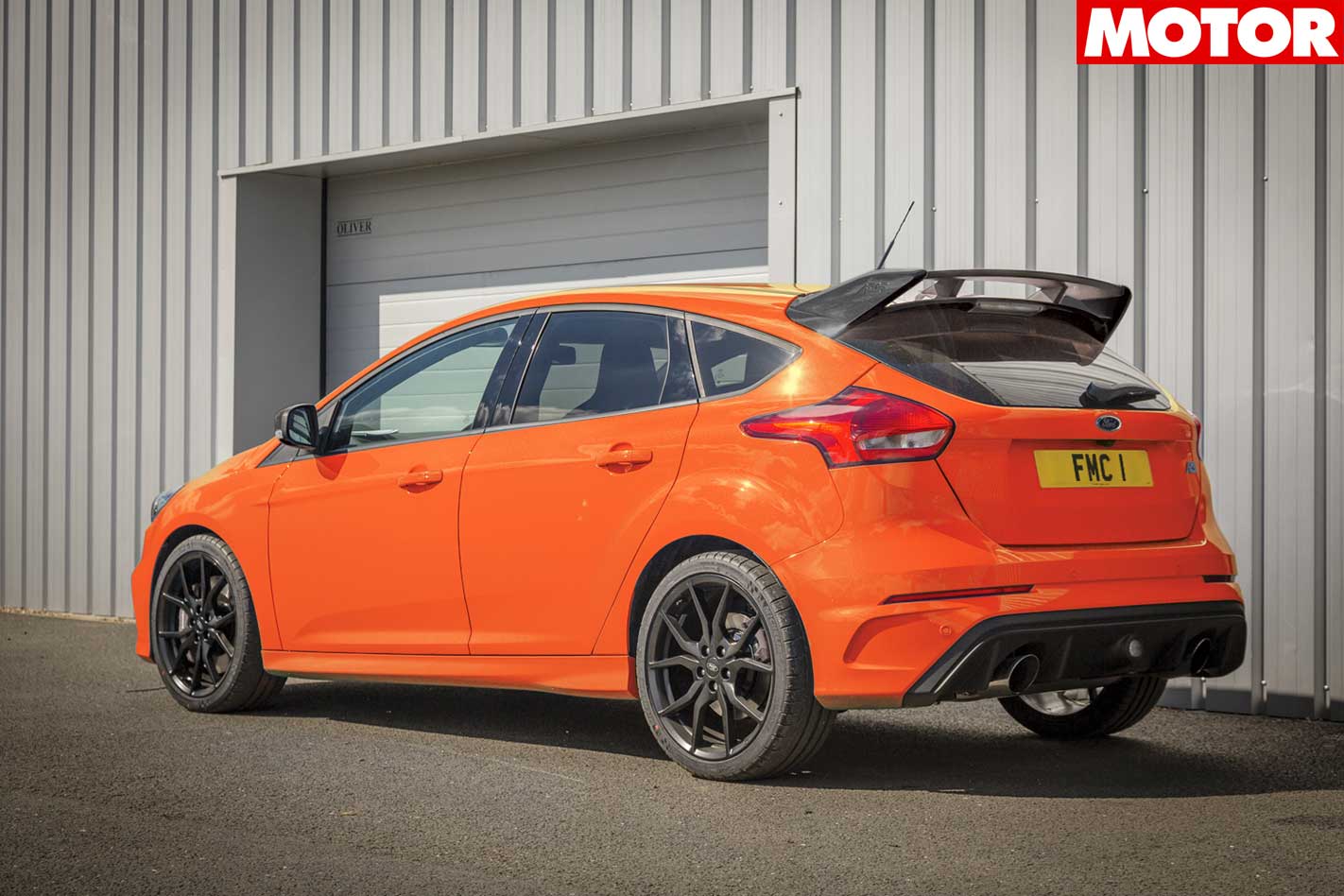
Ford says the Heritage Edition will make up the final 50 right-hand drive units built in the Saarlouis plant in Germany before production ends on April 6.
Ford Australia also took the opportunity to re-confirm that the current RS Limited Edition is the final version to be made available in Australia for the current-gen RS.
The new Mercedes-AMG G 63 has been revealed, with a new engine and a new look.
Rather than the 400kW/760Nm 5.5-litre twin-turbo unit, the G63 now sports AMG’s twin-turbo 4.0-litre V8 which is using 430kW and 850Nm to make the G63 confusingly fast for a 2485kg 4X4.
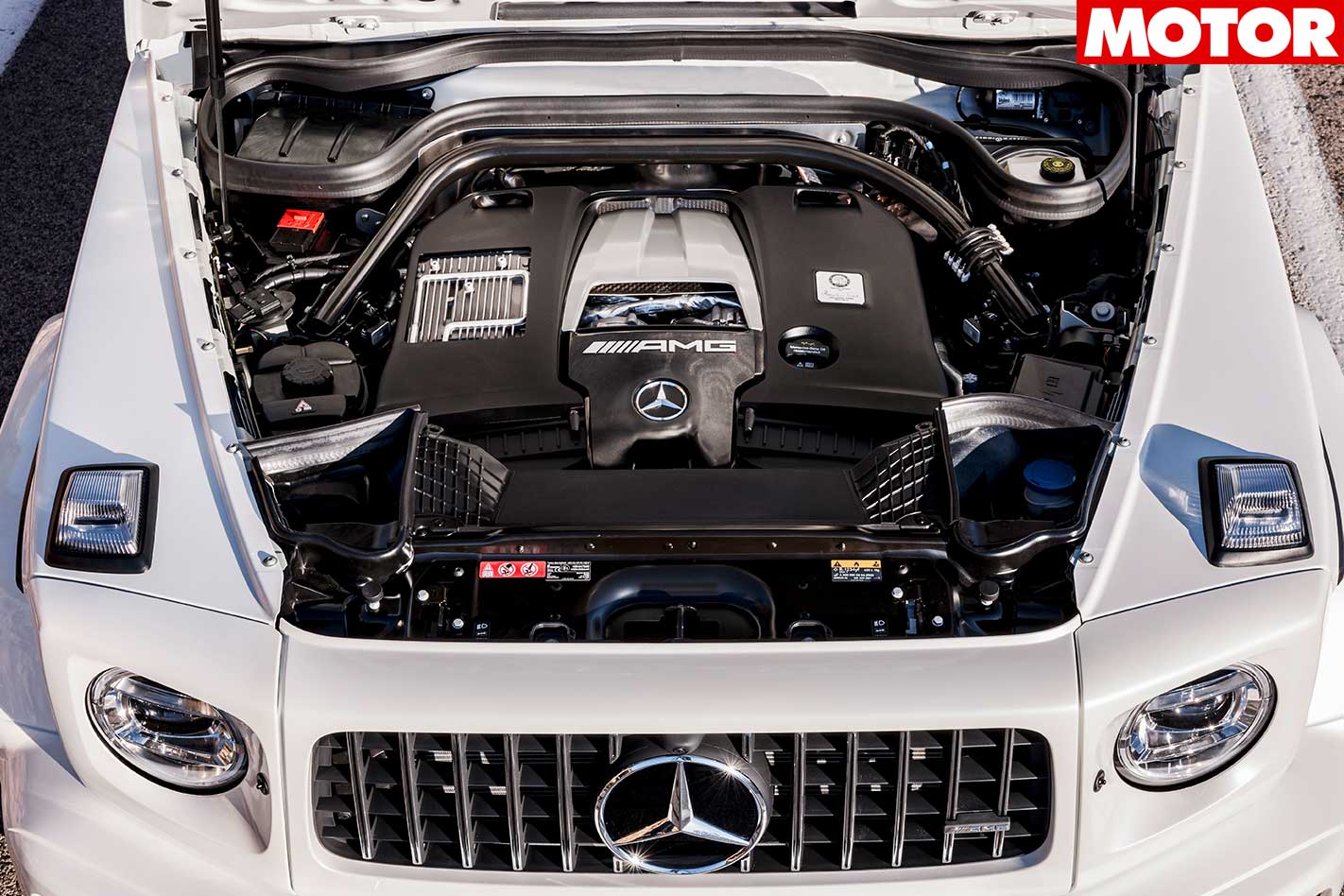
This acceleration comes from a mix of peak torque arriving between 2500 and 3500rpm, and its new, faster 9-speed automatic gearbox.
For better economy and daily useability, the G63’s engine is able to shut down four cylinders.
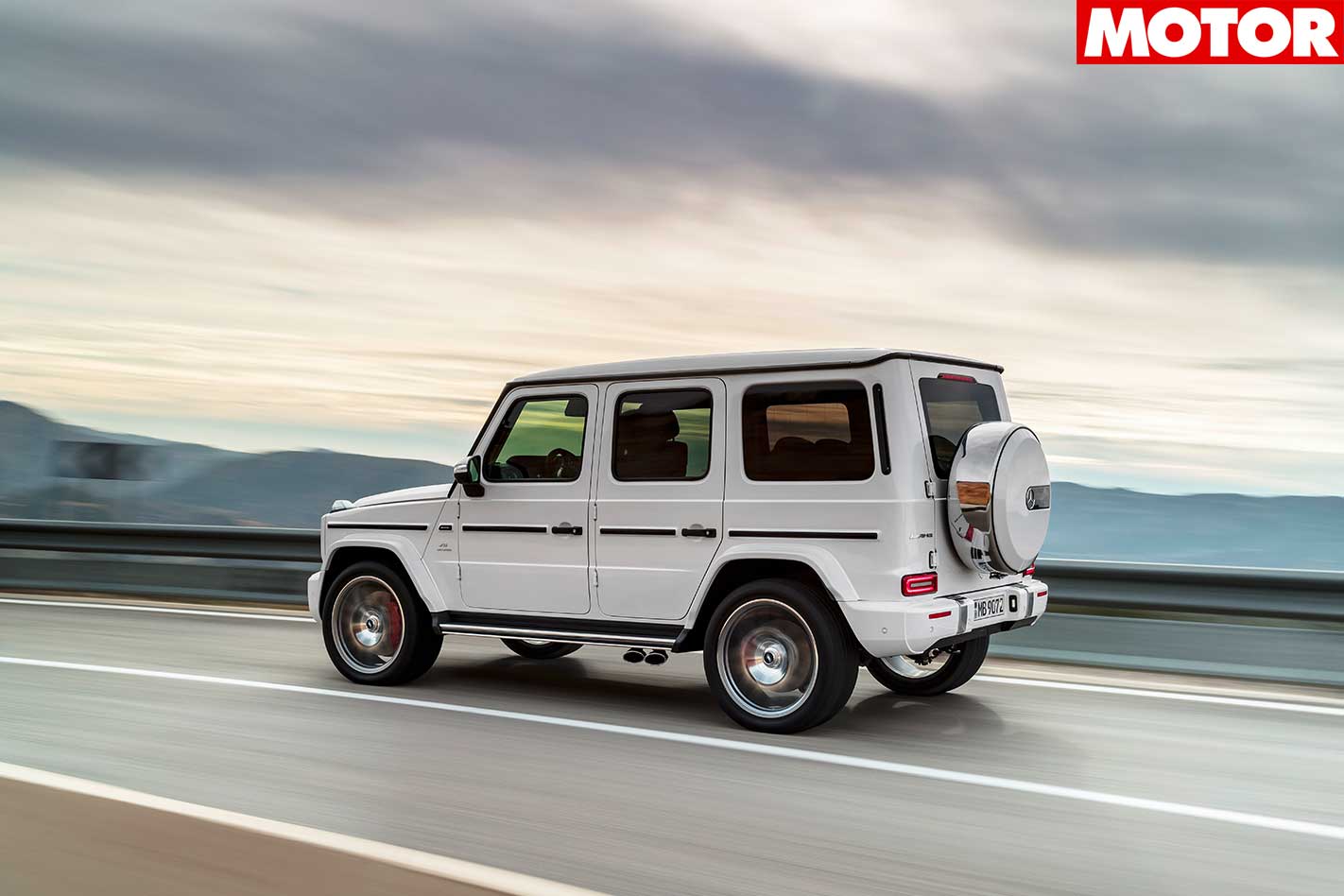
“The new AMG G 63 brings driving performance to the segment of unadulterated off-road vehicles in unexpected form,” says AMG CEO Tobias Moers.
“It was important for us to tie in with the original character on account of the cult status the G63 enjoys with our customers and fans.
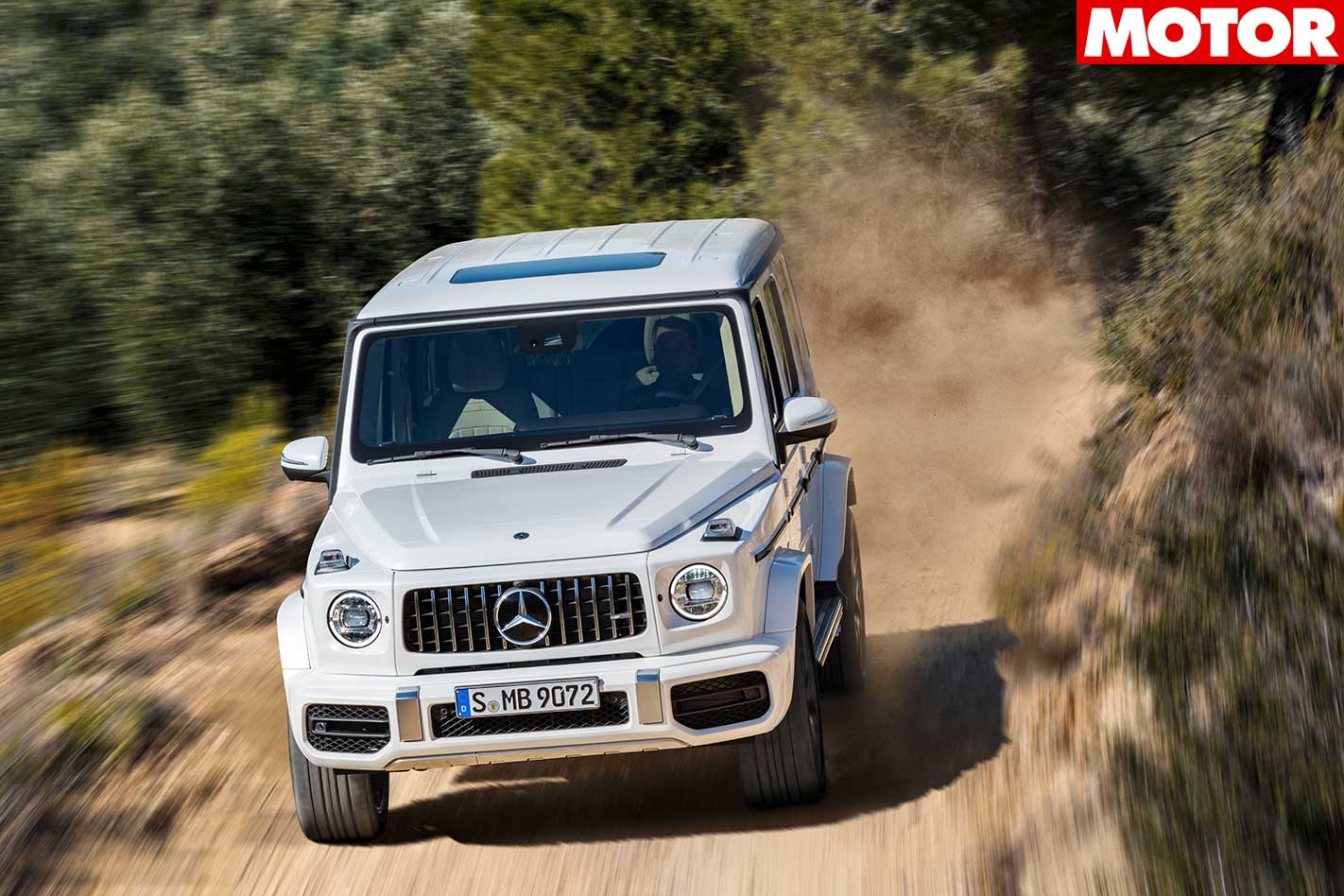
“This applies to the entire G‑Class model series. Mercedes-AMG is responsible for their suspension and chassis development as well as V8 competence.”
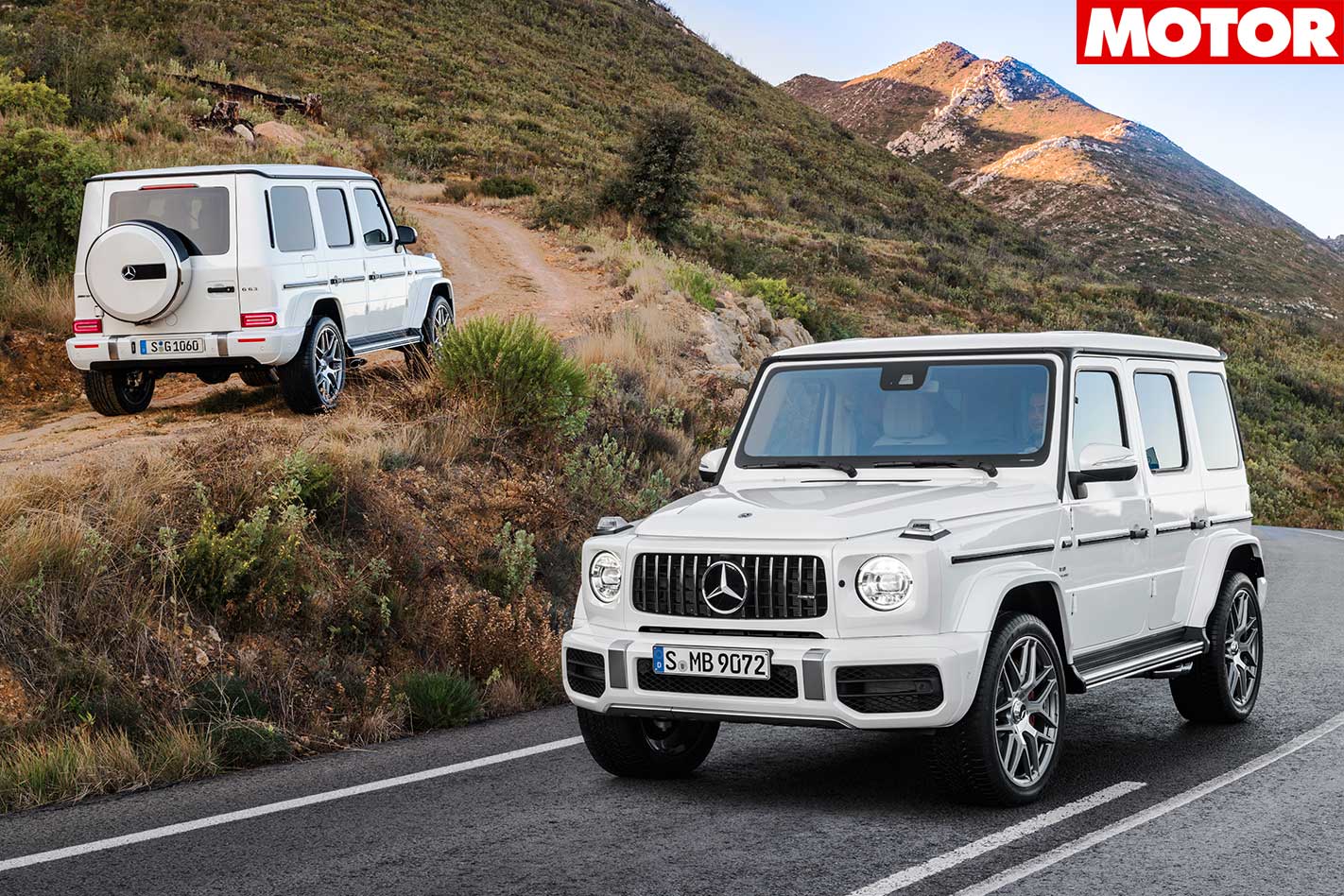
AMG adaptive dampers also come standard on the G63, as does electrically-assisted variable ratio steering.
Drive modes are split into five on-road modes and three off-road options: Slippery, Comfort, Sport, Sport+ and Individual; or Sand, Trail and Rock respectively.
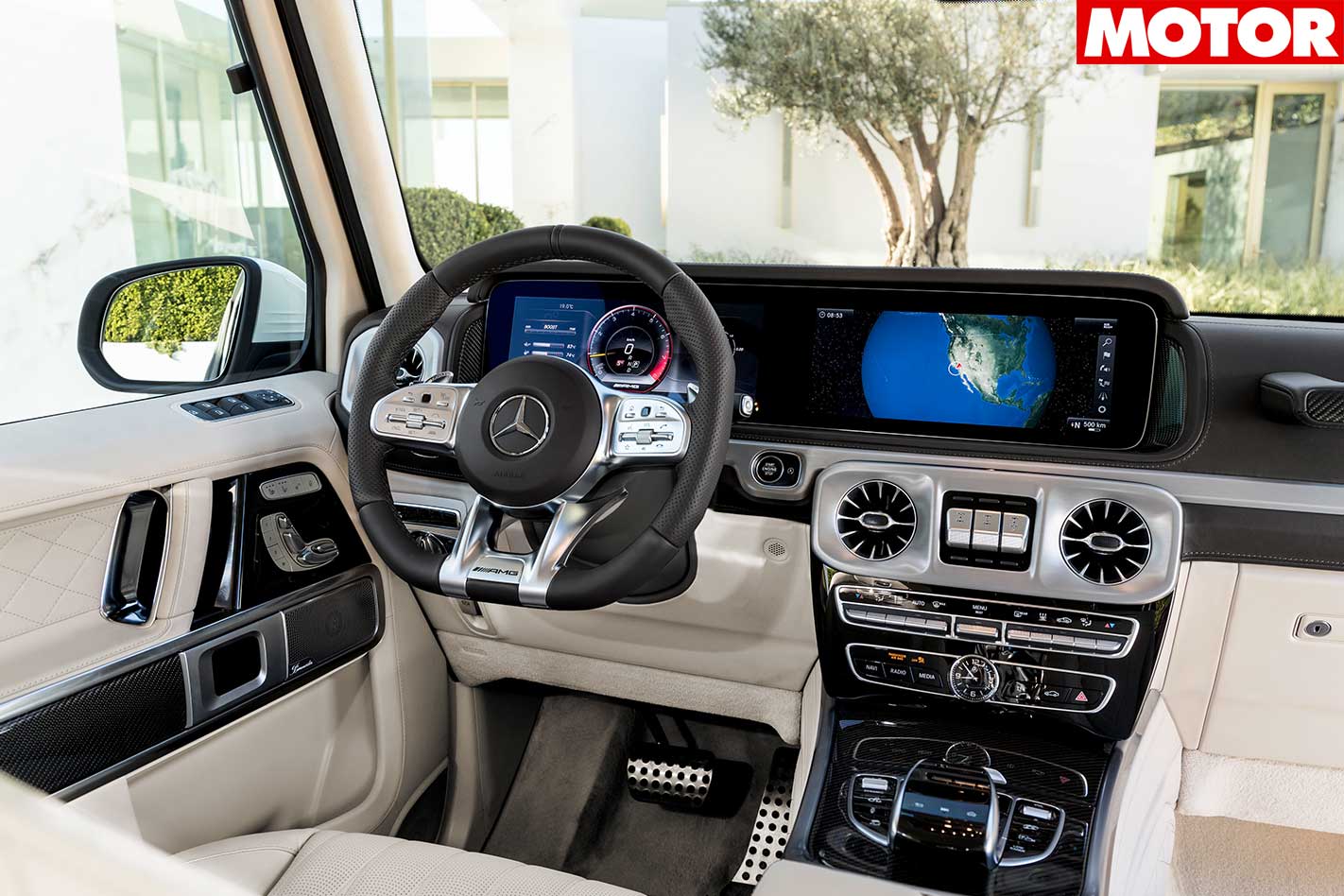
Inside, as with the outside, its redesign retains cues of the old G63 while aiming to become more comfortable and ‘modern’.
WHAT is so unacceptable about the term Sports Utility Vehicle (or SUV) among the high-end brands that some manufacturers feel they must coin their own, increasingly ridiculous TLAs*?
Fiat Chrysler Automobile’s Sergio Marchionne insists on referring to the imminent Ferrari high-rider as an FUV, BMW calls its X-cars SAVs and now Rolls-Royce has joined the go-anywhere wagon bandwagon with its own apparently unnecessary moniker.
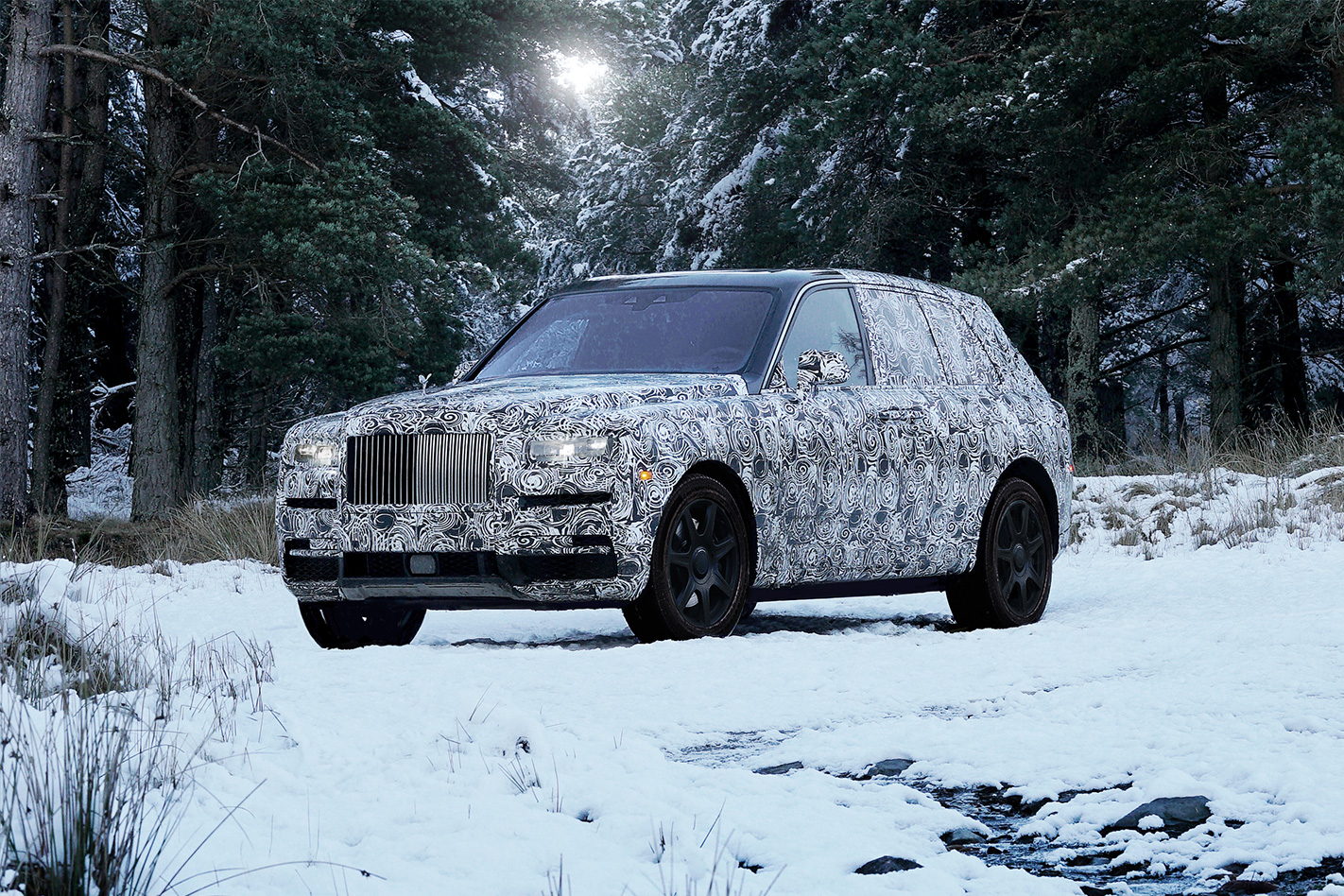
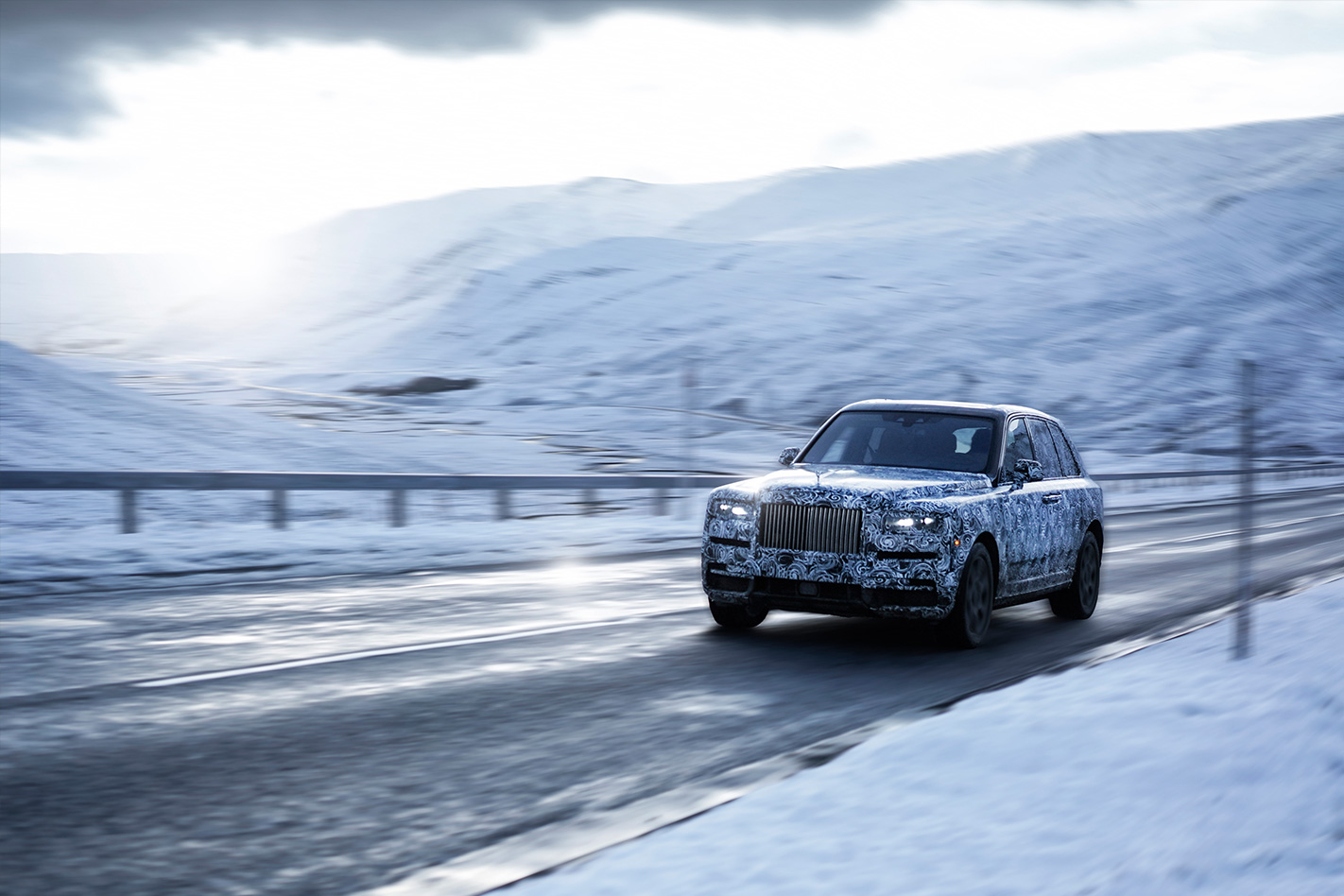
The news that the British car-maker’s SUV foray will be christened the Cullinan is not a well-kept secret but that, now official, confirmation arrives with the news that Rolls will refer to it as a High-Sided Vehicle, and the company might have benefitted from running that option through a few more focus groups.
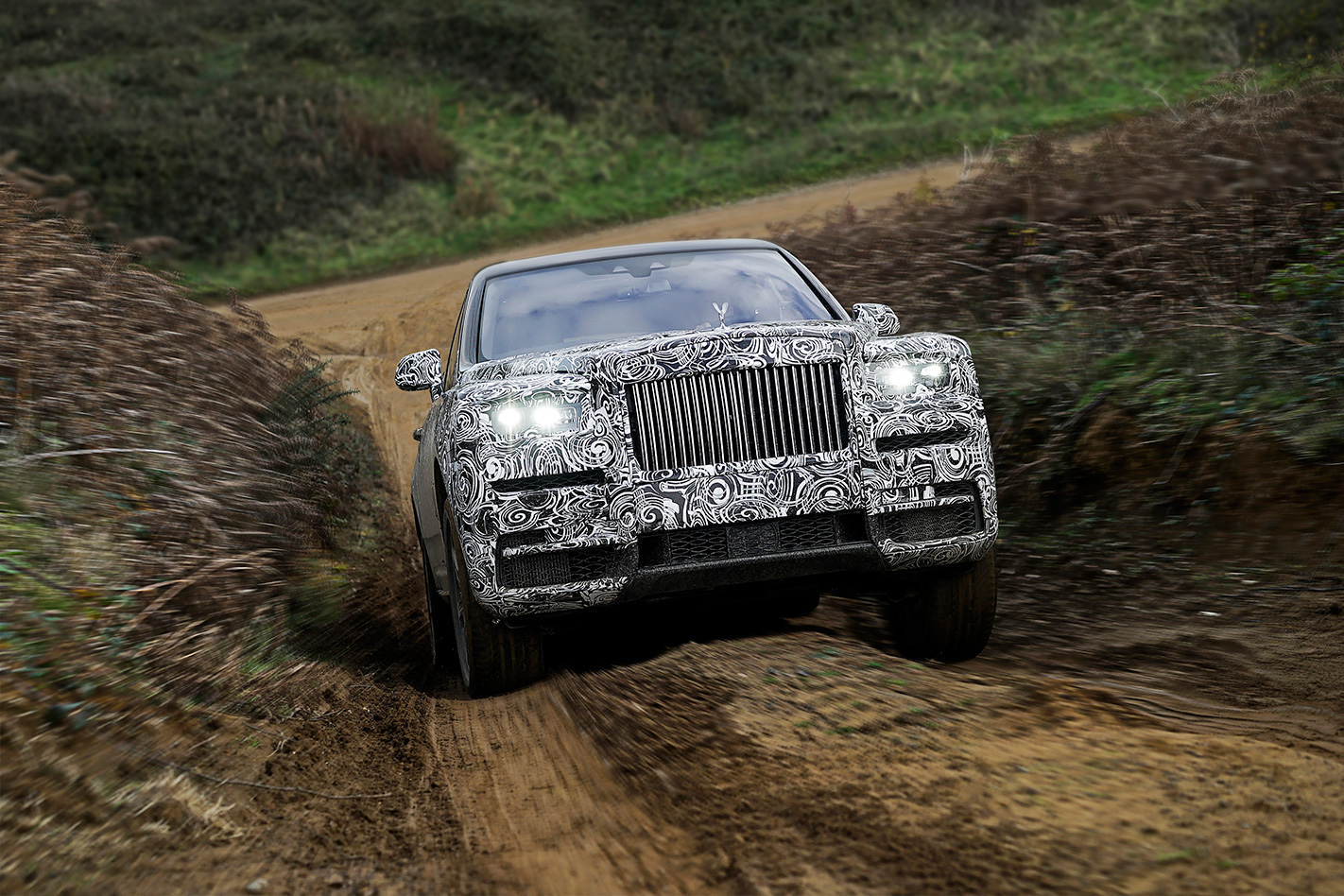
Secondly, for exactly the same reason there should be two separate words for chips and chips, High-Sided Vehicle abbreviates to HSV.
Each time the Cullinan is mentioned in the media, an army of Australian petrol-heads will click links in their feed that take them to news of an expensive English SUV and not the tyre-shredding Aussie track-star they were hoping for. Try this instead.
It’s by no means the first time car-makers have taken nomenclature matters into their own hands to make something practical sound a little more sexy. Audi’s wagons are dubbed Avants, BMW’s equivalent is the Touring and Mercedes adopted the Estate and Shooting Brake terms.
Little technical detail is included in the release other than the HSV will be the second Rolls-Royce model to roll on the company’s new aluminium spaceframe, following in the tyre tracks of the Phantom limo.
*Three-Letter Abbreviation
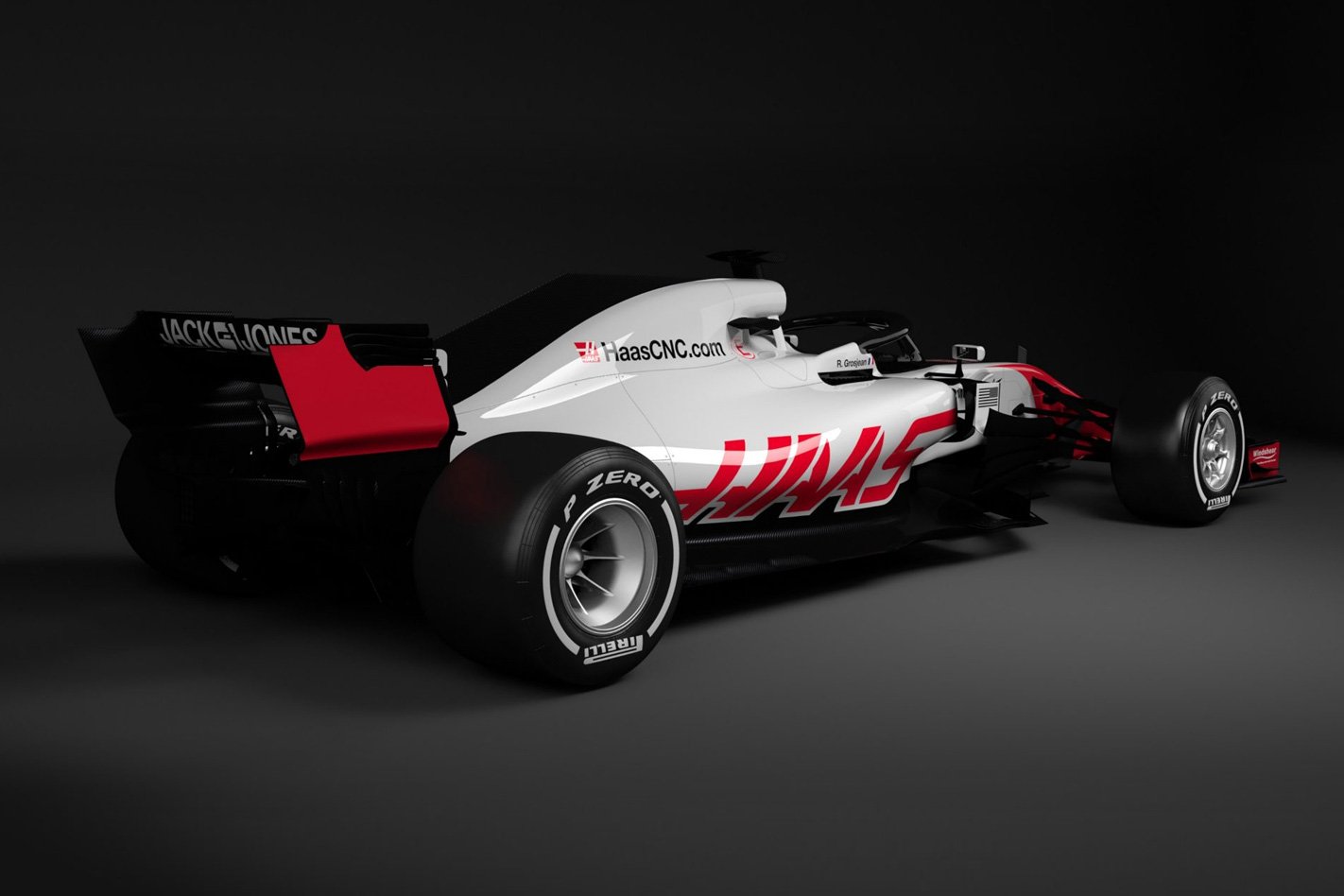
WHILE its chances of on-track victory this year are slim, Haas F1 has won at least one race in the 2018 Formula 1 season, becoming the first team to take the covers of its new race car.
This year’s F1 cars in many ways bear a resemblance to the cars that made up the 2017 grid – and which broke all but one lap record – albeit with one small yet important change.
For 2018 the FIA has made the halo safety device mandatory, and Haas’ VF-18 is our first look at how the new cars will incorporate with the divisive addition.
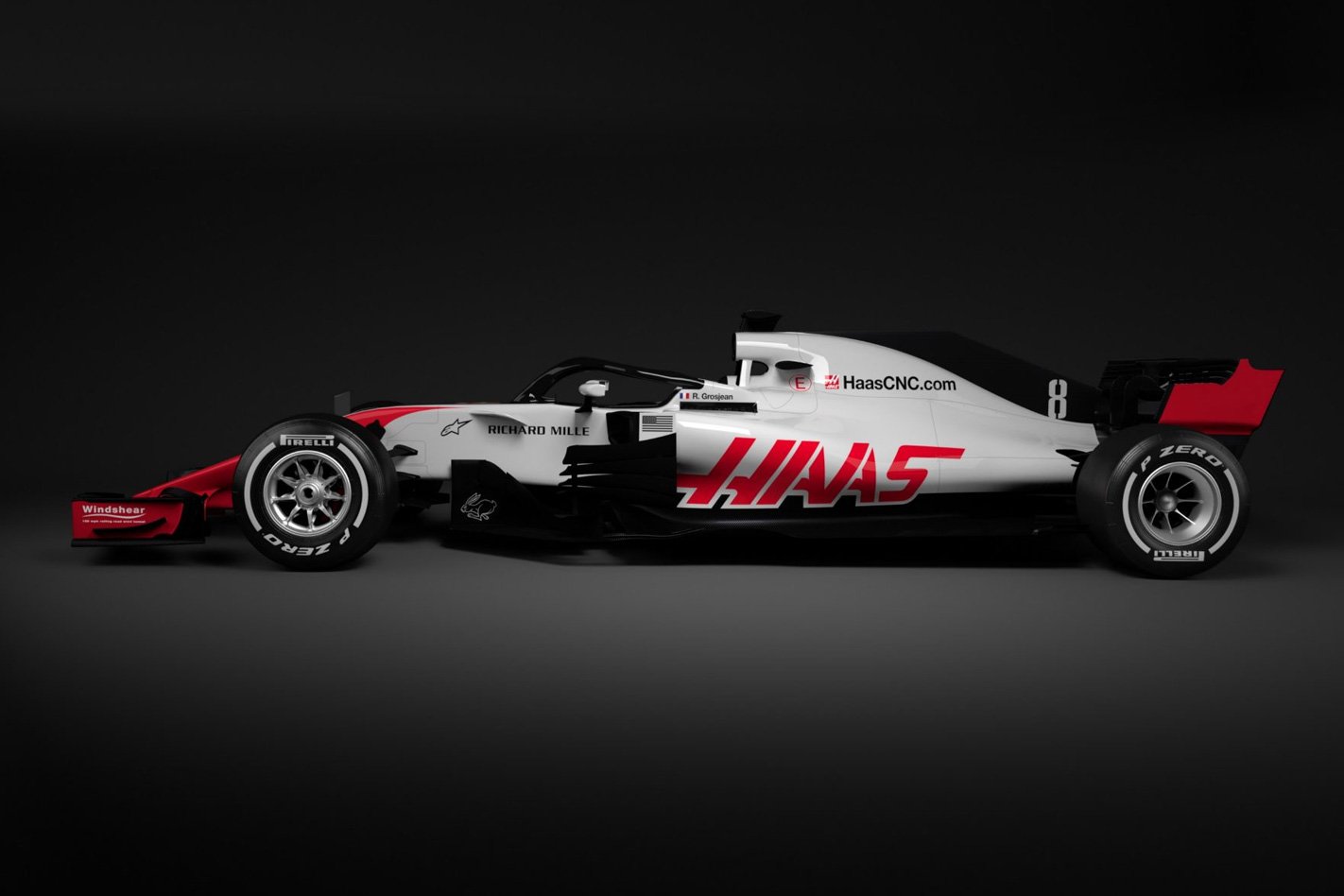
Under the 2018 regulations teams are allowed to modify the halo to integrate it with the aerodynamic design of the car. Expect to see various halo concepts tested by the 2018 teams at Jerez and a variety approaches when cars roll out onto the circuit for the Australian F1GP season opener at the Albert Park circuit in Melbourne next month.
Haas, while revealing the overall shape and look of its 2018 car, has done well to hide all the most important parts.
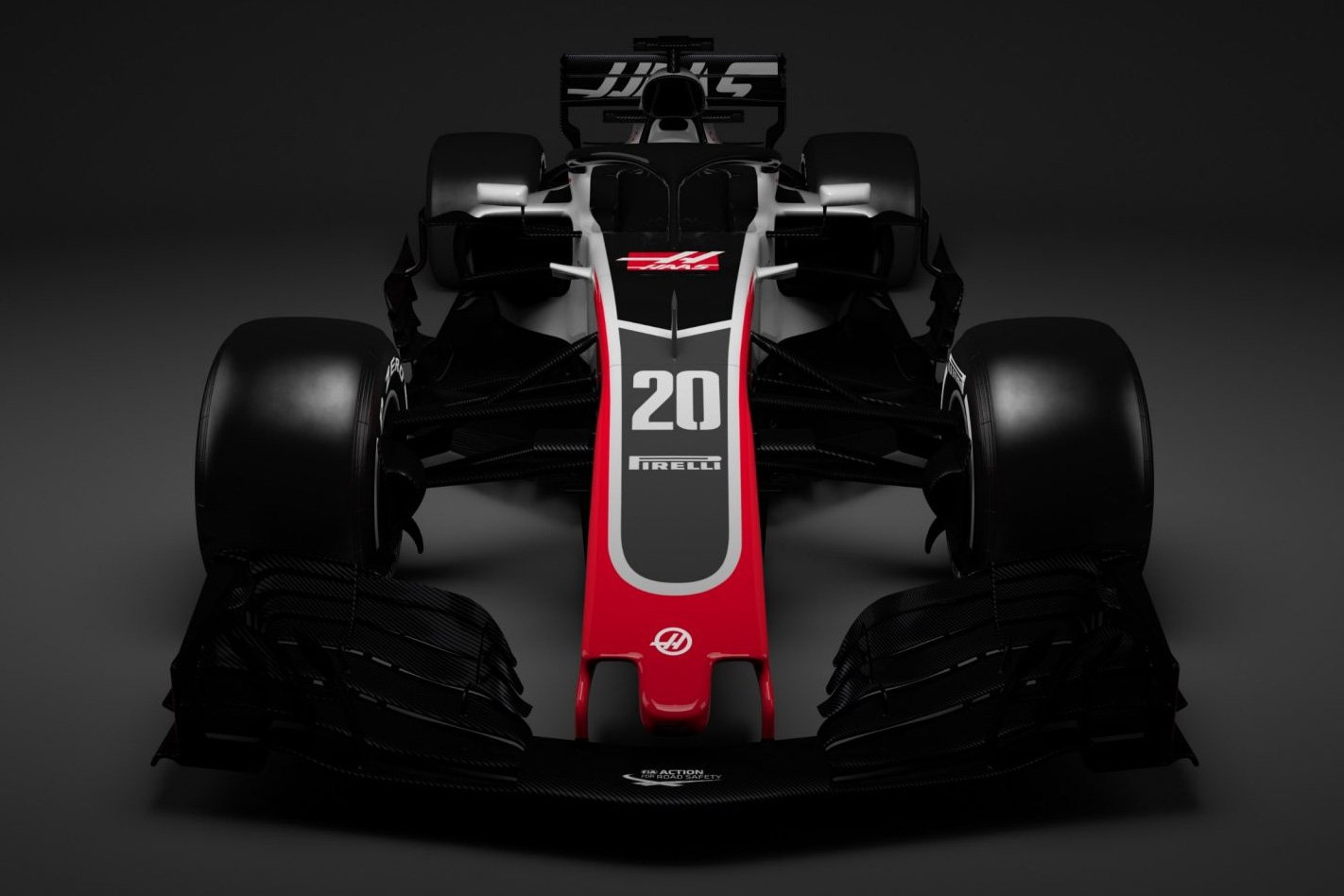
It’s likely this is a deliberate move to avoid close scrutiny by other teams who still have some time to tweak their aero packages before the season gets underway, just as Haas will continue development of these parts of its cars right up until the first pre-season test on February 26 to March 1.
Williams is hosting a pre-season event tomorrow and may be the next team to reveal a 2018 F1 car. A flurry of debuts will follow until Toro Rosso and Force India show their contenders at the Jerez track on Feb 26.
We all know that Holden’s VF Series II limited edition models are rare on our roads, but which colour and transmission was the rarest of them all?
Well, Holden has now offered up its build numbers for its 1800-unit production run, and it makes for interesting reading.
Starting with the Commodore Motorsport Edition sedan, and of the 1200 units produced 608 were manual, and 592 were auto. The most popular colour? Red Hot with 214 manuals followed by 174 autos, together accounting for 32.3 per cent of the production run.
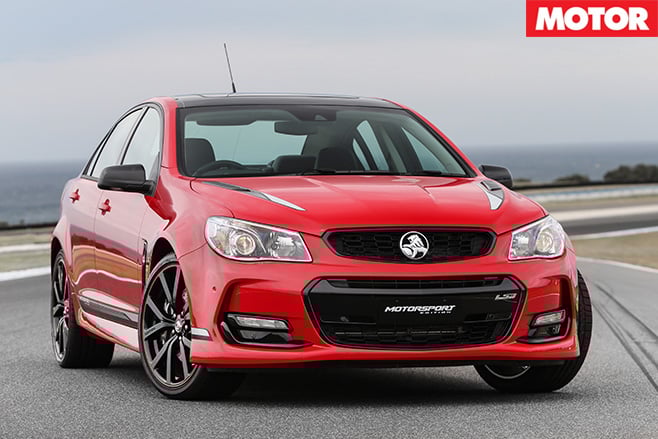
Heron White was a close runner-up, with 173 auto and 159 manual for 27.7 per cent of production, while the next most popular colour was produced at almost half that rate – Son Of A Gun Grey with 91 auto and 86 manual, combining for 14.8 per cent of production.
From here the title of ‘rarest’ MSE gets interesting. Spitfire Green with 76 manual and 54 auto tally 10.8 per cent of production, just losing out to Phantom Black with 62 auto and 51 manual for 9.5 per cent of production. But Nitrate Silver ultimately romps home as rarest – with just 38 autos and 22 manuals, together making up just 5.0 per cent of production.
It’s the same for the Magnum ute. Of the 240 produced – 127 manual, 113 auto – the rarest colour was again Nitrate Silver with just two manuals and four auto for a 2.5 per cent production slice. This time the most popular ute colour (over 10 times more popular) was Phantom Black, however, with 39 auto and 31 manual totalling 29.2 per cent of production.
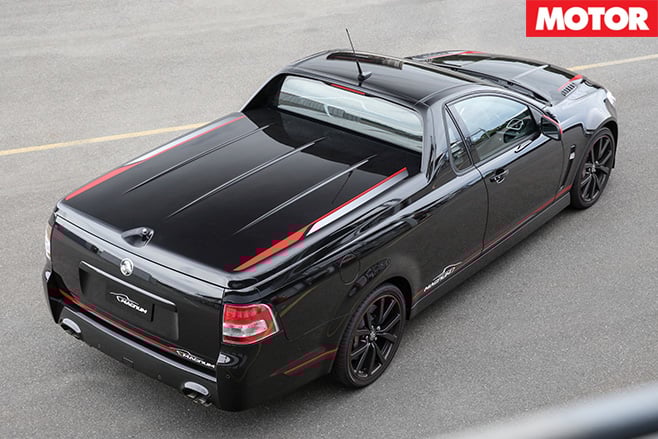
It was followed closely by Red Hot with 32 manual and 18 auto making up 20.8 per cent of the run, and Heron White with 25 manual and 23 auto for 20.0 per cent of deliveries. Spitfire Green was next with 24 manual and 10 auto for a 14.2 per cent slice, then Son Of A Gun Grey with 19 auto and 13 manual for 13.3 per cent.
While a greater number of Director sedan models – 360 units – were built compared with the Magnum, they were not available in manual nor in Red Hot or Spitfire Green colours.
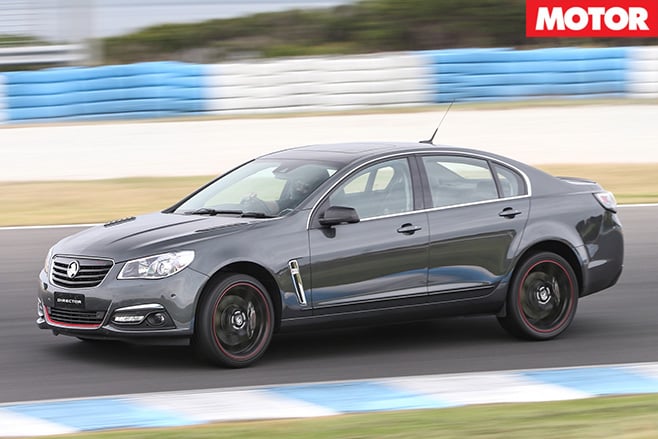
Half were produced in Heron White, or 151 units and 41.9 per cent, followed by Son Of A Gun Grey at 128 for 35.6 per cent. Then it was a sizeable drop to the other two colours, with Phantom Black next at 43 or 11.9 per cent of the production, coming ahead of the rarest colour – for the third time in a row – Nitrate Silver with 43 units produced at 11.9 per cent.
So there you, and presumably investors, have it. For Holden’s VF Series II limited editions, a Nitrate Silver Motorsport Edition sedan, Magnum ute and Director will be the rarest of all.
WHAT IS IT?
Think Ford Mondeo – European mid-to-large sized liftback or wagon with petrol or diesel option – and that’s exactly what the ZB Commodore from Germany (via Opel) is aimed at. But Holden’s influence is visible in the chassis calibration, V6 AWD availability and aggressive marketing. The big rear-drive sedan is dead… for this.
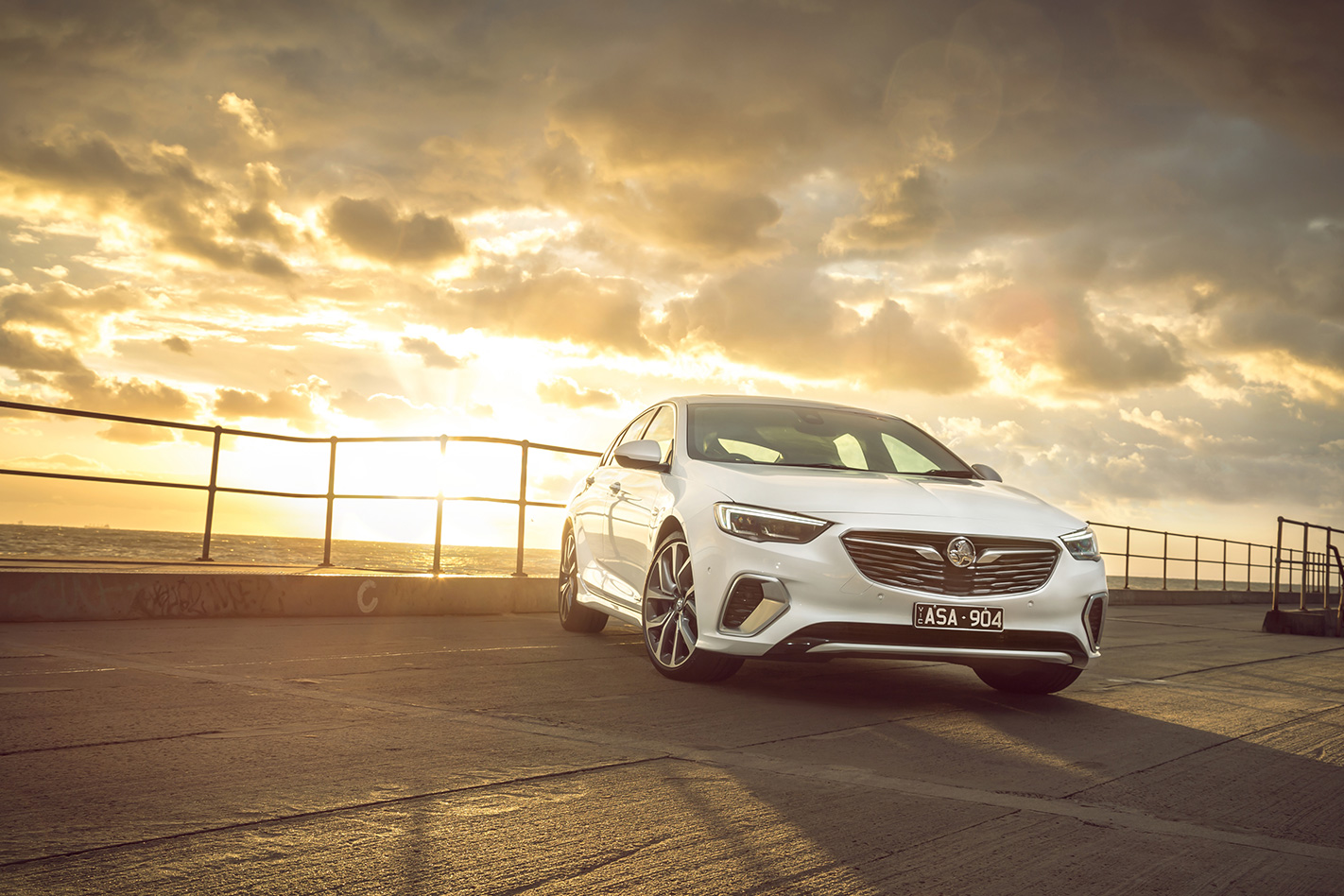
Firstly, the ZB Commodore must step in the big wide shoes left by the Australian-made VFII, and so must possess identifiable performance, dynamic, packaging and visual family traits to be considered a worthy successor. Secondly, as a global front or all-wheel drive family car, the Opel Insignia-based ZB must crossover (quite literally in the Tourer’s case) into SUV territory as well as be a Toyota Camry and Mazda 6 competitor.
MAIN RIVALS
Kia Stinger, Ford Mondeo, Mazda 6, Toyota Camry, Subaru Liberty/Outback, Volkswagen Passat, Skoda Superb, Hyundai Sonata, Honda Accord, Kia Optima
THE WHEELS VERDICT
The world’s moved on from large rear-drive sporty sedans (but don’t tell Kia), and so basing the replacement for the Aussie-made Commodore on a front/all-wheel drive Opel Insignia seemed inevitable.
But Holden’s input has made a difference for the better, with added spice in the guise of the V6 AWD variants (especially the VXR) not offered in the host model, while the advent of the Subaru Outback-esque Tourer as well as the excellent four-cylinder turbo petrol and diesel versions have also broadened the series’ appeal. But while the higher you went the better the cars became in the old VF, the opposite may be true with the new ZB.
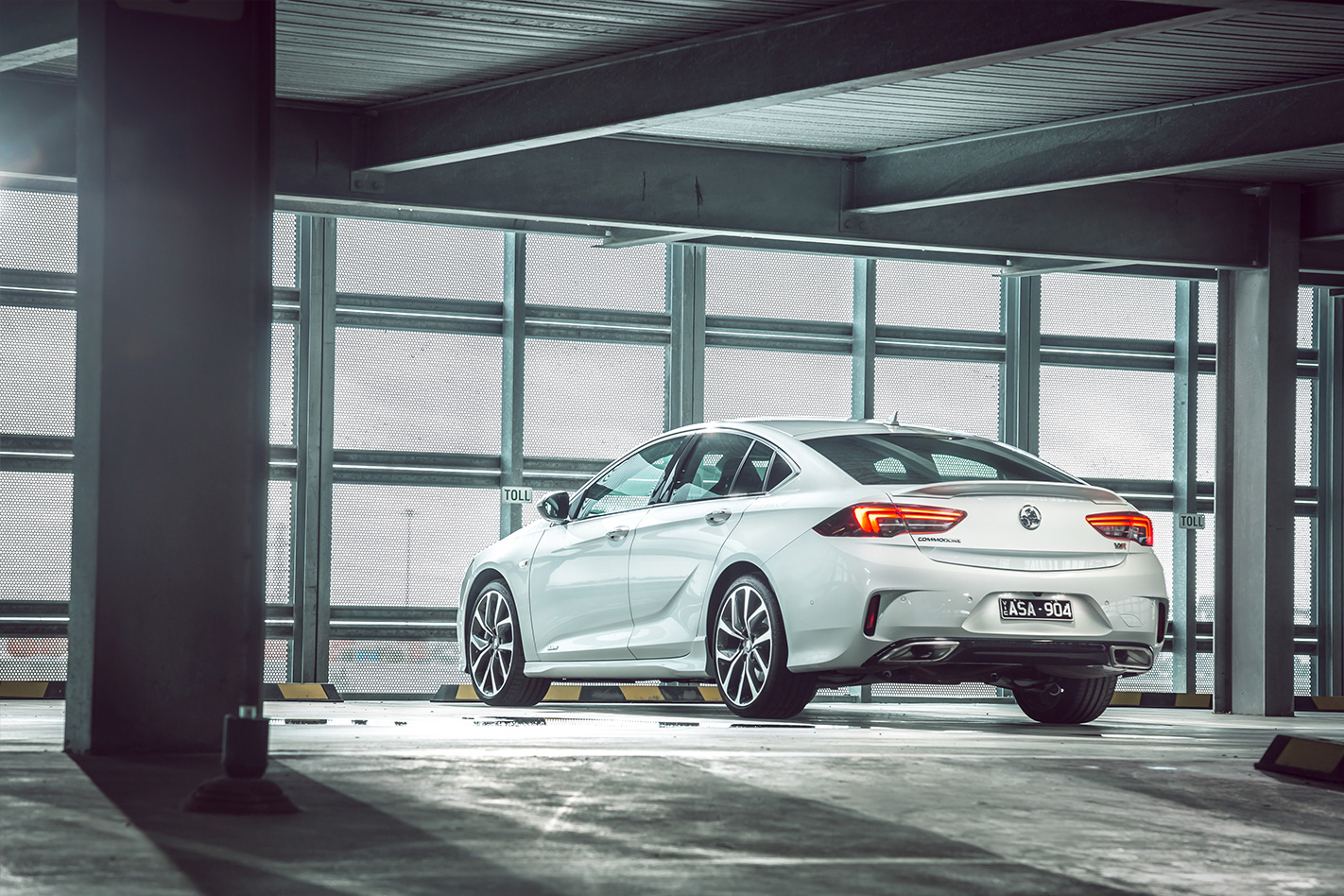
We’d certainly try these before buying any of the aforementioned rivals.
PLUS: Four-pot value, performance, dynamics, refinement, economy; space, choice, versatility MINUS: Disappointing V6 AWD acceleration, 20-inch wheel ride (VXR excepted), styling
THE WHEELS REVIEW
NOTHING says ‘new era’ like Commodore.
Back in ’78, the VB original – designed by Opel – was smaller and way more sophisticated than the American-esque HZ it replaced, with Holden promoting it as “a new kind of car for Australia”.
Now, 40 years later, history is repeating with the ZB – a rebadged and refettled Opel Insignia. Made in Germany, five doors replace four, four cylinders oust eight, rear-drive gives way to front or all-wheel drive and manuals are history. There’s even a bloody diesel. Echoing then-PM Ben Chifley in 1948, we can almost hear Angela Merkel declare “Sie ist eine beauty!”.
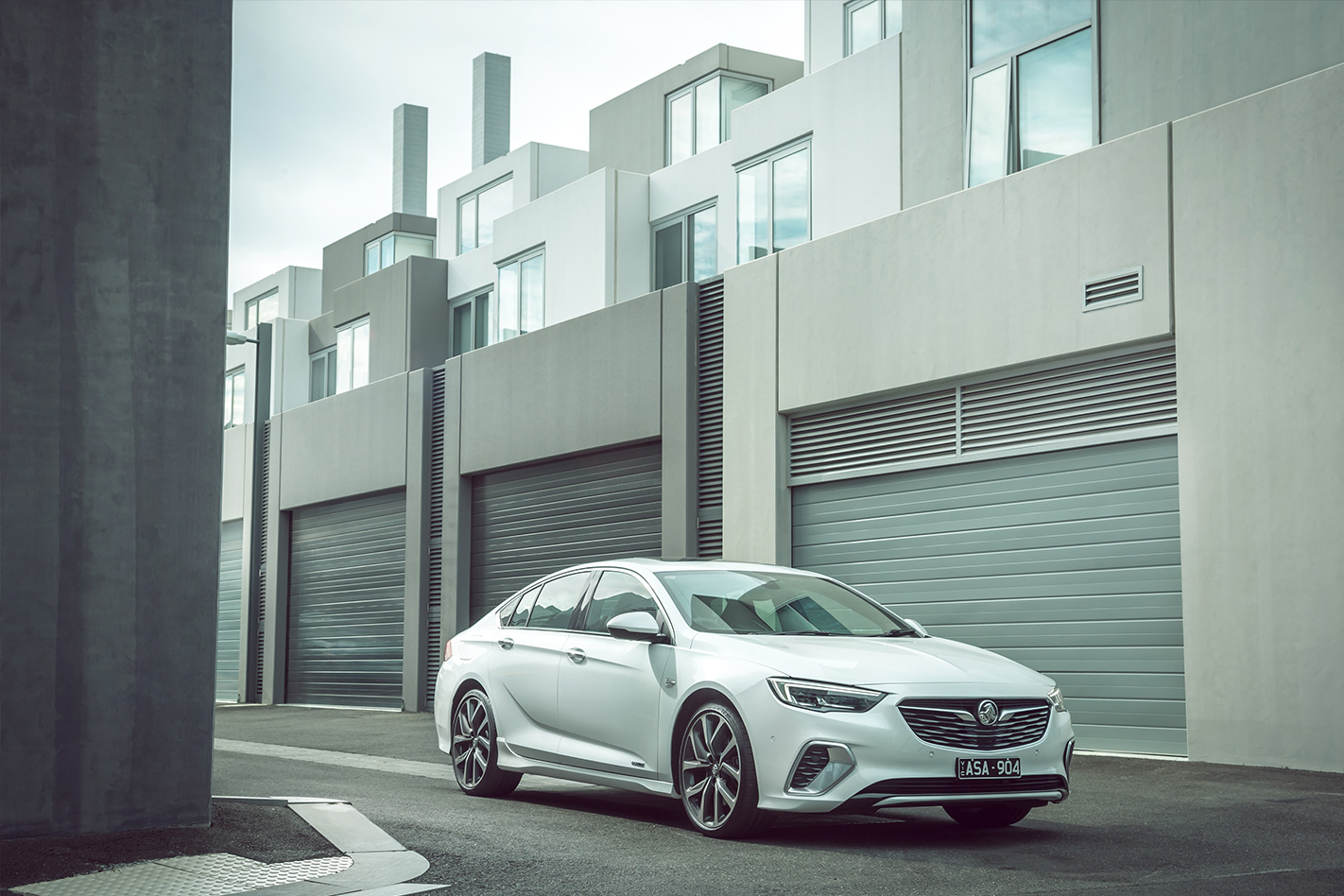
Deceptively, ZB sits between VF and the 1997 VT in length and width, so despite an 86mm shorter wheelbase, there’s room to stretch inside. And though shoulder room shrinks 57mm, subjectively Commodore still seems wider than a Camry. The rear is almost flawlessly packaged, blending space and comfort sumptuously. And cargo capacity, though five litres shy at 490L, introduces hatchback versatility. Downsizing doesn’t mean downgrading.
Horizontal dash themes (a la Astra) further boost that sense of room, with the layout and driving position garnering praise for reach, clarity and operation. Contemporary instrumentation (fully digital in swisher variants), friendly multimedia, effective ventilation, stacks of storage and Teutonic build quality elevate Commodore to Passat levels of liveability.
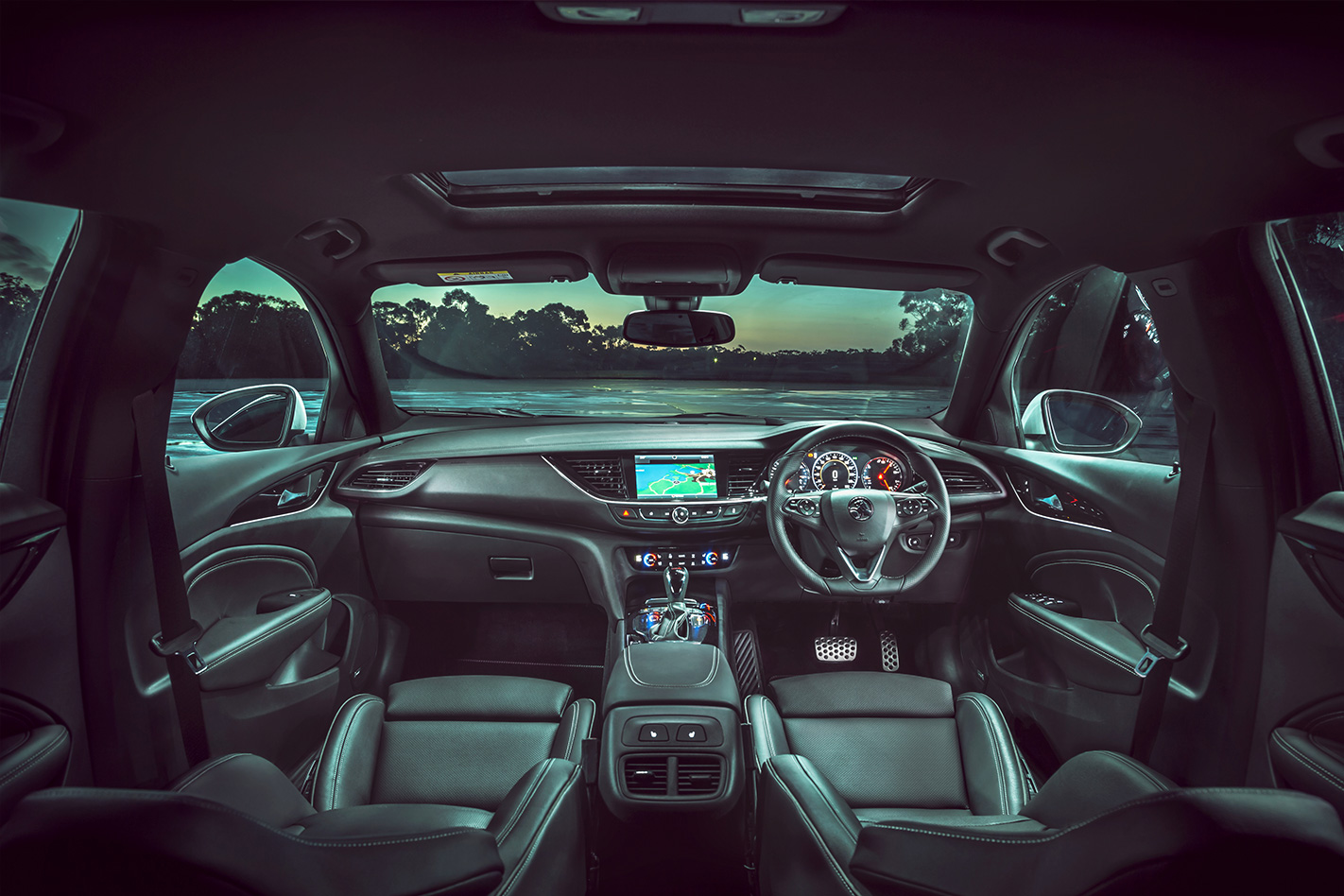
But most VFs offered something more. The old cabin’s warmth and texture hasn’t migrated, giving way to smooth but dull monochromatic homogeny. We had to check the $51,990 Calais-V’s badge to confirm it wasn’t a lesser model.
Mind you, spirits should soar behind the wheel of the 191kW/350Nm 2.0-litre turbo-petrol four/nine-speed auto front-driver, sampled in bestselling $37,290 RS Liftback form.
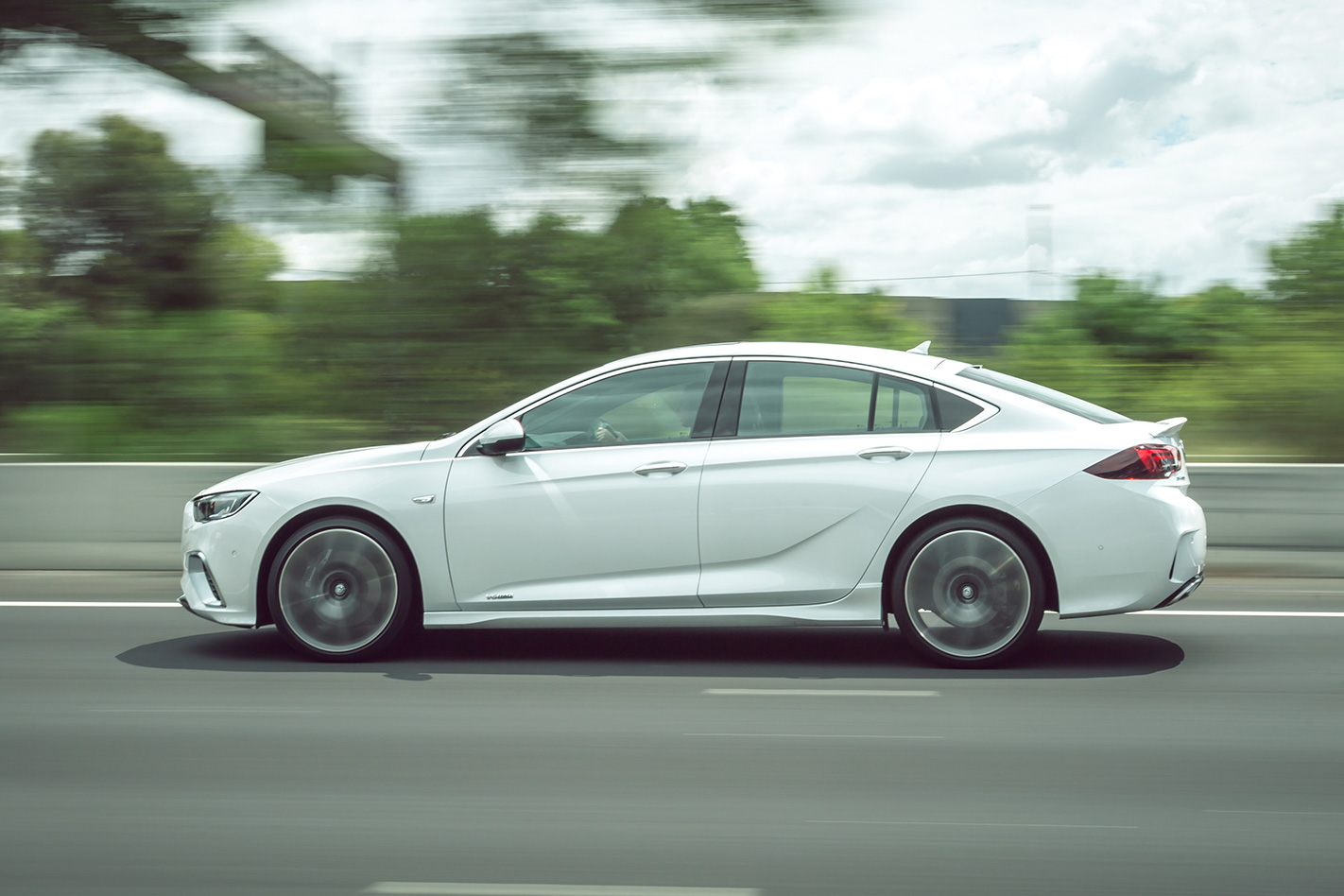
Furthermore, the 2.0L’s handling is defined by light yet involving steering, providing quick and confident cornering, backed up by unflappable roadholding. Just as outstanding is the comfortable, isolated ride (on 18-inch rubber). The fierce four-cylinder ZBs truly punch well above their weight. Great finessing job, Holden.
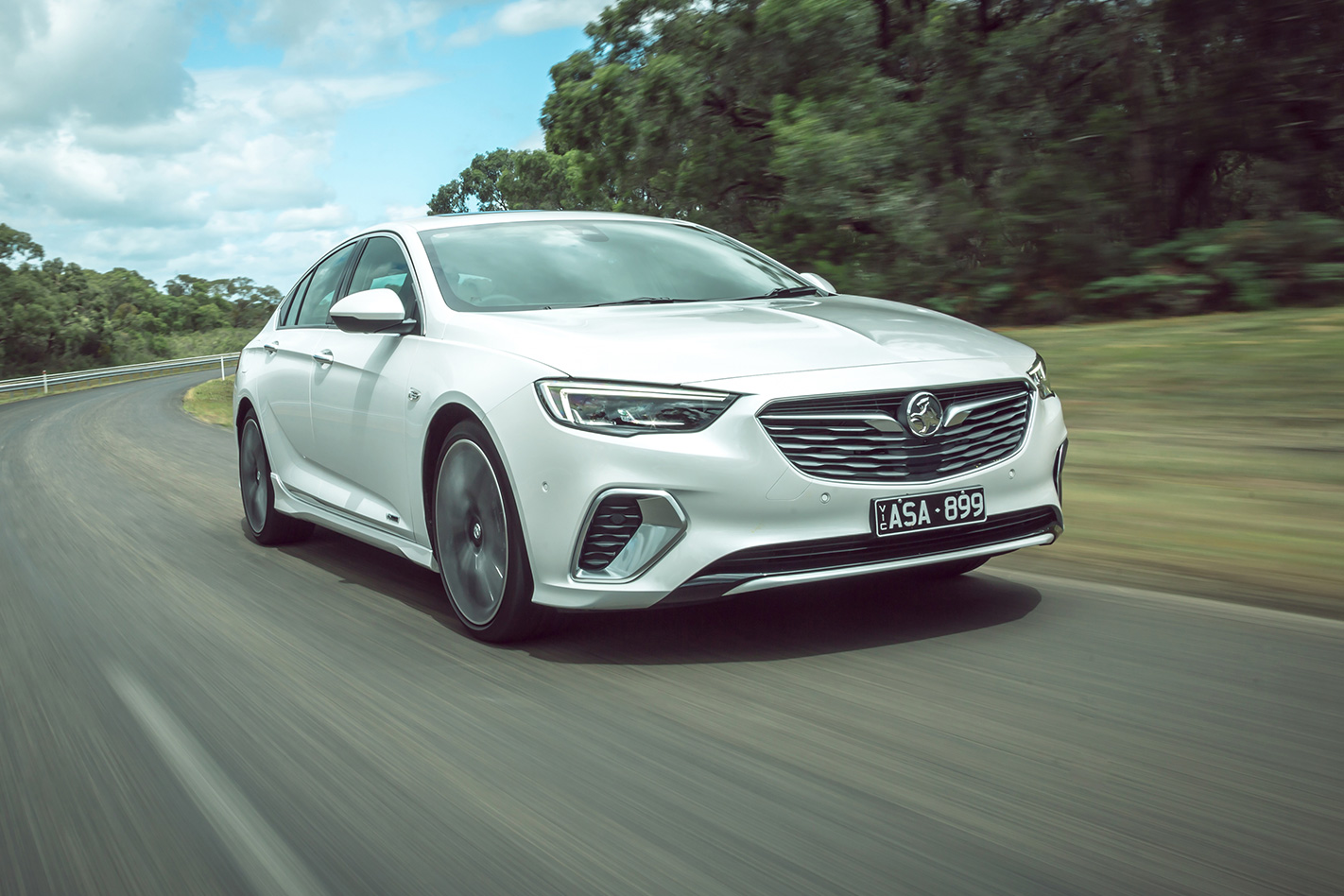
A huge shame too, because the VXR’s chassis poise and grip are remarkable, resulting in exceptional agility and control at higher speeds; but though the driver is connected to the action, the steering does feel uncharacteristically light. We actually prefer the 2.0L’s set-up.
Ironically, then, it’s the high-flying four-pot turbo front-drivers rather than the favoured V6s that best reflect Holden’s dynamic DNA. Or, in other words, less is more in this new era of imported Commodore.
SPECS
Model: Holden Commodore RS Liftback Engine: 1998cc 4-cyl, dohc, 16v turbo Max power: 191kW @ 5500rpm Max torque: 350Nm @ 3000-4000rpm Transmission: 9-speed auto Weight: 1534kg 0-100km/h: 7.2s (estimated) Fuel economy: 7.6L/100km Price: $37,290 On sale: Now
BIG drives and big skies. It’s the heartland of Aussie motoring, delving deep into the vastness that would’ve so intimidated the invading white fellas 230 years ago. And so this rite of passage continues with the German-born Holden ZB Commodore.
Replicating our exhaustive ‘consumer test’ of a lime-green Holden HQ Kingswood way back in 1972, we pointed two ZB liftbacks – an all-wheel-drive V6 Commodore VXR and a front-drive turbo-diesel Calais – towards north-western New South Wales to see just how well these European interlopers take to Aussie tarmac. Exceedingly well, as it turns out, to the soundtrack of tyre hum and cracking stereo phonics.
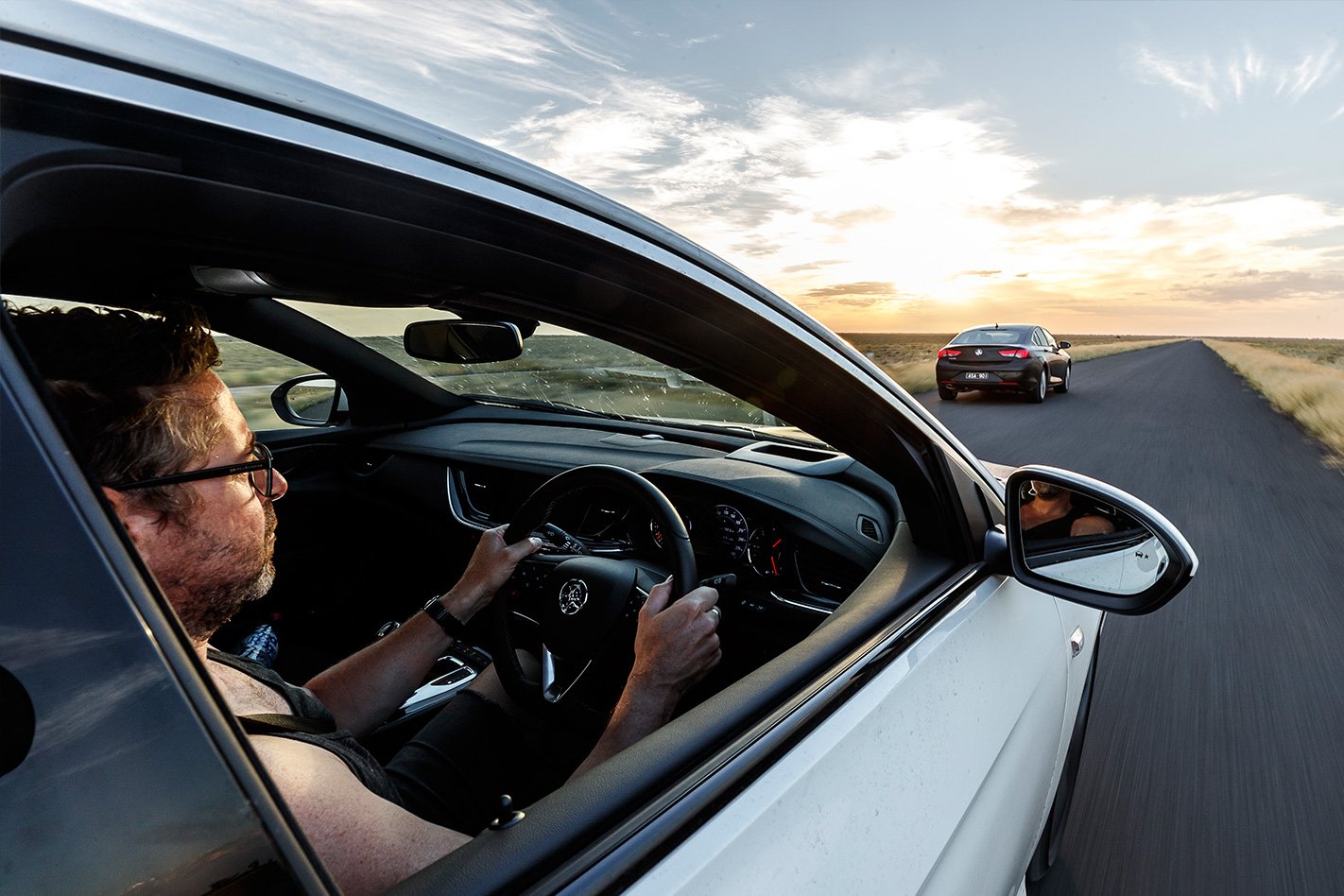
Given the sparseness of traffic even in 2018, we deemed 125-135km/h to be a suitable gait for our pair of ZBs, in much the same fashion that Peter Robinson found that 80mph (128km/h) was an acceptably brisk pace for the four-speed, six-cylinder HQ. But where Robbo had no trouble discovering the HQ’s actual top speed (a paltry 154km/h), we didn’t have the chutzpah to test each ZB’s peak velocities, both well in excess of 200km/h and a jail-able offence in today’s language.
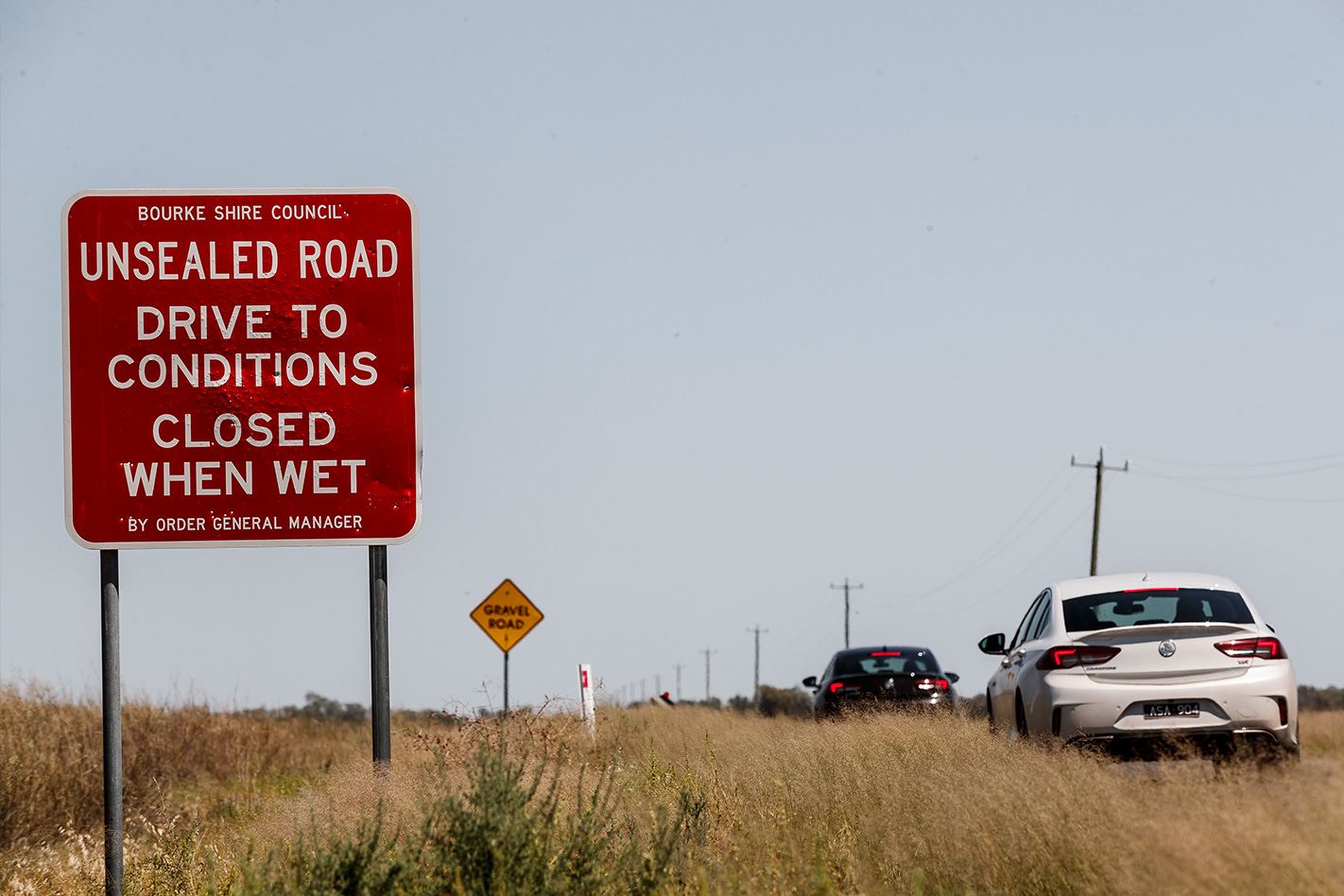
For the full story, and our entire 3000-plus kilometre ZB Commodore extravaganza, grab the February 2018 issue of Wheels magazine, on sale on February 22.
