
Dear Valued Subscriber,
Due to the announcement of our Performance Car of the Year (PCOTY) award, despatch of your March issue of MOTOR has been delayed until the retail magazine’s on-sale date of March 11th. We anticipate all subscriber copies will arrive within a few days of this date, subject to Australia Post’s fulfilment capability. I sincerely apologise for any inconvenience.
As I mentioned in last month’s issue, I’m sure you’ll find that the Performance Car of the Year 2021 issue will be worth the wait. We’ve slaved over this one and this 25th running of the event sees the fastest and most powerful field ever assembled, with one incredible champ crowned at the end of our testing week.
That’s on top of our drive in the new Aussie V8 Superute, the long-awaited BMW M2 CS, the updated Mercedes-AMG E63 S and the amazing reincarnation of the RUF Yellowbird. Of course there are the usual musings from our regular columnists, extensive long-term tests and news.
Subscribers like you support independent Australian journalism and retain control of quality content by getting it straight from the source. And if you want more, there’s the MOTOR Facebook, our Youtube channel, Twitter and Instagram.
Thanks for being a loyal MOTOR reader and again, I’m sorry about the delay in delivery of your March issue.
Regards,
Andy Enright Editor
Not subscribed to MOTOR yet? Get up to 49% off at motor.subscription.com.au
I’m not the kind of guy to admit to feelings of anxiety, but I’ll level with you: lately I’ve had trouble sleeping.
Sure, 2020’s been a stressful year, but it’s thoughts of ‘what if’ that are sitting heavily on my brain, making grim hypotheticals float around my cranium.
See, I’ve signed myself up for a tarmac rally. My first one. The Great Tarmac Rally is part of the Australian Tarmac Rally series and encompasses 246km of challenging Victorian alpine roads, so I feel like I’ve dived into the deep end. I’ll be wearing metaphorical floaties given I’ll be driving in the noob-tier “Tour” category where speeds are limited to 130km/h, but trees and physics are still harsh mistresses at such velocity.
Though there’s less Scando-flicky, rooster-taily action than a gravel rally, the combo of high-grip tarmac, girthy tree trunks and approximately zero runoff elevate the danger factor.
However, balancing that out is the safety of being able to use the entire road, coupled with the fact there’s no oncoming traffic. I’ve driven the road stages of the Great Tarmac Rally before, but I’m expecting them to be almost unrecognisable without a 100km/h speed limit, traffic, or the need to keep left.
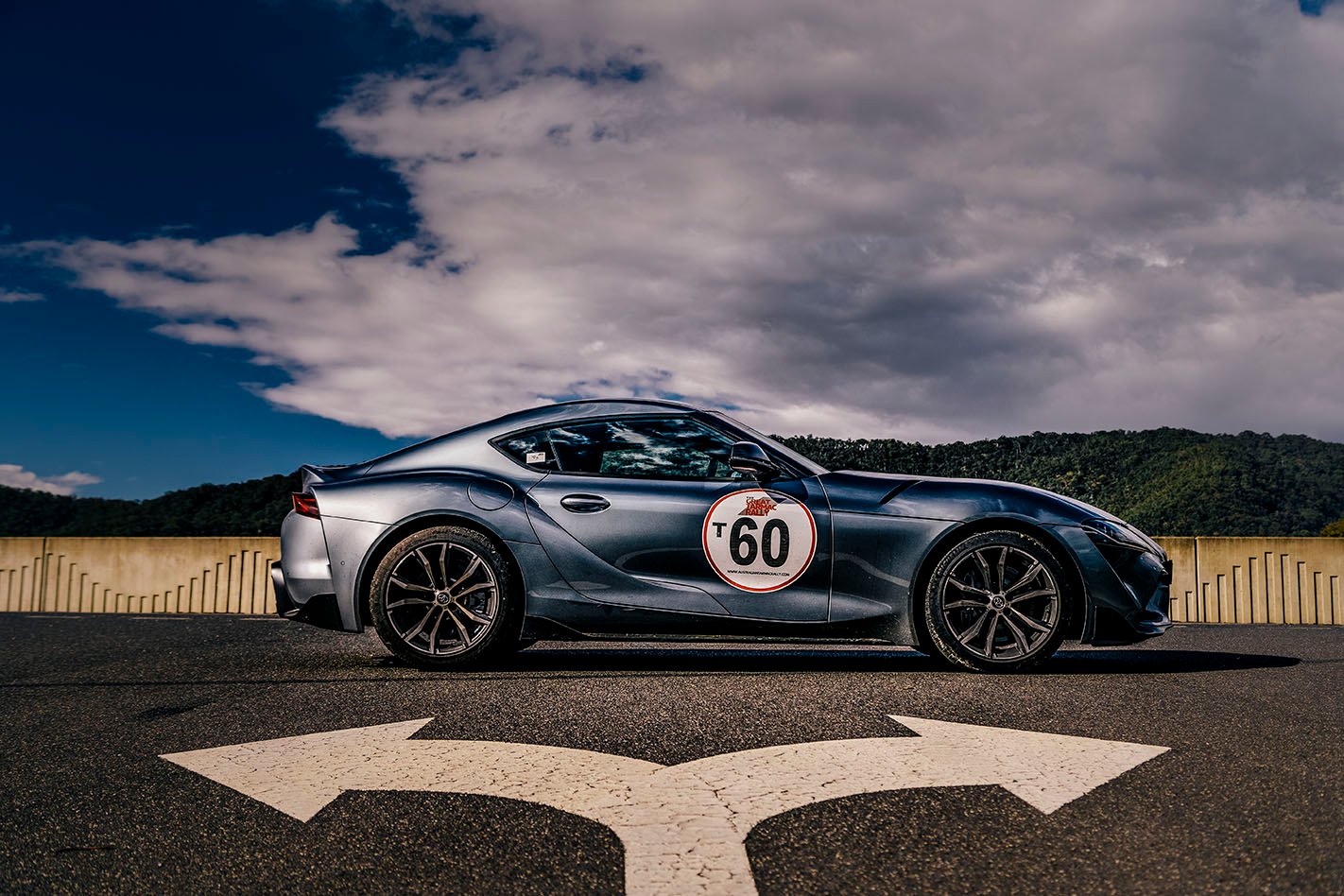
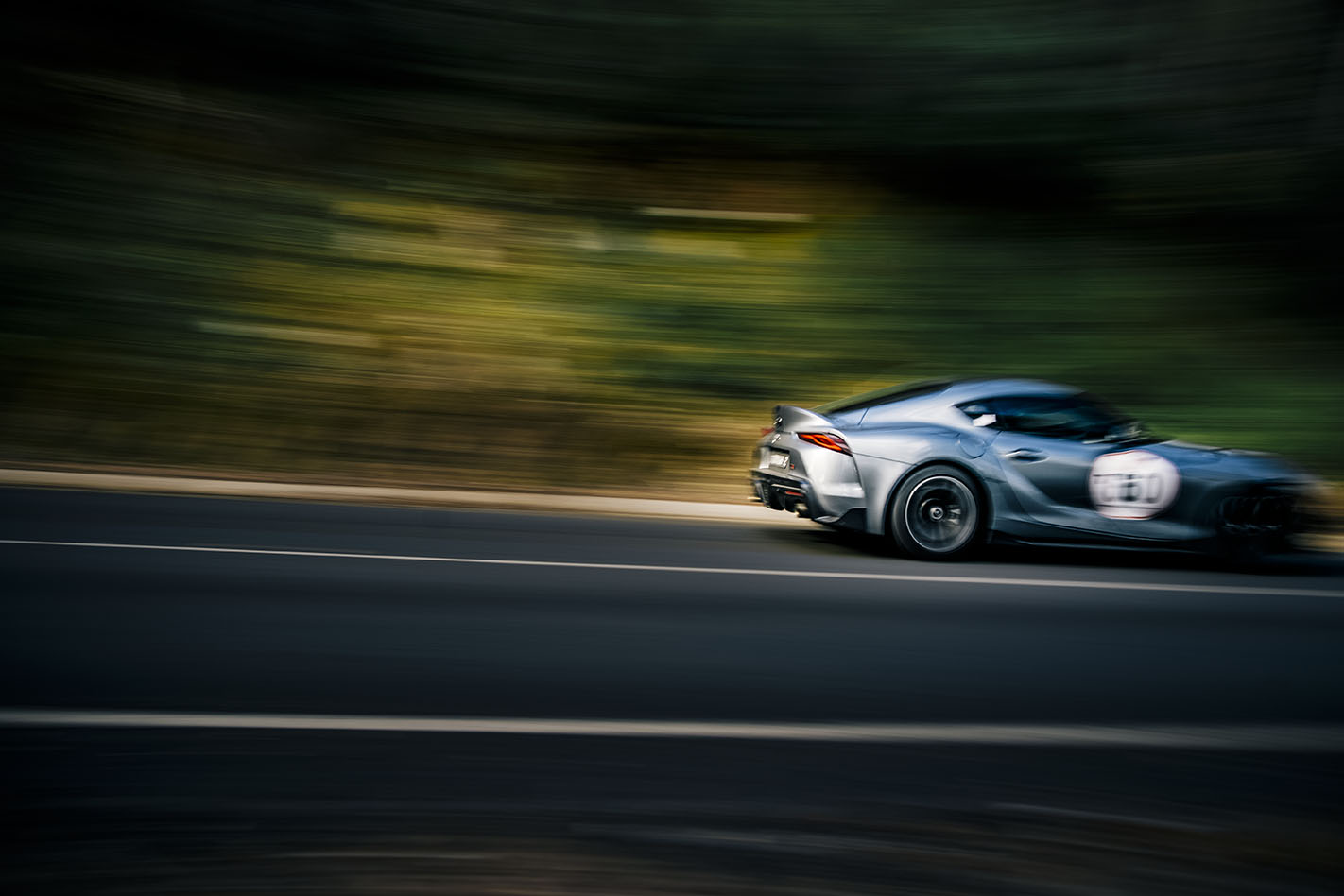
Adding a smidge more stress is the fact I’m doing this in someone else’s car. Toyota has provided a shiny Supra GT (Cam Kirby’s old long-termer, in fact), and it already has enough dramatic creases and bulges – it doesn’t need me to add any more. Another sobering thought is that Peter Brock lost his life competing in a tarmac rally, and I have nowhere near his skill. Then again, Elvis died while sitting on the toilet, and I run that gauntlet on a daily basis…
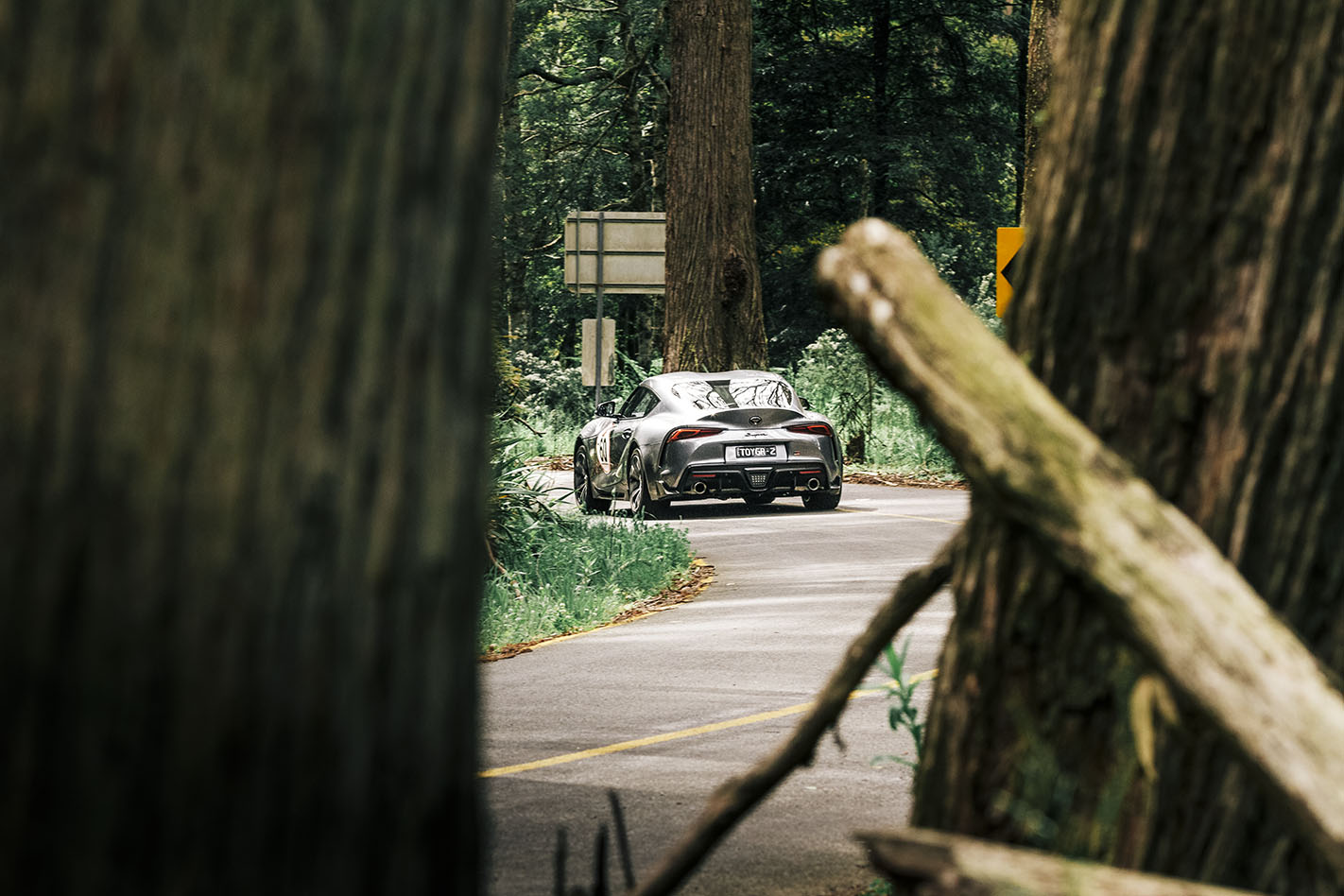
Rolling into scrutineering in a bone-stock Toyota, I immediately feel like an impostor. Lumpy-cammed Evos and WRXs rumble through, along with a handful of ’90s-era Skylines, a similar number of brappy RX-7s, with a medley of hardcore Audi TT RSs and BMW M cars filling out the Competition-car field. Oh, and myriad Porsches.
With the Comp cars bristling with jungle-gym rollcages, fixed-back buckets, plumbed-in extinguishers, intercoms, three-inch harnesses and hard-wired rally computers, I feel a bit of a fraud as I pivot my eyes from those race-spec cars to my factory-issue Supra.
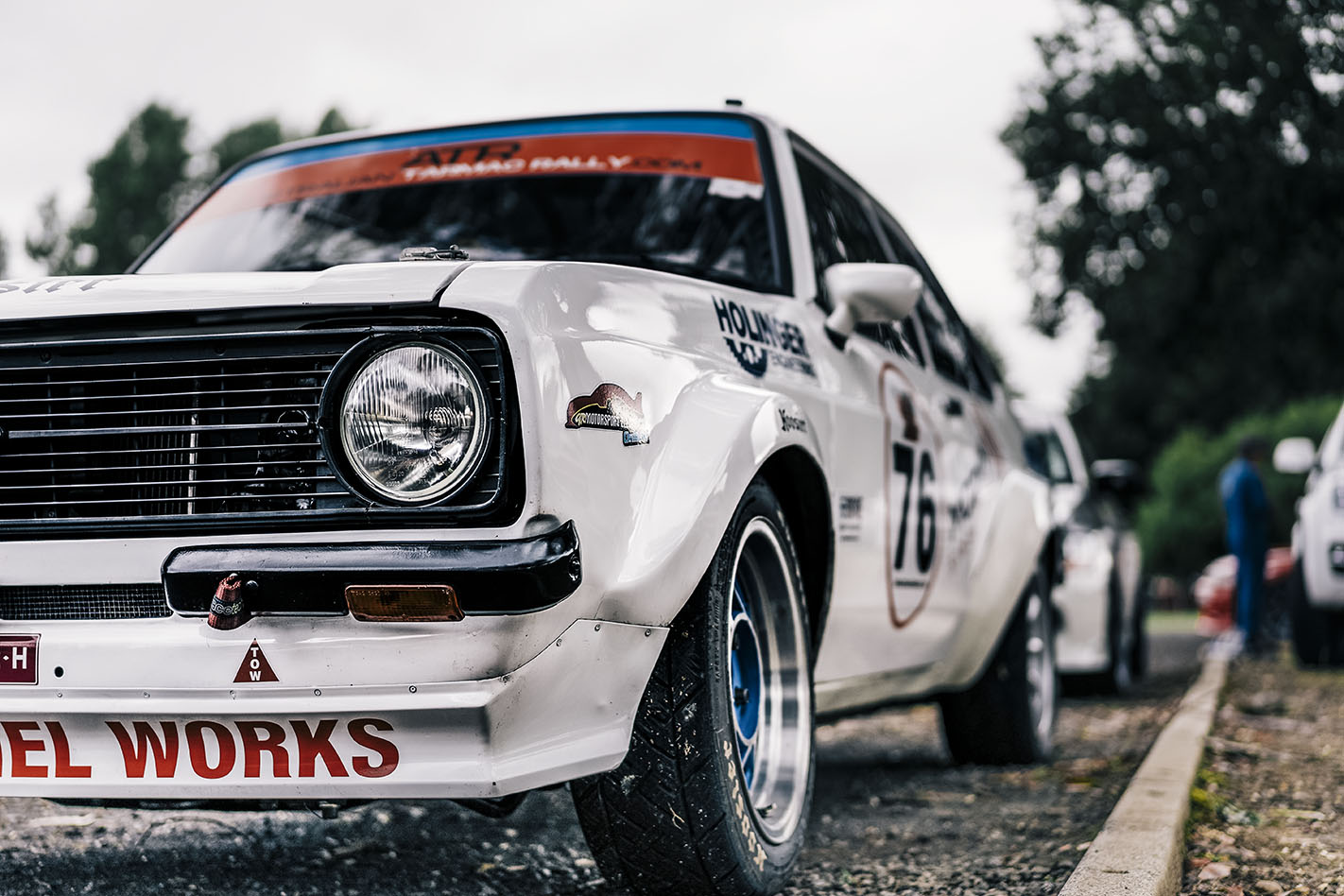
But then my fellow Tour participants arrive, and it’s an eclectic mix. While some are caged and wearing sticky rubber, most are in showroom-spec. In fact, a lone VF SS Redline shows up looking like VicPol Highway Patrol trying to infiltrate our party. I chat to the owner and it’s his family car. The only modification is a set of Michelin PS4s, but he’s a veteran of this event and he turns out to be one of the faster drivers in Tour.
Including me, there are 22 drivers in Tour this year, and their motives for being here are just as diverse as the cars they drive. There’s a group of mates who’ve driven down from New South Wales to have a crack at Victorian asphalt, most in high-end Euro performance cars. There are a few husband-and-wife teams as well – including one who’s using Tour as a testing ground to see if they have what it takes to step up to full-bore tarmac rallying – and a couple of father and son entries. The cars have anywhere from two to five doors, with engines in the front, middle or rear. Yet, two things unify the Tour gang: they’re all exceedingly nice, and almost all of them seem to be MOTOR readers.
Scrutineering for Tour is mostly a formality. A roadworthy production car with tyres and brakes in good health should pass muster, and the Supra gets its boxes ticked. The only meaningful ‘modification’ is the need to run a Rallysafe transceiver in the car, which tells officials if your car comes to a sudden stop and you’re in need of medical assistance. For us Tour participants it also has one other function: to tattle on us the instant we breach 130km/h. The hire of the unit is included in the entry fee and it plugs into the OBD port, but leaves a long yellow cable dangling right above the Supra’s accelerator. I do my best to tape it out of the way.
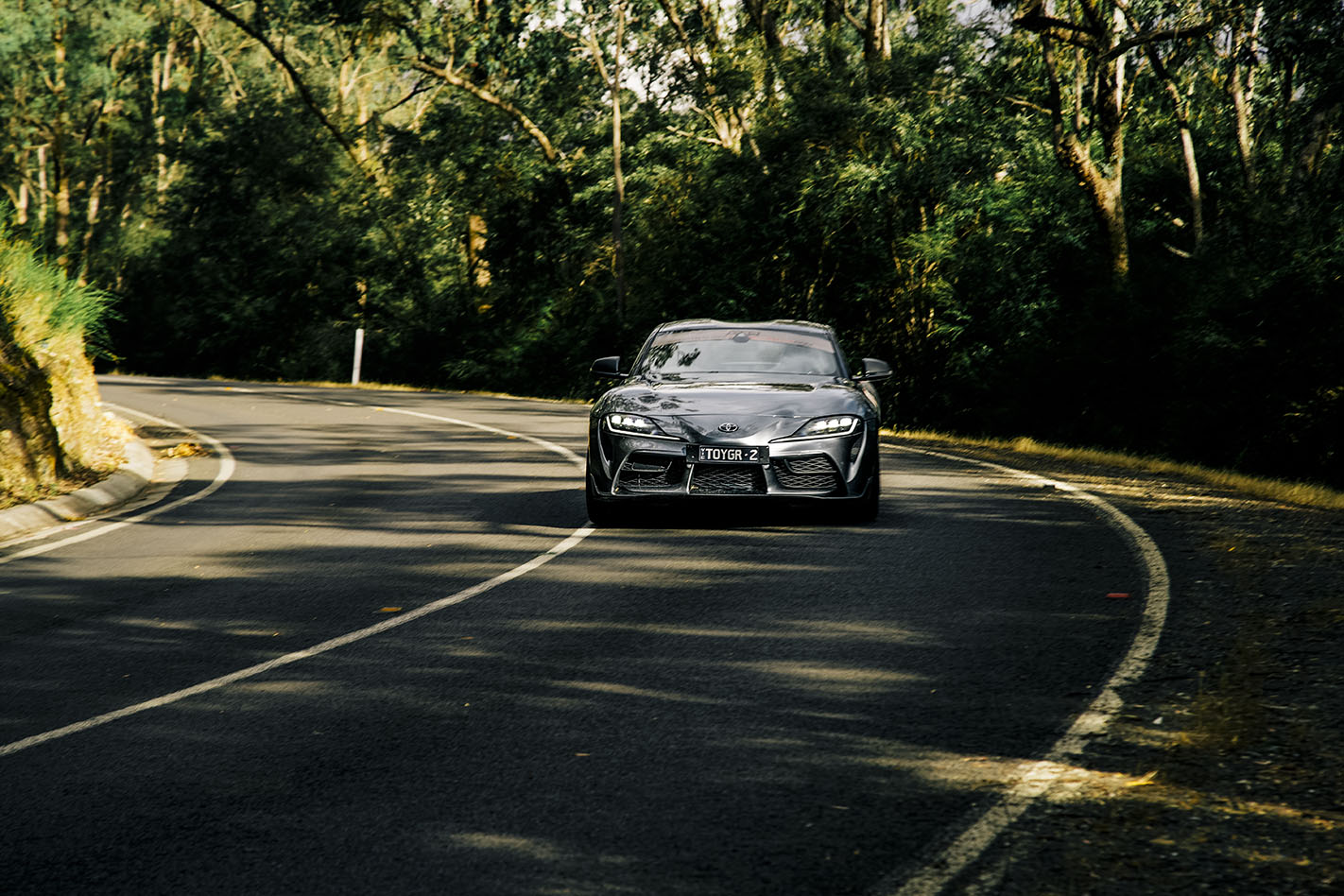
The first stage is an easy-going sprint from Marysville to the Lake Mountain turnoff. The road is wide, well-kept and the trees are set back from its verges. The next stage will take us from the base of Lake Mountain Road to Cumberland Junction, eight kilometres to the south-east, and it’s considerably gnarlier. With much tighter twists, more bumps, a narrower road, and tree trunks a mere foot from the road’s edge, it’s a short blat that demands all of your concentration.
I decide to fiddle with the Supra beforehand, dialling up its Sport-Individual mode so I can tailor its traits to the road. I settle on Sport for the powertrain, but switch steering and suspension modes to Normal. On roads like these, sharper damper settings could unsettle the car and interrupt traction, while less steering weight will surely benefit my arms given the quantity of corners in this two-day event. Anyway, it’s not like Sport mode actually improves the Supra’s steering feel. The combo works brilliantly. The first four kilometres of the second leg are full-tilt, with my right boot jumping between accelerator and brake like an indecisive cabbie, while I relish being able to take the racing line between apexes.
It’s bumpy on this stage, but the more pliant suspension settings give the Supra’s Michelin Pilot Super Sports a tenacious hold on the blacktop as the wheels articulate between compression and droop. There’s a lot of pitch between accel and decel, but the Supra remains stable under hard braking and I don’t feel the bump steer issues this model gets tarred with. Same again with roll – it’s there, but it doesn’t get in the way of going fast. It’s a welcome change from the “stiffer is faster” mantra of this era of sports cars.
The Supra’s inherent stability and chassis balance is outstanding. With huge front-end grip and a sharp steering rack, the Supra’s nose slices into turns with katana precision. Past the apex and winding off lock, feeding on power makes the Supra squat down over its 275-section rear Michelins, giving the grip needed to deploy its 500Nm.
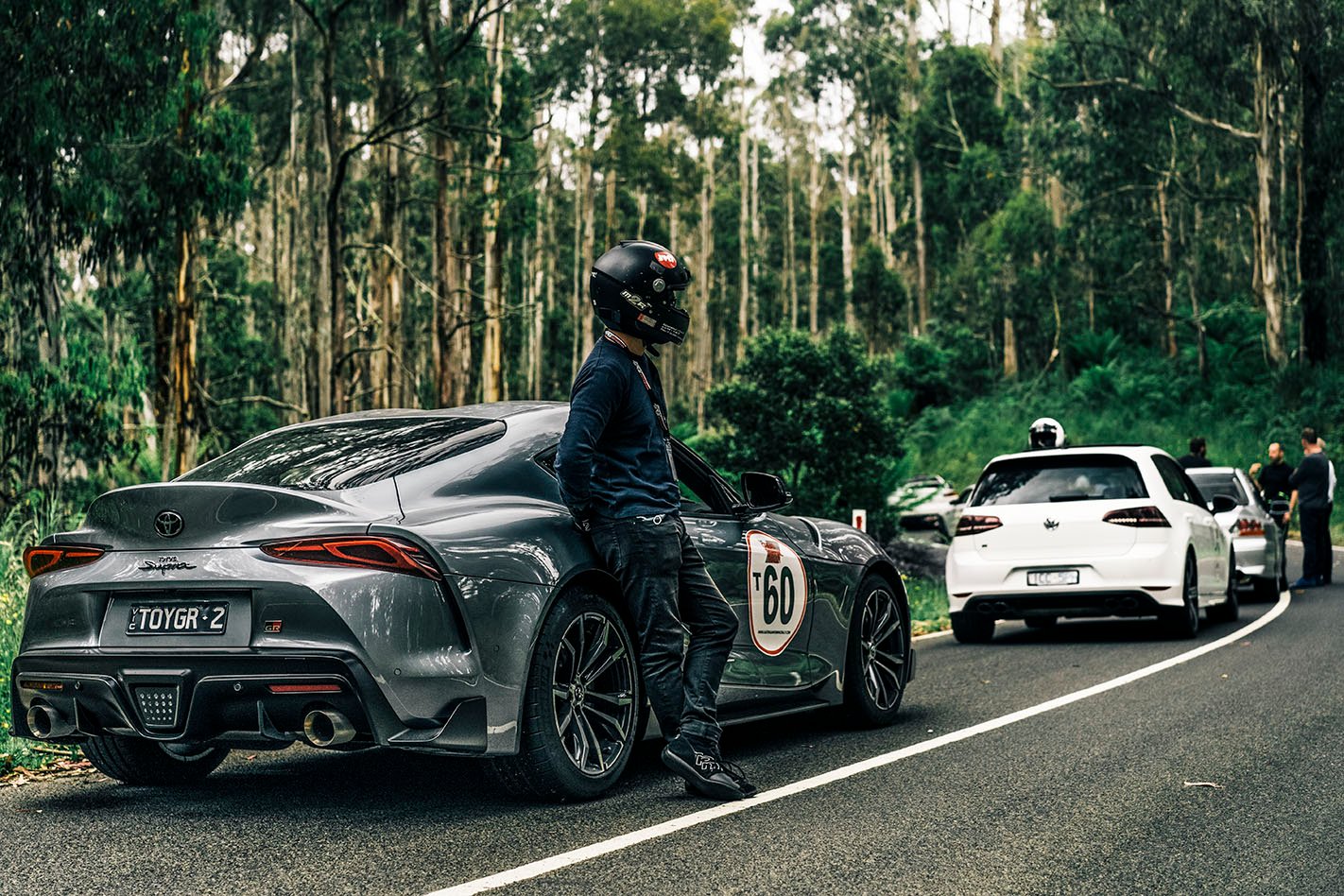
Those eight kilometres fly by all too quickly, but the next stage will be a test. Running 20km from Cumberland Junction to the Reefton Hotel, it’s a relentless downhill corner-fest with higher average speeds.
I know this road pretty well, but I also know that there’ are really only one or two clearings along it that are both big enough and flat enough to land an air ambulance.
There are 122 turns on this stage, give or take, and the bulk of them are tight. The Supra’s eight-speed can handle the acute ones in second, but third gear is the one-size-fits-all option. At the engine’s redline of 7000rpm third gear just kisses 130km/h, the maximum allowable for us Tour groupers, but it’s better not to stretch the engine that far. Short-shifting into fourth between 5500-6000rpm is wiser, landing the needle somewhere around 4300-4500rpm, right where the Supra’s massive torque curve is thickest. I tell you what, 500Nm makes for a hell of a slingshot.
This stretch of Reefton Spur is epic enough on any given day, but when closed to the public and with no prospect of cops it transforms into a guilt-free playground. The Supra laps it up, pulling into the Reefton Hotel carpark with temps in check and ready for more. After a quick reset we line up to do the same stages in reverse, before turning around once more in Marysville to do the entire morning’s stages in one big uninterrupted hit.
The second run to Reefton was magic, with the only dull parts being the brief straights where we are forced to cruise at 130km/h. However the return run is marred by heavy rain, downgrading it to a transport stage for safety reasons. After dinner, I drive back to my rented cottage and collapse into bed.
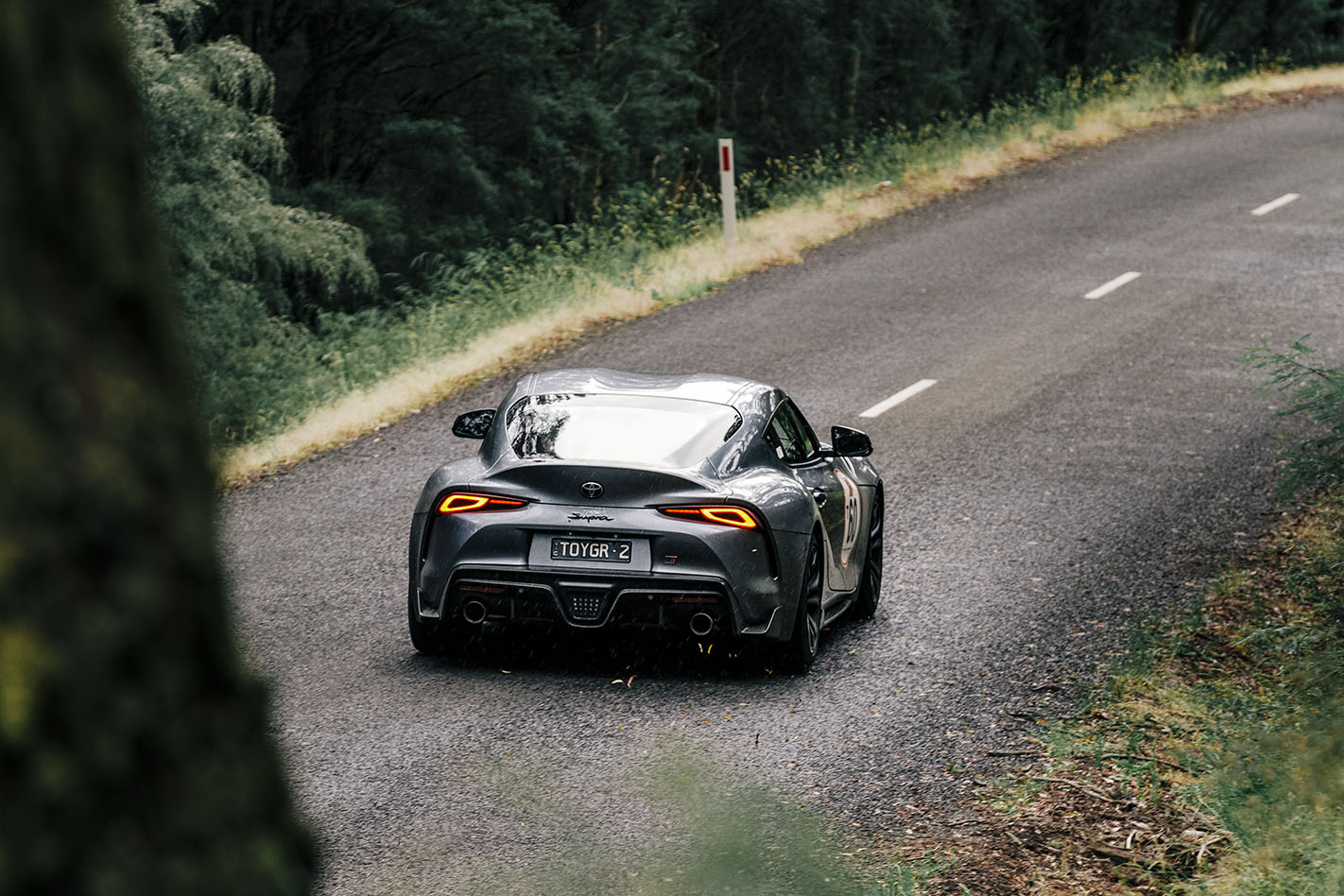
Waking up on day two, the ground is dry and only a thin cloud layer shields us from the sun. A good sign. However, after hopping into the Supra and zipping up to the new staging area in Eildon (where I fill its 50-litre tank – amazingly it completed all of yesterday’s driving without needing more juice), sporadic showers loom on the horizon, but they aren’t dampening spirits.
Today’s ‘track’ is Eildon-Jamieson Road, another fave of mine but mercifully we’re not using its full 37km length. Instead, we’ll turn around about 75 per cent of the way to Jamieson and head back to Eildon, skipping the friendlier sequence of curves along Big River. The elevation change is not as dramatic as yesterday, but the straights between corners are longer and the brakes will be under more duress. It’s also more of a rollercoaster than Reefton, with several crest/corner combos that threaten to take weight off your tyres when you need it most.
The area has also seen storms overnight, which has ripped leaves, bark and branches off trees and coated the road with detritus. The zero car recons the route, and a warning is passed along: be wary of debris. As the Tour cars run after the Competition cars we have the benefit of running on a swept road with a visible racing line through all the leaf litter, but a couple of patches of dust and gravel catch me off guard, making the Supra’s nose wash wide. Yesterday I only ran a couple of stages with the stability control set to its more permissive Traction setting, but today I’m keeping it fully on.
And it turns out to be a sensible move. The weather stays patchy for the rest of the day, delivering intermittent moisture that leaves some sections greasy and others grippy. A few of the Comp cars crash out, and as I drive past the back end of an Evo that’s pointing skyward it’s a reminder that though this is a lot of fun, motorsport can indeed be dangerous. Thankfully all crews are OK.
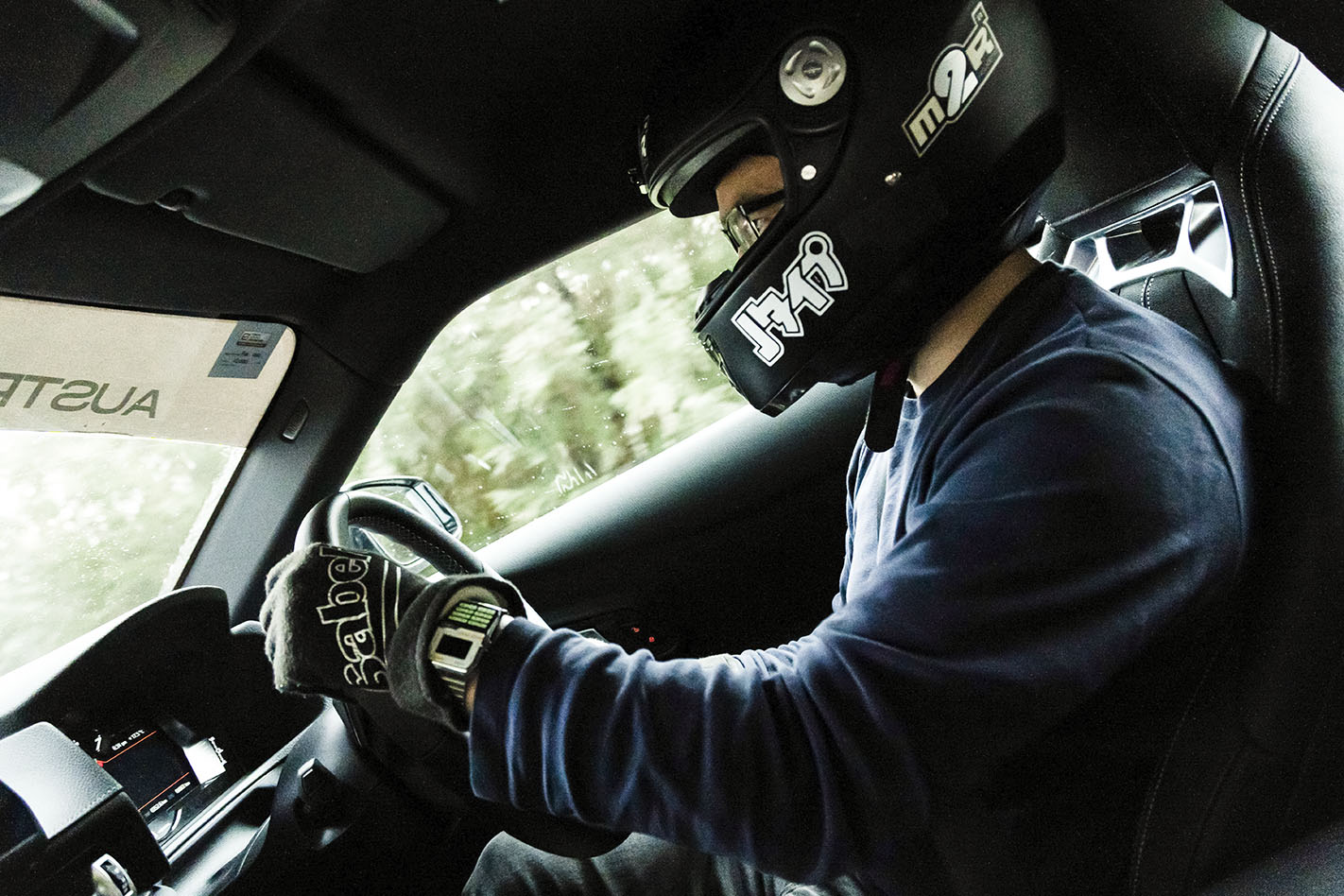
The day culminates with a brilliant 25km run from Big River back to the west end of Eildon-Jamieson Road. It’s one last opportunity to ignore the lane markings and I make the most of it. It dawns on me that although this is the fastest I’ve ever driven along here, I’ve never felt safer. Being able to use the full width of the road means there’s more margin for error, and with nobody coming in the other direction there’s hardly any chance of hitting another vehicle. This is exactly how these roads should be experienced by any driving enthusiast, and I’m a little sad now that it’s over.
With the rally behind me and my body intact, is my mind now at ease? Well, kind of. The fear is gone, but there are new things keeping me awake: the vivid memories of hurtling through alpine forests in a turbo Toyota, and the question of when I’ll get to do it all again.
LATE ADOPTERS REJOICE
Two days before the start of the rally, Toyota announced that the updated Supra was arriving in dealerships with more grunt. The car we used was a pre-update model with the 250kW/500Nm version of the B58 3.0-litre turbo six, so what did we miss out on? Besides an extra 35kW, the torque curve is reshaped for the new engine. It still maxes out at 500Nm, but that figure is now spread between 1800 and 5000rpm, rather than 1600-4500rpm. The compression ratio is lowered to 10.2:1, the exhaust manifold is now a six-port design rather than a two-port, and there’s some additional chassis bracing, but other changes are minimal. See what we think of it later here.
DO IT YOURSELF
Getting involved in tarmac rallying is simple, and entering yourself in the Tour category is the best way to do it. Besides being able to enter a regular road car (motorsport-level safety gear isn’t required, just a proper helmet and a roadworthy vehicle), the speed limitation and follow-the-leader format means you’ll get to experience the joy of sanctioned ‘hooning’ on public roads with minimal risk. Trackandtarmac.com helped us arrange our Great Tarmac Rally experience, and while it’s a four-figure sum to enter, it’s a price worth paying for two full days of some of the most enjoyable driving you’ll ever do.
2020 TOYOTA GR SUPRA GT SPECS
Engine: 2998cc inline-6, DOHC, 24v, turbocharger Drive: rear-wheel Power: 250kW @ 7800rpm (pre update) Torque: 500Nm @ 1600-4500rpm Transmission: 8-speed automatic Price: $87,126
Sometimes it’s really hard to stand out from the crowd. No matter how worthy the particular product is, it simply can’t gain traction against reputable competition.
Enter the fourth-generation Ford Focus, a hatchback with sales results that conversely reflect its proficiency as a genuinely sorted product. In a segment filled with top-sellers like the Toyota Corolla, Hyundai i30, Kia Cerato and Mazda 3, the plucky Blue Oval-badged five-door doesn’t get a look in. But in ST-Line guise, it definitely should.
The sales race is brutal and given the lacklustre performance of the Focus, Ford rationalised its local lineup in 2020 in an unforgiving fashion. We’re left with just three variants; the ST-Line, the high-riding yet front-wheel-drive-only Active and the gung-ho ST hot hatch.
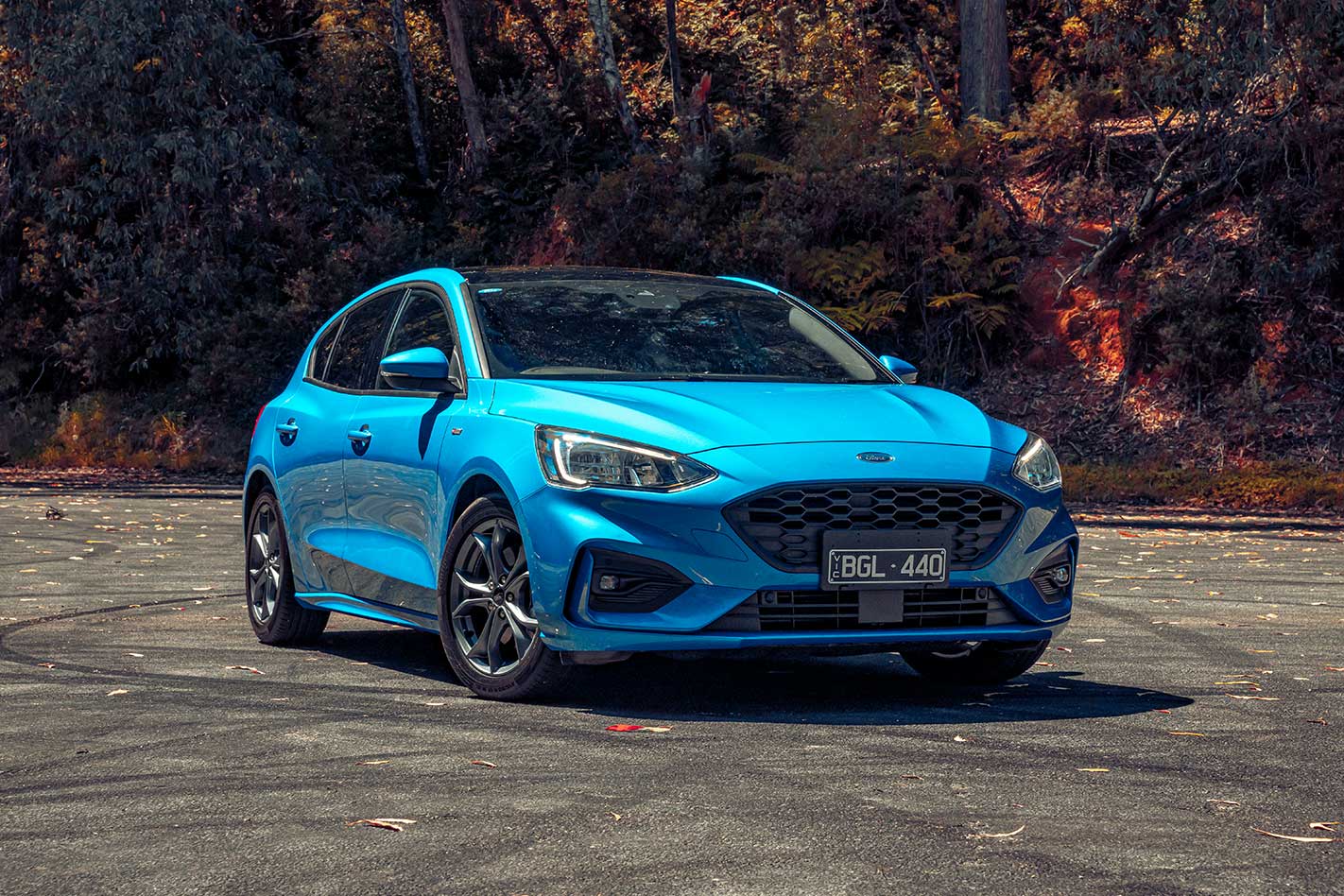
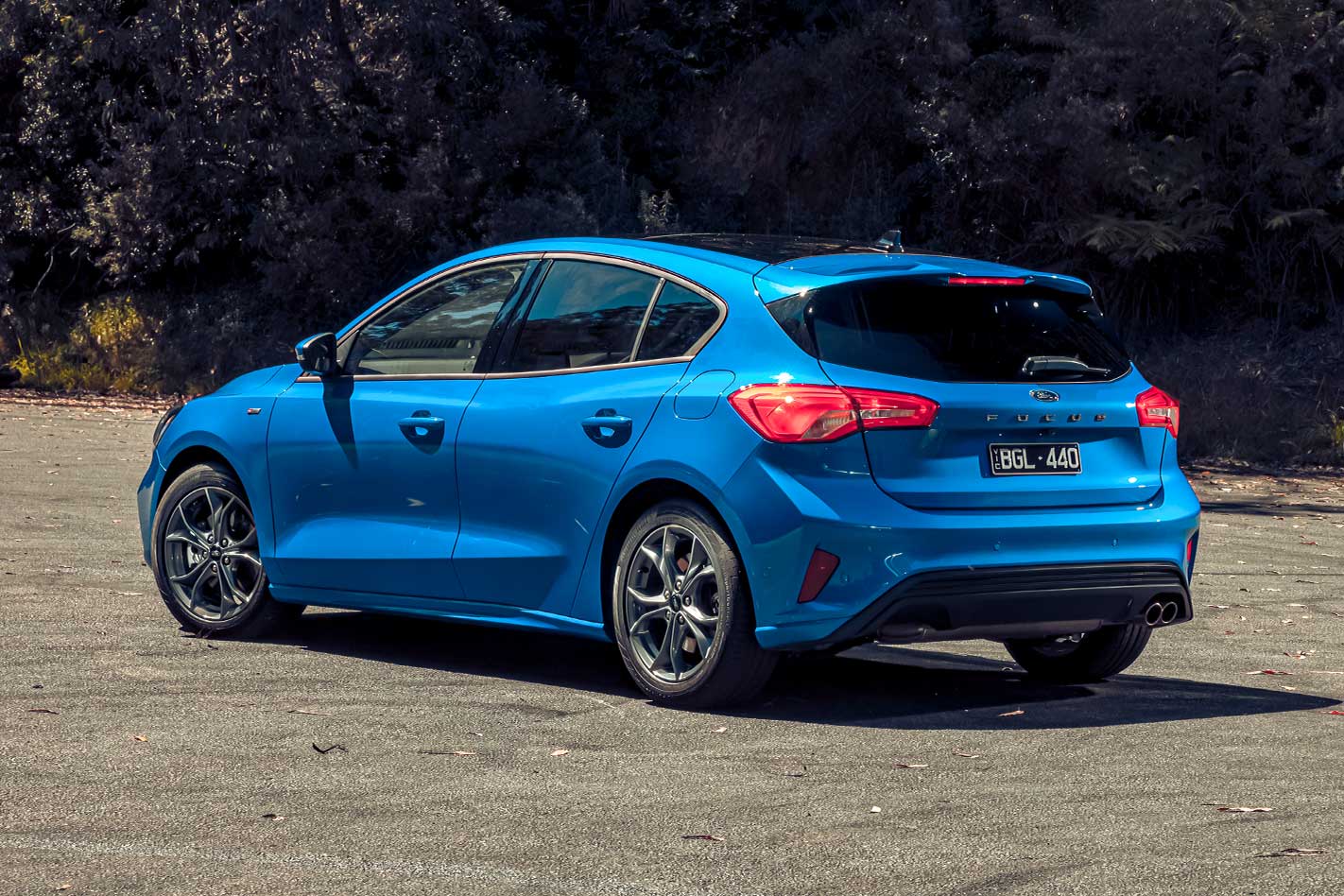
The impressive three-cylinder-powered ST-Line tested here fulfils the pseudo warm hatch brief, but its identical pricing with the Active means the range starts at a lofty $30,990. However, it should be kept in mind that the ST-Line’s mechanical gubbins go a long way to justify the price premium.
That’s because the star of the show is the diminutive 1.5-litre three-cylinder turbo, an engine that punches hard above its weight division and gives the Focus a rather unique selling point.
It genuinely feels as strong as a 2.0-litre four-pot. And with 134kW and 240Nm, its raw figures certainly back that up, which means the Focus is more than a match for the segment.
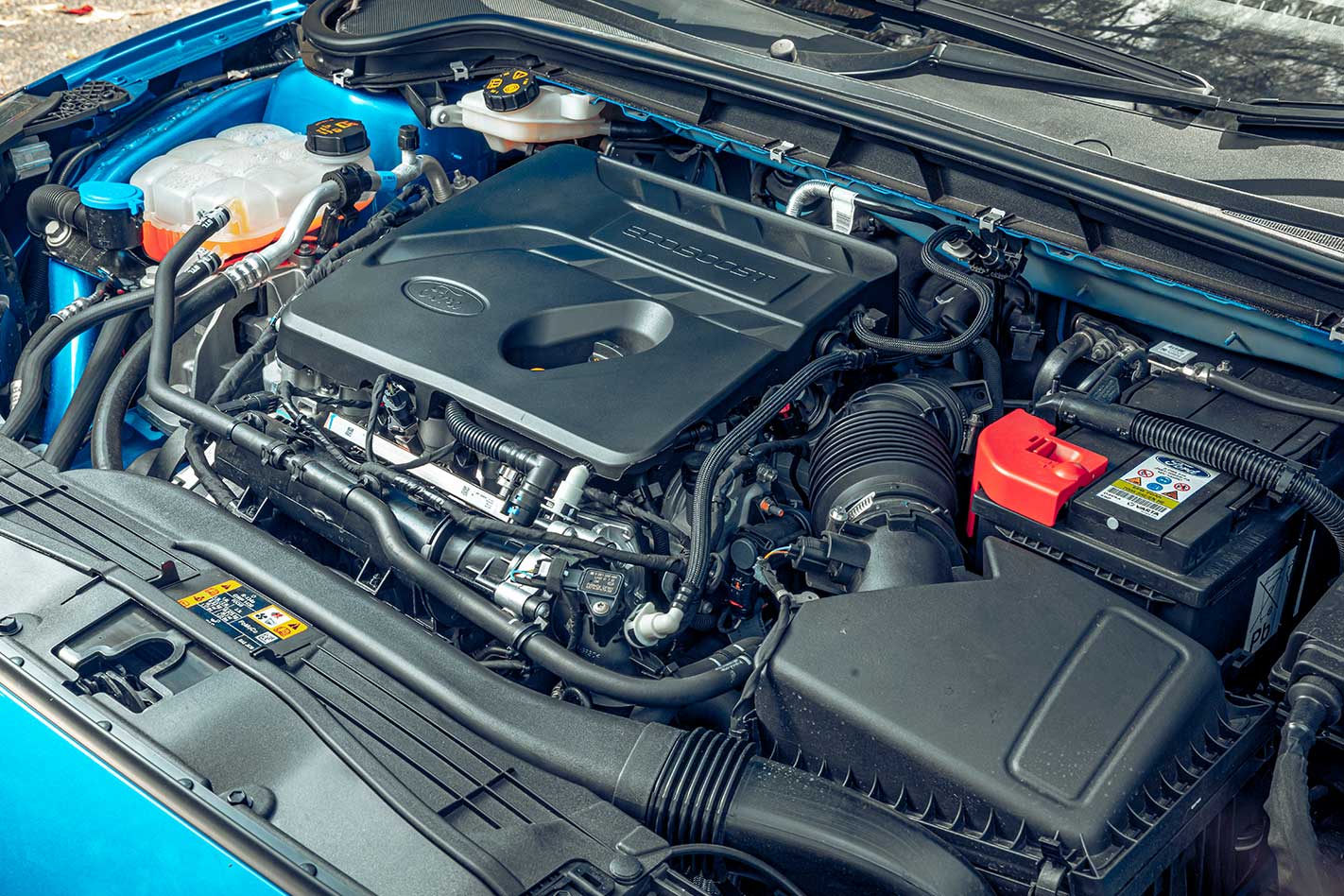
The EcoBoost unit revs cleanly and with purpose to redline, but also draws on its meaty torque curve, which extends all the way to 5000rpm from as low as 1750rpm. Be it city driving or overtaking on the open road, the ST-Line never feels out of puff with a linear power delivery.
It sounds good, too, although it would be even better if you could hear even more of the inherently balanced, thrummy three-cylinder via the Sport mode (Normal and Eco are the other options). And not only does it miss out on the throaty note of the Fiesta ST, but there are also no overrun histrionics, either.
While Ford claims a combined consumption figure of 6.4L/100km, we recorded a thirstier 8.75L/100km – however, that did include spirited road-testing kays mixed in with CBD and highway stints. Interestingly, the three-pot can deactivate one of its cylinders at cruising speeds to save fuel.
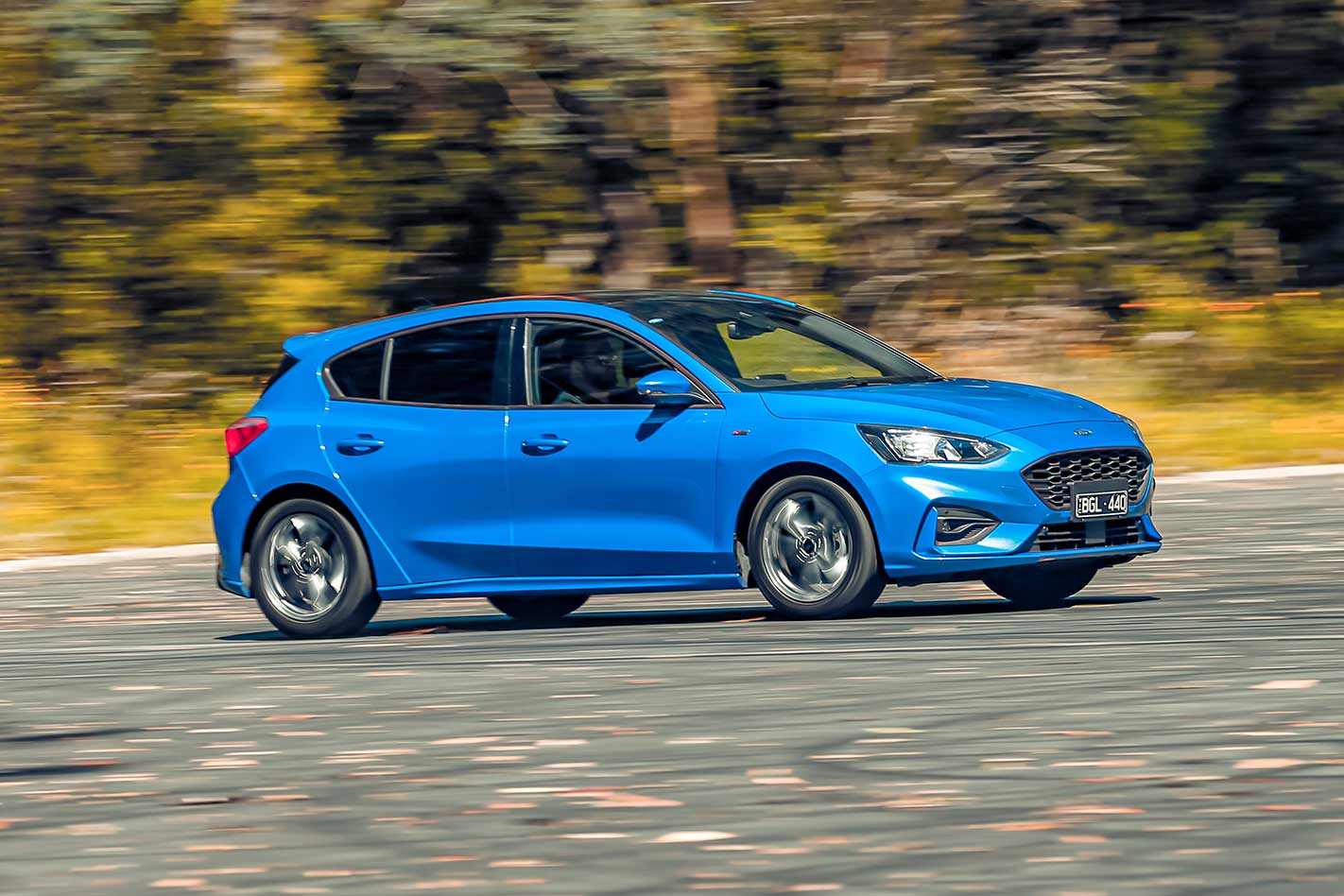
It’s a shame Ford doesn’t endow the Focus ST-Line with the full-fat 147kW/290Nm Fiesta ST tune (or offer the manual that is available in other markets). It seems like a missed opportunity to go toe-to-toe with the likes of the Hyundai i30 N Line and Kia Cerato GT in straight-line prowess. Yet, despite a 0-100km/h time of 8.3 seconds on paper, it isn’t a slouch, and the ST-Line’s handling ability is a match for the EcoBoost’s charm.
Now using a sophisticated multi-link independent rear suspension setup instead of the torsion-beam configuration the hatch originally launched with (there are MacPherson struts up front), the ST-Line displays surprising dynamic talent for what is ostensibly a run-of-the-mill hatchback.
Running on chubby 215/50 Continental ContiSportContact 5 rubber (wrapping rather ‘small’ 17-inch alloys), the ST-Line does tend to roll over its sidewall when pushed.
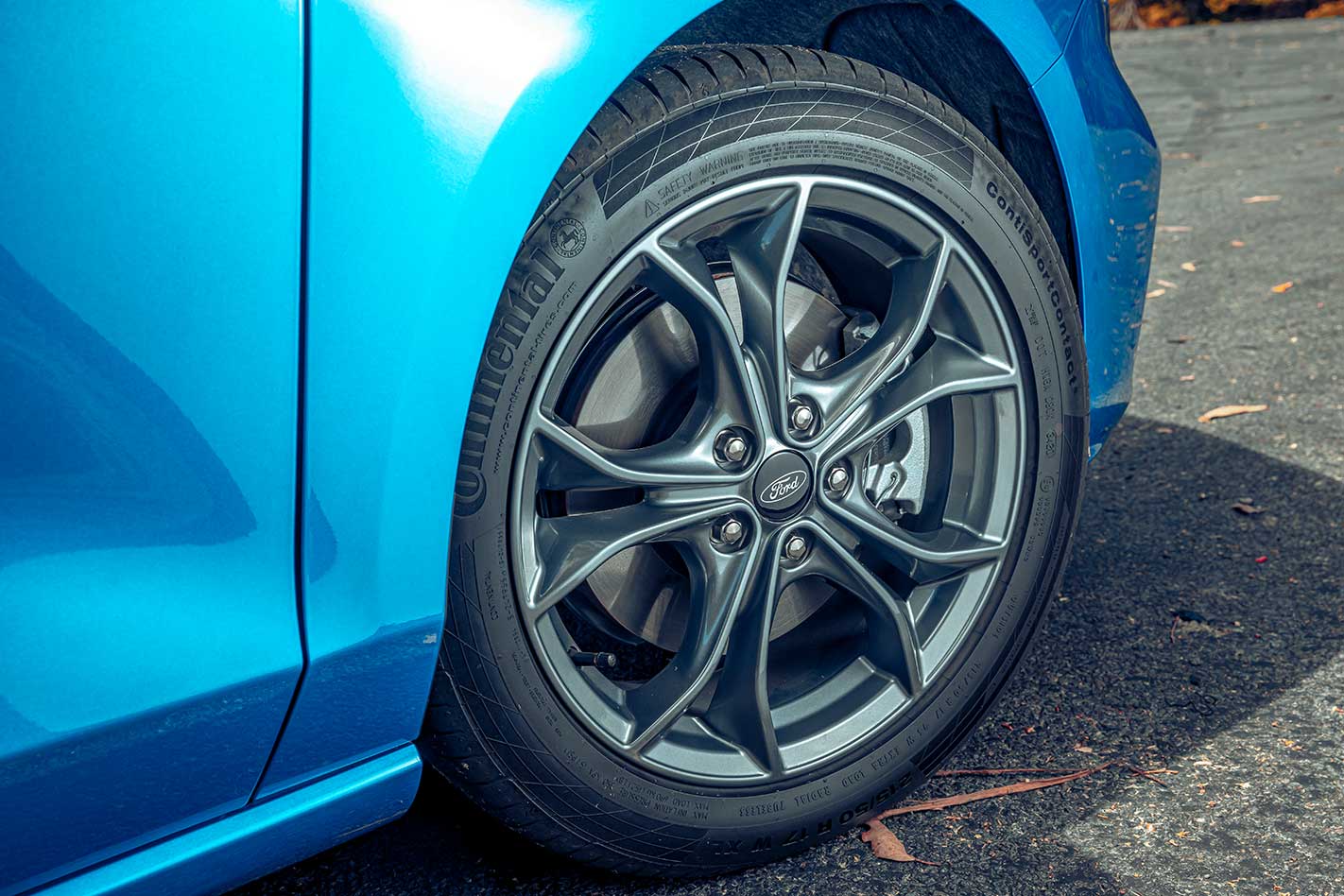
However, it’s easy to get into a rhythm with it and work with the movement to exploit the sorted chassis. It feels effervescent and light on its feet, making you want to explore its warm-hatch credentials.
Using the stronger and lighter C2 architecture, the ST-Line has a tidy front-end with ample grip and a level of rear-axle compliance that doesn’t waver when encountering nasty mid-corner bumps.
The steering is a little vague on centre and in the initial stages of lock, however, it adds reassuring weight the more you turn towards the apex. Oh, and those taller sidewalls do help with the ride quality that’s classified as firm, not harsh – especially given the 10mm drop in height over the now defunct-for-Oz Trend variant.
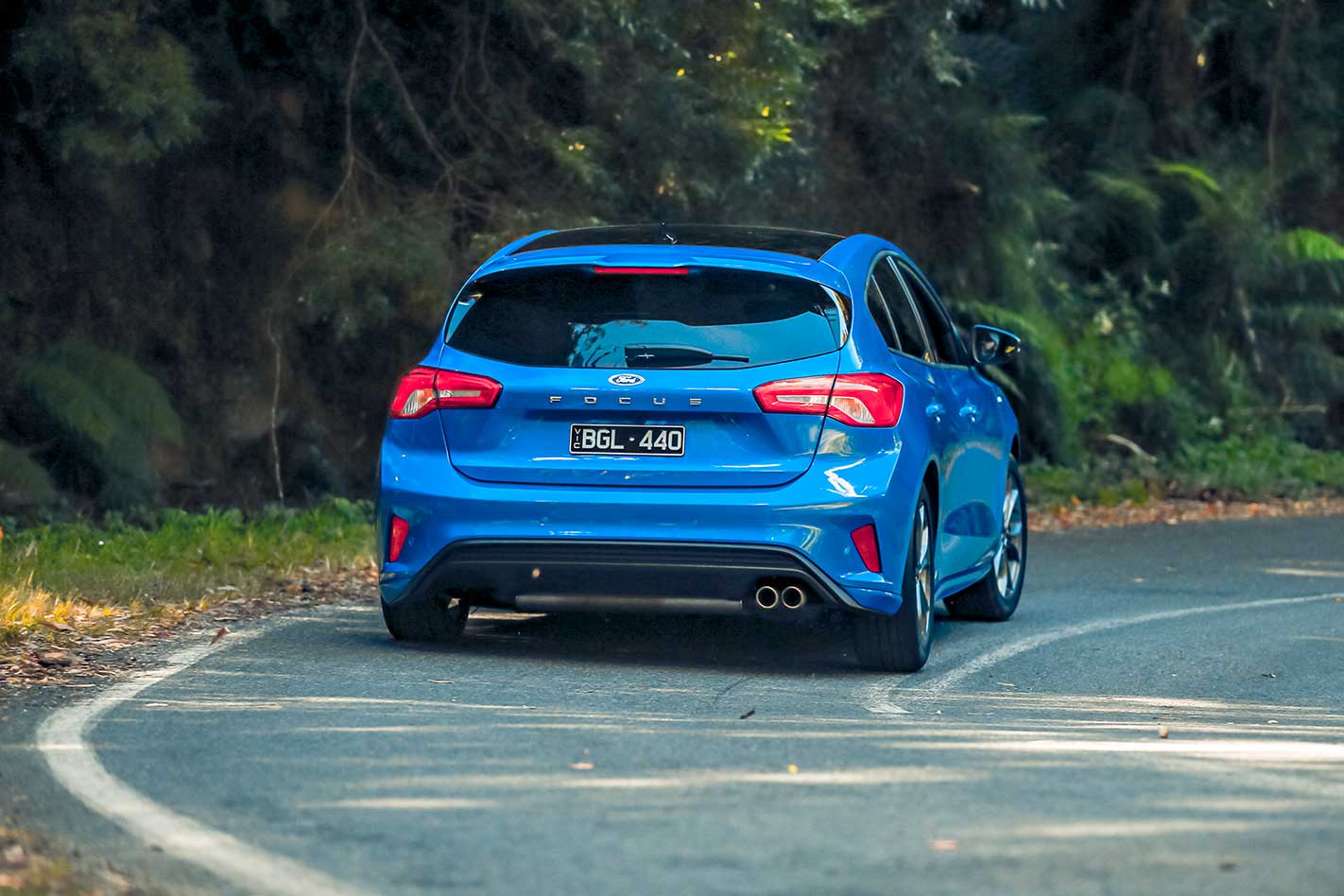
The weakest link in the powertrain is the eight-speed automatic, which, ironically for a torque-converter unit, displays behavioural traits akin to a dual-clutch gearbox. Slow-speed smoothness isn’t its forte, exacerbating the initially lax throttle response. Switching from drive into reverse gear can also be met with a delay.
On the run it is smooth and imperceptible but forget using the manual mode and steering wheel-mounted paddles when the mood takes you as it doesn’t hold gears to redline – it’s more a Sport mode than full manual control.
And the e-shifter won’t be to everyone’s liking, especially when it doesn’t really free up much more console space and it’s harder to use than a conventional shifter. Form over function, indeed.
The rotary-style dial is also supposed to be a design decision to encourage overall cohesion. But while the previous-gen Focus was lumped with a busy cabin, the fourth generation is a little stylistically nondescript.
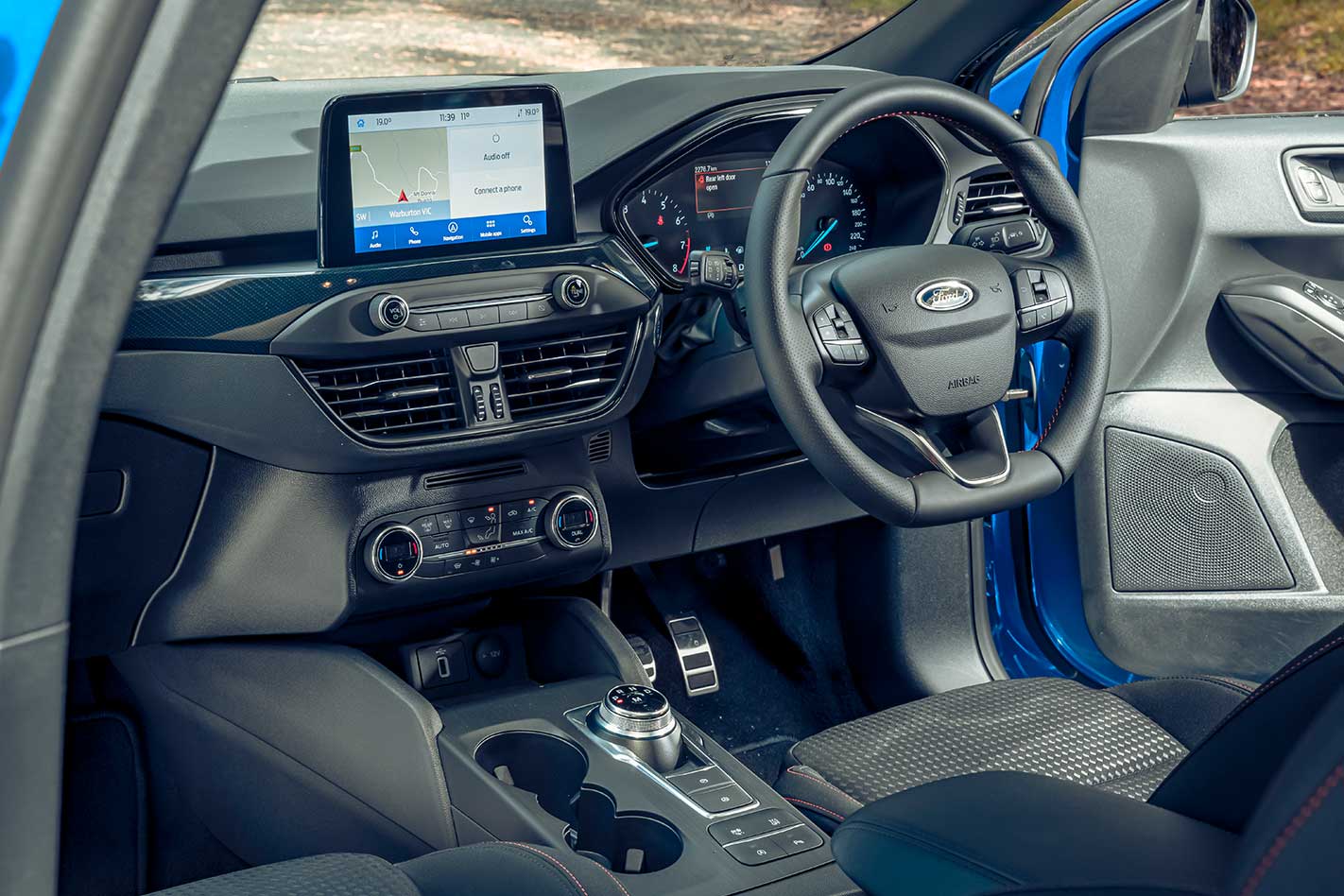
And some of the materials used mean it won’t trouble a Volkswagen Golf or Mazda 3 for premium ambience despite matching them in terms of build quality. There are a few hints to the sporting intent with ST-Line scuff plates, dark headliner and red stitching for the cloth seats and flat-bottom steering wheel.
Fiddly e-shifter aside, the ergonomics are sound with a logical layout and the sports-orientated seats are a nice addition – the driving position is also spot on behind the wheel.
Ambient lighting raises the mood at night, too, while outward vision from all angles is good. Road noise on course-chip tarmac can be heard at speed, but overall untoward exterior sounds don’t become too intrusive within the cabin.
A high-mount 8.0-inch touchscreen handles the infotainment comprising Ford’s SYNC 3 system with inbuilt satellite navigation – but most will bypass it to utilise wired Apple CarPlay and Android Auto.
A wireless charging pad is available for compatible smartphones, while DAB+ digital radio, dynamic LED headlights, 180-degree split-view camera, keyless entry/push-button start, dual-zone climate control and a leather-wrapped steering wheel are standard.
The instrument cluster comprises analogue dials, which flank a digital display for various functions like the trip computer and speedometer.
FordPassConnect uses an embedded modem to talk to your phone via an app. Once hooked up, it can be used to carry out various tasks like locate the car, lock and unlock the doors and start the engine. The latter engages the climate control, which will either warm or cool the cabin depending on the settings programmed before the car was turned off.
In terms of safety, the ST-Line receives a five-star ANCAP safety rating. An optional Driver Assistance Package includes adaptive cruise control with a handy Stop&Go function as well as blind-spot information with rear cross-traffic alert and active braking. AEB with cyclist and pedestrian detection, lane keeping aid with lane departure warning is standard. There are two ISOFIX points to secure child seats.
With a 2700mm-long wheelbase, backseat legroom is generous if not commodious. However, even with the optional panorama sunroof, headroom is impressive. It’s a shame there’s no central armrest, air vents or USB charging ports in the back, but both outboard seats gain a mesh map pocket, there is a 12v power socket and the seat backs of the front pews are covered in soft material instead of hard plastic.
The rear seats fold in a 60:40-split, and while the boot floor is flat (hiding a space-saver spare), there’s a lip when the rear pews are stowed. However, at 373 litres, the cargo capacity is competitive for the class and is noticeably larger than that of the strong-selling Corolla (217 litres).
Capped-price servicing comes in at $299 per standard A or B scheduled service for up to four years or 60,000km (whichever comes first), with intervals deemed to be every 15,000km or 12 months. The Focus ST-Line is covered by Ford’s five-year, unlimited kilometre warranty for peace of mind.
Ultimately the ST-Line is a great package, yet there’s a caveat. And that’s the price. While the $30,990 sticker is lucrative, you need to tick the Driver Assist Package to gain the same level of safety tech found in rivals – which will set you back an additional $1250.
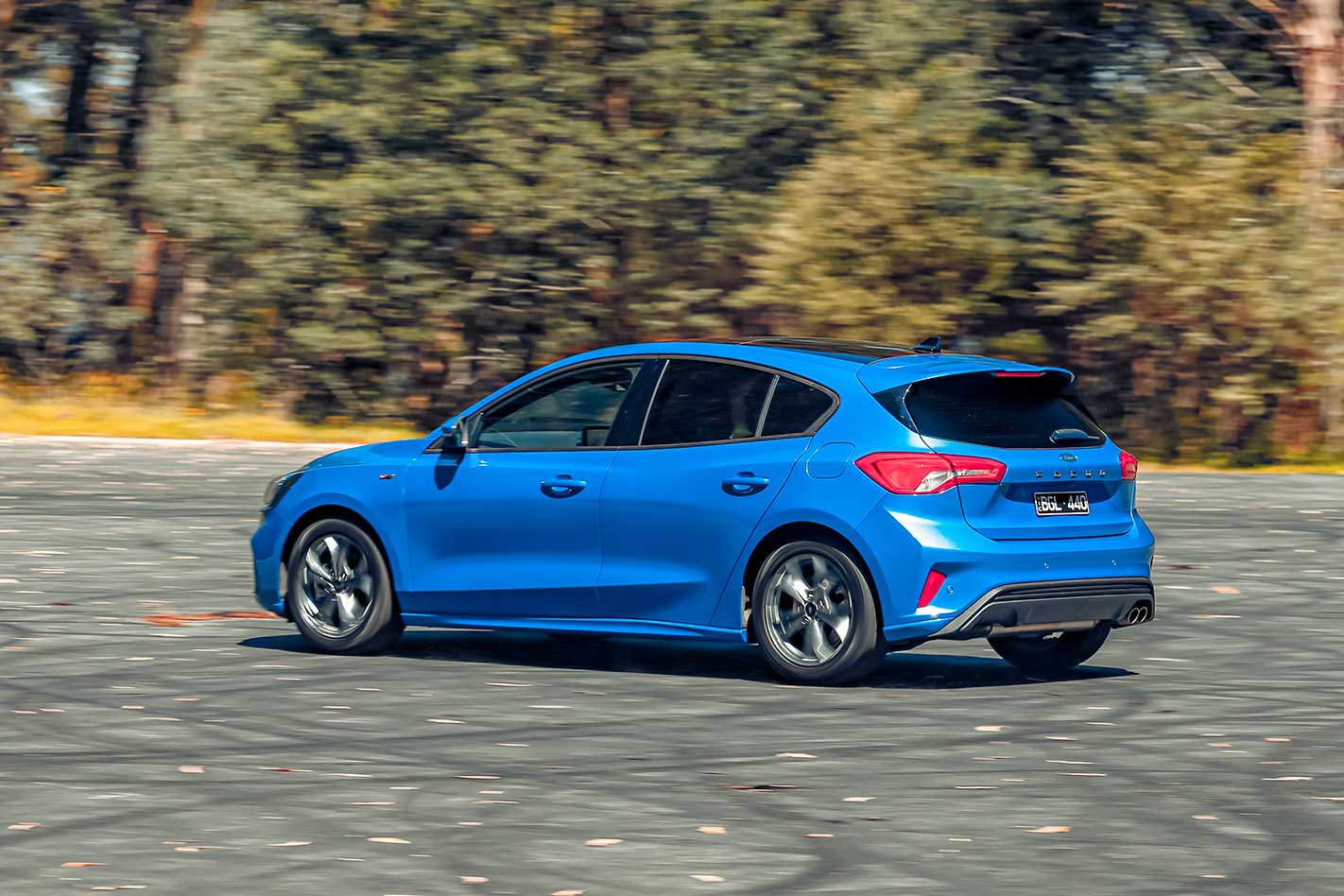
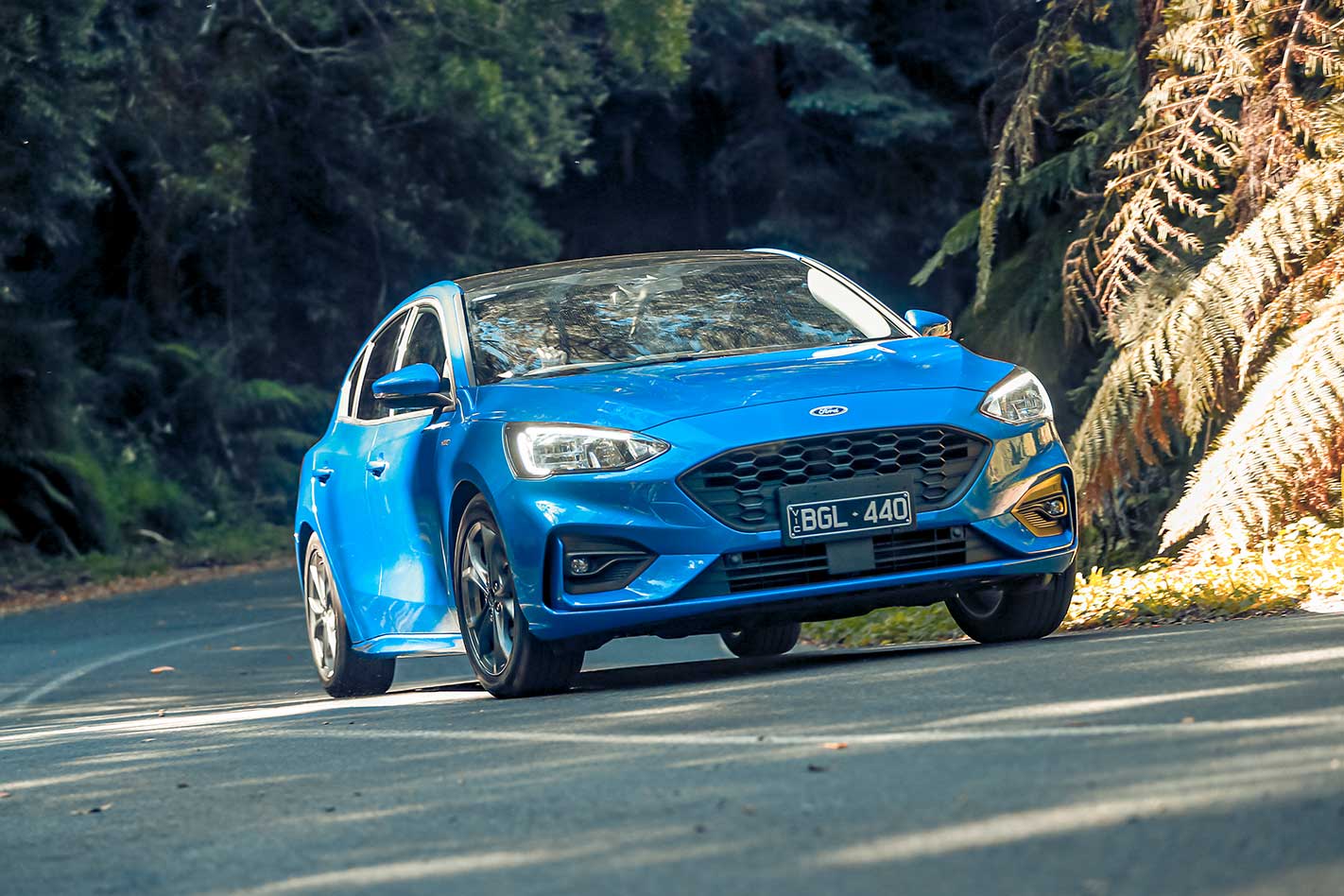
Plus, to coat your ST-Line in the hero Desert Island Blue hue (or any of the premium metallic paints) you’ll need to fork out $650 and a further $2K for the panoramic glass sunroof. That tallies to an RRP of $34,890 all in, but before on-road costs.
Yes, the Focus is starting to age given its late 2018 release and the ST-Line is missing some key standard equipment. However, in a world where run-of-the-mill hatchbacks can be boring and generic, the warmed-up ST-Line offers a charming persona that’s hard not to be enamoured by.
What’s more, it hasn’t lost the dynamic edge that made the original Focus such a landmark car. And that makes it worthy of standing out in the crowd for all the right reasons.
Specifications
- Body: 5-door, 5-seat hatch
- Drive: front-wheel
- Engine: 1497cc inline 3cyl, DOHC, 12v
- Power: 134kW @ 6000rpm
- Torque: 240Nm @ 1750-5000rpm
- Transmission: 8-speed automatic
- Weight: 1347kg
- Fuel Economy: 6.4L/100km (claimed); 8.75L/100km (tested)
- Price: $30,990 ($34,890 as tested)
- On sale: Now
The Lamborghini Huracan STO promises to be the most unhinged Huracan to roll out of Sant’Agata yet. It’s a race car for the road, inspired by the brand’s one-make racing Huracan EVO Super Trofeo as well as the Huracan EVO GT3.
It’s set to debut locally in a matter of weeks but, ahead of the full reveal, we do know some details.
We know it’s RWD only and that power output is lineball with the Huracan Performante, yielding 470kW. Torque, however, appears down at 565Nm, at 6500rpm compared to the Performante’s 601Nm.
We also know it will be fast: 0-100km/h in 3.0 seconds, 0-200 in 9.0, before terminal velocity is reached at 310km/h.
But there is a vast amount of technical detail that underlies these raw numbers; so for the geeks out there, here are five facts you probably didn’t know about the Lamborghini Huracan STO.
1. COFANGO, “Made in Lamborghini”
While most road-going cars’ front ends are fitted with separate fenders and bumpers for ease of repair, the Huracan STO is fitted with a dramatic carbon fibre ‘clamshell’ design which they call Cofango. The term Cofango is a portmanteau of two Italian words: cofano, meaning hood; and parafango, meaning fender.
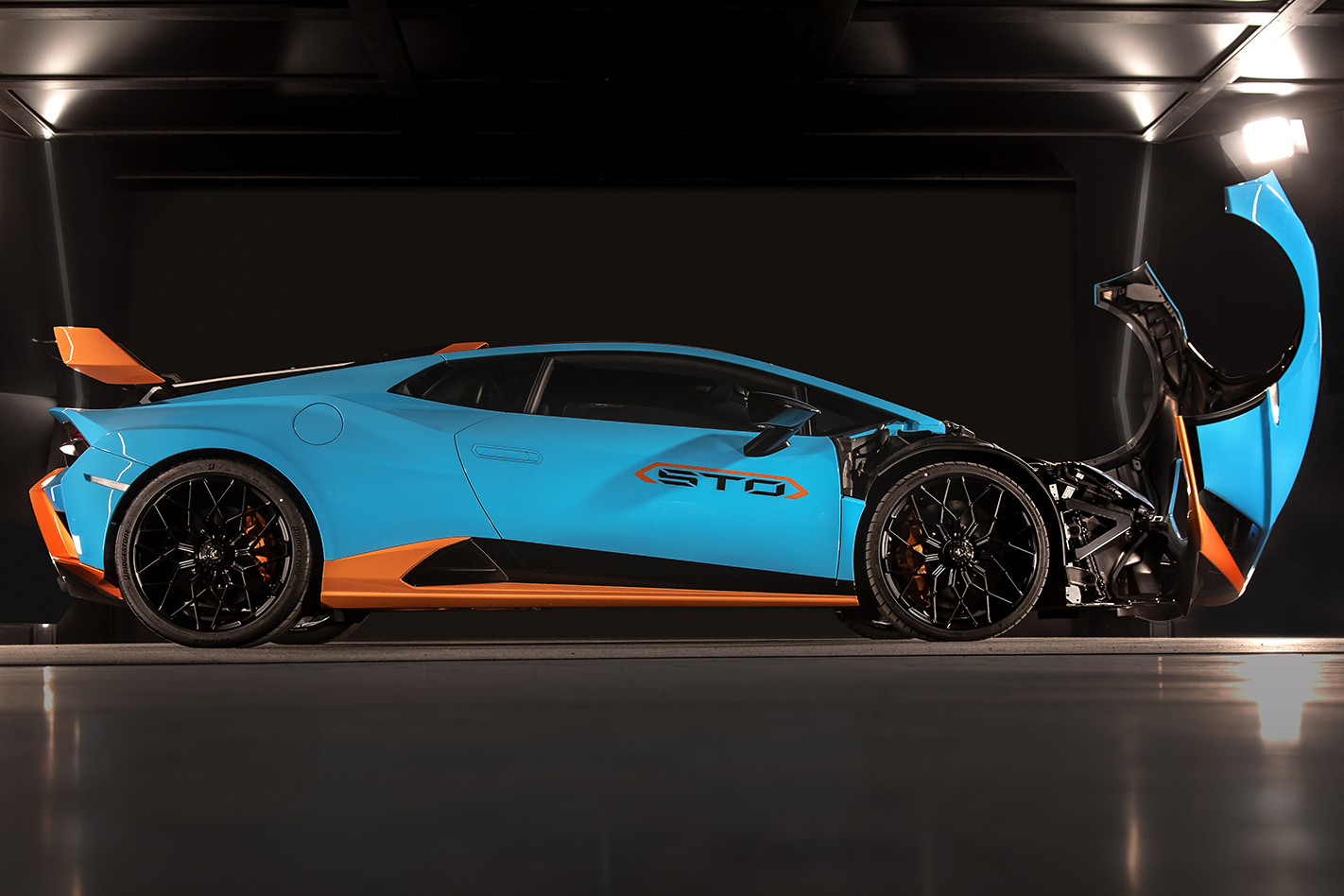
Lamborghini ascribes the inspiration of the design to the Lamborghini Miura, and more contemporary Sesto Elemento.
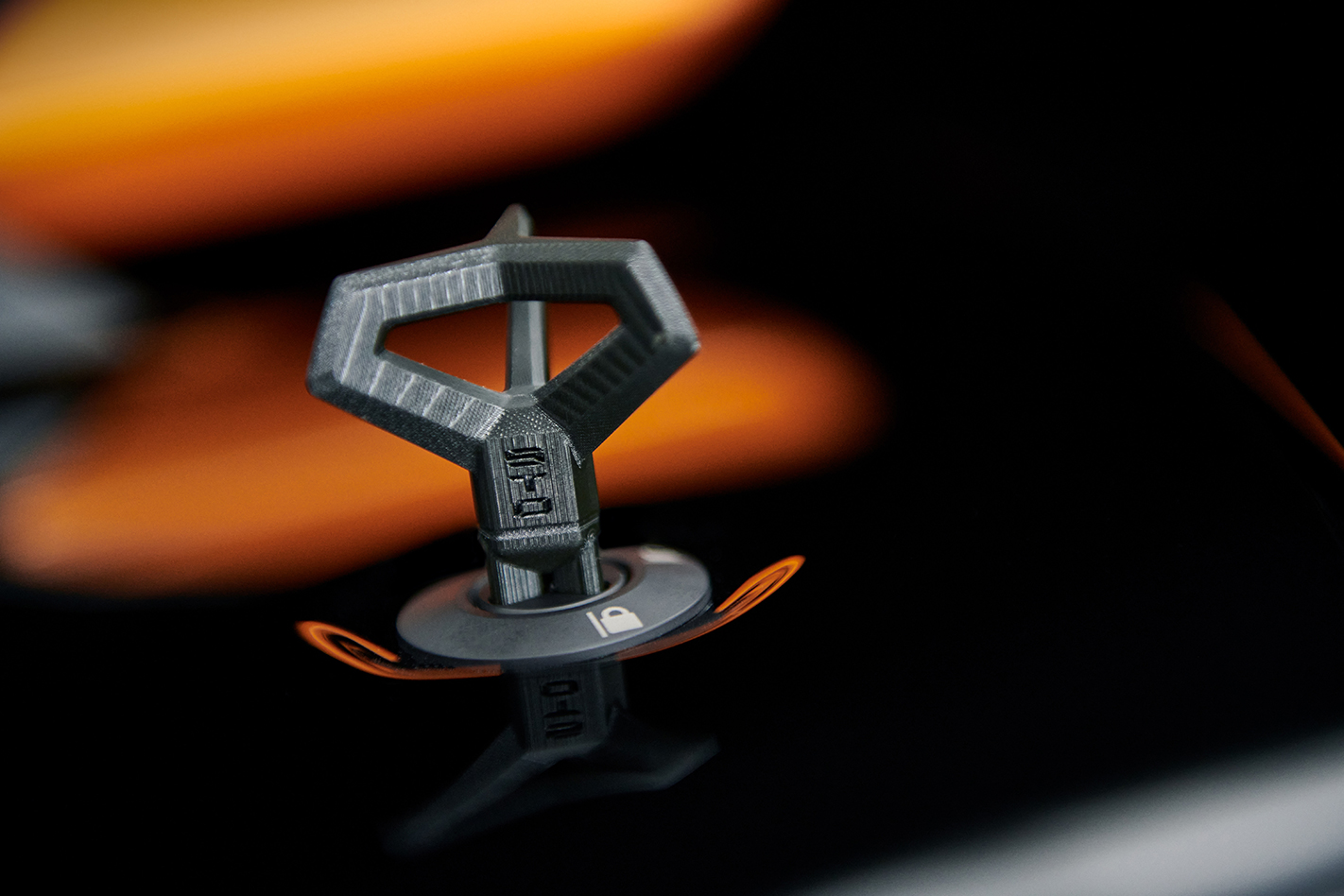
The locking pins for the front clamshell are unique, and require a key developed and 3D printed by the company’s in-house R&D team.
2. From Strada to STO
Huracans up until now have been equipped with three dynamic drive modes comprising of Strada (street), Sport or Corsa (track).
The Huracan STO introduces torque vectoring into the mix, and is equipped with three new focused drive modes: STO for “normal driving”, Trofeo for Race Mode and Pioggia for raining and wet environments.
3. (Virtual) Globetrotter
Even before the Huracan STO so much as turned a wheel in real-world road testing, Lamborghini says its R&D team covered enough kilometres in simulator testing to circumnavigate the globe three times.
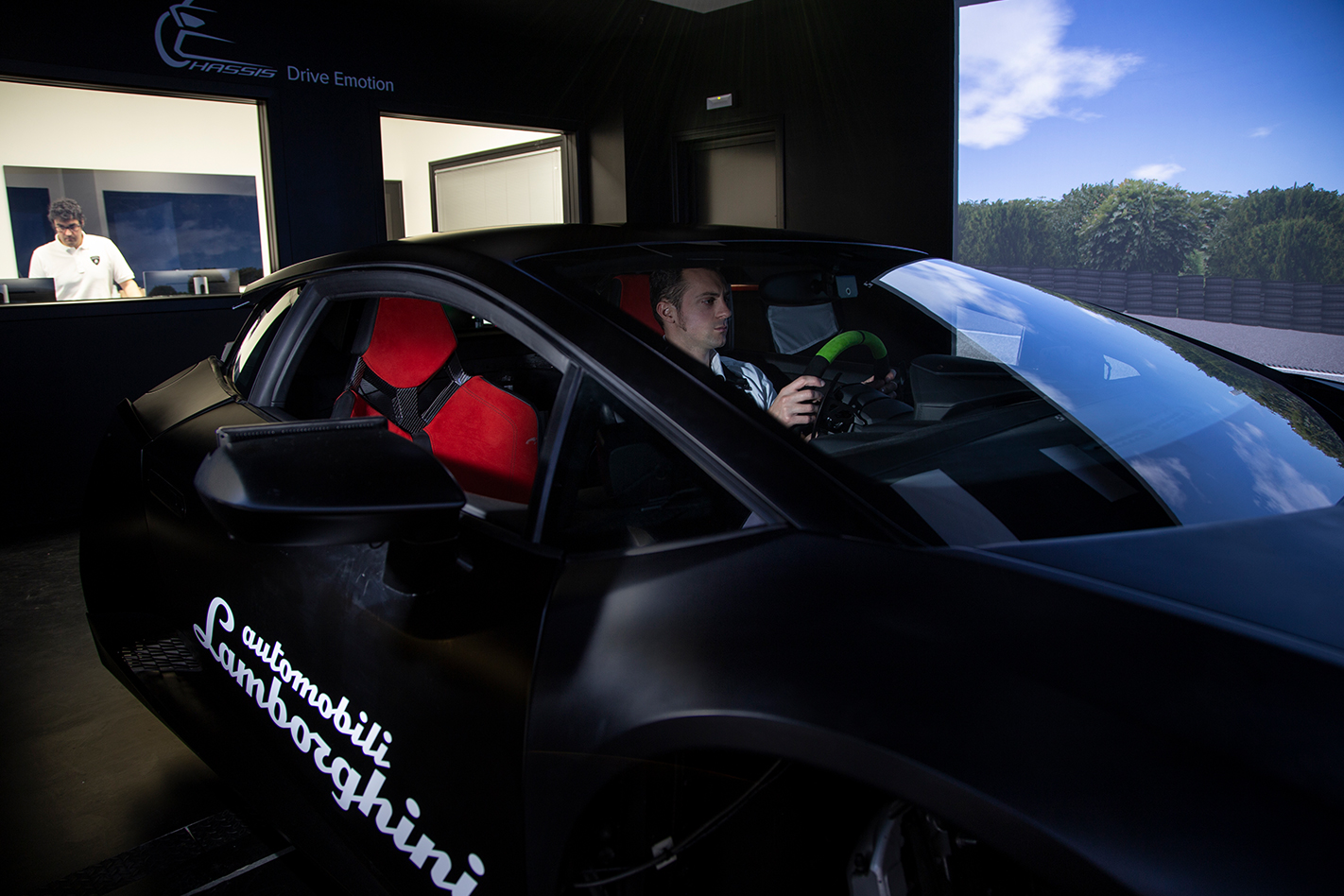
Exactly what latitude they were measuring by wasn’t stated but, measuring at the earth’s widest point, that’s approximately 120,225kms.
4. Some Assembly Required
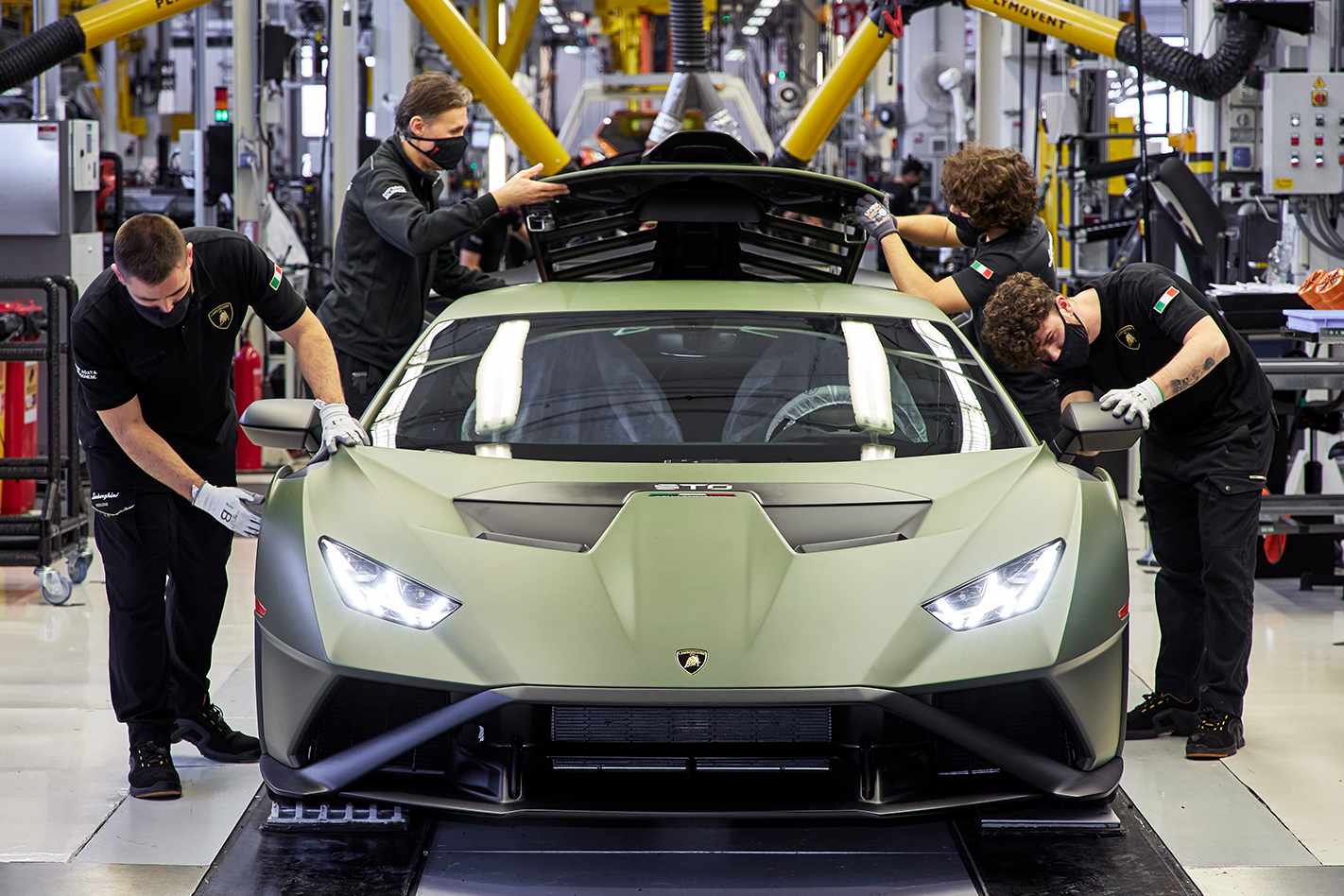
While the Cofango clamshell combines two usually separate panels, eliminating fixtures and supports, all in the name of weight-saving; there are still over 2750 separate components to a Huracan STO.
5. Gran Turismo
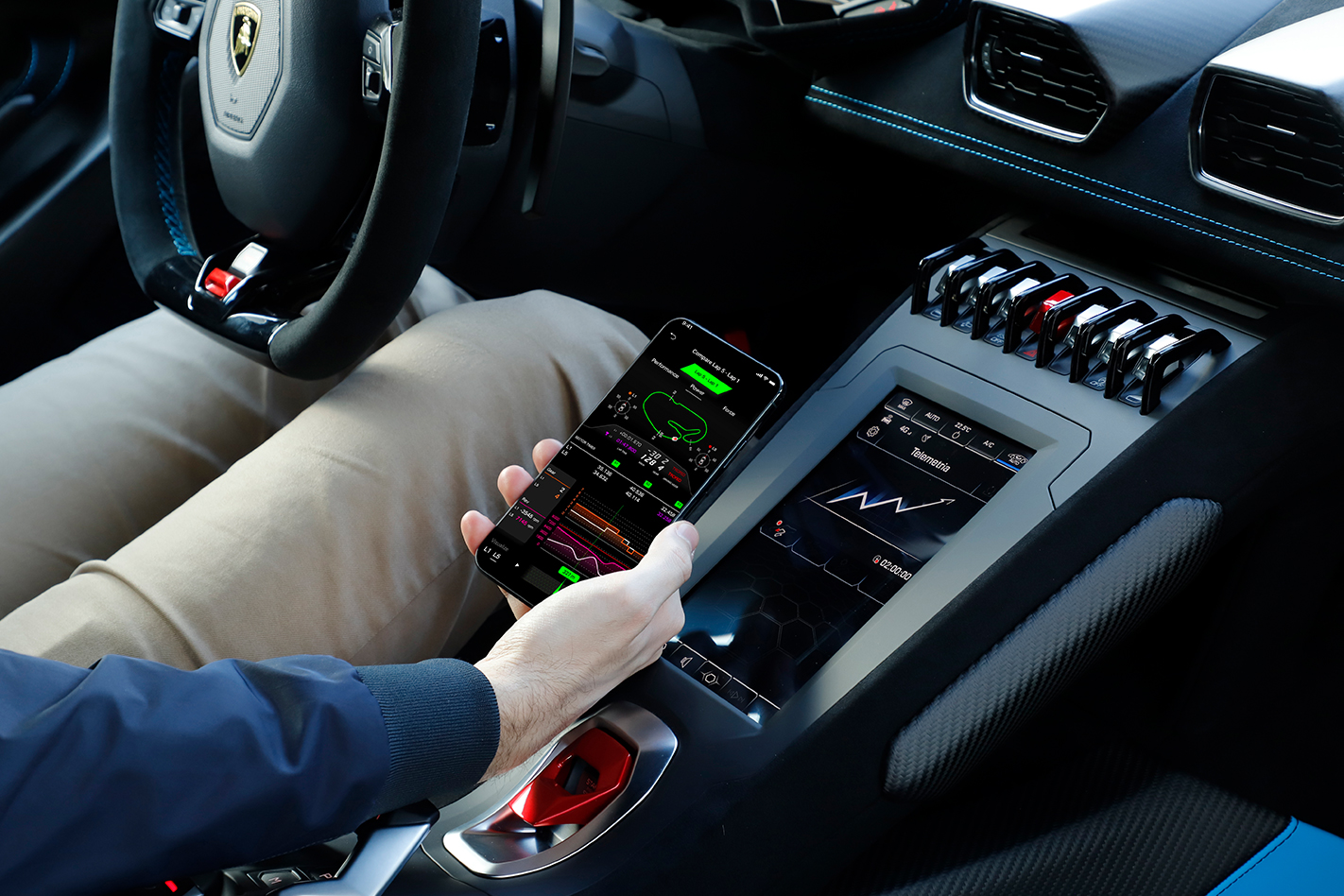
The Lamborghini Huracan STO introduces a new advanced telemetry system to the exclusive Lamborghini UNICA mobile phone app for owners.
Utilising the car’s own data-logging sensors, on-board cameras and Lamborghini’s Connected Cloud system; the UNICA App is able to provide intuitive data analysis, videos and widgets. The development of which, Lamborghini says, required more than 25,000 lines of code.
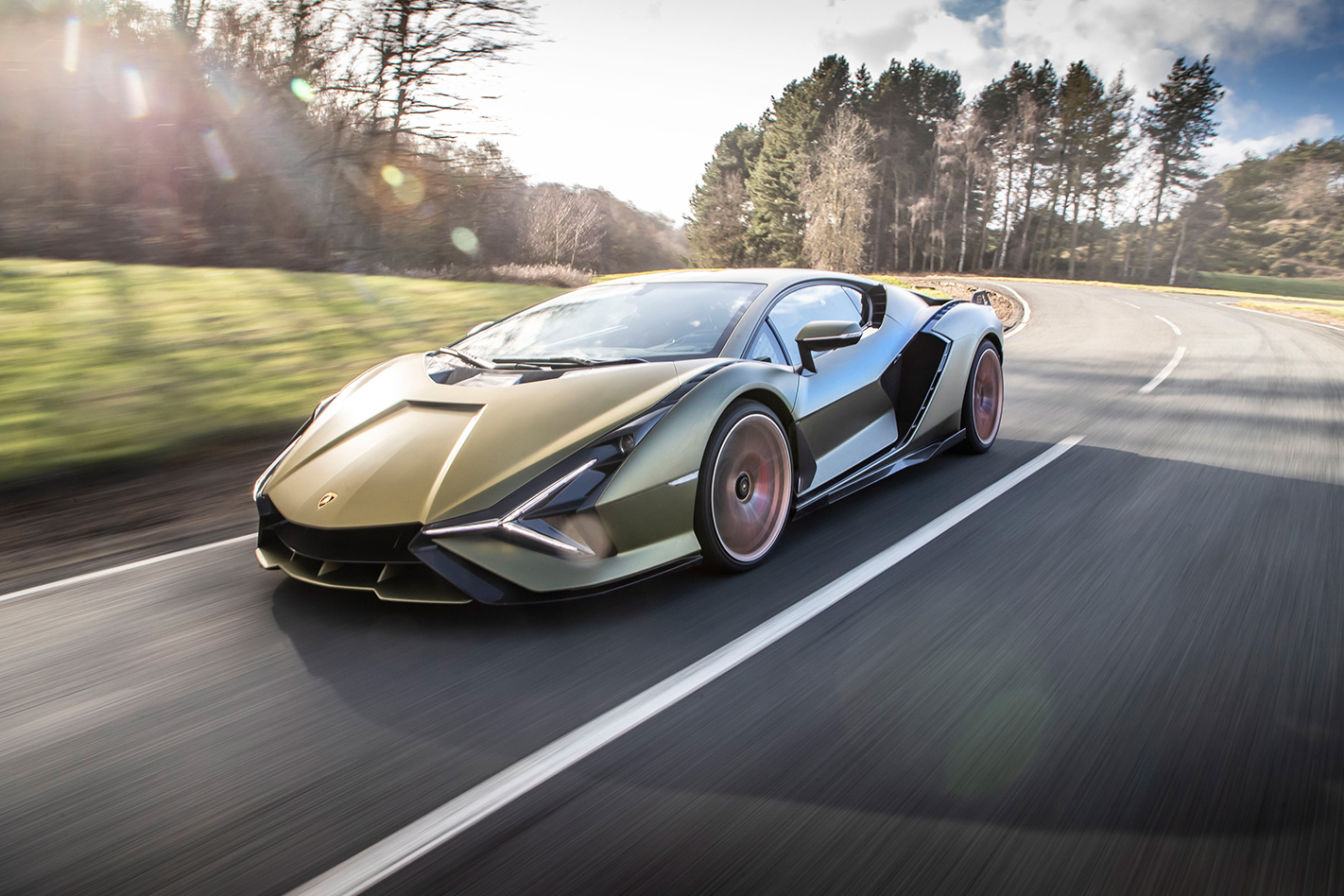
Corsa mode, 80km/h, second gear. Punch the throttle. Instant weapons-grade thrust, and the booming snarl of the mighty 6.5-litre V12 morphs into a spine-tingling metallic shriek above 7000rpm. Three rapid tugs on the right-hand paddle: third… fourth… fifth… The frantic rush of acceleration is barely disturbed and suddenly we’re rim-firing around the banking on the high-speed track at the old GM Milford Proving Ground north of London at 235km/h. Oh yes, the Lamborghini Sián FKP 37 is anything but your average hybrid.
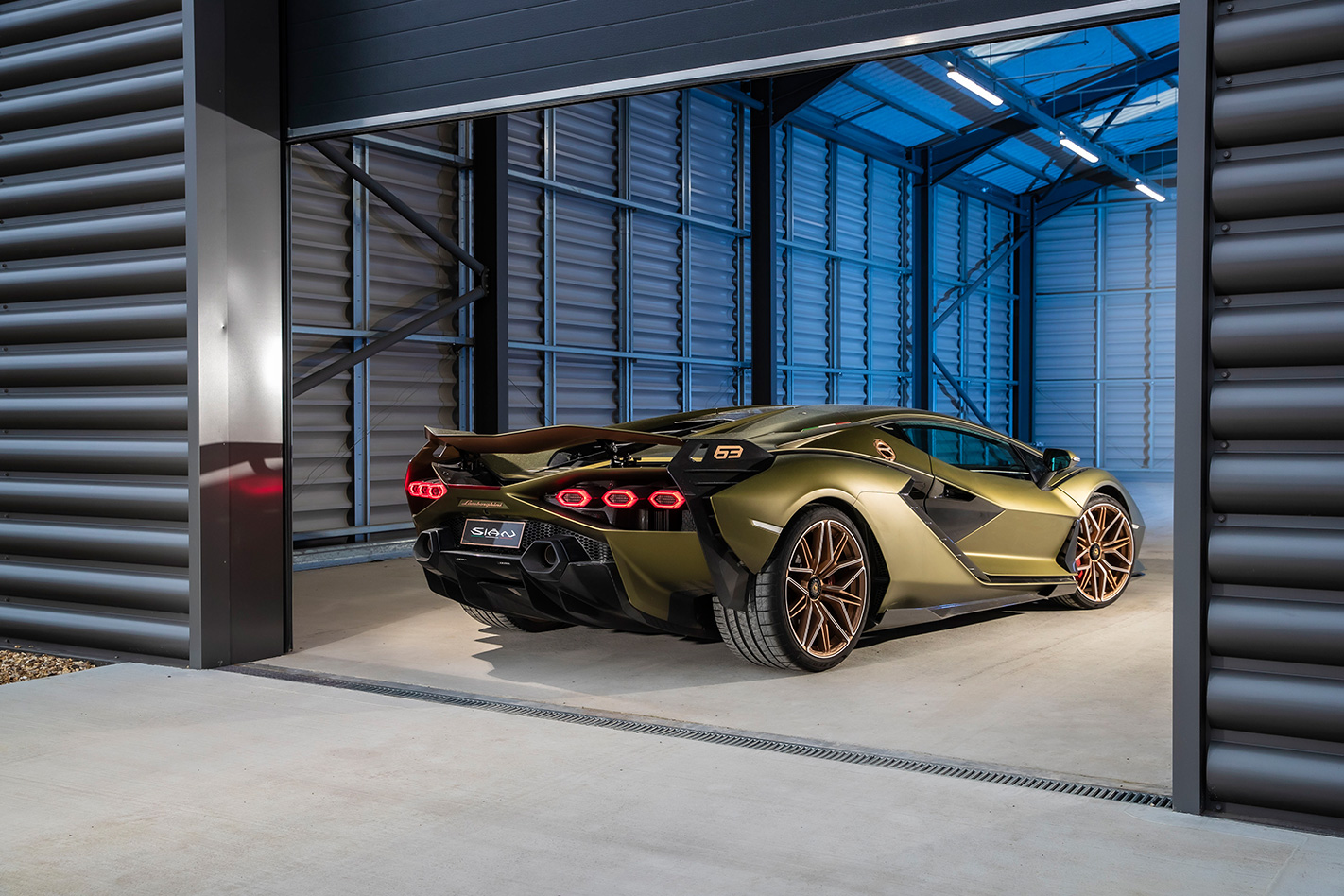
The limited edition Sián is based on the Aventador, with that car’s brawny menace dialed up to 11 courtesy of an exuberantly redesigned exterior that looks to have been styled for a starring role in Cyberpunk 2077. It packs 602kW, making it the most powerful Lamborghini ever built, and engineers claim it has the best weight-to-power ratio of any Lambo V12. The Sián is said to be able to sprint from 0 to 100km/h in less than 2.8 seconds and have a top speed of 350km/h.
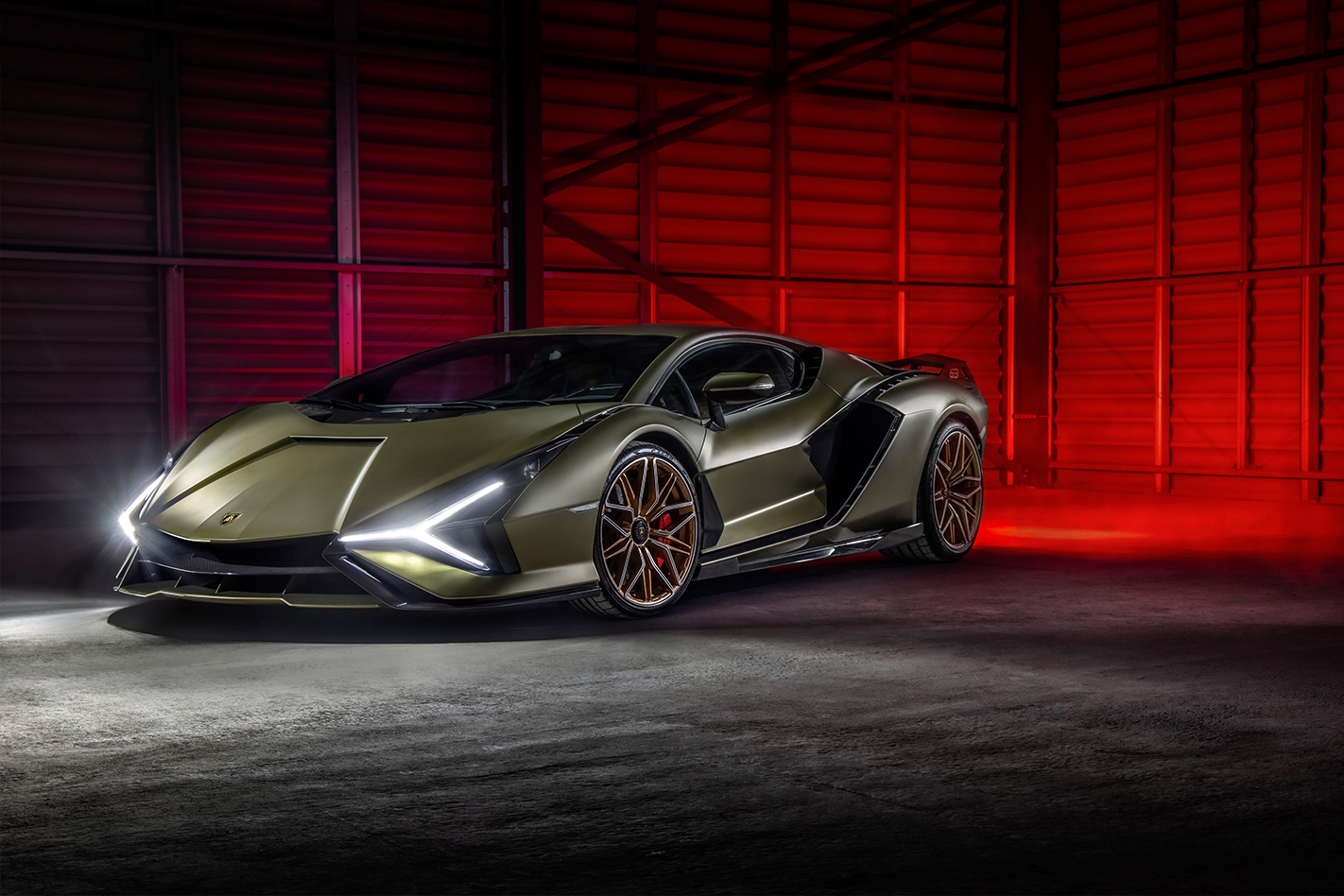
Statements of intent don’t come much more potent than this.
Though priced at an eye-watering $3.9 million plus tax and to be built in limited numbers – just 63 coupés will come out of Sant’Agata Bolognese, with 19 Roadster models scheduled for production later this year – the Sián is not simply a rich person’s plaything. The Sián – the name means ‘flash’ or ‘lightning’ in the Bolognese dialect – is a serious car, built for a serious reason.
“With this car we set ourselves the challenge of creating the best hybrid solution for a Lamborghini super sports car to provide us with the first step of our electrification strategy,” says Lamborghini chief technical officer Maurizio Reggiani. “With Sián we are defining our route to innovation.”
Of course, hybrid supercars are nothing new: the Porsche 918, McLaren P1 and Ferrari LaFerrari all appeared back in 2013. So, the Lamborghini’s Sián might seem a little late to the party, but it brings a technology that is tipped by some to be the next big thing for high-performance hybrids – the supercapacitor.
In simple terms, a supercapacitor stores electrical energy. But unlike the lithium-ion battery that’s now an integral element of hybrid powertrains built by everyone from Ferrari to Toyota, a supercapacitor doesn’t bind that energy in a chemical reaction. Instead, the supercapacitor stores electricity in a static state. That means it can be recharged up to 1000 times faster and can hold more power than a typical lithium-ion battery of the same size. A supercapacitor’s storage capacity degrades less over time, and it can operate at temperature extremes most battery chemistries don’t like. What’s more, supercapacitors can now be 3D printed, making them easier to package in a car than a bulky battery pack.
What’s the catch?
There are several. Supercapacitors lose 50 per cent of their charge in 30 to 40 days, ten times more than a lithium-ion battery over the same period, so they offer relatively poor energy density. Supercapacitor cells also have a lower voltage than lithium-ion ones. And supercapacitors are much more expensive than batteries. Nevertheless, Toyota has been experimenting with supercapacitor hybrid powertrains, and in 2019 Tesla spent US$218 million acquiring supercapacitor maker Maxwell Technologies. Both clearly believe there’s something in the technology.
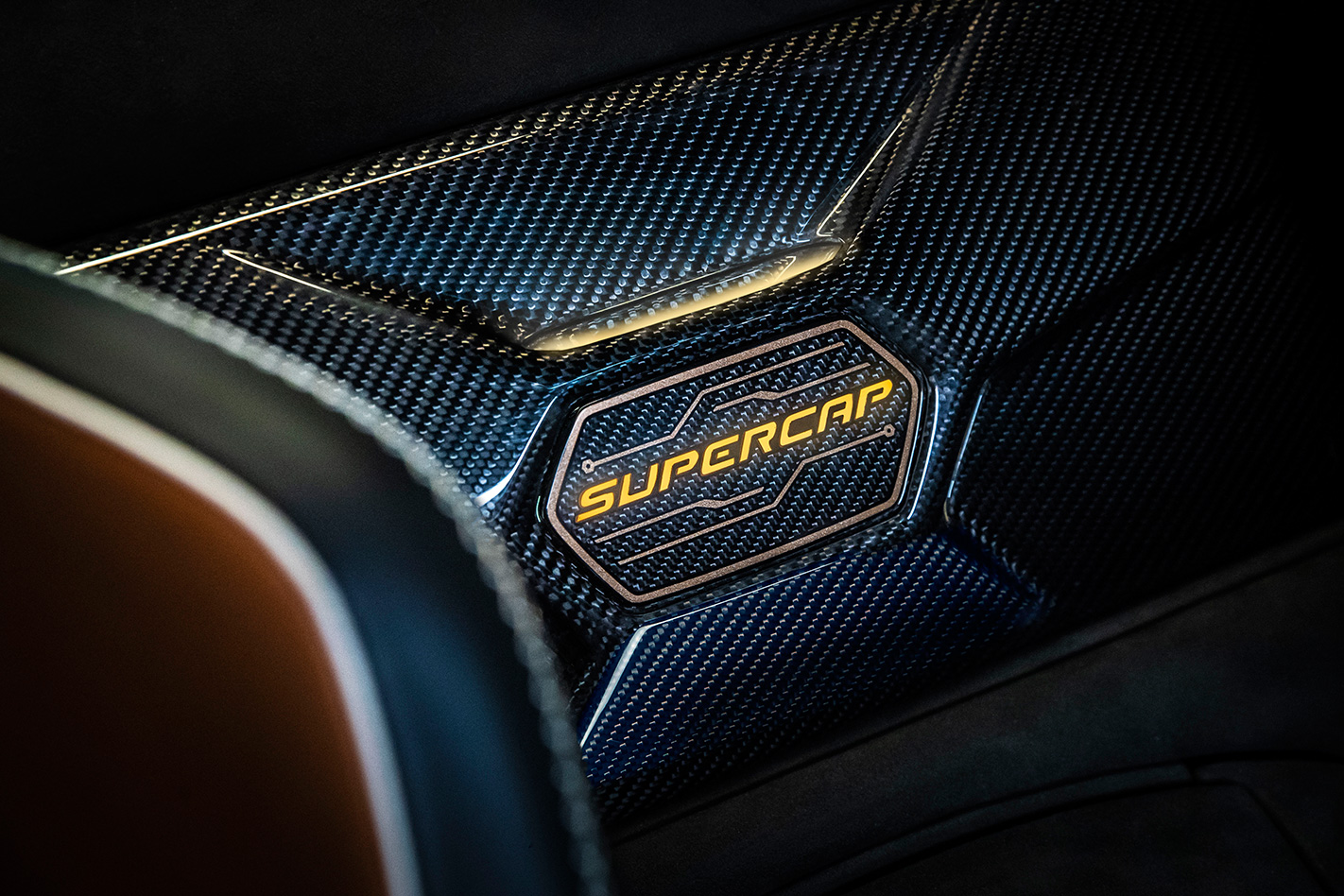
The supercapacitor in the Sián sits right behind you, in the bulkhead between the cabin and the engine compartment. Three times more powerful than a battery of the same weight, three times lighter than a battery producing the same power, it feeds a 25kW e-motor that’s mounted on the side of the Sián’s seven-speed automated manual transmission.
As e-motors go, it’s small beer – the axial flux e-motor mounted between the engine and the transmission of the McLaren Artura pumps out 70kW; the similar unit in the Ferrari SF90 makes 117kW. But the Sián’s hybrid system is designed for a very different task. The e-motor is not there to drive the car on electric power. It’s there simply to provide rapid torque fill at speeds up to 130km/h.
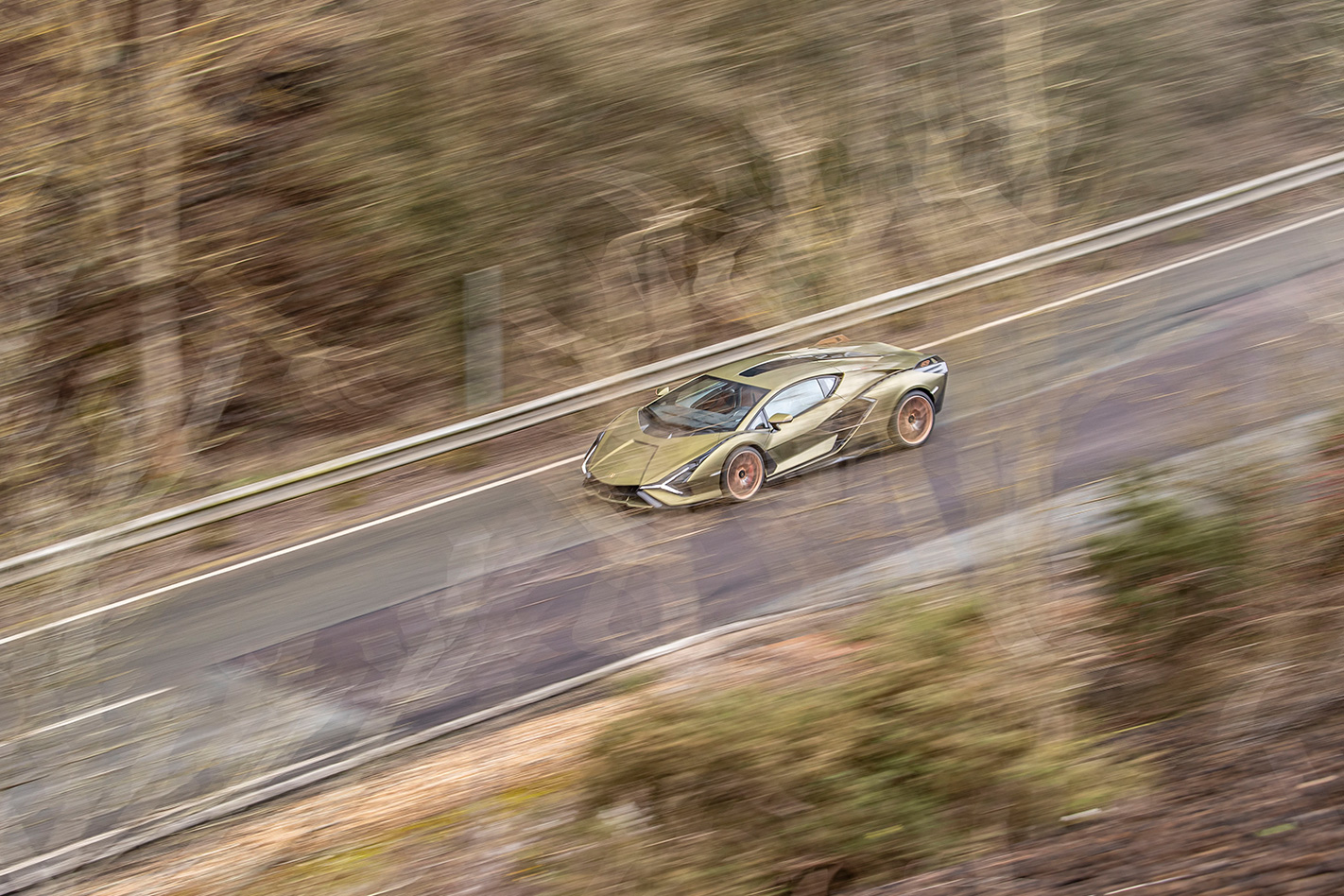
One full-bore rush through the gears in Corsa mode – the most aggressive of the Sián’s three drive modes – quickly reveals one key benefit of the system. Gone is the brutal, shovel-to-the-back-of-the-head shift-shock that is the hallmark of the Aventador; the result of the seven-speed transmission having just a single clutch, which requires the ignition being shut-off during shifts to manage the torque loads. Instead, the Sián slips succinctly from one gear to the next, even with your right foot on the floor and that big V12 screaming. With the central touch screen display in vehicle mode, you can see the supercapacitor feeding energy into the system on every gear change.
Even noodling around in regular Strada mode, with the transmission set to automatic, the Sián feels smoother, more compliant than you expect. Lamborghini says the system makes the Sián more than 10 percent quicker in the lower gears than the non-hybrid Aventador SVJ, increasing traction force by 10 percent in third gear and shaving 0.2 seconds from the 30km/h to 60km/h acceleration time. In higher gears the e-motor increases traction force by more than 20 percent, clipping 1.2 seconds from the 70km/h to 120km/h acceleration time.
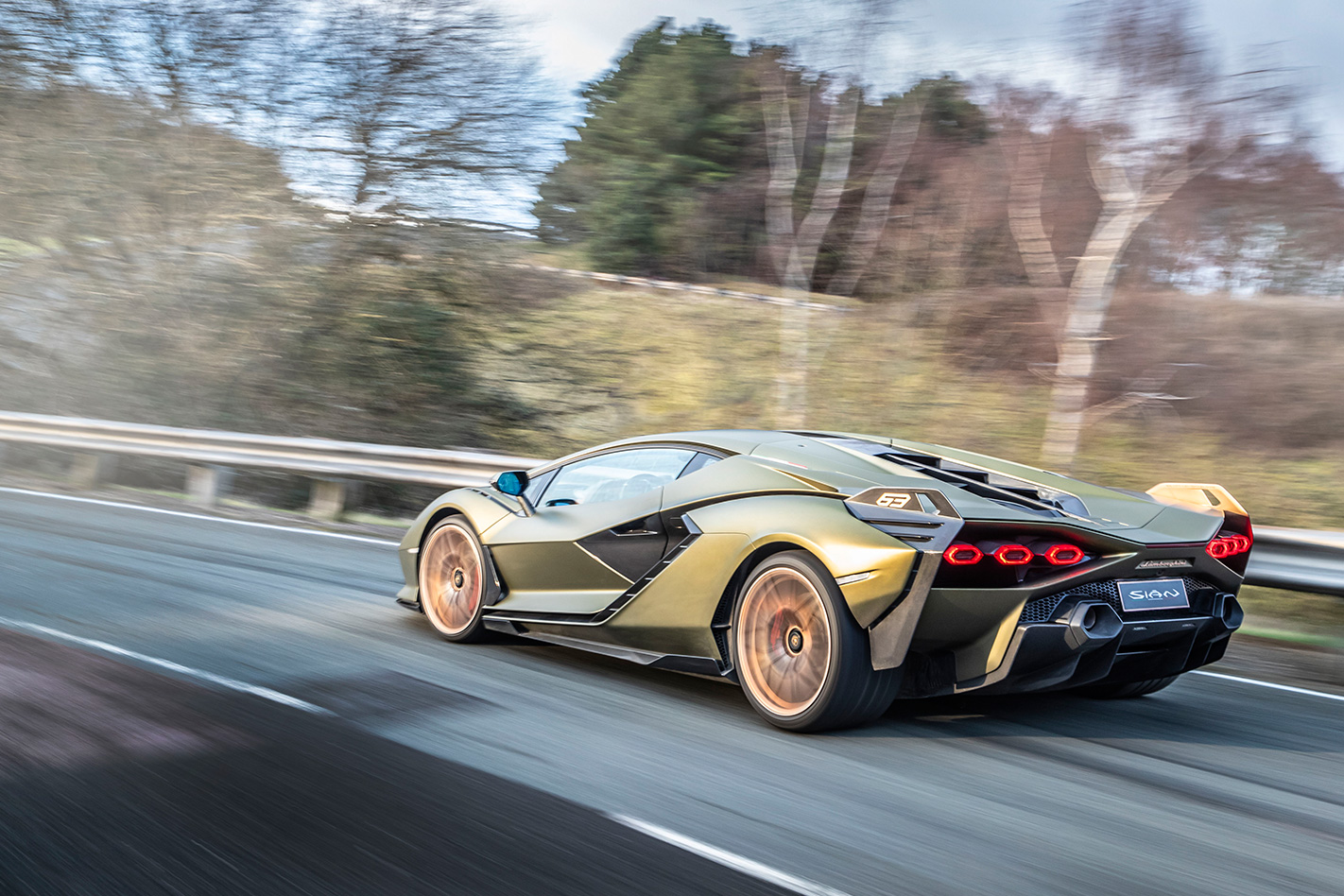
It might feel slightly more sophisticated than the Aventador, but the Sián is still as stupendously loud, fast and in-your-face as you’d expect a big-banger Lambo to be. The ride is taut and uncompromising, the steering meaty and direct. It’s rawer and edgier than any modern 12-cylinder Ferrari: Maurizio Reggiani’s chassis engineers may have dialed out the whiff of menace that once lurked in the Murcielago and the Diablo but, with all that engine and transmission behind you, this is still a car you treat with more respect than you would a Ferrari 812 Superfast. Good news: The brakes have an authority that was sorely missing in the very first Aventadors.
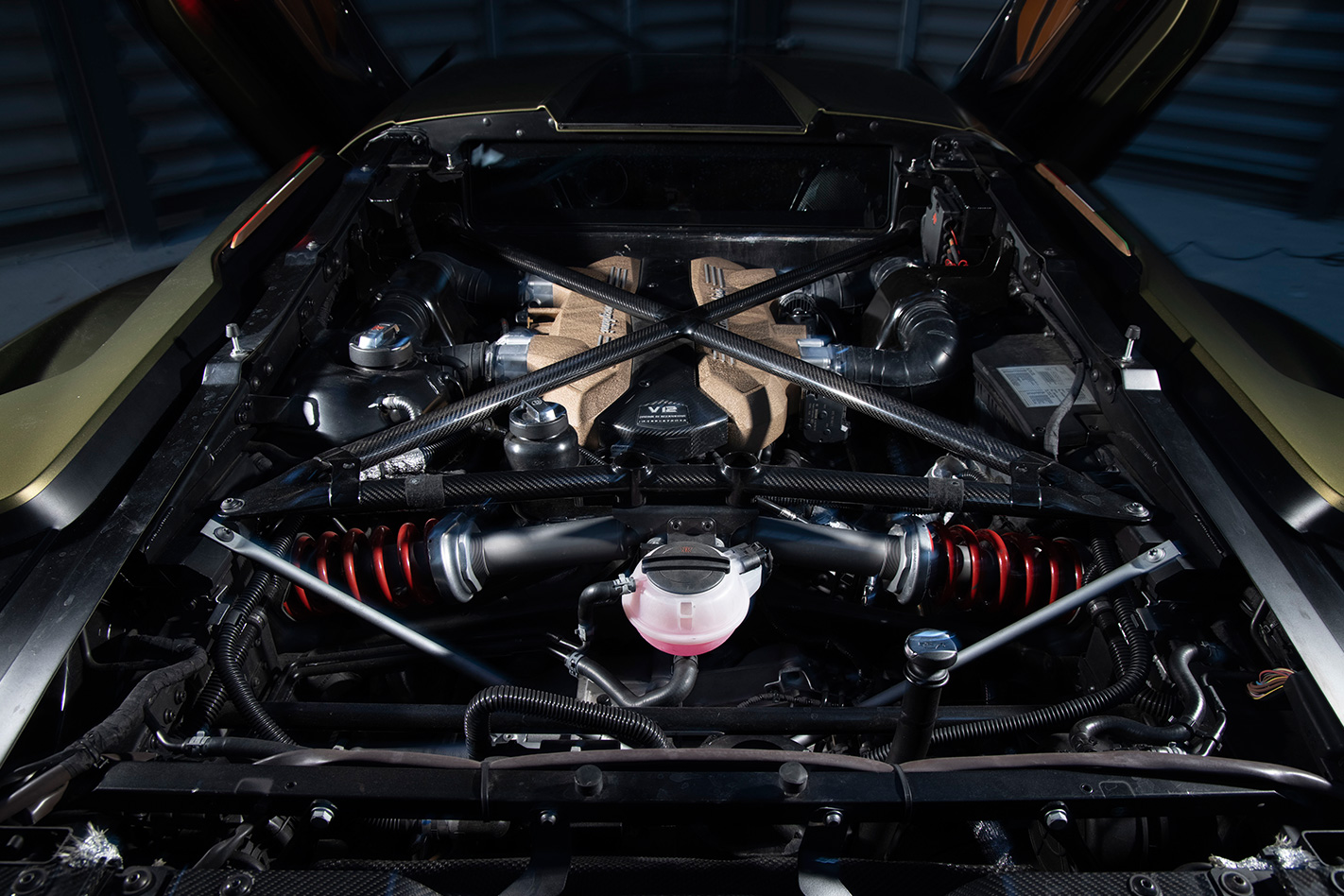
The heart and soul of this Lamborghini remains that glorious naturally aspirated V12. Now fitted with titanium intake valves, it has been tweaked to deliver 577kW at 8500rpm, the highest output ever from a Lamborghini engine. The hybrid system has done nothing to diminish the crisp sensitivity of the V12’s throttle response at high speed, nor its snarling, crackling, shock-and-awe soundtrack, unmuffled by turbochargers. The Sián might hint at Lamborghini’s future, but its heritage is unmistakable.
There’s heritage, too, in that extraordinary bodywork. The Sián may seem a little cartoonish in photos, but in person – particularly in the satin Verde Gea green with gold wheels of the press car – it has astounding street presence. It looks longer, lower, wider and more aggressive than just about anything else on wheels. A worthy successor then to the Countach, complete with subtle nods to Lamborghini’s touchstone car; from the diagonal lines extending back to the front scoop that echo the Countach’s front graphic, to the indent in the roof that recalls the ‘periscopio’ tunnel for the original Countach’s central rearview mirror.
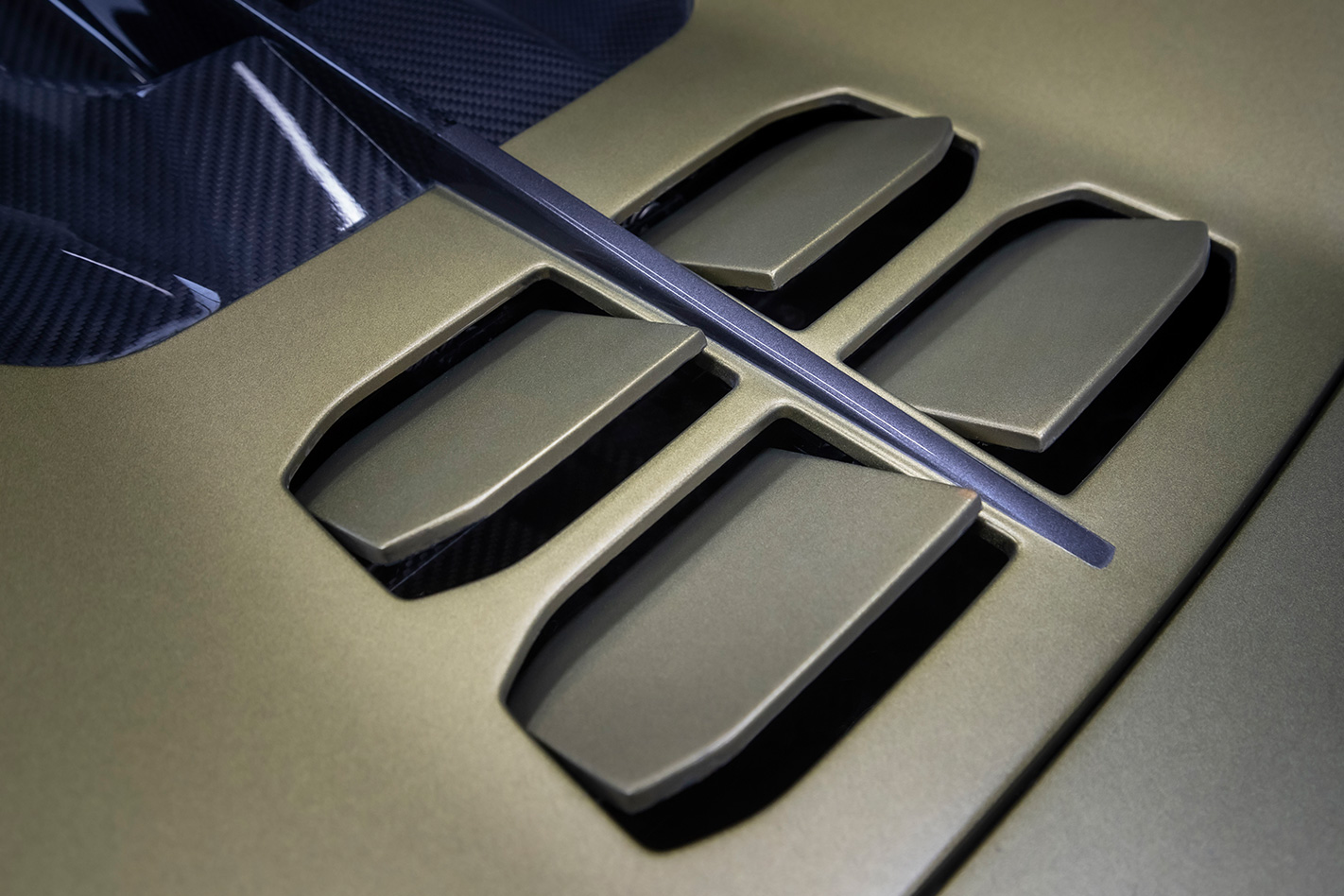
A full-width wing tucked into the rear bodywork automatically motors clear to one of two downforce positions, its outer edges flush with the fins that sprout from the top of the rear guards and slice downwards to the rear diffuser. Four small tabs in the bodywork between the trailing edge of the engine cover and the leading edge of the wing are active cooling vanes that automatically open to provide additional venting when they sense high temperatures in the engine compartment.
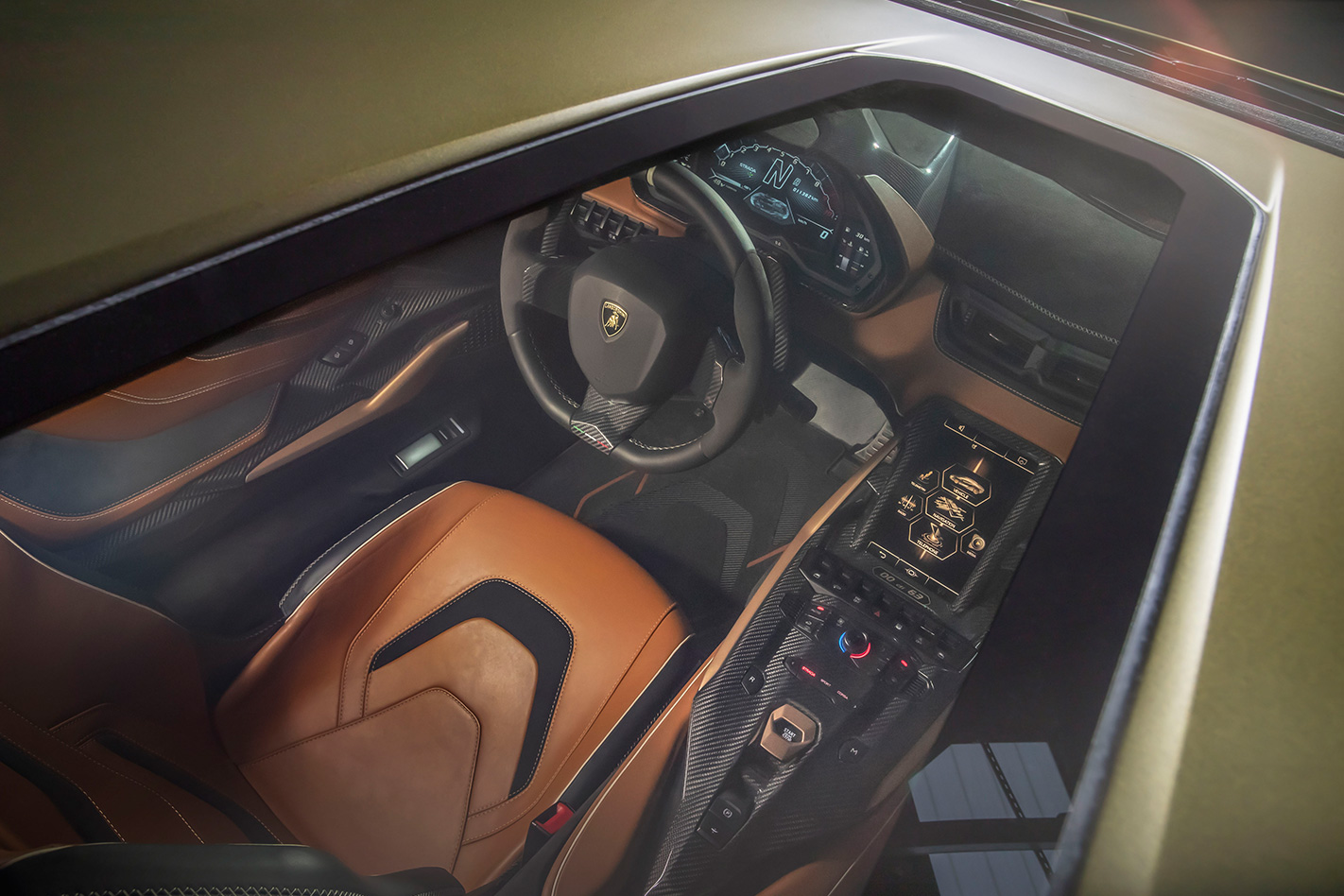
While there are plenty of recognisable Aventador bits and pieces in the interior, redesigned panels on the doors, a slightly recontoured dash with different trim, and a new centre console with fewer switches and a portrait format touch screen endow the Sián cabin with a more modern and more luxurious ambience. Also new is a small electrochromic glass panel in the roof that switches between opaque and clear at the touch of a button.
The coolest pieces in the Sián’s interior, however, are probably the four air vents in the dash. They don’t look special. What’s special is how they’re made. They are 3D printed, as is the fuel cap. A technology widely used in Formula 1, 3D printing offers carmakers like Lamborghini the ability to make custom components at low volumes without the need for expensive tooling.
You could argue the Lamborghini Sián’s supercapacitor hybrid system simply cleans up the drivability issues that afflict the Aventador because of its single-clutch automated manual transmission, but that would be selling it short. With the replacement for the Aventador now said to have been pushed back to 2024 amid real questions as to whether its charismatic and thrilling naturally aspirated 6.5-litre V12 is able to meet new emissions and fuel consumption targets, the Sián asks a fundamental question about the future of Italy’s most consistently extravagant and extreme supercar maker: can a hybrid be a real Lamborghini?
Make no mistake, the Lamborghini Sián is unquestionably a tentative step towards electrification for a company that has built its reputation on big, loud, powerful internal combustion engines. But it’s a promising one, indeed.
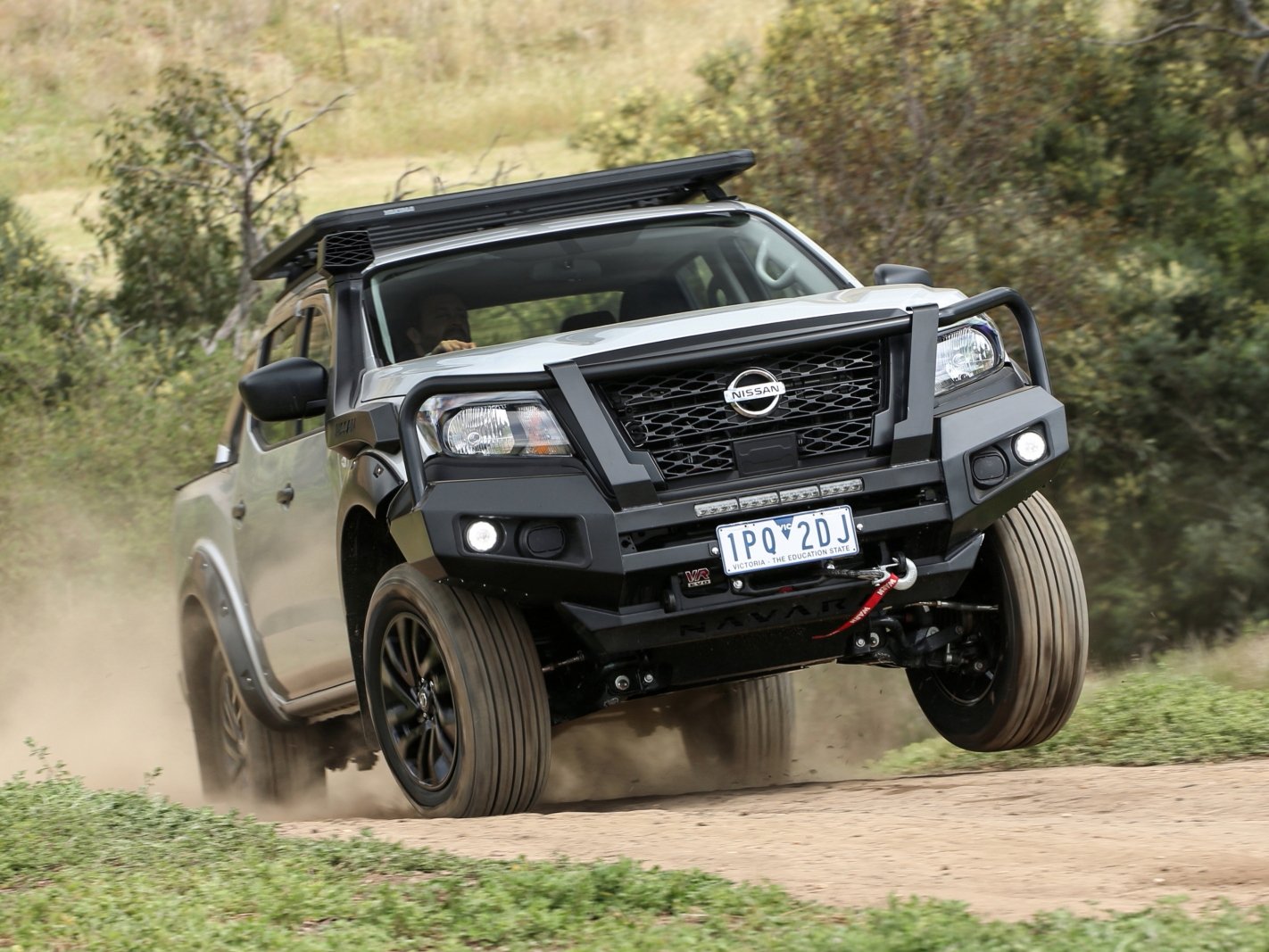
There will be a trio of more muscular, locally-modified Nissan off-roader models rolling on our roads in the near future if Nissan Australia has its three wishes granted – with a Premcar-developed Navara Warrior, Patrol Warrior and Titan pick-up all still under discussion.
Following the success of the D23 Navara N-Trek Warrior, Nissan’s head office in Japan is allowing Nissan Australia to further explore possibilities with partner Premcar and the potential for more model conversions in the Melbourne-based factory.
And while there are no new models to confirm under the Warrior program as yet, discussions for toughened versions of the ute, large SUV and plus-size truck are all still active and ongoing.
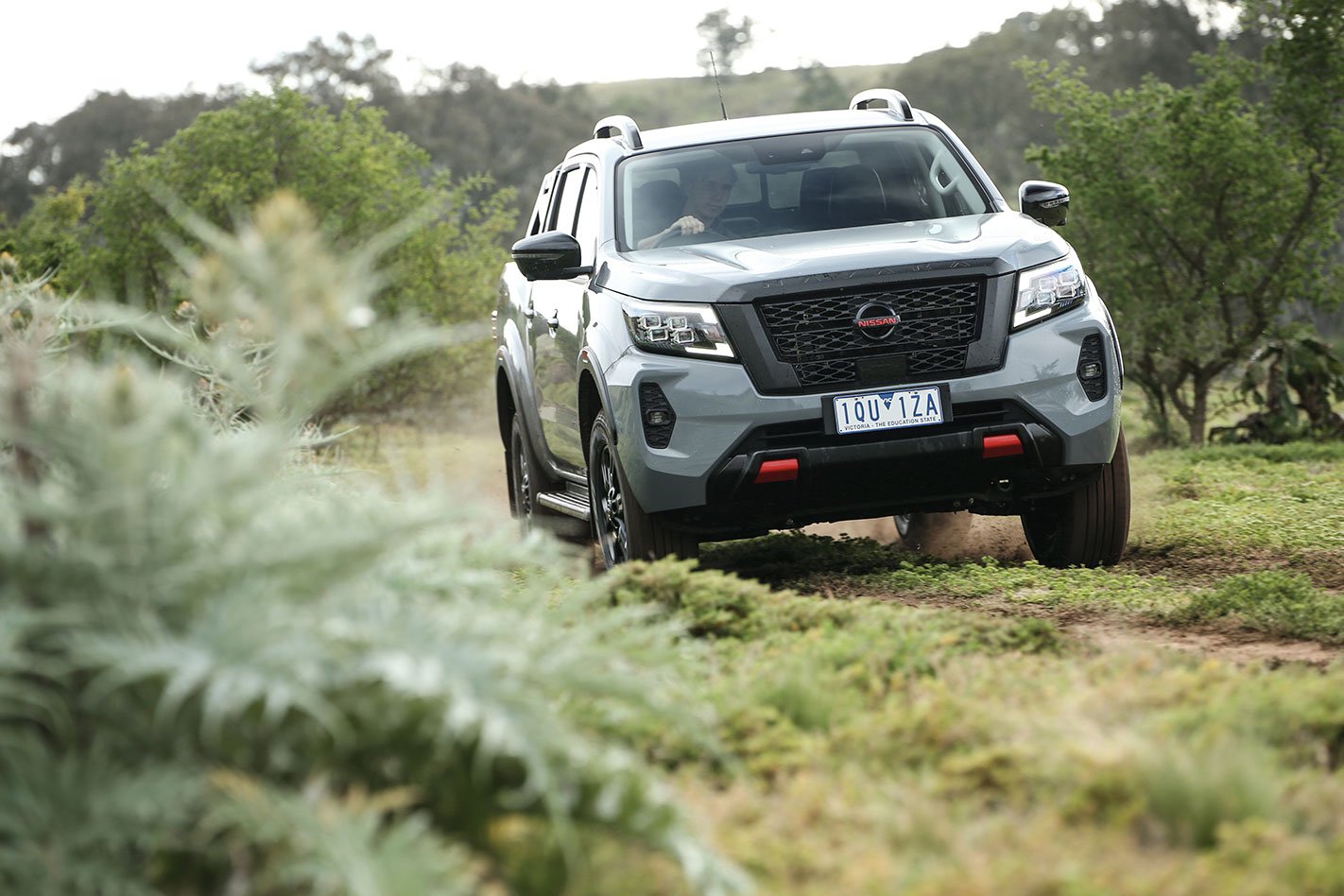
Speaking at the launch of the 2021 Navara, Nissan Australia managing director Stephen Lester explained that the initial sell-out run of 1400 Warriors had built a solid business case for a second run based on the updated model.
“The relationship is in a great spot,” he said. “Looking at a future generation of Warrior with the minor change, the tough and rugged exterior with the refined interior give us an even better platform on which to build a Warrior concept.
“We are really excited to be working on that project in the background. We’re not quite there, but certainly with the team from Premcar and the job that the team has done in Japan with Navara, have just given us a package that is fantastic to work with.
“With all of the success we had with the previous Warrior, there are even more eyeballs and interest in seeing the project not only happen, but ensuring we follow all the guidelines and get all the support we need.”
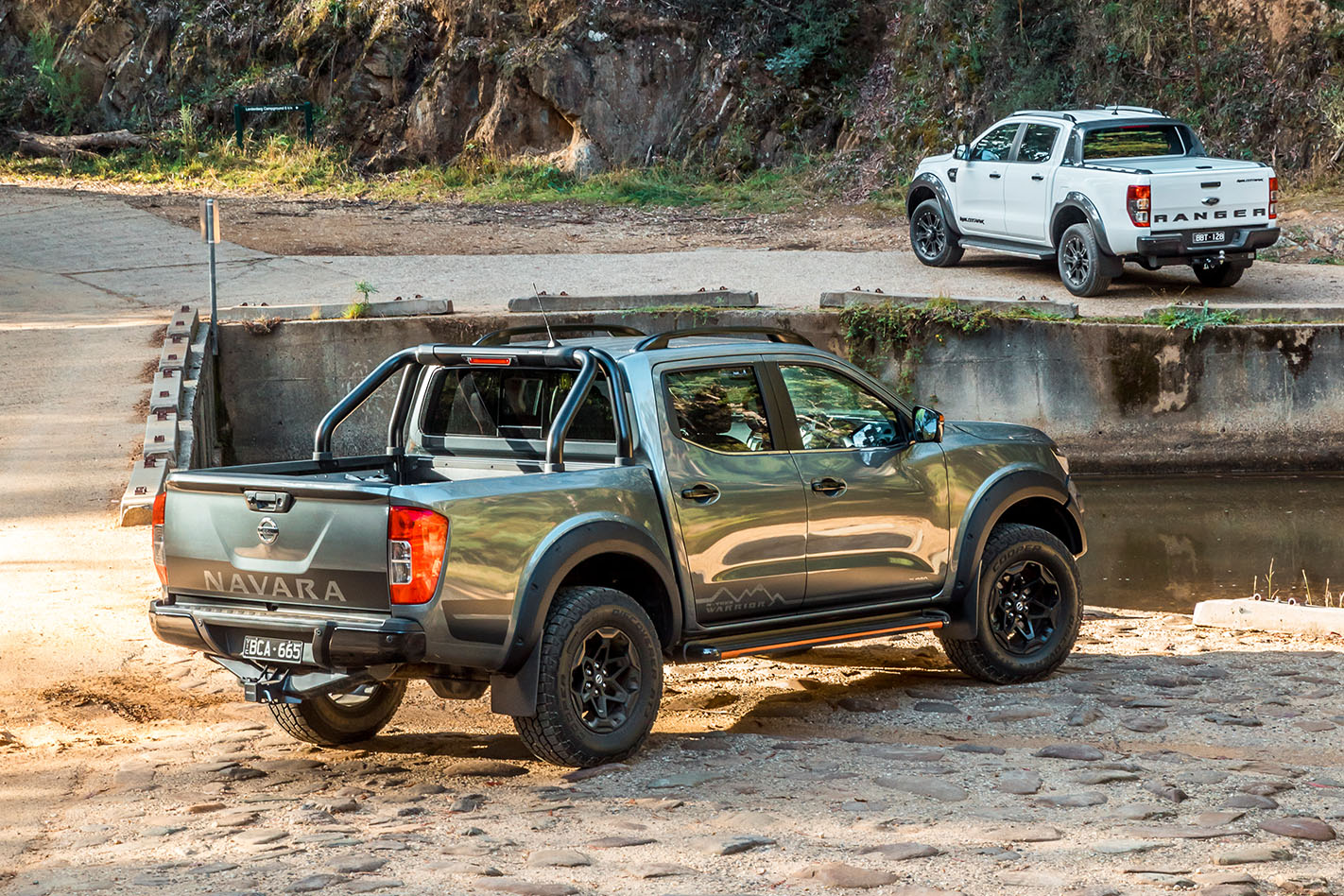
The first-generation Premcar-crafted Warrior took the already well-equipped Navara N-Trek and enhanced its offering with revised suspension, a more capable wheel and tyre combination, steel hoopless roo-bar and cleverly redesigned tow bar, to name a few features.
While it couldn’t quite defeat the reigning champion of the beefed-up one-tonne arena and Ford’s Ranger Raptor, Nissan’s most serious off-roader certainly came close – and that success didn’t go unnoticed on a global stage.
Lester revealed that Nissan Japan was so impressed by the results that the company is considering rolling out similar Navara incarnations to other parts of the world.
“There’s a lot more people who want to be involved, as a consequence,” he said. “We’re getting really encouraging commentary back from design, we are having much more in-depth conversations with the R&D team.
“There’s lots of support from our regional colleagues as well, to bring it to life, because maybe this is something we can create a roadmap for how to execute elsewhere as well.”
And while the original run was capped by production constraints at 1400 units, Lester said the company could have easily found more homes for the Warrior, building a case for a greater number of second-gen examples.
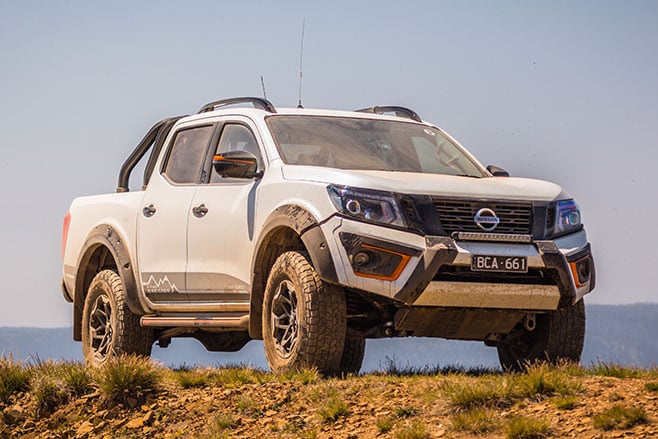
“Without question, we know we could have sold more of the outgoing Warrior. The key is always to have one more customer than vehicle.”
In previous conversations with Nissan’s development partner, Premcar has told WhichCar that its design and production facility has significant scope for expansion, which could be assigned for a longer run of Navara Warriors and a broader selection of models.
The next model will be a version of the Patrol large SUV, taking the comfortable but capable off-roader as its basis and adding a similar level of all-terrain-boosting kit as the Navara pioneer.
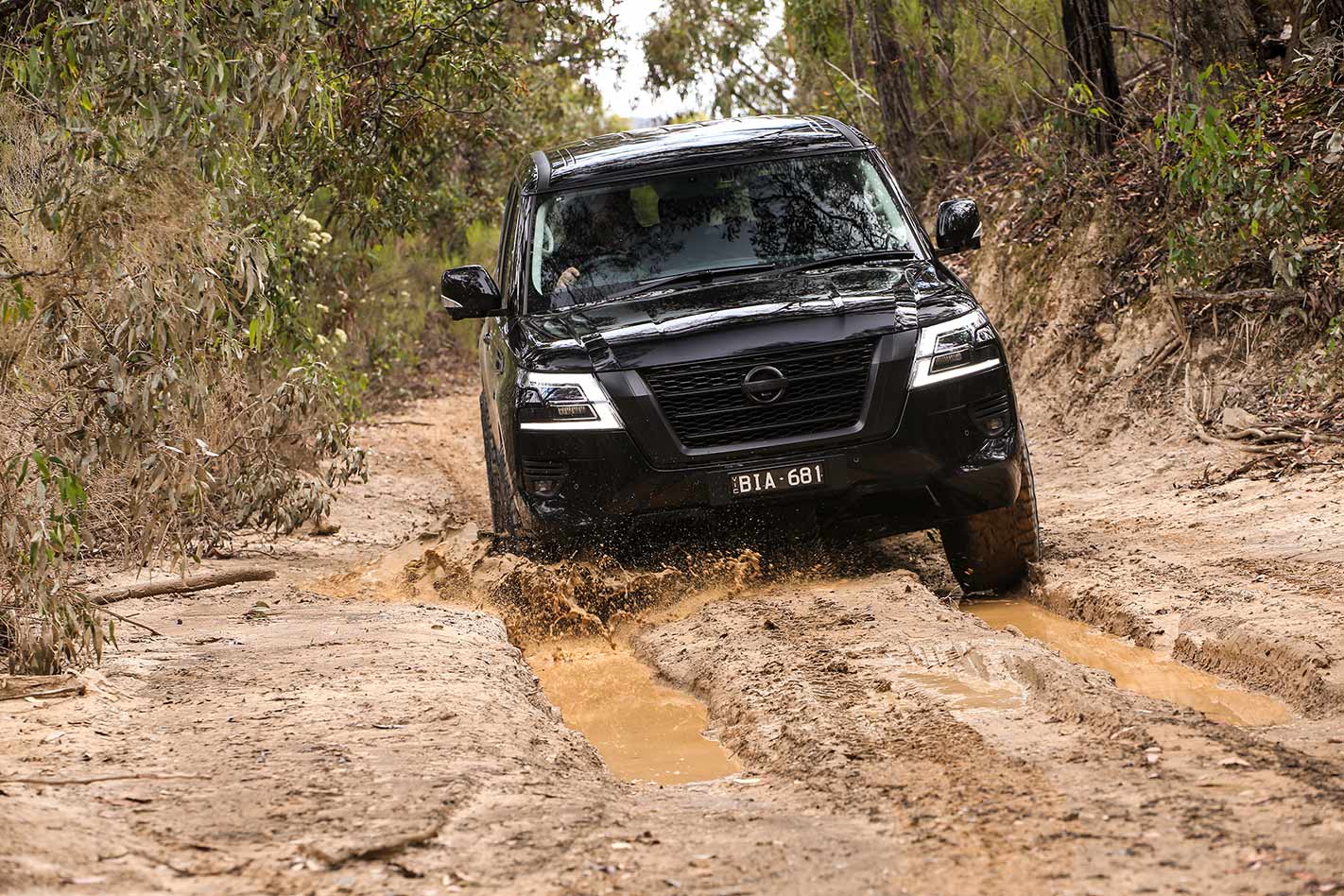
While a Nissan spokesperson is yet to go on record with the confirmation, Lester all but seconded the unofficial green light in early 2020, but only after the Navara was up and rolling off production lines.
“There’s also the potential looking towards other models that could work in that (Warrior) space,” he said. “You could see things like Patrol that could fit into that production mould. We’ve decided to focus on getting Navara over the line and hope to use that blueprint on Patrol further down the line.”
And even further down the line, but still raised in regular discussions according to Lester, the Nissan Titan monster ute is also still a potential starter for the Australian market, driven by unprecedented demand for plus-sized pick-ups with hefty towing ability.
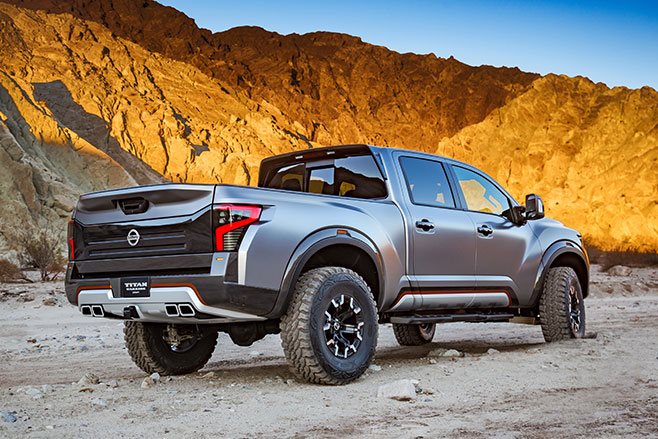
“There will continue to be opportunity for Titan and I’ll continue to bang the drum that we should look for ways to bring Titan to Australia.
“There is the obvious conversion challenge that is a hurdle we’ve got to get over, and unfortunately I don’t have any good news or specific progress to report on that. It’s very clear that segment is not slowing down and there’s more room to go upmarket”.
While company’s including GMSV have highlighted the extensive challenge of converting big American market trucks to Australia-friendly right-hand drive, Nissan has previously revealed Premcar was exploring a similar venture to convert the Titan.
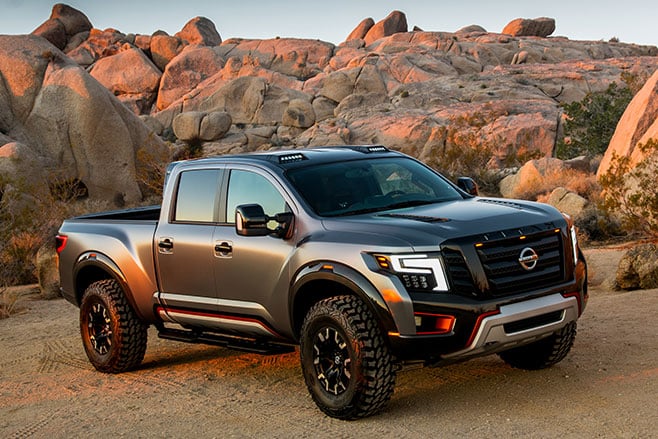
And if the Chevrolet Silverado and Ram rival does make it into Premcar’s conversion facilities, it’s also highly likely the local outfit wouldn’t pass up an opportunity to add a third Warrior to the books – and a version of the Titan Warrior concept that was revealed in 2016.
MORE Nissan talks Titan conversion with Premcar
Ford has announced it will reintroduce a 12-seater bus variant to its Australian Transit line-up.
In many ways, the Ford Transit Bus is like its commercial counterpart, though instead of load space it equips 12 seats to occupy a driver and 11 passengers.
A single $63,690 specification is offered.
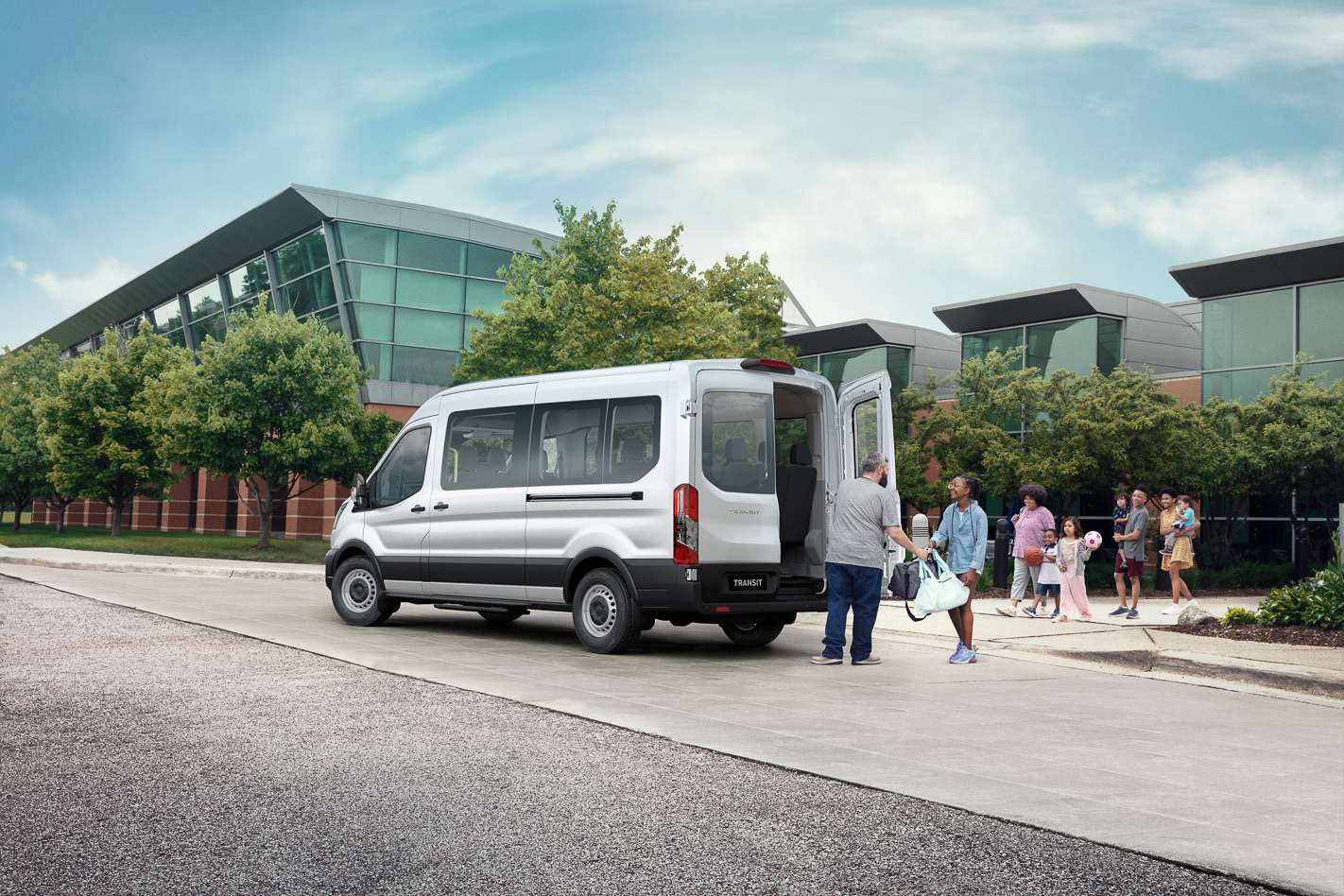
It will slot back into the people-moving van segment that also includes the new LDV Deliver 9, which was revealed earlier this week.
The Transit Bus powers its rear wheels through a standard 10-speed automatic transmission, can be had with a high-roof option with luggage stowage shelf, and comes with a power-operated entry door on the left-hand side.
It benefits from standard safety kit including autonomous emergency braking with pedestrian detection, adaptive cruise control, blind spot detection, rear cross-traffic alert, lane-keep assist, rear-view camera, and front and rear parking sensors.
Powering the Transit Bus is a 2.0-litre turbo diesel four-cylinder engine outputting 125kW and 390Nm.
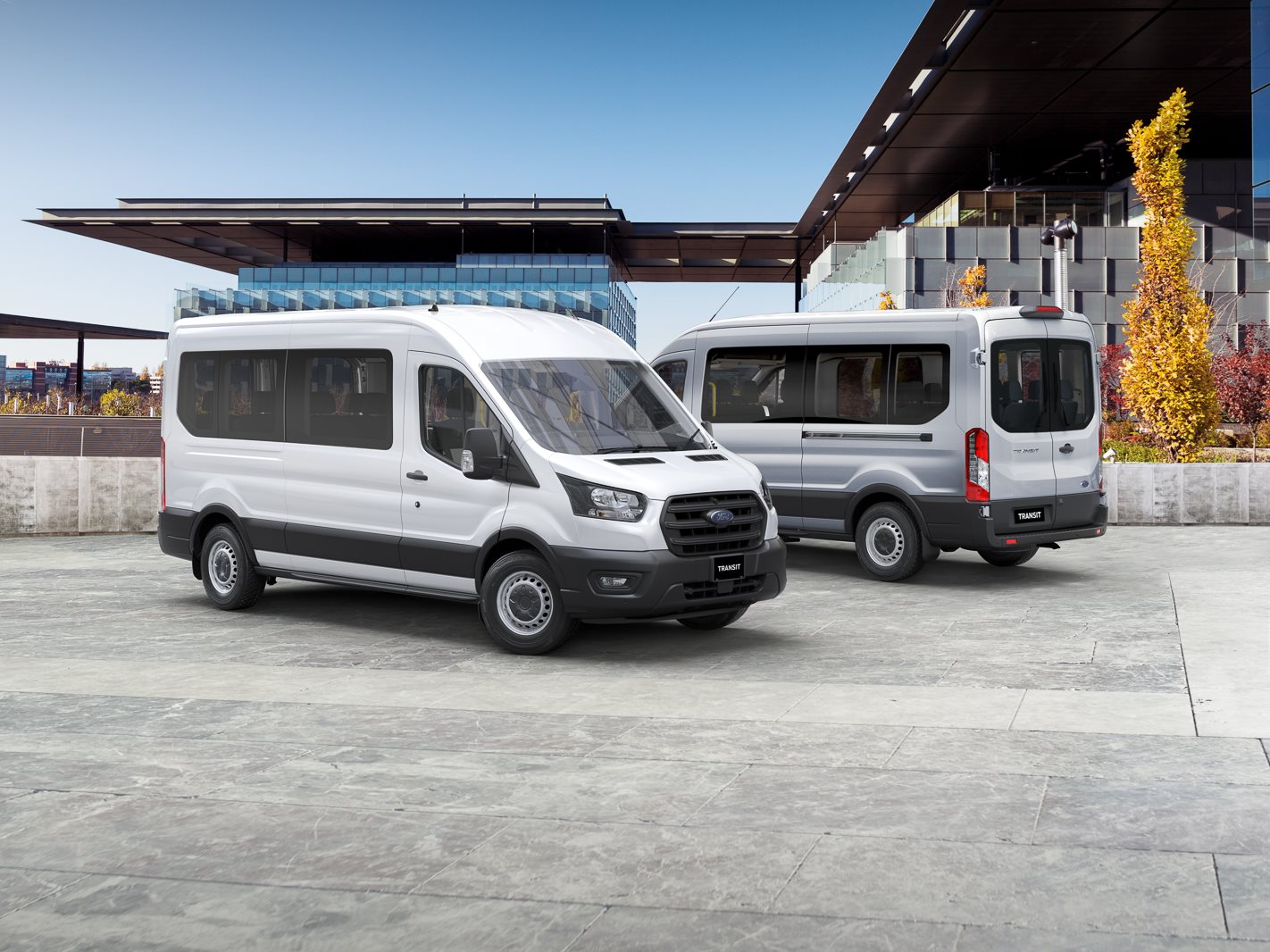
The seating layout has three passengers sitting across the front bench, and a further nine passengers can be seated in the rear.
The power-operated left side door can be opened automatically, with a button on the key fob or a dash-mounted release.
Up front, the dash incorporates an 8.0-inch SYNC 3 colour touchscreen with Apple CarPlay/Android Auto functionality. It also gives access to ‘FordPass’ features that interact with a smartphone, such as remote unlock, remote start and stop, live traffic updates and vehicle status alerts.

The Transit Bus is covered under Ford’s standard five-year/unlimited kilometre warranty.
It’s also eligible for the Ford Service Benefits program which caps each service cost to $399 for the first four years or 120,000km (whichever comes first).
2021 Ford Transit Bus Australian pricing
- Ford Transit Bus 12-seater – $63,690
Options
- High roof with overhead stowage shelves – $2500
- Prestige paint – $650
- Satellite navigation with voice command – $600
The Honda DC2 Integra Type R is the poster child for 1990s front-drive excellence, but its Japanese compatriot, the Mitsubishi FTO, is arguably the more interesting proposition.
Overshadowed by its four-wheel drive, turbocharged Lancer Evolution big brother, the FTO was for most of its life limited to the Japanese domestic market but did escape to other markets and also had a grey import presence locally.
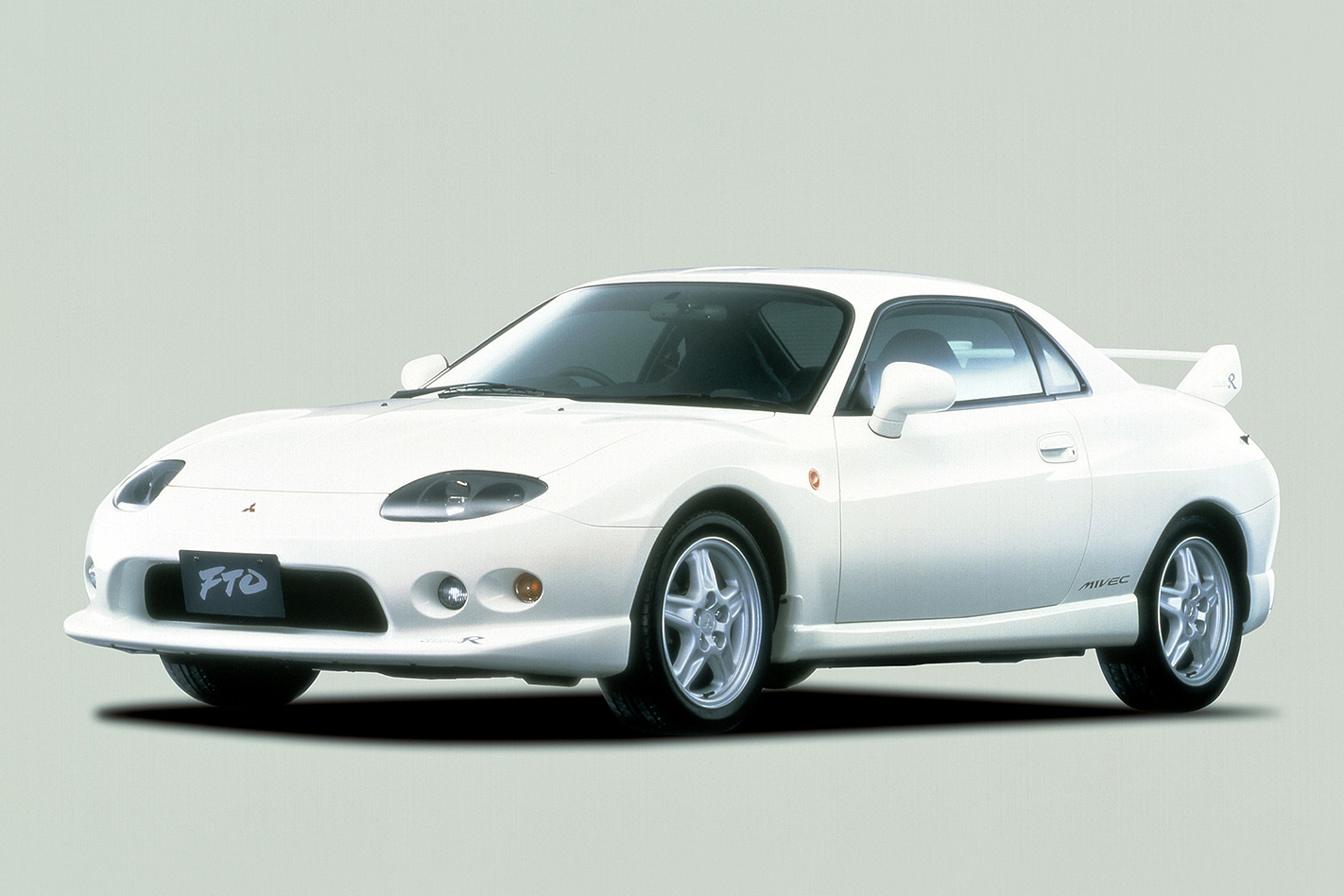
Where the FTO differed from its rivals most significantly is under the bonnet. While it was available with a rather underwhelming 1.8-litre SOHC four-cylinder, the vast majority used a 2.0-litre DOHC V6 that produced 125kW at 7000rpm or 147kW at 7500rpm when fitted with Mitsubishi’s MIVEC variable valve timing system. MIVEC models also used larger front brakes while a choice of manual or automatic transmission was available, the former a five-speed and the latter a four-speed pre-facelift and five-speed post.
Almost 37,000 FTOs were built over its seven-year lifespan (1994-2000) but some are more desirable than others.
Pick of the pre-facelift (1994-97) variants is the GPX Limited Edition, commonly known as the ‘COTY’ as it celebrated of the FTO’s 1994 Japanese Car of the Year win, and featured a limited-slip differential.
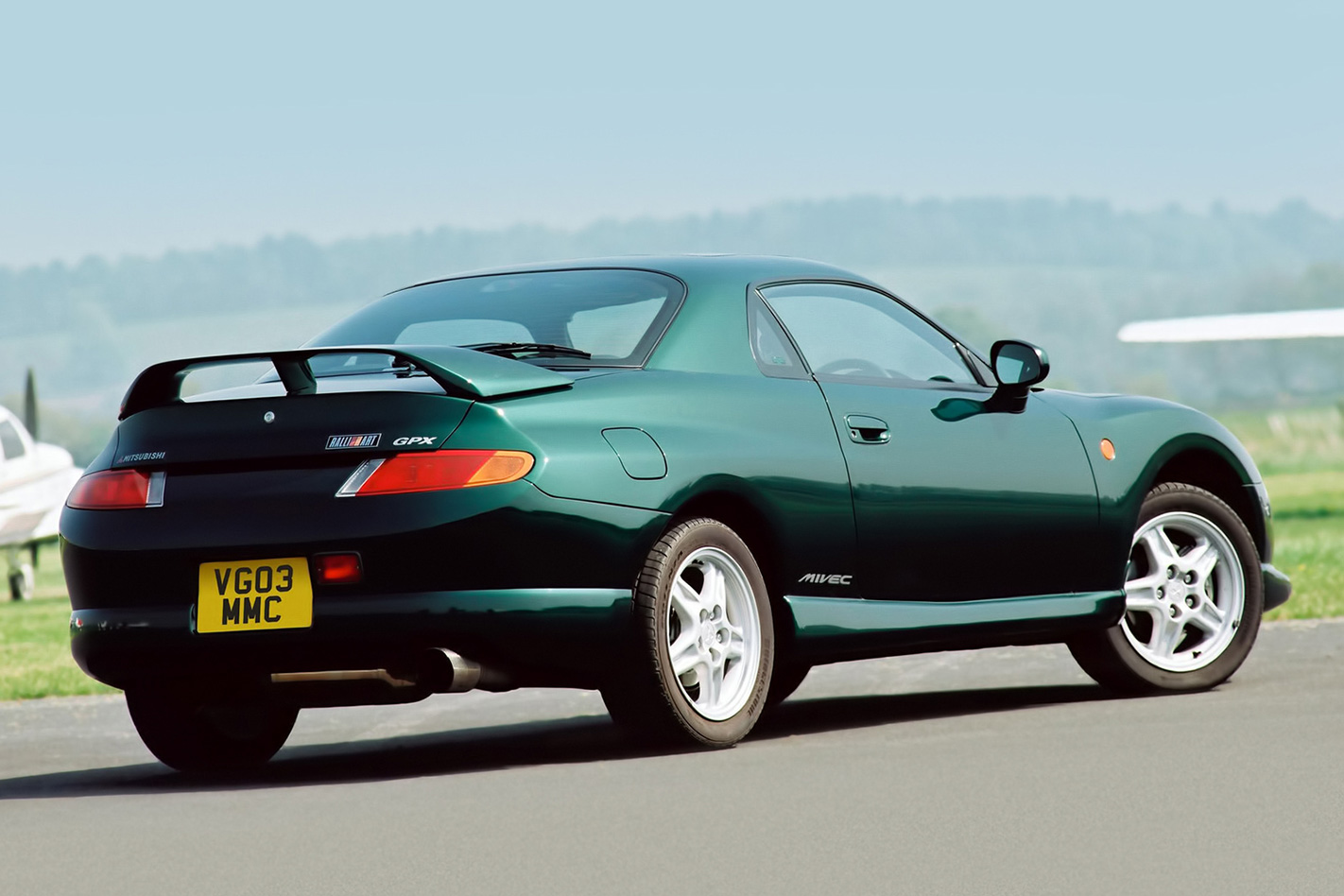
Trouble is, only 20 manuals were made (as well as 187 autos) so it might be easier to find a Nakaya-Tune, named after Japanese racing driver Akihiko Nakaya, a name that will be familiar to Best Motoring fans.
These cars scored a new exhaust, better brake pads and Ohlins suspension with 300 produced in total.
Pick of the litter is the post-facelift GP Version R. Available in three colours (red, white and black), thicker anti-roll bars (20mm at both ends, HID headlights, FTO monogrammed front seats, Torsen limited-slip diff (rather than the earlier viscous) and a new rear spoiler made this the ultimate FTO and 542 were built.
1994 Mitsubishi FTO Specs
Engine: 1998cc V6, DOHC, 24v Power: 147kW @ 7500rpm Torque: 200Nm @ 6000rpm 0-100km/h: 7.3sec (est) Top Speed: 193km/h
We’re around the corner from a full reveal of the 2022 Mercedes-Benz EQS electric luxury sedan flagship, which means the manufacturer has dialled up the teaser machine.
This latest sneak peek shows a silhouetted side profile which, with basic Photoshop trickery, has been brightened to reveal a long ‘bubble car’ roofline and certain elements such as flush door handles, pinned-back headlights, chrome trim surrounding the windows and a high waistline.
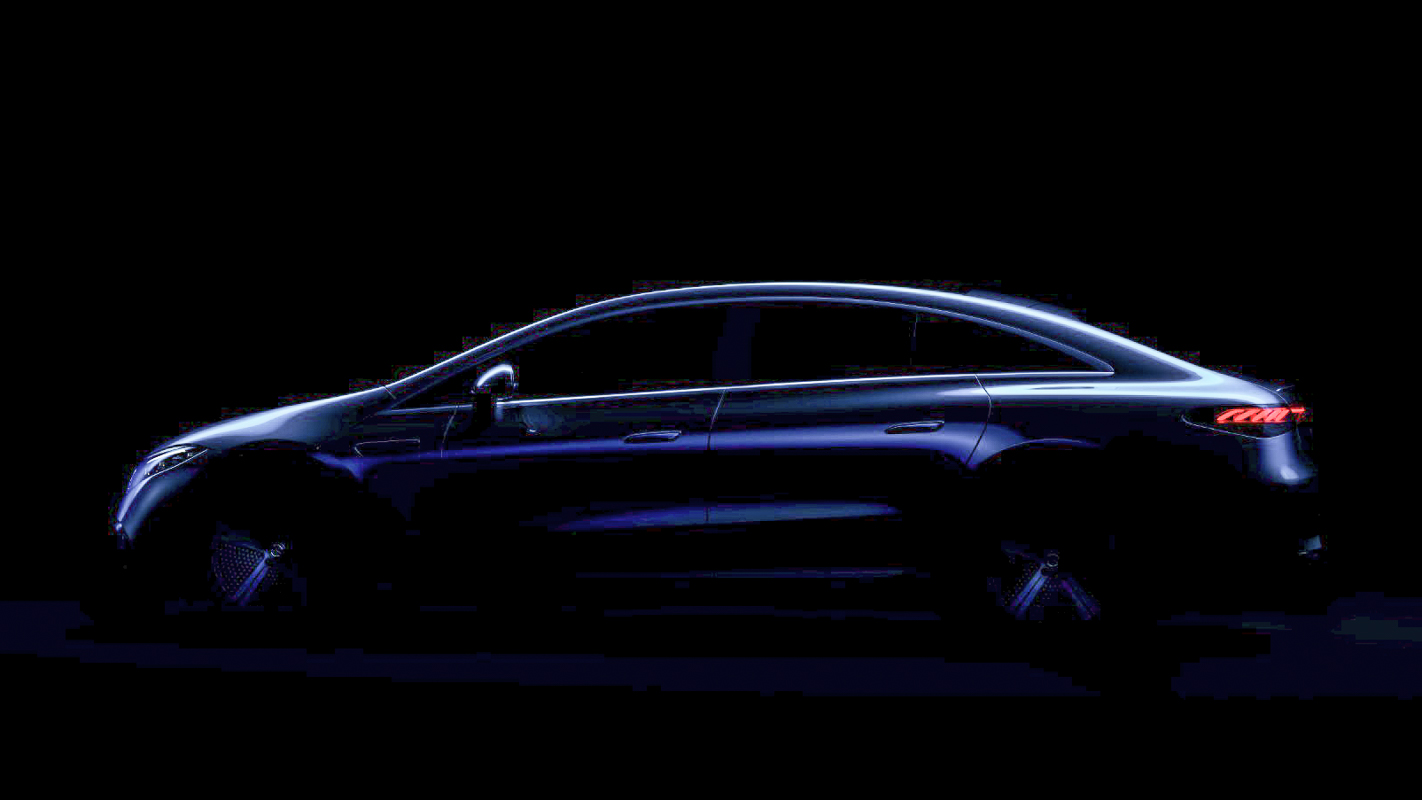
This latest look was shared by the German car maker on Twitter and follows on from the 2019 Vision EQS electric concept. A number of drivetrain options with varying battery capacities are expected to be available, though Merc is staying quiet on the matter for now.
However, Mercedes-Benz has previously stated that the electric flagship will be able to travel 700km, according to the WLTP test cycle.
While it’s expected as a sedan, there’s no doubt there are some higher-riding, liftback qualities to the EQS’s design.
It will roll on the company’s new Electric Vehicle Architecture (EVA), and Mercedes-Benz boss Ola Källenius told Automotive News it will compete in its own space without a direct rival.
The forthcoming size-down EQE will compete with electric sedan rivals such as the Tesla Model S, Audi E-Tron GT and Porsche Taycan.
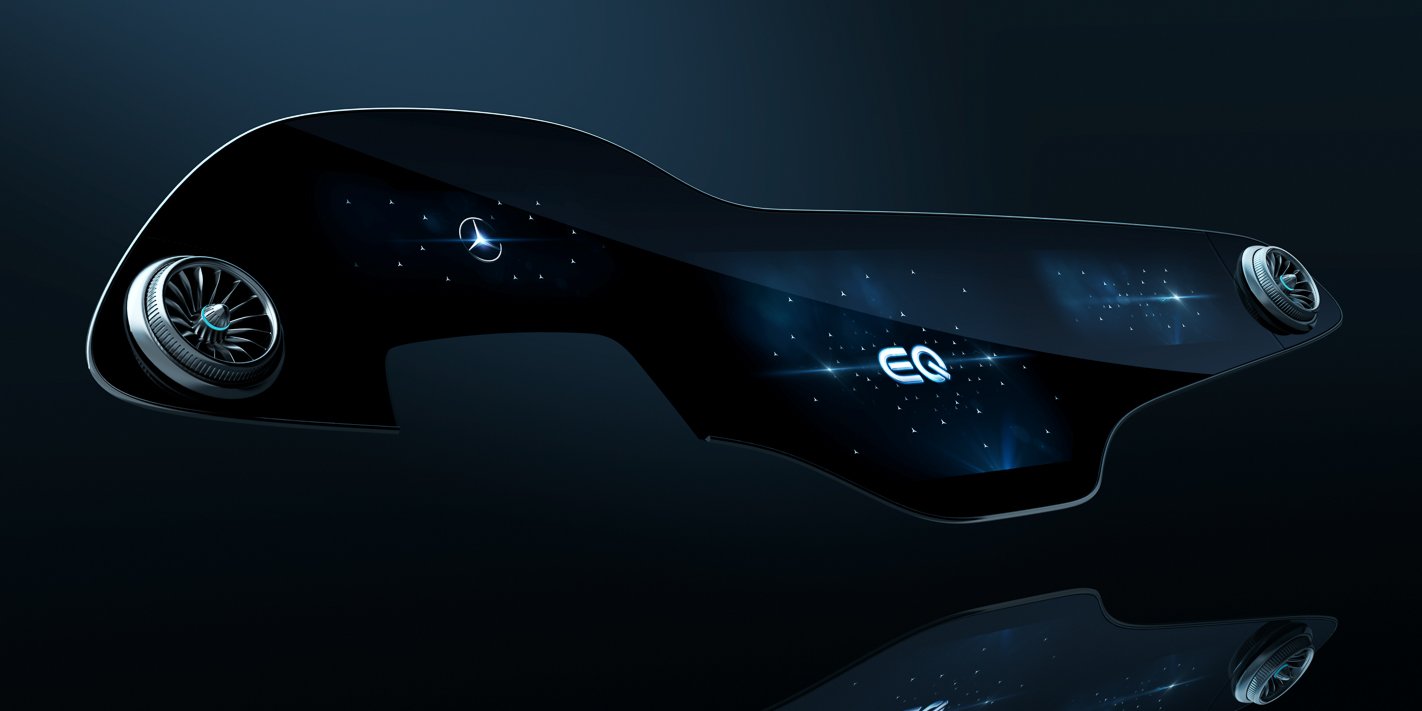
No doubt, being a tech-infested flagship, it will stock some of the most incredible futuristic innovations ever seen from the brand. Of course, we already know the EQS will receive the wild MBUX ‘Hyperscreen’ which spans the dash from one side of the car to the other.
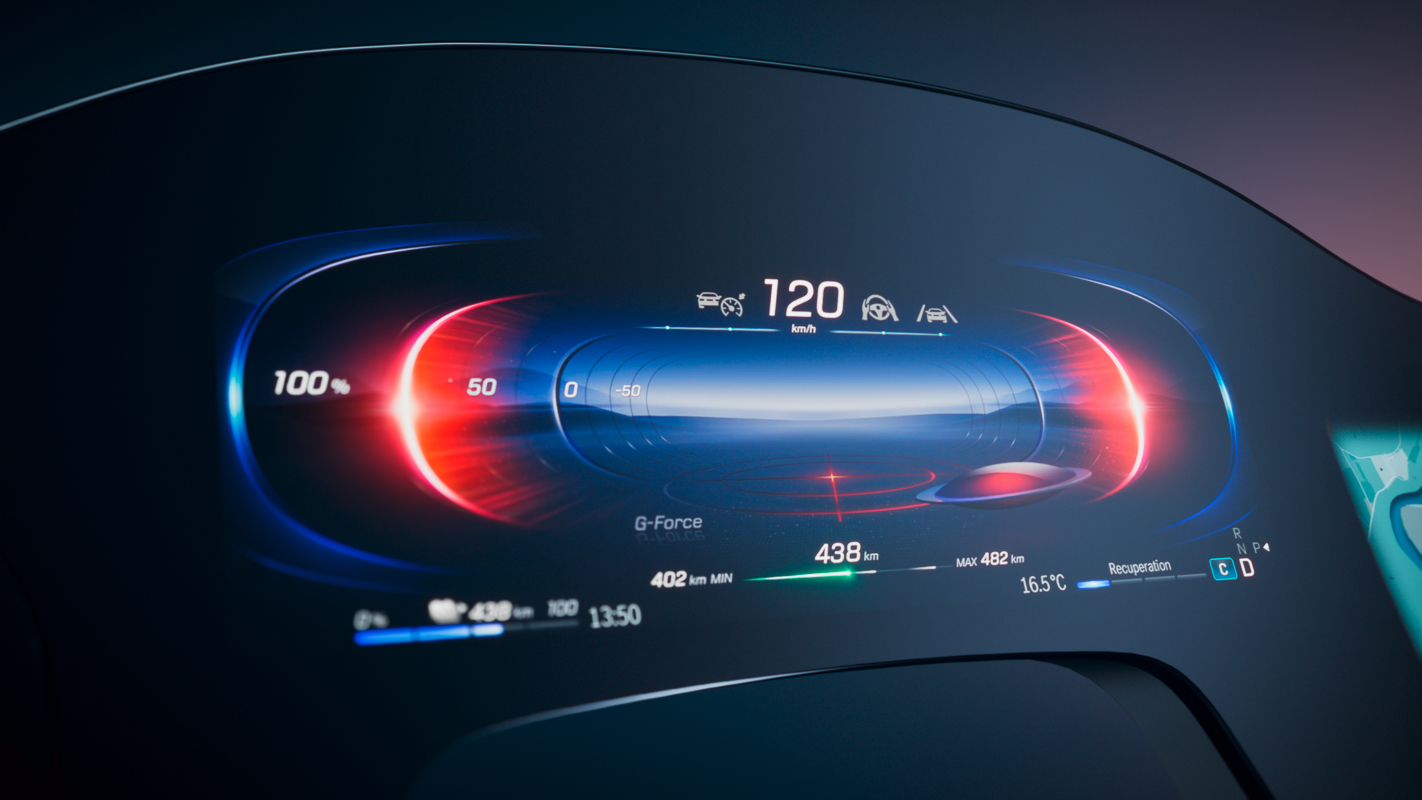
The high-definition 55-inch OLED curved display is designed to wow occupants and can make personalised suggestions for numerous functions, without having to navigate endless sub-menus.
The system will learn driver and passenger habits and will suggest applications on opposite sides of the screen without being prompted, keeping both parties from being distracted.
A full reveal of the Mercedes-Benz EQS is expected in April.
Can you have too much of a good thing? Nah. Porsche has a hit on its hands with the Taycan.
More than 20,000 were delivered globally last year, and the all-electric four-door coupe’s become the UK’s second-favourite Porsche, behind the Macan. And now the Stuttgart derivative machine is running flat-out, churning out new versions and making hay.
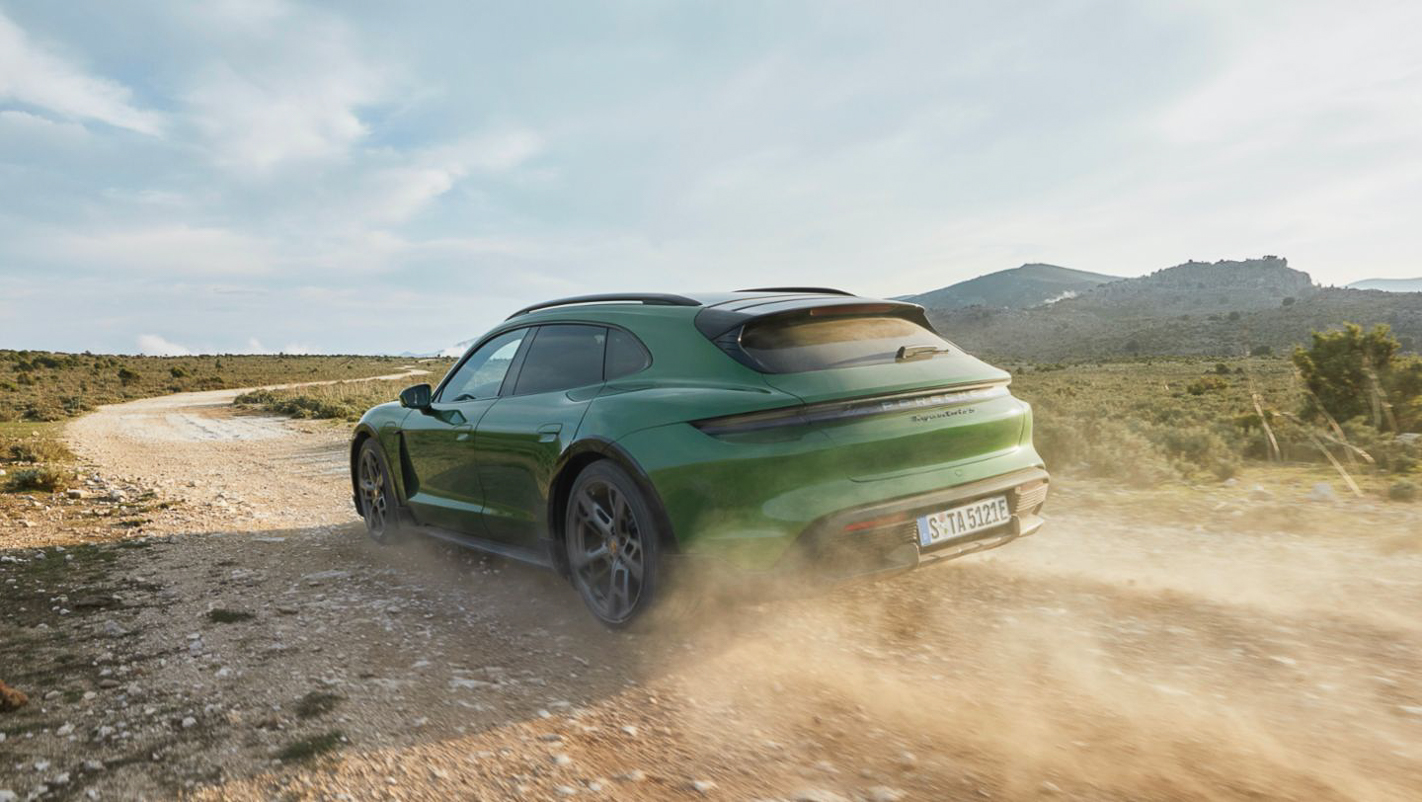
Following the recent release of the rear-drive standard Taycan (still unconfirmed for Australia), we now have the Cross Turismo – a new, vaguely all-terrain estate bodystyle set to go on sale in the third quarter of 2021 with two powertrains broadly comparable with those available in the standard car.
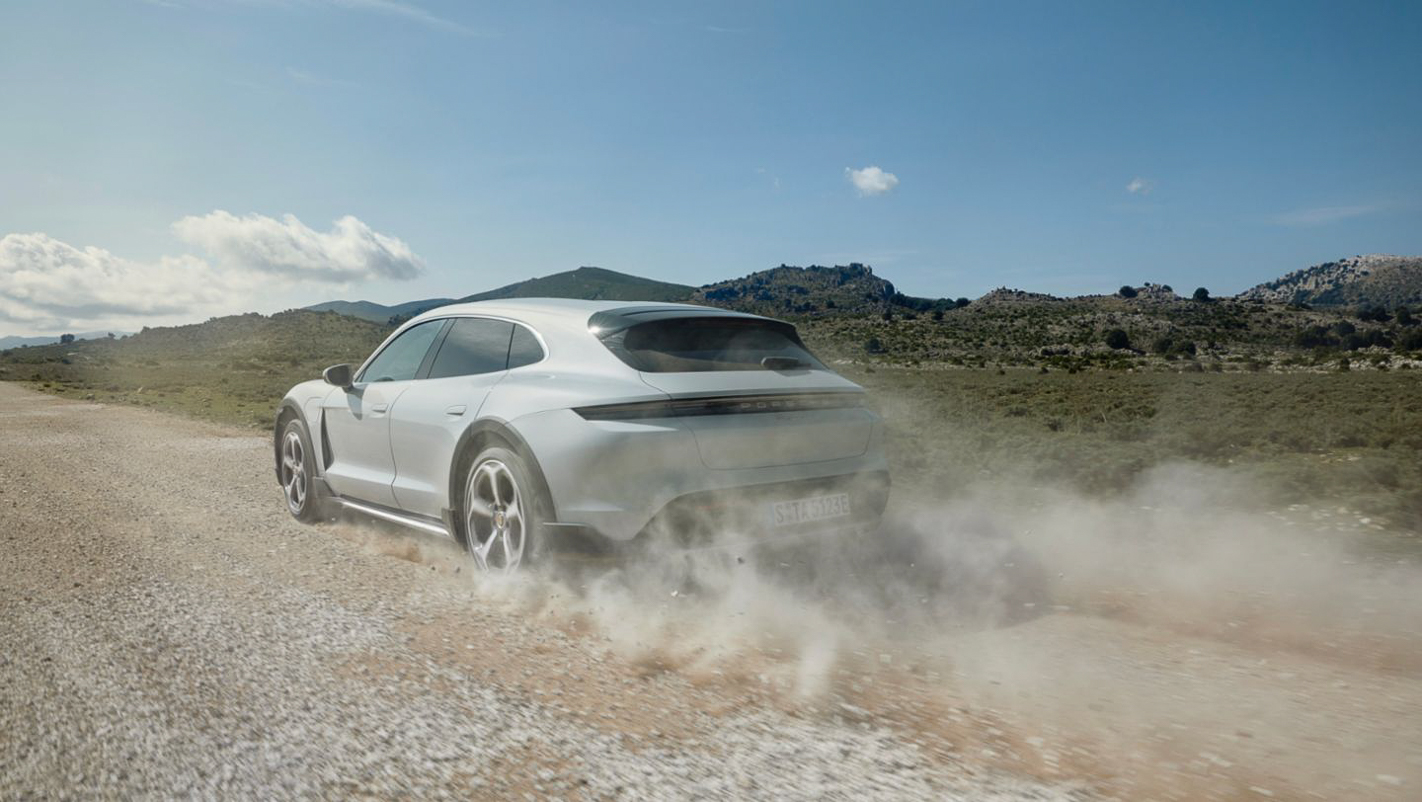
The exception is that, quite logically, we won’t see a two-wheel-drive Cross Turismo, so the entry-level car will be the 4S Cross Turismo, priced from $201,000 before on-road costs.
The sole other model is the top dog Taycan Turbo Cross Turismo, which will cost $271,200 (before ORCs).
In sedan form, the Taycan 4S is priced in Australia at $191,000 before on-road costs, while the Taycan Turbo is a $269,100 proposition (again before on-road costs).
READ: Taycan price and specs
What’s different with the Taycan Cross Turismo?
The fundamental package remains the same: high-performance 800-volt electrical architecture, twin-motor all-wheel drive with a two-speed gearbox on the rear axle for monstrous launch acceleration and efficient running at speed.
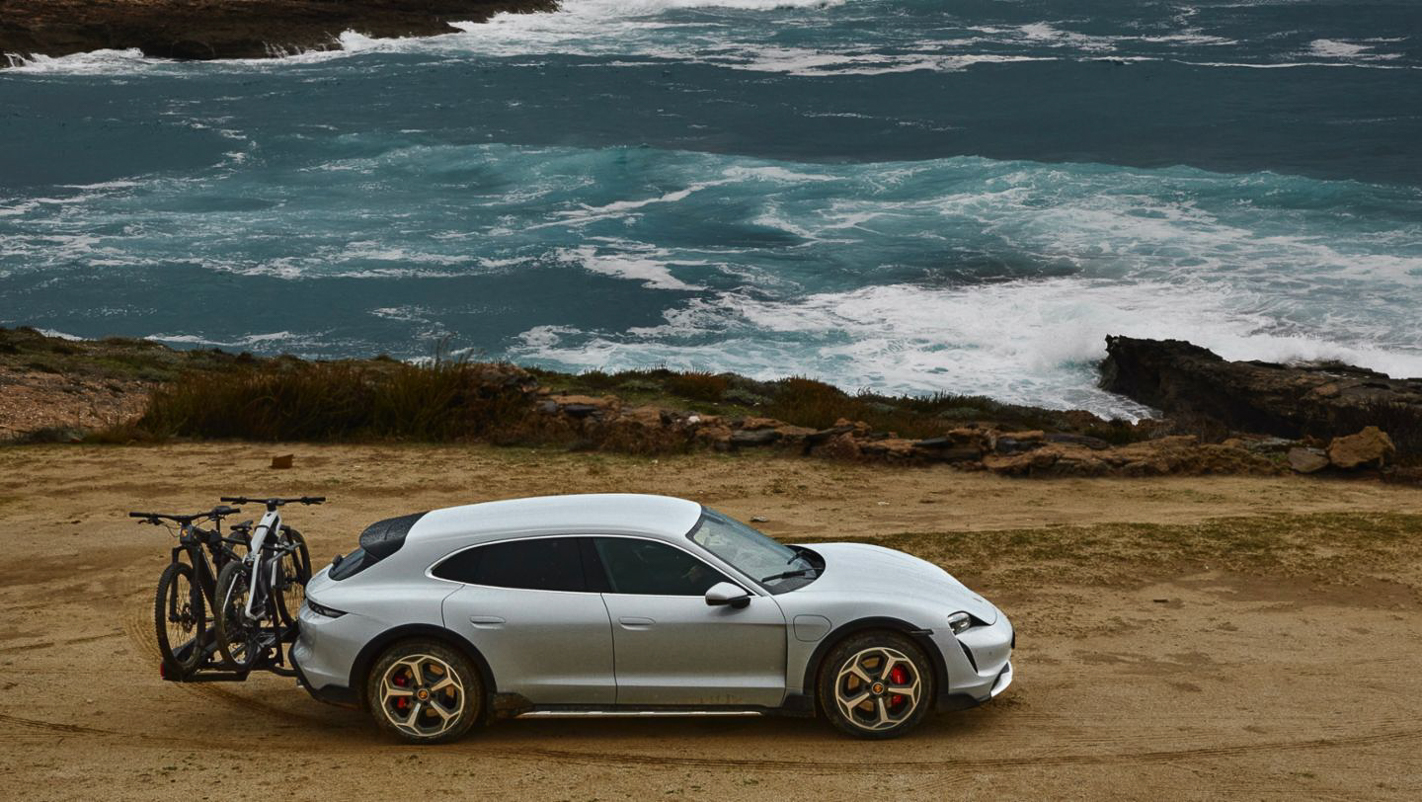
The Taycan 4S Cross Turismo’s powertrain packs 360kW, launching it from zero to 100km/h in 4.1 seconds, while the Taycan Turbo Cross Turismo stocks 460kW to accelerate it from zero to 100km/h in 3.3 seconds.
But the Cross Turismo enjoys standard multi-height adaptive air suspension (with another 30mm of lift with the Off-road Design package fitted), and a dedicated Gravel drive mode for use on loose surfaces (it bumps the suspension to full height while also optimising such systems as the torque vectoring and the stability control to better suit low-grip surfaces).
Performance Plus is standard
Perhaps most importantly, the Taycan Cross Turismo is fitted as standard with the Performance Plus battery.
That pack is normally an $11,590 option on the regular Taycan 4S sedan which, if selected, would make the Taycan 4S sedan even pricier than its high-riding counterpart. Seems like a wagon-lover’s bargain, then.
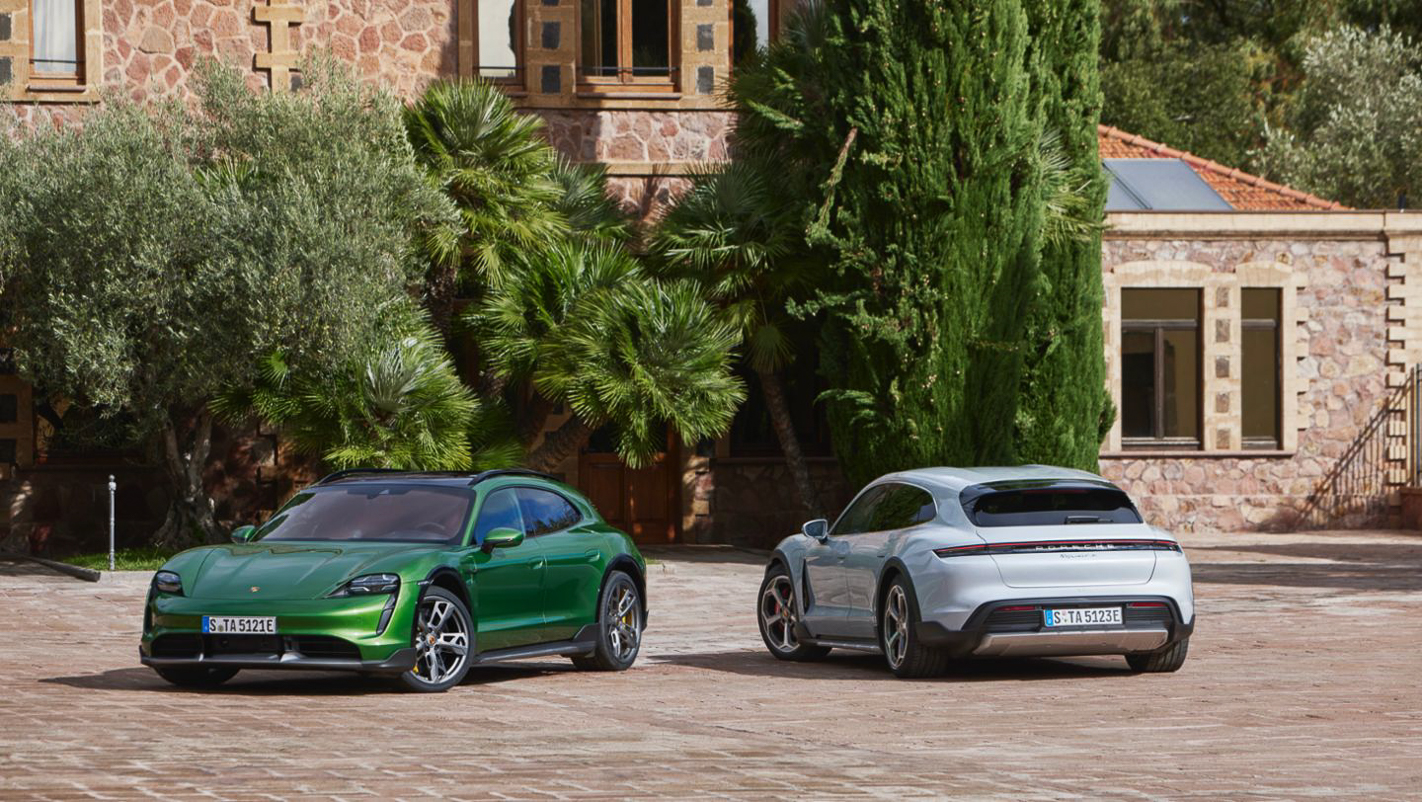
There’s also the bodystyle, of course, which bumps luggage space up to 1200 litres (accessed via a powered tailgate) and increases second-row headroom by a useful 36mm.
Like the look?
So do we. Timing is everything, and the Taycan Cross Turismo’s is strong. Jacked-up Porsches are very much a thing at the moment.
The 911 has long been happy to be modified and thrown at unpaved scenery sideways, the Dakar 959 elevated the concept to an art form in the ’80s, and high-rise Porsche sports cars are as on-trend right now (see Singer’s ACS Concept and the endless spy shots of 992-gen 911s on long-travel suspension) as not going out, ever.
All of which helps explain why the Cross Turismo exists, and why it manages to look so damn good – better, arguably, than the standard car, with no little RS6-style sleek-estate sauce in the mix.
There are off-road-inspired design touches, including wheelarch trims, unique front and rear lower aprons and side sills, but the Allroad-style bolt-ons are laudably subtle, stopping short of turning the classy Taycan into some sort of gauche Dakar wannabe.
Inside, the Cross Turismo is business as usual, with the Taycan’s classy, uncluttered cabin, a great driving position (made more day-to-day friendly should you choose to run around with the ride height lifted) and primarily touchscreen-based infotainment that does at least offer simple menus and crisp haptic touch feedback.
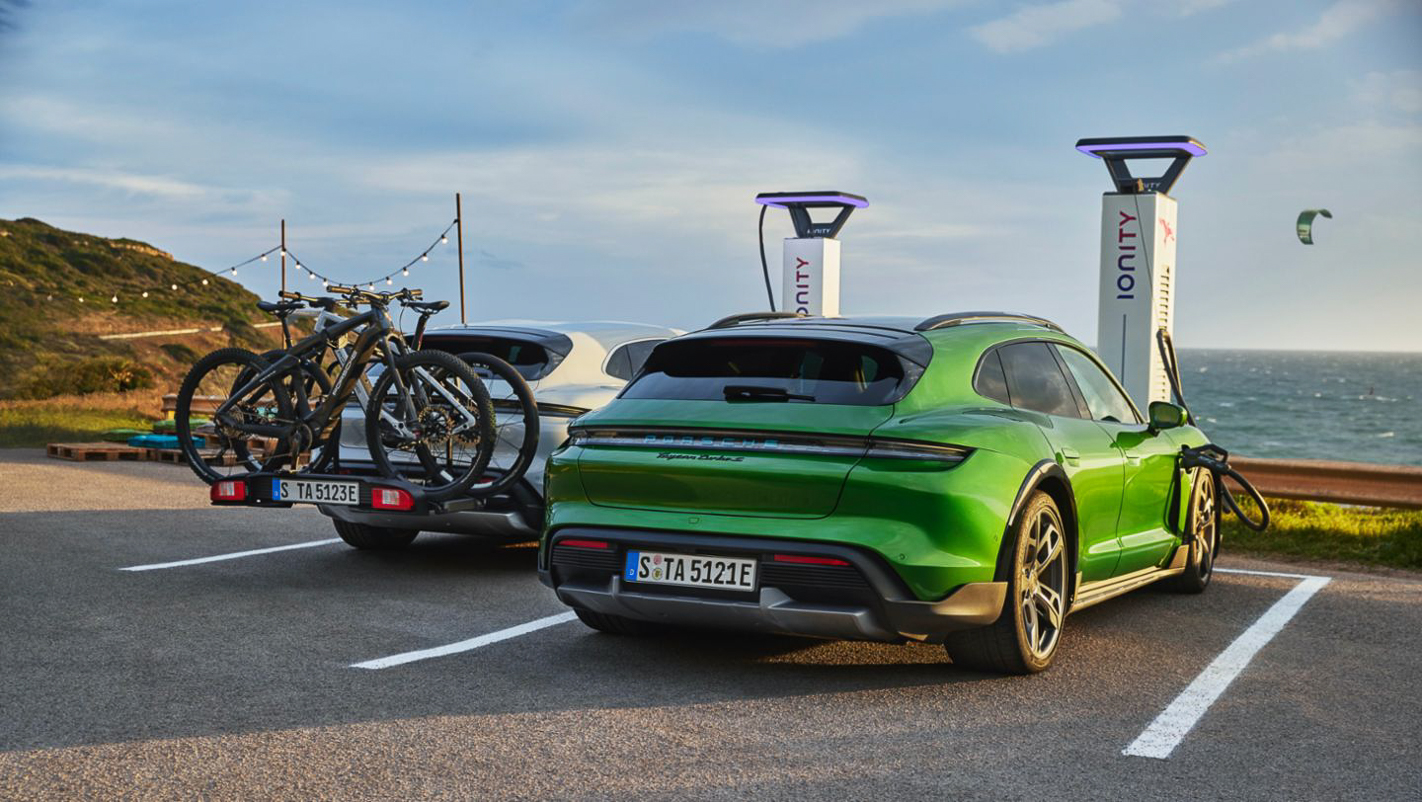
Neat details include the steering wheel button to switch between the two levels of regenerative braking (both of them relatively low and intuitive), encouraging you to do so on the fly, and the easy-reach touch functions on the driver’s display for stuff like drive mode, stability control setting and damper set-up.
It’s not really an off-roader, is it?
Not really, though the standard car’s superb in low-grip conditions (thank all-wheel drive and the easily modulated torque of e-motors) and the Cross Turismo builds on that solid foundation. The increased ride height and Gravel mode promise to make the odd muddy car park or rough green lane a pleasure rather than a pain.
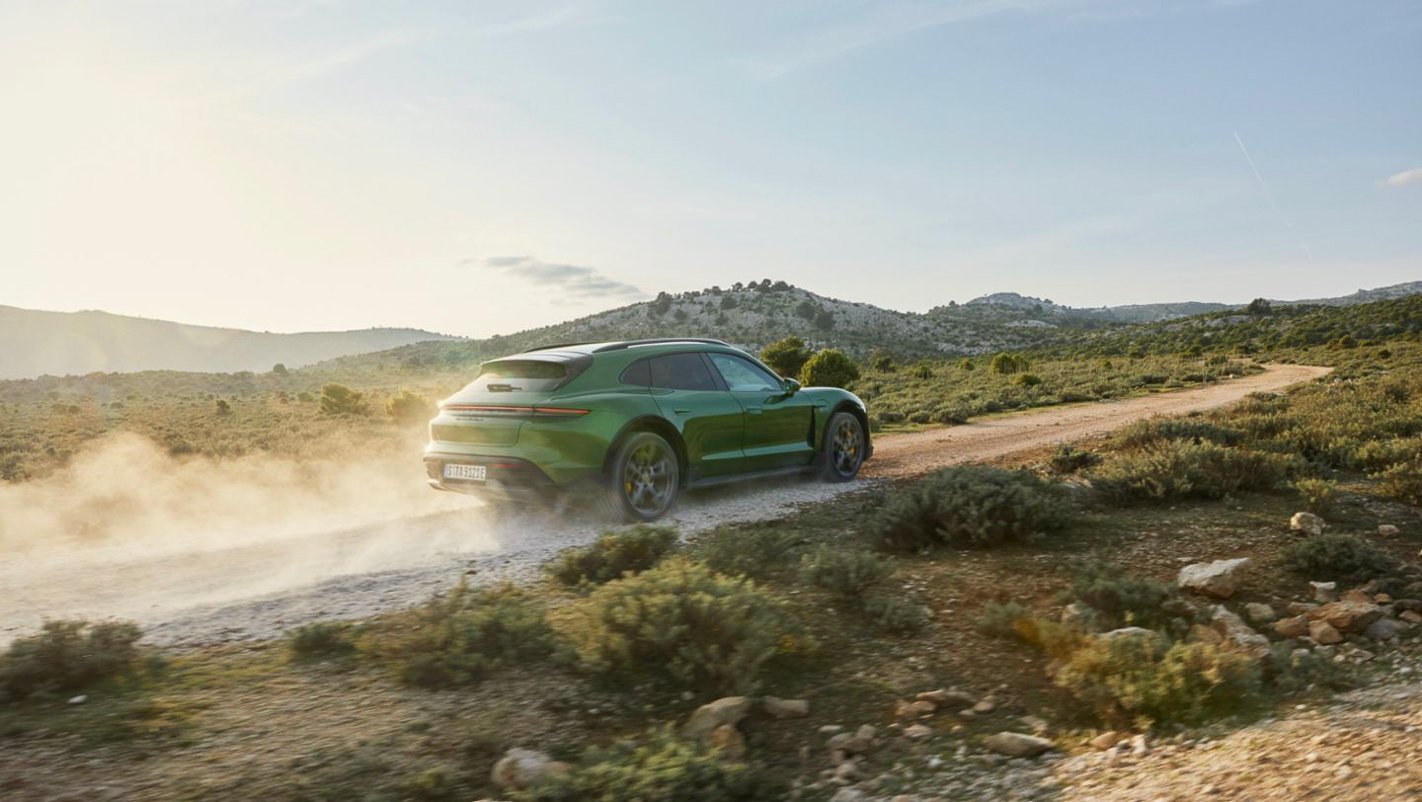
But don’t expect to go boulder-crawling in it. In the words of Porsche’s Stefan Weckbach, vice president for the Taycan model line: “The biggest challenge was combining the requirements of sportiness with off-road capabilities.
“The Cross Turismo has to be capable of high performance on the racetrack but must also be able to handle mud, scree and gravel. While this is not a hardcore off-road vehicle, it specialises in unpaved and dirt roads. It’s like a type of Swiss army knife on up to 21-inch wheels.”
2021 Porsche Taycan Cross Turismo pricing for Australia
The two-strong Cross Turismo range kicks off at $201,000 for the Taycan 4S, or you can opt for the Taycan Turbo for $271,200.
Both will become available in the third quarter of 2021, with order books open now.
2021 Porsche Taycan Cross Turismo Australian pricing
- Taycan 4S Cross Turismo – $201,000
- Taycan Turbo Cross Turismo – $271,000
All prices expressed in this story exclude on-road costs.
A version of this story was first published at carmagazine.co.uk
