
Melbourne-based auto electronics specialist Injectronics has developed a battery remanufacturing process that will swap your hybrid’s tired battery for up to 80 percent less cash than a new original-equipment part.
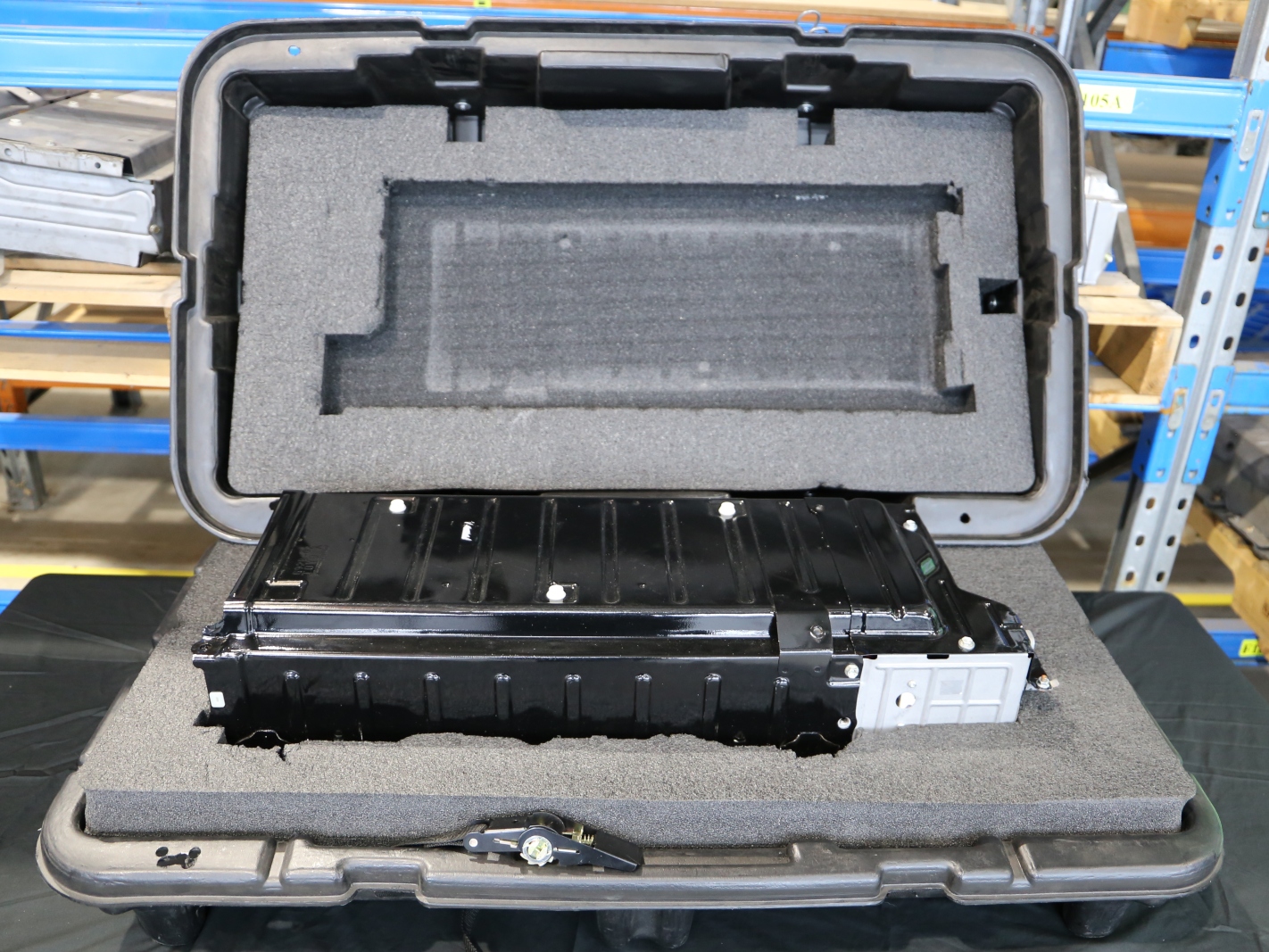
Assisted by a $103,000 federal government grant, the company will be rolling out its Hybrid Battery Remanufacturing Exchange Program in the second quarter of 2021, allowing new life to be breathed into older hybrid vehicles – potentially sparing them from the scrap heap.
Replacement hybrid batteries can cost up to $10,000 from the original manufacturer depending on the brand, and with 150,000 hybrids on Australian roads (with the oldest of those nudging 18 years old), a dead battery would in many cases mark the end of the line for increasing numbers of vehicles.
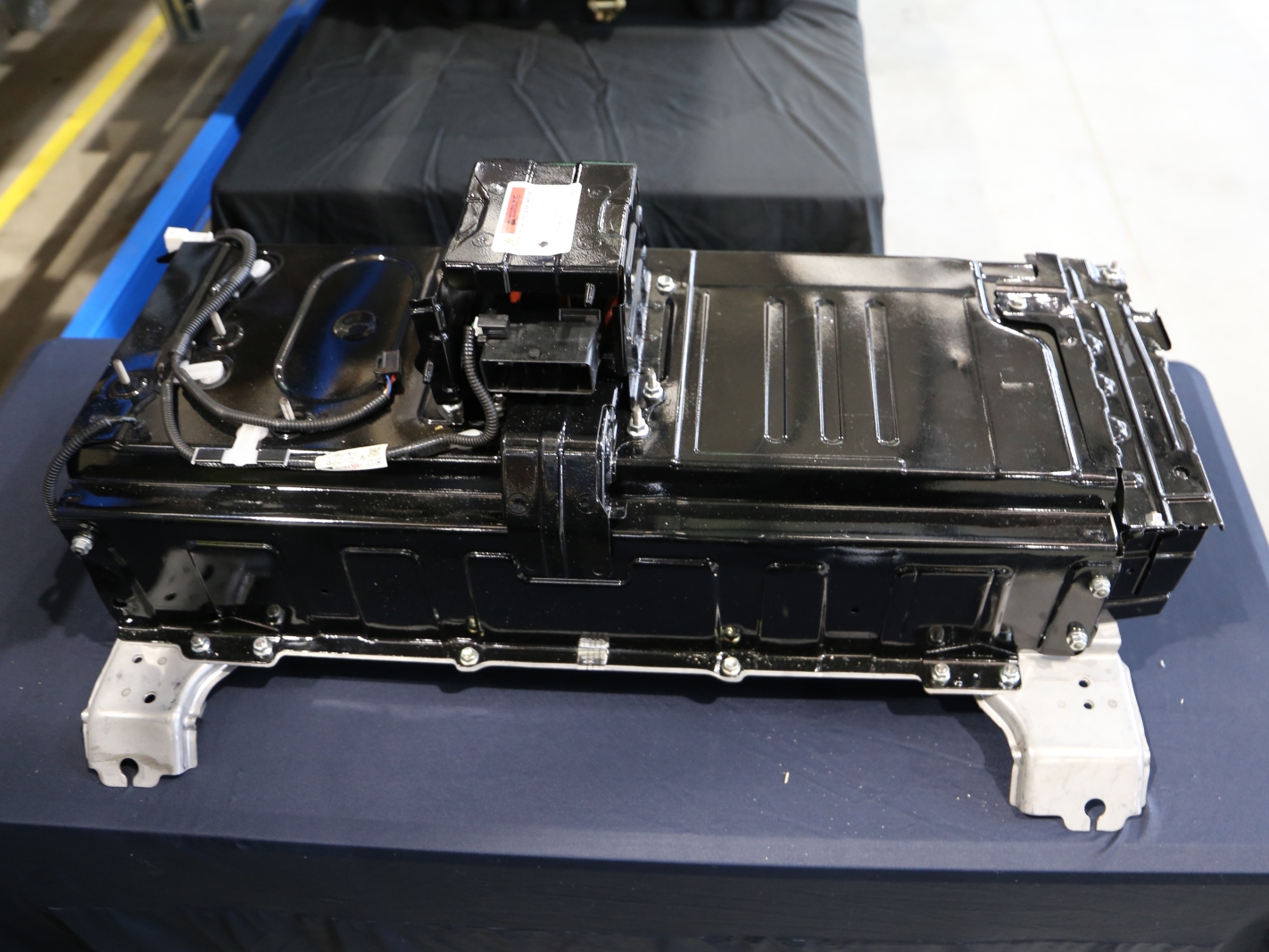
However, Injectronics is offering an exchange battery for as little as $2000 depending on the model, slashing the cost and potentially extending the life of thousands of early-model hybrids that would otherwise be put out to pasture.
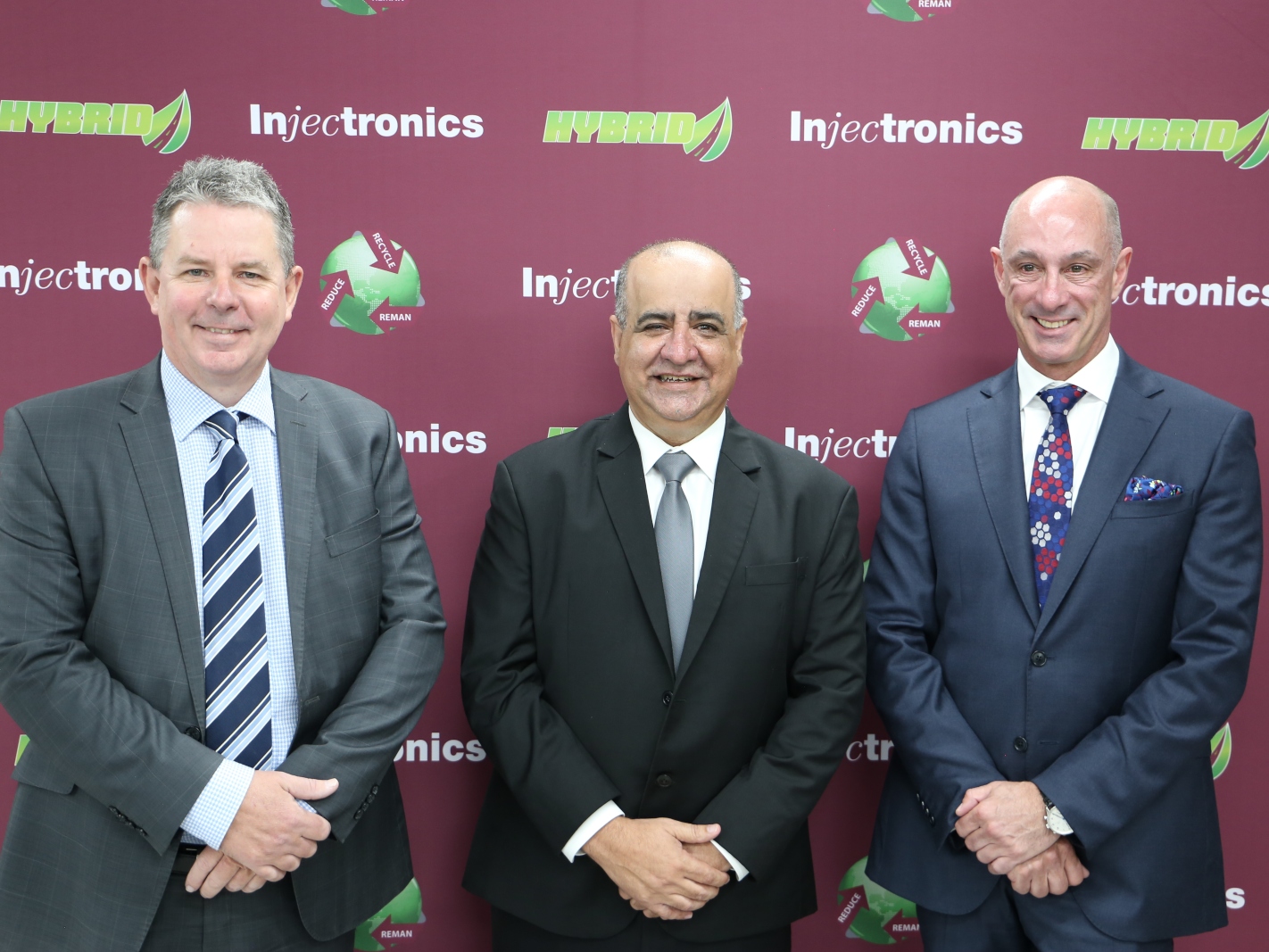
Speaking at the launch of the program at Innovative Mechatronics HQ in Melbourne’s east, Liberal senator for Victoria David Van said projects like the battery exchange are “as exciting as it gets when you’re in parliament”.
“Projects like this would probably happen anyway, but being able to back it with a grant of $103,000 allows (Injectronics) to bring forward some of that work, to bring forward the research and innovation that goes behind a project like this, to drive that innovation into products and real-world solutions for problems that we are going to face – not only economically but environmentally as well.”
“We believe the technology is the solution to fixing our emissions problem”.
Injectronics’ initial focus will be Toyota’s ageing Prius and Camry Hybrid fleet, which represents both the oldest and most common hybrid on Australian roads and, in particular, the large number of very-high-kilometre taxis around the capitals.
While the company is promising significant savings over the cost of replacement at the pointiest end of the spectrum, the difference in price in the case of a Prius, for example, is slimmer, with Toyota offering a new battery for about $3000 and replacement labour not exceeding $400 for any model, says its maker.
But the company already has grand plans to expand its operation to include other hybrids – as well as full-electric cars – as more models join the national car park and create demand in other areas.
“We recognise there’s a significant number of early hybrid batteries that are underperforming and out of warranty,” said IM Group managing director Gino Ricciuti.
“The stats show that 13,000 batteries needed changing last year, and we expect by 2024 to have 23,000 batteries that need changing.
“Currently, the only option is a brand-new battery, and that’s very cost prohibitive and could be more than the vehicle is worth,” he added.
While some other Australian companies are offering battery recycling such as Envirostream and EcoActiv, Injectronics is the first to offer a faster, more cost effective and environmentally friendly remanufacturing process.
How is a hybrid battery remanufactured?
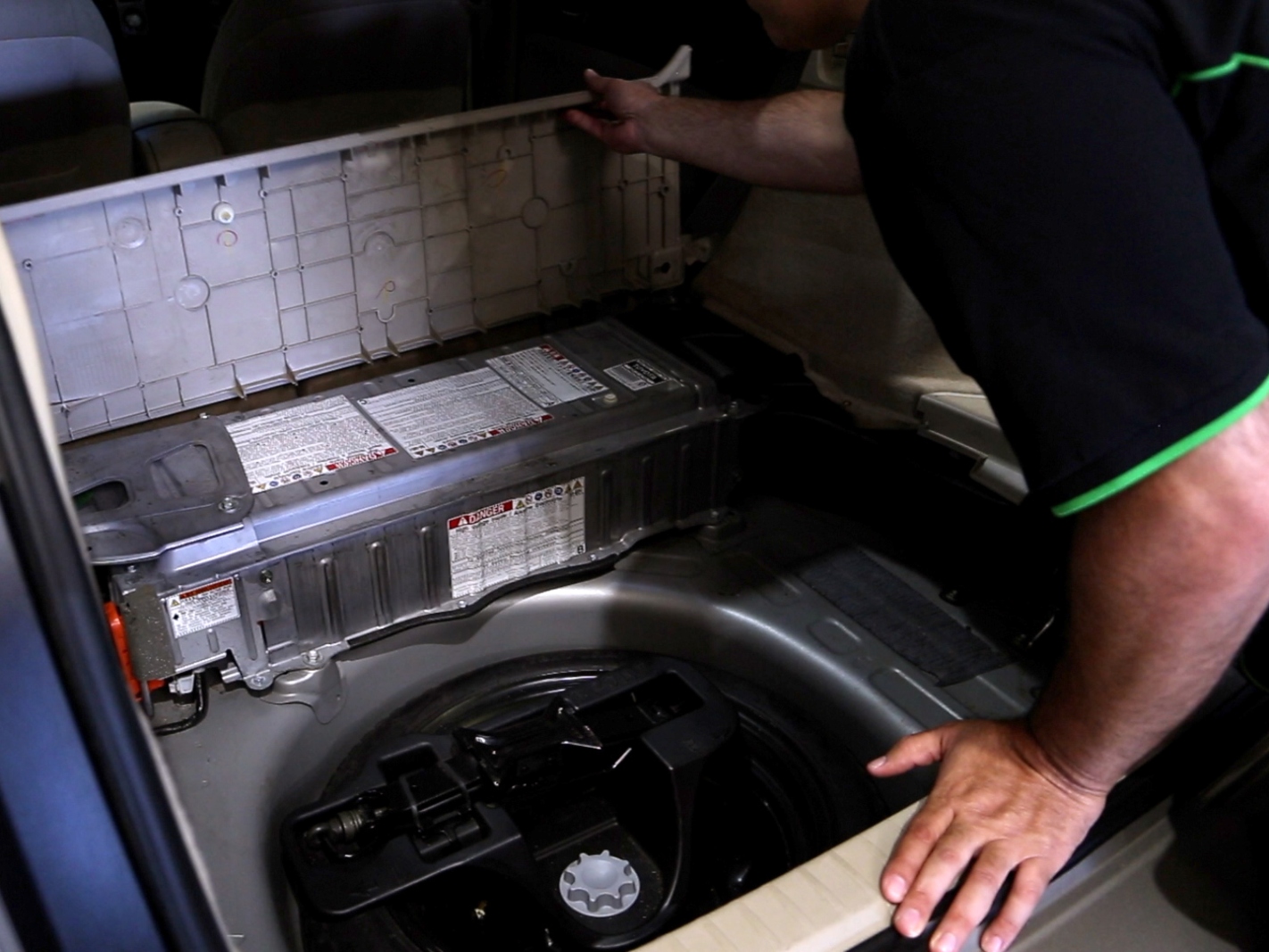
A battery pack is comprised of multiple cells and, in the case of Toyota’s unit, it only takes one or two of the 28 cells falling below an 80 percent threshold before the vehicle’s power management electronics reject the entire battery. It’s at this point the battery will need replacing.
But instead of swapping the degraded unit for an expensive all-new component, Injectronics has a different approach.
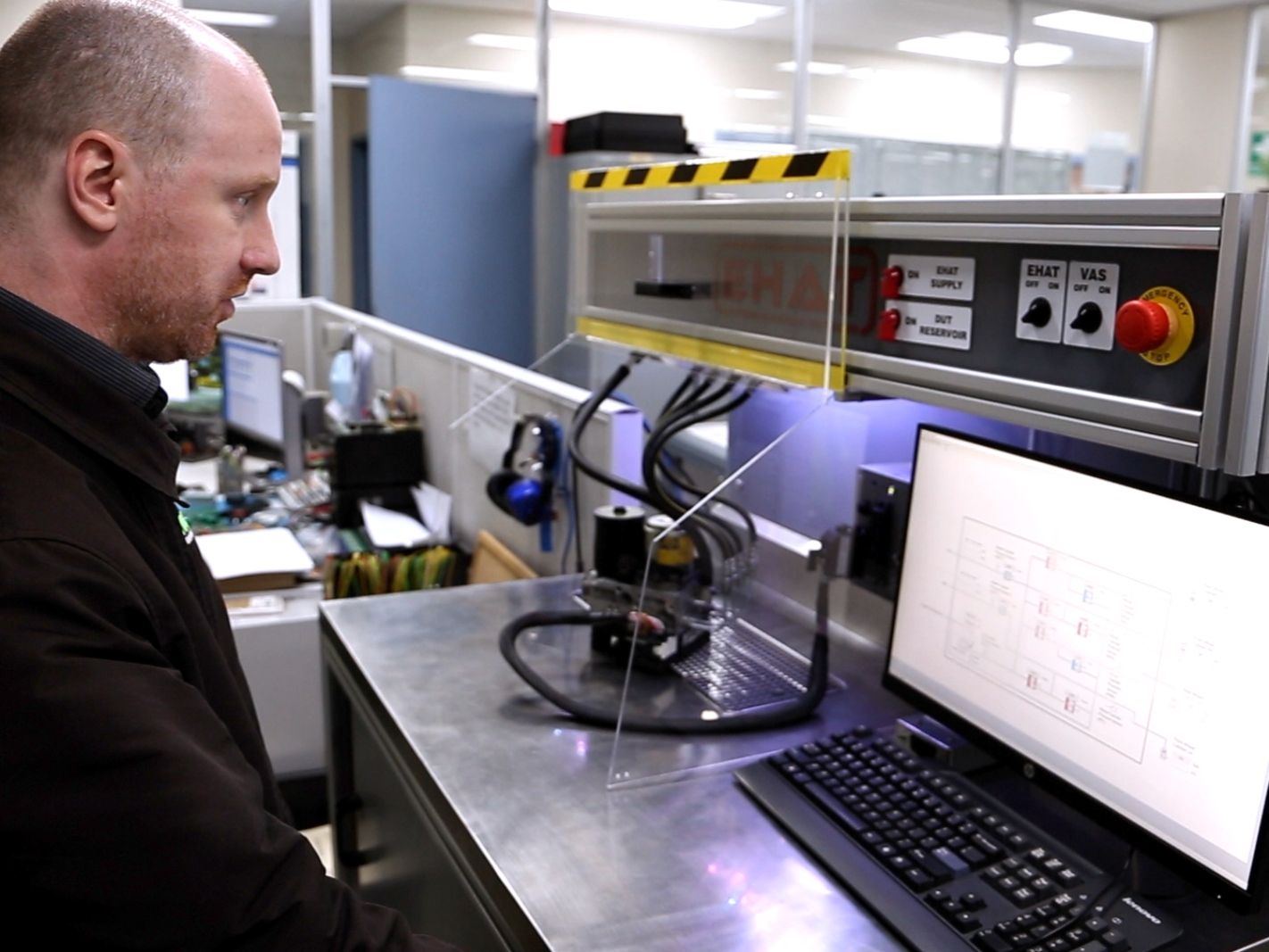
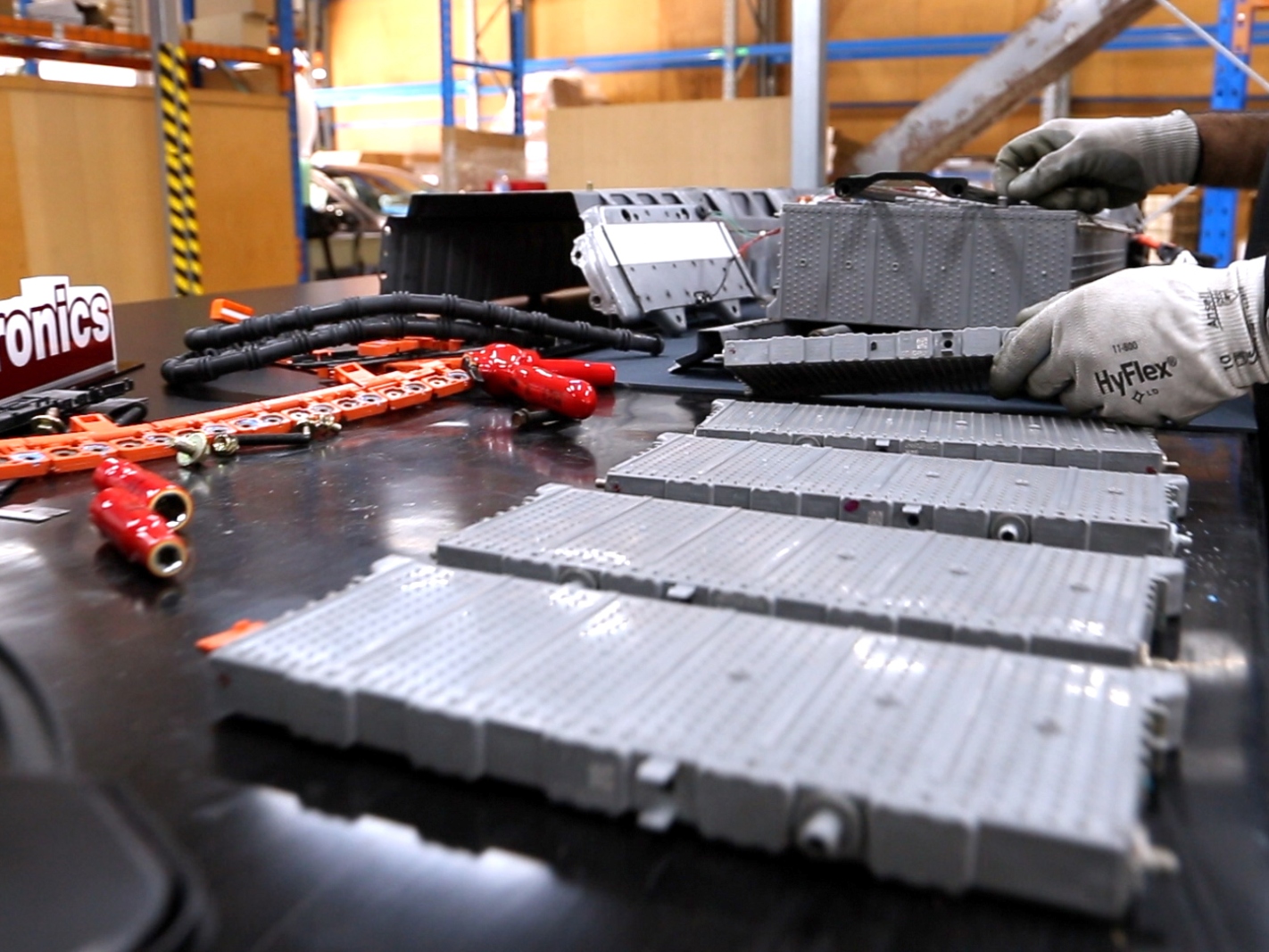
A technician removes the battery from the car, strips out the individual cells and, using sophisticated equipment, measures the serviceability and capacity of each cell on an individual basis. The healthy cells are retained and rebuilt into a new pack, with replacements for the defective cells only.
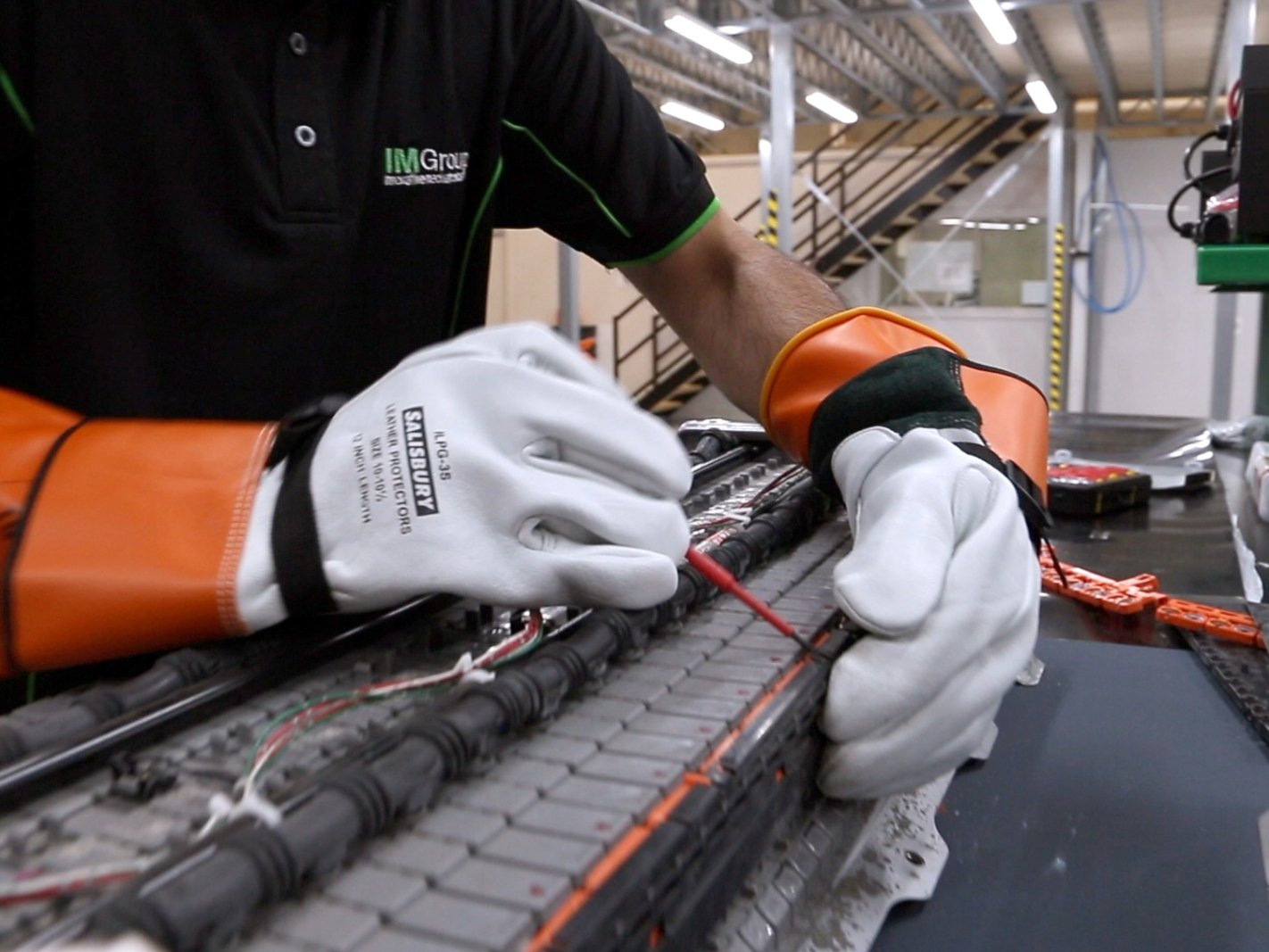
Cleverly, no new cells are required to build a maximum-capacity remanufactured unit, with the replacement cells donated from other used batteries in the process cycle.
For example, five used batteries may contain enough healthy cells to rebuild four remanufactured units.
Finally, the cell testing process identifies not just the excessively degraded cells, but also those which are likely to break down soon – and these components are also rejected, resulting in a battery that is capable of performing reliably and for as many years as a new replacement.
Each Injectronics remanufactured battery is sold with a two-year guarantee.
Cheaper replacement hybrid vehicle batteries
Full recycling programs offered by a handful of companies break down end-of-life batteries to their constituent compounds and materials – but these processes are energy intensive and require massive plants, whereas remanufacturing requires much less energy and produces less waste.
Most of the small energy requirement for processing is provided by solar power generated at the facility itself.
The main resource therefore, is labour, with a skilled technician required to accurately diagnose the status of each cell before barcoding and storing it in a bank for later use in the rebuilding stage.
Even when faulty or degraded cells are discarded, they are not simply disposed of in landfill, as happens in a majority of battery replacement jobs.
Instead, cells with between 30 per cent and 80 per cent have enough capacity to be used in other applications, including home power storage solutions.
The net result is a remanufactured battery that costs between $2000 and $4000 – or about 60 to 80 percent of the cost of an OEM (original equipment manufacturer) new replacement.
What’s next?
Toyota’s Camry and Prius are one of the few electrified vehicles that use a nickel metal-hydride battery, but Injectronics will broaden its remanufacturing operation to include larger battery packs comprised of other compounds – including the more advanced lithium-ion technology used in far more brands and models.
And the research into other remanufacturing applications could even branch into heavy commercial, along with e-bikes, carts and wheelchairs, says Ricciuti.
Its scalable process is key to the expansion, and additional facilities will be commissioned in other states as the demand grows, ensuring a reliable and fast supply of batteries where and when they are required.
Australian Automotive Aftermarket Association CEO Stuart Charity said the Injectronics venture is a shining example of independent manufacturers diversifying and capitalising on an ever-changing automotive landscape.
“There are a lot of experts that predicted when the car industry shut down a few years ago it spelled the total demise of automotive manufacturing and remanufacturing in Australia, and how wrong they were,” he said.
“There’s a lot of experts also saying that the onset of electric and hybrid vehicles will be the end of the aftermarket as well, because there’s no parts. Again, they are wrong.
“Our industry has shown over time that we adapt to new technologies and adapt faster and better than the car (manufacturing) industry did. I think what IM Group are demonstrating this morning is exactly that progression into the new technologies”.
- Jump to Update 2: March 2021
Update 1: February 2021
Living with the Mazda BT-50 GT 4×4 Welcome to the family, big fella Km travelled: 1100 Fuel economy: 8.2L/100km
Can Mazda’s Zoom Zoom ethos, which imbues everyday cars with driving spirit, do the same for a dual-cab ute? That’s the question at the heart of this long-term test.
There’s no ignoring the popularity of utes in Australia right now. In 2020, two of the three best-selling vehicles were dual-cab 4×4 utes – Ford Ranger and Toyota Hilux. One in five new vehicles bought by Australians in 2020 was a ute. Same for 2019 and 2018 and 2017…
So, if Mazda gets the mix right, the BT-50 could be a big seller for the Japanese brand.
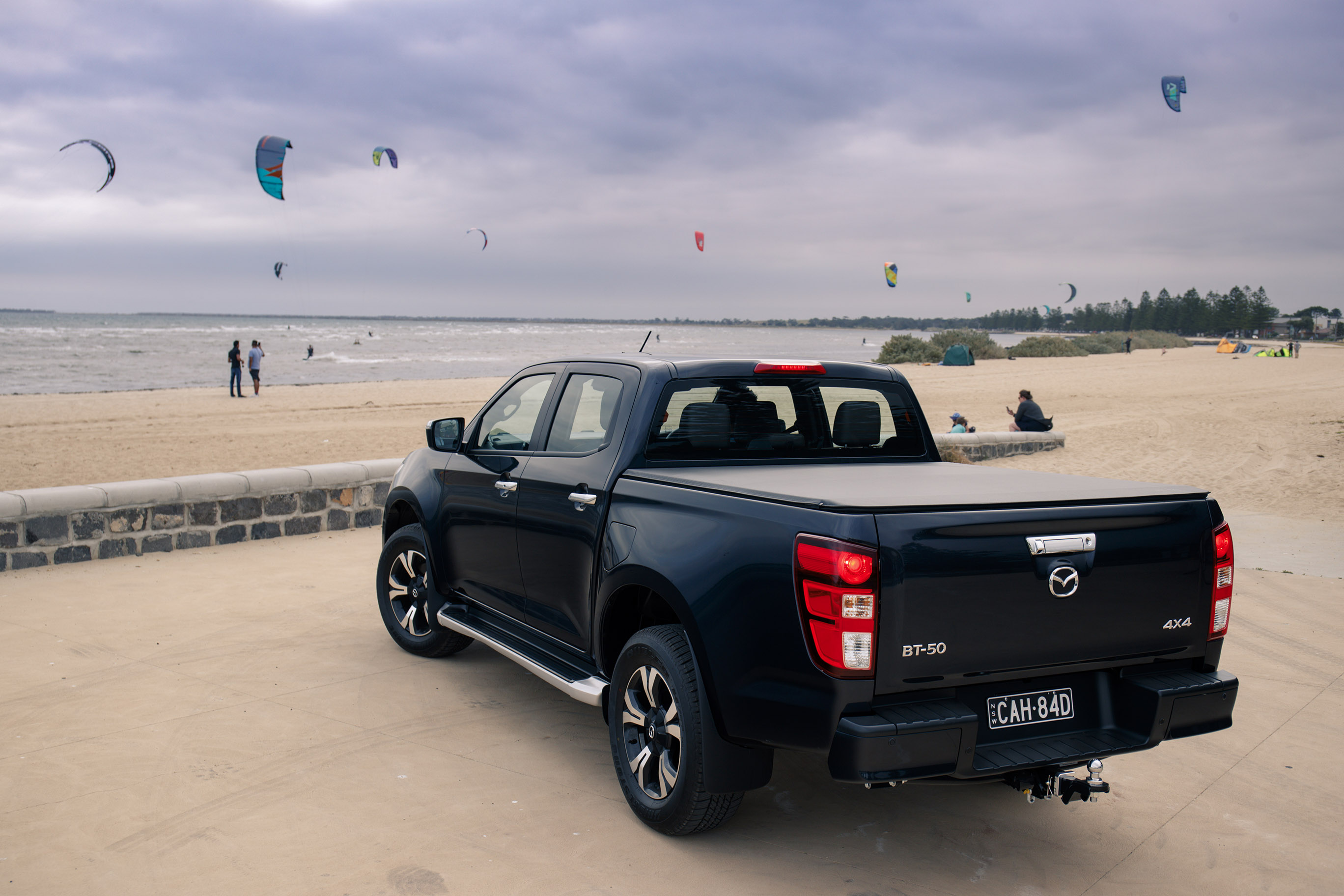
The appeal with utes is not hard to see. They look big and tough and unbreakable, and they are as close as it gets to the automotive Swiss Army knife. Naturally, dual-cab 4x4s appeal to tradies who need the tray for work.
For us non-tradies, they can handle the everyday with ease, go off-road, tow a boat or a caravan or a horse float, and carry plenty of Ikea flatpacks in the tray. What’s not to love? Parking a 5.28m long ute in supermarkets, for starters. But we’ll get to that.
I want to see how the Mazda BT-50 – one of the newest utes on the block as of January 2021 – keeps up with my weekday work commutes and weekend DIY duties. You see, we bought a house during the 2020 Covid pandemic and it needs a lot of work.
There is a second kitchen that needs to become an office/guest room – who needs two kitchens? There are about 40 tonnes of concrete instead of a backyard that’s also destined for the tip, a garage that needs a five-door storage cupboard built into it, and copious painting inside and landscaping outside. Seriously, Bunnings is going to love me.
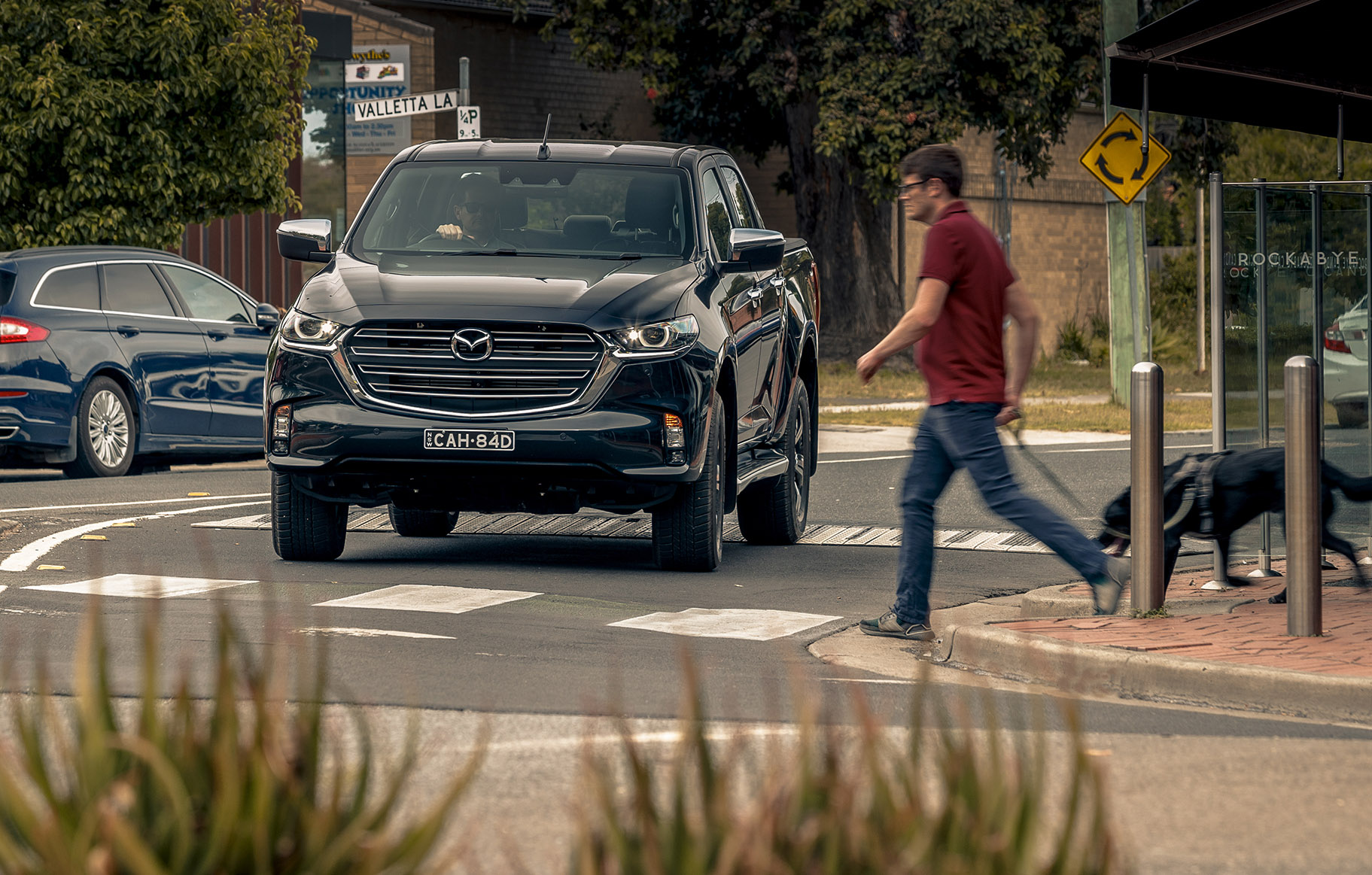
The BT-50 GT will have to keep up with all of that – except lugging 40 tonnes of concrete to the tip. I’ll get a skip or two for that. Plus, it needs to cart me, the wife and our Covid baby around as we live our lives. That part, in particular, will test the BT-50’s newfound interior class.
This Mazda BT-50 launched in Australia in October 2020, replacing the previous generation which had been around since 2010. There was a mid-life facelift in 2015 which introduced Apple Carplay and Android Auto and a few styling tweaks, but nothing mechanical or substantial.
This third-generation Mazda BT-50 is all-new. Now, when car companies throw around the term “all-new” it is often nothing more than a firewalker’s affirmation – “My feet are not burning, the coals are not hot” – all the way to the emergency ward.
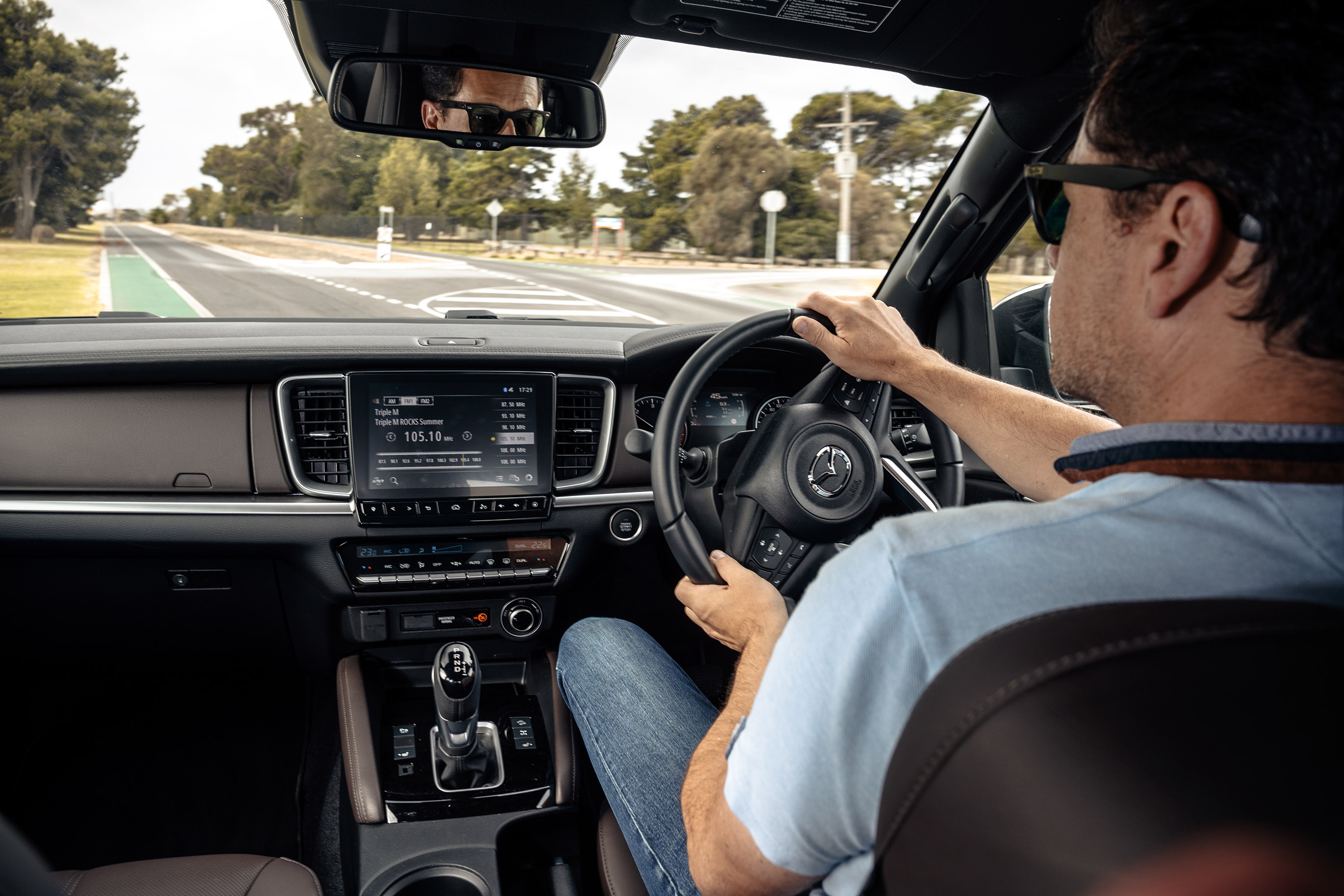
With this third-generation Mazda BT-50 the “all-new” is all-true. Where the last BT-50 was co-developed with Ford on the Ford Ranger chassis, this one is the result of a partnership with Isuzu.
So, everything short of the Mazda badge on its nose is new. That’s a good thing because, even though the last BT-50 wasn’t bad, the Isuzu D-Max’s reputation for bulletproof reliability and trust is second to none with owners.
Styling-wise, the new BT-50 is a more handsome machine than its somewhat cartoonish predecessor, with lines similar to Mazda’s popular passenger car and SUV range. I like it, but I’m tipping that some tradies and weekend warriors who like their utes to look tougher than the Terminator may think the BT-50 a bit soft.
All Mazda BT-50 models come with alloy wheels and LED headlamps on the outside, remote central locking, cruise control, air-conditioning, and electric power windows and mirrors on the inside.
Bluetooth, Apple Carplay (and Android Auto), and digital radio are also standard, coupled with a seven-inch touchscreen. The second row of seats gets air vents and a second USB charging point, and is spacious enough for adults, although the high floor means adult legs won’t have decent under-thigh support on longer journeys.
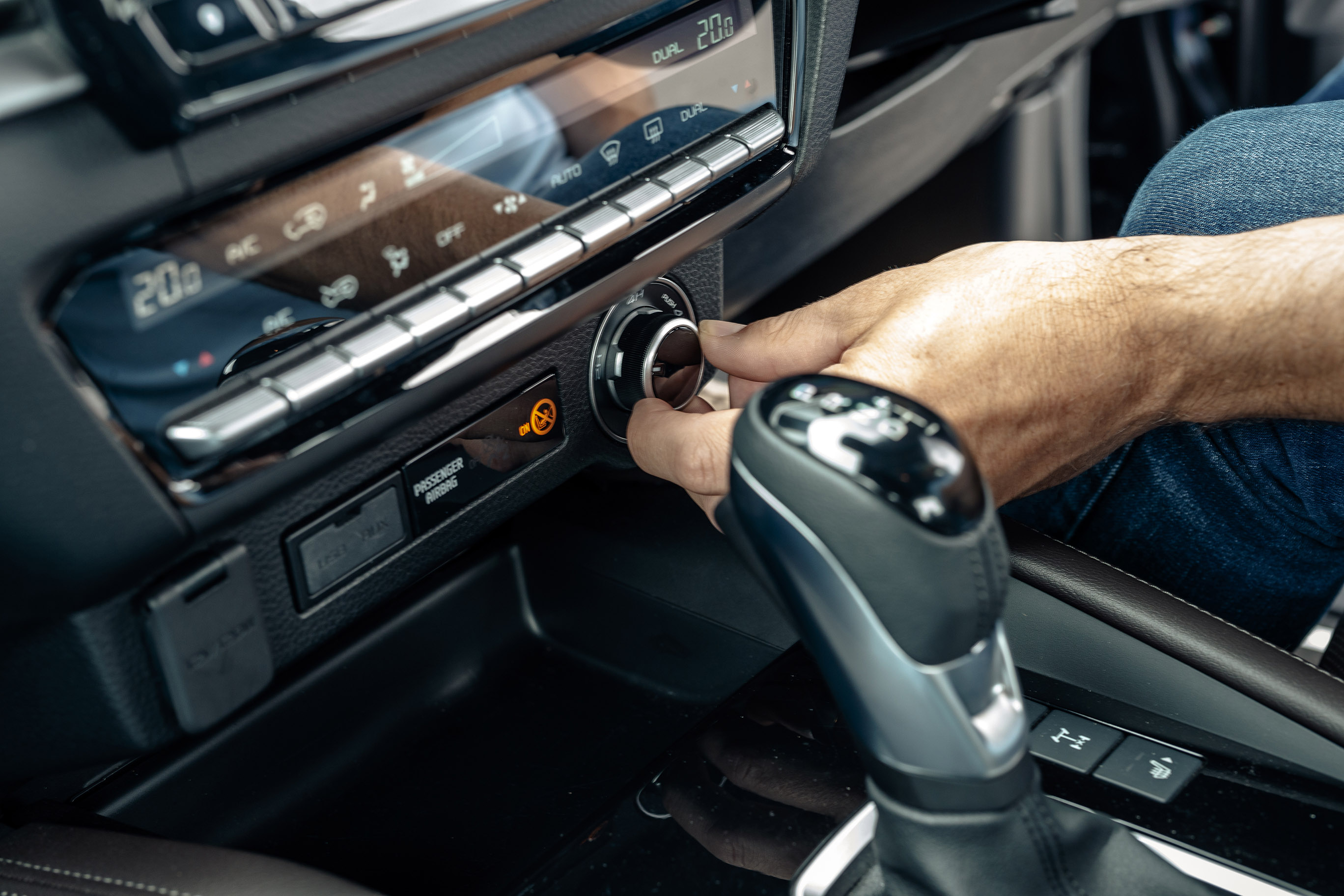
The GT model I’ve got has a full leather interior (brown), electrically adjustable and heated seats, a fold-down armrest in the rear, electrically folding heated mirrors (chrome wrapped), and front parking sensors.
Inside, it gets dual-zone climate control which works well on hot days, a nine-inch touchscreen which now includes satellite navigation but has volume buttons instead of an easy volume knob and a USB point that is capable of charging my Samsung Galaxy Note 20 Ultra. That last point is a talent not all car USB points can claim.
The entertainment system shares nothing with any other Mazda I’ve driven, though it is pretty much identical to the one in the Isuzu D-Max. Many of the system’s settings are ‘locked out’ while on the move, presumably for safety reasons.
For example, the passenger cannot enter an address into the satnav unless the car is stopped. And messing with the satnav settings is also off the menu while moving, which means you need to mentally store up any adjustments until you arrive at your destination. At which point, if you’re like me, your mind is on what you need to do at said destination, not fine-tuning the satnav settings for next time.
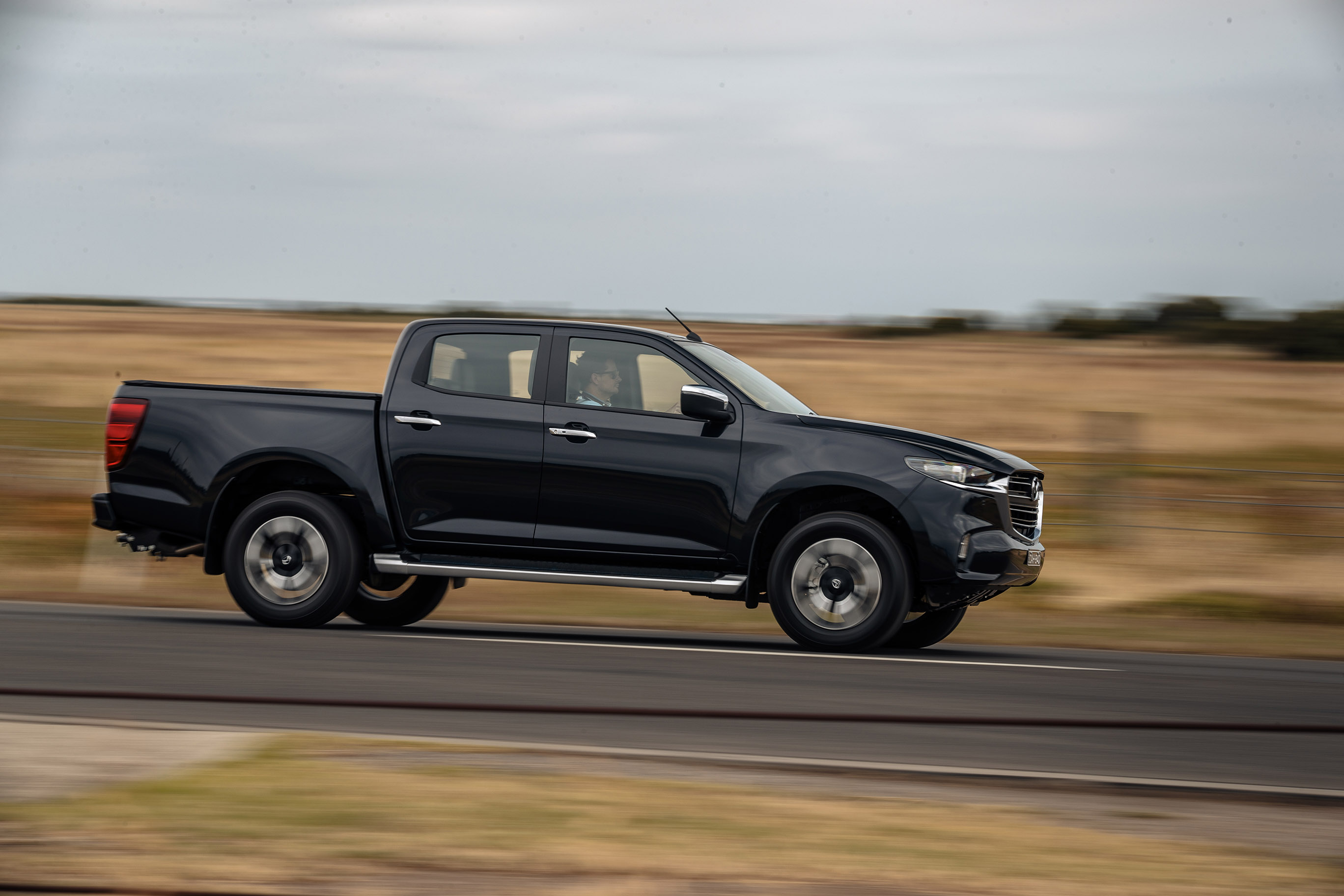
The BT-50’s driving position is very good and remains comfortable on extended drives. (I’m talking two hours, not 10. Haven’t done that yet.) The seat has plenty of electrical adjustment and the steering wheel tilts and telescopes.
Visibility is also good, although there’s no getting around the fact that this is one long and large vehicle. Still, big mirrors, parking sensors and a reversing camera help take some of the pain out of manoeuvring.
The door pockets hold big water bottles, there is a storage bin under the front armrest and two gloveboxes in front of the passenger – although the very big car manual takes up most of one.
The BT-50 does not have a mobile phone charging mat, which many passenger cars do, but I’m struggling to think of a single dual-cab that does… yet.
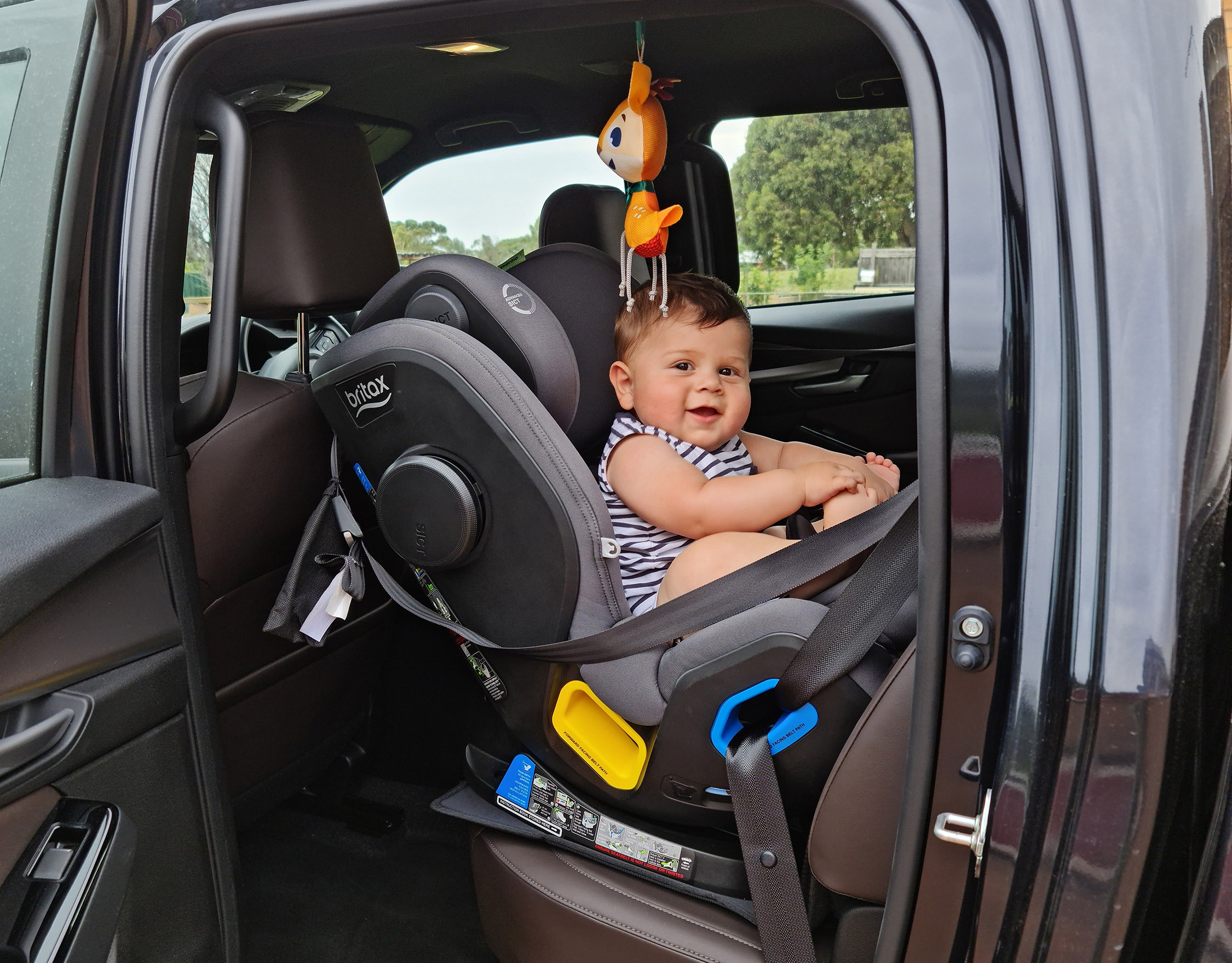
Putting our baby seat into the back seat is a relatively easy process, firstly because the door opens nice and wide. The tether strap which usually attaches to the seatback – can’t do that in a ute! – threads through a sturdy cloth eyelet under the outboard headrest and onto a steel tether point behind the centre headrest. There’s room enough in the back for the baby seat without forcing the front seat passenger to slide their seat far forward.
While we’re on the subject of keeping the family safe, the BT-50 has an impressive arsenal of features to help you do exactly that. Standard safety kit on all BT-50 models includes the usual array of airbags, a reversing camera, autonomous emergency braking (AEB), electronic stability control, blind-spot monitoring, emergency lane keeping and lane departure warning, rear cross-traffic alert and a speed assist system.
It’s a safety suite that, along with its occupant protection capabilities in a crash, is enough to score the BT-50 the full five-star ANCAP rating. It is also kit that few utes would have boasted just five years ago, including the previous generation BT-50. These days, however, many of BT-50’s rivals have comparable safety credentials, but none beat the Mazda.
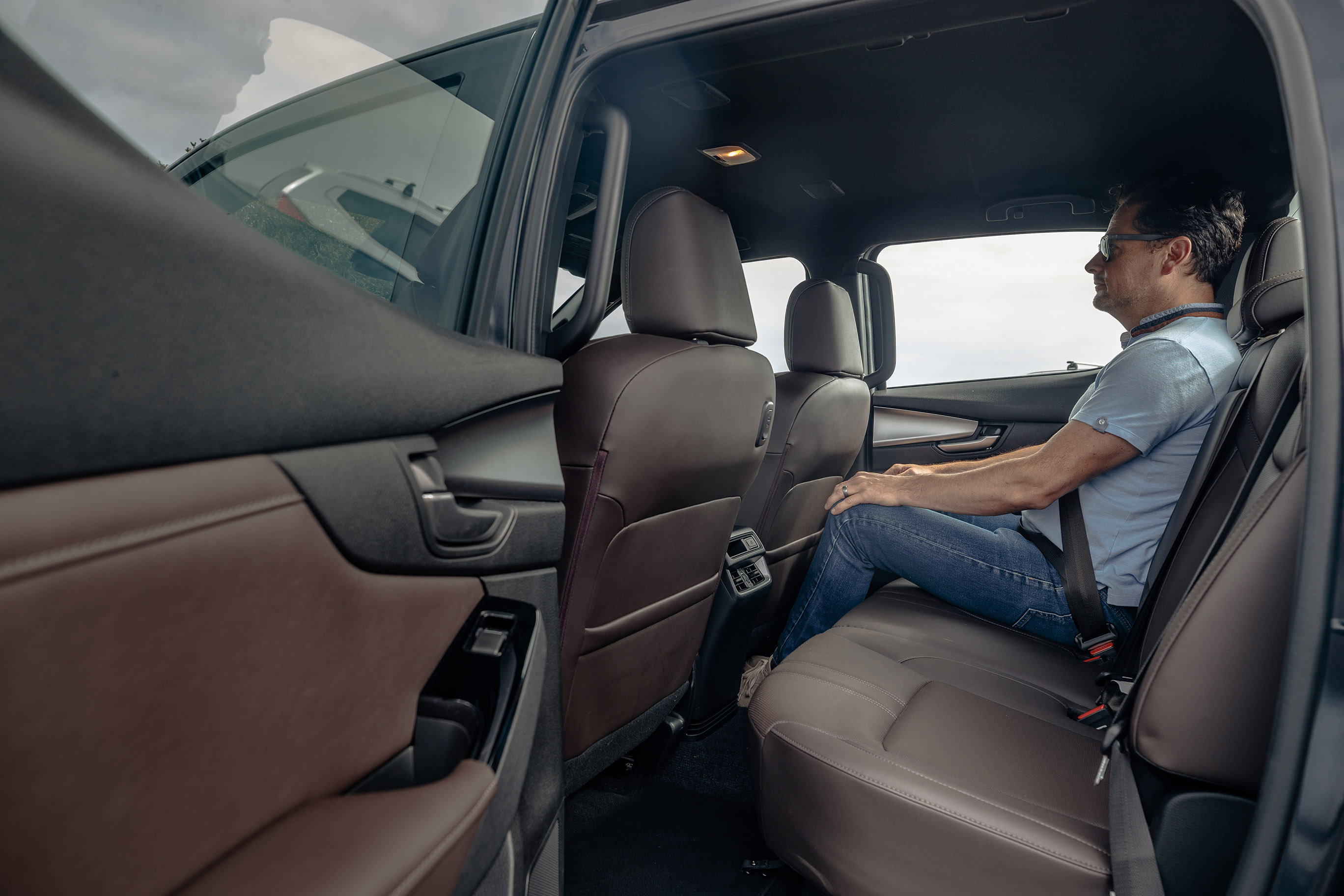
Having a long list of active and passive safety features is attractive on the showroom floor, but ultimately it comes down to how they work in the real world. So far, my experience has been a mixed bag, primarily because some of the systems are too conservative.
The autonomous emergency braking sometimes triggers when a car in front is turning left, which not only scares me but also the hard-braking car behind me. The blind-spot assist is overzealous with warnings of cars in the next lane when I indicate to change, and the lane departure prevention sometimes tries to overrule my attempts to change lanes even though the gap is there.
I’m not game to try the BT-50’s intelligent speed limiter which is said to keep the car’s speed below the speed limit shown on traffic signs, because I’ve caught it misreading digital signs a couple of times – one of which was on the Monash Freeway when it thought 80km/h was 40km/h. Imagine the speeding fine I’d cop if it read it the other way.
All these ‘safety’ systems should assist the driver’s awareness, not detract from it. I’ve got a meeting with Mazda shortly to help me understand the different systems better and to attend to a couple of minor niggles elsewhere.
Niggles like the GT’s propensity to relock itself after I put something in the passenger side and walk around to the driver’s side (possibly something to do with the GT’s advanced keyless entry system which, thankfully, includes a touchpad on the driver’s door).
And how to set the clock in the instrument binnacle which shows a completely different time to the one on the entertainment system. Little niggles, but the kind an owner would want to be addressed.
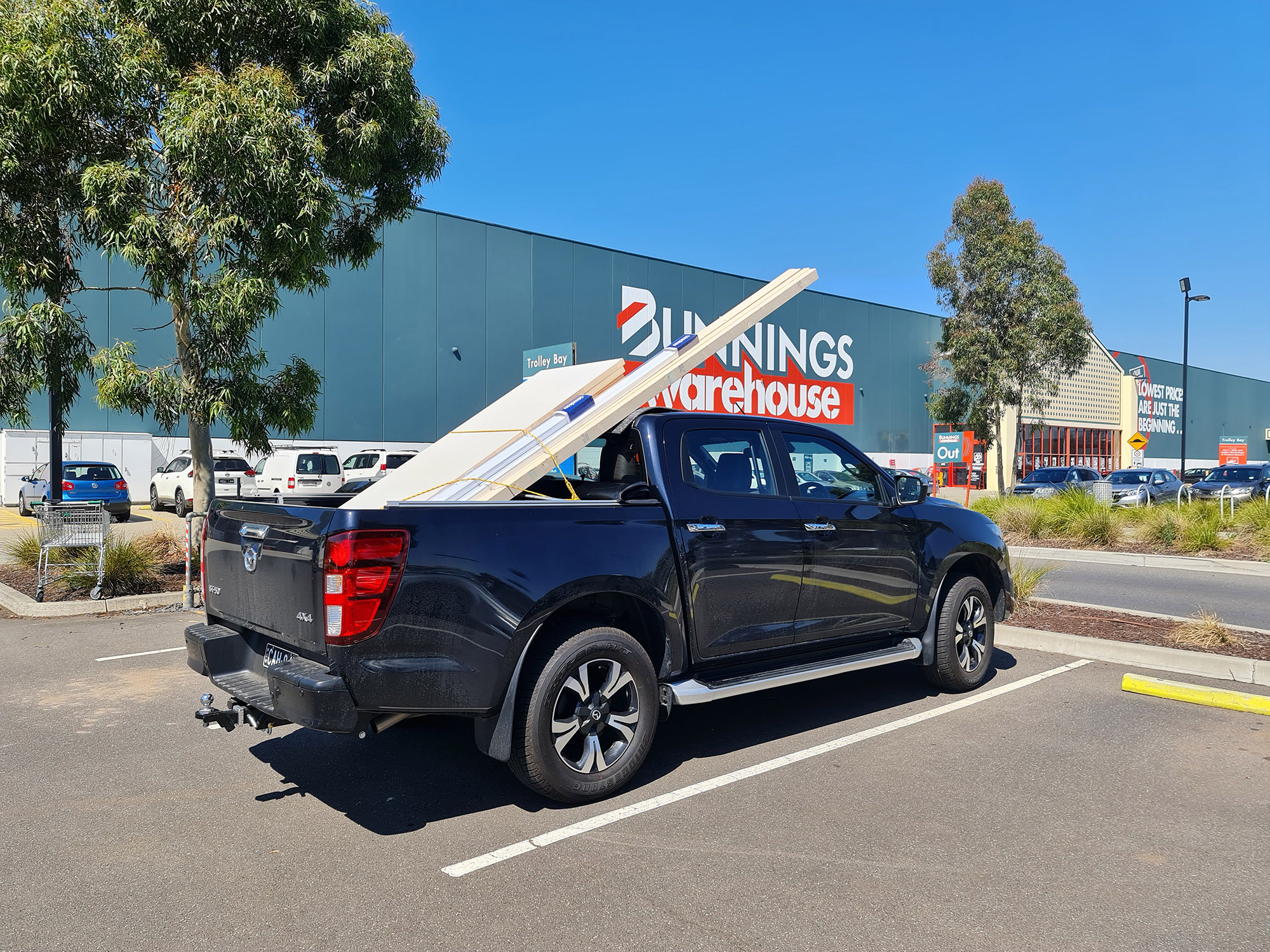
Now, let’s get to the elephant in the boot. The biggest drawcard with utes is the ute bit, right? And so far this tray – 1530mm wide by 1571mm long before the durable plastic liner standard on the GT and the wheelarches are taken into account – has carried five 2m doors and enough wood to build my big garage cupboard. The cupboard, by the way, has been dubbed the Black Hole because it’s where our possessions will go and never be seen again.
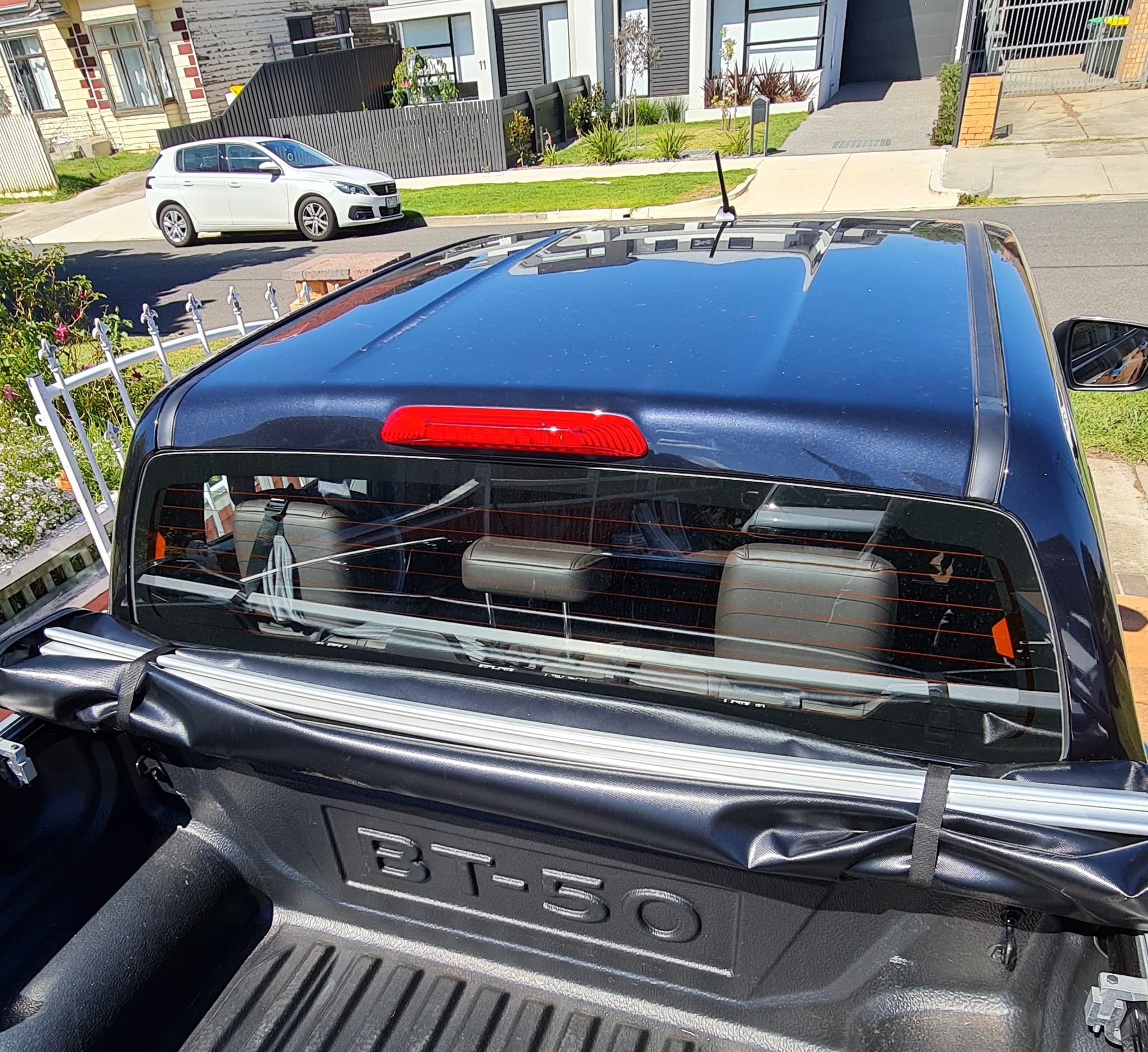
The wheelarches do eat into the width, reducing that measurement to 1110mm at its narrowest, but that was still wide enough for my doors. I did have to lean most of the lumber against the roof – which I protected with a $9 carpet square from Bunnings – and then used the tie-down points in the tray to keep it all safe. It took some effort to get the goods up onto the tray as it’s 828mm off the ground, but that’s on par with its rivals.
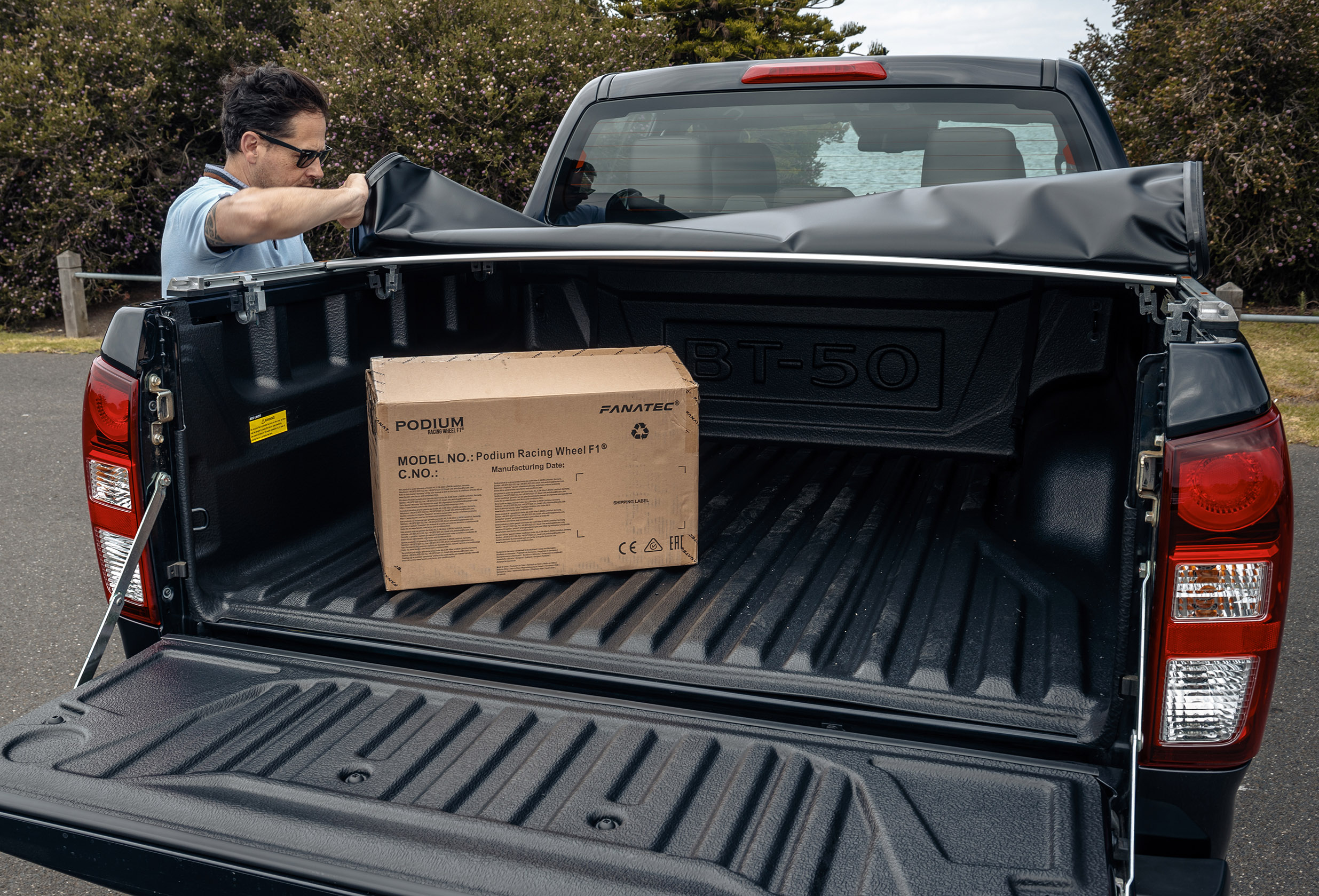
Mazda’s soft tonneau solution ($850) is easy to remove and replace when needed, and there is a good selection of tie-down points in the tray. Some other ute tray-liners I’ve seen have slots to slide a plank into, partitioning the tray to stop smaller loads sliding around. The one fitted to our test car doesn’t.
The Mazda BT-50 dual-cab range has a maximum payload of between 1050kg and 1106kg, although this measurement is meant to include occupants so don’t expect to move a tonne of soil and four people.
With 150kg of Bunnings loot onboard (I had a couple of bags of cement to refurbish the fireplace floor and some potting mix) the BT-50’s Isuzu-sourced 3.0-litre, four-cylinder turbodiesel engine didn’t struggle. In fact, it was hard to tell if the engine and six-speed automatic transmission even knew the load was there. Performance felt just as strong as it did on the drive to Bunnings.
This engine is actually smaller than the 3.2-litre five-cylinder it replaces and has less power and torque, but the BT-50’s 2035kg kerb weight is less than before so Mazda claims performance and fuel economy are improved.
So far, I’ve no complaints with the engine’s pulling power, or the trip computer’s claimed 8.6L/100km around town and 7.6L/100km on a freeway trip to the in-laws in Geelong. The transmission is generally invisible, which is good, although it does hold onto second gear longer than necessary in initial driving – perhaps something to do with the warm-up process?
Now, remember I said earlier that parking in supermarkets is a challenge? That’s to be expected with all utes this size. The BT-50’s 5.3m length and 3.175m wheelbase means there needs to be a good thoroughfare width between the rows of cars so you can swing the big fella in. Otherwise, you end up shunting back and forth between the rows, a job made as easy as it can be by the GT’s reversing camera and parking sensors. Steering at low speeds is relatively light, too, which is good because you will be turning the wheel a lot to get into the parking spot.
Mazda has fitted a tow bar ($855 plus labour) to this car, but I’m yet to put its 3500kg rating to the test. Don’t worry, there are plenty more Bunnings trips planned before the BT-50 goes back to Mazda.
Update 2
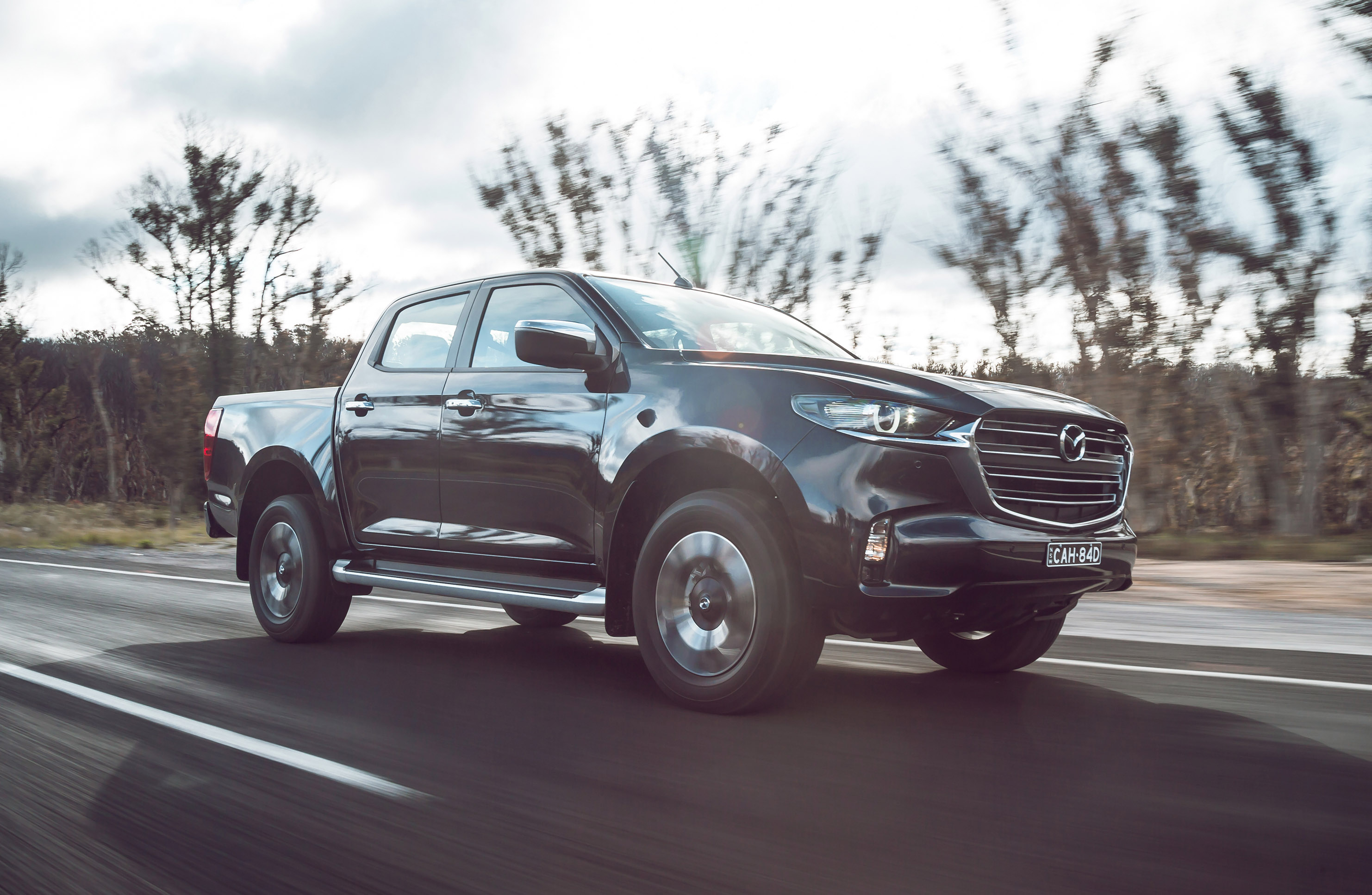
Living with the Mazda BT-50 GT 4×4 Month 2 of 4: Where we pretend to be a band of gypsies Km travelled: 1450 Fuel economy: 7.6L/100km
We had to move out of home last month while the bathroom is being renovated because sledgehammers and sleeping infants don’t mix. Unfortunately, I had to move the family out without the BT-50’s help because I promised a colleague a test drive. Instead, I had to cram all our luggage into the car I actually own – a 2011 BMW X5 30d – which joined the family shortly after little Arlo did.
I probably didn’t need to buy a car, because the flow of test cars through our office is endless. But buying the X5 was preferable to cramming his baby seat into the back of a different car every week, some of which do not have back doors.
Anyway, back to the temporary relocation. I remember going away with my wife before we had kids. It was a two-bag affair. Not any more.
I had to pack a pram, travel cot, travel change table, travel high-chair, box of toys and baby books, two boxes of food plus an esky, luggage for the three of us, two boxes of nappies, one bag of bedlinen, a few pillows, and another bag with our tech – laptops, tablets, baby monitor, baby light and an endless assortment of chargers.
Fitting it all into the BMW X5 was a Tetris challenge of the highest level, but I love a challenge. It took three starts to get it right, but I got it all into the boot and the back seat, which also had Arlo’s backwards-facing car seat. After that, I had no vision through the rear window, and would have struggled to sneak a copy of Wheels magazine in, but hey we were packed and ready.
So, imagine my disappointment a week later when we prepared to depart our temporary accommodation and return home. By then, the BT-50 was back in my care, and its tray devoured everything with ease. In fact, it was so easy that I didn’t even need a packing sequence. And I could drive with perfect rearward vision. The BT-50’s tray may be no bigger than its main rivals, but there’s no denying utes make carrying loads of luggage easier.
One thing I discovered is that the tailgate is not synced to the central locking, so don’t leave anything valuable in the tray. Instead, you need to slide the actual metal key out of the keyfob and lock it separately.
This month, I also got to the bottom of all those ‘inconveniences’ I listed in the first month’s update above. In turns out the Mazda BT-50 (and its Isuzu D-Max development sibling) have safety top, middle and bottom of mind at all times. This means you cannot interact with the instrument binnacle settings while the transmission is in Drive, and the passenger cannot enter an address into the satnav or scroll radio presets when the car is moving. It also means the safety warning comes up on the screen every single time you start the car and must be acknowledged every single time too.
Also, Digital Radio cannot be accessed while Android Auto is in use. Weird, that.
I did manage to find settings to adjust the sensitivity of Emergency Brake Assist and Lane Change Warning, although the latter’s least sensitive setting is still too hyper for Australian conditions. I also found the clock adjustment and the setting to stop the BT-50 locking itself when the key strays more than three metres from the driver’s door.
So, life is much, much better now that the BT-50 and I are more in sync.
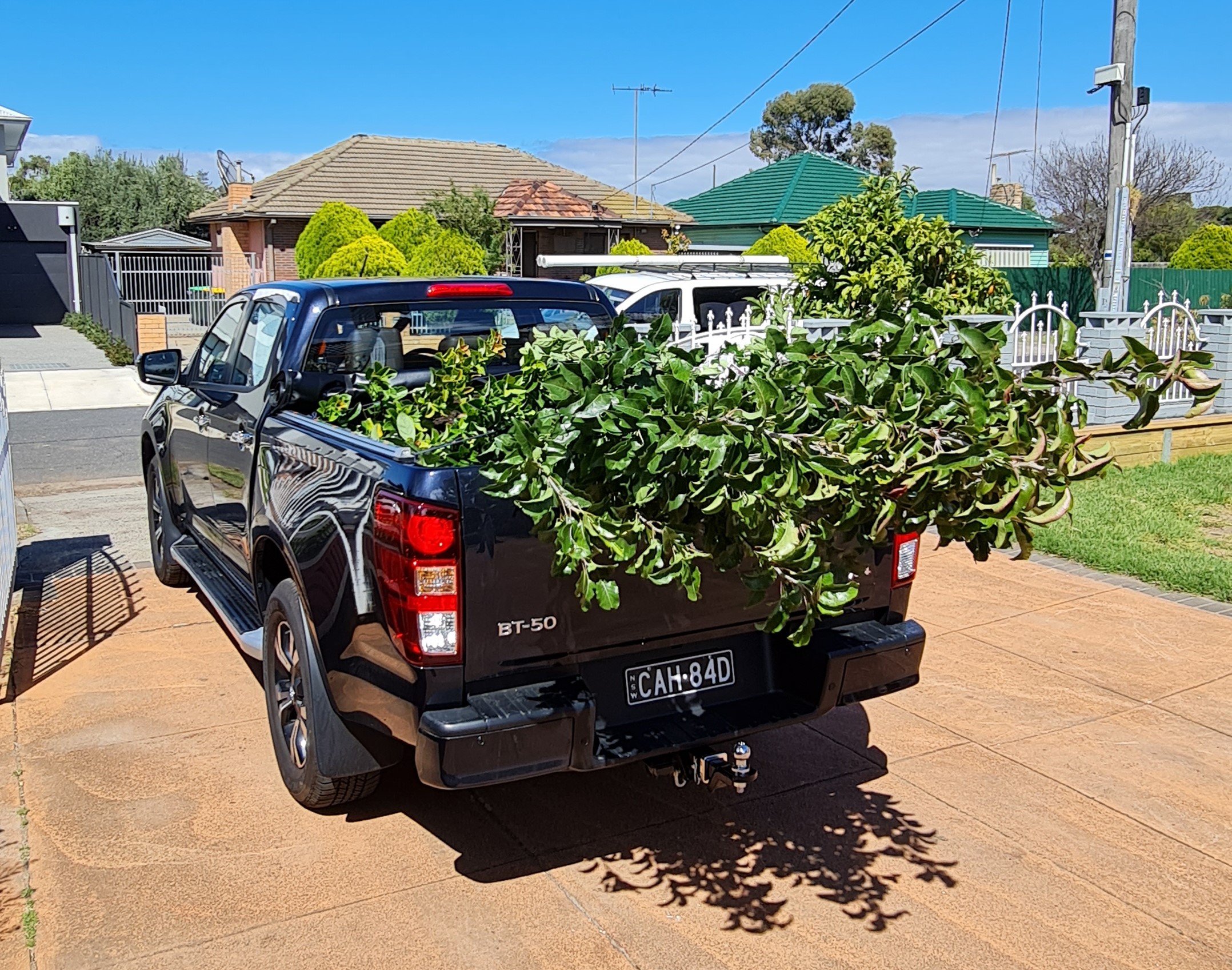
Once we got home to our newly renovated bathroom and I had emptied the luggage from the tray, I set off for a nursery in Geelong because Mrs B had ordered nine verbernums and four ornamental pears for the front yard. Verbernum is also known as a quick hedge, which is what we need after bulldozing the palm tree slash yucca disaster that was our front yard.
Next month, we’re bringing in 12 cubic metres of soil and enough turf to cover the MCG. Oh, I’m also painting the entire house, roof and all, and building an L-shapred brick retaining wall around the new turf that will double as a planter box on top. As much as I love driving the Mazda BT-50, and I do, a part of me is tired of Mrs B using it as an excuse to fill my weekends with DIY jobs.
“I’m in the market for a new car and it’s down to a Kia Stinger or a Ford Mustang. I was born in the ’60s and love a V8. Also, the kids are about gone, so a 2-door works. What do you guys have to say?” -Craig Johnston
This probably won’t come as a surprise if you’ve been reading MOTOR for a couple of years, but neither of these cars are going to be a disappointment to you.
However, your email to us indicates to us that you’re a bit of a V8 fan and that rear seats aren’t a priority, so on that basis we’re going to say you should go with the Mustang.
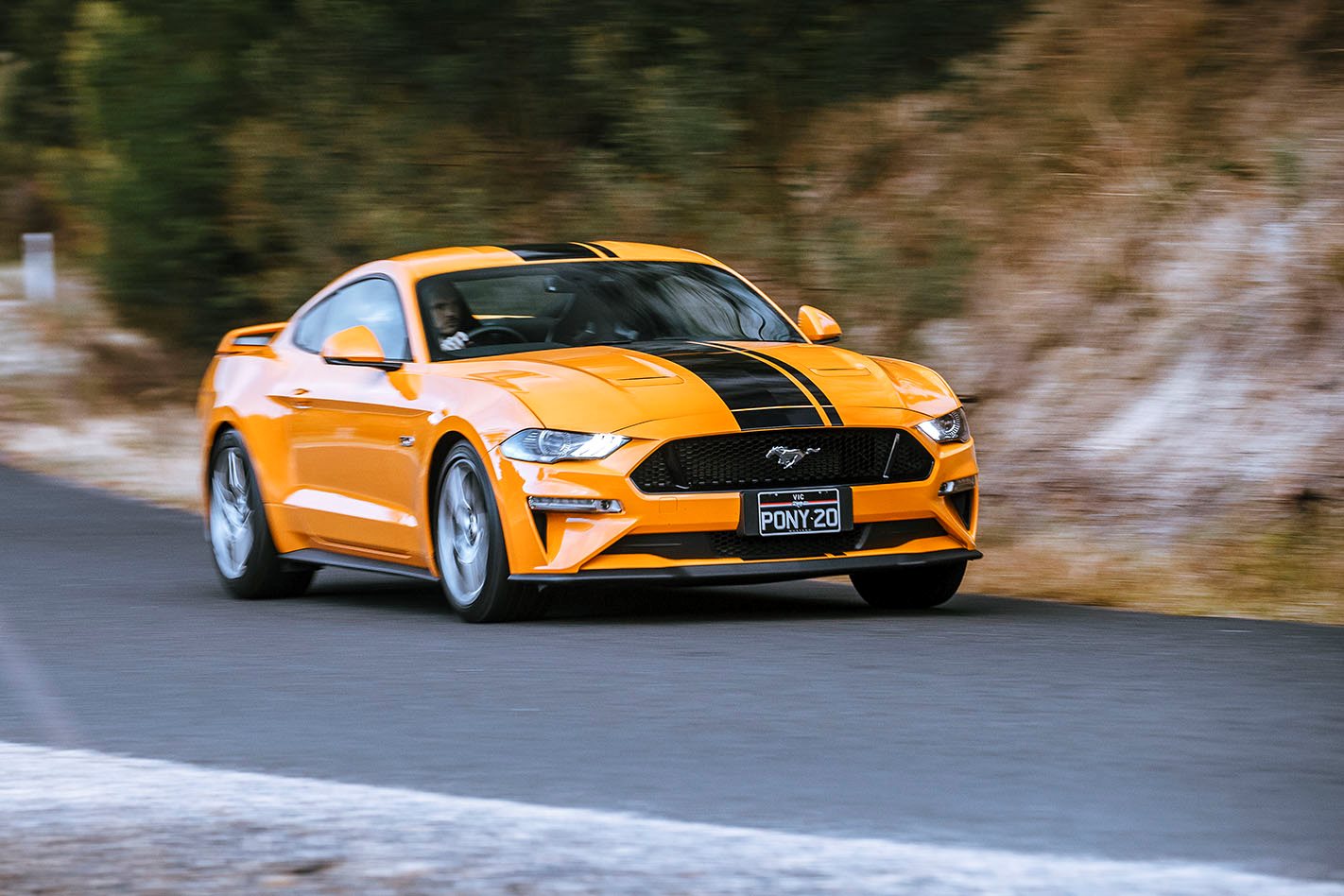
The Stinger is great, especially given that it’s Kia’s first real crack at a performance sedan, but if you want a car that’s faster, sounds better to a V8 fan, and looks tougher, the pony car is the one for you. It’s got the Kia beat in the power game by a significant 67kW margin, even though the Stinger’s turbos level things up on the torque front – peaking at 510Nm at just 1300rpm compared to the Mustang’s 559Nm at 4600rpm.
With the 10-speed automatic gearbox, the Mustang is far quicker in the sprint to 100km/h, leaving more than half a second as a margin for error if asked to leave a Stinger in the dust.
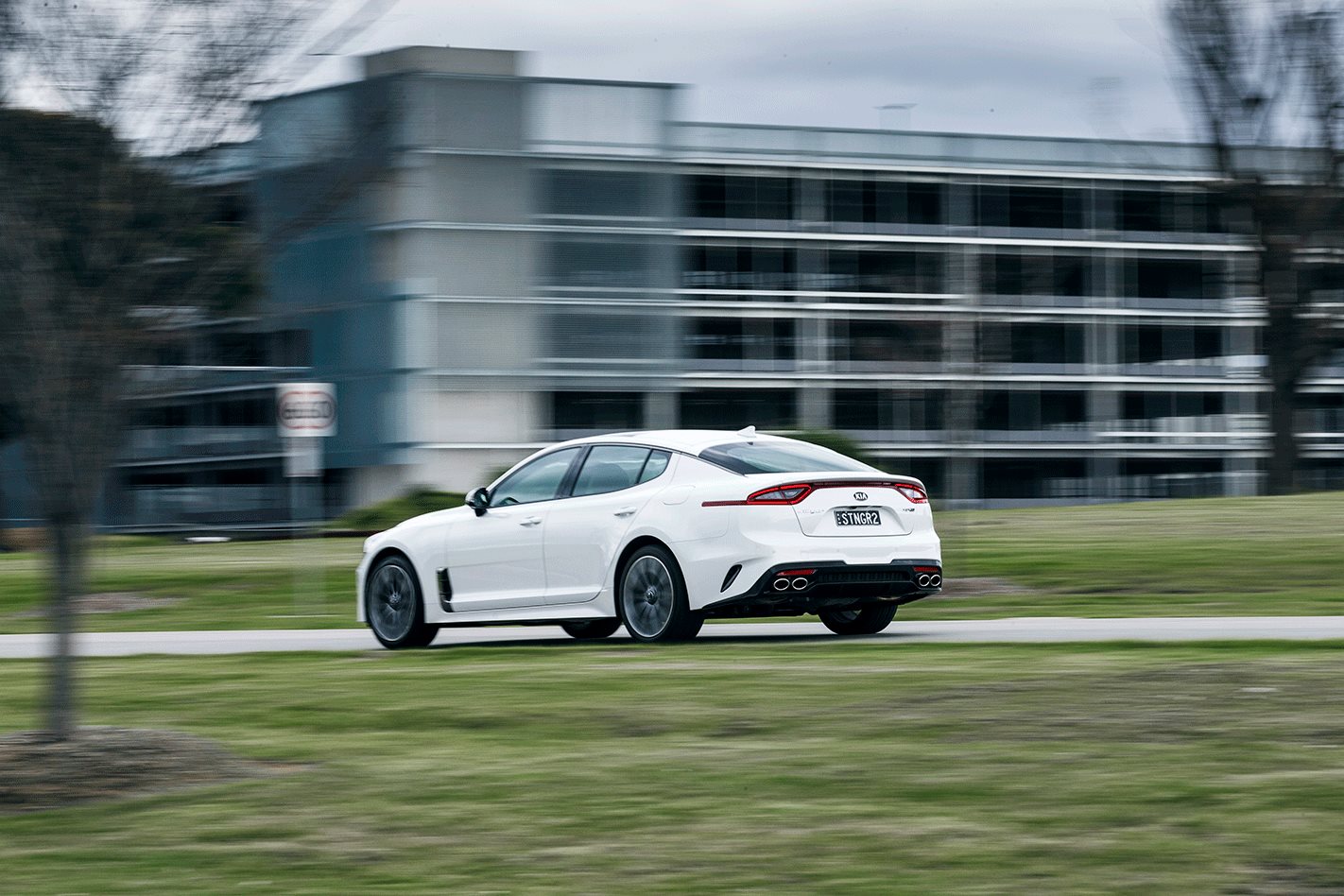
That’s not to say the Stinger’s slow… but the Mustang is just f-a-s-t. And if it’s not fast enough? Another advantage that the Mustang has over the Stinger is the near-overwhelming amount of support and selection when it comes to the aftermarket. The likes of Herrod and Mustang Motorsport are just the tip of the iceberg.
If rear seats were important, the comfy Stinger would be the clear winner as the Mustang’s rear seats are (for an adult) almost useless. There’s also the fact that the automatic Mustang is $4,130 more expensive than the Stinger, but if both are within your budget then the extra few thousand won’t bother you in a couple of years… alternatively, the manual Mustang GT reduces the price disparity with a list price of $64,390 compared to the Stinger’s $63,260 sticker. Picking between these two is largely down to taste, but the ’Stang just gets the nod from us. – CT
Ford Mustang GT v Kia Stinger GT Specs
Engine: 4998cc V8, DOHC, 32v | 3342cc V6, DOHC, 24v, twin-turbo Power: 339kW @ 7000rpm | 272kW @ 6000rpm Torque: 559Nm @ 4600rpm | 510Nm @ 1300rpm Weight: 1784kg | 1780kg 0-100km/h: 4.3sec | 4.9sec Price: $67,390 (auto) | $63,260
Have a car-nundrum of your own? Drop us a line at [email protected]
The Porsche Taycan Turbo S has slashed the indoor speed record, certified by Guinness World Records, by reaching 165.1km/h within the concrete confines of the Ernest N. Morial Covention Centre in New Orleans.
Racing Driver Leh Keen was the man behind the wheel, and faced the daunting task of peddling Porsche’s performance EV faster than any car has ever travelled indoors.
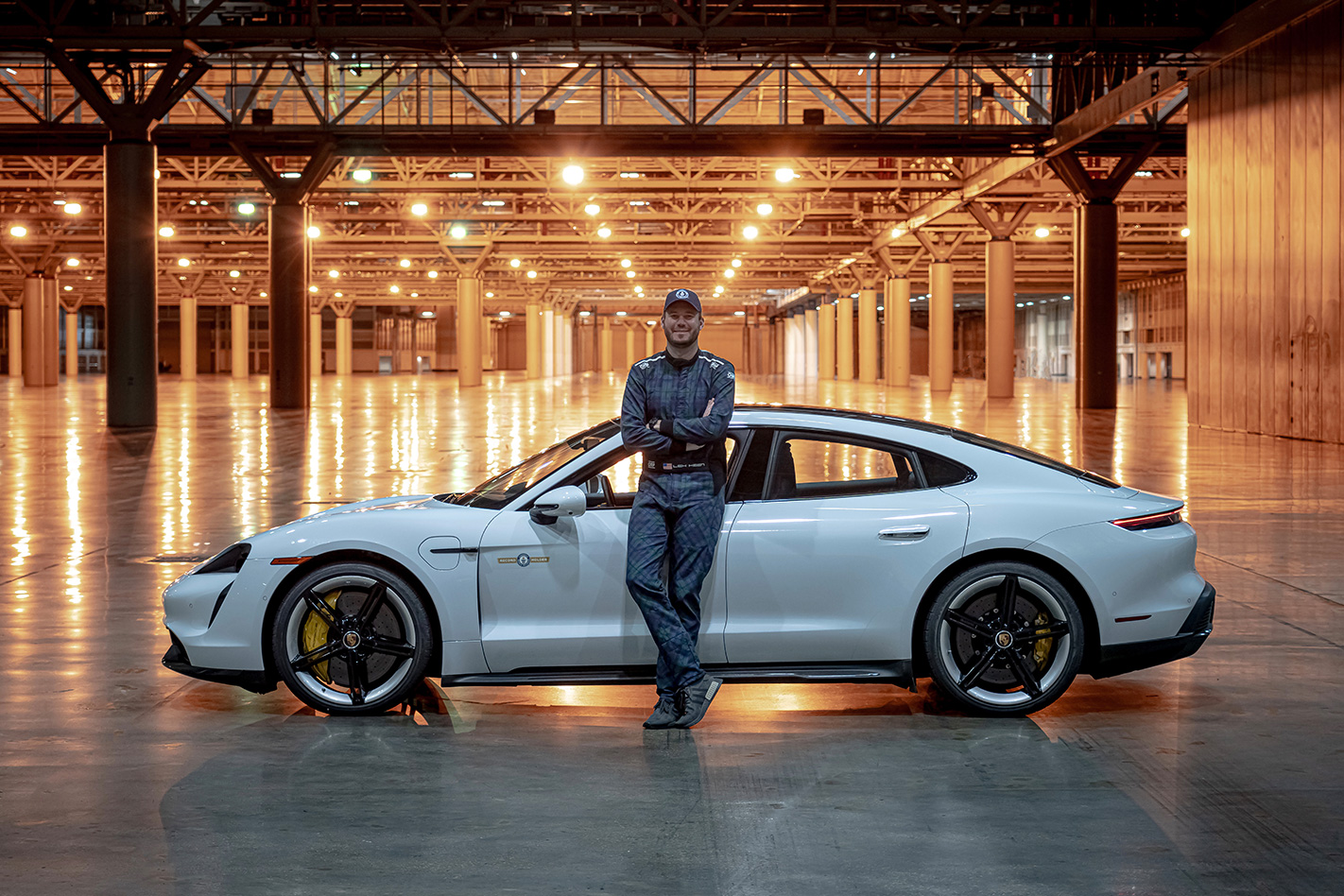
Guinness World Record rules stipulate that the run must start and end at a standstill, all within the confines of an enclosed room. There are to be no run-ups or run-offs, no open doors or safety nets, no contingency plans. Put simply, if Keen didn’t stop himself, the wall would do it for him.
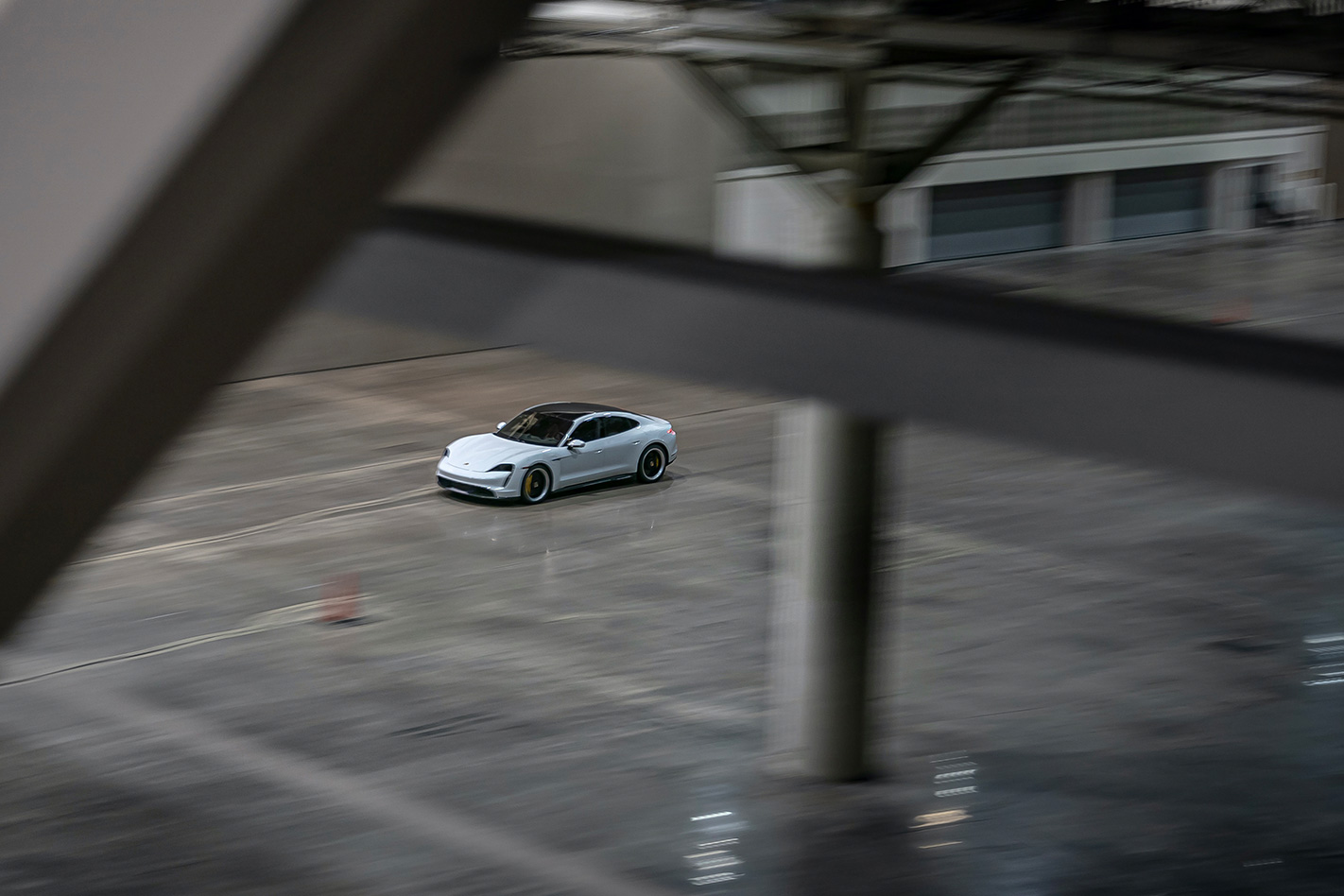
The Taycan Turbo S proved the perfect tool, with the EV’s near-instantaneous torque able to launch all 2,295kgs of Porsche to 100km/h in just 2.8 seconds. All-wheel drive was undoubtedly a blessing on the slick polished concrete floor, while carbon-ceramic brakes ensured the run was done and dusted well within the 488-metre confines of the convention centre hall.
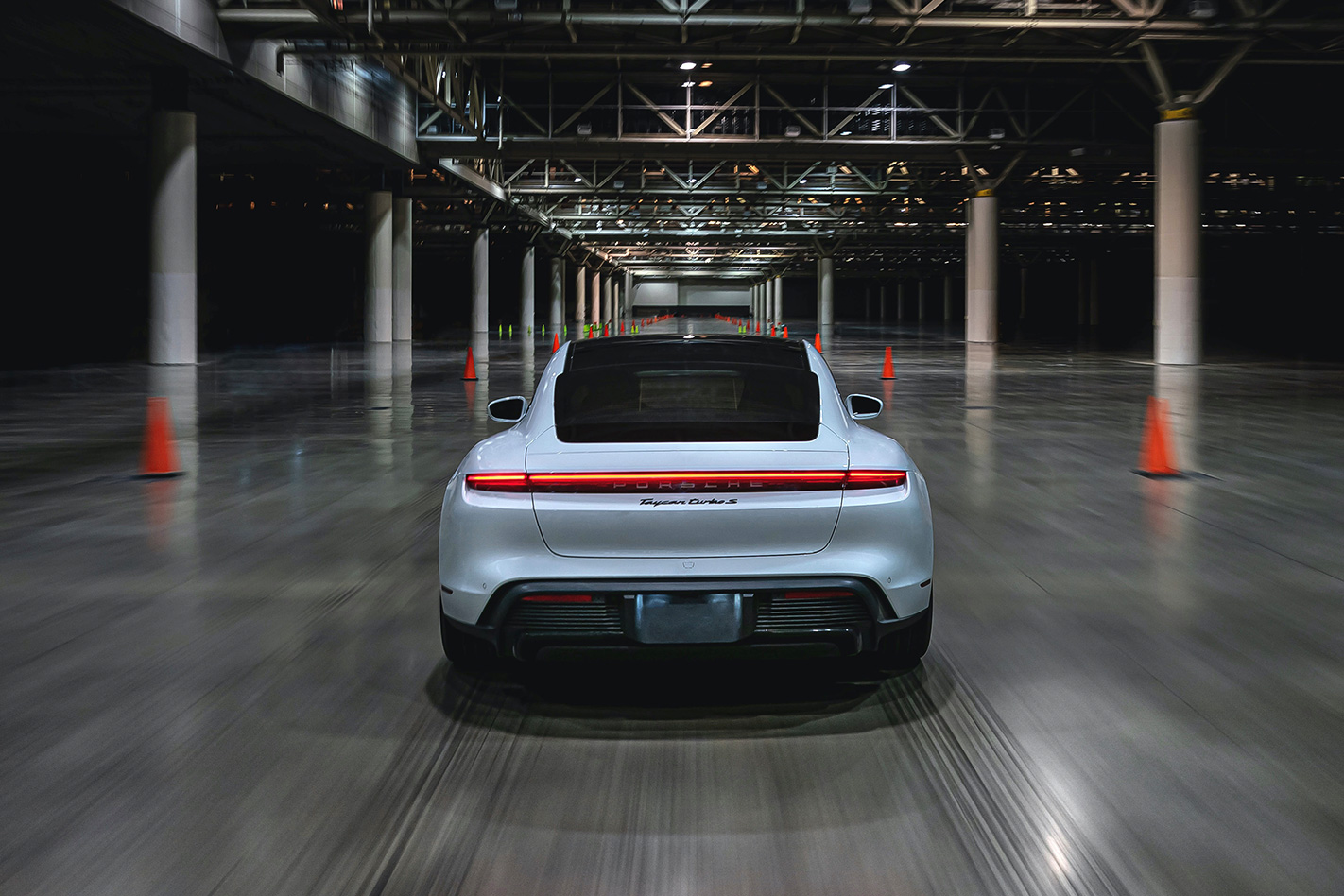
To help with the ice-like surface, the Taycan’s original equipment road tyres were pre-heated with tyre warmers. Keen took a few exploratory runs in the lead up to the record-breaking attempt, but ultimately required just one attempt to claim the title.
“The surface is so unpredictable, so slick, that you have to have complete trust in your car. It truly was like ice – and you’re accelerating flat out, facing a really hard wall at the end. Suddenly, even in a massive space like the one we had, it seems very small,” said Keen following the record-breaking run.
The indoor speed record was initially set in 2011, by Tanner Foust in his Ford Fiesta Rallycross car with a top speed of 139.98km/h. In 2013, the record was marginally bested by Finnish rally car driver Mikko Hirvonen in a Suzuki motorcycle-powered cross kart which topped 140.0km/h.
The Porsche Taycan range launches domestically this week, and comprises of the Taycan 4S, Taycan Turbo and Taycan Turbo S – currently missing out on the base RWD Taycan offered overseas.
Stay tuned for our local first drive review, and check out our international first drive review here!
If a combination of Audi’s rich racing heritage and hardworking marketing department is doing the trick, the four interlinked rings will invoke a long line of high-performance cars tearing up gravel and tarmac and paving a way to a modern line of potent machinery you can own.
And while you may be drooling over fire-breathing RS6s and R8s or cutting edge electric e-trons, it’s more likely you are considering one of the German brand’s more mainstream models.
The Q3 little SUV might not be particularly sexy in any traditional sense of the word but it was Australia’s favourite Audi last year, while its bigger sibling – the Q5 – is the company’s most successful SUV to date.
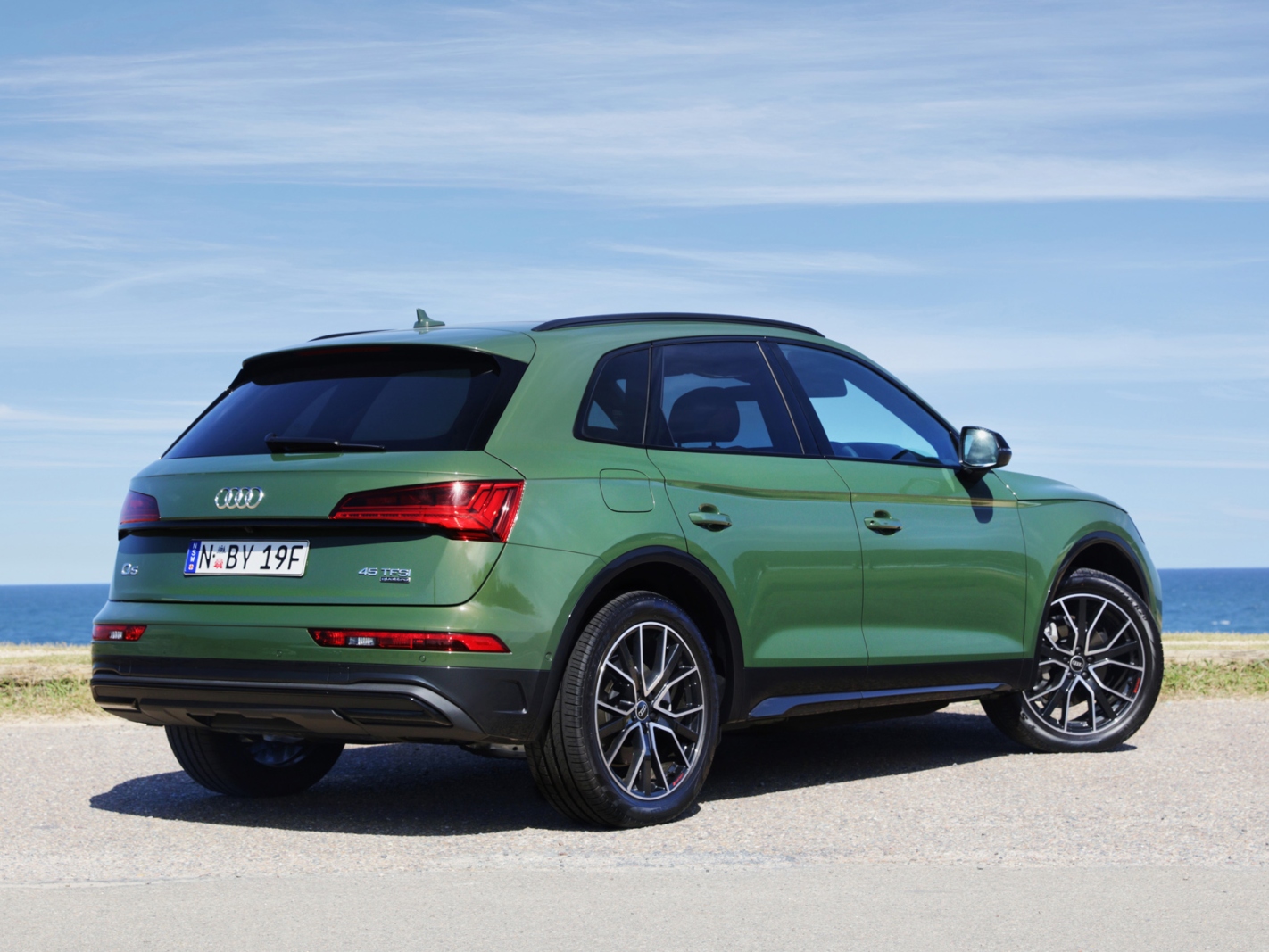
It’s therefore in Audi’s best interest to keep its popular mid-sized SUV attractive to the discerning local audience, especially given the compelling options from other manufacturers in the premium market.
Most recently, Mercedes joined the battle with its first-generation GLC, while Volvo proved what it’s capable of with a Wheels Car of the Year win in 2018.
That’s why the Q5 range has been given a light update, marking four years since the gen-two model arrived in Australia.
There’s no sizzling SQ5 in either petrol or diesel variants yet, nor a V6 in either fuel type for the rest of the range (although a V6 50 TDI will arrive later in 2021), with the updated range remaining exclusively four-cylinder powered for now.
Opening the range is the Q5 quattro in either 40 TDI diesel for $68,900 or the $69,600 45 TFSI petrol, but with a little more cash to invest, the mid-range Sport brings a few more extras included for $74,900 and $76,600 respectively.
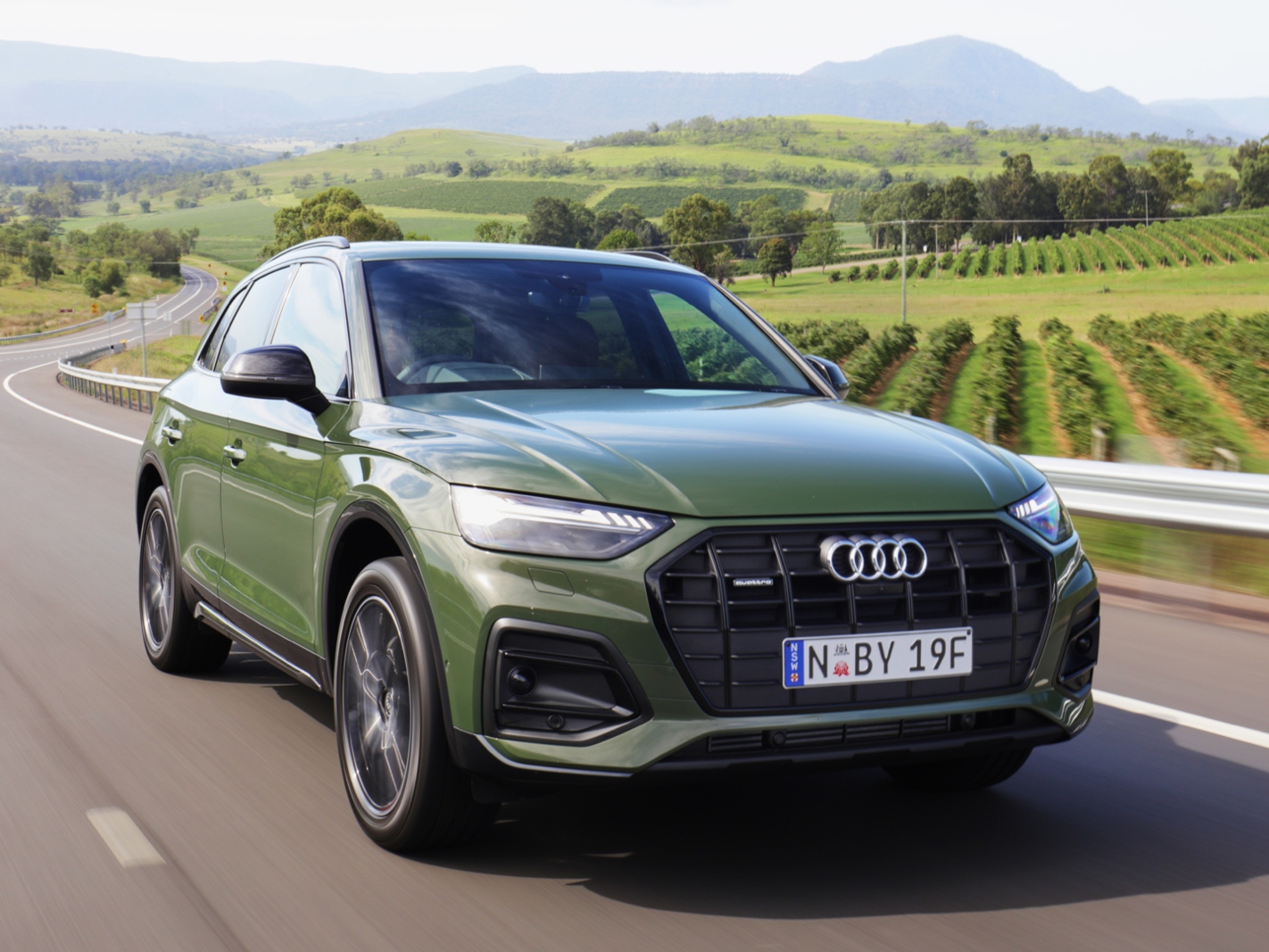
On the exterior, its Sport credentials include 20-inch five-spoke alloy wheels in place of the base 19-inch versions, a generously proportioned panoramic sunroof and LED headlights and taillights – although it’ll cost you another $2500 to get the trick new optional organic LED rear lights.
Its maker claims the OLED application is the first of its kind in production vehicles although BMW would probably argue that, having already introduced organic LED lighting for the rear light clusters in its M4 GTS and CS.
The Sport-y extras are in addition to the 2021 facelift, which is headlined by the all-new nose and a more imposing Singleframe grille with resculpted brake vents and foglights. It’s the same story at the back where the plastic-work has been redesigned leaving the metalwork untouched.
Inside, the Q5 cabin update is as subtle as the exterior makeover but there is little to complain about in the pre-update interior so that suits us fine.
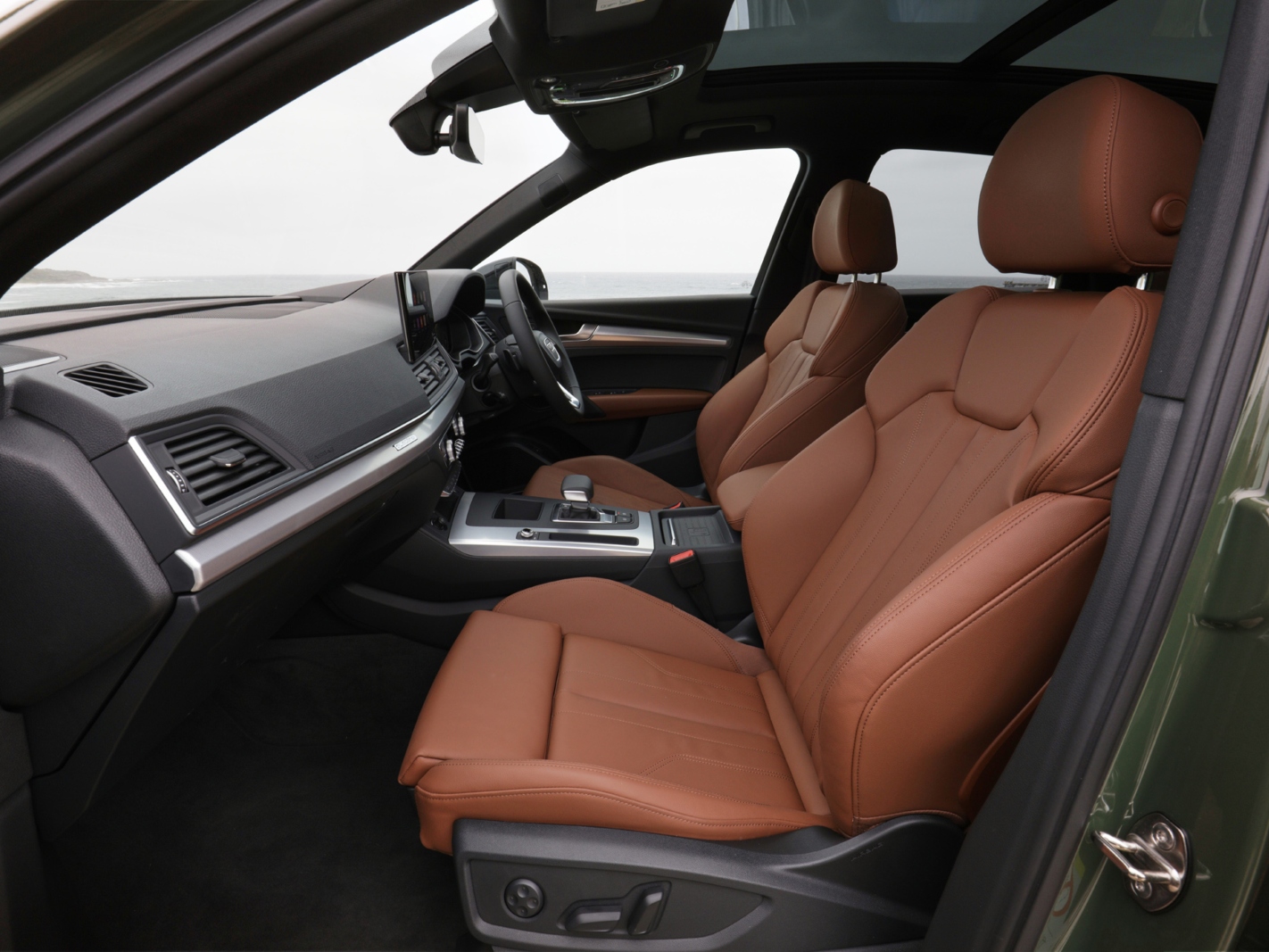
The Q5’s cabin is, as always, clean, well laid out, and features the sharp design you might expect from any model in the four-ring family. The driver is treated to a driving position that’s hard to beat, although the seat support feels better suited to the, ahem, wider driver when you hit the twisty stuff.
Hop back to the second row and there’s enough room to comfortably accommodate two adults plus a smaller human and even with the standard panoramic glass roof, there’s just enough headroom for a 184cm passenger.
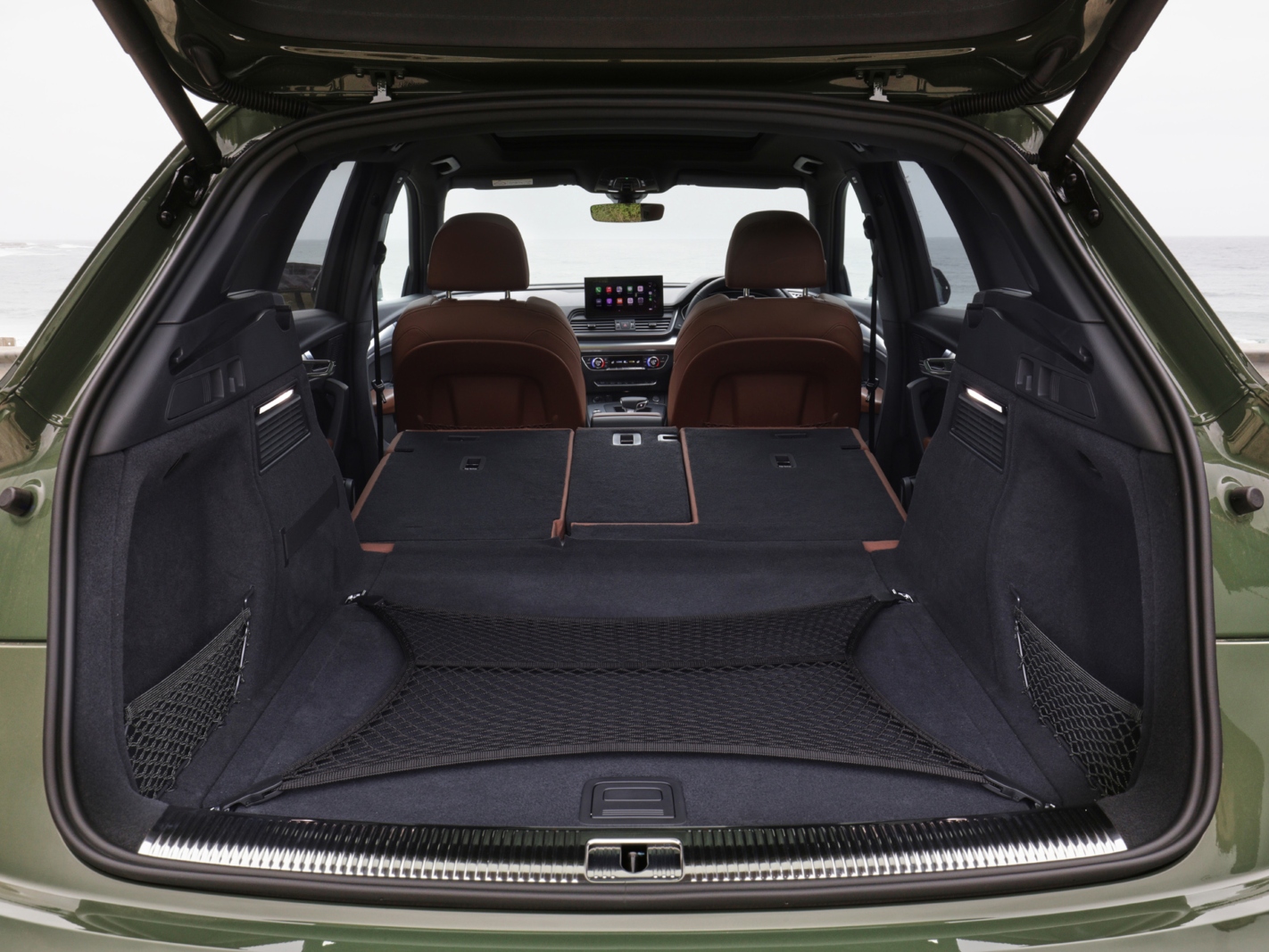
At the back there’s a 520-litre boot, which expands to 1520 litres if the rear seats are folded. Helpfully, they are split 40-20-40 and slide-adjustable to allow the right balance of load space and passenger accommodation.
2021 interior updates include leather sourced from cows with a better skincare regime for a finer-grain hide, a new selection of interior trim materials including aluminium rhombus finish for the Sport but the new 10.1-inch MMI screen is the centerpiece.
The imposing display is filled with the latest software allowing greater customisation through moveable tiles. It offers intuitive operation, sharp graphics and responsive touchscreen technology along with satisfying click responses to instructions.
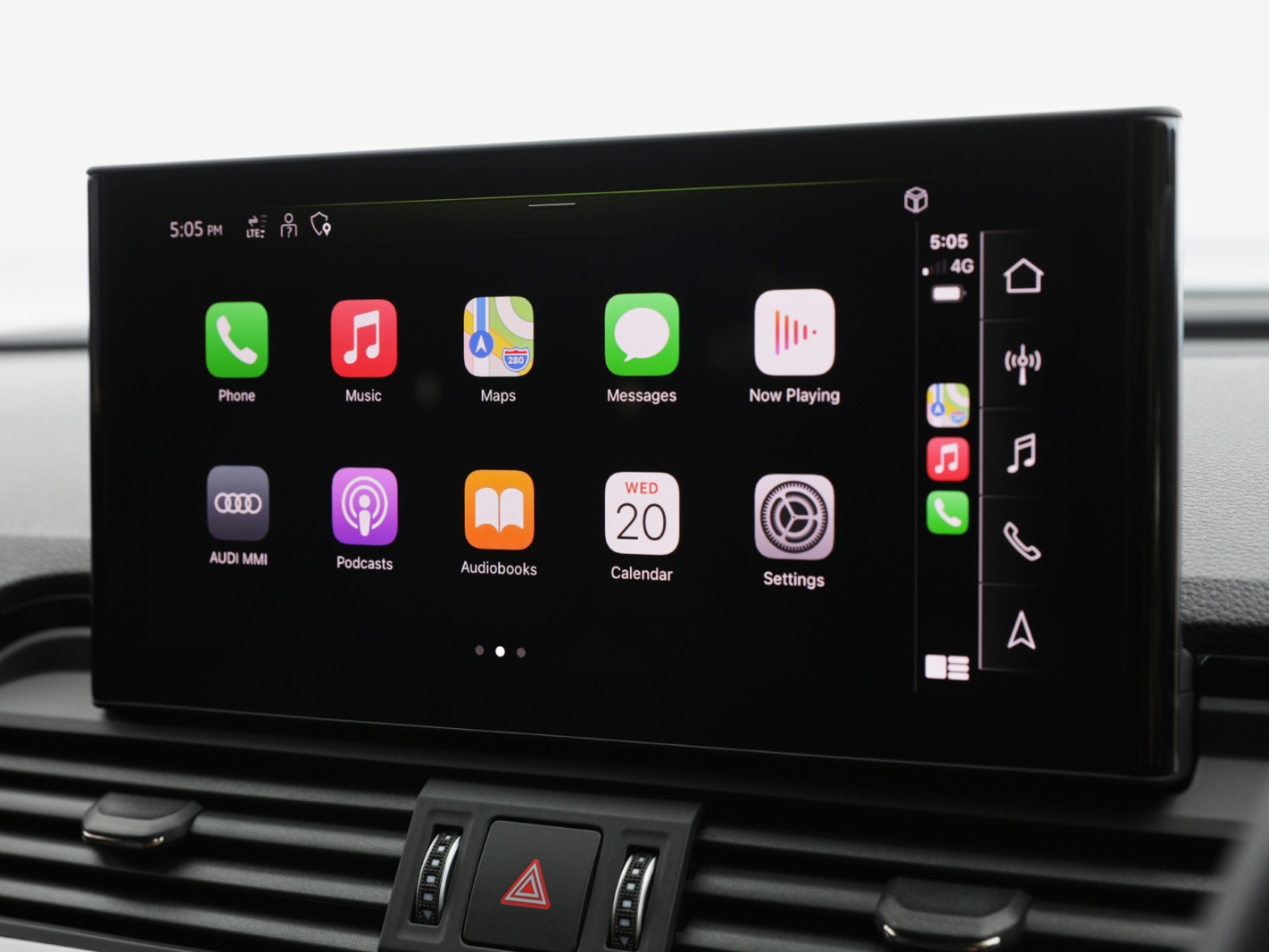
Some owners would perhaps appreciate the fold-away option Audi offered in some earlier models for a beautifully clean dash layout when the screen is not required, but with standard smartphone mirroring it’s hard to imagine a time when the screen won’t be in use. Wireless device charging is also included and two devices can be connected via Bluetooth simultaneously.
The impressive central screen is not upstaged by Audi’s proliferating Virtual Cockpit digital instrument cluster which still looks fresh. For the 2021 update, the display has been updated with a three views, which effectively translates to six when you hit the ‘view’ button to switch between dominating gauges or a more prominent information screen.
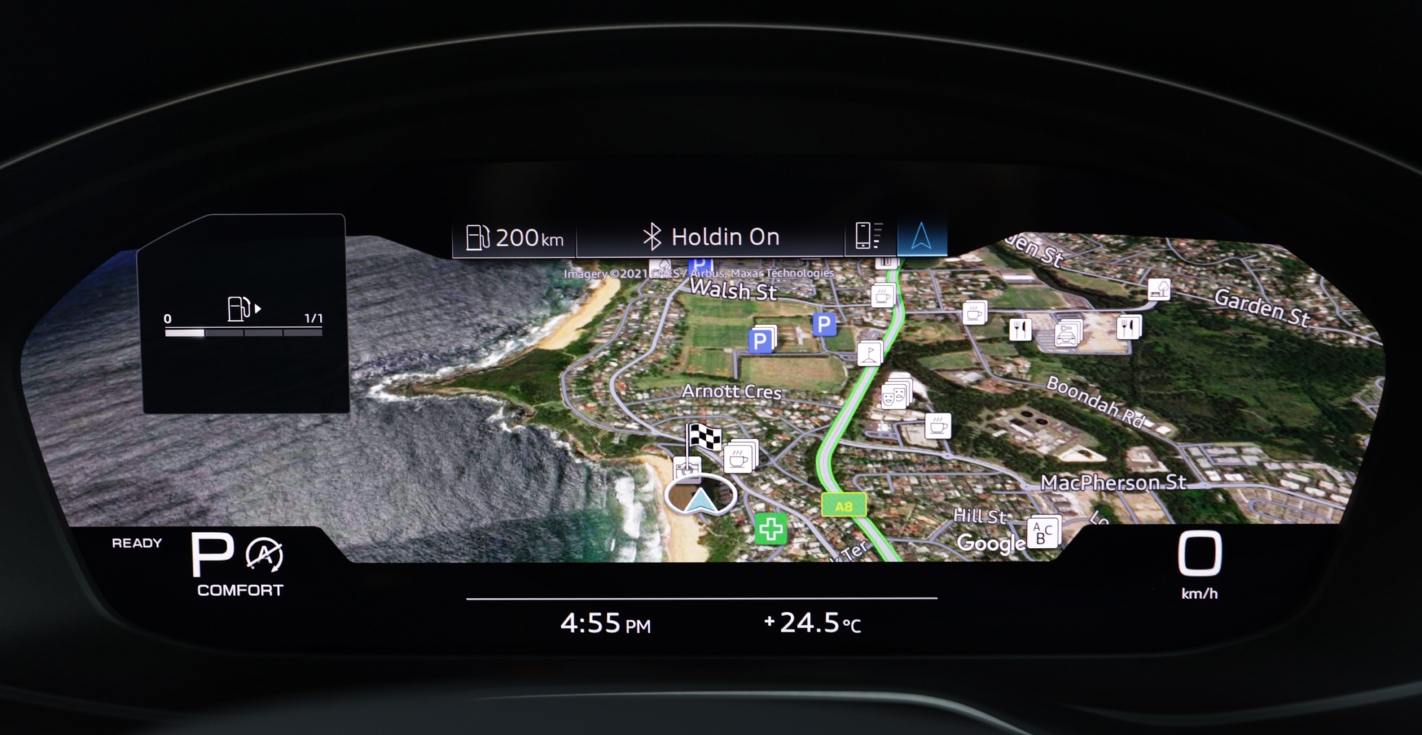
If you don’t get along with touchscreens in cars or the various options in the Virtual Cockpit, perhaps you’ll like the Q5’s new ‘Hey Audi’ voice activation function that’s similar to ‘Hey Mercedes’ MBUX technology.
While our experience with the Benz interpretation is largely positive, the Audi equivalent wasn’t quite so successful – perhaps it was just our reviewer’s accent.
As always, perhaps the only treacherous element of Q5 shopping is the tempting but pricey options list. There are a couple of packages that bundle frequently ticked items including the Comfort pack and Technik pack, but roam far from the better value packs and you had better have deep pockets.
Included in the price however, is Audi’s excellent 2.0-litre turbocharged petrol four-cylinder which continues to deliver a commendable balance of performance and efficiency. With 183kW and 370Nm on tap the TFSI engine delivers the rev-happy power of a petrol but torque that gets close to the 2.0-litre TDI diesel.
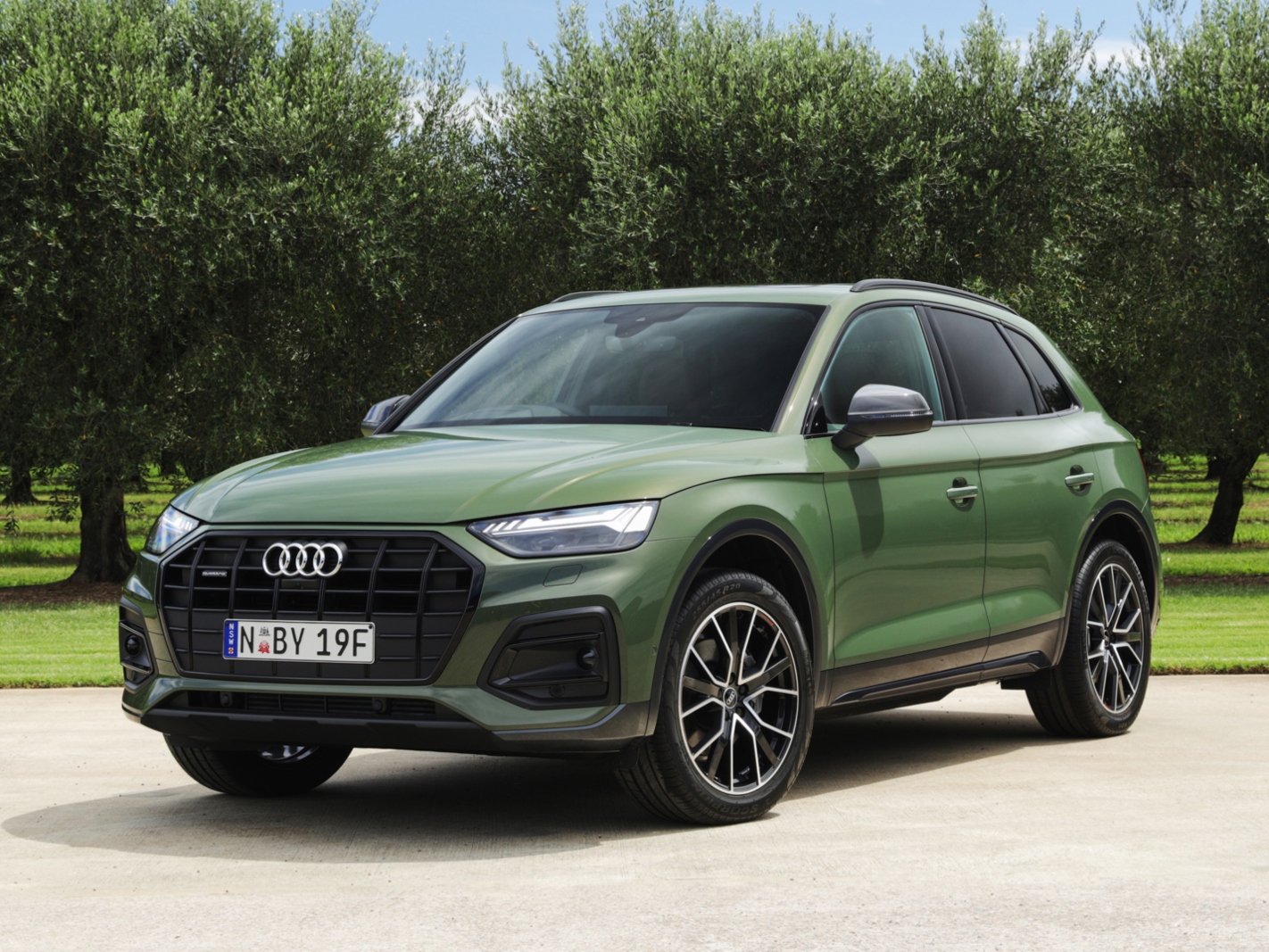
It can’t quite manage the diesel’s efficiency which is a claimed 5.4 litres per kilometer, and while a claimed figure of 8.0L/100km might not sound particularly frugal, our test car managed an actual efficiency of 8.9L/100km during a day of largely enthusiastic driving.
Still not convinced? Well a recent similar road trip with the equivalent BMW X3 (also equipped with a 2.0-litre four-cylinder turbo petrol) returned a figure of 12.7L/100km.
Part of the Audi’s respectable fuel economy is thanks to the arrival of mild hybrid technology for the four-cylinder powertrains. Wait for the 50 TDI and you will have access to more beefy 48-volt muscle but the existing range uses a 12-volt system to improve efficiency.
The starter/generator unit now replaces the more conventional starter motor and the noise associated with it, the new Q5 firing up from idle stop with an eerie smoothness and silence. The same system can add a small amount of torque into the proceedings for improved performance and economy – although hard to perceive.
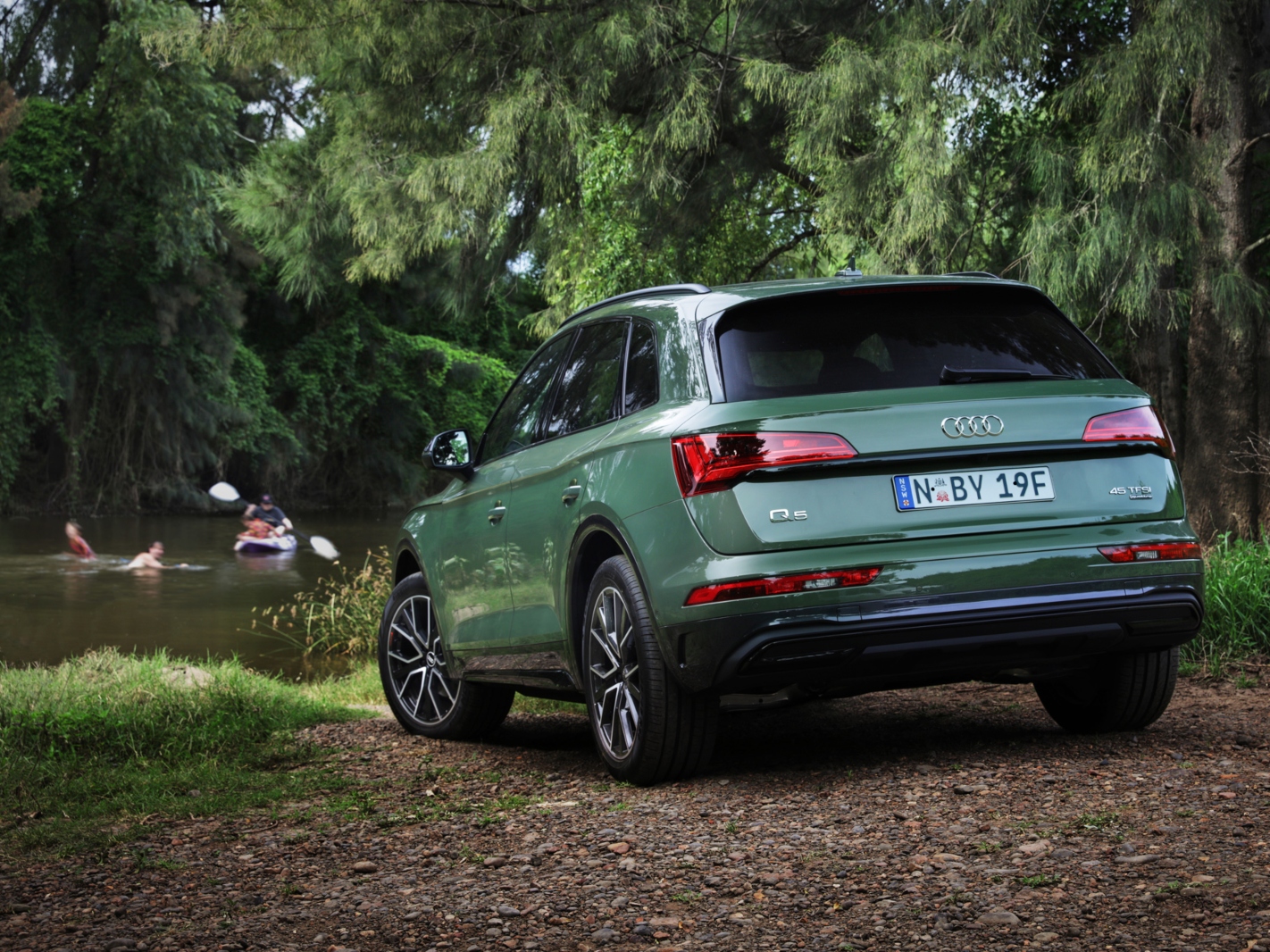
Off-the-mark acceleration is strong and a claimed zero to 100km/h time of 6.3 seconds is lunging into hot hatch territory. Throttle response is also excellent and there’s little perceptible turbo lag in gear, while the four-cylinder is eager to rev out to the red line.
As before, the four-cylinder is bolted to a seven-speed dual-clutch automatic transmission and sends power to all four corners via Audi’s proprietary quattro all-wheel drive system. The result is a smooth power delivery, paired with the urgency of a dual-clutch gearbox when you need it.
No changes have been made to the Q5’s chassis with the update and that’s good news. Ride quality is on the firm side but the tuning aces a good balance of comfort for occupants and involvement for the driver.
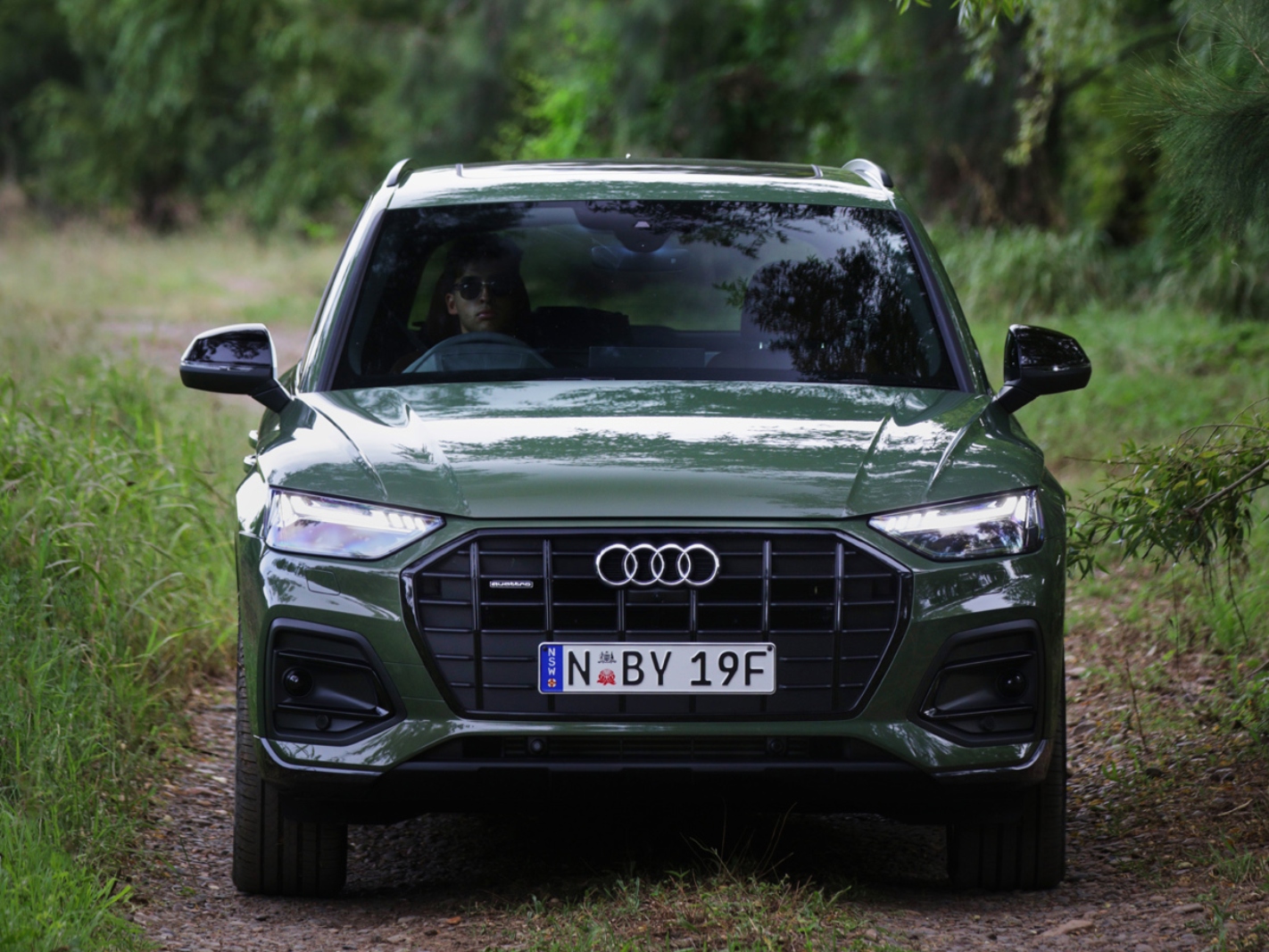
The only downside is the excessively light steering which struggles to communicate much of the action from the front wheels. In foul weather there is a confidence to be found in the quattro all-wheel drive and a satisfying resistance to body roll, but it would be even more enjoyable if the beautifully ergonomic steering wheel was a little more chatty.
Out of town however, the Q5 is still a hoot to blast though some fast B-road corners even when the weather is nasty and, light steering aside, there’s a dependability to the Q5’s footing. After all, torrential downpour and an electrical storm is quattro weather isn’t it?
With a light refresh, Audi’s popular mid-sized SUV is still a great all-round performer offering a good balance of performance and efficiency, involving driver dynamics and class-leading cabin design.
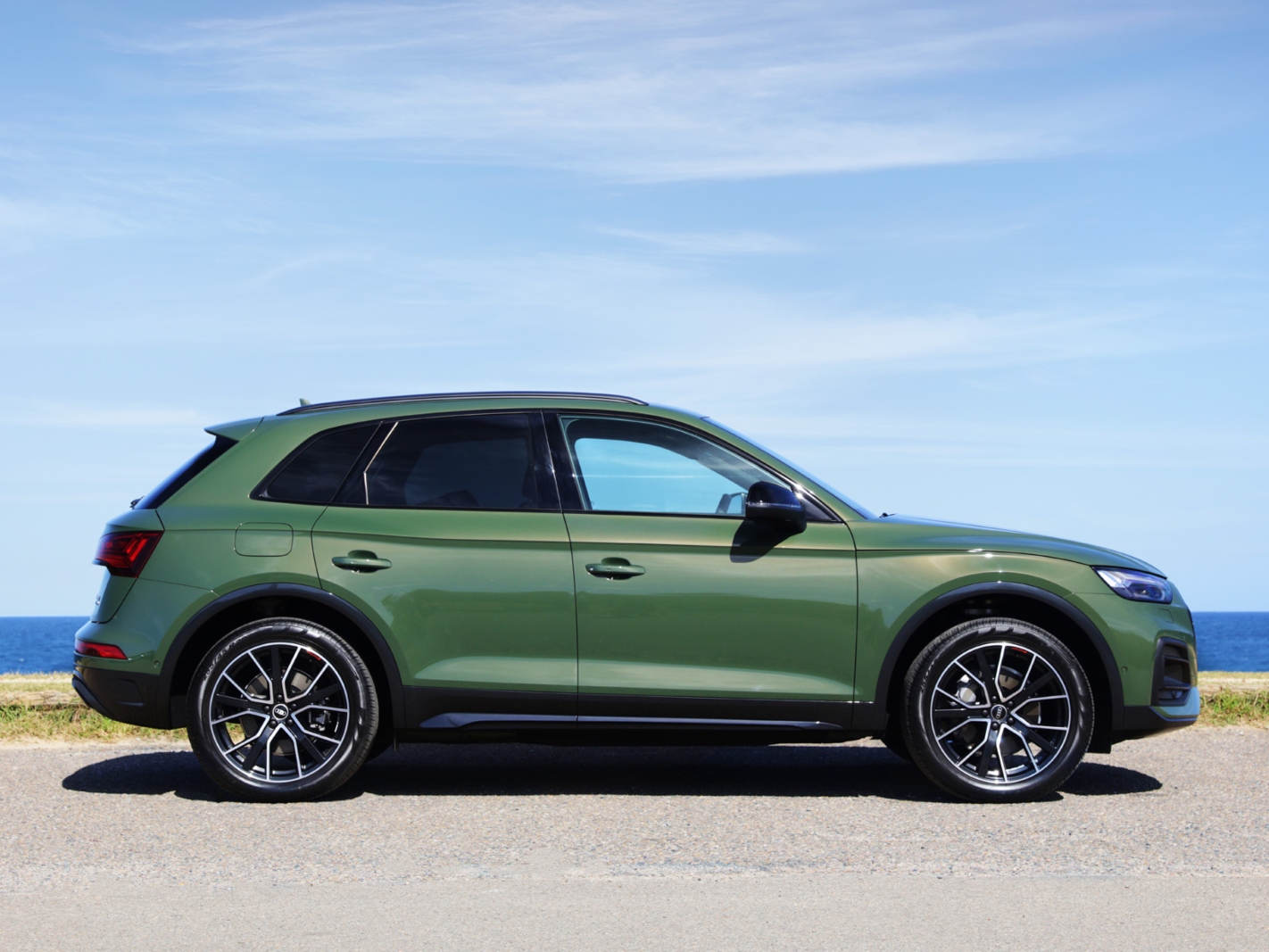
It can’t quite match the driving enjoyment of the more expensive BMW X3, Volvo’s XC60 also represents a compelling alternative, and the options selection is still merciless if you dare to dive in, but the Sport variants offer perhaps the safest way to avoid ‘option shock’.
With a generous list of standard equipment, the mid-range Q5 manages to sit comfortably in the premium segment without needing to delve into the eye-watering extras realm – indeed, our test car was only optioned with metallic paint adding $1990 to the bottom line.
It’s still on the pricey side relatively speaking, but Audi’s Q5 continues to battle hard in the fickle market thanks to a blend of subtle style, sophisticated drivetrain tech and a badge with which Australians are fondly familiar.
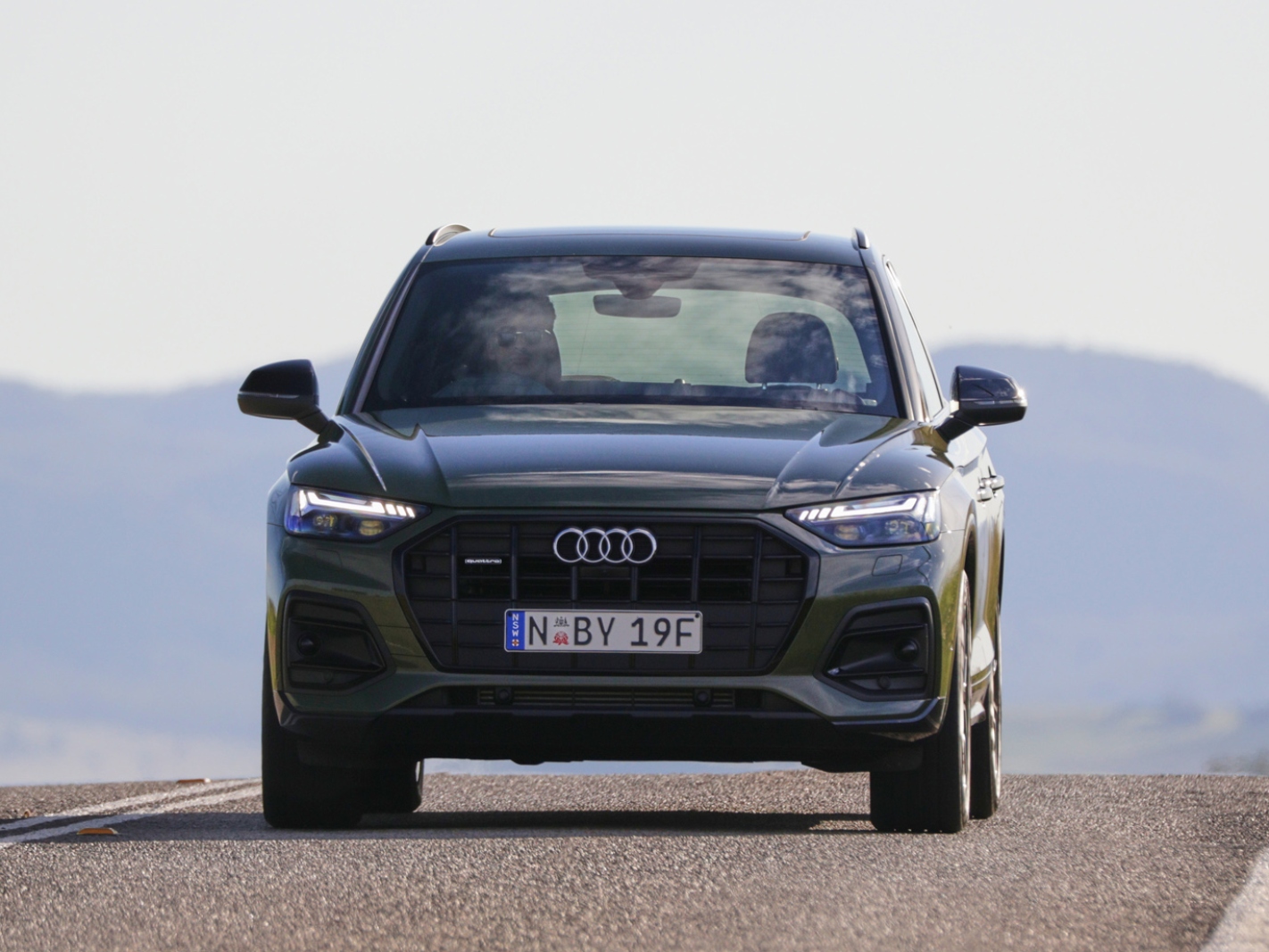
RATING 4/5
SPECS Model Audi Q5 45 TFSI Sport Engine 1984cc 4cyl, doch, 16v turbo Max power 183kW @ 5000–6500 rpm Max torque 370Nm @ 1600-4500 rpm Transmission 7-speed dual-clutch auto Weight 1750kg 0-100km/h 6.s Economy 8.0L/100km Price $76,600 On sale now
McLaren has shared more teasers of its upcoming V6 hybrid supercar, the Artura.
From the new images, we can glean that the shape will follow McLaren’s Sport Series form and will sport headlights similar in design to the Elva’s. It will also feature butterfly doors like other McLarens.
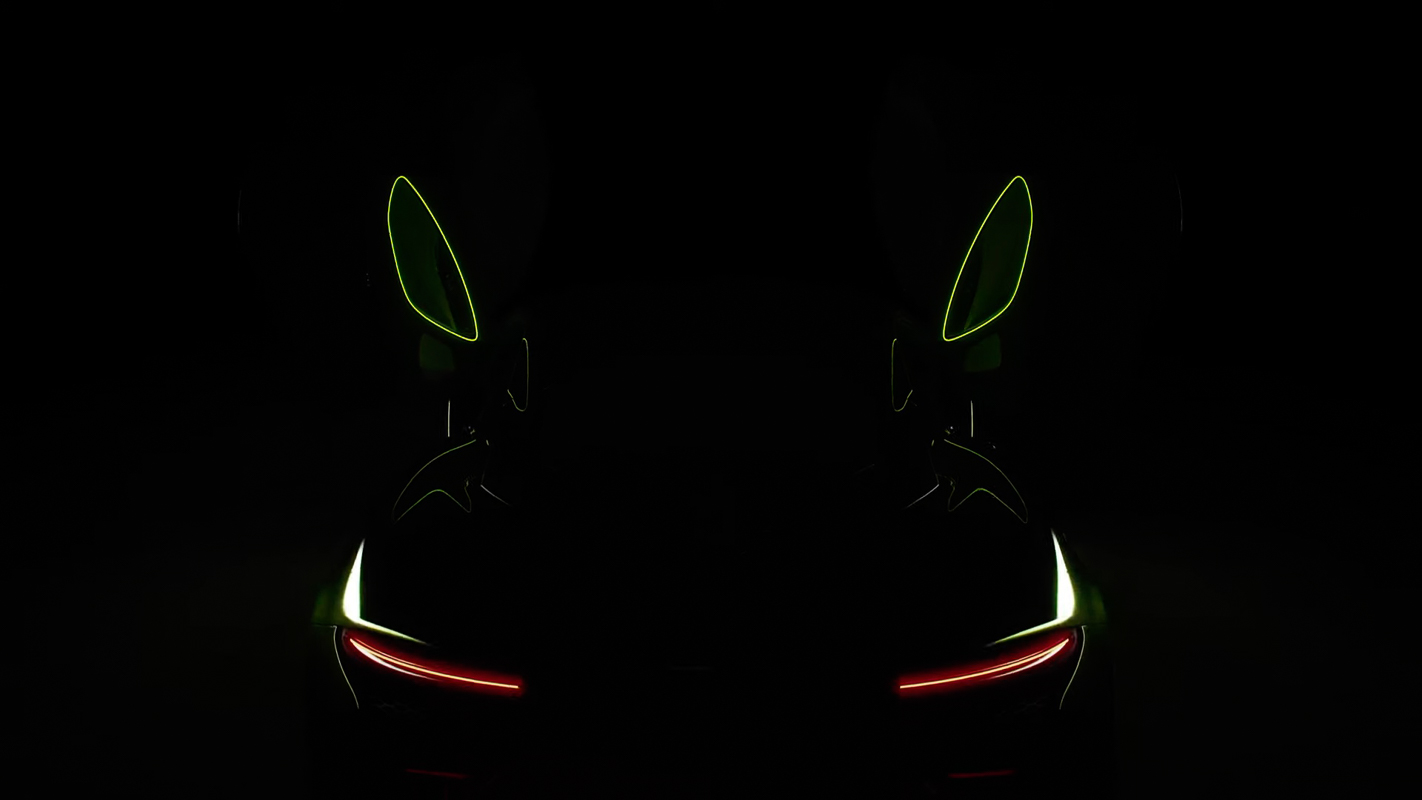
Shots of the engine bay show a bank of batteries, while the digital instrument cluster also shows a ‘charge time remaining’ indicator. These hints confirm that the new V6 supercar will be supported by a plug-in hybrid electric battery.
McLaren has also tied itself to a reveal date of February 17.
It’s the first ground-up new McLaren since the MP4-12C of 2011, and it’s designed to sit between the GT and the 720S.
The name represents a change in trend from the previous McLaren series production models, eschewing the numbers-and-letters format for a more traditional and meaningful name.
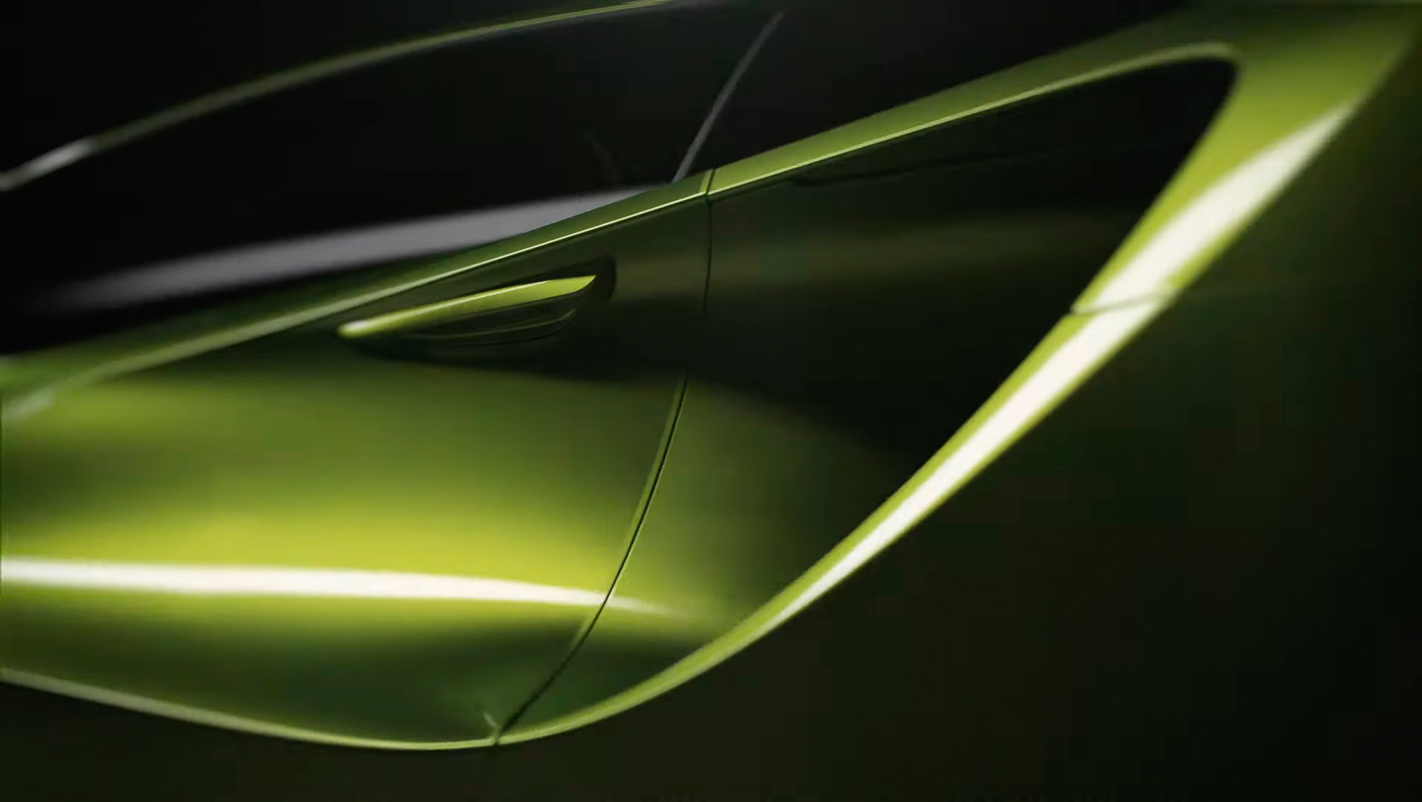
This new car also departs from McLaren’s tried-and-tested powertrain for the first time since the brand’s re-introduction ten years ago, opting for a hybrid-boosted V6 in place of the 4.0-litre twin-turbo V8.
McLaren says the Artura will be “all new in every respect”, drawing upon learnings from the hybrid P1 program and wider technical background to forge this bold new path.
The Artura will be built upon an all-new platform architecture, too, designed specifically with electrification in mind.
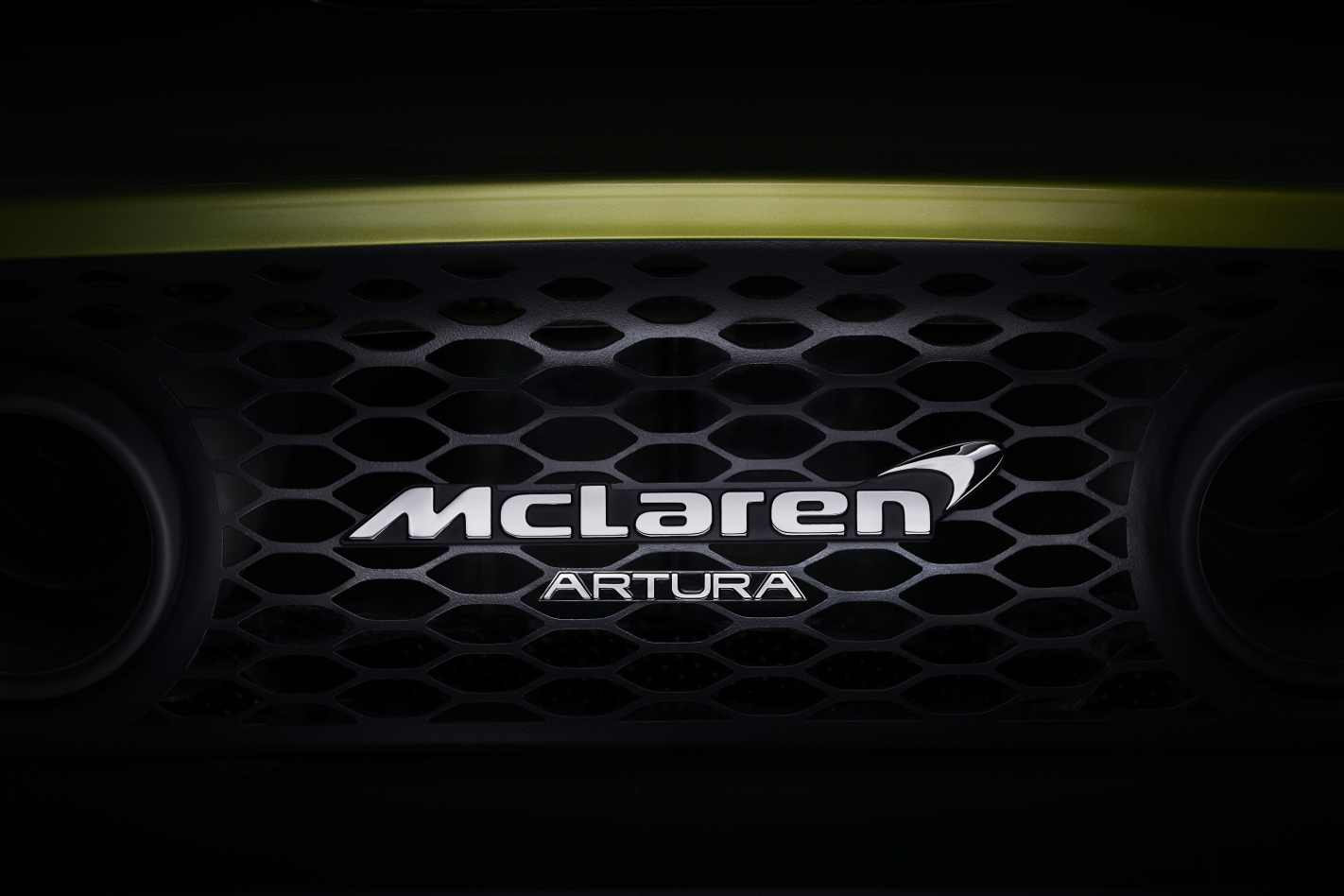
Despite the added heft of batteries, McLaren has kept the total weight figure down thanks to the use of lightweight materials in the chassis, powertrain and body panels.
Even still, McLaren says the Artura will be capable of performance levels we’ve come to expect from its range of larger-capacity V8 cars.
Electric-only functionality will be on offer, with McLaren describing the range as enough for “everyday emissions-free urban journeys”.
Few other details are available regarding the powertrain, such as the V6’s capacity or power outputs.
It won’t be long before we know for sure, as McLaren has stated that first deliveries will start in the first half of 2021. That will follow a worldwide reveal on February 17.
McLaren Automotive CEO Mike Flewitt said of the Artura: “every element of the Artura is all-new… but it draws on decades of McLaren experience in pioneering super-lightweight race and road car technologies to bring all of our expertise in electrification to the supercar class.”
If its past decade is anything to go by, the future over at Woking looks bright.
While Audi’s athletic RS machines and futuristic electrified models garner a majority of the limelight for the German brand, it’s the less glamorous vehicles that actually keep the cash register ringing and the four rings welded together.
The Q3 little SUV might not be particularly sexy in any traditional sense of the word but it was Australia’s favourite Audi last year, while its bigger sibling – the Q5 – is the company’s most successful SUV to date.
It’s therefore in Audi’s best interest to keep its popular mid-sized SUV as attractive as possible to the discerning local audience, especially given the compelling options from other manufacturers in the premium market.
Most recently, Mercedes joined the battle with its first-generation GLC, while Volvo proved what it’s capable of with a Wheels Car of the Year win in 2018.
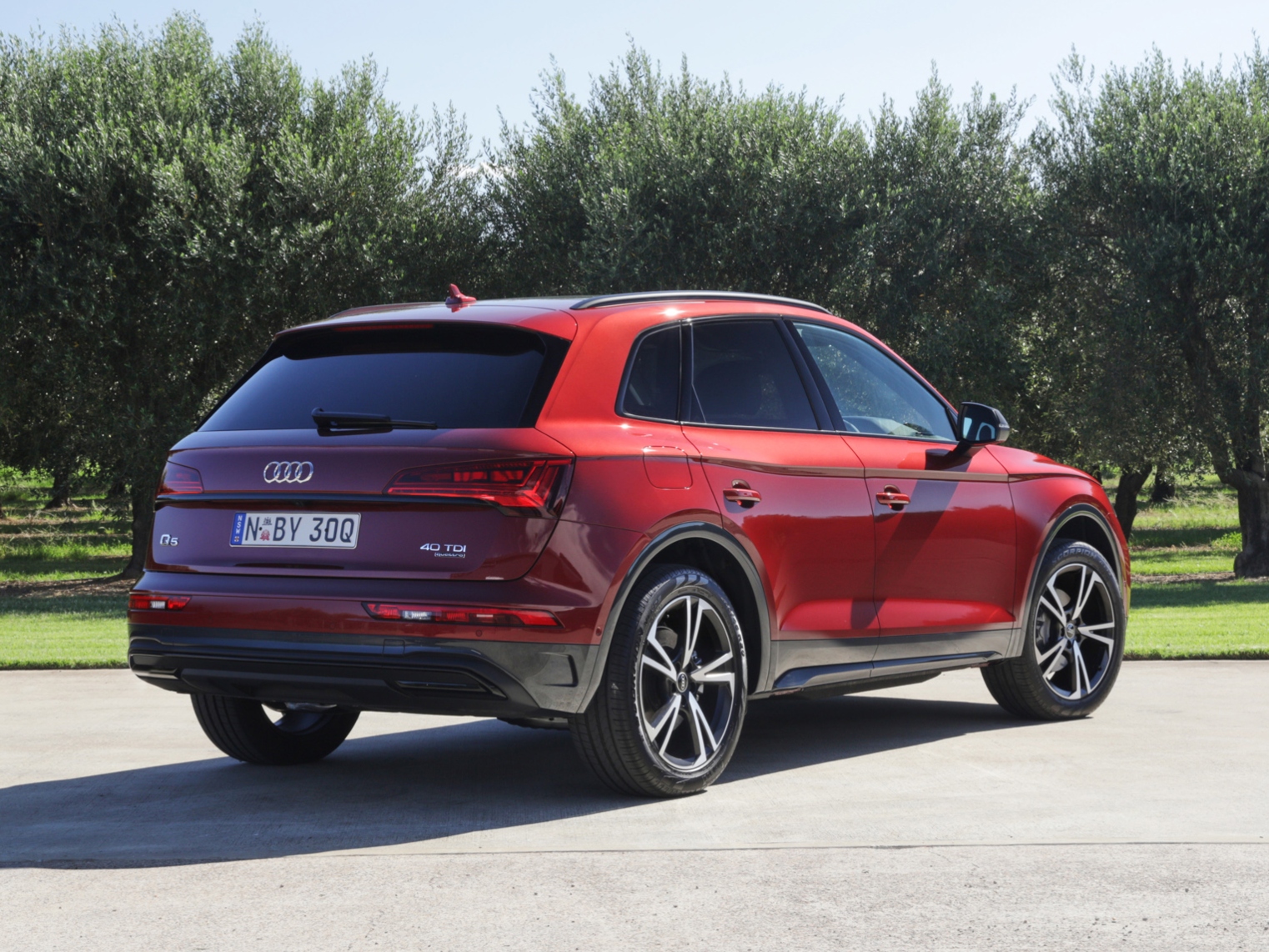
That’s why, four years after the gen-two model arrived in Australia, the Q5 range has been given a light update.
There’s no sizzling SQ5 in either petrol or diesel variants yet, nor a V6 in either fuel type for the rest of the range (although a V6 50 TDI will arrive later in 2021), with the updated range remaining exclusively four-cylinder-powered for now.
Opening the 2021 Audi Q5 range is the 40 TDI quattro priced from $68,900 or its petrol equivalent 45 TFSI quattro for $69,600.
Both versions can be had in sportier Sport spec but for a limited time, the 2.0-litre four-pot pair are on offer as a more exclusive Launch Edition.
Throw the special extras at the base diesel and its price jumps to $78,300. That’s serious cash for a mid-sized SUV so why would you drop the significant extra investment over the entry level 40 TDI, which is already $3000 more expensive than the 2017 version in standard form?
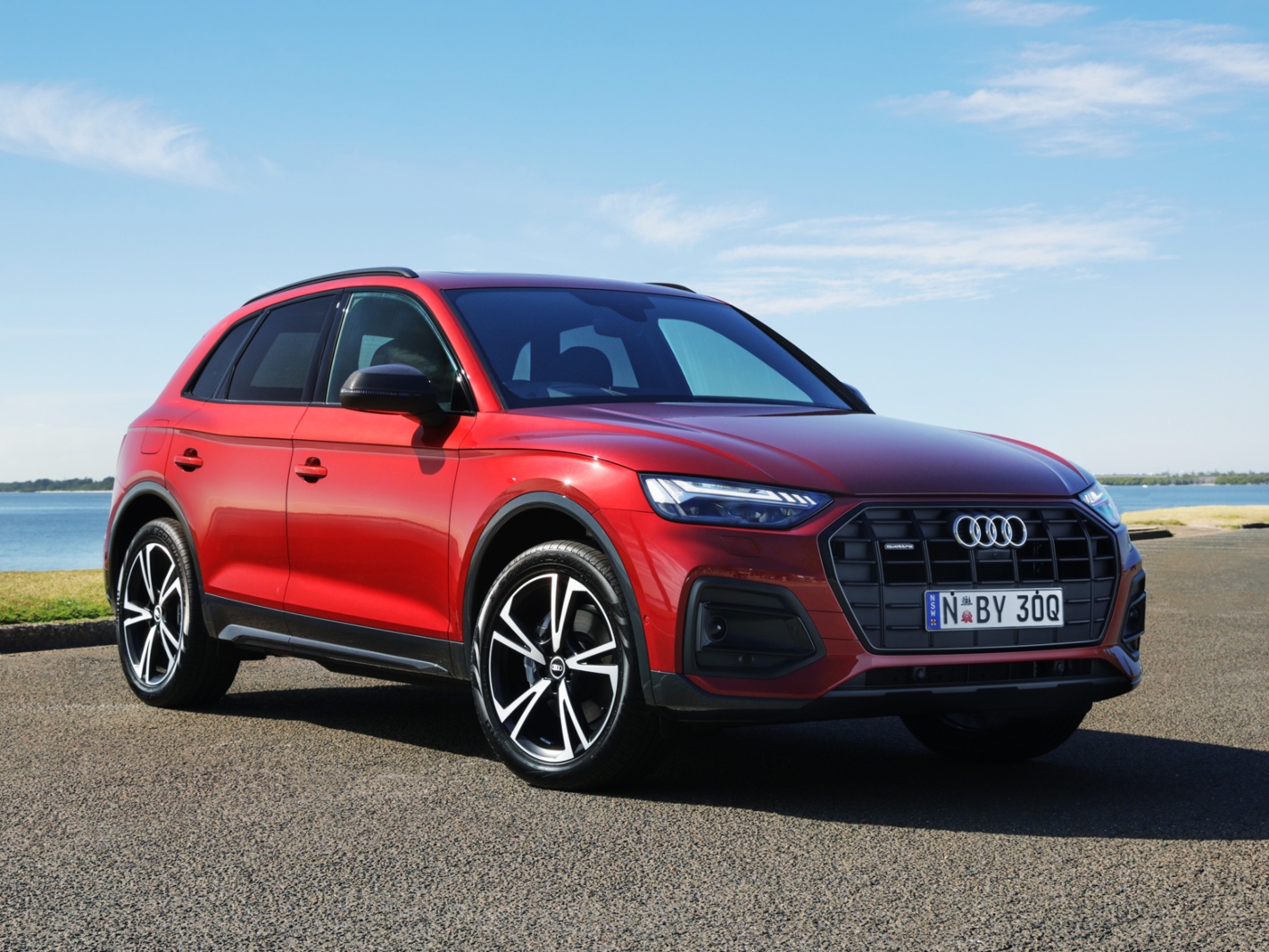
For your extra $9400 over the most affordable diesel, Audi will add a package of extras that enhances the Q5 styling for a more premium look.
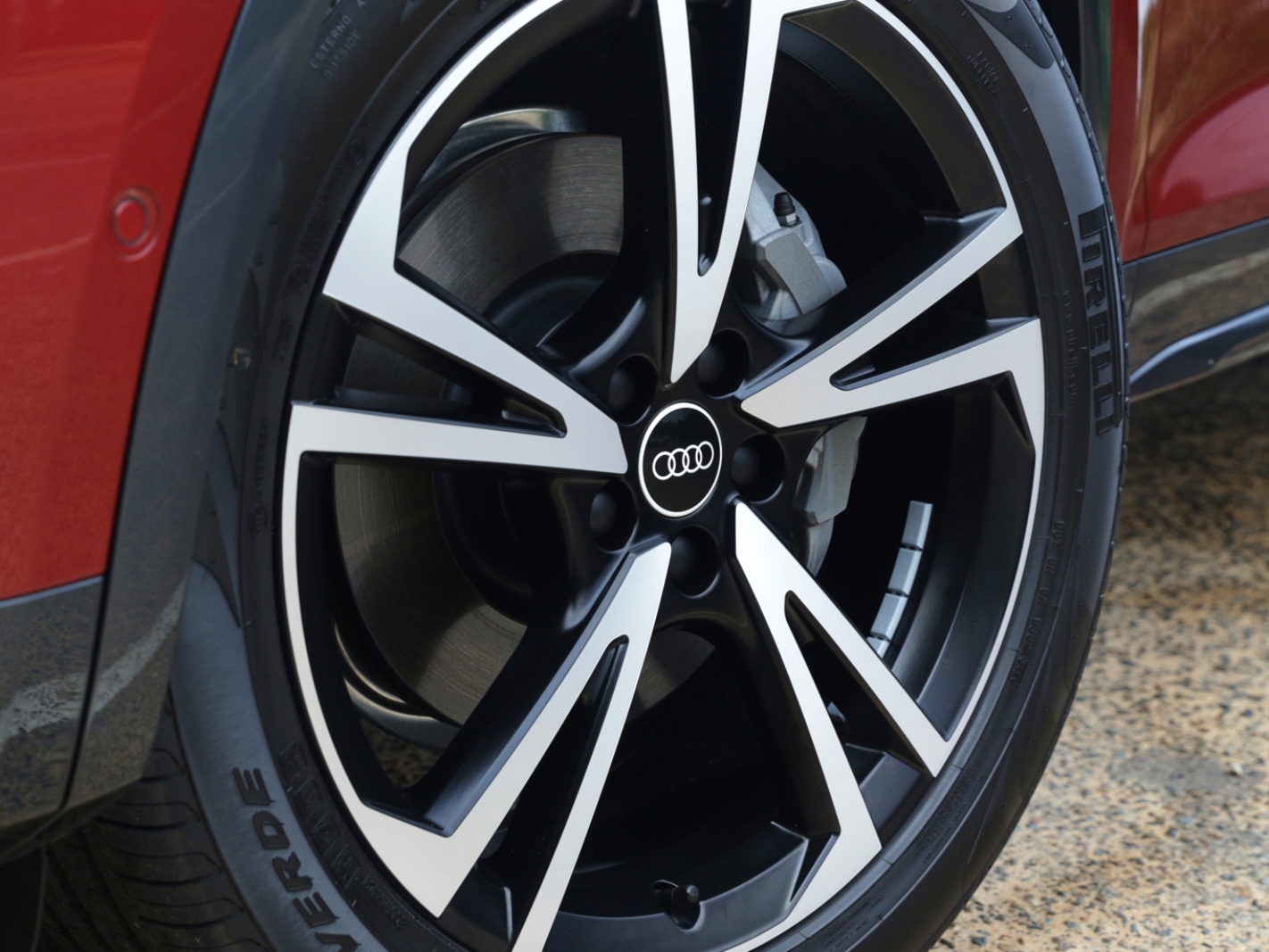
On the outside there’s the largest 20-inch (unique) Falx-design wheels, a black style pack that turns a number of trims gloss black, metallic paint (Matador Red in our case), and door mirrors capped in real carbon-fibre.
The Launch Edition also gains the poshest lighting option for the updated range with clever matrix headlights and adaptive beam technology (and a very cool design), matched with optional organic LED tail lights.
Depending on the driving mode and road conditions, the cutting edge lighting can alter its pattern and will even illuminate its most notable setting if a following vehicle is within two metres of the Q5’s tail.
Its maker claims the application is the first of its kind in production vehicles although BMW would probably argue that, having already introduced organic LED lighting for the rear light clusters in its M4 GTS and CS.
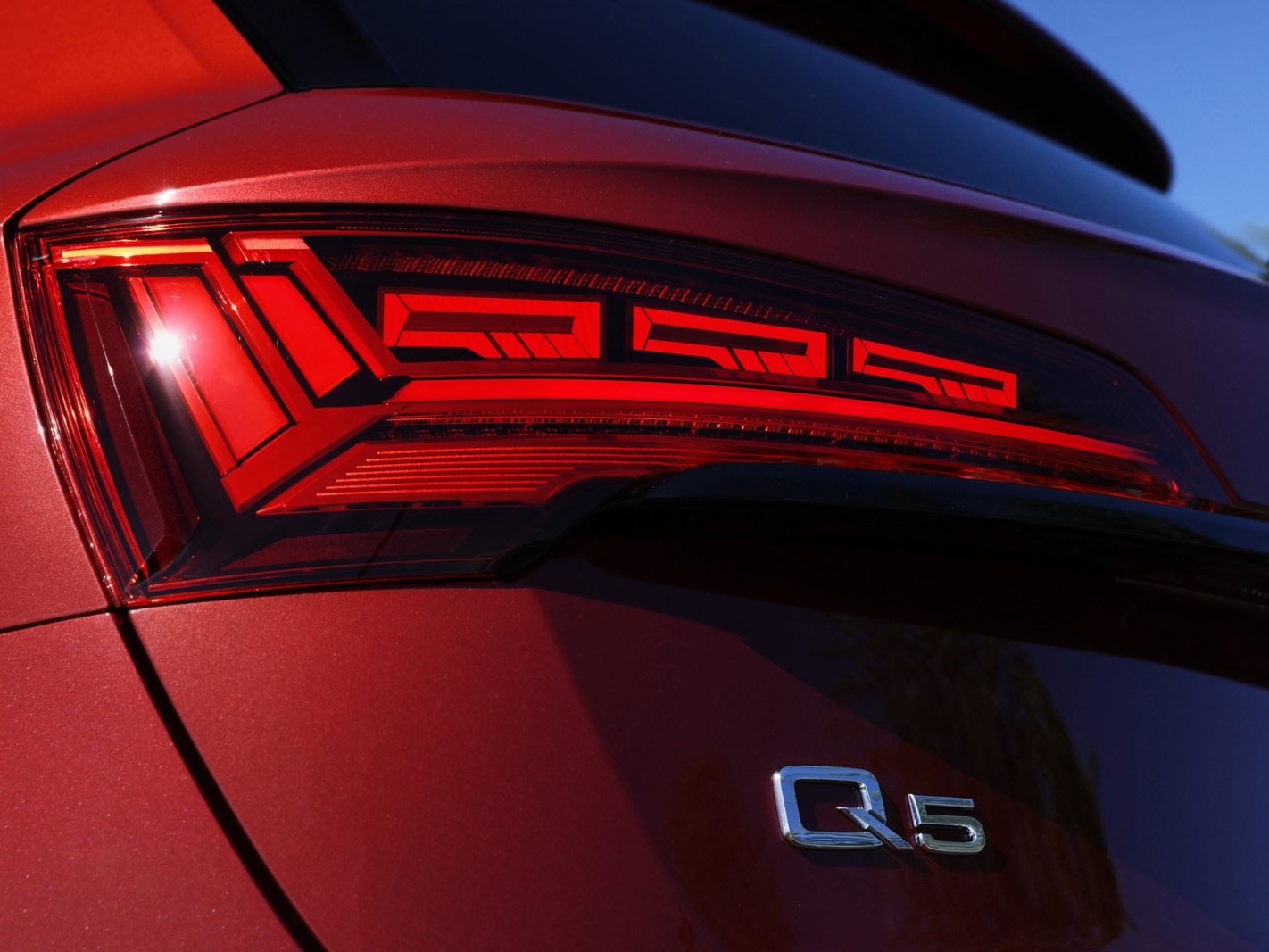
The special extras are in addition to the 2021 facelift, which is headlined by the all-new nose and a more imposing Singleframe grille with resculpted brake vents and foglights.
It’s the same story at the back where the plastic-work has been redesigned leaving the metalwork untouched.
On the inside, the subtle upgrades extend to contrasting stitching on the leather seats, illuminated treadplates, darker privacy glass, and selectable colour ambient lighting.
You’ll also have the cozy feeling that only 400 other Australians will have the option of owning a Launch Edition Q5.
The effect is a Q5 more prestige in its appearance if lacking much tangible value for the nearly $10,000 added to the bottom line. Value however, is in the wallet of the beholder.
More notable though are the improvements offered for all Q5 variants as part of the 2021 update including the arrival of mild hybrid technology for the four-cylinder powertrains.
Wait for the 50 TDI and you will have access to more beefy 48-volt muscle but the existing range uses a 12-volt system to improve efficiency.
The starter/generator unit now replaces the more conventional starter motor and the noise associated with it, the new Q5 firing up from idle stop with an eerie smoothness and silence. The same system can add a small amount of torque into the proceedings for improved performance and economy.
Officially, Audi says the 40 TDI will asks for just 5.4 litres of diesel to travel 100km on the combined cycle, which is the same as the previous pre-hybrid engine although the new 2.0-litre has more power with 150kW versus 140kW. Peak torque of 400Nm is unchanged. We feel the benefit will be most felt in stop-start traffic.
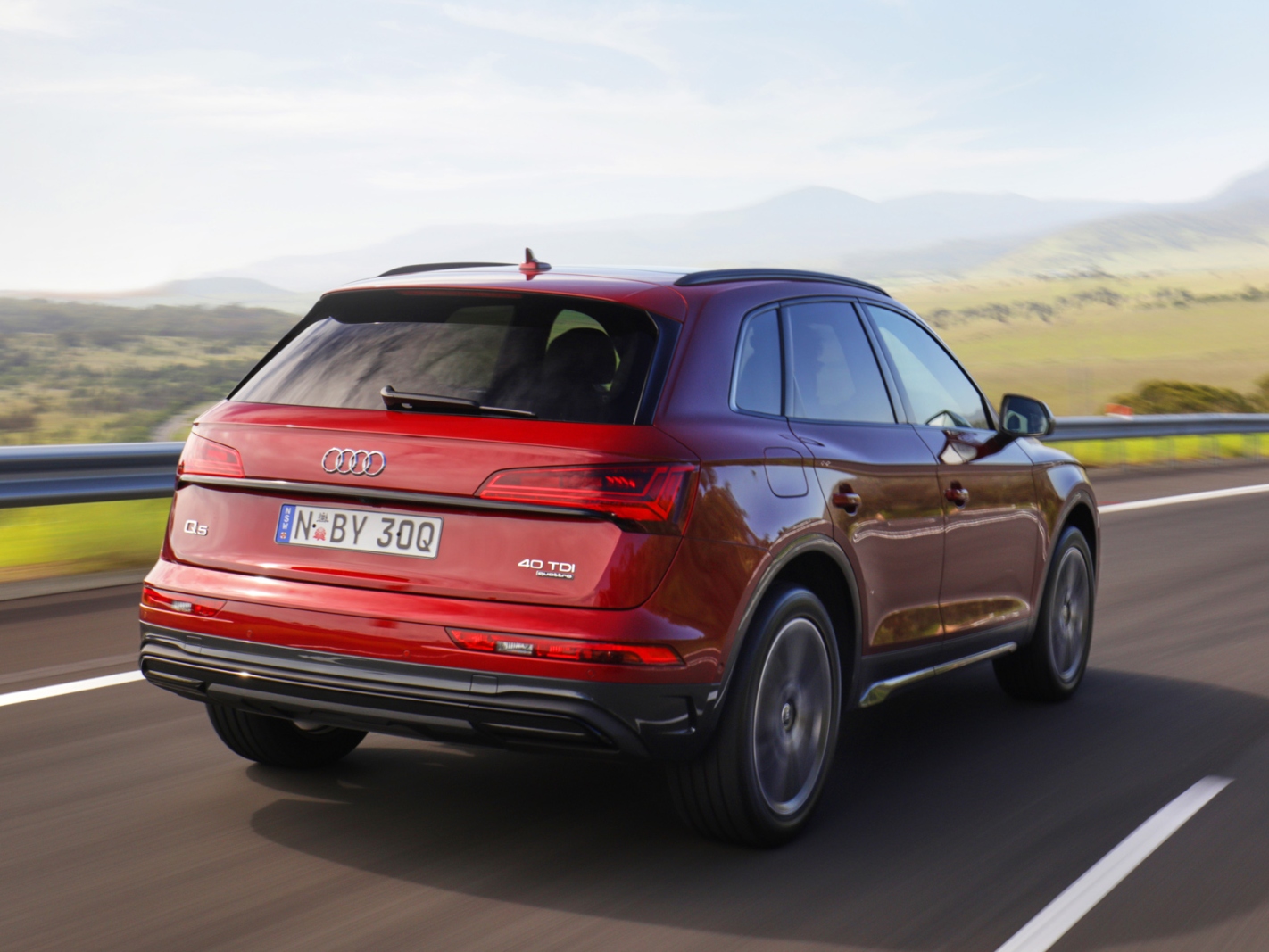
However, while fuel use remains the same, the update brings a larger 70-litre tank (previously an option in some other global markets) and that means, if you can achieve Audi’s claimed economy figure, the 40 TDI has a range in excess of 1200km. Impressive.
As before, power is sent to all four wheels via a seven-speed dual-clutch automatic transmission and Audi’s proprietary quattro all-wheel drive system.
The result is a power delivery smoother than you might expect from a four-pot diesel, paired with the urgency of a dual-clutch gearbox when you need it.
Acceleration can be a little delayed off the mark with a combination of transmission and turbo lag as the powertrain fights sticky all-paw traction, but in-gear performance and acceleration is gutsy and eager. Perhaps it’s the intervention of a little electric torque or simply sophisticated diesel tech, but throttle response is fast and precise once up and rolling.
Pin the accelerator from standstill and the Q5 40 TDI will get to 100km/h in 7.6 seconds, says Audi.
The power increase of 10kW has not altered the manner in which the refined diesel delivers power nor has it impacted the excellent noise, vibration and harshness levels to any perceptible degree.
Audi’s diesel future is slowly being overshadowed by electric – as are all its combustion powertrains for that matter, but the solid 2.0-litre is still making a compelling argument for itself and the advantages of diesel in general.
No changes have been made to the Q5’s chassis with the update and that’s good news. The model has always offered excellent ride quality that is on the firm side but aces a good balance of comfort for occupants and involvement for the driver.
The only downside is the excessively light steering which struggles to communicate much of the action from the front wheels.
In foul weather there is a confidence to be found in the quattro all-wheel drive and a satisfying resistance to body roll, but it would be even more enjoyable if the beautifully ergonomic steering wheel was a little more chatty.
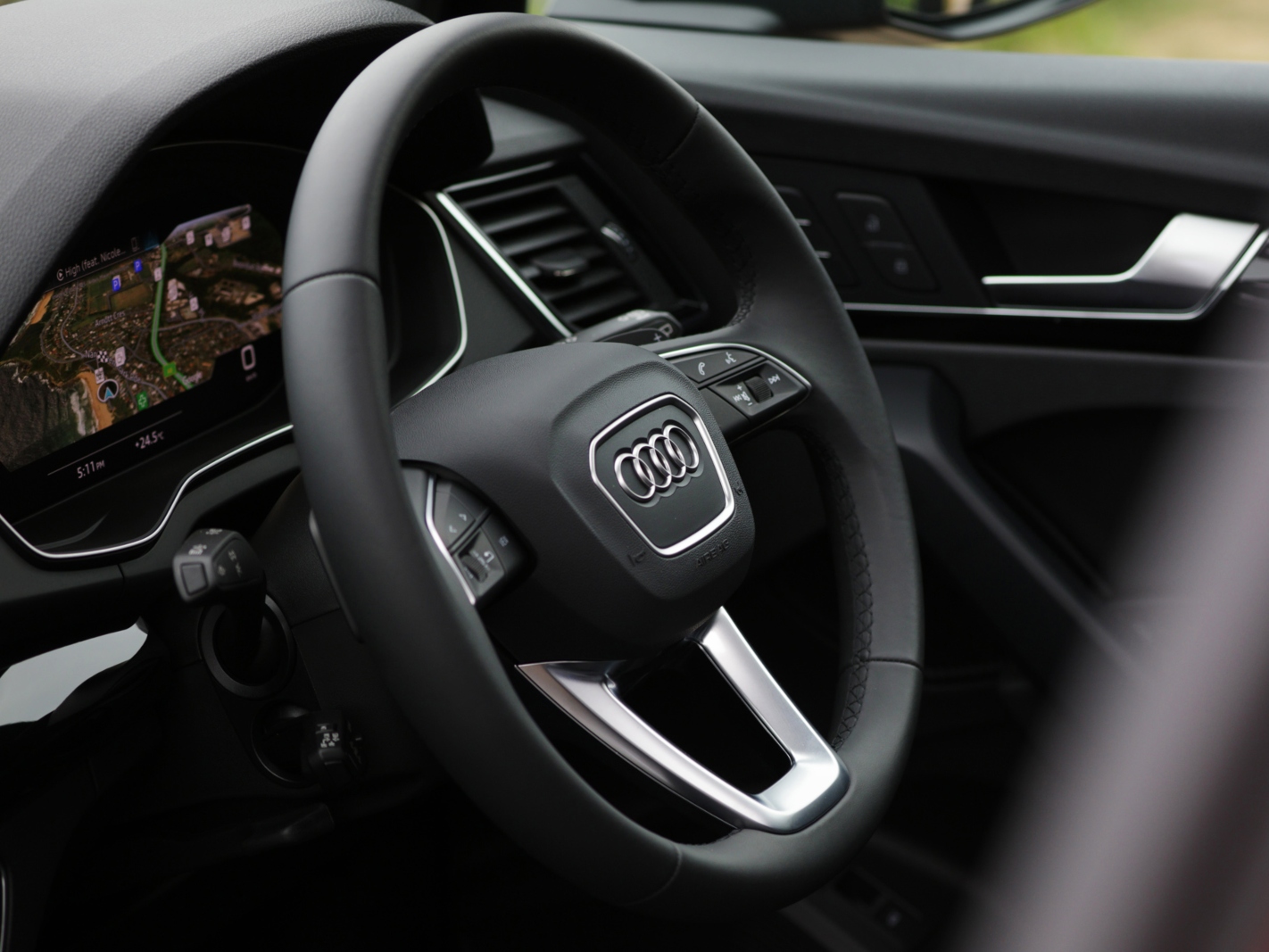
There’s little change to the Virtual Cockpit digital instrument cluster even though more rivals are introducing their own interpretations of the feature that was largely championed by Audi.
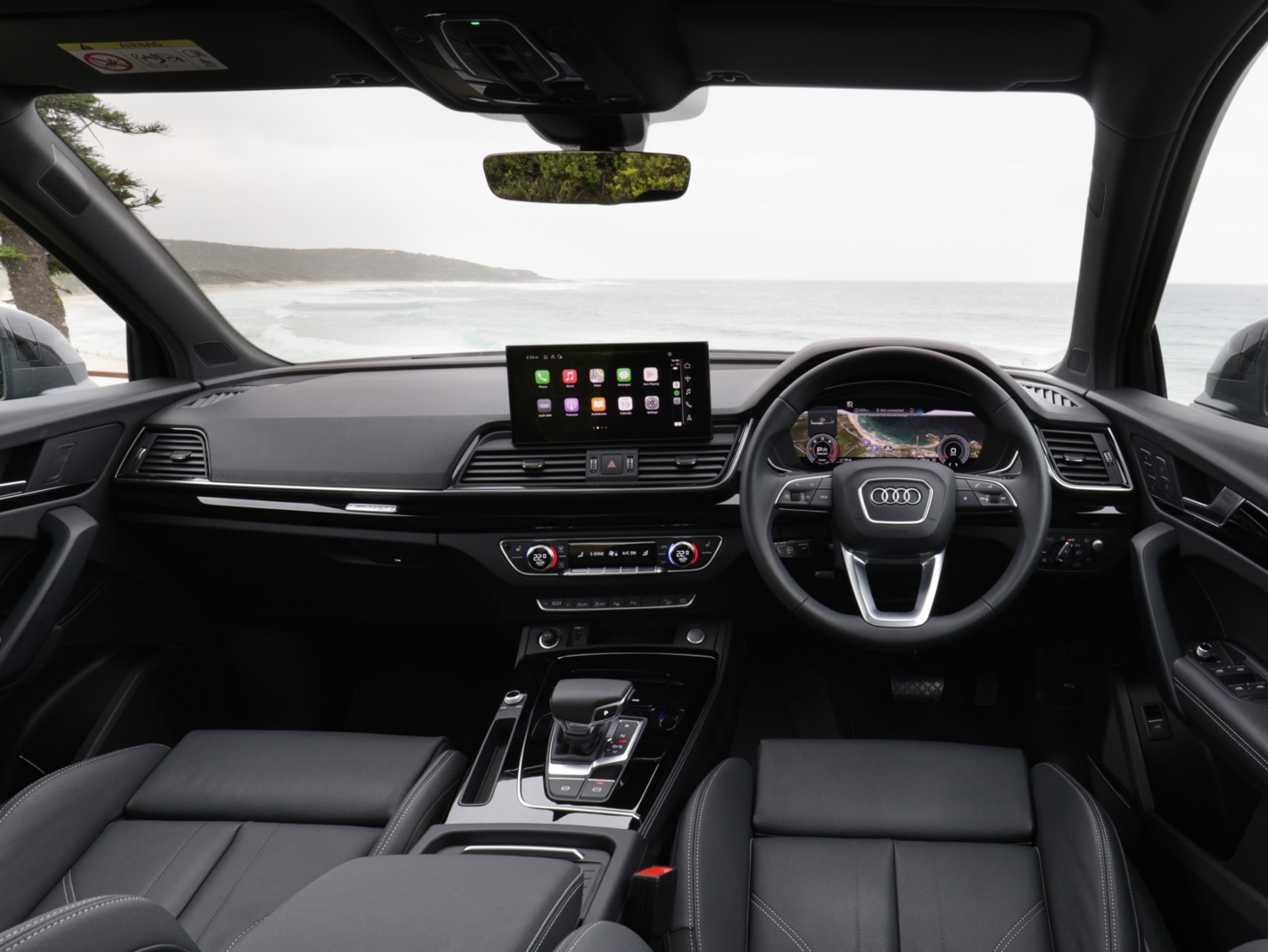
For the 2021 update, the display has been refreshed with three views, which effectively translates to six when you hit the ‘view’ button to switch between dominating gauges or a more prominent information screen.
More significantly, the MMI main central screen now measures 10.1 inches and is filled with the latest software that allows greater customisation through moveable tiles. It offers intuitive operation, sharp graphics and responsive touchscreen technology along with satisfying click responses to instructions.
Some owners would perhaps prefer the fold-away option Audi offered in some earlier models for a beautifully clean dash layout when the screen is not required, but with standard smartphone mirroring it’s hard to imagine a time when the screen won’t be in use. It’ll also allow two Bluetooth connections simultaneously.
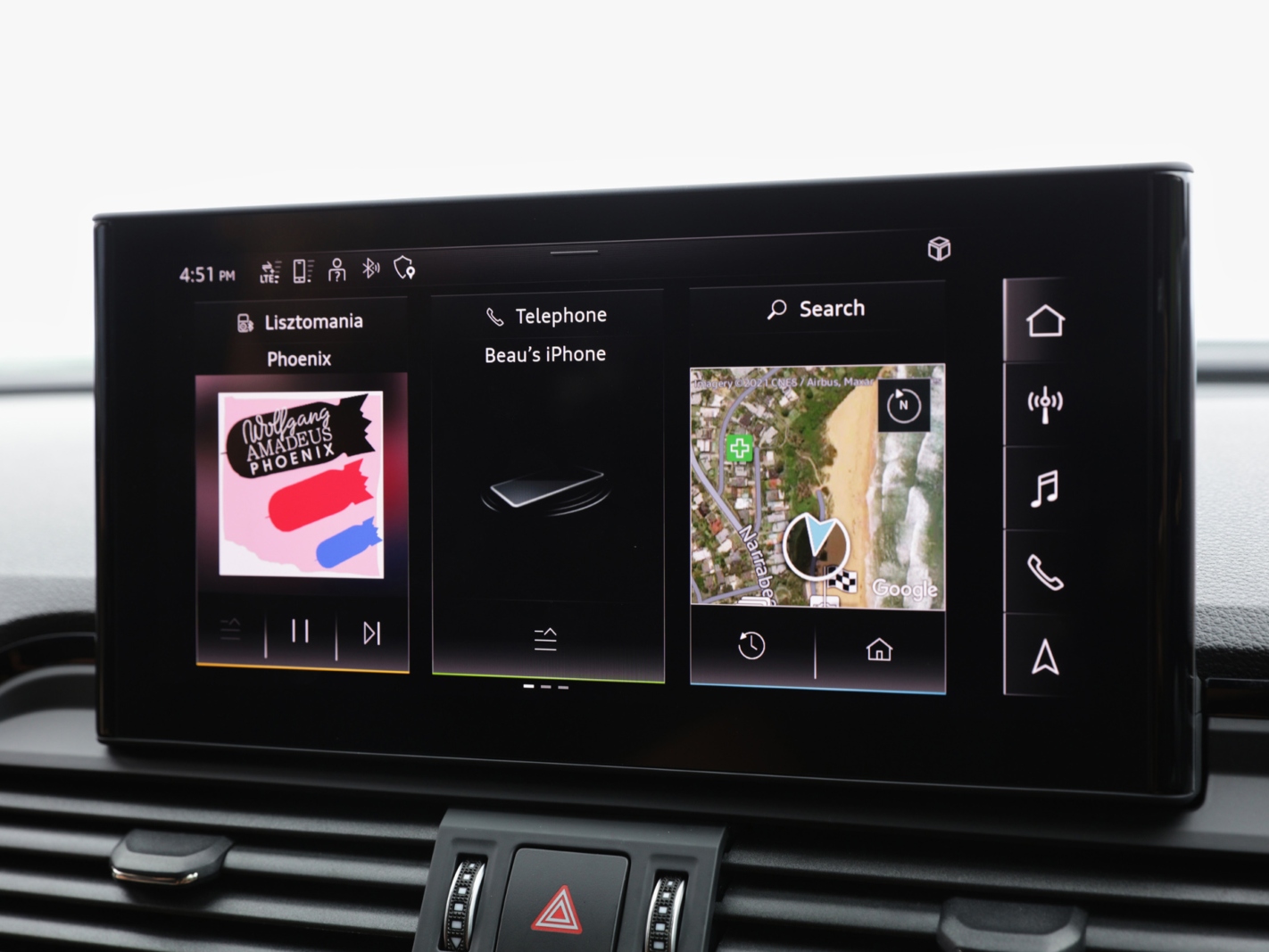
If you don’t get along with touchscreens in cars then you might like the Q5’s new ‘Hey Audi’ voice activation function that’s similar to ‘Hey Mercedes’ MBUX technology. While our experience with the Benz interpretation is largely positive, the Audi equivalent wasn’t quite so successful – perhaps it was just our reviewer’s accent.
The Q5’s cabin is, as always, clean, well laid out, and features the sharp design you might expect from any model in the four-ring family.
The driver is treated to a driving position that’s hard to beat, although the seat support feels better suited to the, ahem, wider driver when you hit the twisty stuff.
Hop back to the second row and there’s enough room to comfortably accommodate two adults plus a smaller human; even with the standard panoramic glass roof, there’s just enough headroom for a 184cm passenger.
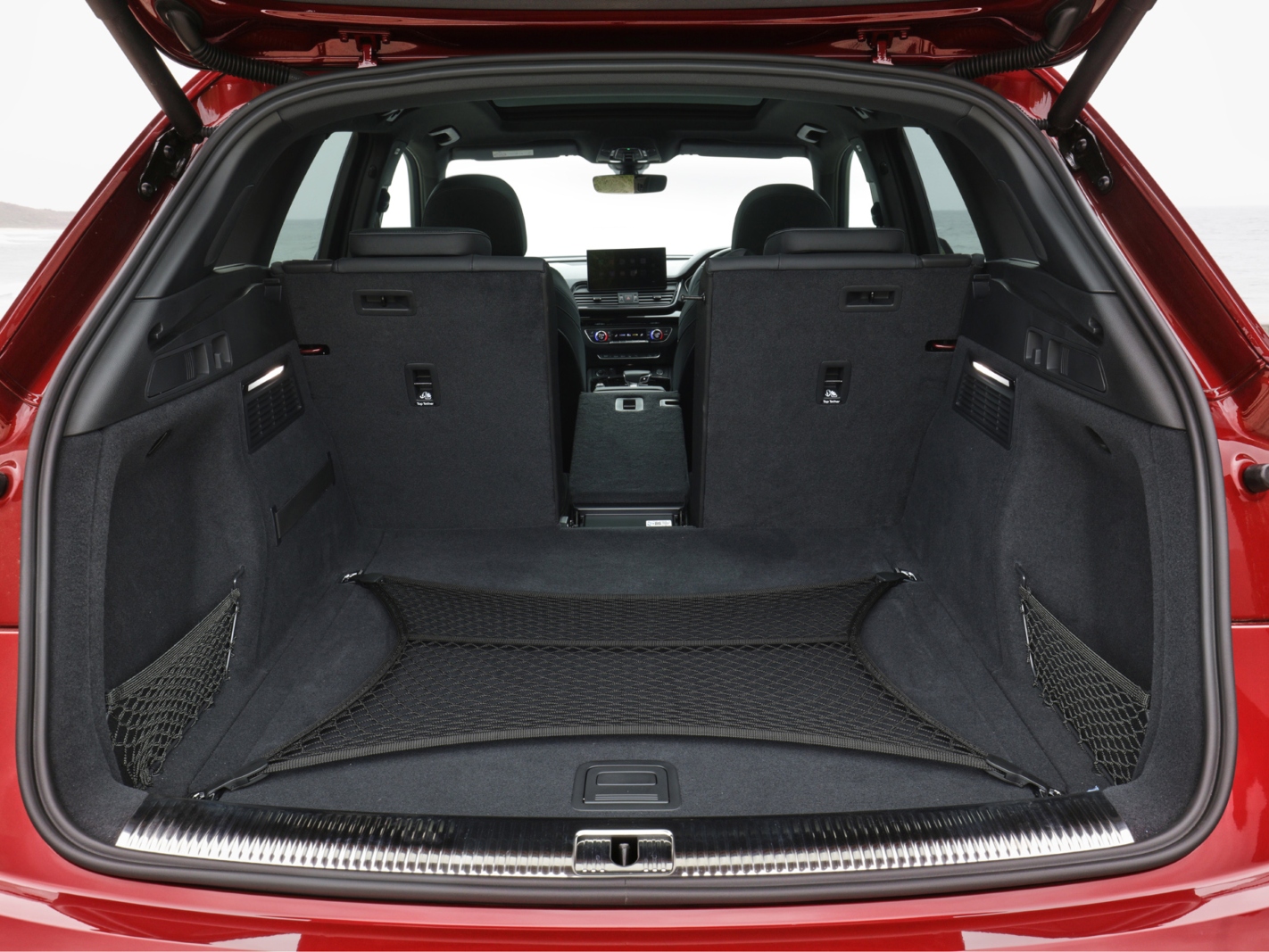
At the back there’s a 520-litre boot, which expands to 1520 litres if the rear seats are folded. Helpfully, they are split 40-20-40 and slide-adjustable to allow the right balance of load space and passenger accommodation.
As always, perhaps the only treacherous element of Q5 shopping is the tempting but pricey options list.
There are a couple of packages that bundle frequently ticked items including the Comfort pack and Technik pack but roam far from the better value packs and you had better have deep pockets.
Our test car was outfitted with a $390 heated and cooled drink holder between the front seats, a selection of gloss black interior trims that amounted to nearly $1000 and the trick OLED rear lights added another $2500 to the bottom line.
Want a diesel Launch Edition just like ours and it’ll cost you $87,160 before on-road costs. Ouch.
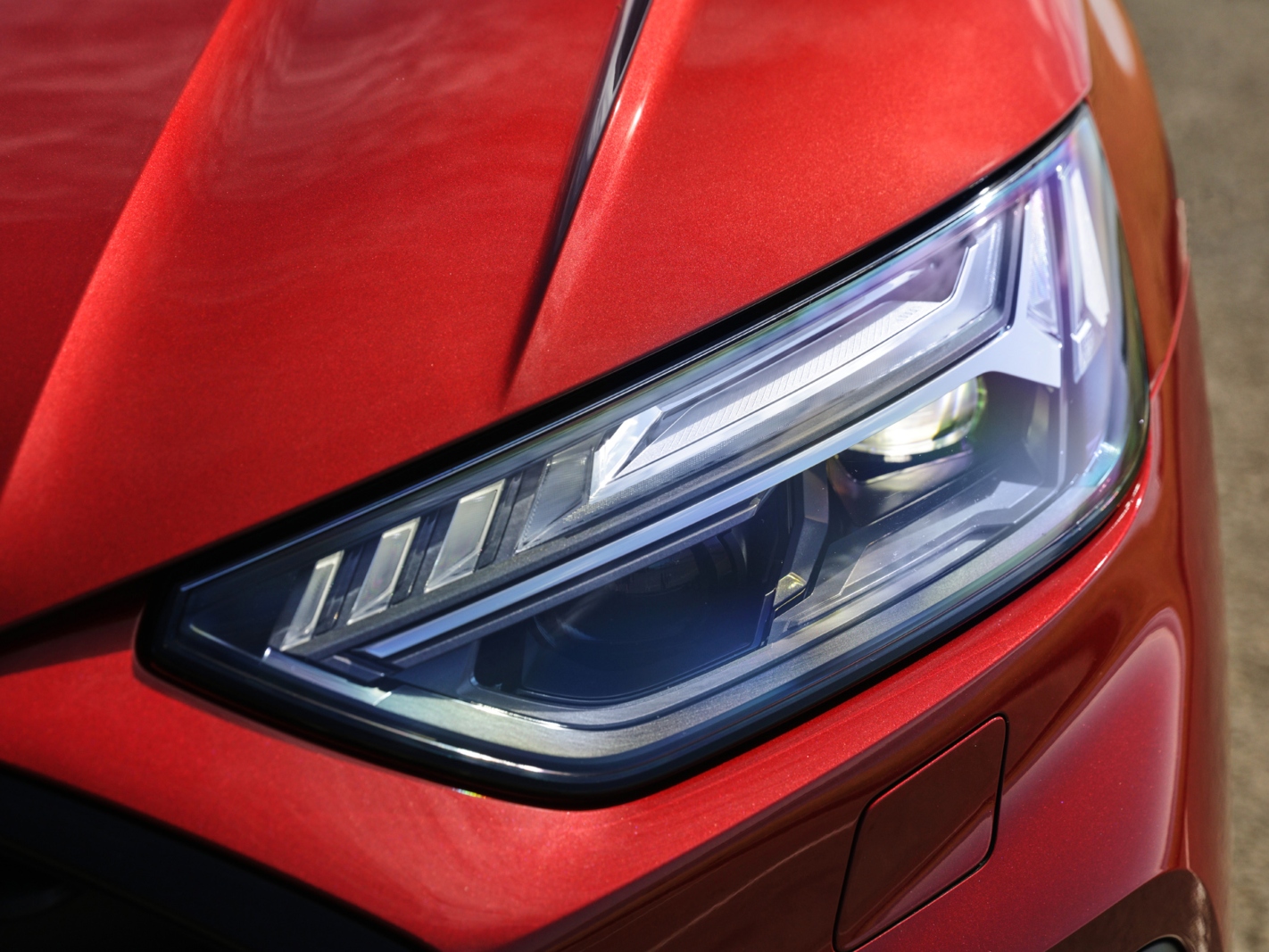
With a light refresh, Audi’s popular mid-sized SUV is still a great all-round performer offering outstanding diesel efficiency, involving driver dynamics and class-leading cabin design.
In base 40 TDI grade, it can’t quite match the driving enjoyment of the identically priced BMW X3, Volvo’s XC60 also represents a compelling alternative, and the options selection is still merciless, but the Audi continues to battle hard in the fickle market thanks to a blend of subtle style, sophisticated drivetrain tech and a badge with which Australians are fondly familiar.
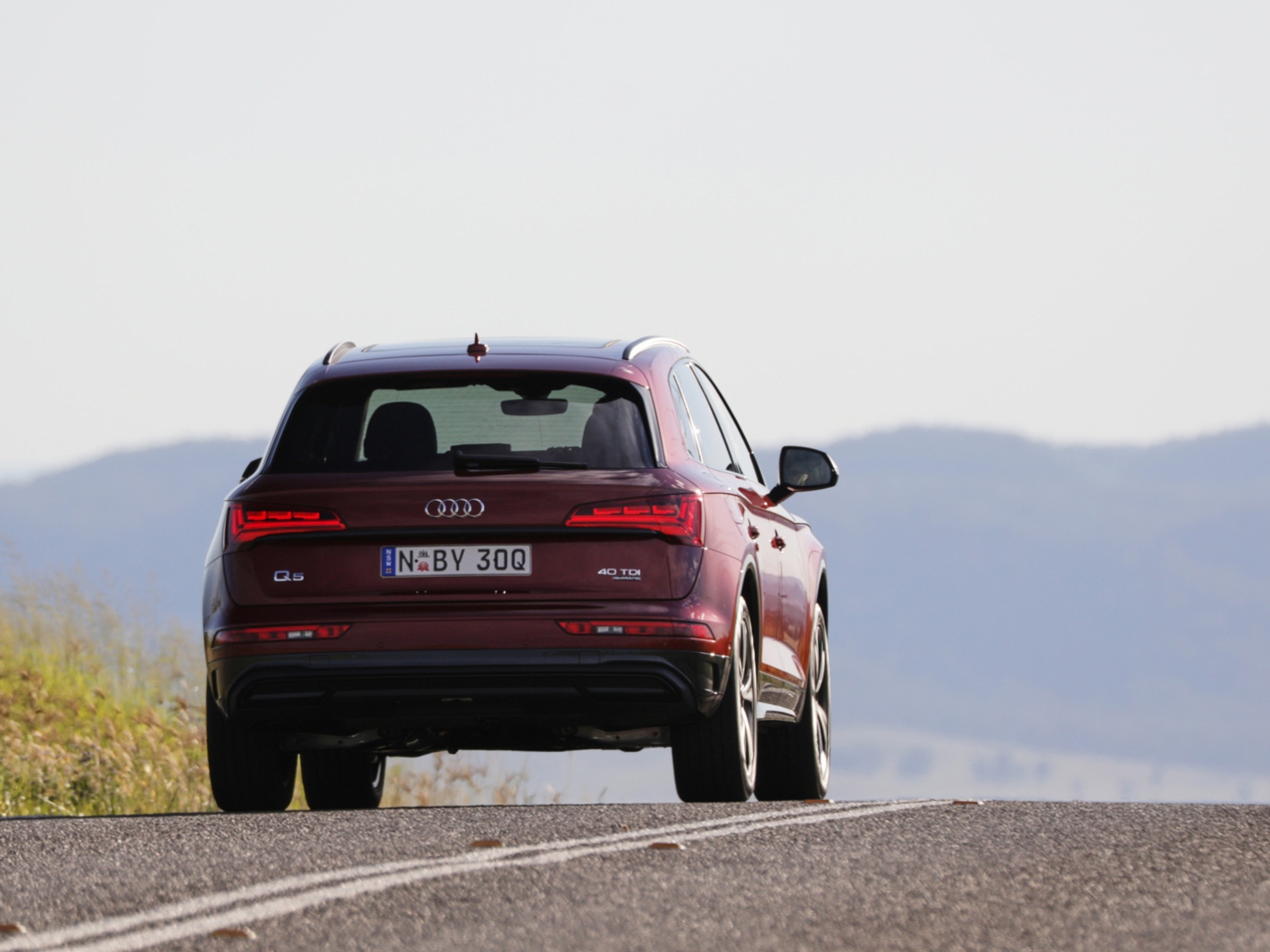
RATING 4/5
SPECS Model Audi Q5 40 TDI Launch Edition Engine 1968cc 4cyl, doch, 16v turbo diesel Max power 150kW @ 3800–4200 rpm Max torque 400Nm @ 1750-3250 rpm Transmission 7-speed dual-clutch auto Weight 1805kg 0-100km/h 7.6s Economy 5.4L/100km Price $78,300 On sale now
UPDATE 26/2/21: Pricing and details of the Audi SQ5 have now been added to this story, following Audi’s February 26 announcement.
The refreshed 2021 Audi Q5 and SQ5 range is now on sale in Australia, following an initial release of details last year.
This update on the five-door medium SUV arrives halfway through its second generation.
As for what’s changed, the new Audi Q5 range debuts a fresh look, upgraded cabin technology and a suite of new engines with mild-hybrid systems.
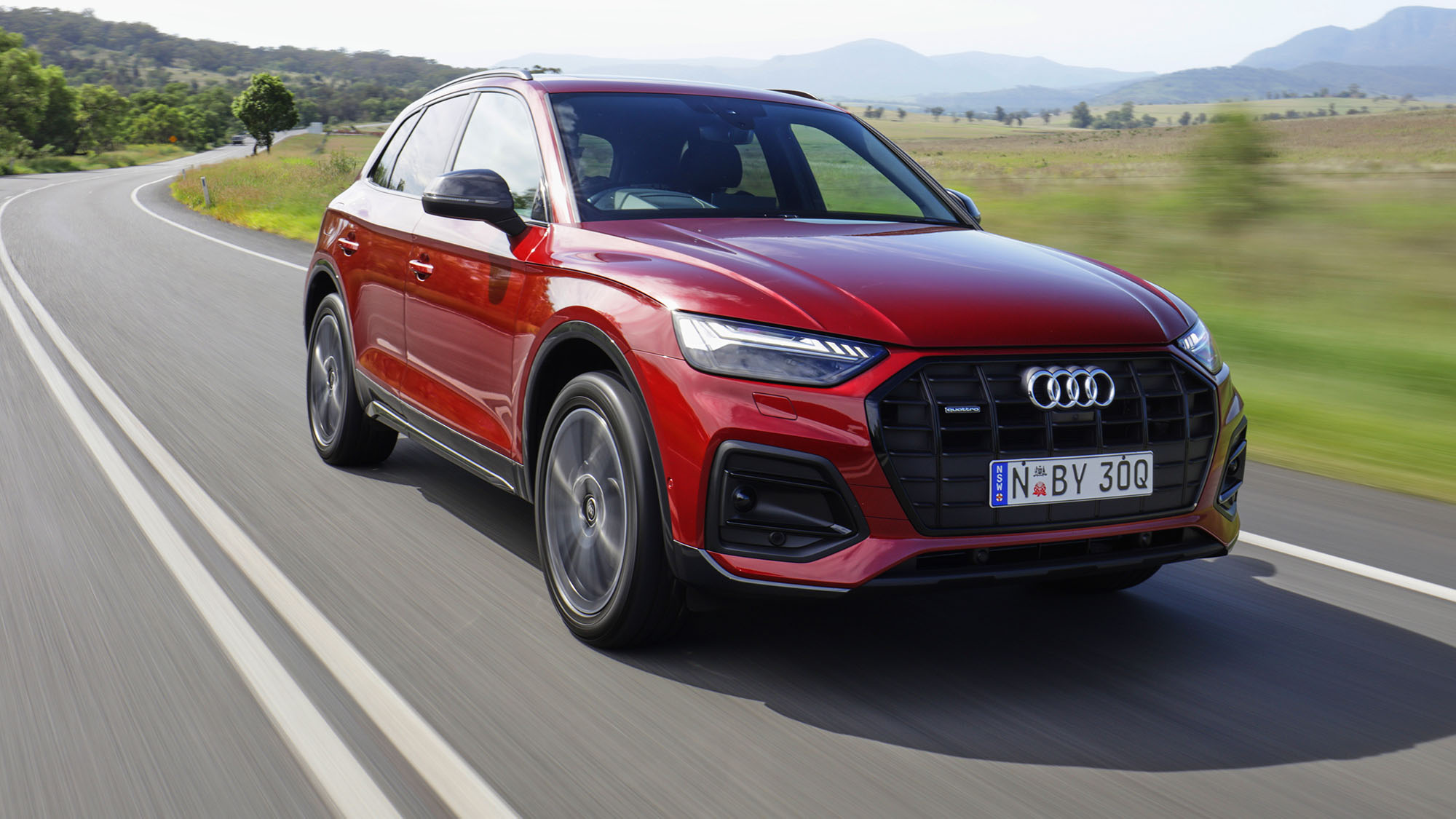
Its front end has been completely restyled from the bonnet down, with new lights, bumper intakes and a new grille defining the facade.
The changes are less dramatic on its rear end, however, where refreshed taillights and new lower bumper insert debut.
Meanwhile, the Audi’s infotainment is enhanced through a new 10.1-inch MMI touch display, and offers Audi Connect services to map out surrounding amenities in Google Maps.
Powering the range are three new engines, kicking off with diesel TDI and petrol TFSI four-cylinder engines, both paired with a seven-speed dual-clutch transmission.
Producing 150kW and 400Nm, or 10kW more than past, the base 2.0-litre turbo diesel engine powers all 40TDI variants, offering a sprint to 100km/h from rest in 7.6 seconds.
But its big draw is fuel economy, with Audi claiming it can sip as little as 5.4L/100km – no doubt helped by the 12-volt mild-hybrid system used by it and the petrol Q5.
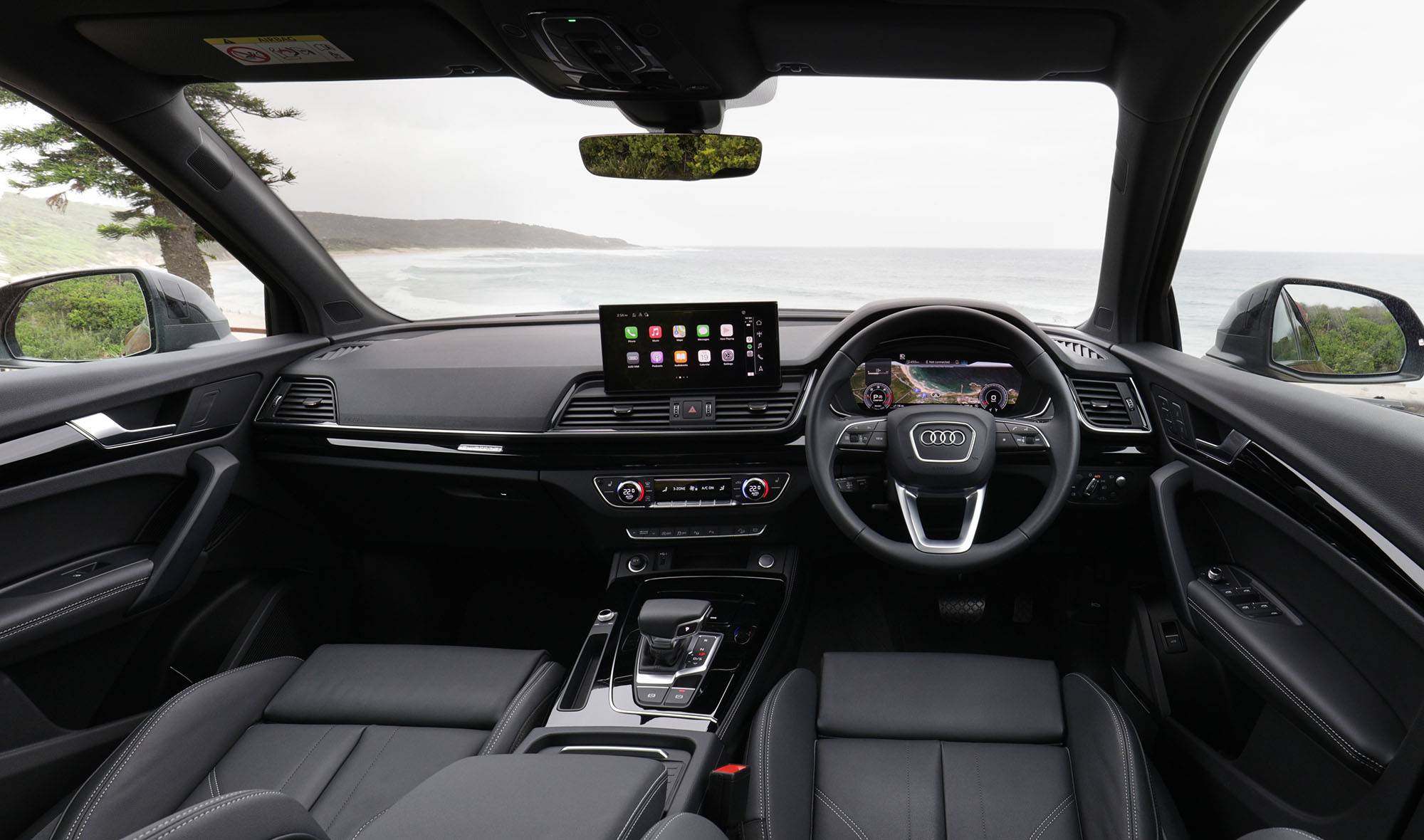
The 2.0-litre turbo petrol four-cylinder, meanwhile, is slightly down on power (-2kW) and offers 183kW and 370Nm in all 45TFSI variants, helping it accelerate to 100km/h in 6.3 seconds.
Both powertrains are available in three trims; a name-less base trim, Sport and a Launch Edition.
The second-tier Sport trim on 40TDI and 45TFSI variants introduce 20-inch wheels, 10-speaker audio and panoramic sunroofs, as well as heated Sport front seats, adaptive cruise and traffic jam assist, collision avoidance and park assist, among other safety systems, for $6000 on TDIs and $7000 on TFSIs.
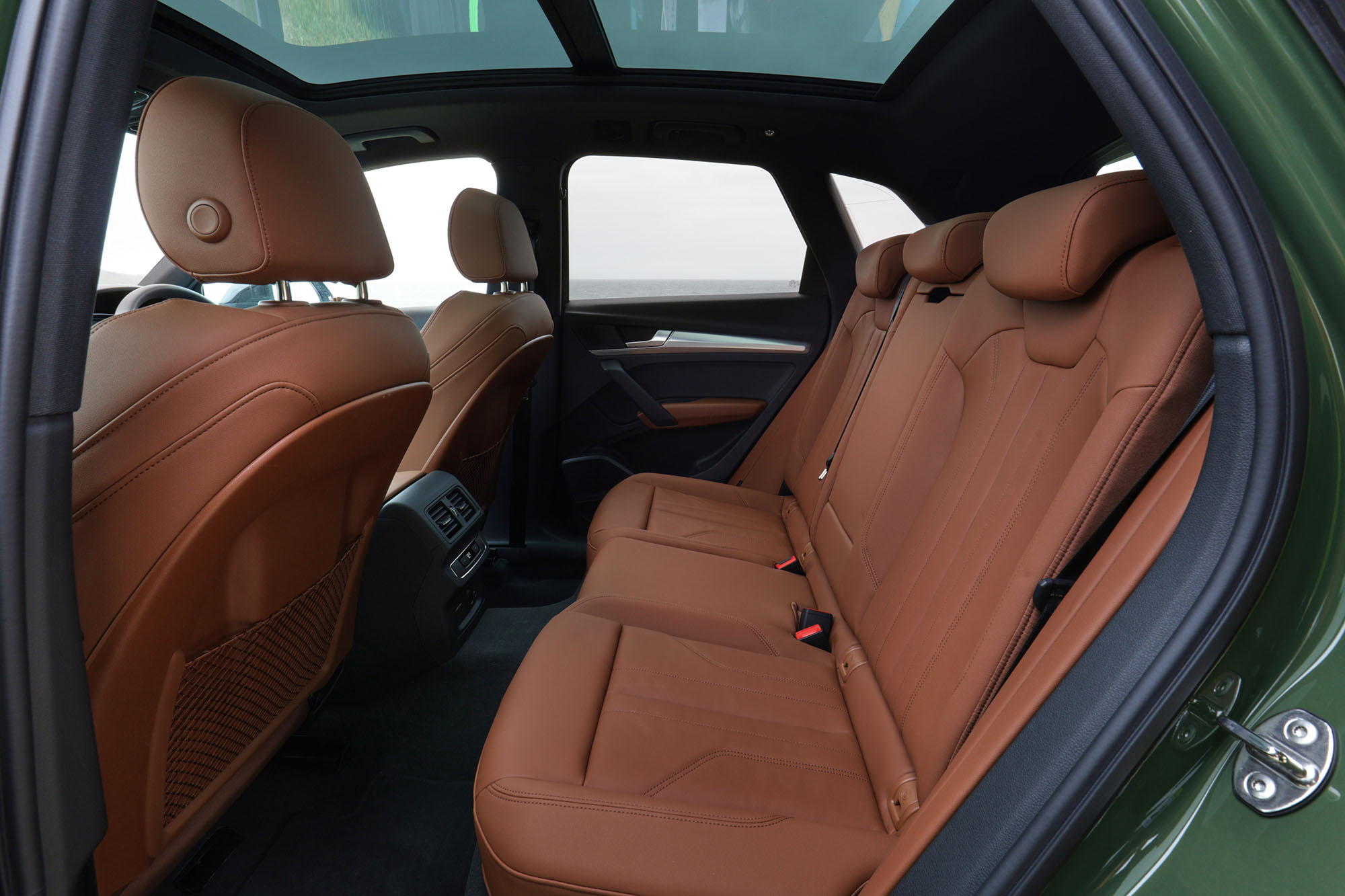
For a limited time Audi is also offering Launch Edition trims on the base powertrains, this adds metallic paint, 20-inch wheels in bi-colour Falx design, black exterior styling bits, carbon mirrors, leather seats and armrests, illuminated door sills as well as ambient lighting — for $3400 on TDIs and $4200 on TFSIs.
The Launch Edition will go some way to aping the top-of-the-line Q5 S-Line, which is offered exclusively with a 3.0-litre turbo diesel V6 and eight-speed automatic transmission.
Pumping out 210kW and 620Nm, it’ll hit 100km/h from rest in 6.3 seconds and relies on a 48-volt mild-hybrid system.
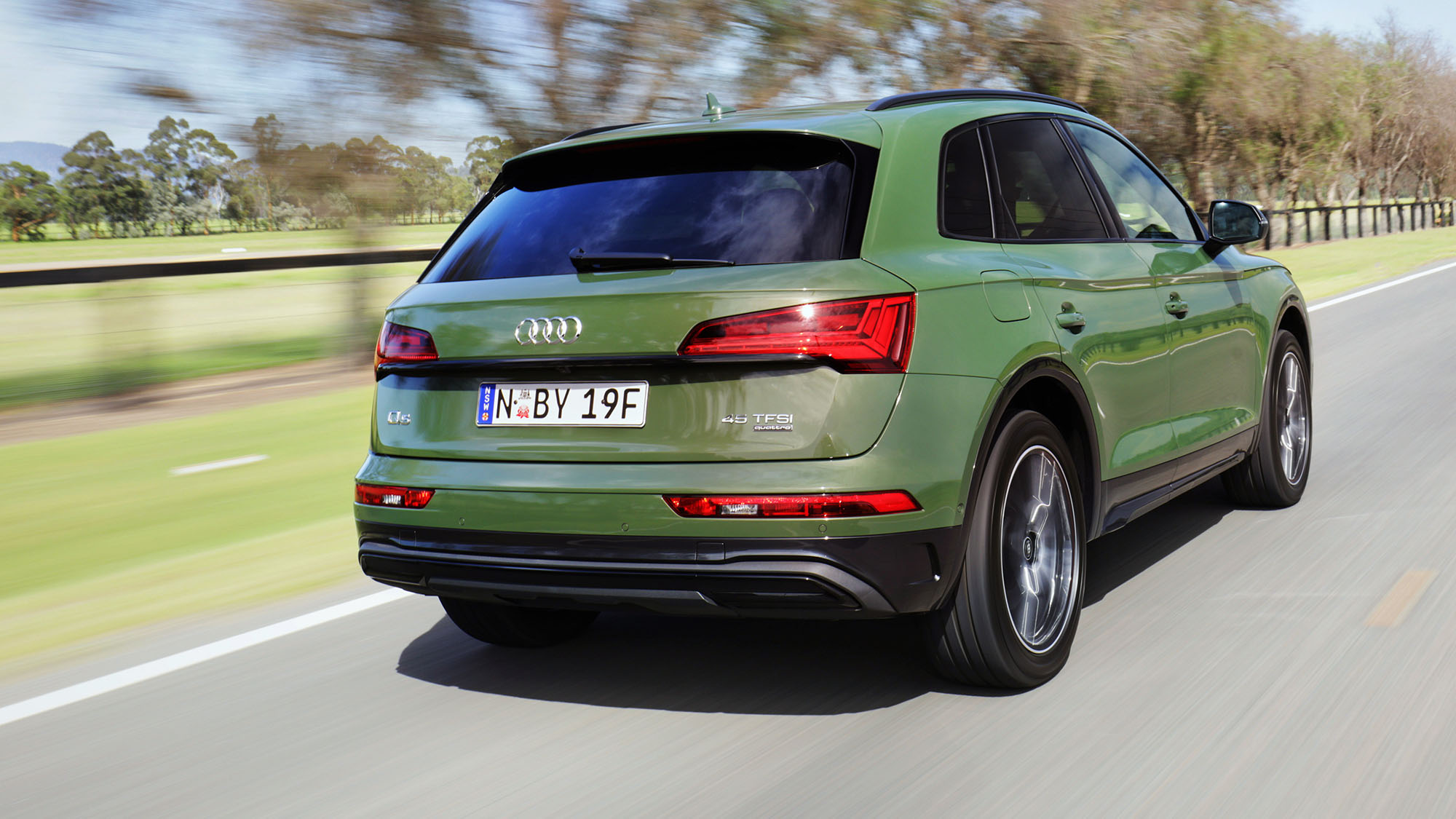
On top of this, it scores a honeycomb grille finished in black, matte silver front bumper inserts, illuminated door sills and a silver rear diffuser, along with electric steering adjustment.
The sporty Audi SQ5 tops the new range, featuring the same 3.0-litre turbo diesel V6 diesel powertrain from the SQ5 special edition of late 2020. The engine outputs 251kW/700Nm and is mated to an all-wheel-drive system that can launch the SQ5 from zero to 100km/h in 5.1 seconds.
It has an eight-speed tiptronic transmission and also equips a 48-volt mild hybrid system to provide electric boost.
Otherwise, the SQ5 also adopts adaptive damping, 21-inch Audi Sport wheels, 19-speaker Bang and Olufsen sound system, ambient lighting, quilted Nappa leather sports seats, specific S styling features inside and out, as well as Matrix LED headlights. It goes on sale from April 2021.
Across the standard range, Audi’s offering 12 exterior colours, four interior schemes as well as the Assistance, Comfort and Technik packs, as ways to customise the new Q5.
All Q5s will come from Audi’s Chihuahua plant in Mexico, while Audi offers a five-year service plan package for $2720 on petrol engines, then $3160 on diesels – backed by a three-year unlimited kilometre warranty.
2021 Audi Q5 and SQ5 Pricing
| Variant | Price |
| Q5 40TDI quattro 150kW | $68,900 |
| Q5 45TFSI quattro 183kW | $69,600 |
| Q5 40TDI quattro Sport 150kW | $74,900 |
| Q5 45TFSI quattro Sport 183kW | $76,600 |
| Q5 40TDI quattro Launch Edition 150kW | $78,300 |
| Q5 45TFSI quattro Launch Edition 183kW | $80,800 |
| Q5 50TDI quattro S line 210kW | $89,600 |
| SQ5 TDI 251kW | $104,900 |
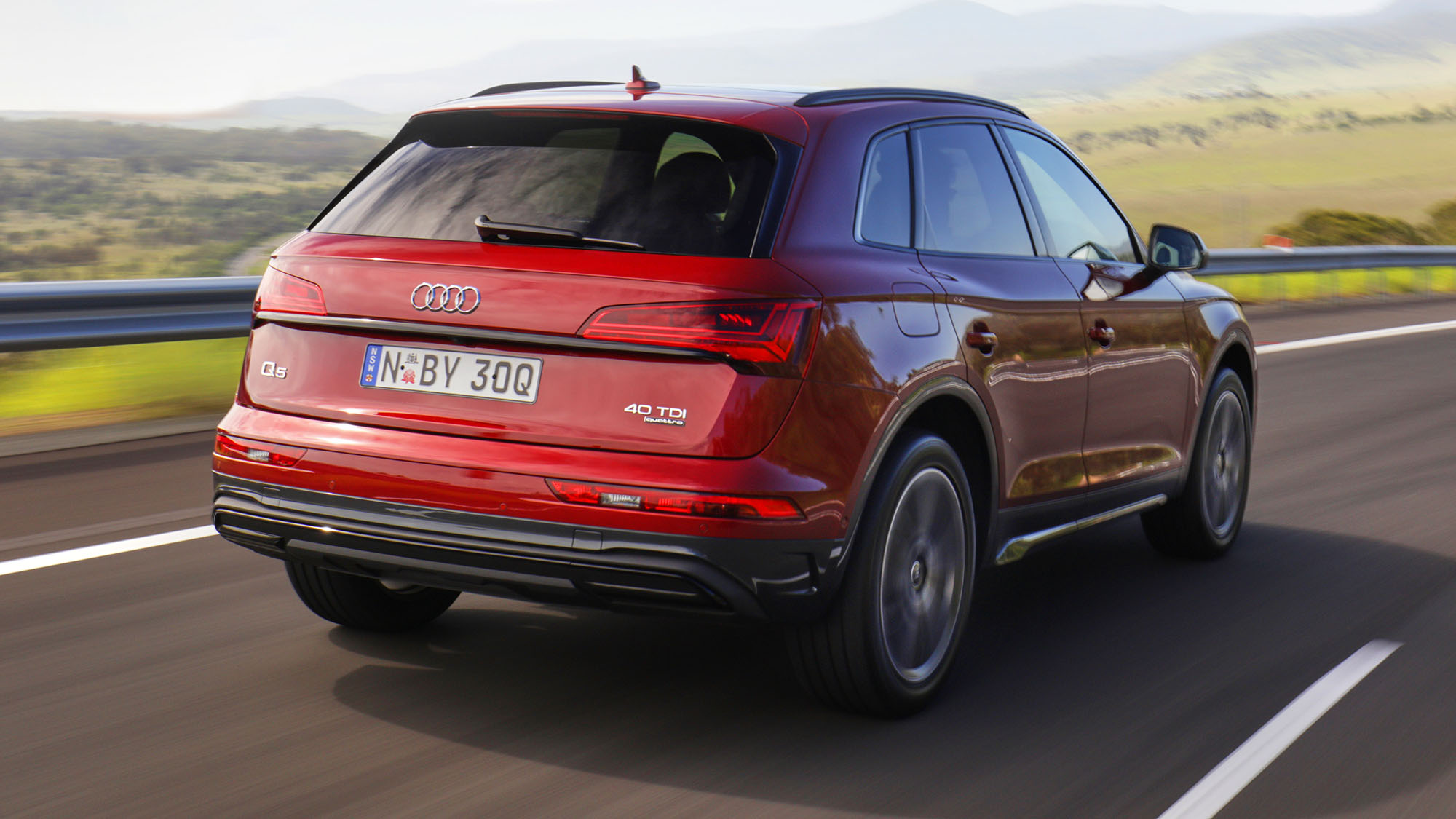
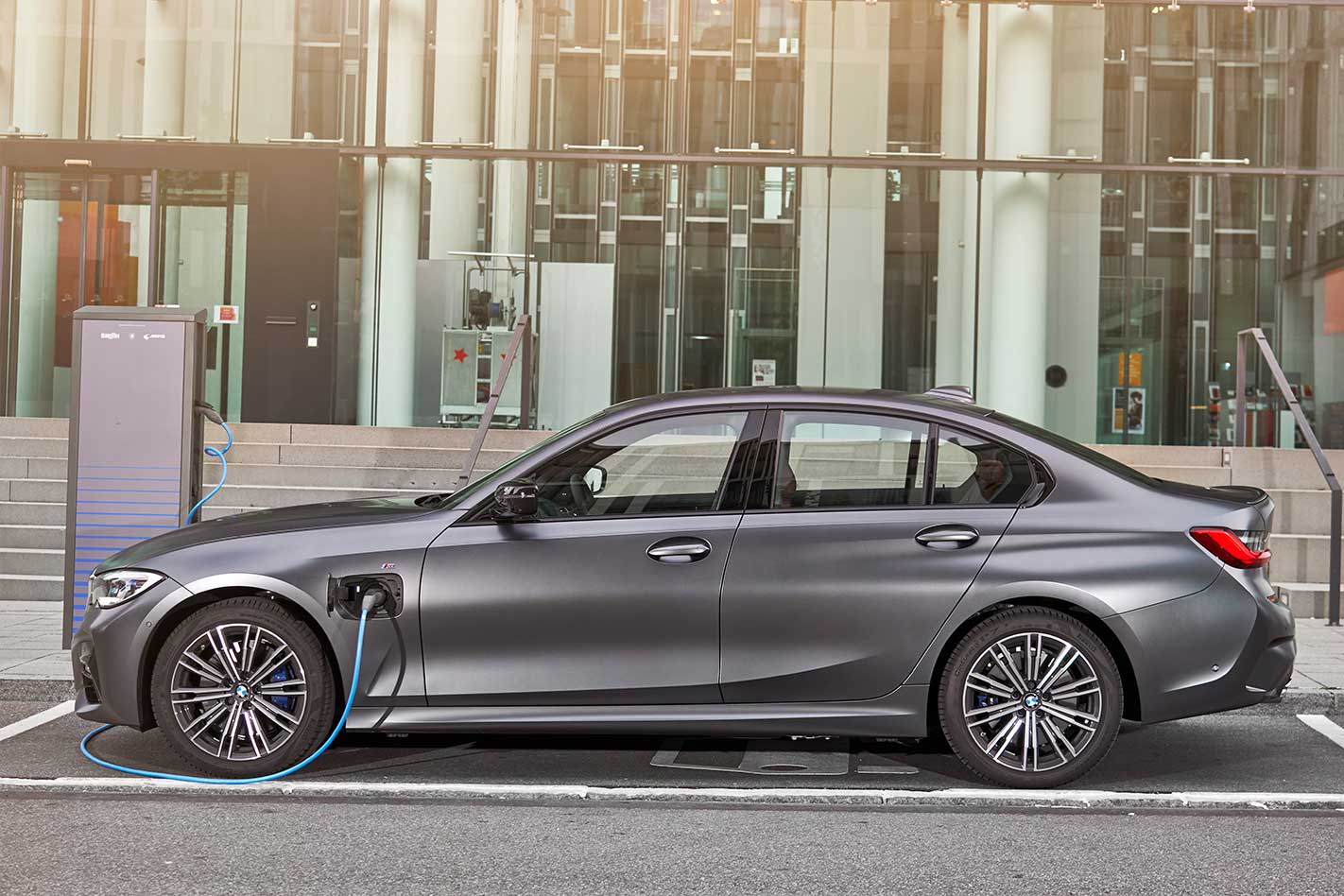
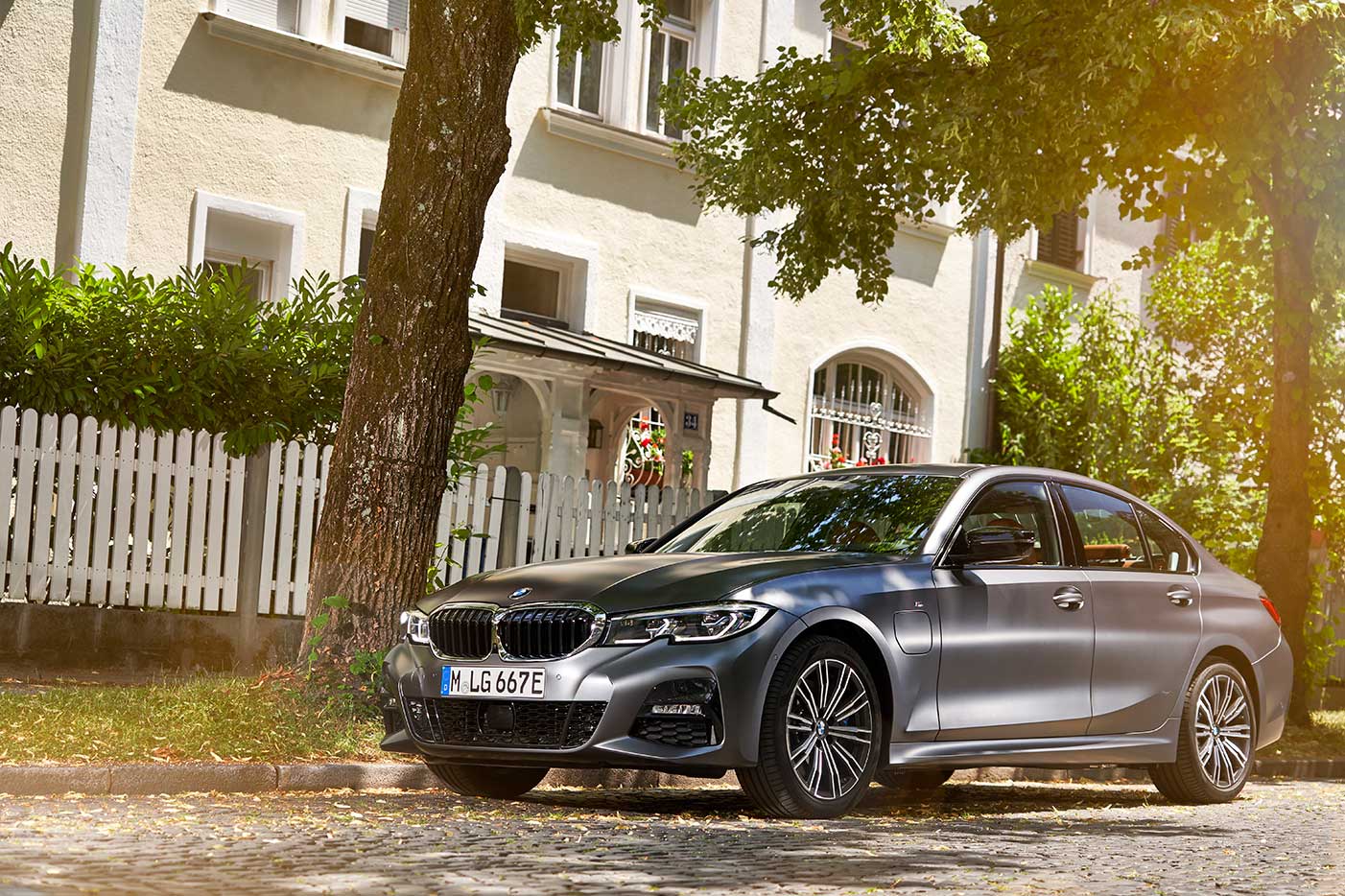
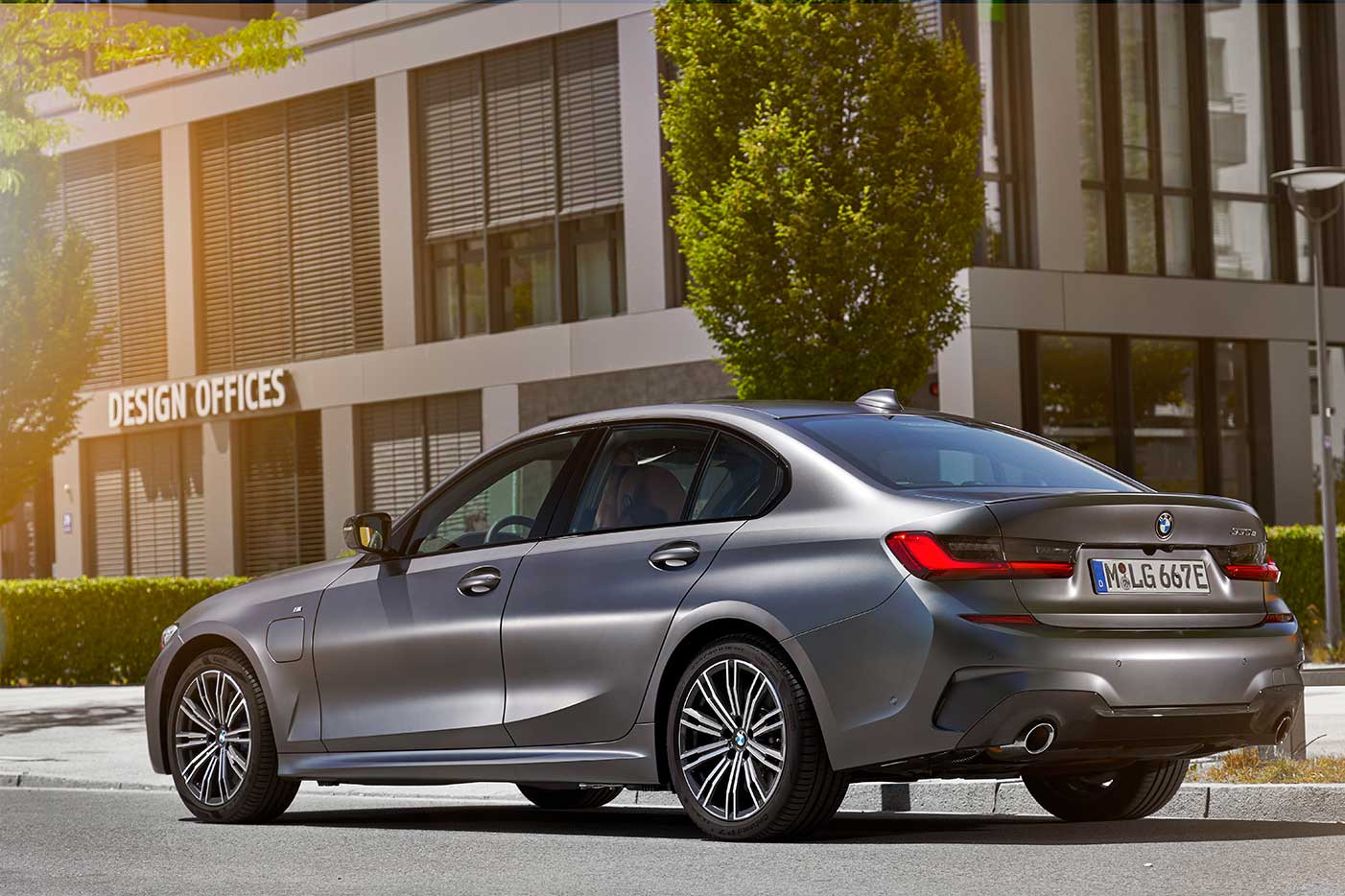
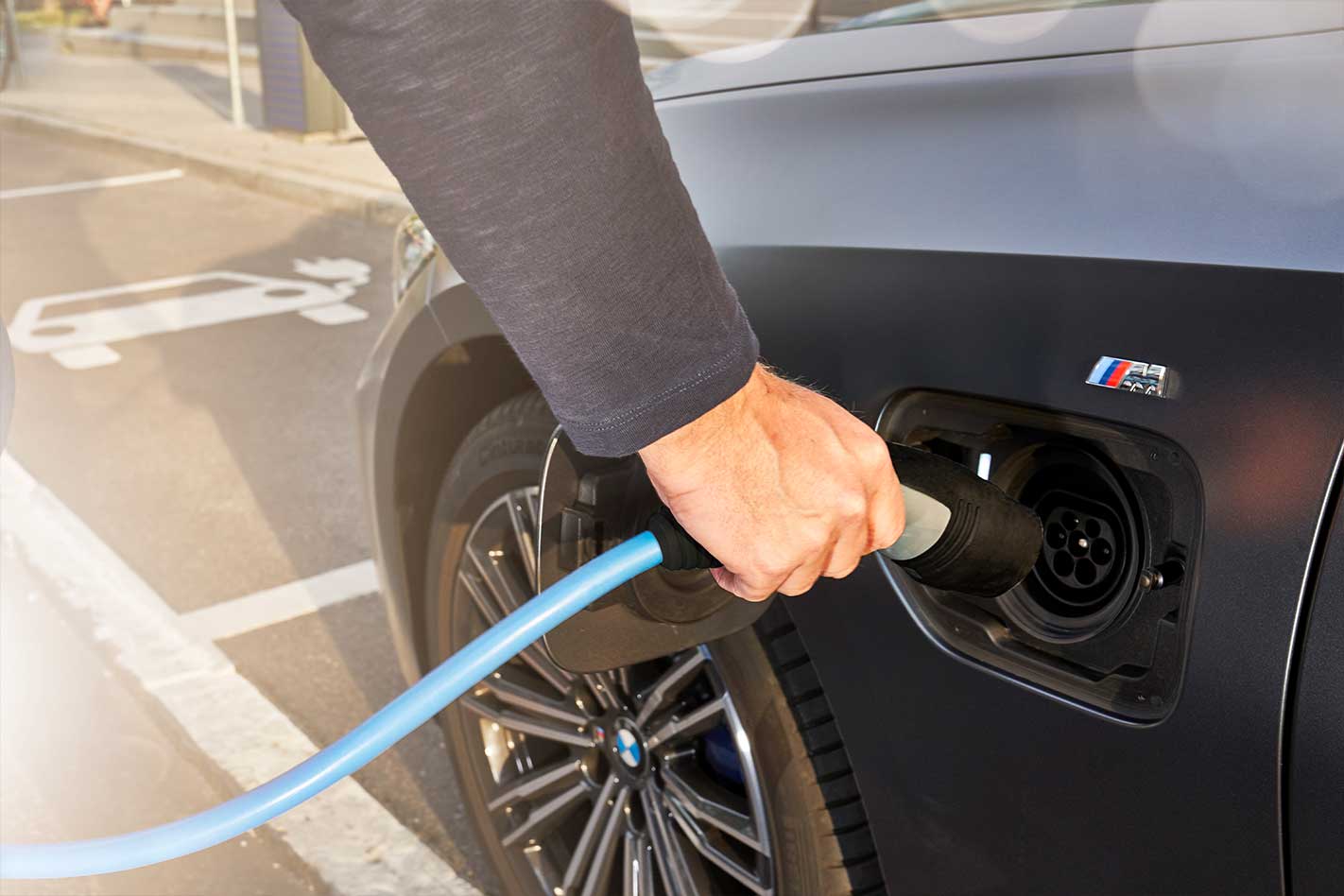
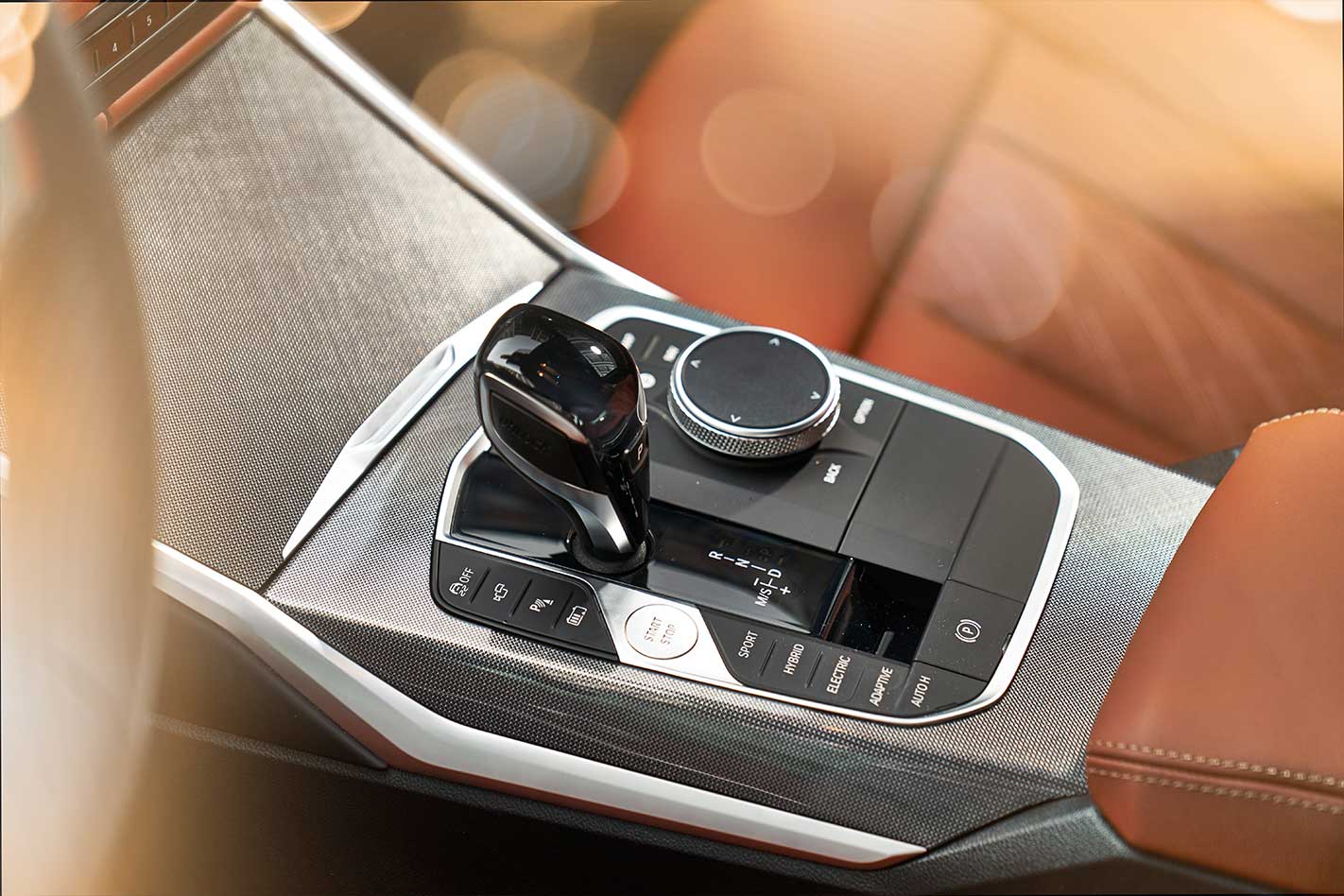
This gives the 330e the ability to effectively drive itself on the highway, though constant driver inputs are required to keep the system active. However, unfortunately the calibration still needs work, particularly when merging off the main road, the lane keep aggressively trying to keep the car going on the original path.
In the vast majority of circumstances it works well, but these moments badly shake confidence in the system.Parking Assistant Plus includes not just the usual rear-view camera and parking sensors but a ‘top-down’ surround view camera and the ability to self-park where space allows.
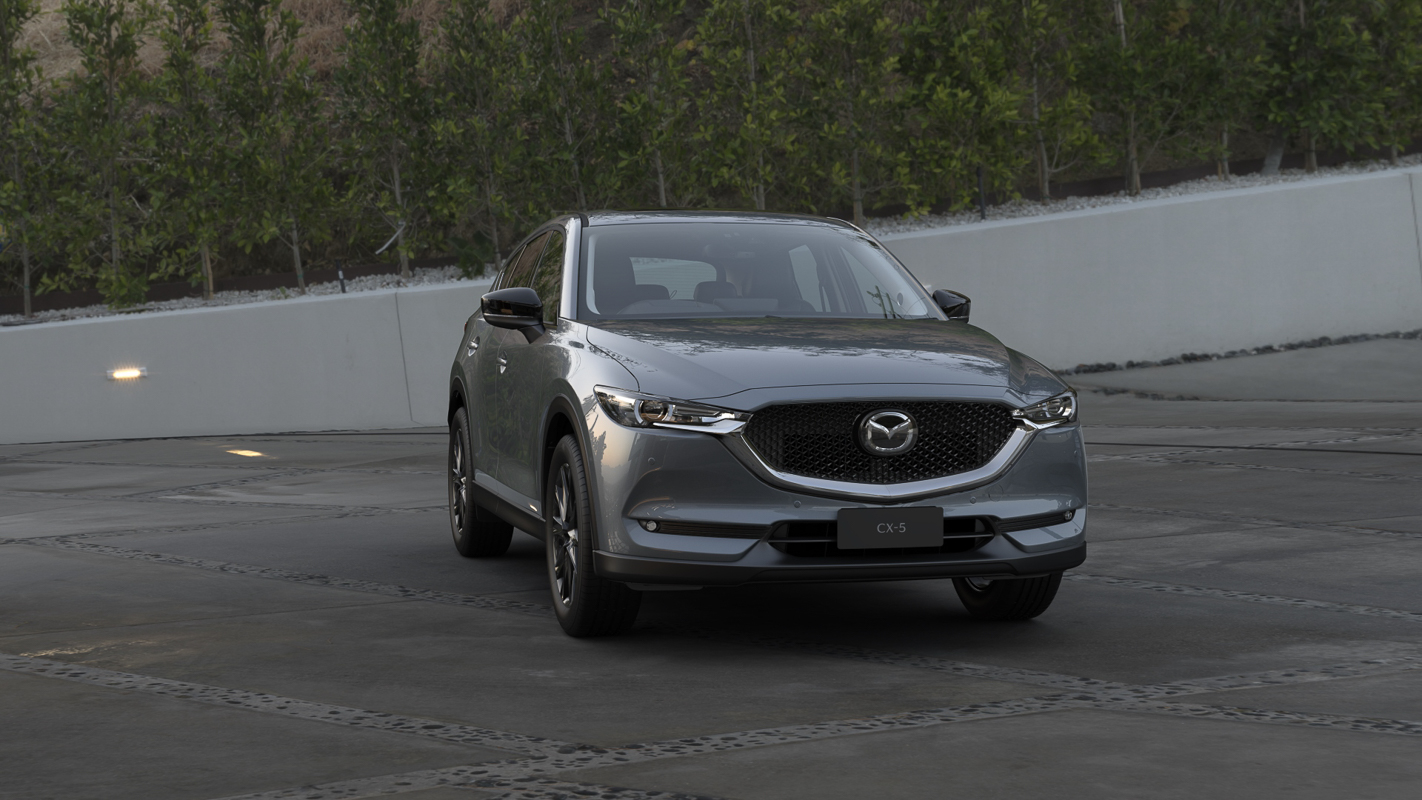
Mazda has introduced minor updates to its CX-5 mid-size SUV range for 2021, adding a sporty-looking GT SP variant and a new, bigger, infotainment screen to select variants.
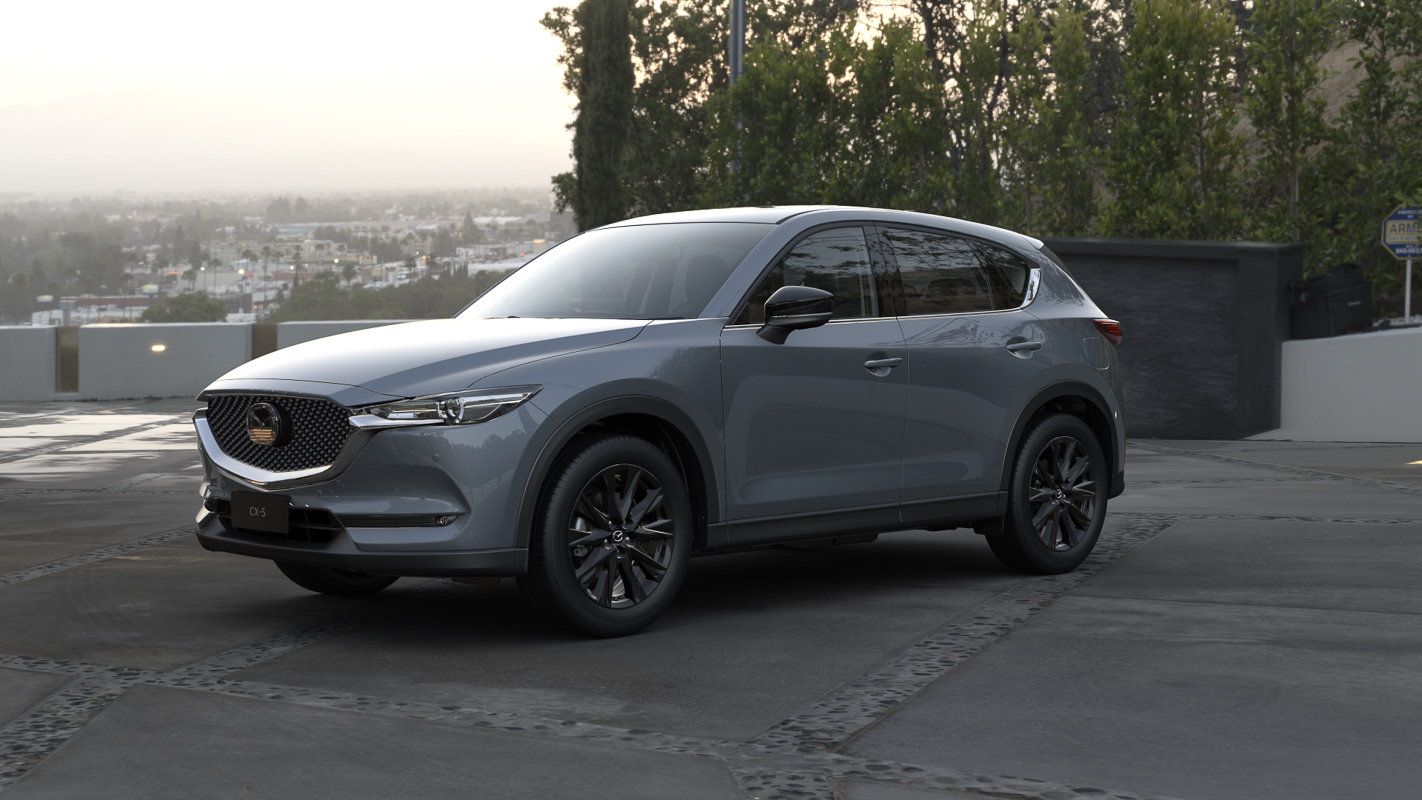
The new Mazda CX-5 GT SP sits between the CX-5 GT and range-topping Akera, and joins the existing Mazda CX-9 and Mazda 6 models in the new SP portfolio.
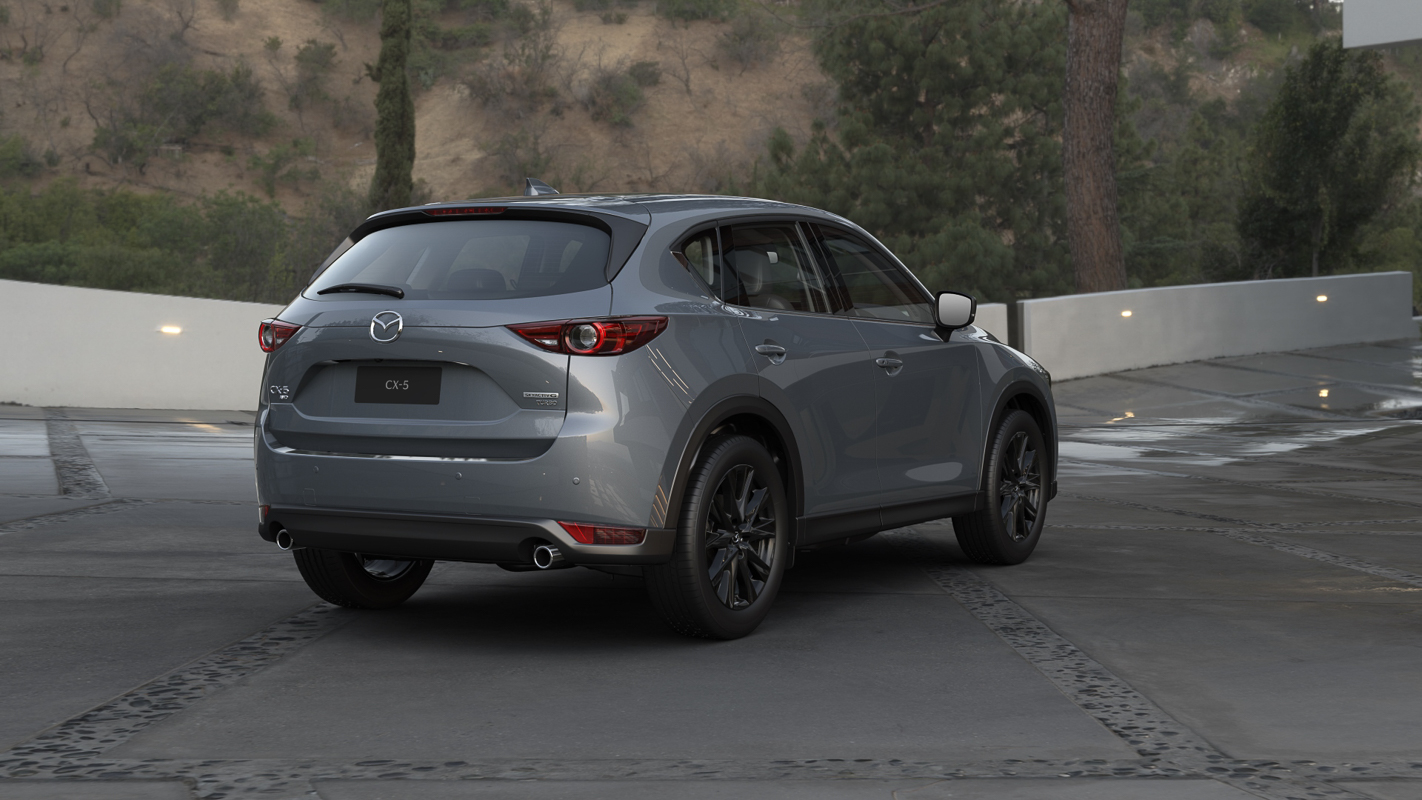
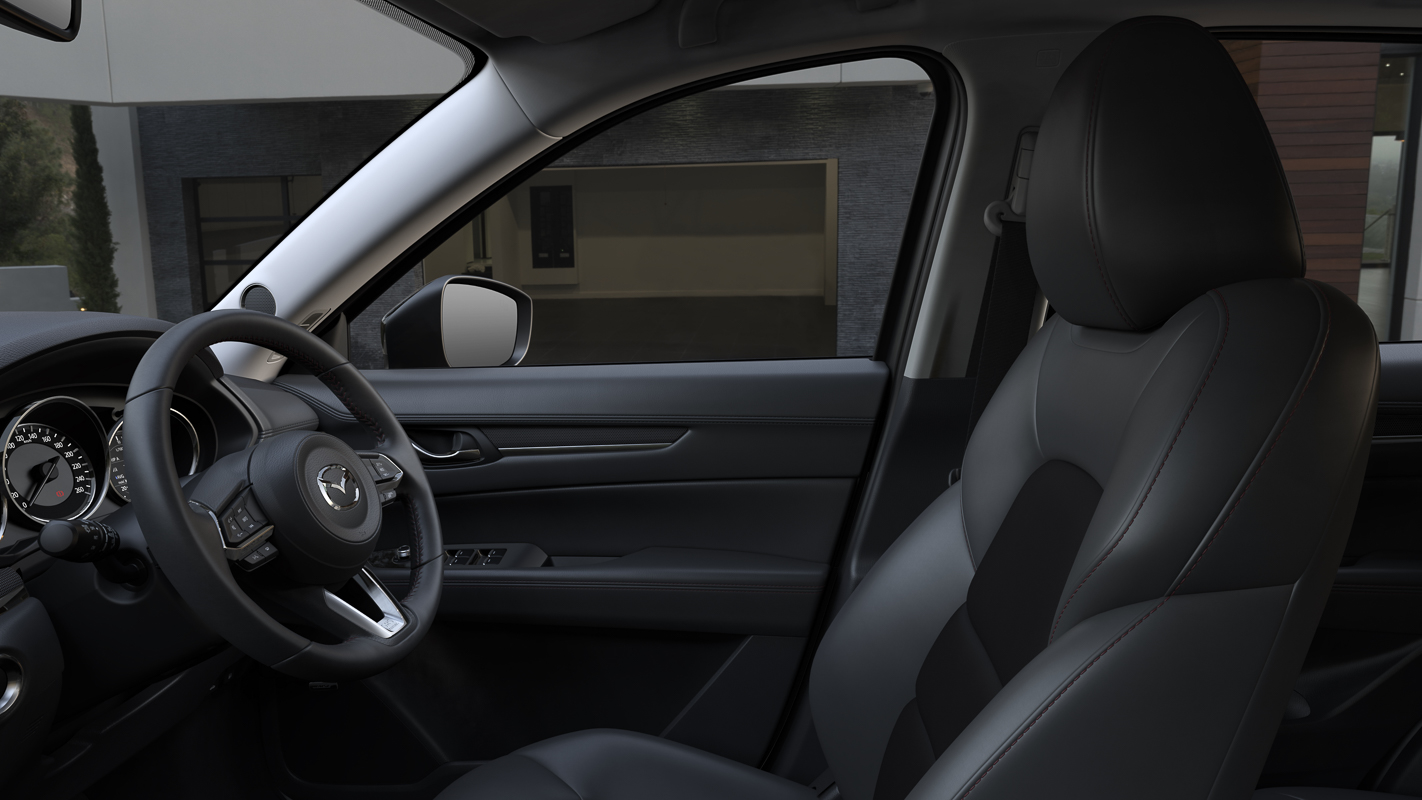
While SP variants have previously been offered with genuine performance enhancements – like the RX-7 SP and Mazda MX-5 SP – the new SP model grades (including CX-5 GT SP) are simply aesthetically sporty; with additions such as black 19-inch alloy wheels, black mirror caps and black ‘Maztex’/synthetic suede upholstery with contrast red stitching.
Mazda has priced the new CX-5 GT SP at $47,490 (before on-road costs) with the non-turbo petrol engine and $49,990 with the turbo petrol engine.
Prices have increased across the rest of the range by as much as $1050.
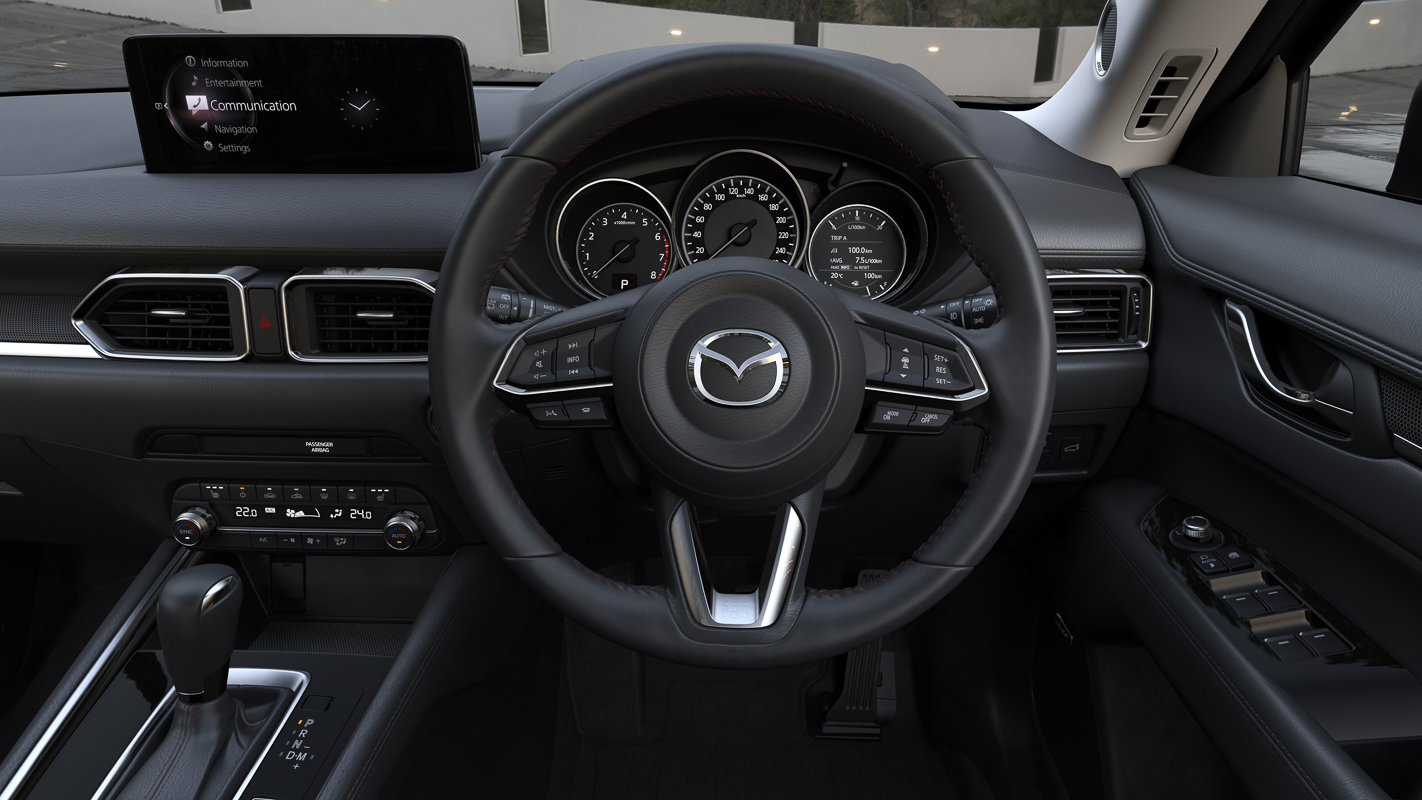
Changes to the rest of the CX-5 range include a new larger 10.25-inch infotainment screen for GT, GT SP and Akera grades, while lower-grade Maxx, Maxx Sport and Touring variants make-do with the old 8.0-inch infotainment unit. All benefit from Apple CarPlay/Android Auto smartphone mirroring.
The entry-level Maxx now receives 17-inch alloy wheels instead of the bargain-basement steel rims.
A range of four-cylinder engines is on offer in the 2021 Mazda CX-5 range, beginning with the Maxx and Maxx Sport’s 2.0-litre naturally-aspirated engine with 115kW/200Nm outputs, powering the front wheels only.
The Maxx comes with a six-speed manual gearbox as standard, with a six-speed automatic transmission is available for an additional $2000. All powertrains in other variants including the Maxx Sport come with auto as standard.
Maxx and Maxx Sport buyers can upgrade to all-wheel drive, which also brings a larger 140kW/252Nm 2.5-litre engine that’s standard on Touring, GT, GT SP and Akera model grades.
A 140kW/450Nm 2.2-litre twin-turbo diesel engine can be added to the Maxx Sport, Touring, GT and Akera.
The GT, GT SP and Akera variants are also available with the punchy 170kW/420Nm 2.5-litre turbocharged petrol engine, which like the diesel only comes with all-wheel-drive.
Range-wide safety inclusions comprise autonomous emergency braking with nighttime pedestrian detection, blind-spot monitoring, rear-cross traffic alert, lane departure warning, adaptive cruise control, lane-keep assist and a driver attention alert system.
These items help the 2021 CX-5 continue with its five-star ANCAP safety rating.
In terms of safety add-ons, the Maxx Sport and higher specs score front fog lights; the Touring and above come with a head-up display and front parking sensors; and the Akera is equipped with a 360-degree camera and adaptive LED headlights.
Premium metallic paints can be selected for $495.
The 2021 Mazda CX-5 range is available for purchase now.
2021 Mazda CX-5 Australian pricing
Variant | List price |
Maxx Petrol Manual FWD | $31,190 |
Maxx Petrol Auto FWD | $33,190 |
Maxx Petrol Auto AWD | $36,190 |
Maxx Sport Petrol Auto FWD | $36,490 |
Maxx Sport Petrol Auto AWD | $39,490 |
Maxx Sport Diesel Auto AWD | $42,490 |
Touring Petrol Auto AWD | $41,280 |
Touring Diesel Auto AWD | $44,280 |
GT Petrol Auto AWD | $46,990 |
GT Petrol Turbo Auto AWD | $49,490 |
GT Diesel Auto AWD | $49,990 |
GT SP Petrol Auto AWD | $47,490 |
GT SP Petrol Turbo Auto AWD | $49,990 |
Akera Petrol Auto AWD | $49,380 |
Akera Petrol Turbo Auto AWD | $51,880 |
Akera Diesel Auto AWD | $52,380 |
All prices listed in this story exclude on-road costs.
